window.__IS_SSR__=true
window.__INITIAL_STATE__={
"attachmentsReducer": {
"audio_0": {
"type": "attachments",
"id": "audio_0",
"imgSizes": {
"kqedFullSize": {
"file": "https://ww2.kqed.org/news/wp-content/themes/KQED-unified/img/audio_bgs/background0.jpg"
}
}
},
"audio_1": {
"type": "attachments",
"id": "audio_1",
"imgSizes": {
"kqedFullSize": {
"file": "https://ww2.kqed.org/news/wp-content/themes/KQED-unified/img/audio_bgs/background1.jpg"
}
}
},
"audio_2": {
"type": "attachments",
"id": "audio_2",
"imgSizes": {
"kqedFullSize": {
"file": "https://ww2.kqed.org/news/wp-content/themes/KQED-unified/img/audio_bgs/background2.jpg"
}
}
},
"audio_3": {
"type": "attachments",
"id": "audio_3",
"imgSizes": {
"kqedFullSize": {
"file": "https://ww2.kqed.org/news/wp-content/themes/KQED-unified/img/audio_bgs/background3.jpg"
}
}
},
"audio_4": {
"type": "attachments",
"id": "audio_4",
"imgSizes": {
"kqedFullSize": {
"file": "https://ww2.kqed.org/news/wp-content/themes/KQED-unified/img/audio_bgs/background4.jpg"
}
}
},
"placeholder": {
"type": "attachments",
"id": "placeholder",
"imgSizes": {
"thumbnail": {
"file": "https://cdn.kqed.org/wp-content/uploads/2024/12/KQED-Default-Image-816638274-2000x1333-1-160x107.jpg",
"width": 160,
"height": 107,
"mimeType": "image/jpeg"
},
"medium": {
"file": "https://cdn.kqed.org/wp-content/uploads/2024/12/KQED-Default-Image-816638274-2000x1333-1-800x533.jpg",
"width": 800,
"height": 533,
"mimeType": "image/jpeg"
},
"medium_large": {
"file": "https://cdn.kqed.org/wp-content/uploads/2024/12/KQED-Default-Image-816638274-2000x1333-1-768x512.jpg",
"width": 768,
"height": 512,
"mimeType": "image/jpeg"
},
"large": {
"file": "https://cdn.kqed.org/wp-content/uploads/2024/12/KQED-Default-Image-816638274-2000x1333-1-1020x680.jpg",
"width": 1020,
"height": 680,
"mimeType": "image/jpeg"
},
"1536x1536": {
"file": "https://cdn.kqed.org/wp-content/uploads/2024/12/KQED-Default-Image-816638274-2000x1333-1-1536x1024.jpg",
"width": 1536,
"height": 1024,
"mimeType": "image/jpeg"
},
"fd-lrg": {
"file": "https://cdn.kqed.org/wp-content/uploads/2024/12/KQED-Default-Image-816638274-2000x1333-1-1536x1024.jpg",
"width": 1536,
"height": 1024,
"mimeType": "image/jpeg"
},
"fd-med": {
"file": "https://cdn.kqed.org/wp-content/uploads/2024/12/KQED-Default-Image-816638274-2000x1333-1-1020x680.jpg",
"width": 1020,
"height": 680,
"mimeType": "image/jpeg"
},
"fd-sm": {
"file": "https://cdn.kqed.org/wp-content/uploads/2024/12/KQED-Default-Image-816638274-2000x1333-1-800x533.jpg",
"width": 800,
"height": 533,
"mimeType": "image/jpeg"
},
"post-thumbnail": {
"file": "https://cdn.kqed.org/wp-content/uploads/2024/12/KQED-Default-Image-816638274-2000x1333-1-672x372.jpg",
"width": 672,
"height": 372,
"mimeType": "image/jpeg"
},
"twentyfourteen-full-width": {
"file": "https://cdn.kqed.org/wp-content/uploads/2024/12/KQED-Default-Image-816638274-2000x1333-1-1038x576.jpg",
"width": 1038,
"height": 576,
"mimeType": "image/jpeg"
},
"xxsmall": {
"file": "https://cdn.kqed.org/wp-content/uploads/2024/12/KQED-Default-Image-816638274-2000x1333-1-160x107.jpg",
"width": 160,
"height": 107,
"mimeType": "image/jpeg"
},
"xsmall": {
"file": "https://cdn.kqed.org/wp-content/uploads/2024/12/KQED-Default-Image-816638274-2000x1333-1-672x372.jpg",
"width": 672,
"height": 372,
"mimeType": "image/jpeg"
},
"small": {
"file": "https://cdn.kqed.org/wp-content/uploads/2024/12/KQED-Default-Image-816638274-2000x1333-1-672x372.jpg",
"width": 672,
"height": 372,
"mimeType": "image/jpeg"
},
"xlarge": {
"file": "https://cdn.kqed.org/wp-content/uploads/2024/12/KQED-Default-Image-816638274-2000x1333-1-1020x680.jpg",
"width": 1020,
"height": 680,
"mimeType": "image/jpeg"
},
"full-width": {
"file": "https://cdn.kqed.org/wp-content/uploads/2024/12/KQED-Default-Image-816638274-2000x1333-1-1920x1280.jpg",
"width": 1920,
"height": 1280,
"mimeType": "image/jpeg"
},
"guest-author-32": {
"file": "https://cdn.kqed.org/wp-content/uploads/2025/01/KQED-Default-Image-816638274-1333x1333-1-160x160.jpg",
"width": 32,
"height": 32,
"mimeType": "image/jpeg"
},
"guest-author-50": {
"file": "https://cdn.kqed.org/wp-content/uploads/2025/01/KQED-Default-Image-816638274-1333x1333-1-160x160.jpg",
"width": 50,
"height": 50,
"mimeType": "image/jpeg"
},
"guest-author-64": {
"file": "https://cdn.kqed.org/wp-content/uploads/2025/01/KQED-Default-Image-816638274-1333x1333-1-160x160.jpg",
"width": 64,
"height": 64,
"mimeType": "image/jpeg"
},
"guest-author-96": {
"file": "https://cdn.kqed.org/wp-content/uploads/2025/01/KQED-Default-Image-816638274-1333x1333-1-160x160.jpg",
"width": 96,
"height": 96,
"mimeType": "image/jpeg"
},
"guest-author-128": {
"file": "https://cdn.kqed.org/wp-content/uploads/2025/01/KQED-Default-Image-816638274-1333x1333-1-160x160.jpg",
"width": 128,
"height": 128,
"mimeType": "image/jpeg"
},
"detail": {
"file": "https://cdn.kqed.org/wp-content/uploads/2025/01/KQED-Default-Image-816638274-1333x1333-1-160x160.jpg",
"width": 160,
"height": 160,
"mimeType": "image/jpeg"
},
"kqedFullSize": {
"file": "https://cdn.kqed.org/wp-content/uploads/2024/12/KQED-Default-Image-816638274-2000x1333-1.jpg",
"width": 2000,
"height": 1333
}
}
},
"science_1977411": {
"type": "attachments",
"id": "science_1977411",
"meta": {
"index": "attachments_1716263798",
"site": "science",
"id": "1977411",
"found": true
},
"parent": 1977410,
"imgSizes": {
"twentyfourteen-full-width": {
"file": "https://ww2.kqed.org/app/uploads/sites/35/2021/10/cop26-gap-promo-b26e1e03cdad4b761398d2b226d9c77972e3acb5-1-1038x576.png",
"width": 1038,
"mimeType": "image/png",
"height": 576
},
"thumbnail": {
"file": "https://ww2.kqed.org/app/uploads/sites/35/2021/10/cop26-gap-promo-b26e1e03cdad4b761398d2b226d9c77972e3acb5-1-160x120.png",
"width": 160,
"mimeType": "image/png",
"height": 120
},
"post-thumbnail": {
"file": "https://ww2.kqed.org/app/uploads/sites/35/2021/10/cop26-gap-promo-b26e1e03cdad4b761398d2b226d9c77972e3acb5-1-672x372.png",
"width": 672,
"mimeType": "image/png",
"height": 372
},
"kqedFullSize": {
"file": "https://ww2.kqed.org/app/uploads/sites/35/2021/10/cop26-gap-promo-b26e1e03cdad4b761398d2b226d9c77972e3acb5-1.png",
"width": 1637,
"height": 1228
},
"large": {
"file": "https://ww2.kqed.org/app/uploads/sites/35/2021/10/cop26-gap-promo-b26e1e03cdad4b761398d2b226d9c77972e3acb5-1-1020x765.png",
"width": 1020,
"mimeType": "image/png",
"height": 765
},
"1536x1536": {
"file": "https://ww2.kqed.org/app/uploads/sites/35/2021/10/cop26-gap-promo-b26e1e03cdad4b761398d2b226d9c77972e3acb5-1-1536x1152.png",
"width": 1536,
"mimeType": "image/png",
"height": 1152
},
"medium": {
"file": "https://ww2.kqed.org/app/uploads/sites/35/2021/10/cop26-gap-promo-b26e1e03cdad4b761398d2b226d9c77972e3acb5-1-800x600.png",
"width": 800,
"mimeType": "image/png",
"height": 600
},
"medium_large": {
"file": "https://ww2.kqed.org/app/uploads/sites/35/2021/10/cop26-gap-promo-b26e1e03cdad4b761398d2b226d9c77972e3acb5-1-768x576.png",
"width": 768,
"mimeType": "image/png",
"height": 576
}
},
"publishDate": 1635874668,
"modified": 1635874919,
"caption": null,
"description": null,
"title": null,
"credit": null,
"status": "inherit",
"altTag": "A chart showing the large gap between greenhouse gas emissions under current policies and emissions needed to limit warming to around 2.7 degrees Fahrenheit by 2100.",
"isLoading": false,
"fetchFailed": false
},
"science_1977361": {
"type": "attachments",
"id": "science_1977361",
"meta": {
"index": "attachments_1716263798",
"site": "science",
"id": "1977361",
"found": true
},
"parent": 1977343,
"imgSizes": {
"twentyfourteen-full-width": {
"file": "https://ww2.kqed.org/app/uploads/sites/35/2021/10/RS50515_IMG_7522-qut-1038x576.jpg",
"width": 1038,
"mimeType": "image/jpeg",
"height": 576
},
"thumbnail": {
"file": "https://ww2.kqed.org/app/uploads/sites/35/2021/10/RS50515_IMG_7522-qut-160x107.jpg",
"width": 160,
"mimeType": "image/jpeg",
"height": 107
},
"post-thumbnail": {
"file": "https://ww2.kqed.org/app/uploads/sites/35/2021/10/RS50515_IMG_7522-qut-672x372.jpg",
"width": 672,
"mimeType": "image/jpeg",
"height": 372
},
"kqedFullSize": {
"file": "https://ww2.kqed.org/app/uploads/sites/35/2021/10/RS50515_IMG_7522-qut.jpg",
"width": 1920,
"height": 1280
},
"large": {
"file": "https://ww2.kqed.org/app/uploads/sites/35/2021/10/RS50515_IMG_7522-qut-1020x680.jpg",
"width": 1020,
"mimeType": "image/jpeg",
"height": 680
},
"1536x1536": {
"file": "https://ww2.kqed.org/app/uploads/sites/35/2021/10/RS50515_IMG_7522-qut-1536x1024.jpg",
"width": 1536,
"mimeType": "image/jpeg",
"height": 1024
},
"medium": {
"file": "https://ww2.kqed.org/app/uploads/sites/35/2021/10/RS50515_IMG_7522-qut-800x533.jpg",
"width": 800,
"mimeType": "image/jpeg",
"height": 533
},
"medium_large": {
"file": "https://ww2.kqed.org/app/uploads/sites/35/2021/10/RS50515_IMG_7522-qut-768x512.jpg",
"width": 768,
"mimeType": "image/jpeg",
"height": 512
}
},
"publishDate": 1635457322,
"modified": 1635468393,
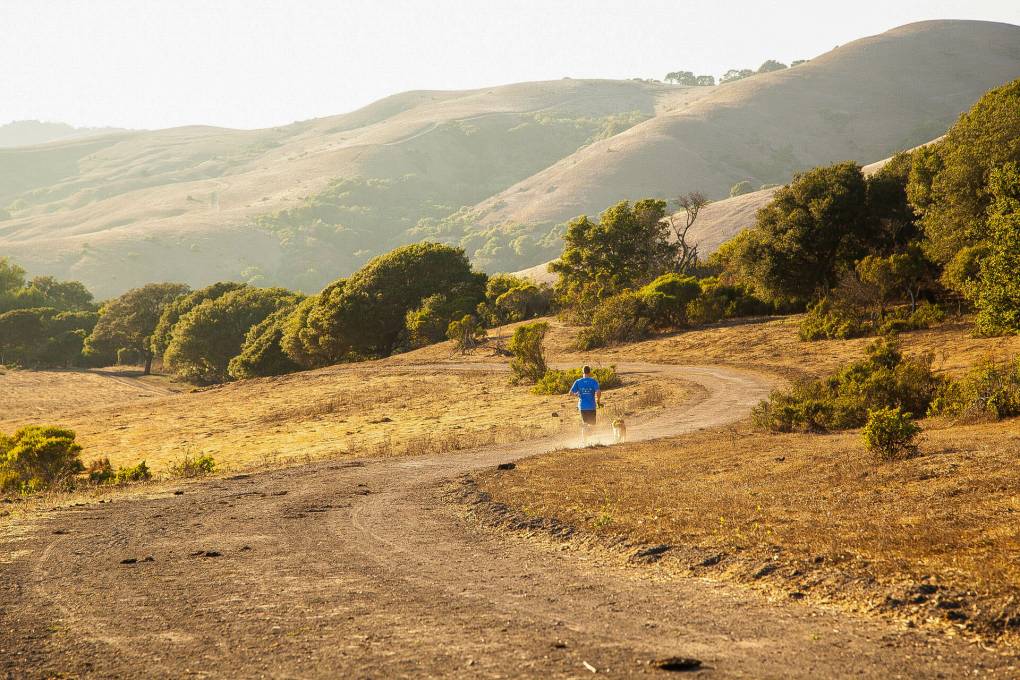
"caption": "A jogger runs a dry trail with his dog in the heat of summer in Wildcat Canyon Regional Park in Richmond, Calif., on Tuesday, July 27, 2021.",
"description": null,
"title": "Wildcat Canyon Jogger",
"credit": "Joyce Tsai/KQED",
"status": "inherit",
"altTag": "A brown hilly landscape, dotted with a few trees, and a jogger in a blue top in the distant center.",
"isLoading": false,
"fetchFailed": false
},
"science_1977365": {
"type": "attachments",
"id": "science_1977365",
"meta": {
"index": "attachments_1716263798",
"site": "science",
"id": "1977365",
"found": true
},
"parent": 1977314,
"imgSizes": {
"twentyfourteen-full-width": {
"file": "https://ww2.kqed.org/app/uploads/sites/35/2021/10/RS52222_20053211553_b881fb31f1_5k-qut-1038x576.jpg",
"width": 1038,
"mimeType": "image/jpeg",
"height": 576
},
"thumbnail": {
"file": "https://ww2.kqed.org/app/uploads/sites/35/2021/10/RS52222_20053211553_b881fb31f1_5k-qut-160x107.jpg",
"width": 160,
"mimeType": "image/jpeg",
"height": 107
},
"post-thumbnail": {
"file": "https://ww2.kqed.org/app/uploads/sites/35/2021/10/RS52222_20053211553_b881fb31f1_5k-qut-672x372.jpg",
"width": 672,
"mimeType": "image/jpeg",
"height": 372
},
"kqedFullSize": {
"file": "https://ww2.kqed.org/app/uploads/sites/35/2021/10/RS52222_20053211553_b881fb31f1_5k-qut.jpg",
"width": 1920,
"height": 1278
},
"large": {
"file": "https://ww2.kqed.org/app/uploads/sites/35/2021/10/RS52222_20053211553_b881fb31f1_5k-qut-1020x679.jpg",
"width": 1020,
"mimeType": "image/jpeg",
"height": 679
},
"1536x1536": {
"file": "https://ww2.kqed.org/app/uploads/sites/35/2021/10/RS52222_20053211553_b881fb31f1_5k-qut-1536x1022.jpg",
"width": 1536,
"mimeType": "image/jpeg",
"height": 1022
},
"medium": {
"file": "https://ww2.kqed.org/app/uploads/sites/35/2021/10/RS52222_20053211553_b881fb31f1_5k-qut-800x533.jpg",
"width": 800,
"mimeType": "image/jpeg",
"height": 533
},
"medium_large": {
"file": "https://ww2.kqed.org/app/uploads/sites/35/2021/10/RS52222_20053211553_b881fb31f1_5k-qut-768x511.jpg",
"width": 768,
"mimeType": "image/jpeg",
"height": 511
}
},
"publishDate": 1635466694,
"modified": 1635466767,
"caption": "California rancher Ned Wood unlocks the controls for the photovoltaic solar cells and well pump in Contra Costa County.",
"description": null,
"title": "RS52222_20053211553_b881fb31f1_5k-qut",
"credit": "Lance Cheung/USDA",
"status": "inherit",
"altTag": null,
"isLoading": false,
"fetchFailed": false
},
"science_1977308": {
"type": "attachments",
"id": "science_1977308",
"meta": {
"index": "attachments_1716263798",
"site": "science",
"id": "1977308",
"found": true
},
"parent": 1977307,
"imgSizes": {
"twentyfourteen-full-width": {
"file": "https://ww2.kqed.org/app/uploads/sites/35/2021/10/gettyimages-1346389439-fcf95389c17152624da056a61b9a54dd18ba5443-907x576.jpg",
"width": 907,
"mimeType": "image/jpeg",
"height": 576
},
"thumbnail": {
"file": "https://ww2.kqed.org/app/uploads/sites/35/2021/10/gettyimages-1346389439-fcf95389c17152624da056a61b9a54dd18ba5443-160x120.jpg",
"width": 160,
"mimeType": "image/jpeg",
"height": 120
},
"post-thumbnail": {
"file": "https://ww2.kqed.org/app/uploads/sites/35/2021/10/gettyimages-1346389439-fcf95389c17152624da056a61b9a54dd18ba5443-672x372.jpg",
"width": 672,
"mimeType": "image/jpeg",
"height": 372
},
"kqedFullSize": {
"file": "https://ww2.kqed.org/app/uploads/sites/35/2021/10/gettyimages-1346389439-fcf95389c17152624da056a61b9a54dd18ba5443.jpg",
"width": 907,
"height": 680
},
"medium": {
"file": "https://ww2.kqed.org/app/uploads/sites/35/2021/10/gettyimages-1346389439-fcf95389c17152624da056a61b9a54dd18ba5443-800x600.jpg",
"width": 800,
"mimeType": "image/jpeg",
"height": 600
},
"medium_large": {
"file": "https://ww2.kqed.org/app/uploads/sites/35/2021/10/gettyimages-1346389439-fcf95389c17152624da056a61b9a54dd18ba5443-768x576.jpg",
"width": 768,
"mimeType": "image/jpeg",
"height": 576
}
},
"publishDate": 1635269656,
"modified": 1635269851,
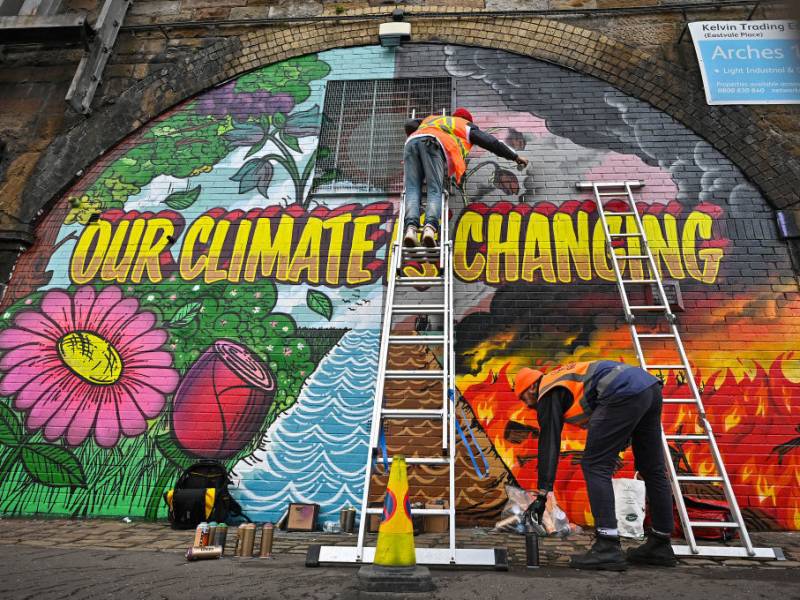
"caption": "Artists paint a mural on a a wall next to the Clydeside Expressway near Scottish Events Centre (SEC) which will be hosting the COP26 UN Climate Summit later this month, on October 13, 2021 in Glasgow, Scotland. ",
"description": null,
"title": "Artists paint a brightly colored mural on a wall that says \"our climate is changing\" near Scottish Events Centre (SEC) in Glasgow.",
"credit": "Jeff J Mitchell/Getty Images",
"status": "inherit",
"altTag": null,
"isLoading": false,
"fetchFailed": false
},
"science_1977294": {
"type": "attachments",
"id": "science_1977294",
"meta": {
"index": "attachments_1716263798",
"site": "science",
"id": "1977294",
"found": true
},
"parent": 1977290,
"imgSizes": {
"twentyfourteen-full-width": {
"file": "https://ww2.kqed.org/app/uploads/sites/35/2021/10/057_jellyfish_custom-e888c881433a5a8568fc537570deeff87cbf86e6-2-1038x576.jpg",
"width": 1038,
"mimeType": "image/jpeg",
"height": 576
},
"thumbnail": {
"file": "https://ww2.kqed.org/app/uploads/sites/35/2021/10/057_jellyfish_custom-e888c881433a5a8568fc537570deeff87cbf86e6-2-160x106.jpg",
"width": 160,
"mimeType": "image/jpeg",
"height": 106
},
"post-thumbnail": {
"file": "https://ww2.kqed.org/app/uploads/sites/35/2021/10/057_jellyfish_custom-e888c881433a5a8568fc537570deeff87cbf86e6-2-672x372.jpg",
"width": 672,
"mimeType": "image/jpeg",
"height": 372
},
"kqedFullSize": {
"file": "https://ww2.kqed.org/app/uploads/sites/35/2021/10/057_jellyfish_custom-e888c881433a5a8568fc537570deeff87cbf86e6-2.jpg",
"width": 2000,
"height": 1331
},
"large": {
"file": "https://ww2.kqed.org/app/uploads/sites/35/2021/10/057_jellyfish_custom-e888c881433a5a8568fc537570deeff87cbf86e6-2-1020x679.jpg",
"width": 1020,
"mimeType": "image/jpeg",
"height": 679
},
"1536x1536": {
"file": "https://ww2.kqed.org/app/uploads/sites/35/2021/10/057_jellyfish_custom-e888c881433a5a8568fc537570deeff87cbf86e6-2-1536x1022.jpg",
"width": 1536,
"mimeType": "image/jpeg",
"height": 1022
},
"full-width": {
"file": "https://ww2.kqed.org/app/uploads/sites/35/2021/10/057_jellyfish_custom-e888c881433a5a8568fc537570deeff87cbf86e6-2-1920x1278.jpg",
"width": 1920,
"mimeType": "image/jpeg",
"height": 1278
},
"medium": {
"file": "https://ww2.kqed.org/app/uploads/sites/35/2021/10/057_jellyfish_custom-e888c881433a5a8568fc537570deeff87cbf86e6-2-800x532.jpg",
"width": 800,
"mimeType": "image/jpeg",
"height": 532
},
"medium_large": {
"file": "https://ww2.kqed.org/app/uploads/sites/35/2021/10/057_jellyfish_custom-e888c881433a5a8568fc537570deeff87cbf86e6-2-768x511.jpg",
"width": 768,
"mimeType": "image/jpeg",
"height": 511
}
},
"publishDate": 1635181905,
"modified": 1635188211,
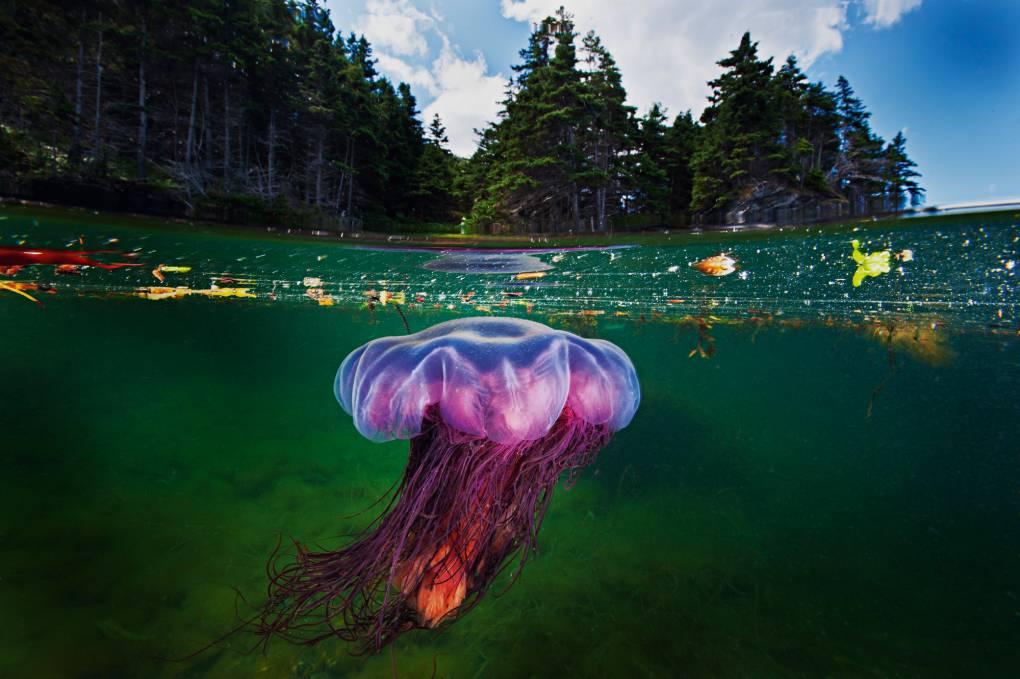
"caption": "A lion's mane jellyfish drifts in the shallow bays of Bonne Bay Fjord in Gros Morne National Park, Newfoundland Canada. They're one of the largest species of jellyfish and live in cold waters. Their sting causes a burning sensation but is rarely fatal.\n",
"description": null,
"title": null,
"credit": "David Doubilet/via NPR",
"status": "inherit",
"altTag": "A lion's mane jellyfish drifts in the shallow bays of Bonne Bay Fjord.",
"isLoading": false,
"fetchFailed": false
},
"science_1977253": {
"type": "attachments",
"id": "science_1977253",
"meta": {
"index": "attachments_1716263798",
"site": "science",
"id": "1977253",
"found": true
},
"parent": 1977229,
"imgSizes": {
"twentyfourteen-full-width": {
"file": "https://ww2.kqed.org/app/uploads/sites/35/2021/10/RS49916_020_MendocinoCounty_LakeMendocinoDrought_06112021-qut-1038x576.jpg",
"width": 1038,
"mimeType": "image/jpeg",
"height": 576
},
"thumbnail": {
"file": "https://ww2.kqed.org/app/uploads/sites/35/2021/10/RS49916_020_MendocinoCounty_LakeMendocinoDrought_06112021-qut-160x107.jpg",
"width": 160,
"mimeType": "image/jpeg",
"height": 107
},
"post-thumbnail": {
"file": "https://ww2.kqed.org/app/uploads/sites/35/2021/10/RS49916_020_MendocinoCounty_LakeMendocinoDrought_06112021-qut-672x372.jpg",
"width": 672,
"mimeType": "image/jpeg",
"height": 372
},
"kqedFullSize": {
"file": "https://ww2.kqed.org/app/uploads/sites/35/2021/10/RS49916_020_MendocinoCounty_LakeMendocinoDrought_06112021-qut.jpg",
"width": 1920,
"height": 1278
},
"large": {
"file": "https://ww2.kqed.org/app/uploads/sites/35/2021/10/RS49916_020_MendocinoCounty_LakeMendocinoDrought_06112021-qut-1020x679.jpg",
"width": 1020,
"mimeType": "image/jpeg",
"height": 679
},
"1536x1536": {
"file": "https://ww2.kqed.org/app/uploads/sites/35/2021/10/RS49916_020_MendocinoCounty_LakeMendocinoDrought_06112021-qut-1536x1022.jpg",
"width": 1536,
"mimeType": "image/jpeg",
"height": 1022
},
"medium": {
"file": "https://ww2.kqed.org/app/uploads/sites/35/2021/10/RS49916_020_MendocinoCounty_LakeMendocinoDrought_06112021-qut-800x533.jpg",
"width": 800,
"mimeType": "image/jpeg",
"height": 533
},
"medium_large": {
"file": "https://ww2.kqed.org/app/uploads/sites/35/2021/10/RS49916_020_MendocinoCounty_LakeMendocinoDrought_06112021-qut-768x511.jpg",
"width": 768,
"mimeType": "image/jpeg",
"height": 511
}
},
"publishDate": 1634862911,
"modified": 1634863487,
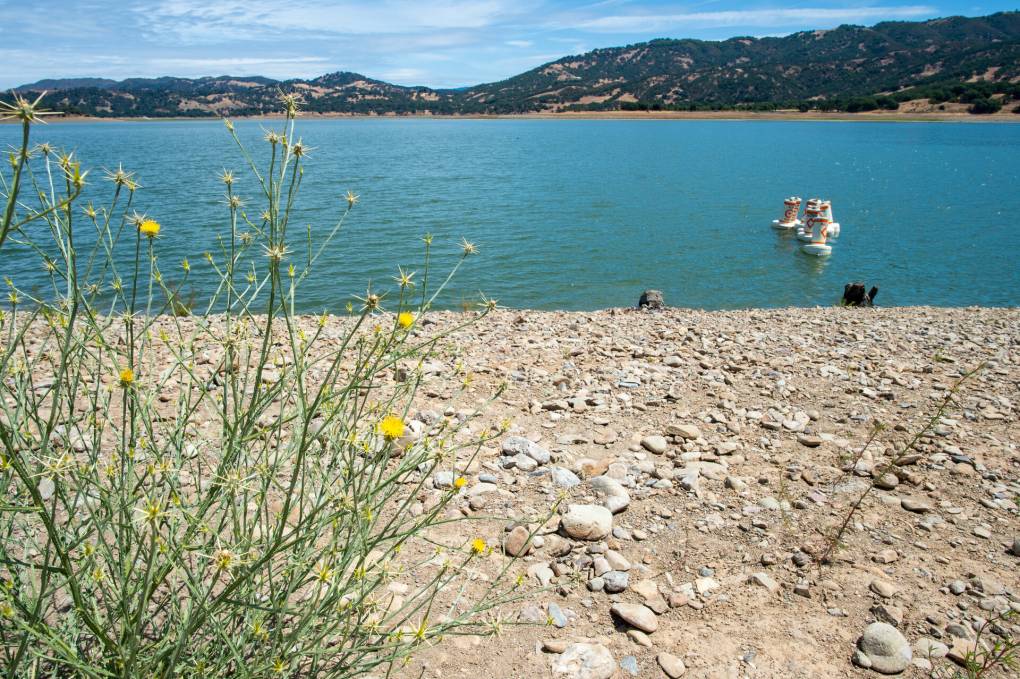
"caption": "Buoys float near the edge of Lake Mendocino, a key drinking water source for the city of Healdsburg. ",
"description": null,
"title": "Buoys float near the edge of Lake Mendocino on June 11, 2021.",
"credit": "Beth LaBerge/KQED",
"status": "inherit",
"altTag": "Buoys float near the edge of blue water and dry earth.",
"isLoading": false,
"fetchFailed": false
},
"science_1977201": {
"type": "attachments",
"id": "science_1977201",
"meta": {
"index": "attachments_1716263798",
"site": "science",
"id": "1977201",
"found": true
},
"parent": 1977196,
"imgSizes": {
"twentyfourteen-full-width": {
"file": "https://ww2.kqed.org/app/uploads/sites/35/2021/10/RS51758_Nicasio-Reservoir-24-qut-1038x576.jpg",
"width": 1038,
"mimeType": "image/jpeg",
"height": 576
},
"thumbnail": {
"file": "https://ww2.kqed.org/app/uploads/sites/35/2021/10/RS51758_Nicasio-Reservoir-24-qut-160x107.jpg",
"width": 160,
"mimeType": "image/jpeg",
"height": 107
},
"post-thumbnail": {
"file": "https://ww2.kqed.org/app/uploads/sites/35/2021/10/RS51758_Nicasio-Reservoir-24-qut-672x372.jpg",
"width": 672,
"mimeType": "image/jpeg",
"height": 372
},
"kqedFullSize": {
"file": "https://ww2.kqed.org/app/uploads/sites/35/2021/10/RS51758_Nicasio-Reservoir-24-qut.jpg",
"width": 1920,
"height": 1280
},
"large": {
"file": "https://ww2.kqed.org/app/uploads/sites/35/2021/10/RS51758_Nicasio-Reservoir-24-qut-1020x680.jpg",
"width": 1020,
"mimeType": "image/jpeg",
"height": 680
},
"1536x1536": {
"file": "https://ww2.kqed.org/app/uploads/sites/35/2021/10/RS51758_Nicasio-Reservoir-24-qut-1536x1024.jpg",
"width": 1536,
"mimeType": "image/jpeg",
"height": 1024
},
"medium": {
"file": "https://ww2.kqed.org/app/uploads/sites/35/2021/10/RS51758_Nicasio-Reservoir-24-qut-800x533.jpg",
"width": 800,
"mimeType": "image/jpeg",
"height": 533
},
"medium_large": {
"file": "https://ww2.kqed.org/app/uploads/sites/35/2021/10/RS51758_Nicasio-Reservoir-24-qut-768x512.jpg",
"width": 768,
"mimeType": "image/jpeg",
"height": 512
}
},
"publishDate": 1634752798,
"modified": 1634754435,
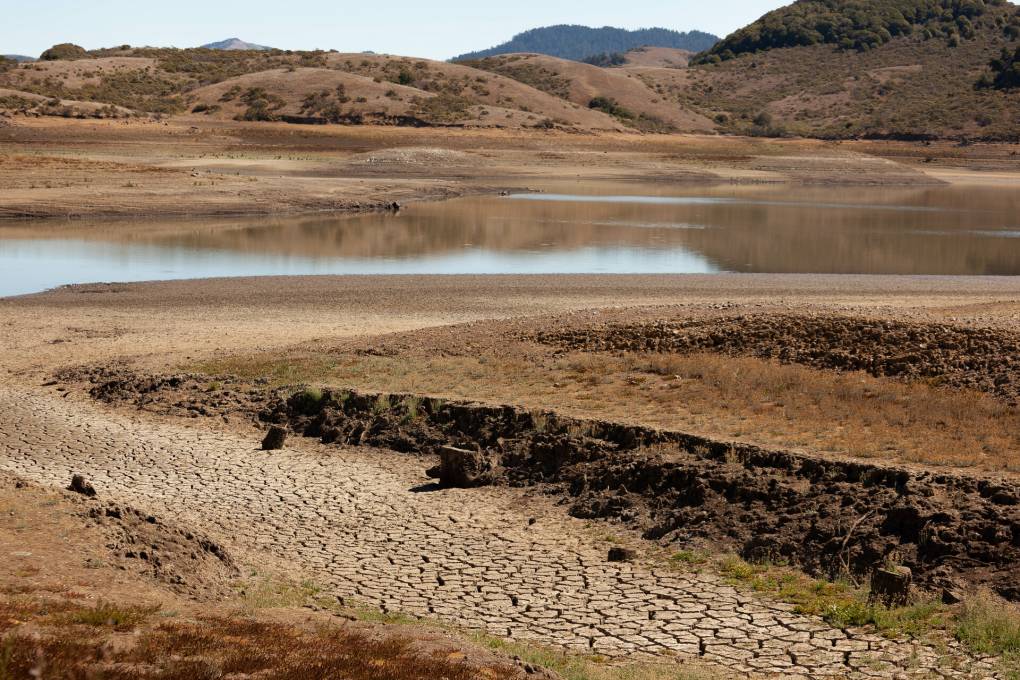
"caption": "The Nicasio Reservoir in Marin County with historically low water levels due to severe drought.",
"description": null,
"title": "Nicasio Reservoir, Marin County",
"credit": "Joyce Tsai/KQED",
"status": "inherit",
"altTag": "Parched, cracked land surrounds a low lying reservoir.",
"isLoading": false,
"fetchFailed": false
},
"science_1977171": {
"type": "attachments",
"id": "science_1977171",
"meta": {
"index": "attachments_1716263798",
"site": "science",
"id": "1977171",
"found": true
},
"parent": 1977168,
"imgSizes": {
"twentyfourteen-full-width": {
"file": "https://ww2.kqed.org/app/uploads/sites/35/2021/10/RS52049_GettyImages-1346603572-qut-1038x576.jpg",
"width": 1038,
"mimeType": "image/jpeg",
"height": 576
},
"thumbnail": {
"file": "https://ww2.kqed.org/app/uploads/sites/35/2021/10/RS52049_GettyImages-1346603572-qut-160x109.jpg",
"width": 160,
"mimeType": "image/jpeg",
"height": 109
},
"post-thumbnail": {
"file": "https://ww2.kqed.org/app/uploads/sites/35/2021/10/RS52049_GettyImages-1346603572-qut-672x372.jpg",
"width": 672,
"mimeType": "image/jpeg",
"height": 372
},
"kqedFullSize": {
"file": "https://ww2.kqed.org/app/uploads/sites/35/2021/10/RS52049_GettyImages-1346603572-qut.jpg",
"width": 1920,
"height": 1308
},
"large": {
"file": "https://ww2.kqed.org/app/uploads/sites/35/2021/10/RS52049_GettyImages-1346603572-qut-1020x695.jpg",
"width": 1020,
"mimeType": "image/jpeg",
"height": 695
},
"1536x1536": {
"file": "https://ww2.kqed.org/app/uploads/sites/35/2021/10/RS52049_GettyImages-1346603572-qut-1536x1046.jpg",
"width": 1536,
"mimeType": "image/jpeg",
"height": 1046
},
"medium": {
"file": "https://ww2.kqed.org/app/uploads/sites/35/2021/10/RS52049_GettyImages-1346603572-qut-800x545.jpg",
"width": 800,
"mimeType": "image/jpeg",
"height": 545
},
"medium_large": {
"file": "https://ww2.kqed.org/app/uploads/sites/35/2021/10/RS52049_GettyImages-1346603572-qut-768x523.jpg",
"width": 768,
"mimeType": "image/jpeg",
"height": 523
}
},
"publishDate": 1634600055,
"modified": 1634680780,
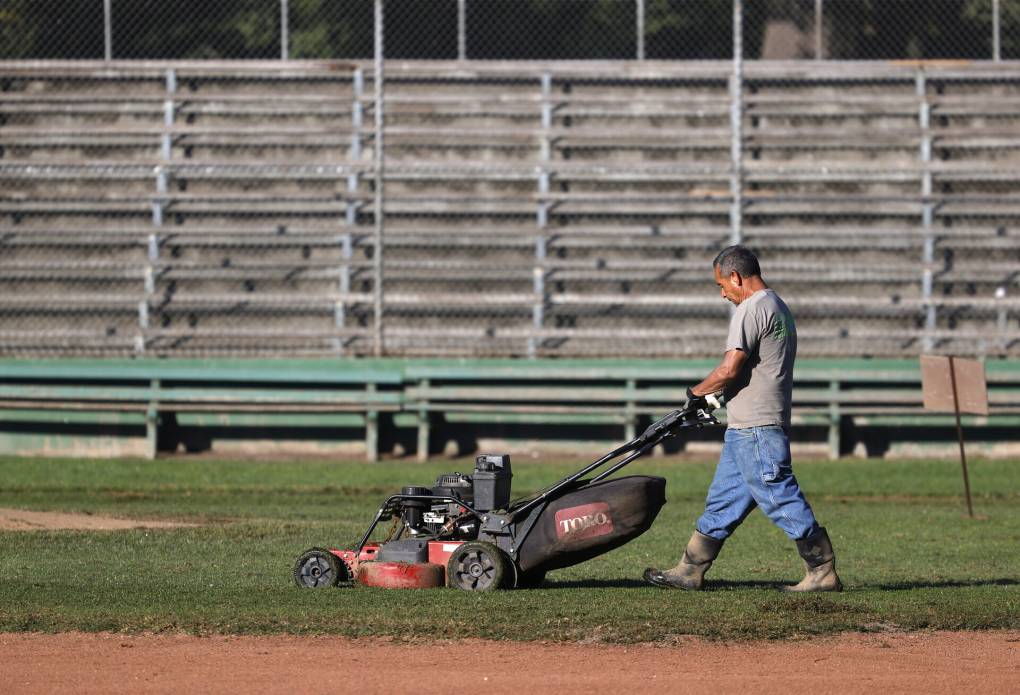
"caption": "A San Francisco Recreation and Parks worker uses a gas-powered mower to cut the grass at Golden Gate Park.",
"description": "A San Francisco Recreation and Parks worker uses a gas-powered mower to cut the grass at Golden Gate Park.",
"title": "California To Ban Gas-Powered Lawn Tools",
"credit": "Justin Sullivan/Getty Images",
"status": "inherit",
"altTag": "A park worker pushes a large, red and black lawn mower in front of bleachers on baseball field.",
"isLoading": false,
"fetchFailed": false
},
"science_1977081": {
"type": "attachments",
"id": "science_1977081",
"meta": {
"index": "attachments_1716263798",
"site": "science",
"id": "1977081",
"found": true
},
"parent": 1977079,
"imgSizes": {
"twentyfourteen-full-width": {
"file": "https://ww2.kqed.org/app/uploads/sites/35/2021/10/RS51827_GettyImages-1235322840-qut-1038x576.jpg",
"width": 1038,
"mimeType": "image/jpeg",
"height": 576
},
"thumbnail": {
"file": "https://ww2.kqed.org/app/uploads/sites/35/2021/10/RS51827_GettyImages-1235322840-qut-160x107.jpg",
"width": 160,
"mimeType": "image/jpeg",
"height": 107
},
"post-thumbnail": {
"file": "https://ww2.kqed.org/app/uploads/sites/35/2021/10/RS51827_GettyImages-1235322840-qut-672x372.jpg",
"width": 672,
"mimeType": "image/jpeg",
"height": 372
},
"kqedFullSize": {
"file": "https://ww2.kqed.org/app/uploads/sites/35/2021/10/RS51827_GettyImages-1235322840-qut.jpg",
"width": 1920,
"height": 1281
},
"large": {
"file": "https://ww2.kqed.org/app/uploads/sites/35/2021/10/RS51827_GettyImages-1235322840-qut-1020x681.jpg",
"width": 1020,
"mimeType": "image/jpeg",
"height": 681
},
"1536x1536": {
"file": "https://ww2.kqed.org/app/uploads/sites/35/2021/10/RS51827_GettyImages-1235322840-qut-1536x1025.jpg",
"width": 1536,
"mimeType": "image/jpeg",
"height": 1025
},
"medium": {
"file": "https://ww2.kqed.org/app/uploads/sites/35/2021/10/RS51827_GettyImages-1235322840-qut-800x534.jpg",
"width": 800,
"mimeType": "image/jpeg",
"height": 534
},
"medium_large": {
"file": "https://ww2.kqed.org/app/uploads/sites/35/2021/10/RS51827_GettyImages-1235322840-qut-768x512.jpg",
"width": 768,
"mimeType": "image/jpeg",
"height": 512
}
},
"publishDate": 1633716006,
"modified": 1633716076,
"caption": "Giant sequoia trees stand among smoke filled skies in the \"Lost Grove\" along Generals Highway north of Red Fir during a media tour of the KNP Complex fire in the Sequoia National Park in California on September 17, 2021. ",
"description": null,
"title": "US-CLIMATE-FIRE-CALIFORNIA-SEQUOIA",
"credit": "PATRICK T. FALLON/AFP via Getty Images",
"status": "inherit",
"altTag": "Giant sequoia trees stand among smoke filled skies.",
"isLoading": false,
"fetchFailed": false
},
"science_1977047": {
"type": "attachments",
"id": "science_1977047",
"meta": {
"index": "attachments_1716263798",
"site": "science",
"id": "1977047",
"found": true
},
"parent": 1977037,
"imgSizes": {
"twentyfourteen-full-width": {
"file": "https://ww2.kqed.org/app/uploads/sites/35/2021/10/RS51246_006_Meyers_CaldorFire_08312021-qut-1038x576.jpg",
"width": 1038,
"mimeType": "image/jpeg",
"height": 576
},
"thumbnail": {
"file": "https://ww2.kqed.org/app/uploads/sites/35/2021/10/RS51246_006_Meyers_CaldorFire_08312021-qut-160x107.jpg",
"width": 160,
"mimeType": "image/jpeg",
"height": 107
},
"post-thumbnail": {
"file": "https://ww2.kqed.org/app/uploads/sites/35/2021/10/RS51246_006_Meyers_CaldorFire_08312021-qut-672x372.jpg",
"width": 672,
"mimeType": "image/jpeg",
"height": 372
},
"kqedFullSize": {
"file": "https://ww2.kqed.org/app/uploads/sites/35/2021/10/RS51246_006_Meyers_CaldorFire_08312021-qut.jpg",
"width": 1920,
"height": 1278
},
"large": {
"file": "https://ww2.kqed.org/app/uploads/sites/35/2021/10/RS51246_006_Meyers_CaldorFire_08312021-qut-1020x679.jpg",
"width": 1020,
"mimeType": "image/jpeg",
"height": 679
},
"1536x1536": {
"file": "https://ww2.kqed.org/app/uploads/sites/35/2021/10/RS51246_006_Meyers_CaldorFire_08312021-qut-1536x1022.jpg",
"width": 1536,
"mimeType": "image/jpeg",
"height": 1022
},
"medium": {
"file": "https://ww2.kqed.org/app/uploads/sites/35/2021/10/RS51246_006_Meyers_CaldorFire_08312021-qut-800x533.jpg",
"width": 800,
"mimeType": "image/jpeg",
"height": 533
},
"medium_large": {
"file": "https://ww2.kqed.org/app/uploads/sites/35/2021/10/RS51246_006_Meyers_CaldorFire_08312021-qut-768x511.jpg",
"width": 768,
"mimeType": "image/jpeg",
"height": 511
}
},
"publishDate": 1633451084,
"modified": 1633451134,
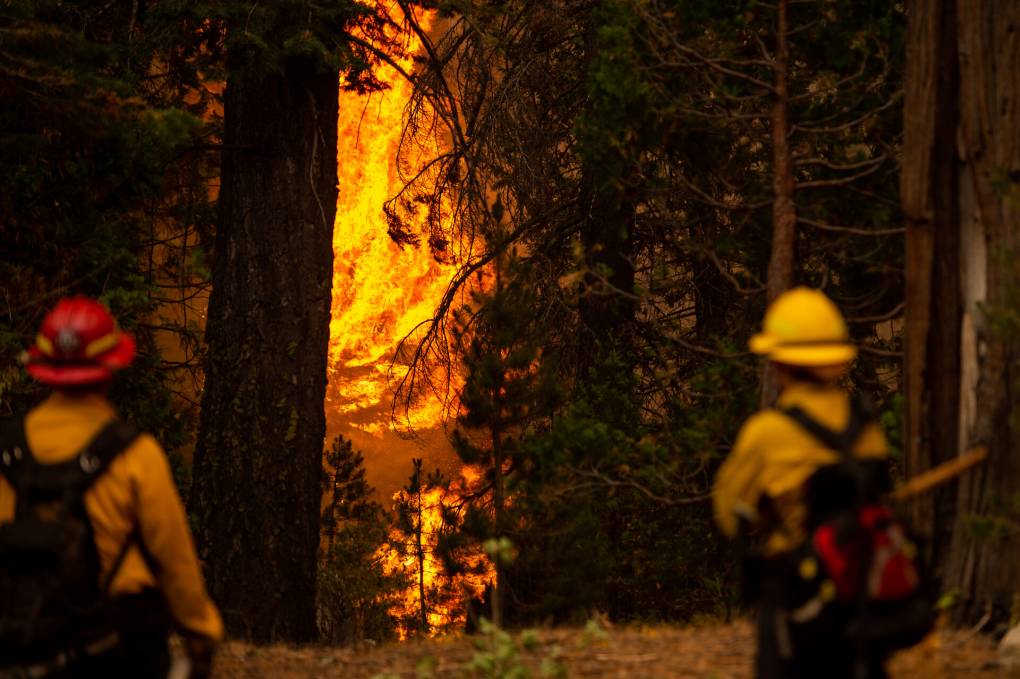
"caption": "A Storey County Fire District crew battles the Caldor Fire off of Highway 50 near Chiapa Drive on Aug. 31, 2021.",
"description": null,
"title": "RS51246_006_Meyers_CaldorFire_08312021-qut",
"credit": "Beth LaBerge/KQED",
"status": "inherit",
"altTag": "A Storey County Fire District crew battles the Caldor Fire.",
"isLoading": false,
"fetchFailed": false
},
"science_1977032": {
"type": "attachments",
"id": "science_1977032",
"meta": {
"index": "attachments_1716263798",
"site": "science",
"id": "1977032",
"found": true
},
"parent": 1976952,
"imgSizes": {
"twentyfourteen-full-width": {
"file": "https://ww2.kqed.org/app/uploads/sites/35/2021/09/Grapes-1038x576.jpg",
"width": 1038,
"mimeType": "image/jpeg",
"height": 576
},
"thumbnail": {
"file": "https://ww2.kqed.org/app/uploads/sites/35/2021/09/Grapes-160x120.jpg",
"width": 160,
"mimeType": "image/jpeg",
"height": 120
},
"post-thumbnail": {
"file": "https://ww2.kqed.org/app/uploads/sites/35/2021/09/Grapes-672x372.jpg",
"width": 672,
"mimeType": "image/jpeg",
"height": 372
},
"kqedFullSize": {
"file": "https://ww2.kqed.org/app/uploads/sites/35/2021/09/Grapes-scaled.jpg",
"width": 2560,
"height": 1920
},
"2048x2048": {
"file": "https://ww2.kqed.org/app/uploads/sites/35/2021/09/Grapes-2048x1536.jpg",
"width": 2048,
"mimeType": "image/jpeg",
"height": 1536
},
"large": {
"file": "https://ww2.kqed.org/app/uploads/sites/35/2021/09/Grapes-1020x765.jpg",
"width": 1020,
"mimeType": "image/jpeg",
"height": 765
},
"1536x1536": {
"file": "https://ww2.kqed.org/app/uploads/sites/35/2021/09/Grapes-1536x1152.jpg",
"width": 1536,
"mimeType": "image/jpeg",
"height": 1152
},
"full-width": {
"file": "https://ww2.kqed.org/app/uploads/sites/35/2021/09/Grapes-1920x1440.jpg",
"width": 1920,
"mimeType": "image/jpeg",
"height": 1440
},
"medium": {
"file": "https://ww2.kqed.org/app/uploads/sites/35/2021/09/Grapes-800x600.jpg",
"width": 800,
"mimeType": "image/jpeg",
"height": 600
},
"medium_large": {
"file": "https://ww2.kqed.org/app/uploads/sites/35/2021/09/Grapes-768x576.jpg",
"width": 768,
"mimeType": "image/jpeg",
"height": 576
}
},
"publishDate": 1633113711,
"modified": 1633113780,
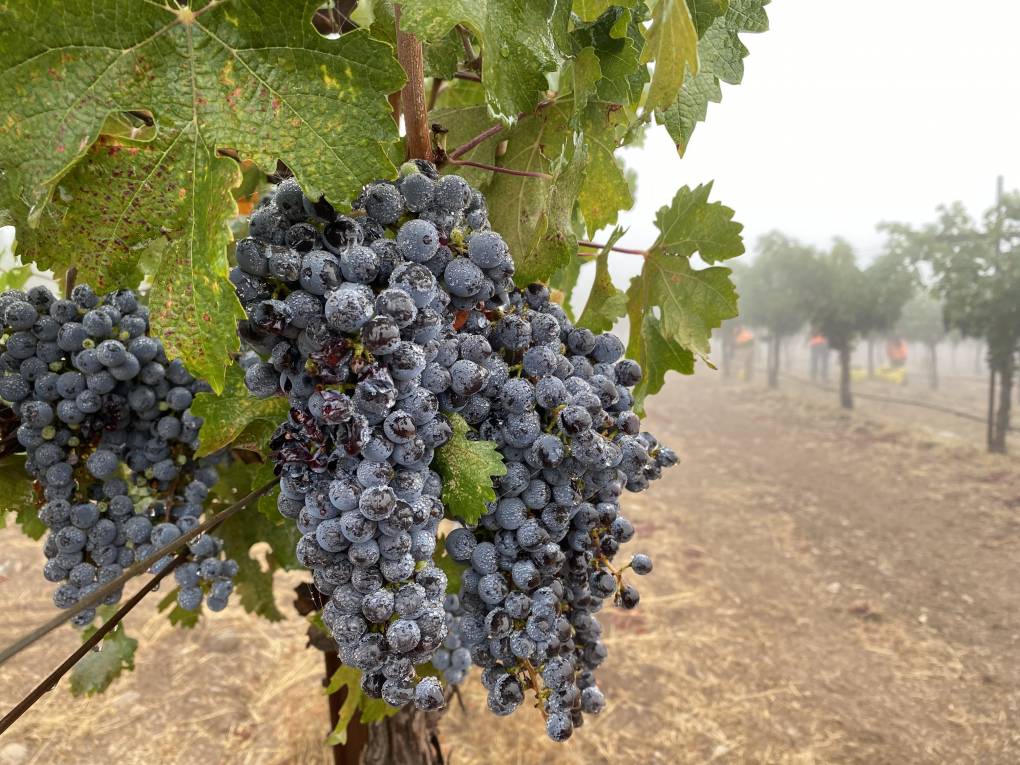
"caption": "The drought is forcing wine grape farmers in Northern California to adapt to grow vineyards with less water.\n",
"description": null,
"title": "Grapes",
"credit": "Ezra David Romero/KQED",
"status": "inherit",
"altTag": "A grapevine in Sonoma County. The grapes are grown without any irrigation water.",
"isLoading": false,
"fetchFailed": false
},
"science_1976898": {
"type": "attachments",
"id": "science_1976898",
"meta": {
"index": "attachments_1716263798",
"site": "science",
"id": "1976898",
"found": true
},
"parent": 1976890,
"imgSizes": {
"twentyfourteen-full-width": {
"file": "https://ww2.kqed.org/app/uploads/sites/35/2021/09/BTS-Dance-1038x576.png",
"width": 1038,
"mimeType": "image/png",
"height": 576
},
"thumbnail": {
"file": "https://ww2.kqed.org/app/uploads/sites/35/2021/09/BTS-Dance-160x100.png",
"width": 160,
"mimeType": "image/png",
"height": 100
},
"post-thumbnail": {
"file": "https://ww2.kqed.org/app/uploads/sites/35/2021/09/BTS-Dance-672x372.png",
"width": 672,
"mimeType": "image/png",
"height": 372
},
"kqedFullSize": {
"file": "https://ww2.kqed.org/app/uploads/sites/35/2021/09/BTS-Dance.png",
"width": 1908,
"height": 1192
},
"large": {
"file": "https://ww2.kqed.org/app/uploads/sites/35/2021/09/BTS-Dance-1020x637.png",
"width": 1020,
"mimeType": "image/png",
"height": 637
},
"1536x1536": {
"file": "https://ww2.kqed.org/app/uploads/sites/35/2021/09/BTS-Dance-1536x960.png",
"width": 1536,
"mimeType": "image/png",
"height": 960
},
"medium": {
"file": "https://ww2.kqed.org/app/uploads/sites/35/2021/09/BTS-Dance-800x500.png",
"width": 800,
"mimeType": "image/png",
"height": 500
},
"medium_large": {
"file": "https://ww2.kqed.org/app/uploads/sites/35/2021/09/BTS-Dance-768x480.png",
"width": 768,
"mimeType": "image/png",
"height": 480
}
},
"publishDate": 1632528384,
"modified": 1632798473,
"caption": "BTS performs \"Permission to Dance\" outside the United Nations' headquarters in New York City on Sept. 20, 2021.",
"description": "BTS perform 'Permission to Dance' outside New York City's United Nations headquarters.",
"title": "BTS perform 'Permission to Dance' outside New York City's United Nations headquarters, September 20, 2021.",
"credit": "YouTube",
"status": "inherit",
"altTag": null,
"isLoading": false,
"fetchFailed": false
}
},
"audioPlayerReducer": {
"postId": "stream_live",
"isPaused": true,
"isPlaying": false,
"pfsActive": false,
"pledgeModalIsOpen": true,
"playerDrawerIsOpen": false,
"liveAudioPlayStartedAt": 0,
"liveAudioPlayContext": ""
},
"authorsReducer": {
"byline_science_1977410": {
"type": "authors",
"id": "byline_science_1977410",
"meta": {
"override": true
},
"slug": "byline_science_1977410",
"name": "Lauren Sommer, Connie Hanzhang Jin, and Rina Torchinsky \u003cbr />NRP\u003cbr>",
"isLoading": false
},
"byline_science_1977343": {
"type": "authors",
"id": "byline_science_1977343",
"meta": {
"override": true
},
"slug": "byline_science_1977343",
"name": "Rachel Becker",
"isLoading": false
},
"byline_science_1977307": {
"type": "authors",
"id": "byline_science_1977307",
"meta": {
"override": true
},
"slug": "byline_science_1977307",
"name": "Dan Charles \u003cbr>NPR\u003c/br>",
"isLoading": false
},
"byline_science_1977273": {
"type": "authors",
"id": "byline_science_1977273",
"meta": {
"override": true
},
"slug": "byline_science_1977273",
"name": "Cathy Newman \u003cbr />NPR\u003cbr>",
"isLoading": false
},
"byline_science_1977196": {
"type": "authors",
"id": "byline_science_1977196",
"meta": {
"override": true
},
"slug": "byline_science_1977196",
"name": "Rachel Becker \u003cbr />CalMatters\u003cbr>",
"isLoading": false
},
"byline_science_1977079": {
"type": "authors",
"id": "byline_science_1977079",
"meta": {
"override": true
},
"slug": "byline_science_1977079",
"name": " Robert Jablon \u003cbr />AP\u003cbr>",
"isLoading": false
},
"byline_science_1977037": {
"type": "authors",
"id": "byline_science_1977037",
"meta": {
"override": true
},
"slug": "byline_science_1977037",
"name": "Ezra David Romero, Danielle Venton, Emily Zentner, and Raquel Maria Dillon",
"isLoading": false
},
"lklivans": {
"type": "authors",
"id": "8648",
"meta": {
"index": "authors_1716337520",
"id": "8648",
"found": true
},
"name": "Laura Klivans",
"firstName": "Laura",
"lastName": "Klivans",
"slug": "lklivans",
"email": "lklivans@kqed.org",
"display_author_email": true,
"staff_mastheads": [
"news",
"science"
],
"title": "Reporter",
"bio": "Laura Klivans is an award-winning science reporter for KQED News, where she covers climate change with an eye on both groundbreaking progress and gaps in action. She is the former host of KQED's blockbuster video series about tiny, amazing animals, \u003cem>Deep Look\u003c/em>. Her work reaches national audiences through NPR, \u003cem>Here & Now, \u003c/em>PRI, and other major outlets. \r\n\r\nLaura’s won five Northern California Area Emmy Awards for Deep Look and First Place in the Greater Bay Area Journalism Awards for a podcast exploring how one Oakland neighborhood teamed up to reduce planet-heating pollution.\r\n\r\nBeyond her reporting, she hosts and moderates events. In the past, she taught audio storytelling at the UC Berkeley Graduate School of Journalism, led international education programs, worked with immigrants and refugees along the Thai-Burmese border, taught high schoolers sex ed, and was an actress. \r\n\r\nShe's a former UC Berkeley Human Rights Fellow, USC Center for Health Journalism's California Fellow and Coro Fellow in Public Affairs. Laura has a master’s in journalism from UC Berkeley, a master’s in education from Harvard, and an undergraduate degree from Northwestern University.\r\n\r\nShe loves trying to riddle the meaning out of vanity license plates.",
"avatar": "https://secure.gravatar.com/avatar/2d2ecd1550a494cc10ad4a503406965585902124739e775a9b3817eebf1d88be?s=600&d=blank&r=g",
"twitter": "lauraklivans",
"bluesky": null,
"facebook": null,
"instagram": null,
"linkedin": null,
"sites": [
{
"site": "news",
"roles": [
"editor"
]
},
{
"site": "stateofhealth",
"roles": [
"contributor",
"editor"
]
},
{
"site": "science",
"roles": [
"editor"
]
},
{
"site": "forum",
"roles": [
"editor"
]
}
],
"headData": {
"title": "Laura Klivans | KQED",
"description": "Reporter",
"ogImgSrc": "https://secure.gravatar.com/avatar/2d2ecd1550a494cc10ad4a503406965585902124739e775a9b3817eebf1d88be?s=600&d=blank&r=g",
"twImgSrc": "https://secure.gravatar.com/avatar/2d2ecd1550a494cc10ad4a503406965585902124739e775a9b3817eebf1d88be?s=600&d=blank&r=g"
},
"isLoading": false,
"link": "/author/lklivans"
},
"ralexandra": {
"type": "authors",
"id": "11242",
"meta": {
"index": "authors_1716337520",
"id": "11242",
"found": true
},
"name": "Rae Alexandra",
"firstName": "Rae",
"lastName": "Alexandra",
"slug": "ralexandra",
"email": "ralexandra@kqed.org",
"display_author_email": true,
"staff_mastheads": [],
"title": "Reporter/Producer",
"bio": "Rae Alexandra is a Reporter/Producer for KQED Arts & Culture, and the creator/author of the \u003ca href=\"https://www.kqed.org/arts/program/rebel-girls-from-bay-area-history\">Rebel Girls From Bay Area History\u003c/a> and \u003ca href=\"https://www.kqed.org/bizarrebayarea\">Bizarre Bay Area\u003c/a> series. Her debut book, \u003ca href=\"https://citylights.com/politics-current-events-history/unsung-heroines35-women-who-changed/\">Unsung Heroines: 35 Women Who Changed the Bay Area\u003c/a> was published by City Lights in March 2026. In 2023, Rae was awarded an SPJ Excellence in Journalism Award for Arts & Culture. Rae was born and raised in Wales and subsequently — even after two decades in Northern California — still uses phrases that regularly baffle her coworkers.",
"avatar": "https://secure.gravatar.com/avatar/edfee8176c80cc0a382b051190f5341997df378a934a5774dcb0977732dfd401?s=600&d=blank&r=g",
"twitter": null,
"bluesky": null,
"facebook": null,
"instagram": null,
"linkedin": null,
"sites": [
{
"site": "arts",
"roles": [
"subscriber"
]
},
{
"site": "news",
"roles": [
"subscriber"
]
},
{
"site": "pop",
"roles": [
"subscriber"
]
},
{
"site": "bayareabites",
"roles": [
"subscriber"
]
},
{
"site": "science",
"roles": [
"subscriber"
]
}
],
"headData": {
"title": "Rae Alexandra | KQED",
"description": "Reporter/Producer",
"ogImgSrc": "https://secure.gravatar.com/avatar/edfee8176c80cc0a382b051190f5341997df378a934a5774dcb0977732dfd401?s=600&d=blank&r=g",
"twImgSrc": "https://secure.gravatar.com/avatar/edfee8176c80cc0a382b051190f5341997df378a934a5774dcb0977732dfd401?s=600&d=blank&r=g"
},
"isLoading": false,
"link": "/author/ralexandra"
},
"eromero": {
"type": "authors",
"id": "11746",
"meta": {
"index": "authors_1716337520",
"id": "11746",
"found": true
},
"name": "Ezra David Romero",
"firstName": "Ezra David",
"lastName": "Romero",
"slug": "eromero",
"email": "eromero@kqed.org",
"display_author_email": true,
"staff_mastheads": [
"news",
"science"
],
"title": "Climate Reporter",
"bio": "Ezra David Romero is a climate reporter for KQED News. He covers the absence and excess of water in the Bay Area — think sea level rise, flooding and drought. For nearly a decade he’s covered how warming temperatures are altering the lives of Californians. He’s reported on farmers worried their pistachio trees aren’t getting enough sleep, families desperate for water, scientists studying dying giant sequoias, and alongside firefighters containing wildfires. His work has appeared on local stations across California and nationally on public radio shows like Morning Edition, Here and Now, All Things Considered and Science Friday. ",
"avatar": "https://secure.gravatar.com/avatar/c76404d287c10ed40224227551ac36e24352c7306f106632caf6fead76f8801f?s=600&d=blank&r=g",
"twitter": "ezraromero",
"bluesky": null,
"facebook": null,
"instagram": null,
"linkedin": null,
"sites": [
{
"site": "arts",
"roles": [
"editor"
]
},
{
"site": "news",
"roles": [
"editor"
]
},
{
"site": "science",
"roles": [
"editor"
]
},
{
"site": "liveblog",
"roles": [
"author"
]
}
],
"headData": {
"title": "Ezra David Romero | KQED",
"description": "Climate Reporter",
"ogImgSrc": "https://secure.gravatar.com/avatar/c76404d287c10ed40224227551ac36e24352c7306f106632caf6fead76f8801f?s=600&d=blank&r=g",
"twImgSrc": "https://secure.gravatar.com/avatar/c76404d287c10ed40224227551ac36e24352c7306f106632caf6fead76f8801f?s=600&d=blank&r=g"
},
"isLoading": false,
"link": "/author/eromero"
}
},
"pagesReducer": {
"science_category_climate": {
"type": "terms",
"id": "science_31",
"meta": {
"index": "terms_1716263798",
"site": "science",
"id": "31",
"score": 11.061988
},
"featImg": null,
"name": "Climate",
"description": null,
"taxonomy": "category",
"headData": {
"twImgId": null,
"twTitle": null,
"ogTitle": null,
"ogImgId": null,
"twDescription": null,
"description": null,
"title": "Climate Archives | KQED Science",
"ogDescription": null
},
"ttid": 33,
"slug": "climate",
"isLoading": false,
"title": "Climate",
"pageMeta": {
"site": "science",
"WpPageTemplate": "page-topic-editorial",
"currentPage": 35
},
"blocks": [
{
"blockName": "kqed/post-list",
"attrs": {
"layout": "cardArticle2",
"query": "posts/science?category=climate",
"seeMore": false,
"paginated": true,
"page": 35
}
},
{
"blockName": "kqed/ad"
}
]
}
},
"pfsSessionReducer": {},
"postsReducer": {
"stream_live": {
"type": "live",
"id": "stream_live",
"audioUrl": "https://streams.kqed.org/kqedradio",
"title": "Live Stream",
"excerpt": "Live Stream information currently unavailable.",
"link": "/radio",
"featImg": "",
"label": {
"name": "KQED Live",
"link": "/"
}
},
"stream_kqedNewscast": {
"type": "posts",
"id": "stream_kqedNewscast",
"audioUrl": "https://www.kqed.org/.stream/anon/radio/RDnews/newscast.mp3?_=1",
"title": "KQED Newscast",
"featImg": "",
"label": {
"name": "88.5 FM",
"link": "/"
}
},
"science_1977410": {
"type": "posts",
"id": "science_1977410",
"meta": {
"index": "posts_1716263798",
"site": "science",
"id": "1977410",
"score": null,
"sort": [
1635877124000
]
},
"guestAuthors": [],
"slug": "these-4-charts-explain-why-the-stakes-are-so-high-at-the-u-n-climate-summit",
"title": "These 4 Charts Explain Why the Stakes Are So High at the U.N. Climate Summit",
"publishDate": 1635877124,
"format": "aside",
"headTitle": "These 4 Charts Explain Why the Stakes Are So High at the U.N. Climate Summit | KQED",
"labelTerm": {},
"content": "\u003cp>Leaders from around the world are gathering in Glasgow, Scotland, to hammer out new pledges to fight climate change. The stakes are high. Scientists warn that heat-trapping emissions must fall dramatically by 2030. Otherwise, the world faces more extreme hurricanes, floods and droughts, likely displacing millions of people. Still, negotiations at the COP26 meeting are expected to be tough. Here are four reasons why. \u003c/p>\n\u003ch3>#1 The world is not on track to avoid extreme climate change\u003c/h3>\n\u003cp>Countries have \u003ca href=\"https://www.npr.org/2021/04/19/986973263/faq-americas-new-promise-on-climate\">already made pledges\u003c/a> to cut their greenhouse gas emissions by moving away from burning fossil fuels. But added together, those pledges don’t reduce emissions enough to avoid the worst damage from climate change. Current policies put the world on track for around 4.8 degrees of warming by 2100, compared with global average temperatures in the mid-19th century. \u003c/p>\n\u003cp>Globally, the goal is to limit warming to 2.7 degrees Fahrenheit, which \u003ca href=\"https://www.npr.org/2021/08/10/1026137992/3-things-to-know-about-what-scientists-say-about-our-future-climate\">scientists say is a crucial difference\u003c/a>. The world would still experience worsening heat waves and storms, but not as intense and dangerous. Coral reefs would have a shot at avoiding a massive die-off. But to achieve that, emissions need to fall about 45% by 2030, compared with 2010 levels. That means countries will need to commit to far more ambitious goals. \u003c/p>\n\u003cp>\u003cimg loading=\"lazy\" decoding=\"async\" src=\"https://ww2.kqed.org/app/uploads/sites/35/2021/10/cop26-gap-promo-b26e1e03cdad4b761398d2b226d9c77972e3acb5-1.png\" alt=\"A chart showing the large gap between greenhouse gas emissions under current policies and emissions needed to limit warming to around 2.7 degrees Fahrenheit by 2100.\" width=\"1637\" height=\"1228\" class=\"aligncenter size-full wp-image-1977411\" srcset=\"https://cdn.kqed.org/wp-content/uploads/sites/35/2021/10/cop26-gap-promo-b26e1e03cdad4b761398d2b226d9c77972e3acb5-1.png 1637w, https://cdn.kqed.org/wp-content/uploads/sites/35/2021/10/cop26-gap-promo-b26e1e03cdad4b761398d2b226d9c77972e3acb5-1-800x600.png 800w, https://cdn.kqed.org/wp-content/uploads/sites/35/2021/10/cop26-gap-promo-b26e1e03cdad4b761398d2b226d9c77972e3acb5-1-1020x765.png 1020w, https://cdn.kqed.org/wp-content/uploads/sites/35/2021/10/cop26-gap-promo-b26e1e03cdad4b761398d2b226d9c77972e3acb5-1-160x120.png 160w, https://cdn.kqed.org/wp-content/uploads/sites/35/2021/10/cop26-gap-promo-b26e1e03cdad4b761398d2b226d9c77972e3acb5-1-768x576.png 768w, https://cdn.kqed.org/wp-content/uploads/sites/35/2021/10/cop26-gap-promo-b26e1e03cdad4b761398d2b226d9c77972e3acb5-1-1536x1152.png 1536w\" sizes=\"(max-width: 1637px) 100vw, 1637px\">\u003c/p>\n\u003ch3>#2 Wealthiest nations contribute the most to climate change\u003c/h3>\n\u003cp>The global goal is to reduce emissions, but questions remain about which countries should enact most of the reductions. Developing countries contribute a small fraction of the emissions from cars and power plants. But they’re enduring some of the worst damage from climate change, like island nations that face being erased by sea level rise. \u003c/p>\n\u003cp>[ad fullwidth]\u003c/p>\n\u003cp>The United Nations is \u003ca href=\"https://www.un.org/sg/en/content/sg/articles/2020-12-11/carbon-neutrality-2050-the-world%E2%80%99s-most-urgent-mission\">calling on countries to be carbon neutral by 2050\u003c/a>, which means if a country is still emitting greenhouse gas emissions, they’re being absorbed by forests or other means to keep them from entering the atmosphere. The world’s largest climate polluter, China, has committed to \u003ca href=\"https://www.npr.org/2021/09/21/1039486454/china-coal-power-climate-change\">becoming carbon neutral only by 2060\u003c/a>. The country plans to have emissions rise until 2030. \u003c/p>\n\u003cp>\u003cimg loading=\"lazy\" decoding=\"async\" src=\"https://ww2.kqed.org/app/uploads/sites/35/2021/11/Screen-Shot-2021-11-02-at-10.38.50-AM.png\" alt=\"\" width=\"1850\" height=\"1528\" class=\"aligncenter size-full wp-image-1977413\" srcset=\"https://cdn.kqed.org/wp-content/uploads/sites/35/2021/11/Screen-Shot-2021-11-02-at-10.38.50-AM.png 1850w, https://cdn.kqed.org/wp-content/uploads/sites/35/2021/11/Screen-Shot-2021-11-02-at-10.38.50-AM-800x661.png 800w, https://cdn.kqed.org/wp-content/uploads/sites/35/2021/11/Screen-Shot-2021-11-02-at-10.38.50-AM-1020x842.png 1020w, https://cdn.kqed.org/wp-content/uploads/sites/35/2021/11/Screen-Shot-2021-11-02-at-10.38.50-AM-160x132.png 160w, https://cdn.kqed.org/wp-content/uploads/sites/35/2021/11/Screen-Shot-2021-11-02-at-10.38.50-AM-768x634.png 768w, https://cdn.kqed.org/wp-content/uploads/sites/35/2021/11/Screen-Shot-2021-11-02-at-10.38.50-AM-1536x1269.png 1536w\" sizes=\"(max-width: 1850px) 100vw, 1850px\">\u003c/p>\n\u003ch3>#3 U.S. bears the biggest historic responsibility for climate change \u003c/h3>\n\u003cp>China holds the top spot for highest emissions currently, but history matters. Once emitted, carbon dioxide can \u003ca href=\"https://www.npr.org/2021/04/14/981333730/carbon-emissions-could-plummet-the-atmosphere-will-lag-behind\">last in the atmosphere for hundreds of years\u003c/a>, trapping heat that raises global temperatures. That means emissions from burning fossil fuels over the past 150 years are responsible for the warming happening today. Over that period, the U.S. has cumulatively emitted the most of any country. \u003c/p>\n\u003cp>The U.S has committed to a \u003ca href=\"https://www.npr.org/2021/04/22/988051091/biden-makes-new-pledge-for-u-s-greenhouse-gas-emissions-a-50-cut\">50% to 52% reduction in emissions\u003c/a> by 2030, which would come about through a significant \u003ca href=\"https://www.npr.org/2021/04/16/987667828/how-the-u-s-could-halve-climate-emissions-by-2030\">shift to renewable energy and electric cars\u003c/a>. Some environmental groups say that \u003ca href=\"https://foe.org/news/civil-society-groups-release-fair-shares-ndc-model-for-revised-u-s-climate-action-pledge-under-the-paris-agreement/\">falls short of the U.S.’s fair share\u003c/a>. Even a 50% cut depends heavily on \u003ca href=\"https://www.npr.org/2021/09/15/1036954961/congress-is-debating-its-biggest-climate-change-bill-ever-heres-whats-at-stake\">policies that Congress is currently hashing out\u003c/a> in a budget deal. If an agreement isn’t reached, the U.S. will arrive at COP26 without a credible path to achieve its emission goals, potentially hurting the negotiations.\u003c/p>\n\u003cp>\u003cimg loading=\"lazy\" decoding=\"async\" src=\"https://ww2.kqed.org/app/uploads/sites/35/2021/11/Screen-Shot-2021-11-02-at-10.38.56-AM.png\" alt=\"\" width=\"1746\" height=\"1228\" class=\"aligncenter size-full wp-image-1977415\" srcset=\"https://cdn.kqed.org/wp-content/uploads/sites/35/2021/11/Screen-Shot-2021-11-02-at-10.38.56-AM.png 1746w, https://cdn.kqed.org/wp-content/uploads/sites/35/2021/11/Screen-Shot-2021-11-02-at-10.38.56-AM-800x563.png 800w, https://cdn.kqed.org/wp-content/uploads/sites/35/2021/11/Screen-Shot-2021-11-02-at-10.38.56-AM-1020x717.png 1020w, https://cdn.kqed.org/wp-content/uploads/sites/35/2021/11/Screen-Shot-2021-11-02-at-10.38.56-AM-160x113.png 160w, https://cdn.kqed.org/wp-content/uploads/sites/35/2021/11/Screen-Shot-2021-11-02-at-10.38.56-AM-768x540.png 768w, https://cdn.kqed.org/wp-content/uploads/sites/35/2021/11/Screen-Shot-2021-11-02-at-10.38.56-AM-1536x1080.png 1536w\" sizes=\"(max-width: 1746px) 100vw, 1746px\">\u003c/p>\n\u003ch3>#4 Wealthier nations are falling short on promises for climate change funding\u003c/h3>\n\u003cp>With hundreds of millions of people vulnerable to extreme weather like severe storms and droughts, developing countries secured a promise for $100 billion in climate finance annually from developed nations. The funding goes to projects like sustainable transportation and renewable energy, as well as helping communities prepare for more extreme events. Still, as of 2019, developed countries are still below the goal, which will be a point of contention in the COP26 negotiations. \u003c/p>\n\u003cp>\u003c/p>\n\u003cp>\u003cimg loading=\"lazy\" decoding=\"async\" src=\"https://ww2.kqed.org/app/uploads/sites/35/2021/11/Screen-Shot-2021-11-02-at-10.39.04-AM.png\" alt=\"\" width=\"1802\" height=\"1466\" class=\"aligncenter size-full wp-image-1977416\" srcset=\"https://cdn.kqed.org/wp-content/uploads/sites/35/2021/11/Screen-Shot-2021-11-02-at-10.39.04-AM.png 1802w, https://cdn.kqed.org/wp-content/uploads/sites/35/2021/11/Screen-Shot-2021-11-02-at-10.39.04-AM-800x651.png 800w, https://cdn.kqed.org/wp-content/uploads/sites/35/2021/11/Screen-Shot-2021-11-02-at-10.39.04-AM-1020x830.png 1020w, https://cdn.kqed.org/wp-content/uploads/sites/35/2021/11/Screen-Shot-2021-11-02-at-10.39.04-AM-160x130.png 160w, https://cdn.kqed.org/wp-content/uploads/sites/35/2021/11/Screen-Shot-2021-11-02-at-10.39.04-AM-768x625.png 768w, https://cdn.kqed.org/wp-content/uploads/sites/35/2021/11/Screen-Shot-2021-11-02-at-10.39.04-AM-1536x1250.png 1536w\" sizes=\"(max-width: 1802px) 100vw, 1802px\">\u003c/p>\n\u003cdiv class=\"fullattribution\">Copyright 2021 NPR. To see more, visit https://www.npr.org.\u003cimg decoding=\"async\" src=\"https://www.google-analytics.com/__utm.gif?utmac=UA-5828686-4&utmdt=These+4+charts+explain+why+the+stakes+are+so+high+at+the+U.N.+climate+summit&utme=8(APIKey)9(MDAxOTAwOTE4MDEyMTkxMDAzNjczZDljZA004)\">\u003c/div>\n\n",
"blocks": [],
"excerpt": "How hot will the planet get? What nations negotiate at the international climate summit will help determine that. Here are 4 things to know about what's being decided. ",
"status": "publish",
"parent": 0,
"modified": 1725577029,
"stats": {
"hasAudio": false,
"hasVideo": false,
"hasChartOrMap": false,
"iframeSrcs": [],
"hasGoogleForm": false,
"hasGallery": false,
"hasHearkenModule": false,
"hasPolis": false,
"paragraphCount": 14,
"wordCount": 610
},
"headData": {
"title": "These 4 Charts Explain Why the Stakes Are So High at the U.N. Climate Summit | KQED",
"description": "How hot will the planet get? What nations negotiate at the international climate summit will help determine that. Here are 4 things to know about what's being decided. ",
"ogTitle": "",
"ogDescription": "",
"ogImgId": "",
"twTitle": "",
"twDescription": "",
"twImgId": "",
"schema": {
"@context": "https://schema.org",
"@type": "Article",
"headline": "These 4 Charts Explain Why the Stakes Are So High at the U.N. Climate Summit",
"datePublished": "2021-11-02T11:18:44-07:00",
"dateModified": "2024-09-05T15:57:09-07:00",
"image": "https://cdn.kqed.org/wp-content/uploads/2020/02/KQED-OG-Image@1x.png"
}
},
"source": "NPR",
"sticky": false,
"nprByline": "Lauren Sommer, Connie Hanzhang Jin, and Rina Torchinsky \u003cbr />NRP\u003cbr>",
"nprImageAgency": "Connie Hanzhang Jin/NPR",
"nprStoryId": "1045344199",
"nprApiLink": "http://api.npr.org/query?id=1045344199&apiKey=MDAxOTAwOTE4MDEyMTkxMDAzNjczZDljZA004",
"nprHtmlLink": "https://www.npr.org/2021/10/29/1045344199/cop26-glasgow-climate-summit?ft=nprml&f=1045344199",
"nprRetrievedStory": "1",
"nprPubDate": "Sat, 30 Oct 2021 12:03:00 -0400",
"nprStoryDate": "Fri, 29 Oct 2021 06:01:24 -0400",
"nprLastModifiedDate": "Sat, 30 Oct 2021 12:03:01 -0400",
"excludeFromSiteSearch": "Include",
"path": "/science/1977410/these-4-charts-explain-why-the-stakes-are-so-high-at-the-u-n-climate-summit",
"audioTrackLength": null,
"parsedContent": [
{
"type": "contentString",
"content": "\u003cdiv class=\"post-body\">\u003cp>\u003cp>Leaders from around the world are gathering in Glasgow, Scotland, to hammer out new pledges to fight climate change. The stakes are high. Scientists warn that heat-trapping emissions must fall dramatically by 2030. Otherwise, the world faces more extreme hurricanes, floods and droughts, likely displacing millions of people. Still, negotiations at the COP26 meeting are expected to be tough. Here are four reasons why. \u003c/p>\n\u003ch3>#1 The world is not on track to avoid extreme climate change\u003c/h3>\n\u003cp>Countries have \u003ca href=\"https://www.npr.org/2021/04/19/986973263/faq-americas-new-promise-on-climate\">already made pledges\u003c/a> to cut their greenhouse gas emissions by moving away from burning fossil fuels. But added together, those pledges don’t reduce emissions enough to avoid the worst damage from climate change. Current policies put the world on track for around 4.8 degrees of warming by 2100, compared with global average temperatures in the mid-19th century. \u003c/p>\n\u003cp>Globally, the goal is to limit warming to 2.7 degrees Fahrenheit, which \u003ca href=\"https://www.npr.org/2021/08/10/1026137992/3-things-to-know-about-what-scientists-say-about-our-future-climate\">scientists say is a crucial difference\u003c/a>. The world would still experience worsening heat waves and storms, but not as intense and dangerous. Coral reefs would have a shot at avoiding a massive die-off. But to achieve that, emissions need to fall about 45% by 2030, compared with 2010 levels. That means countries will need to commit to far more ambitious goals. \u003c/p>\n\u003cp>\u003cimg loading=\"lazy\" decoding=\"async\" src=\"https://ww2.kqed.org/app/uploads/sites/35/2021/10/cop26-gap-promo-b26e1e03cdad4b761398d2b226d9c77972e3acb5-1.png\" alt=\"A chart showing the large gap between greenhouse gas emissions under current policies and emissions needed to limit warming to around 2.7 degrees Fahrenheit by 2100.\" width=\"1637\" height=\"1228\" class=\"aligncenter size-full wp-image-1977411\" srcset=\"https://cdn.kqed.org/wp-content/uploads/sites/35/2021/10/cop26-gap-promo-b26e1e03cdad4b761398d2b226d9c77972e3acb5-1.png 1637w, https://cdn.kqed.org/wp-content/uploads/sites/35/2021/10/cop26-gap-promo-b26e1e03cdad4b761398d2b226d9c77972e3acb5-1-800x600.png 800w, https://cdn.kqed.org/wp-content/uploads/sites/35/2021/10/cop26-gap-promo-b26e1e03cdad4b761398d2b226d9c77972e3acb5-1-1020x765.png 1020w, https://cdn.kqed.org/wp-content/uploads/sites/35/2021/10/cop26-gap-promo-b26e1e03cdad4b761398d2b226d9c77972e3acb5-1-160x120.png 160w, https://cdn.kqed.org/wp-content/uploads/sites/35/2021/10/cop26-gap-promo-b26e1e03cdad4b761398d2b226d9c77972e3acb5-1-768x576.png 768w, https://cdn.kqed.org/wp-content/uploads/sites/35/2021/10/cop26-gap-promo-b26e1e03cdad4b761398d2b226d9c77972e3acb5-1-1536x1152.png 1536w\" sizes=\"(max-width: 1637px) 100vw, 1637px\">\u003c/p>\n\u003ch3>#2 Wealthiest nations contribute the most to climate change\u003c/h3>\n\u003cp>The global goal is to reduce emissions, but questions remain about which countries should enact most of the reductions. Developing countries contribute a small fraction of the emissions from cars and power plants. But they’re enduring some of the worst damage from climate change, like island nations that face being erased by sea level rise. \u003c/p>\n\u003cp>\u003c/p>\u003c/div>",
"attributes": {
"named": {},
"numeric": []
}
},
{
"type": "component",
"content": "",
"name": "ad",
"attributes": {
"named": {
"label": "fullwidth"
},
"numeric": [
"fullwidth"
]
}
},
{
"type": "contentString",
"content": "\u003cdiv class=\"post-body\">\u003cp>\u003c/p>\n\u003cp>The United Nations is \u003ca href=\"https://www.un.org/sg/en/content/sg/articles/2020-12-11/carbon-neutrality-2050-the-world%E2%80%99s-most-urgent-mission\">calling on countries to be carbon neutral by 2050\u003c/a>, which means if a country is still emitting greenhouse gas emissions, they’re being absorbed by forests or other means to keep them from entering the atmosphere. The world’s largest climate polluter, China, has committed to \u003ca href=\"https://www.npr.org/2021/09/21/1039486454/china-coal-power-climate-change\">becoming carbon neutral only by 2060\u003c/a>. The country plans to have emissions rise until 2030. \u003c/p>\n\u003cp>\u003cimg loading=\"lazy\" decoding=\"async\" src=\"https://ww2.kqed.org/app/uploads/sites/35/2021/11/Screen-Shot-2021-11-02-at-10.38.50-AM.png\" alt=\"\" width=\"1850\" height=\"1528\" class=\"aligncenter size-full wp-image-1977413\" srcset=\"https://cdn.kqed.org/wp-content/uploads/sites/35/2021/11/Screen-Shot-2021-11-02-at-10.38.50-AM.png 1850w, https://cdn.kqed.org/wp-content/uploads/sites/35/2021/11/Screen-Shot-2021-11-02-at-10.38.50-AM-800x661.png 800w, https://cdn.kqed.org/wp-content/uploads/sites/35/2021/11/Screen-Shot-2021-11-02-at-10.38.50-AM-1020x842.png 1020w, https://cdn.kqed.org/wp-content/uploads/sites/35/2021/11/Screen-Shot-2021-11-02-at-10.38.50-AM-160x132.png 160w, https://cdn.kqed.org/wp-content/uploads/sites/35/2021/11/Screen-Shot-2021-11-02-at-10.38.50-AM-768x634.png 768w, https://cdn.kqed.org/wp-content/uploads/sites/35/2021/11/Screen-Shot-2021-11-02-at-10.38.50-AM-1536x1269.png 1536w\" sizes=\"(max-width: 1850px) 100vw, 1850px\">\u003c/p>\n\u003ch3>#3 U.S. bears the biggest historic responsibility for climate change \u003c/h3>\n\u003cp>China holds the top spot for highest emissions currently, but history matters. Once emitted, carbon dioxide can \u003ca href=\"https://www.npr.org/2021/04/14/981333730/carbon-emissions-could-plummet-the-atmosphere-will-lag-behind\">last in the atmosphere for hundreds of years\u003c/a>, trapping heat that raises global temperatures. That means emissions from burning fossil fuels over the past 150 years are responsible for the warming happening today. Over that period, the U.S. has cumulatively emitted the most of any country. \u003c/p>\n\u003cp>The U.S has committed to a \u003ca href=\"https://www.npr.org/2021/04/22/988051091/biden-makes-new-pledge-for-u-s-greenhouse-gas-emissions-a-50-cut\">50% to 52% reduction in emissions\u003c/a> by 2030, which would come about through a significant \u003ca href=\"https://www.npr.org/2021/04/16/987667828/how-the-u-s-could-halve-climate-emissions-by-2030\">shift to renewable energy and electric cars\u003c/a>. Some environmental groups say that \u003ca href=\"https://foe.org/news/civil-society-groups-release-fair-shares-ndc-model-for-revised-u-s-climate-action-pledge-under-the-paris-agreement/\">falls short of the U.S.’s fair share\u003c/a>. Even a 50% cut depends heavily on \u003ca href=\"https://www.npr.org/2021/09/15/1036954961/congress-is-debating-its-biggest-climate-change-bill-ever-heres-whats-at-stake\">policies that Congress is currently hashing out\u003c/a> in a budget deal. If an agreement isn’t reached, the U.S. will arrive at COP26 without a credible path to achieve its emission goals, potentially hurting the negotiations.\u003c/p>\n\u003cp>\u003cimg loading=\"lazy\" decoding=\"async\" src=\"https://ww2.kqed.org/app/uploads/sites/35/2021/11/Screen-Shot-2021-11-02-at-10.38.56-AM.png\" alt=\"\" width=\"1746\" height=\"1228\" class=\"aligncenter size-full wp-image-1977415\" srcset=\"https://cdn.kqed.org/wp-content/uploads/sites/35/2021/11/Screen-Shot-2021-11-02-at-10.38.56-AM.png 1746w, https://cdn.kqed.org/wp-content/uploads/sites/35/2021/11/Screen-Shot-2021-11-02-at-10.38.56-AM-800x563.png 800w, https://cdn.kqed.org/wp-content/uploads/sites/35/2021/11/Screen-Shot-2021-11-02-at-10.38.56-AM-1020x717.png 1020w, https://cdn.kqed.org/wp-content/uploads/sites/35/2021/11/Screen-Shot-2021-11-02-at-10.38.56-AM-160x113.png 160w, https://cdn.kqed.org/wp-content/uploads/sites/35/2021/11/Screen-Shot-2021-11-02-at-10.38.56-AM-768x540.png 768w, https://cdn.kqed.org/wp-content/uploads/sites/35/2021/11/Screen-Shot-2021-11-02-at-10.38.56-AM-1536x1080.png 1536w\" sizes=\"(max-width: 1746px) 100vw, 1746px\">\u003c/p>\n\u003ch3>#4 Wealthier nations are falling short on promises for climate change funding\u003c/h3>\n\u003cp>With hundreds of millions of people vulnerable to extreme weather like severe storms and droughts, developing countries secured a promise for $100 billion in climate finance annually from developed nations. The funding goes to projects like sustainable transportation and renewable energy, as well as helping communities prepare for more extreme events. Still, as of 2019, developed countries are still below the goal, which will be a point of contention in the COP26 negotiations. \u003c/p>\n\u003cp>\u003c/p>\n\u003cp>\u003cimg loading=\"lazy\" decoding=\"async\" src=\"https://ww2.kqed.org/app/uploads/sites/35/2021/11/Screen-Shot-2021-11-02-at-10.39.04-AM.png\" alt=\"\" width=\"1802\" height=\"1466\" class=\"aligncenter size-full wp-image-1977416\" srcset=\"https://cdn.kqed.org/wp-content/uploads/sites/35/2021/11/Screen-Shot-2021-11-02-at-10.39.04-AM.png 1802w, https://cdn.kqed.org/wp-content/uploads/sites/35/2021/11/Screen-Shot-2021-11-02-at-10.39.04-AM-800x651.png 800w, https://cdn.kqed.org/wp-content/uploads/sites/35/2021/11/Screen-Shot-2021-11-02-at-10.39.04-AM-1020x830.png 1020w, https://cdn.kqed.org/wp-content/uploads/sites/35/2021/11/Screen-Shot-2021-11-02-at-10.39.04-AM-160x130.png 160w, https://cdn.kqed.org/wp-content/uploads/sites/35/2021/11/Screen-Shot-2021-11-02-at-10.39.04-AM-768x625.png 768w, https://cdn.kqed.org/wp-content/uploads/sites/35/2021/11/Screen-Shot-2021-11-02-at-10.39.04-AM-1536x1250.png 1536w\" sizes=\"(max-width: 1802px) 100vw, 1802px\">\u003c/p>\n\u003cdiv class=\"fullattribution\">Copyright 2021 NPR. To see more, visit https://www.npr.org.\u003cimg decoding=\"async\" src=\"https://www.google-analytics.com/__utm.gif?utmac=UA-5828686-4&utmdt=These+4+charts+explain+why+the+stakes+are+so+high+at+the+U.N.+climate+summit&utme=8(APIKey)9(MDAxOTAwOTE4MDEyMTkxMDAzNjczZDljZA004)\">\u003c/div>\n\n\u003c/div>\u003c/p>",
"attributes": {
"named": {},
"numeric": []
}
}
],
"link": "/science/1977410/these-4-charts-explain-why-the-stakes-are-so-high-at-the-u-n-climate-summit",
"authors": [
"byline_science_1977410"
],
"categories": [
"science_31",
"science_35",
"science_40",
"science_4450"
],
"tags": [
"science_194",
"science_4789",
"science_4414",
"science_2936"
],
"featImg": "science_1977411",
"label": "source_science_1977410"
},
"science_1977343": {
"type": "posts",
"id": "science_1977343",
"meta": {
"index": "posts_1716263798",
"site": "science",
"id": "1977343",
"score": null,
"sort": [
1635786029000
]
},
"guestAuthors": [],
"slug": "whats-at-stake-for-california-and-newsom-at-u-n-climate-conference-cop26",
"title": "What's at Stake for California at U.N. Climate Conference?",
"publishDate": 1635786029,
"format": "standard",
"headTitle": "What’s at Stake for California at U.N. Climate Conference? | KQED",
"labelTerm": {},
"content": "\u003cp>\u003cstrong>Updated Nov. 1\u003c/strong>\u003c/p>\n\u003cp>It’s what some are calling \u003ca href=\"https://www.bbc.com/news/av/world-us-canada-55835266\" target=\"_blank\" rel=\"noopener noreferrer\">the last, best chance\u003c/a> for world leaders to agree on how to stop catastrophic climate change, and what others \u003ca href=\"https://www.politico.com/states/california/whiteboard/2021/10/27/schwarzenegger-nothing-is-getting-done-at-un-climate-summits-1392090\" target=\"_blank\" rel=\"noopener noreferrer\">say could be fruitless.\u003c/a> Either way, California will be well represented.\u003c/p>\n\u003cp>The \u003ca href=\"https://ukcop26.org/uk-presidency/what-is-a-cop/\" target=\"_blank\" rel=\"noopener noreferrer\">26th United Nations climate change conference\u003c/a> will draw global leaders to Glasgow, Scotland, next week, including \u003ca href=\"https://www.gov.ca.gov/2021/10/25/california-governor-newsom-to-attend-united-nations-climate-change-conference-to-call-on-global-community-to-end-reliance-on-oil/\" target=\"_blank\" rel=\"noopener noreferrer\">a 20-plus official delegation\u003c/a> from California led by Lt. Gov. Eleni Kounalakis, following Gov. Gavin Newsom’s \u003ca href=\"https://www.kqed.org/news/11894391/gov-newsom-abruptly-cancels-trip-to-un-climate-conference\">abrupt cancellation on Friday\u003c/a>. Newsom now plans to attend the conference virtually.\u003c/p>\n\u003cp>The meeting comes as the extreme impacts of climate change continue to pummel California, which saw \u003ca href=\"https://www.capradio.org/articles/2021/10/25/sacramento-went-from-record-drought-to-record-rain-climate-change-may-make-that-more-common/\" target=\"_blank\" rel=\"noopener noreferrer\">torrential rains\u003c/a> this week even in the midst of \u003ca href=\"https://calmatters.org/california-drought-water/\" target=\"_blank\" rel=\"noopener noreferrer\">a devastating drought\u003c/a>.\u003c/p>\n\u003cp>“The stakes are high. It’s an important issue in California,” said \u003ca href=\"https://www.law.berkeley.edu/research/clee/about/people/ken-alex/\" target=\"_blank\" rel=\"noopener noreferrer\">Ken Alex\u003c/a>, senior policy adviser on climate and environment under former Gov. Jerry Brown and now director of \u003ca href=\"https://www.law.berkeley.edu/research/clee/research/climate/projectclimate/\" target=\"_blank\" rel=\"noopener noreferrer\">Project Climate\u003c/a> at UC Berkeley Law. Rattling off climate impacts such as drought, flooding, sea level rise and wildfires, Alex added, “It’s very real for California. California is going to continue on, but we need to see the world join us.”\u003c/p>\n\u003cp>[ad fullwidth]\u003c/p>\n\u003cp>This year’s conference is the first since \u003ca href=\"https://calmatters.org/explainers/biden-presidency-california-environment/\" target=\"_blank\" rel=\"noopener noreferrer\">President Joe Biden took office\u003c/a> and \u003ca href=\"https://www.whitehouse.gov/briefing-room/statements-releases/2021/01/20/paris-climate-agreement/\" target=\"_blank\" rel=\"noopener noreferrer\">rejoined the Paris climate agreement\u003c/a> to cut planet-warming greenhouse gas pollution worldwide, marking a seismic shift in the national approach to tackling climate change. It also marks a fundamental change to California’s role, no longer battling a federal foe in former President Donald Trump.\u003c/p>\n\u003cp>“Brown did a wonderful job with the wicked man from Washington, with saying, ‘We are different from them, and we have our own policy,’” said state \u003ca href=\"https://sd10.senate.ca.gov/\" target=\"_blank\" rel=\"noopener noreferrer\">Sen. Bob Wieckowski\u003c/a>, who will be attending the climate conference.\u003c/p>\n\u003cp>Now, the Fremont Democrat said, Newsom has to go beyond that and show concrete, short-term plans: “He has to write a new chapter on commitment.”\u003c/p>\n\u003cp>Though California \u003ca href=\"https://www.chathamhouse.org/sites/default/files/publications/2019-01-23-Duggan.pdf\" target=\"_blank\" rel=\"noopener noreferrer\">doesn’t have an official seat\u003c/a> at a negotiating table reserved for nations, the conference is a chance for California to burnish its reputation as a climate leader and weigh in on critical issues, such as carbon trading and methane pollution.\u003c/p>\n\u003cp>It’s also a chance for lawmakers and top state environmental officials to discuss the state’s climate strategy amongst themselves, now that Newsom \u003ca href=\"https://calmatters.org/politics/2021/09/california-recall-election-results/\" target=\"_blank\" rel=\"noopener noreferrer\">has survived the Sept. 14 recall election\u003c/a> and is laying the groundwork for his 2022 reelection campaign.\u003c/p>\n\u003cp>Environmental advocates have \u003ca href=\"https://theclimatecenter.org/wp-content/uploads/2021/09/COP26-Gov-Newsom-Climate-Policy-Recs-The-Climate-Center-092121.pdf\" target=\"_blank\" rel=\"noopener noreferrer\">a wish list of action items for Newsom and his team on the ground\u003c/a>, urging the administration to “meet the moment” by announcing more ambitious climate policies, such as stopping permits for all new oil and gas development.\u003c/p>\n\u003cp>“Climate-minded voters showed up by the millions for Newsom,” Ellie Cohen, CEO of The Climate Center, \u003ca href=\"https://www.sacbee.com/opinion/op-ed/article254929682.html\" target=\"_blank\" rel=\"noopener noreferrer\">wrote in a Sacramento Bee commentary\u003c/a>. And at the conference, “we’re expecting him to show up for us.”\u003c/p>\n\u003cp>Former Gov. Brown, who has \u003ca href=\"https://calmatters.org/environment/2017/11/leaving-europe-brown-says-hes-talked-enough-wants-get-something-done/\" target=\"_blank\" rel=\"noopener noreferrer\">appeared at the annual summits himself\u003c/a>, said Newsom has to persuade other leaders about the need for action.\u003c/p>\n\u003cp>“He’ll get ideas from others, and that’s good. But most importantly is to get others to do what California is doing so we’re not the outlier. We don’t want to have rules that the rest of the world doesn’t have,” Brown told CalMatters. “California’s there in an important way because we’re a carbon polluter, and we’re also a carbon problem solver.”\u003c/p>\n\u003cp>Former California Gov. Arnold Schwarzenegger, however, is more skeptical that the conference will lead to meaningful climate action.\u003c/p>\n\u003cp>[aside label=\"related coverage\" tag=climate-change\"]“What does a promise and a pledge mean in the end? Nothing,” Schwarzenegger \u003ca href=\"https://youtu.be/g-nxcqigplI?t=3402\" target=\"_blank\" rel=\"noopener noreferrer\">said Wednesday at an\u003c/a> environmental justice conference hosted by the South Coast Air Quality Management District. “It’s just over and over, year after year, they make these pledges. And they come out, they declare victory, but then nothing is getting done. And so this is what I’m worried about.”\u003c/p>\n\u003cp>California enters the conference with some clear climate wins. The state reached its 2020 goals \u003ca href=\"https://ww2.arb.ca.gov/news/governor-newsom-announces-climate-pollution-continues-drop-below-2020-target-while-states\" target=\"_blank\" rel=\"noopener noreferrer\">to cut greenhouse gas pollution\u003c/a> to 1990 levels \u003ca href=\"https://www.sciencedirect.com/science/article/abs/pii/S0301421519308018\" target=\"_blank\" rel=\"noopener noreferrer\">four years early\u003c/a>, scrubbed carbon from the electricity sector with \u003ca href=\"https://calmatters.org/environment/2020/01/california-renewable-energy-solar-policy-cuts-greenhouse-gases/\" target=\"_blank\" rel=\"noopener noreferrer\">ambitious renewable energy standards\u003c/a> and led the nation \u003ca href=\"https://calmatters.org/explainers/california-auto-emissions-standards-fight-with-donald-trump-explained/\" target=\"_blank\" rel=\"noopener noreferrer\">with clean car rules\u003c/a>.\u003c/p>\n\u003cp>But California is caught in a balancing act. Despite its climate-forward image, it is \u003ca href=\"https://www.eia.gov/state/?sid=CA#tabs-3\" target=\"_blank\" rel=\"noopener noreferrer\">the seventh largest producer\u003c/a> of crude oil in the country. And the state’s \u003ca href=\"https://ww2.arb.ca.gov/news/latest-state-greenhouse-gas-inventory-shows-emissions-continue-drop-below-2020-target\" target=\"_blank\" rel=\"noopener noreferrer\">top clean air regulator\u003c/a> has warned that California will need much greater cuts in greenhouse gas pollution to reach its goals, which the \u003ca href=\"https://calmatters.org/environment/2021/02/audit-overstating-greenhouse-gas-cuts/\" target=\"_blank\" rel=\"noopener noreferrer\">state auditor has also said\u003c/a> California will fail to meet if it doesn’t \u003ca href=\"http://auditor.ca.gov/reports/2020-114/introduction.html\" target=\"_blank\" rel=\"noopener noreferrer\">pick up the pace\u003c/a>.\u003c/p>\n\u003cp>Though hundreds of California local, state and federal candidates and politicians have taken the \u003ca href=\"http://nofossilfuelmoney.org/\" target=\"_blank\" rel=\"noopener noreferrer\">No Fossil Fuel Money\u003c/a> pledge, the executive board of the California Democratic Party \u003ca href=\"https://www.latimes.com/environment/newsletter/2021-10-28/should-california-democrats-take-oil-and-gas-money-the-party-is-torn-boiling-point\" target=\"_blank\" rel=\"noopener noreferrer\">voted last weekend\u003c/a> to delay a decision and instead study whether to ban contributions from the fossil fuel industry and certain utility companies, including PG&E and Southern California Edison.\u003c/p>\n\u003cp>“It certainly sends a message that the party doesn’t care about climate change,” said \u003ca href=\"http://climatehawksvote.com/about/\" target=\"_blank\" rel=\"noopener noreferrer\">RL Miller\u003c/a>, a member of the Democratic National Committee and president of Climate Hawks Vote Political Action, who pushed for the vote.\u003c/p>\n\u003cp>Newsom has \u003ca href=\"https://biologicaldiversity.org/w/news/press-releases/newsom-administration-sued-over-thousands-of-unlawful-oil-gas-projects-2021-02-24/\" target=\"_blank\" rel=\"noopener noreferrer\">drawn criticism\u003c/a> from environmental advocates for not doing more to curb oil and gas production, which disproportionately affects lower-income communities of color. Last week, however, he publicly \u003ca href=\"https://calmatters.org/environment/2021/10/newsom-oil-wells-rules/\" target=\"_blank\" rel=\"noopener noreferrer\">backed tougher rules\u003c/a> for oil and gas wells, \u003ca href=\"https://caleja.org/2021/10/vision-coalition-commends-historic-3200-ft-setback-for-public-health-urges-governor-newsom-to-close-loopholes-and-phase-out-neighborhood-drilling/\" target=\"_blank\" rel=\"noopener noreferrer\">a move environmental advocates applauded\u003c/a>, after ordering \u003ca href=\"https://calmatters.org/environment/2021/04/newsom-ban-new-oil-fracking/\" target=\"_blank\" rel=\"noopener noreferrer\">a ban on new fracking by 2024\u003c/a>.\u003c/p>\n\u003cp>“Newsom does have a habit of overpromising and under delivering. But I think he has a real opportunity at COP26 to be a transformative leader,” Miller said. “People will be listening to the speeches, but equally, listening for action.”\u003c/p>\n\u003ch3 id=\"h-you-go-because-everybody-else-is-going\">‘You go because everybody else is going’\u003c/h3>\n\u003cp>The \u003ca href=\"https://ukcop26.org/uk-presidency/what-is-a-cop/\">Conference of the Parties to the United Nations Framework Convention on Climate Change, or COP26\u003c/a>, is part international negotiation, part political stage and part climate-palooza.\u003cstrong> \u003c/strong>Even with COVID-19 limits, about \u003ca href=\"https://www.un.org/en/un-climate-change-conference-cop-26\">190 world leaders and tens of thousands of others\u003c/a> are expected to converge on Glasgow, starting Monday. Britain’s Queen Elizabeth, however, pulled out at the last minute \u003ca href=\"https://www.reuters.com/business/cop/uks-queen-elizabeth-will-not-attend-cop26-following-advice-rest-2021-10-26/\">after a hospital visit\u003c/a>.\u003c/p>\n\u003cp>The program lays out \u003ca href=\"https://unfccc.int/sites/default/files/resource/Overview_schedule_COP26.pdf\" target=\"_blank\" rel=\"noopener noreferrer\">plenary sessions and mandated workshops\u003c/a>, but also “\u003ca href=\"https://ukcop26.org/wp-content/uploads/2021/10/COP26-Green-Zone-Exhibitors.pdf\" target=\"_blank\" rel=\"noopener noreferrer\">innovative spaces and experiences”\u003c/a> hosted by major corporations including\u003cstrong> \u003c/strong>Microsoft, Hitachi and the British grocery chain Sainsbury’s. Attendees can visit creative exhibits from local artists, and a showcase of electric and hydrogen-powered vehicles.\u003c/p>\n\u003cp>It’s like “a trade association meeting, where most of the people who work on these issues get together and get to see each other and talk to each other and reinforce each other,” \u003ca href=\"https://calmatters.org/environment/2020/12/mary-nichols-czar-legacy-skies-controversy/\" target=\"_blank\" rel=\"noopener noreferrer\">Mary Nichols\u003c/a>, the former California Air Resources Board chair, told CalMatters.\u003c/p>\n\u003cp>She has attended a half-dozen of them. “You go because everybody else is going, because it’s a good place to see people and follow up or create relationships,” Nichols said. “It’s a global problem, after all.”\u003c/p>\n\u003cp>This particular conference comes at a pivotal moment, six years after the landmark COP21 where 196 countries adopted the \u003ca href=\"https://unfccc.int/process-and-meetings/the-paris-agreement/the-paris-agreement\" target=\"_blank\" rel=\"noopener noreferrer\">Paris Agreement\u003c/a>. The international treaty is aimed at cutting planet-heating greenhouse gas pollution enough to limit global warming well below 2 degrees Celsius.\u003c/p>\n\u003cp>Global leaders have been hashing out the playbook for the Paris Agreement ever since, \u003ca href=\"https://theconversation.com/4-key-issues-to-watch-as-world-leaders-prepare-for-the-glasgow-climate-summit-170536?utm_medium=email&utm_campaign=Science%20Editors%20Picks%20%20October%2027%202021%20-%202098620738&utm_content=Science%20Editors%20Picks%20%20October%2027%202021%20-%202098620738+Version+A+CID_c89472bbcef00598126d6acb2c26d1b1&utm_source=campaign_monitor_us&utm_term=lays%20out%20the%20key%20issues%20on%20the%20table%20at%20the%20Glasgow%20summit\" target=\"_blank\" rel=\"noopener noreferrer\">negotiating\u003c/a> over the role of carbon markets in curbing climate change, how to spur further greenhouse gas cuts, and ensuring \u003ca href=\"https://news.un.org/en/story/2021/06/1094762\" target=\"_blank\" rel=\"noopener noreferrer\">funding\u003c/a> \u003ca href=\"https://ukcop26.org/wp-content/uploads/2021/10/Climate-Finance-Delivery-Plan-1.pdf\" target=\"_blank\" rel=\"noopener noreferrer\">for\u003c/a> developing countries to cover the costs of adapting to a warming world. Though developed nations pledged to contribute \u003ca href=\"https://news.un.org/en/story/2021/06/1094762\" target=\"_blank\" rel=\"noopener noreferrer\">$100 billion per year by 2020\u003c/a>, they \u003ca href=\"https://ukcop26.org/wp-content/uploads/2021/10/Climate-Finance-Delivery-Plan-1.pdf\" target=\"_blank\" rel=\"noopener noreferrer\">appear to have fallen short\u003c/a>.\u003c/p>\n\u003cp>“Paris set the destination — limiting warming well below 2 degrees, aiming for 1.5 degrees — Glasgow must make it a reality, ” \u003ca href=\"https://ukcop26.org/uk-presidency/negotiations/\" target=\"_blank\" rel=\"noopener noreferrer\">the COP26 organizers wrote.\u003c/a>\u003c/p>\n\u003cp>Under the Paris Agreement, governments around the world developed \u003ca href=\"https://unfccc.int/process-and-meetings/the-paris-agreement/nationally-determined-contributions-ndcs/nationally-determined-contributions-ndcs\" target=\"_blank\" rel=\"noopener noreferrer\">their own climate action plans to cut emissions\u003c/a>. Many updated their pledges in the lead-up to the summit. But \u003ca href=\"https://unfccc.int/news/updated-ndc-synthesis-report-worrying-trends-confirmed\" target=\"_blank\" rel=\"noopener noreferrer\">a new U.N. report\u003c/a> says that the plans fall woefully short — leading to an increase in global greenhouse gas pollution that could cause temperatures to rise by about 2.7 degrees Celsius by the end of the century.\u003c/p>\n\u003cp>“Overshooting the temperature goals will lead to a destabilised world and endless suffering, especially among those who have contributed the least to the [greenhouse gas] emissions in the atmosphere,” \u003ca href=\"https://www.un.org/sg/en/content/profiles/patricia-espinosa\" target=\"_blank\" rel=\"noopener noreferrer\">Patricia Espinosa\u003c/a>, executive secretary of the U.N. climate change secretariat, \u003ca href=\"https://unfccc.int/news/updated-ndc-synthesis-report-worrying-trends-confirmed\" target=\"_blank\" rel=\"noopener noreferrer\">said in a statement\u003c/a>. “We are nowhere near where science says we should be.”\u003c/p>\n\u003ch3>A changing landscape for the U.S. and California\u003c/h3>\n\u003cp>Newsom may like to call California a nation-state, but as a subnational government, it doesn’t have an official role in the climate negotiations.\u003c/p>\n\u003cp>The state has, however, had an outsized voice in international discussions about global warming — providing a clear example that \u003ca href=\"https://ww2.arb.ca.gov/news/latest-state-greenhouse-gas-inventory-shows-emissions-continue-drop-below-2020-target\" target=\"_blank\" rel=\"noopener noreferrer\">economic growth and cuts in carbon emissions\u003c/a> can happen at the same time, in the same place. In 2015, Brown joined \u003ca href=\"https://www.ca.gov/archive/gov39/2015/05/19/news18964/index.html\" target=\"_blank\" rel=\"noopener noreferrer\">with the leaders of 11 other states and provinces\u003c/a>, agreeing to limit global temperatures from climbing more than 2 degrees Celsius. The Under2 Coalition says it has since grown \u003ca href=\"https://www.theclimategroup.org/under2-coalition\" target=\"_blank\" rel=\"noopener noreferrer\">to include 260 governments\u003c/a>.\u003c/p>\n\u003cp>When the Trump administration abandoned the Paris climate accord, Brown stepped in. As a \u003ca href=\"https://calmatters.org/environment/2017/11/leaving-europe-brown-says-hes-talked-enough-wants-get-something-done/\" target=\"_blank\" rel=\"noopener noreferrer\">de facto climate leader\u003c/a>, he \u003ca href=\"https://calmatters.org/environment/2017/11/gov-jerry-brown-traverses-europe-climate-crusade/\" target=\"_blank\" rel=\"noopener noreferrer\">rallied states and regions\u003c/a> at the international summit in 2017 — warning in an interview that “Trump better get on board or get out of the way.”\u003c/p>\n\u003cp>“The stakes for the COP itself are very high, because the U.S. is returning to the fold,” said Alex, \u003ca href=\"https://calmatters.org/environment/2018/10/ken-alex-jerry-brown-climate-change-california/\" target=\"_blank\" rel=\"noopener noreferrer\">Brown’s climate “concierge.”\u003c/a> “California has been very steady for a long time. But in the four years of Trump, California stuck to its guns, its economy continued. And now, we have a lot of credibility worldwide.”\u003c/p>\n\u003cp>President Biden \u003ca href=\"https://www.whitehouse.gov/briefing-room/statements-releases/2021/01/20/paris-climate-agreement/\" target=\"_blank\" rel=\"noopener noreferrer\">rejoined the Paris Agreement\u003c/a> almost as soon as he took office in January — pivoting the federal government into position as California’s climate ally, rather than its opponent.\u003c/p>\n\u003cp>As Biden prepares to leave for Europe today, he \u003ca href=\"https://apnews.com/article/joe-biden-congress-democrats-budget-framework-60a1bc276d0ab8eb3e0347fc54ee8c2c?utm_medium=AP&utm_campaign=SocialFlow&utm_source=Twitter\" target=\"_blank\" rel=\"noopener noreferrer\">announced the “framework”\u003c/a> for an agreement with fellow Democrats in Congress on a massive climate change and social services spending package that \u003ca href=\"https://www.whitehouse.gov/briefing-room/statements-releases/2021/10/28/build-back-better-framework/\" target=\"_blank\" rel=\"noopener noreferrer\">includes $555 billion in clean energy tax credits\u003c/a>, incentives and climate resilience investments. That spending would “turn the climate crisis into an opportunity,” he said at the White House, by significantly reducing carbon emissions by 2030, growing the domestic clean energy industry, putting electric school buses on the road and promoting environmental justice.\u003c/p>\n\u003cp>“California’s leadership has been challenged in the last four years, but those headwinds now are tailwinds with the Biden administration. We’re not sparring partners, we’re working partners as it relates to issues of climate change and dealing with the challenges of wildfires,” \u003ca href=\"https://www.rev.com/blog/transcripts/joe-biden-gavin-newsom-speech-on-wildfires-transcript-september-13\" target=\"_blank\" rel=\"noopener noreferrer\">Newsom said\u003c/a> when Biden visited California in September to \u003ca href=\"https://www.gov.ca.gov/2021/09/13/governor-newsom-welcomes-president-biden-to-california-for-wildfire-briefing-and-caldor-fire-damage-survey/\" target=\"_blank\" rel=\"noopener noreferrer\">survey fire damage\u003c/a> and show his support before the recall election.\u003c/p>\n\u003cp>All eyes should be on the U.S. and China, Brown said, calling everything else a “distraction.” \u003ca href=\"https://www.washingtonpost.com/national-security/biden-kerry-sullivan-cop26-china-climate/2021/10/25/8429aa96-3502-11ec-9a5d-93a89c74e76d_story.html\" target=\"_blank\" rel=\"noopener noreferrer\">Tensions\u003c/a> between the two nations could \u003ca href=\"https://www.latimes.com/politics/story/2021-10-27/china-united-states-climate-cooperation\" target=\"_blank\" rel=\"noopener noreferrer\">hinder climate negotiations\u003c/a>. “Without Xi Jinping and Biden being able to work together, then everything else will not succeed,” he said in an interview Wednesday.\u003c/p>\n\u003cp>Although he hasn’t confirmed his attendance, \u003ca href=\"https://www.reuters.com/business/cop/xis-not-there-cop26-hopes-dim-chinese-leaders-likely-absence-2021-10-26/\">Xi is widely expected to be a no-show\u003c/a>.\u003c/p>\n\u003cp>“We’re not doing enough, and the national leaders, particularly China and the U.S., have to exert themselves and become more imaginative and do more,” Brown said. “The rest of the people are more cheerleading from the stands.”\u003c/p>\n\u003cp>He said the baton on climate change leadership has been passed from governor to governor, starting with Gray Davis, then Schwarzenegger, himself and now Newsom.\u003c/p>\n\u003cp>“Newsom is carrying the ball to the next level,” Brown said. “It’s been a continuous movement in the right direction, although not anywhere near where it needs to be to get the job done.”\u003c/p>\n\u003cp>California’s lawmakers have plans of their own for the meeting, including a session with members of the Scottish Parliament to discuss the subnational governments’ climate efforts, Wieckowski said. \u003ca href=\"https://calmatters.org/commentary/2021/10/two-goals-for-california-at-the-global-climate-conference/\" target=\"_blank\" rel=\"noopener noreferrer\">Many in the legislative contingent said\u003c/a> they were eager to bring ideas home.\u003c/p>\n\u003cp>“This was not a good year for climate policy legislation in the Legislature, and I’m anxious to go and see what other people are doing, and get energized by their efforts — and see if we can’t bring it back to California,” said \u003ca href=\"https://sd17.senate.ca.gov/biography\" target=\"_blank\" rel=\"noopener noreferrer\">Sen. John Laird\u003c/a>, a Democrat from Monterey and former natural resources secretary under Brown.\u003c/p>\n\u003cp>State \u003ca href=\"https://sd33.senate.ca.gov/biography\">Sen. Lena Gonzalez\u003c/a>, a Democrat from Long Beach and chair of the Senate transportation committee, said her focus will be on clean transportation programs, \u003ca href=\"https://ww3.arb.ca.gov/cc/inventory/pubs/reports/2000_2019/ghg_inventory_trends_00-19.pdf\">the largest source\u003c/a> of greenhouse gases in the state.\u003c/p>\n\u003cp>[ad floatright]\u003c/p>\n\u003cp>“Transportation has become sort of this really sexy topic, but so important as it pertains to reduction of our [greenhouse gas] emissions,” Gonzalez said. “I’m looking forward to going as chair of transportation and as someone who has a lot of impacts back home.”\u003c/p>\n\u003cdiv id=\"cm_ld_legislator_card-block_6179fda466bb5\" class=\"cm_ld_legislator-card__container \">\n\u003cp>Tackling methane, a powerful greenhouse gas, is also \u003ca href=\"https://ukcop26.org/cop26-president-designate-6-months-to-go-speech/\" target=\"_blank\" rel=\"noopener noreferrer\">on the agenda\u003c/a> — with the U.S. and 31 other countries \u003ca href=\"https://www.nytimes.com/2021/10/11/climate/methane-global-climate.html#:~:text=The%20pledge%2C%20developed%20with%20the,methane%20polluters%20had%20signed%20on.\" target=\"_blank\" rel=\"noopener noreferrer\">pledging to cut methane pollution\u003c/a> 30% by 2030. California made its own pledge in 2016, \u003ca href=\"https://leginfo.legislature.ca.gov/faces/billNavClient.xhtml?bill_id=201520160SB1383\" target=\"_blank\" rel=\"noopener noreferrer\">with a law requiring a 40% cut\u003c/a> to methane pollution by the same deadline.\u003c/p>\n\u003cp>“We’ve had this target in statute for five years,” said \u003ca href=\"https://www.edf.org/people/katelyn-roedner-sutter\" target=\"_blank\" rel=\"noopener noreferrer\">Katelyn Roedner Sutter\u003c/a>, a senior manager with the Environmental Defense Fund, which is co-hosting a methane pavilion at the conference. “And we can say these are the things that we’re looking at, and this is what’s worked and what hasn’t worked.”\u003c/p>\n\u003cp>So is the annual summit a big deal for California? “It is, and it isn’t,” Alex said. “This is about the U.S. But California really is an example of where we need to head. And California, of course, needs to go faster as well.”\u003c/p>\n\u003ch3>Charting a new climate course\u003c/h3>\n\u003cp>Environmental advocates call this meeting an opportunity to \u003ca href=\"https://www.sacbee.com/opinion/op-ed/article254929682.html\" target=\"_blank\" rel=\"noopener noreferrer\">regain California’s climate ambition\u003c/a>.\u003c/p>\n\u003cp>“The bloom is no longer on the rose of California’s general reputation as a leader,” said environmental advocate Miller. “California has an opportunity to reclaim its mantle as a leader, but only if Gavin Newsom starts taking seriously the process of winding down the fossil fuel industry.”\u003c/p>\n\u003cp>Part of the conversation at the annual summit will be establishing rules around emissions trading. But \u003ca href=\"https://calmatters.org/environment/2018/05/checking-the-math-on-cap-and-trade-some-experts-say-its-not-adding-up/\" target=\"_blank\" rel=\"noopener noreferrer\">independent experts\u003c/a> and state \u003ca href=\"https://calmatters.org/environment/2020/06/california-climate-strategy-cap-trade/\" target=\"_blank\" rel=\"noopener noreferrer\">lawmakers\u003c/a> have raised concerns that California’s landmark cap-and-trade program — the first in the nation to create a carbon market for all segments of the economy — might be too weak to reach the state’s greenhouse gas targets. Nearly a decade after its launch, California \u003ca href=\"https://calmatters.org/economy/2019/06/oregon-carbon-cap-trade-bill-california-west/\" target=\"_blank\" rel=\"noopener noreferrer\">has not enticed\u003c/a> any other western states to join its cap-and-trade program.\u003c/p>\n\u003cp>Neena Mohan, climate justice program manager for the California Environmental Justice Alliance, said that climate solutions must prioritize direct reductions in emissions and called on Newsom to champion “California’s bold actions toward an oil and gas phase-out and end to neighborhood drilling, while sharing the lessons learned from the failures of cap and trade.”\u003c/p>\n\u003cp>As for transportation, \u003ca href=\"https://lao.ca.gov/handouts/resources/2020/Assessing-California's-Climate-Policies-03042020.pdf\" target=\"_blank\" rel=\"noopener noreferrer\">the nonpartisan Legislative Analyst’s Office\u003c/a> said last year it remains largely unclear how effectively California’s policies are reducing climate-warming pollution from cars and trucks. The state auditor in February slammed the California Air Resources Board for overestimating the greenhouse gas cuts from \u003ca href=\"https://calmatters.org/environment/2021/02/audit-overstating-greenhouse-gas-cuts/\" target=\"_blank\" rel=\"noopener noreferrer\">clean car incentive programs\u003c/a>. Newsom \u003ca href=\"https://calmatters.org/environment/2020/09/california-ban-gasoline-powered-cars-in-2035/\" target=\"_blank\" rel=\"noopener noreferrer\">ordered the air board to come up with a plan\u003c/a> for phasing out the sale of new gas-powered cars by 2035, but the regulations are still in the works.\u003c/p>\n\u003cp>Still, in September, Newsom signed a \u003ca href=\"https://www.gov.ca.gov/2021/09/23/governor-newsom-signs-climate-action-bills-outlines-historic-15-billion-package-to-tackle-the-climate-crisis-and-protect-vulnerable-communities/\" target=\"_blank\" rel=\"noopener noreferrer\">$15 billion climate package\u003c/a>, which The Climate Center’s Cohen \u003ca href=\"https://www.sacbee.com/opinion/op-ed/article254929682.html\" target=\"_blank\" rel=\"noopener noreferrer\">wrote\u003c/a> was “a strong start.” And Miller said she was heartened to see Newsom’s backing of health and safety buffer zones around new oil and gas wells.\u003c/p>\n\u003cp>“Newsom did survive this recall handily, and I think he’s now looking at what he wants to do for not just the remainder of this term but for his next term,” Miller said. “And rather than be content with simply implementing the Jerry Brown policies, I think he’s genuinely beginning to grapple with phasing out oil production in California.”\u003c/p>\n\u003cfigure class=\"wp-block-pullquote amp-wp-8d3b884\" data-amp-original-style=\"border-color:#F4BB32\">\u003c/figure>\n\u003c/div>\n\n",
"blocks": [],
"excerpt": "State leaders are attending the major international conference to make a statement on California climate change policy.",
"status": "publish",
"parent": 0,
"modified": 1725577031,
"stats": {
"hasAudio": false,
"hasVideo": false,
"hasChartOrMap": false,
"iframeSrcs": [],
"hasGoogleForm": false,
"hasGallery": false,
"hasHearkenModule": false,
"hasPolis": false,
"paragraphCount": 59,
"wordCount": 2957
},
"headData": {
"title": "What's at Stake for California at U.N. Climate Conference? | KQED",
"description": "State leaders are attending the major international conference to make a statement on California climate change policy.",
"ogTitle": "",
"ogDescription": "",
"ogImgId": "",
"twTitle": "",
"twDescription": "",
"twImgId": "",
"schema": {
"@context": "https://schema.org",
"@type": "Article",
"headline": "What's at Stake for California at U.N. Climate Conference?",
"datePublished": "2021-11-01T10:00:29-07:00",
"dateModified": "2024-09-05T15:57:11-07:00",
"image": "https://cdn.kqed.org/wp-content/uploads/2020/02/KQED-OG-Image@1x.png"
}
},
"source": "CalMatters",
"sticky": false,
"nprByline": "Rachel Becker",
"excludeFromSiteSearch": "Include",
"path": "/science/1977343/whats-at-stake-for-california-and-newsom-at-u-n-climate-conference-cop26",
"audioTrackLength": null,
"parsedContent": [
{
"type": "contentString",
"content": "\u003cdiv class=\"post-body\">\u003cp>\u003cp>\u003cstrong>Updated Nov. 1\u003c/strong>\u003c/p>\n\u003cp>It’s what some are calling \u003ca href=\"https://www.bbc.com/news/av/world-us-canada-55835266\" target=\"_blank\" rel=\"noopener noreferrer\">the last, best chance\u003c/a> for world leaders to agree on how to stop catastrophic climate change, and what others \u003ca href=\"https://www.politico.com/states/california/whiteboard/2021/10/27/schwarzenegger-nothing-is-getting-done-at-un-climate-summits-1392090\" target=\"_blank\" rel=\"noopener noreferrer\">say could be fruitless.\u003c/a> Either way, California will be well represented.\u003c/p>\n\u003cp>The \u003ca href=\"https://ukcop26.org/uk-presidency/what-is-a-cop/\" target=\"_blank\" rel=\"noopener noreferrer\">26th United Nations climate change conference\u003c/a> will draw global leaders to Glasgow, Scotland, next week, including \u003ca href=\"https://www.gov.ca.gov/2021/10/25/california-governor-newsom-to-attend-united-nations-climate-change-conference-to-call-on-global-community-to-end-reliance-on-oil/\" target=\"_blank\" rel=\"noopener noreferrer\">a 20-plus official delegation\u003c/a> from California led by Lt. Gov. Eleni Kounalakis, following Gov. Gavin Newsom’s \u003ca href=\"https://www.kqed.org/news/11894391/gov-newsom-abruptly-cancels-trip-to-un-climate-conference\">abrupt cancellation on Friday\u003c/a>. Newsom now plans to attend the conference virtually.\u003c/p>\n\u003cp>The meeting comes as the extreme impacts of climate change continue to pummel California, which saw \u003ca href=\"https://www.capradio.org/articles/2021/10/25/sacramento-went-from-record-drought-to-record-rain-climate-change-may-make-that-more-common/\" target=\"_blank\" rel=\"noopener noreferrer\">torrential rains\u003c/a> this week even in the midst of \u003ca href=\"https://calmatters.org/california-drought-water/\" target=\"_blank\" rel=\"noopener noreferrer\">a devastating drought\u003c/a>.\u003c/p>\n\u003cp>“The stakes are high. It’s an important issue in California,” said \u003ca href=\"https://www.law.berkeley.edu/research/clee/about/people/ken-alex/\" target=\"_blank\" rel=\"noopener noreferrer\">Ken Alex\u003c/a>, senior policy adviser on climate and environment under former Gov. Jerry Brown and now director of \u003ca href=\"https://www.law.berkeley.edu/research/clee/research/climate/projectclimate/\" target=\"_blank\" rel=\"noopener noreferrer\">Project Climate\u003c/a> at UC Berkeley Law. Rattling off climate impacts such as drought, flooding, sea level rise and wildfires, Alex added, “It’s very real for California. California is going to continue on, but we need to see the world join us.”\u003c/p>\n\u003cp>\u003c/p>\u003c/div>",
"attributes": {
"named": {},
"numeric": []
}
},
{
"type": "component",
"content": "",
"name": "ad",
"attributes": {
"named": {
"label": "fullwidth"
},
"numeric": [
"fullwidth"
]
}
},
{
"type": "contentString",
"content": "\u003cdiv class=\"post-body\">\u003cp>\u003c/p>\n\u003cp>This year’s conference is the first since \u003ca href=\"https://calmatters.org/explainers/biden-presidency-california-environment/\" target=\"_blank\" rel=\"noopener noreferrer\">President Joe Biden took office\u003c/a> and \u003ca href=\"https://www.whitehouse.gov/briefing-room/statements-releases/2021/01/20/paris-climate-agreement/\" target=\"_blank\" rel=\"noopener noreferrer\">rejoined the Paris climate agreement\u003c/a> to cut planet-warming greenhouse gas pollution worldwide, marking a seismic shift in the national approach to tackling climate change. It also marks a fundamental change to California’s role, no longer battling a federal foe in former President Donald Trump.\u003c/p>\n\u003cp>“Brown did a wonderful job with the wicked man from Washington, with saying, ‘We are different from them, and we have our own policy,’” said state \u003ca href=\"https://sd10.senate.ca.gov/\" target=\"_blank\" rel=\"noopener noreferrer\">Sen. Bob Wieckowski\u003c/a>, who will be attending the climate conference.\u003c/p>\n\u003cp>Now, the Fremont Democrat said, Newsom has to go beyond that and show concrete, short-term plans: “He has to write a new chapter on commitment.”\u003c/p>\n\u003cp>Though California \u003ca href=\"https://www.chathamhouse.org/sites/default/files/publications/2019-01-23-Duggan.pdf\" target=\"_blank\" rel=\"noopener noreferrer\">doesn’t have an official seat\u003c/a> at a negotiating table reserved for nations, the conference is a chance for California to burnish its reputation as a climate leader and weigh in on critical issues, such as carbon trading and methane pollution.\u003c/p>\n\u003cp>It’s also a chance for lawmakers and top state environmental officials to discuss the state’s climate strategy amongst themselves, now that Newsom \u003ca href=\"https://calmatters.org/politics/2021/09/california-recall-election-results/\" target=\"_blank\" rel=\"noopener noreferrer\">has survived the Sept. 14 recall election\u003c/a> and is laying the groundwork for his 2022 reelection campaign.\u003c/p>\n\u003cp>Environmental advocates have \u003ca href=\"https://theclimatecenter.org/wp-content/uploads/2021/09/COP26-Gov-Newsom-Climate-Policy-Recs-The-Climate-Center-092121.pdf\" target=\"_blank\" rel=\"noopener noreferrer\">a wish list of action items for Newsom and his team on the ground\u003c/a>, urging the administration to “meet the moment” by announcing more ambitious climate policies, such as stopping permits for all new oil and gas development.\u003c/p>\n\u003cp>“Climate-minded voters showed up by the millions for Newsom,” Ellie Cohen, CEO of The Climate Center, \u003ca href=\"https://www.sacbee.com/opinion/op-ed/article254929682.html\" target=\"_blank\" rel=\"noopener noreferrer\">wrote in a Sacramento Bee commentary\u003c/a>. And at the conference, “we’re expecting him to show up for us.”\u003c/p>\n\u003cp>Former Gov. Brown, who has \u003ca href=\"https://calmatters.org/environment/2017/11/leaving-europe-brown-says-hes-talked-enough-wants-get-something-done/\" target=\"_blank\" rel=\"noopener noreferrer\">appeared at the annual summits himself\u003c/a>, said Newsom has to persuade other leaders about the need for action.\u003c/p>\n\u003cp>“He’ll get ideas from others, and that’s good. But most importantly is to get others to do what California is doing so we’re not the outlier. We don’t want to have rules that the rest of the world doesn’t have,” Brown told CalMatters. “California’s there in an important way because we’re a carbon polluter, and we’re also a carbon problem solver.”\u003c/p>\n\u003cp>Former California Gov. Arnold Schwarzenegger, however, is more skeptical that the conference will lead to meaningful climate action.\u003c/p>\n\u003cp>\u003c/p>\u003c/div>",
"attributes": {
"named": {},
"numeric": []
}
},
{
"type": "component",
"content": "",
"name": "aside",
"attributes": {
"named": {
"label": "related coverage tag=climate-change\""
},
"numeric": [
"tag=climate-change\""
]
}
},
{
"type": "contentString",
"content": "\u003cdiv class=\"post-body\">\u003cp>“What does a promise and a pledge mean in the end? Nothing,” Schwarzenegger \u003ca href=\"https://youtu.be/g-nxcqigplI?t=3402\" target=\"_blank\" rel=\"noopener noreferrer\">said Wednesday at an\u003c/a> environmental justice conference hosted by the South Coast Air Quality Management District. “It’s just over and over, year after year, they make these pledges. And they come out, they declare victory, but then nothing is getting done. And so this is what I’m worried about.”\u003c/p>\n\u003cp>California enters the conference with some clear climate wins. The state reached its 2020 goals \u003ca href=\"https://ww2.arb.ca.gov/news/governor-newsom-announces-climate-pollution-continues-drop-below-2020-target-while-states\" target=\"_blank\" rel=\"noopener noreferrer\">to cut greenhouse gas pollution\u003c/a> to 1990 levels \u003ca href=\"https://www.sciencedirect.com/science/article/abs/pii/S0301421519308018\" target=\"_blank\" rel=\"noopener noreferrer\">four years early\u003c/a>, scrubbed carbon from the electricity sector with \u003ca href=\"https://calmatters.org/environment/2020/01/california-renewable-energy-solar-policy-cuts-greenhouse-gases/\" target=\"_blank\" rel=\"noopener noreferrer\">ambitious renewable energy standards\u003c/a> and led the nation \u003ca href=\"https://calmatters.org/explainers/california-auto-emissions-standards-fight-with-donald-trump-explained/\" target=\"_blank\" rel=\"noopener noreferrer\">with clean car rules\u003c/a>.\u003c/p>\n\u003cp>But California is caught in a balancing act. Despite its climate-forward image, it is \u003ca href=\"https://www.eia.gov/state/?sid=CA#tabs-3\" target=\"_blank\" rel=\"noopener noreferrer\">the seventh largest producer\u003c/a> of crude oil in the country. And the state’s \u003ca href=\"https://ww2.arb.ca.gov/news/latest-state-greenhouse-gas-inventory-shows-emissions-continue-drop-below-2020-target\" target=\"_blank\" rel=\"noopener noreferrer\">top clean air regulator\u003c/a> has warned that California will need much greater cuts in greenhouse gas pollution to reach its goals, which the \u003ca href=\"https://calmatters.org/environment/2021/02/audit-overstating-greenhouse-gas-cuts/\" target=\"_blank\" rel=\"noopener noreferrer\">state auditor has also said\u003c/a> California will fail to meet if it doesn’t \u003ca href=\"http://auditor.ca.gov/reports/2020-114/introduction.html\" target=\"_blank\" rel=\"noopener noreferrer\">pick up the pace\u003c/a>.\u003c/p>\n\u003cp>Though hundreds of California local, state and federal candidates and politicians have taken the \u003ca href=\"http://nofossilfuelmoney.org/\" target=\"_blank\" rel=\"noopener noreferrer\">No Fossil Fuel Money\u003c/a> pledge, the executive board of the California Democratic Party \u003ca href=\"https://www.latimes.com/environment/newsletter/2021-10-28/should-california-democrats-take-oil-and-gas-money-the-party-is-torn-boiling-point\" target=\"_blank\" rel=\"noopener noreferrer\">voted last weekend\u003c/a> to delay a decision and instead study whether to ban contributions from the fossil fuel industry and certain utility companies, including PG&E and Southern California Edison.\u003c/p>\n\u003cp>“It certainly sends a message that the party doesn’t care about climate change,” said \u003ca href=\"http://climatehawksvote.com/about/\" target=\"_blank\" rel=\"noopener noreferrer\">RL Miller\u003c/a>, a member of the Democratic National Committee and president of Climate Hawks Vote Political Action, who pushed for the vote.\u003c/p>\n\u003cp>Newsom has \u003ca href=\"https://biologicaldiversity.org/w/news/press-releases/newsom-administration-sued-over-thousands-of-unlawful-oil-gas-projects-2021-02-24/\" target=\"_blank\" rel=\"noopener noreferrer\">drawn criticism\u003c/a> from environmental advocates for not doing more to curb oil and gas production, which disproportionately affects lower-income communities of color. Last week, however, he publicly \u003ca href=\"https://calmatters.org/environment/2021/10/newsom-oil-wells-rules/\" target=\"_blank\" rel=\"noopener noreferrer\">backed tougher rules\u003c/a> for oil and gas wells, \u003ca href=\"https://caleja.org/2021/10/vision-coalition-commends-historic-3200-ft-setback-for-public-health-urges-governor-newsom-to-close-loopholes-and-phase-out-neighborhood-drilling/\" target=\"_blank\" rel=\"noopener noreferrer\">a move environmental advocates applauded\u003c/a>, after ordering \u003ca href=\"https://calmatters.org/environment/2021/04/newsom-ban-new-oil-fracking/\" target=\"_blank\" rel=\"noopener noreferrer\">a ban on new fracking by 2024\u003c/a>.\u003c/p>\n\u003cp>“Newsom does have a habit of overpromising and under delivering. But I think he has a real opportunity at COP26 to be a transformative leader,” Miller said. “People will be listening to the speeches, but equally, listening for action.”\u003c/p>\n\u003ch3 id=\"h-you-go-because-everybody-else-is-going\">‘You go because everybody else is going’\u003c/h3>\n\u003cp>The \u003ca href=\"https://ukcop26.org/uk-presidency/what-is-a-cop/\">Conference of the Parties to the United Nations Framework Convention on Climate Change, or COP26\u003c/a>, is part international negotiation, part political stage and part climate-palooza.\u003cstrong> \u003c/strong>Even with COVID-19 limits, about \u003ca href=\"https://www.un.org/en/un-climate-change-conference-cop-26\">190 world leaders and tens of thousands of others\u003c/a> are expected to converge on Glasgow, starting Monday. Britain’s Queen Elizabeth, however, pulled out at the last minute \u003ca href=\"https://www.reuters.com/business/cop/uks-queen-elizabeth-will-not-attend-cop26-following-advice-rest-2021-10-26/\">after a hospital visit\u003c/a>.\u003c/p>\n\u003cp>The program lays out \u003ca href=\"https://unfccc.int/sites/default/files/resource/Overview_schedule_COP26.pdf\" target=\"_blank\" rel=\"noopener noreferrer\">plenary sessions and mandated workshops\u003c/a>, but also “\u003ca href=\"https://ukcop26.org/wp-content/uploads/2021/10/COP26-Green-Zone-Exhibitors.pdf\" target=\"_blank\" rel=\"noopener noreferrer\">innovative spaces and experiences”\u003c/a> hosted by major corporations including\u003cstrong> \u003c/strong>Microsoft, Hitachi and the British grocery chain Sainsbury’s. Attendees can visit creative exhibits from local artists, and a showcase of electric and hydrogen-powered vehicles.\u003c/p>\n\u003cp>It’s like “a trade association meeting, where most of the people who work on these issues get together and get to see each other and talk to each other and reinforce each other,” \u003ca href=\"https://calmatters.org/environment/2020/12/mary-nichols-czar-legacy-skies-controversy/\" target=\"_blank\" rel=\"noopener noreferrer\">Mary Nichols\u003c/a>, the former California Air Resources Board chair, told CalMatters.\u003c/p>\n\u003cp>She has attended a half-dozen of them. “You go because everybody else is going, because it’s a good place to see people and follow up or create relationships,” Nichols said. “It’s a global problem, after all.”\u003c/p>\n\u003cp>This particular conference comes at a pivotal moment, six years after the landmark COP21 where 196 countries adopted the \u003ca href=\"https://unfccc.int/process-and-meetings/the-paris-agreement/the-paris-agreement\" target=\"_blank\" rel=\"noopener noreferrer\">Paris Agreement\u003c/a>. The international treaty is aimed at cutting planet-heating greenhouse gas pollution enough to limit global warming well below 2 degrees Celsius.\u003c/p>\n\u003cp>Global leaders have been hashing out the playbook for the Paris Agreement ever since, \u003ca href=\"https://theconversation.com/4-key-issues-to-watch-as-world-leaders-prepare-for-the-glasgow-climate-summit-170536?utm_medium=email&utm_campaign=Science%20Editors%20Picks%20%20October%2027%202021%20-%202098620738&utm_content=Science%20Editors%20Picks%20%20October%2027%202021%20-%202098620738+Version+A+CID_c89472bbcef00598126d6acb2c26d1b1&utm_source=campaign_monitor_us&utm_term=lays%20out%20the%20key%20issues%20on%20the%20table%20at%20the%20Glasgow%20summit\" target=\"_blank\" rel=\"noopener noreferrer\">negotiating\u003c/a> over the role of carbon markets in curbing climate change, how to spur further greenhouse gas cuts, and ensuring \u003ca href=\"https://news.un.org/en/story/2021/06/1094762\" target=\"_blank\" rel=\"noopener noreferrer\">funding\u003c/a> \u003ca href=\"https://ukcop26.org/wp-content/uploads/2021/10/Climate-Finance-Delivery-Plan-1.pdf\" target=\"_blank\" rel=\"noopener noreferrer\">for\u003c/a> developing countries to cover the costs of adapting to a warming world. Though developed nations pledged to contribute \u003ca href=\"https://news.un.org/en/story/2021/06/1094762\" target=\"_blank\" rel=\"noopener noreferrer\">$100 billion per year by 2020\u003c/a>, they \u003ca href=\"https://ukcop26.org/wp-content/uploads/2021/10/Climate-Finance-Delivery-Plan-1.pdf\" target=\"_blank\" rel=\"noopener noreferrer\">appear to have fallen short\u003c/a>.\u003c/p>\n\u003cp>“Paris set the destination — limiting warming well below 2 degrees, aiming for 1.5 degrees — Glasgow must make it a reality, ” \u003ca href=\"https://ukcop26.org/uk-presidency/negotiations/\" target=\"_blank\" rel=\"noopener noreferrer\">the COP26 organizers wrote.\u003c/a>\u003c/p>\n\u003cp>Under the Paris Agreement, governments around the world developed \u003ca href=\"https://unfccc.int/process-and-meetings/the-paris-agreement/nationally-determined-contributions-ndcs/nationally-determined-contributions-ndcs\" target=\"_blank\" rel=\"noopener noreferrer\">their own climate action plans to cut emissions\u003c/a>. Many updated their pledges in the lead-up to the summit. But \u003ca href=\"https://unfccc.int/news/updated-ndc-synthesis-report-worrying-trends-confirmed\" target=\"_blank\" rel=\"noopener noreferrer\">a new U.N. report\u003c/a> says that the plans fall woefully short — leading to an increase in global greenhouse gas pollution that could cause temperatures to rise by about 2.7 degrees Celsius by the end of the century.\u003c/p>\n\u003cp>“Overshooting the temperature goals will lead to a destabilised world and endless suffering, especially among those who have contributed the least to the [greenhouse gas] emissions in the atmosphere,” \u003ca href=\"https://www.un.org/sg/en/content/profiles/patricia-espinosa\" target=\"_blank\" rel=\"noopener noreferrer\">Patricia Espinosa\u003c/a>, executive secretary of the U.N. climate change secretariat, \u003ca href=\"https://unfccc.int/news/updated-ndc-synthesis-report-worrying-trends-confirmed\" target=\"_blank\" rel=\"noopener noreferrer\">said in a statement\u003c/a>. “We are nowhere near where science says we should be.”\u003c/p>\n\u003ch3>A changing landscape for the U.S. and California\u003c/h3>\n\u003cp>Newsom may like to call California a nation-state, but as a subnational government, it doesn’t have an official role in the climate negotiations.\u003c/p>\n\u003cp>The state has, however, had an outsized voice in international discussions about global warming — providing a clear example that \u003ca href=\"https://ww2.arb.ca.gov/news/latest-state-greenhouse-gas-inventory-shows-emissions-continue-drop-below-2020-target\" target=\"_blank\" rel=\"noopener noreferrer\">economic growth and cuts in carbon emissions\u003c/a> can happen at the same time, in the same place. In 2015, Brown joined \u003ca href=\"https://www.ca.gov/archive/gov39/2015/05/19/news18964/index.html\" target=\"_blank\" rel=\"noopener noreferrer\">with the leaders of 11 other states and provinces\u003c/a>, agreeing to limit global temperatures from climbing more than 2 degrees Celsius. The Under2 Coalition says it has since grown \u003ca href=\"https://www.theclimategroup.org/under2-coalition\" target=\"_blank\" rel=\"noopener noreferrer\">to include 260 governments\u003c/a>.\u003c/p>\n\u003cp>When the Trump administration abandoned the Paris climate accord, Brown stepped in. As a \u003ca href=\"https://calmatters.org/environment/2017/11/leaving-europe-brown-says-hes-talked-enough-wants-get-something-done/\" target=\"_blank\" rel=\"noopener noreferrer\">de facto climate leader\u003c/a>, he \u003ca href=\"https://calmatters.org/environment/2017/11/gov-jerry-brown-traverses-europe-climate-crusade/\" target=\"_blank\" rel=\"noopener noreferrer\">rallied states and regions\u003c/a> at the international summit in 2017 — warning in an interview that “Trump better get on board or get out of the way.”\u003c/p>\n\u003cp>“The stakes for the COP itself are very high, because the U.S. is returning to the fold,” said Alex, \u003ca href=\"https://calmatters.org/environment/2018/10/ken-alex-jerry-brown-climate-change-california/\" target=\"_blank\" rel=\"noopener noreferrer\">Brown’s climate “concierge.”\u003c/a> “California has been very steady for a long time. But in the four years of Trump, California stuck to its guns, its economy continued. And now, we have a lot of credibility worldwide.”\u003c/p>\n\u003cp>President Biden \u003ca href=\"https://www.whitehouse.gov/briefing-room/statements-releases/2021/01/20/paris-climate-agreement/\" target=\"_blank\" rel=\"noopener noreferrer\">rejoined the Paris Agreement\u003c/a> almost as soon as he took office in January — pivoting the federal government into position as California’s climate ally, rather than its opponent.\u003c/p>\n\u003cp>As Biden prepares to leave for Europe today, he \u003ca href=\"https://apnews.com/article/joe-biden-congress-democrats-budget-framework-60a1bc276d0ab8eb3e0347fc54ee8c2c?utm_medium=AP&utm_campaign=SocialFlow&utm_source=Twitter\" target=\"_blank\" rel=\"noopener noreferrer\">announced the “framework”\u003c/a> for an agreement with fellow Democrats in Congress on a massive climate change and social services spending package that \u003ca href=\"https://www.whitehouse.gov/briefing-room/statements-releases/2021/10/28/build-back-better-framework/\" target=\"_blank\" rel=\"noopener noreferrer\">includes $555 billion in clean energy tax credits\u003c/a>, incentives and climate resilience investments. That spending would “turn the climate crisis into an opportunity,” he said at the White House, by significantly reducing carbon emissions by 2030, growing the domestic clean energy industry, putting electric school buses on the road and promoting environmental justice.\u003c/p>\n\u003cp>“California’s leadership has been challenged in the last four years, but those headwinds now are tailwinds with the Biden administration. We’re not sparring partners, we’re working partners as it relates to issues of climate change and dealing with the challenges of wildfires,” \u003ca href=\"https://www.rev.com/blog/transcripts/joe-biden-gavin-newsom-speech-on-wildfires-transcript-september-13\" target=\"_blank\" rel=\"noopener noreferrer\">Newsom said\u003c/a> when Biden visited California in September to \u003ca href=\"https://www.gov.ca.gov/2021/09/13/governor-newsom-welcomes-president-biden-to-california-for-wildfire-briefing-and-caldor-fire-damage-survey/\" target=\"_blank\" rel=\"noopener noreferrer\">survey fire damage\u003c/a> and show his support before the recall election.\u003c/p>\n\u003cp>All eyes should be on the U.S. and China, Brown said, calling everything else a “distraction.” \u003ca href=\"https://www.washingtonpost.com/national-security/biden-kerry-sullivan-cop26-china-climate/2021/10/25/8429aa96-3502-11ec-9a5d-93a89c74e76d_story.html\" target=\"_blank\" rel=\"noopener noreferrer\">Tensions\u003c/a> between the two nations could \u003ca href=\"https://www.latimes.com/politics/story/2021-10-27/china-united-states-climate-cooperation\" target=\"_blank\" rel=\"noopener noreferrer\">hinder climate negotiations\u003c/a>. “Without Xi Jinping and Biden being able to work together, then everything else will not succeed,” he said in an interview Wednesday.\u003c/p>\n\u003cp>Although he hasn’t confirmed his attendance, \u003ca href=\"https://www.reuters.com/business/cop/xis-not-there-cop26-hopes-dim-chinese-leaders-likely-absence-2021-10-26/\">Xi is widely expected to be a no-show\u003c/a>.\u003c/p>\n\u003cp>“We’re not doing enough, and the national leaders, particularly China and the U.S., have to exert themselves and become more imaginative and do more,” Brown said. “The rest of the people are more cheerleading from the stands.”\u003c/p>\n\u003cp>He said the baton on climate change leadership has been passed from governor to governor, starting with Gray Davis, then Schwarzenegger, himself and now Newsom.\u003c/p>\n\u003cp>“Newsom is carrying the ball to the next level,” Brown said. “It’s been a continuous movement in the right direction, although not anywhere near where it needs to be to get the job done.”\u003c/p>\n\u003cp>California’s lawmakers have plans of their own for the meeting, including a session with members of the Scottish Parliament to discuss the subnational governments’ climate efforts, Wieckowski said. \u003ca href=\"https://calmatters.org/commentary/2021/10/two-goals-for-california-at-the-global-climate-conference/\" target=\"_blank\" rel=\"noopener noreferrer\">Many in the legislative contingent said\u003c/a> they were eager to bring ideas home.\u003c/p>\n\u003cp>“This was not a good year for climate policy legislation in the Legislature, and I’m anxious to go and see what other people are doing, and get energized by their efforts — and see if we can’t bring it back to California,” said \u003ca href=\"https://sd17.senate.ca.gov/biography\" target=\"_blank\" rel=\"noopener noreferrer\">Sen. John Laird\u003c/a>, a Democrat from Monterey and former natural resources secretary under Brown.\u003c/p>\n\u003cp>State \u003ca href=\"https://sd33.senate.ca.gov/biography\">Sen. Lena Gonzalez\u003c/a>, a Democrat from Long Beach and chair of the Senate transportation committee, said her focus will be on clean transportation programs, \u003ca href=\"https://ww3.arb.ca.gov/cc/inventory/pubs/reports/2000_2019/ghg_inventory_trends_00-19.pdf\">the largest source\u003c/a> of greenhouse gases in the state.\u003c/p>\n\u003cp>\u003c/p>\u003c/div>",
"attributes": {
"named": {},
"numeric": []
}
},
{
"type": "component",
"content": "",
"name": "ad",
"attributes": {
"named": {
"label": "floatright"
},
"numeric": [
"floatright"
]
}
},
{
"type": "contentString",
"content": "\u003cdiv class=\"post-body\">\u003cp>\u003c/p>\n\u003cp>“Transportation has become sort of this really sexy topic, but so important as it pertains to reduction of our [greenhouse gas] emissions,” Gonzalez said. “I’m looking forward to going as chair of transportation and as someone who has a lot of impacts back home.”\u003c/p>\n\u003cdiv id=\"cm_ld_legislator_card-block_6179fda466bb5\" class=\"cm_ld_legislator-card__container \">\n\u003cp>Tackling methane, a powerful greenhouse gas, is also \u003ca href=\"https://ukcop26.org/cop26-president-designate-6-months-to-go-speech/\" target=\"_blank\" rel=\"noopener noreferrer\">on the agenda\u003c/a> — with the U.S. and 31 other countries \u003ca href=\"https://www.nytimes.com/2021/10/11/climate/methane-global-climate.html#:~:text=The%20pledge%2C%20developed%20with%20the,methane%20polluters%20had%20signed%20on.\" target=\"_blank\" rel=\"noopener noreferrer\">pledging to cut methane pollution\u003c/a> 30% by 2030. California made its own pledge in 2016, \u003ca href=\"https://leginfo.legislature.ca.gov/faces/billNavClient.xhtml?bill_id=201520160SB1383\" target=\"_blank\" rel=\"noopener noreferrer\">with a law requiring a 40% cut\u003c/a> to methane pollution by the same deadline.\u003c/p>\n\u003cp>“We’ve had this target in statute for five years,” said \u003ca href=\"https://www.edf.org/people/katelyn-roedner-sutter\" target=\"_blank\" rel=\"noopener noreferrer\">Katelyn Roedner Sutter\u003c/a>, a senior manager with the Environmental Defense Fund, which is co-hosting a methane pavilion at the conference. “And we can say these are the things that we’re looking at, and this is what’s worked and what hasn’t worked.”\u003c/p>\n\u003cp>So is the annual summit a big deal for California? “It is, and it isn’t,” Alex said. “This is about the U.S. But California really is an example of where we need to head. And California, of course, needs to go faster as well.”\u003c/p>\n\u003ch3>Charting a new climate course\u003c/h3>\n\u003cp>Environmental advocates call this meeting an opportunity to \u003ca href=\"https://www.sacbee.com/opinion/op-ed/article254929682.html\" target=\"_blank\" rel=\"noopener noreferrer\">regain California’s climate ambition\u003c/a>.\u003c/p>\n\u003cp>“The bloom is no longer on the rose of California’s general reputation as a leader,” said environmental advocate Miller. “California has an opportunity to reclaim its mantle as a leader, but only if Gavin Newsom starts taking seriously the process of winding down the fossil fuel industry.”\u003c/p>\n\u003cp>Part of the conversation at the annual summit will be establishing rules around emissions trading. But \u003ca href=\"https://calmatters.org/environment/2018/05/checking-the-math-on-cap-and-trade-some-experts-say-its-not-adding-up/\" target=\"_blank\" rel=\"noopener noreferrer\">independent experts\u003c/a> and state \u003ca href=\"https://calmatters.org/environment/2020/06/california-climate-strategy-cap-trade/\" target=\"_blank\" rel=\"noopener noreferrer\">lawmakers\u003c/a> have raised concerns that California’s landmark cap-and-trade program — the first in the nation to create a carbon market for all segments of the economy — might be too weak to reach the state’s greenhouse gas targets. Nearly a decade after its launch, California \u003ca href=\"https://calmatters.org/economy/2019/06/oregon-carbon-cap-trade-bill-california-west/\" target=\"_blank\" rel=\"noopener noreferrer\">has not enticed\u003c/a> any other western states to join its cap-and-trade program.\u003c/p>\n\u003cp>Neena Mohan, climate justice program manager for the California Environmental Justice Alliance, said that climate solutions must prioritize direct reductions in emissions and called on Newsom to champion “California’s bold actions toward an oil and gas phase-out and end to neighborhood drilling, while sharing the lessons learned from the failures of cap and trade.”\u003c/p>\n\u003cp>As for transportation, \u003ca href=\"https://lao.ca.gov/handouts/resources/2020/Assessing-California's-Climate-Policies-03042020.pdf\" target=\"_blank\" rel=\"noopener noreferrer\">the nonpartisan Legislative Analyst’s Office\u003c/a> said last year it remains largely unclear how effectively California’s policies are reducing climate-warming pollution from cars and trucks. The state auditor in February slammed the California Air Resources Board for overestimating the greenhouse gas cuts from \u003ca href=\"https://calmatters.org/environment/2021/02/audit-overstating-greenhouse-gas-cuts/\" target=\"_blank\" rel=\"noopener noreferrer\">clean car incentive programs\u003c/a>. Newsom \u003ca href=\"https://calmatters.org/environment/2020/09/california-ban-gasoline-powered-cars-in-2035/\" target=\"_blank\" rel=\"noopener noreferrer\">ordered the air board to come up with a plan\u003c/a> for phasing out the sale of new gas-powered cars by 2035, but the regulations are still in the works.\u003c/p>\n\u003cp>Still, in September, Newsom signed a \u003ca href=\"https://www.gov.ca.gov/2021/09/23/governor-newsom-signs-climate-action-bills-outlines-historic-15-billion-package-to-tackle-the-climate-crisis-and-protect-vulnerable-communities/\" target=\"_blank\" rel=\"noopener noreferrer\">$15 billion climate package\u003c/a>, which The Climate Center’s Cohen \u003ca href=\"https://www.sacbee.com/opinion/op-ed/article254929682.html\" target=\"_blank\" rel=\"noopener noreferrer\">wrote\u003c/a> was “a strong start.” And Miller said she was heartened to see Newsom’s backing of health and safety buffer zones around new oil and gas wells.\u003c/p>\n\u003cp>“Newsom did survive this recall handily, and I think he’s now looking at what he wants to do for not just the remainder of this term but for his next term,” Miller said. “And rather than be content with simply implementing the Jerry Brown policies, I think he’s genuinely beginning to grapple with phasing out oil production in California.”\u003c/p>\n\u003cfigure class=\"wp-block-pullquote amp-wp-8d3b884\" data-amp-original-style=\"border-color:#F4BB32\">\u003c/figure>\n\u003c/div>\n\n\u003c/div>\u003c/p>",
"attributes": {
"named": {},
"numeric": []
}
}
],
"link": "/science/1977343/whats-at-stake-for-california-and-newsom-at-u-n-climate-conference-cop26",
"authors": [
"byline_science_1977343"
],
"categories": [
"science_31",
"science_35",
"science_40",
"science_4450",
"science_98",
"science_3730"
],
"tags": [
"science_3969",
"science_194",
"science_4789",
"science_4417"
],
"featImg": "science_1977361",
"label": "source_science_1977343"
},
"science_1977314": {
"type": "posts",
"id": "science_1977314",
"meta": {
"index": "posts_1716263798",
"site": "science",
"id": "1977314",
"score": null,
"sort": [
1635512413000
]
},
"parent": 0,
"labelTerm": {},
"blocks": [],
"publishDate": 1635512413,
"format": "audio",
"title": "Climate Change Is Here. It’s Bad. Here’s What You Can Do",
"headTitle": "Climate Change Is Here. It’s Bad. Here’s What You Can Do | KQED",
"content": "\u003cp>\u003cstrong>\u003cem>Submit a Bay Area climate change question for KQED’s science reporters at the \u003ca href=\"#question\">bottom of this post\u003c/a>. \u003c/em>\u003c/strong>\u003c/p>\n\u003cp>It’s getting hotter. It’s getting smokier. It’s getting scarier.\u003c/p>\n\u003cp>California’s extreme droughts, heat waves and wildfires \u003ca href=\"https://www.ipcc.ch/report/ar6/wg1/downloads/factsheets/IPCC_AR6_WGI_Regional_Fact_Sheet_North_and_Central_America.pdf\" target=\"_blank\" rel=\"noopener noreferrer\">will likely worsen\u003c/a> in the coming decades and longer if we don’t get our act together.\u003c/p>\n\u003cp>The \u003ca href=\"https://www.nytimes.com/2021/06/07/climate/climate-change-emissions.html\" target=\"_blank\" rel=\"noopener noreferrer\">concentration of carbon dioxide in the atmosphere\u003c/a> is greater than any time in at least the past \u003ca href=\"https://www.science.org/doi/10.1126/sciadv.aav7337\" target=\"_blank\" rel=\"noopener noreferrer\">three million years\u003c/a>, and the world has already warmed 2 degrees Fahrenheit (1.1 degrees Celsius) since the 1800s.\u003c/p>\n\u003cfigure id=\"attachment_1977323\" class=\"wp-caption aligncenter\" style=\"max-width: 640px\">\u003cimg loading=\"lazy\" decoding=\"async\" class=\"wp-image-1977323 size-large\" src=\"https://ww2.kqed.org/app/uploads/sites/35/2021/10/2020Drawdown_TempCO2_en_title_lg-1-1020x574.jpg\" alt=\"A graph shows a red line steadily increasing from the year 1880 to 2019, from around 290 parts per million of carbon dioxide to 410. A jagged black line goes up and down but follows the overall trend of the red line, showing an increase in temperature of about 1.1 degree Celsius.\" width=\"640\" height=\"360\" srcset=\"https://cdn.kqed.org/wp-content/uploads/sites/35/2021/10/2020Drawdown_TempCO2_en_title_lg-1-1020x574.jpg 1020w, https://cdn.kqed.org/wp-content/uploads/sites/35/2021/10/2020Drawdown_TempCO2_en_title_lg-1-800x450.jpg 800w, https://cdn.kqed.org/wp-content/uploads/sites/35/2021/10/2020Drawdown_TempCO2_en_title_lg-1-160x90.jpg 160w, https://cdn.kqed.org/wp-content/uploads/sites/35/2021/10/2020Drawdown_TempCO2_en_title_lg-1-768x432.jpg 768w, https://cdn.kqed.org/wp-content/uploads/sites/35/2021/10/2020Drawdown_TempCO2_en_title_lg-1-1536x864.jpg 1536w, https://cdn.kqed.org/wp-content/uploads/sites/35/2021/10/2020Drawdown_TempCO2_en_title_lg-1.jpg 1920w\" sizes=\"(max-width: 640px) 100vw, 640px\" />\u003cfigcaption class=\"wp-caption-text\">As carbon dioxide concentrations increase in the atmosphere, the temperature does as well. \u003ccite>(Image courtesy Climate Central)\u003c/cite>\u003c/figcaption>\u003c/figure>\n\u003cp>People of color are and will be \u003ca href=\"https://www.epa.gov/newsreleases/epa-report-shows-disproportionate-impacts-climate-change-socially-vulnerable\" target=\"_blank\" rel=\"noopener noreferrer\">disproportionately affected by the health and environmental impacts of climate change\u003c/a>, according to the U.S. Environmental Protection Agency.\u003c/p>\n\u003cp>Taking all this in is overwhelming. But here’s something that makes it easier: there is still time to act.\u003c/p>\n\u003cp>Rapid, bold emissions reductions, starting now, \u003ca href=\"https://www.ipcc.ch/2021/08/09/ar6-wg1-20210809-pr/\" target=\"_blank\" rel=\"noopener noreferrer\">would limit climate change \u003c/a>and its effects.\u003c/p>\n\u003cp>\u003cimg loading=\"lazy\" decoding=\"async\" class=\"aligncenter wp-image-1977324 size-large\" src=\"https://ww2.kqed.org/app/uploads/sites/35/2021/10/2021IPCC_TempPathways_en_title_lg-1-1020x574.jpg\" alt=\"A graph shows temperature warming from 1950 to today, with two diverging lines after that. An orange line depicts temperature rise if there are no cuts to current emissions, showing an average increase in temperature of 4 degrees Celsius. A blue line shows what would happen with substantial cuts in emissions, demonstrating warming would level off around 1.5 degrees Celsius.\" width=\"640\" height=\"360\" srcset=\"https://cdn.kqed.org/wp-content/uploads/sites/35/2021/10/2021IPCC_TempPathways_en_title_lg-1-1020x574.jpg 1020w, https://cdn.kqed.org/wp-content/uploads/sites/35/2021/10/2021IPCC_TempPathways_en_title_lg-1-800x450.jpg 800w, https://cdn.kqed.org/wp-content/uploads/sites/35/2021/10/2021IPCC_TempPathways_en_title_lg-1-160x90.jpg 160w, https://cdn.kqed.org/wp-content/uploads/sites/35/2021/10/2021IPCC_TempPathways_en_title_lg-1-768x432.jpg 768w, https://cdn.kqed.org/wp-content/uploads/sites/35/2021/10/2021IPCC_TempPathways_en_title_lg-1-1536x864.jpg 1536w, https://cdn.kqed.org/wp-content/uploads/sites/35/2021/10/2021IPCC_TempPathways_en_title_lg-1.jpg 1920w\" sizes=\"(max-width: 640px) 100vw, 640px\" />\u003c/p>\n\u003cp>We decide what future we get. The one that will be recognizable to us, with limited warming, would require coordination across communities, states and countries.\u003c/p>\n\u003cp>While limiting warming to 2.7 degrees Fahrenheit (1.5 degrees Celsius) would be “very difficult, requiring immediate, top-level government attention and effort,” said Michael Oppenheimer, a Princeton environmental scientist and editor of the Intergovernmental Panel on Climate Change review, it’s “not impossible.”\u003c/p>\n\u003cp>Even if we don’t meet those goals, Oppenheimer said, “there’s no end-of-the-world point where you give up.” Every tenth of a degree matters.\u003c/p>\n\u003cp>That’s where you come in. Climate scientists made it crystal clear in the U.N.’s \u003ca href=\"https://www.ipcc.ch/2021/08/09/ar6-wg1-20210809-pr/\" target=\"_blank\" rel=\"noopener noreferrer\">most recent report\u003c/a> that warming is a “code red for humanity,” according to U.N. Secretary-General António Guterres.\u003c/p>\n\u003cp>This piece is for those who want to respond, but don’t know where to begin.\u003c/p>\n\u003ch3>\u003cstrong>All of us\u003c/strong>\u003c/h3>\n\u003cp>Maybe you think we’re in two camps here in California: those who believe in climate change and those who don’t. But researchers define us with more nuance.\u003c/p>\n\u003cp>The \u003ca href=\"https://climatecommunication.yale.edu/about/projects/global-warmings-six-americas/\" target=\"_blank\" rel=\"noopener noreferrer\">Yale Program on Climate Change Communication\u003c/a> divides Americans into six groups: from those deeply concerned about global warming and supportive of policies (“Alarmed”), to those who view it as a hoax (“Dismissive”).\u003c/p>\n\u003cp> \u003c/p>\n\u003cfigure id=\"attachment_1977322\" class=\"wp-caption aligncenter\" style=\"max-width: 644px\">\u003cimg loading=\"lazy\" decoding=\"async\" class=\"wp-image-1977322 size-full\" src=\"https://ww2.kqed.org/app/uploads/sites/35/2021/10/6-Americas-Cartoons-Slide-1-e1459619373734.png\" alt=\"\" width=\"644\" height=\"401\" srcset=\"https://cdn.kqed.org/wp-content/uploads/sites/35/2021/10/6-Americas-Cartoons-Slide-1-e1459619373734.png 644w, https://cdn.kqed.org/wp-content/uploads/sites/35/2021/10/6-Americas-Cartoons-Slide-1-e1459619373734-160x100.png 160w\" sizes=\"(max-width: 644px) 100vw, 644px\" />\u003cfigcaption class=\"wp-caption-text\">The Yale Program on Climate Change Communication divides Americans into six groups in terms of their perceptions of global warming. \u003ccite>(Artwork by Michael Sloan)\u003c/cite>\u003c/figcaption>\u003c/figure>\n\u003cp>\u003ca href=\"https://climatecommunication.yale.edu/about/projects/global-warmings-six-americas/\" target=\"_blank\" rel=\"noopener noreferrer\">More than half of people in the U.S.\u003c/a> fall into the “Alarmed” or “Concerned” categories. This means they’re engaged in this issue and ready to act.\u003c/p>\n\u003cp>Most of these folks don’t know what to do with that worry, though, or how to take meaningful action on climate.\u003c/p>\n\u003ch3>\u003cstrong>Let’s feel some feelings\u003c/strong>\u003c/h3>\n\u003cp>Longtime Bay Area residents will recall a time when the weather didn’t \u003ca href=\"https://www.kqed.org/news/11893922/california-still-deep-in-drought-despite-stormy-weather-capped-by-atmospheric-river\" target=\"_blank\" rel=\"noopener noreferrer\">whiplash from bone dry to flooded streets\u003c/a>, when skies choked with wildfire smoke were anomalous and average fall temperatures were cooler (\u003ca href=\"https://www.climatecentral.org/graphic/fastest-warming-seasons-2022?location=San%20Francisco&graphicSet=Seasonal+Warming\" target=\"_blank\" rel=\"noopener noreferrer\">by 3 degrees Fahrenheit in San Francisco\u003c/a>, to be precise). If you’re a recent Bay Area transplant, I imagine you can think of similar changes wherever you hail from.\u003c/p>\n\u003cp>Facing the climate crisis means grieving the version of the planet we grew up with. That means sitting with painful emotions.\u003c/p>\n\u003cp>The sadness, despair, anger and powerlessness are normal, healthy responses to a serious risk.\u003c/p>\n\u003cp>“We are biologically wired to respond with anxiety to real threats,” said Robin Cooper, a San Francisco-based therapist and founder of the \u003ca href=\"https://www.climatepsychiatry.org/\" target=\"_blank\" rel=\"noopener noreferrer\">Climate Psychiatry Alliance.\u003c/a>\u003c/p>\n\u003cfigure id=\"attachment_1977352\" class=\"wp-caption aligncenter\" style=\"max-width: 640px\">\u003cimg loading=\"lazy\" decoding=\"async\" class=\"wp-image-1977352 size-large\" src=\"https://ww2.kqed.org/app/uploads/sites/35/2021/10/RS52176_GettyImages-1232894145-qut-1020x674.jpg\" alt=\"\" width=\"640\" height=\"423\" srcset=\"https://cdn.kqed.org/wp-content/uploads/sites/35/2021/10/RS52176_GettyImages-1232894145-qut-1020x674.jpg 1020w, https://cdn.kqed.org/wp-content/uploads/sites/35/2021/10/RS52176_GettyImages-1232894145-qut-800x528.jpg 800w, https://cdn.kqed.org/wp-content/uploads/sites/35/2021/10/RS52176_GettyImages-1232894145-qut-160x106.jpg 160w, https://cdn.kqed.org/wp-content/uploads/sites/35/2021/10/RS52176_GettyImages-1232894145-qut-768x507.jpg 768w, https://cdn.kqed.org/wp-content/uploads/sites/35/2021/10/RS52176_GettyImages-1232894145-qut-1536x1014.jpg 1536w, https://cdn.kqed.org/wp-content/uploads/sites/35/2021/10/RS52176_GettyImages-1232894145-qut.jpg 1920w\" sizes=\"(max-width: 640px) 100vw, 640px\" />\u003cfigcaption class=\"wp-caption-text\">A woman sits among a group of dead trees at an installation by artist Maya Lin, titled “Ghost Forest,” in Madison Square Park, New York, on May 14, 2021. Maya Lin installed 49 dead Atlantic white cedar trees in a park in New York City to warn of climate change. \u003ccite>(TIMOTHY A. CLARY/AFP)\u003c/cite>\u003c/figcaption>\u003c/figure>\n\u003cp>Resisting these feelings is normal too — it’s a means of protecting ourselves. But burying our heads in the sand ultimately leads to the same outcomes as denying the crisis. Take breaks, but face what is happening. At some point it becomes easier to look at the issue than hide from it.\u003c/p>\n\u003cp>Finally, let yourself feel things. There are losses we cannot reverse. There will be more.\u003c/p>\n\u003cp>Feeling the hard emotions lets you move through them and forward. That doesn’t mean you’re free of them — you aren’t, but pushing them down won’t help you move into action.\u003c/p>\n\u003cp>Here are some ways to process your emotions, since a lot of us are out of practice:\u003c/p>\n\u003col>\n\u003cli>\u003cb>Connect with people. \u003c/b>Talk informally with family or friends, or more formally with a therapist (there are growing networks of \u003ca href=\"https://www.climatepsychiatry.org/climate-aware-therapist\" target=\"_blank\" rel=\"noopener noreferrer\">psychiatrists\u003c/a> and \u003ca href=\"https://www.climatepsychology.us/climate-therapists\" target=\"_blank\" rel=\"noopener noreferrer\">psychologists\u003c/a> with specific training on climate change), or \u003ca href=\"https://www.goodgriefnetwork.org/\">grief\u003c/a> \u003ca href=\"https://www.goodgriefnetwork.org/\">groups\u003c/a>.\u003c/li>\n\u003cli>\u003cstrong>Connect with your body \u003c/strong>through walking, running, yoga, or any exercise you enjoy.\u003c/li>\n\u003cli>\u003cstrong>Connect with nature. \u003c/strong>Environmental psychologist Renee Lertzman said getting out in nature is both calming and “reminds me of why we’re doing this. I’m continually amazed by how incredible life is.”\u003c/li>\n\u003c/ol>\n\u003cp>There are plenty of other \u003ca href=\"https://www.npr.org/sections/health-shots/2020/04/22/808853706/this-earth-day-is-like-no-other-heres-how-to-grieve-and-stay-engaged\" target=\"_blank\" rel=\"noopener noreferrer\">articles\u003c/a>, books, and \u003ca href=\"https://www.kqed.org/forum/2010101885372/climate-anxiety-and-how-it-can-lead-to-hopefulness\" target=\"_blank\" rel=\"noopener noreferrer\">podcasts\u003c/a> about processing these heavy emotions, too.\u003c/p>\n\u003ch3>\u003cstrong>Imagine the future you want\u003c/strong>\u003c/h3>\n\u003cp>It’s inspiring to envision a Bay Area less dependent on fossil fuels, with cleaner air, more predictable weather cycles, and a booming green jobs industry.\u003c/p>\n\u003cp>Air pollution from fossil fuels affects low-income communities and communities of color far more than others, in places close to freeways and industry, like East and West Oakland.\u003c/p>\n\u003cp>Studies from Oxfam show the poorest 50% of Americans are responsible for far less carbon pollution \u003ca class=\"c-link\" href=\"https://policy-practice.oxfam.org/resources/extreme-carbon-inequality-why-the-paris-climate-deal-must-put-the-poorest-lowes-582545/\" target=\"_blank\" rel=\"noopener noreferrer\" data-stringify-link=\"https://policy-practice.oxfam.org/resources/extreme-carbon-inequality-why-the-paris-climate-deal-must-put-the-poorest-lowes-582545/\" data-sk=\"tooltip_parent\">than the average American — about half.\u003c/a> Cleaning up our climate is an act of equity.\u003c/p>\n\u003cp>Cutting down fossil fuels would save lives. California’s air regulator estimated that \u003ca href=\"https://ww2.arb.ca.gov/resources/health-air-pollution\" target=\"_blank\" rel=\"noopener noreferrer\">we see 7,200 premature deaths each year from air pollution\u003c/a>, particularly from pollution related to diesel exhaust.\u003c/p>\n\u003cp>Globally, air pollution from burning fossil fuels is \u003ca href=\"https://www.sciencedirect.com/science/article/abs/pii/S0013935121000487\" target=\"_blank\" rel=\"noopener noreferrer\">responsible for 8.7 million deaths annually,\u003c/a> shaking out to more than a tenth of U.S. deaths (deaths from COVID-19 stand at \u003ca href=\"https://coronavirus.jhu.edu/map.html\" target=\"_blank\" rel=\"noopener noreferrer\">nearly 5 million people\u003c/a> globally since the start of the pandemic).\u003c/p>\n\u003cp>The average life expectancy would increase by \u003ca href=\"https://academic.oup.com/cardiovascres/article/116/11/1910/5770885#207231589\" target=\"_blank\" rel=\"noopener noreferrer\">more than a year\u003c/a> across a world without fossil fuel emissions.\u003c/p>\n\u003cp>Switching out gas appliances like stoves for electric ones significantly \u003ca href=\"https://www.vox.com/energy-and-environment/2020/5/7/21247602/gas-stove-cooking-indoor-air-pollution-health-risks\" target=\"_blank\" rel=\"noopener noreferrer\">improves indoor air quality\u003c/a>, which could lead to lower risk for cardiovascular disease in adults and asthma in children.\u003c/p>\n\u003cp>As many of us experienced during the pandemic, converting streets into places for communities to gather brought a lot of joy, with “slow streets” and increased outdoor dining. San Francisco voters decided\u003ca href=\"https://www.sfchronicle.com/election/article/JFK-Drive-will-remain-car-free-after-S-F-voters-17570182.php\" target=\"_blank\" rel=\"noopener\"> to make some of these car-free streets permanent\u003c/a>. Should our cities build out a more walkable and bikeable infrastructure, this could be our norm.\u003c/p>\n\u003cfigure id=\"attachment_1977345\" class=\"wp-caption aligncenter\" style=\"max-width: 640px\">\u003cimg loading=\"lazy\" decoding=\"async\" class=\"wp-image-1977345 size-large\" src=\"https://ww2.kqed.org/app/uploads/sites/35/2021/10/RS52164_41586088481_efaa2a3126_o-qut-1020x680.jpg\" alt=\"\" width=\"640\" height=\"427\" srcset=\"https://cdn.kqed.org/wp-content/uploads/sites/35/2021/10/RS52164_41586088481_efaa2a3126_o-qut-1020x680.jpg 1020w, https://cdn.kqed.org/wp-content/uploads/sites/35/2021/10/RS52164_41586088481_efaa2a3126_o-qut-800x533.jpg 800w, https://cdn.kqed.org/wp-content/uploads/sites/35/2021/10/RS52164_41586088481_efaa2a3126_o-qut-160x107.jpg 160w, https://cdn.kqed.org/wp-content/uploads/sites/35/2021/10/RS52164_41586088481_efaa2a3126_o-qut-768x512.jpg 768w, https://cdn.kqed.org/wp-content/uploads/sites/35/2021/10/RS52164_41586088481_efaa2a3126_o-qut-1536x1024.jpg 1536w, https://cdn.kqed.org/wp-content/uploads/sites/35/2021/10/RS52164_41586088481_efaa2a3126_o-qut.jpg 1920w\" sizes=\"(max-width: 640px) 100vw, 640px\" />\u003cfigcaption class=\"wp-caption-text\">A man walks with his two kids along a street during the San Francisco Bike & Roll to School Day in 2018. \u003ccite>(San Francisco Bicycle Coalition)\u003c/cite>\u003c/figcaption>\u003c/figure>\n\u003cp>Climate action could be a boon for green jobs, like those installing solar panels and restoring wetlands.\u003c/p>\n\u003cp>And climate progress could significantly impact our mental health. That’s because the antidote to climate anxiety is action.\u003c/p>\n\u003ch3>Act\u003c/h3>\n\u003cp>You do not need to become anything you are not to take action on climate change. The issue is big, and the good part about that is there are endless ways to plug in.\u003c/p>\n\u003cp>Climate scientist Kim Nicholas says consider where you spend most of your time and where you get the most energy right now. Start there. Ask yourself, “how is it that we as a family, as a business, [or] as a neighborhood, are impacting the climate? What is it that we can do?”\u003c/p>\n\u003cp>While climate activists debate whether to push people to organize for systemic change or focus on individual actuals, they tend to agree that both are needed. Systems need transforming and the largest reductions in emissions will be found there. But individual changes — especially in rich countries like the U.S. — are important, too.\u003c/p>\n\u003ch3>Action at the systems level\u003c/h3>\n\u003cp>\u003cstrong>Find a group that works for you:\u003c/strong> Climate journalist and organizer Bill McKibben says the most powerful thing an individual can do is \u003ca href=\"https://climate-xchange.org/2020/09/16/be-a-little-less-of-an-individual-author-and-activist-bill-mckibben/\" target=\"_blank\" rel=\"noopener noreferrer\">be less of an individual.\u003c/a> Your voice will be more powerful with others, and it’s more fun and hopeful to tackle this challenge together. There’s no shortage of groups of people concerned about the climate and taking meaningful action.\u003c/p>\n\u003cp>There are groups for \u003ca href=\"https://protectourwinters.org/\" target=\"_blank\" rel=\"noopener noreferrer\">skiers\u003c/a>, \u003ca href=\"https://envirn.org/\" target=\"_blank\" rel=\"noopener noreferrer\">nurses\u003c/a>, \u003ca href=\"https://artistsandclimatechange.com/\" target=\"_blank\" rel=\"noopener noreferrer\">artists\u003c/a>, \u003ca href=\"https://republicen.org/\" target=\"_blank\" rel=\"noopener noreferrer\">political conservatives\u003c/a>, \u003ca href=\"https://www.eldersclimateaction.org/\" target=\"_blank\" rel=\"noopener noreferrer\">grandmothers\u003c/a>, \u003ca href=\"https://www.conservationhawks.org/\" target=\"_blank\" rel=\"noopener noreferrer\">hunters\u003c/a>, and \u003ca href=\"https://climateandsecurity.org/\" target=\"_blank\" rel=\"noopener noreferrer\">people concerned with national security\u003c/a>. See the range? Groups such as these can help guide you to advocate for more change at the systems level.\u003c/p>\n\u003cfigure id=\"attachment_1977351\" class=\"wp-caption aligncenter\" style=\"max-width: 640px\">\u003cimg loading=\"lazy\" decoding=\"async\" class=\"wp-image-1977351 size-large\" src=\"https://ww2.kqed.org/app/uploads/sites/35/2021/10/RS52175_GettyImages-1168690967-qut-1020x647.jpg\" alt=\"\" width=\"640\" height=\"406\" srcset=\"https://cdn.kqed.org/wp-content/uploads/sites/35/2021/10/RS52175_GettyImages-1168690967-qut-1020x647.jpg 1020w, https://cdn.kqed.org/wp-content/uploads/sites/35/2021/10/RS52175_GettyImages-1168690967-qut-800x507.jpg 800w, https://cdn.kqed.org/wp-content/uploads/sites/35/2021/10/RS52175_GettyImages-1168690967-qut-160x101.jpg 160w, https://cdn.kqed.org/wp-content/uploads/sites/35/2021/10/RS52175_GettyImages-1168690967-qut-768x487.jpg 768w, https://cdn.kqed.org/wp-content/uploads/sites/35/2021/10/RS52175_GettyImages-1168690967-qut-1536x974.jpg 1536w, https://cdn.kqed.org/wp-content/uploads/sites/35/2021/10/RS52175_GettyImages-1168690967-qut.jpg 1920w\" sizes=\"(max-width: 640px) 100vw, 640px\" />\u003cfigcaption class=\"wp-caption-text\">Children paint waves on paper as they take part in an event to make art for the youth climate strike on September 20, 2019. \u003ccite>(JOHANNES EISELE/AFP via Getty Images)\u003c/cite>\u003c/figcaption>\u003c/figure>\n\u003cp>\u003cstrong>Vote for climate candidates: \u003c/strong>The rapid policy reform needed to address the climate crisis requires politicians to enact bolder, faster changes.\u003c/p>\n\u003cp>\u003ca href=\"https://onlinelibrary.wiley.com/doi/10.1111/socf.12422\" target=\"_blank\" rel=\"noopener noreferrer\">Research\u003c/a> shows electing representatives that ranked high on the \u003ca href=\"https://scorecard.lcv.org/\" target=\"_blank\" rel=\"noopener noreferrer\">League of Conservation Voters National Environmental Scorecard\u003c/a> significantly reduced a state’s carbon dioxide emissions.\u003c/p>\n\u003cp>\u003ca href=\"https://www.sciencedirect.com/science/article/abs/pii/S0176268017304500\" target=\"_blank\" rel=\"noopener noreferrer\">Voting female politicians into office\u003c/a> is linked with stronger climate policies and lower emissions, and could be an underutilized tool.\u003c/p>\n\u003cp>\u003cstrong>Contact your representatives: \u003c/strong>Call your local, state or federal representative to share your concerns. Sure, there are other ways to get in touch too, like email and snail mail, but activists and lawmakers say the best way to grab a staffer’s attention is to call and not email, \u003ca href=\"https://www.nytimes.com/2016/11/22/us/politics/heres-why-you-should-call-not-email-your-legislators.html\" target=\"_blank\" rel=\"noopener noreferrer\">The New York Times reports\u003c/a>.\u003c/p>\n\u003cp>If your representatives already share your beliefs, thank them for their efforts and ask them to move further or faster.\u003c/p>\n\u003ch3>Action at the individual level\u003c/h3>\n\u003cp>While the numbers show that minimizing your carbon footprint won’t get us where we need to go on greenhouse gas reductions alone, “If you live in a rich country, and especially the richer you are, your individual actions really matter,” sustainability scientist Kimberly Nicholas writes in her book “\u003ca href=\"https://www.penguinrandomhouse.com/books/665274/under-the-sky-we-make-by-kimberly-nicholas-phd/\" target=\"_blank\" rel=\"noopener noreferrer\">Under the Sky We Make.”\u003c/a>\u003c/p>\n\u003cp>Personal climate actions like skipping drives and flights matter in both reducing carbon, and in changing the perception of a wealthy American ideal — using excessive carbon — that’s quickly getting exported.\u003c/p>\n\u003cp>When changes become a social norm, it becomes more attractive for politicians and companies to take action. Research shows\u003ca href=\"https://www.science.org/doi/abs/10.1126/science.aas8827\" target=\"_blank\" rel=\"noopener noreferrer\"> just 25% of a population is needed to create a norm change\u003c/a>.\u003c/p>\n\u003cp>Our suggestions reflect actions shown to have the biggest impact, so you can spend your limited time and brain capacity judiciously, though there are plenty of other worthwhile things to do.\u003c/p>\n\u003cp>\u003cstrong>Talk about climate change:\u003c/strong> While the majority of Americans are worried about climate change, most people don’t talk about it, even if they’d like to, says Anthony Leiserowitz, director of Yale’s climate communication program. He says by avoiding talking about the topic, we fail to signal how much it matters to us.\u003c/p>\n\u003cp>Climate scientist Katharine Hayhoe has had thousands of conversations about climate change. She recommends a helpful formula for your discussion: start with what you both care about (like your kids, the beach, birds, etc.), connect that passion with climate change (climate change affects everything, so luckily that’s not hard), and then discuss what’s at stake for what you love, and some solutions that are at work locally.\u003c/p>\n\u003cp>You can also talk about what you’re doing about climate change (no self-righteousness please though, that won’t help your cause). Lots of folks are changing their behavior based on the climate crisis, and sharing that could contribute to societal shifts. There are \u003ca href=\"https://brightaction.app/\" target=\"_blank\" rel=\"noopener noreferrer\">tools to help\u003c/a> your community, company, or place of worship collaborate, or even compete with one another.\u003c/p>\n\u003cp>Yale’s climate change communication program has tips on \u003ca href=\"https://climatecommunication.yale.edu/news-events/attaining-meaningful-outcomes-from-conversations-on-climate/\" target=\"_blank\" rel=\"noopener noreferrer\">how to achieve meaningful conversation outcomes\u003c/a>, and you can hear how conversations between a son and his Republican U.S. representative father converted the latter into a \u003ca href=\"https://gimletmedia.com/shows/howtosaveaplanet/j4hk928/trying-to-talk-to-family-about-climate\" target=\"_blank\" rel=\"noopener noreferrer\">conservative climate champion\u003c/a>.\u003c/p>\n\u003cp>\u003cstrong>Drive less: \u003c/strong>The majority of California’s greenhouse gas emissions \u003ca href=\"https://ww3.arb.ca.gov/cc/inventory/pubs/reports/2000_2019/ghg_inventory_trends_00-19.pdf\" target=\"_blank\" rel=\"noopener noreferrer\">come from transportation\u003c/a>, and for the average U.S. household, gasoline for personal cars \u003ca href=\"https://pubs.acs.org/doi/10.1021/es102221h\" target=\"_blank\" rel=\"noopener noreferrer\">is the the biggest source of emissions\u003c/a>.\u003c/p>\n\u003cp>Most emissions come from long car trips.\u003c/p>\n\u003cfigure id=\"attachment_1977321\" class=\"wp-caption aligncenter\" style=\"max-width: 640px\">\u003cimg loading=\"lazy\" decoding=\"async\" class=\"wp-image-1977321 size-large\" src=\"https://ww2.kqed.org/app/uploads/sites/35/2021/10/figure_4_GHG_emissions_by_scoping_plan_subsector-1-1020x573.png\" alt=\"The largest sector is transportation, followed by industrial, electricity, commercial & residential, agriculture, high GWP, and recycling & waste\" width=\"640\" height=\"360\" srcset=\"https://cdn.kqed.org/wp-content/uploads/sites/35/2021/10/figure_4_GHG_emissions_by_scoping_plan_subsector-1-1020x573.png 1020w, https://cdn.kqed.org/wp-content/uploads/sites/35/2021/10/figure_4_GHG_emissions_by_scoping_plan_subsector-1-800x450.png 800w, https://cdn.kqed.org/wp-content/uploads/sites/35/2021/10/figure_4_GHG_emissions_by_scoping_plan_subsector-1-160x90.png 160w, https://cdn.kqed.org/wp-content/uploads/sites/35/2021/10/figure_4_GHG_emissions_by_scoping_plan_subsector-1-768x432.png 768w, https://cdn.kqed.org/wp-content/uploads/sites/35/2021/10/figure_4_GHG_emissions_by_scoping_plan_subsector-1-1536x863.png 1536w, https://cdn.kqed.org/wp-content/uploads/sites/35/2021/10/figure_4_GHG_emissions_by_scoping_plan_subsector-1-2048x1151.png 2048w, https://cdn.kqed.org/wp-content/uploads/sites/35/2021/10/figure_4_GHG_emissions_by_scoping_plan_subsector-1-1920x1079.png 1920w\" sizes=\"(max-width: 640px) 100vw, 640px\" />\u003cfigcaption class=\"wp-caption-text\">2019 greenhouse gas emissions in California, broken down into sector and subsector. \u003ccite>(Courtesy California Air Resources Board)\u003c/cite>\u003c/figcaption>\u003c/figure>\n\u003cp>Reducing travel in gas cars is one of the biggest things you can do, but can be challenging depending where you live. (This is one place where changing the system comes into play — working for better bus, train, biking and walking routes would make our cities and towns more friendly to ditching cars.)\u003c/p>\n\u003cp>Regardless, reductions in emissions from car trips help, whether that means having no car, taking public transit more, or switching to an electric or hybrid vehicle.\u003c/p>\n\u003cp>Plus, there are plenty of physical and mental benefits to other, familiar options like walking and biking.\u003c/p>\n\u003cp>\u003cstrong>Fly less: \u003c/strong>Only 1% of people cause \u003ca href=\"https://www.sciencedirect.com/science/article/pii/S0959378020307779\" target=\"_blank\" rel=\"noopener noreferrer\">half of the emissions from air travel\u003c/a>. While carbon dioxide emissions from flights are roughly \u003ca href=\"https://www.sciencedirect.com/science/article/pii/S1352231020305689\" target=\"_blank\" rel=\"noopener noreferrer\">2.4% of total greenhouse gas emissions globally\u003c/a>, if you’re in that select group of people flying, and flying a lot, cutting down on flights will have an outsized impact on reducing carbon emissions.\u003c/p>\n\u003cp>Eliminate flights that aren’t essential, and if you’re a frequent flyer, set a goal to cut flights in half, or down to a few per year.\u003c/p>\n\u003cp>The shift away from air travel during the COVID-19 pandemic modeled what less flying can look like.\u003c/p>\n\u003cp>\u003cstrong> \u003c/strong>\u003cstrong>Eat a plant-based diet: \u003c/strong>Growing food for us and food to feed animals (that become food for us), plus deforestation (primarily to grow food) accounts for roughly \u003ca href=\"https://www.epa.gov/ghgemissions/global-greenhouse-gas-emissions-data\" target=\"_blank\" rel=\"noopener noreferrer\">24% of global emissions\u003c/a>. Methane comes from cow, sheep, and goat burps and their manure, and nitrous oxide from using fertilizers. Some carbon dioxide is also released from plowing and razing forests. Globally, deforestation is also \u003ca href=\"https://ipbes.net/sites/default/files/2020-02/ipbes_global_assessment_report_summary_for_policymakers_en.pdf\" target=\"_blank\" rel=\"noopener noreferrer\">the main driver of the biodiversity crisis.\u003c/a>\u003c/p>\n\u003cfigure id=\"attachment_1977346\" class=\"wp-caption aligncenter\" style=\"max-width: 640px\">\u003cimg loading=\"lazy\" decoding=\"async\" class=\"wp-image-1977346 size-large\" src=\"https://ww2.kqed.org/app/uploads/sites/35/2021/10/RS52166_2543-qut-1020x681.jpg\" alt=\"Four men smile and inspect lettuce in a greenhouse\" width=\"640\" height=\"427\" srcset=\"https://cdn.kqed.org/wp-content/uploads/sites/35/2021/10/RS52166_2543-qut-1020x681.jpg 1020w, https://cdn.kqed.org/wp-content/uploads/sites/35/2021/10/RS52166_2543-qut-800x534.jpg 800w, https://cdn.kqed.org/wp-content/uploads/sites/35/2021/10/RS52166_2543-qut-160x107.jpg 160w, https://cdn.kqed.org/wp-content/uploads/sites/35/2021/10/RS52166_2543-qut-768x512.jpg 768w, https://cdn.kqed.org/wp-content/uploads/sites/35/2021/10/RS52166_2543-qut-1536x1025.jpg 1536w, https://cdn.kqed.org/wp-content/uploads/sites/35/2021/10/RS52166_2543-qut.jpg 1920w\" sizes=\"(max-width: 640px) 100vw, 640px\" />\u003cfigcaption class=\"wp-caption-text\">A team of veterans inspects organic produce on their farm in San Jose. The Farmer Veteran Coalition is a national nonprofit non-governmental organization in the United States that mobilizes veterans to feed America and transition from military service to a career in agriculture. \u003ccite>(Meg Haywood Sullivan/Climate Visuals Countdown)\u003c/cite>\u003c/figcaption>\u003c/figure>\n\u003cp>Beef is more resource intensive than other foods. Producing it requires\u003ca href=\"https://josephpoore.com/Science%20360%206392%20987%20-%20Accepted%20Manuscript.pdf\" target=\"_blank\" rel=\"noopener noreferrer\"> 22 times more land and emits 62 times more greenhouse gases\u003c/a> per gram of protein than plant proteins like beans.\u003c/p>\n\u003cp>For meat eaters worldwide, cutting back to 1.5 burgers a week would nearly eliminate the need for agricultural expansion, \u003ca href=\"https://www.wri.org/insights/how-sustainably-feed-10-billion-people-2050-21-charts\" target=\"_blank\" rel=\"noopener noreferrer\">even with a global population of 10 billion.\u003c/a>\u003c/p>\n\u003cp>The average American \u003ca href=\"https://www.wri.org/insights/how-sustainably-feed-10-billion-people-2050-21-charts\" target=\"_blank\" rel=\"noopener noreferrer\">eats three burgers a week.\u003c/a>\u003c/p>\n\u003cp>\u003cstrong>Green your home: \u003c/strong>Energy we use in our homes is the \u003ca href=\"https://pubs.acs.org/doi/10.1021/es102221h\" target=\"_blank\" rel=\"noopener noreferrer\">second-biggest source of emissions for the average American\u003c/a>. You can change that by installing solar panels and efficient windows, and improving insulation. And when some of the biggest home energy hogs need replacement, choose a more efficient alternative: swap your natural gas furnace and water heater for electric heat pumps, replace your gas stove with an induction one.\u003c/p>\n\u003cp>Many of these changes aren’t achievable as a renter, but you can \u003ca href=\"https://www.energy.gov/energysaver/tips-renters-and-rental-property-owners\" target=\"_blank\" rel=\"noopener noreferrer\">bring this up with your property owner\u003c/a>, and depending on where you are, there are \u003ca href=\"https://www.csd.ca.gov/Pages/Low-Income-Weatherization-Program.aspx\" target=\"_blank\" rel=\"noopener noreferrer\">programs\u003c/a> that help with incentives.\u003c/p>\n\u003cp>\u003cstrong>Your climate Venn diagram: \u003c/strong>In the podcast “How to Save a Planet,” host and marine biologist \u003ca href=\"https://www.ayanaelizabeth.com/bio\" target=\"_blank\" rel=\"noopener noreferrer\">Ayana Elizabeth Johnson\u003c/a> suggests one way to find your space in climate action: a Venn diagram.\u003c/p>\n\u003cp>Get out your paper.\u003c/p>\n\u003cfigure id=\"attachment_1977319\" class=\"wp-caption aligncenter\" style=\"max-width: 640px\">\u003cimg loading=\"lazy\" decoding=\"async\" class=\"wp-image-1977319 size-large\" src=\"https://ww2.kqed.org/app/uploads/sites/35/2021/10/Square-1020x1020.png\" alt=\"A Venn diagram with three circles: one says "what brings you joy?", another says "What are you good at?" and the third says "What is the work that needs doing?" The convergence of the circles reads "What you should do."\" width=\"640\" height=\"640\" srcset=\"https://cdn.kqed.org/wp-content/uploads/sites/35/2021/10/Square-1020x1020.png 1020w, https://cdn.kqed.org/wp-content/uploads/sites/35/2021/10/Square-800x800.png 800w, https://cdn.kqed.org/wp-content/uploads/sites/35/2021/10/Square-160x160.png 160w, https://cdn.kqed.org/wp-content/uploads/sites/35/2021/10/Square-768x768.png 768w, https://cdn.kqed.org/wp-content/uploads/sites/35/2021/10/Square-1536x1536.png 1536w, https://cdn.kqed.org/wp-content/uploads/sites/35/2021/10/Square-2048x2048.png 2048w, https://cdn.kqed.org/wp-content/uploads/sites/35/2021/10/Square-1920x1920.png 1920w\" sizes=\"(max-width: 640px) 100vw, 640px\" />\u003cfigcaption class=\"wp-caption-text\">Marine biologist Ayana Elizabeth Johnson has created this Venn diagram to help people find their place in climate action. \u003ccite>(Courtesy The All We Can Save Project)\u003c/cite>\u003c/figcaption>\u003c/figure>\n\u003cp>What are you good at? “What skills, resources, networks, reach, influence are you bringing to the table?” she asked.\u003c/p>\n\u003cp>What work needs doing? The crisis is so huge that there are many options.\u003c/p>\n\u003cp>What brings you joy? “What gets you out of bed in the morning? Because this is the work of our lifetime,” Johnson said.\u003c/p>\n\u003cp>Your job is to move forward on what you identify at the center of those circles.\u003c/p>\n\u003cp>\u003cstrong>Active hope: \u003c/strong>Hope for the climate is not about crossing your fingers and going about your daily routine.\u003c/p>\n\u003cp>It’s a practice, say climate activist Joanna Macy and psychologist Dr. Chris Johnstone in their book “Active Hope.” This kind of hope involves taking stock of our painful reality, identifying what changes you want to see, and beginning to make them.\u003c/p>\n\u003cp>Doing these things brings us closer to others doing the same. The hope and action beget more of the same.\u003c/p>\n\u003cp>Yes, climate change is here. Yes, it’s bad.\u003c/p>\n\u003cp>And there’s hope — contingent on all of us, acting.\u003cbr />\n\u003ca id=\"question\">\u003c/a>\u003c/p>\n\u003cp>[hearken src=\"https://modules.wearehearken.com/kqed/embed/8818.js\"]\u003c/p>\n",
"stats": {
"hasVideo": false,
"hasChartOrMap": false,
"hasAudio": false,
"hasPolis": false,
"wordCount": 2784,
"hasGoogleForm": false,
"hasGallery": false,
"hasHearkenModule": true,
"iframeSrcs": [],
"paragraphCount": 80
},
"modified": 1704846391,
"excerpt": "This is a piece for people who want to respond to the threat of climate change, but don't know where to begin. ",
"headData": {
"twImgId": "",
"twTitle": "",
"ogTitle": "",
"ogImgId": "",
"twDescription": "",
"description": "This is a piece for people who want to respond to the threat of climate change, but don't know where to begin. ",
"title": "Climate Change Is Here. It’s Bad. Here’s What You Can Do | KQED",
"ogDescription": "",
"schema": {
"@context": "https://schema.org",
"@type": "Article",
"headline": "Climate Change Is Here. It’s Bad. Here’s What You Can Do",
"datePublished": "2021-10-29T06:00:13-07:00",
"dateModified": "2024-01-09T16:26:31-08:00",
"image": "https://cdn.kqed.org/wp-content/uploads/2020/02/KQED-OG-Image@1x.png"
}
},
"guestAuthors": [],
"slug": "climate-change-is-here-its-bad-heres-what-you-can-do",
"status": "publish",
"audioUrl": "https://traffic.omny.fm/d/clips/0af137ef-751e-4b19-a055-aaef00d2d578/ffca7e9f-6831-4[…]f-aaef00f5a073/303506f3-9934-42c7-ab9a-add800403470/audio.mp3",
"excludeFromSiteSearch": "Include",
"sticky": false,
"source": "Climate Change",
"articleAge": "0",
"path": "/science/1977314/climate-change-is-here-its-bad-heres-what-you-can-do",
"audioTrackLength": null,
"parsedContent": [
{
"type": "contentString",
"content": "\u003cdiv class=\"post-body\">\u003cp>\u003cp>\u003cstrong>\u003cem>Submit a Bay Area climate change question for KQED’s science reporters at the \u003ca href=\"#question\">bottom of this post\u003c/a>. \u003c/em>\u003c/strong>\u003c/p>\n\u003cp>It’s getting hotter. It’s getting smokier. It’s getting scarier.\u003c/p>\n\u003cp>California’s extreme droughts, heat waves and wildfires \u003ca href=\"https://www.ipcc.ch/report/ar6/wg1/downloads/factsheets/IPCC_AR6_WGI_Regional_Fact_Sheet_North_and_Central_America.pdf\" target=\"_blank\" rel=\"noopener noreferrer\">will likely worsen\u003c/a> in the coming decades and longer if we don’t get our act together.\u003c/p>\n\u003cp>The \u003ca href=\"https://www.nytimes.com/2021/06/07/climate/climate-change-emissions.html\" target=\"_blank\" rel=\"noopener noreferrer\">concentration of carbon dioxide in the atmosphere\u003c/a> is greater than any time in at least the past \u003ca href=\"https://www.science.org/doi/10.1126/sciadv.aav7337\" target=\"_blank\" rel=\"noopener noreferrer\">three million years\u003c/a>, and the world has already warmed 2 degrees Fahrenheit (1.1 degrees Celsius) since the 1800s.\u003c/p>\n\u003cfigure id=\"attachment_1977323\" class=\"wp-caption aligncenter\" style=\"max-width: 640px\">\u003cimg loading=\"lazy\" decoding=\"async\" class=\"wp-image-1977323 size-large\" src=\"https://ww2.kqed.org/app/uploads/sites/35/2021/10/2020Drawdown_TempCO2_en_title_lg-1-1020x574.jpg\" alt=\"A graph shows a red line steadily increasing from the year 1880 to 2019, from around 290 parts per million of carbon dioxide to 410. A jagged black line goes up and down but follows the overall trend of the red line, showing an increase in temperature of about 1.1 degree Celsius.\" width=\"640\" height=\"360\" srcset=\"https://cdn.kqed.org/wp-content/uploads/sites/35/2021/10/2020Drawdown_TempCO2_en_title_lg-1-1020x574.jpg 1020w, https://cdn.kqed.org/wp-content/uploads/sites/35/2021/10/2020Drawdown_TempCO2_en_title_lg-1-800x450.jpg 800w, https://cdn.kqed.org/wp-content/uploads/sites/35/2021/10/2020Drawdown_TempCO2_en_title_lg-1-160x90.jpg 160w, https://cdn.kqed.org/wp-content/uploads/sites/35/2021/10/2020Drawdown_TempCO2_en_title_lg-1-768x432.jpg 768w, https://cdn.kqed.org/wp-content/uploads/sites/35/2021/10/2020Drawdown_TempCO2_en_title_lg-1-1536x864.jpg 1536w, https://cdn.kqed.org/wp-content/uploads/sites/35/2021/10/2020Drawdown_TempCO2_en_title_lg-1.jpg 1920w\" sizes=\"(max-width: 640px) 100vw, 640px\" />\u003cfigcaption class=\"wp-caption-text\">As carbon dioxide concentrations increase in the atmosphere, the temperature does as well. \u003ccite>(Image courtesy Climate Central)\u003c/cite>\u003c/figcaption>\u003c/figure>\n\u003cp>People of color are and will be \u003ca href=\"https://www.epa.gov/newsreleases/epa-report-shows-disproportionate-impacts-climate-change-socially-vulnerable\" target=\"_blank\" rel=\"noopener noreferrer\">disproportionately affected by the health and environmental impacts of climate change\u003c/a>, according to the U.S. Environmental Protection Agency.\u003c/p>\n\u003cp>Taking all this in is overwhelming. But here’s something that makes it easier: there is still time to act.\u003c/p>\n\u003cp>Rapid, bold emissions reductions, starting now, \u003ca href=\"https://www.ipcc.ch/2021/08/09/ar6-wg1-20210809-pr/\" target=\"_blank\" rel=\"noopener noreferrer\">would limit climate change \u003c/a>and its effects.\u003c/p>\n\u003cp>\u003cimg loading=\"lazy\" decoding=\"async\" class=\"aligncenter wp-image-1977324 size-large\" src=\"https://ww2.kqed.org/app/uploads/sites/35/2021/10/2021IPCC_TempPathways_en_title_lg-1-1020x574.jpg\" alt=\"A graph shows temperature warming from 1950 to today, with two diverging lines after that. An orange line depicts temperature rise if there are no cuts to current emissions, showing an average increase in temperature of 4 degrees Celsius. A blue line shows what would happen with substantial cuts in emissions, demonstrating warming would level off around 1.5 degrees Celsius.\" width=\"640\" height=\"360\" srcset=\"https://cdn.kqed.org/wp-content/uploads/sites/35/2021/10/2021IPCC_TempPathways_en_title_lg-1-1020x574.jpg 1020w, https://cdn.kqed.org/wp-content/uploads/sites/35/2021/10/2021IPCC_TempPathways_en_title_lg-1-800x450.jpg 800w, https://cdn.kqed.org/wp-content/uploads/sites/35/2021/10/2021IPCC_TempPathways_en_title_lg-1-160x90.jpg 160w, https://cdn.kqed.org/wp-content/uploads/sites/35/2021/10/2021IPCC_TempPathways_en_title_lg-1-768x432.jpg 768w, https://cdn.kqed.org/wp-content/uploads/sites/35/2021/10/2021IPCC_TempPathways_en_title_lg-1-1536x864.jpg 1536w, https://cdn.kqed.org/wp-content/uploads/sites/35/2021/10/2021IPCC_TempPathways_en_title_lg-1.jpg 1920w\" sizes=\"(max-width: 640px) 100vw, 640px\" />\u003c/p>\n\u003cp>We decide what future we get. The one that will be recognizable to us, with limited warming, would require coordination across communities, states and countries.\u003c/p>\n\u003cp>While limiting warming to 2.7 degrees Fahrenheit (1.5 degrees Celsius) would be “very difficult, requiring immediate, top-level government attention and effort,” said Michael Oppenheimer, a Princeton environmental scientist and editor of the Intergovernmental Panel on Climate Change review, it’s “not impossible.”\u003c/p>\n\u003cp>Even if we don’t meet those goals, Oppenheimer said, “there’s no end-of-the-world point where you give up.” Every tenth of a degree matters.\u003c/p>\n\u003cp>That’s where you come in. Climate scientists made it crystal clear in the U.N.’s \u003ca href=\"https://www.ipcc.ch/2021/08/09/ar6-wg1-20210809-pr/\" target=\"_blank\" rel=\"noopener noreferrer\">most recent report\u003c/a> that warming is a “code red for humanity,” according to U.N. Secretary-General António Guterres.\u003c/p>\n\u003cp>This piece is for those who want to respond, but don’t know where to begin.\u003c/p>\n\u003ch3>\u003cstrong>All of us\u003c/strong>\u003c/h3>\n\u003cp>Maybe you think we’re in two camps here in California: those who believe in climate change and those who don’t. But researchers define us with more nuance.\u003c/p>\n\u003cp>The \u003ca href=\"https://climatecommunication.yale.edu/about/projects/global-warmings-six-americas/\" target=\"_blank\" rel=\"noopener noreferrer\">Yale Program on Climate Change Communication\u003c/a> divides Americans into six groups: from those deeply concerned about global warming and supportive of policies (“Alarmed”), to those who view it as a hoax (“Dismissive”).\u003c/p>\n\u003cp> \u003c/p>\n\u003cfigure id=\"attachment_1977322\" class=\"wp-caption aligncenter\" style=\"max-width: 644px\">\u003cimg loading=\"lazy\" decoding=\"async\" class=\"wp-image-1977322 size-full\" src=\"https://ww2.kqed.org/app/uploads/sites/35/2021/10/6-Americas-Cartoons-Slide-1-e1459619373734.png\" alt=\"\" width=\"644\" height=\"401\" srcset=\"https://cdn.kqed.org/wp-content/uploads/sites/35/2021/10/6-Americas-Cartoons-Slide-1-e1459619373734.png 644w, https://cdn.kqed.org/wp-content/uploads/sites/35/2021/10/6-Americas-Cartoons-Slide-1-e1459619373734-160x100.png 160w\" sizes=\"(max-width: 644px) 100vw, 644px\" />\u003cfigcaption class=\"wp-caption-text\">The Yale Program on Climate Change Communication divides Americans into six groups in terms of their perceptions of global warming. \u003ccite>(Artwork by Michael Sloan)\u003c/cite>\u003c/figcaption>\u003c/figure>\n\u003cp>\u003ca href=\"https://climatecommunication.yale.edu/about/projects/global-warmings-six-americas/\" target=\"_blank\" rel=\"noopener noreferrer\">More than half of people in the U.S.\u003c/a> fall into the “Alarmed” or “Concerned” categories. This means they’re engaged in this issue and ready to act.\u003c/p>\n\u003cp>Most of these folks don’t know what to do with that worry, though, or how to take meaningful action on climate.\u003c/p>\n\u003ch3>\u003cstrong>Let’s feel some feelings\u003c/strong>\u003c/h3>\n\u003cp>Longtime Bay Area residents will recall a time when the weather didn’t \u003ca href=\"https://www.kqed.org/news/11893922/california-still-deep-in-drought-despite-stormy-weather-capped-by-atmospheric-river\" target=\"_blank\" rel=\"noopener noreferrer\">whiplash from bone dry to flooded streets\u003c/a>, when skies choked with wildfire smoke were anomalous and average fall temperatures were cooler (\u003ca href=\"https://www.climatecentral.org/graphic/fastest-warming-seasons-2022?location=San%20Francisco&graphicSet=Seasonal+Warming\" target=\"_blank\" rel=\"noopener noreferrer\">by 3 degrees Fahrenheit in San Francisco\u003c/a>, to be precise). If you’re a recent Bay Area transplant, I imagine you can think of similar changes wherever you hail from.\u003c/p>\n\u003cp>Facing the climate crisis means grieving the version of the planet we grew up with. That means sitting with painful emotions.\u003c/p>\n\u003cp>The sadness, despair, anger and powerlessness are normal, healthy responses to a serious risk.\u003c/p>\n\u003cp>“We are biologically wired to respond with anxiety to real threats,” said Robin Cooper, a San Francisco-based therapist and founder of the \u003ca href=\"https://www.climatepsychiatry.org/\" target=\"_blank\" rel=\"noopener noreferrer\">Climate Psychiatry Alliance.\u003c/a>\u003c/p>\n\u003cfigure id=\"attachment_1977352\" class=\"wp-caption aligncenter\" style=\"max-width: 640px\">\u003cimg loading=\"lazy\" decoding=\"async\" class=\"wp-image-1977352 size-large\" src=\"https://ww2.kqed.org/app/uploads/sites/35/2021/10/RS52176_GettyImages-1232894145-qut-1020x674.jpg\" alt=\"\" width=\"640\" height=\"423\" srcset=\"https://cdn.kqed.org/wp-content/uploads/sites/35/2021/10/RS52176_GettyImages-1232894145-qut-1020x674.jpg 1020w, https://cdn.kqed.org/wp-content/uploads/sites/35/2021/10/RS52176_GettyImages-1232894145-qut-800x528.jpg 800w, https://cdn.kqed.org/wp-content/uploads/sites/35/2021/10/RS52176_GettyImages-1232894145-qut-160x106.jpg 160w, https://cdn.kqed.org/wp-content/uploads/sites/35/2021/10/RS52176_GettyImages-1232894145-qut-768x507.jpg 768w, https://cdn.kqed.org/wp-content/uploads/sites/35/2021/10/RS52176_GettyImages-1232894145-qut-1536x1014.jpg 1536w, https://cdn.kqed.org/wp-content/uploads/sites/35/2021/10/RS52176_GettyImages-1232894145-qut.jpg 1920w\" sizes=\"(max-width: 640px) 100vw, 640px\" />\u003cfigcaption class=\"wp-caption-text\">A woman sits among a group of dead trees at an installation by artist Maya Lin, titled “Ghost Forest,” in Madison Square Park, New York, on May 14, 2021. Maya Lin installed 49 dead Atlantic white cedar trees in a park in New York City to warn of climate change. \u003ccite>(TIMOTHY A. CLARY/AFP)\u003c/cite>\u003c/figcaption>\u003c/figure>\n\u003cp>Resisting these feelings is normal too — it’s a means of protecting ourselves. But burying our heads in the sand ultimately leads to the same outcomes as denying the crisis. Take breaks, but face what is happening. At some point it becomes easier to look at the issue than hide from it.\u003c/p>\n\u003cp>Finally, let yourself feel things. There are losses we cannot reverse. There will be more.\u003c/p>\n\u003cp>Feeling the hard emotions lets you move through them and forward. That doesn’t mean you’re free of them — you aren’t, but pushing them down won’t help you move into action.\u003c/p>\n\u003cp>Here are some ways to process your emotions, since a lot of us are out of practice:\u003c/p>\n\u003col>\n\u003cli>\u003cb>Connect with people. \u003c/b>Talk informally with family or friends, or more formally with a therapist (there are growing networks of \u003ca href=\"https://www.climatepsychiatry.org/climate-aware-therapist\" target=\"_blank\" rel=\"noopener noreferrer\">psychiatrists\u003c/a> and \u003ca href=\"https://www.climatepsychology.us/climate-therapists\" target=\"_blank\" rel=\"noopener noreferrer\">psychologists\u003c/a> with specific training on climate change), or \u003ca href=\"https://www.goodgriefnetwork.org/\">grief\u003c/a> \u003ca href=\"https://www.goodgriefnetwork.org/\">groups\u003c/a>.\u003c/li>\n\u003cli>\u003cstrong>Connect with your body \u003c/strong>through walking, running, yoga, or any exercise you enjoy.\u003c/li>\n\u003cli>\u003cstrong>Connect with nature. \u003c/strong>Environmental psychologist Renee Lertzman said getting out in nature is both calming and “reminds me of why we’re doing this. I’m continually amazed by how incredible life is.”\u003c/li>\n\u003c/ol>\n\u003cp>There are plenty of other \u003ca href=\"https://www.npr.org/sections/health-shots/2020/04/22/808853706/this-earth-day-is-like-no-other-heres-how-to-grieve-and-stay-engaged\" target=\"_blank\" rel=\"noopener noreferrer\">articles\u003c/a>, books, and \u003ca href=\"https://www.kqed.org/forum/2010101885372/climate-anxiety-and-how-it-can-lead-to-hopefulness\" target=\"_blank\" rel=\"noopener noreferrer\">podcasts\u003c/a> about processing these heavy emotions, too.\u003c/p>\n\u003ch3>\u003cstrong>Imagine the future you want\u003c/strong>\u003c/h3>\n\u003cp>It’s inspiring to envision a Bay Area less dependent on fossil fuels, with cleaner air, more predictable weather cycles, and a booming green jobs industry.\u003c/p>\n\u003cp>Air pollution from fossil fuels affects low-income communities and communities of color far more than others, in places close to freeways and industry, like East and West Oakland.\u003c/p>\n\u003cp>Studies from Oxfam show the poorest 50% of Americans are responsible for far less carbon pollution \u003ca class=\"c-link\" href=\"https://policy-practice.oxfam.org/resources/extreme-carbon-inequality-why-the-paris-climate-deal-must-put-the-poorest-lowes-582545/\" target=\"_blank\" rel=\"noopener noreferrer\" data-stringify-link=\"https://policy-practice.oxfam.org/resources/extreme-carbon-inequality-why-the-paris-climate-deal-must-put-the-poorest-lowes-582545/\" data-sk=\"tooltip_parent\">than the average American — about half.\u003c/a> Cleaning up our climate is an act of equity.\u003c/p>\n\u003cp>Cutting down fossil fuels would save lives. California’s air regulator estimated that \u003ca href=\"https://ww2.arb.ca.gov/resources/health-air-pollution\" target=\"_blank\" rel=\"noopener noreferrer\">we see 7,200 premature deaths each year from air pollution\u003c/a>, particularly from pollution related to diesel exhaust.\u003c/p>\n\u003cp>Globally, air pollution from burning fossil fuels is \u003ca href=\"https://www.sciencedirect.com/science/article/abs/pii/S0013935121000487\" target=\"_blank\" rel=\"noopener noreferrer\">responsible for 8.7 million deaths annually,\u003c/a> shaking out to more than a tenth of U.S. deaths (deaths from COVID-19 stand at \u003ca href=\"https://coronavirus.jhu.edu/map.html\" target=\"_blank\" rel=\"noopener noreferrer\">nearly 5 million people\u003c/a> globally since the start of the pandemic).\u003c/p>\n\u003cp>The average life expectancy would increase by \u003ca href=\"https://academic.oup.com/cardiovascres/article/116/11/1910/5770885#207231589\" target=\"_blank\" rel=\"noopener noreferrer\">more than a year\u003c/a> across a world without fossil fuel emissions.\u003c/p>\n\u003cp>Switching out gas appliances like stoves for electric ones significantly \u003ca href=\"https://www.vox.com/energy-and-environment/2020/5/7/21247602/gas-stove-cooking-indoor-air-pollution-health-risks\" target=\"_blank\" rel=\"noopener noreferrer\">improves indoor air quality\u003c/a>, which could lead to lower risk for cardiovascular disease in adults and asthma in children.\u003c/p>\n\u003cp>As many of us experienced during the pandemic, converting streets into places for communities to gather brought a lot of joy, with “slow streets” and increased outdoor dining. San Francisco voters decided\u003ca href=\"https://www.sfchronicle.com/election/article/JFK-Drive-will-remain-car-free-after-S-F-voters-17570182.php\" target=\"_blank\" rel=\"noopener\"> to make some of these car-free streets permanent\u003c/a>. Should our cities build out a more walkable and bikeable infrastructure, this could be our norm.\u003c/p>\n\u003cfigure id=\"attachment_1977345\" class=\"wp-caption aligncenter\" style=\"max-width: 640px\">\u003cimg loading=\"lazy\" decoding=\"async\" class=\"wp-image-1977345 size-large\" src=\"https://ww2.kqed.org/app/uploads/sites/35/2021/10/RS52164_41586088481_efaa2a3126_o-qut-1020x680.jpg\" alt=\"\" width=\"640\" height=\"427\" srcset=\"https://cdn.kqed.org/wp-content/uploads/sites/35/2021/10/RS52164_41586088481_efaa2a3126_o-qut-1020x680.jpg 1020w, https://cdn.kqed.org/wp-content/uploads/sites/35/2021/10/RS52164_41586088481_efaa2a3126_o-qut-800x533.jpg 800w, https://cdn.kqed.org/wp-content/uploads/sites/35/2021/10/RS52164_41586088481_efaa2a3126_o-qut-160x107.jpg 160w, https://cdn.kqed.org/wp-content/uploads/sites/35/2021/10/RS52164_41586088481_efaa2a3126_o-qut-768x512.jpg 768w, https://cdn.kqed.org/wp-content/uploads/sites/35/2021/10/RS52164_41586088481_efaa2a3126_o-qut-1536x1024.jpg 1536w, https://cdn.kqed.org/wp-content/uploads/sites/35/2021/10/RS52164_41586088481_efaa2a3126_o-qut.jpg 1920w\" sizes=\"(max-width: 640px) 100vw, 640px\" />\u003cfigcaption class=\"wp-caption-text\">A man walks with his two kids along a street during the San Francisco Bike & Roll to School Day in 2018. \u003ccite>(San Francisco Bicycle Coalition)\u003c/cite>\u003c/figcaption>\u003c/figure>\n\u003cp>Climate action could be a boon for green jobs, like those installing solar panels and restoring wetlands.\u003c/p>\n\u003cp>And climate progress could significantly impact our mental health. That’s because the antidote to climate anxiety is action.\u003c/p>\n\u003ch3>Act\u003c/h3>\n\u003cp>You do not need to become anything you are not to take action on climate change. The issue is big, and the good part about that is there are endless ways to plug in.\u003c/p>\n\u003cp>Climate scientist Kim Nicholas says consider where you spend most of your time and where you get the most energy right now. Start there. Ask yourself, “how is it that we as a family, as a business, [or] as a neighborhood, are impacting the climate? What is it that we can do?”\u003c/p>\n\u003cp>While climate activists debate whether to push people to organize for systemic change or focus on individual actuals, they tend to agree that both are needed. Systems need transforming and the largest reductions in emissions will be found there. But individual changes — especially in rich countries like the U.S. — are important, too.\u003c/p>\n\u003ch3>Action at the systems level\u003c/h3>\n\u003cp>\u003cstrong>Find a group that works for you:\u003c/strong> Climate journalist and organizer Bill McKibben says the most powerful thing an individual can do is \u003ca href=\"https://climate-xchange.org/2020/09/16/be-a-little-less-of-an-individual-author-and-activist-bill-mckibben/\" target=\"_blank\" rel=\"noopener noreferrer\">be less of an individual.\u003c/a> Your voice will be more powerful with others, and it’s more fun and hopeful to tackle this challenge together. There’s no shortage of groups of people concerned about the climate and taking meaningful action.\u003c/p>\n\u003cp>There are groups for \u003ca href=\"https://protectourwinters.org/\" target=\"_blank\" rel=\"noopener noreferrer\">skiers\u003c/a>, \u003ca href=\"https://envirn.org/\" target=\"_blank\" rel=\"noopener noreferrer\">nurses\u003c/a>, \u003ca href=\"https://artistsandclimatechange.com/\" target=\"_blank\" rel=\"noopener noreferrer\">artists\u003c/a>, \u003ca href=\"https://republicen.org/\" target=\"_blank\" rel=\"noopener noreferrer\">political conservatives\u003c/a>, \u003ca href=\"https://www.eldersclimateaction.org/\" target=\"_blank\" rel=\"noopener noreferrer\">grandmothers\u003c/a>, \u003ca href=\"https://www.conservationhawks.org/\" target=\"_blank\" rel=\"noopener noreferrer\">hunters\u003c/a>, and \u003ca href=\"https://climateandsecurity.org/\" target=\"_blank\" rel=\"noopener noreferrer\">people concerned with national security\u003c/a>. See the range? Groups such as these can help guide you to advocate for more change at the systems level.\u003c/p>\n\u003cfigure id=\"attachment_1977351\" class=\"wp-caption aligncenter\" style=\"max-width: 640px\">\u003cimg loading=\"lazy\" decoding=\"async\" class=\"wp-image-1977351 size-large\" src=\"https://ww2.kqed.org/app/uploads/sites/35/2021/10/RS52175_GettyImages-1168690967-qut-1020x647.jpg\" alt=\"\" width=\"640\" height=\"406\" srcset=\"https://cdn.kqed.org/wp-content/uploads/sites/35/2021/10/RS52175_GettyImages-1168690967-qut-1020x647.jpg 1020w, https://cdn.kqed.org/wp-content/uploads/sites/35/2021/10/RS52175_GettyImages-1168690967-qut-800x507.jpg 800w, https://cdn.kqed.org/wp-content/uploads/sites/35/2021/10/RS52175_GettyImages-1168690967-qut-160x101.jpg 160w, https://cdn.kqed.org/wp-content/uploads/sites/35/2021/10/RS52175_GettyImages-1168690967-qut-768x487.jpg 768w, https://cdn.kqed.org/wp-content/uploads/sites/35/2021/10/RS52175_GettyImages-1168690967-qut-1536x974.jpg 1536w, https://cdn.kqed.org/wp-content/uploads/sites/35/2021/10/RS52175_GettyImages-1168690967-qut.jpg 1920w\" sizes=\"(max-width: 640px) 100vw, 640px\" />\u003cfigcaption class=\"wp-caption-text\">Children paint waves on paper as they take part in an event to make art for the youth climate strike on September 20, 2019. \u003ccite>(JOHANNES EISELE/AFP via Getty Images)\u003c/cite>\u003c/figcaption>\u003c/figure>\n\u003cp>\u003cstrong>Vote for climate candidates: \u003c/strong>The rapid policy reform needed to address the climate crisis requires politicians to enact bolder, faster changes.\u003c/p>\n\u003cp>\u003ca href=\"https://onlinelibrary.wiley.com/doi/10.1111/socf.12422\" target=\"_blank\" rel=\"noopener noreferrer\">Research\u003c/a> shows electing representatives that ranked high on the \u003ca href=\"https://scorecard.lcv.org/\" target=\"_blank\" rel=\"noopener noreferrer\">League of Conservation Voters National Environmental Scorecard\u003c/a> significantly reduced a state’s carbon dioxide emissions.\u003c/p>\n\u003cp>\u003ca href=\"https://www.sciencedirect.com/science/article/abs/pii/S0176268017304500\" target=\"_blank\" rel=\"noopener noreferrer\">Voting female politicians into office\u003c/a> is linked with stronger climate policies and lower emissions, and could be an underutilized tool.\u003c/p>\n\u003cp>\u003cstrong>Contact your representatives: \u003c/strong>Call your local, state or federal representative to share your concerns. Sure, there are other ways to get in touch too, like email and snail mail, but activists and lawmakers say the best way to grab a staffer’s attention is to call and not email, \u003ca href=\"https://www.nytimes.com/2016/11/22/us/politics/heres-why-you-should-call-not-email-your-legislators.html\" target=\"_blank\" rel=\"noopener noreferrer\">The New York Times reports\u003c/a>.\u003c/p>\n\u003cp>If your representatives already share your beliefs, thank them for their efforts and ask them to move further or faster.\u003c/p>\n\u003ch3>Action at the individual level\u003c/h3>\n\u003cp>While the numbers show that minimizing your carbon footprint won’t get us where we need to go on greenhouse gas reductions alone, “If you live in a rich country, and especially the richer you are, your individual actions really matter,” sustainability scientist Kimberly Nicholas writes in her book “\u003ca href=\"https://www.penguinrandomhouse.com/books/665274/under-the-sky-we-make-by-kimberly-nicholas-phd/\" target=\"_blank\" rel=\"noopener noreferrer\">Under the Sky We Make.”\u003c/a>\u003c/p>\n\u003cp>Personal climate actions like skipping drives and flights matter in both reducing carbon, and in changing the perception of a wealthy American ideal — using excessive carbon — that’s quickly getting exported.\u003c/p>\n\u003cp>When changes become a social norm, it becomes more attractive for politicians and companies to take action. Research shows\u003ca href=\"https://www.science.org/doi/abs/10.1126/science.aas8827\" target=\"_blank\" rel=\"noopener noreferrer\"> just 25% of a population is needed to create a norm change\u003c/a>.\u003c/p>\n\u003cp>Our suggestions reflect actions shown to have the biggest impact, so you can spend your limited time and brain capacity judiciously, though there are plenty of other worthwhile things to do.\u003c/p>\n\u003cp>\u003cstrong>Talk about climate change:\u003c/strong> While the majority of Americans are worried about climate change, most people don’t talk about it, even if they’d like to, says Anthony Leiserowitz, director of Yale’s climate communication program. He says by avoiding talking about the topic, we fail to signal how much it matters to us.\u003c/p>\n\u003cp>Climate scientist Katharine Hayhoe has had thousands of conversations about climate change. She recommends a helpful formula for your discussion: start with what you both care about (like your kids, the beach, birds, etc.), connect that passion with climate change (climate change affects everything, so luckily that’s not hard), and then discuss what’s at stake for what you love, and some solutions that are at work locally.\u003c/p>\n\u003cp>You can also talk about what you’re doing about climate change (no self-righteousness please though, that won’t help your cause). Lots of folks are changing their behavior based on the climate crisis, and sharing that could contribute to societal shifts. There are \u003ca href=\"https://brightaction.app/\" target=\"_blank\" rel=\"noopener noreferrer\">tools to help\u003c/a> your community, company, or place of worship collaborate, or even compete with one another.\u003c/p>\n\u003cp>Yale’s climate change communication program has tips on \u003ca href=\"https://climatecommunication.yale.edu/news-events/attaining-meaningful-outcomes-from-conversations-on-climate/\" target=\"_blank\" rel=\"noopener noreferrer\">how to achieve meaningful conversation outcomes\u003c/a>, and you can hear how conversations between a son and his Republican U.S. representative father converted the latter into a \u003ca href=\"https://gimletmedia.com/shows/howtosaveaplanet/j4hk928/trying-to-talk-to-family-about-climate\" target=\"_blank\" rel=\"noopener noreferrer\">conservative climate champion\u003c/a>.\u003c/p>\n\u003cp>\u003cstrong>Drive less: \u003c/strong>The majority of California’s greenhouse gas emissions \u003ca href=\"https://ww3.arb.ca.gov/cc/inventory/pubs/reports/2000_2019/ghg_inventory_trends_00-19.pdf\" target=\"_blank\" rel=\"noopener noreferrer\">come from transportation\u003c/a>, and for the average U.S. household, gasoline for personal cars \u003ca href=\"https://pubs.acs.org/doi/10.1021/es102221h\" target=\"_blank\" rel=\"noopener noreferrer\">is the the biggest source of emissions\u003c/a>.\u003c/p>\n\u003cp>Most emissions come from long car trips.\u003c/p>\n\u003cfigure id=\"attachment_1977321\" class=\"wp-caption aligncenter\" style=\"max-width: 640px\">\u003cimg loading=\"lazy\" decoding=\"async\" class=\"wp-image-1977321 size-large\" src=\"https://ww2.kqed.org/app/uploads/sites/35/2021/10/figure_4_GHG_emissions_by_scoping_plan_subsector-1-1020x573.png\" alt=\"The largest sector is transportation, followed by industrial, electricity, commercial & residential, agriculture, high GWP, and recycling & waste\" width=\"640\" height=\"360\" srcset=\"https://cdn.kqed.org/wp-content/uploads/sites/35/2021/10/figure_4_GHG_emissions_by_scoping_plan_subsector-1-1020x573.png 1020w, https://cdn.kqed.org/wp-content/uploads/sites/35/2021/10/figure_4_GHG_emissions_by_scoping_plan_subsector-1-800x450.png 800w, https://cdn.kqed.org/wp-content/uploads/sites/35/2021/10/figure_4_GHG_emissions_by_scoping_plan_subsector-1-160x90.png 160w, https://cdn.kqed.org/wp-content/uploads/sites/35/2021/10/figure_4_GHG_emissions_by_scoping_plan_subsector-1-768x432.png 768w, https://cdn.kqed.org/wp-content/uploads/sites/35/2021/10/figure_4_GHG_emissions_by_scoping_plan_subsector-1-1536x863.png 1536w, https://cdn.kqed.org/wp-content/uploads/sites/35/2021/10/figure_4_GHG_emissions_by_scoping_plan_subsector-1-2048x1151.png 2048w, https://cdn.kqed.org/wp-content/uploads/sites/35/2021/10/figure_4_GHG_emissions_by_scoping_plan_subsector-1-1920x1079.png 1920w\" sizes=\"(max-width: 640px) 100vw, 640px\" />\u003cfigcaption class=\"wp-caption-text\">2019 greenhouse gas emissions in California, broken down into sector and subsector. \u003ccite>(Courtesy California Air Resources Board)\u003c/cite>\u003c/figcaption>\u003c/figure>\n\u003cp>Reducing travel in gas cars is one of the biggest things you can do, but can be challenging depending where you live. (This is one place where changing the system comes into play — working for better bus, train, biking and walking routes would make our cities and towns more friendly to ditching cars.)\u003c/p>\n\u003cp>Regardless, reductions in emissions from car trips help, whether that means having no car, taking public transit more, or switching to an electric or hybrid vehicle.\u003c/p>\n\u003cp>Plus, there are plenty of physical and mental benefits to other, familiar options like walking and biking.\u003c/p>\n\u003cp>\u003cstrong>Fly less: \u003c/strong>Only 1% of people cause \u003ca href=\"https://www.sciencedirect.com/science/article/pii/S0959378020307779\" target=\"_blank\" rel=\"noopener noreferrer\">half of the emissions from air travel\u003c/a>. While carbon dioxide emissions from flights are roughly \u003ca href=\"https://www.sciencedirect.com/science/article/pii/S1352231020305689\" target=\"_blank\" rel=\"noopener noreferrer\">2.4% of total greenhouse gas emissions globally\u003c/a>, if you’re in that select group of people flying, and flying a lot, cutting down on flights will have an outsized impact on reducing carbon emissions.\u003c/p>\n\u003cp>Eliminate flights that aren’t essential, and if you’re a frequent flyer, set a goal to cut flights in half, or down to a few per year.\u003c/p>\n\u003cp>The shift away from air travel during the COVID-19 pandemic modeled what less flying can look like.\u003c/p>\n\u003cp>\u003cstrong> \u003c/strong>\u003cstrong>Eat a plant-based diet: \u003c/strong>Growing food for us and food to feed animals (that become food for us), plus deforestation (primarily to grow food) accounts for roughly \u003ca href=\"https://www.epa.gov/ghgemissions/global-greenhouse-gas-emissions-data\" target=\"_blank\" rel=\"noopener noreferrer\">24% of global emissions\u003c/a>. Methane comes from cow, sheep, and goat burps and their manure, and nitrous oxide from using fertilizers. Some carbon dioxide is also released from plowing and razing forests. Globally, deforestation is also \u003ca href=\"https://ipbes.net/sites/default/files/2020-02/ipbes_global_assessment_report_summary_for_policymakers_en.pdf\" target=\"_blank\" rel=\"noopener noreferrer\">the main driver of the biodiversity crisis.\u003c/a>\u003c/p>\n\u003cfigure id=\"attachment_1977346\" class=\"wp-caption aligncenter\" style=\"max-width: 640px\">\u003cimg loading=\"lazy\" decoding=\"async\" class=\"wp-image-1977346 size-large\" src=\"https://ww2.kqed.org/app/uploads/sites/35/2021/10/RS52166_2543-qut-1020x681.jpg\" alt=\"Four men smile and inspect lettuce in a greenhouse\" width=\"640\" height=\"427\" srcset=\"https://cdn.kqed.org/wp-content/uploads/sites/35/2021/10/RS52166_2543-qut-1020x681.jpg 1020w, https://cdn.kqed.org/wp-content/uploads/sites/35/2021/10/RS52166_2543-qut-800x534.jpg 800w, https://cdn.kqed.org/wp-content/uploads/sites/35/2021/10/RS52166_2543-qut-160x107.jpg 160w, https://cdn.kqed.org/wp-content/uploads/sites/35/2021/10/RS52166_2543-qut-768x512.jpg 768w, https://cdn.kqed.org/wp-content/uploads/sites/35/2021/10/RS52166_2543-qut-1536x1025.jpg 1536w, https://cdn.kqed.org/wp-content/uploads/sites/35/2021/10/RS52166_2543-qut.jpg 1920w\" sizes=\"(max-width: 640px) 100vw, 640px\" />\u003cfigcaption class=\"wp-caption-text\">A team of veterans inspects organic produce on their farm in San Jose. The Farmer Veteran Coalition is a national nonprofit non-governmental organization in the United States that mobilizes veterans to feed America and transition from military service to a career in agriculture. \u003ccite>(Meg Haywood Sullivan/Climate Visuals Countdown)\u003c/cite>\u003c/figcaption>\u003c/figure>\n\u003cp>Beef is more resource intensive than other foods. Producing it requires\u003ca href=\"https://josephpoore.com/Science%20360%206392%20987%20-%20Accepted%20Manuscript.pdf\" target=\"_blank\" rel=\"noopener noreferrer\"> 22 times more land and emits 62 times more greenhouse gases\u003c/a> per gram of protein than plant proteins like beans.\u003c/p>\n\u003cp>For meat eaters worldwide, cutting back to 1.5 burgers a week would nearly eliminate the need for agricultural expansion, \u003ca href=\"https://www.wri.org/insights/how-sustainably-feed-10-billion-people-2050-21-charts\" target=\"_blank\" rel=\"noopener noreferrer\">even with a global population of 10 billion.\u003c/a>\u003c/p>\n\u003cp>The average American \u003ca href=\"https://www.wri.org/insights/how-sustainably-feed-10-billion-people-2050-21-charts\" target=\"_blank\" rel=\"noopener noreferrer\">eats three burgers a week.\u003c/a>\u003c/p>\n\u003cp>\u003cstrong>Green your home: \u003c/strong>Energy we use in our homes is the \u003ca href=\"https://pubs.acs.org/doi/10.1021/es102221h\" target=\"_blank\" rel=\"noopener noreferrer\">second-biggest source of emissions for the average American\u003c/a>. You can change that by installing solar panels and efficient windows, and improving insulation. And when some of the biggest home energy hogs need replacement, choose a more efficient alternative: swap your natural gas furnace and water heater for electric heat pumps, replace your gas stove with an induction one.\u003c/p>\n\u003cp>Many of these changes aren’t achievable as a renter, but you can \u003ca href=\"https://www.energy.gov/energysaver/tips-renters-and-rental-property-owners\" target=\"_blank\" rel=\"noopener noreferrer\">bring this up with your property owner\u003c/a>, and depending on where you are, there are \u003ca href=\"https://www.csd.ca.gov/Pages/Low-Income-Weatherization-Program.aspx\" target=\"_blank\" rel=\"noopener noreferrer\">programs\u003c/a> that help with incentives.\u003c/p>\n\u003cp>\u003cstrong>Your climate Venn diagram: \u003c/strong>In the podcast “How to Save a Planet,” host and marine biologist \u003ca href=\"https://www.ayanaelizabeth.com/bio\" target=\"_blank\" rel=\"noopener noreferrer\">Ayana Elizabeth Johnson\u003c/a> suggests one way to find your space in climate action: a Venn diagram.\u003c/p>\n\u003cp>Get out your paper.\u003c/p>\n\u003cfigure id=\"attachment_1977319\" class=\"wp-caption aligncenter\" style=\"max-width: 640px\">\u003cimg loading=\"lazy\" decoding=\"async\" class=\"wp-image-1977319 size-large\" src=\"https://ww2.kqed.org/app/uploads/sites/35/2021/10/Square-1020x1020.png\" alt=\"A Venn diagram with three circles: one says "what brings you joy?", another says "What are you good at?" and the third says "What is the work that needs doing?" The convergence of the circles reads "What you should do."\" width=\"640\" height=\"640\" srcset=\"https://cdn.kqed.org/wp-content/uploads/sites/35/2021/10/Square-1020x1020.png 1020w, https://cdn.kqed.org/wp-content/uploads/sites/35/2021/10/Square-800x800.png 800w, https://cdn.kqed.org/wp-content/uploads/sites/35/2021/10/Square-160x160.png 160w, https://cdn.kqed.org/wp-content/uploads/sites/35/2021/10/Square-768x768.png 768w, https://cdn.kqed.org/wp-content/uploads/sites/35/2021/10/Square-1536x1536.png 1536w, https://cdn.kqed.org/wp-content/uploads/sites/35/2021/10/Square-2048x2048.png 2048w, https://cdn.kqed.org/wp-content/uploads/sites/35/2021/10/Square-1920x1920.png 1920w\" sizes=\"(max-width: 640px) 100vw, 640px\" />\u003cfigcaption class=\"wp-caption-text\">Marine biologist Ayana Elizabeth Johnson has created this Venn diagram to help people find their place in climate action. \u003ccite>(Courtesy The All We Can Save Project)\u003c/cite>\u003c/figcaption>\u003c/figure>\n\u003cp>What are you good at? “What skills, resources, networks, reach, influence are you bringing to the table?” she asked.\u003c/p>\n\u003cp>What work needs doing? The crisis is so huge that there are many options.\u003c/p>\n\u003cp>What brings you joy? “What gets you out of bed in the morning? Because this is the work of our lifetime,” Johnson said.\u003c/p>\n\u003cp>Your job is to move forward on what you identify at the center of those circles.\u003c/p>\n\u003cp>\u003cstrong>Active hope: \u003c/strong>Hope for the climate is not about crossing your fingers and going about your daily routine.\u003c/p>\n\u003cp>It’s a practice, say climate activist Joanna Macy and psychologist Dr. Chris Johnstone in their book “Active Hope.” This kind of hope involves taking stock of our painful reality, identifying what changes you want to see, and beginning to make them.\u003c/p>\n\u003cp>Doing these things brings us closer to others doing the same. The hope and action beget more of the same.\u003c/p>\n\u003cp>Yes, climate change is here. Yes, it’s bad.\u003c/p>\n\u003cp>And there’s hope — contingent on all of us, acting.\u003cbr />\n\u003ca id=\"question\">\u003c/a>\u003c/p>\n\u003cp>\u003c/p>\u003c/div>",
"attributes": {
"named": {},
"numeric": []
}
},
{
"type": "component",
"content": "",
"name": "hearken",
"attributes": {
"named": {
"src": "https://modules.wearehearken.com/kqed/embed/8818.js",
"label": ""
},
"numeric": []
}
},
{
"type": "contentString",
"content": "\u003cdiv class=\"post-body\">\u003cp>\u003c/p>\n\u003c/div>\u003c/p>",
"attributes": {
"named": {},
"numeric": []
}
}
],
"link": "/science/1977314/climate-change-is-here-its-bad-heres-what-you-can-do",
"authors": [
"8648"
],
"categories": [
"science_31",
"science_35",
"science_39",
"science_40",
"science_4450"
],
"tags": [
"science_4790",
"science_194",
"science_4417",
"science_4414"
],
"featImg": "science_1977365",
"label": "source_science_1977314"
},
"science_1977307": {
"type": "posts",
"id": "science_1977307",
"meta": {
"index": "posts_1716263798",
"site": "science",
"id": "1977307",
"score": null,
"sort": [
1635283355000
]
},
"parent": 0,
"labelTerm": {},
"blocks": [],
"publishDate": 1635283355,
"format": "standard",
"title": "The COP26 Summit to Fight Climate Change Has Started. Here's What to Expect",
"headTitle": "The COP26 Summit to Fight Climate Change Has Started. Here’s What to Expect | KQED",
"content": "\u003cp>A climate extravaganza got underway in Glasgow, Scotland, on Sunday. President Biden showed up. So have other world leaders and a small city’s worth of diplomats, business executives and activists. It’s billed as a potential turning point in the struggle to avert the worst effects of climate change, and it has a curious name: COP26.\u003c/p>\n\u003cp>Is it worth the hype? What might it accomplish? Here’s what you need to know.\u003c/p>\n\u003cp>\u003cstrong>Q. What’s a COP?\u003c/strong>\u003c/p>\n\u003cp>These climate meetings began in 1992, when countries signed a treaty promising to stabilize greenhouse gas concentrations in the atmosphere and prevent dangerous changes to the climate. Almost every year since then, the parties to this agreement have met to talk about what still needs to be done. It’s called a Conference of Parties, or COP. This is the 26th such meeting. So, COP26.\u003c/p>\n\u003cp>\u003cstrong>Q. Who is showing up?\u003c/strong>\u003c/p>\n\u003cp>[ad fullwidth]\u003c/p>\n\u003cp>[ad floatright]\u003c/p>\n\u003cp>An astonishing collection of people. \u003ca href=\"https://www.icccad.net/our-team/saleemul-huq/\" target=\"_blank\" rel=\"noopener noreferrer\">Saleemul Huq\u003c/a>, from the International Centre for Climate Change and Development in Bangladesh, has been to every single COP. He calls the meeting, which will last for two weeks, a “multi-ring circus.” In the innermost ring, blue-badged diplomats from almost 200 countries will debate the wording of a statement that’s released at the meeting’s conclusion, which contains any actual decisions. Other venues in Glasgow will be flooded by celebrities, industry groups, climate activists and academic researchers, all with their own priorities. Protests are expected. It looks to be like a session of Congress, a trade show and a political demonstration all rolled into one.\u003c/p>\n\u003cdiv class=\"backstage-sponsor-language \">\n\u003cp>\u003cstrong>Q. What is COP26 supposed to accomplish?\u003c/strong>\u003c/p>\n\u003cp>There’s one main goal: get closer to fulfilling promises that nations made six years ago at COP21 in Paris. Under the Paris Agreement, countries pledged to collectively cut their greenhouse emissions enough to keep the planet from heating up more than 1.5 degrees C (2.7 degrees Fahrenheit), compared with pre-industrial times. Wealthy countries also promised large amounts of aid to poorer nations to help them cope with climate change and to reduce their own greenhouse emissions.\u003c/p>\n\u003cp>Progress toward those goals has been halting, at best. But pressure is growing for bolder action, because \u003ca href=\"https://www.ipcc.ch/report/ar6/wg1/\" target=\"_blank\" rel=\"noopener noreferrer\">scientists say\u003c/a> that planetary warming is accelerating , leading to more frequent and intense heat waves and storms and destruction of ecosystems. The planet already has warmed by about one degree Celsius. Keeping warming below 1.5 degrees C will require quick, drastic cuts in global greenhouse emissions, bringing them practically to zero within about 30 years.\u003c/p>\n\u003cp>“I’m optimistic, not in a naive sense, because the conditions for this are extraordinarily difficult,” says \u003ca href=\"http://christianafigueres.com/#/\">Christiana Figueres\u003c/a>, formerly the United Nations’ climate chief. “This is incredibly difficult. [But] do we need a success out of this? Absolutely. We don’t have the option or the luxury of failure.”\u003c/p>\n\u003cp>\u003cstrong>Q. Will diplomats sit around a table and negotiate limits on their countries’ greenhouse emissions?\u003c/strong>\u003c/p>\n\u003cp>Not exactly. The Paris Agreement created a novel method for getting to this goal. It works like a GoFundMe, except for the planet. Countries offer their individual “contributions” — their specific plans to cut heat-trapping emissions. The U.N. then adds them all up and calculates if that sum is enough — or, as now, if a gap remains between those plans and what climate scientists say is needed to avoid the most catastrophic effects.\u003c/p>\n\u003cp>The Glasgow meeting is forcing countries to declare their plans to cut emissions, and maybe go bigger. “This is arguably the most important COP since 2015” when the Paris Agreement was signed, Figueres says. “We’re going to [go] around the table, we’re going to be transparent with each other. We’re going to say what we did. And above all, what more we are going to do.”\u003c/p>\n\u003cp>\u003ca href=\"https://fletcher.tufts.edu/people/rachel-kyte\" target=\"_blank\" rel=\"noopener noreferrer\">Rachel Kyte\u003c/a>, dean of the Fletcher School of Law and Diplomacy at Tufts University, says private companies and philanthropists feel the same pressure. “Having the event has an effect,” says Kyte, who is also advising the United Kingdom on aspects of the climate talks. “There is huge pressure from civil society, from the public, from investors, from politicians, to go to Glasgow with something [to offer.] People want to be seen to be doing the right thing.”\u003c/p>\n\u003cp>\u003cstrong>Q. How is this global GoFundMe going so far?\u003c/strong>\u003c/p>\n\u003cp>Poorly. Greenhouse gases continue to pour into the atmosphere at a high rate. Even the plans that countries have submitted since Paris would allow global emissions to \u003ca href=\"https://www.npr.org/2021/09/17/1038294582/countries-are-breaking-their-climate-promises-the-united-nations-says\" target=\"_blank\" rel=\"noopener noreferrer\">continue increasing\u003c/a>. According to the nonprofit \u003ca href=\"https://climateactiontracker.org/\" target=\"_blank\" rel=\"noopener noreferrer\">Climate Action Tracker\u003c/a>, major polluting countries have submitted plans that are either “critically insufficient” or “highly insufficient.” They include \u003ca href=\"https://climateactiontracker.org/countries/russian-federation/\" target=\"_blank\" rel=\"noopener noreferrer\">Russia\u003c/a>, \u003ca href=\"https://climateactiontracker.org/countries/china/\" target=\"_blank\" rel=\"noopener noreferrer\">China\u003c/a>, \u003ca href=\"https://climateactiontracker.org/countries/brazil/\" target=\"_blank\" rel=\"noopener noreferrer\">Brazil\u003c/a>, \u003ca href=\"https://climateactiontracker.org/countries/india/\" target=\"_blank\" rel=\"noopener noreferrer\">India\u003c/a> and \u003ca href=\"https://climateactiontracker.org/countries/australia/\" target=\"_blank\" rel=\"noopener noreferrer\">Australia\u003c/a>.\u003c/p>\n\u003cp>The U.S. recently improved its rating to merely “insufficient.” Earlier this year, it \u003ca href=\"https://www4.unfccc.int/sites/ndcstaging/PublishedDocuments/United%20States%20of%20America%20First/United%20States%20NDC%20April%2021%202021%20Final.pdf\" target=\"_blank\" rel=\"noopener noreferrer\">promised\u003c/a> to cut its greenhouse gas emissions in half (compared with 2005 levels) by 2030 and to deliver $10 billion a year in climate-focused economic aid to lower-income countries. But those are just promises right now. Congress hasn’t passed legislation that would accomplish this so far, although the Biden administration has offered a new plan that calls for large investments in climate initiatives.\u003c/p>\n\u003cp>Nations also have not delivered on their promises regarding “climate finance” — the stream of money that will help poorer countries deal with the consequences of a warming climate. Developing nations emit small quantities of heat-trapping pollution but suffer disproportionately from its effects and have fewer resources available to cope with it.\u003c/p>\n\u003cp>“We’re not on track. It’s not happening. Why isn’t it happening? That’s the story,” says Saleemul Huq.\u003c/p>\n\u003cp>There is some mildly good news, though. According to the latest \u003ca href=\"https://www.iea.org/reports/world-energy-outlook-2021/executive-summary\" target=\"_blank\" rel=\"noopener noreferrer\">estimate\u003c/a> from the International Energy Agency, if all countries fully carry out their current climate pledges, the global curve of greenhouse emissions eventually will start to bend downward. Under this scenario, average global temperatures would increase by 3.7 degrees Fahrenheit compared with pre-industrial levels by the end of the century. (Those average temperatures have already risen by about two degrees Fahrenheit.) “We are making progress,” Figueres says. “We’re not at the level that we should be, but we’re moving in the right direction.”\u003c/p>\n\u003cp>\u003cstrong>Q. After all the countries put their plans on the table, what remains to be decided?\u003c/strong>\u003c/p>\n\u003cp>Negotiators will argue over the wording of the meeting’s final statement. Climate experts are hoping that it will “send a signal” that nations understand the need for deeper emissions cuts to reach that elusive target of limiting warming to 1.5 degrees Celsius.\u003c/p>\n\u003cp>Poorer countries, many from Africa, will push hard for specific commitments on financial aid to help them deal with climate-linked disasters. “Poor countries are not responsible for this problem,” says \u003ca href=\"https://cccd.funai.edu.ng/team-member/professor-chukwumerije-okereke/\" target=\"_blank\" rel=\"noopener noreferrer\">Chukwumerije Okereke\u003c/a>, director of the Centre for Climate Change and Development in Nigeria. “It’s been shipped to them by developed countries, and they’re having to deal with it with little or no help.”\u003c/p>\n\u003cp>These countries say that previous commitments for $100 billion a year in “climate finance” — even though still unmet — are woefully inadequate.\u003c/p>\n\u003cp>In addition, negotiators will be trying to work out final details of what’s called “The Paris Rulebook.” These include rules for how countries shall report their emissions targets and how a system of “carbon markets” might work, in which one country can effectively purchase emissions reductions from another country.\u003c/p>\n\u003cp>Rachel Kyte says that one thing is already clear. There will be plenty of work still to do when COP26 is over. “People think that the COP is sort of like the World Series, right? And that there’s going to be some, you know, walk-off home run from China or the U.S. And it’s not,” she says. “It’s like an Iditarod, right? Lots of huskies, long and arduous, and maybe it never ends.”\u003c/p>\n\u003c/div>\n\n",
"stats": {
"hasVideo": false,
"hasChartOrMap": false,
"hasAudio": false,
"hasPolis": false,
"wordCount": 1400,
"hasGoogleForm": false,
"hasGallery": false,
"hasHearkenModule": false,
"iframeSrcs": [],
"paragraphCount": 28
},
"modified": 1704846393,
"excerpt": "A major climate meeting is underway in Glasgow, Scotland. It's a pivotal moment in the struggle against climate change. But it's taking place in the midst of political tensions.",
"headData": {
"twImgId": "",
"twTitle": "",
"ogTitle": "",
"ogImgId": "",
"twDescription": "",
"description": "A major climate meeting is underway in Glasgow, Scotland. It's a pivotal moment in the struggle against climate change. But it's taking place in the midst of political tensions.",
"title": "The COP26 Summit to Fight Climate Change Has Started. Here's What to Expect | KQED",
"ogDescription": "",
"schema": {
"@context": "https://schema.org",
"@type": "Article",
"headline": "The COP26 Summit to Fight Climate Change Has Started. Here's What to Expect",
"datePublished": "2021-10-26T14:22:35-07:00",
"dateModified": "2024-01-09T16:26:33-08:00",
"image": "https://cdn.kqed.org/wp-content/uploads/2020/02/KQED-OG-Image@1x.png"
}
},
"guestAuthors": [],
"slug": "the-cop26-summit-to-fight-climate-change-is-about-to-start-heres-what-to-expect",
"status": "publish",
"nprApiLink": "http://api.npr.org/query?id=1047617334&apiKey=MDAxOTAwOTE4MDEyMTkxMDAzNjczZDljZA004",
"nprStoryDate": "Mon, 25 Oct 2021 05:00:00 -0400",
"excludeFromSiteSearch": "Include",
"nprLastModifiedDate": "Mon, 25 Oct 2021 14:23:24 -0400",
"nprHtmlLink": "https://www.npr.org/2021/10/25/1047617334/cop26-summit-climate-change-un-glasgow?ft=nprml&f=1047617334",
"nprAudio": "https://ondemand.npr.org/anon.npr-mp3/npr/me/2021/10/20211025_me_the_cop26_summit_to_fight_climate_change_is_about_to_start_heres_what_to_expect.mp3?orgId=1&topicId=1167&aggIds=1048515317&d=229&p=3&story=1047617334&ft=nprml&f=1047617334",
"nprImageAgency": "Getty Images",
"source": "NPR",
"nprAudioM3u": "http://api.npr.org/m3u/11048918756-430c9e.m3u?orgId=1&topicId=1167&aggIds=1048515317&d=229&p=3&story=1047617334&ft=nprml&f=1047617334",
"nprStoryId": "1047617334",
"nprByline": "Dan Charles \u003cbr>NPR\u003c/br>",
"sticky": false,
"nprImageCredit": "Jeff J Mitchell",
"nprRetrievedStory": "1",
"nprPubDate": "Mon, 25 Oct 2021 14:23:00 -0400",
"path": "/science/1977307/the-cop26-summit-to-fight-climate-change-is-about-to-start-heres-what-to-expect",
"audioUrl": "https://ondemand.npr.org/anon.npr-mp3/npr/me/2021/10/20211025_me_the_cop26_summit_to_fight_climate_change_is_about_to_start_heres_what_to_expect.mp3?orgId=1&topicId=1167&aggIds=1048515317&d=229&p=3&story=1047617334&ft=nprml&f=1047617334",
"audioTrackLength": null,
"parsedContent": [
{
"type": "contentString",
"content": "\u003cdiv class=\"post-body\">\u003cp>\u003cp>A climate extravaganza got underway in Glasgow, Scotland, on Sunday. President Biden showed up. So have other world leaders and a small city’s worth of diplomats, business executives and activists. It’s billed as a potential turning point in the struggle to avert the worst effects of climate change, and it has a curious name: COP26.\u003c/p>\n\u003cp>Is it worth the hype? What might it accomplish? Here’s what you need to know.\u003c/p>\n\u003cp>\u003cstrong>Q. What’s a COP?\u003c/strong>\u003c/p>\n\u003cp>These climate meetings began in 1992, when countries signed a treaty promising to stabilize greenhouse gas concentrations in the atmosphere and prevent dangerous changes to the climate. Almost every year since then, the parties to this agreement have met to talk about what still needs to be done. It’s called a Conference of Parties, or COP. This is the 26th such meeting. So, COP26.\u003c/p>\n\u003cp>\u003cstrong>Q. Who is showing up?\u003c/strong>\u003c/p>\n\u003cp>\u003c/p>\u003c/div>",
"attributes": {
"named": {},
"numeric": []
}
},
{
"type": "component",
"content": "",
"name": "ad",
"attributes": {
"named": {
"label": "fullwidth"
},
"numeric": [
"fullwidth"
]
}
},
{
"type": "contentString",
"content": "\u003cdiv class=\"post-body\">\u003cp>\u003c/p>\n\u003cp>\u003c/p>\u003c/div>",
"attributes": {
"named": {},
"numeric": []
}
},
{
"type": "component",
"content": "",
"name": "ad",
"attributes": {
"named": {
"label": "floatright"
},
"numeric": [
"floatright"
]
}
},
{
"type": "contentString",
"content": "\u003cdiv class=\"post-body\">\u003cp>\u003c/p>\n\u003cp>An astonishing collection of people. \u003ca href=\"https://www.icccad.net/our-team/saleemul-huq/\" target=\"_blank\" rel=\"noopener noreferrer\">Saleemul Huq\u003c/a>, from the International Centre for Climate Change and Development in Bangladesh, has been to every single COP. He calls the meeting, which will last for two weeks, a “multi-ring circus.” In the innermost ring, blue-badged diplomats from almost 200 countries will debate the wording of a statement that’s released at the meeting’s conclusion, which contains any actual decisions. Other venues in Glasgow will be flooded by celebrities, industry groups, climate activists and academic researchers, all with their own priorities. Protests are expected. It looks to be like a session of Congress, a trade show and a political demonstration all rolled into one.\u003c/p>\n\u003cdiv class=\"backstage-sponsor-language \">\n\u003cp>\u003cstrong>Q. What is COP26 supposed to accomplish?\u003c/strong>\u003c/p>\n\u003cp>There’s one main goal: get closer to fulfilling promises that nations made six years ago at COP21 in Paris. Under the Paris Agreement, countries pledged to collectively cut their greenhouse emissions enough to keep the planet from heating up more than 1.5 degrees C (2.7 degrees Fahrenheit), compared with pre-industrial times. Wealthy countries also promised large amounts of aid to poorer nations to help them cope with climate change and to reduce their own greenhouse emissions.\u003c/p>\n\u003cp>Progress toward those goals has been halting, at best. But pressure is growing for bolder action, because \u003ca href=\"https://www.ipcc.ch/report/ar6/wg1/\" target=\"_blank\" rel=\"noopener noreferrer\">scientists say\u003c/a> that planetary warming is accelerating , leading to more frequent and intense heat waves and storms and destruction of ecosystems. The planet already has warmed by about one degree Celsius. Keeping warming below 1.5 degrees C will require quick, drastic cuts in global greenhouse emissions, bringing them practically to zero within about 30 years.\u003c/p>\n\u003cp>“I’m optimistic, not in a naive sense, because the conditions for this are extraordinarily difficult,” says \u003ca href=\"http://christianafigueres.com/#/\">Christiana Figueres\u003c/a>, formerly the United Nations’ climate chief. “This is incredibly difficult. [But] do we need a success out of this? Absolutely. We don’t have the option or the luxury of failure.”\u003c/p>\n\u003cp>\u003cstrong>Q. Will diplomats sit around a table and negotiate limits on their countries’ greenhouse emissions?\u003c/strong>\u003c/p>\n\u003cp>Not exactly. The Paris Agreement created a novel method for getting to this goal. It works like a GoFundMe, except for the planet. Countries offer their individual “contributions” — their specific plans to cut heat-trapping emissions. The U.N. then adds them all up and calculates if that sum is enough — or, as now, if a gap remains between those plans and what climate scientists say is needed to avoid the most catastrophic effects.\u003c/p>\n\u003cp>The Glasgow meeting is forcing countries to declare their plans to cut emissions, and maybe go bigger. “This is arguably the most important COP since 2015” when the Paris Agreement was signed, Figueres says. “We’re going to [go] around the table, we’re going to be transparent with each other. We’re going to say what we did. And above all, what more we are going to do.”\u003c/p>\n\u003cp>\u003ca href=\"https://fletcher.tufts.edu/people/rachel-kyte\" target=\"_blank\" rel=\"noopener noreferrer\">Rachel Kyte\u003c/a>, dean of the Fletcher School of Law and Diplomacy at Tufts University, says private companies and philanthropists feel the same pressure. “Having the event has an effect,” says Kyte, who is also advising the United Kingdom on aspects of the climate talks. “There is huge pressure from civil society, from the public, from investors, from politicians, to go to Glasgow with something [to offer.] People want to be seen to be doing the right thing.”\u003c/p>\n\u003cp>\u003cstrong>Q. How is this global GoFundMe going so far?\u003c/strong>\u003c/p>\n\u003cp>Poorly. Greenhouse gases continue to pour into the atmosphere at a high rate. Even the plans that countries have submitted since Paris would allow global emissions to \u003ca href=\"https://www.npr.org/2021/09/17/1038294582/countries-are-breaking-their-climate-promises-the-united-nations-says\" target=\"_blank\" rel=\"noopener noreferrer\">continue increasing\u003c/a>. According to the nonprofit \u003ca href=\"https://climateactiontracker.org/\" target=\"_blank\" rel=\"noopener noreferrer\">Climate Action Tracker\u003c/a>, major polluting countries have submitted plans that are either “critically insufficient” or “highly insufficient.” They include \u003ca href=\"https://climateactiontracker.org/countries/russian-federation/\" target=\"_blank\" rel=\"noopener noreferrer\">Russia\u003c/a>, \u003ca href=\"https://climateactiontracker.org/countries/china/\" target=\"_blank\" rel=\"noopener noreferrer\">China\u003c/a>, \u003ca href=\"https://climateactiontracker.org/countries/brazil/\" target=\"_blank\" rel=\"noopener noreferrer\">Brazil\u003c/a>, \u003ca href=\"https://climateactiontracker.org/countries/india/\" target=\"_blank\" rel=\"noopener noreferrer\">India\u003c/a> and \u003ca href=\"https://climateactiontracker.org/countries/australia/\" target=\"_blank\" rel=\"noopener noreferrer\">Australia\u003c/a>.\u003c/p>\n\u003cp>The U.S. recently improved its rating to merely “insufficient.” Earlier this year, it \u003ca href=\"https://www4.unfccc.int/sites/ndcstaging/PublishedDocuments/United%20States%20of%20America%20First/United%20States%20NDC%20April%2021%202021%20Final.pdf\" target=\"_blank\" rel=\"noopener noreferrer\">promised\u003c/a> to cut its greenhouse gas emissions in half (compared with 2005 levels) by 2030 and to deliver $10 billion a year in climate-focused economic aid to lower-income countries. But those are just promises right now. Congress hasn’t passed legislation that would accomplish this so far, although the Biden administration has offered a new plan that calls for large investments in climate initiatives.\u003c/p>\n\u003cp>Nations also have not delivered on their promises regarding “climate finance” — the stream of money that will help poorer countries deal with the consequences of a warming climate. Developing nations emit small quantities of heat-trapping pollution but suffer disproportionately from its effects and have fewer resources available to cope with it.\u003c/p>\n\u003cp>“We’re not on track. It’s not happening. Why isn’t it happening? That’s the story,” says Saleemul Huq.\u003c/p>\n\u003cp>There is some mildly good news, though. According to the latest \u003ca href=\"https://www.iea.org/reports/world-energy-outlook-2021/executive-summary\" target=\"_blank\" rel=\"noopener noreferrer\">estimate\u003c/a> from the International Energy Agency, if all countries fully carry out their current climate pledges, the global curve of greenhouse emissions eventually will start to bend downward. Under this scenario, average global temperatures would increase by 3.7 degrees Fahrenheit compared with pre-industrial levels by the end of the century. (Those average temperatures have already risen by about two degrees Fahrenheit.) “We are making progress,” Figueres says. “We’re not at the level that we should be, but we’re moving in the right direction.”\u003c/p>\n\u003cp>\u003cstrong>Q. After all the countries put their plans on the table, what remains to be decided?\u003c/strong>\u003c/p>\n\u003cp>Negotiators will argue over the wording of the meeting’s final statement. Climate experts are hoping that it will “send a signal” that nations understand the need for deeper emissions cuts to reach that elusive target of limiting warming to 1.5 degrees Celsius.\u003c/p>\n\u003cp>Poorer countries, many from Africa, will push hard for specific commitments on financial aid to help them deal with climate-linked disasters. “Poor countries are not responsible for this problem,” says \u003ca href=\"https://cccd.funai.edu.ng/team-member/professor-chukwumerije-okereke/\" target=\"_blank\" rel=\"noopener noreferrer\">Chukwumerije Okereke\u003c/a>, director of the Centre for Climate Change and Development in Nigeria. “It’s been shipped to them by developed countries, and they’re having to deal with it with little or no help.”\u003c/p>\n\u003cp>These countries say that previous commitments for $100 billion a year in “climate finance” — even though still unmet — are woefully inadequate.\u003c/p>\n\u003cp>In addition, negotiators will be trying to work out final details of what’s called “The Paris Rulebook.” These include rules for how countries shall report their emissions targets and how a system of “carbon markets” might work, in which one country can effectively purchase emissions reductions from another country.\u003c/p>\n\u003cp>Rachel Kyte says that one thing is already clear. There will be plenty of work still to do when COP26 is over. “People think that the COP is sort of like the World Series, right? And that there’s going to be some, you know, walk-off home run from China or the U.S. And it’s not,” she says. “It’s like an Iditarod, right? Lots of huskies, long and arduous, and maybe it never ends.”\u003c/p>\n\u003c/div>\n\n\u003c/div>\u003c/p>",
"attributes": {
"named": {},
"numeric": []
}
}
],
"link": "/science/1977307/the-cop26-summit-to-fight-climate-change-is-about-to-start-heres-what-to-expect",
"authors": [
"byline_science_1977307"
],
"categories": [
"science_31",
"science_35",
"science_40",
"science_4450"
],
"tags": [
"science_194",
"science_4789",
"science_4414",
"science_2936"
],
"featImg": "science_1977308",
"label": "source_science_1977307"
},
"science_1977273": {
"type": "posts",
"id": "science_1977273",
"meta": {
"index": "posts_1716263798",
"site": "science",
"id": "1977273",
"score": null,
"sort": [
1635193840000
]
},
"parent": 0,
"labelTerm": {},
"blocks": [],
"publishDate": 1635193840,
"format": "image",
"title": "A Photographer Marries the Worlds Above and Below the Water in a Single Frame",
"headTitle": "A Photographer Marries the Worlds Above and Below the Water in a Single Frame | KQED",
"content": "\u003cp>The ocean surface is the thinnest of lines between two worlds—”molecular thin”— underwater photographer David Doubilet calls it. Below is what Jacques Cousteau called “the silent world,” a realm as alien as outer space with galaxies of fish and kaleidoscopic corals as spectacular as the burst of a supernova. Above lies the world of human habitation with the clang and clatter of cars, factories, and fishing fleets, all of which imperil the world below.\u003c/p>\n\u003cp>Doubilet has married those realms in \u003ca href=\"https://www.phaidon.com/store/photography/two-worlds-above-and-below-the-sea-9781838663186/\" target=\"_blank\" rel=\"noopener noreferrer\">\u003cem>Two Worlds: Above and Below the Sea\u003c/em>\u003c/a> (Phaidon) to be published on November 3. The images, relating those “two worlds,” are a particular passion made over a trajectory of 50 years of underwater photography for \u003cem>National Geographic\u003c/em>. We spoke with Doubilet by phone. The interview has been edited and condensed for clarity.\u003c/p>\n\u003cp>\u003cstrong>A hat tip to Jacques Cousteau who inspired you: “Civilization vanished with one last bow,” he wrote of moving from the cacophony of the world above to the silence below. But you also brought your own experience to the worlds of air and water at an early age. You were 8-years-old when you asked your parents for a mask and fins… \u003c/strong>\u003c/p>\n\u003cp>I had devised a daring plan to circumnavigate the jetty at the Ocean Beach Club on the Jersey shore. While I was out there, I was spotted by a screaming lifeguard. I sank until I could see, but not hear, him and discovered I could be in two worlds at one time. I could see him red-faced, blowing his whistle, and could look down at this world of green shafts of light and see tautogs admiring my new flippers. It was a world I wasn’t just happy in, but comfortable in as well. It was all mine.\u003c/p>\n\u003cp>\u003cstrong>That was a first step on the road to what you call “the unalloyed joy of making images underwater.” Talk about the role technology played in creating these over/under photographs.\u003c/strong>\u003c/p>\n\u003cp>[ad fullwidth]\u003c/p>\n\u003cp>They were made possible by the invention of an underwater camera housing called the OceanEye by \u003cem>National Geographic\u003c/em> photographer Bates Littlehales. I began making these [above/below the sea] pictures on every assignment. I realized I could create a window into the sea, a way to invite people through a portal into a world just out of their sight.\u003c/p>\n\u003cfigure id=\"attachment_1977297\" class=\"wp-caption aligncenter\" style=\"max-width: 1623px\">\u003cimg loading=\"lazy\" decoding=\"async\" class=\"size-full wp-image-1977297\" src=\"https://ww2.kqed.org/app/uploads/sites/35/2021/10/03601-stingrays-grand-cayman-doubilet-dpi-072-1080h-copy_custom-92e58ef38820e6db20543eb23ea231ef51df7d6d-2.jpg\" alt=\"\" width=\"1623\" height=\"1080\" srcset=\"https://cdn.kqed.org/wp-content/uploads/sites/35/2021/10/03601-stingrays-grand-cayman-doubilet-dpi-072-1080h-copy_custom-92e58ef38820e6db20543eb23ea231ef51df7d6d-2.jpg 1623w, https://cdn.kqed.org/wp-content/uploads/sites/35/2021/10/03601-stingrays-grand-cayman-doubilet-dpi-072-1080h-copy_custom-92e58ef38820e6db20543eb23ea231ef51df7d6d-2-800x532.jpg 800w, https://cdn.kqed.org/wp-content/uploads/sites/35/2021/10/03601-stingrays-grand-cayman-doubilet-dpi-072-1080h-copy_custom-92e58ef38820e6db20543eb23ea231ef51df7d6d-2-1020x679.jpg 1020w, https://cdn.kqed.org/wp-content/uploads/sites/35/2021/10/03601-stingrays-grand-cayman-doubilet-dpi-072-1080h-copy_custom-92e58ef38820e6db20543eb23ea231ef51df7d6d-2-160x106.jpg 160w, https://cdn.kqed.org/wp-content/uploads/sites/35/2021/10/03601-stingrays-grand-cayman-doubilet-dpi-072-1080h-copy_custom-92e58ef38820e6db20543eb23ea231ef51df7d6d-2-768x511.jpg 768w, https://cdn.kqed.org/wp-content/uploads/sites/35/2021/10/03601-stingrays-grand-cayman-doubilet-dpi-072-1080h-copy_custom-92e58ef38820e6db20543eb23ea231ef51df7d6d-2-1536x1022.jpg 1536w\" sizes=\"(max-width: 1623px) 100vw, 1623px\">\u003cfigcaption class=\"wp-caption-text\">Dramatic clouds overlook southern stingrays as they soar through the waters of North Sound Grand Cayman Island. \u003ccite>(David Doubilet/via NPR)\u003c/cite>\u003c/figcaption>\u003c/figure>\n\u003cp>\u003cstrong>One of your memorable half and half images was made in the Cayman Islands: stingrays below; clouds above.\u003c/strong>\u003c/p>\n\u003cp>Want to see the power of the photograph? When \u003cem>National Geographic\u003c/em> ran the story, everyone went to the Caymans to see the stingrays. Now thousands of people a day get off cruise ships [before COVID, at least] to meet those gentle ocean ambassadors and go home thinking and talking about them.\u003c/p>\n\u003cfigure id=\"attachment_1977298\" class=\"wp-caption aligncenter\" style=\"max-width: 2048px\">\u003cimg loading=\"lazy\" decoding=\"async\" class=\"size-full wp-image-1977298\" src=\"https://ww2.kqed.org/app/uploads/sites/35/2021/10/tumon-bay-guam-pair-a-2005_custom-058f200979ed3746dee6411414666bd8e340496a-2.jpg\" alt=\"\" width=\"2048\" height=\"1341\" srcset=\"https://cdn.kqed.org/wp-content/uploads/sites/35/2021/10/tumon-bay-guam-pair-a-2005_custom-058f200979ed3746dee6411414666bd8e340496a-2.jpg 2048w, https://cdn.kqed.org/wp-content/uploads/sites/35/2021/10/tumon-bay-guam-pair-a-2005_custom-058f200979ed3746dee6411414666bd8e340496a-2-800x524.jpg 800w, https://cdn.kqed.org/wp-content/uploads/sites/35/2021/10/tumon-bay-guam-pair-a-2005_custom-058f200979ed3746dee6411414666bd8e340496a-2-1020x668.jpg 1020w, https://cdn.kqed.org/wp-content/uploads/sites/35/2021/10/tumon-bay-guam-pair-a-2005_custom-058f200979ed3746dee6411414666bd8e340496a-2-160x105.jpg 160w, https://cdn.kqed.org/wp-content/uploads/sites/35/2021/10/tumon-bay-guam-pair-a-2005_custom-058f200979ed3746dee6411414666bd8e340496a-2-768x503.jpg 768w, https://cdn.kqed.org/wp-content/uploads/sites/35/2021/10/tumon-bay-guam-pair-a-2005_custom-058f200979ed3746dee6411414666bd8e340496a-2-1536x1006.jpg 1536w, https://cdn.kqed.org/wp-content/uploads/sites/35/2021/10/tumon-bay-guam-pair-a-2005_custom-058f200979ed3746dee6411414666bd8e340496a-2-1920x1257.jpg 1920w\" sizes=\"(max-width: 2048px) 100vw, 2048px\">\u003cfigcaption class=\"wp-caption-text\">Coral Reef in Tumon Bay, Guam, 2005. \u003ccite>(David Doubilet/via NPR)\u003c/cite>\u003c/figcaption>\u003c/figure>\n\u003cp>\u003cstrong>With half a century of underwater photography and more than 77 stories under your weight belt, you’ve had an unprecedented opportunity to compare then with now. Let’s consider the Great Barrier Reef. What changes have you witnessed? \u003c/strong>\u003c/p>\n\u003cp>We did a Great Barrier Reef story in 2001, then another in 2009. Reefs are the glory of the planet. They are the most vivid and visually diverse environment in the world. I always think of coral as weightless architecture if an architect didn’t have to worry about gravity. One of the best examples was Opal Reef off Port Douglas [Australia] one of the places the snorkeling boats went to. It was dreamlike. When we went back in 2018 that section of reef was devastated. We made those 2009 pictures with the same crew, so we knew we were in exactly the same place — a 5,000-year-old reef dead in eight or nine years!\u003c/p>\n\u003cfigure id=\"attachment_1977299\" class=\"wp-caption aligncenter\" style=\"max-width: 2048px\">\u003cimg loading=\"lazy\" decoding=\"async\" class=\"size-full wp-image-1977299\" src=\"https://ww2.kqed.org/app/uploads/sites/35/2021/10/tumon-bay-guam-pair-b-2017_custom-2272513b5fc9ef2be5d719294c6725a7a163996f-2.jpg\" alt=\"Brown, dead and dying coral reef in Tumon Bay, Guam. \" width=\"2048\" height=\"1363\" srcset=\"https://cdn.kqed.org/wp-content/uploads/sites/35/2021/10/tumon-bay-guam-pair-b-2017_custom-2272513b5fc9ef2be5d719294c6725a7a163996f-2.jpg 2048w, https://cdn.kqed.org/wp-content/uploads/sites/35/2021/10/tumon-bay-guam-pair-b-2017_custom-2272513b5fc9ef2be5d719294c6725a7a163996f-2-800x532.jpg 800w, https://cdn.kqed.org/wp-content/uploads/sites/35/2021/10/tumon-bay-guam-pair-b-2017_custom-2272513b5fc9ef2be5d719294c6725a7a163996f-2-1020x679.jpg 1020w, https://cdn.kqed.org/wp-content/uploads/sites/35/2021/10/tumon-bay-guam-pair-b-2017_custom-2272513b5fc9ef2be5d719294c6725a7a163996f-2-160x106.jpg 160w, https://cdn.kqed.org/wp-content/uploads/sites/35/2021/10/tumon-bay-guam-pair-b-2017_custom-2272513b5fc9ef2be5d719294c6725a7a163996f-2-768x511.jpg 768w, https://cdn.kqed.org/wp-content/uploads/sites/35/2021/10/tumon-bay-guam-pair-b-2017_custom-2272513b5fc9ef2be5d719294c6725a7a163996f-2-1536x1022.jpg 1536w, https://cdn.kqed.org/wp-content/uploads/sites/35/2021/10/tumon-bay-guam-pair-b-2017_custom-2272513b5fc9ef2be5d719294c6725a7a163996f-2-1920x1278.jpg 1920w\" sizes=\"(max-width: 2048px) 100vw, 2048px\">\u003cfigcaption class=\"wp-caption-text\">A coral reef in Tumon Bay, Guam, 2017. Doubilet says these underwater constructions are like “weightless architecture if an architect didn’t have to worry about gravity.” \u003ccite>(David Doubilet/via NPR)\u003c/cite>\u003c/figcaption>\u003c/figure>\n\u003cp>\u003cstrong>Climate change strikes again. Explain how that impacts reefs.\u003c/strong>\u003c/p>\n\u003cp>If you want to know what climate change looks like, look at a reef. Reefs are the thermometers of the world. When the water gets more than 89 degrees and does so repeatedly, the algae that lives inside and powers the coral—a kind of underwater photosynthesis—is expelled. The coral turns white, a process known as bleaching. The reef becomes a boneyard. But the ocean has resilience. Scientists like Peter Harrison in Australia are working on ways to reseed and reconstitute reefs.\u003c/p>\n\u003cp>\u003cstrong> So all is not lost?\u003c/strong>\u003c/p>\n\u003cp>There’s always hope. We can change. We can improve things. As of January 2020, 80% of Palau’s waters are protected— an island nation preserving their reefs for the next generation. In 2011, the Bahamas became a shark sanctuary, setting an example that a living animal is more valuable than a dead one.\u003c/p>\n\u003cfigure id=\"attachment_1977300\" class=\"wp-caption aligncenter\" style=\"max-width: 2000px\">\u003cimg loading=\"lazy\" decoding=\"async\" class=\"size-full wp-image-1977300\" src=\"https://ww2.kqed.org/app/uploads/sites/35/2021/10/011_penguins_custom-93936d4cfca01a89345054c6c11ab412b65239ef-2.jpg\" alt=\"\" width=\"2000\" height=\"1331\" srcset=\"https://cdn.kqed.org/wp-content/uploads/sites/35/2021/10/011_penguins_custom-93936d4cfca01a89345054c6c11ab412b65239ef-2.jpg 2000w, https://cdn.kqed.org/wp-content/uploads/sites/35/2021/10/011_penguins_custom-93936d4cfca01a89345054c6c11ab412b65239ef-2-800x532.jpg 800w, https://cdn.kqed.org/wp-content/uploads/sites/35/2021/10/011_penguins_custom-93936d4cfca01a89345054c6c11ab412b65239ef-2-1020x679.jpg 1020w, https://cdn.kqed.org/wp-content/uploads/sites/35/2021/10/011_penguins_custom-93936d4cfca01a89345054c6c11ab412b65239ef-2-160x106.jpg 160w, https://cdn.kqed.org/wp-content/uploads/sites/35/2021/10/011_penguins_custom-93936d4cfca01a89345054c6c11ab412b65239ef-2-768x511.jpg 768w, https://cdn.kqed.org/wp-content/uploads/sites/35/2021/10/011_penguins_custom-93936d4cfca01a89345054c6c11ab412b65239ef-2-1536x1022.jpg 1536w, https://cdn.kqed.org/wp-content/uploads/sites/35/2021/10/011_penguins_custom-93936d4cfca01a89345054c6c11ab412b65239ef-2-1920x1278.jpg 1920w\" sizes=\"(max-width: 2000px) 100vw, 2000px\">\u003cfigcaption class=\"wp-caption-text\">Penguins on an ice floe near Danko Island, Antarctica. \u003ccite>(David Doubilet/via NPR)\u003c/cite>\u003c/figcaption>\u003c/figure>\n\u003cp>\u003cstrong>Though you are most often associated with images made in tropical waters, the book includes some spectacular photos of icebergs. \u003c/strong>\u003c/p>\n\u003cp>I came late to the ice. An iceberg is a metaphor of the ocean. There’s a little bit above which we can see and understand and the rest is out of sight. You are also talking climate change. As glaciers melt more and more icebergs are being produced.\u003cimg loading=\"lazy\" decoding=\"async\" class=\"size-full wp-image-1977292 aligncenter\" src=\"https://ww2.kqed.org/app/uploads/sites/35/2021/10/113_sharks_custom-8da2fc3b2491c2b5aadee3934c00c69027e03a59-1.jpg\" alt=\"Gray and white sharks swim above a coral reef at South Pass, Fakarava Atoll in French Polynesia. \" width=\"2000\" height=\"1335\" srcset=\"https://cdn.kqed.org/wp-content/uploads/sites/35/2021/10/113_sharks_custom-8da2fc3b2491c2b5aadee3934c00c69027e03a59-1.jpg 2000w, https://cdn.kqed.org/wp-content/uploads/sites/35/2021/10/113_sharks_custom-8da2fc3b2491c2b5aadee3934c00c69027e03a59-1-800x534.jpg 800w, https://cdn.kqed.org/wp-content/uploads/sites/35/2021/10/113_sharks_custom-8da2fc3b2491c2b5aadee3934c00c69027e03a59-1-1020x681.jpg 1020w, https://cdn.kqed.org/wp-content/uploads/sites/35/2021/10/113_sharks_custom-8da2fc3b2491c2b5aadee3934c00c69027e03a59-1-160x107.jpg 160w, https://cdn.kqed.org/wp-content/uploads/sites/35/2021/10/113_sharks_custom-8da2fc3b2491c2b5aadee3934c00c69027e03a59-1-768x513.jpg 768w, https://cdn.kqed.org/wp-content/uploads/sites/35/2021/10/113_sharks_custom-8da2fc3b2491c2b5aadee3934c00c69027e03a59-1-1536x1025.jpg 1536w, https://cdn.kqed.org/wp-content/uploads/sites/35/2021/10/113_sharks_custom-8da2fc3b2491c2b5aadee3934c00c69027e03a59-1-1920x1282.jpg 1920w\" sizes=\"(max-width: 2000px) 100vw, 2000px\">\u003c/p>\n\u003cp>\u003cstrong>You’ve called natural history photographers like yourself the frontline reporters of the world.\u003c/strong>\u003c/p>\n\u003cp>The greatest story on earth is the earth itself. It’s all we have. There is no Plan B.\u003c/p>\n\u003cp>\u003cem>Cathy Newman is a former editor at large at \u003c/em>National Geographic\u003cem> whose work has appeared in \u003c/em>The Economist\u003cem>, \u003c/em>The Wall Street Journal\u003cem> and \u003c/em>Science.\u003cem> Follow her on twitter \u003c/em>\u003ca href=\"https://urldefense.proofpoint.com/v2/url?u=https-3A__twitter.com_wordcat12&d=DwMFaQ&c=E2nBno7hEddFhl23N5nD1Q&r=0ESrOJc8IqAL-VjQNnEkkg&m=Z1_L9ikZR-Xk32R8wuSZ3CL-GgVKCkHvNJhNBoP3atU&s=Eb8-6sXYMf4F7ePLI7xQIrl3Ug6H0zpW6uid1Y17bBk&e=\">\u003cem>@wordcat12\u003c/em>\u003c/a>\u003cem>.\u003c/em>\u003c/p>\n\u003cp>\u003c/p>\n\u003cp>\u003cem>Zayrha Rodriguez photo edited and produced this piece. Follow her Instagram \u003c/em>\u003ca href=\"https://www.instagram.com/zayrharodriguez/\">\u003cem>@zayrharodriguez\u003c/em>\u003c/a>\u003cem>.\u003c/em>\u003c/p>\n\u003cdiv class=\"fullattribution\">Copyright 2021 NPR. To see more, visit https://www.npr.org.\u003cimg decoding=\"async\" src=\"https://www.google-analytics.com/__utm.gif?utmac=UA-5828686-4&utmdt=A+photographer+marries+the+worlds+above+and+below+the+water+in+a+single+frame&utme=8(APIKey)9(MDAxOTAwOTE4MDEyMTkxMDAzNjczZDljZA004)\">\u003c/div>\n\n",
"stats": {
"hasVideo": false,
"hasChartOrMap": false,
"hasAudio": false,
"hasPolis": false,
"wordCount": 1022,
"hasGoogleForm": false,
"hasGallery": false,
"hasHearkenModule": false,
"iframeSrcs": [],
"paragraphCount": 22
},
"modified": 1704846396,
"excerpt": "Photographer David Doubilet first dove below the surface at age 8 and has spent a lifetime making underwater images. He talks to NPR about his new book: Two Worlds: Above and Below the Sea.",
"headData": {
"twImgId": "",
"twTitle": "",
"ogTitle": "",
"ogImgId": "",
"twDescription": "",
"description": "Photographer David Doubilet first dove below the surface at age 8 and has spent a lifetime making underwater images. He talks to NPR about his new book: Two Worlds: Above and Below the Sea.",
"title": "A Photographer Marries the Worlds Above and Below the Water in a Single Frame | KQED",
"ogDescription": "",
"schema": {
"@context": "https://schema.org",
"@type": "Article",
"headline": "A Photographer Marries the Worlds Above and Below the Water in a Single Frame",
"datePublished": "2021-10-25T13:30:40-07:00",
"dateModified": "2024-01-09T16:26:36-08:00",
"image": "https://cdn.kqed.org/wp-content/uploads/2020/02/KQED-OG-Image@1x.png"
}
},
"guestAuthors": [],
"slug": "a-photographer-marries-the-worlds-above-and-below-the-water-in-a-single-frame",
"status": "publish",
"nprApiLink": "http://api.npr.org/query?id=1047320224&apiKey=MDAxOTAwOTE4MDEyMTkxMDAzNjczZDljZA004",
"nprByline": "Cathy Newman \u003cbr />NPR\u003cbr>",
"nprStoryDate": "Mon, 25 Oct 2021 12:00:48 -0400",
"nprLastModifiedDate": "Mon, 25 Oct 2021 12:22:55 -0400",
"sticky": false,
"nprHtmlLink": "https://www.npr.org/sections/pictureshow/2021/10/25/1047320224/a-photographer-marries-the-worlds-above-and-below-the-water-in-a-single-frame?ft=nprml&f=1047320224",
"nprImageAgency": "David Doubilet",
"source": "NPR",
"nprStoryId": "1047320224",
"nprRetrievedStory": "1",
"nprPubDate": "Mon, 25 Oct 2021 12:22:00 -0400",
"path": "/science/1977273/a-photographer-marries-the-worlds-above-and-below-the-water-in-a-single-frame",
"audioTrackLength": null,
"parsedContent": [
{
"type": "contentString",
"content": "\u003cdiv class=\"post-body\">\u003cp>\u003cp>The ocean surface is the thinnest of lines between two worlds—”molecular thin”— underwater photographer David Doubilet calls it. Below is what Jacques Cousteau called “the silent world,” a realm as alien as outer space with galaxies of fish and kaleidoscopic corals as spectacular as the burst of a supernova. Above lies the world of human habitation with the clang and clatter of cars, factories, and fishing fleets, all of which imperil the world below.\u003c/p>\n\u003cp>Doubilet has married those realms in \u003ca href=\"https://www.phaidon.com/store/photography/two-worlds-above-and-below-the-sea-9781838663186/\" target=\"_blank\" rel=\"noopener noreferrer\">\u003cem>Two Worlds: Above and Below the Sea\u003c/em>\u003c/a> (Phaidon) to be published on November 3. The images, relating those “two worlds,” are a particular passion made over a trajectory of 50 years of underwater photography for \u003cem>National Geographic\u003c/em>. We spoke with Doubilet by phone. The interview has been edited and condensed for clarity.\u003c/p>\n\u003cp>\u003cstrong>A hat tip to Jacques Cousteau who inspired you: “Civilization vanished with one last bow,” he wrote of moving from the cacophony of the world above to the silence below. But you also brought your own experience to the worlds of air and water at an early age. You were 8-years-old when you asked your parents for a mask and fins… \u003c/strong>\u003c/p>\n\u003cp>I had devised a daring plan to circumnavigate the jetty at the Ocean Beach Club on the Jersey shore. While I was out there, I was spotted by a screaming lifeguard. I sank until I could see, but not hear, him and discovered I could be in two worlds at one time. I could see him red-faced, blowing his whistle, and could look down at this world of green shafts of light and see tautogs admiring my new flippers. It was a world I wasn’t just happy in, but comfortable in as well. It was all mine.\u003c/p>\n\u003cp>\u003cstrong>That was a first step on the road to what you call “the unalloyed joy of making images underwater.” Talk about the role technology played in creating these over/under photographs.\u003c/strong>\u003c/p>\n\u003cp>\u003c/p>\u003c/div>",
"attributes": {
"named": {},
"numeric": []
}
},
{
"type": "component",
"content": "",
"name": "ad",
"attributes": {
"named": {
"label": "fullwidth"
},
"numeric": [
"fullwidth"
]
}
},
{
"type": "contentString",
"content": "\u003cdiv class=\"post-body\">\u003cp>\u003c/p>\n\u003cp>They were made possible by the invention of an underwater camera housing called the OceanEye by \u003cem>National Geographic\u003c/em> photographer Bates Littlehales. I began making these [above/below the sea] pictures on every assignment. I realized I could create a window into the sea, a way to invite people through a portal into a world just out of their sight.\u003c/p>\n\u003cfigure id=\"attachment_1977297\" class=\"wp-caption aligncenter\" style=\"max-width: 1623px\">\u003cimg loading=\"lazy\" decoding=\"async\" class=\"size-full wp-image-1977297\" src=\"https://ww2.kqed.org/app/uploads/sites/35/2021/10/03601-stingrays-grand-cayman-doubilet-dpi-072-1080h-copy_custom-92e58ef38820e6db20543eb23ea231ef51df7d6d-2.jpg\" alt=\"\" width=\"1623\" height=\"1080\" srcset=\"https://cdn.kqed.org/wp-content/uploads/sites/35/2021/10/03601-stingrays-grand-cayman-doubilet-dpi-072-1080h-copy_custom-92e58ef38820e6db20543eb23ea231ef51df7d6d-2.jpg 1623w, https://cdn.kqed.org/wp-content/uploads/sites/35/2021/10/03601-stingrays-grand-cayman-doubilet-dpi-072-1080h-copy_custom-92e58ef38820e6db20543eb23ea231ef51df7d6d-2-800x532.jpg 800w, https://cdn.kqed.org/wp-content/uploads/sites/35/2021/10/03601-stingrays-grand-cayman-doubilet-dpi-072-1080h-copy_custom-92e58ef38820e6db20543eb23ea231ef51df7d6d-2-1020x679.jpg 1020w, https://cdn.kqed.org/wp-content/uploads/sites/35/2021/10/03601-stingrays-grand-cayman-doubilet-dpi-072-1080h-copy_custom-92e58ef38820e6db20543eb23ea231ef51df7d6d-2-160x106.jpg 160w, https://cdn.kqed.org/wp-content/uploads/sites/35/2021/10/03601-stingrays-grand-cayman-doubilet-dpi-072-1080h-copy_custom-92e58ef38820e6db20543eb23ea231ef51df7d6d-2-768x511.jpg 768w, https://cdn.kqed.org/wp-content/uploads/sites/35/2021/10/03601-stingrays-grand-cayman-doubilet-dpi-072-1080h-copy_custom-92e58ef38820e6db20543eb23ea231ef51df7d6d-2-1536x1022.jpg 1536w\" sizes=\"(max-width: 1623px) 100vw, 1623px\">\u003cfigcaption class=\"wp-caption-text\">Dramatic clouds overlook southern stingrays as they soar through the waters of North Sound Grand Cayman Island. \u003ccite>(David Doubilet/via NPR)\u003c/cite>\u003c/figcaption>\u003c/figure>\n\u003cp>\u003cstrong>One of your memorable half and half images was made in the Cayman Islands: stingrays below; clouds above.\u003c/strong>\u003c/p>\n\u003cp>Want to see the power of the photograph? When \u003cem>National Geographic\u003c/em> ran the story, everyone went to the Caymans to see the stingrays. Now thousands of people a day get off cruise ships [before COVID, at least] to meet those gentle ocean ambassadors and go home thinking and talking about them.\u003c/p>\n\u003cfigure id=\"attachment_1977298\" class=\"wp-caption aligncenter\" style=\"max-width: 2048px\">\u003cimg loading=\"lazy\" decoding=\"async\" class=\"size-full wp-image-1977298\" src=\"https://ww2.kqed.org/app/uploads/sites/35/2021/10/tumon-bay-guam-pair-a-2005_custom-058f200979ed3746dee6411414666bd8e340496a-2.jpg\" alt=\"\" width=\"2048\" height=\"1341\" srcset=\"https://cdn.kqed.org/wp-content/uploads/sites/35/2021/10/tumon-bay-guam-pair-a-2005_custom-058f200979ed3746dee6411414666bd8e340496a-2.jpg 2048w, https://cdn.kqed.org/wp-content/uploads/sites/35/2021/10/tumon-bay-guam-pair-a-2005_custom-058f200979ed3746dee6411414666bd8e340496a-2-800x524.jpg 800w, https://cdn.kqed.org/wp-content/uploads/sites/35/2021/10/tumon-bay-guam-pair-a-2005_custom-058f200979ed3746dee6411414666bd8e340496a-2-1020x668.jpg 1020w, https://cdn.kqed.org/wp-content/uploads/sites/35/2021/10/tumon-bay-guam-pair-a-2005_custom-058f200979ed3746dee6411414666bd8e340496a-2-160x105.jpg 160w, https://cdn.kqed.org/wp-content/uploads/sites/35/2021/10/tumon-bay-guam-pair-a-2005_custom-058f200979ed3746dee6411414666bd8e340496a-2-768x503.jpg 768w, https://cdn.kqed.org/wp-content/uploads/sites/35/2021/10/tumon-bay-guam-pair-a-2005_custom-058f200979ed3746dee6411414666bd8e340496a-2-1536x1006.jpg 1536w, https://cdn.kqed.org/wp-content/uploads/sites/35/2021/10/tumon-bay-guam-pair-a-2005_custom-058f200979ed3746dee6411414666bd8e340496a-2-1920x1257.jpg 1920w\" sizes=\"(max-width: 2048px) 100vw, 2048px\">\u003cfigcaption class=\"wp-caption-text\">Coral Reef in Tumon Bay, Guam, 2005. \u003ccite>(David Doubilet/via NPR)\u003c/cite>\u003c/figcaption>\u003c/figure>\n\u003cp>\u003cstrong>With half a century of underwater photography and more than 77 stories under your weight belt, you’ve had an unprecedented opportunity to compare then with now. Let’s consider the Great Barrier Reef. What changes have you witnessed? \u003c/strong>\u003c/p>\n\u003cp>We did a Great Barrier Reef story in 2001, then another in 2009. Reefs are the glory of the planet. They are the most vivid and visually diverse environment in the world. I always think of coral as weightless architecture if an architect didn’t have to worry about gravity. One of the best examples was Opal Reef off Port Douglas [Australia] one of the places the snorkeling boats went to. It was dreamlike. When we went back in 2018 that section of reef was devastated. We made those 2009 pictures with the same crew, so we knew we were in exactly the same place — a 5,000-year-old reef dead in eight or nine years!\u003c/p>\n\u003cfigure id=\"attachment_1977299\" class=\"wp-caption aligncenter\" style=\"max-width: 2048px\">\u003cimg loading=\"lazy\" decoding=\"async\" class=\"size-full wp-image-1977299\" src=\"https://ww2.kqed.org/app/uploads/sites/35/2021/10/tumon-bay-guam-pair-b-2017_custom-2272513b5fc9ef2be5d719294c6725a7a163996f-2.jpg\" alt=\"Brown, dead and dying coral reef in Tumon Bay, Guam. \" width=\"2048\" height=\"1363\" srcset=\"https://cdn.kqed.org/wp-content/uploads/sites/35/2021/10/tumon-bay-guam-pair-b-2017_custom-2272513b5fc9ef2be5d719294c6725a7a163996f-2.jpg 2048w, https://cdn.kqed.org/wp-content/uploads/sites/35/2021/10/tumon-bay-guam-pair-b-2017_custom-2272513b5fc9ef2be5d719294c6725a7a163996f-2-800x532.jpg 800w, https://cdn.kqed.org/wp-content/uploads/sites/35/2021/10/tumon-bay-guam-pair-b-2017_custom-2272513b5fc9ef2be5d719294c6725a7a163996f-2-1020x679.jpg 1020w, https://cdn.kqed.org/wp-content/uploads/sites/35/2021/10/tumon-bay-guam-pair-b-2017_custom-2272513b5fc9ef2be5d719294c6725a7a163996f-2-160x106.jpg 160w, https://cdn.kqed.org/wp-content/uploads/sites/35/2021/10/tumon-bay-guam-pair-b-2017_custom-2272513b5fc9ef2be5d719294c6725a7a163996f-2-768x511.jpg 768w, https://cdn.kqed.org/wp-content/uploads/sites/35/2021/10/tumon-bay-guam-pair-b-2017_custom-2272513b5fc9ef2be5d719294c6725a7a163996f-2-1536x1022.jpg 1536w, https://cdn.kqed.org/wp-content/uploads/sites/35/2021/10/tumon-bay-guam-pair-b-2017_custom-2272513b5fc9ef2be5d719294c6725a7a163996f-2-1920x1278.jpg 1920w\" sizes=\"(max-width: 2048px) 100vw, 2048px\">\u003cfigcaption class=\"wp-caption-text\">A coral reef in Tumon Bay, Guam, 2017. Doubilet says these underwater constructions are like “weightless architecture if an architect didn’t have to worry about gravity.” \u003ccite>(David Doubilet/via NPR)\u003c/cite>\u003c/figcaption>\u003c/figure>\n\u003cp>\u003cstrong>Climate change strikes again. Explain how that impacts reefs.\u003c/strong>\u003c/p>\n\u003cp>If you want to know what climate change looks like, look at a reef. Reefs are the thermometers of the world. When the water gets more than 89 degrees and does so repeatedly, the algae that lives inside and powers the coral—a kind of underwater photosynthesis—is expelled. The coral turns white, a process known as bleaching. The reef becomes a boneyard. But the ocean has resilience. Scientists like Peter Harrison in Australia are working on ways to reseed and reconstitute reefs.\u003c/p>\n\u003cp>\u003cstrong> So all is not lost?\u003c/strong>\u003c/p>\n\u003cp>There’s always hope. We can change. We can improve things. As of January 2020, 80% of Palau’s waters are protected— an island nation preserving their reefs for the next generation. In 2011, the Bahamas became a shark sanctuary, setting an example that a living animal is more valuable than a dead one.\u003c/p>\n\u003cfigure id=\"attachment_1977300\" class=\"wp-caption aligncenter\" style=\"max-width: 2000px\">\u003cimg loading=\"lazy\" decoding=\"async\" class=\"size-full wp-image-1977300\" src=\"https://ww2.kqed.org/app/uploads/sites/35/2021/10/011_penguins_custom-93936d4cfca01a89345054c6c11ab412b65239ef-2.jpg\" alt=\"\" width=\"2000\" height=\"1331\" srcset=\"https://cdn.kqed.org/wp-content/uploads/sites/35/2021/10/011_penguins_custom-93936d4cfca01a89345054c6c11ab412b65239ef-2.jpg 2000w, https://cdn.kqed.org/wp-content/uploads/sites/35/2021/10/011_penguins_custom-93936d4cfca01a89345054c6c11ab412b65239ef-2-800x532.jpg 800w, https://cdn.kqed.org/wp-content/uploads/sites/35/2021/10/011_penguins_custom-93936d4cfca01a89345054c6c11ab412b65239ef-2-1020x679.jpg 1020w, https://cdn.kqed.org/wp-content/uploads/sites/35/2021/10/011_penguins_custom-93936d4cfca01a89345054c6c11ab412b65239ef-2-160x106.jpg 160w, https://cdn.kqed.org/wp-content/uploads/sites/35/2021/10/011_penguins_custom-93936d4cfca01a89345054c6c11ab412b65239ef-2-768x511.jpg 768w, https://cdn.kqed.org/wp-content/uploads/sites/35/2021/10/011_penguins_custom-93936d4cfca01a89345054c6c11ab412b65239ef-2-1536x1022.jpg 1536w, https://cdn.kqed.org/wp-content/uploads/sites/35/2021/10/011_penguins_custom-93936d4cfca01a89345054c6c11ab412b65239ef-2-1920x1278.jpg 1920w\" sizes=\"(max-width: 2000px) 100vw, 2000px\">\u003cfigcaption class=\"wp-caption-text\">Penguins on an ice floe near Danko Island, Antarctica. \u003ccite>(David Doubilet/via NPR)\u003c/cite>\u003c/figcaption>\u003c/figure>\n\u003cp>\u003cstrong>Though you are most often associated with images made in tropical waters, the book includes some spectacular photos of icebergs. \u003c/strong>\u003c/p>\n\u003cp>I came late to the ice. An iceberg is a metaphor of the ocean. There’s a little bit above which we can see and understand and the rest is out of sight. You are also talking climate change. As glaciers melt more and more icebergs are being produced.\u003cimg loading=\"lazy\" decoding=\"async\" class=\"size-full wp-image-1977292 aligncenter\" src=\"https://ww2.kqed.org/app/uploads/sites/35/2021/10/113_sharks_custom-8da2fc3b2491c2b5aadee3934c00c69027e03a59-1.jpg\" alt=\"Gray and white sharks swim above a coral reef at South Pass, Fakarava Atoll in French Polynesia. \" width=\"2000\" height=\"1335\" srcset=\"https://cdn.kqed.org/wp-content/uploads/sites/35/2021/10/113_sharks_custom-8da2fc3b2491c2b5aadee3934c00c69027e03a59-1.jpg 2000w, https://cdn.kqed.org/wp-content/uploads/sites/35/2021/10/113_sharks_custom-8da2fc3b2491c2b5aadee3934c00c69027e03a59-1-800x534.jpg 800w, https://cdn.kqed.org/wp-content/uploads/sites/35/2021/10/113_sharks_custom-8da2fc3b2491c2b5aadee3934c00c69027e03a59-1-1020x681.jpg 1020w, https://cdn.kqed.org/wp-content/uploads/sites/35/2021/10/113_sharks_custom-8da2fc3b2491c2b5aadee3934c00c69027e03a59-1-160x107.jpg 160w, https://cdn.kqed.org/wp-content/uploads/sites/35/2021/10/113_sharks_custom-8da2fc3b2491c2b5aadee3934c00c69027e03a59-1-768x513.jpg 768w, https://cdn.kqed.org/wp-content/uploads/sites/35/2021/10/113_sharks_custom-8da2fc3b2491c2b5aadee3934c00c69027e03a59-1-1536x1025.jpg 1536w, https://cdn.kqed.org/wp-content/uploads/sites/35/2021/10/113_sharks_custom-8da2fc3b2491c2b5aadee3934c00c69027e03a59-1-1920x1282.jpg 1920w\" sizes=\"(max-width: 2000px) 100vw, 2000px\">\u003c/p>\n\u003cp>\u003cstrong>You’ve called natural history photographers like yourself the frontline reporters of the world.\u003c/strong>\u003c/p>\n\u003cp>The greatest story on earth is the earth itself. It’s all we have. There is no Plan B.\u003c/p>\n\u003cp>\u003cem>Cathy Newman is a former editor at large at \u003c/em>National Geographic\u003cem> whose work has appeared in \u003c/em>The Economist\u003cem>, \u003c/em>The Wall Street Journal\u003cem> and \u003c/em>Science.\u003cem> Follow her on twitter \u003c/em>\u003ca href=\"https://urldefense.proofpoint.com/v2/url?u=https-3A__twitter.com_wordcat12&d=DwMFaQ&c=E2nBno7hEddFhl23N5nD1Q&r=0ESrOJc8IqAL-VjQNnEkkg&m=Z1_L9ikZR-Xk32R8wuSZ3CL-GgVKCkHvNJhNBoP3atU&s=Eb8-6sXYMf4F7ePLI7xQIrl3Ug6H0zpW6uid1Y17bBk&e=\">\u003cem>@wordcat12\u003c/em>\u003c/a>\u003cem>.\u003c/em>\u003c/p>\n\u003cp>\u003c/p>\n\u003cp>\u003cem>Zayrha Rodriguez photo edited and produced this piece. Follow her Instagram \u003c/em>\u003ca href=\"https://www.instagram.com/zayrharodriguez/\">\u003cem>@zayrharodriguez\u003c/em>\u003c/a>\u003cem>.\u003c/em>\u003c/p>\n\u003cdiv class=\"fullattribution\">Copyright 2021 NPR. To see more, visit https://www.npr.org.\u003cimg decoding=\"async\" src=\"https://www.google-analytics.com/__utm.gif?utmac=UA-5828686-4&utmdt=A+photographer+marries+the+worlds+above+and+below+the+water+in+a+single+frame&utme=8(APIKey)9(MDAxOTAwOTE4MDEyMTkxMDAzNjczZDljZA004)\">\u003c/div>\n\n\u003c/div>\u003c/p>",
"attributes": {
"named": {},
"numeric": []
}
}
],
"link": "/science/1977273/a-photographer-marries-the-worlds-above-and-below-the-water-in-a-single-frame",
"authors": [
"byline_science_1977273"
],
"categories": [
"science_31",
"science_40",
"science_4450",
"science_98"
],
"tags": [
"science_2936"
],
"featImg": "science_1977294",
"label": "source_science_1977273"
},
"science_1977229": {
"type": "posts",
"id": "science_1977229",
"meta": {
"index": "posts_1716263798",
"site": "science",
"id": "1977229",
"score": null,
"sort": [
1634907639000
]
},
"parent": 0,
"labelTerm": {},
"blocks": [],
"publishDate": 1634907639,
"format": "standard",
"title": "Healdsburg Cut Its Water Use in Half. What's in the City's Secret, Water-Saving Sauce?",
"headTitle": "Healdsburg Cut Its Water Use in Half. What’s in the City’s Secret, Water-Saving Sauce? | KQED",
"content": "\u003cp>Cutting water use became a bit of a competition for retiree John Diniakos and his wife Merrilyn Joyce after their city mandated a 40% water restriction back in \u003ca href=\"https://ci.healdsburg.ca.us/714/Current-Drought-Information\">June\u003c/a>.\u003c/p>\n\u003cp>Wearing a faded green collared shirt tucked into equally worn blue jeans, Diniakos said he now limits his showers to “once every other day, sometimes every three days.”\u003c/p>\n\u003cp>He doesn’t want to, but he’s doing it. “I would rather take a shower every day,” he said. “It just feels better.”\u003c/p>\n\u003cp>Even so, Joyce says she’s winning their water war because she does “laundry much less often.”\u003c/p>\n\u003cp>Among a maze of potted succulents beneath a broad magnolia tree in the couple’s front yard is a sign that reads “drought proofed.”\u003c/p>\n\u003cp>[ad fullwidth]\u003c/p>\n\u003cp>Diniakos and Joyce live in Healdsburg, in Sonoma County. These signs are everywhere around town — the city gave them to residents who participated in its water-saving program. Just like the rest of the state, Healdsburg is gripped by drought. But the city is conserving at a much higher rate than California overall.\u003c/p>\n\u003cfigure id=\"attachment_1977231\" class=\"wp-caption alignright\" style=\"max-width: 2560px\">\u003cimg loading=\"lazy\" decoding=\"async\" class=\"wp-image-1977231 size-full\" src=\"https://ww2.kqed.org/app/uploads/sites/35/2021/10/Healdsburg-Drougth-PHOTOS-9-scaled.jpg\" alt=\"\" width=\"2560\" height=\"1920\" srcset=\"https://cdn.kqed.org/wp-content/uploads/sites/35/2021/10/Healdsburg-Drougth-PHOTOS-9-scaled.jpg 2560w, https://cdn.kqed.org/wp-content/uploads/sites/35/2021/10/Healdsburg-Drougth-PHOTOS-9-800x600.jpg 800w, https://cdn.kqed.org/wp-content/uploads/sites/35/2021/10/Healdsburg-Drougth-PHOTOS-9-1020x765.jpg 1020w, https://cdn.kqed.org/wp-content/uploads/sites/35/2021/10/Healdsburg-Drougth-PHOTOS-9-160x120.jpg 160w, https://cdn.kqed.org/wp-content/uploads/sites/35/2021/10/Healdsburg-Drougth-PHOTOS-9-768x576.jpg 768w, https://cdn.kqed.org/wp-content/uploads/sites/35/2021/10/Healdsburg-Drougth-PHOTOS-9-1536x1152.jpg 1536w, https://cdn.kqed.org/wp-content/uploads/sites/35/2021/10/Healdsburg-Drougth-PHOTOS-9-2048x1536.jpg 2048w, https://cdn.kqed.org/wp-content/uploads/sites/35/2021/10/Healdsburg-Drougth-PHOTOS-9-1920x1440.jpg 1920w\" sizes=\"(max-width: 2560px) 100vw, 2560px\">\u003cfigcaption class=\"wp-caption-text\">John Diniakos and his wife, Merrilyn Joyce. \u003ccite>(Ezra David Romero/KQED News)\u003c/cite>\u003c/figcaption>\u003c/figure>\n\u003cp>Healdsburg nearly cut its water use in half in August, compared to the same time last year. Californians overall \u003ca href=\"https://www.kqed.org/science/1977196/newsom-declares-drought-emergency-across-california\" target=\"_blank\" rel=\"noopener noreferrer\">saved just 5%, \u003c/a>and that’s after Gov. Gavin Newsom asked everyone to voluntarily reduce their water use by 15% back in July.\u003c/p>\n\u003cp>Newsom declared a drought emergency across the entire state this week, as conservation targets continue to fall far short.\u003c/p>\n\u003cp>So, what’s in Healdsburg’s secret, water-saving sauce? The city capped household water use and \u003ca href=\"https://ci.healdsburg.ca.us/714/Current-Drought-Information\" target=\"_blank\" rel=\"noopener noreferrer\">banned sprinklers. \u003c/a>And residents largely followed the rules — no surprise there, as the signs of drought are everywhere. A pencil-thin band of the Russian River flows from Lake Mendocino through town. Crunchy front lawns with yellow grass dot the community of 12,000 people.\u003c/p>\n\u003cp>“We were in a dire situation,” said Joyce. “People got that and wanted to do the right thing.”\u003c/p>\n\u003cp>The couple practically lives out of buckets in an effort to save, watering plants and soaking greasy pans using grey water.\u003c/p>\n\u003cp>They tracked how much water they used brushing their teeth and showering with a \u003ca href=\"https://ci.healdsburg.ca.us/723/Water-Rebates\">phone\u003c/a> \u003ca href=\"https://ci.healdsburg.ca.us/723/Water-Rebates\">app\u003c/a> that pulls data from a sensor connected to their meter, which Joyce said “made it fun.” She could see how much water they wasted in real time and discovered there’s always an opportunity to “turn the volume down a little bit.”\u003c/p>\n\u003cp>All that conservation worked: The couple averaged 24 gallons a day this summer and fall — incredible, and well below the city’s allotment of 74 gallons per person, which is about half of what a person in Healdsburg normally uses.\u003c/p>\n\u003ch3>A system in crisis\u003c/h3>\n\u003cp>What makes Healdsburg’s situation unique is that the Russian River system, starting high in the coastal range and flowing to the ocean, is in crisis. The river sits isolated from the rest of the state. There are no canals or aqueducts connecting it to the state’s vast system of waterways or the meltwaters that originate high in the Sierra Nevada.\u003c/p>\n\u003cp>Unlike much of the Bay Area, the only water Healdsburg gets is from rain.\u003c/p>\n\u003cp>Lake Mendocino is now just \u003ca href=\"https://www.sonomawater.org/current-water-supply-levels\" target=\"_blank\" rel=\"noopener noreferrer\">22% full\u003c/a> and for much of the summer it resembled a muddy bathtub. The city saw that the lake levels were depleted and it prompted them to save, said \u003ca href=\"https://www.ci.healdsburg.ca.us/directory.aspx?EID=85\">Terry\u003c/a> \u003ca href=\"https://www.ci.healdsburg.ca.us/directory.aspx?EID=85\">Crowley\u003c/a>, the city’s utilities director.\u003c/p>\n\u003cp>“The rainfall totals were the lowest in 100 years,” said Crowley. “We really need to see some rain this winter or it’s going to be very difficult next summer.”\u003c/p>\n\u003cp>A series of rainstorms are soaking Northern California this week, with most of the precipitation falling across the North Bay. The badly needed showers could help the reservoir bounce back, but it won’t end the drought, not by a long shot. That will take several months of wet weather.\u003c/p>\n\u003ch3>‘Lawns should be banned’\u003c/h3>\n\u003cp>Many people in Healdsburg have large yards, and the city took a risk by cutting off water to lawns. But as climate change gets worse and droughts become more frequent, Crowley envisions the city will look very different.\u003c/p>\n\u003cp>“[What] I would expect to happen over the next 10 to 15 years is a lot of those lawns would be changed out to drought-tolerant plantings,” he said.\u003c/p>\n\u003cp>Crowley says around 10% of the city’s residential customers already have swapped their lawns for drought-resistant shrubs, succulents and cacti. Many more have let their lawns become dry and brittle. To help residents, the city offers rebates for various water conservation efforts: converting lawns to droughtscapes, using water-usage tracking apps and purchasing efficient washing machines and low-flow toilets.\u003c/p>\n\u003cp>\u003ca href=\"https://waterinthewest.stanford.edu/about/people/newsha-ajami\" target=\"_blank\" rel=\"noopener noreferrer\">Newsha Ajami\u003c/a>, who studies Water in the West at Stanford, says Healdsburg’s conservation tactics — water budgets and limiting outdoor water use — can be applied across the state, because \u003ca href=\"https://www.ppic.org/wp-content/uploads/R_1016EH3R.pdf\" target=\"_blank\" rel=\"noopener noreferrer\">half the water cities use is for outdoor irrigation\u003c/a>. Cutting water use in the state’s most populated areas by 50% would be a huge deal for a state with \u003ca href=\"https://www.census.gov/quickfacts/fact/table/CA/RHI725219\" target=\"_blank\" rel=\"noopener noreferrer\">14 million homes\u003c/a> and growing.\u003c/p>\n\u003cp>“Lawns should be banned,” she said. “Every drop of water that’s used to maintain that lawn can be a drop of water that we can leave in the reservoir if this drought ends up being a 10-year drought.”\u003c/p>\n\u003cp>Secondly, Ajami says water monitoring apps made it easy for people to understand their water usage.\u003c/p>\n\u003cp>“The more information you provide to customers, the more public awareness you create, the better customers respond to different asks that the utilities have,” she said.\u003c/p>\n\u003ch3>‘We have to adapt’\u003c/h3>\n\u003cp>But meeting the city’s water budget hasn’t been easy for everyone in Healdsburg. For Megan Bowman, convincing her two teenagers to take shorter showers is constant work.\u003c/p>\n\u003cp>“We actually time showers,” she said. “They get three-minute showers and that’s it.”\u003c/p>\n\u003cfigure id=\"attachment_1977234\" class=\"wp-caption alignright\" style=\"max-width: 2560px\">\u003cimg loading=\"lazy\" decoding=\"async\" class=\"wp-image-1977234 size-full\" src=\"https://ww2.kqed.org/app/uploads/sites/35/2021/10/Healdsburg-Drougth-PHOTOS-19-scaled.jpg\" alt=\"A woman with a gray shirt and white baseball hat holds a black hose. \" width=\"2560\" height=\"1920\" srcset=\"https://cdn.kqed.org/wp-content/uploads/sites/35/2021/10/Healdsburg-Drougth-PHOTOS-19-scaled.jpg 2560w, https://cdn.kqed.org/wp-content/uploads/sites/35/2021/10/Healdsburg-Drougth-PHOTOS-19-800x600.jpg 800w, https://cdn.kqed.org/wp-content/uploads/sites/35/2021/10/Healdsburg-Drougth-PHOTOS-19-1020x765.jpg 1020w, https://cdn.kqed.org/wp-content/uploads/sites/35/2021/10/Healdsburg-Drougth-PHOTOS-19-160x120.jpg 160w, https://cdn.kqed.org/wp-content/uploads/sites/35/2021/10/Healdsburg-Drougth-PHOTOS-19-768x576.jpg 768w, https://cdn.kqed.org/wp-content/uploads/sites/35/2021/10/Healdsburg-Drougth-PHOTOS-19-1536x1152.jpg 1536w, https://cdn.kqed.org/wp-content/uploads/sites/35/2021/10/Healdsburg-Drougth-PHOTOS-19-2048x1536.jpg 2048w, https://cdn.kqed.org/wp-content/uploads/sites/35/2021/10/Healdsburg-Drougth-PHOTOS-19-1920x1440.jpg 1920w\" sizes=\"(max-width: 2560px) 100vw, 2560px\">\u003cfigcaption class=\"wp-caption-text\">Megan Bowman waters her garden with recycled water using a drip system. (Ezra David Romero/KQED)\u003c/figcaption>\u003c/figure>\n\u003cp>What’s even more work for Bowman is keeping the dozens of trees on her property alive. Every week she gets 500 gallons of recycled water provided by the city — originally free of charge, now for $45 a week. Residents must buy the pumps and hoses to get the water out of the plastic tanks.\u003c/p>\n\u003cp>Bowman douses her thirsty plants and trees with the recycled water nightly through a web of hoses and pumps. The water keeps her yard alive, but not thriving. Some of the redwoods on her one-acre lot have sprouted light green new growth, but others are less verdant and look brown and sad. “They’re really struggling and this one, you can see I think we’re going to lose,” she said.\u003c/p>\n\u003cp>While Bowman can afford to pay for the recycled water, not everyone in Healdsburg can. Some of her neighbors are adapting to the drought differently. She says the owners of the house at the top of the hill are buying water from a private company. Across the street the neighbor’s lawn is all dried up. And another neighbor is ditching Healdsburg for the East Coast, fleeing the dual threat of drought and wildfire. “They’re done,” she said.\u003c/p>\n\u003cp>But for Bowman, manually watering her plants and taking shorter showers isn’t a reason to leave the city she’s lived in for decades.\u003c/p>\n\u003cp>“This is home, I love it here,” she said. “This is part of living in California and this is part of climate change, right? So, we have to change and we have to adapt.”\u003c/p>\n\u003cp>If Healdsburg receives only a little rain this winter, Bowman says she’ll be out in the yard next summer with her pumps and hoses, trying to figure out how to keep her yard alive.\u003c/p>\n\u003cp> \u003c/p>\n\u003cp> \u003c/p>\n\u003cp> \u003c/p>\n\u003cp>[ad floatright]\u003c/p>\n\u003cp> \u003c/p>\n\n",
"stats": {
"hasVideo": false,
"hasChartOrMap": false,
"hasAudio": false,
"hasPolis": false,
"wordCount": 1380,
"hasGoogleForm": false,
"hasGallery": false,
"hasHearkenModule": false,
"iframeSrcs": [],
"paragraphCount": 35
},
"modified": 1704846398,
"excerpt": "The city capped household water use and banned sprinklers. And residents largely followed the rules.",
"headData": {
"twImgId": "",
"twTitle": "",
"ogTitle": "",
"ogImgId": "",
"twDescription": "",
"description": "The city capped household water use and banned sprinklers. And residents largely followed the rules.",
"title": "Healdsburg Cut Its Water Use in Half. What's in the City's Secret, Water-Saving Sauce? | KQED",
"ogDescription": "",
"schema": {
"@context": "https://schema.org",
"@type": "Article",
"headline": "Healdsburg Cut Its Water Use in Half. What's in the City's Secret, Water-Saving Sauce?",
"datePublished": "2021-10-22T06:00:39-07:00",
"dateModified": "2024-01-09T16:26:38-08:00",
"image": "https://cdn.kqed.org/wp-content/uploads/2020/02/KQED-OG-Image@1x.png"
}
},
"guestAuthors": [],
"slug": "healdsburg-cut-its-water-use-in-half-whats-in-the-citys-secret-water-saving-sauce",
"status": "publish",
"templateType": "standard",
"audioUrl": "https://traffic.omny.fm/d/clips/0af137ef-751e-4b19-a055-aaef00d2d578/ffca7e9f-6831-41c5-bcaf-aaef00f5a073/69496a27-08ce-46cb-80ab-adc001186dcc/audio.mp3",
"excludeFromSiteSearch": "Include",
"featuredImageType": "standard",
"sticky": false,
"source": "Drought",
"path": "/science/1977229/healdsburg-cut-its-water-use-in-half-whats-in-the-citys-secret-water-saving-sauce",
"audioTrackLength": null,
"parsedContent": [
{
"type": "contentString",
"content": "\u003cdiv class=\"post-body\">\u003cp>\u003cp>Cutting water use became a bit of a competition for retiree John Diniakos and his wife Merrilyn Joyce after their city mandated a 40% water restriction back in \u003ca href=\"https://ci.healdsburg.ca.us/714/Current-Drought-Information\">June\u003c/a>.\u003c/p>\n\u003cp>Wearing a faded green collared shirt tucked into equally worn blue jeans, Diniakos said he now limits his showers to “once every other day, sometimes every three days.”\u003c/p>\n\u003cp>He doesn’t want to, but he’s doing it. “I would rather take a shower every day,” he said. “It just feels better.”\u003c/p>\n\u003cp>Even so, Joyce says she’s winning their water war because she does “laundry much less often.”\u003c/p>\n\u003cp>Among a maze of potted succulents beneath a broad magnolia tree in the couple’s front yard is a sign that reads “drought proofed.”\u003c/p>\n\u003cp>\u003c/p>\u003c/div>",
"attributes": {
"named": {},
"numeric": []
}
},
{
"type": "component",
"content": "",
"name": "ad",
"attributes": {
"named": {
"label": "fullwidth"
},
"numeric": [
"fullwidth"
]
}
},
{
"type": "contentString",
"content": "\u003cdiv class=\"post-body\">\u003cp>\u003c/p>\n\u003cp>Diniakos and Joyce live in Healdsburg, in Sonoma County. These signs are everywhere around town — the city gave them to residents who participated in its water-saving program. Just like the rest of the state, Healdsburg is gripped by drought. But the city is conserving at a much higher rate than California overall.\u003c/p>\n\u003cfigure id=\"attachment_1977231\" class=\"wp-caption alignright\" style=\"max-width: 2560px\">\u003cimg loading=\"lazy\" decoding=\"async\" class=\"wp-image-1977231 size-full\" src=\"https://ww2.kqed.org/app/uploads/sites/35/2021/10/Healdsburg-Drougth-PHOTOS-9-scaled.jpg\" alt=\"\" width=\"2560\" height=\"1920\" srcset=\"https://cdn.kqed.org/wp-content/uploads/sites/35/2021/10/Healdsburg-Drougth-PHOTOS-9-scaled.jpg 2560w, https://cdn.kqed.org/wp-content/uploads/sites/35/2021/10/Healdsburg-Drougth-PHOTOS-9-800x600.jpg 800w, https://cdn.kqed.org/wp-content/uploads/sites/35/2021/10/Healdsburg-Drougth-PHOTOS-9-1020x765.jpg 1020w, https://cdn.kqed.org/wp-content/uploads/sites/35/2021/10/Healdsburg-Drougth-PHOTOS-9-160x120.jpg 160w, https://cdn.kqed.org/wp-content/uploads/sites/35/2021/10/Healdsburg-Drougth-PHOTOS-9-768x576.jpg 768w, https://cdn.kqed.org/wp-content/uploads/sites/35/2021/10/Healdsburg-Drougth-PHOTOS-9-1536x1152.jpg 1536w, https://cdn.kqed.org/wp-content/uploads/sites/35/2021/10/Healdsburg-Drougth-PHOTOS-9-2048x1536.jpg 2048w, https://cdn.kqed.org/wp-content/uploads/sites/35/2021/10/Healdsburg-Drougth-PHOTOS-9-1920x1440.jpg 1920w\" sizes=\"(max-width: 2560px) 100vw, 2560px\">\u003cfigcaption class=\"wp-caption-text\">John Diniakos and his wife, Merrilyn Joyce. \u003ccite>(Ezra David Romero/KQED News)\u003c/cite>\u003c/figcaption>\u003c/figure>\n\u003cp>Healdsburg nearly cut its water use in half in August, compared to the same time last year. Californians overall \u003ca href=\"https://www.kqed.org/science/1977196/newsom-declares-drought-emergency-across-california\" target=\"_blank\" rel=\"noopener noreferrer\">saved just 5%, \u003c/a>and that’s after Gov. Gavin Newsom asked everyone to voluntarily reduce their water use by 15% back in July.\u003c/p>\n\u003cp>Newsom declared a drought emergency across the entire state this week, as conservation targets continue to fall far short.\u003c/p>\n\u003cp>So, what’s in Healdsburg’s secret, water-saving sauce? The city capped household water use and \u003ca href=\"https://ci.healdsburg.ca.us/714/Current-Drought-Information\" target=\"_blank\" rel=\"noopener noreferrer\">banned sprinklers. \u003c/a>And residents largely followed the rules — no surprise there, as the signs of drought are everywhere. A pencil-thin band of the Russian River flows from Lake Mendocino through town. Crunchy front lawns with yellow grass dot the community of 12,000 people.\u003c/p>\n\u003cp>“We were in a dire situation,” said Joyce. “People got that and wanted to do the right thing.”\u003c/p>\n\u003cp>The couple practically lives out of buckets in an effort to save, watering plants and soaking greasy pans using grey water.\u003c/p>\n\u003cp>They tracked how much water they used brushing their teeth and showering with a \u003ca href=\"https://ci.healdsburg.ca.us/723/Water-Rebates\">phone\u003c/a> \u003ca href=\"https://ci.healdsburg.ca.us/723/Water-Rebates\">app\u003c/a> that pulls data from a sensor connected to their meter, which Joyce said “made it fun.” She could see how much water they wasted in real time and discovered there’s always an opportunity to “turn the volume down a little bit.”\u003c/p>\n\u003cp>All that conservation worked: The couple averaged 24 gallons a day this summer and fall — incredible, and well below the city’s allotment of 74 gallons per person, which is about half of what a person in Healdsburg normally uses.\u003c/p>\n\u003ch3>A system in crisis\u003c/h3>\n\u003cp>What makes Healdsburg’s situation unique is that the Russian River system, starting high in the coastal range and flowing to the ocean, is in crisis. The river sits isolated from the rest of the state. There are no canals or aqueducts connecting it to the state’s vast system of waterways or the meltwaters that originate high in the Sierra Nevada.\u003c/p>\n\u003cp>Unlike much of the Bay Area, the only water Healdsburg gets is from rain.\u003c/p>\n\u003cp>Lake Mendocino is now just \u003ca href=\"https://www.sonomawater.org/current-water-supply-levels\" target=\"_blank\" rel=\"noopener noreferrer\">22% full\u003c/a> and for much of the summer it resembled a muddy bathtub. The city saw that the lake levels were depleted and it prompted them to save, said \u003ca href=\"https://www.ci.healdsburg.ca.us/directory.aspx?EID=85\">Terry\u003c/a> \u003ca href=\"https://www.ci.healdsburg.ca.us/directory.aspx?EID=85\">Crowley\u003c/a>, the city’s utilities director.\u003c/p>\n\u003cp>“The rainfall totals were the lowest in 100 years,” said Crowley. “We really need to see some rain this winter or it’s going to be very difficult next summer.”\u003c/p>\n\u003cp>A series of rainstorms are soaking Northern California this week, with most of the precipitation falling across the North Bay. The badly needed showers could help the reservoir bounce back, but it won’t end the drought, not by a long shot. That will take several months of wet weather.\u003c/p>\n\u003ch3>‘Lawns should be banned’\u003c/h3>\n\u003cp>Many people in Healdsburg have large yards, and the city took a risk by cutting off water to lawns. But as climate change gets worse and droughts become more frequent, Crowley envisions the city will look very different.\u003c/p>\n\u003cp>“[What] I would expect to happen over the next 10 to 15 years is a lot of those lawns would be changed out to drought-tolerant plantings,” he said.\u003c/p>\n\u003cp>Crowley says around 10% of the city’s residential customers already have swapped their lawns for drought-resistant shrubs, succulents and cacti. Many more have let their lawns become dry and brittle. To help residents, the city offers rebates for various water conservation efforts: converting lawns to droughtscapes, using water-usage tracking apps and purchasing efficient washing machines and low-flow toilets.\u003c/p>\n\u003cp>\u003ca href=\"https://waterinthewest.stanford.edu/about/people/newsha-ajami\" target=\"_blank\" rel=\"noopener noreferrer\">Newsha Ajami\u003c/a>, who studies Water in the West at Stanford, says Healdsburg’s conservation tactics — water budgets and limiting outdoor water use — can be applied across the state, because \u003ca href=\"https://www.ppic.org/wp-content/uploads/R_1016EH3R.pdf\" target=\"_blank\" rel=\"noopener noreferrer\">half the water cities use is for outdoor irrigation\u003c/a>. Cutting water use in the state’s most populated areas by 50% would be a huge deal for a state with \u003ca href=\"https://www.census.gov/quickfacts/fact/table/CA/RHI725219\" target=\"_blank\" rel=\"noopener noreferrer\">14 million homes\u003c/a> and growing.\u003c/p>\n\u003cp>“Lawns should be banned,” she said. “Every drop of water that’s used to maintain that lawn can be a drop of water that we can leave in the reservoir if this drought ends up being a 10-year drought.”\u003c/p>\n\u003cp>Secondly, Ajami says water monitoring apps made it easy for people to understand their water usage.\u003c/p>\n\u003cp>“The more information you provide to customers, the more public awareness you create, the better customers respond to different asks that the utilities have,” she said.\u003c/p>\n\u003ch3>‘We have to adapt’\u003c/h3>\n\u003cp>But meeting the city’s water budget hasn’t been easy for everyone in Healdsburg. For Megan Bowman, convincing her two teenagers to take shorter showers is constant work.\u003c/p>\n\u003cp>“We actually time showers,” she said. “They get three-minute showers and that’s it.”\u003c/p>\n\u003cfigure id=\"attachment_1977234\" class=\"wp-caption alignright\" style=\"max-width: 2560px\">\u003cimg loading=\"lazy\" decoding=\"async\" class=\"wp-image-1977234 size-full\" src=\"https://ww2.kqed.org/app/uploads/sites/35/2021/10/Healdsburg-Drougth-PHOTOS-19-scaled.jpg\" alt=\"A woman with a gray shirt and white baseball hat holds a black hose. \" width=\"2560\" height=\"1920\" srcset=\"https://cdn.kqed.org/wp-content/uploads/sites/35/2021/10/Healdsburg-Drougth-PHOTOS-19-scaled.jpg 2560w, https://cdn.kqed.org/wp-content/uploads/sites/35/2021/10/Healdsburg-Drougth-PHOTOS-19-800x600.jpg 800w, https://cdn.kqed.org/wp-content/uploads/sites/35/2021/10/Healdsburg-Drougth-PHOTOS-19-1020x765.jpg 1020w, https://cdn.kqed.org/wp-content/uploads/sites/35/2021/10/Healdsburg-Drougth-PHOTOS-19-160x120.jpg 160w, https://cdn.kqed.org/wp-content/uploads/sites/35/2021/10/Healdsburg-Drougth-PHOTOS-19-768x576.jpg 768w, https://cdn.kqed.org/wp-content/uploads/sites/35/2021/10/Healdsburg-Drougth-PHOTOS-19-1536x1152.jpg 1536w, https://cdn.kqed.org/wp-content/uploads/sites/35/2021/10/Healdsburg-Drougth-PHOTOS-19-2048x1536.jpg 2048w, https://cdn.kqed.org/wp-content/uploads/sites/35/2021/10/Healdsburg-Drougth-PHOTOS-19-1920x1440.jpg 1920w\" sizes=\"(max-width: 2560px) 100vw, 2560px\">\u003cfigcaption class=\"wp-caption-text\">Megan Bowman waters her garden with recycled water using a drip system. (Ezra David Romero/KQED)\u003c/figcaption>\u003c/figure>\n\u003cp>What’s even more work for Bowman is keeping the dozens of trees on her property alive. Every week she gets 500 gallons of recycled water provided by the city — originally free of charge, now for $45 a week. Residents must buy the pumps and hoses to get the water out of the plastic tanks.\u003c/p>\n\u003cp>Bowman douses her thirsty plants and trees with the recycled water nightly through a web of hoses and pumps. The water keeps her yard alive, but not thriving. Some of the redwoods on her one-acre lot have sprouted light green new growth, but others are less verdant and look brown and sad. “They’re really struggling and this one, you can see I think we’re going to lose,” she said.\u003c/p>\n\u003cp>While Bowman can afford to pay for the recycled water, not everyone in Healdsburg can. Some of her neighbors are adapting to the drought differently. She says the owners of the house at the top of the hill are buying water from a private company. Across the street the neighbor’s lawn is all dried up. And another neighbor is ditching Healdsburg for the East Coast, fleeing the dual threat of drought and wildfire. “They’re done,” she said.\u003c/p>\n\u003cp>But for Bowman, manually watering her plants and taking shorter showers isn’t a reason to leave the city she’s lived in for decades.\u003c/p>\n\u003cp>“This is home, I love it here,” she said. “This is part of living in California and this is part of climate change, right? So, we have to change and we have to adapt.”\u003c/p>\n\u003cp>If Healdsburg receives only a little rain this winter, Bowman says she’ll be out in the yard next summer with her pumps and hoses, trying to figure out how to keep her yard alive.\u003c/p>\n\u003cp> \u003c/p>\n\u003cp> \u003c/p>\n\u003cp> \u003c/p>\n\u003cp>\u003c/p>\u003c/div>",
"attributes": {
"named": {},
"numeric": []
}
},
{
"type": "component",
"content": "",
"name": "ad",
"attributes": {
"named": {
"label": "floatright"
},
"numeric": [
"floatright"
]
}
},
{
"type": "contentString",
"content": "\u003cdiv class=\"post-body\">\u003cp>\u003c/p>\n\u003cp> \u003c/p>\n\n\u003c/div>\u003c/p>",
"attributes": {
"named": {},
"numeric": []
}
}
],
"link": "/science/1977229/healdsburg-cut-its-water-use-in-half-whats-in-the-citys-secret-water-saving-sauce",
"authors": [
"11746"
],
"categories": [
"science_31",
"science_35",
"science_40",
"science_4450",
"science_98"
],
"tags": [
"science_194",
"science_572",
"science_201"
],
"featImg": "science_1977253",
"label": "source_science_1977229"
},
"science_1977196": {
"type": "posts",
"id": "science_1977196",
"meta": {
"index": "posts_1716263798",
"site": "science",
"id": "1977196",
"score": null,
"sort": [
1634755528000
]
},
"parent": 0,
"labelTerm": {},
"blocks": [],
"publishDate": 1634755528,
"format": "standard",
"title": "Newsom Declares Drought Emergency Across California",
"headTitle": "Newsom Declares Drought Emergency Across California | KQED",
"content": "\u003cp>Gov. Gavin Newsom declared a drought emergency for the entire state of California, as conservation efforts continue to fall far short of state targets.\u003c/p>\n\u003cp>\u003ca href=\"https://www.gov.ca.gov/2021/10/19/governor-newsom-expands-drought-emergency-statewide-urges-californians-to-redouble-water-conservation-efforts/\" target=\"_blank\" rel=\"noopener noreferrer\">Newsom also authorized\u003c/a> California’s water regulators to ban wasteful water use, such as spraying down public sidewalks, and directed his Office of Emergency Services to fund drinking water as needed. But he stopped short of issuing any statewide conservation mandates.\u003c/p>\n\u003cp>“As the western U.S. faces a potential third year of drought, it’s critical that Californians across the state redouble our efforts to save water in every way possible,” Newsom said in a statement.\u003c/p>\n\u003cp>Yesterday’s announcement extends drought emergencies, \u003ca href=\"https://calmatters.org/environment/2021/07/california-water-use-drought/\" target=\"_blank\" rel=\"noopener noreferrer\">already declared in 50 counties\u003c/a>, to the eight remaining counties where conditions had thus far not been deemed severe enough: Los Angeles, Orange, Riverside, San Bernardino, San Diego, Imperial, San Francisco and Ventura.\u003c/p>\n\u003cp>The emergency declarations are aimed at easing responses to the deepening drought — such as emergency bottled water purchases or construction to bolster water supplies — by reducing environmental and other regulations. Under the proclamation, local water suppliers must begin preparing for the possibility of a dry year ahead.\u003c/p>\n\u003cp>[ad fullwidth]\u003c/p>\n\u003cp>“We think we’ll be able to manage through this year,” said \u003ca href=\"https://www.linkedin.com/in/david-pettijohn-bb521592/\" target=\"_blank\" rel=\"noopener noreferrer\">David Pettijohn\u003c/a>, director of water resources at the Los Angeles Department of Water and Power. “Next year is the issue. And we don’t know what the water year is going to look like. Nobody can predict the weather.”\u003c/p>\n\u003cp>But California’s water watchers say that without a conservation mandate, California is losing time, and water. “We know mandates are more effective than voluntary calls,” said \u003ca href=\"https://pacinst.org/team/heather-cooley/\" target=\"_blank\" rel=\"noopener noreferrer\">Heather Cooley\u003c/a>, director of research at the Pacific Institute, a global water think tank. “It takes time to ramp up, and because of the delay in asking Californians to save water this spring, we are further behind than we should be.”\u003c/p>\n\u003ch3 id=\"h-conservation-improving-but-still-short-of-goals\">Conservation improving, but still short of goals\u003c/h3>\n\u003cp>New data released by the State Water Resources Control Board reveals that Californians cut their water use at home by 5% in August compared to August 2020, an improvement \u003ca href=\"https://calmatters.org/environment/drought-2021/2021/09/california-drought-conservation/\">over the reductions of less than 2% in July\u003c/a> but still far short of the voluntary \u003ca href=\"https://calmatters.org/environment/2021/07/california-water-use-drought/\">15% cuts\u003c/a> Newsom urged in July.\u003c/p>\n\u003cp>The hard-hit North Coast, where the state’s \u003ca href=\"https://calmatters.org/environment/2021/04/governor-drought-emergency-in-northwestern-counties/\">first drought emergencies\u003c/a> were declared in April, continued to show the biggest drops in household water use — with an 18.3% decrease compared to August of last year. Conservation numbers tapered off moving south, with the San Francisco Bay Area conserving nearly 10% more water than last August.\u003cbr>\n\u003c!-- iframe plugin v.4.3 wordpress.org/plugins/iframe/ -->\u003cbr>\n\u003ciframe loading=\"lazy\" src=\"https://datawrapper.dwcdn.net/mmBVo/1/\" scrolling=\"no\" frameborder=\"0\" width=\"800\" height=\"800\" class=\"iframe-class\">\u003c/iframe>\u003c/p>\n\u003cp>The South Coast region — which includes Los Angeles, Orange, San Diego and Ventura counties — showed an improvement over July, when water use was roughly even with last year. In August, residents used about 3.1% less water than they did in August 2020.\u003c/p>\n\u003cp>“Those numbers are a little bit misleading, frankly,” said Pettijohn, pointing to existing conservation measures including \u003ca href=\"https://www.ladwp.com/ladwp/faces/ladwp/aboutus/a-water/a-w-conservation/a-w-c-droughtbusters;jsessionid=R21nhvKYGDWpr99rRxkybMLNCPf91KQ97Ybv5rv54Zypl011DbVz!663354585?_afrLoop=320938500431843&_afrWindowMode=0&_afrWindowId=null#%40%3F_afrWindowId%3Dnull%26_afrLoop%3D320938500431843%26_afrWindowMode%3D0%26_adf.ctrl-state%3Datsadqua0_4\">mandatory outdoor watering restrictions\u003c/a>. “Looking at one month, in one year, compared to the same exact month in the current year, it’s really not a true measure of what the efforts in the city have been.”\u003c/p>\n\u003cp>The current reductions in water use are on top of conservation that has continued since the last drought. In 2020, Californians were already using about 16% less water in their homes and businesses statewide compared to 2013, according to water board data analyst Marielle Pinheiro.\u003c/p>\n\u003cp>This August was both the hottest and driest on record, according to the governor’s office. And the increased conservation, even during an exceptionally dry month, “is especially significant,” Pinheiro said at the water board meeting today.\u003c/p>\n\u003cp>“Once you’ve learned to save water, why turn the water on when you’re brushing your teeth?” said former water board chairperson Felicia Marcus, who led the response during the last drought under former Gov. Jerry Brown. “The glass half full view of that is that messaging is starting to take hold.”\u003c/p>\n\u003cp>Still, \u003ca href=\"https://waterinthewest.stanford.edu/about/people/newsha-ajami\">Newsha Ajami\u003c/a>, director of Urban Water Policy at Stanford University, was surprised that Newsom didn’t declare a statewide water conservation mandate today.\u003c/p>\n\u003cp>“We really need to reduce per capita water use significantly in some areas of the state,” she said. “If this drought lingers longer and we end up having a few more dry years we are going to have a lot more communities experiencing water scarcity and water access issues.”\u003c/p>\n\u003ch3>An unknown water year ahead\u003c/h3>\n\u003cp>Newsom’s announcement today comes at a pivotal moment for California’s water.\u003c/p>\n\u003cp>The state just closed out its \u003ca href=\"https://water.ca.gov/-/media/DWR-Website/Web-Pages/Water-Basics/Drought/Files/Publications-And-Reports/091521-Water-Year-2021-broch_v2.pdf\" target=\"_blank\" rel=\"noopener noreferrer\">second-driest water year\u003c/a> on record, with nearly \u003ca href=\"https://droughtmonitor.unl.edu/CurrentMap/StateDroughtMonitor.aspx?CA\" target=\"_blank\" rel=\"noopener noreferrer\">88% of California \u003c/a>now in the clutches of extreme drought, or worse. By the end of September, statewide reservoir storage \u003ca href=\"https://water.ca.gov/-/media/DWR-Website/Web-Pages/Water-Basics/Drought/Files/Publications-And-Reports/091521-Water-Year-2021-broch_v2.pdf\" target=\"_blank\" rel=\"noopener noreferrer\">had hit 60% of average\u003c/a>, with Lake Oroville setting a new record low.\u003c/p>\n\u003cp>“It’s amazing that in the second dry year, we’re in as scary a position if not scarier than what we faced in that last drought. It’s almost beyond comprehension,” Marcus said. “It’s a stunning challenge.”\u003c/p>\n\u003cp>State officials have warned water providers south of the Delta relying on state water allocations that \u003ca href=\"https://calmatters.org/environment/drought-2021/2021/09/california-drought-conservation/\" target=\"_blank\" rel=\"noopener noreferrer\">they might be cut off completely\u003c/a> next year.\u003c/p>\n\u003cp>“We’re starting with record low (reservoir) storage,” \u003ca href=\"https://water.ca.gov/Executive-Bios-Director\" target=\"_blank\" rel=\"noopener noreferrer\">Karla Nemeth\u003c/a>, director of the state Department of Water Resources, \u003ca href=\"https://calmatters.org/environment/drought-2021/2021/09/california-drought-conservation/\" target=\"_blank\" rel=\"noopener noreferrer\">said last month\u003c/a>. “We would have to have north of 140% of (average) precipitation to generate average runoff into the reservoirs that would begin filling that hole.”\u003c/p>\n\u003cp>But \u003ca href=\"https://www.santacruzsentinel.com/2021/10/19/forecast-rainstorms-could-quell-wildfire-risk-in-santa-cruz-county/\" target=\"_blank\" rel=\"noreferrer noopener\">some experts say\u003c/a> that number is likely an underestimate.\u003c/p>\n\u003cp>Now, California is on the cusp of its rainy season, when it receives almost all of its yearly precipitation.\u003c/p>\n\u003cp>A series of storms are expected to reach Northern California this week, with another that could unleash some rain over Southern California as soon as this weekend, according to Chad Hecht, a meteorology staff researcher with the Center for Western Weather and Water Extremes at the Scripps Institution of Oceanography.\u003c/p>\n\u003cp>Precipitation forecasts range from eight inches in the Sierras over the next seven days, to less than half an inch in Southern California, said \u003ca href=\"https://cw3e.ucsd.edu/cw3e-welcomes-dr-julie-kalansky/\" target=\"_blank\" rel=\"noopener noreferrer\">Julie Kalansky,\u003c/a> the center’s deputy director.\u003c/p>\n\u003cp>While the rain is highly unlikely to substantially refill empty reservoirs, it could help prepare thirsty soils for more rains to come.\u003c/p>\n\u003cp>For these storms, “the runoff from them may not be very high, but they’ll help moisten the soils. So if we get more, hopefully you get more runoff that can go into reservoirs or streams and ecosystems,” Kalansky said.\u003c/p>\n\u003cp>But the water year ahead remains murky: Cooler than average temperatures in the tropical Pacific herald the arrival of La Niña conditions, which \u003ca href=\"https://www.cpc.ncep.noaa.gov/products/analysis_monitoring/enso_advisory/ensodisc.shtml\" target=\"_blank\" rel=\"noopener noreferrer\">the National Weather Service’s Climate Prediction Center\u003c/a> reports have an 87% chance of continuing between December and February.\u003c/p>\n\u003cp>La Niña can stir up storm tracks, changing how much precipitation falls on California. But the results vary — especially for Northern California — making it difficult to predict what this means for rain and snowfall in the northern two-thirds of the state, Kalansky said.\u003c/p>\n\u003cp>For Southern California, on the other hand, La Niña tends to foretell a drier year. “It doesn’t mean that we’re necessarily going to have a really dry year, but we typically don’t get really wet years when it’s a La Niña,” she said.\u003c/p>\n\u003cp>[ad floatright]\u003c/p>\n\u003cp>Overall, Kalansky said, “it’s still yet to be decided on whether or not this year is going to be wet or dry and what this means for drought. We just don’t have those answers yet.”\u003c/p>\n\n",
"stats": {
"hasVideo": false,
"hasChartOrMap": true,
"hasAudio": false,
"hasPolis": false,
"wordCount": 1348,
"hasGoogleForm": false,
"hasGallery": false,
"hasHearkenModule": false,
"iframeSrcs": [
"https://datawrapper.dwcdn.net/mmBVo/1/"
],
"paragraphCount": 33
},
"modified": 1704846400,
"excerpt": "Gov. Newsom expands the California drought emergency from 50 counties to statewide, but does not order mandatory water conservation. He did authorize water regulators to ban wasteful water use, such as spraying down public sidewalks.",
"headData": {
"twImgId": "",
"twTitle": "",
"ogTitle": "",
"ogImgId": "",
"twDescription": "",
"description": "Gov. Newsom expands the California drought emergency from 50 counties to statewide, but does not order mandatory water conservation. He did authorize water regulators to ban wasteful water use, such as spraying down public sidewalks.",
"title": "Newsom Declares Drought Emergency Across California | KQED",
"ogDescription": "",
"schema": {
"@context": "https://schema.org",
"@type": "Article",
"headline": "Newsom Declares Drought Emergency Across California",
"datePublished": "2021-10-20T11:45:28-07:00",
"dateModified": "2024-01-09T16:26:40-08:00",
"image": "https://cdn.kqed.org/wp-content/uploads/2020/02/KQED-OG-Image@1x.png"
}
},
"guestAuthors": [],
"slug": "newsom-declares-drought-emergency-across-california",
"status": "publish",
"nprByline": "Rachel Becker \u003cbr />CalMatters\u003cbr>",
"sticky": false,
"source": "CalMatters",
"path": "/science/1977196/newsom-declares-drought-emergency-across-california",
"audioTrackLength": null,
"parsedContent": [
{
"type": "contentString",
"content": "\u003cdiv class=\"post-body\">\u003cp>\u003cp>Gov. Gavin Newsom declared a drought emergency for the entire state of California, as conservation efforts continue to fall far short of state targets.\u003c/p>\n\u003cp>\u003ca href=\"https://www.gov.ca.gov/2021/10/19/governor-newsom-expands-drought-emergency-statewide-urges-californians-to-redouble-water-conservation-efforts/\" target=\"_blank\" rel=\"noopener noreferrer\">Newsom also authorized\u003c/a> California’s water regulators to ban wasteful water use, such as spraying down public sidewalks, and directed his Office of Emergency Services to fund drinking water as needed. But he stopped short of issuing any statewide conservation mandates.\u003c/p>\n\u003cp>“As the western U.S. faces a potential third year of drought, it’s critical that Californians across the state redouble our efforts to save water in every way possible,” Newsom said in a statement.\u003c/p>\n\u003cp>Yesterday’s announcement extends drought emergencies, \u003ca href=\"https://calmatters.org/environment/2021/07/california-water-use-drought/\" target=\"_blank\" rel=\"noopener noreferrer\">already declared in 50 counties\u003c/a>, to the eight remaining counties where conditions had thus far not been deemed severe enough: Los Angeles, Orange, Riverside, San Bernardino, San Diego, Imperial, San Francisco and Ventura.\u003c/p>\n\u003cp>The emergency declarations are aimed at easing responses to the deepening drought — such as emergency bottled water purchases or construction to bolster water supplies — by reducing environmental and other regulations. Under the proclamation, local water suppliers must begin preparing for the possibility of a dry year ahead.\u003c/p>\n\u003cp>\u003c/p>\u003c/div>",
"attributes": {
"named": {},
"numeric": []
}
},
{
"type": "component",
"content": "",
"name": "ad",
"attributes": {
"named": {
"label": "fullwidth"
},
"numeric": [
"fullwidth"
]
}
},
{
"type": "contentString",
"content": "\u003cdiv class=\"post-body\">\u003cp>\u003c/p>\n\u003cp>“We think we’ll be able to manage through this year,” said \u003ca href=\"https://www.linkedin.com/in/david-pettijohn-bb521592/\" target=\"_blank\" rel=\"noopener noreferrer\">David Pettijohn\u003c/a>, director of water resources at the Los Angeles Department of Water and Power. “Next year is the issue. And we don’t know what the water year is going to look like. Nobody can predict the weather.”\u003c/p>\n\u003cp>But California’s water watchers say that without a conservation mandate, California is losing time, and water. “We know mandates are more effective than voluntary calls,” said \u003ca href=\"https://pacinst.org/team/heather-cooley/\" target=\"_blank\" rel=\"noopener noreferrer\">Heather Cooley\u003c/a>, director of research at the Pacific Institute, a global water think tank. “It takes time to ramp up, and because of the delay in asking Californians to save water this spring, we are further behind than we should be.”\u003c/p>\n\u003ch3 id=\"h-conservation-improving-but-still-short-of-goals\">Conservation improving, but still short of goals\u003c/h3>\n\u003cp>New data released by the State Water Resources Control Board reveals that Californians cut their water use at home by 5% in August compared to August 2020, an improvement \u003ca href=\"https://calmatters.org/environment/drought-2021/2021/09/california-drought-conservation/\">over the reductions of less than 2% in July\u003c/a> but still far short of the voluntary \u003ca href=\"https://calmatters.org/environment/2021/07/california-water-use-drought/\">15% cuts\u003c/a> Newsom urged in July.\u003c/p>\n\u003cp>The hard-hit North Coast, where the state’s \u003ca href=\"https://calmatters.org/environment/2021/04/governor-drought-emergency-in-northwestern-counties/\">first drought emergencies\u003c/a> were declared in April, continued to show the biggest drops in household water use — with an 18.3% decrease compared to August of last year. Conservation numbers tapered off moving south, with the San Francisco Bay Area conserving nearly 10% more water than last August.\u003cbr>\n\u003c!-- iframe plugin v.4.3 wordpress.org/plugins/iframe/ -->\u003cbr>\n\u003ciframe loading=\"lazy\" src=\"https://datawrapper.dwcdn.net/mmBVo/1/\" scrolling=\"no\" frameborder=\"0\" width=\"800\" height=\"800\" class=\"iframe-class\">\u003c/iframe>\u003c/p>\n\u003cp>The South Coast region — which includes Los Angeles, Orange, San Diego and Ventura counties — showed an improvement over July, when water use was roughly even with last year. In August, residents used about 3.1% less water than they did in August 2020.\u003c/p>\n\u003cp>“Those numbers are a little bit misleading, frankly,” said Pettijohn, pointing to existing conservation measures including \u003ca href=\"https://www.ladwp.com/ladwp/faces/ladwp/aboutus/a-water/a-w-conservation/a-w-c-droughtbusters;jsessionid=R21nhvKYGDWpr99rRxkybMLNCPf91KQ97Ybv5rv54Zypl011DbVz!663354585?_afrLoop=320938500431843&_afrWindowMode=0&_afrWindowId=null#%40%3F_afrWindowId%3Dnull%26_afrLoop%3D320938500431843%26_afrWindowMode%3D0%26_adf.ctrl-state%3Datsadqua0_4\">mandatory outdoor watering restrictions\u003c/a>. “Looking at one month, in one year, compared to the same exact month in the current year, it’s really not a true measure of what the efforts in the city have been.”\u003c/p>\n\u003cp>The current reductions in water use are on top of conservation that has continued since the last drought. In 2020, Californians were already using about 16% less water in their homes and businesses statewide compared to 2013, according to water board data analyst Marielle Pinheiro.\u003c/p>\n\u003cp>This August was both the hottest and driest on record, according to the governor’s office. And the increased conservation, even during an exceptionally dry month, “is especially significant,” Pinheiro said at the water board meeting today.\u003c/p>\n\u003cp>“Once you’ve learned to save water, why turn the water on when you’re brushing your teeth?” said former water board chairperson Felicia Marcus, who led the response during the last drought under former Gov. Jerry Brown. “The glass half full view of that is that messaging is starting to take hold.”\u003c/p>\n\u003cp>Still, \u003ca href=\"https://waterinthewest.stanford.edu/about/people/newsha-ajami\">Newsha Ajami\u003c/a>, director of Urban Water Policy at Stanford University, was surprised that Newsom didn’t declare a statewide water conservation mandate today.\u003c/p>\n\u003cp>“We really need to reduce per capita water use significantly in some areas of the state,” she said. “If this drought lingers longer and we end up having a few more dry years we are going to have a lot more communities experiencing water scarcity and water access issues.”\u003c/p>\n\u003ch3>An unknown water year ahead\u003c/h3>\n\u003cp>Newsom’s announcement today comes at a pivotal moment for California’s water.\u003c/p>\n\u003cp>The state just closed out its \u003ca href=\"https://water.ca.gov/-/media/DWR-Website/Web-Pages/Water-Basics/Drought/Files/Publications-And-Reports/091521-Water-Year-2021-broch_v2.pdf\" target=\"_blank\" rel=\"noopener noreferrer\">second-driest water year\u003c/a> on record, with nearly \u003ca href=\"https://droughtmonitor.unl.edu/CurrentMap/StateDroughtMonitor.aspx?CA\" target=\"_blank\" rel=\"noopener noreferrer\">88% of California \u003c/a>now in the clutches of extreme drought, or worse. By the end of September, statewide reservoir storage \u003ca href=\"https://water.ca.gov/-/media/DWR-Website/Web-Pages/Water-Basics/Drought/Files/Publications-And-Reports/091521-Water-Year-2021-broch_v2.pdf\" target=\"_blank\" rel=\"noopener noreferrer\">had hit 60% of average\u003c/a>, with Lake Oroville setting a new record low.\u003c/p>\n\u003cp>“It’s amazing that in the second dry year, we’re in as scary a position if not scarier than what we faced in that last drought. It’s almost beyond comprehension,” Marcus said. “It’s a stunning challenge.”\u003c/p>\n\u003cp>State officials have warned water providers south of the Delta relying on state water allocations that \u003ca href=\"https://calmatters.org/environment/drought-2021/2021/09/california-drought-conservation/\" target=\"_blank\" rel=\"noopener noreferrer\">they might be cut off completely\u003c/a> next year.\u003c/p>\n\u003cp>“We’re starting with record low (reservoir) storage,” \u003ca href=\"https://water.ca.gov/Executive-Bios-Director\" target=\"_blank\" rel=\"noopener noreferrer\">Karla Nemeth\u003c/a>, director of the state Department of Water Resources, \u003ca href=\"https://calmatters.org/environment/drought-2021/2021/09/california-drought-conservation/\" target=\"_blank\" rel=\"noopener noreferrer\">said last month\u003c/a>. “We would have to have north of 140% of (average) precipitation to generate average runoff into the reservoirs that would begin filling that hole.”\u003c/p>\n\u003cp>But \u003ca href=\"https://www.santacruzsentinel.com/2021/10/19/forecast-rainstorms-could-quell-wildfire-risk-in-santa-cruz-county/\" target=\"_blank\" rel=\"noreferrer noopener\">some experts say\u003c/a> that number is likely an underestimate.\u003c/p>\n\u003cp>Now, California is on the cusp of its rainy season, when it receives almost all of its yearly precipitation.\u003c/p>\n\u003cp>A series of storms are expected to reach Northern California this week, with another that could unleash some rain over Southern California as soon as this weekend, according to Chad Hecht, a meteorology staff researcher with the Center for Western Weather and Water Extremes at the Scripps Institution of Oceanography.\u003c/p>\n\u003cp>Precipitation forecasts range from eight inches in the Sierras over the next seven days, to less than half an inch in Southern California, said \u003ca href=\"https://cw3e.ucsd.edu/cw3e-welcomes-dr-julie-kalansky/\" target=\"_blank\" rel=\"noopener noreferrer\">Julie Kalansky,\u003c/a> the center’s deputy director.\u003c/p>\n\u003cp>While the rain is highly unlikely to substantially refill empty reservoirs, it could help prepare thirsty soils for more rains to come.\u003c/p>\n\u003cp>For these storms, “the runoff from them may not be very high, but they’ll help moisten the soils. So if we get more, hopefully you get more runoff that can go into reservoirs or streams and ecosystems,” Kalansky said.\u003c/p>\n\u003cp>But the water year ahead remains murky: Cooler than average temperatures in the tropical Pacific herald the arrival of La Niña conditions, which \u003ca href=\"https://www.cpc.ncep.noaa.gov/products/analysis_monitoring/enso_advisory/ensodisc.shtml\" target=\"_blank\" rel=\"noopener noreferrer\">the National Weather Service’s Climate Prediction Center\u003c/a> reports have an 87% chance of continuing between December and February.\u003c/p>\n\u003cp>La Niña can stir up storm tracks, changing how much precipitation falls on California. But the results vary — especially for Northern California — making it difficult to predict what this means for rain and snowfall in the northern two-thirds of the state, Kalansky said.\u003c/p>\n\u003cp>For Southern California, on the other hand, La Niña tends to foretell a drier year. “It doesn’t mean that we’re necessarily going to have a really dry year, but we typically don’t get really wet years when it’s a La Niña,” she said.\u003c/p>\n\u003cp>\u003c/p>\u003c/div>",
"attributes": {
"named": {},
"numeric": []
}
},
{
"type": "component",
"content": "",
"name": "ad",
"attributes": {
"named": {
"label": "floatright"
},
"numeric": [
"floatright"
]
}
},
{
"type": "contentString",
"content": "\u003cdiv class=\"post-body\">\u003cp>\u003c/p>\n\u003cp>Overall, Kalansky said, “it’s still yet to be decided on whether or not this year is going to be wet or dry and what this means for drought. We just don’t have those answers yet.”\u003c/p>\n\n\u003c/div>\u003c/p>",
"attributes": {
"named": {},
"numeric": []
}
}
],
"link": "/science/1977196/newsom-declares-drought-emergency-across-california",
"authors": [
"byline_science_1977196"
],
"categories": [
"science_31",
"science_35",
"science_40",
"science_4450",
"science_98"
],
"tags": [
"science_3969",
"science_572",
"science_1213",
"science_365"
],
"featImg": "science_1977201",
"label": "source_science_1977196"
},
"science_1977168": {
"type": "posts",
"id": "science_1977168",
"meta": {
"index": "posts_1716263798",
"site": "science",
"id": "1977168",
"score": null,
"sort": [
1634727608000
]
},
"parent": 0,
"labelTerm": {},
"blocks": [],
"publishDate": 1634727608,
"format": "audio",
"title": "California to Swap New Gas-Powered Landscaping Equipment for Zero Emissions Tools",
"headTitle": "California to Swap New Gas-Powered Landscaping Equipment for Zero Emissions Tools | KQED",
"content": "\u003cp>Those ubiquitous, noisy leaf blowers, lawn mowers, and weed whackers are producing something more than a high-pitched whirring: pollution that’s harmful to human health.\u003c/p>\n\u003cp>In an effort to curb this air pollution and reduce the emission of greenhouse gases, California will phase out the new manufacture of common gas-powered versions of landscaping equipment as early as 2024.\u003c/p>\n\u003cp>Gov. Gavin Newsom signed \u003ca href=\"https://leginfo.legislature.ca.gov/faces/billTextClient.xhtml?bill_id=202120220AB1346\" target=\"_blank\" rel=\"noopener noreferrer\">Assembly Bill 1346\u003c/a> into law this month, effectively banning what the state describes as “small off-road engines,” including common landscaping tools, chain saws and even golf carts.\u003c/p>\n\u003cp>The law also requires new portable, gas-powered generators to be zero emission as soon as 2028.\u003c/p>\n\u003cp>Mostly, these tools are used by people to tidy home lawns and gardens, although commercial landscapers, construction crews and farmers use them, too, at a smaller percentage, \u003ca href=\"https://www.arb.ca.gov/msprog/offroad/sm_en_fs.pdf\" target=\"_blank\" rel=\"noopener noreferrer\">according to the California Air Resources Board\u003c/a>.\u003c/p>\n\u003cp>[ad fullwidth]\u003c/p>\n\u003cp>People can still use the gas-powered equipment they already own, and stores can still sell their older stock.\u003c/p>\n\u003cp>Christopher Dilbeck works at the air board and helped design the emissions regulations. “[These tools] actually have more smog-forming emissions than light duty passenger cars in California,” Dilbeck said.\u003c/p>\n\u003cp>One hour spent clearing a yard with a leaf blower emits the \u003ca href=\"https://www.arb.ca.gov/msprog/offroad/sm_en_fs.pdf\" target=\"_blank\" rel=\"noopener noreferrer\">same amount of smog-forming gases\u003c/a> as driving 1,100 miles in a standard passenger car, according to the air regulator. That would be like driving from Los Angeles to Denver.\u003c/p>\n\u003cp>Specifically, the gas-powered engines produce particulate matter and ozone. These machines are not major emitters of planet warming gases, although they do produce some carbon dioxide and other greenhouse gases.\u003c/p>\n\u003cp>Multiple environmental and health organizations supported the bill, while a handful of groups opposed it, including those representing landscapers and equipment manufacturers.\u003c/p>\n\u003cp>Assemblyman Marc Berman, D-Menlo Park, co-authored the legislation and said it will particularly benefit workers “who face disproportionate health risks from air pollution.” Those risks include \u003ca href=\"https://www.epa.gov/ground-level-ozone-pollution/health-effects-ozone-pollution\" target=\"_blank\" rel=\"noopener noreferrer\">exacerbating asthma\u003c/a> and \u003ca href=\"https://www.epa.gov/pm-pollution/health-and-environmental-effects-particulate-matter-pm\" target=\"_blank\" rel=\"noopener noreferrer\">heart disease, and causing premature death\u003c/a>.\u003c/p>\n\u003cp>Santa Cruz landscaper Brett Graf owns Habitat Gardens. He says he’s already experienced multiple upsides from using zero-emission tools.\u003c/p>\n\u003cp>“They’re easier to use. They smell better, they’re not as loud, you’re not breathing in these fumes,” Graf said.\u003c/p>\n\u003cp>Graf’s tools are plug-ins or battery powered, and he said his clients are open to him charging his batteries from their outlets while he works.\u003c/p>\n\u003cp>California’s new law is coupled with $30 million in incentives for people to buy zero-emission equipment, meant to aid an equitable transition.\u003c/p>\n\u003cp>But some landscape professionals fear that the transition won’t be equitable or smooth.\u003c/p>\n\u003cp>Daniel Martinez Quiróz owns Martinez Landscape, a three-person outfit in the East Bay.\u003c/p>\n\u003cp>“This quick transition is a huge change for us and it’s catching us by surprise,” Martinez Quiróz said.\u003c/p>\n\u003cp>“It’s going to be a bit more difficult for us to compete, because we have to buy new equipment and that will bring our costs up,” he added. “It’s going to have a big impact on contractors, as well as on clients.”\u003c/p>\n\u003cp>Sandra Giarde is the executive director of the \u003ca href=\"https://www.clca.org/\" target=\"_blank\" rel=\"noopener noreferrer\">California Landscape Contractors Association\u003c/a>. She says the group surveyed its members and found that the landscapers who most often use electric equipment service wealthier communities.\u003c/p>\n\u003cp>“How is this [law] going to impact the rest of the communities?” Giarde asked.\u003c/p>\n\u003cp>State regulators point to the availability of battery-powered and plug-in alternatives for commonly used landscaping tools.\u003c/p>\n\u003cp>Those tools will work fine for personal and residential use, Giarde says, but the equipment isn’t up to the job required by commercial landscapers: slogging from site to site for six to eight hours each day.\u003c/p>\n\u003cp>“We want to use this equipment,” Giarde said. “It’s not there yet.”\u003c/p>\n\u003cp>Jason Barbose of the \u003ca href=\"https://www.ucsusa.org/\" target=\"_blank\" rel=\"noopener noreferrer\">Union of Concerned Scientists\u003c/a> said that may be true “but that’s sort of the whole point of the regulation.”\u003c/p>\n\u003cp>“We’re going to put standards out there,” he said. “It may not be achievable today, but that the state determines they can be met.”\u003c/p>\n\u003cp>\u003c/p>\n\u003cp>He says the law is an important step for California as it moves away from fossil fuels.\u003c/p>\n\n",
"stats": {
"hasVideo": false,
"hasChartOrMap": false,
"hasAudio": false,
"hasPolis": false,
"wordCount": 738,
"hasGoogleForm": false,
"hasGallery": false,
"hasHearkenModule": false,
"iframeSrcs": [],
"paragraphCount": 29
},
"modified": 1704846402,
"excerpt": "The law will phaseout newly manufactured leaf blowers, lawn mowers, and chainsaws as early as 2024.",
"headData": {
"twImgId": "",
"twTitle": "",
"ogTitle": "",
"ogImgId": "",
"twDescription": "",
"description": "The law will phaseout newly manufactured leaf blowers, lawn mowers, and chainsaws as early as 2024.",
"title": "California to Swap New Gas-Powered Landscaping Equipment for Zero Emissions Tools | KQED",
"ogDescription": "",
"schema": {
"@context": "https://schema.org",
"@type": "Article",
"headline": "California to Swap New Gas-Powered Landscaping Equipment for Zero Emissions Tools",
"datePublished": "2021-10-20T04:00:08-07:00",
"dateModified": "2024-01-09T16:26:42-08:00",
"image": "https://cdn.kqed.org/wp-content/uploads/2020/02/KQED-OG-Image@1x.png"
}
},
"guestAuthors": [],
"slug": "the-sounds-of-silence-california-bans-new-gas-powered-leaf-blowers",
"status": "publish",
"audioUrl": "https://traffic.omny.fm/d/clips/0af137ef-751e-4b19-a055-aaef00d2d578/ffca7e9f-6831-4[…]f-aaef00f5a073/313c1587-5f94-4233-a683-adc5012db9a5/audio.mp3",
"sticky": false,
"source": "Air Quality",
"path": "/science/1977168/the-sounds-of-silence-california-bans-new-gas-powered-leaf-blowers",
"audioTrackLength": null,
"parsedContent": [
{
"type": "contentString",
"content": "\u003cdiv class=\"post-body\">\u003cp>\u003cp>Those ubiquitous, noisy leaf blowers, lawn mowers, and weed whackers are producing something more than a high-pitched whirring: pollution that’s harmful to human health.\u003c/p>\n\u003cp>In an effort to curb this air pollution and reduce the emission of greenhouse gases, California will phase out the new manufacture of common gas-powered versions of landscaping equipment as early as 2024.\u003c/p>\n\u003cp>Gov. Gavin Newsom signed \u003ca href=\"https://leginfo.legislature.ca.gov/faces/billTextClient.xhtml?bill_id=202120220AB1346\" target=\"_blank\" rel=\"noopener noreferrer\">Assembly Bill 1346\u003c/a> into law this month, effectively banning what the state describes as “small off-road engines,” including common landscaping tools, chain saws and even golf carts.\u003c/p>\n\u003cp>The law also requires new portable, gas-powered generators to be zero emission as soon as 2028.\u003c/p>\n\u003cp>Mostly, these tools are used by people to tidy home lawns and gardens, although commercial landscapers, construction crews and farmers use them, too, at a smaller percentage, \u003ca href=\"https://www.arb.ca.gov/msprog/offroad/sm_en_fs.pdf\" target=\"_blank\" rel=\"noopener noreferrer\">according to the California Air Resources Board\u003c/a>.\u003c/p>\n\u003cp>\u003c/p>\u003c/div>",
"attributes": {
"named": {},
"numeric": []
}
},
{
"type": "component",
"content": "",
"name": "ad",
"attributes": {
"named": {
"label": "fullwidth"
},
"numeric": [
"fullwidth"
]
}
},
{
"type": "contentString",
"content": "\u003cdiv class=\"post-body\">\u003cp>\u003c/p>\n\u003cp>People can still use the gas-powered equipment they already own, and stores can still sell their older stock.\u003c/p>\n\u003cp>Christopher Dilbeck works at the air board and helped design the emissions regulations. “[These tools] actually have more smog-forming emissions than light duty passenger cars in California,” Dilbeck said.\u003c/p>\n\u003cp>One hour spent clearing a yard with a leaf blower emits the \u003ca href=\"https://www.arb.ca.gov/msprog/offroad/sm_en_fs.pdf\" target=\"_blank\" rel=\"noopener noreferrer\">same amount of smog-forming gases\u003c/a> as driving 1,100 miles in a standard passenger car, according to the air regulator. That would be like driving from Los Angeles to Denver.\u003c/p>\n\u003cp>Specifically, the gas-powered engines produce particulate matter and ozone. These machines are not major emitters of planet warming gases, although they do produce some carbon dioxide and other greenhouse gases.\u003c/p>\n\u003cp>Multiple environmental and health organizations supported the bill, while a handful of groups opposed it, including those representing landscapers and equipment manufacturers.\u003c/p>\n\u003cp>Assemblyman Marc Berman, D-Menlo Park, co-authored the legislation and said it will particularly benefit workers “who face disproportionate health risks from air pollution.” Those risks include \u003ca href=\"https://www.epa.gov/ground-level-ozone-pollution/health-effects-ozone-pollution\" target=\"_blank\" rel=\"noopener noreferrer\">exacerbating asthma\u003c/a> and \u003ca href=\"https://www.epa.gov/pm-pollution/health-and-environmental-effects-particulate-matter-pm\" target=\"_blank\" rel=\"noopener noreferrer\">heart disease, and causing premature death\u003c/a>.\u003c/p>\n\u003cp>Santa Cruz landscaper Brett Graf owns Habitat Gardens. He says he’s already experienced multiple upsides from using zero-emission tools.\u003c/p>\n\u003cp>“They’re easier to use. They smell better, they’re not as loud, you’re not breathing in these fumes,” Graf said.\u003c/p>\n\u003cp>Graf’s tools are plug-ins or battery powered, and he said his clients are open to him charging his batteries from their outlets while he works.\u003c/p>\n\u003cp>California’s new law is coupled with $30 million in incentives for people to buy zero-emission equipment, meant to aid an equitable transition.\u003c/p>\n\u003cp>But some landscape professionals fear that the transition won’t be equitable or smooth.\u003c/p>\n\u003cp>Daniel Martinez Quiróz owns Martinez Landscape, a three-person outfit in the East Bay.\u003c/p>\n\u003cp>“This quick transition is a huge change for us and it’s catching us by surprise,” Martinez Quiróz said.\u003c/p>\n\u003cp>“It’s going to be a bit more difficult for us to compete, because we have to buy new equipment and that will bring our costs up,” he added. “It’s going to have a big impact on contractors, as well as on clients.”\u003c/p>\n\u003cp>Sandra Giarde is the executive director of the \u003ca href=\"https://www.clca.org/\" target=\"_blank\" rel=\"noopener noreferrer\">California Landscape Contractors Association\u003c/a>. She says the group surveyed its members and found that the landscapers who most often use electric equipment service wealthier communities.\u003c/p>\n\u003cp>“How is this [law] going to impact the rest of the communities?” Giarde asked.\u003c/p>\n\u003cp>State regulators point to the availability of battery-powered and plug-in alternatives for commonly used landscaping tools.\u003c/p>\n\u003cp>Those tools will work fine for personal and residential use, Giarde says, but the equipment isn’t up to the job required by commercial landscapers: slogging from site to site for six to eight hours each day.\u003c/p>\n\u003cp>“We want to use this equipment,” Giarde said. “It’s not there yet.”\u003c/p>\n\u003cp>Jason Barbose of the \u003ca href=\"https://www.ucsusa.org/\" target=\"_blank\" rel=\"noopener noreferrer\">Union of Concerned Scientists\u003c/a> said that may be true “but that’s sort of the whole point of the regulation.”\u003c/p>\n\u003cp>“We’re going to put standards out there,” he said. “It may not be achievable today, but that the state determines they can be met.”\u003c/p>\n\u003cp>\u003c/p>\n\u003cp>He says the law is an important step for California as it moves away from fossil fuels.\u003c/p>\n\n\u003c/div>\u003c/p>",
"attributes": {
"named": {},
"numeric": []
}
}
],
"link": "/science/1977168/the-sounds-of-silence-california-bans-new-gas-powered-leaf-blowers",
"authors": [
"8648"
],
"categories": [
"science_31",
"science_35",
"science_39",
"science_40"
],
"tags": [
"science_4414"
],
"featImg": "science_1977171",
"label": "source_science_1977168"
},
"science_1977079": {
"type": "posts",
"id": "science_1977079",
"meta": {
"index": "posts_1716263798",
"site": "science",
"id": "1977079",
"score": null,
"sort": [
1633731727000
]
},
"parent": 0,
"labelTerm": {},
"blocks": [],
"publishDate": 1633731727,
"format": "standard",
"title": "Wildfires Burning in California's Giant Sequoia Groves Threaten Hundreds of Ancient Trees",
"headTitle": "Wildfires Burning in California’s Giant Sequoia Groves Threaten Hundreds of Ancient Trees | KQED",
"content": "\u003cp class=\"Component-root-0-2-61 Component-p-0-2-52\">Northern California wildfires may have killed hundreds of giant sequoias as they swept through groves of the majestic monarchs in the Sierra Nevada, an official said Wednesday.\u003c/p>\n\u003cp class=\"Component-root-0-2-61 Component-p-0-2-52\">“It’s heartbreaking,” said Christy Brigham, head of resource management and science for Sequoia and Kings Canyon national parks.\u003c/p>\n\u003cp class=\"Component-root-0-2-61 Component-p-0-2-52\">The lightning-caused KNP Complex that erupted on Sept. 9 has burned into 15 giant sequoia groves in the park, Brigham said.\u003c/p>\n\u003cp class=\"Component-root-0-2-61 Component-p-0-2-52\">More than 2,000 firefighters were battling the blaze in sometimes treacherous terrain. On Wednesday afternoon, four people working on the fire were injured when a tree fell on them, the National Park Service reported.\u003c/p>\n\u003cp class=\"Component-root-0-2-61 Component-p-0-2-52\">The four were airlifted to hospitals and “while the injuries are serious, they are in stable condition,” the report said. It didn’t provide other details.\u003c/p>\n\u003cp>[ad fullwidth]\u003c/p>\n\u003cp class=\"Component-root-0-2-61 Component-p-0-2-52\">The KNP Complex was only 11% contained after burning 134 square miles of forest. Cooler weather has helped slow the flames and the area could see some slight rain on Friday, forecasters said.\u003c/p>\n\u003cp>\u003c/p>\n\u003cp class=\"Component-root-0-2-61 Component-p-0-2-52\">The fire’s impact on giant sequoia groves was mixed. Most saw low- to medium-intensity fire behavior that the sequoias have evolved to survive, Brigham said.\u003c/p>\n\u003cdiv class=\"Component-dfp-0-2-56\">\n\u003cp class=\"Component-root-0-2-61 Component-p-0-2-52\">However, it appeared that two groves — including one with 5,000 trees — were seared by high-intensity fire that can send up 100-foot flames capable of burning the canopies of the towering trees.\u003c/p>\n\u003cp class=\"Component-root-0-2-61 Component-p-0-2-52\">That leaves the monarchs at risk of going up “like a horrible Roman candle,” Brigham said.\u003c/p>\n\u003cp class=\"Component-root-0-2-61 Component-p-0-2-52\">Two burned trees fell in Giant Forest, which is home to about 2,000 sequoias, including the General Sherman Tree, which is considered the world’s largest by volume. However, the most notable trees survived and Brigham said the grove appeared to be mostly intact.\u003c/p>\n\u003cp class=\"Component-root-0-2-61 Component-p-0-2-52\">Firefighters have taken extraordinary measures to protect the sequoias by wrapping fire-resistant material around the bases of some giants, raking and clearing vegetation around them, installing sprinklers and dousing some with water or fire retardant gel.\u003c/p>\n\u003cp class=\"Component-root-0-2-61 Component-p-0-2-52\">However, the full extent of the damage won’t be known for months, Brigham said. Firefighters are still occupied protecting trees, homes and lives or can’t safely reach steep, remote groves that lack roads or even trails, she said.\u003c/p>\n\u003cp class=\"Component-root-0-2-61 Component-p-0-2-52\">To the south, the Windy Fire had burned at least 74 sequoias, Garrett Dickman told the Los Angeles Times. The wildfire botanist has recorded damage as part of a sequoia task force preparing and assessing trees in the fire zone.\u003c/p>\n\u003cp class=\"Component-root-0-2-61 Component-p-0-2-52\">In one grove, Dickman counted 29 sequoias that were “just incinerated,” he told CNN.\u003c/p>\n\u003cp class=\"Component-root-0-2-61 Component-p-0-2-52\">“There were four of those that had burned so hot that they’d fallen over,” he said.\u003c/p>\n\u003cp class=\"Component-root-0-2-61 Component-p-0-2-52\">The 152-acre fire was 75% contained.\u003c/p>\n\u003c/div>\n\n",
"stats": {
"hasVideo": false,
"hasChartOrMap": false,
"hasAudio": false,
"hasPolis": false,
"wordCount": 462,
"hasGoogleForm": false,
"hasGallery": false,
"hasHearkenModule": false,
"iframeSrcs": [],
"paragraphCount": 2
},
"modified": 1704846412,
"excerpt": "The full extent of the damage won't be known for months. ",
"headData": {
"twImgId": "",
"twTitle": "",
"ogTitle": "",
"ogImgId": "",
"twDescription": "",
"description": "The full extent of the damage won't be known for months. ",
"title": "Wildfires Burning in California's Giant Sequoia Groves Threaten Hundreds of Ancient Trees | KQED",
"ogDescription": "",
"schema": {
"@context": "https://schema.org",
"@type": "Article",
"headline": "Wildfires Burning in California's Giant Sequoia Groves Threaten Hundreds of Ancient Trees",
"datePublished": "2021-10-08T15:22:07-07:00",
"dateModified": "2024-01-09T16:26:52-08:00",
"image": "https://cdn.kqed.org/wp-content/uploads/2020/02/KQED-OG-Image@1x.png"
}
},
"guestAuthors": [],
"slug": "wildfires-burning-in-californias-giant-sequoia-groves-threaten-hundreds-of-ancient-trees",
"status": "publish",
"nprByline": " Robert Jablon \u003cbr />AP\u003cbr>",
"sticky": false,
"source": "AP",
"path": "/science/1977079/wildfires-burning-in-californias-giant-sequoia-groves-threaten-hundreds-of-ancient-trees",
"audioTrackLength": null,
"parsedContent": [
{
"type": "contentString",
"content": "\u003cdiv class=\"post-body\">\u003cp>\u003cp class=\"Component-root-0-2-61 Component-p-0-2-52\">Northern California wildfires may have killed hundreds of giant sequoias as they swept through groves of the majestic monarchs in the Sierra Nevada, an official said Wednesday.\u003c/p>\n\u003cp class=\"Component-root-0-2-61 Component-p-0-2-52\">“It’s heartbreaking,” said Christy Brigham, head of resource management and science for Sequoia and Kings Canyon national parks.\u003c/p>\n\u003cp class=\"Component-root-0-2-61 Component-p-0-2-52\">The lightning-caused KNP Complex that erupted on Sept. 9 has burned into 15 giant sequoia groves in the park, Brigham said.\u003c/p>\n\u003cp class=\"Component-root-0-2-61 Component-p-0-2-52\">More than 2,000 firefighters were battling the blaze in sometimes treacherous terrain. On Wednesday afternoon, four people working on the fire were injured when a tree fell on them, the National Park Service reported.\u003c/p>\n\u003cp class=\"Component-root-0-2-61 Component-p-0-2-52\">The four were airlifted to hospitals and “while the injuries are serious, they are in stable condition,” the report said. It didn’t provide other details.\u003c/p>\n\u003cp>\u003c/p>\u003c/div>",
"attributes": {
"named": {},
"numeric": []
}
},
{
"type": "component",
"content": "",
"name": "ad",
"attributes": {
"named": {
"label": "fullwidth"
},
"numeric": [
"fullwidth"
]
}
},
{
"type": "contentString",
"content": "\u003cdiv class=\"post-body\">\u003cp>\u003c/p>\n\u003cp class=\"Component-root-0-2-61 Component-p-0-2-52\">The KNP Complex was only 11% contained after burning 134 square miles of forest. Cooler weather has helped slow the flames and the area could see some slight rain on Friday, forecasters said.\u003c/p>\n\u003cp>\u003c/p>\n\u003cp class=\"Component-root-0-2-61 Component-p-0-2-52\">The fire’s impact on giant sequoia groves was mixed. Most saw low- to medium-intensity fire behavior that the sequoias have evolved to survive, Brigham said.\u003c/p>\n\u003cdiv class=\"Component-dfp-0-2-56\">\n\u003cp class=\"Component-root-0-2-61 Component-p-0-2-52\">However, it appeared that two groves — including one with 5,000 trees — were seared by high-intensity fire that can send up 100-foot flames capable of burning the canopies of the towering trees.\u003c/p>\n\u003cp class=\"Component-root-0-2-61 Component-p-0-2-52\">That leaves the monarchs at risk of going up “like a horrible Roman candle,” Brigham said.\u003c/p>\n\u003cp class=\"Component-root-0-2-61 Component-p-0-2-52\">Two burned trees fell in Giant Forest, which is home to about 2,000 sequoias, including the General Sherman Tree, which is considered the world’s largest by volume. However, the most notable trees survived and Brigham said the grove appeared to be mostly intact.\u003c/p>\n\u003cp class=\"Component-root-0-2-61 Component-p-0-2-52\">Firefighters have taken extraordinary measures to protect the sequoias by wrapping fire-resistant material around the bases of some giants, raking and clearing vegetation around them, installing sprinklers and dousing some with water or fire retardant gel.\u003c/p>\n\u003cp class=\"Component-root-0-2-61 Component-p-0-2-52\">However, the full extent of the damage won’t be known for months, Brigham said. Firefighters are still occupied protecting trees, homes and lives or can’t safely reach steep, remote groves that lack roads or even trails, she said.\u003c/p>\n\u003cp class=\"Component-root-0-2-61 Component-p-0-2-52\">To the south, the Windy Fire had burned at least 74 sequoias, Garrett Dickman told the Los Angeles Times. The wildfire botanist has recorded damage as part of a sequoia task force preparing and assessing trees in the fire zone.\u003c/p>\n\u003cp class=\"Component-root-0-2-61 Component-p-0-2-52\">In one grove, Dickman counted 29 sequoias that were “just incinerated,” he told CNN.\u003c/p>\n\u003cp class=\"Component-root-0-2-61 Component-p-0-2-52\">“There were four of those that had burned so hot that they’d fallen over,” he said.\u003c/p>\n\u003cp class=\"Component-root-0-2-61 Component-p-0-2-52\">The 152-acre fire was 75% contained.\u003c/p>\n\u003c/div>\n\n\u003c/div>\u003c/p>",
"attributes": {
"named": {},
"numeric": []
}
}
],
"link": "/science/1977079/wildfires-burning-in-californias-giant-sequoia-groves-threaten-hundreds-of-ancient-trees",
"authors": [
"byline_science_1977079"
],
"categories": [
"science_31",
"science_35",
"science_40",
"science_4450",
"science_3730"
],
"tags": [
"science_4209",
"science_4414",
"science_113"
],
"featImg": "science_1977081",
"label": "source_science_1977079"
},
"science_1977037": {
"type": "posts",
"id": "science_1977037",
"meta": {
"index": "posts_1716263798",
"site": "science",
"id": "1977037",
"score": null,
"sort": [
1633460448000
]
},
"parent": 0,
"labelTerm": {},
"blocks": [],
"publishDate": 1633460448,
"format": "image",
"title": "Wildfire Torched the Sierra All Summer, Evading Containment. Here’s How Tahoe Protected Itself",
"headTitle": "Wildfire Torched the Sierra All Summer, Evading Containment. Here’s How Tahoe Protected Itself | KQED",
"content": "\u003cp>Susie Kocher watched with increasing dread as the Caldor Fire roared across the western slope of the Sierra Nevada, churning toward her home near the base of Echo Summit.\u003c/p>\n\u003cp>From high along the granite ridge nearby, the view of Lake Tahoe is normally pristine — a cerulean ocean in the sky, dotted with boats and casinos lining the pine forest along the South Shore. But for two weeks at the end of August, smoke as brown as car exhaust clouded the basin’s air.\u003c/p>\n\u003cp>As Kocher well knows, having worked tirelessly for more than a decade to prepare this community for a wildfire as a UC Cooperative Extension forestry adviser, under almost every tree near South Lake Tahoe is a house.\u003c/p>\n\u003cp>She feared the fast approaching edge of the fire, with its flames licking beyond 100 feet in the air. But she worried most about showers of red hot embers, carried over a mile beyond the fire’s edge by wind gusts, stealing entrance into these homes through open vents or siding gaps, burning them from the inside out.\u003c/p>\n\u003cp>“A firefighter is not going to help your home if the ember goes in through the attic,” she said.\u003c/p>\n\u003cp>[ad fullwidth]\u003c/p>\n\u003cp>As the fire approached, she cleared away needles and brush from around her house. With their truck, Kocher’s husband, Rick George, hauled their sailboat and other fire hazards to a vacant lot away from their home. She collected her “wedding dress, my husband’s silver and his mother’s wedding dress,” irreplaceable items to take with her when they evacuated.\u003c/p>\n\u003cp>On Aug. 30, officials ordered South Lake Tahoe to evacuate immediately. She joined thousands of others leaving en masse, her face obscured by a heavy blue and red respirator to protect her lungs from the hazardous smoke.\u003c/p>\n\u003cp>Behind her as she drove away, ash and a hazy amber glow floated around her home.\u003c/p>\n\u003cp>https://twitter.com/UCsierraforest/status/1432458308812619779\u003c/p>\n\u003ch3>The ‘wake-up moment’\u003c/h3>\n\u003cp>When the Valley Fire in Lake County destroyed 1,300 homes and killed four people in 2015, the wildfire community called it a “\u003ca href=\"https://www.kqed.org/science/1976490/showing-climate-change-as-it-happens-a-veteran-photojournalist-on-capturing-californias-intensifying-wildfires\" target=\"_blank\" rel=\"noopener noreferrer\">wake-up moment\u003c/a>” to an era of catastrophic wildfire in California, driven in part by climate change.\u003c/p>\n\u003cp>The Caldor, Dixie and other fires this summer make it crystal clear that California’s wildfire crisis is escalating. About 4.3 million acres burned in 2020, a record that could be surpassed by this year’s extreme fire season.\u003c/p>\n\u003cp>The state is in a dangerous place. Scorching summers coupled with tinderbox dry forests render fire containment ineffective — especially when it’s hot, windy or a combination of the two.\u003c/p>\n\u003cp>When the Caldor Fire burned into the Tahoe Basin, it looked like this city, a center of gravity for culture in this part of the Sierra, could (and many thought would) burn.\u003c/p>\n\u003cp>But it did not, thanks to the 3,500 firefighters, a timely shift in the winds and years of fire preparations by a myriad of players.\u003c/p>\n\u003cp>The Caldor Fire showed the danger California faces, but also a path forward, beginning with \u003ca href=\"https://www.capradio.org/articles/2021/09/09/interview-pyrogeographer-crystal-kolden-on-fighting-californias-modern-megafires/\" target=\"_blank\" rel=\"noopener noreferrer\">acceptance that wildfires are a part of our lives\u003c/a> and not inherently bad.\u003c/p>\n\u003cp>California Natural Resources Secretary Wade Crowfoot \u003ca href=\"https://www.kqed.org/science/1976869/heres-whats-inside-newsoms-whopping-15-billion-climate-spending-plan\" target=\"_blank\" rel=\"noopener noreferrer\">acknowledged\u003c/a> as much when he detailed about $1 billion in new spending for fire breaks, tree thinning and other measures meant to prevent catastrophic wildfire.\u003c/p>\n\u003cp>“We are not going to respond our way out of this wildfire crisis,” he said.\u003c/p>\n\u003cp>A “confluence of all the right ingredients” coalesced to drive the Caldor Fire’s erratic fire behavior, accelerating the arrival of conditions expected to emerge over the next century, said \u003ca href=\"https://www.dri.edu/directory/benjamin-hatchett/\" target=\"_blank\" rel=\"noopener noreferrer\">Benjamin Hatchett,\u003c/a> an atmospheric scientist with the Desert Research Institute in Reno.\u003c/p>\n\u003cp>“I hope Tahoe is the wake-up call,” he said. “We all need to get together and figure out what we’re going to do so that it’s not Tahoe City next year or Truckee next year.”\u003c/p>\n\u003cfigure id=\"attachment_1977050\" class=\"wp-caption aligncenter\" style=\"max-width: 2000px\">\u003cimg loading=\"lazy\" decoding=\"async\" class=\"wp-image-1977050 size-full\" src=\"https://ww2.kqed.org/app/uploads/sites/35/2021/10/DSCF2842.jpg\" alt=\"Fire crews manage a back fire while fighting the Caldor Fire. \" width=\"2000\" height=\"1333\" srcset=\"https://cdn.kqed.org/wp-content/uploads/sites/35/2021/10/DSCF2842.jpg 2000w, https://cdn.kqed.org/wp-content/uploads/sites/35/2021/10/DSCF2842-800x533.jpg 800w, https://cdn.kqed.org/wp-content/uploads/sites/35/2021/10/DSCF2842-1020x680.jpg 1020w, https://cdn.kqed.org/wp-content/uploads/sites/35/2021/10/DSCF2842-160x107.jpg 160w, https://cdn.kqed.org/wp-content/uploads/sites/35/2021/10/DSCF2842-768x512.jpg 768w, https://cdn.kqed.org/wp-content/uploads/sites/35/2021/10/DSCF2842-1536x1024.jpg 1536w, https://cdn.kqed.org/wp-content/uploads/sites/35/2021/10/DSCF2842-1920x1280.jpg 1920w\" sizes=\"(max-width: 2000px) 100vw, 2000px\">\u003cfigcaption class=\"wp-caption-text\">Fire crews manage a back fire in Sly Park, Calif., fighting the Caldor Fire on Monday, Aug, 23, 2021. \u003ccite>(Andrew Nixon/CapRadio)\u003c/cite>\u003c/figcaption>\u003c/figure>\n\u003ch3>‘Hat’s off’ for forest thinning\u003c/h3>\n\u003cp>The Caldor Fire ignited on Aug. 14 near Pollock Pines in El Dorado County, and quickly decimated Grizzly Flats, burning a school, church and the post office, leaving little left in the mountain hamlet. To date, the fire has burned more than 1,000 buildings and north of 220,000 acres. Officials lifted the last of the evacuation orders just \u003ca href=\"https://pbs.twimg.com/media/FA4qSO7VcAEVKRE.jpg\" target=\"_blank\" rel=\"noopener noreferrer\">this week\u003c/a>.\u003c/p>\n\u003cp>\u003ca href=\"https://twitter.com/pyrogeog/status/1435358566139904005\" target=\"_blank\" rel=\"noopener noreferrer\">A few days earlier\u003c/a>, the Dixie Fire burned across Kettle Ridge, west of Susanville, and into the Great Basin, becoming the first known wildfire to run across the Sierra Nevada. The flames ripped through high elevation forests usually too saturated with heavy snow melt to burn.\u003c/p>\n\u003cfigure id=\"attachment_1977051\" class=\"wp-caption alignright\" style=\"max-width: 2000px\">\u003cimg loading=\"lazy\" decoding=\"async\" class=\"size-full wp-image-1977051\" src=\"https://ww2.kqed.org/app/uploads/sites/35/2021/10/DSCF2208.jpg\" alt=\"A burned entrance sign at Walter Tyler Elementary school with charred playground equipment in the background. \" width=\"2000\" height=\"1333\" srcset=\"https://cdn.kqed.org/wp-content/uploads/sites/35/2021/10/DSCF2208.jpg 2000w, https://cdn.kqed.org/wp-content/uploads/sites/35/2021/10/DSCF2208-800x533.jpg 800w, https://cdn.kqed.org/wp-content/uploads/sites/35/2021/10/DSCF2208-1020x680.jpg 1020w, https://cdn.kqed.org/wp-content/uploads/sites/35/2021/10/DSCF2208-160x107.jpg 160w, https://cdn.kqed.org/wp-content/uploads/sites/35/2021/10/DSCF2208-768x512.jpg 768w, https://cdn.kqed.org/wp-content/uploads/sites/35/2021/10/DSCF2208-1536x1024.jpg 1536w, https://cdn.kqed.org/wp-content/uploads/sites/35/2021/10/DSCF2208-1920x1280.jpg 1920w\" sizes=\"(max-width: 2000px) 100vw, 2000px\">\u003cfigcaption class=\"wp-caption-text\">Walter Tyler Elementary in Grizzly Flats, Calif. Tuesday, August 17, 2021. \u003ccite>(Andrew Nixon/CapRadio)\u003c/cite>\u003c/figcaption>\u003c/figure>\n\u003cp>“We don’t have any record of that happening before,” Cal Fire Chief Thom Porter said, adding the blaze — 32 times the size of San Francisco — “was exceedingly resistant to control.” The Dixie Fire is California’s largest single fire on record, having consumed nearly 1 million acres across five counties.\u003c/p>\n\u003cp>By the end of August, the Caldor Fire had burned into the Tahoe Basin, becoming the second recorded fire to cross the Sierra Nevada. Its erratic fire behavior \u003ca href=\"https://www.capradio.org/articles/2021/08/19/caldor-fires-explosive-growth-following-dixie-fires-playbook/\" target=\"_blank\" rel=\"noopener noreferrer\">mirrored the Dixie Fire\u003c/a> to the north, and residents watched with alarm as the embers ignited spot fires miles in front of the flames, like missiles shot from behind enemy lines, rendering firefighter containment lines — painstakingly hacked with hand tools and bulldozers — essentially useless.\u003c/p>\n\u003cp>For firefighters, this year has been a grueling slog, and the last two weeks of August were some of the worst.\u003c/p>\n\u003cp>“Since we got here, our first time actually sleeping was yesterday,” said Micah Conant, nearly a week into a shift at the Caldor Fire with his Tahoe Douglas Fire Department crew.\u003c/p>\n\u003cp>The firefighters’ main objective: keep the blaze out of South Lake Tahoe, a dense mountain city of more than 21,000 people, and the surrounding communities, home of Kocher and thousands more.\u003c/p>\n\u003cp>As a first line of defense, crews with bulldozers scraped earth bare against homes in Meyers and Christmas Valley, where they expected to make a desperate stand, said Phil Heitzke, a fuels specialist with the U.S. Forest Service.\u003c/p>\n\u003cp>When the wildfire charged towards the fire line, “we were getting 100 or 150 foot flame lengths,” Heitzke said.\u003c/p>\n\u003cfigure id=\"attachment_1977052\" class=\"wp-caption alignright\" style=\"max-width: 1920px\">\u003cimg loading=\"lazy\" decoding=\"async\" class=\"size-full wp-image-1977052\" src=\"https://ww2.kqed.org/app/uploads/sites/35/2021/10/RS51740_IMG_1817-1-qut.jpg\" alt=\"\" width=\"1920\" height=\"1280\" srcset=\"https://cdn.kqed.org/wp-content/uploads/sites/35/2021/10/RS51740_IMG_1817-1-qut.jpg 1920w, https://cdn.kqed.org/wp-content/uploads/sites/35/2021/10/RS51740_IMG_1817-1-qut-800x533.jpg 800w, https://cdn.kqed.org/wp-content/uploads/sites/35/2021/10/RS51740_IMG_1817-1-qut-1020x680.jpg 1020w, https://cdn.kqed.org/wp-content/uploads/sites/35/2021/10/RS51740_IMG_1817-1-qut-160x107.jpg 160w, https://cdn.kqed.org/wp-content/uploads/sites/35/2021/10/RS51740_IMG_1817-1-qut-768x512.jpg 768w, https://cdn.kqed.org/wp-content/uploads/sites/35/2021/10/RS51740_IMG_1817-1-qut-1536x1024.jpg 1536w\" sizes=\"(max-width: 1920px) 100vw, 1920px\">\u003cfigcaption class=\"wp-caption-text\">Cut stumps in the forest near South Lake Tahoe show where preventative forest thinning took place before the Caldor Fire burned the area. \u003ccite>(Danielle Venton/KQED)\u003c/cite>\u003c/figcaption>\u003c/figure>\n\u003cp>But suddenly, the flames lowered to the forest floor. Firefighters crossed the dozer lines, safely able to work next to the flames, steering the wildfire away from the homes.\u003c/p>\n\u003cp>“The fire behavior dropped down as soon as it hit this unit,” Heitzke said.\u003c/p>\n\u003cp>If crews hadn’t thinned small trees and brush here a few years ago, that wouldn’t have been possible.\u003c/p>\n\u003cp>“The canopy is open, and that’s the key thing with these fires, having that open canopy so the [wildfire] can’t sustain a crown run” where the fire burns from treetop to treetop, Heitzke said.\u003c/p>\n\u003cp>“For the folks who have been working on these projects the last two decades my hat’s off to them.”\u003c/p>\n\u003ch3>A built-in buffer\u003c/h3>\n\u003cp>Tens of thousands of acres have been treated in the Lake Tahoe Basin in the last 15 years, more than is typical for forested mountain communities. The work is not cheap. Paying crews with chain saws to thin overgrown forests can cost around $2,000 an acre.\u003cimg loading=\"lazy\" decoding=\"async\" class=\"alignright size-full wp-image-1977041\" src=\"https://ww2.kqed.org/app/uploads/sites/35/2021/10/KQED_Caldor-1.gif\" alt=\"\" width=\"500\" height=\"887\">\u003c/p>\n\u003cp>Comparing that against the value of homes saved — recent home sales in the area have garnered a median price of $750,000 — it looks like a good investment. But here, Lake Tahoe is privileged. The city has a much larger population than most mountain towns and boasts a wealthy, largely white conservation community that can afford to pay for expertise needed to get good at winning competitive grants. “There’s a political pressure there,” Heitzke said.\u003c/p>\n\u003cp>Residents and others have treated more than 40% of the Tahoe Basin since 2008 with mechanical thinning and “good fire,” the intentional burning of thick underbrush to slow down future wildfires. Additionally, hundreds of homeowners around the Tahoe Basin have prepared their houses and properties to withstand wildfire including cleaning needles, trees and debris around homes, and installing new roofs and vent covers to prevent embers from getting inside a house.\u003c/p>\n\u003cp>A \u003ca href=\"https://www.arcgis.com/home/webmap/viewer.html?url=https://services6.arcgis.com/1KtlSd2mklZMBKaz/ArcGIS/rest/services/Tahoe_Forest_Fuels_Tx_OFFICIAL_Public_View/FeatureServer&source=sd\">map\u003c/a> of treatments in the area shows an extensive, though patchy, jigsaw puzzle of mechanical thinning and pile burns on both sides of Highway 50. The Forest Service said in the past five years many of those fuel treatments in the Tahoe Basin included prescribed fire.\u003c/p>\n\u003cp>“South Lake Tahoe and that whole area has done an absolutely extraordinary job of doing a lot of work to reduce fuels,” said Crystal Kolden, a UC Merced fire scientist.\u003c/p>\n\u003cp>Bob Larsen’s home is about a block away from where the Caldor Fire stopped. He credits the areas of treated forest with saving his and his neighbors homes and said the 2007 Angora Fire, which incinerated 240 homes southwest of South Lake Tahoe, galvanized the community around fire preparations.\u003c/p>\n\u003cp>\u003c!-- iframe plugin v.4.3 wordpress.org/plugins/iframe/ -->\u003cbr>\n\u003ciframe loading=\"lazy\" src=\"https://projects.capradio.org/california-fire-history/#9.69/39.0438/-120.1474\" style=\"border: 0px #ffffff none;\" name=\"myiFrame\" scrolling=\"no\" frameborder=\"0\" marginheight=\"0px\" marginwidth=\"0px\" height=\"500px\" width=\"100%\" allowfullscreen class=\"iframe-class\">\u003c/iframe>\u003c/p>\n\u003cp>“[Angora] highlighted the importance of doing something about the overstocked forest and trying to make sure that homeowners are doing the work that they need to do to provide that defensible space,” Larsen said.\u003c/p>\n\u003cp>Because of forest treatments, he said his neighborhood had a “buffer between sort of the very hot fire and fire that was more manageable, I think is a big part of why they were able to succeed and why we are so lucky.”\u003c/p>\n\u003cfigure id=\"attachment_1977053\" class=\"wp-caption alignright\" style=\"max-width: 1920px\">\u003cimg loading=\"lazy\" decoding=\"async\" class=\"size-full wp-image-1977053\" src=\"https://ww2.kqed.org/app/uploads/sites/35/2021/10/RS51741_IMG_1815-1-qut.jpg\" alt=\"\" width=\"1920\" height=\"1280\" srcset=\"https://cdn.kqed.org/wp-content/uploads/sites/35/2021/10/RS51741_IMG_1815-1-qut.jpg 1920w, https://cdn.kqed.org/wp-content/uploads/sites/35/2021/10/RS51741_IMG_1815-1-qut-800x533.jpg 800w, https://cdn.kqed.org/wp-content/uploads/sites/35/2021/10/RS51741_IMG_1815-1-qut-1020x680.jpg 1020w, https://cdn.kqed.org/wp-content/uploads/sites/35/2021/10/RS51741_IMG_1815-1-qut-160x107.jpg 160w, https://cdn.kqed.org/wp-content/uploads/sites/35/2021/10/RS51741_IMG_1815-1-qut-768x512.jpg 768w, https://cdn.kqed.org/wp-content/uploads/sites/35/2021/10/RS51741_IMG_1815-1-qut-1536x1024.jpg 1536w\" sizes=\"(max-width: 1920px) 100vw, 1920px\">\u003cfigcaption class=\"wp-caption-text\">Bob Larsen stands in the forest near his home. \u003ccite>(Danielle Venton/KQED)\u003c/cite>\u003c/figcaption>\u003c/figure>\n\u003ch3>Fire here is expected\u003c/h3>\n\u003cp>For roughly four decades, California wildfires have advanced higher and higher into the backcountry, rising in elevation at a rate of 25 feet per year, with the largest growth in the Sierra Nevada, according to a \u003ca href=\"https://tahoe.ucdavis.edu/sites/g/files/dgvnsk4286/files/inline-files/Warming_Enabled_e2009717118.full_.pdf\" target=\"_blank\" rel=\"noopener noreferrer\">new study\u003c/a> from researchers at UC Merced and elsewhere.\u003c/p>\n\u003cp>Researchers say the fire’s spread is driven by warmer and dryer conditions with snow melting earlier in the year. Warming temperatures have driven a fivefold increase in summertime forest fires across California, felt most dramatically in the Sierra Nevada, according to \u003ca href=\"https://www.kqed.org/science/1944993/study-climate-change-a-leading-driver-of-californias-wildfires\" target=\"_blank\" rel=\"noopener noreferrer\">research published in 2019, a year before last summer’s record-torching fire season\u003c/a>.\u003c/p>\n\u003cp>According to the \u003ca href=\"https://tahoe.ca.gov/wp-content/uploads/sites/257/2020/04/Integrated-Vulnerability-Assessment-of-Climate-Change-in-the-Lake-Tahoe-Basin_2020.pdf\" target=\"_blank\" rel=\"noopener noreferrer\">California Tahoe Conservancy’s assessment of the Lake Tahoe Basin’s vulnerability to climate change\u003c/a>, the basin can expect to see higher temperatures, more extreme storms, less snow, more drought stress and larger areas burned by wildfires over the next century.\u003c/p>\n\u003cp>“It’s something that’s happening today,” said South Lake Tahoe Mayor Pro Tem Devin Middlebrook. “[Preparing for big fires] isn’t something that we can put off for 20 or 30 years,” he said.\u003c/p>\n\u003cfigure id=\"attachment_1977057\" class=\"wp-caption aligncenter\" style=\"max-width: 1920px\">\u003cimg loading=\"lazy\" decoding=\"async\" class=\"size-full wp-image-1977057\" src=\"https://ww2.kqed.org/app/uploads/sites/35/2021/10/RS51299_067_Meyers_CaldorFire_08312021-qut.jpg\" alt=\"\" width=\"1920\" height=\"1280\" srcset=\"https://cdn.kqed.org/wp-content/uploads/sites/35/2021/10/RS51299_067_Meyers_CaldorFire_08312021-qut.jpg 1920w, https://cdn.kqed.org/wp-content/uploads/sites/35/2021/10/RS51299_067_Meyers_CaldorFire_08312021-qut-800x533.jpg 800w, https://cdn.kqed.org/wp-content/uploads/sites/35/2021/10/RS51299_067_Meyers_CaldorFire_08312021-qut-1020x680.jpg 1020w, https://cdn.kqed.org/wp-content/uploads/sites/35/2021/10/RS51299_067_Meyers_CaldorFire_08312021-qut-160x107.jpg 160w, https://cdn.kqed.org/wp-content/uploads/sites/35/2021/10/RS51299_067_Meyers_CaldorFire_08312021-qut-768x512.jpg 768w, https://cdn.kqed.org/wp-content/uploads/sites/35/2021/10/RS51299_067_Meyers_CaldorFire_08312021-qut-1536x1024.jpg 1536w\" sizes=\"(max-width: 1920px) 100vw, 1920px\">\u003cfigcaption class=\"wp-caption-text\">A CalFire truck drives on a smoke-filled Highway 50 between Pollock Pines and Strawberry, as the Caldor Fire burns nearby. \u003ccite>(Beth LaBerge/KQED)\u003c/cite>\u003c/figcaption>\u003c/figure>\n\u003ch3>Culture of suppression\u003c/h3>\n\u003cp>Fire experts say a policy of fire prevention has left forest stands across the state thick with overgrown brush and trees.\u003c/p>\n\u003cp>After the Great Fire of 1910, which burned 20 million acres across the northwest and killed 86 people, California forest managers began actively suppressing wildfires. The majority of the tens of millions of acres of forest in California are controlled by the U.S. Forest Service.\u003c/p>\n\u003cp>In 1935, that agency passed the 10 a.m. rule, a mandate dictating any fire must be controlled by the next day at 10 a.m. Although this policy was rescinded in 1974, this way of managing forests has led to more than 80 years of suppressing fires by federal firefighters and Cal Fire.\u003c/p>\n\u003cp>What experts say is often missing from this conversation is the \u003ca href=\"https://www.capradio.org/articles/2020/09/16/the-racist-removal-of-native-americans-in-california-is-often-missing-from-wildfire-discussions-experts-say/\" target=\"_blank\" rel=\"noopener noreferrer\">racist removal of Native American people\u003c/a> from California in the mid-19th century. More than \u003ca href=\"https://newsroom.ucla.edu/stories/revealing-the-history-of-genocide-against-californias-native-americans\" target=\"_blank\" rel=\"noopener noreferrer\">16,000 were killed\u003c/a>, others were forced onto reservations and many were enslaved.\u003c/p>\n\u003cp>Along with their physical beings, the knowledge of taking care of the land through forest thinning and cultural burns was also removed. This action resulted in overgrown forests, said \u003ca href=\"https://www.csuchico.edu/geop/department/dhankins.shtml\" target=\"_blank\" rel=\"noopener noreferrer\">Don Hankins\u003c/a>, a Plains Miwok fire expert at Chico State.\u003c/p>\n\u003cp>If California was “still stewarded continuously with Indigenous fire, we would definitely not see the same level of fires that we’re seeing,” he said in 2020.\u003c/p>\n\u003cp>There are indications that the state is changing its fire policies. Having spent \u003ca href=\"https://apnews.com/hub/california\" target=\"_blank\" rel=\"noopener noreferrer\">$3.4 billion on wildfire suppression last year\u003c/a>, Gov. Gavin Newsom earmarked about \u003ca href=\"https://www.kqed.org/science/1976869/heres-whats-inside-newsoms-whopping-15-billion-climate-spending-plan\" target=\"_blank\" rel=\"noopener noreferrer\">$1 billion in new spending\u003c/a> for fire breaks, forest thinning, and other measures to stop megafires before they get out of control. Crowfoot, of the Natural Resources Agency, indicated the state is prepared to expand “upfront, proactive actions,” and the package includes $19 million for the state to work with tribes on prescribed burns, up from just $1 million last year.\u003c/p>\n\u003cp>California lawmakers have also passed \u003ca href=\"https://leginfo.legislature.ca.gov/faces/billTextClient.xhtml?bill_id=202120220SB332\">a\u003c/a> \u003ca href=\"https://leginfo.legislature.ca.gov/faces/billTextClient.xhtml?bill_id=202120220SB332\">bill\u003c/a> that wouldn’t hold prescribed burners liable if a fire escapes it’s containment lines, unless they are grossly negligent. Lastly, a federal Senate infrastructure bill could provide more than \u003ca href=\"https://docs.house.gov/meetings/AG/AG00/20210910/114025/BILLS-117SConRes14pp.pdf\">$16 \u003c/a>\u003ca href=\"https://docs.house.gov/meetings/AG/AG00/20210910/114025/BILLS-117SConRes14pp.pdf\">billion\u003c/a> over a decade for fuels management.\u003c/p>\n\u003ch3>Megafires push forest communities to the brink\u003c/h3>\n\u003cp>A trail of cars lined Highway 50 during South Lake Tahoe’s evacuation on Aug. 30, but Bill Schaeffer, wearing a T-shirt, the same moody gray color as the smoke-darkened sky, pushed his bike toward the fire. The scruffy man with long locks hurried to gather his belongings at home in time to catch a bus out of the city.\u003c/p>\n\u003cp>Just two weeks prior, Schaeffer, 68, was unhoused, like he had been on and off for almost two decades. He recently moved into a small, affordable home with the help of a local support group for unhoused people.\u003c/p>\n\u003cp>“If I lose my place to live, then I’m going to probably be forced back to being homeless again,” he said, noting that rents here, like elsewhere throughout California, have risen to be “sky high.”\u003c/p>\n\u003cp>Known to the outside world as a sparkling tourist area, South Lake Tahoe is home to the resort staff, bartenders and thousands of others who live and work there, keeping the machinery of the place humming.\u003c/p>\n\u003cp>Construction workers Jose Mora and Henry Jose Mendoza fled South Lake Tahoe, too, taking shelter at an evacuation center in Carson City, Nevada. Mendoza only had the clothes on his body because they didn’t have time to pack before leaving. The friends were confused whether or not they needed to evacuate.\u003c/p>\n\u003cfigure id=\"attachment_1977058\" class=\"wp-caption alignright\" style=\"max-width: 2560px\">\u003cimg loading=\"lazy\" decoding=\"async\" class=\"size-full wp-image-1977058\" src=\"https://ww2.kqed.org/app/uploads/sites/35/2021/10/Image-from-iOS-copy-scaled.jpg\" alt=\"\" width=\"2560\" height=\"1920\" srcset=\"https://cdn.kqed.org/wp-content/uploads/sites/35/2021/10/Image-from-iOS-copy-scaled.jpg 2560w, https://cdn.kqed.org/wp-content/uploads/sites/35/2021/10/Image-from-iOS-copy-800x600.jpg 800w, https://cdn.kqed.org/wp-content/uploads/sites/35/2021/10/Image-from-iOS-copy-1020x765.jpg 1020w, https://cdn.kqed.org/wp-content/uploads/sites/35/2021/10/Image-from-iOS-copy-160x120.jpg 160w, https://cdn.kqed.org/wp-content/uploads/sites/35/2021/10/Image-from-iOS-copy-768x576.jpg 768w, https://cdn.kqed.org/wp-content/uploads/sites/35/2021/10/Image-from-iOS-copy-1536x1152.jpg 1536w, https://cdn.kqed.org/wp-content/uploads/sites/35/2021/10/Image-from-iOS-copy-2048x1536.jpg 2048w, https://cdn.kqed.org/wp-content/uploads/sites/35/2021/10/Image-from-iOS-copy-1920x1440.jpg 1920w\" sizes=\"(max-width: 2560px) 100vw, 2560px\">\u003cfigcaption class=\"wp-caption-text\">Jose Mora (right) and Henry Jose Mendoza, both construction workers, fled South Lake Tahoe during the Caldor Fire, taking shelter at an evacuation center in Carson City, Nevada. \u003ccite>(Ezra David Romero/KQED)\u003c/cite>\u003c/figcaption>\u003c/figure>\n\u003cp>“We were looking at Facebook, and then the news,” said Mora. “We were just waiting. Then we received a call and we [saw] the map and we just started getting whatever we could.”\u003c/p>\n\u003cp>On the eve of the evacuation, Donarae Reynolds and her husband bustled around their home in the \u003ca href=\"https://goldenbearha.org/current-conditions\" target=\"_blank\" rel=\"noopener noreferrer\">Golden Bear neighborhood just outside South Lake Tahoe\u003c/a>, packing medications, clothes and other essentials into their cars and camper trailer.\u003c/p>\n\u003cp>They’d removed unrecoverable family photos from the walls, and stowed their passports, living trust and other important documents in a safety deposit box at the bank. Their neighborhood was ready when the evacuation order came in.\u003c/p>\n\u003cp>“We all simply got in our cars and waved to each other and we took off,” Reynolds said.\u003c/p>\n\u003cp>Reynolds’ neighborhood was uniquely prepared for this day to come. In 2019, Reynolds and her neighbors held an \u003ca href=\"https://www.capradio.org/news/tahoeland/2019/10/02/climate-change-is-increasing-tahoes-risk-of-wildfire-these-residents-want-to-be-ready/\" target=\"_blank\" rel=\"noopener noreferrer\">evacuation drill to prepare for disasters like the Caldor Fire. \u003c/a>They’ve also held clean-up days and got residents to sign up for emergency alerts.\u003c/p>\n\u003cp>“If it were a situation where you had no warning and everyone just had to scramble, I think that it would have been a totally different kind of an evacuation,” Reynolds said.\u003c/p>\n\u003cp>The neighbors kept up with each other while they were evacuated, trading Ring doorbell camera footage and aerial views of the neighborhood to see if the fire had reached it. The fire spared their homes this time, and they’ve since returned to Golden Bear.\u003c/p>\n\u003cfigure id=\"attachment_1977060\" class=\"wp-caption aligncenter\" style=\"max-width: 1920px\">\u003cimg loading=\"lazy\" decoding=\"async\" class=\"size-full wp-image-1977060\" src=\"https://ww2.kqed.org/app/uploads/sites/35/2021/10/RS51290_048_Meyers_CaldorFire_08312021-qut.jpg\" alt=\"Lake Tahoe Blvd in South Lake Tahoe is mostly empty, after evacuees waited hours to leave the area.\" width=\"1920\" height=\"1278\" srcset=\"https://cdn.kqed.org/wp-content/uploads/sites/35/2021/10/RS51290_048_Meyers_CaldorFire_08312021-qut.jpg 1920w, https://cdn.kqed.org/wp-content/uploads/sites/35/2021/10/RS51290_048_Meyers_CaldorFire_08312021-qut-800x533.jpg 800w, https://cdn.kqed.org/wp-content/uploads/sites/35/2021/10/RS51290_048_Meyers_CaldorFire_08312021-qut-1020x679.jpg 1020w, https://cdn.kqed.org/wp-content/uploads/sites/35/2021/10/RS51290_048_Meyers_CaldorFire_08312021-qut-160x107.jpg 160w, https://cdn.kqed.org/wp-content/uploads/sites/35/2021/10/RS51290_048_Meyers_CaldorFire_08312021-qut-768x511.jpg 768w, https://cdn.kqed.org/wp-content/uploads/sites/35/2021/10/RS51290_048_Meyers_CaldorFire_08312021-qut-1536x1022.jpg 1536w\" sizes=\"(max-width: 1920px) 100vw, 1920px\">\u003cfigcaption class=\"wp-caption-text\">Lake Tahoe Blvd in South Lake Tahoe is mostly empty on Tuesday, Aug. 31, 2021, after evacuees waited hours to leave the area. \u003ccite>(Beth LaBerge/KQED)\u003c/cite>\u003c/figcaption>\u003c/figure>\n\u003ch3>A matter of survival\u003c/h3>\n\u003cp>Back in Tahoe with her home and its two decks still standing, Kocher said she feels fortunate to live in South Lake Tahoe with ample fire prevention and suppression assets, especially when nearby communities don’t have the same resources to stop the flames.\u003c/p>\n\u003cp>“I’m concerned for those communities,” she said. “It’s a matter of survival unless we get our act together.”\u003c/p>\n\u003cp>It’s easy to blame the fires all on a warming climate, but UC Berkeley fire science professor Scott Stephens said the lack of prevention efforts and the overgrown forests amount to the “vast majority” of the state’s current problem.\u003c/p>\n\u003cp>Hatchett, with the Desert Research Institute, said that still-rising temperatures, increasingly arid conditions, and other impacts of climate change is like “pouring gas” on wildfires and why “we need climate action now.”\u003c/p>\n\u003cp>But even climate action, he admits, won’t stop the sheer volume of dead brush and trees in forests from burning or prevent the amount of global warming already baked into the atmosphere. But, yet, he has hope.\u003c/p>\n\u003cp>“We’re not going to stop that train,” he admitted, “but we might be able to divert it.”\u003c/p>\n\u003cp>[ad floatright]\u003c/p>\n\u003cp> \u003c/p>\n\n",
"stats": {
"hasVideo": false,
"hasChartOrMap": true,
"hasAudio": false,
"hasPolis": false,
"wordCount": 3056,
"hasGoogleForm": false,
"hasGallery": false,
"hasHearkenModule": false,
"iframeSrcs": [
"https://projects.capradio.org/california-fire-history/#9.69/39.0438/-120.1474"
],
"paragraphCount": 73
},
"modified": 1704846414,
"excerpt": "About 3,500 firefighters and years of preventative fire preparations largely saved South Lake Tahoe from the Caldor Fire. ",
"headData": {
"twImgId": "",
"twTitle": "",
"ogTitle": "",
"ogImgId": "",
"twDescription": "",
"description": "About 3,500 firefighters and years of preventative fire preparations largely saved South Lake Tahoe from the Caldor Fire. ",
"title": "Wildfire Torched the Sierra All Summer, Evading Containment. Here’s How Tahoe Protected Itself | KQED",
"ogDescription": "",
"schema": {
"@context": "https://schema.org",
"@type": "Article",
"headline": "Wildfire Torched the Sierra All Summer, Evading Containment. Here’s How Tahoe Protected Itself",
"datePublished": "2021-10-05T12:00:48-07:00",
"dateModified": "2024-01-09T16:26:54-08:00",
"image": "https://cdn.kqed.org/wp-content/uploads/2020/02/KQED-OG-Image@1x.png"
}
},
"guestAuthors": [],
"slug": "wildfire-torched-the-sierra-all-summer-evading-containment-heres-how-tahoe-protected-itself",
"status": "publish",
"nprByline": "Ezra David Romero, Danielle Venton, Emily Zentner, and Raquel Maria Dillon",
"sticky": false,
"source": "Wildfire",
"path": "/science/1977037/wildfire-torched-the-sierra-all-summer-evading-containment-heres-how-tahoe-protected-itself",
"audioTrackLength": null,
"parsedContent": [
{
"type": "contentString",
"content": "\u003cdiv class=\"post-body\">\u003cp>\u003cp>Susie Kocher watched with increasing dread as the Caldor Fire roared across the western slope of the Sierra Nevada, churning toward her home near the base of Echo Summit.\u003c/p>\n\u003cp>From high along the granite ridge nearby, the view of Lake Tahoe is normally pristine — a cerulean ocean in the sky, dotted with boats and casinos lining the pine forest along the South Shore. But for two weeks at the end of August, smoke as brown as car exhaust clouded the basin’s air.\u003c/p>\n\u003cp>As Kocher well knows, having worked tirelessly for more than a decade to prepare this community for a wildfire as a UC Cooperative Extension forestry adviser, under almost every tree near South Lake Tahoe is a house.\u003c/p>\n\u003cp>She feared the fast approaching edge of the fire, with its flames licking beyond 100 feet in the air. But she worried most about showers of red hot embers, carried over a mile beyond the fire’s edge by wind gusts, stealing entrance into these homes through open vents or siding gaps, burning them from the inside out.\u003c/p>\n\u003cp>“A firefighter is not going to help your home if the ember goes in through the attic,” she said.\u003c/p>\n\u003cp>\u003c/p>\u003c/div>",
"attributes": {
"named": {},
"numeric": []
}
},
{
"type": "component",
"content": "",
"name": "ad",
"attributes": {
"named": {
"label": "fullwidth"
},
"numeric": [
"fullwidth"
]
}
},
{
"type": "contentString",
"content": "\u003cdiv class=\"post-body\">\u003cp>\u003c/p>\n\u003cp>As the fire approached, she cleared away needles and brush from around her house. With their truck, Kocher’s husband, Rick George, hauled their sailboat and other fire hazards to a vacant lot away from their home. She collected her “wedding dress, my husband’s silver and his mother’s wedding dress,” irreplaceable items to take with her when they evacuated.\u003c/p>\n\u003cp>On Aug. 30, officials ordered South Lake Tahoe to evacuate immediately. She joined thousands of others leaving en masse, her face obscured by a heavy blue and red respirator to protect her lungs from the hazardous smoke.\u003c/p>\n\u003cp>Behind her as she drove away, ash and a hazy amber glow floated around her home.\u003c/p>\u003c/p>\u003c/div>",
"attributes": {
"named": {},
"numeric": []
}
},
{
"type": "component",
"content": "",
"name": "singleTwitterStatus",
"attributes": {
"named": {
"id": "1432458308812619779"
},
"numeric": []
}
},
{
"type": "contentString",
"content": "\u003cdiv class=\"post-body\">\u003cp>\n\u003ch3>The ‘wake-up moment’\u003c/h3>\n\u003cp>When the Valley Fire in Lake County destroyed 1,300 homes and killed four people in 2015, the wildfire community called it a “\u003ca href=\"https://www.kqed.org/science/1976490/showing-climate-change-as-it-happens-a-veteran-photojournalist-on-capturing-californias-intensifying-wildfires\" target=\"_blank\" rel=\"noopener noreferrer\">wake-up moment\u003c/a>” to an era of catastrophic wildfire in California, driven in part by climate change.\u003c/p>\n\u003cp>The Caldor, Dixie and other fires this summer make it crystal clear that California’s wildfire crisis is escalating. About 4.3 million acres burned in 2020, a record that could be surpassed by this year’s extreme fire season.\u003c/p>\n\u003cp>The state is in a dangerous place. Scorching summers coupled with tinderbox dry forests render fire containment ineffective — especially when it’s hot, windy or a combination of the two.\u003c/p>\n\u003cp>When the Caldor Fire burned into the Tahoe Basin, it looked like this city, a center of gravity for culture in this part of the Sierra, could (and many thought would) burn.\u003c/p>\n\u003cp>But it did not, thanks to the 3,500 firefighters, a timely shift in the winds and years of fire preparations by a myriad of players.\u003c/p>\n\u003cp>The Caldor Fire showed the danger California faces, but also a path forward, beginning with \u003ca href=\"https://www.capradio.org/articles/2021/09/09/interview-pyrogeographer-crystal-kolden-on-fighting-californias-modern-megafires/\" target=\"_blank\" rel=\"noopener noreferrer\">acceptance that wildfires are a part of our lives\u003c/a> and not inherently bad.\u003c/p>\n\u003cp>California Natural Resources Secretary Wade Crowfoot \u003ca href=\"https://www.kqed.org/science/1976869/heres-whats-inside-newsoms-whopping-15-billion-climate-spending-plan\" target=\"_blank\" rel=\"noopener noreferrer\">acknowledged\u003c/a> as much when he detailed about $1 billion in new spending for fire breaks, tree thinning and other measures meant to prevent catastrophic wildfire.\u003c/p>\n\u003cp>“We are not going to respond our way out of this wildfire crisis,” he said.\u003c/p>\n\u003cp>A “confluence of all the right ingredients” coalesced to drive the Caldor Fire’s erratic fire behavior, accelerating the arrival of conditions expected to emerge over the next century, said \u003ca href=\"https://www.dri.edu/directory/benjamin-hatchett/\" target=\"_blank\" rel=\"noopener noreferrer\">Benjamin Hatchett,\u003c/a> an atmospheric scientist with the Desert Research Institute in Reno.\u003c/p>\n\u003cp>“I hope Tahoe is the wake-up call,” he said. “We all need to get together and figure out what we’re going to do so that it’s not Tahoe City next year or Truckee next year.”\u003c/p>\n\u003cfigure id=\"attachment_1977050\" class=\"wp-caption aligncenter\" style=\"max-width: 2000px\">\u003cimg loading=\"lazy\" decoding=\"async\" class=\"wp-image-1977050 size-full\" src=\"https://ww2.kqed.org/app/uploads/sites/35/2021/10/DSCF2842.jpg\" alt=\"Fire crews manage a back fire while fighting the Caldor Fire. \" width=\"2000\" height=\"1333\" srcset=\"https://cdn.kqed.org/wp-content/uploads/sites/35/2021/10/DSCF2842.jpg 2000w, https://cdn.kqed.org/wp-content/uploads/sites/35/2021/10/DSCF2842-800x533.jpg 800w, https://cdn.kqed.org/wp-content/uploads/sites/35/2021/10/DSCF2842-1020x680.jpg 1020w, https://cdn.kqed.org/wp-content/uploads/sites/35/2021/10/DSCF2842-160x107.jpg 160w, https://cdn.kqed.org/wp-content/uploads/sites/35/2021/10/DSCF2842-768x512.jpg 768w, https://cdn.kqed.org/wp-content/uploads/sites/35/2021/10/DSCF2842-1536x1024.jpg 1536w, https://cdn.kqed.org/wp-content/uploads/sites/35/2021/10/DSCF2842-1920x1280.jpg 1920w\" sizes=\"(max-width: 2000px) 100vw, 2000px\">\u003cfigcaption class=\"wp-caption-text\">Fire crews manage a back fire in Sly Park, Calif., fighting the Caldor Fire on Monday, Aug, 23, 2021. \u003ccite>(Andrew Nixon/CapRadio)\u003c/cite>\u003c/figcaption>\u003c/figure>\n\u003ch3>‘Hat’s off’ for forest thinning\u003c/h3>\n\u003cp>The Caldor Fire ignited on Aug. 14 near Pollock Pines in El Dorado County, and quickly decimated Grizzly Flats, burning a school, church and the post office, leaving little left in the mountain hamlet. To date, the fire has burned more than 1,000 buildings and north of 220,000 acres. Officials lifted the last of the evacuation orders just \u003ca href=\"https://pbs.twimg.com/media/FA4qSO7VcAEVKRE.jpg\" target=\"_blank\" rel=\"noopener noreferrer\">this week\u003c/a>.\u003c/p>\n\u003cp>\u003ca href=\"https://twitter.com/pyrogeog/status/1435358566139904005\" target=\"_blank\" rel=\"noopener noreferrer\">A few days earlier\u003c/a>, the Dixie Fire burned across Kettle Ridge, west of Susanville, and into the Great Basin, becoming the first known wildfire to run across the Sierra Nevada. The flames ripped through high elevation forests usually too saturated with heavy snow melt to burn.\u003c/p>\n\u003cfigure id=\"attachment_1977051\" class=\"wp-caption alignright\" style=\"max-width: 2000px\">\u003cimg loading=\"lazy\" decoding=\"async\" class=\"size-full wp-image-1977051\" src=\"https://ww2.kqed.org/app/uploads/sites/35/2021/10/DSCF2208.jpg\" alt=\"A burned entrance sign at Walter Tyler Elementary school with charred playground equipment in the background. \" width=\"2000\" height=\"1333\" srcset=\"https://cdn.kqed.org/wp-content/uploads/sites/35/2021/10/DSCF2208.jpg 2000w, https://cdn.kqed.org/wp-content/uploads/sites/35/2021/10/DSCF2208-800x533.jpg 800w, https://cdn.kqed.org/wp-content/uploads/sites/35/2021/10/DSCF2208-1020x680.jpg 1020w, https://cdn.kqed.org/wp-content/uploads/sites/35/2021/10/DSCF2208-160x107.jpg 160w, https://cdn.kqed.org/wp-content/uploads/sites/35/2021/10/DSCF2208-768x512.jpg 768w, https://cdn.kqed.org/wp-content/uploads/sites/35/2021/10/DSCF2208-1536x1024.jpg 1536w, https://cdn.kqed.org/wp-content/uploads/sites/35/2021/10/DSCF2208-1920x1280.jpg 1920w\" sizes=\"(max-width: 2000px) 100vw, 2000px\">\u003cfigcaption class=\"wp-caption-text\">Walter Tyler Elementary in Grizzly Flats, Calif. Tuesday, August 17, 2021. \u003ccite>(Andrew Nixon/CapRadio)\u003c/cite>\u003c/figcaption>\u003c/figure>\n\u003cp>“We don’t have any record of that happening before,” Cal Fire Chief Thom Porter said, adding the blaze — 32 times the size of San Francisco — “was exceedingly resistant to control.” The Dixie Fire is California’s largest single fire on record, having consumed nearly 1 million acres across five counties.\u003c/p>\n\u003cp>By the end of August, the Caldor Fire had burned into the Tahoe Basin, becoming the second recorded fire to cross the Sierra Nevada. Its erratic fire behavior \u003ca href=\"https://www.capradio.org/articles/2021/08/19/caldor-fires-explosive-growth-following-dixie-fires-playbook/\" target=\"_blank\" rel=\"noopener noreferrer\">mirrored the Dixie Fire\u003c/a> to the north, and residents watched with alarm as the embers ignited spot fires miles in front of the flames, like missiles shot from behind enemy lines, rendering firefighter containment lines — painstakingly hacked with hand tools and bulldozers — essentially useless.\u003c/p>\n\u003cp>For firefighters, this year has been a grueling slog, and the last two weeks of August were some of the worst.\u003c/p>\n\u003cp>“Since we got here, our first time actually sleeping was yesterday,” said Micah Conant, nearly a week into a shift at the Caldor Fire with his Tahoe Douglas Fire Department crew.\u003c/p>\n\u003cp>The firefighters’ main objective: keep the blaze out of South Lake Tahoe, a dense mountain city of more than 21,000 people, and the surrounding communities, home of Kocher and thousands more.\u003c/p>\n\u003cp>As a first line of defense, crews with bulldozers scraped earth bare against homes in Meyers and Christmas Valley, where they expected to make a desperate stand, said Phil Heitzke, a fuels specialist with the U.S. Forest Service.\u003c/p>\n\u003cp>When the wildfire charged towards the fire line, “we were getting 100 or 150 foot flame lengths,” Heitzke said.\u003c/p>\n\u003cfigure id=\"attachment_1977052\" class=\"wp-caption alignright\" style=\"max-width: 1920px\">\u003cimg loading=\"lazy\" decoding=\"async\" class=\"size-full wp-image-1977052\" src=\"https://ww2.kqed.org/app/uploads/sites/35/2021/10/RS51740_IMG_1817-1-qut.jpg\" alt=\"\" width=\"1920\" height=\"1280\" srcset=\"https://cdn.kqed.org/wp-content/uploads/sites/35/2021/10/RS51740_IMG_1817-1-qut.jpg 1920w, https://cdn.kqed.org/wp-content/uploads/sites/35/2021/10/RS51740_IMG_1817-1-qut-800x533.jpg 800w, https://cdn.kqed.org/wp-content/uploads/sites/35/2021/10/RS51740_IMG_1817-1-qut-1020x680.jpg 1020w, https://cdn.kqed.org/wp-content/uploads/sites/35/2021/10/RS51740_IMG_1817-1-qut-160x107.jpg 160w, https://cdn.kqed.org/wp-content/uploads/sites/35/2021/10/RS51740_IMG_1817-1-qut-768x512.jpg 768w, https://cdn.kqed.org/wp-content/uploads/sites/35/2021/10/RS51740_IMG_1817-1-qut-1536x1024.jpg 1536w\" sizes=\"(max-width: 1920px) 100vw, 1920px\">\u003cfigcaption class=\"wp-caption-text\">Cut stumps in the forest near South Lake Tahoe show where preventative forest thinning took place before the Caldor Fire burned the area. \u003ccite>(Danielle Venton/KQED)\u003c/cite>\u003c/figcaption>\u003c/figure>\n\u003cp>But suddenly, the flames lowered to the forest floor. Firefighters crossed the dozer lines, safely able to work next to the flames, steering the wildfire away from the homes.\u003c/p>\n\u003cp>“The fire behavior dropped down as soon as it hit this unit,” Heitzke said.\u003c/p>\n\u003cp>If crews hadn’t thinned small trees and brush here a few years ago, that wouldn’t have been possible.\u003c/p>\n\u003cp>“The canopy is open, and that’s the key thing with these fires, having that open canopy so the [wildfire] can’t sustain a crown run” where the fire burns from treetop to treetop, Heitzke said.\u003c/p>\n\u003cp>“For the folks who have been working on these projects the last two decades my hat’s off to them.”\u003c/p>\n\u003ch3>A built-in buffer\u003c/h3>\n\u003cp>Tens of thousands of acres have been treated in the Lake Tahoe Basin in the last 15 years, more than is typical for forested mountain communities. The work is not cheap. Paying crews with chain saws to thin overgrown forests can cost around $2,000 an acre.\u003cimg loading=\"lazy\" decoding=\"async\" class=\"alignright size-full wp-image-1977041\" src=\"https://ww2.kqed.org/app/uploads/sites/35/2021/10/KQED_Caldor-1.gif\" alt=\"\" width=\"500\" height=\"887\">\u003c/p>\n\u003cp>Comparing that against the value of homes saved — recent home sales in the area have garnered a median price of $750,000 — it looks like a good investment. But here, Lake Tahoe is privileged. The city has a much larger population than most mountain towns and boasts a wealthy, largely white conservation community that can afford to pay for expertise needed to get good at winning competitive grants. “There’s a political pressure there,” Heitzke said.\u003c/p>\n\u003cp>Residents and others have treated more than 40% of the Tahoe Basin since 2008 with mechanical thinning and “good fire,” the intentional burning of thick underbrush to slow down future wildfires. Additionally, hundreds of homeowners around the Tahoe Basin have prepared their houses and properties to withstand wildfire including cleaning needles, trees and debris around homes, and installing new roofs and vent covers to prevent embers from getting inside a house.\u003c/p>\n\u003cp>A \u003ca href=\"https://www.arcgis.com/home/webmap/viewer.html?url=https://services6.arcgis.com/1KtlSd2mklZMBKaz/ArcGIS/rest/services/Tahoe_Forest_Fuels_Tx_OFFICIAL_Public_View/FeatureServer&source=sd\">map\u003c/a> of treatments in the area shows an extensive, though patchy, jigsaw puzzle of mechanical thinning and pile burns on both sides of Highway 50. The Forest Service said in the past five years many of those fuel treatments in the Tahoe Basin included prescribed fire.\u003c/p>\n\u003cp>“South Lake Tahoe and that whole area has done an absolutely extraordinary job of doing a lot of work to reduce fuels,” said Crystal Kolden, a UC Merced fire scientist.\u003c/p>\n\u003cp>Bob Larsen’s home is about a block away from where the Caldor Fire stopped. He credits the areas of treated forest with saving his and his neighbors homes and said the 2007 Angora Fire, which incinerated 240 homes southwest of South Lake Tahoe, galvanized the community around fire preparations.\u003c/p>\n\u003cp>\u003c!-- iframe plugin v.4.3 wordpress.org/plugins/iframe/ -->\u003cbr>\n\u003ciframe loading=\"lazy\" src=\"https://projects.capradio.org/california-fire-history/#9.69/39.0438/-120.1474\" style=\"border: 0px #ffffff none;\" name=\"myiFrame\" scrolling=\"no\" frameborder=\"0\" marginheight=\"0px\" marginwidth=\"0px\" height=\"500px\" width=\"100%\" allowfullscreen class=\"iframe-class\">\u003c/iframe>\u003c/p>\n\u003cp>“[Angora] highlighted the importance of doing something about the overstocked forest and trying to make sure that homeowners are doing the work that they need to do to provide that defensible space,” Larsen said.\u003c/p>\n\u003cp>Because of forest treatments, he said his neighborhood had a “buffer between sort of the very hot fire and fire that was more manageable, I think is a big part of why they were able to succeed and why we are so lucky.”\u003c/p>\n\u003cfigure id=\"attachment_1977053\" class=\"wp-caption alignright\" style=\"max-width: 1920px\">\u003cimg loading=\"lazy\" decoding=\"async\" class=\"size-full wp-image-1977053\" src=\"https://ww2.kqed.org/app/uploads/sites/35/2021/10/RS51741_IMG_1815-1-qut.jpg\" alt=\"\" width=\"1920\" height=\"1280\" srcset=\"https://cdn.kqed.org/wp-content/uploads/sites/35/2021/10/RS51741_IMG_1815-1-qut.jpg 1920w, https://cdn.kqed.org/wp-content/uploads/sites/35/2021/10/RS51741_IMG_1815-1-qut-800x533.jpg 800w, https://cdn.kqed.org/wp-content/uploads/sites/35/2021/10/RS51741_IMG_1815-1-qut-1020x680.jpg 1020w, https://cdn.kqed.org/wp-content/uploads/sites/35/2021/10/RS51741_IMG_1815-1-qut-160x107.jpg 160w, https://cdn.kqed.org/wp-content/uploads/sites/35/2021/10/RS51741_IMG_1815-1-qut-768x512.jpg 768w, https://cdn.kqed.org/wp-content/uploads/sites/35/2021/10/RS51741_IMG_1815-1-qut-1536x1024.jpg 1536w\" sizes=\"(max-width: 1920px) 100vw, 1920px\">\u003cfigcaption class=\"wp-caption-text\">Bob Larsen stands in the forest near his home. \u003ccite>(Danielle Venton/KQED)\u003c/cite>\u003c/figcaption>\u003c/figure>\n\u003ch3>Fire here is expected\u003c/h3>\n\u003cp>For roughly four decades, California wildfires have advanced higher and higher into the backcountry, rising in elevation at a rate of 25 feet per year, with the largest growth in the Sierra Nevada, according to a \u003ca href=\"https://tahoe.ucdavis.edu/sites/g/files/dgvnsk4286/files/inline-files/Warming_Enabled_e2009717118.full_.pdf\" target=\"_blank\" rel=\"noopener noreferrer\">new study\u003c/a> from researchers at UC Merced and elsewhere.\u003c/p>\n\u003cp>Researchers say the fire’s spread is driven by warmer and dryer conditions with snow melting earlier in the year. Warming temperatures have driven a fivefold increase in summertime forest fires across California, felt most dramatically in the Sierra Nevada, according to \u003ca href=\"https://www.kqed.org/science/1944993/study-climate-change-a-leading-driver-of-californias-wildfires\" target=\"_blank\" rel=\"noopener noreferrer\">research published in 2019, a year before last summer’s record-torching fire season\u003c/a>.\u003c/p>\n\u003cp>According to the \u003ca href=\"https://tahoe.ca.gov/wp-content/uploads/sites/257/2020/04/Integrated-Vulnerability-Assessment-of-Climate-Change-in-the-Lake-Tahoe-Basin_2020.pdf\" target=\"_blank\" rel=\"noopener noreferrer\">California Tahoe Conservancy’s assessment of the Lake Tahoe Basin’s vulnerability to climate change\u003c/a>, the basin can expect to see higher temperatures, more extreme storms, less snow, more drought stress and larger areas burned by wildfires over the next century.\u003c/p>\n\u003cp>“It’s something that’s happening today,” said South Lake Tahoe Mayor Pro Tem Devin Middlebrook. “[Preparing for big fires] isn’t something that we can put off for 20 or 30 years,” he said.\u003c/p>\n\u003cfigure id=\"attachment_1977057\" class=\"wp-caption aligncenter\" style=\"max-width: 1920px\">\u003cimg loading=\"lazy\" decoding=\"async\" class=\"size-full wp-image-1977057\" src=\"https://ww2.kqed.org/app/uploads/sites/35/2021/10/RS51299_067_Meyers_CaldorFire_08312021-qut.jpg\" alt=\"\" width=\"1920\" height=\"1280\" srcset=\"https://cdn.kqed.org/wp-content/uploads/sites/35/2021/10/RS51299_067_Meyers_CaldorFire_08312021-qut.jpg 1920w, https://cdn.kqed.org/wp-content/uploads/sites/35/2021/10/RS51299_067_Meyers_CaldorFire_08312021-qut-800x533.jpg 800w, https://cdn.kqed.org/wp-content/uploads/sites/35/2021/10/RS51299_067_Meyers_CaldorFire_08312021-qut-1020x680.jpg 1020w, https://cdn.kqed.org/wp-content/uploads/sites/35/2021/10/RS51299_067_Meyers_CaldorFire_08312021-qut-160x107.jpg 160w, https://cdn.kqed.org/wp-content/uploads/sites/35/2021/10/RS51299_067_Meyers_CaldorFire_08312021-qut-768x512.jpg 768w, https://cdn.kqed.org/wp-content/uploads/sites/35/2021/10/RS51299_067_Meyers_CaldorFire_08312021-qut-1536x1024.jpg 1536w\" sizes=\"(max-width: 1920px) 100vw, 1920px\">\u003cfigcaption class=\"wp-caption-text\">A CalFire truck drives on a smoke-filled Highway 50 between Pollock Pines and Strawberry, as the Caldor Fire burns nearby. \u003ccite>(Beth LaBerge/KQED)\u003c/cite>\u003c/figcaption>\u003c/figure>\n\u003ch3>Culture of suppression\u003c/h3>\n\u003cp>Fire experts say a policy of fire prevention has left forest stands across the state thick with overgrown brush and trees.\u003c/p>\n\u003cp>After the Great Fire of 1910, which burned 20 million acres across the northwest and killed 86 people, California forest managers began actively suppressing wildfires. The majority of the tens of millions of acres of forest in California are controlled by the U.S. Forest Service.\u003c/p>\n\u003cp>In 1935, that agency passed the 10 a.m. rule, a mandate dictating any fire must be controlled by the next day at 10 a.m. Although this policy was rescinded in 1974, this way of managing forests has led to more than 80 years of suppressing fires by federal firefighters and Cal Fire.\u003c/p>\n\u003cp>What experts say is often missing from this conversation is the \u003ca href=\"https://www.capradio.org/articles/2020/09/16/the-racist-removal-of-native-americans-in-california-is-often-missing-from-wildfire-discussions-experts-say/\" target=\"_blank\" rel=\"noopener noreferrer\">racist removal of Native American people\u003c/a> from California in the mid-19th century. More than \u003ca href=\"https://newsroom.ucla.edu/stories/revealing-the-history-of-genocide-against-californias-native-americans\" target=\"_blank\" rel=\"noopener noreferrer\">16,000 were killed\u003c/a>, others were forced onto reservations and many were enslaved.\u003c/p>\n\u003cp>Along with their physical beings, the knowledge of taking care of the land through forest thinning and cultural burns was also removed. This action resulted in overgrown forests, said \u003ca href=\"https://www.csuchico.edu/geop/department/dhankins.shtml\" target=\"_blank\" rel=\"noopener noreferrer\">Don Hankins\u003c/a>, a Plains Miwok fire expert at Chico State.\u003c/p>\n\u003cp>If California was “still stewarded continuously with Indigenous fire, we would definitely not see the same level of fires that we’re seeing,” he said in 2020.\u003c/p>\n\u003cp>There are indications that the state is changing its fire policies. Having spent \u003ca href=\"https://apnews.com/hub/california\" target=\"_blank\" rel=\"noopener noreferrer\">$3.4 billion on wildfire suppression last year\u003c/a>, Gov. Gavin Newsom earmarked about \u003ca href=\"https://www.kqed.org/science/1976869/heres-whats-inside-newsoms-whopping-15-billion-climate-spending-plan\" target=\"_blank\" rel=\"noopener noreferrer\">$1 billion in new spending\u003c/a> for fire breaks, forest thinning, and other measures to stop megafires before they get out of control. Crowfoot, of the Natural Resources Agency, indicated the state is prepared to expand “upfront, proactive actions,” and the package includes $19 million for the state to work with tribes on prescribed burns, up from just $1 million last year.\u003c/p>\n\u003cp>California lawmakers have also passed \u003ca href=\"https://leginfo.legislature.ca.gov/faces/billTextClient.xhtml?bill_id=202120220SB332\">a\u003c/a> \u003ca href=\"https://leginfo.legislature.ca.gov/faces/billTextClient.xhtml?bill_id=202120220SB332\">bill\u003c/a> that wouldn’t hold prescribed burners liable if a fire escapes it’s containment lines, unless they are grossly negligent. Lastly, a federal Senate infrastructure bill could provide more than \u003ca href=\"https://docs.house.gov/meetings/AG/AG00/20210910/114025/BILLS-117SConRes14pp.pdf\">$16 \u003c/a>\u003ca href=\"https://docs.house.gov/meetings/AG/AG00/20210910/114025/BILLS-117SConRes14pp.pdf\">billion\u003c/a> over a decade for fuels management.\u003c/p>\n\u003ch3>Megafires push forest communities to the brink\u003c/h3>\n\u003cp>A trail of cars lined Highway 50 during South Lake Tahoe’s evacuation on Aug. 30, but Bill Schaeffer, wearing a T-shirt, the same moody gray color as the smoke-darkened sky, pushed his bike toward the fire. The scruffy man with long locks hurried to gather his belongings at home in time to catch a bus out of the city.\u003c/p>\n\u003cp>Just two weeks prior, Schaeffer, 68, was unhoused, like he had been on and off for almost two decades. He recently moved into a small, affordable home with the help of a local support group for unhoused people.\u003c/p>\n\u003cp>“If I lose my place to live, then I’m going to probably be forced back to being homeless again,” he said, noting that rents here, like elsewhere throughout California, have risen to be “sky high.”\u003c/p>\n\u003cp>Known to the outside world as a sparkling tourist area, South Lake Tahoe is home to the resort staff, bartenders and thousands of others who live and work there, keeping the machinery of the place humming.\u003c/p>\n\u003cp>Construction workers Jose Mora and Henry Jose Mendoza fled South Lake Tahoe, too, taking shelter at an evacuation center in Carson City, Nevada. Mendoza only had the clothes on his body because they didn’t have time to pack before leaving. The friends were confused whether or not they needed to evacuate.\u003c/p>\n\u003cfigure id=\"attachment_1977058\" class=\"wp-caption alignright\" style=\"max-width: 2560px\">\u003cimg loading=\"lazy\" decoding=\"async\" class=\"size-full wp-image-1977058\" src=\"https://ww2.kqed.org/app/uploads/sites/35/2021/10/Image-from-iOS-copy-scaled.jpg\" alt=\"\" width=\"2560\" height=\"1920\" srcset=\"https://cdn.kqed.org/wp-content/uploads/sites/35/2021/10/Image-from-iOS-copy-scaled.jpg 2560w, https://cdn.kqed.org/wp-content/uploads/sites/35/2021/10/Image-from-iOS-copy-800x600.jpg 800w, https://cdn.kqed.org/wp-content/uploads/sites/35/2021/10/Image-from-iOS-copy-1020x765.jpg 1020w, https://cdn.kqed.org/wp-content/uploads/sites/35/2021/10/Image-from-iOS-copy-160x120.jpg 160w, https://cdn.kqed.org/wp-content/uploads/sites/35/2021/10/Image-from-iOS-copy-768x576.jpg 768w, https://cdn.kqed.org/wp-content/uploads/sites/35/2021/10/Image-from-iOS-copy-1536x1152.jpg 1536w, https://cdn.kqed.org/wp-content/uploads/sites/35/2021/10/Image-from-iOS-copy-2048x1536.jpg 2048w, https://cdn.kqed.org/wp-content/uploads/sites/35/2021/10/Image-from-iOS-copy-1920x1440.jpg 1920w\" sizes=\"(max-width: 2560px) 100vw, 2560px\">\u003cfigcaption class=\"wp-caption-text\">Jose Mora (right) and Henry Jose Mendoza, both construction workers, fled South Lake Tahoe during the Caldor Fire, taking shelter at an evacuation center in Carson City, Nevada. \u003ccite>(Ezra David Romero/KQED)\u003c/cite>\u003c/figcaption>\u003c/figure>\n\u003cp>“We were looking at Facebook, and then the news,” said Mora. “We were just waiting. Then we received a call and we [saw] the map and we just started getting whatever we could.”\u003c/p>\n\u003cp>On the eve of the evacuation, Donarae Reynolds and her husband bustled around their home in the \u003ca href=\"https://goldenbearha.org/current-conditions\" target=\"_blank\" rel=\"noopener noreferrer\">Golden Bear neighborhood just outside South Lake Tahoe\u003c/a>, packing medications, clothes and other essentials into their cars and camper trailer.\u003c/p>\n\u003cp>They’d removed unrecoverable family photos from the walls, and stowed their passports, living trust and other important documents in a safety deposit box at the bank. Their neighborhood was ready when the evacuation order came in.\u003c/p>\n\u003cp>“We all simply got in our cars and waved to each other and we took off,” Reynolds said.\u003c/p>\n\u003cp>Reynolds’ neighborhood was uniquely prepared for this day to come. In 2019, Reynolds and her neighbors held an \u003ca href=\"https://www.capradio.org/news/tahoeland/2019/10/02/climate-change-is-increasing-tahoes-risk-of-wildfire-these-residents-want-to-be-ready/\" target=\"_blank\" rel=\"noopener noreferrer\">evacuation drill to prepare for disasters like the Caldor Fire. \u003c/a>They’ve also held clean-up days and got residents to sign up for emergency alerts.\u003c/p>\n\u003cp>“If it were a situation where you had no warning and everyone just had to scramble, I think that it would have been a totally different kind of an evacuation,” Reynolds said.\u003c/p>\n\u003cp>The neighbors kept up with each other while they were evacuated, trading Ring doorbell camera footage and aerial views of the neighborhood to see if the fire had reached it. The fire spared their homes this time, and they’ve since returned to Golden Bear.\u003c/p>\n\u003cfigure id=\"attachment_1977060\" class=\"wp-caption aligncenter\" style=\"max-width: 1920px\">\u003cimg loading=\"lazy\" decoding=\"async\" class=\"size-full wp-image-1977060\" src=\"https://ww2.kqed.org/app/uploads/sites/35/2021/10/RS51290_048_Meyers_CaldorFire_08312021-qut.jpg\" alt=\"Lake Tahoe Blvd in South Lake Tahoe is mostly empty, after evacuees waited hours to leave the area.\" width=\"1920\" height=\"1278\" srcset=\"https://cdn.kqed.org/wp-content/uploads/sites/35/2021/10/RS51290_048_Meyers_CaldorFire_08312021-qut.jpg 1920w, https://cdn.kqed.org/wp-content/uploads/sites/35/2021/10/RS51290_048_Meyers_CaldorFire_08312021-qut-800x533.jpg 800w, https://cdn.kqed.org/wp-content/uploads/sites/35/2021/10/RS51290_048_Meyers_CaldorFire_08312021-qut-1020x679.jpg 1020w, https://cdn.kqed.org/wp-content/uploads/sites/35/2021/10/RS51290_048_Meyers_CaldorFire_08312021-qut-160x107.jpg 160w, https://cdn.kqed.org/wp-content/uploads/sites/35/2021/10/RS51290_048_Meyers_CaldorFire_08312021-qut-768x511.jpg 768w, https://cdn.kqed.org/wp-content/uploads/sites/35/2021/10/RS51290_048_Meyers_CaldorFire_08312021-qut-1536x1022.jpg 1536w\" sizes=\"(max-width: 1920px) 100vw, 1920px\">\u003cfigcaption class=\"wp-caption-text\">Lake Tahoe Blvd in South Lake Tahoe is mostly empty on Tuesday, Aug. 31, 2021, after evacuees waited hours to leave the area. \u003ccite>(Beth LaBerge/KQED)\u003c/cite>\u003c/figcaption>\u003c/figure>\n\u003ch3>A matter of survival\u003c/h3>\n\u003cp>Back in Tahoe with her home and its two decks still standing, Kocher said she feels fortunate to live in South Lake Tahoe with ample fire prevention and suppression assets, especially when nearby communities don’t have the same resources to stop the flames.\u003c/p>\n\u003cp>“I’m concerned for those communities,” she said. “It’s a matter of survival unless we get our act together.”\u003c/p>\n\u003cp>It’s easy to blame the fires all on a warming climate, but UC Berkeley fire science professor Scott Stephens said the lack of prevention efforts and the overgrown forests amount to the “vast majority” of the state’s current problem.\u003c/p>\n\u003cp>Hatchett, with the Desert Research Institute, said that still-rising temperatures, increasingly arid conditions, and other impacts of climate change is like “pouring gas” on wildfires and why “we need climate action now.”\u003c/p>\n\u003cp>But even climate action, he admits, won’t stop the sheer volume of dead brush and trees in forests from burning or prevent the amount of global warming already baked into the atmosphere. But, yet, he has hope.\u003c/p>\n\u003cp>“We’re not going to stop that train,” he admitted, “but we might be able to divert it.”\u003c/p>\n\u003cp>\u003c/p>\u003c/div>",
"attributes": {
"named": {},
"numeric": []
}
},
{
"type": "component",
"content": "",
"name": "ad",
"attributes": {
"named": {
"label": "floatright"
},
"numeric": [
"floatright"
]
}
},
{
"type": "contentString",
"content": "\u003cdiv class=\"post-body\">\u003cp>\u003c/p>\n\u003cp> \u003c/p>\n\n\u003c/div>\u003c/p>",
"attributes": {
"named": {},
"numeric": []
}
}
],
"link": "/science/1977037/wildfire-torched-the-sierra-all-summer-evading-containment-heres-how-tahoe-protected-itself",
"authors": [
"byline_science_1977037"
],
"categories": [
"science_31",
"science_35",
"science_40",
"science_4450",
"science_3730"
],
"tags": [
"science_194",
"science_4414",
"science_959",
"science_113"
],
"featImg": "science_1977047",
"label": "source_science_1977037"
},
"science_1976952": {
"type": "posts",
"id": "science_1976952",
"meta": {
"index": "posts_1716263798",
"site": "science",
"id": "1976952",
"score": null,
"sort": [
1633017644000
]
},
"parent": 0,
"labelTerm": {},
"blocks": [],
"publishDate": 1633017644,
"format": "image",
"title": "Facing Drought, Wildfires, Scorching Heat, Bay Area Wineries Are Changing How They Grow Grapes",
"headTitle": "Facing Drought, Wildfires, Scorching Heat, Bay Area Wineries Are Changing How They Grow Grapes | KQED",
"content": "\u003cp>\u003cem>Listen above for a KQED podcast episode of this story created by The Bay team.\u003c/em>\u003c/p>\n\u003cp>On a foggy September morning farmworkers harvest plump, dark purple grapes at \u003ca href=\"https://hamelfamilywines.com/\">Hamel Family Wines\u003c/a> in Sonoma County. But winemaker John Hamel II recognizes these Cabernet Sauvignon grapes are very different from others grown in Sonoma and Napa counties. The green vines are flourishing mostly without direct watering.\u003c/p>\n\u003cp>“These vines haven’t received a drop of water since 2017,” he said.\u003c/p>\n\u003cp>Hamel stopped watering 80% of his vines after realizing that’s what some growers do in places like France. The method is called dry farming, and uses little to no water to irrigate vineyards. The result is grapes with thicker skins and tastier wine, says Hamel.\u003c/p>\n\u003cp>“This season will be slightly lower in yield, but we actually feel like this has potential to be a very good vintage,” he said of this year’s harvest.\u003c/p>\n\u003cp>[ad fullwidth]\u003c/p>\n\u003cp>California is in a second year of drought and for many North Bay grape growers, the hot, dry conditions mean lost crops. In 2020 some growers lost 20% or more of their crops because of dry conditions, fires, or smoke tainting the flavor of their grapes.\u003c/p>\n\u003cp>As the climate warms, winemakers and grape growers are changing the direction they grow vines, picking earlier, covering crops with shade cloth, and adapting in other ways. Others have invested in solar panels, electric vehicles, and climate action plans. Some, like Hamel, have shifted to dry farming and are using a lot less water or none at all. At least one Bay Area winery is using “sunscreen” on grape leaves to protect harvests from excessive heat.\u003c/p>\n\u003cp>Rethinking growing practices is critical, Hamel says, because back-to-back dry years are more frequent.\u003c/p>\n\u003cp>“Now every year is warm and dry,” he said. “I think it’s good to realize that you’re never fully in control, and being able to adapt to the best of your ability is the job. It’s humbling.”\u003c/p>\n\u003cfigure id=\"attachment_1976969\" class=\"wp-caption alignnone\" style=\"max-width: 800px\">\u003cimg loading=\"lazy\" decoding=\"async\" class=\"size-medium wp-image-1976969\" src=\"https://ww2.kqed.org/app/uploads/sites/35/2021/09/DROUGHT-WINE-FOG-800x600.jpg\" alt=\"The only water these grape vines received since 2017 was from fog and rain.\" width=\"800\" height=\"600\" srcset=\"https://cdn.kqed.org/wp-content/uploads/sites/35/2021/09/DROUGHT-WINE-FOG-800x600.jpg 800w, https://cdn.kqed.org/wp-content/uploads/sites/35/2021/09/DROUGHT-WINE-FOG-1020x765.jpg 1020w, https://cdn.kqed.org/wp-content/uploads/sites/35/2021/09/DROUGHT-WINE-FOG-160x120.jpg 160w, https://cdn.kqed.org/wp-content/uploads/sites/35/2021/09/DROUGHT-WINE-FOG-768x576.jpg 768w, https://cdn.kqed.org/wp-content/uploads/sites/35/2021/09/DROUGHT-WINE-FOG-1536x1152.jpg 1536w, https://cdn.kqed.org/wp-content/uploads/sites/35/2021/09/DROUGHT-WINE-FOG-2048x1536.jpg 2048w, https://cdn.kqed.org/wp-content/uploads/sites/35/2021/09/DROUGHT-WINE-FOG-1920x1440.jpg 1920w\" sizes=\"(max-width: 800px) 100vw, 800px\">\u003cfigcaption class=\"wp-caption-text\">Eighty percent of the vines at Hamel Family Wines have not received any irrigation this year. That number has grown from 20% in 2017. \u003ccite>(Ezra David Romero/KQED)\u003c/cite>\u003c/figcaption>\u003c/figure>\n\u003cp>All growers are feeling pressure from drought, fire and heat, but do warming temperatures pose an existential threat to wine?\u003c/p>\n\u003cp>A \u003ca href=\"https://www.researchgate.net/publication/353907512_Global_warming_and_wine_quality_are_we_close_to_the_tipping_point\" target=\"_blank\" rel=\"noopener noreferrer\">study\u003c/a> released this summer by \u003ca href=\"https://wineserver.ucdavis.edu/people/kaan-kurtural#/\" target=\"_blank\" rel=\"noopener noreferrer\">Kaan Kurtural\u003c/a>, a UC Davis viticulture specialist, found that California’s wine industry is “not at a tipping point” because of climate change or its effects — although heat waves and fires can have an immediate impact on winemaking.\u003c/p>\n\u003cp>“I tell the growers, their grapevines are not going to die,” he said. “They might not be economical to grow for one or two years, but they always come back. There are very resilient plants. So we’re able to adapt.”\u003c/p>\n\u003cp>He also found that the climate has warmed steadily in California since the 1980s. But he says this has not been bad for the industry — a warmer climate helped establish the state as a premier wine growing region globally.\u003c/p>\n\u003cp>“As it became warmer we started harvesting sweeter grapes, and with sweeter grapes, the wine ratings have steadily increased,” he said.\u003c/p>\n\u003cp>\u003c!-- iframe plugin v.4.3 wordpress.org/plugins/iframe/ -->\u003cbr>\n\u003ciframe loading=\"lazy\" frameborder=\"0\" height=\"200\" scrolling=\"no\" src=\"https://playlist.megaphone.fm?e=KQINC5689930505&light=true\" width=\"100%\" class=\"iframe-class\">\u003c/iframe>\u003c/p>\n\u003cp>Despite the negative impacts of climate change, Kurtural says the state’s $40 billion wine market is strong and growers will adapt to make sure it stays that way.\u003c/p>\n\u003cp>“We are growing grapes at the lowest costs for the grossest profit,” he said. “As long as growers are making money, they will keep them because it’s a business.”\u003c/p>\n\u003ch3>Dry farming through a drought\u003c/h3>\n\u003cp>Dry farming in California is not a widely used tactic — it’s just one way some growers like Hamel are acclimating to a warming world.\u003c/p>\n\u003cp>“It’s not just turning off the water and hoping for the best,” Hamel said. “Even in a year where we received less than half of normal rainfall with a hot summer the vines are doing well.”\u003c/p>\n\u003cp>Hamel began dry farming before the current drought, and he’s glad he did. The roots of his vines had years to acclimate, growing deeper and finding underground sources of water. As a result, they are now well-prepared for dry times.\u003c/p>\n\u003cp>“This is the first year where we’ve really had a payback,” he said. “The vines have been trained to deal with a drought.”\u003c/p>\n\u003cp>Hamel says he saved 2 million gallons of water last year and plans to eventually dry farm almost the entirety of his 100 acres in the coming years.\u003c/p>\n\u003cfigure id=\"attachment_1976958\" class=\"wp-caption alignnone\" style=\"max-width: 800px\">\u003cimg loading=\"lazy\" decoding=\"async\" class=\"wp-image-1976958 size-medium\" src=\"https://ww2.kqed.org/app/uploads/sites/35/2021/09/WINE-DROUGHT-ROMERO-3-800x600.jpg\" alt=\"Hamel Family Wines doesn't use any water on 80% of it's 100 acres.\" width=\"800\" height=\"600\" srcset=\"https://cdn.kqed.org/wp-content/uploads/sites/35/2021/09/WINE-DROUGHT-ROMERO-3-800x600.jpg 800w, https://cdn.kqed.org/wp-content/uploads/sites/35/2021/09/WINE-DROUGHT-ROMERO-3-1020x765.jpg 1020w, https://cdn.kqed.org/wp-content/uploads/sites/35/2021/09/WINE-DROUGHT-ROMERO-3-160x120.jpg 160w, https://cdn.kqed.org/wp-content/uploads/sites/35/2021/09/WINE-DROUGHT-ROMERO-3-768x576.jpg 768w, https://cdn.kqed.org/wp-content/uploads/sites/35/2021/09/WINE-DROUGHT-ROMERO-3-1536x1152.jpg 1536w, https://cdn.kqed.org/wp-content/uploads/sites/35/2021/09/WINE-DROUGHT-ROMERO-3-2048x1536.jpg 2048w, https://cdn.kqed.org/wp-content/uploads/sites/35/2021/09/WINE-DROUGHT-ROMERO-3-1920x1440.jpg 1920w\" sizes=\"(max-width: 800px) 100vw, 800px\">\u003cfigcaption class=\"wp-caption-text\">For John Hamel II, dry farming is about preserving a future for Hamel Family Wines as droughts worsen because of climate change. \u003ccite>(Ezra David Romero/KQED)\u003c/cite>\u003c/figcaption>\u003c/figure>\n\u003cp>“[We’re] essentially training the vine to endure more drought each season,” he said. “The drought doesn’t make things easier by any means. We really are on the razor’s edge all season.”\u003c/p>\n\u003cp>Drought is not new in California. But Hamel says the pendulum swings between wet and dry years have been more radical in recent years. “We have high rainfall years, close to double the amount of average rain, or we have almost half of the normal rainfall and it’s super difficult to get through an entire season,” he said.\u003c/p>\n\u003cp>[aside label=\"Related Stories\" tag=\"climate-change\"]\u003c/p>\n\u003cp>Another \u003ca href=\"https://www.frontiersin.org/articles/10.3389/fpls.2021.712622/full\" target=\"_blank\" rel=\"noopener noreferrer\">study\u003c/a> by Kurtural, the UC Davis viticulture specialist, found growers can use half of the water they normally use without compromising the taste or color of wine.\u003c/p>\n\u003cp>But dry farming isn’t a viable option for all wine grape growers, said Connor Bockman with \u003ca href=\"https://rdwinery.com/\" target=\"_blank\" rel=\"noopener noreferrer\">RD Winery\u003c/a>, Napa’s first Vietnamese-owned winery. The growers use drip irrigation to limit water use and utilize a practice called deficit irrigation where vines are only given water when they reach a certain level of stress.\u003c/p>\n\u003cp>He says switching from irrigation to dry farming takes time.\u003c/p>\n\u003cp>“In comparison to other crops — orchards, annual field crops, and others — high-quality wine grapes use a relatively small amount of water,” he said.\u003c/p>\n\u003cp>RD Winery had less fruit on the vine this year. Exactly how much of that is caused by drought is “hard to say,” Bockman said, but their harvest is “40% to 50% under expected yield.”\u003c/p>\n\u003cp>Still, he says, the grapes are of both “great quality and concentration.”\u003c/p>\n\u003ch3>Impacts of wildfire smoke\u003c/h3>\n\u003cfigure id=\"attachment_1976959\" class=\"wp-caption alignnone\" style=\"max-width: 800px\">\u003cimg loading=\"lazy\" decoding=\"async\" class=\"wp-image-1976959 size-medium\" src=\"https://ww2.kqed.org/app/uploads/sites/35/2021/09/WINE-DROUGHT-ROMERO-6-800x600.jpg\" alt=\"A fire circled two vineyards at Green and Red Vineyards in Napa County the summer of 2020.\" width=\"800\" height=\"600\" srcset=\"https://cdn.kqed.org/wp-content/uploads/sites/35/2021/09/WINE-DROUGHT-ROMERO-6-800x600.jpg 800w, https://cdn.kqed.org/wp-content/uploads/sites/35/2021/09/WINE-DROUGHT-ROMERO-6-1020x765.jpg 1020w, https://cdn.kqed.org/wp-content/uploads/sites/35/2021/09/WINE-DROUGHT-ROMERO-6-160x120.jpg 160w, https://cdn.kqed.org/wp-content/uploads/sites/35/2021/09/WINE-DROUGHT-ROMERO-6-768x576.jpg 768w, https://cdn.kqed.org/wp-content/uploads/sites/35/2021/09/WINE-DROUGHT-ROMERO-6-1536x1152.jpg 1536w, https://cdn.kqed.org/wp-content/uploads/sites/35/2021/09/WINE-DROUGHT-ROMERO-6-2048x1536.jpg 2048w, https://cdn.kqed.org/wp-content/uploads/sites/35/2021/09/WINE-DROUGHT-ROMERO-6-1920x1440.jpg 1920w\" sizes=\"(max-width: 800px) 100vw, 800px\">\u003cfigcaption class=\"wp-caption-text\">A lightning-sparked fire burned right up to some of the vines at Green and Red Vineyards in 2020. \u003ccite>(Ezra David Romero/KQED)\u003c/cite>\u003c/figcaption>\u003c/figure>\n\u003cp>Some winemakers are already feeling the pain that comes with the short-term effects of climate change. Smoke from wildfires, made worse by drought and heat waves, can sully whole harvests with a fumy aroma.\u003c/p>\n\u003cp>In 2020, a series of lightning-sparked fire, the \u003ca href=\"https://www.fire.ca.gov/incidents/2020/8/17/lnu-lightning-complex-includes-hennessey-gamble-15-10-spanish-markley-13-4-11-16-walbridge/\" target=\"_blank\" rel=\"noopener noreferrer\">LNU Lightning Complex,\u003c/a> consumed 363,000 acres and burned just feet from \u003ca href=\"https://greenandred.com/\" target=\"_blank\" rel=\"noopener noreferrer\">Green and Red Vineyards\u003c/a> in the hills of Napa County. Winery owner Tobin Heminway says most of the 31-acre vineyard acted as a fire break, but the wildfire did burn a few of the vines.\u003c/p>\n\u003cp>“We were evacuated, and it came up and almost burnt our house down, which is up above on the property, and the fire circled two of our vineyards,” she said.\u003c/p>\n\u003cp>The vines survived, but smoke tainted their grapes and they lost all of their reds. This year they picked a few weeks early, after heat waves ripened their grapes sooner than expected.\u003c/p>\n\u003cp>“We had these radical growth spurts in the beginning of the season,” she said. “[The grapes] ripened earlier.”\u003c/p>\n\u003cp>She says the yield is smaller this year, but the grapes are “good quality” and “intense.”\u003c/p>\n\u003cfigure id=\"attachment_1976960\" class=\"wp-caption alignnone\" style=\"max-width: 800px\">\u003cimg loading=\"lazy\" decoding=\"async\" class=\"wp-image-1976960 size-medium\" src=\"https://ww2.kqed.org/app/uploads/sites/35/2021/09/WINE-DROUGHT-ROMERO-8-800x600.jpg\" alt=\"The winemakers tour the vineyard in a jeep showcasing how the fire surrounded the vineyard.\" width=\"800\" height=\"600\" srcset=\"https://cdn.kqed.org/wp-content/uploads/sites/35/2021/09/WINE-DROUGHT-ROMERO-8-800x600.jpg 800w, https://cdn.kqed.org/wp-content/uploads/sites/35/2021/09/WINE-DROUGHT-ROMERO-8-1020x765.jpg 1020w, https://cdn.kqed.org/wp-content/uploads/sites/35/2021/09/WINE-DROUGHT-ROMERO-8-160x120.jpg 160w, https://cdn.kqed.org/wp-content/uploads/sites/35/2021/09/WINE-DROUGHT-ROMERO-8-768x576.jpg 768w, https://cdn.kqed.org/wp-content/uploads/sites/35/2021/09/WINE-DROUGHT-ROMERO-8-1536x1152.jpg 1536w, https://cdn.kqed.org/wp-content/uploads/sites/35/2021/09/WINE-DROUGHT-ROMERO-8-2048x1536.jpg 2048w, https://cdn.kqed.org/wp-content/uploads/sites/35/2021/09/WINE-DROUGHT-ROMERO-8-1920x1440.jpg 1920w\" sizes=\"(max-width: 800px) 100vw, 800px\">\u003cfigcaption class=\"wp-caption-text\">For Green and Red Vineyard operators Tobin Heminway and Raymond Hannigan, the winery is more than grapes and vines. It represents family legacy. Jay Heminway, Tobin’s father, founded the winery and passed away two years ago. \u003ccite>(Ezra David Romero/KQED)\u003c/cite>\u003c/figcaption>\u003c/figure>\n\u003cp>Heminway took over the winery in 2019 after her father, Jay Heminway, passed away. Since then, she’s experienced one climate impact after another.\u003c/p>\n\u003cp>“It’s an emotionally crazy time to live,” she said. “How do we survive and live in this environment, which is becoming less and less friendly?”\u003c/p>\n\u003cp>Heminway has considered foregoing the Zinfandel vines her father planted in the early 1970s for a different varietal. But every time she walks through the vineyard, she thinks about her dad, and removing the vineyard is too closely tied to the legacy he planted and grew. With drought, fires and heat waves continuing to stress her winemaking, she’s aware that climate change is also jeopardizing her family history.\u003c/p>\n\u003cp>“We’re all questioning what we are doing here,” she said. “Do we have any control? In farming, we’re dependent on Mother Nature and Mother Nature is pissed.”\u003c/p>\n\u003ch3>Using grape leaf “sunscreen” for heat waves\u003c/h3>\n\u003cfigure id=\"attachment_1976965\" class=\"wp-caption alignnone\" style=\"max-width: 800px\">\u003cimg loading=\"lazy\" decoding=\"async\" class=\"wp-image-1976965 size-medium\" src=\"https://ww2.kqed.org/app/uploads/sites/35/2021/09/DROUGHTWINESIDE-800x300.jpg\" alt=\"A wine grape grower in Napa County uses a clay spray on grape leaves to protect grapes from the hot temperatures. The liquid clay acts like sunscreen for the leaves lowering the temperature.\" width=\"800\" height=\"300\" srcset=\"https://cdn.kqed.org/wp-content/uploads/sites/35/2021/09/DROUGHTWINESIDE-800x300.jpg 800w, https://cdn.kqed.org/wp-content/uploads/sites/35/2021/09/DROUGHTWINESIDE-1020x382.jpg 1020w, https://cdn.kqed.org/wp-content/uploads/sites/35/2021/09/DROUGHTWINESIDE-160x60.jpg 160w, https://cdn.kqed.org/wp-content/uploads/sites/35/2021/09/DROUGHTWINESIDE-768x288.jpg 768w, https://cdn.kqed.org/wp-content/uploads/sites/35/2021/09/DROUGHTWINESIDE.jpg 1366w\" sizes=\"(max-width: 800px) 100vw, 800px\">\u003cfigcaption class=\"wp-caption-text\">Winemakers at Green and Red Vineyard in Napa County use a clay spray on grape leaves to protect grapes from hot temperatures. The liquid clay acts like sunscreen for the leaves, lowering the temperature. \u003ccite>(Ezra David Romero/KQED)\u003c/cite>\u003c/figcaption>\u003c/figure>\n\u003cp>Wildfires and drought aren’t the only climate effects pressuring vines at Green and Red Vineyards. Scorching heat waves earlier this summer singed the leaves, exposing grapes to the scorching sun. For Aaron Whitlatch, the vineyard’s winemaker, losing another crop wasn’t an option.\u003c/p>\n\u003cp>“I liken it to being a chef that doesn’t get to complete their meal,” he said. “They spent all day chopping things and preparing it, and then you just don’t get to put it out on the plate for people to enjoy.”\u003c/p>\n\u003cp>To protect the grapes from turning into raisins on the vine, Whitlatch turned to a human idea: sunscreen.\u003c/p>\n\u003cp>“It’s actually sunscreen for the leaves, not so much for the grapes themselves,” he said.\u003c/p>\n\u003cp>The solution, borrowed from wineries in Australia, was already being used at a few other Northern California wineries. He tried it on his Petite Sirah vineyard, which is heavily exposed to sun on a hill.\u003c/p>\n\u003cp>He sprayed the leaves with white organic liquid clay, which after it has dried, coats them in a cooling white powder and prevents shriveling or turning, ensuring the grapes are shielded from high heat.\u003c/p>\n\u003cp>Still, Whitlatch says heat waves and drought this year will likely cut the total yield in half and he’s aware that future harvests remain in jeopardy as the climate emergency continues to worsen globally.\u003c/p>\n\u003cp>[ad floatright]\u003c/p>\n\u003cp>\u003cem>Correction: A previous version of this story misidentified Connor Bockman.\u003c/em>\u003c/p>\n\n",
"stats": {
"hasVideo": false,
"hasChartOrMap": false,
"hasAudio": true,
"hasPolis": false,
"wordCount": 1835,
"hasGoogleForm": false,
"hasGallery": false,
"hasHearkenModule": false,
"iframeSrcs": [],
"paragraphCount": 51
},
"modified": 1704846416,
"excerpt": "California is in a second year of drought and for many North Bay grape growers, the hot, dry conditions mean lost crops.",
"headData": {
"twImgId": "",
"twTitle": "",
"ogTitle": "",
"ogImgId": "",
"twDescription": "",
"description": "California is in a second year of drought and for many North Bay grape growers, the hot, dry conditions mean lost crops.",
"title": "Facing Drought, Wildfires, Scorching Heat, Bay Area Wineries Are Changing How They Grow Grapes | KQED",
"ogDescription": "",
"schema": {
"@context": "https://schema.org",
"@type": "Article",
"headline": "Facing Drought, Wildfires, Scorching Heat, Bay Area Wineries Are Changing How They Grow Grapes",
"datePublished": "2021-09-30T09:00:44-07:00",
"dateModified": "2024-01-09T16:26:56-08:00",
"image": "https://cdn.kqed.org/wp-content/uploads/2020/02/KQED-OG-Image@1x.png"
}
},
"guestAuthors": [],
"slug": "facing-drought-wildfires-scorching-heat-bay-area-wineries-are-changing-how-they-grow-grapes",
"status": "publish",
"audioUrl": "https://www.podtrac.com/pts/redirect.mp3/traffic.megaphone.fm/KQINC5689930505.mp3?updated=1632768570",
"sticky": false,
"source": "Water",
"path": "/science/1976952/facing-drought-wildfires-scorching-heat-bay-area-wineries-are-changing-how-they-grow-grapes",
"audioDuration": null,
"audioTrackLength": null,
"parsedContent": [
{
"type": "contentString",
"content": "\u003cdiv class=\"post-body\">\u003cp>\u003cp>\u003cem>Listen above for a KQED podcast episode of this story created by The Bay team.\u003c/em>\u003c/p>\n\u003cp>On a foggy September morning farmworkers harvest plump, dark purple grapes at \u003ca href=\"https://hamelfamilywines.com/\">Hamel Family Wines\u003c/a> in Sonoma County. But winemaker John Hamel II recognizes these Cabernet Sauvignon grapes are very different from others grown in Sonoma and Napa counties. The green vines are flourishing mostly without direct watering.\u003c/p>\n\u003cp>“These vines haven’t received a drop of water since 2017,” he said.\u003c/p>\n\u003cp>Hamel stopped watering 80% of his vines after realizing that’s what some growers do in places like France. The method is called dry farming, and uses little to no water to irrigate vineyards. The result is grapes with thicker skins and tastier wine, says Hamel.\u003c/p>\n\u003cp>“This season will be slightly lower in yield, but we actually feel like this has potential to be a very good vintage,” he said of this year’s harvest.\u003c/p>\n\u003cp>\u003c/p>\u003c/div>",
"attributes": {
"named": {},
"numeric": []
}
},
{
"type": "component",
"content": "",
"name": "ad",
"attributes": {
"named": {
"label": "fullwidth"
},
"numeric": [
"fullwidth"
]
}
},
{
"type": "contentString",
"content": "\u003cdiv class=\"post-body\">\u003cp>\u003c/p>\n\u003cp>California is in a second year of drought and for many North Bay grape growers, the hot, dry conditions mean lost crops. In 2020 some growers lost 20% or more of their crops because of dry conditions, fires, or smoke tainting the flavor of their grapes.\u003c/p>\n\u003cp>As the climate warms, winemakers and grape growers are changing the direction they grow vines, picking earlier, covering crops with shade cloth, and adapting in other ways. Others have invested in solar panels, electric vehicles, and climate action plans. Some, like Hamel, have shifted to dry farming and are using a lot less water or none at all. At least one Bay Area winery is using “sunscreen” on grape leaves to protect harvests from excessive heat.\u003c/p>\n\u003cp>Rethinking growing practices is critical, Hamel says, because back-to-back dry years are more frequent.\u003c/p>\n\u003cp>“Now every year is warm and dry,” he said. “I think it’s good to realize that you’re never fully in control, and being able to adapt to the best of your ability is the job. It’s humbling.”\u003c/p>\n\u003cfigure id=\"attachment_1976969\" class=\"wp-caption alignnone\" style=\"max-width: 800px\">\u003cimg loading=\"lazy\" decoding=\"async\" class=\"size-medium wp-image-1976969\" src=\"https://ww2.kqed.org/app/uploads/sites/35/2021/09/DROUGHT-WINE-FOG-800x600.jpg\" alt=\"The only water these grape vines received since 2017 was from fog and rain.\" width=\"800\" height=\"600\" srcset=\"https://cdn.kqed.org/wp-content/uploads/sites/35/2021/09/DROUGHT-WINE-FOG-800x600.jpg 800w, https://cdn.kqed.org/wp-content/uploads/sites/35/2021/09/DROUGHT-WINE-FOG-1020x765.jpg 1020w, https://cdn.kqed.org/wp-content/uploads/sites/35/2021/09/DROUGHT-WINE-FOG-160x120.jpg 160w, https://cdn.kqed.org/wp-content/uploads/sites/35/2021/09/DROUGHT-WINE-FOG-768x576.jpg 768w, https://cdn.kqed.org/wp-content/uploads/sites/35/2021/09/DROUGHT-WINE-FOG-1536x1152.jpg 1536w, https://cdn.kqed.org/wp-content/uploads/sites/35/2021/09/DROUGHT-WINE-FOG-2048x1536.jpg 2048w, https://cdn.kqed.org/wp-content/uploads/sites/35/2021/09/DROUGHT-WINE-FOG-1920x1440.jpg 1920w\" sizes=\"(max-width: 800px) 100vw, 800px\">\u003cfigcaption class=\"wp-caption-text\">Eighty percent of the vines at Hamel Family Wines have not received any irrigation this year. That number has grown from 20% in 2017. \u003ccite>(Ezra David Romero/KQED)\u003c/cite>\u003c/figcaption>\u003c/figure>\n\u003cp>All growers are feeling pressure from drought, fire and heat, but do warming temperatures pose an existential threat to wine?\u003c/p>\n\u003cp>A \u003ca href=\"https://www.researchgate.net/publication/353907512_Global_warming_and_wine_quality_are_we_close_to_the_tipping_point\" target=\"_blank\" rel=\"noopener noreferrer\">study\u003c/a> released this summer by \u003ca href=\"https://wineserver.ucdavis.edu/people/kaan-kurtural#/\" target=\"_blank\" rel=\"noopener noreferrer\">Kaan Kurtural\u003c/a>, a UC Davis viticulture specialist, found that California’s wine industry is “not at a tipping point” because of climate change or its effects — although heat waves and fires can have an immediate impact on winemaking.\u003c/p>\n\u003cp>“I tell the growers, their grapevines are not going to die,” he said. “They might not be economical to grow for one or two years, but they always come back. There are very resilient plants. So we’re able to adapt.”\u003c/p>\n\u003cp>He also found that the climate has warmed steadily in California since the 1980s. But he says this has not been bad for the industry — a warmer climate helped establish the state as a premier wine growing region globally.\u003c/p>\n\u003cp>“As it became warmer we started harvesting sweeter grapes, and with sweeter grapes, the wine ratings have steadily increased,” he said.\u003c/p>\n\u003cp>\u003c!-- iframe plugin v.4.3 wordpress.org/plugins/iframe/ -->\u003cbr>\n\u003ciframe loading=\"lazy\" frameborder=\"0\" height=\"200\" scrolling=\"no\" src=\"https://playlist.megaphone.fm?e=KQINC5689930505&light=true\" width=\"100%\" class=\"iframe-class\">\u003c/iframe>\u003c/p>\n\u003cp>Despite the negative impacts of climate change, Kurtural says the state’s $40 billion wine market is strong and growers will adapt to make sure it stays that way.\u003c/p>\n\u003cp>“We are growing grapes at the lowest costs for the grossest profit,” he said. “As long as growers are making money, they will keep them because it’s a business.”\u003c/p>\n\u003ch3>Dry farming through a drought\u003c/h3>\n\u003cp>Dry farming in California is not a widely used tactic — it’s just one way some growers like Hamel are acclimating to a warming world.\u003c/p>\n\u003cp>“It’s not just turning off the water and hoping for the best,” Hamel said. “Even in a year where we received less than half of normal rainfall with a hot summer the vines are doing well.”\u003c/p>\n\u003cp>Hamel began dry farming before the current drought, and he’s glad he did. The roots of his vines had years to acclimate, growing deeper and finding underground sources of water. As a result, they are now well-prepared for dry times.\u003c/p>\n\u003cp>“This is the first year where we’ve really had a payback,” he said. “The vines have been trained to deal with a drought.”\u003c/p>\n\u003cp>Hamel says he saved 2 million gallons of water last year and plans to eventually dry farm almost the entirety of his 100 acres in the coming years.\u003c/p>\n\u003cfigure id=\"attachment_1976958\" class=\"wp-caption alignnone\" style=\"max-width: 800px\">\u003cimg loading=\"lazy\" decoding=\"async\" class=\"wp-image-1976958 size-medium\" src=\"https://ww2.kqed.org/app/uploads/sites/35/2021/09/WINE-DROUGHT-ROMERO-3-800x600.jpg\" alt=\"Hamel Family Wines doesn't use any water on 80% of it's 100 acres.\" width=\"800\" height=\"600\" srcset=\"https://cdn.kqed.org/wp-content/uploads/sites/35/2021/09/WINE-DROUGHT-ROMERO-3-800x600.jpg 800w, https://cdn.kqed.org/wp-content/uploads/sites/35/2021/09/WINE-DROUGHT-ROMERO-3-1020x765.jpg 1020w, https://cdn.kqed.org/wp-content/uploads/sites/35/2021/09/WINE-DROUGHT-ROMERO-3-160x120.jpg 160w, https://cdn.kqed.org/wp-content/uploads/sites/35/2021/09/WINE-DROUGHT-ROMERO-3-768x576.jpg 768w, https://cdn.kqed.org/wp-content/uploads/sites/35/2021/09/WINE-DROUGHT-ROMERO-3-1536x1152.jpg 1536w, https://cdn.kqed.org/wp-content/uploads/sites/35/2021/09/WINE-DROUGHT-ROMERO-3-2048x1536.jpg 2048w, https://cdn.kqed.org/wp-content/uploads/sites/35/2021/09/WINE-DROUGHT-ROMERO-3-1920x1440.jpg 1920w\" sizes=\"(max-width: 800px) 100vw, 800px\">\u003cfigcaption class=\"wp-caption-text\">For John Hamel II, dry farming is about preserving a future for Hamel Family Wines as droughts worsen because of climate change. \u003ccite>(Ezra David Romero/KQED)\u003c/cite>\u003c/figcaption>\u003c/figure>\n\u003cp>“[We’re] essentially training the vine to endure more drought each season,” he said. “The drought doesn’t make things easier by any means. We really are on the razor’s edge all season.”\u003c/p>\n\u003cp>Drought is not new in California. But Hamel says the pendulum swings between wet and dry years have been more radical in recent years. “We have high rainfall years, close to double the amount of average rain, or we have almost half of the normal rainfall and it’s super difficult to get through an entire season,” he said.\u003c/p>\n\u003cp>\u003c/p>\u003c/div>",
"attributes": {
"named": {},
"numeric": []
}
},
{
"type": "component",
"content": "",
"name": "aside",
"attributes": {
"named": {
"label": "Related Stories ",
"tag": "climate-change"
},
"numeric": []
}
},
{
"type": "contentString",
"content": "\u003cdiv class=\"post-body\">\u003cp>\u003c/p>\n\u003cp>Another \u003ca href=\"https://www.frontiersin.org/articles/10.3389/fpls.2021.712622/full\" target=\"_blank\" rel=\"noopener noreferrer\">study\u003c/a> by Kurtural, the UC Davis viticulture specialist, found growers can use half of the water they normally use without compromising the taste or color of wine.\u003c/p>\n\u003cp>But dry farming isn’t a viable option for all wine grape growers, said Connor Bockman with \u003ca href=\"https://rdwinery.com/\" target=\"_blank\" rel=\"noopener noreferrer\">RD Winery\u003c/a>, Napa’s first Vietnamese-owned winery. The growers use drip irrigation to limit water use and utilize a practice called deficit irrigation where vines are only given water when they reach a certain level of stress.\u003c/p>\n\u003cp>He says switching from irrigation to dry farming takes time.\u003c/p>\n\u003cp>“In comparison to other crops — orchards, annual field crops, and others — high-quality wine grapes use a relatively small amount of water,” he said.\u003c/p>\n\u003cp>RD Winery had less fruit on the vine this year. Exactly how much of that is caused by drought is “hard to say,” Bockman said, but their harvest is “40% to 50% under expected yield.”\u003c/p>\n\u003cp>Still, he says, the grapes are of both “great quality and concentration.”\u003c/p>\n\u003ch3>Impacts of wildfire smoke\u003c/h3>\n\u003cfigure id=\"attachment_1976959\" class=\"wp-caption alignnone\" style=\"max-width: 800px\">\u003cimg loading=\"lazy\" decoding=\"async\" class=\"wp-image-1976959 size-medium\" src=\"https://ww2.kqed.org/app/uploads/sites/35/2021/09/WINE-DROUGHT-ROMERO-6-800x600.jpg\" alt=\"A fire circled two vineyards at Green and Red Vineyards in Napa County the summer of 2020.\" width=\"800\" height=\"600\" srcset=\"https://cdn.kqed.org/wp-content/uploads/sites/35/2021/09/WINE-DROUGHT-ROMERO-6-800x600.jpg 800w, https://cdn.kqed.org/wp-content/uploads/sites/35/2021/09/WINE-DROUGHT-ROMERO-6-1020x765.jpg 1020w, https://cdn.kqed.org/wp-content/uploads/sites/35/2021/09/WINE-DROUGHT-ROMERO-6-160x120.jpg 160w, https://cdn.kqed.org/wp-content/uploads/sites/35/2021/09/WINE-DROUGHT-ROMERO-6-768x576.jpg 768w, https://cdn.kqed.org/wp-content/uploads/sites/35/2021/09/WINE-DROUGHT-ROMERO-6-1536x1152.jpg 1536w, https://cdn.kqed.org/wp-content/uploads/sites/35/2021/09/WINE-DROUGHT-ROMERO-6-2048x1536.jpg 2048w, https://cdn.kqed.org/wp-content/uploads/sites/35/2021/09/WINE-DROUGHT-ROMERO-6-1920x1440.jpg 1920w\" sizes=\"(max-width: 800px) 100vw, 800px\">\u003cfigcaption class=\"wp-caption-text\">A lightning-sparked fire burned right up to some of the vines at Green and Red Vineyards in 2020. \u003ccite>(Ezra David Romero/KQED)\u003c/cite>\u003c/figcaption>\u003c/figure>\n\u003cp>Some winemakers are already feeling the pain that comes with the short-term effects of climate change. Smoke from wildfires, made worse by drought and heat waves, can sully whole harvests with a fumy aroma.\u003c/p>\n\u003cp>In 2020, a series of lightning-sparked fire, the \u003ca href=\"https://www.fire.ca.gov/incidents/2020/8/17/lnu-lightning-complex-includes-hennessey-gamble-15-10-spanish-markley-13-4-11-16-walbridge/\" target=\"_blank\" rel=\"noopener noreferrer\">LNU Lightning Complex,\u003c/a> consumed 363,000 acres and burned just feet from \u003ca href=\"https://greenandred.com/\" target=\"_blank\" rel=\"noopener noreferrer\">Green and Red Vineyards\u003c/a> in the hills of Napa County. Winery owner Tobin Heminway says most of the 31-acre vineyard acted as a fire break, but the wildfire did burn a few of the vines.\u003c/p>\n\u003cp>“We were evacuated, and it came up and almost burnt our house down, which is up above on the property, and the fire circled two of our vineyards,” she said.\u003c/p>\n\u003cp>The vines survived, but smoke tainted their grapes and they lost all of their reds. This year they picked a few weeks early, after heat waves ripened their grapes sooner than expected.\u003c/p>\n\u003cp>“We had these radical growth spurts in the beginning of the season,” she said. “[The grapes] ripened earlier.”\u003c/p>\n\u003cp>She says the yield is smaller this year, but the grapes are “good quality” and “intense.”\u003c/p>\n\u003cfigure id=\"attachment_1976960\" class=\"wp-caption alignnone\" style=\"max-width: 800px\">\u003cimg loading=\"lazy\" decoding=\"async\" class=\"wp-image-1976960 size-medium\" src=\"https://ww2.kqed.org/app/uploads/sites/35/2021/09/WINE-DROUGHT-ROMERO-8-800x600.jpg\" alt=\"The winemakers tour the vineyard in a jeep showcasing how the fire surrounded the vineyard.\" width=\"800\" height=\"600\" srcset=\"https://cdn.kqed.org/wp-content/uploads/sites/35/2021/09/WINE-DROUGHT-ROMERO-8-800x600.jpg 800w, https://cdn.kqed.org/wp-content/uploads/sites/35/2021/09/WINE-DROUGHT-ROMERO-8-1020x765.jpg 1020w, https://cdn.kqed.org/wp-content/uploads/sites/35/2021/09/WINE-DROUGHT-ROMERO-8-160x120.jpg 160w, https://cdn.kqed.org/wp-content/uploads/sites/35/2021/09/WINE-DROUGHT-ROMERO-8-768x576.jpg 768w, https://cdn.kqed.org/wp-content/uploads/sites/35/2021/09/WINE-DROUGHT-ROMERO-8-1536x1152.jpg 1536w, https://cdn.kqed.org/wp-content/uploads/sites/35/2021/09/WINE-DROUGHT-ROMERO-8-2048x1536.jpg 2048w, https://cdn.kqed.org/wp-content/uploads/sites/35/2021/09/WINE-DROUGHT-ROMERO-8-1920x1440.jpg 1920w\" sizes=\"(max-width: 800px) 100vw, 800px\">\u003cfigcaption class=\"wp-caption-text\">For Green and Red Vineyard operators Tobin Heminway and Raymond Hannigan, the winery is more than grapes and vines. It represents family legacy. Jay Heminway, Tobin’s father, founded the winery and passed away two years ago. \u003ccite>(Ezra David Romero/KQED)\u003c/cite>\u003c/figcaption>\u003c/figure>\n\u003cp>Heminway took over the winery in 2019 after her father, Jay Heminway, passed away. Since then, she’s experienced one climate impact after another.\u003c/p>\n\u003cp>“It’s an emotionally crazy time to live,” she said. “How do we survive and live in this environment, which is becoming less and less friendly?”\u003c/p>\n\u003cp>Heminway has considered foregoing the Zinfandel vines her father planted in the early 1970s for a different varietal. But every time she walks through the vineyard, she thinks about her dad, and removing the vineyard is too closely tied to the legacy he planted and grew. With drought, fires and heat waves continuing to stress her winemaking, she’s aware that climate change is also jeopardizing her family history.\u003c/p>\n\u003cp>“We’re all questioning what we are doing here,” she said. “Do we have any control? In farming, we’re dependent on Mother Nature and Mother Nature is pissed.”\u003c/p>\n\u003ch3>Using grape leaf “sunscreen” for heat waves\u003c/h3>\n\u003cfigure id=\"attachment_1976965\" class=\"wp-caption alignnone\" style=\"max-width: 800px\">\u003cimg loading=\"lazy\" decoding=\"async\" class=\"wp-image-1976965 size-medium\" src=\"https://ww2.kqed.org/app/uploads/sites/35/2021/09/DROUGHTWINESIDE-800x300.jpg\" alt=\"A wine grape grower in Napa County uses a clay spray on grape leaves to protect grapes from the hot temperatures. The liquid clay acts like sunscreen for the leaves lowering the temperature.\" width=\"800\" height=\"300\" srcset=\"https://cdn.kqed.org/wp-content/uploads/sites/35/2021/09/DROUGHTWINESIDE-800x300.jpg 800w, https://cdn.kqed.org/wp-content/uploads/sites/35/2021/09/DROUGHTWINESIDE-1020x382.jpg 1020w, https://cdn.kqed.org/wp-content/uploads/sites/35/2021/09/DROUGHTWINESIDE-160x60.jpg 160w, https://cdn.kqed.org/wp-content/uploads/sites/35/2021/09/DROUGHTWINESIDE-768x288.jpg 768w, https://cdn.kqed.org/wp-content/uploads/sites/35/2021/09/DROUGHTWINESIDE.jpg 1366w\" sizes=\"(max-width: 800px) 100vw, 800px\">\u003cfigcaption class=\"wp-caption-text\">Winemakers at Green and Red Vineyard in Napa County use a clay spray on grape leaves to protect grapes from hot temperatures. The liquid clay acts like sunscreen for the leaves, lowering the temperature. \u003ccite>(Ezra David Romero/KQED)\u003c/cite>\u003c/figcaption>\u003c/figure>\n\u003cp>Wildfires and drought aren’t the only climate effects pressuring vines at Green and Red Vineyards. Scorching heat waves earlier this summer singed the leaves, exposing grapes to the scorching sun. For Aaron Whitlatch, the vineyard’s winemaker, losing another crop wasn’t an option.\u003c/p>\n\u003cp>“I liken it to being a chef that doesn’t get to complete their meal,” he said. “They spent all day chopping things and preparing it, and then you just don’t get to put it out on the plate for people to enjoy.”\u003c/p>\n\u003cp>To protect the grapes from turning into raisins on the vine, Whitlatch turned to a human idea: sunscreen.\u003c/p>\n\u003cp>“It’s actually sunscreen for the leaves, not so much for the grapes themselves,” he said.\u003c/p>\n\u003cp>The solution, borrowed from wineries in Australia, was already being used at a few other Northern California wineries. He tried it on his Petite Sirah vineyard, which is heavily exposed to sun on a hill.\u003c/p>\n\u003cp>He sprayed the leaves with white organic liquid clay, which after it has dried, coats them in a cooling white powder and prevents shriveling or turning, ensuring the grapes are shielded from high heat.\u003c/p>\n\u003cp>Still, Whitlatch says heat waves and drought this year will likely cut the total yield in half and he’s aware that future harvests remain in jeopardy as the climate emergency continues to worsen globally.\u003c/p>\n\u003cp>\u003c/p>\u003c/div>",
"attributes": {
"named": {},
"numeric": []
}
},
{
"type": "component",
"content": "",
"name": "ad",
"attributes": {
"named": {
"label": "floatright"
},
"numeric": [
"floatright"
]
}
},
{
"type": "contentString",
"content": "\u003cdiv class=\"post-body\">\u003cp>\u003c/p>\n\u003cp>\u003cem>Correction: A previous version of this story misidentified Connor Bockman.\u003c/em>\u003c/p>\n\n\u003c/div>\u003c/p>",
"attributes": {
"named": {},
"numeric": []
}
}
],
"link": "/science/1976952/facing-drought-wildfires-scorching-heat-bay-area-wineries-are-changing-how-they-grow-grapes",
"authors": [
"11746"
],
"categories": [
"science_31",
"science_40",
"science_4450",
"science_98",
"science_3730"
],
"tags": [
"science_1622",
"science_194",
"science_1461",
"science_383",
"science_113",
"science_393"
],
"featImg": "science_1977032",
"label": "source_science_1976952"
},
"science_1976890": {
"type": "posts",
"id": "science_1976890",
"meta": {
"index": "posts_1716263798",
"site": "science",
"id": "1976890",
"score": null,
"sort": [
1632786831000
]
},
"guestAuthors": [],
"slug": "heres-how-celebrities-embraced-climate-discussions-at-the-u-n-general-assembly",
"title": "Here's How Celebrities Embraced Climate Discussions at the U.N. General Assembly",
"publishDate": 1632786831,
"format": "standard",
"headTitle": "Here’s How Celebrities Embraced Climate Discussions at the U.N. General Assembly | KQED",
"labelTerm": {
"site": "science"
},
"content": "\u003cp>The 76th session of the U.N. General Assembly (or #UNGA if you’re Twitter) got off to a flying start last week, with a primary focus on two key issues: pandemic recovery and environmental action. The agenda included the General Assembly’s first global meeting on renewable energy since 1981, and U.N. Secretary-General António Guterres stated definitively last Tuesday: “The war on our planet must end.”\u003c/p>\n\u003cp>[aside postid='science_1976869']The gathering of more than a hundred world leaders and diplomats to discuss climate change and other environmental matters, of course prompted a variety of celebrities to chime in and share their viewpoints, too. (Perhaps, not since “\u003cem>Parks and Recreation”\u003c/em> dedicated \u003ca href=\"https://www.imdb.com/title/tt2089306/\" target=\"_blank\" rel=\"noopener noreferrer\">an entire episode\u003c/a> to a Model U.N. has the work of the intergovernmental body been so thoroughly absorbed and regurgitated by pop culture in so short a space of time.)\u003c/p>\n\u003cp>Here’s a handy roundup of what some of the non-politicians — hosts of late night, BTS, and Camila Cabello among them — had to say for themselves about the climate last week.\u003c/p>\n\u003ch3>BTS performs at the U.N.\u003c/h3>\n\u003cp>Probably the most high profile — and, let’s be honest, bizarre — clash of policy and pop culture came on Monday when pop superstars \u003ca href=\"https://www.youtube.com/watch?v=kuEY7HMZpY8\" target=\"_blank\" rel=\"noopener noreferrer\">BTS gathered on stage at U.N. headquarters a day before\u003c/a> the General Assembly officially opened. The singers, dressed in smart suits, appeared as “special presidential envoys of the Republic of Korea.”\u003c/p>\n\u003cp>After an introduction by South Korean President Moon Jae-in, the boy band spoke of gratitude, optimism and how caring for nature helped so many young people through COVID-19.\u003c/p>\n\u003cp>[ad fullwidth]\u003c/p>\n\u003cp>“If we believe in the possibilities and hope,” said Kim Seok-jin (better known to BTS fans as Jin), “even when the unexpected happens, we will not lose our way, but discover new ones.”\u003c/p>\n\u003cp>The song “Permission to Dance,” he announced “is our message of welcome that we want to share with everyone today.”\u003c/p>\n\u003cp>Then, above them on a big screen, \u003cem>this\u003c/em> happened:\u003c/p>\n\u003cp>https://www.youtube.com/watch?v=9SmQOZWNyWE\u003c/p>\n\u003ch3>Camila Cabello and friends write a letter\u003c/h3>\n\u003cp>On Thursday, pop star and former Fifth Harmony singer, Camila Cabello gathered more than 60 celebrities together to sign \u003ca href=\"https://www.nrdcactionfund.org/build-back-better-entertainment-industry-letter/\" target=\"_blank\" rel=\"noopener noreferrer\">an open letter\u003c/a> demanding climate action. Addressed to the CEOs of 14 major media companies — including Amazon, Apple, AT&T, Netflix, Fox, Facebook, Disney and Sony — the letter asked them to publicly back President Biden’s climate agenda and supporting legislation.\u003c/p>\n\u003cp>It said in part:\u003c/p>\n\u003cblockquote>\n\u003cp class=\"after-p before-p\">The plan currently before Congress will protect people’s health and clean up our drinking water. It will create a just transition away from dirty fossil fuels and create millions of new jobs. It will protect communities from climate change through investments in clean energy, clean transportation, and infrastructure upgrades. And it will make sure we finally prioritize and invest in the low-income communities and communities of color that are hit hardest by both fossil fuel pollution and climate impacts. This plan will create a stronger, brighter, and more just America—and we need you to help make this vision a reality.\u003c/p>\n\u003c/blockquote>\n\u003cp>Shakira, Leonardo DiCaprio, Lady Gaga and Justin Timberlake signed the letter, along with other major stars including: Cate Blanchett, Sean Penn, Kerry Washington, Hugh Jackman, Dua Lipa, Don Cheadle, Ellen DeGeneres, Shawn Mendes, Selena Gomez, Billie Eilish, Jimmy Fallon, Barbra Streisand and Sigourney Weaver.\u003c/p>\n\u003ch3>Late night hosts do “Climate Night”\u003c/h3>\n\u003cp>https://www.youtube.com/watch?v=bBoYb6RhcL4&t=438s\u003c/p>\n\u003cp>Last Wednesday, all the late-night hosts dedicated episodes to the climate crisis under the banner of one “Climate Night,” with a mixed bag of results. \u003ca href=\"https://www.youtube.com/watch?v=lfJlGyqrj0E\" target=\"_blank\" rel=\"noopener noreferrer\">Seth Myers and James Corden joined forces\u003c/a> for a 3-minute segment that broadcast on both NBC and CBS before their shows (which featured interviews with John Kerry and Bill Gates, respectively). “Climate is a universal topic,” Corden said inanely. “Please learn all you can and then call your congressman.”\u003c/p>\n\u003cp>Elsewhere, \u003ca href=\"https://www.youtube.com/watch?v=G5aAbfxcP5M&t=67s\" target=\"_blank\" rel=\"noopener noreferrer\">Samantha Bee\u003c/a> focused on aging infrastructure and overflowing sewage, and Trevor Noah talked endangered coffee beans, wine grapes and sea turtles. Also, Jimmy Fallon told Dr. Jane Goodall — a woman who’s trying to get literally \u003ca href=\"https://www.treesforjane.org/\" target=\"_blank\" rel=\"noopener noreferrer\">a trillion trees\u003c/a> planted over the next decade — that “\u003cem>The Tonight Show”\u003c/em> would plant one for her. (\u003cem>One\u003c/em>! And it was \u003cem>tiny\u003c/em>!)\u003c/p>\n\u003cp>[aside postid='arts_13877066']On the plus side, \u003ca href=\"https://www.youtube.com/watch?v=YcFlDnxiBiM&t=55s\" target=\"_blank\" rel=\"noopener noreferrer\">Stephen Colbert\u003c/a> had the decency to acknowledge that late night’s dedicated evening of shows was about as likely to stop climate change as \u003ca href=\"https://www.kqed.org/arts/13877066/imagine-and-all-the-other-ways-celebrities-are-making-lockdown-worse\" target=\"_blank\" rel=\"noopener noreferrer\">Gal Gadot’s version of “Imagine”\u003c/a> was to stop COVID-19.\u003c/p>\n\u003cp>If there was a leader of the pack though, it was \u003ca href=\"https://www.youtube.com/watch?v=bBoYb6RhcL4&t=438s\" target=\"_blank\" rel=\"noopener noreferrer\">Jimmy Kimmel\u003c/a>, who brought on actual real-life climate scientist Katharine Hayhoe. Kimmel also used his monologue to share some under-discussed political info. “Joe Biden is on track to approve more oil and gas permits than any year of the Trump administration,” Kimmel said at one point. “And the Democrats in Congress left fossil fuel subsidies in their big climate bill.”\u003c/p>\n\u003ch3>Harry and Meghan attend Global Citizen Live\u003c/h3>\n\u003cfigure id=\"attachment_1976896\" class=\"wp-caption aligncenter\" style=\"max-width: 800px\">\u003cimg loading=\"lazy\" decoding=\"async\" class=\"wp-image-1976896 size-medium\" src=\"https://ww2.kqed.org/app/uploads/sites/35/2021/09/GettyImages-1342104290-1-800x534.jpg\" alt=\"\" width=\"800\" height=\"534\" srcset=\"https://cdn.kqed.org/wp-content/uploads/sites/35/2021/09/GettyImages-1342104290-1-800x534.jpg 800w, https://cdn.kqed.org/wp-content/uploads/sites/35/2021/09/GettyImages-1342104290-1-1020x680.jpg 1020w, https://cdn.kqed.org/wp-content/uploads/sites/35/2021/09/GettyImages-1342104290-1-160x107.jpg 160w, https://cdn.kqed.org/wp-content/uploads/sites/35/2021/09/GettyImages-1342104290-1-768x512.jpg 768w, https://cdn.kqed.org/wp-content/uploads/sites/35/2021/09/GettyImages-1342104290-1.jpg 1024w\" sizes=\"(max-width: 800px) 100vw, 800px\">\u003cfigcaption class=\"wp-caption-text\">Meghan Markle and Prince Harry visit One World Trade Center on Sept. 23, two days before their appearance at the Global Citizen Live event in New York City. \u003ccite>(Roy Rochlin/Getty Images)\u003c/cite>\u003c/figcaption>\u003c/figure>\n\u003cp>The Duke and Duchess traveled to New York last week, to attend Saturday’s \u003ca href=\"https://www.globalcitizen.org/\" target=\"_blank\" rel=\"noopener noreferrer\">Global Citizen Live\u003c/a> concert in Central Park. The couple’s primary mission was to talk about COVID-19 vaccine accessibility, but the theme of the festival was: “Defend the planet. Defeat poverty.” It featured performances by Coldplay, Billie Eilish, Jennifer Lopez, Lizzo, and many other special guests. Simultaneous concerts also took place in Paris, Rio, L.A., London, Mumbai, Lagos, Sydney and more, as part of a 24-hour streaming event.\u003c/p>\n\u003cp>\u003ca href=\"https://www.globalcitizen.org/en/content/global-citizen-live-everything-to-know/\" target=\"_blank\" rel=\"noopener noreferrer\">Global Citizen says its mission\u003c/a> is to: “call on world leaders, major corporations, and foundations” to combat “catastrophic climate change.” It seeks to secure commitment from governments and other powerful leaders to reach net zero emissions; “conserve, restore and grow” more trees; and “for the wealthiest nations to deliver on their promise to give $100 billion annually to address the climate needs of developing countries.”\u003c/p>\n\u003cp>Nothing \u003cem>too\u003c/em> ambitious, then.\u003c/p>\n\u003cp>https://www.youtube.com/watch?v=pXrXnCG64Og\u003c/p>\n\u003cp>How useful celebrity interventions can possibly be when it comes to a crisis of this magnitude is impossible to say. But, look on the bright side. At least they gave us something to look at last week that featured neither fire nor flooding.\u003c/p>\n\u003cp>[ad floatright]\u003c/p>\n\u003cp>No wonder that BTS video has been watched 22 million times already.\u003c/p>\n\n",
"blocks": [],
"excerpt": "BTS performs at the U.N. headquarters, \"Climate Night\" on late night T.V., and other celebrity highlights from last week. ",
"status": "publish",
"parent": 0,
"modified": 1725577033,
"stats": {
"hasAudio": false,
"hasVideo": true,
"hasChartOrMap": false,
"iframeSrcs": [],
"hasGoogleForm": false,
"hasGallery": false,
"hasHearkenModule": false,
"hasPolis": false,
"paragraphCount": 22,
"wordCount": 1145
},
"headData": {
"title": "Here's How Celebrities Embraced Climate Discussions at the U.N. General Assembly | KQED",
"description": "BTS performs at the U.N. headquarters, "Climate Night" on late night T.V., and other celebrity highlights from last week. ",
"ogTitle": "",
"ogDescription": "",
"ogImgId": "",
"twTitle": "",
"twDescription": "",
"twImgId": "",
"schema": {
"@context": "https://schema.org",
"@type": "Article",
"headline": "Here's How Celebrities Embraced Climate Discussions at the U.N. General Assembly",
"datePublished": "2021-09-27T16:53:51-07:00",
"dateModified": "2024-09-05T15:57:13-07:00",
"image": "https://cdn.kqed.org/wp-content/uploads/2020/02/KQED-OG-Image@1x.png"
}
},
"sticky": false,
"templateType": "standard",
"featuredImageType": "standard",
"path": "/science/1976890/heres-how-celebrities-embraced-climate-discussions-at-the-u-n-general-assembly",
"audioTrackLength": null,
"parsedContent": [
{
"type": "contentString",
"content": "\u003cdiv class=\"post-body\">\u003cp>\u003cp>The 76th session of the U.N. General Assembly (or #UNGA if you’re Twitter) got off to a flying start last week, with a primary focus on two key issues: pandemic recovery and environmental action. The agenda included the General Assembly’s first global meeting on renewable energy since 1981, and U.N. Secretary-General António Guterres stated definitively last Tuesday: “The war on our planet must end.”\u003c/p>\n\u003cp>\u003c/p>\u003c/div>",
"attributes": {
"named": {},
"numeric": []
}
},
{
"type": "component",
"content": "",
"name": "aside",
"attributes": {
"named": {
"postid": "science_1976869",
"label": ""
},
"numeric": []
}
},
{
"type": "contentString",
"content": "\u003cdiv class=\"post-body\">\u003cp>The gathering of more than a hundred world leaders and diplomats to discuss climate change and other environmental matters, of course prompted a variety of celebrities to chime in and share their viewpoints, too. (Perhaps, not since “\u003cem>Parks and Recreation”\u003c/em> dedicated \u003ca href=\"https://www.imdb.com/title/tt2089306/\" target=\"_blank\" rel=\"noopener noreferrer\">an entire episode\u003c/a> to a Model U.N. has the work of the intergovernmental body been so thoroughly absorbed and regurgitated by pop culture in so short a space of time.)\u003c/p>\n\u003cp>Here’s a handy roundup of what some of the non-politicians — hosts of late night, BTS, and Camila Cabello among them — had to say for themselves about the climate last week.\u003c/p>\n\u003ch3>BTS performs at the U.N.\u003c/h3>\n\u003cp>Probably the most high profile — and, let’s be honest, bizarre — clash of policy and pop culture came on Monday when pop superstars \u003ca href=\"https://www.youtube.com/watch?v=kuEY7HMZpY8\" target=\"_blank\" rel=\"noopener noreferrer\">BTS gathered on stage at U.N. headquarters a day before\u003c/a> the General Assembly officially opened. The singers, dressed in smart suits, appeared as “special presidential envoys of the Republic of Korea.”\u003c/p>\n\u003cp>After an introduction by South Korean President Moon Jae-in, the boy band spoke of gratitude, optimism and how caring for nature helped so many young people through COVID-19.\u003c/p>\n\u003cp>\u003c/p>\u003c/div>",
"attributes": {
"named": {},
"numeric": []
}
},
{
"type": "component",
"content": "",
"name": "ad",
"attributes": {
"named": {
"label": "fullwidth"
},
"numeric": [
"fullwidth"
]
}
},
{
"type": "contentString",
"content": "\u003cdiv class=\"post-body\">\u003cp>\u003c/p>\n\u003cp>“If we believe in the possibilities and hope,” said Kim Seok-jin (better known to BTS fans as Jin), “even when the unexpected happens, we will not lose our way, but discover new ones.”\u003c/p>\n\u003cp>The song “Permission to Dance,” he announced “is our message of welcome that we want to share with everyone today.”\u003c/p>\n\u003cp>Then, above them on a big screen, \u003cem>this\u003c/em> happened:\u003c/p>\u003c/p>\u003cp>\u003cspan class='utils-parseShortcode-shortcodes-__youtubeShortcode__embedYoutube'>\n \u003cspan class='utils-parseShortcode-shortcodes-__youtubeShortcode__embedYoutubeInside'>\n \u003ciframe\n loading='lazy'\n class='utils-parseShortcode-shortcodes-__youtubeShortcode__youtubePlayer'\n type='text/html'\n src='//www.youtube.com/embed/9SmQOZWNyWE'\n title='//www.youtube.com/embed/9SmQOZWNyWE'\n allowfullscreen='true'\n style='border:0;'>\u003c/iframe>\n \u003c/span>\n \u003c/span>\u003c/p>\u003cp>\u003ch3>Camila Cabello and friends write a letter\u003c/h3>\n\u003cp>On Thursday, pop star and former Fifth Harmony singer, Camila Cabello gathered more than 60 celebrities together to sign \u003ca href=\"https://www.nrdcactionfund.org/build-back-better-entertainment-industry-letter/\" target=\"_blank\" rel=\"noopener noreferrer\">an open letter\u003c/a> demanding climate action. Addressed to the CEOs of 14 major media companies — including Amazon, Apple, AT&T, Netflix, Fox, Facebook, Disney and Sony — the letter asked them to publicly back President Biden’s climate agenda and supporting legislation.\u003c/p>\n\u003cp>It said in part:\u003c/p>\n\u003cblockquote>\n\u003cp class=\"after-p before-p\">The plan currently before Congress will protect people’s health and clean up our drinking water. It will create a just transition away from dirty fossil fuels and create millions of new jobs. It will protect communities from climate change through investments in clean energy, clean transportation, and infrastructure upgrades. And it will make sure we finally prioritize and invest in the low-income communities and communities of color that are hit hardest by both fossil fuel pollution and climate impacts. This plan will create a stronger, brighter, and more just America—and we need you to help make this vision a reality.\u003c/p>\n\u003c/blockquote>\n\u003cp>Shakira, Leonardo DiCaprio, Lady Gaga and Justin Timberlake signed the letter, along with other major stars including: Cate Blanchett, Sean Penn, Kerry Washington, Hugh Jackman, Dua Lipa, Don Cheadle, Ellen DeGeneres, Shawn Mendes, Selena Gomez, Billie Eilish, Jimmy Fallon, Barbra Streisand and Sigourney Weaver.\u003c/p>\n\u003ch3>Late night hosts do “Climate Night”\u003c/h3>\u003c/p>\u003cp>\u003cspan class='utils-parseShortcode-shortcodes-__youtubeShortcode__embedYoutube'>\n \u003cspan class='utils-parseShortcode-shortcodes-__youtubeShortcode__embedYoutubeInside'>\n \u003ciframe\n loading='lazy'\n class='utils-parseShortcode-shortcodes-__youtubeShortcode__youtubePlayer'\n type='text/html'\n src='//www.youtube.com/embed/bBoYb6RhcL4'\n title='//www.youtube.com/embed/bBoYb6RhcL4'\n allowfullscreen='true'\n style='border:0;'>\u003c/iframe>\n \u003c/span>\n \u003c/span>\u003c/p>\u003cp>\u003cp>Last Wednesday, all the late-night hosts dedicated episodes to the climate crisis under the banner of one “Climate Night,” with a mixed bag of results. \u003ca href=\"https://www.youtube.com/watch?v=lfJlGyqrj0E\" target=\"_blank\" rel=\"noopener noreferrer\">Seth Myers and James Corden joined forces\u003c/a> for a 3-minute segment that broadcast on both NBC and CBS before their shows (which featured interviews with John Kerry and Bill Gates, respectively). “Climate is a universal topic,” Corden said inanely. “Please learn all you can and then call your congressman.”\u003c/p>\n\u003cp>Elsewhere, \u003ca href=\"https://www.youtube.com/watch?v=G5aAbfxcP5M&t=67s\" target=\"_blank\" rel=\"noopener noreferrer\">Samantha Bee\u003c/a> focused on aging infrastructure and overflowing sewage, and Trevor Noah talked endangered coffee beans, wine grapes and sea turtles. Also, Jimmy Fallon told Dr. Jane Goodall — a woman who’s trying to get literally \u003ca href=\"https://www.treesforjane.org/\" target=\"_blank\" rel=\"noopener noreferrer\">a trillion trees\u003c/a> planted over the next decade — that “\u003cem>The Tonight Show”\u003c/em> would plant one for her. (\u003cem>One\u003c/em>! And it was \u003cem>tiny\u003c/em>!)\u003c/p>\n\u003cp>\u003c/p>\u003c/div>",
"attributes": {
"named": {},
"numeric": []
}
},
{
"type": "component",
"content": "",
"name": "aside",
"attributes": {
"named": {
"postid": "arts_13877066",
"label": ""
},
"numeric": []
}
},
{
"type": "contentString",
"content": "\u003cdiv class=\"post-body\">\u003cp>On the plus side, \u003ca href=\"https://www.youtube.com/watch?v=YcFlDnxiBiM&t=55s\" target=\"_blank\" rel=\"noopener noreferrer\">Stephen Colbert\u003c/a> had the decency to acknowledge that late night’s dedicated evening of shows was about as likely to stop climate change as \u003ca href=\"https://www.kqed.org/arts/13877066/imagine-and-all-the-other-ways-celebrities-are-making-lockdown-worse\" target=\"_blank\" rel=\"noopener noreferrer\">Gal Gadot’s version of “Imagine”\u003c/a> was to stop COVID-19.\u003c/p>\n\u003cp>If there was a leader of the pack though, it was \u003ca href=\"https://www.youtube.com/watch?v=bBoYb6RhcL4&t=438s\" target=\"_blank\" rel=\"noopener noreferrer\">Jimmy Kimmel\u003c/a>, who brought on actual real-life climate scientist Katharine Hayhoe. Kimmel also used his monologue to share some under-discussed political info. “Joe Biden is on track to approve more oil and gas permits than any year of the Trump administration,” Kimmel said at one point. “And the Democrats in Congress left fossil fuel subsidies in their big climate bill.”\u003c/p>\n\u003ch3>Harry and Meghan attend Global Citizen Live\u003c/h3>\n\u003cfigure id=\"attachment_1976896\" class=\"wp-caption aligncenter\" style=\"max-width: 800px\">\u003cimg loading=\"lazy\" decoding=\"async\" class=\"wp-image-1976896 size-medium\" src=\"https://ww2.kqed.org/app/uploads/sites/35/2021/09/GettyImages-1342104290-1-800x534.jpg\" alt=\"\" width=\"800\" height=\"534\" srcset=\"https://cdn.kqed.org/wp-content/uploads/sites/35/2021/09/GettyImages-1342104290-1-800x534.jpg 800w, https://cdn.kqed.org/wp-content/uploads/sites/35/2021/09/GettyImages-1342104290-1-1020x680.jpg 1020w, https://cdn.kqed.org/wp-content/uploads/sites/35/2021/09/GettyImages-1342104290-1-160x107.jpg 160w, https://cdn.kqed.org/wp-content/uploads/sites/35/2021/09/GettyImages-1342104290-1-768x512.jpg 768w, https://cdn.kqed.org/wp-content/uploads/sites/35/2021/09/GettyImages-1342104290-1.jpg 1024w\" sizes=\"(max-width: 800px) 100vw, 800px\">\u003cfigcaption class=\"wp-caption-text\">Meghan Markle and Prince Harry visit One World Trade Center on Sept. 23, two days before their appearance at the Global Citizen Live event in New York City. \u003ccite>(Roy Rochlin/Getty Images)\u003c/cite>\u003c/figcaption>\u003c/figure>\n\u003cp>The Duke and Duchess traveled to New York last week, to attend Saturday’s \u003ca href=\"https://www.globalcitizen.org/\" target=\"_blank\" rel=\"noopener noreferrer\">Global Citizen Live\u003c/a> concert in Central Park. The couple’s primary mission was to talk about COVID-19 vaccine accessibility, but the theme of the festival was: “Defend the planet. Defeat poverty.” It featured performances by Coldplay, Billie Eilish, Jennifer Lopez, Lizzo, and many other special guests. Simultaneous concerts also took place in Paris, Rio, L.A., London, Mumbai, Lagos, Sydney and more, as part of a 24-hour streaming event.\u003c/p>\n\u003cp>\u003ca href=\"https://www.globalcitizen.org/en/content/global-citizen-live-everything-to-know/\" target=\"_blank\" rel=\"noopener noreferrer\">Global Citizen says its mission\u003c/a> is to: “call on world leaders, major corporations, and foundations” to combat “catastrophic climate change.” It seeks to secure commitment from governments and other powerful leaders to reach net zero emissions; “conserve, restore and grow” more trees; and “for the wealthiest nations to deliver on their promise to give $100 billion annually to address the climate needs of developing countries.”\u003c/p>\n\u003cp>Nothing \u003cem>too\u003c/em> ambitious, then.\u003c/p>\u003c/p>\u003cp>\u003cspan class='utils-parseShortcode-shortcodes-__youtubeShortcode__embedYoutube'>\n \u003cspan class='utils-parseShortcode-shortcodes-__youtubeShortcode__embedYoutubeInside'>\n \u003ciframe\n loading='lazy'\n class='utils-parseShortcode-shortcodes-__youtubeShortcode__youtubePlayer'\n type='text/html'\n src='//www.youtube.com/embed/pXrXnCG64Og'\n title='//www.youtube.com/embed/pXrXnCG64Og'\n allowfullscreen='true'\n style='border:0;'>\u003c/iframe>\n \u003c/span>\n \u003c/span>\u003c/p>\u003cp>\u003cp>How useful celebrity interventions can possibly be when it comes to a crisis of this magnitude is impossible to say. But, look on the bright side. At least they gave us something to look at last week that featured neither fire nor flooding.\u003c/p>\n\u003cp>\u003c/p>\u003c/div>",
"attributes": {
"named": {},
"numeric": []
}
},
{
"type": "component",
"content": "",
"name": "ad",
"attributes": {
"named": {
"label": "floatright"
},
"numeric": [
"floatright"
]
}
},
{
"type": "contentString",
"content": "\u003cdiv class=\"post-body\">\u003cp>\u003c/p>\n\u003cp>No wonder that BTS video has been watched 22 million times already.\u003c/p>\n\n\u003c/div>\u003c/p>",
"attributes": {
"named": {},
"numeric": []
}
}
],
"link": "/science/1976890/heres-how-celebrities-embraced-climate-discussions-at-the-u-n-general-assembly",
"authors": [
"11242"
],
"categories": [
"science_31",
"science_40",
"science_4450",
"science_44"
],
"tags": [
"science_5197",
"science_194",
"science_3794"
],
"featImg": "science_1976898",
"label": "science"
}
},
"podcastsReducer": {
"isFetching": false,
"fetchFailed": false,
"hasFetched": false,
"podcasts": {}
},
"radioProgramsReducer": {
"isFetching": false,
"fetchFailed": false,
"hasFetched": false,
"radioPrograms": {}
},
"radioSearchSegmentsReducer": {},
"programsReducer": {
"all-things-considered": {
"id": "all-things-considered",
"title": "All Things Considered",
"info": "Every weekday, \u003cem>All Things Considered\u003c/em> hosts Robert Siegel, Audie Cornish, Ari Shapiro, and Kelly McEvers present the program's trademark mix of news, interviews, commentaries, reviews, and offbeat features. Michel Martin hosts on the weekends.",
"airtime": "MON-FRI 1pm-2pm, 4:30pm-6:30pm\u003cbr />SAT-SUN 5pm-6pm",
"imageSrc": "https://cdn.kqed.org/wp-content/uploads/2024/04/All-Things-Considered-Podcast-Tile-360x360-1.jpg",
"officialWebsiteLink": "https://www.npr.org/programs/all-things-considered/",
"meta": {
"site": "news",
"source": "npr"
},
"link": "/radio/program/all-things-considered"
},
"american-suburb-podcast": {
"id": "american-suburb-podcast",
"title": "American Suburb: The Podcast",
"tagline": "The flip side of gentrification, told through one town",
"info": "Gentrification is changing cities across America, forcing people from neighborhoods they have long called home. Call them the displaced. Now those priced out of the Bay Area are looking for a better life in an unlikely place. American Suburb follows this migration to one California town along the Delta, 45 miles from San Francisco. But is this once sleepy suburb ready for them?",
"imageSrc": "https://cdn.kqed.org/wp-content/uploads/2024/04/American-Suburb-Podcast-Tile-703x703-1.jpg",
"officialWebsiteLink": "/news/series/american-suburb-podcast",
"meta": {
"site": "news",
"source": "kqed",
"order": 19
},
"link": "/news/series/american-suburb-podcast/",
"subscribe": {
"npr": "https://rpb3r.app.goo.gl/RBrW",
"apple": "https://itunes.apple.com/WebObjects/MZStore.woa/wa/viewPodcast?mt=2&id=1287748328",
"tuneIn": "https://tunein.com/radio/American-Suburb-p1086805/",
"rss": "https://ww2.kqed.org/news/series/american-suburb-podcast/feed/podcast",
"google": "https://podcasts.google.com/feed/aHR0cHM6Ly9mZWVkcy5tZWdhcGhvbmUuZm0vS1FJTkMzMDExODgxNjA5"
}
},
"baycurious": {
"id": "baycurious",
"title": "Bay Curious",
"tagline": "Exploring the Bay Area, one question at a time",
"info": "KQED’s new podcast, Bay Curious, gets to the bottom of the mysteries — both profound and peculiar — that give the Bay Area its unique identity. And we’ll do it with your help! You ask the questions. You decide what Bay Curious investigates. And you join us on the journey to find the answers.",
"imageSrc": "https://cdn.kqed.org/wp-content/uploads/2024/04/Bay-Curious-Podcast-Tile-703x703-1.jpg",
"imageAlt": "KQED Bay Curious",
"officialWebsiteLink": "/news/series/baycurious",
"meta": {
"site": "news",
"source": "kqed",
"order": 3
},
"link": "/podcasts/baycurious",
"subscribe": {
"apple": "https://podcasts.apple.com/us/podcast/bay-curious/id1172473406",
"npr": "https://www.npr.org/podcasts/500557090/bay-curious",
"rss": "https://ww2.kqed.org/news/category/bay-curious-podcast/feed/podcast",
"amazon": "https://music.amazon.com/podcasts/9a90d476-aa04-455d-9a4c-0871ed6216d4/bay-curious",
"stitcher": "https://www.stitcher.com/podcast/kqed/bay-curious",
"spotify": "https://open.spotify.com/show/6O76IdmhixfijmhTZLIJ8k"
}
},
"bbc-world-service": {
"id": "bbc-world-service",
"title": "BBC World Service",
"info": "The day's top stories from BBC News compiled twice daily in the week, once at weekends.",
"airtime": "MON-FRI 9pm-10pm, TUE-FRI 1am-2am",
"imageSrc": "https://cdn.kqed.org/wp-content/uploads/2024/04/BBC-World-Service-Podcast-Tile-360x360-1.jpg",
"officialWebsiteLink": "https://www.bbc.co.uk/sounds/play/live:bbc_world_service",
"meta": {
"site": "news",
"source": "BBC World Service"
},
"link": "/radio/program/bbc-world-service",
"subscribe": {
"apple": "https://itunes.apple.com/us/podcast/global-news-podcast/id135067274?mt=2",
"tuneIn": "https://tunein.com/radio/BBC-World-Service-p455581/",
"rss": "https://podcasts.files.bbci.co.uk/p02nq0gn.rss"
}
},
"californiareport": {
"id": "californiareport",
"title": "The California Report",
"tagline": "California, day by day",
"info": "KQED’s statewide radio news program providing daily coverage of issues, trends and public policy decisions.",
"imageSrc": "https://cdn.kqed.org/wp-content/uploads/2024/04/The-California-Report-Podcast-Tile-703x703-1.jpg",
"imageAlt": "KQED The California Report",
"officialWebsiteLink": "/californiareport",
"meta": {
"site": "news",
"source": "kqed",
"order": 8
},
"link": "/californiareport",
"subscribe": {
"apple": "https://podcasts.apple.com/us/podcast/kqeds-the-california-report/id79681292",
"amazon": "https://music.amazon.com/podcasts/26099305-72af-4542-9dde-ac1807fe36d5/kqed-s-the-california-report",
"npr": "https://www.npr.org/podcasts/432285393/the-california-report",
"stitcher": "https://www.stitcher.com/podcast/kqedfm-kqeds-the-california-report-podcast-8838",
"rss": "https://ww2.kqed.org/news/tag/tcram/feed/podcast"
}
},
"californiareportmagazine": {
"id": "californiareportmagazine",
"title": "The California Report Magazine",
"tagline": "Your state, your stories",
"info": "Every week, The California Report Magazine takes you on a road trip for the ears: to visit the places and meet the people who make California unique. The in-depth storytelling podcast from the California Report.",
"airtime": "FRI 4:30pm-5pm, 6:30pm-7pm, 11pm-11:30pm",
"imageSrc": "https://cdn.kqed.org/wp-content/uploads/2024/04/The-California-Report-Magazine-Podcast-Tile-703x703-1.jpg",
"imageAlt": "KQED The California Report Magazine",
"officialWebsiteLink": "/californiareportmagazine",
"meta": {
"site": "news",
"source": "kqed",
"order": 10
},
"link": "/californiareportmagazine",
"subscribe": {
"apple": "https://podcasts.apple.com/us/podcast/the-california-report-magazine/id1314750545",
"google": "https://podcasts.google.com/feed/aHR0cHM6Ly9mZWVkcy5tZWdhcGhvbmUuZm0vS1FJTkM3NjkwNjk1OTAz",
"npr": "https://www.npr.org/podcasts/564733126/the-california-report-magazine",
"stitcher": "https://www.stitcher.com/podcast/kqed/the-california-report-magazine",
"rss": "https://ww2.kqed.org/news/tag/tcrmag/feed/podcast"
}
},
"city-arts": {
"id": "city-arts",
"title": "City Arts & Lectures",
"info": "A one-hour radio program to hear celebrated writers, artists and thinkers address contemporary ideas and values, often discussing the creative process. Please note: tapes or transcripts are not available",
"imageSrc": "https://ww2.kqed.org/radio/wp-content/uploads/sites/50/2018/05/cityartsandlecture-300x300.jpg",
"officialWebsiteLink": "https://www.cityarts.net/",
"airtime": "SUN 1pm-2pm, TUE 10pm, WED 1am",
"meta": {
"site": "news",
"source": "City Arts & Lectures"
},
"link": "https://www.cityarts.net",
"subscribe": {
"tuneIn": "https://tunein.com/radio/City-Arts-and-Lectures-p692/",
"rss": "https://www.cityarts.net/feed/"
}
},
"closealltabs": {
"id": "closealltabs",
"title": "Close All Tabs",
"tagline": "Your irreverent guide to the trends redefining our world",
"info": "Close All Tabs breaks down how digital culture shapes our world through thoughtful insights and irreverent humor.",
"imageSrc": "https://cdn.kqed.org/wp-content/uploads/2025/02/CAT_2_Tile-scaled.jpg",
"imageAlt": "KQED Close All Tabs",
"officialWebsiteLink": "/podcasts/closealltabs",
"meta": {
"site": "news",
"source": "kqed",
"order": 1
},
"link": "/podcasts/closealltabs",
"subscribe": {
"apple": "https://podcasts.apple.com/us/podcast/close-all-tabs/id214663465",
"rss": "https://feeds.megaphone.fm/KQINC6993880386",
"amazon": "https://music.amazon.com/podcasts/92d9d4ac-67a3-4eed-b10a-fb45d45b1ef2/close-all-tabs",
"spotify": "https://open.spotify.com/show/6LAJFHnGK1pYXYzv6SIol6?si=deb0cae19813417c"
}
},
"code-switch-life-kit": {
"id": "code-switch-life-kit",
"title": "Code Switch / Life Kit",
"info": "\u003cem>Code Switch\u003c/em>, which listeners will hear in the first part of the hour, has fearless and much-needed conversations about race. Hosted by journalists of color, the show tackles the subject of race head-on, exploring how it impacts every part of society — from politics and pop culture to history, sports and more.\u003cbr />\u003cbr />\u003cem>Life Kit\u003c/em>, which will be in the second part of the hour, guides you through spaces and feelings no one prepares you for — from finances to mental health, from workplace microaggressions to imposter syndrome, from relationships to parenting. The show features experts with real world experience and shares their knowledge. Because everyone needs a little help being human.\u003cbr />\u003cbr />\u003ca href=\"https://www.npr.org/podcasts/510312/codeswitch\">\u003cem>Code Switch\u003c/em> offical site and podcast\u003c/a>\u003cbr />\u003ca href=\"https://www.npr.org/lifekit\">\u003cem>Life Kit\u003c/em> offical site and podcast\u003c/a>\u003cbr />",
"airtime": "SUN 9pm-10pm",
"imageSrc": "https://cdn.kqed.org/wp-content/uploads/2024/04/Code-Switch-Life-Kit-Podcast-Tile-360x360-1.jpg",
"meta": {
"site": "radio",
"source": "npr"
},
"link": "/radio/program/code-switch-life-kit",
"subscribe": {
"apple": "https://podcasts.apple.com/podcast/1112190608?mt=2&at=11l79Y&ct=nprdirectory",
"google": "https://podcasts.google.com/feed/aHR0cHM6Ly93d3cubnByLm9yZy9yc3MvcG9kY2FzdC5waHA_aWQ9NTEwMzEy",
"spotify": "https://open.spotify.com/show/3bExJ9JQpkwNhoHvaIIuyV",
"rss": "https://feeds.npr.org/510312/podcast.xml"
}
},
"commonwealth-club": {
"id": "commonwealth-club",
"title": "Commonwealth Club of California Podcast",
"info": "The Commonwealth Club of California is the nation's oldest and largest public affairs forum. As a non-partisan forum, The Club brings to the public airwaves diverse viewpoints on important topics. The Club's weekly radio broadcast - the oldest in the U.S., dating back to 1924 - is carried across the nation on public radio stations and is now podcasting. Our website archive features audio of our recent programs, as well as selected speeches from our long and distinguished history. This podcast feed is usually updated twice a week and is always un-edited.",
"airtime": "THU 10pm, FRI 1am",
"imageSrc": "https://cdn.kqed.org/wp-content/uploads/2024/04/Commonwealth-Club-Podcast-Tile-360x360-1.jpg",
"officialWebsiteLink": "https://www.commonwealthclub.org/podcasts",
"meta": {
"site": "news",
"source": "Commonwealth Club of California"
},
"link": "/radio/program/commonwealth-club",
"subscribe": {
"apple": "https://itunes.apple.com/us/podcast/commonwealth-club-of-california-podcast/id976334034?mt=2",
"google": "https://podcasts.google.com/feed/aHR0cDovL3d3dy5jb21tb253ZWFsdGhjbHViLm9yZy9hdWRpby9wb2RjYXN0L3dlZWtseS54bWw",
"tuneIn": "https://tunein.com/radio/Commonwealth-Club-of-California-p1060/"
}
},
"forum": {
"id": "forum",
"title": "Forum",
"tagline": "The conversation starts here",
"info": "KQED’s live call-in program discussing local, state, national and international issues, as well as in-depth interviews.",
"airtime": "MON-FRI 9am-11am, 10pm-11pm",
"imageSrc": "https://cdn.kqed.org/wp-content/uploads/2024/04/Forum-Podcast-Tile-703x703-1.jpg",
"imageAlt": "KQED Forum with Mina Kim and Alexis Madrigal",
"officialWebsiteLink": "/forum",
"meta": {
"site": "news",
"source": "kqed",
"order": 9
},
"link": "/forum",
"subscribe": {
"apple": "https://podcasts.apple.com/us/podcast/kqeds-forum/id73329719",
"google": "https://podcasts.google.com/feed/aHR0cHM6Ly9mZWVkcy5tZWdhcGhvbmUuZm0vS1FJTkM5NTU3MzgxNjMz",
"npr": "https://www.npr.org/podcasts/432307980/forum",
"stitcher": "https://www.stitcher.com/podcast/kqedfm-kqeds-forum-podcast",
"rss": "https://feeds.megaphone.fm/KQINC9557381633"
}
},
"freakonomics-radio": {
"id": "freakonomics-radio",
"title": "Freakonomics Radio",
"info": "Freakonomics Radio is a one-hour award-winning podcast and public-radio project hosted by Stephen Dubner, with co-author Steve Levitt as a regular guest. It is produced in partnership with WNYC.",
"imageSrc": "https://ww2.kqed.org/news/wp-content/uploads/sites/10/2018/05/freakonomicsRadio.png",
"officialWebsiteLink": "http://freakonomics.com/",
"airtime": "SUN 1am-2am, SAT 3pm-4pm",
"meta": {
"site": "radio",
"source": "WNYC"
},
"link": "/radio/program/freakonomics-radio",
"subscribe": {
"npr": "https://rpb3r.app.goo.gl/4s8b",
"apple": "https://itunes.apple.com/us/podcast/freakonomics-radio/id354668519",
"tuneIn": "https://tunein.com/podcasts/WNYC-Podcasts/Freakonomics-Radio-p272293/",
"rss": "https://feeds.feedburner.com/freakonomicsradio"
}
},
"fresh-air": {
"id": "fresh-air",
"title": "Fresh Air",
"info": "Hosted by Terry Gross, \u003cem>Fresh Air from WHYY\u003c/em> is the Peabody Award-winning weekday magazine of contemporary arts and issues. One of public radio's most popular programs, Fresh Air features intimate conversations with today's biggest luminaries.",
"airtime": "MON-FRI 7pm-8pm",
"imageSrc": "https://cdn.kqed.org/wp-content/uploads/2024/04/Fresh-Air-Podcast-Tile-360x360-1.jpg",
"officialWebsiteLink": "https://www.npr.org/programs/fresh-air/",
"meta": {
"site": "radio",
"source": "npr"
},
"link": "/radio/program/fresh-air",
"subscribe": {
"npr": "https://rpb3r.app.goo.gl/4s8b",
"apple": "https://itunes.apple.com/WebObjects/MZStore.woa/wa/viewPodcast?s=143441&mt=2&id=214089682&at=11l79Y&ct=nprdirectory",
"tuneIn": "https://tunein.com/radio/Fresh-Air-p17/",
"rss": "https://feeds.npr.org/381444908/podcast.xml"
}
},
"here-and-now": {
"id": "here-and-now",
"title": "Here & Now",
"info": "A live production of NPR and WBUR Boston, in collaboration with stations across the country, Here & Now reflects the fluid world of news as it's happening in the middle of the day, with timely, in-depth news, interviews and conversation. Hosted by Robin Young, Jeremy Hobson and Tonya Mosley.",
"airtime": "MON-THU 11am-12pm",
"imageSrc": "https://cdn.kqed.org/wp-content/uploads/2024/04/Here-And-Now-Podcast-Tile-360x360-1.jpg",
"officialWebsiteLink": "http://www.wbur.org/hereandnow",
"meta": {
"site": "news",
"source": "npr"
},
"link": "/radio/program/here-and-now",
"subsdcribe": {
"apple": "https://itunes.apple.com/WebObjects/MZStore.woa/wa/viewPodcast?mt=2&id=426698661",
"tuneIn": "https://tunein.com/radio/Here--Now-p211/",
"rss": "https://feeds.npr.org/510051/podcast.xml"
}
},
"hidden-brain": {
"id": "hidden-brain",
"title": "Hidden Brain",
"info": "Shankar Vedantam uses science and storytelling to reveal the unconscious patterns that drive human behavior, shape our choices and direct our relationships.",
"imageSrc": "https://ww2.kqed.org/radio/wp-content/uploads/sites/50/2018/05/hiddenbrain.jpg",
"officialWebsiteLink": "https://www.npr.org/series/423302056/hidden-brain",
"airtime": "SUN 7pm-8pm",
"meta": {
"site": "news",
"source": "NPR"
},
"link": "/radio/program/hidden-brain",
"subscribe": {
"apple": "https://itunes.apple.com/us/podcast/hidden-brain/id1028908750?mt=2",
"tuneIn": "https://tunein.com/podcasts/Science-Podcasts/Hidden-Brain-p787503/",
"rss": "https://feeds.npr.org/510308/podcast.xml"
}
},
"how-i-built-this": {
"id": "how-i-built-this",
"title": "How I Built This with Guy Raz",
"info": "Guy Raz dives into the stories behind some of the world's best known companies. How I Built This weaves a narrative journey about innovators, entrepreneurs and idealists—and the movements they built.",
"imageSrc": "https://ww2.kqed.org/news/wp-content/uploads/sites/10/2018/05/howIBuiltThis.png",
"officialWebsiteLink": "https://www.npr.org/podcasts/510313/how-i-built-this",
"airtime": "SUN 7:30pm-8pm",
"meta": {
"site": "news",
"source": "npr"
},
"link": "/radio/program/how-i-built-this",
"subscribe": {
"npr": "https://rpb3r.app.goo.gl/3zxy",
"apple": "https://itunes.apple.com/us/podcast/how-i-built-this-with-guy-raz/id1150510297?mt=2",
"tuneIn": "https://tunein.com/podcasts/Arts--Culture-Podcasts/How-I-Built-This-p910896/",
"rss": "https://feeds.npr.org/510313/podcast.xml"
}
},
"hyphenacion": {
"id": "hyphenacion",
"title": "Hyphenación",
"tagline": "Where conversation and cultura meet",
"info": "What kind of no sabo word is Hyphenación? For us, it’s about living within a hyphenation. Like being a third-gen Mexican-American from the Texas border now living that Bay Area Chicano life. Like Xorje! Each week we bring together a couple of hyphenated Latinos to talk all about personal life choices: family, careers, relationships, belonging … everything is on the table. ",
"imageSrc": "https://cdn.kqed.org/wp-content/uploads/2025/03/Hyphenacion_FinalAssets_PodcastTile.png",
"imageAlt": "KQED Hyphenación",
"officialWebsiteLink": "/podcasts/hyphenacion",
"meta": {
"site": "news",
"source": "kqed",
"order": 15
},
"link": "/podcasts/hyphenacion",
"subscribe": {
"apple": "https://podcasts.apple.com/us/podcast/hyphenaci%C3%B3n/id1191591838",
"spotify": "https://open.spotify.com/show/2p3Fifq96nw9BPcmFdIq0o?si=39209f7b25774f38",
"youtube": "https://www.youtube.com/c/kqedarts",
"amazon": "https://music.amazon.com/podcasts/6c3dd23c-93fb-4aab-97ba-1725fa6315f1/hyphenaci%C3%B3n",
"rss": "https://feeds.megaphone.fm/KQINC2275451163"
}
},
"jerrybrown": {
"id": "jerrybrown",
"title": "The Political Mind of Jerry Brown",
"tagline": "Lessons from a lifetime in politics",
"info": "The Political Mind of Jerry Brown brings listeners the wisdom of the former Governor, Mayor, and presidential candidate. Scott Shafer interviewed Brown for more than 40 hours, covering the former governor's life and half-century in the political game – and Brown has some lessons he'd like to share. ",
"imageSrc": "https://cdn.kqed.org/wp-content/uploads/2024/04/The-Political-Mind-of-Jerry-Brown-Podcast-Tile-703x703-1.jpg",
"imageAlt": "KQED The Political Mind of Jerry Brown",
"officialWebsiteLink": "/podcasts/jerrybrown",
"meta": {
"site": "news",
"source": "kqed",
"order": 18
},
"link": "/podcasts/jerrybrown",
"subscribe": {
"npr": "https://www.npr.org/podcasts/790253322/the-political-mind-of-jerry-brown",
"apple": "https://itunes.apple.com/us/podcast/id1492194549",
"rss": "https://ww2.kqed.org/news/series/jerrybrown/feed/podcast/",
"tuneIn": "http://tun.in/pjGcK",
"stitcher": "https://www.stitcher.com/podcast/kqed/the-political-mind-of-jerry-brown",
"spotify": "https://open.spotify.com/show/54C1dmuyFyKMFttY6X2j6r?si=K8SgRCoISNK6ZbjpXrX5-w",
"amazon": "https://music.amazon.com/podcasts/44420f75-3b0e-4301-ab3b-16da6b09e543/the-political-mind-of-jerry-brown"
}
},
"latino-usa": {
"id": "latino-usa",
"title": "Latino USA",
"airtime": "MON 1am-2am, SUN 6pm-7pm",
"info": "Latino USA, the radio journal of news and culture, is the only national, English-language radio program produced from a Latino perspective.",
"imageSrc": "https://ww2.kqed.org/radio/wp-content/uploads/sites/50/2018/04/latinoUsa.jpg",
"officialWebsiteLink": "http://latinousa.org/",
"meta": {
"site": "news",
"source": "npr"
},
"link": "/radio/program/latino-usa",
"subscribe": {
"npr": "https://rpb3r.app.goo.gl/xtTd",
"apple": "https://itunes.apple.com/WebObjects/MZStore.woa/wa/viewPodcast?s=143441&mt=2&id=79681317&at=11l79Y&ct=nprdirectory",
"tuneIn": "https://tunein.com/radio/Latino-USA-p621/",
"rss": "https://feeds.npr.org/510016/podcast.xml"
}
},
"marketplace": {
"id": "marketplace",
"title": "Marketplace",
"info": "Our flagship program, helmed by Kai Ryssdal, examines what the day in money delivered, through stories, conversations, newsworthy numbers and more. Updated Monday through Friday at about 3:30 p.m. PT.",
"airtime": "MON-FRI 4pm-4:30pm, MON-WED 6:30pm-7pm",
"imageSrc": "https://cdn.kqed.org/wp-content/uploads/2024/04/Marketplace-Podcast-Tile-360x360-1.jpg",
"officialWebsiteLink": "https://www.marketplace.org/",
"meta": {
"site": "news",
"source": "American Public Media"
},
"link": "/radio/program/marketplace",
"subscribe": {
"apple": "https://itunes.apple.com/WebObjects/MZStore.woa/wa/viewPodcast?s=143441&mt=2&id=201853034&at=11l79Y&ct=nprdirectory",
"tuneIn": "https://tunein.com/radio/APM-Marketplace-p88/",
"rss": "https://feeds.publicradio.org/public_feeds/marketplace-pm/rss/rss"
}
},
"masters-of-scale": {
"id": "masters-of-scale",
"title": "Masters of Scale",
"info": "Masters of Scale is an original podcast in which LinkedIn co-founder and Greylock Partner Reid Hoffman sets out to describe and prove theories that explain how great entrepreneurs take their companies from zero to a gazillion in ingenious fashion.",
"airtime": "Every other Wednesday June 12 through October 16 at 8pm (repeats Thursdays at 2am)",
"imageSrc": "https://cdn.kqed.org/wp-content/uploads/2024/04/Masters-of-Scale-Podcast-Tile-360x360-1.jpg",
"officialWebsiteLink": "https://mastersofscale.com/",
"meta": {
"site": "radio",
"source": "WaitWhat"
},
"link": "/radio/program/masters-of-scale",
"subscribe": {
"apple": "http://mastersofscale.app.link/",
"rss": "https://rss.art19.com/masters-of-scale"
}
},
"mindshift": {
"id": "mindshift",
"title": "MindShift",
"tagline": "A podcast about the future of learning and how we raise our kids",
"info": "The MindShift podcast explores the innovations in education that are shaping how kids learn. Hosts Ki Sung and Katrina Schwartz introduce listeners to educators, researchers, parents and students who are developing effective ways to improve how kids learn. We cover topics like how fed-up administrators are developing surprising tactics to deal with classroom disruptions; how listening to podcasts are helping kids develop reading skills; the consequences of overparenting; and why interdisciplinary learning can engage students on all ends of the traditional achievement spectrum. This podcast is part of the MindShift education site, a division of KQED News. KQED is an NPR/PBS member station based in San Francisco. You can also visit the MindShift website for episodes and supplemental blog posts or tweet us \u003ca href=\"https://twitter.com/MindShiftKQED\">@MindShiftKQED\u003c/a> or visit us at \u003ca href=\"/mindshift\">MindShift.KQED.org\u003c/a>",
"imageSrc": "https://cdn.kqed.org/wp-content/uploads/2024/04/Mindshift-Podcast-Tile-703x703-1.jpg",
"imageAlt": "KQED MindShift: How We Will Learn",
"officialWebsiteLink": "/mindshift/",
"meta": {
"site": "news",
"source": "kqed",
"order": 12
},
"link": "/podcasts/mindshift",
"subscribe": {
"apple": "https://podcasts.apple.com/us/podcast/mindshift-podcast/id1078765985",
"google": "https://podcasts.google.com/feed/aHR0cHM6Ly9mZWVkcy5tZWdhcGhvbmUuZm0vS1FJTkM1NzY0NjAwNDI5",
"npr": "https://www.npr.org/podcasts/464615685/mind-shift-podcast",
"stitcher": "https://www.stitcher.com/podcast/kqed/stories-teachers-share",
"spotify": "https://open.spotify.com/show/0MxSpNYZKNprFLCl7eEtyx"
}
},
"morning-edition": {
"id": "morning-edition",
"title": "Morning Edition",
"info": "\u003cem>Morning Edition\u003c/em> takes listeners around the country and the world with multi-faceted stories and commentaries every weekday. Hosts Steve Inskeep, David Greene and Rachel Martin bring you the latest breaking news and features to prepare you for the day.",
"airtime": "MON-FRI 3am-9am",
"imageSrc": "https://cdn.kqed.org/wp-content/uploads/2024/04/Morning-Edition-Podcast-Tile-360x360-1.jpg",
"officialWebsiteLink": "https://www.npr.org/programs/morning-edition/",
"meta": {
"site": "news",
"source": "npr"
},
"link": "/radio/program/morning-edition"
},
"onourwatch": {
"id": "onourwatch",
"title": "On Our Watch",
"tagline": "Deeply-reported investigative journalism",
"info": "For decades, the process for how police police themselves has been inconsistent – if not opaque. In some states, like California, these proceedings were completely hidden. After a new police transparency law unsealed scores of internal affairs files, our reporters set out to examine these cases and the shadow world of police discipline. On Our Watch brings listeners into the rooms where officers are questioned and witnesses are interrogated to find out who this system is really protecting. Is it the officers, or the public they've sworn to serve?",
"imageSrc": "https://cdn.kqed.org/wp-content/uploads/2024/04/On-Our-Watch-Podcast-Tile-703x703-1.jpg",
"imageAlt": "On Our Watch from NPR and KQED",
"officialWebsiteLink": "/podcasts/onourwatch",
"meta": {
"site": "news",
"source": "kqed",
"order": 11
},
"link": "/podcasts/onourwatch",
"subscribe": {
"apple": "https://podcasts.apple.com/podcast/id1567098962",
"google": "https://podcasts.google.com/feed/aHR0cHM6Ly9mZWVkcy5ucHIub3JnLzUxMDM2MC9wb2RjYXN0LnhtbD9zYz1nb29nbGVwb2RjYXN0cw",
"npr": "https://rpb3r.app.goo.gl/onourwatch",
"spotify": "https://open.spotify.com/show/0OLWoyizopu6tY1XiuX70x",
"tuneIn": "https://tunein.com/radio/On-Our-Watch-p1436229/",
"stitcher": "https://www.stitcher.com/show/on-our-watch",
"rss": "https://feeds.npr.org/510360/podcast.xml"
}
},
"on-the-media": {
"id": "on-the-media",
"title": "On The Media",
"info": "Our weekly podcast explores how the media 'sausage' is made, casts an incisive eye on fluctuations in the marketplace of ideas, and examines threats to the freedom of information and expression in America and abroad. For one hour a week, the show tries to lift the veil from the process of \"making media,\" especially news media, because it's through that lens that we see the world and the world sees us",
"airtime": "SUN 2pm-3pm, MON 12am-1am",
"imageSrc": "https://ww2.kqed.org/radio/wp-content/uploads/sites/50/2018/04/onTheMedia.png",
"officialWebsiteLink": "https://www.wnycstudios.org/shows/otm",
"meta": {
"site": "news",
"source": "wnyc"
},
"link": "/radio/program/on-the-media",
"subscribe": {
"apple": "https://itunes.apple.com/us/podcast/on-the-media/id73330715?mt=2",
"tuneIn": "https://tunein.com/radio/On-the-Media-p69/",
"rss": "http://feeds.wnyc.org/onthemedia"
}
},
"pbs-newshour": {
"id": "pbs-newshour",
"title": "PBS NewsHour",
"info": "Analysis, background reports and updates from the PBS NewsHour putting today's news in context.",
"airtime": "MON-FRI 3pm-4pm",
"imageSrc": "https://cdn.kqed.org/wp-content/uploads/2024/04/PBS-News-Hour-Podcast-Tile-360x360-1.jpg",
"officialWebsiteLink": "https://www.pbs.org/newshour/",
"meta": {
"site": "news",
"source": "pbs"
},
"link": "/radio/program/pbs-newshour",
"subscribe": {
"apple": "https://itunes.apple.com/us/podcast/pbs-newshour-full-show/id394432287?mt=2",
"tuneIn": "https://tunein.com/radio/PBS-NewsHour---Full-Show-p425698/",
"rss": "https://www.pbs.org/newshour/feeds/rss/podcasts/show"
}
},
"perspectives": {
"id": "perspectives",
"title": "Perspectives",
"tagline": "KQED's series of daily listener commentaries since 1991",
"info": "KQED's series of daily listener commentaries since 1991.",
"imageSrc": "https://cdn.kqed.org/wp-content/uploads/2025/01/Perspectives_Tile_Final.jpg",
"imageAlt": "KQED Perspectives",
"officialWebsiteLink": "/perspectives/",
"meta": {
"site": "radio",
"source": "kqed",
"order": 14
},
"link": "/perspectives",
"subscribe": {
"apple": "https://podcasts.apple.com/us/podcast/id73801135",
"npr": "https://www.npr.org/podcasts/432309616/perspectives",
"rss": "https://ww2.kqed.org/perspectives/category/perspectives/feed/",
"google": "https://podcasts.google.com/feed/aHR0cHM6Ly93dzIua3FlZC5vcmcvcGVyc3BlY3RpdmVzL2NhdGVnb3J5L3BlcnNwZWN0aXZlcy9mZWVkLw"
}
},
"planet-money": {
"id": "planet-money",
"title": "Planet Money",
"info": "The economy explained. Imagine you could call up a friend and say, Meet me at the bar and tell me what's going on with the economy. Now imagine that's actually a fun evening.",
"airtime": "SUN 3pm-4pm",
"imageSrc": "https://ww2.kqed.org/radio/wp-content/uploads/sites/50/2018/04/planetmoney.jpg",
"officialWebsiteLink": "https://www.npr.org/sections/money/",
"meta": {
"site": "news",
"source": "npr"
},
"link": "/radio/program/planet-money",
"subscribe": {
"npr": "https://rpb3r.app.goo.gl/M4f5",
"apple": "https://itunes.apple.com/us/podcast/planet-money/id290783428?mt=2",
"tuneIn": "https://tunein.com/podcasts/Business--Economics-Podcasts/Planet-Money-p164680/",
"rss": "https://feeds.npr.org/510289/podcast.xml"
}
},
"politicalbreakdown": {
"id": "politicalbreakdown",
"title": "Political Breakdown",
"tagline": "Politics from a personal perspective",
"info": "Political Breakdown is a new series that explores the political intersection of California and the nation. Each week hosts Scott Shafer and Marisa Lagos are joined with a new special guest to unpack politics -- with personality — and offer an insider’s glimpse at how politics happens.",
"airtime": "THU 6:30pm-7pm",
"imageSrc": "https://cdn.kqed.org/wp-content/uploads/2024/04/Political-Breakdown-2024-Podcast-Tile-703x703-1.jpg",
"imageAlt": "KQED Political Breakdown",
"officialWebsiteLink": "/podcasts/politicalbreakdown",
"meta": {
"site": "radio",
"source": "kqed",
"order": 5
},
"link": "/podcasts/politicalbreakdown",
"subscribe": {
"apple": "https://podcasts.apple.com/us/podcast/political-breakdown/id1327641087",
"amazon": "https://music.amazon.com/podcasts/e0c2d153-ad36-4c8d-901d-f1da6a724824/political-breakdown",
"npr": "https://www.npr.org/podcasts/572155894/political-breakdown",
"stitcher": "https://www.stitcher.com/podcast/kqed/political-breakdown",
"spotify": "https://open.spotify.com/show/07RVyIjIdk2WDuVehvBMoN",
"rss": "https://ww2.kqed.org/news/tag/political-breakdown/feed/podcast"
}
},
"possible": {
"id": "possible",
"title": "Possible",
"info": "Possible is hosted by entrepreneur Reid Hoffman and writer Aria Finger. Together in Possible, Hoffman and Finger lead enlightening discussions about building a brighter collective future. The show features interviews with visionary guests like Trevor Noah, Sam Altman and Janette Sadik-Khan. Possible paints an optimistic portrait of the world we can create through science, policy, business, art and our shared humanity. It asks: What if everything goes right for once? How can we get there? Each episode also includes a short fiction story generated by advanced AI GPT-4, serving as a thought-provoking springboard to speculate how humanity could leverage technology for good.",
"airtime": "SUN 2pm",
"imageSrc": "https://cdn.kqed.org/wp-content/uploads/2024/04/Possible-Podcast-Tile-360x360-1.jpg",
"officialWebsiteLink": "https://www.possible.fm/",
"meta": {
"site": "news",
"source": "Possible"
},
"link": "/radio/program/possible",
"subscribe": {
"apple": "https://podcasts.apple.com/us/podcast/possible/id1677184070",
"spotify": "https://open.spotify.com/show/730YpdUSNlMyPQwNnyjp4k"
}
},
"pri-the-world": {
"id": "pri-the-world",
"title": "PRI's The World: Latest Edition",
"info": "Each weekday, host Marco Werman and his team of producers bring you the world's most interesting stories in an hour of radio that reminds us just how small our planet really is.",
"airtime": "MON-FRI 2pm-3pm",
"imageSrc": "https://cdn.kqed.org/wp-content/uploads/2024/04/The-World-Podcast-Tile-360x360-1.jpg",
"officialWebsiteLink": "https://www.pri.org/programs/the-world",
"meta": {
"site": "news",
"source": "PRI"
},
"link": "/radio/program/pri-the-world",
"subscribe": {
"apple": "https://itunes.apple.com/us/podcast/pris-the-world-latest-edition/id278196007?mt=2",
"tuneIn": "https://tunein.com/podcasts/News--Politics-Podcasts/PRIs-The-World-p24/",
"rss": "http://feeds.feedburner.com/pri/theworld"
}
},
"radiolab": {
"id": "radiolab",
"title": "Radiolab",
"info": "A two-time Peabody Award-winner, Radiolab is an investigation told through sounds and stories, and centered around one big idea. In the Radiolab world, information sounds like music and science and culture collide. Hosted by Jad Abumrad and Robert Krulwich, the show is designed for listeners who demand skepticism, but appreciate wonder. WNYC Studios is the producer of other leading podcasts including Freakonomics Radio, Death, Sex & Money, On the Media and many more.",
"airtime": "SUN 12am-1am, SAT 2pm-3pm",
"imageSrc": "https://ww2.kqed.org/radio/wp-content/uploads/sites/50/2018/04/radiolab1400.png",
"officialWebsiteLink": "https://www.wnycstudios.org/shows/radiolab/",
"meta": {
"site": "science",
"source": "WNYC"
},
"link": "/radio/program/radiolab",
"subscribe": {
"apple": "https://itunes.apple.com/us/podcast/radiolab/id152249110?mt=2",
"tuneIn": "https://tunein.com/radio/RadioLab-p68032/",
"rss": "https://feeds.wnyc.org/radiolab"
}
},
"reveal": {
"id": "reveal",
"title": "Reveal",
"info": "Created by The Center for Investigative Reporting and PRX, Reveal is public radios first one-hour weekly radio show and podcast dedicated to investigative reporting. Credible, fact based and without a partisan agenda, Reveal combines the power and artistry of driveway moment storytelling with data-rich reporting on critically important issues. The result is stories that inform and inspire, arming our listeners with information to right injustices, hold the powerful accountable and improve lives.Reveal is hosted by Al Letson and showcases the award-winning work of CIR and newsrooms large and small across the nation. In a radio and podcast market crowded with choices, Reveal focuses on important and often surprising stories that illuminate the world for our listeners.",
"airtime": "SAT 4pm-5pm",
"imageSrc": "https://ww2.kqed.org/radio/wp-content/uploads/sites/50/2018/04/reveal300px.png",
"officialWebsiteLink": "https://www.revealnews.org/episodes/",
"meta": {
"site": "news",
"source": "npr"
},
"link": "/radio/program/reveal",
"subscribe": {
"apple": "https://itunes.apple.com/us/podcast/reveal/id886009669",
"tuneIn": "https://tunein.com/radio/Reveal-p679597/",
"rss": "http://feeds.revealradio.org/revealpodcast"
}
},
"rightnowish": {
"id": "rightnowish",
"title": "Rightnowish",
"tagline": "Art is where you find it",
"info": "Rightnowish digs into life in the Bay Area right now… ish. Journalist Pendarvis Harshaw takes us to galleries painted on the sides of liquor stores in West Oakland. We'll dance in warehouses in the Bayview, make smoothies with kids in South Berkeley, and listen to classical music in a 1984 Cutlass Supreme in Richmond. Every week, Pen talks to movers and shakers about how the Bay Area shapes what they create, and how they shape the place we call home.",
"imageSrc": "https://cdn.kqed.org/wp-content/uploads/2024/04/Rightnowish-Podcast-Tile-500x500-1.jpg",
"imageAlt": "KQED Rightnowish with Pendarvis Harshaw",
"officialWebsiteLink": "/podcasts/rightnowish",
"meta": {
"site": "arts",
"source": "kqed",
"order": 16
},
"link": "/podcasts/rightnowish",
"subscribe": {
"npr": "https://www.npr.org/podcasts/721590300/rightnowish",
"rss": "https://ww2.kqed.org/arts/programs/rightnowish/feed/podcast",
"apple": "https://podcasts.apple.com/us/podcast/rightnowish/id1482187648",
"stitcher": "https://www.stitcher.com/podcast/kqed/rightnowish",
"google": "https://podcasts.google.com/feed/aHR0cHM6Ly9mZWVkcy5tZWdhcGhvbmUuZm0vS1FJTkMxMjU5MTY3NDc4",
"spotify": "https://open.spotify.com/show/7kEJuafTzTVan7B78ttz1I"
}
},
"science-friday": {
"id": "science-friday",
"title": "Science Friday",
"info": "Science Friday is a weekly science talk show, broadcast live over public radio stations nationwide. Each week, the show focuses on science topics that are in the news and tries to bring an educated, balanced discussion to bear on the scientific issues at hand. Panels of expert guests join host Ira Flatow, a veteran science journalist, to discuss science and to take questions from listeners during the call-in portion of the program.",
"airtime": "FRI 11am-1pm",
"imageSrc": "https://cdn.kqed.org/wp-content/uploads/2024/04/Science-Friday-Podcast-Tile-360x360-1.jpg",
"officialWebsiteLink": "https://www.wnycstudios.org/shows/science-friday",
"meta": {
"site": "news",
"source": "npr"
},
"link": "/radio/program/science-friday",
"subscribe": {
"apple": "https://itunes.apple.com/WebObjects/MZStore.woa/wa/viewPodcast?s=143441&mt=2&id=73329284&at=11l79Y&ct=nprdirectory",
"tuneIn": "https://tunein.com/radio/Science-Friday-p394/",
"rss": "http://feeds.wnyc.org/science-friday"
}
},
"snap-judgment": {
"id": "snap-judgment",
"title": "Snap Judgment",
"tagline": "Real stories with killer beats",
"info": "The Snap Judgment radio show and podcast mixes real stories with killer beats to produce cinematic, dramatic radio. Snap's musical brand of storytelling dares listeners to see the world through the eyes of another. This is storytelling... with a BEAT!! Snap first aired on public radio stations nationwide in July 2010. Today, Snap Judgment airs on over 450 public radio stations and is brought to the airwaves by KQED & PRX.",
"airtime": "SAT 1pm-2pm, 9pm-10pm",
"imageSrc": "https://cdn.kqed.org/wp-content/uploads/2024/05/Snap-Judgment-Podcast-Tile-703x703-1.jpg",
"imageAlt": "KQED Snap Judgment",
"officialWebsiteLink": "https://snapjudgment.org",
"meta": {
"site": "arts",
"source": "kqed",
"order": 4
},
"link": "https://snapjudgment.org",
"subscribe": {
"apple": "https://podcasts.apple.com/us/podcast/snap-judgment/id283657561",
"npr": "https://www.npr.org/podcasts/449018144/snap-judgment",
"stitcher": "https://www.pandora.com/podcast/snap-judgment/PC:241?source=stitcher-sunset",
"spotify": "https://open.spotify.com/show/3Cct7ZWmxHNAtLgBTqjC5v",
"rss": "https://snap.feed.snapjudgment.org/"
}
},
"soldout": {
"id": "soldout",
"title": "SOLD OUT: Rethinking Housing in America",
"tagline": "A new future for housing",
"info": "Sold Out: Rethinking Housing in America",
"imageSrc": "https://cdn.kqed.org/wp-content/uploads/2024/04/Sold-Out-Podcast-Tile-703x703-1.jpg",
"imageAlt": "KQED Sold Out: Rethinking Housing in America",
"officialWebsiteLink": "/podcasts/soldout",
"meta": {
"site": "news",
"source": "kqed",
"order": 13
},
"link": "/podcasts/soldout",
"subscribe": {
"npr": "https://www.npr.org/podcasts/911586047/s-o-l-d-o-u-t-a-new-future-for-housing",
"apple": "https://podcasts.apple.com/us/podcast/introducing-sold-out-rethinking-housing-in-america/id1531354937",
"rss": "https://feeds.megaphone.fm/soldout",
"spotify": "https://open.spotify.com/show/38dTBSk2ISFoPiyYNoKn1X",
"stitcher": "https://www.stitcher.com/podcast/kqed/sold-out-rethinking-housing-in-america",
"tunein": "https://tunein.com/radio/SOLD-OUT-Rethinking-Housing-in-America-p1365871/"
}
},
"spooked": {
"id": "spooked",
"title": "Spooked",
"tagline": "True-life supernatural stories",
"info": "",
"imageSrc": "https://cdn.kqed.org/wp-content/uploads/2024/10/Spooked-Podcast-Tile-703x703-1.jpg",
"imageAlt": "KQED Spooked",
"officialWebsiteLink": "https://spookedpodcast.org/",
"meta": {
"site": "news",
"source": "kqed",
"order": 7
},
"link": "https://spookedpodcast.org/",
"subscribe": {
"apple": "https://podcasts.apple.com/us/podcast/spooked/id1279361017",
"npr": "https://www.npr.org/podcasts/549547848/snap-judgment-presents-spooked",
"spotify": "https://open.spotify.com/show/76571Rfl3m7PLJQZKQIGCT",
"rss": "https://feeds.simplecast.com/TBotaapn"
}
},
"tech-nation": {
"id": "tech-nation",
"title": "Tech Nation Radio Podcast",
"info": "Tech Nation is a weekly public radio program, hosted by Dr. Moira Gunn. Founded in 1993, it has grown from a simple interview show to a multi-faceted production, featuring conversations with noted technology and science leaders, and a weekly science and technology-related commentary.",
"airtime": "FRI 10pm",
"imageSrc": "https://cdn.kqed.org/wp-content/uploads/2024/04/Tech-Nation-Radio-Podcast-Tile-360x360-1.jpg",
"officialWebsiteLink": "http://technation.podomatic.com/",
"meta": {
"site": "science",
"source": "Tech Nation Media"
},
"link": "/radio/program/tech-nation",
"subscribe": {
"rss": "https://technation.podomatic.com/rss2.xml"
}
},
"ted-radio-hour": {
"id": "ted-radio-hour",
"title": "TED Radio Hour",
"info": "The TED Radio Hour is a journey through fascinating ideas, astonishing inventions, fresh approaches to old problems, and new ways to think and create.",
"airtime": "SUN 3pm-4pm, SAT 10pm-11pm",
"imageSrc": "https://ww2.kqed.org/radio/wp-content/uploads/sites/50/2018/04/tedRadioHour.jpg",
"officialWebsiteLink": "https://www.npr.org/programs/ted-radio-hour/?showDate=2018-06-22",
"meta": {
"site": "news",
"source": "npr"
},
"link": "/radio/program/ted-radio-hour",
"subscribe": {
"npr": "https://rpb3r.app.goo.gl/8vsS",
"apple": "https://itunes.apple.com/WebObjects/MZStore.woa/wa/viewPodcast?s=143441&mt=2&id=523121474&at=11l79Y&ct=nprdirectory",
"tuneIn": "https://tunein.com/radio/TED-Radio-Hour-p418021/",
"rss": "https://feeds.npr.org/510298/podcast.xml"
}
},
"thebay": {
"id": "thebay",
"title": "The Bay",
"tagline": "Local news to keep you rooted",
"info": "Host Devin Katayama walks you through the biggest story of the day with reporters and newsmakers.",
"imageSrc": "https://cdn.kqed.org/wp-content/uploads/2024/04/The-Bay-Podcast-Tile-703x703-1.jpg",
"imageAlt": "KQED The Bay",
"officialWebsiteLink": "/podcasts/thebay",
"meta": {
"site": "radio",
"source": "kqed",
"order": 2
},
"link": "/podcasts/thebay",
"subscribe": {
"apple": "https://podcasts.apple.com/us/podcast/the-bay/id1350043452",
"amazon": "https://music.amazon.com/podcasts/d800ea4c-7a2c-42f2-b861-edaf78a5db0b/the-bay",
"npr": "https://www.npr.org/podcasts/586725995/the-bay",
"stitcher": "https://www.stitcher.com/podcast/kqed/the-bay",
"spotify": "https://open.spotify.com/show/4BIKBKIujizLHlIlBNaAqQ",
"rss": "https://feeds.megaphone.fm/KQINC8259786327"
}
},
"thelatest": {
"id": "thelatest",
"title": "The Latest",
"tagline": "Trusted local news in real time",
"info": "",
"imageSrc": "https://cdn.kqed.org/wp-content/uploads/2025/05/The-Latest-2025-Podcast-Tile-703x703-1.jpg",
"imageAlt": "KQED The Latest",
"officialWebsiteLink": "/thelatest",
"meta": {
"site": "news",
"source": "kqed",
"order": 6
},
"link": "/thelatest",
"subscribe": {
"apple": "https://podcasts.apple.com/us/podcast/the-latest-from-kqed/id1197721799",
"npr": "https://www.npr.org/podcasts/1257949365/the-latest-from-k-q-e-d",
"spotify": "https://open.spotify.com/show/5KIIXMgM9GTi5AepwOYvIZ?si=bd3053fec7244dba",
"rss": "https://feeds.megaphone.fm/KQINC9137121918"
}
},
"theleap": {
"id": "theleap",
"title": "The Leap",
"tagline": "What if you closed your eyes, and jumped?",
"info": "Stories about people making dramatic, risky changes, told by award-winning public radio reporter Judy Campbell.",
"imageSrc": "https://cdn.kqed.org/wp-content/uploads/2024/04/The-Leap-Podcast-Tile-703x703-1.jpg",
"imageAlt": "KQED The Leap",
"officialWebsiteLink": "/podcasts/theleap",
"meta": {
"site": "news",
"source": "kqed",
"order": 17
},
"link": "/podcasts/theleap",
"subscribe": {
"apple": "https://podcasts.apple.com/us/podcast/the-leap/id1046668171",
"npr": "https://www.npr.org/podcasts/447248267/the-leap",
"stitcher": "https://www.stitcher.com/podcast/kqed/the-leap",
"spotify": "https://open.spotify.com/show/3sSlVHHzU0ytLwuGs1SD1U",
"rss": "https://ww2.kqed.org/news/programs/the-leap/feed/podcast"
}
},
"the-moth-radio-hour": {
"id": "the-moth-radio-hour",
"title": "The Moth Radio Hour",
"info": "Since its launch in 1997, The Moth has presented thousands of true stories, told live and without notes, to standing-room-only crowds worldwide. Moth storytellers stand alone, under a spotlight, with only a microphone and a roomful of strangers. The storyteller and the audience embark on a high-wire act of shared experience which is both terrifying and exhilarating. Since 2008, The Moth podcast has featured many of our favorite stories told live on Moth stages around the country. For information on all of our programs and live events, visit themoth.org.",
"airtime": "SAT 8pm-9pm and SUN 11am-12pm",
"imageSrc": "https://ww2.kqed.org/radio/wp-content/uploads/sites/50/2018/04/theMoth.jpg",
"officialWebsiteLink": "https://themoth.org/",
"meta": {
"site": "arts",
"source": "prx"
},
"link": "/radio/program/the-moth-radio-hour",
"subscribe": {
"apple": "https://itunes.apple.com/us/podcast/the-moth-podcast/id275699983?mt=2",
"tuneIn": "https://tunein.com/radio/The-Moth-p273888/",
"rss": "http://feeds.themoth.org/themothpodcast"
}
},
"the-new-yorker-radio-hour": {
"id": "the-new-yorker-radio-hour",
"title": "The New Yorker Radio Hour",
"info": "The New Yorker Radio Hour is a weekly program presented by the magazine's editor, David Remnick, and produced by WNYC Studios and The New Yorker. Each episode features a diverse mix of interviews, profiles, storytelling, and an occasional burst of humor inspired by the magazine, and shaped by its writers, artists, and editors. This isn't a radio version of a magazine, but something all its own, reflecting the rich possibilities of audio storytelling and conversation. Theme music for the show was composed and performed by Merrill Garbus of tUnE-YArDs.",
"airtime": "SAT 10am-11am",
"imageSrc": "https://cdn.kqed.org/wp-content/uploads/2024/04/The-New-Yorker-Podcast-Tile-360x360-1.jpg",
"officialWebsiteLink": "https://www.wnycstudios.org/shows/tnyradiohour",
"meta": {
"site": "arts",
"source": "WNYC"
},
"link": "/radio/program/the-new-yorker-radio-hour",
"subscribe": {
"apple": "https://itunes.apple.com/us/podcast/id1050430296",
"tuneIn": "https://tunein.com/podcasts/WNYC-Podcasts/New-Yorker-Radio-Hour-p803804/",
"rss": "https://feeds.feedburner.com/newyorkerradiohour"
}
},
"the-sam-sanders-show": {
"id": "the-sam-sanders-show",
"title": "The Sam Sanders Show",
"info": "One of public radio's most dynamic voices, Sam Sanders helped launch The NPR Politics Podcast and hosted NPR's hit show It's Been A Minute. Now, the award-winning host returns with something brand new, The Sam Sanders Show. Every week, Sam Sanders and friends dig into the culture that shapes our lives: what's driving the biggest trends, how artists really think, and even the memes you can't stop scrolling past. Sam is beloved for his way of unpacking the world and bringing you up close to fresh currents and engaging conversations. The Sam Sanders Show is smart, funny and always a good time.",
"airtime": "FRI 12-1pm AND SAT 11am-12pm",
"imageSrc": "https://cdn.kqed.org/wp-content/uploads/2025/11/The-Sam-Sanders-Show-Podcast-Tile-400x400-1.jpg",
"officialWebsiteLink": "https://www.kcrw.com/shows/the-sam-sanders-show/latest",
"meta": {
"site": "arts",
"source": "KCRW"
},
"link": "https://www.kcrw.com/shows/the-sam-sanders-show/latest",
"subscribe": {
"rss": "https://feed.cdnstream1.com/zjb/feed/download/ac/28/59/ac28594c-e1d0-4231-8728-61865cdc80e8.xml"
}
},
"the-splendid-table": {
"id": "the-splendid-table",
"title": "The Splendid Table",
"info": "\u003cem>The Splendid Table\u003c/em> hosts our nation's conversations about cooking, sustainability and food culture.",
"imageSrc": "https://cdn.kqed.org/wp-content/uploads/2024/04/The-Splendid-Table-Podcast-Tile-360x360-1.jpg",
"officialWebsiteLink": "https://www.splendidtable.org/",
"airtime": "SUN 10-11 pm",
"meta": {
"site": "radio",
"source": "npr"
},
"link": "/radio/program/the-splendid-table"
},
"this-american-life": {
"id": "this-american-life",
"title": "This American Life",
"info": "This American Life is a weekly public radio show, heard by 2.2 million people on more than 500 stations. Another 2.5 million people download the weekly podcast. It is hosted by Ira Glass, produced in collaboration with Chicago Public Media, delivered to stations by PRX The Public Radio Exchange, and has won all of the major broadcasting awards.",
"airtime": "SAT 12pm-1pm, 7pm-8pm",
"imageSrc": "https://ww2.kqed.org/radio/wp-content/uploads/sites/50/2018/04/thisAmericanLife.png",
"officialWebsiteLink": "https://www.thisamericanlife.org/",
"meta": {
"site": "news",
"source": "wbez"
},
"link": "/radio/program/this-american-life",
"subscribe": {
"apple": "https://itunes.apple.com/WebObjects/MZStore.woa/wa/viewPodcast?s=143441&mt=2&id=201671138&at=11l79Y&ct=nprdirectory",
"rss": "https://www.thisamericanlife.org/podcast/rss.xml"
}
},
"tinydeskradio": {
"id": "tinydeskradio",
"title": "Tiny Desk Radio",
"info": "We're bringing the best of Tiny Desk to the airwaves, only on public radio.",
"airtime": "SUN 8pm and SAT 9pm",
"imageSrc": "https://cdn.kqed.org/wp-content/uploads/2025/04/300x300-For-Member-Station-Logo-Tiny-Desk-Radio-@2x.png",
"officialWebsiteLink": "https://www.npr.org/series/g-s1-52030/tiny-desk-radio",
"meta": {
"site": "news",
"source": "npr"
},
"link": "/radio/program/tinydeskradio",
"subscribe": {
"rss": "https://feeds.npr.org/g-s1-52030/rss.xml"
}
},
"wait-wait-dont-tell-me": {
"id": "wait-wait-dont-tell-me",
"title": "Wait Wait... Don't Tell Me!",
"info": "Peter Sagal and Bill Kurtis host the weekly NPR News quiz show alongside some of the best and brightest news and entertainment personalities.",
"airtime": "SUN 10am-11am, SAT 11am-12pm, SAT 6pm-7pm",
"imageSrc": "https://cdn.kqed.org/wp-content/uploads/2024/04/Wait-Wait-Podcast-Tile-300x300-1.jpg",
"officialWebsiteLink": "https://www.npr.org/programs/wait-wait-dont-tell-me/",
"meta": {
"site": "news",
"source": "npr"
},
"link": "/radio/program/wait-wait-dont-tell-me",
"subscribe": {
"npr": "https://rpb3r.app.goo.gl/Xogv",
"apple": "https://itunes.apple.com/WebObjects/MZStore.woa/wa/viewPodcast?s=143441&mt=2&id=121493804&at=11l79Y&ct=nprdirectory",
"tuneIn": "https://tunein.com/radio/Wait-Wait-Dont-Tell-Me-p46/",
"rss": "https://feeds.npr.org/344098539/podcast.xml"
}
},
"weekend-edition-saturday": {
"id": "weekend-edition-saturday",
"title": "Weekend Edition Saturday",
"info": "Weekend Edition Saturday wraps up the week's news and offers a mix of analysis and features on a wide range of topics, including arts, sports, entertainment, and human interest stories. The two-hour program is hosted by NPR's Peabody Award-winning Scott Simon.",
"airtime": "SAT 5am-10am",
"imageSrc": "https://cdn.kqed.org/wp-content/uploads/2024/04/Weekend-Edition-Podcast-Tile-360x360-1.jpg",
"officialWebsiteLink": "https://www.npr.org/programs/weekend-edition-saturday/",
"meta": {
"site": "news",
"source": "npr"
},
"link": "/radio/program/weekend-edition-saturday"
},
"weekend-edition-sunday": {
"id": "weekend-edition-sunday",
"title": "Weekend Edition Sunday",
"info": "Weekend Edition Sunday features interviews with newsmakers, artists, scientists, politicians, musicians, writers, theologians and historians. The program has covered news events from Nelson Mandela's 1990 release from a South African prison to the capture of Saddam Hussein.",
"airtime": "SUN 5am-10am",
"imageSrc": "https://cdn.kqed.org/wp-content/uploads/2024/04/Weekend-Edition-Podcast-Tile-360x360-1.jpg",
"officialWebsiteLink": "https://www.npr.org/programs/weekend-edition-sunday/",
"meta": {
"site": "news",
"source": "npr"
},
"link": "/radio/program/weekend-edition-sunday"
}
},
"racesReducer": {},
"racesGenElectionReducer": {},
"racesGenElection2026Reducer": {},
"radioSchedulesReducer": {},
"listsReducer": {
"posts/science?category=climate": {
"isFetching": false,
"latestQuery": {
"from": 408,
"size": 12
},
"vitalsOnly": false,
"totalRequested": 12,
"isLoading": false,
"isLoadingMore": true,
"total": {
"value": 1586,
"relation": "eq"
},
"items": [
"science_1977410",
"science_1977343",
"science_1977314",
"science_1977307",
"science_1977273",
"science_1977229",
"science_1977196",
"science_1977168",
"science_1977079",
"science_1977037",
"science_1976952",
"science_1976890"
],
"complete": true
}
},
"recallGuideReducer": {
"intros": {},
"policy": {},
"candidates": {}
},
"savedArticleReducer": {
"articles": [],
"status": {}
},
"newslettersReducer": {
"isFetching": false,
"fetchFailed": false,
"hasFetched": false,
"newsletters": {},
"isSubscribing": false,
"isUnsubscribing": false,
"subscribedNewsletters": {}
},
"termsReducer": {
"about": {
"name": "About",
"type": "terms",
"id": "about",
"slug": "about",
"link": "/about",
"taxonomy": "site"
},
"arts": {
"name": "Arts & Culture",
"grouping": [
"arts",
"pop",
"trulyca"
],
"description": "KQED Arts provides daily in-depth coverage of the Bay Area's music, art, film, performing arts, literature and arts news, as well as cultural commentary and criticism.",
"type": "terms",
"id": "arts",
"slug": "arts",
"link": "/arts",
"taxonomy": "site"
},
"artschool": {
"name": "Art School",
"parent": "arts",
"type": "terms",
"id": "artschool",
"slug": "artschool",
"link": "/artschool",
"taxonomy": "site"
},
"bayareabites": {
"name": "KQED food",
"grouping": [
"food",
"bayareabites",
"checkplease"
],
"parent": "food",
"type": "terms",
"id": "bayareabites",
"slug": "bayareabites",
"link": "/food",
"taxonomy": "site"
},
"bayareahiphop": {
"name": "Bay Area Hiphop",
"type": "terms",
"id": "bayareahiphop",
"slug": "bayareahiphop",
"link": "/bayareahiphop",
"taxonomy": "site"
},
"campaign21": {
"name": "Campaign 21",
"type": "terms",
"id": "campaign21",
"slug": "campaign21",
"link": "/campaign21",
"taxonomy": "site"
},
"careers": {
"name": "Careers",
"type": "terms",
"id": "careers",
"slug": "careers",
"link": "/careers",
"taxonomy": "site"
},
"checkplease": {
"name": "KQED food",
"grouping": [
"food",
"bayareabites",
"checkplease"
],
"parent": "food",
"type": "terms",
"id": "checkplease",
"slug": "checkplease",
"link": "/food",
"taxonomy": "site"
},
"education": {
"name": "Education",
"grouping": [
"education"
],
"type": "terms",
"id": "education",
"slug": "education",
"link": "/education",
"taxonomy": "site"
},
"elections": {
"name": "Elections",
"type": "terms",
"id": "elections",
"slug": "elections",
"link": "/elections",
"taxonomy": "site"
},
"events": {
"name": "Events",
"type": "terms",
"id": "events",
"slug": "events",
"link": "/events",
"taxonomy": "site"
},
"event": {
"name": "Event",
"alias": "events",
"type": "terms",
"id": "event",
"slug": "event",
"link": "/event",
"taxonomy": "site"
},
"filmschoolshorts": {
"name": "Film School Shorts",
"type": "terms",
"id": "filmschoolshorts",
"slug": "filmschoolshorts",
"link": "/filmschoolshorts",
"taxonomy": "site"
},
"food": {
"name": "KQED food",
"grouping": [
"food",
"bayareabites",
"checkplease"
],
"type": "terms",
"id": "food",
"slug": "food",
"link": "/food",
"taxonomy": "site"
},
"forum": {
"name": "Forum",
"relatedContentQuery": "posts/forum?",
"parent": "news",
"type": "terms",
"id": "forum",
"slug": "forum",
"link": "/forum",
"taxonomy": "site"
},
"futureofyou": {
"name": "Future of You",
"grouping": [
"science",
"futureofyou"
],
"parent": "science",
"type": "terms",
"id": "futureofyou",
"slug": "futureofyou",
"link": "/futureofyou",
"taxonomy": "site"
},
"jpepinheart": {
"name": "KQED food",
"relatedContentQuery": "posts/food,bayareabites,checkplease",
"parent": "food",
"type": "terms",
"id": "jpepinheart",
"slug": "jpepinheart",
"link": "/food",
"taxonomy": "site"
},
"liveblog": {
"name": "Live Blog",
"type": "terms",
"id": "liveblog",
"slug": "liveblog",
"link": "/liveblog",
"taxonomy": "site"
},
"livetv": {
"name": "Live TV",
"parent": "tv",
"type": "terms",
"id": "livetv",
"slug": "livetv",
"link": "/livetv",
"taxonomy": "site"
},
"lowdown": {
"name": "The Lowdown",
"relatedContentQuery": "posts/lowdown?",
"parent": "news",
"type": "terms",
"id": "lowdown",
"slug": "lowdown",
"link": "/lowdown",
"taxonomy": "site"
},
"mindshift": {
"name": "Mindshift",
"parent": "news",
"description": "MindShift explores the future of education by highlighting the innovative – and sometimes counterintuitive – ways educators and parents are helping all children succeed.",
"type": "terms",
"id": "mindshift",
"slug": "mindshift",
"link": "/mindshift",
"taxonomy": "site"
},
"news": {
"name": "News",
"grouping": [
"news",
"forum"
],
"type": "terms",
"id": "news",
"slug": "news",
"link": "/news",
"taxonomy": "site"
},
"newsletters": {
"name": "newsletters",
"type": "terms",
"id": "newsletters",
"slug": "newsletters",
"link": "/newsletters",
"taxonomy": "site"
},
"perspectives": {
"name": "Perspectives",
"parent": "radio",
"type": "terms",
"id": "perspectives",
"slug": "perspectives",
"link": "/perspectives",
"taxonomy": "site"
},
"podcasts": {
"name": "Podcasts",
"type": "terms",
"id": "podcasts",
"slug": "podcasts",
"link": "/podcasts",
"taxonomy": "site"
},
"pop": {
"name": "Pop",
"parent": "arts",
"type": "terms",
"id": "pop",
"slug": "pop",
"link": "/pop",
"taxonomy": "site"
},
"pressroom": {
"name": "Pressroom",
"type": "terms",
"id": "pressroom",
"slug": "pressroom",
"link": "/pressroom",
"taxonomy": "site"
},
"quest": {
"name": "Quest",
"parent": "science",
"type": "terms",
"id": "quest",
"slug": "quest",
"link": "/quest",
"taxonomy": "site"
},
"radio": {
"name": "Radio",
"grouping": [
"forum",
"perspectives"
],
"description": "Listen to KQED Public Radio – home of Forum and The California Report – on 88.5 FM in San Francisco, 89.3 FM in Sacramento, 88.3 FM in Santa Rosa and 88.1 FM in Martinez.",
"type": "terms",
"id": "radio",
"slug": "radio",
"link": "/radio",
"taxonomy": "site"
},
"root": {
"name": "KQED",
"image": "https://ww2.kqed.org/app/uploads/2020/02/KQED-OG-Image@1x.png",
"imageWidth": 1200,
"imageHeight": 630,
"headData": {
"title": "KQED | News, Radio, Podcasts, TV | Public Media for Northern California",
"description": "KQED provides public radio, television, and independent reporting on issues that matter to the Bay Area. We’re the NPR and PBS member station for Northern California."
},
"type": "terms",
"id": "root",
"slug": "root",
"link": "/root",
"taxonomy": "site"
},
"science": {
"name": "Science",
"grouping": [
"science",
"futureofyou"
],
"description": "KQED Science brings you award-winning science and environment coverage from the Bay Area and beyond.",
"type": "terms",
"id": "science",
"slug": "science",
"link": "/science",
"taxonomy": "site"
},
"stateofhealth": {
"name": "State of Health",
"parent": "science",
"type": "terms",
"id": "stateofhealth",
"slug": "stateofhealth",
"link": "/stateofhealth",
"taxonomy": "site"
},
"support": {
"name": "Support",
"type": "terms",
"id": "support",
"slug": "support",
"link": "/support",
"taxonomy": "site"
},
"thedolist": {
"name": "The Do List",
"parent": "arts",
"type": "terms",
"id": "thedolist",
"slug": "thedolist",
"link": "/thedolist",
"taxonomy": "site"
},
"trulyca": {
"name": "Truly CA",
"grouping": [
"arts",
"pop",
"trulyca"
],
"parent": "arts",
"type": "terms",
"id": "trulyca",
"slug": "trulyca",
"link": "/trulyca",
"taxonomy": "site"
},
"tv": {
"name": "TV",
"type": "terms",
"id": "tv",
"slug": "tv",
"link": "/tv",
"taxonomy": "site"
},
"voterguide": {
"name": "Voter Guide",
"parent": "elections",
"alias": "elections",
"type": "terms",
"id": "voterguide",
"slug": "voterguide",
"link": "/voterguide",
"taxonomy": "site"
},
"guiaelectoral": {
"name": "Guia Electoral",
"parent": "elections",
"alias": "elections",
"type": "terms",
"id": "guiaelectoral",
"slug": "guiaelectoral",
"link": "/guiaelectoral",
"taxonomy": "site"
},
"science_category_climate": {
"isLoading": true
},
"science_31": {
"type": "terms",
"id": "science_31",
"meta": {
"index": "terms_1716263798",
"site": "science",
"id": "31",
"found": true
},
"relationships": {},
"featImg": null,
"name": "Climate",
"description": null,
"taxonomy": "category",
"headData": {
"twImgId": null,
"twTitle": null,
"ogTitle": null,
"ogImgId": null,
"twDescription": null,
"description": null,
"title": "Climate Archives | KQED Science",
"ogDescription": null
},
"ttid": 33,
"slug": "climate",
"isLoading": false,
"link": "/science/category/climate"
},
"source_science_1977410": {
"type": "terms",
"id": "source_science_1977410",
"meta": {
"override": true
},
"name": "NPR",
"isLoading": false
},
"source_science_1977343": {
"type": "terms",
"id": "source_science_1977343",
"meta": {
"override": true
},
"name": "CalMatters",
"isLoading": false
},
"source_science_1977314": {
"type": "terms",
"id": "source_science_1977314",
"meta": {
"override": true
},
"name": "Climate Change",
"isLoading": false
},
"source_science_1977307": {
"type": "terms",
"id": "source_science_1977307",
"meta": {
"override": true
},
"name": "NPR",
"isLoading": false
},
"source_science_1977273": {
"type": "terms",
"id": "source_science_1977273",
"meta": {
"override": true
},
"name": "NPR",
"isLoading": false
},
"source_science_1977229": {
"type": "terms",
"id": "source_science_1977229",
"meta": {
"override": true
},
"name": "Drought",
"isLoading": false
},
"source_science_1977196": {
"type": "terms",
"id": "source_science_1977196",
"meta": {
"override": true
},
"name": "CalMatters",
"isLoading": false
},
"source_science_1977168": {
"type": "terms",
"id": "source_science_1977168",
"meta": {
"override": true
},
"name": "Air Quality",
"isLoading": false
},
"source_science_1977079": {
"type": "terms",
"id": "source_science_1977079",
"meta": {
"override": true
},
"name": "AP",
"isLoading": false
},
"source_science_1977037": {
"type": "terms",
"id": "source_science_1977037",
"meta": {
"override": true
},
"name": "Wildfire",
"isLoading": false
},
"source_science_1976952": {
"type": "terms",
"id": "source_science_1976952",
"meta": {
"override": true
},
"name": "Water",
"isLoading": false
},
"science_35": {
"type": "terms",
"id": "science_35",
"meta": {
"index": "terms_1716263798",
"site": "science",
"id": "35",
"found": true
},
"relationships": {},
"featImg": null,
"name": "Environment",
"description": null,
"taxonomy": "category",
"headData": {
"twImgId": null,
"twTitle": null,
"ogTitle": null,
"ogImgId": null,
"twDescription": null,
"description": null,
"title": "Environment Archives | KQED Science",
"ogDescription": null
},
"ttid": 37,
"slug": "environment",
"isLoading": false,
"link": "/science/category/environment"
},
"science_40": {
"type": "terms",
"id": "science_40",
"meta": {
"index": "terms_1716263798",
"site": "science",
"id": "40",
"found": true
},
"relationships": {},
"featImg": null,
"name": "News",
"description": null,
"taxonomy": "category",
"headData": {
"twImgId": null,
"twTitle": null,
"ogTitle": null,
"ogImgId": null,
"twDescription": null,
"description": null,
"title": "News Archives | KQED Science",
"ogDescription": null
},
"ttid": 42,
"slug": "news",
"isLoading": false,
"link": "/science/category/news"
},
"science_4450": {
"type": "terms",
"id": "science_4450",
"meta": {
"index": "terms_1716263798",
"site": "science",
"id": "4450",
"found": true
},
"relationships": {},
"featImg": null,
"name": "Science",
"description": null,
"taxonomy": "category",
"headData": {
"twImgId": null,
"twTitle": null,
"ogTitle": null,
"ogImgId": null,
"twDescription": null,
"description": null,
"title": "Science Archives | KQED Science",
"ogDescription": null
},
"ttid": 4450,
"slug": "science",
"isLoading": false,
"link": "/science/category/science"
},
"science_194": {
"type": "terms",
"id": "science_194",
"meta": {
"index": "terms_1716263798",
"site": "science",
"id": "194",
"found": true
},
"relationships": {},
"featImg": null,
"name": "climate change",
"description": null,
"taxonomy": "tag",
"headData": {
"twImgId": null,
"twTitle": null,
"ogTitle": null,
"ogImgId": null,
"twDescription": null,
"description": null,
"title": "climate change Archives | KQED Science",
"ogDescription": null
},
"ttid": 198,
"slug": "climate-change",
"isLoading": false,
"link": "/science/tag/climate-change"
},
"science_4789": {
"type": "terms",
"id": "science_4789",
"meta": {
"index": "terms_1716263798",
"site": "science",
"id": "4789",
"found": true
},
"relationships": {},
"featImg": null,
"name": "COP26",
"description": null,
"taxonomy": "tag",
"headData": {
"twImgId": null,
"twTitle": null,
"ogTitle": null,
"ogImgId": null,
"twDescription": null,
"description": null,
"title": "COP26 Archives | KQED Science",
"ogDescription": null
},
"ttid": 4789,
"slug": "cop26",
"isLoading": false,
"link": "/science/tag/cop26"
},
"science_4414": {
"type": "terms",
"id": "science_4414",
"meta": {
"index": "terms_1716263798",
"site": "science",
"id": "4414",
"found": true
},
"relationships": {},
"featImg": null,
"name": "featured-science",
"description": null,
"taxonomy": "tag",
"headData": {
"twImgId": null,
"twTitle": null,
"ogTitle": null,
"ogImgId": null,
"twDescription": null,
"description": null,
"title": "featured-science Archives | KQED Science",
"ogDescription": null
},
"ttid": 4414,
"slug": "featured-science",
"isLoading": false,
"link": "/science/tag/featured-science"
},
"science_2936": {
"type": "terms",
"id": "science_2936",
"meta": {
"index": "terms_1716263798",
"site": "science",
"id": "2936",
"found": true
},
"relationships": {},
"featImg": null,
"name": "NPR",
"description": null,
"taxonomy": "tag",
"headData": {
"twImgId": null,
"twTitle": null,
"ogTitle": null,
"ogImgId": null,
"twDescription": null,
"description": null,
"title": "NPR Archives | KQED Science",
"ogDescription": null
},
"ttid": 2936,
"slug": "npr",
"isLoading": false,
"link": "/science/tag/npr"
},
"science_98": {
"type": "terms",
"id": "science_98",
"meta": {
"index": "terms_1716263798",
"site": "science",
"id": "98",
"found": true
},
"relationships": {},
"featImg": null,
"name": "Water",
"description": null,
"taxonomy": "category",
"headData": {
"twImgId": null,
"twTitle": null,
"ogTitle": null,
"ogImgId": null,
"twDescription": null,
"description": null,
"title": "Water Archives | KQED Science",
"ogDescription": null
},
"ttid": 102,
"slug": "water",
"isLoading": false,
"link": "/science/category/water"
},
"science_3730": {
"type": "terms",
"id": "science_3730",
"meta": {
"index": "terms_1716263798",
"site": "science",
"id": "3730",
"found": true
},
"relationships": {},
"featImg": null,
"name": "Wildfires",
"description": null,
"taxonomy": "category",
"headData": {
"twImgId": null,
"twTitle": null,
"ogTitle": null,
"ogImgId": null,
"twDescription": null,
"description": null,
"title": "Wildfires Archives | KQED Science",
"ogDescription": null
},
"ttid": 3730,
"slug": "wildfires",
"isLoading": false,
"link": "/science/category/wildfires"
},
"science_3969": {
"type": "terms",
"id": "science_3969",
"meta": {
"index": "terms_1716263798",
"site": "science",
"id": "3969",
"found": true
},
"relationships": {},
"featImg": null,
"name": "CALMATTERS",
"description": null,
"taxonomy": "tag",
"headData": {
"twImgId": null,
"twTitle": null,
"ogTitle": null,
"ogImgId": null,
"twDescription": null,
"description": null,
"title": "CALMATTERS Archives | KQED Science",
"ogDescription": null
},
"ttid": 3969,
"slug": "calmatters",
"isLoading": false,
"link": "/science/tag/calmatters"
},
"science_4417": {
"type": "terms",
"id": "science_4417",
"meta": {
"index": "terms_1716263798",
"site": "science",
"id": "4417",
"found": true
},
"relationships": {},
"featImg": null,
"name": "featured-news",
"description": null,
"taxonomy": "tag",
"headData": {
"twImgId": null,
"twTitle": null,
"ogTitle": null,
"ogImgId": null,
"twDescription": null,
"description": null,
"title": "featured-news Archives | KQED Science",
"ogDescription": null
},
"ttid": 4417,
"slug": "featured-news",
"isLoading": false,
"link": "/science/tag/featured-news"
},
"science_39": {
"type": "terms",
"id": "science_39",
"meta": {
"index": "terms_1716263798",
"site": "science",
"id": "39",
"found": true
},
"relationships": {},
"featImg": null,
"name": "Health",
"description": null,
"taxonomy": "category",
"headData": {
"twImgId": null,
"twTitle": null,
"ogTitle": null,
"ogImgId": null,
"twDescription": null,
"description": null,
"title": "Health Archives | KQED Science",
"ogDescription": null
},
"ttid": 41,
"slug": "health",
"isLoading": false,
"link": "/science/category/health"
},
"science_4790": {
"type": "terms",
"id": "science_4790",
"meta": {
"index": "terms_1716263798",
"site": "science",
"id": "4790",
"found": true
},
"relationships": {},
"featImg": null,
"name": "climate action",
"description": null,
"taxonomy": "tag",
"headData": {
"twImgId": null,
"twTitle": null,
"ogTitle": null,
"ogImgId": null,
"twDescription": null,
"description": null,
"title": "climate action Archives | KQED Science",
"ogDescription": null
},
"ttid": 4790,
"slug": "climate-action",
"isLoading": false,
"link": "/science/tag/climate-action"
},
"science_572": {
"type": "terms",
"id": "science_572",
"meta": {
"index": "terms_1716263798",
"site": "science",
"id": "572",
"found": true
},
"relationships": {},
"featImg": null,
"name": "drought",
"description": null,
"taxonomy": "tag",
"headData": {
"twImgId": null,
"twTitle": null,
"ogTitle": null,
"ogImgId": null,
"twDescription": null,
"description": null,
"title": "drought Archives | KQED Science",
"ogDescription": null
},
"ttid": 578,
"slug": "drought",
"isLoading": false,
"link": "/science/tag/drought"
},
"science_201": {
"type": "terms",
"id": "science_201",
"meta": {
"index": "terms_1716263798",
"site": "science",
"id": "201",
"found": true
},
"relationships": {},
"featImg": null,
"name": "water",
"description": null,
"taxonomy": "tag",
"headData": {
"twImgId": null,
"twTitle": null,
"ogTitle": null,
"ogImgId": null,
"twDescription": null,
"description": null,
"title": "water Archives | KQED Science",
"ogDescription": null
},
"ttid": 205,
"slug": "water-2",
"isLoading": false,
"link": "/science/tag/water-2"
},
"science_1213": {
"type": "terms",
"id": "science_1213",
"meta": {
"index": "terms_1716263798",
"site": "science",
"id": "1213",
"found": true
},
"relationships": {},
"featImg": null,
"name": "rain",
"description": null,
"taxonomy": "tag",
"headData": {
"twImgId": null,
"twTitle": null,
"ogTitle": null,
"ogImgId": null,
"twDescription": null,
"description": null,
"title": "rain Archives | KQED Science",
"ogDescription": null
},
"ttid": 1222,
"slug": "rain",
"isLoading": false,
"link": "/science/tag/rain"
},
"science_365": {
"type": "terms",
"id": "science_365",
"meta": {
"index": "terms_1716263798",
"site": "science",
"id": "365",
"found": true
},
"relationships": {},
"featImg": null,
"name": "weather",
"description": null,
"taxonomy": "tag",
"headData": {
"twImgId": null,
"twTitle": null,
"ogTitle": null,
"ogImgId": null,
"twDescription": null,
"description": null,
"title": "weather Archives | KQED Science",
"ogDescription": null
},
"ttid": 371,
"slug": "weather",
"isLoading": false,
"link": "/science/tag/weather"
},
"science_4209": {
"type": "terms",
"id": "science_4209",
"meta": {
"index": "terms_1716263798",
"site": "science",
"id": "4209",
"found": true
},
"relationships": {},
"featImg": null,
"name": "AP",
"description": null,
"taxonomy": "tag",
"headData": {
"twImgId": null,
"twTitle": null,
"ogTitle": null,
"ogImgId": null,
"twDescription": null,
"description": null,
"title": "AP Archives | KQED Science",
"ogDescription": null
},
"ttid": 4209,
"slug": "ap",
"isLoading": false,
"link": "/science/tag/ap"
},
"science_113": {
"type": "terms",
"id": "science_113",
"meta": {
"index": "terms_1716263798",
"site": "science",
"id": "113",
"found": true
},
"relationships": {},
"featImg": null,
"name": "wildfire",
"description": null,
"taxonomy": "tag",
"headData": {
"twImgId": null,
"twTitle": null,
"ogTitle": null,
"ogImgId": null,
"twDescription": null,
"description": null,
"title": "wildfire Archives | KQED Science",
"ogDescription": null
},
"ttid": 117,
"slug": "wildfire",
"isLoading": false,
"link": "/science/tag/wildfire"
},
"science_959": {
"type": "terms",
"id": "science_959",
"meta": {
"index": "terms_1716263798",
"site": "science",
"id": "959",
"found": true
},
"relationships": {},
"featImg": null,
"name": "prescribed burning",
"description": null,
"taxonomy": "tag",
"headData": {
"twImgId": null,
"twTitle": null,
"ogTitle": null,
"ogImgId": null,
"twDescription": null,
"description": null,
"title": "prescribed burning Archives | KQED Science",
"ogDescription": null
},
"ttid": 966,
"slug": "prescribed-burning",
"isLoading": false,
"link": "/science/tag/prescribed-burning"
},
"science_1622": {
"type": "terms",
"id": "science_1622",
"meta": {
"index": "terms_1716263798",
"site": "science",
"id": "1622",
"found": true
},
"relationships": {},
"featImg": null,
"name": "California drought",
"description": null,
"taxonomy": "tag",
"headData": {
"twImgId": null,
"twTitle": null,
"ogTitle": null,
"ogImgId": null,
"twDescription": null,
"description": null,
"title": "California drought Archives | KQED Science",
"ogDescription": null
},
"ttid": 1631,
"slug": "california-drought",
"isLoading": false,
"link": "/science/tag/california-drought"
},
"science_1461": {
"type": "terms",
"id": "science_1461",
"meta": {
"index": "terms_1716263798",
"site": "science",
"id": "1461",
"found": true
},
"relationships": {},
"featImg": null,
"name": "climate change adaptation",
"description": null,
"taxonomy": "tag",
"headData": {
"twImgId": null,
"twTitle": null,
"ogTitle": null,
"ogImgId": null,
"twDescription": null,
"description": null,
"title": "climate change adaptation Archives | KQED Science",
"ogDescription": null
},
"ttid": 1470,
"slug": "climate-change-adaptation",
"isLoading": false,
"link": "/science/tag/climate-change-adaptation"
},
"science_383": {
"type": "terms",
"id": "science_383",
"meta": {
"index": "terms_1716263798",
"site": "science",
"id": "383",
"found": true
},
"relationships": {},
"featImg": null,
"name": "heat wave",
"description": null,
"taxonomy": "tag",
"headData": {
"twImgId": null,
"twTitle": null,
"ogTitle": null,
"ogImgId": null,
"twDescription": null,
"description": null,
"title": "heat wave Archives | KQED Science",
"ogDescription": null
},
"ttid": 389,
"slug": "heat-wave",
"isLoading": false,
"link": "/science/tag/heat-wave"
},
"science_393": {
"type": "terms",
"id": "science_393",
"meta": {
"index": "terms_1716263798",
"site": "science",
"id": "393",
"found": true
},
"relationships": {},
"featImg": null,
"name": "wine",
"description": null,
"taxonomy": "tag",
"headData": {
"twImgId": null,
"twTitle": null,
"ogTitle": null,
"ogImgId": null,
"twDescription": null,
"description": null,
"title": "wine Archives | KQED Science",
"ogDescription": null
},
"ttid": 399,
"slug": "wine",
"isLoading": false,
"link": "/science/tag/wine"
},
"science_44": {
"type": "terms",
"id": "science_44",
"meta": {
"index": "terms_1716263798",
"site": "science",
"id": "44",
"found": true
},
"relationships": {},
"featImg": null,
"name": "Television",
"description": null,
"taxonomy": "category",
"headData": {
"twImgId": null,
"twTitle": null,
"ogTitle": null,
"ogImgId": null,
"twDescription": null,
"description": null,
"title": "Television Archives | KQED Science",
"ogDescription": null
},
"ttid": 46,
"slug": "television",
"isLoading": false,
"link": "/science/category/television"
},
"science_5197": {
"type": "terms",
"id": "science_5197",
"meta": {
"index": "terms_1716263798",
"site": "science",
"id": "5197",
"found": true
},
"relationships": {},
"featImg": null,
"name": "arts",
"description": null,
"taxonomy": "tag",
"headData": {
"twImgId": null,
"twTitle": null,
"ogTitle": null,
"ogImgId": null,
"twDescription": null,
"description": null,
"title": "arts Archives | KQED Science",
"ogDescription": null
},
"ttid": 5197,
"slug": "arts",
"isLoading": false,
"link": "/science/tag/arts"
},
"science_3794": {
"type": "terms",
"id": "science_3794",
"meta": {
"index": "terms_1716263798",
"site": "science",
"id": "3794",
"found": true
},
"relationships": {},
"featImg": null,
"name": "United Nations",
"description": null,
"taxonomy": "tag",
"headData": {
"twImgId": null,
"twTitle": null,
"ogTitle": null,
"ogImgId": null,
"twDescription": null,
"description": null,
"title": "United Nations Archives | KQED Science",
"ogDescription": null
},
"ttid": 3794,
"slug": "united-nations",
"isLoading": false,
"link": "/science/tag/united-nations"
}
},
"userPermissionsReducer": {
"wpLoggedIn": false
},
"eventsReducer": {},
"fssReducer": {},
"tvDailyScheduleReducer": {},
"tvWeeklyScheduleReducer": {},
"tvPrimetimeScheduleReducer": {},
"tvMonthlyScheduleReducer": {},
"userAccountReducer": {
"user": {
"email": null,
"emailStatus": "EMAIL_UNVALIDATED",
"loggedStatus": "LOGGED_OUT",
"loggingChecked": false,
"articles": [],
"firstName": null,
"lastName": null,
"phoneNumber": null,
"fetchingMembership": false,
"membershipError": false,
"memberships": [
{
"id": null,
"startDate": null,
"firstName": null,
"lastName": null,
"familyNumber": null,
"memberNumber": null,
"memberSince": null,
"expirationDate": null,
"pfsEligible": false,
"isSustaining": false,
"membershipLevel": "Prospect",
"membershipStatus": "Non Member",
"lastGiftDate": null,
"renewalDate": null,
"lastDonationAmount": null
}
]
},
"authModal": {
"isOpen": false,
"view": "LANDING_VIEW"
},
"error": null
},
"youthMediaReducer": {},
"checkPleaseReducer": {
"filterData": {
"region": {
"key": "Restaurant Region",
"filters": [
"Any Region"
]
},
"cuisine": {
"key": "Restaurant Cuisine",
"filters": [
"Any Cuisine"
]
}
},
"restaurantDataById": {},
"restaurantIdsSorted": [],
"error": null
},
"userAgentReducer": {
"userAgent": "Mozilla/5.0 AppleWebKit/537.36 (KHTML, like Gecko; compatible; ClaudeBot/1.0; +claudebot@anthropic.com)",
"isBot": true
},
"requestOutcomesReducer": {
"notFound": []
}
}