window.__IS_SSR__=true
window.__INITIAL_STATE__={
"attachmentsReducer": {
"audio_0": {
"type": "attachments",
"id": "audio_0",
"imgSizes": {
"kqedFullSize": {
"file": "https://ww2.kqed.org/news/wp-content/themes/KQED-unified/img/audio_bgs/background0.jpg"
}
}
},
"audio_1": {
"type": "attachments",
"id": "audio_1",
"imgSizes": {
"kqedFullSize": {
"file": "https://ww2.kqed.org/news/wp-content/themes/KQED-unified/img/audio_bgs/background1.jpg"
}
}
},
"audio_2": {
"type": "attachments",
"id": "audio_2",
"imgSizes": {
"kqedFullSize": {
"file": "https://ww2.kqed.org/news/wp-content/themes/KQED-unified/img/audio_bgs/background2.jpg"
}
}
},
"audio_3": {
"type": "attachments",
"id": "audio_3",
"imgSizes": {
"kqedFullSize": {
"file": "https://ww2.kqed.org/news/wp-content/themes/KQED-unified/img/audio_bgs/background3.jpg"
}
}
},
"audio_4": {
"type": "attachments",
"id": "audio_4",
"imgSizes": {
"kqedFullSize": {
"file": "https://ww2.kqed.org/news/wp-content/themes/KQED-unified/img/audio_bgs/background4.jpg"
}
}
},
"placeholder": {
"type": "attachments",
"id": "placeholder",
"imgSizes": {
"thumbnail": {
"file": "https://cdn.kqed.org/wp-content/uploads/2024/12/KQED-Default-Image-816638274-2000x1333-1-160x107.jpg",
"width": 160,
"height": 107,
"mimeType": "image/jpeg"
},
"medium": {
"file": "https://cdn.kqed.org/wp-content/uploads/2024/12/KQED-Default-Image-816638274-2000x1333-1-800x533.jpg",
"width": 800,
"height": 533,
"mimeType": "image/jpeg"
},
"medium_large": {
"file": "https://cdn.kqed.org/wp-content/uploads/2024/12/KQED-Default-Image-816638274-2000x1333-1-768x512.jpg",
"width": 768,
"height": 512,
"mimeType": "image/jpeg"
},
"large": {
"file": "https://cdn.kqed.org/wp-content/uploads/2024/12/KQED-Default-Image-816638274-2000x1333-1-1020x680.jpg",
"width": 1020,
"height": 680,
"mimeType": "image/jpeg"
},
"1536x1536": {
"file": "https://cdn.kqed.org/wp-content/uploads/2024/12/KQED-Default-Image-816638274-2000x1333-1-1536x1024.jpg",
"width": 1536,
"height": 1024,
"mimeType": "image/jpeg"
},
"fd-lrg": {
"file": "https://cdn.kqed.org/wp-content/uploads/2024/12/KQED-Default-Image-816638274-2000x1333-1-1536x1024.jpg",
"width": 1536,
"height": 1024,
"mimeType": "image/jpeg"
},
"fd-med": {
"file": "https://cdn.kqed.org/wp-content/uploads/2024/12/KQED-Default-Image-816638274-2000x1333-1-1020x680.jpg",
"width": 1020,
"height": 680,
"mimeType": "image/jpeg"
},
"fd-sm": {
"file": "https://cdn.kqed.org/wp-content/uploads/2024/12/KQED-Default-Image-816638274-2000x1333-1-800x533.jpg",
"width": 800,
"height": 533,
"mimeType": "image/jpeg"
},
"post-thumbnail": {
"file": "https://cdn.kqed.org/wp-content/uploads/2024/12/KQED-Default-Image-816638274-2000x1333-1-672x372.jpg",
"width": 672,
"height": 372,
"mimeType": "image/jpeg"
},
"twentyfourteen-full-width": {
"file": "https://cdn.kqed.org/wp-content/uploads/2024/12/KQED-Default-Image-816638274-2000x1333-1-1038x576.jpg",
"width": 1038,
"height": 576,
"mimeType": "image/jpeg"
},
"xxsmall": {
"file": "https://cdn.kqed.org/wp-content/uploads/2024/12/KQED-Default-Image-816638274-2000x1333-1-160x107.jpg",
"width": 160,
"height": 107,
"mimeType": "image/jpeg"
},
"xsmall": {
"file": "https://cdn.kqed.org/wp-content/uploads/2024/12/KQED-Default-Image-816638274-2000x1333-1-672x372.jpg",
"width": 672,
"height": 372,
"mimeType": "image/jpeg"
},
"small": {
"file": "https://cdn.kqed.org/wp-content/uploads/2024/12/KQED-Default-Image-816638274-2000x1333-1-672x372.jpg",
"width": 672,
"height": 372,
"mimeType": "image/jpeg"
},
"xlarge": {
"file": "https://cdn.kqed.org/wp-content/uploads/2024/12/KQED-Default-Image-816638274-2000x1333-1-1020x680.jpg",
"width": 1020,
"height": 680,
"mimeType": "image/jpeg"
},
"full-width": {
"file": "https://cdn.kqed.org/wp-content/uploads/2024/12/KQED-Default-Image-816638274-2000x1333-1-1920x1280.jpg",
"width": 1920,
"height": 1280,
"mimeType": "image/jpeg"
},
"guest-author-32": {
"file": "https://cdn.kqed.org/wp-content/uploads/2025/01/KQED-Default-Image-816638274-1333x1333-1-160x160.jpg",
"width": 32,
"height": 32,
"mimeType": "image/jpeg"
},
"guest-author-50": {
"file": "https://cdn.kqed.org/wp-content/uploads/2025/01/KQED-Default-Image-816638274-1333x1333-1-160x160.jpg",
"width": 50,
"height": 50,
"mimeType": "image/jpeg"
},
"guest-author-64": {
"file": "https://cdn.kqed.org/wp-content/uploads/2025/01/KQED-Default-Image-816638274-1333x1333-1-160x160.jpg",
"width": 64,
"height": 64,
"mimeType": "image/jpeg"
},
"guest-author-96": {
"file": "https://cdn.kqed.org/wp-content/uploads/2025/01/KQED-Default-Image-816638274-1333x1333-1-160x160.jpg",
"width": 96,
"height": 96,
"mimeType": "image/jpeg"
},
"guest-author-128": {
"file": "https://cdn.kqed.org/wp-content/uploads/2025/01/KQED-Default-Image-816638274-1333x1333-1-160x160.jpg",
"width": 128,
"height": 128,
"mimeType": "image/jpeg"
},
"detail": {
"file": "https://cdn.kqed.org/wp-content/uploads/2025/01/KQED-Default-Image-816638274-1333x1333-1-160x160.jpg",
"width": 160,
"height": 160,
"mimeType": "image/jpeg"
},
"kqedFullSize": {
"file": "https://cdn.kqed.org/wp-content/uploads/2024/12/KQED-Default-Image-816638274-2000x1333-1.jpg",
"width": 2000,
"height": 1333
}
}
},
"science_1978663": {
"type": "attachments",
"id": "science_1978663",
"meta": {
"index": "attachments_1716263798",
"site": "science",
"id": "1978663",
"found": true
},
"parent": 1978657,
"imgSizes": {
"twentyfourteen-full-width": {
"file": "https://ww2.kqed.org/app/uploads/sites/35/2022/03/RS53952_GettyImages-1133686786-qut-1038x576.jpg",
"width": 1038,
"mimeType": "image/jpeg",
"height": 576
},
"thumbnail": {
"file": "https://ww2.kqed.org/app/uploads/sites/35/2022/03/RS53952_GettyImages-1133686786-qut-160x107.jpg",
"width": 160,
"mimeType": "image/jpeg",
"height": 107
},
"post-thumbnail": {
"file": "https://ww2.kqed.org/app/uploads/sites/35/2022/03/RS53952_GettyImages-1133686786-qut-672x372.jpg",
"width": 672,
"mimeType": "image/jpeg",
"height": 372
},
"kqedFullSize": {
"file": "https://ww2.kqed.org/app/uploads/sites/35/2022/03/RS53952_GettyImages-1133686786-qut.jpg",
"width": 1920,
"height": 1281
},
"large": {
"file": "https://ww2.kqed.org/app/uploads/sites/35/2022/03/RS53952_GettyImages-1133686786-qut-1020x681.jpg",
"width": 1020,
"mimeType": "image/jpeg",
"height": 681
},
"1536x1536": {
"file": "https://ww2.kqed.org/app/uploads/sites/35/2022/03/RS53952_GettyImages-1133686786-qut-1536x1025.jpg",
"width": 1536,
"mimeType": "image/jpeg",
"height": 1025
},
"medium": {
"file": "https://ww2.kqed.org/app/uploads/sites/35/2022/03/RS53952_GettyImages-1133686786-qut-800x534.jpg",
"width": 800,
"mimeType": "image/jpeg",
"height": 534
},
"medium_large": {
"file": "https://ww2.kqed.org/app/uploads/sites/35/2022/03/RS53952_GettyImages-1133686786-qut-768x512.jpg",
"width": 768,
"mimeType": "image/jpeg",
"height": 512
}
},
"publishDate": 1646264846,
"modified": 1646265205,
"caption": "Wind farm with solar panels in southern California.",
"description": "Wind farm with solar panels in southern California.",
"title": "Wind Turbines and Solar Panels",
"credit": "Getty Images",
"status": "inherit",
"altTag": "Glistening rows of blue solar panels line the desert floor in the foreground. Beyond them are rows of spinning white windmills, set against a backdrop of craggy brown mountains. In the distance a shadowed black mountain shrugs across the horizon. Puffy white clouds nestle into the mountain with streaks of thin white clouds behind and a blue sky.",
"isLoading": false,
"fetchFailed": false
},
"science_1975953": {
"type": "attachments",
"id": "science_1975953",
"meta": {
"index": "attachments_1716263798",
"site": "science",
"id": "1975953",
"found": true
},
"parent": 1975923,
"imgSizes": {
"twentyfourteen-full-width": {
"file": "https://ww2.kqed.org/app/uploads/sites/35/2021/07/RS23569_170111_KingTide_bhs15-qut-1038x576.jpg",
"width": 1038,
"mimeType": "image/jpeg",
"height": 576
},
"thumbnail": {
"file": "https://ww2.kqed.org/app/uploads/sites/35/2021/07/RS23569_170111_KingTide_bhs15-qut-160x107.jpg",
"width": 160,
"mimeType": "image/jpeg",
"height": 107
},
"post-thumbnail": {
"file": "https://ww2.kqed.org/app/uploads/sites/35/2021/07/RS23569_170111_KingTide_bhs15-qut-672x372.jpg",
"width": 672,
"mimeType": "image/jpeg",
"height": 372
},
"kqedFullSize": {
"file": "https://ww2.kqed.org/app/uploads/sites/35/2021/07/RS23569_170111_KingTide_bhs15-qut.jpg",
"width": 1920,
"height": 1279
},
"large": {
"file": "https://ww2.kqed.org/app/uploads/sites/35/2021/07/RS23569_170111_KingTide_bhs15-qut-1020x679.jpg",
"width": 1020,
"mimeType": "image/jpeg",
"height": 679
},
"1536x1536": {
"file": "https://ww2.kqed.org/app/uploads/sites/35/2021/07/RS23569_170111_KingTide_bhs15-qut-1536x1023.jpg",
"width": 1536,
"mimeType": "image/jpeg",
"height": 1023
},
"medium": {
"file": "https://ww2.kqed.org/app/uploads/sites/35/2021/07/RS23569_170111_KingTide_bhs15-qut-800x533.jpg",
"width": 800,
"mimeType": "image/jpeg",
"height": 533
},
"medium_large": {
"file": "https://ww2.kqed.org/app/uploads/sites/35/2021/07/RS23569_170111_KingTide_bhs15-qut-768x512.jpg",
"width": 768,
"mimeType": "image/jpeg",
"height": 512
}
},
"publishDate": 1626975132,
"modified": 1645647146,
"caption": "A pedestrian walks along the Embarcadero between waves that flood the walkway during a king tide in San Francisco on Jan. 11, 2017.",
"description": "A pedestrian walks along the Embarcadero between waves that flood the walkway during a King Tide in San Francisco on January 11, 2017.",
"title": "RS23569_170111_KingTide_bhs15-qut",
"credit": "Brittany Hosea-Small/KQED",
"status": "inherit",
"altTag": "a person walks along wet concrete, with the bay bridge behind and cloudy blue skies above.",
"isLoading": false,
"fetchFailed": false
},
"science_1978427": {
"type": "attachments",
"id": "science_1978427",
"meta": {
"index": "attachments_1716263798",
"site": "science",
"id": "1978427",
"found": true
},
"parent": 1978423,
"imgSizes": {
"twentyfourteen-full-width": {
"file": "https://ww2.kqed.org/app/uploads/sites/35/2022/02/RS25852_GettyImages-464555674-qut-1038x576.jpg",
"width": 1038,
"mimeType": "image/jpeg",
"height": 576
},
"thumbnail": {
"file": "https://ww2.kqed.org/app/uploads/sites/35/2022/02/RS25852_GettyImages-464555674-qut-160x105.jpg",
"width": 160,
"mimeType": "image/jpeg",
"height": 105
},
"post-thumbnail": {
"file": "https://ww2.kqed.org/app/uploads/sites/35/2022/02/RS25852_GettyImages-464555674-qut-672x372.jpg",
"width": 672,
"mimeType": "image/jpeg",
"height": 372
},
"kqedFullSize": {
"file": "https://ww2.kqed.org/app/uploads/sites/35/2022/02/RS25852_GettyImages-464555674-qut.jpg",
"width": 1920,
"height": 1260
},
"large": {
"file": "https://ww2.kqed.org/app/uploads/sites/35/2022/02/RS25852_GettyImages-464555674-qut-1020x669.jpg",
"width": 1020,
"mimeType": "image/jpeg",
"height": 669
},
"1536x1536": {
"file": "https://ww2.kqed.org/app/uploads/sites/35/2022/02/RS25852_GettyImages-464555674-qut-1536x1008.jpg",
"width": 1536,
"mimeType": "image/jpeg",
"height": 1008
},
"medium": {
"file": "https://ww2.kqed.org/app/uploads/sites/35/2022/02/RS25852_GettyImages-464555674-qut-800x525.jpg",
"width": 800,
"mimeType": "image/jpeg",
"height": 525
},
"medium_large": {
"file": "https://ww2.kqed.org/app/uploads/sites/35/2022/02/RS25852_GettyImages-464555674-qut-768x504.jpg",
"width": 768,
"mimeType": "image/jpeg",
"height": 504
}
},
"publishDate": 1644363181,
"modified": 1644370265,
"caption": "SolarCraft workers Joel Overly (left) and Craig Powell install a solar panel on the roof of a home in San Rafael in 2015. ",
"description": "SolarCraft workers Joel Overly (L) and Craig Powell (R) install a solar panel on the roof of a home in San Rafael in 2015. ",
"title": "Government Report Cites Solar Industry Supports More Jobs Than Coal Industry",
"credit": "Justin Sullivan/Getty Images",
"status": "inherit",
"altTag": "The sun glints off of a large, dark rectangular solar panel on a roof in San Rafael, with a large tree and blue sky in the background. Two workers hold a new panel at an angle to the roof, ready to slot it into place.",
"isLoading": false,
"fetchFailed": false
},
"science_1978393": {
"type": "attachments",
"id": "science_1978393",
"meta": {
"index": "attachments_1716263798",
"site": "science",
"id": "1978393",
"found": true
},
"parent": 1978374,
"imgSizes": {
"twentyfourteen-full-width": {
"file": "https://ww2.kqed.org/app/uploads/sites/35/2022/02/P1100180-1038x576.jpg",
"width": 1038,
"mimeType": "image/jpeg",
"height": 576
},
"thumbnail": {
"file": "https://ww2.kqed.org/app/uploads/sites/35/2022/02/P1100180-160x105.jpg",
"width": 160,
"mimeType": "image/jpeg",
"height": 105
},
"post-thumbnail": {
"file": "https://ww2.kqed.org/app/uploads/sites/35/2022/02/P1100180-672x372.jpg",
"width": 672,
"mimeType": "image/jpeg",
"height": 372
},
"kqedFullSize": {
"file": "https://ww2.kqed.org/app/uploads/sites/35/2022/02/P1100180.jpg",
"width": 2048,
"height": 1341
},
"large": {
"file": "https://ww2.kqed.org/app/uploads/sites/35/2022/02/P1100180-1020x668.jpg",
"width": 1020,
"mimeType": "image/jpeg",
"height": 668
},
"1536x1536": {
"file": "https://ww2.kqed.org/app/uploads/sites/35/2022/02/P1100180-1536x1006.jpg",
"width": 1536,
"mimeType": "image/jpeg",
"height": 1006
},
"full-width": {
"file": "https://ww2.kqed.org/app/uploads/sites/35/2022/02/P1100180-1920x1257.jpg",
"width": 1920,
"mimeType": "image/jpeg",
"height": 1257
},
"medium": {
"file": "https://ww2.kqed.org/app/uploads/sites/35/2022/02/P1100180-800x524.jpg",
"width": 800,
"mimeType": "image/jpeg",
"height": 524
},
"medium_large": {
"file": "https://ww2.kqed.org/app/uploads/sites/35/2022/02/P1100180-768x503.jpg",
"width": 768,
"mimeType": "image/jpeg",
"height": 503
}
},
"publishDate": 1644011241,
"modified": 1644024414,
"caption": "A pump jack in Chevron's Kern River Oil Field, near Bakersfield, on Nov 23, 2021. ",
"description": "A Pump jack in Chevron's Kern River Oil Field, near Bakersfield. ",
"title": "oil wastewater",
"credit": "Liza Gross/Inside Climate News",
"status": "inherit",
"altTag": "A large, rusty metal pump jack, with the Bluffs in the background, in Chevron's Kern River Oil Field, near Bakersfield, California.",
"isLoading": false,
"fetchFailed": false
},
"science_1978341": {
"type": "attachments",
"id": "science_1978341",
"meta": {
"index": "attachments_1716263798",
"site": "science",
"id": "1978341",
"found": true
},
"title": "KJ1_0474 (1)",
"publishDate": 1643758187,
"status": "inherit",
"parent": 1978337,
"modified": 1643764044,
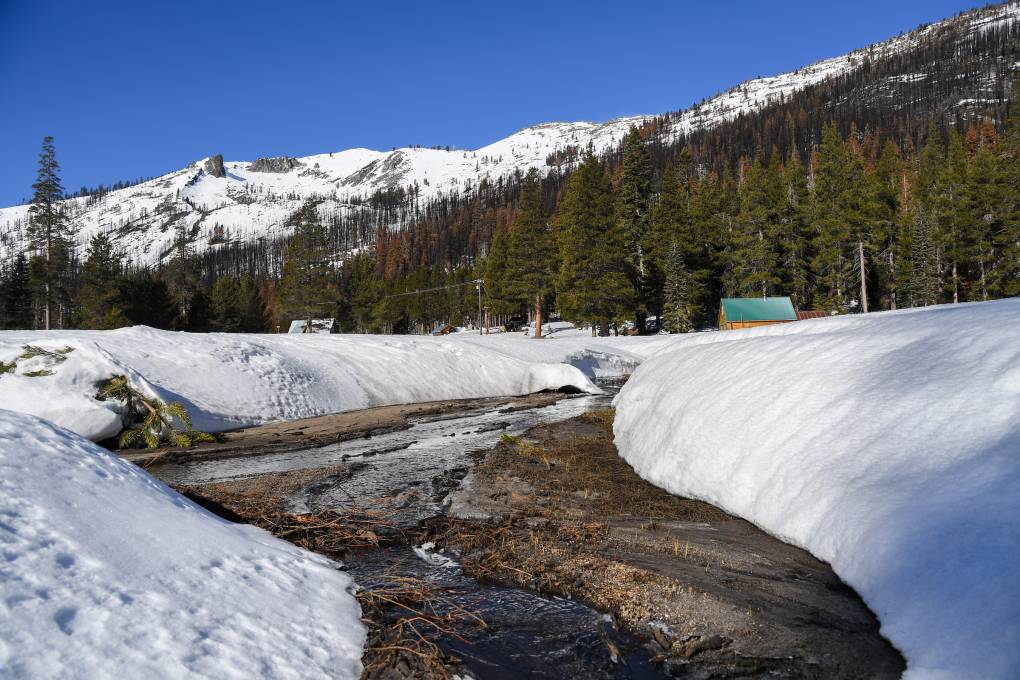
"caption": "Snow melts into a creek flowing into the South Fork American River, close to the location of the second media snow survey of the 2022 season at Phillips Station in the Sierra Nevada Mountains, Feb. 1, 2022. The survey is held approximately 90 miles east of Sacramento off Highway 50 in El Dorado County.",
"credit": "Kenneth James/California Department of Water Resources",
"altTag": "An apline creek running over a dark greanite slabe with white snow to the left and right. Green evergreens and white snow covered mountain peaks in the background.",
"description": null,
"imgSizes": {
"medium": {
"file": "https://cdn.kqed.org/wp-content/uploads/sites/35/2022/02/KJ1_0474-1-800x533.jpg",
"width": 800,
"height": 533,
"mimeType": "image/jpeg"
},
"large": {
"file": "https://cdn.kqed.org/wp-content/uploads/sites/35/2022/02/KJ1_0474-1-1020x680.jpg",
"width": 1020,
"height": 680,
"mimeType": "image/jpeg"
},
"thumbnail": {
"file": "https://cdn.kqed.org/wp-content/uploads/sites/35/2022/02/KJ1_0474-1-160x107.jpg",
"width": 160,
"height": 107,
"mimeType": "image/jpeg"
},
"medium_large": {
"file": "https://cdn.kqed.org/wp-content/uploads/sites/35/2022/02/KJ1_0474-1-768x512.jpg",
"width": 768,
"height": 512,
"mimeType": "image/jpeg"
},
"1536x1536": {
"file": "https://cdn.kqed.org/wp-content/uploads/sites/35/2022/02/KJ1_0474-1-1536x1024.jpg",
"width": 1536,
"height": 1024,
"mimeType": "image/jpeg"
},
"2048x2048": {
"file": "https://cdn.kqed.org/wp-content/uploads/sites/35/2022/02/KJ1_0474-1-2048x1365.jpg",
"width": 2048,
"height": 1365,
"mimeType": "image/jpeg"
},
"post-thumbnail": {
"file": "https://cdn.kqed.org/wp-content/uploads/sites/35/2022/02/KJ1_0474-1-672x372.jpg",
"width": 672,
"height": 372,
"mimeType": "image/jpeg"
},
"twentyfourteen-full-width": {
"file": "https://cdn.kqed.org/wp-content/uploads/sites/35/2022/02/KJ1_0474-1-1038x576.jpg",
"width": 1038,
"height": 576,
"mimeType": "image/jpeg"
},
"full-width": {
"file": "https://cdn.kqed.org/wp-content/uploads/sites/35/2022/02/KJ1_0474-1-1920x1280.jpg",
"width": 1920,
"height": 1280,
"mimeType": "image/jpeg"
},
"kqedFullSize": {
"file": "https://cdn.kqed.org/wp-content/uploads/sites/35/2022/02/KJ1_0474-1-e1774039477229.jpg",
"width": 2000,
"height": 1333
}
},
"isLoading": false,
"fetchFailed": false
},
"science_1978313": {
"type": "attachments",
"id": "science_1978313",
"meta": {
"index": "attachments_1716263798",
"site": "science",
"id": "1978313",
"found": true
},
"parent": 1978311,
"imgSizes": {
"twentyfourteen-full-width": {
"file": "https://ww2.kqed.org/app/uploads/sites/35/2022/01/RS53297_GettyImages-55826441-qut-1038x576.jpg",
"width": 1038,
"mimeType": "image/jpeg",
"height": 576
},
"thumbnail": {
"file": "https://ww2.kqed.org/app/uploads/sites/35/2022/01/RS53297_GettyImages-55826441-qut-160x106.jpg",
"width": 160,
"mimeType": "image/jpeg",
"height": 106
},
"post-thumbnail": {
"file": "https://ww2.kqed.org/app/uploads/sites/35/2022/01/RS53297_GettyImages-55826441-qut-672x372.jpg",
"width": 672,
"mimeType": "image/jpeg",
"height": 372
},
"kqedFullSize": {
"file": "https://ww2.kqed.org/app/uploads/sites/35/2022/01/RS53297_GettyImages-55826441-qut.jpg",
"width": 1920,
"height": 1267
},
"large": {
"file": "https://ww2.kqed.org/app/uploads/sites/35/2022/01/RS53297_GettyImages-55826441-qut-1020x673.jpg",
"width": 1020,
"mimeType": "image/jpeg",
"height": 673
},
"1536x1536": {
"file": "https://ww2.kqed.org/app/uploads/sites/35/2022/01/RS53297_GettyImages-55826441-qut-1536x1014.jpg",
"width": 1536,
"mimeType": "image/jpeg",
"height": 1014
},
"medium": {
"file": "https://ww2.kqed.org/app/uploads/sites/35/2022/01/RS53297_GettyImages-55826441-qut-800x528.jpg",
"width": 800,
"mimeType": "image/jpeg",
"height": 528
},
"medium_large": {
"file": "https://ww2.kqed.org/app/uploads/sites/35/2022/01/RS53297_GettyImages-55826441-qut-768x507.jpg",
"width": 768,
"mimeType": "image/jpeg",
"height": 507
}
},
"publishDate": 1643408162,
"modified": 1643411944,
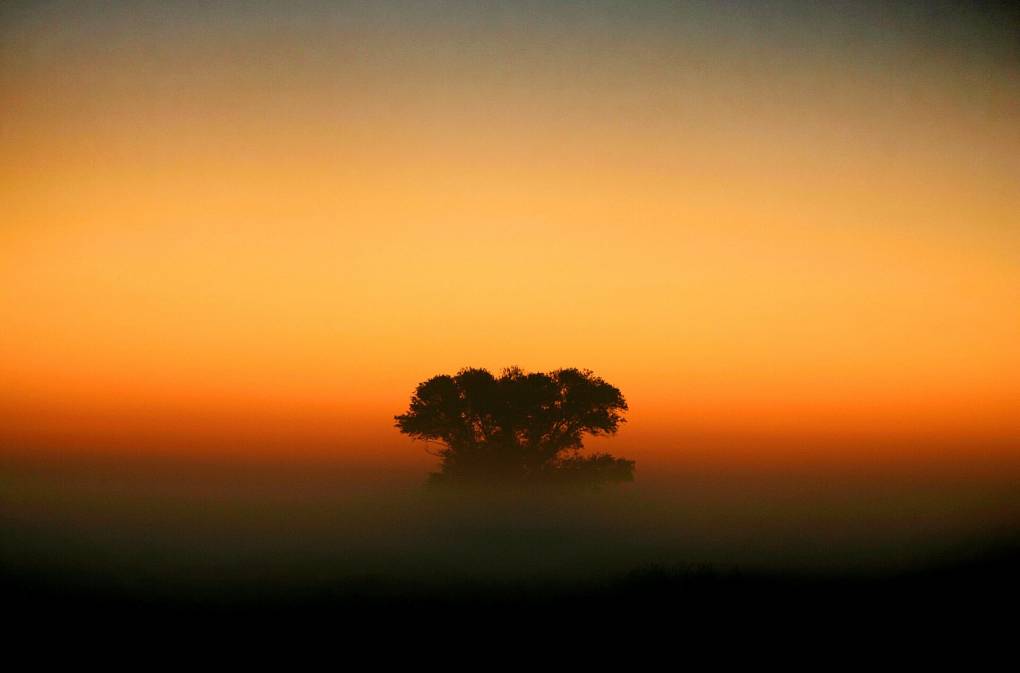
"caption": "A predawn glow silhouettes a tree on Bethel Island, one of the residential islands surrounded by levees that hold back the higher waters of the Sacramento-San Joaquin River Delta, on Sept. 29, 2005, west of Stockton. ",
"description": null,
"title": "California Levee System Vulnerable To Natural Disasters",
"credit": "David McNew/Getty Images",
"status": "inherit",
"altTag": "A tree shrouded in fog in the foreground with an orange, yellow sunrise in the background.",
"isLoading": false,
"fetchFailed": false
},
"science_1978268": {
"type": "attachments",
"id": "science_1978268",
"meta": {
"index": "attachments_1716263798",
"site": "science",
"id": "1978268",
"found": true
},
"parent": 1978266,
"imgSizes": {
"twentyfourteen-full-width": {
"file": "https://ww2.kqed.org/app/uploads/sites/35/2022/01/RS53254_001_Berkeley_DrAshleyMcClure_012222022-qut-1038x576.jpg",
"width": 1038,
"mimeType": "image/jpeg",
"height": 576
},
"thumbnail": {
"file": "https://ww2.kqed.org/app/uploads/sites/35/2022/01/RS53254_001_Berkeley_DrAshleyMcClure_012222022-qut-160x107.jpg",
"width": 160,
"mimeType": "image/jpeg",
"height": 107
},
"post-thumbnail": {
"file": "https://ww2.kqed.org/app/uploads/sites/35/2022/01/RS53254_001_Berkeley_DrAshleyMcClure_012222022-qut-672x372.jpg",
"width": 672,
"mimeType": "image/jpeg",
"height": 372
},
"kqedFullSize": {
"file": "https://ww2.kqed.org/app/uploads/sites/35/2022/01/RS53254_001_Berkeley_DrAshleyMcClure_012222022-qut.jpg",
"width": 1920,
"height": 1280
},
"large": {
"file": "https://ww2.kqed.org/app/uploads/sites/35/2022/01/RS53254_001_Berkeley_DrAshleyMcClure_012222022-qut-1020x680.jpg",
"width": 1020,
"mimeType": "image/jpeg",
"height": 680
},
"1536x1536": {
"file": "https://ww2.kqed.org/app/uploads/sites/35/2022/01/RS53254_001_Berkeley_DrAshleyMcClure_012222022-qut-1536x1024.jpg",
"width": 1536,
"mimeType": "image/jpeg",
"height": 1024
},
"medium": {
"file": "https://ww2.kqed.org/app/uploads/sites/35/2022/01/RS53254_001_Berkeley_DrAshleyMcClure_012222022-qut-800x533.jpg",
"width": 800,
"mimeType": "image/jpeg",
"height": 533
},
"medium_large": {
"file": "https://ww2.kqed.org/app/uploads/sites/35/2022/01/RS53254_001_Berkeley_DrAshleyMcClure_012222022-qut-768x512.jpg",
"width": 768,
"mimeType": "image/jpeg",
"height": 512
}
},
"publishDate": 1643054742,
"modified": 1643143130,
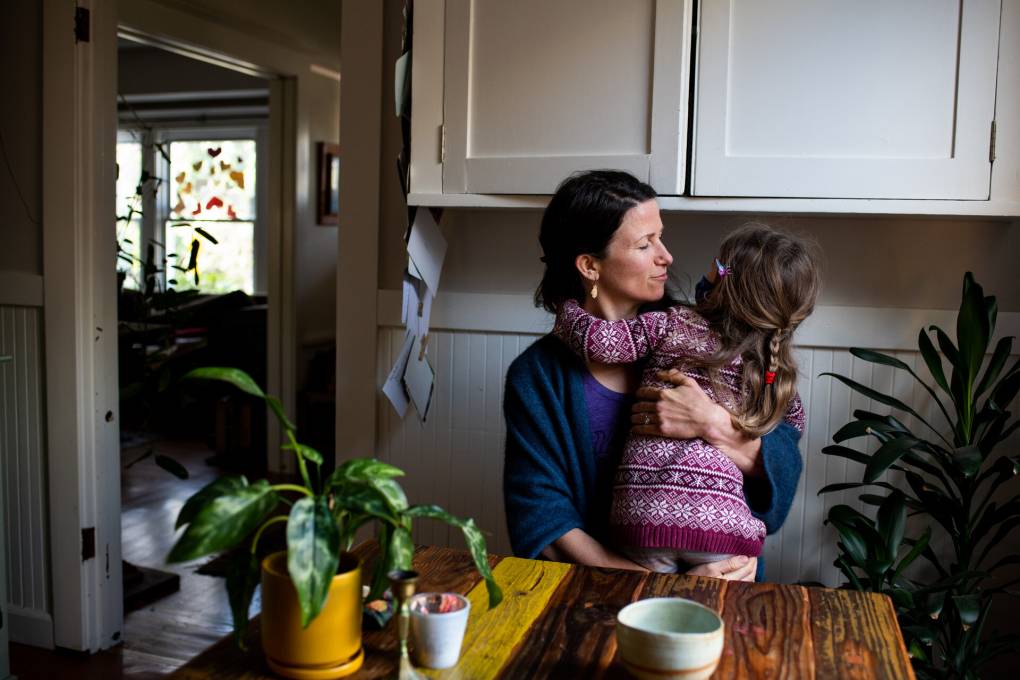
"caption": "Dr. Ashley McClure and her daughter sit at their kitchen table in Berkeley. McClure co-founded Climate Health Now, a group of California health professionals advocating for climate action through a lens of health and equity.",
"description": "Dr. Ashley McClure and her daughter sit at their kitchen table in Berkeley. McClure co-founded Climate Health Now, a group of California health professionals advocating for climate action through a lens of health and equity.",
"title": "RS53254_001_Berkeley_DrAshleyMcClure_012222022-qut",
"credit": "Beth LaBerge/KQED",
"status": "inherit",
"altTag": "A mother looks affectionately at the daughter she holds in her lap.",
"isLoading": false,
"fetchFailed": false
},
"science_1978209": {
"type": "attachments",
"id": "science_1978209",
"meta": {
"index": "attachments_1716263798",
"site": "science",
"id": "1978209",
"found": true
},
"parent": 1978191,
"imgSizes": {
"twentyfourteen-full-width": {
"file": "https://ww2.kqed.org/app/uploads/sites/35/2022/01/RS52994_Newark-digital-photo-update-qut-1038x576.jpg",
"width": 1038,
"mimeType": "image/jpeg",
"height": 576
},
"thumbnail": {
"file": "https://ww2.kqed.org/app/uploads/sites/35/2022/01/RS52994_Newark-digital-photo-update-qut-160x107.jpg",
"width": 160,
"mimeType": "image/jpeg",
"height": 107
},
"post-thumbnail": {
"file": "https://ww2.kqed.org/app/uploads/sites/35/2022/01/RS52994_Newark-digital-photo-update-qut-672x372.jpg",
"width": 672,
"mimeType": "image/jpeg",
"height": 372
},
"kqedFullSize": {
"file": "https://ww2.kqed.org/app/uploads/sites/35/2022/01/RS52994_Newark-digital-photo-update-qut.jpg",
"width": 1920,
"height": 1280
},
"large": {
"file": "https://ww2.kqed.org/app/uploads/sites/35/2022/01/RS52994_Newark-digital-photo-update-qut-1020x680.jpg",
"width": 1020,
"mimeType": "image/jpeg",
"height": 680
},
"1536x1536": {
"file": "https://ww2.kqed.org/app/uploads/sites/35/2022/01/RS52994_Newark-digital-photo-update-qut-1536x1024.jpg",
"width": 1536,
"mimeType": "image/jpeg",
"height": 1024
},
"medium": {
"file": "https://ww2.kqed.org/app/uploads/sites/35/2022/01/RS52994_Newark-digital-photo-update-qut-800x533.jpg",
"width": 800,
"mimeType": "image/jpeg",
"height": 533
},
"medium_large": {
"file": "https://ww2.kqed.org/app/uploads/sites/35/2022/01/RS52994_Newark-digital-photo-update-qut-768x512.jpg",
"width": 768,
"mimeType": "image/jpeg",
"height": 512
}
},
"publishDate": 1641591785,
"modified": 1641598550,
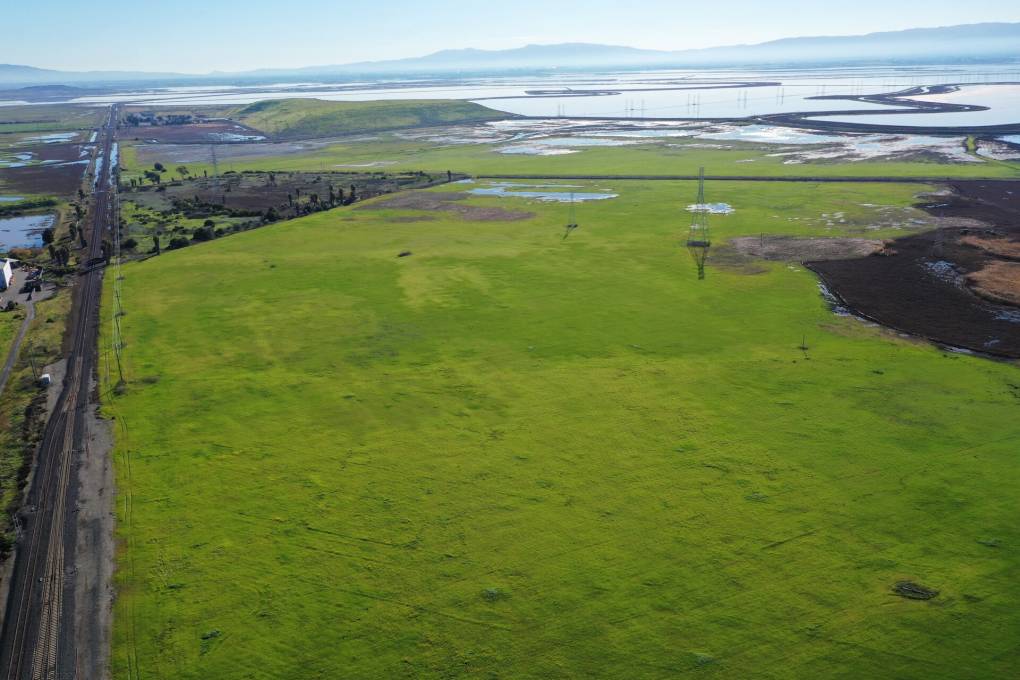
"caption": "The area on which a new housing development would sit is a mosaic of wetlands and upland habitat. A slough runs through the area connecting it to the bay. ",
"description": "Aerial photo looking over wetlands in Newark, CA.",
"title": "RS52994_Newark digital photo update-qut",
"credit": "Courtesy of Derell Licht of Citizens Committee to Complete the Refuge/Creative Commons",
"status": "inherit",
"altTag": "Photo showing the wetlands in jeopardy in Newark.",
"isLoading": false,
"fetchFailed": false
},
"science_1976799": {
"type": "attachments",
"id": "science_1976799",
"meta": {
"index": "attachments_1716263798",
"site": "science",
"id": "1976799",
"found": true
},
"parent": 1976798,
"imgSizes": {
"twentyfourteen-full-width": {
"file": "https://ww2.kqed.org/app/uploads/sites/35/2021/09/gettyimages-1282167602-2-a98e931b04ffe87e5c3b2592d41bc086d9d3efb4-1038x576.jpg",
"width": 1038,
"mimeType": "image/jpeg",
"height": 576
},
"thumbnail": {
"file": "https://ww2.kqed.org/app/uploads/sites/35/2021/09/gettyimages-1282167602-2-a98e931b04ffe87e5c3b2592d41bc086d9d3efb4-160x120.jpg",
"width": 160,
"mimeType": "image/jpeg",
"height": 120
},
"post-thumbnail": {
"file": "https://ww2.kqed.org/app/uploads/sites/35/2021/09/gettyimages-1282167602-2-a98e931b04ffe87e5c3b2592d41bc086d9d3efb4-672x372.jpg",
"width": 672,
"mimeType": "image/jpeg",
"height": 372
},
"kqedFullSize": {
"file": "https://ww2.kqed.org/app/uploads/sites/35/2021/09/gettyimages-1282167602-2-a98e931b04ffe87e5c3b2592d41bc086d9d3efb4.jpg",
"width": 1113,
"height": 834
},
"large": {
"file": "https://ww2.kqed.org/app/uploads/sites/35/2021/09/gettyimages-1282167602-2-a98e931b04ffe87e5c3b2592d41bc086d9d3efb4-1020x764.jpg",
"width": 1020,
"mimeType": "image/jpeg",
"height": 764
},
"medium": {
"file": "https://ww2.kqed.org/app/uploads/sites/35/2021/09/gettyimages-1282167602-2-a98e931b04ffe87e5c3b2592d41bc086d9d3efb4-800x599.jpg",
"width": 800,
"mimeType": "image/jpeg",
"height": 599
},
"medium_large": {
"file": "https://ww2.kqed.org/app/uploads/sites/35/2021/09/gettyimages-1282167602-2-a98e931b04ffe87e5c3b2592d41bc086d9d3efb4-768x575.jpg",
"width": 768,
"mimeType": "image/jpeg",
"height": 575
}
},
"publishDate": 1631656287,
"modified": 1640200324,
"caption": null,
"description": null,
"title": null,
"credit": "FG Trade/Getty Images",
"status": "inherit",
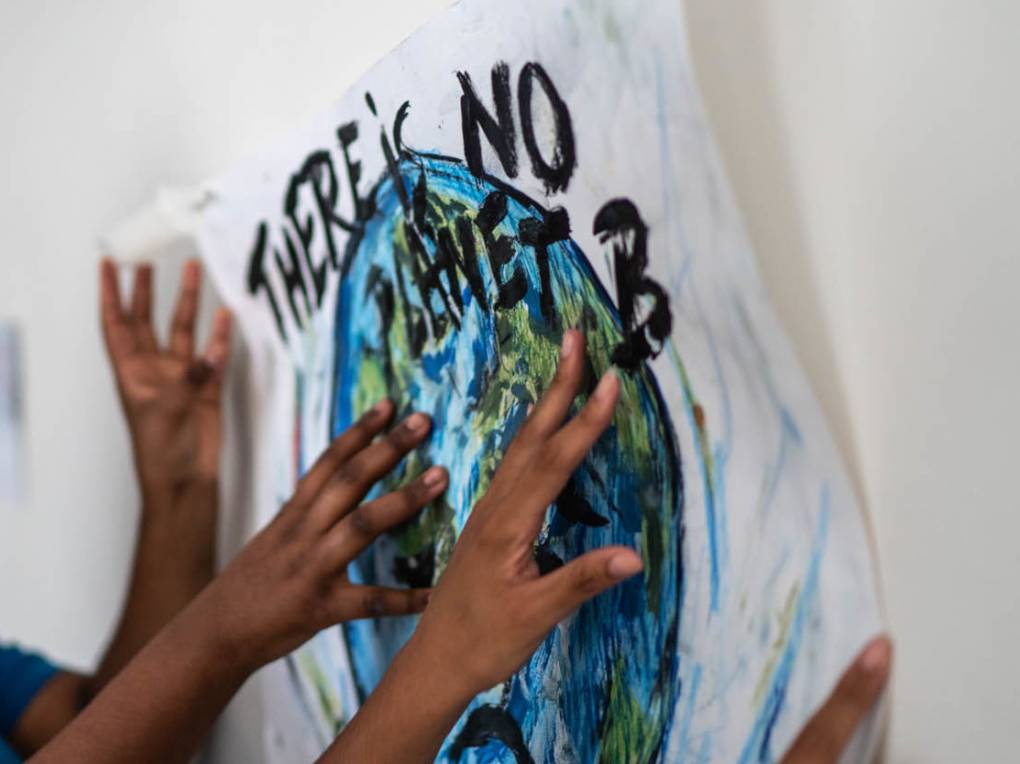
"altTag": "The hands of several children hold up a handmade sign with a painting of Earth and copy that reads \"There's No Planet B.\"",
"isLoading": false,
"fetchFailed": false
},
"science_1978026": {
"type": "attachments",
"id": "science_1978026",
"meta": {
"index": "attachments_1716263798",
"site": "science",
"id": "1978026",
"found": true
},
"parent": 1978025,
"imgSizes": {
"twentyfourteen-full-width": {
"file": "https://ww2.kqed.org/app/uploads/sites/35/2021/12/gettyimages-956582752_custom-d6880e2da7c197b97575af8633a2535c6963d258-1038x576.jpg",
"width": 1038,
"mimeType": "image/jpeg",
"height": 576
},
"thumbnail": {
"file": "https://ww2.kqed.org/app/uploads/sites/35/2021/12/gettyimages-956582752_custom-d6880e2da7c197b97575af8633a2535c6963d258-160x104.jpg",
"width": 160,
"mimeType": "image/jpeg",
"height": 104
},
"post-thumbnail": {
"file": "https://ww2.kqed.org/app/uploads/sites/35/2021/12/gettyimages-956582752_custom-d6880e2da7c197b97575af8633a2535c6963d258-672x372.jpg",
"width": 672,
"mimeType": "image/jpeg",
"height": 372
},
"kqedFullSize": {
"file": "https://ww2.kqed.org/app/uploads/sites/35/2021/12/gettyimages-956582752_custom-d6880e2da7c197b97575af8633a2535c6963d258.jpg",
"width": 1200,
"height": 778
},
"large": {
"file": "https://ww2.kqed.org/app/uploads/sites/35/2021/12/gettyimages-956582752_custom-d6880e2da7c197b97575af8633a2535c6963d258-1020x661.jpg",
"width": 1020,
"mimeType": "image/jpeg",
"height": 661
},
"medium": {
"file": "https://ww2.kqed.org/app/uploads/sites/35/2021/12/gettyimages-956582752_custom-d6880e2da7c197b97575af8633a2535c6963d258-800x519.jpg",
"width": 800,
"mimeType": "image/jpeg",
"height": 519
},
"medium_large": {
"file": "https://ww2.kqed.org/app/uploads/sites/35/2021/12/gettyimages-956582752_custom-d6880e2da7c197b97575af8633a2535c6963d258-768x498.jpg",
"width": 768,
"mimeType": "image/jpeg",
"height": 498
}
},
"publishDate": 1640112418,
"modified": 1640221083,
"caption": "Luminalt solar installers Pam Quan (L) and Walter Morales (R) install solar panels on the roof of a home on May 9, 2018 in San Francisco, California. ",
"description": null,
"title": "The Build Back Better legislation included billions to accelerate clean energy like rooftop solar, but with the bill now stalled in Congress, cutting U.S. emissions will be tougher.",
"credit": "Photo by Justin Sullivan/Getty Images",
"status": "inherit",
"altTag": "A solar panel is installed by two workers on a rooftop. The workers are wearing hard hats and are at the far background of the frame.",
"isLoading": false,
"fetchFailed": false
},
"science_1977892": {
"type": "attachments",
"id": "science_1977892",
"meta": {
"index": "attachments_1716263798",
"site": "science",
"id": "1977892",
"found": true
},
"parent": 1977890,
"imgSizes": {
"twentyfourteen-full-width": {
"file": "https://ww2.kqed.org/app/uploads/sites/35/2021/12/Newark-Main-Photos-1038x576.jpg",
"width": 1038,
"mimeType": "image/jpeg",
"height": 576
},
"thumbnail": {
"file": "https://ww2.kqed.org/app/uploads/sites/35/2021/12/Newark-Main-Photos-160x107.jpg",
"width": 160,
"mimeType": "image/jpeg",
"height": 107
},
"post-thumbnail": {
"file": "https://ww2.kqed.org/app/uploads/sites/35/2021/12/Newark-Main-Photos-672x372.jpg",
"width": 672,
"mimeType": "image/jpeg",
"height": 372
},
"kqedFullSize": {
"file": "https://ww2.kqed.org/app/uploads/sites/35/2021/12/Newark-Main-Photos-scaled.jpg",
"width": 2560,
"height": 1707
},
"2048x2048": {
"file": "https://ww2.kqed.org/app/uploads/sites/35/2021/12/Newark-Main-Photos-2048x1365.jpg",
"width": 2048,
"mimeType": "image/jpeg",
"height": 1365
},
"large": {
"file": "https://ww2.kqed.org/app/uploads/sites/35/2021/12/Newark-Main-Photos-1020x680.jpg",
"width": 1020,
"mimeType": "image/jpeg",
"height": 680
},
"1536x1536": {
"file": "https://ww2.kqed.org/app/uploads/sites/35/2021/12/Newark-Main-Photos-1536x1024.jpg",
"width": 1536,
"mimeType": "image/jpeg",
"height": 1024
},
"full-width": {
"file": "https://ww2.kqed.org/app/uploads/sites/35/2021/12/Newark-Main-Photos-1920x1280.jpg",
"width": 1920,
"mimeType": "image/jpeg",
"height": 1280
},
"medium": {
"file": "https://ww2.kqed.org/app/uploads/sites/35/2021/12/Newark-Main-Photos-800x533.jpg",
"width": 800,
"mimeType": "image/jpeg",
"height": 533
},
"medium_large": {
"file": "https://ww2.kqed.org/app/uploads/sites/35/2021/12/Newark-Main-Photos-768x512.jpg",
"width": 768,
"mimeType": "image/jpeg",
"height": 512
}
},
"publishDate": 1639086143,
"modified": 1639425896,
"caption": "A wetland along the edge of the city of Newark. ",
"description": null,
"title": "Newark Aerial",
"credit": "Courtesy of Citizens Committee to Complete the Refuge's Derell Licht/Creative Commons",
"status": "inherit",
"altTag": "a green marsh connected to salt ponds with houses, bay water and coastal hills in the background.",
"isLoading": false,
"fetchFailed": false
},
"science_1977350": {
"type": "attachments",
"id": "science_1977350",
"meta": {
"index": "attachments_1716263798",
"site": "science",
"id": "1977350",
"found": true
},
"parent": 1977314,
"imgSizes": {
"twentyfourteen-full-width": {
"file": "https://ww2.kqed.org/app/uploads/sites/35/2021/10/RS52174_GettyImages-1168690975-qut-1038x576.jpg",
"width": 1038,
"mimeType": "image/jpeg",
"height": 576
},
"thumbnail": {
"file": "https://ww2.kqed.org/app/uploads/sites/35/2021/10/RS52174_GettyImages-1168690975-qut-160x106.jpg",
"width": 160,
"mimeType": "image/jpeg",
"height": 106
},
"post-thumbnail": {
"file": "https://ww2.kqed.org/app/uploads/sites/35/2021/10/RS52174_GettyImages-1168690975-qut-672x372.jpg",
"width": 672,
"mimeType": "image/jpeg",
"height": 372
},
"kqedFullSize": {
"file": "https://ww2.kqed.org/app/uploads/sites/35/2021/10/RS52174_GettyImages-1168690975-qut.jpg",
"width": 1920,
"height": 1277
},
"large": {
"file": "https://ww2.kqed.org/app/uploads/sites/35/2021/10/RS52174_GettyImages-1168690975-qut-1020x678.jpg",
"width": 1020,
"mimeType": "image/jpeg",
"height": 678
},
"1536x1536": {
"file": "https://ww2.kqed.org/app/uploads/sites/35/2021/10/RS52174_GettyImages-1168690975-qut-1536x1022.jpg",
"width": 1536,
"mimeType": "image/jpeg",
"height": 1022
},
"medium": {
"file": "https://ww2.kqed.org/app/uploads/sites/35/2021/10/RS52174_GettyImages-1168690975-qut-800x532.jpg",
"width": 800,
"mimeType": "image/jpeg",
"height": 532
},
"medium_large": {
"file": "https://ww2.kqed.org/app/uploads/sites/35/2021/10/RS52174_GettyImages-1168690975-qut-768x511.jpg",
"width": 768,
"mimeType": "image/jpeg",
"height": 511
}
},
"publishDate": 1635444926,
"modified": 1639164519,
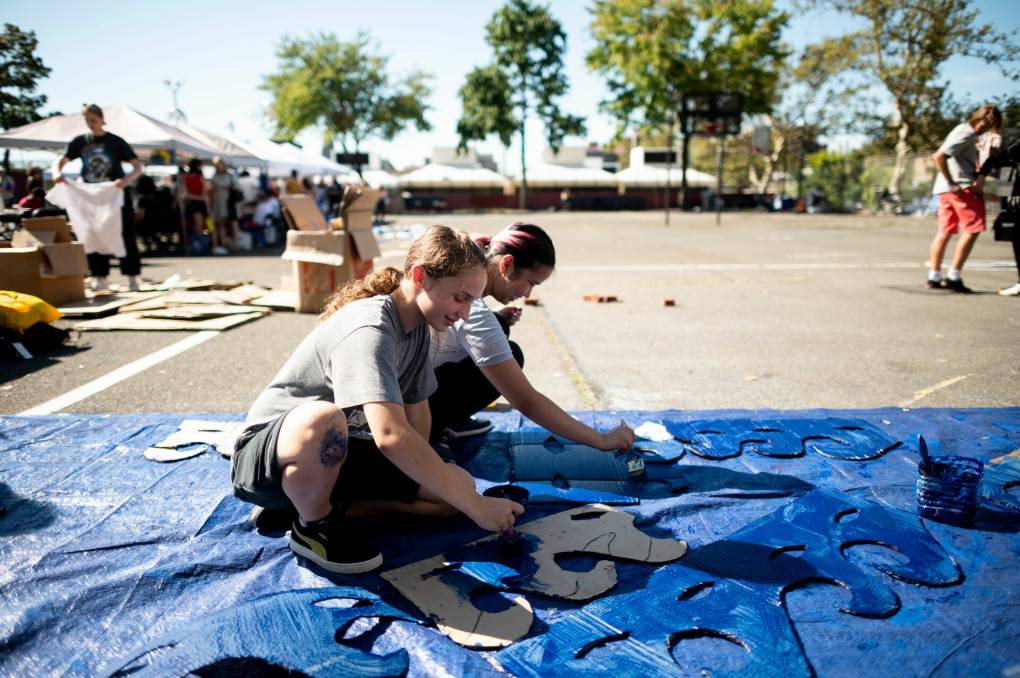
"caption": "Nora Gell paints waves on paper as she takes part in an event to make art for the September 20 Youth Climate Strike on Sept. 15, 2019, in New York City. ",
"description": null,
"title": "US-CLIMATE-YOUTH-STRIKE-ART-environment",
"credit": "Johannes Eisele/AFP via Getty Images",
"status": "inherit",
"altTag": "two children cut out waves on asphalt court outside",
"isLoading": false,
"fetchFailed": false
}
},
"audioPlayerReducer": {
"postId": "stream_live",
"isPaused": true,
"isPlaying": false,
"pfsActive": false,
"pledgeModalIsOpen": true,
"playerDrawerIsOpen": false,
"liveAudioPlayStartedAt": 0,
"liveAudioPlayContext": ""
},
"authorsReducer": {
"byline_science_1978657": {
"type": "authors",
"id": "byline_science_1978657",
"meta": {
"override": true
},
"slug": "byline_science_1978657",
"name": "Mark Hertsgaard, Covering Climate Now \u003cbr>Saleemul Huq, International Centre for Climate Change and Development \u003cbr>Michael Mann, Penn State University",
"isLoading": false
},
"byline_science_1978423": {
"type": "authors",
"id": "byline_science_1978423",
"meta": {
"override": true
},
"slug": "byline_science_1978423",
"name": "Anne Marshall-Chalmers and Dan Gearino\u003cbr>Inside Climate News",
"isLoading": false
},
"byline_science_1978374": {
"type": "authors",
"id": "byline_science_1978374",
"meta": {
"override": true
},
"slug": "byline_science_1978374",
"name": "Liza Gross, Inside Climate News",
"isLoading": false
},
"byline_science_1978025": {
"type": "authors",
"id": "byline_science_1978025",
"meta": {
"override": true
},
"slug": "byline_science_1978025",
"name": "Lauren Sommer \u003cbr>NPR\u003cbr />",
"isLoading": false
},
"lklivans": {
"type": "authors",
"id": "8648",
"meta": {
"index": "authors_1716337520",
"id": "8648",
"found": true
},
"name": "Laura Klivans",
"firstName": "Laura",
"lastName": "Klivans",
"slug": "lklivans",
"email": "lklivans@kqed.org",
"display_author_email": true,
"staff_mastheads": [
"news",
"science"
],
"title": "Reporter",
"bio": "Laura Klivans is an award-winning science reporter for KQED News, where she covers climate change with an eye on both groundbreaking progress and gaps in action. She is the former host of KQED's blockbuster video series about tiny, amazing animals, \u003cem>Deep Look\u003c/em>. Her work reaches national audiences through NPR, \u003cem>Here & Now, \u003c/em>PRI, and other major outlets. \r\n\r\nLaura’s won five Northern California Area Emmy Awards for Deep Look and First Place in the Greater Bay Area Journalism Awards for a podcast exploring how one Oakland neighborhood teamed up to reduce planet-heating pollution.\r\n\r\nBeyond her reporting, she hosts and moderates events. In the past, she taught audio storytelling at the UC Berkeley Graduate School of Journalism, led international education programs, worked with immigrants and refugees along the Thai-Burmese border, taught high schoolers sex ed, and was an actress. \r\n\r\nShe's a former UC Berkeley Human Rights Fellow, USC Center for Health Journalism's California Fellow and Coro Fellow in Public Affairs. Laura has a master’s in journalism from UC Berkeley, a master’s in education from Harvard, and an undergraduate degree from Northwestern University.\r\n\r\nShe loves trying to riddle the meaning out of vanity license plates.",
"avatar": "https://secure.gravatar.com/avatar/2d2ecd1550a494cc10ad4a503406965585902124739e775a9b3817eebf1d88be?s=600&d=blank&r=g",
"twitter": "lauraklivans",
"bluesky": null,
"facebook": null,
"instagram": null,
"linkedin": null,
"sites": [
{
"site": "news",
"roles": [
"editor"
]
},
{
"site": "stateofhealth",
"roles": [
"contributor",
"editor"
]
},
{
"site": "science",
"roles": [
"editor"
]
},
{
"site": "forum",
"roles": [
"editor"
]
}
],
"headData": {
"title": "Laura Klivans | KQED",
"description": "Reporter",
"ogImgSrc": "https://secure.gravatar.com/avatar/2d2ecd1550a494cc10ad4a503406965585902124739e775a9b3817eebf1d88be?s=600&d=blank&r=g",
"twImgSrc": "https://secure.gravatar.com/avatar/2d2ecd1550a494cc10ad4a503406965585902124739e775a9b3817eebf1d88be?s=600&d=blank&r=g"
},
"isLoading": false,
"link": "/author/lklivans"
},
"kevinstark": {
"type": "authors",
"id": "11608",
"meta": {
"index": "authors_1716337520",
"id": "11608",
"found": true
},
"name": "Kevin Stark",
"firstName": "Kevin",
"lastName": "Stark",
"slug": "kevinstark",
"email": "kstark@kqed.org",
"display_author_email": true,
"staff_mastheads": [
"science"
],
"title": "Senior Editor",
"bio": "Kevin is a senior editor for KQED Science, managing the station's health and climate desks. His journalism career began in the Pacific Northwest, and he later became a lead reporter for the San Francisco Public Press. His work has appeared in Pacific Standard magazine, the Energy News Network, the Center for Investigative Reporting's Reveal and WBEZ in Chicago. Kevin joined KQED in 2019, and has covered issues related to energy, wildfire, climate change and the environment.",
"avatar": "https://secure.gravatar.com/avatar/365aaa4b597d3a8374f67504ff0facd323d7906e8eb4be0a7efd2427408e802c?s=600&d=blank&r=g",
"twitter": "starkkev",
"bluesky": null,
"facebook": null,
"instagram": null,
"linkedin": null,
"sites": [
{
"site": "",
"roles": [
"editor"
]
},
{
"site": "news",
"roles": [
"editor"
]
},
{
"site": "science",
"roles": [
"administrator"
]
}
],
"headData": {
"title": "Kevin Stark | KQED",
"description": "Senior Editor",
"ogImgSrc": "https://secure.gravatar.com/avatar/365aaa4b597d3a8374f67504ff0facd323d7906e8eb4be0a7efd2427408e802c?s=600&d=blank&r=g",
"twImgSrc": "https://secure.gravatar.com/avatar/365aaa4b597d3a8374f67504ff0facd323d7906e8eb4be0a7efd2427408e802c?s=600&d=blank&r=g"
},
"isLoading": false,
"link": "/author/kevinstark"
},
"eromero": {
"type": "authors",
"id": "11746",
"meta": {
"index": "authors_1716337520",
"id": "11746",
"found": true
},
"name": "Ezra David Romero",
"firstName": "Ezra David",
"lastName": "Romero",
"slug": "eromero",
"email": "eromero@kqed.org",
"display_author_email": true,
"staff_mastheads": [
"news",
"science"
],
"title": "Climate Reporter",
"bio": "Ezra David Romero is a climate reporter for KQED News. He covers the absence and excess of water in the Bay Area — think sea level rise, flooding and drought. For nearly a decade he’s covered how warming temperatures are altering the lives of Californians. He’s reported on farmers worried their pistachio trees aren’t getting enough sleep, families desperate for water, scientists studying dying giant sequoias, and alongside firefighters containing wildfires. His work has appeared on local stations across California and nationally on public radio shows like Morning Edition, Here and Now, All Things Considered and Science Friday. ",
"avatar": "https://secure.gravatar.com/avatar/c76404d287c10ed40224227551ac36e24352c7306f106632caf6fead76f8801f?s=600&d=blank&r=g",
"twitter": "ezraromero",
"bluesky": null,
"facebook": null,
"instagram": null,
"linkedin": null,
"sites": [
{
"site": "arts",
"roles": [
"editor"
]
},
{
"site": "news",
"roles": [
"editor"
]
},
{
"site": "science",
"roles": [
"editor"
]
},
{
"site": "liveblog",
"roles": [
"author"
]
}
],
"headData": {
"title": "Ezra David Romero | KQED",
"description": "Climate Reporter",
"ogImgSrc": "https://secure.gravatar.com/avatar/c76404d287c10ed40224227551ac36e24352c7306f106632caf6fead76f8801f?s=600&d=blank&r=g",
"twImgSrc": "https://secure.gravatar.com/avatar/c76404d287c10ed40224227551ac36e24352c7306f106632caf6fead76f8801f?s=600&d=blank&r=g"
},
"isLoading": false,
"link": "/author/eromero"
}
},
"pagesReducer": {
"science_category_climate": {
"type": "terms",
"id": "science_31",
"meta": {
"index": "terms_1716263798",
"site": "science",
"id": "31",
"score": 11.06203
},
"featImg": null,
"name": "Climate",
"description": null,
"taxonomy": "category",
"headData": {
"twImgId": null,
"twTitle": null,
"ogTitle": null,
"ogImgId": null,
"twDescription": null,
"description": null,
"title": "Climate Archives | KQED Science",
"ogDescription": null
},
"ttid": 33,
"slug": "climate",
"isLoading": false,
"title": "Climate",
"pageMeta": {
"site": "science",
"WpPageTemplate": "page-topic-editorial",
"currentPage": 33
},
"blocks": [
{
"blockName": "kqed/post-list",
"attrs": {
"layout": "cardArticle2",
"query": "posts/science?category=climate",
"seeMore": false,
"paginated": true,
"page": 33
}
},
{
"blockName": "kqed/ad"
}
]
}
},
"pfsSessionReducer": {},
"postsReducer": {
"stream_live": {
"type": "live",
"id": "stream_live",
"audioUrl": "https://streams.kqed.org/kqedradio",
"title": "Live Stream",
"excerpt": "Live Stream information currently unavailable.",
"link": "/radio",
"featImg": "",
"label": {
"name": "KQED Live",
"link": "/"
}
},
"stream_kqedNewscast": {
"type": "posts",
"id": "stream_kqedNewscast",
"audioUrl": "https://www.kqed.org/.stream/anon/radio/RDnews/newscast.mp3?_=1",
"title": "KQED Newscast",
"featImg": "",
"label": {
"name": "88.5 FM",
"link": "/"
}
},
"science_1978657": {
"type": "posts",
"id": "science_1978657",
"meta": {
"index": "posts_1716263798",
"site": "science",
"id": "1978657",
"score": null,
"sort": [
1646332216000
]
},
"parent": 0,
"labelTerm": {
"site": "science"
},
"blocks": [],
"publishDate": 1646332216,
"format": "standard",
"title": "Finally, Some Hope on the Climate Front: Global Temperatures Will Stop Rising, If We Act Fast",
"headTitle": "Finally, Some Hope on the Climate Front: Global Temperatures Will Stop Rising, If We Act Fast | KQED",
"content": "\u003cp>One of the biggest obstacles to avoiding global climate breakdown is that \u003ca href=\"https://www.kqed.org/science/1977314/climate-change-is-here-its-bad-heres-what-you-can-do\">so many people think there’s nothing we can do\u003c/a> about it.\u003c/p>\n\u003cp>They point out that record-breaking heat waves, fires and storms are already devastating communities and economies throughout the world. And they’ve long been told that temperatures will keep rising for decades to come, no matter how many solar panels replace oil derricks or how many meat-eaters go vegetarian. No wonder they think we’re doomed.\u003c/p>\n\u003cp>[pullquote size='small' citation='The authors']‘Understanding that we can still save our civilization if we take strong, fast action can banish the despair that paralyzes people and instead motivate them to get involved.’[/pullquote]But climate science actually doesn’t say this. To the contrary, the \u003ca href=\"https://www.cjr.org/covering_climate_now/michael-mann-60-minutes-emissions-warming.php\">best climate science you’ve probably never heard of\u003c/a> suggests that humanity can still limit the damage to a fraction of the worst projections if — and, we admit, this is a big if — governments, businesses and all of us take strong action starting now.\u003c/p>\n\u003cp>For many years, the scientific rule of thumb was that a sizable amount of temperature rise was locked into Earth’s climate system. Scientists believed — and told policymakers and journalists, who in turn told the public — that even if humanity hypothetically halted all heat-trapping emissions overnight, carbon dioxide’s long lifetime in the atmosphere, combined with the sluggish thermal properties of the oceans, would nevertheless keep global temperatures rising for 30 to 40 more years. Since shifting to a zero-carbon global economy would take at least a decade or two, temperatures were bound to keep rising for at least another half-century.\u003c/p>\n\u003cp>\u003ca href=\"https://ww2.kqed.org/app/uploads/sites/35/2019/09/Covering-Climate-Now-Logo.png\">\u003cimg loading=\"lazy\" decoding=\"async\" class=\"alignleft size-thumbnail wp-image-1947420\" src=\"https://ww2.kqed.org/app/uploads/sites/35/2019/09/Covering-Climate-Now-Logo-160x160.png\" alt=\"\" width=\"160\" height=\"160\" srcset=\"https://cdn.kqed.org/wp-content/uploads/sites/35/2019/09/Covering-Climate-Now-Logo-160x160.png 160w, https://cdn.kqed.org/wp-content/uploads/sites/35/2019/09/Covering-Climate-Now-Logo-800x799.png 800w, https://cdn.kqed.org/wp-content/uploads/sites/35/2019/09/Covering-Climate-Now-Logo-768x767.png 768w, https://cdn.kqed.org/wp-content/uploads/sites/35/2019/09/Covering-Climate-Now-Logo-1020x1019.png 1020w, https://cdn.kqed.org/wp-content/uploads/sites/35/2019/09/Covering-Climate-Now-Logo.png 1116w\" sizes=\"(max-width: 160px) 100vw, 160px\">\u003c/a>But guided by subsequent research, scientists dramatically revised that lag time estimate down to as little as three to five years. That is an enormous difference that carries paradigm-shifting and broadly hopeful implications for how people, especially young people, think and feel about the climate emergency and how societies can respond to it.\u003c/p>\n\u003cp>This revised science means that if humanity slashes emissions to zero, global temperatures will stop rising almost immediately. To be clear, this is not a get-out-of-jail-free card. Global temperatures also will not fall if emissions go to zero, so the planet’s ice will keep melting and sea levels will keep rising. But global temperatures will stop their relentless climb, buying humanity time to devise ways to deal with such unavoidable impacts. In short, we are not irrevocably doomed — or at least we don’t have to be, if we take bold, rapid action.\u003c/p>\n\u003cp>The science we’re referencing was included — but inadvertently buried — in the \u003ca href=\"https://www.ipcc.ch/report/ar6/wg1/\">United Nations Intergovernmental Panel on Climate Change’s recent report\u003c/a>, issued in August. Indeed, it was first featured in the IPCC’s landmark 2018 report, “\u003ca href=\"https://www.ipcc.ch/site/assets/uploads/sites/2/2019/06/SR15_Full_Report_High_Res.pdf\" target=\"_blank\" rel=\"noopener noreferrer\">Global warming of 1.5°C\u003c/a>.”\u003c/p>\n\u003cp>\u003cspan style=\"font-weight: 400\">[aside postID=science_1977314]\u003c/span>That report’s key finding — that global emissions must fall by 45% by 2030 to avoid catastrophic climate disruption — generated headlines declaring that we had “12 years to save the planet.” That 12-year timeline, and the related concept of a “carbon budget” — the amount of carbon that can be burned while still limiting temperature rise to 1.5 degrees Celsius above preindustrial levels — were both rooted in this revised science. Meanwhile, the public and policy worlds have largely neglected the revised science that enabled these very estimates.\u003c/p>\n\u003cp>Nonscientists can reasonably ask: What made scientists change their minds? Why should we believe their new estimate of a three-to-five-year lag time if their previous estimate of 30 to 40 years is now known to be incorrect? And does the world still have to cut emissions in half by 2030 to avoid climate catastrophe?\u003c/p>\n\u003cp>The short answer to the last question is yes. Remember, temperatures only stop rising once global emissions fall to zero. Currently, emissions are not falling. Instead, humanity continues to pump approximately 36 billion tons of carbon dioxide a year into the atmosphere. The longer it takes to cut those 36 billion tons to zero, the more temperature rise humanity eventually will face. And as the IPCC’s 2018 report made hauntingly clear, warming of more than 1.5 degrees Celsius would cause unspeakable amounts of human suffering, economic loss and social breakdown — and perhaps trigger genuinely irreversible impacts.\u003c/p>\n\u003cp>[pullquote size='small' citation='The authors']‘If we want a livable future for today’s young people, temperature rise must be kept as close as possible to 1.5 C. The best climate science most people have never heard of says \u003ca href=\"https://www.latimes.com/opinion/story/2021-11-13/cop26-glasgow-climate-change\">that goal remains within reach.\u003c/a>‘[/pullquote]Scientists changed their minds about how much warming is locked in because additional research gave them a much better understanding of how the climate system works. Their initial 30-to-40-year estimates were based on relatively simple computer models that treated the concentration of carbon dioxide in the atmosphere as a “control knob” that determines temperature levels. The long lag in the warming impact is due to the oceans, which continue to warm long after the control knob is turned up.\u003c/p>\n\u003cp>More recent climate models account for the more dynamic nature of carbon emissions. Yes, CO2 pushes temperatures higher, but carbon “sinks,” including forests and in particular the oceans, absorb almost half of the CO2 that is emitted, causing atmospheric CO2 levels to drop, offsetting the delayed warming effect.\u003c/p>\n\u003cp>Knowing that 30 more years of rising temperatures are not necessarily locked in can be a game-changer for how people, governments and businesses respond to the climate crisis. Understanding that we can still save our civilization if we take strong, fast action can banish the despair that paralyzes people and instead motivate them to get involved. Lifestyle changes can help, but that involvement must also include political engagement.\u003c/p>\n\u003cp>Slashing emissions in half by 2030 demands the fastest possible transition away from today’s fossil-fueled economies in favor of wind, solar and other non-carbon alternatives. That can happen only if governments enact dramatically different policies. If citizens understand that things aren’t hopeless, they can better push elected officials to make such changes.\u003c/p>\n\u003cp>[ad fullwidth]\u003c/p>\n\u003cp>Last year’s record wildfires in California and the Pacific Northwest illustrated just how deadly climate change can be in the United States. Yet minimizing temperature rise matters even more in the highly climate-vulnerable communities throughout the global south. Countless people in Bangladesh, the Philippines, Madagascar, Africa’s Sahel nations, Brazil, Honduras and other countries have already been suffering from climate disasters for decades because their communities tend to be more exposed to climate impacts and have less financial capacity to protect themselves. For millions of people in such countries, limiting temperature rise to 1.5 degrees Celsius is not a scientific abstraction.\u003c/p>\n\u003cp>The IPCC’s most recent report, released this week, addresses how societies can adapt to the temperature rise now underway and the fires, storms and rising seas it unleashes. If we want a livable future for today’s young people, temperature rise must be kept as close as possible to 1.5 C. The best climate science most people have never heard of says that goal \u003ca href=\"https://www.latimes.com/opinion/story/2021-11-13/cop26-glasgow-climate-change\">remains within reach\u003c/a>. The question is whether enough of us will act on that knowledge in time.\u003c/p>\n\u003cp>\u003cem>This article from The Washington Post is published here as part of the global journalism collaboration Covering Climate Now.\u003c/em>\u003c/p>\n\u003cp>\u003cem>Mark Hertsgaard is the executive director of Covering Climate Now, a global collaboration of news outlets strengthening coverage of the climate story. Follow him on\u003ca class=\"font-xxxs gray-dark pointer nowrap truncate\" href=\"https://twitter.com/markhertsgaard\" data-sc-v=\"6.5.3\" data-sc-c=\"twitterlink\"> \u003cspan class=\"dib b bb bc-gray\" data-sc-v=\"6.5.3\" data-sc-c=\"twitterlink\">Twitter\u003c/span>\u003c/a>\u003c/em>.\u003c/p>\n\u003cp>\u003cem>Saleemul Huq is the director of the International Centre for Climate Change and Development in Dhaka, Bangladesh. Follow him on \u003ca class=\"font-xxxs gray-dark pointer nowrap truncate\" href=\"https://twitter.com/SaleemulHuq\" data-sc-v=\"6.5.3\" data-sc-c=\"twitterlink\"> \u003cspan class=\"dib b bb bc-gray\" data-sc-v=\"6.5.3\" data-sc-c=\"twitterlink\">Twitter\u003c/span>\u003c/a>\u003c/em>.\u003c/p>\n\u003cp>\u003cem>Michael E. Mann is a professor of atmospheric science at Penn State University and author of “The New Climate War.” Follow him on\u003ca class=\"font-xxxs gray-dark pointer nowrap truncate\" href=\"https://twitter.com/@MichaelEMann\" data-sc-v=\"6.5.3\" data-sc-c=\"twitterlink\"> \u003cspan class=\"dib b bb bc-gray\" data-sc-v=\"6.5.3\" data-sc-c=\"twitterlink\">Twitter\u003c/span>\u003c/a>\u003c/em>.\u003c/p>\n\u003cp>[ad floatright]\u003c/p>\n",
"stats": {
"hasVideo": false,
"hasChartOrMap": false,
"hasAudio": false,
"hasPolis": false,
"wordCount": 1357,
"hasGoogleForm": false,
"hasGallery": false,
"hasHearkenModule": false,
"iframeSrcs": [],
"paragraphCount": 22
},
"modified": 1704846308,
"excerpt": "We can stop rising temperatures sooner than we thought. We have to act fast, much faster than nations are acting, but if we do, we can avoid the worst. ",
"headData": {
"twImgId": "",
"twTitle": "",
"ogTitle": "",
"ogImgId": "",
"twDescription": "",
"description": "We can stop rising temperatures sooner than we thought. We have to act fast, much faster than nations are acting, but if we do, we can avoid the worst. ",
"title": "Finally, Some Hope on the Climate Front: Global Temperatures Will Stop Rising, If We Act Fast | KQED",
"ogDescription": "",
"schema": {
"@context": "https://schema.org",
"@type": "Article",
"headline": "Finally, Some Hope on the Climate Front: Global Temperatures Will Stop Rising, If We Act Fast",
"datePublished": "2022-03-03T10:30:16-08:00",
"dateModified": "2024-01-09T16:25:08-08:00",
"image": "https://cdn.kqed.org/wp-content/uploads/2020/02/KQED-OG-Image@1x.png"
}
},
"guestAuthors": [],
"slug": "finally-some-hope-on-the-climate-front-global-temperatures-will-stop-rising-if-we-act-fast",
"status": "publish",
"nprByline": "Mark Hertsgaard, Covering Climate Now \u003cbr>Saleemul Huq, International Centre for Climate Change and Development \u003cbr>Michael Mann, Penn State University",
"excludeFromSiteSearch": "Include",
"sticky": false,
"showOnAuthorArchivePages": "No",
"path": "/science/1978657/finally-some-hope-on-the-climate-front-global-temperatures-will-stop-rising-if-we-act-fast",
"audioTrackLength": null,
"parsedContent": [
{
"type": "contentString",
"content": "\u003cdiv class=\"post-body\">\u003cp>\u003cp>One of the biggest obstacles to avoiding global climate breakdown is that \u003ca href=\"https://www.kqed.org/science/1977314/climate-change-is-here-its-bad-heres-what-you-can-do\">so many people think there’s nothing we can do\u003c/a> about it.\u003c/p>\n\u003cp>They point out that record-breaking heat waves, fires and storms are already devastating communities and economies throughout the world. And they’ve long been told that temperatures will keep rising for decades to come, no matter how many solar panels replace oil derricks or how many meat-eaters go vegetarian. No wonder they think we’re doomed.\u003c/p>\n\u003cp>\u003c/p>\u003c/div>",
"attributes": {
"named": {},
"numeric": []
}
},
{
"type": "component",
"content": "‘Understanding that we can still save our civilization if we take strong, fast action can banish the despair that paralyzes people and instead motivate them to get involved.’",
"name": "pullquote",
"attributes": {
"named": {
"size": "small",
"citation": "The authors",
"label": ""
},
"numeric": []
}
},
{
"type": "contentString",
"content": "\u003cdiv class=\"post-body\">\u003cp>But climate science actually doesn’t say this. To the contrary, the \u003ca href=\"https://www.cjr.org/covering_climate_now/michael-mann-60-minutes-emissions-warming.php\">best climate science you’ve probably never heard of\u003c/a> suggests that humanity can still limit the damage to a fraction of the worst projections if — and, we admit, this is a big if — governments, businesses and all of us take strong action starting now.\u003c/p>\n\u003cp>For many years, the scientific rule of thumb was that a sizable amount of temperature rise was locked into Earth’s climate system. Scientists believed — and told policymakers and journalists, who in turn told the public — that even if humanity hypothetically halted all heat-trapping emissions overnight, carbon dioxide’s long lifetime in the atmosphere, combined with the sluggish thermal properties of the oceans, would nevertheless keep global temperatures rising for 30 to 40 more years. Since shifting to a zero-carbon global economy would take at least a decade or two, temperatures were bound to keep rising for at least another half-century.\u003c/p>\n\u003cp>\u003ca href=\"https://ww2.kqed.org/app/uploads/sites/35/2019/09/Covering-Climate-Now-Logo.png\">\u003cimg loading=\"lazy\" decoding=\"async\" class=\"alignleft size-thumbnail wp-image-1947420\" src=\"https://ww2.kqed.org/app/uploads/sites/35/2019/09/Covering-Climate-Now-Logo-160x160.png\" alt=\"\" width=\"160\" height=\"160\" srcset=\"https://cdn.kqed.org/wp-content/uploads/sites/35/2019/09/Covering-Climate-Now-Logo-160x160.png 160w, https://cdn.kqed.org/wp-content/uploads/sites/35/2019/09/Covering-Climate-Now-Logo-800x799.png 800w, https://cdn.kqed.org/wp-content/uploads/sites/35/2019/09/Covering-Climate-Now-Logo-768x767.png 768w, https://cdn.kqed.org/wp-content/uploads/sites/35/2019/09/Covering-Climate-Now-Logo-1020x1019.png 1020w, https://cdn.kqed.org/wp-content/uploads/sites/35/2019/09/Covering-Climate-Now-Logo.png 1116w\" sizes=\"(max-width: 160px) 100vw, 160px\">\u003c/a>But guided by subsequent research, scientists dramatically revised that lag time estimate down to as little as three to five years. That is an enormous difference that carries paradigm-shifting and broadly hopeful implications for how people, especially young people, think and feel about the climate emergency and how societies can respond to it.\u003c/p>\n\u003cp>This revised science means that if humanity slashes emissions to zero, global temperatures will stop rising almost immediately. To be clear, this is not a get-out-of-jail-free card. Global temperatures also will not fall if emissions go to zero, so the planet’s ice will keep melting and sea levels will keep rising. But global temperatures will stop their relentless climb, buying humanity time to devise ways to deal with such unavoidable impacts. In short, we are not irrevocably doomed — or at least we don’t have to be, if we take bold, rapid action.\u003c/p>\n\u003cp>The science we’re referencing was included — but inadvertently buried — in the \u003ca href=\"https://www.ipcc.ch/report/ar6/wg1/\">United Nations Intergovernmental Panel on Climate Change’s recent report\u003c/a>, issued in August. Indeed, it was first featured in the IPCC’s landmark 2018 report, “\u003ca href=\"https://www.ipcc.ch/site/assets/uploads/sites/2/2019/06/SR15_Full_Report_High_Res.pdf\" target=\"_blank\" rel=\"noopener noreferrer\">Global warming of 1.5°C\u003c/a>.”\u003c/p>\n\u003cp>\u003cspan style=\"font-weight: 400\">\u003c/p>\u003c/div>",
"attributes": {
"named": {},
"numeric": []
}
},
{
"type": "component",
"content": "",
"name": "aside",
"attributes": {
"named": {
"postid": "science_1977314",
"label": ""
},
"numeric": []
}
},
{
"type": "contentString",
"content": "\u003cdiv class=\"post-body\">\u003cp>\u003c/span>That report’s key finding — that global emissions must fall by 45% by 2030 to avoid catastrophic climate disruption — generated headlines declaring that we had “12 years to save the planet.” That 12-year timeline, and the related concept of a “carbon budget” — the amount of carbon that can be burned while still limiting temperature rise to 1.5 degrees Celsius above preindustrial levels — were both rooted in this revised science. Meanwhile, the public and policy worlds have largely neglected the revised science that enabled these very estimates.\u003c/p>\n\u003cp>Nonscientists can reasonably ask: What made scientists change their minds? Why should we believe their new estimate of a three-to-five-year lag time if their previous estimate of 30 to 40 years is now known to be incorrect? And does the world still have to cut emissions in half by 2030 to avoid climate catastrophe?\u003c/p>\n\u003cp>The short answer to the last question is yes. Remember, temperatures only stop rising once global emissions fall to zero. Currently, emissions are not falling. Instead, humanity continues to pump approximately 36 billion tons of carbon dioxide a year into the atmosphere. The longer it takes to cut those 36 billion tons to zero, the more temperature rise humanity eventually will face. And as the IPCC’s 2018 report made hauntingly clear, warming of more than 1.5 degrees Celsius would cause unspeakable amounts of human suffering, economic loss and social breakdown — and perhaps trigger genuinely irreversible impacts.\u003c/p>\n\u003cp>\u003c/p>\u003c/div>",
"attributes": {
"named": {},
"numeric": []
}
},
{
"type": "component",
"content": "‘If we want a livable future for today’s young people, temperature rise must be kept as close as possible to 1.5 C. The best climate science most people have never heard of says \u003ca href=\"https://www.latimes.com/opinion/story/2021-11-13/cop26-glasgow-climate-change\">that goal remains within reach.\u003c/a>‘",
"name": "pullquote",
"attributes": {
"named": {
"size": "small",
"citation": "The authors",
"label": ""
},
"numeric": []
}
},
{
"type": "contentString",
"content": "\u003cdiv class=\"post-body\">\u003cp>Scientists changed their minds about how much warming is locked in because additional research gave them a much better understanding of how the climate system works. Their initial 30-to-40-year estimates were based on relatively simple computer models that treated the concentration of carbon dioxide in the atmosphere as a “control knob” that determines temperature levels. The long lag in the warming impact is due to the oceans, which continue to warm long after the control knob is turned up.\u003c/p>\n\u003cp>More recent climate models account for the more dynamic nature of carbon emissions. Yes, CO2 pushes temperatures higher, but carbon “sinks,” including forests and in particular the oceans, absorb almost half of the CO2 that is emitted, causing atmospheric CO2 levels to drop, offsetting the delayed warming effect.\u003c/p>\n\u003cp>Knowing that 30 more years of rising temperatures are not necessarily locked in can be a game-changer for how people, governments and businesses respond to the climate crisis. Understanding that we can still save our civilization if we take strong, fast action can banish the despair that paralyzes people and instead motivate them to get involved. Lifestyle changes can help, but that involvement must also include political engagement.\u003c/p>\n\u003cp>Slashing emissions in half by 2030 demands the fastest possible transition away from today’s fossil-fueled economies in favor of wind, solar and other non-carbon alternatives. That can happen only if governments enact dramatically different policies. If citizens understand that things aren’t hopeless, they can better push elected officials to make such changes.\u003c/p>\n\u003cp>\u003c/p>\u003c/div>",
"attributes": {
"named": {},
"numeric": []
}
},
{
"type": "component",
"content": "",
"name": "ad",
"attributes": {
"named": {
"label": "fullwidth"
},
"numeric": [
"fullwidth"
]
}
},
{
"type": "contentString",
"content": "\u003cdiv class=\"post-body\">\u003cp>\u003c/p>\n\u003cp>Last year’s record wildfires in California and the Pacific Northwest illustrated just how deadly climate change can be in the United States. Yet minimizing temperature rise matters even more in the highly climate-vulnerable communities throughout the global south. Countless people in Bangladesh, the Philippines, Madagascar, Africa’s Sahel nations, Brazil, Honduras and other countries have already been suffering from climate disasters for decades because their communities tend to be more exposed to climate impacts and have less financial capacity to protect themselves. For millions of people in such countries, limiting temperature rise to 1.5 degrees Celsius is not a scientific abstraction.\u003c/p>\n\u003cp>The IPCC’s most recent report, released this week, addresses how societies can adapt to the temperature rise now underway and the fires, storms and rising seas it unleashes. If we want a livable future for today’s young people, temperature rise must be kept as close as possible to 1.5 C. The best climate science most people have never heard of says that goal \u003ca href=\"https://www.latimes.com/opinion/story/2021-11-13/cop26-glasgow-climate-change\">remains within reach\u003c/a>. The question is whether enough of us will act on that knowledge in time.\u003c/p>\n\u003cp>\u003cem>This article from The Washington Post is published here as part of the global journalism collaboration Covering Climate Now.\u003c/em>\u003c/p>\n\u003cp>\u003cem>Mark Hertsgaard is the executive director of Covering Climate Now, a global collaboration of news outlets strengthening coverage of the climate story. Follow him on\u003ca class=\"font-xxxs gray-dark pointer nowrap truncate\" href=\"https://twitter.com/markhertsgaard\" data-sc-v=\"6.5.3\" data-sc-c=\"twitterlink\"> \u003cspan class=\"dib b bb bc-gray\" data-sc-v=\"6.5.3\" data-sc-c=\"twitterlink\">Twitter\u003c/span>\u003c/a>\u003c/em>.\u003c/p>\n\u003cp>\u003cem>Saleemul Huq is the director of the International Centre for Climate Change and Development in Dhaka, Bangladesh. Follow him on \u003ca class=\"font-xxxs gray-dark pointer nowrap truncate\" href=\"https://twitter.com/SaleemulHuq\" data-sc-v=\"6.5.3\" data-sc-c=\"twitterlink\"> \u003cspan class=\"dib b bb bc-gray\" data-sc-v=\"6.5.3\" data-sc-c=\"twitterlink\">Twitter\u003c/span>\u003c/a>\u003c/em>.\u003c/p>\n\u003cp>\u003cem>Michael E. Mann is a professor of atmospheric science at Penn State University and author of “The New Climate War.” Follow him on\u003ca class=\"font-xxxs gray-dark pointer nowrap truncate\" href=\"https://twitter.com/@MichaelEMann\" data-sc-v=\"6.5.3\" data-sc-c=\"twitterlink\"> \u003cspan class=\"dib b bb bc-gray\" data-sc-v=\"6.5.3\" data-sc-c=\"twitterlink\">Twitter\u003c/span>\u003c/a>\u003c/em>.\u003c/p>\n\u003cp>\u003c/p>\u003c/div>",
"attributes": {
"named": {},
"numeric": []
}
},
{
"type": "component",
"content": "",
"name": "ad",
"attributes": {
"named": {
"label": "floatright"
},
"numeric": [
"floatright"
]
}
},
{
"type": "contentString",
"content": "\u003cdiv class=\"post-body\">\u003cp>\u003c/p>\n\u003c/div>\u003c/p>",
"attributes": {
"named": {},
"numeric": []
}
}
],
"link": "/science/1978657/finally-some-hope-on-the-climate-front-global-temperatures-will-stop-rising-if-we-act-fast",
"authors": [
"byline_science_1978657"
],
"categories": [
"science_31",
"science_40",
"science_43",
"science_4450"
],
"tags": [
"science_194",
"science_4414",
"science_140"
],
"featImg": "science_1978663",
"label": "science"
},
"science_1978580": {
"type": "posts",
"id": "science_1978580",
"meta": {
"index": "posts_1716263798",
"site": "science",
"id": "1978580",
"score": null,
"sort": [
1645649605000
]
},
"parent": 0,
"labelTerm": {
"site": "science"
},
"blocks": [],
"publishDate": 1645649605,
"format": "image",
"title": "Why Environmental Justice Is Crucial in Climate Resilience: Just Look at New Sea Level Rise Predictions",
"headTitle": "Why Environmental Justice Is Crucial in Climate Resilience: Just Look at New Sea Level Rise Predictions | KQED",
"content": "\u003cp>The county in California \u003ca href=\"https://www.climatecentral.org/pdfs/SLR-CA-SM-PressRelease.pdf\">most at risk from sea level rise\u003c/a> is San Mateo, with nearly 100,000 people — half residents of color — living just three feet above the high-tide line. If climate models prove correct, rising seas \u003ca href=\"http://www.sanmateocourt.org/documents/grand_jury/2020/Sea%20Level%20Rise.pdf\">threaten billions of dollars of homes and businesses\u003c/a>, and hundreds of contaminated sites could harm residents if flooded.\u003c/p>\n\u003cp>“We’re at ground zero for the state, so it’s our responsibility to act,” said Len Materman, who leads the San Mateo County Flood and Sea Level Rise Resiliency District, or \u003ca href=\"https://oneshoreline.org/\">OneShoreline\u003c/a>.\u003c/p>\n\u003cp>Sea levels along the California coastline, including the San Francisco Bay, could rise 7 to 21 inches by the year 2050, depending on how much and how quickly the world’s countries manage to cut carbon dioxide emissions. By the end of the century, with little drop in emissions, \u003ca href=\"https://oceanservice.noaa.gov/hazards/sealevelrise/sealevelrise-tech-report.html\">seas could rise by as much as 6.5 feet\u003c/a>, according to a national study released last week. That’s from the climate emergency alone; storms, king tides and sinking land add inches to those estimates.\u003c/p>\n\u003cp>While the 2050 numbers are a little lower than those in a similar 2017 report, it’s nonetheless distressing news for Black, Latino, Middle Eastern and Asian communities that ring the San Francisco Bay. Places like the Alviso neighborhood in San Jose, Richmond, East Palo Alto, Marin City and Bayview-Hunters Point already flood yearly during king tides or big storms. In most of these places, Bay Area scientists believe rising groundwater could push up legacy contamination in the soil, harming people’s health.\u003c/p>\n\u003cp>“The Bay Area is definitely a hot spot,” said \u003ca href=\"https://publichealth.berkeley.edu/people/rachel-morello-frosch/\">Rachel Morello-Frosch\u003c/a>. Frosch is co-leading a UC Berkeley-UCLA project called \u003ca href=\"https://sites.google.com/berkeley.edu/toxictides\">Toxic Tides\u003c/a>, which maps contaminated sites, sea level rise and the communities most at risk.\u003c/p>\n\u003cblockquote class=\"tiktok-embed\" style=\"max-width: 605px;min-width: 325px\" cite=\"https://www.tiktok.com/@kqedofficial/video/7059492308387007791\" data-video-id=\"7059492308387007791\">\n\u003csection>\u003ca title=\"@kqedofficial\" href=\"https://www.tiktok.com/@kqedofficial\" target=\"_blank\" rel=\"noopener noreferrer\">@kqedofficial\u003c/a> Lauren Mims of Marin City’s \u003ca title=\"poem\" href=\"https://www.tiktok.com/tag/poem\" target=\"_blank\" rel=\"noopener noreferrer\">#poem\u003c/a> speaks to the climate crisis affecting her community. 🗣\u003ca title=\"climatechange\" href=\"https://www.tiktok.com/tag/climatechange\" target=\"_blank\" rel=\"noopener noreferrer\">#climatechange\u003c/a> \u003ca title=\"climateaction\" href=\"https://www.tiktok.com/tag/climateaction\" target=\"_blank\" rel=\"noopener noreferrer\">#climateaction\u003c/a> \u003ca title=\"youth4climate\" href=\"https://www.tiktok.com/tag/youth4climate\" target=\"_blank\" rel=\"noopener noreferrer\">#youth4climate\u003c/a> \u003ca title=\"♬ original sound - kqed\" href=\"https://www.tiktok.com/music/original-sound-7059492294818417455\" target=\"_blank\" rel=\"noopener noreferrer\">♬ original sound – kqed\u003c/a>\u003c/section>\n\u003c/blockquote>\n\u003cp>[tiktok]\u003c/p>\n\u003cp>“When you think about the coast, people think about Malibu, mansions and people living by beaches,” she said. “We want to focus on … not only knowing about the facilities that are at risk but the communities that live nearby.”\u003c/p>\n\u003cp>One area of concern is just north of the Golden Gate Bridge. Near Sausalito, tiny Marin City lies adjacent to Highway 101 and the bay, and is the \u003ca href=\"https://www.mercurynews.com/2021/07/11/sea-of-white-marin-segregation-detailed-in-uc-study/\">only predominantly Black community in Marin County\u003c/a>. Many residents there are the direct descendants of Black people who settled in the city in the 1940s to help build ships for World War II. All these years later, residents are beginning to test for remnants of legacy contamination throughout the community.\u003c/p>\n\u003cp>[ad fullwidth]\u003c/p>\n\u003cp>During atmospheric rivers in October 2021, heavy rain flooded the single entrance into Marin City with multiple feet of water.\u003c/p>\n\u003cp>“We had to walk through floodwaters that are filled with toxins from the groundwater that’s actually mixing with the sewer water,” said Chinaka Green, a Marin City resident who said she disposed of her wet clothes because of the contaminated water.\u003c/p>\n\u003cp>Her mother, \u003ca href=\"https://www.linkedin.com/in/terrie-green-84136414\">Terrie Green\u003c/a>, director of \u003ca href=\"https://www.facebook.com/MCCRHJ\">Marin City Climate Resilience and Health Justice\u003c/a>, along with a group of teenage climate activists, are appealing to the state for action on flooding. They say the county won’t invest in the unincorporated area because of the color of residents’ skin.\u003c/p>\n\u003cp>“They want the Black and Brown people out of here,” she said.\u003c/p>\n\u003cp>And when thinking about multiple feet of sea level rise by the end of the century, Green says that kind of flooding already happens during storms.\u003c/p>\n\u003cp>“But what attention are we getting?” she said of the lack of long-term planning to protect Marin City from worse flooding.\u003c/p>\n\u003cp>With communities of color already on the line because of existing inequities, the new federal projections show just how important it is to plan for the full range of projected sea level rise.\u003c/p>\n\u003cp>“Make no mistake, sea level rise is upon us,” said \u003ca href=\"https://www.noaa.gov/news-release/nicole-leboeuf-named-director-of-noaa-s-national-ocean-service\">Nicole LeBoeuf\u003c/a>, the National Oceanic and Atmospheric Administration’s \u003ca href=\"https://oceanservice.noaa.gov/welcome.html\">National Ocean Service\u003c/a> director, during a webinar on the updated sea level rise outcomes. “We do recognize that there are communities around our coastlines that are more vulnerable to these kinds of impacts because of their history and being underserved to begin with.”\u003c/p>\n\u003ch2>‘Emissions do matter’\u003c/h2>\n\u003cp>The new national report forecasts frequent flooding on the California coastline due to sea level rise of as much as 21 inches by 2050, 6.5 feet by the end of the century, and more than 12 feet by 2150. If emissions continue to escalate, some sea level rise scientists worry these upper limits could become a reality.\u003c/p>\n\u003cp>“Emissions do matter,” said \u003ca href=\"https://polar.ucsd.edu/people/susheel-adusumilli/\">Susheel Adusumilli\u003c/a>, a postdoctoral researcher who studies sea level rise and changes in ice sheets at the \u003ca href=\"https://scripps.ucsd.edu/\">Scripps Institution of Oceanography\u003c/a>. “If you have high emissions, then it’s just going to be a widespread massive impact on communities in coastal areas.”\u003c/p>\n\u003cp>The report, led by the \u003ca href=\"https://www.noaa.gov/\">NOAA\u003c/a>, \u003ca href=\"https://www.nasa.gov/\">NASA\u003c/a>, the \u003ca href=\"https://www.usgs.gov/\">U.S. Geological Survey\u003c/a> and other federal agencies, updates federal sea level rise projections from 2017. It underscores how sea level rise brought on by human-caused climate change cannot be ignored and demands an all-hands-on-deck approach to preparing for encroaching seas.\u003c/p>\n\u003cblockquote class=\"tiktok-embed\" style=\"max-width: 605px;min-width: 325px\" cite=\"https://www.tiktok.com/@kqedofficial/video/6958207339358850309\" data-video-id=\"6958207339358850309\">\n\u003csection>\u003ca title=\"@kqedofficial\" href=\"https://www.tiktok.com/@kqedofficial\" target=\"_blank\" rel=\"noopener noreferrer\">@kqedofficial\u003c/a> Parts of East Palo Alto are in danger of being underwater by 2050. \u003ca title=\"bayareatiktok\" href=\"https://www.tiktok.com/tag/bayareatiktok\" target=\"_blank\" rel=\"noopener noreferrer\">#bayareatiktok\u003c/a> \u003ca title=\"climatecrisis\" href=\"https://www.tiktok.com/tag/climatecrisis\" target=\"_blank\" rel=\"noopener noreferrer\">#climatecrisis\u003c/a> \u003ca title=\"paloalto\" href=\"https://www.tiktok.com/tag/paloalto\" target=\"_blank\" rel=\"noopener noreferrer\">#paloalto\u003c/a> \u003ca title=\"climatechangeisreal\" href=\"https://www.tiktok.com/tag/climatechangeisreal\" target=\"_blank\" rel=\"noopener noreferrer\">#climatechangeisreal\u003c/a> \u003ca title=\"climateemergency\" href=\"https://www.tiktok.com/tag/climateemergency\" target=\"_blank\" rel=\"noopener noreferrer\">#climateemergency\u003c/a> \u003ca title=\"fyp\" href=\"https://www.tiktok.com/tag/fyp\" target=\"_blank\" rel=\"noopener noreferrer\">#fyp\u003c/a> \u003ca title=\"♬ original sound - kqed\" href=\"https://www.tiktok.com/music/original-sound-6958207288175823621\" target=\"_blank\" rel=\"noopener noreferrer\">♬ original sound – kqed\u003c/a>\u003c/section>\n\u003c/blockquote>\n\u003cp>[tiktok]\u003c/p>\n\u003cp>Using data from tide gauges, satellites and computer modeling, the authors were able to project sea level rise with greater certainty up to 2050 than they’d been able to do before, and have extended their projections long into the future. The two leading causes of the rising tides are directly related to the continued burning of fossil fuels: Seas rise as ice sheets and glaciers melt and because ocean water expands as it warms.\u003c/p>\n\u003cp>“If we keep emissions down, you start to take some of those very rapid, high-impact sea level processes off the table,” said \u003ca href=\"https://science.jpl.nasa.gov/people/hamlington/\">Ben Hamlington\u003c/a>, one of the report’s authors and a scientist at \u003ca href=\"https://www.jpl.nasa.gov/\">NASA’s Jet Propulsion Laboratory\u003c/a> in Southern California. “There’s still quite a bit of uncertainty about the melting of the ice sheets. They could really play a big role in those higher-end scenarios here in California.”\u003c/p>\n\u003cp>What Hamlington says is significant about this update is that tidal gauge observations almost mirror the intermediate levels of sea level rise of nearly 10 inches on the West Coast by 2050. That suggests the intermediate sea level rise projections, rather than the higher ones, may be more accurate for California. But after the mid-century mark, he says, the “uncertainty range blows up.”\u003c/p>\n\u003cp>Since real-time tidal gauge observations closely track with climate models, \u003ca href=\"https://climateadapt.ucsd.edu/about/team/mark/\">Mark Merrifield\u003c/a>, director of the Center for Climate Change Impacts and Adaptation at the Scripps Institution, says it’s critical to take swift action on climate change.\u003c/p>\n\u003cp>“If we assume the worst-case scenarios … we’re going to be facing a sea level rise problem here that will far outpace what we’ve been dealing with in the past,” he said. “There’s literally no end in sight if we keep going on the same trajectory.”\u003c/p>\n\u003cp>The 2050 predictions are slightly lower than those of a few years ago, and that’s because science has improved. However, researchers note that it all depends on carbon dioxide emissions and local factors like subsidence, storm surge, waves and groundwater levels.\u003c/p>\n\u003cp>“In some cases, it’s going actually to inundate and flood low-lying zones,” said Merrifield. “Places that have been built on reclaimed land, and the water tables going up with the sea level, are areas that are going to be particularly vulnerable as time goes on.”\u003c/p>\n\u003ch2>‘Where was God?’\u003c/h2>\n\u003cp>Low-lying communities around the lip of the San Francisco Bay, like East Palo Alto on the peninsula, are already vulnerable to nuisance flooding from rain, king tides and contaminated groundwater.\u003c/p>\n\u003cp>East Palo Alto sits within a federally designated flood zone. According to projections, in 10 years or so, up to two-thirds of the land within city limits may regularly flood. By mid-century, those areas could be frequently underwater during high tides. Flooding of that magnitude would stress major flex points for the entire Bay Area, such as Highway 101 and the Dumbarton Bridge. That would burden many residents already dealing with inequities like homelessness, joblessness or poverty.\u003c/p>\n\u003cfigure id=\"attachment_1975433\" class=\"wp-caption aligncenter\" style=\"max-width: 1920px\">\u003cimg loading=\"lazy\" decoding=\"async\" class=\"size-full wp-image-1975433\" src=\"https://ww2.kqed.org/app/uploads/sites/35/2021/06/RS48319_046_EastPaloAlto_SeaLevelRise_03292021-qut.jpg\" alt=\"A woman in a marigold colored sundress and a long white-haired man in light blue stand and sit in their front yard surrounded by plants and an American Flag waves in the wind. \" width=\"1920\" height=\"1280\" srcset=\"https://cdn.kqed.org/wp-content/uploads/sites/35/2021/06/RS48319_046_EastPaloAlto_SeaLevelRise_03292021-qut.jpg 1920w, https://cdn.kqed.org/wp-content/uploads/sites/35/2021/06/RS48319_046_EastPaloAlto_SeaLevelRise_03292021-qut-800x533.jpg 800w, https://cdn.kqed.org/wp-content/uploads/sites/35/2021/06/RS48319_046_EastPaloAlto_SeaLevelRise_03292021-qut-1020x680.jpg 1020w, https://cdn.kqed.org/wp-content/uploads/sites/35/2021/06/RS48319_046_EastPaloAlto_SeaLevelRise_03292021-qut-160x107.jpg 160w, https://cdn.kqed.org/wp-content/uploads/sites/35/2021/06/RS48319_046_EastPaloAlto_SeaLevelRise_03292021-qut-768x512.jpg 768w, https://cdn.kqed.org/wp-content/uploads/sites/35/2021/06/RS48319_046_EastPaloAlto_SeaLevelRise_03292021-qut-1536x1024.jpg 1536w\" sizes=\"(max-width: 1920px) 100vw, 1920px\">\u003cfigcaption class=\"wp-caption-text\">Mama Dee Uhila and Senita Uhila at their home in East Palo Alto on March 29, 2021. \u003ccite>(Beth LaBerge/KQED)\u003c/cite>\u003c/figcaption>\u003c/figure>\n\u003cp>“If you were to get to know 100 families in East Palo Alto, maybe 50 out of 100 already are right at that point at which savings are so low that … a flood event … could be that tipping point,” said \u003ca href=\"https://profiles.stanford.edu/derek-ouyang\">Derek Ouyang\u003c/a>, a program manager and lecturer at the \u003ca href=\"http://bay.stanford.edu/\">Stanford Future Bay Initiative\u003c/a>, who works with community leaders in the city.\u003c/p>\n\u003cp>For some in East Palo Alto, flooding and climate change are threatening their homes for a second time. Climate refugees here from the Pacific Islands have already fled rising seas, only to face similar threats in a new country several thousand miles away. Appollonia Grey ‘Uhilamoelangi of Samoa, known as Mama Dee in her East Palo Alto community, founded \u003ca href=\"https://anamatangi.org/\">‘Anamatangi Polynesian Voices\u003c/a> as a bridge between the city and its Polynesian residents.\u003c/p>\n\u003cp>“The last two floods over here, the question is, where was God?” she said. “Don’t get me wrong, I believe in prayers. But I lived through so many disasters.”\u003c/p>\n\u003cp>Residents in East Palo Alto — and commuters across the Dumbarton Bridge — will be protected, in part, once a new, high levee is built, separating a portion of the city from a creek nearby that connects to the bay.\u003c/p>\n\u003cp>Creating flood protection for existing communities like East Palo Alto is essential because the new federal report found that moderate flooding, which already happens during king tides or storms, will likely arise 10 times more often by mid-century than it does today.\u003c/p>\n\u003ch2>‘We’re not prepared’\u003c/h2>\n\u003cp>While sea level rise predictions have become more definitive up to 2050, Zack Wasserman, chair of the San Francisco \u003ca href=\"https://bcdc.ca.gov/\">Bay Conservation and Development Commission\u003c/a>, or BCDC, says the forecasts only confirm what the agency already knows: A slow-moving disaster is coming.\u003c/p>\n\u003cp>“The difference in potential damage between 7 feet and 10 feet [past the year 2100] has some significance, but today, we’re not prepared for either,” he said of the more extreme climate models.\u003c/p>\n\u003cp>Wasserman says the slight adjustment in the near term gives BCDC a little more time to prepare and involve more agencies, cities and counties into a Bay Area-wide plan.\u003c/p>\n\u003cp>“This report just demonstrates the need for us to continue our efforts and, to some extent, to accelerate our efforts,” he said.\u003c/p>\n\u003cp>\u003ca href=\"https://www.bayadapt.org/contact-us/\">Jessica Fain\u003c/a>, director of planning for the agency, says she’s glad the projections extend to 2150. This allows her team to plan even further into the future, which is vital because the state agency is spearheading a regional sea level rise adaptation plan, called \u003ca href=\"https://www.bayadapt.org/\">Bay Adapt\u003c/a>.\u003c/p>\n\u003cp>“It’s 70 years away, the lifetime of a person who was born today,” she said. “So, having these further-out numbers to think about is really valuable.”\u003c/p>\n\u003ch2>Planning with confidence\u003c/h2>\n\u003cp>California sea level planners are taking the new update seriously. Kelsey Ducklow, a coastal resilience coordinator at the California Coastal Commission, says it will likely take a year to incorporate the recent federal data into the state’s climate plans.\u003c/p>\n\u003cp>“Having more confidence in what the sea level rise impacts are going to be over the next 30 years gives more confidence about the actions that we can take,” Ducklow said of the more secure levels of sea level rise projected by 2050.\u003c/p>\n\u003cfigure id=\"attachment_1973928\" class=\"wp-caption aligncenter\" style=\"max-width: 1920px\">\u003cimg loading=\"lazy\" decoding=\"async\" class=\"size-full wp-image-1973928\" src=\"https://ww2.kqed.org/app/uploads/sites/35/2029/04/East-Palo-Alto-sea-level.jpg\" alt=\"A four-lane highway with water on either side and hazy blue sky above and mirroring in the plane of water. \" width=\"1920\" height=\"1279\" srcset=\"https://cdn.kqed.org/wp-content/uploads/sites/35/2029/04/East-Palo-Alto-sea-level.jpg 1920w, https://cdn.kqed.org/wp-content/uploads/sites/35/2029/04/East-Palo-Alto-sea-level-800x533.jpg 800w, https://cdn.kqed.org/wp-content/uploads/sites/35/2029/04/East-Palo-Alto-sea-level-1020x679.jpg 1020w, https://cdn.kqed.org/wp-content/uploads/sites/35/2029/04/East-Palo-Alto-sea-level-160x107.jpg 160w, https://cdn.kqed.org/wp-content/uploads/sites/35/2029/04/East-Palo-Alto-sea-level-768x512.jpg 768w, https://cdn.kqed.org/wp-content/uploads/sites/35/2029/04/East-Palo-Alto-sea-level-1536x1023.jpg 1536w\" sizes=\"(max-width: 1920px) 100vw, 1920px\">\u003cfigcaption class=\"wp-caption-text\">The Dumbarton Bridge near the East Palo Alto shoreline and other Bay Area infrastructure are at major risk of flooding as sea level rise accelerates. \u003ccite>(JJ Harris/Techboogie/KQED)\u003c/cite>\u003c/figcaption>\u003c/figure>\n\u003cp>But she admits that any projects in play in California — highways, homes, buildings — have life spans beyond the 2050 time frame and are why it’s essential to plan for the more extreme projections after mid-century.\u003c/p>\n\u003cp>Susheel Adusumilli, from the Scripps Institution, is collecting data to rework the state’s \u003ca href=\"https://opc.ca.gov/webmaster/ftp/pdf/agenda_items/20180314/Item3_Exhibit-A_OPC_SLR_Guidance-rd3.pdf\">2018 sea level rise guidance\u003c/a>. He says rising tides could be worse for some regions of California, like Foster City in San Mateo County, where he says the land is sinking.\u003c/p>\n\u003cp>He also says that the California update, to come in 2023, needs to detail how Black, Middle Eastern, Latino and Asian communities will suffer economically because of rising tides.\u003c/p>\n\u003cp>“California’s a rich state, and if California adapts to sea level rise in an equitable way … it will be heard around the world,” he said.\u003c/p>\n\u003ch2>An aggressive approach\u003c/h2>\n\u003cp>Sea level rise planners in San Mateo County are readying the entire shoreline — from East Palo Alto to Brisbane — for 10 feet of extra water above today’s high tide.\u003c/p>\n\u003cp>This level of protection goes well above the new federal predictions.\u003c/p>\n\u003cp>“It’s an aggressive number so that in this century, we’re not going to see overtopping if we pick that number,” said Materman of OneShoreline.\u003c/p>\n\u003cp>To protect the hundreds of thousands of people, tech giants and infrastructure from San Mateo County that support the entire Bay Area, Materman says choosing not to be conservative when planning for rising tides is a no-brainer.\u003c/p>\n\u003cp>“Forty years from now, I don’t want people to look back on our agency and say, ‘Oh, you trusted a report back in 2022, which under-assumed what the damage would be. So, now we have to go in and raise everything,’” he said. “That’s not what we’re about.”\u003c/p>\n\u003cp>[ad floatright]\u003c/p>\n",
"stats": {
"hasVideo": false,
"hasChartOrMap": false,
"hasAudio": false,
"hasPolis": false,
"wordCount": 2398,
"hasGoogleForm": false,
"hasGallery": false,
"hasHearkenModule": false,
"iframeSrcs": [],
"paragraphCount": 53
},
"modified": 1704846310,
"excerpt": "The county in California most at risk from sea level rise is San Mateo, with nearly 100,000 people — half residents of color — living just three feet above the high tide line. Across the Bay, many communities of color are facing a similar risk.",
"headData": {
"twImgId": "",
"twTitle": "",
"ogTitle": "",
"ogImgId": "",
"twDescription": "",
"description": "The county in California most at risk from sea level rise is San Mateo, with nearly 100,000 people — half residents of color — living just three feet above the high tide line. Across the Bay, many communities of color are facing a similar risk.",
"title": "Why Environmental Justice Is Crucial in Climate Resilience: Just Look at New Sea Level Rise Predictions | KQED",
"ogDescription": "",
"schema": {
"@context": "https://schema.org",
"@type": "Article",
"headline": "Why Environmental Justice Is Crucial in Climate Resilience: Just Look at New Sea Level Rise Predictions",
"datePublished": "2022-02-23T12:53:25-08:00",
"dateModified": "2024-01-09T16:25:10-08:00",
"image": "https://cdn.kqed.org/wp-content/uploads/2020/02/KQED-OG-Image@1x.png"
}
},
"guestAuthors": [],
"slug": "new-sea-level-predictions-show-need-for-environmental-justice-in-climate-change-planning",
"status": "publish",
"excludeFromSiteSearch": "Include",
"sticky": false,
"path": "/science/1978580/new-sea-level-predictions-show-need-for-environmental-justice-in-climate-change-planning",
"audioTrackLength": null,
"parsedContent": [
{
"type": "contentString",
"content": "\u003cdiv class=\"post-body\">\u003cp>\u003cp>The county in California \u003ca href=\"https://www.climatecentral.org/pdfs/SLR-CA-SM-PressRelease.pdf\">most at risk from sea level rise\u003c/a> is San Mateo, with nearly 100,000 people — half residents of color — living just three feet above the high-tide line. If climate models prove correct, rising seas \u003ca href=\"http://www.sanmateocourt.org/documents/grand_jury/2020/Sea%20Level%20Rise.pdf\">threaten billions of dollars of homes and businesses\u003c/a>, and hundreds of contaminated sites could harm residents if flooded.\u003c/p>\n\u003cp>“We’re at ground zero for the state, so it’s our responsibility to act,” said Len Materman, who leads the San Mateo County Flood and Sea Level Rise Resiliency District, or \u003ca href=\"https://oneshoreline.org/\">OneShoreline\u003c/a>.\u003c/p>\n\u003cp>Sea levels along the California coastline, including the San Francisco Bay, could rise 7 to 21 inches by the year 2050, depending on how much and how quickly the world’s countries manage to cut carbon dioxide emissions. By the end of the century, with little drop in emissions, \u003ca href=\"https://oceanservice.noaa.gov/hazards/sealevelrise/sealevelrise-tech-report.html\">seas could rise by as much as 6.5 feet\u003c/a>, according to a national study released last week. That’s from the climate emergency alone; storms, king tides and sinking land add inches to those estimates.\u003c/p>\n\u003cp>While the 2050 numbers are a little lower than those in a similar 2017 report, it’s nonetheless distressing news for Black, Latino, Middle Eastern and Asian communities that ring the San Francisco Bay. Places like the Alviso neighborhood in San Jose, Richmond, East Palo Alto, Marin City and Bayview-Hunters Point already flood yearly during king tides or big storms. In most of these places, Bay Area scientists believe rising groundwater could push up legacy contamination in the soil, harming people’s health.\u003c/p>\n\u003cp>“The Bay Area is definitely a hot spot,” said \u003ca href=\"https://publichealth.berkeley.edu/people/rachel-morello-frosch/\">Rachel Morello-Frosch\u003c/a>. Frosch is co-leading a UC Berkeley-UCLA project called \u003ca href=\"https://sites.google.com/berkeley.edu/toxictides\">Toxic Tides\u003c/a>, which maps contaminated sites, sea level rise and the communities most at risk.\u003c/p>\n\u003cblockquote class=\"tiktok-embed\" style=\"max-width: 605px;min-width: 325px\" cite=\"https://www.tiktok.com/@kqedofficial/video/7059492308387007791\" data-video-id=\"7059492308387007791\">\n\u003csection>\u003ca title=\"@kqedofficial\" href=\"https://www.tiktok.com/@kqedofficial\" target=\"_blank\" rel=\"noopener noreferrer\">@kqedofficial\u003c/a> Lauren Mims of Marin City’s \u003ca title=\"poem\" href=\"https://www.tiktok.com/tag/poem\" target=\"_blank\" rel=\"noopener noreferrer\">#poem\u003c/a> speaks to the climate crisis affecting her community. 🗣\u003ca title=\"climatechange\" href=\"https://www.tiktok.com/tag/climatechange\" target=\"_blank\" rel=\"noopener noreferrer\">#climatechange\u003c/a> \u003ca title=\"climateaction\" href=\"https://www.tiktok.com/tag/climateaction\" target=\"_blank\" rel=\"noopener noreferrer\">#climateaction\u003c/a> \u003ca title=\"youth4climate\" href=\"https://www.tiktok.com/tag/youth4climate\" target=\"_blank\" rel=\"noopener noreferrer\">#youth4climate\u003c/a> \u003ca title=\"♬ original sound - kqed\" href=\"https://www.tiktok.com/music/original-sound-7059492294818417455\" target=\"_blank\" rel=\"noopener noreferrer\">♬ original sound – kqed\u003c/a>\u003c/section>\n\u003c/blockquote>\n\u003cp>\u003c/p>\u003c/div>",
"attributes": {
"named": {},
"numeric": []
}
},
{
"type": "component",
"content": "",
"name": "tiktok",
"attributes": {
"named": {
"label": ""
},
"numeric": []
}
},
{
"type": "contentString",
"content": "\u003cdiv class=\"post-body\">\u003cp>\u003c/p>\n\u003cp>“When you think about the coast, people think about Malibu, mansions and people living by beaches,” she said. “We want to focus on … not only knowing about the facilities that are at risk but the communities that live nearby.”\u003c/p>\n\u003cp>One area of concern is just north of the Golden Gate Bridge. Near Sausalito, tiny Marin City lies adjacent to Highway 101 and the bay, and is the \u003ca href=\"https://www.mercurynews.com/2021/07/11/sea-of-white-marin-segregation-detailed-in-uc-study/\">only predominantly Black community in Marin County\u003c/a>. Many residents there are the direct descendants of Black people who settled in the city in the 1940s to help build ships for World War II. All these years later, residents are beginning to test for remnants of legacy contamination throughout the community.\u003c/p>\n\u003cp>\u003c/p>\u003c/div>",
"attributes": {
"named": {},
"numeric": []
}
},
{
"type": "component",
"content": "",
"name": "ad",
"attributes": {
"named": {
"label": "fullwidth"
},
"numeric": [
"fullwidth"
]
}
},
{
"type": "contentString",
"content": "\u003cdiv class=\"post-body\">\u003cp>\u003c/p>\n\u003cp>During atmospheric rivers in October 2021, heavy rain flooded the single entrance into Marin City with multiple feet of water.\u003c/p>\n\u003cp>“We had to walk through floodwaters that are filled with toxins from the groundwater that’s actually mixing with the sewer water,” said Chinaka Green, a Marin City resident who said she disposed of her wet clothes because of the contaminated water.\u003c/p>\n\u003cp>Her mother, \u003ca href=\"https://www.linkedin.com/in/terrie-green-84136414\">Terrie Green\u003c/a>, director of \u003ca href=\"https://www.facebook.com/MCCRHJ\">Marin City Climate Resilience and Health Justice\u003c/a>, along with a group of teenage climate activists, are appealing to the state for action on flooding. They say the county won’t invest in the unincorporated area because of the color of residents’ skin.\u003c/p>\n\u003cp>“They want the Black and Brown people out of here,” she said.\u003c/p>\n\u003cp>And when thinking about multiple feet of sea level rise by the end of the century, Green says that kind of flooding already happens during storms.\u003c/p>\n\u003cp>“But what attention are we getting?” she said of the lack of long-term planning to protect Marin City from worse flooding.\u003c/p>\n\u003cp>With communities of color already on the line because of existing inequities, the new federal projections show just how important it is to plan for the full range of projected sea level rise.\u003c/p>\n\u003cp>“Make no mistake, sea level rise is upon us,” said \u003ca href=\"https://www.noaa.gov/news-release/nicole-leboeuf-named-director-of-noaa-s-national-ocean-service\">Nicole LeBoeuf\u003c/a>, the National Oceanic and Atmospheric Administration’s \u003ca href=\"https://oceanservice.noaa.gov/welcome.html\">National Ocean Service\u003c/a> director, during a webinar on the updated sea level rise outcomes. “We do recognize that there are communities around our coastlines that are more vulnerable to these kinds of impacts because of their history and being underserved to begin with.”\u003c/p>\n\u003ch2>‘Emissions do matter’\u003c/h2>\n\u003cp>The new national report forecasts frequent flooding on the California coastline due to sea level rise of as much as 21 inches by 2050, 6.5 feet by the end of the century, and more than 12 feet by 2150. If emissions continue to escalate, some sea level rise scientists worry these upper limits could become a reality.\u003c/p>\n\u003cp>“Emissions do matter,” said \u003ca href=\"https://polar.ucsd.edu/people/susheel-adusumilli/\">Susheel Adusumilli\u003c/a>, a postdoctoral researcher who studies sea level rise and changes in ice sheets at the \u003ca href=\"https://scripps.ucsd.edu/\">Scripps Institution of Oceanography\u003c/a>. “If you have high emissions, then it’s just going to be a widespread massive impact on communities in coastal areas.”\u003c/p>\n\u003cp>The report, led by the \u003ca href=\"https://www.noaa.gov/\">NOAA\u003c/a>, \u003ca href=\"https://www.nasa.gov/\">NASA\u003c/a>, the \u003ca href=\"https://www.usgs.gov/\">U.S. Geological Survey\u003c/a> and other federal agencies, updates federal sea level rise projections from 2017. It underscores how sea level rise brought on by human-caused climate change cannot be ignored and demands an all-hands-on-deck approach to preparing for encroaching seas.\u003c/p>\n\u003cblockquote class=\"tiktok-embed\" style=\"max-width: 605px;min-width: 325px\" cite=\"https://www.tiktok.com/@kqedofficial/video/6958207339358850309\" data-video-id=\"6958207339358850309\">\n\u003csection>\u003ca title=\"@kqedofficial\" href=\"https://www.tiktok.com/@kqedofficial\" target=\"_blank\" rel=\"noopener noreferrer\">@kqedofficial\u003c/a> Parts of East Palo Alto are in danger of being underwater by 2050. \u003ca title=\"bayareatiktok\" href=\"https://www.tiktok.com/tag/bayareatiktok\" target=\"_blank\" rel=\"noopener noreferrer\">#bayareatiktok\u003c/a> \u003ca title=\"climatecrisis\" href=\"https://www.tiktok.com/tag/climatecrisis\" target=\"_blank\" rel=\"noopener noreferrer\">#climatecrisis\u003c/a> \u003ca title=\"paloalto\" href=\"https://www.tiktok.com/tag/paloalto\" target=\"_blank\" rel=\"noopener noreferrer\">#paloalto\u003c/a> \u003ca title=\"climatechangeisreal\" href=\"https://www.tiktok.com/tag/climatechangeisreal\" target=\"_blank\" rel=\"noopener noreferrer\">#climatechangeisreal\u003c/a> \u003ca title=\"climateemergency\" href=\"https://www.tiktok.com/tag/climateemergency\" target=\"_blank\" rel=\"noopener noreferrer\">#climateemergency\u003c/a> \u003ca title=\"fyp\" href=\"https://www.tiktok.com/tag/fyp\" target=\"_blank\" rel=\"noopener noreferrer\">#fyp\u003c/a> \u003ca title=\"♬ original sound - kqed\" href=\"https://www.tiktok.com/music/original-sound-6958207288175823621\" target=\"_blank\" rel=\"noopener noreferrer\">♬ original sound – kqed\u003c/a>\u003c/section>\n\u003c/blockquote>\n\u003cp>\u003c/p>\u003c/div>",
"attributes": {
"named": {},
"numeric": []
}
},
{
"type": "component",
"content": "",
"name": "tiktok",
"attributes": {
"named": {
"label": ""
},
"numeric": []
}
},
{
"type": "contentString",
"content": "\u003cdiv class=\"post-body\">\u003cp>\u003c/p>\n\u003cp>Using data from tide gauges, satellites and computer modeling, the authors were able to project sea level rise with greater certainty up to 2050 than they’d been able to do before, and have extended their projections long into the future. The two leading causes of the rising tides are directly related to the continued burning of fossil fuels: Seas rise as ice sheets and glaciers melt and because ocean water expands as it warms.\u003c/p>\n\u003cp>“If we keep emissions down, you start to take some of those very rapid, high-impact sea level processes off the table,” said \u003ca href=\"https://science.jpl.nasa.gov/people/hamlington/\">Ben Hamlington\u003c/a>, one of the report’s authors and a scientist at \u003ca href=\"https://www.jpl.nasa.gov/\">NASA’s Jet Propulsion Laboratory\u003c/a> in Southern California. “There’s still quite a bit of uncertainty about the melting of the ice sheets. They could really play a big role in those higher-end scenarios here in California.”\u003c/p>\n\u003cp>What Hamlington says is significant about this update is that tidal gauge observations almost mirror the intermediate levels of sea level rise of nearly 10 inches on the West Coast by 2050. That suggests the intermediate sea level rise projections, rather than the higher ones, may be more accurate for California. But after the mid-century mark, he says, the “uncertainty range blows up.”\u003c/p>\n\u003cp>Since real-time tidal gauge observations closely track with climate models, \u003ca href=\"https://climateadapt.ucsd.edu/about/team/mark/\">Mark Merrifield\u003c/a>, director of the Center for Climate Change Impacts and Adaptation at the Scripps Institution, says it’s critical to take swift action on climate change.\u003c/p>\n\u003cp>“If we assume the worst-case scenarios … we’re going to be facing a sea level rise problem here that will far outpace what we’ve been dealing with in the past,” he said. “There’s literally no end in sight if we keep going on the same trajectory.”\u003c/p>\n\u003cp>The 2050 predictions are slightly lower than those of a few years ago, and that’s because science has improved. However, researchers note that it all depends on carbon dioxide emissions and local factors like subsidence, storm surge, waves and groundwater levels.\u003c/p>\n\u003cp>“In some cases, it’s going actually to inundate and flood low-lying zones,” said Merrifield. “Places that have been built on reclaimed land, and the water tables going up with the sea level, are areas that are going to be particularly vulnerable as time goes on.”\u003c/p>\n\u003ch2>‘Where was God?’\u003c/h2>\n\u003cp>Low-lying communities around the lip of the San Francisco Bay, like East Palo Alto on the peninsula, are already vulnerable to nuisance flooding from rain, king tides and contaminated groundwater.\u003c/p>\n\u003cp>East Palo Alto sits within a federally designated flood zone. According to projections, in 10 years or so, up to two-thirds of the land within city limits may regularly flood. By mid-century, those areas could be frequently underwater during high tides. Flooding of that magnitude would stress major flex points for the entire Bay Area, such as Highway 101 and the Dumbarton Bridge. That would burden many residents already dealing with inequities like homelessness, joblessness or poverty.\u003c/p>\n\u003cfigure id=\"attachment_1975433\" class=\"wp-caption aligncenter\" style=\"max-width: 1920px\">\u003cimg loading=\"lazy\" decoding=\"async\" class=\"size-full wp-image-1975433\" src=\"https://ww2.kqed.org/app/uploads/sites/35/2021/06/RS48319_046_EastPaloAlto_SeaLevelRise_03292021-qut.jpg\" alt=\"A woman in a marigold colored sundress and a long white-haired man in light blue stand and sit in their front yard surrounded by plants and an American Flag waves in the wind. \" width=\"1920\" height=\"1280\" srcset=\"https://cdn.kqed.org/wp-content/uploads/sites/35/2021/06/RS48319_046_EastPaloAlto_SeaLevelRise_03292021-qut.jpg 1920w, https://cdn.kqed.org/wp-content/uploads/sites/35/2021/06/RS48319_046_EastPaloAlto_SeaLevelRise_03292021-qut-800x533.jpg 800w, https://cdn.kqed.org/wp-content/uploads/sites/35/2021/06/RS48319_046_EastPaloAlto_SeaLevelRise_03292021-qut-1020x680.jpg 1020w, https://cdn.kqed.org/wp-content/uploads/sites/35/2021/06/RS48319_046_EastPaloAlto_SeaLevelRise_03292021-qut-160x107.jpg 160w, https://cdn.kqed.org/wp-content/uploads/sites/35/2021/06/RS48319_046_EastPaloAlto_SeaLevelRise_03292021-qut-768x512.jpg 768w, https://cdn.kqed.org/wp-content/uploads/sites/35/2021/06/RS48319_046_EastPaloAlto_SeaLevelRise_03292021-qut-1536x1024.jpg 1536w\" sizes=\"(max-width: 1920px) 100vw, 1920px\">\u003cfigcaption class=\"wp-caption-text\">Mama Dee Uhila and Senita Uhila at their home in East Palo Alto on March 29, 2021. \u003ccite>(Beth LaBerge/KQED)\u003c/cite>\u003c/figcaption>\u003c/figure>\n\u003cp>“If you were to get to know 100 families in East Palo Alto, maybe 50 out of 100 already are right at that point at which savings are so low that … a flood event … could be that tipping point,” said \u003ca href=\"https://profiles.stanford.edu/derek-ouyang\">Derek Ouyang\u003c/a>, a program manager and lecturer at the \u003ca href=\"http://bay.stanford.edu/\">Stanford Future Bay Initiative\u003c/a>, who works with community leaders in the city.\u003c/p>\n\u003cp>For some in East Palo Alto, flooding and climate change are threatening their homes for a second time. Climate refugees here from the Pacific Islands have already fled rising seas, only to face similar threats in a new country several thousand miles away. Appollonia Grey ‘Uhilamoelangi of Samoa, known as Mama Dee in her East Palo Alto community, founded \u003ca href=\"https://anamatangi.org/\">‘Anamatangi Polynesian Voices\u003c/a> as a bridge between the city and its Polynesian residents.\u003c/p>\n\u003cp>“The last two floods over here, the question is, where was God?” she said. “Don’t get me wrong, I believe in prayers. But I lived through so many disasters.”\u003c/p>\n\u003cp>Residents in East Palo Alto — and commuters across the Dumbarton Bridge — will be protected, in part, once a new, high levee is built, separating a portion of the city from a creek nearby that connects to the bay.\u003c/p>\n\u003cp>Creating flood protection for existing communities like East Palo Alto is essential because the new federal report found that moderate flooding, which already happens during king tides or storms, will likely arise 10 times more often by mid-century than it does today.\u003c/p>\n\u003ch2>‘We’re not prepared’\u003c/h2>\n\u003cp>While sea level rise predictions have become more definitive up to 2050, Zack Wasserman, chair of the San Francisco \u003ca href=\"https://bcdc.ca.gov/\">Bay Conservation and Development Commission\u003c/a>, or BCDC, says the forecasts only confirm what the agency already knows: A slow-moving disaster is coming.\u003c/p>\n\u003cp>“The difference in potential damage between 7 feet and 10 feet [past the year 2100] has some significance, but today, we’re not prepared for either,” he said of the more extreme climate models.\u003c/p>\n\u003cp>Wasserman says the slight adjustment in the near term gives BCDC a little more time to prepare and involve more agencies, cities and counties into a Bay Area-wide plan.\u003c/p>\n\u003cp>“This report just demonstrates the need for us to continue our efforts and, to some extent, to accelerate our efforts,” he said.\u003c/p>\n\u003cp>\u003ca href=\"https://www.bayadapt.org/contact-us/\">Jessica Fain\u003c/a>, director of planning for the agency, says she’s glad the projections extend to 2150. This allows her team to plan even further into the future, which is vital because the state agency is spearheading a regional sea level rise adaptation plan, called \u003ca href=\"https://www.bayadapt.org/\">Bay Adapt\u003c/a>.\u003c/p>\n\u003cp>“It’s 70 years away, the lifetime of a person who was born today,” she said. “So, having these further-out numbers to think about is really valuable.”\u003c/p>\n\u003ch2>Planning with confidence\u003c/h2>\n\u003cp>California sea level planners are taking the new update seriously. Kelsey Ducklow, a coastal resilience coordinator at the California Coastal Commission, says it will likely take a year to incorporate the recent federal data into the state’s climate plans.\u003c/p>\n\u003cp>“Having more confidence in what the sea level rise impacts are going to be over the next 30 years gives more confidence about the actions that we can take,” Ducklow said of the more secure levels of sea level rise projected by 2050.\u003c/p>\n\u003cfigure id=\"attachment_1973928\" class=\"wp-caption aligncenter\" style=\"max-width: 1920px\">\u003cimg loading=\"lazy\" decoding=\"async\" class=\"size-full wp-image-1973928\" src=\"https://ww2.kqed.org/app/uploads/sites/35/2029/04/East-Palo-Alto-sea-level.jpg\" alt=\"A four-lane highway with water on either side and hazy blue sky above and mirroring in the plane of water. \" width=\"1920\" height=\"1279\" srcset=\"https://cdn.kqed.org/wp-content/uploads/sites/35/2029/04/East-Palo-Alto-sea-level.jpg 1920w, https://cdn.kqed.org/wp-content/uploads/sites/35/2029/04/East-Palo-Alto-sea-level-800x533.jpg 800w, https://cdn.kqed.org/wp-content/uploads/sites/35/2029/04/East-Palo-Alto-sea-level-1020x679.jpg 1020w, https://cdn.kqed.org/wp-content/uploads/sites/35/2029/04/East-Palo-Alto-sea-level-160x107.jpg 160w, https://cdn.kqed.org/wp-content/uploads/sites/35/2029/04/East-Palo-Alto-sea-level-768x512.jpg 768w, https://cdn.kqed.org/wp-content/uploads/sites/35/2029/04/East-Palo-Alto-sea-level-1536x1023.jpg 1536w\" sizes=\"(max-width: 1920px) 100vw, 1920px\">\u003cfigcaption class=\"wp-caption-text\">The Dumbarton Bridge near the East Palo Alto shoreline and other Bay Area infrastructure are at major risk of flooding as sea level rise accelerates. \u003ccite>(JJ Harris/Techboogie/KQED)\u003c/cite>\u003c/figcaption>\u003c/figure>\n\u003cp>But she admits that any projects in play in California — highways, homes, buildings — have life spans beyond the 2050 time frame and are why it’s essential to plan for the more extreme projections after mid-century.\u003c/p>\n\u003cp>Susheel Adusumilli, from the Scripps Institution, is collecting data to rework the state’s \u003ca href=\"https://opc.ca.gov/webmaster/ftp/pdf/agenda_items/20180314/Item3_Exhibit-A_OPC_SLR_Guidance-rd3.pdf\">2018 sea level rise guidance\u003c/a>. He says rising tides could be worse for some regions of California, like Foster City in San Mateo County, where he says the land is sinking.\u003c/p>\n\u003cp>He also says that the California update, to come in 2023, needs to detail how Black, Middle Eastern, Latino and Asian communities will suffer economically because of rising tides.\u003c/p>\n\u003cp>“California’s a rich state, and if California adapts to sea level rise in an equitable way … it will be heard around the world,” he said.\u003c/p>\n\u003ch2>An aggressive approach\u003c/h2>\n\u003cp>Sea level rise planners in San Mateo County are readying the entire shoreline — from East Palo Alto to Brisbane — for 10 feet of extra water above today’s high tide.\u003c/p>\n\u003cp>This level of protection goes well above the new federal predictions.\u003c/p>\n\u003cp>“It’s an aggressive number so that in this century, we’re not going to see overtopping if we pick that number,” said Materman of OneShoreline.\u003c/p>\n\u003cp>To protect the hundreds of thousands of people, tech giants and infrastructure from San Mateo County that support the entire Bay Area, Materman says choosing not to be conservative when planning for rising tides is a no-brainer.\u003c/p>\n\u003cp>“Forty years from now, I don’t want people to look back on our agency and say, ‘Oh, you trusted a report back in 2022, which under-assumed what the damage would be. So, now we have to go in and raise everything,’” he said. “That’s not what we’re about.”\u003c/p>\n\u003cp>\u003c/p>\u003c/div>",
"attributes": {
"named": {},
"numeric": []
}
},
{
"type": "component",
"content": "",
"name": "ad",
"attributes": {
"named": {
"label": "floatright"
},
"numeric": [
"floatright"
]
}
},
{
"type": "contentString",
"content": "\u003cdiv class=\"post-body\">\u003cp>\u003c/p>\n\u003c/div>\u003c/p>",
"attributes": {
"named": {},
"numeric": []
}
}
],
"link": "/science/1978580/new-sea-level-predictions-show-need-for-environmental-justice-in-climate-change-planning",
"authors": [
"11746"
],
"categories": [
"science_31",
"science_40",
"science_2873",
"science_4450"
],
"tags": [
"science_194",
"science_4414",
"science_206"
],
"featImg": "science_1975953",
"label": "science"
},
"science_1978423": {
"type": "posts",
"id": "science_1978423",
"meta": {
"index": "posts_1716263798",
"site": "science",
"id": "1978423",
"score": null,
"sort": [
1644415256000
]
},
"parent": 0,
"labelTerm": {
"site": "science"
},
"blocks": [],
"publishDate": 1644415256,
"format": "image",
"title": "California Utilities Have Donated $1.67 Million to Grassroots Groups Fighting Rooftop Solar Power",
"headTitle": "California Utilities Have Donated $1.67 Million to Grassroots Groups Fighting Rooftop Solar Power | KQED",
"content": "\u003cp>In the fight over California’s rooftop solar policy, a coalition that claims to represent lower-income consumers, seniors and environmental leaders is running ads warning about a cost shift that forces consumers to subsidize solar for people who live in mansions.\u003c/p>\n\u003cp>This message, from Affordable Clean Energy for All, is meant to influence the debate as California regulators consider rules that would sharply reduce the financial benefits of owning rooftop systems.\u003c/p>\n\u003cp>But Affordable Clean Energy for All is not a grassroots movement. It is a public relations campaign sponsored by big utility companies that stand to benefit from policies that hurt rooftop solar. Many of the 100-plus groups that make up the coalition have received charitable donations or other financial support from the utilities. Few of them wanted to talk about the campaign when contacted by Inside Climate News.\u003c/p>\n\u003cp>The utilities’ campaign is using what watchdog groups say is a familiar playbook from across the country, with community groups providing a relatable face for advocacy messages that align with those of the utilities. If the result is a policy that hurts rooftop solar, that could be a big setback for California’s push to get to net-zero emissions, an effort that is counting on a continued expansion of solar and other customer-owned energy systems.\u003c/p>\n\u003cp>But even as some environmentalists question the coalition’s motives, the group’s message resonates with some consumers because there is little dispute that upper- and middle-income households have gotten a disproportionately large share of solar subsidies.\u003c/p>\n\u003cp>[ad fullwidth]\u003c/p>\n\u003cp>Nonetheless, many community groups say inequities can be addressed in a way that accelerates building rooftop solar and energy storage, with an emphasis on helping people who struggle the most to pay utility bills and are more likely than others to feel the effects of a changing climate.\u003c/p>\n\u003cp>It is “poppycock” for the utilities to claim to be the ones standing up for equity, said the Rev. Ambrose Carroll, a pastor of an Oakland church and executive director of Green the Church, a nonprofit that works with Black churches on environmental issues.\u003c/p>\n\u003cp>“It is very disingenuous and it is a move of power to, on a whim, decide to co-sign for the name of equity and put its name onto something,” Carroll said.\u003c/p>\n\u003cp>His organization is one of the co-founders of the Coalition for Environmental Equity and Economics, or CEEE, which sees rooftop solar as an essential part of democratizing the energy system.\u003c/p>\n\u003cp>For groups like his, Affordable Clean Energy for All is pure “Astroturf,” or fake grassroots, and the latest of many examples of utilities using their philanthropy to nudge community groups to take stances that may be contrary to the groups’ interests.\u003c/p>\n\u003cp>\u003ca href=\"https://ww2.kqed.org/app/uploads/sites/35/2022/02/ICN_AffordableCleanEnergy-graphic.png\">\u003cimg loading=\"lazy\" decoding=\"async\" class=\"aligncenter size-full wp-image-1978425\" src=\"https://ww2.kqed.org/app/uploads/sites/35/2022/02/ICN_AffordableCleanEnergy-graphic.png\" alt=\"\" width=\"650\" height=\"678\" srcset=\"https://cdn.kqed.org/wp-content/uploads/sites/35/2022/02/ICN_AffordableCleanEnergy-graphic.png 650w, https://cdn.kqed.org/wp-content/uploads/sites/35/2022/02/ICN_AffordableCleanEnergy-graphic-160x167.png 160w\" sizes=\"(max-width: 650px) 100vw, 650px\">\u003c/a>\u003cbr>\nIndeed, there has been a pattern of groups who represent lower-income consumers and communities of color agreeing to sign on as supporters for utilities’ agendas, said Esperanza Vielma, executive director of the Environmental Justice Coalition for Water. Her organization is another co-founder of CEEE.\u003c/p>\n\u003cp>“I’m not blaming those people who are part of that coalition,” she said, about Affordable Clean Energy for All. “I am blaming [the utilities] for using them.”\u003c/p>\n\u003cp>In an emailed statement made on behalf of Affordable Clean Energy for All, spokesperson Kathy Fairbanks called the Astroturf label “ridiculous,” and said that each coalition member chose to join “based on the best interests of the constituencies they represent. To suggest otherwise is offensive and demeaning to these organizations.”\u003c/p>\n\u003cp>“Our coalition was established to educate and engage diverse organizations whose memberships are negatively impacted by the state’s 25-year-old rooftop subsidy,” Fairbanks said.\u003c/p>\n\u003cp>She added that the coalition’s members support rooftop solar. “This policy discussion has never been about whether rooftop solar will or should continue in California. It’s about how much the subsidies should be and who should pay for them,” she said.\u003c/p>\n\u003cp>Affordable Energy for All has sponsored television and radio ads, and a website, FixtheCostShift.com.\u003c/p>\n\u003cp>“A major flaw in California policy is forcing consumers who can’t afford rooftop solar to subsidize wealthier homeowners who can,” a narrator says in a television ad showing a mansion with solar panels, followed by images of beleaguered consumers.\u003c/p>\n\u003cp>The coalition spent nearly $840,000 on television and radio ads to air in California from mid-January through late February, according to data compiled by Kantar/CMAG. Christine Arena, a former public relations and marketing executive and founder of a social media impact company, said that figure isn’t unusual, but called it an “aggressive” messaging campaign.\u003c/p>\n\u003ch2>‘A big step backward’\u003c/h2>\n\u003cp>California is the nation’s leader in rooftop solar and home to influential solar business and advocacy groups.\u003c/p>\n\u003cp>The state helped to build its market for rooftop solar with decades of incentive programs. One long-standing incentive is “net metering,” which means that customers with rooftop solar can sell excess electricity back to the grid and receive a utility bill credit.\u003c/p>\n\u003cp>California utility regulators have said that the continued growth of rooftop solar has meant that consumers with solar are paying low utility bills, which leads to a shift in which non-solar customers are paying more to help cover the costs of maintaining the grid. The Public Advocates Office, an independent consumer advocate within the California Public Utilities Commission, has estimated that current solar policies lead to billions of dollars of subsidies for rooftop solar owners that are paid for by other consumers.\u003c/p>\n\u003cp>Most of the benefits have gone to middle- or upper-income households, but solar is becoming more accessible to people with lower incomes, according to several studies, including one issued last year by Lawrence Berkeley National Laboratory.\u003c/p>\n\u003cp>The California Public Utilities Commission has spent the last few years working on new rules that would aim to reduce or eliminate this cost shift. In December, the panel released a proposed decision that would cut the rates paid to rooftop solar owners for excess electricity and impose a new monthly charge on them that would be the highest in the country.\u003c/p>\n\u003cp>The proposal is in line with what the state’s major electric utilities — Pacific Gas & Electric, San Diego Gas & Electric and Southern California Edison — have long wanted. Utilities have campaigned against rooftop solar because they view it as competition.\u003c/p>\n\u003cp>But the backlash has been strong, with environmental and business groups saying the plan would decimate the rooftop solar industry and damage the push under California law to get to net-zero emissions by 2045. Former Gov. Arnold Schwarzenegger is among the people urging the commission to reject the proposal. In a recent New York Times op-ed, he said the PUC proposal would make “solar more expensive for everyone” and do “nothing to help our most vulnerable.” He also said it represented “a big step backward” in meeting the state’s emissions goals.\u003c/p>\n\u003cp>Groups representing the solar industry and environmental advocates have said in filings that the utilities and the Public Advocates Office are overestimating the cost shift and are not grasping the importance of rooftop solar as part of a broader strategy to reduce emissions. The solar and environmental groups have proposed their own revisions to net metering rules, which they say would reduce the cost shift while doing less harm to the solar industry.\u003c/p>\n\u003cp>The commission’s proposal would cause lasting damage to the industry. The market research firm Wood Mackenzie issued a report last month saying the California plan will make rooftop solar much more expensive for customers, which would cut the state’s rooftop solar market in half by 2024 compared to what it would have been otherwise.\u003c/p>\n\u003cp>Gov. Gavin Newsom said he has concerns about the commission’s proposal. He can’t order changes by the commission, which is an independent body, but he did appoint four of the five members, and his comments are likely to have an influence.\u003c/p>\n\u003cp>Last week, the commission said it would not vote on the proposal at its Feb. 10 meeting and that the issue was being put on hold until further notice. This is because one of the commissioners has asked for extra time to review the voluminous testimony and consider making changes to the plan.\u003c/p>\n\u003cp>It is in this context — a controversial proposal for rooftop solar in the place where rooftop solar is popular — that utilities are working to convince officials and the public that their side is the one standing up for people who struggle to pay utility bills, while the solar industry wants to protect its bottom line.\u003c/p>\n\u003ch2>Charitable donations worth $1.67 million to coalition members\u003c/h2>\n\u003cp>Affordable Clean Energy for All announced its formation in a news release on Feb. 24, 2021, describing itself as a “diverse group of clean energy, seniors, faith-based, community and business groups.”\u003c/p>\n\u003cp>The initial release quoted leaders of two groups in the coalition, the California Alliance for Retired Americans and Asians in Energy. It didn’t mention the names of the electricity utilities. (Susie Y. Wong, founder and president of Asians in Energy, said in an email that the organization was an early coalition supporter and is now “neutral” and listening to both sides of the debate.)\u003c/p>\n\u003cp>Gil Jaramillo, executive director of the Tulare Kings Hispanic Chamber of Commerce in California’s Central Valley, recalls that he started receiving emails from the coalition about a year ago. Its stated mission — to protect lower-income energy consumers — sounded worthy of support, so he signed on, he said.\u003c/p>\n\u003cp>Fairbanks, the spokesperson for Affordable Clean Energy, is a partner in a Sacramento public relations firm that says one of its specialties is “grassroots advocacy.” PG&E and Southern California Edison have paid the firm hundreds of thousands of dollars in the past two years, according to lobbying disclosure forms.\u003c/p>\n\u003cp>Affordable Clean Energy for All didn’t highlight its ties to utilities, but it didn’t hide them either. The three utilities were all listed as members of the organization, among a list of more than 100 organizations.\u003c/p>\n\u003cp>In a July hearing before the public utilities commission, Carla Peterman, an executive vice president for PG&E, said under cross-examination that she was aware of Affordable Clean Energy for All and that her company had donated to the group. Asked about donations by PG&E to the organizations that are members of the coalition, she said she didn’t have that information available.\u003c/p>\n\u003cp>But the donations are public record. A review of the most recent disclosures by utilities of their charitable giving, from 2020, shows that 71 members of the coalition received $1.67 million in donations or some other form of financial support from at least one of the electric utilities.\u003c/p>\n\u003cp>Fifty-three members did not receive money from the utilities, at least not in 2020.\u003c/p>\n\u003cp>The financial ties between the utilities and the members of the coalition are well known by organizations that are part of the case before the commission, and have been reported by the media, including in a Los Angeles Times story in November about the broader debate.\u003c/p>\n\u003cp>The number of members has fluctuated and now is about 125, which includes members listed on the coalition’s website and organizations that are not listed as members but whose leaders signed a Feb. 2 letter to the commission.\u003c/p>\n\u003cp>Contacted for comment, the utilities referred questions to Fairbanks.\u003c/p>\n\u003ch2>‘Voice to the voiceless’\u003c/h2>\n\u003cp>Over several days, Inside Climate News contacted nearly all of the social justice and community advocacy groups listed as coalition members. Most did not respond, though a few either said they didn’t want to discuss their involvement or referred requests for comment to Fairbanks.\u003c/p>\n\u003cp>The Rev. Frank Jackson Jr., chair and CEO of Village Solutions Foundation, a coalition member based in Southern California, emailed a statement saying Affordable Clean Energy for All provides a “voice to the voiceless,” adding that while his organization supports rooftop solar, “it’s wrong that people from low-income, our most vulnerable, least able to afford it, communities are paying more in their electric bills to cover the costs for who can, most afford, to take advantage of the benefits of solar panels.”\u003c/p>\n\u003cp>When asked whether Southern California Edison’s recent $50,000 donation to his group influenced his support for the coalition, Jackson said that it was not a factor and that his sole motivation for joining was to relieve the strain of rising utility bills on the lower-income and senior populations he serves.\u003c/p>\n\u003cp>Similarly, The Arc of Riverside County’s executive director, Erin Stream, stated in an email that her organization supports ideas that create a more affordable life for the developmentally disabled people they serve, adding that any further questions should go to Fairbanks.\u003c/p>\n\u003ch2>Disparate views on equity and energy\u003c/h2>\n\u003cp>In addition to community groups, Affordable Clean Energy for All includes heavyweights of the business community, like the California Chamber of Commerce, and labor unions, like the International Brotherhood of Electrical Workers, whose employees work for the utilities.\u003c/p>\n\u003cp>The coalition and the utilities are far from alone in supporting big changes to net metering. The Natural Resources Defense Council, a leading environmental advocacy organization, and The Utility Reform Network, a consumer advocate, are among the other prominent groups that say there is a harmful cost shift taking place.\u003c/p>\n\u003cp>On the other side are solar business groups and other environmental advocates, including the California Solar and Storage Association and the Sierra Club, and several coalitions of community groups. The largest coalition is Save California Solar, which includes hundreds of individuals and groups. (Fairbanks, in her emailed statement, noted that utility companies haven’t given only to Affordable Clean Energy for All members. Southern California Edison, she said, had contributed funding to three organizations aligned with Save California Solar.)\u003c/p>\n\u003cp>Both sides have made the case that their views would bring more equity to the energy system.\u003c/p>\n\u003cp>At the same time, some community organizations have not fully embraced either side and are talking in a more nuanced way about how to make the energy system more equitable.\u003c/p>\n\u003cp>“The communities we organize with and advocate alongside speak on their own behalf,” said a letter released last year by nine environmental justice organizations, including the California Environmental Justice Alliance. “Our voices will not be co-opted by external parties and interests that do not directly represent us or speak for us.”\u003c/p>\n\u003ch2>Hiding behind community groups?\u003c/h2>\n\u003cp>Utilities have shown a pattern of using charitable donations to encourage community groups to support the utilities’ policy priorities.\u003c/p>\n\u003cp>The Energy and Policy Institute, a watchdog group, has investigated these practices, including in a 2019 report, “Strings Attached: How Utilities Use Charitable Giving to Influence Politics and Increase Investor Profits.” The authors found dozens of examples of well-respected community groups that received money from utilities and then took actions to support the utilities.\u003c/p>\n\u003cp>The report did not look closely at California, but David Pomerantz, executive director of the Energy and Policy Institute, said he sees the signs of a familiar dynamic in the rooftop solar debate.\u003c/p>\n\u003cp>Utilities “hide behind groups whom they’re paying to speak on their behalf,” he said.\u003c/p>\n\u003cp>Ambrose Carroll, the executive director of Green the Church, said he and his organization view rooftop solar as essential for building a fairer energy system. But he added that solar policy is not near the top of the list of concerns in the Black church and Black communities.\u003c/p>\n\u003cp>“Nowhere in our conversation, nowhere on the ground level, are people looking around and saying, ‘Well, there are people in other communities getting solar and now our bills are going up.’”\u003c/p>\n\u003cp>He warns that any group should be careful about claiming to speak for a community, and that people should be skeptical when powerful companies are saying they are the ones who have a community’s best interests at heart.\u003c/p>\n\u003cp>[ad floatright]\u003c/p>\n\u003cp>\u003cem>\u003ca href=\"https://insideclimatenews.org/\">Inside Climate News\u003c/a> is a nonprofit, independent news organization that covers climate, energy and the environment. \u003ca href=\"https://insideclimatenews.org/newsletter/\">Sign up for the ICN newsletter here.\u003c/a>\u003c/em>\u003c/p>\n\n",
"stats": {
"hasVideo": false,
"hasChartOrMap": false,
"hasAudio": false,
"hasPolis": false,
"wordCount": 2756,
"hasGoogleForm": false,
"hasGallery": false,
"hasHearkenModule": false,
"iframeSrcs": [],
"paragraphCount": 61
},
"modified": 1704846316,
"excerpt": "Dozens of organizations in the coalition received charitable contributions in 2020 worth $1.67 million from big California utilities that see solar as the competition.",
"headData": {
"twImgId": "",
"twTitle": "",
"ogTitle": "",
"ogImgId": "",
"twDescription": "",
"description": "Dozens of organizations in the coalition received charitable contributions in 2020 worth $1.67 million from big California utilities that see solar as the competition.",
"title": "California Utilities Have Donated $1.67 Million to Grassroots Groups Fighting Rooftop Solar Power | KQED",
"ogDescription": "",
"schema": {
"@context": "https://schema.org",
"@type": "Article",
"headline": "California Utilities Have Donated $1.67 Million to Grassroots Groups Fighting Rooftop Solar Power",
"datePublished": "2022-02-09T06:00:56-08:00",
"dateModified": "2024-01-09T16:25:16-08:00",
"image": "https://cdn.kqed.org/wp-content/uploads/2020/02/KQED-OG-Image@1x.png"
}
},
"guestAuthors": [],
"slug": "california-utilities-have-donated-1-67-million-to-grassroots-groups-fighting-rooftop-solar-power",
"status": "publish",
"nprByline": "Anne Marshall-Chalmers and Dan Gearino\u003cbr>Inside Climate News",
"excludeFromSiteSearch": "Include",
"sticky": false,
"showOnAuthorArchivePages": "No",
"path": "/science/1978423/california-utilities-have-donated-1-67-million-to-grassroots-groups-fighting-rooftop-solar-power",
"audioTrackLength": null,
"parsedContent": [
{
"type": "contentString",
"content": "\u003cdiv class=\"post-body\">\u003cp>\u003cp>In the fight over California’s rooftop solar policy, a coalition that claims to represent lower-income consumers, seniors and environmental leaders is running ads warning about a cost shift that forces consumers to subsidize solar for people who live in mansions.\u003c/p>\n\u003cp>This message, from Affordable Clean Energy for All, is meant to influence the debate as California regulators consider rules that would sharply reduce the financial benefits of owning rooftop systems.\u003c/p>\n\u003cp>But Affordable Clean Energy for All is not a grassroots movement. It is a public relations campaign sponsored by big utility companies that stand to benefit from policies that hurt rooftop solar. Many of the 100-plus groups that make up the coalition have received charitable donations or other financial support from the utilities. Few of them wanted to talk about the campaign when contacted by Inside Climate News.\u003c/p>\n\u003cp>The utilities’ campaign is using what watchdog groups say is a familiar playbook from across the country, with community groups providing a relatable face for advocacy messages that align with those of the utilities. If the result is a policy that hurts rooftop solar, that could be a big setback for California’s push to get to net-zero emissions, an effort that is counting on a continued expansion of solar and other customer-owned energy systems.\u003c/p>\n\u003cp>But even as some environmentalists question the coalition’s motives, the group’s message resonates with some consumers because there is little dispute that upper- and middle-income households have gotten a disproportionately large share of solar subsidies.\u003c/p>\n\u003cp>\u003c/p>\u003c/div>",
"attributes": {
"named": {},
"numeric": []
}
},
{
"type": "component",
"content": "",
"name": "ad",
"attributes": {
"named": {
"label": "fullwidth"
},
"numeric": [
"fullwidth"
]
}
},
{
"type": "contentString",
"content": "\u003cdiv class=\"post-body\">\u003cp>\u003c/p>\n\u003cp>Nonetheless, many community groups say inequities can be addressed in a way that accelerates building rooftop solar and energy storage, with an emphasis on helping people who struggle the most to pay utility bills and are more likely than others to feel the effects of a changing climate.\u003c/p>\n\u003cp>It is “poppycock” for the utilities to claim to be the ones standing up for equity, said the Rev. Ambrose Carroll, a pastor of an Oakland church and executive director of Green the Church, a nonprofit that works with Black churches on environmental issues.\u003c/p>\n\u003cp>“It is very disingenuous and it is a move of power to, on a whim, decide to co-sign for the name of equity and put its name onto something,” Carroll said.\u003c/p>\n\u003cp>His organization is one of the co-founders of the Coalition for Environmental Equity and Economics, or CEEE, which sees rooftop solar as an essential part of democratizing the energy system.\u003c/p>\n\u003cp>For groups like his, Affordable Clean Energy for All is pure “Astroturf,” or fake grassroots, and the latest of many examples of utilities using their philanthropy to nudge community groups to take stances that may be contrary to the groups’ interests.\u003c/p>\n\u003cp>\u003ca href=\"https://ww2.kqed.org/app/uploads/sites/35/2022/02/ICN_AffordableCleanEnergy-graphic.png\">\u003cimg loading=\"lazy\" decoding=\"async\" class=\"aligncenter size-full wp-image-1978425\" src=\"https://ww2.kqed.org/app/uploads/sites/35/2022/02/ICN_AffordableCleanEnergy-graphic.png\" alt=\"\" width=\"650\" height=\"678\" srcset=\"https://cdn.kqed.org/wp-content/uploads/sites/35/2022/02/ICN_AffordableCleanEnergy-graphic.png 650w, https://cdn.kqed.org/wp-content/uploads/sites/35/2022/02/ICN_AffordableCleanEnergy-graphic-160x167.png 160w\" sizes=\"(max-width: 650px) 100vw, 650px\">\u003c/a>\u003cbr>\nIndeed, there has been a pattern of groups who represent lower-income consumers and communities of color agreeing to sign on as supporters for utilities’ agendas, said Esperanza Vielma, executive director of the Environmental Justice Coalition for Water. Her organization is another co-founder of CEEE.\u003c/p>\n\u003cp>“I’m not blaming those people who are part of that coalition,” she said, about Affordable Clean Energy for All. “I am blaming [the utilities] for using them.”\u003c/p>\n\u003cp>In an emailed statement made on behalf of Affordable Clean Energy for All, spokesperson Kathy Fairbanks called the Astroturf label “ridiculous,” and said that each coalition member chose to join “based on the best interests of the constituencies they represent. To suggest otherwise is offensive and demeaning to these organizations.”\u003c/p>\n\u003cp>“Our coalition was established to educate and engage diverse organizations whose memberships are negatively impacted by the state’s 25-year-old rooftop subsidy,” Fairbanks said.\u003c/p>\n\u003cp>She added that the coalition’s members support rooftop solar. “This policy discussion has never been about whether rooftop solar will or should continue in California. It’s about how much the subsidies should be and who should pay for them,” she said.\u003c/p>\n\u003cp>Affordable Energy for All has sponsored television and radio ads, and a website, FixtheCostShift.com.\u003c/p>\n\u003cp>“A major flaw in California policy is forcing consumers who can’t afford rooftop solar to subsidize wealthier homeowners who can,” a narrator says in a television ad showing a mansion with solar panels, followed by images of beleaguered consumers.\u003c/p>\n\u003cp>The coalition spent nearly $840,000 on television and radio ads to air in California from mid-January through late February, according to data compiled by Kantar/CMAG. Christine Arena, a former public relations and marketing executive and founder of a social media impact company, said that figure isn’t unusual, but called it an “aggressive” messaging campaign.\u003c/p>\n\u003ch2>‘A big step backward’\u003c/h2>\n\u003cp>California is the nation’s leader in rooftop solar and home to influential solar business and advocacy groups.\u003c/p>\n\u003cp>The state helped to build its market for rooftop solar with decades of incentive programs. One long-standing incentive is “net metering,” which means that customers with rooftop solar can sell excess electricity back to the grid and receive a utility bill credit.\u003c/p>\n\u003cp>California utility regulators have said that the continued growth of rooftop solar has meant that consumers with solar are paying low utility bills, which leads to a shift in which non-solar customers are paying more to help cover the costs of maintaining the grid. The Public Advocates Office, an independent consumer advocate within the California Public Utilities Commission, has estimated that current solar policies lead to billions of dollars of subsidies for rooftop solar owners that are paid for by other consumers.\u003c/p>\n\u003cp>Most of the benefits have gone to middle- or upper-income households, but solar is becoming more accessible to people with lower incomes, according to several studies, including one issued last year by Lawrence Berkeley National Laboratory.\u003c/p>\n\u003cp>The California Public Utilities Commission has spent the last few years working on new rules that would aim to reduce or eliminate this cost shift. In December, the panel released a proposed decision that would cut the rates paid to rooftop solar owners for excess electricity and impose a new monthly charge on them that would be the highest in the country.\u003c/p>\n\u003cp>The proposal is in line with what the state’s major electric utilities — Pacific Gas & Electric, San Diego Gas & Electric and Southern California Edison — have long wanted. Utilities have campaigned against rooftop solar because they view it as competition.\u003c/p>\n\u003cp>But the backlash has been strong, with environmental and business groups saying the plan would decimate the rooftop solar industry and damage the push under California law to get to net-zero emissions by 2045. Former Gov. Arnold Schwarzenegger is among the people urging the commission to reject the proposal. In a recent New York Times op-ed, he said the PUC proposal would make “solar more expensive for everyone” and do “nothing to help our most vulnerable.” He also said it represented “a big step backward” in meeting the state’s emissions goals.\u003c/p>\n\u003cp>Groups representing the solar industry and environmental advocates have said in filings that the utilities and the Public Advocates Office are overestimating the cost shift and are not grasping the importance of rooftop solar as part of a broader strategy to reduce emissions. The solar and environmental groups have proposed their own revisions to net metering rules, which they say would reduce the cost shift while doing less harm to the solar industry.\u003c/p>\n\u003cp>The commission’s proposal would cause lasting damage to the industry. The market research firm Wood Mackenzie issued a report last month saying the California plan will make rooftop solar much more expensive for customers, which would cut the state’s rooftop solar market in half by 2024 compared to what it would have been otherwise.\u003c/p>\n\u003cp>Gov. Gavin Newsom said he has concerns about the commission’s proposal. He can’t order changes by the commission, which is an independent body, but he did appoint four of the five members, and his comments are likely to have an influence.\u003c/p>\n\u003cp>Last week, the commission said it would not vote on the proposal at its Feb. 10 meeting and that the issue was being put on hold until further notice. This is because one of the commissioners has asked for extra time to review the voluminous testimony and consider making changes to the plan.\u003c/p>\n\u003cp>It is in this context — a controversial proposal for rooftop solar in the place where rooftop solar is popular — that utilities are working to convince officials and the public that their side is the one standing up for people who struggle to pay utility bills, while the solar industry wants to protect its bottom line.\u003c/p>\n\u003ch2>Charitable donations worth $1.67 million to coalition members\u003c/h2>\n\u003cp>Affordable Clean Energy for All announced its formation in a news release on Feb. 24, 2021, describing itself as a “diverse group of clean energy, seniors, faith-based, community and business groups.”\u003c/p>\n\u003cp>The initial release quoted leaders of two groups in the coalition, the California Alliance for Retired Americans and Asians in Energy. It didn’t mention the names of the electricity utilities. (Susie Y. Wong, founder and president of Asians in Energy, said in an email that the organization was an early coalition supporter and is now “neutral” and listening to both sides of the debate.)\u003c/p>\n\u003cp>Gil Jaramillo, executive director of the Tulare Kings Hispanic Chamber of Commerce in California’s Central Valley, recalls that he started receiving emails from the coalition about a year ago. Its stated mission — to protect lower-income energy consumers — sounded worthy of support, so he signed on, he said.\u003c/p>\n\u003cp>Fairbanks, the spokesperson for Affordable Clean Energy, is a partner in a Sacramento public relations firm that says one of its specialties is “grassroots advocacy.” PG&E and Southern California Edison have paid the firm hundreds of thousands of dollars in the past two years, according to lobbying disclosure forms.\u003c/p>\n\u003cp>Affordable Clean Energy for All didn’t highlight its ties to utilities, but it didn’t hide them either. The three utilities were all listed as members of the organization, among a list of more than 100 organizations.\u003c/p>\n\u003cp>In a July hearing before the public utilities commission, Carla Peterman, an executive vice president for PG&E, said under cross-examination that she was aware of Affordable Clean Energy for All and that her company had donated to the group. Asked about donations by PG&E to the organizations that are members of the coalition, she said she didn’t have that information available.\u003c/p>\n\u003cp>But the donations are public record. A review of the most recent disclosures by utilities of their charitable giving, from 2020, shows that 71 members of the coalition received $1.67 million in donations or some other form of financial support from at least one of the electric utilities.\u003c/p>\n\u003cp>Fifty-three members did not receive money from the utilities, at least not in 2020.\u003c/p>\n\u003cp>The financial ties between the utilities and the members of the coalition are well known by organizations that are part of the case before the commission, and have been reported by the media, including in a Los Angeles Times story in November about the broader debate.\u003c/p>\n\u003cp>The number of members has fluctuated and now is about 125, which includes members listed on the coalition’s website and organizations that are not listed as members but whose leaders signed a Feb. 2 letter to the commission.\u003c/p>\n\u003cp>Contacted for comment, the utilities referred questions to Fairbanks.\u003c/p>\n\u003ch2>‘Voice to the voiceless’\u003c/h2>\n\u003cp>Over several days, Inside Climate News contacted nearly all of the social justice and community advocacy groups listed as coalition members. Most did not respond, though a few either said they didn’t want to discuss their involvement or referred requests for comment to Fairbanks.\u003c/p>\n\u003cp>The Rev. Frank Jackson Jr., chair and CEO of Village Solutions Foundation, a coalition member based in Southern California, emailed a statement saying Affordable Clean Energy for All provides a “voice to the voiceless,” adding that while his organization supports rooftop solar, “it’s wrong that people from low-income, our most vulnerable, least able to afford it, communities are paying more in their electric bills to cover the costs for who can, most afford, to take advantage of the benefits of solar panels.”\u003c/p>\n\u003cp>When asked whether Southern California Edison’s recent $50,000 donation to his group influenced his support for the coalition, Jackson said that it was not a factor and that his sole motivation for joining was to relieve the strain of rising utility bills on the lower-income and senior populations he serves.\u003c/p>\n\u003cp>Similarly, The Arc of Riverside County’s executive director, Erin Stream, stated in an email that her organization supports ideas that create a more affordable life for the developmentally disabled people they serve, adding that any further questions should go to Fairbanks.\u003c/p>\n\u003ch2>Disparate views on equity and energy\u003c/h2>\n\u003cp>In addition to community groups, Affordable Clean Energy for All includes heavyweights of the business community, like the California Chamber of Commerce, and labor unions, like the International Brotherhood of Electrical Workers, whose employees work for the utilities.\u003c/p>\n\u003cp>The coalition and the utilities are far from alone in supporting big changes to net metering. The Natural Resources Defense Council, a leading environmental advocacy organization, and The Utility Reform Network, a consumer advocate, are among the other prominent groups that say there is a harmful cost shift taking place.\u003c/p>\n\u003cp>On the other side are solar business groups and other environmental advocates, including the California Solar and Storage Association and the Sierra Club, and several coalitions of community groups. The largest coalition is Save California Solar, which includes hundreds of individuals and groups. (Fairbanks, in her emailed statement, noted that utility companies haven’t given only to Affordable Clean Energy for All members. Southern California Edison, she said, had contributed funding to three organizations aligned with Save California Solar.)\u003c/p>\n\u003cp>Both sides have made the case that their views would bring more equity to the energy system.\u003c/p>\n\u003cp>At the same time, some community organizations have not fully embraced either side and are talking in a more nuanced way about how to make the energy system more equitable.\u003c/p>\n\u003cp>“The communities we organize with and advocate alongside speak on their own behalf,” said a letter released last year by nine environmental justice organizations, including the California Environmental Justice Alliance. “Our voices will not be co-opted by external parties and interests that do not directly represent us or speak for us.”\u003c/p>\n\u003ch2>Hiding behind community groups?\u003c/h2>\n\u003cp>Utilities have shown a pattern of using charitable donations to encourage community groups to support the utilities’ policy priorities.\u003c/p>\n\u003cp>The Energy and Policy Institute, a watchdog group, has investigated these practices, including in a 2019 report, “Strings Attached: How Utilities Use Charitable Giving to Influence Politics and Increase Investor Profits.” The authors found dozens of examples of well-respected community groups that received money from utilities and then took actions to support the utilities.\u003c/p>\n\u003cp>The report did not look closely at California, but David Pomerantz, executive director of the Energy and Policy Institute, said he sees the signs of a familiar dynamic in the rooftop solar debate.\u003c/p>\n\u003cp>Utilities “hide behind groups whom they’re paying to speak on their behalf,” he said.\u003c/p>\n\u003cp>Ambrose Carroll, the executive director of Green the Church, said he and his organization view rooftop solar as essential for building a fairer energy system. But he added that solar policy is not near the top of the list of concerns in the Black church and Black communities.\u003c/p>\n\u003cp>“Nowhere in our conversation, nowhere on the ground level, are people looking around and saying, ‘Well, there are people in other communities getting solar and now our bills are going up.’”\u003c/p>\n\u003cp>He warns that any group should be careful about claiming to speak for a community, and that people should be skeptical when powerful companies are saying they are the ones who have a community’s best interests at heart.\u003c/p>\n\u003cp>\u003c/p>\u003c/div>",
"attributes": {
"named": {},
"numeric": []
}
},
{
"type": "component",
"content": "",
"name": "ad",
"attributes": {
"named": {
"label": "floatright"
},
"numeric": [
"floatright"
]
}
},
{
"type": "contentString",
"content": "\u003cdiv class=\"post-body\">\u003cp>\u003c/p>\n\u003cp>\u003cem>\u003ca href=\"https://insideclimatenews.org/\">Inside Climate News\u003c/a> is a nonprofit, independent news organization that covers climate, energy and the environment. \u003ca href=\"https://insideclimatenews.org/newsletter/\">Sign up for the ICN newsletter here.\u003c/a>\u003c/em>\u003c/p>\n\n\u003c/div>\u003c/p>",
"attributes": {
"named": {},
"numeric": []
}
}
],
"link": "/science/1978423/california-utilities-have-donated-1-67-million-to-grassroots-groups-fighting-rooftop-solar-power",
"authors": [
"byline_science_1978423"
],
"categories": [
"science_31",
"science_33",
"science_16",
"science_40",
"science_4450"
],
"tags": [
"science_4414",
"science_4122",
"science_138",
"science_1066"
],
"featImg": "science_1978427",
"label": "science"
},
"science_1978374": {
"type": "posts",
"id": "science_1978374",
"meta": {
"index": "posts_1716263798",
"site": "science",
"id": "1978374",
"score": null,
"sort": [
1644229165000
]
},
"parent": 0,
"labelTerm": {
"site": "science"
},
"blocks": [],
"publishDate": 1644229165,
"format": "image",
"title": "A California Water Board Assures the Public That Oil Wastewater Is Safe for Irrigation, but Experts Say the Evidence Is Scant ",
"headTitle": "A California Water Board Assures the Public That Oil Wastewater Is Safe for Irrigation, but Experts Say the Evidence Is Scant | KQED",
"content": "\u003cp>After years of controversy, the Central Valley Regional Water Quality Control Board assured the public in the fall that eating California crops grown with oil field wastewater “creates no identifiable increased health risks,” based on studies commissioned as part of an extensive Food Safety Project.\u003c/p>\n\u003cp>Yet a review of the science and interviews with a public health scientist affiliated with the project and other experts show that there is scant evidence to support the board’s safety claims.\u003c/p>\n\u003cp>[pullquote size='small' align='right' citation='Clay Rodgers, assistant executive officer, Central Valley Regional Water Quality Control Board']‘The commitment I made to our board was that if we ever discovered that there was an effect on people consuming crops grown with this, we would stop it immediately.’[/pullquote]The “neutral, third-party consultant” the board retained to conduct the studies, GSI Environmental, has regularly worked for the oil industry. That work includes marshaling evidence to help Chevron, Kern County’s biggest provider of produced water, and other oil giants defend their interests in high-stakes lawsuits around the country and globe.\u003c/p>\n\u003cp>GSI did not tell water board officials about its ties to the oil industry, which shared the roughly $3.4 million in costs for the firm’s studies and related work with the water districts that benefit from the distribution of wastewater from oil extraction, known as “produced water.”\u003c/p>\n\u003cp>One member of the board’s Food Safety Expert Panel that reviewed GSI’s studies was nominated by Chevron and initially paid by the oil industry, and a second panel member worked as a consultant for an oil company selling produced water.\u003c/p>\n\u003cp>Still, the expert panel’s own review concluded that GSI’s studies could not answer fundamental safety questions about irrigating crops with produced water.\u003c/p>\n\u003cp>[pullquote size='small' align='left' citation='Hollin Kretzmann, senior attorney, Center for Biological Diversity, Climate Law Institute']‘This is an industry from top to bottom that’s used to getting its way, whether that’s drilling in neighborhoods, or disposing of the wastewater in unlined pits, or using that wastewater for unsafe purposes.’[/pullquote]Thomas Borch of Colorado State University, a leading expert on treating and reusing produced water for crop irrigation who was not involved in the project, said that based on the data GSI had and the way they designed the experiments, “they were not able to draw the conclusions they did. Period.”\u003c/p>\n\u003cp>Robert Scofield, who led the work for GSI, said in a statement via email that his firm agreed with the water board that the studies were performed in “the most technically sound manner.”\u003c/p>\n\u003cp>Clay Rodgers, the water board official who oversaw the Food Safety Project, said he promised the board that if any evidence were ever discovered that produced water was harming people consuming crops, “we would stop it immediately.”\u003c/p>\n\u003cp>Under the water board’s direction, GSI compiled a list of hundreds of chemicals used in oil operations, then focused on those that might pose health risks. But an absence of information to assess safety dogged the project from the start. Many of the chemicals had never been studied before, or lacked critical details about their use, the board’s panel of experts noted, because the oil companies said doing so would reveal trade secrets.\u003c/p>\n\u003cp>“Already there was a data gap there because some of those chemicals don’t have reliable toxicity information,” said John Fleming, senior scientist with the Center for Biological Diversity’s Climate Law Institute.\u003c/p>\n\u003cp>The findings of the board and its expert panel found no food safety or public health concern, said David Ansolabehere, general manager of the Cawelo Water District, which has taken produced water from Chevron for decades. “Cawelo will continue to test the water based on the regional board’s permit requirements.”\u003c/p>\n\u003cfigure id=\"attachment_1978392\" class=\"wp-caption alignright\" style=\"max-width: 800px\">\u003ca href=\"https://ww2.kqed.org/app/uploads/sites/35/2022/02/P1100035.jpg\">\u003cimg loading=\"lazy\" decoding=\"async\" class=\"size-medium wp-image-1978392\" src=\"https://ww2.kqed.org/app/uploads/sites/35/2022/02/P1100035-800x534.jpg\" alt=\"White steam rises off gray water at a Cawelo Water District reservoir filled with wastewater from Chevron's Kern River Oil Field. In the foreground and behind the oval reservoir are brown fields. A long pipeline extends from the far right of the photo to the edge of the reservoir.\" width=\"800\" height=\"534\" srcset=\"https://cdn.kqed.org/wp-content/uploads/sites/35/2022/02/P1100035-800x534.jpg 800w, https://cdn.kqed.org/wp-content/uploads/sites/35/2022/02/P1100035-1020x681.jpg 1020w, https://cdn.kqed.org/wp-content/uploads/sites/35/2022/02/P1100035-160x107.jpg 160w, https://cdn.kqed.org/wp-content/uploads/sites/35/2022/02/P1100035-768x513.jpg 768w, https://cdn.kqed.org/wp-content/uploads/sites/35/2022/02/P1100035-1536x1026.jpg 1536w, https://cdn.kqed.org/wp-content/uploads/sites/35/2022/02/P1100035-1920x1283.jpg 1920w, https://cdn.kqed.org/wp-content/uploads/sites/35/2022/02/P1100035.jpg 2048w\" sizes=\"(max-width: 800px) 100vw, 800px\">\u003c/a>\u003cfigcaption class=\"wp-caption-text\">Steam rises from a Cawelo Water District reservoir filled with wastewater from Chevron’s Kern River Oil Field. Chevron treats the wastewater, then transfers it via pipeline to the reservoir, where it’s blended with surface water and/or groundwater and sent to irrigation canals. \u003ccite>(Liza Gross/Inside Climate News)\u003c/cite>\u003c/figcaption>\u003c/figure>\n\u003cp>Chevron tested for all additives used in the Kern River field for which a testing method approved by the Environmental Protection Agency exists, said Jonathan Harshman, communications advisor for Chevron’s San Joaquin Valley Business Unit.\u003c/p>\n\u003cp>Yet more than a fifth of the chemicals GSI identified — and 60% of those deemed most likely to pose a health risk — lacked both toxicity information and approved testing methods. The water board conceded that the data gaps left “potentially significant unknowns” about the chemicals’ safety.\u003c/p>\n\u003cp>“When they say this is safe,” Fleming said, “it’s based on what chemicals they were able to test.”\u003c/p>\n\u003cp>That means the “no identifiable increased health risks” assertion applies to just a fraction of potential chemicals in produced water applied to crops.\u003c/p>\n\u003ch2>\u003cstrong>Oil’s profligate water use\u003c/strong>\u003c/h2>\n\u003cp>In early August, during one of the driest summers on record, Wasco farmer Nate Siemens received a troubling notice from his irrigation district, which is regulated by the Central Valley water board. “Please be aware that this water includes some amount of reclaimed oilfield production water,” it said.\u003c/p>\n\u003cfigure id=\"attachment_1978401\" class=\"wp-caption alignleft\" style=\"max-width: 800px\">\u003ca href=\"https://ww2.kqed.org/app/uploads/sites/35/2022/02/P1090930.jpg\">\u003cimg loading=\"lazy\" decoding=\"async\" class=\"size-medium wp-image-1978401\" src=\"https://ww2.kqed.org/app/uploads/sites/35/2022/02/P1090930-800x534.jpg\" alt=\"Almond farmer Nate Siemens stands in front of a large tree on his farm. He's wearing a red and black plaid shirt over a black hoodie, and a silver and gold ball cap. Siemens, an organic agriculture consultant for the Rodale Institute, is moving his family's Fat Uncle Farms away from thirsty crops like almonds and has no interest in taking the oil industry's wastewater.\" width=\"800\" height=\"534\" srcset=\"https://cdn.kqed.org/wp-content/uploads/sites/35/2022/02/P1090930-800x534.jpg 800w, https://cdn.kqed.org/wp-content/uploads/sites/35/2022/02/P1090930-1020x681.jpg 1020w, https://cdn.kqed.org/wp-content/uploads/sites/35/2022/02/P1090930-160x107.jpg 160w, https://cdn.kqed.org/wp-content/uploads/sites/35/2022/02/P1090930-768x513.jpg 768w, https://cdn.kqed.org/wp-content/uploads/sites/35/2022/02/P1090930-1536x1026.jpg 1536w, https://cdn.kqed.org/wp-content/uploads/sites/35/2022/02/P1090930-1920x1283.jpg 1920w, https://cdn.kqed.org/wp-content/uploads/sites/35/2022/02/P1090930.jpg 2048w\" sizes=\"(max-width: 800px) 100vw, 800px\">\u003c/a>\u003cfigcaption class=\"wp-caption-text\">Nate Siemens, an organic agriculture consultant for the Rodale Institute, is moving his family’s Fat Uncle Farms away from thirsty crops like almonds and has no interest in taking the oil industry’s wastewater. \u003ccite>(Liza Gross, Inside Climate News)\u003c/cite>\u003c/figcaption>\u003c/figure>\n\u003cp>Siemens, an organic agriculture consultant with the Rodale Institute, was shocked. Siemens needed that water. But he’s transitioning his family’s Fat Uncle Farms to organic and wasn’t keen on using the oil industry’s wastewater to irrigate his almonds.\u003c/p>\n\u003cp>Siemens’s farming roots in the region predate the rise of Kern County’s oil industry, which produces more than 70% of the state’s oil. He was well aware that climate-polluting pump jacks operate among corporate farms growing miles of water-intensive almonds and pistachios, California’s most valuable export crops. But he had no idea just how entrenched oil operations had become in \u003ca href=\"http://www.kernag.com/caap/crop-reports/crop20_29/crop2020.pdf\">the county’s $7.6 billion agricultural industry\u003c/a> until he received that notice.\u003c/p>\n\u003cp>About 30 miles southeast of Siemens’s farm, thousands of densely packed pump jacks stretch as far as the eye can see toward the horizon, bobbing robotically as they suck oil and water from wells carved into the denuded landscape of the Kern River Oil Field.\u003c/p>\n\u003cp>Pump jacks have pried more than 2 billion barrels from the field since oil was discovered here in 1899. But wresting Kern’s notoriously viscous crude from receding oil reserves requires injecting ever increasing amounts of water and hot steam underground.\u003c/p>\n\u003cp>\u003ca href=\"https://ww2.kqed.org/app/uploads/sites/35/2022/02/Oils-unquenchable-thirst.png\">\u003cimg loading=\"lazy\" decoding=\"async\" class=\"aligncenter size-full wp-image-1978382\" src=\"https://ww2.kqed.org/app/uploads/sites/35/2022/02/Oils-unquenchable-thirst.png\" alt=\"\" width=\"650\" height=\"690\" srcset=\"https://cdn.kqed.org/wp-content/uploads/sites/35/2022/02/Oils-unquenchable-thirst.png 650w, https://cdn.kqed.org/wp-content/uploads/sites/35/2022/02/Oils-unquenchable-thirst-160x170.png 160w\" sizes=\"(max-width: 650px) 100vw, 650px\">\u003c/a>\u003cbr>\nThat water returns to the surface along with groundwater. The mixture contains arsenic, uranium and other naturally occurring toxic elements, along with potentially hundreds of chemicals used in the extraction process. Since 1985, the ratio of water to oil recovered has more than doubled, from seven barrels of water per barrel of oil to 18 barrels today.\u003c/p>\n\u003cp>In a region with less than nine inches of rain in a normal year — the definition of a desert — getting enough water is a perennial concern. Nearly 30 years ago, Chevron struck what a former Cawelo Water District manager called a “win-win” deal to deliver some of the massive amounts of wastewater produced every day to farmers’ fields.\u003c/p>\n\u003cp>Every year, more than 38,000 acre-feet of produced water from Chevron and other oil companies hydrates California farmland, including roughly 11% of Kern County’s irrigated farmland. That’s enough to cover about 38,000 football fields with a foot of water, or more than 12.4 billion gallons.\u003c/p>\n\u003cp>\u003ca href=\"https://ww2.kqed.org/app/uploads/sites/35/2022/02/Treating-Oil-Wastewater.png\">\u003cimg loading=\"lazy\" decoding=\"async\" class=\"aligncenter size-full wp-image-1978379\" src=\"https://ww2.kqed.org/app/uploads/sites/35/2022/02/Treating-Oil-Wastewater.png\" alt=\"\" width=\"700\" height=\"627\" srcset=\"https://cdn.kqed.org/wp-content/uploads/sites/35/2022/02/Treating-Oil-Wastewater.png 700w, https://cdn.kqed.org/wp-content/uploads/sites/35/2022/02/Treating-Oil-Wastewater-160x143.png 160w\" sizes=\"(max-width: 700px) 100vw, 700px\">\u003c/a>\u003cbr>\nChevron treats produced water from its Kern River Oil Field by removing oil from water through gravity separation, then skimming off solids and residual oil before filtering it through walnut hulls. The water then travels several miles by pipeline to a Cawelo holding pond, where it’s blended with surface and groundwater and sent to irrigation canals.\u003c/p>\n\u003cp>The first time Seth Shonkoff, a public health scientist with the nonprofit Physicians, Scientists, and Engineers (PSE) for Healthy Energy and a member of the expert panel, visited the Cawelo holding pond several years ago, he smelled an “extraordinarily strong” whiff of asphalt and crude oil. The same odors were much less offensive when he visited the pond with the panel a few years later.\u003c/p>\n\u003cp>Either there’s natural variability in the water, Shonkoff said, or someone did something different before experts came to evaluate the operation.\u003c/p>\n\u003cp>[pullquote size='small' align='right' citation='Thomas Borch, Colorado State University']‘We could have done some much more impressive and well-designed studies to either conclude that we can continue to use this water or that we should maybe improve the way we treat the water before we reuse it. We certainly don’t know enough to evaluate whether we need to be worried or not.’[/pullquote]Chevron claims that recycling produced water for irrigation allows the company to operate in a “\u003ca href=\"https://www.chevron.com/stories/protecting-the-environment\">sustainable manner\u003c/a>,” by minimizing reliance on fresh water. Yet the massive energy requirements of the extraction process make Kern’s oil one of the world’s most climate-polluting fossil fuels, and Chevron one of California’s top greenhouse gas emitters.\u003c/p>\n\u003cp>“California has this green reputation, but if you scratch the surface on the oil industry in the state, you quickly discover that that’s not the case at all,” said Hollin Kretzmann, senior attorney with the Center for Biological Diversity’s Climate Law Institute.\u003c/p>\n\u003cp>“This is an industry from top to bottom that’s used to getting its way, whether that’s drilling in neighborhoods, or disposing of the wastewater in unlined pits, or using that wastewater for unsafe purposes,” Kretzmann said.\u003c/p>\n\u003ch2>\u003cstrong>Unfit for purpose \u003c/strong>\u003c/h2>\n\u003cp>The Central Valley water board said it focused on crops grown in oil wastewater to address public concerns, which included petitions with hundreds of thousands of signatures, protests outside the state Capitol and a bill to label food grown with the water.\u003c/p>\n\u003cp>Then-Assemblymember Mike Gatto (D-Los Angeles) introduced the bill in 2015, after learning that farmers could get organic certification for shunning pesticides while using produced water, and consumers would never know. “I thought that was a real problem,” said Gatto.\u003c/p>\n\u003cp>The same year, \u003ca href=\"https://sd10.senate.ca.gov/news/2015-03-06-threat-groundwater-posed-improperly-sited-oil-injection-wells-be-explored-senate\">legislators called hearings\u003c/a> to increase scrutiny of oil companies after learning their practices posed risks to protected groundwater, including potential drinking water and irrigation supplies.\u003c/p>\n\u003cp>“The commitment I made to our board was that if we ever discovered that there was an effect on people consuming crops grown with this, we would stop it immediately,” said Clay Rodgers, assistant executive officer of the Central Valley Regional Water Quality Control Board, who oversaw the Food Safety Project.\u003c/p>\n\u003cp>Testing crops for harmful chemicals to figure out whether they’re safe to eat may seem logical, but techniques to analyze food for oil-related chemicals are “light years” behind those for detecting the compounds in water and soil, Shonkoff said. He raised the problem repeatedly at panel meetings.\u003c/p>\n\u003cp>In the end, the panel agreed. Its first recommendation to the board was to discontinue crop sampling. It would be far more productive to focus on produced water and irrigated soil, the panel said, using approaches that can reveal the toxicity of the water and soil itself.\u003c/p>\n\u003cp>Instead, Shonkoff said, “most of the work that was done to test things for chemicals was done in food. Unfortunately, that was, in my professional opinion, a pretty big waste of time and resources.”\u003c/p>\n\u003cp>The data GSI compiled — including the list of chemicals and their hazard profiles — was “way too limited” to draw conclusions about lack of toxicity, said Borch, the Colorado State University professor and produced water expert.\u003c/p>\n\u003cp>“That doesn’t mean it’s toxic,” said Borch. But there was no way they could conclude that produced water posed no identifiable health risks based on the data they had and their experimental approach, he said.\u003c/p>\n\u003cfigure id=\"attachment_1978406\" class=\"wp-caption alignleft\" style=\"max-width: 800px\">\u003ca href=\"https://ww2.kqed.org/app/uploads/sites/35/2022/02/P1100019.jpg\">\u003cimg loading=\"lazy\" decoding=\"async\" class=\"size-medium wp-image-1978406\" src=\"https://ww2.kqed.org/app/uploads/sites/35/2022/02/P1100019-800x534.jpg\" alt='A sign is posted behind a chain link fence, protected with strands of barbed wire. The sign, in Spanish and English, reads \"Danger. Hot Water. Keep Away.\"' width=\"800\" height=\"534\" srcset=\"https://cdn.kqed.org/wp-content/uploads/sites/35/2022/02/P1100019-800x534.jpg 800w, https://cdn.kqed.org/wp-content/uploads/sites/35/2022/02/P1100019-1020x681.jpg 1020w, https://cdn.kqed.org/wp-content/uploads/sites/35/2022/02/P1100019-160x107.jpg 160w, https://cdn.kqed.org/wp-content/uploads/sites/35/2022/02/P1100019-768x513.jpg 768w, https://cdn.kqed.org/wp-content/uploads/sites/35/2022/02/P1100019-1536x1026.jpg 1536w, https://cdn.kqed.org/wp-content/uploads/sites/35/2022/02/P1100019-1920x1283.jpg 1920w, https://cdn.kqed.org/wp-content/uploads/sites/35/2022/02/P1100019.jpg 2048w\" sizes=\"(max-width: 800px) 100vw, 800px\">\u003c/a>\u003cfigcaption class=\"wp-caption-text\">Chevron relies on steam injections to extract Kern County’s tarry crude oil from aging formations, then sends the hot wastewater north to the Cawelo Water District via pipeline. \u003ccite>(Liza Gross/Inside Climate News)\u003c/cite>\u003c/figcaption>\u003c/figure>\n\u003cp>That leaves Siemens, who’s transitioning to organic, in a tough spot. Although produced water isn’t specifically defined under organic standards, organic farmers can’t use water that contains arsenic, a constituent of Kern’s produced water, and most synthetic compounds, like those used in oil and gas operations.\u003c/p>\n\u003cp>Siemens stopped watering his orchard for a few weeks after his district notified him about the produced water. “And the trees suffered,” he said.\u003c/p>\n\u003cp>But as the almond harvest approached, Siemens couldn’t risk losing the trees. He used just enough of the water to keep them alive.\u003c/p>\n\u003cp>“We didn’t know what we were getting into,” he said. “We just didn’t have time to do the research.”\u003c/p>\n\u003cp>Even if Siemens had done the research, it might not have mattered.\u003c/p>\n\u003cp>“We could have done some much more impressive and well-designed studies to either conclude that we can continue to use this water or that we should maybe improve the way we treat the water before we reuse it,” said Borch. “We certainly don’t know enough to evaluate whether we need to be worried or not.”\u003c/p>\n\u003ch2>\u003cstrong>A failure to disclose\u003c/strong>\u003c/h2>\n\u003cp>One of the biggest hurdles to evaluating the safety of produced water has been oil companies’ unwillingness to reveal key details about the chemicals they put down wells.\u003c/p>\n\u003cp>Before joining the panel, Shonkoff was working on an independent study of fracking for the California Council on Science and Technology, or CCST, when he discovered a dataset he’d never seen before: a list of chemicals used in conventional oil development, from fields in Southern California. At the time, no other location in the country, and maybe the world, required chemical disclosure for conventional operations. The CCST assessment, commissioned by the state, revealed that \u003ca href=\"https://ccst.us/wp-content/uploads/2015SB4-v2ES.pdf\">testing and treatment of produced water used for irrigation might not remove or even detect chemical\u003c/a>s used in fracking.\u003c/p>\n\u003cp>During fracking, operators inject a high-pressure mixture of water, chemicals and sand deep underground to break and then prop open surrounding rock to extract oil or gas. Conventional operations, by contrast, inject high-pressure steam to loosen gooey oil. Wastewater from both conventional and fracking operations falls under the heading of “produced water.”\u003c/p>\n\u003cp>When Shonkoff dug into the newfound data, and read the permits and regulations for Kern County’s produced water, he realized Chevron and other oil companies could put nearly any additives they wanted down wells.\u003c/p>\n\u003cp>Although the water board prohibits using water from fracked wells for irrigation, fracking and conventional operations employ many of the same chemicals, Shonkoff told the board at the panel’s first public meeting. And most compounds used in conventional extraction processes in Kern County, he said, lack the information needed to assess safety.\u003c/p>\n\u003cp>It’s imperative that oil companies disclose not just which chemicals they use in oil and gas production but also the volume and frequency of their use, Shonkoff said. Until then, he said, “I’m not quite sure that we can say with any real level of certainty that this is safe or unsafe.”\u003c/p>\n\u003cp>Rodgers of the water board said he’d obtained a list of all the chemical compounds oil companies use. But to avoid trade secret information, he said, the board could not get the recipe, which details how often a chemical is used and how much goes down wells.\u003c/p>\n\u003cp>Rodgers said he felt the highest priority was to get a list he could share with the panel members and the public and compensated for not getting the recipe by assuming all the chemicals were used.\u003c/p>\n\u003cp>But knowing the hazard associated with a chemical depends on knowing that recipe, the panel concluded. It also requires knowing chemicals’ breakdown products.\u003c/p>\n\u003cp>Chemicals are injected under intense heat and pressure into oil reservoirs, where they interact with scores of other compounds, before they’re pulled back to the surface and exposed to air. All these conditions can affect a chemical’s toxicity. And scientists have no good tools to understand how chemical interactions increase toxicity.\u003c/p>\n\u003cp>“This assumption that we should be looking for the chemicals that were added to oil and gas operations, and the assumption that they will continue to be those same chemicals after all the processes that they go through, is too big of a leap to make,” Shonkoff said. “Of course, you’re not going to find them, because they most certainly have transformed into other types of chemical constituents by the time things are being monitored and tested for.”\u003c/p>\n\u003cp>Some chemical additives might degrade into harmless substances, but others can prove more toxic. Shonkoff pointed to glutaraldehyde, a chemical widely used to kill microorganisms that gum up oil and gas extraction.\u003c/p>\n\u003cp>Glutaraldehyde is toxic to people, he said. Some of its breakdown products are even more toxic, some are less toxic and others are completely unknown because they haven’t been studied.\u003c/p>\n\u003cp>“When we’re talking about hundreds of chemicals, many of which we don’t have good toxicological information on,” Shonkoff said, “the idea that you can really understand the toxicological dimensions of their daughter products, and their transformation products in the presence of other chemicals, is outstripping what we know scientifically.”\u003c/p>\n\u003cp>Even a plant’s own metabolism can affect a chemical’s toxicity.\u003c/p>\n\u003cp>Plants could take up chemicals in one form and turn them into something else that’s more harmful, said Fleming of the Center for Biological Diversity. But if you’re just testing for a list of chemicals added to the well, he said, you’re testing for the wrong thing.\u003c/p>\n\u003cp>Robert Scofield, who led the work for GSI, agreed to answer questions only by email. Asked about the focus on testing crops, Scofield offered a carefully worded statement that ended: “We agree with the Water Board and their scientific advisor that this direct testing was the most technically sound manner to address the questions posed in the study.”\u003c/p>\n\u003cp>When asked about the failure to address chemicals’ breakdown products, he responded with the exact same statement.\u003c/p>\n\u003cp>“There’s a really big assumption baked into the GSI work,” said Shonkoff. The studies assume that the chemicals remain in the same form from the oil field to a consumer’s plate and that it’s sufficient to monitor those particular chemicals, he said. “And that’s obviously incorrect.”\u003c/p>\n\u003ch2>\u003cstrong>Still waiting for answers\u003c/strong>\u003c/h2>\n\u003cp>California supplies 99% of the world’s almonds and pistachios, mostly from Kern County.\u003c/p>\n\u003cp>Water board regulators say nothing has received more scrutiny than the oil field water that irrigates those crops. “We know more about that produced water than probably any other produced water in the world,” said Rodgers.\u003c/p>\n\u003cp>But the evidence is still so scarce, said Colorado State’s Borch, “you can argue both sides.”\u003c/p>\n\u003cp>There are no established tools to do a “real toxicity analysis,” Borch said, and there’s “not a good framework” to evaluate risk.\u003c/p>\n\u003cp>In a study of treated produced water released into a stream for irrigation in Wyoming, Borch and his colleagues found that most of the chemicals they detected had no health safety standard. There were likely other chemicals and breakdown products “with unknown impacts” that had escaped detection, they noted in the 2020 study, \u003ca href=\"https://www-sciencedirect-com.libproxy.berkeley.edu/science/article/pii/S0048969720301170\">published in Science of the Total Environment\u003c/a>. In a related study published later that year, Borch’s team \u003ca href=\"https://www-sciencedirect-com.libproxy.berkeley.edu/science/article/pii/S004896972030454X\">assessed the potential of treated produced water to cause cancer\u003c/a>. Several different tests showed that the water caused increased mutation rates — an indication of cancer risk — even though most chemicals were present in low concentrations.\u003c/p>\n\u003cp>Many stakeholders stand to benefit if produced water can be reused safely, the scientists wrote. But if the practice is expanded prematurely, they warned, it could harm water quality as well as the health of soil, livestock, and crops and people who eat them.\u003c/p>\n\u003cp>People are still using benchmarks for water quality that were not developed with oil field wastewater in mind, Borch said, even though the complexity and chemical makeup of produced water is very different.\u003c/p>\n\u003cp>And simply looking to see whether chemicals are present, as the GSI studies did, doesn’t say anything about toxicity. Many compounds in the wastewater may be present in concentrations low enough to escape detection, said Borch. But that doesn’t mean they’re not toxic, he said: “It just means you don’t have the method that allows for extraction and analysis of the compounds.”\u003c/p>\n\u003cp>In a paper published in December, Borch and his colleagues presented a model for taking a holistic \u003ca href=\"https://pubs.acs.org/doi/10.1021/acsestengg.1c00248\">approach that exposes cells and lab organisms to produced water to detect harmful responses\u003c/a>, along the lines Shonkoff had recommended.\u003c/p>\n\u003cp>Borch’s “adverse outcome” approach is also likely to catch the breakdown products the Food Safety Panel identified as a major testing inadequacy.\u003c/p>\n\u003cp>The Environmental Protection Agency is taking a similar approach, led by its Region 8 office in Colorado, as part of a national program to study the safety of produced water, said Tricia Pfeiffer, an environmental engineer in Region 8’s Technical Assistance Branch.\u003c/p>\n\u003cp>The effort is addressing the need to harness cutting-edge approaches for evaluating oil-related contaminants, and their byproducts, in produced water intended for reuse. That includes enlisting tools to analyze human cells to identify any worrisome changes caused by chemicals in produced water while applying complementary approaches to detect toxic constituents in the water.\u003c/p>\n\u003cp>“This is actual research,” Pfeiffer said. “It’s way more complicated than doing something that already has an analytical method.”\u003c/p>\n\u003cp>As we grapple with climate change issues, she said, “we’re looking for alternative water sources. And as a researcher, my biggest goal with this project is to help fill data gaps and make sure that we’re protective of human health and the environment.”\u003c/p>\n\u003cp>Borch said the technology exists to remove all sorts of contaminants from water, but it’s far more expensive than the low-cost methods used by Kern County oil companies. If people aren’t willing to pay the real costs of growing crops in a water-scarce region, he said, “maybe we shouldn’t even produce almonds because they use so much water.”\u003c/p>\n\u003cp>Choosing less water-intensive crops is critical to keeping land productive, said Siemens, the Wasco farmer who was shocked to learn that his water district was sending him oil field wastewater.\u003c/p>\n\u003cp>Siemens is moving away from thirsty almonds to dry-farming olives, mulberries and figs, focusing on farming in ways that suit the region. Like raising goats.\u003c/p>\n\u003cp>“Goats would be happy to eat all these weeds out there,” Siemens said, pointing to the field behind his house. And lots of people in the valley would be happy to eat goat meat, he said. “You can go to any taqueria in the area and buy \u003cem>carne de cabra\u003c/em>.”\u003c/p>\n\u003cp>Siemens’s vision of sustainable farming does not include taking the wastewater of an industry whose greenhouse gas emissions have helped fuel California’s relentless droughts and contaminated its precious groundwater supplies.\u003c/p>\n\u003cp>“We’re not just trying to meet a USDA organic standard,” Siemens said. “We’re trying to increase the vitality of this land for the future. Our kids live here, and I hope my grandkids will live here.”\u003c/p>\n\u003cp>That means protecting the soil and aquifers that helped turn Kern County into one of the richest agricultural regions in the world.\u003c/p>\n\u003cp>Meanwhile, the results of a truly independent analysis of whether oil field-produced water is fit to irrigate crops sent around the world, Pfeiffer said, is still years away.\u003c/p>\n\u003cp>\u003cem>Anne Marshall-Chalmers, an Inside Climate News fellow, contributed to this report. \u003c/em>\u003c/p>\n\u003cp>\u003ca href=\"https://insideclimatenews.org/\">InsideClimate News\u003c/a> is a nonprofit, independent news organization that covers climate, energy and the environment. Sign up for the ICN newsletter \u003ca href=\"https://insideclimatenews.org/newsletter/\">here\u003c/a>.\u003c/p>\n\u003cp>[ad fullwidth]\u003c/p>\n\u003cp>[ad floatright]\u003c/p>\n",
"stats": {
"hasVideo": false,
"hasChartOrMap": false,
"hasAudio": false,
"hasPolis": false,
"wordCount": 4189,
"hasGoogleForm": false,
"hasGallery": false,
"hasHearkenModule": false,
"iframeSrcs": [],
"paragraphCount": 90
},
"modified": 1704846318,
"excerpt": "Studies in Kern County, performed by oil industry consultants, cannot answer fundamental safety questions about irrigating crops with 'produced water,' the board's own panel of experts concedes.",
"headData": {
"twImgId": "",
"twTitle": "",
"ogTitle": "",
"ogImgId": "",
"twDescription": "",
"description": "Studies in Kern County, performed by oil industry consultants, cannot answer fundamental safety questions about irrigating crops with 'produced water,' the board's own panel of experts concedes.",
"title": "A California Water Board Assures the Public That Oil Wastewater Is Safe for Irrigation, but Experts Say the Evidence Is Scant | KQED",
"ogDescription": "",
"schema": {
"@context": "https://schema.org",
"@type": "Article",
"headline": "A California Water Board Assures the Public That Oil Wastewater Is Safe for Irrigation, but Experts Say the Evidence Is Scant ",
"datePublished": "2022-02-07T02:19:25-08:00",
"dateModified": "2024-01-09T16:25:18-08:00",
"image": "https://cdn.kqed.org/wp-content/uploads/2020/02/KQED-OG-Image@1x.png"
}
},
"guestAuthors": [],
"slug": "a-california-water-board-assures-the-public-that-oil-wastewater-is-safe-for-irrigation-but-experts-say-the-evidence-is-scant",
"status": "publish",
"nprByline": "Liza Gross, Inside Climate News",
"excludeFromSiteSearch": "Include",
"sticky": false,
"showOnAuthorArchivePages": "No",
"path": "/science/1978374/a-california-water-board-assures-the-public-that-oil-wastewater-is-safe-for-irrigation-but-experts-say-the-evidence-is-scant",
"audioTrackLength": null,
"parsedContent": [
{
"type": "contentString",
"content": "\u003cdiv class=\"post-body\">\u003cp>\u003cp>After years of controversy, the Central Valley Regional Water Quality Control Board assured the public in the fall that eating California crops grown with oil field wastewater “creates no identifiable increased health risks,” based on studies commissioned as part of an extensive Food Safety Project.\u003c/p>\n\u003cp>Yet a review of the science and interviews with a public health scientist affiliated with the project and other experts show that there is scant evidence to support the board’s safety claims.\u003c/p>\n\u003cp>\u003c/p>\u003c/div>",
"attributes": {
"named": {},
"numeric": []
}
},
{
"type": "component",
"content": "‘The commitment I made to our board was that if we ever discovered that there was an effect on people consuming crops grown with this, we would stop it immediately.’",
"name": "pullquote",
"attributes": {
"named": {
"size": "small",
"align": "right",
"citation": "Clay Rodgers, assistant executive officer, Central Valley Regional Water Quality Control Board",
"label": ""
},
"numeric": []
}
},
{
"type": "contentString",
"content": "\u003cdiv class=\"post-body\">\u003cp>The “neutral, third-party consultant” the board retained to conduct the studies, GSI Environmental, has regularly worked for the oil industry. That work includes marshaling evidence to help Chevron, Kern County’s biggest provider of produced water, and other oil giants defend their interests in high-stakes lawsuits around the country and globe.\u003c/p>\n\u003cp>GSI did not tell water board officials about its ties to the oil industry, which shared the roughly $3.4 million in costs for the firm’s studies and related work with the water districts that benefit from the distribution of wastewater from oil extraction, known as “produced water.”\u003c/p>\n\u003cp>One member of the board’s Food Safety Expert Panel that reviewed GSI’s studies was nominated by Chevron and initially paid by the oil industry, and a second panel member worked as a consultant for an oil company selling produced water.\u003c/p>\n\u003cp>Still, the expert panel’s own review concluded that GSI’s studies could not answer fundamental safety questions about irrigating crops with produced water.\u003c/p>\n\u003cp>\u003c/p>\u003c/div>",
"attributes": {
"named": {},
"numeric": []
}
},
{
"type": "component",
"content": "‘This is an industry from top to bottom that’s used to getting its way, whether that’s drilling in neighborhoods, or disposing of the wastewater in unlined pits, or using that wastewater for unsafe purposes.’",
"name": "pullquote",
"attributes": {
"named": {
"size": "small",
"align": "left",
"citation": "Hollin Kretzmann, senior attorney, Center for Biological Diversity, Climate Law Institute",
"label": ""
},
"numeric": []
}
},
{
"type": "contentString",
"content": "\u003cdiv class=\"post-body\">\u003cp>Thomas Borch of Colorado State University, a leading expert on treating and reusing produced water for crop irrigation who was not involved in the project, said that based on the data GSI had and the way they designed the experiments, “they were not able to draw the conclusions they did. Period.”\u003c/p>\n\u003cp>Robert Scofield, who led the work for GSI, said in a statement via email that his firm agreed with the water board that the studies were performed in “the most technically sound manner.”\u003c/p>\n\u003cp>Clay Rodgers, the water board official who oversaw the Food Safety Project, said he promised the board that if any evidence were ever discovered that produced water was harming people consuming crops, “we would stop it immediately.”\u003c/p>\n\u003cp>Under the water board’s direction, GSI compiled a list of hundreds of chemicals used in oil operations, then focused on those that might pose health risks. But an absence of information to assess safety dogged the project from the start. Many of the chemicals had never been studied before, or lacked critical details about their use, the board’s panel of experts noted, because the oil companies said doing so would reveal trade secrets.\u003c/p>\n\u003cp>“Already there was a data gap there because some of those chemicals don’t have reliable toxicity information,” said John Fleming, senior scientist with the Center for Biological Diversity’s Climate Law Institute.\u003c/p>\n\u003cp>The findings of the board and its expert panel found no food safety or public health concern, said David Ansolabehere, general manager of the Cawelo Water District, which has taken produced water from Chevron for decades. “Cawelo will continue to test the water based on the regional board’s permit requirements.”\u003c/p>\n\u003cfigure id=\"attachment_1978392\" class=\"wp-caption alignright\" style=\"max-width: 800px\">\u003ca href=\"https://ww2.kqed.org/app/uploads/sites/35/2022/02/P1100035.jpg\">\u003cimg loading=\"lazy\" decoding=\"async\" class=\"size-medium wp-image-1978392\" src=\"https://ww2.kqed.org/app/uploads/sites/35/2022/02/P1100035-800x534.jpg\" alt=\"White steam rises off gray water at a Cawelo Water District reservoir filled with wastewater from Chevron's Kern River Oil Field. In the foreground and behind the oval reservoir are brown fields. A long pipeline extends from the far right of the photo to the edge of the reservoir.\" width=\"800\" height=\"534\" srcset=\"https://cdn.kqed.org/wp-content/uploads/sites/35/2022/02/P1100035-800x534.jpg 800w, https://cdn.kqed.org/wp-content/uploads/sites/35/2022/02/P1100035-1020x681.jpg 1020w, https://cdn.kqed.org/wp-content/uploads/sites/35/2022/02/P1100035-160x107.jpg 160w, https://cdn.kqed.org/wp-content/uploads/sites/35/2022/02/P1100035-768x513.jpg 768w, https://cdn.kqed.org/wp-content/uploads/sites/35/2022/02/P1100035-1536x1026.jpg 1536w, https://cdn.kqed.org/wp-content/uploads/sites/35/2022/02/P1100035-1920x1283.jpg 1920w, https://cdn.kqed.org/wp-content/uploads/sites/35/2022/02/P1100035.jpg 2048w\" sizes=\"(max-width: 800px) 100vw, 800px\">\u003c/a>\u003cfigcaption class=\"wp-caption-text\">Steam rises from a Cawelo Water District reservoir filled with wastewater from Chevron’s Kern River Oil Field. Chevron treats the wastewater, then transfers it via pipeline to the reservoir, where it’s blended with surface water and/or groundwater and sent to irrigation canals. \u003ccite>(Liza Gross/Inside Climate News)\u003c/cite>\u003c/figcaption>\u003c/figure>\n\u003cp>Chevron tested for all additives used in the Kern River field for which a testing method approved by the Environmental Protection Agency exists, said Jonathan Harshman, communications advisor for Chevron’s San Joaquin Valley Business Unit.\u003c/p>\n\u003cp>Yet more than a fifth of the chemicals GSI identified — and 60% of those deemed most likely to pose a health risk — lacked both toxicity information and approved testing methods. The water board conceded that the data gaps left “potentially significant unknowns” about the chemicals’ safety.\u003c/p>\n\u003cp>“When they say this is safe,” Fleming said, “it’s based on what chemicals they were able to test.”\u003c/p>\n\u003cp>That means the “no identifiable increased health risks” assertion applies to just a fraction of potential chemicals in produced water applied to crops.\u003c/p>\n\u003ch2>\u003cstrong>Oil’s profligate water use\u003c/strong>\u003c/h2>\n\u003cp>In early August, during one of the driest summers on record, Wasco farmer Nate Siemens received a troubling notice from his irrigation district, which is regulated by the Central Valley water board. “Please be aware that this water includes some amount of reclaimed oilfield production water,” it said.\u003c/p>\n\u003cfigure id=\"attachment_1978401\" class=\"wp-caption alignleft\" style=\"max-width: 800px\">\u003ca href=\"https://ww2.kqed.org/app/uploads/sites/35/2022/02/P1090930.jpg\">\u003cimg loading=\"lazy\" decoding=\"async\" class=\"size-medium wp-image-1978401\" src=\"https://ww2.kqed.org/app/uploads/sites/35/2022/02/P1090930-800x534.jpg\" alt=\"Almond farmer Nate Siemens stands in front of a large tree on his farm. He's wearing a red and black plaid shirt over a black hoodie, and a silver and gold ball cap. Siemens, an organic agriculture consultant for the Rodale Institute, is moving his family's Fat Uncle Farms away from thirsty crops like almonds and has no interest in taking the oil industry's wastewater.\" width=\"800\" height=\"534\" srcset=\"https://cdn.kqed.org/wp-content/uploads/sites/35/2022/02/P1090930-800x534.jpg 800w, https://cdn.kqed.org/wp-content/uploads/sites/35/2022/02/P1090930-1020x681.jpg 1020w, https://cdn.kqed.org/wp-content/uploads/sites/35/2022/02/P1090930-160x107.jpg 160w, https://cdn.kqed.org/wp-content/uploads/sites/35/2022/02/P1090930-768x513.jpg 768w, https://cdn.kqed.org/wp-content/uploads/sites/35/2022/02/P1090930-1536x1026.jpg 1536w, https://cdn.kqed.org/wp-content/uploads/sites/35/2022/02/P1090930-1920x1283.jpg 1920w, https://cdn.kqed.org/wp-content/uploads/sites/35/2022/02/P1090930.jpg 2048w\" sizes=\"(max-width: 800px) 100vw, 800px\">\u003c/a>\u003cfigcaption class=\"wp-caption-text\">Nate Siemens, an organic agriculture consultant for the Rodale Institute, is moving his family’s Fat Uncle Farms away from thirsty crops like almonds and has no interest in taking the oil industry’s wastewater. \u003ccite>(Liza Gross, Inside Climate News)\u003c/cite>\u003c/figcaption>\u003c/figure>\n\u003cp>Siemens, an organic agriculture consultant with the Rodale Institute, was shocked. Siemens needed that water. But he’s transitioning his family’s Fat Uncle Farms to organic and wasn’t keen on using the oil industry’s wastewater to irrigate his almonds.\u003c/p>\n\u003cp>Siemens’s farming roots in the region predate the rise of Kern County’s oil industry, which produces more than 70% of the state’s oil. He was well aware that climate-polluting pump jacks operate among corporate farms growing miles of water-intensive almonds and pistachios, California’s most valuable export crops. But he had no idea just how entrenched oil operations had become in \u003ca href=\"http://www.kernag.com/caap/crop-reports/crop20_29/crop2020.pdf\">the county’s $7.6 billion agricultural industry\u003c/a> until he received that notice.\u003c/p>\n\u003cp>About 30 miles southeast of Siemens’s farm, thousands of densely packed pump jacks stretch as far as the eye can see toward the horizon, bobbing robotically as they suck oil and water from wells carved into the denuded landscape of the Kern River Oil Field.\u003c/p>\n\u003cp>Pump jacks have pried more than 2 billion barrels from the field since oil was discovered here in 1899. But wresting Kern’s notoriously viscous crude from receding oil reserves requires injecting ever increasing amounts of water and hot steam underground.\u003c/p>\n\u003cp>\u003ca href=\"https://ww2.kqed.org/app/uploads/sites/35/2022/02/Oils-unquenchable-thirst.png\">\u003cimg loading=\"lazy\" decoding=\"async\" class=\"aligncenter size-full wp-image-1978382\" src=\"https://ww2.kqed.org/app/uploads/sites/35/2022/02/Oils-unquenchable-thirst.png\" alt=\"\" width=\"650\" height=\"690\" srcset=\"https://cdn.kqed.org/wp-content/uploads/sites/35/2022/02/Oils-unquenchable-thirst.png 650w, https://cdn.kqed.org/wp-content/uploads/sites/35/2022/02/Oils-unquenchable-thirst-160x170.png 160w\" sizes=\"(max-width: 650px) 100vw, 650px\">\u003c/a>\u003cbr>\nThat water returns to the surface along with groundwater. The mixture contains arsenic, uranium and other naturally occurring toxic elements, along with potentially hundreds of chemicals used in the extraction process. Since 1985, the ratio of water to oil recovered has more than doubled, from seven barrels of water per barrel of oil to 18 barrels today.\u003c/p>\n\u003cp>In a region with less than nine inches of rain in a normal year — the definition of a desert — getting enough water is a perennial concern. Nearly 30 years ago, Chevron struck what a former Cawelo Water District manager called a “win-win” deal to deliver some of the massive amounts of wastewater produced every day to farmers’ fields.\u003c/p>\n\u003cp>Every year, more than 38,000 acre-feet of produced water from Chevron and other oil companies hydrates California farmland, including roughly 11% of Kern County’s irrigated farmland. That’s enough to cover about 38,000 football fields with a foot of water, or more than 12.4 billion gallons.\u003c/p>\n\u003cp>\u003ca href=\"https://ww2.kqed.org/app/uploads/sites/35/2022/02/Treating-Oil-Wastewater.png\">\u003cimg loading=\"lazy\" decoding=\"async\" class=\"aligncenter size-full wp-image-1978379\" src=\"https://ww2.kqed.org/app/uploads/sites/35/2022/02/Treating-Oil-Wastewater.png\" alt=\"\" width=\"700\" height=\"627\" srcset=\"https://cdn.kqed.org/wp-content/uploads/sites/35/2022/02/Treating-Oil-Wastewater.png 700w, https://cdn.kqed.org/wp-content/uploads/sites/35/2022/02/Treating-Oil-Wastewater-160x143.png 160w\" sizes=\"(max-width: 700px) 100vw, 700px\">\u003c/a>\u003cbr>\nChevron treats produced water from its Kern River Oil Field by removing oil from water through gravity separation, then skimming off solids and residual oil before filtering it through walnut hulls. The water then travels several miles by pipeline to a Cawelo holding pond, where it’s blended with surface and groundwater and sent to irrigation canals.\u003c/p>\n\u003cp>The first time Seth Shonkoff, a public health scientist with the nonprofit Physicians, Scientists, and Engineers (PSE) for Healthy Energy and a member of the expert panel, visited the Cawelo holding pond several years ago, he smelled an “extraordinarily strong” whiff of asphalt and crude oil. The same odors were much less offensive when he visited the pond with the panel a few years later.\u003c/p>\n\u003cp>Either there’s natural variability in the water, Shonkoff said, or someone did something different before experts came to evaluate the operation.\u003c/p>\n\u003cp>\u003c/p>\u003c/div>",
"attributes": {
"named": {},
"numeric": []
}
},
{
"type": "component",
"content": "‘We could have done some much more impressive and well-designed studies to either conclude that we can continue to use this water or that we should maybe improve the way we treat the water before we reuse it. We certainly don’t know enough to evaluate whether we need to be worried or not.’",
"name": "pullquote",
"attributes": {
"named": {
"size": "small",
"align": "right",
"citation": "Thomas Borch, Colorado State University",
"label": ""
},
"numeric": []
}
},
{
"type": "contentString",
"content": "\u003cdiv class=\"post-body\">\u003cp>Chevron claims that recycling produced water for irrigation allows the company to operate in a “\u003ca href=\"https://www.chevron.com/stories/protecting-the-environment\">sustainable manner\u003c/a>,” by minimizing reliance on fresh water. Yet the massive energy requirements of the extraction process make Kern’s oil one of the world’s most climate-polluting fossil fuels, and Chevron one of California’s top greenhouse gas emitters.\u003c/p>\n\u003cp>“California has this green reputation, but if you scratch the surface on the oil industry in the state, you quickly discover that that’s not the case at all,” said Hollin Kretzmann, senior attorney with the Center for Biological Diversity’s Climate Law Institute.\u003c/p>\n\u003cp>“This is an industry from top to bottom that’s used to getting its way, whether that’s drilling in neighborhoods, or disposing of the wastewater in unlined pits, or using that wastewater for unsafe purposes,” Kretzmann said.\u003c/p>\n\u003ch2>\u003cstrong>Unfit for purpose \u003c/strong>\u003c/h2>\n\u003cp>The Central Valley water board said it focused on crops grown in oil wastewater to address public concerns, which included petitions with hundreds of thousands of signatures, protests outside the state Capitol and a bill to label food grown with the water.\u003c/p>\n\u003cp>Then-Assemblymember Mike Gatto (D-Los Angeles) introduced the bill in 2015, after learning that farmers could get organic certification for shunning pesticides while using produced water, and consumers would never know. “I thought that was a real problem,” said Gatto.\u003c/p>\n\u003cp>The same year, \u003ca href=\"https://sd10.senate.ca.gov/news/2015-03-06-threat-groundwater-posed-improperly-sited-oil-injection-wells-be-explored-senate\">legislators called hearings\u003c/a> to increase scrutiny of oil companies after learning their practices posed risks to protected groundwater, including potential drinking water and irrigation supplies.\u003c/p>\n\u003cp>“The commitment I made to our board was that if we ever discovered that there was an effect on people consuming crops grown with this, we would stop it immediately,” said Clay Rodgers, assistant executive officer of the Central Valley Regional Water Quality Control Board, who oversaw the Food Safety Project.\u003c/p>\n\u003cp>Testing crops for harmful chemicals to figure out whether they’re safe to eat may seem logical, but techniques to analyze food for oil-related chemicals are “light years” behind those for detecting the compounds in water and soil, Shonkoff said. He raised the problem repeatedly at panel meetings.\u003c/p>\n\u003cp>In the end, the panel agreed. Its first recommendation to the board was to discontinue crop sampling. It would be far more productive to focus on produced water and irrigated soil, the panel said, using approaches that can reveal the toxicity of the water and soil itself.\u003c/p>\n\u003cp>Instead, Shonkoff said, “most of the work that was done to test things for chemicals was done in food. Unfortunately, that was, in my professional opinion, a pretty big waste of time and resources.”\u003c/p>\n\u003cp>The data GSI compiled — including the list of chemicals and their hazard profiles — was “way too limited” to draw conclusions about lack of toxicity, said Borch, the Colorado State University professor and produced water expert.\u003c/p>\n\u003cp>“That doesn’t mean it’s toxic,” said Borch. But there was no way they could conclude that produced water posed no identifiable health risks based on the data they had and their experimental approach, he said.\u003c/p>\n\u003cfigure id=\"attachment_1978406\" class=\"wp-caption alignleft\" style=\"max-width: 800px\">\u003ca href=\"https://ww2.kqed.org/app/uploads/sites/35/2022/02/P1100019.jpg\">\u003cimg loading=\"lazy\" decoding=\"async\" class=\"size-medium wp-image-1978406\" src=\"https://ww2.kqed.org/app/uploads/sites/35/2022/02/P1100019-800x534.jpg\" alt='A sign is posted behind a chain link fence, protected with strands of barbed wire. The sign, in Spanish and English, reads \"Danger. Hot Water. Keep Away.\"' width=\"800\" height=\"534\" srcset=\"https://cdn.kqed.org/wp-content/uploads/sites/35/2022/02/P1100019-800x534.jpg 800w, https://cdn.kqed.org/wp-content/uploads/sites/35/2022/02/P1100019-1020x681.jpg 1020w, https://cdn.kqed.org/wp-content/uploads/sites/35/2022/02/P1100019-160x107.jpg 160w, https://cdn.kqed.org/wp-content/uploads/sites/35/2022/02/P1100019-768x513.jpg 768w, https://cdn.kqed.org/wp-content/uploads/sites/35/2022/02/P1100019-1536x1026.jpg 1536w, https://cdn.kqed.org/wp-content/uploads/sites/35/2022/02/P1100019-1920x1283.jpg 1920w, https://cdn.kqed.org/wp-content/uploads/sites/35/2022/02/P1100019.jpg 2048w\" sizes=\"(max-width: 800px) 100vw, 800px\">\u003c/a>\u003cfigcaption class=\"wp-caption-text\">Chevron relies on steam injections to extract Kern County’s tarry crude oil from aging formations, then sends the hot wastewater north to the Cawelo Water District via pipeline. \u003ccite>(Liza Gross/Inside Climate News)\u003c/cite>\u003c/figcaption>\u003c/figure>\n\u003cp>That leaves Siemens, who’s transitioning to organic, in a tough spot. Although produced water isn’t specifically defined under organic standards, organic farmers can’t use water that contains arsenic, a constituent of Kern’s produced water, and most synthetic compounds, like those used in oil and gas operations.\u003c/p>\n\u003cp>Siemens stopped watering his orchard for a few weeks after his district notified him about the produced water. “And the trees suffered,” he said.\u003c/p>\n\u003cp>But as the almond harvest approached, Siemens couldn’t risk losing the trees. He used just enough of the water to keep them alive.\u003c/p>\n\u003cp>“We didn’t know what we were getting into,” he said. “We just didn’t have time to do the research.”\u003c/p>\n\u003cp>Even if Siemens had done the research, it might not have mattered.\u003c/p>\n\u003cp>“We could have done some much more impressive and well-designed studies to either conclude that we can continue to use this water or that we should maybe improve the way we treat the water before we reuse it,” said Borch. “We certainly don’t know enough to evaluate whether we need to be worried or not.”\u003c/p>\n\u003ch2>\u003cstrong>A failure to disclose\u003c/strong>\u003c/h2>\n\u003cp>One of the biggest hurdles to evaluating the safety of produced water has been oil companies’ unwillingness to reveal key details about the chemicals they put down wells.\u003c/p>\n\u003cp>Before joining the panel, Shonkoff was working on an independent study of fracking for the California Council on Science and Technology, or CCST, when he discovered a dataset he’d never seen before: a list of chemicals used in conventional oil development, from fields in Southern California. At the time, no other location in the country, and maybe the world, required chemical disclosure for conventional operations. The CCST assessment, commissioned by the state, revealed that \u003ca href=\"https://ccst.us/wp-content/uploads/2015SB4-v2ES.pdf\">testing and treatment of produced water used for irrigation might not remove or even detect chemical\u003c/a>s used in fracking.\u003c/p>\n\u003cp>During fracking, operators inject a high-pressure mixture of water, chemicals and sand deep underground to break and then prop open surrounding rock to extract oil or gas. Conventional operations, by contrast, inject high-pressure steam to loosen gooey oil. Wastewater from both conventional and fracking operations falls under the heading of “produced water.”\u003c/p>\n\u003cp>When Shonkoff dug into the newfound data, and read the permits and regulations for Kern County’s produced water, he realized Chevron and other oil companies could put nearly any additives they wanted down wells.\u003c/p>\n\u003cp>Although the water board prohibits using water from fracked wells for irrigation, fracking and conventional operations employ many of the same chemicals, Shonkoff told the board at the panel’s first public meeting. And most compounds used in conventional extraction processes in Kern County, he said, lack the information needed to assess safety.\u003c/p>\n\u003cp>It’s imperative that oil companies disclose not just which chemicals they use in oil and gas production but also the volume and frequency of their use, Shonkoff said. Until then, he said, “I’m not quite sure that we can say with any real level of certainty that this is safe or unsafe.”\u003c/p>\n\u003cp>Rodgers of the water board said he’d obtained a list of all the chemical compounds oil companies use. But to avoid trade secret information, he said, the board could not get the recipe, which details how often a chemical is used and how much goes down wells.\u003c/p>\n\u003cp>Rodgers said he felt the highest priority was to get a list he could share with the panel members and the public and compensated for not getting the recipe by assuming all the chemicals were used.\u003c/p>\n\u003cp>But knowing the hazard associated with a chemical depends on knowing that recipe, the panel concluded. It also requires knowing chemicals’ breakdown products.\u003c/p>\n\u003cp>Chemicals are injected under intense heat and pressure into oil reservoirs, where they interact with scores of other compounds, before they’re pulled back to the surface and exposed to air. All these conditions can affect a chemical’s toxicity. And scientists have no good tools to understand how chemical interactions increase toxicity.\u003c/p>\n\u003cp>“This assumption that we should be looking for the chemicals that were added to oil and gas operations, and the assumption that they will continue to be those same chemicals after all the processes that they go through, is too big of a leap to make,” Shonkoff said. “Of course, you’re not going to find them, because they most certainly have transformed into other types of chemical constituents by the time things are being monitored and tested for.”\u003c/p>\n\u003cp>Some chemical additives might degrade into harmless substances, but others can prove more toxic. Shonkoff pointed to glutaraldehyde, a chemical widely used to kill microorganisms that gum up oil and gas extraction.\u003c/p>\n\u003cp>Glutaraldehyde is toxic to people, he said. Some of its breakdown products are even more toxic, some are less toxic and others are completely unknown because they haven’t been studied.\u003c/p>\n\u003cp>“When we’re talking about hundreds of chemicals, many of which we don’t have good toxicological information on,” Shonkoff said, “the idea that you can really understand the toxicological dimensions of their daughter products, and their transformation products in the presence of other chemicals, is outstripping what we know scientifically.”\u003c/p>\n\u003cp>Even a plant’s own metabolism can affect a chemical’s toxicity.\u003c/p>\n\u003cp>Plants could take up chemicals in one form and turn them into something else that’s more harmful, said Fleming of the Center for Biological Diversity. But if you’re just testing for a list of chemicals added to the well, he said, you’re testing for the wrong thing.\u003c/p>\n\u003cp>Robert Scofield, who led the work for GSI, agreed to answer questions only by email. Asked about the focus on testing crops, Scofield offered a carefully worded statement that ended: “We agree with the Water Board and their scientific advisor that this direct testing was the most technically sound manner to address the questions posed in the study.”\u003c/p>\n\u003cp>When asked about the failure to address chemicals’ breakdown products, he responded with the exact same statement.\u003c/p>\n\u003cp>“There’s a really big assumption baked into the GSI work,” said Shonkoff. The studies assume that the chemicals remain in the same form from the oil field to a consumer’s plate and that it’s sufficient to monitor those particular chemicals, he said. “And that’s obviously incorrect.”\u003c/p>\n\u003ch2>\u003cstrong>Still waiting for answers\u003c/strong>\u003c/h2>\n\u003cp>California supplies 99% of the world’s almonds and pistachios, mostly from Kern County.\u003c/p>\n\u003cp>Water board regulators say nothing has received more scrutiny than the oil field water that irrigates those crops. “We know more about that produced water than probably any other produced water in the world,” said Rodgers.\u003c/p>\n\u003cp>But the evidence is still so scarce, said Colorado State’s Borch, “you can argue both sides.”\u003c/p>\n\u003cp>There are no established tools to do a “real toxicity analysis,” Borch said, and there’s “not a good framework” to evaluate risk.\u003c/p>\n\u003cp>In a study of treated produced water released into a stream for irrigation in Wyoming, Borch and his colleagues found that most of the chemicals they detected had no health safety standard. There were likely other chemicals and breakdown products “with unknown impacts” that had escaped detection, they noted in the 2020 study, \u003ca href=\"https://www-sciencedirect-com.libproxy.berkeley.edu/science/article/pii/S0048969720301170\">published in Science of the Total Environment\u003c/a>. In a related study published later that year, Borch’s team \u003ca href=\"https://www-sciencedirect-com.libproxy.berkeley.edu/science/article/pii/S004896972030454X\">assessed the potential of treated produced water to cause cancer\u003c/a>. Several different tests showed that the water caused increased mutation rates — an indication of cancer risk — even though most chemicals were present in low concentrations.\u003c/p>\n\u003cp>Many stakeholders stand to benefit if produced water can be reused safely, the scientists wrote. But if the practice is expanded prematurely, they warned, it could harm water quality as well as the health of soil, livestock, and crops and people who eat them.\u003c/p>\n\u003cp>People are still using benchmarks for water quality that were not developed with oil field wastewater in mind, Borch said, even though the complexity and chemical makeup of produced water is very different.\u003c/p>\n\u003cp>And simply looking to see whether chemicals are present, as the GSI studies did, doesn’t say anything about toxicity. Many compounds in the wastewater may be present in concentrations low enough to escape detection, said Borch. But that doesn’t mean they’re not toxic, he said: “It just means you don’t have the method that allows for extraction and analysis of the compounds.”\u003c/p>\n\u003cp>In a paper published in December, Borch and his colleagues presented a model for taking a holistic \u003ca href=\"https://pubs.acs.org/doi/10.1021/acsestengg.1c00248\">approach that exposes cells and lab organisms to produced water to detect harmful responses\u003c/a>, along the lines Shonkoff had recommended.\u003c/p>\n\u003cp>Borch’s “adverse outcome” approach is also likely to catch the breakdown products the Food Safety Panel identified as a major testing inadequacy.\u003c/p>\n\u003cp>The Environmental Protection Agency is taking a similar approach, led by its Region 8 office in Colorado, as part of a national program to study the safety of produced water, said Tricia Pfeiffer, an environmental engineer in Region 8’s Technical Assistance Branch.\u003c/p>\n\u003cp>The effort is addressing the need to harness cutting-edge approaches for evaluating oil-related contaminants, and their byproducts, in produced water intended for reuse. That includes enlisting tools to analyze human cells to identify any worrisome changes caused by chemicals in produced water while applying complementary approaches to detect toxic constituents in the water.\u003c/p>\n\u003cp>“This is actual research,” Pfeiffer said. “It’s way more complicated than doing something that already has an analytical method.”\u003c/p>\n\u003cp>As we grapple with climate change issues, she said, “we’re looking for alternative water sources. And as a researcher, my biggest goal with this project is to help fill data gaps and make sure that we’re protective of human health and the environment.”\u003c/p>\n\u003cp>Borch said the technology exists to remove all sorts of contaminants from water, but it’s far more expensive than the low-cost methods used by Kern County oil companies. If people aren’t willing to pay the real costs of growing crops in a water-scarce region, he said, “maybe we shouldn’t even produce almonds because they use so much water.”\u003c/p>\n\u003cp>Choosing less water-intensive crops is critical to keeping land productive, said Siemens, the Wasco farmer who was shocked to learn that his water district was sending him oil field wastewater.\u003c/p>\n\u003cp>Siemens is moving away from thirsty almonds to dry-farming olives, mulberries and figs, focusing on farming in ways that suit the region. Like raising goats.\u003c/p>\n\u003cp>“Goats would be happy to eat all these weeds out there,” Siemens said, pointing to the field behind his house. And lots of people in the valley would be happy to eat goat meat, he said. “You can go to any taqueria in the area and buy \u003cem>carne de cabra\u003c/em>.”\u003c/p>\n\u003cp>Siemens’s vision of sustainable farming does not include taking the wastewater of an industry whose greenhouse gas emissions have helped fuel California’s relentless droughts and contaminated its precious groundwater supplies.\u003c/p>\n\u003cp>“We’re not just trying to meet a USDA organic standard,” Siemens said. “We’re trying to increase the vitality of this land for the future. Our kids live here, and I hope my grandkids will live here.”\u003c/p>\n\u003cp>That means protecting the soil and aquifers that helped turn Kern County into one of the richest agricultural regions in the world.\u003c/p>\n\u003cp>Meanwhile, the results of a truly independent analysis of whether oil field-produced water is fit to irrigate crops sent around the world, Pfeiffer said, is still years away.\u003c/p>\n\u003cp>\u003cem>Anne Marshall-Chalmers, an Inside Climate News fellow, contributed to this report. \u003c/em>\u003c/p>\n\u003cp>\u003ca href=\"https://insideclimatenews.org/\">InsideClimate News\u003c/a> is a nonprofit, independent news organization that covers climate, energy and the environment. Sign up for the ICN newsletter \u003ca href=\"https://insideclimatenews.org/newsletter/\">here\u003c/a>.\u003c/p>\n\u003cp>\u003c/p>\u003c/div>",
"attributes": {
"named": {},
"numeric": []
}
},
{
"type": "component",
"content": "",
"name": "ad",
"attributes": {
"named": {
"label": "fullwidth"
},
"numeric": [
"fullwidth"
]
}
},
{
"type": "contentString",
"content": "\u003cdiv class=\"post-body\">\u003cp>\u003c/p>\n\u003cp>\u003c/p>\u003c/div>",
"attributes": {
"named": {},
"numeric": []
}
},
{
"type": "component",
"content": "",
"name": "ad",
"attributes": {
"named": {
"label": "floatright"
},
"numeric": [
"floatright"
]
}
},
{
"type": "contentString",
"content": "\u003cdiv class=\"post-body\">\u003cp>\u003c/p>\n\u003c/div>\u003c/p>",
"attributes": {
"named": {},
"numeric": []
}
}
],
"link": "/science/1978374/a-california-water-board-assures-the-public-that-oil-wastewater-is-safe-for-irrigation-but-experts-say-the-evidence-is-scant",
"authors": [
"byline_science_1978374"
],
"categories": [
"science_31",
"science_35",
"science_40",
"science_4450",
"science_98"
],
"tags": [
"science_392",
"science_194",
"science_4414",
"science_4122",
"science_952"
],
"featImg": "science_1978393",
"label": "science"
},
"science_1978337": {
"type": "posts",
"id": "science_1978337",
"meta": {
"index": "posts_1716263798",
"site": "science",
"id": "1978337",
"score": null,
"sort": [
1643765727000
]
},
"parent": 0,
"labelTerm": {
"site": "science"
},
"blocks": [],
"publishDate": 1643765727,
"format": "standard",
"title": "With Snowpack in Decline, California's 'Weather Whiplash' Could Mean Alternating Drought and Flooding",
"headTitle": "With Snowpack in Decline, California’s ‘Weather Whiplash’ Could Mean Alternating Drought and Flooding | KQED",
"content": "\u003cp>\u003cspan style=\"font-weight: 400\">California is deep into its rainy season, inching toward a make-or-break moment in building the Sierra Nevada snowpack that millions of Californians rely on for drinking water. \u003c/span>\u003cspan style=\"font-weight: 400\">\u003cbr>\n\u003c/span>\u003cspan style=\"font-weight: 400\">\u003cbr>\n\u003c/span>\u003cspan style=\"font-weight: 400\">What’s happening here is that the state is experiencing a phenomenon called weather whiplash. Warming temperatures are deepening California’s already natural weather pattern: wet, then super-dry conditions that can be accentuated by heat waves, which can melt precious snow reservoirs early and cause flooding. After multiple atmospheric rivers in December and a virtually dry January, the state is oscillating between climate extremes in real time. \u003c/span>\u003c/p>\n\u003cp>\u003cspan style=\"font-weight: 400\">On New Year’s Day, the \u003ca href=\"https://water.ca.gov/News/News-Releases/2021/Dec-21/DWR-12-30-21-Snow-Survey\">statewide snowpack was 160% of normal\u003c/a>\u003c/span>\u003cspan style=\"font-weight: 400\"> for that date. But a month later, the \u003ca href=\"https://water.ca.gov/News/News-Releases/2022/Feb-22/Snow-Survey-February-2022\">snowpack fell to 92% of normal\u003c/a>, and while that sounds relatively high, it’s been much sunnier and warmer at high elevations. Still, Sean de Guzman, snow survey manager with the California Department of Water Resources, says only about an inch of the water that’s within the snowpack has been lost. \u003c/span>\u003c/p>\n\u003cp>\u003cspan style=\"font-weight: 400\">“Our climate is experiencing these volatile shifts from wet to dry year after year and even month after month,” he said. “That one dry month of January basically wiped out whatever head start we had.”\u003c/span>\u003c/p>\n\u003cp>\u003cspan style=\"font-weight: 400\">What’s even more daunting is there’s little to no snow or rain forecast for weeks, smack-dab in the middle of what’s supposed to be the wettest time of year. \u003c/span>\u003c/p>\n\u003cp>https://twitter.com/Weather_West/status/1488232082136436736?s=20&t=JU_yp8MNm4e3CBnSQ8pzYg\u003c/p>\n\u003cp>\u003cspan style=\"font-weight: 400\">“We all need to be prepared for another consecutive dry year,” de Guzman said. “We are coming into February — that third (and) last month of that wet period — and the first half of it, we’re not going to be getting anything. So that’s why we’re starting to get more concerned.”\u003c/span>\u003c/p>\n\u003cp>\u003cspan style=\"font-weight: 400\">With nearly the entire \u003ca href=\"https://droughtmonitor.unl.edu/CurrentMap/StateDroughtMonitor.aspx?CA\">state still in a moderate drought\u003c/a>, California is staring down the prospect of a severe third year of drought, says \u003c/span>\u003ca href=\"https://twitter.com/newshaajami\">\u003cspan style=\"font-weight: 400\">Newsha Ajami\u003c/span>\u003c/a>\u003cspan style=\"font-weight: 400\">, who studies water resiliency and is the chief development officer for research at the Earth and Environmental Sciences Area at the Lawrence Berkeley National Laboratory.\u003c/span>\u003c/p>\n\u003cp>[ad fullwidth]\u003c/p>\n\u003cp>\u003cspan style=\"font-weight: 400\">“We’re sort of hitting records very quickly, back and forth,” she said. “If you live in the Bay Area, because we depend on water that comes from the Sierra, things that happen up there can impact our water availability and water security. So, that’s why we all should care about it.”\u003c/span>\u003c/p>\n\u003cp>\u003cspan style=\"font-weight: 400\">With the great potential that this third year of drought will deepen, Ajami says water agencies and Californians need to be strategic about how we use the little water we have stored. The majority of the state’s \u003ca href=\"https://cdec.water.ca.gov/resapp/RescondMain\">reservoirs are well below their historical average\u003c/a> for this time of year, including the largest reservoirs like Shasta and Oroville. \u003c/span>\u003c/p>\n\u003cp>\u003cspan style=\"font-weight: 400\">“We don’t know what’s going to happen next, and just because we had one or two storms doesn’t mean we’re out of the drought,” she said of December atmospheric rivers that \u003c/span>\u003ca href=\"https://www.kqed.org/news/11898885/atmospheric-river-brings-heavy-rain-parts-of-bay-area-under-flood-advisory\">\u003cspan style=\"font-weight: 400\">flooded parts of the Bay Area\u003c/span>\u003c/a>\u003cspan style=\"font-weight: 400\">. “I just want to reemphasize the fact that our ecosystem, our groundwater levels, and our water system generally have been going through so much stress.”\u003c/span>\u003c/p>\n\u003cp>https://twitter.com/CA_DWR/status/1488610869940416512?s=20&t=JU_yp8MNm4e3CBnSQ8pzYg\u003c/p>\n\u003cp>\u003cspan style=\"font-weight: 400\">Cities across Santa Clara County are already feeling the stress of two years of dry times, made worse by the region’s main reservoir being out of commission due to seismic retrofitting. \u003ca href=\"https://valleywateralert.org/scvwd/rgi.php\">Reservoirs within the Santa Clara Valley Water District\u003c/a>, serving more than 2 million residents, are \u003c/span>\u003cspan style=\"font-weight: 400\">26%\u003c/span>\u003cspan style=\"font-weight: 400\"> full, said Gary Kremen, chair of the Santa Clara Valley Water District Board.\u003c/span>\u003c/p>\n\u003cp>\u003cspan style=\"font-weight: 400\">“More than half of the water we use is imported hundreds of miles away, and the source of that is the snowpack,” Kremen said. “When the snowpack is good, generally that’s very good for us. And when it’s down below average, that’s not as good.”\u003c/span>\u003c/p>\n\u003cp>\u003cspan style=\"font-weight: 400\">Kremen says despite the worsening state of drought, water use in December increased by 4% from 2019 levels. He says residents need to live as if no more rain is in the future.\u003c/span>\u003c/p>\n\u003cp>\u003cspan style=\"font-weight: 400\">“I know folks kind of had enough hearing from the government saying, ‘Do this or do that,’ but just like the virus, it’s important,” he said. “We’re hoping conservation will work, so we don’t have to need restrictions. But we can’t count on that. That’s why it’s super important to save every drop.”\u003c/span>\u003c/p>\n\u003ch2>\u003cstrong>‘More rainfall and less snow’\u003c/strong>\u003c/h2>\n\u003cp>\u003cspan style=\"font-weight: 400\">Although the state is locked in a dry pattern, state water officials are also worried about the opposite. Scientists forecast that as the climate continues to warm, much of California’s snow will fall as rain, causing massive flooding. \u003c/span>\u003cspan style=\"font-weight: 400\">\u003cbr>\n\u003c/span>\u003cspan style=\"font-weight: 400\">\u003cbr>\n\u003c/span>\u003cspan style=\"font-weight: 400\">The Department of Water Resources will be updating its \u003c/span>\u003ca href=\"https://water.ca.gov/Programs/Flood-Management/Flood-Planning-and-Studies/Central-Valley-Flood-Protection-Plan\">\u003cspan style=\"font-weight: 400\">Central Valley Flood Protection Plan\u003c/span>\u003c/a>\u003cspan style=\"font-weight: 400\"> sometime in March with new projections of what flooding could be like in a warmer climate. Mike Mierzwa, the state’s floodplain manager, says it will showcase how warming temperatures will lead to an exponential rise in flooding.\u003c/span>\u003c/p>\n\u003cp>\u003cspan style=\"font-weight: 400\">Snow typically melts slowly into rivers that run down from deep in the mountains, but that’s gradually changing as the climate warms. \u003c/span>\u003c/p>\n\u003cfigure id=\"attachment_1978344\" class=\"wp-caption aligncenter\" style=\"max-width: 1920px\">\u003cimg loading=\"lazy\" decoding=\"async\" class=\"wp-image-1978344 size-full\" src=\"https://ww2.kqed.org/app/uploads/sites/35/2022/02/2022Snow_Explainer_en_title_lg.png\" alt=\"\" width=\"1920\" height=\"1080\" srcset=\"https://cdn.kqed.org/wp-content/uploads/sites/35/2022/02/2022Snow_Explainer_en_title_lg.png 1920w, https://cdn.kqed.org/wp-content/uploads/sites/35/2022/02/2022Snow_Explainer_en_title_lg-800x450.png 800w, https://cdn.kqed.org/wp-content/uploads/sites/35/2022/02/2022Snow_Explainer_en_title_lg-1020x574.png 1020w, https://cdn.kqed.org/wp-content/uploads/sites/35/2022/02/2022Snow_Explainer_en_title_lg-160x90.png 160w, https://cdn.kqed.org/wp-content/uploads/sites/35/2022/02/2022Snow_Explainer_en_title_lg-768x432.png 768w, https://cdn.kqed.org/wp-content/uploads/sites/35/2022/02/2022Snow_Explainer_en_title_lg-1536x864.png 1536w\" sizes=\"(max-width: 1920px) 100vw, 1920px\">\u003cfigcaption class=\"wp-caption-text\">Warmer air can hold more moisture — which can lead to heavier rain or snow depending on the temperature. \u003ccite>(Courtesy of Climate Central)\u003c/cite>\u003c/figcaption>\u003c/figure>\n\u003cp>\u003cspan style=\"font-weight: 400\">“With climate change, you’re going to have more and more rainfall and less snow. So, that means more water all at once,” said Mierzwa.\u003c/span>\u003c/p>\n\u003cp>\u003cspan style=\"font-weight: 400\">One-hundred-year flood events along the San Joaquin River could grow in severity by as much as fivefold over the next half-century, causing billions of dollars in damage to large population centers like Stockton and small towns like Firebaugh. \u003c/span>\u003c/p>\n\u003cp>\u003cspan style=\"font-weight: 400\">“Not taking action, hundreds of lives per year could be lost,” Mierzwa said. “When a big event happens, it could be an event on the order of what happened in New Orleans.”\u003c/span>\u003c/p>\n\u003cp>\u003cspan style=\"font-weight: 400\">Warming temperatures will also increase the size of minor floods that happen every five to 10 years. And even those floods can be deadly.\u003c/span>\u003c/p>\n\u003cp>\u003cspan style=\"font-weight: 400\">Mierzwa says DWR will propose solutions for a far wetter future in places like Stockton. These range from raising levees, making room in reservoirs, and flooding farms or parks when flows are high. \u003c/span>\u003c/p>\n\u003cfigure id=\"attachment_1978351\" class=\"wp-caption alignright\" style=\"max-width: 960px\">\u003cimg loading=\"lazy\" decoding=\"async\" class=\"wp-image-1978351 size-full\" src=\"https://ww2.kqed.org/app/uploads/sites/35/2022/02/dos_rios_ranch_complete_and_flooded.jpg\" alt=\"A view overlooking a flooded valley with a raised meandering road through it, light-brown mountains in the background and fluffy white clouds above them. \" width=\"960\" height=\"608\" srcset=\"https://cdn.kqed.org/wp-content/uploads/sites/35/2022/02/dos_rios_ranch_complete_and_flooded.jpg 960w, https://cdn.kqed.org/wp-content/uploads/sites/35/2022/02/dos_rios_ranch_complete_and_flooded-800x507.jpg 800w, https://cdn.kqed.org/wp-content/uploads/sites/35/2022/02/dos_rios_ranch_complete_and_flooded-160x101.jpg 160w, https://cdn.kqed.org/wp-content/uploads/sites/35/2022/02/dos_rios_ranch_complete_and_flooded-768x486.jpg 768w\" sizes=\"(max-width: 960px) 100vw, 960px\">\u003cfigcaption class=\"wp-caption-text\">Water floods a restored floodplain at Dos Rios Ranch Preserve near Modesto. \u003ccite>(Courtesy of River Partners)\u003c/cite>\u003c/figcaption>\u003c/figure>\n\u003cp>\u003cspan style=\"font-weight: 400\">John Cain, the conservation director for the nonprofit \u003ca href=\"https://riverpartners.org/\">River Partners\u003c/a>, would like to see \u003ca href=\"https://riverpartners.org/news/california-spent-decades-trying-to-keep-central-valley-floods-at-bay-now-it-looks-to-welcome-them-back/\">large land areas opened up for rivers to spill into during huge rain events.\u003c/a> Bypasses have helped protect places like Sacramento from flooding, but further south, he says, Stockton needs ways for the river to escape without harming people or property during big flood events. \u003c/span>\u003c/p>\n\u003cp>\u003cspan style=\"font-weight: 400\">“The Sacramento Valley has seen huge investments in the levee and flood bypass system over the 19th and 20th centuries, and by contrast, the San Joaquin Valley is that poor stepchild [that] hasn’t gotten the attention,” he said. \u003c/span>\u003c/p>\n\u003cp>\u003cspan style=\"font-weight: 400\">Stockton is one of the places most vulnerable to a significant flood in all of California. On the south side of the city, next to Interstate 5, the Van Buskirk Levee holds back an arm of the San Joaquin River from hundreds of homes.\u003c/span>\u003c/p>\n\u003cp>\u003cspan style=\"font-weight: 400\">As a longtime environmental advocate and Stockton resident, \u003ca href=\"https://www.restorethedelta.org/board-members-staff/\">Barbara Barrigan-Parrilla\u003c/a> is worried this levee could easily overtop or fail, flooding a neighborhood of primarily Black and Brown working-class residents’ homes. \u003c/span>\u003c/p>\n\u003cfigure id=\"attachment_1978345\" class=\"wp-caption alignleft\" style=\"max-width: 640px\">\u003cimg loading=\"lazy\" decoding=\"async\" class=\"wp-image-1978345 size-large\" src=\"https://ww2.kqed.org/app/uploads/sites/35/2022/02/IMG_3900-1020x765.jpg\" alt=\" A view down a long, earthen, rocky levee that runs alongside a green river about the same width, with scrabbly green trees on all verges, beneath a clear, sunny, blue sky.\" width=\"640\" height=\"480\" srcset=\"https://cdn.kqed.org/wp-content/uploads/sites/35/2022/02/IMG_3900-1020x765.jpg 1020w, https://cdn.kqed.org/wp-content/uploads/sites/35/2022/02/IMG_3900-800x600.jpg 800w, https://cdn.kqed.org/wp-content/uploads/sites/35/2022/02/IMG_3900-160x120.jpg 160w, https://cdn.kqed.org/wp-content/uploads/sites/35/2022/02/IMG_3900-768x576.jpg 768w, https://cdn.kqed.org/wp-content/uploads/sites/35/2022/02/IMG_3900-1536x1152.jpg 1536w, https://cdn.kqed.org/wp-content/uploads/sites/35/2022/02/IMG_3900-2048x1536.jpg 2048w, https://cdn.kqed.org/wp-content/uploads/sites/35/2022/02/IMG_3900-1920x1440.jpg 1920w\" sizes=\"(max-width: 640px) 100vw, 640px\">\u003cfigcaption class=\"wp-caption-text\">Stockton sits on the edge of the Sacramento-San Joaquin River Delta. As the climate warms, the region likely will become more susceptible to flooding. \u003ccite>(Ezra David Romero/KQED)\u003c/cite>\u003c/figcaption>\u003c/figure>\n\u003cp> \u003c/p>\n\u003cp>\u003cspan style=\"font-weight: 400\">“If \u003c/span>\u003ca href=\"https://www.climateassessment.ca.gov/\">\u003cspan style=\"font-weight: 400\">California’s Fourth Climate Change Assessment\u003c/span>\u003c/a>\u003cspan style=\"font-weight: 400\"> is correct, we’re going to have overtopping of levees on both sides here,” she said. “To leave this side of the city with such an inadequate levee is just morally wrong.”\u003c/span>\u003c/p>\n\u003cp>\u003cspan style=\"font-weight: 400\">Protecting Stockton’s 300,000 people will take remedies such as flooding farms in the worst storms, and will need to include strengthening levees, which is already happening in some parts of the city. But so far there is no real solution set in stone for the Van Buskirk Levee, says \u003ca href=\"https://www.sjafca.org/Home/Components/StaffDirectory/StaffDirectory/14/55\">Chris Elias\u003c/a>, executive director of the San Joaquin Area Flood Control Agency. \u003c/span>\u003c/p>\n\u003cp>\u003cspan style=\"font-weight: 400\">“Priority 1 is life safety, then property — because they don’t want to cause dislocation to people’s lives — and then the economy,” he said. \u003c/span>\u003c/p>\n\u003cp>\u003cspan style=\"font-weight: 400\">The new projections from state water officials likely will complicate reinforcing the levee, and he says progress is trickling, not flowing. \u003c/span>\u003c/p>\n\u003cp>\u003cspan style=\"font-weight: 400\">“We are working very closely with the city to look at what the options are and how we can collaborate for a win-win-win solution,” he added. \u003c/span>\u003c/p>\n\u003cp>\u003cspan style=\"font-weight: 400\">But for a solution to be a win for all Stocktonians, Elias says it must protect lower-income neighborhoods just beyond this existing mound of dirt. \u003c/span>\u003c/p>\n\u003cp>[ad floatright]\u003c/p>\n",
"stats": {
"hasVideo": false,
"hasChartOrMap": false,
"hasAudio": false,
"hasPolis": false,
"wordCount": 1566,
"hasGoogleForm": false,
"hasGallery": false,
"hasHearkenModule": false,
"iframeSrcs": [],
"paragraphCount": 32
},
"modified": 1704846320,
"excerpt": "California is deep into its rainy season, inching toward a make-or-break moment in building the Sierra Nevada snowpack that millions of Californians rely on for drinking water.",
"headData": {
"twImgId": "",
"twTitle": "",
"ogTitle": "",
"ogImgId": "",
"twDescription": "",
"description": "California is deep into its rainy season, inching toward a make-or-break moment in building the Sierra Nevada snowpack that millions of Californians rely on for drinking water.",
"title": "With Snowpack in Decline, California's 'Weather Whiplash' Could Mean Alternating Drought and Flooding | KQED",
"ogDescription": "",
"schema": {
"@context": "https://schema.org",
"@type": "Article",
"headline": "With Snowpack in Decline, California's 'Weather Whiplash' Could Mean Alternating Drought and Flooding",
"datePublished": "2022-02-01T17:35:27-08:00",
"dateModified": "2024-01-09T16:25:20-08:00",
"image": "https://cdn.kqed.org/wp-content/uploads/2020/02/KQED-OG-Image@1x.png"
}
},
"guestAuthors": [],
"slug": "with-snowpack-in-decline-californias-weather-whiplash-could-mean-alternating-drought-and-flooding",
"status": "publish",
"excludeFromSiteSearch": "Include",
"sticky": false,
"path": "/science/1978337/with-snowpack-in-decline-californias-weather-whiplash-could-mean-alternating-drought-and-flooding",
"audioTrackLength": null,
"parsedContent": [
{
"type": "contentString",
"content": "\u003cdiv class=\"post-body\">\u003cp>\u003cp>\u003cspan style=\"font-weight: 400\">California is deep into its rainy season, inching toward a make-or-break moment in building the Sierra Nevada snowpack that millions of Californians rely on for drinking water. \u003c/span>\u003cspan style=\"font-weight: 400\">\u003cbr>\n\u003c/span>\u003cspan style=\"font-weight: 400\">\u003cbr>\n\u003c/span>\u003cspan style=\"font-weight: 400\">What’s happening here is that the state is experiencing a phenomenon called weather whiplash. Warming temperatures are deepening California’s already natural weather pattern: wet, then super-dry conditions that can be accentuated by heat waves, which can melt precious snow reservoirs early and cause flooding. After multiple atmospheric rivers in December and a virtually dry January, the state is oscillating between climate extremes in real time. \u003c/span>\u003c/p>\n\u003cp>\u003cspan style=\"font-weight: 400\">On New Year’s Day, the \u003ca href=\"https://water.ca.gov/News/News-Releases/2021/Dec-21/DWR-12-30-21-Snow-Survey\">statewide snowpack was 160% of normal\u003c/a>\u003c/span>\u003cspan style=\"font-weight: 400\"> for that date. But a month later, the \u003ca href=\"https://water.ca.gov/News/News-Releases/2022/Feb-22/Snow-Survey-February-2022\">snowpack fell to 92% of normal\u003c/a>, and while that sounds relatively high, it’s been much sunnier and warmer at high elevations. Still, Sean de Guzman, snow survey manager with the California Department of Water Resources, says only about an inch of the water that’s within the snowpack has been lost. \u003c/span>\u003c/p>\n\u003cp>\u003cspan style=\"font-weight: 400\">“Our climate is experiencing these volatile shifts from wet to dry year after year and even month after month,” he said. “That one dry month of January basically wiped out whatever head start we had.”\u003c/span>\u003c/p>\n\u003cp>\u003cspan style=\"font-weight: 400\">What’s even more daunting is there’s little to no snow or rain forecast for weeks, smack-dab in the middle of what’s supposed to be the wettest time of year. \u003c/span>\u003c/p>\u003c/p>\u003c/div>",
"attributes": {
"named": {},
"numeric": []
}
},
{
"type": "component",
"content": "",
"name": "singleTwitterStatus",
"attributes": {
"named": {
"id": "1488232082136436736"
},
"numeric": []
}
},
{
"type": "contentString",
"content": "\u003cdiv class=\"post-body\">\u003cp>\n\u003cp>\u003cspan style=\"font-weight: 400\">“We all need to be prepared for another consecutive dry year,” de Guzman said. “We are coming into February — that third (and) last month of that wet period — and the first half of it, we’re not going to be getting anything. So that’s why we’re starting to get more concerned.”\u003c/span>\u003c/p>\n\u003cp>\u003cspan style=\"font-weight: 400\">With nearly the entire \u003ca href=\"https://droughtmonitor.unl.edu/CurrentMap/StateDroughtMonitor.aspx?CA\">state still in a moderate drought\u003c/a>, California is staring down the prospect of a severe third year of drought, says \u003c/span>\u003ca href=\"https://twitter.com/newshaajami\">\u003cspan style=\"font-weight: 400\">Newsha Ajami\u003c/span>\u003c/a>\u003cspan style=\"font-weight: 400\">, who studies water resiliency and is the chief development officer for research at the Earth and Environmental Sciences Area at the Lawrence Berkeley National Laboratory.\u003c/span>\u003c/p>\n\u003cp>\u003c/p>\u003c/div>",
"attributes": {
"named": {},
"numeric": []
}
},
{
"type": "component",
"content": "",
"name": "ad",
"attributes": {
"named": {
"label": "fullwidth"
},
"numeric": [
"fullwidth"
]
}
},
{
"type": "contentString",
"content": "\u003cdiv class=\"post-body\">\u003cp>\u003c/p>\n\u003cp>\u003cspan style=\"font-weight: 400\">“We’re sort of hitting records very quickly, back and forth,” she said. “If you live in the Bay Area, because we depend on water that comes from the Sierra, things that happen up there can impact our water availability and water security. So, that’s why we all should care about it.”\u003c/span>\u003c/p>\n\u003cp>\u003cspan style=\"font-weight: 400\">With the great potential that this third year of drought will deepen, Ajami says water agencies and Californians need to be strategic about how we use the little water we have stored. The majority of the state’s \u003ca href=\"https://cdec.water.ca.gov/resapp/RescondMain\">reservoirs are well below their historical average\u003c/a> for this time of year, including the largest reservoirs like Shasta and Oroville. \u003c/span>\u003c/p>\n\u003cp>\u003cspan style=\"font-weight: 400\">“We don’t know what’s going to happen next, and just because we had one or two storms doesn’t mean we’re out of the drought,” she said of December atmospheric rivers that \u003c/span>\u003ca href=\"https://www.kqed.org/news/11898885/atmospheric-river-brings-heavy-rain-parts-of-bay-area-under-flood-advisory\">\u003cspan style=\"font-weight: 400\">flooded parts of the Bay Area\u003c/span>\u003c/a>\u003cspan style=\"font-weight: 400\">. “I just want to reemphasize the fact that our ecosystem, our groundwater levels, and our water system generally have been going through so much stress.”\u003c/span>\u003c/p>\u003c/p>\u003c/div>",
"attributes": {
"named": {},
"numeric": []
}
},
{
"type": "component",
"content": "",
"name": "singleTwitterStatus",
"attributes": {
"named": {
"id": "1488610869940416512"
},
"numeric": []
}
},
{
"type": "contentString",
"content": "\u003cdiv class=\"post-body\">\u003cp>\n\u003cp>\u003cspan style=\"font-weight: 400\">Cities across Santa Clara County are already feeling the stress of two years of dry times, made worse by the region’s main reservoir being out of commission due to seismic retrofitting. \u003ca href=\"https://valleywateralert.org/scvwd/rgi.php\">Reservoirs within the Santa Clara Valley Water District\u003c/a>, serving more than 2 million residents, are \u003c/span>\u003cspan style=\"font-weight: 400\">26%\u003c/span>\u003cspan style=\"font-weight: 400\"> full, said Gary Kremen, chair of the Santa Clara Valley Water District Board.\u003c/span>\u003c/p>\n\u003cp>\u003cspan style=\"font-weight: 400\">“More than half of the water we use is imported hundreds of miles away, and the source of that is the snowpack,” Kremen said. “When the snowpack is good, generally that’s very good for us. And when it’s down below average, that’s not as good.”\u003c/span>\u003c/p>\n\u003cp>\u003cspan style=\"font-weight: 400\">Kremen says despite the worsening state of drought, water use in December increased by 4% from 2019 levels. He says residents need to live as if no more rain is in the future.\u003c/span>\u003c/p>\n\u003cp>\u003cspan style=\"font-weight: 400\">“I know folks kind of had enough hearing from the government saying, ‘Do this or do that,’ but just like the virus, it’s important,” he said. “We’re hoping conservation will work, so we don’t have to need restrictions. But we can’t count on that. That’s why it’s super important to save every drop.”\u003c/span>\u003c/p>\n\u003ch2>\u003cstrong>‘More rainfall and less snow’\u003c/strong>\u003c/h2>\n\u003cp>\u003cspan style=\"font-weight: 400\">Although the state is locked in a dry pattern, state water officials are also worried about the opposite. Scientists forecast that as the climate continues to warm, much of California’s snow will fall as rain, causing massive flooding. \u003c/span>\u003cspan style=\"font-weight: 400\">\u003cbr>\n\u003c/span>\u003cspan style=\"font-weight: 400\">\u003cbr>\n\u003c/span>\u003cspan style=\"font-weight: 400\">The Department of Water Resources will be updating its \u003c/span>\u003ca href=\"https://water.ca.gov/Programs/Flood-Management/Flood-Planning-and-Studies/Central-Valley-Flood-Protection-Plan\">\u003cspan style=\"font-weight: 400\">Central Valley Flood Protection Plan\u003c/span>\u003c/a>\u003cspan style=\"font-weight: 400\"> sometime in March with new projections of what flooding could be like in a warmer climate. Mike Mierzwa, the state’s floodplain manager, says it will showcase how warming temperatures will lead to an exponential rise in flooding.\u003c/span>\u003c/p>\n\u003cp>\u003cspan style=\"font-weight: 400\">Snow typically melts slowly into rivers that run down from deep in the mountains, but that’s gradually changing as the climate warms. \u003c/span>\u003c/p>\n\u003cfigure id=\"attachment_1978344\" class=\"wp-caption aligncenter\" style=\"max-width: 1920px\">\u003cimg loading=\"lazy\" decoding=\"async\" class=\"wp-image-1978344 size-full\" src=\"https://ww2.kqed.org/app/uploads/sites/35/2022/02/2022Snow_Explainer_en_title_lg.png\" alt=\"\" width=\"1920\" height=\"1080\" srcset=\"https://cdn.kqed.org/wp-content/uploads/sites/35/2022/02/2022Snow_Explainer_en_title_lg.png 1920w, https://cdn.kqed.org/wp-content/uploads/sites/35/2022/02/2022Snow_Explainer_en_title_lg-800x450.png 800w, https://cdn.kqed.org/wp-content/uploads/sites/35/2022/02/2022Snow_Explainer_en_title_lg-1020x574.png 1020w, https://cdn.kqed.org/wp-content/uploads/sites/35/2022/02/2022Snow_Explainer_en_title_lg-160x90.png 160w, https://cdn.kqed.org/wp-content/uploads/sites/35/2022/02/2022Snow_Explainer_en_title_lg-768x432.png 768w, https://cdn.kqed.org/wp-content/uploads/sites/35/2022/02/2022Snow_Explainer_en_title_lg-1536x864.png 1536w\" sizes=\"(max-width: 1920px) 100vw, 1920px\">\u003cfigcaption class=\"wp-caption-text\">Warmer air can hold more moisture — which can lead to heavier rain or snow depending on the temperature. \u003ccite>(Courtesy of Climate Central)\u003c/cite>\u003c/figcaption>\u003c/figure>\n\u003cp>\u003cspan style=\"font-weight: 400\">“With climate change, you’re going to have more and more rainfall and less snow. So, that means more water all at once,” said Mierzwa.\u003c/span>\u003c/p>\n\u003cp>\u003cspan style=\"font-weight: 400\">One-hundred-year flood events along the San Joaquin River could grow in severity by as much as fivefold over the next half-century, causing billions of dollars in damage to large population centers like Stockton and small towns like Firebaugh. \u003c/span>\u003c/p>\n\u003cp>\u003cspan style=\"font-weight: 400\">“Not taking action, hundreds of lives per year could be lost,” Mierzwa said. “When a big event happens, it could be an event on the order of what happened in New Orleans.”\u003c/span>\u003c/p>\n\u003cp>\u003cspan style=\"font-weight: 400\">Warming temperatures will also increase the size of minor floods that happen every five to 10 years. And even those floods can be deadly.\u003c/span>\u003c/p>\n\u003cp>\u003cspan style=\"font-weight: 400\">Mierzwa says DWR will propose solutions for a far wetter future in places like Stockton. These range from raising levees, making room in reservoirs, and flooding farms or parks when flows are high. \u003c/span>\u003c/p>\n\u003cfigure id=\"attachment_1978351\" class=\"wp-caption alignright\" style=\"max-width: 960px\">\u003cimg loading=\"lazy\" decoding=\"async\" class=\"wp-image-1978351 size-full\" src=\"https://ww2.kqed.org/app/uploads/sites/35/2022/02/dos_rios_ranch_complete_and_flooded.jpg\" alt=\"A view overlooking a flooded valley with a raised meandering road through it, light-brown mountains in the background and fluffy white clouds above them. \" width=\"960\" height=\"608\" srcset=\"https://cdn.kqed.org/wp-content/uploads/sites/35/2022/02/dos_rios_ranch_complete_and_flooded.jpg 960w, https://cdn.kqed.org/wp-content/uploads/sites/35/2022/02/dos_rios_ranch_complete_and_flooded-800x507.jpg 800w, https://cdn.kqed.org/wp-content/uploads/sites/35/2022/02/dos_rios_ranch_complete_and_flooded-160x101.jpg 160w, https://cdn.kqed.org/wp-content/uploads/sites/35/2022/02/dos_rios_ranch_complete_and_flooded-768x486.jpg 768w\" sizes=\"(max-width: 960px) 100vw, 960px\">\u003cfigcaption class=\"wp-caption-text\">Water floods a restored floodplain at Dos Rios Ranch Preserve near Modesto. \u003ccite>(Courtesy of River Partners)\u003c/cite>\u003c/figcaption>\u003c/figure>\n\u003cp>\u003cspan style=\"font-weight: 400\">John Cain, the conservation director for the nonprofit \u003ca href=\"https://riverpartners.org/\">River Partners\u003c/a>, would like to see \u003ca href=\"https://riverpartners.org/news/california-spent-decades-trying-to-keep-central-valley-floods-at-bay-now-it-looks-to-welcome-them-back/\">large land areas opened up for rivers to spill into during huge rain events.\u003c/a> Bypasses have helped protect places like Sacramento from flooding, but further south, he says, Stockton needs ways for the river to escape without harming people or property during big flood events. \u003c/span>\u003c/p>\n\u003cp>\u003cspan style=\"font-weight: 400\">“The Sacramento Valley has seen huge investments in the levee and flood bypass system over the 19th and 20th centuries, and by contrast, the San Joaquin Valley is that poor stepchild [that] hasn’t gotten the attention,” he said. \u003c/span>\u003c/p>\n\u003cp>\u003cspan style=\"font-weight: 400\">Stockton is one of the places most vulnerable to a significant flood in all of California. On the south side of the city, next to Interstate 5, the Van Buskirk Levee holds back an arm of the San Joaquin River from hundreds of homes.\u003c/span>\u003c/p>\n\u003cp>\u003cspan style=\"font-weight: 400\">As a longtime environmental advocate and Stockton resident, \u003ca href=\"https://www.restorethedelta.org/board-members-staff/\">Barbara Barrigan-Parrilla\u003c/a> is worried this levee could easily overtop or fail, flooding a neighborhood of primarily Black and Brown working-class residents’ homes. \u003c/span>\u003c/p>\n\u003cfigure id=\"attachment_1978345\" class=\"wp-caption alignleft\" style=\"max-width: 640px\">\u003cimg loading=\"lazy\" decoding=\"async\" class=\"wp-image-1978345 size-large\" src=\"https://ww2.kqed.org/app/uploads/sites/35/2022/02/IMG_3900-1020x765.jpg\" alt=\" A view down a long, earthen, rocky levee that runs alongside a green river about the same width, with scrabbly green trees on all verges, beneath a clear, sunny, blue sky.\" width=\"640\" height=\"480\" srcset=\"https://cdn.kqed.org/wp-content/uploads/sites/35/2022/02/IMG_3900-1020x765.jpg 1020w, https://cdn.kqed.org/wp-content/uploads/sites/35/2022/02/IMG_3900-800x600.jpg 800w, https://cdn.kqed.org/wp-content/uploads/sites/35/2022/02/IMG_3900-160x120.jpg 160w, https://cdn.kqed.org/wp-content/uploads/sites/35/2022/02/IMG_3900-768x576.jpg 768w, https://cdn.kqed.org/wp-content/uploads/sites/35/2022/02/IMG_3900-1536x1152.jpg 1536w, https://cdn.kqed.org/wp-content/uploads/sites/35/2022/02/IMG_3900-2048x1536.jpg 2048w, https://cdn.kqed.org/wp-content/uploads/sites/35/2022/02/IMG_3900-1920x1440.jpg 1920w\" sizes=\"(max-width: 640px) 100vw, 640px\">\u003cfigcaption class=\"wp-caption-text\">Stockton sits on the edge of the Sacramento-San Joaquin River Delta. As the climate warms, the region likely will become more susceptible to flooding. \u003ccite>(Ezra David Romero/KQED)\u003c/cite>\u003c/figcaption>\u003c/figure>\n\u003cp> \u003c/p>\n\u003cp>\u003cspan style=\"font-weight: 400\">“If \u003c/span>\u003ca href=\"https://www.climateassessment.ca.gov/\">\u003cspan style=\"font-weight: 400\">California’s Fourth Climate Change Assessment\u003c/span>\u003c/a>\u003cspan style=\"font-weight: 400\"> is correct, we’re going to have overtopping of levees on both sides here,” she said. “To leave this side of the city with such an inadequate levee is just morally wrong.”\u003c/span>\u003c/p>\n\u003cp>\u003cspan style=\"font-weight: 400\">Protecting Stockton’s 300,000 people will take remedies such as flooding farms in the worst storms, and will need to include strengthening levees, which is already happening in some parts of the city. But so far there is no real solution set in stone for the Van Buskirk Levee, says \u003ca href=\"https://www.sjafca.org/Home/Components/StaffDirectory/StaffDirectory/14/55\">Chris Elias\u003c/a>, executive director of the San Joaquin Area Flood Control Agency. \u003c/span>\u003c/p>\n\u003cp>\u003cspan style=\"font-weight: 400\">“Priority 1 is life safety, then property — because they don’t want to cause dislocation to people’s lives — and then the economy,” he said. \u003c/span>\u003c/p>\n\u003cp>\u003cspan style=\"font-weight: 400\">The new projections from state water officials likely will complicate reinforcing the levee, and he says progress is trickling, not flowing. \u003c/span>\u003c/p>\n\u003cp>\u003cspan style=\"font-weight: 400\">“We are working very closely with the city to look at what the options are and how we can collaborate for a win-win-win solution,” he added. \u003c/span>\u003c/p>\n\u003cp>\u003cspan style=\"font-weight: 400\">But for a solution to be a win for all Stocktonians, Elias says it must protect lower-income neighborhoods just beyond this existing mound of dirt. \u003c/span>\u003c/p>\n\u003cp>\u003c/p>\u003c/div>",
"attributes": {
"named": {},
"numeric": []
}
},
{
"type": "component",
"content": "",
"name": "ad",
"attributes": {
"named": {
"label": "floatright"
},
"numeric": [
"floatright"
]
}
},
{
"type": "contentString",
"content": "\u003cdiv class=\"post-body\">\u003cp>\u003c/p>\n\u003c/div>\u003c/p>",
"attributes": {
"named": {},
"numeric": []
}
}
],
"link": "/science/1978337/with-snowpack-in-decline-californias-weather-whiplash-could-mean-alternating-drought-and-flooding",
"authors": [
"11746"
],
"categories": [
"science_31",
"science_40",
"science_4450",
"science_98"
],
"tags": [
"science_194",
"science_572",
"science_4414",
"science_2114",
"science_1462",
"science_1127"
],
"featImg": "science_1978341",
"label": "science"
},
"science_1978311": {
"type": "posts",
"id": "science_1978311",
"meta": {
"index": "posts_1716263798",
"site": "science",
"id": "1978311",
"score": null,
"sort": [
1643663040000
]
},
"parent": 0,
"labelTerm": {},
"blocks": [],
"publishDate": 1643663040,
"format": "standard",
"title": "Ancient River Beds Could Hold the Solution to California's Water Woes",
"headTitle": "Ancient River Beds Could Hold the Solution to California’s Water Woes | KQED",
"content": "\u003cp>The “water detectives” that author Erica Gies followed are all asking the same question — she calls it “revolutionary.”\u003c/p>\n\u003cp>The question is: What does water want?\u003c/p>\n\u003cp>“Water wants more access to its slow phases,” Gies said.\u003c/p>\n\u003cp>Her forthcoming book, “\u003ca href=\"https://slowwater.world/\">\u003cspan class=\"s1\">Water Always Wins: Thriving in an Age of Drought and De\u003c/span>\u003c/a>\u003ca href=\"https://slowwater.world/\">\u003cspan class=\"s1\">luge\u003c/span>\u003c/a>,” details these detectives — water researchers who are part of what Gies calls the “slow water movement.”\u003c/p>\n\u003cp>[pullquote size=small citation='Author Erica Gies']‘Putting the water in these paleo valleys could help to restore the health of the groundwater system. More water in rivers for fish, more water available to hydrate plants, reducing the severity of wildfires.’[/pullquote]That idea goes something like this: Modern societies control water, often speeding it off the land, reducing the time it spends in wetlands, floodplains and other slow-phase ecosystems.\u003c/p>\n\u003cp>“That creates all kinds of problems,” Gies told KQED’s Brian Watt. “We build cities on those wetlands and then they flood because the water still wants to go there.”\u003c/p>\n\u003cp>Slow-water practitioners are trying to reverse this cycle, an endeavor Gies says is especially important in California.\u003c/p>\n\u003cp>Why? Volatility. That’s what Californians can expect from their water in coming decades, according to research that predicts \u003ca href=\"https://www.nature.com/articles/s41558-018-0140-y\">warming temperatures will exacerbate the state’s cycle\u003c/a> of flooding and drought.\u003c/p>\n\u003cp>Gies says California’s development decisions — how it builds cities, its agriculture and water management — are using up its groundwater and destroying its fragile wetlands.\u003cspan style=\"font-weight: 400\"> [aside postID='science_1502420' \u003c/span>\u003ci>\u003cspan style=\"font-weight: 400\">label=\u003c/span>\u003c/i>\u003cspan style=\"font-weight: 400\">'Nature Provides Its Own Flood Control. Time to Use It?']\u003c/span>She found a potential solution (championed by UC Davis’s Graham Fogg, one of her water detectives): vast ancient riverbeds cut by glaciers thousands of years ago that now lie underneath California’s Central Valley.\u003c/p>\n\u003cp>Her latest \u003ca href=\"https://baynature.org/article/capturing-the-flood-in-californias-ancient-underground-waterways/\">\u003cspan class=\"s1\">cover story\u003c/span> in Bay Nature magazine\u003c/a> is all about these ancient riverbeds. Gies spoke with KQED’s Watt about their potential to help California with its water problem.\u003c/p>\n\u003cp>\u003cem>Their conversation has been lightly edited for length and clarity.\u003c/em>\u003c/p>\n\u003cp>\u003cstrong>Brian Watt\u003c/strong>: The first line of your piece reads, “Tens of thousands of years ago, California’s Sierra Nevada mountains wore upon their shoulders the ancestors of today’s rivers.” That’s quite a picture. Do a little more painting for us here. How did these valleys come to be?\u003c/p>\n\u003cp>\u003cstrong>Erica Gies\u003c/strong>: There were several phases of glaciers coming down from the north and then going back up. When the glaciers melt, they create quite a bit of powerful water, pushing downstream gravel, sand, other debris and cutting these really large canyons a mile wide, a hundred feet deep. As the glacial cycle progressed, sea levels rose, the water slowed, there was less ice melting, and all of that debris lost momentum and then backfilled those cut canyons with coarse cobble. And then over time, silt came down over it, creating the valley floor.\u003c/p>\n\u003cp>\u003cstrong>How do we really know that they’re there?\u003c/strong>\u003c/p>\n\u003cp>My main source in this article is \u003ca href=\"https://lawr.ucdavis.edu/people/faculty/fogg-graham\">hydrogeologist Graham Fogg\u003c/a>, professor emeritus at UC Davis. He’s been tracking these for decades. He says there’s a predictability in these glacial cycles. He knows that every major stream coming off of the Sierra has these paleo valleys. That’s how he knows generally that they exist, but only three of them have been discovered over about 25 years.\u003c/p>\n\u003cp>\u003cstrong>Sounds like the process of finding them has been really slow?\u003c/strong>\u003c/p>\n\u003cp>People use well logs; when people look for water, oil and gas, they drill with a hollow bit, bringing up a tube of sediment. You can see what happened from a geological perspective. Researchers were looking through 10,000 of these well logs trying to find the paleo valleys. Very time-consuming. But more recently, the Department of Water Resources has funded research for something called \u003ca href=\"https://water.ca.gov/Programs/Groundwater-Management/Data-and-Tools/AEM\">\u003cspan class=\"s1\">airborne electromagnetic surveys\u003c/span>\u003c/a>. Basically, they fly a helicopter over the ground with this machinery underneath it, an instrument that uses an electrical current to generate a magnetic field that sends data to researchers about where there’s clay, which is 65% to 80% of the underground. But also where there’s this cobble, which are the places where the water flows much more rapidly than in the clay.\u003c/p>\n\u003cp class=\"p1\">\u003cstrong>These underground valleys could actually be of some use to the state?\u003c/strong>\u003c/p>\n\u003cp class=\"p1\">That’s right. [The state] needs to think longer-term about it because that water comes in the wet years. With climate change, we’re getting bigger atmospheric river rainstorms and we’re seeing more flooding. [California needs to] capture this water to prevent it from flooding homes and businesses and to move it above these special paleo valleys. They’ll absorb the water very quickly, preventing flooding and then, in a slower time scale, that water will seep into the surrounding clays, raising the water table.\u003c/p>\n\u003cp>\u003cstrong>That could do all kinds of beneficial things?\u003c/strong>\u003c/p>\n\u003cp>Basically, the way that we’ve managed water in California has dramatically upset natural hydrology. The Central Valley used to flood almost every year. That’s a floodplain, meant to absorb floods. But we’ve levied it. We’ve moved the water south. We’ve done all this hyper-engineering so the water isn’t sitting on the land in the same way. And then we’ve made that worse by pumping groundwater. And as we’ve seen, the water table has fallen many feet below ground. That groundwater and surface water are the same water. They’re linked. When we pump groundwater, that’s not a new supply of water.\u003c/p>\n\u003cp>We’re actually reducing surface water, and a healthy groundwater system feeds springs, creeks that flow year-round, and wetlands. Putting the water in these paleo valleys could help to restore the health of the groundwater system. More water in rivers for fish, more water available to hydrate plants, reducing the severity of wildfires. Water would be higher also for people who were pumping it or taking it out of rivers.\u003c/p>\n\u003cp>\u003cstrong>What do you want people to know about water?\u003c/strong>\u003c/p>\n\u003cp>If the world doesn’t reduce carbon emissions, which of course we need to do, we can still improve our drought and flooding situations locally by making space for slow water. These water detectives are advocating for an un-engineering that allows space for our water to slow on the land. There are a lot of ways that we can do that within our existing human habitat. And that’s what my book is about.\u003c/p>\n\u003cp>[ad fullwidth]\u003c/p>\n\u003cp>[ad floatright]\u003c/p>\n",
"stats": {
"hasVideo": false,
"hasChartOrMap": false,
"hasAudio": false,
"hasPolis": false,
"wordCount": 1128,
"hasGoogleForm": false,
"hasGallery": false,
"hasHearkenModule": false,
"iframeSrcs": [],
"paragraphCount": 24
},
"modified": 1704846323,
"excerpt": "Paleo valleys carved by outflows of melting water from ancient Sierra Nevada glaciers could help the state during dry and wet times. ",
"headData": {
"twImgId": "",
"twTitle": "",
"ogTitle": "",
"ogImgId": "",
"twDescription": "",
"description": "Paleo valleys carved by outflows of melting water from ancient Sierra Nevada glaciers could help the state during dry and wet times. ",
"title": "Ancient River Beds Could Hold the Solution to California's Water Woes | KQED",
"ogDescription": "",
"schema": {
"@context": "https://schema.org",
"@type": "Article",
"headline": "Ancient River Beds Could Hold the Solution to California's Water Woes",
"datePublished": "2022-01-31T13:04:00-08:00",
"dateModified": "2024-01-09T16:25:23-08:00",
"image": "https://cdn.kqed.org/wp-content/uploads/2020/02/KQED-OG-Image@1x.png"
}
},
"guestAuthors": [],
"slug": "ancient-river-beds-could-hold-the-solution-to-californias-water-woes",
"status": "publish",
"audioUrl": "https://traffic.omny.fm/d/clips/0af137ef-751e-4b19-a055-aaef00d2d578/ffca7e9f-6831-4[…]f-aaef00f5a073/b35abebd-1d85-4d4c-89c2-ae270133b98d/audio.mp3",
"excludeFromSiteSearch": "Include",
"sticky": false,
"source": "Water",
"path": "/science/1978311/ancient-river-beds-could-hold-the-solution-to-californias-water-woes",
"audioTrackLength": null,
"parsedContent": [
{
"type": "contentString",
"content": "\u003cdiv class=\"post-body\">\u003cp>\u003cp>The “water detectives” that author Erica Gies followed are all asking the same question — she calls it “revolutionary.”\u003c/p>\n\u003cp>The question is: What does water want?\u003c/p>\n\u003cp>“Water wants more access to its slow phases,” Gies said.\u003c/p>\n\u003cp>Her forthcoming book, “\u003ca href=\"https://slowwater.world/\">\u003cspan class=\"s1\">Water Always Wins: Thriving in an Age of Drought and De\u003c/span>\u003c/a>\u003ca href=\"https://slowwater.world/\">\u003cspan class=\"s1\">luge\u003c/span>\u003c/a>,” details these detectives — water researchers who are part of what Gies calls the “slow water movement.”\u003c/p>\n\u003cp>\u003c/p>\u003c/div>",
"attributes": {
"named": {},
"numeric": []
}
},
{
"type": "component",
"content": "‘Putting the water in these paleo valleys could help to restore the health of the groundwater system. More water in rivers for fish, more water available to hydrate plants, reducing the severity of wildfires.’",
"name": "pullquote",
"attributes": {
"named": {
"size": "small",
"citation": "Author Erica Gies",
"label": ""
},
"numeric": []
}
},
{
"type": "contentString",
"content": "\u003cdiv class=\"post-body\">\u003cp>That idea goes something like this: Modern societies control water, often speeding it off the land, reducing the time it spends in wetlands, floodplains and other slow-phase ecosystems.\u003c/p>\n\u003cp>“That creates all kinds of problems,” Gies told KQED’s Brian Watt. “We build cities on those wetlands and then they flood because the water still wants to go there.”\u003c/p>\n\u003cp>Slow-water practitioners are trying to reverse this cycle, an endeavor Gies says is especially important in California.\u003c/p>\n\u003cp>Why? Volatility. That’s what Californians can expect from their water in coming decades, according to research that predicts \u003ca href=\"https://www.nature.com/articles/s41558-018-0140-y\">warming temperatures will exacerbate the state’s cycle\u003c/a> of flooding and drought.\u003c/p>\n\u003cp>Gies says California’s development decisions — how it builds cities, its agriculture and water management — are using up its groundwater and destroying its fragile wetlands.\u003cspan style=\"font-weight: 400\"> \u003c/p>\u003c/div>",
"attributes": {
"named": {},
"numeric": []
}
},
{
"type": "component",
"content": "",
"name": "aside",
"attributes": {
"named": {
"postid": "science_1502420",
"label": "\u003c/span>\u003ci>\u003cspan style=\"font-weight: 400\">label=\u003c/span>\u003c/i>\u003cspan style=\"font-weight: 400\">'Nature Provides Its Own Flood Control. Time to Use It?'"
},
"numeric": [
"\u003c/span>\u003ci>\u003cspan",
"style=\"font-weight:",
"400\">label=\u003c/span>\u003c/i>\u003cspan",
"style=\"font-weight:",
"400\">'Nature",
"Provides",
"Its",
"Own",
"Flood",
"Control.",
"Time",
"to",
"Use",
"It?'"
]
}
},
{
"type": "contentString",
"content": "\u003cdiv class=\"post-body\">\u003cp>\u003c/span>She found a potential solution (championed by UC Davis’s Graham Fogg, one of her water detectives): vast ancient riverbeds cut by glaciers thousands of years ago that now lie underneath California’s Central Valley.\u003c/p>\n\u003cp>Her latest \u003ca href=\"https://baynature.org/article/capturing-the-flood-in-californias-ancient-underground-waterways/\">\u003cspan class=\"s1\">cover story\u003c/span> in Bay Nature magazine\u003c/a> is all about these ancient riverbeds. Gies spoke with KQED’s Watt about their potential to help California with its water problem.\u003c/p>\n\u003cp>\u003cem>Their conversation has been lightly edited for length and clarity.\u003c/em>\u003c/p>\n\u003cp>\u003cstrong>Brian Watt\u003c/strong>: The first line of your piece reads, “Tens of thousands of years ago, California’s Sierra Nevada mountains wore upon their shoulders the ancestors of today’s rivers.” That’s quite a picture. Do a little more painting for us here. How did these valleys come to be?\u003c/p>\n\u003cp>\u003cstrong>Erica Gies\u003c/strong>: There were several phases of glaciers coming down from the north and then going back up. When the glaciers melt, they create quite a bit of powerful water, pushing downstream gravel, sand, other debris and cutting these really large canyons a mile wide, a hundred feet deep. As the glacial cycle progressed, sea levels rose, the water slowed, there was less ice melting, and all of that debris lost momentum and then backfilled those cut canyons with coarse cobble. And then over time, silt came down over it, creating the valley floor.\u003c/p>\n\u003cp>\u003cstrong>How do we really know that they’re there?\u003c/strong>\u003c/p>\n\u003cp>My main source in this article is \u003ca href=\"https://lawr.ucdavis.edu/people/faculty/fogg-graham\">hydrogeologist Graham Fogg\u003c/a>, professor emeritus at UC Davis. He’s been tracking these for decades. He says there’s a predictability in these glacial cycles. He knows that every major stream coming off of the Sierra has these paleo valleys. That’s how he knows generally that they exist, but only three of them have been discovered over about 25 years.\u003c/p>\n\u003cp>\u003cstrong>Sounds like the process of finding them has been really slow?\u003c/strong>\u003c/p>\n\u003cp>People use well logs; when people look for water, oil and gas, they drill with a hollow bit, bringing up a tube of sediment. You can see what happened from a geological perspective. Researchers were looking through 10,000 of these well logs trying to find the paleo valleys. Very time-consuming. But more recently, the Department of Water Resources has funded research for something called \u003ca href=\"https://water.ca.gov/Programs/Groundwater-Management/Data-and-Tools/AEM\">\u003cspan class=\"s1\">airborne electromagnetic surveys\u003c/span>\u003c/a>. Basically, they fly a helicopter over the ground with this machinery underneath it, an instrument that uses an electrical current to generate a magnetic field that sends data to researchers about where there’s clay, which is 65% to 80% of the underground. But also where there’s this cobble, which are the places where the water flows much more rapidly than in the clay.\u003c/p>\n\u003cp class=\"p1\">\u003cstrong>These underground valleys could actually be of some use to the state?\u003c/strong>\u003c/p>\n\u003cp class=\"p1\">That’s right. [The state] needs to think longer-term about it because that water comes in the wet years. With climate change, we’re getting bigger atmospheric river rainstorms and we’re seeing more flooding. [California needs to] capture this water to prevent it from flooding homes and businesses and to move it above these special paleo valleys. They’ll absorb the water very quickly, preventing flooding and then, in a slower time scale, that water will seep into the surrounding clays, raising the water table.\u003c/p>\n\u003cp>\u003cstrong>That could do all kinds of beneficial things?\u003c/strong>\u003c/p>\n\u003cp>Basically, the way that we’ve managed water in California has dramatically upset natural hydrology. The Central Valley used to flood almost every year. That’s a floodplain, meant to absorb floods. But we’ve levied it. We’ve moved the water south. We’ve done all this hyper-engineering so the water isn’t sitting on the land in the same way. And then we’ve made that worse by pumping groundwater. And as we’ve seen, the water table has fallen many feet below ground. That groundwater and surface water are the same water. They’re linked. When we pump groundwater, that’s not a new supply of water.\u003c/p>\n\u003cp>We’re actually reducing surface water, and a healthy groundwater system feeds springs, creeks that flow year-round, and wetlands. Putting the water in these paleo valleys could help to restore the health of the groundwater system. More water in rivers for fish, more water available to hydrate plants, reducing the severity of wildfires. Water would be higher also for people who were pumping it or taking it out of rivers.\u003c/p>\n\u003cp>\u003cstrong>What do you want people to know about water?\u003c/strong>\u003c/p>\n\u003cp>If the world doesn’t reduce carbon emissions, which of course we need to do, we can still improve our drought and flooding situations locally by making space for slow water. These water detectives are advocating for an un-engineering that allows space for our water to slow on the land. There are a lot of ways that we can do that within our existing human habitat. And that’s what my book is about.\u003c/p>\n\u003cp>\u003c/p>\u003c/div>",
"attributes": {
"named": {},
"numeric": []
}
},
{
"type": "component",
"content": "",
"name": "ad",
"attributes": {
"named": {
"label": "fullwidth"
},
"numeric": [
"fullwidth"
]
}
},
{
"type": "contentString",
"content": "\u003cdiv class=\"post-body\">\u003cp>\u003c/p>\n\u003cp>\u003c/p>\u003c/div>",
"attributes": {
"named": {},
"numeric": []
}
},
{
"type": "component",
"content": "",
"name": "ad",
"attributes": {
"named": {
"label": "floatright"
},
"numeric": [
"floatright"
]
}
},
{
"type": "contentString",
"content": "\u003cdiv class=\"post-body\">\u003cp>\u003c/p>\n\u003c/div>\u003c/p>",
"attributes": {
"named": {},
"numeric": []
}
}
],
"link": "/science/1978311/ancient-river-beds-could-hold-the-solution-to-californias-water-woes",
"authors": [
"11608"
],
"categories": [
"science_31",
"science_40",
"science_4450",
"science_98"
],
"tags": [
"science_194",
"science_572",
"science_4414",
"science_201",
"science_207"
],
"featImg": "science_1978313",
"label": "source_science_1978311"
},
"science_1978266": {
"type": "posts",
"id": "science_1978266",
"meta": {
"index": "posts_1716263798",
"site": "science",
"id": "1978266",
"score": null,
"sort": [
1643158702000
]
},
"parent": 0,
"labelTerm": {},
"blocks": [],
"publishDate": 1643158702,
"format": "audio",
"title": "This Bay Area Doctor Says Climate Action Is Central to Health",
"headTitle": "This Bay Area Doctor Says Climate Action Is Central to Health | KQED",
"content": "\u003cp>It’s an all-hands-on-deck decade for the climate — and experts say we all need to step up. But how do you manage that, as a busy person, trying to pay the rent, during a pandemic?\u003c/p>\n\u003cp>Here’s one formula from marine biologist \u003ca href=\"https://www.ayanaelizabeth.com/\" target=\"_blank\" rel=\"noopener noreferrer\">Dr. Ayana Elizabeth Johnson\u003c/a>: Consider what you’re good at, what you love, and what in the climate world needs doing. Your climate sweet spot is where those things intersect.\u003c/p>\n\u003cfigure id=\"attachment_1977319\" class=\"wp-caption aligncenter\" style=\"max-width: 640px\">\u003cimg loading=\"lazy\" decoding=\"async\" class=\"wp-image-1977319 size-large\" src=\"https://ww2.kqed.org/app/uploads/sites/35/2021/10/Square-1020x1020.png\" alt=\"\" width=\"640\" height=\"640\" srcset=\"https://cdn.kqed.org/wp-content/uploads/sites/35/2021/10/Square-1020x1020.png 1020w, https://cdn.kqed.org/wp-content/uploads/sites/35/2021/10/Square-800x800.png 800w, https://cdn.kqed.org/wp-content/uploads/sites/35/2021/10/Square-160x160.png 160w, https://cdn.kqed.org/wp-content/uploads/sites/35/2021/10/Square-768x768.png 768w, https://cdn.kqed.org/wp-content/uploads/sites/35/2021/10/Square-1536x1536.png 1536w, https://cdn.kqed.org/wp-content/uploads/sites/35/2021/10/Square-2048x2048.png 2048w, https://cdn.kqed.org/wp-content/uploads/sites/35/2021/10/Square-1920x1920.png 1920w\" sizes=\"(max-width: 640px) 100vw, 640px\">\u003cfigcaption class=\"wp-caption-text\">Marine biologist Ayana Elizabeth Johnson has created this Venn diagram to help people find their place in climate action. \u003ccite>(Courtesy The All We Can Save Project)\u003c/cite>\u003c/figcaption>\u003c/figure>\n\u003cp>We’re bringing you stories of people who are doing that. This is the first in a series about Bay Area people new to climate action.Dr. Ashley McClure describes herself as “a mom, primary care doctor and medical community climate organizer.”\u003c/p>\n\u003cp>She co-founded \u003ca href=\"https://www.climatehealthnow.org/\" target=\"_blank\" rel=\"noopener noreferrer\">Climate Health Now\u003c/a>, a group of California health professionals advocating for climate action through a lens of health and equity.\u003c/p>\n\u003cp>The group aims to decarbonize health care, communicate climate change as a health emergency, and partner with community-based organizations to assist their climate justice campaigns.\u003c/p>\n\u003cp>[ad fullwidth]\u003c/p>\n\u003cp>KQED’s Laura Klivans spoke with McClure about Climate Health Now, which has more than 500 members.\u003c/p>\n\u003cp>\u003cem>The following interview has been edited for length and clarity.\u003c/em>\u003c/p>\n\u003cp>\u003cstrong>Laura Klivans: Tell me about your climate awakening.\u003c/strong>\u003c/p>\n\u003cp>\u003cstrong>Dr. Ashley McClure\u003c/strong>: It was August, 2018. I was nursing my then 2-month-old daughter, Callalucia. She [had] just fallen asleep while I was sitting, so I didn’t want to move. I just happened upon the \u003ca href=\"https://www.amazon.com/Inconvenient-Sequel-Truth-Power/dp/B07481RLPH\" target=\"_blank\" rel=\"noopener noreferrer\">“Inconvenient Truth” sequel\u003c/a>.\u003c/p>\n\u003cp>And at that moment, the climate crisis of 2 degrees Celsius and megatons of carbon and all these intellectual understandings — being a new mom and that fierce love and willingness to do anything — tears fell down my cheeks onto her.\u003c/p>\n\u003cp>Her life is so threatened by inaction: by my inaction, by our collective inaction. This is about the safety of everyone we love.\u003c/p>\n\u003cp>I always thought the experts had the climate crisis figured out; the experts will take care of it. But my job is being a doctor.\u003c/p>\n\u003cp>I realized the experts know what’s wrong, but they don’t have the power to make the changes that we need.\u003c/p>\n\u003cp>We all have a role to play in this catastrophe that threatens the safety of all of our loved ones.\u003c/p>\n\u003cp>\u003cstrong>How’d you relate to climate action before?\u003c/strong>\u003c/p>\n\u003cp>I’ve been a vegetarian for decades and I recycled and stuff, but [addressing climate change] was about my personal choices.\u003c/p>\n\u003cp>I figured, if I do my part, somebody else is going to do their part and experts are going to be leading the solutions. And once I realized that no one’s really watching the store, my sense of obligation became about much more than myself and my family; it’s about the collective fate.\u003c/p>\n\u003cp>\u003cstrong>Where did you start when it came to taking action? \u003c/strong>\u003c/p>\n\u003cp>\u003ca href=\"https://citizensclimatelobby.org/\" target=\"_blank\" rel=\"noopener noreferrer\">Citizens’ Climate Lobby\u003c/a> was my first climate home. But I realized in just a few months that it wasn’t using my greatest tool: being a physician.\u003c/p>\n\u003cp>\u003ca href=\"https://www.forbes.com/sites/niallmccarthy/2019/01/11/americas-most-least-trusted-professions-infographic/?sh=265a8ed37e94\" target=\"_blank\" rel=\"noopener noreferrer\">If people are polled\u003c/a>, they usually rate nurses as the most trusted professionals, then doctors, and then pharmacists. So that social trust is what we have to give to the climate movement.\u003c/p>\n\u003cp>I started networking and finding health professional colleagues who are also climate-concerned. Then around the youth climate strikes in September of 2019, I organized a big day.\u003c/p>\n\u003cp>We set up an urgent climate care clinic with a big banner in front of [U.S.] Speaker [Nancy] Pelosi’s office in San Francisco. We wore our white coats and had signs that said: ‘Climate change is a health emergency.’\u003c/p>\n\u003cp>We handed out medical excuse notes for all the students who were striking, saying as physicians, we support these children striking. The climate crisis is making asthma and heat worse. These compromise the health of kids.\u003c/p>\n\u003cp>We also had meetings with Speaker Pelosi’s office, then-Senator [Kamala] Harris’s office, Senator [Dianne] Feinstein and Congresswoman Barbara Lee.\u003c/p>\n\u003cp>\u003cstrong>And this led you and your co-founder, Dr. Amanda Millstein, to start your own organization? \u003c/strong>\u003c/p>\n\u003cp>We did a lot of soul-searching and discussed with mentors and colleagues whether we should join other groups. After careful conversation, we decided that there was a need [to create a new one]. There wasn’t a state-level group in California for doctors and nurses to bridge into the climate movement.\u003c/p>\n\u003cp>\u003cstrong>What does Climate Health Now do?\u003c/strong>\u003c/p>\n\u003cp>Here’s an example: Environmental justice groups have been working for years to get the Bay Area Air Quality Management District to require East Bay refineries to decrease the amount of particulate matter they produce. Particulate matter is a toxin that we breathe. It increases our risk of heart attacks, strokes and all-cause mortality.\u003c/p>\n\u003cp>The refineries were saying that to install these retrofits would be really expensive.\u003c/p>\n\u003cp>We joined in conversation with the community groups who had been leading this fight and asked them, ‘What can we do to help?’\u003c/p>\n\u003cp>And they said, ‘Have a press conference and have meetings with as many of the 24 air district board members as you can.’\u003c/p>\n\u003cp>Have a press conference? We didn’t learn about that in medical school.\u003c/p>\n\u003cp>But my partner, Dr. Amanda Millstein, pulled this off.\u003c/p>\n\u003cp>It was really powerful because we were working with community groups and we won. This was a historic vote of the communities winning. That’s a model of what we want to do across the whole state.\u003c/p>\n\u003cp>\u003cem>(Editor’s note: Chevron’s Richmond refinery and the \u003c/em>\u003cem>PBF\u003c/em> \u003cem>Energy\u003c/em>\u003cem>–\u003c/em>\u003cem>owned\u003c/em> \u003cem>refinery\u003c/em> \u003cem>in\u003c/em> \u003cem>Martinez\u003c/em> — \u003cem>two refineries facing regulations — questioned the environmental benefits of the rule change, arguing it \u003c/em>\u003cem>would cost jobs and raise gas prices. The board overseeing the agency voted for the regulations last July.\u003ca href=\"https://www.kqed.org/news/11876301/bay-area-refineries-must-dramatically-cut-pollution-air-district-says-in-historic-vote\" target=\"_blank\" rel=\"noopener noreferrer\"> You can read more of KQED’s reporting on the issue\u003c/a>).\u003c/em>\u003c/p>\n\u003cp>\u003cstrong>What challenges have you come up against?\u003c/strong>\u003c/p>\n\u003cp>We get a lot of health care workers saying, ‘This isn’t in our lane.’\u003c/p>\n\u003cp>When I have a colleague who says this, I go to the science. That’s our shared language.\u003c/p>\n\u003cp>The science really clearly shows that in this moment, the greatest public health crisis is burning fossil fuels. The number of people in the world who die from fossil fuel-related air pollution every year is \u003ca href=\"https://www.sciencedirect.com/science/article/abs/pii/S0013935121000487#preview-section-introduction\" target=\"_blank\" rel=\"noopener noreferrer\">8 [million] to 9 million\u003c/a>.\u003c/p>\n\u003cp>All of the chronic disease management we’ve worked so hard on pales in comparison to the consequences of burning fossil fuels.\u003c/p>\n\u003cp>Climate change is not exactly in most of our lanes, but it’s also going to determine the outcome of all of our lanes. So we have to all expand our lanes.\u003c/p>\n\u003cp>\u003cstrong>How do you juggle this new work with your life?\u003c/strong>\u003c/p>\n\u003cp>There’s a lot of late nights, early mornings, and lunch hours packed with meetings. But it’s given me my way more than I’ve given it.\u003c/p>\n\u003cp>\u003cstrong>What have you gained from this work? \u003c/strong>\u003c/p>\n\u003cp>The community organizing I’m doing around climate is where I have found the most meaningful friendships I have. It’s become a new community.\u003c/p>\n\u003cp>[ad floatright]\u003c/p>\n\u003cp>Using my voice as a physician has breathed new life into my sense of meaning as a physician. It’s not just about that one-on-one interaction in my clinics. It’s about my place as a healer in society. \u003cstrong> \u003c/strong>\u003c/p>\n\n",
"stats": {
"hasVideo": false,
"hasChartOrMap": false,
"hasAudio": false,
"hasPolis": false,
"wordCount": 1288,
"hasGoogleForm": false,
"hasGallery": false,
"hasHearkenModule": false,
"iframeSrcs": [],
"paragraphCount": 48
},
"modified": 1704846326,
"excerpt": "Dr. Ashley McClure takes action on climate change by combining what she's good at with the work that needs doing.",
"headData": {
"twImgId": "",
"twTitle": "",
"ogTitle": "",
"ogImgId": "",
"twDescription": "",
"description": "Dr. Ashley McClure takes action on climate change by combining what she's good at with the work that needs doing.",
"title": "This Bay Area Doctor Says Climate Action Is Central to Health | KQED",
"ogDescription": "",
"schema": {
"@context": "https://schema.org",
"@type": "Article",
"headline": "This Bay Area Doctor Says Climate Action Is Central to Health",
"datePublished": "2022-01-25T16:58:22-08:00",
"dateModified": "2024-01-09T16:25:26-08:00",
"image": "https://cdn.kqed.org/wp-content/uploads/2020/02/KQED-OG-Image@1x.png"
}
},
"guestAuthors": [],
"slug": "this-bay-area-doctor-says-climate-action-is-central-to-health",
"status": "publish",
"audioUrl": "https://traffic.omny.fm/d/clips/0af137ef-751e-4b19-a055-aaef00d2d578/ffca7e9f-6831-4[…]f-aaef00f5a073/ed88967a-dcaf-4444-b884-ae28001dcddd/audio.mp3",
"excludeFromSiteSearch": "Include",
"sticky": false,
"source": "Climate Change",
"path": "/science/1978266/this-bay-area-doctor-says-climate-action-is-central-to-health",
"audioTrackLength": null,
"parsedContent": [
{
"type": "contentString",
"content": "\u003cdiv class=\"post-body\">\u003cp>\u003cp>It’s an all-hands-on-deck decade for the climate — and experts say we all need to step up. But how do you manage that, as a busy person, trying to pay the rent, during a pandemic?\u003c/p>\n\u003cp>Here’s one formula from marine biologist \u003ca href=\"https://www.ayanaelizabeth.com/\" target=\"_blank\" rel=\"noopener noreferrer\">Dr. Ayana Elizabeth Johnson\u003c/a>: Consider what you’re good at, what you love, and what in the climate world needs doing. Your climate sweet spot is where those things intersect.\u003c/p>\n\u003cfigure id=\"attachment_1977319\" class=\"wp-caption aligncenter\" style=\"max-width: 640px\">\u003cimg loading=\"lazy\" decoding=\"async\" class=\"wp-image-1977319 size-large\" src=\"https://ww2.kqed.org/app/uploads/sites/35/2021/10/Square-1020x1020.png\" alt=\"\" width=\"640\" height=\"640\" srcset=\"https://cdn.kqed.org/wp-content/uploads/sites/35/2021/10/Square-1020x1020.png 1020w, https://cdn.kqed.org/wp-content/uploads/sites/35/2021/10/Square-800x800.png 800w, https://cdn.kqed.org/wp-content/uploads/sites/35/2021/10/Square-160x160.png 160w, https://cdn.kqed.org/wp-content/uploads/sites/35/2021/10/Square-768x768.png 768w, https://cdn.kqed.org/wp-content/uploads/sites/35/2021/10/Square-1536x1536.png 1536w, https://cdn.kqed.org/wp-content/uploads/sites/35/2021/10/Square-2048x2048.png 2048w, https://cdn.kqed.org/wp-content/uploads/sites/35/2021/10/Square-1920x1920.png 1920w\" sizes=\"(max-width: 640px) 100vw, 640px\">\u003cfigcaption class=\"wp-caption-text\">Marine biologist Ayana Elizabeth Johnson has created this Venn diagram to help people find their place in climate action. \u003ccite>(Courtesy The All We Can Save Project)\u003c/cite>\u003c/figcaption>\u003c/figure>\n\u003cp>We’re bringing you stories of people who are doing that. This is the first in a series about Bay Area people new to climate action.Dr. Ashley McClure describes herself as “a mom, primary care doctor and medical community climate organizer.”\u003c/p>\n\u003cp>She co-founded \u003ca href=\"https://www.climatehealthnow.org/\" target=\"_blank\" rel=\"noopener noreferrer\">Climate Health Now\u003c/a>, a group of California health professionals advocating for climate action through a lens of health and equity.\u003c/p>\n\u003cp>The group aims to decarbonize health care, communicate climate change as a health emergency, and partner with community-based organizations to assist their climate justice campaigns.\u003c/p>\n\u003cp>\u003c/p>\u003c/div>",
"attributes": {
"named": {},
"numeric": []
}
},
{
"type": "component",
"content": "",
"name": "ad",
"attributes": {
"named": {
"label": "fullwidth"
},
"numeric": [
"fullwidth"
]
}
},
{
"type": "contentString",
"content": "\u003cdiv class=\"post-body\">\u003cp>\u003c/p>\n\u003cp>KQED’s Laura Klivans spoke with McClure about Climate Health Now, which has more than 500 members.\u003c/p>\n\u003cp>\u003cem>The following interview has been edited for length and clarity.\u003c/em>\u003c/p>\n\u003cp>\u003cstrong>Laura Klivans: Tell me about your climate awakening.\u003c/strong>\u003c/p>\n\u003cp>\u003cstrong>Dr. Ashley McClure\u003c/strong>: It was August, 2018. I was nursing my then 2-month-old daughter, Callalucia. She [had] just fallen asleep while I was sitting, so I didn’t want to move. I just happened upon the \u003ca href=\"https://www.amazon.com/Inconvenient-Sequel-Truth-Power/dp/B07481RLPH\" target=\"_blank\" rel=\"noopener noreferrer\">“Inconvenient Truth” sequel\u003c/a>.\u003c/p>\n\u003cp>And at that moment, the climate crisis of 2 degrees Celsius and megatons of carbon and all these intellectual understandings — being a new mom and that fierce love and willingness to do anything — tears fell down my cheeks onto her.\u003c/p>\n\u003cp>Her life is so threatened by inaction: by my inaction, by our collective inaction. This is about the safety of everyone we love.\u003c/p>\n\u003cp>I always thought the experts had the climate crisis figured out; the experts will take care of it. But my job is being a doctor.\u003c/p>\n\u003cp>I realized the experts know what’s wrong, but they don’t have the power to make the changes that we need.\u003c/p>\n\u003cp>We all have a role to play in this catastrophe that threatens the safety of all of our loved ones.\u003c/p>\n\u003cp>\u003cstrong>How’d you relate to climate action before?\u003c/strong>\u003c/p>\n\u003cp>I’ve been a vegetarian for decades and I recycled and stuff, but [addressing climate change] was about my personal choices.\u003c/p>\n\u003cp>I figured, if I do my part, somebody else is going to do their part and experts are going to be leading the solutions. And once I realized that no one’s really watching the store, my sense of obligation became about much more than myself and my family; it’s about the collective fate.\u003c/p>\n\u003cp>\u003cstrong>Where did you start when it came to taking action? \u003c/strong>\u003c/p>\n\u003cp>\u003ca href=\"https://citizensclimatelobby.org/\" target=\"_blank\" rel=\"noopener noreferrer\">Citizens’ Climate Lobby\u003c/a> was my first climate home. But I realized in just a few months that it wasn’t using my greatest tool: being a physician.\u003c/p>\n\u003cp>\u003ca href=\"https://www.forbes.com/sites/niallmccarthy/2019/01/11/americas-most-least-trusted-professions-infographic/?sh=265a8ed37e94\" target=\"_blank\" rel=\"noopener noreferrer\">If people are polled\u003c/a>, they usually rate nurses as the most trusted professionals, then doctors, and then pharmacists. So that social trust is what we have to give to the climate movement.\u003c/p>\n\u003cp>I started networking and finding health professional colleagues who are also climate-concerned. Then around the youth climate strikes in September of 2019, I organized a big day.\u003c/p>\n\u003cp>We set up an urgent climate care clinic with a big banner in front of [U.S.] Speaker [Nancy] Pelosi’s office in San Francisco. We wore our white coats and had signs that said: ‘Climate change is a health emergency.’\u003c/p>\n\u003cp>We handed out medical excuse notes for all the students who were striking, saying as physicians, we support these children striking. The climate crisis is making asthma and heat worse. These compromise the health of kids.\u003c/p>\n\u003cp>We also had meetings with Speaker Pelosi’s office, then-Senator [Kamala] Harris’s office, Senator [Dianne] Feinstein and Congresswoman Barbara Lee.\u003c/p>\n\u003cp>\u003cstrong>And this led you and your co-founder, Dr. Amanda Millstein, to start your own organization? \u003c/strong>\u003c/p>\n\u003cp>We did a lot of soul-searching and discussed with mentors and colleagues whether we should join other groups. After careful conversation, we decided that there was a need [to create a new one]. There wasn’t a state-level group in California for doctors and nurses to bridge into the climate movement.\u003c/p>\n\u003cp>\u003cstrong>What does Climate Health Now do?\u003c/strong>\u003c/p>\n\u003cp>Here’s an example: Environmental justice groups have been working for years to get the Bay Area Air Quality Management District to require East Bay refineries to decrease the amount of particulate matter they produce. Particulate matter is a toxin that we breathe. It increases our risk of heart attacks, strokes and all-cause mortality.\u003c/p>\n\u003cp>The refineries were saying that to install these retrofits would be really expensive.\u003c/p>\n\u003cp>We joined in conversation with the community groups who had been leading this fight and asked them, ‘What can we do to help?’\u003c/p>\n\u003cp>And they said, ‘Have a press conference and have meetings with as many of the 24 air district board members as you can.’\u003c/p>\n\u003cp>Have a press conference? We didn’t learn about that in medical school.\u003c/p>\n\u003cp>But my partner, Dr. Amanda Millstein, pulled this off.\u003c/p>\n\u003cp>It was really powerful because we were working with community groups and we won. This was a historic vote of the communities winning. That’s a model of what we want to do across the whole state.\u003c/p>\n\u003cp>\u003cem>(Editor’s note: Chevron’s Richmond refinery and the \u003c/em>\u003cem>PBF\u003c/em> \u003cem>Energy\u003c/em>\u003cem>–\u003c/em>\u003cem>owned\u003c/em> \u003cem>refinery\u003c/em> \u003cem>in\u003c/em> \u003cem>Martinez\u003c/em> — \u003cem>two refineries facing regulations — questioned the environmental benefits of the rule change, arguing it \u003c/em>\u003cem>would cost jobs and raise gas prices. The board overseeing the agency voted for the regulations last July.\u003ca href=\"https://www.kqed.org/news/11876301/bay-area-refineries-must-dramatically-cut-pollution-air-district-says-in-historic-vote\" target=\"_blank\" rel=\"noopener noreferrer\"> You can read more of KQED’s reporting on the issue\u003c/a>).\u003c/em>\u003c/p>\n\u003cp>\u003cstrong>What challenges have you come up against?\u003c/strong>\u003c/p>\n\u003cp>We get a lot of health care workers saying, ‘This isn’t in our lane.’\u003c/p>\n\u003cp>When I have a colleague who says this, I go to the science. That’s our shared language.\u003c/p>\n\u003cp>The science really clearly shows that in this moment, the greatest public health crisis is burning fossil fuels. The number of people in the world who die from fossil fuel-related air pollution every year is \u003ca href=\"https://www.sciencedirect.com/science/article/abs/pii/S0013935121000487#preview-section-introduction\" target=\"_blank\" rel=\"noopener noreferrer\">8 [million] to 9 million\u003c/a>.\u003c/p>\n\u003cp>All of the chronic disease management we’ve worked so hard on pales in comparison to the consequences of burning fossil fuels.\u003c/p>\n\u003cp>Climate change is not exactly in most of our lanes, but it’s also going to determine the outcome of all of our lanes. So we have to all expand our lanes.\u003c/p>\n\u003cp>\u003cstrong>How do you juggle this new work with your life?\u003c/strong>\u003c/p>\n\u003cp>There’s a lot of late nights, early mornings, and lunch hours packed with meetings. But it’s given me my way more than I’ve given it.\u003c/p>\n\u003cp>\u003cstrong>What have you gained from this work? \u003c/strong>\u003c/p>\n\u003cp>The community organizing I’m doing around climate is where I have found the most meaningful friendships I have. It’s become a new community.\u003c/p>\n\u003cp>\u003c/p>\u003c/div>",
"attributes": {
"named": {},
"numeric": []
}
},
{
"type": "component",
"content": "",
"name": "ad",
"attributes": {
"named": {
"label": "floatright"
},
"numeric": [
"floatright"
]
}
},
{
"type": "contentString",
"content": "\u003cdiv class=\"post-body\">\u003cp>\u003c/p>\n\u003cp>Using my voice as a physician has breathed new life into my sense of meaning as a physician. It’s not just about that one-on-one interaction in my clinics. It’s about my place as a healer in society. \u003cstrong> \u003c/strong>\u003c/p>\n\n\u003c/div>\u003c/p>",
"attributes": {
"named": {},
"numeric": []
}
}
],
"link": "/science/1978266/this-bay-area-doctor-says-climate-action-is-central-to-health",
"authors": [
"8648"
],
"categories": [
"science_31",
"science_35",
"science_39"
],
"tags": [
"science_505",
"science_4790",
"science_194",
"science_4414",
"science_4277"
],
"featImg": "science_1978268",
"label": "source_science_1978266"
},
"science_1978191": {
"type": "posts",
"id": "science_1978191",
"meta": {
"index": "posts_1716263798",
"site": "science",
"id": "1978191",
"score": null,
"sort": [
1641599714000
]
},
"parent": 0,
"labelTerm": {
"site": "science"
},
"blocks": [],
"publishDate": 1641599714,
"format": "standard",
"title": "California Court OKs Controversial Newark Housing Plan Along Its Climate-Vulnerable Wetlands",
"headTitle": "California Court OKs Controversial Newark Housing Plan Along Its Climate-Vulnerable Wetlands | KQED",
"content": "\u003cp>A California district court has sided with the city of Newark and developer \u003ca href=\"https://www.sobrato.com/\" target=\"_blank\" rel=\"noopener noreferrer\">The Sobrato Organization\u003c/a> in a lawsuit filed by environmental groups who challenged a plan to build hundreds of two-story tract homes along fragile wetlands in Alameda County.\u003c/p>\n\u003cp>Environmentalists said the dwellings would be built in a federal flood zone and could succumb to rising seas in coming decades, arguing that the project’s environmental review was inadequate.\u003c/p>\n\u003cp>California’s 1st District Court of Appeal disagreed and \u003ca href=\"https://www.courts.ca.gov/opinions/nonpub/A162045.PDF\">ruled that the city and developers could move forward\u003c/a> with permitting plans for Sanctuary West: 469 single-family, market-rate homes on four elevated peninsulas close to Newark’s shoreline.\u003c/p>\n\u003cp>“The City’s potential responses to environmental conditions between 50 and 80 years from now cannot be considered part of the current project,” the ruling said.\u003c/p>\n\u003cp>Climate models show this area underwater as warming \u003ca href=\"https://www.kqed.org/science/1977890/the-bay-is-rising-newark-residents-wonder-why-the-city-plans-to-develop-its-shoreline\" target=\"_blank\" rel=\"noopener noreferrer\">temperatures push bay water higher\u003c/a>. After reviewing the state’s latest climate science, the developer and city now plan to raise the homes above projected floodwater levels and limit the project to areas adjacent to the wetland itself.\u003c/p>\n\u003cp>[ad fullwidth]\u003c/p>\n\u003cp>But scientists have questioned whether the city should build in this upland area, where wetlands would naturally migrate as tides rise, and say it could rob the city of natural flood protections in the future. Environmentalists \u003ca href=\"https://snwsavenewarkwetlands.kinsta.cloud/wp-content/uploads/2021/07/Activists-Redouble-Efforts-to-Protect-At-Risk-SF-Bay-Wetlands-CCCR-07-13-2021.pdf\">challenged the project with multiple lawsuits\u003c/a> in an effort to strengthen environmental mitigations — or derail the project entirely.\u003c/p>\n\u003cp>“The range of projections for sea levels by that time are wide and sea levels at different ends of those projections could warrant significantly different responses,” the ruling said. “Because the City currently can only dimly guess what measures will be needed to respond to conditions several generations from now, the City was not required to analyze the impacts of the adaptive pathways as part of this project.”\u003c/p>\n\u003cp>The court said that “sea level rise is not an impact on the environment caused by the project,” and noted that the state’s landmark conservation law, the California Environmental Quality Act, requires strict analysis of a project’s impact on the environment, and not the environment’s impact on a project.\u003c/p>\n\u003cp>Jana Sokale, with \u003ca href=\"https://savenewarkwetlands.org/about-us/\">The Citizens Committee to Complete the Refuge\u003c/a>, one of the environmental groups that sued, said the decision is shortsighted and doesn’t take the threat of rising sea levels seriously. She believes building 3,000-square-foot homes in an area that climate models show could flood puts residents on the front line of climate change and leaves them on the hook for adapting.\u003c/p>\n\u003cp>“We can’t keep doing what we’ve been doing, and Earth is telling us that every year in big ways — and we just are not listening,” she said.\u003c/p>\n\u003cp>Newark residents like Sokale say the decision to continue with a community on one of the last Bay Area wetlands — sponges that soak up floodwaters — shows that local, regional and state agencies aren’t taking climate change as the crisis it is.\u003c/p>\n\u003cp>“Laws and regulations around the bay and within California are inadequate to protect these lands in the face of climate change,” she said. “The laws have not grasped what is ahead for us.”\u003c/p>\n\u003cp>The Sobrato Organization did not respond to KQED’s request for comment. Newark officials were not immediately available.\u003c/p>\n\u003ch3>The next step: permitting\u003c/h3>\n\u003cp>To avoid some state regulations, the developer positioned Sanctuary West out of the purview of the Bay Conservation and Development Commission, or BCDC: 100 feet from the shoreline.\u003c/p>\n\u003cp>“The developer looked at BCDC and said, ‘I’m going to move the project out of your jurisdiction.’ There’s nothing that [we] can do with regard to that development project,” said Larry Goldzband, executive director of BCDC.\u003c/p>\n\u003cp>Officials at \u003ca href=\"https://www.waterboards.ca.gov/sanfranciscobay/\">The San Francisco Bay Regional Water Quality Control Board\u003c/a> say they intend to make it difficult for developers to build along Newark’s wetlands. Last winter, the board received nearly \u003ca href=\"https://twitter.com/bayrefuge/status/1362798232124805132?s=21\" target=\"_blank\" rel=\"noopener noreferrer\">5,000 petitions\u003c/a> from residents who urged them to challenge the project. Environmental groups are still \u003ca href=\"https://savenewarkwetlands.org/take-action/\">calling for the permanent protection and restoration\u003c/a> of both the wetland and upland areas.\u003c/p>\n\u003cp>In \u003ca href=\"https://twitter.com/ezraromero/status/1470629613311201284\">a letter to the developer\u003c/a> dated May 2020, the board said the group’s plan to raise the potential homes out of the floodplain with more than a million cubic yards of dirt will “alter the existing wetland hydrology” and that the housing would disrupt endangered species, recreation and wildlife habitat.\u003c/p>\n\u003cp>In an interview with KQED, Xavier Fernandez, planning manager for the board, said The Sobrato Organization should expect permitting to be very expensive. He says the board would like to push the project further into the existing city footprint or have the developer “not build it at all.”\u003c/p>\n\u003cp>Despite the agency official’s vocal concerns, because of their limited jurisdiction they can’t outright reject the project.\u003c/p>\n\u003cp>BCDC outlined a potential fix to the regulatory loophole in a new regional sea level rise adaptation plan, \u003ca href=\"https://www.bayadapt.org/\">Bay\u003c/a> \u003ca href=\"https://www.bayadapt.org/\">Adapt.\u003c/a> The plan would require broad regional cooperation.\u003c/p>\n\u003cp>The agency says there are opportunities for new policies that better interpret the future effects of climate change and rising seas. One option: expanding BCDC’s jurisdiction beyond 100 feet from the shoreline.\u003c/p>\n\u003cp>\u003c/p>\n\u003cp>But that would require a change to the agency’s jurisdiction, which would take years and require conversations with all the agencies, cities, counties and people involved.\u003c/p>\n\n",
"stats": {
"hasVideo": false,
"hasChartOrMap": false,
"hasAudio": false,
"hasPolis": false,
"wordCount": 932,
"hasGoogleForm": false,
"hasGallery": false,
"hasHearkenModule": false,
"iframeSrcs": [],
"paragraphCount": 24
},
"modified": 1704846332,
"excerpt": "Lawsuits from environmental groups haven't been able to stop Sanctuary West, a controversial plan to build hundreds of homes along Newark's shoreline. ",
"headData": {
"twImgId": "",
"twTitle": "",
"ogTitle": "",
"ogImgId": "",
"twDescription": "",
"description": "Lawsuits from environmental groups haven't been able to stop Sanctuary West, a controversial plan to build hundreds of homes along Newark's shoreline. ",
"title": "California Court OKs Controversial Newark Housing Plan Along Its Climate-Vulnerable Wetlands | KQED",
"ogDescription": "",
"schema": {
"@context": "https://schema.org",
"@type": "Article",
"headline": "California Court OKs Controversial Newark Housing Plan Along Its Climate-Vulnerable Wetlands",
"datePublished": "2022-01-07T15:55:14-08:00",
"dateModified": "2024-01-09T16:25:32-08:00",
"image": "https://cdn.kqed.org/wp-content/uploads/2020/02/KQED-OG-Image@1x.png"
}
},
"guestAuthors": [],
"slug": "california-court-oks-controversial-newark-housing-plan-along-its-climate-vulnerable-wetlands",
"status": "publish",
"excludeFromSiteSearch": "Include",
"sticky": false,
"path": "/science/1978191/california-court-oks-controversial-newark-housing-plan-along-its-climate-vulnerable-wetlands",
"audioTrackLength": null,
"parsedContent": [
{
"type": "contentString",
"content": "\u003cdiv class=\"post-body\">\u003cp>\u003cp>A California district court has sided with the city of Newark and developer \u003ca href=\"https://www.sobrato.com/\" target=\"_blank\" rel=\"noopener noreferrer\">The Sobrato Organization\u003c/a> in a lawsuit filed by environmental groups who challenged a plan to build hundreds of two-story tract homes along fragile wetlands in Alameda County.\u003c/p>\n\u003cp>Environmentalists said the dwellings would be built in a federal flood zone and could succumb to rising seas in coming decades, arguing that the project’s environmental review was inadequate.\u003c/p>\n\u003cp>California’s 1st District Court of Appeal disagreed and \u003ca href=\"https://www.courts.ca.gov/opinions/nonpub/A162045.PDF\">ruled that the city and developers could move forward\u003c/a> with permitting plans for Sanctuary West: 469 single-family, market-rate homes on four elevated peninsulas close to Newark’s shoreline.\u003c/p>\n\u003cp>“The City’s potential responses to environmental conditions between 50 and 80 years from now cannot be considered part of the current project,” the ruling said.\u003c/p>\n\u003cp>Climate models show this area underwater as warming \u003ca href=\"https://www.kqed.org/science/1977890/the-bay-is-rising-newark-residents-wonder-why-the-city-plans-to-develop-its-shoreline\" target=\"_blank\" rel=\"noopener noreferrer\">temperatures push bay water higher\u003c/a>. After reviewing the state’s latest climate science, the developer and city now plan to raise the homes above projected floodwater levels and limit the project to areas adjacent to the wetland itself.\u003c/p>\n\u003cp>\u003c/p>\u003c/div>",
"attributes": {
"named": {},
"numeric": []
}
},
{
"type": "component",
"content": "",
"name": "ad",
"attributes": {
"named": {
"label": "fullwidth"
},
"numeric": [
"fullwidth"
]
}
},
{
"type": "contentString",
"content": "\u003cdiv class=\"post-body\">\u003cp>\u003c/p>\n\u003cp>But scientists have questioned whether the city should build in this upland area, where wetlands would naturally migrate as tides rise, and say it could rob the city of natural flood protections in the future. Environmentalists \u003ca href=\"https://snwsavenewarkwetlands.kinsta.cloud/wp-content/uploads/2021/07/Activists-Redouble-Efforts-to-Protect-At-Risk-SF-Bay-Wetlands-CCCR-07-13-2021.pdf\">challenged the project with multiple lawsuits\u003c/a> in an effort to strengthen environmental mitigations — or derail the project entirely.\u003c/p>\n\u003cp>“The range of projections for sea levels by that time are wide and sea levels at different ends of those projections could warrant significantly different responses,” the ruling said. “Because the City currently can only dimly guess what measures will be needed to respond to conditions several generations from now, the City was not required to analyze the impacts of the adaptive pathways as part of this project.”\u003c/p>\n\u003cp>The court said that “sea level rise is not an impact on the environment caused by the project,” and noted that the state’s landmark conservation law, the California Environmental Quality Act, requires strict analysis of a project’s impact on the environment, and not the environment’s impact on a project.\u003c/p>\n\u003cp>Jana Sokale, with \u003ca href=\"https://savenewarkwetlands.org/about-us/\">The Citizens Committee to Complete the Refuge\u003c/a>, one of the environmental groups that sued, said the decision is shortsighted and doesn’t take the threat of rising sea levels seriously. She believes building 3,000-square-foot homes in an area that climate models show could flood puts residents on the front line of climate change and leaves them on the hook for adapting.\u003c/p>\n\u003cp>“We can’t keep doing what we’ve been doing, and Earth is telling us that every year in big ways — and we just are not listening,” she said.\u003c/p>\n\u003cp>Newark residents like Sokale say the decision to continue with a community on one of the last Bay Area wetlands — sponges that soak up floodwaters — shows that local, regional and state agencies aren’t taking climate change as the crisis it is.\u003c/p>\n\u003cp>“Laws and regulations around the bay and within California are inadequate to protect these lands in the face of climate change,” she said. “The laws have not grasped what is ahead for us.”\u003c/p>\n\u003cp>The Sobrato Organization did not respond to KQED’s request for comment. Newark officials were not immediately available.\u003c/p>\n\u003ch3>The next step: permitting\u003c/h3>\n\u003cp>To avoid some state regulations, the developer positioned Sanctuary West out of the purview of the Bay Conservation and Development Commission, or BCDC: 100 feet from the shoreline.\u003c/p>\n\u003cp>“The developer looked at BCDC and said, ‘I’m going to move the project out of your jurisdiction.’ There’s nothing that [we] can do with regard to that development project,” said Larry Goldzband, executive director of BCDC.\u003c/p>\n\u003cp>Officials at \u003ca href=\"https://www.waterboards.ca.gov/sanfranciscobay/\">The San Francisco Bay Regional Water Quality Control Board\u003c/a> say they intend to make it difficult for developers to build along Newark’s wetlands. Last winter, the board received nearly \u003ca href=\"https://twitter.com/bayrefuge/status/1362798232124805132?s=21\" target=\"_blank\" rel=\"noopener noreferrer\">5,000 petitions\u003c/a> from residents who urged them to challenge the project. Environmental groups are still \u003ca href=\"https://savenewarkwetlands.org/take-action/\">calling for the permanent protection and restoration\u003c/a> of both the wetland and upland areas.\u003c/p>\n\u003cp>In \u003ca href=\"https://twitter.com/ezraromero/status/1470629613311201284\">a letter to the developer\u003c/a> dated May 2020, the board said the group’s plan to raise the potential homes out of the floodplain with more than a million cubic yards of dirt will “alter the existing wetland hydrology” and that the housing would disrupt endangered species, recreation and wildlife habitat.\u003c/p>\n\u003cp>In an interview with KQED, Xavier Fernandez, planning manager for the board, said The Sobrato Organization should expect permitting to be very expensive. He says the board would like to push the project further into the existing city footprint or have the developer “not build it at all.”\u003c/p>\n\u003cp>Despite the agency official’s vocal concerns, because of their limited jurisdiction they can’t outright reject the project.\u003c/p>\n\u003cp>BCDC outlined a potential fix to the regulatory loophole in a new regional sea level rise adaptation plan, \u003ca href=\"https://www.bayadapt.org/\">Bay\u003c/a> \u003ca href=\"https://www.bayadapt.org/\">Adapt.\u003c/a> The plan would require broad regional cooperation.\u003c/p>\n\u003cp>The agency says there are opportunities for new policies that better interpret the future effects of climate change and rising seas. One option: expanding BCDC’s jurisdiction beyond 100 feet from the shoreline.\u003c/p>\n\u003cp>\u003c/p>\n\u003cp>But that would require a change to the agency’s jurisdiction, which would take years and require conversations with all the agencies, cities, counties and people involved.\u003c/p>\n\n\u003c/div>\u003c/p>",
"attributes": {
"named": {},
"numeric": []
}
}
],
"link": "/science/1978191/california-court-oks-controversial-newark-housing-plan-along-its-climate-vulnerable-wetlands",
"authors": [
"11746"
],
"categories": [
"science_31",
"science_35",
"science_40",
"science_4450"
],
"tags": [
"science_194",
"science_4414",
"science_3779",
"science_4833",
"science_206"
],
"featImg": "science_1978209",
"label": "science"
},
"science_1978046": {
"type": "posts",
"id": "science_1978046",
"meta": {
"index": "posts_1716263798",
"site": "science",
"id": "1978046",
"score": null,
"sort": [
1641061248000
]
},
"parent": 0,
"labelTerm": {},
"blocks": [],
"publishDate": 1641061248,
"format": "image",
"title": "2022 Promises Continued Climate Extremes, But Also A Glimmer of Hope for Californians",
"headTitle": "2022 Promises Continued Climate Extremes, But Also A Glimmer of Hope for Californians | KQED",
"content": "\u003cp>It’s a brand new year, and perhaps you have hopeful resolutions in mind—losing weight, getting politically active, leaving your house more often.\u003c/p>\n\u003cp>But when you look over your shoulder, the demon that was 2021 is lurking behind you. In its eyes is the pandemic that kept you in your house for way too long, on its breath are the flames that nearly burned down your favorite part of the Sierra, the sweltering heat from last summer, and the wildfire smoke choking out the space in your lungs.\u003c/p>\n\u003cp>[pullquote size='medium' align='right' citation='Kristina Hill, UC Berkeley']“We should be planning now while things are stable, instead of running around treating it as a disaster in 20 years.”[/pullquote]\u003c/p>\n\u003cp>We can’t promise 2022 will be that much better, but we can let you in on a little secret: There’s a lot of work happening and billions of dollars available to help Californians withstand the worst of climate change.\u003c/p>\n\u003cp>\u003ca href=\"https://lao.ca.gov/staff/AssignmentDetail/223\" target=\"_blank\" rel=\"noopener noreferrer\">Rachel Ehlers\u003c/a>, principal fiscal and policy analyst for the Legislative Analyst’s Office, says billions are set aside in the state budget over three years for adapting to climate change, including money for drought, wildfire, and environmental justice.\u003c/p>\n\u003cp>[ad fullwidth]\u003c/p>\n\u003cp>“What got climate on the front of everyone’s mind is that we had so many climate disasters last summer,” she said. “The silver lining is it is being taken as a big priority, to help avoid some of the bad impacts on the horizon.”\u003c/p>\n\u003cp>And there are impacts on the horizon. Stanford climate scientist \u003ca href=\"https://earth.stanford.edu/people/noah-diffenbaugh#gs.kvl2oc\" target=\"_blank\" rel=\"noopener noreferrer\">Noah Diffenbaugh\u003c/a> says Californians should get used to climate extremes like flooding, minimal snowpacks, and extreme heat.\u003c/p>\n\u003cp>“We are in a climate where we’ve had so much warming already that some of these factors are becoming much more reliable predictions,” he said.\u003c/p>\n\u003cp>With years of inclement weather and climate events, Ehlers says Californians know what’s coming.\u003c/p>\n\u003cp>“What can we do now to prepare,” she asked. “So, we don’t have people losing their homes in big wildfires or have significant health impacts because it’s too hot.”\u003c/p>\n\u003cp>[pullquote size='medium' align='right' citation='Michael Méndez, UC Irvine']‘If we really want to tackle climate change and our dependence on fossil fuel as an economy, directly addressing our oil production and oil imports is a key factor for our state.’[/pullquote] Ehlers says billions of dollars in the federal infrastructure bill could \u003ca href=\"https://www.whitehouse.gov/wp-content/uploads/2021/08/CALIFORNIA_The-Infrastructure-Investment-and-Jobs-Act-State-Fact-Sheet.pdf\" target=\"_blank\" rel=\"noopener noreferrer\">infuse California\u003c/a> with money to ready roads and bridges for a changing climate. There are also millions to protect infrastructure against wildfires, deliver clean drinking water to communities, and expand an electric vehicle charging network across the state.\u003c/p>\n\u003cp>Even with the infusion of cash, Ehlers cautions that throwing money at climate impacts isn’t a cure for the root cause of atmospheric warming — burning fossil fuels. And just because we have the dollars doesn’t preclude \u003ca class=\"c-link\" href=\"https://www.kqed.org/science/1977844/im-ready-to-act-on-climate-do-i-start-big-or-small\" target=\"_blank\" rel=\"noopener noreferrer\" data-stringify-link=\"https://www.kqed.org/science/1977844/im-ready-to-act-on-climate-do-i-start-big-or-small\" data-sk=\"tooltip_parent\" data-remove-tab-index=\"true\">actions each of us can take to calm the storm ahead of us\u003c/a>.\u003c/p>\n\u003cp>\u003ca href=\"http://www.michaelanthonymendez.com/\" target=\"_blank\" rel=\"noopener noreferrer\">Michael Méndez\u003c/a>, author of the book “\u003ca href=\"https://yalebooks.yale.edu/book/9780300232158/climate-change-streets\" target=\"_blank\" rel=\"noopener noreferrer\">Climate Change from the Streets\u003c/a>,” says people can vote and pressure local, state and federal leaders to act on climate change and phasing out fossil fuels.\u003c/p>\n\u003cp>“If people care about climate change and environmental issues, it’s important, they stay active and educated about who’s running for office,” he said. “Many people think that their vote doesn’t count, but we see it does count.”\u003c/p>\n\u003cp>For a glimpse of what 2022 holds for California climate-wise, click the links below.\u003cbr>\n\u003ca id=\"backtotop\">\u003c/a>\u003c/p>\n\u003ch2>\u003ca href=\"#question1\">Weather\u003c/a> | \u003ca href=\"#question2\">Drought\u003c/a> | \u003ca href=\"#question3\">Wildfire\u003c/a> | \u003ca href=\"#question4\">Environmental Justice\u003c/a> | \u003ca href=\"#question5\">Oil & Gas\u003c/a> | \u003ca href=\"#question6\">Energy\u003c/a>| \u003ca href=\"#question7\">Electric Cars\u003c/a> | \u003ca href=\"#question8\">Sea Level Rise\u003c/a>\u003c/h2>\n\u003cp> \u003c/p>\n\u003ch3>Weather\u003c/h3>\n\u003cfigure id=\"attachment_1978125\" class=\"wp-caption alignright\" style=\"max-width: 800px\">\u003ca href=\"https://ww2.kqed.org/app/uploads/sites/35/2021/12/GettyImages-1348746012-scaled.jpg\">\u003cimg loading=\"lazy\" decoding=\"async\" class=\"size-medium wp-image-1978125\" src=\"https://ww2.kqed.org/app/uploads/sites/35/2021/12/GettyImages-1348746012-800x529.jpg\" alt=\"Curtains of water spray up on both sides of a truck driving on a flooded street in October 2021 in Mill Valley. \" width=\"800\" height=\"529\" srcset=\"https://cdn.kqed.org/wp-content/uploads/sites/35/2021/12/GettyImages-1348746012-800x529.jpg 800w, https://cdn.kqed.org/wp-content/uploads/sites/35/2021/12/GettyImages-1348746012-1020x675.jpg 1020w, https://cdn.kqed.org/wp-content/uploads/sites/35/2021/12/GettyImages-1348746012-160x106.jpg 160w, https://cdn.kqed.org/wp-content/uploads/sites/35/2021/12/GettyImages-1348746012-768x508.jpg 768w, https://cdn.kqed.org/wp-content/uploads/sites/35/2021/12/GettyImages-1348746012-1536x1016.jpg 1536w, https://cdn.kqed.org/wp-content/uploads/sites/35/2021/12/GettyImages-1348746012-2048x1355.jpg 2048w, https://cdn.kqed.org/wp-content/uploads/sites/35/2021/12/GettyImages-1348746012-1920x1270.jpg 1920w\" sizes=\"(max-width: 800px) 100vw, 800px\">\u003c/a>\u003cfigcaption class=\"wp-caption-text\">Water kicks up as a truck drives on a flooded street in October 2021 in Mill Valley. A category 5 atmospheric river brought heavy precipitation, high winds and power outages to the San Francisco Bay Area. \u003ccite>(Justin Sullivan/Getty Images)\u003c/cite>\u003c/figcaption>\u003c/figure>\n\u003cp>2021 has been a year: A dry winter, the \u003ca href=\"https://www.latimes.com/california/story/2021-09-09/california-records-hottest-summer-amid-heat-wave-flex-alert\" target=\"_blank\" rel=\"noopener noreferrer\">hottest summer on record\u003c/a>, wildfires, and atmospheric rivers. Brian Garcia, a warning meteorologist for the National Weather Service’s \u003ca href=\"https://twitter.com/NWSBayArea\" target=\"_blank\" rel=\"noopener noreferrer\">Bay Area\u003c/a> office, says he’s excited to see California start the year soggy and wet.\u003c/p>\n\u003cp>“For 2022, I would expect much more normal conditions than we’ve seen over the past few years, but also expect a warmer-than-normal summer,” Garcia said. He also says long-term climate models signal a dry-out in late January or February.\u003c/p>\n\u003cp>But there may be less time to prepare for storms and heat waves. A \u003ca href=\"https://news.stanford.edu/2021/12/14/warming-makes-weather-less-predictable/\" target=\"_blank\" rel=\"noopener noreferrer\">recent study\u003c/a> from Stanford professor \u003ca href=\"https://profiles.stanford.edu/aditi-sheshadri\" target=\"_blank\" rel=\"noopener noreferrer\">Aditi Sheshadri\u003c/a> found warming is making it harder to predict 10-day forecasts accurately.\u003c/p>\n\u003cp>“So, if we know that the window of accurate predictability is going to reduce as we go forward, that is valuable knowledge for anyone who has to respond to changing weather conditions, whether it’s extreme or not,” she said.\u003cbr>\n\u003ca href=\"#backtotop\">Back to top\u003c/a>\u003cbr>\n\u003ca id=\"question2\">\u003c/a>\u003c/p>\n\u003ch3>Drought\u003c/h3>\n\u003cfigure id=\"attachment_1975263\" class=\"wp-caption alignright\" style=\"max-width: 640px\">\u003cimg loading=\"lazy\" decoding=\"async\" class=\"size-large wp-image-1975263\" src=\"https://ww2.kqed.org/app/uploads/sites/35/2021/06/oroville-drought_custom-21f30a6c6bd7d461408a015ffe94746ec6b5cd7e-1020x679.jpg\" alt=\"In an aerial view, low water levels are visible at Lake Oroville on April 27, 2021 in Oroville, California.\" width=\"640\" height=\"426\">\u003cfigcaption class=\"wp-caption-text\">Low water levels were visible at Lake Oroville on April 27, 2021. \u003ccite>(Photo: Justin Sullivan/Getty Images)\u003c/cite>\u003c/figcaption>\u003c/figure>\n\u003cp>While 2022 is starting as wet and balmy, California needs \u003ca href=\"https://www.kqed.org/science/1977196/newsom-declares-drought-emergency-across-california\" target=\"_blank\" rel=\"noopener noreferrer\">140% of average rain\u003c/a> and snow to get reservoir levels back to average. Even with recent rains, large reservoirs the state relies on for water supply, such as Lake Shasta and Lake Oroville, are still below average. But the rain has filled some small reservoirs to above-average levels; for example, Marin’s reservoir levels noticeably rise with each storm.\u003c/p>\n\u003cp>One person who’d like to see stricter drought restrictions this year is \u003ca href=\"https://waterinthewest.stanford.edu/about/people/newsha-ajami\" target=\"_blank\" rel=\"noopener noreferrer\">Newsha Ajami\u003c/a>. She’s the director of urban water policy for Stanford University’s Water in the West initiative. She says all the bouncing between weather extremes is just not working for California’s aging water system, built for a climate that does not exist anymore.\u003c/p>\n\u003cp>She’s concerned heat waves will melt the Sierra Nevada snowpack and dry out wildlands early. That’s a large part of what exacerbated the scale of the drought and wildfires in 2021.\u003c/p>\n\u003cp>“I’m looking into 2022, thinking, this is great, we are seeing another atmospheric river, lots of rain, some snow in the mountains, but I’m hoping and praying that we are not going to be hit with another heatwave that would melt all of this,” she said.\u003cbr>\n\u003ca href=\"#backtotop\">Back to top\u003c/a>\u003cbr>\n\u003ca id=\"question3\">\u003c/a>\u003c/p>\n\u003ch3>Wildfire\u003c/h3>\n\u003cfigure id=\"attachment_1975975\" class=\"wp-caption alignright\" style=\"max-width: 640px\">\u003cimg loading=\"lazy\" decoding=\"async\" class=\"size-large wp-image-1975975\" src=\"https://ww2.kqed.org/app/uploads/sites/35/2021/07/RS50400_GettyImages-1234171316-qut-1020x671.jpg\" alt=\"\" width=\"640\" height=\"421\" srcset=\"https://cdn.kqed.org/wp-content/uploads/sites/35/2021/07/RS50400_GettyImages-1234171316-qut-1020x671.jpg 1020w, https://cdn.kqed.org/wp-content/uploads/sites/35/2021/07/RS50400_GettyImages-1234171316-qut-800x526.jpg 800w, https://cdn.kqed.org/wp-content/uploads/sites/35/2021/07/RS50400_GettyImages-1234171316-qut-160x105.jpg 160w, https://cdn.kqed.org/wp-content/uploads/sites/35/2021/07/RS50400_GettyImages-1234171316-qut-768x505.jpg 768w, https://cdn.kqed.org/wp-content/uploads/sites/35/2021/07/RS50400_GettyImages-1234171316-qut-1536x1010.jpg 1536w, https://cdn.kqed.org/wp-content/uploads/sites/35/2021/07/RS50400_GettyImages-1234171316-qut.jpg 1920w\" sizes=\"(max-width: 640px) 100vw, 640px\">\u003cfigcaption class=\"wp-caption-text\">A home burns as flames from the Dixie fire tear through the Indian Falls neighborhood of unincorporated Plumas County, California on July 24, 2021. Rising temperatures are drying out forests, priming them for big fires. \u003ccite>(JOSH EDELSON/AFP via Getty Images)\u003c/cite>\u003c/figcaption>\u003c/figure>\n\u003cp>The 2021 fire season was truly ferocious, and over the past year, the sheer scale of the fires shifted the public consciousness. Californians realized how we fight wildfires isn’t working. As a result, state leaders created policy goals and \u003ca href=\"https://www.capradio.org/articles/2021/09/16/prescribed-burns-could-help-reduce-californias-wildfires-a-new-bill-could-help-make-planned-fires-more-frequent/\" target=\"_blank\" rel=\"noopener noreferrer\">laws\u003c/a> to make it easier for fire experts to light controlled \u003ca href=\"https://www.kqed.org/news/11887158/in-california-restoring-our-relationship-with-fire-is-possible\" target=\"_blank\" rel=\"noopener noreferrer\">good fires\u003c/a> that clear excess vegetation.\u003c/p>\n\u003cp>Wildfire experts are still concerned that large, impossible-to-control wildfires will ignite again in the early summer months through the fall. \u003ca href=\"https://www.eri.ucsb.edu/people/leila-m-v-carvalho\" target=\"_blank\" rel=\"noopener noreferrer\">Leila Carvalho\u003c/a>, a UC Santa Barbara professor of meteorology and climatology, says long-term climate trends—like heat waves drying out vegetation early in the year or drier springs—will continue throughout 2022.\u003c/p>\n\u003cp>“Major fires will happen,” she said. “The cycles tend to repeat when we have the right conditions of winds and ignitions.”\u003c/p>\n\u003cp>But Carvalho is hopeful for two significant reasons. First, the state has set aside more than a \u003ca href=\"https://apnews.com/article/business-health-fires-climate-california-eec48e6279099449851b3c7f150cda33\" target=\"_blank\" rel=\"noopener noreferrer\">billion dollars\u003c/a> to strategically remove brush and trees to rescue catastrophic wildfires. Second, so many scientists are studying the effects climate change and historic fire suppression has on drying wildland areas.\u003c/p>\n\u003cp>“People are trying to find solutions to mitigate and adapt because we have to deal with these swinging extremes in climate,” she said. “I’m hopeful that we are perhaps dealing with problems in ways we haven’t been doing before.”\u003cbr>\n\u003ca href=\"#backtotop\">Back to top\u003c/a>\u003cbr>\n\u003ca id=\"question4\">\u003c/a>\u003c/p>\n\u003ch3>Environmental Justice\u003c/h3>\n\u003cp>Communities already dealing with the effects of climate change stand to benefit from $100 million in state funds to establish community resilience hubs where people can go when climate emergencies strike. The hubs will be permanent neighborhood-based facilities — youth centers, churches, senior centers — that can provide emergency response, including backup power, food, economic assistance, internet services and a respite from smoke-filled air.[pullquote size='medium' align='right' citation='Alvaro Sanchez, Greenlining Institute']“The fact that we’re still hitting up against political barriers to make the progress that we need to make just indicates how hard this is and how much growth we still need to have when it comes to addressing these challenges head-on.”[/pullquote]Still, \u003ca href=\"https://greenlining.org/about/our-team/\" target=\"_blank\" rel=\"noopener noreferrer\">Alvaro Sanchez\u003c/a>, policy director for the Greenlining Institute, says the funds only “scratch the surface” of what’s needed for low-income communities as swings in weather increase.\u003c/p>\n\u003cp>He says the legislature failed to advance a bill that would have sped up meeting California’s climate goals.\u003c/p>\n\u003cp>“The fact that we’re still hitting up against political barriers to make the progress that we need to make just indicates how hard this is and how much growth we still need to have when it comes to addressing these challenges head-on,” he said.\u003c/p>\n\u003cp>Sanchez is excited that the state and two environmental justice-oriented groups are collaborating to develop a mapping platform that identifies the places most likely to flood, burn, dry out, etc. The maps will consider socioeconomic status, a factor that puts some populations at a greater risk.\u003c/p>\n\u003cp>“This is going to take some time to develop, but it’s going to be what keeps California in the forefront on the way that we’re addressing climate change and bringing intersectional perspectives into the climate conversation,” he said.\u003cbr>\n\u003ca href=\"#backtotop\">Back to top\u003c/a>\u003cbr>\n\u003ca id=\"question5\">\u003c/a>\u003c/p>\n\u003ch3>Oil & Gas\u003c/h3>\n\u003cfigure id=\"attachment_1946654\" class=\"wp-caption alignright\" style=\"max-width: 640px\">\u003cimg loading=\"lazy\" decoding=\"async\" class=\"size-large wp-image-1946654\" src=\"https://ww2.kqed.org/app/uploads/sites/35/2019/08/RS23868_GettyImages-3188665-qut-1020x701.jpg\" alt=\"\" width=\"640\" height=\"440\" srcset=\"https://cdn.kqed.org/wp-content/uploads/sites/35/2019/08/RS23868_GettyImages-3188665-qut-1020x701.jpg 1020w, https://cdn.kqed.org/wp-content/uploads/sites/35/2019/08/RS23868_GettyImages-3188665-qut-160x110.jpg 160w, https://cdn.kqed.org/wp-content/uploads/sites/35/2019/08/RS23868_GettyImages-3188665-qut-800x550.jpg 800w, https://cdn.kqed.org/wp-content/uploads/sites/35/2019/08/RS23868_GettyImages-3188665-qut-768x528.jpg 768w, https://cdn.kqed.org/wp-content/uploads/sites/35/2019/08/RS23868_GettyImages-3188665-qut-1200x824.jpg 1200w, https://cdn.kqed.org/wp-content/uploads/sites/35/2019/08/RS23868_GettyImages-3188665-qut.jpg 1920w\" sizes=\"(max-width: 640px) 100vw, 640px\">\u003cfigcaption class=\"wp-caption-text\">Smoke drifts away from a Shell Oil refinery April 1, 2004 in Martinez, California. \u003ccite>(Justin Sullivan/Getty Images)\u003c/cite>\u003c/figcaption>\u003c/figure>\n\u003cp>There were two milestones in 2021 for phasing out fossil fuels in California: Newsom \u003ca href=\"https://calmatters.org/environment/2021/04/newsom-ban-new-oil-fracking/\" target=\"_blank\" rel=\"noopener noreferrer\">banned new oil fracking by 2024\u003c/a> and \u003ca href=\"https://www.google.com/amp/s/www.independent.com/2021/12/06/oil-rig-setback-rule-doesnt-go-far-enough/%3famp=1\">drafted\u003c/a> a ban on new oil and gas wells sometime after 2023 within 3,200 feet of homes, schools, or healthcare facilities. Even so, Michael Méndez, an assistant professor of environmental planning and policy at UC Irvine, says California isn’t doing enough. The state is the 7th largest crude oil producer in the county.\u003c/p>\n\u003cp>“If we really want to tackle climate change and our dependence on fossil fuel as an economy, directly addressing our oil production and oil imports is a key factor for our state,” he said.\u003c/p>\n\u003cp>Méndez is also looking forward to California beginning a conversation about updating its climate roadmap this year. He says a crucial part of the plan will be ensuring that California’s \u003ca href=\"https://www.kqed.org/science/1972789/california-says-it-will-review-cap-and-trade-amid-growing-criticism\" target=\"_blank\" rel=\"noopener noreferrer\">cap-and-trade\u003c/a> system, which puts a price on carbon, actually lowers carbon emissions.\u003c/p>\n\u003cp>“I’m not sure if we should totally scrap the cap-and-trade program, but it needs a thorough public reevaluation in the legislature,” he said. “Are these market based systems happening at the expense of immediate public health outcomes and improvements for low-income communities of color?”\u003c/p>\n\u003cp>Méndez says there’s a growing concern that the cap-and-trade is an insufficient policy because it allows “polluting industries to pay to pollute in communities without changing their practices.” And a \u003ca href=\"https://www.kqed.org/science/1975164/california-not-doing-as-well-as-it-thinks-in-reducing-carbon-investigation-finds\">report\u003c/a> last summer found that millions of carbon credits from the program do not represent real reductions in planet-warming gas emissions.\u003cbr>\n\u003ca href=\"#backtotop\">Back to top\u003c/a>\u003cbr>\n\u003ca id=\"question6\">\u003c/a>\u003c/p>\n\u003ch3>Energy\u003c/h3>\n\u003cp>Decisions that both eased and further complicated renewable energy marked 2021—think of plans for offshore wind and reducing the rate at which homeowners can sell extra electricity from rooftop solar panels—and lots of work around holding PG&E accountable for starting wildfires.\u003c/p>\n\u003cp>[pullquote size='medium' align='right' citation='Meredith Fowlie Energy Institute, UC Berkeley’s Haas School of Business']‘More and more people are coming to understand the urgency of climate action, but we’re coming to terms with deep divides and social inequalities. The choices we make are going to determine how much it costs and who pays the prices.’[/pullquote]Energy experts say there will be a ramping up of greening the grid this year. California is also hosting an in-person offshore wind industry \u003ca href=\"https://www.offshorewindca.org/\" target=\"_blank\" rel=\"noopener noreferrer\">conference\u003c/a> in March in San Francisco.\u003c/p>\n\u003cp>\u003ca href=\"https://www.meredithfowlie.com/\" target=\"_blank\" rel=\"noopener noreferrer\">Meredith Fowlie\u003c/a>, faculty director of the Energy Institute at UC Berkeley’s Haas School of Business, says as the electricity sector further decarbonizes and renewable energy options expand in 2022, California needs to make sure the clean energy transition is equitable.\u003c/p>\n\u003cp>“More and more people are coming to understand the urgency of climate action, but we’re coming to terms with deep divides and social inequalities,” she said. “The choices we make are going to determine how much it costs and who pays the prices.”\u003c/p>\n\u003cp>As companies like PG&E put transmission lines underground to prevent catastrophic wildfires, the cost will likely extend to ratepayers, says \u003ca href=\"https://erg.berkeley.edu/people/callaway-duncan/\" target=\"_blank\" rel=\"noopener noreferrer\">Duncan Callaway\u003c/a>, an associate professor of Energy and Resources at UC Berkeley.\u003c/p>\n\u003cp>“It will be harder for customers to justify purchasing that new electrified appliance or car because the cost to charge or run their electric heat pump will be too high,” he said.\u003c/p>\n\u003cp>The last piece of exciting energy news to start off 2022 is that California is beginning to work on a Fifth Climate Assessment. \u003ca href=\"https://erg.berkeley.edu/people/andrew-d-jones/\" target=\"_blank\" rel=\"noopener noreferrer\">Andy Jones\u003c/a>, an earth scientist in the Energy and Resources Group at UC Berkeley, is helping build a tool to take the terabytes of data electricity companies and agencies have “about the future climate and extract useful knowledge from all of that.”\u003cbr>\n\u003ca href=\"#backtotop\">Back to top\u003c/a>\u003cbr>\n\u003ca id=\"question7\">\u003c/a>\u003c/p>\n\u003ch3>Electric Cars\u003c/h3>\n\u003cfigure id=\"attachment_1931178\" class=\"wp-caption alignright\" style=\"max-width: 640px\">\u003cimg loading=\"lazy\" decoding=\"async\" class=\"size-large wp-image-1931178\" src=\"https://ww2.kqed.org/app/uploads/sites/35/2018/09/ElectricCars_AW_06-1020x574.jpg\" alt=\"\" width=\"640\" height=\"360\" srcset=\"https://cdn.kqed.org/wp-content/uploads/sites/35/2018/09/ElectricCars_AW_06-1020x574.jpg 1020w, https://cdn.kqed.org/wp-content/uploads/sites/35/2018/09/ElectricCars_AW_06-160x90.jpg 160w, https://cdn.kqed.org/wp-content/uploads/sites/35/2018/09/ElectricCars_AW_06-800x450.jpg 800w, https://cdn.kqed.org/wp-content/uploads/sites/35/2018/09/ElectricCars_AW_06-768x432.jpg 768w, https://cdn.kqed.org/wp-content/uploads/sites/35/2018/09/ElectricCars_AW_06-1200x675.jpg 1200w, https://cdn.kqed.org/wp-content/uploads/sites/35/2018/09/ElectricCars_AW_06.jpg 1920w, https://cdn.kqed.org/wp-content/uploads/sites/35/2018/09/ElectricCars_AW_06-1180x664.jpg 1180w, https://cdn.kqed.org/wp-content/uploads/sites/35/2018/09/ElectricCars_AW_06-960x540.jpg 960w, https://cdn.kqed.org/wp-content/uploads/sites/35/2018/09/ElectricCars_AW_06-240x135.jpg 240w, https://cdn.kqed.org/wp-content/uploads/sites/35/2018/09/ElectricCars_AW_06-375x211.jpg 375w, https://cdn.kqed.org/wp-content/uploads/sites/35/2018/09/ElectricCars_AW_06-520x293.jpg 520w\" sizes=\"(max-width: 640px) 100vw, 640px\">\u003cfigcaption class=\"wp-caption-text\">Electric cars are growing in the Bay Area but are only 6 percent of new vehicle sales statewide. \u003ccite>(Anne Wernikoff)\u003c/cite>\u003c/figcaption>\u003c/figure>\n\u003cp>Petty much no one’s trying to kill the electric car these days— at least, not in California — and in 2022, Ford is even releasing an \u003ca href=\"https://media.ford.com/content/fordmedia/fna/us/en/news/2021/05/19/all-electric-ford-f-150-lightning.html\" target=\"_blank\" rel=\"noopener noreferrer\">electric version\u003c/a> of the popular Ford F-150.\u003c/p>\n\u003cp>“In the US, where we love trucks, it’s really important that people who drive those vehicles really want to drive the electric versions of them,” said \u003ca href=\"https://faculty.engineering.ucdavis.edu/kendall/\" target=\"_blank\" rel=\"noopener noreferrer\">Alissa Kendall\u003c/a>. She studies electric cars as chair of the Energy Graduate Group at UC Davis. “I think that’s what we’re going to see in 2022, a positive and exciting shift.”\u003c/p>\n\u003cp>But Kendall says what’s missing from the zero-emission vehicle conversation are ways to make electric vehicles accessible, affordable, and convenient for low-income people. A \u003ca href=\"https://calmatters.org/commentary/2021/11/california-must-ensure-ev-charging-access-for-all/\" target=\"_blank\" rel=\"noopener noreferrer\">coalition\u003c/a> of elected officials, companies, and advocacy groups want all new multi-unit family housing to come with electric vehicle charging.\u003c/p>\n\u003cp>Kendall thinks 2022 could be a year where there’s increased investment in charging stations in areas accessible to all Californians, not just for homeowners or businesses.\u003c/p>\n\u003cp>“We still have a big access issue,” she said of both electrified public transportation and electric cars. “How do we deliver transit that actually decreases the burdens of pollution on communities already experiencing disproportionate burdens?”\u003c/p>\n\u003cp>Kendall says California has a few big things to figure out in 2022, including what to do with car batteries at the end of their lives and how to source and produce materials to make batteries instate.\u003cbr>\n\u003ca href=\"#backtotop\">Back to top\u003c/a>\u003cbr>\n\u003ca id=\"question8\">\u003c/a>\u003c/p>\n\u003ch3>Sea Level Rise\u003c/h3>\n\u003cfigure id=\"attachment_1955614\" class=\"wp-caption alignright\" style=\"max-width: 640px\">\u003cimg loading=\"lazy\" decoding=\"async\" class=\"size-large wp-image-1955614\" src=\"https://ww2.kqed.org/app/uploads/sites/35/2020/01/kingtides-1020x679.jpg\" alt=\"King Tide along San Francisco's Embarcadero, in February 2011.\" width=\"640\" height=\"426\" srcset=\"https://cdn.kqed.org/wp-content/uploads/sites/35/2020/01/kingtides-1020x679.jpg 1020w, https://cdn.kqed.org/wp-content/uploads/sites/35/2020/01/kingtides-160x107.jpg 160w, https://cdn.kqed.org/wp-content/uploads/sites/35/2020/01/kingtides-800x533.jpg 800w, https://cdn.kqed.org/wp-content/uploads/sites/35/2020/01/kingtides-768x511.jpg 768w, https://cdn.kqed.org/wp-content/uploads/sites/35/2020/01/kingtides-1200x799.jpg 1200w, https://cdn.kqed.org/wp-content/uploads/sites/35/2020/01/kingtides.jpg 1920w\" sizes=\"(max-width: 640px) 100vw, 640px\">\u003cfigcaption class=\"wp-caption-text\">King Tide along San Francisco’s Embarcadero, in February 2011. \u003ccite>(Dave R/Flickr)\u003c/cite>\u003c/figcaption>\u003c/figure>\n\u003cp>Rising tides resulting from warming temperatures globally is a major climate impact the state can prepare for—even with the \u003ca href=\"https://www.cnn.com/2021/12/14/world/noaa-climate-change-arctic-report/index.html\" target=\"_blank\" rel=\"noopener noreferrer\">news\u003c/a> late last year that the Arctic is rapidly losing ice—because the worst effects won’t come for decades.\u003c/p>\n\u003cp>\u003ca href=\"https://ced.berkeley.edu/ced/faculty-staff/kristina-hill\" target=\"_blank\" rel=\"noopener noreferrer\">Kristina Hill\u003c/a>, director of the Institute for Urban and Regional Development at UC Berkeley, says it’s essential to plan now for sea-level rise; otherwise, the Bay Area will undergo similar devastation mountain communities are enduring from wildfires.\u003c/p>\n\u003cp>“We should be planning now while things are stable, instead of running around treating it as a disaster in 20 years, which it will be if we don’t plan ahead, because the rate of change is accelerating,” she said. “This is the last period when it’s going to feel slow. After this, it’s going to be fast for hundreds of years.”\u003c/p>\n\u003cp>But the Bay Area is beginning to prepare for rising tides. Counties, agencies, nonprofits and cities are collaborating \u003ca href=\"https://www.bayadapt.org/\" target=\"_blank\" rel=\"noopener noreferrer\">to prepare for sea level rise as one region\u003c/a>. San Mateo County is planning an entire \u003ca href=\"https://oneshoreline.org/\" target=\"_blank\" rel=\"noopener noreferrer\">shoreline protection project\u003c/a>, and university scientists are researching how to prepare the most vulnerable residents for \u003ca href=\"https://sites.google.com/berkeley.edu/toxictides\" target=\"_blank\" rel=\"noopener noreferrer\">rising water levels\u003c/a>\u003ca href=\"https://sites.google.com/berkeley.edu/toxictides\"> \u003c/a>(groundwater and the sea).\u003c/p>\n\u003cp>The one area Hill says needs to be taken seriously this year is that sea level rise can cause groundwater flooding and make existing contamination worse.\u003c/p>\n\u003cp>[ad floatright]\u003c/p>\n\u003cp>“We’re already seeing evidence of that water coming up out of manholes and Alameda and San Leandro,” she said. “That water is rising with the high tides, under contaminated sites. It’s entering sewer pipes, it’s going to cause impacts to infrastructure, and it’s going to expose people to more health risks, from contaminants that are moving in the groundwater.”\u003cbr>\n\u003ca href=\"#backtotop\">Back to top\u003c/a>\u003c/p>\n\n",
"stats": {
"hasVideo": false,
"hasChartOrMap": false,
"hasAudio": false,
"hasPolis": false,
"wordCount": 2979,
"hasGoogleForm": false,
"hasGallery": false,
"hasHearkenModule": false,
"iframeSrcs": [],
"paragraphCount": 59
},
"modified": 1704846340,
"excerpt": "Take a look back at big climate and environmental events of 2021, and some hopeful forecasts for 2022. ",
"headData": {
"twImgId": "",
"twTitle": "",
"ogTitle": "",
"ogImgId": "",
"twDescription": "",
"description": "Take a look back at big climate and environmental events of 2021, and some hopeful forecasts for 2022. ",
"title": "2022 Promises Continued Climate Extremes, But Also A Glimmer of Hope for Californians | KQED",
"ogDescription": "",
"schema": {
"@context": "https://schema.org",
"@type": "Article",
"headline": "2022 Promises Continued Climate Extremes, But Also A Glimmer of Hope for Californians",
"datePublished": "2022-01-01T10:20:48-08:00",
"dateModified": "2024-01-09T16:25:40-08:00",
"image": "https://cdn.kqed.org/wp-content/uploads/2020/02/KQED-OG-Image@1x.png"
}
},
"guestAuthors": [],
"slug": "2022-promises-continued-climate-extremes-but-also-a-glimmer-of-hope-for-californians",
"status": "publish",
"excludeFromSiteSearch": "Include",
"sticky": false,
"source": "Climate Change",
"path": "/science/1978046/2022-promises-continued-climate-extremes-but-also-a-glimmer-of-hope-for-californians",
"audioTrackLength": null,
"parsedContent": [
{
"type": "contentString",
"content": "\u003cdiv class=\"post-body\">\u003cp>\u003cp>It’s a brand new year, and perhaps you have hopeful resolutions in mind—losing weight, getting politically active, leaving your house more often.\u003c/p>\n\u003cp>But when you look over your shoulder, the demon that was 2021 is lurking behind you. In its eyes is the pandemic that kept you in your house for way too long, on its breath are the flames that nearly burned down your favorite part of the Sierra, the sweltering heat from last summer, and the wildfire smoke choking out the space in your lungs.\u003c/p>\n\u003cp>\u003c/p>\u003c/div>",
"attributes": {
"named": {},
"numeric": []
}
},
{
"type": "component",
"content": "“We should be planning now while things are stable, instead of running around treating it as a disaster in 20 years.”",
"name": "pullquote",
"attributes": {
"named": {
"size": "medium",
"align": "right",
"citation": "Kristina Hill, UC Berkeley",
"label": ""
},
"numeric": []
}
},
{
"type": "contentString",
"content": "\u003cdiv class=\"post-body\">\u003cp>\u003c/p>\n\u003cp>We can’t promise 2022 will be that much better, but we can let you in on a little secret: There’s a lot of work happening and billions of dollars available to help Californians withstand the worst of climate change.\u003c/p>\n\u003cp>\u003ca href=\"https://lao.ca.gov/staff/AssignmentDetail/223\" target=\"_blank\" rel=\"noopener noreferrer\">Rachel Ehlers\u003c/a>, principal fiscal and policy analyst for the Legislative Analyst’s Office, says billions are set aside in the state budget over three years for adapting to climate change, including money for drought, wildfire, and environmental justice.\u003c/p>\n\u003cp>\u003c/p>\u003c/div>",
"attributes": {
"named": {},
"numeric": []
}
},
{
"type": "component",
"content": "",
"name": "ad",
"attributes": {
"named": {
"label": "fullwidth"
},
"numeric": [
"fullwidth"
]
}
},
{
"type": "contentString",
"content": "\u003cdiv class=\"post-body\">\u003cp>\u003c/p>\n\u003cp>“What got climate on the front of everyone’s mind is that we had so many climate disasters last summer,” she said. “The silver lining is it is being taken as a big priority, to help avoid some of the bad impacts on the horizon.”\u003c/p>\n\u003cp>And there are impacts on the horizon. Stanford climate scientist \u003ca href=\"https://earth.stanford.edu/people/noah-diffenbaugh#gs.kvl2oc\" target=\"_blank\" rel=\"noopener noreferrer\">Noah Diffenbaugh\u003c/a> says Californians should get used to climate extremes like flooding, minimal snowpacks, and extreme heat.\u003c/p>\n\u003cp>“We are in a climate where we’ve had so much warming already that some of these factors are becoming much more reliable predictions,” he said.\u003c/p>\n\u003cp>With years of inclement weather and climate events, Ehlers says Californians know what’s coming.\u003c/p>\n\u003cp>“What can we do now to prepare,” she asked. “So, we don’t have people losing their homes in big wildfires or have significant health impacts because it’s too hot.”\u003c/p>\n\u003cp>\u003c/p>\u003c/div>",
"attributes": {
"named": {},
"numeric": []
}
},
{
"type": "component",
"content": "‘If we really want to tackle climate change and our dependence on fossil fuel as an economy, directly addressing our oil production and oil imports is a key factor for our state.’",
"name": "pullquote",
"attributes": {
"named": {
"size": "medium",
"align": "right",
"citation": "Michael Méndez, UC Irvine",
"label": ""
},
"numeric": []
}
},
{
"type": "contentString",
"content": "\u003cdiv class=\"post-body\">\u003cp> Ehlers says billions of dollars in the federal infrastructure bill could \u003ca href=\"https://www.whitehouse.gov/wp-content/uploads/2021/08/CALIFORNIA_The-Infrastructure-Investment-and-Jobs-Act-State-Fact-Sheet.pdf\" target=\"_blank\" rel=\"noopener noreferrer\">infuse California\u003c/a> with money to ready roads and bridges for a changing climate. There are also millions to protect infrastructure against wildfires, deliver clean drinking water to communities, and expand an electric vehicle charging network across the state.\u003c/p>\n\u003cp>Even with the infusion of cash, Ehlers cautions that throwing money at climate impacts isn’t a cure for the root cause of atmospheric warming — burning fossil fuels. And just because we have the dollars doesn’t preclude \u003ca class=\"c-link\" href=\"https://www.kqed.org/science/1977844/im-ready-to-act-on-climate-do-i-start-big-or-small\" target=\"_blank\" rel=\"noopener noreferrer\" data-stringify-link=\"https://www.kqed.org/science/1977844/im-ready-to-act-on-climate-do-i-start-big-or-small\" data-sk=\"tooltip_parent\" data-remove-tab-index=\"true\">actions each of us can take to calm the storm ahead of us\u003c/a>.\u003c/p>\n\u003cp>\u003ca href=\"http://www.michaelanthonymendez.com/\" target=\"_blank\" rel=\"noopener noreferrer\">Michael Méndez\u003c/a>, author of the book “\u003ca href=\"https://yalebooks.yale.edu/book/9780300232158/climate-change-streets\" target=\"_blank\" rel=\"noopener noreferrer\">Climate Change from the Streets\u003c/a>,” says people can vote and pressure local, state and federal leaders to act on climate change and phasing out fossil fuels.\u003c/p>\n\u003cp>“If people care about climate change and environmental issues, it’s important, they stay active and educated about who’s running for office,” he said. “Many people think that their vote doesn’t count, but we see it does count.”\u003c/p>\n\u003cp>For a glimpse of what 2022 holds for California climate-wise, click the links below.\u003cbr>\n\u003ca id=\"backtotop\">\u003c/a>\u003c/p>\n\u003ch2>\u003ca href=\"#question1\">Weather\u003c/a> | \u003ca href=\"#question2\">Drought\u003c/a> | \u003ca href=\"#question3\">Wildfire\u003c/a> | \u003ca href=\"#question4\">Environmental Justice\u003c/a> | \u003ca href=\"#question5\">Oil & Gas\u003c/a> | \u003ca href=\"#question6\">Energy\u003c/a>| \u003ca href=\"#question7\">Electric Cars\u003c/a> | \u003ca href=\"#question8\">Sea Level Rise\u003c/a>\u003c/h2>\n\u003cp> \u003c/p>\n\u003ch3>Weather\u003c/h3>\n\u003cfigure id=\"attachment_1978125\" class=\"wp-caption alignright\" style=\"max-width: 800px\">\u003ca href=\"https://ww2.kqed.org/app/uploads/sites/35/2021/12/GettyImages-1348746012-scaled.jpg\">\u003cimg loading=\"lazy\" decoding=\"async\" class=\"size-medium wp-image-1978125\" src=\"https://ww2.kqed.org/app/uploads/sites/35/2021/12/GettyImages-1348746012-800x529.jpg\" alt=\"Curtains of water spray up on both sides of a truck driving on a flooded street in October 2021 in Mill Valley. \" width=\"800\" height=\"529\" srcset=\"https://cdn.kqed.org/wp-content/uploads/sites/35/2021/12/GettyImages-1348746012-800x529.jpg 800w, https://cdn.kqed.org/wp-content/uploads/sites/35/2021/12/GettyImages-1348746012-1020x675.jpg 1020w, https://cdn.kqed.org/wp-content/uploads/sites/35/2021/12/GettyImages-1348746012-160x106.jpg 160w, https://cdn.kqed.org/wp-content/uploads/sites/35/2021/12/GettyImages-1348746012-768x508.jpg 768w, https://cdn.kqed.org/wp-content/uploads/sites/35/2021/12/GettyImages-1348746012-1536x1016.jpg 1536w, https://cdn.kqed.org/wp-content/uploads/sites/35/2021/12/GettyImages-1348746012-2048x1355.jpg 2048w, https://cdn.kqed.org/wp-content/uploads/sites/35/2021/12/GettyImages-1348746012-1920x1270.jpg 1920w\" sizes=\"(max-width: 800px) 100vw, 800px\">\u003c/a>\u003cfigcaption class=\"wp-caption-text\">Water kicks up as a truck drives on a flooded street in October 2021 in Mill Valley. A category 5 atmospheric river brought heavy precipitation, high winds and power outages to the San Francisco Bay Area. \u003ccite>(Justin Sullivan/Getty Images)\u003c/cite>\u003c/figcaption>\u003c/figure>\n\u003cp>2021 has been a year: A dry winter, the \u003ca href=\"https://www.latimes.com/california/story/2021-09-09/california-records-hottest-summer-amid-heat-wave-flex-alert\" target=\"_blank\" rel=\"noopener noreferrer\">hottest summer on record\u003c/a>, wildfires, and atmospheric rivers. Brian Garcia, a warning meteorologist for the National Weather Service’s \u003ca href=\"https://twitter.com/NWSBayArea\" target=\"_blank\" rel=\"noopener noreferrer\">Bay Area\u003c/a> office, says he’s excited to see California start the year soggy and wet.\u003c/p>\n\u003cp>“For 2022, I would expect much more normal conditions than we’ve seen over the past few years, but also expect a warmer-than-normal summer,” Garcia said. He also says long-term climate models signal a dry-out in late January or February.\u003c/p>\n\u003cp>But there may be less time to prepare for storms and heat waves. A \u003ca href=\"https://news.stanford.edu/2021/12/14/warming-makes-weather-less-predictable/\" target=\"_blank\" rel=\"noopener noreferrer\">recent study\u003c/a> from Stanford professor \u003ca href=\"https://profiles.stanford.edu/aditi-sheshadri\" target=\"_blank\" rel=\"noopener noreferrer\">Aditi Sheshadri\u003c/a> found warming is making it harder to predict 10-day forecasts accurately.\u003c/p>\n\u003cp>“So, if we know that the window of accurate predictability is going to reduce as we go forward, that is valuable knowledge for anyone who has to respond to changing weather conditions, whether it’s extreme or not,” she said.\u003cbr>\n\u003ca href=\"#backtotop\">Back to top\u003c/a>\u003cbr>\n\u003ca id=\"question2\">\u003c/a>\u003c/p>\n\u003ch3>Drought\u003c/h3>\n\u003cfigure id=\"attachment_1975263\" class=\"wp-caption alignright\" style=\"max-width: 640px\">\u003cimg loading=\"lazy\" decoding=\"async\" class=\"size-large wp-image-1975263\" src=\"https://ww2.kqed.org/app/uploads/sites/35/2021/06/oroville-drought_custom-21f30a6c6bd7d461408a015ffe94746ec6b5cd7e-1020x679.jpg\" alt=\"In an aerial view, low water levels are visible at Lake Oroville on April 27, 2021 in Oroville, California.\" width=\"640\" height=\"426\">\u003cfigcaption class=\"wp-caption-text\">Low water levels were visible at Lake Oroville on April 27, 2021. \u003ccite>(Photo: Justin Sullivan/Getty Images)\u003c/cite>\u003c/figcaption>\u003c/figure>\n\u003cp>While 2022 is starting as wet and balmy, California needs \u003ca href=\"https://www.kqed.org/science/1977196/newsom-declares-drought-emergency-across-california\" target=\"_blank\" rel=\"noopener noreferrer\">140% of average rain\u003c/a> and snow to get reservoir levels back to average. Even with recent rains, large reservoirs the state relies on for water supply, such as Lake Shasta and Lake Oroville, are still below average. But the rain has filled some small reservoirs to above-average levels; for example, Marin’s reservoir levels noticeably rise with each storm.\u003c/p>\n\u003cp>One person who’d like to see stricter drought restrictions this year is \u003ca href=\"https://waterinthewest.stanford.edu/about/people/newsha-ajami\" target=\"_blank\" rel=\"noopener noreferrer\">Newsha Ajami\u003c/a>. She’s the director of urban water policy for Stanford University’s Water in the West initiative. She says all the bouncing between weather extremes is just not working for California’s aging water system, built for a climate that does not exist anymore.\u003c/p>\n\u003cp>She’s concerned heat waves will melt the Sierra Nevada snowpack and dry out wildlands early. That’s a large part of what exacerbated the scale of the drought and wildfires in 2021.\u003c/p>\n\u003cp>“I’m looking into 2022, thinking, this is great, we are seeing another atmospheric river, lots of rain, some snow in the mountains, but I’m hoping and praying that we are not going to be hit with another heatwave that would melt all of this,” she said.\u003cbr>\n\u003ca href=\"#backtotop\">Back to top\u003c/a>\u003cbr>\n\u003ca id=\"question3\">\u003c/a>\u003c/p>\n\u003ch3>Wildfire\u003c/h3>\n\u003cfigure id=\"attachment_1975975\" class=\"wp-caption alignright\" style=\"max-width: 640px\">\u003cimg loading=\"lazy\" decoding=\"async\" class=\"size-large wp-image-1975975\" src=\"https://ww2.kqed.org/app/uploads/sites/35/2021/07/RS50400_GettyImages-1234171316-qut-1020x671.jpg\" alt=\"\" width=\"640\" height=\"421\" srcset=\"https://cdn.kqed.org/wp-content/uploads/sites/35/2021/07/RS50400_GettyImages-1234171316-qut-1020x671.jpg 1020w, https://cdn.kqed.org/wp-content/uploads/sites/35/2021/07/RS50400_GettyImages-1234171316-qut-800x526.jpg 800w, https://cdn.kqed.org/wp-content/uploads/sites/35/2021/07/RS50400_GettyImages-1234171316-qut-160x105.jpg 160w, https://cdn.kqed.org/wp-content/uploads/sites/35/2021/07/RS50400_GettyImages-1234171316-qut-768x505.jpg 768w, https://cdn.kqed.org/wp-content/uploads/sites/35/2021/07/RS50400_GettyImages-1234171316-qut-1536x1010.jpg 1536w, https://cdn.kqed.org/wp-content/uploads/sites/35/2021/07/RS50400_GettyImages-1234171316-qut.jpg 1920w\" sizes=\"(max-width: 640px) 100vw, 640px\">\u003cfigcaption class=\"wp-caption-text\">A home burns as flames from the Dixie fire tear through the Indian Falls neighborhood of unincorporated Plumas County, California on July 24, 2021. Rising temperatures are drying out forests, priming them for big fires. \u003ccite>(JOSH EDELSON/AFP via Getty Images)\u003c/cite>\u003c/figcaption>\u003c/figure>\n\u003cp>The 2021 fire season was truly ferocious, and over the past year, the sheer scale of the fires shifted the public consciousness. Californians realized how we fight wildfires isn’t working. As a result, state leaders created policy goals and \u003ca href=\"https://www.capradio.org/articles/2021/09/16/prescribed-burns-could-help-reduce-californias-wildfires-a-new-bill-could-help-make-planned-fires-more-frequent/\" target=\"_blank\" rel=\"noopener noreferrer\">laws\u003c/a> to make it easier for fire experts to light controlled \u003ca href=\"https://www.kqed.org/news/11887158/in-california-restoring-our-relationship-with-fire-is-possible\" target=\"_blank\" rel=\"noopener noreferrer\">good fires\u003c/a> that clear excess vegetation.\u003c/p>\n\u003cp>Wildfire experts are still concerned that large, impossible-to-control wildfires will ignite again in the early summer months through the fall. \u003ca href=\"https://www.eri.ucsb.edu/people/leila-m-v-carvalho\" target=\"_blank\" rel=\"noopener noreferrer\">Leila Carvalho\u003c/a>, a UC Santa Barbara professor of meteorology and climatology, says long-term climate trends—like heat waves drying out vegetation early in the year or drier springs—will continue throughout 2022.\u003c/p>\n\u003cp>“Major fires will happen,” she said. “The cycles tend to repeat when we have the right conditions of winds and ignitions.”\u003c/p>\n\u003cp>But Carvalho is hopeful for two significant reasons. First, the state has set aside more than a \u003ca href=\"https://apnews.com/article/business-health-fires-climate-california-eec48e6279099449851b3c7f150cda33\" target=\"_blank\" rel=\"noopener noreferrer\">billion dollars\u003c/a> to strategically remove brush and trees to rescue catastrophic wildfires. Second, so many scientists are studying the effects climate change and historic fire suppression has on drying wildland areas.\u003c/p>\n\u003cp>“People are trying to find solutions to mitigate and adapt because we have to deal with these swinging extremes in climate,” she said. “I’m hopeful that we are perhaps dealing with problems in ways we haven’t been doing before.”\u003cbr>\n\u003ca href=\"#backtotop\">Back to top\u003c/a>\u003cbr>\n\u003ca id=\"question4\">\u003c/a>\u003c/p>\n\u003ch3>Environmental Justice\u003c/h3>\n\u003cp>Communities already dealing with the effects of climate change stand to benefit from $100 million in state funds to establish community resilience hubs where people can go when climate emergencies strike. The hubs will be permanent neighborhood-based facilities — youth centers, churches, senior centers — that can provide emergency response, including backup power, food, economic assistance, internet services and a respite from smoke-filled air.\u003c/p>\u003c/div>",
"attributes": {
"named": {},
"numeric": []
}
},
{
"type": "component",
"content": "“The fact that we’re still hitting up against political barriers to make the progress that we need to make just indicates how hard this is and how much growth we still need to have when it comes to addressing these challenges head-on.”",
"name": "pullquote",
"attributes": {
"named": {
"size": "medium",
"align": "right",
"citation": "Alvaro Sanchez, Greenlining Institute",
"label": ""
},
"numeric": []
}
},
{
"type": "contentString",
"content": "\u003cdiv class=\"post-body\">\u003cp>Still, \u003ca href=\"https://greenlining.org/about/our-team/\" target=\"_blank\" rel=\"noopener noreferrer\">Alvaro Sanchez\u003c/a>, policy director for the Greenlining Institute, says the funds only “scratch the surface” of what’s needed for low-income communities as swings in weather increase.\u003c/p>\n\u003cp>He says the legislature failed to advance a bill that would have sped up meeting California’s climate goals.\u003c/p>\n\u003cp>“The fact that we’re still hitting up against political barriers to make the progress that we need to make just indicates how hard this is and how much growth we still need to have when it comes to addressing these challenges head-on,” he said.\u003c/p>\n\u003cp>Sanchez is excited that the state and two environmental justice-oriented groups are collaborating to develop a mapping platform that identifies the places most likely to flood, burn, dry out, etc. The maps will consider socioeconomic status, a factor that puts some populations at a greater risk.\u003c/p>\n\u003cp>“This is going to take some time to develop, but it’s going to be what keeps California in the forefront on the way that we’re addressing climate change and bringing intersectional perspectives into the climate conversation,” he said.\u003cbr>\n\u003ca href=\"#backtotop\">Back to top\u003c/a>\u003cbr>\n\u003ca id=\"question5\">\u003c/a>\u003c/p>\n\u003ch3>Oil & Gas\u003c/h3>\n\u003cfigure id=\"attachment_1946654\" class=\"wp-caption alignright\" style=\"max-width: 640px\">\u003cimg loading=\"lazy\" decoding=\"async\" class=\"size-large wp-image-1946654\" src=\"https://ww2.kqed.org/app/uploads/sites/35/2019/08/RS23868_GettyImages-3188665-qut-1020x701.jpg\" alt=\"\" width=\"640\" height=\"440\" srcset=\"https://cdn.kqed.org/wp-content/uploads/sites/35/2019/08/RS23868_GettyImages-3188665-qut-1020x701.jpg 1020w, https://cdn.kqed.org/wp-content/uploads/sites/35/2019/08/RS23868_GettyImages-3188665-qut-160x110.jpg 160w, https://cdn.kqed.org/wp-content/uploads/sites/35/2019/08/RS23868_GettyImages-3188665-qut-800x550.jpg 800w, https://cdn.kqed.org/wp-content/uploads/sites/35/2019/08/RS23868_GettyImages-3188665-qut-768x528.jpg 768w, https://cdn.kqed.org/wp-content/uploads/sites/35/2019/08/RS23868_GettyImages-3188665-qut-1200x824.jpg 1200w, https://cdn.kqed.org/wp-content/uploads/sites/35/2019/08/RS23868_GettyImages-3188665-qut.jpg 1920w\" sizes=\"(max-width: 640px) 100vw, 640px\">\u003cfigcaption class=\"wp-caption-text\">Smoke drifts away from a Shell Oil refinery April 1, 2004 in Martinez, California. \u003ccite>(Justin Sullivan/Getty Images)\u003c/cite>\u003c/figcaption>\u003c/figure>\n\u003cp>There were two milestones in 2021 for phasing out fossil fuels in California: Newsom \u003ca href=\"https://calmatters.org/environment/2021/04/newsom-ban-new-oil-fracking/\" target=\"_blank\" rel=\"noopener noreferrer\">banned new oil fracking by 2024\u003c/a> and \u003ca href=\"https://www.google.com/amp/s/www.independent.com/2021/12/06/oil-rig-setback-rule-doesnt-go-far-enough/%3famp=1\">drafted\u003c/a> a ban on new oil and gas wells sometime after 2023 within 3,200 feet of homes, schools, or healthcare facilities. Even so, Michael Méndez, an assistant professor of environmental planning and policy at UC Irvine, says California isn’t doing enough. The state is the 7th largest crude oil producer in the county.\u003c/p>\n\u003cp>“If we really want to tackle climate change and our dependence on fossil fuel as an economy, directly addressing our oil production and oil imports is a key factor for our state,” he said.\u003c/p>\n\u003cp>Méndez is also looking forward to California beginning a conversation about updating its climate roadmap this year. He says a crucial part of the plan will be ensuring that California’s \u003ca href=\"https://www.kqed.org/science/1972789/california-says-it-will-review-cap-and-trade-amid-growing-criticism\" target=\"_blank\" rel=\"noopener noreferrer\">cap-and-trade\u003c/a> system, which puts a price on carbon, actually lowers carbon emissions.\u003c/p>\n\u003cp>“I’m not sure if we should totally scrap the cap-and-trade program, but it needs a thorough public reevaluation in the legislature,” he said. “Are these market based systems happening at the expense of immediate public health outcomes and improvements for low-income communities of color?”\u003c/p>\n\u003cp>Méndez says there’s a growing concern that the cap-and-trade is an insufficient policy because it allows “polluting industries to pay to pollute in communities without changing their practices.” And a \u003ca href=\"https://www.kqed.org/science/1975164/california-not-doing-as-well-as-it-thinks-in-reducing-carbon-investigation-finds\">report\u003c/a> last summer found that millions of carbon credits from the program do not represent real reductions in planet-warming gas emissions.\u003cbr>\n\u003ca href=\"#backtotop\">Back to top\u003c/a>\u003cbr>\n\u003ca id=\"question6\">\u003c/a>\u003c/p>\n\u003ch3>Energy\u003c/h3>\n\u003cp>Decisions that both eased and further complicated renewable energy marked 2021—think of plans for offshore wind and reducing the rate at which homeowners can sell extra electricity from rooftop solar panels—and lots of work around holding PG&E accountable for starting wildfires.\u003c/p>\n\u003cp>\u003c/p>\u003c/div>",
"attributes": {
"named": {},
"numeric": []
}
},
{
"type": "component",
"content": "‘More and more people are coming to understand the urgency of climate action, but we’re coming to terms with deep divides and social inequalities. The choices we make are going to determine how much it costs and who pays the prices.’",
"name": "pullquote",
"attributes": {
"named": {
"size": "medium",
"align": "right",
"citation": "Meredith Fowlie Energy Institute, UC Berkeley’s Haas School of Business",
"label": ""
},
"numeric": []
}
},
{
"type": "contentString",
"content": "\u003cdiv class=\"post-body\">\u003cp>Energy experts say there will be a ramping up of greening the grid this year. California is also hosting an in-person offshore wind industry \u003ca href=\"https://www.offshorewindca.org/\" target=\"_blank\" rel=\"noopener noreferrer\">conference\u003c/a> in March in San Francisco.\u003c/p>\n\u003cp>\u003ca href=\"https://www.meredithfowlie.com/\" target=\"_blank\" rel=\"noopener noreferrer\">Meredith Fowlie\u003c/a>, faculty director of the Energy Institute at UC Berkeley’s Haas School of Business, says as the electricity sector further decarbonizes and renewable energy options expand in 2022, California needs to make sure the clean energy transition is equitable.\u003c/p>\n\u003cp>“More and more people are coming to understand the urgency of climate action, but we’re coming to terms with deep divides and social inequalities,” she said. “The choices we make are going to determine how much it costs and who pays the prices.”\u003c/p>\n\u003cp>As companies like PG&E put transmission lines underground to prevent catastrophic wildfires, the cost will likely extend to ratepayers, says \u003ca href=\"https://erg.berkeley.edu/people/callaway-duncan/\" target=\"_blank\" rel=\"noopener noreferrer\">Duncan Callaway\u003c/a>, an associate professor of Energy and Resources at UC Berkeley.\u003c/p>\n\u003cp>“It will be harder for customers to justify purchasing that new electrified appliance or car because the cost to charge or run their electric heat pump will be too high,” he said.\u003c/p>\n\u003cp>The last piece of exciting energy news to start off 2022 is that California is beginning to work on a Fifth Climate Assessment. \u003ca href=\"https://erg.berkeley.edu/people/andrew-d-jones/\" target=\"_blank\" rel=\"noopener noreferrer\">Andy Jones\u003c/a>, an earth scientist in the Energy and Resources Group at UC Berkeley, is helping build a tool to take the terabytes of data electricity companies and agencies have “about the future climate and extract useful knowledge from all of that.”\u003cbr>\n\u003ca href=\"#backtotop\">Back to top\u003c/a>\u003cbr>\n\u003ca id=\"question7\">\u003c/a>\u003c/p>\n\u003ch3>Electric Cars\u003c/h3>\n\u003cfigure id=\"attachment_1931178\" class=\"wp-caption alignright\" style=\"max-width: 640px\">\u003cimg loading=\"lazy\" decoding=\"async\" class=\"size-large wp-image-1931178\" src=\"https://ww2.kqed.org/app/uploads/sites/35/2018/09/ElectricCars_AW_06-1020x574.jpg\" alt=\"\" width=\"640\" height=\"360\" srcset=\"https://cdn.kqed.org/wp-content/uploads/sites/35/2018/09/ElectricCars_AW_06-1020x574.jpg 1020w, https://cdn.kqed.org/wp-content/uploads/sites/35/2018/09/ElectricCars_AW_06-160x90.jpg 160w, https://cdn.kqed.org/wp-content/uploads/sites/35/2018/09/ElectricCars_AW_06-800x450.jpg 800w, https://cdn.kqed.org/wp-content/uploads/sites/35/2018/09/ElectricCars_AW_06-768x432.jpg 768w, https://cdn.kqed.org/wp-content/uploads/sites/35/2018/09/ElectricCars_AW_06-1200x675.jpg 1200w, https://cdn.kqed.org/wp-content/uploads/sites/35/2018/09/ElectricCars_AW_06.jpg 1920w, https://cdn.kqed.org/wp-content/uploads/sites/35/2018/09/ElectricCars_AW_06-1180x664.jpg 1180w, https://cdn.kqed.org/wp-content/uploads/sites/35/2018/09/ElectricCars_AW_06-960x540.jpg 960w, https://cdn.kqed.org/wp-content/uploads/sites/35/2018/09/ElectricCars_AW_06-240x135.jpg 240w, https://cdn.kqed.org/wp-content/uploads/sites/35/2018/09/ElectricCars_AW_06-375x211.jpg 375w, https://cdn.kqed.org/wp-content/uploads/sites/35/2018/09/ElectricCars_AW_06-520x293.jpg 520w\" sizes=\"(max-width: 640px) 100vw, 640px\">\u003cfigcaption class=\"wp-caption-text\">Electric cars are growing in the Bay Area but are only 6 percent of new vehicle sales statewide. \u003ccite>(Anne Wernikoff)\u003c/cite>\u003c/figcaption>\u003c/figure>\n\u003cp>Petty much no one’s trying to kill the electric car these days— at least, not in California — and in 2022, Ford is even releasing an \u003ca href=\"https://media.ford.com/content/fordmedia/fna/us/en/news/2021/05/19/all-electric-ford-f-150-lightning.html\" target=\"_blank\" rel=\"noopener noreferrer\">electric version\u003c/a> of the popular Ford F-150.\u003c/p>\n\u003cp>“In the US, where we love trucks, it’s really important that people who drive those vehicles really want to drive the electric versions of them,” said \u003ca href=\"https://faculty.engineering.ucdavis.edu/kendall/\" target=\"_blank\" rel=\"noopener noreferrer\">Alissa Kendall\u003c/a>. She studies electric cars as chair of the Energy Graduate Group at UC Davis. “I think that’s what we’re going to see in 2022, a positive and exciting shift.”\u003c/p>\n\u003cp>But Kendall says what’s missing from the zero-emission vehicle conversation are ways to make electric vehicles accessible, affordable, and convenient for low-income people. A \u003ca href=\"https://calmatters.org/commentary/2021/11/california-must-ensure-ev-charging-access-for-all/\" target=\"_blank\" rel=\"noopener noreferrer\">coalition\u003c/a> of elected officials, companies, and advocacy groups want all new multi-unit family housing to come with electric vehicle charging.\u003c/p>\n\u003cp>Kendall thinks 2022 could be a year where there’s increased investment in charging stations in areas accessible to all Californians, not just for homeowners or businesses.\u003c/p>\n\u003cp>“We still have a big access issue,” she said of both electrified public transportation and electric cars. “How do we deliver transit that actually decreases the burdens of pollution on communities already experiencing disproportionate burdens?”\u003c/p>\n\u003cp>Kendall says California has a few big things to figure out in 2022, including what to do with car batteries at the end of their lives and how to source and produce materials to make batteries instate.\u003cbr>\n\u003ca href=\"#backtotop\">Back to top\u003c/a>\u003cbr>\n\u003ca id=\"question8\">\u003c/a>\u003c/p>\n\u003ch3>Sea Level Rise\u003c/h3>\n\u003cfigure id=\"attachment_1955614\" class=\"wp-caption alignright\" style=\"max-width: 640px\">\u003cimg loading=\"lazy\" decoding=\"async\" class=\"size-large wp-image-1955614\" src=\"https://ww2.kqed.org/app/uploads/sites/35/2020/01/kingtides-1020x679.jpg\" alt=\"King Tide along San Francisco's Embarcadero, in February 2011.\" width=\"640\" height=\"426\" srcset=\"https://cdn.kqed.org/wp-content/uploads/sites/35/2020/01/kingtides-1020x679.jpg 1020w, https://cdn.kqed.org/wp-content/uploads/sites/35/2020/01/kingtides-160x107.jpg 160w, https://cdn.kqed.org/wp-content/uploads/sites/35/2020/01/kingtides-800x533.jpg 800w, https://cdn.kqed.org/wp-content/uploads/sites/35/2020/01/kingtides-768x511.jpg 768w, https://cdn.kqed.org/wp-content/uploads/sites/35/2020/01/kingtides-1200x799.jpg 1200w, https://cdn.kqed.org/wp-content/uploads/sites/35/2020/01/kingtides.jpg 1920w\" sizes=\"(max-width: 640px) 100vw, 640px\">\u003cfigcaption class=\"wp-caption-text\">King Tide along San Francisco’s Embarcadero, in February 2011. \u003ccite>(Dave R/Flickr)\u003c/cite>\u003c/figcaption>\u003c/figure>\n\u003cp>Rising tides resulting from warming temperatures globally is a major climate impact the state can prepare for—even with the \u003ca href=\"https://www.cnn.com/2021/12/14/world/noaa-climate-change-arctic-report/index.html\" target=\"_blank\" rel=\"noopener noreferrer\">news\u003c/a> late last year that the Arctic is rapidly losing ice—because the worst effects won’t come for decades.\u003c/p>\n\u003cp>\u003ca href=\"https://ced.berkeley.edu/ced/faculty-staff/kristina-hill\" target=\"_blank\" rel=\"noopener noreferrer\">Kristina Hill\u003c/a>, director of the Institute for Urban and Regional Development at UC Berkeley, says it’s essential to plan now for sea-level rise; otherwise, the Bay Area will undergo similar devastation mountain communities are enduring from wildfires.\u003c/p>\n\u003cp>“We should be planning now while things are stable, instead of running around treating it as a disaster in 20 years, which it will be if we don’t plan ahead, because the rate of change is accelerating,” she said. “This is the last period when it’s going to feel slow. After this, it’s going to be fast for hundreds of years.”\u003c/p>\n\u003cp>But the Bay Area is beginning to prepare for rising tides. Counties, agencies, nonprofits and cities are collaborating \u003ca href=\"https://www.bayadapt.org/\" target=\"_blank\" rel=\"noopener noreferrer\">to prepare for sea level rise as one region\u003c/a>. San Mateo County is planning an entire \u003ca href=\"https://oneshoreline.org/\" target=\"_blank\" rel=\"noopener noreferrer\">shoreline protection project\u003c/a>, and university scientists are researching how to prepare the most vulnerable residents for \u003ca href=\"https://sites.google.com/berkeley.edu/toxictides\" target=\"_blank\" rel=\"noopener noreferrer\">rising water levels\u003c/a>\u003ca href=\"https://sites.google.com/berkeley.edu/toxictides\"> \u003c/a>(groundwater and the sea).\u003c/p>\n\u003cp>The one area Hill says needs to be taken seriously this year is that sea level rise can cause groundwater flooding and make existing contamination worse.\u003c/p>\n\u003cp>\u003c/p>\u003c/div>",
"attributes": {
"named": {},
"numeric": []
}
},
{
"type": "component",
"content": "",
"name": "ad",
"attributes": {
"named": {
"label": "floatright"
},
"numeric": [
"floatright"
]
}
},
{
"type": "contentString",
"content": "\u003cdiv class=\"post-body\">\u003cp>\u003c/p>\n\u003cp>“We’re already seeing evidence of that water coming up out of manholes and Alameda and San Leandro,” she said. “That water is rising with the high tides, under contaminated sites. It’s entering sewer pipes, it’s going to cause impacts to infrastructure, and it’s going to expose people to more health risks, from contaminants that are moving in the groundwater.”\u003cbr>\n\u003ca href=\"#backtotop\">Back to top\u003c/a>\u003c/p>\n\n\u003c/div>\u003c/p>",
"attributes": {
"named": {},
"numeric": []
}
}
],
"link": "/science/1978046/2022-promises-continued-climate-extremes-but-also-a-glimmer-of-hope-for-californians",
"authors": [
"11746"
],
"categories": [
"science_31",
"science_33",
"science_35",
"science_4550",
"science_40",
"science_4450",
"science_98",
"science_3730"
],
"tags": [
"science_2924",
"science_194",
"science_572",
"science_845",
"science_134",
"science_1754",
"science_4414",
"science_206",
"science_113"
],
"featImg": "science_1976799",
"label": "source_science_1978046"
},
"science_1978025": {
"type": "posts",
"id": "science_1978025",
"meta": {
"index": "posts_1716263798",
"site": "science",
"id": "1978025",
"score": null,
"sort": [
1640117190000
]
},
"parent": 0,
"labelTerm": {},
"blocks": [],
"publishDate": 1640117190,
"format": "standard",
"title": "Build Back Better Is in Peril. What Losing Biden's Plan Would Mean for Climate Change",
"headTitle": "Build Back Better Is in Peril. What Losing Biden’s Plan Would Mean for Climate Change | KQED",
"content": "\u003cp>With billions of dollars for clean energy, the Build Back Better legislation has the potential to substantially and rapidly cut heat-trapping emissions in the U.S. But \u003ca href=\"https://www.npr.org/2021/12/19/1065636709/joe-manchin-says-he-cannot-support-bidens-build-back-better-plan\" target=\"_blank\" rel=\"noopener noreferrer\">Sen. Joe Manchin, D-W.Va., rejected the bill\u003c/a> on Sunday, and that means Build Back Better is effectively dead at a time when scientists say the world can’t afford to wait on climate change.\u003c/p>\n\u003cp>“It’s really disheartening,” said Leah Stokes, associate professor of political science at the University of California, Santa Barbara. “We don’t have any more decades left to waste, and failure is not an option.”\u003c/p>\n\u003cp>The legislation earmarked $555 billion for renewable energy and clean transportation incentives over a decade in the country’s largest climate change investment ever. The policies are crucial for President Biden’s goal of \u003ca href=\"https://www.npr.org/2021/04/22/988051091/biden-makes-new-pledge-for-u-s-greenhouse-gas-emissions-a-50-cut\" target=\"_blank\" rel=\"noopener noreferrer\">cutting greenhouse gas emissions 50%-52% by 2030\u003c/a>, compared with 2005 levels.\u003c/p>\n\u003cp>Even that goal may not be enough to avoid climate change’s most destructive impacts, scientists warn. The U.S. is the second-largest emitter of greenhouse gases worldwide, and the planet has already warmed by almost 2 degrees Fahrenheit, or 1.1 degrees Celsius.\u003c/p>\n\u003ch3>The stakes are rising quickly\u003c/h3>\n\u003cp>By the end of the century, temperatures are currently on track for \u003ca href=\"https://www.npr.org/2021/11/08/1052198840/1-5-degrees-warming-climate-change\" target=\"_blank\" rel=\"noopener noreferrer\">almost 5 degrees Fahrenheit of warming\u003c/a>, setting the stage for more dangerous hurricanes and droughts, rising seas that would inundate coastal cities around the world, and the \u003ca href=\"https://www.npr.org/2021/11/08/1052198840/1-5-degrees-warming-climate-change\" target=\"_blank\" rel=\"noopener noreferrer\">disappearance of entire ecosystems such as coral reefs\u003c/a>.\u003c/p>\n\u003cp>[ad fullwidth]\u003c/p>\n\u003cp>In the past year alone, deadly floods and heat waves took lives across the U.S. — extreme weather events that are only expected to intensify on a hotter planet. Over the summer, record-breaking heat killed more than 200 people in the Pacific Northwest. The temperatures, reaching 116 degrees in some places, would be \u003ca href=\"https://www.worldweatherattribution.org/western-north-american-extreme-heat-virtually-impossible-without-human-caused-climate-change/\" target=\"_blank\" rel=\"noopener noreferrer\">“virtually impossible” without climate change\u003c/a>, according to scientists with the World Weather Attribution collaborative.\u003c/p>\n\u003cp>Worldwide, scientists have found emissions need \u003ca href=\"https://www.unep.org/news-and-stories/press-release/updated-climate-commitments-ahead-cop26-summit-fall-far-short-net\" target=\"_blank\" rel=\"noopener noreferrer\">to fall 55% by 2030\u003c/a> to limit warming to a crucial threshold: 1.5 degrees Celsius. The majority of fossil fuels, like coal and oil, would also \u003ca href=\"https://www.npr.org/2021/09/09/1035250142/to-avoid-extreme-disasters-most-fossil-fuels-should-stay-underground-scientists-\">need to stay underground by 2050\u003c/a>.\u003c/p>\n\u003ch3>What the Biden administration wants\u003c/h3>\n\u003cp>Programs in the Build Back Better plan are designed to tackle the country’s two largest sources of emissions: transportation and electric power. Homeowners would get incentives to install rooftop solar and insulate their homes to become more energy efficient. Electric car rebates would grow to $12,500 for a middle class family. Clean energy companies would receive tax rebates for manufacturing in the U.S., since China currently produces the majority of solar panels worldwide.\u003c/p>\n\u003cp>Manchin, whose family profits from a coal business in West Virginia, has taken issue with several climate provisions in Build Back Better over months of negotiations. Earlier this year, he \u003ca href=\"https://www.npr.org/2021/09/15/1036954961/congress-is-debating-its-biggest-climate-change-bill-ever-heres-whats-at-stake\" target=\"_blank\" rel=\"noopener noreferrer\">pushed to strip another clean energy program\u003c/a> from the bill. The $150 billion Clean Electricity Performance Program would have used carrots and sticks to get electric utilities to use carbon-free power sources, but it was removed from the bill.\u003c/p>\n\u003cp>Withdrawing his support altogether on Sunday, Manchin singled out the climate policies as one reason. “The energy transition my colleagues seek is already well underway in the United States of America,” he said in a \u003ca href=\"https://www.manchin.senate.gov/newsroom/press-releases/manchin-statement-on-build-back-better-act\" target=\"_blank\" rel=\"noopener noreferrer\">statement\u003c/a>.\u003c/p>\n\u003cp>“Devastating,” Princeton energy professor Jesse Jenkins \u003ca href=\"https://twitter.com/JesseJenkins/status/1472594981990895621?s=20\" target=\"_blank\" rel=\"noopener noreferrer\">tweeted\u003c/a> in response. “Utter nonsense.”\u003c/p>\n\u003cp>While solar and wind power are growing rapidly in the U.S. due to their falling cost, scientists warn that trend isn’t happening fast enough on its own to achieve the emissions cuts that are needed. \u003ca href=\"https://www.nature.com/articles/d41586-021-03787-7\" target=\"_blank\" rel=\"noopener noreferrer\">Several analyses\u003c/a> of the Build Back Better bill show that while it alone is not enough to cut emissions half, it could put the goal within striking distance.\u003c/p>\n\u003cp>“We need to be moving two times faster than we ever have before,” Stokes says. “So we need the federal government to invest in climate action to make it cheaper for everyday Americans to put solar panels on their roofs, to insulate their homes, to get an electric vehicle if they want one.”\u003c/p>\n\u003ch3>Climate experts warn against the cost of inaction\u003c/h3>\n\u003cp>Manchin, as well as Republicans, have argued against the overall cost of Build Back Better. But climate experts warn that the\u003ca href=\"https://www.washingtonpost.com/politics/2021/10/19/costs-climate-change-are-getting-lost-capitol-hill/\"> long-term cost of increasing disasters\u003c/a> and damaged infrastructure could be dramatically higher.\u003c/p>\n\u003cp>“The stakes for the country are too high,” said Manish Bapna, president and chief executive of the Natural Resources Defense Council. “Inaction would cripple our economy, as climate costs and dangers rise.”\u003c/p>\n\u003cp>\u003c/p>\n\u003cp>Without legislation, the Biden administration could rely on new regulations, like limiting power plant emissions through the Environmental Protection Agency or putting tougher mileage standards on cars and trucks, which are \u003ca href=\"https://www.bloomberg.com/news/articles/2021-12-15/biden-to-toughen-auto-emissions-limits-to-counter-climate-change\" target=\"_blank\" rel=\"noopener noreferrer\">expected to be announced shortly\u003c/a>. Those kinds of rules can be reversed by future presidents and lack the major financial incentives that Biden was counting on in Build Back Better to ease the country into a clean energy transition.\u003c/p>\n\u003cdiv class=\"fullattribution\">Copyright 2021 NPR. To see more, visit https://www.npr.org.\u003cimg decoding=\"async\" src=\"https://www.google-analytics.com/__utm.gif?utmac=UA-5828686-4&utmdt=What+losing+Build+Back+Better+means+for+climate+change&utme=8(APIKey)9(MDAxOTAwOTE4MDEyMTkxMDAzNjczZDljZA004)\">\u003c/div>\n\n",
"stats": {
"hasVideo": false,
"hasChartOrMap": false,
"hasAudio": false,
"hasPolis": false,
"wordCount": 851,
"hasGoogleForm": false,
"hasGallery": false,
"hasHearkenModule": false,
"iframeSrcs": [],
"paragraphCount": 18
},
"modified": 1704846343,
"excerpt": "Climate scientists warn that emissions need to fall quickly. Those cuts will be even tougher with the Build Back Better legislation shelved for the foreseeable future.",
"headData": {
"twImgId": "",
"twTitle": "",
"ogTitle": "",
"ogImgId": "",
"twDescription": "",
"description": "Climate scientists warn that emissions need to fall quickly. Those cuts will be even tougher with the Build Back Better legislation shelved for the foreseeable future.",
"title": "Build Back Better Is in Peril. What Losing Biden's Plan Would Mean for Climate Change | KQED",
"ogDescription": "",
"schema": {
"@context": "https://schema.org",
"@type": "Article",
"headline": "Build Back Better Is in Peril. What Losing Biden's Plan Would Mean for Climate Change",
"datePublished": "2021-12-21T12:06:30-08:00",
"dateModified": "2024-01-09T16:25:43-08:00",
"image": "https://cdn.kqed.org/wp-content/uploads/2020/02/KQED-OG-Image@1x.png"
}
},
"guestAuthors": [],
"slug": "build-back-better-is-in-peril-what-losing-bidens-plan-would-mean-for-climate-change",
"status": "publish",
"nprApiLink": "http://api.npr.org/query?id=1065695953&apiKey=MDAxOTAwOTE4MDEyMTkxMDAzNjczZDljZA004",
"nprStoryDate": "Mon, 20 Dec 2021 05:15:00 -0500",
"excludeFromSiteSearch": "Include",
"nprLastModifiedDate": "Mon, 20 Dec 2021 10:32:10 -0500",
"nprHtmlLink": "https://www.npr.org/2021/12/20/1065695953/build-back-better-climate-change?ft=nprml&f=1065695953",
"nprImageAgency": "Getty Images",
"source": "Climate Change",
"nprStoryId": "1065695953",
"nprByline": "Lauren Sommer \u003cbr>NPR\u003cbr />",
"sticky": false,
"nprImageCredit": "Justin Sullivan",
"showOnAuthorArchivePages": "No",
"nprRetrievedStory": "1",
"nprPubDate": "Mon, 20 Dec 2021 10:32:00 -0500",
"path": "/science/1978025/build-back-better-is-in-peril-what-losing-bidens-plan-would-mean-for-climate-change",
"audioTrackLength": null,
"parsedContent": [
{
"type": "contentString",
"content": "\u003cdiv class=\"post-body\">\u003cp>\u003cp>With billions of dollars for clean energy, the Build Back Better legislation has the potential to substantially and rapidly cut heat-trapping emissions in the U.S. But \u003ca href=\"https://www.npr.org/2021/12/19/1065636709/joe-manchin-says-he-cannot-support-bidens-build-back-better-plan\" target=\"_blank\" rel=\"noopener noreferrer\">Sen. Joe Manchin, D-W.Va., rejected the bill\u003c/a> on Sunday, and that means Build Back Better is effectively dead at a time when scientists say the world can’t afford to wait on climate change.\u003c/p>\n\u003cp>“It’s really disheartening,” said Leah Stokes, associate professor of political science at the University of California, Santa Barbara. “We don’t have any more decades left to waste, and failure is not an option.”\u003c/p>\n\u003cp>The legislation earmarked $555 billion for renewable energy and clean transportation incentives over a decade in the country’s largest climate change investment ever. The policies are crucial for President Biden’s goal of \u003ca href=\"https://www.npr.org/2021/04/22/988051091/biden-makes-new-pledge-for-u-s-greenhouse-gas-emissions-a-50-cut\" target=\"_blank\" rel=\"noopener noreferrer\">cutting greenhouse gas emissions 50%-52% by 2030\u003c/a>, compared with 2005 levels.\u003c/p>\n\u003cp>Even that goal may not be enough to avoid climate change’s most destructive impacts, scientists warn. The U.S. is the second-largest emitter of greenhouse gases worldwide, and the planet has already warmed by almost 2 degrees Fahrenheit, or 1.1 degrees Celsius.\u003c/p>\n\u003ch3>The stakes are rising quickly\u003c/h3>\n\u003cp>By the end of the century, temperatures are currently on track for \u003ca href=\"https://www.npr.org/2021/11/08/1052198840/1-5-degrees-warming-climate-change\" target=\"_blank\" rel=\"noopener noreferrer\">almost 5 degrees Fahrenheit of warming\u003c/a>, setting the stage for more dangerous hurricanes and droughts, rising seas that would inundate coastal cities around the world, and the \u003ca href=\"https://www.npr.org/2021/11/08/1052198840/1-5-degrees-warming-climate-change\" target=\"_blank\" rel=\"noopener noreferrer\">disappearance of entire ecosystems such as coral reefs\u003c/a>.\u003c/p>\n\u003cp>\u003c/p>\u003c/div>",
"attributes": {
"named": {},
"numeric": []
}
},
{
"type": "component",
"content": "",
"name": "ad",
"attributes": {
"named": {
"label": "fullwidth"
},
"numeric": [
"fullwidth"
]
}
},
{
"type": "contentString",
"content": "\u003cdiv class=\"post-body\">\u003cp>\u003c/p>\n\u003cp>In the past year alone, deadly floods and heat waves took lives across the U.S. — extreme weather events that are only expected to intensify on a hotter planet. Over the summer, record-breaking heat killed more than 200 people in the Pacific Northwest. The temperatures, reaching 116 degrees in some places, would be \u003ca href=\"https://www.worldweatherattribution.org/western-north-american-extreme-heat-virtually-impossible-without-human-caused-climate-change/\" target=\"_blank\" rel=\"noopener noreferrer\">“virtually impossible” without climate change\u003c/a>, according to scientists with the World Weather Attribution collaborative.\u003c/p>\n\u003cp>Worldwide, scientists have found emissions need \u003ca href=\"https://www.unep.org/news-and-stories/press-release/updated-climate-commitments-ahead-cop26-summit-fall-far-short-net\" target=\"_blank\" rel=\"noopener noreferrer\">to fall 55% by 2030\u003c/a> to limit warming to a crucial threshold: 1.5 degrees Celsius. The majority of fossil fuels, like coal and oil, would also \u003ca href=\"https://www.npr.org/2021/09/09/1035250142/to-avoid-extreme-disasters-most-fossil-fuels-should-stay-underground-scientists-\">need to stay underground by 2050\u003c/a>.\u003c/p>\n\u003ch3>What the Biden administration wants\u003c/h3>\n\u003cp>Programs in the Build Back Better plan are designed to tackle the country’s two largest sources of emissions: transportation and electric power. Homeowners would get incentives to install rooftop solar and insulate their homes to become more energy efficient. Electric car rebates would grow to $12,500 for a middle class family. Clean energy companies would receive tax rebates for manufacturing in the U.S., since China currently produces the majority of solar panels worldwide.\u003c/p>\n\u003cp>Manchin, whose family profits from a coal business in West Virginia, has taken issue with several climate provisions in Build Back Better over months of negotiations. Earlier this year, he \u003ca href=\"https://www.npr.org/2021/09/15/1036954961/congress-is-debating-its-biggest-climate-change-bill-ever-heres-whats-at-stake\" target=\"_blank\" rel=\"noopener noreferrer\">pushed to strip another clean energy program\u003c/a> from the bill. The $150 billion Clean Electricity Performance Program would have used carrots and sticks to get electric utilities to use carbon-free power sources, but it was removed from the bill.\u003c/p>\n\u003cp>Withdrawing his support altogether on Sunday, Manchin singled out the climate policies as one reason. “The energy transition my colleagues seek is already well underway in the United States of America,” he said in a \u003ca href=\"https://www.manchin.senate.gov/newsroom/press-releases/manchin-statement-on-build-back-better-act\" target=\"_blank\" rel=\"noopener noreferrer\">statement\u003c/a>.\u003c/p>\n\u003cp>“Devastating,” Princeton energy professor Jesse Jenkins \u003ca href=\"https://twitter.com/JesseJenkins/status/1472594981990895621?s=20\" target=\"_blank\" rel=\"noopener noreferrer\">tweeted\u003c/a> in response. “Utter nonsense.”\u003c/p>\n\u003cp>While solar and wind power are growing rapidly in the U.S. due to their falling cost, scientists warn that trend isn’t happening fast enough on its own to achieve the emissions cuts that are needed. \u003ca href=\"https://www.nature.com/articles/d41586-021-03787-7\" target=\"_blank\" rel=\"noopener noreferrer\">Several analyses\u003c/a> of the Build Back Better bill show that while it alone is not enough to cut emissions half, it could put the goal within striking distance.\u003c/p>\n\u003cp>“We need to be moving two times faster than we ever have before,” Stokes says. “So we need the federal government to invest in climate action to make it cheaper for everyday Americans to put solar panels on their roofs, to insulate their homes, to get an electric vehicle if they want one.”\u003c/p>\n\u003ch3>Climate experts warn against the cost of inaction\u003c/h3>\n\u003cp>Manchin, as well as Republicans, have argued against the overall cost of Build Back Better. But climate experts warn that the\u003ca href=\"https://www.washingtonpost.com/politics/2021/10/19/costs-climate-change-are-getting-lost-capitol-hill/\"> long-term cost of increasing disasters\u003c/a> and damaged infrastructure could be dramatically higher.\u003c/p>\n\u003cp>“The stakes for the country are too high,” said Manish Bapna, president and chief executive of the Natural Resources Defense Council. “Inaction would cripple our economy, as climate costs and dangers rise.”\u003c/p>\n\u003cp>\u003c/p>\n\u003cp>Without legislation, the Biden administration could rely on new regulations, like limiting power plant emissions through the Environmental Protection Agency or putting tougher mileage standards on cars and trucks, which are \u003ca href=\"https://www.bloomberg.com/news/articles/2021-12-15/biden-to-toughen-auto-emissions-limits-to-counter-climate-change\" target=\"_blank\" rel=\"noopener noreferrer\">expected to be announced shortly\u003c/a>. Those kinds of rules can be reversed by future presidents and lack the major financial incentives that Biden was counting on in Build Back Better to ease the country into a clean energy transition.\u003c/p>\n\u003cdiv class=\"fullattribution\">Copyright 2021 NPR. To see more, visit https://www.npr.org.\u003cimg decoding=\"async\" src=\"https://www.google-analytics.com/__utm.gif?utmac=UA-5828686-4&utmdt=What+losing+Build+Back+Better+means+for+climate+change&utme=8(APIKey)9(MDAxOTAwOTE4MDEyMTkxMDAzNjczZDljZA004)\">\u003c/div>\n\n\u003c/div>\u003c/p>",
"attributes": {
"named": {},
"numeric": []
}
}
],
"link": "/science/1978025/build-back-better-is-in-peril-what-losing-bidens-plan-would-mean-for-climate-change",
"authors": [
"byline_science_1978025"
],
"categories": [
"science_31",
"science_35",
"science_40",
"science_4450"
],
"featImg": "science_1978026",
"label": "source_science_1978025"
},
"science_1977890": {
"type": "posts",
"id": "science_1977890",
"meta": {
"index": "posts_1716263798",
"site": "science",
"id": "1977890",
"score": null,
"sort": [
1639437994000
]
},
"parent": 0,
"labelTerm": {},
"blocks": [],
"publishDate": 1639437994,
"format": "image",
"title": "The Bay Is Rising. Newark Residents Wonder Why The City Plans to Develop Its Shoreline",
"headTitle": "The Bay Is Rising. Newark Residents Wonder Why The City Plans to Develop Its Shoreline | KQED",
"content": "\u003cp>Newark Vice Mayor Mike Bucci sat behind a wood-paneled council dais, a sinking feeling growing in his gut as he scribbled notes.\u003c/p>\n\u003cp>The council was discussing \u003ca href=\"https://www.newark.org/departments/community-development/specific-plans-master-plans/area-3-and-4-specific-plan-project\" target=\"_blank\" rel=\"noopener noreferrer\">Sanctuary West\u003c/a>, a nearly three-decade-old plan from Mountain View-based The Sobrato Organization to bring badly needed housing to the city.\u003c/p>\n\u003cp>[pullquote size='medium' align='right' citation='Jana Sokale, Citizens Committee to Complete the Refuge']“You build here now, and I’m not sure you’ll have a house to leave to your kids. I’m not sure you’ll be able to get flood insurance because it’s going to be the front-line property at risk.” [/pullquote]\u003c/p>\n\u003cp>Newark — a Bay Area enclave of fewer than 50,000 people — is located on the east side of the Dumbarton Bridge near Fremont in Alameda County, a place that has \u003ca href=\"https://www.vitalsigns.mtc.ca.gov/housing-production#chart-1\">struggled\u003c/a> \u003ca href=\"https://www.vitalsigns.mtc.ca.gov/housing-production#chart-1\">mightily\u003c/a> to build new housing even as costs have skyrocketed.\u003c/p>\n\u003cp>Sanctuary West could help by adding hundreds of new tract homes, but the project is controversial because they would be built within a federal flood zone along fragile wetlands on the city’s western shore. Climate models show this area underwater in just a few decades as warming temperatures push bay water higher.\u003c/p>\n\u003cp>[ad fullwidth]\u003c/p>\n\u003cp>Bucci supported the project in the past, but at this City Council meeting late in 2019, dozens of residents pressed him to reconsider, saying the land should be preserved.\u003c/p>\n\u003cp>“I have concerns about houses being out there and what may happen to them thirty, forty or fifty years down the road,” Bucci said in a recent interview with KQED.\u003c/p>\n\u003cfigure id=\"attachment_1977896\" class=\"wp-caption aligncenter\" style=\"max-width: 640px\">\u003cimg loading=\"lazy\" decoding=\"async\" class=\"size-large wp-image-1977896\" src=\"https://ww2.kqed.org/app/uploads/sites/35/2021/12/Newark-Council-2019-1020x682.jpg\" alt=\"\" width=\"640\" height=\"428\" srcset=\"https://cdn.kqed.org/wp-content/uploads/sites/35/2021/12/Newark-Council-2019-1020x682.jpg 1020w, https://cdn.kqed.org/wp-content/uploads/sites/35/2021/12/Newark-Council-2019-800x535.jpg 800w, https://cdn.kqed.org/wp-content/uploads/sites/35/2021/12/Newark-Council-2019-160x107.jpg 160w, https://cdn.kqed.org/wp-content/uploads/sites/35/2021/12/Newark-Council-2019-768x513.jpg 768w, https://cdn.kqed.org/wp-content/uploads/sites/35/2021/12/Newark-Council-2019-1536x1027.jpg 1536w, https://cdn.kqed.org/wp-content/uploads/sites/35/2021/12/Newark-Council-2019.jpg 1616w\" sizes=\"(max-width: 640px) 100vw, 640px\">\u003cfigcaption class=\"wp-caption-text\">In Dec. 2019 Newark residents and environmental advocates asked the city council to further review the potential housing. \u003ccite>(Courtesy of Citizens Committee to Complete the Refuge Spokesperson Josh Sonnenfeld)\u003c/cite>\u003c/figcaption>\u003c/figure>\n\u003cp>\u003ca href=\"https://opc.ca.gov/webmaster/ftp/pdf/agenda_items/20180314/Item3_Exhibit-A_OPC_SLR_Guidance-rd3.pdf\" target=\"_blank\" rel=\"noopener noreferrer\">Scientists project \u003c/a>seas could rise by at least 1 foot by 2030 and as much as 7 feet by 2100 because global emissions are still increasing — the higher level could overwhelm the homes with water.\u003c/p>\n\u003cp>“You have a unique opportunity here to become a beacon, a shining light to show how local planning can adapt to the new, very real, and very dangerous threat of global warming,” longtime resident Mari Miller said during the standing-room-only winter public meeting.\u003c/p>\n\u003cp>At the gathering, Bucci urged the city to further examine the new climate projections (his fellow council members argued the issue had already been reviewed and litigated, and the city \u003ca href=\"https://www.bizjournals.com/sanfrancisco/news/2019/11/15/newark-approves-469-homes.html\" target=\"_blank\" rel=\"noopener noreferrer\">approved\u003c/a> the project).\u003c/p>\n\u003ch3>‘There’s nothing that we could do’\u003c/h3>\n\u003cp>Usually, the state oversees development along the San Francisco Bay shoreline. But Larry Goldzband, executive director of the Bay Conservation and Development Commission, or BCDC, says the developers found a loophole to avoid these regulations, strategically moving the project outside the agency’s purview: 100 feet from the water’s edge.\u003c/p>\n\u003cp>“The developer looked at BCDC and said, ‘I’m going to move the project out of your jurisdiction.’ There’s nothing that [we] can do with regard to that development project,” he said.\u003c/p>\n\u003cp>After the city approved the project, the \u003ca href=\"https://savenewarkwetlands.org/\" target=\"_blank\" rel=\"noopener noreferrer\">Citizens Committee to Complete the Refuge\u003c/a> and other environmentalists sued, arguing the sea level rise protections weren’t strong enough; the lawsuit created the latest wrinkle in the circuitous planning process.\u003c/p>\n\u003cp>“You build here now, and I’m not sure you’ll have a house to leave to your kids,” said Jana Sokale, a committee member. “I’m not sure you’ll be able to get flood insurance because it’s going to be the frontline property at risk.”\u003c/p>\n\u003cp>California’s 1st District Court of Appeal heard arguments on Dec. 7 and will make a determination within the next 90 days.\u003c/p>\n\u003ch3>Newark’s plan\u003c/h3>\n\u003cp>If built, Sanctuary West will add 469 single-family market-rate homes on four elevated peninsulas adjacent to a wetland near the Don Edwards San Francisco Bay National Wildlife Refuge. Each house would range between 3,600 to 5,000 square feet.\u003c/p>\n\u003cp>Developers plan to drive in around 100,000 truckloads of dirt to raise the homes above potential stormwaters. Then line the banks with rocks to protect houses from waves, said \u003ca href=\"https://www.sobrato.com/people/tim-steele/\">Tim\u003c/a> \u003ca href=\"https://www.sobrato.com/people/tim-steele/\">Steele\u003c/a>, senior vice president for real estate for The Sobrato Organization.\u003c/p>\n\u003cp>Sanctuary West will be “higher than a lot of homes that are currently built in the city” and “not be the first ones that will be impacted by any kind of sea level rise,” he said.\u003c/p>\n\u003cfigure id=\"attachment_1977933\" class=\"wp-caption alignright\" style=\"max-width: 800px\">\u003cimg loading=\"lazy\" decoding=\"async\" class=\"wp-image-1977933 size-full\" src=\"https://ww2.kqed.org/app/uploads/sites/35/2021/12/SLR2100_Newark_V05.gif\" alt=\"\" width=\"800\" height=\"1067\">\u003cfigcaption class=\"wp-caption-text\">Flood estimates are approximations — 2050/1.6 ft rise plus a 20-year storm; 2100/4.9 ft rise plus a 20-year storm. More information about the flood data is found in this \u003ca href=\"https://www.kqed.org/science/1973624/maps-see-which-bay-area-locations-are-at-risk-from-rising-seas\" target=\"_blank\" rel=\"noopener noreferrer\">post\u003c/a>. Development layout derived from city planning \u003ca href=\"https://www.newark.org/home/showpublisheddocument/5267/637037295441930000\" target=\"_blank\" rel=\"noopener noreferrer\">documents\u003c/a> and doesn’t show potential future elevation changes.\u003c/figcaption>\u003c/figure>\n\u003cp>The city declined an interview on the proposal because of the active lawsuit. In an emailed statement, Newark Mayor Alan L. Nagy said the city is committed to protecting its shoreline from sea level rise. Their planning documents consider a 50-year life for Sanctuary West, and say it will have “sufficient protection from 100-year flood events” within that time frame.\u003c/p>\n\u003cp>Sanctuary West “will not be adversely impacted by predicted global climate change and sea level rise,” Nagy said.\u003c/p>\n\u003cp>City staff examined the project several times. A 2014 \u003ca href=\"https://www.newark.org/home/showpublisheddocument/4773/636863371395100000\" target=\"_blank\" rel=\"noopener noreferrer\">draft environmental review\u003c/a> shows the entire development flooding with a foot of water in high sea level rise scenarios that assume global emissions continue increasing. Another \u003ca href=\"https://www.newark.org/home/showpublisheddocument/182/636502333562270000\" target=\"_blank\" rel=\"noopener noreferrer\">review\u003c/a> in 2015 mined multiple state and global climate modeling surveys.\u003c/p>\n\u003cp>In 2019, the city reexamined the project again, running it through a state \u003ca href=\"https://www.newark.org/home/showpublisheddocument/5267/637037295441930000\" target=\"_blank\" rel=\"noopener noreferrer\">checklist\u003c/a> to considered flooding and a range of sea level rise projections.\u003c/p>\n\u003cp>After all that, the city settled on what its \u003ca href=\"https://www.newark.org/home/showpublisheddocument/5281/637037297707300000\" target=\"_blank\" rel=\"noopener noreferrer\">documents\u003c/a> describe as a “low risk aversion” and “adaptive” strategy to protect the homes from rising tides. Newark assumes emissions will continue climbing and the bay will rise up to 1.9 feet by the year 2070 and plans to elevate the homes above this level.\u003c/p>\n\u003cp>The city will wait and see how to protect the homes beyond then, or if bay waters rise higher, faster — while statistically less likely, model scenarios show sea level rise could be more than twice as much by then.\u003c/p>\n\u003cp>Its documents do suggest punting the protective work onto the region, noting that an “earthen levee or structural floodwall” could be “more appropriate” as part of a “area-wide” solution, although it doesn’t say who’d pay for this.\u003c/p>\n\u003cp>Steele, with the developer, says he’s confident in a plan that raises the homes up — protecting them for now — and that leaves a door open to future engineering work.\u003c/p>\n\u003cp>“I’m not suggesting sea level rise is not going to happen, or it’s not going to impact the way we live,” he said.\u003c/p>\n\u003ch3>Studies warn of extreme flooding and the danger of poor planning\u003c/h3>\n\u003cp>\u003cspan style=\"font-weight: 400\">\u003cspan style=\"font-size: small\">\u003cem>Use your mouse to move different directions on the map. Use the + and – signs to zoom in and out. Click on the magnifying glass at the bottom to search for a specific address. Click on the down arrow top right of the legend to remove it. Sources: USGS, OCOF, Pacific Institute\u003c/em>\u003c/span>\u003cbr>\n\u003c!-- iframe plugin v.4.3 wordpress.org/plugins/iframe/ -->\u003cbr>\n\u003ciframe loading=\"lazy\" src=\"https://kqed.carto.com/u/kqednews/builder/f31503f8-3f13-48ef-bcff-2c2db612ae2c/embed\" width=\"100%\" height=\"500\" scrolling=\"yes\" class=\"iframe-class\" frameborder=\"0\">\u003c/iframe>\u003cbr>\n\u003c/span>\u003c/p>\n\u003cp>California’s Legislative Analyst’s Office’s \u003ca href=\"https://lao.ca.gov/Publications/Report/4261\" target=\"_blank\" rel=\"noopener noreferrer\">2020 analysis\u003c/a> of sea level rise studies explained that cities like Newark need to consider storms, king tides, or El Niño events pushing water levels even higher than rising tides alone.\u003c/p>\n\u003cp>In the most recent United Nations climate report published last summer, scientists \u003ca href=\"https://www.ipcc.ch/2021/08/09/ar6-wg1-20210809-pr/\">noted\u003c/a> that low-lying cities like Newark will see “more frequent and severe flooding.” Plus, bad storms that used to occur occasionally could happen every year.\u003c/p>\n\u003cp>\u003ca href=\"https://www.nature.com/articles/nature08471\" target=\"_blank\" rel=\"noopener noreferrer\">Model studies\u003c/a> show a more extreme scenario: ice sheets collapsing at the poles. That could mean “the California coast could experience over 10 feet of SLR by 2100,” according to the state’s analysis. These extreme scenarios are uncertain, but scientists say they are possible.\u003c/p>\n\u003cp>“This goes beyond the scope of what we’ve thought about in planning horizons in terms of the magnitude of change that we’d be facing as a region,” said \u003ca href=\"https://ce.berkeley.edu/people/faculty/stacey\">Mark Stacey\u003c/a>, a UC Berkeley environmental engineer. He says such a large increase would require a “complete rethinking” of life along the San Francisco Bay.\u003c/p>\n\u003cp>Sanctuary West could help fill in the gap for much-needed housing in the Bay Area, but scientists like\u003ca href=\"http://www.des.ucdavis.edu/faculty/lubell/\"> Mark Lubell\u003c/a>, who studies sea level rise and governance at UC Davis, say the proposed site “is a terrible place to put a development.”\u003c/p>\n\u003cp>“I think we should definitely be looking at alternative locations for regional economic development that are not in hazard areas, wetland areas or watersheds,” he said.\u003c/p>\n\u003ch3>Marshes aren’t static\u003c/h3>\n\u003cp>Sanctuary West could harm one of the only natural flood protections left in the Bay Area: wetlands.\u003c/p>\n\u003cp>Only about \u003ca href=\"https://journals.plos.org/plosone/article?id=10.1371/journal.pone.0027388\" target=\"_blank\" rel=\"noopener noreferrer\">10% of the original marsh\u003c/a> area remains in San Francisco Bay. \u003ca href=\"https://www.spur.org/about/staff/laura-feinstein\" target=\"_blank\" rel=\"noopener noreferrer\">Laura Feinstein\u003c/a>, sustainability and resilience policy director for the urban think tank SPUR, says upland areas are even more rare. That’s because cities like Newark have built right up to the border of sensitive marsh ecosystems.\u003c/p>\n\u003cfigure id=\"attachment_1977918\" class=\"wp-caption aligncenter\" style=\"max-width: 640px\">\u003cimg loading=\"lazy\" decoding=\"async\" class=\"wp-image-1977918 size-large\" src=\"https://ww2.kqed.org/app/uploads/sites/35/2021/12/RS51303_IMG_8912_Edit-qut-1020x680.jpg\" alt=\"Green marsh in the distance, foregrounded by water and yellowing marshland. A white bird sits on a fence post. \" width=\"640\" height=\"427\" srcset=\"https://cdn.kqed.org/wp-content/uploads/sites/35/2021/12/RS51303_IMG_8912_Edit-qut-1020x680.jpg 1020w, https://cdn.kqed.org/wp-content/uploads/sites/35/2021/12/RS51303_IMG_8912_Edit-qut-800x533.jpg 800w, https://cdn.kqed.org/wp-content/uploads/sites/35/2021/12/RS51303_IMG_8912_Edit-qut-160x107.jpg 160w, https://cdn.kqed.org/wp-content/uploads/sites/35/2021/12/RS51303_IMG_8912_Edit-qut-768x512.jpg 768w, https://cdn.kqed.org/wp-content/uploads/sites/35/2021/12/RS51303_IMG_8912_Edit-qut-1536x1024.jpg 1536w, https://cdn.kqed.org/wp-content/uploads/sites/35/2021/12/RS51303_IMG_8912_Edit-qut.jpg 1920w\" sizes=\"(max-width: 640px) 100vw, 640px\">\u003cfigcaption class=\"wp-caption-text\">The wetlands near Newark, photographed in the afternoon on August 13, 2021. (Joyce Tsai/KQED)\u003c/figcaption>\u003c/figure>\n\u003cp>Feinstein says cities should preserve upland areas because these spaces will become the wetlands of the future.\u003c/p>\n\u003cp>“If we let marshes do their thing, and they have the right conditions and enough sediment available, as sea level rises, they will gradually move uphill,” she said.\u003c/p>\n\u003cp>In a recent \u003ca href=\"https://www.spur.org/publications/spur-report/2021-10-21/water-growing-bay-area\" target=\"_blank\" rel=\"noopener noreferrer\">study\u003c/a>, her group concluded that by maximizing infill, converting homes into duplexes, triplexes and adding accessory dwelling units, the Bay Area could address the housing crisis without building in areas vulnerable to flooding.\u003c/p>\n\u003cp>“There is room in Newark and other adjacent cities to add new housing, it’s just that it should be put in the existing urban footprint,” she said.\u003c/p>\n\u003ch3>A regulatory marsh\u003c/h3>\n\u003cp>The first avenue for people who have reservations about projects like Sanctuary West is to contest projects publicly at City Council meetings and public hearings. Since public outreach by environmental groups hasn’t had the desired effect in Newark, residents and advocates can sue.\u003c/p>\n\u003cp>But if lawsuits prove futile in preventing Sanctuary West from becoming a reality, advocates against the housing development will have to trust the permitting process.\u003c/p>\n\u003cfigure id=\"attachment_1977912\" class=\"wp-caption alignright\" style=\"max-width: 540px\">\u003cimg loading=\"lazy\" decoding=\"async\" class=\"wp-image-1977912 size-full\" src=\"https://ww2.kqed.org/app/uploads/sites/35/2021/12/RS51305_IMG_8820_Edit-sfi.jpg\" alt=\"A woman with gray, shoulder-length hair wears a green sweater and silver binoculars around her neck. A wetland and powerlines are in the background against blue skies. \" width=\"540\" height=\"360\" srcset=\"https://cdn.kqed.org/wp-content/uploads/sites/35/2021/12/RS51305_IMG_8820_Edit-sfi.jpg 540w, https://cdn.kqed.org/wp-content/uploads/sites/35/2021/12/RS51305_IMG_8820_Edit-sfi-160x107.jpg 160w\" sizes=\"(max-width: 540px) 100vw, 540px\">\u003cfigcaption class=\"wp-caption-text\">Jana Sokale is a Newark resident and leader of the Citizens Committee to Complete the Refuge. (Joyce Tsai/KQED)\u003c/figcaption>\u003c/figure>\n\u003cp>While BCDC no longer has jurisdiction over Sanctuary West, officials at the \u003ca href=\"https://www.waterboards.ca.gov/sanfranciscobay/\">San Francisco Bay Regional Water Quality Control Board\u003c/a> say they will make it difficult for developers to build on the wetlands in Newark.\u003c/p>\n\u003cp>In a letter to the developer from May 2020, the board said the 1.6 million cubic yards of dirt needed to raise the potential homes out of the floodplain will impact the wetlands and “alter the existing wetland hydrology.”\u003c/p>\n\u003cp>The board is also concerned over “repeated claims the project does not have the potential to impact water quality or to result in discharges” of everything from fill to heavy metals to oil, and says the city used “out of date or inadequate information to minimize” Sanctuary West’s environmental impact. In the letter to the developer, board officials said the project would have direct and indirect water impacts. They said the project would disrupt endangered species, recreation and wildlife habitat.\u003c/p>\n\u003cp>Even though the agency has significant concerns over how the project will alter the ecosystem, it can’t altogether reject it, said \u003ca href=\"https://agency.calepa.ca.gov/StaffDirectory/detail.asp?UID=63534&BDO=7&VW=DET\" target=\"_blank\" rel=\"noopener noreferrer\">Xavier Fernandez\u003c/a>, planning manager for the board. He says the agency can make permitting very costly from a developer’s point of view.\u003c/p>\n\u003cp>“What we would like them to do is to move it back as far as possible or not build it at all, and coordinate with adjacent communities in order to collectively come up with a plan for protecting that region,” he said.\u003c/p>\n\u003ch3>Grappling with climate change in real time\u003c/h3>\n\u003cp>\u003ca href=\"https://www.linkedin.com/in/michelle-hummel-531a2458/\" target=\"_blank\" rel=\"noopener noreferrer\">Michelle Hummel,\u003c/a> an assistant professor at the University of Texas at Arlington who studies the impact of sea level rise on the bay extensively, says cities, agencies, and developers are paying mind to the outcome of the Newark debate.\u003c/p>\n\u003cp>“There needs to be clear guidelines about how we want to move forward locally and regionally,” she said, especially for development in vulnerable coastal margins between the bay and existing development.\u003c/p>\n\u003cp>“There’s not really a clear understanding of whether or not this project can go through, and people are kind of just stalling right now,” she added.\u003c/p>\n\u003cp>\u003cspan style=\"font-weight: 400\">[pullquote size='medium' align='right' citation='Mike Bucci']“It’s scary to think that a small town like ours is on the frontline of that battle.”” [/pullquote]\u003c/span>\u003c/p>\n\u003cp>Hummel says if the region’s piecemeal approach to addressing sea level rise continues on a development by development basis, eventually, the bay could see cumulative impacts as water floods neighborhoods, businesses and infrastructure.\u003c/p>\n\u003cp>She says what happens in Newark could “set the stage for how these types of projects are visualized and approved in the future.”\u003c/p>\n\u003cfigure id=\"attachment_1977913\" class=\"wp-caption alignright\" style=\"max-width: 2560px\">\u003cimg loading=\"lazy\" decoding=\"async\" class=\"size-full wp-image-1977913\" src=\"https://ww2.kqed.org/app/uploads/sites/35/2021/12/Newark-Second-Aerial-Photo-scaled.jpg\" alt=\"\" width=\"2560\" height=\"1707\" srcset=\"https://cdn.kqed.org/wp-content/uploads/sites/35/2021/12/Newark-Second-Aerial-Photo-scaled.jpg 2560w, https://cdn.kqed.org/wp-content/uploads/sites/35/2021/12/Newark-Second-Aerial-Photo-800x533.jpg 800w, https://cdn.kqed.org/wp-content/uploads/sites/35/2021/12/Newark-Second-Aerial-Photo-1020x680.jpg 1020w, https://cdn.kqed.org/wp-content/uploads/sites/35/2021/12/Newark-Second-Aerial-Photo-160x107.jpg 160w, https://cdn.kqed.org/wp-content/uploads/sites/35/2021/12/Newark-Second-Aerial-Photo-768x512.jpg 768w, https://cdn.kqed.org/wp-content/uploads/sites/35/2021/12/Newark-Second-Aerial-Photo-1536x1024.jpg 1536w, https://cdn.kqed.org/wp-content/uploads/sites/35/2021/12/Newark-Second-Aerial-Photo-2048x1365.jpg 2048w, https://cdn.kqed.org/wp-content/uploads/sites/35/2021/12/Newark-Second-Aerial-Photo-1920x1280.jpg 1920w\" sizes=\"(max-width: 2560px) 100vw, 2560px\">\u003cfigcaption class=\"wp-caption-text\">The area Sanctuary West would sit within is a mosaic of wetlands and upland habitat. A slough runs through the area connecting it to the bay. \u003ccite>(Courtesy of Citizens Committee to Complete the Refuge's Derell Licht/Creative Commons)\u003c/cite>\u003c/figcaption>\u003c/figure>\n\u003cp>The state wants to close regulatory gaps, like the one Sanctuary West exposed. BCDC’s new regional sea level rise adaptation plan, \u003ca href=\"https://www.bayadapt.org/\">Bay Adapt,\u003c/a> includes a potential fix and is a \u003ca href=\"https://www.bayadapt.org/jointplatform/\">road map\u003c/a> for agencies and cities to create new policies to interpret the effects of climate change better. This could include expanding BCDC’s jurisdiction beyond 100 feet from the shoreline. But that requires regional collaboration and legislation, which could take years.\u003c/p>\n\u003cp>“It’s part of a bigger conversation; it’s assessing sort of the whole web of regulation and then seeing what the solutions are for filling that in,” said \u003ca href=\"http://www.adaptingtorisingtides.org/help-desk/\">Dana Brechwald\u003c/a>, BCDC’s Adapting to Rising Tides Program manager.\u003c/p>\n\u003cp>And among all the regulatory confusion is a question: Should the Bay Area further develop its shoreline when climate models show the water will continually rise?\u003c/p>\n\u003cp>For Newark’s youngest City Council member, the answer is simple.\u003c/p>\n\u003cp>“It’s no,” Bucci said.\u003c/p>\n\u003cp>He is apprehensive a catastrophic flood could happen in Newark because he lived through a flood in the ’90s.\u003c/p>\n\u003cp>[ad floatright]\u003c/p>\n\u003cp>“My entire street flooded up to the lawns,” he remembered. “What happens when those events come around again, and how bad is it going to be? It’s scary to think that a small town like ours is on the frontline of that battle.”\u003c/p>\n\n",
"stats": {
"hasVideo": false,
"hasChartOrMap": true,
"hasAudio": false,
"hasPolis": false,
"wordCount": 2537,
"hasGoogleForm": false,
"hasGallery": false,
"hasHearkenModule": false,
"iframeSrcs": [
"https://kqed.carto.com/u/kqednews/builder/f31503f8-3f13-48ef-bcff-2c2db612ae2c/embed"
],
"paragraphCount": 62
},
"modified": 1704846349,
"excerpt": "The city of Newark is clashing with environmentalists over a housing plan that would develop along its wetlands, a natural protection from rising seas. ",
"headData": {
"twImgId": "",
"twTitle": "",
"ogTitle": "",
"ogImgId": "",
"twDescription": "",
"description": "The city of Newark is clashing with environmentalists over a housing plan that would develop along its wetlands, a natural protection from rising seas. ",
"title": "The Bay Is Rising. Newark Residents Wonder Why The City Plans to Develop Its Shoreline | KQED",
"ogDescription": "",
"schema": {
"@context": "https://schema.org",
"@type": "Article",
"headline": "The Bay Is Rising. Newark Residents Wonder Why The City Plans to Develop Its Shoreline",
"datePublished": "2021-12-13T15:26:34-08:00",
"dateModified": "2024-01-09T16:25:49-08:00",
"image": "https://cdn.kqed.org/wp-content/uploads/2020/02/KQED-OG-Image@1x.png"
}
},
"guestAuthors": [],
"slug": "the-bay-is-rising-newark-residents-wonder-why-the-city-plans-to-develop-its-shoreline",
"status": "publish",
"audioUrl": "https://traffic.omny.fm/d/clips/0af137ef-751e-4b19-a055-aaef00d2d578/ffca7e9f-6831-41c5-bcaf-aaef00f5a073/1a35d1b7-fd1b-419b-b766-ade80136e8c9/audio.mp3",
"excludeFromSiteSearch": "Include",
"sticky": false,
"source": "Climate Change",
"path": "/science/1977890/the-bay-is-rising-newark-residents-wonder-why-the-city-plans-to-develop-its-shoreline",
"audioTrackLength": null,
"parsedContent": [
{
"type": "contentString",
"content": "\u003cdiv class=\"post-body\">\u003cp>\u003cp>Newark Vice Mayor Mike Bucci sat behind a wood-paneled council dais, a sinking feeling growing in his gut as he scribbled notes.\u003c/p>\n\u003cp>The council was discussing \u003ca href=\"https://www.newark.org/departments/community-development/specific-plans-master-plans/area-3-and-4-specific-plan-project\" target=\"_blank\" rel=\"noopener noreferrer\">Sanctuary West\u003c/a>, a nearly three-decade-old plan from Mountain View-based The Sobrato Organization to bring badly needed housing to the city.\u003c/p>\n\u003cp>\u003c/p>\u003c/div>",
"attributes": {
"named": {},
"numeric": []
}
},
{
"type": "component",
"content": "“You build here now, and I’m not sure you’ll have a house to leave to your kids. I’m not sure you’ll be able to get flood insurance because it’s going to be the front-line property at risk.” ",
"name": "pullquote",
"attributes": {
"named": {
"size": "medium",
"align": "right",
"citation": "Jana Sokale, Citizens Committee to Complete the Refuge",
"label": ""
},
"numeric": []
}
},
{
"type": "contentString",
"content": "\u003cdiv class=\"post-body\">\u003cp>\u003c/p>\n\u003cp>Newark — a Bay Area enclave of fewer than 50,000 people — is located on the east side of the Dumbarton Bridge near Fremont in Alameda County, a place that has \u003ca href=\"https://www.vitalsigns.mtc.ca.gov/housing-production#chart-1\">struggled\u003c/a> \u003ca href=\"https://www.vitalsigns.mtc.ca.gov/housing-production#chart-1\">mightily\u003c/a> to build new housing even as costs have skyrocketed.\u003c/p>\n\u003cp>Sanctuary West could help by adding hundreds of new tract homes, but the project is controversial because they would be built within a federal flood zone along fragile wetlands on the city’s western shore. Climate models show this area underwater in just a few decades as warming temperatures push bay water higher.\u003c/p>\n\u003cp>\u003c/p>\u003c/div>",
"attributes": {
"named": {},
"numeric": []
}
},
{
"type": "component",
"content": "",
"name": "ad",
"attributes": {
"named": {
"label": "fullwidth"
},
"numeric": [
"fullwidth"
]
}
},
{
"type": "contentString",
"content": "\u003cdiv class=\"post-body\">\u003cp>\u003c/p>\n\u003cp>Bucci supported the project in the past, but at this City Council meeting late in 2019, dozens of residents pressed him to reconsider, saying the land should be preserved.\u003c/p>\n\u003cp>“I have concerns about houses being out there and what may happen to them thirty, forty or fifty years down the road,” Bucci said in a recent interview with KQED.\u003c/p>\n\u003cfigure id=\"attachment_1977896\" class=\"wp-caption aligncenter\" style=\"max-width: 640px\">\u003cimg loading=\"lazy\" decoding=\"async\" class=\"size-large wp-image-1977896\" src=\"https://ww2.kqed.org/app/uploads/sites/35/2021/12/Newark-Council-2019-1020x682.jpg\" alt=\"\" width=\"640\" height=\"428\" srcset=\"https://cdn.kqed.org/wp-content/uploads/sites/35/2021/12/Newark-Council-2019-1020x682.jpg 1020w, https://cdn.kqed.org/wp-content/uploads/sites/35/2021/12/Newark-Council-2019-800x535.jpg 800w, https://cdn.kqed.org/wp-content/uploads/sites/35/2021/12/Newark-Council-2019-160x107.jpg 160w, https://cdn.kqed.org/wp-content/uploads/sites/35/2021/12/Newark-Council-2019-768x513.jpg 768w, https://cdn.kqed.org/wp-content/uploads/sites/35/2021/12/Newark-Council-2019-1536x1027.jpg 1536w, https://cdn.kqed.org/wp-content/uploads/sites/35/2021/12/Newark-Council-2019.jpg 1616w\" sizes=\"(max-width: 640px) 100vw, 640px\">\u003cfigcaption class=\"wp-caption-text\">In Dec. 2019 Newark residents and environmental advocates asked the city council to further review the potential housing. \u003ccite>(Courtesy of Citizens Committee to Complete the Refuge Spokesperson Josh Sonnenfeld)\u003c/cite>\u003c/figcaption>\u003c/figure>\n\u003cp>\u003ca href=\"https://opc.ca.gov/webmaster/ftp/pdf/agenda_items/20180314/Item3_Exhibit-A_OPC_SLR_Guidance-rd3.pdf\" target=\"_blank\" rel=\"noopener noreferrer\">Scientists project \u003c/a>seas could rise by at least 1 foot by 2030 and as much as 7 feet by 2100 because global emissions are still increasing — the higher level could overwhelm the homes with water.\u003c/p>\n\u003cp>“You have a unique opportunity here to become a beacon, a shining light to show how local planning can adapt to the new, very real, and very dangerous threat of global warming,” longtime resident Mari Miller said during the standing-room-only winter public meeting.\u003c/p>\n\u003cp>At the gathering, Bucci urged the city to further examine the new climate projections (his fellow council members argued the issue had already been reviewed and litigated, and the city \u003ca href=\"https://www.bizjournals.com/sanfrancisco/news/2019/11/15/newark-approves-469-homes.html\" target=\"_blank\" rel=\"noopener noreferrer\">approved\u003c/a> the project).\u003c/p>\n\u003ch3>‘There’s nothing that we could do’\u003c/h3>\n\u003cp>Usually, the state oversees development along the San Francisco Bay shoreline. But Larry Goldzband, executive director of the Bay Conservation and Development Commission, or BCDC, says the developers found a loophole to avoid these regulations, strategically moving the project outside the agency’s purview: 100 feet from the water’s edge.\u003c/p>\n\u003cp>“The developer looked at BCDC and said, ‘I’m going to move the project out of your jurisdiction.’ There’s nothing that [we] can do with regard to that development project,” he said.\u003c/p>\n\u003cp>After the city approved the project, the \u003ca href=\"https://savenewarkwetlands.org/\" target=\"_blank\" rel=\"noopener noreferrer\">Citizens Committee to Complete the Refuge\u003c/a> and other environmentalists sued, arguing the sea level rise protections weren’t strong enough; the lawsuit created the latest wrinkle in the circuitous planning process.\u003c/p>\n\u003cp>“You build here now, and I’m not sure you’ll have a house to leave to your kids,” said Jana Sokale, a committee member. “I’m not sure you’ll be able to get flood insurance because it’s going to be the frontline property at risk.”\u003c/p>\n\u003cp>California’s 1st District Court of Appeal heard arguments on Dec. 7 and will make a determination within the next 90 days.\u003c/p>\n\u003ch3>Newark’s plan\u003c/h3>\n\u003cp>If built, Sanctuary West will add 469 single-family market-rate homes on four elevated peninsulas adjacent to a wetland near the Don Edwards San Francisco Bay National Wildlife Refuge. Each house would range between 3,600 to 5,000 square feet.\u003c/p>\n\u003cp>Developers plan to drive in around 100,000 truckloads of dirt to raise the homes above potential stormwaters. Then line the banks with rocks to protect houses from waves, said \u003ca href=\"https://www.sobrato.com/people/tim-steele/\">Tim\u003c/a> \u003ca href=\"https://www.sobrato.com/people/tim-steele/\">Steele\u003c/a>, senior vice president for real estate for The Sobrato Organization.\u003c/p>\n\u003cp>Sanctuary West will be “higher than a lot of homes that are currently built in the city” and “not be the first ones that will be impacted by any kind of sea level rise,” he said.\u003c/p>\n\u003cfigure id=\"attachment_1977933\" class=\"wp-caption alignright\" style=\"max-width: 800px\">\u003cimg loading=\"lazy\" decoding=\"async\" class=\"wp-image-1977933 size-full\" src=\"https://ww2.kqed.org/app/uploads/sites/35/2021/12/SLR2100_Newark_V05.gif\" alt=\"\" width=\"800\" height=\"1067\">\u003cfigcaption class=\"wp-caption-text\">Flood estimates are approximations — 2050/1.6 ft rise plus a 20-year storm; 2100/4.9 ft rise plus a 20-year storm. More information about the flood data is found in this \u003ca href=\"https://www.kqed.org/science/1973624/maps-see-which-bay-area-locations-are-at-risk-from-rising-seas\" target=\"_blank\" rel=\"noopener noreferrer\">post\u003c/a>. Development layout derived from city planning \u003ca href=\"https://www.newark.org/home/showpublisheddocument/5267/637037295441930000\" target=\"_blank\" rel=\"noopener noreferrer\">documents\u003c/a> and doesn’t show potential future elevation changes.\u003c/figcaption>\u003c/figure>\n\u003cp>The city declined an interview on the proposal because of the active lawsuit. In an emailed statement, Newark Mayor Alan L. Nagy said the city is committed to protecting its shoreline from sea level rise. Their planning documents consider a 50-year life for Sanctuary West, and say it will have “sufficient protection from 100-year flood events” within that time frame.\u003c/p>\n\u003cp>Sanctuary West “will not be adversely impacted by predicted global climate change and sea level rise,” Nagy said.\u003c/p>\n\u003cp>City staff examined the project several times. A 2014 \u003ca href=\"https://www.newark.org/home/showpublisheddocument/4773/636863371395100000\" target=\"_blank\" rel=\"noopener noreferrer\">draft environmental review\u003c/a> shows the entire development flooding with a foot of water in high sea level rise scenarios that assume global emissions continue increasing. Another \u003ca href=\"https://www.newark.org/home/showpublisheddocument/182/636502333562270000\" target=\"_blank\" rel=\"noopener noreferrer\">review\u003c/a> in 2015 mined multiple state and global climate modeling surveys.\u003c/p>\n\u003cp>In 2019, the city reexamined the project again, running it through a state \u003ca href=\"https://www.newark.org/home/showpublisheddocument/5267/637037295441930000\" target=\"_blank\" rel=\"noopener noreferrer\">checklist\u003c/a> to considered flooding and a range of sea level rise projections.\u003c/p>\n\u003cp>After all that, the city settled on what its \u003ca href=\"https://www.newark.org/home/showpublisheddocument/5281/637037297707300000\" target=\"_blank\" rel=\"noopener noreferrer\">documents\u003c/a> describe as a “low risk aversion” and “adaptive” strategy to protect the homes from rising tides. Newark assumes emissions will continue climbing and the bay will rise up to 1.9 feet by the year 2070 and plans to elevate the homes above this level.\u003c/p>\n\u003cp>The city will wait and see how to protect the homes beyond then, or if bay waters rise higher, faster — while statistically less likely, model scenarios show sea level rise could be more than twice as much by then.\u003c/p>\n\u003cp>Its documents do suggest punting the protective work onto the region, noting that an “earthen levee or structural floodwall” could be “more appropriate” as part of a “area-wide” solution, although it doesn’t say who’d pay for this.\u003c/p>\n\u003cp>Steele, with the developer, says he’s confident in a plan that raises the homes up — protecting them for now — and that leaves a door open to future engineering work.\u003c/p>\n\u003cp>“I’m not suggesting sea level rise is not going to happen, or it’s not going to impact the way we live,” he said.\u003c/p>\n\u003ch3>Studies warn of extreme flooding and the danger of poor planning\u003c/h3>\n\u003cp>\u003cspan style=\"font-weight: 400\">\u003cspan style=\"font-size: small\">\u003cem>Use your mouse to move different directions on the map. Use the + and – signs to zoom in and out. Click on the magnifying glass at the bottom to search for a specific address. Click on the down arrow top right of the legend to remove it. Sources: USGS, OCOF, Pacific Institute\u003c/em>\u003c/span>\u003cbr>\n\u003c!-- iframe plugin v.4.3 wordpress.org/plugins/iframe/ -->\u003cbr>\n\u003ciframe loading=\"lazy\" src=\"https://kqed.carto.com/u/kqednews/builder/f31503f8-3f13-48ef-bcff-2c2db612ae2c/embed\" width=\"100%\" height=\"500\" scrolling=\"yes\" class=\"iframe-class\" frameborder=\"0\">\u003c/iframe>\u003cbr>\n\u003c/span>\u003c/p>\n\u003cp>California’s Legislative Analyst’s Office’s \u003ca href=\"https://lao.ca.gov/Publications/Report/4261\" target=\"_blank\" rel=\"noopener noreferrer\">2020 analysis\u003c/a> of sea level rise studies explained that cities like Newark need to consider storms, king tides, or El Niño events pushing water levels even higher than rising tides alone.\u003c/p>\n\u003cp>In the most recent United Nations climate report published last summer, scientists \u003ca href=\"https://www.ipcc.ch/2021/08/09/ar6-wg1-20210809-pr/\">noted\u003c/a> that low-lying cities like Newark will see “more frequent and severe flooding.” Plus, bad storms that used to occur occasionally could happen every year.\u003c/p>\n\u003cp>\u003ca href=\"https://www.nature.com/articles/nature08471\" target=\"_blank\" rel=\"noopener noreferrer\">Model studies\u003c/a> show a more extreme scenario: ice sheets collapsing at the poles. That could mean “the California coast could experience over 10 feet of SLR by 2100,” according to the state’s analysis. These extreme scenarios are uncertain, but scientists say they are possible.\u003c/p>\n\u003cp>“This goes beyond the scope of what we’ve thought about in planning horizons in terms of the magnitude of change that we’d be facing as a region,” said \u003ca href=\"https://ce.berkeley.edu/people/faculty/stacey\">Mark Stacey\u003c/a>, a UC Berkeley environmental engineer. He says such a large increase would require a “complete rethinking” of life along the San Francisco Bay.\u003c/p>\n\u003cp>Sanctuary West could help fill in the gap for much-needed housing in the Bay Area, but scientists like\u003ca href=\"http://www.des.ucdavis.edu/faculty/lubell/\"> Mark Lubell\u003c/a>, who studies sea level rise and governance at UC Davis, say the proposed site “is a terrible place to put a development.”\u003c/p>\n\u003cp>“I think we should definitely be looking at alternative locations for regional economic development that are not in hazard areas, wetland areas or watersheds,” he said.\u003c/p>\n\u003ch3>Marshes aren’t static\u003c/h3>\n\u003cp>Sanctuary West could harm one of the only natural flood protections left in the Bay Area: wetlands.\u003c/p>\n\u003cp>Only about \u003ca href=\"https://journals.plos.org/plosone/article?id=10.1371/journal.pone.0027388\" target=\"_blank\" rel=\"noopener noreferrer\">10% of the original marsh\u003c/a> area remains in San Francisco Bay. \u003ca href=\"https://www.spur.org/about/staff/laura-feinstein\" target=\"_blank\" rel=\"noopener noreferrer\">Laura Feinstein\u003c/a>, sustainability and resilience policy director for the urban think tank SPUR, says upland areas are even more rare. That’s because cities like Newark have built right up to the border of sensitive marsh ecosystems.\u003c/p>\n\u003cfigure id=\"attachment_1977918\" class=\"wp-caption aligncenter\" style=\"max-width: 640px\">\u003cimg loading=\"lazy\" decoding=\"async\" class=\"wp-image-1977918 size-large\" src=\"https://ww2.kqed.org/app/uploads/sites/35/2021/12/RS51303_IMG_8912_Edit-qut-1020x680.jpg\" alt=\"Green marsh in the distance, foregrounded by water and yellowing marshland. A white bird sits on a fence post. \" width=\"640\" height=\"427\" srcset=\"https://cdn.kqed.org/wp-content/uploads/sites/35/2021/12/RS51303_IMG_8912_Edit-qut-1020x680.jpg 1020w, https://cdn.kqed.org/wp-content/uploads/sites/35/2021/12/RS51303_IMG_8912_Edit-qut-800x533.jpg 800w, https://cdn.kqed.org/wp-content/uploads/sites/35/2021/12/RS51303_IMG_8912_Edit-qut-160x107.jpg 160w, https://cdn.kqed.org/wp-content/uploads/sites/35/2021/12/RS51303_IMG_8912_Edit-qut-768x512.jpg 768w, https://cdn.kqed.org/wp-content/uploads/sites/35/2021/12/RS51303_IMG_8912_Edit-qut-1536x1024.jpg 1536w, https://cdn.kqed.org/wp-content/uploads/sites/35/2021/12/RS51303_IMG_8912_Edit-qut.jpg 1920w\" sizes=\"(max-width: 640px) 100vw, 640px\">\u003cfigcaption class=\"wp-caption-text\">The wetlands near Newark, photographed in the afternoon on August 13, 2021. (Joyce Tsai/KQED)\u003c/figcaption>\u003c/figure>\n\u003cp>Feinstein says cities should preserve upland areas because these spaces will become the wetlands of the future.\u003c/p>\n\u003cp>“If we let marshes do their thing, and they have the right conditions and enough sediment available, as sea level rises, they will gradually move uphill,” she said.\u003c/p>\n\u003cp>In a recent \u003ca href=\"https://www.spur.org/publications/spur-report/2021-10-21/water-growing-bay-area\" target=\"_blank\" rel=\"noopener noreferrer\">study\u003c/a>, her group concluded that by maximizing infill, converting homes into duplexes, triplexes and adding accessory dwelling units, the Bay Area could address the housing crisis without building in areas vulnerable to flooding.\u003c/p>\n\u003cp>“There is room in Newark and other adjacent cities to add new housing, it’s just that it should be put in the existing urban footprint,” she said.\u003c/p>\n\u003ch3>A regulatory marsh\u003c/h3>\n\u003cp>The first avenue for people who have reservations about projects like Sanctuary West is to contest projects publicly at City Council meetings and public hearings. Since public outreach by environmental groups hasn’t had the desired effect in Newark, residents and advocates can sue.\u003c/p>\n\u003cp>But if lawsuits prove futile in preventing Sanctuary West from becoming a reality, advocates against the housing development will have to trust the permitting process.\u003c/p>\n\u003cfigure id=\"attachment_1977912\" class=\"wp-caption alignright\" style=\"max-width: 540px\">\u003cimg loading=\"lazy\" decoding=\"async\" class=\"wp-image-1977912 size-full\" src=\"https://ww2.kqed.org/app/uploads/sites/35/2021/12/RS51305_IMG_8820_Edit-sfi.jpg\" alt=\"A woman with gray, shoulder-length hair wears a green sweater and silver binoculars around her neck. A wetland and powerlines are in the background against blue skies. \" width=\"540\" height=\"360\" srcset=\"https://cdn.kqed.org/wp-content/uploads/sites/35/2021/12/RS51305_IMG_8820_Edit-sfi.jpg 540w, https://cdn.kqed.org/wp-content/uploads/sites/35/2021/12/RS51305_IMG_8820_Edit-sfi-160x107.jpg 160w\" sizes=\"(max-width: 540px) 100vw, 540px\">\u003cfigcaption class=\"wp-caption-text\">Jana Sokale is a Newark resident and leader of the Citizens Committee to Complete the Refuge. (Joyce Tsai/KQED)\u003c/figcaption>\u003c/figure>\n\u003cp>While BCDC no longer has jurisdiction over Sanctuary West, officials at the \u003ca href=\"https://www.waterboards.ca.gov/sanfranciscobay/\">San Francisco Bay Regional Water Quality Control Board\u003c/a> say they will make it difficult for developers to build on the wetlands in Newark.\u003c/p>\n\u003cp>In a letter to the developer from May 2020, the board said the 1.6 million cubic yards of dirt needed to raise the potential homes out of the floodplain will impact the wetlands and “alter the existing wetland hydrology.”\u003c/p>\n\u003cp>The board is also concerned over “repeated claims the project does not have the potential to impact water quality or to result in discharges” of everything from fill to heavy metals to oil, and says the city used “out of date or inadequate information to minimize” Sanctuary West’s environmental impact. In the letter to the developer, board officials said the project would have direct and indirect water impacts. They said the project would disrupt endangered species, recreation and wildlife habitat.\u003c/p>\n\u003cp>Even though the agency has significant concerns over how the project will alter the ecosystem, it can’t altogether reject it, said \u003ca href=\"https://agency.calepa.ca.gov/StaffDirectory/detail.asp?UID=63534&BDO=7&VW=DET\" target=\"_blank\" rel=\"noopener noreferrer\">Xavier Fernandez\u003c/a>, planning manager for the board. He says the agency can make permitting very costly from a developer’s point of view.\u003c/p>\n\u003cp>“What we would like them to do is to move it back as far as possible or not build it at all, and coordinate with adjacent communities in order to collectively come up with a plan for protecting that region,” he said.\u003c/p>\n\u003ch3>Grappling with climate change in real time\u003c/h3>\n\u003cp>\u003ca href=\"https://www.linkedin.com/in/michelle-hummel-531a2458/\" target=\"_blank\" rel=\"noopener noreferrer\">Michelle Hummel,\u003c/a> an assistant professor at the University of Texas at Arlington who studies the impact of sea level rise on the bay extensively, says cities, agencies, and developers are paying mind to the outcome of the Newark debate.\u003c/p>\n\u003cp>“There needs to be clear guidelines about how we want to move forward locally and regionally,” she said, especially for development in vulnerable coastal margins between the bay and existing development.\u003c/p>\n\u003cp>“There’s not really a clear understanding of whether or not this project can go through, and people are kind of just stalling right now,” she added.\u003c/p>\n\u003cp>\u003cspan style=\"font-weight: 400\">\u003c/p>\u003c/div>",
"attributes": {
"named": {},
"numeric": []
}
},
{
"type": "component",
"content": "“It’s scary to think that a small town like ours is on the frontline of that battle.”” ",
"name": "pullquote",
"attributes": {
"named": {
"size": "medium",
"align": "right",
"citation": "Mike Bucci",
"label": ""
},
"numeric": []
}
},
{
"type": "contentString",
"content": "\u003cdiv class=\"post-body\">\u003cp>\u003c/span>\u003c/p>\n\u003cp>Hummel says if the region’s piecemeal approach to addressing sea level rise continues on a development by development basis, eventually, the bay could see cumulative impacts as water floods neighborhoods, businesses and infrastructure.\u003c/p>\n\u003cp>She says what happens in Newark could “set the stage for how these types of projects are visualized and approved in the future.”\u003c/p>\n\u003cfigure id=\"attachment_1977913\" class=\"wp-caption alignright\" style=\"max-width: 2560px\">\u003cimg loading=\"lazy\" decoding=\"async\" class=\"size-full wp-image-1977913\" src=\"https://ww2.kqed.org/app/uploads/sites/35/2021/12/Newark-Second-Aerial-Photo-scaled.jpg\" alt=\"\" width=\"2560\" height=\"1707\" srcset=\"https://cdn.kqed.org/wp-content/uploads/sites/35/2021/12/Newark-Second-Aerial-Photo-scaled.jpg 2560w, https://cdn.kqed.org/wp-content/uploads/sites/35/2021/12/Newark-Second-Aerial-Photo-800x533.jpg 800w, https://cdn.kqed.org/wp-content/uploads/sites/35/2021/12/Newark-Second-Aerial-Photo-1020x680.jpg 1020w, https://cdn.kqed.org/wp-content/uploads/sites/35/2021/12/Newark-Second-Aerial-Photo-160x107.jpg 160w, https://cdn.kqed.org/wp-content/uploads/sites/35/2021/12/Newark-Second-Aerial-Photo-768x512.jpg 768w, https://cdn.kqed.org/wp-content/uploads/sites/35/2021/12/Newark-Second-Aerial-Photo-1536x1024.jpg 1536w, https://cdn.kqed.org/wp-content/uploads/sites/35/2021/12/Newark-Second-Aerial-Photo-2048x1365.jpg 2048w, https://cdn.kqed.org/wp-content/uploads/sites/35/2021/12/Newark-Second-Aerial-Photo-1920x1280.jpg 1920w\" sizes=\"(max-width: 2560px) 100vw, 2560px\">\u003cfigcaption class=\"wp-caption-text\">The area Sanctuary West would sit within is a mosaic of wetlands and upland habitat. A slough runs through the area connecting it to the bay. \u003ccite>(Courtesy of Citizens Committee to Complete the Refuge's Derell Licht/Creative Commons)\u003c/cite>\u003c/figcaption>\u003c/figure>\n\u003cp>The state wants to close regulatory gaps, like the one Sanctuary West exposed. BCDC’s new regional sea level rise adaptation plan, \u003ca href=\"https://www.bayadapt.org/\">Bay Adapt,\u003c/a> includes a potential fix and is a \u003ca href=\"https://www.bayadapt.org/jointplatform/\">road map\u003c/a> for agencies and cities to create new policies to interpret the effects of climate change better. This could include expanding BCDC’s jurisdiction beyond 100 feet from the shoreline. But that requires regional collaboration and legislation, which could take years.\u003c/p>\n\u003cp>“It’s part of a bigger conversation; it’s assessing sort of the whole web of regulation and then seeing what the solutions are for filling that in,” said \u003ca href=\"http://www.adaptingtorisingtides.org/help-desk/\">Dana Brechwald\u003c/a>, BCDC’s Adapting to Rising Tides Program manager.\u003c/p>\n\u003cp>And among all the regulatory confusion is a question: Should the Bay Area further develop its shoreline when climate models show the water will continually rise?\u003c/p>\n\u003cp>For Newark’s youngest City Council member, the answer is simple.\u003c/p>\n\u003cp>“It’s no,” Bucci said.\u003c/p>\n\u003cp>He is apprehensive a catastrophic flood could happen in Newark because he lived through a flood in the ’90s.\u003c/p>\n\u003cp>\u003c/p>\u003c/div>",
"attributes": {
"named": {},
"numeric": []
}
},
{
"type": "component",
"content": "",
"name": "ad",
"attributes": {
"named": {
"label": "floatright"
},
"numeric": [
"floatright"
]
}
},
{
"type": "contentString",
"content": "\u003cdiv class=\"post-body\">\u003cp>\u003c/p>\n\u003cp>“My entire street flooded up to the lawns,” he remembered. “What happens when those events come around again, and how bad is it going to be? It’s scary to think that a small town like ours is on the frontline of that battle.”\u003c/p>\n\n\u003c/div>\u003c/p>",
"attributes": {
"named": {},
"numeric": []
}
}
],
"link": "/science/1977890/the-bay-is-rising-newark-residents-wonder-why-the-city-plans-to-develop-its-shoreline",
"authors": [
"11746"
],
"categories": [
"science_31",
"science_35",
"science_40",
"science_4450",
"science_98"
],
"tags": [
"science_856",
"science_194",
"science_192",
"science_4414",
"science_3779",
"science_206"
],
"featImg": "science_1977892",
"label": "source_science_1977890"
},
"science_1977844": {
"type": "posts",
"id": "science_1977844",
"meta": {
"index": "posts_1716263798",
"site": "science",
"id": "1977844",
"score": null,
"sort": [
1639144817000
]
},
"parent": 0,
"labelTerm": {},
"blocks": [],
"publishDate": 1639144817,
"format": "audio",
"title": "I'm Ready to Act on Climate. Do I Start Big or Small?",
"headTitle": "I’m Ready to Act on Climate. Do I Start Big or Small? | KQED",
"content": "\u003cp>It’s an all-hands-on-deck decade for the climate. But before you roll up your sleeves, you may be wondering just where to start.\u003c/p>\n\u003cp>Do you begin at home, by reducing your personal contributions to global warming, like flying less, driving less or eating less meat? Or do you start on the larger, systems level, by pushing for better public transit options, electric vehicle charging infrastructure and other policy changes?\u003c/p>\n\u003cp>The debate is active in the climate community, too, so let’s go through the arguments on both sides.\u003c/p>\n\u003ch3>The argument for systems change: Climate change is a math problem\u003c/h3>\n\u003cp>Many of the causes of greenhouse gases are outside of individual control, like where your energy comes from, how good public transit is where you live or how much housing is available near where you work, potentially forcing you into a car for a long commute.\u003c/p>\n\u003cp>Let’s say you want to bike to work instead of driving, but your city has unsafe streets for bikes, and no bike lanes. You’ll make the safe choice and drive. The work is to push the city to create more bike accessibility — a change at a systems level — so you can then make a change individually.\u003c/p>\n\u003cp>[ad fullwidth]\u003c/p>\n\u003cp>As climate writer and activist Bill McKibben said on the podcast \u003ca href=\"https://www.degreespod.com/episodes/episode-01\" target=\"_blank\" rel=\"noopener noreferrer\">A Matter of Degrees\u003c/a>, “Climate change is a math problem, and the numbers are very large.”\u003c/p>\n\u003cp>The U.S. emitted the equivalent of \u003ca href=\"https://cfpub.epa.gov/ghgdata/inventoryexplorer/#allsectors/allsectors/allgas/gas/all\" target=\"_blank\" rel=\"noopener noreferrer\">6.6 billion metric tons of carbon dioxide in 2019\u003c/a>, roughly 11% of global emissions, and equal to the annual output of \u003ca href=\"https://www.epa.gov/energy/greenhouse-gas-equivalencies-calculator\" target=\"_blank\" rel=\"noopener noreferrer\">1,653 coal-fired power plants\u003c/a>. The average American \u003ca href=\"https://essd.copernicus.org/articles/11/1783/2019/essd-11-1783-2019.html\" target=\"_blank\" rel=\"noopener noreferrer\">emits about 16 metric tons a year\u003c/a>. Changing your behavior, even if done perfectly, is just a drop in the bucket.\u003c/p>\n\u003cp>There’s also the question of time. Gradual, individual behavior change would have been helpful if we had decades, advocates say, but our timeline to avert the worst impacts of climate change is short. Organizations like the World Resources Institute argue that the U.S. \u003ca href=\"https://www.wri.org/insights/5-reasons-us-should-cut-its-ghg-emissions-half-2030\" target=\"_blank\" rel=\"noopener noreferrer\">must reduce emissions by half by 2030\u003c/a>.\u003c/p>\n\u003cp>“So job one is to organize, job two is to organize your friends and neighbors and job three is to organize. And if you have some energy left over after that, by all means, check out every light bulb in your house,” McKibben said.\u003c/p>\n\u003ch3>Keep big polluters on the hook, activists say\u003c/h3>\n\u003cp>Climate activists argue that a fixation on individual actions alone lets major polluters, \u003ca href=\"https://www.tandfonline.com/doi/pdf/10.1080/09644016.2020.1863703\" target=\"_blank\" rel=\"noopener noreferrer\">who obscured the threat of warming for decades\u003c/a>, off the hook.\u003c/p>\n\u003cp>An investigation from \u003ca href=\"https://insideclimatenews.org/project/exxon-the-road-not-taken/\" target=\"_blank\" rel=\"noopener noreferrer\">Inside Climate News\u003c/a> found that the Exxon Mobil Corp. pioneered climate change research and warned top executives of possible catastrophe from global warming, but that the company later funded climate change denial groups that led efforts to block solutions (\u003ca href=\"http://www.exxonmobilperspectives.com/2015/10/21/when-it-comes-to-climate-change-read-the-documents/\">the company pushed back on the investigation\u003c/a>, saying the reporters “cherry-picked” statements from documents).\u003c/p>\n\u003cp>Oil and gas company \u003ca href=\"https://mashable.com/feature/carbon-footprint-pr-campaign-sham\" target=\"_blank\" rel=\"noopener noreferrer\">BP circulated the phrase “carbon footprint” in the 2000s\u003c/a>, according to reporting from Mark Kaufman in Mashable. He writes that the company “popularized the term” with a calculator that could “assess how their normal daily life — going to work, buying food, and (gasp) traveling — is largely responsible for heating the globe.”\u003c/p>\n\u003cp>Science historian \u003ca href=\"https://news.harvard.edu/gazette/story/2021/09/oil-companies-discourage-climate-action-study-says/\" target=\"_blank\" rel=\"noopener noreferrer\">Geoffrey Supran\u003c/a> argues this was a strategy to turn the blame away from the company, and onto individuals (the company disagrees; spokesperson Josh Hicks told KQED in a statement that BP takes responsibility for their emissions and plans to hit a net zero emissions target by 2050).\u003c/p>\n\u003ch3>This is not a game of who’s more righteous\u003c/h3>\n\u003cp>Focusing on individual actions can quickly turn into a holier-than-thou competition with others, and who wants to feel judged?\u003c/p>\n\u003cp>And as Michael Mann argues in his book “\u003ca href=\"https://www.publicaffairsbooks.com/titles/michael-e-mann/the-new-climate-war/9781541758223/\" target=\"_blank\" rel=\"noopener noreferrer\">The New Climate War\u003c/a>,” the idea of what some see as personal sacrifice may further push moderates and conservatives away from climate action.\u003c/p>\n\u003ch3>The argument for individual changes\u003c/h3>\n\u003cp>“If you live in a rich country, and especially the richer you are, your individual actions really matter,” climate scientist Kimberly Nicholas writes in her book “\u003ca href=\"https://www.penguinrandomhouse.com/books/665274/under-the-sky-we-make-by-kimberly-nicholas-phd/\" target=\"_blank\" rel=\"noopener noreferrer\">Under the Sky We Make\u003c/a>.” They matter both in reducing carbon, and in changing the perception of the good life from one that uses excessive carbon to one that does not.\u003c/p>\n\u003cp>More than \u003ca href=\"https://pubs.acs.org/doi/10.1021/es803496a\">70% of global greenhouse gas pollution can be traced\u003c/a> to how people get around, their diet, and the heating and cooling of homes.\u003c/p>\n\u003cp>The richest 10% of Americans, who have annual household incomes of above $201,000, \u003ca href=\"https://www.kch.tul.cz/sedlbauer/clanek15.pdf\" target=\"_blank\" rel=\"noopener noreferrer\">emitted 50 metric tons of carbon in 2015, according to a study from European economists\u003c/a>; that’s roughly equivalent to the energy needed to power nine standard homes for a year. Much of these planet-warming gases came from travel by plane.\u003c/p>\n\u003cp>To keep warming in check at 1.5 degrees Celsius, each person’s carbon emissions would need to fall to \u003ca href=\"https://www.aalto.fi/en/department-of-design/15-degree-lifestyles\" target=\"_blank\" rel=\"noopener noreferrer\">2.5 metric tons\u003c/a> by 2030. And research shows \u003ca href=\"https://www.sitra.fi/en/publications/pathways-to-1-5-degree-lifestyles-by-2030/#towards-1-5-degree-lifestyles\">this is an achievable goal\u003c/a> with a \u003ca href=\"https://theconversation.com/how-10-billion-people-could-live-well-by-2050-using-as-much-energy-as-we-did-60-years-ago-146896\" target=\"_blank\" rel=\"noopener noreferrer\">good standard of living \u003c/a>for people (meaning decently sized homes with heating and cooling, hot water, washing machines, refrigerators and access to health care and public transit).\u003c/p>\n\u003ch3>Aligning your actions and values\u003c/h3>\n\u003cp>Environmental psychologist Renée Lertzman says most people participate in a system that worsens climate change, and are aware of the impact of those changes, and that can create stress, or “psychological pain” (even if your contribution to the problem is far less than an executive at a fossil fuel company, for example). That pain, she says, can lead a person to step away from taking action on climate.\u003c/p>\n\u003cp>Aligning your actions with your climate values can help to reduce that pain, and build momentum to catalyze you into larger actions.\u003c/p>\n\u003cp>When you couple individual action with \u003cem>talking \u003c/em>about why you’re doing what you’re doing, you have the potential to create a change larger than yourself.\u003c/p>\n\u003cp>Research from Yale’s climate change and communication program shows that the majority of people who care about climate change \u003ca href=\"https://climatecommunication.yale.edu/publications/climate-spiral-silence-america/\" target=\"_blank\" rel=\"noopener noreferrer\">rarely or never talk about it with family and friends\u003c/a>, often assuming there are more people who deny climate change than there actually are.\u003c/p>\n\u003cp>When changes become a social norm, it becomes more attractive for politicians and companies to take action.\u003c/p>\n\u003cp>Research shows \u003ca href=\"https://www.science.org/doi/abs/10.1126/science.aas8827\" target=\"_blank\" rel=\"noopener noreferrer\">just 25% of a population is needed to create a “tipping point”\u003c/a> change in popular opinion. \u003ca href=\"https://www.science.org/doi/abs/10.1126/science.aas8827\"> \u003c/a>\u003c/p>\n\u003ch3>So which side wins? Well, both\u003c/h3>\n\u003cp>Larger greenhouse gas emission reductions are possible through changing systems, but it’s valuable for individuals to make personal changes, too, especially in wealthy countries like the U.S.\u003c/p>\n\u003cp>And it matters which actions you take, as research shows that some actions, like calling your representative and cutting down on driving, are far more effective than others, like fretting about your plastic straw. Read more about\u003ca href=\"https://www.kqed.org/science/1977314/climate-change-is-here-its-bad-heres-what-you-can-do\"> how to take the most effective actions to address climate change\u003c/a>.\u003c/p>\n\u003cp>Climate scientist Mann writes in his book that the debate between systems vs. individual change is being exploited by companies to create a rift among those with a common goal: reducing greenhouse gas emissions.\u003c/p>\n\u003cp>What’s important is to remember that everyone who is working to make a change is on the same team, regardless of where they start.\u003c/p>\n\u003cp>[ad floatright]\u003c/p>\n\u003cp>[hearken src=\"https://modules.wearehearken.com/kqed/embed/8818.js\"]\u003c/p>\n\n",
"stats": {
"hasVideo": false,
"hasChartOrMap": false,
"hasAudio": false,
"hasPolis": false,
"wordCount": 1250,
"hasGoogleForm": false,
"hasGallery": false,
"hasHearkenModule": true,
"iframeSrcs": [],
"paragraphCount": 32
},
"modified": 1704846351,
"excerpt": "Here are the arguments for just where to focus your climate-conscious energy: systems change or individual action.",
"headData": {
"twImgId": "",
"twTitle": "",
"ogTitle": "",
"ogImgId": "",
"twDescription": "",
"description": "Here are the arguments for just where to focus your climate-conscious energy: systems change or individual action.",
"title": "I'm Ready to Act on Climate. Do I Start Big or Small? | KQED",
"ogDescription": "",
"schema": {
"@context": "https://schema.org",
"@type": "Article",
"headline": "I'm Ready to Act on Climate. Do I Start Big or Small?",
"datePublished": "2021-12-10T06:00:17-08:00",
"dateModified": "2024-01-09T16:25:51-08:00",
"image": "https://cdn.kqed.org/wp-content/uploads/2020/02/KQED-OG-Image@1x.png"
}
},
"guestAuthors": [],
"slug": "im-ready-to-act-on-climate-do-i-start-big-or-small",
"status": "publish",
"audioUrl": "https://traffic.omny.fm/d/clips/0af137ef-751e-4b19-a055-aaef00d2d578/ffca7e9f-6831-4[…]f-aaef00f5a073/02bec670-c269-4b5e-87bc-adf80138f085/audio.mp3",
"excludeFromSiteSearch": "Include",
"sticky": false,
"source": "Climate Change",
"path": "/science/1977844/im-ready-to-act-on-climate-do-i-start-big-or-small",
"audioTrackLength": null,
"parsedContent": [
{
"type": "contentString",
"content": "\u003cdiv class=\"post-body\">\u003cp>\u003cp>It’s an all-hands-on-deck decade for the climate. But before you roll up your sleeves, you may be wondering just where to start.\u003c/p>\n\u003cp>Do you begin at home, by reducing your personal contributions to global warming, like flying less, driving less or eating less meat? Or do you start on the larger, systems level, by pushing for better public transit options, electric vehicle charging infrastructure and other policy changes?\u003c/p>\n\u003cp>The debate is active in the climate community, too, so let’s go through the arguments on both sides.\u003c/p>\n\u003ch3>The argument for systems change: Climate change is a math problem\u003c/h3>\n\u003cp>Many of the causes of greenhouse gases are outside of individual control, like where your energy comes from, how good public transit is where you live or how much housing is available near where you work, potentially forcing you into a car for a long commute.\u003c/p>\n\u003cp>Let’s say you want to bike to work instead of driving, but your city has unsafe streets for bikes, and no bike lanes. You’ll make the safe choice and drive. The work is to push the city to create more bike accessibility — a change at a systems level — so you can then make a change individually.\u003c/p>\n\u003cp>\u003c/p>\u003c/div>",
"attributes": {
"named": {},
"numeric": []
}
},
{
"type": "component",
"content": "",
"name": "ad",
"attributes": {
"named": {
"label": "fullwidth"
},
"numeric": [
"fullwidth"
]
}
},
{
"type": "contentString",
"content": "\u003cdiv class=\"post-body\">\u003cp>\u003c/p>\n\u003cp>As climate writer and activist Bill McKibben said on the podcast \u003ca href=\"https://www.degreespod.com/episodes/episode-01\" target=\"_blank\" rel=\"noopener noreferrer\">A Matter of Degrees\u003c/a>, “Climate change is a math problem, and the numbers are very large.”\u003c/p>\n\u003cp>The U.S. emitted the equivalent of \u003ca href=\"https://cfpub.epa.gov/ghgdata/inventoryexplorer/#allsectors/allsectors/allgas/gas/all\" target=\"_blank\" rel=\"noopener noreferrer\">6.6 billion metric tons of carbon dioxide in 2019\u003c/a>, roughly 11% of global emissions, and equal to the annual output of \u003ca href=\"https://www.epa.gov/energy/greenhouse-gas-equivalencies-calculator\" target=\"_blank\" rel=\"noopener noreferrer\">1,653 coal-fired power plants\u003c/a>. The average American \u003ca href=\"https://essd.copernicus.org/articles/11/1783/2019/essd-11-1783-2019.html\" target=\"_blank\" rel=\"noopener noreferrer\">emits about 16 metric tons a year\u003c/a>. Changing your behavior, even if done perfectly, is just a drop in the bucket.\u003c/p>\n\u003cp>There’s also the question of time. Gradual, individual behavior change would have been helpful if we had decades, advocates say, but our timeline to avert the worst impacts of climate change is short. Organizations like the World Resources Institute argue that the U.S. \u003ca href=\"https://www.wri.org/insights/5-reasons-us-should-cut-its-ghg-emissions-half-2030\" target=\"_blank\" rel=\"noopener noreferrer\">must reduce emissions by half by 2030\u003c/a>.\u003c/p>\n\u003cp>“So job one is to organize, job two is to organize your friends and neighbors and job three is to organize. And if you have some energy left over after that, by all means, check out every light bulb in your house,” McKibben said.\u003c/p>\n\u003ch3>Keep big polluters on the hook, activists say\u003c/h3>\n\u003cp>Climate activists argue that a fixation on individual actions alone lets major polluters, \u003ca href=\"https://www.tandfonline.com/doi/pdf/10.1080/09644016.2020.1863703\" target=\"_blank\" rel=\"noopener noreferrer\">who obscured the threat of warming for decades\u003c/a>, off the hook.\u003c/p>\n\u003cp>An investigation from \u003ca href=\"https://insideclimatenews.org/project/exxon-the-road-not-taken/\" target=\"_blank\" rel=\"noopener noreferrer\">Inside Climate News\u003c/a> found that the Exxon Mobil Corp. pioneered climate change research and warned top executives of possible catastrophe from global warming, but that the company later funded climate change denial groups that led efforts to block solutions (\u003ca href=\"http://www.exxonmobilperspectives.com/2015/10/21/when-it-comes-to-climate-change-read-the-documents/\">the company pushed back on the investigation\u003c/a>, saying the reporters “cherry-picked” statements from documents).\u003c/p>\n\u003cp>Oil and gas company \u003ca href=\"https://mashable.com/feature/carbon-footprint-pr-campaign-sham\" target=\"_blank\" rel=\"noopener noreferrer\">BP circulated the phrase “carbon footprint” in the 2000s\u003c/a>, according to reporting from Mark Kaufman in Mashable. He writes that the company “popularized the term” with a calculator that could “assess how their normal daily life — going to work, buying food, and (gasp) traveling — is largely responsible for heating the globe.”\u003c/p>\n\u003cp>Science historian \u003ca href=\"https://news.harvard.edu/gazette/story/2021/09/oil-companies-discourage-climate-action-study-says/\" target=\"_blank\" rel=\"noopener noreferrer\">Geoffrey Supran\u003c/a> argues this was a strategy to turn the blame away from the company, and onto individuals (the company disagrees; spokesperson Josh Hicks told KQED in a statement that BP takes responsibility for their emissions and plans to hit a net zero emissions target by 2050).\u003c/p>\n\u003ch3>This is not a game of who’s more righteous\u003c/h3>\n\u003cp>Focusing on individual actions can quickly turn into a holier-than-thou competition with others, and who wants to feel judged?\u003c/p>\n\u003cp>And as Michael Mann argues in his book “\u003ca href=\"https://www.publicaffairsbooks.com/titles/michael-e-mann/the-new-climate-war/9781541758223/\" target=\"_blank\" rel=\"noopener noreferrer\">The New Climate War\u003c/a>,” the idea of what some see as personal sacrifice may further push moderates and conservatives away from climate action.\u003c/p>\n\u003ch3>The argument for individual changes\u003c/h3>\n\u003cp>“If you live in a rich country, and especially the richer you are, your individual actions really matter,” climate scientist Kimberly Nicholas writes in her book “\u003ca href=\"https://www.penguinrandomhouse.com/books/665274/under-the-sky-we-make-by-kimberly-nicholas-phd/\" target=\"_blank\" rel=\"noopener noreferrer\">Under the Sky We Make\u003c/a>.” They matter both in reducing carbon, and in changing the perception of the good life from one that uses excessive carbon to one that does not.\u003c/p>\n\u003cp>More than \u003ca href=\"https://pubs.acs.org/doi/10.1021/es803496a\">70% of global greenhouse gas pollution can be traced\u003c/a> to how people get around, their diet, and the heating and cooling of homes.\u003c/p>\n\u003cp>The richest 10% of Americans, who have annual household incomes of above $201,000, \u003ca href=\"https://www.kch.tul.cz/sedlbauer/clanek15.pdf\" target=\"_blank\" rel=\"noopener noreferrer\">emitted 50 metric tons of carbon in 2015, according to a study from European economists\u003c/a>; that’s roughly equivalent to the energy needed to power nine standard homes for a year. Much of these planet-warming gases came from travel by plane.\u003c/p>\n\u003cp>To keep warming in check at 1.5 degrees Celsius, each person’s carbon emissions would need to fall to \u003ca href=\"https://www.aalto.fi/en/department-of-design/15-degree-lifestyles\" target=\"_blank\" rel=\"noopener noreferrer\">2.5 metric tons\u003c/a> by 2030. And research shows \u003ca href=\"https://www.sitra.fi/en/publications/pathways-to-1-5-degree-lifestyles-by-2030/#towards-1-5-degree-lifestyles\">this is an achievable goal\u003c/a> with a \u003ca href=\"https://theconversation.com/how-10-billion-people-could-live-well-by-2050-using-as-much-energy-as-we-did-60-years-ago-146896\" target=\"_blank\" rel=\"noopener noreferrer\">good standard of living \u003c/a>for people (meaning decently sized homes with heating and cooling, hot water, washing machines, refrigerators and access to health care and public transit).\u003c/p>\n\u003ch3>Aligning your actions and values\u003c/h3>\n\u003cp>Environmental psychologist Renée Lertzman says most people participate in a system that worsens climate change, and are aware of the impact of those changes, and that can create stress, or “psychological pain” (even if your contribution to the problem is far less than an executive at a fossil fuel company, for example). That pain, she says, can lead a person to step away from taking action on climate.\u003c/p>\n\u003cp>Aligning your actions with your climate values can help to reduce that pain, and build momentum to catalyze you into larger actions.\u003c/p>\n\u003cp>When you couple individual action with \u003cem>talking \u003c/em>about why you’re doing what you’re doing, you have the potential to create a change larger than yourself.\u003c/p>\n\u003cp>Research from Yale’s climate change and communication program shows that the majority of people who care about climate change \u003ca href=\"https://climatecommunication.yale.edu/publications/climate-spiral-silence-america/\" target=\"_blank\" rel=\"noopener noreferrer\">rarely or never talk about it with family and friends\u003c/a>, often assuming there are more people who deny climate change than there actually are.\u003c/p>\n\u003cp>When changes become a social norm, it becomes more attractive for politicians and companies to take action.\u003c/p>\n\u003cp>Research shows \u003ca href=\"https://www.science.org/doi/abs/10.1126/science.aas8827\" target=\"_blank\" rel=\"noopener noreferrer\">just 25% of a population is needed to create a “tipping point”\u003c/a> change in popular opinion. \u003ca href=\"https://www.science.org/doi/abs/10.1126/science.aas8827\"> \u003c/a>\u003c/p>\n\u003ch3>So which side wins? Well, both\u003c/h3>\n\u003cp>Larger greenhouse gas emission reductions are possible through changing systems, but it’s valuable for individuals to make personal changes, too, especially in wealthy countries like the U.S.\u003c/p>\n\u003cp>And it matters which actions you take, as research shows that some actions, like calling your representative and cutting down on driving, are far more effective than others, like fretting about your plastic straw. Read more about\u003ca href=\"https://www.kqed.org/science/1977314/climate-change-is-here-its-bad-heres-what-you-can-do\"> how to take the most effective actions to address climate change\u003c/a>.\u003c/p>\n\u003cp>Climate scientist Mann writes in his book that the debate between systems vs. individual change is being exploited by companies to create a rift among those with a common goal: reducing greenhouse gas emissions.\u003c/p>\n\u003cp>What’s important is to remember that everyone who is working to make a change is on the same team, regardless of where they start.\u003c/p>\n\u003cp>\u003c/p>\u003c/div>",
"attributes": {
"named": {},
"numeric": []
}
},
{
"type": "component",
"content": "",
"name": "ad",
"attributes": {
"named": {
"label": "floatright"
},
"numeric": [
"floatright"
]
}
},
{
"type": "contentString",
"content": "\u003cdiv class=\"post-body\">\u003cp>\u003c/p>\n\u003cp>\u003c/p>\u003c/div>",
"attributes": {
"named": {},
"numeric": []
}
},
{
"type": "component",
"content": "",
"name": "hearken",
"attributes": {
"named": {
"src": "https://modules.wearehearken.com/kqed/embed/8818.js",
"label": ""
},
"numeric": []
}
},
{
"type": "contentString",
"content": "\u003cdiv class=\"post-body\">\u003cp>\u003c/p>\n\n\u003c/div>\u003c/p>",
"attributes": {
"named": {},
"numeric": []
}
}
],
"link": "/science/1977844/im-ready-to-act-on-climate-do-i-start-big-or-small",
"authors": [
"8648"
],
"categories": [
"science_31",
"science_35",
"science_40",
"science_4450"
],
"tags": [
"science_765",
"science_4790",
"science_194",
"science_4414",
"science_554"
],
"featImg": "science_1977350",
"label": "source_science_1977844"
}
},
"podcastsReducer": {
"isFetching": false,
"fetchFailed": false,
"hasFetched": false,
"podcasts": {}
},
"radioProgramsReducer": {
"isFetching": false,
"fetchFailed": false,
"hasFetched": false,
"radioPrograms": {}
},
"radioSearchSegmentsReducer": {},
"programsReducer": {
"all-things-considered": {
"id": "all-things-considered",
"title": "All Things Considered",
"info": "Every weekday, \u003cem>All Things Considered\u003c/em> hosts Robert Siegel, Audie Cornish, Ari Shapiro, and Kelly McEvers present the program's trademark mix of news, interviews, commentaries, reviews, and offbeat features. Michel Martin hosts on the weekends.",
"airtime": "MON-FRI 1pm-2pm, 4:30pm-6:30pm\u003cbr />SAT-SUN 5pm-6pm",
"imageSrc": "https://cdn.kqed.org/wp-content/uploads/2024/04/All-Things-Considered-Podcast-Tile-360x360-1.jpg",
"officialWebsiteLink": "https://www.npr.org/programs/all-things-considered/",
"meta": {
"site": "news",
"source": "npr"
},
"link": "/radio/program/all-things-considered"
},
"american-suburb-podcast": {
"id": "american-suburb-podcast",
"title": "American Suburb: The Podcast",
"tagline": "The flip side of gentrification, told through one town",
"info": "Gentrification is changing cities across America, forcing people from neighborhoods they have long called home. Call them the displaced. Now those priced out of the Bay Area are looking for a better life in an unlikely place. American Suburb follows this migration to one California town along the Delta, 45 miles from San Francisco. But is this once sleepy suburb ready for them?",
"imageSrc": "https://cdn.kqed.org/wp-content/uploads/2024/04/American-Suburb-Podcast-Tile-703x703-1.jpg",
"officialWebsiteLink": "/news/series/american-suburb-podcast",
"meta": {
"site": "news",
"source": "kqed",
"order": 19
},
"link": "/news/series/american-suburb-podcast/",
"subscribe": {
"npr": "https://rpb3r.app.goo.gl/RBrW",
"apple": "https://itunes.apple.com/WebObjects/MZStore.woa/wa/viewPodcast?mt=2&id=1287748328",
"tuneIn": "https://tunein.com/radio/American-Suburb-p1086805/",
"rss": "https://ww2.kqed.org/news/series/american-suburb-podcast/feed/podcast",
"google": "https://podcasts.google.com/feed/aHR0cHM6Ly9mZWVkcy5tZWdhcGhvbmUuZm0vS1FJTkMzMDExODgxNjA5"
}
},
"baycurious": {
"id": "baycurious",
"title": "Bay Curious",
"tagline": "Exploring the Bay Area, one question at a time",
"info": "KQED’s new podcast, Bay Curious, gets to the bottom of the mysteries — both profound and peculiar — that give the Bay Area its unique identity. And we’ll do it with your help! You ask the questions. You decide what Bay Curious investigates. And you join us on the journey to find the answers.",
"imageSrc": "https://cdn.kqed.org/wp-content/uploads/2024/04/Bay-Curious-Podcast-Tile-703x703-1.jpg",
"imageAlt": "KQED Bay Curious",
"officialWebsiteLink": "/news/series/baycurious",
"meta": {
"site": "news",
"source": "kqed",
"order": 3
},
"link": "/podcasts/baycurious",
"subscribe": {
"apple": "https://podcasts.apple.com/us/podcast/bay-curious/id1172473406",
"npr": "https://www.npr.org/podcasts/500557090/bay-curious",
"rss": "https://ww2.kqed.org/news/category/bay-curious-podcast/feed/podcast",
"amazon": "https://music.amazon.com/podcasts/9a90d476-aa04-455d-9a4c-0871ed6216d4/bay-curious",
"stitcher": "https://www.stitcher.com/podcast/kqed/bay-curious",
"spotify": "https://open.spotify.com/show/6O76IdmhixfijmhTZLIJ8k"
}
},
"bbc-world-service": {
"id": "bbc-world-service",
"title": "BBC World Service",
"info": "The day's top stories from BBC News compiled twice daily in the week, once at weekends.",
"airtime": "MON-FRI 9pm-10pm, TUE-FRI 1am-2am",
"imageSrc": "https://cdn.kqed.org/wp-content/uploads/2024/04/BBC-World-Service-Podcast-Tile-360x360-1.jpg",
"officialWebsiteLink": "https://www.bbc.co.uk/sounds/play/live:bbc_world_service",
"meta": {
"site": "news",
"source": "BBC World Service"
},
"link": "/radio/program/bbc-world-service",
"subscribe": {
"apple": "https://itunes.apple.com/us/podcast/global-news-podcast/id135067274?mt=2",
"tuneIn": "https://tunein.com/radio/BBC-World-Service-p455581/",
"rss": "https://podcasts.files.bbci.co.uk/p02nq0gn.rss"
}
},
"californiareport": {
"id": "californiareport",
"title": "The California Report",
"tagline": "California, day by day",
"info": "KQED’s statewide radio news program providing daily coverage of issues, trends and public policy decisions.",
"imageSrc": "https://cdn.kqed.org/wp-content/uploads/2024/04/The-California-Report-Podcast-Tile-703x703-1.jpg",
"imageAlt": "KQED The California Report",
"officialWebsiteLink": "/californiareport",
"meta": {
"site": "news",
"source": "kqed",
"order": 8
},
"link": "/californiareport",
"subscribe": {
"apple": "https://podcasts.apple.com/us/podcast/kqeds-the-california-report/id79681292",
"amazon": "https://music.amazon.com/podcasts/26099305-72af-4542-9dde-ac1807fe36d5/kqed-s-the-california-report",
"npr": "https://www.npr.org/podcasts/432285393/the-california-report",
"stitcher": "https://www.stitcher.com/podcast/kqedfm-kqeds-the-california-report-podcast-8838",
"rss": "https://ww2.kqed.org/news/tag/tcram/feed/podcast"
}
},
"californiareportmagazine": {
"id": "californiareportmagazine",
"title": "The California Report Magazine",
"tagline": "Your state, your stories",
"info": "Every week, The California Report Magazine takes you on a road trip for the ears: to visit the places and meet the people who make California unique. The in-depth storytelling podcast from the California Report.",
"airtime": "FRI 4:30pm-5pm, 6:30pm-7pm, 11pm-11:30pm",
"imageSrc": "https://cdn.kqed.org/wp-content/uploads/2024/04/The-California-Report-Magazine-Podcast-Tile-703x703-1.jpg",
"imageAlt": "KQED The California Report Magazine",
"officialWebsiteLink": "/californiareportmagazine",
"meta": {
"site": "news",
"source": "kqed",
"order": 10
},
"link": "/californiareportmagazine",
"subscribe": {
"apple": "https://podcasts.apple.com/us/podcast/the-california-report-magazine/id1314750545",
"google": "https://podcasts.google.com/feed/aHR0cHM6Ly9mZWVkcy5tZWdhcGhvbmUuZm0vS1FJTkM3NjkwNjk1OTAz",
"npr": "https://www.npr.org/podcasts/564733126/the-california-report-magazine",
"stitcher": "https://www.stitcher.com/podcast/kqed/the-california-report-magazine",
"rss": "https://ww2.kqed.org/news/tag/tcrmag/feed/podcast"
}
},
"city-arts": {
"id": "city-arts",
"title": "City Arts & Lectures",
"info": "A one-hour radio program to hear celebrated writers, artists and thinkers address contemporary ideas and values, often discussing the creative process. Please note: tapes or transcripts are not available",
"imageSrc": "https://ww2.kqed.org/radio/wp-content/uploads/sites/50/2018/05/cityartsandlecture-300x300.jpg",
"officialWebsiteLink": "https://www.cityarts.net/",
"airtime": "SUN 1pm-2pm, TUE 10pm, WED 1am",
"meta": {
"site": "news",
"source": "City Arts & Lectures"
},
"link": "https://www.cityarts.net",
"subscribe": {
"tuneIn": "https://tunein.com/radio/City-Arts-and-Lectures-p692/",
"rss": "https://www.cityarts.net/feed/"
}
},
"closealltabs": {
"id": "closealltabs",
"title": "Close All Tabs",
"tagline": "Your irreverent guide to the trends redefining our world",
"info": "Close All Tabs breaks down how digital culture shapes our world through thoughtful insights and irreverent humor.",
"imageSrc": "https://cdn.kqed.org/wp-content/uploads/2025/02/CAT_2_Tile-scaled.jpg",
"imageAlt": "KQED Close All Tabs",
"officialWebsiteLink": "/podcasts/closealltabs",
"meta": {
"site": "news",
"source": "kqed",
"order": 1
},
"link": "/podcasts/closealltabs",
"subscribe": {
"apple": "https://podcasts.apple.com/us/podcast/close-all-tabs/id214663465",
"rss": "https://feeds.megaphone.fm/KQINC6993880386",
"amazon": "https://music.amazon.com/podcasts/92d9d4ac-67a3-4eed-b10a-fb45d45b1ef2/close-all-tabs",
"spotify": "https://open.spotify.com/show/6LAJFHnGK1pYXYzv6SIol6?si=deb0cae19813417c"
}
},
"code-switch-life-kit": {
"id": "code-switch-life-kit",
"title": "Code Switch / Life Kit",
"info": "\u003cem>Code Switch\u003c/em>, which listeners will hear in the first part of the hour, has fearless and much-needed conversations about race. Hosted by journalists of color, the show tackles the subject of race head-on, exploring how it impacts every part of society — from politics and pop culture to history, sports and more.\u003cbr />\u003cbr />\u003cem>Life Kit\u003c/em>, which will be in the second part of the hour, guides you through spaces and feelings no one prepares you for — from finances to mental health, from workplace microaggressions to imposter syndrome, from relationships to parenting. The show features experts with real world experience and shares their knowledge. Because everyone needs a little help being human.\u003cbr />\u003cbr />\u003ca href=\"https://www.npr.org/podcasts/510312/codeswitch\">\u003cem>Code Switch\u003c/em> offical site and podcast\u003c/a>\u003cbr />\u003ca href=\"https://www.npr.org/lifekit\">\u003cem>Life Kit\u003c/em> offical site and podcast\u003c/a>\u003cbr />",
"airtime": "SUN 9pm-10pm",
"imageSrc": "https://cdn.kqed.org/wp-content/uploads/2024/04/Code-Switch-Life-Kit-Podcast-Tile-360x360-1.jpg",
"meta": {
"site": "radio",
"source": "npr"
},
"link": "/radio/program/code-switch-life-kit",
"subscribe": {
"apple": "https://podcasts.apple.com/podcast/1112190608?mt=2&at=11l79Y&ct=nprdirectory",
"google": "https://podcasts.google.com/feed/aHR0cHM6Ly93d3cubnByLm9yZy9yc3MvcG9kY2FzdC5waHA_aWQ9NTEwMzEy",
"spotify": "https://open.spotify.com/show/3bExJ9JQpkwNhoHvaIIuyV",
"rss": "https://feeds.npr.org/510312/podcast.xml"
}
},
"commonwealth-club": {
"id": "commonwealth-club",
"title": "Commonwealth Club of California Podcast",
"info": "The Commonwealth Club of California is the nation's oldest and largest public affairs forum. As a non-partisan forum, The Club brings to the public airwaves diverse viewpoints on important topics. The Club's weekly radio broadcast - the oldest in the U.S., dating back to 1924 - is carried across the nation on public radio stations and is now podcasting. Our website archive features audio of our recent programs, as well as selected speeches from our long and distinguished history. This podcast feed is usually updated twice a week and is always un-edited.",
"airtime": "THU 10pm, FRI 1am",
"imageSrc": "https://cdn.kqed.org/wp-content/uploads/2024/04/Commonwealth-Club-Podcast-Tile-360x360-1.jpg",
"officialWebsiteLink": "https://www.commonwealthclub.org/podcasts",
"meta": {
"site": "news",
"source": "Commonwealth Club of California"
},
"link": "/radio/program/commonwealth-club",
"subscribe": {
"apple": "https://itunes.apple.com/us/podcast/commonwealth-club-of-california-podcast/id976334034?mt=2",
"google": "https://podcasts.google.com/feed/aHR0cDovL3d3dy5jb21tb253ZWFsdGhjbHViLm9yZy9hdWRpby9wb2RjYXN0L3dlZWtseS54bWw",
"tuneIn": "https://tunein.com/radio/Commonwealth-Club-of-California-p1060/"
}
},
"forum": {
"id": "forum",
"title": "Forum",
"tagline": "The conversation starts here",
"info": "KQED’s live call-in program discussing local, state, national and international issues, as well as in-depth interviews.",
"airtime": "MON-FRI 9am-11am, 10pm-11pm",
"imageSrc": "https://cdn.kqed.org/wp-content/uploads/2024/04/Forum-Podcast-Tile-703x703-1.jpg",
"imageAlt": "KQED Forum with Mina Kim and Alexis Madrigal",
"officialWebsiteLink": "/forum",
"meta": {
"site": "news",
"source": "kqed",
"order": 9
},
"link": "/forum",
"subscribe": {
"apple": "https://podcasts.apple.com/us/podcast/kqeds-forum/id73329719",
"google": "https://podcasts.google.com/feed/aHR0cHM6Ly9mZWVkcy5tZWdhcGhvbmUuZm0vS1FJTkM5NTU3MzgxNjMz",
"npr": "https://www.npr.org/podcasts/432307980/forum",
"stitcher": "https://www.stitcher.com/podcast/kqedfm-kqeds-forum-podcast",
"rss": "https://feeds.megaphone.fm/KQINC9557381633"
}
},
"freakonomics-radio": {
"id": "freakonomics-radio",
"title": "Freakonomics Radio",
"info": "Freakonomics Radio is a one-hour award-winning podcast and public-radio project hosted by Stephen Dubner, with co-author Steve Levitt as a regular guest. It is produced in partnership with WNYC.",
"imageSrc": "https://ww2.kqed.org/news/wp-content/uploads/sites/10/2018/05/freakonomicsRadio.png",
"officialWebsiteLink": "http://freakonomics.com/",
"airtime": "SUN 1am-2am, SAT 3pm-4pm",
"meta": {
"site": "radio",
"source": "WNYC"
},
"link": "/radio/program/freakonomics-radio",
"subscribe": {
"npr": "https://rpb3r.app.goo.gl/4s8b",
"apple": "https://itunes.apple.com/us/podcast/freakonomics-radio/id354668519",
"tuneIn": "https://tunein.com/podcasts/WNYC-Podcasts/Freakonomics-Radio-p272293/",
"rss": "https://feeds.feedburner.com/freakonomicsradio"
}
},
"fresh-air": {
"id": "fresh-air",
"title": "Fresh Air",
"info": "Hosted by Terry Gross, \u003cem>Fresh Air from WHYY\u003c/em> is the Peabody Award-winning weekday magazine of contemporary arts and issues. One of public radio's most popular programs, Fresh Air features intimate conversations with today's biggest luminaries.",
"airtime": "MON-FRI 7pm-8pm",
"imageSrc": "https://cdn.kqed.org/wp-content/uploads/2024/04/Fresh-Air-Podcast-Tile-360x360-1.jpg",
"officialWebsiteLink": "https://www.npr.org/programs/fresh-air/",
"meta": {
"site": "radio",
"source": "npr"
},
"link": "/radio/program/fresh-air",
"subscribe": {
"npr": "https://rpb3r.app.goo.gl/4s8b",
"apple": "https://itunes.apple.com/WebObjects/MZStore.woa/wa/viewPodcast?s=143441&mt=2&id=214089682&at=11l79Y&ct=nprdirectory",
"tuneIn": "https://tunein.com/radio/Fresh-Air-p17/",
"rss": "https://feeds.npr.org/381444908/podcast.xml"
}
},
"here-and-now": {
"id": "here-and-now",
"title": "Here & Now",
"info": "A live production of NPR and WBUR Boston, in collaboration with stations across the country, Here & Now reflects the fluid world of news as it's happening in the middle of the day, with timely, in-depth news, interviews and conversation. Hosted by Robin Young, Jeremy Hobson and Tonya Mosley.",
"airtime": "MON-THU 11am-12pm",
"imageSrc": "https://cdn.kqed.org/wp-content/uploads/2024/04/Here-And-Now-Podcast-Tile-360x360-1.jpg",
"officialWebsiteLink": "http://www.wbur.org/hereandnow",
"meta": {
"site": "news",
"source": "npr"
},
"link": "/radio/program/here-and-now",
"subsdcribe": {
"apple": "https://itunes.apple.com/WebObjects/MZStore.woa/wa/viewPodcast?mt=2&id=426698661",
"tuneIn": "https://tunein.com/radio/Here--Now-p211/",
"rss": "https://feeds.npr.org/510051/podcast.xml"
}
},
"hidden-brain": {
"id": "hidden-brain",
"title": "Hidden Brain",
"info": "Shankar Vedantam uses science and storytelling to reveal the unconscious patterns that drive human behavior, shape our choices and direct our relationships.",
"imageSrc": "https://ww2.kqed.org/radio/wp-content/uploads/sites/50/2018/05/hiddenbrain.jpg",
"officialWebsiteLink": "https://www.npr.org/series/423302056/hidden-brain",
"airtime": "SUN 7pm-8pm",
"meta": {
"site": "news",
"source": "NPR"
},
"link": "/radio/program/hidden-brain",
"subscribe": {
"apple": "https://itunes.apple.com/us/podcast/hidden-brain/id1028908750?mt=2",
"tuneIn": "https://tunein.com/podcasts/Science-Podcasts/Hidden-Brain-p787503/",
"rss": "https://feeds.npr.org/510308/podcast.xml"
}
},
"how-i-built-this": {
"id": "how-i-built-this",
"title": "How I Built This with Guy Raz",
"info": "Guy Raz dives into the stories behind some of the world's best known companies. How I Built This weaves a narrative journey about innovators, entrepreneurs and idealists—and the movements they built.",
"imageSrc": "https://ww2.kqed.org/news/wp-content/uploads/sites/10/2018/05/howIBuiltThis.png",
"officialWebsiteLink": "https://www.npr.org/podcasts/510313/how-i-built-this",
"airtime": "SUN 7:30pm-8pm",
"meta": {
"site": "news",
"source": "npr"
},
"link": "/radio/program/how-i-built-this",
"subscribe": {
"npr": "https://rpb3r.app.goo.gl/3zxy",
"apple": "https://itunes.apple.com/us/podcast/how-i-built-this-with-guy-raz/id1150510297?mt=2",
"tuneIn": "https://tunein.com/podcasts/Arts--Culture-Podcasts/How-I-Built-This-p910896/",
"rss": "https://feeds.npr.org/510313/podcast.xml"
}
},
"hyphenacion": {
"id": "hyphenacion",
"title": "Hyphenación",
"tagline": "Where conversation and cultura meet",
"info": "What kind of no sabo word is Hyphenación? For us, it’s about living within a hyphenation. Like being a third-gen Mexican-American from the Texas border now living that Bay Area Chicano life. Like Xorje! Each week we bring together a couple of hyphenated Latinos to talk all about personal life choices: family, careers, relationships, belonging … everything is on the table. ",
"imageSrc": "https://cdn.kqed.org/wp-content/uploads/2025/03/Hyphenacion_FinalAssets_PodcastTile.png",
"imageAlt": "KQED Hyphenación",
"officialWebsiteLink": "/podcasts/hyphenacion",
"meta": {
"site": "news",
"source": "kqed",
"order": 15
},
"link": "/podcasts/hyphenacion",
"subscribe": {
"apple": "https://podcasts.apple.com/us/podcast/hyphenaci%C3%B3n/id1191591838",
"spotify": "https://open.spotify.com/show/2p3Fifq96nw9BPcmFdIq0o?si=39209f7b25774f38",
"youtube": "https://www.youtube.com/c/kqedarts",
"amazon": "https://music.amazon.com/podcasts/6c3dd23c-93fb-4aab-97ba-1725fa6315f1/hyphenaci%C3%B3n",
"rss": "https://feeds.megaphone.fm/KQINC2275451163"
}
},
"jerrybrown": {
"id": "jerrybrown",
"title": "The Political Mind of Jerry Brown",
"tagline": "Lessons from a lifetime in politics",
"info": "The Political Mind of Jerry Brown brings listeners the wisdom of the former Governor, Mayor, and presidential candidate. Scott Shafer interviewed Brown for more than 40 hours, covering the former governor's life and half-century in the political game – and Brown has some lessons he'd like to share. ",
"imageSrc": "https://cdn.kqed.org/wp-content/uploads/2024/04/The-Political-Mind-of-Jerry-Brown-Podcast-Tile-703x703-1.jpg",
"imageAlt": "KQED The Political Mind of Jerry Brown",
"officialWebsiteLink": "/podcasts/jerrybrown",
"meta": {
"site": "news",
"source": "kqed",
"order": 18
},
"link": "/podcasts/jerrybrown",
"subscribe": {
"npr": "https://www.npr.org/podcasts/790253322/the-political-mind-of-jerry-brown",
"apple": "https://itunes.apple.com/us/podcast/id1492194549",
"rss": "https://ww2.kqed.org/news/series/jerrybrown/feed/podcast/",
"tuneIn": "http://tun.in/pjGcK",
"stitcher": "https://www.stitcher.com/podcast/kqed/the-political-mind-of-jerry-brown",
"spotify": "https://open.spotify.com/show/54C1dmuyFyKMFttY6X2j6r?si=K8SgRCoISNK6ZbjpXrX5-w",
"amazon": "https://music.amazon.com/podcasts/44420f75-3b0e-4301-ab3b-16da6b09e543/the-political-mind-of-jerry-brown"
}
},
"latino-usa": {
"id": "latino-usa",
"title": "Latino USA",
"airtime": "MON 1am-2am, SUN 6pm-7pm",
"info": "Latino USA, the radio journal of news and culture, is the only national, English-language radio program produced from a Latino perspective.",
"imageSrc": "https://ww2.kqed.org/radio/wp-content/uploads/sites/50/2018/04/latinoUsa.jpg",
"officialWebsiteLink": "http://latinousa.org/",
"meta": {
"site": "news",
"source": "npr"
},
"link": "/radio/program/latino-usa",
"subscribe": {
"npr": "https://rpb3r.app.goo.gl/xtTd",
"apple": "https://itunes.apple.com/WebObjects/MZStore.woa/wa/viewPodcast?s=143441&mt=2&id=79681317&at=11l79Y&ct=nprdirectory",
"tuneIn": "https://tunein.com/radio/Latino-USA-p621/",
"rss": "https://feeds.npr.org/510016/podcast.xml"
}
},
"marketplace": {
"id": "marketplace",
"title": "Marketplace",
"info": "Our flagship program, helmed by Kai Ryssdal, examines what the day in money delivered, through stories, conversations, newsworthy numbers and more. Updated Monday through Friday at about 3:30 p.m. PT.",
"airtime": "MON-FRI 4pm-4:30pm, MON-WED 6:30pm-7pm",
"imageSrc": "https://cdn.kqed.org/wp-content/uploads/2024/04/Marketplace-Podcast-Tile-360x360-1.jpg",
"officialWebsiteLink": "https://www.marketplace.org/",
"meta": {
"site": "news",
"source": "American Public Media"
},
"link": "/radio/program/marketplace",
"subscribe": {
"apple": "https://itunes.apple.com/WebObjects/MZStore.woa/wa/viewPodcast?s=143441&mt=2&id=201853034&at=11l79Y&ct=nprdirectory",
"tuneIn": "https://tunein.com/radio/APM-Marketplace-p88/",
"rss": "https://feeds.publicradio.org/public_feeds/marketplace-pm/rss/rss"
}
},
"masters-of-scale": {
"id": "masters-of-scale",
"title": "Masters of Scale",
"info": "Masters of Scale is an original podcast in which LinkedIn co-founder and Greylock Partner Reid Hoffman sets out to describe and prove theories that explain how great entrepreneurs take their companies from zero to a gazillion in ingenious fashion.",
"airtime": "Every other Wednesday June 12 through October 16 at 8pm (repeats Thursdays at 2am)",
"imageSrc": "https://cdn.kqed.org/wp-content/uploads/2024/04/Masters-of-Scale-Podcast-Tile-360x360-1.jpg",
"officialWebsiteLink": "https://mastersofscale.com/",
"meta": {
"site": "radio",
"source": "WaitWhat"
},
"link": "/radio/program/masters-of-scale",
"subscribe": {
"apple": "http://mastersofscale.app.link/",
"rss": "https://rss.art19.com/masters-of-scale"
}
},
"mindshift": {
"id": "mindshift",
"title": "MindShift",
"tagline": "A podcast about the future of learning and how we raise our kids",
"info": "The MindShift podcast explores the innovations in education that are shaping how kids learn. Hosts Ki Sung and Katrina Schwartz introduce listeners to educators, researchers, parents and students who are developing effective ways to improve how kids learn. We cover topics like how fed-up administrators are developing surprising tactics to deal with classroom disruptions; how listening to podcasts are helping kids develop reading skills; the consequences of overparenting; and why interdisciplinary learning can engage students on all ends of the traditional achievement spectrum. This podcast is part of the MindShift education site, a division of KQED News. KQED is an NPR/PBS member station based in San Francisco. You can also visit the MindShift website for episodes and supplemental blog posts or tweet us \u003ca href=\"https://twitter.com/MindShiftKQED\">@MindShiftKQED\u003c/a> or visit us at \u003ca href=\"/mindshift\">MindShift.KQED.org\u003c/a>",
"imageSrc": "https://cdn.kqed.org/wp-content/uploads/2024/04/Mindshift-Podcast-Tile-703x703-1.jpg",
"imageAlt": "KQED MindShift: How We Will Learn",
"officialWebsiteLink": "/mindshift/",
"meta": {
"site": "news",
"source": "kqed",
"order": 12
},
"link": "/podcasts/mindshift",
"subscribe": {
"apple": "https://podcasts.apple.com/us/podcast/mindshift-podcast/id1078765985",
"google": "https://podcasts.google.com/feed/aHR0cHM6Ly9mZWVkcy5tZWdhcGhvbmUuZm0vS1FJTkM1NzY0NjAwNDI5",
"npr": "https://www.npr.org/podcasts/464615685/mind-shift-podcast",
"stitcher": "https://www.stitcher.com/podcast/kqed/stories-teachers-share",
"spotify": "https://open.spotify.com/show/0MxSpNYZKNprFLCl7eEtyx"
}
},
"morning-edition": {
"id": "morning-edition",
"title": "Morning Edition",
"info": "\u003cem>Morning Edition\u003c/em> takes listeners around the country and the world with multi-faceted stories and commentaries every weekday. Hosts Steve Inskeep, David Greene and Rachel Martin bring you the latest breaking news and features to prepare you for the day.",
"airtime": "MON-FRI 3am-9am",
"imageSrc": "https://cdn.kqed.org/wp-content/uploads/2024/04/Morning-Edition-Podcast-Tile-360x360-1.jpg",
"officialWebsiteLink": "https://www.npr.org/programs/morning-edition/",
"meta": {
"site": "news",
"source": "npr"
},
"link": "/radio/program/morning-edition"
},
"onourwatch": {
"id": "onourwatch",
"title": "On Our Watch",
"tagline": "Deeply-reported investigative journalism",
"info": "For decades, the process for how police police themselves has been inconsistent – if not opaque. In some states, like California, these proceedings were completely hidden. After a new police transparency law unsealed scores of internal affairs files, our reporters set out to examine these cases and the shadow world of police discipline. On Our Watch brings listeners into the rooms where officers are questioned and witnesses are interrogated to find out who this system is really protecting. Is it the officers, or the public they've sworn to serve?",
"imageSrc": "https://cdn.kqed.org/wp-content/uploads/2024/04/On-Our-Watch-Podcast-Tile-703x703-1.jpg",
"imageAlt": "On Our Watch from NPR and KQED",
"officialWebsiteLink": "/podcasts/onourwatch",
"meta": {
"site": "news",
"source": "kqed",
"order": 11
},
"link": "/podcasts/onourwatch",
"subscribe": {
"apple": "https://podcasts.apple.com/podcast/id1567098962",
"google": "https://podcasts.google.com/feed/aHR0cHM6Ly9mZWVkcy5ucHIub3JnLzUxMDM2MC9wb2RjYXN0LnhtbD9zYz1nb29nbGVwb2RjYXN0cw",
"npr": "https://rpb3r.app.goo.gl/onourwatch",
"spotify": "https://open.spotify.com/show/0OLWoyizopu6tY1XiuX70x",
"tuneIn": "https://tunein.com/radio/On-Our-Watch-p1436229/",
"stitcher": "https://www.stitcher.com/show/on-our-watch",
"rss": "https://feeds.npr.org/510360/podcast.xml"
}
},
"on-the-media": {
"id": "on-the-media",
"title": "On The Media",
"info": "Our weekly podcast explores how the media 'sausage' is made, casts an incisive eye on fluctuations in the marketplace of ideas, and examines threats to the freedom of information and expression in America and abroad. For one hour a week, the show tries to lift the veil from the process of \"making media,\" especially news media, because it's through that lens that we see the world and the world sees us",
"airtime": "SUN 2pm-3pm, MON 12am-1am",
"imageSrc": "https://ww2.kqed.org/radio/wp-content/uploads/sites/50/2018/04/onTheMedia.png",
"officialWebsiteLink": "https://www.wnycstudios.org/shows/otm",
"meta": {
"site": "news",
"source": "wnyc"
},
"link": "/radio/program/on-the-media",
"subscribe": {
"apple": "https://itunes.apple.com/us/podcast/on-the-media/id73330715?mt=2",
"tuneIn": "https://tunein.com/radio/On-the-Media-p69/",
"rss": "http://feeds.wnyc.org/onthemedia"
}
},
"pbs-newshour": {
"id": "pbs-newshour",
"title": "PBS NewsHour",
"info": "Analysis, background reports and updates from the PBS NewsHour putting today's news in context.",
"airtime": "MON-FRI 3pm-4pm",
"imageSrc": "https://cdn.kqed.org/wp-content/uploads/2024/04/PBS-News-Hour-Podcast-Tile-360x360-1.jpg",
"officialWebsiteLink": "https://www.pbs.org/newshour/",
"meta": {
"site": "news",
"source": "pbs"
},
"link": "/radio/program/pbs-newshour",
"subscribe": {
"apple": "https://itunes.apple.com/us/podcast/pbs-newshour-full-show/id394432287?mt=2",
"tuneIn": "https://tunein.com/radio/PBS-NewsHour---Full-Show-p425698/",
"rss": "https://www.pbs.org/newshour/feeds/rss/podcasts/show"
}
},
"perspectives": {
"id": "perspectives",
"title": "Perspectives",
"tagline": "KQED's series of daily listener commentaries since 1991",
"info": "KQED's series of daily listener commentaries since 1991.",
"imageSrc": "https://cdn.kqed.org/wp-content/uploads/2025/01/Perspectives_Tile_Final.jpg",
"imageAlt": "KQED Perspectives",
"officialWebsiteLink": "/perspectives/",
"meta": {
"site": "radio",
"source": "kqed",
"order": 14
},
"link": "/perspectives",
"subscribe": {
"apple": "https://podcasts.apple.com/us/podcast/id73801135",
"npr": "https://www.npr.org/podcasts/432309616/perspectives",
"rss": "https://ww2.kqed.org/perspectives/category/perspectives/feed/",
"google": "https://podcasts.google.com/feed/aHR0cHM6Ly93dzIua3FlZC5vcmcvcGVyc3BlY3RpdmVzL2NhdGVnb3J5L3BlcnNwZWN0aXZlcy9mZWVkLw"
}
},
"planet-money": {
"id": "planet-money",
"title": "Planet Money",
"info": "The economy explained. Imagine you could call up a friend and say, Meet me at the bar and tell me what's going on with the economy. Now imagine that's actually a fun evening.",
"airtime": "SUN 3pm-4pm",
"imageSrc": "https://ww2.kqed.org/radio/wp-content/uploads/sites/50/2018/04/planetmoney.jpg",
"officialWebsiteLink": "https://www.npr.org/sections/money/",
"meta": {
"site": "news",
"source": "npr"
},
"link": "/radio/program/planet-money",
"subscribe": {
"npr": "https://rpb3r.app.goo.gl/M4f5",
"apple": "https://itunes.apple.com/us/podcast/planet-money/id290783428?mt=2",
"tuneIn": "https://tunein.com/podcasts/Business--Economics-Podcasts/Planet-Money-p164680/",
"rss": "https://feeds.npr.org/510289/podcast.xml"
}
},
"politicalbreakdown": {
"id": "politicalbreakdown",
"title": "Political Breakdown",
"tagline": "Politics from a personal perspective",
"info": "Political Breakdown is a new series that explores the political intersection of California and the nation. Each week hosts Scott Shafer and Marisa Lagos are joined with a new special guest to unpack politics -- with personality — and offer an insider’s glimpse at how politics happens.",
"airtime": "THU 6:30pm-7pm",
"imageSrc": "https://cdn.kqed.org/wp-content/uploads/2024/04/Political-Breakdown-2024-Podcast-Tile-703x703-1.jpg",
"imageAlt": "KQED Political Breakdown",
"officialWebsiteLink": "/podcasts/politicalbreakdown",
"meta": {
"site": "radio",
"source": "kqed",
"order": 5
},
"link": "/podcasts/politicalbreakdown",
"subscribe": {
"apple": "https://podcasts.apple.com/us/podcast/political-breakdown/id1327641087",
"amazon": "https://music.amazon.com/podcasts/e0c2d153-ad36-4c8d-901d-f1da6a724824/political-breakdown",
"npr": "https://www.npr.org/podcasts/572155894/political-breakdown",
"stitcher": "https://www.stitcher.com/podcast/kqed/political-breakdown",
"spotify": "https://open.spotify.com/show/07RVyIjIdk2WDuVehvBMoN",
"rss": "https://ww2.kqed.org/news/tag/political-breakdown/feed/podcast"
}
},
"possible": {
"id": "possible",
"title": "Possible",
"info": "Possible is hosted by entrepreneur Reid Hoffman and writer Aria Finger. Together in Possible, Hoffman and Finger lead enlightening discussions about building a brighter collective future. The show features interviews with visionary guests like Trevor Noah, Sam Altman and Janette Sadik-Khan. Possible paints an optimistic portrait of the world we can create through science, policy, business, art and our shared humanity. It asks: What if everything goes right for once? How can we get there? Each episode also includes a short fiction story generated by advanced AI GPT-4, serving as a thought-provoking springboard to speculate how humanity could leverage technology for good.",
"airtime": "SUN 2pm",
"imageSrc": "https://cdn.kqed.org/wp-content/uploads/2024/04/Possible-Podcast-Tile-360x360-1.jpg",
"officialWebsiteLink": "https://www.possible.fm/",
"meta": {
"site": "news",
"source": "Possible"
},
"link": "/radio/program/possible",
"subscribe": {
"apple": "https://podcasts.apple.com/us/podcast/possible/id1677184070",
"spotify": "https://open.spotify.com/show/730YpdUSNlMyPQwNnyjp4k"
}
},
"pri-the-world": {
"id": "pri-the-world",
"title": "PRI's The World: Latest Edition",
"info": "Each weekday, host Marco Werman and his team of producers bring you the world's most interesting stories in an hour of radio that reminds us just how small our planet really is.",
"airtime": "MON-FRI 2pm-3pm",
"imageSrc": "https://cdn.kqed.org/wp-content/uploads/2024/04/The-World-Podcast-Tile-360x360-1.jpg",
"officialWebsiteLink": "https://www.pri.org/programs/the-world",
"meta": {
"site": "news",
"source": "PRI"
},
"link": "/radio/program/pri-the-world",
"subscribe": {
"apple": "https://itunes.apple.com/us/podcast/pris-the-world-latest-edition/id278196007?mt=2",
"tuneIn": "https://tunein.com/podcasts/News--Politics-Podcasts/PRIs-The-World-p24/",
"rss": "http://feeds.feedburner.com/pri/theworld"
}
},
"radiolab": {
"id": "radiolab",
"title": "Radiolab",
"info": "A two-time Peabody Award-winner, Radiolab is an investigation told through sounds and stories, and centered around one big idea. In the Radiolab world, information sounds like music and science and culture collide. Hosted by Jad Abumrad and Robert Krulwich, the show is designed for listeners who demand skepticism, but appreciate wonder. WNYC Studios is the producer of other leading podcasts including Freakonomics Radio, Death, Sex & Money, On the Media and many more.",
"airtime": "SUN 12am-1am, SAT 2pm-3pm",
"imageSrc": "https://ww2.kqed.org/radio/wp-content/uploads/sites/50/2018/04/radiolab1400.png",
"officialWebsiteLink": "https://www.wnycstudios.org/shows/radiolab/",
"meta": {
"site": "science",
"source": "WNYC"
},
"link": "/radio/program/radiolab",
"subscribe": {
"apple": "https://itunes.apple.com/us/podcast/radiolab/id152249110?mt=2",
"tuneIn": "https://tunein.com/radio/RadioLab-p68032/",
"rss": "https://feeds.wnyc.org/radiolab"
}
},
"reveal": {
"id": "reveal",
"title": "Reveal",
"info": "Created by The Center for Investigative Reporting and PRX, Reveal is public radios first one-hour weekly radio show and podcast dedicated to investigative reporting. Credible, fact based and without a partisan agenda, Reveal combines the power and artistry of driveway moment storytelling with data-rich reporting on critically important issues. The result is stories that inform and inspire, arming our listeners with information to right injustices, hold the powerful accountable and improve lives.Reveal is hosted by Al Letson and showcases the award-winning work of CIR and newsrooms large and small across the nation. In a radio and podcast market crowded with choices, Reveal focuses on important and often surprising stories that illuminate the world for our listeners.",
"airtime": "SAT 4pm-5pm",
"imageSrc": "https://ww2.kqed.org/radio/wp-content/uploads/sites/50/2018/04/reveal300px.png",
"officialWebsiteLink": "https://www.revealnews.org/episodes/",
"meta": {
"site": "news",
"source": "npr"
},
"link": "/radio/program/reveal",
"subscribe": {
"apple": "https://itunes.apple.com/us/podcast/reveal/id886009669",
"tuneIn": "https://tunein.com/radio/Reveal-p679597/",
"rss": "http://feeds.revealradio.org/revealpodcast"
}
},
"rightnowish": {
"id": "rightnowish",
"title": "Rightnowish",
"tagline": "Art is where you find it",
"info": "Rightnowish digs into life in the Bay Area right now… ish. Journalist Pendarvis Harshaw takes us to galleries painted on the sides of liquor stores in West Oakland. We'll dance in warehouses in the Bayview, make smoothies with kids in South Berkeley, and listen to classical music in a 1984 Cutlass Supreme in Richmond. Every week, Pen talks to movers and shakers about how the Bay Area shapes what they create, and how they shape the place we call home.",
"imageSrc": "https://cdn.kqed.org/wp-content/uploads/2024/04/Rightnowish-Podcast-Tile-500x500-1.jpg",
"imageAlt": "KQED Rightnowish with Pendarvis Harshaw",
"officialWebsiteLink": "/podcasts/rightnowish",
"meta": {
"site": "arts",
"source": "kqed",
"order": 16
},
"link": "/podcasts/rightnowish",
"subscribe": {
"npr": "https://www.npr.org/podcasts/721590300/rightnowish",
"rss": "https://ww2.kqed.org/arts/programs/rightnowish/feed/podcast",
"apple": "https://podcasts.apple.com/us/podcast/rightnowish/id1482187648",
"stitcher": "https://www.stitcher.com/podcast/kqed/rightnowish",
"google": "https://podcasts.google.com/feed/aHR0cHM6Ly9mZWVkcy5tZWdhcGhvbmUuZm0vS1FJTkMxMjU5MTY3NDc4",
"spotify": "https://open.spotify.com/show/7kEJuafTzTVan7B78ttz1I"
}
},
"science-friday": {
"id": "science-friday",
"title": "Science Friday",
"info": "Science Friday is a weekly science talk show, broadcast live over public radio stations nationwide. Each week, the show focuses on science topics that are in the news and tries to bring an educated, balanced discussion to bear on the scientific issues at hand. Panels of expert guests join host Ira Flatow, a veteran science journalist, to discuss science and to take questions from listeners during the call-in portion of the program.",
"airtime": "FRI 11am-1pm",
"imageSrc": "https://cdn.kqed.org/wp-content/uploads/2024/04/Science-Friday-Podcast-Tile-360x360-1.jpg",
"officialWebsiteLink": "https://www.wnycstudios.org/shows/science-friday",
"meta": {
"site": "news",
"source": "npr"
},
"link": "/radio/program/science-friday",
"subscribe": {
"apple": "https://itunes.apple.com/WebObjects/MZStore.woa/wa/viewPodcast?s=143441&mt=2&id=73329284&at=11l79Y&ct=nprdirectory",
"tuneIn": "https://tunein.com/radio/Science-Friday-p394/",
"rss": "http://feeds.wnyc.org/science-friday"
}
},
"snap-judgment": {
"id": "snap-judgment",
"title": "Snap Judgment",
"tagline": "Real stories with killer beats",
"info": "The Snap Judgment radio show and podcast mixes real stories with killer beats to produce cinematic, dramatic radio. Snap's musical brand of storytelling dares listeners to see the world through the eyes of another. This is storytelling... with a BEAT!! Snap first aired on public radio stations nationwide in July 2010. Today, Snap Judgment airs on over 450 public radio stations and is brought to the airwaves by KQED & PRX.",
"airtime": "SAT 1pm-2pm, 9pm-10pm",
"imageSrc": "https://cdn.kqed.org/wp-content/uploads/2024/05/Snap-Judgment-Podcast-Tile-703x703-1.jpg",
"imageAlt": "KQED Snap Judgment",
"officialWebsiteLink": "https://snapjudgment.org",
"meta": {
"site": "arts",
"source": "kqed",
"order": 4
},
"link": "https://snapjudgment.org",
"subscribe": {
"apple": "https://podcasts.apple.com/us/podcast/snap-judgment/id283657561",
"npr": "https://www.npr.org/podcasts/449018144/snap-judgment",
"stitcher": "https://www.pandora.com/podcast/snap-judgment/PC:241?source=stitcher-sunset",
"spotify": "https://open.spotify.com/show/3Cct7ZWmxHNAtLgBTqjC5v",
"rss": "https://snap.feed.snapjudgment.org/"
}
},
"soldout": {
"id": "soldout",
"title": "SOLD OUT: Rethinking Housing in America",
"tagline": "A new future for housing",
"info": "Sold Out: Rethinking Housing in America",
"imageSrc": "https://cdn.kqed.org/wp-content/uploads/2024/04/Sold-Out-Podcast-Tile-703x703-1.jpg",
"imageAlt": "KQED Sold Out: Rethinking Housing in America",
"officialWebsiteLink": "/podcasts/soldout",
"meta": {
"site": "news",
"source": "kqed",
"order": 13
},
"link": "/podcasts/soldout",
"subscribe": {
"npr": "https://www.npr.org/podcasts/911586047/s-o-l-d-o-u-t-a-new-future-for-housing",
"apple": "https://podcasts.apple.com/us/podcast/introducing-sold-out-rethinking-housing-in-america/id1531354937",
"rss": "https://feeds.megaphone.fm/soldout",
"spotify": "https://open.spotify.com/show/38dTBSk2ISFoPiyYNoKn1X",
"stitcher": "https://www.stitcher.com/podcast/kqed/sold-out-rethinking-housing-in-america",
"tunein": "https://tunein.com/radio/SOLD-OUT-Rethinking-Housing-in-America-p1365871/"
}
},
"spooked": {
"id": "spooked",
"title": "Spooked",
"tagline": "True-life supernatural stories",
"info": "",
"imageSrc": "https://cdn.kqed.org/wp-content/uploads/2024/10/Spooked-Podcast-Tile-703x703-1.jpg",
"imageAlt": "KQED Spooked",
"officialWebsiteLink": "https://spookedpodcast.org/",
"meta": {
"site": "news",
"source": "kqed",
"order": 7
},
"link": "https://spookedpodcast.org/",
"subscribe": {
"apple": "https://podcasts.apple.com/us/podcast/spooked/id1279361017",
"npr": "https://www.npr.org/podcasts/549547848/snap-judgment-presents-spooked",
"spotify": "https://open.spotify.com/show/76571Rfl3m7PLJQZKQIGCT",
"rss": "https://feeds.simplecast.com/TBotaapn"
}
},
"tech-nation": {
"id": "tech-nation",
"title": "Tech Nation Radio Podcast",
"info": "Tech Nation is a weekly public radio program, hosted by Dr. Moira Gunn. Founded in 1993, it has grown from a simple interview show to a multi-faceted production, featuring conversations with noted technology and science leaders, and a weekly science and technology-related commentary.",
"airtime": "FRI 10pm",
"imageSrc": "https://cdn.kqed.org/wp-content/uploads/2024/04/Tech-Nation-Radio-Podcast-Tile-360x360-1.jpg",
"officialWebsiteLink": "http://technation.podomatic.com/",
"meta": {
"site": "science",
"source": "Tech Nation Media"
},
"link": "/radio/program/tech-nation",
"subscribe": {
"rss": "https://technation.podomatic.com/rss2.xml"
}
},
"ted-radio-hour": {
"id": "ted-radio-hour",
"title": "TED Radio Hour",
"info": "The TED Radio Hour is a journey through fascinating ideas, astonishing inventions, fresh approaches to old problems, and new ways to think and create.",
"airtime": "SUN 3pm-4pm, SAT 10pm-11pm",
"imageSrc": "https://ww2.kqed.org/radio/wp-content/uploads/sites/50/2018/04/tedRadioHour.jpg",
"officialWebsiteLink": "https://www.npr.org/programs/ted-radio-hour/?showDate=2018-06-22",
"meta": {
"site": "news",
"source": "npr"
},
"link": "/radio/program/ted-radio-hour",
"subscribe": {
"npr": "https://rpb3r.app.goo.gl/8vsS",
"apple": "https://itunes.apple.com/WebObjects/MZStore.woa/wa/viewPodcast?s=143441&mt=2&id=523121474&at=11l79Y&ct=nprdirectory",
"tuneIn": "https://tunein.com/radio/TED-Radio-Hour-p418021/",
"rss": "https://feeds.npr.org/510298/podcast.xml"
}
},
"thebay": {
"id": "thebay",
"title": "The Bay",
"tagline": "Local news to keep you rooted",
"info": "Host Devin Katayama walks you through the biggest story of the day with reporters and newsmakers.",
"imageSrc": "https://cdn.kqed.org/wp-content/uploads/2024/04/The-Bay-Podcast-Tile-703x703-1.jpg",
"imageAlt": "KQED The Bay",
"officialWebsiteLink": "/podcasts/thebay",
"meta": {
"site": "radio",
"source": "kqed",
"order": 2
},
"link": "/podcasts/thebay",
"subscribe": {
"apple": "https://podcasts.apple.com/us/podcast/the-bay/id1350043452",
"amazon": "https://music.amazon.com/podcasts/d800ea4c-7a2c-42f2-b861-edaf78a5db0b/the-bay",
"npr": "https://www.npr.org/podcasts/586725995/the-bay",
"stitcher": "https://www.stitcher.com/podcast/kqed/the-bay",
"spotify": "https://open.spotify.com/show/4BIKBKIujizLHlIlBNaAqQ",
"rss": "https://feeds.megaphone.fm/KQINC8259786327"
}
},
"thelatest": {
"id": "thelatest",
"title": "The Latest",
"tagline": "Trusted local news in real time",
"info": "",
"imageSrc": "https://cdn.kqed.org/wp-content/uploads/2025/05/The-Latest-2025-Podcast-Tile-703x703-1.jpg",
"imageAlt": "KQED The Latest",
"officialWebsiteLink": "/thelatest",
"meta": {
"site": "news",
"source": "kqed",
"order": 6
},
"link": "/thelatest",
"subscribe": {
"apple": "https://podcasts.apple.com/us/podcast/the-latest-from-kqed/id1197721799",
"npr": "https://www.npr.org/podcasts/1257949365/the-latest-from-k-q-e-d",
"spotify": "https://open.spotify.com/show/5KIIXMgM9GTi5AepwOYvIZ?si=bd3053fec7244dba",
"rss": "https://feeds.megaphone.fm/KQINC9137121918"
}
},
"theleap": {
"id": "theleap",
"title": "The Leap",
"tagline": "What if you closed your eyes, and jumped?",
"info": "Stories about people making dramatic, risky changes, told by award-winning public radio reporter Judy Campbell.",
"imageSrc": "https://cdn.kqed.org/wp-content/uploads/2024/04/The-Leap-Podcast-Tile-703x703-1.jpg",
"imageAlt": "KQED The Leap",
"officialWebsiteLink": "/podcasts/theleap",
"meta": {
"site": "news",
"source": "kqed",
"order": 17
},
"link": "/podcasts/theleap",
"subscribe": {
"apple": "https://podcasts.apple.com/us/podcast/the-leap/id1046668171",
"npr": "https://www.npr.org/podcasts/447248267/the-leap",
"stitcher": "https://www.stitcher.com/podcast/kqed/the-leap",
"spotify": "https://open.spotify.com/show/3sSlVHHzU0ytLwuGs1SD1U",
"rss": "https://ww2.kqed.org/news/programs/the-leap/feed/podcast"
}
},
"the-moth-radio-hour": {
"id": "the-moth-radio-hour",
"title": "The Moth Radio Hour",
"info": "Since its launch in 1997, The Moth has presented thousands of true stories, told live and without notes, to standing-room-only crowds worldwide. Moth storytellers stand alone, under a spotlight, with only a microphone and a roomful of strangers. The storyteller and the audience embark on a high-wire act of shared experience which is both terrifying and exhilarating. Since 2008, The Moth podcast has featured many of our favorite stories told live on Moth stages around the country. For information on all of our programs and live events, visit themoth.org.",
"airtime": "SAT 8pm-9pm and SUN 11am-12pm",
"imageSrc": "https://ww2.kqed.org/radio/wp-content/uploads/sites/50/2018/04/theMoth.jpg",
"officialWebsiteLink": "https://themoth.org/",
"meta": {
"site": "arts",
"source": "prx"
},
"link": "/radio/program/the-moth-radio-hour",
"subscribe": {
"apple": "https://itunes.apple.com/us/podcast/the-moth-podcast/id275699983?mt=2",
"tuneIn": "https://tunein.com/radio/The-Moth-p273888/",
"rss": "http://feeds.themoth.org/themothpodcast"
}
},
"the-new-yorker-radio-hour": {
"id": "the-new-yorker-radio-hour",
"title": "The New Yorker Radio Hour",
"info": "The New Yorker Radio Hour is a weekly program presented by the magazine's editor, David Remnick, and produced by WNYC Studios and The New Yorker. Each episode features a diverse mix of interviews, profiles, storytelling, and an occasional burst of humor inspired by the magazine, and shaped by its writers, artists, and editors. This isn't a radio version of a magazine, but something all its own, reflecting the rich possibilities of audio storytelling and conversation. Theme music for the show was composed and performed by Merrill Garbus of tUnE-YArDs.",
"airtime": "SAT 10am-11am",
"imageSrc": "https://cdn.kqed.org/wp-content/uploads/2024/04/The-New-Yorker-Podcast-Tile-360x360-1.jpg",
"officialWebsiteLink": "https://www.wnycstudios.org/shows/tnyradiohour",
"meta": {
"site": "arts",
"source": "WNYC"
},
"link": "/radio/program/the-new-yorker-radio-hour",
"subscribe": {
"apple": "https://itunes.apple.com/us/podcast/id1050430296",
"tuneIn": "https://tunein.com/podcasts/WNYC-Podcasts/New-Yorker-Radio-Hour-p803804/",
"rss": "https://feeds.feedburner.com/newyorkerradiohour"
}
},
"the-sam-sanders-show": {
"id": "the-sam-sanders-show",
"title": "The Sam Sanders Show",
"info": "One of public radio's most dynamic voices, Sam Sanders helped launch The NPR Politics Podcast and hosted NPR's hit show It's Been A Minute. Now, the award-winning host returns with something brand new, The Sam Sanders Show. Every week, Sam Sanders and friends dig into the culture that shapes our lives: what's driving the biggest trends, how artists really think, and even the memes you can't stop scrolling past. Sam is beloved for his way of unpacking the world and bringing you up close to fresh currents and engaging conversations. The Sam Sanders Show is smart, funny and always a good time.",
"airtime": "FRI 12-1pm AND SAT 11am-12pm",
"imageSrc": "https://cdn.kqed.org/wp-content/uploads/2025/11/The-Sam-Sanders-Show-Podcast-Tile-400x400-1.jpg",
"officialWebsiteLink": "https://www.kcrw.com/shows/the-sam-sanders-show/latest",
"meta": {
"site": "arts",
"source": "KCRW"
},
"link": "https://www.kcrw.com/shows/the-sam-sanders-show/latest",
"subscribe": {
"rss": "https://feed.cdnstream1.com/zjb/feed/download/ac/28/59/ac28594c-e1d0-4231-8728-61865cdc80e8.xml"
}
},
"the-splendid-table": {
"id": "the-splendid-table",
"title": "The Splendid Table",
"info": "\u003cem>The Splendid Table\u003c/em> hosts our nation's conversations about cooking, sustainability and food culture.",
"imageSrc": "https://cdn.kqed.org/wp-content/uploads/2024/04/The-Splendid-Table-Podcast-Tile-360x360-1.jpg",
"officialWebsiteLink": "https://www.splendidtable.org/",
"airtime": "SUN 10-11 pm",
"meta": {
"site": "radio",
"source": "npr"
},
"link": "/radio/program/the-splendid-table"
},
"this-american-life": {
"id": "this-american-life",
"title": "This American Life",
"info": "This American Life is a weekly public radio show, heard by 2.2 million people on more than 500 stations. Another 2.5 million people download the weekly podcast. It is hosted by Ira Glass, produced in collaboration with Chicago Public Media, delivered to stations by PRX The Public Radio Exchange, and has won all of the major broadcasting awards.",
"airtime": "SAT 12pm-1pm, 7pm-8pm",
"imageSrc": "https://ww2.kqed.org/radio/wp-content/uploads/sites/50/2018/04/thisAmericanLife.png",
"officialWebsiteLink": "https://www.thisamericanlife.org/",
"meta": {
"site": "news",
"source": "wbez"
},
"link": "/radio/program/this-american-life",
"subscribe": {
"apple": "https://itunes.apple.com/WebObjects/MZStore.woa/wa/viewPodcast?s=143441&mt=2&id=201671138&at=11l79Y&ct=nprdirectory",
"rss": "https://www.thisamericanlife.org/podcast/rss.xml"
}
},
"tinydeskradio": {
"id": "tinydeskradio",
"title": "Tiny Desk Radio",
"info": "We're bringing the best of Tiny Desk to the airwaves, only on public radio.",
"airtime": "SUN 8pm and SAT 9pm",
"imageSrc": "https://cdn.kqed.org/wp-content/uploads/2025/04/300x300-For-Member-Station-Logo-Tiny-Desk-Radio-@2x.png",
"officialWebsiteLink": "https://www.npr.org/series/g-s1-52030/tiny-desk-radio",
"meta": {
"site": "news",
"source": "npr"
},
"link": "/radio/program/tinydeskradio",
"subscribe": {
"rss": "https://feeds.npr.org/g-s1-52030/rss.xml"
}
},
"wait-wait-dont-tell-me": {
"id": "wait-wait-dont-tell-me",
"title": "Wait Wait... Don't Tell Me!",
"info": "Peter Sagal and Bill Kurtis host the weekly NPR News quiz show alongside some of the best and brightest news and entertainment personalities.",
"airtime": "SUN 10am-11am, SAT 11am-12pm, SAT 6pm-7pm",
"imageSrc": "https://cdn.kqed.org/wp-content/uploads/2024/04/Wait-Wait-Podcast-Tile-300x300-1.jpg",
"officialWebsiteLink": "https://www.npr.org/programs/wait-wait-dont-tell-me/",
"meta": {
"site": "news",
"source": "npr"
},
"link": "/radio/program/wait-wait-dont-tell-me",
"subscribe": {
"npr": "https://rpb3r.app.goo.gl/Xogv",
"apple": "https://itunes.apple.com/WebObjects/MZStore.woa/wa/viewPodcast?s=143441&mt=2&id=121493804&at=11l79Y&ct=nprdirectory",
"tuneIn": "https://tunein.com/radio/Wait-Wait-Dont-Tell-Me-p46/",
"rss": "https://feeds.npr.org/344098539/podcast.xml"
}
},
"weekend-edition-saturday": {
"id": "weekend-edition-saturday",
"title": "Weekend Edition Saturday",
"info": "Weekend Edition Saturday wraps up the week's news and offers a mix of analysis and features on a wide range of topics, including arts, sports, entertainment, and human interest stories. The two-hour program is hosted by NPR's Peabody Award-winning Scott Simon.",
"airtime": "SAT 5am-10am",
"imageSrc": "https://cdn.kqed.org/wp-content/uploads/2024/04/Weekend-Edition-Podcast-Tile-360x360-1.jpg",
"officialWebsiteLink": "https://www.npr.org/programs/weekend-edition-saturday/",
"meta": {
"site": "news",
"source": "npr"
},
"link": "/radio/program/weekend-edition-saturday"
},
"weekend-edition-sunday": {
"id": "weekend-edition-sunday",
"title": "Weekend Edition Sunday",
"info": "Weekend Edition Sunday features interviews with newsmakers, artists, scientists, politicians, musicians, writers, theologians and historians. The program has covered news events from Nelson Mandela's 1990 release from a South African prison to the capture of Saddam Hussein.",
"airtime": "SUN 5am-10am",
"imageSrc": "https://cdn.kqed.org/wp-content/uploads/2024/04/Weekend-Edition-Podcast-Tile-360x360-1.jpg",
"officialWebsiteLink": "https://www.npr.org/programs/weekend-edition-sunday/",
"meta": {
"site": "news",
"source": "npr"
},
"link": "/radio/program/weekend-edition-sunday"
}
},
"racesReducer": {},
"racesGenElectionReducer": {},
"racesGenElection2026Reducer": {},
"radioSchedulesReducer": {},
"listsReducer": {
"posts/science?category=climate": {
"isFetching": false,
"latestQuery": {
"from": 384,
"size": 12
},
"vitalsOnly": false,
"totalRequested": 12,
"isLoading": false,
"isLoadingMore": true,
"total": {
"value": 1586,
"relation": "eq"
},
"items": [
"science_1978657",
"science_1978580",
"science_1978423",
"science_1978374",
"science_1978337",
"science_1978311",
"science_1978266",
"science_1978191",
"science_1978046",
"science_1978025",
"science_1977890",
"science_1977844"
],
"complete": true
}
},
"recallGuideReducer": {
"intros": {},
"policy": {},
"candidates": {}
},
"savedArticleReducer": {
"articles": [],
"status": {}
},
"newslettersReducer": {
"isFetching": false,
"fetchFailed": false,
"hasFetched": false,
"newsletters": {},
"isSubscribing": false,
"isUnsubscribing": false,
"subscribedNewsletters": {}
},
"termsReducer": {
"about": {
"name": "About",
"type": "terms",
"id": "about",
"slug": "about",
"link": "/about",
"taxonomy": "site"
},
"arts": {
"name": "Arts & Culture",
"grouping": [
"arts",
"pop",
"trulyca"
],
"description": "KQED Arts provides daily in-depth coverage of the Bay Area's music, art, film, performing arts, literature and arts news, as well as cultural commentary and criticism.",
"type": "terms",
"id": "arts",
"slug": "arts",
"link": "/arts",
"taxonomy": "site"
},
"artschool": {
"name": "Art School",
"parent": "arts",
"type": "terms",
"id": "artschool",
"slug": "artschool",
"link": "/artschool",
"taxonomy": "site"
},
"bayareabites": {
"name": "KQED food",
"grouping": [
"food",
"bayareabites",
"checkplease"
],
"parent": "food",
"type": "terms",
"id": "bayareabites",
"slug": "bayareabites",
"link": "/food",
"taxonomy": "site"
},
"bayareahiphop": {
"name": "Bay Area Hiphop",
"type": "terms",
"id": "bayareahiphop",
"slug": "bayareahiphop",
"link": "/bayareahiphop",
"taxonomy": "site"
},
"campaign21": {
"name": "Campaign 21",
"type": "terms",
"id": "campaign21",
"slug": "campaign21",
"link": "/campaign21",
"taxonomy": "site"
},
"careers": {
"name": "Careers",
"type": "terms",
"id": "careers",
"slug": "careers",
"link": "/careers",
"taxonomy": "site"
},
"checkplease": {
"name": "KQED food",
"grouping": [
"food",
"bayareabites",
"checkplease"
],
"parent": "food",
"type": "terms",
"id": "checkplease",
"slug": "checkplease",
"link": "/food",
"taxonomy": "site"
},
"education": {
"name": "Education",
"grouping": [
"education"
],
"type": "terms",
"id": "education",
"slug": "education",
"link": "/education",
"taxonomy": "site"
},
"elections": {
"name": "Elections",
"type": "terms",
"id": "elections",
"slug": "elections",
"link": "/elections",
"taxonomy": "site"
},
"events": {
"name": "Events",
"type": "terms",
"id": "events",
"slug": "events",
"link": "/events",
"taxonomy": "site"
},
"event": {
"name": "Event",
"alias": "events",
"type": "terms",
"id": "event",
"slug": "event",
"link": "/event",
"taxonomy": "site"
},
"filmschoolshorts": {
"name": "Film School Shorts",
"type": "terms",
"id": "filmschoolshorts",
"slug": "filmschoolshorts",
"link": "/filmschoolshorts",
"taxonomy": "site"
},
"food": {
"name": "KQED food",
"grouping": [
"food",
"bayareabites",
"checkplease"
],
"type": "terms",
"id": "food",
"slug": "food",
"link": "/food",
"taxonomy": "site"
},
"forum": {
"name": "Forum",
"relatedContentQuery": "posts/forum?",
"parent": "news",
"type": "terms",
"id": "forum",
"slug": "forum",
"link": "/forum",
"taxonomy": "site"
},
"futureofyou": {
"name": "Future of You",
"grouping": [
"science",
"futureofyou"
],
"parent": "science",
"type": "terms",
"id": "futureofyou",
"slug": "futureofyou",
"link": "/futureofyou",
"taxonomy": "site"
},
"jpepinheart": {
"name": "KQED food",
"relatedContentQuery": "posts/food,bayareabites,checkplease",
"parent": "food",
"type": "terms",
"id": "jpepinheart",
"slug": "jpepinheart",
"link": "/food",
"taxonomy": "site"
},
"liveblog": {
"name": "Live Blog",
"type": "terms",
"id": "liveblog",
"slug": "liveblog",
"link": "/liveblog",
"taxonomy": "site"
},
"livetv": {
"name": "Live TV",
"parent": "tv",
"type": "terms",
"id": "livetv",
"slug": "livetv",
"link": "/livetv",
"taxonomy": "site"
},
"lowdown": {
"name": "The Lowdown",
"relatedContentQuery": "posts/lowdown?",
"parent": "news",
"type": "terms",
"id": "lowdown",
"slug": "lowdown",
"link": "/lowdown",
"taxonomy": "site"
},
"mindshift": {
"name": "Mindshift",
"parent": "news",
"description": "MindShift explores the future of education by highlighting the innovative – and sometimes counterintuitive – ways educators and parents are helping all children succeed.",
"type": "terms",
"id": "mindshift",
"slug": "mindshift",
"link": "/mindshift",
"taxonomy": "site"
},
"news": {
"name": "News",
"grouping": [
"news",
"forum"
],
"type": "terms",
"id": "news",
"slug": "news",
"link": "/news",
"taxonomy": "site"
},
"newsletters": {
"name": "newsletters",
"type": "terms",
"id": "newsletters",
"slug": "newsletters",
"link": "/newsletters",
"taxonomy": "site"
},
"perspectives": {
"name": "Perspectives",
"parent": "radio",
"type": "terms",
"id": "perspectives",
"slug": "perspectives",
"link": "/perspectives",
"taxonomy": "site"
},
"podcasts": {
"name": "Podcasts",
"type": "terms",
"id": "podcasts",
"slug": "podcasts",
"link": "/podcasts",
"taxonomy": "site"
},
"pop": {
"name": "Pop",
"parent": "arts",
"type": "terms",
"id": "pop",
"slug": "pop",
"link": "/pop",
"taxonomy": "site"
},
"pressroom": {
"name": "Pressroom",
"type": "terms",
"id": "pressroom",
"slug": "pressroom",
"link": "/pressroom",
"taxonomy": "site"
},
"quest": {
"name": "Quest",
"parent": "science",
"type": "terms",
"id": "quest",
"slug": "quest",
"link": "/quest",
"taxonomy": "site"
},
"radio": {
"name": "Radio",
"grouping": [
"forum",
"perspectives"
],
"description": "Listen to KQED Public Radio – home of Forum and The California Report – on 88.5 FM in San Francisco, 89.3 FM in Sacramento, 88.3 FM in Santa Rosa and 88.1 FM in Martinez.",
"type": "terms",
"id": "radio",
"slug": "radio",
"link": "/radio",
"taxonomy": "site"
},
"root": {
"name": "KQED",
"image": "https://ww2.kqed.org/app/uploads/2020/02/KQED-OG-Image@1x.png",
"imageWidth": 1200,
"imageHeight": 630,
"headData": {
"title": "KQED | News, Radio, Podcasts, TV | Public Media for Northern California",
"description": "KQED provides public radio, television, and independent reporting on issues that matter to the Bay Area. We’re the NPR and PBS member station for Northern California."
},
"type": "terms",
"id": "root",
"slug": "root",
"link": "/root",
"taxonomy": "site"
},
"science": {
"name": "Science",
"grouping": [
"science",
"futureofyou"
],
"description": "KQED Science brings you award-winning science and environment coverage from the Bay Area and beyond.",
"type": "terms",
"id": "science",
"slug": "science",
"link": "/science",
"taxonomy": "site"
},
"stateofhealth": {
"name": "State of Health",
"parent": "science",
"type": "terms",
"id": "stateofhealth",
"slug": "stateofhealth",
"link": "/stateofhealth",
"taxonomy": "site"
},
"support": {
"name": "Support",
"type": "terms",
"id": "support",
"slug": "support",
"link": "/support",
"taxonomy": "site"
},
"thedolist": {
"name": "The Do List",
"parent": "arts",
"type": "terms",
"id": "thedolist",
"slug": "thedolist",
"link": "/thedolist",
"taxonomy": "site"
},
"trulyca": {
"name": "Truly CA",
"grouping": [
"arts",
"pop",
"trulyca"
],
"parent": "arts",
"type": "terms",
"id": "trulyca",
"slug": "trulyca",
"link": "/trulyca",
"taxonomy": "site"
},
"tv": {
"name": "TV",
"type": "terms",
"id": "tv",
"slug": "tv",
"link": "/tv",
"taxonomy": "site"
},
"voterguide": {
"name": "Voter Guide",
"parent": "elections",
"alias": "elections",
"type": "terms",
"id": "voterguide",
"slug": "voterguide",
"link": "/voterguide",
"taxonomy": "site"
},
"guiaelectoral": {
"name": "Guia Electoral",
"parent": "elections",
"alias": "elections",
"type": "terms",
"id": "guiaelectoral",
"slug": "guiaelectoral",
"link": "/guiaelectoral",
"taxonomy": "site"
},
"science_category_climate": {
"isLoading": true
},
"science_31": {
"type": "terms",
"id": "science_31",
"meta": {
"index": "terms_1716263798",
"site": "science",
"id": "31",
"found": true
},
"relationships": {},
"featImg": null,
"name": "Climate",
"description": null,
"taxonomy": "category",
"headData": {
"twImgId": null,
"twTitle": null,
"ogTitle": null,
"ogImgId": null,
"twDescription": null,
"description": null,
"title": "Climate Archives | KQED Science",
"ogDescription": null
},
"ttid": 33,
"slug": "climate",
"isLoading": false,
"link": "/science/category/climate"
},
"source_science_1978311": {
"type": "terms",
"id": "source_science_1978311",
"meta": {
"override": true
},
"name": "Water",
"isLoading": false
},
"source_science_1978266": {
"type": "terms",
"id": "source_science_1978266",
"meta": {
"override": true
},
"name": "Climate Change",
"isLoading": false
},
"source_science_1978046": {
"type": "terms",
"id": "source_science_1978046",
"meta": {
"override": true
},
"name": "Climate Change",
"isLoading": false
},
"source_science_1978025": {
"type": "terms",
"id": "source_science_1978025",
"meta": {
"override": true
},
"name": "Climate Change",
"isLoading": false
},
"source_science_1977890": {
"type": "terms",
"id": "source_science_1977890",
"meta": {
"override": true
},
"name": "Climate Change",
"isLoading": false
},
"source_science_1977844": {
"type": "terms",
"id": "source_science_1977844",
"meta": {
"override": true
},
"name": "Climate Change",
"isLoading": false
},
"science_40": {
"type": "terms",
"id": "science_40",
"meta": {
"index": "terms_1716263798",
"site": "science",
"id": "40",
"found": true
},
"relationships": {},
"featImg": null,
"name": "News",
"description": null,
"taxonomy": "category",
"headData": {
"twImgId": null,
"twTitle": null,
"ogTitle": null,
"ogImgId": null,
"twDescription": null,
"description": null,
"title": "News Archives | KQED Science",
"ogDescription": null
},
"ttid": 42,
"slug": "news",
"isLoading": false,
"link": "/science/category/news"
},
"science_43": {
"type": "terms",
"id": "science_43",
"meta": {
"index": "terms_1716263798",
"site": "science",
"id": "43",
"found": true
},
"relationships": {},
"featImg": null,
"name": "Radio",
"description": null,
"taxonomy": "category",
"headData": {
"twImgId": null,
"twTitle": null,
"ogTitle": null,
"ogImgId": null,
"twDescription": null,
"description": null,
"title": "Radio Archives | KQED Science",
"ogDescription": null
},
"ttid": 45,
"slug": "radio",
"isLoading": false,
"link": "/science/category/radio"
},
"science_4450": {
"type": "terms",
"id": "science_4450",
"meta": {
"index": "terms_1716263798",
"site": "science",
"id": "4450",
"found": true
},
"relationships": {},
"featImg": null,
"name": "Science",
"description": null,
"taxonomy": "category",
"headData": {
"twImgId": null,
"twTitle": null,
"ogTitle": null,
"ogImgId": null,
"twDescription": null,
"description": null,
"title": "Science Archives | KQED Science",
"ogDescription": null
},
"ttid": 4450,
"slug": "science",
"isLoading": false,
"link": "/science/category/science"
},
"science_194": {
"type": "terms",
"id": "science_194",
"meta": {
"index": "terms_1716263798",
"site": "science",
"id": "194",
"found": true
},
"relationships": {},
"featImg": null,
"name": "climate change",
"description": null,
"taxonomy": "tag",
"headData": {
"twImgId": null,
"twTitle": null,
"ogTitle": null,
"ogImgId": null,
"twDescription": null,
"description": null,
"title": "climate change Archives | KQED Science",
"ogDescription": null
},
"ttid": 198,
"slug": "climate-change",
"isLoading": false,
"link": "/science/tag/climate-change"
},
"science_4414": {
"type": "terms",
"id": "science_4414",
"meta": {
"index": "terms_1716263798",
"site": "science",
"id": "4414",
"found": true
},
"relationships": {},
"featImg": null,
"name": "featured-science",
"description": null,
"taxonomy": "tag",
"headData": {
"twImgId": null,
"twTitle": null,
"ogTitle": null,
"ogImgId": null,
"twDescription": null,
"description": null,
"title": "featured-science Archives | KQED Science",
"ogDescription": null
},
"ttid": 4414,
"slug": "featured-science",
"isLoading": false,
"link": "/science/tag/featured-science"
},
"science_140": {
"type": "terms",
"id": "science_140",
"meta": {
"index": "terms_1716263798",
"site": "science",
"id": "140",
"found": true
},
"relationships": {},
"featImg": null,
"name": "renewable energy",
"description": null,
"taxonomy": "tag",
"headData": {
"twImgId": null,
"twTitle": null,
"ogTitle": null,
"ogImgId": null,
"twDescription": null,
"description": null,
"title": "renewable energy Archives | KQED Science",
"ogDescription": null
},
"ttid": 144,
"slug": "renewable-energy",
"isLoading": false,
"link": "/science/tag/renewable-energy"
},
"science_2873": {
"type": "terms",
"id": "science_2873",
"meta": {
"index": "terms_1716263798",
"site": "science",
"id": "2873",
"found": true
},
"relationships": {},
"featImg": null,
"name": "Oceans",
"description": null,
"taxonomy": "category",
"headData": {
"twImgId": null,
"twTitle": null,
"ogTitle": null,
"ogImgId": null,
"twDescription": null,
"description": null,
"title": "Oceans Archives | KQED Science",
"ogDescription": null
},
"ttid": 2873,
"slug": "oceans",
"isLoading": false,
"link": "/science/category/oceans"
},
"science_206": {
"type": "terms",
"id": "science_206",
"meta": {
"index": "terms_1716263798",
"site": "science",
"id": "206",
"found": true
},
"relationships": {},
"featImg": null,
"name": "sea level rise",
"description": null,
"taxonomy": "tag",
"headData": {
"twImgId": null,
"twTitle": null,
"ogTitle": null,
"ogImgId": null,
"twDescription": null,
"description": null,
"title": "sea level rise Archives | KQED Science",
"ogDescription": null
},
"ttid": 210,
"slug": "sea-level-rise",
"isLoading": false,
"link": "/science/tag/sea-level-rise"
},
"science_33": {
"type": "terms",
"id": "science_33",
"meta": {
"index": "terms_1716263798",
"site": "science",
"id": "33",
"found": true
},
"relationships": {},
"featImg": null,
"name": "Energy",
"description": null,
"taxonomy": "category",
"headData": {
"twImgId": null,
"twTitle": null,
"ogTitle": null,
"ogImgId": null,
"twDescription": null,
"description": null,
"title": "Energy Archives | KQED Science",
"ogDescription": null
},
"ttid": 35,
"slug": "energy",
"isLoading": false,
"link": "/science/category/energy"
},
"science_16": {
"type": "terms",
"id": "science_16",
"meta": {
"index": "terms_1716263798",
"site": "science",
"id": "16",
"found": true
},
"relationships": {},
"featImg": null,
"name": "Import",
"description": null,
"taxonomy": "category",
"headData": {
"twImgId": null,
"twTitle": null,
"ogTitle": null,
"ogImgId": null,
"twDescription": null,
"description": null,
"title": "Import Archives | KQED Science",
"ogDescription": null
},
"ttid": 17,
"slug": "import",
"isLoading": false,
"link": "/science/category/import"
},
"science_4122": {
"type": "terms",
"id": "science_4122",
"meta": {
"index": "terms_1716263798",
"site": "science",
"id": "4122",
"found": true
},
"relationships": {},
"featImg": null,
"name": "InsideClimate News",
"description": null,
"taxonomy": "tag",
"headData": {
"twImgId": null,
"twTitle": null,
"ogTitle": null,
"ogImgId": null,
"twDescription": null,
"description": null,
"title": "InsideClimate News Archives | KQED Science",
"ogDescription": null
},
"ttid": 4122,
"slug": "insideclimate-news",
"isLoading": false,
"link": "/science/tag/insideclimate-news"
},
"science_138": {
"type": "terms",
"id": "science_138",
"meta": {
"index": "terms_1716263798",
"site": "science",
"id": "138",
"found": true
},
"relationships": {},
"featImg": null,
"name": "solar",
"description": null,
"taxonomy": "tag",
"headData": {
"twImgId": null,
"twTitle": null,
"ogTitle": null,
"ogImgId": null,
"twDescription": null,
"description": null,
"title": "solar Archives | KQED Science",
"ogDescription": null
},
"ttid": 142,
"slug": "solar",
"isLoading": false,
"link": "/science/tag/solar"
},
"science_1066": {
"type": "terms",
"id": "science_1066",
"meta": {
"index": "terms_1716263798",
"site": "science",
"id": "1066",
"found": true
},
"relationships": {},
"featImg": null,
"name": "solar energy",
"description": null,
"taxonomy": "tag",
"headData": {
"twImgId": null,
"twTitle": null,
"ogTitle": null,
"ogImgId": null,
"twDescription": null,
"description": null,
"title": "solar energy Archives | KQED Science",
"ogDescription": null
},
"ttid": 1074,
"slug": "solar-energy",
"isLoading": false,
"link": "/science/tag/solar-energy"
},
"science_35": {
"type": "terms",
"id": "science_35",
"meta": {
"index": "terms_1716263798",
"site": "science",
"id": "35",
"found": true
},
"relationships": {},
"featImg": null,
"name": "Environment",
"description": null,
"taxonomy": "category",
"headData": {
"twImgId": null,
"twTitle": null,
"ogTitle": null,
"ogImgId": null,
"twDescription": null,
"description": null,
"title": "Environment Archives | KQED Science",
"ogDescription": null
},
"ttid": 37,
"slug": "environment",
"isLoading": false,
"link": "/science/category/environment"
},
"science_98": {
"type": "terms",
"id": "science_98",
"meta": {
"index": "terms_1716263798",
"site": "science",
"id": "98",
"found": true
},
"relationships": {},
"featImg": null,
"name": "Water",
"description": null,
"taxonomy": "category",
"headData": {
"twImgId": null,
"twTitle": null,
"ogTitle": null,
"ogImgId": null,
"twDescription": null,
"description": null,
"title": "Water Archives | KQED Science",
"ogDescription": null
},
"ttid": 102,
"slug": "water",
"isLoading": false,
"link": "/science/category/water"
},
"science_392": {
"type": "terms",
"id": "science_392",
"meta": {
"index": "terms_1716263798",
"site": "science",
"id": "392",
"found": true
},
"relationships": {},
"featImg": null,
"name": "agriculture",
"description": null,
"taxonomy": "tag",
"headData": {
"twImgId": null,
"twTitle": null,
"ogTitle": null,
"ogImgId": null,
"twDescription": null,
"description": null,
"title": "agriculture Archives | KQED Science",
"ogDescription": null
},
"ttid": 398,
"slug": "agriculture",
"isLoading": false,
"link": "/science/tag/agriculture"
},
"science_952": {
"type": "terms",
"id": "science_952",
"meta": {
"index": "terms_1716263798",
"site": "science",
"id": "952",
"found": true
},
"relationships": {},
"featImg": null,
"name": "oil",
"description": null,
"taxonomy": "tag",
"headData": {
"twImgId": null,
"twTitle": null,
"ogTitle": null,
"ogImgId": null,
"twDescription": null,
"description": null,
"title": "oil Archives | KQED Science",
"ogDescription": null
},
"ttid": 959,
"slug": "oil",
"isLoading": false,
"link": "/science/tag/oil"
},
"science_572": {
"type": "terms",
"id": "science_572",
"meta": {
"index": "terms_1716263798",
"site": "science",
"id": "572",
"found": true
},
"relationships": {},
"featImg": null,
"name": "drought",
"description": null,
"taxonomy": "tag",
"headData": {
"twImgId": null,
"twTitle": null,
"ogTitle": null,
"ogImgId": null,
"twDescription": null,
"description": null,
"title": "drought Archives | KQED Science",
"ogDescription": null
},
"ttid": 578,
"slug": "drought",
"isLoading": false,
"link": "/science/tag/drought"
},
"science_2114": {
"type": "terms",
"id": "science_2114",
"meta": {
"index": "terms_1716263798",
"site": "science",
"id": "2114",
"found": true
},
"relationships": {},
"featImg": null,
"name": "flooding",
"description": null,
"taxonomy": "tag",
"headData": {
"twImgId": null,
"twTitle": null,
"ogTitle": null,
"ogImgId": null,
"twDescription": null,
"description": null,
"title": "flooding Archives | KQED Science",
"ogDescription": null
},
"ttid": 2125,
"slug": "flooding",
"isLoading": false,
"link": "/science/tag/flooding"
},
"science_1462": {
"type": "terms",
"id": "science_1462",
"meta": {
"index": "terms_1716263798",
"site": "science",
"id": "1462",
"found": true
},
"relationships": {},
"featImg": null,
"name": "Sierra snowpack",
"description": null,
"taxonomy": "tag",
"headData": {
"twImgId": null,
"twTitle": null,
"ogTitle": null,
"ogImgId": null,
"twDescription": null,
"description": null,
"title": "Sierra snowpack Archives | KQED Science",
"ogDescription": null
},
"ttid": 1471,
"slug": "sierra-snowpack",
"isLoading": false,
"link": "/science/tag/sierra-snowpack"
},
"science_1127": {
"type": "terms",
"id": "science_1127",
"meta": {
"index": "terms_1716263798",
"site": "science",
"id": "1127",
"found": true
},
"relationships": {},
"featImg": null,
"name": "snowpack",
"description": null,
"taxonomy": "tag",
"headData": {
"twImgId": null,
"twTitle": null,
"ogTitle": null,
"ogImgId": null,
"twDescription": null,
"description": null,
"title": "snowpack Archives | KQED Science",
"ogDescription": null
},
"ttid": 1135,
"slug": "snowpack",
"isLoading": false,
"link": "/science/tag/snowpack"
},
"science_201": {
"type": "terms",
"id": "science_201",
"meta": {
"index": "terms_1716263798",
"site": "science",
"id": "201",
"found": true
},
"relationships": {},
"featImg": null,
"name": "water",
"description": null,
"taxonomy": "tag",
"headData": {
"twImgId": null,
"twTitle": null,
"ogTitle": null,
"ogImgId": null,
"twDescription": null,
"description": null,
"title": "water Archives | KQED Science",
"ogDescription": null
},
"ttid": 205,
"slug": "water-2",
"isLoading": false,
"link": "/science/tag/water-2"
},
"science_207": {
"type": "terms",
"id": "science_207",
"meta": {
"index": "terms_1716263798",
"site": "science",
"id": "207",
"found": true
},
"relationships": {},
"featImg": null,
"name": "wetlands",
"description": null,
"taxonomy": "tag",
"headData": {
"twImgId": null,
"twTitle": null,
"ogTitle": null,
"ogImgId": null,
"twDescription": null,
"description": null,
"title": "wetlands Archives | KQED Science",
"ogDescription": null
},
"ttid": 211,
"slug": "wetlands",
"isLoading": false,
"link": "/science/tag/wetlands"
},
"science_39": {
"type": "terms",
"id": "science_39",
"meta": {
"index": "terms_1716263798",
"site": "science",
"id": "39",
"found": true
},
"relationships": {},
"featImg": null,
"name": "Health",
"description": null,
"taxonomy": "category",
"headData": {
"twImgId": null,
"twTitle": null,
"ogTitle": null,
"ogImgId": null,
"twDescription": null,
"description": null,
"title": "Health Archives | KQED Science",
"ogDescription": null
},
"ttid": 41,
"slug": "health",
"isLoading": false,
"link": "/science/category/health"
},
"science_505": {
"type": "terms",
"id": "science_505",
"meta": {
"index": "terms_1716263798",
"site": "science",
"id": "505",
"found": true
},
"relationships": {},
"featImg": null,
"name": "air pollution",
"description": null,
"taxonomy": "tag",
"headData": {
"twImgId": null,
"twTitle": null,
"ogTitle": null,
"ogImgId": null,
"twDescription": null,
"description": null,
"title": "air pollution Archives | KQED Science",
"ogDescription": null
},
"ttid": 511,
"slug": "air-pollution",
"isLoading": false,
"link": "/science/tag/air-pollution"
},
"science_4790": {
"type": "terms",
"id": "science_4790",
"meta": {
"index": "terms_1716263798",
"site": "science",
"id": "4790",
"found": true
},
"relationships": {},
"featImg": null,
"name": "climate action",
"description": null,
"taxonomy": "tag",
"headData": {
"twImgId": null,
"twTitle": null,
"ogTitle": null,
"ogImgId": null,
"twDescription": null,
"description": null,
"title": "climate action Archives | KQED Science",
"ogDescription": null
},
"ttid": 4790,
"slug": "climate-action",
"isLoading": false,
"link": "/science/tag/climate-action"
},
"science_4277": {
"type": "terms",
"id": "science_4277",
"meta": {
"index": "terms_1716263798",
"site": "science",
"id": "4277",
"found": true
},
"relationships": {},
"featImg": null,
"name": "Public health",
"description": null,
"taxonomy": "tag",
"headData": {
"twImgId": null,
"twTitle": null,
"ogTitle": null,
"ogImgId": null,
"twDescription": null,
"description": null,
"title": "Public health Archives | KQED Science",
"ogDescription": null
},
"ttid": 4277,
"slug": "public-health",
"isLoading": false,
"link": "/science/tag/public-health"
},
"science_3779": {
"type": "terms",
"id": "science_3779",
"meta": {
"index": "terms_1716263798",
"site": "science",
"id": "3779",
"found": true
},
"relationships": {},
"featImg": null,
"name": "housing",
"description": null,
"taxonomy": "tag",
"headData": {
"twImgId": null,
"twTitle": null,
"ogTitle": null,
"ogImgId": null,
"twDescription": null,
"description": null,
"title": "housing Archives | KQED Science",
"ogDescription": null
},
"ttid": 3779,
"slug": "housing",
"isLoading": false,
"link": "/science/tag/housing"
},
"science_4833": {
"type": "terms",
"id": "science_4833",
"meta": {
"index": "terms_1716263798",
"site": "science",
"id": "4833",
"found": true
},
"relationships": {},
"featImg": null,
"name": "rising sea levels",
"description": null,
"taxonomy": "tag",
"headData": {
"twImgId": null,
"twTitle": null,
"ogTitle": null,
"ogImgId": null,
"twDescription": null,
"description": null,
"title": "rising sea levels Archives | KQED Science",
"ogDescription": null
},
"ttid": 4833,
"slug": "rising-sea-levels",
"isLoading": false,
"link": "/science/tag/rising-sea-levels"
},
"science_4550": {
"type": "terms",
"id": "science_4550",
"meta": {
"index": "terms_1716263798",
"site": "science",
"id": "4550",
"found": true
},
"relationships": {},
"featImg": null,
"name": "Local",
"description": null,
"taxonomy": "category",
"headData": {
"twImgId": null,
"twTitle": null,
"ogTitle": null,
"ogImgId": null,
"twDescription": null,
"description": null,
"title": "Local Archives | KQED Science",
"ogDescription": null
},
"ttid": 4550,
"slug": "local",
"isLoading": false,
"link": "/science/category/local"
},
"science_3730": {
"type": "terms",
"id": "science_3730",
"meta": {
"index": "terms_1716263798",
"site": "science",
"id": "3730",
"found": true
},
"relationships": {},
"featImg": null,
"name": "Wildfires",
"description": null,
"taxonomy": "category",
"headData": {
"twImgId": null,
"twTitle": null,
"ogTitle": null,
"ogImgId": null,
"twDescription": null,
"description": null,
"title": "Wildfires Archives | KQED Science",
"ogDescription": null
},
"ttid": 3730,
"slug": "wildfires",
"isLoading": false,
"link": "/science/category/wildfires"
},
"science_2924": {
"type": "terms",
"id": "science_2924",
"meta": {
"index": "terms_1716263798",
"site": "science",
"id": "2924",
"found": true
},
"relationships": {},
"featImg": null,
"name": "Bay Area weather",
"description": null,
"taxonomy": "tag",
"headData": {
"twImgId": null,
"twTitle": null,
"ogTitle": null,
"ogImgId": null,
"twDescription": null,
"description": null,
"title": "Bay Area weather Archives | KQED Science",
"ogDescription": null
},
"ttid": 2924,
"slug": "bay-area-weather",
"isLoading": false,
"link": "/science/tag/bay-area-weather"
},
"science_845": {
"type": "terms",
"id": "science_845",
"meta": {
"index": "terms_1716263798",
"site": "science",
"id": "845",
"found": true
},
"relationships": {},
"featImg": null,
"name": "electric cars",
"description": null,
"taxonomy": "tag",
"headData": {
"twImgId": null,
"twTitle": null,
"ogTitle": null,
"ogImgId": null,
"twDescription": null,
"description": null,
"title": "electric cars Archives | KQED Science",
"ogDescription": null
},
"ttid": 851,
"slug": "electric-cars",
"isLoading": false,
"link": "/science/tag/electric-cars"
},
"science_134": {
"type": "terms",
"id": "science_134",
"meta": {
"index": "terms_1716263798",
"site": "science",
"id": "134",
"found": true
},
"relationships": {},
"featImg": null,
"name": "energy",
"description": null,
"taxonomy": "tag",
"headData": {
"twImgId": null,
"twTitle": null,
"ogTitle": null,
"ogImgId": null,
"twDescription": null,
"description": null,
"title": "energy Archives | KQED Science",
"ogDescription": null
},
"ttid": 138,
"slug": "energy-2",
"isLoading": false,
"link": "/science/tag/energy-2"
},
"science_1754": {
"type": "terms",
"id": "science_1754",
"meta": {
"index": "terms_1716263798",
"site": "science",
"id": "1754",
"found": true
},
"relationships": {},
"featImg": null,
"name": "environmental justice",
"description": null,
"taxonomy": "tag",
"headData": {
"twImgId": null,
"twTitle": null,
"ogTitle": null,
"ogImgId": null,
"twDescription": null,
"description": null,
"title": "environmental justice Archives | KQED Science",
"ogDescription": null
},
"ttid": 1764,
"slug": "environmental-justice",
"isLoading": false,
"link": "/science/tag/environmental-justice"
},
"science_113": {
"type": "terms",
"id": "science_113",
"meta": {
"index": "terms_1716263798",
"site": "science",
"id": "113",
"found": true
},
"relationships": {},
"featImg": null,
"name": "wildfire",
"description": null,
"taxonomy": "tag",
"headData": {
"twImgId": null,
"twTitle": null,
"ogTitle": null,
"ogImgId": null,
"twDescription": null,
"description": null,
"title": "wildfire Archives | KQED Science",
"ogDescription": null
},
"ttid": 117,
"slug": "wildfire",
"isLoading": false,
"link": "/science/tag/wildfire"
},
"science_856": {
"type": "terms",
"id": "science_856",
"meta": {
"index": "terms_1716263798",
"site": "science",
"id": "856",
"found": true
},
"relationships": {},
"featImg": null,
"name": "bay area",
"description": null,
"taxonomy": "tag",
"headData": {
"twImgId": null,
"twTitle": null,
"ogTitle": null,
"ogImgId": null,
"twDescription": null,
"description": null,
"title": "bay area Archives | KQED Science",
"ogDescription": null
},
"ttid": 862,
"slug": "bay-area",
"isLoading": false,
"link": "/science/tag/bay-area"
},
"science_192": {
"type": "terms",
"id": "science_192",
"meta": {
"index": "terms_1716263798",
"site": "science",
"id": "192",
"found": true
},
"relationships": {},
"featImg": null,
"name": "environment",
"description": null,
"taxonomy": "tag",
"headData": {
"twImgId": null,
"twTitle": null,
"ogTitle": null,
"ogImgId": null,
"twDescription": null,
"description": null,
"title": "environment Archives | KQED Science",
"ogDescription": null
},
"ttid": 196,
"slug": "environment-2",
"isLoading": false,
"link": "/science/tag/environment-2"
},
"science_765": {
"type": "terms",
"id": "science_765",
"meta": {
"index": "terms_1716263798",
"site": "science",
"id": "765",
"found": true
},
"relationships": {},
"featImg": null,
"name": "carbon",
"description": null,
"taxonomy": "tag",
"headData": {
"twImgId": null,
"twTitle": null,
"ogTitle": null,
"ogImgId": null,
"twDescription": null,
"description": null,
"title": "carbon Archives | KQED Science",
"ogDescription": null
},
"ttid": 772,
"slug": "carbon",
"isLoading": false,
"link": "/science/tag/carbon"
},
"science_554": {
"type": "terms",
"id": "science_554",
"meta": {
"index": "terms_1716263798",
"site": "science",
"id": "554",
"found": true
},
"relationships": {},
"featImg": null,
"name": "pollution",
"description": null,
"taxonomy": "tag",
"headData": {
"twImgId": null,
"twTitle": null,
"ogTitle": null,
"ogImgId": null,
"twDescription": null,
"description": null,
"title": "pollution Archives | KQED Science",
"ogDescription": null
},
"ttid": 560,
"slug": "pollution",
"isLoading": false,
"link": "/science/tag/pollution"
}
},
"userPermissionsReducer": {
"wpLoggedIn": false
},
"eventsReducer": {},
"fssReducer": {},
"tvDailyScheduleReducer": {},
"tvWeeklyScheduleReducer": {},
"tvPrimetimeScheduleReducer": {},
"tvMonthlyScheduleReducer": {},
"userAccountReducer": {
"user": {
"email": null,
"emailStatus": "EMAIL_UNVALIDATED",
"loggedStatus": "LOGGED_OUT",
"loggingChecked": false,
"articles": [],
"firstName": null,
"lastName": null,
"phoneNumber": null,
"fetchingMembership": false,
"membershipError": false,
"memberships": [
{
"id": null,
"startDate": null,
"firstName": null,
"lastName": null,
"familyNumber": null,
"memberNumber": null,
"memberSince": null,
"expirationDate": null,
"pfsEligible": false,
"isSustaining": false,
"membershipLevel": "Prospect",
"membershipStatus": "Non Member",
"lastGiftDate": null,
"renewalDate": null,
"lastDonationAmount": null
}
]
},
"authModal": {
"isOpen": false,
"view": "LANDING_VIEW"
},
"error": null
},
"youthMediaReducer": {},
"checkPleaseReducer": {
"filterData": {
"region": {
"key": "Restaurant Region",
"filters": [
"Any Region"
]
},
"cuisine": {
"key": "Restaurant Cuisine",
"filters": [
"Any Cuisine"
]
}
},
"restaurantDataById": {},
"restaurantIdsSorted": [],
"error": null
},
"userAgentReducer": {
"userAgent": "Mozilla/5.0 AppleWebKit/537.36 (KHTML, like Gecko; compatible; ClaudeBot/1.0; +claudebot@anthropic.com)",
"isBot": true
},
"requestOutcomesReducer": {
"notFound": []
}
}