window.__IS_SSR__=true
window.__INITIAL_STATE__={
"attachmentsReducer": {
"audio_0": {
"type": "attachments",
"id": "audio_0",
"imgSizes": {
"kqedFullSize": {
"file": "https://ww2.kqed.org/news/wp-content/themes/KQED-unified/img/audio_bgs/background0.jpg"
}
}
},
"audio_1": {
"type": "attachments",
"id": "audio_1",
"imgSizes": {
"kqedFullSize": {
"file": "https://ww2.kqed.org/news/wp-content/themes/KQED-unified/img/audio_bgs/background1.jpg"
}
}
},
"audio_2": {
"type": "attachments",
"id": "audio_2",
"imgSizes": {
"kqedFullSize": {
"file": "https://ww2.kqed.org/news/wp-content/themes/KQED-unified/img/audio_bgs/background2.jpg"
}
}
},
"audio_3": {
"type": "attachments",
"id": "audio_3",
"imgSizes": {
"kqedFullSize": {
"file": "https://ww2.kqed.org/news/wp-content/themes/KQED-unified/img/audio_bgs/background3.jpg"
}
}
},
"audio_4": {
"type": "attachments",
"id": "audio_4",
"imgSizes": {
"kqedFullSize": {
"file": "https://ww2.kqed.org/news/wp-content/themes/KQED-unified/img/audio_bgs/background4.jpg"
}
}
},
"placeholder": {
"type": "attachments",
"id": "placeholder",
"imgSizes": {
"thumbnail": {
"file": "https://cdn.kqed.org/wp-content/uploads/2024/12/KQED-Default-Image-816638274-2000x1333-1-160x107.jpg",
"width": 160,
"height": 107,
"mimeType": "image/jpeg"
},
"medium": {
"file": "https://cdn.kqed.org/wp-content/uploads/2024/12/KQED-Default-Image-816638274-2000x1333-1-800x533.jpg",
"width": 800,
"height": 533,
"mimeType": "image/jpeg"
},
"medium_large": {
"file": "https://cdn.kqed.org/wp-content/uploads/2024/12/KQED-Default-Image-816638274-2000x1333-1-768x512.jpg",
"width": 768,
"height": 512,
"mimeType": "image/jpeg"
},
"large": {
"file": "https://cdn.kqed.org/wp-content/uploads/2024/12/KQED-Default-Image-816638274-2000x1333-1-1020x680.jpg",
"width": 1020,
"height": 680,
"mimeType": "image/jpeg"
},
"1536x1536": {
"file": "https://cdn.kqed.org/wp-content/uploads/2024/12/KQED-Default-Image-816638274-2000x1333-1-1536x1024.jpg",
"width": 1536,
"height": 1024,
"mimeType": "image/jpeg"
},
"fd-lrg": {
"file": "https://cdn.kqed.org/wp-content/uploads/2024/12/KQED-Default-Image-816638274-2000x1333-1-1536x1024.jpg",
"width": 1536,
"height": 1024,
"mimeType": "image/jpeg"
},
"fd-med": {
"file": "https://cdn.kqed.org/wp-content/uploads/2024/12/KQED-Default-Image-816638274-2000x1333-1-1020x680.jpg",
"width": 1020,
"height": 680,
"mimeType": "image/jpeg"
},
"fd-sm": {
"file": "https://cdn.kqed.org/wp-content/uploads/2024/12/KQED-Default-Image-816638274-2000x1333-1-800x533.jpg",
"width": 800,
"height": 533,
"mimeType": "image/jpeg"
},
"post-thumbnail": {
"file": "https://cdn.kqed.org/wp-content/uploads/2024/12/KQED-Default-Image-816638274-2000x1333-1-672x372.jpg",
"width": 672,
"height": 372,
"mimeType": "image/jpeg"
},
"twentyfourteen-full-width": {
"file": "https://cdn.kqed.org/wp-content/uploads/2024/12/KQED-Default-Image-816638274-2000x1333-1-1038x576.jpg",
"width": 1038,
"height": 576,
"mimeType": "image/jpeg"
},
"xxsmall": {
"file": "https://cdn.kqed.org/wp-content/uploads/2024/12/KQED-Default-Image-816638274-2000x1333-1-160x107.jpg",
"width": 160,
"height": 107,
"mimeType": "image/jpeg"
},
"xsmall": {
"file": "https://cdn.kqed.org/wp-content/uploads/2024/12/KQED-Default-Image-816638274-2000x1333-1-672x372.jpg",
"width": 672,
"height": 372,
"mimeType": "image/jpeg"
},
"small": {
"file": "https://cdn.kqed.org/wp-content/uploads/2024/12/KQED-Default-Image-816638274-2000x1333-1-672x372.jpg",
"width": 672,
"height": 372,
"mimeType": "image/jpeg"
},
"xlarge": {
"file": "https://cdn.kqed.org/wp-content/uploads/2024/12/KQED-Default-Image-816638274-2000x1333-1-1020x680.jpg",
"width": 1020,
"height": 680,
"mimeType": "image/jpeg"
},
"full-width": {
"file": "https://cdn.kqed.org/wp-content/uploads/2024/12/KQED-Default-Image-816638274-2000x1333-1-1920x1280.jpg",
"width": 1920,
"height": 1280,
"mimeType": "image/jpeg"
},
"guest-author-32": {
"file": "https://cdn.kqed.org/wp-content/uploads/2025/01/KQED-Default-Image-816638274-1333x1333-1-160x160.jpg",
"width": 32,
"height": 32,
"mimeType": "image/jpeg"
},
"guest-author-50": {
"file": "https://cdn.kqed.org/wp-content/uploads/2025/01/KQED-Default-Image-816638274-1333x1333-1-160x160.jpg",
"width": 50,
"height": 50,
"mimeType": "image/jpeg"
},
"guest-author-64": {
"file": "https://cdn.kqed.org/wp-content/uploads/2025/01/KQED-Default-Image-816638274-1333x1333-1-160x160.jpg",
"width": 64,
"height": 64,
"mimeType": "image/jpeg"
},
"guest-author-96": {
"file": "https://cdn.kqed.org/wp-content/uploads/2025/01/KQED-Default-Image-816638274-1333x1333-1-160x160.jpg",
"width": 96,
"height": 96,
"mimeType": "image/jpeg"
},
"guest-author-128": {
"file": "https://cdn.kqed.org/wp-content/uploads/2025/01/KQED-Default-Image-816638274-1333x1333-1-160x160.jpg",
"width": 128,
"height": 128,
"mimeType": "image/jpeg"
},
"detail": {
"file": "https://cdn.kqed.org/wp-content/uploads/2025/01/KQED-Default-Image-816638274-1333x1333-1-160x160.jpg",
"width": 160,
"height": 160,
"mimeType": "image/jpeg"
},
"kqedFullSize": {
"file": "https://cdn.kqed.org/wp-content/uploads/2024/12/KQED-Default-Image-816638274-2000x1333-1.jpg",
"width": 2000,
"height": 1333
}
}
},
"science_1997639": {
"type": "attachments",
"id": "science_1997639",
"meta": {
"index": "attachments_1716263798",
"site": "science",
"id": "1997639",
"found": true
},
"title": "APTOPIX Extreme Weather Texas",
"publishDate": 1752002381,
"status": "inherit",
"parent": 1997633,
"modified": 1752003293,
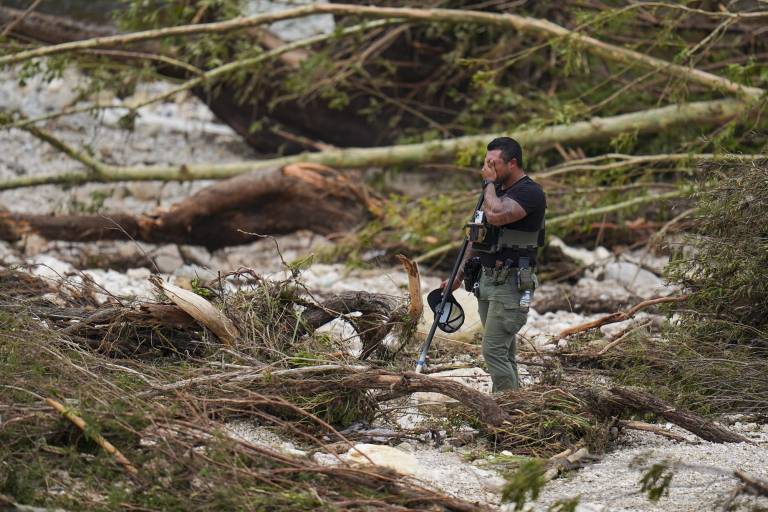
"caption": "A Sheriff's deputy pauses while combing through the banks of the Guadalupe River near Camp Mystic on Saturday, July 5, 2025, in Hunt, Texas, after a flash flood swept through the area. Deadly floods like Texas’ are rare in California, but climate change-fueled storms could make them more likely, climate scientists say — even in the Bay Area.",
"credit": "Julio Cortez/AP Photo",
"altTag": null,
"description": null,
"imgSizes": {
"thumbnail": {
"file": "https://cdn.kqed.org/wp-content/uploads/sites/35/2025/07/CampMysticAP2-160x107.jpg",
"width": 160,
"height": 107,
"mimeType": "image/jpeg"
},
"medium_large": {
"file": "https://cdn.kqed.org/wp-content/uploads/sites/35/2025/07/CampMysticAP2-768x512.jpg",
"width": 768,
"height": 512,
"mimeType": "image/jpeg"
},
"1536x1536": {
"file": "https://cdn.kqed.org/wp-content/uploads/sites/35/2025/07/CampMysticAP2-1536x1024.jpg",
"width": 1536,
"height": 1024,
"mimeType": "image/jpeg"
},
"post-thumbnail": {
"file": "https://cdn.kqed.org/wp-content/uploads/sites/35/2025/07/CampMysticAP2-672x372.jpg",
"width": 672,
"height": 372,
"mimeType": "image/jpeg"
},
"twentyfourteen-full-width": {
"file": "https://cdn.kqed.org/wp-content/uploads/sites/35/2025/07/CampMysticAP2-1038x576.jpg",
"width": 1038,
"height": 576,
"mimeType": "image/jpeg"
},
"kqedFullSize": {
"file": "https://cdn.kqed.org/wp-content/uploads/sites/35/2025/07/CampMysticAP2.jpg",
"width": 2000,
"height": 1333
}
},
"isLoading": false,
"fetchFailed": false
},
"science_1997586": {
"type": "attachments",
"id": "science_1997586",
"meta": {
"index": "attachments_1716263798",
"site": "science",
"id": "1997586",
"found": true
},
"title": "California Low Fog Panorama",
"publishDate": 1751477680,
"status": "inherit",
"parent": 1997579,
"modified": 1751564424,
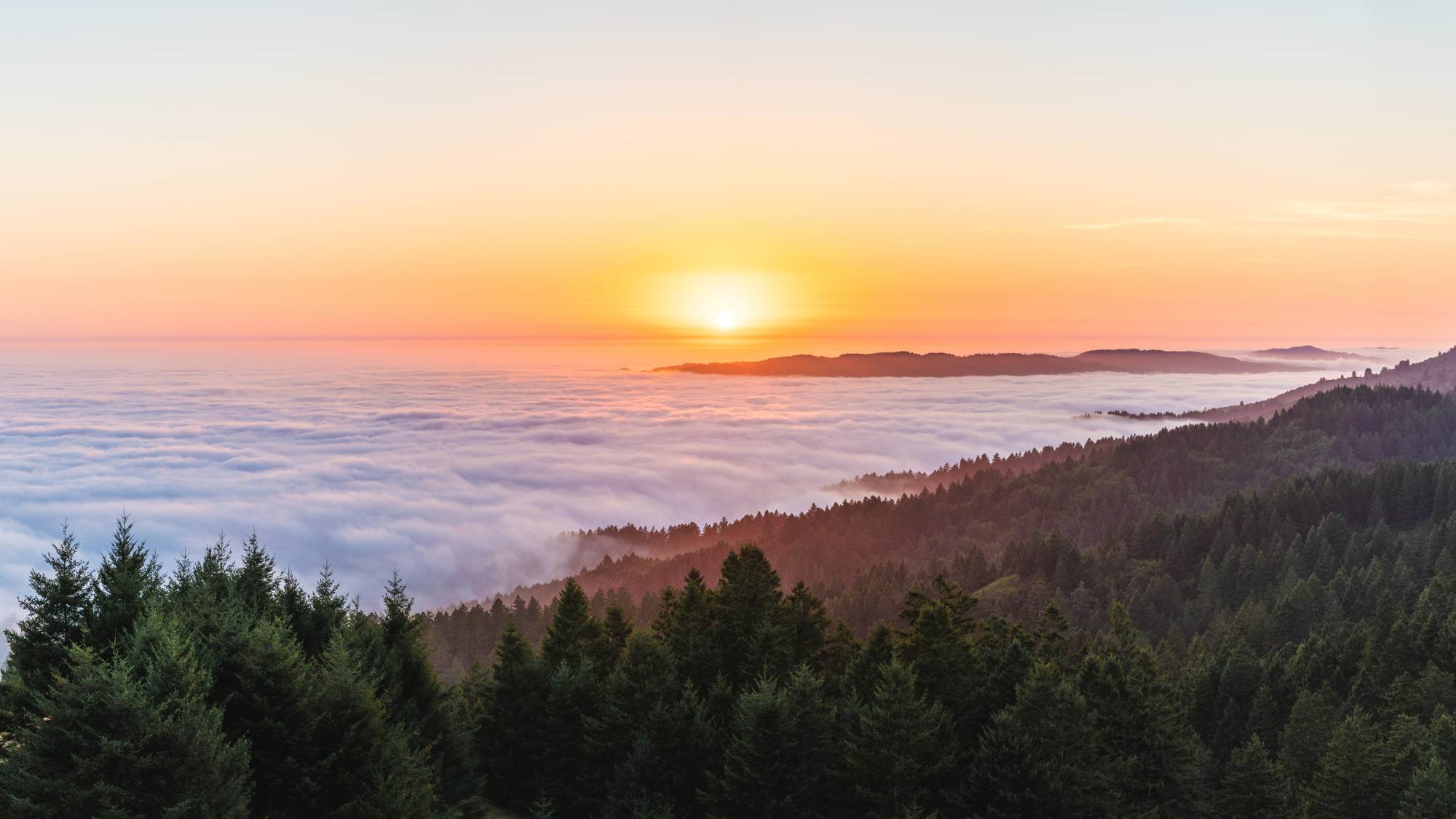
"caption": "A low fog rolls over Mount Tamalpais at sunset on Aug. 8, 2020.",
"credit": "Zeyu Wang/Getty Images",
"altTag": null,
"description": null,
"imgSizes": {
"medium": {
"file": "https://cdn.kqed.org/wp-content/uploads/sites/35/2025/07/GettyImages-1267735347-2000x1125.jpg",
"width": 2000,
"height": 1125,
"mimeType": "image/jpeg"
},
"large": {
"file": "https://cdn.kqed.org/wp-content/uploads/sites/35/2025/07/GettyImages-1267735347-2000x1125.jpg",
"width": 2000,
"height": 1125,
"mimeType": "image/jpeg"
},
"thumbnail": {
"file": "https://cdn.kqed.org/wp-content/uploads/sites/35/2025/07/GettyImages-1267735347-160x90.jpg",
"width": 160,
"height": 90,
"mimeType": "image/jpeg"
},
"medium_large": {
"file": "https://cdn.kqed.org/wp-content/uploads/sites/35/2025/07/GettyImages-1267735347-768x432.jpg",
"width": 768,
"height": 432,
"mimeType": "image/jpeg"
},
"1536x1536": {
"file": "https://cdn.kqed.org/wp-content/uploads/sites/35/2025/07/GettyImages-1267735347-1536x864.jpg",
"width": 1536,
"height": 864,
"mimeType": "image/jpeg"
},
"2048x2048": {
"file": "https://cdn.kqed.org/wp-content/uploads/sites/35/2025/07/GettyImages-1267735347-2048x1152.jpg",
"width": 2048,
"height": 1152,
"mimeType": "image/jpeg"
},
"post-thumbnail": {
"file": "https://cdn.kqed.org/wp-content/uploads/sites/35/2025/07/GettyImages-1267735347-672x372.jpg",
"width": 672,
"height": 372,
"mimeType": "image/jpeg"
},
"twentyfourteen-full-width": {
"file": "https://cdn.kqed.org/wp-content/uploads/sites/35/2025/07/GettyImages-1267735347-1038x576.jpg",
"width": 1038,
"height": 576,
"mimeType": "image/jpeg"
},
"full-width": {
"file": "https://cdn.kqed.org/wp-content/uploads/sites/35/2025/07/GettyImages-1267735347-2000x1125.jpg",
"width": 2000,
"height": 1125,
"mimeType": "image/jpeg"
},
"kqedFullSize": {
"file": "https://cdn.kqed.org/wp-content/uploads/sites/35/2025/07/GettyImages-1267735347-scaled-e1751477745337.jpg",
"width": 2000,
"height": 1125
}
},
"isLoading": false,
"fetchFailed": false
},
"science_1997571": {
"type": "attachments",
"id": "science_1997571",
"meta": {
"index": "attachments_1716263798",
"site": "science",
"id": "1997571",
"found": true
},
"title": "Governor Gavin Newsom signs legislation related to oversight of oil and gas wells, and community protections",
"publishDate": 1751401816,
"status": "inherit",
"parent": 1997565,
"modified": 1751404129,
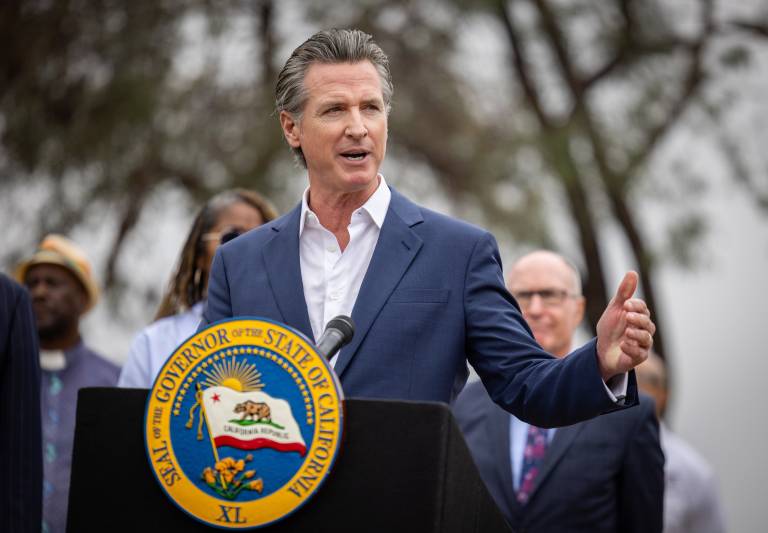
"caption": "Gov. Gavin Newsom speaks at a press conference where he signs legislation related to oversight of oil and gas wells, and community protections on Sept. 25, 2024, in Los Angeles.",
"credit": "Jason Armond/Los Angeles Times via Getty Images",
"altTag": null,
"description": null,
"imgSizes": {
"thumbnail": {
"file": "https://cdn.kqed.org/wp-content/uploads/sites/35/2025/07/GavinNewsomGetty-160x111.jpg",
"width": 160,
"height": 111,
"mimeType": "image/jpeg"
},
"medium_large": {
"file": "https://cdn.kqed.org/wp-content/uploads/sites/35/2025/07/GavinNewsomGetty-768x533.jpg",
"width": 768,
"height": 533,
"mimeType": "image/jpeg"
},
"1536x1536": {
"file": "https://cdn.kqed.org/wp-content/uploads/sites/35/2025/07/GavinNewsomGetty-1536x1065.jpg",
"width": 1536,
"height": 1065,
"mimeType": "image/jpeg"
},
"post-thumbnail": {
"file": "https://cdn.kqed.org/wp-content/uploads/sites/35/2025/07/GavinNewsomGetty-672x372.jpg",
"width": 672,
"height": 372,
"mimeType": "image/jpeg"
},
"twentyfourteen-full-width": {
"file": "https://cdn.kqed.org/wp-content/uploads/sites/35/2025/07/GavinNewsomGetty-1038x576.jpg",
"width": 1038,
"height": 576,
"mimeType": "image/jpeg"
},
"kqedFullSize": {
"file": "https://cdn.kqed.org/wp-content/uploads/sites/35/2025/07/GavinNewsomGetty.jpg",
"width": 2000,
"height": 1387
}
},
"isLoading": false,
"fetchFailed": false
},
"science_1997555": {
"type": "attachments",
"id": "science_1997555",
"meta": {
"index": "attachments_1716263798",
"site": "science",
"id": "1997555",
"found": true
},
"title": "A perplexed woman checks her smart phone",
"publishDate": 1751391166,
"status": "inherit",
"parent": 1997550,
"modified": 1751391225,
"caption": "An elevated view of a concerned looking woman looking down at her mobile phone device. Space for copy.",
"credit": "Catherine Falls Commercial/Getty Images",
"altTag": null,
"description": null,
"imgSizes": {
"thumbnail": {
"file": "https://cdn.kqed.org/wp-content/uploads/sites/35/2025/07/MentalHealthGetty-160x105.jpg",
"width": 160,
"height": 105,
"mimeType": "image/jpeg"
},
"medium_large": {
"file": "https://cdn.kqed.org/wp-content/uploads/sites/35/2025/07/MentalHealthGetty-768x502.jpg",
"width": 768,
"height": 502,
"mimeType": "image/jpeg"
},
"1536x1536": {
"file": "https://cdn.kqed.org/wp-content/uploads/sites/35/2025/07/MentalHealthGetty-1536x1004.jpg",
"width": 1536,
"height": 1004,
"mimeType": "image/jpeg"
},
"post-thumbnail": {
"file": "https://cdn.kqed.org/wp-content/uploads/sites/35/2025/07/MentalHealthGetty-672x372.jpg",
"width": 672,
"height": 372,
"mimeType": "image/jpeg"
},
"twentyfourteen-full-width": {
"file": "https://cdn.kqed.org/wp-content/uploads/sites/35/2025/07/MentalHealthGetty-1038x576.jpg",
"width": 1038,
"height": 576,
"mimeType": "image/jpeg"
},
"kqedFullSize": {
"file": "https://cdn.kqed.org/wp-content/uploads/sites/35/2025/07/MentalHealthGetty.jpg",
"width": 2000,
"height": 1307
}
},
"isLoading": false,
"fetchFailed": false
},
"science_1997337": {
"type": "attachments",
"id": "science_1997337",
"meta": {
"index": "attachments_1716263798",
"site": "science",
"id": "1997337",
"found": true
},
"title": "20250604_ClimateDrag_GC-5_qed",
"publishDate": 1749761979,
"status": "inherit",
"parent": 0,
"modified": 1749762033,
"caption": "King Lotus Boy poses for a photo at Franklin Square in San Francisco on June 4, 2025.",
"credit": "Gina Castro/KQED",
"altTag": null,
"description": null,
"imgSizes": {
"thumbnail": {
"file": "https://cdn.kqed.org/wp-content/uploads/sites/35/2025/06/20250604_ClimateDrag_GC-5_qed-160x107.jpg",
"width": 160,
"height": 107,
"mimeType": "image/jpeg"
},
"medium_large": {
"file": "https://cdn.kqed.org/wp-content/uploads/sites/35/2025/06/20250604_ClimateDrag_GC-5_qed-768x512.jpg",
"width": 768,
"height": 512,
"mimeType": "image/jpeg"
},
"1536x1536": {
"file": "https://cdn.kqed.org/wp-content/uploads/sites/35/2025/06/20250604_ClimateDrag_GC-5_qed-1536x1024.jpg",
"width": 1536,
"height": 1024,
"mimeType": "image/jpeg"
},
"post-thumbnail": {
"file": "https://cdn.kqed.org/wp-content/uploads/sites/35/2025/06/20250604_ClimateDrag_GC-5_qed-672x372.jpg",
"width": 672,
"height": 372,
"mimeType": "image/jpeg"
},
"twentyfourteen-full-width": {
"file": "https://cdn.kqed.org/wp-content/uploads/sites/35/2025/06/20250604_ClimateDrag_GC-5_qed-1038x576.jpg",
"width": 1038,
"height": 576,
"mimeType": "image/jpeg"
},
"kqedFullSize": {
"file": "https://cdn.kqed.org/wp-content/uploads/sites/35/2025/06/20250604_ClimateDrag_GC-5_qed.jpg",
"width": 2000,
"height": 1333
}
},
"isLoading": false,
"fetchFailed": false
},
"science_1997449": {
"type": "attachments",
"id": "science_1997449",
"meta": {
"index": "attachments_1716263798",
"site": "science",
"id": "1997449",
"found": true
},
"title": "Fog_BayCurious_AW_10_qed",
"publishDate": 1750287081,
"status": "inherit",
"parent": 1997437,
"modified": 1750287112,
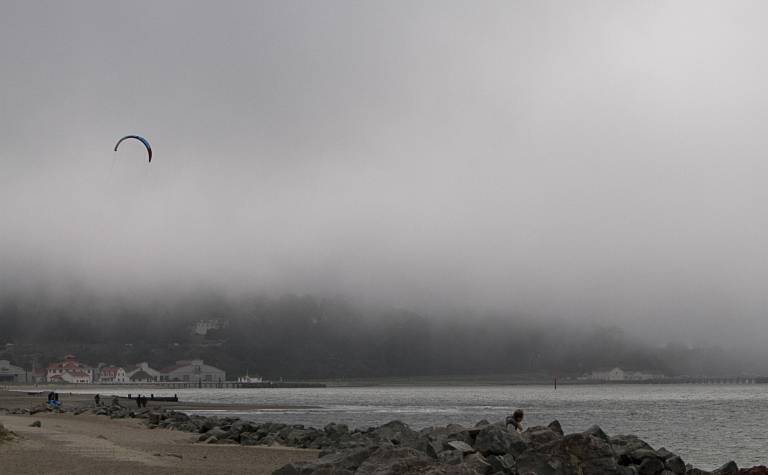
"caption": "Fog settles over Crissy Field in the Marina neighborhood of San Francisco on July 13, 2018.",
"credit": "Anne Wernikoff/KQED",
"altTag": null,
"description": null,
"imgSizes": {
"thumbnail": {
"file": "https://cdn.kqed.org/wp-content/uploads/sites/35/2025/06/Fog_BayCurious_AW_10_qed-160x99.jpg",
"width": 160,
"height": 99,
"mimeType": "image/jpeg"
},
"medium_large": {
"file": "https://cdn.kqed.org/wp-content/uploads/sites/35/2025/06/Fog_BayCurious_AW_10_qed-768x475.jpg",
"width": 768,
"height": 475,
"mimeType": "image/jpeg"
},
"1536x1536": {
"file": "https://cdn.kqed.org/wp-content/uploads/sites/35/2025/06/Fog_BayCurious_AW_10_qed-1536x949.jpg",
"width": 1536,
"height": 949,
"mimeType": "image/jpeg"
},
"post-thumbnail": {
"file": "https://cdn.kqed.org/wp-content/uploads/sites/35/2025/06/Fog_BayCurious_AW_10_qed-672x372.jpg",
"width": 672,
"height": 372,
"mimeType": "image/jpeg"
},
"twentyfourteen-full-width": {
"file": "https://cdn.kqed.org/wp-content/uploads/sites/35/2025/06/Fog_BayCurious_AW_10_qed-1038x576.jpg",
"width": 1038,
"height": 576,
"mimeType": "image/jpeg"
},
"kqedFullSize": {
"file": "https://cdn.kqed.org/wp-content/uploads/sites/35/2025/06/Fog_BayCurious_AW_10_qed.jpg",
"width": 2000,
"height": 1236
}
},
"isLoading": false,
"fetchFailed": false
},
"science_1997409": {
"type": "attachments",
"id": "science_1997409",
"meta": {
"index": "attachments_1716263798",
"site": "science",
"id": "1997409",
"found": true
},
"title": "Sun sets behind the San Francisco's Golden Gate Bridge",
"publishDate": 1750101430,
"status": "inherit",
"parent": 0,
"modified": 1750102136,
"caption": "The sun sets behind the Golden Gate Bridge.",
"credit": "Tayfun Coskun/Anadolu via Getty Images",
"altTag": null,
"description": null,
"imgSizes": {
"thumbnail": {
"file": "https://cdn.kqed.org/wp-content/uploads/sites/35/2025/06/GETTYIMAGES-2177822620-KQED-160x109.jpg",
"width": 160,
"height": 109,
"mimeType": "image/jpeg"
},
"medium_large": {
"file": "https://cdn.kqed.org/wp-content/uploads/sites/35/2025/06/GETTYIMAGES-2177822620-KQED-768x521.jpg",
"width": 768,
"height": 521,
"mimeType": "image/jpeg"
},
"1536x1536": {
"file": "https://cdn.kqed.org/wp-content/uploads/sites/35/2025/06/GETTYIMAGES-2177822620-KQED-1536x1043.jpg",
"width": 1536,
"height": 1043,
"mimeType": "image/jpeg"
},
"post-thumbnail": {
"file": "https://cdn.kqed.org/wp-content/uploads/sites/35/2025/06/GETTYIMAGES-2177822620-KQED-672x372.jpg",
"width": 672,
"height": 372,
"mimeType": "image/jpeg"
},
"twentyfourteen-full-width": {
"file": "https://cdn.kqed.org/wp-content/uploads/sites/35/2025/06/GETTYIMAGES-2177822620-KQED-1038x576.jpg",
"width": 1038,
"height": 576,
"mimeType": "image/jpeg"
},
"kqedFullSize": {
"file": "https://cdn.kqed.org/wp-content/uploads/sites/35/2025/06/GETTYIMAGES-2177822620-KQED.jpg",
"width": 2000,
"height": 1358
}
},
"isLoading": false,
"fetchFailed": false
},
"science_1997385": {
"type": "attachments",
"id": "science_1997385",
"meta": {
"index": "attachments_1716263798",
"site": "science",
"id": "1997385",
"found": true
},
"title": "240109-CAWindStorm-055_qed",
"publishDate": 1749847795,
"status": "inherit",
"parent": 1997376,
"modified": 1749847813,
"caption": "The remains of a house in Altadena, California, after the Eaton Fire swept through the area northeast of Los Angeles, California, on Jan. 9, 2025.",
"credit": "Beth LaBerge/KQED",
"altTag": null,
"description": null,
"imgSizes": {
"thumbnail": {
"file": "https://cdn.kqed.org/wp-content/uploads/sites/35/2025/06/240109-CAWindStorm-055_qed-160x107.jpg",
"width": 160,
"height": 107,
"mimeType": "image/jpeg"
},
"medium_large": {
"file": "https://cdn.kqed.org/wp-content/uploads/sites/35/2025/06/240109-CAWindStorm-055_qed-768x512.jpg",
"width": 768,
"height": 512,
"mimeType": "image/jpeg"
},
"1536x1536": {
"file": "https://cdn.kqed.org/wp-content/uploads/sites/35/2025/06/240109-CAWindStorm-055_qed-1536x1024.jpg",
"width": 1536,
"height": 1024,
"mimeType": "image/jpeg"
},
"post-thumbnail": {
"file": "https://cdn.kqed.org/wp-content/uploads/sites/35/2025/06/240109-CAWindStorm-055_qed-672x372.jpg",
"width": 672,
"height": 372,
"mimeType": "image/jpeg"
},
"twentyfourteen-full-width": {
"file": "https://cdn.kqed.org/wp-content/uploads/sites/35/2025/06/240109-CAWindStorm-055_qed-1038x576.jpg",
"width": 1038,
"height": 576,
"mimeType": "image/jpeg"
},
"kqedFullSize": {
"file": "https://cdn.kqed.org/wp-content/uploads/sites/35/2025/06/240109-CAWindStorm-055_qed.jpg",
"width": 2000,
"height": 1333
}
},
"isLoading": false,
"fetchFailed": false
},
"science_1997353": {
"type": "attachments",
"id": "science_1997353",
"meta": {
"index": "attachments_1716263798",
"site": "science",
"id": "1997353",
"found": true
},
"title": "Prescribed Burn_Penn Valley_Nevada County06_qed",
"publishDate": 1749766754,
"status": "inherit",
"parent": 1997257,
"modified": 1749766820,
"caption": "A fire technician wields a drip torch, used to ignite grasses during a prescribed burn on private property in Penn Valley, a small, rural community in Nevada County, California, on June 22, 2023.",
"credit": "Erin Baldassari/KQED",
"altTag": null,
"description": null,
"imgSizes": {
"thumbnail": {
"file": "https://cdn.kqed.org/wp-content/uploads/sites/35/2025/06/Prescribed-Burn_Penn-Valley_Nevada-County06_qed-160x107.jpg",
"width": 160,
"height": 107,
"mimeType": "image/jpeg"
},
"medium_large": {
"file": "https://cdn.kqed.org/wp-content/uploads/sites/35/2025/06/Prescribed-Burn_Penn-Valley_Nevada-County06_qed-768x512.jpg",
"width": 768,
"height": 512,
"mimeType": "image/jpeg"
},
"1536x1536": {
"file": "https://cdn.kqed.org/wp-content/uploads/sites/35/2025/06/Prescribed-Burn_Penn-Valley_Nevada-County06_qed-1536x1024.jpg",
"width": 1536,
"height": 1024,
"mimeType": "image/jpeg"
},
"post-thumbnail": {
"file": "https://cdn.kqed.org/wp-content/uploads/sites/35/2025/06/Prescribed-Burn_Penn-Valley_Nevada-County06_qed-672x372.jpg",
"width": 672,
"height": 372,
"mimeType": "image/jpeg"
},
"twentyfourteen-full-width": {
"file": "https://cdn.kqed.org/wp-content/uploads/sites/35/2025/06/Prescribed-Burn_Penn-Valley_Nevada-County06_qed-1038x576.jpg",
"width": 1038,
"height": 576,
"mimeType": "image/jpeg"
},
"kqedFullSize": {
"file": "https://cdn.kqed.org/wp-content/uploads/sites/35/2025/06/Prescribed-Burn_Penn-Valley_Nevada-County06_qed.jpg",
"width": 2000,
"height": 1333
}
},
"isLoading": false,
"fetchFailed": false
},
"science_1955568": {
"type": "attachments",
"id": "science_1955568",
"meta": {
"index": "attachments_1716263798",
"site": "science",
"id": "1955568",
"found": true
},
"title": "President Trump Announces Proposed National Environment Policy Act Regulations",
"publishDate": 1578609746,
"status": "inherit",
"parent": 1955566,
"modified": 1749758423,
"caption": "U.S. President Donald Trump speaks during an event to unveil significant changes to the National Environmental Policy Act, in the Roosevelt Room of the White House on Jan. 9, 2020, in Washington, D.C. ",
"credit": "Drew Angerer/Getty Images",
"altTag": null,
"description": null,
"imgSizes": {
"thumbnail": {
"file": "https://cdn.kqed.org/wp-content/uploads/sites/35/2020/01/RS40709_GettyImages-1192749958-qut-160x107.jpg",
"width": 160,
"height": 107,
"mimeType": "image/jpeg"
},
"medium": {
"file": "https://cdn.kqed.org/wp-content/uploads/sites/35/2020/01/RS40709_GettyImages-1192749958-qut-800x533.jpg",
"width": 800,
"height": 533,
"mimeType": "image/jpeg"
},
"medium_large": {
"file": "https://cdn.kqed.org/wp-content/uploads/sites/35/2020/01/RS40709_GettyImages-1192749958-qut-768x512.jpg",
"width": 768,
"height": 512,
"mimeType": "image/jpeg"
},
"large": {
"file": "https://cdn.kqed.org/wp-content/uploads/sites/35/2020/01/RS40709_GettyImages-1192749958-qut-1020x680.jpg",
"width": 1020,
"height": 680,
"mimeType": "image/jpeg"
},
"complete_open_graph": {
"file": "https://cdn.kqed.org/wp-content/uploads/sites/35/2020/01/RS40709_GettyImages-1192749958-qut-1200x800.jpg",
"width": 1200,
"height": 800,
"mimeType": "image/jpeg"
},
"post-thumbnail": {
"file": "https://cdn.kqed.org/wp-content/uploads/sites/35/2020/01/RS40709_GettyImages-1192749958-qut-672x372.jpg",
"width": 672,
"height": 372,
"mimeType": "image/jpeg"
},
"twentyfourteen-full-width": {
"file": "https://cdn.kqed.org/wp-content/uploads/sites/35/2020/01/RS40709_GettyImages-1192749958-qut-1038x576.jpg",
"width": 1038,
"height": 576,
"mimeType": "image/jpeg"
},
"full-width": {
"file": "https://cdn.kqed.org/wp-content/uploads/sites/35/2020/01/RS40709_GettyImages-1192749958-qut-1920x1280.jpg",
"width": 1920,
"height": 1280,
"mimeType": "image/jpeg"
},
"kqedFullSize": {
"file": "https://cdn.kqed.org/wp-content/uploads/sites/35/2020/01/RS40709_GettyImages-1192749958-qut.jpg",
"width": 1920,
"height": 1280
}
},
"isLoading": false,
"fetchFailed": false
},
"science_1995177": {
"type": "attachments",
"id": "science_1995177",
"meta": {
"index": "attachments_1716263798",
"site": "science",
"id": "1995177",
"found": true
},
"title": "241113-EcoBlockFollowup-58-BL_qed",
"publishDate": 1731627524,
"status": "inherit",
"parent": 0,
"modified": 1749590187,
"caption": "Jesse Hassinger stands amidst construction work outside of his home in Oakland on Nov. 13, 2024, part of the EcoBlock project.",
"credit": "Beth LaBerge/KQED",
"altTag": null,
"description": null,
"imgSizes": {
"medium": {
"file": "https://cdn.kqed.org/wp-content/uploads/sites/35/2024/11/241113-EcoBlockFollowup-58-BL_qed-800x533.jpg",
"width": 800,
"height": 533,
"mimeType": "image/jpeg"
},
"large": {
"file": "https://cdn.kqed.org/wp-content/uploads/sites/35/2024/11/241113-EcoBlockFollowup-58-BL_qed-1020x680.jpg",
"width": 1020,
"height": 680,
"mimeType": "image/jpeg"
},
"thumbnail": {
"file": "https://cdn.kqed.org/wp-content/uploads/sites/35/2024/11/241113-EcoBlockFollowup-58-BL_qed-160x107.jpg",
"width": 160,
"height": 107,
"mimeType": "image/jpeg"
},
"medium_large": {
"file": "https://cdn.kqed.org/wp-content/uploads/sites/35/2024/11/241113-EcoBlockFollowup-58-BL_qed-768x512.jpg",
"width": 768,
"height": 512,
"mimeType": "image/jpeg"
},
"1536x1536": {
"file": "https://cdn.kqed.org/wp-content/uploads/sites/35/2024/11/241113-EcoBlockFollowup-58-BL_qed-1536x1024.jpg",
"width": 1536,
"height": 1024,
"mimeType": "image/jpeg"
},
"post-thumbnail": {
"file": "https://cdn.kqed.org/wp-content/uploads/sites/35/2024/11/241113-EcoBlockFollowup-58-BL_qed-672x372.jpg",
"width": 672,
"height": 372,
"mimeType": "image/jpeg"
},
"twentyfourteen-full-width": {
"file": "https://cdn.kqed.org/wp-content/uploads/sites/35/2024/11/241113-EcoBlockFollowup-58-BL_qed-1038x576.jpg",
"width": 1038,
"height": 576,
"mimeType": "image/jpeg"
},
"full-width": {
"file": "https://cdn.kqed.org/wp-content/uploads/sites/35/2024/11/241113-EcoBlockFollowup-58-BL_qed-1920x1280.jpg",
"width": 1920,
"height": 1280,
"mimeType": "image/jpeg"
},
"kqedFullSize": {
"file": "https://cdn.kqed.org/wp-content/uploads/sites/35/2024/11/241113-EcoBlockFollowup-58-BL_qed.jpg",
"width": 2000,
"height": 1333
}
},
"isLoading": false,
"fetchFailed": false
},
"science_1997208": {
"type": "attachments",
"id": "science_1997208",
"meta": {
"index": "attachments_1716263798",
"site": "science",
"id": "1997208",
"found": true
},
"title": "250603-POLLUTERSPAY-21-BL-KQED",
"publishDate": 1749073405,
"status": "inherit",
"parent": 0,
"modified": 1749073458,
"caption": "The Chevron Richmond Refinery, seen from the Point Richmond neighborhood in Richmond on June 3, 2025.",
"credit": "Beth LaBerge/KQED",
"altTag": null,
"description": null,
"imgSizes": {
"medium": {
"file": "https://cdn.kqed.org/wp-content/uploads/sites/35/2025/06/250603-POLLUTERSPAY-21-BL-KQED-800x533.jpg",
"width": 800,
"height": 533,
"mimeType": "image/jpeg"
},
"large": {
"file": "https://cdn.kqed.org/wp-content/uploads/sites/35/2025/06/250603-POLLUTERSPAY-21-BL-KQED-1020x680.jpg",
"width": 1020,
"height": 680,
"mimeType": "image/jpeg"
},
"thumbnail": {
"file": "https://cdn.kqed.org/wp-content/uploads/sites/35/2025/06/250603-POLLUTERSPAY-21-BL-KQED-160x107.jpg",
"width": 160,
"height": 107,
"mimeType": "image/jpeg"
},
"medium_large": {
"file": "https://cdn.kqed.org/wp-content/uploads/sites/35/2025/06/250603-POLLUTERSPAY-21-BL-KQED-768x512.jpg",
"width": 768,
"height": 512,
"mimeType": "image/jpeg"
},
"1536x1536": {
"file": "https://cdn.kqed.org/wp-content/uploads/sites/35/2025/06/250603-POLLUTERSPAY-21-BL-KQED-1536x1024.jpg",
"width": 1536,
"height": 1024,
"mimeType": "image/jpeg"
},
"post-thumbnail": {
"file": "https://cdn.kqed.org/wp-content/uploads/sites/35/2025/06/250603-POLLUTERSPAY-21-BL-KQED-672x372.jpg",
"width": 672,
"height": 372,
"mimeType": "image/jpeg"
},
"twentyfourteen-full-width": {
"file": "https://cdn.kqed.org/wp-content/uploads/sites/35/2025/06/250603-POLLUTERSPAY-21-BL-KQED-1038x576.jpg",
"width": 1038,
"height": 576,
"mimeType": "image/jpeg"
},
"full-width": {
"file": "https://cdn.kqed.org/wp-content/uploads/sites/35/2025/06/250603-POLLUTERSPAY-21-BL-KQED-1920x1280.jpg",
"width": 1920,
"height": 1280,
"mimeType": "image/jpeg"
},
"kqedFullSize": {
"file": "https://cdn.kqed.org/wp-content/uploads/sites/35/2025/06/250603-POLLUTERSPAY-21-BL-KQED.jpg",
"width": 2000,
"height": 1333
}
},
"isLoading": false,
"fetchFailed": false
}
},
"audioPlayerReducer": {
"postId": "stream_live",
"isPaused": true,
"isPlaying": false,
"pfsActive": false,
"pledgeModalIsOpen": true,
"playerDrawerIsOpen": false,
"liveAudioPlayStartedAt": 0,
"liveAudioPlayContext": ""
},
"authorsReducer": {
"adembosky": {
"type": "authors",
"id": "3205",
"meta": {
"index": "authors_1716337520",
"id": "3205",
"found": true
},
"name": "April Dembosky",
"firstName": "April",
"lastName": "Dembosky",
"slug": "adembosky",
"email": "adembosky@kqed.org",
"display_author_email": false,
"staff_mastheads": [
"news",
"science"
],
"title": "KQED Health Correspondent",
"bio": "April Dembosky is the health correspondent for KQED News and a regular contributor to NPR. She specializes in covering altered states of mind, from postpartum depression to methamphetamine-induced psychosis to the insanity defense. Her investigative series on insurance companies sidestepping mental health laws won multiple awards, including first place in beat reporting from the national Association of Health Care Journalists. She is the recipient of numerous other prizes and fellowships, including a national Edward R. Murrow award for investigative reporting, a Society of Professional Journalists award for long-form storytelling, and a Carter Center Fellowship for Mental Health Journalism.\r\n\r\nDembosky reported and produced \u003cem>Soundtrack of Silence\u003c/em>, an audio documentary about music and memory that is currently being made into a feature film by Paramount Pictures.\r\n\r\nBefore joining KQED in 2013, Dembosky covered technology and Silicon Valley for \u003cem>The Financial Times of London,\u003c/em> and contributed business and arts stories to \u003cem>Marketplace \u003c/em>and \u003cem>The New York Times.\u003c/em> She got her undergraduate degree in philosophy from Smith College and her master's in journalism from the University of California, Berkeley. She is a classically trained violinist and proud alum of the first symphony orchestra at Burning Man.",
"avatar": "https://secure.gravatar.com/avatar/ef92999be4ceb9ea60701e7dc276f813?s=600&d=blank&r=g",
"twitter": "adembosky",
"facebook": null,
"instagram": null,
"linkedin": null,
"sites": [
{
"site": "arts",
"roles": [
"author"
]
},
{
"site": "news",
"roles": [
"editor"
]
},
{
"site": "futureofyou",
"roles": [
"author"
]
},
{
"site": "stateofhealth",
"roles": [
"editor"
]
},
{
"site": "science",
"roles": [
"editor"
]
},
{
"site": "forum",
"roles": [
"editor"
]
}
],
"headData": {
"title": "April Dembosky | KQED",
"description": "KQED Health Correspondent",
"ogImgSrc": "https://secure.gravatar.com/avatar/ef92999be4ceb9ea60701e7dc276f813?s=600&d=blank&r=g",
"twImgSrc": "https://secure.gravatar.com/avatar/ef92999be4ceb9ea60701e7dc276f813?s=600&d=blank&r=g"
},
"isLoading": false,
"link": "/author/adembosky"
},
"lklivans": {
"type": "authors",
"id": "8648",
"meta": {
"index": "authors_1716337520",
"id": "8648",
"found": true
},
"name": "Laura Klivans",
"firstName": "Laura",
"lastName": "Klivans",
"slug": "lklivans",
"email": "lklivans@kqed.org",
"display_author_email": true,
"staff_mastheads": [
"news",
"science"
],
"title": "Reporter",
"bio": "Laura Klivans is an award-winning science reporter for KQED News, where she covers climate change with an eye on both groundbreaking progress and gaps in action. She is the former host of KQED's blockbuster video series about tiny, amazing animals, \u003cem>Deep Look\u003c/em>. Her work reaches national audiences through NPR, \u003cem>Here & Now, \u003c/em>PRI, and other major outlets. \r\n\r\nLaura’s won five Northern California Area Emmy Awards for Deep Look and First Place in the Greater Bay Area Journalism Awards for a podcast exploring how one Oakland neighborhood teamed up to reduce planet-heating pollution.\r\n\r\nBeyond her reporting, she hosts and moderates events. In the past, she taught audio storytelling at the UC Berkeley Graduate School of Journalism, led international education programs, worked with immigrants and refugees along the Thai-Burmese border, taught high schoolers sex ed, and was an actress. \r\n\r\nShe's a former UC Berkeley Human Rights Fellow, USC Center for Health Journalism's California Fellow and Coro Fellow in Public Affairs. Laura has a master’s in journalism from UC Berkeley, a master’s in education from Harvard, and an undergraduate degree from Northwestern University.\r\n\r\nShe loves trying to riddle the meaning out of vanity license plates.",
"avatar": "https://secure.gravatar.com/avatar/2d2ecd1550a494cc10ad4a503406965585902124739e775a9b3817eebf1d88be?s=600&d=blank&r=g",
"twitter": "lauraklivans",
"bluesky": null,
"facebook": null,
"instagram": null,
"linkedin": null,
"sites": [
{
"site": "news",
"roles": [
"editor"
]
},
{
"site": "stateofhealth",
"roles": [
"contributor",
"editor"
]
},
{
"site": "science",
"roles": [
"editor"
]
},
{
"site": "forum",
"roles": [
"editor"
]
}
],
"headData": {
"title": "Laura Klivans | KQED",
"description": "Reporter",
"ogImgSrc": "https://secure.gravatar.com/avatar/2d2ecd1550a494cc10ad4a503406965585902124739e775a9b3817eebf1d88be?s=600&d=blank&r=g",
"twImgSrc": "https://secure.gravatar.com/avatar/2d2ecd1550a494cc10ad4a503406965585902124739e775a9b3817eebf1d88be?s=600&d=blank&r=g"
},
"isLoading": false,
"link": "/author/lklivans"
},
"dventon": {
"type": "authors",
"id": "11088",
"meta": {
"index": "authors_1716337520",
"id": "11088",
"found": true
},
"name": "Danielle Venton",
"firstName": "Danielle",
"lastName": "Venton",
"slug": "dventon",
"email": "dventon@kqed.org",
"display_author_email": true,
"staff_mastheads": [
"science"
],
"title": "Science reporter",
"bio": "Danielle Venton is a reporter for KQED Science. She covers wildfires, space and oceans (though she is prone to sea sickness).\r\n\r\nBefore joining KQED in 2015, Danielle was a staff reporter at KRCB in Sonoma County and a freelancer. She studied science communication at UC Santa Cruz and formerly worked at CERN in Geneva, Switzerland where she wrote about computing. She lives in Sonoma County and enjoys backpacking.",
"avatar": "https://secure.gravatar.com/avatar/37b292b5c40c8d93959c4f48d73b5286f41b7abd8588277e941905a3ed4c801c?s=600&d=blank&r=g",
"twitter": "DanielleVenton",
"bluesky": null,
"facebook": null,
"instagram": null,
"linkedin": null,
"sites": [
{
"site": "arts",
"roles": [
"contributor"
]
},
{
"site": "news",
"roles": [
"editor"
]
},
{
"site": "futureofyou",
"roles": [
"editor"
]
},
{
"site": "science",
"roles": [
"editor"
]
},
{
"site": "liveblog",
"roles": [
"contributor"
]
}
],
"headData": {
"title": "Danielle Venton | KQED",
"description": "Science reporter",
"ogImgSrc": "https://secure.gravatar.com/avatar/37b292b5c40c8d93959c4f48d73b5286f41b7abd8588277e941905a3ed4c801c?s=600&d=blank&r=g",
"twImgSrc": "https://secure.gravatar.com/avatar/37b292b5c40c8d93959c4f48d73b5286f41b7abd8588277e941905a3ed4c801c?s=600&d=blank&r=g"
},
"isLoading": false,
"link": "/author/dventon"
},
"smohamad": {
"type": "authors",
"id": "11631",
"meta": {
"index": "authors_1716337520",
"id": "11631",
"found": true
},
"name": "Sarah Mohamad",
"firstName": "Sarah",
"lastName": "Mohamad",
"slug": "smohamad",
"email": "smohamad@KQED.org",
"display_author_email": true,
"staff_mastheads": [],
"title": "Engagement Producer and Reporter, KQED Science",
"bio": "Sarah Mohamad is an audience engagement reporter and producer for KQED Science. She reports on audience-focused science and environment stories and manages the team's social media, newsletter, and engagement efforts. Prior to this role, she played a key role as project manager for NSF's \u003ca href=\"https://www.kqed.org/crackingthecode\">\u003cem>Cracking the Code: Influencing Millennial Science Engagement\u003c/em> \u003c/a>audience research.",
"avatar": "https://secure.gravatar.com/avatar/e6224957cd82d015183756ddde1f928013a563d7ca2e4565f8c4de1ec64886c5?s=600&d=blank&r=g",
"twitter": "sarahkmohamad",
"bluesky": null,
"facebook": null,
"instagram": null,
"linkedin": null,
"sites": [
{
"site": "",
"roles": [
"editor"
]
},
{
"site": "arts",
"roles": [
"editor"
]
},
{
"site": "news",
"roles": [
"editor"
]
},
{
"site": "about",
"roles": [
"editor"
]
},
{
"site": "science",
"roles": [
"editor"
]
}
],
"headData": {
"title": "Sarah Mohamad | KQED",
"description": "Engagement Producer and Reporter, KQED Science",
"ogImgSrc": "https://secure.gravatar.com/avatar/e6224957cd82d015183756ddde1f928013a563d7ca2e4565f8c4de1ec64886c5?s=600&d=blank&r=g",
"twImgSrc": "https://secure.gravatar.com/avatar/e6224957cd82d015183756ddde1f928013a563d7ca2e4565f8c4de1ec64886c5?s=600&d=blank&r=g"
},
"isLoading": false,
"link": "/author/smohamad"
},
"eromero": {
"type": "authors",
"id": "11746",
"meta": {
"index": "authors_1716337520",
"id": "11746",
"found": true
},
"name": "Ezra David Romero",
"firstName": "Ezra David",
"lastName": "Romero",
"slug": "eromero",
"email": "eromero@kqed.org",
"display_author_email": true,
"staff_mastheads": [
"news",
"science"
],
"title": "Climate Reporter",
"bio": "Ezra David Romero is a climate reporter for KQED News. He covers the absence and excess of water in the Bay Area — think sea level rise, flooding and drought. For nearly a decade he’s covered how warming temperatures are altering the lives of Californians. He’s reported on farmers worried their pistachio trees aren’t getting enough sleep, families desperate for water, scientists studying dying giant sequoias, and alongside firefighters containing wildfires. His work has appeared on local stations across California and nationally on public radio shows like Morning Edition, Here and Now, All Things Considered and Science Friday. ",
"avatar": "https://secure.gravatar.com/avatar/c76404d287c10ed40224227551ac36e24352c7306f106632caf6fead76f8801f?s=600&d=blank&r=g",
"twitter": "ezraromero",
"bluesky": null,
"facebook": null,
"instagram": null,
"linkedin": null,
"sites": [
{
"site": "arts",
"roles": [
"editor"
]
},
{
"site": "news",
"roles": [
"editor"
]
},
{
"site": "science",
"roles": [
"editor"
]
},
{
"site": "liveblog",
"roles": [
"author"
]
}
],
"headData": {
"title": "Ezra David Romero | KQED",
"description": "Climate Reporter",
"ogImgSrc": "https://secure.gravatar.com/avatar/c76404d287c10ed40224227551ac36e24352c7306f106632caf6fead76f8801f?s=600&d=blank&r=g",
"twImgSrc": "https://secure.gravatar.com/avatar/c76404d287c10ed40224227551ac36e24352c7306f106632caf6fead76f8801f?s=600&d=blank&r=g"
},
"isLoading": false,
"link": "/author/eromero"
}
},
"pagesReducer": {
"science_category_climate": {
"type": "terms",
"id": "science_31",
"meta": {
"index": "terms_1716263798",
"site": "science",
"id": "31",
"score": 11.06203
},
"featImg": null,
"name": "Climate",
"description": null,
"taxonomy": "category",
"headData": {
"twImgId": null,
"twTitle": null,
"ogTitle": null,
"ogImgId": null,
"twDescription": null,
"description": null,
"title": "Climate Archives | KQED Science",
"ogDescription": null
},
"ttid": 33,
"slug": "climate",
"isLoading": false,
"title": "Climate",
"pageMeta": {
"site": "science",
"WpPageTemplate": "page-topic-editorial",
"currentPage": 11
},
"blocks": [
{
"blockName": "kqed/post-list",
"attrs": {
"layout": "cardArticle2",
"query": "posts/science?category=climate",
"seeMore": false,
"paginated": true,
"page": 11
}
},
{
"blockName": "kqed/ad"
}
]
}
},
"pfsSessionReducer": {},
"postsReducer": {
"stream_live": {
"type": "live",
"id": "stream_live",
"audioUrl": "https://streams.kqed.org/kqedradio",
"title": "Live Stream",
"excerpt": "Live Stream information currently unavailable.",
"link": "/radio",
"featImg": "",
"label": {
"name": "KQED Live",
"link": "/"
}
},
"stream_kqedNewscast": {
"type": "posts",
"id": "stream_kqedNewscast",
"audioUrl": "https://www.kqed.org/.stream/anon/radio/RDnews/newscast.mp3?_=1",
"title": "KQED Newscast",
"featImg": "",
"label": {
"name": "88.5 FM",
"link": "/"
}
},
"science_1997633": {
"type": "posts",
"id": "science_1997633",
"meta": {
"index": "posts_1716263798",
"site": "science",
"id": "1997633",
"score": null,
"sort": [
1752004642000
]
},
"guestAuthors": [],
"slug": "california-could-flood-like-texas-but-thunderstorms-likely-wont-be-to-blame",
"title": "California Could Flood Like Texas. But Thunderstorms Likely Won’t Be to Blame",
"publishDate": 1752004642,
"format": "standard",
"headTitle": "California Could Flood Like Texas. But Thunderstorms Likely Won’t Be to Blame | KQED",
"labelTerm": {},
"content": "\u003cp>A major thunderstorm like the one that produced devastating flash flooding in Texas over the holiday weekend is not likely in the Bay Area or most of California, but climate scientists say that if the \u003ca href=\"https://www.kqed.org/science/1935067/rivers-in-the-sky-what-you-need-to-know-about-atmospheric-river-storms\">perfect weather\u003c/a> at the right time of year and geography align, serious flooding can still wreak havoc here.\u003c/p>\n\u003cp>There are several significant differences between the recent deluge in Texas, which has killed \u003ca href=\"https://www.keranews.org/texas-news/2025-07-07/texas-floods-deaths-guadalupe-river-flooding\">more than 100 people\u003c/a>, and the type of flooding that happens in California. First, in the Golden State, it’s the cold winter months that bring flooding, often from \u003ca href=\"https://www.kqed.org/news/12025352/atmospheric-rivers-deliver-strong-bay-area-rain-sierra-snow\">back-to-back atmospheric river storms\u003c/a>. The instability caused by these rainstorms, which douse the region in water, can generate thunderstorms of varying intensity and trigger flooding.\u003c/p>\n\u003cp>California typically doesn’t experience massive warm summertime storms because of its Mediterranean climate. The disastrous Texas flooding is a reminder that the ferocity of Mother Nature isn’t always predictable. As the climate continues to warm, \u003ca href=\"https://www.kqed.org/science/1982079/this-winters-floods-may-be-only-a-taste-of-the-megafloods-to-come-climate-scientists-warn\">resulting in wetter storms\u003c/a>, Californians living near waterways need to be prepared for more extreme weather events.\u003c/p>\n\u003cp>[ad fullwidth]\u003c/p>\n\u003cp>When California floods in the winter, there’s always the possibility of a deadly event depending on where a storm makes landfall. For instance, last November, an atmospheric river parked over the North Bay, causing localized flooding, \u003ca href=\"https://www.kqed.org/news/12015534/bay-area-record-breaking-rainfall-deluge-surprises-forecasters\">killing two in Santa Rosa\u003c/a>.\u003c/p>\n\u003cp>“The magnitude of the severity of the flooding absolutely could happen in California, and it is the kind of flooding that we are very concerned about,” said Daniel Swain, a UC Agriculture and Natural Resources climate scientist. “But the physical meteorology involved would be very different.”\u003c/p>\n\u003ch2>How weather messaging works\u003c/h2>\n\u003cp>In Texas, the National Weather Service issued multiple warnings, including its highest level of alert for once-in-a-generation flooding, Swain said. However, the timing of some of the alerts — in the middle of the night — and the regularity of the warnings may have caused people to either miss them or not take them seriously.\u003c/p>\n\u003cp>Jay Lund, professor emeritus of civil and environmental engineering at UC Davis, likened the immediacy of flash floods to earthquakes.\u003c/p>\n\u003cfigure id=\"attachment_1970392\" class=\"wp-caption aligncenter\" style=\"max-width: 1920px\">\u003cimg loading=\"lazy\" decoding=\"async\" class=\"size-full wp-image-1970392\" src=\"https://cdn.kqed.org/wp-content/uploads/sites/35/2020/10/napa-earthquake-scaled-e1602798338426.jpg\" alt=\"\" width=\"1920\" height=\"1294\">\u003cfigcaption class=\"wp-caption-text\">A pedestrian walks by a mobile home that shifted off its foundation at a mobile home park following a reported 6.0 earthquake on Aug. 24, 2014, in Napa, California. \u003ccite>(Justin Sullivan/Getty Images)\u003c/cite>\u003c/figcaption>\u003c/figure>\n\u003cp>“They happen right away and with almost no warning,” he said. “You have to have an excellent warning system because if it happens in the middle of the night, most people aren’t going to hear it because they’ll be asleep.”\u003c/p>\n\u003cp>With the Bay Area’s diverse microclimates, it’s challenging for meteorologists to precisely predict where an atmospheric river will drop the most rain. However, forecasters will alert the public to the possibility of flash flooding and update their messaging as new information becomes available. The National Weather Service’s Bay Area office has issued flash flood warnings for San Francisco during atmospheric rivers.\u003c/p>\n\u003cp>“For urban areas like San Francisco, if we’re getting 1 to 3 inches an hour rain rates, we can pile up water very fast because that overwhelms storm drains and can cause some pretty significant localized flooding,” said Brian Garcia, warning coordination meteorologist for the weather service’s Bay Area office.[aside postID=science_1997565 hero='https://cdn.kqed.org/wp-content/uploads/sites/35/2025/07/GavinNewsomGetty.jpg']Like in Kerr County in Texas, most California localities don’t use sirens to alert the public about flooding, “because our flooding kind of builds and we can see what is coming in,” state climatologist Michael Anderson said. However, some do, like the Marin County communities of Fairfax, Ross and San Anselmo, which \u003ca href=\"https://rossvalleyfire.org/services/creek-levels-weather#:~:text=San%20Anselmo%20Flood%20Horn,sound%20or%20maintain%20the%20horn.\">maintain flood horns or sirens\u003c/a> that they sound when flooding is imminent. \u003cspan style=\"text-decoration: line-through\">\u003cbr>\n\u003c/span>\u003cbr>\nCalifornia relies heavily on the weather service for messaging about potential flooding from storms. For instance, last December, San Franciscans were startled awake by a blaring weather alert on their phones warning them of a \u003ca href=\"https://www.kqed.org/news/12018477/why-did-sf-get-tornado-warning-but-not-scotts-valley-where-twister-hit\">potential tornado\u003c/a>.\u003c/p>\n\u003cp>When it comes to flooding, the weather service issues watches, warnings and advisories. Flash flood warnings also have three different levels, ranging from the base level to catastrophic. Beyond the alerts, the weather service leans on traditional radio broadcasts, local authorities and news outlets to get the word out.\u003c/p>\n\u003cp>Garcia said the difference between a warning and an advisory is that a warning suggests “there could be trouble,” but an advisory means “the trouble is coming to you.” He recommends that all Bay Area residents sign up for text emergency alerts at \u003ca href=\"http://alertthebay.org\">alertthebay.org\u003c/a> and pay attention to any “action statements” within the message.\u003c/p>\n\u003cp>“If the action statement says something like get to high ground immediately, that is a cue to take immediate action,” Garcia said. “Whether it’s moving to higher floors, going to the top of a hill, or moving yourself to higher ground.”\u003c/p>\n\u003ch2>Flooding from thunderstorms is possible in California\u003c/h2>\n\u003cp>What distinguishes the Bay Area’s localized flash flooding events from those in Texas is the duration of the atmospheric river, its geographic location and the level of wetness in the system. Atmospheric rivers in California can last for days and arrive in a succession train, while thunderstorms last for a few hours at most.\u003c/p>\n\u003cp>“Texas can get these systems that consist of thunderstorms that don’t move very much over a period of time, producing an enormous amount of rainfall,” said John Monteverdi, emeritus professor of meteorology at San Francisco State University. “That’s different from the kind of flooding that happens when the Russian River floods, maybe once every two or three years.”\u003c/p>\n\u003cfigure id=\"attachment_1980754\" class=\"wp-caption aligncenter\" style=\"max-width: 1920px\">\u003cimg loading=\"lazy\" decoding=\"async\" class=\"size-full wp-image-1980754\" src=\"https://cdn.kqed.org/wp-content/uploads/sites/35/2022/11/RS59853_GettyImages-1128158019-qut.jpg\" alt=\"A kayaker in a red boat paddles down a flooded street alongside shops.\" width=\"1920\" height=\"1281\" srcset=\"https://cdn.kqed.org/wp-content/uploads/sites/35/2022/11/RS59853_GettyImages-1128158019-qut.jpg 1920w, https://cdn.kqed.org/wp-content/uploads/sites/35/2022/11/RS59853_GettyImages-1128158019-qut-800x534.jpg 800w, https://cdn.kqed.org/wp-content/uploads/sites/35/2022/11/RS59853_GettyImages-1128158019-qut-1020x681.jpg 1020w, https://cdn.kqed.org/wp-content/uploads/sites/35/2022/11/RS59853_GettyImages-1128158019-qut-160x107.jpg 160w, https://cdn.kqed.org/wp-content/uploads/sites/35/2022/11/RS59853_GettyImages-1128158019-qut-768x512.jpg 768w, https://cdn.kqed.org/wp-content/uploads/sites/35/2022/11/RS59853_GettyImages-1128158019-qut-1536x1025.jpg 1536w\" sizes=\"auto, (max-width: 1920px) 100vw, 1920px\">\u003cfigcaption class=\"wp-caption-text\">A Sebastopol resident encounters fellow paddlers in a canoe as he paddles in the floodwaters surrounding the market district, The Barlow, after the Russian River crested its banks on Feb. 28, 2019, in Sebastopol, California. \u003ccite>(Gina Ferazzi/Los Angeles Times via Getty Images)\u003c/cite>\u003c/figcaption>\u003c/figure>\n\u003cp>Still, a big flash-flood-producing thunderstorm in California isn’t entirely out of the picture and can occur during the summertime in the Sierra Nevada or the deserts across the southeastern part of the state.\u003c/p>\n\u003cp>“The kind of thing that happened in Texas could also happen in California,” said Nicholas Pinter, associate director of the UC Davis Center for Watershed Sciences. “Anyone out hiking in confined, rugged topography needs to be aware that we have this risk of flash flooding in California, kind of similar to Texas.”\u003c/p>\n\u003cp>While the Texas thunderstorm covering a broad geographic area and producing a wall of water is “not typical of California,” the “wettest precipitation events are getting wetter” and in turn elevating flood risk, which is in line with the effects of human-caused climate change on storms in both states, said Noah Diffenbaugh, a climate scientist at Stanford University.[aside postID=news_12046061 hero='https://cdn.kqed.org/wp-content/uploads/sites/10/2025/06/Tahoe1.jpg']“We know we’re in a climate where the kind of intense precipitation that leads to flooding is more likely overall for a given storm,” he said. “Our infrastructure in many cases was not designed and built for the most intense conditions that are now occurring.”\u003c/p>\n\u003cp>California has experienced numerous wet years that resulted in flooding, including the Great Flood of 1862 and other extreme events in 1955, 1964, 1986 and 1997, as well as more recent occurrences such as 2017 and 2023.\u003c/p>\n\u003cp>For a major flood to occur anywhere in California, a specific set of ingredients — geographic location, soil moisture and storm intensity — is required, according to Anderson, the state climatologist. He pointed to the winter of 2023, when nine atmospheric rivers hit the state over 18 days.\u003c/p>\n\u003cp>“That’s almost one every other day, and that led to substantial flooding across the state,” he said. “So, what we look for is different than what Texas has to look out for\u003cem>.”\u003c/em>\u003c/p>\n\u003cp>The primary issue is that during a series of winter storms, the soil across the region can become oversaturated, leading to flooding in Santa Rosa, the Russian River watershed, and the \u003ca href=\"https://www.kqed.org/science/1994168/the-pajaro-flood-forced-them-to-flee-californias-high-rents-forced-them-to-return\">Pajaro Valley\u003c/a>, among other areas. Last November, a weeklong atmospheric river “embedded with thunderstorms” hammered parts of the Russian River watershed with “40% of [its] annual rainfall out of that one storm,” Anderson said.\u003c/p>\n\u003cfigure id=\"attachment_1997638\" class=\"wp-caption aligncenter\" style=\"max-width: 2000px\">\u003cimg loading=\"lazy\" decoding=\"async\" class=\"size-full wp-image-1997638\" src=\"https://cdn.kqed.org/wp-content/uploads/sites/35/2025/07/CampMysticAP1.jpg\" alt=\"\" width=\"2000\" height=\"1333\" srcset=\"https://cdn.kqed.org/wp-content/uploads/sites/35/2025/07/CampMysticAP1.jpg 2000w, https://cdn.kqed.org/wp-content/uploads/sites/35/2025/07/CampMysticAP1-160x107.jpg 160w, https://cdn.kqed.org/wp-content/uploads/sites/35/2025/07/CampMysticAP1-768x512.jpg 768w, https://cdn.kqed.org/wp-content/uploads/sites/35/2025/07/CampMysticAP1-1536x1024.jpg 1536w\" sizes=\"auto, (max-width: 2000px) 100vw, 2000px\">\u003cfigcaption class=\"wp-caption-text\">Camp Mystic stands next to a creek that feeds into the Guadalupe River, on Monday, July 7, 2025, in Hunt, Texas, after flash flooding swept through the area. \u003ccite>(Eli Hartman/AP Photo)\u003c/cite>\u003c/figcaption>\u003c/figure>\n\u003cp>Wildfire-scorched areas are also susceptible to flooding during atmospheric rivers or heavy rains that fall during a monsoon.\u003c/p>\n\u003cp>“Fire creates a hydrophobic layer on the soil that magnifies the impact of flooding because the water cannot infiltrate it,” said Anna Serra-Llobet, a researcher at the Center for Catastrophic Risk Management at UC Berkeley.\u003c/p>\n\u003cp>Serra-Llobet said she worries about flooding next winter across wildfire burn scars, especially in Southern California and the Sierra Nevada, as those areas will be primed for flash floods full of ash and debris. In the case of the Los Angeles fires, those floodwaters could hit urban areas.\u003c/p>\n\u003cp>She said there needs to be more public outreach on how to respond during a flood.\u003c/p>\n\u003cp>“People don’t understand the risk where they live, and I think we need more drills to be more prepared,” she said. “Creating a risk culture could help many communities to be more proactive and effective in acting during a disaster.”\u003c/p>\n\u003cp>[ad floatright]\u003c/p>\n",
"blocks": [],
"excerpt": "Deadly floods like Texas’ are rare in California, but climate change-fueled storms could make them more likely, climate scientists say — even in the Bay Area.\r\n",
"status": "publish",
"parent": 0,
"modified": 1752006739,
"stats": {
"hasAudio": false,
"hasVideo": false,
"hasChartOrMap": false,
"iframeSrcs": [],
"hasGoogleForm": false,
"hasGallery": false,
"hasHearkenModule": false,
"hasPolis": false,
"paragraphCount": 29,
"wordCount": 1631
},
"headData": {
"title": "California Could Flood Like Texas. But Thunderstorms Likely Won’t Be to Blame | KQED",
"description": "Deadly floods like Texas’ are rare in California, but climate change-fueled storms could make them more likely, climate scientists say — even in the Bay Area.\r\n",
"ogTitle": "",
"ogDescription": "",
"ogImgId": "",
"twTitle": "",
"twDescription": "",
"twImgId": "",
"schema": {
"@context": "https://schema.org",
"@type": "Article",
"headline": "California Could Flood Like Texas. But Thunderstorms Likely Won’t Be to Blame",
"datePublished": "2025-07-08T12:57:22-07:00",
"dateModified": "2025-07-08T13:32:19-07:00",
"image": "https://cdn.kqed.org/wp-content/uploads/2020/02/KQED-OG-Image@1x.png"
}
},
"primaryCategory": {
"termId": 40,
"slug": "news",
"name": "News"
},
"source": "News",
"sticky": false,
"nprStoryId": "kqed-1997633",
"templateType": "standard",
"featuredImageType": "standard",
"excludeFromSiteSearch": "Include",
"articleAge": "0",
"path": "/science/1997633/california-could-flood-like-texas-but-thunderstorms-likely-wont-be-to-blame",
"audioTrackLength": null,
"parsedContent": [
{
"type": "contentString",
"content": "\u003cdiv class=\"post-body\">\u003cp>\u003cp>A major thunderstorm like the one that produced devastating flash flooding in Texas over the holiday weekend is not likely in the Bay Area or most of California, but climate scientists say that if the \u003ca href=\"https://www.kqed.org/science/1935067/rivers-in-the-sky-what-you-need-to-know-about-atmospheric-river-storms\">perfect weather\u003c/a> at the right time of year and geography align, serious flooding can still wreak havoc here.\u003c/p>\n\u003cp>There are several significant differences between the recent deluge in Texas, which has killed \u003ca href=\"https://www.keranews.org/texas-news/2025-07-07/texas-floods-deaths-guadalupe-river-flooding\">more than 100 people\u003c/a>, and the type of flooding that happens in California. First, in the Golden State, it’s the cold winter months that bring flooding, often from \u003ca href=\"https://www.kqed.org/news/12025352/atmospheric-rivers-deliver-strong-bay-area-rain-sierra-snow\">back-to-back atmospheric river storms\u003c/a>. The instability caused by these rainstorms, which douse the region in water, can generate thunderstorms of varying intensity and trigger flooding.\u003c/p>\n\u003cp>California typically doesn’t experience massive warm summertime storms because of its Mediterranean climate. The disastrous Texas flooding is a reminder that the ferocity of Mother Nature isn’t always predictable. As the climate continues to warm, \u003ca href=\"https://www.kqed.org/science/1982079/this-winters-floods-may-be-only-a-taste-of-the-megafloods-to-come-climate-scientists-warn\">resulting in wetter storms\u003c/a>, Californians living near waterways need to be prepared for more extreme weather events.\u003c/p>\n\u003cp>\u003c/p>\u003c/div>",
"attributes": {
"named": {},
"numeric": []
}
},
{
"type": "component",
"content": "",
"name": "ad",
"attributes": {
"named": {
"label": "fullwidth"
},
"numeric": [
"fullwidth"
]
}
},
{
"type": "contentString",
"content": "\u003cdiv class=\"post-body\">\u003cp>\u003c/p>\n\u003cp>When California floods in the winter, there’s always the possibility of a deadly event depending on where a storm makes landfall. For instance, last November, an atmospheric river parked over the North Bay, causing localized flooding, \u003ca href=\"https://www.kqed.org/news/12015534/bay-area-record-breaking-rainfall-deluge-surprises-forecasters\">killing two in Santa Rosa\u003c/a>.\u003c/p>\n\u003cp>“The magnitude of the severity of the flooding absolutely could happen in California, and it is the kind of flooding that we are very concerned about,” said Daniel Swain, a UC Agriculture and Natural Resources climate scientist. “But the physical meteorology involved would be very different.”\u003c/p>\n\u003ch2>How weather messaging works\u003c/h2>\n\u003cp>In Texas, the National Weather Service issued multiple warnings, including its highest level of alert for once-in-a-generation flooding, Swain said. However, the timing of some of the alerts — in the middle of the night — and the regularity of the warnings may have caused people to either miss them or not take them seriously.\u003c/p>\n\u003cp>Jay Lund, professor emeritus of civil and environmental engineering at UC Davis, likened the immediacy of flash floods to earthquakes.\u003c/p>\n\u003cfigure id=\"attachment_1970392\" class=\"wp-caption aligncenter\" style=\"max-width: 1920px\">\u003cimg loading=\"lazy\" decoding=\"async\" class=\"size-full wp-image-1970392\" src=\"https://cdn.kqed.org/wp-content/uploads/sites/35/2020/10/napa-earthquake-scaled-e1602798338426.jpg\" alt=\"\" width=\"1920\" height=\"1294\">\u003cfigcaption class=\"wp-caption-text\">A pedestrian walks by a mobile home that shifted off its foundation at a mobile home park following a reported 6.0 earthquake on Aug. 24, 2014, in Napa, California. \u003ccite>(Justin Sullivan/Getty Images)\u003c/cite>\u003c/figcaption>\u003c/figure>\n\u003cp>“They happen right away and with almost no warning,” he said. “You have to have an excellent warning system because if it happens in the middle of the night, most people aren’t going to hear it because they’ll be asleep.”\u003c/p>\n\u003cp>With the Bay Area’s diverse microclimates, it’s challenging for meteorologists to precisely predict where an atmospheric river will drop the most rain. However, forecasters will alert the public to the possibility of flash flooding and update their messaging as new information becomes available. The National Weather Service’s Bay Area office has issued flash flood warnings for San Francisco during atmospheric rivers.\u003c/p>\n\u003cp>“For urban areas like San Francisco, if we’re getting 1 to 3 inches an hour rain rates, we can pile up water very fast because that overwhelms storm drains and can cause some pretty significant localized flooding,” said Brian Garcia, warning coordination meteorologist for the weather service’s Bay Area office.\u003c/p>\u003c/div>",
"attributes": {
"named": {},
"numeric": []
}
},
{
"type": "component",
"content": "",
"name": "aside",
"attributes": {
"named": {
"postid": "science_1997565",
"hero": "https://cdn.kqed.org/wp-content/uploads/sites/35/2025/07/GavinNewsomGetty.jpg",
"label": ""
},
"numeric": []
}
},
{
"type": "contentString",
"content": "\u003cdiv class=\"post-body\">\u003cp>Like in Kerr County in Texas, most California localities don’t use sirens to alert the public about flooding, “because our flooding kind of builds and we can see what is coming in,” state climatologist Michael Anderson said. However, some do, like the Marin County communities of Fairfax, Ross and San Anselmo, which \u003ca href=\"https://rossvalleyfire.org/services/creek-levels-weather#:~:text=San%20Anselmo%20Flood%20Horn,sound%20or%20maintain%20the%20horn.\">maintain flood horns or sirens\u003c/a> that they sound when flooding is imminent. \u003cspan style=\"text-decoration: line-through\">\u003cbr>\n\u003c/span>\u003cbr>\nCalifornia relies heavily on the weather service for messaging about potential flooding from storms. For instance, last December, San Franciscans were startled awake by a blaring weather alert on their phones warning them of a \u003ca href=\"https://www.kqed.org/news/12018477/why-did-sf-get-tornado-warning-but-not-scotts-valley-where-twister-hit\">potential tornado\u003c/a>.\u003c/p>\n\u003cp>When it comes to flooding, the weather service issues watches, warnings and advisories. Flash flood warnings also have three different levels, ranging from the base level to catastrophic. Beyond the alerts, the weather service leans on traditional radio broadcasts, local authorities and news outlets to get the word out.\u003c/p>\n\u003cp>Garcia said the difference between a warning and an advisory is that a warning suggests “there could be trouble,” but an advisory means “the trouble is coming to you.” He recommends that all Bay Area residents sign up for text emergency alerts at \u003ca href=\"http://alertthebay.org\">alertthebay.org\u003c/a> and pay attention to any “action statements” within the message.\u003c/p>\n\u003cp>“If the action statement says something like get to high ground immediately, that is a cue to take immediate action,” Garcia said. “Whether it’s moving to higher floors, going to the top of a hill, or moving yourself to higher ground.”\u003c/p>\n\u003ch2>Flooding from thunderstorms is possible in California\u003c/h2>\n\u003cp>What distinguishes the Bay Area’s localized flash flooding events from those in Texas is the duration of the atmospheric river, its geographic location and the level of wetness in the system. Atmospheric rivers in California can last for days and arrive in a succession train, while thunderstorms last for a few hours at most.\u003c/p>\n\u003cp>“Texas can get these systems that consist of thunderstorms that don’t move very much over a period of time, producing an enormous amount of rainfall,” said John Monteverdi, emeritus professor of meteorology at San Francisco State University. “That’s different from the kind of flooding that happens when the Russian River floods, maybe once every two or three years.”\u003c/p>\n\u003cfigure id=\"attachment_1980754\" class=\"wp-caption aligncenter\" style=\"max-width: 1920px\">\u003cimg loading=\"lazy\" decoding=\"async\" class=\"size-full wp-image-1980754\" src=\"https://cdn.kqed.org/wp-content/uploads/sites/35/2022/11/RS59853_GettyImages-1128158019-qut.jpg\" alt=\"A kayaker in a red boat paddles down a flooded street alongside shops.\" width=\"1920\" height=\"1281\" srcset=\"https://cdn.kqed.org/wp-content/uploads/sites/35/2022/11/RS59853_GettyImages-1128158019-qut.jpg 1920w, https://cdn.kqed.org/wp-content/uploads/sites/35/2022/11/RS59853_GettyImages-1128158019-qut-800x534.jpg 800w, https://cdn.kqed.org/wp-content/uploads/sites/35/2022/11/RS59853_GettyImages-1128158019-qut-1020x681.jpg 1020w, https://cdn.kqed.org/wp-content/uploads/sites/35/2022/11/RS59853_GettyImages-1128158019-qut-160x107.jpg 160w, https://cdn.kqed.org/wp-content/uploads/sites/35/2022/11/RS59853_GettyImages-1128158019-qut-768x512.jpg 768w, https://cdn.kqed.org/wp-content/uploads/sites/35/2022/11/RS59853_GettyImages-1128158019-qut-1536x1025.jpg 1536w\" sizes=\"auto, (max-width: 1920px) 100vw, 1920px\">\u003cfigcaption class=\"wp-caption-text\">A Sebastopol resident encounters fellow paddlers in a canoe as he paddles in the floodwaters surrounding the market district, The Barlow, after the Russian River crested its banks on Feb. 28, 2019, in Sebastopol, California. \u003ccite>(Gina Ferazzi/Los Angeles Times via Getty Images)\u003c/cite>\u003c/figcaption>\u003c/figure>\n\u003cp>Still, a big flash-flood-producing thunderstorm in California isn’t entirely out of the picture and can occur during the summertime in the Sierra Nevada or the deserts across the southeastern part of the state.\u003c/p>\n\u003cp>“The kind of thing that happened in Texas could also happen in California,” said Nicholas Pinter, associate director of the UC Davis Center for Watershed Sciences. “Anyone out hiking in confined, rugged topography needs to be aware that we have this risk of flash flooding in California, kind of similar to Texas.”\u003c/p>\n\u003cp>While the Texas thunderstorm covering a broad geographic area and producing a wall of water is “not typical of California,” the “wettest precipitation events are getting wetter” and in turn elevating flood risk, which is in line with the effects of human-caused climate change on storms in both states, said Noah Diffenbaugh, a climate scientist at Stanford University.\u003c/p>\u003c/div>",
"attributes": {
"named": {},
"numeric": []
}
},
{
"type": "component",
"content": "",
"name": "aside",
"attributes": {
"named": {
"postid": "news_12046061",
"hero": "https://cdn.kqed.org/wp-content/uploads/sites/10/2025/06/Tahoe1.jpg",
"label": ""
},
"numeric": []
}
},
{
"type": "contentString",
"content": "\u003cdiv class=\"post-body\">\u003cp>“We know we’re in a climate where the kind of intense precipitation that leads to flooding is more likely overall for a given storm,” he said. “Our infrastructure in many cases was not designed and built for the most intense conditions that are now occurring.”\u003c/p>\n\u003cp>California has experienced numerous wet years that resulted in flooding, including the Great Flood of 1862 and other extreme events in 1955, 1964, 1986 and 1997, as well as more recent occurrences such as 2017 and 2023.\u003c/p>\n\u003cp>For a major flood to occur anywhere in California, a specific set of ingredients — geographic location, soil moisture and storm intensity — is required, according to Anderson, the state climatologist. He pointed to the winter of 2023, when nine atmospheric rivers hit the state over 18 days.\u003c/p>\n\u003cp>“That’s almost one every other day, and that led to substantial flooding across the state,” he said. “So, what we look for is different than what Texas has to look out for\u003cem>.”\u003c/em>\u003c/p>\n\u003cp>The primary issue is that during a series of winter storms, the soil across the region can become oversaturated, leading to flooding in Santa Rosa, the Russian River watershed, and the \u003ca href=\"https://www.kqed.org/science/1994168/the-pajaro-flood-forced-them-to-flee-californias-high-rents-forced-them-to-return\">Pajaro Valley\u003c/a>, among other areas. Last November, a weeklong atmospheric river “embedded with thunderstorms” hammered parts of the Russian River watershed with “40% of [its] annual rainfall out of that one storm,” Anderson said.\u003c/p>\n\u003cfigure id=\"attachment_1997638\" class=\"wp-caption aligncenter\" style=\"max-width: 2000px\">\u003cimg loading=\"lazy\" decoding=\"async\" class=\"size-full wp-image-1997638\" src=\"https://cdn.kqed.org/wp-content/uploads/sites/35/2025/07/CampMysticAP1.jpg\" alt=\"\" width=\"2000\" height=\"1333\" srcset=\"https://cdn.kqed.org/wp-content/uploads/sites/35/2025/07/CampMysticAP1.jpg 2000w, https://cdn.kqed.org/wp-content/uploads/sites/35/2025/07/CampMysticAP1-160x107.jpg 160w, https://cdn.kqed.org/wp-content/uploads/sites/35/2025/07/CampMysticAP1-768x512.jpg 768w, https://cdn.kqed.org/wp-content/uploads/sites/35/2025/07/CampMysticAP1-1536x1024.jpg 1536w\" sizes=\"auto, (max-width: 2000px) 100vw, 2000px\">\u003cfigcaption class=\"wp-caption-text\">Camp Mystic stands next to a creek that feeds into the Guadalupe River, on Monday, July 7, 2025, in Hunt, Texas, after flash flooding swept through the area. \u003ccite>(Eli Hartman/AP Photo)\u003c/cite>\u003c/figcaption>\u003c/figure>\n\u003cp>Wildfire-scorched areas are also susceptible to flooding during atmospheric rivers or heavy rains that fall during a monsoon.\u003c/p>\n\u003cp>“Fire creates a hydrophobic layer on the soil that magnifies the impact of flooding because the water cannot infiltrate it,” said Anna Serra-Llobet, a researcher at the Center for Catastrophic Risk Management at UC Berkeley.\u003c/p>\n\u003cp>Serra-Llobet said she worries about flooding next winter across wildfire burn scars, especially in Southern California and the Sierra Nevada, as those areas will be primed for flash floods full of ash and debris. In the case of the Los Angeles fires, those floodwaters could hit urban areas.\u003c/p>\n\u003cp>She said there needs to be more public outreach on how to respond during a flood.\u003c/p>\n\u003cp>“People don’t understand the risk where they live, and I think we need more drills to be more prepared,” she said. “Creating a risk culture could help many communities to be more proactive and effective in acting during a disaster.”\u003c/p>\n\u003cp>\u003c/p>\u003c/div>",
"attributes": {
"named": {},
"numeric": []
}
},
{
"type": "component",
"content": "",
"name": "ad",
"attributes": {
"named": {
"label": "floatright"
},
"numeric": [
"floatright"
]
}
},
{
"type": "contentString",
"content": "\u003cdiv class=\"post-body\">\u003cp>\u003c/p>\n\u003c/div>\u003c/p>",
"attributes": {
"named": {},
"numeric": []
}
}
],
"link": "/science/1997633/california-could-flood-like-texas-but-thunderstorms-likely-wont-be-to-blame",
"authors": [
"11746"
],
"categories": [
"science_31",
"science_35",
"science_4550",
"science_40",
"science_98"
],
"tags": [
"science_2924",
"science_5178",
"science_2455",
"science_182",
"science_194",
"science_603",
"science_3221",
"science_529",
"science_427",
"science_4417",
"science_4414",
"science_3448",
"science_1548",
"science_2114",
"science_2828",
"science_5375",
"science_365",
"science_5347"
],
"featImg": "science_1997639",
"label": "source_science_1997633"
},
"science_1997579": {
"type": "posts",
"id": "science_1997579",
"meta": {
"index": "posts_1716263798",
"site": "science",
"id": "1997579",
"score": null,
"sort": [
1751812258000
]
},
"guestAuthors": [],
"slug": "bay-area-hikes-views-clouds-marine-inversion-layer",
"title": "How to Hike 'Above the Clouds' in the Bay Area (Plus, the Science of a Marine Inversion)",
"publishDate": 1751812258,
"format": "standard",
"headTitle": "How to Hike ‘Above the Clouds’ in the Bay Area (Plus, the Science of a Marine Inversion) | KQED",
"labelTerm": {},
"content": "\u003cp>There’s something undeniably magical about standing atop a mountain and gazing out over a thick blanket of clouds. And in the Bay Area, it’s a sight we’re lucky enough to experience frequently, at spots like Marin’s Mount Tamalpais or Mission Peak in the East Bay.\u003c/p>\n\u003cp>But this phenomenon — commonly called a “marine inversion” or “fog blanket” — isn’t just a feast for the eyes. It’s also rooted in some fascinating atmospheric science.\u003c/p>\n\u003cp>Keep reading to learn how this “sea of clouds” actually forms, and where (and when) to go hiking in the Bay Area for the chance to see it for yourself.\u003c/p>\n\u003cp>\u003cstrong>Jump straight to:\u003c/strong>\u003c/p>\n\u003cul>\n\u003cli>\u003cstrong>\u003ca href=\"#marine-layer-sf\">Tips for successfully spotting a marine layer inversion\u003c/a>\u003c/strong>\u003c/li>\n\u003cli>\u003cstrong>\u003ca href=\"#hikes-with-views-clouds-bay-area\">Where to hike “above the clouds” in the Bay Area\u003c/a>\u003c/strong>\u003c/li>\n\u003c/ul>\n\u003cfigure id=\"attachment_1997583\" class=\"wp-caption aligncenter\" style=\"max-width: 2000px\">\u003ca href=\"https://cdn.kqed.org/wp-content/uploads/sites/35/2025/07/GettyImages-1427151725-scaled-e1751477821514.jpg\">\u003cimg loading=\"lazy\" decoding=\"async\" class=\"size-full wp-image-1997583\" src=\"https://cdn.kqed.org/wp-content/uploads/sites/35/2025/07/GettyImages-1427151725-scaled-e1751477821514.jpg\" alt=\"\" width=\"2000\" height=\"1238\">\u003c/a>\u003cfigcaption class=\"wp-caption-text\">Mount Tamalpais State Park under a blanket of fog in Mill Valley, California, United States on July 2, 2023. Catching a “cloud inversion” from above is part planning, part luck — but a little meteorological know-how can greatly increase your chances. \u003ccite>(Photo by Tayfun Coskun/Anadolu Agency via Getty Images)\u003c/cite>\u003c/figcaption>\u003c/figure>\n\u003ch2>The science behind the sea of clouds\u003c/h2>\n\u003cp>Under typical conditions, as you move higher in altitude, the air temperature decreases and gets cooler — a pattern known as the “lapse rate,” which describes the change in temperature with elevation.\u003c/p>\n\u003cp>But occasionally, this rule flips.\u003c/p>\n\u003cp>When colder air gets trapped near the ground \u003cem>beneath \u003c/em>a layer of warmer air, it forms a \u003ca href=\"https://www.noaa.gov/jetstream/ocean/marine-layer\">marine layer\u003c/a> inversion. And in the Bay Area, this inversion is often tied to the Pacific Ocean’s influence, explained meteorologist Jan Null, especially during the summer.\u003c/p>\n\u003cp>“You have all this air along the coast sitting over this 55-degree water,” said Null, who founded \u003ca href=\"https://ggweather.com/resume.html\">Golden Gate Weather Service\u003c/a>. “That water is cooling the air right above it. So you have cool air at the surface of the water, and then you have warmer air above that, and then it gradually cools off.”[aside postID=science_1997397 hero='https://cdn.kqed.org/wp-content/uploads/sites/35/2025/06/GETTYIMAGES-2177822620-KQED.jpg']That warm air acts like a lid, trapping the cooler air and moisture below and forming a shallow but dense marine layer, especially along the California coast.\u003c/p>\n\u003cp>During the summer, these inversions commonly occur around sunrise and dissipate during the day as the sun heats the surface, “breaking” the inversion layer — although Null said they can occur during sunset, too.\u003c/p>\n\u003cp>When an inversion happens, the marine layer is typically 1,000 to 2,000 feet thick, but its exact height can vary depending on offshore pressure systems. “Just like how water will always flow from a higher elevation to a lower elevation, air flows from high pressure to low pressure, trying to reach equilibrium,” Null said.\u003c/p>\n\u003cp>When that high pressure dominates, it suppresses the marine layer, keeping it low and closer to the ground. When a trough of low pressure moves in, that’s when the layer can deepen and rise to higher altitudes — and what allows hikers on summits to feel like they’re climbing above the clouds.\u003c/p>\n\u003cp>Inland areas, like the Central Valley, heat up more rapidly than the coast, creating a pressure difference that pulls this cool, moist air inland.\u003c/p>\n\u003cp>“The marine layer is primarily a summertime phenomenon as far as it coming inland because then you get the heating in the inland areas that generate that sea breeze pattern,” Null said.\u003c/p>\n\u003cp>[ad fullwidth]\u003c/p>\n\u003ch2>Where to hike\u003ca id=\"marine-layer-sf\">\u003c/a> ‘above the clouds’ in the Bay Area\u003c/h2>\n\u003cp>Catching a “cloud inversion” from above is part planning, part luck — but a little meteorological know-how can greatly increase your chances.\u003c/p>\n\u003cp>“We have lots of yardsticks for the backyard weather observers to keep track of how high the marine layer is today,” Null said, adding that knowing the elevation of the spot you want to head to — plus the thickness of the marine layer itself — can help when planning.[aside postID=science_1997307 hero='https://cdn.kqed.org/wp-content/uploads/sites/35/2025/06/WhalesBubblesGetty.jpg']For a more accurate forecast, Null advises observing the weather a day in advance of setting out to catch an inversion. One of the tips Null shared: “If it’s going to be getting warmer, then that probably indicates that the marine layers are going to be more shallow,” making it a great chance to see the clouds beneath you at certain altitudes.\u003c/p>\n\u003cp>In contrast, if it’s going to be cooler, the marine layer will be deeper and higher up on those mountains — meaning it’ll be \u003cem>above \u003c/em>most parts of the entire Bay Area, Null added. In other words, your chances of hiking above the clouds are greatly reduced.\u003c/p>\n\u003cp>Here are some tips \u003ca id=\"Tipsforsuccessfullyspottingamarinelayerinversion\">\u003c/a>shared by Null and others in the Bay Area who know how to successfully chase the marine layer inversion:\u003c/p>\n\u003cp>\u003cstrong>Observe marine layer inversions using weather apps like \u003ca href=\"https://www.weather.gov/mtr/\">National Weather Service\u003c/a>, \u003ca href=\"https://www.accuweather.com/\">Accuweather\u003c/a>, \u003ca href=\"https://www.windy.com/37.906/-122.615/meteogram?waves,37.254,-122.613,8,p:cities\">Windy\u003c/a> or others \u003c/strong>\u003c/p>\n\u003cp>Start by checking the “cloud tops” or cloud ceiling — the height at which clouds form. If they’re around 1,000 to 2,000 feet, and your summit hike is above that elevation, good news: you’re likely to be above the cloud layer.\u003c/p>\n\u003cp>Use tools like the \u003ca href=\"https://aviationweather.gov/gfa/#clouds\">National Weather Service’s Aviation Forecasts\u003c/a> or \u003ca href=\"https://www.accuweather.com/\">AccuWeather\u003c/a>, which list ceiling heights at different locations. Mount Tam, for example, stands at about 2,200 feet, while Twin Peaks is just under 1,000 feet.\u003c/p>\n\u003cp>Null also recommends websites like \u003ca href=\"https://www.everythingweather.com/\">Everything Weather\u003c/a>, built by a former National Weather Service forecaster, that offer localized human-curated forecasts that are more reliable than many generic weather apps, he said.\u003c/p>\n\u003cfigure id=\"attachment_420020\" class=\"wp-caption aligncenter\" style=\"max-width: 2000px\">\u003ca href=\"https://cdn.kqed.org/wp-content/uploads/sites/35/2015/12/RS8458_IMG_4071.jpg\">\u003cimg loading=\"lazy\" decoding=\"async\" class=\"size-full wp-image-420020\" src=\"https://cdn.kqed.org/wp-content/uploads/sites/35/2015/12/RS8458_IMG_4071.jpg\" alt=\"Fog encroaching on the Bay Area, as seen from Mt. Tamalpais in Marin County.\" width=\"2000\" height=\"1500\" srcset=\"https://cdn.kqed.org/wp-content/uploads/sites/35/2015/12/RS8458_IMG_4071.jpg 2000w, https://cdn.kqed.org/wp-content/uploads/sites/35/2015/12/RS8458_IMG_4071-400x300.jpg 400w, https://cdn.kqed.org/wp-content/uploads/sites/35/2015/12/RS8458_IMG_4071-800x600.jpg 800w, https://cdn.kqed.org/wp-content/uploads/sites/35/2015/12/RS8458_IMG_4071-768x576.jpg 768w, https://cdn.kqed.org/wp-content/uploads/sites/35/2015/12/RS8458_IMG_4071-1440x1080.jpg 1440w, https://cdn.kqed.org/wp-content/uploads/sites/35/2015/12/RS8458_IMG_4071-1920x1440.jpg 1920w, https://cdn.kqed.org/wp-content/uploads/sites/35/2015/12/RS8458_IMG_4071-1180x885.jpg 1180w, https://cdn.kqed.org/wp-content/uploads/sites/35/2015/12/RS8458_IMG_4071-960x720.jpg 960w\" sizes=\"auto, (max-width: 2000px) 100vw, 2000px\">\u003c/a>\u003cfigcaption class=\"wp-caption-text\">Fog encroaching on the Bay Area, as seen from Mount Tamalpais in Marin County. \u003ccite>(Craig Miller/KQED)\u003c/cite>\u003c/figcaption>\u003c/figure>\n\u003cp>\u003cstrong>Check live webcams or satellite images\u003c/strong>\u003c/p>\n\u003cp>\u003ca href=\"https://ops.alertcalifornia.org/cam-console/2192\">Mount Tamalpais\u003c/a>, \u003ca href=\"https://alertca.live/cam-console/2429\">Sutro Tower\u003c/a>, the \u003ca href=\"https://www.parksconservancy.org/parks/golden-gate-bridge-live-webcams\">Golden Gate Bridge\u003c/a> and other notable spots may have live webcams available that you can check for fog and cloud activity early in the morning.\u003c/p>\n\u003cp>Null suggests watching satellite imagery, wind direction and local weather discussions to keep an eye on local landmarks, which can act as visual indicators of the marine layer’s height. “You can kind of gauge ‘is it above or below the towers of the Golden Gate Bridge?’ ‘Is it over Twin Peaks?’ ‘Is it up to Sutro Tower?’”\u003c/p>\n\u003cp>\u003ca href=\"https://earth.google.com/web\">Google Earth\u003c/a> can also be a great tool to observe visible fog or low-lying clouds.\u003c/p>\n\u003cp>\u003cstrong>Arrive early\u003c/strong>\u003c/p>\n\u003cp>Plan to be at your chosen spot around sunrise (5:30 a.m.–7 a.m. in the summer) for the most dramatic views before the clouds start to burn off.\u003c/p>\n\u003cp>\u003cstrong>Do you always need to go high?\u003c/strong>\u003c/p>\n\u003cp>Not always. If the cloud layer is shallow — say, 400–800 feet — even the modest hills within San Francisco can offer views above the mist. Spots like Twin Peaks, Tank Hill and Bernal Heights sometimes poke just above the marine layer, offering in-city access to the phenomenon without needing to climb a mountain.\u003c/p>\n\u003ch2>\u003ca id=\"hikes-with-views-clouds-bay-area\">\u003c/a>Great Bay Area hikes for walking above the clouds\u003c/h2>\n\u003cp>Before you head out, remember that clouds can shift quickly — so stay flexible (and realistic that today might not be the day.)\u003c/p>\n\u003cp>Dress in layers, as temperatures can swing dramatically between the coast and the hilltops. Bring water, check trail conditions and always leave no trace.\u003c/p>\n\u003cp>Here are some Bay Area spots that offer stunning views above the marine layer — if time, the elements and luck are on your side.\u003c/p>\n\u003cp>\u003cstrong>\u003ca href=\"https://www.parks.ca.gov/?page_id=471\">Mount Tamalpais, Marin\u003c/a>\u003c/strong>\u003c/p>\n\u003cp>\u003cstrong>Elevation: ~2,500 feet\u003c/strong>\u003c/p>\n\u003cp>Mount Tam is the classic spot for fog lovers. Head to the East Peak early in the morning during summer, and you might find yourself above a sea of clouds spilling in from the Pacific. \u003ca href=\"https://www.tiktok.com/discover/trojan-point-mt-tamalpais\">Trojan Point\u003c/a>, situated at an elevation of 1,874 feet, is another popular spot on Mount Tamalpais to experience a marine layer inversion.\u003c/p>\n\u003cblockquote class=\"tiktok-embed\" style=\"max-width: 605px;min-width: 325px\" cite=\"https://www.tiktok.com/@modicumofjoy/video/7392301568399363371\" data-video-id=\"7392301568399363371\">\n\u003csection>\u003ca title=\"@modicumofjoy\" href=\"https://www.tiktok.com/@modicumofjoy?refer=embed\" target=\"_blank\" rel=\"noopener\">@modicumofjoy\u003c/a> run, do not walk.. This hike will take you above the clouds, and if you time it right- you might see the Golden Gate Bridge peeking through 🌁 𝙎𝙘𝙧𝙤𝙡𝙡 𝙩𝙤 𝙨𝙚𝙚 𝙝𝙤𝙬 𝙩𝙤 𝙬𝙞𝙩𝙣𝙚𝙨𝙨 𝙩𝙝𝙞𝙨, 𝙬𝙝𝙚𝙧𝙚 𝙖𝙣𝙙 𝙬𝙝𝙚𝙣, 𝙬𝙞𝙩𝙝 𝙥𝙖𝙧𝙠𝙞𝙣𝙜 𝙞𝙣𝙛𝙤! there is one place where you will ALWAYS see this (only during the summer months) and that is.. 📍Mount Tamalpais, California It’s only 30 mins from north San Francisco and you can witness this phenomenon from these points.. 𝙑𝙄𝙀𝙒𝙋𝙊𝙄𝙉𝙏𝙎 ➡️ Trojan Point- Google Maps will get you there, park and walk up (first clip) for about 5-7 mins ➡️ Once you park at Trojan Point Parking Lot, there are two trails on the right of the lot, those will take you to the views in the second and third clips! 𝙃𝙊𝙒 𝙏𝙊 𝙈𝘼𝙆𝙀 𝙎𝙐𝙍𝙀 𝙄 𝙎𝙀𝙀 𝙏𝙃𝙄𝙎? This is not so simple, but let me explain my process: ⏰ this only happens during June, July and August ☁️ you need to make sure the clouds are lower that Mt Tam’s (Mt Tam is 2500m tall) ➡️ to do this, people suggest the Windy app, but you need to pay to get the cloud height details so I suggest AccuWeather ➡️ Find the Cloud Ceiling height and make sure that during sunset (around 8pm) that the clouds are lower than the height of Mt. Tam.. and that’s it 💜💜 𝙃𝙊𝙒 𝘼𝙍𝙀 𝙏𝙃𝙀 𝘾𝙇𝙊𝙐𝘿𝙎 𝙎𝙊 𝙇𝙊𝙒? this phenomenon is called a cloud inversion, and it usually happens where the temperature increases with altitude, rather than the usual decrease! This causes a layer of warmer air to sit above cooler air, trapping clouds and fog below the inversion layer 🤯 Would you visit here? ☁️🌁 Follow @modicumofjoy for more travel inspiration across the California and beyond💜 \u003ca title=\"california\" href=\"https://www.tiktok.com/tag/california?refer=embed\" target=\"_blank\" rel=\"noopener\">#california\u003c/a> \u003ca title=\"sanfrancisco\" href=\"https://www.tiktok.com/tag/sanfrancisco?refer=embed\" target=\"_blank\" rel=\"noopener\">#sanfrancisco\u003c/a> \u003ca title=\"californiaadventure\" href=\"https://www.tiktok.com/tag/californiaadventure?refer=embed\" target=\"_blank\" rel=\"noopener\">#californiaadventure\u003c/a> \u003ca title=\"♬ original sound - modicumofjoy\" href=\"https://www.tiktok.com/music/original-sound-7392301576909736750?refer=embed\" target=\"_blank\" rel=\"noopener\">♬ original sound – modicumofjoy\u003c/a>\u003c/section>\n\u003c/blockquote>\n\u003cp>[tiktok]\u003c/p>\n\u003cp>\u003cstrong>\u003ca href=\"https://www.openspace.org/preserves/russian-ridge\">Russian Ridge Open Preserve, Redwood City\u003c/a>\u003c/strong>\u003c/p>\n\u003cp>\u003cstrong>Elevation ~2,500 feet\u003c/strong>\u003c/p>\n\u003cp>Borel Hill is the highest point in this Peninsula preserve. From this peak, you can see the Pacific Ocean to the west, the East Bay hills and Mount Diablo to the east.\u003c/p>\n\u003cfigure id=\"attachment_1997590\" class=\"wp-caption aligncenter\" style=\"max-width: 1080px\">\u003ca href=\"https://cdn.kqed.org/wp-content/uploads/sites/35/2025/07/Russian-Ridge-Shreeni.jpg\">\u003cimg loading=\"lazy\" decoding=\"async\" class=\"size-full wp-image-1997590\" src=\"https://cdn.kqed.org/wp-content/uploads/sites/35/2025/07/Russian-Ridge-Shreeni.jpg\" alt=\"\" width=\"1080\" height=\"719\" srcset=\"https://cdn.kqed.org/wp-content/uploads/sites/35/2025/07/Russian-Ridge-Shreeni.jpg 1080w, https://cdn.kqed.org/wp-content/uploads/sites/35/2025/07/Russian-Ridge-Shreeni-160x107.jpg 160w, https://cdn.kqed.org/wp-content/uploads/sites/35/2025/07/Russian-Ridge-Shreeni-768x511.jpg 768w\" sizes=\"auto, (max-width: 1080px) 100vw, 1080px\">\u003c/a>\u003cfigcaption class=\"wp-caption-text\">Low clouds at Russian Ridge Preserve. \u003ccite>(Shreenivasan Manievannan)\u003c/cite>\u003c/figcaption>\u003c/figure>\n\u003cp>\u003cstrong>\u003ca href=\"https://www.ebparks.org/parks/mission-peak\">Mission Peak, Fremont\u003c/a>\u003c/strong>\u003c/p>\n\u003cp>\u003cstrong>Elevation 2,500 feet\u003c/strong>\u003c/p>\n\u003cp>Mission Peak offers sweeping views of the Bay and beyond. After a steady climb, hikers can sometimes catch fog curling over the East Bay hills from the west, especially on windless mornings.\u003c/p>\n\u003cfigure id=\"attachment_1997591\" class=\"wp-caption aligncenter\" style=\"max-width: 2000px\">\u003ca href=\"https://cdn.kqed.org/wp-content/uploads/sites/35/2025/07/IMG_6175-scaled-e1751480002108.jpg\">\u003cimg loading=\"lazy\" decoding=\"async\" class=\"size-full wp-image-1997591\" src=\"https://cdn.kqed.org/wp-content/uploads/sites/35/2025/07/IMG_6175-scaled-e1751480002108.jpg\" alt=\"\" width=\"2000\" height=\"1500\">\u003c/a>\u003cfigcaption class=\"wp-caption-text\">Marine layer inversion captured in June 2025 from Mission Peak. \u003ccite>(Sarah Mohamad/KQED)\u003c/cite>\u003c/figcaption>\u003c/figure>\n\u003cp>\u003cstrong>\u003ca href=\"https://www.parks.ca.gov/?page_id=517\">Mount Diablo, Contra Costa\u003c/a>\u003c/strong>\u003c/p>\n\u003cp>\u003cstrong>Elevation ~3,900 feet\u003c/strong>\u003c/p>\n\u003cp>Mount Diablo almost always stands above the clouds when the marine layer is present. The panoramic views from the summit stretch all the way to the Sierra Nevada on a clear day, with the fog blanketing the valleys below.\u003c/p>\n\u003cfigure id=\"attachment_1997592\" class=\"wp-caption aligncenter\" style=\"max-width: 1024px\">\u003ca href=\"https://cdn.kqed.org/wp-content/uploads/sites/35/2025/07/1598A519-9622-44BD-AA96-59A3BD9FDCD6.jpg\">\u003cimg loading=\"lazy\" decoding=\"async\" class=\"size-full wp-image-1997592\" src=\"https://cdn.kqed.org/wp-content/uploads/sites/35/2025/07/1598A519-9622-44BD-AA96-59A3BD9FDCD6.jpg\" alt=\"\" width=\"1024\" height=\"684\" srcset=\"https://cdn.kqed.org/wp-content/uploads/sites/35/2025/07/1598A519-9622-44BD-AA96-59A3BD9FDCD6.jpg 1024w, https://cdn.kqed.org/wp-content/uploads/sites/35/2025/07/1598A519-9622-44BD-AA96-59A3BD9FDCD6-160x107.jpg 160w, https://cdn.kqed.org/wp-content/uploads/sites/35/2025/07/1598A519-9622-44BD-AA96-59A3BD9FDCD6-768x513.jpg 768w\" sizes=\"auto, (max-width: 1024px) 100vw, 1024px\">\u003c/a>\u003cfigcaption class=\"wp-caption-text\">A view of Mount Diablo during sunrise as seen from Mount Tamalpais. \u003ccite>(Shreenivasan Manievannan)\u003c/cite>\u003c/figcaption>\u003c/figure>\n\u003cp>\u003cstrong>\u003ca href=\"https://www.nps.gov/goga/miri.htm\">Milagra Ridge, Pacifica\u003c/a>\u003c/strong>\u003c/p>\n\u003cp>\u003cstrong>Elevation 1,200 feet\u003c/strong>\u003c/p>\n\u003cp>This ridge is known for its coastal views and diverse wildlife. It’s also home to a number of threatened and endangered species, \u003ca href=\"https://www.nps.gov/goga/miri.htm\">including Mission blue and San Bruno elfin butterflies and the California red-legged frog\u003c/a>.\u003c/p>\n\u003cfigure id=\"attachment_1997617\" class=\"wp-caption aligncenter\" style=\"max-width: 1024px\">\u003ca href=\"https://cdn.kqed.org/wp-content/uploads/sites/35/2025/07/388D72B1-FAF5-461F-B458-CFEEEDDA6B98.jpg\">\u003cimg loading=\"lazy\" decoding=\"async\" class=\"size-full wp-image-1997617\" src=\"https://cdn.kqed.org/wp-content/uploads/sites/35/2025/07/388D72B1-FAF5-461F-B458-CFEEEDDA6B98.jpg\" alt=\"\" width=\"1024\" height=\"656\" srcset=\"https://cdn.kqed.org/wp-content/uploads/sites/35/2025/07/388D72B1-FAF5-461F-B458-CFEEEDDA6B98.jpg 1024w, https://cdn.kqed.org/wp-content/uploads/sites/35/2025/07/388D72B1-FAF5-461F-B458-CFEEEDDA6B98-160x103.jpg 160w, https://cdn.kqed.org/wp-content/uploads/sites/35/2025/07/388D72B1-FAF5-461F-B458-CFEEEDDA6B98-768x492.jpg 768w\" sizes=\"auto, (max-width: 1024px) 100vw, 1024px\">\u003c/a>\u003cfigcaption class=\"wp-caption-text\">Low clouds captured at Milagra Ridge in Pacifica. \u003ccite>(Photo courtesy of Shreenivasan Manievannan)\u003c/cite>\u003c/figcaption>\u003c/figure>\n\u003cp>\u003cstrong>\u003ca href=\"https://berkeleyca.gov/community-recreation/parks-recreation/parks/grizzly-peak-park\">Grizzly Peak, Berkeley\u003c/a>\u003c/strong>\u003c/p>\n\u003cp>\u003cstrong>Elevation ~1,500 feet\u003c/strong>\u003c/p>\n\u003cp>This accessible East Bay ridgeline offers excellent views of fog entering through the Golden Gate and spreading eastward. This spot is best accessed by car via Grizzly Peak Boulevard or Centennial Drive, especially in the early morning between 6 a.m. and 9 a.m.\u003c/p>\n\u003cfigure id=\"attachment_1997593\" class=\"wp-caption aligncenter\" style=\"max-width: 2000px\">\u003ca href=\"https://cdn.kqed.org/wp-content/uploads/sites/35/2025/07/GettyImages-1422062993-scaled-e1751480501571.jpg\">\u003cimg loading=\"lazy\" decoding=\"async\" class=\"size-full wp-image-1997593\" src=\"https://cdn.kqed.org/wp-content/uploads/sites/35/2025/07/GettyImages-1422062993-scaled-e1751480501571.jpg\" alt=\"\" width=\"2000\" height=\"1102\">\u003c/a>\u003cfigcaption class=\"wp-caption-text\">View from Grizzly Peak in the Berkeley Hills onto Bay Bridge and San Francisco with Karl the Fog enveloping the city at sunset. \u003ccite>(SvetlanaSF/Getty Images)\u003c/cite>\u003c/figcaption>\u003c/figure>\n\u003cp>\u003cstrong>\u003ca href=\"https://sfrecpark.org/770/Golden-Gate-Park\">Golden Gate Bridge\u003c/a>\u003c/strong>\u003c/p>\n\u003cp>\u003cstrong>Elevation: ~1,000 feet\u003c/strong>\u003cbr>\nDrive up \u003ca href=\"https://www.nps.gov/goga/planyourvisit/marin-headlands-scenic-vistas.htm\">Conzelman Road\u003c/a> in Marin Headlands for views from \u003ca href=\"https://www.nps.gov/places/000/battery-spencer-overlook.htm\">Battery Spencer\u003c/a> or \u003ca href=\"https://www.parksconservancy.org/parks/hawk-hill\">Hawk Hill\u003c/a>, especially during sunrise.\u003c/p>\n\u003cfigure id=\"attachment_1997618\" class=\"wp-caption aligncenter\" style=\"max-width: 1024px\">\u003ca href=\"https://cdn.kqed.org/wp-content/uploads/sites/35/2025/07/E090FDD7-D723-4A77-80D0-BD7E56F43F2B.jpg\">\u003cimg loading=\"lazy\" decoding=\"async\" class=\"size-full wp-image-1997618\" src=\"https://cdn.kqed.org/wp-content/uploads/sites/35/2025/07/E090FDD7-D723-4A77-80D0-BD7E56F43F2B.jpg\" alt=\"\" width=\"1024\" height=\"730\" srcset=\"https://cdn.kqed.org/wp-content/uploads/sites/35/2025/07/E090FDD7-D723-4A77-80D0-BD7E56F43F2B.jpg 1024w, https://cdn.kqed.org/wp-content/uploads/sites/35/2025/07/E090FDD7-D723-4A77-80D0-BD7E56F43F2B-160x114.jpg 160w, https://cdn.kqed.org/wp-content/uploads/sites/35/2025/07/E090FDD7-D723-4A77-80D0-BD7E56F43F2B-768x548.jpg 768w\" sizes=\"auto, (max-width: 1024px) 100vw, 1024px\">\u003c/a>\u003cfigcaption class=\"wp-caption-text\">Golden Gate Bridge amidst the marine layer. \u003ccite>(Photo courtesy of Shreenivasan Manievannan)\u003c/cite>\u003c/figcaption>\u003c/figure>\n\u003cp>\u003cstrong>\u003ca href=\"https://sfrecpark.org/facilities/facility/details/twin-peaks-384\">Twin Peaks, San Francisco\u003c/a>\u003c/strong>\u003c/p>\n\u003cp>\u003cstrong>Elevation ~900 feet\u003c/strong>\u003cbr>\nTwin Peaks offers panoramic views of the city, Sutro Tower and the Pacific Ocean. On mornings with a shallow marine layer (i.e., under 1,000 feet), you can look down at fog rolling over the Sunset and Richmond districts.\u003c/p>\n\u003cfigure id=\"attachment_1997596\" class=\"wp-caption aligncenter\" style=\"max-width: 2000px\">\u003ca href=\"https://cdn.kqed.org/wp-content/uploads/sites/35/2025/07/GettyImages-1418102559.jpg\">\u003cimg loading=\"lazy\" decoding=\"async\" class=\"size-full wp-image-1997596\" src=\"https://cdn.kqed.org/wp-content/uploads/sites/35/2025/07/GettyImages-1418102559.jpg\" alt=\"\" width=\"2000\" height=\"1334\" srcset=\"https://cdn.kqed.org/wp-content/uploads/sites/35/2025/07/GettyImages-1418102559.jpg 2000w, https://cdn.kqed.org/wp-content/uploads/sites/35/2025/07/GettyImages-1418102559-160x107.jpg 160w, https://cdn.kqed.org/wp-content/uploads/sites/35/2025/07/GettyImages-1418102559-768x512.jpg 768w, https://cdn.kqed.org/wp-content/uploads/sites/35/2025/07/GettyImages-1418102559-1536x1025.jpg 1536w\" sizes=\"auto, (max-width: 2000px) 100vw, 2000px\">\u003c/a>\u003cfigcaption class=\"wp-caption-text\">Fog morning in the city around June 28, 1973, looking from Twin Peaks, San Francisco. \u003ccite>(Barney Peterson for The San Francisco Chronicle via Getty Images)\u003c/cite>\u003c/figcaption>\u003c/figure>\n\u003cp>[ad floatright]\u003c/p>\n",
"blocks": [],
"excerpt": "Here's the science behind the marine layer inversion and where you can catch the most stunning views from above the clouds right here in the Bay Area.",
"status": "publish",
"parent": 0,
"modified": 1751583538,
"stats": {
"hasAudio": false,
"hasVideo": false,
"hasChartOrMap": false,
"iframeSrcs": [],
"hasGoogleForm": false,
"hasGallery": false,
"hasHearkenModule": false,
"hasPolis": false,
"paragraphCount": 57,
"wordCount": 2179
},
"headData": {
"title": "How to Hike 'Above the Clouds' in the Bay Area (Plus, the Science of a Marine Inversion) | KQED",
"description": "Here's the science behind the marine layer inversion and where you can catch the most stunning views from above the clouds right here in the Bay Area.",
"ogTitle": "",
"ogDescription": "",
"ogImgId": "",
"twTitle": "",
"twDescription": "",
"twImgId": "",
"schema": {
"@context": "https://schema.org",
"@type": "Article",
"headline": "How to Hike 'Above the Clouds' in the Bay Area (Plus, the Science of a Marine Inversion)",
"datePublished": "2025-07-06T07:30:58-07:00",
"dateModified": "2025-07-03T15:58:58-07:00",
"image": "https://cdn.kqed.org/wp-content/uploads/2020/02/KQED-OG-Image@1x.png"
}
},
"primaryCategory": {
"termId": 40,
"slug": "news",
"name": "News"
},
"source": "News",
"sticky": false,
"nprStoryId": "kqed-1997397",
"templateType": "standard",
"featuredImageType": "standard",
"excludeFromSiteSearch": "Include",
"articleAge": "0",
"path": "/science/1997579/bay-area-hikes-views-clouds-marine-inversion-layer",
"audioTrackLength": null,
"parsedContent": [
{
"type": "contentString",
"content": "\u003cdiv class=\"post-body\">\u003cp>\u003cp>There’s something undeniably magical about standing atop a mountain and gazing out over a thick blanket of clouds. And in the Bay Area, it’s a sight we’re lucky enough to experience frequently, at spots like Marin’s Mount Tamalpais or Mission Peak in the East Bay.\u003c/p>\n\u003cp>But this phenomenon — commonly called a “marine inversion” or “fog blanket” — isn’t just a feast for the eyes. It’s also rooted in some fascinating atmospheric science.\u003c/p>\n\u003cp>Keep reading to learn how this “sea of clouds” actually forms, and where (and when) to go hiking in the Bay Area for the chance to see it for yourself.\u003c/p>\n\u003cp>\u003cstrong>Jump straight to:\u003c/strong>\u003c/p>\n\u003cul>\n\u003cli>\u003cstrong>\u003ca href=\"#marine-layer-sf\">Tips for successfully spotting a marine layer inversion\u003c/a>\u003c/strong>\u003c/li>\n\u003cli>\u003cstrong>\u003ca href=\"#hikes-with-views-clouds-bay-area\">Where to hike “above the clouds” in the Bay Area\u003c/a>\u003c/strong>\u003c/li>\n\u003c/ul>\n\u003cfigure id=\"attachment_1997583\" class=\"wp-caption aligncenter\" style=\"max-width: 2000px\">\u003ca href=\"https://cdn.kqed.org/wp-content/uploads/sites/35/2025/07/GettyImages-1427151725-scaled-e1751477821514.jpg\">\u003cimg loading=\"lazy\" decoding=\"async\" class=\"size-full wp-image-1997583\" src=\"https://cdn.kqed.org/wp-content/uploads/sites/35/2025/07/GettyImages-1427151725-scaled-e1751477821514.jpg\" alt=\"\" width=\"2000\" height=\"1238\">\u003c/a>\u003cfigcaption class=\"wp-caption-text\">Mount Tamalpais State Park under a blanket of fog in Mill Valley, California, United States on July 2, 2023. Catching a “cloud inversion” from above is part planning, part luck — but a little meteorological know-how can greatly increase your chances. \u003ccite>(Photo by Tayfun Coskun/Anadolu Agency via Getty Images)\u003c/cite>\u003c/figcaption>\u003c/figure>\n\u003ch2>The science behind the sea of clouds\u003c/h2>\n\u003cp>Under typical conditions, as you move higher in altitude, the air temperature decreases and gets cooler — a pattern known as the “lapse rate,” which describes the change in temperature with elevation.\u003c/p>\n\u003cp>But occasionally, this rule flips.\u003c/p>\n\u003cp>When colder air gets trapped near the ground \u003cem>beneath \u003c/em>a layer of warmer air, it forms a \u003ca href=\"https://www.noaa.gov/jetstream/ocean/marine-layer\">marine layer\u003c/a> inversion. And in the Bay Area, this inversion is often tied to the Pacific Ocean’s influence, explained meteorologist Jan Null, especially during the summer.\u003c/p>\n\u003cp>“You have all this air along the coast sitting over this 55-degree water,” said Null, who founded \u003ca href=\"https://ggweather.com/resume.html\">Golden Gate Weather Service\u003c/a>. “That water is cooling the air right above it. So you have cool air at the surface of the water, and then you have warmer air above that, and then it gradually cools off.”\u003c/p>\u003c/div>",
"attributes": {
"named": {},
"numeric": []
}
},
{
"type": "component",
"content": "",
"name": "aside",
"attributes": {
"named": {
"postid": "science_1997397",
"hero": "https://cdn.kqed.org/wp-content/uploads/sites/35/2025/06/GETTYIMAGES-2177822620-KQED.jpg",
"label": ""
},
"numeric": []
}
},
{
"type": "contentString",
"content": "\u003cdiv class=\"post-body\">\u003cp>That warm air acts like a lid, trapping the cooler air and moisture below and forming a shallow but dense marine layer, especially along the California coast.\u003c/p>\n\u003cp>During the summer, these inversions commonly occur around sunrise and dissipate during the day as the sun heats the surface, “breaking” the inversion layer — although Null said they can occur during sunset, too.\u003c/p>\n\u003cp>When an inversion happens, the marine layer is typically 1,000 to 2,000 feet thick, but its exact height can vary depending on offshore pressure systems. “Just like how water will always flow from a higher elevation to a lower elevation, air flows from high pressure to low pressure, trying to reach equilibrium,” Null said.\u003c/p>\n\u003cp>When that high pressure dominates, it suppresses the marine layer, keeping it low and closer to the ground. When a trough of low pressure moves in, that’s when the layer can deepen and rise to higher altitudes — and what allows hikers on summits to feel like they’re climbing above the clouds.\u003c/p>\n\u003cp>Inland areas, like the Central Valley, heat up more rapidly than the coast, creating a pressure difference that pulls this cool, moist air inland.\u003c/p>\n\u003cp>“The marine layer is primarily a summertime phenomenon as far as it coming inland because then you get the heating in the inland areas that generate that sea breeze pattern,” Null said.\u003c/p>\n\u003cp>\u003c/p>\u003c/div>",
"attributes": {
"named": {},
"numeric": []
}
},
{
"type": "component",
"content": "",
"name": "ad",
"attributes": {
"named": {
"label": "fullwidth"
},
"numeric": [
"fullwidth"
]
}
},
{
"type": "contentString",
"content": "\u003cdiv class=\"post-body\">\u003cp>\u003c/p>\n\u003ch2>Where to hike\u003ca id=\"marine-layer-sf\">\u003c/a> ‘above the clouds’ in the Bay Area\u003c/h2>\n\u003cp>Catching a “cloud inversion” from above is part planning, part luck — but a little meteorological know-how can greatly increase your chances.\u003c/p>\n\u003cp>“We have lots of yardsticks for the backyard weather observers to keep track of how high the marine layer is today,” Null said, adding that knowing the elevation of the spot you want to head to — plus the thickness of the marine layer itself — can help when planning.\u003c/p>\u003c/div>",
"attributes": {
"named": {},
"numeric": []
}
},
{
"type": "component",
"content": "",
"name": "aside",
"attributes": {
"named": {
"postid": "science_1997307",
"hero": "https://cdn.kqed.org/wp-content/uploads/sites/35/2025/06/WhalesBubblesGetty.jpg",
"label": ""
},
"numeric": []
}
},
{
"type": "contentString",
"content": "\u003cdiv class=\"post-body\">\u003cp>For a more accurate forecast, Null advises observing the weather a day in advance of setting out to catch an inversion. One of the tips Null shared: “If it’s going to be getting warmer, then that probably indicates that the marine layers are going to be more shallow,” making it a great chance to see the clouds beneath you at certain altitudes.\u003c/p>\n\u003cp>In contrast, if it’s going to be cooler, the marine layer will be deeper and higher up on those mountains — meaning it’ll be \u003cem>above \u003c/em>most parts of the entire Bay Area, Null added. In other words, your chances of hiking above the clouds are greatly reduced.\u003c/p>\n\u003cp>Here are some tips \u003ca id=\"Tipsforsuccessfullyspottingamarinelayerinversion\">\u003c/a>shared by Null and others in the Bay Area who know how to successfully chase the marine layer inversion:\u003c/p>\n\u003cp>\u003cstrong>Observe marine layer inversions using weather apps like \u003ca href=\"https://www.weather.gov/mtr/\">National Weather Service\u003c/a>, \u003ca href=\"https://www.accuweather.com/\">Accuweather\u003c/a>, \u003ca href=\"https://www.windy.com/37.906/-122.615/meteogram?waves,37.254,-122.613,8,p:cities\">Windy\u003c/a> or others \u003c/strong>\u003c/p>\n\u003cp>Start by checking the “cloud tops” or cloud ceiling — the height at which clouds form. If they’re around 1,000 to 2,000 feet, and your summit hike is above that elevation, good news: you’re likely to be above the cloud layer.\u003c/p>\n\u003cp>Use tools like the \u003ca href=\"https://aviationweather.gov/gfa/#clouds\">National Weather Service’s Aviation Forecasts\u003c/a> or \u003ca href=\"https://www.accuweather.com/\">AccuWeather\u003c/a>, which list ceiling heights at different locations. Mount Tam, for example, stands at about 2,200 feet, while Twin Peaks is just under 1,000 feet.\u003c/p>\n\u003cp>Null also recommends websites like \u003ca href=\"https://www.everythingweather.com/\">Everything Weather\u003c/a>, built by a former National Weather Service forecaster, that offer localized human-curated forecasts that are more reliable than many generic weather apps, he said.\u003c/p>\n\u003cfigure id=\"attachment_420020\" class=\"wp-caption aligncenter\" style=\"max-width: 2000px\">\u003ca href=\"https://cdn.kqed.org/wp-content/uploads/sites/35/2015/12/RS8458_IMG_4071.jpg\">\u003cimg loading=\"lazy\" decoding=\"async\" class=\"size-full wp-image-420020\" src=\"https://cdn.kqed.org/wp-content/uploads/sites/35/2015/12/RS8458_IMG_4071.jpg\" alt=\"Fog encroaching on the Bay Area, as seen from Mt. Tamalpais in Marin County.\" width=\"2000\" height=\"1500\" srcset=\"https://cdn.kqed.org/wp-content/uploads/sites/35/2015/12/RS8458_IMG_4071.jpg 2000w, https://cdn.kqed.org/wp-content/uploads/sites/35/2015/12/RS8458_IMG_4071-400x300.jpg 400w, https://cdn.kqed.org/wp-content/uploads/sites/35/2015/12/RS8458_IMG_4071-800x600.jpg 800w, https://cdn.kqed.org/wp-content/uploads/sites/35/2015/12/RS8458_IMG_4071-768x576.jpg 768w, https://cdn.kqed.org/wp-content/uploads/sites/35/2015/12/RS8458_IMG_4071-1440x1080.jpg 1440w, https://cdn.kqed.org/wp-content/uploads/sites/35/2015/12/RS8458_IMG_4071-1920x1440.jpg 1920w, https://cdn.kqed.org/wp-content/uploads/sites/35/2015/12/RS8458_IMG_4071-1180x885.jpg 1180w, https://cdn.kqed.org/wp-content/uploads/sites/35/2015/12/RS8458_IMG_4071-960x720.jpg 960w\" sizes=\"auto, (max-width: 2000px) 100vw, 2000px\">\u003c/a>\u003cfigcaption class=\"wp-caption-text\">Fog encroaching on the Bay Area, as seen from Mount Tamalpais in Marin County. \u003ccite>(Craig Miller/KQED)\u003c/cite>\u003c/figcaption>\u003c/figure>\n\u003cp>\u003cstrong>Check live webcams or satellite images\u003c/strong>\u003c/p>\n\u003cp>\u003ca href=\"https://ops.alertcalifornia.org/cam-console/2192\">Mount Tamalpais\u003c/a>, \u003ca href=\"https://alertca.live/cam-console/2429\">Sutro Tower\u003c/a>, the \u003ca href=\"https://www.parksconservancy.org/parks/golden-gate-bridge-live-webcams\">Golden Gate Bridge\u003c/a> and other notable spots may have live webcams available that you can check for fog and cloud activity early in the morning.\u003c/p>\n\u003cp>Null suggests watching satellite imagery, wind direction and local weather discussions to keep an eye on local landmarks, which can act as visual indicators of the marine layer’s height. “You can kind of gauge ‘is it above or below the towers of the Golden Gate Bridge?’ ‘Is it over Twin Peaks?’ ‘Is it up to Sutro Tower?’”\u003c/p>\n\u003cp>\u003ca href=\"https://earth.google.com/web\">Google Earth\u003c/a> can also be a great tool to observe visible fog or low-lying clouds.\u003c/p>\n\u003cp>\u003cstrong>Arrive early\u003c/strong>\u003c/p>\n\u003cp>Plan to be at your chosen spot around sunrise (5:30 a.m.–7 a.m. in the summer) for the most dramatic views before the clouds start to burn off.\u003c/p>\n\u003cp>\u003cstrong>Do you always need to go high?\u003c/strong>\u003c/p>\n\u003cp>Not always. If the cloud layer is shallow — say, 400–800 feet — even the modest hills within San Francisco can offer views above the mist. Spots like Twin Peaks, Tank Hill and Bernal Heights sometimes poke just above the marine layer, offering in-city access to the phenomenon without needing to climb a mountain.\u003c/p>\n\u003ch2>\u003ca id=\"hikes-with-views-clouds-bay-area\">\u003c/a>Great Bay Area hikes for walking above the clouds\u003c/h2>\n\u003cp>Before you head out, remember that clouds can shift quickly — so stay flexible (and realistic that today might not be the day.)\u003c/p>\n\u003cp>Dress in layers, as temperatures can swing dramatically between the coast and the hilltops. Bring water, check trail conditions and always leave no trace.\u003c/p>\n\u003cp>Here are some Bay Area spots that offer stunning views above the marine layer — if time, the elements and luck are on your side.\u003c/p>\n\u003cp>\u003cstrong>\u003ca href=\"https://www.parks.ca.gov/?page_id=471\">Mount Tamalpais, Marin\u003c/a>\u003c/strong>\u003c/p>\n\u003cp>\u003cstrong>Elevation: ~2,500 feet\u003c/strong>\u003c/p>\n\u003cp>Mount Tam is the classic spot for fog lovers. Head to the East Peak early in the morning during summer, and you might find yourself above a sea of clouds spilling in from the Pacific. \u003ca href=\"https://www.tiktok.com/discover/trojan-point-mt-tamalpais\">Trojan Point\u003c/a>, situated at an elevation of 1,874 feet, is another popular spot on Mount Tamalpais to experience a marine layer inversion.\u003c/p>\n\u003cblockquote class=\"tiktok-embed\" style=\"max-width: 605px;min-width: 325px\" cite=\"https://www.tiktok.com/@modicumofjoy/video/7392301568399363371\" data-video-id=\"7392301568399363371\">\n\u003csection>\u003ca title=\"@modicumofjoy\" href=\"https://www.tiktok.com/@modicumofjoy?refer=embed\" target=\"_blank\" rel=\"noopener\">@modicumofjoy\u003c/a> run, do not walk.. This hike will take you above the clouds, and if you time it right- you might see the Golden Gate Bridge peeking through 🌁 𝙎𝙘𝙧𝙤𝙡𝙡 𝙩𝙤 𝙨𝙚𝙚 𝙝𝙤𝙬 𝙩𝙤 𝙬𝙞𝙩𝙣𝙚𝙨𝙨 𝙩𝙝𝙞𝙨, 𝙬𝙝𝙚𝙧𝙚 𝙖𝙣𝙙 𝙬𝙝𝙚𝙣, 𝙬𝙞𝙩𝙝 𝙥𝙖𝙧𝙠𝙞𝙣𝙜 𝙞𝙣𝙛𝙤! there is one place where you will ALWAYS see this (only during the summer months) and that is.. 📍Mount Tamalpais, California It’s only 30 mins from north San Francisco and you can witness this phenomenon from these points.. 𝙑𝙄𝙀𝙒𝙋𝙊𝙄𝙉𝙏𝙎 ➡️ Trojan Point- Google Maps will get you there, park and walk up (first clip) for about 5-7 mins ➡️ Once you park at Trojan Point Parking Lot, there are two trails on the right of the lot, those will take you to the views in the second and third clips! 𝙃𝙊𝙒 𝙏𝙊 𝙈𝘼𝙆𝙀 𝙎𝙐𝙍𝙀 𝙄 𝙎𝙀𝙀 𝙏𝙃𝙄𝙎? This is not so simple, but let me explain my process: ⏰ this only happens during June, July and August ☁️ you need to make sure the clouds are lower that Mt Tam’s (Mt Tam is 2500m tall) ➡️ to do this, people suggest the Windy app, but you need to pay to get the cloud height details so I suggest AccuWeather ➡️ Find the Cloud Ceiling height and make sure that during sunset (around 8pm) that the clouds are lower than the height of Mt. Tam.. and that’s it 💜💜 𝙃𝙊𝙒 𝘼𝙍𝙀 𝙏𝙃𝙀 𝘾𝙇𝙊𝙐𝘿𝙎 𝙎𝙊 𝙇𝙊𝙒? this phenomenon is called a cloud inversion, and it usually happens where the temperature increases with altitude, rather than the usual decrease! This causes a layer of warmer air to sit above cooler air, trapping clouds and fog below the inversion layer 🤯 Would you visit here? ☁️🌁 Follow @modicumofjoy for more travel inspiration across the California and beyond💜 \u003ca title=\"california\" href=\"https://www.tiktok.com/tag/california?refer=embed\" target=\"_blank\" rel=\"noopener\">#california\u003c/a> \u003ca title=\"sanfrancisco\" href=\"https://www.tiktok.com/tag/sanfrancisco?refer=embed\" target=\"_blank\" rel=\"noopener\">#sanfrancisco\u003c/a> \u003ca title=\"californiaadventure\" href=\"https://www.tiktok.com/tag/californiaadventure?refer=embed\" target=\"_blank\" rel=\"noopener\">#californiaadventure\u003c/a> \u003ca title=\"♬ original sound - modicumofjoy\" href=\"https://www.tiktok.com/music/original-sound-7392301576909736750?refer=embed\" target=\"_blank\" rel=\"noopener\">♬ original sound – modicumofjoy\u003c/a>\u003c/section>\n\u003c/blockquote>\n\u003cp>\u003c/p>\u003c/div>",
"attributes": {
"named": {},
"numeric": []
}
},
{
"type": "component",
"content": "",
"name": "tiktok",
"attributes": {
"named": {
"label": ""
},
"numeric": []
}
},
{
"type": "contentString",
"content": "\u003cdiv class=\"post-body\">\u003cp>\u003c/p>\n\u003cp>\u003cstrong>\u003ca href=\"https://www.openspace.org/preserves/russian-ridge\">Russian Ridge Open Preserve, Redwood City\u003c/a>\u003c/strong>\u003c/p>\n\u003cp>\u003cstrong>Elevation ~2,500 feet\u003c/strong>\u003c/p>\n\u003cp>Borel Hill is the highest point in this Peninsula preserve. From this peak, you can see the Pacific Ocean to the west, the East Bay hills and Mount Diablo to the east.\u003c/p>\n\u003cfigure id=\"attachment_1997590\" class=\"wp-caption aligncenter\" style=\"max-width: 1080px\">\u003ca href=\"https://cdn.kqed.org/wp-content/uploads/sites/35/2025/07/Russian-Ridge-Shreeni.jpg\">\u003cimg loading=\"lazy\" decoding=\"async\" class=\"size-full wp-image-1997590\" src=\"https://cdn.kqed.org/wp-content/uploads/sites/35/2025/07/Russian-Ridge-Shreeni.jpg\" alt=\"\" width=\"1080\" height=\"719\" srcset=\"https://cdn.kqed.org/wp-content/uploads/sites/35/2025/07/Russian-Ridge-Shreeni.jpg 1080w, https://cdn.kqed.org/wp-content/uploads/sites/35/2025/07/Russian-Ridge-Shreeni-160x107.jpg 160w, https://cdn.kqed.org/wp-content/uploads/sites/35/2025/07/Russian-Ridge-Shreeni-768x511.jpg 768w\" sizes=\"auto, (max-width: 1080px) 100vw, 1080px\">\u003c/a>\u003cfigcaption class=\"wp-caption-text\">Low clouds at Russian Ridge Preserve. \u003ccite>(Shreenivasan Manievannan)\u003c/cite>\u003c/figcaption>\u003c/figure>\n\u003cp>\u003cstrong>\u003ca href=\"https://www.ebparks.org/parks/mission-peak\">Mission Peak, Fremont\u003c/a>\u003c/strong>\u003c/p>\n\u003cp>\u003cstrong>Elevation 2,500 feet\u003c/strong>\u003c/p>\n\u003cp>Mission Peak offers sweeping views of the Bay and beyond. After a steady climb, hikers can sometimes catch fog curling over the East Bay hills from the west, especially on windless mornings.\u003c/p>\n\u003cfigure id=\"attachment_1997591\" class=\"wp-caption aligncenter\" style=\"max-width: 2000px\">\u003ca href=\"https://cdn.kqed.org/wp-content/uploads/sites/35/2025/07/IMG_6175-scaled-e1751480002108.jpg\">\u003cimg loading=\"lazy\" decoding=\"async\" class=\"size-full wp-image-1997591\" src=\"https://cdn.kqed.org/wp-content/uploads/sites/35/2025/07/IMG_6175-scaled-e1751480002108.jpg\" alt=\"\" width=\"2000\" height=\"1500\">\u003c/a>\u003cfigcaption class=\"wp-caption-text\">Marine layer inversion captured in June 2025 from Mission Peak. \u003ccite>(Sarah Mohamad/KQED)\u003c/cite>\u003c/figcaption>\u003c/figure>\n\u003cp>\u003cstrong>\u003ca href=\"https://www.parks.ca.gov/?page_id=517\">Mount Diablo, Contra Costa\u003c/a>\u003c/strong>\u003c/p>\n\u003cp>\u003cstrong>Elevation ~3,900 feet\u003c/strong>\u003c/p>\n\u003cp>Mount Diablo almost always stands above the clouds when the marine layer is present. The panoramic views from the summit stretch all the way to the Sierra Nevada on a clear day, with the fog blanketing the valleys below.\u003c/p>\n\u003cfigure id=\"attachment_1997592\" class=\"wp-caption aligncenter\" style=\"max-width: 1024px\">\u003ca href=\"https://cdn.kqed.org/wp-content/uploads/sites/35/2025/07/1598A519-9622-44BD-AA96-59A3BD9FDCD6.jpg\">\u003cimg loading=\"lazy\" decoding=\"async\" class=\"size-full wp-image-1997592\" src=\"https://cdn.kqed.org/wp-content/uploads/sites/35/2025/07/1598A519-9622-44BD-AA96-59A3BD9FDCD6.jpg\" alt=\"\" width=\"1024\" height=\"684\" srcset=\"https://cdn.kqed.org/wp-content/uploads/sites/35/2025/07/1598A519-9622-44BD-AA96-59A3BD9FDCD6.jpg 1024w, https://cdn.kqed.org/wp-content/uploads/sites/35/2025/07/1598A519-9622-44BD-AA96-59A3BD9FDCD6-160x107.jpg 160w, https://cdn.kqed.org/wp-content/uploads/sites/35/2025/07/1598A519-9622-44BD-AA96-59A3BD9FDCD6-768x513.jpg 768w\" sizes=\"auto, (max-width: 1024px) 100vw, 1024px\">\u003c/a>\u003cfigcaption class=\"wp-caption-text\">A view of Mount Diablo during sunrise as seen from Mount Tamalpais. \u003ccite>(Shreenivasan Manievannan)\u003c/cite>\u003c/figcaption>\u003c/figure>\n\u003cp>\u003cstrong>\u003ca href=\"https://www.nps.gov/goga/miri.htm\">Milagra Ridge, Pacifica\u003c/a>\u003c/strong>\u003c/p>\n\u003cp>\u003cstrong>Elevation 1,200 feet\u003c/strong>\u003c/p>\n\u003cp>This ridge is known for its coastal views and diverse wildlife. It’s also home to a number of threatened and endangered species, \u003ca href=\"https://www.nps.gov/goga/miri.htm\">including Mission blue and San Bruno elfin butterflies and the California red-legged frog\u003c/a>.\u003c/p>\n\u003cfigure id=\"attachment_1997617\" class=\"wp-caption aligncenter\" style=\"max-width: 1024px\">\u003ca href=\"https://cdn.kqed.org/wp-content/uploads/sites/35/2025/07/388D72B1-FAF5-461F-B458-CFEEEDDA6B98.jpg\">\u003cimg loading=\"lazy\" decoding=\"async\" class=\"size-full wp-image-1997617\" src=\"https://cdn.kqed.org/wp-content/uploads/sites/35/2025/07/388D72B1-FAF5-461F-B458-CFEEEDDA6B98.jpg\" alt=\"\" width=\"1024\" height=\"656\" srcset=\"https://cdn.kqed.org/wp-content/uploads/sites/35/2025/07/388D72B1-FAF5-461F-B458-CFEEEDDA6B98.jpg 1024w, https://cdn.kqed.org/wp-content/uploads/sites/35/2025/07/388D72B1-FAF5-461F-B458-CFEEEDDA6B98-160x103.jpg 160w, https://cdn.kqed.org/wp-content/uploads/sites/35/2025/07/388D72B1-FAF5-461F-B458-CFEEEDDA6B98-768x492.jpg 768w\" sizes=\"auto, (max-width: 1024px) 100vw, 1024px\">\u003c/a>\u003cfigcaption class=\"wp-caption-text\">Low clouds captured at Milagra Ridge in Pacifica. \u003ccite>(Photo courtesy of Shreenivasan Manievannan)\u003c/cite>\u003c/figcaption>\u003c/figure>\n\u003cp>\u003cstrong>\u003ca href=\"https://berkeleyca.gov/community-recreation/parks-recreation/parks/grizzly-peak-park\">Grizzly Peak, Berkeley\u003c/a>\u003c/strong>\u003c/p>\n\u003cp>\u003cstrong>Elevation ~1,500 feet\u003c/strong>\u003c/p>\n\u003cp>This accessible East Bay ridgeline offers excellent views of fog entering through the Golden Gate and spreading eastward. This spot is best accessed by car via Grizzly Peak Boulevard or Centennial Drive, especially in the early morning between 6 a.m. and 9 a.m.\u003c/p>\n\u003cfigure id=\"attachment_1997593\" class=\"wp-caption aligncenter\" style=\"max-width: 2000px\">\u003ca href=\"https://cdn.kqed.org/wp-content/uploads/sites/35/2025/07/GettyImages-1422062993-scaled-e1751480501571.jpg\">\u003cimg loading=\"lazy\" decoding=\"async\" class=\"size-full wp-image-1997593\" src=\"https://cdn.kqed.org/wp-content/uploads/sites/35/2025/07/GettyImages-1422062993-scaled-e1751480501571.jpg\" alt=\"\" width=\"2000\" height=\"1102\">\u003c/a>\u003cfigcaption class=\"wp-caption-text\">View from Grizzly Peak in the Berkeley Hills onto Bay Bridge and San Francisco with Karl the Fog enveloping the city at sunset. \u003ccite>(SvetlanaSF/Getty Images)\u003c/cite>\u003c/figcaption>\u003c/figure>\n\u003cp>\u003cstrong>\u003ca href=\"https://sfrecpark.org/770/Golden-Gate-Park\">Golden Gate Bridge\u003c/a>\u003c/strong>\u003c/p>\n\u003cp>\u003cstrong>Elevation: ~1,000 feet\u003c/strong>\u003cbr>\nDrive up \u003ca href=\"https://www.nps.gov/goga/planyourvisit/marin-headlands-scenic-vistas.htm\">Conzelman Road\u003c/a> in Marin Headlands for views from \u003ca href=\"https://www.nps.gov/places/000/battery-spencer-overlook.htm\">Battery Spencer\u003c/a> or \u003ca href=\"https://www.parksconservancy.org/parks/hawk-hill\">Hawk Hill\u003c/a>, especially during sunrise.\u003c/p>\n\u003cfigure id=\"attachment_1997618\" class=\"wp-caption aligncenter\" style=\"max-width: 1024px\">\u003ca href=\"https://cdn.kqed.org/wp-content/uploads/sites/35/2025/07/E090FDD7-D723-4A77-80D0-BD7E56F43F2B.jpg\">\u003cimg loading=\"lazy\" decoding=\"async\" class=\"size-full wp-image-1997618\" src=\"https://cdn.kqed.org/wp-content/uploads/sites/35/2025/07/E090FDD7-D723-4A77-80D0-BD7E56F43F2B.jpg\" alt=\"\" width=\"1024\" height=\"730\" srcset=\"https://cdn.kqed.org/wp-content/uploads/sites/35/2025/07/E090FDD7-D723-4A77-80D0-BD7E56F43F2B.jpg 1024w, https://cdn.kqed.org/wp-content/uploads/sites/35/2025/07/E090FDD7-D723-4A77-80D0-BD7E56F43F2B-160x114.jpg 160w, https://cdn.kqed.org/wp-content/uploads/sites/35/2025/07/E090FDD7-D723-4A77-80D0-BD7E56F43F2B-768x548.jpg 768w\" sizes=\"auto, (max-width: 1024px) 100vw, 1024px\">\u003c/a>\u003cfigcaption class=\"wp-caption-text\">Golden Gate Bridge amidst the marine layer. \u003ccite>(Photo courtesy of Shreenivasan Manievannan)\u003c/cite>\u003c/figcaption>\u003c/figure>\n\u003cp>\u003cstrong>\u003ca href=\"https://sfrecpark.org/facilities/facility/details/twin-peaks-384\">Twin Peaks, San Francisco\u003c/a>\u003c/strong>\u003c/p>\n\u003cp>\u003cstrong>Elevation ~900 feet\u003c/strong>\u003cbr>\nTwin Peaks offers panoramic views of the city, Sutro Tower and the Pacific Ocean. On mornings with a shallow marine layer (i.e., under 1,000 feet), you can look down at fog rolling over the Sunset and Richmond districts.\u003c/p>\n\u003cfigure id=\"attachment_1997596\" class=\"wp-caption aligncenter\" style=\"max-width: 2000px\">\u003ca href=\"https://cdn.kqed.org/wp-content/uploads/sites/35/2025/07/GettyImages-1418102559.jpg\">\u003cimg loading=\"lazy\" decoding=\"async\" class=\"size-full wp-image-1997596\" src=\"https://cdn.kqed.org/wp-content/uploads/sites/35/2025/07/GettyImages-1418102559.jpg\" alt=\"\" width=\"2000\" height=\"1334\" srcset=\"https://cdn.kqed.org/wp-content/uploads/sites/35/2025/07/GettyImages-1418102559.jpg 2000w, https://cdn.kqed.org/wp-content/uploads/sites/35/2025/07/GettyImages-1418102559-160x107.jpg 160w, https://cdn.kqed.org/wp-content/uploads/sites/35/2025/07/GettyImages-1418102559-768x512.jpg 768w, https://cdn.kqed.org/wp-content/uploads/sites/35/2025/07/GettyImages-1418102559-1536x1025.jpg 1536w\" sizes=\"auto, (max-width: 2000px) 100vw, 2000px\">\u003c/a>\u003cfigcaption class=\"wp-caption-text\">Fog morning in the city around June 28, 1973, looking from Twin Peaks, San Francisco. \u003ccite>(Barney Peterson for The San Francisco Chronicle via Getty Images)\u003c/cite>\u003c/figcaption>\u003c/figure>\n\u003cp>\u003c/p>\u003c/div>",
"attributes": {
"named": {},
"numeric": []
}
},
{
"type": "component",
"content": "",
"name": "ad",
"attributes": {
"named": {
"label": "floatright"
},
"numeric": [
"floatright"
]
}
},
{
"type": "contentString",
"content": "\u003cdiv class=\"post-body\">\u003cp>\u003c/p>\n\u003c/div>\u003c/p>",
"attributes": {
"named": {},
"numeric": []
}
}
],
"link": "/science/1997579/bay-area-hikes-views-clouds-marine-inversion-layer",
"authors": [
"11631"
],
"categories": [
"science_28",
"science_31",
"science_37",
"science_40",
"science_4450"
],
"tags": [
"science_4992",
"science_4417",
"science_4414",
"science_254",
"science_4729",
"science_968",
"science_5242",
"science_934"
],
"featImg": "science_1997586",
"label": "source_science_1997579"
},
"science_1997565": {
"type": "posts",
"id": "science_1997565",
"meta": {
"index": "posts_1716263798",
"site": "science",
"id": "1997565",
"score": null,
"sort": [
1751402103000
]
},
"guestAuthors": [],
"slug": "california-has-invested-billions-in-forest-fire-efforts-newsom-wants-the-us-to-follow",
"title": "California Has Invested Billions in Forest Fire Efforts. Newsom Wants the US to Follow",
"publishDate": 1751402103,
"format": "standard",
"headTitle": "California Has Invested Billions in Forest Fire Efforts. Newsom Wants the US to Follow | KQED",
"labelTerm": {},
"content": "\u003cp>With the worst of \u003ca href=\"https://www.kqed.org/science/1997257/california-faces-rough-fire-season-as-us-forest-service-work-becomes-more-politicized\">wildfire season ahead\u003c/a>, Gov. Gavin Newsom urged President Donald Trump on Tuesday to direct the federal government to dramatically increase its investment in forest management.\u003c/p>\n\u003cp>At the Mount Howell lookout tower in Colfax, Newsom spoke to reporters about a model executive order sent to the White House that he said would bring federal firefighting and forest management efforts more in line with California’s. He said the requests come at a pivotal time because of Trump’s cuts to the U.S. Forest Service and what Newsom called the “illegal federalization of California’s National Guard troops,” pulling some of them away from firefighting missions.\u003c/p>\n\u003cp>“The Trump administration needs to step up, and they need to fund these efforts, not just here in California, but throughout the Western United States,” Newsom said. “Lives and property are on the line.”\u003c/p>\n\u003cp>[ad fullwidth]\u003c/p>\n\u003cp>While California is doing its part, “the federal government is not meeting this call,” the text of the proposed order said. Over the next year, the state has allotted more than $4 billion for wildfire protection and forest resilience. In comparison, Newsom said the Trump administration has appropriated $7 billion for the entire country’s 238 million acres of federal lands in the fiscal year.\u003c/p>\n\u003cp>The draft order would make it federal policy for the U.S. to match the capabilities and investments of “the most advanced states and local governments with respect to forest management and firefighting capabilities.” It would direct the Office of Management and Budget to develop spending plans to do so, including the reversal of recent staffing and funding cuts.\u003c/p>\n\u003cfigure id=\"attachment_1985183\" class=\"wp-caption aligncenter\" style=\"max-width: 2000px\">\u003cimg loading=\"lazy\" decoding=\"async\" class=\"size-full wp-image-1985183\" src=\"https://cdn.kqed.org/wp-content/uploads/sites/35/2023/11/231110-PRESCRIBED-BURN-DV-KQED.jpg\" alt=\"A person wearing a hard hat walks through a forest with a device to start fires.\" width=\"2000\" height=\"1333\" srcset=\"https://cdn.kqed.org/wp-content/uploads/sites/35/2023/11/231110-PRESCRIBED-BURN-DV-KQED.jpg 2000w, https://cdn.kqed.org/wp-content/uploads/sites/35/2023/11/231110-PRESCRIBED-BURN-DV-KQED-800x533.jpg 800w, https://cdn.kqed.org/wp-content/uploads/sites/35/2023/11/231110-PRESCRIBED-BURN-DV-KQED-1020x680.jpg 1020w, https://cdn.kqed.org/wp-content/uploads/sites/35/2023/11/231110-PRESCRIBED-BURN-DV-KQED-160x107.jpg 160w, https://cdn.kqed.org/wp-content/uploads/sites/35/2023/11/231110-PRESCRIBED-BURN-DV-KQED-768x512.jpg 768w, https://cdn.kqed.org/wp-content/uploads/sites/35/2023/11/231110-PRESCRIBED-BURN-DV-KQED-1536x1024.jpg 1536w, https://cdn.kqed.org/wp-content/uploads/sites/35/2023/11/231110-PRESCRIBED-BURN-DV-KQED-1920x1280.jpg 1920w\" sizes=\"auto, (max-width: 2000px) 100vw, 2000px\">\u003cfigcaption class=\"wp-caption-text\">Lighting a prescribed fire in the Six Rivers National Forest. \u003ccite>(Danielle Venton/KQED)\u003c/cite>\u003c/figcaption>\u003c/figure>\n\u003cp>All Trump has to do is sign the order, Newsom said.\u003c/p>\n\u003cp>“I have an open hand as it relates to wanting to work together,” he said.\u003c/p>\n\u003cp>Patrick Wright, director of the Governor’s Wildfire and Forest Resilience Task Force, said the state and federal government are collectively treating more than 700,000 acres a year to reduce wildfire risk. But he said he is “deeply concerned that recent cutbacks” could jeopardize the work.\u003c/p>\n\u003cp>“In many parts of California, federal staff are the backbone of our system,” he said. “They know the terrain, they know the community, they know fire risk, they don’t need fancy computer models to tell them where to focus to make those communities safe.”[aside postID=science_1997257 hero='https://cdn.kqed.org/wp-content/uploads/sites/35/2025/06/Prescribed-Burn_Penn-Valley_Nevada-County06_qed.jpg']Increased federal investment is vital because the U.S. government owns 57% of the forestland in California, compared to the 3% the state owns, Newsom said. He added that an \u003ca href=\"https://www.whitehouse.gov/presidential-actions/2025/06/empowering-commonsense-wildfire-prevention-and-response/\">early June executive order\u003c/a> from Trump on federal wildfire prevention and response does not go far enough to match California’s efforts.\u003c/p>\n\u003cp>The U.S. Forest Service has lost 10% of all positions, which will likely “impact wildfire response this year,” Newsom said, adding that noncompetitive federal firefighter pay has led to further staffing shortages. California, meanwhile, has nearly doubled Cal Fire’s ranks since Newsom took office in 2019, he said.\u003c/p>\n\u003cp>That’s possible, Newsom said, because the state has doubled Cal Fire’s annual budget to $3.78 billion in that time and invested more than $4 billion in wildfire prevention and forest resilience. That work includes using AI-powered tools to locate fires, deploying drones to help conduct prescribed burns and monitor wildfires, and creating the “world’s largest civilian firefighting aviation fleet,” adding 16 helicopters and seven retrofitted U.S. Coast Guard air tankers.\u003c/p>\n\u003cp>The state also established Task Force Rattlesnake, comprising 300 California National Guard members under the direction of Cal Fire, to help fight and prevent fires. However, that unit is operating at \u003ca href=\"https://www.gov.ca.gov/2025/06/24/california-national-guard-fire-crews-operating-at-just-40-capacity-due-to-trumps-illegal-guard-deployment/\">40% of capacity\u003c/a> because the Trump administration diverted eight of the 14 teams to the federalization of the National Guard in Los Angeles, Newsom said.\u003c/p>\n\u003cfigure id=\"attachment_1997349\" class=\"wp-caption aligncenter\" style=\"max-width: 2000px\">\u003cimg loading=\"lazy\" decoding=\"async\" class=\"size-full wp-image-1997349\" src=\"https://cdn.kqed.org/wp-content/uploads/sites/35/2025/06/240109-CAWindStorm-048_qed.jpg\" alt=\"\" width=\"2000\" height=\"1333\" srcset=\"https://cdn.kqed.org/wp-content/uploads/sites/35/2025/06/240109-CAWindStorm-048_qed.jpg 2000w, https://cdn.kqed.org/wp-content/uploads/sites/35/2025/06/240109-CAWindStorm-048_qed-160x107.jpg 160w, https://cdn.kqed.org/wp-content/uploads/sites/35/2025/06/240109-CAWindStorm-048_qed-768x512.jpg 768w, https://cdn.kqed.org/wp-content/uploads/sites/35/2025/06/240109-CAWindStorm-048_qed-1536x1024.jpg 1536w\" sizes=\"auto, (max-width: 2000px) 100vw, 2000px\">\u003cfigcaption class=\"wp-caption-text\">Buildings are destroyed along Fair Oaks Avenue in Altadena, California, after the Eaton Fire swept through the area northeast of Los Angeles, California, on Jan. 9, 2025. \u003ccite>(Beth LaBerge/KQED)\u003c/cite>\u003c/figcaption>\u003c/figure>\n\u003cp>Newsom wants Trump to reassign the units to help Cal Fire as the wildfire season ramps up during the hottest time of the year.\u003c/p>\n\u003cp>“You’ve got men and women, literally, sitting there in their barracks doing nothing when they could be doing something as important as preparing for wildfire season,” Newsom said.\u003c/p>\n\u003cp>So far this year, there have already been more than 3,200 wildfires in California. And with much of Northern California under a \u003ca href=\"https://www.weather.gov/wrh/CAFW\">red flag warning\u003c/a> for lightning and fast-moving fires for the Fourth of July weekend, Newsom said it’s imperative that Trump takes swift action.\u003c/p>\n\u003cp>It’s essential to “keep these fires small,” said Anale Burlew, Cal Fire chief deputy director of operations. “Destructive fires in California affect everyone, whether it’s smoke, evacuation, damage to home or natural resources, or long-term fiscal impacts; we are all connected, and the impacts of wildfire ripple through communities.”\u003c/p>\n\u003cp>\u003c/p>\n",
"blocks": [],
"excerpt": "With the worst of wildfire season ahead, Gov. Gavin Newsom urged President Donald Trump to direct the federal government to increase its investment in wildfire prevention and support.",
"status": "publish",
"parent": 0,
"modified": 1751404320,
"stats": {
"hasAudio": false,
"hasVideo": false,
"hasChartOrMap": false,
"iframeSrcs": [],
"hasGoogleForm": false,
"hasGallery": false,
"hasHearkenModule": false,
"hasPolis": false,
"paragraphCount": 18,
"wordCount": 880
},
"headData": {
"title": "California Has Invested Billions in Forest Fire Efforts. Newsom Wants the US to Follow | KQED",
"description": "With the worst of wildfire season ahead, Gov. Gavin Newsom urged President Donald Trump to direct the federal government to increase its investment in wildfire prevention and support.",
"ogTitle": "",
"ogDescription": "",
"ogImgId": "",
"twTitle": "",
"twDescription": "",
"twImgId": "",
"schema": {
"@context": "https://schema.org",
"@type": "Article",
"headline": "California Has Invested Billions in Forest Fire Efforts. Newsom Wants the US to Follow",
"datePublished": "2025-07-01T13:35:03-07:00",
"dateModified": "2025-07-01T14:12:00-07:00",
"image": "https://cdn.kqed.org/wp-content/uploads/2020/02/KQED-OG-Image@1x.png"
}
},
"primaryCategory": {
"termId": 40,
"slug": "news",
"name": "News"
},
"source": "News",
"sticky": false,
"nprStoryId": "kqed-1997565",
"templateType": "standard",
"featuredImageType": "standard",
"excludeFromSiteSearch": "Include",
"articleAge": "0",
"path": "/science/1997565/california-has-invested-billions-in-forest-fire-efforts-newsom-wants-the-us-to-follow",
"audioTrackLength": null,
"parsedContent": [
{
"type": "contentString",
"content": "\u003cdiv class=\"post-body\">\u003cp>\u003cp>With the worst of \u003ca href=\"https://www.kqed.org/science/1997257/california-faces-rough-fire-season-as-us-forest-service-work-becomes-more-politicized\">wildfire season ahead\u003c/a>, Gov. Gavin Newsom urged President Donald Trump on Tuesday to direct the federal government to dramatically increase its investment in forest management.\u003c/p>\n\u003cp>At the Mount Howell lookout tower in Colfax, Newsom spoke to reporters about a model executive order sent to the White House that he said would bring federal firefighting and forest management efforts more in line with California’s. He said the requests come at a pivotal time because of Trump’s cuts to the U.S. Forest Service and what Newsom called the “illegal federalization of California’s National Guard troops,” pulling some of them away from firefighting missions.\u003c/p>\n\u003cp>“The Trump administration needs to step up, and they need to fund these efforts, not just here in California, but throughout the Western United States,” Newsom said. “Lives and property are on the line.”\u003c/p>\n\u003cp>\u003c/p>\u003c/div>",
"attributes": {
"named": {},
"numeric": []
}
},
{
"type": "component",
"content": "",
"name": "ad",
"attributes": {
"named": {
"label": "fullwidth"
},
"numeric": [
"fullwidth"
]
}
},
{
"type": "contentString",
"content": "\u003cdiv class=\"post-body\">\u003cp>\u003c/p>\n\u003cp>While California is doing its part, “the federal government is not meeting this call,” the text of the proposed order said. Over the next year, the state has allotted more than $4 billion for wildfire protection and forest resilience. In comparison, Newsom said the Trump administration has appropriated $7 billion for the entire country’s 238 million acres of federal lands in the fiscal year.\u003c/p>\n\u003cp>The draft order would make it federal policy for the U.S. to match the capabilities and investments of “the most advanced states and local governments with respect to forest management and firefighting capabilities.” It would direct the Office of Management and Budget to develop spending plans to do so, including the reversal of recent staffing and funding cuts.\u003c/p>\n\u003cfigure id=\"attachment_1985183\" class=\"wp-caption aligncenter\" style=\"max-width: 2000px\">\u003cimg loading=\"lazy\" decoding=\"async\" class=\"size-full wp-image-1985183\" src=\"https://cdn.kqed.org/wp-content/uploads/sites/35/2023/11/231110-PRESCRIBED-BURN-DV-KQED.jpg\" alt=\"A person wearing a hard hat walks through a forest with a device to start fires.\" width=\"2000\" height=\"1333\" srcset=\"https://cdn.kqed.org/wp-content/uploads/sites/35/2023/11/231110-PRESCRIBED-BURN-DV-KQED.jpg 2000w, https://cdn.kqed.org/wp-content/uploads/sites/35/2023/11/231110-PRESCRIBED-BURN-DV-KQED-800x533.jpg 800w, https://cdn.kqed.org/wp-content/uploads/sites/35/2023/11/231110-PRESCRIBED-BURN-DV-KQED-1020x680.jpg 1020w, https://cdn.kqed.org/wp-content/uploads/sites/35/2023/11/231110-PRESCRIBED-BURN-DV-KQED-160x107.jpg 160w, https://cdn.kqed.org/wp-content/uploads/sites/35/2023/11/231110-PRESCRIBED-BURN-DV-KQED-768x512.jpg 768w, https://cdn.kqed.org/wp-content/uploads/sites/35/2023/11/231110-PRESCRIBED-BURN-DV-KQED-1536x1024.jpg 1536w, https://cdn.kqed.org/wp-content/uploads/sites/35/2023/11/231110-PRESCRIBED-BURN-DV-KQED-1920x1280.jpg 1920w\" sizes=\"auto, (max-width: 2000px) 100vw, 2000px\">\u003cfigcaption class=\"wp-caption-text\">Lighting a prescribed fire in the Six Rivers National Forest. \u003ccite>(Danielle Venton/KQED)\u003c/cite>\u003c/figcaption>\u003c/figure>\n\u003cp>All Trump has to do is sign the order, Newsom said.\u003c/p>\n\u003cp>“I have an open hand as it relates to wanting to work together,” he said.\u003c/p>\n\u003cp>Patrick Wright, director of the Governor’s Wildfire and Forest Resilience Task Force, said the state and federal government are collectively treating more than 700,000 acres a year to reduce wildfire risk. But he said he is “deeply concerned that recent cutbacks” could jeopardize the work.\u003c/p>\n\u003cp>“In many parts of California, federal staff are the backbone of our system,” he said. “They know the terrain, they know the community, they know fire risk, they don’t need fancy computer models to tell them where to focus to make those communities safe.”\u003c/p>\u003c/div>",
"attributes": {
"named": {},
"numeric": []
}
},
{
"type": "component",
"content": "",
"name": "aside",
"attributes": {
"named": {
"postid": "science_1997257",
"hero": "https://cdn.kqed.org/wp-content/uploads/sites/35/2025/06/Prescribed-Burn_Penn-Valley_Nevada-County06_qed.jpg",
"label": ""
},
"numeric": []
}
},
{
"type": "contentString",
"content": "\u003cdiv class=\"post-body\">\u003cp>Increased federal investment is vital because the U.S. government owns 57% of the forestland in California, compared to the 3% the state owns, Newsom said. He added that an \u003ca href=\"https://www.whitehouse.gov/presidential-actions/2025/06/empowering-commonsense-wildfire-prevention-and-response/\">early June executive order\u003c/a> from Trump on federal wildfire prevention and response does not go far enough to match California’s efforts.\u003c/p>\n\u003cp>The U.S. Forest Service has lost 10% of all positions, which will likely “impact wildfire response this year,” Newsom said, adding that noncompetitive federal firefighter pay has led to further staffing shortages. California, meanwhile, has nearly doubled Cal Fire’s ranks since Newsom took office in 2019, he said.\u003c/p>\n\u003cp>That’s possible, Newsom said, because the state has doubled Cal Fire’s annual budget to $3.78 billion in that time and invested more than $4 billion in wildfire prevention and forest resilience. That work includes using AI-powered tools to locate fires, deploying drones to help conduct prescribed burns and monitor wildfires, and creating the “world’s largest civilian firefighting aviation fleet,” adding 16 helicopters and seven retrofitted U.S. Coast Guard air tankers.\u003c/p>\n\u003cp>The state also established Task Force Rattlesnake, comprising 300 California National Guard members under the direction of Cal Fire, to help fight and prevent fires. However, that unit is operating at \u003ca href=\"https://www.gov.ca.gov/2025/06/24/california-national-guard-fire-crews-operating-at-just-40-capacity-due-to-trumps-illegal-guard-deployment/\">40% of capacity\u003c/a> because the Trump administration diverted eight of the 14 teams to the federalization of the National Guard in Los Angeles, Newsom said.\u003c/p>\n\u003cfigure id=\"attachment_1997349\" class=\"wp-caption aligncenter\" style=\"max-width: 2000px\">\u003cimg loading=\"lazy\" decoding=\"async\" class=\"size-full wp-image-1997349\" src=\"https://cdn.kqed.org/wp-content/uploads/sites/35/2025/06/240109-CAWindStorm-048_qed.jpg\" alt=\"\" width=\"2000\" height=\"1333\" srcset=\"https://cdn.kqed.org/wp-content/uploads/sites/35/2025/06/240109-CAWindStorm-048_qed.jpg 2000w, https://cdn.kqed.org/wp-content/uploads/sites/35/2025/06/240109-CAWindStorm-048_qed-160x107.jpg 160w, https://cdn.kqed.org/wp-content/uploads/sites/35/2025/06/240109-CAWindStorm-048_qed-768x512.jpg 768w, https://cdn.kqed.org/wp-content/uploads/sites/35/2025/06/240109-CAWindStorm-048_qed-1536x1024.jpg 1536w\" sizes=\"auto, (max-width: 2000px) 100vw, 2000px\">\u003cfigcaption class=\"wp-caption-text\">Buildings are destroyed along Fair Oaks Avenue in Altadena, California, after the Eaton Fire swept through the area northeast of Los Angeles, California, on Jan. 9, 2025. \u003ccite>(Beth LaBerge/KQED)\u003c/cite>\u003c/figcaption>\u003c/figure>\n\u003cp>Newsom wants Trump to reassign the units to help Cal Fire as the wildfire season ramps up during the hottest time of the year.\u003c/p>\n\u003cp>“You’ve got men and women, literally, sitting there in their barracks doing nothing when they could be doing something as important as preparing for wildfire season,” Newsom said.\u003c/p>\n\u003cp>So far this year, there have already been more than 3,200 wildfires in California. And with much of Northern California under a \u003ca href=\"https://www.weather.gov/wrh/CAFW\">red flag warning\u003c/a> for lightning and fast-moving fires for the Fourth of July weekend, Newsom said it’s imperative that Trump takes swift action.\u003c/p>\n\u003cp>It’s essential to “keep these fires small,” said Anale Burlew, Cal Fire chief deputy director of operations. “Destructive fires in California affect everyone, whether it’s smoke, evacuation, damage to home or natural resources, or long-term fiscal impacts; we are all connected, and the impacts of wildfire ripple through communities.”\u003c/p>\n\u003cp>\u003c/p>\n\u003c/div>\u003c/p>",
"attributes": {
"named": {},
"numeric": []
}
}
],
"link": "/science/1997565/california-has-invested-billions-in-forest-fire-efforts-newsom-wants-the-us-to-follow",
"authors": [
"11746"
],
"categories": [
"science_31",
"science_4550",
"science_40",
"science_3730"
],
"tags": [
"science_5178",
"science_2455",
"science_182",
"science_194",
"science_3221",
"science_5426",
"science_4414",
"science_5371",
"science_5375",
"science_1498",
"science_5347"
],
"featImg": "science_1997571",
"label": "source_science_1997565"
},
"science_1997550": {
"type": "posts",
"id": "science_1997550",
"meta": {
"index": "posts_1716263798",
"site": "science",
"id": "1997550",
"score": null,
"sort": [
1751393140000
]
},
"guestAuthors": [],
"slug": "orange-county-mental-health-line-makes-huge-cuts-after-funding-is-pulled",
"title": "Orange County Mental Health Line Makes Huge Cuts After Funding Is Pulled",
"publishDate": 1751393140,
"format": "standard",
"headTitle": "Orange County Mental Health Line Makes Huge Cuts After Funding Is Pulled | KQED",
"labelTerm": {},
"content": "\u003cp>Orange County’s mental health warm line is set to lay off 127 staff members on Tuesday and faces an impending shutdown, as county officials pull the entire $5 million in funding allocated to run it following a change in \u003ca href=\"https://www.kqed.org/news/12030516/california-is-spending-6-4-billion-on-mental-health-housing-will-it-reach-those-who-need-it-most\">California’s behavioral health spending\u003c/a>.\u003c/p>\n\u003cp>The confidential \u003ca href=\"https://www.namioc.org/oc-warmline\">phone and text service\u003c/a> for people who are struggling emotionally, but not in crisis, serves 800 callers a day.\u003c/p>\n\u003cp>“If you were just starting to feel a little bit of anxiety, or maybe you didn’t talk to anyone during the day and you want someone to talk to, we were there 24/7,” said Amy Durham, the CEO of NAMI Orange County, the group that runs the line. “Well, that service is going away, and there’s no fix, there’s no place for them to go.”\u003c/p>\n\u003cp>[ad fullwidth]\u003c/p>\n\u003cp>The warm line is one of 38 programs Orange County is sunsetting after California voters \u003ca href=\"https://www.kqed.org/news/11980236/california-voters-pass-proposition-1-requiring-counties-to-fund-programs-tackling-homelessness\">approved Proposition 1\u003c/a> last year. The initiative \u003ca href=\"https://calbudgetcenter.org/resources/california-passed-prop-1-whats-next-for-behavioral-health-system-reform/#:~:text=What%20does%20Prop.-,1%20do?,and%20made%20other%20changes%2C%20including:\">changed how mental health dollars in the state are allocated\u003c/a>, with money originally focused on early intervention and community programs redirected to helping people with serious mental illness get housing.\u003c/p>\n\u003cp>While advocates mourn the loss of any service in a mental health system that they see as under-resourced overall, some welcome the shift to prioritizing the sickest people.\u003c/p>\n\u003cp>“Our population is so underserved, we do not want that being diluted,” said Lisa Dailey, executive director of \u003ca href=\"https://www.tac.org/\">Treatment Advocacy Center\u003c/a>, which focuses on people with psychotic illness. “I don’t want cuts anywhere, but if the refocusing of the programs actually leads to targeted interventions that are more likely to actually reach this population, then I would say that that’s great.”\u003c/p>\n\u003cp>For people suffering from hallucinations or delusions, a warm line is not very helpful, Dailey added.[aside postID=news_12041102 hero='https://cdn.kqed.org/wp-content/uploads/sites/10/2025/05/SocialMediaChildrenHealthGetty-1020x680.jpg']But for students anxious about taking a test or getting bullied, or men in their 50s feeling the financial pressure of supporting a family, or for an elderly person who hasn’t seen their family in weeks and is thinking about suicide, Durham said, the warm line has been crucial. In the aftermath of the January wildfires that tore across Los Angeles, calls increased from 800 a day to 900 a day.\u003c/p>\n\u003cp>“Being heard is healing,” Durham said.\u003c/p>\n\u003cp>While there is no data on what happens to people after their 15-20-minute conversation, Durham believes the warm line has kept people out of crisis.\u003c/p>\n\u003cp>It also provided jobs for people with mental illness, many of whom had never worked before, she said, and a sense of pride in tapping their own struggles to help others in the community. These \u003ca href=\"https://www.kqed.org/news/11774287/california-could-create-a-career-path-for-people-with-mental-illness\">peer counselors\u003c/a> were trained in de-escalation and how to identify callers who needed to be transferred to 988, the national suicide hotline.\u003c/p>\n\u003cp>When Durham learned the county planned to pull funding for operating the Orange County warm line — which at its peak was close to $11 million a year — she began looking for alternatives.\u003c/p>\n\u003cp>The state also operates a warm line, but its budget was also \u003ca href=\"https://calmatters.org/newsletter/california-peer-run-warm-line-newsletter/\">slashed this year, \u003c/a>and Durham said people often have to leave a message and wait 48 hours for a call back. She’s found about 100 volunteers to staff the local line from 12 p.m. to 12 a.m., instead of 24/7, but even at the reduced capacity, she can only keep it going two to three more months.\u003c/p>\n\u003cp>“I think we’re going to see it get a lot worse before it gets better,” she said.\u003c/p>\n\u003cp>\u003c/p>\n",
"blocks": [],
"excerpt": "The non-crisis warm line will lay off 127 staffers and cut its operating hours in half as county officials pull all its funding following a change in California’s mental health spending. ",
"status": "publish",
"parent": 0,
"modified": 1751394772,
"stats": {
"hasAudio": false,
"hasVideo": false,
"hasChartOrMap": false,
"iframeSrcs": [],
"hasGoogleForm": false,
"hasGallery": false,
"hasHearkenModule": false,
"hasPolis": false,
"paragraphCount": 15,
"wordCount": 625
},
"headData": {
"title": "Orange County Mental Health Line Makes Huge Cuts After Funding Is Pulled | KQED",
"description": "The non-crisis warm line will lay off 127 staffers and cut its operating hours in half as county officials pull all its funding following a change in California’s mental health spending. ",
"ogTitle": "",
"ogDescription": "",
"ogImgId": "",
"twTitle": "",
"twDescription": "",
"twImgId": "",
"schema": {
"@context": "https://schema.org",
"@type": "Article",
"headline": "Orange County Mental Health Line Makes Huge Cuts After Funding Is Pulled",
"datePublished": "2025-07-01T11:05:40-07:00",
"dateModified": "2025-07-01T11:32:52-07:00",
"image": "https://cdn.kqed.org/wp-content/uploads/2020/02/KQED-OG-Image@1x.png"
}
},
"primaryCategory": {
"termId": 40,
"slug": "news",
"name": "News"
},
"source": "News",
"audioUrl": "https://traffic.omny.fm/d/clips/0af137ef-751e-4b19-a055-aaef00d2d578/ffca7e9f-6831-41c5-bcaf-aaef00f5a073/9d91ddd7-c42c-4445-88b1-b30d01049e18/audio.mp3",
"sticky": false,
"nprStoryId": "kqed-1997550",
"templateType": "standard",
"featuredImageType": "standard",
"excludeFromSiteSearch": "Include",
"articleAge": "0",
"path": "/science/1997550/orange-county-mental-health-line-makes-huge-cuts-after-funding-is-pulled",
"audioTrackLength": null,
"parsedContent": [
{
"type": "contentString",
"content": "\u003cdiv class=\"post-body\">\u003cp>\u003cp>Orange County’s mental health warm line is set to lay off 127 staff members on Tuesday and faces an impending shutdown, as county officials pull the entire $5 million in funding allocated to run it following a change in \u003ca href=\"https://www.kqed.org/news/12030516/california-is-spending-6-4-billion-on-mental-health-housing-will-it-reach-those-who-need-it-most\">California’s behavioral health spending\u003c/a>.\u003c/p>\n\u003cp>The confidential \u003ca href=\"https://www.namioc.org/oc-warmline\">phone and text service\u003c/a> for people who are struggling emotionally, but not in crisis, serves 800 callers a day.\u003c/p>\n\u003cp>“If you were just starting to feel a little bit of anxiety, or maybe you didn’t talk to anyone during the day and you want someone to talk to, we were there 24/7,” said Amy Durham, the CEO of NAMI Orange County, the group that runs the line. “Well, that service is going away, and there’s no fix, there’s no place for them to go.”\u003c/p>\n\u003cp>\u003c/p>\u003c/div>",
"attributes": {
"named": {},
"numeric": []
}
},
{
"type": "component",
"content": "",
"name": "ad",
"attributes": {
"named": {
"label": "fullwidth"
},
"numeric": [
"fullwidth"
]
}
},
{
"type": "contentString",
"content": "\u003cdiv class=\"post-body\">\u003cp>\u003c/p>\n\u003cp>The warm line is one of 38 programs Orange County is sunsetting after California voters \u003ca href=\"https://www.kqed.org/news/11980236/california-voters-pass-proposition-1-requiring-counties-to-fund-programs-tackling-homelessness\">approved Proposition 1\u003c/a> last year. The initiative \u003ca href=\"https://calbudgetcenter.org/resources/california-passed-prop-1-whats-next-for-behavioral-health-system-reform/#:~:text=What%20does%20Prop.-,1%20do?,and%20made%20other%20changes%2C%20including:\">changed how mental health dollars in the state are allocated\u003c/a>, with money originally focused on early intervention and community programs redirected to helping people with serious mental illness get housing.\u003c/p>\n\u003cp>While advocates mourn the loss of any service in a mental health system that they see as under-resourced overall, some welcome the shift to prioritizing the sickest people.\u003c/p>\n\u003cp>“Our population is so underserved, we do not want that being diluted,” said Lisa Dailey, executive director of \u003ca href=\"https://www.tac.org/\">Treatment Advocacy Center\u003c/a>, which focuses on people with psychotic illness. “I don’t want cuts anywhere, but if the refocusing of the programs actually leads to targeted interventions that are more likely to actually reach this population, then I would say that that’s great.”\u003c/p>\n\u003cp>For people suffering from hallucinations or delusions, a warm line is not very helpful, Dailey added.\u003c/p>\u003c/div>",
"attributes": {
"named": {},
"numeric": []
}
},
{
"type": "component",
"content": "",
"name": "aside",
"attributes": {
"named": {
"postid": "news_12041102",
"hero": "https://cdn.kqed.org/wp-content/uploads/sites/10/2025/05/SocialMediaChildrenHealthGetty-1020x680.jpg",
"label": ""
},
"numeric": []
}
},
{
"type": "contentString",
"content": "\u003cdiv class=\"post-body\">\u003cp>But for students anxious about taking a test or getting bullied, or men in their 50s feeling the financial pressure of supporting a family, or for an elderly person who hasn’t seen their family in weeks and is thinking about suicide, Durham said, the warm line has been crucial. In the aftermath of the January wildfires that tore across Los Angeles, calls increased from 800 a day to 900 a day.\u003c/p>\n\u003cp>“Being heard is healing,” Durham said.\u003c/p>\n\u003cp>While there is no data on what happens to people after their 15-20-minute conversation, Durham believes the warm line has kept people out of crisis.\u003c/p>\n\u003cp>It also provided jobs for people with mental illness, many of whom had never worked before, she said, and a sense of pride in tapping their own struggles to help others in the community. These \u003ca href=\"https://www.kqed.org/news/11774287/california-could-create-a-career-path-for-people-with-mental-illness\">peer counselors\u003c/a> were trained in de-escalation and how to identify callers who needed to be transferred to 988, the national suicide hotline.\u003c/p>\n\u003cp>When Durham learned the county planned to pull funding for operating the Orange County warm line — which at its peak was close to $11 million a year — she began looking for alternatives.\u003c/p>\n\u003cp>The state also operates a warm line, but its budget was also \u003ca href=\"https://calmatters.org/newsletter/california-peer-run-warm-line-newsletter/\">slashed this year, \u003c/a>and Durham said people often have to leave a message and wait 48 hours for a call back. She’s found about 100 volunteers to staff the local line from 12 p.m. to 12 a.m., instead of 24/7, but even at the reduced capacity, she can only keep it going two to three more months.\u003c/p>\n\u003cp>“I think we’re going to see it get a lot worse before it gets better,” she said.\u003c/p>\n\u003cp>\u003c/p>\n\u003c/div>\u003c/p>",
"attributes": {
"named": {},
"numeric": []
}
}
],
"link": "/science/1997550/orange-county-mental-health-line-makes-huge-cuts-after-funding-is-pulled",
"authors": [
"3205"
],
"categories": [
"science_31",
"science_35",
"science_40"
],
"tags": [
"science_5178",
"science_2455",
"science_182",
"science_194",
"science_4417",
"science_4414",
"science_5181",
"science_249"
],
"featImg": "science_1997555",
"label": "source_science_1997550"
},
"science_1997477": {
"type": "posts",
"id": "science_1997477",
"meta": {
"index": "posts_1716263798",
"site": "science",
"id": "1997477",
"score": null,
"sort": [
1750856434000
]
},
"guestAuthors": [],
"slug": "fishnets-and-fossil-fuels-meet-3-bay-area-climate-conscious-drag-artists",
"title": "Fishnets and Fossil Fuels: Meet 3 Bay Area Climate-Conscious Drag Artists",
"publishDate": 1750856434,
"format": "standard",
"headTitle": "Fishnets and Fossil Fuels: Meet 3 Bay Area Climate-Conscious Drag Artists | KQED",
"labelTerm": {
"site": "science"
},
"content": "\u003cp>Usually, talking about natural disasters, \u003ca href=\"https://www.kqed.org/science/1995420/climate-scientists-warn-of-growing-whiplash-effect-on-weather-patterns\">massive wildfires\u003c/a> and \u003ca href=\"https://www.kqed.org/science/1997275/california-lawmakers-divided-over-polluters-pay-plan-to-combat-climate-crisis\">climate change\u003c/a> kills the party — unless you’re San Francisco-based drag queen Eve Swallows, who knows how to turn a number about \u003ca href=\"https://www.kqed.org/science/1997275/california-lawmakers-divided-over-polluters-pay-plan-to-combat-climate-crisis\">divesting from big oil\u003c/a> into a beach dance blowout.\u003c/p>\n\u003cp>At an early June surf event at Pacifica State Beach, the sun-kissed crowd burst into spontaneous movement after she performed, wearing a slick black latex, high-slit gown and a movable oil field pump fascinator. She called out the Trump Administration’s “attack on our coast with \u003ca href=\"https://www.kqed.org/news/12035274/the-future-of-oil-drilling-off-californias-coast-could-be-at-stake-in-a-hearing-today\">offshore drilling\u003c/a>” in a petrol-themed medley that included “Think You The S*** (Fart)” by Ice Spice and “Gas Pedal” by Sage the Gemini — plus “Gasoline” in three ways by Britney Spears, The Chicks and a duet by Haim and Taylor Swift.\u003c/p>\n\u003cp>Climate drag is second nature for \u003ca href=\"https://www.instagram.com/eveswallows/\">Eve Swallows\u003c/a> because the environment played a pivotal role in helping her find “self-acceptance and compassion as a genderqueer person.”\u003c/p>\n\u003cp>[ad fullwidth]\u003c/p>\n\u003cp>“Drag accomplishes a paradox of embracing joy and fun and also serious issues of liberation, social justice and climate justice,” she said.\u003c/p>\n\u003cp>Eve Swallows, whose tongue-in-cheek name is inspired by the original biblical Eve, is part of a growing family of artists who are draggifying the climate movement by injecting environmental themes into their performances and helping to embolden \u003ca href=\"https://www.kqed.org/news/11776789/how-you-are-feeling-about-climate-change-and-tips-on-overcoming-fear-grief\">a generation plagued by climate anxiety\u003c/a> with humor, camp and queer community. The movement was once hyper-local, but now drag sensation \u003ca href=\"https://www.instagram.com/pattiegonia/?hl=en\">Pattie Gonia\u003c/a> is hosting a national climate-themed affair, \u003ca href=\"https://www.pattiegonia.net/tour\">\u003cem>SAVE HER! – An Environmental Drag Show\u003c/em>\u003c/a>. The drag artists aim to inspire audiences to embark on their climate activism journeys.\u003c/p>\n\u003cfigure id=\"attachment_1997336\" class=\"wp-caption aligncenter\" style=\"max-width: 2000px\">\u003cimg loading=\"lazy\" decoding=\"async\" class=\"wp-image-1997336 size-full\" src=\"https://cdn.kqed.org/wp-content/uploads/sites/35/2025/06/20250607_ClimateDrag_GC-26_qed.jpg\" alt=\"\" width=\"2000\" height=\"1333\" srcset=\"https://cdn.kqed.org/wp-content/uploads/sites/35/2025/06/20250607_ClimateDrag_GC-26_qed.jpg 2000w, https://cdn.kqed.org/wp-content/uploads/sites/35/2025/06/20250607_ClimateDrag_GC-26_qed-160x107.jpg 160w, https://cdn.kqed.org/wp-content/uploads/sites/35/2025/06/20250607_ClimateDrag_GC-26_qed-768x512.jpg 768w, https://cdn.kqed.org/wp-content/uploads/sites/35/2025/06/20250607_ClimateDrag_GC-26_qed-1536x1024.jpg 1536w\" sizes=\"auto, (max-width: 2000px) 100vw, 2000px\">\u003cfigcaption class=\"wp-caption-text\">Eve Swallows performs at the Queer Surf drag show at Pacifica State Beach in Pacifica on June 7, 2025. \u003ccite>(Gina Castro/KQED)\u003c/cite>\u003c/figcaption>\u003c/figure>\n\u003cp>“My hope is that \u003cem>SAVE HER!\u003c/em> can be a blueprint for anyone to use who they are as a person and their identity and what they’re good at to try to make a difference in this world,” Pattie Gonia said.\u003c/p>\n\u003cp>Oakland-based drag king \u003ca href=\"https://www.instagram.com/veritas_22/?hl=en\">VERA!\u003c/a>, who co-leads the tour, noted that the number of climate-minded performers is now growing. They father — or mentor — 37 drag children, including King LOTUS BOY, whose drag centers on themes such as disability justice and sustainability.\u003c/p>\n\u003cp>“We can’t be out here just fighting for queer and trans lives if we don’t have a planet to stand on,” VERA! said. “I want queer and trans folks to thrive for generations.”\u003c/p>\n\u003ch2>Creating a national climate drag movement\u003c/h2>\n\u003cp>VERA! and Pattie Gonia’s drag anniversary points back to a queer hike on Angel Island in October 2022. Their union began when VERA! went into the splits on a log and licked a pine cone, prompting Pattie Gonia to ask them if they would perform in the forest.\u003c/p>\n\u003cp>“I did my makeup in the woods out of her makeup bag in five minutes, and we had the best time,” VERA! said. “Then our love was born.”\u003c/p>\n\u003cfigure id=\"attachment_1997489\" class=\"wp-caption aligncenter\" style=\"max-width: 2000px\">\u003cimg loading=\"lazy\" decoding=\"async\" class=\"size-full wp-image-1997489\" src=\"https://cdn.kqed.org/wp-content/uploads/sites/35/2025/06/20250608_ClimateDrag_GC-30_qed.jpg\" alt=\"\" width=\"2000\" height=\"1333\" srcset=\"https://cdn.kqed.org/wp-content/uploads/sites/35/2025/06/20250608_ClimateDrag_GC-30_qed.jpg 2000w, https://cdn.kqed.org/wp-content/uploads/sites/35/2025/06/20250608_ClimateDrag_GC-30_qed-160x107.jpg 160w, https://cdn.kqed.org/wp-content/uploads/sites/35/2025/06/20250608_ClimateDrag_GC-30_qed-768x512.jpg 768w, https://cdn.kqed.org/wp-content/uploads/sites/35/2025/06/20250608_ClimateDrag_GC-30_qed-1536x1024.jpg 1536w\" sizes=\"auto, (max-width: 2000px) 100vw, 2000px\">\u003cfigcaption class=\"wp-caption-text\">VERA! poses for a photo at Baker Beach in San Francisco on June 8, 2025. \u003ccite>(Gina Castro/KQED)\u003c/cite>\u003c/figcaption>\u003c/figure>\n\u003cp>A few months later, VERA! invited Pattie Gonia to a show called \u003ca href=\"https://www.sfoasis.com/princess\">\u003cem>Princess\u003c/em>\u003c/a> at Oasis in San Francisco, and the two decided to co-produce a climate-themed drag show. \u003cem>SAVE HER!\u003c/em> came to life in April 2023 in the city by the bay with climate-related drag numbers and upcycled costumes.\u003c/p>\n\u003cp>The \u003cem>SAVE HER\u003c/em>! show includes a third co-lead, \u003ca href=\"https://www.instagram.com/theonlysequoia/?hl=en\">Sequoia \u003c/a>from Salt Lake City. In each show — from San Francisco to New York City — the trio scouts local talent and hosts a meet-and-greet before the event with environmental and queer organizations, such as \u003ca href=\"https://climateactionca.org/\">Climate Action California\u003c/a> and \u003ca href=\"https://www.oaklash.com/\">Oaklash\u003c/a>.\u003c/p>\n\u003cp>“It creates a big environmental-loving family that we have now across the nation,” VERA! said.[aside postID=science_1997397 hero='https://cdn.kqed.org/wp-content/uploads/sites/35/2025/06/GETTYIMAGES-2177822620-KQED.jpg']VERA!’s set starts with “Welcome to the Jungle” by Guns N’ Roses and ends with “My Heart Will Go On” by Celine Dion. For VERA! their dad-like long-haired climate drag is about preserving queer communities while human-caused climate change continues to ravage our world with \u003ca href=\"https://www.kqed.org/science/1994538/3-bay-area-cities-had-hottest-summer-in-history-as-climate-change-pushes-temps-up\">hotter summers\u003c/a>, \u003ca href=\"https://www.kqed.org/news/12022718/altadena-rallies-to-rebuild-burned-spiritual-centers\">larger wildfires\u003c/a> and more \u003ca href=\"https://www.kqed.org/science/1994168/the-pajaro-flood-forced-them-to-flee-californias-high-rents-forced-them-to-return\">extreme storms\u003c/a>.\u003c/p>\n\u003cp>“Drag in and of itself and people fulfilling their liberation through drag is a movement,” VERA! said. “Adding climate justice to that is another movement. It’s an ecological movement sandwich.”\u003c/p>\n\u003cp>At the show, Pattie Gonia performs several acts, including “Barbie Girl” by Aqua, in an upcycled pink look made out of shower curtains, Barbie pieces and pool noodles. In contrast to the song’s original lyrics, her message is “life in plastic is not fantastic.”\u003c/p>\n\u003cp>Pattie Gonia created \u003cem>SAVE HER! \u003c/em>to liven up climate work because “the climate movement is boring as f***” and deserves to be filled with joy and community.\u003c/p>\n\u003cp>“People are really hungry for something that is fun and something where they can meet other people in the climate movement,” Pattie Gonia said. “We forget the power of art and of community, and making action happen for the climate movement.”\u003c/p>\n\u003cfigure id=\"attachment_1997327\" class=\"wp-caption aligncenter\" style=\"max-width: 2000px\">\u003cimg loading=\"lazy\" decoding=\"async\" class=\"wp-image-1997327 size-full\" src=\"https://cdn.kqed.org/wp-content/uploads/sites/35/2025/06/20250607_CLIMATEDRAG_GC-29-KQED.jpg\" alt=\"\" width=\"2000\" height=\"1333\" srcset=\"https://cdn.kqed.org/wp-content/uploads/sites/35/2025/06/20250607_CLIMATEDRAG_GC-29-KQED.jpg 2000w, https://cdn.kqed.org/wp-content/uploads/sites/35/2025/06/20250607_CLIMATEDRAG_GC-29-KQED-160x107.jpg 160w, https://cdn.kqed.org/wp-content/uploads/sites/35/2025/06/20250607_CLIMATEDRAG_GC-29-KQED-768x512.jpg 768w, https://cdn.kqed.org/wp-content/uploads/sites/35/2025/06/20250607_CLIMATEDRAG_GC-29-KQED-1536x1024.jpg 1536w\" sizes=\"auto, (max-width: 2000px) 100vw, 2000px\">\u003cfigcaption class=\"wp-caption-text\">Spectators cheer on Eve Swallows during her performance at the Queer Surf drag show at Pacifica State Beach in Pacifica on June 7, 2025. \u003ccite>(Gina Castro/KQED)\u003c/cite>\u003c/figcaption>\u003c/figure>\n\u003cp>At the show’s Friday the 13th Los Angeles stop, the drag artists turned the evening into a fundraiser for immigrant legal defense funds. That night, \u003ca href=\"https://www.instagram.com/vivllainous/?hl=en\">Vivian Jenna Wilson\u003c/a>, the 21-year-old daughter of Elon Musk and Justine Wilson, made her drag debut as Vivllainous.\u003c/p>\n\u003cp>The young trans woman wore a black bodysuit and a translucent corset while lip-syncing to “Wasted Love” by JJ. In a group performance, she waved a transgender pride flag.\u003c/p>\n\u003cp>“It felt like a very interesting and beautiful collision of world events,” Pattie Gonia said.\u003c/p>\n\u003ch2>Drag is rooted in activism\u003c/h2>\n\u003cp>King LOTUS BOY — one of VERA!’s many drag children — frequently paints his face with bright orange, red and yellow powders and intricate black lines to mirror those of traditional Chinese opera. He often ties his drag to political causes, including \u003ca href=\"https://docs.google.com/document/d/1HmODhYWBtgFUd3dGpdXm7s54_pwSS-kuIicbdP_-Uy0/edit?tab=t.0\">climate activism\u003c/a>, \u003ca href=\"https://www.kqed.org/news/11990430/why-these-queer-pro-palestinian-advocates-are-calling-for-a-boycott-of-sf-pride\">Palestinian liberation\u003c/a> and \u003ca href=\"https://www.kqed.org/news/12044042/advocates-raise-alarms-over-california-budgets-restrictions-on-immigration-legal-aid\">immigration\u003c/a>.\u003c/p>\n\u003cp>“I like to use my drag to talk about the things that I care about, and subtly try to show people how everything is connected,” he said. “We can’t separate climate justice from racial justice from disability justice.”\u003c/p>\n\u003cfigure id=\"attachment_1997320\" class=\"wp-caption aligncenter\" style=\"max-width: 2000px\">\u003cimg loading=\"lazy\" decoding=\"async\" class=\"size-full wp-image-1997320\" src=\"https://cdn.kqed.org/wp-content/uploads/sites/35/2025/06/20250604_CLIMATEDRAG_GC-4-KQED.jpg\" alt=\"\" width=\"2000\" height=\"1333\" srcset=\"https://cdn.kqed.org/wp-content/uploads/sites/35/2025/06/20250604_CLIMATEDRAG_GC-4-KQED.jpg 2000w, https://cdn.kqed.org/wp-content/uploads/sites/35/2025/06/20250604_CLIMATEDRAG_GC-4-KQED-160x107.jpg 160w, https://cdn.kqed.org/wp-content/uploads/sites/35/2025/06/20250604_CLIMATEDRAG_GC-4-KQED-768x512.jpg 768w, https://cdn.kqed.org/wp-content/uploads/sites/35/2025/06/20250604_CLIMATEDRAG_GC-4-KQED-1536x1024.jpg 1536w\" sizes=\"auto, (max-width: 2000px) 100vw, 2000px\">\u003cfigcaption class=\"wp-caption-text\">King LOTUS BOY poses for a photo at Franklin Square in San Francisco on June 4, 2025. \u003ccite>(Gina Castro/KQED)\u003c/cite>\u003c/figcaption>\u003c/figure>\n\u003cp>Since drag’s \u003ca href=\"https://www.kqed.org/news/11980160/how-sfs-drag-queens-shaped-the-city-and-the-world\">inception\u003c/a>, artists have used it as a form of protest and self-expression. VERA! believes that centering human-caused climate change in drag is an added layer of activism so that queer people can have more time “to enjoy Earth.”\u003c/p>\n\u003cp>“We care about each other and we care about other people, and I feel like deep down that’s what activism means,” they said.\u003c/p>\n\u003cp>Eve Swallows doesn’t think climate drag is enough on its own to “move the needle on climate change,” but said partnering with local queer climate and environmental organizations, like \u003ca href=\"https://www.solarpunkfarms.com/\">SolarPunk Farms\u003c/a> in Sonoma County, can have a greater impact.\u003c/p>\n\u003cfigure id=\"attachment_1997323\" class=\"wp-caption aligncenter\" style=\"max-width: 2000px\">\u003cimg loading=\"lazy\" decoding=\"async\" class=\"size-full wp-image-1997323\" src=\"https://cdn.kqed.org/wp-content/uploads/sites/35/2025/06/20250607_CLIMATEDRAG_GC-15-KQED.jpg\" alt=\"\" width=\"2000\" height=\"1333\" srcset=\"https://cdn.kqed.org/wp-content/uploads/sites/35/2025/06/20250607_CLIMATEDRAG_GC-15-KQED.jpg 2000w, https://cdn.kqed.org/wp-content/uploads/sites/35/2025/06/20250607_CLIMATEDRAG_GC-15-KQED-160x107.jpg 160w, https://cdn.kqed.org/wp-content/uploads/sites/35/2025/06/20250607_CLIMATEDRAG_GC-15-KQED-768x512.jpg 768w, https://cdn.kqed.org/wp-content/uploads/sites/35/2025/06/20250607_CLIMATEDRAG_GC-15-KQED-1536x1024.jpg 1536w\" sizes=\"auto, (max-width: 2000px) 100vw, 2000px\">\u003cfigcaption class=\"wp-caption-text\">Eve Swallows performs at the Queer Surf drag show at Pacifica State Beach in Pacifica on June 7, 2025. \u003ccite>(Gina Castro/KQED)\u003c/cite>\u003c/figcaption>\u003c/figure>\n\u003cp>In early June, dressed in snug blue jean overalls, a white ruffled-sleeved peasant blouse and a high blond ponytail, she emceed a queer and trans event at Pacifica State Beach with \u003ca href=\"https://www.queersurf.org/\">Queer Surf\u003c/a>, a group of LGBTQ+ surfers striving to make the sport more accessible while improving coastal access.\u003c/p>\n\u003cp>In one number, she devoured a CrunchWrap Supreme and a Baja Blast from the beach’s shoreline Taco Bell, while performing to “My Heart Will Go On” by Celine Dion.” The high-camp routine may not seem inherently like activism, but \u003cem>“\u003c/em>any expression of queer and trans joy in this moment feels like activism, given the political climate.”\u003c/p>\n\u003cp>“It’s important to take it a step further and partner with local organizations around the intersection of queerness, the outdoors, or climate and embed yourself within them,” Eve Swallows said.\u003c/p>\n\u003ch2>Turning looks, sustainably\u003c/h2>\n\u003cp>King LOTUS BOY’s outfits and performances have evolved from clearly conveying a climate theme to embodying a lifestyle of sustainability. His first climate-esque act, from 2021, focused on the overconsumption of plastics, entering the year 3023 with imagery of the world filled with fluttering trash.\u003c/p>\n\u003cp>Wearing a jellyfish-like skirt made of transparent plastic packing bubbles, packing peanut-encrusted wings and a green bubble wrap rope harness, he performed to “Plastic” by Moses Sumney and “XS” and “Comme Des Garçons (Like The Boys), both by Rina Sawayama.\u003c/p>\n\u003cfigure id=\"attachment_1997319\" class=\"wp-caption alignleft\" style=\"max-width: 1333px\">\u003cimg loading=\"lazy\" decoding=\"async\" class=\"size-full wp-image-1997319\" src=\"https://cdn.kqed.org/wp-content/uploads/sites/35/2025/06/20250604_CLIMATEDRAG_GC-1-KQED.jpg\" alt=\"\" width=\"1333\" height=\"2000\" srcset=\"https://cdn.kqed.org/wp-content/uploads/sites/35/2025/06/20250604_CLIMATEDRAG_GC-1-KQED.jpg 1333w, https://cdn.kqed.org/wp-content/uploads/sites/35/2025/06/20250604_CLIMATEDRAG_GC-1-KQED-160x240.jpg 160w, https://cdn.kqed.org/wp-content/uploads/sites/35/2025/06/20250604_CLIMATEDRAG_GC-1-KQED-768x1152.jpg 768w, https://cdn.kqed.org/wp-content/uploads/sites/35/2025/06/20250604_CLIMATEDRAG_GC-1-KQED-1024x1536.jpg 1024w\" sizes=\"auto, (max-width: 1333px) 100vw, 1333px\">\u003cfigcaption class=\"wp-caption-text\">King LOTUS BOY poses for a photo at Franklin Square in San Francisco on June 4, 2025. \u003ccite>(Gina Castro/KQED)\u003c/cite>\u003c/figcaption>\u003c/figure>\n\u003cp>Halfway through the performance, the Oakland-based drag king called out the world’s top plastic polluters.\u003c/p>\n\u003cp>“I was feeling my grief and my anger, but I was also receiving a lot of positive energy from the crowd,” he said.\u003c/p>\n\u003cp>Since that performance, his drag has become less about climate and more about how to live sustainably. Due to the popularity of \u003cem>RuPaul’s Drag Race\u003c/em>, the art form of drag has gained global recognition. But for King LOTUS BOY, the price tag of pulling new looks and wigs for every show isn’t sustainable.\u003c/p>\n\u003cp>\u003ca href=\"https://www.kqed.org/news/11945686/upcycling-and-bio-art-two-different-approaches-to-the-fast-fashion-problem\">Fast fashion’\u003c/a>s heavy toll on the earth’s resources prompted him to design many of his outfits using repurposed materials. Drawing on his experience as a disabled and immunocompromised person, he recently created a romper out of rhinestone-coated, used KN95 masks in orange, plaid and black.\u003c/p>\n\u003cp>“The pandemic is not over,” he said. “It’s important to me that people are still remembering that and not just completely abandoning masks.”\u003c/p>\n\u003cp>For King LOTUS BOY, sustainability isn’t only about upcycled fabric; it’s about making everyday decisions to sustain himself financially, emotionally and physically, while taking a stand on issues he cares about.\u003c/p>\n\u003cp>“Taking up space, existing and being unapologetic and having my weird sense of humor, that’s also part of sustaining myself because it makes me happy and it hopefully makes you happy too,” King LOTUS BOY said.\u003c/p>\n\u003cp>[ad floatright]\u003c/p>\n",
"blocks": [],
"excerpt": "Bay Area drag artists are leading a movement that fuses climate activism with performance by turning climate grief into queer-led calls for change.",
"status": "publish",
"parent": 0,
"modified": 1751055071,
"stats": {
"hasAudio": false,
"hasVideo": false,
"hasChartOrMap": false,
"iframeSrcs": [],
"hasGoogleForm": false,
"hasGallery": false,
"hasHearkenModule": false,
"hasPolis": false,
"paragraphCount": 39,
"wordCount": 1814
},
"headData": {
"title": "Fishnets and Fossil Fuels: Meet 3 Bay Area Climate-Conscious Drag Artists | KQED",
"description": "Bay Area drag artists are leading a movement that fuses climate activism with performance by turning climate grief into queer-led calls for change.",
"ogTitle": "",
"ogDescription": "",
"ogImgId": "",
"twTitle": "",
"twDescription": "",
"twImgId": "",
"schema": {
"@context": "https://schema.org",
"@type": "Article",
"headline": "Fishnets and Fossil Fuels: Meet 3 Bay Area Climate-Conscious Drag Artists",
"datePublished": "2025-06-25T06:00:34-07:00",
"dateModified": "2025-06-27T13:11:11-07:00",
"image": "https://cdn.kqed.org/wp-content/uploads/2020/02/KQED-OG-Image@1x.png"
}
},
"primaryCategory": {
"termId": 40,
"slug": "news",
"name": "News"
},
"audioUrl": "https://traffic.omny.fm/d/clips/0af137ef-751e-4b19-a055-aaef00d2d578/ffca7e9f-6831-41c5-bcaf-aaef00f5a073/d9d76415-b2e7-46d6-8d4d-b308010457dc/audio.mp3",
"sticky": false,
"nprStoryId": "kqed-1997477",
"templateType": "standard",
"featuredImageType": "standard",
"excludeFromSiteSearch": "Include",
"articleAge": "0",
"path": "/science/1997477/fishnets-and-fossil-fuels-meet-3-bay-area-climate-conscious-drag-artists",
"audioTrackLength": null,
"parsedContent": [
{
"type": "contentString",
"content": "\u003cdiv class=\"post-body\">\u003cp>\u003cp>Usually, talking about natural disasters, \u003ca href=\"https://www.kqed.org/science/1995420/climate-scientists-warn-of-growing-whiplash-effect-on-weather-patterns\">massive wildfires\u003c/a> and \u003ca href=\"https://www.kqed.org/science/1997275/california-lawmakers-divided-over-polluters-pay-plan-to-combat-climate-crisis\">climate change\u003c/a> kills the party — unless you’re San Francisco-based drag queen Eve Swallows, who knows how to turn a number about \u003ca href=\"https://www.kqed.org/science/1997275/california-lawmakers-divided-over-polluters-pay-plan-to-combat-climate-crisis\">divesting from big oil\u003c/a> into a beach dance blowout.\u003c/p>\n\u003cp>At an early June surf event at Pacifica State Beach, the sun-kissed crowd burst into spontaneous movement after she performed, wearing a slick black latex, high-slit gown and a movable oil field pump fascinator. She called out the Trump Administration’s “attack on our coast with \u003ca href=\"https://www.kqed.org/news/12035274/the-future-of-oil-drilling-off-californias-coast-could-be-at-stake-in-a-hearing-today\">offshore drilling\u003c/a>” in a petrol-themed medley that included “Think You The S*** (Fart)” by Ice Spice and “Gas Pedal” by Sage the Gemini — plus “Gasoline” in three ways by Britney Spears, The Chicks and a duet by Haim and Taylor Swift.\u003c/p>\n\u003cp>Climate drag is second nature for \u003ca href=\"https://www.instagram.com/eveswallows/\">Eve Swallows\u003c/a> because the environment played a pivotal role in helping her find “self-acceptance and compassion as a genderqueer person.”\u003c/p>\n\u003cp>\u003c/p>\u003c/div>",
"attributes": {
"named": {},
"numeric": []
}
},
{
"type": "component",
"content": "",
"name": "ad",
"attributes": {
"named": {
"label": "fullwidth"
},
"numeric": [
"fullwidth"
]
}
},
{
"type": "contentString",
"content": "\u003cdiv class=\"post-body\">\u003cp>\u003c/p>\n\u003cp>“Drag accomplishes a paradox of embracing joy and fun and also serious issues of liberation, social justice and climate justice,” she said.\u003c/p>\n\u003cp>Eve Swallows, whose tongue-in-cheek name is inspired by the original biblical Eve, is part of a growing family of artists who are draggifying the climate movement by injecting environmental themes into their performances and helping to embolden \u003ca href=\"https://www.kqed.org/news/11776789/how-you-are-feeling-about-climate-change-and-tips-on-overcoming-fear-grief\">a generation plagued by climate anxiety\u003c/a> with humor, camp and queer community. The movement was once hyper-local, but now drag sensation \u003ca href=\"https://www.instagram.com/pattiegonia/?hl=en\">Pattie Gonia\u003c/a> is hosting a national climate-themed affair, \u003ca href=\"https://www.pattiegonia.net/tour\">\u003cem>SAVE HER! – An Environmental Drag Show\u003c/em>\u003c/a>. The drag artists aim to inspire audiences to embark on their climate activism journeys.\u003c/p>\n\u003cfigure id=\"attachment_1997336\" class=\"wp-caption aligncenter\" style=\"max-width: 2000px\">\u003cimg loading=\"lazy\" decoding=\"async\" class=\"wp-image-1997336 size-full\" src=\"https://cdn.kqed.org/wp-content/uploads/sites/35/2025/06/20250607_ClimateDrag_GC-26_qed.jpg\" alt=\"\" width=\"2000\" height=\"1333\" srcset=\"https://cdn.kqed.org/wp-content/uploads/sites/35/2025/06/20250607_ClimateDrag_GC-26_qed.jpg 2000w, https://cdn.kqed.org/wp-content/uploads/sites/35/2025/06/20250607_ClimateDrag_GC-26_qed-160x107.jpg 160w, https://cdn.kqed.org/wp-content/uploads/sites/35/2025/06/20250607_ClimateDrag_GC-26_qed-768x512.jpg 768w, https://cdn.kqed.org/wp-content/uploads/sites/35/2025/06/20250607_ClimateDrag_GC-26_qed-1536x1024.jpg 1536w\" sizes=\"auto, (max-width: 2000px) 100vw, 2000px\">\u003cfigcaption class=\"wp-caption-text\">Eve Swallows performs at the Queer Surf drag show at Pacifica State Beach in Pacifica on June 7, 2025. \u003ccite>(Gina Castro/KQED)\u003c/cite>\u003c/figcaption>\u003c/figure>\n\u003cp>“My hope is that \u003cem>SAVE HER!\u003c/em> can be a blueprint for anyone to use who they are as a person and their identity and what they’re good at to try to make a difference in this world,” Pattie Gonia said.\u003c/p>\n\u003cp>Oakland-based drag king \u003ca href=\"https://www.instagram.com/veritas_22/?hl=en\">VERA!\u003c/a>, who co-leads the tour, noted that the number of climate-minded performers is now growing. They father — or mentor — 37 drag children, including King LOTUS BOY, whose drag centers on themes such as disability justice and sustainability.\u003c/p>\n\u003cp>“We can’t be out here just fighting for queer and trans lives if we don’t have a planet to stand on,” VERA! said. “I want queer and trans folks to thrive for generations.”\u003c/p>\n\u003ch2>Creating a national climate drag movement\u003c/h2>\n\u003cp>VERA! and Pattie Gonia’s drag anniversary points back to a queer hike on Angel Island in October 2022. Their union began when VERA! went into the splits on a log and licked a pine cone, prompting Pattie Gonia to ask them if they would perform in the forest.\u003c/p>\n\u003cp>“I did my makeup in the woods out of her makeup bag in five minutes, and we had the best time,” VERA! said. “Then our love was born.”\u003c/p>\n\u003cfigure id=\"attachment_1997489\" class=\"wp-caption aligncenter\" style=\"max-width: 2000px\">\u003cimg loading=\"lazy\" decoding=\"async\" class=\"size-full wp-image-1997489\" src=\"https://cdn.kqed.org/wp-content/uploads/sites/35/2025/06/20250608_ClimateDrag_GC-30_qed.jpg\" alt=\"\" width=\"2000\" height=\"1333\" srcset=\"https://cdn.kqed.org/wp-content/uploads/sites/35/2025/06/20250608_ClimateDrag_GC-30_qed.jpg 2000w, https://cdn.kqed.org/wp-content/uploads/sites/35/2025/06/20250608_ClimateDrag_GC-30_qed-160x107.jpg 160w, https://cdn.kqed.org/wp-content/uploads/sites/35/2025/06/20250608_ClimateDrag_GC-30_qed-768x512.jpg 768w, https://cdn.kqed.org/wp-content/uploads/sites/35/2025/06/20250608_ClimateDrag_GC-30_qed-1536x1024.jpg 1536w\" sizes=\"auto, (max-width: 2000px) 100vw, 2000px\">\u003cfigcaption class=\"wp-caption-text\">VERA! poses for a photo at Baker Beach in San Francisco on June 8, 2025. \u003ccite>(Gina Castro/KQED)\u003c/cite>\u003c/figcaption>\u003c/figure>\n\u003cp>A few months later, VERA! invited Pattie Gonia to a show called \u003ca href=\"https://www.sfoasis.com/princess\">\u003cem>Princess\u003c/em>\u003c/a> at Oasis in San Francisco, and the two decided to co-produce a climate-themed drag show. \u003cem>SAVE HER!\u003c/em> came to life in April 2023 in the city by the bay with climate-related drag numbers and upcycled costumes.\u003c/p>\n\u003cp>The \u003cem>SAVE HER\u003c/em>! show includes a third co-lead, \u003ca href=\"https://www.instagram.com/theonlysequoia/?hl=en\">Sequoia \u003c/a>from Salt Lake City. In each show — from San Francisco to New York City — the trio scouts local talent and hosts a meet-and-greet before the event with environmental and queer organizations, such as \u003ca href=\"https://climateactionca.org/\">Climate Action California\u003c/a> and \u003ca href=\"https://www.oaklash.com/\">Oaklash\u003c/a>.\u003c/p>\n\u003cp>“It creates a big environmental-loving family that we have now across the nation,” VERA! said.\u003c/p>\u003c/div>",
"attributes": {
"named": {},
"numeric": []
}
},
{
"type": "component",
"content": "",
"name": "aside",
"attributes": {
"named": {
"postid": "science_1997397",
"hero": "https://cdn.kqed.org/wp-content/uploads/sites/35/2025/06/GETTYIMAGES-2177822620-KQED.jpg",
"label": ""
},
"numeric": []
}
},
{
"type": "contentString",
"content": "\u003cdiv class=\"post-body\">\u003cp>VERA!’s set starts with “Welcome to the Jungle” by Guns N’ Roses and ends with “My Heart Will Go On” by Celine Dion. For VERA! their dad-like long-haired climate drag is about preserving queer communities while human-caused climate change continues to ravage our world with \u003ca href=\"https://www.kqed.org/science/1994538/3-bay-area-cities-had-hottest-summer-in-history-as-climate-change-pushes-temps-up\">hotter summers\u003c/a>, \u003ca href=\"https://www.kqed.org/news/12022718/altadena-rallies-to-rebuild-burned-spiritual-centers\">larger wildfires\u003c/a> and more \u003ca href=\"https://www.kqed.org/science/1994168/the-pajaro-flood-forced-them-to-flee-californias-high-rents-forced-them-to-return\">extreme storms\u003c/a>.\u003c/p>\n\u003cp>“Drag in and of itself and people fulfilling their liberation through drag is a movement,” VERA! said. “Adding climate justice to that is another movement. It’s an ecological movement sandwich.”\u003c/p>\n\u003cp>At the show, Pattie Gonia performs several acts, including “Barbie Girl” by Aqua, in an upcycled pink look made out of shower curtains, Barbie pieces and pool noodles. In contrast to the song’s original lyrics, her message is “life in plastic is not fantastic.”\u003c/p>\n\u003cp>Pattie Gonia created \u003cem>SAVE HER! \u003c/em>to liven up climate work because “the climate movement is boring as f***” and deserves to be filled with joy and community.\u003c/p>\n\u003cp>“People are really hungry for something that is fun and something where they can meet other people in the climate movement,” Pattie Gonia said. “We forget the power of art and of community, and making action happen for the climate movement.”\u003c/p>\n\u003cfigure id=\"attachment_1997327\" class=\"wp-caption aligncenter\" style=\"max-width: 2000px\">\u003cimg loading=\"lazy\" decoding=\"async\" class=\"wp-image-1997327 size-full\" src=\"https://cdn.kqed.org/wp-content/uploads/sites/35/2025/06/20250607_CLIMATEDRAG_GC-29-KQED.jpg\" alt=\"\" width=\"2000\" height=\"1333\" srcset=\"https://cdn.kqed.org/wp-content/uploads/sites/35/2025/06/20250607_CLIMATEDRAG_GC-29-KQED.jpg 2000w, https://cdn.kqed.org/wp-content/uploads/sites/35/2025/06/20250607_CLIMATEDRAG_GC-29-KQED-160x107.jpg 160w, https://cdn.kqed.org/wp-content/uploads/sites/35/2025/06/20250607_CLIMATEDRAG_GC-29-KQED-768x512.jpg 768w, https://cdn.kqed.org/wp-content/uploads/sites/35/2025/06/20250607_CLIMATEDRAG_GC-29-KQED-1536x1024.jpg 1536w\" sizes=\"auto, (max-width: 2000px) 100vw, 2000px\">\u003cfigcaption class=\"wp-caption-text\">Spectators cheer on Eve Swallows during her performance at the Queer Surf drag show at Pacifica State Beach in Pacifica on June 7, 2025. \u003ccite>(Gina Castro/KQED)\u003c/cite>\u003c/figcaption>\u003c/figure>\n\u003cp>At the show’s Friday the 13th Los Angeles stop, the drag artists turned the evening into a fundraiser for immigrant legal defense funds. That night, \u003ca href=\"https://www.instagram.com/vivllainous/?hl=en\">Vivian Jenna Wilson\u003c/a>, the 21-year-old daughter of Elon Musk and Justine Wilson, made her drag debut as Vivllainous.\u003c/p>\n\u003cp>The young trans woman wore a black bodysuit and a translucent corset while lip-syncing to “Wasted Love” by JJ. In a group performance, she waved a transgender pride flag.\u003c/p>\n\u003cp>“It felt like a very interesting and beautiful collision of world events,” Pattie Gonia said.\u003c/p>\n\u003ch2>Drag is rooted in activism\u003c/h2>\n\u003cp>King LOTUS BOY — one of VERA!’s many drag children — frequently paints his face with bright orange, red and yellow powders and intricate black lines to mirror those of traditional Chinese opera. He often ties his drag to political causes, including \u003ca href=\"https://docs.google.com/document/d/1HmODhYWBtgFUd3dGpdXm7s54_pwSS-kuIicbdP_-Uy0/edit?tab=t.0\">climate activism\u003c/a>, \u003ca href=\"https://www.kqed.org/news/11990430/why-these-queer-pro-palestinian-advocates-are-calling-for-a-boycott-of-sf-pride\">Palestinian liberation\u003c/a> and \u003ca href=\"https://www.kqed.org/news/12044042/advocates-raise-alarms-over-california-budgets-restrictions-on-immigration-legal-aid\">immigration\u003c/a>.\u003c/p>\n\u003cp>“I like to use my drag to talk about the things that I care about, and subtly try to show people how everything is connected,” he said. “We can’t separate climate justice from racial justice from disability justice.”\u003c/p>\n\u003cfigure id=\"attachment_1997320\" class=\"wp-caption aligncenter\" style=\"max-width: 2000px\">\u003cimg loading=\"lazy\" decoding=\"async\" class=\"size-full wp-image-1997320\" src=\"https://cdn.kqed.org/wp-content/uploads/sites/35/2025/06/20250604_CLIMATEDRAG_GC-4-KQED.jpg\" alt=\"\" width=\"2000\" height=\"1333\" srcset=\"https://cdn.kqed.org/wp-content/uploads/sites/35/2025/06/20250604_CLIMATEDRAG_GC-4-KQED.jpg 2000w, https://cdn.kqed.org/wp-content/uploads/sites/35/2025/06/20250604_CLIMATEDRAG_GC-4-KQED-160x107.jpg 160w, https://cdn.kqed.org/wp-content/uploads/sites/35/2025/06/20250604_CLIMATEDRAG_GC-4-KQED-768x512.jpg 768w, https://cdn.kqed.org/wp-content/uploads/sites/35/2025/06/20250604_CLIMATEDRAG_GC-4-KQED-1536x1024.jpg 1536w\" sizes=\"auto, (max-width: 2000px) 100vw, 2000px\">\u003cfigcaption class=\"wp-caption-text\">King LOTUS BOY poses for a photo at Franklin Square in San Francisco on June 4, 2025. \u003ccite>(Gina Castro/KQED)\u003c/cite>\u003c/figcaption>\u003c/figure>\n\u003cp>Since drag’s \u003ca href=\"https://www.kqed.org/news/11980160/how-sfs-drag-queens-shaped-the-city-and-the-world\">inception\u003c/a>, artists have used it as a form of protest and self-expression. VERA! believes that centering human-caused climate change in drag is an added layer of activism so that queer people can have more time “to enjoy Earth.”\u003c/p>\n\u003cp>“We care about each other and we care about other people, and I feel like deep down that’s what activism means,” they said.\u003c/p>\n\u003cp>Eve Swallows doesn’t think climate drag is enough on its own to “move the needle on climate change,” but said partnering with local queer climate and environmental organizations, like \u003ca href=\"https://www.solarpunkfarms.com/\">SolarPunk Farms\u003c/a> in Sonoma County, can have a greater impact.\u003c/p>\n\u003cfigure id=\"attachment_1997323\" class=\"wp-caption aligncenter\" style=\"max-width: 2000px\">\u003cimg loading=\"lazy\" decoding=\"async\" class=\"size-full wp-image-1997323\" src=\"https://cdn.kqed.org/wp-content/uploads/sites/35/2025/06/20250607_CLIMATEDRAG_GC-15-KQED.jpg\" alt=\"\" width=\"2000\" height=\"1333\" srcset=\"https://cdn.kqed.org/wp-content/uploads/sites/35/2025/06/20250607_CLIMATEDRAG_GC-15-KQED.jpg 2000w, https://cdn.kqed.org/wp-content/uploads/sites/35/2025/06/20250607_CLIMATEDRAG_GC-15-KQED-160x107.jpg 160w, https://cdn.kqed.org/wp-content/uploads/sites/35/2025/06/20250607_CLIMATEDRAG_GC-15-KQED-768x512.jpg 768w, https://cdn.kqed.org/wp-content/uploads/sites/35/2025/06/20250607_CLIMATEDRAG_GC-15-KQED-1536x1024.jpg 1536w\" sizes=\"auto, (max-width: 2000px) 100vw, 2000px\">\u003cfigcaption class=\"wp-caption-text\">Eve Swallows performs at the Queer Surf drag show at Pacifica State Beach in Pacifica on June 7, 2025. \u003ccite>(Gina Castro/KQED)\u003c/cite>\u003c/figcaption>\u003c/figure>\n\u003cp>In early June, dressed in snug blue jean overalls, a white ruffled-sleeved peasant blouse and a high blond ponytail, she emceed a queer and trans event at Pacifica State Beach with \u003ca href=\"https://www.queersurf.org/\">Queer Surf\u003c/a>, a group of LGBTQ+ surfers striving to make the sport more accessible while improving coastal access.\u003c/p>\n\u003cp>In one number, she devoured a CrunchWrap Supreme and a Baja Blast from the beach’s shoreline Taco Bell, while performing to “My Heart Will Go On” by Celine Dion.” The high-camp routine may not seem inherently like activism, but \u003cem>“\u003c/em>any expression of queer and trans joy in this moment feels like activism, given the political climate.”\u003c/p>\n\u003cp>“It’s important to take it a step further and partner with local organizations around the intersection of queerness, the outdoors, or climate and embed yourself within them,” Eve Swallows said.\u003c/p>\n\u003ch2>Turning looks, sustainably\u003c/h2>\n\u003cp>King LOTUS BOY’s outfits and performances have evolved from clearly conveying a climate theme to embodying a lifestyle of sustainability. His first climate-esque act, from 2021, focused on the overconsumption of plastics, entering the year 3023 with imagery of the world filled with fluttering trash.\u003c/p>\n\u003cp>Wearing a jellyfish-like skirt made of transparent plastic packing bubbles, packing peanut-encrusted wings and a green bubble wrap rope harness, he performed to “Plastic” by Moses Sumney and “XS” and “Comme Des Garçons (Like The Boys), both by Rina Sawayama.\u003c/p>\n\u003cfigure id=\"attachment_1997319\" class=\"wp-caption alignleft\" style=\"max-width: 1333px\">\u003cimg loading=\"lazy\" decoding=\"async\" class=\"size-full wp-image-1997319\" src=\"https://cdn.kqed.org/wp-content/uploads/sites/35/2025/06/20250604_CLIMATEDRAG_GC-1-KQED.jpg\" alt=\"\" width=\"1333\" height=\"2000\" srcset=\"https://cdn.kqed.org/wp-content/uploads/sites/35/2025/06/20250604_CLIMATEDRAG_GC-1-KQED.jpg 1333w, https://cdn.kqed.org/wp-content/uploads/sites/35/2025/06/20250604_CLIMATEDRAG_GC-1-KQED-160x240.jpg 160w, https://cdn.kqed.org/wp-content/uploads/sites/35/2025/06/20250604_CLIMATEDRAG_GC-1-KQED-768x1152.jpg 768w, https://cdn.kqed.org/wp-content/uploads/sites/35/2025/06/20250604_CLIMATEDRAG_GC-1-KQED-1024x1536.jpg 1024w\" sizes=\"auto, (max-width: 1333px) 100vw, 1333px\">\u003cfigcaption class=\"wp-caption-text\">King LOTUS BOY poses for a photo at Franklin Square in San Francisco on June 4, 2025. \u003ccite>(Gina Castro/KQED)\u003c/cite>\u003c/figcaption>\u003c/figure>\n\u003cp>Halfway through the performance, the Oakland-based drag king called out the world’s top plastic polluters.\u003c/p>\n\u003cp>“I was feeling my grief and my anger, but I was also receiving a lot of positive energy from the crowd,” he said.\u003c/p>\n\u003cp>Since that performance, his drag has become less about climate and more about how to live sustainably. Due to the popularity of \u003cem>RuPaul’s Drag Race\u003c/em>, the art form of drag has gained global recognition. But for King LOTUS BOY, the price tag of pulling new looks and wigs for every show isn’t sustainable.\u003c/p>\n\u003cp>\u003ca href=\"https://www.kqed.org/news/11945686/upcycling-and-bio-art-two-different-approaches-to-the-fast-fashion-problem\">Fast fashion’\u003c/a>s heavy toll on the earth’s resources prompted him to design many of his outfits using repurposed materials. Drawing on his experience as a disabled and immunocompromised person, he recently created a romper out of rhinestone-coated, used KN95 masks in orange, plaid and black.\u003c/p>\n\u003cp>“The pandemic is not over,” he said. “It’s important to me that people are still remembering that and not just completely abandoning masks.”\u003c/p>\n\u003cp>For King LOTUS BOY, sustainability isn’t only about upcycled fabric; it’s about making everyday decisions to sustain himself financially, emotionally and physically, while taking a stand on issues he cares about.\u003c/p>\n\u003cp>“Taking up space, existing and being unapologetic and having my weird sense of humor, that’s also part of sustaining myself because it makes me happy and it hopefully makes you happy too,” King LOTUS BOY said.\u003c/p>\n\u003cp>\u003c/p>\u003c/div>",
"attributes": {
"named": {},
"numeric": []
}
},
{
"type": "component",
"content": "",
"name": "ad",
"attributes": {
"named": {
"label": "floatright"
},
"numeric": [
"floatright"
]
}
},
{
"type": "contentString",
"content": "\u003cdiv class=\"post-body\">\u003cp>\u003c/p>\n\u003c/div>\u003c/p>",
"attributes": {
"named": {},
"numeric": []
}
}
],
"link": "/science/1997477/fishnets-and-fossil-fuels-meet-3-bay-area-climate-conscious-drag-artists",
"authors": [
"11746"
],
"categories": [
"science_5422",
"science_31",
"science_35",
"science_4550",
"science_40",
"science_4450"
],
"tags": [
"science_5178",
"science_182",
"science_4417",
"science_4414",
"science_633"
],
"featImg": "science_1997337",
"label": "science"
},
"science_1997437": {
"type": "posts",
"id": "science_1997437",
"meta": {
"index": "posts_1716263798",
"site": "science",
"id": "1997437",
"score": null,
"sort": [
1750338032000
]
},
"guestAuthors": [],
"slug": "why-is-the-bay-area-so-chilly-compared-to-inland-california-blame-karl",
"title": "Why Is the Bay Area So Chilly Compared to Inland California? Blame ‘Karl’",
"publishDate": 1750338032,
"format": "standard",
"headTitle": "Why Is the Bay Area So Chilly Compared to Inland California? Blame ‘Karl’ | KQED",
"labelTerm": {
"site": "science"
},
"content": "\u003cp>Just one look at a heat map of California reveals a stark divide heading into the \u003ca href=\"https://www.kqed.org/science/1997397/when-does-summer-solstice-start-events-meaning\">start of summer\u003c/a>: along the coast and in the Bay Area, mostly \u003ca href=\"https://www.kqed.org/news/12043771/san-franciscos-summer-fog-is-sticking-around-and-creeping-further-inland\">cooler temperatures\u003c/a>, and in inland areas, near triple-digit heat.\u003c/p>\n\u003cp>This difference has lit up climate scientist Daniel Swain’s email inbox with messages from people claiming “meteorologists are lying” about the warm weather across the state, he said.\u003c/p>\n\u003cp>But the disparity people are noticing comes down to “California’s dramatic microclimates” and the fact that weather in your city “can be quite unrepresentative of conditions elsewhere,” wrote Swain, a UC Agriculture and Natural Resources and UCLA climate scientist, in a \u003ca href=\"https://www.threads.com/@weather.west/post/DK-EaaQsluX?xmt=AQF0UKr_86P7PuJ9UiekKpEZFMQvOTbDBtNoUkBSYDzBrA\">post on Threads\u003c/a>. While temperatures in places like Sacramento are already warm, meteorologists told KQED that the weather in the Bay Area over the last month or so is quite \u003ca href=\"https://www.kqed.org/news/11682511/why-san-francisco-gets-so-windy-and-foggy-in-the-summer\">typical for this time of year\u003c/a>, and it’ll only be a matter of weeks before temperatures begin to spike.\u003c/p>\n\u003cp>[ad fullwidth]\u003c/p>\n\u003cp>This difference in temperature between the Bay Area and inland California stems from the \u003ca href=\"https://www.kqed.org/news/11682511/why-san-francisco-gets-so-windy-and-foggy-in-the-summer\">marine layer\u003c/a>, which coastal Californians are accustomed to seeing ebb and flow daily.\u003c/p>\n\u003cp>“Right now the marine layer’s deep and it’s keeping things on the cooler side,” said Brian Garcia, warning coordination meteorologist with the National Weather Service’s Bay Area office. “This highlights how lucky we are to live in paradise. We have a great temperature range right along the coast and in areas influenced by the marine layer.”\u003c/p>\n\u003cfigure id=\"attachment_420020\" class=\"wp-caption aligncenter\" style=\"max-width: 2000px\">\u003cimg loading=\"lazy\" decoding=\"async\" class=\"size-full wp-image-420020\" src=\"https://cdn.kqed.org/wp-content/uploads/sites/35/2015/12/RS8458_IMG_4071.jpg\" alt=\"Fog encroaching on the Bay Area, as seen from Mt. Tamalpais in Marin County.\" width=\"2000\" height=\"1500\" srcset=\"https://cdn.kqed.org/wp-content/uploads/sites/35/2015/12/RS8458_IMG_4071.jpg 2000w, https://cdn.kqed.org/wp-content/uploads/sites/35/2015/12/RS8458_IMG_4071-400x300.jpg 400w, https://cdn.kqed.org/wp-content/uploads/sites/35/2015/12/RS8458_IMG_4071-800x600.jpg 800w, https://cdn.kqed.org/wp-content/uploads/sites/35/2015/12/RS8458_IMG_4071-768x576.jpg 768w, https://cdn.kqed.org/wp-content/uploads/sites/35/2015/12/RS8458_IMG_4071-1440x1080.jpg 1440w, https://cdn.kqed.org/wp-content/uploads/sites/35/2015/12/RS8458_IMG_4071-1920x1440.jpg 1920w, https://cdn.kqed.org/wp-content/uploads/sites/35/2015/12/RS8458_IMG_4071-1180x885.jpg 1180w, https://cdn.kqed.org/wp-content/uploads/sites/35/2015/12/RS8458_IMG_4071-960x720.jpg 960w\" sizes=\"auto, (max-width: 2000px) 100vw, 2000px\">\u003cfigcaption class=\"wp-caption-text\">Fog encroaching on the Bay Area, as seen from Mt. Tamalpais in Marin County. \u003ccite>(Craig Miller/KQED)\u003c/cite>\u003c/figcaption>\u003c/figure>\n\u003cp>In San Francisco, residents often gauge whether it’s jacket weather by how far the marine layer — or as they \u003ca href=\"https://www.kqed.org/news/11682057/how-the-bay-areas-fog-came-to-be-named-karl\">lovingly, or not so lovingly, call “Karl”\u003c/a> — is moving over Mount Sutro.\u003c/p>\n\u003cp>“What we’re experiencing here in the Bay Area so far, this late spring and early summer, is pretty darn near average,” Garcia said.\u003c/p>\n\u003cp>But how does the marine layer work?\u003c/p>\n\u003cp>The marine layer along the coast is a natural phenomenon where cool, moist air from the Pacific Ocean moves toward land. It’s often accompanied by fog and clouds that creep inland. This process takes place as the Pacific’s deep, cold water cools the air above it.\u003c/p>\n\u003cp>Over the past few weeks, “slightly stronger than normal sea breezes” have pushed this cold, moist air over the Bay Area, said Jan Null, a meteorologist who founded \u003ca href=\"https://www.ggweather.com/\">Golden Gate Weather Service\u003c/a>.\u003c/p>\n\u003cp>Null said the reason it’s so hot in interior California is because a massive area of high pressure over the Southwest is blocking cooler ocean air from moving inland. This high pressure compresses air downward and in the process heats it up, leading to high temperatures.[aside postID=science_1997397 hero='https://cdn.kqed.org/wp-content/uploads/sites/35/2025/06/GETTYIMAGES-2177822620-KQED.jpg']For example, the highest temperature in San Francisco over the first 18 days of June was \u003ca href=\"https://www.weather.gov/wrh/climate?wfo=mtr\">72 degrees\u003c/a>. In Sacramento, daytime temperatures were above 80 degrees, with \u003ca href=\"https://www.weather.gov/wrh/climate?wfo=sto\">five days exceeding 90 degrees\u003c/a>, according to National Weather Service data.\u003c/p>\n\u003cp>Null said the big difference between the Bay Area and the Central Valley is that farther inland, conditions don’t cool off as much overnight, which he said is normal but is becoming more regular due in part to human-caused climate change.\u003c/p>\n\u003cp>“We can see those trend lines gradually inching up,” he said. “Any given year is going to have climate change DNA in it. The frequency of these events is going up. But to try and identify any single event, it wouldn’t stand up in court.”\u003c/p>\n\u003cp>Forecasters note it’s just a matter of time before the marine layer weakens and the larger area of high pressure squishes it, causing parts of the Bay Area to heat up. Garcia said the weather service’s \u003ca href=\"https://www.cpc.ncep.noaa.gov/\">Climate Prediction Center\u003c/a> forecasts a higher probability of above-normal temperatures in the region for July.\u003c/p>\n\u003cp>“By the time we get to mid-late July, it looks like things are going to start to cook, especially across the East Bay and interior locations as the marine layer gets squashed,” Garcia said.\u003c/p>\n\u003cp>Garcia said he wouldn’t be surprised if, sometime in July or August, \u003ca href=\"https://www.kqed.org/science/1994685/san-jose-just-had-its-hottest-week-ever-a-harbinger-of-things-to-come\">heat waves and high temperature records \u003c/a>are broken in the Bay Area, like they were last year. He also expects fire danger to ramp up in July.\u003c/p>\n\u003cp>The forecaster suggests that Bay Area residents prepare for the heat and increased wildfire risk by locating cooling centers ahead of time, updating their air conditioners, determining evacuation routes early and ensuring pets have a cool place to sleep, because “heat is an insidious beast and it can sneak up on you.”\u003c/p>\n\u003cp>“When everything’s said and done, it wouldn’t shock me at all that the climate scientists come out after with an analysis that we will have had the hottest summer on record for the globe again in the summer months for the Northern Hemisphere,” Garcia said.\u003c/p>\n\u003cp>\u003c/p>\n",
"blocks": [],
"excerpt": "An extra deep marine layer is keeping the Bay Area cool while inland California swelters, showing off the state’s dramatic microclimates.",
"status": "publish",
"parent": 0,
"modified": 1750786984,
"stats": {
"hasAudio": false,
"hasVideo": false,
"hasChartOrMap": false,
"iframeSrcs": [],
"hasGoogleForm": false,
"hasGallery": false,
"hasHearkenModule": false,
"hasPolis": false,
"paragraphCount": 20,
"wordCount": 874
},
"headData": {
"title": "Why Is the Bay Area So Chilly Compared to Inland California? Blame ‘Karl’ | KQED",
"description": "An extra deep marine layer is keeping the Bay Area cool while inland California swelters, showing off the state’s dramatic microclimates.",
"ogTitle": "",
"ogDescription": "",
"ogImgId": "",
"twTitle": "",
"twDescription": "",
"twImgId": "",
"schema": {
"@context": "https://schema.org",
"@type": "Article",
"headline": "Why Is the Bay Area So Chilly Compared to Inland California? Blame ‘Karl’",
"datePublished": "2025-06-19T06:00:32-07:00",
"dateModified": "2025-06-24T10:43:04-07:00",
"image": "https://cdn.kqed.org/wp-content/uploads/2020/02/KQED-OG-Image@1x.png"
}
},
"sticky": false,
"nprStoryId": "kqed-1997437",
"templateType": "standard",
"featuredImageType": "standard",
"excludeFromSiteSearch": "Include",
"articleAge": "0",
"path": "/science/1997437/why-is-the-bay-area-so-chilly-compared-to-inland-california-blame-karl",
"audioTrackLength": null,
"parsedContent": [
{
"type": "contentString",
"content": "\u003cdiv class=\"post-body\">\u003cp>\u003cp>Just one look at a heat map of California reveals a stark divide heading into the \u003ca href=\"https://www.kqed.org/science/1997397/when-does-summer-solstice-start-events-meaning\">start of summer\u003c/a>: along the coast and in the Bay Area, mostly \u003ca href=\"https://www.kqed.org/news/12043771/san-franciscos-summer-fog-is-sticking-around-and-creeping-further-inland\">cooler temperatures\u003c/a>, and in inland areas, near triple-digit heat.\u003c/p>\n\u003cp>This difference has lit up climate scientist Daniel Swain’s email inbox with messages from people claiming “meteorologists are lying” about the warm weather across the state, he said.\u003c/p>\n\u003cp>But the disparity people are noticing comes down to “California’s dramatic microclimates” and the fact that weather in your city “can be quite unrepresentative of conditions elsewhere,” wrote Swain, a UC Agriculture and Natural Resources and UCLA climate scientist, in a \u003ca href=\"https://www.threads.com/@weather.west/post/DK-EaaQsluX?xmt=AQF0UKr_86P7PuJ9UiekKpEZFMQvOTbDBtNoUkBSYDzBrA\">post on Threads\u003c/a>. While temperatures in places like Sacramento are already warm, meteorologists told KQED that the weather in the Bay Area over the last month or so is quite \u003ca href=\"https://www.kqed.org/news/11682511/why-san-francisco-gets-so-windy-and-foggy-in-the-summer\">typical for this time of year\u003c/a>, and it’ll only be a matter of weeks before temperatures begin to spike.\u003c/p>\n\u003cp>\u003c/p>\u003c/div>",
"attributes": {
"named": {},
"numeric": []
}
},
{
"type": "component",
"content": "",
"name": "ad",
"attributes": {
"named": {
"label": "fullwidth"
},
"numeric": [
"fullwidth"
]
}
},
{
"type": "contentString",
"content": "\u003cdiv class=\"post-body\">\u003cp>\u003c/p>\n\u003cp>This difference in temperature between the Bay Area and inland California stems from the \u003ca href=\"https://www.kqed.org/news/11682511/why-san-francisco-gets-so-windy-and-foggy-in-the-summer\">marine layer\u003c/a>, which coastal Californians are accustomed to seeing ebb and flow daily.\u003c/p>\n\u003cp>“Right now the marine layer’s deep and it’s keeping things on the cooler side,” said Brian Garcia, warning coordination meteorologist with the National Weather Service’s Bay Area office. “This highlights how lucky we are to live in paradise. We have a great temperature range right along the coast and in areas influenced by the marine layer.”\u003c/p>\n\u003cfigure id=\"attachment_420020\" class=\"wp-caption aligncenter\" style=\"max-width: 2000px\">\u003cimg loading=\"lazy\" decoding=\"async\" class=\"size-full wp-image-420020\" src=\"https://cdn.kqed.org/wp-content/uploads/sites/35/2015/12/RS8458_IMG_4071.jpg\" alt=\"Fog encroaching on the Bay Area, as seen from Mt. Tamalpais in Marin County.\" width=\"2000\" height=\"1500\" srcset=\"https://cdn.kqed.org/wp-content/uploads/sites/35/2015/12/RS8458_IMG_4071.jpg 2000w, https://cdn.kqed.org/wp-content/uploads/sites/35/2015/12/RS8458_IMG_4071-400x300.jpg 400w, https://cdn.kqed.org/wp-content/uploads/sites/35/2015/12/RS8458_IMG_4071-800x600.jpg 800w, https://cdn.kqed.org/wp-content/uploads/sites/35/2015/12/RS8458_IMG_4071-768x576.jpg 768w, https://cdn.kqed.org/wp-content/uploads/sites/35/2015/12/RS8458_IMG_4071-1440x1080.jpg 1440w, https://cdn.kqed.org/wp-content/uploads/sites/35/2015/12/RS8458_IMG_4071-1920x1440.jpg 1920w, https://cdn.kqed.org/wp-content/uploads/sites/35/2015/12/RS8458_IMG_4071-1180x885.jpg 1180w, https://cdn.kqed.org/wp-content/uploads/sites/35/2015/12/RS8458_IMG_4071-960x720.jpg 960w\" sizes=\"auto, (max-width: 2000px) 100vw, 2000px\">\u003cfigcaption class=\"wp-caption-text\">Fog encroaching on the Bay Area, as seen from Mt. Tamalpais in Marin County. \u003ccite>(Craig Miller/KQED)\u003c/cite>\u003c/figcaption>\u003c/figure>\n\u003cp>In San Francisco, residents often gauge whether it’s jacket weather by how far the marine layer — or as they \u003ca href=\"https://www.kqed.org/news/11682057/how-the-bay-areas-fog-came-to-be-named-karl\">lovingly, or not so lovingly, call “Karl”\u003c/a> — is moving over Mount Sutro.\u003c/p>\n\u003cp>“What we’re experiencing here in the Bay Area so far, this late spring and early summer, is pretty darn near average,” Garcia said.\u003c/p>\n\u003cp>But how does the marine layer work?\u003c/p>\n\u003cp>The marine layer along the coast is a natural phenomenon where cool, moist air from the Pacific Ocean moves toward land. It’s often accompanied by fog and clouds that creep inland. This process takes place as the Pacific’s deep, cold water cools the air above it.\u003c/p>\n\u003cp>Over the past few weeks, “slightly stronger than normal sea breezes” have pushed this cold, moist air over the Bay Area, said Jan Null, a meteorologist who founded \u003ca href=\"https://www.ggweather.com/\">Golden Gate Weather Service\u003c/a>.\u003c/p>\n\u003cp>Null said the reason it’s so hot in interior California is because a massive area of high pressure over the Southwest is blocking cooler ocean air from moving inland. This high pressure compresses air downward and in the process heats it up, leading to high temperatures.\u003c/p>\u003c/div>",
"attributes": {
"named": {},
"numeric": []
}
},
{
"type": "component",
"content": "",
"name": "aside",
"attributes": {
"named": {
"postid": "science_1997397",
"hero": "https://cdn.kqed.org/wp-content/uploads/sites/35/2025/06/GETTYIMAGES-2177822620-KQED.jpg",
"label": ""
},
"numeric": []
}
},
{
"type": "contentString",
"content": "\u003cdiv class=\"post-body\">\u003cp>For example, the highest temperature in San Francisco over the first 18 days of June was \u003ca href=\"https://www.weather.gov/wrh/climate?wfo=mtr\">72 degrees\u003c/a>. In Sacramento, daytime temperatures were above 80 degrees, with \u003ca href=\"https://www.weather.gov/wrh/climate?wfo=sto\">five days exceeding 90 degrees\u003c/a>, according to National Weather Service data.\u003c/p>\n\u003cp>Null said the big difference between the Bay Area and the Central Valley is that farther inland, conditions don’t cool off as much overnight, which he said is normal but is becoming more regular due in part to human-caused climate change.\u003c/p>\n\u003cp>“We can see those trend lines gradually inching up,” he said. “Any given year is going to have climate change DNA in it. The frequency of these events is going up. But to try and identify any single event, it wouldn’t stand up in court.”\u003c/p>\n\u003cp>Forecasters note it’s just a matter of time before the marine layer weakens and the larger area of high pressure squishes it, causing parts of the Bay Area to heat up. Garcia said the weather service’s \u003ca href=\"https://www.cpc.ncep.noaa.gov/\">Climate Prediction Center\u003c/a> forecasts a higher probability of above-normal temperatures in the region for July.\u003c/p>\n\u003cp>“By the time we get to mid-late July, it looks like things are going to start to cook, especially across the East Bay and interior locations as the marine layer gets squashed,” Garcia said.\u003c/p>\n\u003cp>Garcia said he wouldn’t be surprised if, sometime in July or August, \u003ca href=\"https://www.kqed.org/science/1994685/san-jose-just-had-its-hottest-week-ever-a-harbinger-of-things-to-come\">heat waves and high temperature records \u003c/a>are broken in the Bay Area, like they were last year. He also expects fire danger to ramp up in July.\u003c/p>\n\u003cp>The forecaster suggests that Bay Area residents prepare for the heat and increased wildfire risk by locating cooling centers ahead of time, updating their air conditioners, determining evacuation routes early and ensuring pets have a cool place to sleep, because “heat is an insidious beast and it can sneak up on you.”\u003c/p>\n\u003cp>“When everything’s said and done, it wouldn’t shock me at all that the climate scientists come out after with an analysis that we will have had the hottest summer on record for the globe again in the summer months for the Northern Hemisphere,” Garcia said.\u003c/p>\n\u003cp>\u003c/p>\n\u003c/div>\u003c/p>",
"attributes": {
"named": {},
"numeric": []
}
}
],
"link": "/science/1997437/why-is-the-bay-area-so-chilly-compared-to-inland-california-blame-karl",
"authors": [
"11746"
],
"categories": [
"science_31",
"science_40",
"science_2873",
"science_4450"
],
"tags": [
"science_2924",
"science_5178",
"science_182",
"science_194",
"science_4414",
"science_3428",
"science_365"
],
"featImg": "science_1997449",
"label": "science"
},
"science_1997397": {
"type": "posts",
"id": "science_1997397",
"meta": {
"index": "posts_1716263798",
"site": "science",
"id": "1997397",
"score": null,
"sort": [
1750158047000
]
},
"guestAuthors": [],
"slug": "when-does-summer-solstice-start-events-meaning",
"title": "When Is the Summer Solstice? Plus, Science Events to Celebrate",
"publishDate": 1750158047,
"format": "standard",
"headTitle": "When Is the Summer Solstice? Plus, Science Events to Celebrate | KQED",
"labelTerm": {},
"content": "\u003cp>Every June, the Northern Hemisphere reaches a celestial milestone: the summer solstice. It’s the longest day of the year and the official start of \u003ca href=\"https://www.noaa.gov/education/multimedia/infographic/infographic-meteorological-and-astronomical-seasons\">astronomical summer\u003c/a>.\u003c/p>\n\u003cp>But what causes this seasonal shift, and why does the sun behave so differently on this day? Keep reading for all you need to know about the summer solstice, why it happens, and summer solstice events happening in the Bay Area where you can mark the occasion.\u003c/p>\n\u003cul>\n\u003cli>\u003cstrong>Jump straight to: \u003ca href=\"#summer-solstice-events-Bay-Area\">Summer solstice events near you in the Bay Area\u003c/a>\u003c/strong>\u003c/li>\n\u003c/ul>\n\u003cp>[ad fullwidth]\u003c/p>\n\u003ch2>What is the meaning of ‘the summer solstice’?\u003c/h2>\n\u003cp>The solstice — and our seasons — owe it all to the way Earth tilts, in comparison to its planetary siblings.\u003c/p>\n\u003cp>Our planet rotates on a tilted axis, about 23.5 degrees off vertical — while “normally, planets should orbit with their axis straight, so they rotate in the same way that they revolve around the Sun.” \u003ca href=\"https://www.fraknoi.com/about-me/\">Andrew Fraknoi\u003c/a>, instructor at the Fromm Institute of the University of San Francisco, told KQED by email.[aside postID=science_1997307 hero='https://cdn.kqed.org/wp-content/uploads/sites/35/2025/06/WhalesBubblesGetty.jpg']So what happened to the Earth that explains this difference? “Astronomers now think that our planet got hit by another world, very early in the history of the solar system,” wrote Fraknoi. “And, like many accident victims, it couldn’t straighten out again.”\u003c/p>\n\u003cp>Due to this tilt, as Earth orbits the Sun, different parts of the globe receive varying amounts of sunlight throughout the year. This tilt is the reason for our seasons.\u003c/p>\n\u003cp>On the summer solstice, the Northern Hemisphere leans most directly toward the sun. That means more direct sunlight and the longest stretch of daylight hours — up to 15 hours overall — for the year. Near the North Pole, the sun doesn’t set at all — a phenomenon known as the \u003ca href=\"https://www.space.com/midnight-sun-facts-where-and-when-to-see\">midnight sun\u003c/a>.\u003c/p>\n\u003cp>Meanwhile, in the Southern Hemisphere in regions inside the Antarctic Circle, it’s the exact opposite. At this time, they experience their \u003ca href=\"https://www.kqed.org/science/1995303/winter-solstice-planet-oppositions-meteor-showers-and-more\">winter solstice\u003c/a>, during which the South Pole experiences a \u003ca href=\"https://www.timeanddate.com/astronomy/polar-night.html\">polar night\u003c/a>, when the sun does not rise above the horizon for at least 24 consecutive hours.\u003c/p>\n\u003ch2>When does this year’s summer solstice start?\u003c/h2>\n\u003cp>This year in the Bay Area, \u003ca href=\"https://www.timeanddate.com/calendar/june-solstice.html\">the summer solstice starts\u003c/a> on Friday, June 20, 2025, at 7:42 p.m. P.S.T.\u003c/p>\n\u003cp>(\u003ca href=\"https://www.timeanddate.com/calendar/june-solstice.html\">Check where the summer solstice will begin\u003c/a> in your region.)\u003c/p>\n\u003ch2>Why does the date of the summer solstice change each year?\u003c/h2>\n\u003cp>You might notice the solstice doesn’t fall on the same day each year. That’s because our calendar system doesn’t perfectly match Earth’s orbit.\u003c/p>\n\u003cp>The Gregorian calendar has 365 days, but the Earth actually takes about 365.25 days to orbit the Sun. That extra quarter-day is why we have \u003ca href=\"https://www.kqed.org/science/1991493/why-do-we-have-a-leap-year-anyway-the-science-behind-it-explained#:~:text=Every%20four%20years%2C%20an%20extra,same%20calendar%20days%20every%20year\">leap years\u003c/a> — and why the solstice shifts between June 20 and June 21.\u003c/p>\n\u003ch2>How long does summer last, exactly?\u003c/h2>\n\u003cp>It depends on how you define “summer.” There are two main ways to mark the seasons:\u003c/p>\n\u003cul>\n\u003cli>\u003cstrong>Astronomical summer\u003c/strong> starts at the summer solstice and ends at the \u003ca href=\"https://www.timeanddate.com/calendar/september-equinox.html\">fall equinox\u003c/a> — usually around Sept. 22 or 23. \u003ca href=\"https://www.noaa.gov/education/multimedia/infographic/infographic-meteorological-and-astronomical-seasons\">Astronomical seasons\u003c/a> are based on the position of the Earth in relation to the sun.\u003c/li>\n\u003cli>\u003cstrong>Meteorological summer\u003c/strong>, which weather scientists use, runs from June 1 to Aug. 31. \u003ca href=\"https://www.noaa.gov/education/multimedia/infographic/infographic-meteorological-and-astronomical-seasons\">Meteorological seasons\u003c/a> are much more closely tied to the calendar system, and divide the seasons into quarters in the year.\u003c/li>\n\u003c/ul>\n\u003cp>Because Earth moves in an elliptical orbit and not a perfect circle, seasons aren’t all the same length around the world. According to \u003ca href=\"https://www.timeanddate.com/\">timeanddate.com\u003c/a>, Northern Hemisphere summer averages 93.6 days, while Southern Hemisphere summer lasts about 89 days.\u003c/p>\n\u003cfigure id=\"attachment_1997473\" class=\"wp-caption alignright\" style=\"max-width: 4800px\">\u003cimg loading=\"lazy\" decoding=\"async\" class=\"size-full wp-image-1997473\" src=\"https://cdn.kqed.org/wp-content/uploads/sites/35/2025/06/ChangingSeasons_NH_01.png\" alt=\"\" width=\"4800\" height=\"2700\" srcset=\"https://cdn.kqed.org/wp-content/uploads/sites/35/2025/06/ChangingSeasons_NH_01.png 4800w, https://cdn.kqed.org/wp-content/uploads/sites/35/2025/06/ChangingSeasons_NH_01-2000x1125.png 2000w, https://cdn.kqed.org/wp-content/uploads/sites/35/2025/06/ChangingSeasons_NH_01-160x90.png 160w, https://cdn.kqed.org/wp-content/uploads/sites/35/2025/06/ChangingSeasons_NH_01-768x432.png 768w, https://cdn.kqed.org/wp-content/uploads/sites/35/2025/06/ChangingSeasons_NH_01-1536x864.png 1536w, https://cdn.kqed.org/wp-content/uploads/sites/35/2025/06/ChangingSeasons_NH_01-2048x1152.png 2048w\" sizes=\"auto, (max-width: 4800px) 100vw, 4800px\">\u003cfigcaption class=\"wp-caption-text\">The astronomical seasons are based on the position of the Earth in relation to the sun, whereas the meteorological seasons are based on the annual temperature cycle and help scientists track climate and weather trends. (Image credit: NOAA Office of Education)\u003c/figcaption>\u003c/figure>\n\u003ch2>How far is the Earth from the sun?\u003c/h2>\n\u003cp>During the Northern Hemisphere’s summer, Earth is actually at its furthest from the sun. This point, known as \u003ca href=\"https://www.timeanddate.com/astronomy/perihelion-aphelion-solstice.html\">aphelion\u003c/a>, occurs a couple of weeks after the solstice.\u003c/p>\n\u003cp>This year, aphelion will fall on July 3, when Earth will be about 94.5 million miles from the sun, \u003ca href=\"http://timeanddate.com\">according to timeanddate.com.\u003c/a> The opposite — \u003ca href=\"https://www.timeanddate.com/astronomy/perihelion-aphelion-solstice.html\">perihelion\u003c/a> — happens in early January, when Earth is closest to the sun.\u003c/p>\n\u003cp>However, the difference in distance doesn’t significantly affect seasons. It’s the tilt, not the distance, that drives our weather changes.\u003c/p>\n\u003ch2>Is the summer solstice the hottest day of the year?\u003c/h2>\n\u003cp>No: even though the solstice brings the most daylight, it’s not usually the hottest day. That’s due to seasonal lag — the time it takes for Earth’s land and oceans to absorb and release heat, according to the \u003ca href=\"https://www.rmets.org/metmatters/summer-solstice-and-seasonal-lag\">Royal Meteorological Society\u003c/a>.\u003c/p>\n\u003cp>Our planet’s water-covered surface (about 70%) soaks up energy slowly, meaning peak summer temperatures typically arrive in July or August. Last year, \u003ca href=\"https://wmo.int/media/news/july-sets-new-temperature-records\">the hottest day globally was July 22\u003c/a>.\u003c/p>\n\u003cp>The summer solstice isn’t just a marker for the longest day of the year — it’s an \u003ca href=\"https://www.kqed.org/quest/15343/summer-solstice-shifting-spring\">ecological cue and a reminder that our climate is shifting\u003c/a>.\u003c/p>\n\u003cp>Historically, researchers believed that these extended hours of daylight helped plants schedule growth. A \u003ca href=\"https://pubmed.ncbi.nlm.nih.gov/40455992/\">new study\u003c/a> has shown that while the day of the summer solstice may serve as a key cue for plant growth and reproduction, \u003ca href=\"https://www.eurekalert.org/news-releases/1087004\">climate change may disrupt this timing\u003c/a>.\u003c/p>\n\u003ch2>Where can I find science and outdoor events celebrating the \u003ca id=\"summer-solstice-events-Bay-Area\">\u003c/a>summer solstice in the Bay Area?\u003c/h2>\n\u003cp>\u003cstrong>Lawrence Hall of Science, Berkeley\u003c/strong>\u003c/p>\n\u003cp>\u003cstrong>\u003ca href=\"https://lawrencehallofscience.org/events/summer-solstice-celebration/\">Summer Solstice Celebration:\u003c/a>\u003c/strong> Saturday, June 21, 10:30 a.m.–2 p.m.\u003c/p>\n\u003cp>\u003cstrong>Chabot Space & Science Center, Oakland\u003c/strong>\u003c/p>\n\u003cp>\u003cstrong>\u003ca href=\"https://chabotspace.org/calendar/paint-sip-solstice-stars-a-summer-sky-celebration/\">Paint & Sip: Solstice Stars:\u003c/a>\u003c/strong> June 19, 6:30–8:30 p.m.\u003c/p>\n\u003cp>\u003ca href=\"https://chabotspace.org/calendar/hike-sip-easy-moderate-june-21/\">Hike & Sip: Solstice Stargazing:\u003c/a> June 21, 6–9:30 p.m.\u003c/p>\n\u003cp>\u003cstrong>California Academy of Sciences, San Francisco\u003c/strong>\u003c/p>\n\u003cp>\u003ca href=\"https://www.calacademy.org/community-science/solstice-sea-star-search\">Solstice Sea Star Search:\u003c/a> Happening throughout June.\u003c/p>\n\u003cp>\u003cstrong>East Bay Regional Parks\u003c/strong>\u003c/p>\n\u003cp>\u003ca href=\"https://anc.apm.activecommunities.com/ebparks/activity/search/detail/51932?onlineSiteId=0&from_original_cui=true\">Solstice Sunrise Hike at Coyote Hills Regional Park:\u003c/a> June 21, 8–10 a.m.\u003c/p>\n\u003cp>\u003c/p>\n",
"blocks": [],
"excerpt": "Here’s the science behind the summer solstice, and science events taking place to celebrate in the Bay Area. ",
"status": "publish",
"parent": 0,
"modified": 1750775666,
"stats": {
"hasAudio": false,
"hasVideo": false,
"hasChartOrMap": false,
"iframeSrcs": [],
"hasGoogleForm": false,
"hasGallery": false,
"hasHearkenModule": false,
"hasPolis": false,
"paragraphCount": 31,
"wordCount": 1040
},
"headData": {
"title": "When Is the Summer Solstice? Plus, Science Events to Celebrate | KQED",
"description": "Here’s the science behind the summer solstice, and science events taking place to celebrate in the Bay Area. ",
"ogTitle": "",
"ogDescription": "",
"ogImgId": "",
"twTitle": "",
"twDescription": "",
"twImgId": "",
"schema": {
"@context": "https://schema.org",
"@type": "Article",
"headline": "When Is the Summer Solstice? Plus, Science Events to Celebrate",
"datePublished": "2025-06-17T04:00:47-07:00",
"dateModified": "2025-06-24T07:34:26-07:00",
"image": "https://cdn.kqed.org/wp-content/uploads/2020/02/KQED-OG-Image@1x.png"
}
},
"source": "News",
"sticky": false,
"nprStoryId": "kqed-1997397",
"templateType": "standard",
"featuredImageType": "standard",
"excludeFromSiteSearch": "Include",
"articleAge": "0",
"path": "/science/1997397/when-does-summer-solstice-start-events-meaning",
"audioTrackLength": null,
"parsedContent": [
{
"type": "contentString",
"content": "\u003cdiv class=\"post-body\">\u003cp>\u003cp>Every June, the Northern Hemisphere reaches a celestial milestone: the summer solstice. It’s the longest day of the year and the official start of \u003ca href=\"https://www.noaa.gov/education/multimedia/infographic/infographic-meteorological-and-astronomical-seasons\">astronomical summer\u003c/a>.\u003c/p>\n\u003cp>But what causes this seasonal shift, and why does the sun behave so differently on this day? Keep reading for all you need to know about the summer solstice, why it happens, and summer solstice events happening in the Bay Area where you can mark the occasion.\u003c/p>\n\u003cul>\n\u003cli>\u003cstrong>Jump straight to: \u003ca href=\"#summer-solstice-events-Bay-Area\">Summer solstice events near you in the Bay Area\u003c/a>\u003c/strong>\u003c/li>\n\u003c/ul>\n\u003cp>\u003c/p>\u003c/div>",
"attributes": {
"named": {},
"numeric": []
}
},
{
"type": "component",
"content": "",
"name": "ad",
"attributes": {
"named": {
"label": "fullwidth"
},
"numeric": [
"fullwidth"
]
}
},
{
"type": "contentString",
"content": "\u003cdiv class=\"post-body\">\u003cp>\u003c/p>\n\u003ch2>What is the meaning of ‘the summer solstice’?\u003c/h2>\n\u003cp>The solstice — and our seasons — owe it all to the way Earth tilts, in comparison to its planetary siblings.\u003c/p>\n\u003cp>Our planet rotates on a tilted axis, about 23.5 degrees off vertical — while “normally, planets should orbit with their axis straight, so they rotate in the same way that they revolve around the Sun.” \u003ca href=\"https://www.fraknoi.com/about-me/\">Andrew Fraknoi\u003c/a>, instructor at the Fromm Institute of the University of San Francisco, told KQED by email.\u003c/p>\u003c/div>",
"attributes": {
"named": {},
"numeric": []
}
},
{
"type": "component",
"content": "",
"name": "aside",
"attributes": {
"named": {
"postid": "science_1997307",
"hero": "https://cdn.kqed.org/wp-content/uploads/sites/35/2025/06/WhalesBubblesGetty.jpg",
"label": ""
},
"numeric": []
}
},
{
"type": "contentString",
"content": "\u003cdiv class=\"post-body\">\u003cp>So what happened to the Earth that explains this difference? “Astronomers now think that our planet got hit by another world, very early in the history of the solar system,” wrote Fraknoi. “And, like many accident victims, it couldn’t straighten out again.”\u003c/p>\n\u003cp>Due to this tilt, as Earth orbits the Sun, different parts of the globe receive varying amounts of sunlight throughout the year. This tilt is the reason for our seasons.\u003c/p>\n\u003cp>On the summer solstice, the Northern Hemisphere leans most directly toward the sun. That means more direct sunlight and the longest stretch of daylight hours — up to 15 hours overall — for the year. Near the North Pole, the sun doesn’t set at all — a phenomenon known as the \u003ca href=\"https://www.space.com/midnight-sun-facts-where-and-when-to-see\">midnight sun\u003c/a>.\u003c/p>\n\u003cp>Meanwhile, in the Southern Hemisphere in regions inside the Antarctic Circle, it’s the exact opposite. At this time, they experience their \u003ca href=\"https://www.kqed.org/science/1995303/winter-solstice-planet-oppositions-meteor-showers-and-more\">winter solstice\u003c/a>, during which the South Pole experiences a \u003ca href=\"https://www.timeanddate.com/astronomy/polar-night.html\">polar night\u003c/a>, when the sun does not rise above the horizon for at least 24 consecutive hours.\u003c/p>\n\u003ch2>When does this year’s summer solstice start?\u003c/h2>\n\u003cp>This year in the Bay Area, \u003ca href=\"https://www.timeanddate.com/calendar/june-solstice.html\">the summer solstice starts\u003c/a> on Friday, June 20, 2025, at 7:42 p.m. P.S.T.\u003c/p>\n\u003cp>(\u003ca href=\"https://www.timeanddate.com/calendar/june-solstice.html\">Check where the summer solstice will begin\u003c/a> in your region.)\u003c/p>\n\u003ch2>Why does the date of the summer solstice change each year?\u003c/h2>\n\u003cp>You might notice the solstice doesn’t fall on the same day each year. That’s because our calendar system doesn’t perfectly match Earth’s orbit.\u003c/p>\n\u003cp>The Gregorian calendar has 365 days, but the Earth actually takes about 365.25 days to orbit the Sun. That extra quarter-day is why we have \u003ca href=\"https://www.kqed.org/science/1991493/why-do-we-have-a-leap-year-anyway-the-science-behind-it-explained#:~:text=Every%20four%20years%2C%20an%20extra,same%20calendar%20days%20every%20year\">leap years\u003c/a> — and why the solstice shifts between June 20 and June 21.\u003c/p>\n\u003ch2>How long does summer last, exactly?\u003c/h2>\n\u003cp>It depends on how you define “summer.” There are two main ways to mark the seasons:\u003c/p>\n\u003cul>\n\u003cli>\u003cstrong>Astronomical summer\u003c/strong> starts at the summer solstice and ends at the \u003ca href=\"https://www.timeanddate.com/calendar/september-equinox.html\">fall equinox\u003c/a> — usually around Sept. 22 or 23. \u003ca href=\"https://www.noaa.gov/education/multimedia/infographic/infographic-meteorological-and-astronomical-seasons\">Astronomical seasons\u003c/a> are based on the position of the Earth in relation to the sun.\u003c/li>\n\u003cli>\u003cstrong>Meteorological summer\u003c/strong>, which weather scientists use, runs from June 1 to Aug. 31. \u003ca href=\"https://www.noaa.gov/education/multimedia/infographic/infographic-meteorological-and-astronomical-seasons\">Meteorological seasons\u003c/a> are much more closely tied to the calendar system, and divide the seasons into quarters in the year.\u003c/li>\n\u003c/ul>\n\u003cp>Because Earth moves in an elliptical orbit and not a perfect circle, seasons aren’t all the same length around the world. According to \u003ca href=\"https://www.timeanddate.com/\">timeanddate.com\u003c/a>, Northern Hemisphere summer averages 93.6 days, while Southern Hemisphere summer lasts about 89 days.\u003c/p>\n\u003cfigure id=\"attachment_1997473\" class=\"wp-caption alignright\" style=\"max-width: 4800px\">\u003cimg loading=\"lazy\" decoding=\"async\" class=\"size-full wp-image-1997473\" src=\"https://cdn.kqed.org/wp-content/uploads/sites/35/2025/06/ChangingSeasons_NH_01.png\" alt=\"\" width=\"4800\" height=\"2700\" srcset=\"https://cdn.kqed.org/wp-content/uploads/sites/35/2025/06/ChangingSeasons_NH_01.png 4800w, https://cdn.kqed.org/wp-content/uploads/sites/35/2025/06/ChangingSeasons_NH_01-2000x1125.png 2000w, https://cdn.kqed.org/wp-content/uploads/sites/35/2025/06/ChangingSeasons_NH_01-160x90.png 160w, https://cdn.kqed.org/wp-content/uploads/sites/35/2025/06/ChangingSeasons_NH_01-768x432.png 768w, https://cdn.kqed.org/wp-content/uploads/sites/35/2025/06/ChangingSeasons_NH_01-1536x864.png 1536w, https://cdn.kqed.org/wp-content/uploads/sites/35/2025/06/ChangingSeasons_NH_01-2048x1152.png 2048w\" sizes=\"auto, (max-width: 4800px) 100vw, 4800px\">\u003cfigcaption class=\"wp-caption-text\">The astronomical seasons are based on the position of the Earth in relation to the sun, whereas the meteorological seasons are based on the annual temperature cycle and help scientists track climate and weather trends. (Image credit: NOAA Office of Education)\u003c/figcaption>\u003c/figure>\n\u003ch2>How far is the Earth from the sun?\u003c/h2>\n\u003cp>During the Northern Hemisphere’s summer, Earth is actually at its furthest from the sun. This point, known as \u003ca href=\"https://www.timeanddate.com/astronomy/perihelion-aphelion-solstice.html\">aphelion\u003c/a>, occurs a couple of weeks after the solstice.\u003c/p>\n\u003cp>This year, aphelion will fall on July 3, when Earth will be about 94.5 million miles from the sun, \u003ca href=\"http://timeanddate.com\">according to timeanddate.com.\u003c/a> The opposite — \u003ca href=\"https://www.timeanddate.com/astronomy/perihelion-aphelion-solstice.html\">perihelion\u003c/a> — happens in early January, when Earth is closest to the sun.\u003c/p>\n\u003cp>However, the difference in distance doesn’t significantly affect seasons. It’s the tilt, not the distance, that drives our weather changes.\u003c/p>\n\u003ch2>Is the summer solstice the hottest day of the year?\u003c/h2>\n\u003cp>No: even though the solstice brings the most daylight, it’s not usually the hottest day. That’s due to seasonal lag — the time it takes for Earth’s land and oceans to absorb and release heat, according to the \u003ca href=\"https://www.rmets.org/metmatters/summer-solstice-and-seasonal-lag\">Royal Meteorological Society\u003c/a>.\u003c/p>\n\u003cp>Our planet’s water-covered surface (about 70%) soaks up energy slowly, meaning peak summer temperatures typically arrive in July or August. Last year, \u003ca href=\"https://wmo.int/media/news/july-sets-new-temperature-records\">the hottest day globally was July 22\u003c/a>.\u003c/p>\n\u003cp>The summer solstice isn’t just a marker for the longest day of the year — it’s an \u003ca href=\"https://www.kqed.org/quest/15343/summer-solstice-shifting-spring\">ecological cue and a reminder that our climate is shifting\u003c/a>.\u003c/p>\n\u003cp>Historically, researchers believed that these extended hours of daylight helped plants schedule growth. A \u003ca href=\"https://pubmed.ncbi.nlm.nih.gov/40455992/\">new study\u003c/a> has shown that while the day of the summer solstice may serve as a key cue for plant growth and reproduction, \u003ca href=\"https://www.eurekalert.org/news-releases/1087004\">climate change may disrupt this timing\u003c/a>.\u003c/p>\n\u003ch2>Where can I find science and outdoor events celebrating the \u003ca id=\"summer-solstice-events-Bay-Area\">\u003c/a>summer solstice in the Bay Area?\u003c/h2>\n\u003cp>\u003cstrong>Lawrence Hall of Science, Berkeley\u003c/strong>\u003c/p>\n\u003cp>\u003cstrong>\u003ca href=\"https://lawrencehallofscience.org/events/summer-solstice-celebration/\">Summer Solstice Celebration:\u003c/a>\u003c/strong> Saturday, June 21, 10:30 a.m.–2 p.m.\u003c/p>\n\u003cp>\u003cstrong>Chabot Space & Science Center, Oakland\u003c/strong>\u003c/p>\n\u003cp>\u003cstrong>\u003ca href=\"https://chabotspace.org/calendar/paint-sip-solstice-stars-a-summer-sky-celebration/\">Paint & Sip: Solstice Stars:\u003c/a>\u003c/strong> June 19, 6:30–8:30 p.m.\u003c/p>\n\u003cp>\u003ca href=\"https://chabotspace.org/calendar/hike-sip-easy-moderate-june-21/\">Hike & Sip: Solstice Stargazing:\u003c/a> June 21, 6–9:30 p.m.\u003c/p>\n\u003cp>\u003cstrong>California Academy of Sciences, San Francisco\u003c/strong>\u003c/p>\n\u003cp>\u003ca href=\"https://www.calacademy.org/community-science/solstice-sea-star-search\">Solstice Sea Star Search:\u003c/a> Happening throughout June.\u003c/p>\n\u003cp>\u003cstrong>East Bay Regional Parks\u003c/strong>\u003c/p>\n\u003cp>\u003ca href=\"https://anc.apm.activecommunities.com/ebparks/activity/search/detail/51932?onlineSiteId=0&from_original_cui=true\">Solstice Sunrise Hike at Coyote Hills Regional Park:\u003c/a> June 21, 8–10 a.m.\u003c/p>\n\u003cp>\u003c/p>\n\u003c/div>\u003c/p>",
"attributes": {
"named": {},
"numeric": []
}
}
],
"link": "/science/1997397/when-does-summer-solstice-start-events-meaning",
"authors": [
"11631"
],
"categories": [
"science_28",
"science_31",
"science_37",
"science_40",
"science_4450"
],
"tags": [
"science_4992",
"science_856",
"science_4417",
"science_4414",
"science_576",
"science_5241",
"science_5242",
"science_934"
],
"featImg": "science_1997409",
"label": "source_science_1997397"
},
"science_1997376": {
"type": "posts",
"id": "science_1997376",
"meta": {
"index": "posts_1716263798",
"site": "science",
"id": "1997376",
"score": null,
"sort": [
1749848289000
]
},
"guestAuthors": [],
"slug": "la-wildfire-survivors-urge-regulators-to-share-results-of-state-farm-investigation",
"title": "LA Wildfire Survivors Urge Regulators to Share Results of State Farm Investigation",
"publishDate": 1749848289,
"format": "standard",
"headTitle": "LA Wildfire Survivors Urge Regulators to Share Results of State Farm Investigation | KQED",
"labelTerm": {},
"content": "\u003cp>California insurance commissioner Ricardo Lara has launched a formal investigation into State Farm, following mounting complaints about the company’s handling of claims from the \u003ca href=\"https://www.kqed.org/news/12027578/how-we-rebuild-what-comes-after-the-la-fires\">Eaton and Palisades wildfires\u003c/a>.\u003c/p>\n\u003cp>The move, \u003ca href=\"https://www.insurance.ca.gov/0400-news/0100-press-releases/2025/release043-2025.cfm\">announced this week\u003c/a>, follows months of pressure from policyholders and advocates.\u003c/p>\n\u003cp>Joy Chen, a former Los Angeles deputy mayor and leader of the \u003ca href=\"https://www.efsurvivors.net/\">Eaton Fire Survivors Network\u003c/a>, said the announcement is a relief.\u003c/p>\n\u003cp>[ad fullwidth]\u003c/p>\n\u003cp>“The fact that an investigation is finally underway and long overdue is an important milestone. It should never have been that hard,” Chen said. “But it is a testament to the power of survivor voices.”\u003c/p>\n\u003cp>The California Department of Insurance will be conducting an investigation called a “market conduct examination.” It is a tool used when there is a large number of consumer complaints, which can determine if an insurer has followed laws and regulations guiding how they should fairly handle claims.\u003c/p>\n\u003cfigure id=\"attachment_1997389\" class=\"wp-caption aligncenter\" style=\"max-width: 2000px\">\u003cimg loading=\"lazy\" decoding=\"async\" class=\"wp-image-1997389 size-full\" src=\"https://cdn.kqed.org/wp-content/uploads/sites/35/2025/06/240109-CAWindStorm-073_qed.jpg\" alt=\"\" width=\"2000\" height=\"1333\" srcset=\"https://cdn.kqed.org/wp-content/uploads/sites/35/2025/06/240109-CAWindStorm-073_qed.jpg 2000w, https://cdn.kqed.org/wp-content/uploads/sites/35/2025/06/240109-CAWindStorm-073_qed-160x107.jpg 160w, https://cdn.kqed.org/wp-content/uploads/sites/35/2025/06/240109-CAWindStorm-073_qed-768x512.jpg 768w, https://cdn.kqed.org/wp-content/uploads/sites/35/2025/06/240109-CAWindStorm-073_qed-1536x1024.jpg 1536w\" sizes=\"auto, (max-width: 2000px) 100vw, 2000px\">\u003cfigcaption class=\"wp-caption-text\">What remains of The Fox’s Restaurant in downtown Altadena, after the Eaton Fire swept through the area northeast of Los Angeles on Jan. 9, 2025. \u003ccite>(Beth LaBerge/KQED)\u003c/cite>\u003c/figcaption>\u003c/figure>\n\u003cp>“While there are national standards for insurance claims handling, they can be vague and inconsistently applied, especially during large-scale, climate-driven disasters,” Commissioner Lara said in a statement announcing the investigation. “These issues create unnecessary stress, prolong recovery, and erode trust.”\u003c/p>\n\u003cp>The results of the investigation will help determine if reforms are needed, according to the statement.\u003c/p>\n\u003cp>Chen said she noticed a troubling pattern on the Discord channels that the Eaton Fire Survivors set up to allow Altadena neighbors to share information and support. The group has over 50 moderated channels, she said, and half of those are dedicated to insurance.\u003c/p>\n\u003cp>“Back in February, we set up a separate channel for each insurance carrier. And late March, early April, I noticed something that was really shocking,” Chen said.[aside postID=news_12031375 hero='https://cdn.kqed.org/wp-content/uploads/sites/10/2025/01/npr.brightspotcdn-copy-58-1020x595.jpg']“Whether a family was on the road to recovery, like my family, or not, depended largely on which insurance carrier they were with. And these are all families who paid faithfully their premiums for years or decades. And State Farm was the worst of the worst.”\u003c/p>\n\u003cp>She collected nearly 400 complaints and summarized their contents \u003ca href=\"https://static1.squarespace.com/static/67f5687fc4ea480d5d201fe5/t/68230c33dd9666630629967e/1747127348967/EFSN+Package+for+Commissioner+Lara+051225.pdf\">in a letter\u003c/a> (PDF) to Commissioner Lara, which was sent last month. Common complaints included frequent reassignments of adjusters on a claim, with little continuity in record keeping, refusal to test contaminated homes, low-balled estimates of damage and non-payment of living costs. The pattern, she said, added up to systemic tactics to discourage policyholders from pursuing claims.\u003c/p>\n\u003cp>At the time, the department of insurance was just about to allow State Farm to move forward with an \u003ca href=\"https://www.kqed.org/science/1996777/california-clears-state-farm-hike-rates-next-month-after-massive-la-fire-losses\">emergency rate hike\u003c/a>. Chen’s group urged a delay in the rate decision until Lara investigated whether State Farm was fulfilling its contracts with policyholders. She said over 600 people signed the letter, and survivor complaints have continued to flow into her inbox.\u003c/p>\n\u003cp>Meanwhile, State Farm is pursuing another rate increase.\u003c/p>\n\u003cp>Chen’s group is urging Commissioner Lara to make public the results of the investigation, including whether State Farm complies with the law, before considering further rate adjustments.\u003c/p>\n\u003cp>The Department of Insurance did not respond to requests for comment in time for publication.\u003c/p>\n\u003cp>\u003c/p>\n",
"blocks": [],
"excerpt": "As California regulators launch an investigation into State Farm’s handling of Eaton and Palisades fire claims, policyholders call for transparency before the insurer’s next rate hike is considered.",
"status": "publish",
"parent": 0,
"modified": 1749859050,
"stats": {
"hasAudio": false,
"hasVideo": false,
"hasChartOrMap": false,
"iframeSrcs": [],
"hasGoogleForm": false,
"hasGallery": false,
"hasHearkenModule": false,
"hasPolis": false,
"paragraphCount": 16,
"wordCount": 572
},
"headData": {
"title": "LA Wildfire Survivors Urge Regulators to Share Results of State Farm Investigation | KQED",
"description": "As California regulators launch an investigation into State Farm’s handling of Eaton and Palisades fire claims, policyholders call for transparency before the insurer’s next rate hike is considered.",
"ogTitle": "",
"ogDescription": "",
"ogImgId": "",
"twTitle": "",
"twDescription": "",
"twImgId": "",
"schema": {
"@context": "https://schema.org",
"@type": "Article",
"headline": "LA Wildfire Survivors Urge Regulators to Share Results of State Farm Investigation",
"datePublished": "2025-06-13T13:58:09-07:00",
"dateModified": "2025-06-13T16:57:30-07:00",
"image": "https://cdn.kqed.org/wp-content/uploads/2020/02/KQED-OG-Image@1x.png"
}
},
"source": "News",
"sticky": false,
"nprStoryId": "kqed-1997376",
"templateType": "standard",
"featuredImageType": "standard",
"excludeFromSiteSearch": "Include",
"articleAge": "0",
"path": "/science/1997376/la-wildfire-survivors-urge-regulators-to-share-results-of-state-farm-investigation",
"audioTrackLength": null,
"parsedContent": [
{
"type": "contentString",
"content": "\u003cdiv class=\"post-body\">\u003cp>\u003cp>California insurance commissioner Ricardo Lara has launched a formal investigation into State Farm, following mounting complaints about the company’s handling of claims from the \u003ca href=\"https://www.kqed.org/news/12027578/how-we-rebuild-what-comes-after-the-la-fires\">Eaton and Palisades wildfires\u003c/a>.\u003c/p>\n\u003cp>The move, \u003ca href=\"https://www.insurance.ca.gov/0400-news/0100-press-releases/2025/release043-2025.cfm\">announced this week\u003c/a>, follows months of pressure from policyholders and advocates.\u003c/p>\n\u003cp>Joy Chen, a former Los Angeles deputy mayor and leader of the \u003ca href=\"https://www.efsurvivors.net/\">Eaton Fire Survivors Network\u003c/a>, said the announcement is a relief.\u003c/p>\n\u003cp>\u003c/p>\u003c/div>",
"attributes": {
"named": {},
"numeric": []
}
},
{
"type": "component",
"content": "",
"name": "ad",
"attributes": {
"named": {
"label": "fullwidth"
},
"numeric": [
"fullwidth"
]
}
},
{
"type": "contentString",
"content": "\u003cdiv class=\"post-body\">\u003cp>\u003c/p>\n\u003cp>“The fact that an investigation is finally underway and long overdue is an important milestone. It should never have been that hard,” Chen said. “But it is a testament to the power of survivor voices.”\u003c/p>\n\u003cp>The California Department of Insurance will be conducting an investigation called a “market conduct examination.” It is a tool used when there is a large number of consumer complaints, which can determine if an insurer has followed laws and regulations guiding how they should fairly handle claims.\u003c/p>\n\u003cfigure id=\"attachment_1997389\" class=\"wp-caption aligncenter\" style=\"max-width: 2000px\">\u003cimg loading=\"lazy\" decoding=\"async\" class=\"wp-image-1997389 size-full\" src=\"https://cdn.kqed.org/wp-content/uploads/sites/35/2025/06/240109-CAWindStorm-073_qed.jpg\" alt=\"\" width=\"2000\" height=\"1333\" srcset=\"https://cdn.kqed.org/wp-content/uploads/sites/35/2025/06/240109-CAWindStorm-073_qed.jpg 2000w, https://cdn.kqed.org/wp-content/uploads/sites/35/2025/06/240109-CAWindStorm-073_qed-160x107.jpg 160w, https://cdn.kqed.org/wp-content/uploads/sites/35/2025/06/240109-CAWindStorm-073_qed-768x512.jpg 768w, https://cdn.kqed.org/wp-content/uploads/sites/35/2025/06/240109-CAWindStorm-073_qed-1536x1024.jpg 1536w\" sizes=\"auto, (max-width: 2000px) 100vw, 2000px\">\u003cfigcaption class=\"wp-caption-text\">What remains of The Fox’s Restaurant in downtown Altadena, after the Eaton Fire swept through the area northeast of Los Angeles on Jan. 9, 2025. \u003ccite>(Beth LaBerge/KQED)\u003c/cite>\u003c/figcaption>\u003c/figure>\n\u003cp>“While there are national standards for insurance claims handling, they can be vague and inconsistently applied, especially during large-scale, climate-driven disasters,” Commissioner Lara said in a statement announcing the investigation. “These issues create unnecessary stress, prolong recovery, and erode trust.”\u003c/p>\n\u003cp>The results of the investigation will help determine if reforms are needed, according to the statement.\u003c/p>\n\u003cp>Chen said she noticed a troubling pattern on the Discord channels that the Eaton Fire Survivors set up to allow Altadena neighbors to share information and support. The group has over 50 moderated channels, she said, and half of those are dedicated to insurance.\u003c/p>\n\u003cp>“Back in February, we set up a separate channel for each insurance carrier. And late March, early April, I noticed something that was really shocking,” Chen said.\u003c/p>\u003c/div>",
"attributes": {
"named": {},
"numeric": []
}
},
{
"type": "component",
"content": "",
"name": "aside",
"attributes": {
"named": {
"postid": "news_12031375",
"hero": "https://cdn.kqed.org/wp-content/uploads/sites/10/2025/01/npr.brightspotcdn-copy-58-1020x595.jpg",
"label": ""
},
"numeric": []
}
},
{
"type": "contentString",
"content": "\u003cdiv class=\"post-body\">\u003cp>“Whether a family was on the road to recovery, like my family, or not, depended largely on which insurance carrier they were with. And these are all families who paid faithfully their premiums for years or decades. And State Farm was the worst of the worst.”\u003c/p>\n\u003cp>She collected nearly 400 complaints and summarized their contents \u003ca href=\"https://static1.squarespace.com/static/67f5687fc4ea480d5d201fe5/t/68230c33dd9666630629967e/1747127348967/EFSN+Package+for+Commissioner+Lara+051225.pdf\">in a letter\u003c/a> (PDF) to Commissioner Lara, which was sent last month. Common complaints included frequent reassignments of adjusters on a claim, with little continuity in record keeping, refusal to test contaminated homes, low-balled estimates of damage and non-payment of living costs. The pattern, she said, added up to systemic tactics to discourage policyholders from pursuing claims.\u003c/p>\n\u003cp>At the time, the department of insurance was just about to allow State Farm to move forward with an \u003ca href=\"https://www.kqed.org/science/1996777/california-clears-state-farm-hike-rates-next-month-after-massive-la-fire-losses\">emergency rate hike\u003c/a>. Chen’s group urged a delay in the rate decision until Lara investigated whether State Farm was fulfilling its contracts with policyholders. She said over 600 people signed the letter, and survivor complaints have continued to flow into her inbox.\u003c/p>\n\u003cp>Meanwhile, State Farm is pursuing another rate increase.\u003c/p>\n\u003cp>Chen’s group is urging Commissioner Lara to make public the results of the investigation, including whether State Farm complies with the law, before considering further rate adjustments.\u003c/p>\n\u003cp>The Department of Insurance did not respond to requests for comment in time for publication.\u003c/p>\n\u003cp>\u003c/p>\n\u003c/div>\u003c/p>",
"attributes": {
"named": {},
"numeric": []
}
}
],
"link": "/science/1997376/la-wildfire-survivors-urge-regulators-to-share-results-of-state-farm-investigation",
"authors": [
"11088"
],
"categories": [
"science_31",
"science_40",
"science_4450",
"science_3730"
],
"tags": [
"science_5178",
"science_5275",
"science_182",
"science_194",
"science_4414",
"science_5274",
"science_3779",
"science_5259",
"science_5347"
],
"featImg": "science_1997385",
"label": "source_science_1997376"
},
"science_1997257": {
"type": "posts",
"id": "science_1997257",
"meta": {
"index": "posts_1716263798",
"site": "science",
"id": "1997257",
"score": null,
"sort": [
1749826850000
]
},
"guestAuthors": [],
"slug": "california-faces-rough-fire-season-as-us-forest-service-work-becomes-more-politicized",
"title": "California Faces Rough Fire Season as US Forest Service Work Becomes More Politicized",
"publishDate": 1749826850,
"format": "standard",
"headTitle": "California Faces Rough Fire Season as US Forest Service Work Becomes More Politicized | KQED",
"labelTerm": {},
"content": "\u003cp>It has become a yearly tradition. At some point in the spring, before the chaos of \u003ca href=\"https://www.kqed.org/wildfires\">fire season\u003c/a>, the chief of the U.S. Forest Service sends staff a letter. In it, they share their goals and intentions for the next few months. For the public, it’s a window into the agency’s plans.\u003c/p>\n\u003cp>On the brink of fire season, the stakes are high for the state. Forecasters predict \u003ca href=\"https://www.nifc.gov/nicc-files/predictive/outlooks/monthly_seasonal_outlook.pdf\">worse-than-normal\u003c/a> conditions, especially in Northern California and the mountains. The Trump administration has a track record of politicizing fires, \u003ca href=\"https://www.washingtonpost.com/politics/2025/06/07/trump-california-funding/\">threatening to withhold aid\u003c/a>, and taking aim at the state’s governor.\u003c/p>\n\u003cp>A well-functioning Forest Service — one able to balance firefighting and restoration — is crucial for Californians. Many residents live within or close to the Forest Service or other federal public land. Much of the state’s best-loved areas are also on or near these lands: Tahoe, Yosemite, the Sierra Nevada and the Coastal Ranges. Most of the state’s drinking water filters down from the forests. And all of the state’s air can be polluted from out-of-control fires.\u003c/p>\n\u003cp>[ad fullwidth]\u003c/p>\n\u003cp>But some fire experts worry this year’s letter from the chief signals a repeat of past mistakes, as it emphasizes putting fires out, instead of learning to better use and live with fire.\u003c/p>\n\u003cp>“It is critical that we suppress fires as swiftly as possible to minimize the amount of fireline exposure and be ready for the next ignition,” Chief Tom Schultz’s \u003ca href=\"https://www.fs.usda.gov/inside-fs/leadership/wildfire-letter-intent-2025\">letter\u003c/a>, released May 21, states. “This means employing direct attack tactics when and where feasible to minimize fire size and time to containment when safe and practicable to do so.”\u003c/p>\n\u003cfigure id=\"attachment_1997343\" class=\"wp-caption aligncenter\" style=\"max-width: 2000px\">\u003cimg loading=\"lazy\" decoding=\"async\" class=\"wp-image-1997343 size-full\" src=\"https://cdn.kqed.org/wp-content/uploads/sites/35/2025/06/Prescribed-Burn_Penn-Valley_Nevada-County05_qed.jpg\" alt=\"\" width=\"2000\" height=\"1333\" srcset=\"https://cdn.kqed.org/wp-content/uploads/sites/35/2025/06/Prescribed-Burn_Penn-Valley_Nevada-County05_qed.jpg 2000w, https://cdn.kqed.org/wp-content/uploads/sites/35/2025/06/Prescribed-Burn_Penn-Valley_Nevada-County05_qed-160x107.jpg 160w, https://cdn.kqed.org/wp-content/uploads/sites/35/2025/06/Prescribed-Burn_Penn-Valley_Nevada-County05_qed-768x512.jpg 768w, https://cdn.kqed.org/wp-content/uploads/sites/35/2025/06/Prescribed-Burn_Penn-Valley_Nevada-County05_qed-1536x1024.jpg 1536w\" sizes=\"auto, (max-width: 2000px) 100vw, 2000px\">\u003cfigcaption class=\"wp-caption-text\">A technician holds a drip torch used to ignite grasses during a prescribed burn on private property in Penn Valley, a small, rural community in Nevada County, California, on June 22, 2023. The burn aims to reduce the brush and grasses that fuel megafires, while also helping to restore native plants to the region. \u003ccite>(Erin Baldassari/KQED)\u003c/cite>\u003c/figcaption>\u003c/figure>\n\u003cp>Many people may find this comforting. Indeed, the agency has embraced full suppression throughout its history, especially when resources are drained. However, that embrace makes scientists and those who work for fire-resiliant forests concerned. They believe that what feels safe in the short term makes conditions more dangerous in the long term.\u003c/p>\n\u003cp>The all-fires-are-bad-all-the-time mindset largely got us into our current fire catastrophes, they say, because we decided to wage an unwinnable battle.\u003c/p>\n\u003cp>“[It] didn’t work,” said Brent Skaggs, a retired fire management officer who worked for USFS for 36 years. “We didn’t realize fire is a natural part of the ecosystem. So we decided to go to war against a natural cycle. And we’re getting beat up pretty bad about that.”\u003c/p>\n\u003ch2>Going back to 10 a.m.? Probably not\u003c/h2>\n\u003cp>Between the 1930s and 1970s, the Forest Service had a blanket policy stating that all fires — whether many miles away from the nearest road, burning just before the winter rains, or 10 feet away from the ranger station — should be extinguished before 10 a.m. the next day.\u003c/p>\n\u003cp>It was a one-size-fits-all policy — one that ignored the fact that some fires aren’t a threat to people and are helpful to the land they burn. Instead, all fires were demonized.\u003c/p>\n\u003cp>“I know that partisans on both sides will think that we’re going back to the 10 a.m. policy — universal suppression,” said Stephen Pyne, a renowned fire historian, emeritus professor at Arizona State University, and former firefighter. “The 10 a.m. policy had one thing. You had it out by 10 o’clock. There are no qualifications. There are no nuances, there are no exceptions. And that’s not what this letter is. This letter is full of wiggle room.”\u003c/p>\n\u003cfigure id=\"attachment_1997345\" class=\"wp-caption alignleft\" style=\"max-width: 933px\">\u003cimg loading=\"lazy\" decoding=\"async\" class=\"wp-image-1997345 size-full\" src=\"https://cdn.kqed.org/wp-content/uploads/sites/35/2025/06/Prescribed-fire-North-Rim.jpg\" alt=\"\" width=\"933\" height=\"1022\" srcset=\"https://cdn.kqed.org/wp-content/uploads/sites/35/2025/06/Prescribed-fire-North-Rim.jpg 933w, https://cdn.kqed.org/wp-content/uploads/sites/35/2025/06/Prescribed-fire-North-Rim-160x175.jpg 160w, https://cdn.kqed.org/wp-content/uploads/sites/35/2025/06/Prescribed-fire-North-Rim-768x841.jpg 768w\" sizes=\"auto, (max-width: 933px) 100vw, 933px\">\u003cfigcaption class=\"wp-caption-text\">Stephen Pyne, a renowned fire historian, emeritus professor at Arizona State University, and former firefighter, is pictured second from right during a prescribed burn in 1978, when he was a part of the North Rim Longshots at Grand Canyon National Park. \u003ccite>(Courtesy of Stephen Pyne)\u003c/cite>\u003c/figcaption>\u003c/figure>\n\u003cp>Pyne sees important differences between full suppression and what Shultz wrote. While the letter does emphasize suppression, it is also full of nuance. It opens up by talking about the need to prioritize safety.\u003c/p>\n\u003cp>Putting firefighter safety first often means not directly engaging with the fire, but instead creating a zone of unburnable dirt in the path of the fire.\u003c/p>\n\u003cp>Schultz’s letter also allows for managed fire where possible. Managed fire is when a fire that starts naturally is allowed to burn, provided it doesn’t pose a threat to people or structures. Crews are assigned to keep an eye on it, so it can be put out if it does become dangerous.\u003c/p>\n\u003cp>The letter allows the forest service to continue using boundaries like rivers, ridgelines, roads or fire breaks to contain and manage fires. Many fire experts believe this is a crucial strategy for allowing more beneficial fires in the Western U.S. It can allow a naturally ignited wildfire to act as a prescribed fire, without having to do the paperwork necessary to light it. However, this strategy has increasingly been in the crosshairs of some politicians, including the governors of \u003ca href=\"https://news.mt.gov/Governors-Office/Gov_Gianforte_Lights_Up_Forest_Service_for_Not_Fighting_Fires\">Montana\u003c/a> and \u003ca href=\"https://thehotshotwakeup.substack.com/p/montana-senator-and-idaho-governor\">Idaho\u003c/a> and Rep. Tom McClintock from California District 5.\u003c/p>\n\u003cp>Shultz’s letter also asks more Forest Service personnel to become qualified to fight fires. The voluntary buyouts and layoffs executed by DOGE earlier this year depleted the \u003ca href=\"https://www.kqed.org/news/12029182/federal-policy-turmoil-threatens-californias-wildfire-prevention-efforts\">ranks of staff\u003c/a> who can step in and help in a pinch. On June 6, the Forest Service said that people who resigned but have Red Cards — are qualified to be assigned to a fire — \u003ca href=\"https://www.fs.usda.gov/inside-fs/delivering-mission/sustain/deferred-resignation-program-participants-guidance-supporting\">can assist this season\u003c/a> even though they’re technically on administrative leave.\u003c/p>\n\u003cp>Even before the current administration, the Forest Service workforce was weakened by years of underpay and difficult working conditions. In California, many federal firefighters have gone to work for the state’s firefighting agency, CalFire, because the \u003ca href=\"https://www.grassrootswildlandfirefighters.com/pay-disparity-cal-fire\">pay is far better\u003c/a>.[aside postID=news_12042383 hero='https://cdn.kqed.org/wp-content/uploads/sites/10/2025/06/CanadaWildfireGetty-1020x680.jpg']Having fewer staff generally pushes agencies towards full suppression, and away from strategies like managed fire.\u003c/p>\n\u003cp>Craig Thomas, of the Fire Restoration Group, a nonprofit seeking to return fire to its pre-settlement ecological role, found plenty to like about the letter but was disappointed by its primary focus on suppression.\u003c/p>\n\u003cp>“That’s only half the story,” Thomas said. “We need to fight it, sure, but we need to put the same intensity into lighting it.”\u003c/p>\n\u003cp>Shultz is allowing for prescribed fires, but only through a very conservative approach. Many fire experts, including Thomas, Skaggs and Pyne, would like to see it be more lenient and science-based.\u003c/p>\n\u003cp>They see some current attitudes towards fire as being so overly cautious that it’s ultimately dangerous. It’s focusing on fire as an emergency instead of a force to live with. It’s like spending lots of money on emergency healthcare but not giving people vaccinations.\u003c/p>\n\u003cp>Kelly Martin, a retired chief of fire and aviation at Yosemite National Park, said with shifting political winds, she expected the agency to take a very aggressive suppression stance this summer. “We know that the use of good fire on the landscape and the use of [managed] wildfire … is now taking a backseat to the suppression intent this summer.”\u003c/p>\n\u003cp>But, she added, this shows a failure to learn from past mistakes.\u003c/p>\n\u003cp>“I think it sets us up for what basically becomes an untenable, unworkable situation this year because this is the same strategy that we’ve had for many, many decades,” Martin said.\u003c/p>\n\u003cp>“Wildfires just keep getting bigger and bigger and more dangerous.”\u003c/p>\n\u003ch2>Good times at the U.S. Forest Service are gone. What happened?\u003c/h2>\n\u003cp>The Forest Service was once seen as a gold-standard \u003ca href=\"https://www.google.com/search?q=The+Forest+Ranger%3A+A+Study+in+Administrative+Behavior\">model government agency\u003c/a>. Of course, it was relatively easy to be successful when it had fewer mandates than today and they were easier to achieve. There were more big trees to log for timber sales. Fires were easier to put out when the legacy of suppression, logging and human-caused climate change from burning gas and oil hadn’t yet caught up with America’s forests.\u003c/p>\n\u003cp>But that changed after 1960, when Congress told the agency to try to balance interests that inherently compete: recreation, logging, grazing, mining, wildlife, watersheds and wilderness protection.\u003c/p>\n\u003cp>“And so, it was basically torn apart. Criticized on all counts. There was no way it could succeed,” Pyne said.\u003c/p>\n\u003cfigure id=\"attachment_1978931\" class=\"wp-caption aligncenter\" style=\"max-width: 1920px\">\u003cimg loading=\"lazy\" decoding=\"async\" class=\"size-full wp-image-1978931\" src=\"https://cdn.kqed.org/wp-content/uploads/sites/35/2022/03/RS54892_GettyImages-1338215530-qut.jpg\" alt=\"A man in a hard hat, wearing heavy brown pants, a gold shirt and work gloves, is on the side of a two-lane highway with smoky air obscuring trees in the distance. He has just tossed a large branch toward a pile of branches as part of clearing vegetation during a controlled burn.\" width=\"1920\" height=\"1304\" srcset=\"https://cdn.kqed.org/wp-content/uploads/sites/35/2022/03/RS54892_GettyImages-1338215530-qut.jpg 1920w, https://cdn.kqed.org/wp-content/uploads/sites/35/2022/03/RS54892_GettyImages-1338215530-qut-800x543.jpg 800w, https://cdn.kqed.org/wp-content/uploads/sites/35/2022/03/RS54892_GettyImages-1338215530-qut-1020x693.jpg 1020w, https://cdn.kqed.org/wp-content/uploads/sites/35/2022/03/RS54892_GettyImages-1338215530-qut-160x109.jpg 160w, https://cdn.kqed.org/wp-content/uploads/sites/35/2022/03/RS54892_GettyImages-1338215530-qut-768x522.jpg 768w, https://cdn.kqed.org/wp-content/uploads/sites/35/2022/03/RS54892_GettyImages-1338215530-qut-1536x1043.jpg 1536w\" sizes=\"auto, (max-width: 1920px) 100vw, 1920px\">\u003cfigcaption class=\"wp-caption-text\">A U.S. Forest Service forestry technician removes vegetation during a controlled burn along Highway 89 in the Christmas Valley area near South Lake Tahoe in September 2021. \u003ccite>(Jane Tyska/Digital First Media/East Bay Times via Getty Images)\u003c/cite>\u003c/figcaption>\u003c/figure>\n\u003cp>After being hailed as a model agency, the Forest Service is increasingly \u003ca href=\"https://www.foreignaffairs.com/united-states/america-decay\">pointed to as dysfunctional\u003c/a>, balancing contradictory mandates and lacking a clear way to make decisions. There are those who think what’s needed for the USFS to right the ship is simply a return to the days of the 10 a.m. rule and a robust timber harvest. But neither are considered desirable or realistic by most experts.\u003c/p>\n\u003cp>While a mild fire removes duff, brush and small burnable fuels, it leaves large tree trunks. Logging removes the large stuff and leaves the small.\u003c/p>\n\u003cp>“Logging is not a solution to fire,” Pyne said. “Logging and fire do opposite things.”\u003c/p>\n\u003cp>Yet, President Trump has conflated declining timber sales with increased fire risk. In March, he issued \u003ca href=\"https://www.whitehouse.gov/presidential-actions/2025/03/immediate-expansion-of-american-timber-production/\">an executive order\u003c/a> requesting the expansion of timber harvests, and the agency responded in May with an \u003ca href=\"https://www.fs.usda.gov/inside-fs/leadership/introducing-national-active-management-strategy\">outline\u003c/a> of how it will try to meet the order’s demands.\u003c/p>\n\u003ch2>Fires that burn forests and fires that burn cities are different\u003c/h2>\n\u003cp>If wildfires during the past decade have been bad, fires that have destroyed towns and neighborhoods have been even worse.\u003c/p>\n\u003cp>Pyne said this has led to a fresh demonization of fire, particularly in the wake of the L.A. Fires. He sees the public confusing urban conflagrations that burn blocks of houses with wildland fires that burn in undeveloped lands.\u003c/p>\n\u003cfigure id=\"attachment_1997349\" class=\"wp-caption aligncenter\" style=\"max-width: 2000px\">\u003cimg loading=\"lazy\" decoding=\"async\" class=\"size-full wp-image-1997349\" src=\"https://cdn.kqed.org/wp-content/uploads/sites/35/2025/06/240109-CAWindStorm-048_qed.jpg\" alt=\"\" width=\"2000\" height=\"1333\" srcset=\"https://cdn.kqed.org/wp-content/uploads/sites/35/2025/06/240109-CAWindStorm-048_qed.jpg 2000w, https://cdn.kqed.org/wp-content/uploads/sites/35/2025/06/240109-CAWindStorm-048_qed-160x107.jpg 160w, https://cdn.kqed.org/wp-content/uploads/sites/35/2025/06/240109-CAWindStorm-048_qed-768x512.jpg 768w, https://cdn.kqed.org/wp-content/uploads/sites/35/2025/06/240109-CAWindStorm-048_qed-1536x1024.jpg 1536w\" sizes=\"auto, (max-width: 2000px) 100vw, 2000px\">\u003cfigcaption class=\"wp-caption-text\">Buildings are destroyed along Fair Oaks Avenue in Altadena, California, after the Eaton Fire swept through the area northeast of Los Angeles, California, on Jan. 9, 2025. \u003ccite>(Beth LaBerge/KQED)\u003c/cite>\u003c/figcaption>\u003c/figure>\n\u003cp>“It’s a confusion that advances certain partisan interests,” Pyne said. “You get people alarmed. ‘We’re in the midst of an emergency! Our cities, Los Angeles, for heaven’s sake, are burning up. We’ve got to get rid of all the checks and balances. We’re going to clear out all the fuel that’s a threat.’”\u003c/p>\n\u003cp>This can lead to a bait-and-switch misdirection, especially by people who yearn for increased timber sales. However, Pyne said, “the primary way to protect these communities is to harden them.”\u003c/p>\n\u003cp>Pyne said if he were writing the chief’s letter, he would make it clear that we have an urban fire problem that needs to be addressed by urban fire services.\u003c/p>\n\u003cp>Not addressing this difference opens up the agency to even more criticism, especially if other towns burn this season.\u003c/p>\n\u003cp>“As the fire seasons have gotten more intense and everything connected with federal agencies has gotten more political and polarized, they’ve had to try to anticipate and clarify what they can do, hope to do, and to assuage a lot of different conflicting groups,” Pyne said. Many of these groups — whether politicians, business interests or conservationists — don’t want to compromise over their goals.\u003c/p>\n\u003cp>“And the agency is expected to somehow achieve that.”\u003c/p>\n\u003cp>[ad floatright]\u003c/p>\n",
"blocks": [],
"excerpt": "As California braces for fire season, experts see signals — and shortcomings — in the Forest Service Chief’s annual letter. ",
"status": "publish",
"parent": 0,
"modified": 1750444969,
"stats": {
"hasAudio": false,
"hasVideo": false,
"hasChartOrMap": false,
"iframeSrcs": [],
"hasGoogleForm": false,
"hasGallery": false,
"hasHearkenModule": false,
"hasPolis": false,
"paragraphCount": 42,
"wordCount": 2029
},
"headData": {
"title": "California Faces Rough Fire Season as US Forest Service Work Becomes More Politicized | KQED",
"description": "As California braces for fire season, experts see signals — and shortcomings — in the Forest Service Chief’s annual letter. ",
"ogTitle": "",
"ogDescription": "",
"ogImgId": "",
"twTitle": "",
"twDescription": "",
"twImgId": "",
"schema": {
"@context": "https://schema.org",
"@type": "Article",
"headline": "California Faces Rough Fire Season as US Forest Service Work Becomes More Politicized",
"datePublished": "2025-06-13T08:00:50-07:00",
"dateModified": "2025-06-20T11:42:49-07:00",
"image": "https://cdn.kqed.org/wp-content/uploads/2020/02/KQED-OG-Image@1x.png"
}
},
"source": "News",
"audioUrl": "https://traffic.omny.fm/d/clips/0af137ef-751e-4b19-a055-aaef00d2d578/ffca7e9f-6831-4[…]f-aaef00f5a073/2b44f328-4a49-45eb-a4c1-b3020101870e/audio.mp3",
"sticky": false,
"nprStoryId": "kqed-1997257",
"templateType": "standard",
"featuredImageType": "standard",
"excludeFromSiteSearch": "Include",
"articleAge": "0",
"path": "/science/1997257/california-faces-rough-fire-season-as-us-forest-service-work-becomes-more-politicized",
"audioTrackLength": null,
"parsedContent": [
{
"type": "contentString",
"content": "\u003cdiv class=\"post-body\">\u003cp>\u003cp>It has become a yearly tradition. At some point in the spring, before the chaos of \u003ca href=\"https://www.kqed.org/wildfires\">fire season\u003c/a>, the chief of the U.S. Forest Service sends staff a letter. In it, they share their goals and intentions for the next few months. For the public, it’s a window into the agency’s plans.\u003c/p>\n\u003cp>On the brink of fire season, the stakes are high for the state. Forecasters predict \u003ca href=\"https://www.nifc.gov/nicc-files/predictive/outlooks/monthly_seasonal_outlook.pdf\">worse-than-normal\u003c/a> conditions, especially in Northern California and the mountains. The Trump administration has a track record of politicizing fires, \u003ca href=\"https://www.washingtonpost.com/politics/2025/06/07/trump-california-funding/\">threatening to withhold aid\u003c/a>, and taking aim at the state’s governor.\u003c/p>\n\u003cp>A well-functioning Forest Service — one able to balance firefighting and restoration — is crucial for Californians. Many residents live within or close to the Forest Service or other federal public land. Much of the state’s best-loved areas are also on or near these lands: Tahoe, Yosemite, the Sierra Nevada and the Coastal Ranges. Most of the state’s drinking water filters down from the forests. And all of the state’s air can be polluted from out-of-control fires.\u003c/p>\n\u003cp>\u003c/p>\u003c/div>",
"attributes": {
"named": {},
"numeric": []
}
},
{
"type": "component",
"content": "",
"name": "ad",
"attributes": {
"named": {
"label": "fullwidth"
},
"numeric": [
"fullwidth"
]
}
},
{
"type": "contentString",
"content": "\u003cdiv class=\"post-body\">\u003cp>\u003c/p>\n\u003cp>But some fire experts worry this year’s letter from the chief signals a repeat of past mistakes, as it emphasizes putting fires out, instead of learning to better use and live with fire.\u003c/p>\n\u003cp>“It is critical that we suppress fires as swiftly as possible to minimize the amount of fireline exposure and be ready for the next ignition,” Chief Tom Schultz’s \u003ca href=\"https://www.fs.usda.gov/inside-fs/leadership/wildfire-letter-intent-2025\">letter\u003c/a>, released May 21, states. “This means employing direct attack tactics when and where feasible to minimize fire size and time to containment when safe and practicable to do so.”\u003c/p>\n\u003cfigure id=\"attachment_1997343\" class=\"wp-caption aligncenter\" style=\"max-width: 2000px\">\u003cimg loading=\"lazy\" decoding=\"async\" class=\"wp-image-1997343 size-full\" src=\"https://cdn.kqed.org/wp-content/uploads/sites/35/2025/06/Prescribed-Burn_Penn-Valley_Nevada-County05_qed.jpg\" alt=\"\" width=\"2000\" height=\"1333\" srcset=\"https://cdn.kqed.org/wp-content/uploads/sites/35/2025/06/Prescribed-Burn_Penn-Valley_Nevada-County05_qed.jpg 2000w, https://cdn.kqed.org/wp-content/uploads/sites/35/2025/06/Prescribed-Burn_Penn-Valley_Nevada-County05_qed-160x107.jpg 160w, https://cdn.kqed.org/wp-content/uploads/sites/35/2025/06/Prescribed-Burn_Penn-Valley_Nevada-County05_qed-768x512.jpg 768w, https://cdn.kqed.org/wp-content/uploads/sites/35/2025/06/Prescribed-Burn_Penn-Valley_Nevada-County05_qed-1536x1024.jpg 1536w\" sizes=\"auto, (max-width: 2000px) 100vw, 2000px\">\u003cfigcaption class=\"wp-caption-text\">A technician holds a drip torch used to ignite grasses during a prescribed burn on private property in Penn Valley, a small, rural community in Nevada County, California, on June 22, 2023. The burn aims to reduce the brush and grasses that fuel megafires, while also helping to restore native plants to the region. \u003ccite>(Erin Baldassari/KQED)\u003c/cite>\u003c/figcaption>\u003c/figure>\n\u003cp>Many people may find this comforting. Indeed, the agency has embraced full suppression throughout its history, especially when resources are drained. However, that embrace makes scientists and those who work for fire-resiliant forests concerned. They believe that what feels safe in the short term makes conditions more dangerous in the long term.\u003c/p>\n\u003cp>The all-fires-are-bad-all-the-time mindset largely got us into our current fire catastrophes, they say, because we decided to wage an unwinnable battle.\u003c/p>\n\u003cp>“[It] didn’t work,” said Brent Skaggs, a retired fire management officer who worked for USFS for 36 years. “We didn’t realize fire is a natural part of the ecosystem. So we decided to go to war against a natural cycle. And we’re getting beat up pretty bad about that.”\u003c/p>\n\u003ch2>Going back to 10 a.m.? Probably not\u003c/h2>\n\u003cp>Between the 1930s and 1970s, the Forest Service had a blanket policy stating that all fires — whether many miles away from the nearest road, burning just before the winter rains, or 10 feet away from the ranger station — should be extinguished before 10 a.m. the next day.\u003c/p>\n\u003cp>It was a one-size-fits-all policy — one that ignored the fact that some fires aren’t a threat to people and are helpful to the land they burn. Instead, all fires were demonized.\u003c/p>\n\u003cp>“I know that partisans on both sides will think that we’re going back to the 10 a.m. policy — universal suppression,” said Stephen Pyne, a renowned fire historian, emeritus professor at Arizona State University, and former firefighter. “The 10 a.m. policy had one thing. You had it out by 10 o’clock. There are no qualifications. There are no nuances, there are no exceptions. And that’s not what this letter is. This letter is full of wiggle room.”\u003c/p>\n\u003cfigure id=\"attachment_1997345\" class=\"wp-caption alignleft\" style=\"max-width: 933px\">\u003cimg loading=\"lazy\" decoding=\"async\" class=\"wp-image-1997345 size-full\" src=\"https://cdn.kqed.org/wp-content/uploads/sites/35/2025/06/Prescribed-fire-North-Rim.jpg\" alt=\"\" width=\"933\" height=\"1022\" srcset=\"https://cdn.kqed.org/wp-content/uploads/sites/35/2025/06/Prescribed-fire-North-Rim.jpg 933w, https://cdn.kqed.org/wp-content/uploads/sites/35/2025/06/Prescribed-fire-North-Rim-160x175.jpg 160w, https://cdn.kqed.org/wp-content/uploads/sites/35/2025/06/Prescribed-fire-North-Rim-768x841.jpg 768w\" sizes=\"auto, (max-width: 933px) 100vw, 933px\">\u003cfigcaption class=\"wp-caption-text\">Stephen Pyne, a renowned fire historian, emeritus professor at Arizona State University, and former firefighter, is pictured second from right during a prescribed burn in 1978, when he was a part of the North Rim Longshots at Grand Canyon National Park. \u003ccite>(Courtesy of Stephen Pyne)\u003c/cite>\u003c/figcaption>\u003c/figure>\n\u003cp>Pyne sees important differences between full suppression and what Shultz wrote. While the letter does emphasize suppression, it is also full of nuance. It opens up by talking about the need to prioritize safety.\u003c/p>\n\u003cp>Putting firefighter safety first often means not directly engaging with the fire, but instead creating a zone of unburnable dirt in the path of the fire.\u003c/p>\n\u003cp>Schultz’s letter also allows for managed fire where possible. Managed fire is when a fire that starts naturally is allowed to burn, provided it doesn’t pose a threat to people or structures. Crews are assigned to keep an eye on it, so it can be put out if it does become dangerous.\u003c/p>\n\u003cp>The letter allows the forest service to continue using boundaries like rivers, ridgelines, roads or fire breaks to contain and manage fires. Many fire experts believe this is a crucial strategy for allowing more beneficial fires in the Western U.S. It can allow a naturally ignited wildfire to act as a prescribed fire, without having to do the paperwork necessary to light it. However, this strategy has increasingly been in the crosshairs of some politicians, including the governors of \u003ca href=\"https://news.mt.gov/Governors-Office/Gov_Gianforte_Lights_Up_Forest_Service_for_Not_Fighting_Fires\">Montana\u003c/a> and \u003ca href=\"https://thehotshotwakeup.substack.com/p/montana-senator-and-idaho-governor\">Idaho\u003c/a> and Rep. Tom McClintock from California District 5.\u003c/p>\n\u003cp>Shultz’s letter also asks more Forest Service personnel to become qualified to fight fires. The voluntary buyouts and layoffs executed by DOGE earlier this year depleted the \u003ca href=\"https://www.kqed.org/news/12029182/federal-policy-turmoil-threatens-californias-wildfire-prevention-efforts\">ranks of staff\u003c/a> who can step in and help in a pinch. On June 6, the Forest Service said that people who resigned but have Red Cards — are qualified to be assigned to a fire — \u003ca href=\"https://www.fs.usda.gov/inside-fs/delivering-mission/sustain/deferred-resignation-program-participants-guidance-supporting\">can assist this season\u003c/a> even though they’re technically on administrative leave.\u003c/p>\n\u003cp>Even before the current administration, the Forest Service workforce was weakened by years of underpay and difficult working conditions. In California, many federal firefighters have gone to work for the state’s firefighting agency, CalFire, because the \u003ca href=\"https://www.grassrootswildlandfirefighters.com/pay-disparity-cal-fire\">pay is far better\u003c/a>.\u003c/p>\u003c/div>",
"attributes": {
"named": {},
"numeric": []
}
},
{
"type": "component",
"content": "",
"name": "aside",
"attributes": {
"named": {
"postid": "news_12042383",
"hero": "https://cdn.kqed.org/wp-content/uploads/sites/10/2025/06/CanadaWildfireGetty-1020x680.jpg",
"label": ""
},
"numeric": []
}
},
{
"type": "contentString",
"content": "\u003cdiv class=\"post-body\">\u003cp>Having fewer staff generally pushes agencies towards full suppression, and away from strategies like managed fire.\u003c/p>\n\u003cp>Craig Thomas, of the Fire Restoration Group, a nonprofit seeking to return fire to its pre-settlement ecological role, found plenty to like about the letter but was disappointed by its primary focus on suppression.\u003c/p>\n\u003cp>“That’s only half the story,” Thomas said. “We need to fight it, sure, but we need to put the same intensity into lighting it.”\u003c/p>\n\u003cp>Shultz is allowing for prescribed fires, but only through a very conservative approach. Many fire experts, including Thomas, Skaggs and Pyne, would like to see it be more lenient and science-based.\u003c/p>\n\u003cp>They see some current attitudes towards fire as being so overly cautious that it’s ultimately dangerous. It’s focusing on fire as an emergency instead of a force to live with. It’s like spending lots of money on emergency healthcare but not giving people vaccinations.\u003c/p>\n\u003cp>Kelly Martin, a retired chief of fire and aviation at Yosemite National Park, said with shifting political winds, she expected the agency to take a very aggressive suppression stance this summer. “We know that the use of good fire on the landscape and the use of [managed] wildfire … is now taking a backseat to the suppression intent this summer.”\u003c/p>\n\u003cp>But, she added, this shows a failure to learn from past mistakes.\u003c/p>\n\u003cp>“I think it sets us up for what basically becomes an untenable, unworkable situation this year because this is the same strategy that we’ve had for many, many decades,” Martin said.\u003c/p>\n\u003cp>“Wildfires just keep getting bigger and bigger and more dangerous.”\u003c/p>\n\u003ch2>Good times at the U.S. Forest Service are gone. What happened?\u003c/h2>\n\u003cp>The Forest Service was once seen as a gold-standard \u003ca href=\"https://www.google.com/search?q=The+Forest+Ranger%3A+A+Study+in+Administrative+Behavior\">model government agency\u003c/a>. Of course, it was relatively easy to be successful when it had fewer mandates than today and they were easier to achieve. There were more big trees to log for timber sales. Fires were easier to put out when the legacy of suppression, logging and human-caused climate change from burning gas and oil hadn’t yet caught up with America’s forests.\u003c/p>\n\u003cp>But that changed after 1960, when Congress told the agency to try to balance interests that inherently compete: recreation, logging, grazing, mining, wildlife, watersheds and wilderness protection.\u003c/p>\n\u003cp>“And so, it was basically torn apart. Criticized on all counts. There was no way it could succeed,” Pyne said.\u003c/p>\n\u003cfigure id=\"attachment_1978931\" class=\"wp-caption aligncenter\" style=\"max-width: 1920px\">\u003cimg loading=\"lazy\" decoding=\"async\" class=\"size-full wp-image-1978931\" src=\"https://cdn.kqed.org/wp-content/uploads/sites/35/2022/03/RS54892_GettyImages-1338215530-qut.jpg\" alt=\"A man in a hard hat, wearing heavy brown pants, a gold shirt and work gloves, is on the side of a two-lane highway with smoky air obscuring trees in the distance. He has just tossed a large branch toward a pile of branches as part of clearing vegetation during a controlled burn.\" width=\"1920\" height=\"1304\" srcset=\"https://cdn.kqed.org/wp-content/uploads/sites/35/2022/03/RS54892_GettyImages-1338215530-qut.jpg 1920w, https://cdn.kqed.org/wp-content/uploads/sites/35/2022/03/RS54892_GettyImages-1338215530-qut-800x543.jpg 800w, https://cdn.kqed.org/wp-content/uploads/sites/35/2022/03/RS54892_GettyImages-1338215530-qut-1020x693.jpg 1020w, https://cdn.kqed.org/wp-content/uploads/sites/35/2022/03/RS54892_GettyImages-1338215530-qut-160x109.jpg 160w, https://cdn.kqed.org/wp-content/uploads/sites/35/2022/03/RS54892_GettyImages-1338215530-qut-768x522.jpg 768w, https://cdn.kqed.org/wp-content/uploads/sites/35/2022/03/RS54892_GettyImages-1338215530-qut-1536x1043.jpg 1536w\" sizes=\"auto, (max-width: 1920px) 100vw, 1920px\">\u003cfigcaption class=\"wp-caption-text\">A U.S. Forest Service forestry technician removes vegetation during a controlled burn along Highway 89 in the Christmas Valley area near South Lake Tahoe in September 2021. \u003ccite>(Jane Tyska/Digital First Media/East Bay Times via Getty Images)\u003c/cite>\u003c/figcaption>\u003c/figure>\n\u003cp>After being hailed as a model agency, the Forest Service is increasingly \u003ca href=\"https://www.foreignaffairs.com/united-states/america-decay\">pointed to as dysfunctional\u003c/a>, balancing contradictory mandates and lacking a clear way to make decisions. There are those who think what’s needed for the USFS to right the ship is simply a return to the days of the 10 a.m. rule and a robust timber harvest. But neither are considered desirable or realistic by most experts.\u003c/p>\n\u003cp>While a mild fire removes duff, brush and small burnable fuels, it leaves large tree trunks. Logging removes the large stuff and leaves the small.\u003c/p>\n\u003cp>“Logging is not a solution to fire,” Pyne said. “Logging and fire do opposite things.”\u003c/p>\n\u003cp>Yet, President Trump has conflated declining timber sales with increased fire risk. In March, he issued \u003ca href=\"https://www.whitehouse.gov/presidential-actions/2025/03/immediate-expansion-of-american-timber-production/\">an executive order\u003c/a> requesting the expansion of timber harvests, and the agency responded in May with an \u003ca href=\"https://www.fs.usda.gov/inside-fs/leadership/introducing-national-active-management-strategy\">outline\u003c/a> of how it will try to meet the order’s demands.\u003c/p>\n\u003ch2>Fires that burn forests and fires that burn cities are different\u003c/h2>\n\u003cp>If wildfires during the past decade have been bad, fires that have destroyed towns and neighborhoods have been even worse.\u003c/p>\n\u003cp>Pyne said this has led to a fresh demonization of fire, particularly in the wake of the L.A. Fires. He sees the public confusing urban conflagrations that burn blocks of houses with wildland fires that burn in undeveloped lands.\u003c/p>\n\u003cfigure id=\"attachment_1997349\" class=\"wp-caption aligncenter\" style=\"max-width: 2000px\">\u003cimg loading=\"lazy\" decoding=\"async\" class=\"size-full wp-image-1997349\" src=\"https://cdn.kqed.org/wp-content/uploads/sites/35/2025/06/240109-CAWindStorm-048_qed.jpg\" alt=\"\" width=\"2000\" height=\"1333\" srcset=\"https://cdn.kqed.org/wp-content/uploads/sites/35/2025/06/240109-CAWindStorm-048_qed.jpg 2000w, https://cdn.kqed.org/wp-content/uploads/sites/35/2025/06/240109-CAWindStorm-048_qed-160x107.jpg 160w, https://cdn.kqed.org/wp-content/uploads/sites/35/2025/06/240109-CAWindStorm-048_qed-768x512.jpg 768w, https://cdn.kqed.org/wp-content/uploads/sites/35/2025/06/240109-CAWindStorm-048_qed-1536x1024.jpg 1536w\" sizes=\"auto, (max-width: 2000px) 100vw, 2000px\">\u003cfigcaption class=\"wp-caption-text\">Buildings are destroyed along Fair Oaks Avenue in Altadena, California, after the Eaton Fire swept through the area northeast of Los Angeles, California, on Jan. 9, 2025. \u003ccite>(Beth LaBerge/KQED)\u003c/cite>\u003c/figcaption>\u003c/figure>\n\u003cp>“It’s a confusion that advances certain partisan interests,” Pyne said. “You get people alarmed. ‘We’re in the midst of an emergency! Our cities, Los Angeles, for heaven’s sake, are burning up. We’ve got to get rid of all the checks and balances. We’re going to clear out all the fuel that’s a threat.’”\u003c/p>\n\u003cp>This can lead to a bait-and-switch misdirection, especially by people who yearn for increased timber sales. However, Pyne said, “the primary way to protect these communities is to harden them.”\u003c/p>\n\u003cp>Pyne said if he were writing the chief’s letter, he would make it clear that we have an urban fire problem that needs to be addressed by urban fire services.\u003c/p>\n\u003cp>Not addressing this difference opens up the agency to even more criticism, especially if other towns burn this season.\u003c/p>\n\u003cp>“As the fire seasons have gotten more intense and everything connected with federal agencies has gotten more political and polarized, they’ve had to try to anticipate and clarify what they can do, hope to do, and to assuage a lot of different conflicting groups,” Pyne said. Many of these groups — whether politicians, business interests or conservationists — don’t want to compromise over their goals.\u003c/p>\n\u003cp>“And the agency is expected to somehow achieve that.”\u003c/p>\n\u003cp>\u003c/p>\u003c/div>",
"attributes": {
"named": {},
"numeric": []
}
},
{
"type": "component",
"content": "",
"name": "ad",
"attributes": {
"named": {
"label": "floatright"
},
"numeric": [
"floatright"
]
}
},
{
"type": "contentString",
"content": "\u003cdiv class=\"post-body\">\u003cp>\u003c/p>\n\u003c/div>\u003c/p>",
"attributes": {
"named": {},
"numeric": []
}
}
],
"link": "/science/1997257/california-faces-rough-fire-season-as-us-forest-service-work-becomes-more-politicized",
"authors": [
"11088"
],
"categories": [
"science_31",
"science_40",
"science_4450",
"science_3730"
],
"tags": [
"science_5178",
"science_3221",
"science_4414",
"science_112",
"science_762",
"science_763",
"science_5371",
"science_5242",
"science_5347"
],
"featImg": "science_1997353",
"label": "source_science_1997257"
},
"science_1997300": {
"type": "posts",
"id": "science_1997300",
"meta": {
"index": "posts_1716263798",
"site": "science",
"id": "1997300",
"score": null,
"sort": [
1749757979000
]
},
"guestAuthors": [],
"slug": "trump-blocks-californias-ev-rules-state-sues-in-response",
"title": "Trump Blocks California’s EV Rules, State Sues in Response",
"publishDate": 1749757979,
"format": "standard",
"headTitle": "Trump Blocks California’s EV Rules, State Sues in Response | KQED",
"labelTerm": {},
"content": "\u003cp>President Donald Trump signed three joint resolutions of Congress on Thursday, blocking \u003ca href=\"https://www.kqed.org/news/12039494/senate-weighs-repeal-of-california-clean-air-rules-raising-stakes-for-ev-market-and-public-health\">California’s electric vehicle sales mandates\u003c/a> and diesel engine rules.\u003c/p>\n\u003cp>Gov. Gavin Newsom, the California Air Resources Board and 10 attorneys general representing other states immediately filed a lawsuit over the president’s actions, calling them an “unlawful” attack on the clean vehicle standards.\u003c/p>\n\u003cp>California lawmakers and environmental groups claim the administration’s actions undermine the state’s ability to protect the health of millions of residents and to keep human-caused climate change in check. \u003ca href=\"https://www.kqed.org/science/1996968/senate-votes-block-californias-electric-vehicle-mandate#:~:text=Gavin%20Newsom%20and%20Attorney%20General%20Rob%20Bonta,two%20other%20clean%20air%20act%20rules%20Thursday.&text=California's%20rules%20would%20ban%20the%20sale%20of,makers%20to%20start%20selling%20more%20electric%20vehicles.\">They argue Congress does not have the authority\u003c/a> to legislate on the state’s waivers, echoing statements by two nonpartisan government entities.\u003c/p>\n\u003cp>[ad fullwidth]\u003c/p>\n\u003cp>“We made a promise that if the President attempted to illegally interfere with our clean air standards, we’d hold him accountable in court,” said Rob Bonta, California’s attorney general. “What we’re seeing is a thinly veiled attempt by the President to retaliate against California for choosing progress over regression.”\u003c/p>\n\u003cp>Newsom also signed an \u003ca href=\"https://www.gov.ca.gov/wp-content/uploads/2025/06/CRA-Response-EO-N-27-25_-bl-formatted-GGN-Signed-6-11-954pmFinal.pdf\">executive order\u003c/a> on Thursday, “doubling down on the state’s efforts to transition away from fossil fuels” by reaffirming the state’s commitment to “aggressively address the serious issue of air pollution in the state.” The order calls on the California Air Resources Board to develop new clean car regulations to replace those blocked by the Trump administration. It also requires state departments to purchase vehicles from manufacturers that still comply with California’s clean car regulations.\u003c/p>\n\u003cfigure id=\"attachment_1996925\" class=\"wp-caption aligncenter\" style=\"max-width: 2000px\">\u003cimg loading=\"lazy\" decoding=\"async\" class=\"size-full wp-image-1996925\" src=\"https://cdn.kqed.org/wp-content/uploads/sites/35/2025/05/GavinNewsom2025AP2.jpg\" alt=\"\" width=\"2000\" height=\"1333\" srcset=\"https://cdn.kqed.org/wp-content/uploads/sites/35/2025/05/GavinNewsom2025AP2.jpg 2000w, https://cdn.kqed.org/wp-content/uploads/sites/35/2025/05/GavinNewsom2025AP2-800x533.jpg 800w, https://cdn.kqed.org/wp-content/uploads/sites/35/2025/05/GavinNewsom2025AP2-1020x680.jpg 1020w, https://cdn.kqed.org/wp-content/uploads/sites/35/2025/05/GavinNewsom2025AP2-160x107.jpg 160w, https://cdn.kqed.org/wp-content/uploads/sites/35/2025/05/GavinNewsom2025AP2-768x512.jpg 768w, https://cdn.kqed.org/wp-content/uploads/sites/35/2025/05/GavinNewsom2025AP2-1536x1024.jpg 1536w, https://cdn.kqed.org/wp-content/uploads/sites/35/2025/05/GavinNewsom2025AP2-1920x1280.jpg 1920w\" sizes=\"auto, (max-width: 2000px) 100vw, 2000px\">\u003cfigcaption class=\"wp-caption-text\">Gov. Gavin Newsom stands in front of a state flag during a press conference about President Donald Trump’s tariffs on April 16, 2025, at an almond farm in Ceres, California. \u003ccite>(Noah Berger/AP Photo)\u003c/cite>\u003c/figcaption>\u003c/figure>\n\u003cp>“We won’t let this illegal action by Trump and Republicans in the pockets of polluters stand in the way of commonsense policy to clean our air, protect the health of our kids and compete on the global stage,” Newsom said in a statement. Several House \u003ca href=\"https://www.nytimes.com/2025/05/06/climate/democrats-california-ban-electric-vehicles.html\">Democrats\u003c/a> joined Republicans in voting to block California’s waivers.\u003c/p>\n\u003cp>California’s rules would \u003ca href=\"https://www.kqed.org/news/12039494/senate-weighs-repeal-of-california-clean-air-rules-raising-stakes-for-ev-market-and-public-health\">ban the sale of new gas cars in the state\u003c/a> starting in 2035, reduce pollution from heavy-duty trucks and buses, and require truck manufacturers to start selling more electric vehicles.\u003c/p>\n\u003cp>The resolutions are a significant win for auto dealers and automakers, including General Motors and Toyota, who lobbied against California’s regulations.[aside postID=science_1997275 hero='https://cdn.kqed.org/wp-content/uploads/sites/35/2025/06/250603-POLLUTERSPAY-21-BL-KQED-1020x680.jpg']During a live-streamed press conference on Thursday, Trump called California’s clean air rules “a disaster for this country” and touted his actions as a “rescue of the U.S. auto industry from destruction.”\u003c/p>\n\u003cp>Representatives of the petroleum industry applauded the administration’s move.\u003c/p>\n\u003cp>“Today’s historic signing is critical for protecting U.S. families, manufacturing workers, and our national security,” American Petroleum Institute president Mike Sommers and American Fuel & Petrochemical Manufacturers president Chet Thompson wrote in a joint statement. “We thank President Trump for keeping his promise to American voters to end these extreme and restrictive policies.”\u003c/p>\n\u003cp>Eric Sauer, CEO of the California Trucking Association, told KQED he thanks the Trump Administration for signing the resolutions, saying, “trucking companies across the country faced crushing economic consequences from unattainable and unachievable regulations.”\u003c/p>\n\u003cp>“We now look forward to a productive dialogue on setting and achieving realistic goals,” Sauer added.\u003c/p>\n\u003cp>The majority of \u003ca href=\"https://ww2.arb.ca.gov/ghg-inventory-graphs\">California’s\u003c/a> planet-warming emissions come from transportation, and the same is true \u003ca href=\"https://www.epa.gov/ghgemissions/sources-greenhouse-gas-emissions\">nationwide\u003c/a>.\u003c/p>\n\u003cfigure id=\"attachment_1994309\" class=\"wp-caption aligncenter\" style=\"max-width: 2000px\">\u003cimg loading=\"lazy\" decoding=\"async\" class=\"size-full wp-image-1994309\" src=\"https://cdn.kqed.org/wp-content/uploads/sites/35/2024/09/BerkeleyPollutionGetty1.jpg\" alt=\"\" width=\"2000\" height=\"1374\" srcset=\"https://cdn.kqed.org/wp-content/uploads/sites/35/2024/09/BerkeleyPollutionGetty1.jpg 2000w, https://cdn.kqed.org/wp-content/uploads/sites/35/2024/09/BerkeleyPollutionGetty1-800x550.jpg 800w, https://cdn.kqed.org/wp-content/uploads/sites/35/2024/09/BerkeleyPollutionGetty1-1020x701.jpg 1020w, https://cdn.kqed.org/wp-content/uploads/sites/35/2024/09/BerkeleyPollutionGetty1-160x110.jpg 160w, https://cdn.kqed.org/wp-content/uploads/sites/35/2024/09/BerkeleyPollutionGetty1-768x528.jpg 768w, https://cdn.kqed.org/wp-content/uploads/sites/35/2024/09/BerkeleyPollutionGetty1-1536x1055.jpg 1536w, https://cdn.kqed.org/wp-content/uploads/sites/35/2024/09/BerkeleyPollutionGetty1-1920x1319.jpg 1920w\" sizes=\"auto, (max-width: 2000px) 100vw, 2000px\">\u003cfigcaption class=\"wp-caption-text\">Vehicles travel along Interstate 80 on Jan. 16, 2024, in Berkeley.\u003cbr>Californians are breathing significantly less harmful vehicle pollution than 25 years ago, thanks to a 65% drop in PM2.5 exposure from cars, trucks and other vehicles, according to a new study by UC Berkeley, CalEPA and the University of Washington. \u003ccite>(Justin Sullivan/Getty Images)\u003c/cite>\u003c/figcaption>\u003c/figure>\n\u003cp>California has regulated its own vehicle pollution since the 1960s, before the Clean Air Act was signed into law in 1970. Due to the state’s historically horrendous air pollution, the federal government granted California the authority to set its own emissions standards, as long as they were stricter than federal rules. Those rules would then require approval from the EPA through waivers for final approval, and other states can adopt identical versions.\u003c/p>\n\u003cp>Clean air groups and environmental organizations ridiculed the rulings, saying the administration is weaponizing the Congressional Review Act, a mechanism used by Congress that requires a simple majority vote to overturn the EPA’s waivers. These organizations say that now 11 other states will lose their ability to match California’s efforts, and the U.S. will lose out on building its electric vehicle market to China.\u003c/p>\n\u003cp>“We suffer from the worst air pollution in this country and the federal government is making it harder to protect people,” said Adrian Martinez, an attorney with environmental group Earthjustice.\u003c/p>\n\u003cp>Mike Young, executive director of California Environmental Voters, wrote in a statement on Thursday that the actions show that the “President is siding with polluters over people.”\u003c/p>\n\u003cp>“This is planned chaos, orchestrated by big oil and corporate polluters to keep us locked into a dangerous, polluting vehicle market when we need bold action the most,” wrote Young.\u003c/p>\n\u003cp>Rep. Mike Levin, Calif.-49, who represents most of San Diego’s North County and part of southern Orange County, wrote in a statement that the administration’s ruling could turn around decades of work to clean up “nonstop smog alerts” in Southern California and said “clean air shouldn’t be negotiable.”\u003c/p>\n\u003cp>“We’re not going back,” he said. “Not to the smog. Not to the asthma. And not to a future where polluters get to call the shots.”\u003c/p>\n\u003cp>\u003c/p>\n",
"blocks": [],
"excerpt": "President Donald Trump signed three joint resolutions of Congress blocking California from setting its own vehicle standards that are stricter than those of the federal government. ",
"status": "publish",
"parent": 0,
"modified": 1749830410,
"stats": {
"hasAudio": false,
"hasVideo": false,
"hasChartOrMap": false,
"iframeSrcs": [],
"hasGoogleForm": false,
"hasGallery": false,
"hasHearkenModule": false,
"hasPolis": false,
"paragraphCount": 22,
"wordCount": 1009
},
"headData": {
"title": "Trump Blocks California’s EV Rules, State Sues in Response | KQED",
"description": "President Donald Trump signed three joint resolutions of Congress blocking California from setting its own vehicle standards that are stricter than those of the federal government. ",
"ogTitle": "",
"ogDescription": "",
"ogImgId": "",
"twTitle": "",
"twDescription": "",
"twImgId": "",
"schema": {
"@context": "https://schema.org",
"@type": "Article",
"headline": "Trump Blocks California’s EV Rules, State Sues in Response",
"datePublished": "2025-06-12T12:52:59-07:00",
"dateModified": "2025-06-13T09:00:10-07:00",
"image": "https://cdn.kqed.org/wp-content/uploads/2020/02/KQED-OG-Image@1x.png"
}
},
"source": "News",
"sticky": false,
"nprStoryId": "kqed-1997300",
"templateType": "standard",
"featuredImageType": "standard",
"excludeFromSiteSearch": "Include",
"articleAge": "0",
"path": "/science/1997300/trump-blocks-californias-ev-rules-state-sues-in-response",
"audioTrackLength": null,
"parsedContent": [
{
"type": "contentString",
"content": "\u003cdiv class=\"post-body\">\u003cp>\u003cp>President Donald Trump signed three joint resolutions of Congress on Thursday, blocking \u003ca href=\"https://www.kqed.org/news/12039494/senate-weighs-repeal-of-california-clean-air-rules-raising-stakes-for-ev-market-and-public-health\">California’s electric vehicle sales mandates\u003c/a> and diesel engine rules.\u003c/p>\n\u003cp>Gov. Gavin Newsom, the California Air Resources Board and 10 attorneys general representing other states immediately filed a lawsuit over the president’s actions, calling them an “unlawful” attack on the clean vehicle standards.\u003c/p>\n\u003cp>California lawmakers and environmental groups claim the administration’s actions undermine the state’s ability to protect the health of millions of residents and to keep human-caused climate change in check. \u003ca href=\"https://www.kqed.org/science/1996968/senate-votes-block-californias-electric-vehicle-mandate#:~:text=Gavin%20Newsom%20and%20Attorney%20General%20Rob%20Bonta,two%20other%20clean%20air%20act%20rules%20Thursday.&text=California's%20rules%20would%20ban%20the%20sale%20of,makers%20to%20start%20selling%20more%20electric%20vehicles.\">They argue Congress does not have the authority\u003c/a> to legislate on the state’s waivers, echoing statements by two nonpartisan government entities.\u003c/p>\n\u003cp>\u003c/p>\u003c/div>",
"attributes": {
"named": {},
"numeric": []
}
},
{
"type": "component",
"content": "",
"name": "ad",
"attributes": {
"named": {
"label": "fullwidth"
},
"numeric": [
"fullwidth"
]
}
},
{
"type": "contentString",
"content": "\u003cdiv class=\"post-body\">\u003cp>\u003c/p>\n\u003cp>“We made a promise that if the President attempted to illegally interfere with our clean air standards, we’d hold him accountable in court,” said Rob Bonta, California’s attorney general. “What we’re seeing is a thinly veiled attempt by the President to retaliate against California for choosing progress over regression.”\u003c/p>\n\u003cp>Newsom also signed an \u003ca href=\"https://www.gov.ca.gov/wp-content/uploads/2025/06/CRA-Response-EO-N-27-25_-bl-formatted-GGN-Signed-6-11-954pmFinal.pdf\">executive order\u003c/a> on Thursday, “doubling down on the state’s efforts to transition away from fossil fuels” by reaffirming the state’s commitment to “aggressively address the serious issue of air pollution in the state.” The order calls on the California Air Resources Board to develop new clean car regulations to replace those blocked by the Trump administration. It also requires state departments to purchase vehicles from manufacturers that still comply with California’s clean car regulations.\u003c/p>\n\u003cfigure id=\"attachment_1996925\" class=\"wp-caption aligncenter\" style=\"max-width: 2000px\">\u003cimg loading=\"lazy\" decoding=\"async\" class=\"size-full wp-image-1996925\" src=\"https://cdn.kqed.org/wp-content/uploads/sites/35/2025/05/GavinNewsom2025AP2.jpg\" alt=\"\" width=\"2000\" height=\"1333\" srcset=\"https://cdn.kqed.org/wp-content/uploads/sites/35/2025/05/GavinNewsom2025AP2.jpg 2000w, https://cdn.kqed.org/wp-content/uploads/sites/35/2025/05/GavinNewsom2025AP2-800x533.jpg 800w, https://cdn.kqed.org/wp-content/uploads/sites/35/2025/05/GavinNewsom2025AP2-1020x680.jpg 1020w, https://cdn.kqed.org/wp-content/uploads/sites/35/2025/05/GavinNewsom2025AP2-160x107.jpg 160w, https://cdn.kqed.org/wp-content/uploads/sites/35/2025/05/GavinNewsom2025AP2-768x512.jpg 768w, https://cdn.kqed.org/wp-content/uploads/sites/35/2025/05/GavinNewsom2025AP2-1536x1024.jpg 1536w, https://cdn.kqed.org/wp-content/uploads/sites/35/2025/05/GavinNewsom2025AP2-1920x1280.jpg 1920w\" sizes=\"auto, (max-width: 2000px) 100vw, 2000px\">\u003cfigcaption class=\"wp-caption-text\">Gov. Gavin Newsom stands in front of a state flag during a press conference about President Donald Trump’s tariffs on April 16, 2025, at an almond farm in Ceres, California. \u003ccite>(Noah Berger/AP Photo)\u003c/cite>\u003c/figcaption>\u003c/figure>\n\u003cp>“We won’t let this illegal action by Trump and Republicans in the pockets of polluters stand in the way of commonsense policy to clean our air, protect the health of our kids and compete on the global stage,” Newsom said in a statement. Several House \u003ca href=\"https://www.nytimes.com/2025/05/06/climate/democrats-california-ban-electric-vehicles.html\">Democrats\u003c/a> joined Republicans in voting to block California’s waivers.\u003c/p>\n\u003cp>California’s rules would \u003ca href=\"https://www.kqed.org/news/12039494/senate-weighs-repeal-of-california-clean-air-rules-raising-stakes-for-ev-market-and-public-health\">ban the sale of new gas cars in the state\u003c/a> starting in 2035, reduce pollution from heavy-duty trucks and buses, and require truck manufacturers to start selling more electric vehicles.\u003c/p>\n\u003cp>The resolutions are a significant win for auto dealers and automakers, including General Motors and Toyota, who lobbied against California’s regulations.\u003c/p>\u003c/div>",
"attributes": {
"named": {},
"numeric": []
}
},
{
"type": "component",
"content": "",
"name": "aside",
"attributes": {
"named": {
"postid": "science_1997275",
"hero": "https://cdn.kqed.org/wp-content/uploads/sites/35/2025/06/250603-POLLUTERSPAY-21-BL-KQED-1020x680.jpg",
"label": ""
},
"numeric": []
}
},
{
"type": "contentString",
"content": "\u003cdiv class=\"post-body\">\u003cp>During a live-streamed press conference on Thursday, Trump called California’s clean air rules “a disaster for this country” and touted his actions as a “rescue of the U.S. auto industry from destruction.”\u003c/p>\n\u003cp>Representatives of the petroleum industry applauded the administration’s move.\u003c/p>\n\u003cp>“Today’s historic signing is critical for protecting U.S. families, manufacturing workers, and our national security,” American Petroleum Institute president Mike Sommers and American Fuel & Petrochemical Manufacturers president Chet Thompson wrote in a joint statement. “We thank President Trump for keeping his promise to American voters to end these extreme and restrictive policies.”\u003c/p>\n\u003cp>Eric Sauer, CEO of the California Trucking Association, told KQED he thanks the Trump Administration for signing the resolutions, saying, “trucking companies across the country faced crushing economic consequences from unattainable and unachievable regulations.”\u003c/p>\n\u003cp>“We now look forward to a productive dialogue on setting and achieving realistic goals,” Sauer added.\u003c/p>\n\u003cp>The majority of \u003ca href=\"https://ww2.arb.ca.gov/ghg-inventory-graphs\">California’s\u003c/a> planet-warming emissions come from transportation, and the same is true \u003ca href=\"https://www.epa.gov/ghgemissions/sources-greenhouse-gas-emissions\">nationwide\u003c/a>.\u003c/p>\n\u003cfigure id=\"attachment_1994309\" class=\"wp-caption aligncenter\" style=\"max-width: 2000px\">\u003cimg loading=\"lazy\" decoding=\"async\" class=\"size-full wp-image-1994309\" src=\"https://cdn.kqed.org/wp-content/uploads/sites/35/2024/09/BerkeleyPollutionGetty1.jpg\" alt=\"\" width=\"2000\" height=\"1374\" srcset=\"https://cdn.kqed.org/wp-content/uploads/sites/35/2024/09/BerkeleyPollutionGetty1.jpg 2000w, https://cdn.kqed.org/wp-content/uploads/sites/35/2024/09/BerkeleyPollutionGetty1-800x550.jpg 800w, https://cdn.kqed.org/wp-content/uploads/sites/35/2024/09/BerkeleyPollutionGetty1-1020x701.jpg 1020w, https://cdn.kqed.org/wp-content/uploads/sites/35/2024/09/BerkeleyPollutionGetty1-160x110.jpg 160w, https://cdn.kqed.org/wp-content/uploads/sites/35/2024/09/BerkeleyPollutionGetty1-768x528.jpg 768w, https://cdn.kqed.org/wp-content/uploads/sites/35/2024/09/BerkeleyPollutionGetty1-1536x1055.jpg 1536w, https://cdn.kqed.org/wp-content/uploads/sites/35/2024/09/BerkeleyPollutionGetty1-1920x1319.jpg 1920w\" sizes=\"auto, (max-width: 2000px) 100vw, 2000px\">\u003cfigcaption class=\"wp-caption-text\">Vehicles travel along Interstate 80 on Jan. 16, 2024, in Berkeley.\u003cbr>Californians are breathing significantly less harmful vehicle pollution than 25 years ago, thanks to a 65% drop in PM2.5 exposure from cars, trucks and other vehicles, according to a new study by UC Berkeley, CalEPA and the University of Washington. \u003ccite>(Justin Sullivan/Getty Images)\u003c/cite>\u003c/figcaption>\u003c/figure>\n\u003cp>California has regulated its own vehicle pollution since the 1960s, before the Clean Air Act was signed into law in 1970. Due to the state’s historically horrendous air pollution, the federal government granted California the authority to set its own emissions standards, as long as they were stricter than federal rules. Those rules would then require approval from the EPA through waivers for final approval, and other states can adopt identical versions.\u003c/p>\n\u003cp>Clean air groups and environmental organizations ridiculed the rulings, saying the administration is weaponizing the Congressional Review Act, a mechanism used by Congress that requires a simple majority vote to overturn the EPA’s waivers. These organizations say that now 11 other states will lose their ability to match California’s efforts, and the U.S. will lose out on building its electric vehicle market to China.\u003c/p>\n\u003cp>“We suffer from the worst air pollution in this country and the federal government is making it harder to protect people,” said Adrian Martinez, an attorney with environmental group Earthjustice.\u003c/p>\n\u003cp>Mike Young, executive director of California Environmental Voters, wrote in a statement on Thursday that the actions show that the “President is siding with polluters over people.”\u003c/p>\n\u003cp>“This is planned chaos, orchestrated by big oil and corporate polluters to keep us locked into a dangerous, polluting vehicle market when we need bold action the most,” wrote Young.\u003c/p>\n\u003cp>Rep. Mike Levin, Calif.-49, who represents most of San Diego’s North County and part of southern Orange County, wrote in a statement that the administration’s ruling could turn around decades of work to clean up “nonstop smog alerts” in Southern California and said “clean air shouldn’t be negotiable.”\u003c/p>\n\u003cp>“We’re not going back,” he said. “Not to the smog. Not to the asthma. And not to a future where polluters get to call the shots.”\u003c/p>\n\u003cp>\u003c/p>\n\u003c/div>\u003c/p>",
"attributes": {
"named": {},
"numeric": []
}
}
],
"link": "/science/1997300/trump-blocks-californias-ev-rules-state-sues-in-response",
"authors": [
"8648",
"11746"
],
"categories": [
"science_31",
"science_35",
"science_40",
"science_4450"
],
"tags": [
"science_505",
"science_5178",
"science_1627",
"science_704",
"science_194",
"science_3221",
"science_354",
"science_192",
"science_4414",
"science_2164",
"science_2288",
"science_5375",
"science_554"
],
"featImg": "science_1955568",
"label": "source_science_1997300"
},
"science_1997283": {
"type": "posts",
"id": "science_1997283",
"meta": {
"index": "posts_1716263798",
"site": "science",
"id": "1997283",
"score": null,
"sort": [
1749722425000
]
},
"guestAuthors": [],
"slug": "this-oakland-block-tried-to-quit-fossil-fuels-heres-what-they-learned",
"title": "This Oakland Block Tried to Quit Fossil Fuels. Here’s What They Learned",
"publishDate": 1749722425,
"format": "standard",
"headTitle": "This Oakland Block Tried to Quit Fossil Fuels. Here’s What They Learned | KQED",
"labelTerm": {},
"content": "\u003cp>Just before the 2019 holiday season, musician Isaac Zones got an \u003ca href=\"https://citris-uc.org/oakland-ecoblock-looking-for-interested-neighborhoods/\">email\u003c/a>, forwarded from a friend. It asked, “Do you and your neighbors want to save money on your energy bills, reduce carbon emissions and survive the next power outage?”\u003c/p>\n\u003cp>His answer was, well, yeah.\u003c/p>\n\u003cp>“Basically, I read it as like free solar for everybody on my block,” Zones said. Zones lives on an East Oakland street lined with century-old single-family Victorians, mid-century, boxy apartment buildings and everything in between.\u003c/p>\n\u003cp>\u003ca href=\"https://www.kqed.org/science/1984963/electric-avenue-one-oakland-blocks-improbable-journey-to-ditch-gas\">The initiative, headed by researchers at UC Berkeley, invited entire neighborhoods to apply for major upgrades\u003c/a>: energy- and water-efficient appliances, insulation and solar panels, along with a shared back-up battery and microgrid to protect the street from power blackouts. All for free.\u003c/p>\n\u003cp>[ad fullwidth]\u003c/p>\n\u003cp>In return, the researchers would get to test out a theory: would retrofitting buildings together, all at once, save money by buying in bulk? Would it save time for a contractor to walk from one job across the street to another? Would people even want to sign up?\u003c/p>\n\u003cp>The project would tackle a significant but overlooked issue: the planet-warming pollution that comes from buildings and the energy they use. In the U.S., that’s roughly \u003ca href=\"https://www.epa.gov/ghgemissions/commercial-and-residential-sector-emissions\">one-third\u003c/a> of all emissions.\u003c/p>\n\u003cp>A way to cut that pollution is to wean buildings off fossil fuels like natural gas and swap out gas appliances for electric ones. But doing this home by home and business by business is expensive and slow.\u003c/p>\n\u003cfigure id=\"attachment_1995537\" class=\"wp-caption aligncenter\" style=\"max-width: 2000px\">\u003cimg loading=\"lazy\" decoding=\"async\" class=\"size-full wp-image-1995537\" src=\"https://cdn.kqed.org/wp-content/uploads/sites/35/2025/01/250126-EcoBlock-16-BL.jpg\" alt=\"\" width=\"2000\" height=\"1333\" srcset=\"https://cdn.kqed.org/wp-content/uploads/sites/35/2025/01/250126-EcoBlock-16-BL.jpg 2000w, https://cdn.kqed.org/wp-content/uploads/sites/35/2025/01/250126-EcoBlock-16-BL-800x533.jpg 800w, https://cdn.kqed.org/wp-content/uploads/sites/35/2025/01/250126-EcoBlock-16-BL-1020x680.jpg 1020w, https://cdn.kqed.org/wp-content/uploads/sites/35/2025/01/250126-EcoBlock-16-BL-160x107.jpg 160w, https://cdn.kqed.org/wp-content/uploads/sites/35/2025/01/250126-EcoBlock-16-BL-768x512.jpg 768w, https://cdn.kqed.org/wp-content/uploads/sites/35/2025/01/250126-EcoBlock-16-BL-1536x1024.jpg 1536w, https://cdn.kqed.org/wp-content/uploads/sites/35/2025/01/250126-EcoBlock-16-BL-1920x1280.jpg 1920w\" sizes=\"auto, (max-width: 2000px) 100vw, 2000px\">\u003cfigcaption class=\"wp-caption-text\">Therese Peffer, a researcher from UC Berkeley’s California Institute for Energy and Environment CITRIS Climate initiative, helps neighbors plant trees on a block in Oakland on Jan. 26, 2025. The block is part of EcoBlock, a collaborative project bringing together academics, professionals, government agencies, utilities, private donors and residents. The initiative aims to help an entire city block reduce emissions through insulation upgrades, electric appliances and solar panels. \u003ccite>(Beth LaBerge/KQED)\u003c/cite>\u003c/figcaption>\u003c/figure>\n\u003cp>So researchers at UC Berkeley’s California Institute for Energy and Environment set out to study if there was another way to slash pollution from buildings.\u003c/p>\n\u003cp>They felt there was already enough attention on how to construct new buildings for a warmer world. “New construction is easy, right? It’s sexy and it’s fun, but it’s not where the biggest problem is,” said Therese Peffer, who heads the project.\u003c/p>\n\u003cp>“If we’re going to try to really combat climate change, it is looking at the existing buildings in this country,” Peffer said — the millions of offices, warehouses, restaurants and homes we already have.\u003c/p>\n\u003cp>In 2019, Peffer and her colleagues at UC Berkeley got a \u003ca href=\"https://www.energy.ca.gov/sites/default/files/2021-05/CEC-500-2020-009-AP.pdf\">$5 million grant\u003c/a> from the state of California to test out a new, block-scale approach.\u003c/p>\n\u003cp>And Isaac Zones was ready to sign his block up as the guinea pig.\u003c/p>\n\u003ch2>Getting neighbors on board\u003c/h2>\n\u003cp>Isaac Zones and his wife, Vivian Santana Pacheco, had always cared about the environment, but their passion grew after they had their child, now in elementary school.\u003c/p>\n\u003cp>“We want this world to be a habitable one for him,” Santana Pacheco said. “Already, I feel like we’re behind, and that I’m not doing enough. This feels more tangible than showing up to a protest.”\u003c/p>\n\u003cfigure id=\"attachment_1983903\" class=\"wp-caption aligncenter\" style=\"max-width: 2000px\">\u003cimg loading=\"lazy\" decoding=\"async\" class=\"size-full wp-image-1983903\" src=\"https://cdn.kqed.org/wp-content/uploads/sites/35/2023/08/RS67844_20230810-BlossomStreet-13-JY-KQED.jpg\" alt=\"\" width=\"2000\" height=\"1333\" srcset=\"https://cdn.kqed.org/wp-content/uploads/sites/35/2023/08/RS67844_20230810-BlossomStreet-13-JY-KQED.jpg 2000w, https://cdn.kqed.org/wp-content/uploads/sites/35/2023/08/RS67844_20230810-BlossomStreet-13-JY-KQED-800x533.jpg 800w, https://cdn.kqed.org/wp-content/uploads/sites/35/2023/08/RS67844_20230810-BlossomStreet-13-JY-KQED-1020x680.jpg 1020w, https://cdn.kqed.org/wp-content/uploads/sites/35/2023/08/RS67844_20230810-BlossomStreet-13-JY-KQED-160x107.jpg 160w, https://cdn.kqed.org/wp-content/uploads/sites/35/2023/08/RS67844_20230810-BlossomStreet-13-JY-KQED-768x512.jpg 768w, https://cdn.kqed.org/wp-content/uploads/sites/35/2023/08/RS67844_20230810-BlossomStreet-13-JY-KQED-1536x1024.jpg 1536w, https://cdn.kqed.org/wp-content/uploads/sites/35/2023/08/RS67844_20230810-BlossomStreet-13-JY-KQED-1920x1280.jpg 1920w\" sizes=\"auto, (max-width: 2000px) 100vw, 2000px\">\u003cfigcaption class=\"wp-caption-text\">Issac Zones (left) and Vivian Santana-Pacheco (right) stand for a portrait in front of their electric vehicle in Oakland, California, on Aug. 11, 2023. The couple is a part of a group of neighbors in Oakland that are beginning to electrify their home appliances. \u003ccite>(Juliana Yamada/KQED)\u003c/cite>\u003c/figcaption>\u003c/figure>\n\u003cp>The pair went door to door, selling neighbors on the project, called “EcoBlock.” The task wasn’t unfamiliar: they’d gone door-knocking after moving to the block almost a decade ago. But that time it was to invite people out for a block party, which has since become an annual tradition.\u003c/p>\n\u003cp>Asking neighbors to come out for a beer is different than asking them to overhaul their largest asset, but Santana Pacheco and Zones had a lot of success.\u003c/p>\n\u003cp>Some residents were immediately game: they wanted air conditioning to deal with California’s increasing heat waves, and they valued how the project prioritized a low and middle-income neighborhood.\u003c/p>\n\u003cp>In the end, Santana Pacheco and Zones convinced 15 out of the 25 properties on the block to sign on.\u003c/p>\n\u003ch2>The holdouts\u003c/h2>\n\u003cp>So, who didn’t want to be part of EcoBlock?\u003c/p>\n\u003cp>Steve Johnson lives in a white Victorian that’s been in his family for almost 100 years. He’s a retired contractor and spent decades remodeling his home.\u003c/p>\n\u003cp>“I’m 70 years old. I just didn’t want to go through a lot of new construction all over again because I really don’t need it,” Johnson said.\u003c/p>\n\u003cfigure id=\"attachment_1995170\" class=\"wp-caption aligncenter\" style=\"max-width: 2000px\">\u003cimg loading=\"lazy\" decoding=\"async\" class=\"size-full wp-image-1995170\" src=\"https://cdn.kqed.org/wp-content/uploads/sites/35/2024/11/241113-ECOBLOCKFOLLOWUP-63-BL-KQED.jpg\" alt=\"\" width=\"2000\" height=\"1333\" srcset=\"https://cdn.kqed.org/wp-content/uploads/sites/35/2024/11/241113-ECOBLOCKFOLLOWUP-63-BL-KQED.jpg 2000w, https://cdn.kqed.org/wp-content/uploads/sites/35/2024/11/241113-ECOBLOCKFOLLOWUP-63-BL-KQED-800x533.jpg 800w, https://cdn.kqed.org/wp-content/uploads/sites/35/2024/11/241113-ECOBLOCKFOLLOWUP-63-BL-KQED-1020x680.jpg 1020w, https://cdn.kqed.org/wp-content/uploads/sites/35/2024/11/241113-ECOBLOCKFOLLOWUP-63-BL-KQED-160x107.jpg 160w, https://cdn.kqed.org/wp-content/uploads/sites/35/2024/11/241113-ECOBLOCKFOLLOWUP-63-BL-KQED-768x512.jpg 768w, https://cdn.kqed.org/wp-content/uploads/sites/35/2024/11/241113-ECOBLOCKFOLLOWUP-63-BL-KQED-1536x1024.jpg 1536w, https://cdn.kqed.org/wp-content/uploads/sites/35/2024/11/241113-ECOBLOCKFOLLOWUP-63-BL-KQED-1920x1280.jpg 1920w\" sizes=\"auto, (max-width: 2000px) 100vw, 2000px\">\u003cfigcaption class=\"wp-caption-text\">Steven Johnson stands in his kitchen in Oakland on Nov. 13, 2024. Johnson decided against participating in the EcoBlock project. \u003ccite>(Beth LaBerge/KQED)\u003c/cite>\u003c/figcaption>\u003c/figure>\n\u003cp>His energy bills are incredibly low already, and he thinks there are other ways to tackle planet-warming pollution; things like aviation fuel and shipping.\u003c/p>\n\u003cp>Plus, he isn’t ready to give up all fossil fuels just yet.\u003c/p>\n\u003cp>“I just can’t imagine not cooking on gas. And the whole EcoBlock wanted to take away the gas,” Johnson said.\u003c/p>\n\u003cp>That was a major goal of the project — weaning homes off natural gas, which is a \u003ca href=\"https://www.epa.gov/gmi/importance-methane#:~:text=Methane%20is%20the%20second%20most,trapping%20heat%20in%20the%20atmosphere.\">powerful climate pollutant\u003c/a>.\u003c/p>\n\u003cp>Other people who opted out of the project had done unpermitted work on their homes, and feared they’d get in trouble with the city. And some people felt distrustful of an outside institution leading the project.\u003c/p>\n\u003cp>EcoBlock faced other hurdles: a pandemic, supply chain issues and inflation.\u003c/p>\n\u003cp>As prices rose, the project shrank. Instead of an all-electric utopia, EcoBlock would mostly address the biggest sources of a home’s pollution: heating and cooling.\u003c/p>\n\u003ch2>Workers, workers everywhere\u003c/h2>\n\u003cp>Finally, in 2024, construction began.\u003c/p>\n\u003cp>Suddenly, there were workers everywhere, blowing insulation into walls, replacing HVAC systems and installing solar panels.\u003c/p>\n\u003cp>“We had this joke on the block: who’s getting the porta party in front of their house? That’s how we know who’s getting construction done,” Zones said.\u003c/p>\n\u003cfigure id=\"attachment_1995169\" class=\"wp-caption aligncenter\" style=\"max-width: 2000px\">\u003cimg loading=\"lazy\" decoding=\"async\" class=\"size-full wp-image-1995169\" src=\"https://cdn.kqed.org/wp-content/uploads/sites/35/2024/11/241113-ECOBLOCKFOLLOWUP-59-BL-KQED.jpg\" alt=\"\" width=\"2000\" height=\"1333\" srcset=\"https://cdn.kqed.org/wp-content/uploads/sites/35/2024/11/241113-ECOBLOCKFOLLOWUP-59-BL-KQED.jpg 2000w, https://cdn.kqed.org/wp-content/uploads/sites/35/2024/11/241113-ECOBLOCKFOLLOWUP-59-BL-KQED-800x533.jpg 800w, https://cdn.kqed.org/wp-content/uploads/sites/35/2024/11/241113-ECOBLOCKFOLLOWUP-59-BL-KQED-1020x680.jpg 1020w, https://cdn.kqed.org/wp-content/uploads/sites/35/2024/11/241113-ECOBLOCKFOLLOWUP-59-BL-KQED-160x107.jpg 160w, https://cdn.kqed.org/wp-content/uploads/sites/35/2024/11/241113-ECOBLOCKFOLLOWUP-59-BL-KQED-768x512.jpg 768w, https://cdn.kqed.org/wp-content/uploads/sites/35/2024/11/241113-ECOBLOCKFOLLOWUP-59-BL-KQED-1536x1024.jpg 1536w, https://cdn.kqed.org/wp-content/uploads/sites/35/2024/11/241113-ECOBLOCKFOLLOWUP-59-BL-KQED-1920x1280.jpg 1920w\" sizes=\"auto, (max-width: 2000px) 100vw, 2000px\">\u003cfigcaption class=\"wp-caption-text\">Salalai Vongsy, a contractor with Eco Performance Builders, works in Jesse Hassinger’s home in Oakland on Nov. 13, 2024, as part of the EcoBlock project. \u003ccite>(Beth LaBerge/KQED)\u003c/cite>\u003c/figcaption>\u003c/figure>\n\u003cp>Now, five-and-a-half years after the block signed on, the work is almost done.\u003c/p>\n\u003cp>Neighbors are reveling in their new comforts: new heating and cooling, insulation, bathroom fans to improve air circulation, solar panels, new roofs to support them and more. The block has also had a facelift, with chunks of sidewalk concrete ripped up and trees and native plants put in.\u003c/p>\n\u003cp>Several more ambitious aspects of the project were scrapped along the way due to funding and feasibility limitations: a shared back-up battery, a community microgrid and a shared electric vehicle and charger.\u003c/p>\n\u003cp>But residents ultimately seem grateful for their upgrades and for having an outside entity coordinate all the details for them.\u003c/p>\n\u003ch2>Did it work?\u003c/h2>\n\u003cp>Now that the first EcoBlock is near completion: Did Therese Peffer and her colleagues’ theory work? Is upgrading a whole block faster and cheaper than going house by house?\u003c/p>\n\u003cp>Peffer’s takeaway: yes.\u003c/p>\n\u003cp>Here is why, and what they’ve learned.\u003c/p>\n\u003cfigure id=\"attachment_1995320\" class=\"wp-caption aligncenter\" style=\"max-width: 2000px\">\u003cimg loading=\"lazy\" decoding=\"async\" class=\"wp-image-1995320 size-full\" src=\"https://cdn.kqed.org/wp-content/uploads/sites/35/2024/12/241113-EcoBlockFollowup-11-BL.jpg\" alt=\"\" width=\"2000\" height=\"1333\" srcset=\"https://cdn.kqed.org/wp-content/uploads/sites/35/2024/12/241113-EcoBlockFollowup-11-BL.jpg 2000w, https://cdn.kqed.org/wp-content/uploads/sites/35/2024/12/241113-EcoBlockFollowup-11-BL-800x533.jpg 800w, https://cdn.kqed.org/wp-content/uploads/sites/35/2024/12/241113-EcoBlockFollowup-11-BL-1020x680.jpg 1020w, https://cdn.kqed.org/wp-content/uploads/sites/35/2024/12/241113-EcoBlockFollowup-11-BL-160x107.jpg 160w, https://cdn.kqed.org/wp-content/uploads/sites/35/2024/12/241113-EcoBlockFollowup-11-BL-768x512.jpg 768w, https://cdn.kqed.org/wp-content/uploads/sites/35/2024/12/241113-EcoBlockFollowup-11-BL-1536x1024.jpg 1536w, https://cdn.kqed.org/wp-content/uploads/sites/35/2024/12/241113-EcoBlockFollowup-11-BL-1920x1280.jpg 1920w\" sizes=\"auto, (max-width: 2000px) 100vw, 2000px\">\u003cfigcaption class=\"wp-caption-text\">Nick Corlett stands next to a newly installed heat pump at his home in Oakland on Nov. 13, 2024, as part of the EcoBlock project. \u003ccite>(Beth LaBerge/KQED)\u003c/cite>\u003c/figcaption>\u003c/figure>\n\u003col>\n\u003cli>\u003cstrong>Costs\u003c/strong>\n\u003cul>\n\u003cli>\u003cstrong>This pilot project was far more expensive than future ones. \u003c/strong>The EcoBlock pilot cost $8 million, funded by a state grant and a private donor. But that included the cost of all kinds of experts, and parts of the project that were designed but never used.\u003c/li>\n\u003c/ul>\n\u003c/li>\n\u003c/ol>\n\u003cp style=\"padding-left: 40px\">Peffer thinks the next attempt would cost just a third of that, and go much faster. “It takes that first time of kicking the tires and trying to break things to kind of lay that pathway for the next one,” she said.\u003c/p>\n\u003cul>\n\u003cli>\u003cstrong>Buying in bulk saves money.\u003c/strong> Peffer estimates EcoBlock saved 10-20% on bulk purchases of equipment like appliances, wires and electric panels. They were also able to get more competitive bids from contractors, because multiple homes needed work.\u003c/li>\n\u003cli>\u003cstrong>Return on investment for energy efficiency for low-income residents faces an unexpected hurdle.\u003c/strong> Many low-income residents have discounted energy rates and/or relatively low energy use, which means the timeline for the return on investment for energy efficiency improvements can be prohibitively long, according to the California Energy Commission.\u003c/li>\n\u003c/ul>\n\u003col start=\"2\">\n\u003cli>\u003cstrong>Proximity of buildings helps, but being on the same street might not be so important.\u003c/strong> The project contractor, Keith O’Hara, who heads Eco Performance Builders, said his crews saved time by being able to use the last few hours of a day to cross a street and start on a new project, or simply to help another crew carry a heavy appliance. But if a full block isn’t attempting to remove all gas appliances from their homes with the goal of removing a gas main beneath their road, they don’t necessarily need to be on the same block. “I just think it’s really hard to get all those people on the block to agree,” O’Hara said.\u003c/li>\n\u003c/ol>\n\u003cp>[aside postID=science_1996563 hero='https://cdn.kqed.org/wp-content/uploads/sites/35/2025/04/250321-VIRTUALPOWERPLANT-04-BL-KQED-1020x680.jpg']\u003c/p>\n\u003cp style=\"padding-left: 40px\">Instead, O’Hara said, homes could be in the same general area as one another.\u003c/p>\n\u003col start=\"3\">\n\u003cli>\u003cstrong>You don’t need to overhaul everything. \u003c/strong>While this project had lofty goals, Peffer thinks future EcoBlocks could focus on smaller, more manageable upgrades. “Maybe it’s bulk purchasing. Like, ‘I want an induction stove, do you want an induction stove? Let’s go in together and see if we can get a 10% discount,’” she said.\u003c/li>\n\u003cli>\u003cstrong>It all hinges on the neighbors. \u003c/strong>Neighbors are crucial to the success of a project like this in several ways:\n\u003cul>\n\u003cli>\u003cstrong>The neighbors need to be committed.\u003c/strong> EcoBlock attempted to do these upgrades on a different Oakland block at first, one that did not raise its hand for the project, and that attempt ended in failure. But having a block volunteer made for much greater buy-in and patience when obstacles came up.\u003c/li>\n\u003cli>\u003cstrong>It helps to have a neighborhood where there is already some sense of camaraderie.\u003c/strong> Because Santana Pacheco and Zones had built ties through an annual block party, they’d already established a baseline of trust among neighbors, which “made it easier for folks to take a leap of faith and not get completely discouraged through all the ups and downs,” Zones reflected.\u003c/li>\n\u003c/ul>\n\u003c/li>\n\u003c/ol>\n\u003cp style=\"padding-left: 40px\">If you don’t have a sense of trust among your neighbors, the first step is to build that: share fruit from your backyard tree, host a gathering or start a group chat.\u003c/p>\n\u003cul>\n\u003cli>\u003cstrong>The best publicist for a project like this is your neighbor.\u003c/strong> Because your neighbor can better understand your specific interests, they may speak your language or have some other cultural similarity.\u003c/li>\n\u003c/ul>\n\u003cp style=\"padding-left: 40px\">“Also because we are sticking it out and probably have as much to lose as they do,” Santana Pacheco said.\u003c/p>\n\u003cfigure id=\"attachment_1995535\" class=\"wp-caption aligncenter\" style=\"max-width: 2000px\">\u003cimg loading=\"lazy\" decoding=\"async\" class=\"size-full wp-image-1995535\" src=\"https://cdn.kqed.org/wp-content/uploads/sites/35/2025/01/250126-EcoBlock-04-BL.jpg\" alt=\"\" width=\"2000\" height=\"1333\" srcset=\"https://cdn.kqed.org/wp-content/uploads/sites/35/2025/01/250126-EcoBlock-04-BL.jpg 2000w, https://cdn.kqed.org/wp-content/uploads/sites/35/2025/01/250126-EcoBlock-04-BL-800x533.jpg 800w, https://cdn.kqed.org/wp-content/uploads/sites/35/2025/01/250126-EcoBlock-04-BL-1020x680.jpg 1020w, https://cdn.kqed.org/wp-content/uploads/sites/35/2025/01/250126-EcoBlock-04-BL-160x107.jpg 160w, https://cdn.kqed.org/wp-content/uploads/sites/35/2025/01/250126-EcoBlock-04-BL-768x512.jpg 768w, https://cdn.kqed.org/wp-content/uploads/sites/35/2025/01/250126-EcoBlock-04-BL-1536x1024.jpg 1536w, https://cdn.kqed.org/wp-content/uploads/sites/35/2025/01/250126-EcoBlock-04-BL-1920x1280.jpg 1920w\" sizes=\"auto, (max-width: 2000px) 100vw, 2000px\">\u003cfigcaption class=\"wp-caption-text\">Friends and neighbors plant trees on their block in Oakland on Jan. 26, 2025. The block is part of EcoBlock, a collaborative project bringing together academics, professionals, government agencies, utilities, private donors and residents. The initiative aims to help an entire city block reduce emissions through insulation upgrades, electric appliances and solar panels. \u003ccite>(Beth LaBerge/KQED)\u003c/cite>\u003c/figcaption>\u003c/figure>\n\u003cul>\n\u003cli>\u003cstrong>Group projects help increase buy-in.\u003c/strong> One of the major project funders, the California Energy Commission, reported that aspects of the project, which brought the block together, such as planned tree plantings, increased engagement.\u003c/li>\n\u003c/ul>\n\u003cp>The final EcoBlock solar panels are slated to turn on in the fall. After gathering data about costs and electricity use for some time, Peffer and her team will have more detailed lessons to share, including guides for other blocks to use.\u003c/p>\n\u003cp>Overall, though, it is the desire people have to build community that has stuck with residents and researchers.\u003c/p>\n\u003cp>There’s “something about tapping into a community and strengthening the real relationships with good people, not the Facebook relationships or Instagram or whatever,” Peffer said. “The door to door, the face to face, the people that pass you day to day on the street.”\u003c/p>\n\u003cp>For Zones, the project has meant a lot as he considers how to tackle climate change, which often feels overwhelming.\u003c/p>\n\u003cp>“So much of it seems like a string of losses. And this felt like a victory of some kind,” Zones said.\u003c/p>\n\u003cp>[ad floatright]\u003c/p>\n",
"blocks": [],
"excerpt": "As an innovative project to cut gas out of an entire block comes to a close, residents and researchers share their lessons.",
"status": "publish",
"parent": 0,
"modified": 1749841016,
"stats": {
"hasAudio": false,
"hasVideo": false,
"hasChartOrMap": false,
"iframeSrcs": [],
"hasGoogleForm": false,
"hasGallery": false,
"hasHearkenModule": false,
"hasPolis": false,
"paragraphCount": 46,
"wordCount": 2162
},
"headData": {
"title": "This Oakland Block Tried to Quit Fossil Fuels. Here’s What They Learned | KQED",
"description": "As an innovative project to cut gas out of an entire block comes to a close, residents and researchers share their lessons.",
"ogTitle": "",
"ogDescription": "",
"ogImgId": "",
"twTitle": "",
"twDescription": "",
"twImgId": "",
"schema": {
"@context": "https://schema.org",
"@type": "Article",
"headline": "This Oakland Block Tried to Quit Fossil Fuels. Here’s What They Learned",
"datePublished": "2025-06-12T03:00:25-07:00",
"dateModified": "2025-06-13T11:56:56-07:00",
"image": "https://cdn.kqed.org/wp-content/uploads/2020/02/KQED-OG-Image@1x.png"
}
},
"source": "News",
"sticky": false,
"nprStoryId": "kqed-1997283",
"templateType": "standard",
"featuredImageType": "standard",
"excludeFromSiteSearch": "Include",
"articleAge": "0",
"path": "/science/1997283/this-oakland-block-tried-to-quit-fossil-fuels-heres-what-they-learned",
"audioTrackLength": null,
"parsedContent": [
{
"type": "contentString",
"content": "\u003cdiv class=\"post-body\">\u003cp>\u003cp>Just before the 2019 holiday season, musician Isaac Zones got an \u003ca href=\"https://citris-uc.org/oakland-ecoblock-looking-for-interested-neighborhoods/\">email\u003c/a>, forwarded from a friend. It asked, “Do you and your neighbors want to save money on your energy bills, reduce carbon emissions and survive the next power outage?”\u003c/p>\n\u003cp>His answer was, well, yeah.\u003c/p>\n\u003cp>“Basically, I read it as like free solar for everybody on my block,” Zones said. Zones lives on an East Oakland street lined with century-old single-family Victorians, mid-century, boxy apartment buildings and everything in between.\u003c/p>\n\u003cp>\u003ca href=\"https://www.kqed.org/science/1984963/electric-avenue-one-oakland-blocks-improbable-journey-to-ditch-gas\">The initiative, headed by researchers at UC Berkeley, invited entire neighborhoods to apply for major upgrades\u003c/a>: energy- and water-efficient appliances, insulation and solar panels, along with a shared back-up battery and microgrid to protect the street from power blackouts. All for free.\u003c/p>\n\u003cp>\u003c/p>\u003c/div>",
"attributes": {
"named": {},
"numeric": []
}
},
{
"type": "component",
"content": "",
"name": "ad",
"attributes": {
"named": {
"label": "fullwidth"
},
"numeric": [
"fullwidth"
]
}
},
{
"type": "contentString",
"content": "\u003cdiv class=\"post-body\">\u003cp>\u003c/p>\n\u003cp>In return, the researchers would get to test out a theory: would retrofitting buildings together, all at once, save money by buying in bulk? Would it save time for a contractor to walk from one job across the street to another? Would people even want to sign up?\u003c/p>\n\u003cp>The project would tackle a significant but overlooked issue: the planet-warming pollution that comes from buildings and the energy they use. In the U.S., that’s roughly \u003ca href=\"https://www.epa.gov/ghgemissions/commercial-and-residential-sector-emissions\">one-third\u003c/a> of all emissions.\u003c/p>\n\u003cp>A way to cut that pollution is to wean buildings off fossil fuels like natural gas and swap out gas appliances for electric ones. But doing this home by home and business by business is expensive and slow.\u003c/p>\n\u003cfigure id=\"attachment_1995537\" class=\"wp-caption aligncenter\" style=\"max-width: 2000px\">\u003cimg loading=\"lazy\" decoding=\"async\" class=\"size-full wp-image-1995537\" src=\"https://cdn.kqed.org/wp-content/uploads/sites/35/2025/01/250126-EcoBlock-16-BL.jpg\" alt=\"\" width=\"2000\" height=\"1333\" srcset=\"https://cdn.kqed.org/wp-content/uploads/sites/35/2025/01/250126-EcoBlock-16-BL.jpg 2000w, https://cdn.kqed.org/wp-content/uploads/sites/35/2025/01/250126-EcoBlock-16-BL-800x533.jpg 800w, https://cdn.kqed.org/wp-content/uploads/sites/35/2025/01/250126-EcoBlock-16-BL-1020x680.jpg 1020w, https://cdn.kqed.org/wp-content/uploads/sites/35/2025/01/250126-EcoBlock-16-BL-160x107.jpg 160w, https://cdn.kqed.org/wp-content/uploads/sites/35/2025/01/250126-EcoBlock-16-BL-768x512.jpg 768w, https://cdn.kqed.org/wp-content/uploads/sites/35/2025/01/250126-EcoBlock-16-BL-1536x1024.jpg 1536w, https://cdn.kqed.org/wp-content/uploads/sites/35/2025/01/250126-EcoBlock-16-BL-1920x1280.jpg 1920w\" sizes=\"auto, (max-width: 2000px) 100vw, 2000px\">\u003cfigcaption class=\"wp-caption-text\">Therese Peffer, a researcher from UC Berkeley’s California Institute for Energy and Environment CITRIS Climate initiative, helps neighbors plant trees on a block in Oakland on Jan. 26, 2025. The block is part of EcoBlock, a collaborative project bringing together academics, professionals, government agencies, utilities, private donors and residents. The initiative aims to help an entire city block reduce emissions through insulation upgrades, electric appliances and solar panels. \u003ccite>(Beth LaBerge/KQED)\u003c/cite>\u003c/figcaption>\u003c/figure>\n\u003cp>So researchers at UC Berkeley’s California Institute for Energy and Environment set out to study if there was another way to slash pollution from buildings.\u003c/p>\n\u003cp>They felt there was already enough attention on how to construct new buildings for a warmer world. “New construction is easy, right? It’s sexy and it’s fun, but it’s not where the biggest problem is,” said Therese Peffer, who heads the project.\u003c/p>\n\u003cp>“If we’re going to try to really combat climate change, it is looking at the existing buildings in this country,” Peffer said — the millions of offices, warehouses, restaurants and homes we already have.\u003c/p>\n\u003cp>In 2019, Peffer and her colleagues at UC Berkeley got a \u003ca href=\"https://www.energy.ca.gov/sites/default/files/2021-05/CEC-500-2020-009-AP.pdf\">$5 million grant\u003c/a> from the state of California to test out a new, block-scale approach.\u003c/p>\n\u003cp>And Isaac Zones was ready to sign his block up as the guinea pig.\u003c/p>\n\u003ch2>Getting neighbors on board\u003c/h2>\n\u003cp>Isaac Zones and his wife, Vivian Santana Pacheco, had always cared about the environment, but their passion grew after they had their child, now in elementary school.\u003c/p>\n\u003cp>“We want this world to be a habitable one for him,” Santana Pacheco said. “Already, I feel like we’re behind, and that I’m not doing enough. This feels more tangible than showing up to a protest.”\u003c/p>\n\u003cfigure id=\"attachment_1983903\" class=\"wp-caption aligncenter\" style=\"max-width: 2000px\">\u003cimg loading=\"lazy\" decoding=\"async\" class=\"size-full wp-image-1983903\" src=\"https://cdn.kqed.org/wp-content/uploads/sites/35/2023/08/RS67844_20230810-BlossomStreet-13-JY-KQED.jpg\" alt=\"\" width=\"2000\" height=\"1333\" srcset=\"https://cdn.kqed.org/wp-content/uploads/sites/35/2023/08/RS67844_20230810-BlossomStreet-13-JY-KQED.jpg 2000w, https://cdn.kqed.org/wp-content/uploads/sites/35/2023/08/RS67844_20230810-BlossomStreet-13-JY-KQED-800x533.jpg 800w, https://cdn.kqed.org/wp-content/uploads/sites/35/2023/08/RS67844_20230810-BlossomStreet-13-JY-KQED-1020x680.jpg 1020w, https://cdn.kqed.org/wp-content/uploads/sites/35/2023/08/RS67844_20230810-BlossomStreet-13-JY-KQED-160x107.jpg 160w, https://cdn.kqed.org/wp-content/uploads/sites/35/2023/08/RS67844_20230810-BlossomStreet-13-JY-KQED-768x512.jpg 768w, https://cdn.kqed.org/wp-content/uploads/sites/35/2023/08/RS67844_20230810-BlossomStreet-13-JY-KQED-1536x1024.jpg 1536w, https://cdn.kqed.org/wp-content/uploads/sites/35/2023/08/RS67844_20230810-BlossomStreet-13-JY-KQED-1920x1280.jpg 1920w\" sizes=\"auto, (max-width: 2000px) 100vw, 2000px\">\u003cfigcaption class=\"wp-caption-text\">Issac Zones (left) and Vivian Santana-Pacheco (right) stand for a portrait in front of their electric vehicle in Oakland, California, on Aug. 11, 2023. The couple is a part of a group of neighbors in Oakland that are beginning to electrify their home appliances. \u003ccite>(Juliana Yamada/KQED)\u003c/cite>\u003c/figcaption>\u003c/figure>\n\u003cp>The pair went door to door, selling neighbors on the project, called “EcoBlock.” The task wasn’t unfamiliar: they’d gone door-knocking after moving to the block almost a decade ago. But that time it was to invite people out for a block party, which has since become an annual tradition.\u003c/p>\n\u003cp>Asking neighbors to come out for a beer is different than asking them to overhaul their largest asset, but Santana Pacheco and Zones had a lot of success.\u003c/p>\n\u003cp>Some residents were immediately game: they wanted air conditioning to deal with California’s increasing heat waves, and they valued how the project prioritized a low and middle-income neighborhood.\u003c/p>\n\u003cp>In the end, Santana Pacheco and Zones convinced 15 out of the 25 properties on the block to sign on.\u003c/p>\n\u003ch2>The holdouts\u003c/h2>\n\u003cp>So, who didn’t want to be part of EcoBlock?\u003c/p>\n\u003cp>Steve Johnson lives in a white Victorian that’s been in his family for almost 100 years. He’s a retired contractor and spent decades remodeling his home.\u003c/p>\n\u003cp>“I’m 70 years old. I just didn’t want to go through a lot of new construction all over again because I really don’t need it,” Johnson said.\u003c/p>\n\u003cfigure id=\"attachment_1995170\" class=\"wp-caption aligncenter\" style=\"max-width: 2000px\">\u003cimg loading=\"lazy\" decoding=\"async\" class=\"size-full wp-image-1995170\" src=\"https://cdn.kqed.org/wp-content/uploads/sites/35/2024/11/241113-ECOBLOCKFOLLOWUP-63-BL-KQED.jpg\" alt=\"\" width=\"2000\" height=\"1333\" srcset=\"https://cdn.kqed.org/wp-content/uploads/sites/35/2024/11/241113-ECOBLOCKFOLLOWUP-63-BL-KQED.jpg 2000w, https://cdn.kqed.org/wp-content/uploads/sites/35/2024/11/241113-ECOBLOCKFOLLOWUP-63-BL-KQED-800x533.jpg 800w, https://cdn.kqed.org/wp-content/uploads/sites/35/2024/11/241113-ECOBLOCKFOLLOWUP-63-BL-KQED-1020x680.jpg 1020w, https://cdn.kqed.org/wp-content/uploads/sites/35/2024/11/241113-ECOBLOCKFOLLOWUP-63-BL-KQED-160x107.jpg 160w, https://cdn.kqed.org/wp-content/uploads/sites/35/2024/11/241113-ECOBLOCKFOLLOWUP-63-BL-KQED-768x512.jpg 768w, https://cdn.kqed.org/wp-content/uploads/sites/35/2024/11/241113-ECOBLOCKFOLLOWUP-63-BL-KQED-1536x1024.jpg 1536w, https://cdn.kqed.org/wp-content/uploads/sites/35/2024/11/241113-ECOBLOCKFOLLOWUP-63-BL-KQED-1920x1280.jpg 1920w\" sizes=\"auto, (max-width: 2000px) 100vw, 2000px\">\u003cfigcaption class=\"wp-caption-text\">Steven Johnson stands in his kitchen in Oakland on Nov. 13, 2024. Johnson decided against participating in the EcoBlock project. \u003ccite>(Beth LaBerge/KQED)\u003c/cite>\u003c/figcaption>\u003c/figure>\n\u003cp>His energy bills are incredibly low already, and he thinks there are other ways to tackle planet-warming pollution; things like aviation fuel and shipping.\u003c/p>\n\u003cp>Plus, he isn’t ready to give up all fossil fuels just yet.\u003c/p>\n\u003cp>“I just can’t imagine not cooking on gas. And the whole EcoBlock wanted to take away the gas,” Johnson said.\u003c/p>\n\u003cp>That was a major goal of the project — weaning homes off natural gas, which is a \u003ca href=\"https://www.epa.gov/gmi/importance-methane#:~:text=Methane%20is%20the%20second%20most,trapping%20heat%20in%20the%20atmosphere.\">powerful climate pollutant\u003c/a>.\u003c/p>\n\u003cp>Other people who opted out of the project had done unpermitted work on their homes, and feared they’d get in trouble with the city. And some people felt distrustful of an outside institution leading the project.\u003c/p>\n\u003cp>EcoBlock faced other hurdles: a pandemic, supply chain issues and inflation.\u003c/p>\n\u003cp>As prices rose, the project shrank. Instead of an all-electric utopia, EcoBlock would mostly address the biggest sources of a home’s pollution: heating and cooling.\u003c/p>\n\u003ch2>Workers, workers everywhere\u003c/h2>\n\u003cp>Finally, in 2024, construction began.\u003c/p>\n\u003cp>Suddenly, there were workers everywhere, blowing insulation into walls, replacing HVAC systems and installing solar panels.\u003c/p>\n\u003cp>“We had this joke on the block: who’s getting the porta party in front of their house? That’s how we know who’s getting construction done,” Zones said.\u003c/p>\n\u003cfigure id=\"attachment_1995169\" class=\"wp-caption aligncenter\" style=\"max-width: 2000px\">\u003cimg loading=\"lazy\" decoding=\"async\" class=\"size-full wp-image-1995169\" src=\"https://cdn.kqed.org/wp-content/uploads/sites/35/2024/11/241113-ECOBLOCKFOLLOWUP-59-BL-KQED.jpg\" alt=\"\" width=\"2000\" height=\"1333\" srcset=\"https://cdn.kqed.org/wp-content/uploads/sites/35/2024/11/241113-ECOBLOCKFOLLOWUP-59-BL-KQED.jpg 2000w, https://cdn.kqed.org/wp-content/uploads/sites/35/2024/11/241113-ECOBLOCKFOLLOWUP-59-BL-KQED-800x533.jpg 800w, https://cdn.kqed.org/wp-content/uploads/sites/35/2024/11/241113-ECOBLOCKFOLLOWUP-59-BL-KQED-1020x680.jpg 1020w, https://cdn.kqed.org/wp-content/uploads/sites/35/2024/11/241113-ECOBLOCKFOLLOWUP-59-BL-KQED-160x107.jpg 160w, https://cdn.kqed.org/wp-content/uploads/sites/35/2024/11/241113-ECOBLOCKFOLLOWUP-59-BL-KQED-768x512.jpg 768w, https://cdn.kqed.org/wp-content/uploads/sites/35/2024/11/241113-ECOBLOCKFOLLOWUP-59-BL-KQED-1536x1024.jpg 1536w, https://cdn.kqed.org/wp-content/uploads/sites/35/2024/11/241113-ECOBLOCKFOLLOWUP-59-BL-KQED-1920x1280.jpg 1920w\" sizes=\"auto, (max-width: 2000px) 100vw, 2000px\">\u003cfigcaption class=\"wp-caption-text\">Salalai Vongsy, a contractor with Eco Performance Builders, works in Jesse Hassinger’s home in Oakland on Nov. 13, 2024, as part of the EcoBlock project. \u003ccite>(Beth LaBerge/KQED)\u003c/cite>\u003c/figcaption>\u003c/figure>\n\u003cp>Now, five-and-a-half years after the block signed on, the work is almost done.\u003c/p>\n\u003cp>Neighbors are reveling in their new comforts: new heating and cooling, insulation, bathroom fans to improve air circulation, solar panels, new roofs to support them and more. The block has also had a facelift, with chunks of sidewalk concrete ripped up and trees and native plants put in.\u003c/p>\n\u003cp>Several more ambitious aspects of the project were scrapped along the way due to funding and feasibility limitations: a shared back-up battery, a community microgrid and a shared electric vehicle and charger.\u003c/p>\n\u003cp>But residents ultimately seem grateful for their upgrades and for having an outside entity coordinate all the details for them.\u003c/p>\n\u003ch2>Did it work?\u003c/h2>\n\u003cp>Now that the first EcoBlock is near completion: Did Therese Peffer and her colleagues’ theory work? Is upgrading a whole block faster and cheaper than going house by house?\u003c/p>\n\u003cp>Peffer’s takeaway: yes.\u003c/p>\n\u003cp>Here is why, and what they’ve learned.\u003c/p>\n\u003cfigure id=\"attachment_1995320\" class=\"wp-caption aligncenter\" style=\"max-width: 2000px\">\u003cimg loading=\"lazy\" decoding=\"async\" class=\"wp-image-1995320 size-full\" src=\"https://cdn.kqed.org/wp-content/uploads/sites/35/2024/12/241113-EcoBlockFollowup-11-BL.jpg\" alt=\"\" width=\"2000\" height=\"1333\" srcset=\"https://cdn.kqed.org/wp-content/uploads/sites/35/2024/12/241113-EcoBlockFollowup-11-BL.jpg 2000w, https://cdn.kqed.org/wp-content/uploads/sites/35/2024/12/241113-EcoBlockFollowup-11-BL-800x533.jpg 800w, https://cdn.kqed.org/wp-content/uploads/sites/35/2024/12/241113-EcoBlockFollowup-11-BL-1020x680.jpg 1020w, https://cdn.kqed.org/wp-content/uploads/sites/35/2024/12/241113-EcoBlockFollowup-11-BL-160x107.jpg 160w, https://cdn.kqed.org/wp-content/uploads/sites/35/2024/12/241113-EcoBlockFollowup-11-BL-768x512.jpg 768w, https://cdn.kqed.org/wp-content/uploads/sites/35/2024/12/241113-EcoBlockFollowup-11-BL-1536x1024.jpg 1536w, https://cdn.kqed.org/wp-content/uploads/sites/35/2024/12/241113-EcoBlockFollowup-11-BL-1920x1280.jpg 1920w\" sizes=\"auto, (max-width: 2000px) 100vw, 2000px\">\u003cfigcaption class=\"wp-caption-text\">Nick Corlett stands next to a newly installed heat pump at his home in Oakland on Nov. 13, 2024, as part of the EcoBlock project. \u003ccite>(Beth LaBerge/KQED)\u003c/cite>\u003c/figcaption>\u003c/figure>\n\u003col>\n\u003cli>\u003cstrong>Costs\u003c/strong>\n\u003cul>\n\u003cli>\u003cstrong>This pilot project was far more expensive than future ones. \u003c/strong>The EcoBlock pilot cost $8 million, funded by a state grant and a private donor. But that included the cost of all kinds of experts, and parts of the project that were designed but never used.\u003c/li>\n\u003c/ul>\n\u003c/li>\n\u003c/ol>\n\u003cp style=\"padding-left: 40px\">Peffer thinks the next attempt would cost just a third of that, and go much faster. “It takes that first time of kicking the tires and trying to break things to kind of lay that pathway for the next one,” she said.\u003c/p>\n\u003cul>\n\u003cli>\u003cstrong>Buying in bulk saves money.\u003c/strong> Peffer estimates EcoBlock saved 10-20% on bulk purchases of equipment like appliances, wires and electric panels. They were also able to get more competitive bids from contractors, because multiple homes needed work.\u003c/li>\n\u003cli>\u003cstrong>Return on investment for energy efficiency for low-income residents faces an unexpected hurdle.\u003c/strong> Many low-income residents have discounted energy rates and/or relatively low energy use, which means the timeline for the return on investment for energy efficiency improvements can be prohibitively long, according to the California Energy Commission.\u003c/li>\n\u003c/ul>\n\u003col start=\"2\">\n\u003cli>\u003cstrong>Proximity of buildings helps, but being on the same street might not be so important.\u003c/strong> The project contractor, Keith O’Hara, who heads Eco Performance Builders, said his crews saved time by being able to use the last few hours of a day to cross a street and start on a new project, or simply to help another crew carry a heavy appliance. But if a full block isn’t attempting to remove all gas appliances from their homes with the goal of removing a gas main beneath their road, they don’t necessarily need to be on the same block. “I just think it’s really hard to get all those people on the block to agree,” O’Hara said.\u003c/li>\n\u003c/ol>\n\u003cp>\u003c/p>\u003c/div>",
"attributes": {
"named": {},
"numeric": []
}
},
{
"type": "component",
"content": "",
"name": "aside",
"attributes": {
"named": {
"postid": "science_1996563",
"hero": "https://cdn.kqed.org/wp-content/uploads/sites/35/2025/04/250321-VIRTUALPOWERPLANT-04-BL-KQED-1020x680.jpg",
"label": ""
},
"numeric": []
}
},
{
"type": "contentString",
"content": "\u003cdiv class=\"post-body\">\u003cp>\u003c/p>\n\u003cp style=\"padding-left: 40px\">Instead, O’Hara said, homes could be in the same general area as one another.\u003c/p>\n\u003col start=\"3\">\n\u003cli>\u003cstrong>You don’t need to overhaul everything. \u003c/strong>While this project had lofty goals, Peffer thinks future EcoBlocks could focus on smaller, more manageable upgrades. “Maybe it’s bulk purchasing. Like, ‘I want an induction stove, do you want an induction stove? Let’s go in together and see if we can get a 10% discount,’” she said.\u003c/li>\n\u003cli>\u003cstrong>It all hinges on the neighbors. \u003c/strong>Neighbors are crucial to the success of a project like this in several ways:\n\u003cul>\n\u003cli>\u003cstrong>The neighbors need to be committed.\u003c/strong> EcoBlock attempted to do these upgrades on a different Oakland block at first, one that did not raise its hand for the project, and that attempt ended in failure. But having a block volunteer made for much greater buy-in and patience when obstacles came up.\u003c/li>\n\u003cli>\u003cstrong>It helps to have a neighborhood where there is already some sense of camaraderie.\u003c/strong> Because Santana Pacheco and Zones had built ties through an annual block party, they’d already established a baseline of trust among neighbors, which “made it easier for folks to take a leap of faith and not get completely discouraged through all the ups and downs,” Zones reflected.\u003c/li>\n\u003c/ul>\n\u003c/li>\n\u003c/ol>\n\u003cp style=\"padding-left: 40px\">If you don’t have a sense of trust among your neighbors, the first step is to build that: share fruit from your backyard tree, host a gathering or start a group chat.\u003c/p>\n\u003cul>\n\u003cli>\u003cstrong>The best publicist for a project like this is your neighbor.\u003c/strong> Because your neighbor can better understand your specific interests, they may speak your language or have some other cultural similarity.\u003c/li>\n\u003c/ul>\n\u003cp style=\"padding-left: 40px\">“Also because we are sticking it out and probably have as much to lose as they do,” Santana Pacheco said.\u003c/p>\n\u003cfigure id=\"attachment_1995535\" class=\"wp-caption aligncenter\" style=\"max-width: 2000px\">\u003cimg loading=\"lazy\" decoding=\"async\" class=\"size-full wp-image-1995535\" src=\"https://cdn.kqed.org/wp-content/uploads/sites/35/2025/01/250126-EcoBlock-04-BL.jpg\" alt=\"\" width=\"2000\" height=\"1333\" srcset=\"https://cdn.kqed.org/wp-content/uploads/sites/35/2025/01/250126-EcoBlock-04-BL.jpg 2000w, https://cdn.kqed.org/wp-content/uploads/sites/35/2025/01/250126-EcoBlock-04-BL-800x533.jpg 800w, https://cdn.kqed.org/wp-content/uploads/sites/35/2025/01/250126-EcoBlock-04-BL-1020x680.jpg 1020w, https://cdn.kqed.org/wp-content/uploads/sites/35/2025/01/250126-EcoBlock-04-BL-160x107.jpg 160w, https://cdn.kqed.org/wp-content/uploads/sites/35/2025/01/250126-EcoBlock-04-BL-768x512.jpg 768w, https://cdn.kqed.org/wp-content/uploads/sites/35/2025/01/250126-EcoBlock-04-BL-1536x1024.jpg 1536w, https://cdn.kqed.org/wp-content/uploads/sites/35/2025/01/250126-EcoBlock-04-BL-1920x1280.jpg 1920w\" sizes=\"auto, (max-width: 2000px) 100vw, 2000px\">\u003cfigcaption class=\"wp-caption-text\">Friends and neighbors plant trees on their block in Oakland on Jan. 26, 2025. The block is part of EcoBlock, a collaborative project bringing together academics, professionals, government agencies, utilities, private donors and residents. The initiative aims to help an entire city block reduce emissions through insulation upgrades, electric appliances and solar panels. \u003ccite>(Beth LaBerge/KQED)\u003c/cite>\u003c/figcaption>\u003c/figure>\n\u003cul>\n\u003cli>\u003cstrong>Group projects help increase buy-in.\u003c/strong> One of the major project funders, the California Energy Commission, reported that aspects of the project, which brought the block together, such as planned tree plantings, increased engagement.\u003c/li>\n\u003c/ul>\n\u003cp>The final EcoBlock solar panels are slated to turn on in the fall. After gathering data about costs and electricity use for some time, Peffer and her team will have more detailed lessons to share, including guides for other blocks to use.\u003c/p>\n\u003cp>Overall, though, it is the desire people have to build community that has stuck with residents and researchers.\u003c/p>\n\u003cp>There’s “something about tapping into a community and strengthening the real relationships with good people, not the Facebook relationships or Instagram or whatever,” Peffer said. “The door to door, the face to face, the people that pass you day to day on the street.”\u003c/p>\n\u003cp>For Zones, the project has meant a lot as he considers how to tackle climate change, which often feels overwhelming.\u003c/p>\n\u003cp>“So much of it seems like a string of losses. And this felt like a victory of some kind,” Zones said.\u003c/p>\n\u003cp>\u003c/p>\u003c/div>",
"attributes": {
"named": {},
"numeric": []
}
},
{
"type": "component",
"content": "",
"name": "ad",
"attributes": {
"named": {
"label": "floatright"
},
"numeric": [
"floatright"
]
}
},
{
"type": "contentString",
"content": "\u003cdiv class=\"post-body\">\u003cp>\u003c/p>\n\u003c/div>\u003c/p>",
"attributes": {
"named": {},
"numeric": []
}
}
],
"link": "/science/1997283/this-oakland-block-tried-to-quit-fossil-fuels-heres-what-they-learned",
"authors": [
"8648"
],
"categories": [
"science_31",
"science_33",
"science_39",
"science_4550",
"science_40",
"science_4450"
],
"tags": [
"science_5178",
"science_135",
"science_4417",
"science_4414",
"science_3779"
],
"featImg": "science_1995177",
"label": "source_science_1997283"
},
"science_1997275": {
"type": "posts",
"id": "science_1997275",
"meta": {
"index": "posts_1716263798",
"site": "science",
"id": "1997275",
"score": null,
"sort": [
1749477656000
]
},
"guestAuthors": [],
"slug": "california-lawmakers-divided-over-polluters-pay-plan-to-combat-climate-crisis",
"title": "California Lawmakers Divided Over Polluters' Pay Plan to Combat Climate Crisis",
"publishDate": 1749477656,
"format": "standard",
"headTitle": "California Lawmakers Divided Over Polluters’ Pay Plan to Combat Climate Crisis | KQED",
"labelTerm": {
"site": "science"
},
"content": "\u003cp>Shiva Mishek loves to win. And the co-chair of the Richmond Progressive Alliance is not afraid of \u003ca href=\"https://www.kqed.org/science/1992910/richmond-oil-refining-tax-on-chevron-a-major-polluter-moves-closer-to-ballot\">stiff competition\u003c/a>.\u003c/p>\n\u003cp>Last summer, as chief of staff for Richmond Mayor Eduardo Martinez, she helped lead \u003ca href=\"https://www.kqed.org/news/12000170/richmond-drops-bid-for-chevron-refinery-tax-in-550-million-deal-with-company\">a campaign\u003c/a> to convince voters to approve a ballot tax measure that would impose an oil-refining tax on Chevron, which processes hundreds of thousands of barrels of crude oil each day in Richmond.\u003c/p>\n\u003cp>The company threatened to sue, and the city only ditched the ballot measure after Chevron agreed to pay $550 million over a decade to compensate the community for the effects of pollution. Martinez called the settlement a historic victory.\u003c/p>\n\u003cp>[ad fullwidth]\u003c/p>\n\u003cp>Peering through an opening of a tree-lined fence on Castro Street earlier this month, Mishek, wearing a grey T-shirt and high-waisted jeans, said: “It’s very hard to turn down a deal like this,” even if the Richmond resident had wanted more from the company. “Half a billion dollars is pennies,” for big corporations, she said.\u003c/p>\n\u003cp>Chevron’s touch is all around \u003ca href=\"https://www.kqed.org/news/tag/chevron-refinery\">Richmond\u003c/a>. Oil tanks on hills loom over the community. Trains split the city. The company played a pivotal role in helping the city become an industrial powerhouse, stimulating the West Contra Costa County economy to the tune of approximately $1 billion each year, according to a \u003ca href=\"https://www.oxfordeconomics.com/resource/chevrons-impact-in-west-contra-costa-county/\">report\u003c/a> commissioned by the company. But advocates claim that having a refinery in town comes with significant health implications, like \u003ca href=\"https://www.kqed.org/science/1992910/richmond-oil-refining-tax-on-chevron-a-major-polluter-moves-closer-to-ballot\">higher rates of asthma\u003c/a>.\u003c/p>\n\u003cp>“What’s so insidious about environmental harm is it’s often invisible,” Mishek said.\u003c/p>\n\u003cfigure id=\"attachment_1997209\" class=\"wp-caption aligncenter\" style=\"max-width: 2000px\">\u003cimg loading=\"lazy\" decoding=\"async\" class=\"size-full wp-image-1997209\" src=\"https://cdn.kqed.org/wp-content/uploads/sites/35/2025/06/250603-POLLUTERSPAY-28-BL-KQED.jpg\" alt=\"\" width=\"2000\" height=\"1333\" srcset=\"https://cdn.kqed.org/wp-content/uploads/sites/35/2025/06/250603-POLLUTERSPAY-28-BL-KQED.jpg 2000w, https://cdn.kqed.org/wp-content/uploads/sites/35/2025/06/250603-POLLUTERSPAY-28-BL-KQED-800x533.jpg 800w, https://cdn.kqed.org/wp-content/uploads/sites/35/2025/06/250603-POLLUTERSPAY-28-BL-KQED-1020x680.jpg 1020w, https://cdn.kqed.org/wp-content/uploads/sites/35/2025/06/250603-POLLUTERSPAY-28-BL-KQED-160x107.jpg 160w, https://cdn.kqed.org/wp-content/uploads/sites/35/2025/06/250603-POLLUTERSPAY-28-BL-KQED-768x512.jpg 768w, https://cdn.kqed.org/wp-content/uploads/sites/35/2025/06/250603-POLLUTERSPAY-28-BL-KQED-1536x1024.jpg 1536w, https://cdn.kqed.org/wp-content/uploads/sites/35/2025/06/250603-POLLUTERSPAY-28-BL-KQED-1920x1280.jpg 1920w\" sizes=\"auto, (max-width: 2000px) 100vw, 2000px\">\u003cfigcaption class=\"wp-caption-text\">The Chevron Richmond Refinery in Richmond on June 3, 2025. \u003ccite>(Beth LaBerge/KQED)\u003c/cite>\u003c/figcaption>\u003c/figure>\n\u003cp>A group of California Senate and Assembly lawmakers have now proposed a similar plan — the \u003ca href=\"https://calmatters.digitaldemocracy.org/bills/ca_202520260sb684\">Polluters Pay Climate Superfund Act of 2025\u003c/a> — that would require companies to pay the state money retroactively for their oil production between 1990 and 2024, to address the damages they argue Californians are facing now and in the future as a result. Climate policy experts said that if the bill passes, it will become entangled in legal battles. The legislation already faces fierce opposition from Republican lawmakers and a slew of influential groups, including the California Chamber of Commerce, the State Building Construction Trades Council and the oil industry.\u003c/p>\n\u003cp>The Western States Petroleum Association, in an email, called it “a misguided proposal to retroactively punish companies for providing a legal product that was, and remains, critical to our state’s economy.”\u003c/p>\n\u003cp>Marie Choi, communications director at the Asian Pacific Environmental Network, which helped spearhead the ballot measure in Richmond, said state lawmakers should look to the campaign in that city — where organizers leveraged local support — as a guide as they pursue the controversial policy.\u003c/p>\n\u003cp>“There’s a reason that Chevron came to the table, settled and didn’t even want to see this go on the ballot because there was overwhelming support in the community,” she said. “For lawmakers in Sacramento who are inundated with oil lobbyists, it can be hard to remember that it is very much the reality of how people feel on the ground.”\u003c/p>\n\u003cfigure id=\"attachment_1997206\" class=\"wp-caption aligncenter\" style=\"max-width: 2000px\">\u003cimg loading=\"lazy\" decoding=\"async\" class=\"size-full wp-image-1997206\" src=\"https://cdn.kqed.org/wp-content/uploads/sites/35/2025/06/250603-POLLUTERSPAY-01-BL-KQED.jpg\" alt=\"\" width=\"2000\" height=\"1333\" srcset=\"https://cdn.kqed.org/wp-content/uploads/sites/35/2025/06/250603-POLLUTERSPAY-01-BL-KQED.jpg 2000w, https://cdn.kqed.org/wp-content/uploads/sites/35/2025/06/250603-POLLUTERSPAY-01-BL-KQED-800x533.jpg 800w, https://cdn.kqed.org/wp-content/uploads/sites/35/2025/06/250603-POLLUTERSPAY-01-BL-KQED-1020x680.jpg 1020w, https://cdn.kqed.org/wp-content/uploads/sites/35/2025/06/250603-POLLUTERSPAY-01-BL-KQED-160x107.jpg 160w, https://cdn.kqed.org/wp-content/uploads/sites/35/2025/06/250603-POLLUTERSPAY-01-BL-KQED-768x512.jpg 768w, https://cdn.kqed.org/wp-content/uploads/sites/35/2025/06/250603-POLLUTERSPAY-01-BL-KQED-1536x1024.jpg 1536w, https://cdn.kqed.org/wp-content/uploads/sites/35/2025/06/250603-POLLUTERSPAY-01-BL-KQED-1920x1280.jpg 1920w\" sizes=\"auto, (max-width: 2000px) 100vw, 2000px\">\u003cfigcaption class=\"wp-caption-text\">Marie Choi, communications director for Asian Pacific Environmental Network (APEN), sits at Kaleidoscope Coffee in Richmond on June 3, 2025. APEN is a grassroots organization that advocates for environmental justice and the rights of lower-income Asian immigrant and refugee communities in California. \u003ccite>(Beth LaBerge/KQED)\u003c/cite>\u003c/figcaption>\u003c/figure>\n\u003ch2>\u003cstrong>‘Protecting all of California’\u003c/strong>\u003c/h2>\n\u003cp>For bill author Sen. Caroline Menjivar, D-Panorama City, the policy is a personal matter.\u003c/p>\n\u003cp>January’s \u003ca href=\"https://www.kqed.org/news/tag/la-fires\">devastating Los Angeles fires\u003c/a> destroyed thousands of homes and caused other damages that will \u003ca href=\"https://www.anderson.ucla.edu/about/centers/ucla-anderson-forecast/economic-impact-los-angeles-wildfires\">cost north of $100 billion\u003c/a>, according to early estimates. It was like climate change smacking her district across the face, she said.[aside postID=news_12006203 hero='https://cdn.kqed.org/wp-content/uploads/sites/10/2024/08/017_Richmond_ChevronRefinery_01132022_qed-1020x680.jpg']“You pay for that, and I pay for that,” Menjivar said. “If we don’t do something to increase the revenues for these kinds of catastrophes, we’re going to be falling even more behind on being able to combat or be responsive or be preventative for the next kind of catastrophe.”\u003c/p>\n\u003cp>Maya Golden-Krasner has lived in a hotel since the Eaton Fire contaminated her family’s home with lead and ash. As deputy climate director at the Center for Biological Diversity, which sponsored the bill, she believes the act is essential for California because the Trump administration is actively defunding policies that protect people during climate disasters.\u003c/p>\n\u003cp>“We don’t know if we are going to have money from the federal government to deal with disasters in the future,” she said.\u003c/p>\n\u003cp>If passed, the bill requires the California Environmental Protection Agency to determine which California companies could be responsible for more than a billion metric tons of greenhouse gases released into the atmosphere over the last three decades. Regulators would then conduct a climate cost study to determine the amount each business would need to contribute to a new fund within the state treasury.\u003c/p>\n\u003cfigure id=\"attachment_1997203\" class=\"wp-caption aligncenter\" style=\"max-width: 2000px\">\u003cimg loading=\"lazy\" decoding=\"async\" class=\"size-full wp-image-1997203\" src=\"https://cdn.kqed.org/wp-content/uploads/sites/35/2025/06/250529-POLLUTERSPAY-02-BL-KQED.jpg\" alt=\"\" width=\"2000\" height=\"1333\" srcset=\"https://cdn.kqed.org/wp-content/uploads/sites/35/2025/06/250529-POLLUTERSPAY-02-BL-KQED.jpg 2000w, https://cdn.kqed.org/wp-content/uploads/sites/35/2025/06/250529-POLLUTERSPAY-02-BL-KQED-800x533.jpg 800w, https://cdn.kqed.org/wp-content/uploads/sites/35/2025/06/250529-POLLUTERSPAY-02-BL-KQED-1020x680.jpg 1020w, https://cdn.kqed.org/wp-content/uploads/sites/35/2025/06/250529-POLLUTERSPAY-02-BL-KQED-160x107.jpg 160w, https://cdn.kqed.org/wp-content/uploads/sites/35/2025/06/250529-POLLUTERSPAY-02-BL-KQED-768x512.jpg 768w, https://cdn.kqed.org/wp-content/uploads/sites/35/2025/06/250529-POLLUTERSPAY-02-BL-KQED-1536x1024.jpg 1536w, https://cdn.kqed.org/wp-content/uploads/sites/35/2025/06/250529-POLLUTERSPAY-02-BL-KQED-1920x1280.jpg 1920w\" sizes=\"auto, (max-width: 2000px) 100vw, 2000px\">\u003cfigcaption class=\"wp-caption-text\">Shiva Mishek, a Richmond resident and community organizer, at the Richmond Progressive Alliance offices in Richmond on May 29, 2025. \u003ccite>(Beth LaBerge/KQED)\u003c/cite>\u003c/figcaption>\u003c/figure>\n\u003cp>“They throw in tens of millions of dollars just for lobbying,” Menjivar said. “If they’re putting so much money into that, I know they can afford this.”\u003c/p>\n\u003cp>Similar laws have been passed in \u003ca href=\"https://www.npr.org/2024/06/01/g-s1-2359/vermont-first-state-oil-companies-pay-climate-change-damages\">Vermont\u003c/a> and New York that require fossil fuel companies to pay for the damages caused by human-caused climate change through funds to support adaptation projects.\u003c/p>\n\u003cp>Assemblymember Dawn Addis, D-San Luis Obispo, would like the fees collected to help harden homes in areas of the state prone to wildfires, prepare cities in her district for flooding and create living-wage green jobs.\u003c/p>\n\u003cp>“The majority of California’s population lives at the coast and needs to know that they’re gonna be able to keep their homes safe and that their children are gonna grow up in a world that is not experiencing such extreme weather events,” Addis said.\u003c/p>\n\u003ch2>\u003cstrong>‘A misguided attempt’\u003c/strong>\u003c/h2>\n\u003cp>The California proposal has emerged at a time when oil companies are \u003ca href=\"https://www.kqed.org/news/12039505/a-bay-area-refinery-town-contemplates-future-without-big-oil\">set to close two refineries\u003c/a> in the state and the Trump administration is \u003ca href=\"https://www.kqed.org/news/12035274/the-future-of-oil-drilling-off-californias-coast-could-be-at-stake-in-a-hearing-today\">attempting to revive oil drilling off the West Coast\u003c/a>. At the same time, gas prices are high compared to their historical average at \u003ca href=\"https://gasprices.aaa.com/?state=CA\">$4.76\u003c/a> a gallon, according to AAA, but still below the roughly five bucks Californians paid at the pump on average last year.\u003c/p>\n\u003cp>Chevron officials told KQED in an email that if the bill were to pass, it “would exacerbate a hostile business environment,” undermine the state’s energy production, increase energy costs and “threaten the reliability of fuel supplies.”\u003c/p>\n\u003cfigure id=\"attachment_1997210\" class=\"wp-caption aligncenter\" style=\"max-width: 2000px\">\u003cimg loading=\"lazy\" decoding=\"async\" class=\"size-full wp-image-1997210\" src=\"https://cdn.kqed.org/wp-content/uploads/sites/35/2025/06/250603-POLLUTERSPAY-35-BL-KQED.jpg\" alt=\"\" width=\"2000\" height=\"1334\" srcset=\"https://cdn.kqed.org/wp-content/uploads/sites/35/2025/06/250603-POLLUTERSPAY-35-BL-KQED.jpg 2000w, https://cdn.kqed.org/wp-content/uploads/sites/35/2025/06/250603-POLLUTERSPAY-35-BL-KQED-800x534.jpg 800w, https://cdn.kqed.org/wp-content/uploads/sites/35/2025/06/250603-POLLUTERSPAY-35-BL-KQED-1020x680.jpg 1020w, https://cdn.kqed.org/wp-content/uploads/sites/35/2025/06/250603-POLLUTERSPAY-35-BL-KQED-160x107.jpg 160w, https://cdn.kqed.org/wp-content/uploads/sites/35/2025/06/250603-POLLUTERSPAY-35-BL-KQED-768x512.jpg 768w, https://cdn.kqed.org/wp-content/uploads/sites/35/2025/06/250603-POLLUTERSPAY-35-BL-KQED-1536x1025.jpg 1536w, https://cdn.kqed.org/wp-content/uploads/sites/35/2025/06/250603-POLLUTERSPAY-35-BL-KQED-1920x1281.jpg 1920w\" sizes=\"auto, (max-width: 2000px) 100vw, 2000px\">\u003cfigcaption class=\"wp-caption-text\">The Lauritzen Canal, a shipping waterway that is part of the larger Port of Richmond, in Richmond, on June 3, 2025. The canal is part of the United Heckathorn Superfund site, designated for cleanup due to hazardous contamination from past industrial use. \u003ccite>(Beth LaBerge/KQED)\u003c/cite>\u003c/figcaption>\u003c/figure>\n\u003cp>Senator Suzette Martinez Valladares, R-Santa Clarita, urged lawmakers at the bill’s introduction to reject the legislation, claiming it will hurt commuters in her district who travel hundreds of miles every week for work.\u003c/p>\n\u003cp>“To say that this bill will not raise gas prices is not only absurd, it’s downright irresponsible and the definition of gas lighting,” Valladares said.\u003c/p>\n\u003cp>A coalition of more than two dozen industry groups and associations opposes the bill and said it “would likely worsen California’s affordability crisis for the state’s consumers and businesses,” in a joint press release. \u003ca href=\"https://calmatters.digitaldemocracy.org/people/165813\">Jon Kendrick\u003c/a>, a lobbyist with the California Chamber of Commerce, called the bill a “job killer.”\u003c/p>\n\u003cp>“By retroactively punishing decades-old lawful emissions that largely occurred outside of the state, we disincentivize businesses from actually coming to California,” he said at the bill’s \u003ca href=\"https://calmatters.digitaldemocracy.org/hearings/258686?t=84&f=a5b79bd1f2ae14737818d6d529d90fe1\">introduction\u003c/a>.\u003c/p>\n\u003cp>The bill “does nothing for working people,” said Martin Rodriguez, who represents thousands of people with Ironworkers Local 433. “It’s a misguided attempt to punish an industry that our whole economy is based [on].”\u003c/p>\n\u003cfigure id=\"attachment_1997205\" class=\"wp-caption aligncenter\" style=\"max-width: 2000px\">\u003cimg loading=\"lazy\" decoding=\"async\" class=\"size-full wp-image-1997205\" src=\"https://cdn.kqed.org/wp-content/uploads/sites/35/2025/06/250529-POLLUTERSPAY-12-BL-KQED.jpg\" alt=\"\" width=\"2000\" height=\"1334\" srcset=\"https://cdn.kqed.org/wp-content/uploads/sites/35/2025/06/250529-POLLUTERSPAY-12-BL-KQED.jpg 2000w, https://cdn.kqed.org/wp-content/uploads/sites/35/2025/06/250529-POLLUTERSPAY-12-BL-KQED-800x534.jpg 800w, https://cdn.kqed.org/wp-content/uploads/sites/35/2025/06/250529-POLLUTERSPAY-12-BL-KQED-1020x680.jpg 1020w, https://cdn.kqed.org/wp-content/uploads/sites/35/2025/06/250529-POLLUTERSPAY-12-BL-KQED-160x107.jpg 160w, https://cdn.kqed.org/wp-content/uploads/sites/35/2025/06/250529-POLLUTERSPAY-12-BL-KQED-768x512.jpg 768w, https://cdn.kqed.org/wp-content/uploads/sites/35/2025/06/250529-POLLUTERSPAY-12-BL-KQED-1536x1025.jpg 1536w, https://cdn.kqed.org/wp-content/uploads/sites/35/2025/06/250529-POLLUTERSPAY-12-BL-KQED-1920x1281.jpg 1920w\" sizes=\"auto, (max-width: 2000px) 100vw, 2000px\">\u003cfigcaption class=\"wp-caption-text\">Interstate 80 runs through the city of Richmond on May 29, 2025. \u003ccite>(Beth LaBerge/KQED)\u003c/cite>\u003c/figcaption>\u003c/figure>\n\u003ch2>\u003cstrong>‘Long legal battles’\u003c/strong>\u003c/h2>\n\u003cp>Opponents also argue that companies have already paid a tax on these emissions through the state’s \u003ca href=\"https://www.kqed.org/news/12040286/how-california-cap-and-trade-works-and-how-newsom-wants-to-change-it\">cap-and-trade program\u003c/a>, money the state spends on climate projects. They want the state to focus on extending the program, which Gov. Gavin Newsom proposed doing in his updated budget proposal. The program has generated \u003ca href=\"https://www.gov.ca.gov/2025/05/07/state-invests-nearly-33-billion-in-cap-and-trade-dollars-to-make-communities-cleaner-and-healthier/\">$33 billion\u003c/a> through seasonal auctions that enable businesses to purchase allowances for emitting greenhouse gases.\u003c/p>\n\u003cp>“By holding polluters accountable, we’re sending billions of dollars back to communities and back to people’s wallets through credits on utility bills,” Newsom said in a press\u003ca href=\"https://www.gov.ca.gov/2025/05/07/state-invests-nearly-33-billion-in-cap-and-trade-dollars-to-make-communities-cleaner-and-healthier/#:~:text=SACRAMENTO%20%E2%80%93%20Governor%20Gavin%20Newsom%20today,Air%20Resources%20Board%20(CARB).\"> release\u003c/a> dated May 7.\u003c/p>\n\u003cp>Then there is the question of the bill’s legality. Severin Borenstein, a UC Berkeley economics professor, questions whether California could compel companies to pay retroactively, especially since the state’s cap-and-trade program already taxes them.\u003c/p>\n\u003cp>“Legally, that would be problematic,” he said. “If we go down this route of going back 30 years and penalizing companies, that’s likely to lead to long legal battles and more bad publicity for the state.”\u003c/p>\n\u003cp>Borenstein believes a price on carbon emissions nationally “would be much more impactful” than California’s proposal, but it would face extreme pushback.\u003c/p>\n\u003cfigure id=\"attachment_1997204\" class=\"wp-caption aligncenter\" style=\"max-width: 2000px\">\u003cimg loading=\"lazy\" decoding=\"async\" class=\"size-full wp-image-1997204\" src=\"https://cdn.kqed.org/wp-content/uploads/sites/35/2025/06/250529-POLLUTERSPAY-05-BL-KQED.jpg\" alt=\"\" width=\"2000\" height=\"1333\" srcset=\"https://cdn.kqed.org/wp-content/uploads/sites/35/2025/06/250529-POLLUTERSPAY-05-BL-KQED.jpg 2000w, https://cdn.kqed.org/wp-content/uploads/sites/35/2025/06/250529-POLLUTERSPAY-05-BL-KQED-800x533.jpg 800w, https://cdn.kqed.org/wp-content/uploads/sites/35/2025/06/250529-POLLUTERSPAY-05-BL-KQED-1020x680.jpg 1020w, https://cdn.kqed.org/wp-content/uploads/sites/35/2025/06/250529-POLLUTERSPAY-05-BL-KQED-160x107.jpg 160w, https://cdn.kqed.org/wp-content/uploads/sites/35/2025/06/250529-POLLUTERSPAY-05-BL-KQED-768x512.jpg 768w, https://cdn.kqed.org/wp-content/uploads/sites/35/2025/06/250529-POLLUTERSPAY-05-BL-KQED-1536x1024.jpg 1536w, https://cdn.kqed.org/wp-content/uploads/sites/35/2025/06/250529-POLLUTERSPAY-05-BL-KQED-1920x1280.jpg 1920w\" sizes=\"auto, (max-width: 2000px) 100vw, 2000px\">\u003cfigcaption class=\"wp-caption-text\">Shiva Mishek, a Richmond resident and community organizer, looks through protest signs at the Richmond Progressive Alliance offices in Richmond on May 29, 2025. \u003ccite>(Beth LaBerge/KQED)\u003c/cite>\u003c/figcaption>\u003c/figure>\n\u003cp>“It’s important to have a feel for what is going to move the ball forward politically and what might cause so much blowback that it could undermine the pursuit of a lower carbon future,” Borenstein said.\u003c/p>\n\u003cp>Back in Richmond, Shiva Mishek sipped Earl Grey tea in her beige orderly kitchen, pondering how the state can learn from Richmond’s half-billion-dollar settlement. She said she is still torn over it and worries about the city’s future. And those oil tanks on the hills are a constant reminder that.\u003c/p>\n\u003cp>It’s a win because she sees the city as overburdened by the refinery’s operations and has “a lot of climate adaptation needs that are urgent.”\u003c/p>\n\u003cp>“In Richmond, the lesson is that it’s important to stay clear-eyed on what the needs are and to keep our eye on the prize,” Mishek said.\u003c/p>\n\u003cp>[ad floatright]\u003c/p>\n",
"blocks": [],
"excerpt": "As California lawmakers consider a controversial 'polluters pay' bill, advocates argue they should model the effort after the city of Richmond, where leaders tapped into community support for a similar policy. Chevron agreed to pay $550 million to Richmond to compensate the residents for the effects of pollution.",
"status": "publish",
"parent": 0,
"modified": 1749169432,
"stats": {
"hasAudio": false,
"hasVideo": false,
"hasChartOrMap": false,
"iframeSrcs": [],
"hasGoogleForm": false,
"hasGallery": false,
"hasHearkenModule": false,
"hasPolis": false,
"paragraphCount": 37,
"wordCount": 1820
},
"headData": {
"title": "California Lawmakers Divided Over Polluters' Pay Plan to Combat Climate Crisis | KQED",
"description": "As California lawmakers consider a controversial 'polluters pay' bill, advocates argue they should model the effort after the city of Richmond, where leaders tapped into community support for a similar policy. Chevron agreed to pay $550 million to Richmond to compensate the residents for the effects of pollution.",
"ogTitle": "",
"ogDescription": "",
"ogImgId": "",
"twTitle": "",
"twDescription": "",
"twImgId": "",
"schema": {
"@context": "https://schema.org",
"@type": "Article",
"headline": "California Lawmakers Divided Over Polluters' Pay Plan to Combat Climate Crisis",
"datePublished": "2025-06-09T07:00:56-07:00",
"dateModified": "2025-06-05T17:23:52-07:00",
"image": "https://cdn.kqed.org/wp-content/uploads/2020/02/KQED-OG-Image@1x.png"
}
},
"sticky": false,
"templateType": "standard",
"featuredImageType": "standard",
"excludeFromSiteSearch": "Include",
"articleAge": "0",
"path": "/science/1997275/california-lawmakers-divided-over-polluters-pay-plan-to-combat-climate-crisis",
"audioTrackLength": null,
"parsedContent": [
{
"type": "contentString",
"content": "\u003cdiv class=\"post-body\">\u003cp>\u003cp>Shiva Mishek loves to win. And the co-chair of the Richmond Progressive Alliance is not afraid of \u003ca href=\"https://www.kqed.org/science/1992910/richmond-oil-refining-tax-on-chevron-a-major-polluter-moves-closer-to-ballot\">stiff competition\u003c/a>.\u003c/p>\n\u003cp>Last summer, as chief of staff for Richmond Mayor Eduardo Martinez, she helped lead \u003ca href=\"https://www.kqed.org/news/12000170/richmond-drops-bid-for-chevron-refinery-tax-in-550-million-deal-with-company\">a campaign\u003c/a> to convince voters to approve a ballot tax measure that would impose an oil-refining tax on Chevron, which processes hundreds of thousands of barrels of crude oil each day in Richmond.\u003c/p>\n\u003cp>The company threatened to sue, and the city only ditched the ballot measure after Chevron agreed to pay $550 million over a decade to compensate the community for the effects of pollution. Martinez called the settlement a historic victory.\u003c/p>\n\u003cp>\u003c/p>\u003c/div>",
"attributes": {
"named": {},
"numeric": []
}
},
{
"type": "component",
"content": "",
"name": "ad",
"attributes": {
"named": {
"label": "fullwidth"
},
"numeric": [
"fullwidth"
]
}
},
{
"type": "contentString",
"content": "\u003cdiv class=\"post-body\">\u003cp>\u003c/p>\n\u003cp>Peering through an opening of a tree-lined fence on Castro Street earlier this month, Mishek, wearing a grey T-shirt and high-waisted jeans, said: “It’s very hard to turn down a deal like this,” even if the Richmond resident had wanted more from the company. “Half a billion dollars is pennies,” for big corporations, she said.\u003c/p>\n\u003cp>Chevron’s touch is all around \u003ca href=\"https://www.kqed.org/news/tag/chevron-refinery\">Richmond\u003c/a>. Oil tanks on hills loom over the community. Trains split the city. The company played a pivotal role in helping the city become an industrial powerhouse, stimulating the West Contra Costa County economy to the tune of approximately $1 billion each year, according to a \u003ca href=\"https://www.oxfordeconomics.com/resource/chevrons-impact-in-west-contra-costa-county/\">report\u003c/a> commissioned by the company. But advocates claim that having a refinery in town comes with significant health implications, like \u003ca href=\"https://www.kqed.org/science/1992910/richmond-oil-refining-tax-on-chevron-a-major-polluter-moves-closer-to-ballot\">higher rates of asthma\u003c/a>.\u003c/p>\n\u003cp>“What’s so insidious about environmental harm is it’s often invisible,” Mishek said.\u003c/p>\n\u003cfigure id=\"attachment_1997209\" class=\"wp-caption aligncenter\" style=\"max-width: 2000px\">\u003cimg loading=\"lazy\" decoding=\"async\" class=\"size-full wp-image-1997209\" src=\"https://cdn.kqed.org/wp-content/uploads/sites/35/2025/06/250603-POLLUTERSPAY-28-BL-KQED.jpg\" alt=\"\" width=\"2000\" height=\"1333\" srcset=\"https://cdn.kqed.org/wp-content/uploads/sites/35/2025/06/250603-POLLUTERSPAY-28-BL-KQED.jpg 2000w, https://cdn.kqed.org/wp-content/uploads/sites/35/2025/06/250603-POLLUTERSPAY-28-BL-KQED-800x533.jpg 800w, https://cdn.kqed.org/wp-content/uploads/sites/35/2025/06/250603-POLLUTERSPAY-28-BL-KQED-1020x680.jpg 1020w, https://cdn.kqed.org/wp-content/uploads/sites/35/2025/06/250603-POLLUTERSPAY-28-BL-KQED-160x107.jpg 160w, https://cdn.kqed.org/wp-content/uploads/sites/35/2025/06/250603-POLLUTERSPAY-28-BL-KQED-768x512.jpg 768w, https://cdn.kqed.org/wp-content/uploads/sites/35/2025/06/250603-POLLUTERSPAY-28-BL-KQED-1536x1024.jpg 1536w, https://cdn.kqed.org/wp-content/uploads/sites/35/2025/06/250603-POLLUTERSPAY-28-BL-KQED-1920x1280.jpg 1920w\" sizes=\"auto, (max-width: 2000px) 100vw, 2000px\">\u003cfigcaption class=\"wp-caption-text\">The Chevron Richmond Refinery in Richmond on June 3, 2025. \u003ccite>(Beth LaBerge/KQED)\u003c/cite>\u003c/figcaption>\u003c/figure>\n\u003cp>A group of California Senate and Assembly lawmakers have now proposed a similar plan — the \u003ca href=\"https://calmatters.digitaldemocracy.org/bills/ca_202520260sb684\">Polluters Pay Climate Superfund Act of 2025\u003c/a> — that would require companies to pay the state money retroactively for their oil production between 1990 and 2024, to address the damages they argue Californians are facing now and in the future as a result. Climate policy experts said that if the bill passes, it will become entangled in legal battles. The legislation already faces fierce opposition from Republican lawmakers and a slew of influential groups, including the California Chamber of Commerce, the State Building Construction Trades Council and the oil industry.\u003c/p>\n\u003cp>The Western States Petroleum Association, in an email, called it “a misguided proposal to retroactively punish companies for providing a legal product that was, and remains, critical to our state’s economy.”\u003c/p>\n\u003cp>Marie Choi, communications director at the Asian Pacific Environmental Network, which helped spearhead the ballot measure in Richmond, said state lawmakers should look to the campaign in that city — where organizers leveraged local support — as a guide as they pursue the controversial policy.\u003c/p>\n\u003cp>“There’s a reason that Chevron came to the table, settled and didn’t even want to see this go on the ballot because there was overwhelming support in the community,” she said. “For lawmakers in Sacramento who are inundated with oil lobbyists, it can be hard to remember that it is very much the reality of how people feel on the ground.”\u003c/p>\n\u003cfigure id=\"attachment_1997206\" class=\"wp-caption aligncenter\" style=\"max-width: 2000px\">\u003cimg loading=\"lazy\" decoding=\"async\" class=\"size-full wp-image-1997206\" src=\"https://cdn.kqed.org/wp-content/uploads/sites/35/2025/06/250603-POLLUTERSPAY-01-BL-KQED.jpg\" alt=\"\" width=\"2000\" height=\"1333\" srcset=\"https://cdn.kqed.org/wp-content/uploads/sites/35/2025/06/250603-POLLUTERSPAY-01-BL-KQED.jpg 2000w, https://cdn.kqed.org/wp-content/uploads/sites/35/2025/06/250603-POLLUTERSPAY-01-BL-KQED-800x533.jpg 800w, https://cdn.kqed.org/wp-content/uploads/sites/35/2025/06/250603-POLLUTERSPAY-01-BL-KQED-1020x680.jpg 1020w, https://cdn.kqed.org/wp-content/uploads/sites/35/2025/06/250603-POLLUTERSPAY-01-BL-KQED-160x107.jpg 160w, https://cdn.kqed.org/wp-content/uploads/sites/35/2025/06/250603-POLLUTERSPAY-01-BL-KQED-768x512.jpg 768w, https://cdn.kqed.org/wp-content/uploads/sites/35/2025/06/250603-POLLUTERSPAY-01-BL-KQED-1536x1024.jpg 1536w, https://cdn.kqed.org/wp-content/uploads/sites/35/2025/06/250603-POLLUTERSPAY-01-BL-KQED-1920x1280.jpg 1920w\" sizes=\"auto, (max-width: 2000px) 100vw, 2000px\">\u003cfigcaption class=\"wp-caption-text\">Marie Choi, communications director for Asian Pacific Environmental Network (APEN), sits at Kaleidoscope Coffee in Richmond on June 3, 2025. APEN is a grassroots organization that advocates for environmental justice and the rights of lower-income Asian immigrant and refugee communities in California. \u003ccite>(Beth LaBerge/KQED)\u003c/cite>\u003c/figcaption>\u003c/figure>\n\u003ch2>\u003cstrong>‘Protecting all of California’\u003c/strong>\u003c/h2>\n\u003cp>For bill author Sen. Caroline Menjivar, D-Panorama City, the policy is a personal matter.\u003c/p>\n\u003cp>January’s \u003ca href=\"https://www.kqed.org/news/tag/la-fires\">devastating Los Angeles fires\u003c/a> destroyed thousands of homes and caused other damages that will \u003ca href=\"https://www.anderson.ucla.edu/about/centers/ucla-anderson-forecast/economic-impact-los-angeles-wildfires\">cost north of $100 billion\u003c/a>, according to early estimates. It was like climate change smacking her district across the face, she said.\u003c/p>\u003c/div>",
"attributes": {
"named": {},
"numeric": []
}
},
{
"type": "component",
"content": "",
"name": "aside",
"attributes": {
"named": {
"postid": "news_12006203",
"hero": "https://cdn.kqed.org/wp-content/uploads/sites/10/2024/08/017_Richmond_ChevronRefinery_01132022_qed-1020x680.jpg",
"label": ""
},
"numeric": []
}
},
{
"type": "contentString",
"content": "\u003cdiv class=\"post-body\">\u003cp>“You pay for that, and I pay for that,” Menjivar said. “If we don’t do something to increase the revenues for these kinds of catastrophes, we’re going to be falling even more behind on being able to combat or be responsive or be preventative for the next kind of catastrophe.”\u003c/p>\n\u003cp>Maya Golden-Krasner has lived in a hotel since the Eaton Fire contaminated her family’s home with lead and ash. As deputy climate director at the Center for Biological Diversity, which sponsored the bill, she believes the act is essential for California because the Trump administration is actively defunding policies that protect people during climate disasters.\u003c/p>\n\u003cp>“We don’t know if we are going to have money from the federal government to deal with disasters in the future,” she said.\u003c/p>\n\u003cp>If passed, the bill requires the California Environmental Protection Agency to determine which California companies could be responsible for more than a billion metric tons of greenhouse gases released into the atmosphere over the last three decades. Regulators would then conduct a climate cost study to determine the amount each business would need to contribute to a new fund within the state treasury.\u003c/p>\n\u003cfigure id=\"attachment_1997203\" class=\"wp-caption aligncenter\" style=\"max-width: 2000px\">\u003cimg loading=\"lazy\" decoding=\"async\" class=\"size-full wp-image-1997203\" src=\"https://cdn.kqed.org/wp-content/uploads/sites/35/2025/06/250529-POLLUTERSPAY-02-BL-KQED.jpg\" alt=\"\" width=\"2000\" height=\"1333\" srcset=\"https://cdn.kqed.org/wp-content/uploads/sites/35/2025/06/250529-POLLUTERSPAY-02-BL-KQED.jpg 2000w, https://cdn.kqed.org/wp-content/uploads/sites/35/2025/06/250529-POLLUTERSPAY-02-BL-KQED-800x533.jpg 800w, https://cdn.kqed.org/wp-content/uploads/sites/35/2025/06/250529-POLLUTERSPAY-02-BL-KQED-1020x680.jpg 1020w, https://cdn.kqed.org/wp-content/uploads/sites/35/2025/06/250529-POLLUTERSPAY-02-BL-KQED-160x107.jpg 160w, https://cdn.kqed.org/wp-content/uploads/sites/35/2025/06/250529-POLLUTERSPAY-02-BL-KQED-768x512.jpg 768w, https://cdn.kqed.org/wp-content/uploads/sites/35/2025/06/250529-POLLUTERSPAY-02-BL-KQED-1536x1024.jpg 1536w, https://cdn.kqed.org/wp-content/uploads/sites/35/2025/06/250529-POLLUTERSPAY-02-BL-KQED-1920x1280.jpg 1920w\" sizes=\"auto, (max-width: 2000px) 100vw, 2000px\">\u003cfigcaption class=\"wp-caption-text\">Shiva Mishek, a Richmond resident and community organizer, at the Richmond Progressive Alliance offices in Richmond on May 29, 2025. \u003ccite>(Beth LaBerge/KQED)\u003c/cite>\u003c/figcaption>\u003c/figure>\n\u003cp>“They throw in tens of millions of dollars just for lobbying,” Menjivar said. “If they’re putting so much money into that, I know they can afford this.”\u003c/p>\n\u003cp>Similar laws have been passed in \u003ca href=\"https://www.npr.org/2024/06/01/g-s1-2359/vermont-first-state-oil-companies-pay-climate-change-damages\">Vermont\u003c/a> and New York that require fossil fuel companies to pay for the damages caused by human-caused climate change through funds to support adaptation projects.\u003c/p>\n\u003cp>Assemblymember Dawn Addis, D-San Luis Obispo, would like the fees collected to help harden homes in areas of the state prone to wildfires, prepare cities in her district for flooding and create living-wage green jobs.\u003c/p>\n\u003cp>“The majority of California’s population lives at the coast and needs to know that they’re gonna be able to keep their homes safe and that their children are gonna grow up in a world that is not experiencing such extreme weather events,” Addis said.\u003c/p>\n\u003ch2>\u003cstrong>‘A misguided attempt’\u003c/strong>\u003c/h2>\n\u003cp>The California proposal has emerged at a time when oil companies are \u003ca href=\"https://www.kqed.org/news/12039505/a-bay-area-refinery-town-contemplates-future-without-big-oil\">set to close two refineries\u003c/a> in the state and the Trump administration is \u003ca href=\"https://www.kqed.org/news/12035274/the-future-of-oil-drilling-off-californias-coast-could-be-at-stake-in-a-hearing-today\">attempting to revive oil drilling off the West Coast\u003c/a>. At the same time, gas prices are high compared to their historical average at \u003ca href=\"https://gasprices.aaa.com/?state=CA\">$4.76\u003c/a> a gallon, according to AAA, but still below the roughly five bucks Californians paid at the pump on average last year.\u003c/p>\n\u003cp>Chevron officials told KQED in an email that if the bill were to pass, it “would exacerbate a hostile business environment,” undermine the state’s energy production, increase energy costs and “threaten the reliability of fuel supplies.”\u003c/p>\n\u003cfigure id=\"attachment_1997210\" class=\"wp-caption aligncenter\" style=\"max-width: 2000px\">\u003cimg loading=\"lazy\" decoding=\"async\" class=\"size-full wp-image-1997210\" src=\"https://cdn.kqed.org/wp-content/uploads/sites/35/2025/06/250603-POLLUTERSPAY-35-BL-KQED.jpg\" alt=\"\" width=\"2000\" height=\"1334\" srcset=\"https://cdn.kqed.org/wp-content/uploads/sites/35/2025/06/250603-POLLUTERSPAY-35-BL-KQED.jpg 2000w, https://cdn.kqed.org/wp-content/uploads/sites/35/2025/06/250603-POLLUTERSPAY-35-BL-KQED-800x534.jpg 800w, https://cdn.kqed.org/wp-content/uploads/sites/35/2025/06/250603-POLLUTERSPAY-35-BL-KQED-1020x680.jpg 1020w, https://cdn.kqed.org/wp-content/uploads/sites/35/2025/06/250603-POLLUTERSPAY-35-BL-KQED-160x107.jpg 160w, https://cdn.kqed.org/wp-content/uploads/sites/35/2025/06/250603-POLLUTERSPAY-35-BL-KQED-768x512.jpg 768w, https://cdn.kqed.org/wp-content/uploads/sites/35/2025/06/250603-POLLUTERSPAY-35-BL-KQED-1536x1025.jpg 1536w, https://cdn.kqed.org/wp-content/uploads/sites/35/2025/06/250603-POLLUTERSPAY-35-BL-KQED-1920x1281.jpg 1920w\" sizes=\"auto, (max-width: 2000px) 100vw, 2000px\">\u003cfigcaption class=\"wp-caption-text\">The Lauritzen Canal, a shipping waterway that is part of the larger Port of Richmond, in Richmond, on June 3, 2025. The canal is part of the United Heckathorn Superfund site, designated for cleanup due to hazardous contamination from past industrial use. \u003ccite>(Beth LaBerge/KQED)\u003c/cite>\u003c/figcaption>\u003c/figure>\n\u003cp>Senator Suzette Martinez Valladares, R-Santa Clarita, urged lawmakers at the bill’s introduction to reject the legislation, claiming it will hurt commuters in her district who travel hundreds of miles every week for work.\u003c/p>\n\u003cp>“To say that this bill will not raise gas prices is not only absurd, it’s downright irresponsible and the definition of gas lighting,” Valladares said.\u003c/p>\n\u003cp>A coalition of more than two dozen industry groups and associations opposes the bill and said it “would likely worsen California’s affordability crisis for the state’s consumers and businesses,” in a joint press release. \u003ca href=\"https://calmatters.digitaldemocracy.org/people/165813\">Jon Kendrick\u003c/a>, a lobbyist with the California Chamber of Commerce, called the bill a “job killer.”\u003c/p>\n\u003cp>“By retroactively punishing decades-old lawful emissions that largely occurred outside of the state, we disincentivize businesses from actually coming to California,” he said at the bill’s \u003ca href=\"https://calmatters.digitaldemocracy.org/hearings/258686?t=84&f=a5b79bd1f2ae14737818d6d529d90fe1\">introduction\u003c/a>.\u003c/p>\n\u003cp>The bill “does nothing for working people,” said Martin Rodriguez, who represents thousands of people with Ironworkers Local 433. “It’s a misguided attempt to punish an industry that our whole economy is based [on].”\u003c/p>\n\u003cfigure id=\"attachment_1997205\" class=\"wp-caption aligncenter\" style=\"max-width: 2000px\">\u003cimg loading=\"lazy\" decoding=\"async\" class=\"size-full wp-image-1997205\" src=\"https://cdn.kqed.org/wp-content/uploads/sites/35/2025/06/250529-POLLUTERSPAY-12-BL-KQED.jpg\" alt=\"\" width=\"2000\" height=\"1334\" srcset=\"https://cdn.kqed.org/wp-content/uploads/sites/35/2025/06/250529-POLLUTERSPAY-12-BL-KQED.jpg 2000w, https://cdn.kqed.org/wp-content/uploads/sites/35/2025/06/250529-POLLUTERSPAY-12-BL-KQED-800x534.jpg 800w, https://cdn.kqed.org/wp-content/uploads/sites/35/2025/06/250529-POLLUTERSPAY-12-BL-KQED-1020x680.jpg 1020w, https://cdn.kqed.org/wp-content/uploads/sites/35/2025/06/250529-POLLUTERSPAY-12-BL-KQED-160x107.jpg 160w, https://cdn.kqed.org/wp-content/uploads/sites/35/2025/06/250529-POLLUTERSPAY-12-BL-KQED-768x512.jpg 768w, https://cdn.kqed.org/wp-content/uploads/sites/35/2025/06/250529-POLLUTERSPAY-12-BL-KQED-1536x1025.jpg 1536w, https://cdn.kqed.org/wp-content/uploads/sites/35/2025/06/250529-POLLUTERSPAY-12-BL-KQED-1920x1281.jpg 1920w\" sizes=\"auto, (max-width: 2000px) 100vw, 2000px\">\u003cfigcaption class=\"wp-caption-text\">Interstate 80 runs through the city of Richmond on May 29, 2025. \u003ccite>(Beth LaBerge/KQED)\u003c/cite>\u003c/figcaption>\u003c/figure>\n\u003ch2>\u003cstrong>‘Long legal battles’\u003c/strong>\u003c/h2>\n\u003cp>Opponents also argue that companies have already paid a tax on these emissions through the state’s \u003ca href=\"https://www.kqed.org/news/12040286/how-california-cap-and-trade-works-and-how-newsom-wants-to-change-it\">cap-and-trade program\u003c/a>, money the state spends on climate projects. They want the state to focus on extending the program, which Gov. Gavin Newsom proposed doing in his updated budget proposal. The program has generated \u003ca href=\"https://www.gov.ca.gov/2025/05/07/state-invests-nearly-33-billion-in-cap-and-trade-dollars-to-make-communities-cleaner-and-healthier/\">$33 billion\u003c/a> through seasonal auctions that enable businesses to purchase allowances for emitting greenhouse gases.\u003c/p>\n\u003cp>“By holding polluters accountable, we’re sending billions of dollars back to communities and back to people’s wallets through credits on utility bills,” Newsom said in a press\u003ca href=\"https://www.gov.ca.gov/2025/05/07/state-invests-nearly-33-billion-in-cap-and-trade-dollars-to-make-communities-cleaner-and-healthier/#:~:text=SACRAMENTO%20%E2%80%93%20Governor%20Gavin%20Newsom%20today,Air%20Resources%20Board%20(CARB).\"> release\u003c/a> dated May 7.\u003c/p>\n\u003cp>Then there is the question of the bill’s legality. Severin Borenstein, a UC Berkeley economics professor, questions whether California could compel companies to pay retroactively, especially since the state’s cap-and-trade program already taxes them.\u003c/p>\n\u003cp>“Legally, that would be problematic,” he said. “If we go down this route of going back 30 years and penalizing companies, that’s likely to lead to long legal battles and more bad publicity for the state.”\u003c/p>\n\u003cp>Borenstein believes a price on carbon emissions nationally “would be much more impactful” than California’s proposal, but it would face extreme pushback.\u003c/p>\n\u003cfigure id=\"attachment_1997204\" class=\"wp-caption aligncenter\" style=\"max-width: 2000px\">\u003cimg loading=\"lazy\" decoding=\"async\" class=\"size-full wp-image-1997204\" src=\"https://cdn.kqed.org/wp-content/uploads/sites/35/2025/06/250529-POLLUTERSPAY-05-BL-KQED.jpg\" alt=\"\" width=\"2000\" height=\"1333\" srcset=\"https://cdn.kqed.org/wp-content/uploads/sites/35/2025/06/250529-POLLUTERSPAY-05-BL-KQED.jpg 2000w, https://cdn.kqed.org/wp-content/uploads/sites/35/2025/06/250529-POLLUTERSPAY-05-BL-KQED-800x533.jpg 800w, https://cdn.kqed.org/wp-content/uploads/sites/35/2025/06/250529-POLLUTERSPAY-05-BL-KQED-1020x680.jpg 1020w, https://cdn.kqed.org/wp-content/uploads/sites/35/2025/06/250529-POLLUTERSPAY-05-BL-KQED-160x107.jpg 160w, https://cdn.kqed.org/wp-content/uploads/sites/35/2025/06/250529-POLLUTERSPAY-05-BL-KQED-768x512.jpg 768w, https://cdn.kqed.org/wp-content/uploads/sites/35/2025/06/250529-POLLUTERSPAY-05-BL-KQED-1536x1024.jpg 1536w, https://cdn.kqed.org/wp-content/uploads/sites/35/2025/06/250529-POLLUTERSPAY-05-BL-KQED-1920x1280.jpg 1920w\" sizes=\"auto, (max-width: 2000px) 100vw, 2000px\">\u003cfigcaption class=\"wp-caption-text\">Shiva Mishek, a Richmond resident and community organizer, looks through protest signs at the Richmond Progressive Alliance offices in Richmond on May 29, 2025. \u003ccite>(Beth LaBerge/KQED)\u003c/cite>\u003c/figcaption>\u003c/figure>\n\u003cp>“It’s important to have a feel for what is going to move the ball forward politically and what might cause so much blowback that it could undermine the pursuit of a lower carbon future,” Borenstein said.\u003c/p>\n\u003cp>Back in Richmond, Shiva Mishek sipped Earl Grey tea in her beige orderly kitchen, pondering how the state can learn from Richmond’s half-billion-dollar settlement. She said she is still torn over it and worries about the city’s future. And those oil tanks on the hills are a constant reminder that.\u003c/p>\n\u003cp>It’s a win because she sees the city as overburdened by the refinery’s operations and has “a lot of climate adaptation needs that are urgent.”\u003c/p>\n\u003cp>“In Richmond, the lesson is that it’s important to stay clear-eyed on what the needs are and to keep our eye on the prize,” Mishek said.\u003c/p>\n\u003cp>\u003c/p>\u003c/div>",
"attributes": {
"named": {},
"numeric": []
}
},
{
"type": "component",
"content": "",
"name": "ad",
"attributes": {
"named": {
"label": "floatright"
},
"numeric": [
"floatright"
]
}
},
{
"type": "contentString",
"content": "\u003cdiv class=\"post-body\">\u003cp>\u003c/p>\n\u003c/div>\u003c/p>",
"attributes": {
"named": {},
"numeric": []
}
}
],
"link": "/science/1997275/california-lawmakers-divided-over-polluters-pay-plan-to-combat-climate-crisis",
"authors": [
"11746"
],
"categories": [
"science_31",
"science_35",
"science_40",
"science_4450"
],
"tags": [
"science_5178",
"science_5193",
"science_182",
"science_5346",
"science_554",
"science_1455"
],
"featImg": "science_1997208",
"label": "science"
}
},
"podcastsReducer": {
"isFetching": false,
"fetchFailed": false,
"hasFetched": false,
"podcasts": {}
},
"radioProgramsReducer": {
"isFetching": false,
"fetchFailed": false,
"hasFetched": false,
"radioPrograms": {}
},
"radioSearchSegmentsReducer": {},
"programsReducer": {
"all-things-considered": {
"id": "all-things-considered",
"title": "All Things Considered",
"info": "Every weekday, \u003cem>All Things Considered\u003c/em> hosts Robert Siegel, Audie Cornish, Ari Shapiro, and Kelly McEvers present the program's trademark mix of news, interviews, commentaries, reviews, and offbeat features. Michel Martin hosts on the weekends.",
"airtime": "MON-FRI 1pm-2pm, 4:30pm-6:30pm\u003cbr />SAT-SUN 5pm-6pm",
"imageSrc": "https://cdn.kqed.org/wp-content/uploads/2024/04/All-Things-Considered-Podcast-Tile-360x360-1.jpg",
"officialWebsiteLink": "https://www.npr.org/programs/all-things-considered/",
"meta": {
"site": "news",
"source": "npr"
},
"link": "/radio/program/all-things-considered"
},
"american-suburb-podcast": {
"id": "american-suburb-podcast",
"title": "American Suburb: The Podcast",
"tagline": "The flip side of gentrification, told through one town",
"info": "Gentrification is changing cities across America, forcing people from neighborhoods they have long called home. Call them the displaced. Now those priced out of the Bay Area are looking for a better life in an unlikely place. American Suburb follows this migration to one California town along the Delta, 45 miles from San Francisco. But is this once sleepy suburb ready for them?",
"imageSrc": "https://cdn.kqed.org/wp-content/uploads/2024/04/American-Suburb-Podcast-Tile-703x703-1.jpg",
"officialWebsiteLink": "/news/series/american-suburb-podcast",
"meta": {
"site": "news",
"source": "kqed",
"order": 19
},
"link": "/news/series/american-suburb-podcast/",
"subscribe": {
"npr": "https://rpb3r.app.goo.gl/RBrW",
"apple": "https://itunes.apple.com/WebObjects/MZStore.woa/wa/viewPodcast?mt=2&id=1287748328",
"tuneIn": "https://tunein.com/radio/American-Suburb-p1086805/",
"rss": "https://ww2.kqed.org/news/series/american-suburb-podcast/feed/podcast",
"google": "https://podcasts.google.com/feed/aHR0cHM6Ly9mZWVkcy5tZWdhcGhvbmUuZm0vS1FJTkMzMDExODgxNjA5"
}
},
"baycurious": {
"id": "baycurious",
"title": "Bay Curious",
"tagline": "Exploring the Bay Area, one question at a time",
"info": "KQED’s new podcast, Bay Curious, gets to the bottom of the mysteries — both profound and peculiar — that give the Bay Area its unique identity. And we’ll do it with your help! You ask the questions. You decide what Bay Curious investigates. And you join us on the journey to find the answers.",
"imageSrc": "https://cdn.kqed.org/wp-content/uploads/2024/04/Bay-Curious-Podcast-Tile-703x703-1.jpg",
"imageAlt": "KQED Bay Curious",
"officialWebsiteLink": "/news/series/baycurious",
"meta": {
"site": "news",
"source": "kqed",
"order": 3
},
"link": "/podcasts/baycurious",
"subscribe": {
"apple": "https://podcasts.apple.com/us/podcast/bay-curious/id1172473406",
"npr": "https://www.npr.org/podcasts/500557090/bay-curious",
"rss": "https://ww2.kqed.org/news/category/bay-curious-podcast/feed/podcast",
"amazon": "https://music.amazon.com/podcasts/9a90d476-aa04-455d-9a4c-0871ed6216d4/bay-curious",
"stitcher": "https://www.stitcher.com/podcast/kqed/bay-curious",
"spotify": "https://open.spotify.com/show/6O76IdmhixfijmhTZLIJ8k"
}
},
"bbc-world-service": {
"id": "bbc-world-service",
"title": "BBC World Service",
"info": "The day's top stories from BBC News compiled twice daily in the week, once at weekends.",
"airtime": "MON-FRI 9pm-10pm, TUE-FRI 1am-2am",
"imageSrc": "https://cdn.kqed.org/wp-content/uploads/2024/04/BBC-World-Service-Podcast-Tile-360x360-1.jpg",
"officialWebsiteLink": "https://www.bbc.co.uk/sounds/play/live:bbc_world_service",
"meta": {
"site": "news",
"source": "BBC World Service"
},
"link": "/radio/program/bbc-world-service",
"subscribe": {
"apple": "https://itunes.apple.com/us/podcast/global-news-podcast/id135067274?mt=2",
"tuneIn": "https://tunein.com/radio/BBC-World-Service-p455581/",
"rss": "https://podcasts.files.bbci.co.uk/p02nq0gn.rss"
}
},
"californiareport": {
"id": "californiareport",
"title": "The California Report",
"tagline": "California, day by day",
"info": "KQED’s statewide radio news program providing daily coverage of issues, trends and public policy decisions.",
"imageSrc": "https://cdn.kqed.org/wp-content/uploads/2024/04/The-California-Report-Podcast-Tile-703x703-1.jpg",
"imageAlt": "KQED The California Report",
"officialWebsiteLink": "/californiareport",
"meta": {
"site": "news",
"source": "kqed",
"order": 8
},
"link": "/californiareport",
"subscribe": {
"apple": "https://podcasts.apple.com/us/podcast/kqeds-the-california-report/id79681292",
"amazon": "https://music.amazon.com/podcasts/26099305-72af-4542-9dde-ac1807fe36d5/kqed-s-the-california-report",
"npr": "https://www.npr.org/podcasts/432285393/the-california-report",
"stitcher": "https://www.stitcher.com/podcast/kqedfm-kqeds-the-california-report-podcast-8838",
"rss": "https://ww2.kqed.org/news/tag/tcram/feed/podcast"
}
},
"californiareportmagazine": {
"id": "californiareportmagazine",
"title": "The California Report Magazine",
"tagline": "Your state, your stories",
"info": "Every week, The California Report Magazine takes you on a road trip for the ears: to visit the places and meet the people who make California unique. The in-depth storytelling podcast from the California Report.",
"airtime": "FRI 4:30pm-5pm, 6:30pm-7pm, 11pm-11:30pm",
"imageSrc": "https://cdn.kqed.org/wp-content/uploads/2024/04/The-California-Report-Magazine-Podcast-Tile-703x703-1.jpg",
"imageAlt": "KQED The California Report Magazine",
"officialWebsiteLink": "/californiareportmagazine",
"meta": {
"site": "news",
"source": "kqed",
"order": 10
},
"link": "/californiareportmagazine",
"subscribe": {
"apple": "https://podcasts.apple.com/us/podcast/the-california-report-magazine/id1314750545",
"google": "https://podcasts.google.com/feed/aHR0cHM6Ly9mZWVkcy5tZWdhcGhvbmUuZm0vS1FJTkM3NjkwNjk1OTAz",
"npr": "https://www.npr.org/podcasts/564733126/the-california-report-magazine",
"stitcher": "https://www.stitcher.com/podcast/kqed/the-california-report-magazine",
"rss": "https://ww2.kqed.org/news/tag/tcrmag/feed/podcast"
}
},
"city-arts": {
"id": "city-arts",
"title": "City Arts & Lectures",
"info": "A one-hour radio program to hear celebrated writers, artists and thinkers address contemporary ideas and values, often discussing the creative process. Please note: tapes or transcripts are not available",
"imageSrc": "https://ww2.kqed.org/radio/wp-content/uploads/sites/50/2018/05/cityartsandlecture-300x300.jpg",
"officialWebsiteLink": "https://www.cityarts.net/",
"airtime": "SUN 1pm-2pm, TUE 10pm, WED 1am",
"meta": {
"site": "news",
"source": "City Arts & Lectures"
},
"link": "https://www.cityarts.net",
"subscribe": {
"tuneIn": "https://tunein.com/radio/City-Arts-and-Lectures-p692/",
"rss": "https://www.cityarts.net/feed/"
}
},
"closealltabs": {
"id": "closealltabs",
"title": "Close All Tabs",
"tagline": "Your irreverent guide to the trends redefining our world",
"info": "Close All Tabs breaks down how digital culture shapes our world through thoughtful insights and irreverent humor.",
"imageSrc": "https://cdn.kqed.org/wp-content/uploads/2025/02/CAT_2_Tile-scaled.jpg",
"imageAlt": "KQED Close All Tabs",
"officialWebsiteLink": "/podcasts/closealltabs",
"meta": {
"site": "news",
"source": "kqed",
"order": 1
},
"link": "/podcasts/closealltabs",
"subscribe": {
"apple": "https://podcasts.apple.com/us/podcast/close-all-tabs/id214663465",
"rss": "https://feeds.megaphone.fm/KQINC6993880386",
"amazon": "https://music.amazon.com/podcasts/92d9d4ac-67a3-4eed-b10a-fb45d45b1ef2/close-all-tabs",
"spotify": "https://open.spotify.com/show/6LAJFHnGK1pYXYzv6SIol6?si=deb0cae19813417c"
}
},
"code-switch-life-kit": {
"id": "code-switch-life-kit",
"title": "Code Switch / Life Kit",
"info": "\u003cem>Code Switch\u003c/em>, which listeners will hear in the first part of the hour, has fearless and much-needed conversations about race. Hosted by journalists of color, the show tackles the subject of race head-on, exploring how it impacts every part of society — from politics and pop culture to history, sports and more.\u003cbr />\u003cbr />\u003cem>Life Kit\u003c/em>, which will be in the second part of the hour, guides you through spaces and feelings no one prepares you for — from finances to mental health, from workplace microaggressions to imposter syndrome, from relationships to parenting. The show features experts with real world experience and shares their knowledge. Because everyone needs a little help being human.\u003cbr />\u003cbr />\u003ca href=\"https://www.npr.org/podcasts/510312/codeswitch\">\u003cem>Code Switch\u003c/em> offical site and podcast\u003c/a>\u003cbr />\u003ca href=\"https://www.npr.org/lifekit\">\u003cem>Life Kit\u003c/em> offical site and podcast\u003c/a>\u003cbr />",
"airtime": "SUN 9pm-10pm",
"imageSrc": "https://cdn.kqed.org/wp-content/uploads/2024/04/Code-Switch-Life-Kit-Podcast-Tile-360x360-1.jpg",
"meta": {
"site": "radio",
"source": "npr"
},
"link": "/radio/program/code-switch-life-kit",
"subscribe": {
"apple": "https://podcasts.apple.com/podcast/1112190608?mt=2&at=11l79Y&ct=nprdirectory",
"google": "https://podcasts.google.com/feed/aHR0cHM6Ly93d3cubnByLm9yZy9yc3MvcG9kY2FzdC5waHA_aWQ9NTEwMzEy",
"spotify": "https://open.spotify.com/show/3bExJ9JQpkwNhoHvaIIuyV",
"rss": "https://feeds.npr.org/510312/podcast.xml"
}
},
"commonwealth-club": {
"id": "commonwealth-club",
"title": "Commonwealth Club of California Podcast",
"info": "The Commonwealth Club of California is the nation's oldest and largest public affairs forum. As a non-partisan forum, The Club brings to the public airwaves diverse viewpoints on important topics. The Club's weekly radio broadcast - the oldest in the U.S., dating back to 1924 - is carried across the nation on public radio stations and is now podcasting. Our website archive features audio of our recent programs, as well as selected speeches from our long and distinguished history. This podcast feed is usually updated twice a week and is always un-edited.",
"airtime": "THU 10pm, FRI 1am",
"imageSrc": "https://cdn.kqed.org/wp-content/uploads/2024/04/Commonwealth-Club-Podcast-Tile-360x360-1.jpg",
"officialWebsiteLink": "https://www.commonwealthclub.org/podcasts",
"meta": {
"site": "news",
"source": "Commonwealth Club of California"
},
"link": "/radio/program/commonwealth-club",
"subscribe": {
"apple": "https://itunes.apple.com/us/podcast/commonwealth-club-of-california-podcast/id976334034?mt=2",
"google": "https://podcasts.google.com/feed/aHR0cDovL3d3dy5jb21tb253ZWFsdGhjbHViLm9yZy9hdWRpby9wb2RjYXN0L3dlZWtseS54bWw",
"tuneIn": "https://tunein.com/radio/Commonwealth-Club-of-California-p1060/"
}
},
"forum": {
"id": "forum",
"title": "Forum",
"tagline": "The conversation starts here",
"info": "KQED’s live call-in program discussing local, state, national and international issues, as well as in-depth interviews.",
"airtime": "MON-FRI 9am-11am, 10pm-11pm",
"imageSrc": "https://cdn.kqed.org/wp-content/uploads/2024/04/Forum-Podcast-Tile-703x703-1.jpg",
"imageAlt": "KQED Forum with Mina Kim and Alexis Madrigal",
"officialWebsiteLink": "/forum",
"meta": {
"site": "news",
"source": "kqed",
"order": 9
},
"link": "/forum",
"subscribe": {
"apple": "https://podcasts.apple.com/us/podcast/kqeds-forum/id73329719",
"google": "https://podcasts.google.com/feed/aHR0cHM6Ly9mZWVkcy5tZWdhcGhvbmUuZm0vS1FJTkM5NTU3MzgxNjMz",
"npr": "https://www.npr.org/podcasts/432307980/forum",
"stitcher": "https://www.stitcher.com/podcast/kqedfm-kqeds-forum-podcast",
"rss": "https://feeds.megaphone.fm/KQINC9557381633"
}
},
"freakonomics-radio": {
"id": "freakonomics-radio",
"title": "Freakonomics Radio",
"info": "Freakonomics Radio is a one-hour award-winning podcast and public-radio project hosted by Stephen Dubner, with co-author Steve Levitt as a regular guest. It is produced in partnership with WNYC.",
"imageSrc": "https://ww2.kqed.org/news/wp-content/uploads/sites/10/2018/05/freakonomicsRadio.png",
"officialWebsiteLink": "http://freakonomics.com/",
"airtime": "SUN 1am-2am, SAT 3pm-4pm",
"meta": {
"site": "radio",
"source": "WNYC"
},
"link": "/radio/program/freakonomics-radio",
"subscribe": {
"npr": "https://rpb3r.app.goo.gl/4s8b",
"apple": "https://itunes.apple.com/us/podcast/freakonomics-radio/id354668519",
"tuneIn": "https://tunein.com/podcasts/WNYC-Podcasts/Freakonomics-Radio-p272293/",
"rss": "https://feeds.feedburner.com/freakonomicsradio"
}
},
"fresh-air": {
"id": "fresh-air",
"title": "Fresh Air",
"info": "Hosted by Terry Gross, \u003cem>Fresh Air from WHYY\u003c/em> is the Peabody Award-winning weekday magazine of contemporary arts and issues. One of public radio's most popular programs, Fresh Air features intimate conversations with today's biggest luminaries.",
"airtime": "MON-FRI 7pm-8pm",
"imageSrc": "https://cdn.kqed.org/wp-content/uploads/2024/04/Fresh-Air-Podcast-Tile-360x360-1.jpg",
"officialWebsiteLink": "https://www.npr.org/programs/fresh-air/",
"meta": {
"site": "radio",
"source": "npr"
},
"link": "/radio/program/fresh-air",
"subscribe": {
"npr": "https://rpb3r.app.goo.gl/4s8b",
"apple": "https://itunes.apple.com/WebObjects/MZStore.woa/wa/viewPodcast?s=143441&mt=2&id=214089682&at=11l79Y&ct=nprdirectory",
"tuneIn": "https://tunein.com/radio/Fresh-Air-p17/",
"rss": "https://feeds.npr.org/381444908/podcast.xml"
}
},
"here-and-now": {
"id": "here-and-now",
"title": "Here & Now",
"info": "A live production of NPR and WBUR Boston, in collaboration with stations across the country, Here & Now reflects the fluid world of news as it's happening in the middle of the day, with timely, in-depth news, interviews and conversation. Hosted by Robin Young, Jeremy Hobson and Tonya Mosley.",
"airtime": "MON-THU 11am-12pm",
"imageSrc": "https://cdn.kqed.org/wp-content/uploads/2024/04/Here-And-Now-Podcast-Tile-360x360-1.jpg",
"officialWebsiteLink": "http://www.wbur.org/hereandnow",
"meta": {
"site": "news",
"source": "npr"
},
"link": "/radio/program/here-and-now",
"subsdcribe": {
"apple": "https://itunes.apple.com/WebObjects/MZStore.woa/wa/viewPodcast?mt=2&id=426698661",
"tuneIn": "https://tunein.com/radio/Here--Now-p211/",
"rss": "https://feeds.npr.org/510051/podcast.xml"
}
},
"hidden-brain": {
"id": "hidden-brain",
"title": "Hidden Brain",
"info": "Shankar Vedantam uses science and storytelling to reveal the unconscious patterns that drive human behavior, shape our choices and direct our relationships.",
"imageSrc": "https://ww2.kqed.org/radio/wp-content/uploads/sites/50/2018/05/hiddenbrain.jpg",
"officialWebsiteLink": "https://www.npr.org/series/423302056/hidden-brain",
"airtime": "SUN 7pm-8pm",
"meta": {
"site": "news",
"source": "NPR"
},
"link": "/radio/program/hidden-brain",
"subscribe": {
"apple": "https://itunes.apple.com/us/podcast/hidden-brain/id1028908750?mt=2",
"tuneIn": "https://tunein.com/podcasts/Science-Podcasts/Hidden-Brain-p787503/",
"rss": "https://feeds.npr.org/510308/podcast.xml"
}
},
"how-i-built-this": {
"id": "how-i-built-this",
"title": "How I Built This with Guy Raz",
"info": "Guy Raz dives into the stories behind some of the world's best known companies. How I Built This weaves a narrative journey about innovators, entrepreneurs and idealists—and the movements they built.",
"imageSrc": "https://ww2.kqed.org/news/wp-content/uploads/sites/10/2018/05/howIBuiltThis.png",
"officialWebsiteLink": "https://www.npr.org/podcasts/510313/how-i-built-this",
"airtime": "SUN 7:30pm-8pm",
"meta": {
"site": "news",
"source": "npr"
},
"link": "/radio/program/how-i-built-this",
"subscribe": {
"npr": "https://rpb3r.app.goo.gl/3zxy",
"apple": "https://itunes.apple.com/us/podcast/how-i-built-this-with-guy-raz/id1150510297?mt=2",
"tuneIn": "https://tunein.com/podcasts/Arts--Culture-Podcasts/How-I-Built-This-p910896/",
"rss": "https://feeds.npr.org/510313/podcast.xml"
}
},
"hyphenacion": {
"id": "hyphenacion",
"title": "Hyphenación",
"tagline": "Where conversation and cultura meet",
"info": "What kind of no sabo word is Hyphenación? For us, it’s about living within a hyphenation. Like being a third-gen Mexican-American from the Texas border now living that Bay Area Chicano life. Like Xorje! Each week we bring together a couple of hyphenated Latinos to talk all about personal life choices: family, careers, relationships, belonging … everything is on the table. ",
"imageSrc": "https://cdn.kqed.org/wp-content/uploads/2025/03/Hyphenacion_FinalAssets_PodcastTile.png",
"imageAlt": "KQED Hyphenación",
"officialWebsiteLink": "/podcasts/hyphenacion",
"meta": {
"site": "news",
"source": "kqed",
"order": 15
},
"link": "/podcasts/hyphenacion",
"subscribe": {
"apple": "https://podcasts.apple.com/us/podcast/hyphenaci%C3%B3n/id1191591838",
"spotify": "https://open.spotify.com/show/2p3Fifq96nw9BPcmFdIq0o?si=39209f7b25774f38",
"youtube": "https://www.youtube.com/c/kqedarts",
"amazon": "https://music.amazon.com/podcasts/6c3dd23c-93fb-4aab-97ba-1725fa6315f1/hyphenaci%C3%B3n",
"rss": "https://feeds.megaphone.fm/KQINC2275451163"
}
},
"jerrybrown": {
"id": "jerrybrown",
"title": "The Political Mind of Jerry Brown",
"tagline": "Lessons from a lifetime in politics",
"info": "The Political Mind of Jerry Brown brings listeners the wisdom of the former Governor, Mayor, and presidential candidate. Scott Shafer interviewed Brown for more than 40 hours, covering the former governor's life and half-century in the political game – and Brown has some lessons he'd like to share. ",
"imageSrc": "https://cdn.kqed.org/wp-content/uploads/2024/04/The-Political-Mind-of-Jerry-Brown-Podcast-Tile-703x703-1.jpg",
"imageAlt": "KQED The Political Mind of Jerry Brown",
"officialWebsiteLink": "/podcasts/jerrybrown",
"meta": {
"site": "news",
"source": "kqed",
"order": 18
},
"link": "/podcasts/jerrybrown",
"subscribe": {
"npr": "https://www.npr.org/podcasts/790253322/the-political-mind-of-jerry-brown",
"apple": "https://itunes.apple.com/us/podcast/id1492194549",
"rss": "https://ww2.kqed.org/news/series/jerrybrown/feed/podcast/",
"tuneIn": "http://tun.in/pjGcK",
"stitcher": "https://www.stitcher.com/podcast/kqed/the-political-mind-of-jerry-brown",
"spotify": "https://open.spotify.com/show/54C1dmuyFyKMFttY6X2j6r?si=K8SgRCoISNK6ZbjpXrX5-w",
"amazon": "https://music.amazon.com/podcasts/44420f75-3b0e-4301-ab3b-16da6b09e543/the-political-mind-of-jerry-brown"
}
},
"latino-usa": {
"id": "latino-usa",
"title": "Latino USA",
"airtime": "MON 1am-2am, SUN 6pm-7pm",
"info": "Latino USA, the radio journal of news and culture, is the only national, English-language radio program produced from a Latino perspective.",
"imageSrc": "https://ww2.kqed.org/radio/wp-content/uploads/sites/50/2018/04/latinoUsa.jpg",
"officialWebsiteLink": "http://latinousa.org/",
"meta": {
"site": "news",
"source": "npr"
},
"link": "/radio/program/latino-usa",
"subscribe": {
"npr": "https://rpb3r.app.goo.gl/xtTd",
"apple": "https://itunes.apple.com/WebObjects/MZStore.woa/wa/viewPodcast?s=143441&mt=2&id=79681317&at=11l79Y&ct=nprdirectory",
"tuneIn": "https://tunein.com/radio/Latino-USA-p621/",
"rss": "https://feeds.npr.org/510016/podcast.xml"
}
},
"marketplace": {
"id": "marketplace",
"title": "Marketplace",
"info": "Our flagship program, helmed by Kai Ryssdal, examines what the day in money delivered, through stories, conversations, newsworthy numbers and more. Updated Monday through Friday at about 3:30 p.m. PT.",
"airtime": "MON-FRI 4pm-4:30pm, MON-WED 6:30pm-7pm",
"imageSrc": "https://cdn.kqed.org/wp-content/uploads/2024/04/Marketplace-Podcast-Tile-360x360-1.jpg",
"officialWebsiteLink": "https://www.marketplace.org/",
"meta": {
"site": "news",
"source": "American Public Media"
},
"link": "/radio/program/marketplace",
"subscribe": {
"apple": "https://itunes.apple.com/WebObjects/MZStore.woa/wa/viewPodcast?s=143441&mt=2&id=201853034&at=11l79Y&ct=nprdirectory",
"tuneIn": "https://tunein.com/radio/APM-Marketplace-p88/",
"rss": "https://feeds.publicradio.org/public_feeds/marketplace-pm/rss/rss"
}
},
"masters-of-scale": {
"id": "masters-of-scale",
"title": "Masters of Scale",
"info": "Masters of Scale is an original podcast in which LinkedIn co-founder and Greylock Partner Reid Hoffman sets out to describe and prove theories that explain how great entrepreneurs take their companies from zero to a gazillion in ingenious fashion.",
"airtime": "Every other Wednesday June 12 through October 16 at 8pm (repeats Thursdays at 2am)",
"imageSrc": "https://cdn.kqed.org/wp-content/uploads/2024/04/Masters-of-Scale-Podcast-Tile-360x360-1.jpg",
"officialWebsiteLink": "https://mastersofscale.com/",
"meta": {
"site": "radio",
"source": "WaitWhat"
},
"link": "/radio/program/masters-of-scale",
"subscribe": {
"apple": "http://mastersofscale.app.link/",
"rss": "https://rss.art19.com/masters-of-scale"
}
},
"mindshift": {
"id": "mindshift",
"title": "MindShift",
"tagline": "A podcast about the future of learning and how we raise our kids",
"info": "The MindShift podcast explores the innovations in education that are shaping how kids learn. Hosts Ki Sung and Katrina Schwartz introduce listeners to educators, researchers, parents and students who are developing effective ways to improve how kids learn. We cover topics like how fed-up administrators are developing surprising tactics to deal with classroom disruptions; how listening to podcasts are helping kids develop reading skills; the consequences of overparenting; and why interdisciplinary learning can engage students on all ends of the traditional achievement spectrum. This podcast is part of the MindShift education site, a division of KQED News. KQED is an NPR/PBS member station based in San Francisco. You can also visit the MindShift website for episodes and supplemental blog posts or tweet us \u003ca href=\"https://twitter.com/MindShiftKQED\">@MindShiftKQED\u003c/a> or visit us at \u003ca href=\"/mindshift\">MindShift.KQED.org\u003c/a>",
"imageSrc": "https://cdn.kqed.org/wp-content/uploads/2024/04/Mindshift-Podcast-Tile-703x703-1.jpg",
"imageAlt": "KQED MindShift: How We Will Learn",
"officialWebsiteLink": "/mindshift/",
"meta": {
"site": "news",
"source": "kqed",
"order": 12
},
"link": "/podcasts/mindshift",
"subscribe": {
"apple": "https://podcasts.apple.com/us/podcast/mindshift-podcast/id1078765985",
"google": "https://podcasts.google.com/feed/aHR0cHM6Ly9mZWVkcy5tZWdhcGhvbmUuZm0vS1FJTkM1NzY0NjAwNDI5",
"npr": "https://www.npr.org/podcasts/464615685/mind-shift-podcast",
"stitcher": "https://www.stitcher.com/podcast/kqed/stories-teachers-share",
"spotify": "https://open.spotify.com/show/0MxSpNYZKNprFLCl7eEtyx"
}
},
"morning-edition": {
"id": "morning-edition",
"title": "Morning Edition",
"info": "\u003cem>Morning Edition\u003c/em> takes listeners around the country and the world with multi-faceted stories and commentaries every weekday. Hosts Steve Inskeep, David Greene and Rachel Martin bring you the latest breaking news and features to prepare you for the day.",
"airtime": "MON-FRI 3am-9am",
"imageSrc": "https://cdn.kqed.org/wp-content/uploads/2024/04/Morning-Edition-Podcast-Tile-360x360-1.jpg",
"officialWebsiteLink": "https://www.npr.org/programs/morning-edition/",
"meta": {
"site": "news",
"source": "npr"
},
"link": "/radio/program/morning-edition"
},
"onourwatch": {
"id": "onourwatch",
"title": "On Our Watch",
"tagline": "Deeply-reported investigative journalism",
"info": "For decades, the process for how police police themselves has been inconsistent – if not opaque. In some states, like California, these proceedings were completely hidden. After a new police transparency law unsealed scores of internal affairs files, our reporters set out to examine these cases and the shadow world of police discipline. On Our Watch brings listeners into the rooms where officers are questioned and witnesses are interrogated to find out who this system is really protecting. Is it the officers, or the public they've sworn to serve?",
"imageSrc": "https://cdn.kqed.org/wp-content/uploads/2024/04/On-Our-Watch-Podcast-Tile-703x703-1.jpg",
"imageAlt": "On Our Watch from NPR and KQED",
"officialWebsiteLink": "/podcasts/onourwatch",
"meta": {
"site": "news",
"source": "kqed",
"order": 11
},
"link": "/podcasts/onourwatch",
"subscribe": {
"apple": "https://podcasts.apple.com/podcast/id1567098962",
"google": "https://podcasts.google.com/feed/aHR0cHM6Ly9mZWVkcy5ucHIub3JnLzUxMDM2MC9wb2RjYXN0LnhtbD9zYz1nb29nbGVwb2RjYXN0cw",
"npr": "https://rpb3r.app.goo.gl/onourwatch",
"spotify": "https://open.spotify.com/show/0OLWoyizopu6tY1XiuX70x",
"tuneIn": "https://tunein.com/radio/On-Our-Watch-p1436229/",
"stitcher": "https://www.stitcher.com/show/on-our-watch",
"rss": "https://feeds.npr.org/510360/podcast.xml"
}
},
"on-the-media": {
"id": "on-the-media",
"title": "On The Media",
"info": "Our weekly podcast explores how the media 'sausage' is made, casts an incisive eye on fluctuations in the marketplace of ideas, and examines threats to the freedom of information and expression in America and abroad. For one hour a week, the show tries to lift the veil from the process of \"making media,\" especially news media, because it's through that lens that we see the world and the world sees us",
"airtime": "SUN 2pm-3pm, MON 12am-1am",
"imageSrc": "https://ww2.kqed.org/radio/wp-content/uploads/sites/50/2018/04/onTheMedia.png",
"officialWebsiteLink": "https://www.wnycstudios.org/shows/otm",
"meta": {
"site": "news",
"source": "wnyc"
},
"link": "/radio/program/on-the-media",
"subscribe": {
"apple": "https://itunes.apple.com/us/podcast/on-the-media/id73330715?mt=2",
"tuneIn": "https://tunein.com/radio/On-the-Media-p69/",
"rss": "http://feeds.wnyc.org/onthemedia"
}
},
"pbs-newshour": {
"id": "pbs-newshour",
"title": "PBS NewsHour",
"info": "Analysis, background reports and updates from the PBS NewsHour putting today's news in context.",
"airtime": "MON-FRI 3pm-4pm",
"imageSrc": "https://cdn.kqed.org/wp-content/uploads/2024/04/PBS-News-Hour-Podcast-Tile-360x360-1.jpg",
"officialWebsiteLink": "https://www.pbs.org/newshour/",
"meta": {
"site": "news",
"source": "pbs"
},
"link": "/radio/program/pbs-newshour",
"subscribe": {
"apple": "https://itunes.apple.com/us/podcast/pbs-newshour-full-show/id394432287?mt=2",
"tuneIn": "https://tunein.com/radio/PBS-NewsHour---Full-Show-p425698/",
"rss": "https://www.pbs.org/newshour/feeds/rss/podcasts/show"
}
},
"perspectives": {
"id": "perspectives",
"title": "Perspectives",
"tagline": "KQED's series of daily listener commentaries since 1991",
"info": "KQED's series of daily listener commentaries since 1991.",
"imageSrc": "https://cdn.kqed.org/wp-content/uploads/2025/01/Perspectives_Tile_Final.jpg",
"imageAlt": "KQED Perspectives",
"officialWebsiteLink": "/perspectives/",
"meta": {
"site": "radio",
"source": "kqed",
"order": 14
},
"link": "/perspectives",
"subscribe": {
"apple": "https://podcasts.apple.com/us/podcast/id73801135",
"npr": "https://www.npr.org/podcasts/432309616/perspectives",
"rss": "https://ww2.kqed.org/perspectives/category/perspectives/feed/",
"google": "https://podcasts.google.com/feed/aHR0cHM6Ly93dzIua3FlZC5vcmcvcGVyc3BlY3RpdmVzL2NhdGVnb3J5L3BlcnNwZWN0aXZlcy9mZWVkLw"
}
},
"planet-money": {
"id": "planet-money",
"title": "Planet Money",
"info": "The economy explained. Imagine you could call up a friend and say, Meet me at the bar and tell me what's going on with the economy. Now imagine that's actually a fun evening.",
"airtime": "SUN 3pm-4pm",
"imageSrc": "https://ww2.kqed.org/radio/wp-content/uploads/sites/50/2018/04/planetmoney.jpg",
"officialWebsiteLink": "https://www.npr.org/sections/money/",
"meta": {
"site": "news",
"source": "npr"
},
"link": "/radio/program/planet-money",
"subscribe": {
"npr": "https://rpb3r.app.goo.gl/M4f5",
"apple": "https://itunes.apple.com/us/podcast/planet-money/id290783428?mt=2",
"tuneIn": "https://tunein.com/podcasts/Business--Economics-Podcasts/Planet-Money-p164680/",
"rss": "https://feeds.npr.org/510289/podcast.xml"
}
},
"politicalbreakdown": {
"id": "politicalbreakdown",
"title": "Political Breakdown",
"tagline": "Politics from a personal perspective",
"info": "Political Breakdown is a new series that explores the political intersection of California and the nation. Each week hosts Scott Shafer and Marisa Lagos are joined with a new special guest to unpack politics -- with personality — and offer an insider’s glimpse at how politics happens.",
"airtime": "THU 6:30pm-7pm",
"imageSrc": "https://cdn.kqed.org/wp-content/uploads/2024/04/Political-Breakdown-2024-Podcast-Tile-703x703-1.jpg",
"imageAlt": "KQED Political Breakdown",
"officialWebsiteLink": "/podcasts/politicalbreakdown",
"meta": {
"site": "radio",
"source": "kqed",
"order": 5
},
"link": "/podcasts/politicalbreakdown",
"subscribe": {
"apple": "https://podcasts.apple.com/us/podcast/political-breakdown/id1327641087",
"amazon": "https://music.amazon.com/podcasts/e0c2d153-ad36-4c8d-901d-f1da6a724824/political-breakdown",
"npr": "https://www.npr.org/podcasts/572155894/political-breakdown",
"stitcher": "https://www.stitcher.com/podcast/kqed/political-breakdown",
"spotify": "https://open.spotify.com/show/07RVyIjIdk2WDuVehvBMoN",
"rss": "https://ww2.kqed.org/news/tag/political-breakdown/feed/podcast"
}
},
"possible": {
"id": "possible",
"title": "Possible",
"info": "Possible is hosted by entrepreneur Reid Hoffman and writer Aria Finger. Together in Possible, Hoffman and Finger lead enlightening discussions about building a brighter collective future. The show features interviews with visionary guests like Trevor Noah, Sam Altman and Janette Sadik-Khan. Possible paints an optimistic portrait of the world we can create through science, policy, business, art and our shared humanity. It asks: What if everything goes right for once? How can we get there? Each episode also includes a short fiction story generated by advanced AI GPT-4, serving as a thought-provoking springboard to speculate how humanity could leverage technology for good.",
"airtime": "SUN 2pm",
"imageSrc": "https://cdn.kqed.org/wp-content/uploads/2024/04/Possible-Podcast-Tile-360x360-1.jpg",
"officialWebsiteLink": "https://www.possible.fm/",
"meta": {
"site": "news",
"source": "Possible"
},
"link": "/radio/program/possible",
"subscribe": {
"apple": "https://podcasts.apple.com/us/podcast/possible/id1677184070",
"spotify": "https://open.spotify.com/show/730YpdUSNlMyPQwNnyjp4k"
}
},
"pri-the-world": {
"id": "pri-the-world",
"title": "PRI's The World: Latest Edition",
"info": "Each weekday, host Marco Werman and his team of producers bring you the world's most interesting stories in an hour of radio that reminds us just how small our planet really is.",
"airtime": "MON-FRI 2pm-3pm",
"imageSrc": "https://cdn.kqed.org/wp-content/uploads/2024/04/The-World-Podcast-Tile-360x360-1.jpg",
"officialWebsiteLink": "https://www.pri.org/programs/the-world",
"meta": {
"site": "news",
"source": "PRI"
},
"link": "/radio/program/pri-the-world",
"subscribe": {
"apple": "https://itunes.apple.com/us/podcast/pris-the-world-latest-edition/id278196007?mt=2",
"tuneIn": "https://tunein.com/podcasts/News--Politics-Podcasts/PRIs-The-World-p24/",
"rss": "http://feeds.feedburner.com/pri/theworld"
}
},
"radiolab": {
"id": "radiolab",
"title": "Radiolab",
"info": "A two-time Peabody Award-winner, Radiolab is an investigation told through sounds and stories, and centered around one big idea. In the Radiolab world, information sounds like music and science and culture collide. Hosted by Jad Abumrad and Robert Krulwich, the show is designed for listeners who demand skepticism, but appreciate wonder. WNYC Studios is the producer of other leading podcasts including Freakonomics Radio, Death, Sex & Money, On the Media and many more.",
"airtime": "SUN 12am-1am, SAT 2pm-3pm",
"imageSrc": "https://ww2.kqed.org/radio/wp-content/uploads/sites/50/2018/04/radiolab1400.png",
"officialWebsiteLink": "https://www.wnycstudios.org/shows/radiolab/",
"meta": {
"site": "science",
"source": "WNYC"
},
"link": "/radio/program/radiolab",
"subscribe": {
"apple": "https://itunes.apple.com/us/podcast/radiolab/id152249110?mt=2",
"tuneIn": "https://tunein.com/radio/RadioLab-p68032/",
"rss": "https://feeds.wnyc.org/radiolab"
}
},
"reveal": {
"id": "reveal",
"title": "Reveal",
"info": "Created by The Center for Investigative Reporting and PRX, Reveal is public radios first one-hour weekly radio show and podcast dedicated to investigative reporting. Credible, fact based and without a partisan agenda, Reveal combines the power and artistry of driveway moment storytelling with data-rich reporting on critically important issues. The result is stories that inform and inspire, arming our listeners with information to right injustices, hold the powerful accountable and improve lives.Reveal is hosted by Al Letson and showcases the award-winning work of CIR and newsrooms large and small across the nation. In a radio and podcast market crowded with choices, Reveal focuses on important and often surprising stories that illuminate the world for our listeners.",
"airtime": "SAT 4pm-5pm",
"imageSrc": "https://ww2.kqed.org/radio/wp-content/uploads/sites/50/2018/04/reveal300px.png",
"officialWebsiteLink": "https://www.revealnews.org/episodes/",
"meta": {
"site": "news",
"source": "npr"
},
"link": "/radio/program/reveal",
"subscribe": {
"apple": "https://itunes.apple.com/us/podcast/reveal/id886009669",
"tuneIn": "https://tunein.com/radio/Reveal-p679597/",
"rss": "http://feeds.revealradio.org/revealpodcast"
}
},
"rightnowish": {
"id": "rightnowish",
"title": "Rightnowish",
"tagline": "Art is where you find it",
"info": "Rightnowish digs into life in the Bay Area right now… ish. Journalist Pendarvis Harshaw takes us to galleries painted on the sides of liquor stores in West Oakland. We'll dance in warehouses in the Bayview, make smoothies with kids in South Berkeley, and listen to classical music in a 1984 Cutlass Supreme in Richmond. Every week, Pen talks to movers and shakers about how the Bay Area shapes what they create, and how they shape the place we call home.",
"imageSrc": "https://cdn.kqed.org/wp-content/uploads/2024/04/Rightnowish-Podcast-Tile-500x500-1.jpg",
"imageAlt": "KQED Rightnowish with Pendarvis Harshaw",
"officialWebsiteLink": "/podcasts/rightnowish",
"meta": {
"site": "arts",
"source": "kqed",
"order": 16
},
"link": "/podcasts/rightnowish",
"subscribe": {
"npr": "https://www.npr.org/podcasts/721590300/rightnowish",
"rss": "https://ww2.kqed.org/arts/programs/rightnowish/feed/podcast",
"apple": "https://podcasts.apple.com/us/podcast/rightnowish/id1482187648",
"stitcher": "https://www.stitcher.com/podcast/kqed/rightnowish",
"google": "https://podcasts.google.com/feed/aHR0cHM6Ly9mZWVkcy5tZWdhcGhvbmUuZm0vS1FJTkMxMjU5MTY3NDc4",
"spotify": "https://open.spotify.com/show/7kEJuafTzTVan7B78ttz1I"
}
},
"science-friday": {
"id": "science-friday",
"title": "Science Friday",
"info": "Science Friday is a weekly science talk show, broadcast live over public radio stations nationwide. Each week, the show focuses on science topics that are in the news and tries to bring an educated, balanced discussion to bear on the scientific issues at hand. Panels of expert guests join host Ira Flatow, a veteran science journalist, to discuss science and to take questions from listeners during the call-in portion of the program.",
"airtime": "FRI 11am-1pm",
"imageSrc": "https://cdn.kqed.org/wp-content/uploads/2024/04/Science-Friday-Podcast-Tile-360x360-1.jpg",
"officialWebsiteLink": "https://www.wnycstudios.org/shows/science-friday",
"meta": {
"site": "news",
"source": "npr"
},
"link": "/radio/program/science-friday",
"subscribe": {
"apple": "https://itunes.apple.com/WebObjects/MZStore.woa/wa/viewPodcast?s=143441&mt=2&id=73329284&at=11l79Y&ct=nprdirectory",
"tuneIn": "https://tunein.com/radio/Science-Friday-p394/",
"rss": "http://feeds.wnyc.org/science-friday"
}
},
"snap-judgment": {
"id": "snap-judgment",
"title": "Snap Judgment",
"tagline": "Real stories with killer beats",
"info": "The Snap Judgment radio show and podcast mixes real stories with killer beats to produce cinematic, dramatic radio. Snap's musical brand of storytelling dares listeners to see the world through the eyes of another. This is storytelling... with a BEAT!! Snap first aired on public radio stations nationwide in July 2010. Today, Snap Judgment airs on over 450 public radio stations and is brought to the airwaves by KQED & PRX.",
"airtime": "SAT 1pm-2pm, 9pm-10pm",
"imageSrc": "https://cdn.kqed.org/wp-content/uploads/2024/05/Snap-Judgment-Podcast-Tile-703x703-1.jpg",
"imageAlt": "KQED Snap Judgment",
"officialWebsiteLink": "https://snapjudgment.org",
"meta": {
"site": "arts",
"source": "kqed",
"order": 4
},
"link": "https://snapjudgment.org",
"subscribe": {
"apple": "https://podcasts.apple.com/us/podcast/snap-judgment/id283657561",
"npr": "https://www.npr.org/podcasts/449018144/snap-judgment",
"stitcher": "https://www.pandora.com/podcast/snap-judgment/PC:241?source=stitcher-sunset",
"spotify": "https://open.spotify.com/show/3Cct7ZWmxHNAtLgBTqjC5v",
"rss": "https://snap.feed.snapjudgment.org/"
}
},
"soldout": {
"id": "soldout",
"title": "SOLD OUT: Rethinking Housing in America",
"tagline": "A new future for housing",
"info": "Sold Out: Rethinking Housing in America",
"imageSrc": "https://cdn.kqed.org/wp-content/uploads/2024/04/Sold-Out-Podcast-Tile-703x703-1.jpg",
"imageAlt": "KQED Sold Out: Rethinking Housing in America",
"officialWebsiteLink": "/podcasts/soldout",
"meta": {
"site": "news",
"source": "kqed",
"order": 13
},
"link": "/podcasts/soldout",
"subscribe": {
"npr": "https://www.npr.org/podcasts/911586047/s-o-l-d-o-u-t-a-new-future-for-housing",
"apple": "https://podcasts.apple.com/us/podcast/introducing-sold-out-rethinking-housing-in-america/id1531354937",
"rss": "https://feeds.megaphone.fm/soldout",
"spotify": "https://open.spotify.com/show/38dTBSk2ISFoPiyYNoKn1X",
"stitcher": "https://www.stitcher.com/podcast/kqed/sold-out-rethinking-housing-in-america",
"tunein": "https://tunein.com/radio/SOLD-OUT-Rethinking-Housing-in-America-p1365871/"
}
},
"spooked": {
"id": "spooked",
"title": "Spooked",
"tagline": "True-life supernatural stories",
"info": "",
"imageSrc": "https://cdn.kqed.org/wp-content/uploads/2024/10/Spooked-Podcast-Tile-703x703-1.jpg",
"imageAlt": "KQED Spooked",
"officialWebsiteLink": "https://spookedpodcast.org/",
"meta": {
"site": "news",
"source": "kqed",
"order": 7
},
"link": "https://spookedpodcast.org/",
"subscribe": {
"apple": "https://podcasts.apple.com/us/podcast/spooked/id1279361017",
"npr": "https://www.npr.org/podcasts/549547848/snap-judgment-presents-spooked",
"spotify": "https://open.spotify.com/show/76571Rfl3m7PLJQZKQIGCT",
"rss": "https://feeds.simplecast.com/TBotaapn"
}
},
"tech-nation": {
"id": "tech-nation",
"title": "Tech Nation Radio Podcast",
"info": "Tech Nation is a weekly public radio program, hosted by Dr. Moira Gunn. Founded in 1993, it has grown from a simple interview show to a multi-faceted production, featuring conversations with noted technology and science leaders, and a weekly science and technology-related commentary.",
"airtime": "FRI 10pm",
"imageSrc": "https://cdn.kqed.org/wp-content/uploads/2024/04/Tech-Nation-Radio-Podcast-Tile-360x360-1.jpg",
"officialWebsiteLink": "http://technation.podomatic.com/",
"meta": {
"site": "science",
"source": "Tech Nation Media"
},
"link": "/radio/program/tech-nation",
"subscribe": {
"rss": "https://technation.podomatic.com/rss2.xml"
}
},
"ted-radio-hour": {
"id": "ted-radio-hour",
"title": "TED Radio Hour",
"info": "The TED Radio Hour is a journey through fascinating ideas, astonishing inventions, fresh approaches to old problems, and new ways to think and create.",
"airtime": "SUN 3pm-4pm, SAT 10pm-11pm",
"imageSrc": "https://ww2.kqed.org/radio/wp-content/uploads/sites/50/2018/04/tedRadioHour.jpg",
"officialWebsiteLink": "https://www.npr.org/programs/ted-radio-hour/?showDate=2018-06-22",
"meta": {
"site": "news",
"source": "npr"
},
"link": "/radio/program/ted-radio-hour",
"subscribe": {
"npr": "https://rpb3r.app.goo.gl/8vsS",
"apple": "https://itunes.apple.com/WebObjects/MZStore.woa/wa/viewPodcast?s=143441&mt=2&id=523121474&at=11l79Y&ct=nprdirectory",
"tuneIn": "https://tunein.com/radio/TED-Radio-Hour-p418021/",
"rss": "https://feeds.npr.org/510298/podcast.xml"
}
},
"thebay": {
"id": "thebay",
"title": "The Bay",
"tagline": "Local news to keep you rooted",
"info": "Host Devin Katayama walks you through the biggest story of the day with reporters and newsmakers.",
"imageSrc": "https://cdn.kqed.org/wp-content/uploads/2024/04/The-Bay-Podcast-Tile-703x703-1.jpg",
"imageAlt": "KQED The Bay",
"officialWebsiteLink": "/podcasts/thebay",
"meta": {
"site": "radio",
"source": "kqed",
"order": 2
},
"link": "/podcasts/thebay",
"subscribe": {
"apple": "https://podcasts.apple.com/us/podcast/the-bay/id1350043452",
"amazon": "https://music.amazon.com/podcasts/d800ea4c-7a2c-42f2-b861-edaf78a5db0b/the-bay",
"npr": "https://www.npr.org/podcasts/586725995/the-bay",
"stitcher": "https://www.stitcher.com/podcast/kqed/the-bay",
"spotify": "https://open.spotify.com/show/4BIKBKIujizLHlIlBNaAqQ",
"rss": "https://feeds.megaphone.fm/KQINC8259786327"
}
},
"thelatest": {
"id": "thelatest",
"title": "The Latest",
"tagline": "Trusted local news in real time",
"info": "",
"imageSrc": "https://cdn.kqed.org/wp-content/uploads/2025/05/The-Latest-2025-Podcast-Tile-703x703-1.jpg",
"imageAlt": "KQED The Latest",
"officialWebsiteLink": "/thelatest",
"meta": {
"site": "news",
"source": "kqed",
"order": 6
},
"link": "/thelatest",
"subscribe": {
"apple": "https://podcasts.apple.com/us/podcast/the-latest-from-kqed/id1197721799",
"npr": "https://www.npr.org/podcasts/1257949365/the-latest-from-k-q-e-d",
"spotify": "https://open.spotify.com/show/5KIIXMgM9GTi5AepwOYvIZ?si=bd3053fec7244dba",
"rss": "https://feeds.megaphone.fm/KQINC9137121918"
}
},
"theleap": {
"id": "theleap",
"title": "The Leap",
"tagline": "What if you closed your eyes, and jumped?",
"info": "Stories about people making dramatic, risky changes, told by award-winning public radio reporter Judy Campbell.",
"imageSrc": "https://cdn.kqed.org/wp-content/uploads/2024/04/The-Leap-Podcast-Tile-703x703-1.jpg",
"imageAlt": "KQED The Leap",
"officialWebsiteLink": "/podcasts/theleap",
"meta": {
"site": "news",
"source": "kqed",
"order": 17
},
"link": "/podcasts/theleap",
"subscribe": {
"apple": "https://podcasts.apple.com/us/podcast/the-leap/id1046668171",
"npr": "https://www.npr.org/podcasts/447248267/the-leap",
"stitcher": "https://www.stitcher.com/podcast/kqed/the-leap",
"spotify": "https://open.spotify.com/show/3sSlVHHzU0ytLwuGs1SD1U",
"rss": "https://ww2.kqed.org/news/programs/the-leap/feed/podcast"
}
},
"the-moth-radio-hour": {
"id": "the-moth-radio-hour",
"title": "The Moth Radio Hour",
"info": "Since its launch in 1997, The Moth has presented thousands of true stories, told live and without notes, to standing-room-only crowds worldwide. Moth storytellers stand alone, under a spotlight, with only a microphone and a roomful of strangers. The storyteller and the audience embark on a high-wire act of shared experience which is both terrifying and exhilarating. Since 2008, The Moth podcast has featured many of our favorite stories told live on Moth stages around the country. For information on all of our programs and live events, visit themoth.org.",
"airtime": "SAT 8pm-9pm and SUN 11am-12pm",
"imageSrc": "https://ww2.kqed.org/radio/wp-content/uploads/sites/50/2018/04/theMoth.jpg",
"officialWebsiteLink": "https://themoth.org/",
"meta": {
"site": "arts",
"source": "prx"
},
"link": "/radio/program/the-moth-radio-hour",
"subscribe": {
"apple": "https://itunes.apple.com/us/podcast/the-moth-podcast/id275699983?mt=2",
"tuneIn": "https://tunein.com/radio/The-Moth-p273888/",
"rss": "http://feeds.themoth.org/themothpodcast"
}
},
"the-new-yorker-radio-hour": {
"id": "the-new-yorker-radio-hour",
"title": "The New Yorker Radio Hour",
"info": "The New Yorker Radio Hour is a weekly program presented by the magazine's editor, David Remnick, and produced by WNYC Studios and The New Yorker. Each episode features a diverse mix of interviews, profiles, storytelling, and an occasional burst of humor inspired by the magazine, and shaped by its writers, artists, and editors. This isn't a radio version of a magazine, but something all its own, reflecting the rich possibilities of audio storytelling and conversation. Theme music for the show was composed and performed by Merrill Garbus of tUnE-YArDs.",
"airtime": "SAT 10am-11am",
"imageSrc": "https://cdn.kqed.org/wp-content/uploads/2024/04/The-New-Yorker-Podcast-Tile-360x360-1.jpg",
"officialWebsiteLink": "https://www.wnycstudios.org/shows/tnyradiohour",
"meta": {
"site": "arts",
"source": "WNYC"
},
"link": "/radio/program/the-new-yorker-radio-hour",
"subscribe": {
"apple": "https://itunes.apple.com/us/podcast/id1050430296",
"tuneIn": "https://tunein.com/podcasts/WNYC-Podcasts/New-Yorker-Radio-Hour-p803804/",
"rss": "https://feeds.feedburner.com/newyorkerradiohour"
}
},
"the-sam-sanders-show": {
"id": "the-sam-sanders-show",
"title": "The Sam Sanders Show",
"info": "One of public radio's most dynamic voices, Sam Sanders helped launch The NPR Politics Podcast and hosted NPR's hit show It's Been A Minute. Now, the award-winning host returns with something brand new, The Sam Sanders Show. Every week, Sam Sanders and friends dig into the culture that shapes our lives: what's driving the biggest trends, how artists really think, and even the memes you can't stop scrolling past. Sam is beloved for his way of unpacking the world and bringing you up close to fresh currents and engaging conversations. The Sam Sanders Show is smart, funny and always a good time.",
"airtime": "FRI 12-1pm AND SAT 11am-12pm",
"imageSrc": "https://cdn.kqed.org/wp-content/uploads/2025/11/The-Sam-Sanders-Show-Podcast-Tile-400x400-1.jpg",
"officialWebsiteLink": "https://www.kcrw.com/shows/the-sam-sanders-show/latest",
"meta": {
"site": "arts",
"source": "KCRW"
},
"link": "https://www.kcrw.com/shows/the-sam-sanders-show/latest",
"subscribe": {
"rss": "https://feed.cdnstream1.com/zjb/feed/download/ac/28/59/ac28594c-e1d0-4231-8728-61865cdc80e8.xml"
}
},
"the-splendid-table": {
"id": "the-splendid-table",
"title": "The Splendid Table",
"info": "\u003cem>The Splendid Table\u003c/em> hosts our nation's conversations about cooking, sustainability and food culture.",
"imageSrc": "https://cdn.kqed.org/wp-content/uploads/2024/04/The-Splendid-Table-Podcast-Tile-360x360-1.jpg",
"officialWebsiteLink": "https://www.splendidtable.org/",
"airtime": "SUN 10-11 pm",
"meta": {
"site": "radio",
"source": "npr"
},
"link": "/radio/program/the-splendid-table"
},
"this-american-life": {
"id": "this-american-life",
"title": "This American Life",
"info": "This American Life is a weekly public radio show, heard by 2.2 million people on more than 500 stations. Another 2.5 million people download the weekly podcast. It is hosted by Ira Glass, produced in collaboration with Chicago Public Media, delivered to stations by PRX The Public Radio Exchange, and has won all of the major broadcasting awards.",
"airtime": "SAT 12pm-1pm, 7pm-8pm",
"imageSrc": "https://ww2.kqed.org/radio/wp-content/uploads/sites/50/2018/04/thisAmericanLife.png",
"officialWebsiteLink": "https://www.thisamericanlife.org/",
"meta": {
"site": "news",
"source": "wbez"
},
"link": "/radio/program/this-american-life",
"subscribe": {
"apple": "https://itunes.apple.com/WebObjects/MZStore.woa/wa/viewPodcast?s=143441&mt=2&id=201671138&at=11l79Y&ct=nprdirectory",
"rss": "https://www.thisamericanlife.org/podcast/rss.xml"
}
},
"tinydeskradio": {
"id": "tinydeskradio",
"title": "Tiny Desk Radio",
"info": "We're bringing the best of Tiny Desk to the airwaves, only on public radio.",
"airtime": "SUN 8pm and SAT 9pm",
"imageSrc": "https://cdn.kqed.org/wp-content/uploads/2025/04/300x300-For-Member-Station-Logo-Tiny-Desk-Radio-@2x.png",
"officialWebsiteLink": "https://www.npr.org/series/g-s1-52030/tiny-desk-radio",
"meta": {
"site": "news",
"source": "npr"
},
"link": "/radio/program/tinydeskradio",
"subscribe": {
"rss": "https://feeds.npr.org/g-s1-52030/rss.xml"
}
},
"wait-wait-dont-tell-me": {
"id": "wait-wait-dont-tell-me",
"title": "Wait Wait... Don't Tell Me!",
"info": "Peter Sagal and Bill Kurtis host the weekly NPR News quiz show alongside some of the best and brightest news and entertainment personalities.",
"airtime": "SUN 10am-11am, SAT 11am-12pm, SAT 6pm-7pm",
"imageSrc": "https://cdn.kqed.org/wp-content/uploads/2024/04/Wait-Wait-Podcast-Tile-300x300-1.jpg",
"officialWebsiteLink": "https://www.npr.org/programs/wait-wait-dont-tell-me/",
"meta": {
"site": "news",
"source": "npr"
},
"link": "/radio/program/wait-wait-dont-tell-me",
"subscribe": {
"npr": "https://rpb3r.app.goo.gl/Xogv",
"apple": "https://itunes.apple.com/WebObjects/MZStore.woa/wa/viewPodcast?s=143441&mt=2&id=121493804&at=11l79Y&ct=nprdirectory",
"tuneIn": "https://tunein.com/radio/Wait-Wait-Dont-Tell-Me-p46/",
"rss": "https://feeds.npr.org/344098539/podcast.xml"
}
},
"weekend-edition-saturday": {
"id": "weekend-edition-saturday",
"title": "Weekend Edition Saturday",
"info": "Weekend Edition Saturday wraps up the week's news and offers a mix of analysis and features on a wide range of topics, including arts, sports, entertainment, and human interest stories. The two-hour program is hosted by NPR's Peabody Award-winning Scott Simon.",
"airtime": "SAT 5am-10am",
"imageSrc": "https://cdn.kqed.org/wp-content/uploads/2024/04/Weekend-Edition-Podcast-Tile-360x360-1.jpg",
"officialWebsiteLink": "https://www.npr.org/programs/weekend-edition-saturday/",
"meta": {
"site": "news",
"source": "npr"
},
"link": "/radio/program/weekend-edition-saturday"
},
"weekend-edition-sunday": {
"id": "weekend-edition-sunday",
"title": "Weekend Edition Sunday",
"info": "Weekend Edition Sunday features interviews with newsmakers, artists, scientists, politicians, musicians, writers, theologians and historians. The program has covered news events from Nelson Mandela's 1990 release from a South African prison to the capture of Saddam Hussein.",
"airtime": "SUN 5am-10am",
"imageSrc": "https://cdn.kqed.org/wp-content/uploads/2024/04/Weekend-Edition-Podcast-Tile-360x360-1.jpg",
"officialWebsiteLink": "https://www.npr.org/programs/weekend-edition-sunday/",
"meta": {
"site": "news",
"source": "npr"
},
"link": "/radio/program/weekend-edition-sunday"
}
},
"racesReducer": {},
"racesGenElectionReducer": {},
"racesGenElection2026Reducer": {},
"radioSchedulesReducer": {},
"listsReducer": {
"posts/science?category=climate": {
"isFetching": false,
"latestQuery": {
"from": 120,
"size": 12
},
"vitalsOnly": false,
"totalRequested": 12,
"isLoading": false,
"isLoadingMore": true,
"total": {
"value": 1586,
"relation": "eq"
},
"items": [
"science_1997633",
"science_1997579",
"science_1997565",
"science_1997550",
"science_1997477",
"science_1997437",
"science_1997397",
"science_1997376",
"science_1997257",
"science_1997300",
"science_1997283",
"science_1997275"
],
"complete": true
}
},
"recallGuideReducer": {
"intros": {},
"policy": {},
"candidates": {}
},
"savedArticleReducer": {
"articles": [],
"status": {}
},
"newslettersReducer": {
"isFetching": false,
"fetchFailed": false,
"hasFetched": false,
"newsletters": {},
"isSubscribing": false,
"isUnsubscribing": false,
"subscribedNewsletters": {}
},
"termsReducer": {
"about": {
"name": "About",
"type": "terms",
"id": "about",
"slug": "about",
"link": "/about",
"taxonomy": "site"
},
"arts": {
"name": "Arts & Culture",
"grouping": [
"arts",
"pop",
"trulyca"
],
"description": "KQED Arts provides daily in-depth coverage of the Bay Area's music, art, film, performing arts, literature and arts news, as well as cultural commentary and criticism.",
"type": "terms",
"id": "arts",
"slug": "arts",
"link": "/arts",
"taxonomy": "site"
},
"artschool": {
"name": "Art School",
"parent": "arts",
"type": "terms",
"id": "artschool",
"slug": "artschool",
"link": "/artschool",
"taxonomy": "site"
},
"bayareabites": {
"name": "KQED food",
"grouping": [
"food",
"bayareabites",
"checkplease"
],
"parent": "food",
"type": "terms",
"id": "bayareabites",
"slug": "bayareabites",
"link": "/food",
"taxonomy": "site"
},
"bayareahiphop": {
"name": "Bay Area Hiphop",
"type": "terms",
"id": "bayareahiphop",
"slug": "bayareahiphop",
"link": "/bayareahiphop",
"taxonomy": "site"
},
"campaign21": {
"name": "Campaign 21",
"type": "terms",
"id": "campaign21",
"slug": "campaign21",
"link": "/campaign21",
"taxonomy": "site"
},
"careers": {
"name": "Careers",
"type": "terms",
"id": "careers",
"slug": "careers",
"link": "/careers",
"taxonomy": "site"
},
"checkplease": {
"name": "KQED food",
"grouping": [
"food",
"bayareabites",
"checkplease"
],
"parent": "food",
"type": "terms",
"id": "checkplease",
"slug": "checkplease",
"link": "/food",
"taxonomy": "site"
},
"education": {
"name": "Education",
"grouping": [
"education"
],
"type": "terms",
"id": "education",
"slug": "education",
"link": "/education",
"taxonomy": "site"
},
"elections": {
"name": "Elections",
"type": "terms",
"id": "elections",
"slug": "elections",
"link": "/elections",
"taxonomy": "site"
},
"events": {
"name": "Events",
"type": "terms",
"id": "events",
"slug": "events",
"link": "/events",
"taxonomy": "site"
},
"event": {
"name": "Event",
"alias": "events",
"type": "terms",
"id": "event",
"slug": "event",
"link": "/event",
"taxonomy": "site"
},
"filmschoolshorts": {
"name": "Film School Shorts",
"type": "terms",
"id": "filmschoolshorts",
"slug": "filmschoolshorts",
"link": "/filmschoolshorts",
"taxonomy": "site"
},
"food": {
"name": "KQED food",
"grouping": [
"food",
"bayareabites",
"checkplease"
],
"type": "terms",
"id": "food",
"slug": "food",
"link": "/food",
"taxonomy": "site"
},
"forum": {
"name": "Forum",
"relatedContentQuery": "posts/forum?",
"parent": "news",
"type": "terms",
"id": "forum",
"slug": "forum",
"link": "/forum",
"taxonomy": "site"
},
"futureofyou": {
"name": "Future of You",
"grouping": [
"science",
"futureofyou"
],
"parent": "science",
"type": "terms",
"id": "futureofyou",
"slug": "futureofyou",
"link": "/futureofyou",
"taxonomy": "site"
},
"jpepinheart": {
"name": "KQED food",
"relatedContentQuery": "posts/food,bayareabites,checkplease",
"parent": "food",
"type": "terms",
"id": "jpepinheart",
"slug": "jpepinheart",
"link": "/food",
"taxonomy": "site"
},
"liveblog": {
"name": "Live Blog",
"type": "terms",
"id": "liveblog",
"slug": "liveblog",
"link": "/liveblog",
"taxonomy": "site"
},
"livetv": {
"name": "Live TV",
"parent": "tv",
"type": "terms",
"id": "livetv",
"slug": "livetv",
"link": "/livetv",
"taxonomy": "site"
},
"lowdown": {
"name": "The Lowdown",
"relatedContentQuery": "posts/lowdown?",
"parent": "news",
"type": "terms",
"id": "lowdown",
"slug": "lowdown",
"link": "/lowdown",
"taxonomy": "site"
},
"mindshift": {
"name": "Mindshift",
"parent": "news",
"description": "MindShift explores the future of education by highlighting the innovative – and sometimes counterintuitive – ways educators and parents are helping all children succeed.",
"type": "terms",
"id": "mindshift",
"slug": "mindshift",
"link": "/mindshift",
"taxonomy": "site"
},
"news": {
"name": "News",
"grouping": [
"news",
"forum"
],
"type": "terms",
"id": "news",
"slug": "news",
"link": "/news",
"taxonomy": "site"
},
"newsletters": {
"name": "newsletters",
"type": "terms",
"id": "newsletters",
"slug": "newsletters",
"link": "/newsletters",
"taxonomy": "site"
},
"perspectives": {
"name": "Perspectives",
"parent": "radio",
"type": "terms",
"id": "perspectives",
"slug": "perspectives",
"link": "/perspectives",
"taxonomy": "site"
},
"podcasts": {
"name": "Podcasts",
"type": "terms",
"id": "podcasts",
"slug": "podcasts",
"link": "/podcasts",
"taxonomy": "site"
},
"pop": {
"name": "Pop",
"parent": "arts",
"type": "terms",
"id": "pop",
"slug": "pop",
"link": "/pop",
"taxonomy": "site"
},
"pressroom": {
"name": "Pressroom",
"type": "terms",
"id": "pressroom",
"slug": "pressroom",
"link": "/pressroom",
"taxonomy": "site"
},
"quest": {
"name": "Quest",
"parent": "science",
"type": "terms",
"id": "quest",
"slug": "quest",
"link": "/quest",
"taxonomy": "site"
},
"radio": {
"name": "Radio",
"grouping": [
"forum",
"perspectives"
],
"description": "Listen to KQED Public Radio – home of Forum and The California Report – on 88.5 FM in San Francisco, 89.3 FM in Sacramento, 88.3 FM in Santa Rosa and 88.1 FM in Martinez.",
"type": "terms",
"id": "radio",
"slug": "radio",
"link": "/radio",
"taxonomy": "site"
},
"root": {
"name": "KQED",
"image": "https://ww2.kqed.org/app/uploads/2020/02/KQED-OG-Image@1x.png",
"imageWidth": 1200,
"imageHeight": 630,
"headData": {
"title": "KQED | News, Radio, Podcasts, TV | Public Media for Northern California",
"description": "KQED provides public radio, television, and independent reporting on issues that matter to the Bay Area. We’re the NPR and PBS member station for Northern California."
},
"type": "terms",
"id": "root",
"slug": "root",
"link": "/root",
"taxonomy": "site"
},
"science": {
"name": "Science",
"grouping": [
"science",
"futureofyou"
],
"description": "KQED Science brings you award-winning science and environment coverage from the Bay Area and beyond.",
"type": "terms",
"id": "science",
"slug": "science",
"link": "/science",
"taxonomy": "site"
},
"stateofhealth": {
"name": "State of Health",
"parent": "science",
"type": "terms",
"id": "stateofhealth",
"slug": "stateofhealth",
"link": "/stateofhealth",
"taxonomy": "site"
},
"support": {
"name": "Support",
"type": "terms",
"id": "support",
"slug": "support",
"link": "/support",
"taxonomy": "site"
},
"thedolist": {
"name": "The Do List",
"parent": "arts",
"type": "terms",
"id": "thedolist",
"slug": "thedolist",
"link": "/thedolist",
"taxonomy": "site"
},
"trulyca": {
"name": "Truly CA",
"grouping": [
"arts",
"pop",
"trulyca"
],
"parent": "arts",
"type": "terms",
"id": "trulyca",
"slug": "trulyca",
"link": "/trulyca",
"taxonomy": "site"
},
"tv": {
"name": "TV",
"type": "terms",
"id": "tv",
"slug": "tv",
"link": "/tv",
"taxonomy": "site"
},
"voterguide": {
"name": "Voter Guide",
"parent": "elections",
"alias": "elections",
"type": "terms",
"id": "voterguide",
"slug": "voterguide",
"link": "/voterguide",
"taxonomy": "site"
},
"guiaelectoral": {
"name": "Guia Electoral",
"parent": "elections",
"alias": "elections",
"type": "terms",
"id": "guiaelectoral",
"slug": "guiaelectoral",
"link": "/guiaelectoral",
"taxonomy": "site"
},
"science_category_climate": {
"isLoading": true
},
"science_31": {
"type": "terms",
"id": "science_31",
"meta": {
"index": "terms_1716263798",
"site": "science",
"id": "31",
"found": true
},
"relationships": {},
"featImg": null,
"name": "Climate",
"description": null,
"taxonomy": "category",
"headData": {
"twImgId": null,
"twTitle": null,
"ogTitle": null,
"ogImgId": null,
"twDescription": null,
"description": null,
"title": "Climate Archives | KQED Science",
"ogDescription": null
},
"ttid": 33,
"slug": "climate",
"isLoading": false,
"link": "/science/category/climate"
},
"source_science_1997633": {
"type": "terms",
"id": "source_science_1997633",
"meta": {
"override": true
},
"name": "News",
"isLoading": false
},
"source_science_1997579": {
"type": "terms",
"id": "source_science_1997579",
"meta": {
"override": true
},
"name": "News",
"isLoading": false
},
"source_science_1997565": {
"type": "terms",
"id": "source_science_1997565",
"meta": {
"override": true
},
"name": "News",
"isLoading": false
},
"source_science_1997550": {
"type": "terms",
"id": "source_science_1997550",
"meta": {
"override": true
},
"name": "News",
"isLoading": false
},
"source_science_1997397": {
"type": "terms",
"id": "source_science_1997397",
"meta": {
"override": true
},
"name": "News",
"isLoading": false
},
"source_science_1997376": {
"type": "terms",
"id": "source_science_1997376",
"meta": {
"override": true
},
"name": "News",
"isLoading": false
},
"source_science_1997257": {
"type": "terms",
"id": "source_science_1997257",
"meta": {
"override": true
},
"name": "News",
"isLoading": false
},
"source_science_1997300": {
"type": "terms",
"id": "source_science_1997300",
"meta": {
"override": true
},
"name": "News",
"isLoading": false
},
"source_science_1997283": {
"type": "terms",
"id": "source_science_1997283",
"meta": {
"override": true
},
"name": "News",
"isLoading": false
},
"science_35": {
"type": "terms",
"id": "science_35",
"meta": {
"index": "terms_1716263798",
"site": "science",
"id": "35",
"found": true
},
"relationships": {},
"featImg": null,
"name": "Environment",
"description": null,
"taxonomy": "category",
"headData": {
"twImgId": null,
"twTitle": null,
"ogTitle": null,
"ogImgId": null,
"twDescription": null,
"description": null,
"title": "Environment Archives | KQED Science",
"ogDescription": null
},
"ttid": 37,
"slug": "environment",
"isLoading": false,
"link": "/science/category/environment"
},
"science_4550": {
"type": "terms",
"id": "science_4550",
"meta": {
"index": "terms_1716263798",
"site": "science",
"id": "4550",
"found": true
},
"relationships": {},
"featImg": null,
"name": "Local",
"description": null,
"taxonomy": "category",
"headData": {
"twImgId": null,
"twTitle": null,
"ogTitle": null,
"ogImgId": null,
"twDescription": null,
"description": null,
"title": "Local Archives | KQED Science",
"ogDescription": null
},
"ttid": 4550,
"slug": "local",
"isLoading": false,
"link": "/science/category/local"
},
"science_40": {
"type": "terms",
"id": "science_40",
"meta": {
"index": "terms_1716263798",
"site": "science",
"id": "40",
"found": true
},
"relationships": {},
"featImg": null,
"name": "News",
"description": null,
"taxonomy": "category",
"headData": {
"twImgId": null,
"twTitle": null,
"ogTitle": null,
"ogImgId": null,
"twDescription": null,
"description": null,
"title": "News Archives | KQED Science",
"ogDescription": null
},
"ttid": 42,
"slug": "news",
"isLoading": false,
"link": "/science/category/news"
},
"science_98": {
"type": "terms",
"id": "science_98",
"meta": {
"index": "terms_1716263798",
"site": "science",
"id": "98",
"found": true
},
"relationships": {},
"featImg": null,
"name": "Water",
"description": null,
"taxonomy": "category",
"headData": {
"twImgId": null,
"twTitle": null,
"ogTitle": null,
"ogImgId": null,
"twDescription": null,
"description": null,
"title": "Water Archives | KQED Science",
"ogDescription": null
},
"ttid": 102,
"slug": "water",
"isLoading": false,
"link": "/science/category/water"
},
"science_2924": {
"type": "terms",
"id": "science_2924",
"meta": {
"index": "terms_1716263798",
"site": "science",
"id": "2924",
"found": true
},
"relationships": {},
"featImg": null,
"name": "Bay Area weather",
"description": null,
"taxonomy": "tag",
"headData": {
"twImgId": null,
"twTitle": null,
"ogTitle": null,
"ogImgId": null,
"twDescription": null,
"description": null,
"title": "Bay Area weather Archives | KQED Science",
"ogDescription": null
},
"ttid": 2924,
"slug": "bay-area-weather",
"isLoading": false,
"link": "/science/tag/bay-area-weather"
},
"science_5178": {
"type": "terms",
"id": "science_5178",
"meta": {
"index": "terms_1716263798",
"site": "science",
"id": "5178",
"found": true
},
"relationships": {},
"featImg": null,
"name": "California",
"description": null,
"taxonomy": "tag",
"headData": {
"twImgId": null,
"twTitle": null,
"ogTitle": null,
"ogImgId": null,
"twDescription": null,
"description": null,
"title": "California Archives | KQED Science",
"ogDescription": null
},
"ttid": 5178,
"slug": "california",
"isLoading": false,
"link": "/science/tag/california"
},
"science_2455": {
"type": "terms",
"id": "science_2455",
"meta": {
"index": "terms_1716263798",
"site": "science",
"id": "2455",
"found": true
},
"relationships": {},
"featImg": null,
"name": "California climate",
"description": null,
"taxonomy": "tag",
"headData": {
"twImgId": null,
"twTitle": null,
"ogTitle": null,
"ogImgId": null,
"twDescription": null,
"description": null,
"title": "California climate Archives | KQED Science",
"ogDescription": null
},
"ttid": 2467,
"slug": "california-climate",
"isLoading": false,
"link": "/science/tag/california-climate"
},
"science_182": {
"type": "terms",
"id": "science_182",
"meta": {
"index": "terms_1716263798",
"site": "science",
"id": "182",
"found": true
},
"relationships": {},
"featImg": null,
"name": "climate",
"description": null,
"taxonomy": "tag",
"headData": {
"twImgId": null,
"twTitle": null,
"ogTitle": null,
"ogImgId": null,
"twDescription": null,
"description": null,
"title": "climate Archives | KQED Science",
"ogDescription": null
},
"ttid": 186,
"slug": "climate-2",
"isLoading": false,
"link": "/science/tag/climate-2"
},
"science_194": {
"type": "terms",
"id": "science_194",
"meta": {
"index": "terms_1716263798",
"site": "science",
"id": "194",
"found": true
},
"relationships": {},
"featImg": null,
"name": "climate change",
"description": null,
"taxonomy": "tag",
"headData": {
"twImgId": null,
"twTitle": null,
"ogTitle": null,
"ogImgId": null,
"twDescription": null,
"description": null,
"title": "climate change Archives | KQED Science",
"ogDescription": null
},
"ttid": 198,
"slug": "climate-change",
"isLoading": false,
"link": "/science/tag/climate-change"
},
"science_603": {
"type": "terms",
"id": "science_603",
"meta": {
"index": "terms_1716263798",
"site": "science",
"id": "603",
"found": true
},
"relationships": {},
"featImg": null,
"name": "climate change impacts",
"description": null,
"taxonomy": "tag",
"headData": {
"twImgId": null,
"twTitle": null,
"ogTitle": null,
"ogImgId": null,
"twDescription": null,
"description": null,
"title": "climate change impacts Archives | KQED Science",
"ogDescription": null
},
"ttid": 609,
"slug": "climate-change-impacts",
"isLoading": false,
"link": "/science/tag/climate-change-impacts"
},
"science_3221": {
"type": "terms",
"id": "science_3221",
"meta": {
"index": "terms_1716263798",
"site": "science",
"id": "3221",
"found": true
},
"relationships": {},
"featImg": null,
"name": "Donald Trump",
"description": null,
"taxonomy": "tag",
"headData": {
"twImgId": null,
"twTitle": null,
"ogTitle": null,
"ogImgId": null,
"twDescription": null,
"description": null,
"title": "Donald Trump Archives | KQED Science",
"ogDescription": null
},
"ttid": 3221,
"slug": "donald-trump",
"isLoading": false,
"link": "/science/tag/donald-trump"
},
"science_529": {
"type": "terms",
"id": "science_529",
"meta": {
"index": "terms_1716263798",
"site": "science",
"id": "529",
"found": true
},
"relationships": {},
"featImg": null,
"name": "earthquake prediction",
"description": null,
"taxonomy": "tag",
"headData": {
"twImgId": null,
"twTitle": null,
"ogTitle": null,
"ogImgId": null,
"twDescription": null,
"description": null,
"title": "earthquake prediction Archives | KQED Science",
"ogDescription": null
},
"ttid": 535,
"slug": "earthquake-prediction",
"isLoading": false,
"link": "/science/tag/earthquake-prediction"
},
"science_427": {
"type": "terms",
"id": "science_427",
"meta": {
"index": "terms_1716263798",
"site": "science",
"id": "427",
"found": true
},
"relationships": {},
"featImg": null,
"name": "earthquakes",
"description": null,
"taxonomy": "tag",
"headData": {
"twImgId": null,
"twTitle": null,
"ogTitle": null,
"ogImgId": null,
"twDescription": null,
"description": null,
"title": "earthquakes Archives | KQED Science",
"ogDescription": null
},
"ttid": 433,
"slug": "earthquakes",
"isLoading": false,
"link": "/science/tag/earthquakes"
},
"science_4417": {
"type": "terms",
"id": "science_4417",
"meta": {
"index": "terms_1716263798",
"site": "science",
"id": "4417",
"found": true
},
"relationships": {},
"featImg": null,
"name": "featured-news",
"description": null,
"taxonomy": "tag",
"headData": {
"twImgId": null,
"twTitle": null,
"ogTitle": null,
"ogImgId": null,
"twDescription": null,
"description": null,
"title": "featured-news Archives | KQED Science",
"ogDescription": null
},
"ttid": 4417,
"slug": "featured-news",
"isLoading": false,
"link": "/science/tag/featured-news"
},
"science_4414": {
"type": "terms",
"id": "science_4414",
"meta": {
"index": "terms_1716263798",
"site": "science",
"id": "4414",
"found": true
},
"relationships": {},
"featImg": null,
"name": "featured-science",
"description": null,
"taxonomy": "tag",
"headData": {
"twImgId": null,
"twTitle": null,
"ogTitle": null,
"ogImgId": null,
"twDescription": null,
"description": null,
"title": "featured-science Archives | KQED Science",
"ogDescription": null
},
"ttid": 4414,
"slug": "featured-science",
"isLoading": false,
"link": "/science/tag/featured-science"
},
"science_3448": {
"type": "terms",
"id": "science_3448",
"meta": {
"index": "terms_1716263798",
"site": "science",
"id": "3448",
"found": true
},
"relationships": {},
"featImg": null,
"name": "flood",
"description": null,
"taxonomy": "tag",
"headData": {
"twImgId": null,
"twTitle": null,
"ogTitle": null,
"ogImgId": null,
"twDescription": null,
"description": null,
"title": "flood Archives | KQED Science",
"ogDescription": null
},
"ttid": 3448,
"slug": "flood",
"isLoading": false,
"link": "/science/tag/flood"
},
"science_1548": {
"type": "terms",
"id": "science_1548",
"meta": {
"index": "terms_1716263798",
"site": "science",
"id": "1548",
"found": true
},
"relationships": {},
"featImg": null,
"name": "flood control",
"description": null,
"taxonomy": "tag",
"headData": {
"twImgId": null,
"twTitle": null,
"ogTitle": null,
"ogImgId": null,
"twDescription": null,
"description": null,
"title": "flood control Archives | KQED Science",
"ogDescription": null
},
"ttid": 1557,
"slug": "flood-control",
"isLoading": false,
"link": "/science/tag/flood-control"
},
"science_2114": {
"type": "terms",
"id": "science_2114",
"meta": {
"index": "terms_1716263798",
"site": "science",
"id": "2114",
"found": true
},
"relationships": {},
"featImg": null,
"name": "flooding",
"description": null,
"taxonomy": "tag",
"headData": {
"twImgId": null,
"twTitle": null,
"ogTitle": null,
"ogImgId": null,
"twDescription": null,
"description": null,
"title": "flooding Archives | KQED Science",
"ogDescription": null
},
"ttid": 2125,
"slug": "flooding",
"isLoading": false,
"link": "/science/tag/flooding"
},
"science_2828": {
"type": "terms",
"id": "science_2828",
"meta": {
"index": "terms_1716263798",
"site": "science",
"id": "2828",
"found": true
},
"relationships": {},
"featImg": null,
"name": "floods",
"description": null,
"taxonomy": "tag",
"headData": {
"twImgId": null,
"twTitle": null,
"ogTitle": null,
"ogImgId": null,
"twDescription": null,
"description": null,
"title": "floods Archives | KQED Science",
"ogDescription": null
},
"ttid": 2828,
"slug": "floods",
"isLoading": false,
"link": "/science/tag/floods"
},
"science_5375": {
"type": "terms",
"id": "science_5375",
"meta": {
"index": "terms_1716263798",
"site": "science",
"id": "5375",
"found": true
},
"relationships": {},
"name": "politics",
"slug": "politics",
"taxonomy": "tag",
"description": null,
"featImg": null,
"headData": {
"title": "politics | KQED Science",
"description": null,
"ogTitle": null,
"ogDescription": null,
"ogImgId": null,
"twTitle": null,
"twDescription": null,
"twImgId": null
},
"ttid": 5375,
"isLoading": false,
"link": "/science/tag/politics"
},
"science_365": {
"type": "terms",
"id": "science_365",
"meta": {
"index": "terms_1716263798",
"site": "science",
"id": "365",
"found": true
},
"relationships": {},
"featImg": null,
"name": "weather",
"description": null,
"taxonomy": "tag",
"headData": {
"twImgId": null,
"twTitle": null,
"ogTitle": null,
"ogImgId": null,
"twDescription": null,
"description": null,
"title": "weather Archives | KQED Science",
"ogDescription": null
},
"ttid": 371,
"slug": "weather",
"isLoading": false,
"link": "/science/tag/weather"
},
"science_5347": {
"type": "terms",
"id": "science_5347",
"meta": {
"index": "terms_1716263798",
"site": "science",
"id": "5347",
"found": true
},
"relationships": {},
"name": "wildfires",
"slug": "wildfires",
"taxonomy": "tag",
"description": null,
"featImg": null,
"headData": {
"title": "wildfires Archives | KQED Science",
"description": null,
"ogTitle": null,
"ogDescription": null,
"ogImgId": null,
"twTitle": null,
"twDescription": null,
"twImgId": null
},
"ttid": 5347,
"isLoading": false,
"link": "/science/tag/wildfires"
},
"science_5217": {
"type": "terms",
"id": "science_5217",
"meta": {
"index": "terms_1716263798",
"site": "science",
"id": "5217",
"found": true
},
"relationships": {},
"featImg": null,
"name": "California",
"description": null,
"taxonomy": "interest",
"headData": {
"twImgId": null,
"twTitle": null,
"ogTitle": null,
"ogImgId": null,
"twDescription": null,
"description": null,
"title": "California Archives | KQED Science",
"ogDescription": null
},
"ttid": 5217,
"slug": "california",
"isLoading": false,
"link": "/science/interest/california"
},
"science_5229": {
"type": "terms",
"id": "science_5229",
"meta": {
"index": "terms_1716263798",
"site": "science",
"id": "5229",
"found": true
},
"relationships": {},
"featImg": null,
"name": "Climate",
"description": null,
"taxonomy": "interest",
"headData": {
"twImgId": null,
"twTitle": null,
"ogTitle": null,
"ogImgId": null,
"twDescription": null,
"description": null,
"title": "Climate Archives | KQED Science",
"ogDescription": null
},
"ttid": 5229,
"slug": "climate",
"isLoading": false,
"link": "/science/interest/climate"
},
"science_5212": {
"type": "terms",
"id": "science_5212",
"meta": {
"index": "terms_1716263798",
"site": "science",
"id": "5212",
"found": true
},
"relationships": {},
"featImg": null,
"name": "News",
"description": null,
"taxonomy": "interest",
"headData": {
"twImgId": null,
"twTitle": null,
"ogTitle": null,
"ogImgId": null,
"twDescription": null,
"description": null,
"title": "News Archives | KQED Science",
"ogDescription": null
},
"ttid": 5212,
"slug": "news",
"isLoading": false,
"link": "/science/interest/news"
},
"science_28": {
"type": "terms",
"id": "science_28",
"meta": {
"index": "terms_1716263798",
"site": "science",
"id": "28",
"found": true
},
"relationships": {},
"featImg": null,
"name": "Astronomy",
"description": "Explore the universe with KQED Science! Dive into the latest astronomy news, discover celestial events, and unravel the mysteries of outer space.",
"taxonomy": "category",
"headData": {
"twImgId": null,
"twTitle": null,
"ogTitle": null,
"ogImgId": null,
"twDescription": null,
"description": "Explore the universe with KQED Science! Dive into the latest astronomy news, discover celestial events, and unravel the mysteries of outer space.",
"title": "Astronomy Articles | KQED Science",
"ogDescription": null
},
"ttid": 30,
"slug": "astronomy",
"isLoading": false,
"link": "/science/category/astronomy"
},
"science_37": {
"type": "terms",
"id": "science_37",
"meta": {
"index": "terms_1716263798",
"site": "science",
"id": "37",
"found": true
},
"relationships": {},
"featImg": null,
"name": "Events",
"description": null,
"taxonomy": "category",
"headData": {
"twImgId": null,
"twTitle": null,
"ogTitle": null,
"ogImgId": null,
"twDescription": null,
"description": null,
"title": "Events Archives | KQED Science",
"ogDescription": null
},
"ttid": 39,
"slug": "events",
"isLoading": false,
"link": "/science/category/events"
},
"science_4450": {
"type": "terms",
"id": "science_4450",
"meta": {
"index": "terms_1716263798",
"site": "science",
"id": "4450",
"found": true
},
"relationships": {},
"featImg": null,
"name": "Science",
"description": null,
"taxonomy": "category",
"headData": {
"twImgId": null,
"twTitle": null,
"ogTitle": null,
"ogImgId": null,
"twDescription": null,
"description": null,
"title": "Science Archives | KQED Science",
"ogDescription": null
},
"ttid": 4450,
"slug": "science",
"isLoading": false,
"link": "/science/category/science"
},
"science_4992": {
"type": "terms",
"id": "science_4992",
"meta": {
"index": "terms_1716263798",
"site": "science",
"id": "4992",
"found": true
},
"relationships": {},
"featImg": null,
"name": "audience-news",
"description": null,
"taxonomy": "tag",
"headData": {
"twImgId": null,
"twTitle": null,
"ogTitle": null,
"ogImgId": null,
"twDescription": null,
"description": null,
"title": "audience-news Archives | KQED Science",
"ogDescription": null
},
"ttid": 4992,
"slug": "audience-news",
"isLoading": false,
"link": "/science/tag/audience-news"
},
"science_254": {
"type": "terms",
"id": "science_254",
"meta": {
"index": "terms_1716263798",
"site": "science",
"id": "254",
"found": true
},
"relationships": {},
"featImg": null,
"name": "hiking",
"description": null,
"taxonomy": "tag",
"headData": {
"twImgId": null,
"twTitle": null,
"ogTitle": null,
"ogImgId": null,
"twDescription": null,
"description": null,
"title": "hiking Archives | KQED Science",
"ogDescription": null
},
"ttid": 258,
"slug": "hiking",
"isLoading": false,
"link": "/science/tag/hiking"
},
"science_4729": {
"type": "terms",
"id": "science_4729",
"meta": {
"index": "terms_1716263798",
"site": "science",
"id": "4729",
"found": true
},
"relationships": {},
"featImg": null,
"name": "outdoors",
"description": null,
"taxonomy": "tag",
"headData": {
"twImgId": null,
"twTitle": null,
"ogTitle": null,
"ogImgId": null,
"twDescription": null,
"description": null,
"title": "outdoors Archives | KQED Science",
"ogDescription": null
},
"ttid": 4729,
"slug": "outdoors",
"isLoading": false,
"link": "/science/tag/outdoors"
},
"science_968": {
"type": "terms",
"id": "science_968",
"meta": {
"index": "terms_1716263798",
"site": "science",
"id": "968",
"found": true
},
"relationships": {},
"featImg": null,
"name": "silicon valley",
"description": null,
"taxonomy": "tag",
"headData": {
"twImgId": null,
"twTitle": null,
"ogTitle": null,
"ogImgId": null,
"twDescription": null,
"description": null,
"title": "silicon valley Archives | KQED Science",
"ogDescription": null
},
"ttid": 975,
"slug": "silicon-valley",
"isLoading": false,
"link": "/science/tag/silicon-valley"
},
"science_5242": {
"type": "terms",
"id": "science_5242",
"meta": {
"index": "terms_1716263798",
"site": "science",
"id": "5242",
"found": true
},
"relationships": {},
"featImg": null,
"name": "summer",
"description": null,
"taxonomy": "tag",
"headData": {
"twImgId": null,
"twTitle": null,
"ogTitle": null,
"ogImgId": null,
"twDescription": null,
"description": null,
"title": "summer Archives | KQED Science",
"ogDescription": null
},
"ttid": 5242,
"slug": "summer",
"isLoading": false,
"link": "/science/tag/summer"
},
"science_934": {
"type": "terms",
"id": "science_934",
"meta": {
"index": "terms_1716263798",
"site": "science",
"id": "934",
"found": true
},
"relationships": {},
"featImg": null,
"name": "sun",
"description": null,
"taxonomy": "tag",
"headData": {
"twImgId": null,
"twTitle": null,
"ogTitle": null,
"ogImgId": null,
"twDescription": null,
"description": null,
"title": "sun Archives | KQED Science",
"ogDescription": null
},
"ttid": 941,
"slug": "sun",
"isLoading": false,
"link": "/science/tag/sun"
},
"science_5219": {
"type": "terms",
"id": "science_5219",
"meta": {
"index": "terms_1716263798",
"site": "science",
"id": "5219",
"found": true
},
"relationships": {},
"featImg": null,
"name": "Events",
"description": null,
"taxonomy": "interest",
"headData": {
"twImgId": null,
"twTitle": null,
"ogTitle": null,
"ogImgId": null,
"twDescription": null,
"description": null,
"title": "Events Archives | KQED Science",
"ogDescription": null
},
"ttid": 5219,
"slug": "events",
"isLoading": false,
"link": "/science/interest/events"
},
"science_5216": {
"type": "terms",
"id": "science_5216",
"meta": {
"index": "terms_1716263798",
"site": "science",
"id": "5216",
"found": true
},
"relationships": {},
"featImg": null,
"name": "Science",
"description": null,
"taxonomy": "interest",
"headData": {
"twImgId": null,
"twTitle": null,
"ogTitle": null,
"ogImgId": null,
"twDescription": null,
"description": null,
"title": "Science Archives | KQED Science",
"ogDescription": null
},
"ttid": 5216,
"slug": "science",
"isLoading": false,
"link": "/science/interest/science"
},
"science_3730": {
"type": "terms",
"id": "science_3730",
"meta": {
"index": "terms_1716263798",
"site": "science",
"id": "3730",
"found": true
},
"relationships": {},
"featImg": null,
"name": "Wildfires",
"description": null,
"taxonomy": "category",
"headData": {
"twImgId": null,
"twTitle": null,
"ogTitle": null,
"ogImgId": null,
"twDescription": null,
"description": null,
"title": "Wildfires Archives | KQED Science",
"ogDescription": null
},
"ttid": 3730,
"slug": "wildfires",
"isLoading": false,
"link": "/science/category/wildfires"
},
"science_5426": {
"type": "terms",
"id": "science_5426",
"meta": {
"index": "terms_1716263798",
"site": "science",
"id": "5426",
"found": true
},
"relationships": {},
"name": "featured-politics",
"slug": "featured-politics",
"taxonomy": "tag",
"description": null,
"featImg": null,
"headData": {
"title": "featured-politics | KQED Science",
"description": null,
"ogTitle": null,
"ogDescription": null,
"ogImgId": null,
"twTitle": null,
"twDescription": null,
"twImgId": null
},
"ttid": 5426,
"isLoading": false,
"link": "/science/tag/featured-politics"
},
"science_5371": {
"type": "terms",
"id": "science_5371",
"meta": {
"index": "terms_1716263798",
"site": "science",
"id": "5371",
"found": true
},
"relationships": {},
"name": "Gavin Newsom",
"slug": "gavin-newsom",
"taxonomy": "tag",
"description": null,
"featImg": null,
"headData": {
"title": "Gavin Newsom | KQED Science",
"description": null,
"ogTitle": null,
"ogDescription": null,
"ogImgId": null,
"twTitle": null,
"twDescription": null,
"twImgId": null
},
"ttid": 5371,
"isLoading": false,
"link": "/science/tag/gavin-newsom"
},
"science_1498": {
"type": "terms",
"id": "science_1498",
"meta": {
"index": "terms_1716263798",
"site": "science",
"id": "1498",
"found": true
},
"relationships": {},
"featImg": null,
"name": "wildfire prevention",
"description": null,
"taxonomy": "tag",
"headData": {
"twImgId": null,
"twTitle": null,
"ogTitle": null,
"ogImgId": null,
"twDescription": null,
"description": null,
"title": "wildfire prevention Archives | KQED Science",
"ogDescription": null
},
"ttid": 1507,
"slug": "wildfire-prevention",
"isLoading": false,
"link": "/science/tag/wildfire-prevention"
},
"science_5213": {
"type": "terms",
"id": "science_5213",
"meta": {
"index": "terms_1716263798",
"site": "science",
"id": "5213",
"found": true
},
"relationships": {},
"featImg": null,
"name": "Local Politics",
"description": null,
"taxonomy": "interest",
"headData": {
"twImgId": null,
"twTitle": null,
"ogTitle": null,
"ogImgId": null,
"twDescription": null,
"description": null,
"title": "Local Politics Archives | KQED Science",
"ogDescription": null
},
"ttid": 5213,
"slug": "local-politics",
"isLoading": false,
"link": "/science/interest/local-politics"
},
"science_5181": {
"type": "terms",
"id": "science_5181",
"meta": {
"index": "terms_1716263798",
"site": "science",
"id": "5181",
"found": true
},
"relationships": {},
"featImg": null,
"name": "health",
"description": null,
"taxonomy": "tag",
"headData": {
"twImgId": null,
"twTitle": null,
"ogTitle": null,
"ogImgId": null,
"twDescription": null,
"description": null,
"title": "health Archives | KQED Science",
"ogDescription": null
},
"ttid": 5181,
"slug": "health",
"isLoading": false,
"link": "/science/tag/health"
},
"science_249": {
"type": "terms",
"id": "science_249",
"meta": {
"index": "terms_1716263798",
"site": "science",
"id": "249",
"found": true
},
"relationships": {},
"featImg": null,
"name": "mental health",
"description": null,
"taxonomy": "tag",
"headData": {
"twImgId": null,
"twTitle": null,
"ogTitle": null,
"ogImgId": null,
"twDescription": null,
"description": null,
"title": "mental health Archives | KQED Science",
"ogDescription": null
},
"ttid": 253,
"slug": "mental-health",
"isLoading": false,
"link": "/science/tag/mental-health"
},
"science_5422": {
"type": "terms",
"id": "science_5422",
"meta": {
"index": "terms_1716263798",
"site": "science",
"id": "5422",
"found": true
},
"relationships": {},
"name": "Arts",
"slug": "arts",
"taxonomy": "category",
"description": null,
"featImg": null,
"headData": {
"title": "Arts | KQED Science",
"description": null,
"ogTitle": null,
"ogDescription": null,
"ogImgId": null,
"twTitle": null,
"twDescription": null,
"twImgId": null
},
"ttid": 5422,
"isLoading": false,
"link": "/science/category/arts"
},
"science_633": {
"type": "terms",
"id": "science_633",
"meta": {
"index": "terms_1716263798",
"site": "science",
"id": "633",
"found": true
},
"relationships": {},
"featImg": null,
"name": "photography",
"description": null,
"taxonomy": "tag",
"headData": {
"twImgId": null,
"twTitle": null,
"ogTitle": null,
"ogImgId": null,
"twDescription": null,
"description": null,
"title": "photography Archives | KQED Science",
"ogDescription": null
},
"ttid": 639,
"slug": "photography",
"isLoading": false,
"link": "/science/tag/photography"
},
"science_5215": {
"type": "terms",
"id": "science_5215",
"meta": {
"index": "terms_1716263798",
"site": "science",
"id": "5215",
"found": true
},
"relationships": {},
"featImg": null,
"name": "Arts and Culture",
"description": null,
"taxonomy": "interest",
"headData": {
"twImgId": null,
"twTitle": null,
"ogTitle": null,
"ogImgId": null,
"twDescription": null,
"description": null,
"title": "Arts and Culture Archives | KQED Science",
"ogDescription": null
},
"ttid": 5215,
"slug": "arts-and-culture",
"isLoading": false,
"link": "/science/interest/arts-and-culture"
},
"science_5208": {
"type": "terms",
"id": "science_5208",
"meta": {
"index": "terms_1716263798",
"site": "science",
"id": "5208",
"found": true
},
"relationships": {},
"featImg": null,
"name": "San Francisco",
"description": null,
"taxonomy": "interest",
"headData": {
"twImgId": null,
"twTitle": null,
"ogTitle": null,
"ogImgId": null,
"twDescription": null,
"description": null,
"title": "San Francisco Archives | KQED Science",
"ogDescription": null
},
"ttid": 5208,
"slug": "san-francisco",
"isLoading": false,
"link": "/science/interest/san-francisco"
},
"science_2873": {
"type": "terms",
"id": "science_2873",
"meta": {
"index": "terms_1716263798",
"site": "science",
"id": "2873",
"found": true
},
"relationships": {},
"featImg": null,
"name": "Oceans",
"description": null,
"taxonomy": "category",
"headData": {
"twImgId": null,
"twTitle": null,
"ogTitle": null,
"ogImgId": null,
"twDescription": null,
"description": null,
"title": "Oceans Archives | KQED Science",
"ogDescription": null
},
"ttid": 2873,
"slug": "oceans",
"isLoading": false,
"link": "/science/category/oceans"
},
"science_3428": {
"type": "terms",
"id": "science_3428",
"meta": {
"index": "terms_1716263798",
"site": "science",
"id": "3428",
"found": true
},
"relationships": {},
"featImg": null,
"name": "temperature",
"description": null,
"taxonomy": "tag",
"headData": {
"twImgId": null,
"twTitle": null,
"ogTitle": null,
"ogImgId": null,
"twDescription": null,
"description": null,
"title": "temperature Archives | KQED Science",
"ogDescription": null
},
"ttid": 3428,
"slug": "temperature",
"isLoading": false,
"link": "/science/tag/temperature"
},
"science_856": {
"type": "terms",
"id": "science_856",
"meta": {
"index": "terms_1716263798",
"site": "science",
"id": "856",
"found": true
},
"relationships": {},
"featImg": null,
"name": "bay area",
"description": null,
"taxonomy": "tag",
"headData": {
"twImgId": null,
"twTitle": null,
"ogTitle": null,
"ogImgId": null,
"twDescription": null,
"description": null,
"title": "bay area Archives | KQED Science",
"ogDescription": null
},
"ttid": 862,
"slug": "bay-area",
"isLoading": false,
"link": "/science/tag/bay-area"
},
"science_576": {
"type": "terms",
"id": "science_576",
"meta": {
"index": "terms_1716263798",
"site": "science",
"id": "576",
"found": true
},
"relationships": {},
"featImg": null,
"name": "solar system",
"description": null,
"taxonomy": "tag",
"headData": {
"twImgId": null,
"twTitle": null,
"ogTitle": null,
"ogImgId": null,
"twDescription": null,
"description": null,
"title": "solar system Archives | KQED Science",
"ogDescription": null
},
"ttid": 582,
"slug": "solar-system",
"isLoading": false,
"link": "/science/tag/solar-system"
},
"science_5241": {
"type": "terms",
"id": "science_5241",
"meta": {
"index": "terms_1716263798",
"site": "science",
"id": "5241",
"found": true
},
"relationships": {},
"featImg": null,
"name": "solstice",
"description": null,
"taxonomy": "tag",
"headData": {
"twImgId": null,
"twTitle": null,
"ogTitle": null,
"ogImgId": null,
"twDescription": null,
"description": null,
"title": "solstice Archives | KQED Science",
"ogDescription": null
},
"ttid": 5241,
"slug": "solstice",
"isLoading": false,
"link": "/science/tag/solstice"
},
"science_5275": {
"type": "terms",
"id": "science_5275",
"meta": {
"index": "terms_1716263798",
"site": "science",
"id": "5275",
"found": true
},
"relationships": {},
"featImg": null,
"name": "California insurance",
"description": null,
"taxonomy": "tag",
"headData": {
"twImgId": null,
"twTitle": null,
"ogTitle": null,
"ogImgId": null,
"twDescription": null,
"description": null,
"title": "California insurance Archives | KQED Science",
"ogDescription": null
},
"ttid": 5275,
"slug": "california-insurance",
"isLoading": false,
"link": "/science/tag/california-insurance"
},
"science_5274": {
"type": "terms",
"id": "science_5274",
"meta": {
"index": "terms_1716263798",
"site": "science",
"id": "5274",
"found": true
},
"relationships": {},
"featImg": null,
"name": "fire insurance",
"description": null,
"taxonomy": "tag",
"headData": {
"twImgId": null,
"twTitle": null,
"ogTitle": null,
"ogImgId": null,
"twDescription": null,
"description": null,
"title": "fire insurance Archives | KQED Science",
"ogDescription": null
},
"ttid": 5274,
"slug": "fire-insurance",
"isLoading": false,
"link": "/science/tag/fire-insurance"
},
"science_3779": {
"type": "terms",
"id": "science_3779",
"meta": {
"index": "terms_1716263798",
"site": "science",
"id": "3779",
"found": true
},
"relationships": {},
"featImg": null,
"name": "housing",
"description": null,
"taxonomy": "tag",
"headData": {
"twImgId": null,
"twTitle": null,
"ogTitle": null,
"ogImgId": null,
"twDescription": null,
"description": null,
"title": "housing Archives | KQED Science",
"ogDescription": null
},
"ttid": 3779,
"slug": "housing",
"isLoading": false,
"link": "/science/tag/housing"
},
"science_5259": {
"type": "terms",
"id": "science_5259",
"meta": {
"index": "terms_1716263798",
"site": "science",
"id": "5259",
"found": true
},
"relationships": {},
"featImg": null,
"name": "insurance",
"description": null,
"taxonomy": "tag",
"headData": {
"twImgId": null,
"twTitle": null,
"ogTitle": null,
"ogImgId": null,
"twDescription": null,
"description": null,
"title": "insurance Archives | KQED Science",
"ogDescription": null
},
"ttid": 5259,
"slug": "insurance",
"isLoading": false,
"link": "/science/tag/insurance"
},
"science_5218": {
"type": "terms",
"id": "science_5218",
"meta": {
"index": "terms_1716263798",
"site": "science",
"id": "5218",
"found": true
},
"relationships": {},
"featImg": null,
"name": "Housing",
"description": null,
"taxonomy": "interest",
"headData": {
"twImgId": null,
"twTitle": null,
"ogTitle": null,
"ogImgId": null,
"twDescription": null,
"description": null,
"title": "Housing Archives | KQED Science",
"ogDescription": null
},
"ttid": 5218,
"slug": "housing",
"isLoading": false,
"link": "/science/interest/housing"
},
"science_112": {
"type": "terms",
"id": "science_112",
"meta": {
"index": "terms_1716263798",
"site": "science",
"id": "112",
"found": true
},
"relationships": {},
"featImg": null,
"name": "fire",
"description": null,
"taxonomy": "tag",
"headData": {
"twImgId": null,
"twTitle": null,
"ogTitle": null,
"ogImgId": null,
"twDescription": null,
"description": null,
"title": "fire Archives | KQED Science",
"ogDescription": null
},
"ttid": 116,
"slug": "fire",
"isLoading": false,
"link": "/science/tag/fire"
},
"science_762": {
"type": "terms",
"id": "science_762",
"meta": {
"index": "terms_1716263798",
"site": "science",
"id": "762",
"found": true
},
"relationships": {},
"featImg": null,
"name": "forest",
"description": null,
"taxonomy": "tag",
"headData": {
"twImgId": null,
"twTitle": null,
"ogTitle": null,
"ogImgId": null,
"twDescription": null,
"description": null,
"title": "forest Archives | KQED Science",
"ogDescription": null
},
"ttid": 769,
"slug": "forest",
"isLoading": false,
"link": "/science/tag/forest"
},
"science_763": {
"type": "terms",
"id": "science_763",
"meta": {
"index": "terms_1716263798",
"site": "science",
"id": "763",
"found": true
},
"relationships": {},
"featImg": null,
"name": "forest service",
"description": null,
"taxonomy": "tag",
"headData": {
"twImgId": null,
"twTitle": null,
"ogTitle": null,
"ogImgId": null,
"twDescription": null,
"description": null,
"title": "forest service Archives | KQED Science",
"ogDescription": null
},
"ttid": 770,
"slug": "forest-service",
"isLoading": false,
"link": "/science/tag/forest-service"
},
"science_505": {
"type": "terms",
"id": "science_505",
"meta": {
"index": "terms_1716263798",
"site": "science",
"id": "505",
"found": true
},
"relationships": {},
"featImg": null,
"name": "air pollution",
"description": null,
"taxonomy": "tag",
"headData": {
"twImgId": null,
"twTitle": null,
"ogTitle": null,
"ogImgId": null,
"twDescription": null,
"description": null,
"title": "air pollution Archives | KQED Science",
"ogDescription": null
},
"ttid": 511,
"slug": "air-pollution",
"isLoading": false,
"link": "/science/tag/air-pollution"
},
"science_1627": {
"type": "terms",
"id": "science_1627",
"meta": {
"index": "terms_1716263798",
"site": "science",
"id": "1627",
"found": true
},
"relationships": {},
"featImg": null,
"name": "carbon emissions",
"description": null,
"taxonomy": "tag",
"headData": {
"twImgId": null,
"twTitle": null,
"ogTitle": null,
"ogImgId": null,
"twDescription": null,
"description": null,
"title": "carbon emissions Archives | KQED Science",
"ogDescription": null
},
"ttid": 1636,
"slug": "carbon-emissions",
"isLoading": false,
"link": "/science/tag/carbon-emissions"
},
"science_704": {
"type": "terms",
"id": "science_704",
"meta": {
"index": "terms_1716263798",
"site": "science",
"id": "704",
"found": true
},
"relationships": {},
"featImg": null,
"name": "cars",
"description": null,
"taxonomy": "tag",
"headData": {
"twImgId": null,
"twTitle": null,
"ogTitle": null,
"ogImgId": null,
"twDescription": null,
"description": null,
"title": "cars Archives | KQED Science",
"ogDescription": null
},
"ttid": 711,
"slug": "cars",
"isLoading": false,
"link": "/science/tag/cars"
},
"science_354": {
"type": "terms",
"id": "science_354",
"meta": {
"index": "terms_1716263798",
"site": "science",
"id": "354",
"found": true
},
"relationships": {},
"featImg": null,
"name": "emissions",
"description": null,
"taxonomy": "tag",
"headData": {
"twImgId": null,
"twTitle": null,
"ogTitle": null,
"ogImgId": null,
"twDescription": null,
"description": null,
"title": "emissions Archives | KQED Science",
"ogDescription": null
},
"ttid": 360,
"slug": "emissions",
"isLoading": false,
"link": "/science/tag/emissions"
},
"science_192": {
"type": "terms",
"id": "science_192",
"meta": {
"index": "terms_1716263798",
"site": "science",
"id": "192",
"found": true
},
"relationships": {},
"featImg": null,
"name": "environment",
"description": null,
"taxonomy": "tag",
"headData": {
"twImgId": null,
"twTitle": null,
"ogTitle": null,
"ogImgId": null,
"twDescription": null,
"description": null,
"title": "environment Archives | KQED Science",
"ogDescription": null
},
"ttid": 196,
"slug": "environment-2",
"isLoading": false,
"link": "/science/tag/environment-2"
},
"science_2164": {
"type": "terms",
"id": "science_2164",
"meta": {
"index": "terms_1716263798",
"site": "science",
"id": "2164",
"found": true
},
"relationships": {},
"featImg": null,
"name": "greenhouse gas emissions",
"description": null,
"taxonomy": "tag",
"headData": {
"twImgId": null,
"twTitle": null,
"ogTitle": null,
"ogImgId": null,
"twDescription": null,
"description": null,
"title": "greenhouse gas emissions Archives | KQED Science",
"ogDescription": null
},
"ttid": 2175,
"slug": "greenhouse-gas-emissions",
"isLoading": false,
"link": "/science/tag/greenhouse-gas-emissions"
},
"science_2288": {
"type": "terms",
"id": "science_2288",
"meta": {
"index": "terms_1716263798",
"site": "science",
"id": "2288",
"found": true
},
"relationships": {},
"featImg": null,
"name": "oil and gas petroleum",
"description": null,
"taxonomy": "tag",
"headData": {
"twImgId": null,
"twTitle": null,
"ogTitle": null,
"ogImgId": null,
"twDescription": null,
"description": null,
"title": "oil and gas petroleum Archives | KQED Science",
"ogDescription": null
},
"ttid": 2300,
"slug": "oil-and-gas-petroleum",
"isLoading": false,
"link": "/science/tag/oil-and-gas-petroleum"
},
"science_554": {
"type": "terms",
"id": "science_554",
"meta": {
"index": "terms_1716263798",
"site": "science",
"id": "554",
"found": true
},
"relationships": {},
"featImg": null,
"name": "pollution",
"description": null,
"taxonomy": "tag",
"headData": {
"twImgId": null,
"twTitle": null,
"ogTitle": null,
"ogImgId": null,
"twDescription": null,
"description": null,
"title": "pollution Archives | KQED Science",
"ogDescription": null
},
"ttid": 560,
"slug": "pollution",
"isLoading": false,
"link": "/science/tag/pollution"
},
"science_33": {
"type": "terms",
"id": "science_33",
"meta": {
"index": "terms_1716263798",
"site": "science",
"id": "33",
"found": true
},
"relationships": {},
"featImg": null,
"name": "Energy",
"description": null,
"taxonomy": "category",
"headData": {
"twImgId": null,
"twTitle": null,
"ogTitle": null,
"ogImgId": null,
"twDescription": null,
"description": null,
"title": "Energy Archives | KQED Science",
"ogDescription": null
},
"ttid": 35,
"slug": "energy",
"isLoading": false,
"link": "/science/category/energy"
},
"science_39": {
"type": "terms",
"id": "science_39",
"meta": {
"index": "terms_1716263798",
"site": "science",
"id": "39",
"found": true
},
"relationships": {},
"featImg": null,
"name": "Health",
"description": null,
"taxonomy": "category",
"headData": {
"twImgId": null,
"twTitle": null,
"ogTitle": null,
"ogImgId": null,
"twDescription": null,
"description": null,
"title": "Health Archives | KQED Science",
"ogDescription": null
},
"ttid": 41,
"slug": "health",
"isLoading": false,
"link": "/science/category/health"
},
"science_135": {
"type": "terms",
"id": "science_135",
"meta": {
"index": "terms_1716263798",
"site": "science",
"id": "135",
"found": true
},
"relationships": {},
"featImg": null,
"name": "electricity",
"description": null,
"taxonomy": "tag",
"headData": {
"twImgId": null,
"twTitle": null,
"ogTitle": null,
"ogImgId": null,
"twDescription": null,
"description": null,
"title": "electricity Archives | KQED Science",
"ogDescription": null
},
"ttid": 139,
"slug": "electricity",
"isLoading": false,
"link": "/science/tag/electricity"
},
"science_5209": {
"type": "terms",
"id": "science_5209",
"meta": {
"index": "terms_1716263798",
"site": "science",
"id": "5209",
"found": true
},
"relationships": {},
"featImg": null,
"name": "Oakland",
"description": null,
"taxonomy": "interest",
"headData": {
"twImgId": null,
"twTitle": null,
"ogTitle": null,
"ogImgId": null,
"twDescription": null,
"description": null,
"title": "Oakland Archives | KQED Science",
"ogDescription": null
},
"ttid": 5209,
"slug": "oakland",
"isLoading": false,
"link": "/science/interest/oakland"
},
"science_5193": {
"type": "terms",
"id": "science_5193",
"meta": {
"index": "terms_1716263798",
"site": "science",
"id": "5193",
"found": true
},
"relationships": {},
"featImg": null,
"name": "Chevron",
"description": null,
"taxonomy": "tag",
"headData": {
"twImgId": null,
"twTitle": null,
"ogTitle": null,
"ogImgId": null,
"twDescription": null,
"description": null,
"title": "Chevron Archives | KQED Science",
"ogDescription": null
},
"ttid": 5193,
"slug": "chevron",
"isLoading": false,
"link": "/science/tag/chevron"
},
"science_5346": {
"type": "terms",
"id": "science_5346",
"meta": {
"index": "terms_1716263798",
"site": "science",
"id": "5346",
"found": true
},
"relationships": {},
"name": "Legislature",
"slug": "legislature",
"taxonomy": "tag",
"description": null,
"featImg": null,
"headData": {
"title": "Legislature Archives | KQED Science",
"description": null,
"ogTitle": null,
"ogDescription": null,
"ogImgId": null,
"twTitle": null,
"twDescription": null,
"twImgId": null
},
"ttid": 5346,
"isLoading": false,
"link": "/science/tag/legislature"
},
"science_1455": {
"type": "terms",
"id": "science_1455",
"meta": {
"index": "terms_1716263798",
"site": "science",
"id": "1455",
"found": true
},
"relationships": {},
"featImg": null,
"name": "richmond",
"description": null,
"taxonomy": "tag",
"headData": {
"twImgId": null,
"twTitle": null,
"ogTitle": null,
"ogImgId": null,
"twDescription": null,
"description": null,
"title": "richmond Archives | KQED Science",
"ogDescription": null
},
"ttid": 1464,
"slug": "richmond",
"isLoading": false,
"link": "/science/tag/richmond"
},
"science_5220": {
"type": "terms",
"id": "science_5220",
"meta": {
"index": "terms_1716263798",
"site": "science",
"id": "5220",
"found": true
},
"relationships": {},
"featImg": null,
"name": "East Bay",
"description": null,
"taxonomy": "interest",
"headData": {
"twImgId": null,
"twTitle": null,
"ogTitle": null,
"ogImgId": null,
"twDescription": null,
"description": null,
"title": "East Bay Archives | KQED Science",
"ogDescription": null
},
"ttid": 5220,
"slug": "east-bay",
"isLoading": false,
"link": "/science/interest/east-bay"
}
},
"userPermissionsReducer": {
"wpLoggedIn": false
},
"eventsReducer": {},
"fssReducer": {},
"tvDailyScheduleReducer": {},
"tvWeeklyScheduleReducer": {},
"tvPrimetimeScheduleReducer": {},
"tvMonthlyScheduleReducer": {},
"userAccountReducer": {
"user": {
"email": null,
"emailStatus": "EMAIL_UNVALIDATED",
"loggedStatus": "LOGGED_OUT",
"loggingChecked": false,
"articles": [],
"firstName": null,
"lastName": null,
"phoneNumber": null,
"fetchingMembership": false,
"membershipError": false,
"memberships": [
{
"id": null,
"startDate": null,
"firstName": null,
"lastName": null,
"familyNumber": null,
"memberNumber": null,
"memberSince": null,
"expirationDate": null,
"pfsEligible": false,
"isSustaining": false,
"membershipLevel": "Prospect",
"membershipStatus": "Non Member",
"lastGiftDate": null,
"renewalDate": null,
"lastDonationAmount": null
}
]
},
"authModal": {
"isOpen": false,
"view": "LANDING_VIEW"
},
"error": null
},
"youthMediaReducer": {},
"checkPleaseReducer": {
"filterData": {
"region": {
"key": "Restaurant Region",
"filters": [
"Any Region"
]
},
"cuisine": {
"key": "Restaurant Cuisine",
"filters": [
"Any Cuisine"
]
}
},
"restaurantDataById": {},
"restaurantIdsSorted": [],
"error": null
},
"userAgentReducer": {
"userAgent": "Mozilla/5.0 AppleWebKit/537.36 (KHTML, like Gecko; compatible; ClaudeBot/1.0; +claudebot@anthropic.com)",
"isBot": true
},
"requestOutcomesReducer": {
"notFound": []
}
}