window.__IS_SSR__=true
window.__INITIAL_STATE__={
"attachmentsReducer": {
"audio_0": {
"type": "attachments",
"id": "audio_0",
"imgSizes": {
"kqedFullSize": {
"file": "https://ww2.kqed.org/news/wp-content/themes/KQED-unified/img/audio_bgs/background0.jpg"
}
}
},
"audio_1": {
"type": "attachments",
"id": "audio_1",
"imgSizes": {
"kqedFullSize": {
"file": "https://ww2.kqed.org/news/wp-content/themes/KQED-unified/img/audio_bgs/background1.jpg"
}
}
},
"audio_2": {
"type": "attachments",
"id": "audio_2",
"imgSizes": {
"kqedFullSize": {
"file": "https://ww2.kqed.org/news/wp-content/themes/KQED-unified/img/audio_bgs/background2.jpg"
}
}
},
"audio_3": {
"type": "attachments",
"id": "audio_3",
"imgSizes": {
"kqedFullSize": {
"file": "https://ww2.kqed.org/news/wp-content/themes/KQED-unified/img/audio_bgs/background3.jpg"
}
}
},
"audio_4": {
"type": "attachments",
"id": "audio_4",
"imgSizes": {
"kqedFullSize": {
"file": "https://ww2.kqed.org/news/wp-content/themes/KQED-unified/img/audio_bgs/background4.jpg"
}
}
},
"placeholder": {
"type": "attachments",
"id": "placeholder",
"imgSizes": {
"thumbnail": {
"file": "https://cdn.kqed.org/wp-content/uploads/2024/12/KQED-Default-Image-816638274-2000x1333-1-160x107.jpg",
"width": 160,
"height": 107,
"mimeType": "image/jpeg"
},
"medium": {
"file": "https://cdn.kqed.org/wp-content/uploads/2024/12/KQED-Default-Image-816638274-2000x1333-1-800x533.jpg",
"width": 800,
"height": 533,
"mimeType": "image/jpeg"
},
"medium_large": {
"file": "https://cdn.kqed.org/wp-content/uploads/2024/12/KQED-Default-Image-816638274-2000x1333-1-768x512.jpg",
"width": 768,
"height": 512,
"mimeType": "image/jpeg"
},
"large": {
"file": "https://cdn.kqed.org/wp-content/uploads/2024/12/KQED-Default-Image-816638274-2000x1333-1-1020x680.jpg",
"width": 1020,
"height": 680,
"mimeType": "image/jpeg"
},
"1536x1536": {
"file": "https://cdn.kqed.org/wp-content/uploads/2024/12/KQED-Default-Image-816638274-2000x1333-1-1536x1024.jpg",
"width": 1536,
"height": 1024,
"mimeType": "image/jpeg"
},
"fd-lrg": {
"file": "https://cdn.kqed.org/wp-content/uploads/2024/12/KQED-Default-Image-816638274-2000x1333-1-1536x1024.jpg",
"width": 1536,
"height": 1024,
"mimeType": "image/jpeg"
},
"fd-med": {
"file": "https://cdn.kqed.org/wp-content/uploads/2024/12/KQED-Default-Image-816638274-2000x1333-1-1020x680.jpg",
"width": 1020,
"height": 680,
"mimeType": "image/jpeg"
},
"fd-sm": {
"file": "https://cdn.kqed.org/wp-content/uploads/2024/12/KQED-Default-Image-816638274-2000x1333-1-800x533.jpg",
"width": 800,
"height": 533,
"mimeType": "image/jpeg"
},
"post-thumbnail": {
"file": "https://cdn.kqed.org/wp-content/uploads/2024/12/KQED-Default-Image-816638274-2000x1333-1-672x372.jpg",
"width": 672,
"height": 372,
"mimeType": "image/jpeg"
},
"twentyfourteen-full-width": {
"file": "https://cdn.kqed.org/wp-content/uploads/2024/12/KQED-Default-Image-816638274-2000x1333-1-1038x576.jpg",
"width": 1038,
"height": 576,
"mimeType": "image/jpeg"
},
"xxsmall": {
"file": "https://cdn.kqed.org/wp-content/uploads/2024/12/KQED-Default-Image-816638274-2000x1333-1-160x107.jpg",
"width": 160,
"height": 107,
"mimeType": "image/jpeg"
},
"xsmall": {
"file": "https://cdn.kqed.org/wp-content/uploads/2024/12/KQED-Default-Image-816638274-2000x1333-1-672x372.jpg",
"width": 672,
"height": 372,
"mimeType": "image/jpeg"
},
"small": {
"file": "https://cdn.kqed.org/wp-content/uploads/2024/12/KQED-Default-Image-816638274-2000x1333-1-672x372.jpg",
"width": 672,
"height": 372,
"mimeType": "image/jpeg"
},
"xlarge": {
"file": "https://cdn.kqed.org/wp-content/uploads/2024/12/KQED-Default-Image-816638274-2000x1333-1-1020x680.jpg",
"width": 1020,
"height": 680,
"mimeType": "image/jpeg"
},
"full-width": {
"file": "https://cdn.kqed.org/wp-content/uploads/2024/12/KQED-Default-Image-816638274-2000x1333-1-1920x1280.jpg",
"width": 1920,
"height": 1280,
"mimeType": "image/jpeg"
},
"guest-author-32": {
"file": "https://cdn.kqed.org/wp-content/uploads/2025/01/KQED-Default-Image-816638274-1333x1333-1-160x160.jpg",
"width": 32,
"height": 32,
"mimeType": "image/jpeg"
},
"guest-author-50": {
"file": "https://cdn.kqed.org/wp-content/uploads/2025/01/KQED-Default-Image-816638274-1333x1333-1-160x160.jpg",
"width": 50,
"height": 50,
"mimeType": "image/jpeg"
},
"guest-author-64": {
"file": "https://cdn.kqed.org/wp-content/uploads/2025/01/KQED-Default-Image-816638274-1333x1333-1-160x160.jpg",
"width": 64,
"height": 64,
"mimeType": "image/jpeg"
},
"guest-author-96": {
"file": "https://cdn.kqed.org/wp-content/uploads/2025/01/KQED-Default-Image-816638274-1333x1333-1-160x160.jpg",
"width": 96,
"height": 96,
"mimeType": "image/jpeg"
},
"guest-author-128": {
"file": "https://cdn.kqed.org/wp-content/uploads/2025/01/KQED-Default-Image-816638274-1333x1333-1-160x160.jpg",
"width": 128,
"height": 128,
"mimeType": "image/jpeg"
},
"detail": {
"file": "https://cdn.kqed.org/wp-content/uploads/2025/01/KQED-Default-Image-816638274-1333x1333-1-160x160.jpg",
"width": 160,
"height": 160,
"mimeType": "image/jpeg"
},
"kqedFullSize": {
"file": "https://cdn.kqed.org/wp-content/uploads/2024/12/KQED-Default-Image-816638274-2000x1333-1.jpg",
"width": 2000,
"height": 1333
}
}
},
"science_1925951": {
"type": "attachments",
"id": "science_1925951",
"meta": {
"index": "attachments_1716263798",
"site": "science",
"id": "1925951",
"found": true
},
"parent": 1925896,
"imgSizes": {
"small": {
"file": "https://ww2.kqed.org/app/uploads/sites/35/2018/06/Manta2-520x345.jpg",
"width": 520,
"mimeType": "image/jpeg",
"height": 345
},
"twentyfourteen-full-width": {
"file": "https://ww2.kqed.org/app/uploads/sites/35/2018/06/Manta2-870x576.jpg",
"width": 870,
"mimeType": "image/jpeg",
"height": 576
},
"thumbnail": {
"file": "https://ww2.kqed.org/app/uploads/sites/35/2018/06/Manta2-160x106.jpg",
"width": 160,
"mimeType": "image/jpeg",
"height": 106
},
"post-thumbnail": {
"file": "https://ww2.kqed.org/app/uploads/sites/35/2018/06/Manta2-672x372.jpg",
"width": 672,
"mimeType": "image/jpeg",
"height": 372
},
"xsmall": {
"file": "https://ww2.kqed.org/app/uploads/sites/35/2018/06/Manta2-375x249.jpg",
"width": 375,
"mimeType": "image/jpeg",
"height": 249
},
"kqedFullSize": {
"file": "https://ww2.kqed.org/app/uploads/sites/35/2018/06/Manta2.jpg",
"width": 870,
"height": 578
},
"guest-author-50": {
"file": "https://ww2.kqed.org/app/uploads/sites/35/2018/06/Manta2-50x50.jpg",
"width": 50,
"mimeType": "image/jpeg",
"height": 50
},
"guest-author-96": {
"file": "https://ww2.kqed.org/app/uploads/sites/35/2018/06/Manta2-96x96.jpg",
"width": 96,
"mimeType": "image/jpeg",
"height": 96
},
"medium": {
"file": "https://ww2.kqed.org/app/uploads/sites/35/2018/06/Manta2-800x531.jpg",
"width": 800,
"mimeType": "image/jpeg",
"height": 531
},
"guest-author-64": {
"file": "https://ww2.kqed.org/app/uploads/sites/35/2018/06/Manta2-64x64.jpg",
"width": 64,
"mimeType": "image/jpeg",
"height": 64
},
"guest-author-32": {
"file": "https://ww2.kqed.org/app/uploads/sites/35/2018/06/Manta2-32x32.jpg",
"width": 32,
"mimeType": "image/jpeg",
"height": 32
},
"detail": {
"file": "https://ww2.kqed.org/app/uploads/sites/35/2018/06/Manta2-150x150.jpg",
"width": 150,
"mimeType": "image/jpeg",
"height": 150
},
"medium_large": {
"file": "https://ww2.kqed.org/app/uploads/sites/35/2018/06/Manta2-768x510.jpg",
"width": 768,
"mimeType": "image/jpeg",
"height": 510
},
"guest-author-128": {
"file": "https://ww2.kqed.org/app/uploads/sites/35/2018/06/Manta2-128x128.jpg",
"width": 128,
"mimeType": "image/jpeg",
"height": 128
},
"xxsmall": {
"file": "https://ww2.kqed.org/app/uploads/sites/35/2018/06/Manta2-240x159.jpg",
"width": 240,
"mimeType": "image/jpeg",
"height": 159
}
},
"publishDate": 1529359770,
"modified": 1529359837,
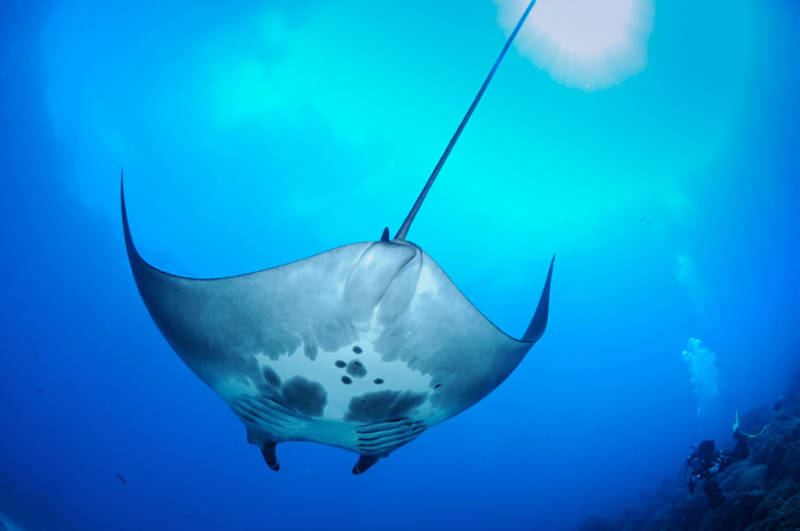
"caption": "A juvenile female manta at Flower Garden Banks National Marine Sanctuary. The spots on her underbelly are unique markings that identify her.",
"description": null,
"title": "Manta ray",
"credit": "G.P. Schmahl/FGBNMS",
"status": "inherit",
"isLoading": false,
"fetchFailed": false
},
"science_1925674": {
"type": "attachments",
"id": "science_1925674",
"meta": {
"index": "attachments_1716263798",
"site": "science",
"id": "1925674",
"found": true
},
"parent": 1925672,
"imgSizes": {
"small": {
"file": "https://ww2.kqed.org/app/uploads/sites/35/2018/06/Rare_Frogs.JPG_q42zrlI_t11701-520x345.jpg",
"width": 520,
"mimeType": "image/jpeg",
"height": 345
},
"twentyfourteen-full-width": {
"file": "https://ww2.kqed.org/app/uploads/sites/35/2018/06/Rare_Frogs.JPG_q42zrlI_t11701-1038x576.jpg",
"width": 1038,
"mimeType": "image/jpeg",
"height": 576
},
"thumbnail": {
"file": "https://ww2.kqed.org/app/uploads/sites/35/2018/06/Rare_Frogs.JPG_q42zrlI_t11701-160x106.jpg",
"width": 160,
"mimeType": "image/jpeg",
"height": 106
},
"fd-sm": {
"file": "https://ww2.kqed.org/app/uploads/sites/35/2018/06/Rare_Frogs.JPG_q42zrlI_t11701-960x637.jpg",
"width": 960,
"mimeType": "image/jpeg",
"height": 637
},
"post-thumbnail": {
"file": "https://ww2.kqed.org/app/uploads/sites/35/2018/06/Rare_Frogs.JPG_q42zrlI_t11701-672x372.jpg",
"width": 672,
"mimeType": "image/jpeg",
"height": 372
},
"xsmall": {
"file": "https://ww2.kqed.org/app/uploads/sites/35/2018/06/Rare_Frogs.JPG_q42zrlI_t11701-375x249.jpg",
"width": 375,
"mimeType": "image/jpeg",
"height": 249
},
"kqedFullSize": {
"file": "https://ww2.kqed.org/app/uploads/sites/35/2018/06/Rare_Frogs.JPG_q42zrlI_t11701.jpg",
"width": 1170,
"height": 776
},
"large": {
"file": "https://ww2.kqed.org/app/uploads/sites/35/2018/06/Rare_Frogs.JPG_q42zrlI_t11701-1020x677.jpg",
"width": 1020,
"mimeType": "image/jpeg",
"height": 677
},
"guest-author-50": {
"file": "https://ww2.kqed.org/app/uploads/sites/35/2018/06/Rare_Frogs.JPG_q42zrlI_t11701-50x50.jpg",
"width": 50,
"mimeType": "image/jpeg",
"height": 50
},
"guest-author-96": {
"file": "https://ww2.kqed.org/app/uploads/sites/35/2018/06/Rare_Frogs.JPG_q42zrlI_t11701-96x96.jpg",
"width": 96,
"mimeType": "image/jpeg",
"height": 96
},
"medium": {
"file": "https://ww2.kqed.org/app/uploads/sites/35/2018/06/Rare_Frogs.JPG_q42zrlI_t11701-800x531.jpg",
"width": 800,
"mimeType": "image/jpeg",
"height": 531
},
"guest-author-64": {
"file": "https://ww2.kqed.org/app/uploads/sites/35/2018/06/Rare_Frogs.JPG_q42zrlI_t11701-64x64.jpg",
"width": 64,
"mimeType": "image/jpeg",
"height": 64
},
"guest-author-32": {
"file": "https://ww2.kqed.org/app/uploads/sites/35/2018/06/Rare_Frogs.JPG_q42zrlI_t11701-32x32.jpg",
"width": 32,
"mimeType": "image/jpeg",
"height": 32
},
"detail": {
"file": "https://ww2.kqed.org/app/uploads/sites/35/2018/06/Rare_Frogs.JPG_q42zrlI_t11701-150x150.jpg",
"width": 150,
"mimeType": "image/jpeg",
"height": 150
},
"medium_large": {
"file": "https://ww2.kqed.org/app/uploads/sites/35/2018/06/Rare_Frogs.JPG_q42zrlI_t11701-768x509.jpg",
"width": 768,
"mimeType": "image/jpeg",
"height": 509
},
"guest-author-128": {
"file": "https://ww2.kqed.org/app/uploads/sites/35/2018/06/Rare_Frogs.JPG_q42zrlI_t11701-128x128.jpg",
"width": 128,
"mimeType": "image/jpeg",
"height": 128
},
"xxsmall": {
"file": "https://ww2.kqed.org/app/uploads/sites/35/2018/06/Rare_Frogs.JPG_q42zrlI_t11701-240x159.jpg",
"width": 240,
"mimeType": "image/jpeg",
"height": 159
}
},
"publishDate": 1528850880,
"modified": 1528850964,
"caption": "This photo shows a California red-legged frog, one of several that was reintroduced to streams in the Santa Monica Mountains. In March, it was discovered that the reintroduced frogs had successfully bred in their new homes.",
"description": null,
"title": "Rare_Frogs.JPG_q42zrlI_t11701",
"credit": "National Park Service",
"status": "inherit",
"isLoading": false,
"fetchFailed": false
},
"science_1925624": {
"type": "attachments",
"id": "science_1925624",
"meta": {
"index": "attachments_1716263798",
"site": "science",
"id": "1925624",
"found": true
},
"parent": 1925619,
"imgSizes": {
"small": {
"file": "https://ww2.kqed.org/app/uploads/sites/35/2018/06/OR_25_odfw_collared-May-20-2014_Imnaha-Pack-520x371.jpeg",
"width": 520,
"mimeType": "image/jpeg",
"height": 371
},
"twentyfourteen-full-width": {
"file": "https://ww2.kqed.org/app/uploads/sites/35/2018/06/OR_25_odfw_collared-May-20-2014_Imnaha-Pack-1038x576.jpeg",
"width": 1038,
"mimeType": "image/jpeg",
"height": 576
},
"thumbnail": {
"file": "https://ww2.kqed.org/app/uploads/sites/35/2018/06/OR_25_odfw_collared-May-20-2014_Imnaha-Pack-160x114.jpeg",
"width": 160,
"mimeType": "image/jpeg",
"height": 114
},
"fd-sm": {
"file": "https://ww2.kqed.org/app/uploads/sites/35/2018/06/OR_25_odfw_collared-May-20-2014_Imnaha-Pack-960x686.jpeg",
"width": 960,
"mimeType": "image/jpeg",
"height": 686
},
"post-thumbnail": {
"file": "https://ww2.kqed.org/app/uploads/sites/35/2018/06/OR_25_odfw_collared-May-20-2014_Imnaha-Pack-672x372.jpeg",
"width": 672,
"mimeType": "image/jpeg",
"height": 372
},
"xsmall": {
"file": "https://ww2.kqed.org/app/uploads/sites/35/2018/06/OR_25_odfw_collared-May-20-2014_Imnaha-Pack-375x268.jpeg",
"width": 375,
"mimeType": "image/jpeg",
"height": 268
},
"kqedFullSize": {
"file": "https://ww2.kqed.org/app/uploads/sites/35/2018/06/OR_25_odfw_collared-May-20-2014_Imnaha-Pack.jpeg",
"width": 2100,
"height": 1500
},
"large": {
"file": "https://ww2.kqed.org/app/uploads/sites/35/2018/06/OR_25_odfw_collared-May-20-2014_Imnaha-Pack-1020x729.jpeg",
"width": 1020,
"mimeType": "image/jpeg",
"height": 729
},
"xlarge": {
"file": "https://ww2.kqed.org/app/uploads/sites/35/2018/06/OR_25_odfw_collared-May-20-2014_Imnaha-Pack-1180x843.jpeg",
"width": 1180,
"mimeType": "image/jpeg",
"height": 843
},
"complete_open_graph": {
"file": "https://ww2.kqed.org/app/uploads/sites/35/2018/06/OR_25_odfw_collared-May-20-2014_Imnaha-Pack-1200x857.jpeg",
"width": 1200,
"mimeType": "image/jpeg",
"height": 857
},
"guest-author-50": {
"file": "https://ww2.kqed.org/app/uploads/sites/35/2018/06/OR_25_odfw_collared-May-20-2014_Imnaha-Pack-50x50.jpeg",
"width": 50,
"mimeType": "image/jpeg",
"height": 50
},
"guest-author-96": {
"file": "https://ww2.kqed.org/app/uploads/sites/35/2018/06/OR_25_odfw_collared-May-20-2014_Imnaha-Pack-96x96.jpeg",
"width": 96,
"mimeType": "image/jpeg",
"height": 96
},
"medium": {
"file": "https://ww2.kqed.org/app/uploads/sites/35/2018/06/OR_25_odfw_collared-May-20-2014_Imnaha-Pack-800x571.jpeg",
"width": 800,
"mimeType": "image/jpeg",
"height": 571
},
"guest-author-64": {
"file": "https://ww2.kqed.org/app/uploads/sites/35/2018/06/OR_25_odfw_collared-May-20-2014_Imnaha-Pack-64x64.jpeg",
"width": 64,
"mimeType": "image/jpeg",
"height": 64
},
"guest-author-32": {
"file": "https://ww2.kqed.org/app/uploads/sites/35/2018/06/OR_25_odfw_collared-May-20-2014_Imnaha-Pack-32x32.jpeg",
"width": 32,
"mimeType": "image/jpeg",
"height": 32
},
"fd-lrg": {
"file": "https://ww2.kqed.org/app/uploads/sites/35/2018/06/OR_25_odfw_collared-May-20-2014_Imnaha-Pack-1920x1371.jpeg",
"width": 1920,
"mimeType": "image/jpeg",
"height": 1371
},
"fd-med": {
"file": "https://ww2.kqed.org/app/uploads/sites/35/2018/06/OR_25_odfw_collared-May-20-2014_Imnaha-Pack-1180x843.jpeg",
"width": 1180,
"mimeType": "image/jpeg",
"height": 843
},
"full-width": {
"file": "https://ww2.kqed.org/app/uploads/sites/35/2018/06/OR_25_odfw_collared-May-20-2014_Imnaha-Pack-1920x1371.jpeg",
"width": 1920,
"mimeType": "image/jpeg",
"height": 1371
},
"detail": {
"file": "https://ww2.kqed.org/app/uploads/sites/35/2018/06/OR_25_odfw_collared-May-20-2014_Imnaha-Pack-150x150.jpeg",
"width": 150,
"mimeType": "image/jpeg",
"height": 150
},
"medium_large": {
"file": "https://ww2.kqed.org/app/uploads/sites/35/2018/06/OR_25_odfw_collared-May-20-2014_Imnaha-Pack-768x549.jpeg",
"width": 768,
"mimeType": "image/jpeg",
"height": 549
},
"guest-author-128": {
"file": "https://ww2.kqed.org/app/uploads/sites/35/2018/06/OR_25_odfw_collared-May-20-2014_Imnaha-Pack-128x128.jpeg",
"width": 128,
"mimeType": "image/jpeg",
"height": 128
},
"xxsmall": {
"file": "https://ww2.kqed.org/app/uploads/sites/35/2018/06/OR_25_odfw_collared-May-20-2014_Imnaha-Pack-240x171.jpeg",
"width": 240,
"mimeType": "image/jpeg",
"height": 171
}
},
"publishDate": 1528833337,
"modified": 1528846022,
"caption": "OR-25, a yearling male of Oregon's Imnaha Pack, after being radio-collared in 2014. He was killed illegally in the fall of 2017.",
"description": "OR-25, a yearling male of Oregon's Imnaha Pack, after being radio-collared in 2014. He was killed illegally in the fall of 2017. ",
"title": "OR_25_odfw_collared May 20 2014_Imnaha Pack",
"credit": "Oregon Department of Fish and Wildlife. ",
"status": "inherit",
"isLoading": false,
"fetchFailed": false
},
"science_1925254": {
"type": "attachments",
"id": "science_1925254",
"meta": {
"index": "attachments_1716263798",
"site": "science",
"id": "1925254",
"found": true
},
"parent": 1925251,
"imgSizes": {
"small": {
"file": "https://ww2.kqed.org/app/uploads/sites/35/2018/06/DL_511AcornWoodpeckers_marquee_w_P-head-520x293.jpg",
"width": 520,
"mimeType": "image/jpeg",
"height": 293
},
"twentyfourteen-full-width": {
"file": "https://ww2.kqed.org/app/uploads/sites/35/2018/06/DL_511AcornWoodpeckers_marquee_w_P-head-1038x576.jpg",
"width": 1038,
"mimeType": "image/jpeg",
"height": 576
},
"thumbnail": {
"file": "https://ww2.kqed.org/app/uploads/sites/35/2018/06/DL_511AcornWoodpeckers_marquee_w_P-head-160x90.jpg",
"width": 160,
"mimeType": "image/jpeg",
"height": 90
},
"fd-sm": {
"file": "https://ww2.kqed.org/app/uploads/sites/35/2018/06/DL_511AcornWoodpeckers_marquee_w_P-head-960x540.jpg",
"width": 960,
"mimeType": "image/jpeg",
"height": 540
},
"post-thumbnail": {
"file": "https://ww2.kqed.org/app/uploads/sites/35/2018/06/DL_511AcornWoodpeckers_marquee_w_P-head-672x372.jpg",
"width": 672,
"mimeType": "image/jpeg",
"height": 372
},
"xsmall": {
"file": "https://ww2.kqed.org/app/uploads/sites/35/2018/06/DL_511AcornWoodpeckers_marquee_w_P-head-375x211.jpg",
"width": 375,
"mimeType": "image/jpeg",
"height": 211
},
"kqedFullSize": {
"file": "https://ww2.kqed.org/app/uploads/sites/35/2018/06/DL_511AcornWoodpeckers_marquee_w_P-head.jpg",
"width": 1920,
"height": 1080
},
"large": {
"file": "https://ww2.kqed.org/app/uploads/sites/35/2018/06/DL_511AcornWoodpeckers_marquee_w_P-head-1020x574.jpg",
"width": 1020,
"mimeType": "image/jpeg",
"height": 574
},
"xlarge": {
"file": "https://ww2.kqed.org/app/uploads/sites/35/2018/06/DL_511AcornWoodpeckers_marquee_w_P-head-1180x664.jpg",
"width": 1180,
"mimeType": "image/jpeg",
"height": 664
},
"complete_open_graph": {
"file": "https://ww2.kqed.org/app/uploads/sites/35/2018/06/DL_511AcornWoodpeckers_marquee_w_P-head-1200x675.jpg",
"width": 1200,
"mimeType": "image/jpeg",
"height": 675
},
"guest-author-50": {
"file": "https://ww2.kqed.org/app/uploads/sites/35/2018/06/DL_511AcornWoodpeckers_marquee_w_P-head-50x50.jpg",
"width": 50,
"mimeType": "image/jpeg",
"height": 50
},
"guest-author-96": {
"file": "https://ww2.kqed.org/app/uploads/sites/35/2018/06/DL_511AcornWoodpeckers_marquee_w_P-head-96x96.jpg",
"width": 96,
"mimeType": "image/jpeg",
"height": 96
},
"medium": {
"file": "https://ww2.kqed.org/app/uploads/sites/35/2018/06/DL_511AcornWoodpeckers_marquee_w_P-head-800x450.jpg",
"width": 800,
"mimeType": "image/jpeg",
"height": 450
},
"guest-author-64": {
"file": "https://ww2.kqed.org/app/uploads/sites/35/2018/06/DL_511AcornWoodpeckers_marquee_w_P-head-64x64.jpg",
"width": 64,
"mimeType": "image/jpeg",
"height": 64
},
"guest-author-32": {
"file": "https://ww2.kqed.org/app/uploads/sites/35/2018/06/DL_511AcornWoodpeckers_marquee_w_P-head-32x32.jpg",
"width": 32,
"mimeType": "image/jpeg",
"height": 32
},
"fd-lrg": {
"file": "https://ww2.kqed.org/app/uploads/sites/35/2018/06/DL_511AcornWoodpeckers_marquee_w_P-head-1920x1080.jpg",
"width": 1920,
"mimeType": "image/jpeg",
"height": 1080
},
"fd-med": {
"file": "https://ww2.kqed.org/app/uploads/sites/35/2018/06/DL_511AcornWoodpeckers_marquee_w_P-head-1180x664.jpg",
"width": 1180,
"mimeType": "image/jpeg",
"height": 664
},
"full-width": {
"file": "https://ww2.kqed.org/app/uploads/sites/35/2018/06/DL_511AcornWoodpeckers_marquee_w_P-head-1920x1080.jpg",
"width": 1920,
"mimeType": "image/jpeg",
"height": 1080
},
"detail": {
"file": "https://ww2.kqed.org/app/uploads/sites/35/2018/06/DL_511AcornWoodpeckers_marquee_w_P-head-150x150.jpg",
"width": 150,
"mimeType": "image/jpeg",
"height": 150
},
"medium_large": {
"file": "https://ww2.kqed.org/app/uploads/sites/35/2018/06/DL_511AcornWoodpeckers_marquee_w_P-head-768x432.jpg",
"width": 768,
"mimeType": "image/jpeg",
"height": 432
},
"guest-author-128": {
"file": "https://ww2.kqed.org/app/uploads/sites/35/2018/06/DL_511AcornWoodpeckers_marquee_w_P-head-128x128.jpg",
"width": 128,
"mimeType": "image/jpeg",
"height": 128
},
"xxsmall": {
"file": "https://ww2.kqed.org/app/uploads/sites/35/2018/06/DL_511AcornWoodpeckers_marquee_w_P-head-240x135.jpg",
"width": 240,
"mimeType": "image/jpeg",
"height": 135
}
},
"publishDate": 1528229857,
"modified": 1528723842,
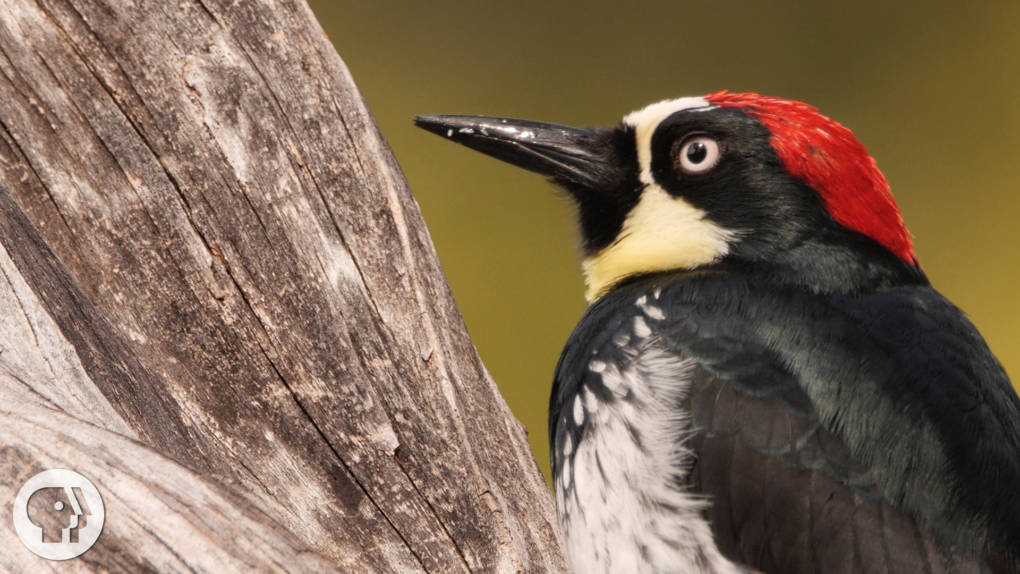
"caption": "A male acorn woodpecker in Marin County, California, has just finished eating an insect. In the spring, acorn woodpeckers eat insects and suck sap out of trees. Acorns, which don’t have that much protein and are bitter, get them through the winter.",
"description": null,
"title": "DL_511AcornWoodpeckers_marquee_w_P-head",
"credit": "Josh Cassidy/KQED",
"status": "inherit",
"isLoading": false,
"fetchFailed": false
},
"science_1924789": {
"type": "attachments",
"id": "science_1924789",
"meta": {
"index": "attachments_1716263798",
"site": "science",
"id": "1924789",
"found": true
},
"parent": 1924787,
"imgSizes": {
"small": {
"file": "https://ww2.kqed.org/app/uploads/sites/35/2018/05/fk180420-sat_tag-20180509-stanford_blocklab-0-pm-1140x1140-330267d22df0bb9cf76ef6e4c65d45353a7b86d9-2-520x390.jpg",
"width": 520,
"mimeType": "image/jpeg",
"height": 390
},
"twentyfourteen-full-width": {
"file": "https://ww2.kqed.org/app/uploads/sites/35/2018/05/fk180420-sat_tag-20180509-stanford_blocklab-0-pm-1140x1140-330267d22df0bb9cf76ef6e4c65d45353a7b86d9-2-1038x576.jpg",
"width": 1038,
"mimeType": "image/jpeg",
"height": 576
},
"thumbnail": {
"file": "https://ww2.kqed.org/app/uploads/sites/35/2018/05/fk180420-sat_tag-20180509-stanford_blocklab-0-pm-1140x1140-330267d22df0bb9cf76ef6e4c65d45353a7b86d9-2-160x120.jpg",
"width": 160,
"mimeType": "image/jpeg",
"height": 120
},
"fd-sm": {
"file": "https://ww2.kqed.org/app/uploads/sites/35/2018/05/fk180420-sat_tag-20180509-stanford_blocklab-0-pm-1140x1140-330267d22df0bb9cf76ef6e4c65d45353a7b86d9-2-960x719.jpg",
"width": 960,
"mimeType": "image/jpeg",
"height": 719
},
"post-thumbnail": {
"file": "https://ww2.kqed.org/app/uploads/sites/35/2018/05/fk180420-sat_tag-20180509-stanford_blocklab-0-pm-1140x1140-330267d22df0bb9cf76ef6e4c65d45353a7b86d9-2-672x372.jpg",
"width": 672,
"mimeType": "image/jpeg",
"height": 372
},
"xsmall": {
"file": "https://ww2.kqed.org/app/uploads/sites/35/2018/05/fk180420-sat_tag-20180509-stanford_blocklab-0-pm-1140x1140-330267d22df0bb9cf76ef6e4c65d45353a7b86d9-2-375x281.jpg",
"width": 375,
"mimeType": "image/jpeg",
"height": 281
},
"kqedFullSize": {
"file": "https://ww2.kqed.org/app/uploads/sites/35/2018/05/fk180420-sat_tag-20180509-stanford_blocklab-0-pm-1140x1140-330267d22df0bb9cf76ef6e4c65d45353a7b86d9-2.jpg",
"width": 1140,
"height": 854
},
"large": {
"file": "https://ww2.kqed.org/app/uploads/sites/35/2018/05/fk180420-sat_tag-20180509-stanford_blocklab-0-pm-1140x1140-330267d22df0bb9cf76ef6e4c65d45353a7b86d9-2-1020x764.jpg",
"width": 1020,
"mimeType": "image/jpeg",
"height": 764
},
"guest-author-50": {
"file": "https://ww2.kqed.org/app/uploads/sites/35/2018/05/fk180420-sat_tag-20180509-stanford_blocklab-0-pm-1140x1140-330267d22df0bb9cf76ef6e4c65d45353a7b86d9-2-50x50.jpg",
"width": 50,
"mimeType": "image/jpeg",
"height": 50
},
"guest-author-96": {
"file": "https://ww2.kqed.org/app/uploads/sites/35/2018/05/fk180420-sat_tag-20180509-stanford_blocklab-0-pm-1140x1140-330267d22df0bb9cf76ef6e4c65d45353a7b86d9-2-96x96.jpg",
"width": 96,
"mimeType": "image/jpeg",
"height": 96
},
"medium": {
"file": "https://ww2.kqed.org/app/uploads/sites/35/2018/05/fk180420-sat_tag-20180509-stanford_blocklab-0-pm-1140x1140-330267d22df0bb9cf76ef6e4c65d45353a7b86d9-2-800x599.jpg",
"width": 800,
"mimeType": "image/jpeg",
"height": 599
},
"guest-author-64": {
"file": "https://ww2.kqed.org/app/uploads/sites/35/2018/05/fk180420-sat_tag-20180509-stanford_blocklab-0-pm-1140x1140-330267d22df0bb9cf76ef6e4c65d45353a7b86d9-2-64x64.jpg",
"width": 64,
"mimeType": "image/jpeg",
"height": 64
},
"guest-author-32": {
"file": "https://ww2.kqed.org/app/uploads/sites/35/2018/05/fk180420-sat_tag-20180509-stanford_blocklab-0-pm-1140x1140-330267d22df0bb9cf76ef6e4c65d45353a7b86d9-2-32x32.jpg",
"width": 32,
"mimeType": "image/jpeg",
"height": 32
},
"detail": {
"file": "https://ww2.kqed.org/app/uploads/sites/35/2018/05/fk180420-sat_tag-20180509-stanford_blocklab-0-pm-1140x1140-330267d22df0bb9cf76ef6e4c65d45353a7b86d9-2-150x150.jpg",
"width": 150,
"mimeType": "image/jpeg",
"height": 150
},
"medium_large": {
"file": "https://ww2.kqed.org/app/uploads/sites/35/2018/05/fk180420-sat_tag-20180509-stanford_blocklab-0-pm-1140x1140-330267d22df0bb9cf76ef6e4c65d45353a7b86d9-2-768x575.jpg",
"width": 768,
"mimeType": "image/jpeg",
"height": 575
},
"guest-author-128": {
"file": "https://ww2.kqed.org/app/uploads/sites/35/2018/05/fk180420-sat_tag-20180509-stanford_blocklab-0-pm-1140x1140-330267d22df0bb9cf76ef6e4c65d45353a7b86d9-2-128x128.jpg",
"width": 128,
"mimeType": "image/jpeg",
"height": 128
},
"xxsmall": {
"file": "https://ww2.kqed.org/app/uploads/sites/35/2018/05/fk180420-sat_tag-20180509-stanford_blocklab-0-pm-1140x1140-330267d22df0bb9cf76ef6e4c65d45353a7b86d9-2-240x180.jpg",
"width": 240,
"mimeType": "image/jpeg",
"height": 180
}
},
"publishDate": 1527777900,
"modified": 1527777900,
"caption": null,
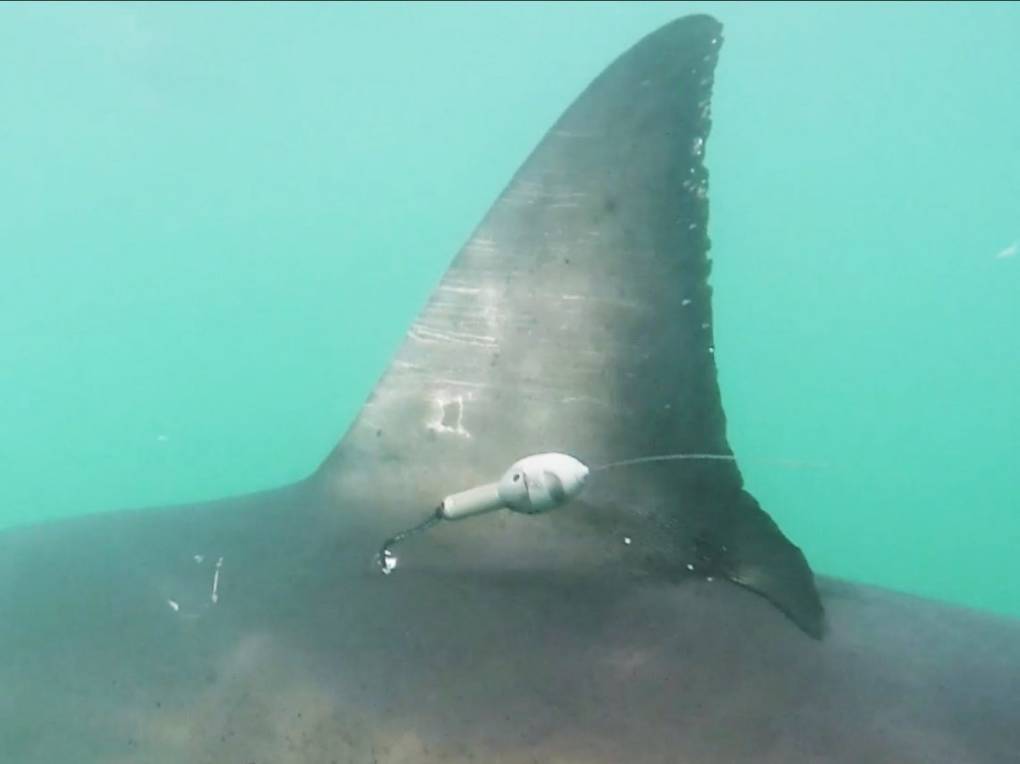
"description": "Scientists tagged over 30 great white sharks last fall — more than they had ever done in a single seaso",
"title": "Scientists tagged over 30 great white sharks last fall — more than they had ever done in a single season.",
"credit": null,
"status": "inherit",
"isLoading": false,
"fetchFailed": false
},
"science_1924642": {
"type": "attachments",
"id": "science_1924642",
"meta": {
"index": "attachments_1716263798",
"site": "science",
"id": "1924642",
"found": true
},
"parent": 1924639,
"imgSizes": {
"small": {
"file": "https://ww2.kqed.org/app/uploads/sites/35/2018/05/Dd_dEntVQAEWhjn-520x261.jpg",
"width": 520,
"mimeType": "image/jpeg",
"height": 261
},
"thumbnail": {
"file": "https://ww2.kqed.org/app/uploads/sites/35/2018/05/Dd_dEntVQAEWhjn-160x80.jpg",
"width": 160,
"mimeType": "image/jpeg",
"height": 80
},
"post-thumbnail": {
"file": "https://ww2.kqed.org/app/uploads/sites/35/2018/05/Dd_dEntVQAEWhjn-672x372.jpg",
"width": 672,
"mimeType": "image/jpeg",
"height": 372
},
"xsmall": {
"file": "https://ww2.kqed.org/app/uploads/sites/35/2018/05/Dd_dEntVQAEWhjn-375x188.jpg",
"width": 375,
"mimeType": "image/jpeg",
"height": 188
},
"kqedFullSize": {
"file": "https://ww2.kqed.org/app/uploads/sites/35/2018/05/Dd_dEntVQAEWhjn.jpg",
"width": 916,
"height": 460
},
"guest-author-50": {
"file": "https://ww2.kqed.org/app/uploads/sites/35/2018/05/Dd_dEntVQAEWhjn-50x50.jpg",
"width": 50,
"mimeType": "image/jpeg",
"height": 50
},
"guest-author-96": {
"file": "https://ww2.kqed.org/app/uploads/sites/35/2018/05/Dd_dEntVQAEWhjn-96x96.jpg",
"width": 96,
"mimeType": "image/jpeg",
"height": 96
},
"medium": {
"file": "https://ww2.kqed.org/app/uploads/sites/35/2018/05/Dd_dEntVQAEWhjn-800x402.jpg",
"width": 800,
"mimeType": "image/jpeg",
"height": 402
},
"guest-author-64": {
"file": "https://ww2.kqed.org/app/uploads/sites/35/2018/05/Dd_dEntVQAEWhjn-64x64.jpg",
"width": 64,
"mimeType": "image/jpeg",
"height": 64
},
"guest-author-32": {
"file": "https://ww2.kqed.org/app/uploads/sites/35/2018/05/Dd_dEntVQAEWhjn-32x32.jpg",
"width": 32,
"mimeType": "image/jpeg",
"height": 32
},
"detail": {
"file": "https://ww2.kqed.org/app/uploads/sites/35/2018/05/Dd_dEntVQAEWhjn-150x150.jpg",
"width": 150,
"mimeType": "image/jpeg",
"height": 150
},
"medium_large": {
"file": "https://ww2.kqed.org/app/uploads/sites/35/2018/05/Dd_dEntVQAEWhjn-768x386.jpg",
"width": 768,
"mimeType": "image/jpeg",
"height": 386
},
"guest-author-128": {
"file": "https://ww2.kqed.org/app/uploads/sites/35/2018/05/Dd_dEntVQAEWhjn-128x128.jpg",
"width": 128,
"mimeType": "image/jpeg",
"height": 128
},
"xxsmall": {
"file": "https://ww2.kqed.org/app/uploads/sites/35/2018/05/Dd_dEntVQAEWhjn-240x121.jpg",
"width": 240,
"mimeType": "image/jpeg",
"height": 121
}
},
"publishDate": 1527611067,
"modified": 1527622288,
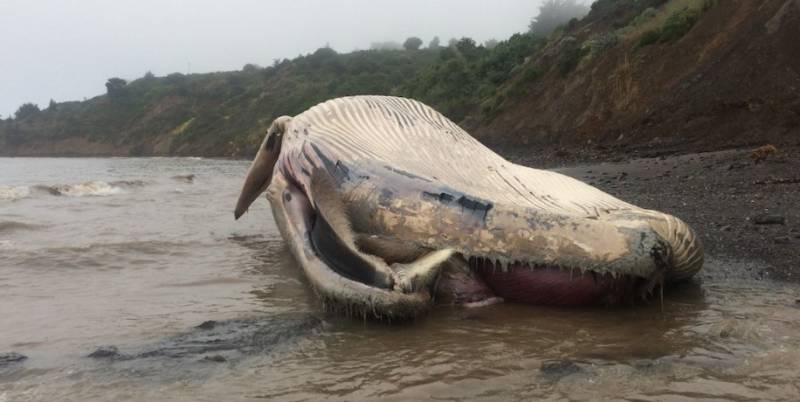
"caption": "A female fin whale washed ashore in Bolinas on May 25, now confirmed as another ship-strike victim.",
"description": "A female fin whale washed ashore in Bolinas on May 25, now confirmed as another ship-strike victim.",
"title": "Dd_dEntVQAEWhjn",
"credit": "The Marine Mammal Center/Twitter",
"status": "inherit",
"isLoading": false,
"fetchFailed": false
},
"science_1923951": {
"type": "attachments",
"id": "science_1923951",
"meta": {
"index": "attachments_1716263798",
"site": "science",
"id": "1923951",
"found": true
},
"parent": 1923898,
"imgSizes": {
"small": {
"file": "https://ww2.kqed.org/app/uploads/sites/35/2018/05/DL510-phead.2-520x293.jpg",
"width": 520,
"mimeType": "image/jpeg",
"height": 293
},
"twentyfourteen-full-width": {
"file": "https://ww2.kqed.org/app/uploads/sites/35/2018/05/DL510-phead.2-1038x576.jpg",
"width": 1038,
"mimeType": "image/jpeg",
"height": 576
},
"thumbnail": {
"file": "https://ww2.kqed.org/app/uploads/sites/35/2018/05/DL510-phead.2-160x90.jpg",
"width": 160,
"mimeType": "image/jpeg",
"height": 90
},
"fd-sm": {
"file": "https://ww2.kqed.org/app/uploads/sites/35/2018/05/DL510-phead.2-960x540.jpg",
"width": 960,
"mimeType": "image/jpeg",
"height": 540
},
"post-thumbnail": {
"file": "https://ww2.kqed.org/app/uploads/sites/35/2018/05/DL510-phead.2-672x372.jpg",
"width": 672,
"mimeType": "image/jpeg",
"height": 372
},
"xsmall": {
"file": "https://ww2.kqed.org/app/uploads/sites/35/2018/05/DL510-phead.2-375x211.jpg",
"width": 375,
"mimeType": "image/jpeg",
"height": 211
},
"kqedFullSize": {
"file": "https://ww2.kqed.org/app/uploads/sites/35/2018/05/DL510-phead.2.jpg",
"width": 3840,
"height": 2160
},
"large": {
"file": "https://ww2.kqed.org/app/uploads/sites/35/2018/05/DL510-phead.2-1020x574.jpg",
"width": 1020,
"mimeType": "image/jpeg",
"height": 574
},
"xlarge": {
"file": "https://ww2.kqed.org/app/uploads/sites/35/2018/05/DL510-phead.2-1180x664.jpg",
"width": 1180,
"mimeType": "image/jpeg",
"height": 664
},
"complete_open_graph": {
"file": "https://ww2.kqed.org/app/uploads/sites/35/2018/05/DL510-phead.2-1200x675.jpg",
"width": 1200,
"mimeType": "image/jpeg",
"height": 675
},
"guest-author-50": {
"file": "https://ww2.kqed.org/app/uploads/sites/35/2018/05/DL510-phead.2-50x50.jpg",
"width": 50,
"mimeType": "image/jpeg",
"height": 50
},
"guest-author-96": {
"file": "https://ww2.kqed.org/app/uploads/sites/35/2018/05/DL510-phead.2-96x96.jpg",
"width": 96,
"mimeType": "image/jpeg",
"height": 96
},
"medium": {
"file": "https://ww2.kqed.org/app/uploads/sites/35/2018/05/DL510-phead.2-800x450.jpg",
"width": 800,
"mimeType": "image/jpeg",
"height": 450
},
"guest-author-64": {
"file": "https://ww2.kqed.org/app/uploads/sites/35/2018/05/DL510-phead.2-64x64.jpg",
"width": 64,
"mimeType": "image/jpeg",
"height": 64
},
"guest-author-32": {
"file": "https://ww2.kqed.org/app/uploads/sites/35/2018/05/DL510-phead.2-32x32.jpg",
"width": 32,
"mimeType": "image/jpeg",
"height": 32
},
"fd-lrg": {
"file": "https://ww2.kqed.org/app/uploads/sites/35/2018/05/DL510-phead.2-1920x1080.jpg",
"width": 1920,
"mimeType": "image/jpeg",
"height": 1080
},
"fd-med": {
"file": "https://ww2.kqed.org/app/uploads/sites/35/2018/05/DL510-phead.2-1180x664.jpg",
"width": 1180,
"mimeType": "image/jpeg",
"height": 664
},
"full-width": {
"file": "https://ww2.kqed.org/app/uploads/sites/35/2018/05/DL510-phead.2-1920x1080.jpg",
"width": 1920,
"mimeType": "image/jpeg",
"height": 1080
},
"detail": {
"file": "https://ww2.kqed.org/app/uploads/sites/35/2018/05/DL510-phead.2-150x150.jpg",
"width": 150,
"mimeType": "image/jpeg",
"height": 150
},
"medium_large": {
"file": "https://ww2.kqed.org/app/uploads/sites/35/2018/05/DL510-phead.2-768x432.jpg",
"width": 768,
"mimeType": "image/jpeg",
"height": 432
},
"guest-author-128": {
"file": "https://ww2.kqed.org/app/uploads/sites/35/2018/05/DL510-phead.2-128x128.jpg",
"width": 128,
"mimeType": "image/jpeg",
"height": 128
},
"xxsmall": {
"file": "https://ww2.kqed.org/app/uploads/sites/35/2018/05/DL510-phead.2-240x135.jpg",
"width": 240,
"mimeType": "image/jpeg",
"height": 135
}
},
"publishDate": 1526593411,
"modified": 1527184250,
"caption": "Some cone snails hunt other, smaller snails. The banded cone snail sniffs out its next meal with its breathing tube, or siphon. ",
"description": null,
"title": "DL510 phead.2",
"credit": "Josh Cassidy/KQED",
"status": "inherit",
"isLoading": false,
"fetchFailed": false
},
"science_1924384": {
"type": "attachments",
"id": "science_1924384",
"meta": {
"index": "attachments_1716263798",
"site": "science",
"id": "1924384",
"found": true
},
"parent": 1924383,
"imgSizes": {
"small": {
"file": "https://ww2.kqed.org/app/uploads/sites/35/2018/05/shark-highway-1_enl-93045fc1bdb2ce57b0e6fda033816c57b4db166e-520x347.jpg",
"width": 520,
"mimeType": "image/jpeg",
"height": 347
},
"twentyfourteen-full-width": {
"file": "https://ww2.kqed.org/app/uploads/sites/35/2018/05/shark-highway-1_enl-93045fc1bdb2ce57b0e6fda033816c57b4db166e-1038x576.jpg",
"width": 1038,
"mimeType": "image/jpeg",
"height": 576
},
"thumbnail": {
"file": "https://ww2.kqed.org/app/uploads/sites/35/2018/05/shark-highway-1_enl-93045fc1bdb2ce57b0e6fda033816c57b4db166e-160x107.jpg",
"width": 160,
"mimeType": "image/jpeg",
"height": 107
},
"fd-sm": {
"file": "https://ww2.kqed.org/app/uploads/sites/35/2018/05/shark-highway-1_enl-93045fc1bdb2ce57b0e6fda033816c57b4db166e-960x640.jpg",
"width": 960,
"mimeType": "image/jpeg",
"height": 640
},
"post-thumbnail": {
"file": "https://ww2.kqed.org/app/uploads/sites/35/2018/05/shark-highway-1_enl-93045fc1bdb2ce57b0e6fda033816c57b4db166e-672x372.jpg",
"width": 672,
"mimeType": "image/jpeg",
"height": 372
},
"xsmall": {
"file": "https://ww2.kqed.org/app/uploads/sites/35/2018/05/shark-highway-1_enl-93045fc1bdb2ce57b0e6fda033816c57b4db166e-375x250.jpg",
"width": 375,
"mimeType": "image/jpeg",
"height": 250
},
"kqedFullSize": {
"file": "https://ww2.kqed.org/app/uploads/sites/35/2018/05/shark-highway-1_enl-93045fc1bdb2ce57b0e6fda033816c57b4db166e.jpg",
"width": 2000,
"height": 1334
},
"large": {
"file": "https://ww2.kqed.org/app/uploads/sites/35/2018/05/shark-highway-1_enl-93045fc1bdb2ce57b0e6fda033816c57b4db166e-1020x680.jpg",
"width": 1020,
"mimeType": "image/jpeg",
"height": 680
},
"xlarge": {
"file": "https://ww2.kqed.org/app/uploads/sites/35/2018/05/shark-highway-1_enl-93045fc1bdb2ce57b0e6fda033816c57b4db166e-1180x787.jpg",
"width": 1180,
"mimeType": "image/jpeg",
"height": 787
},
"complete_open_graph": {
"file": "https://ww2.kqed.org/app/uploads/sites/35/2018/05/shark-highway-1_enl-93045fc1bdb2ce57b0e6fda033816c57b4db166e-1200x800.jpg",
"width": 1200,
"mimeType": "image/jpeg",
"height": 800
},
"guest-author-50": {
"file": "https://ww2.kqed.org/app/uploads/sites/35/2018/05/shark-highway-1_enl-93045fc1bdb2ce57b0e6fda033816c57b4db166e-50x50.jpg",
"width": 50,
"mimeType": "image/jpeg",
"height": 50
},
"guest-author-96": {
"file": "https://ww2.kqed.org/app/uploads/sites/35/2018/05/shark-highway-1_enl-93045fc1bdb2ce57b0e6fda033816c57b4db166e-96x96.jpg",
"width": 96,
"mimeType": "image/jpeg",
"height": 96
},
"medium": {
"file": "https://ww2.kqed.org/app/uploads/sites/35/2018/05/shark-highway-1_enl-93045fc1bdb2ce57b0e6fda033816c57b4db166e-800x534.jpg",
"width": 800,
"mimeType": "image/jpeg",
"height": 534
},
"guest-author-64": {
"file": "https://ww2.kqed.org/app/uploads/sites/35/2018/05/shark-highway-1_enl-93045fc1bdb2ce57b0e6fda033816c57b4db166e-64x64.jpg",
"width": 64,
"mimeType": "image/jpeg",
"height": 64
},
"guest-author-32": {
"file": "https://ww2.kqed.org/app/uploads/sites/35/2018/05/shark-highway-1_enl-93045fc1bdb2ce57b0e6fda033816c57b4db166e-32x32.jpg",
"width": 32,
"mimeType": "image/jpeg",
"height": 32
},
"fd-lrg": {
"file": "https://ww2.kqed.org/app/uploads/sites/35/2018/05/shark-highway-1_enl-93045fc1bdb2ce57b0e6fda033816c57b4db166e-1920x1281.jpg",
"width": 1920,
"mimeType": "image/jpeg",
"height": 1281
},
"fd-med": {
"file": "https://ww2.kqed.org/app/uploads/sites/35/2018/05/shark-highway-1_enl-93045fc1bdb2ce57b0e6fda033816c57b4db166e-1180x787.jpg",
"width": 1180,
"mimeType": "image/jpeg",
"height": 787
},
"full-width": {
"file": "https://ww2.kqed.org/app/uploads/sites/35/2018/05/shark-highway-1_enl-93045fc1bdb2ce57b0e6fda033816c57b4db166e-1920x1281.jpg",
"width": 1920,
"mimeType": "image/jpeg",
"height": 1281
},
"detail": {
"file": "https://ww2.kqed.org/app/uploads/sites/35/2018/05/shark-highway-1_enl-93045fc1bdb2ce57b0e6fda033816c57b4db166e-150x150.jpg",
"width": 150,
"mimeType": "image/jpeg",
"height": 150
},
"medium_large": {
"file": "https://ww2.kqed.org/app/uploads/sites/35/2018/05/shark-highway-1_enl-93045fc1bdb2ce57b0e6fda033816c57b4db166e-768x512.jpg",
"width": 768,
"mimeType": "image/jpeg",
"height": 512
},
"guest-author-128": {
"file": "https://ww2.kqed.org/app/uploads/sites/35/2018/05/shark-highway-1_enl-93045fc1bdb2ce57b0e6fda033816c57b4db166e-128x128.jpg",
"width": 128,
"mimeType": "image/jpeg",
"height": 128
},
"xxsmall": {
"file": "https://ww2.kqed.org/app/uploads/sites/35/2018/05/shark-highway-1_enl-93045fc1bdb2ce57b0e6fda033816c57b4db166e-240x160.jpg",
"width": 240,
"mimeType": "image/jpeg",
"height": 160
}
},
"publishDate": 1527110899,
"modified": 1527110899,
"caption": null,
"description": "Scientists have videotaped sharks traveling a 500-mile-long \"shark highway\" in the Pacific Ocean.",
"title": "Scientists have videotaped sharks traveling a 500-mile-long \"shark highway\" in the Pacific Ocean.",
"credit": null,
"status": "inherit",
"isLoading": false,
"fetchFailed": false
},
"science_1924355": {
"type": "attachments",
"id": "science_1924355",
"meta": {
"index": "attachments_1716263798",
"site": "science",
"id": "1924355",
"found": true
},
"parent": 1924352,
"imgSizes": {
"small": {
"file": "https://ww2.kqed.org/app/uploads/sites/35/2018/05/iStock-182077173-520x390.jpg",
"width": 520,
"mimeType": "image/jpeg",
"height": 390
},
"twentyfourteen-full-width": {
"file": "https://ww2.kqed.org/app/uploads/sites/35/2018/05/iStock-182077173-1038x576.jpg",
"width": 1038,
"mimeType": "image/jpeg",
"height": 576
},
"thumbnail": {
"file": "https://ww2.kqed.org/app/uploads/sites/35/2018/05/iStock-182077173-160x120.jpg",
"width": 160,
"mimeType": "image/jpeg",
"height": 120
},
"fd-sm": {
"file": "https://ww2.kqed.org/app/uploads/sites/35/2018/05/iStock-182077173-960x720.jpg",
"width": 960,
"mimeType": "image/jpeg",
"height": 720
},
"post-thumbnail": {
"file": "https://ww2.kqed.org/app/uploads/sites/35/2018/05/iStock-182077173-672x372.jpg",
"width": 672,
"mimeType": "image/jpeg",
"height": 372
},
"xsmall": {
"file": "https://ww2.kqed.org/app/uploads/sites/35/2018/05/iStock-182077173-375x281.jpg",
"width": 375,
"mimeType": "image/jpeg",
"height": 281
},
"kqedFullSize": {
"file": "https://ww2.kqed.org/app/uploads/sites/35/2018/05/iStock-182077173.jpg",
"width": 4320,
"height": 3240
},
"large": {
"file": "https://ww2.kqed.org/app/uploads/sites/35/2018/05/iStock-182077173-1020x765.jpg",
"width": 1020,
"mimeType": "image/jpeg",
"height": 765
},
"xlarge": {
"file": "https://ww2.kqed.org/app/uploads/sites/35/2018/05/iStock-182077173-1180x885.jpg",
"width": 1180,
"mimeType": "image/jpeg",
"height": 885
},
"complete_open_graph": {
"file": "https://ww2.kqed.org/app/uploads/sites/35/2018/05/iStock-182077173-1200x900.jpg",
"width": 1200,
"mimeType": "image/jpeg",
"height": 900
},
"guest-author-50": {
"file": "https://ww2.kqed.org/app/uploads/sites/35/2018/05/iStock-182077173-50x50.jpg",
"width": 50,
"mimeType": "image/jpeg",
"height": 50
},
"guest-author-96": {
"file": "https://ww2.kqed.org/app/uploads/sites/35/2018/05/iStock-182077173-96x96.jpg",
"width": 96,
"mimeType": "image/jpeg",
"height": 96
},
"medium": {
"file": "https://ww2.kqed.org/app/uploads/sites/35/2018/05/iStock-182077173-800x600.jpg",
"width": 800,
"mimeType": "image/jpeg",
"height": 600
},
"guest-author-64": {
"file": "https://ww2.kqed.org/app/uploads/sites/35/2018/05/iStock-182077173-64x64.jpg",
"width": 64,
"mimeType": "image/jpeg",
"height": 64
},
"guest-author-32": {
"file": "https://ww2.kqed.org/app/uploads/sites/35/2018/05/iStock-182077173-32x32.jpg",
"width": 32,
"mimeType": "image/jpeg",
"height": 32
},
"fd-lrg": {
"file": "https://ww2.kqed.org/app/uploads/sites/35/2018/05/iStock-182077173-1920x1440.jpg",
"width": 1920,
"mimeType": "image/jpeg",
"height": 1440
},
"fd-med": {
"file": "https://ww2.kqed.org/app/uploads/sites/35/2018/05/iStock-182077173-1180x885.jpg",
"width": 1180,
"mimeType": "image/jpeg",
"height": 885
},
"full-width": {
"file": "https://ww2.kqed.org/app/uploads/sites/35/2018/05/iStock-182077173-1920x1440.jpg",
"width": 1920,
"mimeType": "image/jpeg",
"height": 1440
},
"detail": {
"file": "https://ww2.kqed.org/app/uploads/sites/35/2018/05/iStock-182077173-150x150.jpg",
"width": 150,
"mimeType": "image/jpeg",
"height": 150
},
"medium_large": {
"file": "https://ww2.kqed.org/app/uploads/sites/35/2018/05/iStock-182077173-768x576.jpg",
"width": 768,
"mimeType": "image/jpeg",
"height": 576
},
"guest-author-128": {
"file": "https://ww2.kqed.org/app/uploads/sites/35/2018/05/iStock-182077173-128x128.jpg",
"width": 128,
"mimeType": "image/jpeg",
"height": 128
},
"xxsmall": {
"file": "https://ww2.kqed.org/app/uploads/sites/35/2018/05/iStock-182077173-240x180.jpg",
"width": 240,
"mimeType": "image/jpeg",
"height": 180
}
},
"publishDate": 1527096909,
"modified": 1527096945,
"caption": "A typical 'sighting' of the loch Ness Monster, affectionately known as 'Nessie', as it is often seen to appear to visitors who travelaround the shores of Loch Ness, Scotland.",
"description": null,
"title": "Loch Ness & its Monster Scotland",
"credit": "iStock",
"status": "inherit",
"isLoading": false,
"fetchFailed": false
},
"science_1923996": {
"type": "attachments",
"id": "science_1923996",
"meta": {
"index": "attachments_1716263798",
"site": "science",
"id": "1923996",
"found": true
},
"parent": 1923994,
"imgSizes": {
"small": {
"file": "https://ww2.kqed.org/app/uploads/sites/35/2018/05/GettyImages-118599198-520x370.jpg",
"width": 520,
"mimeType": "image/jpeg",
"height": 370
},
"twentyfourteen-full-width": {
"file": "https://ww2.kqed.org/app/uploads/sites/35/2018/05/GettyImages-118599198-1038x576.jpg",
"width": 1038,
"mimeType": "image/jpeg",
"height": 576
},
"thumbnail": {
"file": "https://ww2.kqed.org/app/uploads/sites/35/2018/05/GettyImages-118599198-160x114.jpg",
"width": 160,
"mimeType": "image/jpeg",
"height": 114
},
"fd-sm": {
"file": "https://ww2.kqed.org/app/uploads/sites/35/2018/05/GettyImages-118599198-960x684.jpg",
"width": 960,
"mimeType": "image/jpeg",
"height": 684
},
"post-thumbnail": {
"file": "https://ww2.kqed.org/app/uploads/sites/35/2018/05/GettyImages-118599198-672x372.jpg",
"width": 672,
"mimeType": "image/jpeg",
"height": 372
},
"xsmall": {
"file": "https://ww2.kqed.org/app/uploads/sites/35/2018/05/GettyImages-118599198-375x267.jpg",
"width": 375,
"mimeType": "image/jpeg",
"height": 267
},
"kqedFullSize": {
"file": "https://ww2.kqed.org/app/uploads/sites/35/2018/05/GettyImages-118599198.jpg",
"width": 3000,
"height": 2137
},
"large": {
"file": "https://ww2.kqed.org/app/uploads/sites/35/2018/05/GettyImages-118599198-1020x727.jpg",
"width": 1020,
"mimeType": "image/jpeg",
"height": 727
},
"xlarge": {
"file": "https://ww2.kqed.org/app/uploads/sites/35/2018/05/GettyImages-118599198-1180x841.jpg",
"width": 1180,
"mimeType": "image/jpeg",
"height": 841
},
"complete_open_graph": {
"file": "https://ww2.kqed.org/app/uploads/sites/35/2018/05/GettyImages-118599198-1200x855.jpg",
"width": 1200,
"mimeType": "image/jpeg",
"height": 855
},
"guest-author-50": {
"file": "https://ww2.kqed.org/app/uploads/sites/35/2018/05/GettyImages-118599198-50x50.jpg",
"width": 50,
"mimeType": "image/jpeg",
"height": 50
},
"guest-author-96": {
"file": "https://ww2.kqed.org/app/uploads/sites/35/2018/05/GettyImages-118599198-96x96.jpg",
"width": 96,
"mimeType": "image/jpeg",
"height": 96
},
"medium": {
"file": "https://ww2.kqed.org/app/uploads/sites/35/2018/05/GettyImages-118599198-800x570.jpg",
"width": 800,
"mimeType": "image/jpeg",
"height": 570
},
"guest-author-64": {
"file": "https://ww2.kqed.org/app/uploads/sites/35/2018/05/GettyImages-118599198-64x64.jpg",
"width": 64,
"mimeType": "image/jpeg",
"height": 64
},
"guest-author-32": {
"file": "https://ww2.kqed.org/app/uploads/sites/35/2018/05/GettyImages-118599198-32x32.jpg",
"width": 32,
"mimeType": "image/jpeg",
"height": 32
},
"fd-lrg": {
"file": "https://ww2.kqed.org/app/uploads/sites/35/2018/05/GettyImages-118599198-1920x1368.jpg",
"width": 1920,
"mimeType": "image/jpeg",
"height": 1368
},
"fd-med": {
"file": "https://ww2.kqed.org/app/uploads/sites/35/2018/05/GettyImages-118599198-1180x841.jpg",
"width": 1180,
"mimeType": "image/jpeg",
"height": 841
},
"full-width": {
"file": "https://ww2.kqed.org/app/uploads/sites/35/2018/05/GettyImages-118599198-1920x1368.jpg",
"width": 1920,
"mimeType": "image/jpeg",
"height": 1368
},
"detail": {
"file": "https://ww2.kqed.org/app/uploads/sites/35/2018/05/GettyImages-118599198-150x150.jpg",
"width": 150,
"mimeType": "image/jpeg",
"height": 150
},
"medium_large": {
"file": "https://ww2.kqed.org/app/uploads/sites/35/2018/05/GettyImages-118599198-768x547.jpg",
"width": 768,
"mimeType": "image/jpeg",
"height": 547
},
"guest-author-128": {
"file": "https://ww2.kqed.org/app/uploads/sites/35/2018/05/GettyImages-118599198-128x128.jpg",
"width": 128,
"mimeType": "image/jpeg",
"height": 128
},
"xxsmall": {
"file": "https://ww2.kqed.org/app/uploads/sites/35/2018/05/GettyImages-118599198-240x171.jpg",
"width": 240,
"mimeType": "image/jpeg",
"height": 171
}
},
"publishDate": 1526658811,
"modified": 1526658909,
"caption": "Frill-necked Lizards, seen here, are found mainly in northern Australia and southern New Guinea. \n\n",
"description": null,
"title": "Frill-necked Lizards are presented at na",
"credit": "Uli Deck/AFP/Getty Images",
"status": "inherit",
"isLoading": false,
"fetchFailed": false
},
"science_1920550": {
"type": "attachments",
"id": "science_1920550",
"meta": {
"index": "attachments_1716263798",
"site": "science",
"id": "1920550",
"found": true
},
"parent": 1920548,
"imgSizes": {
"small": {
"file": "https://ww2.kqed.org/app/uploads/sites/35/2018/03/GettyImages-95414935-520x363.jpg",
"width": 520,
"mimeType": "image/jpeg",
"height": 363
},
"twentyfourteen-full-width": {
"file": "https://ww2.kqed.org/app/uploads/sites/35/2018/03/GettyImages-95414935-1038x576.jpg",
"width": 1038,
"mimeType": "image/jpeg",
"height": 576
},
"thumbnail": {
"file": "https://ww2.kqed.org/app/uploads/sites/35/2018/03/GettyImages-95414935-160x112.jpg",
"width": 160,
"mimeType": "image/jpeg",
"height": 112
},
"fd-sm": {
"file": "https://ww2.kqed.org/app/uploads/sites/35/2018/03/GettyImages-95414935-960x669.jpg",
"width": 960,
"mimeType": "image/jpeg",
"height": 669
},
"post-thumbnail": {
"file": "https://ww2.kqed.org/app/uploads/sites/35/2018/03/GettyImages-95414935-672x372.jpg",
"width": 672,
"mimeType": "image/jpeg",
"height": 372
},
"xsmall": {
"file": "https://ww2.kqed.org/app/uploads/sites/35/2018/03/GettyImages-95414935-375x261.jpg",
"width": 375,
"mimeType": "image/jpeg",
"height": 261
},
"kqedFullSize": {
"file": "https://ww2.kqed.org/app/uploads/sites/35/2018/03/GettyImages-95414935.jpg",
"width": 2986,
"height": 2082
},
"large": {
"file": "https://ww2.kqed.org/app/uploads/sites/35/2018/03/GettyImages-95414935-1020x711.jpg",
"width": 1020,
"mimeType": "image/jpeg",
"height": 711
},
"xlarge": {
"file": "https://ww2.kqed.org/app/uploads/sites/35/2018/03/GettyImages-95414935-1180x823.jpg",
"width": 1180,
"mimeType": "image/jpeg",
"height": 823
},
"guest-author-50": {
"file": "https://ww2.kqed.org/app/uploads/sites/35/2018/03/GettyImages-95414935-50x50.jpg",
"width": 50,
"mimeType": "image/jpeg",
"height": 50
},
"guest-author-96": {
"file": "https://ww2.kqed.org/app/uploads/sites/35/2018/03/GettyImages-95414935-96x96.jpg",
"width": 96,
"mimeType": "image/jpeg",
"height": 96
},
"medium": {
"file": "https://ww2.kqed.org/app/uploads/sites/35/2018/03/GettyImages-95414935-800x558.jpg",
"width": 800,
"mimeType": "image/jpeg",
"height": 558
},
"guest-author-64": {
"file": "https://ww2.kqed.org/app/uploads/sites/35/2018/03/GettyImages-95414935-64x64.jpg",
"width": 64,
"mimeType": "image/jpeg",
"height": 64
},
"guest-author-32": {
"file": "https://ww2.kqed.org/app/uploads/sites/35/2018/03/GettyImages-95414935-32x32.jpg",
"width": 32,
"mimeType": "image/jpeg",
"height": 32
},
"fd-lrg": {
"file": "https://ww2.kqed.org/app/uploads/sites/35/2018/03/GettyImages-95414935-1920x1339.jpg",
"width": 1920,
"mimeType": "image/jpeg",
"height": 1339
},
"fd-med": {
"file": "https://ww2.kqed.org/app/uploads/sites/35/2018/03/GettyImages-95414935-1180x823.jpg",
"width": 1180,
"mimeType": "image/jpeg",
"height": 823
},
"full-width": {
"file": "https://ww2.kqed.org/app/uploads/sites/35/2018/03/GettyImages-95414935-1920x1339.jpg",
"width": 1920,
"mimeType": "image/jpeg",
"height": 1339
},
"detail": {
"file": "https://ww2.kqed.org/app/uploads/sites/35/2018/03/GettyImages-95414935-150x150.jpg",
"width": 150,
"mimeType": "image/jpeg",
"height": 150
},
"medium_large": {
"file": "https://ww2.kqed.org/app/uploads/sites/35/2018/03/GettyImages-95414935-768x535.jpg",
"width": 768,
"mimeType": "image/jpeg",
"height": 535
},
"guest-author-128": {
"file": "https://ww2.kqed.org/app/uploads/sites/35/2018/03/GettyImages-95414935-128x128.jpg",
"width": 128,
"mimeType": "image/jpeg",
"height": 128
},
"xxsmall": {
"file": "https://ww2.kqed.org/app/uploads/sites/35/2018/03/GettyImages-95414935-240x167.jpg",
"width": 240,
"mimeType": "image/jpeg",
"height": 167
}
},
"publishDate": 1519940191,
"modified": 1526584955,
"caption": "Sudan, the last known male of the northern white rhinoceros subspecies, was euthanized on March 20, 2018. ",
"description": null,
"title": "A Northern White Rhino (Ceratotherium si",
"credit": "Michal Cizek/AFP/Getty Images",
"status": "inherit",
"isLoading": false,
"fetchFailed": false
},
"science_1923844": {
"type": "attachments",
"id": "science_1923844",
"meta": {
"index": "attachments_1716263798",
"site": "science",
"id": "1923844",
"found": true
},
"parent": 1923839,
"imgSizes": {
"small": {
"file": "https://ww2.kqed.org/app/uploads/sites/35/2018/05/GettyImages-106938023-1-520x352.jpg",
"width": 520,
"mimeType": "image/jpeg",
"height": 352
},
"twentyfourteen-full-width": {
"file": "https://ww2.kqed.org/app/uploads/sites/35/2018/05/GettyImages-106938023-1-1038x576.jpg",
"width": 1038,
"mimeType": "image/jpeg",
"height": 576
},
"thumbnail": {
"file": "https://ww2.kqed.org/app/uploads/sites/35/2018/05/GettyImages-106938023-1-160x108.jpg",
"width": 160,
"mimeType": "image/jpeg",
"height": 108
},
"fd-sm": {
"file": "https://ww2.kqed.org/app/uploads/sites/35/2018/05/GettyImages-106938023-1-960x650.jpg",
"width": 960,
"mimeType": "image/jpeg",
"height": 650
},
"post-thumbnail": {
"file": "https://ww2.kqed.org/app/uploads/sites/35/2018/05/GettyImages-106938023-1-672x372.jpg",
"width": 672,
"mimeType": "image/jpeg",
"height": 372
},
"xsmall": {
"file": "https://ww2.kqed.org/app/uploads/sites/35/2018/05/GettyImages-106938023-1-375x254.jpg",
"width": 375,
"mimeType": "image/jpeg",
"height": 254
},
"kqedFullSize": {
"file": "https://ww2.kqed.org/app/uploads/sites/35/2018/05/GettyImages-106938023-1.jpg",
"width": 3000,
"height": 2031
},
"large": {
"file": "https://ww2.kqed.org/app/uploads/sites/35/2018/05/GettyImages-106938023-1-1020x691.jpg",
"width": 1020,
"mimeType": "image/jpeg",
"height": 691
},
"xlarge": {
"file": "https://ww2.kqed.org/app/uploads/sites/35/2018/05/GettyImages-106938023-1-1180x799.jpg",
"width": 1180,
"mimeType": "image/jpeg",
"height": 799
},
"complete_open_graph": {
"file": "https://ww2.kqed.org/app/uploads/sites/35/2018/05/GettyImages-106938023-1-1200x812.jpg",
"width": 1200,
"mimeType": "image/jpeg",
"height": 812
},
"guest-author-50": {
"file": "https://ww2.kqed.org/app/uploads/sites/35/2018/05/GettyImages-106938023-1-50x50.jpg",
"width": 50,
"mimeType": "image/jpeg",
"height": 50
},
"guest-author-96": {
"file": "https://ww2.kqed.org/app/uploads/sites/35/2018/05/GettyImages-106938023-1-96x96.jpg",
"width": 96,
"mimeType": "image/jpeg",
"height": 96
},
"medium": {
"file": "https://ww2.kqed.org/app/uploads/sites/35/2018/05/GettyImages-106938023-1-800x542.jpg",
"width": 800,
"mimeType": "image/jpeg",
"height": 542
},
"guest-author-64": {
"file": "https://ww2.kqed.org/app/uploads/sites/35/2018/05/GettyImages-106938023-1-64x64.jpg",
"width": 64,
"mimeType": "image/jpeg",
"height": 64
},
"guest-author-32": {
"file": "https://ww2.kqed.org/app/uploads/sites/35/2018/05/GettyImages-106938023-1-32x32.jpg",
"width": 32,
"mimeType": "image/jpeg",
"height": 32
},
"fd-lrg": {
"file": "https://ww2.kqed.org/app/uploads/sites/35/2018/05/GettyImages-106938023-1-1920x1300.jpg",
"width": 1920,
"mimeType": "image/jpeg",
"height": 1300
},
"fd-med": {
"file": "https://ww2.kqed.org/app/uploads/sites/35/2018/05/GettyImages-106938023-1-1180x799.jpg",
"width": 1180,
"mimeType": "image/jpeg",
"height": 799
},
"full-width": {
"file": "https://ww2.kqed.org/app/uploads/sites/35/2018/05/GettyImages-106938023-1-1920x1300.jpg",
"width": 1920,
"mimeType": "image/jpeg",
"height": 1300
},
"detail": {
"file": "https://ww2.kqed.org/app/uploads/sites/35/2018/05/GettyImages-106938023-1-150x150.jpg",
"width": 150,
"mimeType": "image/jpeg",
"height": 150
},
"medium_large": {
"file": "https://ww2.kqed.org/app/uploads/sites/35/2018/05/GettyImages-106938023-1-768x520.jpg",
"width": 768,
"mimeType": "image/jpeg",
"height": 520
},
"guest-author-128": {
"file": "https://ww2.kqed.org/app/uploads/sites/35/2018/05/GettyImages-106938023-1-128x128.jpg",
"width": 128,
"mimeType": "image/jpeg",
"height": 128
},
"xxsmall": {
"file": "https://ww2.kqed.org/app/uploads/sites/35/2018/05/GettyImages-106938023-1-240x162.jpg",
"width": 240,
"mimeType": "image/jpeg",
"height": 162
}
},
"publishDate": 1526424872,
"modified": 1526434866,
"caption": "A worker moves a bin of Dungeness crab after it was landed during the 2010 crabbing season in San Francisco.",
"description": null,
"title": "California's Dungeness Crab Seasons Starts",
"credit": "Justin Sullivan/Getty Images",
"status": "inherit",
"isLoading": false,
"fetchFailed": false
}
},
"audioPlayerReducer": {
"postId": "stream_live",
"isPaused": true,
"isPlaying": false,
"pfsActive": false,
"pledgeModalIsOpen": true,
"playerDrawerIsOpen": false,
"liveAudioPlayStartedAt": 0,
"liveAudioPlayContext": ""
},
"authorsReducer": {
"byline_science_1925672": {
"type": "authors",
"id": "byline_science_1925672",
"meta": {
"override": true
},
"slug": "byline_science_1925672",
"name": "Matt Weiser\u003cbr />Water Deeply",
"isLoading": false
},
"byline_science_1924787": {
"type": "authors",
"id": "byline_science_1924787",
"meta": {
"override": true
},
"slug": "byline_science_1924787",
"name": "Merrit Kennedy, NPR",
"isLoading": false
},
"byline_science_1924383": {
"type": "authors",
"id": "byline_science_1924383",
"meta": {
"override": true
},
"slug": "byline_science_1924383",
"name": "Christopher Joyce, NPR",
"isLoading": false
},
"byline_science_1924352": {
"type": "authors",
"id": "byline_science_1924352",
"meta": {
"override": true
},
"slug": "byline_science_1924352",
"name": "Nick Perry\u003cbr />The Associated Press",
"isLoading": false
},
"byline_science_1923994": {
"type": "authors",
"id": "byline_science_1923994",
"meta": {
"override": true
},
"slug": "byline_science_1923994",
"name": "Seth Borenstein\u003cbr />The Associated Press",
"isLoading": false
},
"byline_science_1923929": {
"type": "authors",
"id": "byline_science_1923929",
"meta": {
"override": true
},
"slug": "byline_science_1923929",
"name": "Julie Watson\u003cbr />The Associated Press",
"isLoading": false
},
"dclyde": {
"type": "authors",
"id": "104",
"meta": {
"index": "authors_1716337520",
"id": "104",
"found": true
},
"name": "Don Clyde",
"firstName": "Don",
"lastName": "Clyde",
"slug": "dclyde",
"email": "dclyde@kqed.org",
"display_author_email": false,
"staff_mastheads": [],
"title": "KQED Contributor",
"bio": "Don Clyde is an online producer, reporter and copy editor for KQED News. Before venturing into journalism, he worked as a medical device engineer and scientist for nearly a decade after earning a degree in physics from UC Berkeley. He loves travel, reading, living in Oakland, and most importantly, a good walk. Email him at dclyde@kqed.org or follow him @clydedon.",
"avatar": "https://secure.gravatar.com/avatar/decd3e640c3eedbd0a574275aebb2d19?s=600&d=blank&r=g",
"twitter": "clydedon",
"facebook": null,
"instagram": null,
"linkedin": null,
"sites": [
{
"site": "artschool",
"roles": [
"editor"
]
},
{
"site": "news",
"roles": [
"administrator"
]
},
{
"site": "futureofyou",
"roles": [
"editor"
]
},
{
"site": "about",
"roles": [
"editor"
]
},
{
"site": "mindshift",
"roles": [
"contributor"
]
},
{
"site": "bayareabites",
"roles": [
"contributor"
]
},
{
"site": "lowdown",
"roles": [
"editor"
]
},
{
"site": "stateofhealth",
"roles": [
"administrator"
]
},
{
"site": "spark",
"roles": [
"administrator"
]
},
{
"site": "trulyca",
"roles": [
"administrator"
]
},
{
"site": "imagemakers",
"roles": [
"administrator"
]
},
{
"site": "science",
"roles": []
},
{
"site": "education",
"roles": [
"editor"
]
},
{
"site": "quest",
"roles": [
"subscriber"
]
},
{
"site": "checkplease",
"roles": [
"subscriber"
]
},
{
"site": "forum",
"roles": [
"editor"
]
},
{
"site": "perspectives",
"roles": [
"editor"
]
}
],
"headData": {
"title": "Don Clyde | KQED",
"description": "KQED Contributor",
"ogImgSrc": "https://secure.gravatar.com/avatar/decd3e640c3eedbd0a574275aebb2d19?s=600&d=blank&r=g",
"twImgSrc": "https://secure.gravatar.com/avatar/decd3e640c3eedbd0a574275aebb2d19?s=600&d=blank&r=g"
},
"isLoading": false,
"link": "/author/dclyde"
},
"gabriela-quiros": {
"type": "authors",
"id": "6186",
"meta": {
"index": "authors_1716337520",
"id": "6186",
"found": true
},
"name": "Gabriela Quirós",
"firstName": "Gabriela",
"lastName": "Quirós",
"slug": "gabriela-quiros",
"email": "gquiros@kqed.org",
"display_author_email": false,
"staff_mastheads": [],
"title": "Supervising Producer",
"bio": "Gabriela Quirós is the \u003cstrong>supervising producer for KQED's web science video series \u003ca href=\"https://www.kqed.org/deeplook\">Deep Look\u003c/a>\u003c/strong>. She joined KQED as a TV producer when its science series QUEST started in 2006 and has covered everything from Alzheimer’s to bee die-offs to dark energy.\r\n\r\nShe won a 2022 AAAS Kavli Science Journalism Award with a team of her Deep Look colleagues. She has won six regional Emmys as a video producer and has shared eight more as the coordinating producer of Deep Look. The episode she produced about \u003ca href=\"https://www.kqed.org/science/728086/how-mosquitoes-use-six-needles-to-suck-your-blood\">How Mosquitoes Use Six Needles to Suck Your Blood\u003c/a> won a Webby \"People's Voice\" award. She has also earned awards from the Jackson Hole Wildlife Film Festival, the Society of Professional Journalists and the Society of Environmental Journalists.\r\n\r\nHer videos for KQED have also aired on NOVA scienceNOW and the PBS NewsHour, and appeared on NPR.org.\r\n\r\nAs an independent filmmaker, she produced and directed the hour-long documentary \u003ca href=\"http://lpbp.org/beautiful-sin-qa-with-producer-gabriela-quiros/\">\u003cem>Beautiful Sin\u003c/em>\u003c/a>, about the surprising story of how Costa Rica became the only country in the world to outlaw in vitro fertilization. The film aired in 2015 on public television stations throughout the U.S., and in Costa Rica.\r\n\r\nShe started her journalism career as a newspaper reporter in Costa Rica, where she grew up. She won the National Science Journalism Award there for a series of articles about organic agriculture, and developed a life-long interest in health reporting. She moved to the Bay Area in 1996 to study documentary filmmaking at the University of California, Berkeley, where she received master’s degrees in journalism and Latin American studies.",
"avatar": "https://secure.gravatar.com/avatar/6d82c20152affd1b434c31a904c40809?s=600&d=blank&r=g",
"twitter": "gabrielaquirosr",
"facebook": null,
"instagram": null,
"linkedin": null,
"sites": [
{
"site": "science",
"roles": []
},
{
"site": "quest",
"roles": [
"ef_view_calendar",
"ef_view_story_budget"
]
}
],
"headData": {
"title": "Gabriela Quirós | KQED",
"description": "Supervising Producer",
"ogImgSrc": "https://secure.gravatar.com/avatar/6d82c20152affd1b434c31a904c40809?s=600&d=blank&r=g",
"twImgSrc": "https://secure.gravatar.com/avatar/6d82c20152affd1b434c31a904c40809?s=600&d=blank&r=g"
},
"isLoading": false,
"link": "/author/gabriela-quiros"
},
"lesleymcclurg": {
"type": "authors",
"id": "11229",
"meta": {
"index": "authors_1716337520",
"id": "11229",
"found": true
},
"name": "Lesley McClurg",
"firstName": "Lesley",
"lastName": "McClurg",
"slug": "lesleymcclurg",
"email": "lmcclurg@KQED.org",
"display_author_email": false,
"staff_mastheads": [
"news",
"science"
],
"title": "KQED Health Correspondent",
"bio": "Lesley McClurg is a health correspondent and fill-in host whose work is regularly rebroadcast on NPR and PBS programs. She’s earned multiple regional Emmy awards, a national and a regional Edward R. Murrow award, and was named Best Beat Reporter by the Association of Health Care Journalists. The Society of Professional Journalists has recognized her work several times, and the Society of Environmental Journalists spotlighted her coverage of California’s historic drought.\r\n\r\nBefore joining KQED in 2016, Lesley covered food and sustainability for Capital Public Radio, environmental issues for Colorado Public Radio, and reported for KUOW and KCTS 9 in Seattle. Away from the newsroom, she loves skiing with her daughter, mountain biking with her partner, and playing with Ollie, the family’s goldendoodle. On deadline, she runs almost entirely on chocolate chips.\r\n\r\n ",
"avatar": "https://secure.gravatar.com/avatar/bab49e972ea10c774fe0f5e29dba1722b158f7c0d58a360923d1389d380b2978?s=600&d=blank&r=g",
"twitter": "lesleywmcclurg",
"bluesky": null,
"facebook": null,
"instagram": null,
"linkedin": null,
"sites": [
{
"site": "arts",
"roles": [
"author"
]
},
{
"site": "news",
"roles": [
"editor"
]
},
{
"site": "futureofyou",
"roles": [
"editor"
]
},
{
"site": "stateofhealth",
"roles": [
"author"
]
},
{
"site": "science",
"roles": [
"editor"
]
},
{
"site": "quest",
"roles": [
"subscriber"
]
},
{
"site": "forum",
"roles": [
"administrator"
]
},
{
"site": "liveblog",
"roles": [
"author"
]
}
],
"headData": {
"title": "Lesley McClurg | KQED",
"description": "KQED Health Correspondent",
"ogImgSrc": "https://secure.gravatar.com/avatar/bab49e972ea10c774fe0f5e29dba1722b158f7c0d58a360923d1389d380b2978?s=600&d=blank&r=g",
"twImgSrc": "https://secure.gravatar.com/avatar/bab49e972ea10c774fe0f5e29dba1722b158f7c0d58a360923d1389d380b2978?s=600&d=blank&r=g"
},
"isLoading": false,
"link": "/author/lesleymcclurg"
},
"aahmed": {
"type": "authors",
"id": "11428",
"meta": {
"index": "authors_1716337520",
"id": "11428",
"found": true
},
"name": "Amel Ahmed",
"firstName": "Amel",
"lastName": "Ahmed",
"slug": "aahmed",
"email": "aahmed@kqed.org",
"display_author_email": false,
"staff_mastheads": [],
"title": "KQED Contributor",
"bio": "Amel Ahmed is a reporter for KQED. Prior to joining KQED, Amel worked at Al Jazeera America, Al Jazeera English, Democracy Now! and Punched Productions. She also helped produce \u003cem>Changing Face of Harlem\u003c/em>, a documentary that tracked gentrification in Harlem over a period of ten years. She is a 2013 graduate of Brooklyn Law School and is currently researching war on terror prosecutions for an upcoming book.",
"avatar": "https://secure.gravatar.com/avatar/c8b48ebc98e770640f3013c470d23f3e?s=600&d=blank&r=g",
"twitter": "amelscript",
"facebook": null,
"instagram": null,
"linkedin": null,
"sites": [
{
"site": "futureofyou",
"roles": []
},
{
"site": "science",
"roles": []
}
],
"headData": {
"title": "Amel Ahmed | KQED",
"description": "KQED Contributor",
"ogImgSrc": "https://secure.gravatar.com/avatar/c8b48ebc98e770640f3013c470d23f3e?s=600&d=blank&r=g",
"twImgSrc": "https://secure.gravatar.com/avatar/c8b48ebc98e770640f3013c470d23f3e?s=600&d=blank&r=g"
},
"isLoading": false,
"link": "/author/aahmed"
},
"ehiolski": {
"type": "authors",
"id": "11498",
"meta": {
"index": "authors_1716337520",
"id": "11498",
"found": true
},
"name": "Emma Hiolski",
"firstName": "Emma",
"lastName": "Hiolski",
"slug": "ehiolski",
"email": "ehiolski@kqed.org",
"display_author_email": false,
"staff_mastheads": [],
"title": "KQED Contributor",
"bio": "\u003ca href=\"https://tely2.kqed.org/owa/redir.aspx?C=cajHyFkI5tvMOZaa9SQfXsW9YZQP-FZtAa9Rb7WouYMM7FMh6pjVCA..&URL=https%3a%2f%2fwww.emmahiolski.com%2f\" rel=\"noopener noreferrer\">Emma Hiolski\u003c/a> is a freelance science journalist and intern with KQED's \u003ca href=\"https://tely2.kqed.org/owa/redir.aspx?C=0gWIwhnRpWsnK4RIibeM4qXXxeF9egcWeW61VzyI-C0M7FMh6pjVCA..&URL=https%3a%2f%2fwww.kqed.org%2fscience%2fseries%2fdeep-look\" rel=\"noopener noreferrer\">Deep Look\u003c/a> video series. Her work has appeared in Science, Chemical & Engineering News and The San Jose Mercury News.",
"avatar": "https://secure.gravatar.com/avatar/7ac5d5025c6714fcbdd7ff3876e7973d7a1c366d480d626a62d4212b2ee53d4d?s=600&d=blank&r=g",
"twitter": "EHiolski",
"bluesky": null,
"facebook": null,
"instagram": null,
"linkedin": null,
"sites": [
{
"site": "science",
"roles": [
"subscriber"
]
}
],
"headData": {
"title": "Emma Hiolski | KQED",
"description": "KQED Contributor",
"ogImgSrc": "https://secure.gravatar.com/avatar/7ac5d5025c6714fcbdd7ff3876e7973d7a1c366d480d626a62d4212b2ee53d4d?s=600&d=blank&r=g",
"twImgSrc": "https://secure.gravatar.com/avatar/7ac5d5025c6714fcbdd7ff3876e7973d7a1c366d480d626a62d4212b2ee53d4d?s=600&d=blank&r=g"
},
"isLoading": false,
"link": "/author/ehiolski"
}
},
"pagesReducer": {
"science_category_animals": {
"type": "terms",
"id": "science_2874",
"meta": {
"index": "terms_1716263798",
"site": "science",
"id": "2874",
"score": 12.286945
},
"featImg": null,
"name": "Animals",
"description": null,
"taxonomy": "category",
"headData": {
"twImgId": null,
"twTitle": null,
"ogTitle": null,
"ogImgId": null,
"twDescription": null,
"description": null,
"title": "Animals Archives | KQED Science",
"ogDescription": null
},
"ttid": 2874,
"slug": "animals",
"isLoading": false,
"title": "Animals",
"pageMeta": {
"site": "science",
"WpPageTemplate": "page-topic-editorial",
"currentPage": 29
},
"blocks": [
{
"blockName": "kqed/post-list",
"attrs": {
"layout": "cardArticle2",
"query": "posts/science?category=animals",
"seeMore": false,
"paginated": true,
"page": 29
}
},
{
"blockName": "kqed/ad"
}
]
}
},
"pfsSessionReducer": {},
"postsReducer": {
"stream_live": {
"type": "live",
"id": "stream_live",
"audioUrl": "https://streams.kqed.org/kqedradio",
"title": "Live Stream",
"excerpt": "Live Stream information currently unavailable.",
"link": "/radio",
"featImg": "",
"label": {
"name": "KQED Live",
"link": "/"
}
},
"stream_kqedNewscast": {
"type": "posts",
"id": "stream_kqedNewscast",
"audioUrl": "https://www.kqed.org/.stream/anon/radio/RDnews/newscast.mp3?_=1",
"title": "KQED Newscast",
"featImg": "",
"label": {
"name": "88.5 FM",
"link": "/"
}
},
"science_1925896": {
"type": "posts",
"id": "science_1925896",
"meta": {
"index": "posts_1716263798",
"site": "science",
"id": "1925896",
"score": null,
"sort": [
1529361228000
]
},
"parent": 0,
"labelTerm": {},
"blocks": [],
"publishDate": 1529361228,
"format": "aside",
"title": "VIDEO: First-Ever Views of Manta Rays Swimming With Young",
"headTitle": "VIDEO: First-Ever Views of Manta Rays Swimming With Young | KQED",
"content": "\u003cp>\u003ciframe loading=\"lazy\" title=\"Scripps Graduate Student Discovers World’s First Known Manta Ray Nursery\" width=\"500\" height=\"281\" src=\"https://www.youtube.com/embed/M3cKOV-mYVs?feature=oembed\" frameborder=\"0\" allow=\"accelerometer; autoplay; clipboard-write; encrypted-media; gyroscope; picture-in-picture; web-share\" allowfullscreen>\u003c/iframe>\u003c/p>\n\u003cp>Researchers at the Scripps Institution of Oceanography have stumbled on a manta ray nursery in protected waters off the coast of Texas — the first one in the world to be discovered.\u003c/p>\n\u003cp>The finding,\u003ca href=\"https://link.springer.com/article/10.1007/s00227-018-3364-5\" target=\"_blank\" rel=\"noopener\"> published June 15\u003c/a> in the journal \u003cem>Marine Biology,\u003c/em> is the first of its kind to be described in a scientific study, according to a statement from Scripps, which is part of UC San Diego.\u003c/p>\n\u003cp>Known as the “gentle giants of the sea,” endangered manta rays are large, plankton-eating fish that have a wingspan of up to 23 feet. While adult rays are typically found in subtropical and tropical waters, baby mantas rarely swim out into open waters, making juveniles very difficult to access and study.\u003c/p>\n\u003cp>[emailsignup newslettername='science' align='right']“The juvenile \u003ca href=\"http://ucsdnews.ucsd.edu/pressrelease/scripps_graduate_student_discovers_worlds_first_known_manta_ray_nursery\" target=\"_blank\" rel=\"noopener\">life stage for oceanic mantas\u003c/a> has been a bit of a black box for us, since we’re so rarely able to observe them,” John Stewart, a graduate student at Scripps and lead author, \u003ca href=\"http://ucsdnews.ucsd.edu/pressrelease/scripps_graduate_student_discovers_worlds_first_known_manta_ray_nursery\" target=\"_blank\" rel=\"noopener\">said in a statement\u003c/a>. “Identifying this area as a nursery highlights its importance for conservation and management, but it also gives us the opportunity to focus on the juveniles and learn about them.”\u003c/p>\n\u003cp>[ad fullwidth]\u003c/p>\n\u003cp>Stewart first spotted several young mantas while conducting research on the manta population at Flower Garden Banks National Marine Sanctuary, a federally designated underwater area protected by the \u003ca href=\"https://sanctuaries.noaa.gov/\" target=\"_blank\" rel=\"noopener\">Office of National Marine Sanctuaries\u003c/a>.\u003c/p>\n\u003cp>He and colleagues then combed through a quarter-century of photo and dive log information, looking to see how frequently young mantas were in the area. Since mantas have a unique “fingerprint” in the spots on their bellies, the team could identify how many juvenile individuals had been seen there. Eventually, they found that 95 percent of the mantas seen in Flower Garden Banks were juveniles.\u003c/p>\n\u003cfigure id=\"attachment_1925947\" class=\"wp-caption aligncenter\" style=\"max-width: 870px\">\u003ca href=\"https://ww2.kqed.org/science/wp-content/uploads/sites/35/2018/06/Manta.jpg\">\u003cimg loading=\"lazy\" decoding=\"async\" src=\"https://ww2.kqed.org/science/wp-content/uploads/sites/35/2018/06/Manta.jpg\" alt=\"\" width=\"870\" height=\"578\" class=\"size-full wp-image-1925947\" srcset=\"https://cdn.kqed.org/wp-content/uploads/sites/35/2018/06/Manta.jpg 870w, https://cdn.kqed.org/wp-content/uploads/sites/35/2018/06/Manta-160x106.jpg 160w, https://cdn.kqed.org/wp-content/uploads/sites/35/2018/06/Manta-800x531.jpg 800w, https://cdn.kqed.org/wp-content/uploads/sites/35/2018/06/Manta-768x510.jpg 768w, https://cdn.kqed.org/wp-content/uploads/sites/35/2018/06/Manta-240x159.jpg 240w, https://cdn.kqed.org/wp-content/uploads/sites/35/2018/06/Manta-375x249.jpg 375w, https://cdn.kqed.org/wp-content/uploads/sites/35/2018/06/Manta-520x345.jpg 520w\" sizes=\"(max-width: 870px) 100vw, 870px\">\u003c/a>\u003cfigcaption class=\"wp-caption-text\">Juvenile manta ray with diver at Flower Garden Banks National Marine Sanctuary. \u003ccite>(G.P. Schmahl/FGBNMS)\u003c/cite>\u003c/figcaption>\u003c/figure>\n\u003cp>“This discovery is a major advancement in our understanding of the species,” Stewart said, “and the importance of different habitats throughout their lives.”\u003c/p>\n\u003cp>UC San Diego researchers, aided by colleagues at the National Oceanic and Atmospheric Administration, suspect that the young mantas are gathering in the relatively shallow banks to recover body temperature after accessing cold, offshore waters.\u003c/p>\n\u003cp>[contextly_sidebar id=”o8PpqDyyeZS8bQyOwFQFFUEgQv4Oa4Ss”]“We think they may be feeding on specific types of zooplankton there, then migrating up toward the surface, where we saw them,” Stewart \u003ca href=\"http://www.sandiegouniontribune.com/news/science/sd-me-manta-ray-20180618-story.html\" target=\"_blank\" rel=\"noopener\">told the San Diego Union-Tribune\u003c/a>. “They might be hanging around the banks because it could be a little safer than open water.\u003c/p>\n\u003cp>Stewart hopes the discovery will lead to better protections for manta rays in shallow waters.\u003c/p>\n\u003cp>“There’s so much we don’t know about mantas, and that’s exciting from a science perspective because it means there are so many questions still waiting to be answered,” Stewart said in a statement. “From a conservation perspective, it means that a lot of the questions that you get to answer will actually be meaningful and have an impact on management.”\u003c/p>\n\u003cp> \u003c/p>\n\u003cp>\u003c/p>\n\u003cp> \u003c/p>\n\n",
"stats": {
"hasVideo": true,
"hasChartOrMap": false,
"hasAudio": false,
"hasPolis": false,
"wordCount": 528,
"hasGoogleForm": false,
"hasGallery": false,
"hasHearkenModule": false,
"iframeSrcs": [],
"paragraphCount": 14
},
"modified": 1704927792,
"excerpt": "Scientists have discovered the world's first known nursery for manta rays, in protected waters off the coast of Texas.",
"headData": {
"twImgId": "",
"twTitle": "",
"ogTitle": "",
"ogImgId": "",
"twDescription": "",
"description": "Scientists have discovered the world's first known nursery for manta rays, in protected waters off the coast of Texas.",
"title": "VIDEO: First-Ever Views of Manta Rays Swimming With Young | KQED",
"ogDescription": "",
"schema": {
"@context": "https://schema.org",
"@type": "Article",
"headline": "VIDEO: First-Ever Views of Manta Rays Swimming With Young",
"datePublished": "2018-06-18T15:33:48-07:00",
"dateModified": "2024-01-10T15:03:12-08:00",
"image": "https://cdn.kqed.org/wp-content/uploads/2020/02/KQED-OG-Image@1x.png"
}
},
"guestAuthors": [],
"slug": "video-first-ever-views-of-manta-rays-swimming-with-young",
"status": "publish",
"sticky": false,
"source": "Animals",
"path": "/science/1925896/video-first-ever-views-of-manta-rays-swimming-with-young",
"audioTrackLength": null,
"parsedContent": [
{
"type": "contentString",
"content": "\u003cdiv class=\"post-body\">\u003cp>\u003cp>\u003ciframe loading=\"lazy\" title=\"Scripps Graduate Student Discovers World’s First Known Manta Ray Nursery\" width=\"500\" height=\"281\" src=\"https://www.youtube.com/embed/M3cKOV-mYVs?feature=oembed\" frameborder=\"0\" allow=\"accelerometer; autoplay; clipboard-write; encrypted-media; gyroscope; picture-in-picture; web-share\" allowfullscreen>\u003c/iframe>\u003c/p>\n\u003cp>Researchers at the Scripps Institution of Oceanography have stumbled on a manta ray nursery in protected waters off the coast of Texas — the first one in the world to be discovered.\u003c/p>\n\u003cp>The finding,\u003ca href=\"https://link.springer.com/article/10.1007/s00227-018-3364-5\" target=\"_blank\" rel=\"noopener\"> published June 15\u003c/a> in the journal \u003cem>Marine Biology,\u003c/em> is the first of its kind to be described in a scientific study, according to a statement from Scripps, which is part of UC San Diego.\u003c/p>\n\u003cp>Known as the “gentle giants of the sea,” endangered manta rays are large, plankton-eating fish that have a wingspan of up to 23 feet. While adult rays are typically found in subtropical and tropical waters, baby mantas rarely swim out into open waters, making juveniles very difficult to access and study.\u003c/p>\n\u003cp>\u003c/p>\u003c/div>",
"attributes": {
"named": {},
"numeric": []
}
},
{
"type": "component",
"content": "",
"name": "emailsignup",
"attributes": {
"named": {
"newslettername": "science",
"align": "right",
"label": ""
},
"numeric": []
}
},
{
"type": "contentString",
"content": "\u003cdiv class=\"post-body\">\u003cp>“The juvenile \u003ca href=\"http://ucsdnews.ucsd.edu/pressrelease/scripps_graduate_student_discovers_worlds_first_known_manta_ray_nursery\" target=\"_blank\" rel=\"noopener\">life stage for oceanic mantas\u003c/a> has been a bit of a black box for us, since we’re so rarely able to observe them,” John Stewart, a graduate student at Scripps and lead author, \u003ca href=\"http://ucsdnews.ucsd.edu/pressrelease/scripps_graduate_student_discovers_worlds_first_known_manta_ray_nursery\" target=\"_blank\" rel=\"noopener\">said in a statement\u003c/a>. “Identifying this area as a nursery highlights its importance for conservation and management, but it also gives us the opportunity to focus on the juveniles and learn about them.”\u003c/p>\n\u003cp>\u003c/p>\u003c/div>",
"attributes": {
"named": {},
"numeric": []
}
},
{
"type": "component",
"content": "",
"name": "ad",
"attributes": {
"named": {
"label": "fullwidth"
},
"numeric": [
"fullwidth"
]
}
},
{
"type": "contentString",
"content": "\u003cdiv class=\"post-body\">\u003cp>\u003c/p>\n\u003cp>Stewart first spotted several young mantas while conducting research on the manta population at Flower Garden Banks National Marine Sanctuary, a federally designated underwater area protected by the \u003ca href=\"https://sanctuaries.noaa.gov/\" target=\"_blank\" rel=\"noopener\">Office of National Marine Sanctuaries\u003c/a>.\u003c/p>\n\u003cp>He and colleagues then combed through a quarter-century of photo and dive log information, looking to see how frequently young mantas were in the area. Since mantas have a unique “fingerprint” in the spots on their bellies, the team could identify how many juvenile individuals had been seen there. Eventually, they found that 95 percent of the mantas seen in Flower Garden Banks were juveniles.\u003c/p>\n\u003cfigure id=\"attachment_1925947\" class=\"wp-caption aligncenter\" style=\"max-width: 870px\">\u003ca href=\"https://ww2.kqed.org/science/wp-content/uploads/sites/35/2018/06/Manta.jpg\">\u003cimg loading=\"lazy\" decoding=\"async\" src=\"https://ww2.kqed.org/science/wp-content/uploads/sites/35/2018/06/Manta.jpg\" alt=\"\" width=\"870\" height=\"578\" class=\"size-full wp-image-1925947\" srcset=\"https://cdn.kqed.org/wp-content/uploads/sites/35/2018/06/Manta.jpg 870w, https://cdn.kqed.org/wp-content/uploads/sites/35/2018/06/Manta-160x106.jpg 160w, https://cdn.kqed.org/wp-content/uploads/sites/35/2018/06/Manta-800x531.jpg 800w, https://cdn.kqed.org/wp-content/uploads/sites/35/2018/06/Manta-768x510.jpg 768w, https://cdn.kqed.org/wp-content/uploads/sites/35/2018/06/Manta-240x159.jpg 240w, https://cdn.kqed.org/wp-content/uploads/sites/35/2018/06/Manta-375x249.jpg 375w, https://cdn.kqed.org/wp-content/uploads/sites/35/2018/06/Manta-520x345.jpg 520w\" sizes=\"(max-width: 870px) 100vw, 870px\">\u003c/a>\u003cfigcaption class=\"wp-caption-text\">Juvenile manta ray with diver at Flower Garden Banks National Marine Sanctuary. \u003ccite>(G.P. Schmahl/FGBNMS)\u003c/cite>\u003c/figcaption>\u003c/figure>\n\u003cp>“This discovery is a major advancement in our understanding of the species,” Stewart said, “and the importance of different habitats throughout their lives.”\u003c/p>\n\u003cp>UC San Diego researchers, aided by colleagues at the National Oceanic and Atmospheric Administration, suspect that the young mantas are gathering in the relatively shallow banks to recover body temperature after accessing cold, offshore waters.\u003c/p>\n\u003cp>\u003c/p>\u003cp>\u003c/p>\u003cp>“We think they may be feeding on specific types of zooplankton there, then migrating up toward the surface, where we saw them,” Stewart \u003ca href=\"http://www.sandiegouniontribune.com/news/science/sd-me-manta-ray-20180618-story.html\" target=\"_blank\" rel=\"noopener\">told the San Diego Union-Tribune\u003c/a>. “They might be hanging around the banks because it could be a little safer than open water.\u003c/p>\n\u003cp>Stewart hopes the discovery will lead to better protections for manta rays in shallow waters.\u003c/p>\n\u003cp>“There’s so much we don’t know about mantas, and that’s exciting from a science perspective because it means there are so many questions still waiting to be answered,” Stewart said in a statement. “From a conservation perspective, it means that a lot of the questions that you get to answer will actually be meaningful and have an impact on management.”\u003c/p>\n\u003cp> \u003c/p>\n\u003cp>\u003c/p>\n\u003cp> \u003c/p>\n\n\u003c/div>\u003c/p>",
"attributes": {
"named": {},
"numeric": []
}
}
],
"link": "/science/1925896/video-first-ever-views-of-manta-rays-swimming-with-young",
"authors": [
"11428"
],
"categories": [
"science_2874",
"science_35",
"science_40",
"science_2873"
],
"tags": [
"science_205",
"science_248",
"science_5182",
"science_843",
"science_3543"
],
"featImg": "science_1925951",
"label": "source_science_1925896"
},
"science_1925672": {
"type": "posts",
"id": "science_1925672",
"meta": {
"index": "posts_1716263798",
"site": "science",
"id": "1925672",
"score": null,
"sort": [
1528923644000
]
},
"parent": 0,
"labelTerm": {},
"blocks": [],
"publishDate": 1528923644,
"format": "standard",
"title": "Clean Streams Key to Aiding Endangered Frogs in California",
"headTitle": "Clean Streams Key to Aiding Endangered Frogs in California | KQED",
"content": "\u003cp>Scientists working in the Santa Monica mountains of California recently announced that endangered red-legged frogs are successfully breeding on their own in four streams there, for the first time since the 1970s. It’s a huge success for a reintroduction program that began four years ago – and an important story about water quality.[contextly_sidebar id=”6PZkt8sJPXVx3gajBIjxuXG25SWOYGTx”]\u003c/p>\n\u003cp>\u003cspan class=\"s1\">The California red-legged frog (Rana draytonii) was popularized by Mark Twain in his 1865 story, “The Celebrated Jumping Frog of Calaveras County.” The amphibians were \u003ca href=\"https://ecos.fws.gov/ecp0/profile/speciesProfile?spcode=D02D\" target=\"_blank\" rel=\"noopener\">\u003cspan class=\"s2\">listed as threatened\u003c/span>\u003c/a> under the Endangered Species Act in 1996 after decades of decline caused by invasive species and water pollution.\u003c/span>\u003c/p>\n\u003cp>\u003cspan class=\"s1\">Because frogs have permeable skin, they are very sensitive to water quality. And because so much of their habitat has been developed, it would seem unlikely that reintroduction could succeed in a place like the \u003ca href=\"https://www.nps.gov/samo/index.htm\" target=\"_blank\" rel=\"noopener\">\u003cspan class=\"s3\">Santa Monica Mountains National Recreation Area\u003c/span>\u003c/a>, the largest urban national park in the United States.\u003c/span>\u003c/p>\n\u003cp>\u003cspan class=\"s1\">But enough viable streams were found to make reintroduction worth a try, and the first frogs were translocated from the nearby Simi Hills in 2014. And in March of this year, scientists found the first egg masses laid by red-legged frogs that had successfully mated in their new homes.\u003c/span>\u003c/p>\n\u003cp>\u003cspan class=\"s1\">Water Deeply recently spoke with Katy Delaney, a wildlife ecologist with the National Park Service. Other partners include California State Parks, the Mountains Recreation and Conservation Authority, the \u003cspan class=\"caps\">U.S.\u003c/span> Fish and Wildlife Service, the Santa Monica Bay Restoration Commission and the \u003cspan class=\"caps\">U.S.\u003c/span> Geological Survey.\u003c/span>\u003c/p>\n\u003cp>[ad fullwidth]\u003c/p>\n\u003cp>\u003cstrong>\u003cspan class=\"s1\">Water Deeply: How important was water quality to this reintroduction effort?\u003c/span>\u003c/strong>\u003c/p>\n\u003cp>\u003cspan class=\"s1\">Katy Delaney: It was really, really important. I didn\u003c/span>’t want to put [the frogs] in a place where we have algae blooms and too many nutrients and lots of chemicals in the water. We have invasive species, and the invasives are almost always in these urban areas. It was very, very important that we put them in the most pristine places that we could\u003c/p>\n\u003cp>\u003cspan class=\"s1\">There are people that kind of know this area, and they\u003c/span>’re frog biologists, and they’re like, “How the hell did you find places to put them?” Well, we still have some nice streams. It’s partly because our park and the state parks and the local land conservancy agencies, back in the ’60s and ’70s and ’80s, were getting concerned about all of the building here and they saved big swathes of open space that were mostly ranches. And since then, a lot of it has gone back to just sort of native vegetation.[contextly_sidebar id=”WHXpxGgdxJwJ3HzHmad8orL2A0ggCveU”]\u003c/p>\n\u003cp>\u003cspan class=\"s1\">All of that is really important. The native vegetation – and good, clean, normal upland vegetation – is really, really important for water quality and for water temperature because it provides some shade.\u003c/span>\u003c/p>\n\u003cp>\u003cstrong>\u003cspan class=\"s1\">Water Deeply: How were the reintroduction sites selected?\u003c/span>\u003c/strong>\u003c/p>\n\u003cp>\u003cspan class=\"s1\">Delaney: We\u003c/span>’ve been doing regular stream surveys looking for breeding amphibians and invasive species since 2000. Our group started talking about reintroduction in earnest in 2011. We also met with other local stream experts. We picked about 35 different places to monitor to see if they are suitable habitat. We did those surveys for about three years – fall surveys when water levels are low, and spring surveys when they are high.\u003c/p>\n\u003cp>\u003cspan class=\"s1\">We narrowed it down to about 10 candidate streams, then to seven. At that point, we did one round of water chemistry and water quality measurements and pesticide level monitoring. Also, I kind of consider our invasive species to be part of water quality as well. That was definitely a huge factor in where we would want to reintroduce red-legged frogs.\u003c/span>\u003c/p>\n\u003cp>\u003cspan class=\"s1\">Those places all tested very well. They were clean and they didn\u003c/span>’t have high levels of pesticides at all. We introduced at two of them starting in 2014, then we added two more sites in 2016. So right now, we’re continuing to do all the translocation and reintroduction work at four of the seven streams.\u003c/p>\n\u003cp>\u003cstrong>\u003cspan class=\"s1\">Water Deeply: What are the water quality issues you encountered?\u003c/span>\u003c/strong>\u003c/p>\n\u003cp>\u003cspan class=\"s1\">Delaney: One thing that’s really, really important: There\u003c/span>’s a big difference in streams that have a lot of urban water inputs, versus other streams that don’t. We don’t really calculate the amount of water that’s coming from urban sources, but we do calculate the amount of urbanization in the upstream watershed. That correlates directly to the quality of water and habitat. If you have a lot of urbanization – whole cities could be upstream of your park – then the water in your park is going to be affected.[contextly_sidebar id=”5jnMYDu32VGSuASR5JxZ5UkBT9AMuwVp”]\u003c/p>\n\u003cp>Basically, it’s the things that run off urban areas. Oils, things from the road, are particularly bad. There are also lots of pesticides and there is a lot of fertilizer. High nitrogen content from fertilizers can make the algae growth go kind of crazy. There’s a lot of that from fertilizers from people’s lawns.\u003c/p>\n\u003cp>\u003cspan class=\"s1\">The other big problem with urban water is we\u003c/span>’\u003cspan class=\"s1\">v\u003c/span>e channelized the streams. People don’t like it when a stream rises and goes into their house. So when you build a neighborhood around a stream, you either underground the stream or you channelize it. Then what happens during these big rain events – which we do have – you get the water not being able to meander. So the storm events can potentially be a lot more damaging. There’s a lot more energy flowing through those channelized stream corridors.\u003c/p>\n\u003cp>\u003cspan class=\"s1\">What people have also done is introduce fish because they like to go fishing. And they’ve introduced crayfish, because they use crayfish as bait. That probably happened 100 years ago. And we have found new introductions of these species in the more recent time.\u003c/span>\u003c/p>\n\u003cp>\u003cspan class=\"s1\">The non-native fish and the crayfish are the things that will just eat frogs and newts at all life stages. They are really bad predators of those things. And you can never get rid of them. It’s very hard to fish out every crayfish.\u003c/span>\u003c/p>\n\u003cp>\u003cstrong>\u003cspan class=\"s1\">Water Deeply: So, were the odds against the frogs you reintroduced?\u003c/span>\u003c/strong>\u003c/p>\n\u003cp>\u003cspan class=\"s1\">Delaney: Yes, every step of the way. But I had high hopes. And I have to say, we really don\u003c/span>’t consider this over, or a success. The frogs still have a long way to go, and it’s still sort of tenuous. I mean, they just started breeding on their own, and we don’t really know what’s going to happen. We will definitely continue to monitor for years and years to come.\u003c/p>\n\u003cp>\u003cspan class=\"s1\">But these are big milestones where they did breed on their own. In the beginning when we put egg masses in stream, and then they hatched, it was amazing. That was a huge milestone. Then it was like, \u003c/span>“\u003cspan class=\"caps\">OK\u003c/span>, we got these tadpoles and they’re actually eating the food we’re feeding them and they’re not dying en masse.” Then they got big enough that we could release them. And then they became froglets.\u003c/p>\n\u003cp class=\"fin\">\u003cspan class=\"s1\">Now we have frogs literally released as tadpoles in 2014, and they\u003c/span>’ve survived a couple of years to be of breeding age. And now that they’re breeding it’s amazing to me. The fact they actually found each other and realized this is what they’re supposed to be doing – breeding. That’s about the most exciting thing that can happen to you at work.\u003c/p>\n\u003cp>[ad floatright]\u003c/p>\n\u003cp>\u003ci>\u003cspan style=\"font-weight: 400\">This article originally appeared on \u003c/span>\u003c/i>\u003ca href=\"https://mail.kqed.org/owa/redir.aspx?C=9e4bb0e1a7d74f24ba4684ef2533053d&URL=https%3a%2f%2fwww.newsdeeply.com%2fwater\" target=\"_blank\" rel=\"noopener\">\u003ci>\u003cspan style=\"font-weight: 400\">Water Deeply\u003c/span>\u003c/i>\u003c/a>\u003ci>\u003cspan style=\"font-weight: 400\">, and you can find it \u003c/span>\u003c/i>\u003ca href=\"https://www.newsdeeply.com/water/community/2018/06/12/clean-streams-key-to-aiding-recovery-of-endangered-frogs-in-california\" target=\"_blank\" rel=\"noopener\">\u003ci>\u003cspan style=\"font-weight: 400\">here\u003c/span>\u003c/i>\u003c/a>\u003ci>\u003cspan style=\"font-weight: 400\">. For important news about the California drought, you can \u003c/span>\u003c/i>\u003ca href=\"http://waterdeeply.us5.list-manage.com/subscribe?u=8b78e9a34ff7443ec1e8c62c6&id=2947becb78\">\u003ci>\u003cspan style=\"font-weight: 400\">sign up\u003c/span>\u003c/i>\u003c/a>\u003ci>\u003cspan style=\"font-weight: 400\"> to the Water Deeply email list.\u003c/span>\u003c/i>\u003c/p>\n\n",
"stats": {
"hasVideo": false,
"hasChartOrMap": false,
"hasAudio": false,
"hasPolis": false,
"wordCount": 1325,
"hasGoogleForm": false,
"hasGallery": false,
"hasHearkenModule": false,
"iframeSrcs": [],
"paragraphCount": 25
},
"modified": 1704927807,
"excerpt": "Santa Monica Mountains National Recreation Area is home again to endangered California red-legged frogs, after a reintroduction effort. Success hinged on a handful of streams that are still clean enough to host the frogs, explains wildlife ecologist Katy Delaney.",
"headData": {
"twImgId": "",
"twTitle": "",
"ogTitle": "",
"ogImgId": "",
"twDescription": "",
"description": "Santa Monica Mountains National Recreation Area is home again to endangered California red-legged frogs, after a reintroduction effort. Success hinged on a handful of streams that are still clean enough to host the frogs, explains wildlife ecologist Katy Delaney.",
"title": "Clean Streams Key to Aiding Endangered Frogs in California | KQED",
"ogDescription": "",
"schema": {
"@context": "https://schema.org",
"@type": "Article",
"headline": "Clean Streams Key to Aiding Endangered Frogs in California",
"datePublished": "2018-06-13T14:00:44-07:00",
"dateModified": "2024-01-10T15:03:27-08:00",
"image": "https://cdn.kqed.org/wp-content/uploads/2020/02/KQED-OG-Image@1x.png"
}
},
"guestAuthors": [],
"slug": "clean-streams-key-to-aiding-endangered-frogs-in-california",
"status": "publish",
"nprByline": "Matt Weiser\u003cbr />Water Deeply",
"sticky": false,
"source": "Animals",
"path": "/science/1925672/clean-streams-key-to-aiding-endangered-frogs-in-california",
"audioTrackLength": null,
"parsedContent": [
{
"type": "contentString",
"content": "\u003cdiv class=\"post-body\">\u003cp>\u003cp>Scientists working in the Santa Monica mountains of California recently announced that endangered red-legged frogs are successfully breeding on their own in four streams there, for the first time since the 1970s. It’s a huge success for a reintroduction program that began four years ago – and an important story about water quality.\u003c/p>\u003cp>\u003c/p>\u003cp>\u003c/p>\n\u003cp>\u003cspan class=\"s1\">The California red-legged frog (Rana draytonii) was popularized by Mark Twain in his 1865 story, “The Celebrated Jumping Frog of Calaveras County.” The amphibians were \u003ca href=\"https://ecos.fws.gov/ecp0/profile/speciesProfile?spcode=D02D\" target=\"_blank\" rel=\"noopener\">\u003cspan class=\"s2\">listed as threatened\u003c/span>\u003c/a> under the Endangered Species Act in 1996 after decades of decline caused by invasive species and water pollution.\u003c/span>\u003c/p>\n\u003cp>\u003cspan class=\"s1\">Because frogs have permeable skin, they are very sensitive to water quality. And because so much of their habitat has been developed, it would seem unlikely that reintroduction could succeed in a place like the \u003ca href=\"https://www.nps.gov/samo/index.htm\" target=\"_blank\" rel=\"noopener\">\u003cspan class=\"s3\">Santa Monica Mountains National Recreation Area\u003c/span>\u003c/a>, the largest urban national park in the United States.\u003c/span>\u003c/p>\n\u003cp>\u003cspan class=\"s1\">But enough viable streams were found to make reintroduction worth a try, and the first frogs were translocated from the nearby Simi Hills in 2014. And in March of this year, scientists found the first egg masses laid by red-legged frogs that had successfully mated in their new homes.\u003c/span>\u003c/p>\n\u003cp>\u003cspan class=\"s1\">Water Deeply recently spoke with Katy Delaney, a wildlife ecologist with the National Park Service. Other partners include California State Parks, the Mountains Recreation and Conservation Authority, the \u003cspan class=\"caps\">U.S.\u003c/span> Fish and Wildlife Service, the Santa Monica Bay Restoration Commission and the \u003cspan class=\"caps\">U.S.\u003c/span> Geological Survey.\u003c/span>\u003c/p>\n\u003cp>\u003c/p>\u003c/div>",
"attributes": {
"named": {},
"numeric": []
}
},
{
"type": "component",
"content": "",
"name": "ad",
"attributes": {
"named": {
"label": "fullwidth"
},
"numeric": [
"fullwidth"
]
}
},
{
"type": "contentString",
"content": "\u003cdiv class=\"post-body\">\u003cp>\u003c/p>\n\u003cp>\u003cstrong>\u003cspan class=\"s1\">Water Deeply: How important was water quality to this reintroduction effort?\u003c/span>\u003c/strong>\u003c/p>\n\u003cp>\u003cspan class=\"s1\">Katy Delaney: It was really, really important. I didn\u003c/span>’t want to put [the frogs] in a place where we have algae blooms and too many nutrients and lots of chemicals in the water. We have invasive species, and the invasives are almost always in these urban areas. It was very, very important that we put them in the most pristine places that we could\u003c/p>\n\u003cp>\u003cspan class=\"s1\">There are people that kind of know this area, and they\u003c/span>’re frog biologists, and they’re like, “How the hell did you find places to put them?” Well, we still have some nice streams. It’s partly because our park and the state parks and the local land conservancy agencies, back in the ’60s and ’70s and ’80s, were getting concerned about all of the building here and they saved big swathes of open space that were mostly ranches. And since then, a lot of it has gone back to just sort of native vegetation.\u003c/p>\u003cp>\u003c/p>\u003cp>\u003c/p>\n\u003cp>\u003cspan class=\"s1\">All of that is really important. The native vegetation – and good, clean, normal upland vegetation – is really, really important for water quality and for water temperature because it provides some shade.\u003c/span>\u003c/p>\n\u003cp>\u003cstrong>\u003cspan class=\"s1\">Water Deeply: How were the reintroduction sites selected?\u003c/span>\u003c/strong>\u003c/p>\n\u003cp>\u003cspan class=\"s1\">Delaney: We\u003c/span>’ve been doing regular stream surveys looking for breeding amphibians and invasive species since 2000. Our group started talking about reintroduction in earnest in 2011. We also met with other local stream experts. We picked about 35 different places to monitor to see if they are suitable habitat. We did those surveys for about three years – fall surveys when water levels are low, and spring surveys when they are high.\u003c/p>\n\u003cp>\u003cspan class=\"s1\">We narrowed it down to about 10 candidate streams, then to seven. At that point, we did one round of water chemistry and water quality measurements and pesticide level monitoring. Also, I kind of consider our invasive species to be part of water quality as well. That was definitely a huge factor in where we would want to reintroduce red-legged frogs.\u003c/span>\u003c/p>\n\u003cp>\u003cspan class=\"s1\">Those places all tested very well. They were clean and they didn\u003c/span>’t have high levels of pesticides at all. We introduced at two of them starting in 2014, then we added two more sites in 2016. So right now, we’re continuing to do all the translocation and reintroduction work at four of the seven streams.\u003c/p>\n\u003cp>\u003cstrong>\u003cspan class=\"s1\">Water Deeply: What are the water quality issues you encountered?\u003c/span>\u003c/strong>\u003c/p>\n\u003cp>\u003cspan class=\"s1\">Delaney: One thing that’s really, really important: There\u003c/span>’s a big difference in streams that have a lot of urban water inputs, versus other streams that don’t. We don’t really calculate the amount of water that’s coming from urban sources, but we do calculate the amount of urbanization in the upstream watershed. That correlates directly to the quality of water and habitat. If you have a lot of urbanization – whole cities could be upstream of your park – then the water in your park is going to be affected.\u003c/p>\u003cp>\u003c/p>\u003cp>\u003c/p>\n\u003cp>Basically, it’s the things that run off urban areas. Oils, things from the road, are particularly bad. There are also lots of pesticides and there is a lot of fertilizer. High nitrogen content from fertilizers can make the algae growth go kind of crazy. There’s a lot of that from fertilizers from people’s lawns.\u003c/p>\n\u003cp>\u003cspan class=\"s1\">The other big problem with urban water is we\u003c/span>’\u003cspan class=\"s1\">v\u003c/span>e channelized the streams. People don’t like it when a stream rises and goes into their house. So when you build a neighborhood around a stream, you either underground the stream or you channelize it. Then what happens during these big rain events – which we do have – you get the water not being able to meander. So the storm events can potentially be a lot more damaging. There’s a lot more energy flowing through those channelized stream corridors.\u003c/p>\n\u003cp>\u003cspan class=\"s1\">What people have also done is introduce fish because they like to go fishing. And they’ve introduced crayfish, because they use crayfish as bait. That probably happened 100 years ago. And we have found new introductions of these species in the more recent time.\u003c/span>\u003c/p>\n\u003cp>\u003cspan class=\"s1\">The non-native fish and the crayfish are the things that will just eat frogs and newts at all life stages. They are really bad predators of those things. And you can never get rid of them. It’s very hard to fish out every crayfish.\u003c/span>\u003c/p>\n\u003cp>\u003cstrong>\u003cspan class=\"s1\">Water Deeply: So, were the odds against the frogs you reintroduced?\u003c/span>\u003c/strong>\u003c/p>\n\u003cp>\u003cspan class=\"s1\">Delaney: Yes, every step of the way. But I had high hopes. And I have to say, we really don\u003c/span>’t consider this over, or a success. The frogs still have a long way to go, and it’s still sort of tenuous. I mean, they just started breeding on their own, and we don’t really know what’s going to happen. We will definitely continue to monitor for years and years to come.\u003c/p>\n\u003cp>\u003cspan class=\"s1\">But these are big milestones where they did breed on their own. In the beginning when we put egg masses in stream, and then they hatched, it was amazing. That was a huge milestone. Then it was like, \u003c/span>“\u003cspan class=\"caps\">OK\u003c/span>, we got these tadpoles and they’re actually eating the food we’re feeding them and they’re not dying en masse.” Then they got big enough that we could release them. And then they became froglets.\u003c/p>\n\u003cp class=\"fin\">\u003cspan class=\"s1\">Now we have frogs literally released as tadpoles in 2014, and they\u003c/span>’ve survived a couple of years to be of breeding age. And now that they’re breeding it’s amazing to me. The fact they actually found each other and realized this is what they’re supposed to be doing – breeding. That’s about the most exciting thing that can happen to you at work.\u003c/p>\n\u003cp>\u003c/p>\u003c/div>",
"attributes": {
"named": {},
"numeric": []
}
},
{
"type": "component",
"content": "",
"name": "ad",
"attributes": {
"named": {
"label": "floatright"
},
"numeric": [
"floatright"
]
}
},
{
"type": "contentString",
"content": "\u003cdiv class=\"post-body\">\u003cp>\u003c/p>\n\u003cp>\u003ci>\u003cspan style=\"font-weight: 400\">This article originally appeared on \u003c/span>\u003c/i>\u003ca href=\"https://mail.kqed.org/owa/redir.aspx?C=9e4bb0e1a7d74f24ba4684ef2533053d&URL=https%3a%2f%2fwww.newsdeeply.com%2fwater\" target=\"_blank\" rel=\"noopener\">\u003ci>\u003cspan style=\"font-weight: 400\">Water Deeply\u003c/span>\u003c/i>\u003c/a>\u003ci>\u003cspan style=\"font-weight: 400\">, and you can find it \u003c/span>\u003c/i>\u003ca href=\"https://www.newsdeeply.com/water/community/2018/06/12/clean-streams-key-to-aiding-recovery-of-endangered-frogs-in-california\" target=\"_blank\" rel=\"noopener\">\u003ci>\u003cspan style=\"font-weight: 400\">here\u003c/span>\u003c/i>\u003c/a>\u003ci>\u003cspan style=\"font-weight: 400\">. For important news about the California drought, you can \u003c/span>\u003c/i>\u003ca href=\"http://waterdeeply.us5.list-manage.com/subscribe?u=8b78e9a34ff7443ec1e8c62c6&id=2947becb78\">\u003ci>\u003cspan style=\"font-weight: 400\">sign up\u003c/span>\u003c/i>\u003c/a>\u003ci>\u003cspan style=\"font-weight: 400\"> to the Water Deeply email list.\u003c/span>\u003c/i>\u003c/p>\n\n\u003c/div>\u003c/p>",
"attributes": {
"named": {},
"numeric": []
}
}
],
"link": "/science/1925672/clean-streams-key-to-aiding-endangered-frogs-in-california",
"authors": [
"byline_science_1925672"
],
"categories": [
"science_2874",
"science_40",
"science_98"
],
"tags": [
"science_1120",
"science_261",
"science_554",
"science_201"
],
"featImg": "science_1925674",
"label": "source_science_1925672"
},
"science_1925619": {
"type": "posts",
"id": "science_1925619",
"meta": {
"index": "posts_1716263798",
"site": "science",
"id": "1925619",
"score": null,
"sort": [
1528840003000
]
},
"parent": 0,
"labelTerm": {},
"blocks": [],
"publishDate": 1528840003,
"format": "standard",
"title": "California Comeback for Gray Wolf Hits Farthest Point South",
"headTitle": "California Comeback for Gray Wolf Hits Farthest Point South | KQED",
"content": "\u003cp>Gray wolves are trekking farther south in California. A 2-year-old female, known as OR-54, recently wandered through Nevada County in the northern Sierra Nevada. Until now, the California Department of Fish and Wildlife had reported wolves only as far south as Lassen County.\u003c/p>\n\u003cp>“She’s made her way all the way down into the Sierra, and that’s so exciting because this is its prime wolf habitat,” said Amaroq Weiss of the Center for Biological Diversity. “It’s an area that scientists have identified for a long time as being good wolf habitat.”\u003c/p>\n\u003caside class=\"pullquote alignright\">‘If they see, smell or hear you, they’re probably going to be gone before you see them. Wolves are not dangerous to humans.’\u003ccite>Amaroq Weiss,\u003cbr>\nCenter for Biological Diversity\u003c/cite>\u003c/aside>\n\u003cp>The wolf is collared with a GPS transmitter that allowed officials to determine her whereabouts just off Interstate 80, near Boreal Mountain.\u003c/p>\n\u003cp>OR-54 is so named because she was the 54\u003csup>th\u003c/sup> wolf Oregon biologists have radio collared. She’s following in her father’s historic footsteps. Known as \u003ca href=\"https://ww2.kqed.org/quest/2012/03/02/lone-wolf%E2%80%99s-historic-trek-provokes-questions-and-concerns/\">OR-7\u003c/a>, he was the first gray wolf to cross into California from Oregon in almost 90 years. Wolves are \u003ca href=\"https://www.wildlife.ca.gov/conservation/mammals/gray-wolf\" target=\"_blank\" rel=\"noopener\">making a comeback\u003c/a> in the West after they were eradicated by humans during the 1920s.\u003c/p>\n\u003cfigure id=\"attachment_1925623\" class=\"wp-caption aligncenter\" style=\"max-width: 640px\">\u003cimg loading=\"lazy\" decoding=\"async\" class=\"wp-image-1925623 size-large\" src=\"https://ww2.kqed.org/science/wp-content/uploads/sites/35/2018/06/WolfPupCorrected-1180x636-1020x550.jpg\" alt=\"\" width=\"640\" height=\"345\" srcset=\"https://cdn.kqed.org/wp-content/uploads/sites/35/2018/06/WolfPupCorrected-1180x636-1020x550.jpg 1020w, https://cdn.kqed.org/wp-content/uploads/sites/35/2018/06/WolfPupCorrected-1180x636-160x86.jpg 160w, https://cdn.kqed.org/wp-content/uploads/sites/35/2018/06/WolfPupCorrected-1180x636-800x431.jpg 800w, https://cdn.kqed.org/wp-content/uploads/sites/35/2018/06/WolfPupCorrected-1180x636-768x414.jpg 768w, https://cdn.kqed.org/wp-content/uploads/sites/35/2018/06/WolfPupCorrected-1180x636.jpg 1180w, https://cdn.kqed.org/wp-content/uploads/sites/35/2018/06/WolfPupCorrected-1180x636-960x517.jpg 960w, https://cdn.kqed.org/wp-content/uploads/sites/35/2018/06/WolfPupCorrected-1180x636-240x129.jpg 240w, https://cdn.kqed.org/wp-content/uploads/sites/35/2018/06/WolfPupCorrected-1180x636-375x202.jpg 375w, https://cdn.kqed.org/wp-content/uploads/sites/35/2018/06/WolfPupCorrected-1180x636-520x280.jpg 520w\" sizes=\"(max-width: 640px) 100vw, 640px\">\u003cfigcaption class=\"wp-caption-text\">A wolf pup born in 2017 in Lassen County, recorded by a wildlife camera installation. \u003ccite>(U.S. Forest Service)\u003c/cite>\u003c/figcaption>\u003c/figure>\n\u003cp>“The fact that we have wolves coming back to California is a great testament to the federal and state Endangered Species Act protections that have allowed these remarkable species to recover,” Weiss said.\u003c/p>\n\u003cp>[ad fullwidth]\u003c/p>\n\u003cp>This is the second time OR-54 has visited California. She crossed the border in January and stayed until late February. California Department of Fish and Wildlife wolf specialist Kent Laudon said someone outside of Chester, California caught her on video during her first visit. She went home for a few months, and then returned in mid-April.\u003c/p>\n\u003cp>It’s common for wolves to leave their pack at about her age. When wolves are somewhere between 2 and 3 years old, they make their first solo wilderness outing, likely in search of a mate.\u003c/p>\n\u003cp>Currently, biologists know of six other wolves with radio collars living in either Plumas or Lassen counties. But there could be more that have remained under the radar of biologists. Wolves are very shy animals.\u003c/p>\n\u003cp>“If they see, smell or hear you, they’re probably going to be gone before you see them,” Weiss said. “Wolves are not dangerous to humans.”\u003c/p>\n\u003cp>In the last 100 years, two humans have fallen prey to wolves in all of North America, including Canada, Alaska and the lower 48 states. Weiss said it’s questionable whether a wolf actually killed the second person. In contrast, she said about 20 people die annually from encounters with livestock.\u003c/p>\n\u003cp>“You would be more likely to die from a lightning strike than from a wolf,” Weiss said.\u003c/p>\n\u003cp>She hopes more pups arrived in California this spring. Weiss speculated that the \u003ca href=\"https://www.kqed.org/news/11551637/rare-gray-wolf-pups-born-in-california\">Lassen pack\u003c/a> had a litter a few months ago. Wolves usually breed around Valentine’s Day (appropriately enough) and pups arrive around mid-April. She expects pups to emerge from their dens any day now.\u003c/p>\n\u003cp>\u003c/p>\n\u003cp>The state’s \u003ca href=\"https://nrm.dfg.ca.gov/FileHandler.ashx?DocumentID=135026&inline\" target=\"_blank\" rel=\"noopener\">wolf management plan\u003c/a> estimates that Northern California, not including the Sierra Nevada, could support up to 500 wolves.\u003c/p>\n\n",
"stats": {
"hasVideo": false,
"hasChartOrMap": false,
"hasAudio": false,
"hasPolis": false,
"wordCount": 582,
"hasGoogleForm": false,
"hasGallery": false,
"hasHearkenModule": false,
"iframeSrcs": [],
"paragraphCount": 15
},
"modified": 1704927813,
"excerpt": "A female gray wolf has turned up in Nevada County in California's southernmost wolf sighting yet. ",
"headData": {
"twImgId": "",
"twTitle": "",
"ogTitle": "",
"ogImgId": "",
"twDescription": "",
"description": "A female gray wolf has turned up in Nevada County in California's southernmost wolf sighting yet. ",
"title": "California Comeback for Gray Wolf Hits Farthest Point South | KQED",
"ogDescription": "",
"schema": {
"@context": "https://schema.org",
"@type": "Article",
"headline": "California Comeback for Gray Wolf Hits Farthest Point South",
"datePublished": "2018-06-12T14:46:43-07:00",
"dateModified": "2024-01-10T15:03:33-08:00",
"image": "https://cdn.kqed.org/wp-content/uploads/2020/02/KQED-OG-Image@1x.png"
}
},
"guestAuthors": [],
"slug": "california-comeback-for-gray-wolf-hits-farthest-point-south",
"status": "publish",
"sticky": false,
"source": "Animals",
"path": "/science/1925619/california-comeback-for-gray-wolf-hits-farthest-point-south",
"audioTrackLength": null,
"parsedContent": [
{
"type": "contentString",
"content": "\u003cdiv class=\"post-body\">\u003cp>\u003cp>Gray wolves are trekking farther south in California. A 2-year-old female, known as OR-54, recently wandered through Nevada County in the northern Sierra Nevada. Until now, the California Department of Fish and Wildlife had reported wolves only as far south as Lassen County.\u003c/p>\n\u003cp>“She’s made her way all the way down into the Sierra, and that’s so exciting because this is its prime wolf habitat,” said Amaroq Weiss of the Center for Biological Diversity. “It’s an area that scientists have identified for a long time as being good wolf habitat.”\u003c/p>\n\u003caside class=\"pullquote alignright\">‘If they see, smell or hear you, they’re probably going to be gone before you see them. Wolves are not dangerous to humans.’\u003ccite>Amaroq Weiss,\u003cbr>\nCenter for Biological Diversity\u003c/cite>\u003c/aside>\n\u003cp>The wolf is collared with a GPS transmitter that allowed officials to determine her whereabouts just off Interstate 80, near Boreal Mountain.\u003c/p>\n\u003cp>OR-54 is so named because she was the 54\u003csup>th\u003c/sup> wolf Oregon biologists have radio collared. She’s following in her father’s historic footsteps. Known as \u003ca href=\"https://ww2.kqed.org/quest/2012/03/02/lone-wolf%E2%80%99s-historic-trek-provokes-questions-and-concerns/\">OR-7\u003c/a>, he was the first gray wolf to cross into California from Oregon in almost 90 years. Wolves are \u003ca href=\"https://www.wildlife.ca.gov/conservation/mammals/gray-wolf\" target=\"_blank\" rel=\"noopener\">making a comeback\u003c/a> in the West after they were eradicated by humans during the 1920s.\u003c/p>\n\u003cfigure id=\"attachment_1925623\" class=\"wp-caption aligncenter\" style=\"max-width: 640px\">\u003cimg loading=\"lazy\" decoding=\"async\" class=\"wp-image-1925623 size-large\" src=\"https://ww2.kqed.org/science/wp-content/uploads/sites/35/2018/06/WolfPupCorrected-1180x636-1020x550.jpg\" alt=\"\" width=\"640\" height=\"345\" srcset=\"https://cdn.kqed.org/wp-content/uploads/sites/35/2018/06/WolfPupCorrected-1180x636-1020x550.jpg 1020w, https://cdn.kqed.org/wp-content/uploads/sites/35/2018/06/WolfPupCorrected-1180x636-160x86.jpg 160w, https://cdn.kqed.org/wp-content/uploads/sites/35/2018/06/WolfPupCorrected-1180x636-800x431.jpg 800w, https://cdn.kqed.org/wp-content/uploads/sites/35/2018/06/WolfPupCorrected-1180x636-768x414.jpg 768w, https://cdn.kqed.org/wp-content/uploads/sites/35/2018/06/WolfPupCorrected-1180x636.jpg 1180w, https://cdn.kqed.org/wp-content/uploads/sites/35/2018/06/WolfPupCorrected-1180x636-960x517.jpg 960w, https://cdn.kqed.org/wp-content/uploads/sites/35/2018/06/WolfPupCorrected-1180x636-240x129.jpg 240w, https://cdn.kqed.org/wp-content/uploads/sites/35/2018/06/WolfPupCorrected-1180x636-375x202.jpg 375w, https://cdn.kqed.org/wp-content/uploads/sites/35/2018/06/WolfPupCorrected-1180x636-520x280.jpg 520w\" sizes=\"(max-width: 640px) 100vw, 640px\">\u003cfigcaption class=\"wp-caption-text\">A wolf pup born in 2017 in Lassen County, recorded by a wildlife camera installation. \u003ccite>(U.S. Forest Service)\u003c/cite>\u003c/figcaption>\u003c/figure>\n\u003cp>“The fact that we have wolves coming back to California is a great testament to the federal and state Endangered Species Act protections that have allowed these remarkable species to recover,” Weiss said.\u003c/p>\n\u003cp>\u003c/p>\u003c/div>",
"attributes": {
"named": {},
"numeric": []
}
},
{
"type": "component",
"content": "",
"name": "ad",
"attributes": {
"named": {
"label": "fullwidth"
},
"numeric": [
"fullwidth"
]
}
},
{
"type": "contentString",
"content": "\u003cdiv class=\"post-body\">\u003cp>\u003c/p>\n\u003cp>This is the second time OR-54 has visited California. She crossed the border in January and stayed until late February. California Department of Fish and Wildlife wolf specialist Kent Laudon said someone outside of Chester, California caught her on video during her first visit. She went home for a few months, and then returned in mid-April.\u003c/p>\n\u003cp>It’s common for wolves to leave their pack at about her age. When wolves are somewhere between 2 and 3 years old, they make their first solo wilderness outing, likely in search of a mate.\u003c/p>\n\u003cp>Currently, biologists know of six other wolves with radio collars living in either Plumas or Lassen counties. But there could be more that have remained under the radar of biologists. Wolves are very shy animals.\u003c/p>\n\u003cp>“If they see, smell or hear you, they’re probably going to be gone before you see them,” Weiss said. “Wolves are not dangerous to humans.”\u003c/p>\n\u003cp>In the last 100 years, two humans have fallen prey to wolves in all of North America, including Canada, Alaska and the lower 48 states. Weiss said it’s questionable whether a wolf actually killed the second person. In contrast, she said about 20 people die annually from encounters with livestock.\u003c/p>\n\u003cp>“You would be more likely to die from a lightning strike than from a wolf,” Weiss said.\u003c/p>\n\u003cp>She hopes more pups arrived in California this spring. Weiss speculated that the \u003ca href=\"https://www.kqed.org/news/11551637/rare-gray-wolf-pups-born-in-california\">Lassen pack\u003c/a> had a litter a few months ago. Wolves usually breed around Valentine’s Day (appropriately enough) and pups arrive around mid-April. She expects pups to emerge from their dens any day now.\u003c/p>\n\u003cp>\u003c/p>\n\u003cp>The state’s \u003ca href=\"https://nrm.dfg.ca.gov/FileHandler.ashx?DocumentID=135026&inline\" target=\"_blank\" rel=\"noopener\">wolf management plan\u003c/a> estimates that Northern California, not including the Sierra Nevada, could support up to 500 wolves.\u003c/p>\n\n\u003c/div>\u003c/p>",
"attributes": {
"named": {},
"numeric": []
}
}
],
"link": "/science/1925619/california-comeback-for-gray-wolf-hits-farthest-point-south",
"authors": [
"11229"
],
"categories": [
"science_2874",
"science_35",
"science_40"
],
"tags": [
"science_3370",
"science_109",
"science_804",
"science_3649"
],
"featImg": "science_1925624",
"label": "source_science_1925619"
},
"science_1925251": {
"type": "posts",
"id": "science_1925251",
"meta": {
"index": "posts_1716263798",
"site": "science",
"id": "1925251",
"score": null,
"sort": [
1528808447000
]
},
"guestAuthors": [],
"slug": "youd-never-guess-what-an-acorn-woodpecker-eats",
"title": "You’d Never Guess What an Acorn Woodpecker Eats",
"publishDate": 1528808447,
"format": "video",
"headTitle": "You’d Never Guess What an Acorn Woodpecker Eats | KQED",
"labelTerm": {
"term": 1935,
"site": "science"
},
"content": "\u003cp>[dl_subscribe]Have you ever wondered why woodpeckers pound so incessantly?\u003c/p>\n\u003cp>In the case of acorn woodpeckers — gregarious black-and-red birds in California’s oak forests — they’re building an intricate pantry, a massive, well-organized stockpile of thousands of acorns to carry them through the winter.\u003c/p>\n\u003cfigure id=\"attachment_1925448\" class=\"wp-caption aligncenter\" style=\"max-width: 500px\">\u003ca href=\"https://ww2.kqed.org/science/wp-content/uploads/sites/35/2018/06/DL_511AcornWoodpeckers_WOODPECKER_POUNDS_ON_ACORN_WS_500.gif\">\u003cimg loading=\"lazy\" decoding=\"async\" class=\"size-full wp-image-1925448\" src=\"https://ww2.kqed.org/science/wp-content/uploads/sites/35/2018/06/DL_511AcornWoodpeckers_WOODPECKER_POUNDS_ON_ACORN_WS_500.gif\" alt=\"\" width=\"500\" height=\"281\">\u003c/a>\u003cfigcaption class=\"wp-caption-text\">Acorn woodpeckers have drilled thousands of holes in these redwoods on the shore of Lake Lagunitas in Marin County. They store one acorn in each hole. \u003ccite>(Josh Cassidy/KQED)\u003c/cite>\u003c/figcaption>\u003c/figure>\n\u003cp>“They’re the only animals that I know of that store their acorns individually in holes in trees,” said biologist Walter Koenig, of the \u003ca href=\"https://www.allaboutbirds.org/guide/Acorn_Woodpecker/overview\">Cornell Lab of Ornithology\u003c/a>, who has studied acorn woodpeckers for decades at the University of California’s Hastings Natural History Reservation in Carmel Valley.\u003c/p>\n\u003cfigure id=\"attachment_1925452\" class=\"wp-caption aligncenter\" style=\"max-width: 1920px\">\u003ca href=\"https://ww2.kqed.org/science/wp-content/uploads/sites/35/2018/06/DL_511AcornWoodpeckers_ACORNS_IN_GRANARY_MS_1920.jpg\">\u003cimg loading=\"lazy\" decoding=\"async\" class=\"size-full wp-image-1925452\" src=\"https://ww2.kqed.org/science/wp-content/uploads/sites/35/2018/06/DL_511AcornWoodpeckers_ACORNS_IN_GRANARY_MS_1920.jpg\" alt=\"\" width=\"1920\" height=\"1080\" srcset=\"https://cdn.kqed.org/wp-content/uploads/sites/35/2018/06/DL_511AcornWoodpeckers_ACORNS_IN_GRANARY_MS_1920.jpg 1920w, https://cdn.kqed.org/wp-content/uploads/sites/35/2018/06/DL_511AcornWoodpeckers_ACORNS_IN_GRANARY_MS_1920-160x90.jpg 160w, https://cdn.kqed.org/wp-content/uploads/sites/35/2018/06/DL_511AcornWoodpeckers_ACORNS_IN_GRANARY_MS_1920-800x450.jpg 800w, https://cdn.kqed.org/wp-content/uploads/sites/35/2018/06/DL_511AcornWoodpeckers_ACORNS_IN_GRANARY_MS_1920-768x432.jpg 768w, https://cdn.kqed.org/wp-content/uploads/sites/35/2018/06/DL_511AcornWoodpeckers_ACORNS_IN_GRANARY_MS_1920-1020x574.jpg 1020w, https://cdn.kqed.org/wp-content/uploads/sites/35/2018/06/DL_511AcornWoodpeckers_ACORNS_IN_GRANARY_MS_1920-1200x675.jpg 1200w, https://cdn.kqed.org/wp-content/uploads/sites/35/2018/06/DL_511AcornWoodpeckers_ACORNS_IN_GRANARY_MS_1920-1180x664.jpg 1180w, https://cdn.kqed.org/wp-content/uploads/sites/35/2018/06/DL_511AcornWoodpeckers_ACORNS_IN_GRANARY_MS_1920-960x540.jpg 960w, https://cdn.kqed.org/wp-content/uploads/sites/35/2018/06/DL_511AcornWoodpeckers_ACORNS_IN_GRANARY_MS_1920-240x135.jpg 240w, https://cdn.kqed.org/wp-content/uploads/sites/35/2018/06/DL_511AcornWoodpeckers_ACORNS_IN_GRANARY_MS_1920-375x211.jpg 375w, https://cdn.kqed.org/wp-content/uploads/sites/35/2018/06/DL_511AcornWoodpeckers_ACORNS_IN_GRANARY_MS_1920-520x293.jpg 520w\" sizes=\"auto, (max-width: 1920px) 100vw, 1920px\">\u003c/a>\u003cfigcaption class=\"wp-caption-text\">Storing acorns high up in the trees helps the woodpeckers protect them from squirrels, deer and jays. \u003ccite>(Josh Cassidy/KQED)\u003c/cite>\u003c/figcaption>\u003c/figure>\n\u003cp>Over generations, acorn woodpeckers can drill thousands of small holes into one or several trees close to each other, giving these so-called granaries the appearance of Swiss cheese.\u003c/p>\n\u003cp>This sets them apart from other birds that drop acorns into already-existing cavities in trees, and animals like squirrels and jays that bury acorns in the ground.\u003c/p>\n\u003cp>[ad fullwidth]\u003c/p>\n\u003cp>In spring and summer, hikers in the Bay Area commonly see acorn woodpeckers while the birds feed their chicks and care for their granaries. They don’t mind people staring at them and they’re easy to find. They greet each other with loud cries that sound like “waka-waka-waka.”\u003c/p>\n\u003cp>Marin and Contra Costa counties are good places to spot them. They’re also easy to see in San Jose’s Plaza de Cesar Chavez. Outside California they’re found in Oregon, Arizona, New Mexico and Texas, and south to Colombia.\u003c/p>\n\u003cfigure id=\"attachment_1925453\" class=\"wp-caption aligncenter\" style=\"max-width: 500px\">\u003ca href=\"https://ww2.kqed.org/science/wp-content/uploads/sites/35/2018/06/DL_511AcornWoodpeckers_WOODPECKER_STUFFS_ACORN_IN_HOLE_500.gif\">\u003cimg loading=\"lazy\" decoding=\"async\" class=\"size-full wp-image-1925453\" src=\"https://ww2.kqed.org/science/wp-content/uploads/sites/35/2018/06/DL_511AcornWoodpeckers_WOODPECKER_STUFFS_ACORN_IN_HOLE_500.gif\" alt=\"\" width=\"500\" height=\"281\">\u003c/a>\u003cfigcaption class=\"wp-caption-text\">An acorn woodpecker pounds an acorn into a hole. \u003ccite>(Josh Cassidy/KQED)\u003c/cite>\u003c/figcaption>\u003c/figure>\n\u003cp>These avian performers are constantly tapping, drilling and pounding at their granaries.\u003c/p>\n\u003cp>“They’ll usually have a central granary, maybe two trees that a group is using,” Koenig said. “Those trees are going to be close together.”\u003c/p>\n\u003cp>Acorn woodpeckers make their granaries in pines, oaks, sycamores, redwoods and even in the palm trees on the Stanford University campus.\u003c/p>\n\u003cfigure id=\"attachment_1925465\" class=\"wp-caption aligncenter\" style=\"max-width: 1920px\">\u003ca href=\"https://ww2.kqed.org/science/wp-content/uploads/sites/35/2018/06/DL_511AcornWoodpeckers_GRANARY_IN_REDWOODS_1920.jpg\">\u003cimg loading=\"lazy\" decoding=\"async\" class=\"size-full wp-image-1925465\" src=\"https://ww2.kqed.org/science/wp-content/uploads/sites/35/2018/06/DL_511AcornWoodpeckers_GRANARY_IN_REDWOODS_1920.jpg\" alt=\"\" width=\"1920\" height=\"1080\" srcset=\"https://cdn.kqed.org/wp-content/uploads/sites/35/2018/06/DL_511AcornWoodpeckers_GRANARY_IN_REDWOODS_1920.jpg 1920w, https://cdn.kqed.org/wp-content/uploads/sites/35/2018/06/DL_511AcornWoodpeckers_GRANARY_IN_REDWOODS_1920-160x90.jpg 160w, https://cdn.kqed.org/wp-content/uploads/sites/35/2018/06/DL_511AcornWoodpeckers_GRANARY_IN_REDWOODS_1920-800x450.jpg 800w, https://cdn.kqed.org/wp-content/uploads/sites/35/2018/06/DL_511AcornWoodpeckers_GRANARY_IN_REDWOODS_1920-768x432.jpg 768w, https://cdn.kqed.org/wp-content/uploads/sites/35/2018/06/DL_511AcornWoodpeckers_GRANARY_IN_REDWOODS_1920-1020x574.jpg 1020w, https://cdn.kqed.org/wp-content/uploads/sites/35/2018/06/DL_511AcornWoodpeckers_GRANARY_IN_REDWOODS_1920-1200x675.jpg 1200w, https://cdn.kqed.org/wp-content/uploads/sites/35/2018/06/DL_511AcornWoodpeckers_GRANARY_IN_REDWOODS_1920-1180x664.jpg 1180w, https://cdn.kqed.org/wp-content/uploads/sites/35/2018/06/DL_511AcornWoodpeckers_GRANARY_IN_REDWOODS_1920-960x540.jpg 960w, https://cdn.kqed.org/wp-content/uploads/sites/35/2018/06/DL_511AcornWoodpeckers_GRANARY_IN_REDWOODS_1920-240x135.jpg 240w, https://cdn.kqed.org/wp-content/uploads/sites/35/2018/06/DL_511AcornWoodpeckers_GRANARY_IN_REDWOODS_1920-375x211.jpg 375w, https://cdn.kqed.org/wp-content/uploads/sites/35/2018/06/DL_511AcornWoodpeckers_GRANARY_IN_REDWOODS_1920-520x293.jpg 520w\" sizes=\"auto, (max-width: 1920px) 100vw, 1920px\">\u003c/a>\u003cfigcaption class=\"wp-caption-text\">Woodpeckers have drilled thousands of holes into these redwoods around Lake Lagunitas in Marin County. \u003ccite>(Josh Cassidy/KQED)\u003c/cite>\u003c/figcaption>\u003c/figure>\n\u003cp>Their holes rarely hurt the trees. The birds bore only into the bark, where there’s no sap, or they make their granaries in snags.\u003c/p>\n\u003cp>“They don’t want sap in the hole because it will cause the acorn to rot,” said Koenig. “The point of storing the acorns is that it protects them from other animals getting them and it allows them to dry out.”\u003c/p>\n\u003cp>The holes usually start a few feet up the tree trunks, which makes it easier for the woodpeckers to defend their acorns from deer, squirrels and jays.\u003c/p>\n\u003cp>“They’re pretty fearless. They dive-bomb squirrels,” said \u003ca href=\"http://www.katemarianchild.com\">Kate Marianchild\u003c/a>, author of the book “Secrets of the Oak Woodlands.”\u003c/p>\n\u003cfigure id=\"attachment_1925454\" class=\"wp-caption aligncenter\" style=\"max-width: 500px\">\u003ca href=\"https://ww2.kqed.org/science/wp-content/uploads/sites/35/2018/06/DL_511AcornWoodpeckers_WOODPECKER_EATS_INSECT_500.gif\">\u003cimg loading=\"lazy\" decoding=\"async\" class=\"size-full wp-image-1925454\" src=\"https://ww2.kqed.org/science/wp-content/uploads/sites/35/2018/06/DL_511AcornWoodpeckers_WOODPECKER_EATS_INSECT_500.gif\" alt=\"\" width=\"500\" height=\"281\">\u003c/a>\u003cfigcaption class=\"wp-caption-text\">An acorn woodpecker fed on an insect in April. \u003ccite>(Josh Cassidy/KQED)\u003c/cite>\u003c/figcaption>\u003c/figure>\n\u003cp>In the spring, acorn woodpeckers have their choice of food. They catch insects, eat oak flowers and suck the sap out of shallow holes on trees such as coast live oaks.\u003c/p>\n\u003cp>But in the winter, when these foods are unavailable, the birds feed on the acorns they stored in the late summer and fall. Acorns don’t have that much protein compared to insects, and they taste bitter, said Koenig. But the birds can stock up on them and keep them readily available in their granary.\u003c/p>\n\u003cfigure id=\"attachment_1925461\" class=\"wp-caption aligncenter\" style=\"max-width: 1920px\">\u003ca href=\"https://ww2.kqed.org/science/wp-content/uploads/sites/35/2018/06/DL_511AcornWoodpeckers_BLACK_OAK_ACORN_SHELL_1920.jpg\">\u003cimg loading=\"lazy\" decoding=\"async\" class=\"size-full wp-image-1925461\" src=\"https://ww2.kqed.org/science/wp-content/uploads/sites/35/2018/06/DL_511AcornWoodpeckers_BLACK_OAK_ACORN_SHELL_1920.jpg\" alt=\"\" width=\"1920\" height=\"1080\" srcset=\"https://cdn.kqed.org/wp-content/uploads/sites/35/2018/06/DL_511AcornWoodpeckers_BLACK_OAK_ACORN_SHELL_1920.jpg 1920w, https://cdn.kqed.org/wp-content/uploads/sites/35/2018/06/DL_511AcornWoodpeckers_BLACK_OAK_ACORN_SHELL_1920-160x90.jpg 160w, https://cdn.kqed.org/wp-content/uploads/sites/35/2018/06/DL_511AcornWoodpeckers_BLACK_OAK_ACORN_SHELL_1920-800x450.jpg 800w, https://cdn.kqed.org/wp-content/uploads/sites/35/2018/06/DL_511AcornWoodpeckers_BLACK_OAK_ACORN_SHELL_1920-768x432.jpg 768w, https://cdn.kqed.org/wp-content/uploads/sites/35/2018/06/DL_511AcornWoodpeckers_BLACK_OAK_ACORN_SHELL_1920-1020x574.jpg 1020w, https://cdn.kqed.org/wp-content/uploads/sites/35/2018/06/DL_511AcornWoodpeckers_BLACK_OAK_ACORN_SHELL_1920-1200x675.jpg 1200w, https://cdn.kqed.org/wp-content/uploads/sites/35/2018/06/DL_511AcornWoodpeckers_BLACK_OAK_ACORN_SHELL_1920-1180x664.jpg 1180w, https://cdn.kqed.org/wp-content/uploads/sites/35/2018/06/DL_511AcornWoodpeckers_BLACK_OAK_ACORN_SHELL_1920-960x540.jpg 960w, https://cdn.kqed.org/wp-content/uploads/sites/35/2018/06/DL_511AcornWoodpeckers_BLACK_OAK_ACORN_SHELL_1920-240x135.jpg 240w, https://cdn.kqed.org/wp-content/uploads/sites/35/2018/06/DL_511AcornWoodpeckers_BLACK_OAK_ACORN_SHELL_1920-375x211.jpg 375w, https://cdn.kqed.org/wp-content/uploads/sites/35/2018/06/DL_511AcornWoodpeckers_BLACK_OAK_ACORN_SHELL_1920-520x293.jpg 520w\" sizes=\"auto, (max-width: 1920px) 100vw, 1920px\">\u003c/a>\u003cfigcaption class=\"wp-caption-text\">A woodpecker made a meal of this black oak acorn. \u003ccite>(Josh Cassidy/KQED)\u003c/cite>\u003c/figcaption>\u003c/figure>\n\u003cp>The birds need to keep the acorns snug in their holes so that other animals can’t pull them out. So they regularly move up and down the tree trunk, tapping the acorns into their holes as they go. If they find one that’s loose, they pull it out and move it to a smaller hole.\u003c/p>\n\u003cp>Acorn woodpeckers’ ability to reproduce in the spring depends on an abundant acorn crop the previous year. But oaks are finicky trees.\u003c/p>\n\u003cp>“Some years there are acorns all over the place,” said Koenig, “and other years there aren’t any acorns at all.” This is why acorn woodpeckers live where there are several species of oaks, he said, which increases the chances that they’ll have access to acorns.\u003c/p>\n\u003cp>Keeping a granary stocked takes a lot of work. So acorn woodpeckers live in family groups: four or five of them in something like a commune, with several males that are related to each other mating with several females that are related to each other but not to the males.\u003c/p>\n\u003cp>“There are only a handful of species in the world that are known to be similarly complex,” Koenig said.\u003c/p>\n\u003cfigure id=\"attachment_1925456\" class=\"wp-caption aligncenter\" style=\"max-width: 500px\">\u003ca href=\"https://ww2.kqed.org/science/wp-content/uploads/sites/35/2018/06/DL_511AcornWoodpeckers_FAMILY_GROUP_500.gif\">\u003cimg loading=\"lazy\" decoding=\"async\" class=\"size-full wp-image-1925456\" src=\"https://ww2.kqed.org/science/wp-content/uploads/sites/35/2018/06/DL_511AcornWoodpeckers_FAMILY_GROUP_500.gif\" alt=\"\" width=\"500\" height=\"281\">\u003c/a>\u003cfigcaption class=\"wp-caption-text\">Acorn woodpeckers live in family groups of four or five. These three woodpeckers gathered in April on a granary tree near Lake Lagunitas in Marin County. \u003ccite>(Josh Cassidy/KQED)\u003c/cite>\u003c/figcaption>\u003c/figure>\n\u003cp>Young woodpeckers who aren’t yet old enough to mate help take care of the chicks when they’re born in the summer.\u003c/p>\n\u003cp>“It’s wonderful to see several birds lined up under a nest cavity to feed the nestlings,” Marianchild said. “It’s proof of cooperative breeding.”\u003c/p>\n\u003cp>When a member of the group dies, young woodpeckers from other groups audition to join the group, in hopes of being able to start mating. These power struggles are loud and can last days.\u003c/p>\n\u003cp>“You get birds chasing each other, yelling and screaming at each other, grappling,” said Koenig. “They’re incredibly exciting.”\u003c/p>\n\u003cfigure id=\"attachment_1925457\" class=\"wp-caption aligncenter\" style=\"max-width: 500px\">\u003ca href=\"https://ww2.kqed.org/science/wp-content/uploads/sites/35/2018/06/DL_511AcornWoodpeckers_WOODPECKER_MAKES_HOLE_500.gif\">\u003cimg loading=\"lazy\" decoding=\"async\" class=\"size-full wp-image-1925457\" src=\"https://ww2.kqed.org/science/wp-content/uploads/sites/35/2018/06/DL_511AcornWoodpeckers_WOODPECKER_MAKES_HOLE_500.gif\" alt=\"\" width=\"500\" height=\"281\">\u003c/a>\u003cfigcaption class=\"wp-caption-text\">An acorn woodpecker drills a hole into a redwood. \u003ccite>(Josh Cassidy/KQED)\u003c/cite>\u003c/figcaption>\u003c/figure>\n\u003cp>A group drills a few new holes each year. Every member works on the granary, and the acorns belong to all of them. Granaries can have thousands of holes and be built and maintained over many generations.\u003c/p>\n\u003cp>When one of the birds wants to eat an acorn, it sometimes pecks it open right in the hole where it’s stored. Or it might carry the acorn to a nearby tree and wedge it in a nook before cracking it open by pounding on it.\u003c/p>\n\u003cfigure id=\"attachment_1925460\" class=\"wp-caption aligncenter\" style=\"max-width: 500px\">\u003ca href=\"https://ww2.kqed.org/science/wp-content/uploads/sites/35/2018/06/DL_511AcornWoodpeckers_WOODPECKER_POUNDS_ACORN_500.gif\">\u003cimg loading=\"lazy\" decoding=\"async\" class=\"size-full wp-image-1925460\" src=\"https://ww2.kqed.org/science/wp-content/uploads/sites/35/2018/06/DL_511AcornWoodpeckers_WOODPECKER_POUNDS_ACORN_500.gif\" alt=\"\" width=\"500\" height=\"281\">\u003c/a>\u003cfigcaption class=\"wp-caption-text\">A woodpecker cracks open an acorn. \u003ccite>(Josh Cassidy/KQED)\u003c/cite>\u003c/figcaption>\u003c/figure>\n\u003cp>Agriculture and urbanization in some places have reduced the oaks that are available to the birds and put humans in closer proximity to them. On occasion, acorn woodpeckers drill holes into telephone poles and the wood trim of houses.\u003c/p>\n\u003cp>“People can discourage them from pecking holes in their houses,” said Marianchild. “They can put up bird netting or hang shiny things. Or they can build houses out of stucco rather than wood.”\u003c/p>\n\u003cp>At the Marin Municipal Water District’s offices in Fairfax, which are surrounded by oaks, acorn woodpeckers stuff their supplies into the eaves, said Janet Klein, natural resources program manager. To protect the ranger station, they’ve put up a secondary layer of pine to give the woodpeckers something to drill into. Despite the noise, Klein enjoys watching them at work.\u003c/p>\n\u003cp>[ad floatright]\u003c/p>\n\u003cp>“You can watch the woodpeckers try out different holes,” she said. “‘Too tight, too loose.’”\u003c/p>\n\n",
"blocks": [],
"excerpt": "OK. Maybe you would. But wait until you see them carefully create their intricate acorn pantry.",
"status": "publish",
"parent": 0,
"modified": 1738969590,
"stats": {
"hasAudio": false,
"hasVideo": false,
"hasChartOrMap": false,
"iframeSrcs": [],
"hasGoogleForm": false,
"hasGallery": false,
"hasHearkenModule": false,
"hasPolis": false,
"paragraphCount": 33,
"wordCount": 1256
},
"headData": {
"title": "You’d Never Guess What an Acorn Woodpecker Eats | KQED",
"description": "OK. Maybe you would. But wait until you see them carefully create their intricate acorn pantry.",
"ogTitle": "",
"ogDescription": "",
"ogImgId": "",
"twTitle": "",
"twDescription": "",
"twImgId": "",
"schema": {
"@context": "https://schema.org",
"@type": "Article",
"headline": "You’d Never Guess What an Acorn Woodpecker Eats",
"datePublished": "2018-06-12T06:00:47-07:00",
"dateModified": "2025-02-07T15:06:30-08:00",
"image": "https://cdn.kqed.org/wp-content/uploads/2020/02/KQED-OG-Image@1x.png"
}
},
"videoEmbed": "https://youtu.be/XvPaiDX_3JM",
"pbsMediaId": "3015707110",
"sticky": false,
"excludeFromSiteSearch": "Include",
"articleAge": "0",
"path": "/science/1925251/youd-never-guess-what-an-acorn-woodpecker-eats",
"audioTrackLength": null,
"parsedContent": [
{
"type": "contentString",
"content": "\u003cdiv class=\"post-body\">\u003cp>\u003cp>\u003c/p>\u003c/div>",
"attributes": {
"named": {},
"numeric": []
}
},
{
"type": "component",
"content": "",
"name": "dl_subscribe",
"attributes": {
"named": {
"label": ""
},
"numeric": []
}
},
{
"type": "contentString",
"content": "\u003cdiv class=\"post-body\">\u003cp>Have you ever wondered why woodpeckers pound so incessantly?\u003c/p>\n\u003cp>In the case of acorn woodpeckers — gregarious black-and-red birds in California’s oak forests — they’re building an intricate pantry, a massive, well-organized stockpile of thousands of acorns to carry them through the winter.\u003c/p>\n\u003cfigure id=\"attachment_1925448\" class=\"wp-caption aligncenter\" style=\"max-width: 500px\">\u003ca href=\"https://ww2.kqed.org/science/wp-content/uploads/sites/35/2018/06/DL_511AcornWoodpeckers_WOODPECKER_POUNDS_ON_ACORN_WS_500.gif\">\u003cimg loading=\"lazy\" decoding=\"async\" class=\"size-full wp-image-1925448\" src=\"https://ww2.kqed.org/science/wp-content/uploads/sites/35/2018/06/DL_511AcornWoodpeckers_WOODPECKER_POUNDS_ON_ACORN_WS_500.gif\" alt=\"\" width=\"500\" height=\"281\">\u003c/a>\u003cfigcaption class=\"wp-caption-text\">Acorn woodpeckers have drilled thousands of holes in these redwoods on the shore of Lake Lagunitas in Marin County. They store one acorn in each hole. \u003ccite>(Josh Cassidy/KQED)\u003c/cite>\u003c/figcaption>\u003c/figure>\n\u003cp>“They’re the only animals that I know of that store their acorns individually in holes in trees,” said biologist Walter Koenig, of the \u003ca href=\"https://www.allaboutbirds.org/guide/Acorn_Woodpecker/overview\">Cornell Lab of Ornithology\u003c/a>, who has studied acorn woodpeckers for decades at the University of California’s Hastings Natural History Reservation in Carmel Valley.\u003c/p>\n\u003cfigure id=\"attachment_1925452\" class=\"wp-caption aligncenter\" style=\"max-width: 1920px\">\u003ca href=\"https://ww2.kqed.org/science/wp-content/uploads/sites/35/2018/06/DL_511AcornWoodpeckers_ACORNS_IN_GRANARY_MS_1920.jpg\">\u003cimg loading=\"lazy\" decoding=\"async\" class=\"size-full wp-image-1925452\" src=\"https://ww2.kqed.org/science/wp-content/uploads/sites/35/2018/06/DL_511AcornWoodpeckers_ACORNS_IN_GRANARY_MS_1920.jpg\" alt=\"\" width=\"1920\" height=\"1080\" srcset=\"https://cdn.kqed.org/wp-content/uploads/sites/35/2018/06/DL_511AcornWoodpeckers_ACORNS_IN_GRANARY_MS_1920.jpg 1920w, https://cdn.kqed.org/wp-content/uploads/sites/35/2018/06/DL_511AcornWoodpeckers_ACORNS_IN_GRANARY_MS_1920-160x90.jpg 160w, https://cdn.kqed.org/wp-content/uploads/sites/35/2018/06/DL_511AcornWoodpeckers_ACORNS_IN_GRANARY_MS_1920-800x450.jpg 800w, https://cdn.kqed.org/wp-content/uploads/sites/35/2018/06/DL_511AcornWoodpeckers_ACORNS_IN_GRANARY_MS_1920-768x432.jpg 768w, https://cdn.kqed.org/wp-content/uploads/sites/35/2018/06/DL_511AcornWoodpeckers_ACORNS_IN_GRANARY_MS_1920-1020x574.jpg 1020w, https://cdn.kqed.org/wp-content/uploads/sites/35/2018/06/DL_511AcornWoodpeckers_ACORNS_IN_GRANARY_MS_1920-1200x675.jpg 1200w, https://cdn.kqed.org/wp-content/uploads/sites/35/2018/06/DL_511AcornWoodpeckers_ACORNS_IN_GRANARY_MS_1920-1180x664.jpg 1180w, https://cdn.kqed.org/wp-content/uploads/sites/35/2018/06/DL_511AcornWoodpeckers_ACORNS_IN_GRANARY_MS_1920-960x540.jpg 960w, https://cdn.kqed.org/wp-content/uploads/sites/35/2018/06/DL_511AcornWoodpeckers_ACORNS_IN_GRANARY_MS_1920-240x135.jpg 240w, https://cdn.kqed.org/wp-content/uploads/sites/35/2018/06/DL_511AcornWoodpeckers_ACORNS_IN_GRANARY_MS_1920-375x211.jpg 375w, https://cdn.kqed.org/wp-content/uploads/sites/35/2018/06/DL_511AcornWoodpeckers_ACORNS_IN_GRANARY_MS_1920-520x293.jpg 520w\" sizes=\"auto, (max-width: 1920px) 100vw, 1920px\">\u003c/a>\u003cfigcaption class=\"wp-caption-text\">Storing acorns high up in the trees helps the woodpeckers protect them from squirrels, deer and jays. \u003ccite>(Josh Cassidy/KQED)\u003c/cite>\u003c/figcaption>\u003c/figure>\n\u003cp>Over generations, acorn woodpeckers can drill thousands of small holes into one or several trees close to each other, giving these so-called granaries the appearance of Swiss cheese.\u003c/p>\n\u003cp>This sets them apart from other birds that drop acorns into already-existing cavities in trees, and animals like squirrels and jays that bury acorns in the ground.\u003c/p>\n\u003cp>\u003c/p>\u003c/div>",
"attributes": {
"named": {},
"numeric": []
}
},
{
"type": "component",
"content": "",
"name": "ad",
"attributes": {
"named": {
"label": "fullwidth"
},
"numeric": [
"fullwidth"
]
}
},
{
"type": "contentString",
"content": "\u003cdiv class=\"post-body\">\u003cp>\u003c/p>\n\u003cp>In spring and summer, hikers in the Bay Area commonly see acorn woodpeckers while the birds feed their chicks and care for their granaries. They don’t mind people staring at them and they’re easy to find. They greet each other with loud cries that sound like “waka-waka-waka.”\u003c/p>\n\u003cp>Marin and Contra Costa counties are good places to spot them. They’re also easy to see in San Jose’s Plaza de Cesar Chavez. Outside California they’re found in Oregon, Arizona, New Mexico and Texas, and south to Colombia.\u003c/p>\n\u003cfigure id=\"attachment_1925453\" class=\"wp-caption aligncenter\" style=\"max-width: 500px\">\u003ca href=\"https://ww2.kqed.org/science/wp-content/uploads/sites/35/2018/06/DL_511AcornWoodpeckers_WOODPECKER_STUFFS_ACORN_IN_HOLE_500.gif\">\u003cimg loading=\"lazy\" decoding=\"async\" class=\"size-full wp-image-1925453\" src=\"https://ww2.kqed.org/science/wp-content/uploads/sites/35/2018/06/DL_511AcornWoodpeckers_WOODPECKER_STUFFS_ACORN_IN_HOLE_500.gif\" alt=\"\" width=\"500\" height=\"281\">\u003c/a>\u003cfigcaption class=\"wp-caption-text\">An acorn woodpecker pounds an acorn into a hole. \u003ccite>(Josh Cassidy/KQED)\u003c/cite>\u003c/figcaption>\u003c/figure>\n\u003cp>These avian performers are constantly tapping, drilling and pounding at their granaries.\u003c/p>\n\u003cp>“They’ll usually have a central granary, maybe two trees that a group is using,” Koenig said. “Those trees are going to be close together.”\u003c/p>\n\u003cp>Acorn woodpeckers make their granaries in pines, oaks, sycamores, redwoods and even in the palm trees on the Stanford University campus.\u003c/p>\n\u003cfigure id=\"attachment_1925465\" class=\"wp-caption aligncenter\" style=\"max-width: 1920px\">\u003ca href=\"https://ww2.kqed.org/science/wp-content/uploads/sites/35/2018/06/DL_511AcornWoodpeckers_GRANARY_IN_REDWOODS_1920.jpg\">\u003cimg loading=\"lazy\" decoding=\"async\" class=\"size-full wp-image-1925465\" src=\"https://ww2.kqed.org/science/wp-content/uploads/sites/35/2018/06/DL_511AcornWoodpeckers_GRANARY_IN_REDWOODS_1920.jpg\" alt=\"\" width=\"1920\" height=\"1080\" srcset=\"https://cdn.kqed.org/wp-content/uploads/sites/35/2018/06/DL_511AcornWoodpeckers_GRANARY_IN_REDWOODS_1920.jpg 1920w, https://cdn.kqed.org/wp-content/uploads/sites/35/2018/06/DL_511AcornWoodpeckers_GRANARY_IN_REDWOODS_1920-160x90.jpg 160w, https://cdn.kqed.org/wp-content/uploads/sites/35/2018/06/DL_511AcornWoodpeckers_GRANARY_IN_REDWOODS_1920-800x450.jpg 800w, https://cdn.kqed.org/wp-content/uploads/sites/35/2018/06/DL_511AcornWoodpeckers_GRANARY_IN_REDWOODS_1920-768x432.jpg 768w, https://cdn.kqed.org/wp-content/uploads/sites/35/2018/06/DL_511AcornWoodpeckers_GRANARY_IN_REDWOODS_1920-1020x574.jpg 1020w, https://cdn.kqed.org/wp-content/uploads/sites/35/2018/06/DL_511AcornWoodpeckers_GRANARY_IN_REDWOODS_1920-1200x675.jpg 1200w, https://cdn.kqed.org/wp-content/uploads/sites/35/2018/06/DL_511AcornWoodpeckers_GRANARY_IN_REDWOODS_1920-1180x664.jpg 1180w, https://cdn.kqed.org/wp-content/uploads/sites/35/2018/06/DL_511AcornWoodpeckers_GRANARY_IN_REDWOODS_1920-960x540.jpg 960w, https://cdn.kqed.org/wp-content/uploads/sites/35/2018/06/DL_511AcornWoodpeckers_GRANARY_IN_REDWOODS_1920-240x135.jpg 240w, https://cdn.kqed.org/wp-content/uploads/sites/35/2018/06/DL_511AcornWoodpeckers_GRANARY_IN_REDWOODS_1920-375x211.jpg 375w, https://cdn.kqed.org/wp-content/uploads/sites/35/2018/06/DL_511AcornWoodpeckers_GRANARY_IN_REDWOODS_1920-520x293.jpg 520w\" sizes=\"auto, (max-width: 1920px) 100vw, 1920px\">\u003c/a>\u003cfigcaption class=\"wp-caption-text\">Woodpeckers have drilled thousands of holes into these redwoods around Lake Lagunitas in Marin County. \u003ccite>(Josh Cassidy/KQED)\u003c/cite>\u003c/figcaption>\u003c/figure>\n\u003cp>Their holes rarely hurt the trees. The birds bore only into the bark, where there’s no sap, or they make their granaries in snags.\u003c/p>\n\u003cp>“They don’t want sap in the hole because it will cause the acorn to rot,” said Koenig. “The point of storing the acorns is that it protects them from other animals getting them and it allows them to dry out.”\u003c/p>\n\u003cp>The holes usually start a few feet up the tree trunks, which makes it easier for the woodpeckers to defend their acorns from deer, squirrels and jays.\u003c/p>\n\u003cp>“They’re pretty fearless. They dive-bomb squirrels,” said \u003ca href=\"http://www.katemarianchild.com\">Kate Marianchild\u003c/a>, author of the book “Secrets of the Oak Woodlands.”\u003c/p>\n\u003cfigure id=\"attachment_1925454\" class=\"wp-caption aligncenter\" style=\"max-width: 500px\">\u003ca href=\"https://ww2.kqed.org/science/wp-content/uploads/sites/35/2018/06/DL_511AcornWoodpeckers_WOODPECKER_EATS_INSECT_500.gif\">\u003cimg loading=\"lazy\" decoding=\"async\" class=\"size-full wp-image-1925454\" src=\"https://ww2.kqed.org/science/wp-content/uploads/sites/35/2018/06/DL_511AcornWoodpeckers_WOODPECKER_EATS_INSECT_500.gif\" alt=\"\" width=\"500\" height=\"281\">\u003c/a>\u003cfigcaption class=\"wp-caption-text\">An acorn woodpecker fed on an insect in April. \u003ccite>(Josh Cassidy/KQED)\u003c/cite>\u003c/figcaption>\u003c/figure>\n\u003cp>In the spring, acorn woodpeckers have their choice of food. They catch insects, eat oak flowers and suck the sap out of shallow holes on trees such as coast live oaks.\u003c/p>\n\u003cp>But in the winter, when these foods are unavailable, the birds feed on the acorns they stored in the late summer and fall. Acorns don’t have that much protein compared to insects, and they taste bitter, said Koenig. But the birds can stock up on them and keep them readily available in their granary.\u003c/p>\n\u003cfigure id=\"attachment_1925461\" class=\"wp-caption aligncenter\" style=\"max-width: 1920px\">\u003ca href=\"https://ww2.kqed.org/science/wp-content/uploads/sites/35/2018/06/DL_511AcornWoodpeckers_BLACK_OAK_ACORN_SHELL_1920.jpg\">\u003cimg loading=\"lazy\" decoding=\"async\" class=\"size-full wp-image-1925461\" src=\"https://ww2.kqed.org/science/wp-content/uploads/sites/35/2018/06/DL_511AcornWoodpeckers_BLACK_OAK_ACORN_SHELL_1920.jpg\" alt=\"\" width=\"1920\" height=\"1080\" srcset=\"https://cdn.kqed.org/wp-content/uploads/sites/35/2018/06/DL_511AcornWoodpeckers_BLACK_OAK_ACORN_SHELL_1920.jpg 1920w, https://cdn.kqed.org/wp-content/uploads/sites/35/2018/06/DL_511AcornWoodpeckers_BLACK_OAK_ACORN_SHELL_1920-160x90.jpg 160w, https://cdn.kqed.org/wp-content/uploads/sites/35/2018/06/DL_511AcornWoodpeckers_BLACK_OAK_ACORN_SHELL_1920-800x450.jpg 800w, https://cdn.kqed.org/wp-content/uploads/sites/35/2018/06/DL_511AcornWoodpeckers_BLACK_OAK_ACORN_SHELL_1920-768x432.jpg 768w, https://cdn.kqed.org/wp-content/uploads/sites/35/2018/06/DL_511AcornWoodpeckers_BLACK_OAK_ACORN_SHELL_1920-1020x574.jpg 1020w, https://cdn.kqed.org/wp-content/uploads/sites/35/2018/06/DL_511AcornWoodpeckers_BLACK_OAK_ACORN_SHELL_1920-1200x675.jpg 1200w, https://cdn.kqed.org/wp-content/uploads/sites/35/2018/06/DL_511AcornWoodpeckers_BLACK_OAK_ACORN_SHELL_1920-1180x664.jpg 1180w, https://cdn.kqed.org/wp-content/uploads/sites/35/2018/06/DL_511AcornWoodpeckers_BLACK_OAK_ACORN_SHELL_1920-960x540.jpg 960w, https://cdn.kqed.org/wp-content/uploads/sites/35/2018/06/DL_511AcornWoodpeckers_BLACK_OAK_ACORN_SHELL_1920-240x135.jpg 240w, https://cdn.kqed.org/wp-content/uploads/sites/35/2018/06/DL_511AcornWoodpeckers_BLACK_OAK_ACORN_SHELL_1920-375x211.jpg 375w, https://cdn.kqed.org/wp-content/uploads/sites/35/2018/06/DL_511AcornWoodpeckers_BLACK_OAK_ACORN_SHELL_1920-520x293.jpg 520w\" sizes=\"auto, (max-width: 1920px) 100vw, 1920px\">\u003c/a>\u003cfigcaption class=\"wp-caption-text\">A woodpecker made a meal of this black oak acorn. \u003ccite>(Josh Cassidy/KQED)\u003c/cite>\u003c/figcaption>\u003c/figure>\n\u003cp>The birds need to keep the acorns snug in their holes so that other animals can’t pull them out. So they regularly move up and down the tree trunk, tapping the acorns into their holes as they go. If they find one that’s loose, they pull it out and move it to a smaller hole.\u003c/p>\n\u003cp>Acorn woodpeckers’ ability to reproduce in the spring depends on an abundant acorn crop the previous year. But oaks are finicky trees.\u003c/p>\n\u003cp>“Some years there are acorns all over the place,” said Koenig, “and other years there aren’t any acorns at all.” This is why acorn woodpeckers live where there are several species of oaks, he said, which increases the chances that they’ll have access to acorns.\u003c/p>\n\u003cp>Keeping a granary stocked takes a lot of work. So acorn woodpeckers live in family groups: four or five of them in something like a commune, with several males that are related to each other mating with several females that are related to each other but not to the males.\u003c/p>\n\u003cp>“There are only a handful of species in the world that are known to be similarly complex,” Koenig said.\u003c/p>\n\u003cfigure id=\"attachment_1925456\" class=\"wp-caption aligncenter\" style=\"max-width: 500px\">\u003ca href=\"https://ww2.kqed.org/science/wp-content/uploads/sites/35/2018/06/DL_511AcornWoodpeckers_FAMILY_GROUP_500.gif\">\u003cimg loading=\"lazy\" decoding=\"async\" class=\"size-full wp-image-1925456\" src=\"https://ww2.kqed.org/science/wp-content/uploads/sites/35/2018/06/DL_511AcornWoodpeckers_FAMILY_GROUP_500.gif\" alt=\"\" width=\"500\" height=\"281\">\u003c/a>\u003cfigcaption class=\"wp-caption-text\">Acorn woodpeckers live in family groups of four or five. These three woodpeckers gathered in April on a granary tree near Lake Lagunitas in Marin County. \u003ccite>(Josh Cassidy/KQED)\u003c/cite>\u003c/figcaption>\u003c/figure>\n\u003cp>Young woodpeckers who aren’t yet old enough to mate help take care of the chicks when they’re born in the summer.\u003c/p>\n\u003cp>“It’s wonderful to see several birds lined up under a nest cavity to feed the nestlings,” Marianchild said. “It’s proof of cooperative breeding.”\u003c/p>\n\u003cp>When a member of the group dies, young woodpeckers from other groups audition to join the group, in hopes of being able to start mating. These power struggles are loud and can last days.\u003c/p>\n\u003cp>“You get birds chasing each other, yelling and screaming at each other, grappling,” said Koenig. “They’re incredibly exciting.”\u003c/p>\n\u003cfigure id=\"attachment_1925457\" class=\"wp-caption aligncenter\" style=\"max-width: 500px\">\u003ca href=\"https://ww2.kqed.org/science/wp-content/uploads/sites/35/2018/06/DL_511AcornWoodpeckers_WOODPECKER_MAKES_HOLE_500.gif\">\u003cimg loading=\"lazy\" decoding=\"async\" class=\"size-full wp-image-1925457\" src=\"https://ww2.kqed.org/science/wp-content/uploads/sites/35/2018/06/DL_511AcornWoodpeckers_WOODPECKER_MAKES_HOLE_500.gif\" alt=\"\" width=\"500\" height=\"281\">\u003c/a>\u003cfigcaption class=\"wp-caption-text\">An acorn woodpecker drills a hole into a redwood. \u003ccite>(Josh Cassidy/KQED)\u003c/cite>\u003c/figcaption>\u003c/figure>\n\u003cp>A group drills a few new holes each year. Every member works on the granary, and the acorns belong to all of them. Granaries can have thousands of holes and be built and maintained over many generations.\u003c/p>\n\u003cp>When one of the birds wants to eat an acorn, it sometimes pecks it open right in the hole where it’s stored. Or it might carry the acorn to a nearby tree and wedge it in a nook before cracking it open by pounding on it.\u003c/p>\n\u003cfigure id=\"attachment_1925460\" class=\"wp-caption aligncenter\" style=\"max-width: 500px\">\u003ca href=\"https://ww2.kqed.org/science/wp-content/uploads/sites/35/2018/06/DL_511AcornWoodpeckers_WOODPECKER_POUNDS_ACORN_500.gif\">\u003cimg loading=\"lazy\" decoding=\"async\" class=\"size-full wp-image-1925460\" src=\"https://ww2.kqed.org/science/wp-content/uploads/sites/35/2018/06/DL_511AcornWoodpeckers_WOODPECKER_POUNDS_ACORN_500.gif\" alt=\"\" width=\"500\" height=\"281\">\u003c/a>\u003cfigcaption class=\"wp-caption-text\">A woodpecker cracks open an acorn. \u003ccite>(Josh Cassidy/KQED)\u003c/cite>\u003c/figcaption>\u003c/figure>\n\u003cp>Agriculture and urbanization in some places have reduced the oaks that are available to the birds and put humans in closer proximity to them. On occasion, acorn woodpeckers drill holes into telephone poles and the wood trim of houses.\u003c/p>\n\u003cp>“People can discourage them from pecking holes in their houses,” said Marianchild. “They can put up bird netting or hang shiny things. Or they can build houses out of stucco rather than wood.”\u003c/p>\n\u003cp>At the Marin Municipal Water District’s offices in Fairfax, which are surrounded by oaks, acorn woodpeckers stuff their supplies into the eaves, said Janet Klein, natural resources program manager. To protect the ranger station, they’ve put up a secondary layer of pine to give the woodpeckers something to drill into. Despite the noise, Klein enjoys watching them at work.\u003c/p>\n\u003cp>\u003c/p>\u003c/div>",
"attributes": {
"named": {},
"numeric": []
}
},
{
"type": "component",
"content": "",
"name": "ad",
"attributes": {
"named": {
"label": "floatright"
},
"numeric": [
"floatright"
]
}
},
{
"type": "contentString",
"content": "\u003cdiv class=\"post-body\">\u003cp>\u003c/p>\n\u003cp>“You can watch the woodpeckers try out different holes,” she said. “‘Too tight, too loose.’”\u003c/p>\n\n\u003c/div>\u003c/p>",
"attributes": {
"named": {},
"numeric": []
}
}
],
"link": "/science/1925251/youd-never-guess-what-an-acorn-woodpecker-eats",
"authors": [
"6186"
],
"series": [
"science_1935"
],
"categories": [
"science_2874",
"science_30",
"science_35",
"science_86"
],
"tags": [
"science_3370",
"science_312"
],
"featImg": "science_1925254",
"label": "science_1935"
},
"science_1924787": {
"type": "posts",
"id": "science_1924787",
"meta": {
"index": "posts_1716263798",
"site": "science",
"id": "1924787",
"score": null,
"sort": [
1527778802000
]
},
"parent": 0,
"labelTerm": {},
"blocks": [],
"publishDate": 1527778802,
"format": "standard",
"title": "Great White Sharks Have A Secret 'Cafe,' And They Led Scientists Right To It",
"headTitle": "Great White Sharks Have A Secret ‘Cafe,’ And They Led Scientists Right To It | KQED",
"content": "\u003cp>Great white sharks have a “hidden life” that is becoming a lot less hidden thanks to a scientific expedition that has been years in the making.[contextly_sidebar id=”7x1aQGoWmRFT2DRfaE8EZul4botHj0nA”]\u003c/p>\n\u003cp>Scientists used to think the apex predators moved up and down the western coast of North America, snacking in waters with lots of food close to shore. Almost 20 years ago, \u003ca href=\"https://schmidtocean.org/person/dr-barbara-a-block/\" target=\"_blank\" rel=\"noopener\">Stanford marine biologist Barbara Block\u003c/a> started putting tags on the sharks that could track their movements.\u003c/p>\n\u003cp>She and other researchers noticed something surprising — the tags showed that the sharks were moving away from these food-rich waters and heading more than a thousand miles off the coast of Baja California in Mexico.\u003c/p>\n\u003cp>Satellite images suggested the area was an ocean desert, a place with very little life.\u003c/p>\n\u003cp>The mystery of what was drawing the sharks to this strange place set new research into motion.\u003c/p>\n\u003cp>[ad fullwidth]\u003c/p>\n\u003cp>“We wanted to know if there was a hidden oasis that was formed by the currents that we couldn’t see from space,” Block said.\u003c/p>\n\u003cp>To find out, the scientists tagged over 30 great white sharks last fall — more than they had ever done in a single season. They’ve already gotten to know some of these animals from years of research. They’ve even given them names, such as Eugene, Tilden and Leona.\u003c/p>\n\u003cp>Then this spring, the research team set off on a state-of-the-art ship called \u003ca href=\"https://schmidtocean.org/rv-falkor/\" target=\"_blank\" rel=\"noopener\">the research vessel Falkor\u003c/a> toward the mysterious area, hoping to find the sharks they tagged.[contextly_sidebar id=”fCKG7i6T6oe39MShk0LxJLEXSP9olcMQ”]\u003c/p>\n\u003cp>“There’s a lot of expectation when you put technology on an animal and then you take an expensive ship like the Falkor with 40 people to a box in the middle of the ocean and expect that these white sharks are going to be there,” Block said, speaking from the ship.\u003c/p>\n\u003cp>Sure enough, the animals were indeed swimming to this remote place, which the researchers have nicknamed the “White Shark Cafe.”\u003c/p>\n\u003cp>“Just as we predicted, the sharks showed up right in the cruise box,” Block added.\u003c/p>\n\u003cp>The tags were programmed to pop off and float to the surface right when the Falkor was there. Each tag that reached the surface gave off a signal — and kicked off what Block called an “open-ocean treasure hunt,” as the team tried to find something the size of a small microphone in an area about the size of Colorado. These sophisticated tags record temperature, pressure, light and time.\u003c/p>\n\u003cp>“We doubled our current 20-year data set in three weeks,” Block said. The tags have 2,500 days of data at one- to three-second intervals, allowing researchers to see how the white sharks move up and down through the water with unprecedented detail.\u003c/p>\n\u003cp>The scientists will need time to parse all of this information, including new mysteries such as why male and female sharks move differently through the water. The males move up and down rapidly — sometimes 120 times a day. Females will go up to the shallow water at night, then down much deeper in the day.[contextly_sidebar id=”IaYZs5Kx7uGlt71vtem4gg4V9GpMDqFr”]\u003c/p>\n\u003cp>“The male white shark and the female white shark are doing completely different things, and that’s not something we’ve seen so much before,” Block said. “We have to spend some time studying these behaviors to try to understand if this is courtship behavior or is this really a feeding or foraging behavior.”\u003c/p>\n\u003cp>And after the tags popped up, the scientists used a range of techniques to learn about the water nearby. They had a couple of saildrones, which are surface vehicles that can locate plankton and fish. They also gathered DNA from the water to figure out what is moving down there and observed creatures using a remotely operated underwater vehicle and by pulling them up in nets.\u003c/p>\n\u003cp>“We expected it to be the desert that the textbooks sort of advertised it would be,” said Bruce Robison, \u003ca href=\"https://schmidtocean.org/person/bruce-robison-2/\" target=\"_blank\" rel=\"noopener\">a senior scientist at the Monterey Bay Aquarium Research Institute\u003c/a>.\u003c/p>\n\u003cp>But this was no desert.\u003c/p>\n\u003cp>A layer of nutrient-rich plant life exists deeper under the ocean than satellites could detect. Tiny creatures feed on it, and larger creatures feed on them. And up and up. It represents “a complete food chain, a ladder of consumption, that made us believe that there was an adequate food supply out here for big animals like tunas and the sharks,” Robison said.\u003c/p>\n\u003cp>Robison was surprised by how diverse the area was, with animals such as fish, squids, crustaceans and jellyfish. They saw totally different patterns of life in sites just a few miles away from one another, an indication of the area’s complexity.\u003c/p>\n\u003cp>The fact that scientists didn’t even know this area existed until sharks led them there speaks to how much we still don’t know about the ocean. In fact, according to \u003ca href=\"https://oceanservice.noaa.gov/facts/exploration.html\" target=\"_blank\" rel=\"noopener\">NOAA’s National Ocean Service\u003c/a>, humans have explored just 5 percent of it.\u003c/p>\n\u003cp>“People don’t really get is why it’s like that — it’s because it’s really hard to do,” Block said. She added that there could be more ocean hot spots out there that scientists are not yet aware of.\u003c/p>\n\u003cp>\u003c/p>\n\u003cp>And Robison said all the information they gathered could help build a case for why the White Shark Cafe should be officially protected by the U.N. cultural agency. UNESCO is \u003ca href=\"https://whc.unesco.org/en/highseas\" target=\"_blank\" rel=\"noopener\">considering recognizing and protecting it\u003c/a> by making it a World Heritage Site.\u003c/p>\n\u003cdiv class=\"fullattribution\">Copyright 2018 NPR. To see more, visit http://www.npr.org/.\u003cimg decoding=\"async\" src=\"https://www.google-analytics.com/__utm.gif?utmac=UA-5828686-4&utmdt=Great+White+Sharks+Have+A+Secret+%27Cafe%2C%27+And+They+Led+Scientists+Right+To+It&utme=8(APIKey)9(MDAxOTAwOTE4MDEyMTkxMDAzNjczZDljZA004)\">\u003c/div>\n\n",
"stats": {
"hasVideo": false,
"hasChartOrMap": false,
"hasAudio": false,
"hasPolis": false,
"wordCount": 962,
"hasGoogleForm": false,
"hasGallery": false,
"hasHearkenModule": false,
"iframeSrcs": [],
"paragraphCount": 25
},
"modified": 1704927866,
"excerpt": "These sharks have a hidden life that has becoming a lot less hidden, thanks to a scientific expedition that was years in the making.",
"headData": {
"twImgId": "",
"twTitle": "",
"ogTitle": "",
"ogImgId": "",
"twDescription": "",
"description": "These sharks have a hidden life that has becoming a lot less hidden, thanks to a scientific expedition that was years in the making.",
"title": "Great White Sharks Have A Secret 'Cafe,' And They Led Scientists Right To It | KQED",
"ogDescription": "",
"schema": {
"@context": "https://schema.org",
"@type": "Article",
"headline": "Great White Sharks Have A Secret 'Cafe,' And They Led Scientists Right To It",
"datePublished": "2018-05-31T08:00:02-07:00",
"dateModified": "2024-01-10T15:04:26-08:00",
"image": "https://cdn.kqed.org/wp-content/uploads/2020/02/KQED-OG-Image@1x.png"
}
},
"guestAuthors": [],
"slug": "great-white-sharks-have-a-secret-cafe-and-they-led-scientists-right-to-it",
"status": "publish",
"nprApiLink": "http://api.npr.org/query?id=613394086&apiKey=MDAxOTAwOTE4MDEyMTkxMDAzNjczZDljZA004",
"nprStoryDate": "Mon, 28 May 2018 05:00:00 -0400",
"nprLastModifiedDate": "Tue, 29 May 2018 11:15:59 -0400",
"nprHtmlLink": "https://www.npr.org/sections/thetwo-way/2018/05/28/613394086/great-white-sharks-have-a-secret-cafe-and-they-led-scientists-right-to-it?ft=nprml&f=613394086",
"nprAudio": "https://ondemand.npr.org/anon.npr-mp3/npr/me/2018/05/20180528_me_great_white_sharks_have_a_secret_cafe_and_they_led_scientists_right_to_it.mp3?orgId=1&topicId=1132&d=207&p=3&story=613394086&ft=nprml&f=613394086",
"nprImageAgency": "Courtesy Stanford University — Block Lab Hopkins Marine Station",
"source": "Animals",
"nprAudioM3u": "http://api.npr.org/m3u/1614935614-c26f78.m3u?orgId=1&topicId=1132&d=207&p=3&story=613394086&ft=nprml&f=613394086",
"nprStoryId": "613394086",
"nprByline": "Merrit Kennedy, NPR",
"sticky": false,
"nprRetrievedStory": "1",
"nprPubDate": "Tue, 29 May 2018 11:16:00 -0400",
"path": "/science/1924787/great-white-sharks-have-a-secret-cafe-and-they-led-scientists-right-to-it",
"audioUrl": "https://ondemand.npr.org/anon.npr-mp3/npr/me/2018/05/20180528_me_great_white_sharks_have_a_secret_cafe_and_they_led_scientists_right_to_it.mp3?orgId=1&topicId=1132&d=207&p=3&story=613394086&ft=nprml&f=613394086",
"audioTrackLength": null,
"parsedContent": [
{
"type": "contentString",
"content": "\u003cdiv class=\"post-body\">\u003cp>\u003cp>Great white sharks have a “hidden life” that is becoming a lot less hidden thanks to a scientific expedition that has been years in the making.\u003c/p>\u003cp>\u003c/p>\u003cp>\u003c/p>\n\u003cp>Scientists used to think the apex predators moved up and down the western coast of North America, snacking in waters with lots of food close to shore. Almost 20 years ago, \u003ca href=\"https://schmidtocean.org/person/dr-barbara-a-block/\" target=\"_blank\" rel=\"noopener\">Stanford marine biologist Barbara Block\u003c/a> started putting tags on the sharks that could track their movements.\u003c/p>\n\u003cp>She and other researchers noticed something surprising — the tags showed that the sharks were moving away from these food-rich waters and heading more than a thousand miles off the coast of Baja California in Mexico.\u003c/p>\n\u003cp>Satellite images suggested the area was an ocean desert, a place with very little life.\u003c/p>\n\u003cp>The mystery of what was drawing the sharks to this strange place set new research into motion.\u003c/p>\n\u003cp>\u003c/p>\u003c/div>",
"attributes": {
"named": {},
"numeric": []
}
},
{
"type": "component",
"content": "",
"name": "ad",
"attributes": {
"named": {
"label": "fullwidth"
},
"numeric": [
"fullwidth"
]
}
},
{
"type": "contentString",
"content": "\u003cdiv class=\"post-body\">\u003cp>\u003c/p>\n\u003cp>“We wanted to know if there was a hidden oasis that was formed by the currents that we couldn’t see from space,” Block said.\u003c/p>\n\u003cp>To find out, the scientists tagged over 30 great white sharks last fall — more than they had ever done in a single season. They’ve already gotten to know some of these animals from years of research. They’ve even given them names, such as Eugene, Tilden and Leona.\u003c/p>\n\u003cp>Then this spring, the research team set off on a state-of-the-art ship called \u003ca href=\"https://schmidtocean.org/rv-falkor/\" target=\"_blank\" rel=\"noopener\">the research vessel Falkor\u003c/a> toward the mysterious area, hoping to find the sharks they tagged.\u003c/p>\u003cp>\u003c/p>\u003cp>\u003c/p>\n\u003cp>“There’s a lot of expectation when you put technology on an animal and then you take an expensive ship like the Falkor with 40 people to a box in the middle of the ocean and expect that these white sharks are going to be there,” Block said, speaking from the ship.\u003c/p>\n\u003cp>Sure enough, the animals were indeed swimming to this remote place, which the researchers have nicknamed the “White Shark Cafe.”\u003c/p>\n\u003cp>“Just as we predicted, the sharks showed up right in the cruise box,” Block added.\u003c/p>\n\u003cp>The tags were programmed to pop off and float to the surface right when the Falkor was there. Each tag that reached the surface gave off a signal — and kicked off what Block called an “open-ocean treasure hunt,” as the team tried to find something the size of a small microphone in an area about the size of Colorado. These sophisticated tags record temperature, pressure, light and time.\u003c/p>\n\u003cp>“We doubled our current 20-year data set in three weeks,” Block said. The tags have 2,500 days of data at one- to three-second intervals, allowing researchers to see how the white sharks move up and down through the water with unprecedented detail.\u003c/p>\n\u003cp>The scientists will need time to parse all of this information, including new mysteries such as why male and female sharks move differently through the water. The males move up and down rapidly — sometimes 120 times a day. Females will go up to the shallow water at night, then down much deeper in the day.\u003c/p>\u003cp>\u003c/p>\u003cp>\u003c/p>\n\u003cp>“The male white shark and the female white shark are doing completely different things, and that’s not something we’ve seen so much before,” Block said. “We have to spend some time studying these behaviors to try to understand if this is courtship behavior or is this really a feeding or foraging behavior.”\u003c/p>\n\u003cp>And after the tags popped up, the scientists used a range of techniques to learn about the water nearby. They had a couple of saildrones, which are surface vehicles that can locate plankton and fish. They also gathered DNA from the water to figure out what is moving down there and observed creatures using a remotely operated underwater vehicle and by pulling them up in nets.\u003c/p>\n\u003cp>“We expected it to be the desert that the textbooks sort of advertised it would be,” said Bruce Robison, \u003ca href=\"https://schmidtocean.org/person/bruce-robison-2/\" target=\"_blank\" rel=\"noopener\">a senior scientist at the Monterey Bay Aquarium Research Institute\u003c/a>.\u003c/p>\n\u003cp>But this was no desert.\u003c/p>\n\u003cp>A layer of nutrient-rich plant life exists deeper under the ocean than satellites could detect. Tiny creatures feed on it, and larger creatures feed on them. And up and up. It represents “a complete food chain, a ladder of consumption, that made us believe that there was an adequate food supply out here for big animals like tunas and the sharks,” Robison said.\u003c/p>\n\u003cp>Robison was surprised by how diverse the area was, with animals such as fish, squids, crustaceans and jellyfish. They saw totally different patterns of life in sites just a few miles away from one another, an indication of the area’s complexity.\u003c/p>\n\u003cp>The fact that scientists didn’t even know this area existed until sharks led them there speaks to how much we still don’t know about the ocean. In fact, according to \u003ca href=\"https://oceanservice.noaa.gov/facts/exploration.html\" target=\"_blank\" rel=\"noopener\">NOAA’s National Ocean Service\u003c/a>, humans have explored just 5 percent of it.\u003c/p>\n\u003cp>“People don’t really get is why it’s like that — it’s because it’s really hard to do,” Block said. She added that there could be more ocean hot spots out there that scientists are not yet aware of.\u003c/p>\n\u003cp>\u003c/p>\n\u003cp>And Robison said all the information they gathered could help build a case for why the White Shark Cafe should be officially protected by the U.N. cultural agency. UNESCO is \u003ca href=\"https://whc.unesco.org/en/highseas\" target=\"_blank\" rel=\"noopener\">considering recognizing and protecting it\u003c/a> by making it a World Heritage Site.\u003c/p>\n\u003cdiv class=\"fullattribution\">Copyright 2018 NPR. To see more, visit http://www.npr.org/.\u003cimg decoding=\"async\" src=\"https://www.google-analytics.com/__utm.gif?utmac=UA-5828686-4&utmdt=Great+White+Sharks+Have+A+Secret+%27Cafe%2C%27+And+They+Led+Scientists+Right+To+It&utme=8(APIKey)9(MDAxOTAwOTE4MDEyMTkxMDAzNjczZDljZA004)\">\u003c/div>\n\n\u003c/div>\u003c/p>",
"attributes": {
"named": {},
"numeric": []
}
}
],
"link": "/science/1924787/great-white-sharks-have-a-secret-cafe-and-they-led-scientists-right-to-it",
"authors": [
"byline_science_1924787"
],
"categories": [
"science_2874",
"science_35",
"science_40",
"science_2873"
],
"tags": [
"science_2688",
"science_843",
"science_2606"
],
"featImg": "science_1924789",
"label": "source_science_1924787"
},
"science_1924639": {
"type": "posts",
"id": "science_1924639",
"meta": {
"index": "posts_1716263798",
"site": "science",
"id": "1924639",
"score": null,
"sort": [
1527622330000
]
},
"parent": 0,
"labelTerm": {},
"blocks": [],
"publishDate": 1527622330,
"format": "standard",
"title": "Another Dead Whale, Another Confirmed Ship Strike",
"headTitle": "Another Dead Whale, Another Confirmed Ship Strike | KQED",
"content": "\u003cp>Marine scientists confirmed over the weekend that a dead fin whale found on a Bolinas shore last week died because it was hit by a ship.[contextly_sidebar id=”XzRsxjgKDz6OxyRWWNN1PlEm4W0xPMOG”]\u003c/p>\n\u003cp>It’s the third whale in the Bay Area found to have died due to human causes in the past month, researchers at the Marine Mammal Center and the California Academy of Sciences said.\u003c/p>\n\u003cp>Barbie Halaska, a researcher for the \u003ca href=\"http://www.marinemammalcenter.org/\" target=\"_blank\" rel=\"noopener\">Marine Mammal Center\u003c/a>, said the fin whale is endangered.\u003c/p>\n\u003cp>“Nobody wants to hit these guys,” Halaska said. “I mean, they’re amazing creatures, and it’s all accidents. It’s just that we’re all using the same ocean and we need to figure out how we can all use this ocean together and all survive from it.”\u003c/p>\n\u003cp>Researchers say ship strikes and entanglement in fishing gear are \u003ca href=\"https://www.kqed.org/science/1715680/can-song-loving-robots-help-save-whales-from-ships\" target=\"_blank\" rel=\"noopener\">the leading causes\u003c/a> of whale mortality, especially during migration periods.\u003c/p>\n\u003cp>[ad fullwidth]\u003c/p>\n\u003cp>“This whale, and the one that washed ashore in the Oakland Estuary the week before, were both female and in their reproductive years,” Halaska said.\u003c/p>\n\u003cfigure id=\"attachment_1924575\" class=\"wp-caption alignright\" style=\"max-width: 800px\">\u003cimg loading=\"lazy\" decoding=\"async\" class=\"size-full wp-image-1924575\" src=\"https://ww2.kqed.org/science/wp-content/uploads/sites/35/2018/05/ww2.kqed_.orgDeadWhale-800x458-9bb073adc1691fb249e14032f97fa938c0101e78.jpg\" alt=\"\" width=\"800\" height=\"458\">\u003cfigcaption class=\"wp-caption-text\">A whale carcass is towed out of the Oakland estuary near Jack London Square on Friday.\u003c/figcaption>\u003c/figure>\n\u003cp>Scientists found \u003ca href=\"https://www.kqed.org/news/11669242/two-whales-found-dead-in-bay-area\" target=\"_blank\" rel=\"noopener\">two dead whales in the Bay Area on May 18\u003c/a> — one a fin whale at Oakland’s waterfront and the other a gray whale at Tennessee Valley Beach in Marin.\u003c/p>\n\u003cp>The whale found in Oakland was partially submerged in an estuary near Jack London Square, and was determined to have been killed by a ship strike. The whale at Tennessee Valley Beach showed indication that entanglement was responsible for its death.\u003c/p>\n\u003cp>Those carcasses were the fourth and fifth, respectively, to be found in the Bay this year by the Marine Mammal Center, which rescues animals along 600 miles of state coastline.\u003c/p>\n\u003cp>Through March of this year, nine dead whales have been found along the California coastline, according to data from the National Oceanic and Atmospheric Administration. Last year there were 24 dead whales found in total.\u003c/p>\n\u003cp>\u003c/p>\n\u003cp>\u003cem>KQED’s Billy Cruz and Muna Danish contributed to this report.\u003c/em>\u003c/p>\n\n",
"stats": {
"hasVideo": false,
"hasChartOrMap": false,
"hasAudio": false,
"hasPolis": false,
"wordCount": 355,
"hasGoogleForm": false,
"hasGallery": false,
"hasHearkenModule": false,
"iframeSrcs": [],
"paragraphCount": 13
},
"modified": 1704927875,
"excerpt": "It's the third whale in the past month found to have died in the Bay Area from human causes.",
"headData": {
"twImgId": "",
"twTitle": "",
"ogTitle": "",
"ogImgId": "",
"twDescription": "",
"description": "It's the third whale in the past month found to have died in the Bay Area from human causes.",
"title": "Another Dead Whale, Another Confirmed Ship Strike | KQED",
"ogDescription": "",
"schema": {
"@context": "https://schema.org",
"@type": "Article",
"headline": "Another Dead Whale, Another Confirmed Ship Strike",
"datePublished": "2018-05-29T12:32:10-07:00",
"dateModified": "2024-01-10T15:04:35-08:00",
"image": "https://cdn.kqed.org/wp-content/uploads/2020/02/KQED-OG-Image@1x.png"
}
},
"guestAuthors": [],
"slug": "another-dead-whale-another-confirmed-ship-strike",
"status": "publish",
"sticky": false,
"source": "Oceans",
"path": "/science/1924639/another-dead-whale-another-confirmed-ship-strike",
"audioTrackLength": null,
"parsedContent": [
{
"type": "contentString",
"content": "\u003cdiv class=\"post-body\">\u003cp>\u003cp>Marine scientists confirmed over the weekend that a dead fin whale found on a Bolinas shore last week died because it was hit by a ship.\u003c/p>\u003cp>\u003c/p>\u003cp>\u003c/p>\n\u003cp>It’s the third whale in the Bay Area found to have died due to human causes in the past month, researchers at the Marine Mammal Center and the California Academy of Sciences said.\u003c/p>\n\u003cp>Barbie Halaska, a researcher for the \u003ca href=\"http://www.marinemammalcenter.org/\" target=\"_blank\" rel=\"noopener\">Marine Mammal Center\u003c/a>, said the fin whale is endangered.\u003c/p>\n\u003cp>“Nobody wants to hit these guys,” Halaska said. “I mean, they’re amazing creatures, and it’s all accidents. It’s just that we’re all using the same ocean and we need to figure out how we can all use this ocean together and all survive from it.”\u003c/p>\n\u003cp>Researchers say ship strikes and entanglement in fishing gear are \u003ca href=\"https://www.kqed.org/science/1715680/can-song-loving-robots-help-save-whales-from-ships\" target=\"_blank\" rel=\"noopener\">the leading causes\u003c/a> of whale mortality, especially during migration periods.\u003c/p>\n\u003cp>\u003c/p>\u003c/div>",
"attributes": {
"named": {},
"numeric": []
}
},
{
"type": "component",
"content": "",
"name": "ad",
"attributes": {
"named": {
"label": "fullwidth"
},
"numeric": [
"fullwidth"
]
}
},
{
"type": "contentString",
"content": "\u003cdiv class=\"post-body\">\u003cp>\u003c/p>\n\u003cp>“This whale, and the one that washed ashore in the Oakland Estuary the week before, were both female and in their reproductive years,” Halaska said.\u003c/p>\n\u003cfigure id=\"attachment_1924575\" class=\"wp-caption alignright\" style=\"max-width: 800px\">\u003cimg loading=\"lazy\" decoding=\"async\" class=\"size-full wp-image-1924575\" src=\"https://ww2.kqed.org/science/wp-content/uploads/sites/35/2018/05/ww2.kqed_.orgDeadWhale-800x458-9bb073adc1691fb249e14032f97fa938c0101e78.jpg\" alt=\"\" width=\"800\" height=\"458\">\u003cfigcaption class=\"wp-caption-text\">A whale carcass is towed out of the Oakland estuary near Jack London Square on Friday.\u003c/figcaption>\u003c/figure>\n\u003cp>Scientists found \u003ca href=\"https://www.kqed.org/news/11669242/two-whales-found-dead-in-bay-area\" target=\"_blank\" rel=\"noopener\">two dead whales in the Bay Area on May 18\u003c/a> — one a fin whale at Oakland’s waterfront and the other a gray whale at Tennessee Valley Beach in Marin.\u003c/p>\n\u003cp>The whale found in Oakland was partially submerged in an estuary near Jack London Square, and was determined to have been killed by a ship strike. The whale at Tennessee Valley Beach showed indication that entanglement was responsible for its death.\u003c/p>\n\u003cp>Those carcasses were the fourth and fifth, respectively, to be found in the Bay this year by the Marine Mammal Center, which rescues animals along 600 miles of state coastline.\u003c/p>\n\u003cp>Through March of this year, nine dead whales have been found along the California coastline, according to data from the National Oceanic and Atmospheric Administration. Last year there were 24 dead whales found in total.\u003c/p>\n\u003cp>\u003c/p>\n\u003cp>\u003cem>KQED’s Billy Cruz and Muna Danish contributed to this report.\u003c/em>\u003c/p>\n\n\u003c/div>\u003c/p>",
"attributes": {
"named": {},
"numeric": []
}
}
],
"link": "/science/1924639/another-dead-whale-another-confirmed-ship-strike",
"authors": [
"104"
],
"categories": [
"science_2874",
"science_30",
"science_40",
"science_2873"
],
"tags": [
"science_255"
],
"featImg": "science_1924642",
"label": "source_science_1924639"
},
"science_1923898": {
"type": "posts",
"id": "science_1923898",
"meta": {
"index": "posts_1716263798",
"site": "science",
"id": "1923898",
"score": null,
"sort": [
1527598836000
]
},
"guestAuthors": [],
"slug": "watch-these-snails-stab-fish-and-swallow-them-whole",
"title": "Watch These Cunning Snails Stab and Swallow Fish Whole",
"publishDate": 1527598836,
"format": "video",
"headTitle": "Watch These Cunning Snails Stab and Swallow Fish Whole | KQED",
"labelTerm": {
"term": 1935,
"site": "science"
},
"content": "\u003cp>[dl_subscribe]It might be time to rethink the phrase “moving at a snail’s pace.”\u003c/p>\n\u003cp>New research shows that cone snails — ocean-dwelling mollusks known for their brightly colored shells — attack their prey faster than almost any member of the animal kingdom.\u003c/p>\n\u003cp>There are hundreds of species of these normally slow-moving hunters found in oceans across the world. They take down fish, worms and other snails using a hollow, harpoonlike tooth that acts like a spear and a hypodermic needle. When they impale their prey, cone snails inject a chemical cocktail that subdues their meal and gives them time to dine at their leisure.\u003c/p>\n\u003cfigure id=\"attachment_1923952\" class=\"wp-caption aligncenter\" style=\"max-width: 800px\">\u003ca href=\"https://ww2.kqed.org/science/wp-content/uploads/sites/35/2018/05/DL510-geography-cone-CC.jpg\">\u003cimg loading=\"lazy\" decoding=\"async\" class=\"size-medium wp-image-1923952\" src=\"https://ww2.kqed.org/science/wp-content/uploads/sites/35/2018/05/DL510-geography-cone-CC-800x450.jpg\" alt=\"\" width=\"800\" height=\"450\" srcset=\"https://cdn.kqed.org/wp-content/uploads/sites/35/2018/05/DL510-geography-cone-CC-800x450.jpg 800w, https://cdn.kqed.org/wp-content/uploads/sites/35/2018/05/DL510-geography-cone-CC-160x90.jpg 160w, https://cdn.kqed.org/wp-content/uploads/sites/35/2018/05/DL510-geography-cone-CC-768x432.jpg 768w, https://cdn.kqed.org/wp-content/uploads/sites/35/2018/05/DL510-geography-cone-CC-1020x574.jpg 1020w, https://cdn.kqed.org/wp-content/uploads/sites/35/2018/05/DL510-geography-cone-CC-1200x675.jpg 1200w, https://cdn.kqed.org/wp-content/uploads/sites/35/2018/05/DL510-geography-cone-CC-1920x1080.jpg 1920w, https://cdn.kqed.org/wp-content/uploads/sites/35/2018/05/DL510-geography-cone-CC-1180x664.jpg 1180w, https://cdn.kqed.org/wp-content/uploads/sites/35/2018/05/DL510-geography-cone-CC-960x540.jpg 960w, https://cdn.kqed.org/wp-content/uploads/sites/35/2018/05/DL510-geography-cone-CC-240x135.jpg 240w, https://cdn.kqed.org/wp-content/uploads/sites/35/2018/05/DL510-geography-cone-CC-375x211.jpg 375w, https://cdn.kqed.org/wp-content/uploads/sites/35/2018/05/DL510-geography-cone-CC-520x293.jpg 520w\" sizes=\"auto, (max-width: 800px) 100vw, 800px\">\u003c/a>\u003cfigcaption class=\"wp-caption-text\">The sting of some cone snail species, such as this “geography” cone, can be lethal to humans. \u003ccite>(Elliott Kennerson/KQED)\u003c/cite>\u003c/figcaption>\u003c/figure>\n\u003cp>It’s the way they shoot the harpoons that amazes researchers. Cone snails launch their harpoons so quickly that scientists were previously unable to capture the movement on camera, making it impossible to calculate just how speedy these snails are. Now, using super-high-speed video, researchers have filmed the full flight of the harpoon for the first time.\u003c/p>\n\u003cp>It’s not quite as simple as pointing a camera at a snail, however.\u003c/p>\n\u003cp>[ad fullwidth]\u003c/p>\n\u003cp>Joseph Schulz, a biologist at Occidental College in Los Angeles, studies the biomechanics of how cone snails fire their harpoons, and led the efforts to document the phenomenon.\u003c/p>\n\u003cp>Schulz’s team used cat cones, a small, fish-hunting species of cone snail with shells about 1 to 2 inches long. Their hunting appendage — a fleshy, extendable tube called a proboscis — is translucent, like frosted glass. That allowed the scientists to view the harpoon, which rests within the proboscis, and film its movement.\u003c/p>\n\u003cp>To record the harpoon-firing process, the researchers had to train the cone snails to extend their proboscis down a heavily illuminated trough and shoot the harpoonlike tooth into a fish-scented membrane at the far end.\u003c/p>\n\u003cfigure id=\"attachment_1923967\" class=\"wp-caption aligncenter\" style=\"max-width: 800px\">\u003cimg loading=\"lazy\" decoding=\"async\" class=\"size-medium wp-image-1923967\" src=\"https://ww2.kqed.org/science/wp-content/uploads/sites/35/2018/05/bandanus_tooth1-800x83.png\" alt=\"\" width=\"800\" height=\"83\" srcset=\"https://cdn.kqed.org/wp-content/uploads/sites/35/2018/05/bandanus_tooth1-800x83.png 800w, https://cdn.kqed.org/wp-content/uploads/sites/35/2018/05/bandanus_tooth1-160x17.png 160w, https://cdn.kqed.org/wp-content/uploads/sites/35/2018/05/bandanus_tooth1-768x80.png 768w, https://cdn.kqed.org/wp-content/uploads/sites/35/2018/05/bandanus_tooth1-1020x106.png 1020w, https://cdn.kqed.org/wp-content/uploads/sites/35/2018/05/bandanus_tooth1-1200x124.png 1200w, https://cdn.kqed.org/wp-content/uploads/sites/35/2018/05/bandanus_tooth1-1920x199.png 1920w, https://cdn.kqed.org/wp-content/uploads/sites/35/2018/05/bandanus_tooth1-1180x122.png 1180w, https://cdn.kqed.org/wp-content/uploads/sites/35/2018/05/bandanus_tooth1-960x99.png 960w, https://cdn.kqed.org/wp-content/uploads/sites/35/2018/05/bandanus_tooth1-240x25.png 240w, https://cdn.kqed.org/wp-content/uploads/sites/35/2018/05/bandanus_tooth1-375x39.png 375w, https://cdn.kqed.org/wp-content/uploads/sites/35/2018/05/bandanus_tooth1-520x54.png 520w\" sizes=\"auto, (max-width: 800px) 100vw, 800px\">\u003cfigcaption class=\"wp-caption-text\">Optical micrograph of the barbed, hollow harpoon of Conus bandanus, a cone snail that lives in the Indian Ocean. \u003ccite>(Courtesy Manuel Jimenez Tenorio, Universidad de Cádiz)\u003c/cite>\u003c/figcaption>\u003c/figure>\n\u003cp>“It’s not like a movie of a hummingbird wingbeat,” Schulz said. “We had to pass enough light through the proboscis to highlight the tooth.”\u003c/p>\n\u003cp>The lighting was so bright that the scientists had to wear sunglasses during the experiments, he added.\u003c/p>\n\u003cp>The team started the high-speed filming using a recording speed of 8,000 frames per second. But it couldn’t match the speed of the cone snail strike. They had to bump the frame rate all the way up to 58,000 frames per second to fully capture the harpoon’s movement.\u003c/p>\n\u003cp>By comparison, slow-motion replays in baseball and football games are usually filmed at 500 frames per second, said Toni Lucatorto, a product manager with Vision Research, the company that manufactures the high-speed camera that Schulz and his colleagues use.\u003c/p>\n\u003cfigure id=\"attachment_1923954\" class=\"wp-caption aligncenter\" style=\"max-width: 720px\">\u003ca href=\"https://ww2.kqed.org/science/wp-content/uploads/sites/35/2018/05/DL510_bw-harpoon-fish-labels_720-1.gif\">\u003cimg loading=\"lazy\" decoding=\"async\" class=\"size-full wp-image-1923954\" src=\"https://ww2.kqed.org/science/wp-content/uploads/sites/35/2018/05/DL510_bw-harpoon-fish-labels_720-1.gif\" alt=\"\" width=\"720\" height=\"405\">\u003c/a>\u003cfigcaption class=\"wp-caption-text\">Using high-speed cameras, scientists have been able to document the speed of the cone snail’s attack. \u003ccite>(Courtesy Joseph Schulz, Occidental College)\u003c/cite>\u003c/figcaption>\u003c/figure>\n\u003cp>From start to finish, the harpoon’s flight takes less than 200 microseconds. That’s one five-thousandth of a second. It launches with an acceleration equivalent to a bullet fired from a pistol.\u003c/p>\n\u003cp>This puts the cone snail in fine company, roughly equal to the acceleration with which trap-jaw ants snap their mandibles shut and mantis shrimp strike prey with their smashing arms. The team is finalizing measurements and calculations for an upcoming scientific publication.\u003c/p>\n\u003cp>So how do these sedentary snails pull off such a high-octane feat? Hydrostatic pressure — the pressure from fluid — builds within the half of the snail’s proboscis closest to its body, locked behind a tight O-ring of muscle. When it comes time to strike, the muscle relaxes, and the venom-laced fluid punches into the harpoon’s bulbous base. This pressure launches the harpoon out into the snail’s unsuspecting prey.\u003c/p>\n\u003cp>As fast as the harpoon launches, it comes to an even more abrupt stop. The base of the harpoon gets caught at the end of the proboscis so that the snail can reel in its meal.\u003c/p>\n\u003cfigure id=\"attachment_1923957\" class=\"wp-caption aligncenter\" style=\"max-width: 800px\">\u003ca href=\"https://ww2.kqed.org/science/wp-content/uploads/sites/35/2018/05/DL510-siphon-proboscis-eye-CC.jpg\">\u003cimg loading=\"lazy\" decoding=\"async\" class=\"size-medium wp-image-1923957\" src=\"https://ww2.kqed.org/science/wp-content/uploads/sites/35/2018/05/DL510-siphon-proboscis-eye-CC-800x450.jpg\" alt=\"\" width=\"800\" height=\"450\" srcset=\"https://cdn.kqed.org/wp-content/uploads/sites/35/2018/05/DL510-siphon-proboscis-eye-CC-800x450.jpg 800w, https://cdn.kqed.org/wp-content/uploads/sites/35/2018/05/DL510-siphon-proboscis-eye-CC-160x90.jpg 160w, https://cdn.kqed.org/wp-content/uploads/sites/35/2018/05/DL510-siphon-proboscis-eye-CC-768x432.jpg 768w, https://cdn.kqed.org/wp-content/uploads/sites/35/2018/05/DL510-siphon-proboscis-eye-CC-1020x574.jpg 1020w, https://cdn.kqed.org/wp-content/uploads/sites/35/2018/05/DL510-siphon-proboscis-eye-CC-1200x675.jpg 1200w, https://cdn.kqed.org/wp-content/uploads/sites/35/2018/05/DL510-siphon-proboscis-eye-CC-1920x1080.jpg 1920w, https://cdn.kqed.org/wp-content/uploads/sites/35/2018/05/DL510-siphon-proboscis-eye-CC-1180x664.jpg 1180w, https://cdn.kqed.org/wp-content/uploads/sites/35/2018/05/DL510-siphon-proboscis-eye-CC-960x540.jpg 960w, https://cdn.kqed.org/wp-content/uploads/sites/35/2018/05/DL510-siphon-proboscis-eye-CC-240x135.jpg 240w, https://cdn.kqed.org/wp-content/uploads/sites/35/2018/05/DL510-siphon-proboscis-eye-CC-375x211.jpg 375w, https://cdn.kqed.org/wp-content/uploads/sites/35/2018/05/DL510-siphon-proboscis-eye-CC-520x293.jpg 520w\" sizes=\"auto, (max-width: 800px) 100vw, 800px\">\u003c/a>\u003cfigcaption class=\"wp-caption-text\">Cone snail shells harbor an array of appendages, including a breathing tube or siphon (top), a proboscis (middle), and eyes (lower right). \u003ccite>(Josh Cassidy/KQED)\u003c/cite>\u003c/figcaption>\u003c/figure>\n\u003cp>The high-speed action doesn’t stop with the harpoon. Cone snail venom acts fast, subduing fish in as little as a few seconds. The venom is filled with unique molecules, broadly referred to as conotoxins.\u003c/p>\n\u003cp>Individual snails can produce up to 1,000 different venom components, according to Frank Marí, a biochemist with the National Institute of Standards and Technology in Charleston, South Carolina.\u003c/p>\n\u003cp>Marí studies the chemicals produced by marine organisms, with a particular focus on cone snails and conotoxins. Many cone snails are venomous, he said, which sets them apart from other mollusks.\u003c/p>\n\u003cp>The composition of cone snail venom varies from species to species, and even between individuals of the same species, creating a library of potential new drugs that researchers are eager to mine. In combination, these chemicals work together to rapidly paralyze a cone snail’s prey. Individually, some molecules from cone snail venom can provide non-opioid pain relief, and could potentially treat Parkinson’s disease or cancer, Marí said.\u003c/p>\n\u003cp>“You have a huge library of potential compounds that have medicinal purposes, and we’ve barely touched the tip of the iceberg,” he said.\u003c/p>\n\u003cp>To collect venom from the snails in his lab, Marí has trained them to fire their harpoons through a film and inject venom into a small tube. Schulz also “milks” cone snails in his lab the same way.\u003c/p>\n\u003cfigure id=\"attachment_1923906\" class=\"wp-caption alignnone\" style=\"max-width: 800px\">\u003cimg loading=\"lazy\" decoding=\"async\" class=\"size-medium wp-image-1923906\" src=\"https://ww2.kqed.org/science/wp-content/uploads/sites/35/2018/05/DL510-long-proboscis-with-taste-buds-CC_1920-800x450.jpg\" alt=\"\" width=\"800\" height=\"450\" srcset=\"https://cdn.kqed.org/wp-content/uploads/sites/35/2018/05/DL510-long-proboscis-with-taste-buds-CC_1920-800x450.jpg 800w, https://cdn.kqed.org/wp-content/uploads/sites/35/2018/05/DL510-long-proboscis-with-taste-buds-CC_1920-160x90.jpg 160w, https://cdn.kqed.org/wp-content/uploads/sites/35/2018/05/DL510-long-proboscis-with-taste-buds-CC_1920-768x432.jpg 768w, https://cdn.kqed.org/wp-content/uploads/sites/35/2018/05/DL510-long-proboscis-with-taste-buds-CC_1920-1020x574.jpg 1020w, https://cdn.kqed.org/wp-content/uploads/sites/35/2018/05/DL510-long-proboscis-with-taste-buds-CC_1920-1200x675.jpg 1200w, https://cdn.kqed.org/wp-content/uploads/sites/35/2018/05/DL510-long-proboscis-with-taste-buds-CC_1920.jpg 1920w, https://cdn.kqed.org/wp-content/uploads/sites/35/2018/05/DL510-long-proboscis-with-taste-buds-CC_1920-1180x664.jpg 1180w, https://cdn.kqed.org/wp-content/uploads/sites/35/2018/05/DL510-long-proboscis-with-taste-buds-CC_1920-960x540.jpg 960w, https://cdn.kqed.org/wp-content/uploads/sites/35/2018/05/DL510-long-proboscis-with-taste-buds-CC_1920-240x135.jpg 240w, https://cdn.kqed.org/wp-content/uploads/sites/35/2018/05/DL510-long-proboscis-with-taste-buds-CC_1920-375x211.jpg 375w, https://cdn.kqed.org/wp-content/uploads/sites/35/2018/05/DL510-long-proboscis-with-taste-buds-CC_1920-520x293.jpg 520w\" sizes=\"auto, (max-width: 800px) 100vw, 800px\">\u003cfigcaption class=\"wp-caption-text\">Cone snails can extend their proboscis up to several times their body length. Specialized sensors on the end of the proboscis help the snail close in on its next meal. \u003ccite>(Josh Cassidy/KQED)\u003c/cite>\u003c/figcaption>\u003c/figure>\n\u003cp>Schulz focuses on a group of cone snail compounds called neuroexcitatory peptides. These are small molecules that activate cells in the nervous system. Understanding how they function could someday be useful in treating spinal cord injuries by getting neurons more active, he said, or treating conditions in which the muscles that move food through the digestive tract stop working properly.\u003c/p>\n\u003cp>And, as researchers learn more about these peptides, there may be applications that they hadn’t imagined, Schulz said.\u003c/p>\n\u003cp>[ad floatright]\u003c/p>\n\u003cp>“Even though cone snails have been studied for decades now, there’s still a lot to be learned,” he said.\u003c/p>\n\u003caside>\n\u003ch3>Become a patron of science: support more episodes of Deep Look\u003c/h3>\n\u003cp>\u003ca href=\"https://www.patreon.com/deeplook\">\u003cimg loading=\"lazy\" decoding=\"async\" class=\"aligncenter size-medium wp-image-1923358\" src=\"https://ww2.kqed.org/science/wp-content/uploads/sites/35/2018/05/DL-patreon-make-gift-800x187.png\" alt=\"\" width=\"800\" height=\"187\" srcset=\"https://cdn.kqed.org/wp-content/uploads/sites/35/2018/05/DL-patreon-make-gift-800x187.png 800w, https://cdn.kqed.org/wp-content/uploads/sites/35/2018/05/DL-patreon-make-gift-160x37.png 160w, https://cdn.kqed.org/wp-content/uploads/sites/35/2018/05/DL-patreon-make-gift-768x179.png 768w, https://cdn.kqed.org/wp-content/uploads/sites/35/2018/05/DL-patreon-make-gift-1020x238.png 1020w, https://cdn.kqed.org/wp-content/uploads/sites/35/2018/05/DL-patreon-make-gift-1200x280.png 1200w, https://cdn.kqed.org/wp-content/uploads/sites/35/2018/05/DL-patreon-make-gift-1920x448.png 1920w, https://cdn.kqed.org/wp-content/uploads/sites/35/2018/05/DL-patreon-make-gift-1180x275.png 1180w, https://cdn.kqed.org/wp-content/uploads/sites/35/2018/05/DL-patreon-make-gift-960x224.png 960w, https://cdn.kqed.org/wp-content/uploads/sites/35/2018/05/DL-patreon-make-gift-240x56.png 240w, https://cdn.kqed.org/wp-content/uploads/sites/35/2018/05/DL-patreon-make-gift-375x88.png 375w, https://cdn.kqed.org/wp-content/uploads/sites/35/2018/05/DL-patreon-make-gift-520x121.png 520w\" sizes=\"auto, (max-width: 800px) 100vw, 800px\">\u003c/a>\u003cbr>\n\u003ca href=\"https://www.patreon.com/deeplook\">\u003cem>Deep Look\u003c/em> is now on Patreon\u003c/a>.If you love our show, you can kick in a little – or a lot – each month so we can do incredible things as a \u003cem>Deep Look\u003c/em> community. \u003ca href=\"https://www.patreon.com/deeplook\">Learn More\u003c/a>\u003c/p>\n\u003c/aside>\n\n",
"blocks": [],
"excerpt": "Cone snails have an arsenal under their shells. They nab prey in just microseconds and eat them alive.",
"status": "publish",
"parent": 0,
"modified": 1738969676,
"stats": {
"hasAudio": false,
"hasVideo": false,
"hasChartOrMap": false,
"iframeSrcs": [],
"hasGoogleForm": false,
"hasGallery": false,
"hasHearkenModule": false,
"hasPolis": false,
"paragraphCount": 28,
"wordCount": 1171
},
"headData": {
"title": "Watch These Cunning Snails Stab and Swallow Fish Whole | KQED",
"description": "Cone snails have an arsenal under their shells. They nab prey in just microseconds and eat them alive.",
"ogTitle": "",
"ogDescription": "",
"ogImgId": "",
"twTitle": "",
"twDescription": "",
"twImgId": "",
"schema": {
"@context": "https://schema.org",
"@type": "Article",
"headline": "Watch These Cunning Snails Stab and Swallow Fish Whole",
"datePublished": "2018-05-29T06:00:36-07:00",
"dateModified": "2025-02-07T15:07:56-08:00",
"image": "https://cdn.kqed.org/wp-content/uploads/2020/02/KQED-OG-Image@1x.png"
}
},
"videoEmbed": "https://www.youtube.com/watch?v=jYMjLgPFSso",
"pbsMediaId": "3015706938",
"sticky": false,
"WpOldSlug": "__trashed-9",
"excludeFromSiteSearch": "Include",
"articleAge": "0",
"path": "/science/1923898/watch-these-snails-stab-fish-and-swallow-them-whole",
"audioTrackLength": null,
"parsedContent": [
{
"type": "contentString",
"content": "\u003cdiv class=\"post-body\">\u003cp>\u003cp>\u003c/p>\u003c/div>",
"attributes": {
"named": {},
"numeric": []
}
},
{
"type": "component",
"content": "",
"name": "dl_subscribe",
"attributes": {
"named": {
"label": ""
},
"numeric": []
}
},
{
"type": "contentString",
"content": "\u003cdiv class=\"post-body\">\u003cp>It might be time to rethink the phrase “moving at a snail’s pace.”\u003c/p>\n\u003cp>New research shows that cone snails — ocean-dwelling mollusks known for their brightly colored shells — attack their prey faster than almost any member of the animal kingdom.\u003c/p>\n\u003cp>There are hundreds of species of these normally slow-moving hunters found in oceans across the world. They take down fish, worms and other snails using a hollow, harpoonlike tooth that acts like a spear and a hypodermic needle. When they impale their prey, cone snails inject a chemical cocktail that subdues their meal and gives them time to dine at their leisure.\u003c/p>\n\u003cfigure id=\"attachment_1923952\" class=\"wp-caption aligncenter\" style=\"max-width: 800px\">\u003ca href=\"https://ww2.kqed.org/science/wp-content/uploads/sites/35/2018/05/DL510-geography-cone-CC.jpg\">\u003cimg loading=\"lazy\" decoding=\"async\" class=\"size-medium wp-image-1923952\" src=\"https://ww2.kqed.org/science/wp-content/uploads/sites/35/2018/05/DL510-geography-cone-CC-800x450.jpg\" alt=\"\" width=\"800\" height=\"450\" srcset=\"https://cdn.kqed.org/wp-content/uploads/sites/35/2018/05/DL510-geography-cone-CC-800x450.jpg 800w, https://cdn.kqed.org/wp-content/uploads/sites/35/2018/05/DL510-geography-cone-CC-160x90.jpg 160w, https://cdn.kqed.org/wp-content/uploads/sites/35/2018/05/DL510-geography-cone-CC-768x432.jpg 768w, https://cdn.kqed.org/wp-content/uploads/sites/35/2018/05/DL510-geography-cone-CC-1020x574.jpg 1020w, https://cdn.kqed.org/wp-content/uploads/sites/35/2018/05/DL510-geography-cone-CC-1200x675.jpg 1200w, https://cdn.kqed.org/wp-content/uploads/sites/35/2018/05/DL510-geography-cone-CC-1920x1080.jpg 1920w, https://cdn.kqed.org/wp-content/uploads/sites/35/2018/05/DL510-geography-cone-CC-1180x664.jpg 1180w, https://cdn.kqed.org/wp-content/uploads/sites/35/2018/05/DL510-geography-cone-CC-960x540.jpg 960w, https://cdn.kqed.org/wp-content/uploads/sites/35/2018/05/DL510-geography-cone-CC-240x135.jpg 240w, https://cdn.kqed.org/wp-content/uploads/sites/35/2018/05/DL510-geography-cone-CC-375x211.jpg 375w, https://cdn.kqed.org/wp-content/uploads/sites/35/2018/05/DL510-geography-cone-CC-520x293.jpg 520w\" sizes=\"auto, (max-width: 800px) 100vw, 800px\">\u003c/a>\u003cfigcaption class=\"wp-caption-text\">The sting of some cone snail species, such as this “geography” cone, can be lethal to humans. \u003ccite>(Elliott Kennerson/KQED)\u003c/cite>\u003c/figcaption>\u003c/figure>\n\u003cp>It’s the way they shoot the harpoons that amazes researchers. Cone snails launch their harpoons so quickly that scientists were previously unable to capture the movement on camera, making it impossible to calculate just how speedy these snails are. Now, using super-high-speed video, researchers have filmed the full flight of the harpoon for the first time.\u003c/p>\n\u003cp>It’s not quite as simple as pointing a camera at a snail, however.\u003c/p>\n\u003cp>\u003c/p>\u003c/div>",
"attributes": {
"named": {},
"numeric": []
}
},
{
"type": "component",
"content": "",
"name": "ad",
"attributes": {
"named": {
"label": "fullwidth"
},
"numeric": [
"fullwidth"
]
}
},
{
"type": "contentString",
"content": "\u003cdiv class=\"post-body\">\u003cp>\u003c/p>\n\u003cp>Joseph Schulz, a biologist at Occidental College in Los Angeles, studies the biomechanics of how cone snails fire their harpoons, and led the efforts to document the phenomenon.\u003c/p>\n\u003cp>Schulz’s team used cat cones, a small, fish-hunting species of cone snail with shells about 1 to 2 inches long. Their hunting appendage — a fleshy, extendable tube called a proboscis — is translucent, like frosted glass. That allowed the scientists to view the harpoon, which rests within the proboscis, and film its movement.\u003c/p>\n\u003cp>To record the harpoon-firing process, the researchers had to train the cone snails to extend their proboscis down a heavily illuminated trough and shoot the harpoonlike tooth into a fish-scented membrane at the far end.\u003c/p>\n\u003cfigure id=\"attachment_1923967\" class=\"wp-caption aligncenter\" style=\"max-width: 800px\">\u003cimg loading=\"lazy\" decoding=\"async\" class=\"size-medium wp-image-1923967\" src=\"https://ww2.kqed.org/science/wp-content/uploads/sites/35/2018/05/bandanus_tooth1-800x83.png\" alt=\"\" width=\"800\" height=\"83\" srcset=\"https://cdn.kqed.org/wp-content/uploads/sites/35/2018/05/bandanus_tooth1-800x83.png 800w, https://cdn.kqed.org/wp-content/uploads/sites/35/2018/05/bandanus_tooth1-160x17.png 160w, https://cdn.kqed.org/wp-content/uploads/sites/35/2018/05/bandanus_tooth1-768x80.png 768w, https://cdn.kqed.org/wp-content/uploads/sites/35/2018/05/bandanus_tooth1-1020x106.png 1020w, https://cdn.kqed.org/wp-content/uploads/sites/35/2018/05/bandanus_tooth1-1200x124.png 1200w, https://cdn.kqed.org/wp-content/uploads/sites/35/2018/05/bandanus_tooth1-1920x199.png 1920w, https://cdn.kqed.org/wp-content/uploads/sites/35/2018/05/bandanus_tooth1-1180x122.png 1180w, https://cdn.kqed.org/wp-content/uploads/sites/35/2018/05/bandanus_tooth1-960x99.png 960w, https://cdn.kqed.org/wp-content/uploads/sites/35/2018/05/bandanus_tooth1-240x25.png 240w, https://cdn.kqed.org/wp-content/uploads/sites/35/2018/05/bandanus_tooth1-375x39.png 375w, https://cdn.kqed.org/wp-content/uploads/sites/35/2018/05/bandanus_tooth1-520x54.png 520w\" sizes=\"auto, (max-width: 800px) 100vw, 800px\">\u003cfigcaption class=\"wp-caption-text\">Optical micrograph of the barbed, hollow harpoon of Conus bandanus, a cone snail that lives in the Indian Ocean. \u003ccite>(Courtesy Manuel Jimenez Tenorio, Universidad de Cádiz)\u003c/cite>\u003c/figcaption>\u003c/figure>\n\u003cp>“It’s not like a movie of a hummingbird wingbeat,” Schulz said. “We had to pass enough light through the proboscis to highlight the tooth.”\u003c/p>\n\u003cp>The lighting was so bright that the scientists had to wear sunglasses during the experiments, he added.\u003c/p>\n\u003cp>The team started the high-speed filming using a recording speed of 8,000 frames per second. But it couldn’t match the speed of the cone snail strike. They had to bump the frame rate all the way up to 58,000 frames per second to fully capture the harpoon’s movement.\u003c/p>\n\u003cp>By comparison, slow-motion replays in baseball and football games are usually filmed at 500 frames per second, said Toni Lucatorto, a product manager with Vision Research, the company that manufactures the high-speed camera that Schulz and his colleagues use.\u003c/p>\n\u003cfigure id=\"attachment_1923954\" class=\"wp-caption aligncenter\" style=\"max-width: 720px\">\u003ca href=\"https://ww2.kqed.org/science/wp-content/uploads/sites/35/2018/05/DL510_bw-harpoon-fish-labels_720-1.gif\">\u003cimg loading=\"lazy\" decoding=\"async\" class=\"size-full wp-image-1923954\" src=\"https://ww2.kqed.org/science/wp-content/uploads/sites/35/2018/05/DL510_bw-harpoon-fish-labels_720-1.gif\" alt=\"\" width=\"720\" height=\"405\">\u003c/a>\u003cfigcaption class=\"wp-caption-text\">Using high-speed cameras, scientists have been able to document the speed of the cone snail’s attack. \u003ccite>(Courtesy Joseph Schulz, Occidental College)\u003c/cite>\u003c/figcaption>\u003c/figure>\n\u003cp>From start to finish, the harpoon’s flight takes less than 200 microseconds. That’s one five-thousandth of a second. It launches with an acceleration equivalent to a bullet fired from a pistol.\u003c/p>\n\u003cp>This puts the cone snail in fine company, roughly equal to the acceleration with which trap-jaw ants snap their mandibles shut and mantis shrimp strike prey with their smashing arms. The team is finalizing measurements and calculations for an upcoming scientific publication.\u003c/p>\n\u003cp>So how do these sedentary snails pull off such a high-octane feat? Hydrostatic pressure — the pressure from fluid — builds within the half of the snail’s proboscis closest to its body, locked behind a tight O-ring of muscle. When it comes time to strike, the muscle relaxes, and the venom-laced fluid punches into the harpoon’s bulbous base. This pressure launches the harpoon out into the snail’s unsuspecting prey.\u003c/p>\n\u003cp>As fast as the harpoon launches, it comes to an even more abrupt stop. The base of the harpoon gets caught at the end of the proboscis so that the snail can reel in its meal.\u003c/p>\n\u003cfigure id=\"attachment_1923957\" class=\"wp-caption aligncenter\" style=\"max-width: 800px\">\u003ca href=\"https://ww2.kqed.org/science/wp-content/uploads/sites/35/2018/05/DL510-siphon-proboscis-eye-CC.jpg\">\u003cimg loading=\"lazy\" decoding=\"async\" class=\"size-medium wp-image-1923957\" src=\"https://ww2.kqed.org/science/wp-content/uploads/sites/35/2018/05/DL510-siphon-proboscis-eye-CC-800x450.jpg\" alt=\"\" width=\"800\" height=\"450\" srcset=\"https://cdn.kqed.org/wp-content/uploads/sites/35/2018/05/DL510-siphon-proboscis-eye-CC-800x450.jpg 800w, https://cdn.kqed.org/wp-content/uploads/sites/35/2018/05/DL510-siphon-proboscis-eye-CC-160x90.jpg 160w, https://cdn.kqed.org/wp-content/uploads/sites/35/2018/05/DL510-siphon-proboscis-eye-CC-768x432.jpg 768w, https://cdn.kqed.org/wp-content/uploads/sites/35/2018/05/DL510-siphon-proboscis-eye-CC-1020x574.jpg 1020w, https://cdn.kqed.org/wp-content/uploads/sites/35/2018/05/DL510-siphon-proboscis-eye-CC-1200x675.jpg 1200w, https://cdn.kqed.org/wp-content/uploads/sites/35/2018/05/DL510-siphon-proboscis-eye-CC-1920x1080.jpg 1920w, https://cdn.kqed.org/wp-content/uploads/sites/35/2018/05/DL510-siphon-proboscis-eye-CC-1180x664.jpg 1180w, https://cdn.kqed.org/wp-content/uploads/sites/35/2018/05/DL510-siphon-proboscis-eye-CC-960x540.jpg 960w, https://cdn.kqed.org/wp-content/uploads/sites/35/2018/05/DL510-siphon-proboscis-eye-CC-240x135.jpg 240w, https://cdn.kqed.org/wp-content/uploads/sites/35/2018/05/DL510-siphon-proboscis-eye-CC-375x211.jpg 375w, https://cdn.kqed.org/wp-content/uploads/sites/35/2018/05/DL510-siphon-proboscis-eye-CC-520x293.jpg 520w\" sizes=\"auto, (max-width: 800px) 100vw, 800px\">\u003c/a>\u003cfigcaption class=\"wp-caption-text\">Cone snail shells harbor an array of appendages, including a breathing tube or siphon (top), a proboscis (middle), and eyes (lower right). \u003ccite>(Josh Cassidy/KQED)\u003c/cite>\u003c/figcaption>\u003c/figure>\n\u003cp>The high-speed action doesn’t stop with the harpoon. Cone snail venom acts fast, subduing fish in as little as a few seconds. The venom is filled with unique molecules, broadly referred to as conotoxins.\u003c/p>\n\u003cp>Individual snails can produce up to 1,000 different venom components, according to Frank Marí, a biochemist with the National Institute of Standards and Technology in Charleston, South Carolina.\u003c/p>\n\u003cp>Marí studies the chemicals produced by marine organisms, with a particular focus on cone snails and conotoxins. Many cone snails are venomous, he said, which sets them apart from other mollusks.\u003c/p>\n\u003cp>The composition of cone snail venom varies from species to species, and even between individuals of the same species, creating a library of potential new drugs that researchers are eager to mine. In combination, these chemicals work together to rapidly paralyze a cone snail’s prey. Individually, some molecules from cone snail venom can provide non-opioid pain relief, and could potentially treat Parkinson’s disease or cancer, Marí said.\u003c/p>\n\u003cp>“You have a huge library of potential compounds that have medicinal purposes, and we’ve barely touched the tip of the iceberg,” he said.\u003c/p>\n\u003cp>To collect venom from the snails in his lab, Marí has trained them to fire their harpoons through a film and inject venom into a small tube. Schulz also “milks” cone snails in his lab the same way.\u003c/p>\n\u003cfigure id=\"attachment_1923906\" class=\"wp-caption alignnone\" style=\"max-width: 800px\">\u003cimg loading=\"lazy\" decoding=\"async\" class=\"size-medium wp-image-1923906\" src=\"https://ww2.kqed.org/science/wp-content/uploads/sites/35/2018/05/DL510-long-proboscis-with-taste-buds-CC_1920-800x450.jpg\" alt=\"\" width=\"800\" height=\"450\" srcset=\"https://cdn.kqed.org/wp-content/uploads/sites/35/2018/05/DL510-long-proboscis-with-taste-buds-CC_1920-800x450.jpg 800w, https://cdn.kqed.org/wp-content/uploads/sites/35/2018/05/DL510-long-proboscis-with-taste-buds-CC_1920-160x90.jpg 160w, https://cdn.kqed.org/wp-content/uploads/sites/35/2018/05/DL510-long-proboscis-with-taste-buds-CC_1920-768x432.jpg 768w, https://cdn.kqed.org/wp-content/uploads/sites/35/2018/05/DL510-long-proboscis-with-taste-buds-CC_1920-1020x574.jpg 1020w, https://cdn.kqed.org/wp-content/uploads/sites/35/2018/05/DL510-long-proboscis-with-taste-buds-CC_1920-1200x675.jpg 1200w, https://cdn.kqed.org/wp-content/uploads/sites/35/2018/05/DL510-long-proboscis-with-taste-buds-CC_1920.jpg 1920w, https://cdn.kqed.org/wp-content/uploads/sites/35/2018/05/DL510-long-proboscis-with-taste-buds-CC_1920-1180x664.jpg 1180w, https://cdn.kqed.org/wp-content/uploads/sites/35/2018/05/DL510-long-proboscis-with-taste-buds-CC_1920-960x540.jpg 960w, https://cdn.kqed.org/wp-content/uploads/sites/35/2018/05/DL510-long-proboscis-with-taste-buds-CC_1920-240x135.jpg 240w, https://cdn.kqed.org/wp-content/uploads/sites/35/2018/05/DL510-long-proboscis-with-taste-buds-CC_1920-375x211.jpg 375w, https://cdn.kqed.org/wp-content/uploads/sites/35/2018/05/DL510-long-proboscis-with-taste-buds-CC_1920-520x293.jpg 520w\" sizes=\"auto, (max-width: 800px) 100vw, 800px\">\u003cfigcaption class=\"wp-caption-text\">Cone snails can extend their proboscis up to several times their body length. Specialized sensors on the end of the proboscis help the snail close in on its next meal. \u003ccite>(Josh Cassidy/KQED)\u003c/cite>\u003c/figcaption>\u003c/figure>\n\u003cp>Schulz focuses on a group of cone snail compounds called neuroexcitatory peptides. These are small molecules that activate cells in the nervous system. Understanding how they function could someday be useful in treating spinal cord injuries by getting neurons more active, he said, or treating conditions in which the muscles that move food through the digestive tract stop working properly.\u003c/p>\n\u003cp>And, as researchers learn more about these peptides, there may be applications that they hadn’t imagined, Schulz said.\u003c/p>\n\u003cp>\u003c/p>\u003c/div>",
"attributes": {
"named": {},
"numeric": []
}
},
{
"type": "component",
"content": "",
"name": "ad",
"attributes": {
"named": {
"label": "floatright"
},
"numeric": [
"floatright"
]
}
},
{
"type": "contentString",
"content": "\u003cdiv class=\"post-body\">\u003cp>\u003c/p>\n\u003cp>“Even though cone snails have been studied for decades now, there’s still a lot to be learned,” he said.\u003c/p>\n\u003caside>\n\u003ch3>Become a patron of science: support more episodes of Deep Look\u003c/h3>\n\u003cp>\u003ca href=\"https://www.patreon.com/deeplook\">\u003cimg loading=\"lazy\" decoding=\"async\" class=\"aligncenter size-medium wp-image-1923358\" src=\"https://ww2.kqed.org/science/wp-content/uploads/sites/35/2018/05/DL-patreon-make-gift-800x187.png\" alt=\"\" width=\"800\" height=\"187\" srcset=\"https://cdn.kqed.org/wp-content/uploads/sites/35/2018/05/DL-patreon-make-gift-800x187.png 800w, https://cdn.kqed.org/wp-content/uploads/sites/35/2018/05/DL-patreon-make-gift-160x37.png 160w, https://cdn.kqed.org/wp-content/uploads/sites/35/2018/05/DL-patreon-make-gift-768x179.png 768w, https://cdn.kqed.org/wp-content/uploads/sites/35/2018/05/DL-patreon-make-gift-1020x238.png 1020w, https://cdn.kqed.org/wp-content/uploads/sites/35/2018/05/DL-patreon-make-gift-1200x280.png 1200w, https://cdn.kqed.org/wp-content/uploads/sites/35/2018/05/DL-patreon-make-gift-1920x448.png 1920w, https://cdn.kqed.org/wp-content/uploads/sites/35/2018/05/DL-patreon-make-gift-1180x275.png 1180w, https://cdn.kqed.org/wp-content/uploads/sites/35/2018/05/DL-patreon-make-gift-960x224.png 960w, https://cdn.kqed.org/wp-content/uploads/sites/35/2018/05/DL-patreon-make-gift-240x56.png 240w, https://cdn.kqed.org/wp-content/uploads/sites/35/2018/05/DL-patreon-make-gift-375x88.png 375w, https://cdn.kqed.org/wp-content/uploads/sites/35/2018/05/DL-patreon-make-gift-520x121.png 520w\" sizes=\"auto, (max-width: 800px) 100vw, 800px\">\u003c/a>\u003cbr>\n\u003ca href=\"https://www.patreon.com/deeplook\">\u003cem>Deep Look\u003c/em> is now on Patreon\u003c/a>.If you love our show, you can kick in a little – or a lot – each month so we can do incredible things as a \u003cem>Deep Look\u003c/em> community. \u003ca href=\"https://www.patreon.com/deeplook\">Learn More\u003c/a>\u003c/p>\n\u003c/aside>\n\n\u003c/div>\u003c/p>",
"attributes": {
"named": {},
"numeric": []
}
}
],
"link": "/science/1923898/watch-these-snails-stab-fish-and-swallow-them-whole",
"authors": [
"11498"
],
"series": [
"science_1935"
],
"categories": [
"science_2874",
"science_30",
"science_86"
],
"tags": [
"science_1970"
],
"featImg": "science_1923951",
"label": "science_1935"
},
"science_1924383": {
"type": "posts",
"id": "science_1924383",
"meta": {
"index": "posts_1716263798",
"site": "science",
"id": "1924383",
"score": null,
"sort": [
1527174023000
]
},
"parent": 0,
"labelTerm": {},
"blocks": [],
"publishDate": 1527174023,
"format": "standard",
"title": "Scientists Take A Ride On The Pacific's 'Shark Highway'",
"headTitle": "Scientists Take A Ride On The Pacific’s ‘Shark Highway’ | KQED",
"content": "\u003cp>For the first time, scientists have videotaped sharks traveling a 500-mile-long “shark highway” in the Pacific, and they plan to turn it into a protected wildlife corridor in the ocean.[contextly_sidebar id=”xz7uIeYNec1nMeR7ecUq53TDhuqehPaF”]\u003c/p>\n\u003cp>Biologists have been attaching electronic tags to sharks near Costa Rica for years. They knew the sharks sometimes traveled south to the Galapagos Islands, but they’d never actually witnessed it. And they needed scientific — and visual — evidence to make their case for protecting the route.\u003c/p>\n\u003cp>To do that, they took some GoPro-style cameras and attached them to metal frames along with bloody fish bait. They’re called BRUVS, for “baited remote underwater video system.” The researchers dragged these contraptions behind a research vessel for almost two weeks.\u003c/p>\n\u003cp>And they waited, and waited, spending hours watching live video of nothing but blue water — until dozens of sharks suddenly swam out of the gloom and into view. “Amazing,” biologist \u003ca href=\"http://www.mespinozamen.com/\" target=\"_blank\" rel=\"noopener\">Mario Espinoza\u003c/a> says of the moment. “We actually documented over 16 species of sharks and fish, also sea turtles and dolphins. … It’s really surprising to see that many animals.”\u003c/p>\n\u003cp>Sharks dominated — mostly hammerheads but also thresher sharks and silky sharks. Sometimes a single video frame captured dozens of them. What the scientists were witnessing is a continuous “swimway” of large marine animals. It starts in Cocos Island in Costa Rica and extends to the Galapagos.\u003c/p>\n\u003cp>[ad fullwidth]\u003c/p>\n\u003cp>The route follows a range of underwater mountains. Called sea mounts, some of their peaks extend fairly close to the surface. “So this was the first time we actually documented animals using these seamounts,” Espinoza says. “We don’t know exactly whether they are feeding or they’re like stopping by or using these seamounts as navigation routes.”[contextly_sidebar id=”EDVOgf4QMVd6JZX8JKyrerfAYN8FchM4”]\u003c/p>\n\u003cp>Road signs, perhaps, or drive-through restaurants.\u003c/p>\n\u003cp>Espinoza is at the University of Costa Rica, and the expedition was organized by a Costa Rican group called Pacifico. Zdenka Piskulich, president of the Pacifico Foundation, says it’s a challenge to get people interested in some sort of fish corridor in the middle of the ocean. “But finally we have visual evidence that there is a huge abundance in this area that needs to be protected, that there really is a highway,” she says.\u003c/p>\n\u003cp>Cocos Island and the Galapagos already have protected areas for fish, but the highway isn’t part of that, according to Lee Crockett of the Shark Conservation Fund, one of the effort’s sponsors.\u003c/p>\n\u003cp>“Once [sharks] get outside the protected area, its fair game,” he says. “And there’s lots of high seas fishing for tuna. It’s mostly long lines, and they catch a lot of sharks and a lot of turtles.” Some hammerhead shark species are endangered and others are in decline, as well as many turtle species.\u003c/p>\n\u003cp>The research team and its sponsors are hoping to establish something new here: a marine protected area that’s not just a patch of ocean or reef, but a wildlife corridor in the ocean that extends for hundreds of miles. “That’s why we’re excited about this as kind of the next step in conservation,” Crockett says, “to establish these corridors or swimways between these protected areas so they get complete protection.”\u003c/p>\n\u003cp>\u003c/p>\n\u003cp>It would be a highway that doesn’t go \u003cem>through\u003c/em> mountains, but above them. One with a great view, for sure, but unless you’re a shark, probably not a place where you’d want to hitchhike.\u003c/p>\n\u003cdiv class=\"fullattribution\">Copyright 2018 NPR. To see more, visit http://www.npr.org/.\u003cimg decoding=\"async\" src=\"https://www.google-analytics.com/__utm.gif?utmac=UA-5828686-4&utmdt=Scientists+Take+A+Ride+On+The+Pacific%27s+%27Shark+Highway%27&utme=8(APIKey)9(MDAxOTAwOTE4MDEyMTkxMDAzNjczZDljZA004)\">\u003c/div>\n\n",
"stats": {
"hasVideo": false,
"hasChartOrMap": false,
"hasAudio": false,
"hasPolis": false,
"wordCount": 636,
"hasGoogleForm": false,
"hasGallery": false,
"hasHearkenModule": false,
"iframeSrcs": [],
"paragraphCount": 14
},
"modified": 1704927891,
"excerpt": "Biologists knew the sharks sometimes traveled from waters off Costa Rica south to the Galapagos Islands, but they'd never actually witnessed it.",
"headData": {
"twImgId": "",
"twTitle": "",
"ogTitle": "",
"ogImgId": "",
"twDescription": "",
"description": "Biologists knew the sharks sometimes traveled from waters off Costa Rica south to the Galapagos Islands, but they'd never actually witnessed it.",
"title": "Scientists Take A Ride On The Pacific's 'Shark Highway' | KQED",
"ogDescription": "",
"schema": {
"@context": "https://schema.org",
"@type": "Article",
"headline": "Scientists Take A Ride On The Pacific's 'Shark Highway'",
"datePublished": "2018-05-24T08:00:23-07:00",
"dateModified": "2024-01-10T15:04:51-08:00",
"image": "https://cdn.kqed.org/wp-content/uploads/2020/02/KQED-OG-Image@1x.png"
}
},
"guestAuthors": [],
"slug": "scientists-take-a-ride-on-the-pacifics-shark-highway",
"status": "publish",
"nprApiLink": "http://api.npr.org/query?id=611955569&apiKey=MDAxOTAwOTE4MDEyMTkxMDAzNjczZDljZA004",
"nprByline": "Christopher Joyce, NPR",
"nprStoryDate": "Tue, 22 May 2018 11:46:00 -0400",
"nprLastModifiedDate": "Tue, 22 May 2018 13:33:38 -0400",
"sticky": false,
"nprHtmlLink": "https://www.npr.org/sections/thetwo-way/2018/05/22/611955569/scientists-take-a-ride-on-the-pacifics-shark-highway?ft=nprml&f=611955569",
"nprImageAgency": "Andy Mann/Waitt Foundation/Pacifico ",
"source": "Animals",
"nprStoryId": "611955569",
"nprRetrievedStory": "1",
"nprPubDate": "Tue, 22 May 2018 13:33:00 -0400",
"path": "/science/1924383/scientists-take-a-ride-on-the-pacifics-shark-highway",
"audioTrackLength": null,
"parsedContent": [
{
"type": "contentString",
"content": "\u003cdiv class=\"post-body\">\u003cp>\u003cp>For the first time, scientists have videotaped sharks traveling a 500-mile-long “shark highway” in the Pacific, and they plan to turn it into a protected wildlife corridor in the ocean.\u003c/p>\u003cp>\u003c/p>\u003cp>\u003c/p>\n\u003cp>Biologists have been attaching electronic tags to sharks near Costa Rica for years. They knew the sharks sometimes traveled south to the Galapagos Islands, but they’d never actually witnessed it. And they needed scientific — and visual — evidence to make their case for protecting the route.\u003c/p>\n\u003cp>To do that, they took some GoPro-style cameras and attached them to metal frames along with bloody fish bait. They’re called BRUVS, for “baited remote underwater video system.” The researchers dragged these contraptions behind a research vessel for almost two weeks.\u003c/p>\n\u003cp>And they waited, and waited, spending hours watching live video of nothing but blue water — until dozens of sharks suddenly swam out of the gloom and into view. “Amazing,” biologist \u003ca href=\"http://www.mespinozamen.com/\" target=\"_blank\" rel=\"noopener\">Mario Espinoza\u003c/a> says of the moment. “We actually documented over 16 species of sharks and fish, also sea turtles and dolphins. … It’s really surprising to see that many animals.”\u003c/p>\n\u003cp>Sharks dominated — mostly hammerheads but also thresher sharks and silky sharks. Sometimes a single video frame captured dozens of them. What the scientists were witnessing is a continuous “swimway” of large marine animals. It starts in Cocos Island in Costa Rica and extends to the Galapagos.\u003c/p>\n\u003cp>\u003c/p>\u003c/div>",
"attributes": {
"named": {},
"numeric": []
}
},
{
"type": "component",
"content": "",
"name": "ad",
"attributes": {
"named": {
"label": "fullwidth"
},
"numeric": [
"fullwidth"
]
}
},
{
"type": "contentString",
"content": "\u003cdiv class=\"post-body\">\u003cp>\u003c/p>\n\u003cp>The route follows a range of underwater mountains. Called sea mounts, some of their peaks extend fairly close to the surface. “So this was the first time we actually documented animals using these seamounts,” Espinoza says. “We don’t know exactly whether they are feeding or they’re like stopping by or using these seamounts as navigation routes.”\u003c/p>\u003cp>\u003c/p>\u003cp>\u003c/p>\n\u003cp>Road signs, perhaps, or drive-through restaurants.\u003c/p>\n\u003cp>Espinoza is at the University of Costa Rica, and the expedition was organized by a Costa Rican group called Pacifico. Zdenka Piskulich, president of the Pacifico Foundation, says it’s a challenge to get people interested in some sort of fish corridor in the middle of the ocean. “But finally we have visual evidence that there is a huge abundance in this area that needs to be protected, that there really is a highway,” she says.\u003c/p>\n\u003cp>Cocos Island and the Galapagos already have protected areas for fish, but the highway isn’t part of that, according to Lee Crockett of the Shark Conservation Fund, one of the effort’s sponsors.\u003c/p>\n\u003cp>“Once [sharks] get outside the protected area, its fair game,” he says. “And there’s lots of high seas fishing for tuna. It’s mostly long lines, and they catch a lot of sharks and a lot of turtles.” Some hammerhead shark species are endangered and others are in decline, as well as many turtle species.\u003c/p>\n\u003cp>The research team and its sponsors are hoping to establish something new here: a marine protected area that’s not just a patch of ocean or reef, but a wildlife corridor in the ocean that extends for hundreds of miles. “That’s why we’re excited about this as kind of the next step in conservation,” Crockett says, “to establish these corridors or swimways between these protected areas so they get complete protection.”\u003c/p>\n\u003cp>\u003c/p>\n\u003cp>It would be a highway that doesn’t go \u003cem>through\u003c/em> mountains, but above them. One with a great view, for sure, but unless you’re a shark, probably not a place where you’d want to hitchhike.\u003c/p>\n\u003cdiv class=\"fullattribution\">Copyright 2018 NPR. To see more, visit http://www.npr.org/.\u003cimg decoding=\"async\" src=\"https://www.google-analytics.com/__utm.gif?utmac=UA-5828686-4&utmdt=Scientists+Take+A+Ride+On+The+Pacific%27s+%27Shark+Highway%27&utme=8(APIKey)9(MDAxOTAwOTE4MDEyMTkxMDAzNjczZDljZA004)\">\u003c/div>\n\n\u003c/div>\u003c/p>",
"attributes": {
"named": {},
"numeric": []
}
}
],
"link": "/science/1924383/scientists-take-a-ride-on-the-pacifics-shark-highway",
"authors": [
"byline_science_1924383"
],
"categories": [
"science_2874",
"science_35",
"science_37",
"science_40",
"science_2873"
],
"tags": [
"science_2549",
"science_324",
"science_2606"
],
"featImg": "science_1924384",
"label": "source_science_1924383"
},
"science_1924352": {
"type": "posts",
"id": "science_1924352",
"meta": {
"index": "posts_1716263798",
"site": "science",
"id": "1924352",
"score": null,
"sort": [
1527097241000
]
},
"parent": 0,
"labelTerm": {},
"blocks": [],
"publishDate": 1527097241,
"format": "standard",
"title": "Legend of Loch Ness Monster Will Be Tested With DNA Samples",
"headTitle": "Legend of Loch Ness Monster Will Be Tested With DNA Samples | KQED",
"content": "\u003cp>The stories seem as tall as the lake is deep. For hundreds of years, visitors to Scotland’s Loch Ness have described seeing a monster that some believe lurks in the depths.[contextly_sidebar id=”G6DlheYZR0smrSiFJ3bBhOTxjR7S37VO”]\u003c/p>\n\u003cp>But now the legend of “Nessie” may have no place left to hide. A New Zealand scientist is leading an international team to the lake next month, where they will take samples of the murky waters and conduct DNA tests to determine what species live there.\u003c/p>\n\u003cp>University of Otago professor Neil Gemmell says he’s no believer in Nessie, but he wants to take people on an adventure and communicate some science along the way. Besides, he says, his kids think it’s one of the coolest things he’s ever done.\u003c/p>\n\u003cp>One of the more far-fetched theories is that Nessie is a long-necked plesiosaur that somehow survived the period when dinosaurs became extinct. Another theory is that the monster is actually a sturgeon or giant catfish. Many believe the sightings are hoaxes or can be explained by floating logs or strong winds.\u003c/p>\n\u003cp>Gemmell said that when creatures move about in water, they leave behind tiny fragments of DNA. It comes from their skin, feathers, scales and urine.\u003c/p>\n\u003cp>[ad fullwidth]\u003c/p>\n\u003cp>He said his team will take 300 samples of water from different points around the lake and at different depths. They will filter the organic material and extract the DNA, he said, sequencing it by using technology originally created for the human genome project.\u003c/p>\n\u003cp>He said the DNA results will then be compared against a database of known species. He said they should have answers by the end of the year.[contextly_sidebar id=”zeohbzvnjqAqQx49WE3ywbniuH3FjQlZ”]\u003c/p>\n\u003cp>“I’m going into this thinking it’s unlikely there is a monster, but I want to test that hypothesis,” Gemmell said. “What we’ll get is a really nice survey of the biodiversity of the Loch Ness.”\u003c/p>\n\u003cp>He said the real discoveries may come in determining things like the prevalence of invasive species.\u003c/p>\n\u003cp>Gemmell, 51, said he first visited Loch Ness in his late 20s while on vacation. Like thousands of tourists before him, he gazed out over the lake trying to catch sight of a monster. He said he first came up with the idea of testing DNA from the lake a couple of years ago and it resonated with many, including his children, aged 7 and 10.\u003c/p>\n\u003cp>Graeme Matheson, chief of the Scottish Society of New Zealand, said he, too, has visited Loch Ness and gazed out over the water, and that he wishes Gemmell all the best.\u003c/p>\n\u003cp>“I hope he and his cohorts find something, although I think they’ll be battling,” Matheson said. “Still, it’s a good way to get a trip to Scotland.”\u003c/p>\n\u003cp>Gemmell said that even if they don’t find any monster DNA, it won’t deter some Nessie believers. He said they’ve already been offering him theories, like that Nessie might be on vacation after swimming to the sea via hidden underwater caves, or that the creature might be extraterrestrial and not leave behind any DNA.\u003c/p>\n\u003cp>\u003c/p>\n\u003cp>“In our lives we want there still to be mysteries, some of which we will ultimately solve,” Gemmell said. “That’s part of the spirit of discovery. And sometimes, what you find may not be what you were expecting.”\u003c/p>\n\n",
"stats": {
"hasVideo": false,
"hasChartOrMap": false,
"hasAudio": false,
"hasPolis": false,
"wordCount": 588,
"hasGoogleForm": false,
"hasGallery": false,
"hasHearkenModule": false,
"iframeSrcs": [],
"paragraphCount": 16
},
"modified": 1704927899,
"excerpt": "A team will take samples of the murky waters and conduct DNA tests to determine what species live there.",
"headData": {
"twImgId": "",
"twTitle": "",
"ogTitle": "",
"ogImgId": "",
"twDescription": "",
"description": "A team will take samples of the murky waters and conduct DNA tests to determine what species live there.",
"title": "Legend of Loch Ness Monster Will Be Tested With DNA Samples | KQED",
"ogDescription": "",
"schema": {
"@context": "https://schema.org",
"@type": "Article",
"headline": "Legend of Loch Ness Monster Will Be Tested With DNA Samples",
"datePublished": "2018-05-23T10:40:41-07:00",
"dateModified": "2024-01-10T15:04:59-08:00",
"image": "https://cdn.kqed.org/wp-content/uploads/2020/02/KQED-OG-Image@1x.png"
}
},
"guestAuthors": [],
"slug": "legend-of-loch-ness-monster-will-be-tested-with-dna-samples",
"status": "publish",
"nprByline": "Nick Perry\u003cbr />The Associated Press",
"sticky": false,
"source": "Environment",
"path": "/science/1924352/legend-of-loch-ness-monster-will-be-tested-with-dna-samples",
"audioTrackLength": null,
"parsedContent": [
{
"type": "contentString",
"content": "\u003cdiv class=\"post-body\">\u003cp>\u003cp>The stories seem as tall as the lake is deep. For hundreds of years, visitors to Scotland’s Loch Ness have described seeing a monster that some believe lurks in the depths.\u003c/p>\u003cp>\u003c/p>\u003cp>\u003c/p>\n\u003cp>But now the legend of “Nessie” may have no place left to hide. A New Zealand scientist is leading an international team to the lake next month, where they will take samples of the murky waters and conduct DNA tests to determine what species live there.\u003c/p>\n\u003cp>University of Otago professor Neil Gemmell says he’s no believer in Nessie, but he wants to take people on an adventure and communicate some science along the way. Besides, he says, his kids think it’s one of the coolest things he’s ever done.\u003c/p>\n\u003cp>One of the more far-fetched theories is that Nessie is a long-necked plesiosaur that somehow survived the period when dinosaurs became extinct. Another theory is that the monster is actually a sturgeon or giant catfish. Many believe the sightings are hoaxes or can be explained by floating logs or strong winds.\u003c/p>\n\u003cp>Gemmell said that when creatures move about in water, they leave behind tiny fragments of DNA. It comes from their skin, feathers, scales and urine.\u003c/p>\n\u003cp>\u003c/p>\u003c/div>",
"attributes": {
"named": {},
"numeric": []
}
},
{
"type": "component",
"content": "",
"name": "ad",
"attributes": {
"named": {
"label": "fullwidth"
},
"numeric": [
"fullwidth"
]
}
},
{
"type": "contentString",
"content": "\u003cdiv class=\"post-body\">\u003cp>\u003c/p>\n\u003cp>He said his team will take 300 samples of water from different points around the lake and at different depths. They will filter the organic material and extract the DNA, he said, sequencing it by using technology originally created for the human genome project.\u003c/p>\n\u003cp>He said the DNA results will then be compared against a database of known species. He said they should have answers by the end of the year.\u003c/p>\u003cp>\u003c/p>\u003cp>\u003c/p>\n\u003cp>“I’m going into this thinking it’s unlikely there is a monster, but I want to test that hypothesis,” Gemmell said. “What we’ll get is a really nice survey of the biodiversity of the Loch Ness.”\u003c/p>\n\u003cp>He said the real discoveries may come in determining things like the prevalence of invasive species.\u003c/p>\n\u003cp>Gemmell, 51, said he first visited Loch Ness in his late 20s while on vacation. Like thousands of tourists before him, he gazed out over the lake trying to catch sight of a monster. He said he first came up with the idea of testing DNA from the lake a couple of years ago and it resonated with many, including his children, aged 7 and 10.\u003c/p>\n\u003cp>Graeme Matheson, chief of the Scottish Society of New Zealand, said he, too, has visited Loch Ness and gazed out over the water, and that he wishes Gemmell all the best.\u003c/p>\n\u003cp>“I hope he and his cohorts find something, although I think they’ll be battling,” Matheson said. “Still, it’s a good way to get a trip to Scotland.”\u003c/p>\n\u003cp>Gemmell said that even if they don’t find any monster DNA, it won’t deter some Nessie believers. He said they’ve already been offering him theories, like that Nessie might be on vacation after swimming to the sea via hidden underwater caves, or that the creature might be extraterrestrial and not leave behind any DNA.\u003c/p>\n\u003cp>\u003c/p>\n\u003cp>“In our lives we want there still to be mysteries, some of which we will ultimately solve,” Gemmell said. “That’s part of the spirit of discovery. And sometimes, what you find may not be what you were expecting.”\u003c/p>\n\n\u003c/div>\u003c/p>",
"attributes": {
"named": {},
"numeric": []
}
}
],
"link": "/science/1924352/legend-of-loch-ness-monster-will-be-tested-with-dna-samples",
"authors": [
"byline_science_1924352"
],
"categories": [
"science_2874",
"science_35",
"science_40"
],
"tags": [
"science_309"
],
"featImg": "science_1924355",
"label": "source_science_1924352"
},
"science_1923994": {
"type": "posts",
"id": "science_1923994",
"meta": {
"index": "posts_1716263798",
"site": "science",
"id": "1923994",
"score": null,
"sort": [
1526662850000
]
},
"parent": 0,
"labelTerm": {},
"blocks": [],
"publishDate": 1526662850,
"format": "standard",
"title": "Why Do Some Lizards Have Green Blood?",
"headTitle": "Why Do Some Lizards Have Green Blood? | KQED",
"content": "\u003cp>For some lizards it’s easy being green. It’s in their blood. Six species of lizards in New Guinea bleed lime green thanks to evolution gone weird.[contextly_sidebar id=”Yf9INRFhGQhyMKr7rwTccXcKgANj2po3″]\u003c/p>\n\u003cp>It’s unusual, but there are critters that bleed different colors of the rainbow besides red. The New Guinea lizards’ blood — along with their tongues, muscles and bones — appear green because of incredibly large doses of a green bile pigment. The bile levels are higher than other animals, including people, could survive.\u003c/p>\n\u003cp>Scientists still don’t know why this happened, but evolution is providing some hints into this nearly 50-year mystery.\u003c/p>\n\u003cp>By mapping the evolutionary family tree of New Guinea lizards, researchers found that green blood developed inside the amphibians at four independent points in history, likely from a red-blooded ancestor, according to a study in Wednesday’s journal Science Advances.\u003c/p>\n\u003cp>This isn’t a random accident of nature but suggests this trait of green blood gives the lizards an evolutionary advantage of some kind, said Christopher Austin of Louisiana State University.\u003c/p>\n\u003cp>[ad fullwidth]\u003c/p>\n\u003cp>“Evolution can do amazing things given enough time,” Austin said. “The natural world is a fascinating place.”\u003c/p>\n\u003cp>Austin first thought that maybe being green and full of bile would make New Guinea lizards taste bad to potential predators.\u003c/p>\n\u003cp>“I actually ate several lizards myself and they didn’t taste bad,” Austin said. He also fed plenty of them to a paradise kingfisher bird with no ill effects except maybe a fatter bird.\u003c/p>\n\u003cp>\u003cstrong>Bile Link\u003c/strong>\u003c/p>\n\u003cp>Understanding bile is probably key. Blood cells don’t last forever. After they break down, the iron is recycled for new red blood cells, but toxins are also produced, which is essentially bile.\u003c/p>\n\u003cp>In the New Guinea lizards, levels of a green bile pigment are 40 times higher than what would be toxic in humans. It’s green enough to overwhelm the color of the red blood cells and turn everything green, Austin said.\u003c/p>\n\u003cp>In people, elevated green bile pigment levels sometimes kill malaria parasites. Austin thinks that might be why lizards evolved to be green-blooded because malaria is an issue for New Guinea and lizards. It might be the result of evolution trying to kill the malaria parasite in lizards or it might be past lizards were infected so heavily that this was the body’s reaction, he said.\u003c/p>\n\u003cp>The next step is to search for the specific genes involved.\u003c/p>\n\u003cp>[emailsignup newslettername='science' align='right']Michael Oellermann, a researcher at the University of Tasmania in Australia, praised Austin’s work and wondered if there is an evolutionary cost to having green blood.\u003c/p>\n\u003cp>Otherwise more critters would bleed green or another color, he said.\u003c/p>\n\u003cp>Many insects, spiders and molluscs have the copper-containing blood pigment that’s clear unless it attaches to oxygen and then it turns blue. Squids and octopuses have intense blue blood. Icefish in Antarctica have clear blood, while little crustaceans from Lake Baikal in Siberia have blood that’s blue or red or green.\u003c/p>\n\u003cp>Marine worms called \u003ca href=\"https://www.acs.org/content/dam/acsorg/education/resources/highschool/chemmatters/issues/best-of-chemmatters/sample-lesson-plan-the-many-colors-of-blood.pdf\">lamp shells\u003c/a> have violet to pink blood, according to the American Chemical Society.\u003c/p>\n\u003cp>\u003c/p>\n\u003cp>“Biology is incredibly diverse,” Austin said.\u003c/p>\n\n",
"stats": {
"hasVideo": false,
"hasChartOrMap": false,
"hasAudio": false,
"hasPolis": false,
"wordCount": 550,
"hasGoogleForm": false,
"hasGallery": false,
"hasHearkenModule": false,
"iframeSrcs": [],
"paragraphCount": 20
},
"modified": 1704927905,
"excerpt": "Some critters bleed different colors of the rainbow besides red. The New Guinea lizards’ blood — along with their tongues, muscles and bones — appear green. Scientists still don’t know why this happened, but evolution is providing some hints into this nearly 50-year mystery.",
"headData": {
"twImgId": "",
"twTitle": "",
"ogTitle": "",
"ogImgId": "",
"twDescription": "",
"description": "Some critters bleed different colors of the rainbow besides red. The New Guinea lizards’ blood — along with their tongues, muscles and bones — appear green. Scientists still don’t know why this happened, but evolution is providing some hints into this nearly 50-year mystery.",
"title": "Why Do Some Lizards Have Green Blood? | KQED",
"ogDescription": "",
"schema": {
"@context": "https://schema.org",
"@type": "Article",
"headline": "Why Do Some Lizards Have Green Blood?",
"datePublished": "2018-05-18T10:00:50-07:00",
"dateModified": "2024-01-10T15:05:05-08:00",
"image": "https://cdn.kqed.org/wp-content/uploads/2020/02/KQED-OG-Image@1x.png"
}
},
"guestAuthors": [],
"slug": "green-blooded-lizards-pose-evolutionary-puzzle",
"status": "publish",
"nprByline": "Seth Borenstein\u003cbr />The Associated Press",
"sticky": false,
"source": "Environment",
"path": "/science/1923994/green-blooded-lizards-pose-evolutionary-puzzle",
"audioTrackLength": null,
"parsedContent": [
{
"type": "contentString",
"content": "\u003cdiv class=\"post-body\">\u003cp>\u003cp>For some lizards it’s easy being green. It’s in their blood. Six species of lizards in New Guinea bleed lime green thanks to evolution gone weird.\u003c/p>\u003cp>\u003c/p>\u003cp>\u003c/p>\n\u003cp>It’s unusual, but there are critters that bleed different colors of the rainbow besides red. The New Guinea lizards’ blood — along with their tongues, muscles and bones — appear green because of incredibly large doses of a green bile pigment. The bile levels are higher than other animals, including people, could survive.\u003c/p>\n\u003cp>Scientists still don’t know why this happened, but evolution is providing some hints into this nearly 50-year mystery.\u003c/p>\n\u003cp>By mapping the evolutionary family tree of New Guinea lizards, researchers found that green blood developed inside the amphibians at four independent points in history, likely from a red-blooded ancestor, according to a study in Wednesday’s journal Science Advances.\u003c/p>\n\u003cp>This isn’t a random accident of nature but suggests this trait of green blood gives the lizards an evolutionary advantage of some kind, said Christopher Austin of Louisiana State University.\u003c/p>\n\u003cp>\u003c/p>\u003c/div>",
"attributes": {
"named": {},
"numeric": []
}
},
{
"type": "component",
"content": "",
"name": "ad",
"attributes": {
"named": {
"label": "fullwidth"
},
"numeric": [
"fullwidth"
]
}
},
{
"type": "contentString",
"content": "\u003cdiv class=\"post-body\">\u003cp>\u003c/p>\n\u003cp>“Evolution can do amazing things given enough time,” Austin said. “The natural world is a fascinating place.”\u003c/p>\n\u003cp>Austin first thought that maybe being green and full of bile would make New Guinea lizards taste bad to potential predators.\u003c/p>\n\u003cp>“I actually ate several lizards myself and they didn’t taste bad,” Austin said. He also fed plenty of them to a paradise kingfisher bird with no ill effects except maybe a fatter bird.\u003c/p>\n\u003cp>\u003cstrong>Bile Link\u003c/strong>\u003c/p>\n\u003cp>Understanding bile is probably key. Blood cells don’t last forever. After they break down, the iron is recycled for new red blood cells, but toxins are also produced, which is essentially bile.\u003c/p>\n\u003cp>In the New Guinea lizards, levels of a green bile pigment are 40 times higher than what would be toxic in humans. It’s green enough to overwhelm the color of the red blood cells and turn everything green, Austin said.\u003c/p>\n\u003cp>In people, elevated green bile pigment levels sometimes kill malaria parasites. Austin thinks that might be why lizards evolved to be green-blooded because malaria is an issue for New Guinea and lizards. It might be the result of evolution trying to kill the malaria parasite in lizards or it might be past lizards were infected so heavily that this was the body’s reaction, he said.\u003c/p>\n\u003cp>The next step is to search for the specific genes involved.\u003c/p>\n\u003cp>\u003c/p>\u003c/div>",
"attributes": {
"named": {},
"numeric": []
}
},
{
"type": "component",
"content": "",
"name": "emailsignup",
"attributes": {
"named": {
"newslettername": "science",
"align": "right",
"label": ""
},
"numeric": []
}
},
{
"type": "contentString",
"content": "\u003cdiv class=\"post-body\">\u003cp>Michael Oellermann, a researcher at the University of Tasmania in Australia, praised Austin’s work and wondered if there is an evolutionary cost to having green blood.\u003c/p>\n\u003cp>Otherwise more critters would bleed green or another color, he said.\u003c/p>\n\u003cp>Many insects, spiders and molluscs have the copper-containing blood pigment that’s clear unless it attaches to oxygen and then it turns blue. Squids and octopuses have intense blue blood. Icefish in Antarctica have clear blood, while little crustaceans from Lake Baikal in Siberia have blood that’s blue or red or green.\u003c/p>\n\u003cp>Marine worms called \u003ca href=\"https://www.acs.org/content/dam/acsorg/education/resources/highschool/chemmatters/issues/best-of-chemmatters/sample-lesson-plan-the-many-colors-of-blood.pdf\">lamp shells\u003c/a> have violet to pink blood, according to the American Chemical Society.\u003c/p>\n\u003cp>\u003c/p>\n\u003cp>“Biology is incredibly diverse,” Austin said.\u003c/p>\n\n\u003c/div>\u003c/p>",
"attributes": {
"named": {},
"numeric": []
}
}
],
"link": "/science/1923994/green-blooded-lizards-pose-evolutionary-puzzle",
"authors": [
"byline_science_1923994"
],
"categories": [
"science_2874",
"science_35",
"science_40"
],
"tags": [
"science_1120",
"science_192",
"science_116",
"science_309"
],
"featImg": "science_1923996",
"label": "source_science_1923994"
},
"science_1923929": {
"type": "posts",
"id": "science_1923929",
"meta": {
"index": "posts_1716263798",
"site": "science",
"id": "1923929",
"score": null,
"sort": [
1526585071000
]
},
"parent": 0,
"labelTerm": {
"site": "science"
},
"blocks": [],
"publishDate": 1526585071,
"format": "standard",
"title": "Rhino in San Diego Pregnant, Could Help Save Subspecies",
"headTitle": "Rhino in San Diego Pregnant, Could Help Save Subspecies | KQED",
"content": "\u003cp>A southern white rhino has become pregnant through artificial insemination at the San Diego Zoo Safari Park — giving hope for efforts to save a subspecies of one of the world’s most recognizable animals, researchers announced Thursday.[contextly_sidebar id=”z16rNEfdsXTZ2SoejDPHHIExlY5fBRYZ”]\u003c/p>\n\u003cp>Scientists will be watching closely to see if the rhino named Victoria can carry her calf to term over 16 to 18 months of gestation.\u003c/p>\n\u003cp>If she does, researchers hope someday she could serve as a surrogate mother and could give birth to the related northern white rhino, whose population is down to two females after decades of decimation by poachers. The mother and daughter northern white rhinos live in a Kenya wildlife preserve but are not believed to be capable of bearing calves.\u003c/p>\n\u003cp>News of Victoria’s pregnancy was confirmed two months after the death of the last northern white male rhino \u003ca href=\"https://www.kqed.org/science/1921460/worlds-last-male-northern-white-rhino-dies\" target=\"_blank\" rel=\"noopener\">named Sudan\u003c/a>, who was also at the Kenya preserve and was euthanized because of ailing health in old age.\u003c/p>\n\u003cp>Victoria is the first of six female southern white rhinos the San Diego Zoo Institute for Conservation Research is testing to determine if they are fit to be surrogate mothers before using the limited sperm and eggs of the northern white rhino that are in storage to impregnate them.\u003c/p>\n\u003cp>[ad fullwidth]\u003c/p>\n\u003cp>The scientists want to use the frozen sperm and eggs that were taken from dead northern white rhinos to bring back a herd through artificial insemination, in vitro fertilization and embryo transfer.\u003c/p>\n\u003cp>“The confirmation of this pregnancy through artificial insemination represents an historic event for our organization but also a critical step in our effort to save the northern white rhino,” said Barbara Durrant, director of reproductive Sciences at the San Diego Zoo Institute for Conservation Research.\u003c/p>\n\u003cp>But more challenges lie ahead, with artificial insemination of rhinos in zoos rare so far and resulting in only a few births.\u003c/p>\n\u003cp>Victoria and the other five female rhinos were relocated to San Diego’s Safari Park in 2015 and scientists will soon start developing artificial insemination techniques and embryo transfer techniques for them in their effort to produce northern white rhino calves.[contextly_sidebar id=”yuiSF3t9vRRgJb0v0NuC8zsOAwK4JASP”]\u003c/p>\n\u003cp>\u003c/p>\n\u003cp>“We will know that they have proven themselves to be capable of carrying a fetus to term before we would risk putting a precious northern white rhino embryo into one of these southern white rhinos as a surrogate,” Durrant said.\u003c/p>\n\u003cdiv id=\"div-gpt-ad-1470255291270-1\" class=\"ad-placeholder\">\n\u003cp>Once that happens, there will be more work to develop techniques that include maturing eggs, fertilizing eggs and growing embryos to the stage where they can be transferred into the surrogate rhinos. While embryos have been created for southern white rhinos, they haven’t been for northern white rhinos — so there’s no guarantee that the process will work.\u003c/p>\n\u003cp>The San Diego Zoo Institute for Conservation Research has the cell lines of 12 different northern white rhinos stored in freezing temperatures at its “Frozen Zoo.”\u003c/p>\n\u003cp>The ultimate goal is to create a herd of five to 15 northern white rhinos that would be returned to their natural habitat in Africa. That could take decades.\u003c/p>\n\u003cp>Some groups have said in vitro fertilization is being developed too late to save the northern white rhino, whose natural habitat in Chad, Sudan, Uganda, Congo and Central African Republic has been ravaged by conflicts in the region. They say the efforts should focus on other critically endangered species with a better chance at survival.\u003c/p>\n\u003cp>The southern white rhino and another species, the black rhino, are under heavy pressure from poachers who kill them for their horns to supply illegal markets in parts of Asia.\u003c/p>\n\u003cp>There are about 20,000 southern white rhinos in Africa.\u003c/p>\n\u003c/div>\n\n",
"stats": {
"hasVideo": false,
"hasChartOrMap": false,
"hasAudio": false,
"hasPolis": false,
"wordCount": 622,
"hasGoogleForm": false,
"hasGallery": false,
"hasHearkenModule": false,
"iframeSrcs": [],
"paragraphCount": 18
},
"modified": 1704927913,
"excerpt": "News of the San Diego-based rhino's pregnancy was confirmed two months after the death of the last northern white male rhino named Sudan. The ultimate goal is to create a herd of five to 15 northern white rhinos that would be returned to Africa.",
"headData": {
"twImgId": "",
"twTitle": "",
"ogTitle": "",
"ogImgId": "",
"twDescription": "",
"description": "News of the San Diego-based rhino's pregnancy was confirmed two months after the death of the last northern white male rhino named Sudan. The ultimate goal is to create a herd of five to 15 northern white rhinos that would be returned to Africa.",
"title": "Rhino in San Diego Pregnant, Could Help Save Subspecies | KQED",
"ogDescription": "",
"schema": {
"@context": "https://schema.org",
"@type": "Article",
"headline": "Rhino in San Diego Pregnant, Could Help Save Subspecies",
"datePublished": "2018-05-17T12:24:31-07:00",
"dateModified": "2024-01-10T15:05:13-08:00",
"image": "https://cdn.kqed.org/wp-content/uploads/2020/02/KQED-OG-Image@1x.png"
}
},
"guestAuthors": [],
"slug": "rhino-in-san-diego-pregnant-could-help-save-subspecies",
"status": "publish",
"nprByline": "Julie Watson\u003cbr />The Associated Press",
"sticky": false,
"path": "/science/1923929/rhino-in-san-diego-pregnant-could-help-save-subspecies",
"audioTrackLength": null,
"parsedContent": [
{
"type": "contentString",
"content": "\u003cdiv class=\"post-body\">\u003cp>\u003cp>A southern white rhino has become pregnant through artificial insemination at the San Diego Zoo Safari Park — giving hope for efforts to save a subspecies of one of the world’s most recognizable animals, researchers announced Thursday.\u003c/p>\u003cp>\u003c/p>\u003cp>\u003c/p>\n\u003cp>Scientists will be watching closely to see if the rhino named Victoria can carry her calf to term over 16 to 18 months of gestation.\u003c/p>\n\u003cp>If she does, researchers hope someday she could serve as a surrogate mother and could give birth to the related northern white rhino, whose population is down to two females after decades of decimation by poachers. The mother and daughter northern white rhinos live in a Kenya wildlife preserve but are not believed to be capable of bearing calves.\u003c/p>\n\u003cp>News of Victoria’s pregnancy was confirmed two months after the death of the last northern white male rhino \u003ca href=\"https://www.kqed.org/science/1921460/worlds-last-male-northern-white-rhino-dies\" target=\"_blank\" rel=\"noopener\">named Sudan\u003c/a>, who was also at the Kenya preserve and was euthanized because of ailing health in old age.\u003c/p>\n\u003cp>Victoria is the first of six female southern white rhinos the San Diego Zoo Institute for Conservation Research is testing to determine if they are fit to be surrogate mothers before using the limited sperm and eggs of the northern white rhino that are in storage to impregnate them.\u003c/p>\n\u003cp>\u003c/p>\u003c/div>",
"attributes": {
"named": {},
"numeric": []
}
},
{
"type": "component",
"content": "",
"name": "ad",
"attributes": {
"named": {
"label": "fullwidth"
},
"numeric": [
"fullwidth"
]
}
},
{
"type": "contentString",
"content": "\u003cdiv class=\"post-body\">\u003cp>\u003c/p>\n\u003cp>The scientists want to use the frozen sperm and eggs that were taken from dead northern white rhinos to bring back a herd through artificial insemination, in vitro fertilization and embryo transfer.\u003c/p>\n\u003cp>“The confirmation of this pregnancy through artificial insemination represents an historic event for our organization but also a critical step in our effort to save the northern white rhino,” said Barbara Durrant, director of reproductive Sciences at the San Diego Zoo Institute for Conservation Research.\u003c/p>\n\u003cp>But more challenges lie ahead, with artificial insemination of rhinos in zoos rare so far and resulting in only a few births.\u003c/p>\n\u003cp>Victoria and the other five female rhinos were relocated to San Diego’s Safari Park in 2015 and scientists will soon start developing artificial insemination techniques and embryo transfer techniques for them in their effort to produce northern white rhino calves.\u003c/p>\u003cp>\u003c/p>\u003cp>\u003c/p>\n\u003cp>\u003c/p>\n\u003cp>“We will know that they have proven themselves to be capable of carrying a fetus to term before we would risk putting a precious northern white rhino embryo into one of these southern white rhinos as a surrogate,” Durrant said.\u003c/p>\n\u003cdiv id=\"div-gpt-ad-1470255291270-1\" class=\"ad-placeholder\">\n\u003cp>Once that happens, there will be more work to develop techniques that include maturing eggs, fertilizing eggs and growing embryos to the stage where they can be transferred into the surrogate rhinos. While embryos have been created for southern white rhinos, they haven’t been for northern white rhinos — so there’s no guarantee that the process will work.\u003c/p>\n\u003cp>The San Diego Zoo Institute for Conservation Research has the cell lines of 12 different northern white rhinos stored in freezing temperatures at its “Frozen Zoo.”\u003c/p>\n\u003cp>The ultimate goal is to create a herd of five to 15 northern white rhinos that would be returned to their natural habitat in Africa. That could take decades.\u003c/p>\n\u003cp>Some groups have said in vitro fertilization is being developed too late to save the northern white rhino, whose natural habitat in Chad, Sudan, Uganda, Congo and Central African Republic has been ravaged by conflicts in the region. They say the efforts should focus on other critically endangered species with a better chance at survival.\u003c/p>\n\u003cp>The southern white rhino and another species, the black rhino, are under heavy pressure from poachers who kill them for their horns to supply illegal markets in parts of Asia.\u003c/p>\n\u003cp>There are about 20,000 southern white rhinos in Africa.\u003c/p>\n\u003c/div>\n\n\u003c/div>\u003c/p>",
"attributes": {
"named": {},
"numeric": []
}
}
],
"link": "/science/1923929/rhino-in-san-diego-pregnant-could-help-save-subspecies",
"authors": [
"byline_science_1923929"
],
"categories": [
"science_2874",
"science_35",
"science_40"
],
"tags": [
"science_1120",
"science_205",
"science_192"
],
"featImg": "science_1920550",
"label": "science"
},
"science_1923839": {
"type": "posts",
"id": "science_1923839",
"meta": {
"index": "posts_1716263798",
"site": "science",
"id": "1923839",
"score": null,
"sort": [
1526493623000
]
},
"parent": 0,
"labelTerm": {},
"blocks": [],
"publishDate": 1526493623,
"format": "standard",
"title": "Study Projects Massive Northward Shift of Species as Oceans Warm",
"headTitle": "Study Projects Massive Northward Shift of Species as Oceans Warm | KQED",
"content": "\u003cp>Marine life across North America will experience a substantial shift northward over the next few decades, according to a new comprehensive report that looks at how climate change will alter the habitats of 686 marine species.[contextly_sidebar id=”ZWaC88LRXs3J7FU8fyQV618GAKLNrFBh”]\u003c/p>\n\u003cp>“As water warms up in some places it allows fish to colonize,” says\u003cspan class=\"\"> \u003ca href=\"https://marine.rutgers.edu/main/malin-pinsky\" target=\"_blank\" rel=\"noopener\">Malin Pinsky\u003c/a>, an ecologist at Rutgers University and co-author of the study. \u003c/span> “But if it gets too hot, the species gets driven out of the region. This is something that we already see happening all over North America, all over the world.”\u003c/p>\n\u003cp>Pinsky says it’s hard to say how far, how soon this redistribution of marine life will play out gradually over the next 80 years and could continue long past the 21st century, depending on what choices society makes in terms of reducing greenhouse gas emissions. It could also have big implications for California’s iconic crab and salmon fisheries.\u003c/p>\n\u003cp>Researchers at \u003ca href=\"http://pinsky.marine.rutgers.edu/\" target=\"_blank\" rel=\"noopener\">Rutgers University\u003c/a> combined data from U.S. and Canadian government surveys that looked at where species have historically been found, with models from the Intergovernmental Panel on Climate Change that project future environmental conditions.\u003c/p>\n\u003cp>They then did projections using both low and high estimates of future greenhouse gas emissions. Taking the lowest estimates into account, researchers found there will still be a substantial shift toward the North Pole, although it would reduce the extent of the shifts by one-half to two-thirds. Pinsky says “pretty much” all species would be affected, though not by as much as with higher emissions.\u003c/p>\n\u003cp>[ad fullwidth]\u003c/p>\n\u003cp>[emailsignup newslettername='science' align='right'] “So from the perspective of fishing communities and fishing managers, there are real benefits to sticking to the Paris Accord,” referring to the international climate agreement, from which the Trump administration has withdrawn.\u003c/p>\n\u003cp>The projection models are particularly useful for California fisheries, where management decisions depend on a range of possible environmental conditions.\u003c/p>\n\u003cp>“The rug is getting slowly pulled out from under coastal fishing communities,” says Pinsky. “That may mean longer trips and higher fuel costs. For others with smaller boats, it may mean needing to find a new species to catch, which can be challenging because buying permits for new fisheries can be really expensive.”\u003c/p>\n\u003cp>Even when smaller shifts in marine life distribution have happened in the past, it has often led to conflict, he says.\u003c/p>\n\u003cp>“It’s something we see starting to happen, especially on the east coast. There have been ongoing debates about who should get access to species like flounder, black sea bass, all found in new locations.”\u003c/p>\n\u003cp>\u003cstrong>California Fisheries\u003c/strong>\u003c/p>\n\u003cp>Habitats for some species will shift up to 900 miles north, including those that are crucial for California fisheries, according to the report.\u003c/p>\n\u003cp>The Dungeness crab for instance, one of the most valuable fisheries in the state, is expected to shift up to 500 miles north. While the Chinook salmon, an important staple of California fisheries, is projected to move up to 200 miles north.\u003c/p>\n\u003cp>In addition, a substantial decline in habitat availability for certain species is expected over time, says Pinsky. The \u003ca href=\"https://www.thecordovatimes.com/2018/01/31/tanner-crab-fishery-opens-march-1-31/\" target=\"_blank\" rel=\"noopener\">Tanner crab\u003c/a>, important to the Alaskan fishing industry, could experience a 95 percent decline in habitat.\u003c/p>\n\u003cp>Pinsky says entire ecosystems could face disruption from the impact of climate change on marine life.\u003c/p>\n\u003cp>“One of the things we know is that different fish and other animals shift at different rates,” he says. “So it often means that a predator may lose one of its prey, or a prey may gain a new predator. So these changes are disrupting food webs as well. And it’s quite hard to predict what the consequences of that will be.”\u003c/p>\n\u003cp>Pinsky says these developments are likely to lead to more surprises in the future.\u003c/p>\n\u003cp>\u003c/p>\n\u003cp>“At this point, climate change isn’t about uncertainty,” he says. “Unfortunately, we actually have a lot of certainty especially towards the direction these species will shift. And that is almost entirely towards the north.”\u003c/p>\n\n",
"stats": {
"hasVideo": false,
"hasChartOrMap": false,
"hasAudio": false,
"hasPolis": false,
"wordCount": 719,
"hasGoogleForm": false,
"hasGallery": false,
"hasHearkenModule": false,
"iframeSrcs": [],
"paragraphCount": 20
},
"modified": 1704927916,
"excerpt": "California's iconic crab and salmon could move hundreds of miles from their current concentrations.",
"headData": {
"twImgId": "",
"twTitle": "",
"ogTitle": "",
"ogImgId": "",
"twDescription": "",
"description": "California's iconic crab and salmon could move hundreds of miles from their current concentrations.",
"title": "Study Projects Massive Northward Shift of Species as Oceans Warm | KQED",
"ogDescription": "",
"schema": {
"@context": "https://schema.org",
"@type": "Article",
"headline": "Study Projects Massive Northward Shift of Species as Oceans Warm",
"datePublished": "2018-05-16T11:00:23-07:00",
"dateModified": "2024-01-10T15:05:16-08:00",
"image": "https://cdn.kqed.org/wp-content/uploads/2020/02/KQED-OG-Image@1x.png"
}
},
"guestAuthors": [],
"slug": "study-projects-massive-northward-shift-of-species-as-oceans-warm",
"status": "publish",
"sticky": false,
"source": "Climate",
"path": "/science/1923839/study-projects-massive-northward-shift-of-species-as-oceans-warm",
"audioTrackLength": null,
"parsedContent": [
{
"type": "contentString",
"content": "\u003cdiv class=\"post-body\">\u003cp>\u003cp>Marine life across North America will experience a substantial shift northward over the next few decades, according to a new comprehensive report that looks at how climate change will alter the habitats of 686 marine species.\u003c/p>\u003cp>\u003c/p>\u003cp>\u003c/p>\n\u003cp>“As water warms up in some places it allows fish to colonize,” says\u003cspan class=\"\"> \u003ca href=\"https://marine.rutgers.edu/main/malin-pinsky\" target=\"_blank\" rel=\"noopener\">Malin Pinsky\u003c/a>, an ecologist at Rutgers University and co-author of the study. \u003c/span> “But if it gets too hot, the species gets driven out of the region. This is something that we already see happening all over North America, all over the world.”\u003c/p>\n\u003cp>Pinsky says it’s hard to say how far, how soon this redistribution of marine life will play out gradually over the next 80 years and could continue long past the 21st century, depending on what choices society makes in terms of reducing greenhouse gas emissions. It could also have big implications for California’s iconic crab and salmon fisheries.\u003c/p>\n\u003cp>Researchers at \u003ca href=\"http://pinsky.marine.rutgers.edu/\" target=\"_blank\" rel=\"noopener\">Rutgers University\u003c/a> combined data from U.S. and Canadian government surveys that looked at where species have historically been found, with models from the Intergovernmental Panel on Climate Change that project future environmental conditions.\u003c/p>\n\u003cp>They then did projections using both low and high estimates of future greenhouse gas emissions. Taking the lowest estimates into account, researchers found there will still be a substantial shift toward the North Pole, although it would reduce the extent of the shifts by one-half to two-thirds. Pinsky says “pretty much” all species would be affected, though not by as much as with higher emissions.\u003c/p>\n\u003cp>\u003c/p>\u003c/div>",
"attributes": {
"named": {},
"numeric": []
}
},
{
"type": "component",
"content": "",
"name": "ad",
"attributes": {
"named": {
"label": "fullwidth"
},
"numeric": [
"fullwidth"
]
}
},
{
"type": "contentString",
"content": "\u003cdiv class=\"post-body\">\u003cp>\u003c/p>\n\u003cp>\u003c/p>\u003c/div>",
"attributes": {
"named": {},
"numeric": []
}
},
{
"type": "component",
"content": "",
"name": "emailsignup",
"attributes": {
"named": {
"newslettername": "science",
"align": "right",
"label": ""
},
"numeric": []
}
},
{
"type": "contentString",
"content": "\u003cdiv class=\"post-body\">\u003cp> “So from the perspective of fishing communities and fishing managers, there are real benefits to sticking to the Paris Accord,” referring to the international climate agreement, from which the Trump administration has withdrawn.\u003c/p>\n\u003cp>The projection models are particularly useful for California fisheries, where management decisions depend on a range of possible environmental conditions.\u003c/p>\n\u003cp>“The rug is getting slowly pulled out from under coastal fishing communities,” says Pinsky. “That may mean longer trips and higher fuel costs. For others with smaller boats, it may mean needing to find a new species to catch, which can be challenging because buying permits for new fisheries can be really expensive.”\u003c/p>\n\u003cp>Even when smaller shifts in marine life distribution have happened in the past, it has often led to conflict, he says.\u003c/p>\n\u003cp>“It’s something we see starting to happen, especially on the east coast. There have been ongoing debates about who should get access to species like flounder, black sea bass, all found in new locations.”\u003c/p>\n\u003cp>\u003cstrong>California Fisheries\u003c/strong>\u003c/p>\n\u003cp>Habitats for some species will shift up to 900 miles north, including those that are crucial for California fisheries, according to the report.\u003c/p>\n\u003cp>The Dungeness crab for instance, one of the most valuable fisheries in the state, is expected to shift up to 500 miles north. While the Chinook salmon, an important staple of California fisheries, is projected to move up to 200 miles north.\u003c/p>\n\u003cp>In addition, a substantial decline in habitat availability for certain species is expected over time, says Pinsky. The \u003ca href=\"https://www.thecordovatimes.com/2018/01/31/tanner-crab-fishery-opens-march-1-31/\" target=\"_blank\" rel=\"noopener\">Tanner crab\u003c/a>, important to the Alaskan fishing industry, could experience a 95 percent decline in habitat.\u003c/p>\n\u003cp>Pinsky says entire ecosystems could face disruption from the impact of climate change on marine life.\u003c/p>\n\u003cp>“One of the things we know is that different fish and other animals shift at different rates,” he says. “So it often means that a predator may lose one of its prey, or a prey may gain a new predator. So these changes are disrupting food webs as well. And it’s quite hard to predict what the consequences of that will be.”\u003c/p>\n\u003cp>Pinsky says these developments are likely to lead to more surprises in the future.\u003c/p>\n\u003cp>\u003c/p>\n\u003cp>“At this point, climate change isn’t about uncertainty,” he says. “Unfortunately, we actually have a lot of certainty especially towards the direction these species will shift. And that is almost entirely towards the north.”\u003c/p>\n\n\u003c/div>\u003c/p>",
"attributes": {
"named": {},
"numeric": []
}
}
],
"link": "/science/1923839/study-projects-massive-northward-shift-of-species-as-oceans-warm",
"authors": [
"11428"
],
"categories": [
"science_2874",
"science_31",
"science_35",
"science_36",
"science_40",
"science_2873"
],
"tags": [
"science_194",
"science_3370",
"science_248",
"science_941",
"science_2549",
"science_324",
"science_247"
],
"featImg": "science_1923844",
"label": "source_science_1923839"
}
},
"podcastsReducer": {
"isFetching": false,
"fetchFailed": false,
"hasFetched": false,
"podcasts": {}
},
"radioProgramsReducer": {
"isFetching": false,
"fetchFailed": false,
"hasFetched": false,
"radioPrograms": {}
},
"radioSearchSegmentsReducer": {},
"programsReducer": {
"all-things-considered": {
"id": "all-things-considered",
"title": "All Things Considered",
"info": "Every weekday, \u003cem>All Things Considered\u003c/em> hosts Robert Siegel, Audie Cornish, Ari Shapiro, and Kelly McEvers present the program's trademark mix of news, interviews, commentaries, reviews, and offbeat features. Michel Martin hosts on the weekends.",
"airtime": "MON-FRI 1pm-2pm, 4:30pm-6:30pm\u003cbr />SAT-SUN 5pm-6pm",
"imageSrc": "https://cdn.kqed.org/wp-content/uploads/2024/04/All-Things-Considered-Podcast-Tile-360x360-1.jpg",
"officialWebsiteLink": "https://www.npr.org/programs/all-things-considered/",
"meta": {
"site": "news",
"source": "npr"
},
"link": "/radio/program/all-things-considered"
},
"american-suburb-podcast": {
"id": "american-suburb-podcast",
"title": "American Suburb: The Podcast",
"tagline": "The flip side of gentrification, told through one town",
"info": "Gentrification is changing cities across America, forcing people from neighborhoods they have long called home. Call them the displaced. Now those priced out of the Bay Area are looking for a better life in an unlikely place. American Suburb follows this migration to one California town along the Delta, 45 miles from San Francisco. But is this once sleepy suburb ready for them?",
"imageSrc": "https://cdn.kqed.org/wp-content/uploads/2024/04/American-Suburb-Podcast-Tile-703x703-1.jpg",
"officialWebsiteLink": "/news/series/american-suburb-podcast",
"meta": {
"site": "news",
"source": "kqed",
"order": 19
},
"link": "/news/series/american-suburb-podcast/",
"subscribe": {
"npr": "https://rpb3r.app.goo.gl/RBrW",
"apple": "https://itunes.apple.com/WebObjects/MZStore.woa/wa/viewPodcast?mt=2&id=1287748328",
"tuneIn": "https://tunein.com/radio/American-Suburb-p1086805/",
"rss": "https://ww2.kqed.org/news/series/american-suburb-podcast/feed/podcast",
"google": "https://podcasts.google.com/feed/aHR0cHM6Ly9mZWVkcy5tZWdhcGhvbmUuZm0vS1FJTkMzMDExODgxNjA5"
}
},
"baycurious": {
"id": "baycurious",
"title": "Bay Curious",
"tagline": "Exploring the Bay Area, one question at a time",
"info": "KQED’s new podcast, Bay Curious, gets to the bottom of the mysteries — both profound and peculiar — that give the Bay Area its unique identity. And we’ll do it with your help! You ask the questions. You decide what Bay Curious investigates. And you join us on the journey to find the answers.",
"imageSrc": "https://cdn.kqed.org/wp-content/uploads/2024/04/Bay-Curious-Podcast-Tile-703x703-1.jpg",
"imageAlt": "KQED Bay Curious",
"officialWebsiteLink": "/news/series/baycurious",
"meta": {
"site": "news",
"source": "kqed",
"order": 3
},
"link": "/podcasts/baycurious",
"subscribe": {
"apple": "https://podcasts.apple.com/us/podcast/bay-curious/id1172473406",
"npr": "https://www.npr.org/podcasts/500557090/bay-curious",
"rss": "https://ww2.kqed.org/news/category/bay-curious-podcast/feed/podcast",
"amazon": "https://music.amazon.com/podcasts/9a90d476-aa04-455d-9a4c-0871ed6216d4/bay-curious",
"stitcher": "https://www.stitcher.com/podcast/kqed/bay-curious",
"spotify": "https://open.spotify.com/show/6O76IdmhixfijmhTZLIJ8k"
}
},
"bbc-world-service": {
"id": "bbc-world-service",
"title": "BBC World Service",
"info": "The day's top stories from BBC News compiled twice daily in the week, once at weekends.",
"airtime": "MON-FRI 9pm-10pm, TUE-FRI 1am-2am",
"imageSrc": "https://cdn.kqed.org/wp-content/uploads/2024/04/BBC-World-Service-Podcast-Tile-360x360-1.jpg",
"officialWebsiteLink": "https://www.bbc.co.uk/sounds/play/live:bbc_world_service",
"meta": {
"site": "news",
"source": "BBC World Service"
},
"link": "/radio/program/bbc-world-service",
"subscribe": {
"apple": "https://itunes.apple.com/us/podcast/global-news-podcast/id135067274?mt=2",
"tuneIn": "https://tunein.com/radio/BBC-World-Service-p455581/",
"rss": "https://podcasts.files.bbci.co.uk/p02nq0gn.rss"
}
},
"californiareport": {
"id": "californiareport",
"title": "The California Report",
"tagline": "California, day by day",
"info": "KQED’s statewide radio news program providing daily coverage of issues, trends and public policy decisions.",
"imageSrc": "https://cdn.kqed.org/wp-content/uploads/2024/04/The-California-Report-Podcast-Tile-703x703-1.jpg",
"imageAlt": "KQED The California Report",
"officialWebsiteLink": "/californiareport",
"meta": {
"site": "news",
"source": "kqed",
"order": 8
},
"link": "/californiareport",
"subscribe": {
"apple": "https://podcasts.apple.com/us/podcast/kqeds-the-california-report/id79681292",
"amazon": "https://music.amazon.com/podcasts/26099305-72af-4542-9dde-ac1807fe36d5/kqed-s-the-california-report",
"npr": "https://www.npr.org/podcasts/432285393/the-california-report",
"stitcher": "https://www.stitcher.com/podcast/kqedfm-kqeds-the-california-report-podcast-8838",
"rss": "https://ww2.kqed.org/news/tag/tcram/feed/podcast"
}
},
"californiareportmagazine": {
"id": "californiareportmagazine",
"title": "The California Report Magazine",
"tagline": "Your state, your stories",
"info": "Every week, The California Report Magazine takes you on a road trip for the ears: to visit the places and meet the people who make California unique. The in-depth storytelling podcast from the California Report.",
"airtime": "FRI 4:30pm-5pm, 6:30pm-7pm, 11pm-11:30pm",
"imageSrc": "https://cdn.kqed.org/wp-content/uploads/2024/04/The-California-Report-Magazine-Podcast-Tile-703x703-1.jpg",
"imageAlt": "KQED The California Report Magazine",
"officialWebsiteLink": "/californiareportmagazine",
"meta": {
"site": "news",
"source": "kqed",
"order": 10
},
"link": "/californiareportmagazine",
"subscribe": {
"apple": "https://podcasts.apple.com/us/podcast/the-california-report-magazine/id1314750545",
"google": "https://podcasts.google.com/feed/aHR0cHM6Ly9mZWVkcy5tZWdhcGhvbmUuZm0vS1FJTkM3NjkwNjk1OTAz",
"npr": "https://www.npr.org/podcasts/564733126/the-california-report-magazine",
"stitcher": "https://www.stitcher.com/podcast/kqed/the-california-report-magazine",
"rss": "https://ww2.kqed.org/news/tag/tcrmag/feed/podcast"
}
},
"city-arts": {
"id": "city-arts",
"title": "City Arts & Lectures",
"info": "A one-hour radio program to hear celebrated writers, artists and thinkers address contemporary ideas and values, often discussing the creative process. Please note: tapes or transcripts are not available",
"imageSrc": "https://ww2.kqed.org/radio/wp-content/uploads/sites/50/2018/05/cityartsandlecture-300x300.jpg",
"officialWebsiteLink": "https://www.cityarts.net/",
"airtime": "SUN 1pm-2pm, TUE 10pm, WED 1am",
"meta": {
"site": "news",
"source": "City Arts & Lectures"
},
"link": "https://www.cityarts.net",
"subscribe": {
"tuneIn": "https://tunein.com/radio/City-Arts-and-Lectures-p692/",
"rss": "https://www.cityarts.net/feed/"
}
},
"closealltabs": {
"id": "closealltabs",
"title": "Close All Tabs",
"tagline": "Your irreverent guide to the trends redefining our world",
"info": "Close All Tabs breaks down how digital culture shapes our world through thoughtful insights and irreverent humor.",
"imageSrc": "https://cdn.kqed.org/wp-content/uploads/2025/02/CAT_2_Tile-scaled.jpg",
"imageAlt": "KQED Close All Tabs",
"officialWebsiteLink": "/podcasts/closealltabs",
"meta": {
"site": "news",
"source": "kqed",
"order": 1
},
"link": "/podcasts/closealltabs",
"subscribe": {
"apple": "https://podcasts.apple.com/us/podcast/close-all-tabs/id214663465",
"rss": "https://feeds.megaphone.fm/KQINC6993880386",
"amazon": "https://music.amazon.com/podcasts/92d9d4ac-67a3-4eed-b10a-fb45d45b1ef2/close-all-tabs",
"spotify": "https://open.spotify.com/show/6LAJFHnGK1pYXYzv6SIol6?si=deb0cae19813417c"
}
},
"code-switch-life-kit": {
"id": "code-switch-life-kit",
"title": "Code Switch / Life Kit",
"info": "\u003cem>Code Switch\u003c/em>, which listeners will hear in the first part of the hour, has fearless and much-needed conversations about race. Hosted by journalists of color, the show tackles the subject of race head-on, exploring how it impacts every part of society — from politics and pop culture to history, sports and more.\u003cbr />\u003cbr />\u003cem>Life Kit\u003c/em>, which will be in the second part of the hour, guides you through spaces and feelings no one prepares you for — from finances to mental health, from workplace microaggressions to imposter syndrome, from relationships to parenting. The show features experts with real world experience and shares their knowledge. Because everyone needs a little help being human.\u003cbr />\u003cbr />\u003ca href=\"https://www.npr.org/podcasts/510312/codeswitch\">\u003cem>Code Switch\u003c/em> offical site and podcast\u003c/a>\u003cbr />\u003ca href=\"https://www.npr.org/lifekit\">\u003cem>Life Kit\u003c/em> offical site and podcast\u003c/a>\u003cbr />",
"airtime": "SUN 9pm-10pm",
"imageSrc": "https://cdn.kqed.org/wp-content/uploads/2024/04/Code-Switch-Life-Kit-Podcast-Tile-360x360-1.jpg",
"meta": {
"site": "radio",
"source": "npr"
},
"link": "/radio/program/code-switch-life-kit",
"subscribe": {
"apple": "https://podcasts.apple.com/podcast/1112190608?mt=2&at=11l79Y&ct=nprdirectory",
"google": "https://podcasts.google.com/feed/aHR0cHM6Ly93d3cubnByLm9yZy9yc3MvcG9kY2FzdC5waHA_aWQ9NTEwMzEy",
"spotify": "https://open.spotify.com/show/3bExJ9JQpkwNhoHvaIIuyV",
"rss": "https://feeds.npr.org/510312/podcast.xml"
}
},
"commonwealth-club": {
"id": "commonwealth-club",
"title": "Commonwealth Club of California Podcast",
"info": "The Commonwealth Club of California is the nation's oldest and largest public affairs forum. As a non-partisan forum, The Club brings to the public airwaves diverse viewpoints on important topics. The Club's weekly radio broadcast - the oldest in the U.S., dating back to 1924 - is carried across the nation on public radio stations and is now podcasting. Our website archive features audio of our recent programs, as well as selected speeches from our long and distinguished history. This podcast feed is usually updated twice a week and is always un-edited.",
"airtime": "THU 10pm, FRI 1am",
"imageSrc": "https://cdn.kqed.org/wp-content/uploads/2024/04/Commonwealth-Club-Podcast-Tile-360x360-1.jpg",
"officialWebsiteLink": "https://www.commonwealthclub.org/podcasts",
"meta": {
"site": "news",
"source": "Commonwealth Club of California"
},
"link": "/radio/program/commonwealth-club",
"subscribe": {
"apple": "https://itunes.apple.com/us/podcast/commonwealth-club-of-california-podcast/id976334034?mt=2",
"google": "https://podcasts.google.com/feed/aHR0cDovL3d3dy5jb21tb253ZWFsdGhjbHViLm9yZy9hdWRpby9wb2RjYXN0L3dlZWtseS54bWw",
"tuneIn": "https://tunein.com/radio/Commonwealth-Club-of-California-p1060/"
}
},
"forum": {
"id": "forum",
"title": "Forum",
"tagline": "The conversation starts here",
"info": "KQED’s live call-in program discussing local, state, national and international issues, as well as in-depth interviews.",
"airtime": "MON-FRI 9am-11am, 10pm-11pm",
"imageSrc": "https://cdn.kqed.org/wp-content/uploads/2024/04/Forum-Podcast-Tile-703x703-1.jpg",
"imageAlt": "KQED Forum with Mina Kim and Alexis Madrigal",
"officialWebsiteLink": "/forum",
"meta": {
"site": "news",
"source": "kqed",
"order": 9
},
"link": "/forum",
"subscribe": {
"apple": "https://podcasts.apple.com/us/podcast/kqeds-forum/id73329719",
"google": "https://podcasts.google.com/feed/aHR0cHM6Ly9mZWVkcy5tZWdhcGhvbmUuZm0vS1FJTkM5NTU3MzgxNjMz",
"npr": "https://www.npr.org/podcasts/432307980/forum",
"stitcher": "https://www.stitcher.com/podcast/kqedfm-kqeds-forum-podcast",
"rss": "https://feeds.megaphone.fm/KQINC9557381633"
}
},
"freakonomics-radio": {
"id": "freakonomics-radio",
"title": "Freakonomics Radio",
"info": "Freakonomics Radio is a one-hour award-winning podcast and public-radio project hosted by Stephen Dubner, with co-author Steve Levitt as a regular guest. It is produced in partnership with WNYC.",
"imageSrc": "https://ww2.kqed.org/news/wp-content/uploads/sites/10/2018/05/freakonomicsRadio.png",
"officialWebsiteLink": "http://freakonomics.com/",
"airtime": "SUN 1am-2am, SAT 3pm-4pm",
"meta": {
"site": "radio",
"source": "WNYC"
},
"link": "/radio/program/freakonomics-radio",
"subscribe": {
"npr": "https://rpb3r.app.goo.gl/4s8b",
"apple": "https://itunes.apple.com/us/podcast/freakonomics-radio/id354668519",
"tuneIn": "https://tunein.com/podcasts/WNYC-Podcasts/Freakonomics-Radio-p272293/",
"rss": "https://feeds.feedburner.com/freakonomicsradio"
}
},
"fresh-air": {
"id": "fresh-air",
"title": "Fresh Air",
"info": "Hosted by Terry Gross, \u003cem>Fresh Air from WHYY\u003c/em> is the Peabody Award-winning weekday magazine of contemporary arts and issues. One of public radio's most popular programs, Fresh Air features intimate conversations with today's biggest luminaries.",
"airtime": "MON-FRI 7pm-8pm",
"imageSrc": "https://cdn.kqed.org/wp-content/uploads/2024/04/Fresh-Air-Podcast-Tile-360x360-1.jpg",
"officialWebsiteLink": "https://www.npr.org/programs/fresh-air/",
"meta": {
"site": "radio",
"source": "npr"
},
"link": "/radio/program/fresh-air",
"subscribe": {
"npr": "https://rpb3r.app.goo.gl/4s8b",
"apple": "https://itunes.apple.com/WebObjects/MZStore.woa/wa/viewPodcast?s=143441&mt=2&id=214089682&at=11l79Y&ct=nprdirectory",
"tuneIn": "https://tunein.com/radio/Fresh-Air-p17/",
"rss": "https://feeds.npr.org/381444908/podcast.xml"
}
},
"here-and-now": {
"id": "here-and-now",
"title": "Here & Now",
"info": "A live production of NPR and WBUR Boston, in collaboration with stations across the country, Here & Now reflects the fluid world of news as it's happening in the middle of the day, with timely, in-depth news, interviews and conversation. Hosted by Robin Young, Jeremy Hobson and Tonya Mosley.",
"airtime": "MON-THU 11am-12pm",
"imageSrc": "https://cdn.kqed.org/wp-content/uploads/2024/04/Here-And-Now-Podcast-Tile-360x360-1.jpg",
"officialWebsiteLink": "http://www.wbur.org/hereandnow",
"meta": {
"site": "news",
"source": "npr"
},
"link": "/radio/program/here-and-now",
"subsdcribe": {
"apple": "https://itunes.apple.com/WebObjects/MZStore.woa/wa/viewPodcast?mt=2&id=426698661",
"tuneIn": "https://tunein.com/radio/Here--Now-p211/",
"rss": "https://feeds.npr.org/510051/podcast.xml"
}
},
"hidden-brain": {
"id": "hidden-brain",
"title": "Hidden Brain",
"info": "Shankar Vedantam uses science and storytelling to reveal the unconscious patterns that drive human behavior, shape our choices and direct our relationships.",
"imageSrc": "https://ww2.kqed.org/radio/wp-content/uploads/sites/50/2018/05/hiddenbrain.jpg",
"officialWebsiteLink": "https://www.npr.org/series/423302056/hidden-brain",
"airtime": "SUN 7pm-8pm",
"meta": {
"site": "news",
"source": "NPR"
},
"link": "/radio/program/hidden-brain",
"subscribe": {
"apple": "https://itunes.apple.com/us/podcast/hidden-brain/id1028908750?mt=2",
"tuneIn": "https://tunein.com/podcasts/Science-Podcasts/Hidden-Brain-p787503/",
"rss": "https://feeds.npr.org/510308/podcast.xml"
}
},
"how-i-built-this": {
"id": "how-i-built-this",
"title": "How I Built This with Guy Raz",
"info": "Guy Raz dives into the stories behind some of the world's best known companies. How I Built This weaves a narrative journey about innovators, entrepreneurs and idealists—and the movements they built.",
"imageSrc": "https://ww2.kqed.org/news/wp-content/uploads/sites/10/2018/05/howIBuiltThis.png",
"officialWebsiteLink": "https://www.npr.org/podcasts/510313/how-i-built-this",
"airtime": "SUN 7:30pm-8pm",
"meta": {
"site": "news",
"source": "npr"
},
"link": "/radio/program/how-i-built-this",
"subscribe": {
"npr": "https://rpb3r.app.goo.gl/3zxy",
"apple": "https://itunes.apple.com/us/podcast/how-i-built-this-with-guy-raz/id1150510297?mt=2",
"tuneIn": "https://tunein.com/podcasts/Arts--Culture-Podcasts/How-I-Built-This-p910896/",
"rss": "https://feeds.npr.org/510313/podcast.xml"
}
},
"hyphenacion": {
"id": "hyphenacion",
"title": "Hyphenación",
"tagline": "Where conversation and cultura meet",
"info": "What kind of no sabo word is Hyphenación? For us, it’s about living within a hyphenation. Like being a third-gen Mexican-American from the Texas border now living that Bay Area Chicano life. Like Xorje! Each week we bring together a couple of hyphenated Latinos to talk all about personal life choices: family, careers, relationships, belonging … everything is on the table. ",
"imageSrc": "https://cdn.kqed.org/wp-content/uploads/2025/03/Hyphenacion_FinalAssets_PodcastTile.png",
"imageAlt": "KQED Hyphenación",
"officialWebsiteLink": "/podcasts/hyphenacion",
"meta": {
"site": "news",
"source": "kqed",
"order": 15
},
"link": "/podcasts/hyphenacion",
"subscribe": {
"apple": "https://podcasts.apple.com/us/podcast/hyphenaci%C3%B3n/id1191591838",
"spotify": "https://open.spotify.com/show/2p3Fifq96nw9BPcmFdIq0o?si=39209f7b25774f38",
"youtube": "https://www.youtube.com/c/kqedarts",
"amazon": "https://music.amazon.com/podcasts/6c3dd23c-93fb-4aab-97ba-1725fa6315f1/hyphenaci%C3%B3n",
"rss": "https://feeds.megaphone.fm/KQINC2275451163"
}
},
"jerrybrown": {
"id": "jerrybrown",
"title": "The Political Mind of Jerry Brown",
"tagline": "Lessons from a lifetime in politics",
"info": "The Political Mind of Jerry Brown brings listeners the wisdom of the former Governor, Mayor, and presidential candidate. Scott Shafer interviewed Brown for more than 40 hours, covering the former governor's life and half-century in the political game – and Brown has some lessons he'd like to share. ",
"imageSrc": "https://cdn.kqed.org/wp-content/uploads/2024/04/The-Political-Mind-of-Jerry-Brown-Podcast-Tile-703x703-1.jpg",
"imageAlt": "KQED The Political Mind of Jerry Brown",
"officialWebsiteLink": "/podcasts/jerrybrown",
"meta": {
"site": "news",
"source": "kqed",
"order": 18
},
"link": "/podcasts/jerrybrown",
"subscribe": {
"npr": "https://www.npr.org/podcasts/790253322/the-political-mind-of-jerry-brown",
"apple": "https://itunes.apple.com/us/podcast/id1492194549",
"rss": "https://ww2.kqed.org/news/series/jerrybrown/feed/podcast/",
"tuneIn": "http://tun.in/pjGcK",
"stitcher": "https://www.stitcher.com/podcast/kqed/the-political-mind-of-jerry-brown",
"spotify": "https://open.spotify.com/show/54C1dmuyFyKMFttY6X2j6r?si=K8SgRCoISNK6ZbjpXrX5-w",
"amazon": "https://music.amazon.com/podcasts/44420f75-3b0e-4301-ab3b-16da6b09e543/the-political-mind-of-jerry-brown"
}
},
"latino-usa": {
"id": "latino-usa",
"title": "Latino USA",
"airtime": "MON 1am-2am, SUN 6pm-7pm",
"info": "Latino USA, the radio journal of news and culture, is the only national, English-language radio program produced from a Latino perspective.",
"imageSrc": "https://ww2.kqed.org/radio/wp-content/uploads/sites/50/2018/04/latinoUsa.jpg",
"officialWebsiteLink": "http://latinousa.org/",
"meta": {
"site": "news",
"source": "npr"
},
"link": "/radio/program/latino-usa",
"subscribe": {
"npr": "https://rpb3r.app.goo.gl/xtTd",
"apple": "https://itunes.apple.com/WebObjects/MZStore.woa/wa/viewPodcast?s=143441&mt=2&id=79681317&at=11l79Y&ct=nprdirectory",
"tuneIn": "https://tunein.com/radio/Latino-USA-p621/",
"rss": "https://feeds.npr.org/510016/podcast.xml"
}
},
"marketplace": {
"id": "marketplace",
"title": "Marketplace",
"info": "Our flagship program, helmed by Kai Ryssdal, examines what the day in money delivered, through stories, conversations, newsworthy numbers and more. Updated Monday through Friday at about 3:30 p.m. PT.",
"airtime": "MON-FRI 4pm-4:30pm, MON-WED 6:30pm-7pm",
"imageSrc": "https://cdn.kqed.org/wp-content/uploads/2024/04/Marketplace-Podcast-Tile-360x360-1.jpg",
"officialWebsiteLink": "https://www.marketplace.org/",
"meta": {
"site": "news",
"source": "American Public Media"
},
"link": "/radio/program/marketplace",
"subscribe": {
"apple": "https://itunes.apple.com/WebObjects/MZStore.woa/wa/viewPodcast?s=143441&mt=2&id=201853034&at=11l79Y&ct=nprdirectory",
"tuneIn": "https://tunein.com/radio/APM-Marketplace-p88/",
"rss": "https://feeds.publicradio.org/public_feeds/marketplace-pm/rss/rss"
}
},
"masters-of-scale": {
"id": "masters-of-scale",
"title": "Masters of Scale",
"info": "Masters of Scale is an original podcast in which LinkedIn co-founder and Greylock Partner Reid Hoffman sets out to describe and prove theories that explain how great entrepreneurs take their companies from zero to a gazillion in ingenious fashion.",
"airtime": "Every other Wednesday June 12 through October 16 at 8pm (repeats Thursdays at 2am)",
"imageSrc": "https://cdn.kqed.org/wp-content/uploads/2024/04/Masters-of-Scale-Podcast-Tile-360x360-1.jpg",
"officialWebsiteLink": "https://mastersofscale.com/",
"meta": {
"site": "radio",
"source": "WaitWhat"
},
"link": "/radio/program/masters-of-scale",
"subscribe": {
"apple": "http://mastersofscale.app.link/",
"rss": "https://rss.art19.com/masters-of-scale"
}
},
"mindshift": {
"id": "mindshift",
"title": "MindShift",
"tagline": "A podcast about the future of learning and how we raise our kids",
"info": "The MindShift podcast explores the innovations in education that are shaping how kids learn. Hosts Ki Sung and Katrina Schwartz introduce listeners to educators, researchers, parents and students who are developing effective ways to improve how kids learn. We cover topics like how fed-up administrators are developing surprising tactics to deal with classroom disruptions; how listening to podcasts are helping kids develop reading skills; the consequences of overparenting; and why interdisciplinary learning can engage students on all ends of the traditional achievement spectrum. This podcast is part of the MindShift education site, a division of KQED News. KQED is an NPR/PBS member station based in San Francisco. You can also visit the MindShift website for episodes and supplemental blog posts or tweet us \u003ca href=\"https://twitter.com/MindShiftKQED\">@MindShiftKQED\u003c/a> or visit us at \u003ca href=\"/mindshift\">MindShift.KQED.org\u003c/a>",
"imageSrc": "https://cdn.kqed.org/wp-content/uploads/2024/04/Mindshift-Podcast-Tile-703x703-1.jpg",
"imageAlt": "KQED MindShift: How We Will Learn",
"officialWebsiteLink": "/mindshift/",
"meta": {
"site": "news",
"source": "kqed",
"order": 12
},
"link": "/podcasts/mindshift",
"subscribe": {
"apple": "https://podcasts.apple.com/us/podcast/mindshift-podcast/id1078765985",
"google": "https://podcasts.google.com/feed/aHR0cHM6Ly9mZWVkcy5tZWdhcGhvbmUuZm0vS1FJTkM1NzY0NjAwNDI5",
"npr": "https://www.npr.org/podcasts/464615685/mind-shift-podcast",
"stitcher": "https://www.stitcher.com/podcast/kqed/stories-teachers-share",
"spotify": "https://open.spotify.com/show/0MxSpNYZKNprFLCl7eEtyx"
}
},
"morning-edition": {
"id": "morning-edition",
"title": "Morning Edition",
"info": "\u003cem>Morning Edition\u003c/em> takes listeners around the country and the world with multi-faceted stories and commentaries every weekday. Hosts Steve Inskeep, David Greene and Rachel Martin bring you the latest breaking news and features to prepare you for the day.",
"airtime": "MON-FRI 3am-9am",
"imageSrc": "https://cdn.kqed.org/wp-content/uploads/2024/04/Morning-Edition-Podcast-Tile-360x360-1.jpg",
"officialWebsiteLink": "https://www.npr.org/programs/morning-edition/",
"meta": {
"site": "news",
"source": "npr"
},
"link": "/radio/program/morning-edition"
},
"onourwatch": {
"id": "onourwatch",
"title": "On Our Watch",
"tagline": "Deeply-reported investigative journalism",
"info": "For decades, the process for how police police themselves has been inconsistent – if not opaque. In some states, like California, these proceedings were completely hidden. After a new police transparency law unsealed scores of internal affairs files, our reporters set out to examine these cases and the shadow world of police discipline. On Our Watch brings listeners into the rooms where officers are questioned and witnesses are interrogated to find out who this system is really protecting. Is it the officers, or the public they've sworn to serve?",
"imageSrc": "https://cdn.kqed.org/wp-content/uploads/2024/04/On-Our-Watch-Podcast-Tile-703x703-1.jpg",
"imageAlt": "On Our Watch from NPR and KQED",
"officialWebsiteLink": "/podcasts/onourwatch",
"meta": {
"site": "news",
"source": "kqed",
"order": 11
},
"link": "/podcasts/onourwatch",
"subscribe": {
"apple": "https://podcasts.apple.com/podcast/id1567098962",
"google": "https://podcasts.google.com/feed/aHR0cHM6Ly9mZWVkcy5ucHIub3JnLzUxMDM2MC9wb2RjYXN0LnhtbD9zYz1nb29nbGVwb2RjYXN0cw",
"npr": "https://rpb3r.app.goo.gl/onourwatch",
"spotify": "https://open.spotify.com/show/0OLWoyizopu6tY1XiuX70x",
"tuneIn": "https://tunein.com/radio/On-Our-Watch-p1436229/",
"stitcher": "https://www.stitcher.com/show/on-our-watch",
"rss": "https://feeds.npr.org/510360/podcast.xml"
}
},
"on-the-media": {
"id": "on-the-media",
"title": "On The Media",
"info": "Our weekly podcast explores how the media 'sausage' is made, casts an incisive eye on fluctuations in the marketplace of ideas, and examines threats to the freedom of information and expression in America and abroad. For one hour a week, the show tries to lift the veil from the process of \"making media,\" especially news media, because it's through that lens that we see the world and the world sees us",
"airtime": "SUN 2pm-3pm, MON 12am-1am",
"imageSrc": "https://ww2.kqed.org/radio/wp-content/uploads/sites/50/2018/04/onTheMedia.png",
"officialWebsiteLink": "https://www.wnycstudios.org/shows/otm",
"meta": {
"site": "news",
"source": "wnyc"
},
"link": "/radio/program/on-the-media",
"subscribe": {
"apple": "https://itunes.apple.com/us/podcast/on-the-media/id73330715?mt=2",
"tuneIn": "https://tunein.com/radio/On-the-Media-p69/",
"rss": "http://feeds.wnyc.org/onthemedia"
}
},
"pbs-newshour": {
"id": "pbs-newshour",
"title": "PBS NewsHour",
"info": "Analysis, background reports and updates from the PBS NewsHour putting today's news in context.",
"airtime": "MON-FRI 3pm-4pm",
"imageSrc": "https://cdn.kqed.org/wp-content/uploads/2024/04/PBS-News-Hour-Podcast-Tile-360x360-1.jpg",
"officialWebsiteLink": "https://www.pbs.org/newshour/",
"meta": {
"site": "news",
"source": "pbs"
},
"link": "/radio/program/pbs-newshour",
"subscribe": {
"apple": "https://itunes.apple.com/us/podcast/pbs-newshour-full-show/id394432287?mt=2",
"tuneIn": "https://tunein.com/radio/PBS-NewsHour---Full-Show-p425698/",
"rss": "https://www.pbs.org/newshour/feeds/rss/podcasts/show"
}
},
"perspectives": {
"id": "perspectives",
"title": "Perspectives",
"tagline": "KQED's series of daily listener commentaries since 1991",
"info": "KQED's series of daily listener commentaries since 1991.",
"imageSrc": "https://cdn.kqed.org/wp-content/uploads/2025/01/Perspectives_Tile_Final.jpg",
"imageAlt": "KQED Perspectives",
"officialWebsiteLink": "/perspectives/",
"meta": {
"site": "radio",
"source": "kqed",
"order": 14
},
"link": "/perspectives",
"subscribe": {
"apple": "https://podcasts.apple.com/us/podcast/id73801135",
"npr": "https://www.npr.org/podcasts/432309616/perspectives",
"rss": "https://ww2.kqed.org/perspectives/category/perspectives/feed/",
"google": "https://podcasts.google.com/feed/aHR0cHM6Ly93dzIua3FlZC5vcmcvcGVyc3BlY3RpdmVzL2NhdGVnb3J5L3BlcnNwZWN0aXZlcy9mZWVkLw"
}
},
"planet-money": {
"id": "planet-money",
"title": "Planet Money",
"info": "The economy explained. Imagine you could call up a friend and say, Meet me at the bar and tell me what's going on with the economy. Now imagine that's actually a fun evening.",
"airtime": "SUN 3pm-4pm",
"imageSrc": "https://ww2.kqed.org/radio/wp-content/uploads/sites/50/2018/04/planetmoney.jpg",
"officialWebsiteLink": "https://www.npr.org/sections/money/",
"meta": {
"site": "news",
"source": "npr"
},
"link": "/radio/program/planet-money",
"subscribe": {
"npr": "https://rpb3r.app.goo.gl/M4f5",
"apple": "https://itunes.apple.com/us/podcast/planet-money/id290783428?mt=2",
"tuneIn": "https://tunein.com/podcasts/Business--Economics-Podcasts/Planet-Money-p164680/",
"rss": "https://feeds.npr.org/510289/podcast.xml"
}
},
"politicalbreakdown": {
"id": "politicalbreakdown",
"title": "Political Breakdown",
"tagline": "Politics from a personal perspective",
"info": "Political Breakdown is a new series that explores the political intersection of California and the nation. Each week hosts Scott Shafer and Marisa Lagos are joined with a new special guest to unpack politics -- with personality — and offer an insider’s glimpse at how politics happens.",
"airtime": "THU 6:30pm-7pm",
"imageSrc": "https://cdn.kqed.org/wp-content/uploads/2024/04/Political-Breakdown-2024-Podcast-Tile-703x703-1.jpg",
"imageAlt": "KQED Political Breakdown",
"officialWebsiteLink": "/podcasts/politicalbreakdown",
"meta": {
"site": "radio",
"source": "kqed",
"order": 5
},
"link": "/podcasts/politicalbreakdown",
"subscribe": {
"apple": "https://podcasts.apple.com/us/podcast/political-breakdown/id1327641087",
"amazon": "https://music.amazon.com/podcasts/e0c2d153-ad36-4c8d-901d-f1da6a724824/political-breakdown",
"npr": "https://www.npr.org/podcasts/572155894/political-breakdown",
"stitcher": "https://www.stitcher.com/podcast/kqed/political-breakdown",
"spotify": "https://open.spotify.com/show/07RVyIjIdk2WDuVehvBMoN",
"rss": "https://ww2.kqed.org/news/tag/political-breakdown/feed/podcast"
}
},
"possible": {
"id": "possible",
"title": "Possible",
"info": "Possible is hosted by entrepreneur Reid Hoffman and writer Aria Finger. Together in Possible, Hoffman and Finger lead enlightening discussions about building a brighter collective future. The show features interviews with visionary guests like Trevor Noah, Sam Altman and Janette Sadik-Khan. Possible paints an optimistic portrait of the world we can create through science, policy, business, art and our shared humanity. It asks: What if everything goes right for once? How can we get there? Each episode also includes a short fiction story generated by advanced AI GPT-4, serving as a thought-provoking springboard to speculate how humanity could leverage technology for good.",
"airtime": "SUN 2pm",
"imageSrc": "https://cdn.kqed.org/wp-content/uploads/2024/04/Possible-Podcast-Tile-360x360-1.jpg",
"officialWebsiteLink": "https://www.possible.fm/",
"meta": {
"site": "news",
"source": "Possible"
},
"link": "/radio/program/possible",
"subscribe": {
"apple": "https://podcasts.apple.com/us/podcast/possible/id1677184070",
"spotify": "https://open.spotify.com/show/730YpdUSNlMyPQwNnyjp4k"
}
},
"pri-the-world": {
"id": "pri-the-world",
"title": "PRI's The World: Latest Edition",
"info": "Each weekday, host Marco Werman and his team of producers bring you the world's most interesting stories in an hour of radio that reminds us just how small our planet really is.",
"airtime": "MON-FRI 2pm-3pm",
"imageSrc": "https://cdn.kqed.org/wp-content/uploads/2024/04/The-World-Podcast-Tile-360x360-1.jpg",
"officialWebsiteLink": "https://www.pri.org/programs/the-world",
"meta": {
"site": "news",
"source": "PRI"
},
"link": "/radio/program/pri-the-world",
"subscribe": {
"apple": "https://itunes.apple.com/us/podcast/pris-the-world-latest-edition/id278196007?mt=2",
"tuneIn": "https://tunein.com/podcasts/News--Politics-Podcasts/PRIs-The-World-p24/",
"rss": "http://feeds.feedburner.com/pri/theworld"
}
},
"radiolab": {
"id": "radiolab",
"title": "Radiolab",
"info": "A two-time Peabody Award-winner, Radiolab is an investigation told through sounds and stories, and centered around one big idea. In the Radiolab world, information sounds like music and science and culture collide. Hosted by Jad Abumrad and Robert Krulwich, the show is designed for listeners who demand skepticism, but appreciate wonder. WNYC Studios is the producer of other leading podcasts including Freakonomics Radio, Death, Sex & Money, On the Media and many more.",
"airtime": "SUN 12am-1am, SAT 2pm-3pm",
"imageSrc": "https://ww2.kqed.org/radio/wp-content/uploads/sites/50/2018/04/radiolab1400.png",
"officialWebsiteLink": "https://www.wnycstudios.org/shows/radiolab/",
"meta": {
"site": "science",
"source": "WNYC"
},
"link": "/radio/program/radiolab",
"subscribe": {
"apple": "https://itunes.apple.com/us/podcast/radiolab/id152249110?mt=2",
"tuneIn": "https://tunein.com/radio/RadioLab-p68032/",
"rss": "https://feeds.wnyc.org/radiolab"
}
},
"reveal": {
"id": "reveal",
"title": "Reveal",
"info": "Created by The Center for Investigative Reporting and PRX, Reveal is public radios first one-hour weekly radio show and podcast dedicated to investigative reporting. Credible, fact based and without a partisan agenda, Reveal combines the power and artistry of driveway moment storytelling with data-rich reporting on critically important issues. The result is stories that inform and inspire, arming our listeners with information to right injustices, hold the powerful accountable and improve lives.Reveal is hosted by Al Letson and showcases the award-winning work of CIR and newsrooms large and small across the nation. In a radio and podcast market crowded with choices, Reveal focuses on important and often surprising stories that illuminate the world for our listeners.",
"airtime": "SAT 4pm-5pm",
"imageSrc": "https://ww2.kqed.org/radio/wp-content/uploads/sites/50/2018/04/reveal300px.png",
"officialWebsiteLink": "https://www.revealnews.org/episodes/",
"meta": {
"site": "news",
"source": "npr"
},
"link": "/radio/program/reveal",
"subscribe": {
"apple": "https://itunes.apple.com/us/podcast/reveal/id886009669",
"tuneIn": "https://tunein.com/radio/Reveal-p679597/",
"rss": "http://feeds.revealradio.org/revealpodcast"
}
},
"rightnowish": {
"id": "rightnowish",
"title": "Rightnowish",
"tagline": "Art is where you find it",
"info": "Rightnowish digs into life in the Bay Area right now… ish. Journalist Pendarvis Harshaw takes us to galleries painted on the sides of liquor stores in West Oakland. We'll dance in warehouses in the Bayview, make smoothies with kids in South Berkeley, and listen to classical music in a 1984 Cutlass Supreme in Richmond. Every week, Pen talks to movers and shakers about how the Bay Area shapes what they create, and how they shape the place we call home.",
"imageSrc": "https://cdn.kqed.org/wp-content/uploads/2024/04/Rightnowish-Podcast-Tile-500x500-1.jpg",
"imageAlt": "KQED Rightnowish with Pendarvis Harshaw",
"officialWebsiteLink": "/podcasts/rightnowish",
"meta": {
"site": "arts",
"source": "kqed",
"order": 16
},
"link": "/podcasts/rightnowish",
"subscribe": {
"npr": "https://www.npr.org/podcasts/721590300/rightnowish",
"rss": "https://ww2.kqed.org/arts/programs/rightnowish/feed/podcast",
"apple": "https://podcasts.apple.com/us/podcast/rightnowish/id1482187648",
"stitcher": "https://www.stitcher.com/podcast/kqed/rightnowish",
"google": "https://podcasts.google.com/feed/aHR0cHM6Ly9mZWVkcy5tZWdhcGhvbmUuZm0vS1FJTkMxMjU5MTY3NDc4",
"spotify": "https://open.spotify.com/show/7kEJuafTzTVan7B78ttz1I"
}
},
"science-friday": {
"id": "science-friday",
"title": "Science Friday",
"info": "Science Friday is a weekly science talk show, broadcast live over public radio stations nationwide. Each week, the show focuses on science topics that are in the news and tries to bring an educated, balanced discussion to bear on the scientific issues at hand. Panels of expert guests join host Ira Flatow, a veteran science journalist, to discuss science and to take questions from listeners during the call-in portion of the program.",
"airtime": "FRI 11am-1pm",
"imageSrc": "https://cdn.kqed.org/wp-content/uploads/2024/04/Science-Friday-Podcast-Tile-360x360-1.jpg",
"officialWebsiteLink": "https://www.wnycstudios.org/shows/science-friday",
"meta": {
"site": "news",
"source": "npr"
},
"link": "/radio/program/science-friday",
"subscribe": {
"apple": "https://itunes.apple.com/WebObjects/MZStore.woa/wa/viewPodcast?s=143441&mt=2&id=73329284&at=11l79Y&ct=nprdirectory",
"tuneIn": "https://tunein.com/radio/Science-Friday-p394/",
"rss": "http://feeds.wnyc.org/science-friday"
}
},
"snap-judgment": {
"id": "snap-judgment",
"title": "Snap Judgment",
"tagline": "Real stories with killer beats",
"info": "The Snap Judgment radio show and podcast mixes real stories with killer beats to produce cinematic, dramatic radio. Snap's musical brand of storytelling dares listeners to see the world through the eyes of another. This is storytelling... with a BEAT!! Snap first aired on public radio stations nationwide in July 2010. Today, Snap Judgment airs on over 450 public radio stations and is brought to the airwaves by KQED & PRX.",
"airtime": "SAT 1pm-2pm, 9pm-10pm",
"imageSrc": "https://cdn.kqed.org/wp-content/uploads/2024/05/Snap-Judgment-Podcast-Tile-703x703-1.jpg",
"imageAlt": "KQED Snap Judgment",
"officialWebsiteLink": "https://snapjudgment.org",
"meta": {
"site": "arts",
"source": "kqed",
"order": 4
},
"link": "https://snapjudgment.org",
"subscribe": {
"apple": "https://podcasts.apple.com/us/podcast/snap-judgment/id283657561",
"npr": "https://www.npr.org/podcasts/449018144/snap-judgment",
"stitcher": "https://www.pandora.com/podcast/snap-judgment/PC:241?source=stitcher-sunset",
"spotify": "https://open.spotify.com/show/3Cct7ZWmxHNAtLgBTqjC5v",
"rss": "https://snap.feed.snapjudgment.org/"
}
},
"soldout": {
"id": "soldout",
"title": "SOLD OUT: Rethinking Housing in America",
"tagline": "A new future for housing",
"info": "Sold Out: Rethinking Housing in America",
"imageSrc": "https://cdn.kqed.org/wp-content/uploads/2024/04/Sold-Out-Podcast-Tile-703x703-1.jpg",
"imageAlt": "KQED Sold Out: Rethinking Housing in America",
"officialWebsiteLink": "/podcasts/soldout",
"meta": {
"site": "news",
"source": "kqed",
"order": 13
},
"link": "/podcasts/soldout",
"subscribe": {
"npr": "https://www.npr.org/podcasts/911586047/s-o-l-d-o-u-t-a-new-future-for-housing",
"apple": "https://podcasts.apple.com/us/podcast/introducing-sold-out-rethinking-housing-in-america/id1531354937",
"rss": "https://feeds.megaphone.fm/soldout",
"spotify": "https://open.spotify.com/show/38dTBSk2ISFoPiyYNoKn1X",
"stitcher": "https://www.stitcher.com/podcast/kqed/sold-out-rethinking-housing-in-america",
"tunein": "https://tunein.com/radio/SOLD-OUT-Rethinking-Housing-in-America-p1365871/"
}
},
"spooked": {
"id": "spooked",
"title": "Spooked",
"tagline": "True-life supernatural stories",
"info": "",
"imageSrc": "https://cdn.kqed.org/wp-content/uploads/2024/10/Spooked-Podcast-Tile-703x703-1.jpg",
"imageAlt": "KQED Spooked",
"officialWebsiteLink": "https://spookedpodcast.org/",
"meta": {
"site": "news",
"source": "kqed",
"order": 7
},
"link": "https://spookedpodcast.org/",
"subscribe": {
"apple": "https://podcasts.apple.com/us/podcast/spooked/id1279361017",
"npr": "https://www.npr.org/podcasts/549547848/snap-judgment-presents-spooked",
"spotify": "https://open.spotify.com/show/76571Rfl3m7PLJQZKQIGCT",
"rss": "https://feeds.simplecast.com/TBotaapn"
}
},
"tech-nation": {
"id": "tech-nation",
"title": "Tech Nation Radio Podcast",
"info": "Tech Nation is a weekly public radio program, hosted by Dr. Moira Gunn. Founded in 1993, it has grown from a simple interview show to a multi-faceted production, featuring conversations with noted technology and science leaders, and a weekly science and technology-related commentary.",
"airtime": "FRI 10pm",
"imageSrc": "https://cdn.kqed.org/wp-content/uploads/2024/04/Tech-Nation-Radio-Podcast-Tile-360x360-1.jpg",
"officialWebsiteLink": "http://technation.podomatic.com/",
"meta": {
"site": "science",
"source": "Tech Nation Media"
},
"link": "/radio/program/tech-nation",
"subscribe": {
"rss": "https://technation.podomatic.com/rss2.xml"
}
},
"ted-radio-hour": {
"id": "ted-radio-hour",
"title": "TED Radio Hour",
"info": "The TED Radio Hour is a journey through fascinating ideas, astonishing inventions, fresh approaches to old problems, and new ways to think and create.",
"airtime": "SUN 3pm-4pm, SAT 10pm-11pm",
"imageSrc": "https://ww2.kqed.org/radio/wp-content/uploads/sites/50/2018/04/tedRadioHour.jpg",
"officialWebsiteLink": "https://www.npr.org/programs/ted-radio-hour/?showDate=2018-06-22",
"meta": {
"site": "news",
"source": "npr"
},
"link": "/radio/program/ted-radio-hour",
"subscribe": {
"npr": "https://rpb3r.app.goo.gl/8vsS",
"apple": "https://itunes.apple.com/WebObjects/MZStore.woa/wa/viewPodcast?s=143441&mt=2&id=523121474&at=11l79Y&ct=nprdirectory",
"tuneIn": "https://tunein.com/radio/TED-Radio-Hour-p418021/",
"rss": "https://feeds.npr.org/510298/podcast.xml"
}
},
"thebay": {
"id": "thebay",
"title": "The Bay",
"tagline": "Local news to keep you rooted",
"info": "Host Devin Katayama walks you through the biggest story of the day with reporters and newsmakers.",
"imageSrc": "https://cdn.kqed.org/wp-content/uploads/2024/04/The-Bay-Podcast-Tile-703x703-1.jpg",
"imageAlt": "KQED The Bay",
"officialWebsiteLink": "/podcasts/thebay",
"meta": {
"site": "radio",
"source": "kqed",
"order": 2
},
"link": "/podcasts/thebay",
"subscribe": {
"apple": "https://podcasts.apple.com/us/podcast/the-bay/id1350043452",
"amazon": "https://music.amazon.com/podcasts/d800ea4c-7a2c-42f2-b861-edaf78a5db0b/the-bay",
"npr": "https://www.npr.org/podcasts/586725995/the-bay",
"stitcher": "https://www.stitcher.com/podcast/kqed/the-bay",
"spotify": "https://open.spotify.com/show/4BIKBKIujizLHlIlBNaAqQ",
"rss": "https://feeds.megaphone.fm/KQINC8259786327"
}
},
"thelatest": {
"id": "thelatest",
"title": "The Latest",
"tagline": "Trusted local news in real time",
"info": "",
"imageSrc": "https://cdn.kqed.org/wp-content/uploads/2025/05/The-Latest-2025-Podcast-Tile-703x703-1.jpg",
"imageAlt": "KQED The Latest",
"officialWebsiteLink": "/thelatest",
"meta": {
"site": "news",
"source": "kqed",
"order": 6
},
"link": "/thelatest",
"subscribe": {
"apple": "https://podcasts.apple.com/us/podcast/the-latest-from-kqed/id1197721799",
"npr": "https://www.npr.org/podcasts/1257949365/the-latest-from-k-q-e-d",
"spotify": "https://open.spotify.com/show/5KIIXMgM9GTi5AepwOYvIZ?si=bd3053fec7244dba",
"rss": "https://feeds.megaphone.fm/KQINC9137121918"
}
},
"theleap": {
"id": "theleap",
"title": "The Leap",
"tagline": "What if you closed your eyes, and jumped?",
"info": "Stories about people making dramatic, risky changes, told by award-winning public radio reporter Judy Campbell.",
"imageSrc": "https://cdn.kqed.org/wp-content/uploads/2024/04/The-Leap-Podcast-Tile-703x703-1.jpg",
"imageAlt": "KQED The Leap",
"officialWebsiteLink": "/podcasts/theleap",
"meta": {
"site": "news",
"source": "kqed",
"order": 17
},
"link": "/podcasts/theleap",
"subscribe": {
"apple": "https://podcasts.apple.com/us/podcast/the-leap/id1046668171",
"npr": "https://www.npr.org/podcasts/447248267/the-leap",
"stitcher": "https://www.stitcher.com/podcast/kqed/the-leap",
"spotify": "https://open.spotify.com/show/3sSlVHHzU0ytLwuGs1SD1U",
"rss": "https://ww2.kqed.org/news/programs/the-leap/feed/podcast"
}
},
"the-moth-radio-hour": {
"id": "the-moth-radio-hour",
"title": "The Moth Radio Hour",
"info": "Since its launch in 1997, The Moth has presented thousands of true stories, told live and without notes, to standing-room-only crowds worldwide. Moth storytellers stand alone, under a spotlight, with only a microphone and a roomful of strangers. The storyteller and the audience embark on a high-wire act of shared experience which is both terrifying and exhilarating. Since 2008, The Moth podcast has featured many of our favorite stories told live on Moth stages around the country. For information on all of our programs and live events, visit themoth.org.",
"airtime": "SAT 8pm-9pm and SUN 11am-12pm",
"imageSrc": "https://ww2.kqed.org/radio/wp-content/uploads/sites/50/2018/04/theMoth.jpg",
"officialWebsiteLink": "https://themoth.org/",
"meta": {
"site": "arts",
"source": "prx"
},
"link": "/radio/program/the-moth-radio-hour",
"subscribe": {
"apple": "https://itunes.apple.com/us/podcast/the-moth-podcast/id275699983?mt=2",
"tuneIn": "https://tunein.com/radio/The-Moth-p273888/",
"rss": "http://feeds.themoth.org/themothpodcast"
}
},
"the-new-yorker-radio-hour": {
"id": "the-new-yorker-radio-hour",
"title": "The New Yorker Radio Hour",
"info": "The New Yorker Radio Hour is a weekly program presented by the magazine's editor, David Remnick, and produced by WNYC Studios and The New Yorker. Each episode features a diverse mix of interviews, profiles, storytelling, and an occasional burst of humor inspired by the magazine, and shaped by its writers, artists, and editors. This isn't a radio version of a magazine, but something all its own, reflecting the rich possibilities of audio storytelling and conversation. Theme music for the show was composed and performed by Merrill Garbus of tUnE-YArDs.",
"airtime": "SAT 10am-11am",
"imageSrc": "https://cdn.kqed.org/wp-content/uploads/2024/04/The-New-Yorker-Podcast-Tile-360x360-1.jpg",
"officialWebsiteLink": "https://www.wnycstudios.org/shows/tnyradiohour",
"meta": {
"site": "arts",
"source": "WNYC"
},
"link": "/radio/program/the-new-yorker-radio-hour",
"subscribe": {
"apple": "https://itunes.apple.com/us/podcast/id1050430296",
"tuneIn": "https://tunein.com/podcasts/WNYC-Podcasts/New-Yorker-Radio-Hour-p803804/",
"rss": "https://feeds.feedburner.com/newyorkerradiohour"
}
},
"the-sam-sanders-show": {
"id": "the-sam-sanders-show",
"title": "The Sam Sanders Show",
"info": "One of public radio's most dynamic voices, Sam Sanders helped launch The NPR Politics Podcast and hosted NPR's hit show It's Been A Minute. Now, the award-winning host returns with something brand new, The Sam Sanders Show. Every week, Sam Sanders and friends dig into the culture that shapes our lives: what's driving the biggest trends, how artists really think, and even the memes you can't stop scrolling past. Sam is beloved for his way of unpacking the world and bringing you up close to fresh currents and engaging conversations. The Sam Sanders Show is smart, funny and always a good time.",
"airtime": "FRI 12-1pm AND SAT 11am-12pm",
"imageSrc": "https://cdn.kqed.org/wp-content/uploads/2025/11/The-Sam-Sanders-Show-Podcast-Tile-400x400-1.jpg",
"officialWebsiteLink": "https://www.kcrw.com/shows/the-sam-sanders-show/latest",
"meta": {
"site": "arts",
"source": "KCRW"
},
"link": "https://www.kcrw.com/shows/the-sam-sanders-show/latest",
"subscribe": {
"rss": "https://feed.cdnstream1.com/zjb/feed/download/ac/28/59/ac28594c-e1d0-4231-8728-61865cdc80e8.xml"
}
},
"the-splendid-table": {
"id": "the-splendid-table",
"title": "The Splendid Table",
"info": "\u003cem>The Splendid Table\u003c/em> hosts our nation's conversations about cooking, sustainability and food culture.",
"imageSrc": "https://cdn.kqed.org/wp-content/uploads/2024/04/The-Splendid-Table-Podcast-Tile-360x360-1.jpg",
"officialWebsiteLink": "https://www.splendidtable.org/",
"airtime": "SUN 10-11 pm",
"meta": {
"site": "radio",
"source": "npr"
},
"link": "/radio/program/the-splendid-table"
},
"this-american-life": {
"id": "this-american-life",
"title": "This American Life",
"info": "This American Life is a weekly public radio show, heard by 2.2 million people on more than 500 stations. Another 2.5 million people download the weekly podcast. It is hosted by Ira Glass, produced in collaboration with Chicago Public Media, delivered to stations by PRX The Public Radio Exchange, and has won all of the major broadcasting awards.",
"airtime": "SAT 12pm-1pm, 7pm-8pm",
"imageSrc": "https://ww2.kqed.org/radio/wp-content/uploads/sites/50/2018/04/thisAmericanLife.png",
"officialWebsiteLink": "https://www.thisamericanlife.org/",
"meta": {
"site": "news",
"source": "wbez"
},
"link": "/radio/program/this-american-life",
"subscribe": {
"apple": "https://itunes.apple.com/WebObjects/MZStore.woa/wa/viewPodcast?s=143441&mt=2&id=201671138&at=11l79Y&ct=nprdirectory",
"rss": "https://www.thisamericanlife.org/podcast/rss.xml"
}
},
"tinydeskradio": {
"id": "tinydeskradio",
"title": "Tiny Desk Radio",
"info": "We're bringing the best of Tiny Desk to the airwaves, only on public radio.",
"airtime": "SUN 8pm and SAT 9pm",
"imageSrc": "https://cdn.kqed.org/wp-content/uploads/2025/04/300x300-For-Member-Station-Logo-Tiny-Desk-Radio-@2x.png",
"officialWebsiteLink": "https://www.npr.org/series/g-s1-52030/tiny-desk-radio",
"meta": {
"site": "news",
"source": "npr"
},
"link": "/radio/program/tinydeskradio",
"subscribe": {
"rss": "https://feeds.npr.org/g-s1-52030/rss.xml"
}
},
"wait-wait-dont-tell-me": {
"id": "wait-wait-dont-tell-me",
"title": "Wait Wait... Don't Tell Me!",
"info": "Peter Sagal and Bill Kurtis host the weekly NPR News quiz show alongside some of the best and brightest news and entertainment personalities.",
"airtime": "SUN 10am-11am, SAT 11am-12pm, SAT 6pm-7pm",
"imageSrc": "https://cdn.kqed.org/wp-content/uploads/2024/04/Wait-Wait-Podcast-Tile-300x300-1.jpg",
"officialWebsiteLink": "https://www.npr.org/programs/wait-wait-dont-tell-me/",
"meta": {
"site": "news",
"source": "npr"
},
"link": "/radio/program/wait-wait-dont-tell-me",
"subscribe": {
"npr": "https://rpb3r.app.goo.gl/Xogv",
"apple": "https://itunes.apple.com/WebObjects/MZStore.woa/wa/viewPodcast?s=143441&mt=2&id=121493804&at=11l79Y&ct=nprdirectory",
"tuneIn": "https://tunein.com/radio/Wait-Wait-Dont-Tell-Me-p46/",
"rss": "https://feeds.npr.org/344098539/podcast.xml"
}
},
"weekend-edition-saturday": {
"id": "weekend-edition-saturday",
"title": "Weekend Edition Saturday",
"info": "Weekend Edition Saturday wraps up the week's news and offers a mix of analysis and features on a wide range of topics, including arts, sports, entertainment, and human interest stories. The two-hour program is hosted by NPR's Peabody Award-winning Scott Simon.",
"airtime": "SAT 5am-10am",
"imageSrc": "https://cdn.kqed.org/wp-content/uploads/2024/04/Weekend-Edition-Podcast-Tile-360x360-1.jpg",
"officialWebsiteLink": "https://www.npr.org/programs/weekend-edition-saturday/",
"meta": {
"site": "news",
"source": "npr"
},
"link": "/radio/program/weekend-edition-saturday"
},
"weekend-edition-sunday": {
"id": "weekend-edition-sunday",
"title": "Weekend Edition Sunday",
"info": "Weekend Edition Sunday features interviews with newsmakers, artists, scientists, politicians, musicians, writers, theologians and historians. The program has covered news events from Nelson Mandela's 1990 release from a South African prison to the capture of Saddam Hussein.",
"airtime": "SUN 5am-10am",
"imageSrc": "https://cdn.kqed.org/wp-content/uploads/2024/04/Weekend-Edition-Podcast-Tile-360x360-1.jpg",
"officialWebsiteLink": "https://www.npr.org/programs/weekend-edition-sunday/",
"meta": {
"site": "news",
"source": "npr"
},
"link": "/radio/program/weekend-edition-sunday"
}
},
"racesReducer": {},
"racesGenElectionReducer": {},
"racesGenElection2026Reducer": {},
"racesGenElection2026PresidentialReducer": {},
"radioSchedulesReducer": {},
"listsReducer": {
"posts/science?category=animals": {
"isFetching": false,
"latestQuery": {
"from": 336,
"size": 12
},
"vitalsOnly": false,
"totalRequested": 12,
"isLoading": false,
"isLoadingMore": true,
"total": {
"value": 476,
"relation": "eq"
},
"items": [
"science_1925896",
"science_1925672",
"science_1925619",
"science_1925251",
"science_1924787",
"science_1924639",
"science_1923898",
"science_1924383",
"science_1924352",
"science_1923994",
"science_1923929",
"science_1923839"
],
"complete": true
}
},
"recallGuideReducer": {
"intros": {},
"policy": {},
"candidates": {}
},
"savedArticleReducer": {
"articles": [],
"status": {}
},
"newslettersReducer": {
"isFetching": false,
"fetchFailed": false,
"hasFetched": false,
"newsletters": {},
"isSubscribing": false,
"isUnsubscribing": false,
"subscribedNewsletters": {}
},
"termsReducer": {
"about": {
"name": "About",
"type": "terms",
"id": "about",
"slug": "about",
"link": "/about",
"taxonomy": "site"
},
"arts": {
"name": "Arts & Culture",
"grouping": [
"arts",
"pop",
"trulyca"
],
"description": "KQED Arts provides daily in-depth coverage of the Bay Area's music, art, film, performing arts, literature and arts news, as well as cultural commentary and criticism.",
"type": "terms",
"id": "arts",
"slug": "arts",
"link": "/arts",
"taxonomy": "site"
},
"artschool": {
"name": "Art School",
"parent": "arts",
"type": "terms",
"id": "artschool",
"slug": "artschool",
"link": "/artschool",
"taxonomy": "site"
},
"bayareabites": {
"name": "KQED food",
"grouping": [
"food",
"bayareabites",
"checkplease"
],
"parent": "food",
"type": "terms",
"id": "bayareabites",
"slug": "bayareabites",
"link": "/food",
"taxonomy": "site"
},
"bayareahiphop": {
"name": "Bay Area Hiphop",
"type": "terms",
"id": "bayareahiphop",
"slug": "bayareahiphop",
"link": "/bayareahiphop",
"taxonomy": "site"
},
"campaign21": {
"name": "Campaign 21",
"type": "terms",
"id": "campaign21",
"slug": "campaign21",
"link": "/campaign21",
"taxonomy": "site"
},
"careers": {
"name": "Careers",
"type": "terms",
"id": "careers",
"slug": "careers",
"link": "/careers",
"taxonomy": "site"
},
"checkplease": {
"name": "KQED food",
"grouping": [
"food",
"bayareabites",
"checkplease"
],
"parent": "food",
"type": "terms",
"id": "checkplease",
"slug": "checkplease",
"link": "/food",
"taxonomy": "site"
},
"education": {
"name": "Education",
"grouping": [
"education"
],
"type": "terms",
"id": "education",
"slug": "education",
"link": "/education",
"taxonomy": "site"
},
"elections": {
"name": "Elections",
"type": "terms",
"id": "elections",
"slug": "elections",
"link": "/elections",
"taxonomy": "site"
},
"events": {
"name": "Events",
"type": "terms",
"id": "events",
"slug": "events",
"link": "/events",
"taxonomy": "site"
},
"event": {
"name": "Event",
"alias": "events",
"type": "terms",
"id": "event",
"slug": "event",
"link": "/event",
"taxonomy": "site"
},
"filmschoolshorts": {
"name": "Film School Shorts",
"type": "terms",
"id": "filmschoolshorts",
"slug": "filmschoolshorts",
"link": "/filmschoolshorts",
"taxonomy": "site"
},
"food": {
"name": "KQED food",
"grouping": [
"food",
"bayareabites",
"checkplease"
],
"type": "terms",
"id": "food",
"slug": "food",
"link": "/food",
"taxonomy": "site"
},
"forum": {
"name": "Forum",
"relatedContentQuery": "posts/forum?",
"parent": "news",
"type": "terms",
"id": "forum",
"slug": "forum",
"link": "/forum",
"taxonomy": "site"
},
"futureofyou": {
"name": "Future of You",
"grouping": [
"science",
"futureofyou"
],
"parent": "science",
"type": "terms",
"id": "futureofyou",
"slug": "futureofyou",
"link": "/futureofyou",
"taxonomy": "site"
},
"jpepinheart": {
"name": "KQED food",
"relatedContentQuery": "posts/food,bayareabites,checkplease",
"parent": "food",
"type": "terms",
"id": "jpepinheart",
"slug": "jpepinheart",
"link": "/food",
"taxonomy": "site"
},
"liveblog": {
"name": "Live Blog",
"type": "terms",
"id": "liveblog",
"slug": "liveblog",
"link": "/liveblog",
"taxonomy": "site"
},
"livetv": {
"name": "Live TV",
"parent": "tv",
"type": "terms",
"id": "livetv",
"slug": "livetv",
"link": "/livetv",
"taxonomy": "site"
},
"lowdown": {
"name": "The Lowdown",
"relatedContentQuery": "posts/lowdown?",
"parent": "news",
"type": "terms",
"id": "lowdown",
"slug": "lowdown",
"link": "/lowdown",
"taxonomy": "site"
},
"mindshift": {
"name": "Mindshift",
"parent": "news",
"description": "MindShift explores the future of education by highlighting the innovative – and sometimes counterintuitive – ways educators and parents are helping all children succeed.",
"type": "terms",
"id": "mindshift",
"slug": "mindshift",
"link": "/mindshift",
"taxonomy": "site"
},
"news": {
"name": "News",
"grouping": [
"news",
"forum"
],
"type": "terms",
"id": "news",
"slug": "news",
"link": "/news",
"taxonomy": "site"
},
"newsletters": {
"name": "newsletters",
"type": "terms",
"id": "newsletters",
"slug": "newsletters",
"link": "/newsletters",
"taxonomy": "site"
},
"perspectives": {
"name": "Perspectives",
"parent": "radio",
"type": "terms",
"id": "perspectives",
"slug": "perspectives",
"link": "/perspectives",
"taxonomy": "site"
},
"podcasts": {
"name": "Podcasts",
"type": "terms",
"id": "podcasts",
"slug": "podcasts",
"link": "/podcasts",
"taxonomy": "site"
},
"pop": {
"name": "Pop",
"parent": "arts",
"type": "terms",
"id": "pop",
"slug": "pop",
"link": "/pop",
"taxonomy": "site"
},
"pressroom": {
"name": "Pressroom",
"type": "terms",
"id": "pressroom",
"slug": "pressroom",
"link": "/pressroom",
"taxonomy": "site"
},
"quest": {
"name": "Quest",
"parent": "science",
"type": "terms",
"id": "quest",
"slug": "quest",
"link": "/quest",
"taxonomy": "site"
},
"radio": {
"name": "Radio",
"grouping": [
"forum",
"perspectives"
],
"description": "Listen to KQED Public Radio – home of Forum and The California Report – on 88.5 FM in San Francisco, 89.3 FM in Sacramento, 88.3 FM in Santa Rosa and 88.1 FM in Martinez.",
"type": "terms",
"id": "radio",
"slug": "radio",
"link": "/radio",
"taxonomy": "site"
},
"root": {
"name": "KQED",
"image": "https://ww2.kqed.org/app/uploads/2020/02/KQED-OG-Image@1x.png",
"imageWidth": 1200,
"imageHeight": 630,
"headData": {
"title": "KQED | News, Radio, Podcasts, TV | Public Media for Northern California",
"description": "KQED provides public radio, television, and independent reporting on issues that matter to the Bay Area. We’re the NPR and PBS member station for Northern California."
},
"type": "terms",
"id": "root",
"slug": "root",
"link": "/root",
"taxonomy": "site"
},
"science": {
"name": "Science",
"grouping": [
"science",
"futureofyou"
],
"description": "KQED Science brings you award-winning science and environment coverage from the Bay Area and beyond.",
"type": "terms",
"id": "science",
"slug": "science",
"link": "/science",
"taxonomy": "site"
},
"stateofhealth": {
"name": "State of Health",
"parent": "science",
"type": "terms",
"id": "stateofhealth",
"slug": "stateofhealth",
"link": "/stateofhealth",
"taxonomy": "site"
},
"support": {
"name": "Support",
"type": "terms",
"id": "support",
"slug": "support",
"link": "/support",
"taxonomy": "site"
},
"thedolist": {
"name": "The Do List",
"parent": "arts",
"type": "terms",
"id": "thedolist",
"slug": "thedolist",
"link": "/thedolist",
"taxonomy": "site"
},
"trulyca": {
"name": "Truly CA",
"grouping": [
"arts",
"pop",
"trulyca"
],
"parent": "arts",
"type": "terms",
"id": "trulyca",
"slug": "trulyca",
"link": "/trulyca",
"taxonomy": "site"
},
"tv": {
"name": "TV",
"type": "terms",
"id": "tv",
"slug": "tv",
"link": "/tv",
"taxonomy": "site"
},
"voterguide": {
"name": "Voter Guide",
"parent": "elections",
"alias": "elections",
"type": "terms",
"id": "voterguide",
"slug": "voterguide",
"link": "/voterguide",
"taxonomy": "site"
},
"guiaelectoral": {
"name": "Guia Electoral",
"parent": "elections",
"alias": "elections",
"type": "terms",
"id": "guiaelectoral",
"slug": "guiaelectoral",
"link": "/guiaelectoral",
"taxonomy": "site"
},
"science_category_animals": {
"isLoading": true
},
"science_2874": {
"type": "terms",
"id": "science_2874",
"meta": {
"index": "terms_1716263798",
"site": "science",
"id": "2874",
"found": true
},
"relationships": {},
"featImg": null,
"name": "Animals",
"description": null,
"taxonomy": "category",
"headData": {
"twImgId": null,
"twTitle": null,
"ogTitle": null,
"ogImgId": null,
"twDescription": null,
"description": null,
"title": "Animals Archives | KQED Science",
"ogDescription": null
},
"ttid": 2874,
"slug": "animals",
"isLoading": false,
"link": "/science/category/animals"
},
"source_science_1925896": {
"type": "terms",
"id": "source_science_1925896",
"meta": {
"override": true
},
"name": "Animals",
"isLoading": false
},
"source_science_1925672": {
"type": "terms",
"id": "source_science_1925672",
"meta": {
"override": true
},
"name": "Animals",
"isLoading": false
},
"source_science_1925619": {
"type": "terms",
"id": "source_science_1925619",
"meta": {
"override": true
},
"name": "Animals",
"isLoading": false
},
"source_science_1924787": {
"type": "terms",
"id": "source_science_1924787",
"meta": {
"override": true
},
"name": "Animals",
"isLoading": false
},
"source_science_1924639": {
"type": "terms",
"id": "source_science_1924639",
"meta": {
"override": true
},
"name": "Oceans",
"isLoading": false
},
"source_science_1924383": {
"type": "terms",
"id": "source_science_1924383",
"meta": {
"override": true
},
"name": "Animals",
"isLoading": false
},
"source_science_1924352": {
"type": "terms",
"id": "source_science_1924352",
"meta": {
"override": true
},
"name": "Environment",
"isLoading": false
},
"source_science_1923994": {
"type": "terms",
"id": "source_science_1923994",
"meta": {
"override": true
},
"name": "Environment",
"isLoading": false
},
"source_science_1923839": {
"type": "terms",
"id": "source_science_1923839",
"meta": {
"override": true
},
"name": "Climate",
"isLoading": false
},
"science_35": {
"type": "terms",
"id": "science_35",
"meta": {
"index": "terms_1716263798",
"site": "science",
"id": "35",
"found": true
},
"relationships": {},
"featImg": null,
"name": "Environment",
"description": null,
"taxonomy": "category",
"headData": {
"twImgId": null,
"twTitle": null,
"ogTitle": null,
"ogImgId": null,
"twDescription": null,
"description": null,
"title": "Environment Archives | KQED Science",
"ogDescription": null
},
"ttid": 37,
"slug": "environment",
"isLoading": false,
"link": "/science/category/environment"
},
"science_40": {
"type": "terms",
"id": "science_40",
"meta": {
"index": "terms_1716263798",
"site": "science",
"id": "40",
"found": true
},
"relationships": {},
"featImg": null,
"name": "News",
"description": null,
"taxonomy": "category",
"headData": {
"twImgId": null,
"twTitle": null,
"ogTitle": null,
"ogImgId": null,
"twDescription": null,
"description": null,
"title": "News Archives | KQED Science",
"ogDescription": null
},
"ttid": 42,
"slug": "news",
"isLoading": false,
"link": "/science/category/news"
},
"science_2873": {
"type": "terms",
"id": "science_2873",
"meta": {
"index": "terms_1716263798",
"site": "science",
"id": "2873",
"found": true
},
"relationships": {},
"featImg": null,
"name": "Oceans",
"description": null,
"taxonomy": "category",
"headData": {
"twImgId": null,
"twTitle": null,
"ogTitle": null,
"ogImgId": null,
"twDescription": null,
"description": null,
"title": "Oceans Archives | KQED Science",
"ogDescription": null
},
"ttid": 2873,
"slug": "oceans",
"isLoading": false,
"link": "/science/category/oceans"
},
"science_205": {
"type": "terms",
"id": "science_205",
"meta": {
"index": "terms_1716263798",
"site": "science",
"id": "205",
"found": true
},
"relationships": {},
"featImg": null,
"name": "conservation",
"description": null,
"taxonomy": "tag",
"headData": {
"twImgId": null,
"twTitle": null,
"ogTitle": null,
"ogImgId": null,
"twDescription": null,
"description": null,
"title": "conservation Archives | KQED Science",
"ogDescription": null
},
"ttid": 209,
"slug": "conservation",
"isLoading": false,
"link": "/science/tag/conservation"
},
"science_248": {
"type": "terms",
"id": "science_248",
"meta": {
"index": "terms_1716263798",
"site": "science",
"id": "248",
"found": true
},
"relationships": {},
"featImg": null,
"name": "fish",
"description": null,
"taxonomy": "tag",
"headData": {
"twImgId": null,
"twTitle": null,
"ogTitle": null,
"ogImgId": null,
"twDescription": null,
"description": null,
"title": "fish Archives | KQED Science",
"ogDescription": null
},
"ttid": 252,
"slug": "fish",
"isLoading": false,
"link": "/science/tag/fish"
},
"science_5182": {
"type": "terms",
"id": "science_5182",
"meta": {
"index": "terms_1716263798",
"site": "science",
"id": "5182",
"found": true
},
"relationships": {},
"featImg": null,
"name": "NOAA",
"description": null,
"taxonomy": "tag",
"headData": {
"twImgId": null,
"twTitle": null,
"ogTitle": null,
"ogImgId": null,
"twDescription": null,
"description": null,
"title": "NOAA Archives | KQED Science",
"ogDescription": null
},
"ttid": 5182,
"slug": "noaa",
"isLoading": false,
"link": "/science/tag/noaa"
},
"science_843": {
"type": "terms",
"id": "science_843",
"meta": {
"index": "terms_1716263798",
"site": "science",
"id": "843",
"found": true
},
"relationships": {},
"featImg": null,
"name": "ocean",
"description": null,
"taxonomy": "tag",
"headData": {
"twImgId": null,
"twTitle": null,
"ogTitle": null,
"ogImgId": null,
"twDescription": null,
"description": null,
"title": "ocean Archives | KQED Science",
"ogDescription": null
},
"ttid": 849,
"slug": "ocean",
"isLoading": false,
"link": "/science/tag/ocean"
},
"science_3543": {
"type": "terms",
"id": "science_3543",
"meta": {
"index": "terms_1716263798",
"site": "science",
"id": "3543",
"found": true
},
"relationships": {},
"featImg": null,
"name": "research",
"description": null,
"taxonomy": "tag",
"headData": {
"twImgId": null,
"twTitle": null,
"ogTitle": null,
"ogImgId": null,
"twDescription": null,
"description": null,
"title": "research Archives | KQED Science",
"ogDescription": null
},
"ttid": 3543,
"slug": "research",
"isLoading": false,
"link": "/science/tag/research"
},
"science_98": {
"type": "terms",
"id": "science_98",
"meta": {
"index": "terms_1716263798",
"site": "science",
"id": "98",
"found": true
},
"relationships": {},
"featImg": null,
"name": "Water",
"description": null,
"taxonomy": "category",
"headData": {
"twImgId": null,
"twTitle": null,
"ogTitle": null,
"ogImgId": null,
"twDescription": null,
"description": null,
"title": "Water Archives | KQED Science",
"ogDescription": null
},
"ttid": 102,
"slug": "water",
"isLoading": false,
"link": "/science/category/water"
},
"science_1120": {
"type": "terms",
"id": "science_1120",
"meta": {
"index": "terms_1716263798",
"site": "science",
"id": "1120",
"found": true
},
"relationships": {},
"featImg": null,
"name": "animals",
"description": null,
"taxonomy": "tag",
"headData": {
"twImgId": null,
"twTitle": null,
"ogTitle": null,
"ogImgId": null,
"twDescription": null,
"description": null,
"title": "animals Archives | KQED Science",
"ogDescription": null
},
"ttid": 1128,
"slug": "animals",
"isLoading": false,
"link": "/science/tag/animals"
},
"science_261": {
"type": "terms",
"id": "science_261",
"meta": {
"index": "terms_1716263798",
"site": "science",
"id": "261",
"found": true
},
"relationships": {},
"featImg": null,
"name": "endangered species",
"description": null,
"taxonomy": "tag",
"headData": {
"twImgId": null,
"twTitle": null,
"ogTitle": null,
"ogImgId": null,
"twDescription": null,
"description": null,
"title": "endangered species Archives | KQED Science",
"ogDescription": null
},
"ttid": 265,
"slug": "endangered-species",
"isLoading": false,
"link": "/science/tag/endangered-species"
},
"science_554": {
"type": "terms",
"id": "science_554",
"meta": {
"index": "terms_1716263798",
"site": "science",
"id": "554",
"found": true
},
"relationships": {},
"featImg": null,
"name": "pollution",
"description": null,
"taxonomy": "tag",
"headData": {
"twImgId": null,
"twTitle": null,
"ogTitle": null,
"ogImgId": null,
"twDescription": null,
"description": null,
"title": "pollution Archives | KQED Science",
"ogDescription": null
},
"ttid": 560,
"slug": "pollution",
"isLoading": false,
"link": "/science/tag/pollution"
},
"science_201": {
"type": "terms",
"id": "science_201",
"meta": {
"index": "terms_1716263798",
"site": "science",
"id": "201",
"found": true
},
"relationships": {},
"featImg": null,
"name": "water",
"description": null,
"taxonomy": "tag",
"headData": {
"twImgId": null,
"twTitle": null,
"ogTitle": null,
"ogImgId": null,
"twDescription": null,
"description": null,
"title": "water Archives | KQED Science",
"ogDescription": null
},
"ttid": 205,
"slug": "water-2",
"isLoading": false,
"link": "/science/tag/water-2"
},
"science_3370": {
"type": "terms",
"id": "science_3370",
"meta": {
"index": "terms_1716263798",
"site": "science",
"id": "3370",
"found": true
},
"relationships": {},
"featImg": null,
"name": "featured",
"description": null,
"taxonomy": "tag",
"headData": {
"twImgId": null,
"twTitle": null,
"ogTitle": null,
"ogImgId": null,
"twDescription": null,
"description": null,
"title": "featured Archives | KQED Science",
"ogDescription": null
},
"ttid": 3370,
"slug": "featured",
"isLoading": false,
"link": "/science/tag/featured"
},
"science_109": {
"type": "terms",
"id": "science_109",
"meta": {
"index": "terms_1716263798",
"site": "science",
"id": "109",
"found": true
},
"relationships": {},
"featImg": null,
"name": "sierra nevada",
"description": null,
"taxonomy": "tag",
"headData": {
"twImgId": null,
"twTitle": null,
"ogTitle": null,
"ogImgId": null,
"twDescription": null,
"description": null,
"title": "sierra nevada Archives | KQED Science",
"ogDescription": null
},
"ttid": 113,
"slug": "sierra-nevada",
"isLoading": false,
"link": "/science/tag/sierra-nevada"
},
"science_804": {
"type": "terms",
"id": "science_804",
"meta": {
"index": "terms_1716263798",
"site": "science",
"id": "804",
"found": true
},
"relationships": {},
"featImg": null,
"name": "wildlife",
"description": null,
"taxonomy": "tag",
"headData": {
"twImgId": null,
"twTitle": null,
"ogTitle": null,
"ogImgId": null,
"twDescription": null,
"description": null,
"title": "wildlife Archives | KQED Science",
"ogDescription": null
},
"ttid": 811,
"slug": "wildlife",
"isLoading": false,
"link": "/science/tag/wildlife"
},
"science_3649": {
"type": "terms",
"id": "science_3649",
"meta": {
"index": "terms_1716263798",
"site": "science",
"id": "3649",
"found": true
},
"relationships": {},
"featImg": null,
"name": "wolves",
"description": null,
"taxonomy": "tag",
"headData": {
"twImgId": null,
"twTitle": null,
"ogTitle": null,
"ogImgId": null,
"twDescription": null,
"description": null,
"title": "wolves Archives | KQED Science",
"ogDescription": null
},
"ttid": 3649,
"slug": "wolves",
"isLoading": false,
"link": "/science/tag/wolves"
},
"science_1935": {
"type": "terms",
"id": "science_1935",
"meta": {
"index": "terms_1716263798",
"site": "science",
"id": "1935",
"found": true
},
"relationships": {},
"featImg": null,
"name": "Deep Look",
"description": "[youtube https://www.youtube.com/watch?v=mpAc7SyETD4?rel=0&w=640&h=360]\r\n\r\n\u003cbr/>\r\n\r\n\u003ch2>About Deep Look\u003c/h2>\r\n\r\n[dl_subscribe]\r\n\r\n\u003cp>See the unseen at the very edge of our visible world. Get a new perspective on our place in the universe and meet extraordinary new friends. Explore big scientific mysteries by going incredibly small with Deep Look, a new ultra-HD (4K) short video series created by KQED San Francisco and presented by PBS Digital Studios.\u003c/p>\r\n\r\n\u003cp>Don't miss an episode! \u003ca href=\"http://goo.gl/8NwXqt\">SUBSCRIBE to Deep Look on YouTube.\u003c/a>\u003c/p>\r\n",
"taxonomy": "series",
"headData": {
"twImgId": null,
"twTitle": null,
"ogTitle": null,
"ogImgId": null,
"twDescription": null,
"description": "[youtube https://www.youtube.com/watch?v=mpAc7SyETD4?rel=0&w=640&h=360] About Deep Look [dl_subscribe] See the unseen at the very edge of our visible world. Get a new perspective on our place in the universe and meet extraordinary new friends. Explore big scientific mysteries by going incredibly small with Deep Look, a new ultra-HD (4K) short video series created by KQED San Francisco and presented by PBS Digital Studios. Don't miss an episode! SUBSCRIBE to Deep Look on YouTube.",
"title": "Deep Look Archives | KQED Science",
"ogDescription": null
},
"ttid": 1946,
"slug": "deep-look",
"isLoading": false,
"link": "/science/series/deep-look"
},
"science_30": {
"type": "terms",
"id": "science_30",
"meta": {
"index": "terms_1716263798",
"site": "science",
"id": "30",
"found": true
},
"relationships": {},
"featImg": null,
"name": "Biology",
"description": null,
"taxonomy": "category",
"headData": {
"twImgId": null,
"twTitle": null,
"ogTitle": null,
"ogImgId": null,
"twDescription": null,
"description": null,
"title": "Biology Archives | KQED Science",
"ogDescription": null
},
"ttid": 32,
"slug": "biology",
"isLoading": false,
"link": "/science/category/biology"
},
"science_86": {
"type": "terms",
"id": "science_86",
"meta": {
"index": "terms_1716263798",
"site": "science",
"id": "86",
"found": true
},
"relationships": {},
"featImg": null,
"name": "Video",
"description": null,
"taxonomy": "category",
"headData": {
"twImgId": null,
"twTitle": null,
"ogTitle": null,
"ogImgId": null,
"twDescription": null,
"description": null,
"title": "Video Archives | KQED Science",
"ogDescription": null
},
"ttid": 89,
"slug": "video",
"isLoading": false,
"link": "/science/category/video"
},
"science_312": {
"type": "terms",
"id": "science_312",
"meta": {
"index": "terms_1716263798",
"site": "science",
"id": "312",
"found": true
},
"relationships": {},
"featImg": null,
"name": "oak",
"description": null,
"taxonomy": "tag",
"headData": {
"twImgId": null,
"twTitle": null,
"ogTitle": null,
"ogImgId": null,
"twDescription": null,
"description": null,
"title": "oak Archives | KQED Science",
"ogDescription": null
},
"ttid": 318,
"slug": "oak",
"isLoading": false,
"link": "/science/tag/oak"
},
"science_2688": {
"type": "terms",
"id": "science_2688",
"meta": {
"index": "terms_1716263798",
"site": "science",
"id": "2688",
"found": true
},
"relationships": {},
"featImg": null,
"name": "marine life",
"description": null,
"taxonomy": "tag",
"headData": {
"twImgId": null,
"twTitle": null,
"ogTitle": null,
"ogImgId": null,
"twDescription": null,
"description": null,
"title": "marine life Archives | KQED Science",
"ogDescription": null
},
"ttid": 2700,
"slug": "marine-life",
"isLoading": false,
"link": "/science/tag/marine-life"
},
"science_2606": {
"type": "terms",
"id": "science_2606",
"meta": {
"index": "terms_1716263798",
"site": "science",
"id": "2606",
"found": true
},
"relationships": {},
"featImg": null,
"name": "sharks",
"description": null,
"taxonomy": "tag",
"headData": {
"twImgId": null,
"twTitle": null,
"ogTitle": null,
"ogImgId": null,
"twDescription": null,
"description": null,
"title": "sharks Archives | KQED Science",
"ogDescription": null
},
"ttid": 2618,
"slug": "sharks",
"isLoading": false,
"link": "/science/tag/sharks"
},
"science_255": {
"type": "terms",
"id": "science_255",
"meta": {
"index": "terms_1716263798",
"site": "science",
"id": "255",
"found": true
},
"relationships": {},
"featImg": null,
"name": "whales",
"description": null,
"taxonomy": "tag",
"headData": {
"twImgId": null,
"twTitle": null,
"ogTitle": null,
"ogImgId": null,
"twDescription": null,
"description": null,
"title": "whales Archives | KQED Science",
"ogDescription": null
},
"ttid": 259,
"slug": "whales",
"isLoading": false,
"link": "/science/tag/whales"
},
"science_1970": {
"type": "terms",
"id": "science_1970",
"meta": {
"index": "terms_1716263798",
"site": "science",
"id": "1970",
"found": true
},
"relationships": {},
"featImg": null,
"name": "deep look",
"description": null,
"taxonomy": "tag",
"headData": {
"twImgId": null,
"twTitle": null,
"ogTitle": null,
"ogImgId": null,
"twDescription": null,
"description": null,
"title": "deep look Archives | KQED Science",
"ogDescription": null
},
"ttid": 1981,
"slug": "deep-look-2",
"isLoading": false,
"link": "/science/tag/deep-look-2"
},
"science_37": {
"type": "terms",
"id": "science_37",
"meta": {
"index": "terms_1716263798",
"site": "science",
"id": "37",
"found": true
},
"relationships": {},
"featImg": null,
"name": "Events",
"description": null,
"taxonomy": "category",
"headData": {
"twImgId": null,
"twTitle": null,
"ogTitle": null,
"ogImgId": null,
"twDescription": null,
"description": null,
"title": "Events Archives | KQED Science",
"ogDescription": null
},
"ttid": 39,
"slug": "events",
"isLoading": false,
"link": "/science/category/events"
},
"science_2549": {
"type": "terms",
"id": "science_2549",
"meta": {
"index": "terms_1716263798",
"site": "science",
"id": "2549",
"found": true
},
"relationships": {},
"featImg": null,
"name": "marine animals",
"description": null,
"taxonomy": "tag",
"headData": {
"twImgId": null,
"twTitle": null,
"ogTitle": null,
"ogImgId": null,
"twDescription": null,
"description": null,
"title": "marine animals Archives | KQED Science",
"ogDescription": null
},
"ttid": 2561,
"slug": "marine-animals",
"isLoading": false,
"link": "/science/tag/marine-animals"
},
"science_324": {
"type": "terms",
"id": "science_324",
"meta": {
"index": "terms_1716263798",
"site": "science",
"id": "324",
"found": true
},
"relationships": {},
"featImg": null,
"name": "oceans",
"description": null,
"taxonomy": "tag",
"headData": {
"twImgId": null,
"twTitle": null,
"ogTitle": null,
"ogImgId": null,
"twDescription": null,
"description": null,
"title": "oceans Archives | KQED Science",
"ogDescription": null
},
"ttid": 330,
"slug": "oceans",
"isLoading": false,
"link": "/science/tag/oceans"
},
"science_309": {
"type": "terms",
"id": "science_309",
"meta": {
"index": "terms_1716263798",
"site": "science",
"id": "309",
"found": true
},
"relationships": {},
"featImg": null,
"name": "science",
"description": null,
"taxonomy": "tag",
"headData": {
"twImgId": null,
"twTitle": null,
"ogTitle": null,
"ogImgId": null,
"twDescription": null,
"description": null,
"title": "science Archives | KQED Science",
"ogDescription": null
},
"ttid": 314,
"slug": "science",
"isLoading": false,
"link": "/science/tag/science"
},
"science_192": {
"type": "terms",
"id": "science_192",
"meta": {
"index": "terms_1716263798",
"site": "science",
"id": "192",
"found": true
},
"relationships": {},
"featImg": null,
"name": "environment",
"description": null,
"taxonomy": "tag",
"headData": {
"twImgId": null,
"twTitle": null,
"ogTitle": null,
"ogImgId": null,
"twDescription": null,
"description": null,
"title": "environment Archives | KQED Science",
"ogDescription": null
},
"ttid": 196,
"slug": "environment-2",
"isLoading": false,
"link": "/science/tag/environment-2"
},
"science_116": {
"type": "terms",
"id": "science_116",
"meta": {
"index": "terms_1716263798",
"site": "science",
"id": "116",
"found": true
},
"relationships": {},
"featImg": null,
"name": "evolution",
"description": null,
"taxonomy": "tag",
"headData": {
"twImgId": null,
"twTitle": null,
"ogTitle": null,
"ogImgId": null,
"twDescription": null,
"description": null,
"title": "evolution Archives | KQED Science",
"ogDescription": null
},
"ttid": 120,
"slug": "evolution",
"isLoading": false,
"link": "/science/tag/evolution"
},
"science_31": {
"type": "terms",
"id": "science_31",
"meta": {
"index": "terms_1716263798",
"site": "science",
"id": "31",
"found": true
},
"relationships": {},
"featImg": null,
"name": "Climate",
"description": null,
"taxonomy": "category",
"headData": {
"twImgId": null,
"twTitle": null,
"ogTitle": null,
"ogImgId": null,
"twDescription": null,
"description": null,
"title": "Climate Archives | KQED Science",
"ogDescription": null
},
"ttid": 33,
"slug": "climate",
"isLoading": false,
"link": "/science/category/climate"
},
"science_36": {
"type": "terms",
"id": "science_36",
"meta": {
"index": "terms_1716263798",
"site": "science",
"id": "36",
"found": true
},
"relationships": {},
"featImg": null,
"name": "Food",
"description": null,
"taxonomy": "category",
"headData": {
"twImgId": null,
"twTitle": null,
"ogTitle": null,
"ogImgId": null,
"twDescription": null,
"description": null,
"title": "Food Archives | KQED Science",
"ogDescription": null
},
"ttid": 38,
"slug": "food",
"isLoading": false,
"link": "/science/category/food"
},
"science_194": {
"type": "terms",
"id": "science_194",
"meta": {
"index": "terms_1716263798",
"site": "science",
"id": "194",
"found": true
},
"relationships": {},
"featImg": null,
"name": "climate change",
"description": null,
"taxonomy": "tag",
"headData": {
"twImgId": null,
"twTitle": null,
"ogTitle": null,
"ogImgId": null,
"twDescription": null,
"description": null,
"title": "climate change Archives | KQED Science",
"ogDescription": null
},
"ttid": 198,
"slug": "climate-change",
"isLoading": false,
"link": "/science/tag/climate-change"
},
"science_941": {
"type": "terms",
"id": "science_941",
"meta": {
"index": "terms_1716263798",
"site": "science",
"id": "941",
"found": true
},
"relationships": {},
"featImg": null,
"name": "fisheries",
"description": null,
"taxonomy": "tag",
"headData": {
"twImgId": null,
"twTitle": null,
"ogTitle": null,
"ogImgId": null,
"twDescription": null,
"description": null,
"title": "fisheries Archives | KQED Science",
"ogDescription": null
},
"ttid": 948,
"slug": "fisheries",
"isLoading": false,
"link": "/science/tag/fisheries"
},
"science_247": {
"type": "terms",
"id": "science_247",
"meta": {
"index": "terms_1716263798",
"site": "science",
"id": "247",
"found": true
},
"relationships": {},
"featImg": null,
"name": "salmon",
"description": null,
"taxonomy": "tag",
"headData": {
"twImgId": null,
"twTitle": null,
"ogTitle": null,
"ogImgId": null,
"twDescription": null,
"description": null,
"title": "salmon Archives | KQED Science",
"ogDescription": null
},
"ttid": 251,
"slug": "salmon",
"isLoading": false,
"link": "/science/tag/salmon"
}
},
"userPermissionsReducer": {
"wpLoggedIn": false
},
"eventsReducer": {},
"fssReducer": {},
"tvDailyScheduleReducer": {},
"tvWeeklyScheduleReducer": {},
"tvPrimetimeScheduleReducer": {},
"tvMonthlyScheduleReducer": {},
"userAccountReducer": {
"user": {
"email": null,
"emailStatus": "EMAIL_UNVALIDATED",
"loggedStatus": "LOGGED_OUT",
"loggingChecked": false,
"articles": [],
"firstName": null,
"lastName": null,
"phoneNumber": null,
"fetchingMembership": false,
"membershipError": false,
"memberships": [
{
"id": null,
"startDate": null,
"firstName": null,
"lastName": null,
"familyNumber": null,
"memberNumber": null,
"memberSince": null,
"expirationDate": null,
"pfsEligible": false,
"isSustaining": false,
"membershipLevel": "Prospect",
"membershipStatus": "Non Member",
"lastGiftDate": null,
"renewalDate": null,
"lastDonationAmount": null
}
]
},
"authModal": {
"isOpen": false,
"view": "LANDING_VIEW"
},
"error": null
},
"youthMediaReducer": {},
"checkPleaseReducer": {
"filterData": {
"region": {
"key": "Restaurant Region",
"filters": [
"Any Region"
]
},
"cuisine": {
"key": "Restaurant Cuisine",
"filters": [
"Any Cuisine"
]
}
},
"restaurantDataById": {},
"restaurantIdsSorted": [],
"error": null
},
"userAgentReducer": {
"userAgent": "Mozilla/5.0 AppleWebKit/537.36 (KHTML, like Gecko; compatible; ClaudeBot/1.0; +claudebot@anthropic.com)",
"isBot": true
},
"requestOutcomesReducer": {
"notFound": []
}
}