window.__IS_SSR__=true
window.__INITIAL_STATE__={
"attachmentsReducer": {
"audio_0": {
"type": "attachments",
"id": "audio_0",
"imgSizes": {
"kqedFullSize": {
"file": "https://ww2.kqed.org/news/wp-content/themes/KQED-unified/img/audio_bgs/background0.jpg"
}
}
},
"audio_1": {
"type": "attachments",
"id": "audio_1",
"imgSizes": {
"kqedFullSize": {
"file": "https://ww2.kqed.org/news/wp-content/themes/KQED-unified/img/audio_bgs/background1.jpg"
}
}
},
"audio_2": {
"type": "attachments",
"id": "audio_2",
"imgSizes": {
"kqedFullSize": {
"file": "https://ww2.kqed.org/news/wp-content/themes/KQED-unified/img/audio_bgs/background2.jpg"
}
}
},
"audio_3": {
"type": "attachments",
"id": "audio_3",
"imgSizes": {
"kqedFullSize": {
"file": "https://ww2.kqed.org/news/wp-content/themes/KQED-unified/img/audio_bgs/background3.jpg"
}
}
},
"audio_4": {
"type": "attachments",
"id": "audio_4",
"imgSizes": {
"kqedFullSize": {
"file": "https://ww2.kqed.org/news/wp-content/themes/KQED-unified/img/audio_bgs/background4.jpg"
}
}
},
"placeholder": {
"type": "attachments",
"id": "placeholder",
"imgSizes": {
"thumbnail": {
"file": "https://cdn.kqed.org/wp-content/uploads/2024/12/KQED-Default-Image-816638274-2000x1333-1-160x107.jpg",
"width": 160,
"height": 107,
"mimeType": "image/jpeg"
},
"medium": {
"file": "https://cdn.kqed.org/wp-content/uploads/2024/12/KQED-Default-Image-816638274-2000x1333-1-800x533.jpg",
"width": 800,
"height": 533,
"mimeType": "image/jpeg"
},
"medium_large": {
"file": "https://cdn.kqed.org/wp-content/uploads/2024/12/KQED-Default-Image-816638274-2000x1333-1-768x512.jpg",
"width": 768,
"height": 512,
"mimeType": "image/jpeg"
},
"large": {
"file": "https://cdn.kqed.org/wp-content/uploads/2024/12/KQED-Default-Image-816638274-2000x1333-1-1020x680.jpg",
"width": 1020,
"height": 680,
"mimeType": "image/jpeg"
},
"1536x1536": {
"file": "https://cdn.kqed.org/wp-content/uploads/2024/12/KQED-Default-Image-816638274-2000x1333-1-1536x1024.jpg",
"width": 1536,
"height": 1024,
"mimeType": "image/jpeg"
},
"fd-lrg": {
"file": "https://cdn.kqed.org/wp-content/uploads/2024/12/KQED-Default-Image-816638274-2000x1333-1-1536x1024.jpg",
"width": 1536,
"height": 1024,
"mimeType": "image/jpeg"
},
"fd-med": {
"file": "https://cdn.kqed.org/wp-content/uploads/2024/12/KQED-Default-Image-816638274-2000x1333-1-1020x680.jpg",
"width": 1020,
"height": 680,
"mimeType": "image/jpeg"
},
"fd-sm": {
"file": "https://cdn.kqed.org/wp-content/uploads/2024/12/KQED-Default-Image-816638274-2000x1333-1-800x533.jpg",
"width": 800,
"height": 533,
"mimeType": "image/jpeg"
},
"post-thumbnail": {
"file": "https://cdn.kqed.org/wp-content/uploads/2024/12/KQED-Default-Image-816638274-2000x1333-1-672x372.jpg",
"width": 672,
"height": 372,
"mimeType": "image/jpeg"
},
"twentyfourteen-full-width": {
"file": "https://cdn.kqed.org/wp-content/uploads/2024/12/KQED-Default-Image-816638274-2000x1333-1-1038x576.jpg",
"width": 1038,
"height": 576,
"mimeType": "image/jpeg"
},
"xxsmall": {
"file": "https://cdn.kqed.org/wp-content/uploads/2024/12/KQED-Default-Image-816638274-2000x1333-1-160x107.jpg",
"width": 160,
"height": 107,
"mimeType": "image/jpeg"
},
"xsmall": {
"file": "https://cdn.kqed.org/wp-content/uploads/2024/12/KQED-Default-Image-816638274-2000x1333-1-672x372.jpg",
"width": 672,
"height": 372,
"mimeType": "image/jpeg"
},
"small": {
"file": "https://cdn.kqed.org/wp-content/uploads/2024/12/KQED-Default-Image-816638274-2000x1333-1-672x372.jpg",
"width": 672,
"height": 372,
"mimeType": "image/jpeg"
},
"xlarge": {
"file": "https://cdn.kqed.org/wp-content/uploads/2024/12/KQED-Default-Image-816638274-2000x1333-1-1020x680.jpg",
"width": 1020,
"height": 680,
"mimeType": "image/jpeg"
},
"full-width": {
"file": "https://cdn.kqed.org/wp-content/uploads/2024/12/KQED-Default-Image-816638274-2000x1333-1-1920x1280.jpg",
"width": 1920,
"height": 1280,
"mimeType": "image/jpeg"
},
"guest-author-32": {
"file": "https://cdn.kqed.org/wp-content/uploads/2025/01/KQED-Default-Image-816638274-1333x1333-1-160x160.jpg",
"width": 32,
"height": 32,
"mimeType": "image/jpeg"
},
"guest-author-50": {
"file": "https://cdn.kqed.org/wp-content/uploads/2025/01/KQED-Default-Image-816638274-1333x1333-1-160x160.jpg",
"width": 50,
"height": 50,
"mimeType": "image/jpeg"
},
"guest-author-64": {
"file": "https://cdn.kqed.org/wp-content/uploads/2025/01/KQED-Default-Image-816638274-1333x1333-1-160x160.jpg",
"width": 64,
"height": 64,
"mimeType": "image/jpeg"
},
"guest-author-96": {
"file": "https://cdn.kqed.org/wp-content/uploads/2025/01/KQED-Default-Image-816638274-1333x1333-1-160x160.jpg",
"width": 96,
"height": 96,
"mimeType": "image/jpeg"
},
"guest-author-128": {
"file": "https://cdn.kqed.org/wp-content/uploads/2025/01/KQED-Default-Image-816638274-1333x1333-1-160x160.jpg",
"width": 128,
"height": 128,
"mimeType": "image/jpeg"
},
"detail": {
"file": "https://cdn.kqed.org/wp-content/uploads/2025/01/KQED-Default-Image-816638274-1333x1333-1-160x160.jpg",
"width": 160,
"height": 160,
"mimeType": "image/jpeg"
},
"kqedFullSize": {
"file": "https://cdn.kqed.org/wp-content/uploads/2024/12/KQED-Default-Image-816638274-2000x1333-1.jpg",
"width": 2000,
"height": 1333
}
}
},
"science_1811986": {
"type": "attachments",
"id": "science_1811986",
"meta": {
"index": "attachments_1716263798",
"site": "science",
"id": "1811986",
"found": true
},
"parent": 1811984,
"imgSizes": {
"small": {
"file": "https://ww2.kqed.org/app/uploads/sites/35/2017/07/DL_413Caterpillars_Anartia-jatrophae-butterfly-emerged-520x293.jpg",
"width": 520,
"mimeType": "image/jpeg",
"height": 293
},
"twentyfourteen-full-width": {
"file": "https://ww2.kqed.org/app/uploads/sites/35/2017/07/DL_413Caterpillars_Anartia-jatrophae-butterfly-emerged-1038x576.jpg",
"width": 1038,
"mimeType": "image/jpeg",
"height": 576
},
"thumbnail": {
"file": "https://ww2.kqed.org/app/uploads/sites/35/2017/07/DL_413Caterpillars_Anartia-jatrophae-butterfly-emerged-160x90.jpg",
"width": 160,
"mimeType": "image/jpeg",
"height": 90
},
"fd-sm": {
"file": "https://ww2.kqed.org/app/uploads/sites/35/2017/07/DL_413Caterpillars_Anartia-jatrophae-butterfly-emerged-960x540.jpg",
"width": 960,
"mimeType": "image/jpeg",
"height": 540
},
"post-thumbnail": {
"file": "https://ww2.kqed.org/app/uploads/sites/35/2017/07/DL_413Caterpillars_Anartia-jatrophae-butterfly-emerged-672x372.jpg",
"width": 672,
"mimeType": "image/jpeg",
"height": 372
},
"xsmall": {
"file": "https://ww2.kqed.org/app/uploads/sites/35/2017/07/DL_413Caterpillars_Anartia-jatrophae-butterfly-emerged-375x211.jpg",
"width": 375,
"mimeType": "image/jpeg",
"height": 211
},
"kqedFullSize": {
"file": "https://ww2.kqed.org/app/uploads/sites/35/2017/07/DL_413Caterpillars_Anartia-jatrophae-butterfly-emerged.jpg",
"width": 1920,
"height": 1080
},
"large": {
"file": "https://ww2.kqed.org/app/uploads/sites/35/2017/07/DL_413Caterpillars_Anartia-jatrophae-butterfly-emerged-1020x574.jpg",
"width": 1020,
"mimeType": "image/jpeg",
"height": 574
},
"xlarge": {
"file": "https://ww2.kqed.org/app/uploads/sites/35/2017/07/DL_413Caterpillars_Anartia-jatrophae-butterfly-emerged-1180x664.jpg",
"width": 1180,
"mimeType": "image/jpeg",
"height": 664
},
"guest-author-50": {
"file": "https://ww2.kqed.org/app/uploads/sites/35/2017/07/DL_413Caterpillars_Anartia-jatrophae-butterfly-emerged-50x50.jpg",
"width": 50,
"mimeType": "image/jpeg",
"height": 50
},
"guest-author-96": {
"file": "https://ww2.kqed.org/app/uploads/sites/35/2017/07/DL_413Caterpillars_Anartia-jatrophae-butterfly-emerged-96x96.jpg",
"width": 96,
"mimeType": "image/jpeg",
"height": 96
},
"medium": {
"file": "https://ww2.kqed.org/app/uploads/sites/35/2017/07/DL_413Caterpillars_Anartia-jatrophae-butterfly-emerged-800x450.jpg",
"width": 800,
"mimeType": "image/jpeg",
"height": 450
},
"guest-author-64": {
"file": "https://ww2.kqed.org/app/uploads/sites/35/2017/07/DL_413Caterpillars_Anartia-jatrophae-butterfly-emerged-64x64.jpg",
"width": 64,
"mimeType": "image/jpeg",
"height": 64
},
"guest-author-32": {
"file": "https://ww2.kqed.org/app/uploads/sites/35/2017/07/DL_413Caterpillars_Anartia-jatrophae-butterfly-emerged-32x32.jpg",
"width": 32,
"mimeType": "image/jpeg",
"height": 32
},
"fd-lrg": {
"file": "https://ww2.kqed.org/app/uploads/sites/35/2017/07/DL_413Caterpillars_Anartia-jatrophae-butterfly-emerged-1920x1080.jpg",
"width": 1920,
"mimeType": "image/jpeg",
"height": 1080
},
"fd-med": {
"file": "https://ww2.kqed.org/app/uploads/sites/35/2017/07/DL_413Caterpillars_Anartia-jatrophae-butterfly-emerged-1180x664.jpg",
"width": 1180,
"mimeType": "image/jpeg",
"height": 664
},
"full-width": {
"file": "https://ww2.kqed.org/app/uploads/sites/35/2017/07/DL_413Caterpillars_Anartia-jatrophae-butterfly-emerged-1920x1080.jpg",
"width": 1920,
"mimeType": "image/jpeg",
"height": 1080
},
"detail": {
"file": "https://ww2.kqed.org/app/uploads/sites/35/2017/07/DL_413Caterpillars_Anartia-jatrophae-butterfly-emerged-150x150.jpg",
"width": 150,
"mimeType": "image/jpeg",
"height": 150
},
"medium_large": {
"file": "https://ww2.kqed.org/app/uploads/sites/35/2017/07/DL_413Caterpillars_Anartia-jatrophae-butterfly-emerged-768x432.jpg",
"width": 768,
"mimeType": "image/jpeg",
"height": 432
},
"guest-author-128": {
"file": "https://ww2.kqed.org/app/uploads/sites/35/2017/07/DL_413Caterpillars_Anartia-jatrophae-butterfly-emerged-128x128.jpg",
"width": 128,
"mimeType": "image/jpeg",
"height": 128
},
"xxsmall": {
"file": "https://ww2.kqed.org/app/uploads/sites/35/2017/07/DL_413Caterpillars_Anartia-jatrophae-butterfly-emerged-240x135.jpg",
"width": 240,
"mimeType": "image/jpeg",
"height": 135
}
},
"publishDate": 1499388203,
"modified": 1499390890,
"caption": "A white peacock butterfly emerges from its chrysalis at the Conservatory of Flowers. ",
"description": null,
"title": "DL_413Caterpillars_Anartia jatrophae butterfly emerged",
"credit": "Josh Cassidy/KQED",
"status": "inherit",
"isLoading": false,
"fetchFailed": false
},
"science_1930962": {
"type": "attachments",
"id": "science_1930962",
"meta": {
"index": "attachments_1716263798",
"site": "science",
"id": "1930962",
"found": true
},
"parent": 1930803,
"imgSizes": {
"small": {
"file": "https://ww2.kqed.org/app/uploads/sites/35/2018/09/DL516-kittens-marquee-phead1920-cropped-520x293.jpg",
"width": 520,
"mimeType": "image/jpeg",
"height": 293
},
"twentyfourteen-full-width": {
"file": "https://ww2.kqed.org/app/uploads/sites/35/2018/09/DL516-kittens-marquee-phead1920-cropped-1038x576.jpg",
"width": 1038,
"mimeType": "image/jpeg",
"height": 576
},
"thumbnail": {
"file": "https://ww2.kqed.org/app/uploads/sites/35/2018/09/DL516-kittens-marquee-phead1920-cropped-160x90.jpg",
"width": 160,
"mimeType": "image/jpeg",
"height": 90
},
"fd-sm": {
"file": "https://ww2.kqed.org/app/uploads/sites/35/2018/09/DL516-kittens-marquee-phead1920-cropped-960x540.jpg",
"width": 960,
"mimeType": "image/jpeg",
"height": 540
},
"post-thumbnail": {
"file": "https://ww2.kqed.org/app/uploads/sites/35/2018/09/DL516-kittens-marquee-phead1920-cropped-672x372.jpg",
"width": 672,
"mimeType": "image/jpeg",
"height": 372
},
"xsmall": {
"file": "https://ww2.kqed.org/app/uploads/sites/35/2018/09/DL516-kittens-marquee-phead1920-cropped-375x211.jpg",
"width": 375,
"mimeType": "image/jpeg",
"height": 211
},
"kqedFullSize": {
"file": "https://ww2.kqed.org/app/uploads/sites/35/2018/09/DL516-kittens-marquee-phead1920-cropped.jpg",
"width": 1920,
"height": 1080
},
"large": {
"file": "https://ww2.kqed.org/app/uploads/sites/35/2018/09/DL516-kittens-marquee-phead1920-cropped-1020x574.jpg",
"width": 1020,
"mimeType": "image/jpeg",
"height": 574
},
"xlarge": {
"file": "https://ww2.kqed.org/app/uploads/sites/35/2018/09/DL516-kittens-marquee-phead1920-cropped-1180x664.jpg",
"width": 1180,
"mimeType": "image/jpeg",
"height": 664
},
"complete_open_graph": {
"file": "https://ww2.kqed.org/app/uploads/sites/35/2018/09/DL516-kittens-marquee-phead1920-cropped-1200x675.jpg",
"width": 1200,
"mimeType": "image/jpeg",
"height": 675
},
"guest-author-50": {
"file": "https://ww2.kqed.org/app/uploads/sites/35/2018/09/DL516-kittens-marquee-phead1920-cropped-50x50.jpg",
"width": 50,
"mimeType": "image/jpeg",
"height": 50
},
"guest-author-96": {
"file": "https://ww2.kqed.org/app/uploads/sites/35/2018/09/DL516-kittens-marquee-phead1920-cropped-96x96.jpg",
"width": 96,
"mimeType": "image/jpeg",
"height": 96
},
"medium": {
"file": "https://ww2.kqed.org/app/uploads/sites/35/2018/09/DL516-kittens-marquee-phead1920-cropped-800x450.jpg",
"width": 800,
"mimeType": "image/jpeg",
"height": 450
},
"guest-author-64": {
"file": "https://ww2.kqed.org/app/uploads/sites/35/2018/09/DL516-kittens-marquee-phead1920-cropped-64x64.jpg",
"width": 64,
"mimeType": "image/jpeg",
"height": 64
},
"guest-author-32": {
"file": "https://ww2.kqed.org/app/uploads/sites/35/2018/09/DL516-kittens-marquee-phead1920-cropped-32x32.jpg",
"width": 32,
"mimeType": "image/jpeg",
"height": 32
},
"fd-lrg": {
"file": "https://ww2.kqed.org/app/uploads/sites/35/2018/09/DL516-kittens-marquee-phead1920-cropped-1920x1080.jpg",
"width": 1920,
"mimeType": "image/jpeg",
"height": 1080
},
"fd-med": {
"file": "https://ww2.kqed.org/app/uploads/sites/35/2018/09/DL516-kittens-marquee-phead1920-cropped-1180x664.jpg",
"width": 1180,
"mimeType": "image/jpeg",
"height": 664
},
"full-width": {
"file": "https://ww2.kqed.org/app/uploads/sites/35/2018/09/DL516-kittens-marquee-phead1920-cropped-1920x1080.jpg",
"width": 1920,
"mimeType": "image/jpeg",
"height": 1080
},
"detail": {
"file": "https://ww2.kqed.org/app/uploads/sites/35/2018/09/DL516-kittens-marquee-phead1920-cropped-150x150.jpg",
"width": 150,
"mimeType": "image/jpeg",
"height": 150
},
"medium_large": {
"file": "https://ww2.kqed.org/app/uploads/sites/35/2018/09/DL516-kittens-marquee-phead1920-cropped-768x432.jpg",
"width": 768,
"mimeType": "image/jpeg",
"height": 432
},
"guest-author-128": {
"file": "https://ww2.kqed.org/app/uploads/sites/35/2018/09/DL516-kittens-marquee-phead1920-cropped-128x128.jpg",
"width": 128,
"mimeType": "image/jpeg",
"height": 128
},
"xxsmall": {
"file": "https://ww2.kqed.org/app/uploads/sites/35/2018/09/DL516-kittens-marquee-phead1920-cropped-240x135.jpg",
"width": 240,
"mimeType": "image/jpeg",
"height": 135
}
},
"publishDate": 1536596950,
"modified": 1536628650,
"caption": "Penny Dougherty bottle-feeds a 2-week-old kitten she is fostering at her house in Newcastle, California.",
"description": null,
"title": "DL516-kittens-marquee-phead1920-cropped",
"credit": "Josh Cassidy/KQED",
"status": "inherit",
"isLoading": false,
"fetchFailed": false
},
"science_1930682": {
"type": "attachments",
"id": "science_1930682",
"meta": {
"index": "attachments_1716263798",
"site": "science",
"id": "1930682",
"found": true
},
"parent": 1930681,
"imgSizes": {
"small": {
"file": "https://ww2.kqed.org/app/uploads/sites/35/2018/09/main-image_wide-9bfbade8de3c3b03a2325ba39830c26c8bb9a312-520x293.jpg",
"width": 520,
"mimeType": "image/jpeg",
"height": 293
},
"twentyfourteen-full-width": {
"file": "https://ww2.kqed.org/app/uploads/sites/35/2018/09/main-image_wide-9bfbade8de3c3b03a2325ba39830c26c8bb9a312-1038x576.jpg",
"width": 1038,
"mimeType": "image/jpeg",
"height": 576
},
"thumbnail": {
"file": "https://ww2.kqed.org/app/uploads/sites/35/2018/09/main-image_wide-9bfbade8de3c3b03a2325ba39830c26c8bb9a312-160x90.jpg",
"width": 160,
"mimeType": "image/jpeg",
"height": 90
},
"fd-sm": {
"file": "https://ww2.kqed.org/app/uploads/sites/35/2018/09/main-image_wide-9bfbade8de3c3b03a2325ba39830c26c8bb9a312-960x540.jpg",
"width": 960,
"mimeType": "image/jpeg",
"height": 540
},
"post-thumbnail": {
"file": "https://ww2.kqed.org/app/uploads/sites/35/2018/09/main-image_wide-9bfbade8de3c3b03a2325ba39830c26c8bb9a312-672x372.jpg",
"width": 672,
"mimeType": "image/jpeg",
"height": 372
},
"xsmall": {
"file": "https://ww2.kqed.org/app/uploads/sites/35/2018/09/main-image_wide-9bfbade8de3c3b03a2325ba39830c26c8bb9a312-375x211.jpg",
"width": 375,
"mimeType": "image/jpeg",
"height": 211
},
"kqedFullSize": {
"file": "https://ww2.kqed.org/app/uploads/sites/35/2018/09/main-image_wide-9bfbade8de3c3b03a2325ba39830c26c8bb9a312.jpg",
"width": 4032,
"height": 2268
},
"large": {
"file": "https://ww2.kqed.org/app/uploads/sites/35/2018/09/main-image_wide-9bfbade8de3c3b03a2325ba39830c26c8bb9a312-1020x574.jpg",
"width": 1020,
"mimeType": "image/jpeg",
"height": 574
},
"xlarge": {
"file": "https://ww2.kqed.org/app/uploads/sites/35/2018/09/main-image_wide-9bfbade8de3c3b03a2325ba39830c26c8bb9a312-1180x664.jpg",
"width": 1180,
"mimeType": "image/jpeg",
"height": 664
},
"complete_open_graph": {
"file": "https://ww2.kqed.org/app/uploads/sites/35/2018/09/main-image_wide-9bfbade8de3c3b03a2325ba39830c26c8bb9a312-1200x675.jpg",
"width": 1200,
"mimeType": "image/jpeg",
"height": 675
},
"guest-author-50": {
"file": "https://ww2.kqed.org/app/uploads/sites/35/2018/09/main-image_wide-9bfbade8de3c3b03a2325ba39830c26c8bb9a312-50x50.jpg",
"width": 50,
"mimeType": "image/jpeg",
"height": 50
},
"guest-author-96": {
"file": "https://ww2.kqed.org/app/uploads/sites/35/2018/09/main-image_wide-9bfbade8de3c3b03a2325ba39830c26c8bb9a312-96x96.jpg",
"width": 96,
"mimeType": "image/jpeg",
"height": 96
},
"medium": {
"file": "https://ww2.kqed.org/app/uploads/sites/35/2018/09/main-image_wide-9bfbade8de3c3b03a2325ba39830c26c8bb9a312-800x450.jpg",
"width": 800,
"mimeType": "image/jpeg",
"height": 450
},
"guest-author-64": {
"file": "https://ww2.kqed.org/app/uploads/sites/35/2018/09/main-image_wide-9bfbade8de3c3b03a2325ba39830c26c8bb9a312-64x64.jpg",
"width": 64,
"mimeType": "image/jpeg",
"height": 64
},
"guest-author-32": {
"file": "https://ww2.kqed.org/app/uploads/sites/35/2018/09/main-image_wide-9bfbade8de3c3b03a2325ba39830c26c8bb9a312-32x32.jpg",
"width": 32,
"mimeType": "image/jpeg",
"height": 32
},
"fd-lrg": {
"file": "https://ww2.kqed.org/app/uploads/sites/35/2018/09/main-image_wide-9bfbade8de3c3b03a2325ba39830c26c8bb9a312-1920x1080.jpg",
"width": 1920,
"mimeType": "image/jpeg",
"height": 1080
},
"fd-med": {
"file": "https://ww2.kqed.org/app/uploads/sites/35/2018/09/main-image_wide-9bfbade8de3c3b03a2325ba39830c26c8bb9a312-1180x664.jpg",
"width": 1180,
"mimeType": "image/jpeg",
"height": 664
},
"full-width": {
"file": "https://ww2.kqed.org/app/uploads/sites/35/2018/09/main-image_wide-9bfbade8de3c3b03a2325ba39830c26c8bb9a312-1920x1080.jpg",
"width": 1920,
"mimeType": "image/jpeg",
"height": 1080
},
"detail": {
"file": "https://ww2.kqed.org/app/uploads/sites/35/2018/09/main-image_wide-9bfbade8de3c3b03a2325ba39830c26c8bb9a312-150x150.jpg",
"width": 150,
"mimeType": "image/jpeg",
"height": 150
},
"medium_large": {
"file": "https://ww2.kqed.org/app/uploads/sites/35/2018/09/main-image_wide-9bfbade8de3c3b03a2325ba39830c26c8bb9a312-768x432.jpg",
"width": 768,
"mimeType": "image/jpeg",
"height": 432
},
"guest-author-128": {
"file": "https://ww2.kqed.org/app/uploads/sites/35/2018/09/main-image_wide-9bfbade8de3c3b03a2325ba39830c26c8bb9a312-128x128.jpg",
"width": 128,
"mimeType": "image/jpeg",
"height": 128
},
"xxsmall": {
"file": "https://ww2.kqed.org/app/uploads/sites/35/2018/09/main-image_wide-9bfbade8de3c3b03a2325ba39830c26c8bb9a312-240x135.jpg",
"width": 240,
"mimeType": "image/jpeg",
"height": 135
}
},
"publishDate": 1536133677,
"modified": 1536133677,
"caption": null,
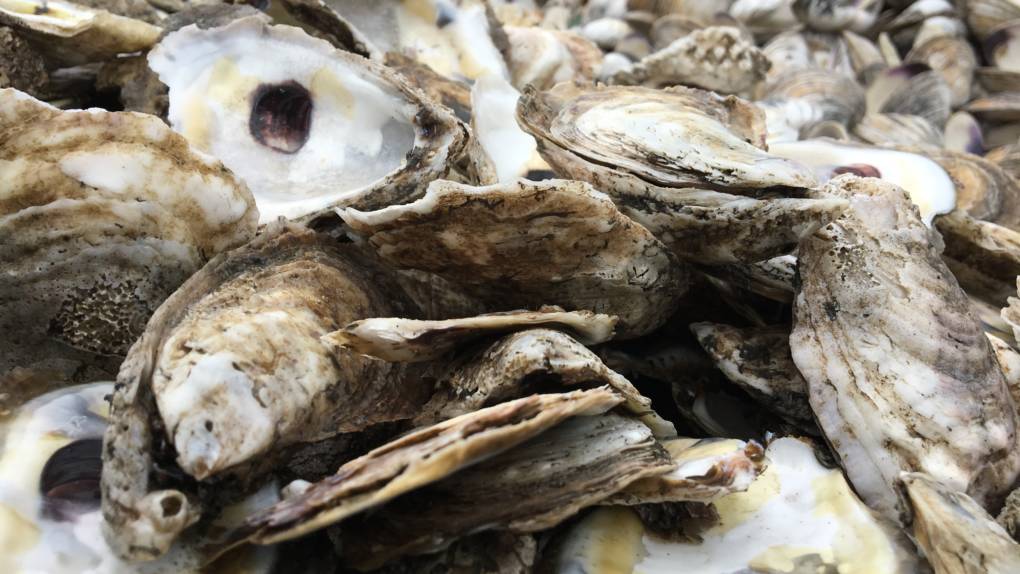
"description": "Researchers are using underwater microphones to help better understand the extensive array of animals living in oyster reefs.",
"title": "Researchers are using underwater microphones to help better understand the extensive array of animals living in oyster reefs.",
"credit": null,
"status": "inherit",
"isLoading": false,
"fetchFailed": false
},
"science_1930405": {
"type": "attachments",
"id": "science_1930405",
"meta": {
"index": "attachments_1716263798",
"site": "science",
"id": "1930405",
"found": true
},
"parent": 1930403,
"imgSizes": {
"small": {
"file": "https://ww2.kqed.org/app/uploads/sites/35/2018/08/iStock-653749688-520x347.jpg",
"width": 520,
"mimeType": "image/jpeg",
"height": 347
},
"twentyfourteen-full-width": {
"file": "https://ww2.kqed.org/app/uploads/sites/35/2018/08/iStock-653749688-1038x576.jpg",
"width": 1038,
"mimeType": "image/jpeg",
"height": 576
},
"thumbnail": {
"file": "https://ww2.kqed.org/app/uploads/sites/35/2018/08/iStock-653749688-160x107.jpg",
"width": 160,
"mimeType": "image/jpeg",
"height": 107
},
"fd-sm": {
"file": "https://ww2.kqed.org/app/uploads/sites/35/2018/08/iStock-653749688-960x640.jpg",
"width": 960,
"mimeType": "image/jpeg",
"height": 640
},
"post-thumbnail": {
"file": "https://ww2.kqed.org/app/uploads/sites/35/2018/08/iStock-653749688-672x372.jpg",
"width": 672,
"mimeType": "image/jpeg",
"height": 372
},
"xsmall": {
"file": "https://ww2.kqed.org/app/uploads/sites/35/2018/08/iStock-653749688-375x250.jpg",
"width": 375,
"mimeType": "image/jpeg",
"height": 250
},
"kqedFullSize": {
"file": "https://ww2.kqed.org/app/uploads/sites/35/2018/08/iStock-653749688.jpg",
"width": 5448,
"height": 3632
},
"large": {
"file": "https://ww2.kqed.org/app/uploads/sites/35/2018/08/iStock-653749688-1020x680.jpg",
"width": 1020,
"mimeType": "image/jpeg",
"height": 680
},
"xlarge": {
"file": "https://ww2.kqed.org/app/uploads/sites/35/2018/08/iStock-653749688-1180x787.jpg",
"width": 1180,
"mimeType": "image/jpeg",
"height": 787
},
"complete_open_graph": {
"file": "https://ww2.kqed.org/app/uploads/sites/35/2018/08/iStock-653749688-1200x800.jpg",
"width": 1200,
"mimeType": "image/jpeg",
"height": 800
},
"guest-author-50": {
"file": "https://ww2.kqed.org/app/uploads/sites/35/2018/08/iStock-653749688-50x50.jpg",
"width": 50,
"mimeType": "image/jpeg",
"height": 50
},
"guest-author-96": {
"file": "https://ww2.kqed.org/app/uploads/sites/35/2018/08/iStock-653749688-96x96.jpg",
"width": 96,
"mimeType": "image/jpeg",
"height": 96
},
"medium": {
"file": "https://ww2.kqed.org/app/uploads/sites/35/2018/08/iStock-653749688-800x533.jpg",
"width": 800,
"mimeType": "image/jpeg",
"height": 533
},
"guest-author-64": {
"file": "https://ww2.kqed.org/app/uploads/sites/35/2018/08/iStock-653749688-64x64.jpg",
"width": 64,
"mimeType": "image/jpeg",
"height": 64
},
"guest-author-32": {
"file": "https://ww2.kqed.org/app/uploads/sites/35/2018/08/iStock-653749688-32x32.jpg",
"width": 32,
"mimeType": "image/jpeg",
"height": 32
},
"fd-lrg": {
"file": "https://ww2.kqed.org/app/uploads/sites/35/2018/08/iStock-653749688-1920x1280.jpg",
"width": 1920,
"mimeType": "image/jpeg",
"height": 1280
},
"fd-med": {
"file": "https://ww2.kqed.org/app/uploads/sites/35/2018/08/iStock-653749688-1180x787.jpg",
"width": 1180,
"mimeType": "image/jpeg",
"height": 787
},
"full-width": {
"file": "https://ww2.kqed.org/app/uploads/sites/35/2018/08/iStock-653749688-1920x1280.jpg",
"width": 1920,
"mimeType": "image/jpeg",
"height": 1280
},
"detail": {
"file": "https://ww2.kqed.org/app/uploads/sites/35/2018/08/iStock-653749688-150x150.jpg",
"width": 150,
"mimeType": "image/jpeg",
"height": 150
},
"medium_large": {
"file": "https://ww2.kqed.org/app/uploads/sites/35/2018/08/iStock-653749688-768x512.jpg",
"width": 768,
"mimeType": "image/jpeg",
"height": 512
},
"guest-author-128": {
"file": "https://ww2.kqed.org/app/uploads/sites/35/2018/08/iStock-653749688-128x128.jpg",
"width": 128,
"mimeType": "image/jpeg",
"height": 128
},
"xxsmall": {
"file": "https://ww2.kqed.org/app/uploads/sites/35/2018/08/iStock-653749688-240x160.jpg",
"width": 240,
"mimeType": "image/jpeg",
"height": 160
}
},
"publishDate": 1535478002,
"modified": 1535478037,
"caption": "An image of Malibu Lagoon state beach.",
"description": null,
"title": "Peaceful Lagoon",
"credit": "iStock",
"status": "inherit",
"isLoading": false,
"fetchFailed": false
},
"science_1930243": {
"type": "attachments",
"id": "science_1930243",
"meta": {
"index": "attachments_1716263798",
"site": "science",
"id": "1930243",
"found": true
},
"parent": 1929993,
"imgSizes": {
"small": {
"file": "https://ww2.kqed.org/app/uploads/sites/35/2018/08/DL515-Nudibranchs-MARQUEE-phead-520x293.jpg",
"width": 520,
"mimeType": "image/jpeg",
"height": 293
},
"twentyfourteen-full-width": {
"file": "https://ww2.kqed.org/app/uploads/sites/35/2018/08/DL515-Nudibranchs-MARQUEE-phead-1038x576.jpg",
"width": 1038,
"mimeType": "image/jpeg",
"height": 576
},
"thumbnail": {
"file": "https://ww2.kqed.org/app/uploads/sites/35/2018/08/DL515-Nudibranchs-MARQUEE-phead-160x90.jpg",
"width": 160,
"mimeType": "image/jpeg",
"height": 90
},
"fd-sm": {
"file": "https://ww2.kqed.org/app/uploads/sites/35/2018/08/DL515-Nudibranchs-MARQUEE-phead-960x540.jpg",
"width": 960,
"mimeType": "image/jpeg",
"height": 540
},
"post-thumbnail": {
"file": "https://ww2.kqed.org/app/uploads/sites/35/2018/08/DL515-Nudibranchs-MARQUEE-phead-672x372.jpg",
"width": 672,
"mimeType": "image/jpeg",
"height": 372
},
"xsmall": {
"file": "https://ww2.kqed.org/app/uploads/sites/35/2018/08/DL515-Nudibranchs-MARQUEE-phead-375x211.jpg",
"width": 375,
"mimeType": "image/jpeg",
"height": 211
},
"kqedFullSize": {
"file": "https://ww2.kqed.org/app/uploads/sites/35/2018/08/DL515-Nudibranchs-MARQUEE-phead.jpg",
"width": 1920,
"height": 1080
},
"large": {
"file": "https://ww2.kqed.org/app/uploads/sites/35/2018/08/DL515-Nudibranchs-MARQUEE-phead-1020x574.jpg",
"width": 1020,
"mimeType": "image/jpeg",
"height": 574
},
"xlarge": {
"file": "https://ww2.kqed.org/app/uploads/sites/35/2018/08/DL515-Nudibranchs-MARQUEE-phead-1180x664.jpg",
"width": 1180,
"mimeType": "image/jpeg",
"height": 664
},
"complete_open_graph": {
"file": "https://ww2.kqed.org/app/uploads/sites/35/2018/08/DL515-Nudibranchs-MARQUEE-phead-1200x675.jpg",
"width": 1200,
"mimeType": "image/jpeg",
"height": 675
},
"guest-author-50": {
"file": "https://ww2.kqed.org/app/uploads/sites/35/2018/08/DL515-Nudibranchs-MARQUEE-phead-50x50.jpg",
"width": 50,
"mimeType": "image/jpeg",
"height": 50
},
"guest-author-96": {
"file": "https://ww2.kqed.org/app/uploads/sites/35/2018/08/DL515-Nudibranchs-MARQUEE-phead-96x96.jpg",
"width": 96,
"mimeType": "image/jpeg",
"height": 96
},
"medium": {
"file": "https://ww2.kqed.org/app/uploads/sites/35/2018/08/DL515-Nudibranchs-MARQUEE-phead-800x450.jpg",
"width": 800,
"mimeType": "image/jpeg",
"height": 450
},
"guest-author-64": {
"file": "https://ww2.kqed.org/app/uploads/sites/35/2018/08/DL515-Nudibranchs-MARQUEE-phead-64x64.jpg",
"width": 64,
"mimeType": "image/jpeg",
"height": 64
},
"guest-author-32": {
"file": "https://ww2.kqed.org/app/uploads/sites/35/2018/08/DL515-Nudibranchs-MARQUEE-phead-32x32.jpg",
"width": 32,
"mimeType": "image/jpeg",
"height": 32
},
"fd-lrg": {
"file": "https://ww2.kqed.org/app/uploads/sites/35/2018/08/DL515-Nudibranchs-MARQUEE-phead-1920x1080.jpg",
"width": 1920,
"mimeType": "image/jpeg",
"height": 1080
},
"fd-med": {
"file": "https://ww2.kqed.org/app/uploads/sites/35/2018/08/DL515-Nudibranchs-MARQUEE-phead-1180x664.jpg",
"width": 1180,
"mimeType": "image/jpeg",
"height": 664
},
"full-width": {
"file": "https://ww2.kqed.org/app/uploads/sites/35/2018/08/DL515-Nudibranchs-MARQUEE-phead-1920x1080.jpg",
"width": 1920,
"mimeType": "image/jpeg",
"height": 1080
},
"detail": {
"file": "https://ww2.kqed.org/app/uploads/sites/35/2018/08/DL515-Nudibranchs-MARQUEE-phead-150x150.jpg",
"width": 150,
"mimeType": "image/jpeg",
"height": 150
},
"medium_large": {
"file": "https://ww2.kqed.org/app/uploads/sites/35/2018/08/DL515-Nudibranchs-MARQUEE-phead-768x432.jpg",
"width": 768,
"mimeType": "image/jpeg",
"height": 432
},
"guest-author-128": {
"file": "https://ww2.kqed.org/app/uploads/sites/35/2018/08/DL515-Nudibranchs-MARQUEE-phead-128x128.jpg",
"width": 128,
"mimeType": "image/jpeg",
"height": 128
},
"xxsmall": {
"file": "https://ww2.kqed.org/app/uploads/sites/35/2018/08/DL515-Nudibranchs-MARQUEE-phead-240x135.jpg",
"width": 240,
"mimeType": "image/jpeg",
"height": 135
}
},
"publishDate": 1535051008,
"modified": 1535051008,
"caption": null,
"description": null,
"title": "DL515 Nudibranchs MARQUEE phead",
"credit": null,
"status": "inherit",
"isLoading": false,
"fetchFailed": false
},
"science_1929767": {
"type": "attachments",
"id": "science_1929767",
"meta": {
"index": "attachments_1716263798",
"site": "science",
"id": "1929767",
"found": true
},
"parent": 1929188,
"imgSizes": {
"small": {
"file": "https://ww2.kqed.org/app/uploads/sites/35/2018/08/24709817770_7f83e9368b_o-520x347.jpg",
"width": 520,
"mimeType": "image/jpeg",
"height": 347
},
"twentyfourteen-full-width": {
"file": "https://ww2.kqed.org/app/uploads/sites/35/2018/08/24709817770_7f83e9368b_o-1038x576.jpg",
"width": 1038,
"mimeType": "image/jpeg",
"height": 576
},
"thumbnail": {
"file": "https://ww2.kqed.org/app/uploads/sites/35/2018/08/24709817770_7f83e9368b_o-160x107.jpg",
"width": 160,
"mimeType": "image/jpeg",
"height": 107
},
"fd-sm": {
"file": "https://ww2.kqed.org/app/uploads/sites/35/2018/08/24709817770_7f83e9368b_o-960x640.jpg",
"width": 960,
"mimeType": "image/jpeg",
"height": 640
},
"post-thumbnail": {
"file": "https://ww2.kqed.org/app/uploads/sites/35/2018/08/24709817770_7f83e9368b_o-672x372.jpg",
"width": 672,
"mimeType": "image/jpeg",
"height": 372
},
"xsmall": {
"file": "https://ww2.kqed.org/app/uploads/sites/35/2018/08/24709817770_7f83e9368b_o-375x250.jpg",
"width": 375,
"mimeType": "image/jpeg",
"height": 250
},
"kqedFullSize": {
"file": "https://ww2.kqed.org/app/uploads/sites/35/2018/08/24709817770_7f83e9368b_o.jpg",
"width": 2000,
"height": 1333
},
"large": {
"file": "https://ww2.kqed.org/app/uploads/sites/35/2018/08/24709817770_7f83e9368b_o-1020x680.jpg",
"width": 1020,
"mimeType": "image/jpeg",
"height": 680
},
"xlarge": {
"file": "https://ww2.kqed.org/app/uploads/sites/35/2018/08/24709817770_7f83e9368b_o-1180x786.jpg",
"width": 1180,
"mimeType": "image/jpeg",
"height": 786
},
"complete_open_graph": {
"file": "https://ww2.kqed.org/app/uploads/sites/35/2018/08/24709817770_7f83e9368b_o-1200x800.jpg",
"width": 1200,
"mimeType": "image/jpeg",
"height": 800
},
"guest-author-50": {
"file": "https://ww2.kqed.org/app/uploads/sites/35/2018/08/24709817770_7f83e9368b_o-50x50.jpg",
"width": 50,
"mimeType": "image/jpeg",
"height": 50
},
"guest-author-96": {
"file": "https://ww2.kqed.org/app/uploads/sites/35/2018/08/24709817770_7f83e9368b_o-96x96.jpg",
"width": 96,
"mimeType": "image/jpeg",
"height": 96
},
"medium": {
"file": "https://ww2.kqed.org/app/uploads/sites/35/2018/08/24709817770_7f83e9368b_o-800x533.jpg",
"width": 800,
"mimeType": "image/jpeg",
"height": 533
},
"guest-author-64": {
"file": "https://ww2.kqed.org/app/uploads/sites/35/2018/08/24709817770_7f83e9368b_o-64x64.jpg",
"width": 64,
"mimeType": "image/jpeg",
"height": 64
},
"guest-author-32": {
"file": "https://ww2.kqed.org/app/uploads/sites/35/2018/08/24709817770_7f83e9368b_o-32x32.jpg",
"width": 32,
"mimeType": "image/jpeg",
"height": 32
},
"fd-lrg": {
"file": "https://ww2.kqed.org/app/uploads/sites/35/2018/08/24709817770_7f83e9368b_o-1920x1280.jpg",
"width": 1920,
"mimeType": "image/jpeg",
"height": 1280
},
"fd-med": {
"file": "https://ww2.kqed.org/app/uploads/sites/35/2018/08/24709817770_7f83e9368b_o-1180x786.jpg",
"width": 1180,
"mimeType": "image/jpeg",
"height": 786
},
"full-width": {
"file": "https://ww2.kqed.org/app/uploads/sites/35/2018/08/24709817770_7f83e9368b_o-1920x1280.jpg",
"width": 1920,
"mimeType": "image/jpeg",
"height": 1280
},
"detail": {
"file": "https://ww2.kqed.org/app/uploads/sites/35/2018/08/24709817770_7f83e9368b_o-150x150.jpg",
"width": 150,
"mimeType": "image/jpeg",
"height": 150
},
"medium_large": {
"file": "https://ww2.kqed.org/app/uploads/sites/35/2018/08/24709817770_7f83e9368b_o-768x512.jpg",
"width": 768,
"mimeType": "image/jpeg",
"height": 512
},
"guest-author-128": {
"file": "https://ww2.kqed.org/app/uploads/sites/35/2018/08/24709817770_7f83e9368b_o-128x128.jpg",
"width": 128,
"mimeType": "image/jpeg",
"height": 128
},
"xxsmall": {
"file": "https://ww2.kqed.org/app/uploads/sites/35/2018/08/24709817770_7f83e9368b_o-240x160.jpg",
"width": 240,
"mimeType": "image/jpeg",
"height": 160
}
},
"publishDate": 1534272167,
"modified": 1534289015,
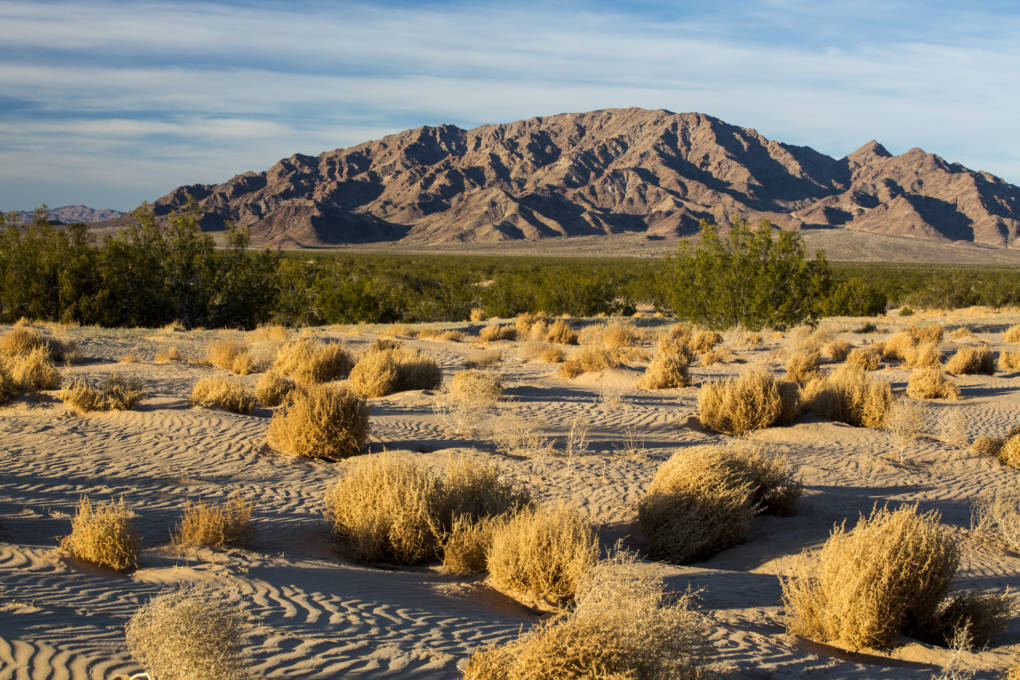
"caption": "The Ship Mountains, as seen from Cadiz Dunes in Mojave Trails National Monument.",
"description": null,
"title": "BLM Mojave Trails National Monument",
"credit": "\u003ca href=\"https://www.flickr.com/photos/mypubliclands/24709817770/in/album-72157663936032779/\" rel=\"noopener\" target=\"_blank\">Bob Wick/Bureau of Land Management/Flickr\u003c/a>",
"status": "inherit",
"isLoading": false,
"fetchFailed": false
},
"science_1929495": {
"type": "attachments",
"id": "science_1929495",
"meta": {
"index": "attachments_1716263798",
"site": "science",
"id": "1929495",
"found": true
},
"parent": 1929436,
"imgSizes": {
"small": {
"file": "https://ww2.kqed.org/app/uploads/sites/35/2018/08/Screen-Shot-2018-08-10-at-12.45.31-PM-520x269.png",
"width": 520,
"mimeType": "image/png",
"height": 269
},
"thumbnail": {
"file": "https://ww2.kqed.org/app/uploads/sites/35/2018/08/Screen-Shot-2018-08-10-at-12.45.31-PM-160x83.png",
"width": 160,
"mimeType": "image/png",
"height": 83
},
"post-thumbnail": {
"file": "https://ww2.kqed.org/app/uploads/sites/35/2018/08/Screen-Shot-2018-08-10-at-12.45.31-PM-672x372.png",
"width": 672,
"mimeType": "image/png",
"height": 372
},
"xsmall": {
"file": "https://ww2.kqed.org/app/uploads/sites/35/2018/08/Screen-Shot-2018-08-10-at-12.45.31-PM-375x194.png",
"width": 375,
"mimeType": "image/png",
"height": 194
},
"kqedFullSize": {
"file": "https://ww2.kqed.org/app/uploads/sites/35/2018/08/Screen-Shot-2018-08-10-at-12.45.31-PM.png",
"width": 847,
"height": 438
},
"guest-author-50": {
"file": "https://ww2.kqed.org/app/uploads/sites/35/2018/08/Screen-Shot-2018-08-10-at-12.45.31-PM-50x50.png",
"width": 50,
"mimeType": "image/png",
"height": 50
},
"guest-author-96": {
"file": "https://ww2.kqed.org/app/uploads/sites/35/2018/08/Screen-Shot-2018-08-10-at-12.45.31-PM-96x96.png",
"width": 96,
"mimeType": "image/png",
"height": 96
},
"medium": {
"file": "https://ww2.kqed.org/app/uploads/sites/35/2018/08/Screen-Shot-2018-08-10-at-12.45.31-PM-800x414.png",
"width": 800,
"mimeType": "image/png",
"height": 414
},
"guest-author-64": {
"file": "https://ww2.kqed.org/app/uploads/sites/35/2018/08/Screen-Shot-2018-08-10-at-12.45.31-PM-64x64.png",
"width": 64,
"mimeType": "image/png",
"height": 64
},
"guest-author-32": {
"file": "https://ww2.kqed.org/app/uploads/sites/35/2018/08/Screen-Shot-2018-08-10-at-12.45.31-PM-32x32.png",
"width": 32,
"mimeType": "image/png",
"height": 32
},
"detail": {
"file": "https://ww2.kqed.org/app/uploads/sites/35/2018/08/Screen-Shot-2018-08-10-at-12.45.31-PM-150x150.png",
"width": 150,
"mimeType": "image/png",
"height": 150
},
"medium_large": {
"file": "https://ww2.kqed.org/app/uploads/sites/35/2018/08/Screen-Shot-2018-08-10-at-12.45.31-PM-768x397.png",
"width": 768,
"mimeType": "image/png",
"height": 397
},
"guest-author-128": {
"file": "https://ww2.kqed.org/app/uploads/sites/35/2018/08/Screen-Shot-2018-08-10-at-12.45.31-PM-128x128.png",
"width": 128,
"mimeType": "image/png",
"height": 128
},
"xxsmall": {
"file": "https://ww2.kqed.org/app/uploads/sites/35/2018/08/Screen-Shot-2018-08-10-at-12.45.31-PM-240x124.png",
"width": 240,
"mimeType": "image/png",
"height": 124
}
},
"publishDate": 1533930347,
"modified": 1533930393,
"caption": null,
"description": null,
"title": "Carr Fire Bear Patient",
"credit": "California Department of Fish and Wildlife",
"status": "inherit",
"isLoading": false,
"fetchFailed": false
},
"science_1929177": {
"type": "attachments",
"id": "science_1929177",
"meta": {
"index": "attachments_1716263798",
"site": "science",
"id": "1929177",
"found": true
},
"parent": 1929154,
"imgSizes": {
"small": {
"file": "https://ww2.kqed.org/app/uploads/sites/35/2018/08/20180725KMBcrop_SJ2-173-520x345.jpg",
"width": 520,
"mimeType": "image/jpeg",
"height": 345
},
"twentyfourteen-full-width": {
"file": "https://ww2.kqed.org/app/uploads/sites/35/2018/08/20180725KMBcrop_SJ2-173-1038x576.jpg",
"width": 1038,
"mimeType": "image/jpeg",
"height": 576
},
"thumbnail": {
"file": "https://ww2.kqed.org/app/uploads/sites/35/2018/08/20180725KMBcrop_SJ2-173-160x106.jpg",
"width": 160,
"mimeType": "image/jpeg",
"height": 106
},
"fd-sm": {
"file": "https://ww2.kqed.org/app/uploads/sites/35/2018/08/20180725KMBcrop_SJ2-173-960x637.jpg",
"width": 960,
"mimeType": "image/jpeg",
"height": 637
},
"post-thumbnail": {
"file": "https://ww2.kqed.org/app/uploads/sites/35/2018/08/20180725KMBcrop_SJ2-173-672x372.jpg",
"width": 672,
"mimeType": "image/jpeg",
"height": 372
},
"xsmall": {
"file": "https://ww2.kqed.org/app/uploads/sites/35/2018/08/20180725KMBcrop_SJ2-173-375x249.jpg",
"width": 375,
"mimeType": "image/jpeg",
"height": 249
},
"kqedFullSize": {
"file": "https://ww2.kqed.org/app/uploads/sites/35/2018/08/20180725KMBcrop_SJ2-173.jpg",
"width": 1516,
"height": 1006
},
"large": {
"file": "https://ww2.kqed.org/app/uploads/sites/35/2018/08/20180725KMBcrop_SJ2-173-1020x677.jpg",
"width": 1020,
"mimeType": "image/jpeg",
"height": 677
},
"xlarge": {
"file": "https://ww2.kqed.org/app/uploads/sites/35/2018/08/20180725KMBcrop_SJ2-173-1180x783.jpg",
"width": 1180,
"mimeType": "image/jpeg",
"height": 783
},
"complete_open_graph": {
"file": "https://ww2.kqed.org/app/uploads/sites/35/2018/08/20180725KMBcrop_SJ2-173-1200x796.jpg",
"width": 1200,
"mimeType": "image/jpeg",
"height": 796
},
"guest-author-50": {
"file": "https://ww2.kqed.org/app/uploads/sites/35/2018/08/20180725KMBcrop_SJ2-173-50x50.jpg",
"width": 50,
"mimeType": "image/jpeg",
"height": 50
},
"guest-author-96": {
"file": "https://ww2.kqed.org/app/uploads/sites/35/2018/08/20180725KMBcrop_SJ2-173-96x96.jpg",
"width": 96,
"mimeType": "image/jpeg",
"height": 96
},
"medium": {
"file": "https://ww2.kqed.org/app/uploads/sites/35/2018/08/20180725KMBcrop_SJ2-173-800x531.jpg",
"width": 800,
"mimeType": "image/jpeg",
"height": 531
},
"guest-author-64": {
"file": "https://ww2.kqed.org/app/uploads/sites/35/2018/08/20180725KMBcrop_SJ2-173-64x64.jpg",
"width": 64,
"mimeType": "image/jpeg",
"height": 64
},
"guest-author-32": {
"file": "https://ww2.kqed.org/app/uploads/sites/35/2018/08/20180725KMBcrop_SJ2-173-32x32.jpg",
"width": 32,
"mimeType": "image/jpeg",
"height": 32
},
"fd-med": {
"file": "https://ww2.kqed.org/app/uploads/sites/35/2018/08/20180725KMBcrop_SJ2-173-1180x783.jpg",
"width": 1180,
"mimeType": "image/jpeg",
"height": 783
},
"detail": {
"file": "https://ww2.kqed.org/app/uploads/sites/35/2018/08/20180725KMBcrop_SJ2-173-150x150.jpg",
"width": 150,
"mimeType": "image/jpeg",
"height": 150
},
"medium_large": {
"file": "https://ww2.kqed.org/app/uploads/sites/35/2018/08/20180725KMBcrop_SJ2-173-768x510.jpg",
"width": 768,
"mimeType": "image/jpeg",
"height": 510
},
"guest-author-128": {
"file": "https://ww2.kqed.org/app/uploads/sites/35/2018/08/20180725KMBcrop_SJ2-173-128x128.jpg",
"width": 128,
"mimeType": "image/jpeg",
"height": 128
},
"xxsmall": {
"file": "https://ww2.kqed.org/app/uploads/sites/35/2018/08/20180725KMBcrop_SJ2-173-240x159.jpg",
"width": 240,
"mimeType": "image/jpeg",
"height": 159
}
},
"publishDate": 1533837296,
"modified": 1533851482,
"caption": "A female orca that appears to be grieving has been carrying her dead calf in the water, keeping it afloat since the baby died weeks ago.",
"description": null,
"title": "20180725KMBcrop_SJ2-173",
"credit": "Center for Whale Research",
"status": "inherit",
"isLoading": false,
"fetchFailed": false
},
"science_1928354": {
"type": "attachments",
"id": "science_1928354",
"meta": {
"index": "attachments_1716263798",
"site": "science",
"id": "1928354",
"found": true
},
"parent": 1928350,
"imgSizes": {
"small": {
"file": "https://ww2.kqed.org/app/uploads/sites/35/2018/07/Rough-toothed_Dolphins_2009Oct29_RWB_136_CR-520x347.jpg",
"width": 520,
"mimeType": "image/jpeg",
"height": 347
},
"twentyfourteen-full-width": {
"file": "https://ww2.kqed.org/app/uploads/sites/35/2018/07/Rough-toothed_Dolphins_2009Oct29_RWB_136_CR-1038x576.jpg",
"width": 1038,
"mimeType": "image/jpeg",
"height": 576
},
"thumbnail": {
"file": "https://ww2.kqed.org/app/uploads/sites/35/2018/07/Rough-toothed_Dolphins_2009Oct29_RWB_136_CR-160x107.jpg",
"width": 160,
"mimeType": "image/jpeg",
"height": 107
},
"fd-sm": {
"file": "https://ww2.kqed.org/app/uploads/sites/35/2018/07/Rough-toothed_Dolphins_2009Oct29_RWB_136_CR-960x640.jpg",
"width": 960,
"mimeType": "image/jpeg",
"height": 640
},
"post-thumbnail": {
"file": "https://ww2.kqed.org/app/uploads/sites/35/2018/07/Rough-toothed_Dolphins_2009Oct29_RWB_136_CR-672x372.jpg",
"width": 672,
"mimeType": "image/jpeg",
"height": 372
},
"xsmall": {
"file": "https://ww2.kqed.org/app/uploads/sites/35/2018/07/Rough-toothed_Dolphins_2009Oct29_RWB_136_CR-375x250.jpg",
"width": 375,
"mimeType": "image/jpeg",
"height": 250
},
"kqedFullSize": {
"file": "https://ww2.kqed.org/app/uploads/sites/35/2018/07/Rough-toothed_Dolphins_2009Oct29_RWB_136_CR.jpg",
"width": 3000,
"height": 2000
},
"large": {
"file": "https://ww2.kqed.org/app/uploads/sites/35/2018/07/Rough-toothed_Dolphins_2009Oct29_RWB_136_CR-1020x680.jpg",
"width": 1020,
"mimeType": "image/jpeg",
"height": 680
},
"xlarge": {
"file": "https://ww2.kqed.org/app/uploads/sites/35/2018/07/Rough-toothed_Dolphins_2009Oct29_RWB_136_CR-1180x787.jpg",
"width": 1180,
"mimeType": "image/jpeg",
"height": 787
},
"complete_open_graph": {
"file": "https://ww2.kqed.org/app/uploads/sites/35/2018/07/Rough-toothed_Dolphins_2009Oct29_RWB_136_CR-1200x800.jpg",
"width": 1200,
"mimeType": "image/jpeg",
"height": 800
},
"guest-author-50": {
"file": "https://ww2.kqed.org/app/uploads/sites/35/2018/07/Rough-toothed_Dolphins_2009Oct29_RWB_136_CR-50x50.jpg",
"width": 50,
"mimeType": "image/jpeg",
"height": 50
},
"guest-author-96": {
"file": "https://ww2.kqed.org/app/uploads/sites/35/2018/07/Rough-toothed_Dolphins_2009Oct29_RWB_136_CR-96x96.jpg",
"width": 96,
"mimeType": "image/jpeg",
"height": 96
},
"medium": {
"file": "https://ww2.kqed.org/app/uploads/sites/35/2018/07/Rough-toothed_Dolphins_2009Oct29_RWB_136_CR-800x533.jpg",
"width": 800,
"mimeType": "image/jpeg",
"height": 533
},
"guest-author-64": {
"file": "https://ww2.kqed.org/app/uploads/sites/35/2018/07/Rough-toothed_Dolphins_2009Oct29_RWB_136_CR-64x64.jpg",
"width": 64,
"mimeType": "image/jpeg",
"height": 64
},
"guest-author-32": {
"file": "https://ww2.kqed.org/app/uploads/sites/35/2018/07/Rough-toothed_Dolphins_2009Oct29_RWB_136_CR-32x32.jpg",
"width": 32,
"mimeType": "image/jpeg",
"height": 32
},
"fd-lrg": {
"file": "https://ww2.kqed.org/app/uploads/sites/35/2018/07/Rough-toothed_Dolphins_2009Oct29_RWB_136_CR-1920x1280.jpg",
"width": 1920,
"mimeType": "image/jpeg",
"height": 1280
},
"fd-med": {
"file": "https://ww2.kqed.org/app/uploads/sites/35/2018/07/Rough-toothed_Dolphins_2009Oct29_RWB_136_CR-1180x787.jpg",
"width": 1180,
"mimeType": "image/jpeg",
"height": 787
},
"full-width": {
"file": "https://ww2.kqed.org/app/uploads/sites/35/2018/07/Rough-toothed_Dolphins_2009Oct29_RWB_136_CR-1920x1280.jpg",
"width": 1920,
"mimeType": "image/jpeg",
"height": 1280
},
"detail": {
"file": "https://ww2.kqed.org/app/uploads/sites/35/2018/07/Rough-toothed_Dolphins_2009Oct29_RWB_136_CR-150x150.jpg",
"width": 150,
"mimeType": "image/jpeg",
"height": 150
},
"medium_large": {
"file": "https://ww2.kqed.org/app/uploads/sites/35/2018/07/Rough-toothed_Dolphins_2009Oct29_RWB_136_CR-768x512.jpg",
"width": 768,
"mimeType": "image/jpeg",
"height": 512
},
"guest-author-128": {
"file": "https://ww2.kqed.org/app/uploads/sites/35/2018/07/Rough-toothed_Dolphins_2009Oct29_RWB_136_CR-128x128.jpg",
"width": 128,
"mimeType": "image/jpeg",
"height": 128
},
"xxsmall": {
"file": "https://ww2.kqed.org/app/uploads/sites/35/2018/07/Rough-toothed_Dolphins_2009Oct29_RWB_136_CR-240x160.jpg",
"width": 240,
"mimeType": "image/jpeg",
"height": 160
}
},
"publishDate": 1533059803,
"modified": 1533059888,
"caption": "This Aug. 11, 2017, photo provided by Cascadia Research shows a hybrid between a melon-headed whale and a rough-toothed dolphin, in the foreground, swimming next to a melon-headed dolphin near Kauai, Hawaii. ",
"description": null,
"title": "Rough-toothed_Dolphins_2009Oct29_RWB_136_CR",
"credit": "Kimberly A. Wood/Cascadia Research",
"status": "inherit",
"isLoading": false,
"fetchFailed": false
},
"science_1927729": {
"type": "attachments",
"id": "science_1927729",
"meta": {
"index": "attachments_1716263798",
"site": "science",
"id": "1927729",
"found": true
},
"parent": 1927677,
"imgSizes": {
"small": {
"file": "https://ww2.kqed.org/app/uploads/sites/35/2018/07/38396203801_970bf10e3b_k-520x280.jpg",
"width": 520,
"mimeType": "image/jpeg",
"height": 280
},
"twentyfourteen-full-width": {
"file": "https://ww2.kqed.org/app/uploads/sites/35/2018/07/38396203801_970bf10e3b_k-1038x576.jpg",
"width": 1038,
"mimeType": "image/jpeg",
"height": 576
},
"thumbnail": {
"file": "https://ww2.kqed.org/app/uploads/sites/35/2018/07/38396203801_970bf10e3b_k-160x86.jpg",
"width": 160,
"mimeType": "image/jpeg",
"height": 86
},
"fd-sm": {
"file": "https://ww2.kqed.org/app/uploads/sites/35/2018/07/38396203801_970bf10e3b_k-960x517.jpg",
"width": 960,
"mimeType": "image/jpeg",
"height": 517
},
"post-thumbnail": {
"file": "https://ww2.kqed.org/app/uploads/sites/35/2018/07/38396203801_970bf10e3b_k-672x372.jpg",
"width": 672,
"mimeType": "image/jpeg",
"height": 372
},
"xsmall": {
"file": "https://ww2.kqed.org/app/uploads/sites/35/2018/07/38396203801_970bf10e3b_k-375x202.jpg",
"width": 375,
"mimeType": "image/jpeg",
"height": 202
},
"kqedFullSize": {
"file": "https://ww2.kqed.org/app/uploads/sites/35/2018/07/38396203801_970bf10e3b_k.jpg",
"width": 2048,
"height": 1102
},
"large": {
"file": "https://ww2.kqed.org/app/uploads/sites/35/2018/07/38396203801_970bf10e3b_k-1020x549.jpg",
"width": 1020,
"mimeType": "image/jpeg",
"height": 549
},
"xlarge": {
"file": "https://ww2.kqed.org/app/uploads/sites/35/2018/07/38396203801_970bf10e3b_k-1180x635.jpg",
"width": 1180,
"mimeType": "image/jpeg",
"height": 635
},
"complete_open_graph": {
"file": "https://ww2.kqed.org/app/uploads/sites/35/2018/07/38396203801_970bf10e3b_k-1200x646.jpg",
"width": 1200,
"mimeType": "image/jpeg",
"height": 646
},
"guest-author-50": {
"file": "https://ww2.kqed.org/app/uploads/sites/35/2018/07/38396203801_970bf10e3b_k-50x50.jpg",
"width": 50,
"mimeType": "image/jpeg",
"height": 50
},
"guest-author-96": {
"file": "https://ww2.kqed.org/app/uploads/sites/35/2018/07/38396203801_970bf10e3b_k-96x96.jpg",
"width": 96,
"mimeType": "image/jpeg",
"height": 96
},
"medium": {
"file": "https://ww2.kqed.org/app/uploads/sites/35/2018/07/38396203801_970bf10e3b_k-800x430.jpg",
"width": 800,
"mimeType": "image/jpeg",
"height": 430
},
"guest-author-64": {
"file": "https://ww2.kqed.org/app/uploads/sites/35/2018/07/38396203801_970bf10e3b_k-64x64.jpg",
"width": 64,
"mimeType": "image/jpeg",
"height": 64
},
"guest-author-32": {
"file": "https://ww2.kqed.org/app/uploads/sites/35/2018/07/38396203801_970bf10e3b_k-32x32.jpg",
"width": 32,
"mimeType": "image/jpeg",
"height": 32
},
"fd-lrg": {
"file": "https://ww2.kqed.org/app/uploads/sites/35/2018/07/38396203801_970bf10e3b_k-1920x1033.jpg",
"width": 1920,
"mimeType": "image/jpeg",
"height": 1033
},
"fd-med": {
"file": "https://ww2.kqed.org/app/uploads/sites/35/2018/07/38396203801_970bf10e3b_k-1180x635.jpg",
"width": 1180,
"mimeType": "image/jpeg",
"height": 635
},
"full-width": {
"file": "https://ww2.kqed.org/app/uploads/sites/35/2018/07/38396203801_970bf10e3b_k-1920x1033.jpg",
"width": 1920,
"mimeType": "image/jpeg",
"height": 1033
},
"detail": {
"file": "https://ww2.kqed.org/app/uploads/sites/35/2018/07/38396203801_970bf10e3b_k-150x150.jpg",
"width": 150,
"mimeType": "image/jpeg",
"height": 150
},
"medium_large": {
"file": "https://ww2.kqed.org/app/uploads/sites/35/2018/07/38396203801_970bf10e3b_k-768x413.jpg",
"width": 768,
"mimeType": "image/jpeg",
"height": 413
},
"guest-author-128": {
"file": "https://ww2.kqed.org/app/uploads/sites/35/2018/07/38396203801_970bf10e3b_k-128x128.jpg",
"width": 128,
"mimeType": "image/jpeg",
"height": 128
},
"xxsmall": {
"file": "https://ww2.kqed.org/app/uploads/sites/35/2018/07/38396203801_970bf10e3b_k-240x129.jpg",
"width": 240,
"mimeType": "image/jpeg",
"height": 129
}
},
"publishDate": 1532129743,
"modified": 1532129956,
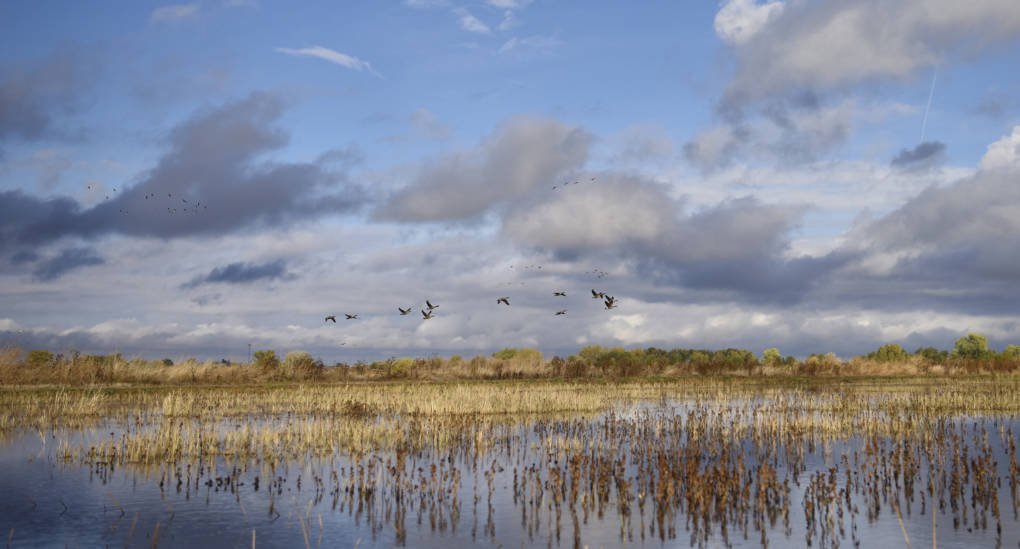
"caption": "Birds fly over the Central Valley's Cosumnes River Preserve, one of the few protected wetland habitat areas in California.",
"description": "Birds fly over a wetland at the Central Valley's Cosumnes River Preserve",
"title": "Cosumnes River Preserve",
"credit": "John Ciccarelli/BLM",
"status": "inherit",
"isLoading": false,
"fetchFailed": false
},
"science_1927754": {
"type": "attachments",
"id": "science_1927754",
"meta": {
"index": "attachments_1716263798",
"site": "science",
"id": "1927754",
"found": true
},
"parent": 1927752,
"imgSizes": {
"small": {
"file": "https://ww2.kqed.org/app/uploads/sites/35/2018/07/GettyImages-84770394-520x347.jpg",
"width": 520,
"mimeType": "image/jpeg",
"height": 347
},
"twentyfourteen-full-width": {
"file": "https://ww2.kqed.org/app/uploads/sites/35/2018/07/GettyImages-84770394-1038x576.jpg",
"width": 1038,
"mimeType": "image/jpeg",
"height": 576
},
"thumbnail": {
"file": "https://ww2.kqed.org/app/uploads/sites/35/2018/07/GettyImages-84770394-160x107.jpg",
"width": 160,
"mimeType": "image/jpeg",
"height": 107
},
"fd-sm": {
"file": "https://ww2.kqed.org/app/uploads/sites/35/2018/07/GettyImages-84770394-960x640.jpg",
"width": 960,
"mimeType": "image/jpeg",
"height": 640
},
"post-thumbnail": {
"file": "https://ww2.kqed.org/app/uploads/sites/35/2018/07/GettyImages-84770394-672x372.jpg",
"width": 672,
"mimeType": "image/jpeg",
"height": 372
},
"xsmall": {
"file": "https://ww2.kqed.org/app/uploads/sites/35/2018/07/GettyImages-84770394-375x250.jpg",
"width": 375,
"mimeType": "image/jpeg",
"height": 250
},
"kqedFullSize": {
"file": "https://ww2.kqed.org/app/uploads/sites/35/2018/07/GettyImages-84770394.jpg",
"width": 3888,
"height": 2592
},
"large": {
"file": "https://ww2.kqed.org/app/uploads/sites/35/2018/07/GettyImages-84770394-1020x680.jpg",
"width": 1020,
"mimeType": "image/jpeg",
"height": 680
},
"xlarge": {
"file": "https://ww2.kqed.org/app/uploads/sites/35/2018/07/GettyImages-84770394-1180x787.jpg",
"width": 1180,
"mimeType": "image/jpeg",
"height": 787
},
"complete_open_graph": {
"file": "https://ww2.kqed.org/app/uploads/sites/35/2018/07/GettyImages-84770394-1200x800.jpg",
"width": 1200,
"mimeType": "image/jpeg",
"height": 800
},
"guest-author-50": {
"file": "https://ww2.kqed.org/app/uploads/sites/35/2018/07/GettyImages-84770394-50x50.jpg",
"width": 50,
"mimeType": "image/jpeg",
"height": 50
},
"guest-author-96": {
"file": "https://ww2.kqed.org/app/uploads/sites/35/2018/07/GettyImages-84770394-96x96.jpg",
"width": 96,
"mimeType": "image/jpeg",
"height": 96
},
"medium": {
"file": "https://ww2.kqed.org/app/uploads/sites/35/2018/07/GettyImages-84770394-800x533.jpg",
"width": 800,
"mimeType": "image/jpeg",
"height": 533
},
"guest-author-64": {
"file": "https://ww2.kqed.org/app/uploads/sites/35/2018/07/GettyImages-84770394-64x64.jpg",
"width": 64,
"mimeType": "image/jpeg",
"height": 64
},
"guest-author-32": {
"file": "https://ww2.kqed.org/app/uploads/sites/35/2018/07/GettyImages-84770394-32x32.jpg",
"width": 32,
"mimeType": "image/jpeg",
"height": 32
},
"fd-lrg": {
"file": "https://ww2.kqed.org/app/uploads/sites/35/2018/07/GettyImages-84770394-1920x1280.jpg",
"width": 1920,
"mimeType": "image/jpeg",
"height": 1280
},
"fd-med": {
"file": "https://ww2.kqed.org/app/uploads/sites/35/2018/07/GettyImages-84770394-1180x787.jpg",
"width": 1180,
"mimeType": "image/jpeg",
"height": 787
},
"full-width": {
"file": "https://ww2.kqed.org/app/uploads/sites/35/2018/07/GettyImages-84770394-1920x1280.jpg",
"width": 1920,
"mimeType": "image/jpeg",
"height": 1280
},
"detail": {
"file": "https://ww2.kqed.org/app/uploads/sites/35/2018/07/GettyImages-84770394-150x150.jpg",
"width": 150,
"mimeType": "image/jpeg",
"height": 150
},
"medium_large": {
"file": "https://ww2.kqed.org/app/uploads/sites/35/2018/07/GettyImages-84770394-768x512.jpg",
"width": 768,
"mimeType": "image/jpeg",
"height": 512
},
"guest-author-128": {
"file": "https://ww2.kqed.org/app/uploads/sites/35/2018/07/GettyImages-84770394-128x128.jpg",
"width": 128,
"mimeType": "image/jpeg",
"height": 128
},
"xxsmall": {
"file": "https://ww2.kqed.org/app/uploads/sites/35/2018/07/GettyImages-84770394-240x160.jpg",
"width": 240,
"mimeType": "image/jpeg",
"height": 160
}
},
"publishDate": 1532357763,
"modified": 1532357839,
"caption": "Wild horses in Mesa Verde, Colorado. ",
"description": null,
"title": "Mesa Verde National Park",
"credit": "Doug Pensinger/Getty Images",
"status": "inherit",
"isLoading": false,
"fetchFailed": false
},
"science_1927344": {
"type": "attachments",
"id": "science_1927344",
"meta": {
"index": "attachments_1716263798",
"site": "science",
"id": "1927344",
"found": true
},
"parent": 1927312,
"imgSizes": {
"small": {
"file": "https://ww2.kqed.org/app/uploads/sites/35/2018/07/Otter_Pic-520x325.jpeg",
"width": 520,
"mimeType": "image/jpeg",
"height": 325
},
"twentyfourteen-full-width": {
"file": "https://ww2.kqed.org/app/uploads/sites/35/2018/07/Otter_Pic-1038x576.jpeg",
"width": 1038,
"mimeType": "image/jpeg",
"height": 576
},
"thumbnail": {
"file": "https://ww2.kqed.org/app/uploads/sites/35/2018/07/Otter_Pic-160x100.jpeg",
"width": 160,
"mimeType": "image/jpeg",
"height": 100
},
"fd-sm": {
"file": "https://ww2.kqed.org/app/uploads/sites/35/2018/07/Otter_Pic-960x600.jpeg",
"width": 960,
"mimeType": "image/jpeg",
"height": 600
},
"post-thumbnail": {
"file": "https://ww2.kqed.org/app/uploads/sites/35/2018/07/Otter_Pic-672x372.jpeg",
"width": 672,
"mimeType": "image/jpeg",
"height": 372
},
"xsmall": {
"file": "https://ww2.kqed.org/app/uploads/sites/35/2018/07/Otter_Pic-375x234.jpeg",
"width": 375,
"mimeType": "image/jpeg",
"height": 234
},
"kqedFullSize": {
"file": "https://ww2.kqed.org/app/uploads/sites/35/2018/07/Otter_Pic.jpeg",
"width": 2553,
"height": 1596
},
"large": {
"file": "https://ww2.kqed.org/app/uploads/sites/35/2018/07/Otter_Pic-1020x638.jpeg",
"width": 1020,
"mimeType": "image/jpeg",
"height": 638
},
"xlarge": {
"file": "https://ww2.kqed.org/app/uploads/sites/35/2018/07/Otter_Pic-1180x738.jpeg",
"width": 1180,
"mimeType": "image/jpeg",
"height": 738
},
"complete_open_graph": {
"file": "https://ww2.kqed.org/app/uploads/sites/35/2018/07/Otter_Pic-1200x750.jpeg",
"width": 1200,
"mimeType": "image/jpeg",
"height": 750
},
"guest-author-50": {
"file": "https://ww2.kqed.org/app/uploads/sites/35/2018/07/Otter_Pic-50x50.jpeg",
"width": 50,
"mimeType": "image/jpeg",
"height": 50
},
"guest-author-96": {
"file": "https://ww2.kqed.org/app/uploads/sites/35/2018/07/Otter_Pic-96x96.jpeg",
"width": 96,
"mimeType": "image/jpeg",
"height": 96
},
"medium": {
"file": "https://ww2.kqed.org/app/uploads/sites/35/2018/07/Otter_Pic-800x500.jpeg",
"width": 800,
"mimeType": "image/jpeg",
"height": 500
},
"guest-author-64": {
"file": "https://ww2.kqed.org/app/uploads/sites/35/2018/07/Otter_Pic-64x64.jpeg",
"width": 64,
"mimeType": "image/jpeg",
"height": 64
},
"guest-author-32": {
"file": "https://ww2.kqed.org/app/uploads/sites/35/2018/07/Otter_Pic-32x32.jpeg",
"width": 32,
"mimeType": "image/jpeg",
"height": 32
},
"fd-lrg": {
"file": "https://ww2.kqed.org/app/uploads/sites/35/2018/07/Otter_Pic-1920x1200.jpeg",
"width": 1920,
"mimeType": "image/jpeg",
"height": 1200
},
"fd-med": {
"file": "https://ww2.kqed.org/app/uploads/sites/35/2018/07/Otter_Pic-1180x738.jpeg",
"width": 1180,
"mimeType": "image/jpeg",
"height": 738
},
"full-width": {
"file": "https://ww2.kqed.org/app/uploads/sites/35/2018/07/Otter_Pic-1920x1200.jpeg",
"width": 1920,
"mimeType": "image/jpeg",
"height": 1200
},
"detail": {
"file": "https://ww2.kqed.org/app/uploads/sites/35/2018/07/Otter_Pic-150x150.jpeg",
"width": 150,
"mimeType": "image/jpeg",
"height": 150
},
"medium_large": {
"file": "https://ww2.kqed.org/app/uploads/sites/35/2018/07/Otter_Pic-768x480.jpeg",
"width": 768,
"mimeType": "image/jpeg",
"height": 480
},
"guest-author-128": {
"file": "https://ww2.kqed.org/app/uploads/sites/35/2018/07/Otter_Pic-128x128.jpeg",
"width": 128,
"mimeType": "image/jpeg",
"height": 128
},
"xxsmall": {
"file": "https://ww2.kqed.org/app/uploads/sites/35/2018/07/Otter_Pic-240x150.jpeg",
"width": 240,
"mimeType": "image/jpeg",
"height": 150
}
},
"publishDate": 1531498412,
"modified": 1531498458,
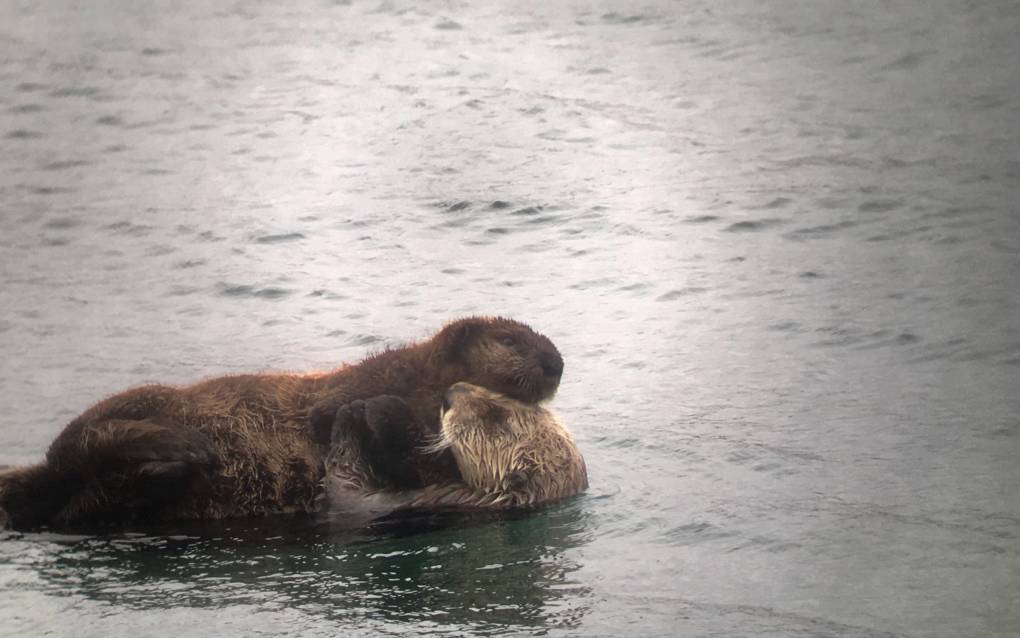
"caption": "An otter mother and her pup.",
"description": null,
"title": "Otter_Pic",
"credit": "Heather Barrett",
"status": "inherit",
"isLoading": false,
"fetchFailed": false
}
},
"audioPlayerReducer": {
"postId": "stream_live",
"isPaused": true,
"isPlaying": false,
"pfsActive": false,
"pledgeModalIsOpen": true,
"playerDrawerIsOpen": false,
"liveAudioPlayStartedAt": 0,
"liveAudioPlayContext": ""
},
"authorsReducer": {
"byline_science_1931569": {
"type": "authors",
"id": "byline_science_1931569",
"meta": {
"override": true
},
"slug": "byline_science_1931569",
"name": "Seth Borenstein\u003cbr />The Associated Press",
"isLoading": false
},
"byline_science_1930681": {
"type": "authors",
"id": "byline_science_1930681",
"meta": {
"override": true
},
"slug": "byline_science_1930681",
"name": "James Morrison, NPR",
"isLoading": false
},
"byline_science_1930403": {
"type": "authors",
"id": "byline_science_1930403",
"meta": {
"override": true
},
"slug": "byline_science_1930403",
"name": "Ariel Tu\u003cbr />The Associated Press",
"isLoading": false
},
"byline_science_1929436": {
"type": "authors",
"id": "byline_science_1929436",
"meta": {
"override": true
},
"slug": "byline_science_1929436",
"name": "The Associated Press",
"isLoading": false
},
"byline_science_1929154": {
"type": "authors",
"id": "byline_science_1929154",
"meta": {
"override": true
},
"slug": "byline_science_1929154",
"name": "The Associated Press",
"isLoading": false
},
"byline_science_1928350": {
"type": "authors",
"id": "byline_science_1928350",
"meta": {
"override": true
},
"slug": "byline_science_1928350",
"name": "Jennifer Sinco Kelleher\u003cbr />The Associated Press",
"isLoading": false
},
"byline_science_1927752": {
"type": "authors",
"id": "byline_science_1927752",
"meta": {
"override": true
},
"slug": "byline_science_1927752",
"name": "Julian Hattem\u003cbr />The Associated Press",
"isLoading": false
},
"gabriela-quiros": {
"type": "authors",
"id": "6186",
"meta": {
"index": "authors_1716337520",
"id": "6186",
"found": true
},
"name": "Gabriela Quirós",
"firstName": "Gabriela",
"lastName": "Quirós",
"slug": "gabriela-quiros",
"email": "gquiros@kqed.org",
"display_author_email": false,
"staff_mastheads": [],
"title": "Supervising Producer",
"bio": "Gabriela Quirós is the \u003cstrong>supervising producer for KQED's web science video series \u003ca href=\"https://www.kqed.org/deeplook\">Deep Look\u003c/a>\u003c/strong>. She joined KQED as a TV producer when its science series QUEST started in 2006 and has covered everything from Alzheimer’s to bee die-offs to dark energy.\r\n\r\nShe won a 2022 AAAS Kavli Science Journalism Award with a team of her Deep Look colleagues. She has won six regional Emmys as a video producer and has shared eight more as the coordinating producer of Deep Look. The episode she produced about \u003ca href=\"https://www.kqed.org/science/728086/how-mosquitoes-use-six-needles-to-suck-your-blood\">How Mosquitoes Use Six Needles to Suck Your Blood\u003c/a> won a Webby \"People's Voice\" award. She has also earned awards from the Jackson Hole Wildlife Film Festival, the Society of Professional Journalists and the Society of Environmental Journalists.\r\n\r\nHer videos for KQED have also aired on NOVA scienceNOW and the PBS NewsHour, and appeared on NPR.org.\r\n\r\nAs an independent filmmaker, she produced and directed the hour-long documentary \u003ca href=\"http://lpbp.org/beautiful-sin-qa-with-producer-gabriela-quiros/\">\u003cem>Beautiful Sin\u003c/em>\u003c/a>, about the surprising story of how Costa Rica became the only country in the world to outlaw in vitro fertilization. The film aired in 2015 on public television stations throughout the U.S., and in Costa Rica.\r\n\r\nShe started her journalism career as a newspaper reporter in Costa Rica, where she grew up. She won the National Science Journalism Award there for a series of articles about organic agriculture, and developed a life-long interest in health reporting. She moved to the Bay Area in 1996 to study documentary filmmaking at the University of California, Berkeley, where she received master’s degrees in journalism and Latin American studies.",
"avatar": "https://secure.gravatar.com/avatar/6d82c20152affd1b434c31a904c40809?s=600&d=blank&r=g",
"twitter": "gabrielaquirosr",
"facebook": null,
"instagram": null,
"linkedin": null,
"sites": [
{
"site": "science",
"roles": []
},
{
"site": "quest",
"roles": [
"ef_view_calendar",
"ef_view_story_budget"
]
}
],
"headData": {
"title": "Gabriela Quirós | KQED",
"description": "Supervising Producer",
"ogImgSrc": "https://secure.gravatar.com/avatar/6d82c20152affd1b434c31a904c40809?s=600&d=blank&r=g",
"twImgSrc": "https://secure.gravatar.com/avatar/6d82c20152affd1b434c31a904c40809?s=600&d=blank&r=g"
},
"isLoading": false,
"link": "/author/gabriela-quiros"
},
"joshua-cassidy": {
"type": "authors",
"id": "6219",
"meta": {
"index": "authors_1716337520",
"id": "6219",
"found": true
},
"name": "Josh Cassidy",
"firstName": "Josh",
"lastName": "Cassidy",
"slug": "joshua-cassidy",
"email": "jcassidy@kqed.org",
"display_author_email": false,
"staff_mastheads": [
"science"
],
"title": "Digital Video Producer",
"bio": "Josh is a Senior Video Producer for KQED Science, and the Lead Producer and Cinematographer for Deep Look. After receiving his BS in Wildlife Biology from Ohio University, he went on to participate in marine mammal research for NOAA, USGS and the Intersea Foundation. He also served as the president of The Pacific Cetacean Group, a nonprofit organization dedicated to teaching students K-6 about whales. Josh studied science and natural history filmmaking at San Francisco State University and Montana State University.",
"avatar": "https://secure.gravatar.com/avatar/f2582a0801a35af53b734d56bcac2bbe?s=600&d=blank&r=g",
"twitter": null,
"facebook": null,
"instagram": null,
"linkedin": null,
"sites": [
{
"site": "science",
"roles": [
"editor"
]
},
{
"site": "quest",
"roles": [
"author",
"edit_others_posts"
]
}
],
"headData": {
"title": "Josh Cassidy | KQED",
"description": "Digital Video Producer",
"ogImgSrc": "https://secure.gravatar.com/avatar/f2582a0801a35af53b734d56bcac2bbe?s=600&d=blank&r=g",
"twImgSrc": "https://secure.gravatar.com/avatar/f2582a0801a35af53b734d56bcac2bbe?s=600&d=blank&r=g"
},
"isLoading": false,
"link": "/author/joshua-cassidy"
},
"aweill": {
"type": "authors",
"id": "11518",
"meta": {
"index": "authors_1716337520",
"id": "11518",
"found": true
},
"name": "Allie Weill",
"firstName": "Allie",
"lastName": "Weill",
"slug": "aweill",
"email": "aweill@kqed.org",
"display_author_email": false,
"staff_mastheads": [],
"title": "KQED Contributor",
"bio": "Allie Weill is the 2018 AAAS Mass Media Fellow at KQED Science. Allie comes to KQED from the University of California, Davis, where her dissertation research focuses on wildfire in California shrublands. She has a background in youth science education and citizen science and has taught about environmental topics in a wide range of places, from boats on the Hudson River to the forests of the Sierra Nevada. She has a BA in Biological Sciences and a BS in Geophysical Sciences from the University of Chicago. Her interests include plants, fire, lichens, fossils, diversity in science, crossword puzzles, and pie making. Find her on Twitter @Al_R_Wallace",
"avatar": "https://secure.gravatar.com/avatar/f08760c1295c7adfc339c9eb765a3230?s=600&d=blank&r=g",
"twitter": null,
"facebook": null,
"instagram": null,
"linkedin": null,
"sites": [
{
"site": "news",
"roles": [
"contributor"
]
},
{
"site": "science",
"roles": []
}
],
"headData": {
"title": "Allie Weill | KQED",
"description": "KQED Contributor",
"ogImgSrc": "https://secure.gravatar.com/avatar/f08760c1295c7adfc339c9eb765a3230?s=600&d=blank&r=g",
"twImgSrc": "https://secure.gravatar.com/avatar/f08760c1295c7adfc339c9eb765a3230?s=600&d=blank&r=g"
},
"isLoading": false,
"link": "/author/aweill"
},
"aheidt": {
"type": "authors",
"id": "11520",
"meta": {
"index": "authors_1716337520",
"id": "11520",
"found": true
},
"name": "Amanda Heidt",
"firstName": "Amanda",
"lastName": "Heidt",
"slug": "aheidt",
"email": "aheidt@kqed.org",
"display_author_email": false,
"staff_mastheads": [],
"title": "KQED Contributor",
"bio": "Amanda Heidt was the 2018 Dr. Allen Fuhs KQED-CSUMB Fellow at KQED Science. Amanda came to KQED from Moss Landing Marine Laboratories, where her masters research uses molecular techniques to describe communities of meiofauna, small invertebrates living between grains of sand. She has a background in education, outreach, and science communication, fostered by a recent position with the Stanford Center for Ocean Solutions. She has a BS in Marine Science and a minor in Chemistry from the University of California, Santa Cruz. Her interests include climbing, diving, camping, baking, and reading. Find her on Twitter and Instagram @Scatter_Cushion.",
"avatar": "https://secure.gravatar.com/avatar/e646090632bd7fef75fff4616269ff8c?s=600&d=blank&r=g",
"twitter": "Scatter_Cushion",
"facebook": null,
"instagram": null,
"linkedin": null,
"sites": [
{
"site": "news",
"roles": [
"subscriber"
]
},
{
"site": "science",
"roles": []
}
],
"headData": {
"title": "Amanda Heidt | KQED",
"description": "KQED Contributor",
"ogImgSrc": "https://secure.gravatar.com/avatar/e646090632bd7fef75fff4616269ff8c?s=600&d=blank&r=g",
"twImgSrc": "https://secure.gravatar.com/avatar/e646090632bd7fef75fff4616269ff8c?s=600&d=blank&r=g"
},
"isLoading": false,
"link": "/author/aheidt"
}
},
"pagesReducer": {
"science_category_animals": {
"type": "terms",
"id": "science_2874",
"meta": {
"index": "terms_1716263798",
"site": "science",
"id": "2874",
"score": 12.286945
},
"featImg": null,
"name": "Animals",
"description": null,
"taxonomy": "category",
"headData": {
"twImgId": null,
"twTitle": null,
"ogTitle": null,
"ogImgId": null,
"twDescription": null,
"description": null,
"title": "Animals Archives | KQED Science",
"ogDescription": null
},
"ttid": 2874,
"slug": "animals",
"isLoading": false,
"title": "Animals",
"pageMeta": {
"site": "science",
"WpPageTemplate": "page-topic-editorial",
"currentPage": 27
},
"blocks": [
{
"blockName": "kqed/post-list",
"attrs": {
"layout": "cardArticle2",
"query": "posts/science?category=animals",
"seeMore": false,
"paginated": true,
"page": 27
}
},
{
"blockName": "kqed/ad"
}
]
}
},
"pfsSessionReducer": {},
"postsReducer": {
"stream_live": {
"type": "live",
"id": "stream_live",
"audioUrl": "https://streams.kqed.org/kqedradio",
"title": "Live Stream",
"excerpt": "Live Stream information currently unavailable.",
"link": "/radio",
"featImg": "",
"label": {
"name": "KQED Live",
"link": "/"
}
},
"stream_kqedNewscast": {
"type": "posts",
"id": "stream_kqedNewscast",
"audioUrl": "https://www.kqed.org/.stream/anon/radio/RDnews/newscast.mp3?_=1",
"title": "KQED Newscast",
"featImg": "",
"label": {
"name": "88.5 FM",
"link": "/"
}
},
"science_1931569": {
"type": "posts",
"id": "science_1931569",
"meta": {
"index": "posts_1716263798",
"site": "science",
"id": "1931569",
"score": null,
"sort": [
1537459207000
]
},
"parent": 0,
"labelTerm": {},
"blocks": [],
"publishDate": 1537459207,
"format": "standard",
"title": "Why Are Beneficial Bugs Disappearing?",
"headTitle": "Why Are Beneficial Bugs Disappearing? | KQED",
"content": "\u003cp>A staple of summer — swarms of bugs — seems to be a thing of the past. And that’s got scientists worried.[contextly_sidebar id=”YLtJOQexW1eUFGytcsxLq3t33TBgqDGv”]\u003c/p>\n\u003cp>Pesky mosquitoes, disease-carrying ticks, crop-munching aphids and cockroaches are doing just fine. But the more beneficial flying insects of summer — native bees, moths, butterflies, ladybugs, lovebugs, mayflies and fireflies — appear to be less abundant.\u003c/p>\n\u003cp>Scientists think something is amiss, but they can’t be certain: In the past, they didn’t systematically count the population of flying insects, so they can’t make a proper comparison to today. Nevertheless, they’re pretty sure across the globe there are fewer insects that are crucial to as much as 80 percent of what we eat.\u003c/p>\n\u003cp>Yes, some insects are pests. But they also pollinate plants, are a key link in the food chain and help decompose life.\u003c/p>\n\u003cp>“You have total ecosystem collapse if you lose your insects. How much worse can it get than that?” said University of Delaware entomologist Doug Tallamy. If they disappeared, “the world would start to rot.”\u003c/p>\n\u003cp>[ad fullwidth]\u003c/p>\n\u003cp>He noted Harvard biologist E.O. Wilson once \u003ca href=\"http://faculty.washington.edu/timbillo/Readings%20and%20documents/ABRIDGED%20READINGS%20for%20PERU/Wilson_1987_Little_things_that_run.pdf\">called\u003c/a> bugs: “The little things that run the world.”\u003c/p>\n\u003cp>The 89-year-old Wilson recalled that he once frolicked in a “Washington alive with insects, especially butterflies.” Now, “the flying insects are virtually gone.”[contextly_sidebar id=”LSRgkXpBDpPe50NnXtdj5Xd0619N8RGS”]\u003c/p>\n\u003cp>It hit home last year when he drove from suburban Boston to Vermont and decided to count how many bugs hit his windshield. The result: A single moth.\u003c/p>\n\u003cp>\u003cstrong>Windshield Test \u003c/strong>\u003c/p>\n\u003cp>The un-scientific experiment is called the windshield test. Wilson recommends everyday people do it themselves to see. Baby Boomers will probably notice the difference, Tallamy said.\u003c/p>\n\u003cp>[ad floatright]\u003c/p>\n\u003cp>Several scientists have conducted their own tests with windshields, car grilles and headlights, and most notice few squashed bugs. Researchers are quick to point out that such exercises aren’t good scientific experiments, since they don’t include control groups or make comparisons with past results. (Today’s cars also are more aerodynamic, so bugs are more likely to slip past them and live to buzz about it.)\u003c/p>\n\u003cdiv id=\"div-gpt-ad-1470255291270-1\" class=\"DFPSlot\">\n\u003cp>Still, there are signs of decline. Research has shown dwindling individual species in specific places, including lightning bugs, moths and bumblebees. One \u003ca href=\"https://link.springer.com/chapter/10.1007%2F978-1-4020-6047-2_10\">study\u003c/a>estimated a 14 percent decline in ladybugs in the United States and Canada from 1987 to 2006. University of Florida urban entomologist Philip Koehler said he’s seen a recent decrease in lovebugs — insects that fly connected and coated Florida’s windshields in the 1970s and 1980s. This year, he said, “was kind of disappointing, I thought.”[contextly_sidebar id=”CzcPMRuNuWgdNE0HSt5GPGJd8zg4vFrL”]\u003c/p>\n\u003cp>University of Nevada, Reno, researcher Lee Dyer and his colleagues have been looking at insects at the La Selva Biological Station in Costa Rica since 1991. There’s a big insect trap sheet under black light that decades ago would be covered with bugs. Now, “there’s no insects on that sheet,” he said.\u003c/p>\n\u003cp>But there’s not much research looking at all flying insects in big areas.\u003c/p>\n\u003cp>\u003cstrong>The Evidence\u003c/strong>\u003c/p>\n\u003cp>Last year, a \u003ca href=\"https://www.apnews.com/href=%22http:/journals.plos.org/plosone/article?id=10.1371/journal.pone.0185809&_ga=2.266632718.1476661257.1527292800-1633289002.1527292800\">study\u003c/a> that found an 82 percent mid-summer decline in the number and weight of bugs captured in traps in 63 nature preserves in Germany compared with 27 years earlier. It was one of the few, if only, broad studies. Scientists say similar comparisons can’t be done elsewhere, because similar bug counts weren’t done decades ago.\u003c/p>\n\u003cp>“We don’t know how much we’re losing if we don’t know how much we have,” said University of Hawaii entomologist Helen Spafford.\u003c/p>\n\u003cp>The lack of older data makes it “unclear to what degree we’re experiencing an arthropocalypse,” said University of Illinois entomologist May Berenbaum. Individual studies aren’t convincing in themselves, “but the sheer accumulated weight of evidence seems to be shifting” to show a problem, she said.\u003c/p>\n\u003cp>After the German study, countries started asking if they have similar problems, said ecologist Toke Thomas Hoye of Aarhus University in Denmark. He studied flies in a few spots in remote Greenland and \u003ca href=\"https://onlinelibrary.wiley.com/doi/abs/10.1111/ecog.02747\">noticed\u003c/a> an 80 percent drop in numbers since 1996.\u003c/p>\n\u003cp>“It’s clearly not a German thing,” said University of Connecticut entomologist David Wagner, who has chronicled declines in moth populations in the northeastern United States. “We just need to find out how widespread the phenomenon is.”\u003c/p>\n\u003cp>\u003cstrong>The Suspects \u003c/strong>\u003c/p>\n\u003cp>Most scientists say lots of factors, not just one, caused the apparent decline in flying insects.\u003c/p>\n\u003cp>Suspects include habitat loss, insecticide use, the killing of native weeds, single-crop agriculture, invasive species, light pollution, highway traffic and climate change.\u003c/p>\n\u003cp>“It’s death by a thousand cuts, and that’s really bad news,” Wagner said.\u003c/p>\n\u003cp>To Tallamy, two causes stand out: Humans’ war on weeds and vast farmland planted with the same few crops.\u003c/p>\n\u003cp>Weeds and native plants are what bugs eat and where they live, Tallamy said. Milkweeds, crucial to the beautiful monarch butterfly, are dwindling fast. Manicured lawns in the United States are so prevalent that, added together, they are as big as New England, he said.\u003c/p>\n\u003cp>Those landscapes are “essentially dead zones,” he said.\u003c/p>\n\u003cp>Light pollution is another big problem for species such as moths and fireflies, bug experts said. Insects are attracted to brightness, where they become easy prey and expend energy they should be using to get food, Tallamy said.\u003c/p>\n\u003cp>Jesse Barber of Boise State is in the middle of a study of fireflies and other insects at Grand Teton National Park. He said he notices a distinct connection between light pollution and dwindling populations.\u003c/p>\n\u003cp>“We’re hitting insects during the day, we’re hitting them at night,” Tallamy said. “We’re hitting them just about everywhere.”\u003c/p>\n\u003cp>Lawns, light pollution and bug-massacring highway traffic are associated where people congregate. But Danish scientist Hoye found a noticeable drop in muscid flies in Greenland 300 miles (500 kilometers) from civilization. His studies linked declines to warmer temperatures.\u003c/p>\n\u003cp>Other scientists say human-caused climate change may play a role, albeit small.\u003c/p>\n\u003cp>\u003cstrong>Restoring Habitat\u003c/strong>\u003c/p>\n\u003cp>Governments are trying to improve the situation. Maryland is in a three-year experiment to see if planting bee-friendly native wildflowers helps.\u003c/p>\n\u003cp>University of Maryland entomology researcher Lisa Kuder says the usual close-crop “turf is basically like a desert” that doesn’t attract flying insects. She found an improvement — 70 different species and records for bees — in the areas where flowers are allowed to grow wild and natural alongside roads.\u003c/p>\n\u003cp>The trouble is that it is so close to roadways that Tallamy fears that the plants become “ecological traps where you’re drawing insects in and they’re all squashed by cars.”\u003c/p>\n\u003cp>Still, Tallamy remains hopeful. In 2000, he moved into this rural area between Philadelphia and Baltimore and made his 10-acre patch all native plants, creating a playground for bugs. Now he has 861 species of moths and 54 species of breeding birds that feed on insects.\u003c/p>\n\u003cp>Wagner, of the University of Connecticut, spends his summers teaching middle schoolers in a camp to look for insects, like he did decades ago. They have a hard time finding the cocoons he used to see regularly.\u003c/p>\n\u003cp>“The kids I’m teaching right now are going to think that scarce insects are the rule,” Wagner said. “They’re not realizing that there could be an ecological disaster on the horizon.”\u003c/p>\n\u003cp>___\u003c/p>\n\u003cp>Associated Press video journalist Federica Narancio contributed to this report. Follow Seth Borenstein on Twitter: \u003ca href=\"https://twitter.com/borenbears\">@borenbears\u003c/a> . His work can be found \u003ca href=\"http://tinyurl.com/sethap\">here\u003c/a> .\u003c/p>\n\u003c/div>\n\u003cdiv>\u003c/div>\n\n",
"stats": {
"hasVideo": false,
"hasChartOrMap": false,
"hasAudio": false,
"hasPolis": false,
"wordCount": 1332,
"hasGoogleForm": false,
"hasGallery": false,
"hasHearkenModule": false,
"iframeSrcs": [],
"paragraphCount": 43
},
"modified": 1704927475,
"excerpt": "Scientists are noticing fewer flying insects that aren't really pests, like moths and butterflies. A variety of reasons are suspected but they all lead back to what humans are doing do the environment.",
"headData": {
"twImgId": "",
"twTitle": "",
"ogTitle": "",
"ogImgId": "",
"twDescription": "",
"description": "Scientists are noticing fewer flying insects that aren't really pests, like moths and butterflies. A variety of reasons are suspected but they all lead back to what humans are doing do the environment.",
"title": "Why Are Beneficial Bugs Disappearing? | KQED",
"ogDescription": "",
"schema": {
"@context": "https://schema.org",
"@type": "Article",
"headline": "Why Are Beneficial Bugs Disappearing?",
"datePublished": "2018-09-20T09:00:07-07:00",
"dateModified": "2024-01-10T14:57:55-08:00",
"image": "https://cdn.kqed.org/wp-content/uploads/2020/02/KQED-OG-Image@1x.png"
}
},
"guestAuthors": [],
"slug": "why-are-beneficial-bugs-disappearing",
"status": "publish",
"nprByline": "Seth Borenstein\u003cbr />The Associated Press",
"sticky": false,
"source": "Environment",
"path": "/science/1931569/why-are-beneficial-bugs-disappearing",
"audioTrackLength": null,
"parsedContent": [
{
"type": "contentString",
"content": "\u003cdiv class=\"post-body\">\u003cp>\u003cp>A staple of summer — swarms of bugs — seems to be a thing of the past. And that’s got scientists worried.\u003c/p>\u003cp>\u003c/p>\u003cp>\u003c/p>\n\u003cp>Pesky mosquitoes, disease-carrying ticks, crop-munching aphids and cockroaches are doing just fine. But the more beneficial flying insects of summer — native bees, moths, butterflies, ladybugs, lovebugs, mayflies and fireflies — appear to be less abundant.\u003c/p>\n\u003cp>Scientists think something is amiss, but they can’t be certain: In the past, they didn’t systematically count the population of flying insects, so they can’t make a proper comparison to today. Nevertheless, they’re pretty sure across the globe there are fewer insects that are crucial to as much as 80 percent of what we eat.\u003c/p>\n\u003cp>Yes, some insects are pests. But they also pollinate plants, are a key link in the food chain and help decompose life.\u003c/p>\n\u003cp>“You have total ecosystem collapse if you lose your insects. How much worse can it get than that?” said University of Delaware entomologist Doug Tallamy. If they disappeared, “the world would start to rot.”\u003c/p>\n\u003cp>\u003c/p>\u003c/div>",
"attributes": {
"named": {},
"numeric": []
}
},
{
"type": "component",
"content": "",
"name": "ad",
"attributes": {
"named": {
"label": "fullwidth"
},
"numeric": [
"fullwidth"
]
}
},
{
"type": "contentString",
"content": "\u003cdiv class=\"post-body\">\u003cp>\u003c/p>\n\u003cp>He noted Harvard biologist E.O. Wilson once \u003ca href=\"http://faculty.washington.edu/timbillo/Readings%20and%20documents/ABRIDGED%20READINGS%20for%20PERU/Wilson_1987_Little_things_that_run.pdf\">called\u003c/a> bugs: “The little things that run the world.”\u003c/p>\n\u003cp>The 89-year-old Wilson recalled that he once frolicked in a “Washington alive with insects, especially butterflies.” Now, “the flying insects are virtually gone.”\u003c/p>\u003cp>\u003c/p>\u003cp>\u003c/p>\n\u003cp>It hit home last year when he drove from suburban Boston to Vermont and decided to count how many bugs hit his windshield. The result: A single moth.\u003c/p>\n\u003cp>\u003cstrong>Windshield Test \u003c/strong>\u003c/p>\n\u003cp>The un-scientific experiment is called the windshield test. Wilson recommends everyday people do it themselves to see. Baby Boomers will probably notice the difference, Tallamy said.\u003c/p>\n\u003cp>\u003c/p>\u003c/div>",
"attributes": {
"named": {},
"numeric": []
}
},
{
"type": "component",
"content": "",
"name": "ad",
"attributes": {
"named": {
"label": "floatright"
},
"numeric": [
"floatright"
]
}
},
{
"type": "contentString",
"content": "\u003cdiv class=\"post-body\">\u003cp>\u003c/p>\n\u003cp>Several scientists have conducted their own tests with windshields, car grilles and headlights, and most notice few squashed bugs. Researchers are quick to point out that such exercises aren’t good scientific experiments, since they don’t include control groups or make comparisons with past results. (Today’s cars also are more aerodynamic, so bugs are more likely to slip past them and live to buzz about it.)\u003c/p>\n\u003cdiv id=\"div-gpt-ad-1470255291270-1\" class=\"DFPSlot\">\n\u003cp>Still, there are signs of decline. Research has shown dwindling individual species in specific places, including lightning bugs, moths and bumblebees. One \u003ca href=\"https://link.springer.com/chapter/10.1007%2F978-1-4020-6047-2_10\">study\u003c/a>estimated a 14 percent decline in ladybugs in the United States and Canada from 1987 to 2006. University of Florida urban entomologist Philip Koehler said he’s seen a recent decrease in lovebugs — insects that fly connected and coated Florida’s windshields in the 1970s and 1980s. This year, he said, “was kind of disappointing, I thought.”\u003c/p>\u003cp>\u003c/p>\u003cp>\u003c/p>\n\u003cp>University of Nevada, Reno, researcher Lee Dyer and his colleagues have been looking at insects at the La Selva Biological Station in Costa Rica since 1991. There’s a big insect trap sheet under black light that decades ago would be covered with bugs. Now, “there’s no insects on that sheet,” he said.\u003c/p>\n\u003cp>But there’s not much research looking at all flying insects in big areas.\u003c/p>\n\u003cp>\u003cstrong>The Evidence\u003c/strong>\u003c/p>\n\u003cp>Last year, a \u003ca href=\"https://www.apnews.com/href=%22http:/journals.plos.org/plosone/article?id=10.1371/journal.pone.0185809&_ga=2.266632718.1476661257.1527292800-1633289002.1527292800\">study\u003c/a> that found an 82 percent mid-summer decline in the number and weight of bugs captured in traps in 63 nature preserves in Germany compared with 27 years earlier. It was one of the few, if only, broad studies. Scientists say similar comparisons can’t be done elsewhere, because similar bug counts weren’t done decades ago.\u003c/p>\n\u003cp>“We don’t know how much we’re losing if we don’t know how much we have,” said University of Hawaii entomologist Helen Spafford.\u003c/p>\n\u003cp>The lack of older data makes it “unclear to what degree we’re experiencing an arthropocalypse,” said University of Illinois entomologist May Berenbaum. Individual studies aren’t convincing in themselves, “but the sheer accumulated weight of evidence seems to be shifting” to show a problem, she said.\u003c/p>\n\u003cp>After the German study, countries started asking if they have similar problems, said ecologist Toke Thomas Hoye of Aarhus University in Denmark. He studied flies in a few spots in remote Greenland and \u003ca href=\"https://onlinelibrary.wiley.com/doi/abs/10.1111/ecog.02747\">noticed\u003c/a> an 80 percent drop in numbers since 1996.\u003c/p>\n\u003cp>“It’s clearly not a German thing,” said University of Connecticut entomologist David Wagner, who has chronicled declines in moth populations in the northeastern United States. “We just need to find out how widespread the phenomenon is.”\u003c/p>\n\u003cp>\u003cstrong>The Suspects \u003c/strong>\u003c/p>\n\u003cp>Most scientists say lots of factors, not just one, caused the apparent decline in flying insects.\u003c/p>\n\u003cp>Suspects include habitat loss, insecticide use, the killing of native weeds, single-crop agriculture, invasive species, light pollution, highway traffic and climate change.\u003c/p>\n\u003cp>“It’s death by a thousand cuts, and that’s really bad news,” Wagner said.\u003c/p>\n\u003cp>To Tallamy, two causes stand out: Humans’ war on weeds and vast farmland planted with the same few crops.\u003c/p>\n\u003cp>Weeds and native plants are what bugs eat and where they live, Tallamy said. Milkweeds, crucial to the beautiful monarch butterfly, are dwindling fast. Manicured lawns in the United States are so prevalent that, added together, they are as big as New England, he said.\u003c/p>\n\u003cp>Those landscapes are “essentially dead zones,” he said.\u003c/p>\n\u003cp>Light pollution is another big problem for species such as moths and fireflies, bug experts said. Insects are attracted to brightness, where they become easy prey and expend energy they should be using to get food, Tallamy said.\u003c/p>\n\u003cp>Jesse Barber of Boise State is in the middle of a study of fireflies and other insects at Grand Teton National Park. He said he notices a distinct connection between light pollution and dwindling populations.\u003c/p>\n\u003cp>“We’re hitting insects during the day, we’re hitting them at night,” Tallamy said. “We’re hitting them just about everywhere.”\u003c/p>\n\u003cp>Lawns, light pollution and bug-massacring highway traffic are associated where people congregate. But Danish scientist Hoye found a noticeable drop in muscid flies in Greenland 300 miles (500 kilometers) from civilization. His studies linked declines to warmer temperatures.\u003c/p>\n\u003cp>Other scientists say human-caused climate change may play a role, albeit small.\u003c/p>\n\u003cp>\u003cstrong>Restoring Habitat\u003c/strong>\u003c/p>\n\u003cp>Governments are trying to improve the situation. Maryland is in a three-year experiment to see if planting bee-friendly native wildflowers helps.\u003c/p>\n\u003cp>University of Maryland entomology researcher Lisa Kuder says the usual close-crop “turf is basically like a desert” that doesn’t attract flying insects. She found an improvement — 70 different species and records for bees — in the areas where flowers are allowed to grow wild and natural alongside roads.\u003c/p>\n\u003cp>The trouble is that it is so close to roadways that Tallamy fears that the plants become “ecological traps where you’re drawing insects in and they’re all squashed by cars.”\u003c/p>\n\u003cp>Still, Tallamy remains hopeful. In 2000, he moved into this rural area between Philadelphia and Baltimore and made his 10-acre patch all native plants, creating a playground for bugs. Now he has 861 species of moths and 54 species of breeding birds that feed on insects.\u003c/p>\n\u003cp>Wagner, of the University of Connecticut, spends his summers teaching middle schoolers in a camp to look for insects, like he did decades ago. They have a hard time finding the cocoons he used to see regularly.\u003c/p>\n\u003cp>“The kids I’m teaching right now are going to think that scarce insects are the rule,” Wagner said. “They’re not realizing that there could be an ecological disaster on the horizon.”\u003c/p>\n\u003cp>___\u003c/p>\n\u003cp>Associated Press video journalist Federica Narancio contributed to this report. Follow Seth Borenstein on Twitter: \u003ca href=\"https://twitter.com/borenbears\">@borenbears\u003c/a> . His work can be found \u003ca href=\"http://tinyurl.com/sethap\">here\u003c/a> .\u003c/p>\n\u003c/div>\n\u003cdiv>\u003c/div>\n\n\u003c/div>\u003c/p>",
"attributes": {
"named": {},
"numeric": []
}
}
],
"link": "/science/1931569/why-are-beneficial-bugs-disappearing",
"authors": [
"byline_science_1931569"
],
"categories": [
"science_2874",
"science_35",
"science_40"
],
"tags": [
"science_192",
"science_157"
],
"featImg": "science_1811986",
"label": "source_science_1931569"
},
"science_1930803": {
"type": "posts",
"id": "science_1930803",
"meta": {
"index": "posts_1716263798",
"site": "science",
"id": "1930803",
"score": null,
"sort": [
1536670850000
]
},
"guestAuthors": [],
"slug": "how-kittens-go-from-clueless-to-cute",
"title": "How Kittens Go From Clueless to Cute",
"publishDate": 1536670850,
"format": "video",
"headTitle": "How Kittens Go From Clueless to Cute | KQED",
"labelTerm": {
"term": 1935,
"site": "science"
},
"content": "\u003cp>[dl_subscribe]Every year, hundreds of thousands of kittens end up in animal shelters, in need of permanent homes.\u003c/p>\n\u003cfigure id=\"attachment_1930970\" class=\"wp-caption aligncenter\" style=\"max-width: 500px\">\u003ca href=\"https://ww2.kqed.org/science/wp-content/uploads/sites/35/2018/09/DL_516Kittens_FIVE-WEEK-OLD_KITTEN_CLIMBS_PEN.gif\">\u003cimg loading=\"lazy\" decoding=\"async\" class=\"wp-image-1930970 size-full\" src=\"https://ww2.kqed.org/science/wp-content/uploads/sites/35/2018/09/DL_516Kittens_FIVE-WEEK-OLD_KITTEN_CLIMBS_PEN.gif\" alt=\"\" width=\"500\" height=\"281\">\u003c/a>\u003cfigcaption class=\"wp-caption-text\">A 5-week-old kitten plays at a shelter run by the Peninsula Humane Society and SPCA in Burlingame, near San Francisco, California. \u003ccite>(Josh Cassidy/KQED)\u003c/cite>\u003c/figcaption>\u003c/figure>\n\u003cp>But raising orphaned newborns into healthy, fluffy, frisky 2-month-olds ready to be adopted requires an enormous behind-the-scenes effort. All across the country, volunteer foster parents log many sleepless nights bottle-feeding kittens, which are even more helpless than human babies. So researchers and shelters are trying to figure out ways to make it easier.\u003c/p>\n\u003cp>“A lot of people think fostering is taking kittens home and playing with them,” said Penny Dougherty, chief executive director of \u003ca href=\"https://www.kittencentralofplacercounty.org/our-program\">Kitten Central of Placer County\u003c/a>, an animal shelter she runs from her house in Newcastle, California, 30 miles northeast of Sacramento.\u003c/p>\n\u003cfigure id=\"attachment_1930966\" class=\"wp-caption aligncenter\" style=\"max-width: 500px\">\u003ca href=\"https://ww2.kqed.org/science/wp-content/uploads/sites/35/2018/09/DL_516Kittens_TWO-WEEK-OLD_KITTEN_BOTTLE_FEEDS_NIGHTTIME.gif\">\u003cimg loading=\"lazy\" decoding=\"async\" class=\"wp-image-1930966 size-full\" src=\"https://ww2.kqed.org/science/wp-content/uploads/sites/35/2018/09/DL_516Kittens_TWO-WEEK-OLD_KITTEN_BOTTLE_FEEDS_NIGHTTIME.gif\" alt=\"\" width=\"500\" height=\"281\">\u003c/a>\u003cfigcaption class=\"wp-caption-text\">Penny Dougherty bottle-feeds a 2-week-old kitten she fostered at her house in June. During their first weeks, kittens in foster care need to be bottle-fed every two to four hours, day and night. \u003ccite>(Josh Cassidy/KQED)\u003c/cite>\u003c/figcaption>\u003c/figure>\n\u003cp>Kitten Central receives most of its kittens from Placer County Animal Services. Dougherty cares for kittens up to 1 month old, as well as feral and stray cats with litters. After the kittens weigh at least 2 pounds and have been spayed and neutered, she returns them to the agency so they can put them up for adoption.\u003c/p>\n\u003cp>“They’re very happy to have our services,” said Dougherty, “because so many shelters have to euthanize.”\u003c/p>\n\u003cp>[ad fullwidth]\u003c/p>\n\u003cp>Dougherty said that before she opened Kitten Central in 2012, Placer County Animal Services regularly euthanized newborn kittens, a common practice around the country. The nonprofit covers its expenses through donations and a $62.50 charge to animal services for each kitten it fosters, a fee that covers food, vaccines, heating pads and antibiotics, said Dougherty.\u003c/p>\n\u003cp>When the days start getting longer, around January, cats start breeding. March is the beginning of what’s known among shelters as “kitten season.” The flow of kittens doesn’t slow down until November.\u003c/p>\n\u003cfigure id=\"attachment_1930964\" class=\"wp-caption aligncenter\" style=\"max-width: 500px\">\u003ca href=\"https://ww2.kqed.org/science/wp-content/uploads/sites/35/2018/09/DL_516Kittens_CAT_AND_HER_SEVEN_NEWBORN_KITTENS.gif\">\u003cimg loading=\"lazy\" decoding=\"async\" class=\"size-full wp-image-1930964\" src=\"https://ww2.kqed.org/science/wp-content/uploads/sites/35/2018/09/DL_516Kittens_CAT_AND_HER_SEVEN_NEWBORN_KITTENS.gif\" alt=\"\" width=\"500\" height=\"281\">\u003c/a>\u003cfigcaption class=\"wp-caption-text\">This stray cat gave birth to seven kittens in June in Valerie Hatfield’s bathroom. Hatfield fosters pregnant cats and orphaned kittens through the San Francisco-based nonprofit Toni’s Kitty Rescue. \u003ccite>(Gabriela Quirós/KQED)\u003c/cite>\u003c/figcaption>\u003c/figure>\n\u003cp>“Kitten season is kind of one of the banes of shelter existence,” said Cynthia Delany, supervising shelter veterinarian at Yolo County Animal Services in Woodland, west of Sacramento. “Six or seven months out of the year we’re just flooded with these little guys.”\u003c/p>\n\u003cp>For the most part, it’s a human-made problem, she said. People who come across a new litter may think that the mother has abandoned her babies, and they take them to a shelter. But more often than not, the cat is just off looking for food.\u003c/p>\n\u003cp>To steer clear of inundating shelters with newborn kittens, Delany’s advice is to leave litters alone unless they’re in immediate danger. Most of the time their mom will return, she said, so check back periodically.\u003c/p>\n\u003cp>“It’s really hard for people to see kittens and not want to just scoop them up,” she said. “But just by separating them from their mom, you’ve decreased their chance of survival because they need their mom.”\u003c/p>\n\u003cfigure id=\"attachment_1930969\" class=\"wp-caption aligncenter\" style=\"max-width: 1920px\">\u003ca href=\"https://ww2.kqed.org/science/wp-content/uploads/sites/35/2018/09/DL_516Kittens_NEWBORN_KITTEN_W_EYES_SEALED_CLOSED_1920.jpg\">\u003cimg loading=\"lazy\" decoding=\"async\" class=\"size-full wp-image-1930969\" src=\"https://ww2.kqed.org/science/wp-content/uploads/sites/35/2018/09/DL_516Kittens_NEWBORN_KITTEN_W_EYES_SEALED_CLOSED_1920.jpg\" alt=\"\" width=\"1920\" height=\"1080\" srcset=\"https://cdn.kqed.org/wp-content/uploads/sites/35/2018/09/DL_516Kittens_NEWBORN_KITTEN_W_EYES_SEALED_CLOSED_1920.jpg 1920w, https://cdn.kqed.org/wp-content/uploads/sites/35/2018/09/DL_516Kittens_NEWBORN_KITTEN_W_EYES_SEALED_CLOSED_1920-160x90.jpg 160w, https://cdn.kqed.org/wp-content/uploads/sites/35/2018/09/DL_516Kittens_NEWBORN_KITTEN_W_EYES_SEALED_CLOSED_1920-800x450.jpg 800w, https://cdn.kqed.org/wp-content/uploads/sites/35/2018/09/DL_516Kittens_NEWBORN_KITTEN_W_EYES_SEALED_CLOSED_1920-768x432.jpg 768w, https://cdn.kqed.org/wp-content/uploads/sites/35/2018/09/DL_516Kittens_NEWBORN_KITTEN_W_EYES_SEALED_CLOSED_1920-1020x574.jpg 1020w, https://cdn.kqed.org/wp-content/uploads/sites/35/2018/09/DL_516Kittens_NEWBORN_KITTEN_W_EYES_SEALED_CLOSED_1920-1200x675.jpg 1200w, https://cdn.kqed.org/wp-content/uploads/sites/35/2018/09/DL_516Kittens_NEWBORN_KITTEN_W_EYES_SEALED_CLOSED_1920-1180x664.jpg 1180w, https://cdn.kqed.org/wp-content/uploads/sites/35/2018/09/DL_516Kittens_NEWBORN_KITTEN_W_EYES_SEALED_CLOSED_1920-960x540.jpg 960w, https://cdn.kqed.org/wp-content/uploads/sites/35/2018/09/DL_516Kittens_NEWBORN_KITTEN_W_EYES_SEALED_CLOSED_1920-240x135.jpg 240w, https://cdn.kqed.org/wp-content/uploads/sites/35/2018/09/DL_516Kittens_NEWBORN_KITTEN_W_EYES_SEALED_CLOSED_1920-375x211.jpg 375w, https://cdn.kqed.org/wp-content/uploads/sites/35/2018/09/DL_516Kittens_NEWBORN_KITTEN_W_EYES_SEALED_CLOSED_1920-520x293.jpg 520w\" sizes=\"auto, (max-width: 1920px) 100vw, 1920px\">\u003c/a>\u003cfigcaption class=\"wp-caption-text\">Kittens are born with their eyes sealed shut. They don’t open up until they’re about 10 days old. \u003ccite>(Gabriela Quirós/KQED)\u003c/cite>\u003c/figcaption>\u003c/figure>\n\u003cp>Newborn kittens are particularly vulnerable because they’re born underdeveloped. They’re what’s known as altricial. They need a lot of care from their mothers, in comparison with baby animals such as foals, which stand up within an hour of birth.\u003c/p>\n\u003cp>During the first week and a half of their lives, kittens’ eyes are sealed closed and their ears are folded up, making them practically blind and deaf. They don’t stand up until they’re a month old. To survive, they need their mother to keep warm and nurse. They find her milk by sniffing and pawing.\u003c/p>\n\u003cfigure id=\"attachment_1930968\" class=\"wp-caption aligncenter\" style=\"max-width: 1920px\">\u003ca href=\"https://ww2.kqed.org/science/wp-content/uploads/sites/35/2018/09/DL_516Kittens_EAR_FOLDED_CLOSED_1920.jpg\">\u003cimg loading=\"lazy\" decoding=\"async\" class=\"wp-image-1930968 size-full\" src=\"https://ww2.kqed.org/science/wp-content/uploads/sites/35/2018/09/DL_516Kittens_EAR_FOLDED_CLOSED_1920.jpg\" alt=\"\" width=\"1920\" height=\"1080\" srcset=\"https://cdn.kqed.org/wp-content/uploads/sites/35/2018/09/DL_516Kittens_EAR_FOLDED_CLOSED_1920.jpg 1920w, https://cdn.kqed.org/wp-content/uploads/sites/35/2018/09/DL_516Kittens_EAR_FOLDED_CLOSED_1920-160x90.jpg 160w, https://cdn.kqed.org/wp-content/uploads/sites/35/2018/09/DL_516Kittens_EAR_FOLDED_CLOSED_1920-800x450.jpg 800w, https://cdn.kqed.org/wp-content/uploads/sites/35/2018/09/DL_516Kittens_EAR_FOLDED_CLOSED_1920-768x432.jpg 768w, https://cdn.kqed.org/wp-content/uploads/sites/35/2018/09/DL_516Kittens_EAR_FOLDED_CLOSED_1920-1020x574.jpg 1020w, https://cdn.kqed.org/wp-content/uploads/sites/35/2018/09/DL_516Kittens_EAR_FOLDED_CLOSED_1920-1200x675.jpg 1200w, https://cdn.kqed.org/wp-content/uploads/sites/35/2018/09/DL_516Kittens_EAR_FOLDED_CLOSED_1920-1180x664.jpg 1180w, https://cdn.kqed.org/wp-content/uploads/sites/35/2018/09/DL_516Kittens_EAR_FOLDED_CLOSED_1920-960x540.jpg 960w, https://cdn.kqed.org/wp-content/uploads/sites/35/2018/09/DL_516Kittens_EAR_FOLDED_CLOSED_1920-240x135.jpg 240w, https://cdn.kqed.org/wp-content/uploads/sites/35/2018/09/DL_516Kittens_EAR_FOLDED_CLOSED_1920-375x211.jpg 375w, https://cdn.kqed.org/wp-content/uploads/sites/35/2018/09/DL_516Kittens_EAR_FOLDED_CLOSED_1920-520x293.jpg 520w\" sizes=\"auto, (max-width: 1920px) 100vw, 1920px\">\u003c/a>\u003cfigcaption class=\"wp-caption-text\">A 2-day-old kitten’s ear is folded up. \u003ccite>(Gabriela Quirós/KQED)\u003c/cite>\u003c/figcaption>\u003c/figure>\n\u003cp>When a mama cat is absent, newborn kittens require around-the-clock human care and a heating pad to lie on. During their first two weeks, they need to be bottle-fed every two to three hours throughout the night; and after that, every three to four hours.\u003c/p>\n\u003cp>“I don’t have trouble when the alarm goes off at 3 a.m.,” said Dougherty of Kitten Central. “But staying up to 11 p.m. is rough.”\u003c/p>\n\u003cp>Newborn kittens can’t even pee on their own. They need their foster parents to lightly rub their backsides in order to be stimulated. This mimics the licking their cat mother would do. So after bottle-feeding a 2-week-old kitten, Dougherty rubs its bottom with a wipe to encourage it to pee.\u003c/p>\n\u003cp>The job becomes even harder when newborn kittens get sick with respiratory diseases or diarrhea, which they often do because their immune systems aren’t developed yet.\u003c/p>\n\u003cp>All this work makes it challenging to find volunteers.\u003c/p>\n\u003cp>“Some of my fosters burn out after three seasons,” said Dougherty. She manages 35 foster parents, who cared for 515 kittens in their houses last year.\u003c/p>\n\u003cp>In an effort to lessen the load on foster parents and increase newborn kittens’ chances of survival, \u003ca href=\"http://catsandsquirrels.com/aboutme/\">Mikel Maria Delgado\u003c/a>, a postdoctoral researcher in the School of Veterinary Medicine at UC Davis, is joining forces with Kitten Central and other animal shelters to figure out if there are optimum temperature and humidity levels that make it possible to feed newborn kittens less frequently. She has distributed incubators to the groups so that two or three kittens can be kept in each one for about three weeks.\u003c/p>\n\u003cfigure id=\"attachment_1930967\" class=\"wp-caption aligncenter\" style=\"max-width: 1920px\">\u003ca href=\"https://ww2.kqed.org/science/wp-content/uploads/sites/35/2018/09/DL_516Kittens_TWO-WEEK-OLD_KITTEN_IN_INCUBATOR_1920.jpg\">\u003cimg loading=\"lazy\" decoding=\"async\" class=\"wp-image-1930967 size-full\" src=\"https://ww2.kqed.org/science/wp-content/uploads/sites/35/2018/09/DL_516Kittens_TWO-WEEK-OLD_KITTEN_IN_INCUBATOR_1920.jpg\" alt=\"\" width=\"1920\" height=\"1080\" srcset=\"https://cdn.kqed.org/wp-content/uploads/sites/35/2018/09/DL_516Kittens_TWO-WEEK-OLD_KITTEN_IN_INCUBATOR_1920.jpg 1920w, https://cdn.kqed.org/wp-content/uploads/sites/35/2018/09/DL_516Kittens_TWO-WEEK-OLD_KITTEN_IN_INCUBATOR_1920-160x90.jpg 160w, https://cdn.kqed.org/wp-content/uploads/sites/35/2018/09/DL_516Kittens_TWO-WEEK-OLD_KITTEN_IN_INCUBATOR_1920-800x450.jpg 800w, https://cdn.kqed.org/wp-content/uploads/sites/35/2018/09/DL_516Kittens_TWO-WEEK-OLD_KITTEN_IN_INCUBATOR_1920-768x432.jpg 768w, https://cdn.kqed.org/wp-content/uploads/sites/35/2018/09/DL_516Kittens_TWO-WEEK-OLD_KITTEN_IN_INCUBATOR_1920-1020x574.jpg 1020w, https://cdn.kqed.org/wp-content/uploads/sites/35/2018/09/DL_516Kittens_TWO-WEEK-OLD_KITTEN_IN_INCUBATOR_1920-1200x675.jpg 1200w, https://cdn.kqed.org/wp-content/uploads/sites/35/2018/09/DL_516Kittens_TWO-WEEK-OLD_KITTEN_IN_INCUBATOR_1920-1180x664.jpg 1180w, https://cdn.kqed.org/wp-content/uploads/sites/35/2018/09/DL_516Kittens_TWO-WEEK-OLD_KITTEN_IN_INCUBATOR_1920-960x540.jpg 960w, https://cdn.kqed.org/wp-content/uploads/sites/35/2018/09/DL_516Kittens_TWO-WEEK-OLD_KITTEN_IN_INCUBATOR_1920-240x135.jpg 240w, https://cdn.kqed.org/wp-content/uploads/sites/35/2018/09/DL_516Kittens_TWO-WEEK-OLD_KITTEN_IN_INCUBATOR_1920-375x211.jpg 375w, https://cdn.kqed.org/wp-content/uploads/sites/35/2018/09/DL_516Kittens_TWO-WEEK-OLD_KITTEN_IN_INCUBATOR_1920-520x293.jpg 520w\" sizes=\"auto, (max-width: 1920px) 100vw, 1920px\">\u003c/a>\u003cfigcaption class=\"wp-caption-text\">A 2-week-old kitten spends its time in an incubator at Penny Dougherty’s house in Newcastle, California. The incubator was provided by Mikel Maria Delgado, a postdoctoral fellow at the UC Davis School of Veterinary Medicine, who is researching the best temperature for newborn kittens in foster care. \u003ccite>(Josh Cassidy/KQED)\u003c/cite>\u003c/figcaption>\u003c/figure>\n\u003cp>During their first two to three weeks of life, kittens can’t keep themselves warm on their own and need a constant source of heat, whether their mom, siblings or a heating pad of some sort. Some of the incubators in the study are kept at 90 degrees and others at 80 degrees.\u003c/p>\n\u003cp>“We predict that there will be some benefits to keeping them warmer and moister,” said Delgado. “What we’re hoping to find is that if a kitten is kept in a warm environment, then they’ll need fewer feedings and it would be easier to find foster parents.”\u003c/p>\n\u003cp>The incubators, which cost $1,000 apiece, look a little like toaster ovens. The kittens sleep on a warming pad inside. In an incubator on Dougherty’s kitchen counter, 2-week-old tabby brothers she calls Winston and Winfield are learning how to play, scooting around on their bellies and tentatively lunging at each other. They were abandoned at birth by a feral cat at a house nearby. As part of the research project, Dougherty weighs them after each feeding and keeps a log of how much they ate.\u003c/p>\n\u003cfigure id=\"attachment_1930987\" class=\"wp-caption aligncenter\" style=\"max-width: 1920px\">\u003ca href=\"https://ww2.kqed.org/science/wp-content/uploads/sites/35/2018/09/DL_516KITTENS_PENNY_DOUGHERTY_WEIGHS_BOTTLE_1920.jpg\">\u003cimg loading=\"lazy\" decoding=\"async\" class=\"wp-image-1930987 size-full\" src=\"https://ww2.kqed.org/science/wp-content/uploads/sites/35/2018/09/DL_516KITTENS_PENNY_DOUGHERTY_WEIGHS_BOTTLE_1920.jpg\" alt=\"\" width=\"1920\" height=\"1080\" srcset=\"https://cdn.kqed.org/wp-content/uploads/sites/35/2018/09/DL_516KITTENS_PENNY_DOUGHERTY_WEIGHS_BOTTLE_1920.jpg 1920w, https://cdn.kqed.org/wp-content/uploads/sites/35/2018/09/DL_516KITTENS_PENNY_DOUGHERTY_WEIGHS_BOTTLE_1920-160x90.jpg 160w, https://cdn.kqed.org/wp-content/uploads/sites/35/2018/09/DL_516KITTENS_PENNY_DOUGHERTY_WEIGHS_BOTTLE_1920-800x450.jpg 800w, https://cdn.kqed.org/wp-content/uploads/sites/35/2018/09/DL_516KITTENS_PENNY_DOUGHERTY_WEIGHS_BOTTLE_1920-768x432.jpg 768w, https://cdn.kqed.org/wp-content/uploads/sites/35/2018/09/DL_516KITTENS_PENNY_DOUGHERTY_WEIGHS_BOTTLE_1920-1020x574.jpg 1020w, https://cdn.kqed.org/wp-content/uploads/sites/35/2018/09/DL_516KITTENS_PENNY_DOUGHERTY_WEIGHS_BOTTLE_1920-1200x675.jpg 1200w, https://cdn.kqed.org/wp-content/uploads/sites/35/2018/09/DL_516KITTENS_PENNY_DOUGHERTY_WEIGHS_BOTTLE_1920-1180x664.jpg 1180w, https://cdn.kqed.org/wp-content/uploads/sites/35/2018/09/DL_516KITTENS_PENNY_DOUGHERTY_WEIGHS_BOTTLE_1920-960x540.jpg 960w, https://cdn.kqed.org/wp-content/uploads/sites/35/2018/09/DL_516KITTENS_PENNY_DOUGHERTY_WEIGHS_BOTTLE_1920-240x135.jpg 240w, https://cdn.kqed.org/wp-content/uploads/sites/35/2018/09/DL_516KITTENS_PENNY_DOUGHERTY_WEIGHS_BOTTLE_1920-375x211.jpg 375w, https://cdn.kqed.org/wp-content/uploads/sites/35/2018/09/DL_516KITTENS_PENNY_DOUGHERTY_WEIGHS_BOTTLE_1920-520x293.jpg 520w\" sizes=\"auto, (max-width: 1920px) 100vw, 1920px\">\u003c/a>\u003cfigcaption class=\"wp-caption-text\">Penny Dougherty weighs a bottle with formula before feeding a 2-week-old kitten at her house, where she runs Kitten Central of Placer County. \u003ccite>(Josh Cassidy/KQED)\u003c/cite>\u003c/figcaption>\u003c/figure>\n\u003cp>Delgado’s study started in May. She has collected data on 70 newborn kittens fostered by Kitten Central and other groups like the Orphan Kitten Project run by UC Davis veterinary students. She’ll be gathering data next year, too.\u003c/p>\n\u003cp>If it turns out that keeping kittens at a particular temperature and humidity helps, Delgado then plans to design a cheap alternative to an incubator that animal shelters could use.\u003c/p>\n\u003cp>“Incubators cost $500 to $1,000. We’d want to develop something affordable for rescue groups. Maybe a sponge can increase the humidity,” said Delgado. “Now people use cat carriers and cardboard boxes. Those probably aren’t warm enough and humid enough for kittens to thrive.”\u003c/p>\n\u003cp>[ad floatright]\u003c/p>\n\u003cp>\u003cem>Additional reporting contributed by Emma Hiolski. \u003c/em>\u003c/p>\n\n",
"blocks": [],
"excerpt": "Newborn kittens are a huge challenge for shelters, so they’re working on ways to help them flourish.\r\n",
"status": "publish",
"parent": 0,
"modified": 1738969115,
"stats": {
"hasAudio": false,
"hasVideo": false,
"hasChartOrMap": false,
"iframeSrcs": [],
"hasGoogleForm": false,
"hasGallery": false,
"hasHearkenModule": false,
"hasPolis": false,
"paragraphCount": 29,
"wordCount": 1431
},
"headData": {
"title": "How Kittens Go From Clueless to Cute | KQED",
"description": "Newborn kittens are a huge challenge for shelters, so they’re working on ways to help them flourish.\r\n",
"ogTitle": "",
"ogDescription": "",
"ogImgId": "",
"twTitle": "",
"twDescription": "",
"twImgId": "",
"schema": {
"@context": "https://schema.org",
"@type": "Article",
"headline": "How Kittens Go From Clueless to Cute",
"datePublished": "2018-09-11T06:00:50-07:00",
"dateModified": "2025-02-07T14:58:35-08:00",
"image": "https://cdn.kqed.org/wp-content/uploads/2020/02/KQED-OG-Image@1x.png"
}
},
"videoEmbed": "https://youtu.be/o1xRlkNwQy8",
"pbsMediaId": "3018194950",
"sticky": false,
"nprStoryId": "kqed-1930803",
"excludeFromSiteSearch": "Include",
"articleAge": "0",
"path": "/science/1930803/how-kittens-go-from-clueless-to-cute",
"audioTrackLength": null,
"parsedContent": [
{
"type": "contentString",
"content": "\u003cdiv class=\"post-body\">\u003cp>\u003cp>\u003c/p>\u003c/div>",
"attributes": {
"named": {},
"numeric": []
}
},
{
"type": "component",
"content": "",
"name": "dl_subscribe",
"attributes": {
"named": {
"label": ""
},
"numeric": []
}
},
{
"type": "contentString",
"content": "\u003cdiv class=\"post-body\">\u003cp>Every year, hundreds of thousands of kittens end up in animal shelters, in need of permanent homes.\u003c/p>\n\u003cfigure id=\"attachment_1930970\" class=\"wp-caption aligncenter\" style=\"max-width: 500px\">\u003ca href=\"https://ww2.kqed.org/science/wp-content/uploads/sites/35/2018/09/DL_516Kittens_FIVE-WEEK-OLD_KITTEN_CLIMBS_PEN.gif\">\u003cimg loading=\"lazy\" decoding=\"async\" class=\"wp-image-1930970 size-full\" src=\"https://ww2.kqed.org/science/wp-content/uploads/sites/35/2018/09/DL_516Kittens_FIVE-WEEK-OLD_KITTEN_CLIMBS_PEN.gif\" alt=\"\" width=\"500\" height=\"281\">\u003c/a>\u003cfigcaption class=\"wp-caption-text\">A 5-week-old kitten plays at a shelter run by the Peninsula Humane Society and SPCA in Burlingame, near San Francisco, California. \u003ccite>(Josh Cassidy/KQED)\u003c/cite>\u003c/figcaption>\u003c/figure>\n\u003cp>But raising orphaned newborns into healthy, fluffy, frisky 2-month-olds ready to be adopted requires an enormous behind-the-scenes effort. All across the country, volunteer foster parents log many sleepless nights bottle-feeding kittens, which are even more helpless than human babies. So researchers and shelters are trying to figure out ways to make it easier.\u003c/p>\n\u003cp>“A lot of people think fostering is taking kittens home and playing with them,” said Penny Dougherty, chief executive director of \u003ca href=\"https://www.kittencentralofplacercounty.org/our-program\">Kitten Central of Placer County\u003c/a>, an animal shelter she runs from her house in Newcastle, California, 30 miles northeast of Sacramento.\u003c/p>\n\u003cfigure id=\"attachment_1930966\" class=\"wp-caption aligncenter\" style=\"max-width: 500px\">\u003ca href=\"https://ww2.kqed.org/science/wp-content/uploads/sites/35/2018/09/DL_516Kittens_TWO-WEEK-OLD_KITTEN_BOTTLE_FEEDS_NIGHTTIME.gif\">\u003cimg loading=\"lazy\" decoding=\"async\" class=\"wp-image-1930966 size-full\" src=\"https://ww2.kqed.org/science/wp-content/uploads/sites/35/2018/09/DL_516Kittens_TWO-WEEK-OLD_KITTEN_BOTTLE_FEEDS_NIGHTTIME.gif\" alt=\"\" width=\"500\" height=\"281\">\u003c/a>\u003cfigcaption class=\"wp-caption-text\">Penny Dougherty bottle-feeds a 2-week-old kitten she fostered at her house in June. During their first weeks, kittens in foster care need to be bottle-fed every two to four hours, day and night. \u003ccite>(Josh Cassidy/KQED)\u003c/cite>\u003c/figcaption>\u003c/figure>\n\u003cp>Kitten Central receives most of its kittens from Placer County Animal Services. Dougherty cares for kittens up to 1 month old, as well as feral and stray cats with litters. After the kittens weigh at least 2 pounds and have been spayed and neutered, she returns them to the agency so they can put them up for adoption.\u003c/p>\n\u003cp>“They’re very happy to have our services,” said Dougherty, “because so many shelters have to euthanize.”\u003c/p>\n\u003cp>\u003c/p>\u003c/div>",
"attributes": {
"named": {},
"numeric": []
}
},
{
"type": "component",
"content": "",
"name": "ad",
"attributes": {
"named": {
"label": "fullwidth"
},
"numeric": [
"fullwidth"
]
}
},
{
"type": "contentString",
"content": "\u003cdiv class=\"post-body\">\u003cp>\u003c/p>\n\u003cp>Dougherty said that before she opened Kitten Central in 2012, Placer County Animal Services regularly euthanized newborn kittens, a common practice around the country. The nonprofit covers its expenses through donations and a $62.50 charge to animal services for each kitten it fosters, a fee that covers food, vaccines, heating pads and antibiotics, said Dougherty.\u003c/p>\n\u003cp>When the days start getting longer, around January, cats start breeding. March is the beginning of what’s known among shelters as “kitten season.” The flow of kittens doesn’t slow down until November.\u003c/p>\n\u003cfigure id=\"attachment_1930964\" class=\"wp-caption aligncenter\" style=\"max-width: 500px\">\u003ca href=\"https://ww2.kqed.org/science/wp-content/uploads/sites/35/2018/09/DL_516Kittens_CAT_AND_HER_SEVEN_NEWBORN_KITTENS.gif\">\u003cimg loading=\"lazy\" decoding=\"async\" class=\"size-full wp-image-1930964\" src=\"https://ww2.kqed.org/science/wp-content/uploads/sites/35/2018/09/DL_516Kittens_CAT_AND_HER_SEVEN_NEWBORN_KITTENS.gif\" alt=\"\" width=\"500\" height=\"281\">\u003c/a>\u003cfigcaption class=\"wp-caption-text\">This stray cat gave birth to seven kittens in June in Valerie Hatfield’s bathroom. Hatfield fosters pregnant cats and orphaned kittens through the San Francisco-based nonprofit Toni’s Kitty Rescue. \u003ccite>(Gabriela Quirós/KQED)\u003c/cite>\u003c/figcaption>\u003c/figure>\n\u003cp>“Kitten season is kind of one of the banes of shelter existence,” said Cynthia Delany, supervising shelter veterinarian at Yolo County Animal Services in Woodland, west of Sacramento. “Six or seven months out of the year we’re just flooded with these little guys.”\u003c/p>\n\u003cp>For the most part, it’s a human-made problem, she said. People who come across a new litter may think that the mother has abandoned her babies, and they take them to a shelter. But more often than not, the cat is just off looking for food.\u003c/p>\n\u003cp>To steer clear of inundating shelters with newborn kittens, Delany’s advice is to leave litters alone unless they’re in immediate danger. Most of the time their mom will return, she said, so check back periodically.\u003c/p>\n\u003cp>“It’s really hard for people to see kittens and not want to just scoop them up,” she said. “But just by separating them from their mom, you’ve decreased their chance of survival because they need their mom.”\u003c/p>\n\u003cfigure id=\"attachment_1930969\" class=\"wp-caption aligncenter\" style=\"max-width: 1920px\">\u003ca href=\"https://ww2.kqed.org/science/wp-content/uploads/sites/35/2018/09/DL_516Kittens_NEWBORN_KITTEN_W_EYES_SEALED_CLOSED_1920.jpg\">\u003cimg loading=\"lazy\" decoding=\"async\" class=\"size-full wp-image-1930969\" src=\"https://ww2.kqed.org/science/wp-content/uploads/sites/35/2018/09/DL_516Kittens_NEWBORN_KITTEN_W_EYES_SEALED_CLOSED_1920.jpg\" alt=\"\" width=\"1920\" height=\"1080\" srcset=\"https://cdn.kqed.org/wp-content/uploads/sites/35/2018/09/DL_516Kittens_NEWBORN_KITTEN_W_EYES_SEALED_CLOSED_1920.jpg 1920w, https://cdn.kqed.org/wp-content/uploads/sites/35/2018/09/DL_516Kittens_NEWBORN_KITTEN_W_EYES_SEALED_CLOSED_1920-160x90.jpg 160w, https://cdn.kqed.org/wp-content/uploads/sites/35/2018/09/DL_516Kittens_NEWBORN_KITTEN_W_EYES_SEALED_CLOSED_1920-800x450.jpg 800w, https://cdn.kqed.org/wp-content/uploads/sites/35/2018/09/DL_516Kittens_NEWBORN_KITTEN_W_EYES_SEALED_CLOSED_1920-768x432.jpg 768w, https://cdn.kqed.org/wp-content/uploads/sites/35/2018/09/DL_516Kittens_NEWBORN_KITTEN_W_EYES_SEALED_CLOSED_1920-1020x574.jpg 1020w, https://cdn.kqed.org/wp-content/uploads/sites/35/2018/09/DL_516Kittens_NEWBORN_KITTEN_W_EYES_SEALED_CLOSED_1920-1200x675.jpg 1200w, https://cdn.kqed.org/wp-content/uploads/sites/35/2018/09/DL_516Kittens_NEWBORN_KITTEN_W_EYES_SEALED_CLOSED_1920-1180x664.jpg 1180w, https://cdn.kqed.org/wp-content/uploads/sites/35/2018/09/DL_516Kittens_NEWBORN_KITTEN_W_EYES_SEALED_CLOSED_1920-960x540.jpg 960w, https://cdn.kqed.org/wp-content/uploads/sites/35/2018/09/DL_516Kittens_NEWBORN_KITTEN_W_EYES_SEALED_CLOSED_1920-240x135.jpg 240w, https://cdn.kqed.org/wp-content/uploads/sites/35/2018/09/DL_516Kittens_NEWBORN_KITTEN_W_EYES_SEALED_CLOSED_1920-375x211.jpg 375w, https://cdn.kqed.org/wp-content/uploads/sites/35/2018/09/DL_516Kittens_NEWBORN_KITTEN_W_EYES_SEALED_CLOSED_1920-520x293.jpg 520w\" sizes=\"auto, (max-width: 1920px) 100vw, 1920px\">\u003c/a>\u003cfigcaption class=\"wp-caption-text\">Kittens are born with their eyes sealed shut. They don’t open up until they’re about 10 days old. \u003ccite>(Gabriela Quirós/KQED)\u003c/cite>\u003c/figcaption>\u003c/figure>\n\u003cp>Newborn kittens are particularly vulnerable because they’re born underdeveloped. They’re what’s known as altricial. They need a lot of care from their mothers, in comparison with baby animals such as foals, which stand up within an hour of birth.\u003c/p>\n\u003cp>During the first week and a half of their lives, kittens’ eyes are sealed closed and their ears are folded up, making them practically blind and deaf. They don’t stand up until they’re a month old. To survive, they need their mother to keep warm and nurse. They find her milk by sniffing and pawing.\u003c/p>\n\u003cfigure id=\"attachment_1930968\" class=\"wp-caption aligncenter\" style=\"max-width: 1920px\">\u003ca href=\"https://ww2.kqed.org/science/wp-content/uploads/sites/35/2018/09/DL_516Kittens_EAR_FOLDED_CLOSED_1920.jpg\">\u003cimg loading=\"lazy\" decoding=\"async\" class=\"wp-image-1930968 size-full\" src=\"https://ww2.kqed.org/science/wp-content/uploads/sites/35/2018/09/DL_516Kittens_EAR_FOLDED_CLOSED_1920.jpg\" alt=\"\" width=\"1920\" height=\"1080\" srcset=\"https://cdn.kqed.org/wp-content/uploads/sites/35/2018/09/DL_516Kittens_EAR_FOLDED_CLOSED_1920.jpg 1920w, https://cdn.kqed.org/wp-content/uploads/sites/35/2018/09/DL_516Kittens_EAR_FOLDED_CLOSED_1920-160x90.jpg 160w, https://cdn.kqed.org/wp-content/uploads/sites/35/2018/09/DL_516Kittens_EAR_FOLDED_CLOSED_1920-800x450.jpg 800w, https://cdn.kqed.org/wp-content/uploads/sites/35/2018/09/DL_516Kittens_EAR_FOLDED_CLOSED_1920-768x432.jpg 768w, https://cdn.kqed.org/wp-content/uploads/sites/35/2018/09/DL_516Kittens_EAR_FOLDED_CLOSED_1920-1020x574.jpg 1020w, https://cdn.kqed.org/wp-content/uploads/sites/35/2018/09/DL_516Kittens_EAR_FOLDED_CLOSED_1920-1200x675.jpg 1200w, https://cdn.kqed.org/wp-content/uploads/sites/35/2018/09/DL_516Kittens_EAR_FOLDED_CLOSED_1920-1180x664.jpg 1180w, https://cdn.kqed.org/wp-content/uploads/sites/35/2018/09/DL_516Kittens_EAR_FOLDED_CLOSED_1920-960x540.jpg 960w, https://cdn.kqed.org/wp-content/uploads/sites/35/2018/09/DL_516Kittens_EAR_FOLDED_CLOSED_1920-240x135.jpg 240w, https://cdn.kqed.org/wp-content/uploads/sites/35/2018/09/DL_516Kittens_EAR_FOLDED_CLOSED_1920-375x211.jpg 375w, https://cdn.kqed.org/wp-content/uploads/sites/35/2018/09/DL_516Kittens_EAR_FOLDED_CLOSED_1920-520x293.jpg 520w\" sizes=\"auto, (max-width: 1920px) 100vw, 1920px\">\u003c/a>\u003cfigcaption class=\"wp-caption-text\">A 2-day-old kitten’s ear is folded up. \u003ccite>(Gabriela Quirós/KQED)\u003c/cite>\u003c/figcaption>\u003c/figure>\n\u003cp>When a mama cat is absent, newborn kittens require around-the-clock human care and a heating pad to lie on. During their first two weeks, they need to be bottle-fed every two to three hours throughout the night; and after that, every three to four hours.\u003c/p>\n\u003cp>“I don’t have trouble when the alarm goes off at 3 a.m.,” said Dougherty of Kitten Central. “But staying up to 11 p.m. is rough.”\u003c/p>\n\u003cp>Newborn kittens can’t even pee on their own. They need their foster parents to lightly rub their backsides in order to be stimulated. This mimics the licking their cat mother would do. So after bottle-feeding a 2-week-old kitten, Dougherty rubs its bottom with a wipe to encourage it to pee.\u003c/p>\n\u003cp>The job becomes even harder when newborn kittens get sick with respiratory diseases or diarrhea, which they often do because their immune systems aren’t developed yet.\u003c/p>\n\u003cp>All this work makes it challenging to find volunteers.\u003c/p>\n\u003cp>“Some of my fosters burn out after three seasons,” said Dougherty. She manages 35 foster parents, who cared for 515 kittens in their houses last year.\u003c/p>\n\u003cp>In an effort to lessen the load on foster parents and increase newborn kittens’ chances of survival, \u003ca href=\"http://catsandsquirrels.com/aboutme/\">Mikel Maria Delgado\u003c/a>, a postdoctoral researcher in the School of Veterinary Medicine at UC Davis, is joining forces with Kitten Central and other animal shelters to figure out if there are optimum temperature and humidity levels that make it possible to feed newborn kittens less frequently. She has distributed incubators to the groups so that two or three kittens can be kept in each one for about three weeks.\u003c/p>\n\u003cfigure id=\"attachment_1930967\" class=\"wp-caption aligncenter\" style=\"max-width: 1920px\">\u003ca href=\"https://ww2.kqed.org/science/wp-content/uploads/sites/35/2018/09/DL_516Kittens_TWO-WEEK-OLD_KITTEN_IN_INCUBATOR_1920.jpg\">\u003cimg loading=\"lazy\" decoding=\"async\" class=\"wp-image-1930967 size-full\" src=\"https://ww2.kqed.org/science/wp-content/uploads/sites/35/2018/09/DL_516Kittens_TWO-WEEK-OLD_KITTEN_IN_INCUBATOR_1920.jpg\" alt=\"\" width=\"1920\" height=\"1080\" srcset=\"https://cdn.kqed.org/wp-content/uploads/sites/35/2018/09/DL_516Kittens_TWO-WEEK-OLD_KITTEN_IN_INCUBATOR_1920.jpg 1920w, https://cdn.kqed.org/wp-content/uploads/sites/35/2018/09/DL_516Kittens_TWO-WEEK-OLD_KITTEN_IN_INCUBATOR_1920-160x90.jpg 160w, https://cdn.kqed.org/wp-content/uploads/sites/35/2018/09/DL_516Kittens_TWO-WEEK-OLD_KITTEN_IN_INCUBATOR_1920-800x450.jpg 800w, https://cdn.kqed.org/wp-content/uploads/sites/35/2018/09/DL_516Kittens_TWO-WEEK-OLD_KITTEN_IN_INCUBATOR_1920-768x432.jpg 768w, https://cdn.kqed.org/wp-content/uploads/sites/35/2018/09/DL_516Kittens_TWO-WEEK-OLD_KITTEN_IN_INCUBATOR_1920-1020x574.jpg 1020w, https://cdn.kqed.org/wp-content/uploads/sites/35/2018/09/DL_516Kittens_TWO-WEEK-OLD_KITTEN_IN_INCUBATOR_1920-1200x675.jpg 1200w, https://cdn.kqed.org/wp-content/uploads/sites/35/2018/09/DL_516Kittens_TWO-WEEK-OLD_KITTEN_IN_INCUBATOR_1920-1180x664.jpg 1180w, https://cdn.kqed.org/wp-content/uploads/sites/35/2018/09/DL_516Kittens_TWO-WEEK-OLD_KITTEN_IN_INCUBATOR_1920-960x540.jpg 960w, https://cdn.kqed.org/wp-content/uploads/sites/35/2018/09/DL_516Kittens_TWO-WEEK-OLD_KITTEN_IN_INCUBATOR_1920-240x135.jpg 240w, https://cdn.kqed.org/wp-content/uploads/sites/35/2018/09/DL_516Kittens_TWO-WEEK-OLD_KITTEN_IN_INCUBATOR_1920-375x211.jpg 375w, https://cdn.kqed.org/wp-content/uploads/sites/35/2018/09/DL_516Kittens_TWO-WEEK-OLD_KITTEN_IN_INCUBATOR_1920-520x293.jpg 520w\" sizes=\"auto, (max-width: 1920px) 100vw, 1920px\">\u003c/a>\u003cfigcaption class=\"wp-caption-text\">A 2-week-old kitten spends its time in an incubator at Penny Dougherty’s house in Newcastle, California. The incubator was provided by Mikel Maria Delgado, a postdoctoral fellow at the UC Davis School of Veterinary Medicine, who is researching the best temperature for newborn kittens in foster care. \u003ccite>(Josh Cassidy/KQED)\u003c/cite>\u003c/figcaption>\u003c/figure>\n\u003cp>During their first two to three weeks of life, kittens can’t keep themselves warm on their own and need a constant source of heat, whether their mom, siblings or a heating pad of some sort. Some of the incubators in the study are kept at 90 degrees and others at 80 degrees.\u003c/p>\n\u003cp>“We predict that there will be some benefits to keeping them warmer and moister,” said Delgado. “What we’re hoping to find is that if a kitten is kept in a warm environment, then they’ll need fewer feedings and it would be easier to find foster parents.”\u003c/p>\n\u003cp>The incubators, which cost $1,000 apiece, look a little like toaster ovens. The kittens sleep on a warming pad inside. In an incubator on Dougherty’s kitchen counter, 2-week-old tabby brothers she calls Winston and Winfield are learning how to play, scooting around on their bellies and tentatively lunging at each other. They were abandoned at birth by a feral cat at a house nearby. As part of the research project, Dougherty weighs them after each feeding and keeps a log of how much they ate.\u003c/p>\n\u003cfigure id=\"attachment_1930987\" class=\"wp-caption aligncenter\" style=\"max-width: 1920px\">\u003ca href=\"https://ww2.kqed.org/science/wp-content/uploads/sites/35/2018/09/DL_516KITTENS_PENNY_DOUGHERTY_WEIGHS_BOTTLE_1920.jpg\">\u003cimg loading=\"lazy\" decoding=\"async\" class=\"wp-image-1930987 size-full\" src=\"https://ww2.kqed.org/science/wp-content/uploads/sites/35/2018/09/DL_516KITTENS_PENNY_DOUGHERTY_WEIGHS_BOTTLE_1920.jpg\" alt=\"\" width=\"1920\" height=\"1080\" srcset=\"https://cdn.kqed.org/wp-content/uploads/sites/35/2018/09/DL_516KITTENS_PENNY_DOUGHERTY_WEIGHS_BOTTLE_1920.jpg 1920w, https://cdn.kqed.org/wp-content/uploads/sites/35/2018/09/DL_516KITTENS_PENNY_DOUGHERTY_WEIGHS_BOTTLE_1920-160x90.jpg 160w, https://cdn.kqed.org/wp-content/uploads/sites/35/2018/09/DL_516KITTENS_PENNY_DOUGHERTY_WEIGHS_BOTTLE_1920-800x450.jpg 800w, https://cdn.kqed.org/wp-content/uploads/sites/35/2018/09/DL_516KITTENS_PENNY_DOUGHERTY_WEIGHS_BOTTLE_1920-768x432.jpg 768w, https://cdn.kqed.org/wp-content/uploads/sites/35/2018/09/DL_516KITTENS_PENNY_DOUGHERTY_WEIGHS_BOTTLE_1920-1020x574.jpg 1020w, https://cdn.kqed.org/wp-content/uploads/sites/35/2018/09/DL_516KITTENS_PENNY_DOUGHERTY_WEIGHS_BOTTLE_1920-1200x675.jpg 1200w, https://cdn.kqed.org/wp-content/uploads/sites/35/2018/09/DL_516KITTENS_PENNY_DOUGHERTY_WEIGHS_BOTTLE_1920-1180x664.jpg 1180w, https://cdn.kqed.org/wp-content/uploads/sites/35/2018/09/DL_516KITTENS_PENNY_DOUGHERTY_WEIGHS_BOTTLE_1920-960x540.jpg 960w, https://cdn.kqed.org/wp-content/uploads/sites/35/2018/09/DL_516KITTENS_PENNY_DOUGHERTY_WEIGHS_BOTTLE_1920-240x135.jpg 240w, https://cdn.kqed.org/wp-content/uploads/sites/35/2018/09/DL_516KITTENS_PENNY_DOUGHERTY_WEIGHS_BOTTLE_1920-375x211.jpg 375w, https://cdn.kqed.org/wp-content/uploads/sites/35/2018/09/DL_516KITTENS_PENNY_DOUGHERTY_WEIGHS_BOTTLE_1920-520x293.jpg 520w\" sizes=\"auto, (max-width: 1920px) 100vw, 1920px\">\u003c/a>\u003cfigcaption class=\"wp-caption-text\">Penny Dougherty weighs a bottle with formula before feeding a 2-week-old kitten at her house, where she runs Kitten Central of Placer County. \u003ccite>(Josh Cassidy/KQED)\u003c/cite>\u003c/figcaption>\u003c/figure>\n\u003cp>Delgado’s study started in May. She has collected data on 70 newborn kittens fostered by Kitten Central and other groups like the Orphan Kitten Project run by UC Davis veterinary students. She’ll be gathering data next year, too.\u003c/p>\n\u003cp>If it turns out that keeping kittens at a particular temperature and humidity helps, Delgado then plans to design a cheap alternative to an incubator that animal shelters could use.\u003c/p>\n\u003cp>“Incubators cost $500 to $1,000. We’d want to develop something affordable for rescue groups. Maybe a sponge can increase the humidity,” said Delgado. “Now people use cat carriers and cardboard boxes. Those probably aren’t warm enough and humid enough for kittens to thrive.”\u003c/p>\n\u003cp>\u003c/p>\u003c/div>",
"attributes": {
"named": {},
"numeric": []
}
},
{
"type": "component",
"content": "",
"name": "ad",
"attributes": {
"named": {
"label": "floatright"
},
"numeric": [
"floatright"
]
}
},
{
"type": "contentString",
"content": "\u003cdiv class=\"post-body\">\u003cp>\u003c/p>\n\u003cp>\u003cem>Additional reporting contributed by Emma Hiolski. \u003c/em>\u003c/p>\n\n\u003c/div>\u003c/p>",
"attributes": {
"named": {},
"numeric": []
}
}
],
"link": "/science/1930803/how-kittens-go-from-clueless-to-cute",
"authors": [
"6186"
],
"series": [
"science_1935"
],
"categories": [
"science_2874",
"science_30",
"science_86"
],
"tags": [
"science_1970"
],
"featImg": "science_1930962",
"label": "science_1935"
},
"science_1930681": {
"type": "posts",
"id": "science_1930681",
"meta": {
"index": "posts_1716263798",
"site": "science",
"id": "1930681",
"score": null,
"sort": [
1536170513000
]
},
"parent": 0,
"labelTerm": {},
"blocks": [],
"publishDate": 1536170513,
"format": "standard",
"title": "Underwater Microphones Help Scientists Spy On Reef Life",
"headTitle": "Underwater Microphones Help Scientists Spy On Reef Life | KQED",
"content": "\u003cp>A North Carolina State University researcher is using underwater microphones to help better understand the extensive array of animals living in the state’s oyster reefs.[contextly_sidebar id=”ZC45omcCigt2eDTslGOhMKPIoIMIR0rf”]\u003c/p>\n\u003cp>In the 1600s, oysters reefs were so robust in U.S. waterways that they created a hazard for ships. But centuries of harvesting the delicious bivalve have decimated these reefs, which serve as breeding grounds for future oysters.\u003c/p>\n\u003cp>That’s why nearly every U.S. state with a coastline has a program to rebuild oyster reefs.\u003c/p>\n\u003cp>The North Carolina Department of Environmental Quality’s division of marine fisheries uses barges to haul massive piles of spent oyster shells and other hard materials, like granite marl and concrete, to reef sites in Pamlico Sound. They then use large water cannons to blow it all off the deck and into the shallow, sandy waters. The shells and other materials provide habitat for oyster larvae to attach to, so they can grow and be harvested.\u003c/p>\n\u003cp>The fisheries division knows the reef program is good for the state’s $2.4 million oyster industry. But it’s still unclear what the larger impact of these reefs are in terms of increasing biodiversity.\u003c/p>\n\u003cp>[ad fullwidth]\u003c/p>\n\u003cp>“It’s what we call data gaps,” says Jason Peters, supervisor for the state’s oyster sanctuary program.\u003c/p>\n\u003cp>North Carolina State University Ph.D. student Olivia Caretti is hoping to fill in some of those gaps by using a relatively new method for monitoring aquatic life with underwater microphones, known as hydrophones.\u003c/p>\n\u003cp>“It’s like a little compact torpedo-looking thing about the size of your hand,” Caretti says.\u003c/p>\n\u003cp>She is using these hydrophones to document which animals, other than oysters, use these reefs. And what she’s found so far has been enlightening.[contextly_sidebar id=”yDkwligKl4dNhznN1HUpv9fzSZtLvIhW”]\u003c/p>\n\u003cp>An unstructured muddy bottom in Pamlico Sound, with no oyster reef, is mostly low frequency audio.\u003c/p>\n\u003cp>“The only sounds you hear are either water movements or low frequency fish calls,” Caretti says.\u003c/p>\n\u003cp>Life on an oyster reef sounds a lot different. It has plenty of low-frequency fish calls, but also a lot of high-frequency invertebrate activity.\u003c/p>\n\u003cp>“You can hear some grunts and knocking sounds. Those are certain types of fish,” Caretti says. “You can also hear a lot of snaps from the snapping shrimp.”\u003c/p>\n\u003cp>Caretti has been recording for two years and has more audio than she could ever listen to. She does most of her analysis by using spectrograms, which are visual representations of the audio.\u003c/p>\n\u003cp>“The spectrograms are helpful,” Caretti says, “because a lot of frequencies we record are inaudible to the human ear.”\u003c/p>\n\u003cp>Caretti also uses traditional methods for monitoring oyster reefs, like trapping fish. But these techniques can be invasive and can only obtain brief snapshots of life on the reef.\u003c/p>\n\u003cp>By recording around the clock, Caretti can document which species of fish and invertebrates use these reefs and why. For instance, she’s learned oyster toadfish hoping to meet a mate use the reef like a singles bar.[contextly_sidebar id=”KuW9EzFkH4AESRjlJ3s7f8lIYcEhWIDj”]\u003c/p>\n\u003cp>“They’re communicating with each other and also with females of that species,” she says while listening to scores of oyster toadfish honking in a cacophonous chorus.\u003c/p>\n\u003cp>Caretti has been tracking the change in biodiversity in these habitats over time and has found that shell reefs attract more aquatic life than reefs made out of granite marl or concrete. This could suggest it’s more valuable to dump shells into the water rather than other materials.\u003c/p>\n\u003cp>Caretti’s findings are still preliminary, but they come at a good time. The North Carolina Coastal Federation announced in August that it wants to grow the state’s oyster industry by more than 10 times by 2030, from $2.4 million to $30 million.\u003c/p>\n\u003cp>And while that might be music to the ears of fishermen, it’ll sound a whole lot different when heard through a hydrophone.\u003c/p>\n\u003cp>\u003c/p>\n\u003cp>\u003cem>Listen to \u003ca href=\"http://www.wunc.org/post/underwater-microphones-help-researchers-understand-what-lives-north-carolinas-oyster-reefs#stream/0\">audio\u003c/a> of this story, which comes to us from member station \u003ca href=\"http://wunc.org/\">WUNC\u003c/a> in North Carolina. James Morrison is an environment and food writer in Chapel Hill, N.C. You can follow him on Twitter at \u003ca href=\"https://twitter.com/jcmorrisn?lang=en\">@JCMorrisn\u003c/a>.\u003c/em>\u003c/p>\n\u003cdiv class=\"fullattribution\">Copyright 2018 NCPR. To see more, visit \u003ca href=\"http://www.northcountrypublicradio.org/\">NCPR\u003c/a>.\u003cimg decoding=\"async\" src=\"https://www.google-analytics.com/__utm.gif?utmac=UA-5828686-4&utmdt=The+World+Of+An+Oyster%3A+Scientists+Are+Using+Microphones+To+Spy+On+Reef+Life&utme=8(APIKey)9(MDAxOTAwOTE4MDEyMTkxMDAzNjczZDljZA004)\">\u003c/div>\n\n",
"stats": {
"hasVideo": false,
"hasChartOrMap": false,
"hasAudio": false,
"hasPolis": false,
"wordCount": 731,
"hasGoogleForm": false,
"hasGallery": false,
"hasHearkenModule": false,
"iframeSrcs": [],
"paragraphCount": 24
},
"modified": 1704927527,
"excerpt": "Reefs are being rebuilt along U.S. coastlines, which is good for the oyster. But how does it affect other underwater life? Researchers are listening to find out what animals use the reefs and why.",
"headData": {
"twImgId": "",
"twTitle": "",
"ogTitle": "",
"ogImgId": "",
"twDescription": "",
"description": "Reefs are being rebuilt along U.S. coastlines, which is good for the oyster. But how does it affect other underwater life? Researchers are listening to find out what animals use the reefs and why.",
"title": "Underwater Microphones Help Scientists Spy On Reef Life | KQED",
"ogDescription": "",
"schema": {
"@context": "https://schema.org",
"@type": "Article",
"headline": "Underwater Microphones Help Scientists Spy On Reef Life",
"datePublished": "2018-09-05T11:01:53-07:00",
"dateModified": "2024-01-10T14:58:47-08:00",
"image": "https://cdn.kqed.org/wp-content/uploads/2020/02/KQED-OG-Image@1x.png"
}
},
"guestAuthors": [],
"slug": "underwater-microphones-help-scientists-spy-on-reef-life",
"status": "publish",
"nprApiLink": "http://api.npr.org/query?id=642620775&apiKey=MDAxOTAwOTE4MDEyMTkxMDAzNjczZDljZA004",
"nprByline": "James Morrison, NPR",
"nprStoryDate": "Tue, 04 Sep 2018 08:02:48 -0400",
"nprLastModifiedDate": "Tue, 04 Sep 2018 08:02:48 -0400",
"sticky": false,
"nprHtmlLink": "https://www.npr.org/sections/thesalt/2018/09/04/642620775/the-world-of-an-oyster-scientists-are-using-microphones-to-spy-on-reef-life?ft=nprml&f=642620775",
"nprImageAgency": "WUNC",
"nprImageCredit": "James Morrison",
"source": "Animals",
"nprStoryId": "642620775",
"nprRetrievedStory": "1",
"nprPubDate": "Tue, 04 Sep 2018 08:02:00 -0400",
"path": "/science/1930681/underwater-microphones-help-scientists-spy-on-reef-life",
"audioTrackLength": null,
"parsedContent": [
{
"type": "contentString",
"content": "\u003cdiv class=\"post-body\">\u003cp>\u003cp>A North Carolina State University researcher is using underwater microphones to help better understand the extensive array of animals living in the state’s oyster reefs.\u003c/p>\u003cp>\u003c/p>\u003cp>\u003c/p>\n\u003cp>In the 1600s, oysters reefs were so robust in U.S. waterways that they created a hazard for ships. But centuries of harvesting the delicious bivalve have decimated these reefs, which serve as breeding grounds for future oysters.\u003c/p>\n\u003cp>That’s why nearly every U.S. state with a coastline has a program to rebuild oyster reefs.\u003c/p>\n\u003cp>The North Carolina Department of Environmental Quality’s division of marine fisheries uses barges to haul massive piles of spent oyster shells and other hard materials, like granite marl and concrete, to reef sites in Pamlico Sound. They then use large water cannons to blow it all off the deck and into the shallow, sandy waters. The shells and other materials provide habitat for oyster larvae to attach to, so they can grow and be harvested.\u003c/p>\n\u003cp>The fisheries division knows the reef program is good for the state’s $2.4 million oyster industry. But it’s still unclear what the larger impact of these reefs are in terms of increasing biodiversity.\u003c/p>\n\u003cp>\u003c/p>\u003c/div>",
"attributes": {
"named": {},
"numeric": []
}
},
{
"type": "component",
"content": "",
"name": "ad",
"attributes": {
"named": {
"label": "fullwidth"
},
"numeric": [
"fullwidth"
]
}
},
{
"type": "contentString",
"content": "\u003cdiv class=\"post-body\">\u003cp>\u003c/p>\n\u003cp>“It’s what we call data gaps,” says Jason Peters, supervisor for the state’s oyster sanctuary program.\u003c/p>\n\u003cp>North Carolina State University Ph.D. student Olivia Caretti is hoping to fill in some of those gaps by using a relatively new method for monitoring aquatic life with underwater microphones, known as hydrophones.\u003c/p>\n\u003cp>“It’s like a little compact torpedo-looking thing about the size of your hand,” Caretti says.\u003c/p>\n\u003cp>She is using these hydrophones to document which animals, other than oysters, use these reefs. And what she’s found so far has been enlightening.\u003c/p>\u003cp>\u003c/p>\u003cp>\u003c/p>\n\u003cp>An unstructured muddy bottom in Pamlico Sound, with no oyster reef, is mostly low frequency audio.\u003c/p>\n\u003cp>“The only sounds you hear are either water movements or low frequency fish calls,” Caretti says.\u003c/p>\n\u003cp>Life on an oyster reef sounds a lot different. It has plenty of low-frequency fish calls, but also a lot of high-frequency invertebrate activity.\u003c/p>\n\u003cp>“You can hear some grunts and knocking sounds. Those are certain types of fish,” Caretti says. “You can also hear a lot of snaps from the snapping shrimp.”\u003c/p>\n\u003cp>Caretti has been recording for two years and has more audio than she could ever listen to. She does most of her analysis by using spectrograms, which are visual representations of the audio.\u003c/p>\n\u003cp>“The spectrograms are helpful,” Caretti says, “because a lot of frequencies we record are inaudible to the human ear.”\u003c/p>\n\u003cp>Caretti also uses traditional methods for monitoring oyster reefs, like trapping fish. But these techniques can be invasive and can only obtain brief snapshots of life on the reef.\u003c/p>\n\u003cp>By recording around the clock, Caretti can document which species of fish and invertebrates use these reefs and why. For instance, she’s learned oyster toadfish hoping to meet a mate use the reef like a singles bar.\u003c/p>\u003cp>\u003c/p>\u003cp>\u003c/p>\n\u003cp>“They’re communicating with each other and also with females of that species,” she says while listening to scores of oyster toadfish honking in a cacophonous chorus.\u003c/p>\n\u003cp>Caretti has been tracking the change in biodiversity in these habitats over time and has found that shell reefs attract more aquatic life than reefs made out of granite marl or concrete. This could suggest it’s more valuable to dump shells into the water rather than other materials.\u003c/p>\n\u003cp>Caretti’s findings are still preliminary, but they come at a good time. The North Carolina Coastal Federation announced in August that it wants to grow the state’s oyster industry by more than 10 times by 2030, from $2.4 million to $30 million.\u003c/p>\n\u003cp>And while that might be music to the ears of fishermen, it’ll sound a whole lot different when heard through a hydrophone.\u003c/p>\n\u003cp>\u003c/p>\n\u003cp>\u003cem>Listen to \u003ca href=\"http://www.wunc.org/post/underwater-microphones-help-researchers-understand-what-lives-north-carolinas-oyster-reefs#stream/0\">audio\u003c/a> of this story, which comes to us from member station \u003ca href=\"http://wunc.org/\">WUNC\u003c/a> in North Carolina. James Morrison is an environment and food writer in Chapel Hill, N.C. You can follow him on Twitter at \u003ca href=\"https://twitter.com/jcmorrisn?lang=en\">@JCMorrisn\u003c/a>.\u003c/em>\u003c/p>\n\u003cdiv class=\"fullattribution\">Copyright 2018 NCPR. To see more, visit \u003ca href=\"http://www.northcountrypublicradio.org/\">NCPR\u003c/a>.\u003cimg decoding=\"async\" src=\"https://www.google-analytics.com/__utm.gif?utmac=UA-5828686-4&utmdt=The+World+Of+An+Oyster%3A+Scientists+Are+Using+Microphones+To+Spy+On+Reef+Life&utme=8(APIKey)9(MDAxOTAwOTE4MDEyMTkxMDAzNjczZDljZA004)\">\u003c/div>\n\n\u003c/div>\u003c/p>",
"attributes": {
"named": {},
"numeric": []
}
}
],
"link": "/science/1930681/underwater-microphones-help-scientists-spy-on-reef-life",
"authors": [
"byline_science_1930681"
],
"categories": [
"science_2874",
"science_35",
"science_40",
"science_2873"
],
"tags": [
"science_1120",
"science_2549"
],
"featImg": "science_1930682",
"label": "source_science_1930681"
},
"science_1930403": {
"type": "posts",
"id": "science_1930403",
"meta": {
"index": "posts_1716263798",
"site": "science",
"id": "1930403",
"score": null,
"sort": [
1535478211000
]
},
"parent": 0,
"labelTerm": {},
"blocks": [],
"publishDate": 1535478211,
"format": "standard",
"title": "Mysterious Die-Off in the Malibu Lagoon Leaves Hundreds of Fish Floating",
"headTitle": "Mysterious Die-Off in the Malibu Lagoon Leaves Hundreds of Fish Floating | KQED",
"content": "\u003cp>California officials were trying Monday to solve a stinky mystery: A die-off has left hundreds of fish floating in a recently restored lagoon on the tiny Malibu coast.[contextly_sidebar id=”F3hh1RYvcZXN9NOjUOqqiElXpx2iUtDV”]\u003c/p>\n\u003cp>Scientists believe the Malibu Lagoon die-off, which began last Wednesday, is likely caused by unusually warm water temperatures, said Craig Sap, superintendent of California State Parks’ Angeles District.\u003c/p>\n\u003cp>“We had many days in a row of warmer-than-usual temperatures. We hadn’t had much of a breeze down there to keep the temperatures down,” Sap said.\u003c/p>\n\u003cdiv id=\"div-gpt-ad-1470255291270-0\" class=\"ad-placeholder\">\n\u003cp>Other possibilities include elevated nutrient levels, dropping levels of dissolved oxygen or having too many fish in the lagoon. Officials are taking water samples and fish for testing.\u003c/p>\n\u003cp>Malibu Lagoon underwent a controversial restoration project in 2013.\u003c/p>\n\u003cp>Major conservation groups, including Sierra Club and Audubon Society chapters, backed the restoration, but others sued to stop the project, contending it would destroy sensitive wildlife habitat. The battle lasted for years but the project finally broke ground in 2012.\u003c/p>\n\u003cp>The die-off has raised locals’ concerns about what some call failures in the project.[contextly_sidebar id=”qM9lVHeHyvzl1kJfiQZadEmn0KDh1BkB”]\u003c/p>\n\u003cp>Resident Wendy Dunn told \u003ca href=\"https://ktla.com/2018/08/27/hundreds-of-dead-fish-prompt-malibu-lagoon-investigation/\" target=\"_blank\" rel=\"noopener\">KTLA\u003c/a> that State Parks ignored plans for so-called breach points that would allow the lagoon water to mix with fresh ocean water to keep proper oxygen levels.\u003c/p>\n\u003cp>Sap said breaching manually would cause more damage to the ecosystem.\u003c/p>\n\u003cp>“What you end up doing is, some species that are not meant to be there get in, and species get flushed out when they shouldn’t have been,” Sap said.\u003c/p>\n\u003cp>He said the lagoon project improved the ecosystem by providing better oxygen levels and the number of fish in the lagoon has since increased.\u003c/p>\n\u003c/div>\n\u003cp>[ad fullwidth]\u003c/p>\u003cp>\u003c/p>\n",
"stats": {
"hasVideo": false,
"hasChartOrMap": false,
"hasAudio": false,
"hasPolis": false,
"wordCount": 298,
"hasGoogleForm": false,
"hasGallery": false,
"hasHearkenModule": false,
"iframeSrcs": [],
"paragraphCount": 13
},
"modified": 1704927544,
"excerpt": "California officials this week are trying to solve a stinky mystery: A die-off has left hundreds of fish floating in a recently restored lagoon on the tony Malibu coast.",
"headData": {
"twImgId": "",
"twTitle": "",
"ogTitle": "",
"ogImgId": "",
"twDescription": "",
"description": "California officials this week are trying to solve a stinky mystery: A die-off has left hundreds of fish floating in a recently restored lagoon on the tony Malibu coast.",
"title": "Mysterious Die-Off in the Malibu Lagoon Leaves Hundreds of Fish Floating | KQED",
"ogDescription": "",
"schema": {
"@context": "https://schema.org",
"@type": "Article",
"headline": "Mysterious Die-Off in the Malibu Lagoon Leaves Hundreds of Fish Floating",
"datePublished": "2018-08-28T10:43:31-07:00",
"dateModified": "2024-01-10T14:59:04-08:00",
"image": "https://cdn.kqed.org/wp-content/uploads/2020/02/KQED-OG-Image@1x.png"
}
},
"guestAuthors": [],
"slug": "mysterious-die-off-in-the-malibu-lagoon-leaves-hundreds-of-fish-floating",
"status": "publish",
"nprByline": "Ariel Tu\u003cbr />The Associated Press",
"sticky": false,
"source": "Animals",
"path": "/science/1930403/mysterious-die-off-in-the-malibu-lagoon-leaves-hundreds-of-fish-floating",
"audioTrackLength": null,
"parsedContent": [
{
"type": "contentString",
"content": "\u003cdiv class=\"post-body\">\u003cp>\u003cp>California officials were trying Monday to solve a stinky mystery: A die-off has left hundreds of fish floating in a recently restored lagoon on the tiny Malibu coast.\u003c/p>\u003cp>\u003c/p>\u003cp>\u003c/p>\n\u003cp>Scientists believe the Malibu Lagoon die-off, which began last Wednesday, is likely caused by unusually warm water temperatures, said Craig Sap, superintendent of California State Parks’ Angeles District.\u003c/p>\n\u003cp>“We had many days in a row of warmer-than-usual temperatures. We hadn’t had much of a breeze down there to keep the temperatures down,” Sap said.\u003c/p>\n\u003cdiv id=\"div-gpt-ad-1470255291270-0\" class=\"ad-placeholder\">\n\u003cp>Other possibilities include elevated nutrient levels, dropping levels of dissolved oxygen or having too many fish in the lagoon. Officials are taking water samples and fish for testing.\u003c/p>\n\u003cp>Malibu Lagoon underwent a controversial restoration project in 2013.\u003c/p>\n\u003cp>Major conservation groups, including Sierra Club and Audubon Society chapters, backed the restoration, but others sued to stop the project, contending it would destroy sensitive wildlife habitat. The battle lasted for years but the project finally broke ground in 2012.\u003c/p>\n\u003cp>The die-off has raised locals’ concerns about what some call failures in the project.\u003c/p>\u003cp>\u003c/p>\u003cp>\u003c/p>\n\u003cp>Resident Wendy Dunn told \u003ca href=\"https://ktla.com/2018/08/27/hundreds-of-dead-fish-prompt-malibu-lagoon-investigation/\" target=\"_blank\" rel=\"noopener\">KTLA\u003c/a> that State Parks ignored plans for so-called breach points that would allow the lagoon water to mix with fresh ocean water to keep proper oxygen levels.\u003c/p>\n\u003cp>Sap said breaching manually would cause more damage to the ecosystem.\u003c/p>\n\u003cp>“What you end up doing is, some species that are not meant to be there get in, and species get flushed out when they shouldn’t have been,” Sap said.\u003c/p>\n\u003cp>He said the lagoon project improved the ecosystem by providing better oxygen levels and the number of fish in the lagoon has since increased.\u003c/p>\n\u003c/div>\n\u003cp>\u003c/p>\u003c/div>",
"attributes": {
"named": {},
"numeric": []
}
},
{
"type": "component",
"content": "",
"name": "ad",
"attributes": {
"named": {
"label": "fullwidth"
},
"numeric": [
"fullwidth"
]
}
},
{
"type": "contentString",
"content": "\u003cdiv class=\"post-body\">\u003cp>\u003c/p>\u003cp>\u003c/p>\n\u003c/div>\u003c/p>",
"attributes": {
"named": {},
"numeric": []
}
}
],
"link": "/science/1930403/mysterious-die-off-in-the-malibu-lagoon-leaves-hundreds-of-fish-floating",
"authors": [
"byline_science_1930403"
],
"categories": [
"science_2874",
"science_31",
"science_35",
"science_37",
"science_40",
"science_2873"
],
"tags": [
"science_192",
"science_248",
"science_843"
],
"featImg": "science_1930405",
"label": "source_science_1930403"
},
"science_1929993": {
"type": "posts",
"id": "science_1929993",
"meta": {
"index": "posts_1716263798",
"site": "science",
"id": "1929993",
"score": null,
"sort": [
1535461249000
]
},
"guestAuthors": [],
"slug": "this-adorable-sea-slug-is-a-sneaky-little-thief",
"title": "This Adorable Sea Slug Is a Sneaky Little Thief",
"publishDate": 1535461249,
"format": "video",
"headTitle": "This Adorable Sea Slug Is a Sneaky Little Thief | KQED",
"labelTerm": {
"term": 1935,
"site": "science"
},
"content": "\u003cp>[dl_subscribe]The summer months bring low morning tides along the California coast, providing an opportunity to see one of the state’s most unusual inhabitants, sea slugs.\u003c/p>\n\u003cp>Also called nudibranchs, many of these relatives of snails are brightly colored and stand out among the seaweed and anemones living next to them in tidepools.\u003c/p>\n\u003cp>“Some of them are bright red, blue, yellow — you name it,” said Terry Gosliner, senior curator of invertebrate zoology and geology at the California Academy of Sciences in San Francisco. “They’re kind of designer slugs.”\u003c/p>\n\u003cp>But without a protective shell, big jaws or sharp claws, how do these squishy little creatures get away with such flamboyant colors in a habitat full of predators?\u003c/p>\n\u003cfigure id=\"attachment_1930226\" class=\"wp-caption aligncenter\" style=\"max-width: 640px\">\u003ca href=\"https://ww2.kqed.org/science/wp-content/uploads/sites/35/2018/08/DL515-Nudibranchs-Hermissenda-opalescens-on-rock.jpg\">\u003cimg loading=\"lazy\" decoding=\"async\" class=\"size-large wp-image-1930226\" src=\"https://ww2.kqed.org/science/wp-content/uploads/sites/35/2018/08/DL515-Nudibranchs-Hermissenda-opalescens-on-rock-1020x574.jpg\" alt=\"\" width=\"640\" height=\"360\" srcset=\"https://cdn.kqed.org/wp-content/uploads/sites/35/2018/08/DL515-Nudibranchs-Hermissenda-opalescens-on-rock-1020x574.jpg 1020w, https://cdn.kqed.org/wp-content/uploads/sites/35/2018/08/DL515-Nudibranchs-Hermissenda-opalescens-on-rock-160x90.jpg 160w, https://cdn.kqed.org/wp-content/uploads/sites/35/2018/08/DL515-Nudibranchs-Hermissenda-opalescens-on-rock-800x450.jpg 800w, https://cdn.kqed.org/wp-content/uploads/sites/35/2018/08/DL515-Nudibranchs-Hermissenda-opalescens-on-rock-768x432.jpg 768w, https://cdn.kqed.org/wp-content/uploads/sites/35/2018/08/DL515-Nudibranchs-Hermissenda-opalescens-on-rock-1200x675.jpg 1200w, https://cdn.kqed.org/wp-content/uploads/sites/35/2018/08/DL515-Nudibranchs-Hermissenda-opalescens-on-rock.jpg 1920w, https://cdn.kqed.org/wp-content/uploads/sites/35/2018/08/DL515-Nudibranchs-Hermissenda-opalescens-on-rock-1180x664.jpg 1180w, https://cdn.kqed.org/wp-content/uploads/sites/35/2018/08/DL515-Nudibranchs-Hermissenda-opalescens-on-rock-960x540.jpg 960w, https://cdn.kqed.org/wp-content/uploads/sites/35/2018/08/DL515-Nudibranchs-Hermissenda-opalescens-on-rock-240x135.jpg 240w, https://cdn.kqed.org/wp-content/uploads/sites/35/2018/08/DL515-Nudibranchs-Hermissenda-opalescens-on-rock-375x211.jpg 375w, https://cdn.kqed.org/wp-content/uploads/sites/35/2018/08/DL515-Nudibranchs-Hermissenda-opalescens-on-rock-520x293.jpg 520w\" sizes=\"auto, (max-width: 640px) 100vw, 640px\">\u003c/a>\u003cfigcaption class=\"wp-caption-text\">A nudibranch with bright orange cerata on its back. Scientists think the bright colors serve as a warning to predators. \u003ccite>(Josh Cassidy/KQED)\u003c/cite>\u003c/figcaption>\u003c/figure>\n\u003cp>As it turns out, the nudibranchs’ colors serve as a warning to predators: These sea slugs are packing some very sophisticated defenses. And some aren’t above stealing weapons from their prey.\u003c/p>\n\u003cp>[ad fullwidth]\u003c/p>\n\u003cp>Gosliner and Brenna Green and Emily Otstott, graduate students at San Francisco State University, were out at dawn earlier this summer searching tidepools and floating docks around the Bay Area. They want to learn more about how these delicate little sea slugs survive and how changing ocean temperatures might threaten their futures.\u003c/p>\n\u003cfigure id=\"attachment_1930228\" class=\"wp-caption aligncenter\" style=\"max-width: 640px\">\u003ca href=\"https://ww2.kqed.org/science/wp-content/uploads/sites/35/2018/08/Emily-at-Pillar-ooint-2.jpg\">\u003cimg loading=\"lazy\" decoding=\"async\" class=\"wp-image-1930228 size-large\" src=\"https://ww2.kqed.org/science/wp-content/uploads/sites/35/2018/08/Emily-at-Pillar-ooint-2-1020x574.jpg\" alt=\"\" width=\"640\" height=\"360\" srcset=\"https://cdn.kqed.org/wp-content/uploads/sites/35/2018/08/Emily-at-Pillar-ooint-2-1020x574.jpg 1020w, https://cdn.kqed.org/wp-content/uploads/sites/35/2018/08/Emily-at-Pillar-ooint-2-160x90.jpg 160w, https://cdn.kqed.org/wp-content/uploads/sites/35/2018/08/Emily-at-Pillar-ooint-2-800x450.jpg 800w, https://cdn.kqed.org/wp-content/uploads/sites/35/2018/08/Emily-at-Pillar-ooint-2-768x432.jpg 768w, https://cdn.kqed.org/wp-content/uploads/sites/35/2018/08/Emily-at-Pillar-ooint-2-1200x675.jpg 1200w, https://cdn.kqed.org/wp-content/uploads/sites/35/2018/08/Emily-at-Pillar-ooint-2.jpg 1920w, https://cdn.kqed.org/wp-content/uploads/sites/35/2018/08/Emily-at-Pillar-ooint-2-1180x664.jpg 1180w, https://cdn.kqed.org/wp-content/uploads/sites/35/2018/08/Emily-at-Pillar-ooint-2-960x540.jpg 960w, https://cdn.kqed.org/wp-content/uploads/sites/35/2018/08/Emily-at-Pillar-ooint-2-240x135.jpg 240w, https://cdn.kqed.org/wp-content/uploads/sites/35/2018/08/Emily-at-Pillar-ooint-2-375x211.jpg 375w, https://cdn.kqed.org/wp-content/uploads/sites/35/2018/08/Emily-at-Pillar-ooint-2-520x293.jpg 520w\" sizes=\"auto, (max-width: 640px) 100vw, 640px\">\u003c/a>\u003cfigcaption class=\"wp-caption-text\">Emily Otstott, a graduate student at San Francisco State University, searches for nudibranchs in the tidepools at Pillar Point just north of Half Moon Bay, California, as part of her work for the California Academy of Sciences. \u003ccite>(Josh Cassidy/KQED)\u003c/cite>\u003c/figcaption>\u003c/figure>\n\u003cp>Nudibranchs come in a staggering variety of shapes and sizes. Many accumulate toxic or bad-tasting chemicals from their prey, causing predators like fish and crabs to learn that the flashy colors mean the nudibranch wouldn’t make a good meal.\u003c/p>\n\u003cp>But Gosliner and his graduate student assistants are particularly interested in a group of nudibranchs that sport dozens of long outgrowths on their backs called cerata, which resemble colorful dreadlocks. These species take stealing defenses from their prey to a whole new level.\u003c/p>\n\u003cfigure id=\"attachment_1930231\" class=\"wp-caption aligncenter\" style=\"max-width: 500px\">\u003ca href=\"https://ww2.kqed.org/science/wp-content/uploads/sites/35/2018/08/DL515-Nudibranchs-Ectopleura-hydroid-2.gif\">\u003cimg loading=\"lazy\" decoding=\"async\" class=\"size-full wp-image-1930231\" src=\"https://ww2.kqed.org/science/wp-content/uploads/sites/35/2018/08/DL515-Nudibranchs-Ectopleura-hydroid-2.gif\" alt=\"\" width=\"500\" height=\"281\">\u003c/a>\u003cfigcaption class=\"wp-caption-text\">Hydroids wave their tentacles, each coated in stinging cells, to catch prey floating by. \u003ccite>(Josh Cassidy/KQED)\u003c/cite>\u003c/figcaption>\u003c/figure>\n\u003cp>Many of these nudibranchs feed on hydroids, smaller relatives of jellies that stay attached to the rocky seafloor.\u003c/p>\n\u003cp>According to Gosliner, most hydroids are about the size of half of your little finger, some a bit larger. “Some of them look like seaweed, while others have a branching pattern that resembles a bird’s feather,” he said.\u003c/p>\n\u003cp>Like their free-swimming cousins, hydroids have tentacles armed with stinging cells to catch tiny plankton out of the water.\u003c/p>\n\u003cp>Each one of those stinging cells contains a structure called a nematocyst that resembles a microscopic harpoon, tethered to the tentacle by a long hollow tube. It’s what gives jellies their sting.\u003c/p>\n\u003cfigure id=\"attachment_1930234\" class=\"wp-caption aligncenter\" style=\"max-width: 500px\">\u003ca href=\"https://ww2.kqed.org/science/wp-content/uploads/sites/35/2018/08/DL515-Nudibranchs-nematocysts-firing.gif\">\u003cimg loading=\"lazy\" decoding=\"async\" class=\"size-full wp-image-1930234\" src=\"https://ww2.kqed.org/science/wp-content/uploads/sites/35/2018/08/DL515-Nudibranchs-nematocysts-firing.gif\" alt=\"\" width=\"500\" height=\"281\">\u003c/a>\u003cfigcaption class=\"wp-caption-text\">A hydroid’s tentacle viewed under a microscope. When triggered, stinging nematocysts that coat the surface of a hydroid’s tentacle fire tiny harpoons to catch prey and defend from predators \u003ccite>(Josh Cassidy)\u003c/cite>\u003c/figcaption>\u003c/figure>\n\u003cp>“If anything tries to nibble on the hydroids, they shoot out their nematocysts,” said Gosliner. “So the hydroids are able to capture their prey or defend themselves using the same structures.”\u003c/p>\n\u003cp>But they’re not enough to stop nudibranchs from devouring the hydroids — stinging tentacles and all. They seem unfazed, even as the nematocysts fire off in their mouths.\u003c/p>\n\u003cp>But not all of the stinging nematocysts fire right away. Some that are not yet fully mature stay intact and travel through the nudibranch’s complex digestive tract to become a fearsome weapon.\u003c/p>\n\u003cfigure id=\"attachment_1930236\" class=\"wp-caption aligncenter\" style=\"max-width: 500px\">\u003ca href=\"https://ww2.kqed.org/science/wp-content/uploads/sites/35/2018/08/DL515-Nudibranchs-cerata-animation.gif\">\u003cimg loading=\"lazy\" decoding=\"async\" class=\"wp-image-1930236 size-full\" src=\"https://ww2.kqed.org/science/wp-content/uploads/sites/35/2018/08/DL515-Nudibranchs-cerata-animation.gif\" alt=\"\" width=\"500\" height=\"281\">\u003c/a>\u003cfigcaption class=\"wp-caption-text\">When a nudibranch eats a hydroid, some of the hydroid’s immature nematocysts don’t fire and are instead transported into the tips of the cerata on the nudibranch’s back. \u003ccite>(Teodros Hailye/KQED)\u003c/cite>\u003c/figcaption>\u003c/figure>\n\u003cp>The nudibranch’s gut has fingerlike branches that extend up into the long cerata on its back. The unfired stingers travel up into the cerata and concentrate in little sacs at the tips, where they continue to develop.\u003c/p>\n\u003cp>If a fish or crab tries to bite the nudibranch, it squeezes those sacs and shoots out the stingers, which immediately pop in the predator’s mouth. It doesn’t take long for predators to avoid the brightly colored nudibranchs.\u003c/p>\n\u003cfigure id=\"attachment_1930237\" class=\"wp-caption aligncenter\" style=\"max-width: 500px\">\u003ca href=\"https://ww2.kqed.org/science/wp-content/uploads/sites/35/2018/08/DL515-Nudibranchs-cerata-nematocysts-firing.gif\">\u003cimg loading=\"lazy\" decoding=\"async\" class=\"size-full wp-image-1930237\" src=\"https://ww2.kqed.org/science/wp-content/uploads/sites/35/2018/08/DL515-Nudibranchs-cerata-nematocysts-firing.gif\" alt=\"\" width=\"500\" height=\"281\">\u003c/a>\u003cfigcaption class=\"wp-caption-text\">Immature stinging nematocysts mature in the sacs at the tip of the nudibranch’s cerata. If the nudibranch feels threatened, it can eject the stingers that fire off when they hit the water. \u003ccite>(Teodros Hailye/KQED)\u003c/cite>\u003c/figcaption>\u003c/figure>\n\u003cp>It’s a pretty crafty way to defend oneself, stealing weapons from their prey to defend against other predators. But it might not be enough to ensure the nudibranch’s survival.\u003c/p>\n\u003cp>“It’s really important that we study these nudibranchs now, because so many of them that rely on nematocysts for their defense are facing challenges from climate change,” said Gosliner.\u003c/p>\n\u003cp>“Many of them are having to move farther north along the California coastline to avoid the warming ocean temperatures, and they may not always be able to find their preferred prey as they get forced into the cooler water northward.”\u003c/p>\n\u003cfigure id=\"attachment_1930239\" class=\"wp-caption aligncenter\" style=\"max-width: 640px\">\u003ca href=\"https://ww2.kqed.org/science/wp-content/uploads/sites/35/2018/08/IMG_2633.jpg\">\u003cimg loading=\"lazy\" decoding=\"async\" src=\"https://ww2.kqed.org/science/wp-content/uploads/sites/35/2018/08/IMG_2633-1020x573.jpg\" alt=\"\" width=\"640\" height=\"360\" class=\"size-large wp-image-1930239\" srcset=\"https://cdn.kqed.org/wp-content/uploads/sites/35/2018/08/IMG_2633-1020x573.jpg 1020w, https://cdn.kqed.org/wp-content/uploads/sites/35/2018/08/IMG_2633-160x90.jpg 160w, https://cdn.kqed.org/wp-content/uploads/sites/35/2018/08/IMG_2633-800x449.jpg 800w, https://cdn.kqed.org/wp-content/uploads/sites/35/2018/08/IMG_2633-768x431.jpg 768w, https://cdn.kqed.org/wp-content/uploads/sites/35/2018/08/IMG_2633-1200x674.jpg 1200w, https://cdn.kqed.org/wp-content/uploads/sites/35/2018/08/IMG_2633-1920x1078.jpg 1920w, https://cdn.kqed.org/wp-content/uploads/sites/35/2018/08/IMG_2633-1180x662.jpg 1180w, https://cdn.kqed.org/wp-content/uploads/sites/35/2018/08/IMG_2633-960x539.jpg 960w, https://cdn.kqed.org/wp-content/uploads/sites/35/2018/08/IMG_2633-240x135.jpg 240w, https://cdn.kqed.org/wp-content/uploads/sites/35/2018/08/IMG_2633-375x211.jpg 375w, https://cdn.kqed.org/wp-content/uploads/sites/35/2018/08/IMG_2633-520x292.jpg 520w\" sizes=\"auto, (max-width: 640px) 100vw, 640px\">\u003c/a>\u003cfigcaption class=\"wp-caption-text\">Senior curator and nudibranch expert Terry Gosliner uses a microscope at California Academy of Sciences to view a hydroid’s tentacle while Deep Look producer and cinematographer Josh Cassidy captures the images \u003ccite>(Amanda Heidt/KQED)\u003c/cite>\u003c/figcaption>\u003c/figure>\n\u003cp>If you live on the Pacific Coast and would like to see a nudibranch, Gosliner suggested visiting tidepools during low tide.\u003c/p>\n\u003cp>“Look very carefully and you’ll see something crawling around with bright colors,” he said.\u003c/p>\n\u003cp>But don’t touch them. While the hydroid stingers housing in the nudibranch’s back likely won’t be able to penetrate your skin, curious hands could easily damage nudibranchs. And nudibranchs are nearly impossible to keep in aquariums, which is why you rarely see them on display.\u003c/p>\n\u003cp>\u003c/p>\n\u003cp>“Just observe them in all their glory and take pictures,” Gosliner said. “You’ll be astounded by their beauty and diversity.”\u003c/p>\n\n",
"blocks": [],
"excerpt": "Nudibranchs may look cute, squishy and defenseless ... but watch out. These brightly colored sea slugs aren't above stealing weapons from their prey.",
"status": "publish",
"parent": 0,
"modified": 1738969237,
"stats": {
"hasAudio": false,
"hasVideo": false,
"hasChartOrMap": false,
"iframeSrcs": [],
"hasGoogleForm": false,
"hasGallery": false,
"hasHearkenModule": false,
"hasPolis": false,
"paragraphCount": 26,
"wordCount": 1040
},
"headData": {
"title": "This Adorable Sea Slug Is a Sneaky Little Thief | KQED",
"description": "Nudibranchs may look cute, squishy and defenseless ... but watch out. These brightly colored sea slugs aren't above stealing weapons from their prey.",
"ogTitle": "",
"ogDescription": "",
"ogImgId": "",
"twTitle": "",
"twDescription": "",
"twImgId": "",
"schema": {
"@context": "https://schema.org",
"@type": "Article",
"headline": "This Adorable Sea Slug Is a Sneaky Little Thief",
"datePublished": "2018-08-28T06:00:49-07:00",
"dateModified": "2025-02-07T15:00:37-08:00",
"image": "https://cdn.kqed.org/wp-content/uploads/2020/02/KQED-OG-Image@1x.png"
}
},
"videoEmbed": "https://youtu.be/KLVfWKxtfow",
"pbsMediaId": "3015700513",
"sticky": false,
"nprStoryId": "kqed-1929993",
"excludeFromSiteSearch": "Include",
"articleAge": "0",
"path": "/science/1929993/this-adorable-sea-slug-is-a-sneaky-little-thief",
"audioTrackLength": null,
"parsedContent": [
{
"type": "contentString",
"content": "\u003cdiv class=\"post-body\">\u003cp>\u003cp>\u003c/p>\u003c/div>",
"attributes": {
"named": {},
"numeric": []
}
},
{
"type": "component",
"content": "",
"name": "dl_subscribe",
"attributes": {
"named": {
"label": ""
},
"numeric": []
}
},
{
"type": "contentString",
"content": "\u003cdiv class=\"post-body\">\u003cp>The summer months bring low morning tides along the California coast, providing an opportunity to see one of the state’s most unusual inhabitants, sea slugs.\u003c/p>\n\u003cp>Also called nudibranchs, many of these relatives of snails are brightly colored and stand out among the seaweed and anemones living next to them in tidepools.\u003c/p>\n\u003cp>“Some of them are bright red, blue, yellow — you name it,” said Terry Gosliner, senior curator of invertebrate zoology and geology at the California Academy of Sciences in San Francisco. “They’re kind of designer slugs.”\u003c/p>\n\u003cp>But without a protective shell, big jaws or sharp claws, how do these squishy little creatures get away with such flamboyant colors in a habitat full of predators?\u003c/p>\n\u003cfigure id=\"attachment_1930226\" class=\"wp-caption aligncenter\" style=\"max-width: 640px\">\u003ca href=\"https://ww2.kqed.org/science/wp-content/uploads/sites/35/2018/08/DL515-Nudibranchs-Hermissenda-opalescens-on-rock.jpg\">\u003cimg loading=\"lazy\" decoding=\"async\" class=\"size-large wp-image-1930226\" src=\"https://ww2.kqed.org/science/wp-content/uploads/sites/35/2018/08/DL515-Nudibranchs-Hermissenda-opalescens-on-rock-1020x574.jpg\" alt=\"\" width=\"640\" height=\"360\" srcset=\"https://cdn.kqed.org/wp-content/uploads/sites/35/2018/08/DL515-Nudibranchs-Hermissenda-opalescens-on-rock-1020x574.jpg 1020w, https://cdn.kqed.org/wp-content/uploads/sites/35/2018/08/DL515-Nudibranchs-Hermissenda-opalescens-on-rock-160x90.jpg 160w, https://cdn.kqed.org/wp-content/uploads/sites/35/2018/08/DL515-Nudibranchs-Hermissenda-opalescens-on-rock-800x450.jpg 800w, https://cdn.kqed.org/wp-content/uploads/sites/35/2018/08/DL515-Nudibranchs-Hermissenda-opalescens-on-rock-768x432.jpg 768w, https://cdn.kqed.org/wp-content/uploads/sites/35/2018/08/DL515-Nudibranchs-Hermissenda-opalescens-on-rock-1200x675.jpg 1200w, https://cdn.kqed.org/wp-content/uploads/sites/35/2018/08/DL515-Nudibranchs-Hermissenda-opalescens-on-rock.jpg 1920w, https://cdn.kqed.org/wp-content/uploads/sites/35/2018/08/DL515-Nudibranchs-Hermissenda-opalescens-on-rock-1180x664.jpg 1180w, https://cdn.kqed.org/wp-content/uploads/sites/35/2018/08/DL515-Nudibranchs-Hermissenda-opalescens-on-rock-960x540.jpg 960w, https://cdn.kqed.org/wp-content/uploads/sites/35/2018/08/DL515-Nudibranchs-Hermissenda-opalescens-on-rock-240x135.jpg 240w, https://cdn.kqed.org/wp-content/uploads/sites/35/2018/08/DL515-Nudibranchs-Hermissenda-opalescens-on-rock-375x211.jpg 375w, https://cdn.kqed.org/wp-content/uploads/sites/35/2018/08/DL515-Nudibranchs-Hermissenda-opalescens-on-rock-520x293.jpg 520w\" sizes=\"auto, (max-width: 640px) 100vw, 640px\">\u003c/a>\u003cfigcaption class=\"wp-caption-text\">A nudibranch with bright orange cerata on its back. Scientists think the bright colors serve as a warning to predators. \u003ccite>(Josh Cassidy/KQED)\u003c/cite>\u003c/figcaption>\u003c/figure>\n\u003cp>As it turns out, the nudibranchs’ colors serve as a warning to predators: These sea slugs are packing some very sophisticated defenses. And some aren’t above stealing weapons from their prey.\u003c/p>\n\u003cp>\u003c/p>\u003c/div>",
"attributes": {
"named": {},
"numeric": []
}
},
{
"type": "component",
"content": "",
"name": "ad",
"attributes": {
"named": {
"label": "fullwidth"
},
"numeric": [
"fullwidth"
]
}
},
{
"type": "contentString",
"content": "\u003cdiv class=\"post-body\">\u003cp>\u003c/p>\n\u003cp>Gosliner and Brenna Green and Emily Otstott, graduate students at San Francisco State University, were out at dawn earlier this summer searching tidepools and floating docks around the Bay Area. They want to learn more about how these delicate little sea slugs survive and how changing ocean temperatures might threaten their futures.\u003c/p>\n\u003cfigure id=\"attachment_1930228\" class=\"wp-caption aligncenter\" style=\"max-width: 640px\">\u003ca href=\"https://ww2.kqed.org/science/wp-content/uploads/sites/35/2018/08/Emily-at-Pillar-ooint-2.jpg\">\u003cimg loading=\"lazy\" decoding=\"async\" class=\"wp-image-1930228 size-large\" src=\"https://ww2.kqed.org/science/wp-content/uploads/sites/35/2018/08/Emily-at-Pillar-ooint-2-1020x574.jpg\" alt=\"\" width=\"640\" height=\"360\" srcset=\"https://cdn.kqed.org/wp-content/uploads/sites/35/2018/08/Emily-at-Pillar-ooint-2-1020x574.jpg 1020w, https://cdn.kqed.org/wp-content/uploads/sites/35/2018/08/Emily-at-Pillar-ooint-2-160x90.jpg 160w, https://cdn.kqed.org/wp-content/uploads/sites/35/2018/08/Emily-at-Pillar-ooint-2-800x450.jpg 800w, https://cdn.kqed.org/wp-content/uploads/sites/35/2018/08/Emily-at-Pillar-ooint-2-768x432.jpg 768w, https://cdn.kqed.org/wp-content/uploads/sites/35/2018/08/Emily-at-Pillar-ooint-2-1200x675.jpg 1200w, https://cdn.kqed.org/wp-content/uploads/sites/35/2018/08/Emily-at-Pillar-ooint-2.jpg 1920w, https://cdn.kqed.org/wp-content/uploads/sites/35/2018/08/Emily-at-Pillar-ooint-2-1180x664.jpg 1180w, https://cdn.kqed.org/wp-content/uploads/sites/35/2018/08/Emily-at-Pillar-ooint-2-960x540.jpg 960w, https://cdn.kqed.org/wp-content/uploads/sites/35/2018/08/Emily-at-Pillar-ooint-2-240x135.jpg 240w, https://cdn.kqed.org/wp-content/uploads/sites/35/2018/08/Emily-at-Pillar-ooint-2-375x211.jpg 375w, https://cdn.kqed.org/wp-content/uploads/sites/35/2018/08/Emily-at-Pillar-ooint-2-520x293.jpg 520w\" sizes=\"auto, (max-width: 640px) 100vw, 640px\">\u003c/a>\u003cfigcaption class=\"wp-caption-text\">Emily Otstott, a graduate student at San Francisco State University, searches for nudibranchs in the tidepools at Pillar Point just north of Half Moon Bay, California, as part of her work for the California Academy of Sciences. \u003ccite>(Josh Cassidy/KQED)\u003c/cite>\u003c/figcaption>\u003c/figure>\n\u003cp>Nudibranchs come in a staggering variety of shapes and sizes. Many accumulate toxic or bad-tasting chemicals from their prey, causing predators like fish and crabs to learn that the flashy colors mean the nudibranch wouldn’t make a good meal.\u003c/p>\n\u003cp>But Gosliner and his graduate student assistants are particularly interested in a group of nudibranchs that sport dozens of long outgrowths on their backs called cerata, which resemble colorful dreadlocks. These species take stealing defenses from their prey to a whole new level.\u003c/p>\n\u003cfigure id=\"attachment_1930231\" class=\"wp-caption aligncenter\" style=\"max-width: 500px\">\u003ca href=\"https://ww2.kqed.org/science/wp-content/uploads/sites/35/2018/08/DL515-Nudibranchs-Ectopleura-hydroid-2.gif\">\u003cimg loading=\"lazy\" decoding=\"async\" class=\"size-full wp-image-1930231\" src=\"https://ww2.kqed.org/science/wp-content/uploads/sites/35/2018/08/DL515-Nudibranchs-Ectopleura-hydroid-2.gif\" alt=\"\" width=\"500\" height=\"281\">\u003c/a>\u003cfigcaption class=\"wp-caption-text\">Hydroids wave their tentacles, each coated in stinging cells, to catch prey floating by. \u003ccite>(Josh Cassidy/KQED)\u003c/cite>\u003c/figcaption>\u003c/figure>\n\u003cp>Many of these nudibranchs feed on hydroids, smaller relatives of jellies that stay attached to the rocky seafloor.\u003c/p>\n\u003cp>According to Gosliner, most hydroids are about the size of half of your little finger, some a bit larger. “Some of them look like seaweed, while others have a branching pattern that resembles a bird’s feather,” he said.\u003c/p>\n\u003cp>Like their free-swimming cousins, hydroids have tentacles armed with stinging cells to catch tiny plankton out of the water.\u003c/p>\n\u003cp>Each one of those stinging cells contains a structure called a nematocyst that resembles a microscopic harpoon, tethered to the tentacle by a long hollow tube. It’s what gives jellies their sting.\u003c/p>\n\u003cfigure id=\"attachment_1930234\" class=\"wp-caption aligncenter\" style=\"max-width: 500px\">\u003ca href=\"https://ww2.kqed.org/science/wp-content/uploads/sites/35/2018/08/DL515-Nudibranchs-nematocysts-firing.gif\">\u003cimg loading=\"lazy\" decoding=\"async\" class=\"size-full wp-image-1930234\" src=\"https://ww2.kqed.org/science/wp-content/uploads/sites/35/2018/08/DL515-Nudibranchs-nematocysts-firing.gif\" alt=\"\" width=\"500\" height=\"281\">\u003c/a>\u003cfigcaption class=\"wp-caption-text\">A hydroid’s tentacle viewed under a microscope. When triggered, stinging nematocysts that coat the surface of a hydroid’s tentacle fire tiny harpoons to catch prey and defend from predators \u003ccite>(Josh Cassidy)\u003c/cite>\u003c/figcaption>\u003c/figure>\n\u003cp>“If anything tries to nibble on the hydroids, they shoot out their nematocysts,” said Gosliner. “So the hydroids are able to capture their prey or defend themselves using the same structures.”\u003c/p>\n\u003cp>But they’re not enough to stop nudibranchs from devouring the hydroids — stinging tentacles and all. They seem unfazed, even as the nematocysts fire off in their mouths.\u003c/p>\n\u003cp>But not all of the stinging nematocysts fire right away. Some that are not yet fully mature stay intact and travel through the nudibranch’s complex digestive tract to become a fearsome weapon.\u003c/p>\n\u003cfigure id=\"attachment_1930236\" class=\"wp-caption aligncenter\" style=\"max-width: 500px\">\u003ca href=\"https://ww2.kqed.org/science/wp-content/uploads/sites/35/2018/08/DL515-Nudibranchs-cerata-animation.gif\">\u003cimg loading=\"lazy\" decoding=\"async\" class=\"wp-image-1930236 size-full\" src=\"https://ww2.kqed.org/science/wp-content/uploads/sites/35/2018/08/DL515-Nudibranchs-cerata-animation.gif\" alt=\"\" width=\"500\" height=\"281\">\u003c/a>\u003cfigcaption class=\"wp-caption-text\">When a nudibranch eats a hydroid, some of the hydroid’s immature nematocysts don’t fire and are instead transported into the tips of the cerata on the nudibranch’s back. \u003ccite>(Teodros Hailye/KQED)\u003c/cite>\u003c/figcaption>\u003c/figure>\n\u003cp>The nudibranch’s gut has fingerlike branches that extend up into the long cerata on its back. The unfired stingers travel up into the cerata and concentrate in little sacs at the tips, where they continue to develop.\u003c/p>\n\u003cp>If a fish or crab tries to bite the nudibranch, it squeezes those sacs and shoots out the stingers, which immediately pop in the predator’s mouth. It doesn’t take long for predators to avoid the brightly colored nudibranchs.\u003c/p>\n\u003cfigure id=\"attachment_1930237\" class=\"wp-caption aligncenter\" style=\"max-width: 500px\">\u003ca href=\"https://ww2.kqed.org/science/wp-content/uploads/sites/35/2018/08/DL515-Nudibranchs-cerata-nematocysts-firing.gif\">\u003cimg loading=\"lazy\" decoding=\"async\" class=\"size-full wp-image-1930237\" src=\"https://ww2.kqed.org/science/wp-content/uploads/sites/35/2018/08/DL515-Nudibranchs-cerata-nematocysts-firing.gif\" alt=\"\" width=\"500\" height=\"281\">\u003c/a>\u003cfigcaption class=\"wp-caption-text\">Immature stinging nematocysts mature in the sacs at the tip of the nudibranch’s cerata. If the nudibranch feels threatened, it can eject the stingers that fire off when they hit the water. \u003ccite>(Teodros Hailye/KQED)\u003c/cite>\u003c/figcaption>\u003c/figure>\n\u003cp>It’s a pretty crafty way to defend oneself, stealing weapons from their prey to defend against other predators. But it might not be enough to ensure the nudibranch’s survival.\u003c/p>\n\u003cp>“It’s really important that we study these nudibranchs now, because so many of them that rely on nematocysts for their defense are facing challenges from climate change,” said Gosliner.\u003c/p>\n\u003cp>“Many of them are having to move farther north along the California coastline to avoid the warming ocean temperatures, and they may not always be able to find their preferred prey as they get forced into the cooler water northward.”\u003c/p>\n\u003cfigure id=\"attachment_1930239\" class=\"wp-caption aligncenter\" style=\"max-width: 640px\">\u003ca href=\"https://ww2.kqed.org/science/wp-content/uploads/sites/35/2018/08/IMG_2633.jpg\">\u003cimg loading=\"lazy\" decoding=\"async\" src=\"https://ww2.kqed.org/science/wp-content/uploads/sites/35/2018/08/IMG_2633-1020x573.jpg\" alt=\"\" width=\"640\" height=\"360\" class=\"size-large wp-image-1930239\" srcset=\"https://cdn.kqed.org/wp-content/uploads/sites/35/2018/08/IMG_2633-1020x573.jpg 1020w, https://cdn.kqed.org/wp-content/uploads/sites/35/2018/08/IMG_2633-160x90.jpg 160w, https://cdn.kqed.org/wp-content/uploads/sites/35/2018/08/IMG_2633-800x449.jpg 800w, https://cdn.kqed.org/wp-content/uploads/sites/35/2018/08/IMG_2633-768x431.jpg 768w, https://cdn.kqed.org/wp-content/uploads/sites/35/2018/08/IMG_2633-1200x674.jpg 1200w, https://cdn.kqed.org/wp-content/uploads/sites/35/2018/08/IMG_2633-1920x1078.jpg 1920w, https://cdn.kqed.org/wp-content/uploads/sites/35/2018/08/IMG_2633-1180x662.jpg 1180w, https://cdn.kqed.org/wp-content/uploads/sites/35/2018/08/IMG_2633-960x539.jpg 960w, https://cdn.kqed.org/wp-content/uploads/sites/35/2018/08/IMG_2633-240x135.jpg 240w, https://cdn.kqed.org/wp-content/uploads/sites/35/2018/08/IMG_2633-375x211.jpg 375w, https://cdn.kqed.org/wp-content/uploads/sites/35/2018/08/IMG_2633-520x292.jpg 520w\" sizes=\"auto, (max-width: 640px) 100vw, 640px\">\u003c/a>\u003cfigcaption class=\"wp-caption-text\">Senior curator and nudibranch expert Terry Gosliner uses a microscope at California Academy of Sciences to view a hydroid’s tentacle while Deep Look producer and cinematographer Josh Cassidy captures the images \u003ccite>(Amanda Heidt/KQED)\u003c/cite>\u003c/figcaption>\u003c/figure>\n\u003cp>If you live on the Pacific Coast and would like to see a nudibranch, Gosliner suggested visiting tidepools during low tide.\u003c/p>\n\u003cp>“Look very carefully and you’ll see something crawling around with bright colors,” he said.\u003c/p>\n\u003cp>But don’t touch them. While the hydroid stingers housing in the nudibranch’s back likely won’t be able to penetrate your skin, curious hands could easily damage nudibranchs. And nudibranchs are nearly impossible to keep in aquariums, which is why you rarely see them on display.\u003c/p>\n\u003cp>\u003c/p>\n\u003cp>“Just observe them in all their glory and take pictures,” Gosliner said. “You’ll be astounded by their beauty and diversity.”\u003c/p>\n\n\u003c/div>\u003c/p>",
"attributes": {
"named": {},
"numeric": []
}
}
],
"link": "/science/1929993/this-adorable-sea-slug-is-a-sneaky-little-thief",
"authors": [
"6219"
],
"series": [
"science_1935"
],
"categories": [
"science_2874",
"science_30",
"science_40",
"science_86"
],
"tags": [
"science_3203",
"science_3370"
],
"featImg": "science_1930243",
"label": "science_1935"
},
"science_1929188": {
"type": "posts",
"id": "science_1929188",
"meta": {
"index": "posts_1716263798",
"site": "science",
"id": "1929188",
"score": null,
"sort": [
1534316473000
]
},
"parent": 0,
"labelTerm": {
"site": "science"
},
"blocks": [],
"publishDate": 1534316473,
"format": "standard",
"title": "Bird Species Collapse in the Mojave, Driven by Climate Change",
"headTitle": "Bird Species Collapse in the Mojave, Driven by Climate Change | KQED",
"content": "\u003cp>Bird populations in the Mojave are plummeting for lack of water, in an imbalance driven by climate change. A \u003ca href=\"http://www.pnas.org/content/pnas/early/2018/07/31/1805123115.full.pdf\" target=\"_blank\" rel=\"noopener\">new study\u003c/a> from UC Berkeley finds shrinking rainfall has led to the loss of more than 40 percent of bird species, in a habitat that relies heavily on birds for basic functions such as pollinating plants and acting as both predator and prey.\u003c/p>\n\u003caside class=\"pullquote alignright\">‘Deserts are really amazing ecosystems where most of life has developed skills to live at the limits of where life can survive.’\u003ccite>Steve Beissinger, UC Berkeley\u003c/cite>\u003c/aside>\n\u003cp>This collapse of Mojave bird communities, say the authors, is a precursor to the overall loss of animals and other biodiversity in desert climates.\u003c/p>\n\u003cp>The Mojave, which recently won the unenviable record for \u003ca href=\"https://www.kqed.org/science/1928476/wowzers-death-valley-sets-tentative-world-record-for-hottest-month\">world’s hottest month\u003c/a>, routinely gets less than 2 inches of rain a year, a fraction of what most deserts receive. Yet even that small amount makes a huge difference, scientists found.\u003c/p>\n\u003cp>\u003cb>Bird Species Now, and a Century Ago\u003c/b>\u003c/p>\n\u003cp>During a three-year survey of an area larger than the state of New York, senior researcher and UC Berkeley professor Steve Beissinger and his collaborator reported that today, there are 43 percent fewer bird species than existed in the desert a century ago. And of 135 remaining species surveyed, all but 3 were in some stage of decline.\u003c/p>\n\u003cp>[ad fullwidth]\u003c/p>\n\u003cp>This work follows up on a previous UC Berkeley study done in 1908 by \u003ca href=\"http://mvz.berkeley.edu/Grinnell.html\">Joseph Grinnell\u003c/a>, the original Director of the Museum of Vertebrate Zoology at Berkeley. Known for taking extremely detailed field notes, Grinnell’s study is rare in that it contains enough detail for modern researchers to recreate it. So researchers were able to \u003ca href=\"http://mvz.berkeley.edu/Grinnell/index.html\">look at the same sites\u003c/a> Grinnell surveyed 100 years later, and compare their results to his list of birds present in the Mojave at the turn of the 20th century.\u003c/p>\n\u003cp>“Grinnell definitely had a sense that he was giving us a record of what California was like in the early 1900s,” Beissinger says. “He gave us the gift of a baseline.”\u003c/p>\n\u003cp>And now, with the “partial collapse of the avian community,” the baseline has shrunk to around half the number of birds per location, compared to a century ago.\u003c/p>\n\u003cfigure id=\"attachment_1929769\" class=\"wp-caption alignnone\" style=\"max-width: 800px\">\u003cimg loading=\"lazy\" decoding=\"async\" class=\"wp-image-1929769 size-medium\" src=\"https://ww2.kqed.org/science/wp-content/uploads/sites/35/2018/08/30150329222_d2a35de5ef_o-800x647.jpg\" alt=\"\" width=\"800\" height=\"647\" srcset=\"https://cdn.kqed.org/wp-content/uploads/sites/35/2018/08/30150329222_d2a35de5ef_o-800x647.jpg 800w, https://cdn.kqed.org/wp-content/uploads/sites/35/2018/08/30150329222_d2a35de5ef_o-160x129.jpg 160w, https://cdn.kqed.org/wp-content/uploads/sites/35/2018/08/30150329222_d2a35de5ef_o-768x621.jpg 768w, https://cdn.kqed.org/wp-content/uploads/sites/35/2018/08/30150329222_d2a35de5ef_o-1020x825.jpg 1020w, https://cdn.kqed.org/wp-content/uploads/sites/35/2018/08/30150329222_d2a35de5ef_o-1200x971.jpg 1200w, https://cdn.kqed.org/wp-content/uploads/sites/35/2018/08/30150329222_d2a35de5ef_o-1920x1553.jpg 1920w, https://cdn.kqed.org/wp-content/uploads/sites/35/2018/08/30150329222_d2a35de5ef_o-1180x955.jpg 1180w, https://cdn.kqed.org/wp-content/uploads/sites/35/2018/08/30150329222_d2a35de5ef_o-960x777.jpg 960w, https://cdn.kqed.org/wp-content/uploads/sites/35/2018/08/30150329222_d2a35de5ef_o-240x194.jpg 240w, https://cdn.kqed.org/wp-content/uploads/sites/35/2018/08/30150329222_d2a35de5ef_o-375x303.jpg 375w, https://cdn.kqed.org/wp-content/uploads/sites/35/2018/08/30150329222_d2a35de5ef_o-520x421.jpg 520w\" sizes=\"(max-width: 800px) 100vw, 800px\">\u003cfigcaption class=\"wp-caption-text\">Many recognizable birds, such as this Greater Roadrunner (Geococcyx californianus), are experiencing declines under climate change. Researchers say carnivorous birds such as these are hit particularly hard. \u003ccite>(\u003ca href=\"https://www.flickr.com/photos/mypubliclands/30150329222/in/album-72157673900045520/\" rel=\"noopener\" target=\"_blank\">Lisa Phillips/Bureau of Land Management/Flickr\u003c/a>)\u003c/cite>\u003c/figcaption>\u003c/figure>\n\u003cp>Why this matters has to do with the unique harshness of desert environments. Because deserts cannot support many large carnivores such as bears or mountain lions, birds become more important in the food web.\u003c/p>\n\u003cp>“Birds are important seed dispersers, pollinators of plants, and top-level desert carnivores,” Beissinger says, “This collapse in the avian community indicates an imbalance in the Mojave. Maybe it’s an early warning system.”\u003c/p>\n\u003cp>As an avid wildlife photographer, David Lamfrom, Director of California Desert and National Wildlife Programs at the National Parks Conservation Association, says it has been clear to him for years that birds are disappearing.\u003c/p>\n\u003caside class=\"pullquote alignright\">‘It’s a shot across the bow that climate change is happening even in our national park jewels.’\u003ccite>Steve Beissinger, UC Berkeley\u003c/cite>\u003c/aside>\n\u003cp>“It’s the greatest fear for conservationists,” he says. “When you consider the Mojave is one of the quietest places on Earth, you begin to appreciate how rich birdsong is. Especially in its absence.”\u003c/p>\n\u003cp>The one species doing well under these new conditions is the common raven (\u003cem>Corvus corax\u003c/em>). Both Beissinger and Lamfrom say this should not be a surprise. Whereas many desert birds are specialists who target a specific food resource in their habitat, such as a golden eagle who learns to hunt jackrabbits, ravens are generalists who can make do with what is available.\u003c/p>\n\u003cp>“They’re able to live around humans, fly long distances to find water, and eat so many things,” Beissinger says, pointing out that much of their food these days is picked from trash cans and litter.\u003c/p>\n\u003cp>\u003cstrong>Climate Change is Driving the Loss\u003c/strong>\u003c/p>\n\u003cp>Climate change can mean many things: warmer average temperatures (often with extreme spikes), reduced rainfall and more droughts, increased risk for fires, and more violent storms.\u003c/p>\n\u003cp>[contextly_sidebar id=”LC2qCI4GGP41nvhg9UdnvuKonc0DX5iE”]When researchers looked to see what was causing the losses in birds\u003cstrong>,\u003c/strong> they found it was the loss of rain — not warmer temperatures — that most accurately explained the changes. Most locations Grinnell had surveyed are now drier, receiving as much as 20 percent less rain than a century ago. Springs and pools that traditionally supported desert wildlife are disappearing, and birds are losing water-rich sources of food.\u003c/p>\n\u003cp>“Water is life, and water is fundamental to the desert,” says Lamfrom, “and the availability of water in the desert is having a real profound effect on how species can continue to survive.”\u003c/p>\n\u003cp>The study also found that for many species, it came down to habitat preference and diet. As previously-reliable water sources dried out, so too did many seed-bearing plants which provide food (and water) for birds. As a result, many birds were forced to either travel long distances to better areas or to remain close to those few sites of refuge. Both strategies put them at risk of poor health and predation.\u003c/p>\n\u003cp>According to Beissinger, the damage is so severe because so many desert species already exist at the absolute edge of their bodily tolerance. Even small increases in heat or decreases in rainfall can lead to lethal dehydration and overheating.\u003c/p>\n\u003cfigure id=\"attachment_1929321\" class=\"wp-caption alignnone\" style=\"max-width: 640px\">\u003cimg loading=\"lazy\" decoding=\"async\" class=\"size-full wp-image-1929321\" src=\"https://ww2.kqed.org/science/wp-content/uploads/sites/35/2018/08/flower.jpg\" alt=\"\" width=\"640\" height=\"480\" srcset=\"https://cdn.kqed.org/wp-content/uploads/sites/35/2018/08/flower.jpg 640w, https://cdn.kqed.org/wp-content/uploads/sites/35/2018/08/flower-160x120.jpg 160w, https://cdn.kqed.org/wp-content/uploads/sites/35/2018/08/flower-240x180.jpg 240w, https://cdn.kqed.org/wp-content/uploads/sites/35/2018/08/flower-375x281.jpg 375w, https://cdn.kqed.org/wp-content/uploads/sites/35/2018/08/flower-520x390.jpg 520w\" sizes=\"(max-width: 640px) 100vw, 640px\">\u003cfigcaption class=\"wp-caption-text\">A cactus flowers ahead of a rare rain in Death Valley National Park. \u003ccite>(Amanda Heidt)\u003c/cite>\u003c/figcaption>\u003c/figure>\n\u003cp>In a series of studies, researchers are doing a \u003ca href=\"http://mvz.berkeley.edu/Grinnell/index.html\">broad resurvey\u003c/a> of all of Grinnell’s sites in the state, including those in the \u003ca href=\"https://pdfs.semanticscholar.org/e0e5/4a09e7f8206c01915b953e6ac39735a76c66.pdf\">Sierra Nevada\u003c/a> and \u003ca href=\"https://nature.berkeley.edu/breakthroughs/sp18/century-of-change-gift-of-baseline\">Central Valley\u003c/a>. In areas with lower temperatures and more reliable access to water, bird populations also dropped, but these are minor losses of close to three species per site. But it’s nothing like what is happening in the Mojave, where sites lost an average of 18 species.\u003c/p>\n\u003cp>\u003cstrong>National Park Jewels\u003c/strong>\u003c/p>\n\u003cp>That this is happening in the Mojave at all, Beissinger stresses, is significant.\u003c/p>\n\u003cp>“It’s a shot across the bow that climate change is happening even in our national park jewels.”\u003c/p>\n\u003cp>[contextly_sidebar id=”W6Ry2KifKfPSxZJI9DlnVZRTWWD6p7UI”]Much of the Mojave is protected from human disturbance because it lies within either the Mojave National Preserve or Death Valley National Park. This keeps it safe from habitat loss, development, and hunting. A whopping 91 percent of Death Valley National Park, the largest national park\u003cb> \u003c/b>in the lower 48 states, has been designated as wilderness.\u003c/p>\n\u003cp>These are places we expect to be immune to the effects of people, Beissinger says; that these results can be so dramatic in a place as remote as this speaks to the necessity of addressing ongoing climate change.\u003c/p>\n\u003cp>“We know these climate change problems are big,” he says, “and they really require us to address them now.”\u003c/p>\n\u003cp>Lamfrom, too, points to other protected areas where birds are disappearing. Joshua Tree National Park, he says, was once home to a healthy population of mountain quail.\u003c/p>\n\u003cp>“It’s a really unique bird, but it’s also not a bird you would usually think of when you think of places like Joshua Tree,” he continues, “You’d probably think of a place like the Sierras.”\u003c/p>\n\u003cp>\u003ca href=\"https://cpp.usanpn.org/about\">Recent surveys\u003c/a> have failed to find the iconic California bird in Joshua Tree. As deserts across the country continue to become hotter and drier, Lamfrom says, perhaps the quail are returning to their namesake homes in the mountains.\u003c/p>\n\u003cp>“Mountains can provide isolated pockets of protection,” Lamfrom says, “Many species are being pushed to higher altitudes to get away from the heat.”\u003c/p>\n\u003cp>When asked what can be done to help ease these effects in the future, Beissinger says the short-term solution is to place artificial water sources throughout the park for local wildlife. These might include small ponds or troughs with reliable access to water.\u003c/p>\n\u003cp>“Think of it as a big bird-bath in the ground,” says Beissinger.\u003c/p>\n\u003cp>[ad floatright]\u003c/p>\n\u003cp>The longer-term solution has to involve managing groundwater, Beissinger says, because when aquifers are overdrawn, it’s the desert that dries out first.\u003c/p>\n\n",
"stats": {
"hasVideo": false,
"hasChartOrMap": false,
"hasAudio": false,
"hasPolis": false,
"wordCount": 1418,
"hasGoogleForm": false,
"hasGallery": false,
"hasHearkenModule": false,
"iframeSrcs": [],
"paragraphCount": 36
},
"modified": 1704927565,
"excerpt": "Researchers went back to places surveyed at the turn of the 20th century, to see what difference 100 years makes.",
"headData": {
"twImgId": "",
"twTitle": "",
"ogTitle": "",
"ogImgId": "",
"twDescription": "",
"description": "Researchers went back to places surveyed at the turn of the 20th century, to see what difference 100 years makes.",
"title": "Bird Species Collapse in the Mojave, Driven by Climate Change | KQED",
"ogDescription": "",
"schema": {
"@context": "https://schema.org",
"@type": "Article",
"headline": "Bird Species Collapse in the Mojave, Driven by Climate Change",
"datePublished": "2018-08-15T00:01:13-07:00",
"dateModified": "2024-01-10T14:59:25-08:00",
"image": "https://cdn.kqed.org/wp-content/uploads/2020/02/KQED-OG-Image@1x.png"
}
},
"guestAuthors": [],
"slug": "bird-species-collapse-in-the-mojave-driven-by-climate-change",
"status": "publish",
"sticky": false,
"path": "/science/1929188/bird-species-collapse-in-the-mojave-driven-by-climate-change",
"audioTrackLength": null,
"parsedContent": [
{
"type": "contentString",
"content": "\u003cdiv class=\"post-body\">\u003cp>\u003cp>Bird populations in the Mojave are plummeting for lack of water, in an imbalance driven by climate change. A \u003ca href=\"http://www.pnas.org/content/pnas/early/2018/07/31/1805123115.full.pdf\" target=\"_blank\" rel=\"noopener\">new study\u003c/a> from UC Berkeley finds shrinking rainfall has led to the loss of more than 40 percent of bird species, in a habitat that relies heavily on birds for basic functions such as pollinating plants and acting as both predator and prey.\u003c/p>\n\u003caside class=\"pullquote alignright\">‘Deserts are really amazing ecosystems where most of life has developed skills to live at the limits of where life can survive.’\u003ccite>Steve Beissinger, UC Berkeley\u003c/cite>\u003c/aside>\n\u003cp>This collapse of Mojave bird communities, say the authors, is a precursor to the overall loss of animals and other biodiversity in desert climates.\u003c/p>\n\u003cp>The Mojave, which recently won the unenviable record for \u003ca href=\"https://www.kqed.org/science/1928476/wowzers-death-valley-sets-tentative-world-record-for-hottest-month\">world’s hottest month\u003c/a>, routinely gets less than 2 inches of rain a year, a fraction of what most deserts receive. Yet even that small amount makes a huge difference, scientists found.\u003c/p>\n\u003cp>\u003cb>Bird Species Now, and a Century Ago\u003c/b>\u003c/p>\n\u003cp>During a three-year survey of an area larger than the state of New York, senior researcher and UC Berkeley professor Steve Beissinger and his collaborator reported that today, there are 43 percent fewer bird species than existed in the desert a century ago. And of 135 remaining species surveyed, all but 3 were in some stage of decline.\u003c/p>\n\u003cp>\u003c/p>\u003c/div>",
"attributes": {
"named": {},
"numeric": []
}
},
{
"type": "component",
"content": "",
"name": "ad",
"attributes": {
"named": {
"label": "fullwidth"
},
"numeric": [
"fullwidth"
]
}
},
{
"type": "contentString",
"content": "\u003cdiv class=\"post-body\">\u003cp>\u003c/p>\n\u003cp>This work follows up on a previous UC Berkeley study done in 1908 by \u003ca href=\"http://mvz.berkeley.edu/Grinnell.html\">Joseph Grinnell\u003c/a>, the original Director of the Museum of Vertebrate Zoology at Berkeley. Known for taking extremely detailed field notes, Grinnell’s study is rare in that it contains enough detail for modern researchers to recreate it. So researchers were able to \u003ca href=\"http://mvz.berkeley.edu/Grinnell/index.html\">look at the same sites\u003c/a> Grinnell surveyed 100 years later, and compare their results to his list of birds present in the Mojave at the turn of the 20th century.\u003c/p>\n\u003cp>“Grinnell definitely had a sense that he was giving us a record of what California was like in the early 1900s,” Beissinger says. “He gave us the gift of a baseline.”\u003c/p>\n\u003cp>And now, with the “partial collapse of the avian community,” the baseline has shrunk to around half the number of birds per location, compared to a century ago.\u003c/p>\n\u003cfigure id=\"attachment_1929769\" class=\"wp-caption alignnone\" style=\"max-width: 800px\">\u003cimg loading=\"lazy\" decoding=\"async\" class=\"wp-image-1929769 size-medium\" src=\"https://ww2.kqed.org/science/wp-content/uploads/sites/35/2018/08/30150329222_d2a35de5ef_o-800x647.jpg\" alt=\"\" width=\"800\" height=\"647\" srcset=\"https://cdn.kqed.org/wp-content/uploads/sites/35/2018/08/30150329222_d2a35de5ef_o-800x647.jpg 800w, https://cdn.kqed.org/wp-content/uploads/sites/35/2018/08/30150329222_d2a35de5ef_o-160x129.jpg 160w, https://cdn.kqed.org/wp-content/uploads/sites/35/2018/08/30150329222_d2a35de5ef_o-768x621.jpg 768w, https://cdn.kqed.org/wp-content/uploads/sites/35/2018/08/30150329222_d2a35de5ef_o-1020x825.jpg 1020w, https://cdn.kqed.org/wp-content/uploads/sites/35/2018/08/30150329222_d2a35de5ef_o-1200x971.jpg 1200w, https://cdn.kqed.org/wp-content/uploads/sites/35/2018/08/30150329222_d2a35de5ef_o-1920x1553.jpg 1920w, https://cdn.kqed.org/wp-content/uploads/sites/35/2018/08/30150329222_d2a35de5ef_o-1180x955.jpg 1180w, https://cdn.kqed.org/wp-content/uploads/sites/35/2018/08/30150329222_d2a35de5ef_o-960x777.jpg 960w, https://cdn.kqed.org/wp-content/uploads/sites/35/2018/08/30150329222_d2a35de5ef_o-240x194.jpg 240w, https://cdn.kqed.org/wp-content/uploads/sites/35/2018/08/30150329222_d2a35de5ef_o-375x303.jpg 375w, https://cdn.kqed.org/wp-content/uploads/sites/35/2018/08/30150329222_d2a35de5ef_o-520x421.jpg 520w\" sizes=\"(max-width: 800px) 100vw, 800px\">\u003cfigcaption class=\"wp-caption-text\">Many recognizable birds, such as this Greater Roadrunner (Geococcyx californianus), are experiencing declines under climate change. Researchers say carnivorous birds such as these are hit particularly hard. \u003ccite>(\u003ca href=\"https://www.flickr.com/photos/mypubliclands/30150329222/in/album-72157673900045520/\" rel=\"noopener\" target=\"_blank\">Lisa Phillips/Bureau of Land Management/Flickr\u003c/a>)\u003c/cite>\u003c/figcaption>\u003c/figure>\n\u003cp>Why this matters has to do with the unique harshness of desert environments. Because deserts cannot support many large carnivores such as bears or mountain lions, birds become more important in the food web.\u003c/p>\n\u003cp>“Birds are important seed dispersers, pollinators of plants, and top-level desert carnivores,” Beissinger says, “This collapse in the avian community indicates an imbalance in the Mojave. Maybe it’s an early warning system.”\u003c/p>\n\u003cp>As an avid wildlife photographer, David Lamfrom, Director of California Desert and National Wildlife Programs at the National Parks Conservation Association, says it has been clear to him for years that birds are disappearing.\u003c/p>\n\u003caside class=\"pullquote alignright\">‘It’s a shot across the bow that climate change is happening even in our national park jewels.’\u003ccite>Steve Beissinger, UC Berkeley\u003c/cite>\u003c/aside>\n\u003cp>“It’s the greatest fear for conservationists,” he says. “When you consider the Mojave is one of the quietest places on Earth, you begin to appreciate how rich birdsong is. Especially in its absence.”\u003c/p>\n\u003cp>The one species doing well under these new conditions is the common raven (\u003cem>Corvus corax\u003c/em>). Both Beissinger and Lamfrom say this should not be a surprise. Whereas many desert birds are specialists who target a specific food resource in their habitat, such as a golden eagle who learns to hunt jackrabbits, ravens are generalists who can make do with what is available.\u003c/p>\n\u003cp>“They’re able to live around humans, fly long distances to find water, and eat so many things,” Beissinger says, pointing out that much of their food these days is picked from trash cans and litter.\u003c/p>\n\u003cp>\u003cstrong>Climate Change is Driving the Loss\u003c/strong>\u003c/p>\n\u003cp>Climate change can mean many things: warmer average temperatures (often with extreme spikes), reduced rainfall and more droughts, increased risk for fires, and more violent storms.\u003c/p>\n\u003cp>\u003c/p>\u003cp>\u003c/p>\u003cp>When researchers looked to see what was causing the losses in birds\u003cstrong>,\u003c/strong> they found it was the loss of rain — not warmer temperatures — that most accurately explained the changes. Most locations Grinnell had surveyed are now drier, receiving as much as 20 percent less rain than a century ago. Springs and pools that traditionally supported desert wildlife are disappearing, and birds are losing water-rich sources of food.\u003c/p>\n\u003cp>“Water is life, and water is fundamental to the desert,” says Lamfrom, “and the availability of water in the desert is having a real profound effect on how species can continue to survive.”\u003c/p>\n\u003cp>The study also found that for many species, it came down to habitat preference and diet. As previously-reliable water sources dried out, so too did many seed-bearing plants which provide food (and water) for birds. As a result, many birds were forced to either travel long distances to better areas or to remain close to those few sites of refuge. Both strategies put them at risk of poor health and predation.\u003c/p>\n\u003cp>According to Beissinger, the damage is so severe because so many desert species already exist at the absolute edge of their bodily tolerance. Even small increases in heat or decreases in rainfall can lead to lethal dehydration and overheating.\u003c/p>\n\u003cfigure id=\"attachment_1929321\" class=\"wp-caption alignnone\" style=\"max-width: 640px\">\u003cimg loading=\"lazy\" decoding=\"async\" class=\"size-full wp-image-1929321\" src=\"https://ww2.kqed.org/science/wp-content/uploads/sites/35/2018/08/flower.jpg\" alt=\"\" width=\"640\" height=\"480\" srcset=\"https://cdn.kqed.org/wp-content/uploads/sites/35/2018/08/flower.jpg 640w, https://cdn.kqed.org/wp-content/uploads/sites/35/2018/08/flower-160x120.jpg 160w, https://cdn.kqed.org/wp-content/uploads/sites/35/2018/08/flower-240x180.jpg 240w, https://cdn.kqed.org/wp-content/uploads/sites/35/2018/08/flower-375x281.jpg 375w, https://cdn.kqed.org/wp-content/uploads/sites/35/2018/08/flower-520x390.jpg 520w\" sizes=\"(max-width: 640px) 100vw, 640px\">\u003cfigcaption class=\"wp-caption-text\">A cactus flowers ahead of a rare rain in Death Valley National Park. \u003ccite>(Amanda Heidt)\u003c/cite>\u003c/figcaption>\u003c/figure>\n\u003cp>In a series of studies, researchers are doing a \u003ca href=\"http://mvz.berkeley.edu/Grinnell/index.html\">broad resurvey\u003c/a> of all of Grinnell’s sites in the state, including those in the \u003ca href=\"https://pdfs.semanticscholar.org/e0e5/4a09e7f8206c01915b953e6ac39735a76c66.pdf\">Sierra Nevada\u003c/a> and \u003ca href=\"https://nature.berkeley.edu/breakthroughs/sp18/century-of-change-gift-of-baseline\">Central Valley\u003c/a>. In areas with lower temperatures and more reliable access to water, bird populations also dropped, but these are minor losses of close to three species per site. But it’s nothing like what is happening in the Mojave, where sites lost an average of 18 species.\u003c/p>\n\u003cp>\u003cstrong>National Park Jewels\u003c/strong>\u003c/p>\n\u003cp>That this is happening in the Mojave at all, Beissinger stresses, is significant.\u003c/p>\n\u003cp>“It’s a shot across the bow that climate change is happening even in our national park jewels.”\u003c/p>\n\u003cp>\u003c/p>\u003cp>\u003c/p>\u003cp>Much of the Mojave is protected from human disturbance because it lies within either the Mojave National Preserve or Death Valley National Park. This keeps it safe from habitat loss, development, and hunting. A whopping 91 percent of Death Valley National Park, the largest national park\u003cb> \u003c/b>in the lower 48 states, has been designated as wilderness.\u003c/p>\n\u003cp>These are places we expect to be immune to the effects of people, Beissinger says; that these results can be so dramatic in a place as remote as this speaks to the necessity of addressing ongoing climate change.\u003c/p>\n\u003cp>“We know these climate change problems are big,” he says, “and they really require us to address them now.”\u003c/p>\n\u003cp>Lamfrom, too, points to other protected areas where birds are disappearing. Joshua Tree National Park, he says, was once home to a healthy population of mountain quail.\u003c/p>\n\u003cp>“It’s a really unique bird, but it’s also not a bird you would usually think of when you think of places like Joshua Tree,” he continues, “You’d probably think of a place like the Sierras.”\u003c/p>\n\u003cp>\u003ca href=\"https://cpp.usanpn.org/about\">Recent surveys\u003c/a> have failed to find the iconic California bird in Joshua Tree. As deserts across the country continue to become hotter and drier, Lamfrom says, perhaps the quail are returning to their namesake homes in the mountains.\u003c/p>\n\u003cp>“Mountains can provide isolated pockets of protection,” Lamfrom says, “Many species are being pushed to higher altitudes to get away from the heat.”\u003c/p>\n\u003cp>When asked what can be done to help ease these effects in the future, Beissinger says the short-term solution is to place artificial water sources throughout the park for local wildlife. These might include small ponds or troughs with reliable access to water.\u003c/p>\n\u003cp>“Think of it as a big bird-bath in the ground,” says Beissinger.\u003c/p>\n\u003cp>\u003c/p>\u003c/div>",
"attributes": {
"named": {},
"numeric": []
}
},
{
"type": "component",
"content": "",
"name": "ad",
"attributes": {
"named": {
"label": "floatright"
},
"numeric": [
"floatright"
]
}
},
{
"type": "contentString",
"content": "\u003cdiv class=\"post-body\">\u003cp>\u003c/p>\n\u003cp>The longer-term solution has to involve managing groundwater, Beissinger says, because when aquifers are overdrawn, it’s the desert that dries out first.\u003c/p>\n\n\u003c/div>\u003c/p>",
"attributes": {
"named": {},
"numeric": []
}
}
],
"link": "/science/1929188/bird-species-collapse-in-the-mojave-driven-by-climate-change",
"authors": [
"11520"
],
"categories": [
"science_2874",
"science_30",
"science_31",
"science_35",
"science_40"
],
"tags": [
"science_163",
"science_194",
"science_572",
"science_3370",
"science_438"
],
"featImg": "science_1929767",
"label": "science"
},
"science_1929436": {
"type": "posts",
"id": "science_1929436",
"meta": {
"index": "posts_1716263798",
"site": "science",
"id": "1929436",
"score": null,
"sort": [
1533922211000
]
},
"parent": 0,
"labelTerm": {},
"blocks": [],
"publishDate": 1533922211,
"format": "aside",
"title": "Watch: Injured Bear Found Lying in Wildfire Ash Receives ‘Fish-Skin’ Therapy",
"headTitle": "Watch: Injured Bear Found Lying in Wildfire Ash Receives ‘Fish-Skin’ Therapy | KQED",
"content": "\u003carticle id=\"contentArea\" class=\" noPrimaryImage \">\n\u003cdiv class=\"articleBody\">\n\u003cp>https://www.youtube.com/watch?v=D72VA2z5f98&feature=youtu.be\u003c/p>\n\u003cp>A bear cub is recovering after receiving fish skin bandages to its paws that were burned in the California wildfires.\u003c/p>\n\u003cp>A contractor found the yearling female lying in ash and unable to walk on Aug. 2. The bear was taken to the California Fish and Wildlife’s lab in Rancho Cordova, where video shows sterilized tilapia skins were placed on its injured paws. The cub also received antibiotics, laser treatments and acupuncture to manage pain.\u003c/p>\n\u003cp>The fish-skin therapy was used to treat two bears in 2017, and they were released into the wild in January.\u003c/p>\n\u003cp>Officials are optimistic the bear will recover.\u003c/p>\n\u003c/div>\n\u003c/article>\n\u003cdiv id=\"taboolaContainer\" class=\"taboolaContainer\">\n\u003cdiv id=\"taboola-below-article-text-links\">\u003c/div>\n\u003cdiv id=\"taboola-below-article-thumbnails-2nd\" class=\" trc_related_container trc_spotlight_widget\">\u003c/div>\n\u003cdiv id=\"taboola-below-article-thumbnails\" class=\" trc_related_container trc_spotlight_widget tbl-feed-container tbl-feed-full-width\">\n\u003cdiv class=\"tbl-feed-header\">\n\u003cdiv class=\"trc-widget-footer\">\n\u003cdiv class=\"logoDiv link-adc \">\u003ca class=\"trc_desktop_adc_link trc_attribution_position_bottom\" href=\"https://popup.taboola.com/en/?template=colorbox&utm_source=associatedpress-apnews&utm_medium=referral&utm_content=thumbnails-feed-b-stream:Below%20Article%20Thumbnails%20%7C%20Card%202:\" target=\"_blank\" rel=\"nofollow noopener\">\u003cspan class=\"trc_adc_wrapper\"> \u003c/span>\u003cspan class=\"trc_logos_v_align\"> \u003c/span>\u003c/a>\u003c/div>\n\u003c/div>\n\u003c/div>\n\u003c/div>\n\u003c/div>\n\u003cp>[ad fullwidth]\u003c/p>\u003cp>\u003c/p>\n",
"stats": {
"hasVideo": true,
"hasChartOrMap": false,
"hasAudio": false,
"hasPolis": false,
"wordCount": 119,
"hasGoogleForm": false,
"hasGallery": false,
"hasHearkenModule": false,
"iframeSrcs": [],
"paragraphCount": 6
},
"modified": 1704927580,
"excerpt": "A contractor found the yearling female lying in ash and unable to walk. The fish-skin therapy was used to treat two bears in 2017.",
"headData": {
"twImgId": "",
"twTitle": "",
"ogTitle": "",
"ogImgId": "",
"twDescription": "",
"description": "A contractor found the yearling female lying in ash and unable to walk. The fish-skin therapy was used to treat two bears in 2017.",
"title": "Watch: Injured Bear Found Lying in Wildfire Ash Receives ‘Fish-Skin’ Therapy | KQED",
"ogDescription": "",
"schema": {
"@context": "https://schema.org",
"@type": "Article",
"headline": "Watch: Injured Bear Found Lying in Wildfire Ash Receives ‘Fish-Skin’ Therapy",
"datePublished": "2018-08-10T10:30:11-07:00",
"dateModified": "2024-01-10T14:59:40-08:00",
"image": "https://cdn.kqed.org/wp-content/uploads/2020/02/KQED-OG-Image@1x.png"
}
},
"guestAuthors": [],
"slug": "injured-bear-found-lying-in-wildfire-ash-receives-fish-skin-therapy",
"status": "publish",
"nprByline": "The Associated Press",
"sticky": false,
"source": "Animals",
"path": "/science/1929436/injured-bear-found-lying-in-wildfire-ash-receives-fish-skin-therapy",
"audioTrackLength": null,
"parsedContent": [
{
"type": "contentString",
"content": "\u003cdiv class=\"post-body\">\u003cp>\u003carticle id=\"contentArea\" class=\" noPrimaryImage \">\n\u003cdiv class=\"articleBody\">\u003c/p>\u003cp>\u003cspan class='utils-parseShortcode-shortcodes-__youtubeShortcode__embedYoutube'>\n \u003cspan class='utils-parseShortcode-shortcodes-__youtubeShortcode__embedYoutubeInside'>\n \u003ciframe\n loading='lazy'\n class='utils-parseShortcode-shortcodes-__youtubeShortcode__youtubePlayer'\n type='text/html'\n src='//www.youtube.com/embed/D72VA2z5f98'\n title='//www.youtube.com/embed/D72VA2z5f98'\n allowfullscreen='true'\n style='border:0;'>\u003c/iframe>\n \u003c/span>\n \u003c/span>\u003c/p>\u003cp>\u003cp>A bear cub is recovering after receiving fish skin bandages to its paws that were burned in the California wildfires.\u003c/p>\n\u003cp>A contractor found the yearling female lying in ash and unable to walk on Aug. 2. The bear was taken to the California Fish and Wildlife’s lab in Rancho Cordova, where video shows sterilized tilapia skins were placed on its injured paws. The cub also received antibiotics, laser treatments and acupuncture to manage pain.\u003c/p>\n\u003cp>The fish-skin therapy was used to treat two bears in 2017, and they were released into the wild in January.\u003c/p>\n\u003cp>Officials are optimistic the bear will recover.\u003c/p>\n\u003c/div>\n\u003c/article>\n\u003cdiv id=\"taboolaContainer\" class=\"taboolaContainer\">\n\u003cdiv id=\"taboola-below-article-text-links\">\u003c/div>\n\u003cdiv id=\"taboola-below-article-thumbnails-2nd\" class=\" trc_related_container trc_spotlight_widget\">\u003c/div>\n\u003cdiv id=\"taboola-below-article-thumbnails\" class=\" trc_related_container trc_spotlight_widget tbl-feed-container tbl-feed-full-width\">\n\u003cdiv class=\"tbl-feed-header\">\n\u003cdiv class=\"trc-widget-footer\">\n\u003cdiv class=\"logoDiv link-adc \">\u003ca class=\"trc_desktop_adc_link trc_attribution_position_bottom\" href=\"https://popup.taboola.com/en/?template=colorbox&utm_source=associatedpress-apnews&utm_medium=referral&utm_content=thumbnails-feed-b-stream:Below%20Article%20Thumbnails%20%7C%20Card%202:\" target=\"_blank\" rel=\"nofollow noopener\">\u003cspan class=\"trc_adc_wrapper\"> \u003c/span>\u003cspan class=\"trc_logos_v_align\"> \u003c/span>\u003c/a>\u003c/div>\n\u003c/div>\n\u003c/div>\n\u003c/div>\n\u003c/div>\n\u003cp>\u003c/p>\u003c/div>",
"attributes": {
"named": {},
"numeric": []
}
},
{
"type": "component",
"content": "",
"name": "ad",
"attributes": {
"named": {
"label": "fullwidth"
},
"numeric": [
"fullwidth"
]
}
},
{
"type": "contentString",
"content": "\u003cdiv class=\"post-body\">\u003cp>\u003c/p>\u003cp>\u003c/p>\n\u003c/div>\u003c/p>",
"attributes": {
"named": {},
"numeric": []
}
}
],
"link": "/science/1929436/injured-bear-found-lying-in-wildfire-ash-receives-fish-skin-therapy",
"authors": [
"byline_science_1929436"
],
"categories": [
"science_2874",
"science_3730"
],
"tags": [
"science_1120",
"science_113"
],
"featImg": "science_1929495",
"label": "source_science_1929436"
},
"science_1929154": {
"type": "posts",
"id": "science_1929154",
"meta": {
"index": "posts_1716263798",
"site": "science",
"id": "1929154",
"score": null,
"sort": [
1533841252000
]
},
"parent": 0,
"labelTerm": {},
"blocks": [],
"publishDate": 1533841252,
"format": "standard",
"title": "An Endangered Whale Clings to Her Dead Calf Weeks After She Died",
"headTitle": "An Endangered Whale Clings to Her Dead Calf Weeks After She Died | KQED",
"content": "\u003cdiv class=\"dtTitle\">\n\u003cdiv class=\"dtTitleContainer\">\n\u003cp>A female killer whale is still clinging to her dead calf more than two weeks after her newborn died.\u003c/p>\n\u003cp class=\"\">The endangered orca, given the name Tahlequah, gave birth on July 24 and the calf died shortly afterward.\u003c/p>\n\u003cp class=\"\">The mother has been keeping its body afloat ever since.\u003c/p>\n\u003cp>Michael Milstein, a spokesman with NOAA Fisheries, says researchers on Wednesday spotted the 20-year-old whale known as J35 carrying her dead young off the tip of Washington’s Olympic Peninsula.\u003c/p>\n\u003cp>The image of the mother whale clinging to the dead calf has struck an emotional chord worldwide.\u003c/p>\n\u003cp>\u003cimg loading=\"lazy\" decoding=\"async\" class=\"aligncenter size-medium wp-image-1929259\" src=\"https://ww2.kqed.org/science/wp-content/uploads/sites/35/2018/08/neonate_face_20180724MNW_SJ1-101-800x531.jpg\" alt=\"\" width=\"800\" height=\"531\" srcset=\"https://cdn.kqed.org/wp-content/uploads/sites/35/2018/08/neonate_face_20180724MNW_SJ1-101-800x531.jpg 800w, https://cdn.kqed.org/wp-content/uploads/sites/35/2018/08/neonate_face_20180724MNW_SJ1-101-160x106.jpg 160w, https://cdn.kqed.org/wp-content/uploads/sites/35/2018/08/neonate_face_20180724MNW_SJ1-101-768x510.jpg 768w, https://cdn.kqed.org/wp-content/uploads/sites/35/2018/08/neonate_face_20180724MNW_SJ1-101-1020x677.jpg 1020w, https://cdn.kqed.org/wp-content/uploads/sites/35/2018/08/neonate_face_20180724MNW_SJ1-101-1200x796.jpg 1200w, https://cdn.kqed.org/wp-content/uploads/sites/35/2018/08/neonate_face_20180724MNW_SJ1-101-1920x1274.jpg 1920w, https://cdn.kqed.org/wp-content/uploads/sites/35/2018/08/neonate_face_20180724MNW_SJ1-101-1180x783.jpg 1180w, https://cdn.kqed.org/wp-content/uploads/sites/35/2018/08/neonate_face_20180724MNW_SJ1-101-960x637.jpg 960w, https://cdn.kqed.org/wp-content/uploads/sites/35/2018/08/neonate_face_20180724MNW_SJ1-101-240x159.jpg 240w, https://cdn.kqed.org/wp-content/uploads/sites/35/2018/08/neonate_face_20180724MNW_SJ1-101-375x249.jpg 375w, https://cdn.kqed.org/wp-content/uploads/sites/35/2018/08/neonate_face_20180724MNW_SJ1-101-520x345.jpg 520w\" sizes=\"(max-width: 800px) 100vw, 800px\">\u003c/p>\n\u003cp>Milstein says researchers with Fisheries and Ocean Canada also spotted another member of the same pod — the 3 ½-year old whale J50 that is emaciated. The ailing orca was swimming with her mom Wednesday.\u003c/p>\n\u003cp>A team of experts led by NOAA Fisheries have been searching for the young whale to assess her health and potentially give her medication.\u003c/p>\n\u003cp class=\"\">Biologists are ready to feed the malnourished whale fresh salmon along with antibiotics to treat an infection.\u003c/p>\n\u003c/div>\n\u003c/div>\n\u003cdiv class=\"articleIcons\">\u003cem>NPR contributed to this report. See\u003ca href=\"https://www.npr.org/search?query=orca&page=1\" target=\"_blank\" rel=\"noopener\"> here\u003c/a> for more of NPR’s coverage on the endangered orcas. \u003c/em>\u003c/div>\n\u003cp>[ad fullwidth]\u003c/p>\u003cp>\u003c/p>\n",
"stats": {
"hasVideo": false,
"hasChartOrMap": false,
"hasAudio": false,
"hasPolis": false,
"wordCount": 197,
"hasGoogleForm": false,
"hasGallery": false,
"hasHearkenModule": false,
"iframeSrcs": [],
"paragraphCount": 8
},
"modified": 1704927586,
"excerpt": "The calf died on July 24 and the image of the mother whale clinging to the dead calf has struck an emotional chord worldwide.",
"headData": {
"twImgId": "",
"twTitle": "",
"ogTitle": "",
"ogImgId": "",
"twDescription": "",
"description": "The calf died on July 24 and the image of the mother whale clinging to the dead calf has struck an emotional chord worldwide.",
"title": "An Endangered Whale Clings to Her Dead Calf Weeks After She Died | KQED",
"ogDescription": "",
"schema": {
"@context": "https://schema.org",
"@type": "Article",
"headline": "An Endangered Whale Clings to Her Dead Calf Weeks After She Died",
"datePublished": "2018-08-09T12:00:52-07:00",
"dateModified": "2024-01-10T14:59:46-08:00",
"image": "https://cdn.kqed.org/wp-content/uploads/2020/02/KQED-OG-Image@1x.png"
}
},
"guestAuthors": [],
"slug": "grieving-orca-has-been-carrying-her-dead-calf-for-weeks",
"status": "publish",
"nprByline": "The Associated Press",
"sticky": false,
"source": "Animals",
"path": "/science/1929154/grieving-orca-has-been-carrying-her-dead-calf-for-weeks",
"audioTrackLength": null,
"parsedContent": [
{
"type": "contentString",
"content": "\u003cdiv class=\"post-body\">\u003cp>\u003cdiv class=\"dtTitle\">\n\u003cdiv class=\"dtTitleContainer\">\n\u003cp>A female killer whale is still clinging to her dead calf more than two weeks after her newborn died.\u003c/p>\n\u003cp class=\"\">The endangered orca, given the name Tahlequah, gave birth on July 24 and the calf died shortly afterward.\u003c/p>\n\u003cp class=\"\">The mother has been keeping its body afloat ever since.\u003c/p>\n\u003cp>Michael Milstein, a spokesman with NOAA Fisheries, says researchers on Wednesday spotted the 20-year-old whale known as J35 carrying her dead young off the tip of Washington’s Olympic Peninsula.\u003c/p>\n\u003cp>The image of the mother whale clinging to the dead calf has struck an emotional chord worldwide.\u003c/p>\n\u003cp>\u003cimg loading=\"lazy\" decoding=\"async\" class=\"aligncenter size-medium wp-image-1929259\" src=\"https://ww2.kqed.org/science/wp-content/uploads/sites/35/2018/08/neonate_face_20180724MNW_SJ1-101-800x531.jpg\" alt=\"\" width=\"800\" height=\"531\" srcset=\"https://cdn.kqed.org/wp-content/uploads/sites/35/2018/08/neonate_face_20180724MNW_SJ1-101-800x531.jpg 800w, https://cdn.kqed.org/wp-content/uploads/sites/35/2018/08/neonate_face_20180724MNW_SJ1-101-160x106.jpg 160w, https://cdn.kqed.org/wp-content/uploads/sites/35/2018/08/neonate_face_20180724MNW_SJ1-101-768x510.jpg 768w, https://cdn.kqed.org/wp-content/uploads/sites/35/2018/08/neonate_face_20180724MNW_SJ1-101-1020x677.jpg 1020w, https://cdn.kqed.org/wp-content/uploads/sites/35/2018/08/neonate_face_20180724MNW_SJ1-101-1200x796.jpg 1200w, https://cdn.kqed.org/wp-content/uploads/sites/35/2018/08/neonate_face_20180724MNW_SJ1-101-1920x1274.jpg 1920w, https://cdn.kqed.org/wp-content/uploads/sites/35/2018/08/neonate_face_20180724MNW_SJ1-101-1180x783.jpg 1180w, https://cdn.kqed.org/wp-content/uploads/sites/35/2018/08/neonate_face_20180724MNW_SJ1-101-960x637.jpg 960w, https://cdn.kqed.org/wp-content/uploads/sites/35/2018/08/neonate_face_20180724MNW_SJ1-101-240x159.jpg 240w, https://cdn.kqed.org/wp-content/uploads/sites/35/2018/08/neonate_face_20180724MNW_SJ1-101-375x249.jpg 375w, https://cdn.kqed.org/wp-content/uploads/sites/35/2018/08/neonate_face_20180724MNW_SJ1-101-520x345.jpg 520w\" sizes=\"(max-width: 800px) 100vw, 800px\">\u003c/p>\n\u003cp>Milstein says researchers with Fisheries and Ocean Canada also spotted another member of the same pod — the 3 ½-year old whale J50 that is emaciated. The ailing orca was swimming with her mom Wednesday.\u003c/p>\n\u003cp>A team of experts led by NOAA Fisheries have been searching for the young whale to assess her health and potentially give her medication.\u003c/p>\n\u003cp class=\"\">Biologists are ready to feed the malnourished whale fresh salmon along with antibiotics to treat an infection.\u003c/p>\n\u003c/div>\n\u003c/div>\n\u003cdiv class=\"articleIcons\">\u003cem>NPR contributed to this report. See\u003ca href=\"https://www.npr.org/search?query=orca&page=1\" target=\"_blank\" rel=\"noopener\"> here\u003c/a> for more of NPR’s coverage on the endangered orcas. \u003c/em>\u003c/div>\n\u003cp>\u003c/p>\u003c/div>",
"attributes": {
"named": {},
"numeric": []
}
},
{
"type": "component",
"content": "",
"name": "ad",
"attributes": {
"named": {
"label": "fullwidth"
},
"numeric": [
"fullwidth"
]
}
},
{
"type": "contentString",
"content": "\u003cdiv class=\"post-body\">\u003cp>\u003c/p>\u003cp>\u003c/p>\n\u003c/div>\u003c/p>",
"attributes": {
"named": {},
"numeric": []
}
}
],
"link": "/science/1929154/grieving-orca-has-been-carrying-her-dead-calf-for-weeks",
"authors": [
"byline_science_1929154"
],
"categories": [
"science_2874",
"science_40",
"science_2873"
],
"tags": [
"science_1120",
"science_843"
],
"featImg": "science_1929177",
"label": "source_science_1929154"
},
"science_1928350": {
"type": "posts",
"id": "science_1928350",
"meta": {
"index": "posts_1716263798",
"site": "science",
"id": "1928350",
"score": null,
"sort": [
1533060370000
]
},
"parent": 0,
"labelTerm": {},
"blocks": [],
"publishDate": 1533060370,
"format": "standard",
"title": "First Sighting of a Whale-Dolphin Hybrid Off the Coast of Hawaii",
"headTitle": "First Sighting of a Whale-Dolphin Hybrid Off the Coast of Hawaii | KQED",
"content": "\u003cp>Scientists are touting the first sighting of a hybrid between a melon-headed whale and a rough-toothed dolphin in the ocean off Hawaii. But don’t call it a “wholphin,” they say.\u003c/p>\n\u003cp>The melon-headed whale is one of the various species that’s called a whale but is technically a dolphin.\u003c/p>\n\u003cp>“Calling it something like a wholphin doesn’t make any sense,” said one of the study’s authors, Robin Baird, a Hawaii research biologist with Washington state-based Cascadia Research Collective. “I think calling it a wholphin just confuses the situation more than it already is.”\u003c/p>\n\u003cp>In a study published last week, scientists say the animal spotted off the island of Kauai in August 2017 appears to be the first record of a hybrid involving either species. It’s also only the third confirmed instance of a wild-born hybrid between species in the Delphinidae family.\u003c/p>\n\u003cp>The label “wholphin” has stuck for a hybrid born in 1985 at Hawaii’s Sea Life Park of a false killer whale and an Atlantic bottle-nose dolphin. The hybrid named Kekaimalu still lives at the marine mammal park, where she helps teach children about genetics.\u003c/p>\n\u003cp>[ad fullwidth]\u003c/p>\n\u003cp>\u003cimg loading=\"lazy\" decoding=\"async\" class=\"aligncenter size-medium wp-image-1928356\" src=\"https://ww2.kqed.org/science/wp-content/uploads/sites/35/2018/07/Hybrid_foreground_2017AUG11_D37_KAW_1023_CR-800x533.jpg\" alt=\"\" width=\"800\" height=\"533\" srcset=\"https://cdn.kqed.org/wp-content/uploads/sites/35/2018/07/Hybrid_foreground_2017AUG11_D37_KAW_1023_CR-800x533.jpg 800w, https://cdn.kqed.org/wp-content/uploads/sites/35/2018/07/Hybrid_foreground_2017AUG11_D37_KAW_1023_CR-160x107.jpg 160w, https://cdn.kqed.org/wp-content/uploads/sites/35/2018/07/Hybrid_foreground_2017AUG11_D37_KAW_1023_CR-768x512.jpg 768w, https://cdn.kqed.org/wp-content/uploads/sites/35/2018/07/Hybrid_foreground_2017AUG11_D37_KAW_1023_CR-1020x680.jpg 1020w, https://cdn.kqed.org/wp-content/uploads/sites/35/2018/07/Hybrid_foreground_2017AUG11_D37_KAW_1023_CR-1200x800.jpg 1200w, https://cdn.kqed.org/wp-content/uploads/sites/35/2018/07/Hybrid_foreground_2017AUG11_D37_KAW_1023_CR-1920x1280.jpg 1920w, https://cdn.kqed.org/wp-content/uploads/sites/35/2018/07/Hybrid_foreground_2017AUG11_D37_KAW_1023_CR-1180x787.jpg 1180w, https://cdn.kqed.org/wp-content/uploads/sites/35/2018/07/Hybrid_foreground_2017AUG11_D37_KAW_1023_CR-960x640.jpg 960w, https://cdn.kqed.org/wp-content/uploads/sites/35/2018/07/Hybrid_foreground_2017AUG11_D37_KAW_1023_CR-240x160.jpg 240w, https://cdn.kqed.org/wp-content/uploads/sites/35/2018/07/Hybrid_foreground_2017AUG11_D37_KAW_1023_CR-375x250.jpg 375w, https://cdn.kqed.org/wp-content/uploads/sites/35/2018/07/Hybrid_foreground_2017AUG11_D37_KAW_1023_CR-520x347.jpg 520w\" sizes=\"(max-width: 800px) 100vw, 800px\">\u003c/p>\n\u003cp>While some news organization have described the melon-headed whale and rough-toothed dolphin hybrid as a new species, in order for that to happen other things need to occur, including more widespread hybridization, Baird said.\u003c/p>\n\u003cp>“That isn’t the case, although there are examples where hybridization has resulted in a new species,” he said. “There’s no evidence to suggest it’s leading toward anything like species formation.”\u003c/p>\n\u003cp>The male hybrid presents an opportunity to look for others. Hybrids generally occur when there’s a decline in the population in one of the parental species, so scientists will be looking out for such a decline.\u003c/p>\n\u003cp>A likely scenario for how the hybrid came to be is a melon-headed whale getting separated from its group and ending up traveling with rough-toothed dolphins.\u003c/p>\n\u003cp>\u003c/p>\n\u003cp>Scientists don’t know how old it is, but believe it’s close to adult age.\u003c/p>\n\n",
"stats": {
"hasVideo": false,
"hasChartOrMap": false,
"hasAudio": false,
"hasPolis": false,
"wordCount": 371,
"hasGoogleForm": false,
"hasGallery": false,
"hasHearkenModule": false,
"iframeSrcs": [],
"paragraphCount": 13
},
"modified": 1704927632,
"excerpt": "Scientists say the animal spotted off the island of Kauai appears to be the first record of a hybrid involving either species.",
"headData": {
"twImgId": "",
"twTitle": "",
"ogTitle": "",
"ogImgId": "",
"twDescription": "",
"description": "Scientists say the animal spotted off the island of Kauai appears to be the first record of a hybrid involving either species.",
"title": "First Sighting of a Whale-Dolphin Hybrid Off the Coast of Hawaii | KQED",
"ogDescription": "",
"schema": {
"@context": "https://schema.org",
"@type": "Article",
"headline": "First Sighting of a Whale-Dolphin Hybrid Off the Coast of Hawaii",
"datePublished": "2018-07-31T11:06:10-07:00",
"dateModified": "2024-01-10T15:00:32-08:00",
"image": "https://cdn.kqed.org/wp-content/uploads/2020/02/KQED-OG-Image@1x.png"
}
},
"guestAuthors": [],
"slug": "first-sighting-of-a-whale-dolphin-hybrid-off-the-coast-of-hawaii",
"status": "publish",
"nprByline": "Jennifer Sinco Kelleher\u003cbr />The Associated Press",
"sticky": false,
"source": "Animals",
"path": "/science/1928350/first-sighting-of-a-whale-dolphin-hybrid-off-the-coast-of-hawaii",
"audioTrackLength": null,
"parsedContent": [
{
"type": "contentString",
"content": "\u003cdiv class=\"post-body\">\u003cp>\u003cp>Scientists are touting the first sighting of a hybrid between a melon-headed whale and a rough-toothed dolphin in the ocean off Hawaii. But don’t call it a “wholphin,” they say.\u003c/p>\n\u003cp>The melon-headed whale is one of the various species that’s called a whale but is technically a dolphin.\u003c/p>\n\u003cp>“Calling it something like a wholphin doesn’t make any sense,” said one of the study’s authors, Robin Baird, a Hawaii research biologist with Washington state-based Cascadia Research Collective. “I think calling it a wholphin just confuses the situation more than it already is.”\u003c/p>\n\u003cp>In a study published last week, scientists say the animal spotted off the island of Kauai in August 2017 appears to be the first record of a hybrid involving either species. It’s also only the third confirmed instance of a wild-born hybrid between species in the Delphinidae family.\u003c/p>\n\u003cp>The label “wholphin” has stuck for a hybrid born in 1985 at Hawaii’s Sea Life Park of a false killer whale and an Atlantic bottle-nose dolphin. The hybrid named Kekaimalu still lives at the marine mammal park, where she helps teach children about genetics.\u003c/p>\n\u003cp>\u003c/p>\u003c/div>",
"attributes": {
"named": {},
"numeric": []
}
},
{
"type": "component",
"content": "",
"name": "ad",
"attributes": {
"named": {
"label": "fullwidth"
},
"numeric": [
"fullwidth"
]
}
},
{
"type": "contentString",
"content": "\u003cdiv class=\"post-body\">\u003cp>\u003c/p>\n\u003cp>\u003cimg loading=\"lazy\" decoding=\"async\" class=\"aligncenter size-medium wp-image-1928356\" src=\"https://ww2.kqed.org/science/wp-content/uploads/sites/35/2018/07/Hybrid_foreground_2017AUG11_D37_KAW_1023_CR-800x533.jpg\" alt=\"\" width=\"800\" height=\"533\" srcset=\"https://cdn.kqed.org/wp-content/uploads/sites/35/2018/07/Hybrid_foreground_2017AUG11_D37_KAW_1023_CR-800x533.jpg 800w, https://cdn.kqed.org/wp-content/uploads/sites/35/2018/07/Hybrid_foreground_2017AUG11_D37_KAW_1023_CR-160x107.jpg 160w, https://cdn.kqed.org/wp-content/uploads/sites/35/2018/07/Hybrid_foreground_2017AUG11_D37_KAW_1023_CR-768x512.jpg 768w, https://cdn.kqed.org/wp-content/uploads/sites/35/2018/07/Hybrid_foreground_2017AUG11_D37_KAW_1023_CR-1020x680.jpg 1020w, https://cdn.kqed.org/wp-content/uploads/sites/35/2018/07/Hybrid_foreground_2017AUG11_D37_KAW_1023_CR-1200x800.jpg 1200w, https://cdn.kqed.org/wp-content/uploads/sites/35/2018/07/Hybrid_foreground_2017AUG11_D37_KAW_1023_CR-1920x1280.jpg 1920w, https://cdn.kqed.org/wp-content/uploads/sites/35/2018/07/Hybrid_foreground_2017AUG11_D37_KAW_1023_CR-1180x787.jpg 1180w, https://cdn.kqed.org/wp-content/uploads/sites/35/2018/07/Hybrid_foreground_2017AUG11_D37_KAW_1023_CR-960x640.jpg 960w, https://cdn.kqed.org/wp-content/uploads/sites/35/2018/07/Hybrid_foreground_2017AUG11_D37_KAW_1023_CR-240x160.jpg 240w, https://cdn.kqed.org/wp-content/uploads/sites/35/2018/07/Hybrid_foreground_2017AUG11_D37_KAW_1023_CR-375x250.jpg 375w, https://cdn.kqed.org/wp-content/uploads/sites/35/2018/07/Hybrid_foreground_2017AUG11_D37_KAW_1023_CR-520x347.jpg 520w\" sizes=\"(max-width: 800px) 100vw, 800px\">\u003c/p>\n\u003cp>While some news organization have described the melon-headed whale and rough-toothed dolphin hybrid as a new species, in order for that to happen other things need to occur, including more widespread hybridization, Baird said.\u003c/p>\n\u003cp>“That isn’t the case, although there are examples where hybridization has resulted in a new species,” he said. “There’s no evidence to suggest it’s leading toward anything like species formation.”\u003c/p>\n\u003cp>The male hybrid presents an opportunity to look for others. Hybrids generally occur when there’s a decline in the population in one of the parental species, so scientists will be looking out for such a decline.\u003c/p>\n\u003cp>A likely scenario for how the hybrid came to be is a melon-headed whale getting separated from its group and ending up traveling with rough-toothed dolphins.\u003c/p>\n\u003cp>\u003c/p>\n\u003cp>Scientists don’t know how old it is, but believe it’s close to adult age.\u003c/p>\n\n\u003c/div>\u003c/p>",
"attributes": {
"named": {},
"numeric": []
}
}
],
"link": "/science/1928350/first-sighting-of-a-whale-dolphin-hybrid-off-the-coast-of-hawaii",
"authors": [
"byline_science_1928350"
],
"categories": [
"science_2874",
"science_35"
],
"tags": [
"science_1120",
"science_192",
"science_843"
],
"featImg": "science_1928354",
"label": "source_science_1928350"
},
"science_1927677": {
"type": "posts",
"id": "science_1927677",
"meta": {
"index": "posts_1716263798",
"site": "science",
"id": "1927677",
"score": null,
"sort": [
1532462432000
]
},
"parent": 0,
"labelTerm": {},
"blocks": [],
"publishDate": 1532462432,
"format": "standard",
"title": "One Way to Save Birds: Pay Farmers to Flood Their Land",
"headTitle": "One Way to Save Birds: Pay Farmers to Flood Their Land | KQED",
"content": "\u003cp>An innovative scheme to leverage Central Valley farmland as temporary wetlands on the Pacific Flyway helped birds navigate California’s five-year drought, according to \u003ca href=\"https://peerj.com/articles/5147/\">a new analysis\u003c/a>.\u003c/p>\n\u003cp>More than four years ago, in the midst of California’s most punishing drought on record, conservation groups began working with growers and citizen scientists to identify and maintain habitat for wetland birds on agricultural land, as \u003ca href=\"https://ww2.kqed.org/quest/2014/01/27/during-drought-pop-up-wetlands-give-birds-a-break/\">KQED reported.\u003c/a> The Central Valley is in the middle of the Pacific Flyway, and millions of birds stop to rest at wetlands in the region during their migrations.\u003c/p>\n\u003cp>Since more than 90 percent of historically occurring natural wetlands in the Central Valley \u003ca href=\"http://www.fwspubs.org/doi/suppl/10.3996/012014-JFWM-003/suppl_file/012014-jfwm-003.s10.pdf?code=ufws-site\">are gone, largely displaced by agriculture\u003c/a>, the birds have to work with what’s there. So, conservation groups devised a strategy to help them out: The Nature Conservancy and the Natural Resources Conservation Service started paying rice farmers to keep their fields flooded during the post-harvest months, allowing migratory birds to take refuge in these “pop-up wetlands.” For farmers and conservationists, participating in this type of incentive program was risky: farmers had to put in additional labor, the conservation groups offset the estimated costs, and neither group knew for sure whether the plan would actually work.\u003c/p>\n\u003caside class=\"alignright\">\n\u003ch3>\u003ca href=\"https://ww2.kqed.org/quest/2014/01/27/during-drought-pop-up-wetlands-give-birds-a-break/\">Read the backstory of the BirdReturns program in this KQED Quest feature\u003c/a>\u003c/h3>\n\u003c/aside>\n\u003cp>But now enough time has elapsed to get some answers. Researchers used satellite data to understand how wetland bird habitat changed over the course of the drought and to estimate how much the incentive programs for farmers helped.\u003c/p>\n\u003cp>From satellite images taken between 2000 and 2015, the researchers could detect how much open water was available for birds during non-drought, moderate drought, and severe drought years. They found that the severe drought dramatically reduced available wetland habitat, with declines of up to 80 percent in agricultural areas and up to 60 percent in managed wetlands.\u003c/p>\n\u003cp>[ad fullwidth]\u003c/p>\n\u003cp>“I was a little surprised at the magnitude of the decline in some of the wetlands,” recalls Matt Reiter, principal scientist at \u003ca href=\"https://www.pointblue.org/\">Point Blue Conservation Science\u003c/a>, and lead author on the study. “Maybe it shouldn’t have been, given how much coverage the drought was getting and it was the first time we started seeing water curtailment, and certainly the price of water was going up, and so it shouldn’t have surprised me but it did.”\u003c/p>\n\u003cp>To assess the effect of incentives for flooded farms, the researchers honed in on rice fields, calculating what percent of the total flooded rice habitat could be attributed to two incentive programs during times of severe drought. The Nature Conservancy’s \u003ca href=\"http://birdreturns.org/\">BirdReturns\u003c/a> program was responsible for up to 61 percent of available flooded rice habitat in the fall and the Natural Resources Conservation Service’s \u003ca href=\"http://calrice.org/pdf/waterbirdhabitatbro_web.pdf\">Waterbird Habitat Enhancement Program (WHEP)\u003c/a> provided up to 100 percent of available habitat in the winter.\u003c/p>\n\u003caside class=\"pullquote alignright\">The results show that severe drought can have huge impacts on wetland habitat, and incentives programs can help.\u003c/aside>\n\u003cp>The two programs operated at different times of year: BirdReturns focuses on the fall and spring, and WHEP on the winter months. In the analysis, these complementary timelines functioned to maintain wetland habitat in rice fields for much of the year.\u003c/p>\n\u003cp>The results show that severe drought can have huge impacts on wetland habitat, and incentives programs can help. However, the direct effects of drought on birds are not yet clear.\u003c/p>\n\u003cp>“One of our big questions now is, ‘Okay, so what?’” says Reiter. “What does this mean for the birds? Are the birds falling out of the sky? Are the birds declining? Did the drought really impact their populations?”\u003c/p>\n\u003cp>Habitat is a pretty good proxy for population impacts, since habitat loss has been documented to be a \u003ca href=\"https://www.sciencedirect.com/science/article/pii/S0006320713000426\">leading cause of wetland bird declines\u003c/a>, and \u003ca href=\"https://www.annualreviews.org/doi/pdf/10.1146/annurev-ecolsys-112414-054142\">of wildlife declines more generally\u003c/a>. And \u003ca href=\"https://esajournals.onlinelibrary.wiley.com/doi/abs/10.1002/eap.1658\">research has shown\u003c/a> that bird densities can be very high in flooded agricultural fields. But Reiter and his colleagues want to put some real numbers on the effects of severe drought on wetland birds.\u003c/p>\n\u003cfigure id=\"attachment_1927732\" class=\"wp-caption alignnone\" style=\"max-width: 800px\">\u003cimg loading=\"lazy\" decoding=\"async\" class=\"size-medium wp-image-1927732\" src=\"https://ww2.kqed.org/science/wp-content/uploads/sites/35/2018/07/28444533660_7982e33f07_k-800x270.jpg\" alt=\"\" width=\"800\" height=\"270\" srcset=\"https://cdn.kqed.org/wp-content/uploads/sites/35/2018/07/28444533660_7982e33f07_k-800x270.jpg 800w, https://cdn.kqed.org/wp-content/uploads/sites/35/2018/07/28444533660_7982e33f07_k-160x54.jpg 160w, https://cdn.kqed.org/wp-content/uploads/sites/35/2018/07/28444533660_7982e33f07_k-768x259.jpg 768w, https://cdn.kqed.org/wp-content/uploads/sites/35/2018/07/28444533660_7982e33f07_k-1020x344.jpg 1020w, https://cdn.kqed.org/wp-content/uploads/sites/35/2018/07/28444533660_7982e33f07_k-1200x405.jpg 1200w, https://cdn.kqed.org/wp-content/uploads/sites/35/2018/07/28444533660_7982e33f07_k-1920x648.jpg 1920w, https://cdn.kqed.org/wp-content/uploads/sites/35/2018/07/28444533660_7982e33f07_k-1180x398.jpg 1180w, https://cdn.kqed.org/wp-content/uploads/sites/35/2018/07/28444533660_7982e33f07_k-960x324.jpg 960w, https://cdn.kqed.org/wp-content/uploads/sites/35/2018/07/28444533660_7982e33f07_k-240x81.jpg 240w, https://cdn.kqed.org/wp-content/uploads/sites/35/2018/07/28444533660_7982e33f07_k-375x127.jpg 375w, https://cdn.kqed.org/wp-content/uploads/sites/35/2018/07/28444533660_7982e33f07_k-520x175.jpg 520w, https://cdn.kqed.org/wp-content/uploads/sites/35/2018/07/28444533660_7982e33f07_k.jpg 2048w\" sizes=\"(max-width: 800px) 100vw, 800px\">\u003cfigcaption class=\"wp-caption-text\">Sandhill Cranes are one of many wetland bird species that can be found in the flooded rice fields. \u003ccite>(Bob Wick/BLM)\u003c/cite>\u003c/figcaption>\u003c/figure>\n\u003cp>The incentive programs are set to continue for the time being — but both are dependent on ongoing funding: the BirdReturns program relies on funding from the nonprofit Nature Conservancy, and the Natural Resources Conservation Service’s WHEP is counting on a renewal of funds in the federal Farm Bill. Ideally, Reiter says, the incentive programs would be “a short-term thing, that instills a new kind of management ethic that then sort of propagates itself forward.” It’s uncertain whether that will ever happen, so funding is important.\u003c/p>\n\u003cp>But Reiter is optimistic.\u003c/p>\n\u003cp>“Different versions of these incentive programs have been around for a very long time, so it gives you some hope that they will stay around,” he says.\u003c/p>\n\u003cp>Plus, there’s the new analysis, which Reiter hopes will reach people who may be considering similar conservation strategies.\u003c/p>\n\u003cp>“I think our study really shows the value of these incentive programs,” he says, “and so we just hope that managers can see these data and see that — hey — there is real value in doing these programs, and particularly in drought years, as we saw, and think about how we can make sure that these are sustained into the future.”\u003c/p>\n\u003cp>\u003c/p>\n\u003cp>For now, birds visiting the Central Valley have a little more room to roost.\u003c/p>\n\n",
"stats": {
"hasVideo": false,
"hasChartOrMap": false,
"hasAudio": false,
"hasPolis": false,
"wordCount": 932,
"hasGoogleForm": false,
"hasGallery": false,
"hasHearkenModule": false,
"iframeSrcs": [],
"paragraphCount": 19
},
"modified": 1704927659,
"excerpt": "A new analysis shows that an innovative partnership in the Central Valley seems to have paid off.",
"headData": {
"twImgId": "",
"twTitle": "",
"ogTitle": "",
"ogImgId": "",
"twDescription": "",
"description": "A new analysis shows that an innovative partnership in the Central Valley seems to have paid off.",
"title": "One Way to Save Birds: Pay Farmers to Flood Their Land | KQED",
"ogDescription": "",
"schema": {
"@context": "https://schema.org",
"@type": "Article",
"headline": "One Way to Save Birds: Pay Farmers to Flood Their Land",
"datePublished": "2018-07-24T13:00:32-07:00",
"dateModified": "2024-01-10T15:00:59-08:00",
"image": "https://cdn.kqed.org/wp-content/uploads/2020/02/KQED-OG-Image@1x.png"
}
},
"guestAuthors": [],
"slug": "how-pop-up-wetlands-helped-birds-through-californias-5-year-drought",
"status": "publish",
"sticky": false,
"source": "Animals",
"path": "/science/1927677/how-pop-up-wetlands-helped-birds-through-californias-5-year-drought",
"audioTrackLength": null,
"parsedContent": [
{
"type": "contentString",
"content": "\u003cdiv class=\"post-body\">\u003cp>\u003cp>An innovative scheme to leverage Central Valley farmland as temporary wetlands on the Pacific Flyway helped birds navigate California’s five-year drought, according to \u003ca href=\"https://peerj.com/articles/5147/\">a new analysis\u003c/a>.\u003c/p>\n\u003cp>More than four years ago, in the midst of California’s most punishing drought on record, conservation groups began working with growers and citizen scientists to identify and maintain habitat for wetland birds on agricultural land, as \u003ca href=\"https://ww2.kqed.org/quest/2014/01/27/during-drought-pop-up-wetlands-give-birds-a-break/\">KQED reported.\u003c/a> The Central Valley is in the middle of the Pacific Flyway, and millions of birds stop to rest at wetlands in the region during their migrations.\u003c/p>\n\u003cp>Since more than 90 percent of historically occurring natural wetlands in the Central Valley \u003ca href=\"http://www.fwspubs.org/doi/suppl/10.3996/012014-JFWM-003/suppl_file/012014-jfwm-003.s10.pdf?code=ufws-site\">are gone, largely displaced by agriculture\u003c/a>, the birds have to work with what’s there. So, conservation groups devised a strategy to help them out: The Nature Conservancy and the Natural Resources Conservation Service started paying rice farmers to keep their fields flooded during the post-harvest months, allowing migratory birds to take refuge in these “pop-up wetlands.” For farmers and conservationists, participating in this type of incentive program was risky: farmers had to put in additional labor, the conservation groups offset the estimated costs, and neither group knew for sure whether the plan would actually work.\u003c/p>\n\u003caside class=\"alignright\">\n\u003ch3>\u003ca href=\"https://ww2.kqed.org/quest/2014/01/27/during-drought-pop-up-wetlands-give-birds-a-break/\">Read the backstory of the BirdReturns program in this KQED Quest feature\u003c/a>\u003c/h3>\n\u003c/aside>\n\u003cp>But now enough time has elapsed to get some answers. Researchers used satellite data to understand how wetland bird habitat changed over the course of the drought and to estimate how much the incentive programs for farmers helped.\u003c/p>\n\u003cp>From satellite images taken between 2000 and 2015, the researchers could detect how much open water was available for birds during non-drought, moderate drought, and severe drought years. They found that the severe drought dramatically reduced available wetland habitat, with declines of up to 80 percent in agricultural areas and up to 60 percent in managed wetlands.\u003c/p>\n\u003cp>\u003c/p>\u003c/div>",
"attributes": {
"named": {},
"numeric": []
}
},
{
"type": "component",
"content": "",
"name": "ad",
"attributes": {
"named": {
"label": "fullwidth"
},
"numeric": [
"fullwidth"
]
}
},
{
"type": "contentString",
"content": "\u003cdiv class=\"post-body\">\u003cp>\u003c/p>\n\u003cp>“I was a little surprised at the magnitude of the decline in some of the wetlands,” recalls Matt Reiter, principal scientist at \u003ca href=\"https://www.pointblue.org/\">Point Blue Conservation Science\u003c/a>, and lead author on the study. “Maybe it shouldn’t have been, given how much coverage the drought was getting and it was the first time we started seeing water curtailment, and certainly the price of water was going up, and so it shouldn’t have surprised me but it did.”\u003c/p>\n\u003cp>To assess the effect of incentives for flooded farms, the researchers honed in on rice fields, calculating what percent of the total flooded rice habitat could be attributed to two incentive programs during times of severe drought. The Nature Conservancy’s \u003ca href=\"http://birdreturns.org/\">BirdReturns\u003c/a> program was responsible for up to 61 percent of available flooded rice habitat in the fall and the Natural Resources Conservation Service’s \u003ca href=\"http://calrice.org/pdf/waterbirdhabitatbro_web.pdf\">Waterbird Habitat Enhancement Program (WHEP)\u003c/a> provided up to 100 percent of available habitat in the winter.\u003c/p>\n\u003caside class=\"pullquote alignright\">The results show that severe drought can have huge impacts on wetland habitat, and incentives programs can help.\u003c/aside>\n\u003cp>The two programs operated at different times of year: BirdReturns focuses on the fall and spring, and WHEP on the winter months. In the analysis, these complementary timelines functioned to maintain wetland habitat in rice fields for much of the year.\u003c/p>\n\u003cp>The results show that severe drought can have huge impacts on wetland habitat, and incentives programs can help. However, the direct effects of drought on birds are not yet clear.\u003c/p>\n\u003cp>“One of our big questions now is, ‘Okay, so what?’” says Reiter. “What does this mean for the birds? Are the birds falling out of the sky? Are the birds declining? Did the drought really impact their populations?”\u003c/p>\n\u003cp>Habitat is a pretty good proxy for population impacts, since habitat loss has been documented to be a \u003ca href=\"https://www.sciencedirect.com/science/article/pii/S0006320713000426\">leading cause of wetland bird declines\u003c/a>, and \u003ca href=\"https://www.annualreviews.org/doi/pdf/10.1146/annurev-ecolsys-112414-054142\">of wildlife declines more generally\u003c/a>. And \u003ca href=\"https://esajournals.onlinelibrary.wiley.com/doi/abs/10.1002/eap.1658\">research has shown\u003c/a> that bird densities can be very high in flooded agricultural fields. But Reiter and his colleagues want to put some real numbers on the effects of severe drought on wetland birds.\u003c/p>\n\u003cfigure id=\"attachment_1927732\" class=\"wp-caption alignnone\" style=\"max-width: 800px\">\u003cimg loading=\"lazy\" decoding=\"async\" class=\"size-medium wp-image-1927732\" src=\"https://ww2.kqed.org/science/wp-content/uploads/sites/35/2018/07/28444533660_7982e33f07_k-800x270.jpg\" alt=\"\" width=\"800\" height=\"270\" srcset=\"https://cdn.kqed.org/wp-content/uploads/sites/35/2018/07/28444533660_7982e33f07_k-800x270.jpg 800w, https://cdn.kqed.org/wp-content/uploads/sites/35/2018/07/28444533660_7982e33f07_k-160x54.jpg 160w, https://cdn.kqed.org/wp-content/uploads/sites/35/2018/07/28444533660_7982e33f07_k-768x259.jpg 768w, https://cdn.kqed.org/wp-content/uploads/sites/35/2018/07/28444533660_7982e33f07_k-1020x344.jpg 1020w, https://cdn.kqed.org/wp-content/uploads/sites/35/2018/07/28444533660_7982e33f07_k-1200x405.jpg 1200w, https://cdn.kqed.org/wp-content/uploads/sites/35/2018/07/28444533660_7982e33f07_k-1920x648.jpg 1920w, https://cdn.kqed.org/wp-content/uploads/sites/35/2018/07/28444533660_7982e33f07_k-1180x398.jpg 1180w, https://cdn.kqed.org/wp-content/uploads/sites/35/2018/07/28444533660_7982e33f07_k-960x324.jpg 960w, https://cdn.kqed.org/wp-content/uploads/sites/35/2018/07/28444533660_7982e33f07_k-240x81.jpg 240w, https://cdn.kqed.org/wp-content/uploads/sites/35/2018/07/28444533660_7982e33f07_k-375x127.jpg 375w, https://cdn.kqed.org/wp-content/uploads/sites/35/2018/07/28444533660_7982e33f07_k-520x175.jpg 520w, https://cdn.kqed.org/wp-content/uploads/sites/35/2018/07/28444533660_7982e33f07_k.jpg 2048w\" sizes=\"(max-width: 800px) 100vw, 800px\">\u003cfigcaption class=\"wp-caption-text\">Sandhill Cranes are one of many wetland bird species that can be found in the flooded rice fields. \u003ccite>(Bob Wick/BLM)\u003c/cite>\u003c/figcaption>\u003c/figure>\n\u003cp>The incentive programs are set to continue for the time being — but both are dependent on ongoing funding: the BirdReturns program relies on funding from the nonprofit Nature Conservancy, and the Natural Resources Conservation Service’s WHEP is counting on a renewal of funds in the federal Farm Bill. Ideally, Reiter says, the incentive programs would be “a short-term thing, that instills a new kind of management ethic that then sort of propagates itself forward.” It’s uncertain whether that will ever happen, so funding is important.\u003c/p>\n\u003cp>But Reiter is optimistic.\u003c/p>\n\u003cp>“Different versions of these incentive programs have been around for a very long time, so it gives you some hope that they will stay around,” he says.\u003c/p>\n\u003cp>Plus, there’s the new analysis, which Reiter hopes will reach people who may be considering similar conservation strategies.\u003c/p>\n\u003cp>“I think our study really shows the value of these incentive programs,” he says, “and so we just hope that managers can see these data and see that — hey — there is real value in doing these programs, and particularly in drought years, as we saw, and think about how we can make sure that these are sustained into the future.”\u003c/p>\n\u003cp>\u003c/p>\n\u003cp>For now, birds visiting the Central Valley have a little more room to roost.\u003c/p>\n\n\u003c/div>\u003c/p>",
"attributes": {
"named": {},
"numeric": []
}
}
],
"link": "/science/1927677/how-pop-up-wetlands-helped-birds-through-californias-5-year-drought",
"authors": [
"11518"
],
"categories": [
"science_2874",
"science_30",
"science_31",
"science_35",
"science_40",
"science_98"
],
"tags": [
"science_392",
"science_163",
"science_1622",
"science_207"
],
"featImg": "science_1927729",
"label": "source_science_1927677"
},
"science_1927752": {
"type": "posts",
"id": "science_1927752",
"meta": {
"index": "posts_1716263798",
"site": "science",
"id": "1927752",
"score": null,
"sort": [
1532358040000
]
},
"parent": 0,
"labelTerm": {},
"blocks": [],
"publishDate": 1532358040,
"format": "standard",
"title": "Drought Forces Emergency Measures for West’s Wild Horses",
"headTitle": "Drought Forces Emergency Measures for West’s Wild Horses | KQED",
"content": "\u003cp>Harsh drought conditions in parts of the American West are pushing wild horses to the brink and spurring extreme measures to protect them.[contextly_sidebar id=”379rul4CCWTTtfuuUOOat8RYjrQXPtgj”]\u003c/p>\n\u003cp>For what they say is the first time, volunteer groups in Arizona and Colorado are hauling thousands of gallons of water and truckloads of food to remote grazing grounds where springs have run dry and vegetation has disappeared.\u003c/p>\n\u003cp>Federal land managers also have begun emergency roundups in desert areas of Utah and Nevada.\u003c/p>\n\u003cdiv id=\"div-gpt-ad-1470255291270-0\" class=\"ad-placeholder\">\n\u003cp>“We’ve never seen it like this,” said Simone Netherlands, president of the Arizona-based Salt River Wild Horse Management Group. In May, dozens of horses were found dead on the edge of a dried-up watering hole in northeastern Arizona.\u003c/p>\n\u003cp>As spring turned to summer, drought conditions turned from bad to worse, Netherlands said.\u003c/p>\n\u003cp>Parts of Utah, Colorado, Arizona and New Mexico are under the most severe category of drought, though extreme conditions are present from California to Missouri, government analysts say. Parts of the region have witnessed some of the driest conditions on record, amid a cycle of high temperatures and low snowmelt that appears to be getting worse, National Weather Service hydrologist Brian McInerney said.[contextly_sidebar id=”Y0Z2soLZvO63Ov2YyYfy3w0v3pk23Gme”]\u003c/p>\n\u003cp>The dry conditions have fed wildfires that have destroyed hundreds of buildings across the West. This month, a firefighter was killed battling a blaze near California’s Yosemite National Park.\u003c/p>\n\u003cp>The federal Bureau of Land Management — which oversees vast expanses of public land, mostly in the West — says the problem facing wild horses stems from overpopulation aggravated by severe drought. The region is home to roughly 67,000 wild horses.\u003c/p>\n\u003cp>“You’re always going to have drought issues. That’s a common thing out on the range,” agency spokesman Jason Lutterman said. “What really exacerbates things is when we’re already over population, because then you already have resource issues.”\u003c/p>\n\u003cp>The agency’s emergency roundup in western Utah began a week ago, aiming to remove roughly 250 wild horses from a population of approximately 670. The operation is expected to take several weeks.\u003c/p>\n\u003cp>Once the horses are rounded up, the government gives them veterinary treatment and offers them for sale or adoption. Those that aren’t sold or adopted are transferred to privately contracted corrals and pastures for the long term.\u003c/p>\n\u003cdiv id=\"div-gpt-ad-1470255291270-1\" class=\"ad-placeholder\">\n\u003carticle id=\"contentArea\" class=\" \">\n\u003cdiv class=\"articleBody\">\n\u003cp>A similar emergency roundup began this month in central Nevada, where officials said some horses in a herd of 2,100 could die from lack of water in coming weeks. The operation was quickly halted, ironically because of extreme rain, but will likely resume.\u003c/p>\n\u003cp>“The ground’s so dry it’s not absorbing that water. It’s running off,” bureau spokeswoman Jenny Lesieutre said.[contextly_sidebar id=”YPNMW5lsM9BqOp0ptXpDFtGygxdwavxH”]\u003c/p>\n\u003cp>Volunteers are also taking action.\u003c/p>\n\u003cp>Since late spring, Netherlands’s Salt River group has hauled hay to a dozen locations outside Phoenix to feed a herd of starving wild horses.\u003c/p>\n\u003cp>Roughly 200 miles (320 kilometers) north, a couple near Gray Mountain, on the Navajo Nation, have spearheaded an effort to leave water and food for horses they say would die without human intervention.\u003c/p>\n\u003cp>In western Colorado, volunteers say they’re preparing to bring up to 5,000 gallons (18,900 liters) of water per day to a herd of 750 desperate horses.\u003c/p>\n\u003cp>“Springs are drying up that have never dried up,” said Cindy Wright, co-founder of Colorado conservation group Wild Horse Warriors for Sand Wash Basin. Horses in the area stalk the dry earth with their ribs exposed, desperate for a drop, she said.\u003c/p>\n\u003cp>Wild horse advocates have balked at the Bureau of Land Management’s insistence that wild horse populations are too high. Critics say the agency is using dry conditions as a smoke screen to shrink horse populations in response to pressure from ranchers whose livestock compete with the horses for grazing land.\u003c/p>\n\u003cp>“I do have a concern about the larger numbers that they’re pulling off, and then a bigger concern about the BLM under this administration using all kinds of excuses to pull off horses,” said Suzanne Roy, executive director of the American Wild Horse Campaign, an advocacy organization.[contextly_sidebar id=”pEcEtyv2A4p8aGKApOSfyflGrNFhsQZC”]\u003c/p>\n\u003cp>The agency is prohibited from euthanizing the wild horses it rounds up, though President Donald Trump has proposed allowing the animals to be killed or sold for slaughter.\u003c/p>\n\u003cp>Activists in Nevada held a rally last Tuesday at the bureau’s state headquarters in Reno to protest a planned roundup later this year.\u003c/p>\n\u003cp>Critics want the government to instead use birth control to manage wild horse populations.\u003c/p>\n\u003cp>The bureau says the fertility treatment, which must be administered yearly and fired from a dart gun at close range, is too difficult for use except in certain cases where herds are easy to approach and have markings that make horses distinguishable from one another.\u003c/p>\n\u003cp>Whatever the long-term answer, volunteers say their efforts can’t go on forever. Trucking in water and food could cost several thousand dollars per month and make horses overly dependent on humans, they said.\u003c/p>\n\u003cp>“If we don’t have a very good fall with a lot of rain — and it’s also warm so that our fall vegetation grows — we’re going to lose horses,” Wright said.\u003cbr>\n___\u003c/p>\n\u003cp>Associated Press writers Felicia Fonseca in Flagstaff, Arizona, and Scott Sonner in Reno, Nevada, contributed to this report.\u003c/p>\n\u003c/div>\n\u003c/article>\n\u003cdiv id=\"taboolaContainer\" class=\"taboolaContainer\">\n\u003cdiv id=\"taboola-below-article-text-links\">\u003c/div>\n\u003cdiv id=\"taboola-below-article-thumbnails-2nd\" class=\" trc_related_container trc_spotlight_widget trc_elastic trc_elastic_trc_34814 \">\n\u003cdiv class=\"trc_rbox_container\">\n\u003cdiv>\n\u003cdiv id=\"trc_wrapper_34814\" class=\"trc_rbox organic-thumbnails-a trc-content-organic \">\n\u003cdiv id=\"trc_header_34814\" class=\"trc_rbox_header trc_rbox_border_elm\">\n\u003cdiv class=\"trc_header_ext\">\u003c/div>\n\u003c/div>\n\u003c/div>\n\u003c/div>\n\u003c/div>\n\u003c/div>\n\u003c/div>\n\u003c/div>\n\u003c/div>\n\u003cp>[ad fullwidth]\u003c/p>\u003cp>\u003c/p>\n",
"stats": {
"hasVideo": false,
"hasChartOrMap": false,
"hasAudio": false,
"hasPolis": false,
"wordCount": 930,
"hasGoogleForm": false,
"hasGallery": false,
"hasHearkenModule": false,
"iframeSrcs": [],
"paragraphCount": 29
},
"modified": 1704927669,
"excerpt": "Volunteer groups in Arizona and Colorado are hauling thousands of gallons of water and truckloads of food",
"headData": {
"twImgId": "",
"twTitle": "",
"ogTitle": "",
"ogImgId": "",
"twDescription": "",
"description": "Volunteer groups in Arizona and Colorado are hauling thousands of gallons of water and truckloads of food",
"title": "Drought Forces Emergency Measures for West’s Wild Horses | KQED",
"ogDescription": "",
"schema": {
"@context": "https://schema.org",
"@type": "Article",
"headline": "Drought Forces Emergency Measures for West’s Wild Horses",
"datePublished": "2018-07-23T08:00:40-07:00",
"dateModified": "2024-01-10T15:01:09-08:00",
"image": "https://cdn.kqed.org/wp-content/uploads/2020/02/KQED-OG-Image@1x.png"
}
},
"guestAuthors": [],
"slug": "drought-forces-emergency-measures-for-wests-wild-horses",
"status": "publish",
"nprByline": "Julian Hattem\u003cbr />The Associated Press",
"sticky": false,
"source": "Environment",
"path": "/science/1927752/drought-forces-emergency-measures-for-wests-wild-horses",
"audioTrackLength": null,
"parsedContent": [
{
"type": "contentString",
"content": "\u003cdiv class=\"post-body\">\u003cp>\u003cp>Harsh drought conditions in parts of the American West are pushing wild horses to the brink and spurring extreme measures to protect them.\u003c/p>\u003cp>\u003c/p>\u003cp>\u003c/p>\n\u003cp>For what they say is the first time, volunteer groups in Arizona and Colorado are hauling thousands of gallons of water and truckloads of food to remote grazing grounds where springs have run dry and vegetation has disappeared.\u003c/p>\n\u003cp>Federal land managers also have begun emergency roundups in desert areas of Utah and Nevada.\u003c/p>\n\u003cdiv id=\"div-gpt-ad-1470255291270-0\" class=\"ad-placeholder\">\n\u003cp>“We’ve never seen it like this,” said Simone Netherlands, president of the Arizona-based Salt River Wild Horse Management Group. In May, dozens of horses were found dead on the edge of a dried-up watering hole in northeastern Arizona.\u003c/p>\n\u003cp>As spring turned to summer, drought conditions turned from bad to worse, Netherlands said.\u003c/p>\n\u003cp>Parts of Utah, Colorado, Arizona and New Mexico are under the most severe category of drought, though extreme conditions are present from California to Missouri, government analysts say. Parts of the region have witnessed some of the driest conditions on record, amid a cycle of high temperatures and low snowmelt that appears to be getting worse, National Weather Service hydrologist Brian McInerney said.\u003c/p>\u003cp>\u003c/p>\u003cp>\u003c/p>\n\u003cp>The dry conditions have fed wildfires that have destroyed hundreds of buildings across the West. This month, a firefighter was killed battling a blaze near California’s Yosemite National Park.\u003c/p>\n\u003cp>The federal Bureau of Land Management — which oversees vast expanses of public land, mostly in the West — says the problem facing wild horses stems from overpopulation aggravated by severe drought. The region is home to roughly 67,000 wild horses.\u003c/p>\n\u003cp>“You’re always going to have drought issues. That’s a common thing out on the range,” agency spokesman Jason Lutterman said. “What really exacerbates things is when we’re already over population, because then you already have resource issues.”\u003c/p>\n\u003cp>The agency’s emergency roundup in western Utah began a week ago, aiming to remove roughly 250 wild horses from a population of approximately 670. The operation is expected to take several weeks.\u003c/p>\n\u003cp>Once the horses are rounded up, the government gives them veterinary treatment and offers them for sale or adoption. Those that aren’t sold or adopted are transferred to privately contracted corrals and pastures for the long term.\u003c/p>\n\u003cdiv id=\"div-gpt-ad-1470255291270-1\" class=\"ad-placeholder\">\n\u003carticle id=\"contentArea\" class=\" \">\n\u003cdiv class=\"articleBody\">\n\u003cp>A similar emergency roundup began this month in central Nevada, where officials said some horses in a herd of 2,100 could die from lack of water in coming weeks. The operation was quickly halted, ironically because of extreme rain, but will likely resume.\u003c/p>\n\u003cp>“The ground’s so dry it’s not absorbing that water. It’s running off,” bureau spokeswoman Jenny Lesieutre said.\u003c/p>\u003cp>\u003c/p>\u003cp>\u003c/p>\n\u003cp>Volunteers are also taking action.\u003c/p>\n\u003cp>Since late spring, Netherlands’s Salt River group has hauled hay to a dozen locations outside Phoenix to feed a herd of starving wild horses.\u003c/p>\n\u003cp>Roughly 200 miles (320 kilometers) north, a couple near Gray Mountain, on the Navajo Nation, have spearheaded an effort to leave water and food for horses they say would die without human intervention.\u003c/p>\n\u003cp>In western Colorado, volunteers say they’re preparing to bring up to 5,000 gallons (18,900 liters) of water per day to a herd of 750 desperate horses.\u003c/p>\n\u003cp>“Springs are drying up that have never dried up,” said Cindy Wright, co-founder of Colorado conservation group Wild Horse Warriors for Sand Wash Basin. Horses in the area stalk the dry earth with their ribs exposed, desperate for a drop, she said.\u003c/p>\n\u003cp>Wild horse advocates have balked at the Bureau of Land Management’s insistence that wild horse populations are too high. Critics say the agency is using dry conditions as a smoke screen to shrink horse populations in response to pressure from ranchers whose livestock compete with the horses for grazing land.\u003c/p>\n\u003cp>“I do have a concern about the larger numbers that they’re pulling off, and then a bigger concern about the BLM under this administration using all kinds of excuses to pull off horses,” said Suzanne Roy, executive director of the American Wild Horse Campaign, an advocacy organization.\u003c/p>\u003cp>\u003c/p>\u003cp>\u003c/p>\n\u003cp>The agency is prohibited from euthanizing the wild horses it rounds up, though President Donald Trump has proposed allowing the animals to be killed or sold for slaughter.\u003c/p>\n\u003cp>Activists in Nevada held a rally last Tuesday at the bureau’s state headquarters in Reno to protest a planned roundup later this year.\u003c/p>\n\u003cp>Critics want the government to instead use birth control to manage wild horse populations.\u003c/p>\n\u003cp>The bureau says the fertility treatment, which must be administered yearly and fired from a dart gun at close range, is too difficult for use except in certain cases where herds are easy to approach and have markings that make horses distinguishable from one another.\u003c/p>\n\u003cp>Whatever the long-term answer, volunteers say their efforts can’t go on forever. Trucking in water and food could cost several thousand dollars per month and make horses overly dependent on humans, they said.\u003c/p>\n\u003cp>“If we don’t have a very good fall with a lot of rain — and it’s also warm so that our fall vegetation grows — we’re going to lose horses,” Wright said.\u003cbr>\n___\u003c/p>\n\u003cp>Associated Press writers Felicia Fonseca in Flagstaff, Arizona, and Scott Sonner in Reno, Nevada, contributed to this report.\u003c/p>\n\u003c/div>\n\u003c/article>\n\u003cdiv id=\"taboolaContainer\" class=\"taboolaContainer\">\n\u003cdiv id=\"taboola-below-article-text-links\">\u003c/div>\n\u003cdiv id=\"taboola-below-article-thumbnails-2nd\" class=\" trc_related_container trc_spotlight_widget trc_elastic trc_elastic_trc_34814 \">\n\u003cdiv class=\"trc_rbox_container\">\n\u003cdiv>\n\u003cdiv id=\"trc_wrapper_34814\" class=\"trc_rbox organic-thumbnails-a trc-content-organic \">\n\u003cdiv id=\"trc_header_34814\" class=\"trc_rbox_header trc_rbox_border_elm\">\n\u003cdiv class=\"trc_header_ext\">\u003c/div>\n\u003c/div>\n\u003c/div>\n\u003c/div>\n\u003c/div>\n\u003c/div>\n\u003c/div>\n\u003c/div>\n\u003c/div>\n\u003cp>\u003c/p>\u003c/div>",
"attributes": {
"named": {},
"numeric": []
}
},
{
"type": "component",
"content": "",
"name": "ad",
"attributes": {
"named": {
"label": "fullwidth"
},
"numeric": [
"fullwidth"
]
}
},
{
"type": "contentString",
"content": "\u003cdiv class=\"post-body\">\u003cp>\u003c/p>\u003cp>\u003c/p>\n\u003c/div>\u003c/p>",
"attributes": {
"named": {},
"numeric": []
}
}
],
"link": "/science/1927752/drought-forces-emergency-measures-for-wests-wild-horses",
"authors": [
"byline_science_1927752"
],
"categories": [
"science_2874",
"science_31",
"science_35",
"science_98"
],
"tags": [
"science_1120",
"science_572",
"science_192",
"science_507"
],
"featImg": "science_1927754",
"label": "source_science_1927752"
},
"science_1927312": {
"type": "posts",
"id": "science_1927312",
"meta": {
"index": "posts_1716263798",
"site": "science",
"id": "1927312",
"score": null,
"sort": [
1532028912000
]
},
"parent": 0,
"labelTerm": {},
"blocks": [],
"publishDate": 1532028912,
"format": "standard",
"title": "A Sea Urchin Army Is Mowing Down California's Kelp Forests -- But Why?",
"headTitle": "A Sea Urchin Army Is Mowing Down California’s Kelp Forests — But Why? | KQED",
"content": "\u003cp>Kelp forests are the marine mirror images to the towering redwoods onshore, the scaffolding that supports the image of the classic northern California coastline.\u003c/p>\n\u003cp>But these oceanic forests are currently under siege from a potent mix of climate anomalies, disease, and predation that have led to declines in kelp forests not seen in decades.\u003c/p>\n\u003cp>In their place, vast “urchin barrens” of bare rock picked clean by roving grazers. These sunken equivalents of forest clear-cuts gut the complex relationships that sustain a healthy ecosystem.\u003c/p>\n\u003cp>\u003cstrong>Rise of the Urchins\u003c/strong>\u003c/p>\n\u003cp>Weakened by rising ocean temperatures and aggressive storms, kelp forests were already disadvantaged when researchers began to notice urchin populations increasing in 2015.\u003c/p>\n\u003cfigure id=\"attachment_1927686\" class=\"wp-caption alignnone\" style=\"max-width: 800px\">\u003cimg loading=\"lazy\" decoding=\"async\" class=\"wp-image-1927686 size-medium\" src=\"https://ww2.kqed.org/science/wp-content/uploads/sites/35/2018/07/urchins-and-kelp-800x450.jpg\" alt=\"\" width=\"800\" height=\"450\" srcset=\"https://cdn.kqed.org/wp-content/uploads/sites/35/2018/07/urchins-and-kelp-800x450.jpg 800w, https://cdn.kqed.org/wp-content/uploads/sites/35/2018/07/urchins-and-kelp-160x90.jpg 160w, https://cdn.kqed.org/wp-content/uploads/sites/35/2018/07/urchins-and-kelp-768x432.jpg 768w, https://cdn.kqed.org/wp-content/uploads/sites/35/2018/07/urchins-and-kelp-1020x574.jpg 1020w, https://cdn.kqed.org/wp-content/uploads/sites/35/2018/07/urchins-and-kelp-1200x675.jpg 1200w, https://cdn.kqed.org/wp-content/uploads/sites/35/2018/07/urchins-and-kelp.jpg 1920w, https://cdn.kqed.org/wp-content/uploads/sites/35/2018/07/urchins-and-kelp-1180x664.jpg 1180w, https://cdn.kqed.org/wp-content/uploads/sites/35/2018/07/urchins-and-kelp-960x540.jpg 960w, https://cdn.kqed.org/wp-content/uploads/sites/35/2018/07/urchins-and-kelp-240x135.jpg 240w, https://cdn.kqed.org/wp-content/uploads/sites/35/2018/07/urchins-and-kelp-375x211.jpg 375w, https://cdn.kqed.org/wp-content/uploads/sites/35/2018/07/urchins-and-kelp-520x293.jpg 520w\" sizes=\"(max-width: 800px) 100vw, 800px\">\u003cfigcaption class=\"wp-caption-text\">Purple sea urchins are experiencing populations surges, leading to overgrazing of giant kelp. \u003ccite>(KQED)\u003c/cite>\u003c/figcaption>\u003c/figure>\n\u003cp>“We’ve seen urchins come through and mow down kelp,” says Tristin McHugh, north coast regional manager for Reef Check, a group of citizen science divers who conduct long-term monitoring studies.\u003c/p>\n\u003cp>[ad fullwidth]\u003c/p>\n\u003cp>“This year, for example, there was virtually minimal kelp,” she says. “The barrens were barren — just urchins.”\u003c/p>\n\u003cp>[contextly_sidebar id=”WEKh98dtZPvhgISltBlFjiZHxmaGztiL”]\u003c/p>\n\u003cp>McHugh attributes this increase to elevated recruitment during years in which sea urchin larvae settled out of the plankton in high densities and survived the tumultuous early years of adolescence. Urchins have become so numerous that they have since spawned several citizen science projects aimed at curtailing their numbers.\u003c/p>\n\u003cp>\u003cstrong>Some Heroes Wear Furry Capes\u003c/strong>\u003c/p>\n\u003cp>Traditionally, California’s iconic sea otter has stepped in to keep urchin populations in check. Otters feed on sea urchins, which in turn keeps them from overgrazing on kelp. Without otters, the implication is that we would cease to have kelp forests at all.\u003c/p>\n\u003cp>So what happens when otters forget just what is on the menu?\u003c/p>\n\u003cp>In the same way that you can eat many things but might prefer to eat pizza, otters are known to be generalists in their diets. But individuals have specific preferences which are passed from mother to pup.\u003c/p>\n\u003cfigure id=\"attachment_1927356\" class=\"wp-caption alignnone\" style=\"max-width: 800px\">\u003cimg loading=\"lazy\" decoding=\"async\" class=\"size-medium wp-image-1927356\" src=\"https://ww2.kqed.org/science/wp-content/uploads/sites/35/2018/07/Otter_Group-800x257.jpg\" alt=\"\" width=\"800\" height=\"257\" srcset=\"https://cdn.kqed.org/wp-content/uploads/sites/35/2018/07/Otter_Group-800x257.jpg 800w, https://cdn.kqed.org/wp-content/uploads/sites/35/2018/07/Otter_Group-160x51.jpg 160w, https://cdn.kqed.org/wp-content/uploads/sites/35/2018/07/Otter_Group-768x247.jpg 768w, https://cdn.kqed.org/wp-content/uploads/sites/35/2018/07/Otter_Group-1020x328.jpg 1020w, https://cdn.kqed.org/wp-content/uploads/sites/35/2018/07/Otter_Group-1200x386.jpg 1200w, https://cdn.kqed.org/wp-content/uploads/sites/35/2018/07/Otter_Group-1920x617.jpg 1920w, https://cdn.kqed.org/wp-content/uploads/sites/35/2018/07/Otter_Group-1180x379.jpg 1180w, https://cdn.kqed.org/wp-content/uploads/sites/35/2018/07/Otter_Group-960x309.jpg 960w, https://cdn.kqed.org/wp-content/uploads/sites/35/2018/07/Otter_Group-240x77.jpg 240w, https://cdn.kqed.org/wp-content/uploads/sites/35/2018/07/Otter_Group-375x121.jpg 375w, https://cdn.kqed.org/wp-content/uploads/sites/35/2018/07/Otter_Group-520x167.jpg 520w\" sizes=\"(max-width: 800px) 100vw, 800px\">\u003cfigcaption class=\"wp-caption-text\">A raft of otters rests in Elkhorn Slough, Moss Landing, CA \u003ccite>(Heather Barrett)\u003c/cite>\u003c/figcaption>\u003c/figure>\n\u003cp>James Watanabe is a lecturer at Hopkins Marine Station, and he was the first to suggest that otters may have developed a “cultural memory loss.”\u003c/p>\n\u003cp>“From the big pulse of recruitment in the ’70’s, up until now, when the urchins started showing up again, there were three generations of otters with some sea urchins present,” he says, “but not enough for any otter to focus on as the main part of the diet.”\u003c/p>\n\u003caside class=\"pullquote alignright\">‘It’s not that the sea otters aren’t doing their job. They’re doing it very well, there’s just much more to the story than otters and urchins.’\u003ccite>Joe Tomoleoni, USGS\u003c/cite>\u003c/aside>\n\u003cp>“It’s possible that the behavior died out if everyone who remembered how to do it has died.” adds Aimee Dunlap, who studies animal cognition at the University of Missouri. “When they reintroduced the California Condor,” she recalls, “they had to haul out carcasses, because they’d had a gap in the parents teaching the young how to be a Condor.”\u003c/p>\n\u003cp>\u003cstrong>A Historical Precedent?\u003c/strong>\u003c/p>\n\u003cp>Watanabe points to the example of \u003cem>Kelletia\u003c/em>, a large predatory snail that moved north into kelp forests during the 1977-1978 El Niño, as a historical example of a time when otters exhibited similar behaviors.\u003c/p>\n\u003cp>“It’s a big, meaty snail, and it has a big shell, and it got to the point where you could put your hand down anywhere in the kelp beds and one would be within a meter of your hand. But the otters weren’t going for them.”\u003c/p>\n\u003cfigure id=\"attachment_1927360\" class=\"wp-caption alignnone\" style=\"max-width: 580px\">\u003cimg loading=\"lazy\" decoding=\"async\" class=\"size-full wp-image-1927360\" src=\"https://ww2.kqed.org/science/wp-content/uploads/sites/35/2018/07/kelletia_kel580.jpg\" alt=\"\" width=\"580\" height=\"435\" srcset=\"https://cdn.kqed.org/wp-content/uploads/sites/35/2018/07/kelletia_kel580.jpg 580w, https://cdn.kqed.org/wp-content/uploads/sites/35/2018/07/kelletia_kel580-160x120.jpg 160w, https://cdn.kqed.org/wp-content/uploads/sites/35/2018/07/kelletia_kel580-240x180.jpg 240w, https://cdn.kqed.org/wp-content/uploads/sites/35/2018/07/kelletia_kel580-375x281.jpg 375w, https://cdn.kqed.org/wp-content/uploads/sites/35/2018/07/kelletia_kel580-520x390.jpg 520w\" sizes=\"(max-width: 580px) 100vw, 580px\">\u003cfigcaption class=\"wp-caption-text\">A Kellet’s Whelk in a Monterey kelp forest. \u003ccite>(James Watanabe)\u003c/cite>\u003c/figcaption>\u003c/figure>\n\u003cp>Eventually, he began to notice changes beneath the waves. “Within a period of about six months, the abundance dropped and there were a bunch of busted shells all over the place. It’s the damage that only an otter could typically do.”\u003c/p>\n\u003cp>\u003cstrong>Can We Really Blame the Otters?\u003c/strong>\u003c/p>\n\u003cp>But Joe Tomoleoni, an otter biologist with the U.S. Geological Survey, bristles at the idea of blaming the urchin boom solely on otters, arguing that it ignores the inherent complexity of kelp forests.\u003c/p>\n\u003cp>[emailsignup newslettername='science' align='right'] “It’s not that the sea otters aren’t doing their job,” he says. “They’re doing it very well, there’s just much more to the story than otters and urchins.”\u003c/p>\n\u003cp>Tomoleoni stresses that urchins have always been a major prey item for sea otters in California, and in fact, recent observations show more urchins being consumed now than in the past.\u003c/p>\n\u003cp>\u003cstrong>A Perfect Storm\u003c/strong>\u003c/p>\n\u003cp>Despite their importance, otter indifference would not be enough to explain what’s happening here. Michael Jacox, a Research Oceanographer with NOAA, points to a series of weather anomalies that have affected the Bay Area over the last five years.\u003c/p>\n\u003cfigure id=\"attachment_1927620\" class=\"wp-caption alignright\" style=\"max-width: 226px\">\u003cimg loading=\"lazy\" decoding=\"async\" class=\"size-full wp-image-1927620\" src=\"https://ww2.kqed.org/science/wp-content/uploads/sites/35/2018/07/kelp.jpg\" alt=\"\" width=\"226\" height=\"389\" srcset=\"https://cdn.kqed.org/wp-content/uploads/sites/35/2018/07/kelp.jpg 226w, https://cdn.kqed.org/wp-content/uploads/sites/35/2018/07/kelp-160x275.jpg 160w\" sizes=\"(max-width: 226px) 100vw, 226px\">\u003cfigcaption class=\"wp-caption-text\">A mature kelp plant in Monterey Bay. \u003ccite>(James Watanabe)\u003c/cite>\u003c/figcaption>\u003c/figure>\n\u003cp>It started with a persistent high pressure system which formed over the Pacific Ocean in late 2013. While winters in California are generally characterized as wet and mild, Jacox recalls how “the ridge deflected storms, and we weren’t getting storms or mixing and there was a heat buildup in the surface of the ocean.” This heat buildup, coupled with the extremely strong El Niño of 2015, ultimately impacted the entire US west coast.\u003c/p>\n\u003cp>And it had serious implications for marine ecosystems.\u003c/p>\n\u003cp>Kelp in particular was hit especially hard by these warm conditions. “The story for kelp might be similar to how it is for phytoplankton,” Jacox suggests, “They need nutrients in the water, and they prefer cooler conditions. In phytoplankton, we saw really low productivity as a direct result.”\u003c/p>\n\u003cp>Watanabe suspects it may also have helped drive the urchin boom. To him, the warm water weakened kelp, but failed to kill it.\u003c/p>\n\u003cp>“The kelp wasn’t very happy here during the warm water buildup,” he recalls, “but we didn’t see wholesale loss of the canopy like we’re seeing now with overgrazing.”\u003c/p>\n\u003cp>\u003cstrong>A New Hope\u003c/strong>\u003c/p>\n\u003cp>While many researchers spoke to the unprecedented magnitude and persistence of these climate events, they were equally quick to point to signs that the kelp beds may already be recovering. Or at the very least, that they are optimistic the damage can be reversed.\u003c/p>\n\u003cp>Despite his theory, Watanabe always stressed that it was only a matter of time.\u003c/p>\n\u003cp>“Those otters are so smart,” he says with a smile. “Once they figure out they can eat those urchins, I’m sure the otters will knock them back real quick and the kelp will recover.”\u003c/p>\n\u003cp>[ad floatright]\u003c/p>\n\u003cp>“This year, up on the north coast, we’ve seen cold water showing up,” adds McHugh. “We’ve seen high trade winds and we’ve seen upwelling…maybe our ecosystem is going to have a chance to recover.”\u003c/p>\n\n",
"stats": {
"hasVideo": false,
"hasChartOrMap": false,
"hasAudio": false,
"hasPolis": false,
"wordCount": 1215,
"hasGoogleForm": false,
"hasGallery": false,
"hasHearkenModule": false,
"iframeSrcs": [],
"paragraphCount": 38
},
"modified": 1704927679,
"excerpt": "Kelp is a keystone in the ocean ecosystem. It's not entirely clear why the urchins have taken over, but there's optimism that the kelp devastation is temporary.",
"headData": {
"twImgId": "",
"twTitle": "",
"ogTitle": "",
"ogImgId": "",
"twDescription": "",
"description": "Kelp is a keystone in the ocean ecosystem. It's not entirely clear why the urchins have taken over, but there's optimism that the kelp devastation is temporary.",
"title": "A Sea Urchin Army Is Mowing Down California's Kelp Forests -- But Why? | KQED",
"ogDescription": "",
"schema": {
"@context": "https://schema.org",
"@type": "Article",
"headline": "A Sea Urchin Army Is Mowing Down California's Kelp Forests -- But Why?",
"datePublished": "2018-07-19T12:35:12-07:00",
"dateModified": "2024-01-10T15:01:19-08:00",
"image": "https://cdn.kqed.org/wp-content/uploads/2020/02/KQED-OG-Image@1x.png"
}
},
"guestAuthors": [],
"slug": "a-sea-urchin-army-is-mowing-down-californias-kelp-forests-but-why",
"status": "publish",
"sticky": false,
"source": "Oceans",
"path": "/science/1927312/a-sea-urchin-army-is-mowing-down-californias-kelp-forests-but-why",
"audioTrackLength": null,
"parsedContent": [
{
"type": "contentString",
"content": "\u003cdiv class=\"post-body\">\u003cp>\u003cp>Kelp forests are the marine mirror images to the towering redwoods onshore, the scaffolding that supports the image of the classic northern California coastline.\u003c/p>\n\u003cp>But these oceanic forests are currently under siege from a potent mix of climate anomalies, disease, and predation that have led to declines in kelp forests not seen in decades.\u003c/p>\n\u003cp>In their place, vast “urchin barrens” of bare rock picked clean by roving grazers. These sunken equivalents of forest clear-cuts gut the complex relationships that sustain a healthy ecosystem.\u003c/p>\n\u003cp>\u003cstrong>Rise of the Urchins\u003c/strong>\u003c/p>\n\u003cp>Weakened by rising ocean temperatures and aggressive storms, kelp forests were already disadvantaged when researchers began to notice urchin populations increasing in 2015.\u003c/p>\n\u003cfigure id=\"attachment_1927686\" class=\"wp-caption alignnone\" style=\"max-width: 800px\">\u003cimg loading=\"lazy\" decoding=\"async\" class=\"wp-image-1927686 size-medium\" src=\"https://ww2.kqed.org/science/wp-content/uploads/sites/35/2018/07/urchins-and-kelp-800x450.jpg\" alt=\"\" width=\"800\" height=\"450\" srcset=\"https://cdn.kqed.org/wp-content/uploads/sites/35/2018/07/urchins-and-kelp-800x450.jpg 800w, https://cdn.kqed.org/wp-content/uploads/sites/35/2018/07/urchins-and-kelp-160x90.jpg 160w, https://cdn.kqed.org/wp-content/uploads/sites/35/2018/07/urchins-and-kelp-768x432.jpg 768w, https://cdn.kqed.org/wp-content/uploads/sites/35/2018/07/urchins-and-kelp-1020x574.jpg 1020w, https://cdn.kqed.org/wp-content/uploads/sites/35/2018/07/urchins-and-kelp-1200x675.jpg 1200w, https://cdn.kqed.org/wp-content/uploads/sites/35/2018/07/urchins-and-kelp.jpg 1920w, https://cdn.kqed.org/wp-content/uploads/sites/35/2018/07/urchins-and-kelp-1180x664.jpg 1180w, https://cdn.kqed.org/wp-content/uploads/sites/35/2018/07/urchins-and-kelp-960x540.jpg 960w, https://cdn.kqed.org/wp-content/uploads/sites/35/2018/07/urchins-and-kelp-240x135.jpg 240w, https://cdn.kqed.org/wp-content/uploads/sites/35/2018/07/urchins-and-kelp-375x211.jpg 375w, https://cdn.kqed.org/wp-content/uploads/sites/35/2018/07/urchins-and-kelp-520x293.jpg 520w\" sizes=\"(max-width: 800px) 100vw, 800px\">\u003cfigcaption class=\"wp-caption-text\">Purple sea urchins are experiencing populations surges, leading to overgrazing of giant kelp. \u003ccite>(KQED)\u003c/cite>\u003c/figcaption>\u003c/figure>\n\u003cp>“We’ve seen urchins come through and mow down kelp,” says Tristin McHugh, north coast regional manager for Reef Check, a group of citizen science divers who conduct long-term monitoring studies.\u003c/p>\n\u003cp>\u003c/p>\u003c/div>",
"attributes": {
"named": {},
"numeric": []
}
},
{
"type": "component",
"content": "",
"name": "ad",
"attributes": {
"named": {
"label": "fullwidth"
},
"numeric": [
"fullwidth"
]
}
},
{
"type": "contentString",
"content": "\u003cdiv class=\"post-body\">\u003cp>\u003c/p>\n\u003cp>“This year, for example, there was virtually minimal kelp,” she says. “The barrens were barren — just urchins.”\u003c/p>\n\u003cp>\u003c/p>\u003cp>\u003c/p>\u003cp>\u003c/p>\n\u003cp>McHugh attributes this increase to elevated recruitment during years in which sea urchin larvae settled out of the plankton in high densities and survived the tumultuous early years of adolescence. Urchins have become so numerous that they have since spawned several citizen science projects aimed at curtailing their numbers.\u003c/p>\n\u003cp>\u003cstrong>Some Heroes Wear Furry Capes\u003c/strong>\u003c/p>\n\u003cp>Traditionally, California’s iconic sea otter has stepped in to keep urchin populations in check. Otters feed on sea urchins, which in turn keeps them from overgrazing on kelp. Without otters, the implication is that we would cease to have kelp forests at all.\u003c/p>\n\u003cp>So what happens when otters forget just what is on the menu?\u003c/p>\n\u003cp>In the same way that you can eat many things but might prefer to eat pizza, otters are known to be generalists in their diets. But individuals have specific preferences which are passed from mother to pup.\u003c/p>\n\u003cfigure id=\"attachment_1927356\" class=\"wp-caption alignnone\" style=\"max-width: 800px\">\u003cimg loading=\"lazy\" decoding=\"async\" class=\"size-medium wp-image-1927356\" src=\"https://ww2.kqed.org/science/wp-content/uploads/sites/35/2018/07/Otter_Group-800x257.jpg\" alt=\"\" width=\"800\" height=\"257\" srcset=\"https://cdn.kqed.org/wp-content/uploads/sites/35/2018/07/Otter_Group-800x257.jpg 800w, https://cdn.kqed.org/wp-content/uploads/sites/35/2018/07/Otter_Group-160x51.jpg 160w, https://cdn.kqed.org/wp-content/uploads/sites/35/2018/07/Otter_Group-768x247.jpg 768w, https://cdn.kqed.org/wp-content/uploads/sites/35/2018/07/Otter_Group-1020x328.jpg 1020w, https://cdn.kqed.org/wp-content/uploads/sites/35/2018/07/Otter_Group-1200x386.jpg 1200w, https://cdn.kqed.org/wp-content/uploads/sites/35/2018/07/Otter_Group-1920x617.jpg 1920w, https://cdn.kqed.org/wp-content/uploads/sites/35/2018/07/Otter_Group-1180x379.jpg 1180w, https://cdn.kqed.org/wp-content/uploads/sites/35/2018/07/Otter_Group-960x309.jpg 960w, https://cdn.kqed.org/wp-content/uploads/sites/35/2018/07/Otter_Group-240x77.jpg 240w, https://cdn.kqed.org/wp-content/uploads/sites/35/2018/07/Otter_Group-375x121.jpg 375w, https://cdn.kqed.org/wp-content/uploads/sites/35/2018/07/Otter_Group-520x167.jpg 520w\" sizes=\"(max-width: 800px) 100vw, 800px\">\u003cfigcaption class=\"wp-caption-text\">A raft of otters rests in Elkhorn Slough, Moss Landing, CA \u003ccite>(Heather Barrett)\u003c/cite>\u003c/figcaption>\u003c/figure>\n\u003cp>James Watanabe is a lecturer at Hopkins Marine Station, and he was the first to suggest that otters may have developed a “cultural memory loss.”\u003c/p>\n\u003cp>“From the big pulse of recruitment in the ’70’s, up until now, when the urchins started showing up again, there were three generations of otters with some sea urchins present,” he says, “but not enough for any otter to focus on as the main part of the diet.”\u003c/p>\n\u003caside class=\"pullquote alignright\">‘It’s not that the sea otters aren’t doing their job. They’re doing it very well, there’s just much more to the story than otters and urchins.’\u003ccite>Joe Tomoleoni, USGS\u003c/cite>\u003c/aside>\n\u003cp>“It’s possible that the behavior died out if everyone who remembered how to do it has died.” adds Aimee Dunlap, who studies animal cognition at the University of Missouri. “When they reintroduced the California Condor,” she recalls, “they had to haul out carcasses, because they’d had a gap in the parents teaching the young how to be a Condor.”\u003c/p>\n\u003cp>\u003cstrong>A Historical Precedent?\u003c/strong>\u003c/p>\n\u003cp>Watanabe points to the example of \u003cem>Kelletia\u003c/em>, a large predatory snail that moved north into kelp forests during the 1977-1978 El Niño, as a historical example of a time when otters exhibited similar behaviors.\u003c/p>\n\u003cp>“It’s a big, meaty snail, and it has a big shell, and it got to the point where you could put your hand down anywhere in the kelp beds and one would be within a meter of your hand. But the otters weren’t going for them.”\u003c/p>\n\u003cfigure id=\"attachment_1927360\" class=\"wp-caption alignnone\" style=\"max-width: 580px\">\u003cimg loading=\"lazy\" decoding=\"async\" class=\"size-full wp-image-1927360\" src=\"https://ww2.kqed.org/science/wp-content/uploads/sites/35/2018/07/kelletia_kel580.jpg\" alt=\"\" width=\"580\" height=\"435\" srcset=\"https://cdn.kqed.org/wp-content/uploads/sites/35/2018/07/kelletia_kel580.jpg 580w, https://cdn.kqed.org/wp-content/uploads/sites/35/2018/07/kelletia_kel580-160x120.jpg 160w, https://cdn.kqed.org/wp-content/uploads/sites/35/2018/07/kelletia_kel580-240x180.jpg 240w, https://cdn.kqed.org/wp-content/uploads/sites/35/2018/07/kelletia_kel580-375x281.jpg 375w, https://cdn.kqed.org/wp-content/uploads/sites/35/2018/07/kelletia_kel580-520x390.jpg 520w\" sizes=\"(max-width: 580px) 100vw, 580px\">\u003cfigcaption class=\"wp-caption-text\">A Kellet’s Whelk in a Monterey kelp forest. \u003ccite>(James Watanabe)\u003c/cite>\u003c/figcaption>\u003c/figure>\n\u003cp>Eventually, he began to notice changes beneath the waves. “Within a period of about six months, the abundance dropped and there were a bunch of busted shells all over the place. It’s the damage that only an otter could typically do.”\u003c/p>\n\u003cp>\u003cstrong>Can We Really Blame the Otters?\u003c/strong>\u003c/p>\n\u003cp>But Joe Tomoleoni, an otter biologist with the U.S. Geological Survey, bristles at the idea of blaming the urchin boom solely on otters, arguing that it ignores the inherent complexity of kelp forests.\u003c/p>\n\u003cp>\u003c/p>\u003c/div>",
"attributes": {
"named": {},
"numeric": []
}
},
{
"type": "component",
"content": "",
"name": "emailsignup",
"attributes": {
"named": {
"newslettername": "science",
"align": "right",
"label": ""
},
"numeric": []
}
},
{
"type": "contentString",
"content": "\u003cdiv class=\"post-body\">\u003cp> “It’s not that the sea otters aren’t doing their job,” he says. “They’re doing it very well, there’s just much more to the story than otters and urchins.”\u003c/p>\n\u003cp>Tomoleoni stresses that urchins have always been a major prey item for sea otters in California, and in fact, recent observations show more urchins being consumed now than in the past.\u003c/p>\n\u003cp>\u003cstrong>A Perfect Storm\u003c/strong>\u003c/p>\n\u003cp>Despite their importance, otter indifference would not be enough to explain what’s happening here. Michael Jacox, a Research Oceanographer with NOAA, points to a series of weather anomalies that have affected the Bay Area over the last five years.\u003c/p>\n\u003cfigure id=\"attachment_1927620\" class=\"wp-caption alignright\" style=\"max-width: 226px\">\u003cimg loading=\"lazy\" decoding=\"async\" class=\"size-full wp-image-1927620\" src=\"https://ww2.kqed.org/science/wp-content/uploads/sites/35/2018/07/kelp.jpg\" alt=\"\" width=\"226\" height=\"389\" srcset=\"https://cdn.kqed.org/wp-content/uploads/sites/35/2018/07/kelp.jpg 226w, https://cdn.kqed.org/wp-content/uploads/sites/35/2018/07/kelp-160x275.jpg 160w\" sizes=\"(max-width: 226px) 100vw, 226px\">\u003cfigcaption class=\"wp-caption-text\">A mature kelp plant in Monterey Bay. \u003ccite>(James Watanabe)\u003c/cite>\u003c/figcaption>\u003c/figure>\n\u003cp>It started with a persistent high pressure system which formed over the Pacific Ocean in late 2013. While winters in California are generally characterized as wet and mild, Jacox recalls how “the ridge deflected storms, and we weren’t getting storms or mixing and there was a heat buildup in the surface of the ocean.” This heat buildup, coupled with the extremely strong El Niño of 2015, ultimately impacted the entire US west coast.\u003c/p>\n\u003cp>And it had serious implications for marine ecosystems.\u003c/p>\n\u003cp>Kelp in particular was hit especially hard by these warm conditions. “The story for kelp might be similar to how it is for phytoplankton,” Jacox suggests, “They need nutrients in the water, and they prefer cooler conditions. In phytoplankton, we saw really low productivity as a direct result.”\u003c/p>\n\u003cp>Watanabe suspects it may also have helped drive the urchin boom. To him, the warm water weakened kelp, but failed to kill it.\u003c/p>\n\u003cp>“The kelp wasn’t very happy here during the warm water buildup,” he recalls, “but we didn’t see wholesale loss of the canopy like we’re seeing now with overgrazing.”\u003c/p>\n\u003cp>\u003cstrong>A New Hope\u003c/strong>\u003c/p>\n\u003cp>While many researchers spoke to the unprecedented magnitude and persistence of these climate events, they were equally quick to point to signs that the kelp beds may already be recovering. Or at the very least, that they are optimistic the damage can be reversed.\u003c/p>\n\u003cp>Despite his theory, Watanabe always stressed that it was only a matter of time.\u003c/p>\n\u003cp>“Those otters are so smart,” he says with a smile. “Once they figure out they can eat those urchins, I’m sure the otters will knock them back real quick and the kelp will recover.”\u003c/p>\n\u003cp>\u003c/p>\u003c/div>",
"attributes": {
"named": {},
"numeric": []
}
},
{
"type": "component",
"content": "",
"name": "ad",
"attributes": {
"named": {
"label": "floatright"
},
"numeric": [
"floatright"
]
}
},
{
"type": "contentString",
"content": "\u003cdiv class=\"post-body\">\u003cp>\u003c/p>\n\u003cp>“This year, up on the north coast, we’ve seen cold water showing up,” adds McHugh. “We’ve seen high trade winds and we’ve seen upwelling…maybe our ecosystem is going to have a chance to recover.”\u003c/p>\n\n\u003c/div>\u003c/p>",
"attributes": {
"named": {},
"numeric": []
}
}
],
"link": "/science/1927312/a-sea-urchin-army-is-mowing-down-californias-kelp-forests-but-why",
"authors": [
"11520"
],
"categories": [
"science_2874",
"science_30",
"science_31",
"science_35",
"science_40",
"science_2873",
"science_98"
],
"tags": [
"science_856",
"science_2455",
"science_371",
"science_3370",
"science_3265",
"science_843"
],
"featImg": "science_1927344",
"label": "source_science_1927312"
}
},
"podcastsReducer": {
"isFetching": false,
"fetchFailed": false,
"hasFetched": false,
"podcasts": {}
},
"radioProgramsReducer": {
"isFetching": false,
"fetchFailed": false,
"hasFetched": false,
"radioPrograms": {}
},
"radioSearchSegmentsReducer": {},
"programsReducer": {
"all-things-considered": {
"id": "all-things-considered",
"title": "All Things Considered",
"info": "Every weekday, \u003cem>All Things Considered\u003c/em> hosts Robert Siegel, Audie Cornish, Ari Shapiro, and Kelly McEvers present the program's trademark mix of news, interviews, commentaries, reviews, and offbeat features. Michel Martin hosts on the weekends.",
"airtime": "MON-FRI 1pm-2pm, 4:30pm-6:30pm\u003cbr />SAT-SUN 5pm-6pm",
"imageSrc": "https://cdn.kqed.org/wp-content/uploads/2024/04/All-Things-Considered-Podcast-Tile-360x360-1.jpg",
"officialWebsiteLink": "https://www.npr.org/programs/all-things-considered/",
"meta": {
"site": "news",
"source": "npr"
},
"link": "/radio/program/all-things-considered"
},
"american-suburb-podcast": {
"id": "american-suburb-podcast",
"title": "American Suburb: The Podcast",
"tagline": "The flip side of gentrification, told through one town",
"info": "Gentrification is changing cities across America, forcing people from neighborhoods they have long called home. Call them the displaced. Now those priced out of the Bay Area are looking for a better life in an unlikely place. American Suburb follows this migration to one California town along the Delta, 45 miles from San Francisco. But is this once sleepy suburb ready for them?",
"imageSrc": "https://cdn.kqed.org/wp-content/uploads/2024/04/American-Suburb-Podcast-Tile-703x703-1.jpg",
"officialWebsiteLink": "/news/series/american-suburb-podcast",
"meta": {
"site": "news",
"source": "kqed",
"order": 19
},
"link": "/news/series/american-suburb-podcast/",
"subscribe": {
"npr": "https://rpb3r.app.goo.gl/RBrW",
"apple": "https://itunes.apple.com/WebObjects/MZStore.woa/wa/viewPodcast?mt=2&id=1287748328",
"tuneIn": "https://tunein.com/radio/American-Suburb-p1086805/",
"rss": "https://ww2.kqed.org/news/series/american-suburb-podcast/feed/podcast",
"google": "https://podcasts.google.com/feed/aHR0cHM6Ly9mZWVkcy5tZWdhcGhvbmUuZm0vS1FJTkMzMDExODgxNjA5"
}
},
"baycurious": {
"id": "baycurious",
"title": "Bay Curious",
"tagline": "Exploring the Bay Area, one question at a time",
"info": "KQED’s new podcast, Bay Curious, gets to the bottom of the mysteries — both profound and peculiar — that give the Bay Area its unique identity. And we’ll do it with your help! You ask the questions. You decide what Bay Curious investigates. And you join us on the journey to find the answers.",
"imageSrc": "https://cdn.kqed.org/wp-content/uploads/2024/04/Bay-Curious-Podcast-Tile-703x703-1.jpg",
"imageAlt": "KQED Bay Curious",
"officialWebsiteLink": "/news/series/baycurious",
"meta": {
"site": "news",
"source": "kqed",
"order": 3
},
"link": "/podcasts/baycurious",
"subscribe": {
"apple": "https://podcasts.apple.com/us/podcast/bay-curious/id1172473406",
"npr": "https://www.npr.org/podcasts/500557090/bay-curious",
"rss": "https://ww2.kqed.org/news/category/bay-curious-podcast/feed/podcast",
"amazon": "https://music.amazon.com/podcasts/9a90d476-aa04-455d-9a4c-0871ed6216d4/bay-curious",
"stitcher": "https://www.stitcher.com/podcast/kqed/bay-curious",
"spotify": "https://open.spotify.com/show/6O76IdmhixfijmhTZLIJ8k"
}
},
"bbc-world-service": {
"id": "bbc-world-service",
"title": "BBC World Service",
"info": "The day's top stories from BBC News compiled twice daily in the week, once at weekends.",
"airtime": "MON-FRI 9pm-10pm, TUE-FRI 1am-2am",
"imageSrc": "https://cdn.kqed.org/wp-content/uploads/2024/04/BBC-World-Service-Podcast-Tile-360x360-1.jpg",
"officialWebsiteLink": "https://www.bbc.co.uk/sounds/play/live:bbc_world_service",
"meta": {
"site": "news",
"source": "BBC World Service"
},
"link": "/radio/program/bbc-world-service",
"subscribe": {
"apple": "https://itunes.apple.com/us/podcast/global-news-podcast/id135067274?mt=2",
"tuneIn": "https://tunein.com/radio/BBC-World-Service-p455581/",
"rss": "https://podcasts.files.bbci.co.uk/p02nq0gn.rss"
}
},
"californiareport": {
"id": "californiareport",
"title": "The California Report",
"tagline": "California, day by day",
"info": "KQED’s statewide radio news program providing daily coverage of issues, trends and public policy decisions.",
"imageSrc": "https://cdn.kqed.org/wp-content/uploads/2024/04/The-California-Report-Podcast-Tile-703x703-1.jpg",
"imageAlt": "KQED The California Report",
"officialWebsiteLink": "/californiareport",
"meta": {
"site": "news",
"source": "kqed",
"order": 8
},
"link": "/californiareport",
"subscribe": {
"apple": "https://podcasts.apple.com/us/podcast/kqeds-the-california-report/id79681292",
"amazon": "https://music.amazon.com/podcasts/26099305-72af-4542-9dde-ac1807fe36d5/kqed-s-the-california-report",
"npr": "https://www.npr.org/podcasts/432285393/the-california-report",
"stitcher": "https://www.stitcher.com/podcast/kqedfm-kqeds-the-california-report-podcast-8838",
"rss": "https://ww2.kqed.org/news/tag/tcram/feed/podcast"
}
},
"californiareportmagazine": {
"id": "californiareportmagazine",
"title": "The California Report Magazine",
"tagline": "Your state, your stories",
"info": "Every week, The California Report Magazine takes you on a road trip for the ears: to visit the places and meet the people who make California unique. The in-depth storytelling podcast from the California Report.",
"airtime": "FRI 4:30pm-5pm, 6:30pm-7pm, 11pm-11:30pm",
"imageSrc": "https://cdn.kqed.org/wp-content/uploads/2024/04/The-California-Report-Magazine-Podcast-Tile-703x703-1.jpg",
"imageAlt": "KQED The California Report Magazine",
"officialWebsiteLink": "/californiareportmagazine",
"meta": {
"site": "news",
"source": "kqed",
"order": 10
},
"link": "/californiareportmagazine",
"subscribe": {
"apple": "https://podcasts.apple.com/us/podcast/the-california-report-magazine/id1314750545",
"google": "https://podcasts.google.com/feed/aHR0cHM6Ly9mZWVkcy5tZWdhcGhvbmUuZm0vS1FJTkM3NjkwNjk1OTAz",
"npr": "https://www.npr.org/podcasts/564733126/the-california-report-magazine",
"stitcher": "https://www.stitcher.com/podcast/kqed/the-california-report-magazine",
"rss": "https://ww2.kqed.org/news/tag/tcrmag/feed/podcast"
}
},
"city-arts": {
"id": "city-arts",
"title": "City Arts & Lectures",
"info": "A one-hour radio program to hear celebrated writers, artists and thinkers address contemporary ideas and values, often discussing the creative process. Please note: tapes or transcripts are not available",
"imageSrc": "https://ww2.kqed.org/radio/wp-content/uploads/sites/50/2018/05/cityartsandlecture-300x300.jpg",
"officialWebsiteLink": "https://www.cityarts.net/",
"airtime": "SUN 1pm-2pm, TUE 10pm, WED 1am",
"meta": {
"site": "news",
"source": "City Arts & Lectures"
},
"link": "https://www.cityarts.net",
"subscribe": {
"tuneIn": "https://tunein.com/radio/City-Arts-and-Lectures-p692/",
"rss": "https://www.cityarts.net/feed/"
}
},
"closealltabs": {
"id": "closealltabs",
"title": "Close All Tabs",
"tagline": "Your irreverent guide to the trends redefining our world",
"info": "Close All Tabs breaks down how digital culture shapes our world through thoughtful insights and irreverent humor.",
"imageSrc": "https://cdn.kqed.org/wp-content/uploads/2025/02/CAT_2_Tile-scaled.jpg",
"imageAlt": "KQED Close All Tabs",
"officialWebsiteLink": "/podcasts/closealltabs",
"meta": {
"site": "news",
"source": "kqed",
"order": 1
},
"link": "/podcasts/closealltabs",
"subscribe": {
"apple": "https://podcasts.apple.com/us/podcast/close-all-tabs/id214663465",
"rss": "https://feeds.megaphone.fm/KQINC6993880386",
"amazon": "https://music.amazon.com/podcasts/92d9d4ac-67a3-4eed-b10a-fb45d45b1ef2/close-all-tabs",
"spotify": "https://open.spotify.com/show/6LAJFHnGK1pYXYzv6SIol6?si=deb0cae19813417c"
}
},
"code-switch-life-kit": {
"id": "code-switch-life-kit",
"title": "Code Switch / Life Kit",
"info": "\u003cem>Code Switch\u003c/em>, which listeners will hear in the first part of the hour, has fearless and much-needed conversations about race. Hosted by journalists of color, the show tackles the subject of race head-on, exploring how it impacts every part of society — from politics and pop culture to history, sports and more.\u003cbr />\u003cbr />\u003cem>Life Kit\u003c/em>, which will be in the second part of the hour, guides you through spaces and feelings no one prepares you for — from finances to mental health, from workplace microaggressions to imposter syndrome, from relationships to parenting. The show features experts with real world experience and shares their knowledge. Because everyone needs a little help being human.\u003cbr />\u003cbr />\u003ca href=\"https://www.npr.org/podcasts/510312/codeswitch\">\u003cem>Code Switch\u003c/em> offical site and podcast\u003c/a>\u003cbr />\u003ca href=\"https://www.npr.org/lifekit\">\u003cem>Life Kit\u003c/em> offical site and podcast\u003c/a>\u003cbr />",
"airtime": "SUN 9pm-10pm",
"imageSrc": "https://cdn.kqed.org/wp-content/uploads/2024/04/Code-Switch-Life-Kit-Podcast-Tile-360x360-1.jpg",
"meta": {
"site": "radio",
"source": "npr"
},
"link": "/radio/program/code-switch-life-kit",
"subscribe": {
"apple": "https://podcasts.apple.com/podcast/1112190608?mt=2&at=11l79Y&ct=nprdirectory",
"google": "https://podcasts.google.com/feed/aHR0cHM6Ly93d3cubnByLm9yZy9yc3MvcG9kY2FzdC5waHA_aWQ9NTEwMzEy",
"spotify": "https://open.spotify.com/show/3bExJ9JQpkwNhoHvaIIuyV",
"rss": "https://feeds.npr.org/510312/podcast.xml"
}
},
"commonwealth-club": {
"id": "commonwealth-club",
"title": "Commonwealth Club of California Podcast",
"info": "The Commonwealth Club of California is the nation's oldest and largest public affairs forum. As a non-partisan forum, The Club brings to the public airwaves diverse viewpoints on important topics. The Club's weekly radio broadcast - the oldest in the U.S., dating back to 1924 - is carried across the nation on public radio stations and is now podcasting. Our website archive features audio of our recent programs, as well as selected speeches from our long and distinguished history. This podcast feed is usually updated twice a week and is always un-edited.",
"airtime": "THU 10pm, FRI 1am",
"imageSrc": "https://cdn.kqed.org/wp-content/uploads/2024/04/Commonwealth-Club-Podcast-Tile-360x360-1.jpg",
"officialWebsiteLink": "https://www.commonwealthclub.org/podcasts",
"meta": {
"site": "news",
"source": "Commonwealth Club of California"
},
"link": "/radio/program/commonwealth-club",
"subscribe": {
"apple": "https://itunes.apple.com/us/podcast/commonwealth-club-of-california-podcast/id976334034?mt=2",
"google": "https://podcasts.google.com/feed/aHR0cDovL3d3dy5jb21tb253ZWFsdGhjbHViLm9yZy9hdWRpby9wb2RjYXN0L3dlZWtseS54bWw",
"tuneIn": "https://tunein.com/radio/Commonwealth-Club-of-California-p1060/"
}
},
"forum": {
"id": "forum",
"title": "Forum",
"tagline": "The conversation starts here",
"info": "KQED’s live call-in program discussing local, state, national and international issues, as well as in-depth interviews.",
"airtime": "MON-FRI 9am-11am, 10pm-11pm",
"imageSrc": "https://cdn.kqed.org/wp-content/uploads/2024/04/Forum-Podcast-Tile-703x703-1.jpg",
"imageAlt": "KQED Forum with Mina Kim and Alexis Madrigal",
"officialWebsiteLink": "/forum",
"meta": {
"site": "news",
"source": "kqed",
"order": 9
},
"link": "/forum",
"subscribe": {
"apple": "https://podcasts.apple.com/us/podcast/kqeds-forum/id73329719",
"google": "https://podcasts.google.com/feed/aHR0cHM6Ly9mZWVkcy5tZWdhcGhvbmUuZm0vS1FJTkM5NTU3MzgxNjMz",
"npr": "https://www.npr.org/podcasts/432307980/forum",
"stitcher": "https://www.stitcher.com/podcast/kqedfm-kqeds-forum-podcast",
"rss": "https://feeds.megaphone.fm/KQINC9557381633"
}
},
"freakonomics-radio": {
"id": "freakonomics-radio",
"title": "Freakonomics Radio",
"info": "Freakonomics Radio is a one-hour award-winning podcast and public-radio project hosted by Stephen Dubner, with co-author Steve Levitt as a regular guest. It is produced in partnership with WNYC.",
"imageSrc": "https://ww2.kqed.org/news/wp-content/uploads/sites/10/2018/05/freakonomicsRadio.png",
"officialWebsiteLink": "http://freakonomics.com/",
"airtime": "SUN 1am-2am, SAT 3pm-4pm",
"meta": {
"site": "radio",
"source": "WNYC"
},
"link": "/radio/program/freakonomics-radio",
"subscribe": {
"npr": "https://rpb3r.app.goo.gl/4s8b",
"apple": "https://itunes.apple.com/us/podcast/freakonomics-radio/id354668519",
"tuneIn": "https://tunein.com/podcasts/WNYC-Podcasts/Freakonomics-Radio-p272293/",
"rss": "https://feeds.feedburner.com/freakonomicsradio"
}
},
"fresh-air": {
"id": "fresh-air",
"title": "Fresh Air",
"info": "Hosted by Terry Gross, \u003cem>Fresh Air from WHYY\u003c/em> is the Peabody Award-winning weekday magazine of contemporary arts and issues. One of public radio's most popular programs, Fresh Air features intimate conversations with today's biggest luminaries.",
"airtime": "MON-FRI 7pm-8pm",
"imageSrc": "https://cdn.kqed.org/wp-content/uploads/2024/04/Fresh-Air-Podcast-Tile-360x360-1.jpg",
"officialWebsiteLink": "https://www.npr.org/programs/fresh-air/",
"meta": {
"site": "radio",
"source": "npr"
},
"link": "/radio/program/fresh-air",
"subscribe": {
"npr": "https://rpb3r.app.goo.gl/4s8b",
"apple": "https://itunes.apple.com/WebObjects/MZStore.woa/wa/viewPodcast?s=143441&mt=2&id=214089682&at=11l79Y&ct=nprdirectory",
"tuneIn": "https://tunein.com/radio/Fresh-Air-p17/",
"rss": "https://feeds.npr.org/381444908/podcast.xml"
}
},
"here-and-now": {
"id": "here-and-now",
"title": "Here & Now",
"info": "A live production of NPR and WBUR Boston, in collaboration with stations across the country, Here & Now reflects the fluid world of news as it's happening in the middle of the day, with timely, in-depth news, interviews and conversation. Hosted by Robin Young, Jeremy Hobson and Tonya Mosley.",
"airtime": "MON-THU 11am-12pm",
"imageSrc": "https://cdn.kqed.org/wp-content/uploads/2024/04/Here-And-Now-Podcast-Tile-360x360-1.jpg",
"officialWebsiteLink": "http://www.wbur.org/hereandnow",
"meta": {
"site": "news",
"source": "npr"
},
"link": "/radio/program/here-and-now",
"subsdcribe": {
"apple": "https://itunes.apple.com/WebObjects/MZStore.woa/wa/viewPodcast?mt=2&id=426698661",
"tuneIn": "https://tunein.com/radio/Here--Now-p211/",
"rss": "https://feeds.npr.org/510051/podcast.xml"
}
},
"hidden-brain": {
"id": "hidden-brain",
"title": "Hidden Brain",
"info": "Shankar Vedantam uses science and storytelling to reveal the unconscious patterns that drive human behavior, shape our choices and direct our relationships.",
"imageSrc": "https://ww2.kqed.org/radio/wp-content/uploads/sites/50/2018/05/hiddenbrain.jpg",
"officialWebsiteLink": "https://www.npr.org/series/423302056/hidden-brain",
"airtime": "SUN 7pm-8pm",
"meta": {
"site": "news",
"source": "NPR"
},
"link": "/radio/program/hidden-brain",
"subscribe": {
"apple": "https://itunes.apple.com/us/podcast/hidden-brain/id1028908750?mt=2",
"tuneIn": "https://tunein.com/podcasts/Science-Podcasts/Hidden-Brain-p787503/",
"rss": "https://feeds.npr.org/510308/podcast.xml"
}
},
"how-i-built-this": {
"id": "how-i-built-this",
"title": "How I Built This with Guy Raz",
"info": "Guy Raz dives into the stories behind some of the world's best known companies. How I Built This weaves a narrative journey about innovators, entrepreneurs and idealists—and the movements they built.",
"imageSrc": "https://ww2.kqed.org/news/wp-content/uploads/sites/10/2018/05/howIBuiltThis.png",
"officialWebsiteLink": "https://www.npr.org/podcasts/510313/how-i-built-this",
"airtime": "SUN 7:30pm-8pm",
"meta": {
"site": "news",
"source": "npr"
},
"link": "/radio/program/how-i-built-this",
"subscribe": {
"npr": "https://rpb3r.app.goo.gl/3zxy",
"apple": "https://itunes.apple.com/us/podcast/how-i-built-this-with-guy-raz/id1150510297?mt=2",
"tuneIn": "https://tunein.com/podcasts/Arts--Culture-Podcasts/How-I-Built-This-p910896/",
"rss": "https://feeds.npr.org/510313/podcast.xml"
}
},
"hyphenacion": {
"id": "hyphenacion",
"title": "Hyphenación",
"tagline": "Where conversation and cultura meet",
"info": "What kind of no sabo word is Hyphenación? For us, it’s about living within a hyphenation. Like being a third-gen Mexican-American from the Texas border now living that Bay Area Chicano life. Like Xorje! Each week we bring together a couple of hyphenated Latinos to talk all about personal life choices: family, careers, relationships, belonging … everything is on the table. ",
"imageSrc": "https://cdn.kqed.org/wp-content/uploads/2025/03/Hyphenacion_FinalAssets_PodcastTile.png",
"imageAlt": "KQED Hyphenación",
"officialWebsiteLink": "/podcasts/hyphenacion",
"meta": {
"site": "news",
"source": "kqed",
"order": 15
},
"link": "/podcasts/hyphenacion",
"subscribe": {
"apple": "https://podcasts.apple.com/us/podcast/hyphenaci%C3%B3n/id1191591838",
"spotify": "https://open.spotify.com/show/2p3Fifq96nw9BPcmFdIq0o?si=39209f7b25774f38",
"youtube": "https://www.youtube.com/c/kqedarts",
"amazon": "https://music.amazon.com/podcasts/6c3dd23c-93fb-4aab-97ba-1725fa6315f1/hyphenaci%C3%B3n",
"rss": "https://feeds.megaphone.fm/KQINC2275451163"
}
},
"jerrybrown": {
"id": "jerrybrown",
"title": "The Political Mind of Jerry Brown",
"tagline": "Lessons from a lifetime in politics",
"info": "The Political Mind of Jerry Brown brings listeners the wisdom of the former Governor, Mayor, and presidential candidate. Scott Shafer interviewed Brown for more than 40 hours, covering the former governor's life and half-century in the political game – and Brown has some lessons he'd like to share. ",
"imageSrc": "https://cdn.kqed.org/wp-content/uploads/2024/04/The-Political-Mind-of-Jerry-Brown-Podcast-Tile-703x703-1.jpg",
"imageAlt": "KQED The Political Mind of Jerry Brown",
"officialWebsiteLink": "/podcasts/jerrybrown",
"meta": {
"site": "news",
"source": "kqed",
"order": 18
},
"link": "/podcasts/jerrybrown",
"subscribe": {
"npr": "https://www.npr.org/podcasts/790253322/the-political-mind-of-jerry-brown",
"apple": "https://itunes.apple.com/us/podcast/id1492194549",
"rss": "https://ww2.kqed.org/news/series/jerrybrown/feed/podcast/",
"tuneIn": "http://tun.in/pjGcK",
"stitcher": "https://www.stitcher.com/podcast/kqed/the-political-mind-of-jerry-brown",
"spotify": "https://open.spotify.com/show/54C1dmuyFyKMFttY6X2j6r?si=K8SgRCoISNK6ZbjpXrX5-w",
"amazon": "https://music.amazon.com/podcasts/44420f75-3b0e-4301-ab3b-16da6b09e543/the-political-mind-of-jerry-brown"
}
},
"latino-usa": {
"id": "latino-usa",
"title": "Latino USA",
"airtime": "MON 1am-2am, SUN 6pm-7pm",
"info": "Latino USA, the radio journal of news and culture, is the only national, English-language radio program produced from a Latino perspective.",
"imageSrc": "https://ww2.kqed.org/radio/wp-content/uploads/sites/50/2018/04/latinoUsa.jpg",
"officialWebsiteLink": "http://latinousa.org/",
"meta": {
"site": "news",
"source": "npr"
},
"link": "/radio/program/latino-usa",
"subscribe": {
"npr": "https://rpb3r.app.goo.gl/xtTd",
"apple": "https://itunes.apple.com/WebObjects/MZStore.woa/wa/viewPodcast?s=143441&mt=2&id=79681317&at=11l79Y&ct=nprdirectory",
"tuneIn": "https://tunein.com/radio/Latino-USA-p621/",
"rss": "https://feeds.npr.org/510016/podcast.xml"
}
},
"marketplace": {
"id": "marketplace",
"title": "Marketplace",
"info": "Our flagship program, helmed by Kai Ryssdal, examines what the day in money delivered, through stories, conversations, newsworthy numbers and more. Updated Monday through Friday at about 3:30 p.m. PT.",
"airtime": "MON-FRI 4pm-4:30pm, MON-WED 6:30pm-7pm",
"imageSrc": "https://cdn.kqed.org/wp-content/uploads/2024/04/Marketplace-Podcast-Tile-360x360-1.jpg",
"officialWebsiteLink": "https://www.marketplace.org/",
"meta": {
"site": "news",
"source": "American Public Media"
},
"link": "/radio/program/marketplace",
"subscribe": {
"apple": "https://itunes.apple.com/WebObjects/MZStore.woa/wa/viewPodcast?s=143441&mt=2&id=201853034&at=11l79Y&ct=nprdirectory",
"tuneIn": "https://tunein.com/radio/APM-Marketplace-p88/",
"rss": "https://feeds.publicradio.org/public_feeds/marketplace-pm/rss/rss"
}
},
"masters-of-scale": {
"id": "masters-of-scale",
"title": "Masters of Scale",
"info": "Masters of Scale is an original podcast in which LinkedIn co-founder and Greylock Partner Reid Hoffman sets out to describe and prove theories that explain how great entrepreneurs take their companies from zero to a gazillion in ingenious fashion.",
"airtime": "Every other Wednesday June 12 through October 16 at 8pm (repeats Thursdays at 2am)",
"imageSrc": "https://cdn.kqed.org/wp-content/uploads/2024/04/Masters-of-Scale-Podcast-Tile-360x360-1.jpg",
"officialWebsiteLink": "https://mastersofscale.com/",
"meta": {
"site": "radio",
"source": "WaitWhat"
},
"link": "/radio/program/masters-of-scale",
"subscribe": {
"apple": "http://mastersofscale.app.link/",
"rss": "https://rss.art19.com/masters-of-scale"
}
},
"mindshift": {
"id": "mindshift",
"title": "MindShift",
"tagline": "A podcast about the future of learning and how we raise our kids",
"info": "The MindShift podcast explores the innovations in education that are shaping how kids learn. Hosts Ki Sung and Katrina Schwartz introduce listeners to educators, researchers, parents and students who are developing effective ways to improve how kids learn. We cover topics like how fed-up administrators are developing surprising tactics to deal with classroom disruptions; how listening to podcasts are helping kids develop reading skills; the consequences of overparenting; and why interdisciplinary learning can engage students on all ends of the traditional achievement spectrum. This podcast is part of the MindShift education site, a division of KQED News. KQED is an NPR/PBS member station based in San Francisco. You can also visit the MindShift website for episodes and supplemental blog posts or tweet us \u003ca href=\"https://twitter.com/MindShiftKQED\">@MindShiftKQED\u003c/a> or visit us at \u003ca href=\"/mindshift\">MindShift.KQED.org\u003c/a>",
"imageSrc": "https://cdn.kqed.org/wp-content/uploads/2024/04/Mindshift-Podcast-Tile-703x703-1.jpg",
"imageAlt": "KQED MindShift: How We Will Learn",
"officialWebsiteLink": "/mindshift/",
"meta": {
"site": "news",
"source": "kqed",
"order": 12
},
"link": "/podcasts/mindshift",
"subscribe": {
"apple": "https://podcasts.apple.com/us/podcast/mindshift-podcast/id1078765985",
"google": "https://podcasts.google.com/feed/aHR0cHM6Ly9mZWVkcy5tZWdhcGhvbmUuZm0vS1FJTkM1NzY0NjAwNDI5",
"npr": "https://www.npr.org/podcasts/464615685/mind-shift-podcast",
"stitcher": "https://www.stitcher.com/podcast/kqed/stories-teachers-share",
"spotify": "https://open.spotify.com/show/0MxSpNYZKNprFLCl7eEtyx"
}
},
"morning-edition": {
"id": "morning-edition",
"title": "Morning Edition",
"info": "\u003cem>Morning Edition\u003c/em> takes listeners around the country and the world with multi-faceted stories and commentaries every weekday. Hosts Steve Inskeep, David Greene and Rachel Martin bring you the latest breaking news and features to prepare you for the day.",
"airtime": "MON-FRI 3am-9am",
"imageSrc": "https://cdn.kqed.org/wp-content/uploads/2024/04/Morning-Edition-Podcast-Tile-360x360-1.jpg",
"officialWebsiteLink": "https://www.npr.org/programs/morning-edition/",
"meta": {
"site": "news",
"source": "npr"
},
"link": "/radio/program/morning-edition"
},
"onourwatch": {
"id": "onourwatch",
"title": "On Our Watch",
"tagline": "Deeply-reported investigative journalism",
"info": "For decades, the process for how police police themselves has been inconsistent – if not opaque. In some states, like California, these proceedings were completely hidden. After a new police transparency law unsealed scores of internal affairs files, our reporters set out to examine these cases and the shadow world of police discipline. On Our Watch brings listeners into the rooms where officers are questioned and witnesses are interrogated to find out who this system is really protecting. Is it the officers, or the public they've sworn to serve?",
"imageSrc": "https://cdn.kqed.org/wp-content/uploads/2024/04/On-Our-Watch-Podcast-Tile-703x703-1.jpg",
"imageAlt": "On Our Watch from NPR and KQED",
"officialWebsiteLink": "/podcasts/onourwatch",
"meta": {
"site": "news",
"source": "kqed",
"order": 11
},
"link": "/podcasts/onourwatch",
"subscribe": {
"apple": "https://podcasts.apple.com/podcast/id1567098962",
"google": "https://podcasts.google.com/feed/aHR0cHM6Ly9mZWVkcy5ucHIub3JnLzUxMDM2MC9wb2RjYXN0LnhtbD9zYz1nb29nbGVwb2RjYXN0cw",
"npr": "https://rpb3r.app.goo.gl/onourwatch",
"spotify": "https://open.spotify.com/show/0OLWoyizopu6tY1XiuX70x",
"tuneIn": "https://tunein.com/radio/On-Our-Watch-p1436229/",
"stitcher": "https://www.stitcher.com/show/on-our-watch",
"rss": "https://feeds.npr.org/510360/podcast.xml"
}
},
"on-the-media": {
"id": "on-the-media",
"title": "On The Media",
"info": "Our weekly podcast explores how the media 'sausage' is made, casts an incisive eye on fluctuations in the marketplace of ideas, and examines threats to the freedom of information and expression in America and abroad. For one hour a week, the show tries to lift the veil from the process of \"making media,\" especially news media, because it's through that lens that we see the world and the world sees us",
"airtime": "SUN 2pm-3pm, MON 12am-1am",
"imageSrc": "https://ww2.kqed.org/radio/wp-content/uploads/sites/50/2018/04/onTheMedia.png",
"officialWebsiteLink": "https://www.wnycstudios.org/shows/otm",
"meta": {
"site": "news",
"source": "wnyc"
},
"link": "/radio/program/on-the-media",
"subscribe": {
"apple": "https://itunes.apple.com/us/podcast/on-the-media/id73330715?mt=2",
"tuneIn": "https://tunein.com/radio/On-the-Media-p69/",
"rss": "http://feeds.wnyc.org/onthemedia"
}
},
"pbs-newshour": {
"id": "pbs-newshour",
"title": "PBS NewsHour",
"info": "Analysis, background reports and updates from the PBS NewsHour putting today's news in context.",
"airtime": "MON-FRI 3pm-4pm",
"imageSrc": "https://cdn.kqed.org/wp-content/uploads/2024/04/PBS-News-Hour-Podcast-Tile-360x360-1.jpg",
"officialWebsiteLink": "https://www.pbs.org/newshour/",
"meta": {
"site": "news",
"source": "pbs"
},
"link": "/radio/program/pbs-newshour",
"subscribe": {
"apple": "https://itunes.apple.com/us/podcast/pbs-newshour-full-show/id394432287?mt=2",
"tuneIn": "https://tunein.com/radio/PBS-NewsHour---Full-Show-p425698/",
"rss": "https://www.pbs.org/newshour/feeds/rss/podcasts/show"
}
},
"perspectives": {
"id": "perspectives",
"title": "Perspectives",
"tagline": "KQED's series of daily listener commentaries since 1991",
"info": "KQED's series of daily listener commentaries since 1991.",
"imageSrc": "https://cdn.kqed.org/wp-content/uploads/2025/01/Perspectives_Tile_Final.jpg",
"imageAlt": "KQED Perspectives",
"officialWebsiteLink": "/perspectives/",
"meta": {
"site": "radio",
"source": "kqed",
"order": 14
},
"link": "/perspectives",
"subscribe": {
"apple": "https://podcasts.apple.com/us/podcast/id73801135",
"npr": "https://www.npr.org/podcasts/432309616/perspectives",
"rss": "https://ww2.kqed.org/perspectives/category/perspectives/feed/",
"google": "https://podcasts.google.com/feed/aHR0cHM6Ly93dzIua3FlZC5vcmcvcGVyc3BlY3RpdmVzL2NhdGVnb3J5L3BlcnNwZWN0aXZlcy9mZWVkLw"
}
},
"planet-money": {
"id": "planet-money",
"title": "Planet Money",
"info": "The economy explained. Imagine you could call up a friend and say, Meet me at the bar and tell me what's going on with the economy. Now imagine that's actually a fun evening.",
"airtime": "SUN 3pm-4pm",
"imageSrc": "https://ww2.kqed.org/radio/wp-content/uploads/sites/50/2018/04/planetmoney.jpg",
"officialWebsiteLink": "https://www.npr.org/sections/money/",
"meta": {
"site": "news",
"source": "npr"
},
"link": "/radio/program/planet-money",
"subscribe": {
"npr": "https://rpb3r.app.goo.gl/M4f5",
"apple": "https://itunes.apple.com/us/podcast/planet-money/id290783428?mt=2",
"tuneIn": "https://tunein.com/podcasts/Business--Economics-Podcasts/Planet-Money-p164680/",
"rss": "https://feeds.npr.org/510289/podcast.xml"
}
},
"politicalbreakdown": {
"id": "politicalbreakdown",
"title": "Political Breakdown",
"tagline": "Politics from a personal perspective",
"info": "Political Breakdown is a new series that explores the political intersection of California and the nation. Each week hosts Scott Shafer and Marisa Lagos are joined with a new special guest to unpack politics -- with personality — and offer an insider’s glimpse at how politics happens.",
"airtime": "THU 6:30pm-7pm",
"imageSrc": "https://cdn.kqed.org/wp-content/uploads/2024/04/Political-Breakdown-2024-Podcast-Tile-703x703-1.jpg",
"imageAlt": "KQED Political Breakdown",
"officialWebsiteLink": "/podcasts/politicalbreakdown",
"meta": {
"site": "radio",
"source": "kqed",
"order": 5
},
"link": "/podcasts/politicalbreakdown",
"subscribe": {
"apple": "https://podcasts.apple.com/us/podcast/political-breakdown/id1327641087",
"amazon": "https://music.amazon.com/podcasts/e0c2d153-ad36-4c8d-901d-f1da6a724824/political-breakdown",
"npr": "https://www.npr.org/podcasts/572155894/political-breakdown",
"stitcher": "https://www.stitcher.com/podcast/kqed/political-breakdown",
"spotify": "https://open.spotify.com/show/07RVyIjIdk2WDuVehvBMoN",
"rss": "https://ww2.kqed.org/news/tag/political-breakdown/feed/podcast"
}
},
"possible": {
"id": "possible",
"title": "Possible",
"info": "Possible is hosted by entrepreneur Reid Hoffman and writer Aria Finger. Together in Possible, Hoffman and Finger lead enlightening discussions about building a brighter collective future. The show features interviews with visionary guests like Trevor Noah, Sam Altman and Janette Sadik-Khan. Possible paints an optimistic portrait of the world we can create through science, policy, business, art and our shared humanity. It asks: What if everything goes right for once? How can we get there? Each episode also includes a short fiction story generated by advanced AI GPT-4, serving as a thought-provoking springboard to speculate how humanity could leverage technology for good.",
"airtime": "SUN 2pm",
"imageSrc": "https://cdn.kqed.org/wp-content/uploads/2024/04/Possible-Podcast-Tile-360x360-1.jpg",
"officialWebsiteLink": "https://www.possible.fm/",
"meta": {
"site": "news",
"source": "Possible"
},
"link": "/radio/program/possible",
"subscribe": {
"apple": "https://podcasts.apple.com/us/podcast/possible/id1677184070",
"spotify": "https://open.spotify.com/show/730YpdUSNlMyPQwNnyjp4k"
}
},
"pri-the-world": {
"id": "pri-the-world",
"title": "PRI's The World: Latest Edition",
"info": "Each weekday, host Marco Werman and his team of producers bring you the world's most interesting stories in an hour of radio that reminds us just how small our planet really is.",
"airtime": "MON-FRI 2pm-3pm",
"imageSrc": "https://cdn.kqed.org/wp-content/uploads/2024/04/The-World-Podcast-Tile-360x360-1.jpg",
"officialWebsiteLink": "https://www.pri.org/programs/the-world",
"meta": {
"site": "news",
"source": "PRI"
},
"link": "/radio/program/pri-the-world",
"subscribe": {
"apple": "https://itunes.apple.com/us/podcast/pris-the-world-latest-edition/id278196007?mt=2",
"tuneIn": "https://tunein.com/podcasts/News--Politics-Podcasts/PRIs-The-World-p24/",
"rss": "http://feeds.feedburner.com/pri/theworld"
}
},
"radiolab": {
"id": "radiolab",
"title": "Radiolab",
"info": "A two-time Peabody Award-winner, Radiolab is an investigation told through sounds and stories, and centered around one big idea. In the Radiolab world, information sounds like music and science and culture collide. Hosted by Jad Abumrad and Robert Krulwich, the show is designed for listeners who demand skepticism, but appreciate wonder. WNYC Studios is the producer of other leading podcasts including Freakonomics Radio, Death, Sex & Money, On the Media and many more.",
"airtime": "SUN 12am-1am, SAT 2pm-3pm",
"imageSrc": "https://ww2.kqed.org/radio/wp-content/uploads/sites/50/2018/04/radiolab1400.png",
"officialWebsiteLink": "https://www.wnycstudios.org/shows/radiolab/",
"meta": {
"site": "science",
"source": "WNYC"
},
"link": "/radio/program/radiolab",
"subscribe": {
"apple": "https://itunes.apple.com/us/podcast/radiolab/id152249110?mt=2",
"tuneIn": "https://tunein.com/radio/RadioLab-p68032/",
"rss": "https://feeds.wnyc.org/radiolab"
}
},
"reveal": {
"id": "reveal",
"title": "Reveal",
"info": "Created by The Center for Investigative Reporting and PRX, Reveal is public radios first one-hour weekly radio show and podcast dedicated to investigative reporting. Credible, fact based and without a partisan agenda, Reveal combines the power and artistry of driveway moment storytelling with data-rich reporting on critically important issues. The result is stories that inform and inspire, arming our listeners with information to right injustices, hold the powerful accountable and improve lives.Reveal is hosted by Al Letson and showcases the award-winning work of CIR and newsrooms large and small across the nation. In a radio and podcast market crowded with choices, Reveal focuses on important and often surprising stories that illuminate the world for our listeners.",
"airtime": "SAT 4pm-5pm",
"imageSrc": "https://ww2.kqed.org/radio/wp-content/uploads/sites/50/2018/04/reveal300px.png",
"officialWebsiteLink": "https://www.revealnews.org/episodes/",
"meta": {
"site": "news",
"source": "npr"
},
"link": "/radio/program/reveal",
"subscribe": {
"apple": "https://itunes.apple.com/us/podcast/reveal/id886009669",
"tuneIn": "https://tunein.com/radio/Reveal-p679597/",
"rss": "http://feeds.revealradio.org/revealpodcast"
}
},
"rightnowish": {
"id": "rightnowish",
"title": "Rightnowish",
"tagline": "Art is where you find it",
"info": "Rightnowish digs into life in the Bay Area right now… ish. Journalist Pendarvis Harshaw takes us to galleries painted on the sides of liquor stores in West Oakland. We'll dance in warehouses in the Bayview, make smoothies with kids in South Berkeley, and listen to classical music in a 1984 Cutlass Supreme in Richmond. Every week, Pen talks to movers and shakers about how the Bay Area shapes what they create, and how they shape the place we call home.",
"imageSrc": "https://cdn.kqed.org/wp-content/uploads/2024/04/Rightnowish-Podcast-Tile-500x500-1.jpg",
"imageAlt": "KQED Rightnowish with Pendarvis Harshaw",
"officialWebsiteLink": "/podcasts/rightnowish",
"meta": {
"site": "arts",
"source": "kqed",
"order": 16
},
"link": "/podcasts/rightnowish",
"subscribe": {
"npr": "https://www.npr.org/podcasts/721590300/rightnowish",
"rss": "https://ww2.kqed.org/arts/programs/rightnowish/feed/podcast",
"apple": "https://podcasts.apple.com/us/podcast/rightnowish/id1482187648",
"stitcher": "https://www.stitcher.com/podcast/kqed/rightnowish",
"google": "https://podcasts.google.com/feed/aHR0cHM6Ly9mZWVkcy5tZWdhcGhvbmUuZm0vS1FJTkMxMjU5MTY3NDc4",
"spotify": "https://open.spotify.com/show/7kEJuafTzTVan7B78ttz1I"
}
},
"science-friday": {
"id": "science-friday",
"title": "Science Friday",
"info": "Science Friday is a weekly science talk show, broadcast live over public radio stations nationwide. Each week, the show focuses on science topics that are in the news and tries to bring an educated, balanced discussion to bear on the scientific issues at hand. Panels of expert guests join host Ira Flatow, a veteran science journalist, to discuss science and to take questions from listeners during the call-in portion of the program.",
"airtime": "FRI 11am-1pm",
"imageSrc": "https://cdn.kqed.org/wp-content/uploads/2024/04/Science-Friday-Podcast-Tile-360x360-1.jpg",
"officialWebsiteLink": "https://www.wnycstudios.org/shows/science-friday",
"meta": {
"site": "news",
"source": "npr"
},
"link": "/radio/program/science-friday",
"subscribe": {
"apple": "https://itunes.apple.com/WebObjects/MZStore.woa/wa/viewPodcast?s=143441&mt=2&id=73329284&at=11l79Y&ct=nprdirectory",
"tuneIn": "https://tunein.com/radio/Science-Friday-p394/",
"rss": "http://feeds.wnyc.org/science-friday"
}
},
"snap-judgment": {
"id": "snap-judgment",
"title": "Snap Judgment",
"tagline": "Real stories with killer beats",
"info": "The Snap Judgment radio show and podcast mixes real stories with killer beats to produce cinematic, dramatic radio. Snap's musical brand of storytelling dares listeners to see the world through the eyes of another. This is storytelling... with a BEAT!! Snap first aired on public radio stations nationwide in July 2010. Today, Snap Judgment airs on over 450 public radio stations and is brought to the airwaves by KQED & PRX.",
"airtime": "SAT 1pm-2pm, 9pm-10pm",
"imageSrc": "https://cdn.kqed.org/wp-content/uploads/2024/05/Snap-Judgment-Podcast-Tile-703x703-1.jpg",
"imageAlt": "KQED Snap Judgment",
"officialWebsiteLink": "https://snapjudgment.org",
"meta": {
"site": "arts",
"source": "kqed",
"order": 4
},
"link": "https://snapjudgment.org",
"subscribe": {
"apple": "https://podcasts.apple.com/us/podcast/snap-judgment/id283657561",
"npr": "https://www.npr.org/podcasts/449018144/snap-judgment",
"stitcher": "https://www.pandora.com/podcast/snap-judgment/PC:241?source=stitcher-sunset",
"spotify": "https://open.spotify.com/show/3Cct7ZWmxHNAtLgBTqjC5v",
"rss": "https://snap.feed.snapjudgment.org/"
}
},
"soldout": {
"id": "soldout",
"title": "SOLD OUT: Rethinking Housing in America",
"tagline": "A new future for housing",
"info": "Sold Out: Rethinking Housing in America",
"imageSrc": "https://cdn.kqed.org/wp-content/uploads/2024/04/Sold-Out-Podcast-Tile-703x703-1.jpg",
"imageAlt": "KQED Sold Out: Rethinking Housing in America",
"officialWebsiteLink": "/podcasts/soldout",
"meta": {
"site": "news",
"source": "kqed",
"order": 13
},
"link": "/podcasts/soldout",
"subscribe": {
"npr": "https://www.npr.org/podcasts/911586047/s-o-l-d-o-u-t-a-new-future-for-housing",
"apple": "https://podcasts.apple.com/us/podcast/introducing-sold-out-rethinking-housing-in-america/id1531354937",
"rss": "https://feeds.megaphone.fm/soldout",
"spotify": "https://open.spotify.com/show/38dTBSk2ISFoPiyYNoKn1X",
"stitcher": "https://www.stitcher.com/podcast/kqed/sold-out-rethinking-housing-in-america",
"tunein": "https://tunein.com/radio/SOLD-OUT-Rethinking-Housing-in-America-p1365871/"
}
},
"spooked": {
"id": "spooked",
"title": "Spooked",
"tagline": "True-life supernatural stories",
"info": "",
"imageSrc": "https://cdn.kqed.org/wp-content/uploads/2024/10/Spooked-Podcast-Tile-703x703-1.jpg",
"imageAlt": "KQED Spooked",
"officialWebsiteLink": "https://spookedpodcast.org/",
"meta": {
"site": "news",
"source": "kqed",
"order": 7
},
"link": "https://spookedpodcast.org/",
"subscribe": {
"apple": "https://podcasts.apple.com/us/podcast/spooked/id1279361017",
"npr": "https://www.npr.org/podcasts/549547848/snap-judgment-presents-spooked",
"spotify": "https://open.spotify.com/show/76571Rfl3m7PLJQZKQIGCT",
"rss": "https://feeds.simplecast.com/TBotaapn"
}
},
"tech-nation": {
"id": "tech-nation",
"title": "Tech Nation Radio Podcast",
"info": "Tech Nation is a weekly public radio program, hosted by Dr. Moira Gunn. Founded in 1993, it has grown from a simple interview show to a multi-faceted production, featuring conversations with noted technology and science leaders, and a weekly science and technology-related commentary.",
"airtime": "FRI 10pm",
"imageSrc": "https://cdn.kqed.org/wp-content/uploads/2024/04/Tech-Nation-Radio-Podcast-Tile-360x360-1.jpg",
"officialWebsiteLink": "http://technation.podomatic.com/",
"meta": {
"site": "science",
"source": "Tech Nation Media"
},
"link": "/radio/program/tech-nation",
"subscribe": {
"rss": "https://technation.podomatic.com/rss2.xml"
}
},
"ted-radio-hour": {
"id": "ted-radio-hour",
"title": "TED Radio Hour",
"info": "The TED Radio Hour is a journey through fascinating ideas, astonishing inventions, fresh approaches to old problems, and new ways to think and create.",
"airtime": "SUN 3pm-4pm, SAT 10pm-11pm",
"imageSrc": "https://ww2.kqed.org/radio/wp-content/uploads/sites/50/2018/04/tedRadioHour.jpg",
"officialWebsiteLink": "https://www.npr.org/programs/ted-radio-hour/?showDate=2018-06-22",
"meta": {
"site": "news",
"source": "npr"
},
"link": "/radio/program/ted-radio-hour",
"subscribe": {
"npr": "https://rpb3r.app.goo.gl/8vsS",
"apple": "https://itunes.apple.com/WebObjects/MZStore.woa/wa/viewPodcast?s=143441&mt=2&id=523121474&at=11l79Y&ct=nprdirectory",
"tuneIn": "https://tunein.com/radio/TED-Radio-Hour-p418021/",
"rss": "https://feeds.npr.org/510298/podcast.xml"
}
},
"thebay": {
"id": "thebay",
"title": "The Bay",
"tagline": "Local news to keep you rooted",
"info": "Host Devin Katayama walks you through the biggest story of the day with reporters and newsmakers.",
"imageSrc": "https://cdn.kqed.org/wp-content/uploads/2024/04/The-Bay-Podcast-Tile-703x703-1.jpg",
"imageAlt": "KQED The Bay",
"officialWebsiteLink": "/podcasts/thebay",
"meta": {
"site": "radio",
"source": "kqed",
"order": 2
},
"link": "/podcasts/thebay",
"subscribe": {
"apple": "https://podcasts.apple.com/us/podcast/the-bay/id1350043452",
"amazon": "https://music.amazon.com/podcasts/d800ea4c-7a2c-42f2-b861-edaf78a5db0b/the-bay",
"npr": "https://www.npr.org/podcasts/586725995/the-bay",
"stitcher": "https://www.stitcher.com/podcast/kqed/the-bay",
"spotify": "https://open.spotify.com/show/4BIKBKIujizLHlIlBNaAqQ",
"rss": "https://feeds.megaphone.fm/KQINC8259786327"
}
},
"thelatest": {
"id": "thelatest",
"title": "The Latest",
"tagline": "Trusted local news in real time",
"info": "",
"imageSrc": "https://cdn.kqed.org/wp-content/uploads/2025/05/The-Latest-2025-Podcast-Tile-703x703-1.jpg",
"imageAlt": "KQED The Latest",
"officialWebsiteLink": "/thelatest",
"meta": {
"site": "news",
"source": "kqed",
"order": 6
},
"link": "/thelatest",
"subscribe": {
"apple": "https://podcasts.apple.com/us/podcast/the-latest-from-kqed/id1197721799",
"npr": "https://www.npr.org/podcasts/1257949365/the-latest-from-k-q-e-d",
"spotify": "https://open.spotify.com/show/5KIIXMgM9GTi5AepwOYvIZ?si=bd3053fec7244dba",
"rss": "https://feeds.megaphone.fm/KQINC9137121918"
}
},
"theleap": {
"id": "theleap",
"title": "The Leap",
"tagline": "What if you closed your eyes, and jumped?",
"info": "Stories about people making dramatic, risky changes, told by award-winning public radio reporter Judy Campbell.",
"imageSrc": "https://cdn.kqed.org/wp-content/uploads/2024/04/The-Leap-Podcast-Tile-703x703-1.jpg",
"imageAlt": "KQED The Leap",
"officialWebsiteLink": "/podcasts/theleap",
"meta": {
"site": "news",
"source": "kqed",
"order": 17
},
"link": "/podcasts/theleap",
"subscribe": {
"apple": "https://podcasts.apple.com/us/podcast/the-leap/id1046668171",
"npr": "https://www.npr.org/podcasts/447248267/the-leap",
"stitcher": "https://www.stitcher.com/podcast/kqed/the-leap",
"spotify": "https://open.spotify.com/show/3sSlVHHzU0ytLwuGs1SD1U",
"rss": "https://ww2.kqed.org/news/programs/the-leap/feed/podcast"
}
},
"the-moth-radio-hour": {
"id": "the-moth-radio-hour",
"title": "The Moth Radio Hour",
"info": "Since its launch in 1997, The Moth has presented thousands of true stories, told live and without notes, to standing-room-only crowds worldwide. Moth storytellers stand alone, under a spotlight, with only a microphone and a roomful of strangers. The storyteller and the audience embark on a high-wire act of shared experience which is both terrifying and exhilarating. Since 2008, The Moth podcast has featured many of our favorite stories told live on Moth stages around the country. For information on all of our programs and live events, visit themoth.org.",
"airtime": "SAT 8pm-9pm and SUN 11am-12pm",
"imageSrc": "https://ww2.kqed.org/radio/wp-content/uploads/sites/50/2018/04/theMoth.jpg",
"officialWebsiteLink": "https://themoth.org/",
"meta": {
"site": "arts",
"source": "prx"
},
"link": "/radio/program/the-moth-radio-hour",
"subscribe": {
"apple": "https://itunes.apple.com/us/podcast/the-moth-podcast/id275699983?mt=2",
"tuneIn": "https://tunein.com/radio/The-Moth-p273888/",
"rss": "http://feeds.themoth.org/themothpodcast"
}
},
"the-new-yorker-radio-hour": {
"id": "the-new-yorker-radio-hour",
"title": "The New Yorker Radio Hour",
"info": "The New Yorker Radio Hour is a weekly program presented by the magazine's editor, David Remnick, and produced by WNYC Studios and The New Yorker. Each episode features a diverse mix of interviews, profiles, storytelling, and an occasional burst of humor inspired by the magazine, and shaped by its writers, artists, and editors. This isn't a radio version of a magazine, but something all its own, reflecting the rich possibilities of audio storytelling and conversation. Theme music for the show was composed and performed by Merrill Garbus of tUnE-YArDs.",
"airtime": "SAT 10am-11am",
"imageSrc": "https://cdn.kqed.org/wp-content/uploads/2024/04/The-New-Yorker-Podcast-Tile-360x360-1.jpg",
"officialWebsiteLink": "https://www.wnycstudios.org/shows/tnyradiohour",
"meta": {
"site": "arts",
"source": "WNYC"
},
"link": "/radio/program/the-new-yorker-radio-hour",
"subscribe": {
"apple": "https://itunes.apple.com/us/podcast/id1050430296",
"tuneIn": "https://tunein.com/podcasts/WNYC-Podcasts/New-Yorker-Radio-Hour-p803804/",
"rss": "https://feeds.feedburner.com/newyorkerradiohour"
}
},
"the-sam-sanders-show": {
"id": "the-sam-sanders-show",
"title": "The Sam Sanders Show",
"info": "One of public radio's most dynamic voices, Sam Sanders helped launch The NPR Politics Podcast and hosted NPR's hit show It's Been A Minute. Now, the award-winning host returns with something brand new, The Sam Sanders Show. Every week, Sam Sanders and friends dig into the culture that shapes our lives: what's driving the biggest trends, how artists really think, and even the memes you can't stop scrolling past. Sam is beloved for his way of unpacking the world and bringing you up close to fresh currents and engaging conversations. The Sam Sanders Show is smart, funny and always a good time.",
"airtime": "FRI 12-1pm AND SAT 11am-12pm",
"imageSrc": "https://cdn.kqed.org/wp-content/uploads/2025/11/The-Sam-Sanders-Show-Podcast-Tile-400x400-1.jpg",
"officialWebsiteLink": "https://www.kcrw.com/shows/the-sam-sanders-show/latest",
"meta": {
"site": "arts",
"source": "KCRW"
},
"link": "https://www.kcrw.com/shows/the-sam-sanders-show/latest",
"subscribe": {
"rss": "https://feed.cdnstream1.com/zjb/feed/download/ac/28/59/ac28594c-e1d0-4231-8728-61865cdc80e8.xml"
}
},
"the-splendid-table": {
"id": "the-splendid-table",
"title": "The Splendid Table",
"info": "\u003cem>The Splendid Table\u003c/em> hosts our nation's conversations about cooking, sustainability and food culture.",
"imageSrc": "https://cdn.kqed.org/wp-content/uploads/2024/04/The-Splendid-Table-Podcast-Tile-360x360-1.jpg",
"officialWebsiteLink": "https://www.splendidtable.org/",
"airtime": "SUN 10-11 pm",
"meta": {
"site": "radio",
"source": "npr"
},
"link": "/radio/program/the-splendid-table"
},
"this-american-life": {
"id": "this-american-life",
"title": "This American Life",
"info": "This American Life is a weekly public radio show, heard by 2.2 million people on more than 500 stations. Another 2.5 million people download the weekly podcast. It is hosted by Ira Glass, produced in collaboration with Chicago Public Media, delivered to stations by PRX The Public Radio Exchange, and has won all of the major broadcasting awards.",
"airtime": "SAT 12pm-1pm, 7pm-8pm",
"imageSrc": "https://ww2.kqed.org/radio/wp-content/uploads/sites/50/2018/04/thisAmericanLife.png",
"officialWebsiteLink": "https://www.thisamericanlife.org/",
"meta": {
"site": "news",
"source": "wbez"
},
"link": "/radio/program/this-american-life",
"subscribe": {
"apple": "https://itunes.apple.com/WebObjects/MZStore.woa/wa/viewPodcast?s=143441&mt=2&id=201671138&at=11l79Y&ct=nprdirectory",
"rss": "https://www.thisamericanlife.org/podcast/rss.xml"
}
},
"tinydeskradio": {
"id": "tinydeskradio",
"title": "Tiny Desk Radio",
"info": "We're bringing the best of Tiny Desk to the airwaves, only on public radio.",
"airtime": "SUN 8pm and SAT 9pm",
"imageSrc": "https://cdn.kqed.org/wp-content/uploads/2025/04/300x300-For-Member-Station-Logo-Tiny-Desk-Radio-@2x.png",
"officialWebsiteLink": "https://www.npr.org/series/g-s1-52030/tiny-desk-radio",
"meta": {
"site": "news",
"source": "npr"
},
"link": "/radio/program/tinydeskradio",
"subscribe": {
"rss": "https://feeds.npr.org/g-s1-52030/rss.xml"
}
},
"wait-wait-dont-tell-me": {
"id": "wait-wait-dont-tell-me",
"title": "Wait Wait... Don't Tell Me!",
"info": "Peter Sagal and Bill Kurtis host the weekly NPR News quiz show alongside some of the best and brightest news and entertainment personalities.",
"airtime": "SUN 10am-11am, SAT 11am-12pm, SAT 6pm-7pm",
"imageSrc": "https://cdn.kqed.org/wp-content/uploads/2024/04/Wait-Wait-Podcast-Tile-300x300-1.jpg",
"officialWebsiteLink": "https://www.npr.org/programs/wait-wait-dont-tell-me/",
"meta": {
"site": "news",
"source": "npr"
},
"link": "/radio/program/wait-wait-dont-tell-me",
"subscribe": {
"npr": "https://rpb3r.app.goo.gl/Xogv",
"apple": "https://itunes.apple.com/WebObjects/MZStore.woa/wa/viewPodcast?s=143441&mt=2&id=121493804&at=11l79Y&ct=nprdirectory",
"tuneIn": "https://tunein.com/radio/Wait-Wait-Dont-Tell-Me-p46/",
"rss": "https://feeds.npr.org/344098539/podcast.xml"
}
},
"weekend-edition-saturday": {
"id": "weekend-edition-saturday",
"title": "Weekend Edition Saturday",
"info": "Weekend Edition Saturday wraps up the week's news and offers a mix of analysis and features on a wide range of topics, including arts, sports, entertainment, and human interest stories. The two-hour program is hosted by NPR's Peabody Award-winning Scott Simon.",
"airtime": "SAT 5am-10am",
"imageSrc": "https://cdn.kqed.org/wp-content/uploads/2024/04/Weekend-Edition-Podcast-Tile-360x360-1.jpg",
"officialWebsiteLink": "https://www.npr.org/programs/weekend-edition-saturday/",
"meta": {
"site": "news",
"source": "npr"
},
"link": "/radio/program/weekend-edition-saturday"
},
"weekend-edition-sunday": {
"id": "weekend-edition-sunday",
"title": "Weekend Edition Sunday",
"info": "Weekend Edition Sunday features interviews with newsmakers, artists, scientists, politicians, musicians, writers, theologians and historians. The program has covered news events from Nelson Mandela's 1990 release from a South African prison to the capture of Saddam Hussein.",
"airtime": "SUN 5am-10am",
"imageSrc": "https://cdn.kqed.org/wp-content/uploads/2024/04/Weekend-Edition-Podcast-Tile-360x360-1.jpg",
"officialWebsiteLink": "https://www.npr.org/programs/weekend-edition-sunday/",
"meta": {
"site": "news",
"source": "npr"
},
"link": "/radio/program/weekend-edition-sunday"
}
},
"racesReducer": {},
"racesGenElectionReducer": {},
"racesGenElection2026Reducer": {},
"racesGenElection2026PresidentialReducer": {},
"radioSchedulesReducer": {},
"listsReducer": {
"posts/science?category=animals": {
"isFetching": false,
"latestQuery": {
"from": 312,
"size": 12
},
"vitalsOnly": false,
"totalRequested": 12,
"isLoading": false,
"isLoadingMore": true,
"total": {
"value": 476,
"relation": "eq"
},
"items": [
"science_1931569",
"science_1930803",
"science_1930681",
"science_1930403",
"science_1929993",
"science_1929188",
"science_1929436",
"science_1929154",
"science_1928350",
"science_1927677",
"science_1927752",
"science_1927312"
],
"complete": true
}
},
"recallGuideReducer": {
"intros": {},
"policy": {},
"candidates": {}
},
"savedArticleReducer": {
"articles": [],
"status": {}
},
"newslettersReducer": {
"isFetching": false,
"fetchFailed": false,
"hasFetched": false,
"newsletters": {},
"isSubscribing": false,
"isUnsubscribing": false,
"subscribedNewsletters": {}
},
"termsReducer": {
"about": {
"name": "About",
"type": "terms",
"id": "about",
"slug": "about",
"link": "/about",
"taxonomy": "site"
},
"arts": {
"name": "Arts & Culture",
"grouping": [
"arts",
"pop",
"trulyca"
],
"description": "KQED Arts provides daily in-depth coverage of the Bay Area's music, art, film, performing arts, literature and arts news, as well as cultural commentary and criticism.",
"type": "terms",
"id": "arts",
"slug": "arts",
"link": "/arts",
"taxonomy": "site"
},
"artschool": {
"name": "Art School",
"parent": "arts",
"type": "terms",
"id": "artschool",
"slug": "artschool",
"link": "/artschool",
"taxonomy": "site"
},
"bayareabites": {
"name": "KQED food",
"grouping": [
"food",
"bayareabites",
"checkplease"
],
"parent": "food",
"type": "terms",
"id": "bayareabites",
"slug": "bayareabites",
"link": "/food",
"taxonomy": "site"
},
"bayareahiphop": {
"name": "Bay Area Hiphop",
"type": "terms",
"id": "bayareahiphop",
"slug": "bayareahiphop",
"link": "/bayareahiphop",
"taxonomy": "site"
},
"campaign21": {
"name": "Campaign 21",
"type": "terms",
"id": "campaign21",
"slug": "campaign21",
"link": "/campaign21",
"taxonomy": "site"
},
"careers": {
"name": "Careers",
"type": "terms",
"id": "careers",
"slug": "careers",
"link": "/careers",
"taxonomy": "site"
},
"checkplease": {
"name": "KQED food",
"grouping": [
"food",
"bayareabites",
"checkplease"
],
"parent": "food",
"type": "terms",
"id": "checkplease",
"slug": "checkplease",
"link": "/food",
"taxonomy": "site"
},
"education": {
"name": "Education",
"grouping": [
"education"
],
"type": "terms",
"id": "education",
"slug": "education",
"link": "/education",
"taxonomy": "site"
},
"elections": {
"name": "Elections",
"type": "terms",
"id": "elections",
"slug": "elections",
"link": "/elections",
"taxonomy": "site"
},
"events": {
"name": "Events",
"type": "terms",
"id": "events",
"slug": "events",
"link": "/events",
"taxonomy": "site"
},
"event": {
"name": "Event",
"alias": "events",
"type": "terms",
"id": "event",
"slug": "event",
"link": "/event",
"taxonomy": "site"
},
"filmschoolshorts": {
"name": "Film School Shorts",
"type": "terms",
"id": "filmschoolshorts",
"slug": "filmschoolshorts",
"link": "/filmschoolshorts",
"taxonomy": "site"
},
"food": {
"name": "KQED food",
"grouping": [
"food",
"bayareabites",
"checkplease"
],
"type": "terms",
"id": "food",
"slug": "food",
"link": "/food",
"taxonomy": "site"
},
"forum": {
"name": "Forum",
"relatedContentQuery": "posts/forum?",
"parent": "news",
"type": "terms",
"id": "forum",
"slug": "forum",
"link": "/forum",
"taxonomy": "site"
},
"futureofyou": {
"name": "Future of You",
"grouping": [
"science",
"futureofyou"
],
"parent": "science",
"type": "terms",
"id": "futureofyou",
"slug": "futureofyou",
"link": "/futureofyou",
"taxonomy": "site"
},
"jpepinheart": {
"name": "KQED food",
"relatedContentQuery": "posts/food,bayareabites,checkplease",
"parent": "food",
"type": "terms",
"id": "jpepinheart",
"slug": "jpepinheart",
"link": "/food",
"taxonomy": "site"
},
"liveblog": {
"name": "Live Blog",
"type": "terms",
"id": "liveblog",
"slug": "liveblog",
"link": "/liveblog",
"taxonomy": "site"
},
"livetv": {
"name": "Live TV",
"parent": "tv",
"type": "terms",
"id": "livetv",
"slug": "livetv",
"link": "/livetv",
"taxonomy": "site"
},
"lowdown": {
"name": "The Lowdown",
"relatedContentQuery": "posts/lowdown?",
"parent": "news",
"type": "terms",
"id": "lowdown",
"slug": "lowdown",
"link": "/lowdown",
"taxonomy": "site"
},
"mindshift": {
"name": "Mindshift",
"parent": "news",
"description": "MindShift explores the future of education by highlighting the innovative – and sometimes counterintuitive – ways educators and parents are helping all children succeed.",
"type": "terms",
"id": "mindshift",
"slug": "mindshift",
"link": "/mindshift",
"taxonomy": "site"
},
"news": {
"name": "News",
"grouping": [
"news",
"forum"
],
"type": "terms",
"id": "news",
"slug": "news",
"link": "/news",
"taxonomy": "site"
},
"newsletters": {
"name": "newsletters",
"type": "terms",
"id": "newsletters",
"slug": "newsletters",
"link": "/newsletters",
"taxonomy": "site"
},
"perspectives": {
"name": "Perspectives",
"parent": "radio",
"type": "terms",
"id": "perspectives",
"slug": "perspectives",
"link": "/perspectives",
"taxonomy": "site"
},
"podcasts": {
"name": "Podcasts",
"type": "terms",
"id": "podcasts",
"slug": "podcasts",
"link": "/podcasts",
"taxonomy": "site"
},
"pop": {
"name": "Pop",
"parent": "arts",
"type": "terms",
"id": "pop",
"slug": "pop",
"link": "/pop",
"taxonomy": "site"
},
"pressroom": {
"name": "Pressroom",
"type": "terms",
"id": "pressroom",
"slug": "pressroom",
"link": "/pressroom",
"taxonomy": "site"
},
"quest": {
"name": "Quest",
"parent": "science",
"type": "terms",
"id": "quest",
"slug": "quest",
"link": "/quest",
"taxonomy": "site"
},
"radio": {
"name": "Radio",
"grouping": [
"forum",
"perspectives"
],
"description": "Listen to KQED Public Radio – home of Forum and The California Report – on 88.5 FM in San Francisco, 89.3 FM in Sacramento, 88.3 FM in Santa Rosa and 88.1 FM in Martinez.",
"type": "terms",
"id": "radio",
"slug": "radio",
"link": "/radio",
"taxonomy": "site"
},
"root": {
"name": "KQED",
"image": "https://ww2.kqed.org/app/uploads/2020/02/KQED-OG-Image@1x.png",
"imageWidth": 1200,
"imageHeight": 630,
"headData": {
"title": "KQED | News, Radio, Podcasts, TV | Public Media for Northern California",
"description": "KQED provides public radio, television, and independent reporting on issues that matter to the Bay Area. We’re the NPR and PBS member station for Northern California."
},
"type": "terms",
"id": "root",
"slug": "root",
"link": "/root",
"taxonomy": "site"
},
"science": {
"name": "Science",
"grouping": [
"science",
"futureofyou"
],
"description": "KQED Science brings you award-winning science and environment coverage from the Bay Area and beyond.",
"type": "terms",
"id": "science",
"slug": "science",
"link": "/science",
"taxonomy": "site"
},
"stateofhealth": {
"name": "State of Health",
"parent": "science",
"type": "terms",
"id": "stateofhealth",
"slug": "stateofhealth",
"link": "/stateofhealth",
"taxonomy": "site"
},
"support": {
"name": "Support",
"type": "terms",
"id": "support",
"slug": "support",
"link": "/support",
"taxonomy": "site"
},
"thedolist": {
"name": "The Do List",
"parent": "arts",
"type": "terms",
"id": "thedolist",
"slug": "thedolist",
"link": "/thedolist",
"taxonomy": "site"
},
"trulyca": {
"name": "Truly CA",
"grouping": [
"arts",
"pop",
"trulyca"
],
"parent": "arts",
"type": "terms",
"id": "trulyca",
"slug": "trulyca",
"link": "/trulyca",
"taxonomy": "site"
},
"tv": {
"name": "TV",
"type": "terms",
"id": "tv",
"slug": "tv",
"link": "/tv",
"taxonomy": "site"
},
"voterguide": {
"name": "Voter Guide",
"parent": "elections",
"alias": "elections",
"type": "terms",
"id": "voterguide",
"slug": "voterguide",
"link": "/voterguide",
"taxonomy": "site"
},
"guiaelectoral": {
"name": "Guia Electoral",
"parent": "elections",
"alias": "elections",
"type": "terms",
"id": "guiaelectoral",
"slug": "guiaelectoral",
"link": "/guiaelectoral",
"taxonomy": "site"
},
"science_category_animals": {
"isLoading": true
},
"science_2874": {
"type": "terms",
"id": "science_2874",
"meta": {
"index": "terms_1716263798",
"site": "science",
"id": "2874",
"found": true
},
"relationships": {},
"featImg": null,
"name": "Animals",
"description": null,
"taxonomy": "category",
"headData": {
"twImgId": null,
"twTitle": null,
"ogTitle": null,
"ogImgId": null,
"twDescription": null,
"description": null,
"title": "Animals Archives | KQED Science",
"ogDescription": null
},
"ttid": 2874,
"slug": "animals",
"isLoading": false,
"link": "/science/category/animals"
},
"source_science_1931569": {
"type": "terms",
"id": "source_science_1931569",
"meta": {
"override": true
},
"name": "Environment",
"isLoading": false
},
"source_science_1930681": {
"type": "terms",
"id": "source_science_1930681",
"meta": {
"override": true
},
"name": "Animals",
"isLoading": false
},
"source_science_1930403": {
"type": "terms",
"id": "source_science_1930403",
"meta": {
"override": true
},
"name": "Animals",
"isLoading": false
},
"source_science_1929436": {
"type": "terms",
"id": "source_science_1929436",
"meta": {
"override": true
},
"name": "Animals",
"isLoading": false
},
"source_science_1929154": {
"type": "terms",
"id": "source_science_1929154",
"meta": {
"override": true
},
"name": "Animals",
"isLoading": false
},
"source_science_1928350": {
"type": "terms",
"id": "source_science_1928350",
"meta": {
"override": true
},
"name": "Animals",
"isLoading": false
},
"source_science_1927677": {
"type": "terms",
"id": "source_science_1927677",
"meta": {
"override": true
},
"name": "Animals",
"isLoading": false
},
"source_science_1927752": {
"type": "terms",
"id": "source_science_1927752",
"meta": {
"override": true
},
"name": "Environment",
"isLoading": false
},
"source_science_1927312": {
"type": "terms",
"id": "source_science_1927312",
"meta": {
"override": true
},
"name": "Oceans",
"isLoading": false
},
"science_35": {
"type": "terms",
"id": "science_35",
"meta": {
"index": "terms_1716263798",
"site": "science",
"id": "35",
"found": true
},
"relationships": {},
"featImg": null,
"name": "Environment",
"description": null,
"taxonomy": "category",
"headData": {
"twImgId": null,
"twTitle": null,
"ogTitle": null,
"ogImgId": null,
"twDescription": null,
"description": null,
"title": "Environment Archives | KQED Science",
"ogDescription": null
},
"ttid": 37,
"slug": "environment",
"isLoading": false,
"link": "/science/category/environment"
},
"science_40": {
"type": "terms",
"id": "science_40",
"meta": {
"index": "terms_1716263798",
"site": "science",
"id": "40",
"found": true
},
"relationships": {},
"featImg": null,
"name": "News",
"description": null,
"taxonomy": "category",
"headData": {
"twImgId": null,
"twTitle": null,
"ogTitle": null,
"ogImgId": null,
"twDescription": null,
"description": null,
"title": "News Archives | KQED Science",
"ogDescription": null
},
"ttid": 42,
"slug": "news",
"isLoading": false,
"link": "/science/category/news"
},
"science_192": {
"type": "terms",
"id": "science_192",
"meta": {
"index": "terms_1716263798",
"site": "science",
"id": "192",
"found": true
},
"relationships": {},
"featImg": null,
"name": "environment",
"description": null,
"taxonomy": "tag",
"headData": {
"twImgId": null,
"twTitle": null,
"ogTitle": null,
"ogImgId": null,
"twDescription": null,
"description": null,
"title": "environment Archives | KQED Science",
"ogDescription": null
},
"ttid": 196,
"slug": "environment-2",
"isLoading": false,
"link": "/science/tag/environment-2"
},
"science_157": {
"type": "terms",
"id": "science_157",
"meta": {
"index": "terms_1716263798",
"site": "science",
"id": "157",
"found": true
},
"relationships": {},
"featImg": null,
"name": "insects",
"description": null,
"taxonomy": "tag",
"headData": {
"twImgId": null,
"twTitle": null,
"ogTitle": null,
"ogImgId": null,
"twDescription": null,
"description": null,
"title": "insects Archives | KQED Science",
"ogDescription": null
},
"ttid": 161,
"slug": "insects",
"isLoading": false,
"link": "/science/tag/insects"
},
"science_1935": {
"type": "terms",
"id": "science_1935",
"meta": {
"index": "terms_1716263798",
"site": "science",
"id": "1935",
"found": true
},
"relationships": {},
"featImg": null,
"name": "Deep Look",
"description": "[youtube https://www.youtube.com/watch?v=mpAc7SyETD4?rel=0&w=640&h=360]\r\n\r\n\u003cbr/>\r\n\r\n\u003ch2>About Deep Look\u003c/h2>\r\n\r\n[dl_subscribe]\r\n\r\n\u003cp>See the unseen at the very edge of our visible world. Get a new perspective on our place in the universe and meet extraordinary new friends. Explore big scientific mysteries by going incredibly small with Deep Look, a new ultra-HD (4K) short video series created by KQED San Francisco and presented by PBS Digital Studios.\u003c/p>\r\n\r\n\u003cp>Don't miss an episode! \u003ca href=\"http://goo.gl/8NwXqt\">SUBSCRIBE to Deep Look on YouTube.\u003c/a>\u003c/p>\r\n",
"taxonomy": "series",
"headData": {
"twImgId": null,
"twTitle": null,
"ogTitle": null,
"ogImgId": null,
"twDescription": null,
"description": "[youtube https://www.youtube.com/watch?v=mpAc7SyETD4?rel=0&w=640&h=360] About Deep Look [dl_subscribe] See the unseen at the very edge of our visible world. Get a new perspective on our place in the universe and meet extraordinary new friends. Explore big scientific mysteries by going incredibly small with Deep Look, a new ultra-HD (4K) short video series created by KQED San Francisco and presented by PBS Digital Studios. Don't miss an episode! SUBSCRIBE to Deep Look on YouTube.",
"title": "Deep Look Archives | KQED Science",
"ogDescription": null
},
"ttid": 1946,
"slug": "deep-look",
"isLoading": false,
"link": "/science/series/deep-look"
},
"science_30": {
"type": "terms",
"id": "science_30",
"meta": {
"index": "terms_1716263798",
"site": "science",
"id": "30",
"found": true
},
"relationships": {},
"featImg": null,
"name": "Biology",
"description": null,
"taxonomy": "category",
"headData": {
"twImgId": null,
"twTitle": null,
"ogTitle": null,
"ogImgId": null,
"twDescription": null,
"description": null,
"title": "Biology Archives | KQED Science",
"ogDescription": null
},
"ttid": 32,
"slug": "biology",
"isLoading": false,
"link": "/science/category/biology"
},
"science_86": {
"type": "terms",
"id": "science_86",
"meta": {
"index": "terms_1716263798",
"site": "science",
"id": "86",
"found": true
},
"relationships": {},
"featImg": null,
"name": "Video",
"description": null,
"taxonomy": "category",
"headData": {
"twImgId": null,
"twTitle": null,
"ogTitle": null,
"ogImgId": null,
"twDescription": null,
"description": null,
"title": "Video Archives | KQED Science",
"ogDescription": null
},
"ttid": 89,
"slug": "video",
"isLoading": false,
"link": "/science/category/video"
},
"science_1970": {
"type": "terms",
"id": "science_1970",
"meta": {
"index": "terms_1716263798",
"site": "science",
"id": "1970",
"found": true
},
"relationships": {},
"featImg": null,
"name": "deep look",
"description": null,
"taxonomy": "tag",
"headData": {
"twImgId": null,
"twTitle": null,
"ogTitle": null,
"ogImgId": null,
"twDescription": null,
"description": null,
"title": "deep look Archives | KQED Science",
"ogDescription": null
},
"ttid": 1981,
"slug": "deep-look-2",
"isLoading": false,
"link": "/science/tag/deep-look-2"
},
"science_2873": {
"type": "terms",
"id": "science_2873",
"meta": {
"index": "terms_1716263798",
"site": "science",
"id": "2873",
"found": true
},
"relationships": {},
"featImg": null,
"name": "Oceans",
"description": null,
"taxonomy": "category",
"headData": {
"twImgId": null,
"twTitle": null,
"ogTitle": null,
"ogImgId": null,
"twDescription": null,
"description": null,
"title": "Oceans Archives | KQED Science",
"ogDescription": null
},
"ttid": 2873,
"slug": "oceans",
"isLoading": false,
"link": "/science/category/oceans"
},
"science_1120": {
"type": "terms",
"id": "science_1120",
"meta": {
"index": "terms_1716263798",
"site": "science",
"id": "1120",
"found": true
},
"relationships": {},
"featImg": null,
"name": "animals",
"description": null,
"taxonomy": "tag",
"headData": {
"twImgId": null,
"twTitle": null,
"ogTitle": null,
"ogImgId": null,
"twDescription": null,
"description": null,
"title": "animals Archives | KQED Science",
"ogDescription": null
},
"ttid": 1128,
"slug": "animals",
"isLoading": false,
"link": "/science/tag/animals"
},
"science_2549": {
"type": "terms",
"id": "science_2549",
"meta": {
"index": "terms_1716263798",
"site": "science",
"id": "2549",
"found": true
},
"relationships": {},
"featImg": null,
"name": "marine animals",
"description": null,
"taxonomy": "tag",
"headData": {
"twImgId": null,
"twTitle": null,
"ogTitle": null,
"ogImgId": null,
"twDescription": null,
"description": null,
"title": "marine animals Archives | KQED Science",
"ogDescription": null
},
"ttid": 2561,
"slug": "marine-animals",
"isLoading": false,
"link": "/science/tag/marine-animals"
},
"science_31": {
"type": "terms",
"id": "science_31",
"meta": {
"index": "terms_1716263798",
"site": "science",
"id": "31",
"found": true
},
"relationships": {},
"featImg": null,
"name": "Climate",
"description": null,
"taxonomy": "category",
"headData": {
"twImgId": null,
"twTitle": null,
"ogTitle": null,
"ogImgId": null,
"twDescription": null,
"description": null,
"title": "Climate Archives | KQED Science",
"ogDescription": null
},
"ttid": 33,
"slug": "climate",
"isLoading": false,
"link": "/science/category/climate"
},
"science_37": {
"type": "terms",
"id": "science_37",
"meta": {
"index": "terms_1716263798",
"site": "science",
"id": "37",
"found": true
},
"relationships": {},
"featImg": null,
"name": "Events",
"description": null,
"taxonomy": "category",
"headData": {
"twImgId": null,
"twTitle": null,
"ogTitle": null,
"ogImgId": null,
"twDescription": null,
"description": null,
"title": "Events Archives | KQED Science",
"ogDescription": null
},
"ttid": 39,
"slug": "events",
"isLoading": false,
"link": "/science/category/events"
},
"science_248": {
"type": "terms",
"id": "science_248",
"meta": {
"index": "terms_1716263798",
"site": "science",
"id": "248",
"found": true
},
"relationships": {},
"featImg": null,
"name": "fish",
"description": null,
"taxonomy": "tag",
"headData": {
"twImgId": null,
"twTitle": null,
"ogTitle": null,
"ogImgId": null,
"twDescription": null,
"description": null,
"title": "fish Archives | KQED Science",
"ogDescription": null
},
"ttid": 252,
"slug": "fish",
"isLoading": false,
"link": "/science/tag/fish"
},
"science_843": {
"type": "terms",
"id": "science_843",
"meta": {
"index": "terms_1716263798",
"site": "science",
"id": "843",
"found": true
},
"relationships": {},
"featImg": null,
"name": "ocean",
"description": null,
"taxonomy": "tag",
"headData": {
"twImgId": null,
"twTitle": null,
"ogTitle": null,
"ogImgId": null,
"twDescription": null,
"description": null,
"title": "ocean Archives | KQED Science",
"ogDescription": null
},
"ttid": 849,
"slug": "ocean",
"isLoading": false,
"link": "/science/tag/ocean"
},
"science_3203": {
"type": "terms",
"id": "science_3203",
"meta": {
"index": "terms_1716263798",
"site": "science",
"id": "3203",
"found": true
},
"relationships": {},
"featImg": null,
"name": "exclude",
"description": null,
"taxonomy": "tag",
"headData": {
"twImgId": null,
"twTitle": null,
"ogTitle": null,
"ogImgId": null,
"twDescription": null,
"description": null,
"title": "exclude Archives | KQED Science",
"ogDescription": null
},
"ttid": 3203,
"slug": "exclude",
"isLoading": false,
"link": "/science/tag/exclude"
},
"science_3370": {
"type": "terms",
"id": "science_3370",
"meta": {
"index": "terms_1716263798",
"site": "science",
"id": "3370",
"found": true
},
"relationships": {},
"featImg": null,
"name": "featured",
"description": null,
"taxonomy": "tag",
"headData": {
"twImgId": null,
"twTitle": null,
"ogTitle": null,
"ogImgId": null,
"twDescription": null,
"description": null,
"title": "featured Archives | KQED Science",
"ogDescription": null
},
"ttid": 3370,
"slug": "featured",
"isLoading": false,
"link": "/science/tag/featured"
},
"science_163": {
"type": "terms",
"id": "science_163",
"meta": {
"index": "terms_1716263798",
"site": "science",
"id": "163",
"found": true
},
"relationships": {},
"featImg": null,
"name": "birds",
"description": null,
"taxonomy": "tag",
"headData": {
"twImgId": null,
"twTitle": null,
"ogTitle": null,
"ogImgId": null,
"twDescription": null,
"description": null,
"title": "birds Archives | KQED Science",
"ogDescription": null
},
"ttid": 167,
"slug": "birds",
"isLoading": false,
"link": "/science/tag/birds"
},
"science_194": {
"type": "terms",
"id": "science_194",
"meta": {
"index": "terms_1716263798",
"site": "science",
"id": "194",
"found": true
},
"relationships": {},
"featImg": null,
"name": "climate change",
"description": null,
"taxonomy": "tag",
"headData": {
"twImgId": null,
"twTitle": null,
"ogTitle": null,
"ogImgId": null,
"twDescription": null,
"description": null,
"title": "climate change Archives | KQED Science",
"ogDescription": null
},
"ttid": 198,
"slug": "climate-change",
"isLoading": false,
"link": "/science/tag/climate-change"
},
"science_572": {
"type": "terms",
"id": "science_572",
"meta": {
"index": "terms_1716263798",
"site": "science",
"id": "572",
"found": true
},
"relationships": {},
"featImg": null,
"name": "drought",
"description": null,
"taxonomy": "tag",
"headData": {
"twImgId": null,
"twTitle": null,
"ogTitle": null,
"ogImgId": null,
"twDescription": null,
"description": null,
"title": "drought Archives | KQED Science",
"ogDescription": null
},
"ttid": 578,
"slug": "drought",
"isLoading": false,
"link": "/science/tag/drought"
},
"science_438": {
"type": "terms",
"id": "science_438",
"meta": {
"index": "terms_1716263798",
"site": "science",
"id": "438",
"found": true
},
"relationships": {},
"featImg": null,
"name": "Mojave",
"description": null,
"taxonomy": "tag",
"headData": {
"twImgId": null,
"twTitle": null,
"ogTitle": null,
"ogImgId": null,
"twDescription": null,
"description": null,
"title": "Mojave Archives | KQED Science",
"ogDescription": null
},
"ttid": 444,
"slug": "mojave",
"isLoading": false,
"link": "/science/tag/mojave"
},
"science_3730": {
"type": "terms",
"id": "science_3730",
"meta": {
"index": "terms_1716263798",
"site": "science",
"id": "3730",
"found": true
},
"relationships": {},
"featImg": null,
"name": "Wildfires",
"description": null,
"taxonomy": "category",
"headData": {
"twImgId": null,
"twTitle": null,
"ogTitle": null,
"ogImgId": null,
"twDescription": null,
"description": null,
"title": "Wildfires Archives | KQED Science",
"ogDescription": null
},
"ttid": 3730,
"slug": "wildfires",
"isLoading": false,
"link": "/science/category/wildfires"
},
"science_113": {
"type": "terms",
"id": "science_113",
"meta": {
"index": "terms_1716263798",
"site": "science",
"id": "113",
"found": true
},
"relationships": {},
"featImg": null,
"name": "wildfire",
"description": null,
"taxonomy": "tag",
"headData": {
"twImgId": null,
"twTitle": null,
"ogTitle": null,
"ogImgId": null,
"twDescription": null,
"description": null,
"title": "wildfire Archives | KQED Science",
"ogDescription": null
},
"ttid": 117,
"slug": "wildfire",
"isLoading": false,
"link": "/science/tag/wildfire"
},
"science_98": {
"type": "terms",
"id": "science_98",
"meta": {
"index": "terms_1716263798",
"site": "science",
"id": "98",
"found": true
},
"relationships": {},
"featImg": null,
"name": "Water",
"description": null,
"taxonomy": "category",
"headData": {
"twImgId": null,
"twTitle": null,
"ogTitle": null,
"ogImgId": null,
"twDescription": null,
"description": null,
"title": "Water Archives | KQED Science",
"ogDescription": null
},
"ttid": 102,
"slug": "water",
"isLoading": false,
"link": "/science/category/water"
},
"science_392": {
"type": "terms",
"id": "science_392",
"meta": {
"index": "terms_1716263798",
"site": "science",
"id": "392",
"found": true
},
"relationships": {},
"featImg": null,
"name": "agriculture",
"description": null,
"taxonomy": "tag",
"headData": {
"twImgId": null,
"twTitle": null,
"ogTitle": null,
"ogImgId": null,
"twDescription": null,
"description": null,
"title": "agriculture Archives | KQED Science",
"ogDescription": null
},
"ttid": 398,
"slug": "agriculture",
"isLoading": false,
"link": "/science/tag/agriculture"
},
"science_1622": {
"type": "terms",
"id": "science_1622",
"meta": {
"index": "terms_1716263798",
"site": "science",
"id": "1622",
"found": true
},
"relationships": {},
"featImg": null,
"name": "California drought",
"description": null,
"taxonomy": "tag",
"headData": {
"twImgId": null,
"twTitle": null,
"ogTitle": null,
"ogImgId": null,
"twDescription": null,
"description": null,
"title": "California drought Archives | KQED Science",
"ogDescription": null
},
"ttid": 1631,
"slug": "california-drought",
"isLoading": false,
"link": "/science/tag/california-drought"
},
"science_207": {
"type": "terms",
"id": "science_207",
"meta": {
"index": "terms_1716263798",
"site": "science",
"id": "207",
"found": true
},
"relationships": {},
"featImg": null,
"name": "wetlands",
"description": null,
"taxonomy": "tag",
"headData": {
"twImgId": null,
"twTitle": null,
"ogTitle": null,
"ogImgId": null,
"twDescription": null,
"description": null,
"title": "wetlands Archives | KQED Science",
"ogDescription": null
},
"ttid": 211,
"slug": "wetlands",
"isLoading": false,
"link": "/science/tag/wetlands"
},
"science_507": {
"type": "terms",
"id": "science_507",
"meta": {
"index": "terms_1716263798",
"site": "science",
"id": "507",
"found": true
},
"relationships": {},
"featImg": null,
"name": "food",
"description": null,
"taxonomy": "tag",
"headData": {
"twImgId": null,
"twTitle": null,
"ogTitle": null,
"ogImgId": null,
"twDescription": null,
"description": null,
"title": "food Archives | KQED Science",
"ogDescription": null
},
"ttid": 513,
"slug": "food-2",
"isLoading": false,
"link": "/science/tag/food-2"
},
"science_856": {
"type": "terms",
"id": "science_856",
"meta": {
"index": "terms_1716263798",
"site": "science",
"id": "856",
"found": true
},
"relationships": {},
"featImg": null,
"name": "bay area",
"description": null,
"taxonomy": "tag",
"headData": {
"twImgId": null,
"twTitle": null,
"ogTitle": null,
"ogImgId": null,
"twDescription": null,
"description": null,
"title": "bay area Archives | KQED Science",
"ogDescription": null
},
"ttid": 862,
"slug": "bay-area",
"isLoading": false,
"link": "/science/tag/bay-area"
},
"science_2455": {
"type": "terms",
"id": "science_2455",
"meta": {
"index": "terms_1716263798",
"site": "science",
"id": "2455",
"found": true
},
"relationships": {},
"featImg": null,
"name": "California climate",
"description": null,
"taxonomy": "tag",
"headData": {
"twImgId": null,
"twTitle": null,
"ogTitle": null,
"ogImgId": null,
"twDescription": null,
"description": null,
"title": "California climate Archives | KQED Science",
"ogDescription": null
},
"ttid": 2467,
"slug": "california-climate",
"isLoading": false,
"link": "/science/tag/california-climate"
},
"science_371": {
"type": "terms",
"id": "science_371",
"meta": {
"index": "terms_1716263798",
"site": "science",
"id": "371",
"found": true
},
"relationships": {},
"featImg": null,
"name": "el nino",
"description": null,
"taxonomy": "tag",
"headData": {
"twImgId": null,
"twTitle": null,
"ogTitle": null,
"ogImgId": null,
"twDescription": null,
"description": null,
"title": "el nino Archives | KQED Science",
"ogDescription": null
},
"ttid": 377,
"slug": "el-nino",
"isLoading": false,
"link": "/science/tag/el-nino"
},
"science_3265": {
"type": "terms",
"id": "science_3265",
"meta": {
"index": "terms_1716263798",
"site": "science",
"id": "3265",
"found": true
},
"relationships": {},
"featImg": null,
"name": "kelp forest",
"description": null,
"taxonomy": "tag",
"headData": {
"twImgId": null,
"twTitle": null,
"ogTitle": null,
"ogImgId": null,
"twDescription": null,
"description": null,
"title": "kelp forest Archives | KQED Science",
"ogDescription": null
},
"ttid": 3265,
"slug": "kelp-forest",
"isLoading": false,
"link": "/science/tag/kelp-forest"
}
},
"userPermissionsReducer": {
"wpLoggedIn": false
},
"eventsReducer": {},
"fssReducer": {},
"tvDailyScheduleReducer": {},
"tvWeeklyScheduleReducer": {},
"tvPrimetimeScheduleReducer": {},
"tvMonthlyScheduleReducer": {},
"userAccountReducer": {
"user": {
"email": null,
"emailStatus": "EMAIL_UNVALIDATED",
"loggedStatus": "LOGGED_OUT",
"loggingChecked": false,
"articles": [],
"firstName": null,
"lastName": null,
"phoneNumber": null,
"fetchingMembership": false,
"membershipError": false,
"memberships": [
{
"id": null,
"startDate": null,
"firstName": null,
"lastName": null,
"familyNumber": null,
"memberNumber": null,
"memberSince": null,
"expirationDate": null,
"pfsEligible": false,
"isSustaining": false,
"membershipLevel": "Prospect",
"membershipStatus": "Non Member",
"lastGiftDate": null,
"renewalDate": null,
"lastDonationAmount": null
}
]
},
"authModal": {
"isOpen": false,
"view": "LANDING_VIEW"
},
"error": null
},
"youthMediaReducer": {},
"checkPleaseReducer": {
"filterData": {
"region": {
"key": "Restaurant Region",
"filters": [
"Any Region"
]
},
"cuisine": {
"key": "Restaurant Cuisine",
"filters": [
"Any Cuisine"
]
}
},
"restaurantDataById": {},
"restaurantIdsSorted": [],
"error": null
},
"userAgentReducer": {
"userAgent": "Mozilla/5.0 AppleWebKit/537.36 (KHTML, like Gecko; compatible; ClaudeBot/1.0; +claudebot@anthropic.com)",
"isBot": true
},
"requestOutcomesReducer": {
"notFound": []
}
}