window.__IS_SSR__=true
window.__INITIAL_STATE__={
"attachmentsReducer": {
"audio_0": {
"type": "attachments",
"id": "audio_0",
"imgSizes": {
"kqedFullSize": {
"file": "https://ww2.kqed.org/news/wp-content/themes/KQED-unified/img/audio_bgs/background0.jpg"
}
}
},
"audio_1": {
"type": "attachments",
"id": "audio_1",
"imgSizes": {
"kqedFullSize": {
"file": "https://ww2.kqed.org/news/wp-content/themes/KQED-unified/img/audio_bgs/background1.jpg"
}
}
},
"audio_2": {
"type": "attachments",
"id": "audio_2",
"imgSizes": {
"kqedFullSize": {
"file": "https://ww2.kqed.org/news/wp-content/themes/KQED-unified/img/audio_bgs/background2.jpg"
}
}
},
"audio_3": {
"type": "attachments",
"id": "audio_3",
"imgSizes": {
"kqedFullSize": {
"file": "https://ww2.kqed.org/news/wp-content/themes/KQED-unified/img/audio_bgs/background3.jpg"
}
}
},
"audio_4": {
"type": "attachments",
"id": "audio_4",
"imgSizes": {
"kqedFullSize": {
"file": "https://ww2.kqed.org/news/wp-content/themes/KQED-unified/img/audio_bgs/background4.jpg"
}
}
},
"placeholder": {
"type": "attachments",
"id": "placeholder",
"imgSizes": {
"thumbnail": {
"file": "https://cdn.kqed.org/wp-content/uploads/2024/12/KQED-Default-Image-816638274-2000x1333-1-160x107.jpg",
"width": 160,
"height": 107,
"mimeType": "image/jpeg"
},
"medium": {
"file": "https://cdn.kqed.org/wp-content/uploads/2024/12/KQED-Default-Image-816638274-2000x1333-1-800x533.jpg",
"width": 800,
"height": 533,
"mimeType": "image/jpeg"
},
"medium_large": {
"file": "https://cdn.kqed.org/wp-content/uploads/2024/12/KQED-Default-Image-816638274-2000x1333-1-768x512.jpg",
"width": 768,
"height": 512,
"mimeType": "image/jpeg"
},
"large": {
"file": "https://cdn.kqed.org/wp-content/uploads/2024/12/KQED-Default-Image-816638274-2000x1333-1-1020x680.jpg",
"width": 1020,
"height": 680,
"mimeType": "image/jpeg"
},
"1536x1536": {
"file": "https://cdn.kqed.org/wp-content/uploads/2024/12/KQED-Default-Image-816638274-2000x1333-1-1536x1024.jpg",
"width": 1536,
"height": 1024,
"mimeType": "image/jpeg"
},
"fd-lrg": {
"file": "https://cdn.kqed.org/wp-content/uploads/2024/12/KQED-Default-Image-816638274-2000x1333-1-1536x1024.jpg",
"width": 1536,
"height": 1024,
"mimeType": "image/jpeg"
},
"fd-med": {
"file": "https://cdn.kqed.org/wp-content/uploads/2024/12/KQED-Default-Image-816638274-2000x1333-1-1020x680.jpg",
"width": 1020,
"height": 680,
"mimeType": "image/jpeg"
},
"fd-sm": {
"file": "https://cdn.kqed.org/wp-content/uploads/2024/12/KQED-Default-Image-816638274-2000x1333-1-800x533.jpg",
"width": 800,
"height": 533,
"mimeType": "image/jpeg"
},
"post-thumbnail": {
"file": "https://cdn.kqed.org/wp-content/uploads/2024/12/KQED-Default-Image-816638274-2000x1333-1-672x372.jpg",
"width": 672,
"height": 372,
"mimeType": "image/jpeg"
},
"twentyfourteen-full-width": {
"file": "https://cdn.kqed.org/wp-content/uploads/2024/12/KQED-Default-Image-816638274-2000x1333-1-1038x576.jpg",
"width": 1038,
"height": 576,
"mimeType": "image/jpeg"
},
"xxsmall": {
"file": "https://cdn.kqed.org/wp-content/uploads/2024/12/KQED-Default-Image-816638274-2000x1333-1-160x107.jpg",
"width": 160,
"height": 107,
"mimeType": "image/jpeg"
},
"xsmall": {
"file": "https://cdn.kqed.org/wp-content/uploads/2024/12/KQED-Default-Image-816638274-2000x1333-1-672x372.jpg",
"width": 672,
"height": 372,
"mimeType": "image/jpeg"
},
"small": {
"file": "https://cdn.kqed.org/wp-content/uploads/2024/12/KQED-Default-Image-816638274-2000x1333-1-672x372.jpg",
"width": 672,
"height": 372,
"mimeType": "image/jpeg"
},
"xlarge": {
"file": "https://cdn.kqed.org/wp-content/uploads/2024/12/KQED-Default-Image-816638274-2000x1333-1-1020x680.jpg",
"width": 1020,
"height": 680,
"mimeType": "image/jpeg"
},
"full-width": {
"file": "https://cdn.kqed.org/wp-content/uploads/2024/12/KQED-Default-Image-816638274-2000x1333-1-1920x1280.jpg",
"width": 1920,
"height": 1280,
"mimeType": "image/jpeg"
},
"guest-author-32": {
"file": "https://cdn.kqed.org/wp-content/uploads/2025/01/KQED-Default-Image-816638274-1333x1333-1-160x160.jpg",
"width": 32,
"height": 32,
"mimeType": "image/jpeg"
},
"guest-author-50": {
"file": "https://cdn.kqed.org/wp-content/uploads/2025/01/KQED-Default-Image-816638274-1333x1333-1-160x160.jpg",
"width": 50,
"height": 50,
"mimeType": "image/jpeg"
},
"guest-author-64": {
"file": "https://cdn.kqed.org/wp-content/uploads/2025/01/KQED-Default-Image-816638274-1333x1333-1-160x160.jpg",
"width": 64,
"height": 64,
"mimeType": "image/jpeg"
},
"guest-author-96": {
"file": "https://cdn.kqed.org/wp-content/uploads/2025/01/KQED-Default-Image-816638274-1333x1333-1-160x160.jpg",
"width": 96,
"height": 96,
"mimeType": "image/jpeg"
},
"guest-author-128": {
"file": "https://cdn.kqed.org/wp-content/uploads/2025/01/KQED-Default-Image-816638274-1333x1333-1-160x160.jpg",
"width": 128,
"height": 128,
"mimeType": "image/jpeg"
},
"detail": {
"file": "https://cdn.kqed.org/wp-content/uploads/2025/01/KQED-Default-Image-816638274-1333x1333-1-160x160.jpg",
"width": 160,
"height": 160,
"mimeType": "image/jpeg"
},
"kqedFullSize": {
"file": "https://cdn.kqed.org/wp-content/uploads/2024/12/KQED-Default-Image-816638274-2000x1333-1.jpg",
"width": 2000,
"height": 1333
}
}
},
"science_1941862": {
"type": "attachments",
"id": "science_1941862",
"meta": {
"index": "attachments_1716263798",
"site": "science",
"id": "1941862",
"found": true
},
"parent": 1941850,
"imgSizes": {
"twentyfourteen-full-width": {
"file": "https://ww2.kqed.org/app/uploads/sites/35/2019/05/DL611_YT_phead_wormlion2-1038x576.jpg",
"width": 1038,
"mimeType": "image/jpeg",
"height": 576
},
"thumbnail": {
"file": "https://ww2.kqed.org/app/uploads/sites/35/2019/05/DL611_YT_phead_wormlion2-160x90.jpg",
"width": 160,
"mimeType": "image/jpeg",
"height": 90
},
"post-thumbnail": {
"file": "https://ww2.kqed.org/app/uploads/sites/35/2019/05/DL611_YT_phead_wormlion2-672x372.jpg",
"width": 672,
"mimeType": "image/jpeg",
"height": 372
},
"kqedFullSize": {
"file": "https://ww2.kqed.org/app/uploads/sites/35/2019/05/DL611_YT_phead_wormlion2.jpg",
"width": 2048,
"height": 1152
},
"large": {
"file": "https://ww2.kqed.org/app/uploads/sites/35/2019/05/DL611_YT_phead_wormlion2-1020x574.jpg",
"width": 1020,
"mimeType": "image/jpeg",
"height": 574
},
"complete_open_graph": {
"file": "https://ww2.kqed.org/app/uploads/sites/35/2019/05/DL611_YT_phead_wormlion2-1200x675.jpg",
"width": 1200,
"mimeType": "image/jpeg",
"height": 675
},
"full-width": {
"file": "https://ww2.kqed.org/app/uploads/sites/35/2019/05/DL611_YT_phead_wormlion2-1920x1080.jpg",
"width": 1920,
"mimeType": "image/jpeg",
"height": 1080
},
"medium": {
"file": "https://ww2.kqed.org/app/uploads/sites/35/2019/05/DL611_YT_phead_wormlion2-800x450.jpg",
"width": 800,
"mimeType": "image/jpeg",
"height": 450
},
"medium_large": {
"file": "https://ww2.kqed.org/app/uploads/sites/35/2019/05/DL611_YT_phead_wormlion2-768x432.jpg",
"width": 768,
"mimeType": "image/jpeg",
"height": 432
}
},
"publishDate": 1558040357,
"modified": 1558040466,
"caption": "Meeting a wormlion is the pits.",
"description": "Meeting a wormlion is the pits.",
"title": "DL611_YT_phead_wormlion2",
"credit": "Josh Cassidy/KQED",
"status": "inherit",
"isLoading": false,
"fetchFailed": false
},
"science_1943010": {
"type": "attachments",
"id": "science_1943010",
"meta": {
"index": "attachments_1716263798",
"site": "science",
"id": "1943010",
"found": true
},
"parent": 1943007,
"imgSizes": {
"twentyfourteen-full-width": {
"file": "https://ww2.kqed.org/app/uploads/sites/35/2019/06/choy-anela-carson-3-1038x576.jpg",
"width": 1038,
"mimeType": "image/jpeg",
"height": 576
},
"thumbnail": {
"file": "https://ww2.kqed.org/app/uploads/sites/35/2019/06/choy-anela-carson-3-160x120.jpg",
"width": 160,
"mimeType": "image/jpeg",
"height": 120
},
"post-thumbnail": {
"file": "https://ww2.kqed.org/app/uploads/sites/35/2019/06/choy-anela-carson-3-672x372.jpg",
"width": 672,
"mimeType": "image/jpeg",
"height": 372
},
"kqedFullSize": {
"file": "https://ww2.kqed.org/app/uploads/sites/35/2019/06/choy-anela-carson-3-e1559924526985.jpg",
"width": 1925,
"height": 1444
},
"large": {
"file": "https://ww2.kqed.org/app/uploads/sites/35/2019/06/choy-anela-carson-3-1020x765.jpg",
"width": 1020,
"mimeType": "image/jpeg",
"height": 765
},
"complete_open_graph": {
"file": "https://ww2.kqed.org/app/uploads/sites/35/2019/06/choy-anela-carson-3-1200x900.jpg",
"width": 1200,
"mimeType": "image/jpeg",
"height": 900
},
"full-width": {
"file": "https://ww2.kqed.org/app/uploads/sites/35/2019/06/choy-anela-carson-3-1920x1440.jpg",
"width": 1920,
"mimeType": "image/jpeg",
"height": 1440
},
"medium": {
"file": "https://ww2.kqed.org/app/uploads/sites/35/2019/06/choy-anela-carson-3-800x600.jpg",
"width": 800,
"mimeType": "image/jpeg",
"height": 600
},
"medium_large": {
"file": "https://ww2.kqed.org/app/uploads/sites/35/2019/06/choy-anela-carson-3-768x576.jpg",
"width": 768,
"mimeType": "image/jpeg",
"height": 576
}
},
"publishDate": 1559846068,
"modified": 1559924516,
"caption": "Anela Choya, a marine biologist with Scripps Institution of Oceanography, prepares a microplastic-sampling device. ",
"description": null,
"title": null,
"credit": "Susan von Thun/Monterey Bay Aquarium Research Institute",
"status": "inherit",
"isLoading": false,
"fetchFailed": false
},
"science_1942978": {
"type": "attachments",
"id": "science_1942978",
"meta": {
"index": "attachments_1716263798",
"site": "science",
"id": "1942978",
"found": true
},
"parent": 1942973,
"imgSizes": {
"twentyfourteen-full-width": {
"file": "https://ww2.kqed.org/app/uploads/sites/35/2019/06/RS21217_GettyImages-56931684-qut-1038x576.jpg",
"width": 1038,
"mimeType": "image/jpeg",
"height": 576
},
"thumbnail": {
"file": "https://ww2.kqed.org/app/uploads/sites/35/2019/06/RS21217_GettyImages-56931684-qut-160x110.jpg",
"width": 160,
"mimeType": "image/jpeg",
"height": 110
},
"post-thumbnail": {
"file": "https://ww2.kqed.org/app/uploads/sites/35/2019/06/RS21217_GettyImages-56931684-qut-672x372.jpg",
"width": 672,
"mimeType": "image/jpeg",
"height": 372
},
"kqedFullSize": {
"file": "https://ww2.kqed.org/app/uploads/sites/35/2019/06/RS21217_GettyImages-56931684-qut.jpg",
"width": 1920,
"height": 1316
},
"large": {
"file": "https://ww2.kqed.org/app/uploads/sites/35/2019/06/RS21217_GettyImages-56931684-qut-1020x699.jpg",
"width": 1020,
"mimeType": "image/jpeg",
"height": 699
},
"complete_open_graph": {
"file": "https://ww2.kqed.org/app/uploads/sites/35/2019/06/RS21217_GettyImages-56931684-qut-1200x823.jpg",
"width": 1200,
"mimeType": "image/jpeg",
"height": 823
},
"full-width": {
"file": "https://ww2.kqed.org/app/uploads/sites/35/2019/06/RS21217_GettyImages-56931684-qut-1920x1316.jpg",
"width": 1920,
"mimeType": "image/jpeg",
"height": 1316
},
"medium": {
"file": "https://ww2.kqed.org/app/uploads/sites/35/2019/06/RS21217_GettyImages-56931684-qut-800x548.jpg",
"width": 800,
"mimeType": "image/jpeg",
"height": 548
},
"medium_large": {
"file": "https://ww2.kqed.org/app/uploads/sites/35/2019/06/RS21217_GettyImages-56931684-qut-768x526.jpg",
"width": 768,
"mimeType": "image/jpeg",
"height": 526
}
},
"publishDate": 1559840141,
"modified": 1559840397,
"caption": "A dog sitting amidst the ice plant at Fort Funston in San Francisco on February 24, 2006.",
"description": null,
"title": "RS21217_GettyImages-56931684-qut",
"credit": "Justin Sullivan/Getty Images",
"status": "inherit",
"isLoading": false,
"fetchFailed": false
},
"science_1942938": {
"type": "attachments",
"id": "science_1942938",
"meta": {
"index": "attachments_1716263798",
"site": "science",
"id": "1942938",
"found": true
},
"parent": 1942927,
"imgSizes": {
"twentyfourteen-full-width": {
"file": "https://ww2.kqed.org/app/uploads/sites/35/2019/06/bear-captured-925-925x576.jpg",
"width": 925,
"mimeType": "image/jpeg",
"height": 576
},
"thumbnail": {
"file": "https://ww2.kqed.org/app/uploads/sites/35/2019/06/bear-captured-925-160x113.jpg",
"width": 160,
"mimeType": "image/jpeg",
"height": 113
},
"post-thumbnail": {
"file": "https://ww2.kqed.org/app/uploads/sites/35/2019/06/bear-captured-925-672x372.jpg",
"width": 672,
"mimeType": "image/jpeg",
"height": 372
},
"kqedFullSize": {
"file": "https://ww2.kqed.org/app/uploads/sites/35/2019/06/bear-captured-925.jpg",
"width": 925,
"height": 651
},
"medium": {
"file": "https://ww2.kqed.org/app/uploads/sites/35/2019/06/bear-captured-925-800x563.jpg",
"width": 800,
"mimeType": "image/jpeg",
"height": 563
},
"medium_large": {
"file": "https://ww2.kqed.org/app/uploads/sites/35/2019/06/bear-captured-925-768x541.jpg",
"width": 768,
"mimeType": "image/jpeg",
"height": 541
}
},
"publishDate": 1559756434,
"modified": 1559756460,
"caption": "State Fish and Wildlife officers tend to the captured bear before taking it away in a trailer. ",
"description": null,
"title": "bear-captured-925",
"credit": "Gregory Urquiaga/UC Davis",
"status": "inherit",
"isLoading": false,
"fetchFailed": false
},
"science_1942272": {
"type": "attachments",
"id": "science_1942272",
"meta": {
"index": "attachments_1716263798",
"site": "science",
"id": "1942272",
"found": true
},
"parent": 1942170,
"imgSizes": {
"twentyfourteen-full-width": {
"file": "https://ww2.kqed.org/app/uploads/sites/35/2029/05/Presidio-coyotes-1038x576.jpg",
"width": 1038,
"mimeType": "image/jpeg",
"height": 576
},
"thumbnail": {
"file": "https://ww2.kqed.org/app/uploads/sites/35/2029/05/Presidio-coyotes-160x107.jpg",
"width": 160,
"mimeType": "image/jpeg",
"height": 107
},
"post-thumbnail": {
"file": "https://ww2.kqed.org/app/uploads/sites/35/2029/05/Presidio-coyotes-672x372.jpg",
"width": 672,
"mimeType": "image/jpeg",
"height": 372
},
"kqedFullSize": {
"file": "https://ww2.kqed.org/app/uploads/sites/35/2029/05/Presidio-coyotes.jpg",
"width": 1920,
"height": 1283
},
"large": {
"file": "https://ww2.kqed.org/app/uploads/sites/35/2029/05/Presidio-coyotes-1020x682.jpg",
"width": 1020,
"mimeType": "image/jpeg",
"height": 682
},
"complete_open_graph": {
"file": "https://ww2.kqed.org/app/uploads/sites/35/2029/05/Presidio-coyotes-1200x802.jpg",
"width": 1200,
"mimeType": "image/jpeg",
"height": 802
},
"full-width": {
"file": "https://ww2.kqed.org/app/uploads/sites/35/2029/05/Presidio-coyotes-1920x1283.jpg",
"width": 1920,
"mimeType": "image/jpeg",
"height": 1283
},
"medium": {
"file": "https://ww2.kqed.org/app/uploads/sites/35/2029/05/Presidio-coyotes-800x535.jpg",
"width": 800,
"mimeType": "image/jpeg",
"height": 535
},
"medium_large": {
"file": "https://ww2.kqed.org/app/uploads/sites/35/2029/05/Presidio-coyotes-768x513.jpg",
"width": 768,
"mimeType": "image/jpeg",
"height": 513
}
},
"publishDate": 1558729300,
"modified": 1558729549,
"caption": "Presidio Trust Ecologist Jonathan Young calls out to a coyote that crossed his path on the Ecology Trail in the Presidio in 2018.",
"description": null,
"title": "Presidio coyotes",
"credit": "Lindsey Moore/KQED",
"status": "inherit",
"isLoading": false,
"fetchFailed": false
},
"science_1942166": {
"type": "attachments",
"id": "science_1942166",
"meta": {
"index": "attachments_1716263798",
"site": "science",
"id": "1942166",
"found": true
},
"parent": 1942155,
"imgSizes": {
"twentyfourteen-full-width": {
"file": "https://ww2.kqed.org/app/uploads/sites/35/2019/05/LeafySeadragon1-Credit_ErikJepsen-1038x576.jpg",
"width": 1038,
"mimeType": "image/jpeg",
"height": 576
},
"thumbnail": {
"file": "https://ww2.kqed.org/app/uploads/sites/35/2019/05/LeafySeadragon1-Credit_ErikJepsen-160x106.jpg",
"width": 160,
"mimeType": "image/jpeg",
"height": 106
},
"post-thumbnail": {
"file": "https://ww2.kqed.org/app/uploads/sites/35/2019/05/LeafySeadragon1-Credit_ErikJepsen-672x372.jpg",
"width": 672,
"mimeType": "image/jpeg",
"height": 372
},
"kqedFullSize": {
"file": "https://ww2.kqed.org/app/uploads/sites/35/2019/05/LeafySeadragon1-Credit_ErikJepsen-e1558548750207.jpg",
"width": 1920,
"height": 1278
},
"large": {
"file": "https://ww2.kqed.org/app/uploads/sites/35/2019/05/LeafySeadragon1-Credit_ErikJepsen-1020x679.jpg",
"width": 1020,
"mimeType": "image/jpeg",
"height": 679
},
"complete_open_graph": {
"file": "https://ww2.kqed.org/app/uploads/sites/35/2019/05/LeafySeadragon1-Credit_ErikJepsen-1200x798.jpg",
"width": 1200,
"mimeType": "image/jpeg",
"height": 798
},
"full-width": {
"file": "https://ww2.kqed.org/app/uploads/sites/35/2019/05/LeafySeadragon1-Credit_ErikJepsen-1920x1278.jpg",
"width": 1920,
"mimeType": "image/jpeg",
"height": 1278
},
"medium": {
"file": "https://ww2.kqed.org/app/uploads/sites/35/2019/05/LeafySeadragon1-Credit_ErikJepsen-800x532.jpg",
"width": 800,
"mimeType": "image/jpeg",
"height": 532
},
"medium_large": {
"file": "https://ww2.kqed.org/app/uploads/sites/35/2019/05/LeafySeadragon1-Credit_ErikJepsen-768x511.jpg",
"width": 768,
"mimeType": "image/jpeg",
"height": 511
}
},
"publishDate": 1558548506,
"modified": 1558548732,
"caption": "Birch Aquarium's leafy sea dragon, a lesser-known cousin of the seahorse. ",
"description": null,
"title": null,
"credit": "Erik Jepsen/Birch Aquarium",
"status": "inherit",
"isLoading": false,
"fetchFailed": false
},
"science_1942147": {
"type": "attachments",
"id": "science_1942147",
"meta": {
"index": "attachments_1716263798",
"site": "science",
"id": "1942147",
"found": true
},
"parent": 1942124,
"imgSizes": {
"twentyfourteen-full-width": {
"file": "https://ww2.kqed.org/app/uploads/sites/35/2019/05/mouse-3-1038x576.jpg",
"width": 1038,
"mimeType": "image/jpeg",
"height": 576
},
"thumbnail": {
"file": "https://ww2.kqed.org/app/uploads/sites/35/2019/05/mouse-3-160x90.jpg",
"width": 160,
"mimeType": "image/jpeg",
"height": 90
},
"post-thumbnail": {
"file": "https://ww2.kqed.org/app/uploads/sites/35/2019/05/mouse-3-672x372.jpg",
"width": 672,
"mimeType": "image/jpeg",
"height": 372
},
"kqedFullSize": {
"file": "https://ww2.kqed.org/app/uploads/sites/35/2019/05/mouse-3.jpg",
"width": 1400,
"height": 788
},
"large": {
"file": "https://ww2.kqed.org/app/uploads/sites/35/2019/05/mouse-3-1020x574.jpg",
"width": 1020,
"mimeType": "image/jpeg",
"height": 574
},
"complete_open_graph": {
"file": "https://ww2.kqed.org/app/uploads/sites/35/2019/05/mouse-3-1200x675.jpg",
"width": 1200,
"mimeType": "image/jpeg",
"height": 675
},
"medium": {
"file": "https://ww2.kqed.org/app/uploads/sites/35/2019/05/mouse-3-800x450.jpg",
"width": 800,
"mimeType": "image/jpeg",
"height": 450
},
"medium_large": {
"file": "https://ww2.kqed.org/app/uploads/sites/35/2019/05/mouse-3-768x432.jpg",
"width": 768,
"mimeType": "image/jpeg",
"height": 432
}
},
"publishDate": 1558541309,
"modified": 1558541448,
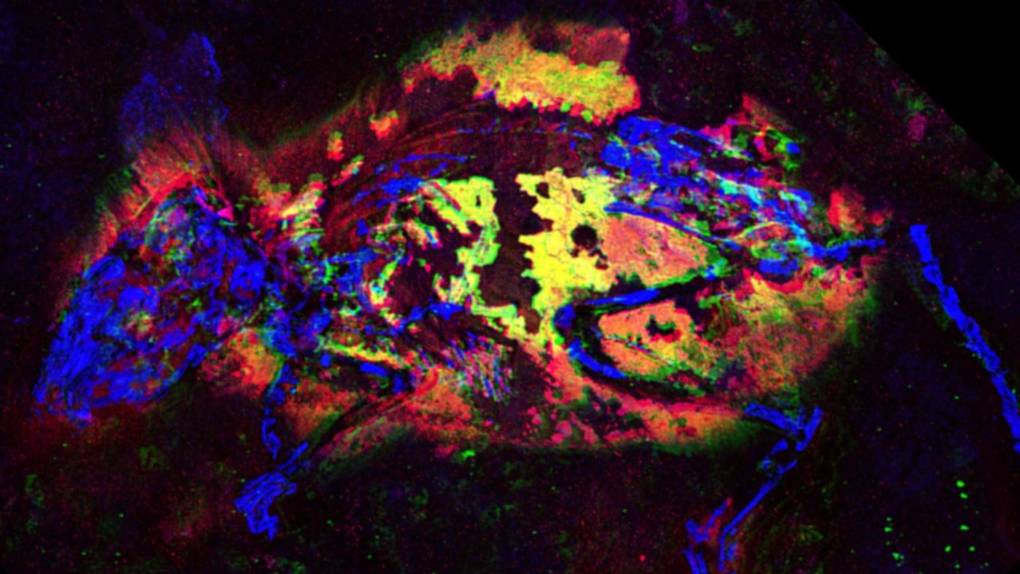
"caption": "The X-ray image of the 3 million year old mouse. ",
"description": null,
"title": "mouse 3",
"credit": "SLAC",
"status": "inherit",
"isLoading": false,
"fetchFailed": false
},
"science_1942008": {
"type": "attachments",
"id": "science_1942008",
"meta": {
"index": "attachments_1716263798",
"site": "science",
"id": "1942008",
"found": true
},
"parent": 1941506,
"imgSizes": {
"twentyfourteen-full-width": {
"file": "https://ww2.kqed.org/app/uploads/sites/35/2019/05/DL610-face-mites-marquee-1038x576.jpg",
"width": 1038,
"mimeType": "image/jpeg",
"height": 576
},
"thumbnail": {
"file": "https://ww2.kqed.org/app/uploads/sites/35/2019/05/DL610-face-mites-marquee-160x90.jpg",
"width": 160,
"mimeType": "image/jpeg",
"height": 90
},
"post-thumbnail": {
"file": "https://ww2.kqed.org/app/uploads/sites/35/2019/05/DL610-face-mites-marquee-672x372.jpg",
"width": 672,
"mimeType": "image/jpeg",
"height": 372
},
"kqedFullSize": {
"file": "https://ww2.kqed.org/app/uploads/sites/35/2019/05/DL610-face-mites-marquee.jpg",
"width": 1280,
"height": 720
},
"large": {
"file": "https://ww2.kqed.org/app/uploads/sites/35/2019/05/DL610-face-mites-marquee-1020x574.jpg",
"width": 1020,
"mimeType": "image/jpeg",
"height": 574
},
"complete_open_graph": {
"file": "https://ww2.kqed.org/app/uploads/sites/35/2019/05/DL610-face-mites-marquee-1200x675.jpg",
"width": 1200,
"mimeType": "image/jpeg",
"height": 675
},
"medium": {
"file": "https://ww2.kqed.org/app/uploads/sites/35/2019/05/DL610-face-mites-marquee-800x450.jpg",
"width": 800,
"mimeType": "image/jpeg",
"height": 450
},
"medium_large": {
"file": "https://ww2.kqed.org/app/uploads/sites/35/2019/05/DL610-face-mites-marquee-768x432.jpg",
"width": 768,
"mimeType": "image/jpeg",
"height": 432
}
},
"publishDate": 1558391474,
"modified": 1558391517,
"caption": null,
"description": null,
"title": "DL610-face-mites-marquee",
"credit": null,
"status": "inherit",
"isLoading": false,
"fetchFailed": false
},
"science_1941571": {
"type": "attachments",
"id": "science_1941571",
"meta": {
"index": "attachments_1716263798",
"site": "science",
"id": "1941571",
"found": true
},
"parent": 1941435,
"imgSizes": {
"twentyfourteen-full-width": {
"file": "https://ww2.kqed.org/app/uploads/sites/35/2029/05/Roadkill-California-1038x576.jpg",
"width": 1038,
"mimeType": "image/jpeg",
"height": 576
},
"thumbnail": {
"file": "https://ww2.kqed.org/app/uploads/sites/35/2029/05/Roadkill-California-160x105.jpg",
"width": 160,
"mimeType": "image/jpeg",
"height": 105
},
"post-thumbnail": {
"file": "https://ww2.kqed.org/app/uploads/sites/35/2029/05/Roadkill-California-672x372.jpg",
"width": 672,
"mimeType": "image/jpeg",
"height": 372
},
"kqedFullSize": {
"file": "https://ww2.kqed.org/app/uploads/sites/35/2029/05/Roadkill-California-e1557766703944.jpg",
"width": 1920,
"height": 1257
},
"large": {
"file": "https://ww2.kqed.org/app/uploads/sites/35/2029/05/Roadkill-California-1020x668.jpg",
"width": 1020,
"mimeType": "image/jpeg",
"height": 668
},
"complete_open_graph": {
"file": "https://ww2.kqed.org/app/uploads/sites/35/2029/05/Roadkill-California-1200x786.jpg",
"width": 1200,
"mimeType": "image/jpeg",
"height": 786
},
"full-width": {
"file": "https://ww2.kqed.org/app/uploads/sites/35/2029/05/Roadkill-California-1920x1258.jpg",
"width": 1920,
"mimeType": "image/jpeg",
"height": 1258
},
"medium": {
"file": "https://ww2.kqed.org/app/uploads/sites/35/2029/05/Roadkill-California-800x524.jpg",
"width": 800,
"mimeType": "image/jpeg",
"height": 524
},
"medium_large": {
"file": "https://ww2.kqed.org/app/uploads/sites/35/2029/05/Roadkill-California-768x503.jpg",
"width": 768,
"mimeType": "image/jpeg",
"height": 503
}
},
"publishDate": 1557766687,
"modified": 1557766781,
"caption": "A deer as walks through a parking lot in Yosemite National Park, California, in 2013.",
"description": null,
"title": "Yosemite National Park Remains Open As Rim Fire Continues In Burn On Park's Western Edge",
"credit": "Justin Sullivan/Getty Images",
"status": "inherit",
"isLoading": false,
"fetchFailed": false
},
"science_1941333": {
"type": "attachments",
"id": "science_1941333",
"meta": {
"index": "attachments_1716263798",
"site": "science",
"id": "1941333",
"found": true
},
"parent": 1941327,
"imgSizes": {
"twentyfourteen-full-width": {
"file": "https://ww2.kqed.org/app/uploads/sites/35/2019/05/IMG_20190507_102505434-1038x576.jpg",
"width": 1038,
"mimeType": "image/jpeg",
"height": 576
},
"thumbnail": {
"file": "https://ww2.kqed.org/app/uploads/sites/35/2019/05/IMG_20190507_102505434-160x120.jpg",
"width": 160,
"mimeType": "image/jpeg",
"height": 120
},
"post-thumbnail": {
"file": "https://ww2.kqed.org/app/uploads/sites/35/2019/05/IMG_20190507_102505434-672x372.jpg",
"width": 672,
"mimeType": "image/jpeg",
"height": 372
},
"kqedFullSize": {
"file": "https://ww2.kqed.org/app/uploads/sites/35/2019/05/IMG_20190507_102505434-e1557270093712.jpg",
"width": 1920,
"height": 1440
},
"large": {
"file": "https://ww2.kqed.org/app/uploads/sites/35/2019/05/IMG_20190507_102505434-1020x765.jpg",
"width": 1020,
"mimeType": "image/jpeg",
"height": 765
},
"complete_open_graph": {
"file": "https://ww2.kqed.org/app/uploads/sites/35/2019/05/IMG_20190507_102505434-1200x900.jpg",
"width": 1200,
"mimeType": "image/jpeg",
"height": 900
},
"full-width": {
"file": "https://ww2.kqed.org/app/uploads/sites/35/2019/05/IMG_20190507_102505434-1920x1440.jpg",
"width": 1920,
"mimeType": "image/jpeg",
"height": 1440
},
"medium": {
"file": "https://ww2.kqed.org/app/uploads/sites/35/2019/05/IMG_20190507_102505434-800x600.jpg",
"width": 800,
"mimeType": "image/jpeg",
"height": 600
},
"medium_large": {
"file": "https://ww2.kqed.org/app/uploads/sites/35/2019/05/IMG_20190507_102505434-768x576.jpg",
"width": 768,
"mimeType": "image/jpeg",
"height": 576
}
},
"publishDate": 1557264663,
"modified": 1557270151,
"caption": null,
"description": null,
"title": "IMG_20190507_102505434",
"credit": "Hannah Hagemann/KQED",
"status": "inherit",
"isLoading": false,
"fetchFailed": false
},
"science_1941304": {
"type": "attachments",
"id": "science_1941304",
"meta": {
"index": "attachments_1716263798",
"site": "science",
"id": "1941304",
"found": true
},
"parent": 1940898,
"imgSizes": {
"twentyfourteen-full-width": {
"file": "https://ww2.kqed.org/app/uploads/sites/35/2019/05/DL609-Honeybee-marquee-pshield_1920-1038x576.jpg",
"width": 1038,
"mimeType": "image/jpeg",
"height": 576
},
"thumbnail": {
"file": "https://ww2.kqed.org/app/uploads/sites/35/2019/05/DL609-Honeybee-marquee-pshield_1920-160x90.jpg",
"width": 160,
"mimeType": "image/jpeg",
"height": 90
},
"post-thumbnail": {
"file": "https://ww2.kqed.org/app/uploads/sites/35/2019/05/DL609-Honeybee-marquee-pshield_1920-672x372.jpg",
"width": 672,
"mimeType": "image/jpeg",
"height": 372
},
"kqedFullSize": {
"file": "https://ww2.kqed.org/app/uploads/sites/35/2019/05/DL609-Honeybee-marquee-pshield_1920.jpg",
"width": 1920,
"height": 1080
},
"large": {
"file": "https://ww2.kqed.org/app/uploads/sites/35/2019/05/DL609-Honeybee-marquee-pshield_1920-1020x574.jpg",
"width": 1020,
"mimeType": "image/jpeg",
"height": 574
},
"complete_open_graph": {
"file": "https://ww2.kqed.org/app/uploads/sites/35/2019/05/DL609-Honeybee-marquee-pshield_1920-1200x675.jpg",
"width": 1200,
"mimeType": "image/jpeg",
"height": 675
},
"full-width": {
"file": "https://ww2.kqed.org/app/uploads/sites/35/2019/05/DL609-Honeybee-marquee-pshield_1920-1920x1080.jpg",
"width": 1920,
"mimeType": "image/jpeg",
"height": 1080
},
"medium": {
"file": "https://ww2.kqed.org/app/uploads/sites/35/2019/05/DL609-Honeybee-marquee-pshield_1920-800x450.jpg",
"width": 800,
"mimeType": "image/jpeg",
"height": 450
},
"medium_large": {
"file": "https://ww2.kqed.org/app/uploads/sites/35/2019/05/DL609-Honeybee-marquee-pshield_1920-768x432.jpg",
"width": 768,
"mimeType": "image/jpeg",
"height": 432
}
},
"publishDate": 1557176848,
"modified": 1557176959,
"caption": "Two honey bees stand on cells full of bee bread inside a hive in Volta, California. ",
"description": null,
"title": "DL609-Honeybee-marquee-pshield_1920",
"credit": "Josh Cassidy/KQED",
"status": "inherit",
"isLoading": false,
"fetchFailed": false
},
"science_1941293": {
"type": "attachments",
"id": "science_1941293",
"meta": {
"index": "attachments_1716263798",
"site": "science",
"id": "1941293",
"found": true
},
"parent": 1941283,
"imgSizes": {
"twentyfourteen-full-width": {
"file": "https://ww2.kqed.org/app/uploads/sites/35/2019/05/frog-1038x576.jpg",
"width": 1038,
"mimeType": "image/jpeg",
"height": 576
},
"thumbnail": {
"file": "https://ww2.kqed.org/app/uploads/sites/35/2019/05/frog-160x120.jpg",
"width": 160,
"mimeType": "image/jpeg",
"height": 120
},
"post-thumbnail": {
"file": "https://ww2.kqed.org/app/uploads/sites/35/2019/05/frog-672x372.jpg",
"width": 672,
"mimeType": "image/jpeg",
"height": 372
},
"kqedFullSize": {
"file": "https://ww2.kqed.org/app/uploads/sites/35/2019/05/frog-e1557173756724.jpg",
"width": 1920,
"height": 1439
},
"large": {
"file": "https://ww2.kqed.org/app/uploads/sites/35/2019/05/frog-1020x765.jpg",
"width": 1020,
"mimeType": "image/jpeg",
"height": 765
},
"complete_open_graph": {
"file": "https://ww2.kqed.org/app/uploads/sites/35/2019/05/frog-1200x900.jpg",
"width": 1200,
"mimeType": "image/jpeg",
"height": 900
},
"full-width": {
"file": "https://ww2.kqed.org/app/uploads/sites/35/2019/05/frog-1920x1439.jpg",
"width": 1920,
"mimeType": "image/jpeg",
"height": 1439
},
"medium": {
"file": "https://ww2.kqed.org/app/uploads/sites/35/2019/05/frog-800x600.jpg",
"width": 800,
"mimeType": "image/jpeg",
"height": 600
},
"medium_large": {
"file": "https://ww2.kqed.org/app/uploads/sites/35/2019/05/frog-768x576.jpg",
"width": 768,
"mimeType": "image/jpeg",
"height": 576
}
},
"publishDate": 1557173591,
"modified": 1557174736,
"caption": "A red-Legged frog released Friday, May 3, 2019, in Cooks Meadow, Yosemite Valley.\n \n",
"description": null,
"title": "Red-Legged Frog Release.",
"credit": "Al Golub/Yosemite Conservancy",
"status": "inherit",
"isLoading": false,
"fetchFailed": false
}
},
"audioPlayerReducer": {
"postId": "stream_live",
"isPaused": true,
"isPlaying": false,
"pfsActive": false,
"pledgeModalIsOpen": true,
"playerDrawerIsOpen": false,
"liveAudioPlayStartedAt": 0,
"liveAudioPlayContext": ""
},
"authorsReducer": {
"byline_science_1942973": {
"type": "authors",
"id": "byline_science_1942973",
"meta": {
"override": true
},
"slug": "byline_science_1942973",
"name": "Rebecca Hersher \u003cbr/> NPR \u003cbr>",
"isLoading": false
},
"byline_science_1942155": {
"type": "authors",
"id": "byline_science_1942155",
"meta": {
"override": true
},
"slug": "byline_science_1942155",
"name": "Julie Watson \u003cbr/>Associated Press\u003cbr>",
"isLoading": false
},
"byline_science_1941435": {
"type": "authors",
"id": "byline_science_1941435",
"meta": {
"override": true
},
"slug": "byline_science_1941435",
"name": "Ben Christopher\u003cbr />CALmatters",
"isLoading": false
},
"byline_science_1941283": {
"type": "authors",
"id": "byline_science_1941283",
"meta": {
"override": true
},
"slug": "byline_science_1941283",
"name": "Associated Press",
"isLoading": false
},
"jbrooks": {
"type": "authors",
"id": "80",
"meta": {
"index": "authors_1716337520",
"id": "80",
"found": true
},
"name": "Jon Brooks",
"firstName": "Jon",
"lastName": "Brooks",
"slug": "jbrooks",
"email": "jbrooks@kqed.org",
"display_author_email": true,
"staff_mastheads": [
"science"
],
"title": "Digital Editor",
"bio": "Jon Brooks is a former Digital Editor for KQED Science. He is the former editor of KQED’s daily news blog, News Fix. In 2014, he won a California Journalism Award for his coverage of ride services like Uber and Lyft and the taxi industry. A veteran blogger, he previously worked for Yahoo! in various news writing and editing roles. Jon is also a playwright whose work has been produced in San Francisco, New York, Italy, and around the U.S. He has written about film for his own blog and studied film at Boston University.",
"avatar": "https://secure.gravatar.com/avatar/98887f7ed1c876ed414d4c915e969584?s=600&d=blank&r=g",
"twitter": "jbrooksfoy",
"facebook": null,
"instagram": null,
"linkedin": null,
"sites": [
{
"site": "arts",
"roles": [
"Contributor",
"editor"
]
},
{
"site": "news",
"roles": [
"author"
]
},
{
"site": "futureofyou",
"roles": [
"administrator"
]
},
{
"site": "mindshift",
"roles": [
"editor"
]
},
{
"site": "stateofhealth",
"roles": [
"editor"
]
},
{
"site": "science",
"roles": [
"administrator"
]
},
{
"site": "quest",
"roles": [
"editor"
]
}
],
"headData": {
"title": "Jon Brooks | KQED",
"description": "Digital Editor",
"ogImgSrc": "https://secure.gravatar.com/avatar/98887f7ed1c876ed414d4c915e969584?s=600&d=blank&r=g",
"twImgSrc": "https://secure.gravatar.com/avatar/98887f7ed1c876ed414d4c915e969584?s=600&d=blank&r=g"
},
"isLoading": false,
"link": "/author/jbrooks"
},
"jennyoh": {
"type": "authors",
"id": "2100",
"meta": {
"index": "authors_1716337520",
"id": "2100",
"found": true
},
"name": "Jenny Oh",
"firstName": "Jenny",
"lastName": "Oh",
"slug": "jennyoh",
"email": "joh@kqed.org",
"display_author_email": false,
"staff_mastheads": [],
"title": "Audience Engagement Producer, Deep Look",
"bio": "Jenny is an Emmy Award-winning producer and is currently the Audience Engagement Producer for KQED Science's \u003cem>Deep Look\u003c/em> online video series. She was also a long-time contributor to Bay Area Bites, KQED's popular food blog. Jenny graduated with honors from New York University’s Tisch School of the Arts Film and Television program and has worked for WNET/PBS, The Learning Channel, Sundance Channel, HBO and the University of California.",
"avatar": "https://secure.gravatar.com/avatar/7ddda0ed657e46dbe66083f569967752?s=600&d=mm&r=g",
"twitter": null,
"facebook": null,
"instagram": null,
"linkedin": null,
"sites": [
{
"site": "arts",
"roles": []
},
{
"site": "pop",
"roles": []
},
{
"site": "about",
"roles": []
},
{
"site": "bayareabites",
"roles": []
},
{
"site": "science",
"roles": []
},
{
"site": "education",
"roles": []
},
{
"site": "quest",
"roles": []
},
{
"site": "food",
"roles": []
}
],
"headData": {
"title": "Jenny Oh | KQED",
"description": "Audience Engagement Producer, Deep Look",
"ogImgSrc": "https://secure.gravatar.com/avatar/7ddda0ed657e46dbe66083f569967752?s=600&d=mm&r=g",
"twImgSrc": "https://secure.gravatar.com/avatar/7ddda0ed657e46dbe66083f569967752?s=600&d=mm&r=g"
},
"isLoading": false,
"link": "/author/jennyoh"
},
"gabriela-quiros": {
"type": "authors",
"id": "6186",
"meta": {
"index": "authors_1716337520",
"id": "6186",
"found": true
},
"name": "Gabriela Quirós",
"firstName": "Gabriela",
"lastName": "Quirós",
"slug": "gabriela-quiros",
"email": "gquiros@kqed.org",
"display_author_email": false,
"staff_mastheads": [],
"title": "Supervising Producer",
"bio": "Gabriela Quirós is the \u003cstrong>supervising producer for KQED's web science video series \u003ca href=\"https://www.kqed.org/deeplook\">Deep Look\u003c/a>\u003c/strong>. She joined KQED as a TV producer when its science series QUEST started in 2006 and has covered everything from Alzheimer’s to bee die-offs to dark energy.\r\n\r\nShe won a 2022 AAAS Kavli Science Journalism Award with a team of her Deep Look colleagues. She has won six regional Emmys as a video producer and has shared eight more as the coordinating producer of Deep Look. The episode she produced about \u003ca href=\"https://www.kqed.org/science/728086/how-mosquitoes-use-six-needles-to-suck-your-blood\">How Mosquitoes Use Six Needles to Suck Your Blood\u003c/a> won a Webby \"People's Voice\" award. She has also earned awards from the Jackson Hole Wildlife Film Festival, the Society of Professional Journalists and the Society of Environmental Journalists.\r\n\r\nHer videos for KQED have also aired on NOVA scienceNOW and the PBS NewsHour, and appeared on NPR.org.\r\n\r\nAs an independent filmmaker, she produced and directed the hour-long documentary \u003ca href=\"http://lpbp.org/beautiful-sin-qa-with-producer-gabriela-quiros/\">\u003cem>Beautiful Sin\u003c/em>\u003c/a>, about the surprising story of how Costa Rica became the only country in the world to outlaw in vitro fertilization. The film aired in 2015 on public television stations throughout the U.S., and in Costa Rica.\r\n\r\nShe started her journalism career as a newspaper reporter in Costa Rica, where she grew up. She won the National Science Journalism Award there for a series of articles about organic agriculture, and developed a life-long interest in health reporting. She moved to the Bay Area in 1996 to study documentary filmmaking at the University of California, Berkeley, where she received master’s degrees in journalism and Latin American studies.",
"avatar": "https://secure.gravatar.com/avatar/6d82c20152affd1b434c31a904c40809?s=600&d=blank&r=g",
"twitter": "gabrielaquirosr",
"facebook": null,
"instagram": null,
"linkedin": null,
"sites": [
{
"site": "science",
"roles": []
},
{
"site": "quest",
"roles": [
"ef_view_calendar",
"ef_view_story_budget"
]
}
],
"headData": {
"title": "Gabriela Quirós | KQED",
"description": "Supervising Producer",
"ogImgSrc": "https://secure.gravatar.com/avatar/6d82c20152affd1b434c31a904c40809?s=600&d=blank&r=g",
"twImgSrc": "https://secure.gravatar.com/avatar/6d82c20152affd1b434c31a904c40809?s=600&d=blank&r=g"
},
"isLoading": false,
"link": "/author/gabriela-quiros"
},
"joshua-cassidy": {
"type": "authors",
"id": "6219",
"meta": {
"index": "authors_1716337520",
"id": "6219",
"found": true
},
"name": "Josh Cassidy",
"firstName": "Josh",
"lastName": "Cassidy",
"slug": "joshua-cassidy",
"email": "jcassidy@kqed.org",
"display_author_email": false,
"staff_mastheads": [
"science"
],
"title": "Digital Video Producer",
"bio": "Josh is a Senior Video Producer for KQED Science, and the Lead Producer and Cinematographer for Deep Look. After receiving his BS in Wildlife Biology from Ohio University, he went on to participate in marine mammal research for NOAA, USGS and the Intersea Foundation. He also served as the president of The Pacific Cetacean Group, a nonprofit organization dedicated to teaching students K-6 about whales. Josh studied science and natural history filmmaking at San Francisco State University and Montana State University.",
"avatar": "https://secure.gravatar.com/avatar/f2582a0801a35af53b734d56bcac2bbe?s=600&d=blank&r=g",
"twitter": null,
"facebook": null,
"instagram": null,
"linkedin": null,
"sites": [
{
"site": "science",
"roles": [
"editor"
]
},
{
"site": "quest",
"roles": [
"author",
"edit_others_posts"
]
}
],
"headData": {
"title": "Josh Cassidy | KQED",
"description": "Digital Video Producer",
"ogImgSrc": "https://secure.gravatar.com/avatar/f2582a0801a35af53b734d56bcac2bbe?s=600&d=blank&r=g",
"twImgSrc": "https://secure.gravatar.com/avatar/f2582a0801a35af53b734d56bcac2bbe?s=600&d=blank&r=g"
},
"isLoading": false,
"link": "/author/joshua-cassidy"
},
"lmoore": {
"type": "authors",
"id": "11577",
"meta": {
"index": "authors_1716337520",
"id": "11577",
"found": true
},
"name": "Lindsey Moore",
"firstName": "Lindsey",
"lastName": "Moore",
"slug": "lmoore",
"email": "lmoore@KQED.org",
"display_author_email": false,
"staff_mastheads": [],
"title": null,
"bio": null,
"avatar": "https://secure.gravatar.com/avatar/f31b7af72737fe390bb81e7c259f55ad?s=600&d=blank&r=g",
"twitter": null,
"facebook": null,
"instagram": null,
"linkedin": null,
"sites": [
{
"site": "science",
"roles": [
"editor"
]
}
],
"headData": {
"title": "Lindsey Moore | KQED",
"description": null,
"ogImgSrc": "https://secure.gravatar.com/avatar/f31b7af72737fe390bb81e7c259f55ad?s=600&d=blank&r=g",
"twImgSrc": "https://secure.gravatar.com/avatar/f31b7af72737fe390bb81e7c259f55ad?s=600&d=blank&r=g"
},
"isLoading": false,
"link": "/author/lmoore"
},
"hhagemann": {
"type": "authors",
"id": "11578",
"meta": {
"index": "authors_1716337520",
"id": "11578",
"found": true
},
"name": "Hannah Hagemann",
"firstName": "Hannah",
"lastName": "Hagemann",
"slug": "hhagemann",
"email": "hhagemann@KQED.org",
"display_author_email": false,
"staff_mastheads": [],
"title": "KQED Contributor",
"bio": null,
"avatar": "https://secure.gravatar.com/avatar/c3af389deff545c719141a87524965d8?s=600&d=blank&r=g",
"twitter": null,
"facebook": null,
"instagram": null,
"linkedin": null,
"sites": [
{
"site": "news",
"roles": [
"author"
]
},
{
"site": "science",
"roles": [
"editor"
]
}
],
"headData": {
"title": "Hannah Hagemann | KQED",
"description": "KQED Contributor",
"ogImgSrc": "https://secure.gravatar.com/avatar/c3af389deff545c719141a87524965d8?s=600&d=blank&r=g",
"twImgSrc": "https://secure.gravatar.com/avatar/c3af389deff545c719141a87524965d8?s=600&d=blank&r=g"
},
"isLoading": false,
"link": "/author/hhagemann"
},
"kevinstark": {
"type": "authors",
"id": "11608",
"meta": {
"index": "authors_1716337520",
"id": "11608",
"found": true
},
"name": "Kevin Stark",
"firstName": "Kevin",
"lastName": "Stark",
"slug": "kevinstark",
"email": "kstark@kqed.org",
"display_author_email": true,
"staff_mastheads": [
"science"
],
"title": "Senior Editor",
"bio": "Kevin is a senior editor for KQED Science, managing the station's health and climate desks. His journalism career began in the Pacific Northwest, and he later became a lead reporter for the San Francisco Public Press. His work has appeared in Pacific Standard magazine, the Energy News Network, the Center for Investigative Reporting's Reveal and WBEZ in Chicago. Kevin joined KQED in 2019, and has covered issues related to energy, wildfire, climate change and the environment.",
"avatar": "https://secure.gravatar.com/avatar/1f646bf546a63d638e04ff23b52b0e79?s=600&d=blank&r=g",
"twitter": "starkkev",
"facebook": null,
"instagram": null,
"linkedin": null,
"sites": [
{
"site": "",
"roles": [
"editor"
]
},
{
"site": "news",
"roles": [
"editor"
]
},
{
"site": "science",
"roles": [
"administrator"
]
}
],
"headData": {
"title": "Kevin Stark | KQED",
"description": "Senior Editor",
"ogImgSrc": "https://secure.gravatar.com/avatar/1f646bf546a63d638e04ff23b52b0e79?s=600&d=blank&r=g",
"twImgSrc": "https://secure.gravatar.com/avatar/1f646bf546a63d638e04ff23b52b0e79?s=600&d=blank&r=g"
},
"isLoading": false,
"link": "/author/kevinstark"
}
},
"pagesReducer": {
"science_category_animals": {
"type": "terms",
"id": "science_2874",
"meta": {
"index": "terms_1716263798",
"site": "science",
"id": "2874",
"score": 12.282768
},
"featImg": null,
"name": "Animals",
"description": null,
"taxonomy": "category",
"headData": {
"twImgId": null,
"twTitle": null,
"ogTitle": null,
"ogImgId": null,
"twDescription": null,
"description": null,
"title": "Animals Archives | KQED Science",
"ogDescription": null
},
"ttid": 2874,
"slug": "animals",
"isLoading": false,
"title": "Animals",
"pageMeta": {
"site": "science",
"WpPageTemplate": "page-topic-editorial",
"currentPage": 22
},
"blocks": [
{
"blockName": "kqed/post-list",
"attrs": {
"layout": "cardArticle2",
"query": "posts/science?category=animals",
"seeMore": false,
"paginated": true,
"page": 22
}
},
{
"blockName": "kqed/ad"
}
]
}
},
"pfsSessionReducer": {},
"postsReducer": {
"stream_live": {
"type": "live",
"id": "stream_live",
"audioUrl": "https://streams.kqed.org/kqedradio",
"title": "Live Stream",
"excerpt": "Live Stream information currently unavailable.",
"link": "/radio",
"featImg": "",
"label": {
"name": "KQED Live",
"link": "/"
}
},
"stream_kqedNewscast": {
"type": "posts",
"id": "stream_kqedNewscast",
"audioUrl": "https://www.kqed.org/.stream/anon/radio/RDnews/newscast.mp3?_=1",
"title": "KQED Newscast",
"featImg": "",
"label": {
"name": "88.5 FM",
"link": "/"
}
},
"science_1941850": {
"type": "posts",
"id": "science_1941850",
"meta": {
"index": "posts_1716263798",
"site": "science",
"id": "1941850",
"score": null,
"sort": [
1560260252000
]
},
"guestAuthors": [],
"slug": "meeting-a-wormlion-is-the-pits",
"title": "Meeting a Wormlion Is the Pits",
"publishDate": 1560260252,
"format": "video",
"headTitle": "Meeting a Wormlion Is the Pits | KQED",
"labelTerm": {
"term": 1935,
"site": "science"
},
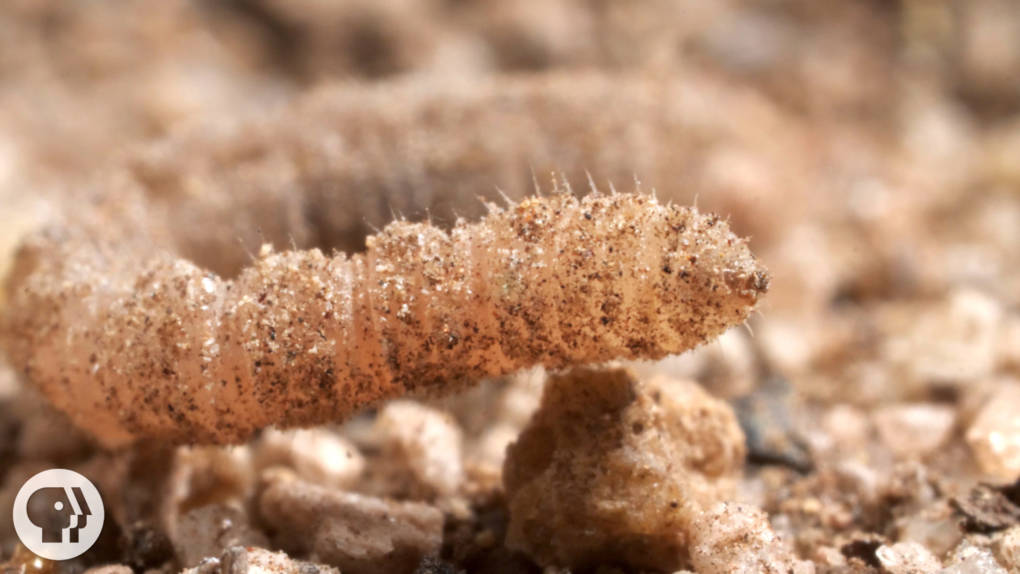
"content": "\u003cfigure id=\"attachment_1941857\" class=\"wp-caption alignleft\" style=\"max-width: 800px\">\u003cimg loading=\"lazy\" decoding=\"async\" class=\"size-medium wp-image-1941857\" src=\"https://ww2.kqed.org/science/wp-content/uploads/sites/35/2019/05/wormlions_20170812_11-800x533.jpg\" alt=\"wormlions\" width=\"800\" height=\"533\" srcset=\"https://cdn.kqed.org/wp-content/uploads/sites/35/2019/05/wormlions_20170812_11-800x533.jpg 800w, https://cdn.kqed.org/wp-content/uploads/sites/35/2019/05/wormlions_20170812_11-160x107.jpg 160w, https://cdn.kqed.org/wp-content/uploads/sites/35/2019/05/wormlions_20170812_11-768x512.jpg 768w, https://cdn.kqed.org/wp-content/uploads/sites/35/2019/05/wormlions_20170812_11-1020x680.jpg 1020w, https://cdn.kqed.org/wp-content/uploads/sites/35/2019/05/wormlions_20170812_11-1200x800.jpg 1200w, https://cdn.kqed.org/wp-content/uploads/sites/35/2019/05/wormlions_20170812_11-1920x1280.jpg 1920w, https://cdn.kqed.org/wp-content/uploads/sites/35/2019/05/wormlions_20170812_11.jpg 2048w\" sizes=\"auto, (max-width: 800px) 100vw, 800px\">\u003cfigcaption class=\"wp-caption-text\">An assortment of tiny wormlions. \u003ccite>(Joyce Gross)\u003c/cite>\u003c/figcaption>\u003c/figure>\n\u003cp>[dl_subscribe]Ominous creatures that lurk deep underground in the desert, like the sandworms in the classic science fiction novel \u003ca href=\"https://en.wikipedia.org/wiki/Dune_(novel)\" target=\"_blank\" rel=\"noopener\">“Dune,”\u003c/a> aren’t just make-believe. For ants and other prey, wormlions are a terrifying reality.\u003c/p>\n\u003cfigure id=\"attachment_1941929\" class=\"wp-caption alignright\" style=\"max-width: 800px\">\u003cimg loading=\"lazy\" decoding=\"async\" class=\"size-medium wp-image-1941929\" src=\"https://ww2.kqed.org/science/wp-content/uploads/sites/35/2019/05/joyce_20140719_03-800x980.jpg\" alt=\"Joyce Gross collecting beetles.\" width=\"800\" height=\"980\" srcset=\"https://cdn.kqed.org/wp-content/uploads/sites/35/2019/05/joyce_20140719_03-800x980.jpg 800w, https://cdn.kqed.org/wp-content/uploads/sites/35/2019/05/joyce_20140719_03-160x196.jpg 160w, https://cdn.kqed.org/wp-content/uploads/sites/35/2019/05/joyce_20140719_03-768x941.jpg 768w, https://cdn.kqed.org/wp-content/uploads/sites/35/2019/05/joyce_20140719_03-1020x1250.jpg 1020w, https://cdn.kqed.org/wp-content/uploads/sites/35/2019/05/joyce_20140719_03-979x1200.jpg 979w, https://cdn.kqed.org/wp-content/uploads/sites/35/2019/05/joyce_20140719_03.jpg 1671w\" sizes=\"auto, (max-width: 800px) 100vw, 800px\">\u003cfigcaption class=\"wp-caption-text\">Joyce Gross collecting beetles. \u003ccite>(Jae Sullivan)\u003c/cite>\u003c/figcaption>\u003c/figure>\n\u003cp>While quite small—they can grow up to an inch—wormlions are fly larvae that curl up their bodies like slingshots. Usually found under rock or log overhangs in dry, sandy landscapes, they’ll energetically fling soil, sand and pebbles out of the way to dig pit traps.\u003c/p>\n\u003cp>Once an unlucky critter falls in, wormlions move at lightning speed and quickly wrap their bodies around their victims. Squeezing them like boa constrictors, they also inject them with a paralyzing venom. They feed this way for several years, until they transform into adults.\u003c/p>\n\u003cp>Joyce Gross, a computer programmer for the \u003ca href=\"https://bnhm.berkeley.edu/\" target=\"_blank\" rel=\"noopener\">UC Berkeley Natural History Museums\u003c/a>, is fascinated by their unique hunting behavior.\u003c/p>\n\u003cp>“They have such a weird life history,” she said. “They’re the only flies that dig pits like this, and wait for prey to fall in, just like antlions.”\u003c/p>\n\u003cp>[ad fullwidth]\u003c/p>\n\u003cp>Gross, an avid photographer and naturalist in her spare time, has been studying these insects for over three years. Wormlions first appeared on her radar while collaborating with several entomologists to update Jerry Powell and Charles Hogue’s “\u003ca href=\"https://www.ucpress.edu/book/9780520037823/california-insects\" target=\"_blank\" rel=\"noopener\">California Insects\u003c/a>” field guide.\u003c/p>\n\u003cfigure id=\"attachment_1941856\" class=\"wp-caption alignleft\" style=\"max-width: 800px\">\u003cimg loading=\"lazy\" decoding=\"async\" class=\"size-medium wp-image-1941856\" src=\"https://ww2.kqed.org/science/wp-content/uploads/sites/35/2019/05/wormlion_number_13_20180416_25-800x524.jpg\" alt=\"adult wormlion\" width=\"800\" height=\"524\" srcset=\"https://cdn.kqed.org/wp-content/uploads/sites/35/2019/05/wormlion_number_13_20180416_25-800x524.jpg 800w, https://cdn.kqed.org/wp-content/uploads/sites/35/2019/05/wormlion_number_13_20180416_25-160x105.jpg 160w, https://cdn.kqed.org/wp-content/uploads/sites/35/2019/05/wormlion_number_13_20180416_25-768x503.jpg 768w, https://cdn.kqed.org/wp-content/uploads/sites/35/2019/05/wormlion_number_13_20180416_25-1020x668.jpg 1020w, https://cdn.kqed.org/wp-content/uploads/sites/35/2019/05/wormlion_number_13_20180416_25-1200x786.jpg 1200w, https://cdn.kqed.org/wp-content/uploads/sites/35/2019/05/wormlion_number_13_20180416_25-1920x1258.jpg 1920w, https://cdn.kqed.org/wp-content/uploads/sites/35/2019/05/wormlion_number_13_20180416_25.jpg 2048w\" sizes=\"auto, (max-width: 800px) 100vw, 800px\">\u003cfigcaption class=\"wp-caption-text\">An adult wormlion emerges from its pupal stage as a fly. \u003ccite>(Joyce Gross)\u003c/cite>\u003c/figcaption>\u003c/figure>\n\u003cp>Gross has been collecting, rearing and photographing wormlions at her home in order to add both research and images to the next edition of the book. She’ll fill a plastic vial with ants from her backyard and will feed them regularly, keeping careful records of their eating patterns.\u003c/p>\n\u003cp>“I’ve had animals all of my life, usually not insects,” said Gross. “Most people feel very bad that I don’t have a dog, but they don’t understand how I can enjoy my other pets. I do like feeding them. I have to admit there’s something about them waiting there and knowing that they’re hungry. It’s sort of like throwing a treat to my dog, but I’m tossing in an ant for my wormlions. They’re pretty ferocious for such tiny things. It amazes me that they don’t seem to get injured by these ants.”\u003c/p>\n\u003cfigure id=\"attachment_1941854\" class=\"wp-caption alignright\" style=\"max-width: 800px\">\u003cimg loading=\"lazy\" decoding=\"async\" class=\"size-medium wp-image-1941854\" src=\"https://ww2.kqed.org/science/wp-content/uploads/sites/35/2019/05/IMG_0984-800x1067.jpg\" alt=\"wormlions\" width=\"800\" height=\"1067\" srcset=\"https://cdn.kqed.org/wp-content/uploads/sites/35/2019/05/IMG_0984-800x1067.jpg 800w, https://cdn.kqed.org/wp-content/uploads/sites/35/2019/05/IMG_0984-160x213.jpg 160w, https://cdn.kqed.org/wp-content/uploads/sites/35/2019/05/IMG_0984-768x1024.jpg 768w, https://cdn.kqed.org/wp-content/uploads/sites/35/2019/05/IMG_0984-1020x1360.jpg 1020w, https://cdn.kqed.org/wp-content/uploads/sites/35/2019/05/IMG_0984-900x1200.jpg 900w, https://cdn.kqed.org/wp-content/uploads/sites/35/2019/05/IMG_0984-1920x2560.jpg 1920w, https://cdn.kqed.org/wp-content/uploads/sites/35/2019/05/IMG_0984.jpg 1536w\" sizes=\"auto, (max-width: 800px) 100vw, 800px\">\u003cfigcaption class=\"wp-caption-text\">Joyce Gross has been rearing an extensive collection of wormlions in her home for several years. \u003ccite>(Jenny Oh/KQED)\u003c/cite>\u003c/figcaption>\u003c/figure>\n\u003cp>While she’s always been intrigued by the natural world, insects weren’t always her main focus. “I got interested in entomology partly because after digital cameras came around, it became really easy to photograph and learn about them. I was also photographing birds, reptiles and amphibians, but then insects really caught my attention. I like the variety of life histories, and I really like things that people don’t know as much about. There’s lots of birders. But with insects, there are so many of them and relatively few entomologists compared to the numbers of insects.”\u003c/p>\n\u003cp>“Plus, it’s just fascinating learning about them. All the weird things that they do. And I love seeing these little tiny things blown up huge. They’re pretty amazing-looking creatures, some of them. That’s the photography aspect. You can also use that to ID things and learn about them.”\u003c/p>\n\u003cp>Informal contributions to research are integral to ongoing citizen science projects, such as \u003ca href=\"http://www.planetary.org/explore/projects/seti/seti-at-home.html\" target=\"_blank\" rel=\"noopener\">SETI@home\u003c/a> and \u003ca href=\"https://www.inaturalist.org/\" target=\"_blank\" rel=\"noopener\">iNaturalist\u003c/a>. But Kip Will, an \u003ca href=\"https://vcresearch.berkeley.edu/faculty/kipling-will\" target=\"_blank\" rel=\"noopener\">associate professor at UC Berkeley\u003c/a> who is leading the effort to update the “California Insects” guide, puts Gross in her own category.\u003c/p>\n\u003cp>“I’ve never thought of Joyce as a volunteer or a citizen scientist,” Will said. “She is a co-equal in the new edition of the field guide. Though she isn’t responsible for the text, she is handling all the images and most of the field work.”\u003c/p>\n\u003cp>“She knows the natural history of local insects, in general, about as well as anyone,” he added. “A lot of people benefit from her efforts and generosity with images and observations she posts to places like \u003ca href=\"https://bugguide.net/node/view/15740\" target=\"_blank\" rel=\"noopener\">BugGuide\u003c/a> and \u003ca href=\"https://calphotos.berkeley.edu/\" target=\"_blank\" rel=\"noopener\">CalPhotos\u003c/a>.”\u003c/p>\n\u003cfigure id=\"attachment_1941855\" class=\"wp-caption alignleft\" style=\"max-width: 800px\">\u003cimg loading=\"lazy\" decoding=\"async\" class=\"size-medium wp-image-1941855\" src=\"https://ww2.kqed.org/science/wp-content/uploads/sites/35/2019/05/Vermileo_20180624_06-800x508.jpg\" alt=\"An adult wormlion.\" width=\"800\" height=\"508\" srcset=\"https://cdn.kqed.org/wp-content/uploads/sites/35/2019/05/Vermileo_20180624_06-800x508.jpg 800w, https://cdn.kqed.org/wp-content/uploads/sites/35/2019/05/Vermileo_20180624_06-160x102.jpg 160w, https://cdn.kqed.org/wp-content/uploads/sites/35/2019/05/Vermileo_20180624_06-768x488.jpg 768w, https://cdn.kqed.org/wp-content/uploads/sites/35/2019/05/Vermileo_20180624_06-1020x648.jpg 1020w, https://cdn.kqed.org/wp-content/uploads/sites/35/2019/05/Vermileo_20180624_06-1200x762.jpg 1200w, https://cdn.kqed.org/wp-content/uploads/sites/35/2019/05/Vermileo_20180624_06-1920x1219.jpg 1920w, https://cdn.kqed.org/wp-content/uploads/sites/35/2019/05/Vermileo_20180624_06.jpg 2048w\" sizes=\"auto, (max-width: 800px) 100vw, 800px\">\u003cfigcaption class=\"wp-caption-text\">An adult wormlion. \u003ccite>(Joyce Gross)\u003c/cite>\u003c/figcaption>\u003c/figure>\n\u003cp>With the 30 or so wormlions that she has gathered in the field, Gross hopes they’ll mature into flies and lay eggs so she can document an entire life cycle. UC Berkeley’s \u003ca href=\"https://essig.berkeley.edu/\" target=\"_blank\" rel=\"noopener\">Essig Museum of Entomology\u003c/a> receives some of her specimens for its archives, and she said she may eventually publish her research after she’s amassed more data about the lives of wormlions.\u003c/p>\n\u003cp>\u003c/p>\n\u003cp>“It’s just exciting to me learning about all these insects I didn’t know about,” Gross said. “There are also a lot of questions and mysteries, but what we do know is interesting. Sharing stuff that I’ve learned either through photos or just observations online, that’s fun, too.”\u003c/p>\n\n",
"blocks": [],
"excerpt": "Straight out of science fiction, the fearsome wormlion ambushes prey at the bottom of a tidy—and terrifying—sand pit, then flicks their carcasses out. These meals fuel its transformation into something unexpected.",
"status": "publish",
"parent": 0,
"modified": 1738965810,
"stats": {
"hasAudio": false,
"hasVideo": false,
"hasChartOrMap": false,
"iframeSrcs": [],
"hasGoogleForm": false,
"hasGallery": false,
"hasHearkenModule": false,
"hasPolis": false,
"paragraphCount": 17,
"wordCount": 883
},
"headData": {
"title": "Meeting a Wormlion Is the Pits | KQED",
"description": "Straight out of science fiction, the fearsome wormlion ambushes prey at the bottom of a tidy—and terrifying—sand pit, then flicks their carcasses out. These meals fuel its transformation into something unexpected.",
"ogTitle": "",
"ogDescription": "",
"ogImgId": "",
"twTitle": "",
"twDescription": "",
"twImgId": "",
"schema": {
"@context": "https://schema.org",
"@type": "Article",
"headline": "Meeting a Wormlion Is the Pits",
"datePublished": "2019-06-11T06:37:32-07:00",
"dateModified": "2025-02-07T14:03:30-08:00",
"image": "https://cdn.kqed.org/wp-content/uploads/2020/02/KQED-OG-Image@1x.png"
}
},
"videoEmbed": "https://youtu.be/dQMM93aySOw",
"pbsMediaId": "3051934491",
"sticky": false,
"templateType": "standard",
"featuredImageType": "standard",
"excludeFromSiteSearch": "Include",
"articleAge": "0",
"path": "/science/1941850/meeting-a-wormlion-is-the-pits",
"audioTrackLength": null,
"parsedContent": [
{
"type": "contentString",
"content": "\u003cdiv class=\"post-body\">\u003cp>\u003cfigure id=\"attachment_1941857\" class=\"wp-caption alignleft\" style=\"max-width: 800px\">\u003cimg loading=\"lazy\" decoding=\"async\" class=\"size-medium wp-image-1941857\" src=\"https://ww2.kqed.org/science/wp-content/uploads/sites/35/2019/05/wormlions_20170812_11-800x533.jpg\" alt=\"wormlions\" width=\"800\" height=\"533\" srcset=\"https://cdn.kqed.org/wp-content/uploads/sites/35/2019/05/wormlions_20170812_11-800x533.jpg 800w, https://cdn.kqed.org/wp-content/uploads/sites/35/2019/05/wormlions_20170812_11-160x107.jpg 160w, https://cdn.kqed.org/wp-content/uploads/sites/35/2019/05/wormlions_20170812_11-768x512.jpg 768w, https://cdn.kqed.org/wp-content/uploads/sites/35/2019/05/wormlions_20170812_11-1020x680.jpg 1020w, https://cdn.kqed.org/wp-content/uploads/sites/35/2019/05/wormlions_20170812_11-1200x800.jpg 1200w, https://cdn.kqed.org/wp-content/uploads/sites/35/2019/05/wormlions_20170812_11-1920x1280.jpg 1920w, https://cdn.kqed.org/wp-content/uploads/sites/35/2019/05/wormlions_20170812_11.jpg 2048w\" sizes=\"auto, (max-width: 800px) 100vw, 800px\">\u003cfigcaption class=\"wp-caption-text\">An assortment of tiny wormlions. \u003ccite>(Joyce Gross)\u003c/cite>\u003c/figcaption>\u003c/figure>\n\u003cp>\u003c/p>\u003c/div>",
"attributes": {
"named": {},
"numeric": []
}
},
{
"type": "component",
"content": "",
"name": "dl_subscribe",
"attributes": {
"named": {
"label": ""
},
"numeric": []
}
},
{
"type": "contentString",
"content": "\u003cdiv class=\"post-body\">\u003cp>Ominous creatures that lurk deep underground in the desert, like the sandworms in the classic science fiction novel \u003ca href=\"https://en.wikipedia.org/wiki/Dune_(novel)\" target=\"_blank\" rel=\"noopener\">“Dune,”\u003c/a> aren’t just make-believe. For ants and other prey, wormlions are a terrifying reality.\u003c/p>\n\u003cfigure id=\"attachment_1941929\" class=\"wp-caption alignright\" style=\"max-width: 800px\">\u003cimg loading=\"lazy\" decoding=\"async\" class=\"size-medium wp-image-1941929\" src=\"https://ww2.kqed.org/science/wp-content/uploads/sites/35/2019/05/joyce_20140719_03-800x980.jpg\" alt=\"Joyce Gross collecting beetles.\" width=\"800\" height=\"980\" srcset=\"https://cdn.kqed.org/wp-content/uploads/sites/35/2019/05/joyce_20140719_03-800x980.jpg 800w, https://cdn.kqed.org/wp-content/uploads/sites/35/2019/05/joyce_20140719_03-160x196.jpg 160w, https://cdn.kqed.org/wp-content/uploads/sites/35/2019/05/joyce_20140719_03-768x941.jpg 768w, https://cdn.kqed.org/wp-content/uploads/sites/35/2019/05/joyce_20140719_03-1020x1250.jpg 1020w, https://cdn.kqed.org/wp-content/uploads/sites/35/2019/05/joyce_20140719_03-979x1200.jpg 979w, https://cdn.kqed.org/wp-content/uploads/sites/35/2019/05/joyce_20140719_03.jpg 1671w\" sizes=\"auto, (max-width: 800px) 100vw, 800px\">\u003cfigcaption class=\"wp-caption-text\">Joyce Gross collecting beetles. \u003ccite>(Jae Sullivan)\u003c/cite>\u003c/figcaption>\u003c/figure>\n\u003cp>While quite small—they can grow up to an inch—wormlions are fly larvae that curl up their bodies like slingshots. Usually found under rock or log overhangs in dry, sandy landscapes, they’ll energetically fling soil, sand and pebbles out of the way to dig pit traps.\u003c/p>\n\u003cp>Once an unlucky critter falls in, wormlions move at lightning speed and quickly wrap their bodies around their victims. Squeezing them like boa constrictors, they also inject them with a paralyzing venom. They feed this way for several years, until they transform into adults.\u003c/p>\n\u003cp>Joyce Gross, a computer programmer for the \u003ca href=\"https://bnhm.berkeley.edu/\" target=\"_blank\" rel=\"noopener\">UC Berkeley Natural History Museums\u003c/a>, is fascinated by their unique hunting behavior.\u003c/p>\n\u003cp>“They have such a weird life history,” she said. “They’re the only flies that dig pits like this, and wait for prey to fall in, just like antlions.”\u003c/p>\n\u003cp>\u003c/p>\u003c/div>",
"attributes": {
"named": {},
"numeric": []
}
},
{
"type": "component",
"content": "",
"name": "ad",
"attributes": {
"named": {
"label": "fullwidth"
},
"numeric": [
"fullwidth"
]
}
},
{
"type": "contentString",
"content": "\u003cdiv class=\"post-body\">\u003cp>\u003c/p>\n\u003cp>Gross, an avid photographer and naturalist in her spare time, has been studying these insects for over three years. Wormlions first appeared on her radar while collaborating with several entomologists to update Jerry Powell and Charles Hogue’s “\u003ca href=\"https://www.ucpress.edu/book/9780520037823/california-insects\" target=\"_blank\" rel=\"noopener\">California Insects\u003c/a>” field guide.\u003c/p>\n\u003cfigure id=\"attachment_1941856\" class=\"wp-caption alignleft\" style=\"max-width: 800px\">\u003cimg loading=\"lazy\" decoding=\"async\" class=\"size-medium wp-image-1941856\" src=\"https://ww2.kqed.org/science/wp-content/uploads/sites/35/2019/05/wormlion_number_13_20180416_25-800x524.jpg\" alt=\"adult wormlion\" width=\"800\" height=\"524\" srcset=\"https://cdn.kqed.org/wp-content/uploads/sites/35/2019/05/wormlion_number_13_20180416_25-800x524.jpg 800w, https://cdn.kqed.org/wp-content/uploads/sites/35/2019/05/wormlion_number_13_20180416_25-160x105.jpg 160w, https://cdn.kqed.org/wp-content/uploads/sites/35/2019/05/wormlion_number_13_20180416_25-768x503.jpg 768w, https://cdn.kqed.org/wp-content/uploads/sites/35/2019/05/wormlion_number_13_20180416_25-1020x668.jpg 1020w, https://cdn.kqed.org/wp-content/uploads/sites/35/2019/05/wormlion_number_13_20180416_25-1200x786.jpg 1200w, https://cdn.kqed.org/wp-content/uploads/sites/35/2019/05/wormlion_number_13_20180416_25-1920x1258.jpg 1920w, https://cdn.kqed.org/wp-content/uploads/sites/35/2019/05/wormlion_number_13_20180416_25.jpg 2048w\" sizes=\"auto, (max-width: 800px) 100vw, 800px\">\u003cfigcaption class=\"wp-caption-text\">An adult wormlion emerges from its pupal stage as a fly. \u003ccite>(Joyce Gross)\u003c/cite>\u003c/figcaption>\u003c/figure>\n\u003cp>Gross has been collecting, rearing and photographing wormlions at her home in order to add both research and images to the next edition of the book. She’ll fill a plastic vial with ants from her backyard and will feed them regularly, keeping careful records of their eating patterns.\u003c/p>\n\u003cp>“I’ve had animals all of my life, usually not insects,” said Gross. “Most people feel very bad that I don’t have a dog, but they don’t understand how I can enjoy my other pets. I do like feeding them. I have to admit there’s something about them waiting there and knowing that they’re hungry. It’s sort of like throwing a treat to my dog, but I’m tossing in an ant for my wormlions. They’re pretty ferocious for such tiny things. It amazes me that they don’t seem to get injured by these ants.”\u003c/p>\n\u003cfigure id=\"attachment_1941854\" class=\"wp-caption alignright\" style=\"max-width: 800px\">\u003cimg loading=\"lazy\" decoding=\"async\" class=\"size-medium wp-image-1941854\" src=\"https://ww2.kqed.org/science/wp-content/uploads/sites/35/2019/05/IMG_0984-800x1067.jpg\" alt=\"wormlions\" width=\"800\" height=\"1067\" srcset=\"https://cdn.kqed.org/wp-content/uploads/sites/35/2019/05/IMG_0984-800x1067.jpg 800w, https://cdn.kqed.org/wp-content/uploads/sites/35/2019/05/IMG_0984-160x213.jpg 160w, https://cdn.kqed.org/wp-content/uploads/sites/35/2019/05/IMG_0984-768x1024.jpg 768w, https://cdn.kqed.org/wp-content/uploads/sites/35/2019/05/IMG_0984-1020x1360.jpg 1020w, https://cdn.kqed.org/wp-content/uploads/sites/35/2019/05/IMG_0984-900x1200.jpg 900w, https://cdn.kqed.org/wp-content/uploads/sites/35/2019/05/IMG_0984-1920x2560.jpg 1920w, https://cdn.kqed.org/wp-content/uploads/sites/35/2019/05/IMG_0984.jpg 1536w\" sizes=\"auto, (max-width: 800px) 100vw, 800px\">\u003cfigcaption class=\"wp-caption-text\">Joyce Gross has been rearing an extensive collection of wormlions in her home for several years. \u003ccite>(Jenny Oh/KQED)\u003c/cite>\u003c/figcaption>\u003c/figure>\n\u003cp>While she’s always been intrigued by the natural world, insects weren’t always her main focus. “I got interested in entomology partly because after digital cameras came around, it became really easy to photograph and learn about them. I was also photographing birds, reptiles and amphibians, but then insects really caught my attention. I like the variety of life histories, and I really like things that people don’t know as much about. There’s lots of birders. But with insects, there are so many of them and relatively few entomologists compared to the numbers of insects.”\u003c/p>\n\u003cp>“Plus, it’s just fascinating learning about them. All the weird things that they do. And I love seeing these little tiny things blown up huge. They’re pretty amazing-looking creatures, some of them. That’s the photography aspect. You can also use that to ID things and learn about them.”\u003c/p>\n\u003cp>Informal contributions to research are integral to ongoing citizen science projects, such as \u003ca href=\"http://www.planetary.org/explore/projects/seti/seti-at-home.html\" target=\"_blank\" rel=\"noopener\">SETI@home\u003c/a> and \u003ca href=\"https://www.inaturalist.org/\" target=\"_blank\" rel=\"noopener\">iNaturalist\u003c/a>. But Kip Will, an \u003ca href=\"https://vcresearch.berkeley.edu/faculty/kipling-will\" target=\"_blank\" rel=\"noopener\">associate professor at UC Berkeley\u003c/a> who is leading the effort to update the “California Insects” guide, puts Gross in her own category.\u003c/p>\n\u003cp>“I’ve never thought of Joyce as a volunteer or a citizen scientist,” Will said. “She is a co-equal in the new edition of the field guide. Though she isn’t responsible for the text, she is handling all the images and most of the field work.”\u003c/p>\n\u003cp>“She knows the natural history of local insects, in general, about as well as anyone,” he added. “A lot of people benefit from her efforts and generosity with images and observations she posts to places like \u003ca href=\"https://bugguide.net/node/view/15740\" target=\"_blank\" rel=\"noopener\">BugGuide\u003c/a> and \u003ca href=\"https://calphotos.berkeley.edu/\" target=\"_blank\" rel=\"noopener\">CalPhotos\u003c/a>.”\u003c/p>\n\u003cfigure id=\"attachment_1941855\" class=\"wp-caption alignleft\" style=\"max-width: 800px\">\u003cimg loading=\"lazy\" decoding=\"async\" class=\"size-medium wp-image-1941855\" src=\"https://ww2.kqed.org/science/wp-content/uploads/sites/35/2019/05/Vermileo_20180624_06-800x508.jpg\" alt=\"An adult wormlion.\" width=\"800\" height=\"508\" srcset=\"https://cdn.kqed.org/wp-content/uploads/sites/35/2019/05/Vermileo_20180624_06-800x508.jpg 800w, https://cdn.kqed.org/wp-content/uploads/sites/35/2019/05/Vermileo_20180624_06-160x102.jpg 160w, https://cdn.kqed.org/wp-content/uploads/sites/35/2019/05/Vermileo_20180624_06-768x488.jpg 768w, https://cdn.kqed.org/wp-content/uploads/sites/35/2019/05/Vermileo_20180624_06-1020x648.jpg 1020w, https://cdn.kqed.org/wp-content/uploads/sites/35/2019/05/Vermileo_20180624_06-1200x762.jpg 1200w, https://cdn.kqed.org/wp-content/uploads/sites/35/2019/05/Vermileo_20180624_06-1920x1219.jpg 1920w, https://cdn.kqed.org/wp-content/uploads/sites/35/2019/05/Vermileo_20180624_06.jpg 2048w\" sizes=\"auto, (max-width: 800px) 100vw, 800px\">\u003cfigcaption class=\"wp-caption-text\">An adult wormlion. \u003ccite>(Joyce Gross)\u003c/cite>\u003c/figcaption>\u003c/figure>\n\u003cp>With the 30 or so wormlions that she has gathered in the field, Gross hopes they’ll mature into flies and lay eggs so she can document an entire life cycle. UC Berkeley’s \u003ca href=\"https://essig.berkeley.edu/\" target=\"_blank\" rel=\"noopener\">Essig Museum of Entomology\u003c/a> receives some of her specimens for its archives, and she said she may eventually publish her research after she’s amassed more data about the lives of wormlions.\u003c/p>\n\u003cp>\u003c/p>\n\u003cp>“It’s just exciting to me learning about all these insects I didn’t know about,” Gross said. “There are also a lot of questions and mysteries, but what we do know is interesting. Sharing stuff that I’ve learned either through photos or just observations online, that’s fun, too.”\u003c/p>\n\n\u003c/div>\u003c/p>",
"attributes": {
"named": {},
"numeric": []
}
}
],
"link": "/science/1941850/meeting-a-wormlion-is-the-pits",
"authors": [
"2100"
],
"series": [
"science_1935"
],
"categories": [
"science_2874",
"science_30",
"science_86"
],
"tags": [
"science_57",
"science_83"
],
"featImg": "science_1941862",
"label": "science_1935"
},
"science_1943007": {
"type": "posts",
"id": "science_1943007",
"meta": {
"index": "posts_1716263798",
"site": "science",
"id": "1943007",
"score": null,
"sort": [
1559868812000
]
},
"parent": 0,
"labelTerm": {},
"blocks": [],
"publishDate": 1559868812,
"format": "aside",
"title": "The New Pollution: Monterey Bay is Swimming in Microplastic",
"headTitle": "The New Pollution: Monterey Bay is Swimming in Microplastic | KQED",
"content": "\u003cp>[youtube https://www.youtube.com/watch?v=LiH3f6AKFbc]\u003c/p>\n\u003cp>Monterey Bay — long considered an environmental success story–is now facing a new threat: tiny particles of plastic.\u003c/p>\n\u003cp>And scientists are finding that it’s far worse than they suspected.\u003c/p>\n\u003cp>The bay is a national marine sanctuary, a place where environmental protections and sustainable fishing have transformed what was once a stew of dumped waste products from local sardine canneries.\u003c/p>\n\u003cp>Long gone is the industrial filth that John Steinbeck described in his Depression-era novel Cannery Row. Now, the bay is cleaned up and home to seals, otters, and the occasional humpback whale.\u003c/p>\n\u003cp>[ad fullwidth]\u003c/p>\n\u003cp>“This is not where you would expect to find tons of marine pollution,” said Kyle Van Houtan, who oversees research for the Monterey Bay Aquarium.\u003c/p>\n\u003cp>But that’s exactly what researchers found when they sent a robot trolling into the water. Van Houtan’s team found microplastics in quantities much higher than previously expected at nearly every level of the water column, according to a paper \u003ca href=\"https://www.nature.com/articles/s41598-019-44117-2\">published\u003c/a> this week in \u003cem>Scientific Reports \u003c/em>from the publishers of \u003cem>Nature\u003c/em>.\u003c/p>\n\u003cp>This suggests that the deep sea, the Earth’s largest habitat, could be its “biggest repository of small plastic debris,” said Anela Choy, the report’s lead author, in a statement released with the study.\u003c/p>\n\u003cp>At about a quarter-mile below the surface they found plastic particles at concentrations four times that near the surface or along the sea floor.\u003c/p>\n\u003cp>Most of the samples were collected in Monterey Canyon, about 15 miles off the coast. The team took a smaller number of samples from Moss Landing Harbor.\u003c/p>\n\u003cp>Previous studies focused on plastic on the surface of the ocean, in places such as the much-publicized mid-ocean vortex known as the Great Pacific garbage patch, and on the sea floor. But Scientists have recently begun to focus on degraded motes of microplastics floating around in the water column.\u003c/p>\n\u003cp>To marine life, scientists say the plastic is indistinguishable from the organic material known as “marine snow,” commonly eaten by small crabs and filter feeders, which consume the plastic and introduce the pollution into the larger food web.\u003c/p>\n\u003cp>“Our study demonstrates a link between microplastics distributed across the water column and entry of this foreign material into marine food webs,” said Choy, a marine biologist with Scripps Institution of Oceanography in San Diego.\u003c/p>\n\u003cp>The paper is a joint study between Scripps, Monterey Bay Aquarium, and its sister organization, the Monterey Bay Aquarium Research Institute.\u003c/p>\n\u003cp>The plastic particles are not likely local, but the accreted debris from plastics that have been in the ocean for years, maybe decades. Much of it was probably once single-use plastic that has broken down over time.\u003c/p>\n\u003cp>“We are finding material that circulated throughout perhaps the entire North Pacific,” Van Houtan said.\u003c/p>\n\u003cp>Using robots that filtered seawater to capture particles smaller than 5 millimeters in size, they collected repeated samples at a range of depths, from just below the surface to 3,000 feet below.\u003c/p>\n\u003cfigure id=\"attachment_1943012\" class=\"wp-caption alignnone\" style=\"max-width: 800px\">\u003cimg loading=\"lazy\" decoding=\"async\" class=\"size-medium wp-image-1943012\" src=\"https://ww2.kqed.org/science/wp-content/uploads/sites/35/2019/06/plastic-sampler-both-800x492.jpg\" alt=\"\" width=\"800\" height=\"492\" srcset=\"https://cdn.kqed.org/wp-content/uploads/sites/35/2019/06/plastic-sampler-both-800x492.jpg 800w, https://cdn.kqed.org/wp-content/uploads/sites/35/2019/06/plastic-sampler-both-160x98.jpg 160w, https://cdn.kqed.org/wp-content/uploads/sites/35/2019/06/plastic-sampler-both-768x473.jpg 768w, https://cdn.kqed.org/wp-content/uploads/sites/35/2019/06/plastic-sampler-both-1020x628.jpg 1020w, https://cdn.kqed.org/wp-content/uploads/sites/35/2019/06/plastic-sampler-both-1200x738.jpg 1200w, https://cdn.kqed.org/wp-content/uploads/sites/35/2019/06/plastic-sampler-both.jpg 1755w\" sizes=\"(max-width: 800px) 100vw, 800px\">\u003cfigcaption class=\"wp-caption-text\">Monterey Bay Aquarium Research Institute engineers spent considerable time and effort developing a device to collect and filter microplastic deep below the surface of Monterey Bay. \u003ccite>(Monterey Bay Aquarium Research Institute)\u003c/cite>\u003c/figcaption>\u003c/figure>\n\u003cp>“In order for us to access these areas, we rely on robotics to do that work,” said Kakani Katija, an engineer with MBARI. “We were able to find microplastics even in the deep sea.”\u003c/p>\n\u003cp>Removing the plastic from the ocean is a real challenge, Katija said, adding that a solution might be to prevent more of it from polluting the water in the first place.\u003c/p>\n\u003cp>California lawmakers are considering legislation to phase out the sale and distribution of some plastics. The companion bills, \u003ca href=\"http://leginfo.legislature.ca.gov/faces/billStatusClient.xhtml?bill_id=201920200SB54\">SB 54\u003c/a> and \u003ca href=\"https://leginfo.legislature.ca.gov/faces/billStatusClient.xhtml?bill_id=201920200AB1080\">AB 1080, \u003c/a> target a wide range of single-use plastics, such as utensils, containers, and other items that can’t be recycled. The bills \u003ca href=\"https://www.kqed.org/science/1942666/which-environmental-bills-made-it-to-the-next-legislative-round\">moved forward\u003c/a> in the Legislature last month.\u003c/p>\n\u003cp>“I can’t think of a dive that I’ve been on that I haven’t seen some form of plastic, whether it be plastic bottles, or plastic bags,” said Amanda Kahn, who studies deep sea sponges in Monterey Bay as a postdoctoral fellow for MBARI. “One time we saw a plastic lawn chair.”\u003c/p>\n\u003cp>\u003c/p>\n\u003cp>\u003cem>KQED Fuhs Fellow Jazmine Mejia Munoz contributed to this report.\u003c/em>\u003c/p>\n\n",
"stats": {
"hasVideo": true,
"hasChartOrMap": false,
"hasAudio": false,
"hasPolis": false,
"wordCount": 749,
"hasGoogleForm": false,
"hasGallery": false,
"hasHearkenModule": false,
"iframeSrcs": [],
"paragraphCount": 24
},
"modified": 1704848620,
"excerpt": "Researchers found high concentrations of tiny plastic particles, even at extreme depths.",
"headData": {
"twImgId": "",
"twTitle": "",
"ogTitle": "",
"ogImgId": "",
"twDescription": "",
"description": "Researchers found high concentrations of tiny plastic particles, even at extreme depths.",
"title": "The New Pollution: Monterey Bay is Swimming in Microplastic | KQED",
"ogDescription": "",
"schema": {
"@context": "https://schema.org",
"@type": "Article",
"headline": "The New Pollution: Monterey Bay is Swimming in Microplastic",
"datePublished": "2019-06-06T17:53:32-07:00",
"dateModified": "2024-01-09T17:03:40-08:00",
"image": "https://cdn.kqed.org/wp-content/uploads/2020/02/KQED-OG-Image@1x.png"
}
},
"guestAuthors": [],
"slug": "the-new-pollution-monterey-bay-is-swimming-in-microplastic",
"status": "publish",
"sticky": false,
"source": "Oceans",
"path": "/science/1943007/the-new-pollution-monterey-bay-is-swimming-in-microplastic",
"audioTrackLength": null,
"parsedContent": [
{
"type": "contentString",
"content": "\u003cdiv class=\"post-body\">\u003cp>\u003cp>\u003c/p>\u003cp>\u003cspan class='utils-parseShortcode-shortcodes-__youtubeShortcode__embedYoutube'>\n \u003cspan class='utils-parseShortcode-shortcodes-__youtubeShortcode__embedYoutubeInside'>\n \u003ciframe\n loading='lazy'\n class='utils-parseShortcode-shortcodes-__youtubeShortcode__youtubePlayer'\n type='text/html'\n src='//www.youtube.com/embed/LiH3f6AKFbc'\n title='//www.youtube.com/embed/LiH3f6AKFbc'\n allowfullscreen='true'\n style='border:0;'>\u003c/iframe>\n \u003c/span>\n \u003c/span>\u003c/p>\u003cp>\u003c/p>\n\u003cp>Monterey Bay — long considered an environmental success story–is now facing a new threat: tiny particles of plastic.\u003c/p>\n\u003cp>And scientists are finding that it’s far worse than they suspected.\u003c/p>\n\u003cp>The bay is a national marine sanctuary, a place where environmental protections and sustainable fishing have transformed what was once a stew of dumped waste products from local sardine canneries.\u003c/p>\n\u003cp>Long gone is the industrial filth that John Steinbeck described in his Depression-era novel Cannery Row. Now, the bay is cleaned up and home to seals, otters, and the occasional humpback whale.\u003c/p>\n\u003cp>\u003c/p>\u003c/div>",
"attributes": {
"named": {},
"numeric": []
}
},
{
"type": "component",
"content": "",
"name": "ad",
"attributes": {
"named": {
"label": "fullwidth"
},
"numeric": [
"fullwidth"
]
}
},
{
"type": "contentString",
"content": "\u003cdiv class=\"post-body\">\u003cp>\u003c/p>\n\u003cp>“This is not where you would expect to find tons of marine pollution,” said Kyle Van Houtan, who oversees research for the Monterey Bay Aquarium.\u003c/p>\n\u003cp>But that’s exactly what researchers found when they sent a robot trolling into the water. Van Houtan’s team found microplastics in quantities much higher than previously expected at nearly every level of the water column, according to a paper \u003ca href=\"https://www.nature.com/articles/s41598-019-44117-2\">published\u003c/a> this week in \u003cem>Scientific Reports \u003c/em>from the publishers of \u003cem>Nature\u003c/em>.\u003c/p>\n\u003cp>This suggests that the deep sea, the Earth’s largest habitat, could be its “biggest repository of small plastic debris,” said Anela Choy, the report’s lead author, in a statement released with the study.\u003c/p>\n\u003cp>At about a quarter-mile below the surface they found plastic particles at concentrations four times that near the surface or along the sea floor.\u003c/p>\n\u003cp>Most of the samples were collected in Monterey Canyon, about 15 miles off the coast. The team took a smaller number of samples from Moss Landing Harbor.\u003c/p>\n\u003cp>Previous studies focused on plastic on the surface of the ocean, in places such as the much-publicized mid-ocean vortex known as the Great Pacific garbage patch, and on the sea floor. But Scientists have recently begun to focus on degraded motes of microplastics floating around in the water column.\u003c/p>\n\u003cp>To marine life, scientists say the plastic is indistinguishable from the organic material known as “marine snow,” commonly eaten by small crabs and filter feeders, which consume the plastic and introduce the pollution into the larger food web.\u003c/p>\n\u003cp>“Our study demonstrates a link between microplastics distributed across the water column and entry of this foreign material into marine food webs,” said Choy, a marine biologist with Scripps Institution of Oceanography in San Diego.\u003c/p>\n\u003cp>The paper is a joint study between Scripps, Monterey Bay Aquarium, and its sister organization, the Monterey Bay Aquarium Research Institute.\u003c/p>\n\u003cp>The plastic particles are not likely local, but the accreted debris from plastics that have been in the ocean for years, maybe decades. Much of it was probably once single-use plastic that has broken down over time.\u003c/p>\n\u003cp>“We are finding material that circulated throughout perhaps the entire North Pacific,” Van Houtan said.\u003c/p>\n\u003cp>Using robots that filtered seawater to capture particles smaller than 5 millimeters in size, they collected repeated samples at a range of depths, from just below the surface to 3,000 feet below.\u003c/p>\n\u003cfigure id=\"attachment_1943012\" class=\"wp-caption alignnone\" style=\"max-width: 800px\">\u003cimg loading=\"lazy\" decoding=\"async\" class=\"size-medium wp-image-1943012\" src=\"https://ww2.kqed.org/science/wp-content/uploads/sites/35/2019/06/plastic-sampler-both-800x492.jpg\" alt=\"\" width=\"800\" height=\"492\" srcset=\"https://cdn.kqed.org/wp-content/uploads/sites/35/2019/06/plastic-sampler-both-800x492.jpg 800w, https://cdn.kqed.org/wp-content/uploads/sites/35/2019/06/plastic-sampler-both-160x98.jpg 160w, https://cdn.kqed.org/wp-content/uploads/sites/35/2019/06/plastic-sampler-both-768x473.jpg 768w, https://cdn.kqed.org/wp-content/uploads/sites/35/2019/06/plastic-sampler-both-1020x628.jpg 1020w, https://cdn.kqed.org/wp-content/uploads/sites/35/2019/06/plastic-sampler-both-1200x738.jpg 1200w, https://cdn.kqed.org/wp-content/uploads/sites/35/2019/06/plastic-sampler-both.jpg 1755w\" sizes=\"(max-width: 800px) 100vw, 800px\">\u003cfigcaption class=\"wp-caption-text\">Monterey Bay Aquarium Research Institute engineers spent considerable time and effort developing a device to collect and filter microplastic deep below the surface of Monterey Bay. \u003ccite>(Monterey Bay Aquarium Research Institute)\u003c/cite>\u003c/figcaption>\u003c/figure>\n\u003cp>“In order for us to access these areas, we rely on robotics to do that work,” said Kakani Katija, an engineer with MBARI. “We were able to find microplastics even in the deep sea.”\u003c/p>\n\u003cp>Removing the plastic from the ocean is a real challenge, Katija said, adding that a solution might be to prevent more of it from polluting the water in the first place.\u003c/p>\n\u003cp>California lawmakers are considering legislation to phase out the sale and distribution of some plastics. The companion bills, \u003ca href=\"http://leginfo.legislature.ca.gov/faces/billStatusClient.xhtml?bill_id=201920200SB54\">SB 54\u003c/a> and \u003ca href=\"https://leginfo.legislature.ca.gov/faces/billStatusClient.xhtml?bill_id=201920200AB1080\">AB 1080, \u003c/a> target a wide range of single-use plastics, such as utensils, containers, and other items that can’t be recycled. The bills \u003ca href=\"https://www.kqed.org/science/1942666/which-environmental-bills-made-it-to-the-next-legislative-round\">moved forward\u003c/a> in the Legislature last month.\u003c/p>\n\u003cp>“I can’t think of a dive that I’ve been on that I haven’t seen some form of plastic, whether it be plastic bottles, or plastic bags,” said Amanda Kahn, who studies deep sea sponges in Monterey Bay as a postdoctoral fellow for MBARI. “One time we saw a plastic lawn chair.”\u003c/p>\n\u003cp>\u003c/p>\n\u003cp>\u003cem>KQED Fuhs Fellow Jazmine Mejia Munoz contributed to this report.\u003c/em>\u003c/p>\n\n\u003c/div>\u003c/p>",
"attributes": {
"named": {},
"numeric": []
}
}
],
"link": "/science/1943007/the-new-pollution-monterey-bay-is-swimming-in-microplastic",
"authors": [
"11608"
],
"categories": [
"science_2874",
"science_30",
"science_35",
"science_36",
"science_40",
"science_2873",
"science_98"
],
"tags": [
"science_3840",
"science_3370",
"science_3103",
"science_2698",
"science_3830"
],
"featImg": "science_1943010",
"label": "source_science_1943007"
},
"science_1942973": {
"type": "posts",
"id": "science_1942973",
"meta": {
"index": "posts_1716263798",
"site": "science",
"id": "1942973",
"score": null,
"sort": [
1559843801000
]
},
"parent": 0,
"labelTerm": {},
"blocks": [],
"publishDate": 1559843801,
"format": "standard",
"title": "Your Dog's Stress May Be Mirroring Your Own",
"headTitle": "Your Dog’s Stress May Be Mirroring Your Own | KQED",
"content": "\u003cp>If you are neurotic and anxious, your dog may be feeling the stress, too.\u003c/p>\n\u003cp>\u003ca href=\"https://www.sciencedirect.com/science/article/pii/S1558787814000343\">Numerous\u003c/a> \u003ca href=\"https://nebraska.pure.elsevier.com/en/publications/evidence-for-a-synchronization-of-hormonal-states-between-humans-\">studies\u003c/a> have found that dogs and their owners can experience synchronized emotions and stress levels, especially during acutely stressful or exciting activities such as competitions or police work. A new study followed dogs and their owners over the course of months to see how stress hormones in both animal and human changed over time.\u003c/p>\n\u003cp>The results suggest that dogs may be quite sensitive to human stress. “If the owner is stressed, then the dog is also likely to mirror that stress,” explains Lina Roth, a professor at Linkoping University in Sweden and an author of the \u003ca href=\"https://www.nature.com/articles/s41598-019-43851-x\">study published today\u003c/a> in Nature’s\u003cem> Scientific Reports.\u003c/em>\u003c/p>\n\u003cp>Roth and her colleagues surveyed 58 dogs and their owners. Owners answered questions about traits including extraversion, agreeableness, neuroticism and openness.\u003c/p>\n\u003cp>They also were asked to fill out surveys scoring their dogs on traits such as excitability, responsiveness to training, aggression and fearfulness. The researchers then took hair samples from the dogs and their owners to test for the stress-related hormone cortisol.\u003c/p>\n\u003cp>[ad fullwidth]\u003c/p>\n\u003cp>“Cortisol is incorporated in hair as it grows, so we get kind of a retrospective of our cortisol secretions,” Roth explains.\u003c/p>\n\u003cp>They found that dog cortisol levels seemed to mirror the personality traits of their owners.\u003c/p>\n\u003cp>“It was the owner’s personality that influenced the dog’s hair cortisol level, rather than the dog’s personality itself,” Roth says. The correlation was stronger between dogs and owners who compete together than it was between owners and dogs who don’t.\u003c/p>\n\u003cp>“When it comes to competing dogs, it could actually be that they spend more time together, and that this training could increase this emotional closeness,” Roth speculates, though she adds that “this is a correlation, so we really don’t know the mechanism behind this.”\u003c/p>\n\u003cp>Roth says she would like to do follow-up studies looking at more dog breeds — this research focused on border collies and Shetland sheepdogs. She is also interested in how owner gender might influence the results. This study included only female owners.\u003c/p>\n\u003cp>Rosemary Strasser, a behavioral neuroendocrinologist at the University of Nebraska, Omaha, who has studied connections between dogs and humans, says the new research is exciting and that it raises further questions about how dogs and humans influence each other emotionally.\u003c/p>\n\u003cp>One big question: Could dogs also influence human stress levels over time? “Especially with dogs being used as service or support dogs for individuals,” Strasser says, “if you place a confident, outgoing dog in a home, how does it influence the personality of that owner? Is it always one-directional? That would be a very interesting further extension of this.”\u003c/p>\n\u003cp>Previous research has suggested that the personality and attitude of a dog owner can influence how emotionally attached that person becomes to their pet. “A person who likes dogs and wants a dog will interact with that dog differently than a person who may be given or exposed to a dog that they don’t necessarily want,” Strasser says.\u003c/p>\n\u003cp>Both researchers caution that dog owners should not read the new research results and worry that their personalities are harming their animals. The study doesn’t suggest, for example, that neurotic humans are causing their dogs to act neurotically, as well.\u003c/p>\n\u003cp>\u003c/p>\n\u003cp>“I don’t think you should be anxious that, if you’re stressed, you might harm your dog,” Roth says. “Instead, your dog is a social support for you, and you are a social support for the dog.”\u003c/p>\n\u003cdiv class=\"fullattribution\">Copyright 2019 NPR. To see more, visit https://www.npr.org.\u003cimg decoding=\"async\" src=\"https://www.google-analytics.com/__utm.gif?utmac=UA-5828686-4&utmdt=You+May+Be+Stressing+Out+Your+Dog&utme=8(APIKey)9(MDAxOTAwOTE4MDEyMTkxMDAzNjczZDljZA004)\">\u003c/div>\n\n",
"stats": {
"hasVideo": false,
"hasChartOrMap": false,
"hasAudio": false,
"hasPolis": false,
"wordCount": 631,
"hasGoogleForm": false,
"hasGallery": false,
"hasHearkenModule": false,
"iframeSrcs": [],
"paragraphCount": 17
},
"modified": 1704848627,
"excerpt": "When people who own dogs are stressed, their dogs also get stressed, a new study suggests. It's another indication of how emotionally synchronized dogs and their humans can be.",
"headData": {
"twImgId": "",
"twTitle": "",
"ogTitle": "",
"ogImgId": "",
"twDescription": "",
"description": "When people who own dogs are stressed, their dogs also get stressed, a new study suggests. It's another indication of how emotionally synchronized dogs and their humans can be.",
"title": "Your Dog's Stress May Be Mirroring Your Own | KQED",
"ogDescription": "",
"schema": {
"@context": "https://schema.org",
"@type": "Article",
"headline": "Your Dog's Stress May Be Mirroring Your Own",
"datePublished": "2019-06-06T10:56:41-07:00",
"dateModified": "2024-01-09T17:03:47-08:00",
"image": "https://cdn.kqed.org/wp-content/uploads/2020/02/KQED-OG-Image@1x.png"
}
},
"guestAuthors": [],
"slug": "your-dogs-stress-may-be-mirroring-your-own",
"status": "publish",
"nprApiLink": "http://api.npr.org/query?id=729328198&apiKey=MDAxOTAwOTE4MDEyMTkxMDAzNjczZDljZA004",
"nprByline": "Rebecca Hersher \u003cbr/> NPR \u003cbr>",
"nprStoryDate": "Thu, 06 Jun 2019 09:00:15 -0400",
"nprLastModifiedDate": "Thu, 06 Jun 2019 10:37:45 -0400",
"sticky": false,
"nprHtmlLink": "https://www.npr.org/sections/health-shots/2019/06/06/729328198/you-may-be-stressing-out-your-dog?ft=nprml&f=729328198",
"nprImageAgency": "AP",
"nprImageCredit": "Bela Szandelszky",
"source": "NPR",
"nprStoryId": "729328198",
"nprRetrievedStory": "1",
"nprPubDate": "Thu, 06 Jun 2019 10:37:00 -0400",
"path": "/science/1942973/your-dogs-stress-may-be-mirroring-your-own",
"audioTrackLength": null,
"parsedContent": [
{
"type": "contentString",
"content": "\u003cdiv class=\"post-body\">\u003cp>\u003cp>If you are neurotic and anxious, your dog may be feeling the stress, too.\u003c/p>\n\u003cp>\u003ca href=\"https://www.sciencedirect.com/science/article/pii/S1558787814000343\">Numerous\u003c/a> \u003ca href=\"https://nebraska.pure.elsevier.com/en/publications/evidence-for-a-synchronization-of-hormonal-states-between-humans-\">studies\u003c/a> have found that dogs and their owners can experience synchronized emotions and stress levels, especially during acutely stressful or exciting activities such as competitions or police work. A new study followed dogs and their owners over the course of months to see how stress hormones in both animal and human changed over time.\u003c/p>\n\u003cp>The results suggest that dogs may be quite sensitive to human stress. “If the owner is stressed, then the dog is also likely to mirror that stress,” explains Lina Roth, a professor at Linkoping University in Sweden and an author of the \u003ca href=\"https://www.nature.com/articles/s41598-019-43851-x\">study published today\u003c/a> in Nature’s\u003cem> Scientific Reports.\u003c/em>\u003c/p>\n\u003cp>Roth and her colleagues surveyed 58 dogs and their owners. Owners answered questions about traits including extraversion, agreeableness, neuroticism and openness.\u003c/p>\n\u003cp>They also were asked to fill out surveys scoring their dogs on traits such as excitability, responsiveness to training, aggression and fearfulness. The researchers then took hair samples from the dogs and their owners to test for the stress-related hormone cortisol.\u003c/p>\n\u003cp>\u003c/p>\u003c/div>",
"attributes": {
"named": {},
"numeric": []
}
},
{
"type": "component",
"content": "",
"name": "ad",
"attributes": {
"named": {
"label": "fullwidth"
},
"numeric": [
"fullwidth"
]
}
},
{
"type": "contentString",
"content": "\u003cdiv class=\"post-body\">\u003cp>\u003c/p>\n\u003cp>“Cortisol is incorporated in hair as it grows, so we get kind of a retrospective of our cortisol secretions,” Roth explains.\u003c/p>\n\u003cp>They found that dog cortisol levels seemed to mirror the personality traits of their owners.\u003c/p>\n\u003cp>“It was the owner’s personality that influenced the dog’s hair cortisol level, rather than the dog’s personality itself,” Roth says. The correlation was stronger between dogs and owners who compete together than it was between owners and dogs who don’t.\u003c/p>\n\u003cp>“When it comes to competing dogs, it could actually be that they spend more time together, and that this training could increase this emotional closeness,” Roth speculates, though she adds that “this is a correlation, so we really don’t know the mechanism behind this.”\u003c/p>\n\u003cp>Roth says she would like to do follow-up studies looking at more dog breeds — this research focused on border collies and Shetland sheepdogs. She is also interested in how owner gender might influence the results. This study included only female owners.\u003c/p>\n\u003cp>Rosemary Strasser, a behavioral neuroendocrinologist at the University of Nebraska, Omaha, who has studied connections between dogs and humans, says the new research is exciting and that it raises further questions about how dogs and humans influence each other emotionally.\u003c/p>\n\u003cp>One big question: Could dogs also influence human stress levels over time? “Especially with dogs being used as service or support dogs for individuals,” Strasser says, “if you place a confident, outgoing dog in a home, how does it influence the personality of that owner? Is it always one-directional? That would be a very interesting further extension of this.”\u003c/p>\n\u003cp>Previous research has suggested that the personality and attitude of a dog owner can influence how emotionally attached that person becomes to their pet. “A person who likes dogs and wants a dog will interact with that dog differently than a person who may be given or exposed to a dog that they don’t necessarily want,” Strasser says.\u003c/p>\n\u003cp>Both researchers caution that dog owners should not read the new research results and worry that their personalities are harming their animals. The study doesn’t suggest, for example, that neurotic humans are causing their dogs to act neurotically, as well.\u003c/p>\n\u003cp>\u003c/p>\n\u003cp>“I don’t think you should be anxious that, if you’re stressed, you might harm your dog,” Roth says. “Instead, your dog is a social support for you, and you are a social support for the dog.”\u003c/p>\n\u003cdiv class=\"fullattribution\">Copyright 2019 NPR. To see more, visit https://www.npr.org.\u003cimg decoding=\"async\" src=\"https://www.google-analytics.com/__utm.gif?utmac=UA-5828686-4&utmdt=You+May+Be+Stressing+Out+Your+Dog&utme=8(APIKey)9(MDAxOTAwOTE4MDEyMTkxMDAzNjczZDljZA004)\">\u003c/div>\n\n\u003c/div>\u003c/p>",
"attributes": {
"named": {},
"numeric": []
}
}
],
"link": "/science/1942973/your-dogs-stress-may-be-mirroring-your-own",
"authors": [
"byline_science_1942973"
],
"categories": [
"science_2874"
],
"tags": [
"science_1120",
"science_2266",
"science_3838"
],
"featImg": "science_1942978",
"label": "source_science_1942973"
},
"science_1942927": {
"type": "posts",
"id": "science_1942927",
"meta": {
"index": "posts_1716263798",
"site": "science",
"id": "1942927",
"score": null,
"sort": [
1559758974000
]
},
"parent": 0,
"labelTerm": {},
"blocks": [],
"publishDate": 1559758974,
"format": "standard",
"title": "Bear Wanders Onto UC Davis Campus (Video)",
"headTitle": "Bear Wanders Onto UC Davis Campus (Video) | KQED",
"content": "\u003cp>College is where youth set out on their own, but UC Davis was not the right fit for this one Tuesday.\u003c/p>\n\u003cp>Before dawn, a male black bear, weighing about 100 pounds, was spotted on the southside of campus between the arboretum’s redwood grove and Old Davis Road.\u003c/p>\n\u003cp>“When I got to the scene about half past seven, it was up a tree by the Hyatt hotel on campus,” said Andy Fell, a spokesperson for the university. Officials with the California Department of Fish and Wildlife responded, along with local police and fire.\u003c/p>\n\u003cp>When spooked, bears climb trees. Officials cleared a perimeter to give the bear space. That worked, and the bear climbed down. Then the wildlife team shot it with a tranquilizing dart.\u003c/p>\n\u003cp>Before the tranquilizer could take effect, it climbed up another tree, then passed out and fell down, Fell said. The wildlife team examined the bear and did not find any broken bones or major injuries.\u003c/p>\n\u003cp>But the bear’s tenure as an Aggie was brief, as it was released to the “closest suitable habitat,” which you can see here:\u003c/p>\n\u003cp>\u003ciframe loading=\"lazy\" style=\"border: none; overflow: hidden;\" src=\"https://www.facebook.com/plugins/video.php?href=https%3A%2F%2Fwww.facebook.com%2FCaliforniaDFW%2Fvideos%2F668661273604414%2F&show_text=0&width=560\" width=\"640\" height=\"360\" frameborder=\"0\" scrolling=\"no\" allowfullscreen=\"allowfullscreen\">\u003c/iframe>\u003c/p>\n\u003cp>So why was the bear on campus? It was likely kicked out of its home by a mother who just had cubs, officials said. Fish and Wildlife Officer Kyle Glau said that while the bear is not a cub, it is a younger bear.\u003c/p>\n\u003cp>“It’s a younger bear looking for his own home territory,” Glau said. “He was looking to solve three simple needs: food, water and habitat. And he happened to run up on UC Davis Campus.”\u003cbr>\n“It’s rare, it’s unexpected, but it’s not impossible. It might happen again,” he added.\u003c/p>\n\u003cp>Bear sightings were also reported Monday in Vacaville and Dixon.\u003c/p>\n\u003cp>[ad fullwidth]\u003c/p>\n\u003cp>\u003c/p>\n",
"stats": {
"hasVideo": false,
"hasChartOrMap": false,
"hasAudio": false,
"hasPolis": false,
"wordCount": 308,
"hasGoogleForm": false,
"hasGallery": false,
"hasHearkenModule": false,
"iframeSrcs": [],
"paragraphCount": 12
},
"modified": 1704848628,
"excerpt": "After a black bear wandered onto the UC Davis campus, it was tranquilized and returned to the wild. ",
"headData": {
"twImgId": "",
"twTitle": "",
"ogTitle": "",
"ogImgId": "",
"twDescription": "",
"description": "After a black bear wandered onto the UC Davis campus, it was tranquilized and returned to the wild. ",
"title": "Bear Wanders Onto UC Davis Campus (Video) | KQED",
"ogDescription": "",
"schema": {
"@context": "https://schema.org",
"@type": "Article",
"headline": "Bear Wanders Onto UC Davis Campus (Video)",
"datePublished": "2019-06-05T11:22:54-07:00",
"dateModified": "2024-01-09T17:03:48-08:00",
"image": "https://cdn.kqed.org/wp-content/uploads/2020/02/KQED-OG-Image@1x.png"
}
},
"guestAuthors": [],
"slug": "this-bear-was-an-aggie-briefly-after-wandering-onto-uc-davis-campus-video",
"status": "publish",
"sticky": false,
"source": "Animals",
"path": "/science/1942927/this-bear-was-an-aggie-briefly-after-wandering-onto-uc-davis-campus-video",
"audioTrackLength": null,
"parsedContent": [
{
"type": "contentString",
"content": "\u003cdiv class=\"post-body\">\u003cp>\u003cp>College is where youth set out on their own, but UC Davis was not the right fit for this one Tuesday.\u003c/p>\n\u003cp>Before dawn, a male black bear, weighing about 100 pounds, was spotted on the southside of campus between the arboretum’s redwood grove and Old Davis Road.\u003c/p>\n\u003cp>“When I got to the scene about half past seven, it was up a tree by the Hyatt hotel on campus,” said Andy Fell, a spokesperson for the university. Officials with the California Department of Fish and Wildlife responded, along with local police and fire.\u003c/p>\n\u003cp>When spooked, bears climb trees. Officials cleared a perimeter to give the bear space. That worked, and the bear climbed down. Then the wildlife team shot it with a tranquilizing dart.\u003c/p>\n\u003cp>Before the tranquilizer could take effect, it climbed up another tree, then passed out and fell down, Fell said. The wildlife team examined the bear and did not find any broken bones or major injuries.\u003c/p>\n\u003cp>But the bear’s tenure as an Aggie was brief, as it was released to the “closest suitable habitat,” which you can see here:\u003c/p>\n\u003cp>\u003ciframe loading=\"lazy\" style=\"border: none; overflow: hidden;\" src=\"https://www.facebook.com/plugins/video.php?href=https%3A%2F%2Fwww.facebook.com%2FCaliforniaDFW%2Fvideos%2F668661273604414%2F&show_text=0&width=560\" width=\"640\" height=\"360\" frameborder=\"0\" scrolling=\"no\" allowfullscreen=\"allowfullscreen\">\u003c/iframe>\u003c/p>\n\u003cp>So why was the bear on campus? It was likely kicked out of its home by a mother who just had cubs, officials said. Fish and Wildlife Officer Kyle Glau said that while the bear is not a cub, it is a younger bear.\u003c/p>\n\u003cp>“It’s a younger bear looking for his own home territory,” Glau said. “He was looking to solve three simple needs: food, water and habitat. And he happened to run up on UC Davis Campus.”\u003cbr>\n“It’s rare, it’s unexpected, but it’s not impossible. It might happen again,” he added.\u003c/p>\n\u003cp>Bear sightings were also reported Monday in Vacaville and Dixon.\u003c/p>\n\u003cp>\u003c/p>\u003c/div>",
"attributes": {
"named": {},
"numeric": []
}
},
{
"type": "component",
"content": "",
"name": "ad",
"attributes": {
"named": {
"label": "fullwidth"
},
"numeric": [
"fullwidth"
]
}
},
{
"type": "contentString",
"content": "\u003cdiv class=\"post-body\">\u003cp>\u003c/p>\n\u003cp>\u003c/p>\n\u003c/div>\u003c/p>",
"attributes": {
"named": {},
"numeric": []
}
}
],
"link": "/science/1942927/this-bear-was-an-aggie-briefly-after-wandering-onto-uc-davis-campus-video",
"authors": [
"11608"
],
"categories": [
"science_2874",
"science_35",
"science_86"
],
"tags": [
"science_3840",
"science_527",
"science_3674"
],
"featImg": "science_1942938",
"label": "source_science_1942927"
},
"science_1942170": {
"type": "posts",
"id": "science_1942170",
"meta": {
"index": "posts_1716263798",
"site": "science",
"id": "1942170",
"score": null,
"sort": [
1558733835000
]
},
"parent": 0,
"labelTerm": {},
"blocks": [],
"publishDate": 1558733835,
"format": "standard",
"title": "Coyotes in San Francisco's Presidio Are Here to Stay",
"headTitle": "Coyotes in San Francisco’s Presidio Are Here to Stay | KQED",
"content": "\u003cp>How many coyotes live in the Presidio?\u003c/p>\n\u003cp>When Mike Sun, aka Coyote Mike, posed that question last year to a group of San Francisco preschoolers, he received several blurted replies.\u003c/p>\n\u003cp>[pullquote size=\"small\" citation=\"Mike Sun, Presidio environmental education specialist\"]‘Managing coyotes is impossible, human management is more possible.’[/pullquote]“Twenty-eight,” said one tot.\u003c/p>\n\u003cp>“A million,” guessed another.\u003c/p>\n\u003cp>Close enough. The correct answer was six. Today there are at least four fully grown coyotes and an unknown number of April-born pups.\u003c/p>\n\u003cp>Sun is an environmental education specialist for the Presidio Trust, and he was talking to his young audience as part of a public outreach program about wildlife in the Presidio of San Francisco national park, about 1,500 acres on the northern edge of the San Francisco Peninsula, near the Golden Gate Bridge. The land, full of wooded areas and historical attractions, housed a U.S. Army post from 1847 to 1994. It’s now managed by the trust, along with the National Park Service and the Golden Gate National Parks Conservancy.\u003c/p>\n\u003cp>The coyotes have sometimes surprised humans, who also like to use the park. Kay Firth-Butterfield, strolling along Arguello Gate on the south end, once ran into a coyote who started toward her, startling her dog.\u003c/p>\n\u003cp>“I didn’t think it was threatening, it was just walking towards us,” she said, “but the German shepherd was scared stiff and took off running.”\u003c/p>\n\u003cp>Conflicts between dogs and coyotes arise when canines get too close to coyote dens during the spring and summer pupping season, or when off-leash dogs give chase, said Presidio Trust Wildlife Ecologist Jonathan Young. In recent years, San Francisco has seen several \u003ca href=\"https://www.sfgate.com/bayarea/article/Coyote-snatches-dog-off-SF-doorstep-as-horrified-11297814.php\" target=\"_blank\" rel=\"noopener\">coyote attacks on dogs\u003c/a>, some of them reportedly fatal. Bay Area coyotes have also been known to kill cats.\u003c/p>\n\u003cp>These encounters make public education critical, says Young.\u003c/p>\n\u003cp>“Fear usually stems from lack of understanding,” he said. “If we can educate the public on what we know, we can ease the fear.”\u003c/p>\n\u003cp>https://www.youtube.com/watch?v=kZ5EGdo-o6o\u003c/p>\n\u003cp>\u003cstrong>Recolonizing San Francisco\u003c/strong>\u003c/p>\n\u003cp>Coyotes in the Presidio were pushed into local extinction by San Francisco’s growing population, and were last seen in the mid-1900s, \u003ca href=\"https://sfenvironment.org/news/update/coyotes-in-the-city\" target=\"_blank\" rel=\"noopener\">according\u003c/a> to San Francisco’s Department of the Environment. But they returned to the park in 2002, following a change in human attitudes.\u003c/p>\n\u003cp>[pullquote size=\"small\"]If you encounter a Presidio coyote:\u003c/p>\n\u003cul>\n\u003cli>Keep your distance; do not approach.\u003c/li>\n\u003cli>Keep your dog on a leash and under your control.\u003c/li>\n\u003cli>Observe posted signs about coyote activity.\u003c/li>\n\u003cli>Supervise children when outdoors.\u003c/li>\n\u003cli>Never attempt to feed a coyote. Do not leave human or pet food outside where coyotes might eat it.\u003c/li>\n\u003cli>If you encounter a coyote within 50 feet and it doesn’t move away, be as big and loud as possible; shout in a deep, loud and aggressive voice; wave your arms and throw small objects. Maintain eye contact, which makes coyotes uncomfortable and timid.\u003c/li>\n\u003cli>If still no luck, don’t run or turn your back on the coyote, but exaggerate the above gestures while backing away slowly. Report this type of incident to (415) 561-4148 or coyote@presidiotrust.gov.\u003c/li>\n\u003cli>If you encounter a coyote during pupping season, spring through fall, and you have a dog with you, the best course of action is to back away slowly and leave the area immediately. Coyotes will attempt to drive away other coyotes and dogs from their pups, and the above steps may not work.\u003c/li>\n\u003c/ul>\n\u003cp>[/pullquote]“Social acceptance and approval of firearms and hunting have declined while animal rights views have increased within urban/suburban areas,” reads a coyote \u003ca href=\"https://www.presidio.gov/presidio-trust/planning-internal/Shared%20Documents/Coyotes%20FAQ.pdf\" target=\"_blank\" rel=\"noopener\">FAQ\u003c/a> from the Presidio Trust. “These social changes were reflected in the 1974 ending of state/federal sponsored mammalian bounties in California. With the reduction/removal of these urban pressures, these animals began to move back into surrounding urban areas, eventually recolonizing San Francisco in the early 2000s.”\u003c/p>\n\u003cp>The city’s view is that coyotes help keep the rodent population down. In 2016, the Presidio Trust started a coyote monitoring program, which involves tagging and collaring the animals with temporary GPS devices. Sixteen coyotes have been tagged to date. Not including the offspring born this year, 15 pups have sprung from three different litters.\u003c/p>\n\u003cp>“Nine of those 15 pups have since dispersed from the Presidio, and we’ve tracked their journeys as they try to find their own territory elsewhere,” the trust says on its website. “Many of these animals have not survived the harsh realities of urban traffic.” (\u003ca href=\"https://www.presidio.gov/presidio-trust/planning-internal/PublishingImages/Coyotes-in-the-Presidio/gps-collar-data-on-male-coyote.jpg\" target=\"_blank\" rel=\"noopener\">See this map\u003c/a> of one young coyote’s journey from the Presidio to San Jose before being fatally hit by a car on Interstate 280.)\u003c/p>\n\u003cp>Coyotes, which are highly adaptable, are also regularly spotted in some of the city’s other open spaces, like Golden Gate Park, \u003ca href=\"https://www.facebook.com/groups/951934781595201/\" target=\"_blank\" rel=\"noopener\">Buena Vista Park\u003c/a>, and Lands End.\u003c/p>\n\u003cp>So now, humans are the ones who have to adapt.\u003c/p>\n\u003cp>“The current population is not used to coyotes as a part of the urban environment,” said Clay Harrell, a senior communications executive at the Presidio Trust. “Many people see their presence as a threat to public safety and their pets, and want authorities to remove the threat.”\u003c/p>\n\u003cp>Lots of people ask why the Presidio wildlife team hasn’t relocated the park’s coyotes. According to park ecologists, transplanting them would be pointless.\u003c/p>\n\u003cp>[ad fullwidth]\u003c/p>\n\u003cp>“If a coyote is removed from its local territory, another will quickly take its place,” the trust’s FAQ says. “In other words, there is an endless supply surrounding the greater Bay Area.”\u003c/p>\n\u003cp>Since coyotes are now considered to be a permanent part of the Presidio’s ecosystem, officials are fostering coexistence through workshops, social media, incident hotlines and signage.\u003c/p>\n\u003cp>“The more the public knows about expected coyote behavior and how human habits can affect coyote behavior, the more we minimize potential conflicts,” said Harrell.\u003c/p>\n\u003cp>Sun puts it this way:\u003c/p>\n\u003cp>“Managing coyotes is impossible, human management is more possible.”\u003c/p>\n\u003cp>\u003c/p>\n",
"stats": {
"hasVideo": true,
"hasChartOrMap": false,
"hasAudio": false,
"hasPolis": false,
"wordCount": 1037,
"hasGoogleForm": false,
"hasGallery": false,
"hasHearkenModule": false,
"iframeSrcs": [],
"paragraphCount": 28
},
"modified": 1704848652,
"excerpt": "After returning to the national park in 2002, coyotes have become a permanent part of its ecosystem. The animals have been spotted in other parts of the city, as well.",
"headData": {
"twImgId": "",
"twTitle": "",
"ogTitle": "",
"ogImgId": "",
"twDescription": "",
"description": "After returning to the national park in 2002, coyotes have become a permanent part of its ecosystem. The animals have been spotted in other parts of the city, as well.",
"title": "Coyotes in San Francisco's Presidio Are Here to Stay | KQED",
"ogDescription": "",
"schema": {
"@context": "https://schema.org",
"@type": "Article",
"headline": "Coyotes in San Francisco's Presidio Are Here to Stay",
"datePublished": "2019-05-24T14:37:15-07:00",
"dateModified": "2024-01-09T17:04:12-08:00",
"image": "https://cdn.kqed.org/wp-content/uploads/2020/02/KQED-OG-Image@1x.png"
}
},
"guestAuthors": [],
"slug": "coyotes-in-san-franciscos-presidio-are-here-to-stay",
"status": "publish",
"sticky": false,
"source": "Animals",
"path": "/science/1942170/coyotes-in-san-franciscos-presidio-are-here-to-stay",
"audioTrackLength": null,
"parsedContent": [
{
"type": "contentString",
"content": "\u003cdiv class=\"post-body\">\u003cp>\u003cp>How many coyotes live in the Presidio?\u003c/p>\n\u003cp>When Mike Sun, aka Coyote Mike, posed that question last year to a group of San Francisco preschoolers, he received several blurted replies.\u003c/p>\n\u003cp>\u003c/p>\u003c/div>",
"attributes": {
"named": {},
"numeric": []
}
},
{
"type": "component",
"content": "‘Managing coyotes is impossible, human management is more possible.’",
"name": "pullquote",
"attributes": {
"named": {
"size": "small",
"citation": "Mike Sun, Presidio environmental education specialist",
"label": ""
},
"numeric": []
}
},
{
"type": "contentString",
"content": "\u003cdiv class=\"post-body\">\u003cp>“Twenty-eight,” said one tot.\u003c/p>\n\u003cp>“A million,” guessed another.\u003c/p>\n\u003cp>Close enough. The correct answer was six. Today there are at least four fully grown coyotes and an unknown number of April-born pups.\u003c/p>\n\u003cp>Sun is an environmental education specialist for the Presidio Trust, and he was talking to his young audience as part of a public outreach program about wildlife in the Presidio of San Francisco national park, about 1,500 acres on the northern edge of the San Francisco Peninsula, near the Golden Gate Bridge. The land, full of wooded areas and historical attractions, housed a U.S. Army post from 1847 to 1994. It’s now managed by the trust, along with the National Park Service and the Golden Gate National Parks Conservancy.\u003c/p>\n\u003cp>The coyotes have sometimes surprised humans, who also like to use the park. Kay Firth-Butterfield, strolling along Arguello Gate on the south end, once ran into a coyote who started toward her, startling her dog.\u003c/p>\n\u003cp>“I didn’t think it was threatening, it was just walking towards us,” she said, “but the German shepherd was scared stiff and took off running.”\u003c/p>\n\u003cp>Conflicts between dogs and coyotes arise when canines get too close to coyote dens during the spring and summer pupping season, or when off-leash dogs give chase, said Presidio Trust Wildlife Ecologist Jonathan Young. In recent years, San Francisco has seen several \u003ca href=\"https://www.sfgate.com/bayarea/article/Coyote-snatches-dog-off-SF-doorstep-as-horrified-11297814.php\" target=\"_blank\" rel=\"noopener\">coyote attacks on dogs\u003c/a>, some of them reportedly fatal. Bay Area coyotes have also been known to kill cats.\u003c/p>\n\u003cp>These encounters make public education critical, says Young.\u003c/p>\n\u003cp>“Fear usually stems from lack of understanding,” he said. “If we can educate the public on what we know, we can ease the fear.”\u003c/p>\u003c/p>\u003cp>\u003cspan class='utils-parseShortcode-shortcodes-__youtubeShortcode__embedYoutube'>\n \u003cspan class='utils-parseShortcode-shortcodes-__youtubeShortcode__embedYoutubeInside'>\n \u003ciframe\n loading='lazy'\n class='utils-parseShortcode-shortcodes-__youtubeShortcode__youtubePlayer'\n type='text/html'\n src='//www.youtube.com/embed/kZ5EGdo-o6o'\n title='//www.youtube.com/embed/kZ5EGdo-o6o'\n allowfullscreen='true'\n style='border:0;'>\u003c/iframe>\n \u003c/span>\n \u003c/span>\u003c/p>\u003cp>\u003cp>\u003cstrong>Recolonizing San Francisco\u003c/strong>\u003c/p>\n\u003cp>Coyotes in the Presidio were pushed into local extinction by San Francisco’s growing population, and were last seen in the mid-1900s, \u003ca href=\"https://sfenvironment.org/news/update/coyotes-in-the-city\" target=\"_blank\" rel=\"noopener\">according\u003c/a> to San Francisco’s Department of the Environment. But they returned to the park in 2002, following a change in human attitudes.\u003c/p>\n\u003cp>\u003c/p>\u003c/div>",
"attributes": {
"named": {},
"numeric": []
}
},
{
"type": "component",
"content": "If you encounter a Presidio coyote:\u003c/p>\n\u003cul>\n\u003cli>Keep your distance; do not approach.\u003c/li>\n\u003cli>Keep your dog on a leash and under your control.\u003c/li>\n\u003cli>Observe posted signs about coyote activity.\u003c/li>\n\u003cli>Supervise children when outdoors.\u003c/li>\n\u003cli>Never attempt to feed a coyote. Do not leave human or pet food outside where coyotes might eat it.\u003c/li>\n\u003cli>If you encounter a coyote within 50 feet and it doesn’t move away, be as big and loud as possible; shout in a deep, loud and aggressive voice; wave your arms and throw small objects. Maintain eye contact, which makes coyotes uncomfortable and timid.\u003c/li>\n\u003cli>If still no luck, don’t run or turn your back on the coyote, but exaggerate the above gestures while backing away slowly. Report this type of incident to (415) 561-4148 or coyote@presidiotrust.gov.\u003c/li>\n\u003cli>If you encounter a coyote during pupping season, spring through fall, and you have a dog with you, the best course of action is to back away slowly and leave the area immediately. Coyotes will attempt to drive away other coyotes and dogs from their pups, and the above steps may not work.\u003c/li>\n\u003c/ul>\n\u003cp>",
"name": "pullquote",
"attributes": {
"named": {
"size": "small",
"label": ""
},
"numeric": []
}
},
{
"type": "contentString",
"content": "\u003cdiv class=\"post-body\">\u003cp>“Social acceptance and approval of firearms and hunting have declined while animal rights views have increased within urban/suburban areas,” reads a coyote \u003ca href=\"https://www.presidio.gov/presidio-trust/planning-internal/Shared%20Documents/Coyotes%20FAQ.pdf\" target=\"_blank\" rel=\"noopener\">FAQ\u003c/a> from the Presidio Trust. “These social changes were reflected in the 1974 ending of state/federal sponsored mammalian bounties in California. With the reduction/removal of these urban pressures, these animals began to move back into surrounding urban areas, eventually recolonizing San Francisco in the early 2000s.”\u003c/p>\n\u003cp>The city’s view is that coyotes help keep the rodent population down. In 2016, the Presidio Trust started a coyote monitoring program, which involves tagging and collaring the animals with temporary GPS devices. Sixteen coyotes have been tagged to date. Not including the offspring born this year, 15 pups have sprung from three different litters.\u003c/p>\n\u003cp>“Nine of those 15 pups have since dispersed from the Presidio, and we’ve tracked their journeys as they try to find their own territory elsewhere,” the trust says on its website. “Many of these animals have not survived the harsh realities of urban traffic.” (\u003ca href=\"https://www.presidio.gov/presidio-trust/planning-internal/PublishingImages/Coyotes-in-the-Presidio/gps-collar-data-on-male-coyote.jpg\" target=\"_blank\" rel=\"noopener\">See this map\u003c/a> of one young coyote’s journey from the Presidio to San Jose before being fatally hit by a car on Interstate 280.)\u003c/p>\n\u003cp>Coyotes, which are highly adaptable, are also regularly spotted in some of the city’s other open spaces, like Golden Gate Park, \u003ca href=\"https://www.facebook.com/groups/951934781595201/\" target=\"_blank\" rel=\"noopener\">Buena Vista Park\u003c/a>, and Lands End.\u003c/p>\n\u003cp>So now, humans are the ones who have to adapt.\u003c/p>\n\u003cp>“The current population is not used to coyotes as a part of the urban environment,” said Clay Harrell, a senior communications executive at the Presidio Trust. “Many people see their presence as a threat to public safety and their pets, and want authorities to remove the threat.”\u003c/p>\n\u003cp>Lots of people ask why the Presidio wildlife team hasn’t relocated the park’s coyotes. According to park ecologists, transplanting them would be pointless.\u003c/p>\n\u003cp>\u003c/p>\u003c/div>",
"attributes": {
"named": {},
"numeric": []
}
},
{
"type": "component",
"content": "",
"name": "ad",
"attributes": {
"named": {
"label": "fullwidth"
},
"numeric": [
"fullwidth"
]
}
},
{
"type": "contentString",
"content": "\u003cdiv class=\"post-body\">\u003cp>\u003c/p>\n\u003cp>“If a coyote is removed from its local territory, another will quickly take its place,” the trust’s FAQ says. “In other words, there is an endless supply surrounding the greater Bay Area.”\u003c/p>\n\u003cp>Since coyotes are now considered to be a permanent part of the Presidio’s ecosystem, officials are fostering coexistence through workshops, social media, incident hotlines and signage.\u003c/p>\n\u003cp>“The more the public knows about expected coyote behavior and how human habits can affect coyote behavior, the more we minimize potential conflicts,” said Harrell.\u003c/p>\n\u003cp>Sun puts it this way:\u003c/p>\n\u003cp>“Managing coyotes is impossible, human management is more possible.”\u003c/p>\n\u003cp>\u003c/p>\n\u003c/div>\u003c/p>",
"attributes": {
"named": {},
"numeric": []
}
}
],
"link": "/science/1942170/coyotes-in-san-franciscos-presidio-are-here-to-stay",
"authors": [
"11577",
"80"
],
"categories": [
"science_2874",
"science_40"
],
"tags": [
"science_3370",
"science_3832"
],
"featImg": "science_1942272",
"label": "source_science_1942170"
},
"science_1942155": {
"type": "posts",
"id": "science_1942155",
"meta": {
"index": "posts_1716263798",
"site": "science",
"id": "1942155",
"score": null,
"sort": [
1558630737000
]
},
"parent": 0,
"labelTerm": {},
"blocks": [],
"publishDate": 1558630737,
"format": "aside",
"title": "Videos: Surreal-Looking Sea Dragons Come to SoCal Aquarium",
"headTitle": "Videos: Surreal-Looking Sea Dragons Come to SoCal Aquarium | KQED",
"content": "\u003cp>[youtube https://www.youtube.com/watch?v=L98vo3uoiAI&w=560&h=315]\u003c/p>\n\u003cp>At first glance, it looks like a branch of kelp, but then an eye moves among its leafy appendages, and ridges of tiny, translucent fins start to flutter, sending the creature gliding through the water like something from a fairy tale.\u003c/p>\n\u003cp>A Southern California aquarium has built what is believed to be one of the world’s largest habitats for the surreal sea dragons, whose native populations off Australia are threatened by pollution, warming oceans and the illegal pet and alternative medicine trades.\u003c/p>\n\u003cp>[youtube https://www.youtube.com/watch?v=atjKv21RL3Q&w=560&h=315]\u003c/p>\n\u003cp>The Birch Aquarium at the Scripps Institution of Oceanography at the University of California San Diego hopes the exhibit, which opened this month, will lead to the leafy sea dragon, the lesser-known cousin of the seahorse, being bred for the first time in captivity.\u003c/p>\n\u003cp>“It literally just looked like a piece of kelp,” said Steven Kowal, 25, who was visiting San Diego from Greensboro, North Carolina, and took time to see the exhibit. “It was crazy to me that it was, like, actually living and swimming around, so that’s cool. I’ve never seen anything like that.”\u003c/p>\n\u003cp>That’s a common reaction.\u003c/p>\n\u003cp>“They look like something out of this world,” said Leslee Matsushige, the aquarium’s associate curator, who noted the sea dragons’ amazing ability to camouflage themselves. “When people see them move, you hear them say, ‘What? That’s alive? Wow! That’s crazy.’”\u003c/p>\n\u003cp>Scientists like Matsushige hope the creatures’ magnetic power will prompt people to read signs next to the tanks that outline ways to protect them and what can be done to make oceans healthier, such as picking up trash and stopping pollutants from going down the drain.\u003c/p>\n\u003cp>Few aquariums have sea dragons. There are only two types of sea dragons, the leafy and the weedy, each representing its own genus. Both are found only in a small area of temperate waters off the southern and western coasts of Australia.\u003c/p>\n\u003cp>\u003cstrong>[youtube https://www.youtube.com/watch?v=XAArcm32IJw&w=560&h=315]\u003c/strong>\u003c/p>\n\u003cp>Little is known about them because their populations are so small and in remote areas.\u003c/p>\n\u003cp>So far, only the weedy sea dragon, a bony fish that resembles seaweed when floating, has been bred in captivity, and only a handful of times.\u003c/p>\n\u003cp>The Aquarium of the Pacific in Long Beach was the first in the world to breed the weedy sea dragons in 2001. It also is trying to breed leafy sea dragons.\u003c/p>\n\u003cp>[youtube https://www.youtube.com/watch?v=1TpQS8uAUE0&w=560&h=315]\u003c/p>\n\u003cp>The Birch Aquarium’s 18-foot-long (5.5-meter-long) tank has three leafy sea dragons — two males and one female — and 11 weedy sea dragons. The 5,300-gallon (20,062-liter) tank is a vast space, especially for the smaller leafy sea dragon, which grows to only about 14 inches (36 centimeters) in length. The tank has grassy plants, a sandy bottom and rocks.\u003c/p>\n\u003cp>Scientists hope the large space will foster breeding. Sea dragons mirror each other in a courtship dance, spiraling upward before the female deposits her eggs onto a patch on the underside of the male’s tail. Like seahorses, the male carries the young and gives birth.\u003c/p>\n\u003cp>“We’re already seeing great courtship behaviors, and so we’re hopeful we can get some egg transfers really soon,” said Jenn Nero Moffatt, director of animal care at the Birch Aquarium.\u003c/p>\n\u003cp>The exhibit is the latest effort by the aquarium that is a world leader in seahorse propagation.\u003c/p>\n\u003cp>[ad fullwidth]\u003c/p>\n\u003cp>Sea dragons swim by spinning translucent fins while their tails act as rudders. They have no natural predators, in part because their slender bodies are covered by bony plates.\u003c/p>\n\u003cp>If both types of sea dragons can be bred, scientists believe that could reduce the number being taken illegally from the wild.\u003c/p>\n\u003cp>\u003c/p>\n",
"stats": {
"hasVideo": true,
"hasChartOrMap": false,
"hasAudio": false,
"hasPolis": false,
"wordCount": 688,
"hasGoogleForm": false,
"hasGallery": false,
"hasHearkenModule": false,
"iframeSrcs": [],
"paragraphCount": 23
},
"modified": 1704848654,
"excerpt": "The Birch aquarium has built what's believed to be one of the world’s largest habitats for leafy sea dragons, whose native populations off Australia are threatened by pollution, warming oceans and illegal commerce.\r\n\r\n",
"headData": {
"twImgId": "",
"twTitle": "",
"ogTitle": "",
"ogImgId": "",
"twDescription": "",
"description": "The Birch aquarium has built what's believed to be one of the world’s largest habitats for leafy sea dragons, whose native populations off Australia are threatened by pollution, warming oceans and illegal commerce.\r\n\r\n",
"title": "Videos: Surreal-Looking Sea Dragons Come to SoCal Aquarium | KQED",
"ogDescription": "",
"schema": {
"@context": "https://schema.org",
"@type": "Article",
"headline": "Videos: Surreal-Looking Sea Dragons Come to SoCal Aquarium",
"datePublished": "2019-05-23T09:58:57-07:00",
"dateModified": "2024-01-09T17:04:14-08:00",
"image": "https://cdn.kqed.org/wp-content/uploads/2020/02/KQED-OG-Image@1x.png"
}
},
"guestAuthors": [],
"slug": "videos-surreal-looking-sea-dragons-come-to-socal-aquarium",
"status": "publish",
"sourceUrl": "https://www.kqed.org/science/tag/animals",
"nprByline": "Julie Watson \u003cbr/>Associated Press\u003cbr>",
"sticky": false,
"source": "Animals",
"path": "/science/1942155/videos-surreal-looking-sea-dragons-come-to-socal-aquarium",
"audioTrackLength": null,
"parsedContent": [
{
"type": "contentString",
"content": "\u003cdiv class=\"post-body\">\u003cp>\u003cp>\u003c/p>\u003cp>\u003cspan class='utils-parseShortcode-shortcodes-__youtubeShortcode__embedYoutube'>\n \u003cspan class='utils-parseShortcode-shortcodes-__youtubeShortcode__embedYoutubeInside'>\n \u003ciframe\n loading='lazy'\n class='utils-parseShortcode-shortcodes-__youtubeShortcode__youtubePlayer'\n type='text/html'\n src='//www.youtube.com/embed/L98vo3uoiAI'\n title='//www.youtube.com/embed/L98vo3uoiAI'\n allowfullscreen='true'\n style='border:0;'>\u003c/iframe>\n \u003c/span>\n \u003c/span>\u003c/p>\u003cp>\u003c/p>\n\u003cp>At first glance, it looks like a branch of kelp, but then an eye moves among its leafy appendages, and ridges of tiny, translucent fins start to flutter, sending the creature gliding through the water like something from a fairy tale.\u003c/p>\n\u003cp>A Southern California aquarium has built what is believed to be one of the world’s largest habitats for the surreal sea dragons, whose native populations off Australia are threatened by pollution, warming oceans and the illegal pet and alternative medicine trades.\u003c/p>\n\u003cp>\u003c/p>\u003cp>\u003cspan class='utils-parseShortcode-shortcodes-__youtubeShortcode__embedYoutube'>\n \u003cspan class='utils-parseShortcode-shortcodes-__youtubeShortcode__embedYoutubeInside'>\n \u003ciframe\n loading='lazy'\n class='utils-parseShortcode-shortcodes-__youtubeShortcode__youtubePlayer'\n type='text/html'\n src='//www.youtube.com/embed/atjKv21RL3Q'\n title='//www.youtube.com/embed/atjKv21RL3Q'\n allowfullscreen='true'\n style='border:0;'>\u003c/iframe>\n \u003c/span>\n \u003c/span>\u003c/p>\u003cp>\u003c/p>\n\u003cp>The Birch Aquarium at the Scripps Institution of Oceanography at the University of California San Diego hopes the exhibit, which opened this month, will lead to the leafy sea dragon, the lesser-known cousin of the seahorse, being bred for the first time in captivity.\u003c/p>\n\u003cp>“It literally just looked like a piece of kelp,” said Steven Kowal, 25, who was visiting San Diego from Greensboro, North Carolina, and took time to see the exhibit. “It was crazy to me that it was, like, actually living and swimming around, so that’s cool. I’ve never seen anything like that.”\u003c/p>\n\u003cp>That’s a common reaction.\u003c/p>\n\u003cp>“They look like something out of this world,” said Leslee Matsushige, the aquarium’s associate curator, who noted the sea dragons’ amazing ability to camouflage themselves. “When people see them move, you hear them say, ‘What? That’s alive? Wow! That’s crazy.’”\u003c/p>\n\u003cp>Scientists like Matsushige hope the creatures’ magnetic power will prompt people to read signs next to the tanks that outline ways to protect them and what can be done to make oceans healthier, such as picking up trash and stopping pollutants from going down the drain.\u003c/p>\n\u003cp>Few aquariums have sea dragons. There are only two types of sea dragons, the leafy and the weedy, each representing its own genus. Both are found only in a small area of temperate waters off the southern and western coasts of Australia.\u003c/p>\n\u003cp>\u003cstrong>\u003c/p>\u003cp>\u003cspan class='utils-parseShortcode-shortcodes-__youtubeShortcode__embedYoutube'>\n \u003cspan class='utils-parseShortcode-shortcodes-__youtubeShortcode__embedYoutubeInside'>\n \u003ciframe\n loading='lazy'\n class='utils-parseShortcode-shortcodes-__youtubeShortcode__youtubePlayer'\n type='text/html'\n src='//www.youtube.com/embed/XAArcm32IJw'\n title='//www.youtube.com/embed/XAArcm32IJw'\n allowfullscreen='true'\n style='border:0;'>\u003c/iframe>\n \u003c/span>\n \u003c/span>\u003c/p>\u003cp>\u003c/strong>\u003c/p>\n\u003cp>Little is known about them because their populations are so small and in remote areas.\u003c/p>\n\u003cp>So far, only the weedy sea dragon, a bony fish that resembles seaweed when floating, has been bred in captivity, and only a handful of times.\u003c/p>\n\u003cp>The Aquarium of the Pacific in Long Beach was the first in the world to breed the weedy sea dragons in 2001. It also is trying to breed leafy sea dragons.\u003c/p>\n\u003cp>\u003c/p>\u003cp>\u003cspan class='utils-parseShortcode-shortcodes-__youtubeShortcode__embedYoutube'>\n \u003cspan class='utils-parseShortcode-shortcodes-__youtubeShortcode__embedYoutubeInside'>\n \u003ciframe\n loading='lazy'\n class='utils-parseShortcode-shortcodes-__youtubeShortcode__youtubePlayer'\n type='text/html'\n src='//www.youtube.com/embed/1TpQS8uAUE0'\n title='//www.youtube.com/embed/1TpQS8uAUE0'\n allowfullscreen='true'\n style='border:0;'>\u003c/iframe>\n \u003c/span>\n \u003c/span>\u003c/p>\u003cp>\u003c/p>\n\u003cp>The Birch Aquarium’s 18-foot-long (5.5-meter-long) tank has three leafy sea dragons — two males and one female — and 11 weedy sea dragons. The 5,300-gallon (20,062-liter) tank is a vast space, especially for the smaller leafy sea dragon, which grows to only about 14 inches (36 centimeters) in length. The tank has grassy plants, a sandy bottom and rocks.\u003c/p>\n\u003cp>Scientists hope the large space will foster breeding. Sea dragons mirror each other in a courtship dance, spiraling upward before the female deposits her eggs onto a patch on the underside of the male’s tail. Like seahorses, the male carries the young and gives birth.\u003c/p>\n\u003cp>“We’re already seeing great courtship behaviors, and so we’re hopeful we can get some egg transfers really soon,” said Jenn Nero Moffatt, director of animal care at the Birch Aquarium.\u003c/p>\n\u003cp>The exhibit is the latest effort by the aquarium that is a world leader in seahorse propagation.\u003c/p>\n\u003cp>\u003c/p>\u003c/div>",
"attributes": {
"named": {},
"numeric": []
}
},
{
"type": "component",
"content": "",
"name": "ad",
"attributes": {
"named": {
"label": "fullwidth"
},
"numeric": [
"fullwidth"
]
}
},
{
"type": "contentString",
"content": "\u003cdiv class=\"post-body\">\u003cp>\u003c/p>\n\u003cp>Sea dragons swim by spinning translucent fins while their tails act as rudders. They have no natural predators, in part because their slender bodies are covered by bony plates.\u003c/p>\n\u003cp>If both types of sea dragons can be bred, scientists believe that could reduce the number being taken illegally from the wild.\u003c/p>\n\u003cp>\u003c/p>\n\u003c/div>\u003c/p>",
"attributes": {
"named": {},
"numeric": []
}
}
],
"link": "/science/1942155/videos-surreal-looking-sea-dragons-come-to-socal-aquarium",
"authors": [
"byline_science_1942155"
],
"categories": [
"science_2874",
"science_35",
"science_40",
"science_2873"
],
"tags": [
"science_3370",
"science_3838",
"science_843"
],
"featImg": "science_1942166",
"label": "source_science_1942155"
},
"science_1942124": {
"type": "posts",
"id": "science_1942124",
"meta": {
"index": "posts_1716263798",
"site": "science",
"id": "1942124",
"score": null,
"sort": [
1558550639000
]
},
"parent": 0,
"labelTerm": {},
"blocks": [],
"publishDate": 1558550639,
"format": "standard",
"title": "Here's How We Now Know a 3-Million-Year-Old Mouse Had Red Fur",
"headTitle": "Here’s How We Now Know a 3-Million-Year-Old Mouse Had Red Fur | KQED",
"content": "\u003cp>Scientists can now “see” more accurately what long-extinct species looked like.\u003c/p>\n\u003cp>\u003cspan style=\"font-weight: 400;\">Researchers from the SLAC National Accelerator Laboratory in Menlo Park and the University of Manchester have created a chemical image of a 3-million year-old mouse, published Tuesday in \u003ca href=\"https://www.nature.com/articles/s41467-019-10087-2?utm_source=Media+List+%28Hand-Curated%29&utm_campaign=d51fa26100-EMAIL_CAMPAIGN_2019_05_20_04_57&utm_medium=email&utm_term=0_2da964dfb8-d51fa26100-41843785\" target=\"_blank\" rel=\"noopener\">\u003cem>Nature Communications\u003c/em>\u003c/a>.\u003c/span>\u003c/p>\n\u003cp>\u003cspan style=\"font-weight: 400;\">The mouse doesn’t look too different from those scurrying around today. The major discovery was its coloring: It \u003c/span>\u003cspan style=\"font-weight: 400;\"> had red fur and a white stomach.\u003c/span>\u003c/p>\n\u003cp>“Paleontology has concerned itself with what you can see with your naked eye,” said Nick Edwards, a SLAC researcher and co-author of the paper. “That was all we had as a tool for many years, decades even.”\u003c/p>\n\u003cp>\u003cspan style=\"font-weight: 400;\">But now, using X-ray fluorescence imaging, researchers can map elements like zinc and sulfur that function as color markers. Elements have a unique amount of energy, or wavelength, they emit when bombarded with light. Based on the location of those elements in fossils, scientists can reconstruct the animal’s coloring in real life.\u003c/span>\u003c/p>\n\u003cp>[ad fullwidth]\u003c/p>\n\u003cp>\u003cspan style=\"font-weight: 400;\">The technique could lead to some new discoveries, Edwards said.\u003c/span>\u003c/p>\n\u003cp>“It’s actually that chemistry that could tell us about another level of ancient life, as opposed to just, ‘Here’s how it looked, here’s how it may have moved.’ It’s really like how it may have functioned at the biological level.”\u003c/p>\n\u003cp>The experiment marked the first time scientists have been able to detect a chemical signature of pheomelanin — the same red form of melanin present in animals’ red hair today — in an extinct species.\u003c/p>\n\u003cfigure id=\"attachment_1942148\" class=\"wp-caption aligncenter\" style=\"max-width: 640px\">\u003cimg loading=\"lazy\" decoding=\"async\" class=\"wp-image-1942148 size-large\" src=\"https://ww2.kqed.org/science/wp-content/uploads/sites/35/2019/05/mighty_mouse_fossil_leadart_final-1020x490.jpg\" alt=\"\" width=\"640\" height=\"307\" srcset=\"https://cdn.kqed.org/wp-content/uploads/sites/35/2019/05/mighty_mouse_fossil_leadart_final-1020x490.jpg 1020w, https://cdn.kqed.org/wp-content/uploads/sites/35/2019/05/mighty_mouse_fossil_leadart_final-160x77.jpg 160w, https://cdn.kqed.org/wp-content/uploads/sites/35/2019/05/mighty_mouse_fossil_leadart_final-800x384.jpg 800w, https://cdn.kqed.org/wp-content/uploads/sites/35/2019/05/mighty_mouse_fossil_leadart_final-768x369.jpg 768w, https://cdn.kqed.org/wp-content/uploads/sites/35/2019/05/mighty_mouse_fossil_leadart_final-1200x576.jpg 1200w, https://cdn.kqed.org/wp-content/uploads/sites/35/2019/05/mighty_mouse_fossil_leadart_final-1920x922.jpg 1920w, https://cdn.kqed.org/wp-content/uploads/sites/35/2019/05/mighty_mouse_fossil_leadart_final.jpg 2048w\" sizes=\"(max-width: 640px) 100vw, 640px\">\u003cfigcaption class=\"wp-caption-text\">SLAC researchers imaged the 3-million-year-old mouse. Using elemental markers like zinc and sulfur, they found it likely had red fur and a white stomach.\u003c/figcaption>\u003c/figure>\n\u003cp>The technique has some limitations. Edwards explained it can’t use elements to pick up bright blues, yellows, greens and pinks. Only melanin pigments incorporate trace metals into their structure.\u003c/p>\n\u003cp>SLAC and University of Manchester researchers are also using the method to \u003ca href=\"https://www.kqed.org/science/1921055/hunting-for-historical-buried-treasure-x-rays-mark-the-spot\" target=\"_blank\" rel=\"noopener\">uncover the original writing\u003c/a> on an ancient medical manuscript. Beyond that, the same approach may be used to investigate how pollution moves deep underground over thousands to millions of years, Edwards says.\u003c/p>\n\u003cp>In small doses, elements like zinc, copper and magnesium are harmless. But in larger doses, these same elements can be harmful to human health. So the team is exploring how they could use 3D imaging and X-ray fluorescence to investigate the paths metals take through layers of soil and rock.\u003c/p>\n\u003cp>\u003c/p>\n\u003cp>“When we go and dump some organic materials and chemicals into the ground, how are those sort of taken up?” Edwards said. \u003cspan style=\"font-weight: 400;\">“Understanding how this kind of matter degrades and lasts over tens of millions of years is pretty important.”\u003c/span>\u003c/p>\n\n",
"stats": {
"hasVideo": false,
"hasChartOrMap": false,
"hasAudio": false,
"hasPolis": false,
"wordCount": 473,
"hasGoogleForm": false,
"hasGallery": false,
"hasHearkenModule": false,
"iframeSrcs": [],
"paragraphCount": 14
},
"modified": 1704848656,
"excerpt": "A new color-marking technique could have many uses beyond re-envisioning ancient rodents.",
"headData": {
"twImgId": "",
"twTitle": "",
"ogTitle": "",
"ogImgId": "",
"twDescription": "",
"description": "A new color-marking technique could have many uses beyond re-envisioning ancient rodents.",
"title": "Here's How We Now Know a 3-Million-Year-Old Mouse Had Red Fur | KQED",
"ogDescription": "",
"schema": {
"@context": "https://schema.org",
"@type": "Article",
"headline": "Here's How We Now Know a 3-Million-Year-Old Mouse Had Red Fur",
"datePublished": "2019-05-22T11:43:59-07:00",
"dateModified": "2024-01-09T17:04:16-08:00",
"image": "https://cdn.kqed.org/wp-content/uploads/2020/02/KQED-OG-Image@1x.png"
}
},
"guestAuthors": [],
"slug": "heres-how-we-now-know-a-3-million-year-old-mouse-had-red-fur",
"status": "publish",
"sticky": false,
"source": "Animals",
"path": "/science/1942124/heres-how-we-now-know-a-3-million-year-old-mouse-had-red-fur",
"audioTrackLength": null,
"parsedContent": [
{
"type": "contentString",
"content": "\u003cdiv class=\"post-body\">\u003cp>\u003cp>Scientists can now “see” more accurately what long-extinct species looked like.\u003c/p>\n\u003cp>\u003cspan style=\"font-weight: 400;\">Researchers from the SLAC National Accelerator Laboratory in Menlo Park and the University of Manchester have created a chemical image of a 3-million year-old mouse, published Tuesday in \u003ca href=\"https://www.nature.com/articles/s41467-019-10087-2?utm_source=Media+List+%28Hand-Curated%29&utm_campaign=d51fa26100-EMAIL_CAMPAIGN_2019_05_20_04_57&utm_medium=email&utm_term=0_2da964dfb8-d51fa26100-41843785\" target=\"_blank\" rel=\"noopener\">\u003cem>Nature Communications\u003c/em>\u003c/a>.\u003c/span>\u003c/p>\n\u003cp>\u003cspan style=\"font-weight: 400;\">The mouse doesn’t look too different from those scurrying around today. The major discovery was its coloring: It \u003c/span>\u003cspan style=\"font-weight: 400;\"> had red fur and a white stomach.\u003c/span>\u003c/p>\n\u003cp>“Paleontology has concerned itself with what you can see with your naked eye,” said Nick Edwards, a SLAC researcher and co-author of the paper. “That was all we had as a tool for many years, decades even.”\u003c/p>\n\u003cp>\u003cspan style=\"font-weight: 400;\">But now, using X-ray fluorescence imaging, researchers can map elements like zinc and sulfur that function as color markers. Elements have a unique amount of energy, or wavelength, they emit when bombarded with light. Based on the location of those elements in fossils, scientists can reconstruct the animal’s coloring in real life.\u003c/span>\u003c/p>\n\u003cp>\u003c/p>\u003c/div>",
"attributes": {
"named": {},
"numeric": []
}
},
{
"type": "component",
"content": "",
"name": "ad",
"attributes": {
"named": {
"label": "fullwidth"
},
"numeric": [
"fullwidth"
]
}
},
{
"type": "contentString",
"content": "\u003cdiv class=\"post-body\">\u003cp>\u003c/p>\n\u003cp>\u003cspan style=\"font-weight: 400;\">The technique could lead to some new discoveries, Edwards said.\u003c/span>\u003c/p>\n\u003cp>“It’s actually that chemistry that could tell us about another level of ancient life, as opposed to just, ‘Here’s how it looked, here’s how it may have moved.’ It’s really like how it may have functioned at the biological level.”\u003c/p>\n\u003cp>The experiment marked the first time scientists have been able to detect a chemical signature of pheomelanin — the same red form of melanin present in animals’ red hair today — in an extinct species.\u003c/p>\n\u003cfigure id=\"attachment_1942148\" class=\"wp-caption aligncenter\" style=\"max-width: 640px\">\u003cimg loading=\"lazy\" decoding=\"async\" class=\"wp-image-1942148 size-large\" src=\"https://ww2.kqed.org/science/wp-content/uploads/sites/35/2019/05/mighty_mouse_fossil_leadart_final-1020x490.jpg\" alt=\"\" width=\"640\" height=\"307\" srcset=\"https://cdn.kqed.org/wp-content/uploads/sites/35/2019/05/mighty_mouse_fossil_leadart_final-1020x490.jpg 1020w, https://cdn.kqed.org/wp-content/uploads/sites/35/2019/05/mighty_mouse_fossil_leadart_final-160x77.jpg 160w, https://cdn.kqed.org/wp-content/uploads/sites/35/2019/05/mighty_mouse_fossil_leadart_final-800x384.jpg 800w, https://cdn.kqed.org/wp-content/uploads/sites/35/2019/05/mighty_mouse_fossil_leadart_final-768x369.jpg 768w, https://cdn.kqed.org/wp-content/uploads/sites/35/2019/05/mighty_mouse_fossil_leadart_final-1200x576.jpg 1200w, https://cdn.kqed.org/wp-content/uploads/sites/35/2019/05/mighty_mouse_fossil_leadart_final-1920x922.jpg 1920w, https://cdn.kqed.org/wp-content/uploads/sites/35/2019/05/mighty_mouse_fossil_leadart_final.jpg 2048w\" sizes=\"(max-width: 640px) 100vw, 640px\">\u003cfigcaption class=\"wp-caption-text\">SLAC researchers imaged the 3-million-year-old mouse. Using elemental markers like zinc and sulfur, they found it likely had red fur and a white stomach.\u003c/figcaption>\u003c/figure>\n\u003cp>The technique has some limitations. Edwards explained it can’t use elements to pick up bright blues, yellows, greens and pinks. Only melanin pigments incorporate trace metals into their structure.\u003c/p>\n\u003cp>SLAC and University of Manchester researchers are also using the method to \u003ca href=\"https://www.kqed.org/science/1921055/hunting-for-historical-buried-treasure-x-rays-mark-the-spot\" target=\"_blank\" rel=\"noopener\">uncover the original writing\u003c/a> on an ancient medical manuscript. Beyond that, the same approach may be used to investigate how pollution moves deep underground over thousands to millions of years, Edwards says.\u003c/p>\n\u003cp>In small doses, elements like zinc, copper and magnesium are harmless. But in larger doses, these same elements can be harmful to human health. So the team is exploring how they could use 3D imaging and X-ray fluorescence to investigate the paths metals take through layers of soil and rock.\u003c/p>\n\u003cp>\u003c/p>\n\u003cp>“When we go and dump some organic materials and chemicals into the ground, how are those sort of taken up?” Edwards said. \u003cspan style=\"font-weight: 400;\">“Understanding how this kind of matter degrades and lasts over tens of millions of years is pretty important.”\u003c/span>\u003c/p>\n\n\u003c/div>\u003c/p>",
"attributes": {
"named": {},
"numeric": []
}
}
],
"link": "/science/1942124/heres-how-we-now-know-a-3-million-year-old-mouse-had-red-fur",
"authors": [
"11578"
],
"categories": [
"science_2874",
"science_30",
"science_29",
"science_40"
],
"tags": [
"science_3840",
"science_260",
"science_3370",
"science_3834"
],
"featImg": "science_1942147",
"label": "source_science_1942124"
},
"science_1941506": {
"type": "posts",
"id": "science_1941506",
"meta": {
"index": "posts_1716263798",
"site": "science",
"id": "1941506",
"score": null,
"sort": [
1558443627000
]
},
"guestAuthors": [],
"slug": "these-face-mites-really-grow-on-you",
"title": "These Face Mites Really Grow on You",
"publishDate": 1558443627,
"format": "video",
"headTitle": "These Face Mites Really Grow on You | KQED",
"labelTerm": {
"term": 1935,
"site": "science"
},
"content": "\u003cp>[dl_subscribe]I hate to break this to you, but you almost certainly have tiny mites living in the pores in your face right now.\u003c/p>\n\u003cp>They’re called Demodex. And pretty much every adult human alive has a population of these mites living on them.\u003c/p>\n\u003cp>Also called eyelash mites, they’re too small to see with the naked eye. They’re mostly transparent, and at about .3 millimeters long, it would take about five face adult mites laid end to end to stretch across the head of a pin.\u003c/p>\n\u003cp>“They look like kind of like stubby little worms,” said Michelle Trautwein, an entomologist at the California Academy of Sciences in San Francisco.\u003c/p>\n\u003cp>Trautwein studies our relationship with these microscopic stowaways by looking at their DNA. Her findings so far show that people in different parts of the world have different face mites living in the skin.\u003c/p>\n\u003cp>[ad fullwidth]\u003c/p>\n\u003cp>“They tell a story of your own ancestry and also a story of more ancient human history and migration,” said Trautwein.\u003c/p>\n\u003cfigure id=\"attachment_1941539\" class=\"wp-caption aligncenter\" style=\"max-width: 500px\">\u003ca href=\"https://ww2.kqed.org/science/wp-content/uploads/sites/35/2019/05/DL610_FaceMites_MichelleTrautwein_microscope.gif\">\u003cimg loading=\"lazy\" decoding=\"async\" class=\"size-full wp-image-1941539\" src=\"https://ww2.kqed.org/science/wp-content/uploads/sites/35/2019/05/DL610_FaceMites_MichelleTrautwein_microscope.gif\" alt=\"\" width=\"500\" height=\"281\">\u003c/a>\u003cfigcaption class=\"wp-caption-text\">Michelle Trautwein of the California Academy of Sciences studies face mites using microscopes and genetic testing. \u003ccite>(Josh Cassidy/KQED)\u003c/cite>\u003c/figcaption>\u003c/figure>\n\u003cp>“We use a little spoon and scrape it across the kind of greasier parts of someone’s face — which isn’t as bad as it sounds,” said Trautwein.\u003c/p>\n\u003cp>Once she has collected the samples, she takes them back to the lab to look at the genetics.\u003c/p>\n\u003cp>Trautwein has found DNA evidence of face mites on every one of more than 2,000 people she has tested, including tourists from all around the world who make their way to the California Academy of Sciences.\u003c/p>\n\u003cp>“No one is thrilled at the initial notion that they have arachnids on their face,” Trautwein said. “But people are often curious — even in their revulsion.”\u003c/p>\n\u003cp>But how could these creatures live on so many people and still go unnoticed?\u003c/p>\n\u003cfigure id=\"attachment_1941533\" class=\"wp-caption aligncenter\" style=\"max-width: 640px\">\u003ca href=\"https://ww2.kqed.org/science/wp-content/uploads/sites/35/2019/05/DL610_FaceMites_PeachFuzz_male.jpg\">\u003cimg loading=\"lazy\" decoding=\"async\" class=\"wp-image-1941533 size-large\" src=\"https://ww2.kqed.org/science/wp-content/uploads/sites/35/2019/05/DL610_FaceMites_PeachFuzz_male-1020x574.jpg\" alt=\"\" width=\"640\" height=\"360\" srcset=\"https://cdn.kqed.org/wp-content/uploads/sites/35/2019/05/DL610_FaceMites_PeachFuzz_male-1020x574.jpg 1020w, https://cdn.kqed.org/wp-content/uploads/sites/35/2019/05/DL610_FaceMites_PeachFuzz_male-160x90.jpg 160w, https://cdn.kqed.org/wp-content/uploads/sites/35/2019/05/DL610_FaceMites_PeachFuzz_male-800x450.jpg 800w, https://cdn.kqed.org/wp-content/uploads/sites/35/2019/05/DL610_FaceMites_PeachFuzz_male-768x432.jpg 768w, https://cdn.kqed.org/wp-content/uploads/sites/35/2019/05/DL610_FaceMites_PeachFuzz_male-1200x675.jpg 1200w, https://cdn.kqed.org/wp-content/uploads/sites/35/2019/05/DL610_FaceMites_PeachFuzz_male-1920x1080.jpg 1920w, https://cdn.kqed.org/wp-content/uploads/sites/35/2019/05/DL610_FaceMites_PeachFuzz_male.jpg 2048w\" sizes=\"auto, (max-width: 640px) 100vw, 640px\">\u003c/a>\u003cfigcaption class=\"wp-caption-text\">Face mites make their home in the follicles found at the root of the peach fuzz that covers most human skin. \u003ccite>(Josh Cassidy/KQED)\u003c/cite>\u003c/figcaption>\u003c/figure>\n\u003cp>Look closely and you’ll see that in addition to the more obvious body and head hair, human skin is covered in a thin, barely visible layer of peach fuzz called vellus hairs. There are a few notable exceptions, such as the palms of our hands and soles of our feet, but other than that our entire bodies are covered in that fuzz. The shaft of each one of those tiny hairs grows out of its own follicle.\u003c/p>\n\u003cp>Face mites spend their days face-down inside your hair follicles nestled up against the hair shaft.\u003c/p>\n\u003cp>They eat sebum, that greasy oil your skin makes to protect itself and keep it from drying out. The sebum is produced in sebaceous glands, which empty into the hair follicles, coating both the hair shaft and face mites.\u003c/p>\n\u003cp>That’s why the greasiest parts of your body — like around the eyes, nose and mouth — likely harbor a higher concentration of mites than other areas.\u003c/p>\n\u003cp>They live about two weeks. They spend most of their time tucked inside our pores. But while we’re sleeping, they crawl out onto the surface of our skin to mate before crawling back into our pores to lay their eggs. Fun!\u003c/p>\n\u003cp>Since they live inside your pores, you can’t scrub them off by washing. It’s basically impossible to get rid of all of your face mites.\u003c/p>\n\u003cp>So how does Trautwein study them? With glue.\u003c/p>\n\u003cfigure id=\"attachment_1941540\" class=\"wp-caption aligncenter\" style=\"max-width: 500px\">\u003ca href=\"https://ww2.kqed.org/science/wp-content/uploads/sites/35/2019/05/DL610_FaceMites_SlideCollection_LindsayPalaima.gif\">\u003cimg loading=\"lazy\" decoding=\"async\" class=\"size-full wp-image-1941540\" src=\"https://ww2.kqed.org/science/wp-content/uploads/sites/35/2019/05/DL610_FaceMites_SlideCollection_LindsayPalaima.gif\" alt=\"\" width=\"500\" height=\"281\">\u003c/a>\u003cfigcaption class=\"wp-caption-text\">Lindsay Palaima bravely volunteers to have a slide covered in glue stuck to her forehead in order to capture face mites growing in her pores. \u003ccite>(Josh Cassidy/KQED)\u003c/cite>\u003c/figcaption>\u003c/figure>\n\u003cp>“I actually put glue on a glass microscope slide and stick it onto a person’s forehead,” she said. “Then I slowly peel it off. I look under a microscope for mites that are stuck in the follicles that stick up from the thin layer of skin that got peeled off.”\u003c/p>\n\u003cp>“It can be pretty addictive and exciting,” she added. “It’s sort of a meditative process of looking through this microforest of follicles and hairs, and looking for just the right potential movement or shape.”\u003c/p>\n\u003cfigure id=\"attachment_1941538\" class=\"wp-caption aligncenter\" style=\"max-width: 500px\">\u003ca href=\"https://ww2.kqed.org/science/wp-content/uploads/sites/35/2019/05/DL610_FaceMites_InFollicle.gif\">\u003cimg loading=\"lazy\" decoding=\"async\" class=\"wp-image-1941538 size-full\" src=\"https://ww2.kqed.org/science/wp-content/uploads/sites/35/2019/05/DL610_FaceMites_InFollicle.gif\" alt=\"\" width=\"500\" height=\"281\">\u003c/a>\u003cfigcaption class=\"wp-caption-text\">Demodex face mite seen writhing around in the root of a human hair follicle, observed under a microscope. \u003ccite>(Josh Cassidy/KQED)\u003c/cite>\u003c/figcaption>\u003c/figure>\n\u003cp>These Demodex face mites got their name from the Greek words for “fat” and “boring worm,” but they’re not really worms at all. They’re actually arachnids — related to ticks — and more distantly to spiders.\u003c/p>\n\u003cp>Most people have face mites on them and never notice. It seems that our immune system is able to keep their numbers in check. But some people can experience problems with them.\u003c/p>\n\u003cp>“When you tell patients that they have face mites, first of all, they freak out,” said Dr. Kanade Shinkai, a dermatologist at UCSF.\u003c/p>\n\u003cp>Shinkai occasionally treats patients who have an overload of face mites, which results in a condition called demodicosis.\u003c/p>\n\u003cp>“There is a very particular look to people suffering from demodicosis. We call it the Demodex frost,” she said. “It’s sort of a white sheen on the skin. And if you look really closely, you can see coming out of every pore. If you scrape those pores, you can see it frothing with little Demodex face mites.”\u003c/p>\n\u003cp>It’s a pretty rare condition and it’s often connected to a change in someone’s immune system, such as receiving immunosuppressive drugs after transplant surgery, chemotherapy or immunodeficiency diseases like HIV.\u003c/p>\n\u003cp>Demodicosis can also be triggered by local suppression of the immune system, like when itch-relieving hydrocortisone cream is used on the face.\u003c/p>\n\u003cp>When it does happen, demodicosis usually comes on fast.\u003c/p>\n\u003cp>“Patients almost universally describe this explosive development of pustules like whiteheads on their face. It’s really dramatic,” Shinkai said. “And what’s really dramatic about it is that they’re often fine the day before, and then they develop it, overnight.”\u003c/p>\n\u003cp>But for the vast majority of people, face mites are nothing to worry about. While some studies have found loose connections between Demodex and diseases like rosacea, the evidence hasn’t shown a strong link.\u003c/p>\n\u003cp>“What’s really confusing is that if you go into your office and scrape everyone’s face, you would find Demodex probably on everybody,” Shinkai said. “And people who have low burden of Demodex may have no or very severe disease and vice versa.”\u003c/p>\n\u003cp>Trautwein also sees face mites as more of a source of interest than fear.\u003c/p>\n\u003cp>“They’re not dangerous in a broad sense because we all have them and most of us seem to be cohabiting quite well with them,” Trautwein said. “We mostly share them within family units and it seems like you are probably initially colonized soon after birth, most likely by your mother, traditionally speaking in human history.”\u003c/p>\n\u003cp>Looking at these mites, researchers like Trautwein can usually tell something about your geographical ancestry — what part of the world your ancestors came from.\u003c/p>\n\u003cfigure id=\"attachment_1941715\" class=\"wp-caption aligncenter\" style=\"max-width: 640px\">\u003ca href=\"https://ww2.kqed.org/science/wp-content/uploads/sites/35/2019/05/Map_Follic_migration_nonumbers.jpg\">\u003cimg loading=\"lazy\" decoding=\"async\" class=\"wp-image-1941715 size-large\" src=\"https://ww2.kqed.org/science/wp-content/uploads/sites/35/2019/05/Map_Follic_migration_nonumbers-1020x496.jpg\" alt=\"\" width=\"640\" height=\"311\" srcset=\"https://cdn.kqed.org/wp-content/uploads/sites/35/2019/05/Map_Follic_migration_nonumbers-1020x496.jpg 1020w, https://cdn.kqed.org/wp-content/uploads/sites/35/2019/05/Map_Follic_migration_nonumbers-160x78.jpg 160w, https://cdn.kqed.org/wp-content/uploads/sites/35/2019/05/Map_Follic_migration_nonumbers-800x389.jpg 800w, https://cdn.kqed.org/wp-content/uploads/sites/35/2019/05/Map_Follic_migration_nonumbers-768x374.jpg 768w, https://cdn.kqed.org/wp-content/uploads/sites/35/2019/05/Map_Follic_migration_nonumbers-1200x584.jpg 1200w, https://cdn.kqed.org/wp-content/uploads/sites/35/2019/05/Map_Follic_migration_nonumbers.jpg 1285w\" sizes=\"auto, (max-width: 640px) 100vw, 640px\">\u003c/a>\u003cfigcaption class=\"wp-caption-text\">Michelle Trautwein has found that several genetically distinct groups of Demodex face mites (represented by different colors on this map) exist in different geographic areas. \u003ccite>(Michelle Trautwein/California Academy of Sciences)\u003c/cite>\u003c/figcaption>\u003c/figure>\n\u003cp>[ad floatright]\u003c/p>\n\u003cp>“Face mites are definitely the species of animal that we have the closest connection with as humans, even though most of us don’t know about them or ever see one in our lifetime,” she said. “We still have this very ancient and intimate relationship, and it seems clear that we’ve had these face mite species with us for all of our history. So they are as old as our species, as old as homo sapiens.”\u003c/p>\n\n",
"blocks": [],
"excerpt": "Yep, you probably have Demodex mites living on your face. These tiny arachnids feast on sebum, the greasy oil in your pores. But should you be worried about your eight-legged guests? ",
"status": "publish",
"parent": 0,
"modified": 1738965884,
"stats": {
"hasAudio": false,
"hasVideo": false,
"hasChartOrMap": false,
"iframeSrcs": [],
"hasGoogleForm": false,
"hasGallery": false,
"hasHearkenModule": false,
"hasPolis": false,
"paragraphCount": 37,
"wordCount": 1341
},
"headData": {
"title": "These Face Mites Really Grow on You | KQED",
"description": "Yep, you probably have Demodex mites living on your face. These tiny arachnids feast on sebum, the greasy oil in your pores. But should you be worried about your eight-legged guests? ",
"ogTitle": "",
"ogDescription": "",
"ogImgId": "",
"twTitle": "",
"twDescription": "",
"twImgId": "",
"schema": {
"@context": "https://schema.org",
"@type": "Article",
"headline": "These Face Mites Really Grow on You",
"datePublished": "2019-05-21T06:00:27-07:00",
"dateModified": "2025-02-07T14:04:44-08:00",
"image": "https://cdn.kqed.org/wp-content/uploads/2020/02/KQED-OG-Image@1x.png"
}
},
"videoEmbed": "https://youtu.be/YW2eGaUzq7E",
"pbsMediaId": "3051934092",
"sticky": false,
"excludeFromSiteSearch": "Include",
"articleAge": "0",
"path": "/science/1941506/these-face-mites-really-grow-on-you",
"audioTrackLength": null,
"parsedContent": [
{
"type": "contentString",
"content": "\u003cdiv class=\"post-body\">\u003cp>\u003cp>\u003c/p>\u003c/div>",
"attributes": {
"named": {},
"numeric": []
}
},
{
"type": "component",
"content": "",
"name": "dl_subscribe",
"attributes": {
"named": {
"label": ""
},
"numeric": []
}
},
{
"type": "contentString",
"content": "\u003cdiv class=\"post-body\">\u003cp>I hate to break this to you, but you almost certainly have tiny mites living in the pores in your face right now.\u003c/p>\n\u003cp>They’re called Demodex. And pretty much every adult human alive has a population of these mites living on them.\u003c/p>\n\u003cp>Also called eyelash mites, they’re too small to see with the naked eye. They’re mostly transparent, and at about .3 millimeters long, it would take about five face adult mites laid end to end to stretch across the head of a pin.\u003c/p>\n\u003cp>“They look like kind of like stubby little worms,” said Michelle Trautwein, an entomologist at the California Academy of Sciences in San Francisco.\u003c/p>\n\u003cp>Trautwein studies our relationship with these microscopic stowaways by looking at their DNA. Her findings so far show that people in different parts of the world have different face mites living in the skin.\u003c/p>\n\u003cp>\u003c/p>\u003c/div>",
"attributes": {
"named": {},
"numeric": []
}
},
{
"type": "component",
"content": "",
"name": "ad",
"attributes": {
"named": {
"label": "fullwidth"
},
"numeric": [
"fullwidth"
]
}
},
{
"type": "contentString",
"content": "\u003cdiv class=\"post-body\">\u003cp>\u003c/p>\n\u003cp>“They tell a story of your own ancestry and also a story of more ancient human history and migration,” said Trautwein.\u003c/p>\n\u003cfigure id=\"attachment_1941539\" class=\"wp-caption aligncenter\" style=\"max-width: 500px\">\u003ca href=\"https://ww2.kqed.org/science/wp-content/uploads/sites/35/2019/05/DL610_FaceMites_MichelleTrautwein_microscope.gif\">\u003cimg loading=\"lazy\" decoding=\"async\" class=\"size-full wp-image-1941539\" src=\"https://ww2.kqed.org/science/wp-content/uploads/sites/35/2019/05/DL610_FaceMites_MichelleTrautwein_microscope.gif\" alt=\"\" width=\"500\" height=\"281\">\u003c/a>\u003cfigcaption class=\"wp-caption-text\">Michelle Trautwein of the California Academy of Sciences studies face mites using microscopes and genetic testing. \u003ccite>(Josh Cassidy/KQED)\u003c/cite>\u003c/figcaption>\u003c/figure>\n\u003cp>“We use a little spoon and scrape it across the kind of greasier parts of someone’s face — which isn’t as bad as it sounds,” said Trautwein.\u003c/p>\n\u003cp>Once she has collected the samples, she takes them back to the lab to look at the genetics.\u003c/p>\n\u003cp>Trautwein has found DNA evidence of face mites on every one of more than 2,000 people she has tested, including tourists from all around the world who make their way to the California Academy of Sciences.\u003c/p>\n\u003cp>“No one is thrilled at the initial notion that they have arachnids on their face,” Trautwein said. “But people are often curious — even in their revulsion.”\u003c/p>\n\u003cp>But how could these creatures live on so many people and still go unnoticed?\u003c/p>\n\u003cfigure id=\"attachment_1941533\" class=\"wp-caption aligncenter\" style=\"max-width: 640px\">\u003ca href=\"https://ww2.kqed.org/science/wp-content/uploads/sites/35/2019/05/DL610_FaceMites_PeachFuzz_male.jpg\">\u003cimg loading=\"lazy\" decoding=\"async\" class=\"wp-image-1941533 size-large\" src=\"https://ww2.kqed.org/science/wp-content/uploads/sites/35/2019/05/DL610_FaceMites_PeachFuzz_male-1020x574.jpg\" alt=\"\" width=\"640\" height=\"360\" srcset=\"https://cdn.kqed.org/wp-content/uploads/sites/35/2019/05/DL610_FaceMites_PeachFuzz_male-1020x574.jpg 1020w, https://cdn.kqed.org/wp-content/uploads/sites/35/2019/05/DL610_FaceMites_PeachFuzz_male-160x90.jpg 160w, https://cdn.kqed.org/wp-content/uploads/sites/35/2019/05/DL610_FaceMites_PeachFuzz_male-800x450.jpg 800w, https://cdn.kqed.org/wp-content/uploads/sites/35/2019/05/DL610_FaceMites_PeachFuzz_male-768x432.jpg 768w, https://cdn.kqed.org/wp-content/uploads/sites/35/2019/05/DL610_FaceMites_PeachFuzz_male-1200x675.jpg 1200w, https://cdn.kqed.org/wp-content/uploads/sites/35/2019/05/DL610_FaceMites_PeachFuzz_male-1920x1080.jpg 1920w, https://cdn.kqed.org/wp-content/uploads/sites/35/2019/05/DL610_FaceMites_PeachFuzz_male.jpg 2048w\" sizes=\"auto, (max-width: 640px) 100vw, 640px\">\u003c/a>\u003cfigcaption class=\"wp-caption-text\">Face mites make their home in the follicles found at the root of the peach fuzz that covers most human skin. \u003ccite>(Josh Cassidy/KQED)\u003c/cite>\u003c/figcaption>\u003c/figure>\n\u003cp>Look closely and you’ll see that in addition to the more obvious body and head hair, human skin is covered in a thin, barely visible layer of peach fuzz called vellus hairs. There are a few notable exceptions, such as the palms of our hands and soles of our feet, but other than that our entire bodies are covered in that fuzz. The shaft of each one of those tiny hairs grows out of its own follicle.\u003c/p>\n\u003cp>Face mites spend their days face-down inside your hair follicles nestled up against the hair shaft.\u003c/p>\n\u003cp>They eat sebum, that greasy oil your skin makes to protect itself and keep it from drying out. The sebum is produced in sebaceous glands, which empty into the hair follicles, coating both the hair shaft and face mites.\u003c/p>\n\u003cp>That’s why the greasiest parts of your body — like around the eyes, nose and mouth — likely harbor a higher concentration of mites than other areas.\u003c/p>\n\u003cp>They live about two weeks. They spend most of their time tucked inside our pores. But while we’re sleeping, they crawl out onto the surface of our skin to mate before crawling back into our pores to lay their eggs. Fun!\u003c/p>\n\u003cp>Since they live inside your pores, you can’t scrub them off by washing. It’s basically impossible to get rid of all of your face mites.\u003c/p>\n\u003cp>So how does Trautwein study them? With glue.\u003c/p>\n\u003cfigure id=\"attachment_1941540\" class=\"wp-caption aligncenter\" style=\"max-width: 500px\">\u003ca href=\"https://ww2.kqed.org/science/wp-content/uploads/sites/35/2019/05/DL610_FaceMites_SlideCollection_LindsayPalaima.gif\">\u003cimg loading=\"lazy\" decoding=\"async\" class=\"size-full wp-image-1941540\" src=\"https://ww2.kqed.org/science/wp-content/uploads/sites/35/2019/05/DL610_FaceMites_SlideCollection_LindsayPalaima.gif\" alt=\"\" width=\"500\" height=\"281\">\u003c/a>\u003cfigcaption class=\"wp-caption-text\">Lindsay Palaima bravely volunteers to have a slide covered in glue stuck to her forehead in order to capture face mites growing in her pores. \u003ccite>(Josh Cassidy/KQED)\u003c/cite>\u003c/figcaption>\u003c/figure>\n\u003cp>“I actually put glue on a glass microscope slide and stick it onto a person’s forehead,” she said. “Then I slowly peel it off. I look under a microscope for mites that are stuck in the follicles that stick up from the thin layer of skin that got peeled off.”\u003c/p>\n\u003cp>“It can be pretty addictive and exciting,” she added. “It’s sort of a meditative process of looking through this microforest of follicles and hairs, and looking for just the right potential movement or shape.”\u003c/p>\n\u003cfigure id=\"attachment_1941538\" class=\"wp-caption aligncenter\" style=\"max-width: 500px\">\u003ca href=\"https://ww2.kqed.org/science/wp-content/uploads/sites/35/2019/05/DL610_FaceMites_InFollicle.gif\">\u003cimg loading=\"lazy\" decoding=\"async\" class=\"wp-image-1941538 size-full\" src=\"https://ww2.kqed.org/science/wp-content/uploads/sites/35/2019/05/DL610_FaceMites_InFollicle.gif\" alt=\"\" width=\"500\" height=\"281\">\u003c/a>\u003cfigcaption class=\"wp-caption-text\">Demodex face mite seen writhing around in the root of a human hair follicle, observed under a microscope. \u003ccite>(Josh Cassidy/KQED)\u003c/cite>\u003c/figcaption>\u003c/figure>\n\u003cp>These Demodex face mites got their name from the Greek words for “fat” and “boring worm,” but they’re not really worms at all. They’re actually arachnids — related to ticks — and more distantly to spiders.\u003c/p>\n\u003cp>Most people have face mites on them and never notice. It seems that our immune system is able to keep their numbers in check. But some people can experience problems with them.\u003c/p>\n\u003cp>“When you tell patients that they have face mites, first of all, they freak out,” said Dr. Kanade Shinkai, a dermatologist at UCSF.\u003c/p>\n\u003cp>Shinkai occasionally treats patients who have an overload of face mites, which results in a condition called demodicosis.\u003c/p>\n\u003cp>“There is a very particular look to people suffering from demodicosis. We call it the Demodex frost,” she said. “It’s sort of a white sheen on the skin. And if you look really closely, you can see coming out of every pore. If you scrape those pores, you can see it frothing with little Demodex face mites.”\u003c/p>\n\u003cp>It’s a pretty rare condition and it’s often connected to a change in someone’s immune system, such as receiving immunosuppressive drugs after transplant surgery, chemotherapy or immunodeficiency diseases like HIV.\u003c/p>\n\u003cp>Demodicosis can also be triggered by local suppression of the immune system, like when itch-relieving hydrocortisone cream is used on the face.\u003c/p>\n\u003cp>When it does happen, demodicosis usually comes on fast.\u003c/p>\n\u003cp>“Patients almost universally describe this explosive development of pustules like whiteheads on their face. It’s really dramatic,” Shinkai said. “And what’s really dramatic about it is that they’re often fine the day before, and then they develop it, overnight.”\u003c/p>\n\u003cp>But for the vast majority of people, face mites are nothing to worry about. While some studies have found loose connections between Demodex and diseases like rosacea, the evidence hasn’t shown a strong link.\u003c/p>\n\u003cp>“What’s really confusing is that if you go into your office and scrape everyone’s face, you would find Demodex probably on everybody,” Shinkai said. “And people who have low burden of Demodex may have no or very severe disease and vice versa.”\u003c/p>\n\u003cp>Trautwein also sees face mites as more of a source of interest than fear.\u003c/p>\n\u003cp>“They’re not dangerous in a broad sense because we all have them and most of us seem to be cohabiting quite well with them,” Trautwein said. “We mostly share them within family units and it seems like you are probably initially colonized soon after birth, most likely by your mother, traditionally speaking in human history.”\u003c/p>\n\u003cp>Looking at these mites, researchers like Trautwein can usually tell something about your geographical ancestry — what part of the world your ancestors came from.\u003c/p>\n\u003cfigure id=\"attachment_1941715\" class=\"wp-caption aligncenter\" style=\"max-width: 640px\">\u003ca href=\"https://ww2.kqed.org/science/wp-content/uploads/sites/35/2019/05/Map_Follic_migration_nonumbers.jpg\">\u003cimg loading=\"lazy\" decoding=\"async\" class=\"wp-image-1941715 size-large\" src=\"https://ww2.kqed.org/science/wp-content/uploads/sites/35/2019/05/Map_Follic_migration_nonumbers-1020x496.jpg\" alt=\"\" width=\"640\" height=\"311\" srcset=\"https://cdn.kqed.org/wp-content/uploads/sites/35/2019/05/Map_Follic_migration_nonumbers-1020x496.jpg 1020w, https://cdn.kqed.org/wp-content/uploads/sites/35/2019/05/Map_Follic_migration_nonumbers-160x78.jpg 160w, https://cdn.kqed.org/wp-content/uploads/sites/35/2019/05/Map_Follic_migration_nonumbers-800x389.jpg 800w, https://cdn.kqed.org/wp-content/uploads/sites/35/2019/05/Map_Follic_migration_nonumbers-768x374.jpg 768w, https://cdn.kqed.org/wp-content/uploads/sites/35/2019/05/Map_Follic_migration_nonumbers-1200x584.jpg 1200w, https://cdn.kqed.org/wp-content/uploads/sites/35/2019/05/Map_Follic_migration_nonumbers.jpg 1285w\" sizes=\"auto, (max-width: 640px) 100vw, 640px\">\u003c/a>\u003cfigcaption class=\"wp-caption-text\">Michelle Trautwein has found that several genetically distinct groups of Demodex face mites (represented by different colors on this map) exist in different geographic areas. \u003ccite>(Michelle Trautwein/California Academy of Sciences)\u003c/cite>\u003c/figcaption>\u003c/figure>\n\u003cp>\u003c/p>\u003c/div>",
"attributes": {
"named": {},
"numeric": []
}
},
{
"type": "component",
"content": "",
"name": "ad",
"attributes": {
"named": {
"label": "floatright"
},
"numeric": [
"floatright"
]
}
},
{
"type": "contentString",
"content": "\u003cdiv class=\"post-body\">\u003cp>\u003c/p>\n\u003cp>“Face mites are definitely the species of animal that we have the closest connection with as humans, even though most of us don’t know about them or ever see one in our lifetime,” she said. “We still have this very ancient and intimate relationship, and it seems clear that we’ve had these face mite species with us for all of our history. So they are as old as our species, as old as homo sapiens.”\u003c/p>\n\n\u003c/div>\u003c/p>",
"attributes": {
"named": {},
"numeric": []
}
}
],
"link": "/science/1941506/these-face-mites-really-grow-on-you",
"authors": [
"6219"
],
"series": [
"science_1935"
],
"categories": [
"science_2874",
"science_30",
"science_3890",
"science_86"
],
"tags": [
"science_3370"
],
"featImg": "science_1942008",
"label": "science_1935"
},
"science_1941435": {
"type": "posts",
"id": "science_1941435",
"meta": {
"index": "posts_1716263798",
"site": "science",
"id": "1941435",
"score": null,
"sort": [
1557767390000
]
},
"parent": 0,
"labelTerm": {},
"blocks": [],
"publishDate": 1557767390,
"format": "standard",
"title": "Eating Roadkill Is Illegal in California. But That May Change",
"headTitle": "Eating Roadkill Is Illegal in California. But That May Change | KQED",
"content": "\u003cp>Let’s get the jokes out of the way first.\u003c/p>\n\u003cp>“Meals under wheels.”\u003c/p>\n\u003cp>“Bumper crop.”\u003c/p>\n\u003cp>“Gravel-tenderized meat.”\u003c/p>\n\u003cp>Chances are state Sen. Bob Archuleta has heard most of them. A Los Angeles County Democrat, he has a bill advancing through the Legislature that would allow Californians to “salvage” recently deceased wildlife from the sides of the state’s roads and highways.\u003c/p>\n\u003cp>The eyebrow-raising (and for the squeamish, stomach-churning) effort has been the butt of “many jokes here in the Capitol and even in my own hometown” of Pico Rivera, he acknowledged.\u003c/p>\n\u003cp>But jokes aside, he insists, “this bill is dealing with very serious issues.”\u003c/p>\n\u003cp>It would allow outdoorsy and culinarily courageous Californians to engage in a very particular form of roadside dining, so long as they apply for a state permit after-the-fact. Proponents say that wildlife and highway regulators could then use the data to identify roadkill hotspots and help reduce human-wildlife collisions.\u003c/p>\n\u003cp>[ad fullwidth]\u003c/p>\n\u003cp>It would make California the most populous of a string of states—including Western ones such as Montana, Idaho and Oregon—to permit such highway harvesting.\u003c/p>\n\u003cp>For progressives, there’s the added selling point of not letting good meat go to waste—an argument that has won over many environmentalists and even one of the most zealous of animal protectors, PETA.\u003c/p>\n\u003cp>While roadkill cuisine may not yet be mainstream, it appears to have joined the ranks of bug eating and dumpster diving as a counter-cultural dietary choice once associated with extreme poverty—but now earning the respect of eco-conscious foodies. As High Country News recently observed, “stereotyped hillbilly eating roadkill has been replaced by an environmentally and food conscientious middle-class urbanite.”\u003c/p>\n\u003cp>Plus, roadkill is nothing if not free range—to tragic excess.\u003c/p>\n\u003cp>While the bill has no formal opposition and has unanimously cleared the Senate’s Natural Resources and Water Committee, not everyone in the room was won over.\u003c/p>\n\u003cp>Judie Mancuso, founder of the animal rights advocacy group Social Compassion In Legislation, argued we “should be protecting the animals, not worried about hitting and eating them.”\u003c/p>\n\u003cp>“It seems insane, I’m sorry,” she said.\u003c/p>\n\u003cp>Other groups have raised concerns that the bill could enable poaching, jeopardize traffic safety and lead to food-borne illness.\u003c/p>\n\u003cp>For decades California law has banned hungry drivers from pulling over to gather bumper-battered wildlife. That’s for safety reasons, but it’s also an artifact of the state’s strict hunting laws. If you want to take a deer out of the wild (or off a highway shoulder), you need a deer tag. No exceptions.\u003c/p>\n\u003cp>Under state law, “unlawful possession of wildlife” carries a fine of up to $1,000 and a six-month jail term. But California Fish and Wildlife officials say roadkill reapers aren’t likely to receive that maximum sentence and that it’s a “very uncommon” citation.\u003c/p>\n\u003cp>No “freeway to fork”\u003c/p>\n\u003cp>Even so, Archuleta and a coalition of wildlife conservationists and hunting advocates want to make that exception for only a handful of big, meaty animals including deer, elk and wild pigs. (With apologies to squirrel connoisseurs, all other critters are off the menu.)\u003c/p>\n\u003cp>Under the proposal, the state would launch a pilot program in 2022 that would allow people who accidentally hit one of those animals, or come across one on the side of the road, to cart the animal home as long as they apply for a free permit within 24 hours. Applicants could file their permit on an app that would also include information on how to properly dress the carcass and avoid foodborne illness. They would also be allowed to “dispatch” animals that have been wounded, but not killed.\u003c/p>\n\u003cp>At the request of California Highway Patrol, interstates are exempt.\u003c/p>\n\u003cp>Archuleta was born and raised in the swath of east Los Angeles County he now represents, where the vast majority of roadkill wear collars. If he seems an unlikely legislator to rally to the cause highway foraging on his own accord, that’s because he didn’t.\u003c/p>\n\u003cp>Instead, the proposal arrived on his desk thanks in part to Rennie Cleland, a retired game warden with California Department of Fish and Game. Cleland teamed up with the California Deer Association, a hunting and conservation group, and the California Rifle and Pistol Association, the state’s National Rifle Association affiliate, to find a legislator open to the idea.\u003c/p>\n\u003cp>Cleland, more than most, has a passion for roadkill salvage.\u003c/p>\n\u003cp>As a state worker, he said he helped start a program to deliver a “perfectly good meat source” to local churches and families in need, first in Sonoma County, then in his native Siskiyou. By his own accounting, he helped distribute 37,000 pounds of meat in total—though not without the occasional intervention of public health officials, who forced him to stop delivering the meat to charities. State officials shuttered the program entirely after Cleland retired.\u003cbr>\nRemoving hazards, or creating new ones?\u003c/p>\n\u003cp>He said he is motivated by principle: A hunter who shoots an animal is required to make an effort to retrieve it.\u003c/p>\n\u003cp>“It’s against the law to wantonly allow an animal like that to go to waste,” he said. By the same token, seeing large game animals being left to rot alongside the side of the road “always stuck in my craw as a game warden,” he said.\u003c/p>\n\u003cp>But in appealing to Archuleta, a former reserve police officer with the City of Montebello, the bill’s supporters primary focused on safety. At least 20,000 deer a year are hit by cars in California, a figure that could be as high as 80,000, according to UC Davis researchers. These accidents are dangerous and occasionally lethal for drivers too.\u003c/p>\n\u003cp>In Idaho, 10,000 roadkill reports have been logged since the state implemented a similar program in 2012, according to Gregg Servheen of the Idaho Department of Fish and Game. He said the department has used that information to decide where to erect warning signs, fencing, and in a handful of cases, highway underpasses to allow wildlife to cross without harm.\u003c/p>\n\u003cp>But some groups, including the California Fish and Game Wardens’ Association, have raised concerns about the bill’s unintended consequences. By allowing salvagers to apply for a permit after collecting the animal, the law could give the poachers a ready-made excuse when caught with a contraband carcass: “I swear, officer, I just found it on the side of the road!”\u003c/p>\n\u003cp>Proponents insist wildlife law enforcement will be able to tell if an animal has been hit by a car. And there are simpler methods of poaching that don’t involve reporting an illegal kill to the state.\u003c/p>\n\u003cp>A legislative analysis of the bill notes that while the state’s Office of Environmental Health Hazard Assessment has rarely exercised its authority for wild game, “if the consumption of road kill becomes widespread, there may well be an important assessment role for it to protect public health.”\u003c/p>\n\u003cp>Another concern: that the law will incentivize some drivers to…take aim.\u003c/p>\n\u003cp>Supporters say any grocery savings would almost certainly be offset by the cost of replacing a windshield or removing dents from a car hood. Plus, there’s the question of synchronizing roadkill and reaper. As Servheen from Idaho, says, “That’s going to be quite a meeting of the minds, so to speak.”\u003c/p>\n\u003cp>At the Senate committee’s hearing last month, chairman Henry Stern called it his “favorite bill of the day”—but later warned colleagues to “ease up on the quips.” Easier said than done.\u003c/p>\n\u003cp>When Tim Burchett, a Tennessee state senator introduced one of the first laws to legalize the harvesting of roadkill in the continental U.S. in 1999, it drew national attention. Members of the public gleefully sent him gag recipes, song books and (nevermind that felines and dogs are exempt) a bumper sticker that read “Cat—The Other White Meat.”\u003c/p>\n\u003cp>\u003cem>CALmatters.org is a nonprofit, nonpartisan media venture explaining California policies and politics.\u003c/em>\u003c/p>\n\u003cp>[ad floatright]\u003c/p>\n",
"stats": {
"hasVideo": false,
"hasChartOrMap": false,
"hasAudio": false,
"hasPolis": false,
"wordCount": 1409,
"hasGoogleForm": false,
"hasGallery": false,
"hasHearkenModule": false,
"iframeSrcs": [],
"paragraphCount": 40
},
"modified": 1704848677,
"excerpt": "A bill advancing through the Legislature would allow outdoorsy and culinarily courageous Californians to engage in a very particular form of roadside dining, so long as they apply for a state permit after-the-fact. ",
"headData": {
"twImgId": "",
"twTitle": "",
"ogTitle": "",
"ogImgId": "",
"twDescription": "",
"description": "A bill advancing through the Legislature would allow outdoorsy and culinarily courageous Californians to engage in a very particular form of roadside dining, so long as they apply for a state permit after-the-fact. ",
"title": "Eating Roadkill Is Illegal in California. But That May Change | KQED",
"ogDescription": "",
"schema": {
"@context": "https://schema.org",
"@type": "Article",
"headline": "Eating Roadkill Is Illegal in California. But That May Change",
"datePublished": "2019-05-13T10:09:50-07:00",
"dateModified": "2024-01-09T17:04:37-08:00",
"image": "https://cdn.kqed.org/wp-content/uploads/2020/02/KQED-OG-Image@1x.png"
}
},
"guestAuthors": [],
"slug": "eating-roadkill-is-illegal-in-california-but-maybe-not-for-long",
"status": "publish",
"nprByline": "Ben Christopher\u003cbr />CALmatters",
"sticky": false,
"source": "CALmatters",
"path": "/science/1941435/eating-roadkill-is-illegal-in-california-but-maybe-not-for-long",
"audioTrackLength": null,
"parsedContent": [
{
"type": "contentString",
"content": "\u003cdiv class=\"post-body\">\u003cp>\u003cp>Let’s get the jokes out of the way first.\u003c/p>\n\u003cp>“Meals under wheels.”\u003c/p>\n\u003cp>“Bumper crop.”\u003c/p>\n\u003cp>“Gravel-tenderized meat.”\u003c/p>\n\u003cp>Chances are state Sen. Bob Archuleta has heard most of them. A Los Angeles County Democrat, he has a bill advancing through the Legislature that would allow Californians to “salvage” recently deceased wildlife from the sides of the state’s roads and highways.\u003c/p>\n\u003cp>The eyebrow-raising (and for the squeamish, stomach-churning) effort has been the butt of “many jokes here in the Capitol and even in my own hometown” of Pico Rivera, he acknowledged.\u003c/p>\n\u003cp>But jokes aside, he insists, “this bill is dealing with very serious issues.”\u003c/p>\n\u003cp>It would allow outdoorsy and culinarily courageous Californians to engage in a very particular form of roadside dining, so long as they apply for a state permit after-the-fact. Proponents say that wildlife and highway regulators could then use the data to identify roadkill hotspots and help reduce human-wildlife collisions.\u003c/p>\n\u003cp>\u003c/p>\u003c/div>",
"attributes": {
"named": {},
"numeric": []
}
},
{
"type": "component",
"content": "",
"name": "ad",
"attributes": {
"named": {
"label": "fullwidth"
},
"numeric": [
"fullwidth"
]
}
},
{
"type": "contentString",
"content": "\u003cdiv class=\"post-body\">\u003cp>\u003c/p>\n\u003cp>It would make California the most populous of a string of states—including Western ones such as Montana, Idaho and Oregon—to permit such highway harvesting.\u003c/p>\n\u003cp>For progressives, there’s the added selling point of not letting good meat go to waste—an argument that has won over many environmentalists and even one of the most zealous of animal protectors, PETA.\u003c/p>\n\u003cp>While roadkill cuisine may not yet be mainstream, it appears to have joined the ranks of bug eating and dumpster diving as a counter-cultural dietary choice once associated with extreme poverty—but now earning the respect of eco-conscious foodies. As High Country News recently observed, “stereotyped hillbilly eating roadkill has been replaced by an environmentally and food conscientious middle-class urbanite.”\u003c/p>\n\u003cp>Plus, roadkill is nothing if not free range—to tragic excess.\u003c/p>\n\u003cp>While the bill has no formal opposition and has unanimously cleared the Senate’s Natural Resources and Water Committee, not everyone in the room was won over.\u003c/p>\n\u003cp>Judie Mancuso, founder of the animal rights advocacy group Social Compassion In Legislation, argued we “should be protecting the animals, not worried about hitting and eating them.”\u003c/p>\n\u003cp>“It seems insane, I’m sorry,” she said.\u003c/p>\n\u003cp>Other groups have raised concerns that the bill could enable poaching, jeopardize traffic safety and lead to food-borne illness.\u003c/p>\n\u003cp>For decades California law has banned hungry drivers from pulling over to gather bumper-battered wildlife. That’s for safety reasons, but it’s also an artifact of the state’s strict hunting laws. If you want to take a deer out of the wild (or off a highway shoulder), you need a deer tag. No exceptions.\u003c/p>\n\u003cp>Under state law, “unlawful possession of wildlife” carries a fine of up to $1,000 and a six-month jail term. But California Fish and Wildlife officials say roadkill reapers aren’t likely to receive that maximum sentence and that it’s a “very uncommon” citation.\u003c/p>\n\u003cp>No “freeway to fork”\u003c/p>\n\u003cp>Even so, Archuleta and a coalition of wildlife conservationists and hunting advocates want to make that exception for only a handful of big, meaty animals including deer, elk and wild pigs. (With apologies to squirrel connoisseurs, all other critters are off the menu.)\u003c/p>\n\u003cp>Under the proposal, the state would launch a pilot program in 2022 that would allow people who accidentally hit one of those animals, or come across one on the side of the road, to cart the animal home as long as they apply for a free permit within 24 hours. Applicants could file their permit on an app that would also include information on how to properly dress the carcass and avoid foodborne illness. They would also be allowed to “dispatch” animals that have been wounded, but not killed.\u003c/p>\n\u003cp>At the request of California Highway Patrol, interstates are exempt.\u003c/p>\n\u003cp>Archuleta was born and raised in the swath of east Los Angeles County he now represents, where the vast majority of roadkill wear collars. If he seems an unlikely legislator to rally to the cause highway foraging on his own accord, that’s because he didn’t.\u003c/p>\n\u003cp>Instead, the proposal arrived on his desk thanks in part to Rennie Cleland, a retired game warden with California Department of Fish and Game. Cleland teamed up with the California Deer Association, a hunting and conservation group, and the California Rifle and Pistol Association, the state’s National Rifle Association affiliate, to find a legislator open to the idea.\u003c/p>\n\u003cp>Cleland, more than most, has a passion for roadkill salvage.\u003c/p>\n\u003cp>As a state worker, he said he helped start a program to deliver a “perfectly good meat source” to local churches and families in need, first in Sonoma County, then in his native Siskiyou. By his own accounting, he helped distribute 37,000 pounds of meat in total—though not without the occasional intervention of public health officials, who forced him to stop delivering the meat to charities. State officials shuttered the program entirely after Cleland retired.\u003cbr>\nRemoving hazards, or creating new ones?\u003c/p>\n\u003cp>He said he is motivated by principle: A hunter who shoots an animal is required to make an effort to retrieve it.\u003c/p>\n\u003cp>“It’s against the law to wantonly allow an animal like that to go to waste,” he said. By the same token, seeing large game animals being left to rot alongside the side of the road “always stuck in my craw as a game warden,” he said.\u003c/p>\n\u003cp>But in appealing to Archuleta, a former reserve police officer with the City of Montebello, the bill’s supporters primary focused on safety. At least 20,000 deer a year are hit by cars in California, a figure that could be as high as 80,000, according to UC Davis researchers. These accidents are dangerous and occasionally lethal for drivers too.\u003c/p>\n\u003cp>In Idaho, 10,000 roadkill reports have been logged since the state implemented a similar program in 2012, according to Gregg Servheen of the Idaho Department of Fish and Game. He said the department has used that information to decide where to erect warning signs, fencing, and in a handful of cases, highway underpasses to allow wildlife to cross without harm.\u003c/p>\n\u003cp>But some groups, including the California Fish and Game Wardens’ Association, have raised concerns about the bill’s unintended consequences. By allowing salvagers to apply for a permit after collecting the animal, the law could give the poachers a ready-made excuse when caught with a contraband carcass: “I swear, officer, I just found it on the side of the road!”\u003c/p>\n\u003cp>Proponents insist wildlife law enforcement will be able to tell if an animal has been hit by a car. And there are simpler methods of poaching that don’t involve reporting an illegal kill to the state.\u003c/p>\n\u003cp>A legislative analysis of the bill notes that while the state’s Office of Environmental Health Hazard Assessment has rarely exercised its authority for wild game, “if the consumption of road kill becomes widespread, there may well be an important assessment role for it to protect public health.”\u003c/p>\n\u003cp>Another concern: that the law will incentivize some drivers to…take aim.\u003c/p>\n\u003cp>Supporters say any grocery savings would almost certainly be offset by the cost of replacing a windshield or removing dents from a car hood. Plus, there’s the question of synchronizing roadkill and reaper. As Servheen from Idaho, says, “That’s going to be quite a meeting of the minds, so to speak.”\u003c/p>\n\u003cp>At the Senate committee’s hearing last month, chairman Henry Stern called it his “favorite bill of the day”—but later warned colleagues to “ease up on the quips.” Easier said than done.\u003c/p>\n\u003cp>When Tim Burchett, a Tennessee state senator introduced one of the first laws to legalize the harvesting of roadkill in the continental U.S. in 1999, it drew national attention. Members of the public gleefully sent him gag recipes, song books and (nevermind that felines and dogs are exempt) a bumper sticker that read “Cat—The Other White Meat.”\u003c/p>\n\u003cp>\u003cem>CALmatters.org is a nonprofit, nonpartisan media venture explaining California policies and politics.\u003c/em>\u003c/p>\n\u003cp>\u003c/p>\u003c/div>",
"attributes": {
"named": {},
"numeric": []
}
},
{
"type": "component",
"content": "",
"name": "ad",
"attributes": {
"named": {
"label": "floatright"
},
"numeric": [
"floatright"
]
}
},
{
"type": "contentString",
"content": "\u003cdiv class=\"post-body\">\u003cp>\u003c/p>\n\u003c/div>\u003c/p>",
"attributes": {
"named": {},
"numeric": []
}
}
],
"link": "/science/1941435/eating-roadkill-is-illegal-in-california-but-maybe-not-for-long",
"authors": [
"byline_science_1941435"
],
"categories": [
"science_2874",
"science_40"
],
"tags": [
"science_3370",
"science_3838"
],
"featImg": "science_1941571",
"label": "source_science_1941435"
},
"science_1941327": {
"type": "posts",
"id": "science_1941327",
"meta": {
"index": "posts_1716263798",
"site": "science",
"id": "1941327",
"score": null,
"sort": [
1557272102000
]
},
"parent": 0,
"labelTerm": {},
"blocks": [],
"publishDate": 1557272102,
"format": "aside",
"title": "Dead Whale on San Francisco Beach Was Killed by Ship Strike (Photos)",
"headTitle": "Dead Whale on San Francisco Beach Was Killed by Ship Strike (Photos) | KQED",
"content": "\u003cp>\u003cstrong>Update May 14\u003c/strong>: The 10th dead whale to be stranded on Bay Area shores turned up on a beach near Pacifica, the \u003ca href=\"https://www.sfgate.com/whales-sharks/article/10th-dead-whale-bay-area-beach-strandings-13844522.php\" rel=\"noopener\" target=\"_blank\">San Francisco Chronicle\u003c/a> reports. \u003c/p>\n\u003cp>\u003cem>Original post\u003c/em>\u003c/p>\n\u003cp>A dead gray whale that washed ashore at San Francisco’s Ocean Beach on Monday had been struck by a ship and killed by the resulting blunt force trauma, Sausalito’s Marine Mammal Center said Wednesday.\u003c/p>\n\u003cp>The 41-foot whale’s injuries included multiple fractures to its skull and upper vertebrae, as well as significant bruising and hemorrhaging.\u003c/p>\n\u003cfigure id=\"attachment_1941331\" class=\"wp-caption alignnone\" style=\"max-width: 800px\">\u003ca href=\"https://ww2.kqed.org/science/wp-content/uploads/sites/35/2019/05/IMG_20190507_102322154.jpg\">\u003cimg loading=\"lazy\" decoding=\"async\" class=\"wp-image-1941331 size-medium\" src=\"https://ww2.kqed.org/science/wp-content/uploads/sites/35/2019/05/IMG_20190507_102322154-800x600.jpg\" alt=\"\" width=\"800\" height=\"600\" srcset=\"https://cdn.kqed.org/wp-content/uploads/sites/35/2019/05/IMG_20190507_102322154-800x600.jpg 800w, https://cdn.kqed.org/wp-content/uploads/sites/35/2019/05/IMG_20190507_102322154-160x120.jpg 160w, https://cdn.kqed.org/wp-content/uploads/sites/35/2019/05/IMG_20190507_102322154-768x576.jpg 768w, https://cdn.kqed.org/wp-content/uploads/sites/35/2019/05/IMG_20190507_102322154-1020x765.jpg 1020w, https://cdn.kqed.org/wp-content/uploads/sites/35/2019/05/IMG_20190507_102322154-1200x900.jpg 1200w, https://cdn.kqed.org/wp-content/uploads/sites/35/2019/05/IMG_20190507_102322154-1920x1440.jpg 1920w, https://cdn.kqed.org/wp-content/uploads/sites/35/2019/05/IMG_20190507_102322154.jpg 2048w\" sizes=\"(max-width: 800px) 100vw, 800px\">\u003c/a>\u003cfigcaption class=\"wp-caption-text\">(\u003cem>Hannah Hagemann/KQED\u003c/em>)\u003c/figcaption>\u003c/figure>\n\u003cp>Scientists from the Marine Mammal Center and California Academy of Sciences performed a necropsy on the whale Tuesday morning.\u003c/p>\n\u003cp>This is the ninth gray whale to die in Bay Area waters this year, the center said, an unusually high number. It’s also the fourth to die after being hit by a ship.\u003c/p>\n\u003cp>“As gray whale migration season enters its final stages of the season, adult female gray whales and their calves with low body reserves are the last to migrate northward to their feeding grounds in the Arctic,” said Dr. Pádraig Duignan, the Marine Mammal Center’s chief research pathologist, in a press release. “These mother whales are worn out and running on empty, making them even more susceptible to negative human interactions, including ship strikes and entanglements.”\u003c/p>\n\u003cfigure id=\"attachment_1941387\" class=\"wp-caption aligncenter\" style=\"max-width: 2048px\">\u003cimg loading=\"lazy\" decoding=\"async\" class=\"wp-image-1941387 size-full\" src=\"https://ww2.kqed.org/science/wp-content/uploads/sites/35/2019/05/whale-san-francisco-ocean-beach.jpeg\" alt=\"\" width=\"2048\" height=\"1536\" srcset=\"https://cdn.kqed.org/wp-content/uploads/sites/35/2019/05/whale-san-francisco-ocean-beach.jpeg 2048w, https://cdn.kqed.org/wp-content/uploads/sites/35/2019/05/whale-san-francisco-ocean-beach-160x120.jpeg 160w, https://cdn.kqed.org/wp-content/uploads/sites/35/2019/05/whale-san-francisco-ocean-beach-800x600.jpeg 800w, https://cdn.kqed.org/wp-content/uploads/sites/35/2019/05/whale-san-francisco-ocean-beach-768x576.jpeg 768w, https://cdn.kqed.org/wp-content/uploads/sites/35/2019/05/whale-san-francisco-ocean-beach-1020x765.jpeg 1020w, https://cdn.kqed.org/wp-content/uploads/sites/35/2019/05/whale-san-francisco-ocean-beach-1200x900.jpeg 1200w, https://cdn.kqed.org/wp-content/uploads/sites/35/2019/05/whale-san-francisco-ocean-beach-1920x1440.jpeg 1920w\" sizes=\"(max-width: 2048px) 100vw, 2048px\">\u003cfigcaption class=\"wp-caption-text\">(Photo courtesy Marine Mammal Center)\u003c/figcaption>\u003c/figure>\n\u003cp>But scientists are still trying to figure out why record numbers of the whales are traveling through Bay Area waters, he says. “Are they coming in because they’re starving and looking for food in a shallow bay system?”\u003c/p>\n\u003cp>Whale strikes aren’t all that unusual, but they’re on the rise, Duignan says.\u003c/p>\n\u003cp>Some shipping line are taking actions to minimize whale run-ins, says Mike Zampa, a spokesman for the Port of Oakland. He said the number of ships docking at the port has actually gone down in the last four years, by about 20%. \u003c/p>\n\u003cp>[ad fullwidth]\u003c/p>\n\u003cp>\u003c/p>\n",
"stats": {
"hasVideo": false,
"hasChartOrMap": false,
"hasAudio": false,
"hasPolis": false,
"wordCount": 338,
"hasGoogleForm": false,
"hasGallery": false,
"hasHearkenModule": false,
"iframeSrcs": [],
"paragraphCount": 12
},
"modified": 1704848687,
"excerpt": "A dead gray whale that washed ashore at San Francisco's Ocean Beach had been struck by a ship and killed by the resulting blunt force trauma, the Marine Mammal Center said.",
"headData": {
"twImgId": "",
"twTitle": "",
"ogTitle": "",
"ogImgId": "",
"twDescription": "",
"description": "A dead gray whale that washed ashore at San Francisco's Ocean Beach had been struck by a ship and killed by the resulting blunt force trauma, the Marine Mammal Center said.",
"title": "Dead Whale on San Francisco Beach Was Killed by Ship Strike (Photos) | KQED",
"ogDescription": "",
"schema": {
"@context": "https://schema.org",
"@type": "Article",
"headline": "Dead Whale on San Francisco Beach Was Killed by Ship Strike (Photos)",
"datePublished": "2019-05-07T16:35:02-07:00",
"dateModified": "2024-01-09T17:04:47-08:00",
"image": "https://cdn.kqed.org/wp-content/uploads/2020/02/KQED-OG-Image@1x.png"
}
},
"guestAuthors": [],
"slug": "dead-whale-on-san-francisco-beach-was-killed-by-ship-strike-photos",
"status": "publish",
"sticky": false,
"source": "Whales",
"path": "/science/1941327/dead-whale-on-san-francisco-beach-was-killed-by-ship-strike-photos",
"audioTrackLength": null,
"parsedContent": [
{
"type": "contentString",
"content": "\u003cdiv class=\"post-body\">\u003cp>\u003cp>\u003cstrong>Update May 14\u003c/strong>: The 10th dead whale to be stranded on Bay Area shores turned up on a beach near Pacifica, the \u003ca href=\"https://www.sfgate.com/whales-sharks/article/10th-dead-whale-bay-area-beach-strandings-13844522.php\" rel=\"noopener\" target=\"_blank\">San Francisco Chronicle\u003c/a> reports. \u003c/p>\n\u003cp>\u003cem>Original post\u003c/em>\u003c/p>\n\u003cp>A dead gray whale that washed ashore at San Francisco’s Ocean Beach on Monday had been struck by a ship and killed by the resulting blunt force trauma, Sausalito’s Marine Mammal Center said Wednesday.\u003c/p>\n\u003cp>The 41-foot whale’s injuries included multiple fractures to its skull and upper vertebrae, as well as significant bruising and hemorrhaging.\u003c/p>\n\u003cfigure id=\"attachment_1941331\" class=\"wp-caption alignnone\" style=\"max-width: 800px\">\u003ca href=\"https://ww2.kqed.org/science/wp-content/uploads/sites/35/2019/05/IMG_20190507_102322154.jpg\">\u003cimg loading=\"lazy\" decoding=\"async\" class=\"wp-image-1941331 size-medium\" src=\"https://ww2.kqed.org/science/wp-content/uploads/sites/35/2019/05/IMG_20190507_102322154-800x600.jpg\" alt=\"\" width=\"800\" height=\"600\" srcset=\"https://cdn.kqed.org/wp-content/uploads/sites/35/2019/05/IMG_20190507_102322154-800x600.jpg 800w, https://cdn.kqed.org/wp-content/uploads/sites/35/2019/05/IMG_20190507_102322154-160x120.jpg 160w, https://cdn.kqed.org/wp-content/uploads/sites/35/2019/05/IMG_20190507_102322154-768x576.jpg 768w, https://cdn.kqed.org/wp-content/uploads/sites/35/2019/05/IMG_20190507_102322154-1020x765.jpg 1020w, https://cdn.kqed.org/wp-content/uploads/sites/35/2019/05/IMG_20190507_102322154-1200x900.jpg 1200w, https://cdn.kqed.org/wp-content/uploads/sites/35/2019/05/IMG_20190507_102322154-1920x1440.jpg 1920w, https://cdn.kqed.org/wp-content/uploads/sites/35/2019/05/IMG_20190507_102322154.jpg 2048w\" sizes=\"(max-width: 800px) 100vw, 800px\">\u003c/a>\u003cfigcaption class=\"wp-caption-text\">(\u003cem>Hannah Hagemann/KQED\u003c/em>)\u003c/figcaption>\u003c/figure>\n\u003cp>Scientists from the Marine Mammal Center and California Academy of Sciences performed a necropsy on the whale Tuesday morning.\u003c/p>\n\u003cp>This is the ninth gray whale to die in Bay Area waters this year, the center said, an unusually high number. It’s also the fourth to die after being hit by a ship.\u003c/p>\n\u003cp>“As gray whale migration season enters its final stages of the season, adult female gray whales and their calves with low body reserves are the last to migrate northward to their feeding grounds in the Arctic,” said Dr. Pádraig Duignan, the Marine Mammal Center’s chief research pathologist, in a press release. “These mother whales are worn out and running on empty, making them even more susceptible to negative human interactions, including ship strikes and entanglements.”\u003c/p>\n\u003cfigure id=\"attachment_1941387\" class=\"wp-caption aligncenter\" style=\"max-width: 2048px\">\u003cimg loading=\"lazy\" decoding=\"async\" class=\"wp-image-1941387 size-full\" src=\"https://ww2.kqed.org/science/wp-content/uploads/sites/35/2019/05/whale-san-francisco-ocean-beach.jpeg\" alt=\"\" width=\"2048\" height=\"1536\" srcset=\"https://cdn.kqed.org/wp-content/uploads/sites/35/2019/05/whale-san-francisco-ocean-beach.jpeg 2048w, https://cdn.kqed.org/wp-content/uploads/sites/35/2019/05/whale-san-francisco-ocean-beach-160x120.jpeg 160w, https://cdn.kqed.org/wp-content/uploads/sites/35/2019/05/whale-san-francisco-ocean-beach-800x600.jpeg 800w, https://cdn.kqed.org/wp-content/uploads/sites/35/2019/05/whale-san-francisco-ocean-beach-768x576.jpeg 768w, https://cdn.kqed.org/wp-content/uploads/sites/35/2019/05/whale-san-francisco-ocean-beach-1020x765.jpeg 1020w, https://cdn.kqed.org/wp-content/uploads/sites/35/2019/05/whale-san-francisco-ocean-beach-1200x900.jpeg 1200w, https://cdn.kqed.org/wp-content/uploads/sites/35/2019/05/whale-san-francisco-ocean-beach-1920x1440.jpeg 1920w\" sizes=\"(max-width: 2048px) 100vw, 2048px\">\u003cfigcaption class=\"wp-caption-text\">(Photo courtesy Marine Mammal Center)\u003c/figcaption>\u003c/figure>\n\u003cp>But scientists are still trying to figure out why record numbers of the whales are traveling through Bay Area waters, he says. “Are they coming in because they’re starving and looking for food in a shallow bay system?”\u003c/p>\n\u003cp>Whale strikes aren’t all that unusual, but they’re on the rise, Duignan says.\u003c/p>\n\u003cp>Some shipping line are taking actions to minimize whale run-ins, says Mike Zampa, a spokesman for the Port of Oakland. He said the number of ships docking at the port has actually gone down in the last four years, by about 20%. \u003c/p>\n\u003cp>\u003c/p>\u003c/div>",
"attributes": {
"named": {},
"numeric": []
}
},
{
"type": "component",
"content": "",
"name": "ad",
"attributes": {
"named": {
"label": "fullwidth"
},
"numeric": [
"fullwidth"
]
}
},
{
"type": "contentString",
"content": "\u003cdiv class=\"post-body\">\u003cp>\u003c/p>\n\u003cp>\u003c/p>\n\u003c/div>\u003c/p>",
"attributes": {
"named": {},
"numeric": []
}
}
],
"link": "/science/1941327/dead-whale-on-san-francisco-beach-was-killed-by-ship-strike-photos",
"authors": [
"11578"
],
"categories": [
"science_2874",
"science_40",
"science_2873"
],
"tags": [
"science_3840",
"science_3834",
"science_255"
],
"featImg": "science_1941333",
"label": "source_science_1941327"
},
"science_1940898": {
"type": "posts",
"id": "science_1940898",
"meta": {
"index": "posts_1716263798",
"site": "science",
"id": "1940898",
"score": null,
"sort": [
1557234026000
]
},
"guestAuthors": [],
"slug": "honey-bees-make-honey-and-bread",
"title": "Honey Bees Make Honey ... and Bread?",
"publishDate": 1557234026,
"format": "video",
"headTitle": "Honey Bees Make Honey … and Bread? | KQED",
"labelTerm": {},
"content": "\u003cp>Spring means honey bees flitting from flower to flower. In California, this frantic insect activity that starts in late winter and continues through the summer is essential to growing foods like almonds, cherries, raspberries and apples. Bees move pollen, making it possible for plants to grow the fruit and seeds they need to reproduce.\u003c/p>\n\u003cfigure id=\"attachment_1941207\" class=\"wp-caption aligncenter\" style=\"max-width: 1920px\">\u003ca href=\"https://ww2.kqed.org/science/wp-content/uploads/sites/35/2019/05/DL_609HoneyBeesandPollen_BEE_WITH_POLLEN_BALLS_FORAGES_1920.jpg\">\u003cimg loading=\"lazy\" decoding=\"async\" class=\"size-full wp-image-1941207\" src=\"https://ww2.kqed.org/science/wp-content/uploads/sites/35/2019/05/DL_609HoneyBeesandPollen_BEE_WITH_POLLEN_BALLS_FORAGES_1920.jpg\" alt=\"\" width=\"1920\" height=\"1080\" srcset=\"https://cdn.kqed.org/wp-content/uploads/sites/35/2019/05/DL_609HoneyBeesandPollen_BEE_WITH_POLLEN_BALLS_FORAGES_1920.jpg 1920w, https://cdn.kqed.org/wp-content/uploads/sites/35/2019/05/DL_609HoneyBeesandPollen_BEE_WITH_POLLEN_BALLS_FORAGES_1920-160x90.jpg 160w, https://cdn.kqed.org/wp-content/uploads/sites/35/2019/05/DL_609HoneyBeesandPollen_BEE_WITH_POLLEN_BALLS_FORAGES_1920-800x450.jpg 800w, https://cdn.kqed.org/wp-content/uploads/sites/35/2019/05/DL_609HoneyBeesandPollen_BEE_WITH_POLLEN_BALLS_FORAGES_1920-768x432.jpg 768w, https://cdn.kqed.org/wp-content/uploads/sites/35/2019/05/DL_609HoneyBeesandPollen_BEE_WITH_POLLEN_BALLS_FORAGES_1920-1020x574.jpg 1020w, https://cdn.kqed.org/wp-content/uploads/sites/35/2019/05/DL_609HoneyBeesandPollen_BEE_WITH_POLLEN_BALLS_FORAGES_1920-1200x675.jpg 1200w\" sizes=\"auto, (max-width: 1920px) 100vw, 1920px\">\u003c/a>\u003cfigcaption class=\"wp-caption-text\">A honey bee collects pollen in an almond orchard in Woodland, California. It packs the pollen into balls that it carries in structures on its hind legs, called pollen baskets. \u003ccite>(Josh Cassidy/KQED)\u003c/cite>\u003c/figcaption>\u003c/figure>\n\u003cp>But honey bees don’t just move pollen from plant to plant. They also keep a lot for themselves. They carry it around in neat little balls, one on each of their hind legs. Collecting, packing and making pollen into something they can eat is a tough, intricate job that’s essential to the colony’s well-being.\u003c/p>\n\u003cp>When honey bees don’t have access to pollen, they start depleting the nutrients in their body, said \u003ca href=\"https://www.ars.usda.gov/pacific-west-area/tucson-az/honey-bee-research/people/mark-j-carroll/\">Mark Carroll\u003c/a>, an entomologist at the U.S. Department of Agriculture’s Carl Hayden Bee Research Center in Tucson.\u003c/p>\n\u003cp>“And that’s when things get a little rough for bees,” he said, “because you’re using your reserves.”\u003c/p>\n\u003cfigure id=\"attachment_1941210\" class=\"wp-caption aligncenter\" style=\"max-width: 500px\">\u003ca href=\"https://ww2.kqed.org/science/wp-content/uploads/sites/35/2019/05/DL_609HoneyBeesandPollen_BEE_RETURNS_TO_HIVE_W_POLLEN.gif\">\u003cimg loading=\"lazy\" decoding=\"async\" class=\"size-full wp-image-1941210\" src=\"https://ww2.kqed.org/science/wp-content/uploads/sites/35/2019/05/DL_609HoneyBeesandPollen_BEE_RETURNS_TO_HIVE_W_POLLEN.gif\" alt=\"\" width=\"500\" height=\"281\">\u003c/a>\u003cfigcaption class=\"wp-caption-text\">A bee returns to the hive loaded down with pollen. \u003ccite>(Josh Cassidy/KQED)\u003c/cite>\u003c/figcaption>\u003c/figure>\n\u003cp>While nectar from flowers — and the honey they make with it — provide bees with the energy they need to fly around, honey bees also need pollen to grow their colonies. Older female adult bees collect pollen and mix it with nectar or honey and a little saliva as they go along, then carry it back to the hive and deposit it in cells next to the developing baby bees, called larvae. This stored pollen, known as bee bread, is the colony’s main source of protein.\u003c/p>\n\u003cp>[ad fullwidth]\u003c/p>\n\u003cp>“You don’t have bees flying along snacking on pollen as they’re collecting it,” said Carroll. “This is the form of pollen that bees are eating.”\u003c/p>\n\u003cp>Young adult female bees distribute the stored pollen to the whole colony. They eat bee bread to make a liquid food similar to mammal’s milk that they feed to growing larvae and adult bees, including the queen. They also give little bits of bee bread to older larvae.\u003c/p>\n\u003cfigure id=\"attachment_1941212\" class=\"wp-caption aligncenter\" style=\"max-width: 1920px\">\u003ca href=\"https://ww2.kqed.org/science/wp-content/uploads/sites/35/2019/05/DL_609HoneyBeesandPollen_STORED_POLLEN_IS_CALLED_BEEBREAD_1920.jpg\">\u003cimg loading=\"lazy\" decoding=\"async\" class=\"size-full wp-image-1941212\" src=\"https://ww2.kqed.org/science/wp-content/uploads/sites/35/2019/05/DL_609HoneyBeesandPollen_STORED_POLLEN_IS_CALLED_BEEBREAD_1920.jpg\" alt=\"\" width=\"1920\" height=\"1080\" srcset=\"https://cdn.kqed.org/wp-content/uploads/sites/35/2019/05/DL_609HoneyBeesandPollen_STORED_POLLEN_IS_CALLED_BEEBREAD_1920.jpg 1920w, https://cdn.kqed.org/wp-content/uploads/sites/35/2019/05/DL_609HoneyBeesandPollen_STORED_POLLEN_IS_CALLED_BEEBREAD_1920-160x90.jpg 160w, https://cdn.kqed.org/wp-content/uploads/sites/35/2019/05/DL_609HoneyBeesandPollen_STORED_POLLEN_IS_CALLED_BEEBREAD_1920-800x450.jpg 800w, https://cdn.kqed.org/wp-content/uploads/sites/35/2019/05/DL_609HoneyBeesandPollen_STORED_POLLEN_IS_CALLED_BEEBREAD_1920-768x432.jpg 768w, https://cdn.kqed.org/wp-content/uploads/sites/35/2019/05/DL_609HoneyBeesandPollen_STORED_POLLEN_IS_CALLED_BEEBREAD_1920-1020x574.jpg 1020w, https://cdn.kqed.org/wp-content/uploads/sites/35/2019/05/DL_609HoneyBeesandPollen_STORED_POLLEN_IS_CALLED_BEEBREAD_1920-1200x675.jpg 1200w\" sizes=\"auto, (max-width: 1920px) 100vw, 1920px\">\u003c/a>\u003cfigcaption class=\"wp-caption-text\">Bee bread inside a beehive in the Central Valley town of Volta. Bees make bee bread by mixing pollen with nectar, honey and a little saliva. \u003ccite>(Josh Cassidy/KQED)\u003c/cite>\u003c/figcaption>\u003c/figure>\n\u003cp>“It’s so important to have good protein,” said \u003ca href=\"https://www.honey.com/honey-locator/profile/gene-brandi-apiaries\">Gene Brandi\u003c/a>, a beekeeper in Los Banos. “We’re always endeavoring to have them in places where they have forage.”\u003c/p>\n\u003cp>When the almond fields were in bloom in February and March, Brandi placed 3,000 hives in the orchards. With 1.3 million acres of almonds planted in California’s Central Valley, it’s the biggest honey bee pollination in the world, he said.\u003c/p>\n\u003cp>On a warm March morning, hives in white wooden boxes lined the road between rows of almond trees loaded with white flowers. Bees came and went. Almond pollen, which is light yellow, is nutritious and sought after by honey bees, said the USDA’s Carroll.\u003c/p>\n\u003cfigure id=\"attachment_1941215\" class=\"wp-caption aligncenter\" style=\"max-width: 500px\">\u003ca href=\"https://ww2.kqed.org/science/wp-content/uploads/sites/35/2019/05/DL_609HoneyBeesandPollen_BEE_FORAGES_FOR_POLLEN_ON_ALMOND_FLOWER.gif\">\u003cimg loading=\"lazy\" decoding=\"async\" class=\"size-full wp-image-1941215\" src=\"https://ww2.kqed.org/science/wp-content/uploads/sites/35/2019/05/DL_609HoneyBeesandPollen_BEE_FORAGES_FOR_POLLEN_ON_ALMOND_FLOWER.gif\" alt=\"\" width=\"500\" height=\"281\">\u003c/a>\u003cfigcaption class=\"wp-caption-text\">A honey bee forages for pollen in an almond bloom. \u003ccite>(Josh Cassidy/KQED)\u003c/cite>\u003c/figcaption>\u003c/figure>\n\u003cp>“The almond pollination event, it’s the time of the year that for most parts of the United States there’s really nothing else available,” Carroll said. “And in some ways, if beekeepers can work it out, this is a great jump for them to get their colonies going for the spring.”\u003c/p>\n\u003cp>Honey bees have been facing challenges for over a decade and the trend appears to continue this year. Brandi said that beekeepers around the country suffered “extremely high losses” this winter with some losing half of their colonies. He said that pesticides, poor nutrition and tiny mites that transmit diseases to bees are likely to blame.\u003c/p>\n\u003cp>When the almond pollination was done in mid-March, Brandi moved his hives to feed on pollen from sage. In the summer, they’ll forage for pollen in cotton and alfalfa fields. Brandi’s goal is to produce honey with different flavors.\u003c/p>\n\u003cp>Bees make honey with nectar they collect in the afternoon. They spend their mornings collecting pollen, and they’re well-equipped to do so, with three million hairs that help them trap the grains.\u003c/p>\n\u003cfigure id=\"attachment_1941231\" class=\"wp-caption aligncenter\" style=\"max-width: 1920px\">\u003ca href=\"https://ww2.kqed.org/science/wp-content/uploads/sites/35/2019/05/DL_609HoneyBeesandPollen_HONEY_BEE_WORKER_HAS_HAIRS_ON_EYES_USGS_BEE_INVENTORY.jpg\">\u003cimg loading=\"lazy\" decoding=\"async\" class=\"size-full wp-image-1941231\" src=\"https://ww2.kqed.org/science/wp-content/uploads/sites/35/2019/05/DL_609HoneyBeesandPollen_HONEY_BEE_WORKER_HAS_HAIRS_ON_EYES_USGS_BEE_INVENTORY.jpg\" alt=\"\" width=\"1920\" height=\"1080\" srcset=\"https://cdn.kqed.org/wp-content/uploads/sites/35/2019/05/DL_609HoneyBeesandPollen_HONEY_BEE_WORKER_HAS_HAIRS_ON_EYES_USGS_BEE_INVENTORY.jpg 1920w, https://cdn.kqed.org/wp-content/uploads/sites/35/2019/05/DL_609HoneyBeesandPollen_HONEY_BEE_WORKER_HAS_HAIRS_ON_EYES_USGS_BEE_INVENTORY-160x90.jpg 160w, https://cdn.kqed.org/wp-content/uploads/sites/35/2019/05/DL_609HoneyBeesandPollen_HONEY_BEE_WORKER_HAS_HAIRS_ON_EYES_USGS_BEE_INVENTORY-800x450.jpg 800w, https://cdn.kqed.org/wp-content/uploads/sites/35/2019/05/DL_609HoneyBeesandPollen_HONEY_BEE_WORKER_HAS_HAIRS_ON_EYES_USGS_BEE_INVENTORY-768x432.jpg 768w, https://cdn.kqed.org/wp-content/uploads/sites/35/2019/05/DL_609HoneyBeesandPollen_HONEY_BEE_WORKER_HAS_HAIRS_ON_EYES_USGS_BEE_INVENTORY-1020x574.jpg 1020w, https://cdn.kqed.org/wp-content/uploads/sites/35/2019/05/DL_609HoneyBeesandPollen_HONEY_BEE_WORKER_HAS_HAIRS_ON_EYES_USGS_BEE_INVENTORY-1200x675.jpg 1200w\" sizes=\"auto, (max-width: 1920px) 100vw, 1920px\">\u003c/a>\u003cfigcaption class=\"wp-caption-text\">Hairs on their eyes help honey bees trap pollen to bring back to the hive. \u003ccite>(USGS Bee Inventory and Monitoring Lab)\u003c/cite>\u003c/figcaption>\u003c/figure>\n\u003cp>Honey bees even have hairs on their eyes, said \u003ca href=\"http://www.hu.gatech.edu/Matherne/\">Marguerite Matherne\u003c/a>, a doctoral candidate in mechanical engineering at the Georgia Institute of Technology, who is looking at the process of pollen collection up close. She and her colleagues found that the spaces between the hairs on bees’ eyes are about the width of a pollen grain.\u003c/p>\n\u003cp>“What this does is it suspends these grains above the eye, so that the leg can grasp them more easily and move them out of the way faster,” said Matherne.\u003c/p>\n\u003cp>When a bee lands on a flower, it nibbles and licks off the pollen, which sticks to its head. It wipes the pollen off its eyes and antennae with a brush on each of its front legs, using them in tandem like windshield wipers. It also cleans the pollen off its mouth part, and as it does this, it mixes it with some saliva and a little nectar or honey that it carries around in a kind of stomach called a crop.\u003c/p>\n\u003cfigure id=\"attachment_1941201\" class=\"wp-caption aligncenter\" style=\"max-width: 500px\">\u003ca href=\"https://ww2.kqed.org/science/wp-content/uploads/sites/35/2019/05/DL_609HoneyBeesandPollen_BEE_CLEANS_POLLEN_OFF_HER_ANTENNAE.gif\">\u003cimg loading=\"lazy\" decoding=\"async\" class=\"size-full wp-image-1941201\" src=\"https://ww2.kqed.org/science/wp-content/uploads/sites/35/2019/05/DL_609HoneyBeesandPollen_BEE_CLEANS_POLLEN_OFF_HER_ANTENNAE.gif\" alt=\"\" width=\"500\" height=\"281\">\u003c/a>\u003cfigcaption class=\"wp-caption-text\">A honey bee wipes pollen off its antennae using brushes on its front legs like windshield wipers. \u003ccite>(Josh Cassidy/KQED)\u003c/cite>\u003c/figcaption>\u003c/figure>\n\u003cp>Then the bee uses brushes on its front, middle and hind legs to move the pollen, conveyor-belt style, front to middle to back.\u003c/p>\n\u003cp>“They’re transferring the pollen from one brush to another, between their legs,” said Matherne. “It’s kind of like running a comb through your own hair.”\u003c/p>\n\u003cfigure id=\"attachment_1941228\" class=\"wp-caption aligncenter\" style=\"max-width: 500px\">\u003ca href=\"https://ww2.kqed.org/science/wp-content/uploads/sites/35/2019/05/DL_609HoneyBeesandPollen_BEE_MOVES_POLLEN_FROM_FRONT_TO_BACK.gif\">\u003cimg loading=\"lazy\" decoding=\"async\" class=\"size-full wp-image-1941228\" src=\"https://ww2.kqed.org/science/wp-content/uploads/sites/35/2019/05/DL_609HoneyBeesandPollen_BEE_MOVES_POLLEN_FROM_FRONT_TO_BACK.gif\" alt=\"\" width=\"500\" height=\"281\">\u003c/a>\u003cfigcaption class=\"wp-caption-text\">A honey bee moves pollen from its front to its middle to its hind legs, conveyor-belt style. \u003ccite>(Josh Cassidy/KQED)\u003c/cite>\u003c/figcaption>\u003c/figure>\n\u003cp>As it flies from bloom to bloom, the bee combs the pollen very quickly and moves it into baskets on its hind legs called corbiculae (core-BICK-you-lee). Each basket is made up of a concave section of the hind leg, which is covered by longish hairs that bend over and around the pollen.\u003c/p>\n\u003cfigure id=\"attachment_1941216\" class=\"wp-caption aligncenter\" style=\"max-width: 500px\">\u003ca href=\"https://ww2.kqed.org/science/wp-content/uploads/sites/35/2019/05/DL_609HoneyBeesandPollen_BEE_PRESSES_POLLEN_BALL_W_HER_RIGHT_LEG.gif\">\u003cimg loading=\"lazy\" decoding=\"async\" class=\"size-full wp-image-1941216\" src=\"https://ww2.kqed.org/science/wp-content/uploads/sites/35/2019/05/DL_609HoneyBeesandPollen_BEE_PRESSES_POLLEN_BALL_W_HER_RIGHT_LEG.gif\" alt=\"\" width=\"500\" height=\"281\">\u003c/a>\u003cfigcaption class=\"wp-caption-text\">A honey bee pumps its right hind leg to press pollen into a ball. \u003ccite>(Josh Cassidy/KQED)\u003c/cite>\u003c/figcaption>\u003c/figure>\n\u003cp>The bee bends its back legs at the joint to squish the pollen into a ball, using the nectar or honey it added earlier to glue the pollen grains to each other.\u003c/p>\n\u003cp>“That way it’s wadded up, and it’s a lot easier to have that actually attached to their leg,” said Carroll.\u003c/p>\n\u003cp>Matherne found that a bee can fit as many as 160,000 pollen grains in each pollen ball or pellet. By the time a worker bee gets back to the hive with its haul, it is carrying as much as one-third its weight. The bee does this trip up to 12 times a day, said Carroll, its wings becoming ragged from the effort.\u003c/p>\n\u003cfigure id=\"attachment_1941218\" class=\"wp-caption aligncenter\" style=\"max-width: 1920px\">\u003ca href=\"https://ww2.kqed.org/science/wp-content/uploads/sites/35/2019/05/DL_609HoneyBeesandPollen_BEE_W_POLLEN_BALLS2_1920.jpg\">\u003cimg loading=\"lazy\" decoding=\"async\" class=\"size-full wp-image-1941218\" src=\"https://ww2.kqed.org/science/wp-content/uploads/sites/35/2019/05/DL_609HoneyBeesandPollen_BEE_W_POLLEN_BALLS2_1920.jpg\" alt=\"\" width=\"1920\" height=\"1080\" srcset=\"https://cdn.kqed.org/wp-content/uploads/sites/35/2019/05/DL_609HoneyBeesandPollen_BEE_W_POLLEN_BALLS2_1920.jpg 1920w, https://cdn.kqed.org/wp-content/uploads/sites/35/2019/05/DL_609HoneyBeesandPollen_BEE_W_POLLEN_BALLS2_1920-160x90.jpg 160w, https://cdn.kqed.org/wp-content/uploads/sites/35/2019/05/DL_609HoneyBeesandPollen_BEE_W_POLLEN_BALLS2_1920-800x450.jpg 800w, https://cdn.kqed.org/wp-content/uploads/sites/35/2019/05/DL_609HoneyBeesandPollen_BEE_W_POLLEN_BALLS2_1920-768x432.jpg 768w, https://cdn.kqed.org/wp-content/uploads/sites/35/2019/05/DL_609HoneyBeesandPollen_BEE_W_POLLEN_BALLS2_1920-1020x574.jpg 1020w, https://cdn.kqed.org/wp-content/uploads/sites/35/2019/05/DL_609HoneyBeesandPollen_BEE_W_POLLEN_BALLS2_1920-1200x675.jpg 1200w\" sizes=\"auto, (max-width: 1920px) 100vw, 1920px\">\u003c/a>\u003cfigcaption class=\"wp-caption-text\">A bee gets ready to deposit its pollen pellets in the hive. \u003ccite>(David Hu, Oliver Howington and Marguerite Matherne/Georgia Institute of Technology)\u003c/cite>\u003c/figcaption>\u003c/figure>\n\u003cp>Back at the hive, bees deposit their pollen pellets close to the cells where bee larvae are growing. Another bee might come along and add some more honey to the pollen, and then the bee bread is essentially ready to eat. Scientists had believed that bees left the pollen to ferment for a few days. But Carroll and colleagues found that bees prefer their pollen fresh.\u003c/p>\n\u003cp>“Pollen that was less than a few days old was preferred over pollen that was seven to eight days old and beyond,” he said.\u003c/p>\n\u003cfigure id=\"attachment_1941219\" class=\"wp-caption aligncenter\" style=\"max-width: 500px\">\u003ca href=\"https://ww2.kqed.org/science/wp-content/uploads/sites/35/2019/05/DL_609HoneyBeesandPollen_BEE_WALKS_OVER_BEE_BREAD.gif\">\u003cimg loading=\"lazy\" decoding=\"async\" class=\"size-full wp-image-1941219\" src=\"https://ww2.kqed.org/science/wp-content/uploads/sites/35/2019/05/DL_609HoneyBeesandPollen_BEE_WALKS_OVER_BEE_BREAD.gif\" alt=\"\" width=\"500\" height=\"281\">\u003c/a>\u003cfigcaption class=\"wp-caption-text\">A bee walks over cells full of bee bread. \u003ccite>(Josh Cassidy/KQED)\u003c/cite>\u003c/figcaption>\u003c/figure>\n\u003cp>After a few weeks, the constant foraging trips take a toll and the bees die.\u003c/p>\n\u003cp>[ad floatright]\u003c/p>\n\u003cp>“It’s a paradox,” said Carroll. “At the time of the year when there’s most food available out in the landscape from flowers, that’s when they have the shortest lives because they’re just so busy.”\u003c/p>\n\n",
"blocks": [],
"excerpt": "Every spring, honey bees trap, brush and pack pollen into baskets on their legs to make a special food called bee bread.",
"status": "publish",
"parent": 0,
"modified": 1738965979,
"stats": {
"hasAudio": false,
"hasVideo": false,
"hasChartOrMap": false,
"iframeSrcs": [],
"hasGoogleForm": false,
"hasGallery": false,
"hasHearkenModule": false,
"hasPolis": false,
"paragraphCount": 29,
"wordCount": 1437
},
"headData": {
"title": "Honey Bees Make Honey ... and Bread? | KQED",
"description": "Every spring, honey bees trap, brush and pack pollen into baskets on their legs to make a special food called bee bread.",
"ogTitle": "",
"ogDescription": "",
"ogImgId": "",
"twTitle": "",
"twDescription": "",
"twImgId": "",
"schema": {
"@context": "https://schema.org",
"@type": "Article",
"headline": "Honey Bees Make Honey ... and Bread?",
"datePublished": "2019-05-07T06:00:26-07:00",
"dateModified": "2025-02-07T14:06:19-08:00",
"image": "https://cdn.kqed.org/wp-content/uploads/2020/02/KQED-OG-Image@1x.png"
}
},
"videoEmbed": "https://youtu.be/sAKkjD3nEv0",
"pbsMediaId": "3051932315",
"source": "Food",
"sourceUrl": "https://www.kqed.org/food/",
"sticky": false,
"excludeFromSiteSearch": "Include",
"articleAge": "0",
"path": "/science/1940898/honey-bees-make-honey-and-bread",
"audioTrackLength": null,
"parsedContent": [
{
"type": "contentString",
"content": "\u003cdiv class=\"post-body\">\u003cp>\u003cp>Spring means honey bees flitting from flower to flower. In California, this frantic insect activity that starts in late winter and continues through the summer is essential to growing foods like almonds, cherries, raspberries and apples. Bees move pollen, making it possible for plants to grow the fruit and seeds they need to reproduce.\u003c/p>\n\u003cfigure id=\"attachment_1941207\" class=\"wp-caption aligncenter\" style=\"max-width: 1920px\">\u003ca href=\"https://ww2.kqed.org/science/wp-content/uploads/sites/35/2019/05/DL_609HoneyBeesandPollen_BEE_WITH_POLLEN_BALLS_FORAGES_1920.jpg\">\u003cimg loading=\"lazy\" decoding=\"async\" class=\"size-full wp-image-1941207\" src=\"https://ww2.kqed.org/science/wp-content/uploads/sites/35/2019/05/DL_609HoneyBeesandPollen_BEE_WITH_POLLEN_BALLS_FORAGES_1920.jpg\" alt=\"\" width=\"1920\" height=\"1080\" srcset=\"https://cdn.kqed.org/wp-content/uploads/sites/35/2019/05/DL_609HoneyBeesandPollen_BEE_WITH_POLLEN_BALLS_FORAGES_1920.jpg 1920w, https://cdn.kqed.org/wp-content/uploads/sites/35/2019/05/DL_609HoneyBeesandPollen_BEE_WITH_POLLEN_BALLS_FORAGES_1920-160x90.jpg 160w, https://cdn.kqed.org/wp-content/uploads/sites/35/2019/05/DL_609HoneyBeesandPollen_BEE_WITH_POLLEN_BALLS_FORAGES_1920-800x450.jpg 800w, https://cdn.kqed.org/wp-content/uploads/sites/35/2019/05/DL_609HoneyBeesandPollen_BEE_WITH_POLLEN_BALLS_FORAGES_1920-768x432.jpg 768w, https://cdn.kqed.org/wp-content/uploads/sites/35/2019/05/DL_609HoneyBeesandPollen_BEE_WITH_POLLEN_BALLS_FORAGES_1920-1020x574.jpg 1020w, https://cdn.kqed.org/wp-content/uploads/sites/35/2019/05/DL_609HoneyBeesandPollen_BEE_WITH_POLLEN_BALLS_FORAGES_1920-1200x675.jpg 1200w\" sizes=\"auto, (max-width: 1920px) 100vw, 1920px\">\u003c/a>\u003cfigcaption class=\"wp-caption-text\">A honey bee collects pollen in an almond orchard in Woodland, California. It packs the pollen into balls that it carries in structures on its hind legs, called pollen baskets. \u003ccite>(Josh Cassidy/KQED)\u003c/cite>\u003c/figcaption>\u003c/figure>\n\u003cp>But honey bees don’t just move pollen from plant to plant. They also keep a lot for themselves. They carry it around in neat little balls, one on each of their hind legs. Collecting, packing and making pollen into something they can eat is a tough, intricate job that’s essential to the colony’s well-being.\u003c/p>\n\u003cp>When honey bees don’t have access to pollen, they start depleting the nutrients in their body, said \u003ca href=\"https://www.ars.usda.gov/pacific-west-area/tucson-az/honey-bee-research/people/mark-j-carroll/\">Mark Carroll\u003c/a>, an entomologist at the U.S. Department of Agriculture’s Carl Hayden Bee Research Center in Tucson.\u003c/p>\n\u003cp>“And that’s when things get a little rough for bees,” he said, “because you’re using your reserves.”\u003c/p>\n\u003cfigure id=\"attachment_1941210\" class=\"wp-caption aligncenter\" style=\"max-width: 500px\">\u003ca href=\"https://ww2.kqed.org/science/wp-content/uploads/sites/35/2019/05/DL_609HoneyBeesandPollen_BEE_RETURNS_TO_HIVE_W_POLLEN.gif\">\u003cimg loading=\"lazy\" decoding=\"async\" class=\"size-full wp-image-1941210\" src=\"https://ww2.kqed.org/science/wp-content/uploads/sites/35/2019/05/DL_609HoneyBeesandPollen_BEE_RETURNS_TO_HIVE_W_POLLEN.gif\" alt=\"\" width=\"500\" height=\"281\">\u003c/a>\u003cfigcaption class=\"wp-caption-text\">A bee returns to the hive loaded down with pollen. \u003ccite>(Josh Cassidy/KQED)\u003c/cite>\u003c/figcaption>\u003c/figure>\n\u003cp>While nectar from flowers — and the honey they make with it — provide bees with the energy they need to fly around, honey bees also need pollen to grow their colonies. Older female adult bees collect pollen and mix it with nectar or honey and a little saliva as they go along, then carry it back to the hive and deposit it in cells next to the developing baby bees, called larvae. This stored pollen, known as bee bread, is the colony’s main source of protein.\u003c/p>\n\u003cp>\u003c/p>\u003c/div>",
"attributes": {
"named": {},
"numeric": []
}
},
{
"type": "component",
"content": "",
"name": "ad",
"attributes": {
"named": {
"label": "fullwidth"
},
"numeric": [
"fullwidth"
]
}
},
{
"type": "contentString",
"content": "\u003cdiv class=\"post-body\">\u003cp>\u003c/p>\n\u003cp>“You don’t have bees flying along snacking on pollen as they’re collecting it,” said Carroll. “This is the form of pollen that bees are eating.”\u003c/p>\n\u003cp>Young adult female bees distribute the stored pollen to the whole colony. They eat bee bread to make a liquid food similar to mammal’s milk that they feed to growing larvae and adult bees, including the queen. They also give little bits of bee bread to older larvae.\u003c/p>\n\u003cfigure id=\"attachment_1941212\" class=\"wp-caption aligncenter\" style=\"max-width: 1920px\">\u003ca href=\"https://ww2.kqed.org/science/wp-content/uploads/sites/35/2019/05/DL_609HoneyBeesandPollen_STORED_POLLEN_IS_CALLED_BEEBREAD_1920.jpg\">\u003cimg loading=\"lazy\" decoding=\"async\" class=\"size-full wp-image-1941212\" src=\"https://ww2.kqed.org/science/wp-content/uploads/sites/35/2019/05/DL_609HoneyBeesandPollen_STORED_POLLEN_IS_CALLED_BEEBREAD_1920.jpg\" alt=\"\" width=\"1920\" height=\"1080\" srcset=\"https://cdn.kqed.org/wp-content/uploads/sites/35/2019/05/DL_609HoneyBeesandPollen_STORED_POLLEN_IS_CALLED_BEEBREAD_1920.jpg 1920w, https://cdn.kqed.org/wp-content/uploads/sites/35/2019/05/DL_609HoneyBeesandPollen_STORED_POLLEN_IS_CALLED_BEEBREAD_1920-160x90.jpg 160w, https://cdn.kqed.org/wp-content/uploads/sites/35/2019/05/DL_609HoneyBeesandPollen_STORED_POLLEN_IS_CALLED_BEEBREAD_1920-800x450.jpg 800w, https://cdn.kqed.org/wp-content/uploads/sites/35/2019/05/DL_609HoneyBeesandPollen_STORED_POLLEN_IS_CALLED_BEEBREAD_1920-768x432.jpg 768w, https://cdn.kqed.org/wp-content/uploads/sites/35/2019/05/DL_609HoneyBeesandPollen_STORED_POLLEN_IS_CALLED_BEEBREAD_1920-1020x574.jpg 1020w, https://cdn.kqed.org/wp-content/uploads/sites/35/2019/05/DL_609HoneyBeesandPollen_STORED_POLLEN_IS_CALLED_BEEBREAD_1920-1200x675.jpg 1200w\" sizes=\"auto, (max-width: 1920px) 100vw, 1920px\">\u003c/a>\u003cfigcaption class=\"wp-caption-text\">Bee bread inside a beehive in the Central Valley town of Volta. Bees make bee bread by mixing pollen with nectar, honey and a little saliva. \u003ccite>(Josh Cassidy/KQED)\u003c/cite>\u003c/figcaption>\u003c/figure>\n\u003cp>“It’s so important to have good protein,” said \u003ca href=\"https://www.honey.com/honey-locator/profile/gene-brandi-apiaries\">Gene Brandi\u003c/a>, a beekeeper in Los Banos. “We’re always endeavoring to have them in places where they have forage.”\u003c/p>\n\u003cp>When the almond fields were in bloom in February and March, Brandi placed 3,000 hives in the orchards. With 1.3 million acres of almonds planted in California’s Central Valley, it’s the biggest honey bee pollination in the world, he said.\u003c/p>\n\u003cp>On a warm March morning, hives in white wooden boxes lined the road between rows of almond trees loaded with white flowers. Bees came and went. Almond pollen, which is light yellow, is nutritious and sought after by honey bees, said the USDA’s Carroll.\u003c/p>\n\u003cfigure id=\"attachment_1941215\" class=\"wp-caption aligncenter\" style=\"max-width: 500px\">\u003ca href=\"https://ww2.kqed.org/science/wp-content/uploads/sites/35/2019/05/DL_609HoneyBeesandPollen_BEE_FORAGES_FOR_POLLEN_ON_ALMOND_FLOWER.gif\">\u003cimg loading=\"lazy\" decoding=\"async\" class=\"size-full wp-image-1941215\" src=\"https://ww2.kqed.org/science/wp-content/uploads/sites/35/2019/05/DL_609HoneyBeesandPollen_BEE_FORAGES_FOR_POLLEN_ON_ALMOND_FLOWER.gif\" alt=\"\" width=\"500\" height=\"281\">\u003c/a>\u003cfigcaption class=\"wp-caption-text\">A honey bee forages for pollen in an almond bloom. \u003ccite>(Josh Cassidy/KQED)\u003c/cite>\u003c/figcaption>\u003c/figure>\n\u003cp>“The almond pollination event, it’s the time of the year that for most parts of the United States there’s really nothing else available,” Carroll said. “And in some ways, if beekeepers can work it out, this is a great jump for them to get their colonies going for the spring.”\u003c/p>\n\u003cp>Honey bees have been facing challenges for over a decade and the trend appears to continue this year. Brandi said that beekeepers around the country suffered “extremely high losses” this winter with some losing half of their colonies. He said that pesticides, poor nutrition and tiny mites that transmit diseases to bees are likely to blame.\u003c/p>\n\u003cp>When the almond pollination was done in mid-March, Brandi moved his hives to feed on pollen from sage. In the summer, they’ll forage for pollen in cotton and alfalfa fields. Brandi’s goal is to produce honey with different flavors.\u003c/p>\n\u003cp>Bees make honey with nectar they collect in the afternoon. They spend their mornings collecting pollen, and they’re well-equipped to do so, with three million hairs that help them trap the grains.\u003c/p>\n\u003cfigure id=\"attachment_1941231\" class=\"wp-caption aligncenter\" style=\"max-width: 1920px\">\u003ca href=\"https://ww2.kqed.org/science/wp-content/uploads/sites/35/2019/05/DL_609HoneyBeesandPollen_HONEY_BEE_WORKER_HAS_HAIRS_ON_EYES_USGS_BEE_INVENTORY.jpg\">\u003cimg loading=\"lazy\" decoding=\"async\" class=\"size-full wp-image-1941231\" src=\"https://ww2.kqed.org/science/wp-content/uploads/sites/35/2019/05/DL_609HoneyBeesandPollen_HONEY_BEE_WORKER_HAS_HAIRS_ON_EYES_USGS_BEE_INVENTORY.jpg\" alt=\"\" width=\"1920\" height=\"1080\" srcset=\"https://cdn.kqed.org/wp-content/uploads/sites/35/2019/05/DL_609HoneyBeesandPollen_HONEY_BEE_WORKER_HAS_HAIRS_ON_EYES_USGS_BEE_INVENTORY.jpg 1920w, https://cdn.kqed.org/wp-content/uploads/sites/35/2019/05/DL_609HoneyBeesandPollen_HONEY_BEE_WORKER_HAS_HAIRS_ON_EYES_USGS_BEE_INVENTORY-160x90.jpg 160w, https://cdn.kqed.org/wp-content/uploads/sites/35/2019/05/DL_609HoneyBeesandPollen_HONEY_BEE_WORKER_HAS_HAIRS_ON_EYES_USGS_BEE_INVENTORY-800x450.jpg 800w, https://cdn.kqed.org/wp-content/uploads/sites/35/2019/05/DL_609HoneyBeesandPollen_HONEY_BEE_WORKER_HAS_HAIRS_ON_EYES_USGS_BEE_INVENTORY-768x432.jpg 768w, https://cdn.kqed.org/wp-content/uploads/sites/35/2019/05/DL_609HoneyBeesandPollen_HONEY_BEE_WORKER_HAS_HAIRS_ON_EYES_USGS_BEE_INVENTORY-1020x574.jpg 1020w, https://cdn.kqed.org/wp-content/uploads/sites/35/2019/05/DL_609HoneyBeesandPollen_HONEY_BEE_WORKER_HAS_HAIRS_ON_EYES_USGS_BEE_INVENTORY-1200x675.jpg 1200w\" sizes=\"auto, (max-width: 1920px) 100vw, 1920px\">\u003c/a>\u003cfigcaption class=\"wp-caption-text\">Hairs on their eyes help honey bees trap pollen to bring back to the hive. \u003ccite>(USGS Bee Inventory and Monitoring Lab)\u003c/cite>\u003c/figcaption>\u003c/figure>\n\u003cp>Honey bees even have hairs on their eyes, said \u003ca href=\"http://www.hu.gatech.edu/Matherne/\">Marguerite Matherne\u003c/a>, a doctoral candidate in mechanical engineering at the Georgia Institute of Technology, who is looking at the process of pollen collection up close. She and her colleagues found that the spaces between the hairs on bees’ eyes are about the width of a pollen grain.\u003c/p>\n\u003cp>“What this does is it suspends these grains above the eye, so that the leg can grasp them more easily and move them out of the way faster,” said Matherne.\u003c/p>\n\u003cp>When a bee lands on a flower, it nibbles and licks off the pollen, which sticks to its head. It wipes the pollen off its eyes and antennae with a brush on each of its front legs, using them in tandem like windshield wipers. It also cleans the pollen off its mouth part, and as it does this, it mixes it with some saliva and a little nectar or honey that it carries around in a kind of stomach called a crop.\u003c/p>\n\u003cfigure id=\"attachment_1941201\" class=\"wp-caption aligncenter\" style=\"max-width: 500px\">\u003ca href=\"https://ww2.kqed.org/science/wp-content/uploads/sites/35/2019/05/DL_609HoneyBeesandPollen_BEE_CLEANS_POLLEN_OFF_HER_ANTENNAE.gif\">\u003cimg loading=\"lazy\" decoding=\"async\" class=\"size-full wp-image-1941201\" src=\"https://ww2.kqed.org/science/wp-content/uploads/sites/35/2019/05/DL_609HoneyBeesandPollen_BEE_CLEANS_POLLEN_OFF_HER_ANTENNAE.gif\" alt=\"\" width=\"500\" height=\"281\">\u003c/a>\u003cfigcaption class=\"wp-caption-text\">A honey bee wipes pollen off its antennae using brushes on its front legs like windshield wipers. \u003ccite>(Josh Cassidy/KQED)\u003c/cite>\u003c/figcaption>\u003c/figure>\n\u003cp>Then the bee uses brushes on its front, middle and hind legs to move the pollen, conveyor-belt style, front to middle to back.\u003c/p>\n\u003cp>“They’re transferring the pollen from one brush to another, between their legs,” said Matherne. “It’s kind of like running a comb through your own hair.”\u003c/p>\n\u003cfigure id=\"attachment_1941228\" class=\"wp-caption aligncenter\" style=\"max-width: 500px\">\u003ca href=\"https://ww2.kqed.org/science/wp-content/uploads/sites/35/2019/05/DL_609HoneyBeesandPollen_BEE_MOVES_POLLEN_FROM_FRONT_TO_BACK.gif\">\u003cimg loading=\"lazy\" decoding=\"async\" class=\"size-full wp-image-1941228\" src=\"https://ww2.kqed.org/science/wp-content/uploads/sites/35/2019/05/DL_609HoneyBeesandPollen_BEE_MOVES_POLLEN_FROM_FRONT_TO_BACK.gif\" alt=\"\" width=\"500\" height=\"281\">\u003c/a>\u003cfigcaption class=\"wp-caption-text\">A honey bee moves pollen from its front to its middle to its hind legs, conveyor-belt style. \u003ccite>(Josh Cassidy/KQED)\u003c/cite>\u003c/figcaption>\u003c/figure>\n\u003cp>As it flies from bloom to bloom, the bee combs the pollen very quickly and moves it into baskets on its hind legs called corbiculae (core-BICK-you-lee). Each basket is made up of a concave section of the hind leg, which is covered by longish hairs that bend over and around the pollen.\u003c/p>\n\u003cfigure id=\"attachment_1941216\" class=\"wp-caption aligncenter\" style=\"max-width: 500px\">\u003ca href=\"https://ww2.kqed.org/science/wp-content/uploads/sites/35/2019/05/DL_609HoneyBeesandPollen_BEE_PRESSES_POLLEN_BALL_W_HER_RIGHT_LEG.gif\">\u003cimg loading=\"lazy\" decoding=\"async\" class=\"size-full wp-image-1941216\" src=\"https://ww2.kqed.org/science/wp-content/uploads/sites/35/2019/05/DL_609HoneyBeesandPollen_BEE_PRESSES_POLLEN_BALL_W_HER_RIGHT_LEG.gif\" alt=\"\" width=\"500\" height=\"281\">\u003c/a>\u003cfigcaption class=\"wp-caption-text\">A honey bee pumps its right hind leg to press pollen into a ball. \u003ccite>(Josh Cassidy/KQED)\u003c/cite>\u003c/figcaption>\u003c/figure>\n\u003cp>The bee bends its back legs at the joint to squish the pollen into a ball, using the nectar or honey it added earlier to glue the pollen grains to each other.\u003c/p>\n\u003cp>“That way it’s wadded up, and it’s a lot easier to have that actually attached to their leg,” said Carroll.\u003c/p>\n\u003cp>Matherne found that a bee can fit as many as 160,000 pollen grains in each pollen ball or pellet. By the time a worker bee gets back to the hive with its haul, it is carrying as much as one-third its weight. The bee does this trip up to 12 times a day, said Carroll, its wings becoming ragged from the effort.\u003c/p>\n\u003cfigure id=\"attachment_1941218\" class=\"wp-caption aligncenter\" style=\"max-width: 1920px\">\u003ca href=\"https://ww2.kqed.org/science/wp-content/uploads/sites/35/2019/05/DL_609HoneyBeesandPollen_BEE_W_POLLEN_BALLS2_1920.jpg\">\u003cimg loading=\"lazy\" decoding=\"async\" class=\"size-full wp-image-1941218\" src=\"https://ww2.kqed.org/science/wp-content/uploads/sites/35/2019/05/DL_609HoneyBeesandPollen_BEE_W_POLLEN_BALLS2_1920.jpg\" alt=\"\" width=\"1920\" height=\"1080\" srcset=\"https://cdn.kqed.org/wp-content/uploads/sites/35/2019/05/DL_609HoneyBeesandPollen_BEE_W_POLLEN_BALLS2_1920.jpg 1920w, https://cdn.kqed.org/wp-content/uploads/sites/35/2019/05/DL_609HoneyBeesandPollen_BEE_W_POLLEN_BALLS2_1920-160x90.jpg 160w, https://cdn.kqed.org/wp-content/uploads/sites/35/2019/05/DL_609HoneyBeesandPollen_BEE_W_POLLEN_BALLS2_1920-800x450.jpg 800w, https://cdn.kqed.org/wp-content/uploads/sites/35/2019/05/DL_609HoneyBeesandPollen_BEE_W_POLLEN_BALLS2_1920-768x432.jpg 768w, https://cdn.kqed.org/wp-content/uploads/sites/35/2019/05/DL_609HoneyBeesandPollen_BEE_W_POLLEN_BALLS2_1920-1020x574.jpg 1020w, https://cdn.kqed.org/wp-content/uploads/sites/35/2019/05/DL_609HoneyBeesandPollen_BEE_W_POLLEN_BALLS2_1920-1200x675.jpg 1200w\" sizes=\"auto, (max-width: 1920px) 100vw, 1920px\">\u003c/a>\u003cfigcaption class=\"wp-caption-text\">A bee gets ready to deposit its pollen pellets in the hive. \u003ccite>(David Hu, Oliver Howington and Marguerite Matherne/Georgia Institute of Technology)\u003c/cite>\u003c/figcaption>\u003c/figure>\n\u003cp>Back at the hive, bees deposit their pollen pellets close to the cells where bee larvae are growing. Another bee might come along and add some more honey to the pollen, and then the bee bread is essentially ready to eat. Scientists had believed that bees left the pollen to ferment for a few days. But Carroll and colleagues found that bees prefer their pollen fresh.\u003c/p>\n\u003cp>“Pollen that was less than a few days old was preferred over pollen that was seven to eight days old and beyond,” he said.\u003c/p>\n\u003cfigure id=\"attachment_1941219\" class=\"wp-caption aligncenter\" style=\"max-width: 500px\">\u003ca href=\"https://ww2.kqed.org/science/wp-content/uploads/sites/35/2019/05/DL_609HoneyBeesandPollen_BEE_WALKS_OVER_BEE_BREAD.gif\">\u003cimg loading=\"lazy\" decoding=\"async\" class=\"size-full wp-image-1941219\" src=\"https://ww2.kqed.org/science/wp-content/uploads/sites/35/2019/05/DL_609HoneyBeesandPollen_BEE_WALKS_OVER_BEE_BREAD.gif\" alt=\"\" width=\"500\" height=\"281\">\u003c/a>\u003cfigcaption class=\"wp-caption-text\">A bee walks over cells full of bee bread. \u003ccite>(Josh Cassidy/KQED)\u003c/cite>\u003c/figcaption>\u003c/figure>\n\u003cp>After a few weeks, the constant foraging trips take a toll and the bees die.\u003c/p>\n\u003cp>\u003c/p>\u003c/div>",
"attributes": {
"named": {},
"numeric": []
}
},
{
"type": "component",
"content": "",
"name": "ad",
"attributes": {
"named": {
"label": "floatright"
},
"numeric": [
"floatright"
]
}
},
{
"type": "contentString",
"content": "\u003cdiv class=\"post-body\">\u003cp>\u003c/p>\n\u003cp>“It’s a paradox,” said Carroll. “At the time of the year when there’s most food available out in the landscape from flowers, that’s when they have the shortest lives because they’re just so busy.”\u003c/p>\n\n\u003c/div>\u003c/p>",
"attributes": {
"named": {},
"numeric": []
}
}
],
"link": "/science/1940898/honey-bees-make-honey-and-bread",
"authors": [
"6186"
],
"series": [
"science_1935"
],
"categories": [
"science_2874",
"science_30",
"science_36",
"science_86"
],
"tags": [
"science_3370"
],
"featImg": "science_1941304",
"label": "source_science_1940898"
},
"science_1941283": {
"type": "posts",
"id": "science_1941283",
"meta": {
"index": "posts_1716263798",
"site": "science",
"id": "1941283",
"score": null,
"sort": [
1557175476000
]
},
"parent": 0,
"labelTerm": {},
"blocks": [],
"publishDate": 1557175476,
"format": "audio",
"title": "Mark Twain's Celebrated Red-Legged Frogs Staging a Comeback in Yosemite Valley",
"headTitle": "Mark Twain’s Celebrated Red-Legged Frogs Staging a Comeback in Yosemite Valley | KQED",
"content": "\u003cp>Red-legged frogs made famous by Mark Twain are once again roaming around Yosemite Valley after a half-century absence.\u003c/p>\n\u003cp>Ecologists this spring found clusters of eggs in meadows and ponds, proof of the first breeding by the frogs in Yosemite since 2017, when adult red-legged frogs were reintroduced after a 50-year absence, Yosemite National Park Superintendent Mike Reynolds said Monday.\u003c/p>\n\u003cp>“It’s unusual to find eggs in any location and to find them this soon is a strong indication that red-legged frogs are adapting successfully to the riparian areas where we reintroduced them,” Reynolds said.\u003c/p>\n\u003cp>The California red-legged frog is named for its colorful legs and belly. It was featured in Twain’s short story “\u003ca href=\"http://twain.lib.virginia.edu/projects/price/frog.htm\" target=\"_blank\" rel=\"noopener\">The Celebrated Jumping Frog of Calaveras County\u003c/a>.”\u003c/p>\n\u003cp>The frog disappeared from Yosemite in part because non-native, predatory bullfrogs first introduced to a reflection pond spread throughout the valley and, over time, gobbled them up.\u003c/p>\n\u003cp>[ad fullwidth]\u003c/p>\n\u003cp>The insatiable bullfrogs have been eradicated from the park, clearing the way for the red-legged frog’s return.\u003c/p>\n\u003cp>The amphibians were reintroduced in Yosemite National Park under a partnership with federal and state agencies, the Yosemite Conservancy and the San Francisco Zoo & Gardens, where thousands of tadpoles and adult frogs are being bred for release in the park 200 miles (320 kilometers) away.\u003c/p>\n\u003cfigure id=\"attachment_1941306\" class=\"wp-caption alignleft\" style=\"max-width: 800px\">\u003cimg loading=\"lazy\" decoding=\"async\" class=\"wp-image-1941306 size-medium\" src=\"https://ww2.kqed.org/science/wp-content/uploads/sites/35/2019/05/frog-2-800x1200.jpg\" alt=\"\" width=\"800\" height=\"1200\" srcset=\"https://cdn.kqed.org/wp-content/uploads/sites/35/2019/05/frog-2-800x1200.jpg 800w, https://cdn.kqed.org/wp-content/uploads/sites/35/2019/05/frog-2-160x240.jpg 160w, https://cdn.kqed.org/wp-content/uploads/sites/35/2019/05/frog-2-768x1152.jpg 768w, https://cdn.kqed.org/wp-content/uploads/sites/35/2019/05/frog-2-1020x1530.jpg 1020w, https://cdn.kqed.org/wp-content/uploads/sites/35/2019/05/frog-2-1920x2880.jpg 1920w, https://cdn.kqed.org/wp-content/uploads/sites/35/2019/05/frog-2.jpg 1365w\" sizes=\"(max-width: 800px) 100vw, 800px\">\u003cfigcaption class=\"wp-caption-text\">Schuyler Greenleaf, Projects Director, Yosemite Conservancy, releases a Red-Legged Frog. \u003ccite>(Al Golub, Yosemite Conservancy)\u003c/cite>\u003c/figcaption>\u003c/figure>\n\u003cp>The program has reintroduced an estimated 4,000 California red-legged frog eggs and tadpoles and 500 adult frogs, setting them free in the park’s lush meadows, alpine lakes and winding Merced River. But this spring, for the first time, biologists found red-legged frog eggs.\u003c/p>\n\u003cp>“They were introduced two years ago, and now they’re breeding and about to rear their first crop of eggs and tadpoles,” said Yosemite Conservancy President Frank Dean. “The forces that caused them to be wiped out 50 years ago have been fixed.”\u003c/p>\n\u003cp>Last week, about 200 more adult frogs were released in Yosemite Valley and another 275 will be released in June, including 75 that will be fitted with radio transmitters to better understand their behavior and habitats to determine the best locations for future reintroductions, officials said.\u003c/p>\n\u003cp>At 2 to 5 inches long (5-13 centimeters), red-legged frogs are the largest native frogs in the West and once were found throughout California.\u003c/p>\n\u003cp>\u003c/p>\n\u003cp>Efforts are underway to restore the species in other areas, including in a creek in the Santa Monica Mountains, which stretch from Los Angeles westward along the Malibu coast into Ventura County.\u003c/p>\n\n",
"stats": {
"hasVideo": false,
"hasChartOrMap": false,
"hasAudio": false,
"hasPolis": false,
"wordCount": 444,
"hasGoogleForm": false,
"hasGallery": false,
"hasHearkenModule": false,
"iframeSrcs": [],
"paragraphCount": 14
},
"modified": 1704848693,
"excerpt": "Ecologists this spring found proof of the first breeding in Yosemite by red-legged frogs since 2017, when adults members of the species were reintroduced after a 50-year absence.",
"headData": {
"twImgId": "",
"twTitle": "",
"ogTitle": "",
"ogImgId": "",
"twDescription": "",
"description": "Ecologists this spring found proof of the first breeding in Yosemite by red-legged frogs since 2017, when adults members of the species were reintroduced after a 50-year absence.",
"title": "Mark Twain's Celebrated Red-Legged Frogs Staging a Comeback in Yosemite Valley | KQED",
"ogDescription": "",
"schema": {
"@context": "https://schema.org",
"@type": "Article",
"headline": "Mark Twain's Celebrated Red-Legged Frogs Staging a Comeback in Yosemite Valley",
"datePublished": "2019-05-06T13:44:36-07:00",
"dateModified": "2024-01-09T17:04:53-08:00",
"image": "https://cdn.kqed.org/wp-content/uploads/2020/02/KQED-OG-Image@1x.png"
}
},
"guestAuthors": [],
"slug": "mark-twains-celebrated-red-legged-frogs-thriving-in-yosemite-valley",
"status": "publish",
"audioUrl": "https://www.kqed.org/.stream/anon/radio/tcr/2019/05/VentonFrogs.mp3",
"nprByline": "Associated Press",
"sticky": false,
"audioTrackLength": 65,
"source": "Associated Press",
"path": "/science/1941283/mark-twains-celebrated-red-legged-frogs-thriving-in-yosemite-valley",
"audioDuration": 66000,
"parsedContent": [
{
"type": "contentString",
"content": "\u003cdiv class=\"post-body\">\u003cp>\u003cp>Red-legged frogs made famous by Mark Twain are once again roaming around Yosemite Valley after a half-century absence.\u003c/p>\n\u003cp>Ecologists this spring found clusters of eggs in meadows and ponds, proof of the first breeding by the frogs in Yosemite since 2017, when adult red-legged frogs were reintroduced after a 50-year absence, Yosemite National Park Superintendent Mike Reynolds said Monday.\u003c/p>\n\u003cp>“It’s unusual to find eggs in any location and to find them this soon is a strong indication that red-legged frogs are adapting successfully to the riparian areas where we reintroduced them,” Reynolds said.\u003c/p>\n\u003cp>The California red-legged frog is named for its colorful legs and belly. It was featured in Twain’s short story “\u003ca href=\"http://twain.lib.virginia.edu/projects/price/frog.htm\" target=\"_blank\" rel=\"noopener\">The Celebrated Jumping Frog of Calaveras County\u003c/a>.”\u003c/p>\n\u003cp>The frog disappeared from Yosemite in part because non-native, predatory bullfrogs first introduced to a reflection pond spread throughout the valley and, over time, gobbled them up.\u003c/p>\n\u003cp>\u003c/p>\u003c/div>",
"attributes": {
"named": {},
"numeric": []
}
},
{
"type": "component",
"content": "",
"name": "ad",
"attributes": {
"named": {
"label": "fullwidth"
},
"numeric": [
"fullwidth"
]
}
},
{
"type": "contentString",
"content": "\u003cdiv class=\"post-body\">\u003cp>\u003c/p>\n\u003cp>The insatiable bullfrogs have been eradicated from the park, clearing the way for the red-legged frog’s return.\u003c/p>\n\u003cp>The amphibians were reintroduced in Yosemite National Park under a partnership with federal and state agencies, the Yosemite Conservancy and the San Francisco Zoo & Gardens, where thousands of tadpoles and adult frogs are being bred for release in the park 200 miles (320 kilometers) away.\u003c/p>\n\u003cfigure id=\"attachment_1941306\" class=\"wp-caption alignleft\" style=\"max-width: 800px\">\u003cimg loading=\"lazy\" decoding=\"async\" class=\"wp-image-1941306 size-medium\" src=\"https://ww2.kqed.org/science/wp-content/uploads/sites/35/2019/05/frog-2-800x1200.jpg\" alt=\"\" width=\"800\" height=\"1200\" srcset=\"https://cdn.kqed.org/wp-content/uploads/sites/35/2019/05/frog-2-800x1200.jpg 800w, https://cdn.kqed.org/wp-content/uploads/sites/35/2019/05/frog-2-160x240.jpg 160w, https://cdn.kqed.org/wp-content/uploads/sites/35/2019/05/frog-2-768x1152.jpg 768w, https://cdn.kqed.org/wp-content/uploads/sites/35/2019/05/frog-2-1020x1530.jpg 1020w, https://cdn.kqed.org/wp-content/uploads/sites/35/2019/05/frog-2-1920x2880.jpg 1920w, https://cdn.kqed.org/wp-content/uploads/sites/35/2019/05/frog-2.jpg 1365w\" sizes=\"(max-width: 800px) 100vw, 800px\">\u003cfigcaption class=\"wp-caption-text\">Schuyler Greenleaf, Projects Director, Yosemite Conservancy, releases a Red-Legged Frog. \u003ccite>(Al Golub, Yosemite Conservancy)\u003c/cite>\u003c/figcaption>\u003c/figure>\n\u003cp>The program has reintroduced an estimated 4,000 California red-legged frog eggs and tadpoles and 500 adult frogs, setting them free in the park’s lush meadows, alpine lakes and winding Merced River. But this spring, for the first time, biologists found red-legged frog eggs.\u003c/p>\n\u003cp>“They were introduced two years ago, and now they’re breeding and about to rear their first crop of eggs and tadpoles,” said Yosemite Conservancy President Frank Dean. “The forces that caused them to be wiped out 50 years ago have been fixed.”\u003c/p>\n\u003cp>Last week, about 200 more adult frogs were released in Yosemite Valley and another 275 will be released in June, including 75 that will be fitted with radio transmitters to better understand their behavior and habitats to determine the best locations for future reintroductions, officials said.\u003c/p>\n\u003cp>At 2 to 5 inches long (5-13 centimeters), red-legged frogs are the largest native frogs in the West and once were found throughout California.\u003c/p>\n\u003cp>\u003c/p>\n\u003cp>Efforts are underway to restore the species in other areas, including in a creek in the Santa Monica Mountains, which stretch from Los Angeles westward along the Malibu coast into Ventura County.\u003c/p>\n\n\u003c/div>\u003c/p>",
"attributes": {
"named": {},
"numeric": []
}
}
],
"link": "/science/1941283/mark-twains-celebrated-red-legged-frogs-thriving-in-yosemite-valley",
"authors": [
"byline_science_1941283"
],
"categories": [
"science_2874",
"science_40"
],
"tags": [
"science_3838"
],
"featImg": "science_1941293",
"label": "source_science_1941283"
}
},
"podcastsReducer": {
"isFetching": false,
"fetchFailed": false,
"hasFetched": false,
"podcasts": {}
},
"radioProgramsReducer": {
"isFetching": false,
"fetchFailed": false,
"hasFetched": false,
"radioPrograms": {}
},
"radioSearchSegmentsReducer": {},
"programsReducer": {
"all-things-considered": {
"id": "all-things-considered",
"title": "All Things Considered",
"info": "Every weekday, \u003cem>All Things Considered\u003c/em> hosts Robert Siegel, Audie Cornish, Ari Shapiro, and Kelly McEvers present the program's trademark mix of news, interviews, commentaries, reviews, and offbeat features. Michel Martin hosts on the weekends.",
"airtime": "MON-FRI 1pm-2pm, 4:30pm-6:30pm\u003cbr />SAT-SUN 5pm-6pm",
"imageSrc": "https://cdn.kqed.org/wp-content/uploads/2024/04/All-Things-Considered-Podcast-Tile-360x360-1.jpg",
"officialWebsiteLink": "https://www.npr.org/programs/all-things-considered/",
"meta": {
"site": "news",
"source": "npr"
},
"link": "/radio/program/all-things-considered"
},
"american-suburb-podcast": {
"id": "american-suburb-podcast",
"title": "American Suburb: The Podcast",
"tagline": "The flip side of gentrification, told through one town",
"info": "Gentrification is changing cities across America, forcing people from neighborhoods they have long called home. Call them the displaced. Now those priced out of the Bay Area are looking for a better life in an unlikely place. American Suburb follows this migration to one California town along the Delta, 45 miles from San Francisco. But is this once sleepy suburb ready for them?",
"imageSrc": "https://cdn.kqed.org/wp-content/uploads/2024/04/American-Suburb-Podcast-Tile-703x703-1.jpg",
"officialWebsiteLink": "/news/series/american-suburb-podcast",
"meta": {
"site": "news",
"source": "kqed",
"order": 19
},
"link": "/news/series/american-suburb-podcast/",
"subscribe": {
"npr": "https://rpb3r.app.goo.gl/RBrW",
"apple": "https://itunes.apple.com/WebObjects/MZStore.woa/wa/viewPodcast?mt=2&id=1287748328",
"tuneIn": "https://tunein.com/radio/American-Suburb-p1086805/",
"rss": "https://ww2.kqed.org/news/series/american-suburb-podcast/feed/podcast",
"google": "https://podcasts.google.com/feed/aHR0cHM6Ly9mZWVkcy5tZWdhcGhvbmUuZm0vS1FJTkMzMDExODgxNjA5"
}
},
"baycurious": {
"id": "baycurious",
"title": "Bay Curious",
"tagline": "Exploring the Bay Area, one question at a time",
"info": "KQED’s new podcast, Bay Curious, gets to the bottom of the mysteries — both profound and peculiar — that give the Bay Area its unique identity. And we’ll do it with your help! You ask the questions. You decide what Bay Curious investigates. And you join us on the journey to find the answers.",
"imageSrc": "https://cdn.kqed.org/wp-content/uploads/2024/04/Bay-Curious-Podcast-Tile-703x703-1.jpg",
"imageAlt": "KQED Bay Curious",
"officialWebsiteLink": "/news/series/baycurious",
"meta": {
"site": "news",
"source": "kqed",
"order": 3
},
"link": "/podcasts/baycurious",
"subscribe": {
"apple": "https://podcasts.apple.com/us/podcast/bay-curious/id1172473406",
"npr": "https://www.npr.org/podcasts/500557090/bay-curious",
"rss": "https://ww2.kqed.org/news/category/bay-curious-podcast/feed/podcast",
"amazon": "https://music.amazon.com/podcasts/9a90d476-aa04-455d-9a4c-0871ed6216d4/bay-curious",
"stitcher": "https://www.stitcher.com/podcast/kqed/bay-curious",
"spotify": "https://open.spotify.com/show/6O76IdmhixfijmhTZLIJ8k"
}
},
"bbc-world-service": {
"id": "bbc-world-service",
"title": "BBC World Service",
"info": "The day's top stories from BBC News compiled twice daily in the week, once at weekends.",
"airtime": "MON-FRI 9pm-10pm, TUE-FRI 1am-2am",
"imageSrc": "https://cdn.kqed.org/wp-content/uploads/2024/04/BBC-World-Service-Podcast-Tile-360x360-1.jpg",
"officialWebsiteLink": "https://www.bbc.co.uk/sounds/play/live:bbc_world_service",
"meta": {
"site": "news",
"source": "BBC World Service"
},
"link": "/radio/program/bbc-world-service",
"subscribe": {
"apple": "https://itunes.apple.com/us/podcast/global-news-podcast/id135067274?mt=2",
"tuneIn": "https://tunein.com/radio/BBC-World-Service-p455581/",
"rss": "https://podcasts.files.bbci.co.uk/p02nq0gn.rss"
}
},
"californiareport": {
"id": "californiareport",
"title": "The California Report",
"tagline": "California, day by day",
"info": "KQED’s statewide radio news program providing daily coverage of issues, trends and public policy decisions.",
"imageSrc": "https://cdn.kqed.org/wp-content/uploads/2024/04/The-California-Report-Podcast-Tile-703x703-1.jpg",
"imageAlt": "KQED The California Report",
"officialWebsiteLink": "/californiareport",
"meta": {
"site": "news",
"source": "kqed",
"order": 8
},
"link": "/californiareport",
"subscribe": {
"apple": "https://podcasts.apple.com/us/podcast/kqeds-the-california-report/id79681292",
"amazon": "https://music.amazon.com/podcasts/26099305-72af-4542-9dde-ac1807fe36d5/kqed-s-the-california-report",
"npr": "https://www.npr.org/podcasts/432285393/the-california-report",
"stitcher": "https://www.stitcher.com/podcast/kqedfm-kqeds-the-california-report-podcast-8838",
"rss": "https://ww2.kqed.org/news/tag/tcram/feed/podcast"
}
},
"californiareportmagazine": {
"id": "californiareportmagazine",
"title": "The California Report Magazine",
"tagline": "Your state, your stories",
"info": "Every week, The California Report Magazine takes you on a road trip for the ears: to visit the places and meet the people who make California unique. The in-depth storytelling podcast from the California Report.",
"airtime": "FRI 4:30pm-5pm, 6:30pm-7pm, 11pm-11:30pm",
"imageSrc": "https://cdn.kqed.org/wp-content/uploads/2024/04/The-California-Report-Magazine-Podcast-Tile-703x703-1.jpg",
"imageAlt": "KQED The California Report Magazine",
"officialWebsiteLink": "/californiareportmagazine",
"meta": {
"site": "news",
"source": "kqed",
"order": 10
},
"link": "/californiareportmagazine",
"subscribe": {
"apple": "https://podcasts.apple.com/us/podcast/the-california-report-magazine/id1314750545",
"google": "https://podcasts.google.com/feed/aHR0cHM6Ly9mZWVkcy5tZWdhcGhvbmUuZm0vS1FJTkM3NjkwNjk1OTAz",
"npr": "https://www.npr.org/podcasts/564733126/the-california-report-magazine",
"stitcher": "https://www.stitcher.com/podcast/kqed/the-california-report-magazine",
"rss": "https://ww2.kqed.org/news/tag/tcrmag/feed/podcast"
}
},
"city-arts": {
"id": "city-arts",
"title": "City Arts & Lectures",
"info": "A one-hour radio program to hear celebrated writers, artists and thinkers address contemporary ideas and values, often discussing the creative process. Please note: tapes or transcripts are not available",
"imageSrc": "https://ww2.kqed.org/radio/wp-content/uploads/sites/50/2018/05/cityartsandlecture-300x300.jpg",
"officialWebsiteLink": "https://www.cityarts.net/",
"airtime": "SUN 1pm-2pm, TUE 10pm, WED 1am",
"meta": {
"site": "news",
"source": "City Arts & Lectures"
},
"link": "https://www.cityarts.net",
"subscribe": {
"tuneIn": "https://tunein.com/radio/City-Arts-and-Lectures-p692/",
"rss": "https://www.cityarts.net/feed/"
}
},
"closealltabs": {
"id": "closealltabs",
"title": "Close All Tabs",
"tagline": "Your irreverent guide to the trends redefining our world",
"info": "Close All Tabs breaks down how digital culture shapes our world through thoughtful insights and irreverent humor.",
"imageSrc": "https://cdn.kqed.org/wp-content/uploads/2025/02/CAT_2_Tile-scaled.jpg",
"imageAlt": "KQED Close All Tabs",
"officialWebsiteLink": "/podcasts/closealltabs",
"meta": {
"site": "news",
"source": "kqed",
"order": 1
},
"link": "/podcasts/closealltabs",
"subscribe": {
"apple": "https://podcasts.apple.com/us/podcast/close-all-tabs/id214663465",
"rss": "https://feeds.megaphone.fm/KQINC6993880386",
"amazon": "https://music.amazon.com/podcasts/92d9d4ac-67a3-4eed-b10a-fb45d45b1ef2/close-all-tabs",
"spotify": "https://open.spotify.com/show/6LAJFHnGK1pYXYzv6SIol6?si=deb0cae19813417c"
}
},
"code-switch-life-kit": {
"id": "code-switch-life-kit",
"title": "Code Switch / Life Kit",
"info": "\u003cem>Code Switch\u003c/em>, which listeners will hear in the first part of the hour, has fearless and much-needed conversations about race. Hosted by journalists of color, the show tackles the subject of race head-on, exploring how it impacts every part of society — from politics and pop culture to history, sports and more.\u003cbr />\u003cbr />\u003cem>Life Kit\u003c/em>, which will be in the second part of the hour, guides you through spaces and feelings no one prepares you for — from finances to mental health, from workplace microaggressions to imposter syndrome, from relationships to parenting. The show features experts with real world experience and shares their knowledge. Because everyone needs a little help being human.\u003cbr />\u003cbr />\u003ca href=\"https://www.npr.org/podcasts/510312/codeswitch\">\u003cem>Code Switch\u003c/em> offical site and podcast\u003c/a>\u003cbr />\u003ca href=\"https://www.npr.org/lifekit\">\u003cem>Life Kit\u003c/em> offical site and podcast\u003c/a>\u003cbr />",
"airtime": "SUN 9pm-10pm",
"imageSrc": "https://cdn.kqed.org/wp-content/uploads/2024/04/Code-Switch-Life-Kit-Podcast-Tile-360x360-1.jpg",
"meta": {
"site": "radio",
"source": "npr"
},
"link": "/radio/program/code-switch-life-kit",
"subscribe": {
"apple": "https://podcasts.apple.com/podcast/1112190608?mt=2&at=11l79Y&ct=nprdirectory",
"google": "https://podcasts.google.com/feed/aHR0cHM6Ly93d3cubnByLm9yZy9yc3MvcG9kY2FzdC5waHA_aWQ9NTEwMzEy",
"spotify": "https://open.spotify.com/show/3bExJ9JQpkwNhoHvaIIuyV",
"rss": "https://feeds.npr.org/510312/podcast.xml"
}
},
"commonwealth-club": {
"id": "commonwealth-club",
"title": "Commonwealth Club of California Podcast",
"info": "The Commonwealth Club of California is the nation's oldest and largest public affairs forum. As a non-partisan forum, The Club brings to the public airwaves diverse viewpoints on important topics. The Club's weekly radio broadcast - the oldest in the U.S., dating back to 1924 - is carried across the nation on public radio stations and is now podcasting. Our website archive features audio of our recent programs, as well as selected speeches from our long and distinguished history. This podcast feed is usually updated twice a week and is always un-edited.",
"airtime": "THU 10pm, FRI 1am",
"imageSrc": "https://cdn.kqed.org/wp-content/uploads/2024/04/Commonwealth-Club-Podcast-Tile-360x360-1.jpg",
"officialWebsiteLink": "https://www.commonwealthclub.org/podcasts",
"meta": {
"site": "news",
"source": "Commonwealth Club of California"
},
"link": "/radio/program/commonwealth-club",
"subscribe": {
"apple": "https://itunes.apple.com/us/podcast/commonwealth-club-of-california-podcast/id976334034?mt=2",
"google": "https://podcasts.google.com/feed/aHR0cDovL3d3dy5jb21tb253ZWFsdGhjbHViLm9yZy9hdWRpby9wb2RjYXN0L3dlZWtseS54bWw",
"tuneIn": "https://tunein.com/radio/Commonwealth-Club-of-California-p1060/"
}
},
"forum": {
"id": "forum",
"title": "Forum",
"tagline": "The conversation starts here",
"info": "KQED’s live call-in program discussing local, state, national and international issues, as well as in-depth interviews.",
"airtime": "MON-FRI 9am-11am, 10pm-11pm",
"imageSrc": "https://cdn.kqed.org/wp-content/uploads/2024/04/Forum-Podcast-Tile-703x703-1.jpg",
"imageAlt": "KQED Forum with Mina Kim and Alexis Madrigal",
"officialWebsiteLink": "/forum",
"meta": {
"site": "news",
"source": "kqed",
"order": 9
},
"link": "/forum",
"subscribe": {
"apple": "https://podcasts.apple.com/us/podcast/kqeds-forum/id73329719",
"google": "https://podcasts.google.com/feed/aHR0cHM6Ly9mZWVkcy5tZWdhcGhvbmUuZm0vS1FJTkM5NTU3MzgxNjMz",
"npr": "https://www.npr.org/podcasts/432307980/forum",
"stitcher": "https://www.stitcher.com/podcast/kqedfm-kqeds-forum-podcast",
"rss": "https://feeds.megaphone.fm/KQINC9557381633"
}
},
"freakonomics-radio": {
"id": "freakonomics-radio",
"title": "Freakonomics Radio",
"info": "Freakonomics Radio is a one-hour award-winning podcast and public-radio project hosted by Stephen Dubner, with co-author Steve Levitt as a regular guest. It is produced in partnership with WNYC.",
"imageSrc": "https://ww2.kqed.org/news/wp-content/uploads/sites/10/2018/05/freakonomicsRadio.png",
"officialWebsiteLink": "http://freakonomics.com/",
"airtime": "SUN 1am-2am, SAT 3pm-4pm",
"meta": {
"site": "radio",
"source": "WNYC"
},
"link": "/radio/program/freakonomics-radio",
"subscribe": {
"npr": "https://rpb3r.app.goo.gl/4s8b",
"apple": "https://itunes.apple.com/us/podcast/freakonomics-radio/id354668519",
"tuneIn": "https://tunein.com/podcasts/WNYC-Podcasts/Freakonomics-Radio-p272293/",
"rss": "https://feeds.feedburner.com/freakonomicsradio"
}
},
"fresh-air": {
"id": "fresh-air",
"title": "Fresh Air",
"info": "Hosted by Terry Gross, \u003cem>Fresh Air from WHYY\u003c/em> is the Peabody Award-winning weekday magazine of contemporary arts and issues. One of public radio's most popular programs, Fresh Air features intimate conversations with today's biggest luminaries.",
"airtime": "MON-FRI 7pm-8pm",
"imageSrc": "https://cdn.kqed.org/wp-content/uploads/2024/04/Fresh-Air-Podcast-Tile-360x360-1.jpg",
"officialWebsiteLink": "https://www.npr.org/programs/fresh-air/",
"meta": {
"site": "radio",
"source": "npr"
},
"link": "/radio/program/fresh-air",
"subscribe": {
"npr": "https://rpb3r.app.goo.gl/4s8b",
"apple": "https://itunes.apple.com/WebObjects/MZStore.woa/wa/viewPodcast?s=143441&mt=2&id=214089682&at=11l79Y&ct=nprdirectory",
"tuneIn": "https://tunein.com/radio/Fresh-Air-p17/",
"rss": "https://feeds.npr.org/381444908/podcast.xml"
}
},
"here-and-now": {
"id": "here-and-now",
"title": "Here & Now",
"info": "A live production of NPR and WBUR Boston, in collaboration with stations across the country, Here & Now reflects the fluid world of news as it's happening in the middle of the day, with timely, in-depth news, interviews and conversation. Hosted by Robin Young, Jeremy Hobson and Tonya Mosley.",
"airtime": "MON-THU 11am-12pm",
"imageSrc": "https://cdn.kqed.org/wp-content/uploads/2024/04/Here-And-Now-Podcast-Tile-360x360-1.jpg",
"officialWebsiteLink": "http://www.wbur.org/hereandnow",
"meta": {
"site": "news",
"source": "npr"
},
"link": "/radio/program/here-and-now",
"subsdcribe": {
"apple": "https://itunes.apple.com/WebObjects/MZStore.woa/wa/viewPodcast?mt=2&id=426698661",
"tuneIn": "https://tunein.com/radio/Here--Now-p211/",
"rss": "https://feeds.npr.org/510051/podcast.xml"
}
},
"hidden-brain": {
"id": "hidden-brain",
"title": "Hidden Brain",
"info": "Shankar Vedantam uses science and storytelling to reveal the unconscious patterns that drive human behavior, shape our choices and direct our relationships.",
"imageSrc": "https://ww2.kqed.org/radio/wp-content/uploads/sites/50/2018/05/hiddenbrain.jpg",
"officialWebsiteLink": "https://www.npr.org/series/423302056/hidden-brain",
"airtime": "SUN 7pm-8pm",
"meta": {
"site": "news",
"source": "NPR"
},
"link": "/radio/program/hidden-brain",
"subscribe": {
"apple": "https://itunes.apple.com/us/podcast/hidden-brain/id1028908750?mt=2",
"tuneIn": "https://tunein.com/podcasts/Science-Podcasts/Hidden-Brain-p787503/",
"rss": "https://feeds.npr.org/510308/podcast.xml"
}
},
"how-i-built-this": {
"id": "how-i-built-this",
"title": "How I Built This with Guy Raz",
"info": "Guy Raz dives into the stories behind some of the world's best known companies. How I Built This weaves a narrative journey about innovators, entrepreneurs and idealists—and the movements they built.",
"imageSrc": "https://ww2.kqed.org/news/wp-content/uploads/sites/10/2018/05/howIBuiltThis.png",
"officialWebsiteLink": "https://www.npr.org/podcasts/510313/how-i-built-this",
"airtime": "SUN 7:30pm-8pm",
"meta": {
"site": "news",
"source": "npr"
},
"link": "/radio/program/how-i-built-this",
"subscribe": {
"npr": "https://rpb3r.app.goo.gl/3zxy",
"apple": "https://itunes.apple.com/us/podcast/how-i-built-this-with-guy-raz/id1150510297?mt=2",
"tuneIn": "https://tunein.com/podcasts/Arts--Culture-Podcasts/How-I-Built-This-p910896/",
"rss": "https://feeds.npr.org/510313/podcast.xml"
}
},
"hyphenacion": {
"id": "hyphenacion",
"title": "Hyphenación",
"tagline": "Where conversation and cultura meet",
"info": "What kind of no sabo word is Hyphenación? For us, it’s about living within a hyphenation. Like being a third-gen Mexican-American from the Texas border now living that Bay Area Chicano life. Like Xorje! Each week we bring together a couple of hyphenated Latinos to talk all about personal life choices: family, careers, relationships, belonging … everything is on the table. ",
"imageSrc": "https://cdn.kqed.org/wp-content/uploads/2025/03/Hyphenacion_FinalAssets_PodcastTile.png",
"imageAlt": "KQED Hyphenación",
"officialWebsiteLink": "/podcasts/hyphenacion",
"meta": {
"site": "news",
"source": "kqed",
"order": 15
},
"link": "/podcasts/hyphenacion",
"subscribe": {
"apple": "https://podcasts.apple.com/us/podcast/hyphenaci%C3%B3n/id1191591838",
"spotify": "https://open.spotify.com/show/2p3Fifq96nw9BPcmFdIq0o?si=39209f7b25774f38",
"youtube": "https://www.youtube.com/c/kqedarts",
"amazon": "https://music.amazon.com/podcasts/6c3dd23c-93fb-4aab-97ba-1725fa6315f1/hyphenaci%C3%B3n",
"rss": "https://feeds.megaphone.fm/KQINC2275451163"
}
},
"jerrybrown": {
"id": "jerrybrown",
"title": "The Political Mind of Jerry Brown",
"tagline": "Lessons from a lifetime in politics",
"info": "The Political Mind of Jerry Brown brings listeners the wisdom of the former Governor, Mayor, and presidential candidate. Scott Shafer interviewed Brown for more than 40 hours, covering the former governor's life and half-century in the political game and Brown has some lessons he'd like to share. ",
"imageSrc": "https://cdn.kqed.org/wp-content/uploads/2024/04/The-Political-Mind-of-Jerry-Brown-Podcast-Tile-703x703-1.jpg",
"imageAlt": "KQED The Political Mind of Jerry Brown",
"officialWebsiteLink": "/podcasts/jerrybrown",
"meta": {
"site": "news",
"source": "kqed",
"order": 18
},
"link": "/podcasts/jerrybrown",
"subscribe": {
"npr": "https://www.npr.org/podcasts/790253322/the-political-mind-of-jerry-brown",
"apple": "https://itunes.apple.com/us/podcast/id1492194549",
"rss": "https://ww2.kqed.org/news/series/jerrybrown/feed/podcast/",
"tuneIn": "http://tun.in/pjGcK",
"stitcher": "https://www.stitcher.com/podcast/kqed/the-political-mind-of-jerry-brown",
"spotify": "https://open.spotify.com/show/54C1dmuyFyKMFttY6X2j6r?si=K8SgRCoISNK6ZbjpXrX5-w",
"amazon": "https://music.amazon.com/podcasts/44420f75-3b0e-4301-ab3b-16da6b09e543/the-political-mind-of-jerry-brown"
}
},
"latino-usa": {
"id": "latino-usa",
"title": "Latino USA",
"airtime": "MON 1am-2am, SUN 6pm-7pm",
"info": "Latino USA, the radio journal of news and culture, is the only national, English-language radio program produced from a Latino perspective.",
"imageSrc": "https://ww2.kqed.org/radio/wp-content/uploads/sites/50/2018/04/latinoUsa.jpg",
"officialWebsiteLink": "http://latinousa.org/",
"meta": {
"site": "news",
"source": "npr"
},
"link": "/radio/program/latino-usa",
"subscribe": {
"npr": "https://rpb3r.app.goo.gl/xtTd",
"apple": "https://itunes.apple.com/WebObjects/MZStore.woa/wa/viewPodcast?s=143441&mt=2&id=79681317&at=11l79Y&ct=nprdirectory",
"tuneIn": "https://tunein.com/radio/Latino-USA-p621/",
"rss": "https://feeds.npr.org/510016/podcast.xml"
}
},
"marketplace": {
"id": "marketplace",
"title": "Marketplace",
"info": "Our flagship program, helmed by Kai Ryssdal, examines what the day in money delivered, through stories, conversations, newsworthy numbers and more. Updated Monday through Friday at about 3:30 p.m. PT.",
"airtime": "MON-FRI 4pm-4:30pm, MON-WED 6:30pm-7pm",
"imageSrc": "https://cdn.kqed.org/wp-content/uploads/2024/04/Marketplace-Podcast-Tile-360x360-1.jpg",
"officialWebsiteLink": "https://www.marketplace.org/",
"meta": {
"site": "news",
"source": "American Public Media"
},
"link": "/radio/program/marketplace",
"subscribe": {
"apple": "https://itunes.apple.com/WebObjects/MZStore.woa/wa/viewPodcast?s=143441&mt=2&id=201853034&at=11l79Y&ct=nprdirectory",
"tuneIn": "https://tunein.com/radio/APM-Marketplace-p88/",
"rss": "https://feeds.publicradio.org/public_feeds/marketplace-pm/rss/rss"
}
},
"masters-of-scale": {
"id": "masters-of-scale",
"title": "Masters of Scale",
"info": "Masters of Scale is an original podcast in which LinkedIn co-founder and Greylock Partner Reid Hoffman sets out to describe and prove theories that explain how great entrepreneurs take their companies from zero to a gazillion in ingenious fashion.",
"airtime": "Every other Wednesday June 12 through October 16 at 8pm (repeats Thursdays at 2am)",
"imageSrc": "https://cdn.kqed.org/wp-content/uploads/2024/04/Masters-of-Scale-Podcast-Tile-360x360-1.jpg",
"officialWebsiteLink": "https://mastersofscale.com/",
"meta": {
"site": "radio",
"source": "WaitWhat"
},
"link": "/radio/program/masters-of-scale",
"subscribe": {
"apple": "http://mastersofscale.app.link/",
"rss": "https://rss.art19.com/masters-of-scale"
}
},
"mindshift": {
"id": "mindshift",
"title": "MindShift",
"tagline": "A podcast about the future of learning and how we raise our kids",
"info": "The MindShift podcast explores the innovations in education that are shaping how kids learn. Hosts Ki Sung and Katrina Schwartz introduce listeners to educators, researchers, parents and students who are developing effective ways to improve how kids learn. We cover topics like how fed-up administrators are developing surprising tactics to deal with classroom disruptions; how listening to podcasts are helping kids develop reading skills; the consequences of overparenting; and why interdisciplinary learning can engage students on all ends of the traditional achievement spectrum. This podcast is part of the MindShift education site, a division of KQED News. KQED is an NPR/PBS member station based in San Francisco. You can also visit the MindShift website for episodes and supplemental blog posts or tweet us \u003ca href=\"https://twitter.com/MindShiftKQED\">@MindShiftKQED\u003c/a> or visit us at \u003ca href=\"/mindshift\">MindShift.KQED.org\u003c/a>",
"imageSrc": "https://cdn.kqed.org/wp-content/uploads/2024/04/Mindshift-Podcast-Tile-703x703-1.jpg",
"imageAlt": "KQED MindShift: How We Will Learn",
"officialWebsiteLink": "/mindshift/",
"meta": {
"site": "news",
"source": "kqed",
"order": 12
},
"link": "/podcasts/mindshift",
"subscribe": {
"apple": "https://podcasts.apple.com/us/podcast/mindshift-podcast/id1078765985",
"google": "https://podcasts.google.com/feed/aHR0cHM6Ly9mZWVkcy5tZWdhcGhvbmUuZm0vS1FJTkM1NzY0NjAwNDI5",
"npr": "https://www.npr.org/podcasts/464615685/mind-shift-podcast",
"stitcher": "https://www.stitcher.com/podcast/kqed/stories-teachers-share",
"spotify": "https://open.spotify.com/show/0MxSpNYZKNprFLCl7eEtyx"
}
},
"morning-edition": {
"id": "morning-edition",
"title": "Morning Edition",
"info": "\u003cem>Morning Edition\u003c/em> takes listeners around the country and the world with multi-faceted stories and commentaries every weekday. Hosts Steve Inskeep, David Greene and Rachel Martin bring you the latest breaking news and features to prepare you for the day.",
"airtime": "MON-FRI 3am-9am",
"imageSrc": "https://cdn.kqed.org/wp-content/uploads/2024/04/Morning-Edition-Podcast-Tile-360x360-1.jpg",
"officialWebsiteLink": "https://www.npr.org/programs/morning-edition/",
"meta": {
"site": "news",
"source": "npr"
},
"link": "/radio/program/morning-edition"
},
"onourwatch": {
"id": "onourwatch",
"title": "On Our Watch",
"tagline": "Deeply-reported investigative journalism",
"info": "For decades, the process for how police police themselves has been inconsistent – if not opaque. In some states, like California, these proceedings were completely hidden. After a new police transparency law unsealed scores of internal affairs files, our reporters set out to examine these cases and the shadow world of police discipline. On Our Watch brings listeners into the rooms where officers are questioned and witnesses are interrogated to find out who this system is really protecting. Is it the officers, or the public they've sworn to serve?",
"imageSrc": "https://cdn.kqed.org/wp-content/uploads/2024/04/On-Our-Watch-Podcast-Tile-703x703-1.jpg",
"imageAlt": "On Our Watch from NPR and KQED",
"officialWebsiteLink": "/podcasts/onourwatch",
"meta": {
"site": "news",
"source": "kqed",
"order": 11
},
"link": "/podcasts/onourwatch",
"subscribe": {
"apple": "https://podcasts.apple.com/podcast/id1567098962",
"google": "https://podcasts.google.com/feed/aHR0cHM6Ly9mZWVkcy5ucHIub3JnLzUxMDM2MC9wb2RjYXN0LnhtbD9zYz1nb29nbGVwb2RjYXN0cw",
"npr": "https://rpb3r.app.goo.gl/onourwatch",
"spotify": "https://open.spotify.com/show/0OLWoyizopu6tY1XiuX70x",
"tuneIn": "https://tunein.com/radio/On-Our-Watch-p1436229/",
"stitcher": "https://www.stitcher.com/show/on-our-watch",
"rss": "https://feeds.npr.org/510360/podcast.xml"
}
},
"on-the-media": {
"id": "on-the-media",
"title": "On The Media",
"info": "Our weekly podcast explores how the media 'sausage' is made, casts an incisive eye on fluctuations in the marketplace of ideas, and examines threats to the freedom of information and expression in America and abroad. For one hour a week, the show tries to lift the veil from the process of \"making media,\" especially news media, because it's through that lens that we see the world and the world sees us",
"airtime": "SUN 2pm-3pm, MON 12am-1am",
"imageSrc": "https://ww2.kqed.org/radio/wp-content/uploads/sites/50/2018/04/onTheMedia.png",
"officialWebsiteLink": "https://www.wnycstudios.org/shows/otm",
"meta": {
"site": "news",
"source": "wnyc"
},
"link": "/radio/program/on-the-media",
"subscribe": {
"apple": "https://itunes.apple.com/us/podcast/on-the-media/id73330715?mt=2",
"tuneIn": "https://tunein.com/radio/On-the-Media-p69/",
"rss": "http://feeds.wnyc.org/onthemedia"
}
},
"pbs-newshour": {
"id": "pbs-newshour",
"title": "PBS NewsHour",
"info": "Analysis, background reports and updates from the PBS NewsHour putting today's news in context.",
"airtime": "MON-FRI 3pm-4pm",
"imageSrc": "https://cdn.kqed.org/wp-content/uploads/2024/04/PBS-News-Hour-Podcast-Tile-360x360-1.jpg",
"officialWebsiteLink": "https://www.pbs.org/newshour/",
"meta": {
"site": "news",
"source": "pbs"
},
"link": "/radio/program/pbs-newshour",
"subscribe": {
"apple": "https://itunes.apple.com/us/podcast/pbs-newshour-full-show/id394432287?mt=2",
"tuneIn": "https://tunein.com/radio/PBS-NewsHour---Full-Show-p425698/",
"rss": "https://www.pbs.org/newshour/feeds/rss/podcasts/show"
}
},
"perspectives": {
"id": "perspectives",
"title": "Perspectives",
"tagline": "KQED's series of daily listener commentaries since 1991",
"info": "KQED's series of daily listener commentaries since 1991.",
"imageSrc": "https://cdn.kqed.org/wp-content/uploads/2025/01/Perspectives_Tile_Final.jpg",
"imageAlt": "KQED Perspectives",
"officialWebsiteLink": "/perspectives/",
"meta": {
"site": "radio",
"source": "kqed",
"order": 14
},
"link": "/perspectives",
"subscribe": {
"apple": "https://podcasts.apple.com/us/podcast/id73801135",
"npr": "https://www.npr.org/podcasts/432309616/perspectives",
"rss": "https://ww2.kqed.org/perspectives/category/perspectives/feed/",
"google": "https://podcasts.google.com/feed/aHR0cHM6Ly93dzIua3FlZC5vcmcvcGVyc3BlY3RpdmVzL2NhdGVnb3J5L3BlcnNwZWN0aXZlcy9mZWVkLw"
}
},
"planet-money": {
"id": "planet-money",
"title": "Planet Money",
"info": "The economy explained. Imagine you could call up a friend and say, Meet me at the bar and tell me what's going on with the economy. Now imagine that's actually a fun evening.",
"airtime": "SUN 3pm-4pm",
"imageSrc": "https://ww2.kqed.org/radio/wp-content/uploads/sites/50/2018/04/planetmoney.jpg",
"officialWebsiteLink": "https://www.npr.org/sections/money/",
"meta": {
"site": "news",
"source": "npr"
},
"link": "/radio/program/planet-money",
"subscribe": {
"npr": "https://rpb3r.app.goo.gl/M4f5",
"apple": "https://itunes.apple.com/us/podcast/planet-money/id290783428?mt=2",
"tuneIn": "https://tunein.com/podcasts/Business--Economics-Podcasts/Planet-Money-p164680/",
"rss": "https://feeds.npr.org/510289/podcast.xml"
}
},
"politicalbreakdown": {
"id": "politicalbreakdown",
"title": "Political Breakdown",
"tagline": "Politics from a personal perspective",
"info": "Political Breakdown is a new series that explores the political intersection of California and the nation. Each week hosts Scott Shafer and Marisa Lagos are joined with a new special guest to unpack politics -- with personality — and offer an insider’s glimpse at how politics happens.",
"airtime": "THU 6:30pm-7pm",
"imageSrc": "https://cdn.kqed.org/wp-content/uploads/2024/04/Political-Breakdown-2024-Podcast-Tile-703x703-1.jpg",
"imageAlt": "KQED Political Breakdown",
"officialWebsiteLink": "/podcasts/politicalbreakdown",
"meta": {
"site": "radio",
"source": "kqed",
"order": 5
},
"link": "/podcasts/politicalbreakdown",
"subscribe": {
"apple": "https://podcasts.apple.com/us/podcast/political-breakdown/id1327641087",
"amazon": "https://music.amazon.com/podcasts/e0c2d153-ad36-4c8d-901d-f1da6a724824/political-breakdown",
"npr": "https://www.npr.org/podcasts/572155894/political-breakdown",
"stitcher": "https://www.stitcher.com/podcast/kqed/political-breakdown",
"spotify": "https://open.spotify.com/show/07RVyIjIdk2WDuVehvBMoN",
"rss": "https://ww2.kqed.org/news/tag/political-breakdown/feed/podcast"
}
},
"possible": {
"id": "possible",
"title": "Possible",
"info": "Possible is hosted by entrepreneur Reid Hoffman and writer Aria Finger. Together in Possible, Hoffman and Finger lead enlightening discussions about building a brighter collective future. The show features interviews with visionary guests like Trevor Noah, Sam Altman and Janette Sadik-Khan. Possible paints an optimistic portrait of the world we can create through science, policy, business, art and our shared humanity. It asks: What if everything goes right for once? How can we get there? Each episode also includes a short fiction story generated by advanced AI GPT-4, serving as a thought-provoking springboard to speculate how humanity could leverage technology for good.",
"airtime": "SUN 2pm",
"imageSrc": "https://cdn.kqed.org/wp-content/uploads/2024/04/Possible-Podcast-Tile-360x360-1.jpg",
"officialWebsiteLink": "https://www.possible.fm/",
"meta": {
"site": "news",
"source": "Possible"
},
"link": "/radio/program/possible",
"subscribe": {
"apple": "https://podcasts.apple.com/us/podcast/possible/id1677184070",
"spotify": "https://open.spotify.com/show/730YpdUSNlMyPQwNnyjp4k"
}
},
"pri-the-world": {
"id": "pri-the-world",
"title": "PRI's The World: Latest Edition",
"info": "Each weekday, host Marco Werman and his team of producers bring you the world's most interesting stories in an hour of radio that reminds us just how small our planet really is.",
"airtime": "MON-FRI 2pm-3pm",
"imageSrc": "https://cdn.kqed.org/wp-content/uploads/2024/04/The-World-Podcast-Tile-360x360-1.jpg",
"officialWebsiteLink": "https://www.pri.org/programs/the-world",
"meta": {
"site": "news",
"source": "PRI"
},
"link": "/radio/program/pri-the-world",
"subscribe": {
"apple": "https://itunes.apple.com/us/podcast/pris-the-world-latest-edition/id278196007?mt=2",
"tuneIn": "https://tunein.com/podcasts/News--Politics-Podcasts/PRIs-The-World-p24/",
"rss": "http://feeds.feedburner.com/pri/theworld"
}
},
"radiolab": {
"id": "radiolab",
"title": "Radiolab",
"info": "A two-time Peabody Award-winner, Radiolab is an investigation told through sounds and stories, and centered around one big idea. In the Radiolab world, information sounds like music and science and culture collide. Hosted by Jad Abumrad and Robert Krulwich, the show is designed for listeners who demand skepticism, but appreciate wonder. WNYC Studios is the producer of other leading podcasts including Freakonomics Radio, Death, Sex & Money, On the Media and many more.",
"airtime": "SUN 12am-1am, SAT 2pm-3pm",
"imageSrc": "https://ww2.kqed.org/radio/wp-content/uploads/sites/50/2018/04/radiolab1400.png",
"officialWebsiteLink": "https://www.wnycstudios.org/shows/radiolab/",
"meta": {
"site": "science",
"source": "WNYC"
},
"link": "/radio/program/radiolab",
"subscribe": {
"apple": "https://itunes.apple.com/us/podcast/radiolab/id152249110?mt=2",
"tuneIn": "https://tunein.com/radio/RadioLab-p68032/",
"rss": "https://feeds.wnyc.org/radiolab"
}
},
"reveal": {
"id": "reveal",
"title": "Reveal",
"info": "Created by The Center for Investigative Reporting and PRX, Reveal is public radios first one-hour weekly radio show and podcast dedicated to investigative reporting. Credible, fact based and without a partisan agenda, Reveal combines the power and artistry of driveway moment storytelling with data-rich reporting on critically important issues. The result is stories that inform and inspire, arming our listeners with information to right injustices, hold the powerful accountable and improve lives.Reveal is hosted by Al Letson and showcases the award-winning work of CIR and newsrooms large and small across the nation. In a radio and podcast market crowded with choices, Reveal focuses on important and often surprising stories that illuminate the world for our listeners.",
"airtime": "SAT 4pm-5pm",
"imageSrc": "https://ww2.kqed.org/radio/wp-content/uploads/sites/50/2018/04/reveal300px.png",
"officialWebsiteLink": "https://www.revealnews.org/episodes/",
"meta": {
"site": "news",
"source": "npr"
},
"link": "/radio/program/reveal",
"subscribe": {
"apple": "https://itunes.apple.com/us/podcast/reveal/id886009669",
"tuneIn": "https://tunein.com/radio/Reveal-p679597/",
"rss": "http://feeds.revealradio.org/revealpodcast"
}
},
"rightnowish": {
"id": "rightnowish",
"title": "Rightnowish",
"tagline": "Art is where you find it",
"info": "Rightnowish digs into life in the Bay Area right now… ish. Journalist Pendarvis Harshaw takes us to galleries painted on the sides of liquor stores in West Oakland. We'll dance in warehouses in the Bayview, make smoothies with kids in South Berkeley, and listen to classical music in a 1984 Cutlass Supreme in Richmond. Every week, Pen talks to movers and shakers about how the Bay Area shapes what they create, and how they shape the place we call home.",
"imageSrc": "https://cdn.kqed.org/wp-content/uploads/2024/04/Rightnowish-Podcast-Tile-500x500-1.jpg",
"imageAlt": "KQED Rightnowish with Pendarvis Harshaw",
"officialWebsiteLink": "/podcasts/rightnowish",
"meta": {
"site": "arts",
"source": "kqed",
"order": 16
},
"link": "/podcasts/rightnowish",
"subscribe": {
"npr": "https://www.npr.org/podcasts/721590300/rightnowish",
"rss": "https://ww2.kqed.org/arts/programs/rightnowish/feed/podcast",
"apple": "https://podcasts.apple.com/us/podcast/rightnowish/id1482187648",
"stitcher": "https://www.stitcher.com/podcast/kqed/rightnowish",
"google": "https://podcasts.google.com/feed/aHR0cHM6Ly9mZWVkcy5tZWdhcGhvbmUuZm0vS1FJTkMxMjU5MTY3NDc4",
"spotify": "https://open.spotify.com/show/7kEJuafTzTVan7B78ttz1I"
}
},
"science-friday": {
"id": "science-friday",
"title": "Science Friday",
"info": "Science Friday is a weekly science talk show, broadcast live over public radio stations nationwide. Each week, the show focuses on science topics that are in the news and tries to bring an educated, balanced discussion to bear on the scientific issues at hand. Panels of expert guests join host Ira Flatow, a veteran science journalist, to discuss science and to take questions from listeners during the call-in portion of the program.",
"airtime": "FRI 11am-1pm",
"imageSrc": "https://cdn.kqed.org/wp-content/uploads/2024/04/Science-Friday-Podcast-Tile-360x360-1.jpg",
"officialWebsiteLink": "https://www.wnycstudios.org/shows/science-friday",
"meta": {
"site": "news",
"source": "npr"
},
"link": "/radio/program/science-friday",
"subscribe": {
"apple": "https://itunes.apple.com/WebObjects/MZStore.woa/wa/viewPodcast?s=143441&mt=2&id=73329284&at=11l79Y&ct=nprdirectory",
"tuneIn": "https://tunein.com/radio/Science-Friday-p394/",
"rss": "http://feeds.wnyc.org/science-friday"
}
},
"snap-judgment": {
"id": "snap-judgment",
"title": "Snap Judgment",
"tagline": "Real stories with killer beats",
"info": "The Snap Judgment radio show and podcast mixes real stories with killer beats to produce cinematic, dramatic radio. Snap's musical brand of storytelling dares listeners to see the world through the eyes of another. This is storytelling... with a BEAT!! Snap first aired on public radio stations nationwide in July 2010. Today, Snap Judgment airs on over 450 public radio stations and is brought to the airwaves by KQED & PRX.",
"airtime": "SAT 1pm-2pm, 9pm-10pm",
"imageSrc": "https://cdn.kqed.org/wp-content/uploads/2024/05/Snap-Judgment-Podcast-Tile-703x703-1.jpg",
"imageAlt": "KQED Snap Judgment",
"officialWebsiteLink": "https://snapjudgment.org",
"meta": {
"site": "arts",
"source": "kqed",
"order": 4
},
"link": "https://snapjudgment.org",
"subscribe": {
"apple": "https://podcasts.apple.com/us/podcast/snap-judgment/id283657561",
"npr": "https://www.npr.org/podcasts/449018144/snap-judgment",
"stitcher": "https://www.pandora.com/podcast/snap-judgment/PC:241?source=stitcher-sunset",
"spotify": "https://open.spotify.com/show/3Cct7ZWmxHNAtLgBTqjC5v",
"rss": "https://snap.feed.snapjudgment.org/"
}
},
"soldout": {
"id": "soldout",
"title": "SOLD OUT: Rethinking Housing in America",
"tagline": "A new future for housing",
"info": "Sold Out: Rethinking Housing in America",
"imageSrc": "https://cdn.kqed.org/wp-content/uploads/2024/04/Sold-Out-Podcast-Tile-703x703-1.jpg",
"imageAlt": "KQED Sold Out: Rethinking Housing in America",
"officialWebsiteLink": "/podcasts/soldout",
"meta": {
"site": "news",
"source": "kqed",
"order": 13
},
"link": "/podcasts/soldout",
"subscribe": {
"npr": "https://www.npr.org/podcasts/911586047/s-o-l-d-o-u-t-a-new-future-for-housing",
"apple": "https://podcasts.apple.com/us/podcast/introducing-sold-out-rethinking-housing-in-america/id1531354937",
"rss": "https://feeds.megaphone.fm/soldout",
"spotify": "https://open.spotify.com/show/38dTBSk2ISFoPiyYNoKn1X",
"stitcher": "https://www.stitcher.com/podcast/kqed/sold-out-rethinking-housing-in-america",
"tunein": "https://tunein.com/radio/SOLD-OUT-Rethinking-Housing-in-America-p1365871/"
}
},
"spooked": {
"id": "spooked",
"title": "Spooked",
"tagline": "True-life supernatural stories",
"info": "",
"imageSrc": "https://cdn.kqed.org/wp-content/uploads/2024/10/Spooked-Podcast-Tile-703x703-1.jpg",
"imageAlt": "KQED Spooked",
"officialWebsiteLink": "https://spookedpodcast.org/",
"meta": {
"site": "news",
"source": "kqed",
"order": 7
},
"link": "https://spookedpodcast.org/",
"subscribe": {
"apple": "https://podcasts.apple.com/us/podcast/spooked/id1279361017",
"npr": "https://www.npr.org/podcasts/549547848/snap-judgment-presents-spooked",
"spotify": "https://open.spotify.com/show/76571Rfl3m7PLJQZKQIGCT",
"rss": "https://feeds.simplecast.com/TBotaapn"
}
},
"tech-nation": {
"id": "tech-nation",
"title": "Tech Nation Radio Podcast",
"info": "Tech Nation is a weekly public radio program, hosted by Dr. Moira Gunn. Founded in 1993, it has grown from a simple interview show to a multi-faceted production, featuring conversations with noted technology and science leaders, and a weekly science and technology-related commentary.",
"airtime": "FRI 10pm",
"imageSrc": "https://cdn.kqed.org/wp-content/uploads/2024/04/Tech-Nation-Radio-Podcast-Tile-360x360-1.jpg",
"officialWebsiteLink": "http://technation.podomatic.com/",
"meta": {
"site": "science",
"source": "Tech Nation Media"
},
"link": "/radio/program/tech-nation",
"subscribe": {
"rss": "https://technation.podomatic.com/rss2.xml"
}
},
"ted-radio-hour": {
"id": "ted-radio-hour",
"title": "TED Radio Hour",
"info": "The TED Radio Hour is a journey through fascinating ideas, astonishing inventions, fresh approaches to old problems, and new ways to think and create.",
"airtime": "SUN 3pm-4pm, SAT 10pm-11pm",
"imageSrc": "https://ww2.kqed.org/radio/wp-content/uploads/sites/50/2018/04/tedRadioHour.jpg",
"officialWebsiteLink": "https://www.npr.org/programs/ted-radio-hour/?showDate=2018-06-22",
"meta": {
"site": "news",
"source": "npr"
},
"link": "/radio/program/ted-radio-hour",
"subscribe": {
"npr": "https://rpb3r.app.goo.gl/8vsS",
"apple": "https://itunes.apple.com/WebObjects/MZStore.woa/wa/viewPodcast?s=143441&mt=2&id=523121474&at=11l79Y&ct=nprdirectory",
"tuneIn": "https://tunein.com/radio/TED-Radio-Hour-p418021/",
"rss": "https://feeds.npr.org/510298/podcast.xml"
}
},
"thebay": {
"id": "thebay",
"title": "The Bay",
"tagline": "Local news to keep you rooted",
"info": "Host Devin Katayama walks you through the biggest story of the day with reporters and newsmakers.",
"imageSrc": "https://cdn.kqed.org/wp-content/uploads/2024/04/The-Bay-Podcast-Tile-703x703-1.jpg",
"imageAlt": "KQED The Bay",
"officialWebsiteLink": "/podcasts/thebay",
"meta": {
"site": "radio",
"source": "kqed",
"order": 2
},
"link": "/podcasts/thebay",
"subscribe": {
"apple": "https://podcasts.apple.com/us/podcast/the-bay/id1350043452",
"amazon": "https://music.amazon.com/podcasts/d800ea4c-7a2c-42f2-b861-edaf78a5db0b/the-bay",
"npr": "https://www.npr.org/podcasts/586725995/the-bay",
"stitcher": "https://www.stitcher.com/podcast/kqed/the-bay",
"spotify": "https://open.spotify.com/show/4BIKBKIujizLHlIlBNaAqQ",
"rss": "https://feeds.megaphone.fm/KQINC8259786327"
}
},
"thelatest": {
"id": "thelatest",
"title": "The Latest",
"tagline": "Trusted local news in real time",
"info": "",
"imageSrc": "https://cdn.kqed.org/wp-content/uploads/2025/05/The-Latest-2025-Podcast-Tile-703x703-1.jpg",
"imageAlt": "KQED The Latest",
"officialWebsiteLink": "/thelatest",
"meta": {
"site": "news",
"source": "kqed",
"order": 6
},
"link": "/thelatest",
"subscribe": {
"apple": "https://podcasts.apple.com/us/podcast/the-latest-from-kqed/id1197721799",
"npr": "https://www.npr.org/podcasts/1257949365/the-latest-from-k-q-e-d",
"spotify": "https://open.spotify.com/show/5KIIXMgM9GTi5AepwOYvIZ?si=bd3053fec7244dba",
"rss": "https://feeds.megaphone.fm/KQINC9137121918"
}
},
"theleap": {
"id": "theleap",
"title": "The Leap",
"tagline": "What if you closed your eyes, and jumped?",
"info": "Stories about people making dramatic, risky changes, told by award-winning public radio reporter Judy Campbell.",
"imageSrc": "https://cdn.kqed.org/wp-content/uploads/2024/04/The-Leap-Podcast-Tile-703x703-1.jpg",
"imageAlt": "KQED The Leap",
"officialWebsiteLink": "/podcasts/theleap",
"meta": {
"site": "news",
"source": "kqed",
"order": 17
},
"link": "/podcasts/theleap",
"subscribe": {
"apple": "https://podcasts.apple.com/us/podcast/the-leap/id1046668171",
"npr": "https://www.npr.org/podcasts/447248267/the-leap",
"stitcher": "https://www.stitcher.com/podcast/kqed/the-leap",
"spotify": "https://open.spotify.com/show/3sSlVHHzU0ytLwuGs1SD1U",
"rss": "https://ww2.kqed.org/news/programs/the-leap/feed/podcast"
}
},
"the-moth-radio-hour": {
"id": "the-moth-radio-hour",
"title": "The Moth Radio Hour",
"info": "Since its launch in 1997, The Moth has presented thousands of true stories, told live and without notes, to standing-room-only crowds worldwide. Moth storytellers stand alone, under a spotlight, with only a microphone and a roomful of strangers. The storyteller and the audience embark on a high-wire act of shared experience which is both terrifying and exhilarating. Since 2008, The Moth podcast has featured many of our favorite stories told live on Moth stages around the country. For information on all of our programs and live events, visit themoth.org.",
"airtime": "SAT 8pm-9pm and SUN 11am-12pm",
"imageSrc": "https://ww2.kqed.org/radio/wp-content/uploads/sites/50/2018/04/theMoth.jpg",
"officialWebsiteLink": "https://themoth.org/",
"meta": {
"site": "arts",
"source": "prx"
},
"link": "/radio/program/the-moth-radio-hour",
"subscribe": {
"apple": "https://itunes.apple.com/us/podcast/the-moth-podcast/id275699983?mt=2",
"tuneIn": "https://tunein.com/radio/The-Moth-p273888/",
"rss": "http://feeds.themoth.org/themothpodcast"
}
},
"the-new-yorker-radio-hour": {
"id": "the-new-yorker-radio-hour",
"title": "The New Yorker Radio Hour",
"info": "The New Yorker Radio Hour is a weekly program presented by the magazine's editor, David Remnick, and produced by WNYC Studios and The New Yorker. Each episode features a diverse mix of interviews, profiles, storytelling, and an occasional burst of humor inspired by the magazine, and shaped by its writers, artists, and editors. This isn't a radio version of a magazine, but something all its own, reflecting the rich possibilities of audio storytelling and conversation. Theme music for the show was composed and performed by Merrill Garbus of tUnE-YArDs.",
"airtime": "SAT 10am-11am",
"imageSrc": "https://cdn.kqed.org/wp-content/uploads/2024/04/The-New-Yorker-Podcast-Tile-360x360-1.jpg",
"officialWebsiteLink": "https://www.wnycstudios.org/shows/tnyradiohour",
"meta": {
"site": "arts",
"source": "WNYC"
},
"link": "/radio/program/the-new-yorker-radio-hour",
"subscribe": {
"apple": "https://itunes.apple.com/us/podcast/id1050430296",
"tuneIn": "https://tunein.com/podcasts/WNYC-Podcasts/New-Yorker-Radio-Hour-p803804/",
"rss": "https://feeds.feedburner.com/newyorkerradiohour"
}
},
"the-sam-sanders-show": {
"id": "the-sam-sanders-show",
"title": "The Sam Sanders Show",
"info": "One of public radio's most dynamic voices, Sam Sanders helped launch The NPR Politics Podcast and hosted NPR's hit show It's Been A Minute. Now, the award-winning host returns with something brand new, The Sam Sanders Show. Every week, Sam Sanders and friends dig into the culture that shapes our lives: what's driving the biggest trends, how artists really think, and even the memes you can't stop scrolling past. Sam is beloved for his way of unpacking the world and bringing you up close to fresh currents and engaging conversations. The Sam Sanders Show is smart, funny and always a good time.",
"airtime": "FRI 12-1pm AND SAT 11am-12pm",
"imageSrc": "https://cdn.kqed.org/wp-content/uploads/2025/11/The-Sam-Sanders-Show-Podcast-Tile-400x400-1.jpg",
"officialWebsiteLink": "https://www.kcrw.com/shows/the-sam-sanders-show/latest",
"meta": {
"site": "arts",
"source": "KCRW"
},
"link": "https://www.kcrw.com/shows/the-sam-sanders-show/latest",
"subscribe": {
"rss": "https://feed.cdnstream1.com/zjb/feed/download/ac/28/59/ac28594c-e1d0-4231-8728-61865cdc80e8.xml"
}
},
"the-splendid-table": {
"id": "the-splendid-table",
"title": "The Splendid Table",
"info": "\u003cem>The Splendid Table\u003c/em> hosts our nation's conversations about cooking, sustainability and food culture.",
"imageSrc": "https://cdn.kqed.org/wp-content/uploads/2024/04/The-Splendid-Table-Podcast-Tile-360x360-1.jpg",
"officialWebsiteLink": "https://www.splendidtable.org/",
"airtime": "SUN 10-11 pm",
"meta": {
"site": "radio",
"source": "npr"
},
"link": "/radio/program/the-splendid-table"
},
"this-american-life": {
"id": "this-american-life",
"title": "This American Life",
"info": "This American Life is a weekly public radio show, heard by 2.2 million people on more than 500 stations. Another 2.5 million people download the weekly podcast. It is hosted by Ira Glass, produced in collaboration with Chicago Public Media, delivered to stations by PRX The Public Radio Exchange, and has won all of the major broadcasting awards.",
"airtime": "SAT 12pm-1pm, 7pm-8pm",
"imageSrc": "https://ww2.kqed.org/radio/wp-content/uploads/sites/50/2018/04/thisAmericanLife.png",
"officialWebsiteLink": "https://www.thisamericanlife.org/",
"meta": {
"site": "news",
"source": "wbez"
},
"link": "/radio/program/this-american-life",
"subscribe": {
"apple": "https://itunes.apple.com/WebObjects/MZStore.woa/wa/viewPodcast?s=143441&mt=2&id=201671138&at=11l79Y&ct=nprdirectory",
"rss": "https://www.thisamericanlife.org/podcast/rss.xml"
}
},
"tinydeskradio": {
"id": "tinydeskradio",
"title": "Tiny Desk Radio",
"info": "We're bringing the best of Tiny Desk to the airwaves, only on public radio.",
"airtime": "SUN 8pm and SAT 9pm",
"imageSrc": "https://cdn.kqed.org/wp-content/uploads/2025/04/300x300-For-Member-Station-Logo-Tiny-Desk-Radio-@2x.png",
"officialWebsiteLink": "https://www.npr.org/series/g-s1-52030/tiny-desk-radio",
"meta": {
"site": "news",
"source": "npr"
},
"link": "/radio/program/tinydeskradio",
"subscribe": {
"rss": "https://feeds.npr.org/g-s1-52030/rss.xml"
}
},
"wait-wait-dont-tell-me": {
"id": "wait-wait-dont-tell-me",
"title": "Wait Wait... Don't Tell Me!",
"info": "Peter Sagal and Bill Kurtis host the weekly NPR News quiz show alongside some of the best and brightest news and entertainment personalities.",
"airtime": "SUN 10am-11am, SAT 11am-12pm, SAT 6pm-7pm",
"imageSrc": "https://cdn.kqed.org/wp-content/uploads/2024/04/Wait-Wait-Podcast-Tile-300x300-1.jpg",
"officialWebsiteLink": "https://www.npr.org/programs/wait-wait-dont-tell-me/",
"meta": {
"site": "news",
"source": "npr"
},
"link": "/radio/program/wait-wait-dont-tell-me",
"subscribe": {
"npr": "https://rpb3r.app.goo.gl/Xogv",
"apple": "https://itunes.apple.com/WebObjects/MZStore.woa/wa/viewPodcast?s=143441&mt=2&id=121493804&at=11l79Y&ct=nprdirectory",
"tuneIn": "https://tunein.com/radio/Wait-Wait-Dont-Tell-Me-p46/",
"rss": "https://feeds.npr.org/344098539/podcast.xml"
}
},
"weekend-edition-saturday": {
"id": "weekend-edition-saturday",
"title": "Weekend Edition Saturday",
"info": "Weekend Edition Saturday wraps up the week's news and offers a mix of analysis and features on a wide range of topics, including arts, sports, entertainment, and human interest stories. The two-hour program is hosted by NPR's Peabody Award-winning Scott Simon.",
"airtime": "SAT 5am-10am",
"imageSrc": "https://cdn.kqed.org/wp-content/uploads/2024/04/Weekend-Edition-Podcast-Tile-360x360-1.jpg",
"officialWebsiteLink": "https://www.npr.org/programs/weekend-edition-saturday/",
"meta": {
"site": "news",
"source": "npr"
},
"link": "/radio/program/weekend-edition-saturday"
},
"weekend-edition-sunday": {
"id": "weekend-edition-sunday",
"title": "Weekend Edition Sunday",
"info": "Weekend Edition Sunday features interviews with newsmakers, artists, scientists, politicians, musicians, writers, theologians and historians. The program has covered news events from Nelson Mandela's 1990 release from a South African prison to the capture of Saddam Hussein.",
"airtime": "SUN 5am-10am",
"imageSrc": "https://cdn.kqed.org/wp-content/uploads/2024/04/Weekend-Edition-Podcast-Tile-360x360-1.jpg",
"officialWebsiteLink": "https://www.npr.org/programs/weekend-edition-sunday/",
"meta": {
"site": "news",
"source": "npr"
},
"link": "/radio/program/weekend-edition-sunday"
}
},
"racesReducer": {},
"racesGenElectionReducer": {},
"racesGenElection2026Reducer": {},
"radioSchedulesReducer": {},
"listsReducer": {
"posts/science?category=animals": {
"isFetching": false,
"latestQuery": {
"from": 252,
"size": 12
},
"vitalsOnly": false,
"totalRequested": 12,
"isLoading": false,
"isLoadingMore": true,
"total": {
"value": 474,
"relation": "eq"
},
"items": [
"science_1941850",
"science_1943007",
"science_1942973",
"science_1942927",
"science_1942170",
"science_1942155",
"science_1942124",
"science_1941506",
"science_1941435",
"science_1941327",
"science_1940898",
"science_1941283"
],
"complete": true
}
},
"recallGuideReducer": {
"intros": {},
"policy": {},
"candidates": {}
},
"savedArticleReducer": {
"articles": [],
"status": {}
},
"newslettersReducer": {
"isFetching": false,
"fetchFailed": false,
"hasFetched": false,
"newsletters": {},
"isSubscribing": false,
"isUnsubscribing": false,
"subscribedNewsletters": {}
},
"termsReducer": {
"about": {
"name": "About",
"type": "terms",
"id": "about",
"slug": "about",
"link": "/about",
"taxonomy": "site"
},
"arts": {
"name": "Arts & Culture",
"grouping": [
"arts",
"pop",
"trulyca"
],
"description": "KQED Arts provides daily in-depth coverage of the Bay Area's music, art, film, performing arts, literature and arts news, as well as cultural commentary and criticism.",
"type": "terms",
"id": "arts",
"slug": "arts",
"link": "/arts",
"taxonomy": "site"
},
"artschool": {
"name": "Art School",
"parent": "arts",
"type": "terms",
"id": "artschool",
"slug": "artschool",
"link": "/artschool",
"taxonomy": "site"
},
"bayareabites": {
"name": "KQED food",
"grouping": [
"food",
"bayareabites",
"checkplease"
],
"parent": "food",
"type": "terms",
"id": "bayareabites",
"slug": "bayareabites",
"link": "/food",
"taxonomy": "site"
},
"bayareahiphop": {
"name": "Bay Area Hiphop",
"type": "terms",
"id": "bayareahiphop",
"slug": "bayareahiphop",
"link": "/bayareahiphop",
"taxonomy": "site"
},
"campaign21": {
"name": "Campaign 21",
"type": "terms",
"id": "campaign21",
"slug": "campaign21",
"link": "/campaign21",
"taxonomy": "site"
},
"careers": {
"name": "Careers",
"type": "terms",
"id": "careers",
"slug": "careers",
"link": "/careers",
"taxonomy": "site"
},
"checkplease": {
"name": "KQED food",
"grouping": [
"food",
"bayareabites",
"checkplease"
],
"parent": "food",
"type": "terms",
"id": "checkplease",
"slug": "checkplease",
"link": "/food",
"taxonomy": "site"
},
"education": {
"name": "Education",
"grouping": [
"education"
],
"type": "terms",
"id": "education",
"slug": "education",
"link": "/education",
"taxonomy": "site"
},
"elections": {
"name": "Elections",
"type": "terms",
"id": "elections",
"slug": "elections",
"link": "/elections",
"taxonomy": "site"
},
"events": {
"name": "Events",
"type": "terms",
"id": "events",
"slug": "events",
"link": "/events",
"taxonomy": "site"
},
"event": {
"name": "Event",
"alias": "events",
"type": "terms",
"id": "event",
"slug": "event",
"link": "/event",
"taxonomy": "site"
},
"filmschoolshorts": {
"name": "Film School Shorts",
"type": "terms",
"id": "filmschoolshorts",
"slug": "filmschoolshorts",
"link": "/filmschoolshorts",
"taxonomy": "site"
},
"food": {
"name": "KQED food",
"grouping": [
"food",
"bayareabites",
"checkplease"
],
"type": "terms",
"id": "food",
"slug": "food",
"link": "/food",
"taxonomy": "site"
},
"forum": {
"name": "Forum",
"relatedContentQuery": "posts/forum?",
"parent": "news",
"type": "terms",
"id": "forum",
"slug": "forum",
"link": "/forum",
"taxonomy": "site"
},
"futureofyou": {
"name": "Future of You",
"grouping": [
"science",
"futureofyou"
],
"parent": "science",
"type": "terms",
"id": "futureofyou",
"slug": "futureofyou",
"link": "/futureofyou",
"taxonomy": "site"
},
"jpepinheart": {
"name": "KQED food",
"relatedContentQuery": "posts/food,bayareabites,checkplease",
"parent": "food",
"type": "terms",
"id": "jpepinheart",
"slug": "jpepinheart",
"link": "/food",
"taxonomy": "site"
},
"liveblog": {
"name": "Live Blog",
"type": "terms",
"id": "liveblog",
"slug": "liveblog",
"link": "/liveblog",
"taxonomy": "site"
},
"livetv": {
"name": "Live TV",
"parent": "tv",
"type": "terms",
"id": "livetv",
"slug": "livetv",
"link": "/livetv",
"taxonomy": "site"
},
"lowdown": {
"name": "The Lowdown",
"relatedContentQuery": "posts/lowdown?",
"parent": "news",
"type": "terms",
"id": "lowdown",
"slug": "lowdown",
"link": "/lowdown",
"taxonomy": "site"
},
"mindshift": {
"name": "Mindshift",
"parent": "news",
"description": "MindShift explores the future of education by highlighting the innovative – and sometimes counterintuitive – ways educators and parents are helping all children succeed.",
"type": "terms",
"id": "mindshift",
"slug": "mindshift",
"link": "/mindshift",
"taxonomy": "site"
},
"news": {
"name": "News",
"grouping": [
"news",
"forum"
],
"type": "terms",
"id": "news",
"slug": "news",
"link": "/news",
"taxonomy": "site"
},
"newsletters": {
"name": "newsletters",
"type": "terms",
"id": "newsletters",
"slug": "newsletters",
"link": "/newsletters",
"taxonomy": "site"
},
"perspectives": {
"name": "Perspectives",
"parent": "radio",
"type": "terms",
"id": "perspectives",
"slug": "perspectives",
"link": "/perspectives",
"taxonomy": "site"
},
"podcasts": {
"name": "Podcasts",
"type": "terms",
"id": "podcasts",
"slug": "podcasts",
"link": "/podcasts",
"taxonomy": "site"
},
"pop": {
"name": "Pop",
"parent": "arts",
"type": "terms",
"id": "pop",
"slug": "pop",
"link": "/pop",
"taxonomy": "site"
},
"pressroom": {
"name": "Pressroom",
"type": "terms",
"id": "pressroom",
"slug": "pressroom",
"link": "/pressroom",
"taxonomy": "site"
},
"quest": {
"name": "Quest",
"parent": "science",
"type": "terms",
"id": "quest",
"slug": "quest",
"link": "/quest",
"taxonomy": "site"
},
"radio": {
"name": "Radio",
"grouping": [
"forum",
"perspectives"
],
"description": "Listen to KQED Public Radio – home of Forum and The California Report – on 88.5 FM in San Francisco, 89.3 FM in Sacramento, 88.3 FM in Santa Rosa and 88.1 FM in Martinez.",
"type": "terms",
"id": "radio",
"slug": "radio",
"link": "/radio",
"taxonomy": "site"
},
"root": {
"name": "KQED",
"image": "https://ww2.kqed.org/app/uploads/2020/02/KQED-OG-Image@1x.png",
"imageWidth": 1200,
"imageHeight": 630,
"headData": {
"title": "KQED | News, Radio, Podcasts, TV | Public Media for Northern California",
"description": "KQED provides public radio, television, and independent reporting on issues that matter to the Bay Area. We’re the NPR and PBS member station for Northern California."
},
"type": "terms",
"id": "root",
"slug": "root",
"link": "/root",
"taxonomy": "site"
},
"science": {
"name": "Science",
"grouping": [
"science",
"futureofyou"
],
"description": "KQED Science brings you award-winning science and environment coverage from the Bay Area and beyond.",
"type": "terms",
"id": "science",
"slug": "science",
"link": "/science",
"taxonomy": "site"
},
"stateofhealth": {
"name": "State of Health",
"parent": "science",
"type": "terms",
"id": "stateofhealth",
"slug": "stateofhealth",
"link": "/stateofhealth",
"taxonomy": "site"
},
"support": {
"name": "Support",
"type": "terms",
"id": "support",
"slug": "support",
"link": "/support",
"taxonomy": "site"
},
"thedolist": {
"name": "The Do List",
"parent": "arts",
"type": "terms",
"id": "thedolist",
"slug": "thedolist",
"link": "/thedolist",
"taxonomy": "site"
},
"trulyca": {
"name": "Truly CA",
"grouping": [
"arts",
"pop",
"trulyca"
],
"parent": "arts",
"type": "terms",
"id": "trulyca",
"slug": "trulyca",
"link": "/trulyca",
"taxonomy": "site"
},
"tv": {
"name": "TV",
"type": "terms",
"id": "tv",
"slug": "tv",
"link": "/tv",
"taxonomy": "site"
},
"voterguide": {
"name": "Voter Guide",
"parent": "elections",
"alias": "elections",
"type": "terms",
"id": "voterguide",
"slug": "voterguide",
"link": "/voterguide",
"taxonomy": "site"
},
"guiaelectoral": {
"name": "Guia Electoral",
"parent": "elections",
"alias": "elections",
"type": "terms",
"id": "guiaelectoral",
"slug": "guiaelectoral",
"link": "/guiaelectoral",
"taxonomy": "site"
},
"science_category_animals": {
"isLoading": true
},
"science_2874": {
"type": "terms",
"id": "science_2874",
"meta": {
"index": "terms_1716263798",
"site": "science",
"id": "2874",
"found": true
},
"relationships": {},
"featImg": null,
"name": "Animals",
"description": null,
"taxonomy": "category",
"headData": {
"twImgId": null,
"twTitle": null,
"ogTitle": null,
"ogImgId": null,
"twDescription": null,
"description": null,
"title": "Animals Archives | KQED Science",
"ogDescription": null
},
"ttid": 2874,
"slug": "animals",
"isLoading": false,
"link": "/science/category/animals"
},
"source_science_1943007": {
"type": "terms",
"id": "source_science_1943007",
"meta": {
"override": true
},
"name": "Oceans",
"isLoading": false
},
"source_science_1942973": {
"type": "terms",
"id": "source_science_1942973",
"meta": {
"override": true
},
"name": "NPR",
"isLoading": false
},
"source_science_1942927": {
"type": "terms",
"id": "source_science_1942927",
"meta": {
"override": true
},
"name": "Animals",
"isLoading": false
},
"source_science_1942170": {
"type": "terms",
"id": "source_science_1942170",
"meta": {
"override": true
},
"name": "Animals",
"isLoading": false
},
"source_science_1942155": {
"type": "terms",
"id": "source_science_1942155",
"meta": {
"override": true
},
"name": "Animals",
"link": "https://www.kqed.org/science/tag/animals",
"isLoading": false
},
"source_science_1942124": {
"type": "terms",
"id": "source_science_1942124",
"meta": {
"override": true
},
"name": "Animals",
"isLoading": false
},
"source_science_1941435": {
"type": "terms",
"id": "source_science_1941435",
"meta": {
"override": true
},
"name": "CALmatters",
"isLoading": false
},
"source_science_1941327": {
"type": "terms",
"id": "source_science_1941327",
"meta": {
"override": true
},
"name": "Whales",
"isLoading": false
},
"source_science_1940898": {
"type": "terms",
"id": "source_science_1940898",
"meta": {
"override": true
},
"name": "Food",
"link": "https://www.kqed.org/food/",
"isLoading": false
},
"source_science_1941283": {
"type": "terms",
"id": "source_science_1941283",
"meta": {
"override": true
},
"name": "Associated Press",
"isLoading": false
},
"science_1935": {
"type": "terms",
"id": "science_1935",
"meta": {
"index": "terms_1716263798",
"site": "science",
"id": "1935",
"found": true
},
"relationships": {},
"featImg": null,
"name": "Deep Look",
"description": "[youtube https://www.youtube.com/watch?v=mpAc7SyETD4?rel=0&w=640&h=360]\r\n\r\n\u003cbr/>\r\n\r\n\u003ch2>About Deep Look\u003c/h2>\r\n\r\n[dl_subscribe]\r\n\r\n\u003cp>See the unseen at the very edge of our visible world. Get a new perspective on our place in the universe and meet extraordinary new friends. Explore big scientific mysteries by going incredibly small with Deep Look, a new ultra-HD (4K) short video series created by KQED San Francisco and presented by PBS Digital Studios.\u003c/p>\r\n\r\n\u003cp>Don't miss an episode! \u003ca href=\"http://goo.gl/8NwXqt\">SUBSCRIBE to Deep Look on YouTube.\u003c/a>\u003c/p>\r\n",
"taxonomy": "series",
"headData": {
"twImgId": null,
"twTitle": null,
"ogTitle": null,
"ogImgId": null,
"twDescription": null,
"description": "[youtube https://www.youtube.com/watch?v=mpAc7SyETD4?rel=0&w=640&h=360] About Deep Look [dl_subscribe] See the unseen at the very edge of our visible world. Get a new perspective on our place in the universe and meet extraordinary new friends. Explore big scientific mysteries by going incredibly small with Deep Look, a new ultra-HD (4K) short video series created by KQED San Francisco and presented by PBS Digital Studios. Don't miss an episode! SUBSCRIBE to Deep Look on YouTube.",
"title": "Deep Look Archives | KQED Science",
"ogDescription": null
},
"ttid": 1946,
"slug": "deep-look",
"isLoading": false,
"link": "/science/series/deep-look"
},
"science_30": {
"type": "terms",
"id": "science_30",
"meta": {
"index": "terms_1716263798",
"site": "science",
"id": "30",
"found": true
},
"relationships": {},
"featImg": null,
"name": "Biology",
"description": null,
"taxonomy": "category",
"headData": {
"twImgId": null,
"twTitle": null,
"ogTitle": null,
"ogImgId": null,
"twDescription": null,
"description": null,
"title": "Biology Archives | KQED Science",
"ogDescription": null
},
"ttid": 32,
"slug": "biology",
"isLoading": false,
"link": "/science/category/biology"
},
"science_86": {
"type": "terms",
"id": "science_86",
"meta": {
"index": "terms_1716263798",
"site": "science",
"id": "86",
"found": true
},
"relationships": {},
"featImg": null,
"name": "Video",
"description": null,
"taxonomy": "category",
"headData": {
"twImgId": null,
"twTitle": null,
"ogTitle": null,
"ogImgId": null,
"twDescription": null,
"description": null,
"title": "Video Archives | KQED Science",
"ogDescription": null
},
"ttid": 89,
"slug": "video",
"isLoading": false,
"link": "/science/category/video"
},
"science_57": {
"type": "terms",
"id": "science_57",
"meta": {
"index": "terms_1716263798",
"site": "science",
"id": "57",
"found": true
},
"relationships": {},
"featImg": null,
"name": "entomology",
"description": null,
"taxonomy": "tag",
"headData": {
"twImgId": null,
"twTitle": null,
"ogTitle": null,
"ogImgId": null,
"twDescription": null,
"description": null,
"title": "entomology Archives | KQED Science",
"ogDescription": null
},
"ttid": 60,
"slug": "entomology",
"isLoading": false,
"link": "/science/tag/entomology"
},
"science_83": {
"type": "terms",
"id": "science_83",
"meta": {
"index": "terms_1716263798",
"site": "science",
"id": "83",
"found": true
},
"relationships": {},
"featImg": null,
"name": "insect",
"description": null,
"taxonomy": "tag",
"headData": {
"twImgId": null,
"twTitle": null,
"ogTitle": null,
"ogImgId": null,
"twDescription": null,
"description": null,
"title": "insect Archives | KQED Science",
"ogDescription": null
},
"ttid": 86,
"slug": "insect",
"isLoading": false,
"link": "/science/tag/insect"
},
"science_35": {
"type": "terms",
"id": "science_35",
"meta": {
"index": "terms_1716263798",
"site": "science",
"id": "35",
"found": true
},
"relationships": {},
"featImg": null,
"name": "Environment",
"description": null,
"taxonomy": "category",
"headData": {
"twImgId": null,
"twTitle": null,
"ogTitle": null,
"ogImgId": null,
"twDescription": null,
"description": null,
"title": "Environment Archives | KQED Science",
"ogDescription": null
},
"ttid": 37,
"slug": "environment",
"isLoading": false,
"link": "/science/category/environment"
},
"science_36": {
"type": "terms",
"id": "science_36",
"meta": {
"index": "terms_1716263798",
"site": "science",
"id": "36",
"found": true
},
"relationships": {},
"featImg": null,
"name": "Food",
"description": null,
"taxonomy": "category",
"headData": {
"twImgId": null,
"twTitle": null,
"ogTitle": null,
"ogImgId": null,
"twDescription": null,
"description": null,
"title": "Food Archives | KQED Science",
"ogDescription": null
},
"ttid": 38,
"slug": "food",
"isLoading": false,
"link": "/science/category/food"
},
"science_40": {
"type": "terms",
"id": "science_40",
"meta": {
"index": "terms_1716263798",
"site": "science",
"id": "40",
"found": true
},
"relationships": {},
"featImg": null,
"name": "News",
"description": null,
"taxonomy": "category",
"headData": {
"twImgId": null,
"twTitle": null,
"ogTitle": null,
"ogImgId": null,
"twDescription": null,
"description": null,
"title": "News Archives | KQED Science",
"ogDescription": null
},
"ttid": 42,
"slug": "news",
"isLoading": false,
"link": "/science/category/news"
},
"science_2873": {
"type": "terms",
"id": "science_2873",
"meta": {
"index": "terms_1716263798",
"site": "science",
"id": "2873",
"found": true
},
"relationships": {},
"featImg": null,
"name": "Oceans",
"description": null,
"taxonomy": "category",
"headData": {
"twImgId": null,
"twTitle": null,
"ogTitle": null,
"ogImgId": null,
"twDescription": null,
"description": null,
"title": "Oceans Archives | KQED Science",
"ogDescription": null
},
"ttid": 2873,
"slug": "oceans",
"isLoading": false,
"link": "/science/category/oceans"
},
"science_98": {
"type": "terms",
"id": "science_98",
"meta": {
"index": "terms_1716263798",
"site": "science",
"id": "98",
"found": true
},
"relationships": {},
"featImg": null,
"name": "Water",
"description": null,
"taxonomy": "category",
"headData": {
"twImgId": null,
"twTitle": null,
"ogTitle": null,
"ogImgId": null,
"twDescription": null,
"description": null,
"title": "Water Archives | KQED Science",
"ogDescription": null
},
"ttid": 102,
"slug": "water",
"isLoading": false,
"link": "/science/category/water"
},
"science_3840": {
"type": "terms",
"id": "science_3840",
"meta": {
"index": "terms_1716263798",
"site": "science",
"id": "3840",
"found": true
},
"relationships": {},
"featImg": null,
"name": "daily",
"description": null,
"taxonomy": "tag",
"headData": {
"twImgId": null,
"twTitle": null,
"ogTitle": null,
"ogImgId": null,
"twDescription": null,
"description": null,
"title": "daily Archives | KQED Science",
"ogDescription": null
},
"ttid": 3840,
"slug": "daily",
"isLoading": false,
"link": "/science/tag/daily"
},
"science_3370": {
"type": "terms",
"id": "science_3370",
"meta": {
"index": "terms_1716263798",
"site": "science",
"id": "3370",
"found": true
},
"relationships": {},
"featImg": null,
"name": "featured",
"description": null,
"taxonomy": "tag",
"headData": {
"twImgId": null,
"twTitle": null,
"ogTitle": null,
"ogImgId": null,
"twDescription": null,
"description": null,
"title": "featured Archives | KQED Science",
"ogDescription": null
},
"ttid": 3370,
"slug": "featured",
"isLoading": false,
"link": "/science/tag/featured"
},
"science_3103": {
"type": "terms",
"id": "science_3103",
"meta": {
"index": "terms_1716263798",
"site": "science",
"id": "3103",
"found": true
},
"relationships": {},
"featImg": null,
"name": "microplastics",
"description": null,
"taxonomy": "tag",
"headData": {
"twImgId": null,
"twTitle": null,
"ogTitle": null,
"ogImgId": null,
"twDescription": null,
"description": null,
"title": "microplastics Archives | KQED Science",
"ogDescription": null
},
"ttid": 3103,
"slug": "microplastics",
"isLoading": false,
"link": "/science/tag/microplastics"
},
"science_2698": {
"type": "terms",
"id": "science_2698",
"meta": {
"index": "terms_1716263798",
"site": "science",
"id": "2698",
"found": true
},
"relationships": {},
"featImg": null,
"name": "Monterey Bay Aquarium",
"description": null,
"taxonomy": "tag",
"headData": {
"twImgId": null,
"twTitle": null,
"ogTitle": null,
"ogImgId": null,
"twDescription": null,
"description": null,
"title": "Monterey Bay Aquarium Archives | KQED Science",
"ogDescription": null
},
"ttid": 2190,
"slug": "monterey-bay-aquarium",
"isLoading": false,
"link": "/science/tag/monterey-bay-aquarium"
},
"science_3830": {
"type": "terms",
"id": "science_3830",
"meta": {
"index": "terms_1716263798",
"site": "science",
"id": "3830",
"found": true
},
"relationships": {},
"featImg": null,
"name": "Staff",
"description": null,
"taxonomy": "tag",
"headData": {
"twImgId": null,
"twTitle": null,
"ogTitle": null,
"ogImgId": null,
"twDescription": null,
"description": null,
"title": "Staff Archives | KQED Science",
"ogDescription": null
},
"ttid": 3830,
"slug": "staff",
"isLoading": false,
"link": "/science/tag/staff"
},
"science_1120": {
"type": "terms",
"id": "science_1120",
"meta": {
"index": "terms_1716263798",
"site": "science",
"id": "1120",
"found": true
},
"relationships": {},
"featImg": null,
"name": "animals",
"description": null,
"taxonomy": "tag",
"headData": {
"twImgId": null,
"twTitle": null,
"ogTitle": null,
"ogImgId": null,
"twDescription": null,
"description": null,
"title": "animals Archives | KQED Science",
"ogDescription": null
},
"ttid": 1128,
"slug": "animals",
"isLoading": false,
"link": "/science/tag/animals"
},
"science_2266": {
"type": "terms",
"id": "science_2266",
"meta": {
"index": "terms_1716263798",
"site": "science",
"id": "2266",
"found": true
},
"relationships": {},
"featImg": null,
"name": "dogs",
"description": null,
"taxonomy": "tag",
"headData": {
"twImgId": null,
"twTitle": null,
"ogTitle": null,
"ogImgId": null,
"twDescription": null,
"description": null,
"title": "dogs Archives | KQED Science",
"ogDescription": null
},
"ttid": 2278,
"slug": "dogs",
"isLoading": false,
"link": "/science/tag/dogs"
},
"science_3838": {
"type": "terms",
"id": "science_3838",
"meta": {
"index": "terms_1716263798",
"site": "science",
"id": "3838",
"found": true
},
"relationships": {},
"featImg": null,
"name": "ingest",
"description": null,
"taxonomy": "tag",
"headData": {
"twImgId": null,
"twTitle": null,
"ogTitle": null,
"ogImgId": null,
"twDescription": null,
"description": null,
"title": "ingest Archives | KQED Science",
"ogDescription": null
},
"ttid": 3838,
"slug": "ingest",
"isLoading": false,
"link": "/science/tag/ingest"
},
"science_527": {
"type": "terms",
"id": "science_527",
"meta": {
"index": "terms_1716263798",
"site": "science",
"id": "527",
"found": true
},
"relationships": {},
"featImg": null,
"name": "uc davis",
"description": null,
"taxonomy": "tag",
"headData": {
"twImgId": null,
"twTitle": null,
"ogTitle": null,
"ogImgId": null,
"twDescription": null,
"description": null,
"title": "uc davis Archives | KQED Science",
"ogDescription": null
},
"ttid": 533,
"slug": "uc-davis",
"isLoading": false,
"link": "/science/tag/uc-davis"
},
"science_3674": {
"type": "terms",
"id": "science_3674",
"meta": {
"index": "terms_1716263798",
"site": "science",
"id": "3674",
"found": true
},
"relationships": {},
"featImg": null,
"name": "video",
"description": null,
"taxonomy": "tag",
"headData": {
"twImgId": null,
"twTitle": null,
"ogTitle": null,
"ogImgId": null,
"twDescription": null,
"description": null,
"title": "video Archives | KQED Science",
"ogDescription": null
},
"ttid": 3674,
"slug": "video",
"isLoading": false,
"link": "/science/tag/video"
},
"science_3832": {
"type": "terms",
"id": "science_3832",
"meta": {
"index": "terms_1716263798",
"site": "science",
"id": "3832",
"found": true
},
"relationships": {},
"featImg": null,
"name": "FeatureText",
"description": null,
"taxonomy": "tag",
"headData": {
"twImgId": null,
"twTitle": null,
"ogTitle": null,
"ogImgId": null,
"twDescription": null,
"description": null,
"title": "FeatureText Archives | KQED Science",
"ogDescription": null
},
"ttid": 3832,
"slug": "featuretext",
"isLoading": false,
"link": "/science/tag/featuretext"
},
"science_843": {
"type": "terms",
"id": "science_843",
"meta": {
"index": "terms_1716263798",
"site": "science",
"id": "843",
"found": true
},
"relationships": {},
"featImg": null,
"name": "ocean",
"description": null,
"taxonomy": "tag",
"headData": {
"twImgId": null,
"twTitle": null,
"ogTitle": null,
"ogImgId": null,
"twDescription": null,
"description": null,
"title": "ocean Archives | KQED Science",
"ogDescription": null
},
"ttid": 849,
"slug": "ocean",
"isLoading": false,
"link": "/science/tag/ocean"
},
"science_29": {
"type": "terms",
"id": "science_29",
"meta": {
"index": "terms_1716263798",
"site": "science",
"id": "29",
"found": true
},
"relationships": {},
"featImg": null,
"name": "Chemistry",
"description": null,
"taxonomy": "category",
"headData": {
"twImgId": null,
"twTitle": null,
"ogTitle": null,
"ogImgId": null,
"twDescription": null,
"description": null,
"title": "Chemistry Archives | KQED Science",
"ogDescription": null
},
"ttid": 31,
"slug": "chemistry",
"isLoading": false,
"link": "/science/category/chemistry"
},
"science_260": {
"type": "terms",
"id": "science_260",
"meta": {
"index": "terms_1716263798",
"site": "science",
"id": "260",
"found": true
},
"relationships": {},
"featImg": null,
"name": "extinction",
"description": null,
"taxonomy": "tag",
"headData": {
"twImgId": null,
"twTitle": null,
"ogTitle": null,
"ogImgId": null,
"twDescription": null,
"description": null,
"title": "extinction Archives | KQED Science",
"ogDescription": null
},
"ttid": 264,
"slug": "extinction",
"isLoading": false,
"link": "/science/tag/extinction"
},
"science_3834": {
"type": "terms",
"id": "science_3834",
"meta": {
"index": "terms_1716263798",
"site": "science",
"id": "3834",
"found": true
},
"relationships": {},
"featImg": null,
"name": "Freelance",
"description": null,
"taxonomy": "tag",
"headData": {
"twImgId": null,
"twTitle": null,
"ogTitle": null,
"ogImgId": null,
"twDescription": null,
"description": null,
"title": "Freelance Archives | KQED Science",
"ogDescription": null
},
"ttid": 3834,
"slug": "freelance",
"isLoading": false,
"link": "/science/tag/freelance"
},
"science_3890": {
"type": "terms",
"id": "science_3890",
"meta": {
"index": "terms_1716263798",
"site": "science",
"id": "3890",
"found": true
},
"relationships": {},
"featImg": null,
"name": "Medical Science",
"description": null,
"taxonomy": "category",
"headData": {
"twImgId": null,
"twTitle": null,
"ogTitle": null,
"ogImgId": null,
"twDescription": null,
"description": null,
"title": "Medical Science Archives | KQED Science",
"ogDescription": null
},
"ttid": 3890,
"slug": "medical-science",
"isLoading": false,
"link": "/science/category/medical-science"
},
"science_255": {
"type": "terms",
"id": "science_255",
"meta": {
"index": "terms_1716263798",
"site": "science",
"id": "255",
"found": true
},
"relationships": {},
"featImg": null,
"name": "whales",
"description": null,
"taxonomy": "tag",
"headData": {
"twImgId": null,
"twTitle": null,
"ogTitle": null,
"ogImgId": null,
"twDescription": null,
"description": null,
"title": "whales Archives | KQED Science",
"ogDescription": null
},
"ttid": 259,
"slug": "whales",
"isLoading": false,
"link": "/science/tag/whales"
}
},
"userPermissionsReducer": {
"wpLoggedIn": false
},
"eventsReducer": {},
"fssReducer": {},
"tvDailyScheduleReducer": {},
"tvWeeklyScheduleReducer": {},
"tvPrimetimeScheduleReducer": {},
"tvMonthlyScheduleReducer": {},
"userAccountReducer": {
"user": {
"email": null,
"emailStatus": "EMAIL_UNVALIDATED",
"loggedStatus": "LOGGED_OUT",
"loggingChecked": false,
"articles": [],
"firstName": null,
"lastName": null,
"phoneNumber": null,
"fetchingMembership": false,
"membershipError": false,
"memberships": [
{
"id": null,
"startDate": null,
"firstName": null,
"lastName": null,
"familyNumber": null,
"memberNumber": null,
"memberSince": null,
"expirationDate": null,
"pfsEligible": false,
"isSustaining": false,
"membershipLevel": "Prospect",
"membershipStatus": "Non Member",
"lastGiftDate": null,
"renewalDate": null,
"lastDonationAmount": null
}
]
},
"authModal": {
"isOpen": false,
"view": "LANDING_VIEW"
},
"error": null
},
"youthMediaReducer": {},
"checkPleaseReducer": {
"filterData": {
"region": {
"key": "Restaurant Region",
"filters": [
"Any Region"
]
},
"cuisine": {
"key": "Restaurant Cuisine",
"filters": [
"Any Cuisine"
]
}
},
"restaurantDataById": {},
"restaurantIdsSorted": [],
"error": null
},
"userAgentReducer": {
"userAgent": "Mozilla/5.0 AppleWebKit/537.36 (KHTML, like Gecko; compatible; ClaudeBot/1.0; +claudebot@anthropic.com)",
"isBot": true
}
}