Here’s What All-Electric Bay Area Restaurants Have Learned From Ditching Gas
This story is part of Flipping the Switch, KQED’s series about California’s transition to clean energy and what it means for you. What works? What doesn’t? And how much does it cost?
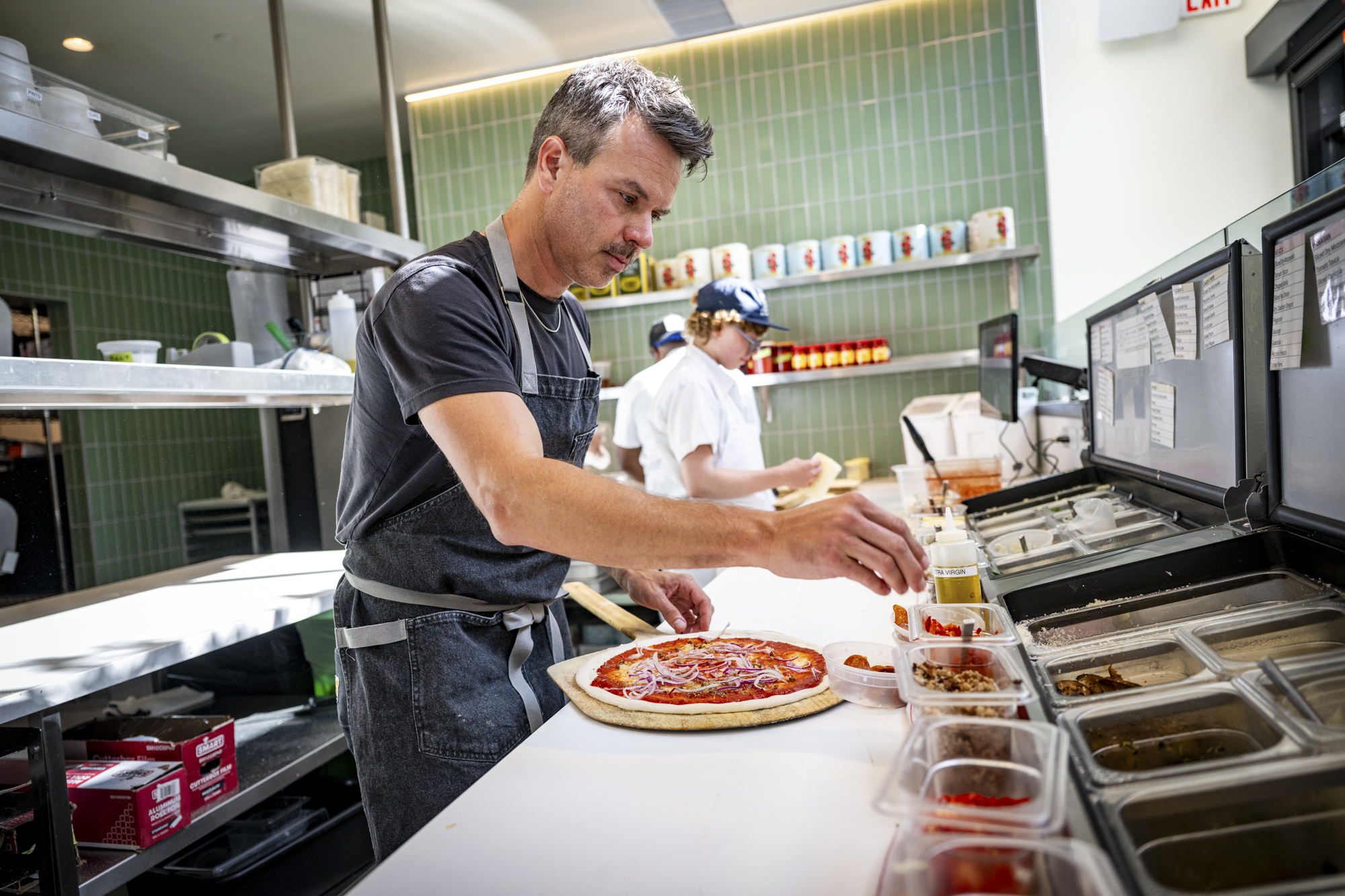
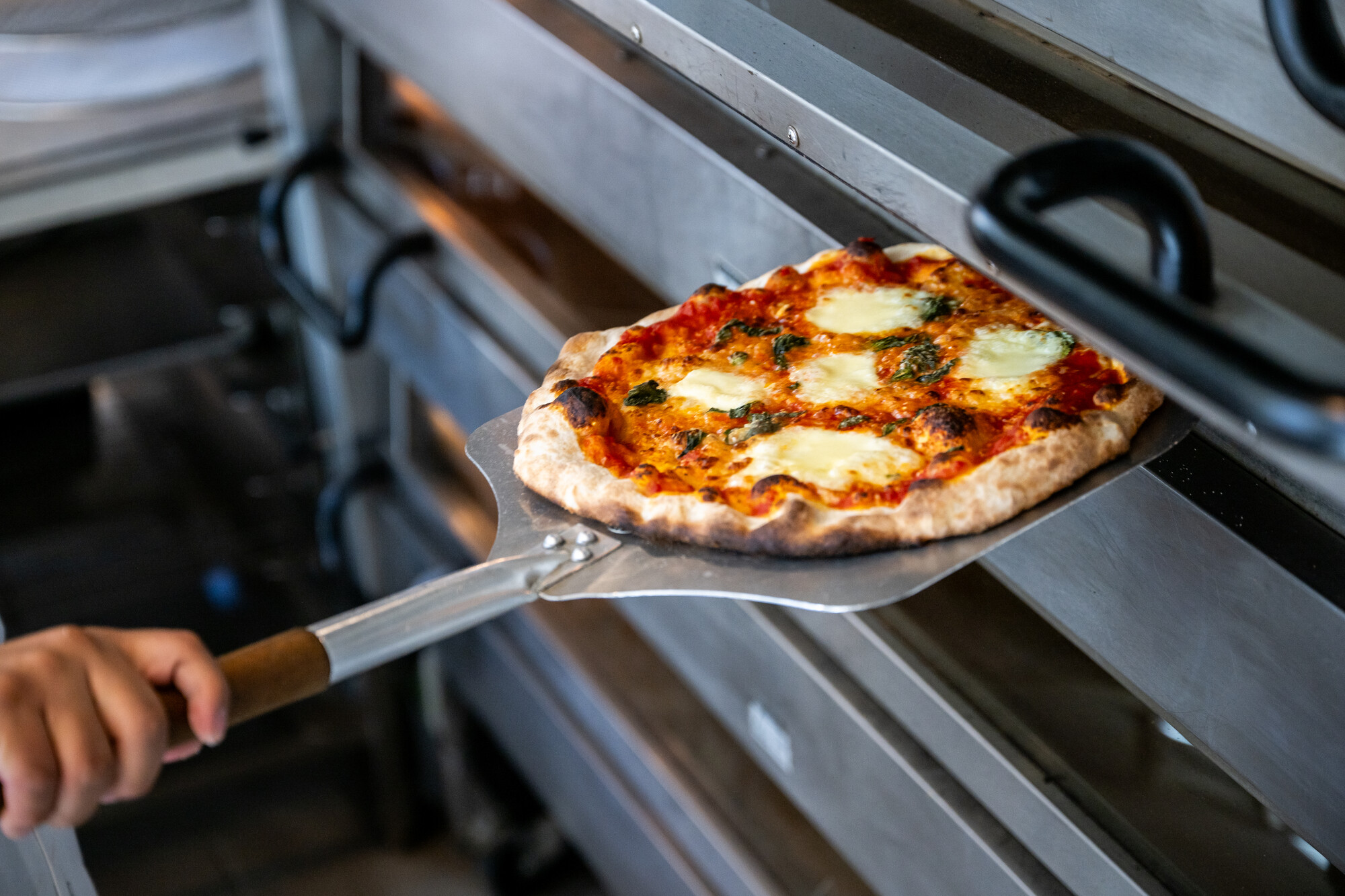
In the highly partisan debate over which Bay Area restaurant makes the best pizza, Thomas McNaughton admitted his choice to use an electric oven is controversial.
For years, the CEO of Flour + Water Hospitality Group — a collection of six Bay Area restaurants and a food brand — couldn’t fathom an electric oven that produced the high heat critical for its award-winning pizza. Most pizza joints use gas or wood-fired ovens instead.
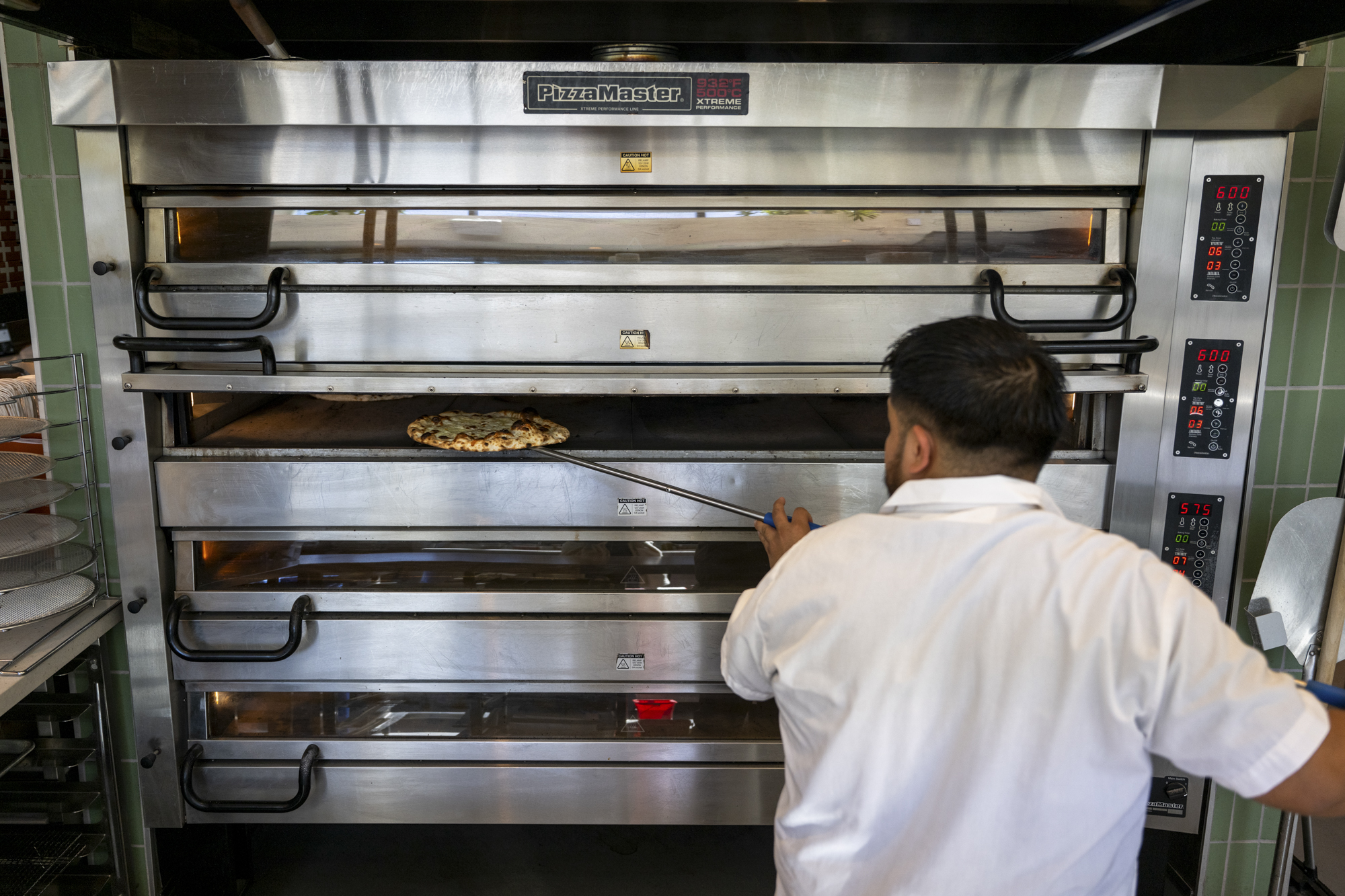
But that changed after he discovered professional electric pizza ovens around six years ago and fell in love with how they performed.
“ If you’re talking deck ovens, the electric models now outperform gas ovens 100%,” McNaughton said. “I didn’t realize how evolved the technology really is. They’re incredibly powerful.”
At the helm of a restaurant group that holds environmental sustainability as one of its core values, McNaughton realized Flour + Water could have an even greater impact if he switched the power source in their restaurants and kitchens from gas to electric.
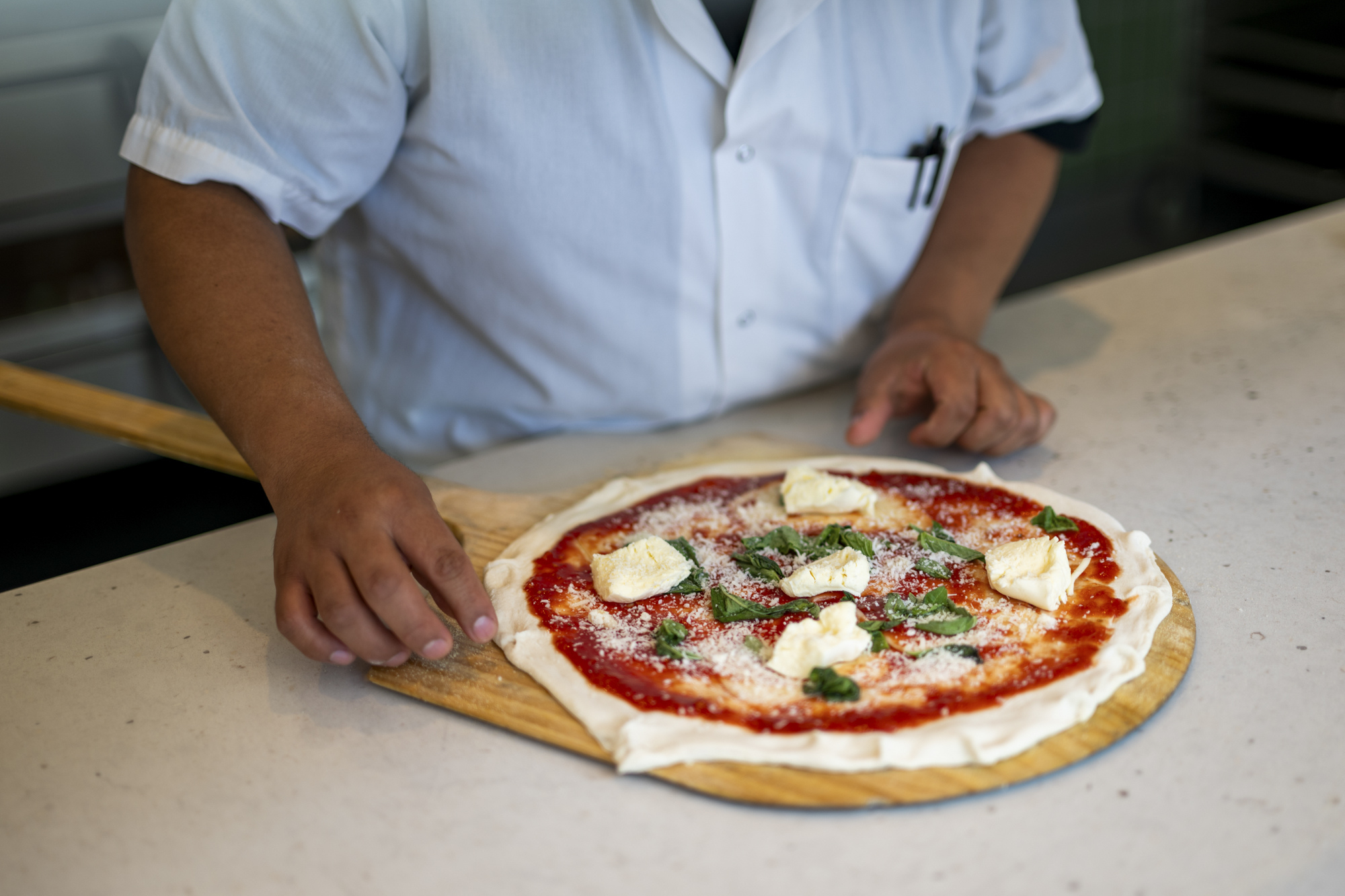
“ If this oven is so powerful, couldn’t we build our entire operation around electricity?” McNaughton said.
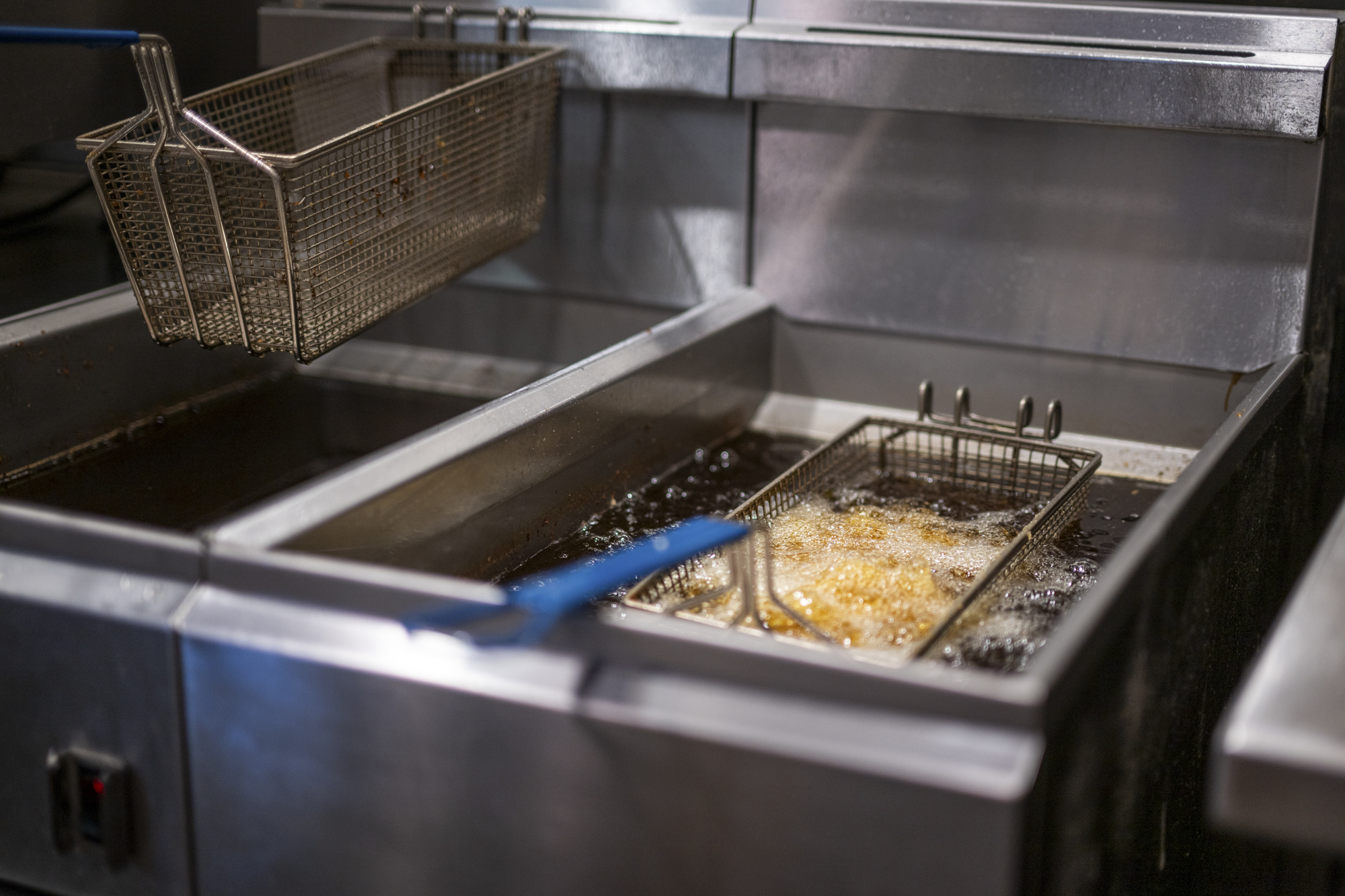
Flour + Water’s Oakland location, which opened Jan. 2026, is a testament to that vision. There, everything from the boozy slushie machine to the deep fryer, induction cooktops and pizza ovens — which churn out hundreds of pies a day — are 100% electric.
Three years ago, the company committed to all-electric power in all of its future buildouts, McNaughton said, including a planned pizza shop in Palo Alto and a dough production space in Oakland. Two of Flour + Water’s restaurants are now gas-less, and its flagship location in San Francisco’s pizza-dense North Beach neighborhood is mostly electric.
“It’s much easier than people think, and I think there will be a point where it’s not an option,” McNaughton said.
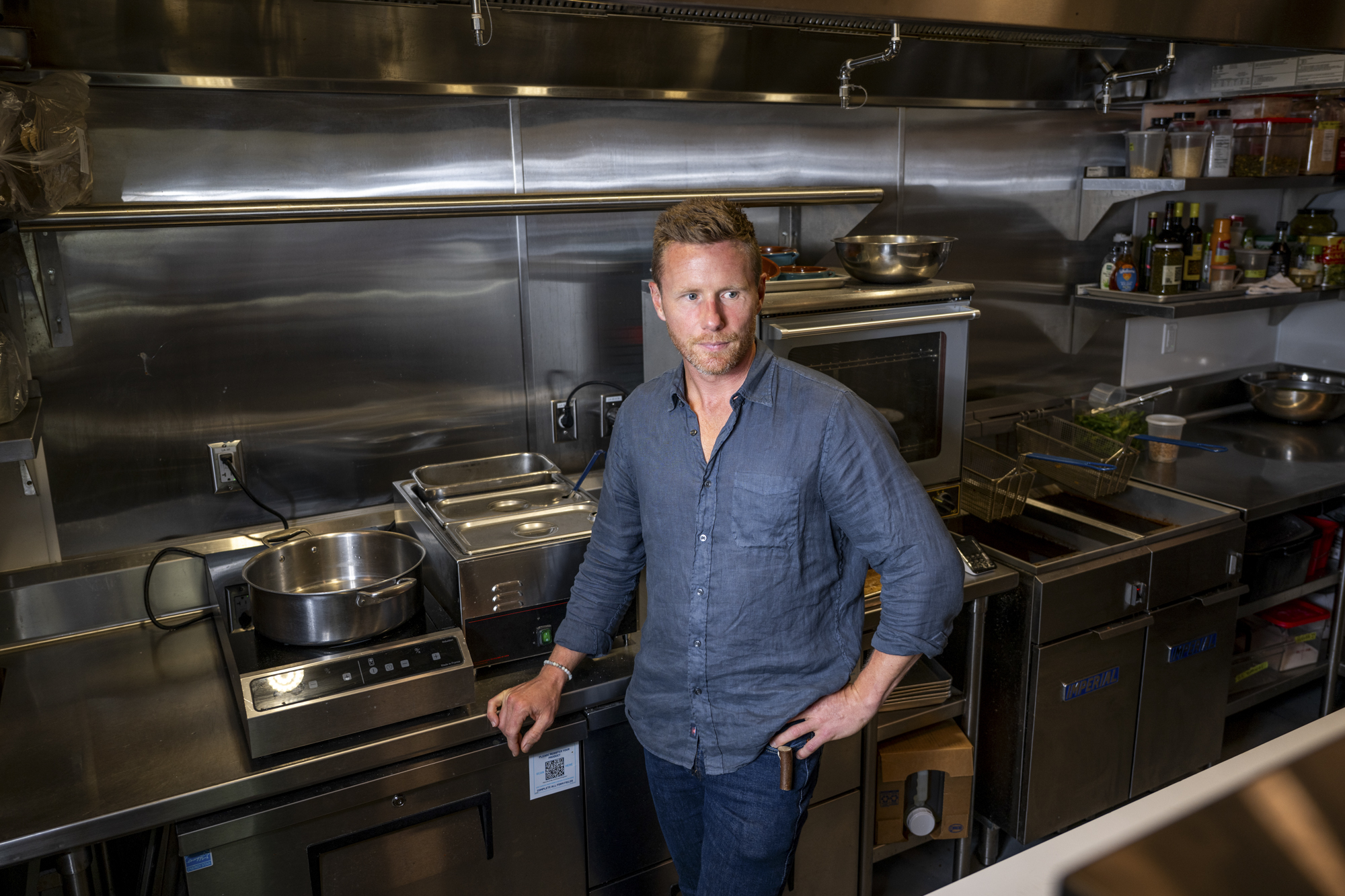
Chefs like McNaughton are part of a Bay Area culinary movement proving that all-electric restaurants are not only financially viable, but able to produce the same quality food — or even better — as their fossil-fueled peers.
Still, these chefs are cutting against the grain in California, where restaurants still rely heavily on gas and industry groups have resisted the switch to electric cooking in the past, most notably by defeating Berkeley’s first-in-the-nation ban on natural gas hookups in new construction.
The switch to electric appliances — which are less polluting, safer and cleaner — continues to be hampered by transition costs and misconceptions about inferiority.
“ We’re truly not giving up a single thing,” McNaughton said. “In fact, we’re enhancing what we believe we’re doing.”
‘A gas-heavy state’
Despite California’s goals to fight climate change, including achieving net zero greenhouse gas emissions by 2045, it’s a “gas-heavy state,” according to Rob Jackson, an environmental scientist at Stanford University.
In California, 85% of restaurants use gas to power their appliances, Jackson said, higher than the national average of 76%.
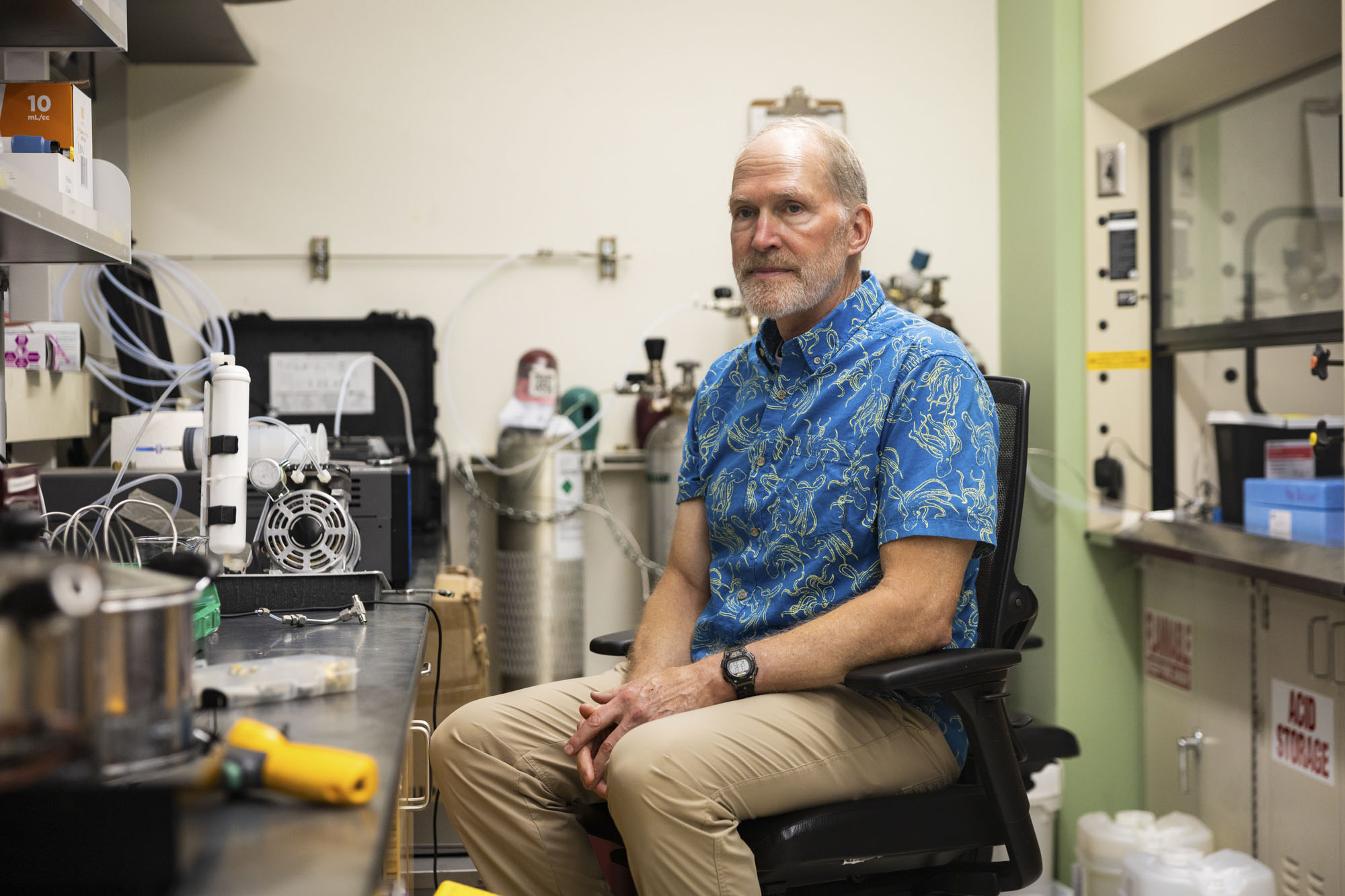
“ If we’re to reach our climate goals, eventually that has to stop,” Jackson said.
Buildings account for nearly a quarter of all greenhouse gas emissions in the state, and restaurants require more energy to run than other commercial buildings, Jackson said.
Natural gas is mainly composed of methane, a greenhouse gas 28 times more potent, but shorter-lasting, than carbon dioxide. Transitioning from natural gas to electric appliances is the best way for restaurants to reduce their environmental and carbon footprints, Jackson said.

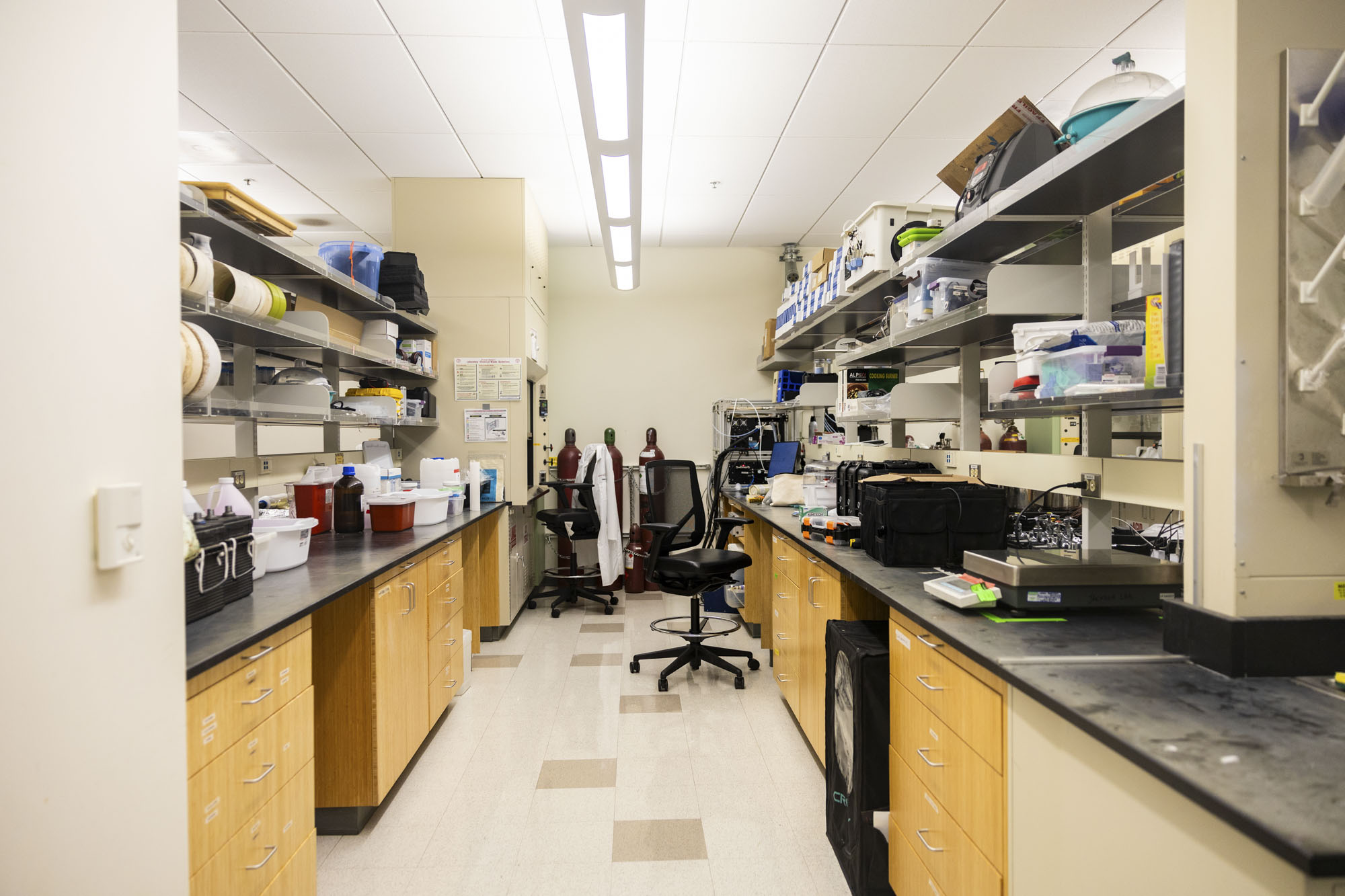

Utilities in the state are under a mandate from lawmakers to source 100% of their electricity from renewable sources by 2045. The state is more than halfway to that goal, having sourced 67% of its energy from renewables in 2024.
But more emphasis needs to be put on decarbonizing the demand for energy in the state, said Brady Seals, director of electrification for health at Stanford’s Center for Human and Planetary Health.
“ If we’re not addressing the demand side, we’re going to be building buildings that are going to be using [natural gas] for the next thirty to fifty years,” Seals said.
A healthier, more efficient kitchen
Emissions released by burning natural gas may also enter the human body, posing serious health risks. Gas cooking exposes restaurant workers — and homeowners alike — to harmful gases such as methane, benzene and nitrogen dioxide, which leak from stoves whether on or off, Jackson said.
Exposure to nitrogen dioxide from gas and propane stoves may be responsible for up to 19,000 deaths annually in the United States, roughly 40% of the deaths attributable to secondhand smoke, according to a 2024 study which Jackson led.
“You would never stand over the tailpipe of your car breathing in those pollutants, and yet people stand over the stove breathing the same pollutants day after day, meal after meal,” Jackson said.

He called commercial kitchens “amplifiers” of that pollution. Instead of using a single stove, like in a home, professional cooks may work at a 12-burner stove for hours, increasing their exposure.
“ We know the pollution that’s created by burning fossil fuels is harmful, and there’s no reason to do that when cleaner, better technologies are available,” Jackson said.
Chefs have reported other benefits from switching to induction cooktops, a type of electric stove which uses electromagnetic energy.
Induction cooktops are more efficient than gas ones because they heat pots and pans directly, instead of a gas cooktop, where an open flame heats the air around cookware, indirectly warming it, Jackson said.
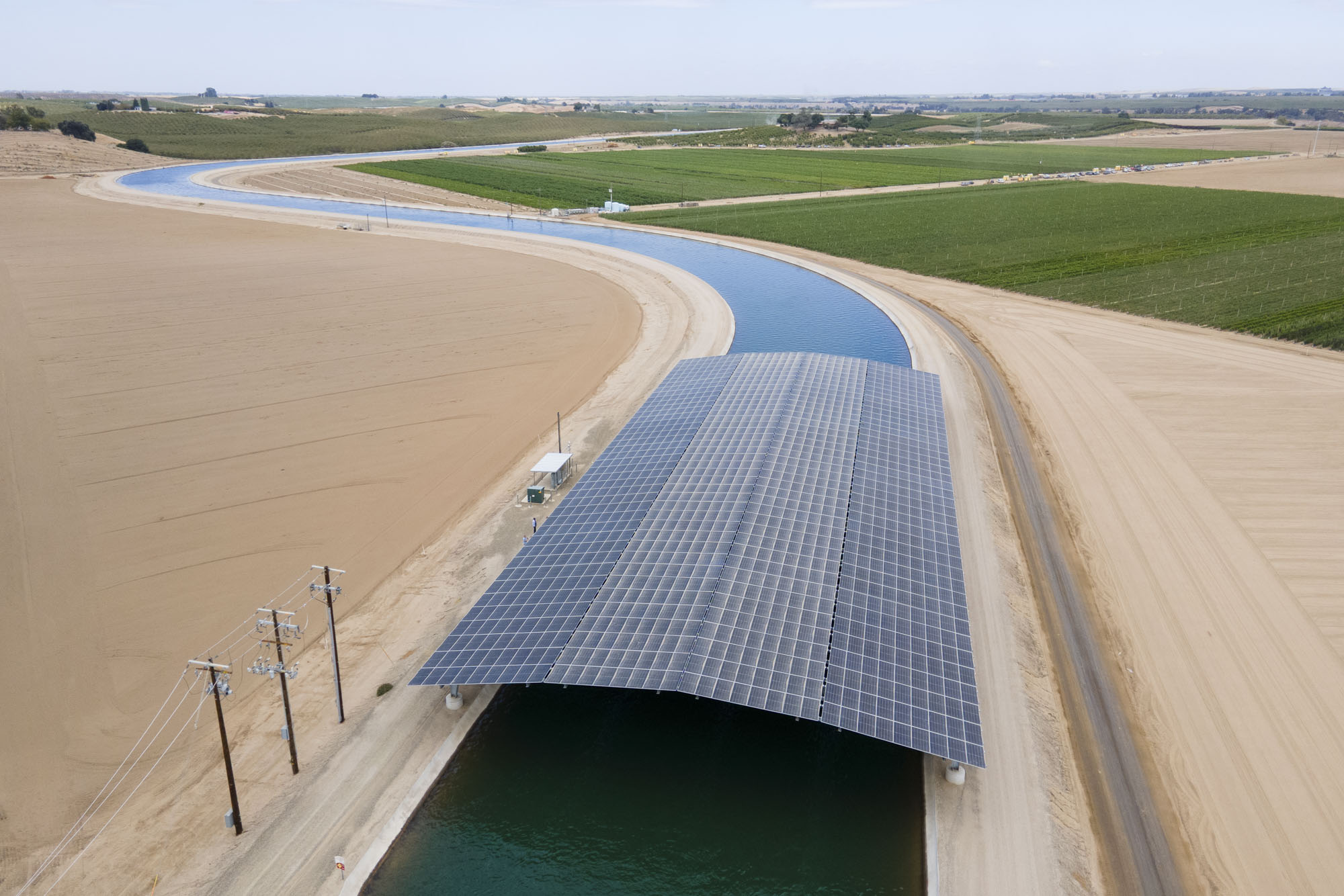
“ When people say ‘electric kitchen,’ they think about your average apartment stove with a little coil on it, and they’re like, ‘You expect me to run a restaurant on that?’ But that’s not what it is at all,” said Ava Agopsowicz, a line cook at Flour + Water’s Oakland location.
Working at an induction cooktop feels “less greasy,” Agopsowicz said, adding that the kitchen also doesn’t get as hot as cooking with an open flame.
Induction cooktops give chefs what McNaughton described as an “insane” amount of temperature control.
“You will never have a pot of cream boil over because they’re just so exact, which is really, really great,” McNaughton said.
Induction cooktops also drastically reduce the time restaurant workers spend cleaning their workstations, because they eliminate the soot and heat buildup characteristic of gas grills, said Jilly Middleton, program lead on chefs and cooktops for the Global Cooksafe Coalition.
“ With induction it’s literally a 20-second wipe down, and you can have apprentices do it safely because it cools down as soon as you turn the heat off,” Middleton said.
Switching from gas to induction also reduces the risk of kitchen workplace hazards such as burns, fires and explosions, Middleton said.
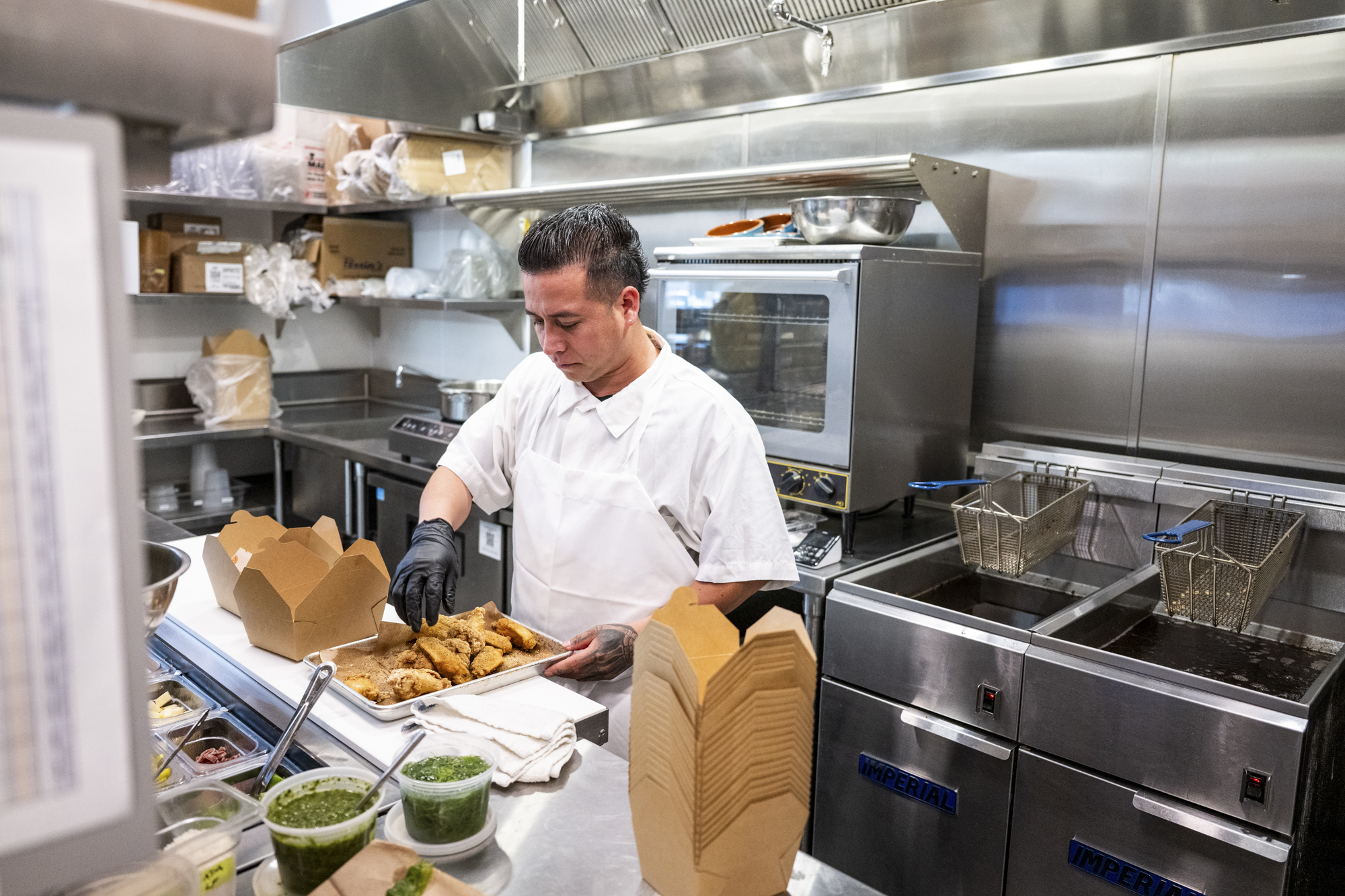
Katie Chin, a Southern California-based “chefluencer” for the Building Decarbonization Coalition, a group that works to eliminate fossil fuels in buildings, said she was thankful to find an induction kitchen at a client’s house once working as a caterer.
She said she was late to the gig and needed to boil a lot of water in a hurry for a 200-person event.
“ Luckily that client had induction, so I was able to boil the water for six hundred dumplings in a fraction of the time it would’ve taken for me to use a gas stove and heat up all that water,” Chin said.
But while the advantages are many, the barriers are still significant.
“Let’s not sugarcoat it. It’s not easy to electrify when you already have gas,” Seals said.
Change is hard — and expensive
One of the biggest challenges for Flour + Water to realize its all-electric dreams has been finding spaces that can be upgraded to provide the massive amount of energy needed to power their electric ovens, McNaughton said.
“A lot of older properties we’re not able to look at, so that can feel somewhat constricting at times,” McNaughton said.
Whereas many commercial spaces come with gas lines sufficient for restaurant service already installed, McNaughton said setting up the electric service at their Oakland location was a challenge, as it required contractors to “push incredibly thick conduit through many different 90-degree turns,” a step that wouldn’t have been necessary if they opted to use gas.
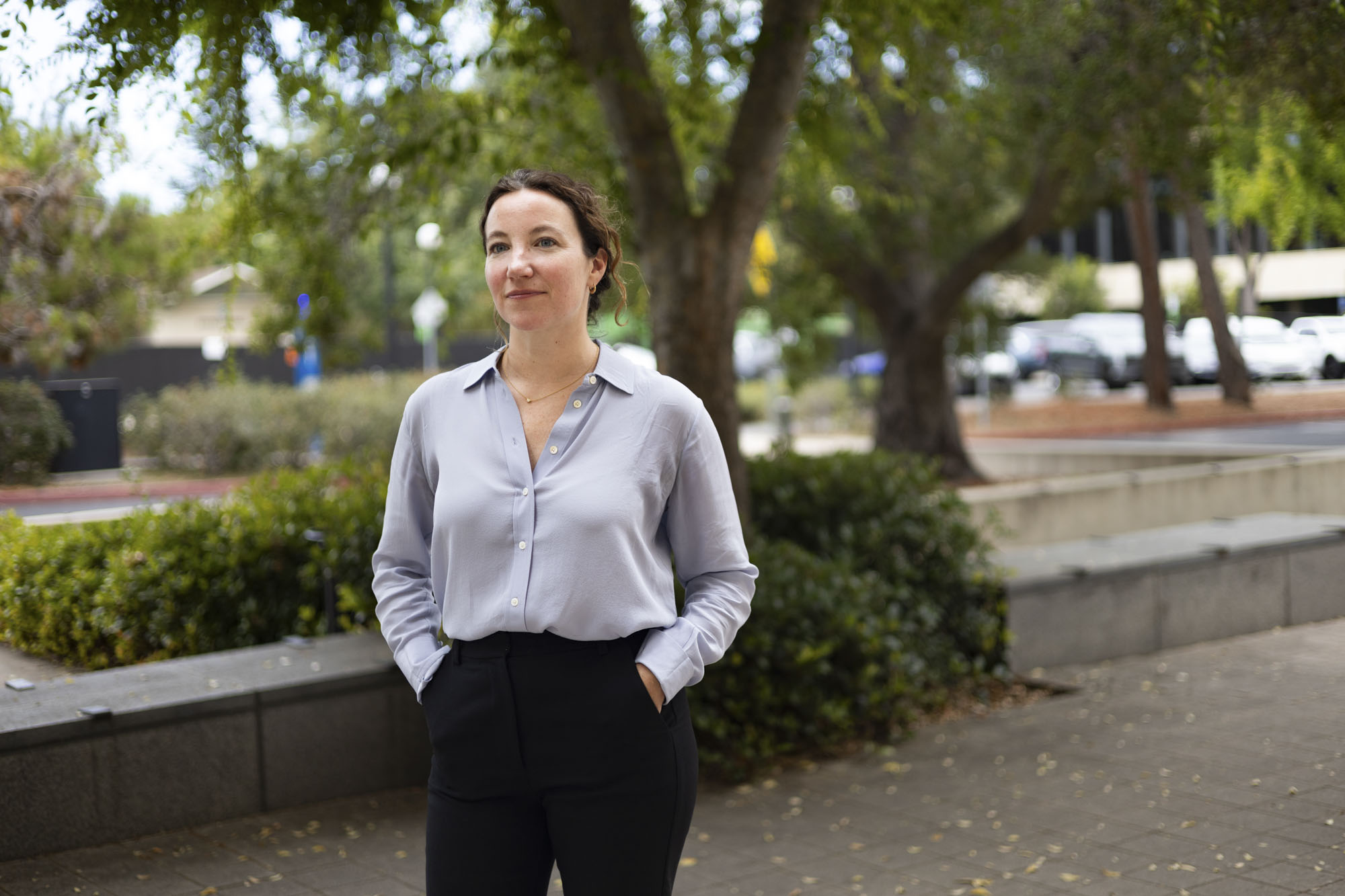
A lot of the cost of converting to all-electric isn’t the appliances themselves; “it’s really the whole electrical system to support it,” Seals said.
California’s highest-in-the-continental-U.S. electricity rates are also a consideration. Flour + Water’s Oakland location spends around $8,000 a month on electricity, according to a utility bill shared with KQED. Flour + Water’s most recent electric bill saw usage about 34 times greater than the average home in California uses in a month, according to the latest data from the U.S. Energy Information Administration.
“ The rule of thumb for us is that it’s a small increase to purchase this equipment, and slightly more to run it on a monthly basis,” McNaughton said.
Chefluencers like Chin are also working hard to dispel stereotypes about induction cooking, namely, that it doesn’t get hot enough to appropriately use culturally specific cooking techniques, like Asian Wok cooking.
“ You just have to keep an open mind that Asian cooking isn’t synonymous with the blue flame,” Chin said.
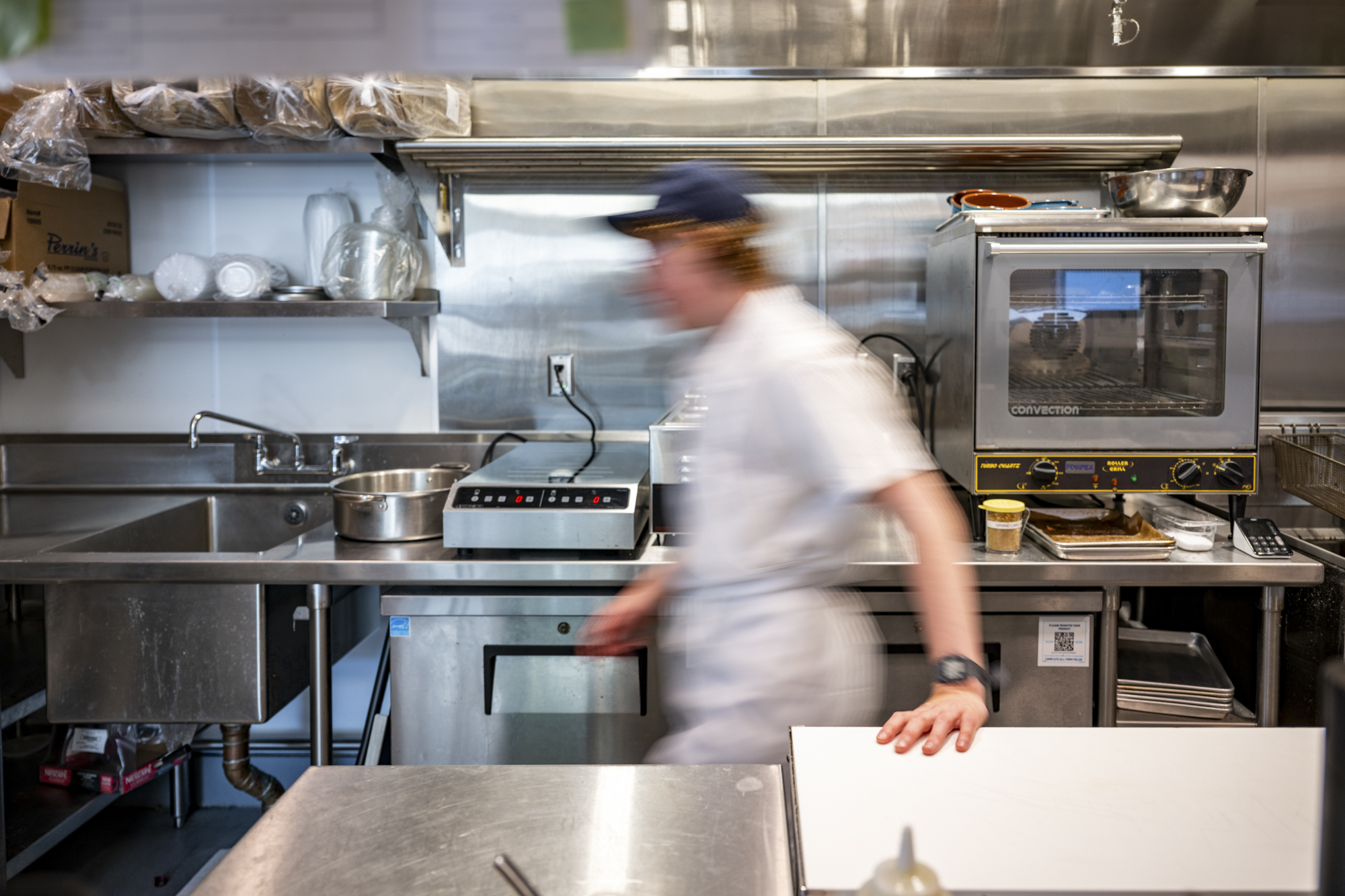
On the contrary, induction wok burners get “super hot, so quickly,” and have actually improved her cooking due to induction’s superior temperature control, Chin said.
“And I’m not so cranky because it’s cooler in my kitchen,” Chin said.
Learning to cook on induction does require some technique changes, “but we’re hearing that line cooks are picking it up in a matter of weeks, not months,” Middleton said.
“When cooks try induction cookware, they’re often surprised and don’t want to go back,” she said.
The idea that induction cooktops could replace gas ones has been challenged by restaurant industry trade groups, such as the California Restaurant Association, which has argued induction cooking is inadequate.
The group did not respond to an interview request, but Jot Condie, the Association’s president and CEO, has previously said that the loss of flame cooking “would dramatically impact restaurant kitchens” and that chefs rely on gas stoves to “grill vegetables, sear meats and create meals of all kinds inspired by cuisines from all over the world.”
Building momentum
The city of Berkeley led the charge to incentivize building electrification in 2019 when it passed a first-in-the-nation ban on natural gas hookups in new construction.
“ The essential point of the bill was to say, if you’re building something new, then you would be putting in all-electric,” said Kate Harrison, a former Berkeley City Council member who spearheaded the ban. “We don’t want to expand the gas network.”
But Berkeley was ultimately forced to repeal the ban after a federal court sided with a lawsuit brought by the California Restaurant Association, which argued the city overstepped its authority and violated federal energy law.
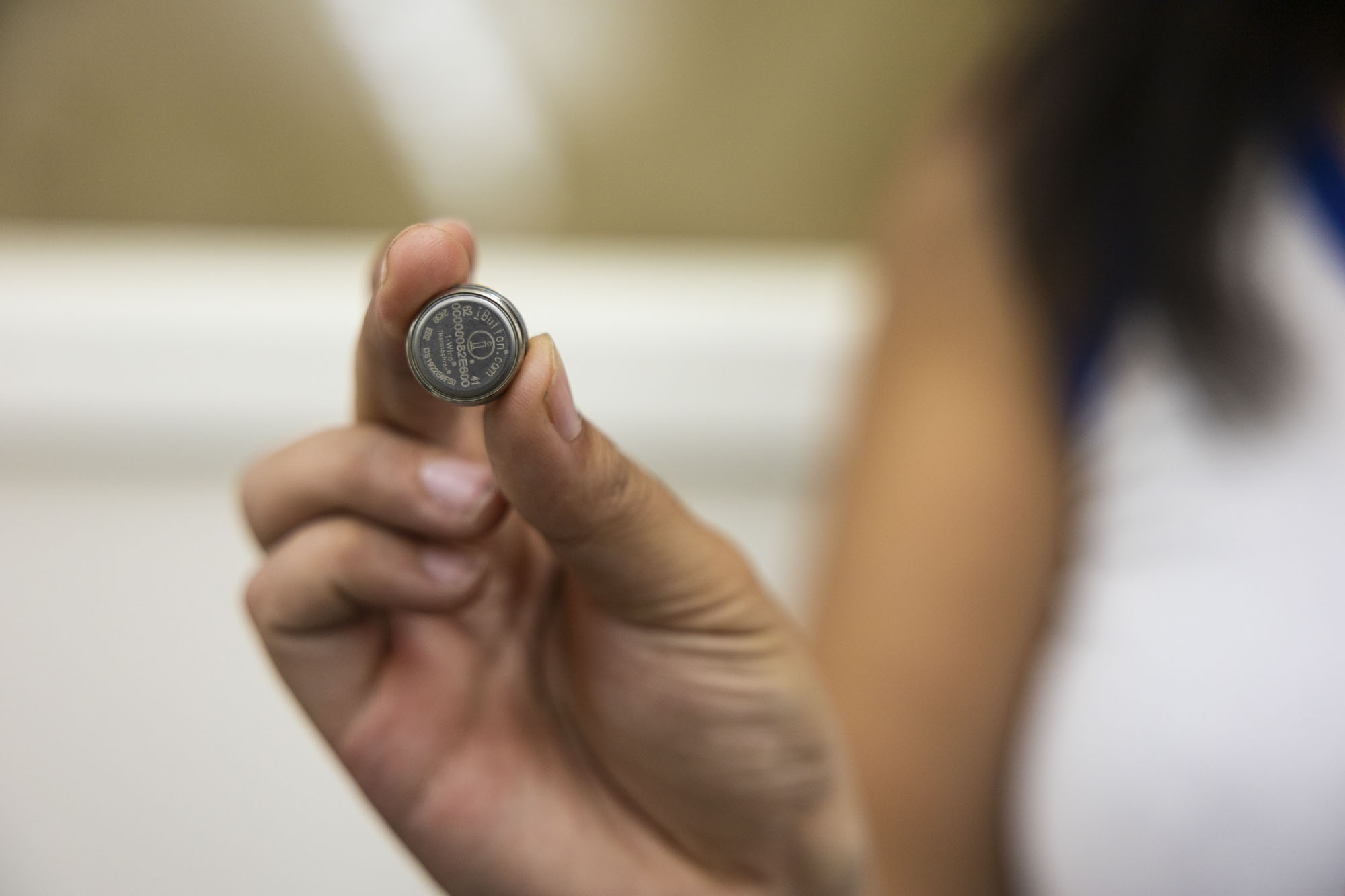
Still, other municipalities are moving forward with all-electric mandates of their own.
California established electric-ready infrastructure requirements for some newly constructed commercial kitchens in 2024, mandating that buildings be constructed with the wiring and circuits necessary to replace gas infrastructure. New York City has also successfully defended its own ban on natural gas in new buildings against legal challenges brought by plumbing and building trade groups.
As support for going all-electric builds, Harrison said she sees Berkeley’s original ban as a “proof of concept.”
“It’s inevitable. This is where we’re going,” Harrison said.
Electric-ready mandates in new construction are good policy if California is to meet its climate goals, Seals said. But retrofits — redesigning existing spaces to use electricity instead of gas — are “the hardest nut to crack,” she said.
“ Policymakers have a real role to play for spurring this market, and that’s going to be happening in places like building codes and other kinds of rulemaking,” Seals said. “ This is a sleeper issue that hasn’t gotten a lot of attention until recently, and we’re really in the beginning part of this wave, which I find to be very exciting.”
For Chin, encouraging electrification also means education tailored towards specific ethnic groups and overcoming language barriers.
“ I do feel like a lot of the Asian restaurant owners may not have access to learning about induction cooking,” Chin said.
Induction advocates said the future is all-electric.
“ The Great British Bake Off is induction. Some of the top restaurants in the world are induction,” Seals said. “The momentum in the market is pushing toward renewable energy and electrification.”
Flour + Water’s McNaughton isn’t looking back.
“We’ve never said, ‘Oh man, I really wish we had a six-burner all-gas range,’” he said. “I don’t miss it at all.”
 From KQED’s Climate desk, “Flipping the Switch” documents California’s transition to clean energy and what it means for you. What works? What doesn’t? How much does it cost? Help us find these answers and more by donating today.