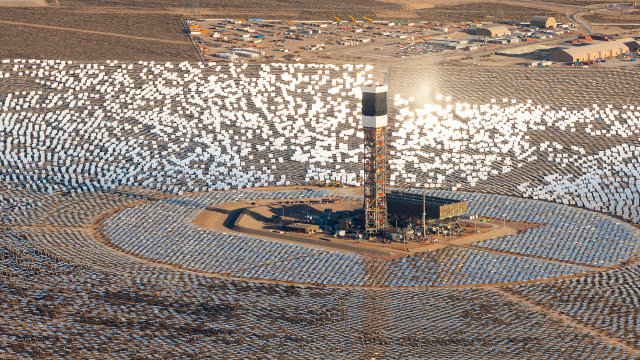
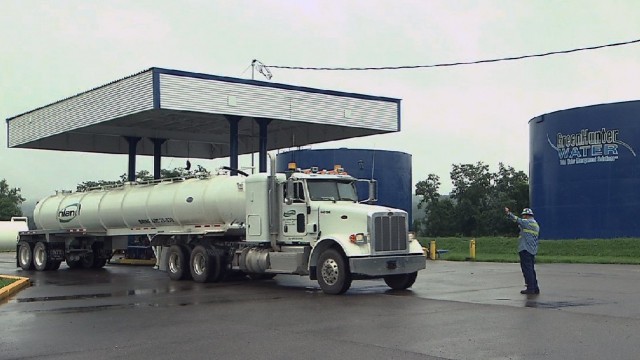
window.__IS_SSR__=true
window.__INITIAL_STATE__={
"attachmentsReducer": {
"audio_0": {
"type": "attachments",
"id": "audio_0",
"imgSizes": {
"kqedFullSize": {
"file": "https://ww2.kqed.org/news/wp-content/themes/KQED-unified/img/audio_bgs/background0.jpg"
}
}
},
"audio_1": {
"type": "attachments",
"id": "audio_1",
"imgSizes": {
"kqedFullSize": {
"file": "https://ww2.kqed.org/news/wp-content/themes/KQED-unified/img/audio_bgs/background1.jpg"
}
}
},
"audio_2": {
"type": "attachments",
"id": "audio_2",
"imgSizes": {
"kqedFullSize": {
"file": "https://ww2.kqed.org/news/wp-content/themes/KQED-unified/img/audio_bgs/background2.jpg"
}
}
},
"audio_3": {
"type": "attachments",
"id": "audio_3",
"imgSizes": {
"kqedFullSize": {
"file": "https://ww2.kqed.org/news/wp-content/themes/KQED-unified/img/audio_bgs/background3.jpg"
}
}
},
"audio_4": {
"type": "attachments",
"id": "audio_4",
"imgSizes": {
"kqedFullSize": {
"file": "https://ww2.kqed.org/news/wp-content/themes/KQED-unified/img/audio_bgs/background4.jpg"
}
}
},
"placeholder": {
"type": "attachments",
"id": "placeholder",
"imgSizes": {
"thumbnail": {
"file": "https://cdn.kqed.org/wp-content/uploads/2024/12/KQED-Default-Image-816638274-2000x1333-1-160x107.jpg",
"width": 160,
"height": 107,
"mimeType": "image/jpeg"
},
"medium": {
"file": "https://cdn.kqed.org/wp-content/uploads/2024/12/KQED-Default-Image-816638274-2000x1333-1-800x533.jpg",
"width": 800,
"height": 533,
"mimeType": "image/jpeg"
},
"medium_large": {
"file": "https://cdn.kqed.org/wp-content/uploads/2024/12/KQED-Default-Image-816638274-2000x1333-1-768x512.jpg",
"width": 768,
"height": 512,
"mimeType": "image/jpeg"
},
"large": {
"file": "https://cdn.kqed.org/wp-content/uploads/2024/12/KQED-Default-Image-816638274-2000x1333-1-1020x680.jpg",
"width": 1020,
"height": 680,
"mimeType": "image/jpeg"
},
"1536x1536": {
"file": "https://cdn.kqed.org/wp-content/uploads/2024/12/KQED-Default-Image-816638274-2000x1333-1-1536x1024.jpg",
"width": 1536,
"height": 1024,
"mimeType": "image/jpeg"
},
"fd-lrg": {
"file": "https://cdn.kqed.org/wp-content/uploads/2024/12/KQED-Default-Image-816638274-2000x1333-1-1536x1024.jpg",
"width": 1536,
"height": 1024,
"mimeType": "image/jpeg"
},
"fd-med": {
"file": "https://cdn.kqed.org/wp-content/uploads/2024/12/KQED-Default-Image-816638274-2000x1333-1-1020x680.jpg",
"width": 1020,
"height": 680,
"mimeType": "image/jpeg"
},
"fd-sm": {
"file": "https://cdn.kqed.org/wp-content/uploads/2024/12/KQED-Default-Image-816638274-2000x1333-1-800x533.jpg",
"width": 800,
"height": 533,
"mimeType": "image/jpeg"
},
"post-thumbnail": {
"file": "https://cdn.kqed.org/wp-content/uploads/2024/12/KQED-Default-Image-816638274-2000x1333-1-672x372.jpg",
"width": 672,
"height": 372,
"mimeType": "image/jpeg"
},
"twentyfourteen-full-width": {
"file": "https://cdn.kqed.org/wp-content/uploads/2024/12/KQED-Default-Image-816638274-2000x1333-1-1038x576.jpg",
"width": 1038,
"height": 576,
"mimeType": "image/jpeg"
},
"xxsmall": {
"file": "https://cdn.kqed.org/wp-content/uploads/2024/12/KQED-Default-Image-816638274-2000x1333-1-160x107.jpg",
"width": 160,
"height": 107,
"mimeType": "image/jpeg"
},
"xsmall": {
"file": "https://cdn.kqed.org/wp-content/uploads/2024/12/KQED-Default-Image-816638274-2000x1333-1-672x372.jpg",
"width": 672,
"height": 372,
"mimeType": "image/jpeg"
},
"small": {
"file": "https://cdn.kqed.org/wp-content/uploads/2024/12/KQED-Default-Image-816638274-2000x1333-1-672x372.jpg",
"width": 672,
"height": 372,
"mimeType": "image/jpeg"
},
"xlarge": {
"file": "https://cdn.kqed.org/wp-content/uploads/2024/12/KQED-Default-Image-816638274-2000x1333-1-1020x680.jpg",
"width": 1020,
"height": 680,
"mimeType": "image/jpeg"
},
"full-width": {
"file": "https://cdn.kqed.org/wp-content/uploads/2024/12/KQED-Default-Image-816638274-2000x1333-1-1920x1280.jpg",
"width": 1920,
"height": 1280,
"mimeType": "image/jpeg"
},
"guest-author-32": {
"file": "https://cdn.kqed.org/wp-content/uploads/2025/01/KQED-Default-Image-816638274-1333x1333-1-160x160.jpg",
"width": 32,
"height": 32,
"mimeType": "image/jpeg"
},
"guest-author-50": {
"file": "https://cdn.kqed.org/wp-content/uploads/2025/01/KQED-Default-Image-816638274-1333x1333-1-160x160.jpg",
"width": 50,
"height": 50,
"mimeType": "image/jpeg"
},
"guest-author-64": {
"file": "https://cdn.kqed.org/wp-content/uploads/2025/01/KQED-Default-Image-816638274-1333x1333-1-160x160.jpg",
"width": 64,
"height": 64,
"mimeType": "image/jpeg"
},
"guest-author-96": {
"file": "https://cdn.kqed.org/wp-content/uploads/2025/01/KQED-Default-Image-816638274-1333x1333-1-160x160.jpg",
"width": 96,
"height": 96,
"mimeType": "image/jpeg"
},
"guest-author-128": {
"file": "https://cdn.kqed.org/wp-content/uploads/2025/01/KQED-Default-Image-816638274-1333x1333-1-160x160.jpg",
"width": 128,
"height": 128,
"mimeType": "image/jpeg"
},
"detail": {
"file": "https://cdn.kqed.org/wp-content/uploads/2025/01/KQED-Default-Image-816638274-1333x1333-1-160x160.jpg",
"width": 160,
"height": 160,
"mimeType": "image/jpeg"
},
"kqedFullSize": {
"file": "https://cdn.kqed.org/wp-content/uploads/2024/12/KQED-Default-Image-816638274-2000x1333-1.jpg",
"width": 2000,
"height": 1333
}
}
},
"quest_63122": {
"type": "attachments",
"id": "quest_63122",
"meta": {
"index": "attachments_1716263798",
"site": "quest",
"id": "63122",
"found": true
},
"parent": 62758,
"imgSizes": {
"thumbnail": {
"file": "https://ww2.kqed.org/app/uploads/sites/39/2013/10/Ivanpah_3_towers_Courtesy_BrightSource-crop-640-400x225.jpg",
"width": 400,
"mimeType": "image/jpeg",
"height": 225
},
"kqedFullSize": {
"file": "https://ww2.kqed.org/app/uploads/sites/39/2013/10/Ivanpah_3_towers_Courtesy_BrightSource-crop-640.jpg",
"width": 640,
"height": 360
},
"guest-author-96": {
"file": "https://ww2.kqed.org/app/uploads/sites/39/2013/10/Ivanpah_3_towers_Courtesy_BrightSource-crop-640-96x96.jpg",
"width": 96,
"mimeType": "image/jpeg",
"height": 96
},
"guest-author-64": {
"file": "https://ww2.kqed.org/app/uploads/sites/39/2013/10/Ivanpah_3_towers_Courtesy_BrightSource-crop-640-64x64.jpg",
"width": 64,
"mimeType": "image/jpeg",
"height": 64
},
"detail": {
"file": "https://ww2.kqed.org/app/uploads/sites/39/2013/10/Ivanpah_3_towers_Courtesy_BrightSource-crop-640-75x75.jpg",
"width": 75,
"mimeType": "image/jpeg",
"height": 75
},
"guest-author-32": {
"file": "https://ww2.kqed.org/app/uploads/sites/39/2013/10/Ivanpah_3_towers_Courtesy_BrightSource-crop-640-32x32.jpg",
"width": 32,
"mimeType": "image/jpeg",
"height": 32
},
"guest-author-128": {
"file": "https://ww2.kqed.org/app/uploads/sites/39/2013/10/Ivanpah_3_towers_Courtesy_BrightSource-crop-640-128x128.jpg",
"width": 128,
"mimeType": "image/jpeg",
"height": 128
}
},
"publishDate": 1383164669,
"modified": 1383164669,
"caption": null,
"description": null,
"title": null,
"credit": null,
"status": "inherit",
"isLoading": false,
"fetchFailed": false
},
"quest_62975": {
"type": "attachments",
"id": "quest_62975",
"meta": {
"index": "attachments_1716263798",
"site": "quest",
"id": "62975",
"found": true
},
"parent": 59148,
"imgSizes": {
"thumbnail": {
"file": "https://ww2.kqed.org/app/uploads/sites/39/2013/08/Fracking-greenhunter1-e1382714725733-400x225.jpg",
"width": 400,
"mimeType": "image/jpeg",
"height": 225
},
"kqedFullSize": {
"file": "https://ww2.kqed.org/app/uploads/sites/39/2013/08/Fracking-greenhunter1-e1382714725733.jpg",
"width": 640,
"height": 360
},
"guest-author-96": {
"file": "https://ww2.kqed.org/app/uploads/sites/39/2013/08/Fracking-greenhunter1-e1382714725733-96x96.jpg",
"width": 96,
"mimeType": "image/jpeg",
"height": 96
},
"guest-author-64": {
"file": "https://ww2.kqed.org/app/uploads/sites/39/2013/08/Fracking-greenhunter1-e1382714725733-64x64.jpg",
"width": 64,
"mimeType": "image/jpeg",
"height": 64
},
"detail": {
"file": "https://ww2.kqed.org/app/uploads/sites/39/2013/08/Fracking-greenhunter1-e1382714725733-75x75.jpg",
"width": 75,
"mimeType": "image/jpeg",
"height": 75
},
"guest-author-32": {
"file": "https://ww2.kqed.org/app/uploads/sites/39/2013/08/Fracking-greenhunter1-e1382714725733-32x32.jpg",
"width": 32,
"mimeType": "image/jpeg",
"height": 32
},
"guest-author-128": {
"file": "https://ww2.kqed.org/app/uploads/sites/39/2013/08/Fracking-greenhunter1-e1382714725733-128x128.jpg",
"width": 128,
"mimeType": "image/jpeg",
"height": 128
}
},
"publishDate": 1382711985,
"modified": 1382711985,
"caption": null,
"description": null,
"title": "Fracking-greenhunter",
"credit": null,
"status": "inherit",
"isLoading": false,
"fetchFailed": false
},
"quest_62677": {
"type": "attachments",
"id": "quest_62677",
"meta": {
"index": "attachments_1716263798",
"site": "quest",
"id": "62677",
"found": true
},
"parent": 61358,
"imgSizes": {
"thumbnail": {
"file": "https://ww2.kqed.org/app/uploads/sites/39/2013/09/Elwha_dam2-400x225.jpg",
"width": 400,
"mimeType": "image/jpeg",
"height": 225
},
"kqedFullSize": {
"file": "https://ww2.kqed.org/app/uploads/sites/39/2013/09/Elwha_dam2.jpg",
"width": 640,
"height": 360
},
"guest-author-96": {
"file": "https://ww2.kqed.org/app/uploads/sites/39/2013/09/Elwha_dam2-96x96.jpg",
"width": 96,
"mimeType": "image/jpeg",
"height": 96
},
"guest-author-64": {
"file": "https://ww2.kqed.org/app/uploads/sites/39/2013/09/Elwha_dam2-64x64.jpg",
"width": 64,
"mimeType": "image/jpeg",
"height": 64
},
"detail": {
"file": "https://ww2.kqed.org/app/uploads/sites/39/2013/09/Elwha_dam2-75x75.jpg",
"width": 75,
"mimeType": "image/jpeg",
"height": 75
},
"guest-author-32": {
"file": "https://ww2.kqed.org/app/uploads/sites/39/2013/09/Elwha_dam2-32x32.jpg",
"width": 32,
"mimeType": "image/jpeg",
"height": 32
},
"guest-author-128": {
"file": "https://ww2.kqed.org/app/uploads/sites/39/2013/09/Elwha_dam2-128x128.jpg",
"width": 128,
"mimeType": "image/jpeg",
"height": 128
}
},
"publishDate": 1382048532,
"modified": 1382048532,
"caption": null,
"description": null,
"title": "Elwha_dam2",
"credit": null,
"status": "inherit",
"isLoading": false,
"fetchFailed": false
},
"quest_59838": {
"type": "attachments",
"id": "quest_59838",
"meta": {
"index": "attachments_1716263798",
"site": "quest",
"id": "59838",
"found": true
},
"parent": 59828,
"imgSizes": {
"thumbnail": {
"file": "https://ww2.kqed.org/app/uploads/sites/39/2013/08/SS_FoodWaste_BiRite_08.06-27_2-400x225.jpg",
"width": 400,
"mimeType": "image/jpeg",
"height": 225
},
"kqedFullSize": {
"file": "https://ww2.kqed.org/app/uploads/sites/39/2013/08/SS_FoodWaste_BiRite_08.06-27_2.jpg",
"width": 640,
"height": 360
},
"guest-author-96": {
"file": "https://ww2.kqed.org/app/uploads/sites/39/2013/08/SS_FoodWaste_BiRite_08.06-27_2-96x96.jpg",
"width": 96,
"mimeType": "image/jpeg",
"height": 96
},
"guest-author-64": {
"file": "https://ww2.kqed.org/app/uploads/sites/39/2013/08/SS_FoodWaste_BiRite_08.06-27_2-64x64.jpg",
"width": 64,
"mimeType": "image/jpeg",
"height": 64
},
"detail": {
"file": "https://ww2.kqed.org/app/uploads/sites/39/2013/08/SS_FoodWaste_BiRite_08.06-27_2-75x75.jpg",
"width": 75,
"mimeType": "image/jpeg",
"height": 75
},
"guest-author-32": {
"file": "https://ww2.kqed.org/app/uploads/sites/39/2013/08/SS_FoodWaste_BiRite_08.06-27_2-32x32.jpg",
"width": 32,
"mimeType": "image/jpeg",
"height": 32
},
"guest-author-128": {
"file": "https://ww2.kqed.org/app/uploads/sites/39/2013/08/SS_FoodWaste_BiRite_08.06-27_2-128x128.jpg",
"width": 128,
"mimeType": "image/jpeg",
"height": 128
}
},
"publishDate": 1377805819,
"modified": 1377805819,
"caption": "A bin of organic nectarines on sale at Bi-Rite market in San Francisco. Photo by Sheraz Sadiq, KQED Science",
"description": null,
"title": "SS_FoodWaste_BiRite_08.06 (27)_2",
"credit": null,
"status": "inherit",
"isLoading": false,
"fetchFailed": false
},
"quest_62164": {
"type": "attachments",
"id": "quest_62164",
"meta": {
"index": "attachments_1716263798",
"site": "quest",
"id": "62164",
"found": true
},
"parent": 60340,
"imgSizes": {
"thumbnail": {
"file": "https://ww2.kqed.org/app/uploads/sites/39/2013/09/featuredimage-400x225.jpg",
"width": 400,
"mimeType": "image/jpeg",
"height": 225
},
"kqedFullSize": {
"file": "https://ww2.kqed.org/app/uploads/sites/39/2013/09/featuredimage.jpg",
"width": 640,
"height": 360
},
"guest-author-96": {
"file": "https://ww2.kqed.org/app/uploads/sites/39/2013/09/featuredimage-96x96.jpg",
"width": 96,
"mimeType": "image/jpeg",
"height": 96
},
"guest-author-64": {
"file": "https://ww2.kqed.org/app/uploads/sites/39/2013/09/featuredimage-64x64.jpg",
"width": 64,
"mimeType": "image/jpeg",
"height": 64
},
"detail": {
"file": "https://ww2.kqed.org/app/uploads/sites/39/2013/09/featuredimage-75x75.jpg",
"width": 75,
"mimeType": "image/jpeg",
"height": 75
},
"guest-author-32": {
"file": "https://ww2.kqed.org/app/uploads/sites/39/2013/09/featuredimage-32x32.jpg",
"width": 32,
"mimeType": "image/jpeg",
"height": 32
},
"guest-author-128": {
"file": "https://ww2.kqed.org/app/uploads/sites/39/2013/09/featuredimage-128x128.jpg",
"width": 128,
"mimeType": "image/jpeg",
"height": 128
}
},
"publishDate": 1381421214,
"modified": 1381421214,
"caption": null,
"description": null,
"title": "featuredimage",
"credit": null,
"status": "inherit",
"isLoading": false,
"fetchFailed": false
},
"quest_62630": {
"type": "attachments",
"id": "quest_62630",
"meta": {
"index": "attachments_1716263798",
"site": "quest",
"id": "62630",
"found": true
},
"parent": 61749,
"imgSizes": {
"thumbnail": {
"file": "https://ww2.kqed.org/app/uploads/sites/39/2013/10/13-10-17-QUEST-Restoring-Americas-Waters-640px-400x225.jpg",
"width": 400,
"mimeType": "image/jpeg",
"height": 225
},
"kqedFullSize": {
"file": "https://ww2.kqed.org/app/uploads/sites/39/2013/10/13-10-17-QUEST-Restoring-Americas-Waters-640px.jpg",
"width": 640,
"height": 360
},
"guest-author-96": {
"file": "https://ww2.kqed.org/app/uploads/sites/39/2013/10/13-10-17-QUEST-Restoring-Americas-Waters-640px-96x96.jpg",
"width": 96,
"mimeType": "image/jpeg",
"height": 96
},
"guest-author-64": {
"file": "https://ww2.kqed.org/app/uploads/sites/39/2013/10/13-10-17-QUEST-Restoring-Americas-Waters-640px-64x64.jpg",
"width": 64,
"mimeType": "image/jpeg",
"height": 64
},
"detail": {
"file": "https://ww2.kqed.org/app/uploads/sites/39/2013/10/13-10-17-QUEST-Restoring-Americas-Waters-640px-75x75.jpg",
"width": 75,
"mimeType": "image/jpeg",
"height": 75
},
"guest-author-32": {
"file": "https://ww2.kqed.org/app/uploads/sites/39/2013/10/13-10-17-QUEST-Restoring-Americas-Waters-640px-32x32.jpg",
"width": 32,
"mimeType": "image/jpeg",
"height": 32
},
"guest-author-128": {
"file": "https://ww2.kqed.org/app/uploads/sites/39/2013/10/13-10-17-QUEST-Restoring-Americas-Waters-640px-128x128.jpg",
"width": 128,
"mimeType": "image/jpeg",
"height": 128
}
},
"publishDate": 1382034672,
"modified": 1382034672,
"caption": null,
"description": null,
"title": "13-10-17 QUEST Restoring Americas Waters 640px",
"credit": null,
"status": "inherit",
"isLoading": false,
"fetchFailed": false
},
"quest_62567": {
"type": "attachments",
"id": "quest_62567",
"meta": {
"index": "attachments_1716263798",
"site": "quest",
"id": "62567",
"found": true
},
"parent": 61744,
"imgSizes": {
"thumbnail": {
"file": "https://ww2.kqed.org/app/uploads/sites/39/2013/10/13-10-15-QUEST-Farm-Fork-Fuel-apples-640x360px-400x225.jpg",
"width": 400,
"mimeType": "image/jpeg",
"height": 225
},
"kqedFullSize": {
"file": "https://ww2.kqed.org/app/uploads/sites/39/2013/10/13-10-15-QUEST-Farm-Fork-Fuel-apples-640x360px.jpg",
"width": 640,
"height": 360
},
"guest-author-96": {
"file": "https://ww2.kqed.org/app/uploads/sites/39/2013/10/13-10-15-QUEST-Farm-Fork-Fuel-apples-640x360px-96x96.jpg",
"width": 96,
"mimeType": "image/jpeg",
"height": 96
},
"guest-author-64": {
"file": "https://ww2.kqed.org/app/uploads/sites/39/2013/10/13-10-15-QUEST-Farm-Fork-Fuel-apples-640x360px-64x64.jpg",
"width": 64,
"mimeType": "image/jpeg",
"height": 64
},
"detail": {
"file": "https://ww2.kqed.org/app/uploads/sites/39/2013/10/13-10-15-QUEST-Farm-Fork-Fuel-apples-640x360px-75x75.jpg",
"width": 75,
"mimeType": "image/jpeg",
"height": 75
},
"guest-author-32": {
"file": "https://ww2.kqed.org/app/uploads/sites/39/2013/10/13-10-15-QUEST-Farm-Fork-Fuel-apples-640x360px-32x32.jpg",
"width": 32,
"mimeType": "image/jpeg",
"height": 32
},
"guest-author-128": {
"file": "https://ww2.kqed.org/app/uploads/sites/39/2013/10/13-10-15-QUEST-Farm-Fork-Fuel-apples-640x360px-128x128.jpg",
"width": 128,
"mimeType": "image/jpeg",
"height": 128
}
},
"publishDate": 1381991977,
"modified": 1381991977,
"caption": null,
"description": null,
"title": "13-10-15 QUEST Farm Fork Fuel apples 640x360px",
"credit": null,
"status": "inherit",
"isLoading": false,
"fetchFailed": false
},
"quest_61975": {
"type": "attachments",
"id": "quest_61975",
"meta": {
"index": "attachments_1716263798",
"site": "quest",
"id": "61975",
"found": true
},
"parent": 60342,
"imgSizes": {
"thumbnail": {
"file": "https://ww2.kqed.org/app/uploads/sites/39/2013/09/tank_distribute640x360-400x225.jpg",
"width": 400,
"mimeType": "image/jpeg",
"height": 225
},
"kqedFullSize": {
"file": "https://ww2.kqed.org/app/uploads/sites/39/2013/09/tank_distribute640x360.jpg",
"width": 640,
"height": 360
},
"guest-author-96": {
"file": "https://ww2.kqed.org/app/uploads/sites/39/2013/09/tank_distribute640x360-96x96.jpg",
"width": 96,
"mimeType": "image/jpeg",
"height": 96
},
"guest-author-64": {
"file": "https://ww2.kqed.org/app/uploads/sites/39/2013/09/tank_distribute640x360-64x64.jpg",
"width": 64,
"mimeType": "image/jpeg",
"height": 64
},
"detail": {
"file": "https://ww2.kqed.org/app/uploads/sites/39/2013/09/tank_distribute640x360-75x75.jpg",
"width": 75,
"mimeType": "image/jpeg",
"height": 75
},
"guest-author-32": {
"file": "https://ww2.kqed.org/app/uploads/sites/39/2013/09/tank_distribute640x360-32x32.jpg",
"width": 32,
"mimeType": "image/jpeg",
"height": 32
},
"guest-author-128": {
"file": "https://ww2.kqed.org/app/uploads/sites/39/2013/09/tank_distribute640x360-128x128.jpg",
"width": 128,
"mimeType": "image/jpeg",
"height": 128
}
},
"publishDate": 1381190403,
"modified": 1381190403,
"caption": null,
"description": null,
"title": "tank_distribute640x360",
"credit": null,
"status": "inherit",
"isLoading": false,
"fetchFailed": false
},
"quest_62157": {
"type": "attachments",
"id": "quest_62157",
"meta": {
"index": "attachments_1716263798",
"site": "quest",
"id": "62157",
"found": true
},
"parent": 50396,
"imgSizes": {
"thumbnail": {
"file": "https://ww2.kqed.org/app/uploads/sites/39/2013/10/Quest-Aquaponics_1920x1080-e1381425854276-400x225.jpg",
"width": 400,
"mimeType": "image/jpeg",
"height": 225
},
"kqedFullSize": {
"file": "https://ww2.kqed.org/app/uploads/sites/39/2013/10/Quest-Aquaponics_1920x1080-e1381425854276.jpg",
"width": 640,
"height": 360
},
"guest-author-96": {
"file": "https://ww2.kqed.org/app/uploads/sites/39/2013/10/Quest-Aquaponics_1920x1080-e1381425854276-96x96.jpg",
"width": 96,
"mimeType": "image/jpeg",
"height": 96
},
"guest-author-64": {
"file": "https://ww2.kqed.org/app/uploads/sites/39/2013/10/Quest-Aquaponics_1920x1080-e1381425854276-64x64.jpg",
"width": 64,
"mimeType": "image/jpeg",
"height": 64
},
"detail": {
"file": "https://ww2.kqed.org/app/uploads/sites/39/2013/10/Quest-Aquaponics_1920x1080-e1381425854276-75x75.jpg",
"width": 75,
"mimeType": "image/jpeg",
"height": 75
},
"guest-author-32": {
"file": "https://ww2.kqed.org/app/uploads/sites/39/2013/10/Quest-Aquaponics_1920x1080-e1381425854276-32x32.jpg",
"width": 32,
"mimeType": "image/jpeg",
"height": 32
},
"guest-author-128": {
"file": "https://ww2.kqed.org/app/uploads/sites/39/2013/10/Quest-Aquaponics_1920x1080-e1381425854276-128x128.jpg",
"width": 128,
"mimeType": "image/jpeg",
"height": 128
}
},
"publishDate": 1381417817,
"modified": 1381417817,
"caption": "Tour an innovative urban farm in Milwaukee led by former pro-basketball player and MacArthur \"genius\" Will Allen",
"description": "Tour an innovative urban farm in Milwaukee led by former pro-basketball player and MacArthur \"genius\" Will Allen",
"title": "Will Allen at compost pile",
"credit": null,
"status": "inherit",
"isLoading": false,
"fetchFailed": false
},
"quest_62263": {
"type": "attachments",
"id": "quest_62263",
"meta": {
"index": "attachments_1716263798",
"site": "quest",
"id": "62263",
"found": true
},
"parent": 60697,
"imgSizes": {
"thumbnail": {
"file": "https://ww2.kqed.org/app/uploads/sites/39/2013/09/Lake_Tahoe_702_marquee_Girls-on-boat-400x225.jpg",
"width": 400,
"mimeType": "image/jpeg",
"height": 225
},
"kqedFullSize": {
"file": "https://ww2.kqed.org/app/uploads/sites/39/2013/09/Lake_Tahoe_702_marquee_Girls-on-boat.jpg",
"width": 640,
"height": 360
},
"guest-author-96": {
"file": "https://ww2.kqed.org/app/uploads/sites/39/2013/09/Lake_Tahoe_702_marquee_Girls-on-boat-96x96.jpg",
"width": 96,
"mimeType": "image/jpeg",
"height": 96
},
"guest-author-64": {
"file": "https://ww2.kqed.org/app/uploads/sites/39/2013/09/Lake_Tahoe_702_marquee_Girls-on-boat-64x64.jpg",
"width": 64,
"mimeType": "image/jpeg",
"height": 64
},
"detail": {
"file": "https://ww2.kqed.org/app/uploads/sites/39/2013/09/Lake_Tahoe_702_marquee_Girls-on-boat-75x75.jpg",
"width": 75,
"mimeType": "image/jpeg",
"height": 75
},
"guest-author-32": {
"file": "https://ww2.kqed.org/app/uploads/sites/39/2013/09/Lake_Tahoe_702_marquee_Girls-on-boat-32x32.jpg",
"width": 32,
"mimeType": "image/jpeg",
"height": 32
},
"guest-author-128": {
"file": "https://ww2.kqed.org/app/uploads/sites/39/2013/09/Lake_Tahoe_702_marquee_Girls-on-boat-128x128.jpg",
"width": 128,
"mimeType": "image/jpeg",
"height": 128
}
},
"publishDate": 1381437039,
"modified": 1381437039,
"caption": null,
"description": null,
"title": "Girls take a ride on Emerald Bay, in Lake Tahoe",
"credit": null,
"status": "inherit",
"isLoading": false,
"fetchFailed": false
},
"quest_61964": {
"type": "attachments",
"id": "quest_61964",
"meta": {
"index": "attachments_1716263798",
"site": "quest",
"id": "61964",
"found": true
},
"parent": 60734,
"imgSizes": {
"thumbnail": {
"file": "https://ww2.kqed.org/app/uploads/sites/39/2013/09/Thumbnail640x360-400x225.jpg",
"width": 400,
"mimeType": "image/jpeg",
"height": 225
},
"kqedFullSize": {
"file": "https://ww2.kqed.org/app/uploads/sites/39/2013/09/Thumbnail640x360.jpg",
"width": 640,
"height": 360
},
"guest-author-96": {
"file": "https://ww2.kqed.org/app/uploads/sites/39/2013/09/Thumbnail640x360-96x96.jpg",
"width": 96,
"mimeType": "image/jpeg",
"height": 96
},
"guest-author-64": {
"file": "https://ww2.kqed.org/app/uploads/sites/39/2013/09/Thumbnail640x360-64x64.jpg",
"width": 64,
"mimeType": "image/jpeg",
"height": 64
},
"detail": {
"file": "https://ww2.kqed.org/app/uploads/sites/39/2013/09/Thumbnail640x360-75x75.jpg",
"width": 75,
"mimeType": "image/jpeg",
"height": 75
},
"guest-author-32": {
"file": "https://ww2.kqed.org/app/uploads/sites/39/2013/09/Thumbnail640x360-32x32.jpg",
"width": 32,
"mimeType": "image/jpeg",
"height": 32
},
"guest-author-128": {
"file": "https://ww2.kqed.org/app/uploads/sites/39/2013/09/Thumbnail640x360-128x128.jpg",
"width": 128,
"mimeType": "image/jpeg",
"height": 128
}
},
"publishDate": 1381187218,
"modified": 1381187218,
"caption": null,
"description": null,
"title": "Thumbnail640x360",
"credit": null,
"status": "inherit",
"isLoading": false,
"fetchFailed": false
},
"quest_61980": {
"type": "attachments",
"id": "quest_61980",
"meta": {
"index": "attachments_1716263798",
"site": "quest",
"id": "61980",
"found": true
},
"parent": 59913,
"imgSizes": {
"thumbnail": {
"file": "https://ww2.kqed.org/app/uploads/sites/39/2013/09/OwenBissell_704_FoodWaste_image-400x225.jpg",
"width": 400,
"mimeType": "image/jpeg",
"height": 225
},
"kqedFullSize": {
"file": "https://ww2.kqed.org/app/uploads/sites/39/2013/09/OwenBissell_704_FoodWaste_image.jpg",
"width": 640,
"height": 360
},
"guest-author-96": {
"file": "https://ww2.kqed.org/app/uploads/sites/39/2013/09/OwenBissell_704_FoodWaste_image-96x96.jpg",
"width": 96,
"mimeType": "image/jpeg",
"height": 96
},
"guest-author-64": {
"file": "https://ww2.kqed.org/app/uploads/sites/39/2013/09/OwenBissell_704_FoodWaste_image-64x64.jpg",
"width": 64,
"mimeType": "image/jpeg",
"height": 64
},
"detail": {
"file": "https://ww2.kqed.org/app/uploads/sites/39/2013/09/OwenBissell_704_FoodWaste_image-75x75.jpg",
"width": 75,
"mimeType": "image/jpeg",
"height": 75
},
"guest-author-32": {
"file": "https://ww2.kqed.org/app/uploads/sites/39/2013/09/OwenBissell_704_FoodWaste_image-32x32.jpg",
"width": 32,
"mimeType": "image/jpeg",
"height": 32
},
"guest-author-128": {
"file": "https://ww2.kqed.org/app/uploads/sites/39/2013/09/OwenBissell_704_FoodWaste_image-128x128.jpg",
"width": 128,
"mimeType": "image/jpeg",
"height": 128
}
},
"publishDate": 1381202342,
"modified": 1381202342,
"caption": null,
"description": null,
"title": "OwenBissell_704_FoodWaste_image",
"credit": null,
"status": "inherit",
"isLoading": false,
"fetchFailed": false
}
},
"audioPlayerReducer": {
"postId": "stream_live",
"isPaused": true,
"isPlaying": false,
"pfsActive": false,
"pledgeModalIsOpen": true,
"playerDrawerIsOpen": false,
"liveAudioPlayStartedAt": 0,
"liveAudioPlayContext": ""
},
"authorsReducer": {
"sheraz-sadiq": {
"type": "authors",
"id": "6176",
"meta": {
"index": "authors_1716337520",
"id": "6176",
"found": true
},
"name": "Sheraz Sadiq",
"firstName": "Sheraz",
"lastName": "Sadiq",
"slug": "sheraz-sadiq",
"email": "ssadiq@kqed.org",
"display_author_email": false,
"staff_mastheads": [],
"title": "KQED Contributor",
"bio": "Sheraz Sadiq is an Emmy Award-winning producer at San Francisco PBS affiliate KQED. In 2012, he received the AAAS Kavli Science Journalism award for a story he produced about the seismic retrofit of the Hetch Hetchy water delivery system which serves the San Francisco Bay Area. In addition to producing television content for KQED Science, he has also created online features and written news articles on scientific subjects ranging from astronomy to synthetic biology.",
"avatar": "https://secure.gravatar.com/avatar/d88c61c214e477c4c6f0ebaed4f581bf7c9b1dafd94cd4361285d427107adb8d?s=600&d=blank&r=g",
"twitter": null,
"bluesky": null,
"facebook": null,
"instagram": null,
"linkedin": null,
"sites": [
{
"site": "arts",
"roles": [
"subscriber"
]
},
{
"site": "news",
"roles": [
"subscriber"
]
},
{
"site": "futureofyou",
"roles": [
"subscriber"
]
},
{
"site": "science",
"roles": [
"subscriber"
]
},
{
"site": "quest",
"roles": [
"leadcoordinator",
"subscriber"
]
}
],
"headData": {
"title": "Sheraz Sadiq | KQED",
"description": "KQED Contributor",
"ogImgSrc": "https://secure.gravatar.com/avatar/d88c61c214e477c4c6f0ebaed4f581bf7c9b1dafd94cd4361285d427107adb8d?s=600&d=blank&r=g",
"twImgSrc": "https://secure.gravatar.com/avatar/d88c61c214e477c4c6f0ebaed4f581bf7c9b1dafd94cd4361285d427107adb8d?s=600&d=blank&r=g"
},
"isLoading": false,
"link": "/author/sheraz-sadiq"
},
"gabriela-quiros": {
"type": "authors",
"id": "6186",
"meta": {
"index": "authors_1716337520",
"id": "6186",
"found": true
},
"name": "Gabriela Quirós",
"firstName": "Gabriela",
"lastName": "Quirós",
"slug": "gabriela-quiros",
"email": "gquiros@kqed.org",
"display_author_email": false,
"staff_mastheads": [],
"title": "Supervising Producer",
"bio": "Gabriela Quirós is the \u003cstrong>supervising producer for KQED's web science video series \u003ca href=\"https://www.kqed.org/deeplook\">Deep Look\u003c/a>\u003c/strong>. She joined KQED as a TV producer when its science series QUEST started in 2006 and has covered everything from Alzheimer’s to bee die-offs to dark energy.\r\n\r\nShe won a 2022 AAAS Kavli Science Journalism Award with a team of her Deep Look colleagues. She has won six regional Emmys as a video producer and has shared eight more as the coordinating producer of Deep Look. The episode she produced about \u003ca href=\"https://www.kqed.org/science/728086/how-mosquitoes-use-six-needles-to-suck-your-blood\">How Mosquitoes Use Six Needles to Suck Your Blood\u003c/a> won a Webby \"People's Voice\" award. She has also earned awards from the Jackson Hole Wildlife Film Festival, the Society of Professional Journalists and the Society of Environmental Journalists.\r\n\r\nHer videos for KQED have also aired on NOVA scienceNOW and the PBS NewsHour, and appeared on NPR.org.\r\n\r\nAs an independent filmmaker, she produced and directed the hour-long documentary \u003ca href=\"http://lpbp.org/beautiful-sin-qa-with-producer-gabriela-quiros/\">\u003cem>Beautiful Sin\u003c/em>\u003c/a>, about the surprising story of how Costa Rica became the only country in the world to outlaw in vitro fertilization. The film aired in 2015 on public television stations throughout the U.S., and in Costa Rica.\r\n\r\nShe started her journalism career as a newspaper reporter in Costa Rica, where she grew up. She won the National Science Journalism Award there for a series of articles about organic agriculture, and developed a life-long interest in health reporting. She moved to the Bay Area in 1996 to study documentary filmmaking at the University of California, Berkeley, where she received master’s degrees in journalism and Latin American studies.",
"avatar": "https://secure.gravatar.com/avatar/6d82c20152affd1b434c31a904c40809?s=600&d=blank&r=g",
"twitter": "gabrielaquirosr",
"facebook": null,
"instagram": null,
"linkedin": null,
"sites": [
{
"site": "science",
"roles": []
},
{
"site": "quest",
"roles": [
"ef_view_calendar",
"ef_view_story_budget"
]
}
],
"headData": {
"title": "Gabriela Quirós | KQED",
"description": "Supervising Producer",
"ogImgSrc": "https://secure.gravatar.com/avatar/6d82c20152affd1b434c31a904c40809?s=600&d=blank&r=g",
"twImgSrc": "https://secure.gravatar.com/avatar/6d82c20152affd1b434c31a904c40809?s=600&d=blank&r=g"
},
"isLoading": false,
"link": "/author/gabriela-quiros"
},
"quest": {
"type": "authors",
"id": "10216",
"meta": {
"index": "authors_1716337520",
"id": "10216",
"found": true
},
"name": "QUEST Staff",
"firstName": "QUEST",
"lastName": "Staff",
"slug": "quest",
"email": "quest@kqed.orgx",
"display_author_email": false,
"staff_mastheads": [],
"title": null,
"bio": "QUEST, an Emmy Award-winning multimedia science series, has a new focus on the science of sustainability.The half-hour magazine style episodes are produced by a collaboration of six public broadcasters around the country and explore a wide variety of sustainability issues related to food, energy, water, climate and biodiversity. The story segments featured in each show are introduced by on-camera host, environmental journalist \u003ca href=\"http://science.kqed.org/quest/author/pssethi/\">Simran Sethi\u003c/a>. The series also includes half-hour specials that focus on a single topic.\r\n \r\nAll 2013-2014 television programs can be viewed online in their entirety or as individual segments by clicking on the titles and images listed below. The programs are also broadcast in each of our six PBS partner regions including \u003ca href=\"http://science.kqed.org/quest/stations/north-carolina/\">North Carolina\u003c/a>, \u003ca href=\"http://science.kqed.org/quest/stations/ohio/\">Ohio\u003c/a>, \u003ca href=\"http://science.kqed.org/quest/stations/nebraska/\">Nebraska\u003c/a>, \u003ca href=\"http://science.kqed.org/quest/stations/northern-california/\">Northern California\u003c/a> and the \u003ca href=\"http://science.kqed.org/quest/stations/northwest/\">Pacific Northwest\u003c/a>. Check local listings for broadcast dates and times.",
"avatar": "https://secure.gravatar.com/avatar/d3874a881a1fe56a99098a4feea236c8?s=600&d=blank&r=g",
"twitter": null,
"facebook": null,
"instagram": null,
"linkedin": null,
"sites": [
{
"site": "quest",
"roles": [
"editor"
]
}
],
"headData": {
"title": "QUEST Staff | KQED",
"description": null,
"ogImgSrc": "https://secure.gravatar.com/avatar/d3874a881a1fe56a99098a4feea236c8?s=600&d=blank&r=g",
"twImgSrc": "https://secure.gravatar.com/avatar/d3874a881a1fe56a99098a4feea236c8?s=600&d=blank&r=g"
},
"isLoading": false,
"link": "/author/quest"
},
"anneglausser": {
"type": "authors",
"id": "10270",
"meta": {
"index": "authors_1716337520",
"id": "10270",
"found": true
},
"name": "Anne Glausser",
"firstName": "Anne",
"lastName": "Glausser",
"slug": "anneglausser",
"email": "anne.glausser@ideastream.org",
"display_author_email": false,
"staff_mastheads": [],
"title": null,
"bio": "Anne Glausser is the Coordinating Producer for QUEST Ohio. Before taking on this role, she was WCPN 90.3 FM & WVIZ/PBS ideastream’s health reporter and produced award-winning radio pieces. She’s spent time on both coasts (her college mascot was the banana slug!), but grew up in the Midwest and is happy to be back home. She got started in radio at PRI’s Living on Earth, and has also spent time as a researcher at the Harvard School of Public Health. Anne got her SM from MIT’s Graduate Program in Science Writing.",
"avatar": "https://secure.gravatar.com/avatar/cb2272efe9d1c6b409249b4273bcef1b?s=600&d=blank&r=g",
"twitter": null,
"facebook": null,
"instagram": null,
"linkedin": null,
"sites": [
{
"site": "quest",
"roles": [
"leadcoordinator",
"subscriber"
]
}
],
"headData": {
"title": "Anne Glausser | KQED",
"description": null,
"ogImgSrc": "https://secure.gravatar.com/avatar/cb2272efe9d1c6b409249b4273bcef1b?s=600&d=blank&r=g",
"twImgSrc": "https://secure.gravatar.com/avatar/cb2272efe9d1c6b409249b4273bcef1b?s=600&d=blank&r=g"
},
"isLoading": false,
"link": "/author/anneglausser"
},
"andysoth": {
"type": "authors",
"id": "10275",
"meta": {
"index": "authors_1716337520",
"id": "10275",
"found": true
},
"name": "Andy Soth",
"firstName": "Andy",
"lastName": "Soth",
"slug": "andysoth",
"email": "andy.soth@wpt.org",
"display_author_email": false,
"staff_mastheads": [],
"title": null,
"bio": "Andy Soth is a senior producer at Wisconsin Public Television based in Madison. His work has included environmental, technology and feature reporting for the magazine program, In Wisconsin, as well as numerous Web projects. He is content editor for WisconsinVote.org, which was recently named best election Web site by the Wisconsin Broadcasters Association. The WBA, along with the Milwaukee Press Club and the Northwest Broadcast News Association have frequently honored Soth’s television stories. In 1999, Soth shared in a national Emmy as segment producer for The :30 Second Candidate.\r\n\r\nSoth has an MS in Life Sciences Communication from the University of Wisconsin and graduated from Oberlin College with a degree in Art History. He has also attended the WETA Producers Academy and was recently selected a Fellow for the Institutes for Journalism & Natural Resources Asian Carp Institute.",
"avatar": "https://secure.gravatar.com/avatar/7f3cd71b53dbc48606fd3e143647367a?s=600&d=blank&r=g",
"twitter": null,
"facebook": null,
"instagram": null,
"linkedin": null,
"sites": [
{
"site": "quest",
"roles": [
"coordinator",
"edit_published_pages",
"subscriber"
]
}
],
"headData": {
"title": "Andy Soth | KQED",
"description": null,
"ogImgSrc": "https://secure.gravatar.com/avatar/7f3cd71b53dbc48606fd3e143647367a?s=600&d=blank&r=g",
"twImgSrc": "https://secure.gravatar.com/avatar/7f3cd71b53dbc48606fd3e143647367a?s=600&d=blank&r=g"
},
"isLoading": false,
"link": "/author/andysoth"
},
"davidhuppert": {
"type": "authors",
"id": "10296",
"meta": {
"index": "authors_1716337520",
"id": "10296",
"found": true
},
"name": "David Huppert",
"firstName": "David",
"lastName": "Huppert",
"slug": "davidhuppert",
"email": "dhuppert@unctv.org",
"display_author_email": false,
"staff_mastheads": [],
"title": null,
"bio": "As a producer/reporter for UNC-TV, David Huppert has spent the last 6 years immersing himself in the Old North State's culture and folklore, consuming as much of state's rich legacy (and barbecue) as possible.\r\n\r\nDavid returns to UNC-TV after a one-year hiatus in NYC where he produced for CBS This Morning. Since 2000 David has produced pieces for public television (UNC-TV, Charlie Rose) and commercial news (CBS, FNC’s The O’Reilly Factor, CNBC).\r\n\r\nWhen he’s not telling stories for television, David is either working on a documentary about Alaska’s Wrangell-St. Elias National Park, or gallivanting around North Carolina with his wife, @mediumish. You can follow him @hupdiggs and at vimeo.com/davidhuppert",
"avatar": "https://secure.gravatar.com/avatar/ee54583217cf12dbdba4ce61ceacb7fd?s=600&d=blank&r=g",
"twitter": null,
"facebook": null,
"instagram": null,
"linkedin": null,
"sites": [
{
"site": "quest",
"roles": [
"leadcoordinator",
"subscriber"
]
}
],
"headData": {
"title": "David Huppert | KQED",
"description": null,
"ogImgSrc": "https://secure.gravatar.com/avatar/ee54583217cf12dbdba4ce61ceacb7fd?s=600&d=blank&r=g",
"twImgSrc": "https://secure.gravatar.com/avatar/ee54583217cf12dbdba4ce61ceacb7fd?s=600&d=blank&r=g"
},
"isLoading": false,
"link": "/author/davidhuppert"
},
"katiejennings": {
"type": "authors",
"id": "10425",
"meta": {
"index": "authors_1716337520",
"id": "10425",
"found": true
},
"name": "Katie Jennings",
"firstName": "Katie",
"lastName": "Jennings",
"slug": "katiejennings",
"email": "kjennings@kcts9.org",
"display_author_email": false,
"staff_mastheads": [],
"title": null,
"bio": "Katie Jennings returns to KCTS as QUEST Northwest Coordinating Producer. A public television veteran, she has produced numerous award-winning national documentaries and series including Fire on the Rim and Teachings of the Tree People. Katie served as Head of Educational Media at the outdoor learning center IslandWood on Bainbridge Island near Seattle, where she developed and produced educational projects for National Geographic and the National Science Foundation. She recently completed a Master's degree in Media Psychology and Social Change.",
"avatar": "https://secure.gravatar.com/avatar/c3bdb2a9870409707b8226dce56db415?s=600&d=blank&r=g",
"twitter": null,
"facebook": null,
"instagram": null,
"linkedin": null,
"sites": [
{
"site": "quest",
"roles": [
"manage_categories",
"leadcoordinator",
"subscriber"
]
}
],
"headData": {
"title": "Katie Jennings | KQED",
"description": null,
"ogImgSrc": "https://secure.gravatar.com/avatar/c3bdb2a9870409707b8226dce56db415?s=600&d=blank&r=g",
"twImgSrc": "https://secure.gravatar.com/avatar/c3bdb2a9870409707b8226dce56db415?s=600&d=blank&r=g"
},
"isLoading": false,
"link": "/author/katiejennings"
},
"michaeljameswerner": {
"type": "authors",
"id": "10446",
"meta": {
"index": "authors_1716337520",
"id": "10446",
"found": true
},
"name": "Michael James Werner",
"firstName": "Michael James",
"lastName": "Werner",
"slug": "michaeljameswerner",
"email": "michaeljameswerner@gmail.com",
"display_author_email": false,
"staff_mastheads": [],
"title": null,
"bio": "Michael Werner is an award-winning independent filmmaker, photographer and writer. His work has been featured in/by: The PBS NewsHour, HBO Films, The Associated Press, Earthfix, Oregon Field Guide, KCTS-9 Seattle, Voice of America TV, The World Channel, the U.S. Olympic Committee and the Cannes International Film Festival. In addition he is a former faculty member at the University of Oregon School of Journalism and holds a master’s degree in narrative journalism. In 2010 he spent five weeks exploring the Democratic Republic of the Congo for a documentary project and developed an appreciation for the taste of curried caterpillars.",
"avatar": "https://secure.gravatar.com/avatar/fc0abc1f27f40bdc9d4e0c17fcbe26b1?s=600&d=blank&r=g",
"twitter": null,
"facebook": null,
"instagram": null,
"linkedin": null,
"sites": [
{
"site": "quest",
"roles": [
"coordinator",
"subscriber"
]
}
],
"headData": {
"title": "Michael James Werner | KQED",
"description": null,
"ogImgSrc": "https://secure.gravatar.com/avatar/fc0abc1f27f40bdc9d4e0c17fcbe26b1?s=600&d=blank&r=g",
"twImgSrc": "https://secure.gravatar.com/avatar/fc0abc1f27f40bdc9d4e0c17fcbe26b1?s=600&d=blank&r=g"
},
"isLoading": false,
"link": "/author/michaeljameswerner"
}
},
"pagesReducer": {
"quest_tag_tag-video": {
"type": "terms",
"id": "quest_3071",
"meta": {
"index": "terms_1716263798",
"site": "quest",
"id": "3071",
"score": 10.406691
},
"featImg": null,
"name": "video",
"description": null,
"taxonomy": "tag",
"headData": {
"twImgId": null,
"twTitle": null,
"ogTitle": null,
"ogImgId": null,
"twDescription": null,
"description": null,
"title": "video Archives | KQED Arts",
"ogDescription": null
},
"ttid": 3088,
"slug": "tag-video",
"isLoading": false,
"title": "video",
"pageMeta": {
"site": "quest",
"WpPageTemplate": "page-topic-editorial",
"currentPage": 8
},
"blocks": [
{
"blockName": "kqed/post-list",
"attrs": {
"layout": "cardArticle2",
"query": "posts/quest?tag=tag-video",
"seeMore": false,
"paginated": true,
"page": 8
}
},
{
"blockName": "kqed/ad"
}
]
}
},
"pfsSessionReducer": {},
"postsReducer": {
"stream_live": {
"type": "live",
"id": "stream_live",
"audioUrl": "https://hls.kqed.org/hls/kqed_app/playlist.m3u8",
"title": "Live Stream",
"excerpt": "Live Stream information currently unavailable.",
"link": "/radio",
"featImg": "",
"label": {
"name": "KQED Live",
"link": "/"
}
},
"stream_kqedNewscast": {
"type": "posts",
"id": "stream_kqedNewscast",
"audioUrl": "https://www.kqed.org/.stream/anon/radio/RDnews/newscast.mp3?_=1",
"title": "KQED Newscast",
"featImg": "",
"label": {
"name": "88.5 FM",
"link": "/"
}
},
"quest_62758": {
"type": "posts",
"id": "quest_62758",
"meta": {
"index": "posts_1716263798",
"site": "quest",
"id": "62758",
"score": null,
"sort": [
1383663600000
]
},
"parent": 0,
"labelTerm": {
"site": "quest"
},
"blocks": [],
"publishDate": 1383663600,
"format": "video",
"disqusTitle": "QUEST TV: America’s Energy Future",
"title": "QUEST TV: America’s Energy Future",
"headTitle": "QUEST | KQED Science",
"content": "\u003ch2>\u003c/h2>\n\u003ch2>Episode Description\u003c/h2>\n\u003cp>From fossil fuels to renewables, the race is on to find better ways to manage and maximize our energy sources. Tour a massive solar farm in California, investigate the impacts of fracking on Ohio’s groundwater supplies, and join Missouri university students as they compete to build the most energy-efficient house in America.\u003c/p>\n\u003ch2>Segment Details\u003c/h2>\n\u003cp>Watch the full 1/2 hour television episode above or watch individual segments and read accompanying articles on the following pages:\u003c/p>\n\u003cul>\n\u003cli>\u003ca href=\"http://ww2.kqed.org/quest/video/largest-solar-plant-in-the-world-goes-through-last-test-before-opening/\">Largest Solar Plant in the World Goes Through Last Test Before Opening\u003c/a>\u003c/li>\n\u003cli>\u003ca href=\"http://ww2.kqed.org/quest/video/fracking-wastewater/\">After the Frack\u003c/a>\u003c/li>\n\u003cli>\u003ca href=\"http://ww2.kqed.org/quest/video/off-the-grid-solar-decathlon/\">Going Off The Grid: Competition Spurs Innovations in Solar Home Design\u003c/a>\u003c/li>\n\u003c/ul>\n\u003cp>[ad fullwidth]\u003c/p>\u003cp>\u003c/p>\n",
"disqusIdentifier": "62758 http://science.kqed.org/quest/?post_type=videos&p=62758",
"disqusUrl": "https://ww2.kqed.org/quest/2013/11/05/quest-television-americas-energy-future/",
"stats": {
"hasVideo": false,
"hasChartOrMap": false,
"hasAudio": false,
"hasPolis": false,
"wordCount": 108,
"hasGoogleForm": false,
"hasGallery": false,
"hasHearkenModule": false,
"iframeSrcs": [],
"paragraphCount": 4
},
"modified": 1457565485,
"excerpt": "Tour a solar energy farm, investigate fracking, and explore new energy-efficient home designs in this television episode.",
"headData": {
"twImgId": "",
"twTitle": "",
"ogTitle": "",
"ogImgId": "",
"twDescription": "",
"description": "Tour a solar energy farm, investigate fracking, and explore new energy-efficient home designs in this television episode.",
"title": "QUEST TV: America’s Energy Future | KQED",
"ogDescription": "",
"schema": {
"@context": "https://schema.org",
"@type": "Article",
"headline": "QUEST TV: America’s Energy Future",
"datePublished": "2013-11-05T07:00:00-08:00",
"dateModified": "2016-03-09T15:18:05-08:00",
"image": "https://cdn.kqed.org/wp-content/uploads/2020/02/KQED-OG-Image@1x.png"
}
},
"guestAuthors": [],
"slug": "quest-television-americas-energy-future",
"status": "publish",
"videoEmbed": "https://www.youtube.com/watch?v=N5fOZgPkxWA",
"path": "/quest/62758/quest-television-americas-energy-future",
"audioTrackLength": null,
"parsedContent": [
{
"type": "contentString",
"content": "\u003cdiv class=\"post-body\">\u003cp>\u003ch2>\u003c/h2>\n\u003ch2>Episode Description\u003c/h2>\n\u003cp>From fossil fuels to renewables, the race is on to find better ways to manage and maximize our energy sources. Tour a massive solar farm in California, investigate the impacts of fracking on Ohio’s groundwater supplies, and join Missouri university students as they compete to build the most energy-efficient house in America.\u003c/p>\n\u003ch2>Segment Details\u003c/h2>\n\u003cp>Watch the full 1/2 hour television episode above or watch individual segments and read accompanying articles on the following pages:\u003c/p>\n\u003cul>\n\u003cli>\u003ca href=\"http://ww2.kqed.org/quest/video/largest-solar-plant-in-the-world-goes-through-last-test-before-opening/\">Largest Solar Plant in the World Goes Through Last Test Before Opening\u003c/a>\u003c/li>\n\u003cli>\u003ca href=\"http://ww2.kqed.org/quest/video/fracking-wastewater/\">After the Frack\u003c/a>\u003c/li>\n\u003cli>\u003ca href=\"http://ww2.kqed.org/quest/video/off-the-grid-solar-decathlon/\">Going Off The Grid: Competition Spurs Innovations in Solar Home Design\u003c/a>\u003c/li>\n\u003c/ul>\n\u003cp>\u003c/p>\u003c/div>",
"attributes": {
"named": {},
"numeric": []
}
},
{
"type": "component",
"content": "",
"name": "ad",
"attributes": {
"named": {
"label": "fullwidth"
},
"numeric": [
"fullwidth"
]
}
},
{
"type": "contentString",
"content": "\u003cdiv class=\"post-body\">\u003cp>\u003c/p>\u003cp>\u003c/p>\n\u003c/div>\u003c/p>",
"attributes": {
"named": {},
"numeric": []
}
}
],
"link": "/quest/62758/quest-television-americas-energy-future",
"authors": [
"10216"
],
"categories": [
"quest_11765",
"quest_3422",
"quest_3233"
],
"tags": [
"quest_984",
"quest_987",
"quest_1134",
"quest_10978",
"quest_12269",
"quest_1263",
"quest_1278",
"quest_12387",
"quest_2270",
"quest_2349",
"quest_12354",
"quest_13",
"quest_10429",
"quest_2409",
"quest_2693",
"quest_2698",
"quest_2701",
"quest_2714",
"quest_2893",
"quest_3071"
],
"featImg": "quest_63122",
"label": "quest"
},
"quest_59148": {
"type": "posts",
"id": "quest_59148",
"meta": {
"index": "posts_1716263798",
"site": "quest",
"id": "59148",
"score": null,
"sort": [
1383577251000
]
},
"parent": 0,
"labelTerm": {
"site": "quest"
},
"blocks": [],
"publishDate": 1383577251,
"format": "video",
"disqusTitle": "After the Frack",
"title": "After the Frack",
"headTitle": "QUEST | KQED Science",
"content": "\u003cp>\u003cem>\"After the Frack\" was produced by QUEST Ohio’s \u003ca href=\"http://ww2.kqed.org/quest/author/maryfecteau/\">Mary Fecteau\u003c/a>.\u003c/em>\u003c/p>\n\u003cp>Hydraulic fracturing -- better known as fracking -- is a process of extracting natural gas that creates large amounts of contaminated wastewater. In this television segment, QUEST explores the science behind the disposal of this waste, and the issues that surround it. We caught up with QUEST Ohio producer \u003ca href=\"http://ww2.kqed.org/quest/author/maryfecteau/\">Mary Fecteau\u003c/a> to find out more about some of the issues surrounding fracking and her experience creating this video.\u003c/p>\n\u003cp>\u003cstrong>Fracking is all over the news, and it is controversial. What made you want to take this topic on?\u003c/strong>\u003c/p>\n\u003cp>\u003cstrong>Fecteau\u003c/strong>: I wanted to take it on \u003cstrong>because\u003c/strong> it’s all over the news and really controversial. I think there’s a lot of twisting of facts in this topic to serve a specific agenda, and I think the story needed to be told objectively, or as objectively as possible.\u003c/p>\n\u003cp>I definitely had that moment when I wondered, “Why did I do this to myself?” The story’s so complex. There’s a lot of rhetoric, and on top of that I was dealing with a lot of ugly footage -- trucks, pipes, and storage tanks.\u003c/p>\n\u003cp>[ad fullwidth]\u003c/p>\n\u003cp>\u003cstrong>So why focus on the waste created by this fracking process?\u003c/strong>\u003c/p>\n\u003cfigure id=\"attachment_62971\" class=\"wp-caption alignright\" style=\"max-width: 381px\">\u003ca href=\"http://ww2.kqed.org/quest/wp-content/uploads/sites/39/2013/08/Fracking-John_Jack_GH1.jpg\">\u003cimg class=\"size-large wp-image-62971\" src=\"http://ww2.kqed.org/quest/wp-content/uploads/sites/39/2013/08/Fracking-John_Jack_GH1-640x360.jpg\" alt=\"Fracking-John_Jack_GH\" width=\"381\" height=\"212\">\u003c/a>\u003cfigcaption class=\"wp-caption-text\">John Jack, Vice President of Business Development at GreenHunter Water, stands in front of large pumps, which pump wastewater from fracking into an underground disposal well.\u003c/figcaption>\u003c/figure>\n\u003cp>\u003cstrong>Fecteau\u003c/strong>: The fracking process uses massive amounts of highly pressurized fresh water to create cracks in the bedrock, which frees up the natural gas stored there. Much of this water then comes back up as \u003ca href=\"http://www.nrdc.org/energy/files/fracking-wastewater-fullreport.pdf\">contaminated wastewater\u003c/a>.\u003c/p>\n\u003cp>Ohio is, as some say, a “\u003ca href=\"http://www.businessweek.com/articles/2012-03-22/fracking-fluid-soaks-ohio\">dumping ground\u003c/a>” for this wastewater. Other states truck their wastewater in [to Ohio] to dispose of it here. This is because we have so many \u003ca href=\"http://stateimpact.npr.org/pennsylvania/tag/deep-injection-well/\">deep injection wells\u003c/a>. Injection wells are the sites deep underground where this wastewater must be put. So we have \u003ca href=\"http://www.crainscleveland.com/article/20130816/ENERGY/130819882\">about 200 injection\u003c/a> wells in the state of Ohio, whereas neighboring states have far fewer. Pennsylvania has \u003ca href=\"http://stateimpact.npr.org/pennsylvania/maps/location-of-deep-injection-wells-in-pennsylvania/\">about 5 active wells\u003c/a> and West Virginia \u003ca href=\"http://www.dispatch.com/content/stories/local/2013/09/23/sites-sought-for-fracking-residue.html\">about 60\u003c/a>.\u003c/p>\n\u003cp>\u003cstrong>You can see a lot of these wastewater trucks coming into the state, right? \u003c/strong>\u003c/p>\n\u003cp>\u003cstrong>Fecteau\u003c/strong>: Oh yeah, they’re all over. Out toward the border of Pennsylvania you’ll see the trucks at rest stops and gas stations and coming in on I-80.\u003c/p>\n\u003cp>\u003cstrong>What’s the main point of tension in your story? \u003c/strong>\u003c/p>\n\u003cp>\u003cstrong>Fecteau\u003c/strong>: The tension centers on scientific disagreement about the potential for harm from the disposal of fracking wastewater. Our key interviewees were with Ohio Department of Natural Resources geologist \u003ca href=\"http://www.google.com/url?sa=t&rct=j&q=&esrc=s&source=web&cd=2&cad=rja&ved=0CDIQtwIwAQ&url=http%3A%2F%2Fwww.youtube.com%2Fwatch%3Fv%3DqHOwqTzl_2M&ei=sX5hUpK_EPal4APKnIHICw&usg=AFQjCNEoLmxEMJvMBIO40mCWcQ6DICmkIQ&sig2=A0Ga2p4TcAYZDs_pC69BiA&bvm=bv.54176721,d.dmg\">Scott Kell\u003c/a> and \u003ca href=\"http://ohiocitizen.org/wp-content/uploads/2013/03/2013-OTCO-Shale-Gas-waste-streams-JWR-3-6-13.pdf\">Dr. Julie Weatherington-Rice\u003c/a>, who researches the fracking process.\u003c/p>\n\u003cp>\u003cstrong>What do they disagree on?\u003c/strong>\u003c/p>\n\u003cp>\u003cstrong>Fecteau\u003c/strong>: Oh, everything -- everything from how long fracking has been practiced to what’s in the wastewater to how harmful is it. They don’t agree on whether injection wells are a safe way to contain the waste.\u003c/p>\n\u003cfigure id=\"attachment_62972\" class=\"wp-caption alignleft\" style=\"max-width: 355px\">\u003ca href=\"http://ww2.kqed.org/quest/wp-content/uploads/sites/39/2013/08/Julie-and-Mary-closer-best-shot1.jpg\">\u003cimg class=\"size-large wp-image-62972\" src=\"http://ww2.kqed.org/quest/wp-content/uploads/sites/39/2013/08/Julie-and-Mary-closer-best-shot1-480x360.jpg\" alt=\"Julie and Mary closer best shot\" width=\"355\" height=\"264\">\u003c/a>\u003cfigcaption class=\"wp-caption-text\">Producer Mary Fecteau interviews Dr. Julie Weatherington-Rice.\u003c/figcaption>\u003c/figure>\n\u003cp>Weatherington-Rice thinks that as the wells age, there’s \u003ca href=\"http://www.propublica.org/article/injection-wells-the-poison-beneath-us\">great potential for them to leak\u003c/a>, and that there have been documented surface-level leaks before. Kell says the injection well track record is solid, and there have been no instances of groundwater contamination since the process started in the early ’80s. There are also questions and disagreements around the radiation levels in the waste.\u003c/p>\n\u003cp>Basically, all the facts that are being disputed come down to one question, “Is this a safe process?”\u003c/p>\n\u003cp>\u003cstrong>What was the main challenge you faced in producing this piece?\u003c/strong>\u003c/p>\n\u003cp>\u003cstrong>Fecteau\u003c/strong>: The main challenge was time, the time limitation [eight minutes] in which to tell the story.\u003c/p>\n\u003cp>\u003cstrong>What did you have to leave on the cutting-room floor? \u003c/strong>\u003c/p>\n\u003cp>\u003cstrong>Fecteau\u003c/strong>: So much! One thing I wish I could have gotten into more was the issue of earthquakes. I mentioned them but didn’t go into specifics about \u003ca href=\"http://www.huffingtonpost.com/2013/09/04/youngstown-ohio-earthquakes-wastewater_n_3869286.html\">how injection wells cause earthquakes\u003c/a>, and what safeguards the Ohio Department of Natural Resources is doing to prevent earthquakes in the future. The underlying science here is basically this: if you pump water deep underground near a fault, it could trigger the fault to slip, causing an \u003ca href=\"http://ww2.kqed.org/quest/explainer/earthquakes/\">earthquake.\u003c/a>\u003c/p>\n\u003cp>I also wish I could have gone more in depth about the \u003ca href=\"http://democrats.energycommerce.house.gov/sites/default/files/documents/Hydraulic-Fracturing-Chemicals-2011-4-18.pdf\">chemicals used to frack\u003c/a>. So, before the water gets injected into the ground to fracture a well, energy companies \u003ca href=\"http://fracfocus.org/chemical-use/why-chemicals-are-used\">lace it\u003c/a> with chemicals, which include benzene and other potentially hazardous chemicals. These chemicals help lubricate the process, prevent corrosion of the pipe, etc. They represent just a small portion of the total frack fluid, but their presence raises concerns for many people.\u003c/p>\n\u003cp>\u003cstrong>What was your goal in producing this piece?\u003c/strong>\u003c/p>\n\u003cp>\u003c/p>\n\u003cp>\u003cstrong>Fecteau\u003c/strong>: I wanted to explore the science behind the disposal of fracking wastewater, and give people tools to form -- and inform -- their own views on it.\u003c/p>\n\n",
"disqusIdentifier": "59148 http://science.kqed.org/quest/?p=59148",
"disqusUrl": "https://ww2.kqed.org/quest/2013/11/04/fracking-wastewater/",
"stats": {
"hasVideo": false,
"hasChartOrMap": false,
"hasAudio": false,
"hasPolis": false,
"wordCount": 815,
"hasGoogleForm": false,
"hasGallery": false,
"hasHearkenModule": false,
"iframeSrcs": [],
"paragraphCount": 25
},
"modified": 1457565424,
"excerpt": "Hydraulic fracturing, or fracking, is a process of extracting natural gas that creates large amounts of contaminated wastewater. QUEST travels to Ohio to investigate how this wastewater is produced and the controversy over how to safely dispose of it. ",
"headData": {
"twImgId": "",
"twTitle": "",
"ogTitle": "",
"ogImgId": "",
"twDescription": "",
"description": "Hydraulic fracturing, or fracking, is a process of extracting natural gas that creates large amounts of contaminated wastewater. QUEST travels to Ohio to investigate how this wastewater is produced and the controversy over how to safely dispose of it. ",
"title": "After the Frack | KQED",
"ogDescription": "",
"schema": {
"@context": "https://schema.org",
"@type": "Article",
"headline": "After the Frack",
"datePublished": "2013-11-04T07:00:51-08:00",
"dateModified": "2016-03-09T15:17:04-08:00",
"image": "https://cdn.kqed.org/wp-content/uploads/2020/02/KQED-OG-Image@1x.png"
}
},
"guestAuthors": [],
"slug": "fracking-wastewater",
"status": "publish",
"videoEmbed": "https://www.youtube.com/watch?v=BM0o2iGgNL0",
"path": "/quest/59148/fracking-wastewater",
"audioTrackLength": null,
"parsedContent": [
{
"type": "contentString",
"content": "\u003cdiv class=\"post-body\">\u003cp>\u003cp>\u003cem>\"After the Frack\" was produced by QUEST Ohio’s \u003ca href=\"http://ww2.kqed.org/quest/author/maryfecteau/\">Mary Fecteau\u003c/a>.\u003c/em>\u003c/p>\n\u003cp>Hydraulic fracturing -- better known as fracking -- is a process of extracting natural gas that creates large amounts of contaminated wastewater. In this television segment, QUEST explores the science behind the disposal of this waste, and the issues that surround it. We caught up with QUEST Ohio producer \u003ca href=\"http://ww2.kqed.org/quest/author/maryfecteau/\">Mary Fecteau\u003c/a> to find out more about some of the issues surrounding fracking and her experience creating this video.\u003c/p>\n\u003cp>\u003cstrong>Fracking is all over the news, and it is controversial. What made you want to take this topic on?\u003c/strong>\u003c/p>\n\u003cp>\u003cstrong>Fecteau\u003c/strong>: I wanted to take it on \u003cstrong>because\u003c/strong> it’s all over the news and really controversial. I think there’s a lot of twisting of facts in this topic to serve a specific agenda, and I think the story needed to be told objectively, or as objectively as possible.\u003c/p>\n\u003cp>I definitely had that moment when I wondered, “Why did I do this to myself?” The story’s so complex. There’s a lot of rhetoric, and on top of that I was dealing with a lot of ugly footage -- trucks, pipes, and storage tanks.\u003c/p>\n\u003cp>\u003c/p>\u003c/div>",
"attributes": {
"named": {},
"numeric": []
}
},
{
"type": "component",
"content": "",
"name": "ad",
"attributes": {
"named": {
"label": "fullwidth"
},
"numeric": [
"fullwidth"
]
}
},
{
"type": "contentString",
"content": "\u003cdiv class=\"post-body\">\u003cp>\u003c/p>\n\u003cp>\u003cstrong>So why focus on the waste created by this fracking process?\u003c/strong>\u003c/p>\n\u003cfigure id=\"attachment_62971\" class=\"wp-caption alignright\" style=\"max-width: 381px\">\u003ca href=\"http://ww2.kqed.org/quest/wp-content/uploads/sites/39/2013/08/Fracking-John_Jack_GH1.jpg\">\u003cimg class=\"size-large wp-image-62971\" src=\"http://ww2.kqed.org/quest/wp-content/uploads/sites/39/2013/08/Fracking-John_Jack_GH1-640x360.jpg\" alt=\"Fracking-John_Jack_GH\" width=\"381\" height=\"212\">\u003c/a>\u003cfigcaption class=\"wp-caption-text\">John Jack, Vice President of Business Development at GreenHunter Water, stands in front of large pumps, which pump wastewater from fracking into an underground disposal well.\u003c/figcaption>\u003c/figure>\n\u003cp>\u003cstrong>Fecteau\u003c/strong>: The fracking process uses massive amounts of highly pressurized fresh water to create cracks in the bedrock, which frees up the natural gas stored there. Much of this water then comes back up as \u003ca href=\"http://www.nrdc.org/energy/files/fracking-wastewater-fullreport.pdf\">contaminated wastewater\u003c/a>.\u003c/p>\n\u003cp>Ohio is, as some say, a “\u003ca href=\"http://www.businessweek.com/articles/2012-03-22/fracking-fluid-soaks-ohio\">dumping ground\u003c/a>” for this wastewater. Other states truck their wastewater in [to Ohio] to dispose of it here. This is because we have so many \u003ca href=\"http://stateimpact.npr.org/pennsylvania/tag/deep-injection-well/\">deep injection wells\u003c/a>. Injection wells are the sites deep underground where this wastewater must be put. So we have \u003ca href=\"http://www.crainscleveland.com/article/20130816/ENERGY/130819882\">about 200 injection\u003c/a> wells in the state of Ohio, whereas neighboring states have far fewer. Pennsylvania has \u003ca href=\"http://stateimpact.npr.org/pennsylvania/maps/location-of-deep-injection-wells-in-pennsylvania/\">about 5 active wells\u003c/a> and West Virginia \u003ca href=\"http://www.dispatch.com/content/stories/local/2013/09/23/sites-sought-for-fracking-residue.html\">about 60\u003c/a>.\u003c/p>\n\u003cp>\u003cstrong>You can see a lot of these wastewater trucks coming into the state, right? \u003c/strong>\u003c/p>\n\u003cp>\u003cstrong>Fecteau\u003c/strong>: Oh yeah, they’re all over. Out toward the border of Pennsylvania you’ll see the trucks at rest stops and gas stations and coming in on I-80.\u003c/p>\n\u003cp>\u003cstrong>What’s the main point of tension in your story? \u003c/strong>\u003c/p>\n\u003cp>\u003cstrong>Fecteau\u003c/strong>: The tension centers on scientific disagreement about the potential for harm from the disposal of fracking wastewater. Our key interviewees were with Ohio Department of Natural Resources geologist \u003ca href=\"http://www.google.com/url?sa=t&rct=j&q=&esrc=s&source=web&cd=2&cad=rja&ved=0CDIQtwIwAQ&url=http%3A%2F%2Fwww.youtube.com%2Fwatch%3Fv%3DqHOwqTzl_2M&ei=sX5hUpK_EPal4APKnIHICw&usg=AFQjCNEoLmxEMJvMBIO40mCWcQ6DICmkIQ&sig2=A0Ga2p4TcAYZDs_pC69BiA&bvm=bv.54176721,d.dmg\">Scott Kell\u003c/a> and \u003ca href=\"http://ohiocitizen.org/wp-content/uploads/2013/03/2013-OTCO-Shale-Gas-waste-streams-JWR-3-6-13.pdf\">Dr. Julie Weatherington-Rice\u003c/a>, who researches the fracking process.\u003c/p>\n\u003cp>\u003cstrong>What do they disagree on?\u003c/strong>\u003c/p>\n\u003cp>\u003cstrong>Fecteau\u003c/strong>: Oh, everything -- everything from how long fracking has been practiced to what’s in the wastewater to how harmful is it. They don’t agree on whether injection wells are a safe way to contain the waste.\u003c/p>\n\u003cfigure id=\"attachment_62972\" class=\"wp-caption alignleft\" style=\"max-width: 355px\">\u003ca href=\"http://ww2.kqed.org/quest/wp-content/uploads/sites/39/2013/08/Julie-and-Mary-closer-best-shot1.jpg\">\u003cimg class=\"size-large wp-image-62972\" src=\"http://ww2.kqed.org/quest/wp-content/uploads/sites/39/2013/08/Julie-and-Mary-closer-best-shot1-480x360.jpg\" alt=\"Julie and Mary closer best shot\" width=\"355\" height=\"264\">\u003c/a>\u003cfigcaption class=\"wp-caption-text\">Producer Mary Fecteau interviews Dr. Julie Weatherington-Rice.\u003c/figcaption>\u003c/figure>\n\u003cp>Weatherington-Rice thinks that as the wells age, there’s \u003ca href=\"http://www.propublica.org/article/injection-wells-the-poison-beneath-us\">great potential for them to leak\u003c/a>, and that there have been documented surface-level leaks before. Kell says the injection well track record is solid, and there have been no instances of groundwater contamination since the process started in the early ’80s. There are also questions and disagreements around the radiation levels in the waste.\u003c/p>\n\u003cp>Basically, all the facts that are being disputed come down to one question, “Is this a safe process?”\u003c/p>\n\u003cp>\u003cstrong>What was the main challenge you faced in producing this piece?\u003c/strong>\u003c/p>\n\u003cp>\u003cstrong>Fecteau\u003c/strong>: The main challenge was time, the time limitation [eight minutes] in which to tell the story.\u003c/p>\n\u003cp>\u003cstrong>What did you have to leave on the cutting-room floor? \u003c/strong>\u003c/p>\n\u003cp>\u003cstrong>Fecteau\u003c/strong>: So much! One thing I wish I could have gotten into more was the issue of earthquakes. I mentioned them but didn’t go into specifics about \u003ca href=\"http://www.huffingtonpost.com/2013/09/04/youngstown-ohio-earthquakes-wastewater_n_3869286.html\">how injection wells cause earthquakes\u003c/a>, and what safeguards the Ohio Department of Natural Resources is doing to prevent earthquakes in the future. The underlying science here is basically this: if you pump water deep underground near a fault, it could trigger the fault to slip, causing an \u003ca href=\"http://ww2.kqed.org/quest/explainer/earthquakes/\">earthquake.\u003c/a>\u003c/p>\n\u003cp>I also wish I could have gone more in depth about the \u003ca href=\"http://democrats.energycommerce.house.gov/sites/default/files/documents/Hydraulic-Fracturing-Chemicals-2011-4-18.pdf\">chemicals used to frack\u003c/a>. So, before the water gets injected into the ground to fracture a well, energy companies \u003ca href=\"http://fracfocus.org/chemical-use/why-chemicals-are-used\">lace it\u003c/a> with chemicals, which include benzene and other potentially hazardous chemicals. These chemicals help lubricate the process, prevent corrosion of the pipe, etc. They represent just a small portion of the total frack fluid, but their presence raises concerns for many people.\u003c/p>\n\u003cp>\u003cstrong>What was your goal in producing this piece?\u003c/strong>\u003c/p>\n\u003cp>\u003c/p>\n\u003cp>\u003cstrong>Fecteau\u003c/strong>: I wanted to explore the science behind the disposal of fracking wastewater, and give people tools to form -- and inform -- their own views on it.\u003c/p>\n\n\u003c/div>\u003c/p>",
"attributes": {
"named": {},
"numeric": []
}
}
],
"link": "/quest/59148/fracking-wastewater",
"authors": [
"10270"
],
"categories": [
"quest_11765",
"quest_8",
"quest_9",
"quest_11",
"quest_3422",
"quest_3233",
"quest_11766"
],
"tags": [
"quest_10978",
"quest_12269",
"quest_12382",
"quest_10979",
"quest_10327",
"quest_12384",
"quest_12383",
"quest_9804",
"quest_2141",
"quest_2349",
"quest_3293",
"quest_10429",
"quest_2893",
"quest_3071",
"quest_3106",
"quest_10326"
],
"featImg": "quest_62975",
"label": "quest"
},
"quest_61358": {
"type": "posts",
"id": "quest_61358",
"meta": {
"index": "posts_1716263798",
"site": "quest",
"id": "61358",
"score": null,
"sort": [
1382536859000
]
},
"parent": 0,
"labelTerm": {
"site": "quest"
},
"blocks": [],
"publishDate": 1382536859,
"format": "video",
"disqusTitle": "A River Returns",
"title": "A River Returns",
"headTitle": "QUEST | KQED Science",
"content": "\u003cp>\u003cimg class=\"alignleft wp-image-71013 size-full\" src=\"http://ww2.kqed.org/quest/wp-content/uploads/sites/39/2014/01/Quest_EMMYwin.jpg\" alt=\"Quest_EMMYwin\" width=\"173\" height=\"120\">Sunlight streaks through the leafy canopy, painting the Elwha River and surrounding forest in dappled light. Two men in chest waders splash through the swift-moving current, kicking up mushroom clouds of silt. Their eyes scan the shallows as they make their way downstream.\u003c/p>\n\u003cp>John McMillan, a fish biologist with the National Oceanic and Atmospheric Administration, and Jeff Duda, a research ecologist with the U.S. Geological Survey, are here looking for steelhead and salmon nests, or redds, where fish have laid eggs. The signs are subtle but unmistakable to their trained eyes — a depression in the river bottom and disturbed gravel.\u003c/p>\n\u003cp>McMillan and Duda are just two of the many scientists from federal and state agencies and the local Native American tribe, who are studying the dramatic changes taking place on this river. Two massive hydroelectric dams are in the process of being removed. And these scientists are trying to understand how the largest dam removal project in the nation’s history is impacting fish.\u003c/p>\n\u003cp>“We’re trying to see how fast these fish recolonize after the dams have been removed,” McMillan said.\u003c/p>\n\u003cp>The Elwha River in western Washington State was once home to one of the biggest salmon runs in the continental United States. But in the early 1900s two dams were built on this pristine river, which today lies mostly within the protected confines of Olympic National Park. The dams provided power to the nearby town of Port Angeles and helped the frontier community grow and thrive.\u003c/p>\n\u003cfigure id=\"attachment_62677\" class=\"wp-caption alignright\" style=\"max-width: 403px\">\u003ca href=\"http://ww2.kqed.org/quest/wp-content/uploads/sites/39/2013/09/Elwha_dam2.jpg\">\u003cimg class=\" wp-image-62677 \" src=\"http://ww2.kqed.org/quest/wp-content/uploads/sites/39/2013/09/Elwha_dam2.jpg\" alt=\"Elwha_dam2\" width=\"403\" height=\"227\" srcset=\"https://ww2.kqed.org/app/uploads/sites/39/2013/09/Elwha_dam2.jpg 640w, https://ww2.kqed.org/app/uploads/sites/39/2013/09/Elwha_dam2-400x225.jpg 400w\" sizes=\"(max-width: 403px) 100vw, 403px\">\u003c/a>\u003cfigcaption class=\"wp-caption-text\">The two dams on the Elwha River were built without fish ladders and prevented salmon from swimming upstream.\u003c/figcaption>\u003c/figure>\n\u003cp>But the dams were built without fish ladders and had devastating consequences for fish; salmon returning from the ocean to spawn were cut off from their natal waters. Only the lower five miles of the 45-mile river were accessible to them. Over time the dams starved those five miles of the sediment salmon need for building their nests. The diminished and degraded habitat decimated fish populations in a river once known for producing 100-pound salmon.\u003c/p>\n\u003cp>[ad fullwidth]\u003c/p>\n\u003cp>The Lower Elwha Klallam tribe, which has relied on the river for sustenance and its spiritual traditions for thousands of years, has been fighting for nearly 100 years to have the dams removed. In the early 1990s, Congress finally authorized dam removal as a way to help restore the river and its salmon runs. But it would take another two decades to secure funding for the $300 million project.\u003c/p>\n\u003cp>Dam removal began in 2011 and will connect the headwaters of the Elwha with the mouth of the river. The project is expected to be completed by 2014. One of the major challenges in removing the dams was figuring out how to deal with all the sediment stored behind the dams – enough sediment to fill 11 NFL football stadiums. To deal with the sediment, construction crews are taking the dams down gradually, piece by piece, rather than dynamiting them. Even so, the river is swollen with sediment. And the physical shape of the river is changing as the river deposits sediment along its banks.\u003c/p>\n\u003cfigure id=\"attachment_62681\" class=\"wp-caption alignleft\" style=\"max-width: 403px\">\u003ca href=\"http://ww2.kqed.org/quest/wp-content/uploads/sites/39/2013/09/Elwha_Boat_and_net2.jpg\">\u003cimg class=\"wp-image-62681 \" src=\"http://ww2.kqed.org/quest/wp-content/uploads/sites/39/2013/09/Elwha_Boat_and_net2.jpg\" alt=\"Elwha_Boat_and_net2\" width=\"403\" height=\"227\" srcset=\"https://ww2.kqed.org/app/uploads/sites/39/2013/09/Elwha_Boat_and_net2.jpg 640w, https://ww2.kqed.org/app/uploads/sites/39/2013/09/Elwha_Boat_and_net2-400x225.jpg 400w\" sizes=\"(max-width: 403px) 100vw, 403px\">\u003c/a>\u003cfigcaption class=\"wp-caption-text\">Matt Beirne, a scientist with the Lower Elwha Klallam Tribe, nets juvenile fish to study how the dam removal is impacting them.\u003c/figcaption>\u003c/figure>\n\u003cp>“This place is changing every day,” Duda said. “Every time I come out there’s something new, something different.”\u003c/p>\n\u003cp>In five to 10 years, the sediment is expected to make its way downstream and the river will run clear once again. But for now, salmon returning to the river face some harsh conditions. Sediment can clog their gills and make it difficult to find food.\u003c/p>\n\u003cp>“It’s almost like you’re tearing off a Band-Aid,” Duda said. “You have to go through a little bit of pain in order to get to that final state of healing.”\u003c/p>\n\u003cp>On this day, McMillan and Duda walked the main channel of the Elwha River between the lower dam and the upper dam. The swift-flowing river, suffused with fine sediment from dam removal, ran a milky gray. McMillan fixed a keen eye on the clearer water near shore.\u003c/p>\n\u003cp>“They dug here! These are digs!”\u003c/p>\n\u003cp>“So you think this [is a nest] right here?” Duda said.\u003c/p>\n\u003cp>“This is a redd clearly,” McMillan replied. “It’s the first redd we’ve found by a steelhead in the mainstem Elwha River.\"\u003c/p>\n\u003cp>\u003c/p>\n\u003cp>There's still a long way to go, but McMillan and Duda are hopeful that salmon and steelhead will thrive here once again.\u003c/p>\n\n",
"disqusIdentifier": "61358 http://science.kqed.org/quest/?p=61358",
"disqusUrl": "https://ww2.kqed.org/quest/2013/10/23/a-river-returns/",
"stats": {
"hasVideo": false,
"hasChartOrMap": false,
"hasAudio": false,
"hasPolis": false,
"wordCount": 777,
"hasGoogleForm": false,
"hasGallery": false,
"hasHearkenModule": false,
"iframeSrcs": [],
"paragraphCount": 18
},
"modified": 1457565342,
"excerpt": "In Washington state, a river once known for its abundant salmon run is getting a second chance. The Elwha River dams, which decimated salmon populations and profoundly altered the ecosystem, are coming down and hopes are high that salmon will return. ",
"headData": {
"twImgId": "",
"twTitle": "",
"ogTitle": "",
"ogImgId": "",
"twDescription": "",
"description": "In Washington state, a river once known for its abundant salmon run is getting a second chance. The Elwha River dams, which decimated salmon populations and profoundly altered the ecosystem, are coming down and hopes are high that salmon will return. ",
"title": "A River Returns | KQED",
"ogDescription": "",
"schema": {
"@context": "https://schema.org",
"@type": "Article",
"headline": "A River Returns",
"datePublished": "2013-10-23T07:00:59-07:00",
"dateModified": "2016-03-09T15:15:42-08:00",
"image": "https://cdn.kqed.org/wp-content/uploads/2020/02/KQED-OG-Image@1x.png"
}
},
"guestAuthors": [],
"slug": "a-river-returns",
"status": "publish",
"videoEmbed": "https://www.youtube.com/watch?v=_TfjRG9RxL8",
"path": "/quest/61358/a-river-returns",
"audioTrackLength": null,
"parsedContent": [
{
"type": "contentString",
"content": "\u003cdiv class=\"post-body\">\u003cp>\u003cp>\u003cimg class=\"alignleft wp-image-71013 size-full\" src=\"http://ww2.kqed.org/quest/wp-content/uploads/sites/39/2014/01/Quest_EMMYwin.jpg\" alt=\"Quest_EMMYwin\" width=\"173\" height=\"120\">Sunlight streaks through the leafy canopy, painting the Elwha River and surrounding forest in dappled light. Two men in chest waders splash through the swift-moving current, kicking up mushroom clouds of silt. Their eyes scan the shallows as they make their way downstream.\u003c/p>\n\u003cp>John McMillan, a fish biologist with the National Oceanic and Atmospheric Administration, and Jeff Duda, a research ecologist with the U.S. Geological Survey, are here looking for steelhead and salmon nests, or redds, where fish have laid eggs. The signs are subtle but unmistakable to their trained eyes — a depression in the river bottom and disturbed gravel.\u003c/p>\n\u003cp>McMillan and Duda are just two of the many scientists from federal and state agencies and the local Native American tribe, who are studying the dramatic changes taking place on this river. Two massive hydroelectric dams are in the process of being removed. And these scientists are trying to understand how the largest dam removal project in the nation’s history is impacting fish.\u003c/p>\n\u003cp>“We’re trying to see how fast these fish recolonize after the dams have been removed,” McMillan said.\u003c/p>\n\u003cp>The Elwha River in western Washington State was once home to one of the biggest salmon runs in the continental United States. But in the early 1900s two dams were built on this pristine river, which today lies mostly within the protected confines of Olympic National Park. The dams provided power to the nearby town of Port Angeles and helped the frontier community grow and thrive.\u003c/p>\n\u003cfigure id=\"attachment_62677\" class=\"wp-caption alignright\" style=\"max-width: 403px\">\u003ca href=\"http://ww2.kqed.org/quest/wp-content/uploads/sites/39/2013/09/Elwha_dam2.jpg\">\u003cimg class=\" wp-image-62677 \" src=\"http://ww2.kqed.org/quest/wp-content/uploads/sites/39/2013/09/Elwha_dam2.jpg\" alt=\"Elwha_dam2\" width=\"403\" height=\"227\" srcset=\"https://ww2.kqed.org/app/uploads/sites/39/2013/09/Elwha_dam2.jpg 640w, https://ww2.kqed.org/app/uploads/sites/39/2013/09/Elwha_dam2-400x225.jpg 400w\" sizes=\"(max-width: 403px) 100vw, 403px\">\u003c/a>\u003cfigcaption class=\"wp-caption-text\">The two dams on the Elwha River were built without fish ladders and prevented salmon from swimming upstream.\u003c/figcaption>\u003c/figure>\n\u003cp>But the dams were built without fish ladders and had devastating consequences for fish; salmon returning from the ocean to spawn were cut off from their natal waters. Only the lower five miles of the 45-mile river were accessible to them. Over time the dams starved those five miles of the sediment salmon need for building their nests. The diminished and degraded habitat decimated fish populations in a river once known for producing 100-pound salmon.\u003c/p>\n\u003cp>\u003c/p>\u003c/div>",
"attributes": {
"named": {},
"numeric": []
}
},
{
"type": "component",
"content": "",
"name": "ad",
"attributes": {
"named": {
"label": "fullwidth"
},
"numeric": [
"fullwidth"
]
}
},
{
"type": "contentString",
"content": "\u003cdiv class=\"post-body\">\u003cp>\u003c/p>\n\u003cp>The Lower Elwha Klallam tribe, which has relied on the river for sustenance and its spiritual traditions for thousands of years, has been fighting for nearly 100 years to have the dams removed. In the early 1990s, Congress finally authorized dam removal as a way to help restore the river and its salmon runs. But it would take another two decades to secure funding for the $300 million project.\u003c/p>\n\u003cp>Dam removal began in 2011 and will connect the headwaters of the Elwha with the mouth of the river. The project is expected to be completed by 2014. One of the major challenges in removing the dams was figuring out how to deal with all the sediment stored behind the dams – enough sediment to fill 11 NFL football stadiums. To deal with the sediment, construction crews are taking the dams down gradually, piece by piece, rather than dynamiting them. Even so, the river is swollen with sediment. And the physical shape of the river is changing as the river deposits sediment along its banks.\u003c/p>\n\u003cfigure id=\"attachment_62681\" class=\"wp-caption alignleft\" style=\"max-width: 403px\">\u003ca href=\"http://ww2.kqed.org/quest/wp-content/uploads/sites/39/2013/09/Elwha_Boat_and_net2.jpg\">\u003cimg class=\"wp-image-62681 \" src=\"http://ww2.kqed.org/quest/wp-content/uploads/sites/39/2013/09/Elwha_Boat_and_net2.jpg\" alt=\"Elwha_Boat_and_net2\" width=\"403\" height=\"227\" srcset=\"https://ww2.kqed.org/app/uploads/sites/39/2013/09/Elwha_Boat_and_net2.jpg 640w, https://ww2.kqed.org/app/uploads/sites/39/2013/09/Elwha_Boat_and_net2-400x225.jpg 400w\" sizes=\"(max-width: 403px) 100vw, 403px\">\u003c/a>\u003cfigcaption class=\"wp-caption-text\">Matt Beirne, a scientist with the Lower Elwha Klallam Tribe, nets juvenile fish to study how the dam removal is impacting them.\u003c/figcaption>\u003c/figure>\n\u003cp>“This place is changing every day,” Duda said. “Every time I come out there’s something new, something different.”\u003c/p>\n\u003cp>In five to 10 years, the sediment is expected to make its way downstream and the river will run clear once again. But for now, salmon returning to the river face some harsh conditions. Sediment can clog their gills and make it difficult to find food.\u003c/p>\n\u003cp>“It’s almost like you’re tearing off a Band-Aid,” Duda said. “You have to go through a little bit of pain in order to get to that final state of healing.”\u003c/p>\n\u003cp>On this day, McMillan and Duda walked the main channel of the Elwha River between the lower dam and the upper dam. The swift-flowing river, suffused with fine sediment from dam removal, ran a milky gray. McMillan fixed a keen eye on the clearer water near shore.\u003c/p>\n\u003cp>“They dug here! These are digs!”\u003c/p>\n\u003cp>“So you think this [is a nest] right here?” Duda said.\u003c/p>\n\u003cp>“This is a redd clearly,” McMillan replied. “It’s the first redd we’ve found by a steelhead in the mainstem Elwha River.\"\u003c/p>\n\u003cp>\u003c/p>\n\u003cp>There's still a long way to go, but McMillan and Duda are hopeful that salmon and steelhead will thrive here once again.\u003c/p>\n\n\u003c/div>\u003c/p>",
"attributes": {
"named": {},
"numeric": []
}
}
],
"link": "/quest/61358/a-river-returns",
"authors": [
"10446",
"10425"
],
"categories": [
"quest_4",
"quest_3422",
"quest_3233",
"quest_11766"
],
"tags": [
"quest_68",
"quest_326",
"quest_12007",
"quest_12125",
"quest_924",
"quest_11940",
"quest_11176",
"quest_1022",
"quest_12269",
"quest_12326",
"quest_12249",
"quest_2001",
"quest_12517",
"quest_12327",
"quest_12325",
"quest_12146",
"quest_3736",
"quest_2423",
"quest_2477",
"quest_2576",
"quest_12328",
"quest_2786",
"quest_2893",
"quest_3048",
"quest_3071",
"quest_10210"
],
"featImg": "quest_62677",
"label": "quest"
},
"quest_59828": {
"type": "posts",
"id": "quest_59828",
"meta": {
"index": "posts_1716263798",
"site": "quest",
"id": "59828",
"score": null,
"sort": [
1382450459000
]
},
"parent": 0,
"labelTerm": {
"site": "quest",
"term": 11768
},
"blocks": [],
"publishDate": 1382450459,
"format": "video",
"disqusTitle": "Using Social Media to Rescue Food",
"title": "Using Social Media to Rescue Food",
"headTitle": "QUEST Sustainability Science- Web series | QUEST | KQED Science",
"content": "\u003cp>On a gray, foggy summer morning in San Francisco, Shakirah Simley is busily typing away at a computer in a loft space overlooking premium organic produce, prepared foods and artisanal groceries for sale at \u003ca href=\"http://www.biritemarket.com/\">Bi-Rite Market\u003c/a>.\u003c/p>\n\u003cp>The 28-year-old former Fulbright scholar, cooking instructor and Community Coordinator for Bi-Rite is on a mission this morning: to give away 115 pounds of organic gold apricots and black seedless grapes to a local hunger-relief charity. Fifteen minutes later, a tweet alerts Simley that a volunteer from \u003ca href=\"http://www.foodrunners.org/\">Food Runners\u003c/a> is on his way to claim the fresh fruits which will be distributed within 24 hours to low-income residents in San Francisco.\u003c/p>\n\u003cfigure id=\"attachment_59839\" class=\"wp-caption alignleft\" style=\"max-width: 300px\">\u003ca href=\"http://ww2.kqed.org/quest/wp-content/uploads/sites/39/2013/08/SS_704_FoodWaste_08.09.13_JV0A0043_2.jpg\">\u003cimg class=\"size-thumbnail wp-image-59839\" src=\"http://ww2.kqed.org/quest/wp-content/uploads/sites/39/2013/08/SS_704_FoodWaste_08.09.13_JV0A0043_2-300x169.jpg\" alt=\"Shakirah Simley manages the community outreach and giving initiatives for Bi-Rite market in San Francisco. Photo by Sheraz Sadiq, KQED Science\" width=\"300\" height=\"169\">\u003c/a>\u003cfigcaption class=\"wp-caption-text\">Shakirah Simley manages the community outreach and giving initiatives for Bi-Rite market in San Francisco. Photo by Sheraz Sadiq, KQED Science\u003c/figcaption>\u003c/figure>\n\u003cp>It's a stunningly effective demonstration of how the battle against food waste has shifted online, where Facebook, Twitter and startups are helping to nimbly crowdsource surplus food that would otherwise end up composted or worse - end up rotting in a landfill.\u003c/p>\n\u003cp>Thanks to efficient purchasing and its popular deli and creamery, not much gets wasted at Bi-Rite. Still, the summer months can yield bumper crops of fruits and vegetables. So in June of 2013, Simley decided to give away some excess fruit through \u003ca href=\"http://www.cropmobster.com/\">CropMobster\u003c/a>, a web site co-founded and launched by Nick Papadopoulos, a Bi-Rite supplier and the General Manager of \u003ca href=\"http://www.bloomfieldfarmsorganics.com/\">Bloomfield Farms\u003c/a>.\u003c/p>\n\u003cp>\"We need to change the mindset that it’s acceptable for 40 percent of any industry to go to waste. Imagine if you saw 40 percent of smartphones going to the dump just as they're coming off the assembly line,\" said Papadopoulos, a management consultant who created CropMobster after seeing that a significant portion of each week's harvest wasn't being sold. Determined not to let the crops go to waste, he jumped onto Facebook and sent out texts to see if his network of friends and contacts would come to the rescue.\u003c/p>\n\u003cp>[ad fullwidth]\u003c/p>\n\u003cp>Impressed with the results of this digital experiment, Papadopoulos and his colleagues launched the CropMobster web site which has helped save more than 40 tons of food in the Bay Area. The site is easy to use, allowing just about anyone - including farmers, retailers and caterers - to sign up and post quick alerts about surplus food, nursery seedlings, even chickens in need of new homes.\u003c/p>\n\u003cp>While it’s free to sign-up and use the site, CropMobster makes money through online tips and commissions - in the 10 to 20% range according to Papadopoulos - for growers who've used the application to quickly sell large amounts of perishable food, such as 10-pound cases of organic heirloom tomatoes and organic lemon cucumbers sold at 50% off by a Santa Rosa farm in late August.\u003c/p>\n\u003cblockquote class=\"twitter-tweet\">\u003cp>DONATION: Organic Apricots and ACME Bread | Bi-Rite Market (San Francisco, CA) \u003ca href=\"http://t.co/i4vaub6w5P\">http://t.co/i4vaub6w5P\u003c/a>\u003c/p>\n\u003cp>— CropMobster™ (@CropMobster) \u003ca href=\"https://twitter.com/CropMobster/statuses/367031210213507072\">August 12, 2013\u003c/a>\u003c/p>\u003c/blockquote>\n\u003cp>\"We need to have a system that is fast and that's where crowdsourcing and harnessing the power of the community is so critical in each situation of surplus and potential waste,\" Papadopoulos said.\u003c/p>\n\u003cp>Just 15 miles from Bi-Rite, in Berkeley, California, shoppers at \u003ca href=\"http://www.andronicos.com/\">Andronico’s\u003c/a> are sifting through racks of organic, bagged apples and potatoes on sale for 50 cents a pound.\u003c/p>\n\u003cfigure id=\"attachment_59841\" class=\"wp-caption alignleft\" style=\"max-width: 300px\">\u003ca href=\"http://ww2.kqed.org/quest/wp-content/uploads/sites/39/2013/08/SS_704_FoodWaste_08.15.13-029_2.jpg\">\u003cimg class=\"size-thumbnail wp-image-59841\" src=\"http://ww2.kqed.org/quest/wp-content/uploads/sites/39/2013/08/SS_704_FoodWaste_08.15.13-029_2-300x169.jpg\" alt=\"More than 50% of all the fruits and vegetables in the U.S. never get eaten and often end up in landfills. Photo by Sheraz Sadiq, KQED Science\" width=\"300\" height=\"169\">\u003c/a>\u003cfigcaption class=\"wp-caption-text\">More than 50% of all the fruits and vegetables in the U.S. never get eaten and often end up in landfills. Photo by Sheraz Sadiq, KQED Science\u003c/figcaption>\u003c/figure>\n\u003cp>Andronico’s first began partnering with \u003ca href=\"http://www.foodstarpartners.com/how-it-works.html\">FoodStar\u003c/a>, a Bay Area start-up that helps retailers reduce food waste, in February 2013 when it set up a bin of slightly undersized Pink Lady apples. Customers heartily snapped up the bargain apples and soon Andronico’s began offering not only surplus produce grown by California farmers but also bags of potatoes, pears, oranges and other items which are slightly blemished or undersized.\u003c/p>\n\u003cp>Customers learn about the “flash sales” of discounted produce three times a week at Andronico's five locations through weekly emails and the store's Facebook page . Chad Solari, the manager of Andronico’s produce and floral departments, said that the FoodStar offerings have reduced the store’s produce waste by 10 percent.\u003c/p>\n\u003cfigure id=\"attachment_60822\" class=\"wp-caption alignright\" style=\"max-width: 300px\">\u003cimg class=\"size-thumbnail wp-image-60822\" src=\"http://ww2.kqed.org/quest/wp-content/uploads/sites/39/2013/09/704_FoodWaste_BKwok_Screen-shot-2013-300x169.jpg\" alt=\"A screenshot announcing a recent FoodStar flash sale on Andronico's Facebook page. Image courtesy of Bridget Kwok. \" width=\"300\" height=\"169\">\u003cfigcaption class=\"wp-caption-text\">A screenshot announcing a recent FoodStar flash sale on Andronico's Facebook page. Image courtesy of Bridget Kwok.\u003c/figcaption>\u003c/figure>\n\u003cp>“One of the things we all need to do as retailers and customers to try to reduce food waste is to think about it and put our heads together and find solutions. Our FoodStar program is a step in the right direction for the communities we serve,\" he said.\u003c/p>\n\u003cp>Who knows, there may even be a compelling business model around a \u003ca href=\"http://www.npr.org/blogs/thesalt/2013/09/21/222082247/trader-joes-ex-president-to-turn-expired-food-into-cheap-meals\">store which exclusively sells discounted foods nearing their sell-by dates. \u003c/a>\u003c/p>\n\u003cp>Against the backdrop of super-sized portions and \u003ca href=\"http://www.nytimes.com/2013/09/17/opinion/bruni-hard-truths-about-our-soft-bodies.html\">a peculiarly American appetite for excess\u003c/a>, it's encouraging to see how retailers and startups are using the connective power of the web to speedily supply food to those in need or those simply craving a good bargain.\u003c/p>\n\u003cp> \u003c/p>\n\u003cp>\u003c/p>\n\u003cp> \u003c/p>\n\n",
"disqusIdentifier": "59828 http://science.kqed.org/quest/?post_type=videos&p=59828",
"disqusUrl": "https://ww2.kqed.org/quest/2013/10/22/using-social-media-to-rescue-food/",
"stats": {
"hasVideo": false,
"hasChartOrMap": false,
"hasAudio": false,
"hasPolis": false,
"wordCount": 867,
"hasGoogleForm": false,
"hasGallery": false,
"hasHearkenModule": false,
"iframeSrcs": [],
"paragraphCount": 18
},
"modified": 1457565287,
"excerpt": "In the U.S., more than 30 million tons of food end up in landfills each year. The food waste occurs throughout the food chain, from farm to table. But now social media is being mobilized to rescue surplus food and keep it from going to waste. ",
"headData": {
"twImgId": "",
"twTitle": "",
"ogTitle": "",
"ogImgId": "",
"twDescription": "",
"description": "In the U.S., more than 30 million tons of food end up in landfills each year. The food waste occurs throughout the food chain, from farm to table. But now social media is being mobilized to rescue surplus food and keep it from going to waste. ",
"title": "Using Social Media to Rescue Food | KQED",
"ogDescription": "",
"schema": {
"@context": "https://schema.org",
"@type": "Article",
"headline": "Using Social Media to Rescue Food",
"datePublished": "2013-10-22T07:00:59-07:00",
"dateModified": "2016-03-09T15:14:47-08:00",
"image": "https://cdn.kqed.org/wp-content/uploads/2020/02/KQED-OG-Image@1x.png"
}
},
"guestAuthors": [],
"slug": "using-social-media-to-rescue-food",
"status": "publish",
"videoEmbed": "https://www.youtube.com/watch?v=JthsRuo8gkg",
"path": "/quest/59828/using-social-media-to-rescue-food",
"audioTrackLength": null,
"parsedContent": [
{
"type": "contentString",
"content": "\u003cdiv class=\"post-body\">\u003cp>\u003cp>On a gray, foggy summer morning in San Francisco, Shakirah Simley is busily typing away at a computer in a loft space overlooking premium organic produce, prepared foods and artisanal groceries for sale at \u003ca href=\"http://www.biritemarket.com/\">Bi-Rite Market\u003c/a>.\u003c/p>\n\u003cp>The 28-year-old former Fulbright scholar, cooking instructor and Community Coordinator for Bi-Rite is on a mission this morning: to give away 115 pounds of organic gold apricots and black seedless grapes to a local hunger-relief charity. Fifteen minutes later, a tweet alerts Simley that a volunteer from \u003ca href=\"http://www.foodrunners.org/\">Food Runners\u003c/a> is on his way to claim the fresh fruits which will be distributed within 24 hours to low-income residents in San Francisco.\u003c/p>\n\u003cfigure id=\"attachment_59839\" class=\"wp-caption alignleft\" style=\"max-width: 300px\">\u003ca href=\"http://ww2.kqed.org/quest/wp-content/uploads/sites/39/2013/08/SS_704_FoodWaste_08.09.13_JV0A0043_2.jpg\">\u003cimg class=\"size-thumbnail wp-image-59839\" src=\"http://ww2.kqed.org/quest/wp-content/uploads/sites/39/2013/08/SS_704_FoodWaste_08.09.13_JV0A0043_2-300x169.jpg\" alt=\"Shakirah Simley manages the community outreach and giving initiatives for Bi-Rite market in San Francisco. Photo by Sheraz Sadiq, KQED Science\" width=\"300\" height=\"169\">\u003c/a>\u003cfigcaption class=\"wp-caption-text\">Shakirah Simley manages the community outreach and giving initiatives for Bi-Rite market in San Francisco. Photo by Sheraz Sadiq, KQED Science\u003c/figcaption>\u003c/figure>\n\u003cp>It's a stunningly effective demonstration of how the battle against food waste has shifted online, where Facebook, Twitter and startups are helping to nimbly crowdsource surplus food that would otherwise end up composted or worse - end up rotting in a landfill.\u003c/p>\n\u003cp>Thanks to efficient purchasing and its popular deli and creamery, not much gets wasted at Bi-Rite. Still, the summer months can yield bumper crops of fruits and vegetables. So in June of 2013, Simley decided to give away some excess fruit through \u003ca href=\"http://www.cropmobster.com/\">CropMobster\u003c/a>, a web site co-founded and launched by Nick Papadopoulos, a Bi-Rite supplier and the General Manager of \u003ca href=\"http://www.bloomfieldfarmsorganics.com/\">Bloomfield Farms\u003c/a>.\u003c/p>\n\u003cp>\"We need to change the mindset that it’s acceptable for 40 percent of any industry to go to waste. Imagine if you saw 40 percent of smartphones going to the dump just as they're coming off the assembly line,\" said Papadopoulos, a management consultant who created CropMobster after seeing that a significant portion of each week's harvest wasn't being sold. Determined not to let the crops go to waste, he jumped onto Facebook and sent out texts to see if his network of friends and contacts would come to the rescue.\u003c/p>\n\u003cp>\u003c/p>\u003c/div>",
"attributes": {
"named": {},
"numeric": []
}
},
{
"type": "component",
"content": "",
"name": "ad",
"attributes": {
"named": {
"label": "fullwidth"
},
"numeric": [
"fullwidth"
]
}
},
{
"type": "contentString",
"content": "\u003cdiv class=\"post-body\">\u003cp>\u003c/p>\n\u003cp>Impressed with the results of this digital experiment, Papadopoulos and his colleagues launched the CropMobster web site which has helped save more than 40 tons of food in the Bay Area. The site is easy to use, allowing just about anyone - including farmers, retailers and caterers - to sign up and post quick alerts about surplus food, nursery seedlings, even chickens in need of new homes.\u003c/p>\n\u003cp>While it’s free to sign-up and use the site, CropMobster makes money through online tips and commissions - in the 10 to 20% range according to Papadopoulos - for growers who've used the application to quickly sell large amounts of perishable food, such as 10-pound cases of organic heirloom tomatoes and organic lemon cucumbers sold at 50% off by a Santa Rosa farm in late August.\u003c/p>\n\u003cblockquote class=\"twitter-tweet\">\u003cp>DONATION: Organic Apricots and ACME Bread | Bi-Rite Market (San Francisco, CA) \u003ca href=\"http://t.co/i4vaub6w5P\">http://t.co/i4vaub6w5P\u003c/a>\u003c/p>\n\u003cp>— CropMobster™ (@CropMobster) \u003ca href=\"https://twitter.com/CropMobster/statuses/367031210213507072\">August 12, 2013\u003c/a>\u003c/p>\u003c/blockquote>\n\u003cp>\"We need to have a system that is fast and that's where crowdsourcing and harnessing the power of the community is so critical in each situation of surplus and potential waste,\" Papadopoulos said.\u003c/p>\n\u003cp>Just 15 miles from Bi-Rite, in Berkeley, California, shoppers at \u003ca href=\"http://www.andronicos.com/\">Andronico’s\u003c/a> are sifting through racks of organic, bagged apples and potatoes on sale for 50 cents a pound.\u003c/p>\n\u003cfigure id=\"attachment_59841\" class=\"wp-caption alignleft\" style=\"max-width: 300px\">\u003ca href=\"http://ww2.kqed.org/quest/wp-content/uploads/sites/39/2013/08/SS_704_FoodWaste_08.15.13-029_2.jpg\">\u003cimg class=\"size-thumbnail wp-image-59841\" src=\"http://ww2.kqed.org/quest/wp-content/uploads/sites/39/2013/08/SS_704_FoodWaste_08.15.13-029_2-300x169.jpg\" alt=\"More than 50% of all the fruits and vegetables in the U.S. never get eaten and often end up in landfills. Photo by Sheraz Sadiq, KQED Science\" width=\"300\" height=\"169\">\u003c/a>\u003cfigcaption class=\"wp-caption-text\">More than 50% of all the fruits and vegetables in the U.S. never get eaten and often end up in landfills. Photo by Sheraz Sadiq, KQED Science\u003c/figcaption>\u003c/figure>\n\u003cp>Andronico’s first began partnering with \u003ca href=\"http://www.foodstarpartners.com/how-it-works.html\">FoodStar\u003c/a>, a Bay Area start-up that helps retailers reduce food waste, in February 2013 when it set up a bin of slightly undersized Pink Lady apples. Customers heartily snapped up the bargain apples and soon Andronico’s began offering not only surplus produce grown by California farmers but also bags of potatoes, pears, oranges and other items which are slightly blemished or undersized.\u003c/p>\n\u003cp>Customers learn about the “flash sales” of discounted produce three times a week at Andronico's five locations through weekly emails and the store's Facebook page . Chad Solari, the manager of Andronico’s produce and floral departments, said that the FoodStar offerings have reduced the store’s produce waste by 10 percent.\u003c/p>\n\u003cfigure id=\"attachment_60822\" class=\"wp-caption alignright\" style=\"max-width: 300px\">\u003cimg class=\"size-thumbnail wp-image-60822\" src=\"http://ww2.kqed.org/quest/wp-content/uploads/sites/39/2013/09/704_FoodWaste_BKwok_Screen-shot-2013-300x169.jpg\" alt=\"A screenshot announcing a recent FoodStar flash sale on Andronico's Facebook page. Image courtesy of Bridget Kwok. \" width=\"300\" height=\"169\">\u003cfigcaption class=\"wp-caption-text\">A screenshot announcing a recent FoodStar flash sale on Andronico's Facebook page. Image courtesy of Bridget Kwok.\u003c/figcaption>\u003c/figure>\n\u003cp>“One of the things we all need to do as retailers and customers to try to reduce food waste is to think about it and put our heads together and find solutions. Our FoodStar program is a step in the right direction for the communities we serve,\" he said.\u003c/p>\n\u003cp>Who knows, there may even be a compelling business model around a \u003ca href=\"http://www.npr.org/blogs/thesalt/2013/09/21/222082247/trader-joes-ex-president-to-turn-expired-food-into-cheap-meals\">store which exclusively sells discounted foods nearing their sell-by dates. \u003c/a>\u003c/p>\n\u003cp>Against the backdrop of super-sized portions and \u003ca href=\"http://www.nytimes.com/2013/09/17/opinion/bruni-hard-truths-about-our-soft-bodies.html\">a peculiarly American appetite for excess\u003c/a>, it's encouraging to see how retailers and startups are using the connective power of the web to speedily supply food to those in need or those simply craving a good bargain.\u003c/p>\n\u003cp> \u003c/p>\n\u003cp>\u003c/p>\n\u003cp> \u003c/p>\n\n\u003c/div>\u003c/p>",
"attributes": {
"named": {},
"numeric": []
}
}
],
"link": "/quest/59828/using-social-media-to-rescue-food",
"authors": [
"6176"
],
"series": [
"quest_11768"
],
"categories": [
"quest_6",
"quest_3229",
"quest_3422",
"quest_3233"
],
"tags": [
"quest_12227",
"quest_12226",
"quest_12028",
"quest_12300",
"quest_1056",
"quest_12228",
"quest_12269",
"quest_3351",
"quest_2349",
"quest_13",
"quest_10183",
"quest_13364",
"quest_3016",
"quest_3071"
],
"featImg": "quest_59838",
"label": "quest_11768"
},
"quest_60340": {
"type": "posts",
"id": "quest_60340",
"meta": {
"index": "posts_1716263798",
"site": "quest",
"id": "60340",
"score": null,
"sort": [
1382450404000
]
},
"parent": 0,
"labelTerm": {
"site": "quest"
},
"blocks": [],
"publishDate": 1382450404,
"format": "video",
"disqusTitle": "Restoring Oyster Reefs",
"title": "Restoring Oyster Reefs",
"headTitle": "QUEST | KQED Science",
"content": "\u003cp>\u003cstrong>“He was a brave man that first ate an oyster.” \u003c/strong>- satirist Jonathan Swift (1667–1745)\u003c/p>\n\u003cp>No one knows who that brave soul was who first shucked an oyster, but we do know that by the late 1800s millions of pounds of salty, slimy oyster meat were being harvested from places like North Carolina’s Outer Banks and shipped across the country. The secret was out: raw, steamed, grilled, or fried, oysters were on the menu from coast to coast.\u003c/p>\n\u003cfigure id=\"attachment_62171\" class=\"wp-caption alignright\" style=\"max-width: 337px\">\u003ca href=\"http://ww2.kqed.org/quest/wp-content/uploads/sites/39/2013/09/boat_archives.jpg\">\u003cimg class=\"size-medium wp-image-62171 \" src=\"http://ww2.kqed.org/quest/wp-content/uploads/sites/39/2013/09/boat_archives-337x253.jpg\" alt=\"Scientists estimate the current North Carolina wild oyster population is 50% of what it was 100 years ago. This archive photo was provided by NC State University.\" width=\"337\" height=\"253\">\u003c/a>\u003cfigcaption class=\"wp-caption-text\">Scientists estimate the current North Carolina wild oyster population is 50% of what it was 100 years ago. Archive photo provided by NC State University.\u003c/figcaption>\u003c/figure>\n\u003cp>As the demand for oysters increased, fishermen began using more sophisticated tools -- like mechanical dredge boats -- to boost their catch. And boy, were they successful! Marine scientists generally place the current oyster population at around 50 percent of what it was a century ago. And some estimates claim areas like \u003ca href=\"http://www.nccoast.org/Content.aspx?key=0dec568b-85f4-4e84-86d1-8a449db4055f&title=Oyster+Habitat\">North Carolina’s Pamlico Sound\u003c/a> are at 10 percent of the levels that existed in the early 20th century.\u003c/p>\n\u003cp>One of the reasons that populations have been so decimated and haven’t been able to come back has to do with the \u003ca href=\"http://www.ncseagrant.org/home/coastwatch/coastwatch-articles?task=showArticle&id=750\">habitat needs of the oyster\u003c/a>. Baby oysters, or spat, literally grow on the backs of their ancestors. Spat swim in the water column until they can latch on to a suitable surface. More often than not, that surface is an established oyster reef made up of generations of older oysters. As wild oyster harvesting increased, the reefs diminished and baby oysters had no place to anchor. The oyster population plummeted.\u003c/p>\n\u003cp>But this isn’t just another “\u003ca href=\"http://www.ncseagrant.org/home/coastwatch?task=showArticle&view=listarticles&id=750\">species of special concern\u003c/a>” story.\u003c/p>\n\u003cp>[ad fullwidth]\u003c/p>\n\u003cp>It turns out that oysters are indispensable to the marine ecosystem. Aside from their role as a viable fishery, oyster reefs provide three main ecosystem services. They stabilize shorelines by breaking up wave energy, they provide habitat for hundreds of marine organisms such as crabs and barnacles and, perhaps most importantly, they help filter the water.\u003c/p>\n\u003cp>[youtube=http://www.youtube.com/watch?v=Islo0nEmJU8]\u003cbr>\nA\u003cem>dult\u003c/em> o\u003cem>ysters can filter up to 50 gallons of water a day. In this one hour timelapse video, you can see a decrease in the levels of turbidity, or murk, in the water.\u003c/em>\u003c/p>\n\u003cp>Filter-feeding oysters transfer nutrients (including nitrogen) from the water to the bottom. \u003ca href=\"http://blog.nature.org/science/2013/09/10/restoring-oyster-reefs/\">That’s a good thing, not only for the marine ecosystem but also for humans\u003c/a>. Studies estimate that oyster-reef sediments remove 25 percent more nitrogen than areas without oysters. An excess of nitrogen in the water promotes algal blooms that shade underwater vegetation and can lower the dissolved oxygen levels. Loss of underwater vegetation and low oxygen are increasingly common in coastal ecosystems. They can result in undesirable impacts ranging from reduced water clarity to fewer fish.\u003c/p>\n\u003cfigure id=\"attachment_62167\" class=\"wp-caption alignleft\" style=\"max-width: 450px\">\u003ca href=\"http://ww2.kqed.org/quest/wp-content/uploads/sites/39/2013/09/Oysters3.jpg\">\u003cimg class=\"size-medium wp-image-62167\" src=\"http://ww2.kqed.org/quest/wp-content/uploads/sites/39/2013/09/Oysters3-450x229.jpg\" alt=\"Scientists with UNC Chapel Hill use laser scanners to determine the best location for future reefs. Photo by David Huppert\" width=\"450\" height=\"229\">\u003c/a>\u003cfigcaption class=\"wp-caption-text\">Scientists with UNC Chapel Hill use laser scanners to determine the best location for future reefs. Photo by David Huppert\u003c/figcaption>\u003c/figure>\n\u003cp>In North Carolina, and around the country, initiatives to restore oyster reefs can become a political, cultural, environmental, and economic quagmire. There are many competing interests at stake, from the livelihood of fishermen to government oversight to downstream water-quality issues. Scientists have long studied the many ecosystem services provided by oysters and are now stepping into the fray armed with data to prove where, why, and how to restore oyster reefs.\u003c/p>\n\u003cp>\u003c/p>\n\u003cp>These days, the brave ones aren’t those eating the oysters. Rather, they are the men and women charged with keeping oysters in our waters and on our plates, now and into the future.\u003c/p>\n\n",
"disqusIdentifier": "60340 http://science.kqed.org/quest/?p=60340",
"disqusUrl": "https://ww2.kqed.org/quest/2013/10/22/restoring-oyster-reefs/",
"stats": {
"hasVideo": true,
"hasChartOrMap": false,
"hasAudio": false,
"hasPolis": false,
"wordCount": 604,
"hasGoogleForm": false,
"hasGallery": false,
"hasHearkenModule": false,
"iframeSrcs": [],
"paragraphCount": 12
},
"modified": 1457565217,
"excerpt": "In this video, scientists wade through marshes along North Carolina’s coast on a mission to restore oyster reefs, which are critical to the health of our marine ecosystems.",
"headData": {
"twImgId": "",
"twTitle": "",
"ogTitle": "",
"ogImgId": "",
"twDescription": "",
"description": "In this video, scientists wade through marshes along North Carolina’s coast on a mission to restore oyster reefs, which are critical to the health of our marine ecosystems.",
"title": "Restoring Oyster Reefs | KQED",
"ogDescription": "",
"schema": {
"@context": "https://schema.org",
"@type": "Article",
"headline": "Restoring Oyster Reefs",
"datePublished": "2013-10-22T07:00:04-07:00",
"dateModified": "2016-03-09T15:13:37-08:00",
"image": "https://cdn.kqed.org/wp-content/uploads/2020/02/KQED-OG-Image@1x.png"
}
},
"guestAuthors": [],
"slug": "restoring-oyster-reefs",
"status": "publish",
"videoEmbed": "https://www.youtube.com/watch?v=iSjkQsH-QsQ",
"path": "/quest/60340/restoring-oyster-reefs",
"audioTrackLength": null,
"parsedContent": [
{
"type": "contentString",
"content": "\u003cdiv class=\"post-body\">\u003cp>\u003cp>\u003cstrong>“He was a brave man that first ate an oyster.” \u003c/strong>- satirist Jonathan Swift (1667–1745)\u003c/p>\n\u003cp>No one knows who that brave soul was who first shucked an oyster, but we do know that by the late 1800s millions of pounds of salty, slimy oyster meat were being harvested from places like North Carolina’s Outer Banks and shipped across the country. The secret was out: raw, steamed, grilled, or fried, oysters were on the menu from coast to coast.\u003c/p>\n\u003cfigure id=\"attachment_62171\" class=\"wp-caption alignright\" style=\"max-width: 337px\">\u003ca href=\"http://ww2.kqed.org/quest/wp-content/uploads/sites/39/2013/09/boat_archives.jpg\">\u003cimg class=\"size-medium wp-image-62171 \" src=\"http://ww2.kqed.org/quest/wp-content/uploads/sites/39/2013/09/boat_archives-337x253.jpg\" alt=\"Scientists estimate the current North Carolina wild oyster population is 50% of what it was 100 years ago. This archive photo was provided by NC State University.\" width=\"337\" height=\"253\">\u003c/a>\u003cfigcaption class=\"wp-caption-text\">Scientists estimate the current North Carolina wild oyster population is 50% of what it was 100 years ago. Archive photo provided by NC State University.\u003c/figcaption>\u003c/figure>\n\u003cp>As the demand for oysters increased, fishermen began using more sophisticated tools -- like mechanical dredge boats -- to boost their catch. And boy, were they successful! Marine scientists generally place the current oyster population at around 50 percent of what it was a century ago. And some estimates claim areas like \u003ca href=\"http://www.nccoast.org/Content.aspx?key=0dec568b-85f4-4e84-86d1-8a449db4055f&title=Oyster+Habitat\">North Carolina’s Pamlico Sound\u003c/a> are at 10 percent of the levels that existed in the early 20th century.\u003c/p>\n\u003cp>One of the reasons that populations have been so decimated and haven’t been able to come back has to do with the \u003ca href=\"http://www.ncseagrant.org/home/coastwatch/coastwatch-articles?task=showArticle&id=750\">habitat needs of the oyster\u003c/a>. Baby oysters, or spat, literally grow on the backs of their ancestors. Spat swim in the water column until they can latch on to a suitable surface. More often than not, that surface is an established oyster reef made up of generations of older oysters. As wild oyster harvesting increased, the reefs diminished and baby oysters had no place to anchor. The oyster population plummeted.\u003c/p>\n\u003cp>But this isn’t just another “\u003ca href=\"http://www.ncseagrant.org/home/coastwatch?task=showArticle&view=listarticles&id=750\">species of special concern\u003c/a>” story.\u003c/p>\n\u003cp>\u003c/p>\u003c/div>",
"attributes": {
"named": {},
"numeric": []
}
},
{
"type": "component",
"content": "",
"name": "ad",
"attributes": {
"named": {
"label": "fullwidth"
},
"numeric": [
"fullwidth"
]
}
},
{
"type": "contentString",
"content": "\u003cdiv class=\"post-body\">\u003cp>\u003c/p>\n\u003cp>It turns out that oysters are indispensable to the marine ecosystem. Aside from their role as a viable fishery, oyster reefs provide three main ecosystem services. They stabilize shorelines by breaking up wave energy, they provide habitat for hundreds of marine organisms such as crabs and barnacles and, perhaps most importantly, they help filter the water.\u003c/p>\n\u003cp>\u003c/p>\u003cp>\u003cspan class='utils-parseShortcode-shortcodes-__youtubeShortcode__embedYoutube'>\n \u003cspan class='utils-parseShortcode-shortcodes-__youtubeShortcode__embedYoutubeInside'>\n \u003ciframe\n loading='lazy'\n class='utils-parseShortcode-shortcodes-__youtubeShortcode__youtubePlayer'\n type='text/html'\n src='//www.youtube.com/embed/Islo0nEmJU8'\n title='//www.youtube.com/embed/Islo0nEmJU8'\n allowfullscreen='true'\n style='border:0;'>\u003c/iframe>\n \u003c/span>\n \u003c/span>\u003c/p>\u003cp>\u003cbr>\nA\u003cem>dult\u003c/em> o\u003cem>ysters can filter up to 50 gallons of water a day. In this one hour timelapse video, you can see a decrease in the levels of turbidity, or murk, in the water.\u003c/em>\u003c/p>\n\u003cp>Filter-feeding oysters transfer nutrients (including nitrogen) from the water to the bottom. \u003ca href=\"http://blog.nature.org/science/2013/09/10/restoring-oyster-reefs/\">That’s a good thing, not only for the marine ecosystem but also for humans\u003c/a>. Studies estimate that oyster-reef sediments remove 25 percent more nitrogen than areas without oysters. An excess of nitrogen in the water promotes algal blooms that shade underwater vegetation and can lower the dissolved oxygen levels. Loss of underwater vegetation and low oxygen are increasingly common in coastal ecosystems. They can result in undesirable impacts ranging from reduced water clarity to fewer fish.\u003c/p>\n\u003cfigure id=\"attachment_62167\" class=\"wp-caption alignleft\" style=\"max-width: 450px\">\u003ca href=\"http://ww2.kqed.org/quest/wp-content/uploads/sites/39/2013/09/Oysters3.jpg\">\u003cimg class=\"size-medium wp-image-62167\" src=\"http://ww2.kqed.org/quest/wp-content/uploads/sites/39/2013/09/Oysters3-450x229.jpg\" alt=\"Scientists with UNC Chapel Hill use laser scanners to determine the best location for future reefs. Photo by David Huppert\" width=\"450\" height=\"229\">\u003c/a>\u003cfigcaption class=\"wp-caption-text\">Scientists with UNC Chapel Hill use laser scanners to determine the best location for future reefs. Photo by David Huppert\u003c/figcaption>\u003c/figure>\n\u003cp>In North Carolina, and around the country, initiatives to restore oyster reefs can become a political, cultural, environmental, and economic quagmire. There are many competing interests at stake, from the livelihood of fishermen to government oversight to downstream water-quality issues. Scientists have long studied the many ecosystem services provided by oysters and are now stepping into the fray armed with data to prove where, why, and how to restore oyster reefs.\u003c/p>\n\u003cp>\u003c/p>\n\u003cp>These days, the brave ones aren’t those eating the oysters. Rather, they are the men and women charged with keeping oysters in our waters and on our plates, now and into the future.\u003c/p>\n\n\u003c/div>\u003c/p>",
"attributes": {
"named": {},
"numeric": []
}
}
],
"link": "/quest/60340/restoring-oyster-reefs",
"authors": [
"10296"
],
"categories": [
"quest_4",
"quest_3229",
"quest_3422",
"quest_3233",
"quest_11766"
],
"tags": [
"quest_326",
"quest_1099",
"quest_12269",
"quest_10388",
"quest_2034",
"quest_12347",
"quest_11489",
"quest_2141",
"quest_12186",
"quest_2349",
"quest_10427",
"quest_12346",
"quest_2423",
"quest_2530",
"quest_13364",
"quest_2893",
"quest_12348",
"quest_10363",
"quest_10303",
"quest_3071",
"quest_3108"
],
"featImg": "quest_62164",
"label": "quest"
},
"quest_61749": {
"type": "posts",
"id": "quest_61749",
"meta": {
"index": "posts_1716263798",
"site": "quest",
"id": "61749",
"score": null,
"sort": [
1382034894000
]
},
"parent": 0,
"labelTerm": {
"site": "quest"
},
"blocks": [],
"publishDate": 1382034894,
"format": "video",
"disqusTitle": "QUEST TV: Restoring America's Waters",
"title": "QUEST TV: Restoring America's Waters",
"headTitle": "QUEST | KQED Science",
"content": "\u003ch2>\u003c/h2>\n\u003ch2>Episode Description\u003c/h2>\n\u003cp>Explore some of the amazing efforts to restore the health of America’s waterways. Follow scientists and fishermen as they team up to rebuild North Carolina’s deteriorating oyster reefs. Battle algae blooms with Lake Erie researchers and discover how the largest dam removal project in U.S. history is providing hope for Washington state’s salmon. Plus, discover an Ohio artist who turns coal mine run-off into works of art.\u003c/p>\n\u003ch2>Segment Details\u003c/h2>\n\u003cp>Watch the full 1/2 hour television episode above or watch individual segments and read accompanying articles on the following pages:\u003c/p>\n\u003cul>\n\u003cli>\u003ca href=\"http://ww2.kqed.org/quest/video/restoring-oyster-reefs/\">Restoring Oyster Reefs\u003c/a>\u003c/li>\n\u003cli>\u003ca href=\"http://ww2.kqed.org/quest/video/battling-the-bloom-lake-erie/\">Battling the Bloom: Lake Erie\u003c/a>\u003c/li>\n\u003cli>\u003ca href=\"http://ww2.kqed.org/quest/video/a-river-returns/\" target=\"_blank\">A River Returns\u003c/a>\u003c/li>\n\u003cli>\u003ca href=\"http://ww2.kqed.org/quest/2014/05/13/coal-to-canvas-an-artist-turns-toxic-runoff-into-paints/\">From Coal to Canvas: An Artist Turns Toxic Runoff into Palette-Worthy Paints (article only)\u003c/a>\u003c/li>\n\u003c/ul>\n\u003cp>[ad fullwidth]\u003c/p>\u003cp>\u003c/p>\n",
"disqusIdentifier": "61749 http://science.kqed.org/quest/?p=61749",
"disqusUrl": "https://ww2.kqed.org/quest/2013/10/17/quest-television-restoring-americas-waters/",
"stats": {
"hasVideo": false,
"hasChartOrMap": false,
"hasAudio": false,
"hasPolis": false,
"wordCount": 128,
"hasGoogleForm": false,
"hasGallery": false,
"hasHearkenModule": false,
"iframeSrcs": [],
"paragraphCount": 4
},
"modified": 1457565148,
"excerpt": "Explore efforts to rebuild oyster reefs, battle algae blooms, and restore salmon to a dammed river in this television episode.",
"headData": {
"twImgId": "",
"twTitle": "",
"ogTitle": "",
"ogImgId": "",
"twDescription": "",
"description": "Explore efforts to rebuild oyster reefs, battle algae blooms, and restore salmon to a dammed river in this television episode.",
"title": "QUEST TV: Restoring America's Waters | KQED",
"ogDescription": "",
"schema": {
"@context": "https://schema.org",
"@type": "Article",
"headline": "QUEST TV: Restoring America's Waters",
"datePublished": "2013-10-17T11:34:54-07:00",
"dateModified": "2016-03-09T15:12:28-08:00",
"image": "https://cdn.kqed.org/wp-content/uploads/2020/02/KQED-OG-Image@1x.png"
}
},
"guestAuthors": [],
"slug": "quest-television-restoring-americas-waters",
"status": "publish",
"videoEmbed": "https://www.youtube.com/watch?v=QAd2tEWzd10",
"path": "/quest/61749/quest-television-restoring-americas-waters",
"audioTrackLength": null,
"parsedContent": [
{
"type": "contentString",
"content": "\u003cdiv class=\"post-body\">\u003cp>\u003ch2>\u003c/h2>\n\u003ch2>Episode Description\u003c/h2>\n\u003cp>Explore some of the amazing efforts to restore the health of America’s waterways. Follow scientists and fishermen as they team up to rebuild North Carolina’s deteriorating oyster reefs. Battle algae blooms with Lake Erie researchers and discover how the largest dam removal project in U.S. history is providing hope for Washington state’s salmon. Plus, discover an Ohio artist who turns coal mine run-off into works of art.\u003c/p>\n\u003ch2>Segment Details\u003c/h2>\n\u003cp>Watch the full 1/2 hour television episode above or watch individual segments and read accompanying articles on the following pages:\u003c/p>\n\u003cul>\n\u003cli>\u003ca href=\"http://ww2.kqed.org/quest/video/restoring-oyster-reefs/\">Restoring Oyster Reefs\u003c/a>\u003c/li>\n\u003cli>\u003ca href=\"http://ww2.kqed.org/quest/video/battling-the-bloom-lake-erie/\">Battling the Bloom: Lake Erie\u003c/a>\u003c/li>\n\u003cli>\u003ca href=\"http://ww2.kqed.org/quest/video/a-river-returns/\" target=\"_blank\">A River Returns\u003c/a>\u003c/li>\n\u003cli>\u003ca href=\"http://ww2.kqed.org/quest/2014/05/13/coal-to-canvas-an-artist-turns-toxic-runoff-into-paints/\">From Coal to Canvas: An Artist Turns Toxic Runoff into Palette-Worthy Paints (article only)\u003c/a>\u003c/li>\n\u003c/ul>\n\u003cp>\u003c/p>\u003c/div>",
"attributes": {
"named": {},
"numeric": []
}
},
{
"type": "component",
"content": "",
"name": "ad",
"attributes": {
"named": {
"label": "fullwidth"
},
"numeric": [
"fullwidth"
]
}
},
{
"type": "contentString",
"content": "\u003cdiv class=\"post-body\">\u003cp>\u003c/p>\u003cp>\u003c/p>\n\u003c/div>\u003c/p>",
"attributes": {
"named": {},
"numeric": []
}
}
],
"link": "/quest/61749/quest-television-restoring-americas-waters",
"authors": [
"10216"
],
"categories": [
"quest_3422",
"quest_3233",
"quest_11766"
],
"tags": [
"quest_3449",
"quest_12125",
"quest_12362",
"quest_12374",
"quest_1291",
"quest_12098",
"quest_11489",
"quest_2141",
"quest_2257",
"quest_2349",
"quest_10427",
"quest_12146",
"quest_10429",
"quest_12361",
"quest_10179",
"quest_2477",
"quest_2893",
"quest_2966",
"quest_3071",
"quest_3108",
"quest_12360"
],
"featImg": "quest_62630",
"label": "quest"
},
"quest_61744": {
"type": "posts",
"id": "quest_61744",
"meta": {
"index": "posts_1716263798",
"site": "quest",
"id": "61744",
"score": null,
"sort": [
1382024666000
]
},
"parent": 0,
"labelTerm": {
"site": "quest"
},
"blocks": [],
"publishDate": 1382024666,
"format": "video",
"disqusTitle": "QUEST TV: From Farm to Fork to Fuel",
"title": "QUEST TV: From Farm to Fork to Fuel",
"headTitle": "QUEST | KQED Science",
"content": "\u003ch2>Episode Description\u003c/h2>\n\u003cp>Discover innovative approaches for producing and maximizing our food resources. Explore how a Milwaukee farmer feeds a growing urban population, discover strategies for reducing food waste in the San Francisco Bay Area and beyond, and go behind the scenes at a North Carolina facility that turns cooking grease into fuel. Plus, check out gardens on wheels in Omaha, Nebraska.\u003c/p>\n\u003ch2>Segment Details\u003c/h2>\n\u003cp>Watch the full 1/2 hour television episode above or watch individual segments and read accompanying articles on the following pages:\u003c/p>\n\u003cul>\n\u003cli>\u003ca href=\"http://ww2.kqed.org/quest/video/aquaponics-symbiotic-ag-at-genius-will-allens-urban-farm/\">An Oasis Grows in an Urban Food Desert\u003c/a>\u003c/li>\n\u003cli>\u003ca href=\"http://ww2.kqed.org/quest/video/fighting-food-waste/\">Fighting Food Waste\u003c/a>\u003c/li>\n\u003cli>\u003ca href=\"http://ww2.kqed.org/quest/video/biodiesel-power/\">Biodiesel Power\u003c/a>\u003c/li>\n\u003c/ul>\n\u003cp>[ad fullwidth]\u003c/p>\u003cp>\u003c/p>\n",
"disqusIdentifier": "61744 http://science.kqed.org/quest/?p=61744",
"disqusUrl": "https://ww2.kqed.org/quest/2013/10/17/quest-television-from-farm-to-fork-to-fuel/",
"stats": {
"hasVideo": false,
"hasChartOrMap": false,
"hasAudio": false,
"hasPolis": false,
"wordCount": 99,
"hasGoogleForm": false,
"hasGallery": false,
"hasHearkenModule": false,
"iframeSrcs": [],
"paragraphCount": 4
},
"modified": 1457565063,
"excerpt": "Explore an urban farm, new ways to reduce food waste, and how cooking grease can be turned into biofuel in this television episode.",
"headData": {
"twImgId": "",
"twTitle": "",
"ogTitle": "",
"ogImgId": "",
"twDescription": "",
"description": "Explore an urban farm, new ways to reduce food waste, and how cooking grease can be turned into biofuel in this television episode.",
"title": "QUEST TV: From Farm to Fork to Fuel | KQED",
"ogDescription": "",
"schema": {
"@context": "https://schema.org",
"@type": "Article",
"headline": "QUEST TV: From Farm to Fork to Fuel",
"datePublished": "2013-10-17T08:44:26-07:00",
"dateModified": "2016-03-09T15:11:03-08:00",
"image": "https://cdn.kqed.org/wp-content/uploads/2020/02/KQED-OG-Image@1x.png"
}
},
"guestAuthors": [],
"slug": "quest-television-from-farm-to-fork-to-fuel",
"status": "publish",
"videoEmbed": "https://www.youtube.com/watch?v=obPaSbvYvYQ",
"path": "/quest/61744/quest-television-from-farm-to-fork-to-fuel",
"audioTrackLength": null,
"parsedContent": [
{
"type": "contentString",
"content": "\u003cdiv class=\"post-body\">\u003cp>\u003ch2>Episode Description\u003c/h2>\n\u003cp>Discover innovative approaches for producing and maximizing our food resources. Explore how a Milwaukee farmer feeds a growing urban population, discover strategies for reducing food waste in the San Francisco Bay Area and beyond, and go behind the scenes at a North Carolina facility that turns cooking grease into fuel. Plus, check out gardens on wheels in Omaha, Nebraska.\u003c/p>\n\u003ch2>Segment Details\u003c/h2>\n\u003cp>Watch the full 1/2 hour television episode above or watch individual segments and read accompanying articles on the following pages:\u003c/p>\n\u003cul>\n\u003cli>\u003ca href=\"http://ww2.kqed.org/quest/video/aquaponics-symbiotic-ag-at-genius-will-allens-urban-farm/\">An Oasis Grows in an Urban Food Desert\u003c/a>\u003c/li>\n\u003cli>\u003ca href=\"http://ww2.kqed.org/quest/video/fighting-food-waste/\">Fighting Food Waste\u003c/a>\u003c/li>\n\u003cli>\u003ca href=\"http://ww2.kqed.org/quest/video/biodiesel-power/\">Biodiesel Power\u003c/a>\u003c/li>\n\u003c/ul>\n\u003cp>\u003c/p>\u003c/div>",
"attributes": {
"named": {},
"numeric": []
}
},
{
"type": "component",
"content": "",
"name": "ad",
"attributes": {
"named": {
"label": "fullwidth"
},
"numeric": [
"fullwidth"
]
}
},
{
"type": "contentString",
"content": "\u003cdiv class=\"post-body\">\u003cp>\u003c/p>\u003cp>\u003c/p>\n\u003c/div>\u003c/p>",
"attributes": {
"named": {},
"numeric": []
}
}
],
"link": "/quest/61744/quest-television-from-farm-to-fork-to-fuel",
"authors": [
"10216"
],
"categories": [
"quest_3229",
"quest_3422",
"quest_3233"
],
"tags": [
"quest_12284",
"quest_12306",
"quest_329",
"quest_1122",
"quest_12356",
"quest_12228",
"quest_2141",
"quest_12307",
"quest_2349",
"quest_12354",
"quest_10427",
"quest_13",
"quest_12355",
"quest_13364",
"quest_2893",
"quest_3071"
],
"featImg": "quest_62567",
"label": "quest"
},
"quest_60342": {
"type": "posts",
"id": "quest_60342",
"meta": {
"index": "posts_1716263798",
"site": "quest",
"id": "60342",
"score": null,
"sort": [
1382018427000
]
},
"parent": 0,
"labelTerm": {
"site": "quest"
},
"blocks": [],
"publishDate": 1382018427,
"format": "video",
"disqusTitle": "Biodiesel Power",
"title": "Biodiesel Power",
"headTitle": "QUEST | KQED Science",
"content": "\u003cp>Honk if you know the person who brewed your car's fuel.\u003c/p>\n\u003cp>Anyone?\u003c/p>\n\u003cp>Pose that question in Pittsboro, North Carolina, and you’re likely to hear a symphony of Volkswagens and Mercedes proudly tooting their local laborers.\u003c/p>\n\u003cp>In Pittsboro, “Drive Local” has become the new “Eat Local.”\u003c/p>\n\u003cfigure id=\"attachment_61806\" class=\"wp-caption alignleft\" style=\"max-width: 337px\">\u003ca href=\"http://ww2.kqed.org/quest/wp-content/uploads/sites/39/2013/09/willie_lyle_leif_rachel1.jpg\">\u003cimg class=\"size-medium wp-image-61806\" src=\"http://ww2.kqed.org/quest/wp-content/uploads/sites/39/2013/09/willie_lyle_leif_rachel1-337x253.jpg\" alt=\"Piedmont Biofuels co-founders with Willie Nelson. Photo courtesy Tami Schwerin \" width=\"337\" height=\"253\">\u003c/a>\u003cfigcaption class=\"wp-caption-text\">Willie Nelson poses with Piedmont Biofuels co-founders while filling his tour bus with biodiesel. Photo courtesy Tami Schwerin\u003c/figcaption>\u003c/figure>\n\u003cp>It all started about a decade ago when Lyle Estill, Rachel Burton and Leif Forer began making biodiesel in Lyle’s backyard. Their goal was simple: make enough fuel so they no longer had to fill up at gas stations. Their DIY spirit -- coupled with a genuine desire to reduce their dependence on fossil fuels -- inspired the threesome to launch Piedmont Biofuels, a small-scale biodiesel manufacturing company.\u003c/p>\n\u003cp>[ad fullwidth]\u003c/p>\n\u003cp>Located in bucolic North Carolina, about 30 minutes outside of Raleigh, the company offered a novel product: clean, local, and sustainable fuel for Pittsboro’s diesel-powered vehicles. Ten years (and a few exploded reactors) later, Piedmont Biofuels manufactures a million gallons of B-100, or 100 percent biodiesel, annually for its more than 300 members.\u003cstrong>\u003c/strong>\u003c/p>\n\u003cp>\u003cstrong>Can It Work for You?\u003c/strong>\u003cbr>\nRight now you may be wondering what biodiesel is and if you can use it in your new Jetta TDI. Forer explained, “Biodiesel is an alternative diesel fuel made from vegetable oil instead of crude petroleum oil. Biodiesel can be used wherever conventional petroleum diesel is used.” Estill, who hasn’t been to a gas station since 2002, says any diesel engine can run on biodiesel without any modification. “You simply fill up and go.”\u003c/p>\n\u003cfigure id=\"attachment_61180\" class=\"wp-caption alignleft\" style=\"max-width: 280px\">\u003ca href=\"http://ww2.kqed.org/quest/wp-content/uploads/sites/39/2013/09/yellow_grease.jpg\">\u003cimg class=\"size-medium wp-image-61180\" src=\"http://ww2.kqed.org/quest/wp-content/uploads/sites/39/2013/09/yellow_grease-280x253.jpg\" alt=\"yellow_grease\" width=\"280\" height=\"253\">\u003c/a>\u003cfigcaption class=\"wp-caption-text\">Used vegetable oil is turned into 100% Biodiesel through a process called transesterification. Photo by David Huppert\u003c/figcaption>\u003c/figure>\n\u003cp>\u003cstrong>Green Chemistry\u003c/strong>\u003cbr>\nPiedmont’s biodiesel is made with a chemical process called \u003cstrong>transesterification\u003c/strong>. The process begins when feedstocks -- anything from soybeans to turkey fat to used vegetable oil -- are mixed with methanol in the presence of a catalyst, such as potassium hydroxide. The result is \u003ca href=\"http://www.afdc.energy.gov/fuels/biodiesel_benefits.html\">clean-burning fuel\u003c/a> made from mostly locally sourced byproducts. No need to extract petroleum from Earth’s crust, no offshore oil tankers, and no refineries in the Gulf of Mexico.\u003c/p>\n\u003cp>The main feedstock in Piedmont’s blend comes in the form of used cooking oil from the deep fryers in local restaurants. This “yellow grease,” as it’s called, is in high demand and functions as a relatively clean, stable base for biodiesel. But it’s expensive, and Piedmont is constantly on the lookout for cheaper sustainable feedstocks.\u003c/p>\n\u003cp>\u003cstrong>From Grease Traps to Greased Lightning\u003cbr>\n\u003c/strong>Walk around Piedmont’s sprawling farm-meets-lab campus and pretty soon you realize that you’re surrounded by innovators. From seed-saving farmers to enzyme-incubating scientists, everyone is looking to make a big difference using low-impact techniques.\u003c/p>\n\u003cfigure id=\"attachment_61800\" class=\"wp-caption alignright\" style=\"max-width: 337px\">\u003ca href=\"http://ww2.kqed.org/quest/wp-content/uploads/sites/39/2013/09/RB_LE_earlybrew1.jpg\">\u003cimg class=\"size-medium wp-image-61800 \" src=\"http://ww2.kqed.org/quest/wp-content/uploads/sites/39/2013/09/RB_LE_earlybrew1-337x253.jpg\" alt=\"RB_LE_earlybrew\" width=\"337\" height=\"253\">\u003c/a>\u003cfigcaption class=\"wp-caption-text\">Burton and Estill working on an early batch of home-brewed biodiesel in Estill's backyard. Photo courtesy Tami Schwerin\u003c/figcaption>\u003c/figure>\n\u003cp>One thing that has the whole place jumping is the new \u003ca href=\"http://www.biofuels.coop/enzymatic-biodiesel\">enzymatic reactor\u003c/a>. Burton, who helped design the one-of-a-kind reactor, says the new technology will enable biodiesel manufacturers to utilize a wider range of feedstocks, such as brown grease (think sludgy grease traps). Under the current workflow, brown grease is too contaminated to turn into biodiesel. Manufactures pay a premium for high-quality yellow grease, and the cost is reflected in their fuel’s price (Piedmont’s fuel usually sells around 10 cents above the petroleum average). The price point is why the enzymatic reactor has the potential to be a game changer. By using lower quality (and cheaper) grease, biodiesel manufacturers may soon see costs drop to the point where they can consistently compete with their petroleum counterparts.\u003c/p>\n\u003cp>But as Estill says, his hope is not necessarily to outsell big oil in small towns throughout North Carolina. The Piedmont Biofuels project is “demonstrative,” proving that communities can power themselves with a few local ingredients, and a lot of ingenuity.\u003c/p>\n\u003cfigure id=\"attachment_61187\" class=\"wp-caption aligncenter\" style=\"max-width: 496px\">\u003ca href=\"http://ww2.kqed.org/quest/wp-content/uploads/sites/39/2013/09/Lyle_grease_21.jpg\">\u003cimg class=\"size-large wp-image-61187\" src=\"http://ww2.kqed.org/quest/wp-content/uploads/sites/39/2013/09/Lyle_grease_21-496x360.jpg\" alt=\"Lyle_grease_2\" width=\"496\" height=\"360\">\u003c/a>\u003cfigcaption class=\"wp-caption-text\">Estill, who's official title is VP of Stuff, collects used vegetable oil from Carolina Brewery in Pittsboro, NC. Photo by David Huppert\u003c/figcaption>\u003c/figure>\n\u003cp>\u003c/p>\n\u003cp style=\"text-align: center\">\n\u003c/p>\n",
"disqusIdentifier": "60342 http://science.kqed.org/quest/?p=60342",
"disqusUrl": "https://ww2.kqed.org/quest/2013/10/17/biodiesel-power/",
"stats": {
"hasVideo": false,
"hasChartOrMap": false,
"hasAudio": false,
"hasPolis": false,
"wordCount": 711,
"hasGoogleForm": false,
"hasGallery": false,
"hasHearkenModule": false,
"iframeSrcs": [],
"paragraphCount": 14
},
"modified": 1457564977,
"excerpt": "From the deep fryer to the fuel tank, how one North Carolina company is using cooking grease to power a community.",
"headData": {
"twImgId": "",
"twTitle": "",
"ogTitle": "",
"ogImgId": "",
"twDescription": "",
"description": "From the deep fryer to the fuel tank, how one North Carolina company is using cooking grease to power a community.",
"title": "Biodiesel Power | KQED",
"ogDescription": "",
"schema": {
"@context": "https://schema.org",
"@type": "Article",
"headline": "Biodiesel Power",
"datePublished": "2013-10-17T07:00:27-07:00",
"dateModified": "2016-03-09T15:09:37-08:00",
"image": "https://cdn.kqed.org/wp-content/uploads/2020/02/KQED-OG-Image@1x.png"
}
},
"guestAuthors": [],
"slug": "biodiesel-power",
"status": "publish",
"videoEmbed": "https://www.youtube.com/watch?v=d5bGCkakxW4",
"path": "/quest/60342/biodiesel-power",
"audioTrackLength": null,
"parsedContent": [
{
"type": "contentString",
"content": "\u003cdiv class=\"post-body\">\u003cp>\u003cp>Honk if you know the person who brewed your car's fuel.\u003c/p>\n\u003cp>Anyone?\u003c/p>\n\u003cp>Pose that question in Pittsboro, North Carolina, and you’re likely to hear a symphony of Volkswagens and Mercedes proudly tooting their local laborers.\u003c/p>\n\u003cp>In Pittsboro, “Drive Local” has become the new “Eat Local.”\u003c/p>\n\u003cfigure id=\"attachment_61806\" class=\"wp-caption alignleft\" style=\"max-width: 337px\">\u003ca href=\"http://ww2.kqed.org/quest/wp-content/uploads/sites/39/2013/09/willie_lyle_leif_rachel1.jpg\">\u003cimg class=\"size-medium wp-image-61806\" src=\"http://ww2.kqed.org/quest/wp-content/uploads/sites/39/2013/09/willie_lyle_leif_rachel1-337x253.jpg\" alt=\"Piedmont Biofuels co-founders with Willie Nelson. Photo courtesy Tami Schwerin \" width=\"337\" height=\"253\">\u003c/a>\u003cfigcaption class=\"wp-caption-text\">Willie Nelson poses with Piedmont Biofuels co-founders while filling his tour bus with biodiesel. Photo courtesy Tami Schwerin\u003c/figcaption>\u003c/figure>\n\u003cp>It all started about a decade ago when Lyle Estill, Rachel Burton and Leif Forer began making biodiesel in Lyle’s backyard. Their goal was simple: make enough fuel so they no longer had to fill up at gas stations. Their DIY spirit -- coupled with a genuine desire to reduce their dependence on fossil fuels -- inspired the threesome to launch Piedmont Biofuels, a small-scale biodiesel manufacturing company.\u003c/p>\n\u003cp>\u003c/p>\u003c/div>",
"attributes": {
"named": {},
"numeric": []
}
},
{
"type": "component",
"content": "",
"name": "ad",
"attributes": {
"named": {
"label": "fullwidth"
},
"numeric": [
"fullwidth"
]
}
},
{
"type": "contentString",
"content": "\u003cdiv class=\"post-body\">\u003cp>\u003c/p>\n\u003cp>Located in bucolic North Carolina, about 30 minutes outside of Raleigh, the company offered a novel product: clean, local, and sustainable fuel for Pittsboro’s diesel-powered vehicles. Ten years (and a few exploded reactors) later, Piedmont Biofuels manufactures a million gallons of B-100, or 100 percent biodiesel, annually for its more than 300 members.\u003cstrong>\u003c/strong>\u003c/p>\n\u003cp>\u003cstrong>Can It Work for You?\u003c/strong>\u003cbr>\nRight now you may be wondering what biodiesel is and if you can use it in your new Jetta TDI. Forer explained, “Biodiesel is an alternative diesel fuel made from vegetable oil instead of crude petroleum oil. Biodiesel can be used wherever conventional petroleum diesel is used.” Estill, who hasn’t been to a gas station since 2002, says any diesel engine can run on biodiesel without any modification. “You simply fill up and go.”\u003c/p>\n\u003cfigure id=\"attachment_61180\" class=\"wp-caption alignleft\" style=\"max-width: 280px\">\u003ca href=\"http://ww2.kqed.org/quest/wp-content/uploads/sites/39/2013/09/yellow_grease.jpg\">\u003cimg class=\"size-medium wp-image-61180\" src=\"http://ww2.kqed.org/quest/wp-content/uploads/sites/39/2013/09/yellow_grease-280x253.jpg\" alt=\"yellow_grease\" width=\"280\" height=\"253\">\u003c/a>\u003cfigcaption class=\"wp-caption-text\">Used vegetable oil is turned into 100% Biodiesel through a process called transesterification. Photo by David Huppert\u003c/figcaption>\u003c/figure>\n\u003cp>\u003cstrong>Green Chemistry\u003c/strong>\u003cbr>\nPiedmont’s biodiesel is made with a chemical process called \u003cstrong>transesterification\u003c/strong>. The process begins when feedstocks -- anything from soybeans to turkey fat to used vegetable oil -- are mixed with methanol in the presence of a catalyst, such as potassium hydroxide. The result is \u003ca href=\"http://www.afdc.energy.gov/fuels/biodiesel_benefits.html\">clean-burning fuel\u003c/a> made from mostly locally sourced byproducts. No need to extract petroleum from Earth’s crust, no offshore oil tankers, and no refineries in the Gulf of Mexico.\u003c/p>\n\u003cp>The main feedstock in Piedmont’s blend comes in the form of used cooking oil from the deep fryers in local restaurants. This “yellow grease,” as it’s called, is in high demand and functions as a relatively clean, stable base for biodiesel. But it’s expensive, and Piedmont is constantly on the lookout for cheaper sustainable feedstocks.\u003c/p>\n\u003cp>\u003cstrong>From Grease Traps to Greased Lightning\u003cbr>\n\u003c/strong>Walk around Piedmont’s sprawling farm-meets-lab campus and pretty soon you realize that you’re surrounded by innovators. From seed-saving farmers to enzyme-incubating scientists, everyone is looking to make a big difference using low-impact techniques.\u003c/p>\n\u003cfigure id=\"attachment_61800\" class=\"wp-caption alignright\" style=\"max-width: 337px\">\u003ca href=\"http://ww2.kqed.org/quest/wp-content/uploads/sites/39/2013/09/RB_LE_earlybrew1.jpg\">\u003cimg class=\"size-medium wp-image-61800 \" src=\"http://ww2.kqed.org/quest/wp-content/uploads/sites/39/2013/09/RB_LE_earlybrew1-337x253.jpg\" alt=\"RB_LE_earlybrew\" width=\"337\" height=\"253\">\u003c/a>\u003cfigcaption class=\"wp-caption-text\">Burton and Estill working on an early batch of home-brewed biodiesel in Estill's backyard. Photo courtesy Tami Schwerin\u003c/figcaption>\u003c/figure>\n\u003cp>One thing that has the whole place jumping is the new \u003ca href=\"http://www.biofuels.coop/enzymatic-biodiesel\">enzymatic reactor\u003c/a>. Burton, who helped design the one-of-a-kind reactor, says the new technology will enable biodiesel manufacturers to utilize a wider range of feedstocks, such as brown grease (think sludgy grease traps). Under the current workflow, brown grease is too contaminated to turn into biodiesel. Manufactures pay a premium for high-quality yellow grease, and the cost is reflected in their fuel’s price (Piedmont’s fuel usually sells around 10 cents above the petroleum average). The price point is why the enzymatic reactor has the potential to be a game changer. By using lower quality (and cheaper) grease, biodiesel manufacturers may soon see costs drop to the point where they can consistently compete with their petroleum counterparts.\u003c/p>\n\u003cp>But as Estill says, his hope is not necessarily to outsell big oil in small towns throughout North Carolina. The Piedmont Biofuels project is “demonstrative,” proving that communities can power themselves with a few local ingredients, and a lot of ingenuity.\u003c/p>\n\u003cfigure id=\"attachment_61187\" class=\"wp-caption aligncenter\" style=\"max-width: 496px\">\u003ca href=\"http://ww2.kqed.org/quest/wp-content/uploads/sites/39/2013/09/Lyle_grease_21.jpg\">\u003cimg class=\"size-large wp-image-61187\" src=\"http://ww2.kqed.org/quest/wp-content/uploads/sites/39/2013/09/Lyle_grease_21-496x360.jpg\" alt=\"Lyle_grease_2\" width=\"496\" height=\"360\">\u003c/a>\u003cfigcaption class=\"wp-caption-text\">Estill, who's official title is VP of Stuff, collects used vegetable oil from Carolina Brewery in Pittsboro, NC. Photo by David Huppert\u003c/figcaption>\u003c/figure>\n\u003cp>\u003c/p>\n\u003cp style=\"text-align: center\">\n\u003c/p>\n\u003c/div>\u003c/p>",
"attributes": {
"named": {},
"numeric": []
}
}
],
"link": "/quest/60342/biodiesel-power",
"authors": [
"10296"
],
"categories": [
"quest_5",
"quest_8",
"quest_3229",
"quest_3422",
"quest_3233"
],
"tags": [
"quest_10995",
"quest_329",
"quest_482",
"quest_499",
"quest_637",
"quest_13198",
"quest_1023",
"quest_12269",
"quest_12308",
"quest_2057",
"quest_2141",
"quest_12307",
"quest_2349",
"quest_10427",
"quest_13364",
"quest_2893",
"quest_2983",
"quest_10363",
"quest_10303",
"quest_3071"
],
"featImg": "quest_61975",
"label": "quest"
},
"quest_50396": {
"type": "posts",
"id": "quest_50396",
"meta": {
"index": "posts_1716263798",
"site": "quest",
"id": "50396",
"score": null,
"sort": [
1381845638000
]
},
"parent": 0,
"labelTerm": {
"site": "quest",
"term": 11767
},
"blocks": [],
"publishDate": 1381845638,
"format": "video",
"disqusTitle": "An Oasis Grows in an Urban Food Desert",
"title": "An Oasis Grows in an Urban Food Desert",
"headTitle": "QUEST Sustainability Science – TV series | QUEST | KQED Science",
"content": "\u003cfigure id=\"attachment_61945\" class=\"wp-caption alignleft\" style=\"max-width: 338px\">\u003ca href=\"http://ww2.kqed.org/quest/wp-content/uploads/sites/39/2013/07/Quest-Aquaponics-Will-Allen-taping-e1381183178580.jpg\">\u003cimg class=\"size-medium wp-image-61945 \" src=\"http://ww2.kqed.org/quest/wp-content/uploads/sites/39/2013/07/Quest-Aquaponics-Will-Allen-taping-e1381183178580-338x253.jpg\" alt=\"Will Allen with shovel\" width=\"338\" height=\"253\">\u003c/a>\u003cfigcaption class=\"wp-caption-text\">Will Allen demonstrates how Growing Power \"grows\" its soil from compost.\u003c/figcaption>\u003c/figure>\n\u003cp>Will Allen is on a mission that begins with feeding Milwaukee. Through \u003ca title=\"Growing Power\" href=\"http://www.growingpower.org/\">Growing Power\u003c/a>, his urban farm in Wisconsin’s largest city, the zealous Allen spreads a gospel of urban renewal through growing and selling fresh, healthy food in a neighborhood where nutritious options are limited. Foodies and wannabe city farmers make pilgrimages year-round to learn about his successful methods.\u003c/p>\n\u003cp>In certain circles Allen is referred to as the father of \"\u003ca title=\"Good Food Revolution book\" href=\"http://www.indiebound.org/book/9781592407101\">The Good Food Revolution\u003c/a>,\" which is also the title of his 2012 book. In it he recounts a very personal story of reconnecting with the earth -- a reconnection he would like to see made across urban America, and especially in African-American communities. He writes,\u003c/p>\n\u003cfigure id=\"attachment_61950\" class=\"wp-caption alignright\" style=\"max-width: 174px\">\u003ca href=\"http://ww2.kqed.org/quest/wp-content/uploads/sites/39/2013/07/Good-Food-Revolution-cover.jpg\">\u003cimg class=\"size-medium wp-image-61950\" src=\"http://ww2.kqed.org/quest/wp-content/uploads/sites/39/2013/07/Good-Food-Revolution-cover-174x253.jpg\" alt=\"Good Food Revolution cover\" width=\"174\" height=\"253\">\u003c/a>\u003cfigcaption class=\"wp-caption-text\">Allen's 2012 book.\u003c/figcaption>\u003c/figure>\n\u003cp>\"[T]he Great Migration transformed the African-American experience from a rural to an urban one. The generation of African-Americans born in the wake of that migration -- my generation -- would live in a very different world from that of our ancestors. In that transition, we lost the agricultural skills that had once been our birthright.\"\u003c/p>\n\u003cp>His parents moved to Maryland, near Washington D.C., in 1934, glad to leave their sharecropping lives behind in the South. They settled on a small farm where, while working other jobs, they nurtured their own hobby gardens and passed their agricultural skills on to Allen.\u003c/p>\n\u003cp>But Allen was never enthused about taking on the hard work of a farmer, \"I said I would never go back to farming. I guess you should never say never.\"\u003c/p>\n\u003cp>[ad fullwidth]\u003c/p>\n\u003cp>After noteworthy careers in basketball and business, Allen did return to farming, where he has undoubtedly made his biggest mark. In 2008 he was granted a prestigious MacArthur Foundation “genius” grant for his contributions to the urban agricultural movement.\u003c/p>\n\u003cfigure id=\"attachment_62095\" class=\"wp-caption alignleft\" style=\"max-width: 290px\">\u003ca href=\"http://ww2.kqed.org/quest/wp-content/uploads/sites/39/2013/07/Quest-Aquaponics-5-story-greenhouse-21.jpg\">\u003cimg class=\"size-thumbnail wp-image-62095\" title=\"Five story greenhouse\" src=\"http://ww2.kqed.org/quest/wp-content/uploads/sites/39/2013/07/Quest-Aquaponics-5-story-greenhouse-21-290x169.jpg\" alt=\"Quest Aquaponics 5 story greenhouse 2\" width=\"290\" height=\"169\">\u003c/a>\u003cfigcaption class=\"wp-caption-text\">Architectural rendering of a five story \"vertical farm\" planned for Growing Power's urban setting\u003c/figcaption>\u003c/figure>\n\u003cp>Growing Power now has a similar operation in Chicago. And Allen has bigger plans for scaling up agriculture in other urban areas, including a network of “vertical farms.” He already has a design in the works for a five-story greenhouse and education center in Milwaukee. “This is a very important building as a model that we can study to figure out how these cities then can build 50 to 100-story vertical farms.”\u003c/p>\n\u003cp>\u003c/p>\n\u003cp>For all Allen has done to transform his Milwaukee neighborhood, it seems like he’s only on the ground floor as he builds and broadens his efforts to spur what he calls “The Good Food Revolution.”\u003c/p>\n\n",
"disqusIdentifier": "50396 http://science.kqed.org/quest/?p=50396",
"disqusUrl": "https://ww2.kqed.org/quest/2013/10/15/aquaponics-symbiotic-ag-at-genius-will-allens-urban-farm/",
"stats": {
"hasVideo": false,
"hasChartOrMap": false,
"hasAudio": false,
"hasPolis": false,
"wordCount": 442,
"hasGoogleForm": false,
"hasGallery": false,
"hasHearkenModule": false,
"iframeSrcs": [],
"paragraphCount": 10
},
"modified": 1457564912,
"excerpt": "In this video we meet former pro-basketball player and MacArthur “genius” award winner Will Allen, and explore the Milwaukee farm where he successfully cultivates food, including fish, to feed thousands of people.",
"headData": {
"twImgId": "",
"twTitle": "",
"ogTitle": "",
"ogImgId": "",
"twDescription": "",
"description": "In this video we meet former pro-basketball player and MacArthur “genius” award winner Will Allen, and explore the Milwaukee farm where he successfully cultivates food, including fish, to feed thousands of people.",
"title": "An Oasis Grows in an Urban Food Desert | KQED",
"ogDescription": "",
"schema": {
"@context": "https://schema.org",
"@type": "Article",
"headline": "An Oasis Grows in an Urban Food Desert",
"datePublished": "2013-10-15T07:00:38-07:00",
"dateModified": "2016-03-09T15:08:32-08:00",
"image": "https://cdn.kqed.org/wp-content/uploads/2020/02/KQED-OG-Image@1x.png"
}
},
"guestAuthors": [],
"slug": "aquaponics-symbiotic-ag-at-genius-will-allens-urban-farm",
"status": "publish",
"videoEmbed": "https://www.youtube.com/watch?v=tgLo0xUhs5U",
"path": "/quest/50396/aquaponics-symbiotic-ag-at-genius-will-allens-urban-farm",
"audioTrackLength": null,
"parsedContent": [
{
"type": "contentString",
"content": "\u003cdiv class=\"post-body\">\u003cp>\u003cfigure id=\"attachment_61945\" class=\"wp-caption alignleft\" style=\"max-width: 338px\">\u003ca href=\"http://ww2.kqed.org/quest/wp-content/uploads/sites/39/2013/07/Quest-Aquaponics-Will-Allen-taping-e1381183178580.jpg\">\u003cimg class=\"size-medium wp-image-61945 \" src=\"http://ww2.kqed.org/quest/wp-content/uploads/sites/39/2013/07/Quest-Aquaponics-Will-Allen-taping-e1381183178580-338x253.jpg\" alt=\"Will Allen with shovel\" width=\"338\" height=\"253\">\u003c/a>\u003cfigcaption class=\"wp-caption-text\">Will Allen demonstrates how Growing Power \"grows\" its soil from compost.\u003c/figcaption>\u003c/figure>\n\u003cp>Will Allen is on a mission that begins with feeding Milwaukee. Through \u003ca title=\"Growing Power\" href=\"http://www.growingpower.org/\">Growing Power\u003c/a>, his urban farm in Wisconsin’s largest city, the zealous Allen spreads a gospel of urban renewal through growing and selling fresh, healthy food in a neighborhood where nutritious options are limited. Foodies and wannabe city farmers make pilgrimages year-round to learn about his successful methods.\u003c/p>\n\u003cp>In certain circles Allen is referred to as the father of \"\u003ca title=\"Good Food Revolution book\" href=\"http://www.indiebound.org/book/9781592407101\">The Good Food Revolution\u003c/a>,\" which is also the title of his 2012 book. In it he recounts a very personal story of reconnecting with the earth -- a reconnection he would like to see made across urban America, and especially in African-American communities. He writes,\u003c/p>\n\u003cfigure id=\"attachment_61950\" class=\"wp-caption alignright\" style=\"max-width: 174px\">\u003ca href=\"http://ww2.kqed.org/quest/wp-content/uploads/sites/39/2013/07/Good-Food-Revolution-cover.jpg\">\u003cimg class=\"size-medium wp-image-61950\" src=\"http://ww2.kqed.org/quest/wp-content/uploads/sites/39/2013/07/Good-Food-Revolution-cover-174x253.jpg\" alt=\"Good Food Revolution cover\" width=\"174\" height=\"253\">\u003c/a>\u003cfigcaption class=\"wp-caption-text\">Allen's 2012 book.\u003c/figcaption>\u003c/figure>\n\u003cp>\"[T]he Great Migration transformed the African-American experience from a rural to an urban one. The generation of African-Americans born in the wake of that migration -- my generation -- would live in a very different world from that of our ancestors. In that transition, we lost the agricultural skills that had once been our birthright.\"\u003c/p>\n\u003cp>His parents moved to Maryland, near Washington D.C., in 1934, glad to leave their sharecropping lives behind in the South. They settled on a small farm where, while working other jobs, they nurtured their own hobby gardens and passed their agricultural skills on to Allen.\u003c/p>\n\u003cp>But Allen was never enthused about taking on the hard work of a farmer, \"I said I would never go back to farming. I guess you should never say never.\"\u003c/p>\n\u003cp>\u003c/p>\u003c/div>",
"attributes": {
"named": {},
"numeric": []
}
},
{
"type": "component",
"content": "",
"name": "ad",
"attributes": {
"named": {
"label": "fullwidth"
},
"numeric": [
"fullwidth"
]
}
},
{
"type": "contentString",
"content": "\u003cdiv class=\"post-body\">\u003cp>\u003c/p>\n\u003cp>After noteworthy careers in basketball and business, Allen did return to farming, where he has undoubtedly made his biggest mark. In 2008 he was granted a prestigious MacArthur Foundation “genius” grant for his contributions to the urban agricultural movement.\u003c/p>\n\u003cfigure id=\"attachment_62095\" class=\"wp-caption alignleft\" style=\"max-width: 290px\">\u003ca href=\"http://ww2.kqed.org/quest/wp-content/uploads/sites/39/2013/07/Quest-Aquaponics-5-story-greenhouse-21.jpg\">\u003cimg class=\"size-thumbnail wp-image-62095\" title=\"Five story greenhouse\" src=\"http://ww2.kqed.org/quest/wp-content/uploads/sites/39/2013/07/Quest-Aquaponics-5-story-greenhouse-21-290x169.jpg\" alt=\"Quest Aquaponics 5 story greenhouse 2\" width=\"290\" height=\"169\">\u003c/a>\u003cfigcaption class=\"wp-caption-text\">Architectural rendering of a five story \"vertical farm\" planned for Growing Power's urban setting\u003c/figcaption>\u003c/figure>\n\u003cp>Growing Power now has a similar operation in Chicago. And Allen has bigger plans for scaling up agriculture in other urban areas, including a network of “vertical farms.” He already has a design in the works for a five-story greenhouse and education center in Milwaukee. “This is a very important building as a model that we can study to figure out how these cities then can build 50 to 100-story vertical farms.”\u003c/p>\n\u003cp>\u003c/p>\n\u003cp>For all Allen has done to transform his Milwaukee neighborhood, it seems like he’s only on the ground floor as he builds and broadens his efforts to spur what he calls “The Good Food Revolution.”\u003c/p>\n\n\u003c/div>\u003c/p>",
"attributes": {
"named": {},
"numeric": []
}
}
],
"link": "/quest/50396/aquaponics-symbiotic-ag-at-genius-will-allens-urban-farm",
"authors": [
"10275"
],
"series": [
"quest_11767"
],
"categories": [
"quest_4",
"quest_9",
"quest_3229",
"quest_3422",
"quest_3233"
],
"tags": [
"quest_1073",
"quest_1122",
"quest_12269",
"quest_12282",
"quest_12281",
"quest_3292",
"quest_12355",
"quest_13364",
"quest_12210",
"quest_3071",
"quest_12283"
],
"featImg": "quest_62157",
"label": "quest_11767"
},
"quest_60697": {
"type": "posts",
"id": "quest_60697",
"meta": {
"index": "posts_1716263798",
"site": "quest",
"id": "60697",
"score": null,
"sort": [
1381759204000
]
},
"parent": 0,
"labelTerm": {
"site": "quest",
"term": 11767
},
"blocks": [],
"publishDate": 1381759204,
"format": "video",
"disqusTitle": "Lake Tahoe: Can We Save It?",
"title": "Lake Tahoe: Can We Save It?",
"headTitle": "QUEST Sustainability Science – TV series | QUEST | KQED Science",
"content": "\u003cp>Lake Tahoe’s famously blue waters – which make it the clearest lake of its size in the United States – attract three million visitors to California and Nevada each year. But decades of development, and now climate change, threaten this national treasure. This QUEST half-hour documentary takes you behind the scenes with the scientists working to keep the lake pristine and protect it for generations to come.\u003c/p>\n\u003cp>But Lake Tahoe isn’t the only body of water that comes to mind when we think about America’s most treasured lakes. The Great Lakes, an interconnected set of five lakes which include lakes Erie, Superior, Huron, Michigan and Ontario, hold 18% of the water on the face of the Earth. Both Lake Tahoe and the Great Lakes face environmental challenges, but are differently equipped to handle them because of their particular characteristics.\u003c/p>\n\u003ch2>\u003cstrong>Similarities between Lake Tahoe and the Great Lakes\u003c/strong>\u003c/h2>\n\u003cul>\n\u003cul>\n\u003cli>\u003cstrong>Potable Water Sources\u003c/strong>\u003c/li>\n\u003c/ul>\n\u003c/ul>\n\u003cfigure id=\"attachment_62237\" class=\"wp-caption alignright\" style=\"max-width: 300px\">\u003ca href=\"http://ww2.kqed.org/quest/wp-content/uploads/sites/39/2013/09/Tahoe-dam.jpg\">\u003cimg class=\"size-thumbnail wp-image-62237\" src=\"http://ww2.kqed.org/quest/wp-content/uploads/sites/39/2013/09/Tahoe-dam-300x169.jpg\" alt=\"Tahoe dam\" width=\"300\" height=\"169\">\u003c/a>\u003cfigcaption class=\"wp-caption-text\">Lake Tahoe delivers millions of gallons of water every day for residents and farmers along the Truckee River. The Tahoe dam was built in 1909. Photo: Arwen Curry / QUEST Northern California.\u003c/figcaption>\u003c/figure>\n\u003cp>Both the Great Lakes and Lake Tahoe provide potable water to surrounding populations, though at very different scales. The Great Lakes deliver 43 billion gallons per day, hundreds of times more than Lake Tahoe. Lake Michigan alone provides drinking water to 12 million residents. Around three quarters of the water taken from the Great Lakes is used to cool down power plants.\u003c/p>\n\u003cp> \u003c/p>\n\u003cul>\n\u003cul>\n\u003cul>\n\u003cli>\u003cstrong>Climate Change Impacts\u003c/strong>\u003c/li>\n\u003c/ul>\n\u003c/ul>\n\u003c/ul>\n\u003cfigure id=\"attachment_62207\" class=\"wp-caption alignleft\" style=\"max-width: 640px\">\u003ca href=\"http://ww2.kqed.org/quest/wp-content/uploads/sites/39/2013/09/Beach-scene-at-Lake-Tahoe.jpg\">\u003cimg class=\"size-full wp-image-62207\" src=\"http://ww2.kqed.org/quest/wp-content/uploads/sites/39/2013/09/Beach-scene-at-Lake-Tahoe.jpg\" alt=\"Visitors at Lake Tahoe's Sand Harbor.\" width=\"640\" height=\"360\" srcset=\"https://ww2.kqed.org/app/uploads/sites/39/2013/09/Beach-scene-at-Lake-Tahoe.jpg 640w, https://ww2.kqed.org/app/uploads/sites/39/2013/09/Beach-scene-at-Lake-Tahoe-400x225.jpg 400w\" sizes=\"(max-width: 640px) 100vw, 640px\">\u003c/a>\u003cfigcaption class=\"wp-caption-text\">Warmer temperatures are nice for visitors, like these at Lake Tahoe's Sand Harbor, in Nevada. But they could lead the lake to move away from its famous indigo blue and more towards green. Photo: Arwen Curry / QUEST Northern California.\u003c/figcaption>\u003c/figure>\n\u003cp>Lake Tahoe and the Great Lakes are warming up, just like all lakes around the world. “We’ve had some summers where the surface temperature is very, very warm, compared to 20, 25 years ago,” said Brant Allen, of the University of California-Davis’ Tahoe Environmental Research Center. Although it’s nice for visitors, heat encourages the growth of microscopic algae that scatter the light off the lake’s surface and make it appear cloudy.\u003c/p>\n\u003cp>[ad fullwidth]\u003c/p>\n\u003cp>Up north, intense spring rains that washed fertilizer into Lake Erie, coupled with a warm summer, contributed to a 2011 algae bloom that covered the surface of the lake’s western basin with a bright green scum. “All of the factors that happened in 2011 are the types of factors that we expect to see more commonly in the future,” said Anna Michalak, a Great Lakes researcher at Stanford University.\u003c/p>\n\u003cul>\n\u003cul>\n\u003cul>\n\u003cul>\n\u003cli>\u003cstrong>Invasive Species\u003c/strong>\u003c/li>\n\u003c/ul>\n\u003c/ul>\n\u003c/ul>\n\u003c/ul>\n\u003cfigure id=\"attachment_62212\" class=\"wp-caption alignleft\" style=\"max-width: 300px\">\u003ca href=\"http://ww2.kqed.org/quest/wp-content/uploads/sites/39/2013/09/NPS_mussels_resized.jpg\">\u003cimg class=\"size-thumbnail wp-image-62212\" src=\"http://ww2.kqed.org/quest/wp-content/uploads/sites/39/2013/09/NPS_mussels_resized-300x169.jpg\" alt=\"Quagga mussels attached to pipes in Lake Mead\" width=\"300\" height=\"169\">\u003c/a>\u003cfigcaption class=\"wp-caption-text\">Quagga mussels clog pipes, like these in Nevada's Lake Mead. Authorities are working hard to keep the mussels out of Lake Tahoe. Photo: National Park Service.\u003c/figcaption>\u003c/figure>\n\u003cp>Zebra mussels and quagga mussels have invaded the Great Lakes, damaging sport fisheries and clogging intake pipes with their hard shells, to the tune of $1 billion per year. The mussels have hitched rides out west on recreational boats. But so far they haven’t reached Lake Tahoe, and authorities there are fighting hard to keep them out by inspecting every boat before it goes into the water.\u003c/p>\n\u003cp>“At first, I thought the public would be very resistant to the idea of paying fees for boat inspections,” said Geoff Schladow, director of the University of California-Davis’ Tahoe Environmental Research Center. “But the more people I talk to, they’re very accepting of the need for it.” Lake Tahoe is already dealing with \u003ca title=\"Information on Asian clams on UC Davis TERC's page\" href=\"http://terc.ucdavis.edu/research/aquaticinvasives.html\">the invasive Asian clam\u003c/a>, which produces algae mats that wash up on its beaches, and an aquatic plant called milfoil, which sticks to boats’ propellers.\u003c/p>\n\u003ch2>\u003cstrong>Differences between Lake Tahoe and the Great Lakes\u003c/strong>\u003c/h2>\n\u003cul>\n\u003cul>\n\u003cul>\n\u003cul>\n\u003cul>\n\u003cul>\n\u003cli>\u003cstrong>Depth v. Width\u003c/strong>\u003c/li>\n\u003c/ul>\n\u003c/ul>\n\u003c/ul>\n\u003c/ul>\n\u003c/ul>\n\u003c/ul>\n\u003cfigure id=\"attachment_62228\" class=\"wp-caption alignleft\" style=\"max-width: 640px\">\u003ca href=\"http://ww2.kqed.org/quest/wp-content/uploads/sites/39/2013/09/Eagle-Falls-over-Emerald-Bay.jpg\">\u003cimg class=\"size-full wp-image-62228\" src=\"http://ww2.kqed.org/quest/wp-content/uploads/sites/39/2013/09/Eagle-Falls-over-Emerald-Bay.jpg\" alt=\"Eagle Falls over Emerald Bay\" width=\"640\" height=\"360\" srcset=\"https://ww2.kqed.org/app/uploads/sites/39/2013/09/Eagle-Falls-over-Emerald-Bay.jpg 640w, https://ww2.kqed.org/app/uploads/sites/39/2013/09/Eagle-Falls-over-Emerald-Bay-400x225.jpg 400w\" sizes=\"(max-width: 640px) 100vw, 640px\">\u003c/a>\u003cfigcaption class=\"wp-caption-text\">The water pouring into Lake Tahoe doesn't carry many of the nutrients that algae feed on. This is one of the reasons why the lake is so clear. Eagle Falls flows into Emerald Bay, one of Lake Tahoe's most iconic spots on the California side of the lake. Photo: Gabriela Quirós / QUEST Northern California.\u003c/figcaption>\u003c/figure>\n\u003cp>Lake Tahoe is the eleventh \u003cem>deepest \u003c/em>lake in the world. Lake Erie is the tenth \u003cem>largest \u003c/em>lake in the world. At its deepest point, Lake Tahoe plunges to 1,645 feet – which makes it deeper than the Empire State building is tall. And this depth helps the lake stay clear, since its 39 trillion gallons of water are able to dilute the tiny dirt particles and nitrogen and phosphorus that threaten its transparency. By contrast, Lake Erie’s deepest point is only about 200 feet deep. With less water to dilute the nutrients that algae feed off, \u003ca title=\"Battling the Bloom: Lake Erie \" href=\"http://ww2.kqed.org/quest/video/battling-the-bloom-lake-erie/\">Lake Erie is particularly vulnerable to algae blooms.\u003c/a>\u003c/p>\n\u003cul>\n\u003cul>\n\u003cul>\n\u003cul>\n\u003cul>\n\u003cul>\n\u003cul>\n\u003cul>\n\u003cul>\n\u003cli>\u003cstrong>Watershed Size\u003c/strong>\u003c/li>\n\u003c/ul>\n\u003c/ul>\n\u003c/ul>\n\u003c/ul>\n\u003c/ul>\n\u003c/ul>\n\u003c/ul>\n\u003c/ul>\n\u003c/ul>\n\u003cp>Lake Tahoe is fortunate in that its watershed is small and the soil around it is relatively nutrient-poor. The 63 rivers that feed Lake Tahoe travel through an area about the size of the lake itself. Most lakes have watersheds many times bigger, which give tributaries more of a chance to pick up pollutants as they flow towards the lake.\u003c/p>\n\u003cp>\u003ca title=\"Farmers Fight Back Against Toxic Algal Blooms\" href=\"http://ww2.kqed.org/quest/audio/farmers-fight-back-against-toxic-algal-blooms/\">Lake Erie has suffered from a steady flow of phosphorus from agriculture\u003c/a>, which has contributed to bad algae blooms. Corn is planted widely in the Plains – partly to produce ethanol for use as a biofuel – and requires a lot of fertilizer. “The national biofuels program is what’s pushing more corn production,” said Stanford scientist Anna Michalak.\u003c/p>\n\u003cfigure id=\"attachment_62224\" class=\"wp-caption alignleft\" style=\"max-width: 640px\">\u003ca href=\"http://ww2.kqed.org/quest/wp-content/uploads/sites/39/2013/09/BMP-installation-at-Brad-Kohler-home.jpg\">\u003cimg class=\"size-full wp-image-62224\" src=\"http://ww2.kqed.org/quest/wp-content/uploads/sites/39/2013/09/BMP-installation-at-Brad-Kohler-home.jpg\" alt=\"Homeowners around Lake Tahoe are required to keep dirt from flowing into the lake.\" width=\"640\" height=\"360\" srcset=\"https://ww2.kqed.org/app/uploads/sites/39/2013/09/BMP-installation-at-Brad-Kohler-home.jpg 640w, https://ww2.kqed.org/app/uploads/sites/39/2013/09/BMP-installation-at-Brad-Kohler-home-400x225.jpg 400w\" sizes=\"(max-width: 640px) 100vw, 640px\">\u003c/a>\u003cfigcaption class=\"wp-caption-text\">Homeowners around Lake Tahoe are required to keep dirt from flowing into the lake. Brad Kohler watches as workers install a channel and sediment trap at the bottom of his driveway in Tahoe City, California. When it rains, this mechanism will trap dirt particles. Photo: Arwen Curry / QUEST Northern California.\u003c/figcaption>\u003c/figure>\n\u003cp>To keep their watersheds from becoming sources of pollutants, authorities at Lake Tahoe and the Great Lakes have efforts underway to prevent dirt from running into nearby rivers (Tahoe), and reduce the amount of fertilizer used on crops (Great Lakes).\u003c/p>\n\u003ch2>Additional Links\u003c/h2>\n\u003cp>\u003ca title=\"UC Davis Tahoe Environmental Research Center\" href=\"http://terc.ucdavis.edu\">University of California-Davis Tahoe Environmental Research Center (TERC)\u003c/a>\u003c/p>\n\u003cp>\u003c/p>\n\u003cp>\u003ca title=\"Tahoe Boat Inspections\" href=\"http://tahoeboatinspections.com/welcome-to-tahoe-boat-inspections/\">Tahoe Boat Inspections\u003c/a>\u003c/p>\n\n",
"disqusIdentifier": "60697 http://science.kqed.org/quest/?p=60697",
"disqusUrl": "https://ww2.kqed.org/quest/2013/10/14/lake-tahoe-can-we-save-it/",
"stats": {
"hasVideo": false,
"hasChartOrMap": false,
"hasAudio": false,
"hasPolis": false,
"wordCount": 1040,
"hasGoogleForm": false,
"hasGallery": false,
"hasHearkenModule": false,
"iframeSrcs": [],
"paragraphCount": 15
},
"modified": 1457564813,
"excerpt": "Go behind the scenes with the scientists working to keep Lake Tahoe pristine and protect it for generations to come.",
"headData": {
"twImgId": "",
"twTitle": "",
"ogTitle": "",
"ogImgId": "",
"twDescription": "",
"description": "Go behind the scenes with the scientists working to keep Lake Tahoe pristine and protect it for generations to come.",
"title": "Lake Tahoe: Can We Save It? | KQED",
"ogDescription": "",
"schema": {
"@context": "https://schema.org",
"@type": "Article",
"headline": "Lake Tahoe: Can We Save It?",
"datePublished": "2013-10-14T07:00:04-07:00",
"dateModified": "2016-03-09T15:06:53-08:00",
"image": "https://cdn.kqed.org/wp-content/uploads/2020/02/KQED-OG-Image@1x.png"
}
},
"guestAuthors": [],
"slug": "lake-tahoe-can-we-save-it",
"status": "publish",
"videoEmbed": "https://www.youtube.com/watch?v=t_cWUC__0Vg",
"path": "/quest/60697/lake-tahoe-can-we-save-it",
"audioTrackLength": null,
"parsedContent": [
{
"type": "contentString",
"content": "\u003cdiv class=\"post-body\">\u003cp>\u003cp>Lake Tahoe’s famously blue waters – which make it the clearest lake of its size in the United States – attract three million visitors to California and Nevada each year. But decades of development, and now climate change, threaten this national treasure. This QUEST half-hour documentary takes you behind the scenes with the scientists working to keep the lake pristine and protect it for generations to come.\u003c/p>\n\u003cp>But Lake Tahoe isn’t the only body of water that comes to mind when we think about America’s most treasured lakes. The Great Lakes, an interconnected set of five lakes which include lakes Erie, Superior, Huron, Michigan and Ontario, hold 18% of the water on the face of the Earth. Both Lake Tahoe and the Great Lakes face environmental challenges, but are differently equipped to handle them because of their particular characteristics.\u003c/p>\n\u003ch2>\u003cstrong>Similarities between Lake Tahoe and the Great Lakes\u003c/strong>\u003c/h2>\n\u003cul>\n\u003cul>\n\u003cli>\u003cstrong>Potable Water Sources\u003c/strong>\u003c/li>\n\u003c/ul>\n\u003c/ul>\n\u003cfigure id=\"attachment_62237\" class=\"wp-caption alignright\" style=\"max-width: 300px\">\u003ca href=\"http://ww2.kqed.org/quest/wp-content/uploads/sites/39/2013/09/Tahoe-dam.jpg\">\u003cimg class=\"size-thumbnail wp-image-62237\" src=\"http://ww2.kqed.org/quest/wp-content/uploads/sites/39/2013/09/Tahoe-dam-300x169.jpg\" alt=\"Tahoe dam\" width=\"300\" height=\"169\">\u003c/a>\u003cfigcaption class=\"wp-caption-text\">Lake Tahoe delivers millions of gallons of water every day for residents and farmers along the Truckee River. The Tahoe dam was built in 1909. Photo: Arwen Curry / QUEST Northern California.\u003c/figcaption>\u003c/figure>\n\u003cp>Both the Great Lakes and Lake Tahoe provide potable water to surrounding populations, though at very different scales. The Great Lakes deliver 43 billion gallons per day, hundreds of times more than Lake Tahoe. Lake Michigan alone provides drinking water to 12 million residents. Around three quarters of the water taken from the Great Lakes is used to cool down power plants.\u003c/p>\n\u003cp> \u003c/p>\n\u003cul>\n\u003cul>\n\u003cul>\n\u003cli>\u003cstrong>Climate Change Impacts\u003c/strong>\u003c/li>\n\u003c/ul>\n\u003c/ul>\n\u003c/ul>\n\u003cfigure id=\"attachment_62207\" class=\"wp-caption alignleft\" style=\"max-width: 640px\">\u003ca href=\"http://ww2.kqed.org/quest/wp-content/uploads/sites/39/2013/09/Beach-scene-at-Lake-Tahoe.jpg\">\u003cimg class=\"size-full wp-image-62207\" src=\"http://ww2.kqed.org/quest/wp-content/uploads/sites/39/2013/09/Beach-scene-at-Lake-Tahoe.jpg\" alt=\"Visitors at Lake Tahoe's Sand Harbor.\" width=\"640\" height=\"360\" srcset=\"https://ww2.kqed.org/app/uploads/sites/39/2013/09/Beach-scene-at-Lake-Tahoe.jpg 640w, https://ww2.kqed.org/app/uploads/sites/39/2013/09/Beach-scene-at-Lake-Tahoe-400x225.jpg 400w\" sizes=\"(max-width: 640px) 100vw, 640px\">\u003c/a>\u003cfigcaption class=\"wp-caption-text\">Warmer temperatures are nice for visitors, like these at Lake Tahoe's Sand Harbor, in Nevada. But they could lead the lake to move away from its famous indigo blue and more towards green. Photo: Arwen Curry / QUEST Northern California.\u003c/figcaption>\u003c/figure>\n\u003cp>Lake Tahoe and the Great Lakes are warming up, just like all lakes around the world. “We’ve had some summers where the surface temperature is very, very warm, compared to 20, 25 years ago,” said Brant Allen, of the University of California-Davis’ Tahoe Environmental Research Center. Although it’s nice for visitors, heat encourages the growth of microscopic algae that scatter the light off the lake’s surface and make it appear cloudy.\u003c/p>\n\u003cp>\u003c/p>\u003c/div>",
"attributes": {
"named": {},
"numeric": []
}
},
{
"type": "component",
"content": "",
"name": "ad",
"attributes": {
"named": {
"label": "fullwidth"
},
"numeric": [
"fullwidth"
]
}
},
{
"type": "contentString",
"content": "\u003cdiv class=\"post-body\">\u003cp>\u003c/p>\n\u003cp>Up north, intense spring rains that washed fertilizer into Lake Erie, coupled with a warm summer, contributed to a 2011 algae bloom that covered the surface of the lake’s western basin with a bright green scum. “All of the factors that happened in 2011 are the types of factors that we expect to see more commonly in the future,” said Anna Michalak, a Great Lakes researcher at Stanford University.\u003c/p>\n\u003cul>\n\u003cul>\n\u003cul>\n\u003cul>\n\u003cli>\u003cstrong>Invasive Species\u003c/strong>\u003c/li>\n\u003c/ul>\n\u003c/ul>\n\u003c/ul>\n\u003c/ul>\n\u003cfigure id=\"attachment_62212\" class=\"wp-caption alignleft\" style=\"max-width: 300px\">\u003ca href=\"http://ww2.kqed.org/quest/wp-content/uploads/sites/39/2013/09/NPS_mussels_resized.jpg\">\u003cimg class=\"size-thumbnail wp-image-62212\" src=\"http://ww2.kqed.org/quest/wp-content/uploads/sites/39/2013/09/NPS_mussels_resized-300x169.jpg\" alt=\"Quagga mussels attached to pipes in Lake Mead\" width=\"300\" height=\"169\">\u003c/a>\u003cfigcaption class=\"wp-caption-text\">Quagga mussels clog pipes, like these in Nevada's Lake Mead. Authorities are working hard to keep the mussels out of Lake Tahoe. Photo: National Park Service.\u003c/figcaption>\u003c/figure>\n\u003cp>Zebra mussels and quagga mussels have invaded the Great Lakes, damaging sport fisheries and clogging intake pipes with their hard shells, to the tune of $1 billion per year. The mussels have hitched rides out west on recreational boats. But so far they haven’t reached Lake Tahoe, and authorities there are fighting hard to keep them out by inspecting every boat before it goes into the water.\u003c/p>\n\u003cp>“At first, I thought the public would be very resistant to the idea of paying fees for boat inspections,” said Geoff Schladow, director of the University of California-Davis’ Tahoe Environmental Research Center. “But the more people I talk to, they’re very accepting of the need for it.” Lake Tahoe is already dealing with \u003ca title=\"Information on Asian clams on UC Davis TERC's page\" href=\"http://terc.ucdavis.edu/research/aquaticinvasives.html\">the invasive Asian clam\u003c/a>, which produces algae mats that wash up on its beaches, and an aquatic plant called milfoil, which sticks to boats’ propellers.\u003c/p>\n\u003ch2>\u003cstrong>Differences between Lake Tahoe and the Great Lakes\u003c/strong>\u003c/h2>\n\u003cul>\n\u003cul>\n\u003cul>\n\u003cul>\n\u003cul>\n\u003cul>\n\u003cli>\u003cstrong>Depth v. Width\u003c/strong>\u003c/li>\n\u003c/ul>\n\u003c/ul>\n\u003c/ul>\n\u003c/ul>\n\u003c/ul>\n\u003c/ul>\n\u003cfigure id=\"attachment_62228\" class=\"wp-caption alignleft\" style=\"max-width: 640px\">\u003ca href=\"http://ww2.kqed.org/quest/wp-content/uploads/sites/39/2013/09/Eagle-Falls-over-Emerald-Bay.jpg\">\u003cimg class=\"size-full wp-image-62228\" src=\"http://ww2.kqed.org/quest/wp-content/uploads/sites/39/2013/09/Eagle-Falls-over-Emerald-Bay.jpg\" alt=\"Eagle Falls over Emerald Bay\" width=\"640\" height=\"360\" srcset=\"https://ww2.kqed.org/app/uploads/sites/39/2013/09/Eagle-Falls-over-Emerald-Bay.jpg 640w, https://ww2.kqed.org/app/uploads/sites/39/2013/09/Eagle-Falls-over-Emerald-Bay-400x225.jpg 400w\" sizes=\"(max-width: 640px) 100vw, 640px\">\u003c/a>\u003cfigcaption class=\"wp-caption-text\">The water pouring into Lake Tahoe doesn't carry many of the nutrients that algae feed on. This is one of the reasons why the lake is so clear. Eagle Falls flows into Emerald Bay, one of Lake Tahoe's most iconic spots on the California side of the lake. Photo: Gabriela Quirós / QUEST Northern California.\u003c/figcaption>\u003c/figure>\n\u003cp>Lake Tahoe is the eleventh \u003cem>deepest \u003c/em>lake in the world. Lake Erie is the tenth \u003cem>largest \u003c/em>lake in the world. At its deepest point, Lake Tahoe plunges to 1,645 feet – which makes it deeper than the Empire State building is tall. And this depth helps the lake stay clear, since its 39 trillion gallons of water are able to dilute the tiny dirt particles and nitrogen and phosphorus that threaten its transparency. By contrast, Lake Erie’s deepest point is only about 200 feet deep. With less water to dilute the nutrients that algae feed off, \u003ca title=\"Battling the Bloom: Lake Erie \" href=\"http://ww2.kqed.org/quest/video/battling-the-bloom-lake-erie/\">Lake Erie is particularly vulnerable to algae blooms.\u003c/a>\u003c/p>\n\u003cul>\n\u003cul>\n\u003cul>\n\u003cul>\n\u003cul>\n\u003cul>\n\u003cul>\n\u003cul>\n\u003cul>\n\u003cli>\u003cstrong>Watershed Size\u003c/strong>\u003c/li>\n\u003c/ul>\n\u003c/ul>\n\u003c/ul>\n\u003c/ul>\n\u003c/ul>\n\u003c/ul>\n\u003c/ul>\n\u003c/ul>\n\u003c/ul>\n\u003cp>Lake Tahoe is fortunate in that its watershed is small and the soil around it is relatively nutrient-poor. The 63 rivers that feed Lake Tahoe travel through an area about the size of the lake itself. Most lakes have watersheds many times bigger, which give tributaries more of a chance to pick up pollutants as they flow towards the lake.\u003c/p>\n\u003cp>\u003ca title=\"Farmers Fight Back Against Toxic Algal Blooms\" href=\"http://ww2.kqed.org/quest/audio/farmers-fight-back-against-toxic-algal-blooms/\">Lake Erie has suffered from a steady flow of phosphorus from agriculture\u003c/a>, which has contributed to bad algae blooms. Corn is planted widely in the Plains – partly to produce ethanol for use as a biofuel – and requires a lot of fertilizer. “The national biofuels program is what’s pushing more corn production,” said Stanford scientist Anna Michalak.\u003c/p>\n\u003cfigure id=\"attachment_62224\" class=\"wp-caption alignleft\" style=\"max-width: 640px\">\u003ca href=\"http://ww2.kqed.org/quest/wp-content/uploads/sites/39/2013/09/BMP-installation-at-Brad-Kohler-home.jpg\">\u003cimg class=\"size-full wp-image-62224\" src=\"http://ww2.kqed.org/quest/wp-content/uploads/sites/39/2013/09/BMP-installation-at-Brad-Kohler-home.jpg\" alt=\"Homeowners around Lake Tahoe are required to keep dirt from flowing into the lake.\" width=\"640\" height=\"360\" srcset=\"https://ww2.kqed.org/app/uploads/sites/39/2013/09/BMP-installation-at-Brad-Kohler-home.jpg 640w, https://ww2.kqed.org/app/uploads/sites/39/2013/09/BMP-installation-at-Brad-Kohler-home-400x225.jpg 400w\" sizes=\"(max-width: 640px) 100vw, 640px\">\u003c/a>\u003cfigcaption class=\"wp-caption-text\">Homeowners around Lake Tahoe are required to keep dirt from flowing into the lake. Brad Kohler watches as workers install a channel and sediment trap at the bottom of his driveway in Tahoe City, California. When it rains, this mechanism will trap dirt particles. Photo: Arwen Curry / QUEST Northern California.\u003c/figcaption>\u003c/figure>\n\u003cp>To keep their watersheds from becoming sources of pollutants, authorities at Lake Tahoe and the Great Lakes have efforts underway to prevent dirt from running into nearby rivers (Tahoe), and reduce the amount of fertilizer used on crops (Great Lakes).\u003c/p>\n\u003ch2>Additional Links\u003c/h2>\n\u003cp>\u003ca title=\"UC Davis Tahoe Environmental Research Center\" href=\"http://terc.ucdavis.edu\">University of California-Davis Tahoe Environmental Research Center (TERC)\u003c/a>\u003c/p>\n\u003cp>\u003c/p>\n\u003cp>\u003ca title=\"Tahoe Boat Inspections\" href=\"http://tahoeboatinspections.com/welcome-to-tahoe-boat-inspections/\">Tahoe Boat Inspections\u003c/a>\u003c/p>\n\n\u003c/div>\u003c/p>",
"attributes": {
"named": {},
"numeric": []
}
}
],
"link": "/quest/60697/lake-tahoe-can-we-save-it",
"authors": [
"6186"
],
"series": [
"quest_11767"
],
"categories": [
"quest_4",
"quest_6",
"quest_9",
"quest_3422",
"quest_3233",
"quest_11766"
],
"tags": [
"quest_438",
"quest_621",
"quest_12269",
"quest_10201",
"quest_1489",
"quest_3351",
"quest_10174",
"quest_12331",
"quest_12334",
"quest_12330",
"quest_2141",
"quest_2349",
"quest_13",
"quest_12333",
"quest_12335",
"quest_2893",
"quest_12332",
"quest_3022",
"quest_3071",
"quest_3108"
],
"featImg": "quest_62263",
"label": "quest_11767"
},
"quest_60734": {
"type": "posts",
"id": "quest_60734",
"meta": {
"index": "posts_1716263798",
"site": "quest",
"id": "60734",
"score": null,
"sort": [
1381413627000
]
},
"parent": 0,
"labelTerm": {
"site": "quest",
"term": 12345
},
"blocks": [],
"publishDate": 1381413627,
"format": "video",
"disqusTitle": "Cementing a More Sustainable Future",
"title": "Cementing a More Sustainable Future",
"headTitle": "Future Home: Designing for Efficiency | QUEST | KQED Science",
"content": "\u003cp>Clarke Snell is a \u003ca href=\"http://www.amazon.com/Building-Green-New-Edition-Alternative/dp/1600595340\">builder\u003c/a>, a dreamer, and a 50 year-old student bent on saving the planet -- one house at a time.\u003c/p>\n\u003cp>As an architecture graduate student at the University of North Carolina at Charlotte, Snell is tackling what he sees as the greatest challenge of our time: climate change. Armed with a firm belief that sustainable design can help slow the warming trend, he and his fellow students have set their sights on tackling a major climate change culprit: concrete.\u003c/p>\n\u003cfigure id=\"attachment_61789\" class=\"wp-caption alignleft\" style=\"max-width: 221px\">\u003ca href=\"http://ww2.kqed.org/quest/wp-content/uploads/sites/39/2013/09/wheel_cement.jpg\">\u003cimg class=\"size-medium wp-image-61789\" src=\"http://ww2.kqed.org/quest/wp-content/uploads/sites/39/2013/09/wheel_cement-221x253.jpg\" alt=\"wheel_cement\" width=\"221\" height=\"253\">\u003c/a>\u003cfigcaption class=\"wp-caption-text\">The geopolymer cement mix developed at UNC Charlotte uses recycled fly ash from coal plants. Photo courtesy Clarke Snell.\u003c/figcaption>\u003c/figure>\n\u003cp>Concrete accounts for somewhere between 5-8% of the world’s \u003cem>total\u003c/em> carbon dioxide emissions. It’s the most widely used building material on the planet. We produce nearly three tons of the stuff, per person, every year. From buildings, to bridges, to \u003ca href=\"https://www.google.com/search?q=concrete+bathroom&client=firefox-a&hs=JtE&rls=org.mozilla:en-US:official&tbm=isch&tbo=u&source=univ&sa=X&ei=LjlPUuGkJILg8ASd6oCgAw&ved=0CCwQsAQ&biw=1015&bih=613&dpr=1.5\">bathroom countertops\u003c/a>, concrete is here to stay.\u003c/p>\n\u003cp>The question is: what are we going to do about it?\u003c/p>\n\u003cp>One answer is eco-friendly geopolymer cement, which can reduce the carbon footprint associated with concrete by \u003ca href=\"http://urbaneden.uncc.edu/house/highlights/geopolymer-concrete\">up to 90%\u003c/a>.\u003c/p>\n\u003cp>[ad fullwidth]\u003c/p>\n\u003cp>Cement and concrete are often used interchangeably, but they are actually two separate products. For starters, cement is an ingredient used to make concrete. You can’t make traditional concrete without cement. Conventional cement (also known as Portland cement) is a very fine powder typically made by burning limestone and other minerals at temperatures over 2,500°F.\u003c/p>\n\u003cp>Concrete is the mixture of aggregate (a combination of sand, gravel or crushed stone), and a paste material comprised of water and cement. Through a process called hydration, the cement and water harden with the aggregate, binding the mixture into a rocklike mass that can be shaped and set as needed.\u003c/p>\n\u003cp>As history can attest (see, \u003ca href=\"http://www.smithsonianmag.com/history-archaeology/The-Secrets-of-Ancient-Romes-Buildings.html\">Roman empire\u003c/a>) concrete is strong, durable, and relatively easy to transport. But there’s a caveat: making one ton of concrete \u003ca href=\"http://blogs.ei.columbia.edu/2012/05/09/emissions-from-the-cement-industry/\">releases a ton of carbon dioxide\u003c/a> into the atmosphere. Literally.\u003c/p>\n\u003cfigure id=\"attachment_61786\" class=\"wp-caption alignright\" style=\"max-width: 265px\">\u003ca href=\"http://ww2.kqed.org/quest/wp-content/uploads/sites/39/2013/09/IMG_3251.jpg\">\u003cimg class=\" wp-image-61786\" src=\"http://ww2.kqed.org/quest/wp-content/uploads/sites/39/2013/09/IMG_3251-379x253.jpg\" alt=\"IMG_3251\" width=\"265\" height=\"177\">\u003c/a>\u003cfigcaption class=\"wp-caption-text\">UrbanEden's concrete walls help keep the building warm in the winter and cool in the summer. Photo courtesy Clarke Snell.\u003c/figcaption>\u003c/figure>\n\u003cp>Here’s the good news: There is a viable alternative-- and Snell and his team at the University of North Carolina at Charlotte are already using it.\u003c/p>\n\u003cp>\u003ca href=\"http://www.solardecathlon.gov/\">A \u003cem>\u003c/em>biennial competition \u003c/a>sponsored by the Department of Energy challenges schools from around the world to design and build energy efficient, solar powered homes. The UNC Charlotte team wanted to use concrete for its durability and strong insulation properties, but they didn't like the carbon emissions associated with producing Portland cement - the glue that holds concrete together.\u003c/p>\n\u003cp>So they used \u003ca href=\"http://solardecathlon.tumblr.com/http://\">a geopolymer composite material \u003c/a>made from fly ash to replace the conventional Portland cement. Fly ash, or flash, is a recyclable by-product from coal power plants that is both strong and durable. The flash creates a binding material that, when combined with certain activating chemicals, can be used to make concrete.\u003c/p>\n\u003cp>The new material looks and performs like conventional concrete but doesn’t have to be burned at 2,500°F, thereby skirting most of the associated carbon dioxide emissions. As student Project Manager Clarke Snell says, “If emulated in all building projects, this small, essentially plug and play substitute, would be world changing.”\u003c/p>\n\u003cfigure id=\"attachment_61779\" class=\"wp-caption aligncenter\" style=\"max-width: 640px\">\u003cimg class=\" wp-image-61779 \" src=\"http://ww2.kqed.org/quest/wp-content/uploads/sites/39/2013/09/DoE-pic.jpg\" alt=\"UrbanEden under construciton at the 2013 Solar Decathlon competition. Photo Credit: Eric Grigorian/U.S. Department of Energy Solar Decathlon\" width=\"640\" height=\"360\">\u003cfigcaption class=\"wp-caption-text\">UrbanEden under construciton at the 2013 Solar Decathlon competition. Photo Credit: Eric Grigorian/U.S. Department of Energy Solar Decathlon\u003c/figcaption>\u003c/figure>\n\u003cp> \u003c/p>\n\u003cp>\u003c/p>\n\u003cp>Additional information about use of geopolymer based cement developed by Dr. Brett Tempest at UNC-Charlotte - \u003ca title=\"Cementing a More Sustainable Future\" href=\"http://ww2.kqed.org/quest/video/cementing-a-more-sustainable-future/\">(Link)\u003c/a>\u003c/p>\n\n",
"disqusIdentifier": "60734 http://science.kqed.org/quest/?p=60734",
"disqusUrl": "https://ww2.kqed.org/quest/2013/10/10/cementing-a-more-sustainable-future/",
"stats": {
"hasVideo": false,
"hasChartOrMap": false,
"hasAudio": false,
"hasPolis": false,
"wordCount": 602,
"hasGoogleForm": false,
"hasGallery": false,
"hasHearkenModule": false,
"iframeSrcs": [],
"paragraphCount": 15
},
"modified": 1457564701,
"excerpt": "A team of innovative students at UNC Charlotte develop a game-changing material poised to improve the way we build our cities and our homes. ",
"headData": {
"twImgId": "",
"twTitle": "",
"ogTitle": "",
"ogImgId": "",
"twDescription": "",
"description": "A team of innovative students at UNC Charlotte develop a game-changing material poised to improve the way we build our cities and our homes. ",
"title": "Cementing a More Sustainable Future | KQED",
"ogDescription": "",
"schema": {
"@context": "https://schema.org",
"@type": "Article",
"headline": "Cementing a More Sustainable Future",
"datePublished": "2013-10-10T07:00:27-07:00",
"dateModified": "2016-03-09T15:05:01-08:00",
"image": "https://cdn.kqed.org/wp-content/uploads/2020/02/KQED-OG-Image@1x.png"
}
},
"guestAuthors": [],
"slug": "cementing-a-more-sustainable-future",
"status": "publish",
"videoEmbed": "https://www.youtube.com/watch?v=RJp8_W0C0G4",
"path": "/quest/60734/cementing-a-more-sustainable-future",
"audioTrackLength": null,
"parsedContent": [
{
"type": "contentString",
"content": "\u003cdiv class=\"post-body\">\u003cp>\u003cp>Clarke Snell is a \u003ca href=\"http://www.amazon.com/Building-Green-New-Edition-Alternative/dp/1600595340\">builder\u003c/a>, a dreamer, and a 50 year-old student bent on saving the planet -- one house at a time.\u003c/p>\n\u003cp>As an architecture graduate student at the University of North Carolina at Charlotte, Snell is tackling what he sees as the greatest challenge of our time: climate change. Armed with a firm belief that sustainable design can help slow the warming trend, he and his fellow students have set their sights on tackling a major climate change culprit: concrete.\u003c/p>\n\u003cfigure id=\"attachment_61789\" class=\"wp-caption alignleft\" style=\"max-width: 221px\">\u003ca href=\"http://ww2.kqed.org/quest/wp-content/uploads/sites/39/2013/09/wheel_cement.jpg\">\u003cimg class=\"size-medium wp-image-61789\" src=\"http://ww2.kqed.org/quest/wp-content/uploads/sites/39/2013/09/wheel_cement-221x253.jpg\" alt=\"wheel_cement\" width=\"221\" height=\"253\">\u003c/a>\u003cfigcaption class=\"wp-caption-text\">The geopolymer cement mix developed at UNC Charlotte uses recycled fly ash from coal plants. Photo courtesy Clarke Snell.\u003c/figcaption>\u003c/figure>\n\u003cp>Concrete accounts for somewhere between 5-8% of the world’s \u003cem>total\u003c/em> carbon dioxide emissions. It’s the most widely used building material on the planet. We produce nearly three tons of the stuff, per person, every year. From buildings, to bridges, to \u003ca href=\"https://www.google.com/search?q=concrete+bathroom&client=firefox-a&hs=JtE&rls=org.mozilla:en-US:official&tbm=isch&tbo=u&source=univ&sa=X&ei=LjlPUuGkJILg8ASd6oCgAw&ved=0CCwQsAQ&biw=1015&bih=613&dpr=1.5\">bathroom countertops\u003c/a>, concrete is here to stay.\u003c/p>\n\u003cp>The question is: what are we going to do about it?\u003c/p>\n\u003cp>One answer is eco-friendly geopolymer cement, which can reduce the carbon footprint associated with concrete by \u003ca href=\"http://urbaneden.uncc.edu/house/highlights/geopolymer-concrete\">up to 90%\u003c/a>.\u003c/p>\n\u003cp>\u003c/p>\u003c/div>",
"attributes": {
"named": {},
"numeric": []
}
},
{
"type": "component",
"content": "",
"name": "ad",
"attributes": {
"named": {
"label": "fullwidth"
},
"numeric": [
"fullwidth"
]
}
},
{
"type": "contentString",
"content": "\u003cdiv class=\"post-body\">\u003cp>\u003c/p>\n\u003cp>Cement and concrete are often used interchangeably, but they are actually two separate products. For starters, cement is an ingredient used to make concrete. You can’t make traditional concrete without cement. Conventional cement (also known as Portland cement) is a very fine powder typically made by burning limestone and other minerals at temperatures over 2,500°F.\u003c/p>\n\u003cp>Concrete is the mixture of aggregate (a combination of sand, gravel or crushed stone), and a paste material comprised of water and cement. Through a process called hydration, the cement and water harden with the aggregate, binding the mixture into a rocklike mass that can be shaped and set as needed.\u003c/p>\n\u003cp>As history can attest (see, \u003ca href=\"http://www.smithsonianmag.com/history-archaeology/The-Secrets-of-Ancient-Romes-Buildings.html\">Roman empire\u003c/a>) concrete is strong, durable, and relatively easy to transport. But there’s a caveat: making one ton of concrete \u003ca href=\"http://blogs.ei.columbia.edu/2012/05/09/emissions-from-the-cement-industry/\">releases a ton of carbon dioxide\u003c/a> into the atmosphere. Literally.\u003c/p>\n\u003cfigure id=\"attachment_61786\" class=\"wp-caption alignright\" style=\"max-width: 265px\">\u003ca href=\"http://ww2.kqed.org/quest/wp-content/uploads/sites/39/2013/09/IMG_3251.jpg\">\u003cimg class=\" wp-image-61786\" src=\"http://ww2.kqed.org/quest/wp-content/uploads/sites/39/2013/09/IMG_3251-379x253.jpg\" alt=\"IMG_3251\" width=\"265\" height=\"177\">\u003c/a>\u003cfigcaption class=\"wp-caption-text\">UrbanEden's concrete walls help keep the building warm in the winter and cool in the summer. Photo courtesy Clarke Snell.\u003c/figcaption>\u003c/figure>\n\u003cp>Here’s the good news: There is a viable alternative-- and Snell and his team at the University of North Carolina at Charlotte are already using it.\u003c/p>\n\u003cp>\u003ca href=\"http://www.solardecathlon.gov/\">A \u003cem>\u003c/em>biennial competition \u003c/a>sponsored by the Department of Energy challenges schools from around the world to design and build energy efficient, solar powered homes. The UNC Charlotte team wanted to use concrete for its durability and strong insulation properties, but they didn't like the carbon emissions associated with producing Portland cement - the glue that holds concrete together.\u003c/p>\n\u003cp>So they used \u003ca href=\"http://solardecathlon.tumblr.com/http://\">a geopolymer composite material \u003c/a>made from fly ash to replace the conventional Portland cement. Fly ash, or flash, is a recyclable by-product from coal power plants that is both strong and durable. The flash creates a binding material that, when combined with certain activating chemicals, can be used to make concrete.\u003c/p>\n\u003cp>The new material looks and performs like conventional concrete but doesn’t have to be burned at 2,500°F, thereby skirting most of the associated carbon dioxide emissions. As student Project Manager Clarke Snell says, “If emulated in all building projects, this small, essentially plug and play substitute, would be world changing.”\u003c/p>\n\u003cfigure id=\"attachment_61779\" class=\"wp-caption aligncenter\" style=\"max-width: 640px\">\u003cimg class=\" wp-image-61779 \" src=\"http://ww2.kqed.org/quest/wp-content/uploads/sites/39/2013/09/DoE-pic.jpg\" alt=\"UrbanEden under construciton at the 2013 Solar Decathlon competition. Photo Credit: Eric Grigorian/U.S. Department of Energy Solar Decathlon\" width=\"640\" height=\"360\">\u003cfigcaption class=\"wp-caption-text\">UrbanEden under construciton at the 2013 Solar Decathlon competition. Photo Credit: Eric Grigorian/U.S. Department of Energy Solar Decathlon\u003c/figcaption>\u003c/figure>\n\u003cp> \u003c/p>\n\u003cp>\u003c/p>\n\u003cp>Additional information about use of geopolymer based cement developed by Dr. Brett Tempest at UNC-Charlotte - \u003ca title=\"Cementing a More Sustainable Future\" href=\"http://ww2.kqed.org/quest/video/cementing-a-more-sustainable-future/\">(Link)\u003c/a>\u003c/p>\n\n\u003c/div>\u003c/p>",
"attributes": {
"named": {},
"numeric": []
}
}
],
"link": "/quest/60734/cementing-a-more-sustainable-future",
"authors": [
"10296"
],
"series": [
"quest_12345"
],
"categories": [
"quest_5",
"quest_11765",
"quest_8",
"quest_9",
"quest_3422",
"quest_3233"
],
"tags": [
"quest_202",
"quest_530",
"quest_637",
"quest_12314",
"quest_12310",
"quest_814",
"quest_12312",
"quest_13197",
"quest_13198",
"quest_12269",
"quest_2141",
"quest_13205",
"quest_2349",
"quest_10427",
"quest_2693",
"quest_2698",
"quest_12309",
"quest_10363",
"quest_10303",
"quest_3041",
"quest_12313",
"quest_12311",
"quest_3071"
],
"featImg": "quest_61964",
"label": "quest_12345"
},
"quest_59913": {
"type": "posts",
"id": "quest_59913",
"meta": {
"index": "posts_1716263798",
"site": "quest",
"id": "59913",
"score": null,
"sort": [
1381327250000
]
},
"parent": 0,
"labelTerm": {
"site": "quest",
"term": 11767
},
"blocks": [],
"publishDate": 1381327250,
"format": "video",
"disqusTitle": "Fighting Food Waste",
"title": "Fighting Food Waste",
"headTitle": "QUEST Sustainability Science – TV series | QUEST | KQED Science",
"content": "\u003cp>By 2050, the world's population is expected to grow to nine billion people, a population increase which will require boosting global food production by 70%, according to the UN's Food and Agriculture Office. And yet, according to a recent report by this same UN agency, \u003ca href=\"http://www.fao.org/docrep/018/i3347e/i3347e.pdf\">1.3 billion tons of food is wasted each year\u003c/a> while nearly 900 million people around the world struggle each day with hunger.\u003c/p>\n\u003cp>In the U.S. alone, 40% of the food produced each year goes to waste. That's $165 billion worth of uneaten and wasted food, according to a report authored by the \u003ca href=\"http://www.nrdc.org/food/files/wasted-food-IP.pdf\">Natural Resources Defense Council\u003c/a>.\u003c/p>\n\u003caside class=\"pullquote alignleft\"> 80% of our nation's freshwater, 50% of the land and 10% of the U.S. energy budget is spent on food production.\u003c/aside>\n\u003cp>Many factors contribute to food waste, including portion sizes which have ballooned in a little more than a generation. For example, between 1982 and 2002, the average pizza slice almost doubled in calories and even our humble dinner plate has increased two inches in diameter since the 1970s, according to Dana Gunders, an NRDC staff scientist and food waste expert.\u003c/p>\n\u003cp>Food waste occurs not just in our homes but in grocery stores, restaurants and farms. In fact, more than half of all the fruits and vegetables grown in the U.S. never get eaten, and most of this produce never even gets to market since it it doesn't meet size or appearance specifications for retail sale.\u003c/p>\n\u003cfigure id=\"attachment_59841\" class=\"wp-caption alignleft\" style=\"max-width: 300px\">\u003cimg class=\"size-thumbnail wp-image-59841\" src=\"http://ww2.kqed.org/quest/wp-content/uploads/sites/39/2013/08/SS_704_FoodWaste_08.15.13-029_2-300x169.jpg\" alt=\"More than 50% of all the fruits and vegetables in the U.S. never get eaten and often end up in landfills. Photo by Sheraz Sadiq, KQED Science\" width=\"300\" height=\"169\">\u003cfigcaption class=\"wp-caption-text\">More than 50% of all the fruits and vegetables in the U.S. never get eaten and often end up in landfills. Photo by Sheraz Sadiq, KQED Science\u003c/figcaption>\u003c/figure>\n\u003cp>Another culprit of food waste can be found in the use or sell by or \"best before\" dates stamped on practically any packaged food. As a new report co-authored by the NRDC and the Harvard Food Law and Policy Clinic makes clear, those dates are placed by the manufacturer to indicate a product's freshness, not its safety.\u003c/p>\n\u003cp>[ad fullwidth]\u003c/p>\n\u003cp>One survey found that the dates confuse whopping 90 percent of respondents to throw out foods past their expiration dates out of a mistaken belief that the items are no longer safe to eat. Moreover, there is no consistent, federal expiration date labeling system, which is why the expiration date listed on a box of granola bars, for example, is up to the manufacturer to determine, along with the choice of wording ('sell by' versus 'best before') and even where it is listed on the product. So the report's authors came up with \u003ca href=\"http://www.nrdc.org/food/expiration-dates.asp\">suggestions\u003c/a> to improve the current confusion over expiration dates, including the elimination of \"sell by\" dates or other dates which are designed to inform the retailer when to remove the product from the shelf.\u003c/p>\n\u003cp>Before producing this story, I confess to being a bit complacent in my own food shopping and dining habits. After all, if I didn't finish that meal or if that leafy, organic kale had been sitting in the fridge for a few weeks without being used, I could always compost it and buy more, right? Maybe, but what this attitude ignores is the unseen cost of food waste: namely, the enormous amount of resources utilized in growing, harvesting and bringing that produce and food to market. For example, 80 percent of our nation's freshwater, 50 percent of the land and 10 percent of the U.S. energy budget is spent on food production, which is why wasting food is tantamount to wasting environmental resources.\u003c/p>\n\u003cp>Also, \"not all food waste is equal,\" according to the NRDC’s Dana Gunders. When you throw out a hamburger, the amount of water that has been used to produce that hamburger is equal to taking a 90-minute shower, as she explained to me. While it would, of course, be great to curb all forms of food waste, knowing the amount of land, water, and energy it took to produce that Big Mac may help us at least begin to realize the environmental toll that dairy and meat products take when they go uneaten.\u003c/p>\n\u003cfigure id=\"attachment_60491\" class=\"wp-caption alignleft\" style=\"max-width: 300px\">\u003cimg class=\"size-thumbnail wp-image-60491\" src=\"http://ww2.kqed.org/quest/wp-content/uploads/sites/39/2013/09/704_FoodWaste_BiRite_08.06-7-300x169.jpg\" alt=\"Organic apples for sale at Bi-Rite Market in San Francisco. Photo by Sheraz Sadiq / KQED Science\" width=\"300\" height=\"169\">\u003cfigcaption class=\"wp-caption-text\">Organic apples for sale at Bi-Rite Market in San Francisco. Photo by Sheraz Sadiq / KQED Science\u003c/figcaption>\u003c/figure>\n\u003cp>Today the fight against food waste has met the digital age through the use of social media and new websites that have sprung up to crowdsource surplus food at farms, grocery stores and businesses. Perhaps simply being aware of the hunger which afflicts millions of Americans can change how we view the food we eat, and more importantly, the food we allow to go to waste.\u003c/p>\n\u003cp>\u003c/p>\n\u003cp>As Kathy Jackson, CEO of \u003ca href=\"http://www.shfb.org/\">Second Harvest\u003c/a> food bank in San Jose told me, \"Twenty or thirty years from now, I’m cautiously optimistic that we’ll have fewer hungry people in our country. And I really do believe that the only way we’re going to get there from here is by dramatically reducing the amount of food waste in the United States.\"\u003c/p>\n\n",
"disqusIdentifier": "59913 http://science.kqed.org/quest/?post_type=videos&p=59913",
"disqusUrl": "https://ww2.kqed.org/quest/2013/10/09/fighting-food-waste/",
"stats": {
"hasVideo": false,
"hasChartOrMap": false,
"hasAudio": false,
"hasPolis": false,
"wordCount": 837,
"hasGoogleForm": false,
"hasGallery": false,
"hasHearkenModule": false,
"iframeSrcs": [],
"paragraphCount": 12
},
"modified": 1457564221,
"excerpt": "Forty percent of the food produced in the U.S. goes uneaten. From \"farm to fork\", there are many reasons for food waste, including consumer demand for perfect produce and confusion over expiration dates printed on packaged foods. This massive waste occurs as one in six Americans struggles with hunger every day, even in affluent regions such as Silicon Valley. ",
"headData": {
"twImgId": "",
"twTitle": "",
"ogTitle": "",
"ogImgId": "",
"twDescription": "",
"description": "Forty percent of the food produced in the U.S. goes uneaten. From "farm to fork", there are many reasons for food waste, including consumer demand for perfect produce and confusion over expiration dates printed on packaged foods. This massive waste occurs as one in six Americans struggles with hunger every day, even in affluent regions such as Silicon Valley. ",
"title": "Fighting Food Waste | KQED",
"ogDescription": "",
"schema": {
"@context": "https://schema.org",
"@type": "Article",
"headline": "Fighting Food Waste",
"datePublished": "2013-10-09T07:00:50-07:00",
"dateModified": "2016-03-09T14:57:01-08:00",
"image": "https://cdn.kqed.org/wp-content/uploads/2020/02/KQED-OG-Image@1x.png"
}
},
"guestAuthors": [],
"slug": "fighting-food-waste",
"status": "publish",
"videoEmbed": "https://www.youtube.com/watch?v=n75WRcA8i-E",
"path": "/quest/59913/fighting-food-waste",
"audioTrackLength": null,
"parsedContent": [
{
"type": "contentString",
"content": "\u003cdiv class=\"post-body\">\u003cp>\u003cp>By 2050, the world's population is expected to grow to nine billion people, a population increase which will require boosting global food production by 70%, according to the UN's Food and Agriculture Office. And yet, according to a recent report by this same UN agency, \u003ca href=\"http://www.fao.org/docrep/018/i3347e/i3347e.pdf\">1.3 billion tons of food is wasted each year\u003c/a> while nearly 900 million people around the world struggle each day with hunger.\u003c/p>\n\u003cp>In the U.S. alone, 40% of the food produced each year goes to waste. That's $165 billion worth of uneaten and wasted food, according to a report authored by the \u003ca href=\"http://www.nrdc.org/food/files/wasted-food-IP.pdf\">Natural Resources Defense Council\u003c/a>.\u003c/p>\n\u003caside class=\"pullquote alignleft\"> 80% of our nation's freshwater, 50% of the land and 10% of the U.S. energy budget is spent on food production.\u003c/aside>\n\u003cp>Many factors contribute to food waste, including portion sizes which have ballooned in a little more than a generation. For example, between 1982 and 2002, the average pizza slice almost doubled in calories and even our humble dinner plate has increased two inches in diameter since the 1970s, according to Dana Gunders, an NRDC staff scientist and food waste expert.\u003c/p>\n\u003cp>Food waste occurs not just in our homes but in grocery stores, restaurants and farms. In fact, more than half of all the fruits and vegetables grown in the U.S. never get eaten, and most of this produce never even gets to market since it it doesn't meet size or appearance specifications for retail sale.\u003c/p>\n\u003cfigure id=\"attachment_59841\" class=\"wp-caption alignleft\" style=\"max-width: 300px\">\u003cimg class=\"size-thumbnail wp-image-59841\" src=\"http://ww2.kqed.org/quest/wp-content/uploads/sites/39/2013/08/SS_704_FoodWaste_08.15.13-029_2-300x169.jpg\" alt=\"More than 50% of all the fruits and vegetables in the U.S. never get eaten and often end up in landfills. Photo by Sheraz Sadiq, KQED Science\" width=\"300\" height=\"169\">\u003cfigcaption class=\"wp-caption-text\">More than 50% of all the fruits and vegetables in the U.S. never get eaten and often end up in landfills. Photo by Sheraz Sadiq, KQED Science\u003c/figcaption>\u003c/figure>\n\u003cp>Another culprit of food waste can be found in the use or sell by or \"best before\" dates stamped on practically any packaged food. As a new report co-authored by the NRDC and the Harvard Food Law and Policy Clinic makes clear, those dates are placed by the manufacturer to indicate a product's freshness, not its safety.\u003c/p>\n\u003cp>\u003c/p>\u003c/div>",
"attributes": {
"named": {},
"numeric": []
}
},
{
"type": "component",
"content": "",
"name": "ad",
"attributes": {
"named": {
"label": "fullwidth"
},
"numeric": [
"fullwidth"
]
}
},
{
"type": "contentString",
"content": "\u003cdiv class=\"post-body\">\u003cp>\u003c/p>\n\u003cp>One survey found that the dates confuse whopping 90 percent of respondents to throw out foods past their expiration dates out of a mistaken belief that the items are no longer safe to eat. Moreover, there is no consistent, federal expiration date labeling system, which is why the expiration date listed on a box of granola bars, for example, is up to the manufacturer to determine, along with the choice of wording ('sell by' versus 'best before') and even where it is listed on the product. So the report's authors came up with \u003ca href=\"http://www.nrdc.org/food/expiration-dates.asp\">suggestions\u003c/a> to improve the current confusion over expiration dates, including the elimination of \"sell by\" dates or other dates which are designed to inform the retailer when to remove the product from the shelf.\u003c/p>\n\u003cp>Before producing this story, I confess to being a bit complacent in my own food shopping and dining habits. After all, if I didn't finish that meal or if that leafy, organic kale had been sitting in the fridge for a few weeks without being used, I could always compost it and buy more, right? Maybe, but what this attitude ignores is the unseen cost of food waste: namely, the enormous amount of resources utilized in growing, harvesting and bringing that produce and food to market. For example, 80 percent of our nation's freshwater, 50 percent of the land and 10 percent of the U.S. energy budget is spent on food production, which is why wasting food is tantamount to wasting environmental resources.\u003c/p>\n\u003cp>Also, \"not all food waste is equal,\" according to the NRDC’s Dana Gunders. When you throw out a hamburger, the amount of water that has been used to produce that hamburger is equal to taking a 90-minute shower, as she explained to me. While it would, of course, be great to curb all forms of food waste, knowing the amount of land, water, and energy it took to produce that Big Mac may help us at least begin to realize the environmental toll that dairy and meat products take when they go uneaten.\u003c/p>\n\u003cfigure id=\"attachment_60491\" class=\"wp-caption alignleft\" style=\"max-width: 300px\">\u003cimg class=\"size-thumbnail wp-image-60491\" src=\"http://ww2.kqed.org/quest/wp-content/uploads/sites/39/2013/09/704_FoodWaste_BiRite_08.06-7-300x169.jpg\" alt=\"Organic apples for sale at Bi-Rite Market in San Francisco. Photo by Sheraz Sadiq / KQED Science\" width=\"300\" height=\"169\">\u003cfigcaption class=\"wp-caption-text\">Organic apples for sale at Bi-Rite Market in San Francisco. Photo by Sheraz Sadiq / KQED Science\u003c/figcaption>\u003c/figure>\n\u003cp>Today the fight against food waste has met the digital age through the use of social media and new websites that have sprung up to crowdsource surplus food at farms, grocery stores and businesses. Perhaps simply being aware of the hunger which afflicts millions of Americans can change how we view the food we eat, and more importantly, the food we allow to go to waste.\u003c/p>\n\u003cp>\u003c/p>\n\u003cp>As Kathy Jackson, CEO of \u003ca href=\"http://www.shfb.org/\">Second Harvest\u003c/a> food bank in San Jose told me, \"Twenty or thirty years from now, I’m cautiously optimistic that we’ll have fewer hungry people in our country. And I really do believe that the only way we’re going to get there from here is by dramatically reducing the amount of food waste in the United States.\"\u003c/p>\n\n\u003c/div>\u003c/p>",
"attributes": {
"named": {},
"numeric": []
}
}
],
"link": "/quest/59913/fighting-food-waste",
"authors": [
"6176"
],
"series": [
"quest_11767"
],
"categories": [
"quest_9",
"quest_3229",
"quest_3422",
"quest_3233"
],
"tags": [
"quest_12231",
"quest_12296",
"quest_12228",
"quest_12269",
"quest_1418",
"quest_3351",
"quest_2014",
"quest_2141",
"quest_2349",
"quest_13",
"quest_12233",
"quest_13364",
"quest_2893",
"quest_12018",
"quest_3071"
],
"featImg": "quest_61980",
"label": "quest_11767"
}
},
"podcastsReducer": {
"isFetching": false,
"fetchFailed": false,
"hasFetched": false,
"podcasts": {}
},
"radioProgramsReducer": {
"isFetching": false,
"fetchFailed": false,
"hasFetched": false,
"radioPrograms": {}
},
"radioSearchSegmentsReducer": {},
"programsReducer": {
"all-things-considered": {
"id": "all-things-considered",
"title": "All Things Considered",
"info": "Every weekday, \u003cem>All Things Considered\u003c/em> hosts Robert Siegel, Audie Cornish, Ari Shapiro, and Kelly McEvers present the program's trademark mix of news, interviews, commentaries, reviews, and offbeat features. Michel Martin hosts on the weekends.",
"airtime": "MON-FRI 1pm-2pm, 4:30pm-6:30pm\u003cbr />SAT-SUN 5pm-6pm",
"imageSrc": "https://cdn.kqed.org/wp-content/uploads/2024/04/All-Things-Considered-Podcast-Tile-360x360-1.jpg",
"officialWebsiteLink": "https://www.npr.org/programs/all-things-considered/",
"meta": {
"site": "news",
"source": "npr"
},
"link": "/radio/program/all-things-considered"
},
"american-suburb-podcast": {
"id": "american-suburb-podcast",
"title": "American Suburb: The Podcast",
"tagline": "The flip side of gentrification, told through one town",
"info": "Gentrification is changing cities across America, forcing people from neighborhoods they have long called home. Call them the displaced. Now those priced out of the Bay Area are looking for a better life in an unlikely place. American Suburb follows this migration to one California town along the Delta, 45 miles from San Francisco. But is this once sleepy suburb ready for them?",
"imageSrc": "https://cdn.kqed.org/wp-content/uploads/2024/04/American-Suburb-Podcast-Tile-703x703-1.jpg",
"officialWebsiteLink": "/news/series/american-suburb-podcast",
"meta": {
"site": "news",
"source": "kqed",
"order": 19
},
"link": "/news/series/american-suburb-podcast/",
"subscribe": {
"npr": "https://rpb3r.app.goo.gl/RBrW",
"apple": "https://itunes.apple.com/WebObjects/MZStore.woa/wa/viewPodcast?mt=2&id=1287748328",
"tuneIn": "https://tunein.com/radio/American-Suburb-p1086805/",
"rss": "https://ww2.kqed.org/news/series/american-suburb-podcast/feed/podcast",
"google": "https://podcasts.google.com/feed/aHR0cHM6Ly9mZWVkcy5tZWdhcGhvbmUuZm0vS1FJTkMzMDExODgxNjA5"
}
},
"baycurious": {
"id": "baycurious",
"title": "Bay Curious",
"tagline": "Exploring the Bay Area, one question at a time",
"info": "KQED’s new podcast, Bay Curious, gets to the bottom of the mysteries — both profound and peculiar — that give the Bay Area its unique identity. And we’ll do it with your help! You ask the questions. You decide what Bay Curious investigates. And you join us on the journey to find the answers.",
"imageSrc": "https://cdn.kqed.org/wp-content/uploads/2024/04/Bay-Curious-Podcast-Tile-703x703-1.jpg",
"imageAlt": "KQED Bay Curious",
"officialWebsiteLink": "/news/series/baycurious",
"meta": {
"site": "news",
"source": "kqed",
"order": 3
},
"link": "/podcasts/baycurious",
"subscribe": {
"apple": "https://podcasts.apple.com/us/podcast/bay-curious/id1172473406",
"npr": "https://www.npr.org/podcasts/500557090/bay-curious",
"rss": "https://ww2.kqed.org/news/category/bay-curious-podcast/feed/podcast",
"amazon": "https://music.amazon.com/podcasts/9a90d476-aa04-455d-9a4c-0871ed6216d4/bay-curious",
"stitcher": "https://www.stitcher.com/podcast/kqed/bay-curious",
"spotify": "https://open.spotify.com/show/6O76IdmhixfijmhTZLIJ8k"
}
},
"bbc-world-service": {
"id": "bbc-world-service",
"title": "BBC World Service",
"info": "The day's top stories from BBC News compiled twice daily in the week, once at weekends.",
"airtime": "MON-FRI 9pm-10pm, TUE-FRI 1am-2am",
"imageSrc": "https://cdn.kqed.org/wp-content/uploads/2024/04/BBC-World-Service-Podcast-Tile-360x360-1.jpg",
"officialWebsiteLink": "https://www.bbc.co.uk/sounds/play/live:bbc_world_service",
"meta": {
"site": "news",
"source": "BBC World Service"
},
"link": "/radio/program/bbc-world-service",
"subscribe": {
"apple": "https://itunes.apple.com/us/podcast/global-news-podcast/id135067274?mt=2",
"tuneIn": "https://tunein.com/radio/BBC-World-Service-p455581/",
"rss": "https://podcasts.files.bbci.co.uk/p02nq0gn.rss"
}
},
"californiareport": {
"id": "californiareport",
"title": "The California Report",
"tagline": "California, day by day",
"info": "KQED’s statewide radio news program providing daily coverage of issues, trends and public policy decisions.",
"imageSrc": "https://cdn.kqed.org/wp-content/uploads/2024/04/The-California-Report-Podcast-Tile-703x703-1.jpg",
"imageAlt": "KQED The California Report",
"officialWebsiteLink": "/californiareport",
"meta": {
"site": "news",
"source": "kqed",
"order": 8
},
"link": "/californiareport",
"subscribe": {
"apple": "https://podcasts.apple.com/us/podcast/kqeds-the-california-report/id79681292",
"amazon": "https://music.amazon.com/podcasts/26099305-72af-4542-9dde-ac1807fe36d5/kqed-s-the-california-report",
"npr": "https://www.npr.org/podcasts/432285393/the-california-report",
"stitcher": "https://www.stitcher.com/podcast/kqedfm-kqeds-the-california-report-podcast-8838",
"rss": "https://ww2.kqed.org/news/tag/tcram/feed/podcast"
}
},
"californiareportmagazine": {
"id": "californiareportmagazine",
"title": "The California Report Magazine",
"tagline": "Your state, your stories",
"info": "Every week, The California Report Magazine takes you on a road trip for the ears: to visit the places and meet the people who make California unique. The in-depth storytelling podcast from the California Report.",
"airtime": "FRI 4:30pm-5pm, 6:30pm-7pm, 11pm-11:30pm",
"imageSrc": "https://cdn.kqed.org/wp-content/uploads/2024/04/The-California-Report-Magazine-Podcast-Tile-703x703-1.jpg",
"imageAlt": "KQED The California Report Magazine",
"officialWebsiteLink": "/californiareportmagazine",
"meta": {
"site": "news",
"source": "kqed",
"order": 10
},
"link": "/californiareportmagazine",
"subscribe": {
"apple": "https://podcasts.apple.com/us/podcast/the-california-report-magazine/id1314750545",
"google": "https://podcasts.google.com/feed/aHR0cHM6Ly9mZWVkcy5tZWdhcGhvbmUuZm0vS1FJTkM3NjkwNjk1OTAz",
"npr": "https://www.npr.org/podcasts/564733126/the-california-report-magazine",
"stitcher": "https://www.stitcher.com/podcast/kqed/the-california-report-magazine",
"rss": "https://ww2.kqed.org/news/tag/tcrmag/feed/podcast"
}
},
"city-arts": {
"id": "city-arts",
"title": "City Arts & Lectures",
"info": "A one-hour radio program to hear celebrated writers, artists and thinkers address contemporary ideas and values, often discussing the creative process. Please note: tapes or transcripts are not available",
"imageSrc": "https://ww2.kqed.org/radio/wp-content/uploads/sites/50/2018/05/cityartsandlecture-300x300.jpg",
"officialWebsiteLink": "https://www.cityarts.net/",
"airtime": "SUN 1pm-2pm, TUE 10pm, WED 1am",
"meta": {
"site": "news",
"source": "City Arts & Lectures"
},
"link": "https://www.cityarts.net",
"subscribe": {
"tuneIn": "https://tunein.com/radio/City-Arts-and-Lectures-p692/",
"rss": "https://www.cityarts.net/feed/"
}
},
"closealltabs": {
"id": "closealltabs",
"title": "Close All Tabs",
"tagline": "Your irreverent guide to the trends redefining our world",
"info": "Close All Tabs breaks down how digital culture shapes our world through thoughtful insights and irreverent humor.",
"imageSrc": "https://cdn.kqed.org/wp-content/uploads/2025/02/CAT_2_Tile-scaled.jpg",
"imageAlt": "KQED Close All Tabs",
"officialWebsiteLink": "/podcasts/closealltabs",
"meta": {
"site": "news",
"source": "kqed",
"order": 1
},
"link": "/podcasts/closealltabs",
"subscribe": {
"apple": "https://podcasts.apple.com/us/podcast/close-all-tabs/id214663465",
"rss": "https://feeds.megaphone.fm/KQINC6993880386",
"amazon": "https://music.amazon.com/podcasts/92d9d4ac-67a3-4eed-b10a-fb45d45b1ef2/close-all-tabs",
"spotify": "https://open.spotify.com/show/6LAJFHnGK1pYXYzv6SIol6?si=deb0cae19813417c"
}
},
"code-switch-life-kit": {
"id": "code-switch-life-kit",
"title": "Code Switch / Life Kit",
"info": "\u003cem>Code Switch\u003c/em>, which listeners will hear in the first part of the hour, has fearless and much-needed conversations about race. Hosted by journalists of color, the show tackles the subject of race head-on, exploring how it impacts every part of society — from politics and pop culture to history, sports and more.\u003cbr />\u003cbr />\u003cem>Life Kit\u003c/em>, which will be in the second part of the hour, guides you through spaces and feelings no one prepares you for — from finances to mental health, from workplace microaggressions to imposter syndrome, from relationships to parenting. The show features experts with real world experience and shares their knowledge. Because everyone needs a little help being human.\u003cbr />\u003cbr />\u003ca href=\"https://www.npr.org/podcasts/510312/codeswitch\">\u003cem>Code Switch\u003c/em> offical site and podcast\u003c/a>\u003cbr />\u003ca href=\"https://www.npr.org/lifekit\">\u003cem>Life Kit\u003c/em> offical site and podcast\u003c/a>\u003cbr />",
"airtime": "SUN 9pm-10pm",
"imageSrc": "https://cdn.kqed.org/wp-content/uploads/2024/04/Code-Switch-Life-Kit-Podcast-Tile-360x360-1.jpg",
"meta": {
"site": "radio",
"source": "npr"
},
"link": "/radio/program/code-switch-life-kit",
"subscribe": {
"apple": "https://podcasts.apple.com/podcast/1112190608?mt=2&at=11l79Y&ct=nprdirectory",
"google": "https://podcasts.google.com/feed/aHR0cHM6Ly93d3cubnByLm9yZy9yc3MvcG9kY2FzdC5waHA_aWQ9NTEwMzEy",
"spotify": "https://open.spotify.com/show/3bExJ9JQpkwNhoHvaIIuyV",
"rss": "https://feeds.npr.org/510312/podcast.xml"
}
},
"commonwealth-club": {
"id": "commonwealth-club",
"title": "Commonwealth Club of California Podcast",
"info": "The Commonwealth Club of California is the nation's oldest and largest public affairs forum. As a non-partisan forum, The Club brings to the public airwaves diverse viewpoints on important topics. The Club's weekly radio broadcast - the oldest in the U.S., dating back to 1924 - is carried across the nation on public radio stations and is now podcasting. Our website archive features audio of our recent programs, as well as selected speeches from our long and distinguished history. This podcast feed is usually updated twice a week and is always un-edited.",
"airtime": "THU 10pm, FRI 1am",
"imageSrc": "https://cdn.kqed.org/wp-content/uploads/2024/04/Commonwealth-Club-Podcast-Tile-360x360-1.jpg",
"officialWebsiteLink": "https://www.commonwealthclub.org/podcasts",
"meta": {
"site": "news",
"source": "Commonwealth Club of California"
},
"link": "/radio/program/commonwealth-club",
"subscribe": {
"apple": "https://itunes.apple.com/us/podcast/commonwealth-club-of-california-podcast/id976334034?mt=2",
"google": "https://podcasts.google.com/feed/aHR0cDovL3d3dy5jb21tb253ZWFsdGhjbHViLm9yZy9hdWRpby9wb2RjYXN0L3dlZWtseS54bWw",
"tuneIn": "https://tunein.com/radio/Commonwealth-Club-of-California-p1060/"
}
},
"forum": {
"id": "forum",
"title": "Forum",
"tagline": "The conversation starts here",
"info": "KQED’s live call-in program discussing local, state, national and international issues, as well as in-depth interviews.",
"airtime": "MON-FRI 9am-11am, 10pm-11pm",
"imageSrc": "https://cdn.kqed.org/wp-content/uploads/2024/04/Forum-Podcast-Tile-703x703-1.jpg",
"imageAlt": "KQED Forum with Mina Kim and Alexis Madrigal",
"officialWebsiteLink": "/forum",
"meta": {
"site": "news",
"source": "kqed",
"order": 9
},
"link": "/forum",
"subscribe": {
"apple": "https://podcasts.apple.com/us/podcast/kqeds-forum/id73329719",
"google": "https://podcasts.google.com/feed/aHR0cHM6Ly9mZWVkcy5tZWdhcGhvbmUuZm0vS1FJTkM5NTU3MzgxNjMz",
"npr": "https://www.npr.org/podcasts/432307980/forum",
"stitcher": "https://www.stitcher.com/podcast/kqedfm-kqeds-forum-podcast",
"rss": "https://feeds.megaphone.fm/KQINC9557381633"
}
},
"freakonomics-radio": {
"id": "freakonomics-radio",
"title": "Freakonomics Radio",
"info": "Freakonomics Radio is a one-hour award-winning podcast and public-radio project hosted by Stephen Dubner, with co-author Steve Levitt as a regular guest. It is produced in partnership with WNYC.",
"imageSrc": "https://ww2.kqed.org/news/wp-content/uploads/sites/10/2018/05/freakonomicsRadio.png",
"officialWebsiteLink": "http://freakonomics.com/",
"airtime": "SUN 1am-2am, SAT 3pm-4pm",
"meta": {
"site": "radio",
"source": "WNYC"
},
"link": "/radio/program/freakonomics-radio",
"subscribe": {
"npr": "https://rpb3r.app.goo.gl/4s8b",
"apple": "https://itunes.apple.com/us/podcast/freakonomics-radio/id354668519",
"tuneIn": "https://tunein.com/podcasts/WNYC-Podcasts/Freakonomics-Radio-p272293/",
"rss": "https://feeds.feedburner.com/freakonomicsradio"
}
},
"fresh-air": {
"id": "fresh-air",
"title": "Fresh Air",
"info": "Hosted by Terry Gross, \u003cem>Fresh Air from WHYY\u003c/em> is the Peabody Award-winning weekday magazine of contemporary arts and issues. One of public radio's most popular programs, Fresh Air features intimate conversations with today's biggest luminaries.",
"airtime": "MON-FRI 7pm-8pm",
"imageSrc": "https://cdn.kqed.org/wp-content/uploads/2024/04/Fresh-Air-Podcast-Tile-360x360-1.jpg",
"officialWebsiteLink": "https://www.npr.org/programs/fresh-air/",
"meta": {
"site": "radio",
"source": "npr"
},
"link": "/radio/program/fresh-air",
"subscribe": {
"npr": "https://rpb3r.app.goo.gl/4s8b",
"apple": "https://itunes.apple.com/WebObjects/MZStore.woa/wa/viewPodcast?s=143441&mt=2&id=214089682&at=11l79Y&ct=nprdirectory",
"tuneIn": "https://tunein.com/radio/Fresh-Air-p17/",
"rss": "https://feeds.npr.org/381444908/podcast.xml"
}
},
"here-and-now": {
"id": "here-and-now",
"title": "Here & Now",
"info": "A live production of NPR and WBUR Boston, in collaboration with stations across the country, Here & Now reflects the fluid world of news as it's happening in the middle of the day, with timely, in-depth news, interviews and conversation. Hosted by Robin Young, Jeremy Hobson and Tonya Mosley.",
"airtime": "MON-THU 11am-12pm",
"imageSrc": "https://cdn.kqed.org/wp-content/uploads/2024/04/Here-And-Now-Podcast-Tile-360x360-1.jpg",
"officialWebsiteLink": "http://www.wbur.org/hereandnow",
"meta": {
"site": "news",
"source": "npr"
},
"link": "/radio/program/here-and-now",
"subsdcribe": {
"apple": "https://itunes.apple.com/WebObjects/MZStore.woa/wa/viewPodcast?mt=2&id=426698661",
"tuneIn": "https://tunein.com/radio/Here--Now-p211/",
"rss": "https://feeds.npr.org/510051/podcast.xml"
}
},
"hidden-brain": {
"id": "hidden-brain",
"title": "Hidden Brain",
"info": "Shankar Vedantam uses science and storytelling to reveal the unconscious patterns that drive human behavior, shape our choices and direct our relationships.",
"imageSrc": "https://ww2.kqed.org/radio/wp-content/uploads/sites/50/2018/05/hiddenbrain.jpg",
"officialWebsiteLink": "https://www.npr.org/series/423302056/hidden-brain",
"airtime": "SUN 7pm-8pm",
"meta": {
"site": "news",
"source": "NPR"
},
"link": "/radio/program/hidden-brain",
"subscribe": {
"apple": "https://itunes.apple.com/us/podcast/hidden-brain/id1028908750?mt=2",
"tuneIn": "https://tunein.com/podcasts/Science-Podcasts/Hidden-Brain-p787503/",
"rss": "https://feeds.npr.org/510308/podcast.xml"
}
},
"how-i-built-this": {
"id": "how-i-built-this",
"title": "How I Built This with Guy Raz",
"info": "Guy Raz dives into the stories behind some of the world's best known companies. How I Built This weaves a narrative journey about innovators, entrepreneurs and idealists—and the movements they built.",
"imageSrc": "https://ww2.kqed.org/news/wp-content/uploads/sites/10/2018/05/howIBuiltThis.png",
"officialWebsiteLink": "https://www.npr.org/podcasts/510313/how-i-built-this",
"airtime": "SUN 7:30pm-8pm",
"meta": {
"site": "news",
"source": "npr"
},
"link": "/radio/program/how-i-built-this",
"subscribe": {
"npr": "https://rpb3r.app.goo.gl/3zxy",
"apple": "https://itunes.apple.com/us/podcast/how-i-built-this-with-guy-raz/id1150510297?mt=2",
"tuneIn": "https://tunein.com/podcasts/Arts--Culture-Podcasts/How-I-Built-This-p910896/",
"rss": "https://feeds.npr.org/510313/podcast.xml"
}
},
"hyphenacion": {
"id": "hyphenacion",
"title": "Hyphenación",
"tagline": "Where conversation and cultura meet",
"info": "What kind of no sabo word is Hyphenación? For us, it’s about living within a hyphenation. Like being a third-gen Mexican-American from the Texas border now living that Bay Area Chicano life. Like Xorje! Each week we bring together a couple of hyphenated Latinos to talk all about personal life choices: family, careers, relationships, belonging … everything is on the table. ",
"imageSrc": "https://cdn.kqed.org/wp-content/uploads/2025/03/Hyphenacion_FinalAssets_PodcastTile.png",
"imageAlt": "KQED Hyphenación",
"officialWebsiteLink": "/podcasts/hyphenacion",
"meta": {
"site": "news",
"source": "kqed",
"order": 15
},
"link": "/podcasts/hyphenacion",
"subscribe": {
"apple": "https://podcasts.apple.com/us/podcast/hyphenaci%C3%B3n/id1191591838",
"spotify": "https://open.spotify.com/show/2p3Fifq96nw9BPcmFdIq0o?si=39209f7b25774f38",
"youtube": "https://www.youtube.com/c/kqedarts",
"amazon": "https://music.amazon.com/podcasts/6c3dd23c-93fb-4aab-97ba-1725fa6315f1/hyphenaci%C3%B3n",
"rss": "https://feeds.megaphone.fm/KQINC2275451163"
}
},
"jerrybrown": {
"id": "jerrybrown",
"title": "The Political Mind of Jerry Brown",
"tagline": "Lessons from a lifetime in politics",
"info": "The Political Mind of Jerry Brown brings listeners the wisdom of the former Governor, Mayor, and presidential candidate. Scott Shafer interviewed Brown for more than 40 hours, covering the former governor's life and half-century in the political game – and Brown has some lessons he'd like to share. ",
"imageSrc": "https://cdn.kqed.org/wp-content/uploads/2024/04/The-Political-Mind-of-Jerry-Brown-Podcast-Tile-703x703-1.jpg",
"imageAlt": "KQED The Political Mind of Jerry Brown",
"officialWebsiteLink": "/podcasts/jerrybrown",
"meta": {
"site": "news",
"source": "kqed",
"order": 18
},
"link": "/podcasts/jerrybrown",
"subscribe": {
"npr": "https://www.npr.org/podcasts/790253322/the-political-mind-of-jerry-brown",
"apple": "https://itunes.apple.com/us/podcast/id1492194549",
"rss": "https://ww2.kqed.org/news/series/jerrybrown/feed/podcast/",
"tuneIn": "http://tun.in/pjGcK",
"stitcher": "https://www.stitcher.com/podcast/kqed/the-political-mind-of-jerry-brown",
"spotify": "https://open.spotify.com/show/54C1dmuyFyKMFttY6X2j6r?si=K8SgRCoISNK6ZbjpXrX5-w",
"amazon": "https://music.amazon.com/podcasts/44420f75-3b0e-4301-ab3b-16da6b09e543/the-political-mind-of-jerry-brown"
}
},
"latino-usa": {
"id": "latino-usa",
"title": "Latino USA",
"airtime": "MON 1am-2am, SUN 6pm-7pm",
"info": "Latino USA, the radio journal of news and culture, is the only national, English-language radio program produced from a Latino perspective.",
"imageSrc": "https://ww2.kqed.org/radio/wp-content/uploads/sites/50/2018/04/latinoUsa.jpg",
"officialWebsiteLink": "http://latinousa.org/",
"meta": {
"site": "news",
"source": "npr"
},
"link": "/radio/program/latino-usa",
"subscribe": {
"npr": "https://rpb3r.app.goo.gl/xtTd",
"apple": "https://itunes.apple.com/WebObjects/MZStore.woa/wa/viewPodcast?s=143441&mt=2&id=79681317&at=11l79Y&ct=nprdirectory",
"tuneIn": "https://tunein.com/radio/Latino-USA-p621/",
"rss": "https://feeds.npr.org/510016/podcast.xml"
}
},
"marketplace": {
"id": "marketplace",
"title": "Marketplace",
"info": "Our flagship program, helmed by Kai Ryssdal, examines what the day in money delivered, through stories, conversations, newsworthy numbers and more. Updated Monday through Friday at about 3:30 p.m. PT.",
"airtime": "MON-FRI 4pm-4:30pm, MON-WED 6:30pm-7pm",
"imageSrc": "https://cdn.kqed.org/wp-content/uploads/2024/04/Marketplace-Podcast-Tile-360x360-1.jpg",
"officialWebsiteLink": "https://www.marketplace.org/",
"meta": {
"site": "news",
"source": "American Public Media"
},
"link": "/radio/program/marketplace",
"subscribe": {
"apple": "https://itunes.apple.com/WebObjects/MZStore.woa/wa/viewPodcast?s=143441&mt=2&id=201853034&at=11l79Y&ct=nprdirectory",
"tuneIn": "https://tunein.com/radio/APM-Marketplace-p88/",
"rss": "https://feeds.publicradio.org/public_feeds/marketplace-pm/rss/rss"
}
},
"masters-of-scale": {
"id": "masters-of-scale",
"title": "Masters of Scale",
"info": "Masters of Scale is an original podcast in which LinkedIn co-founder and Greylock Partner Reid Hoffman sets out to describe and prove theories that explain how great entrepreneurs take their companies from zero to a gazillion in ingenious fashion.",
"airtime": "Every other Wednesday June 12 through October 16 at 8pm (repeats Thursdays at 2am)",
"imageSrc": "https://cdn.kqed.org/wp-content/uploads/2024/04/Masters-of-Scale-Podcast-Tile-360x360-1.jpg",
"officialWebsiteLink": "https://mastersofscale.com/",
"meta": {
"site": "radio",
"source": "WaitWhat"
},
"link": "/radio/program/masters-of-scale",
"subscribe": {
"apple": "http://mastersofscale.app.link/",
"rss": "https://rss.art19.com/masters-of-scale"
}
},
"mindshift": {
"id": "mindshift",
"title": "MindShift",
"tagline": "A podcast about the future of learning and how we raise our kids",
"info": "The MindShift podcast explores the innovations in education that are shaping how kids learn. Hosts Ki Sung and Katrina Schwartz introduce listeners to educators, researchers, parents and students who are developing effective ways to improve how kids learn. We cover topics like how fed-up administrators are developing surprising tactics to deal with classroom disruptions; how listening to podcasts are helping kids develop reading skills; the consequences of overparenting; and why interdisciplinary learning can engage students on all ends of the traditional achievement spectrum. This podcast is part of the MindShift education site, a division of KQED News. KQED is an NPR/PBS member station based in San Francisco. You can also visit the MindShift website for episodes and supplemental blog posts or tweet us \u003ca href=\"https://twitter.com/MindShiftKQED\">@MindShiftKQED\u003c/a> or visit us at \u003ca href=\"/mindshift\">MindShift.KQED.org\u003c/a>",
"imageSrc": "https://cdn.kqed.org/wp-content/uploads/2024/04/Mindshift-Podcast-Tile-703x703-1.jpg",
"imageAlt": "KQED MindShift: How We Will Learn",
"officialWebsiteLink": "/mindshift/",
"meta": {
"site": "news",
"source": "kqed",
"order": 12
},
"link": "/podcasts/mindshift",
"subscribe": {
"apple": "https://podcasts.apple.com/us/podcast/mindshift-podcast/id1078765985",
"google": "https://podcasts.google.com/feed/aHR0cHM6Ly9mZWVkcy5tZWdhcGhvbmUuZm0vS1FJTkM1NzY0NjAwNDI5",
"npr": "https://www.npr.org/podcasts/464615685/mind-shift-podcast",
"stitcher": "https://www.stitcher.com/podcast/kqed/stories-teachers-share",
"spotify": "https://open.spotify.com/show/0MxSpNYZKNprFLCl7eEtyx"
}
},
"morning-edition": {
"id": "morning-edition",
"title": "Morning Edition",
"info": "\u003cem>Morning Edition\u003c/em> takes listeners around the country and the world with multi-faceted stories and commentaries every weekday. Hosts Steve Inskeep, David Greene and Rachel Martin bring you the latest breaking news and features to prepare you for the day.",
"airtime": "MON-FRI 3am-9am",
"imageSrc": "https://cdn.kqed.org/wp-content/uploads/2024/04/Morning-Edition-Podcast-Tile-360x360-1.jpg",
"officialWebsiteLink": "https://www.npr.org/programs/morning-edition/",
"meta": {
"site": "news",
"source": "npr"
},
"link": "/radio/program/morning-edition"
},
"onourwatch": {
"id": "onourwatch",
"title": "On Our Watch",
"tagline": "Deeply-reported investigative journalism",
"info": "For decades, the process for how police police themselves has been inconsistent – if not opaque. In some states, like California, these proceedings were completely hidden. After a new police transparency law unsealed scores of internal affairs files, our reporters set out to examine these cases and the shadow world of police discipline. On Our Watch brings listeners into the rooms where officers are questioned and witnesses are interrogated to find out who this system is really protecting. Is it the officers, or the public they've sworn to serve?",
"imageSrc": "https://cdn.kqed.org/wp-content/uploads/2024/04/On-Our-Watch-Podcast-Tile-703x703-1.jpg",
"imageAlt": "On Our Watch from NPR and KQED",
"officialWebsiteLink": "/podcasts/onourwatch",
"meta": {
"site": "news",
"source": "kqed",
"order": 11
},
"link": "/podcasts/onourwatch",
"subscribe": {
"apple": "https://podcasts.apple.com/podcast/id1567098962",
"google": "https://podcasts.google.com/feed/aHR0cHM6Ly9mZWVkcy5ucHIub3JnLzUxMDM2MC9wb2RjYXN0LnhtbD9zYz1nb29nbGVwb2RjYXN0cw",
"npr": "https://rpb3r.app.goo.gl/onourwatch",
"spotify": "https://open.spotify.com/show/0OLWoyizopu6tY1XiuX70x",
"tuneIn": "https://tunein.com/radio/On-Our-Watch-p1436229/",
"stitcher": "https://www.stitcher.com/show/on-our-watch",
"rss": "https://feeds.npr.org/510360/podcast.xml"
}
},
"on-the-media": {
"id": "on-the-media",
"title": "On The Media",
"info": "Our weekly podcast explores how the media 'sausage' is made, casts an incisive eye on fluctuations in the marketplace of ideas, and examines threats to the freedom of information and expression in America and abroad. For one hour a week, the show tries to lift the veil from the process of \"making media,\" especially news media, because it's through that lens that we see the world and the world sees us",
"airtime": "SUN 2pm-3pm, MON 12am-1am",
"imageSrc": "https://ww2.kqed.org/radio/wp-content/uploads/sites/50/2018/04/onTheMedia.png",
"officialWebsiteLink": "https://www.wnycstudios.org/shows/otm",
"meta": {
"site": "news",
"source": "wnyc"
},
"link": "/radio/program/on-the-media",
"subscribe": {
"apple": "https://itunes.apple.com/us/podcast/on-the-media/id73330715?mt=2",
"tuneIn": "https://tunein.com/radio/On-the-Media-p69/",
"rss": "http://feeds.wnyc.org/onthemedia"
}
},
"pbs-newshour": {
"id": "pbs-newshour",
"title": "PBS NewsHour",
"info": "Analysis, background reports and updates from the PBS NewsHour putting today's news in context.",
"airtime": "MON-FRI 3pm-4pm",
"imageSrc": "https://cdn.kqed.org/wp-content/uploads/2024/04/PBS-News-Hour-Podcast-Tile-360x360-1.jpg",
"officialWebsiteLink": "https://www.pbs.org/newshour/",
"meta": {
"site": "news",
"source": "pbs"
},
"link": "/radio/program/pbs-newshour",
"subscribe": {
"apple": "https://itunes.apple.com/us/podcast/pbs-newshour-full-show/id394432287?mt=2",
"tuneIn": "https://tunein.com/radio/PBS-NewsHour---Full-Show-p425698/",
"rss": "https://www.pbs.org/newshour/feeds/rss/podcasts/show"
}
},
"perspectives": {
"id": "perspectives",
"title": "Perspectives",
"tagline": "KQED's series of daily listener commentaries since 1991",
"info": "KQED's series of daily listener commentaries since 1991.",
"imageSrc": "https://cdn.kqed.org/wp-content/uploads/2025/01/Perspectives_Tile_Final.jpg",
"imageAlt": "KQED Perspectives",
"officialWebsiteLink": "/perspectives/",
"meta": {
"site": "radio",
"source": "kqed",
"order": 14
},
"link": "/perspectives",
"subscribe": {
"apple": "https://podcasts.apple.com/us/podcast/id73801135",
"npr": "https://www.npr.org/podcasts/432309616/perspectives",
"rss": "https://ww2.kqed.org/perspectives/category/perspectives/feed/",
"google": "https://podcasts.google.com/feed/aHR0cHM6Ly93dzIua3FlZC5vcmcvcGVyc3BlY3RpdmVzL2NhdGVnb3J5L3BlcnNwZWN0aXZlcy9mZWVkLw"
}
},
"planet-money": {
"id": "planet-money",
"title": "Planet Money",
"info": "The economy explained. Imagine you could call up a friend and say, Meet me at the bar and tell me what's going on with the economy. Now imagine that's actually a fun evening.",
"airtime": "SUN 3pm-4pm",
"imageSrc": "https://ww2.kqed.org/radio/wp-content/uploads/sites/50/2018/04/planetmoney.jpg",
"officialWebsiteLink": "https://www.npr.org/sections/money/",
"meta": {
"site": "news",
"source": "npr"
},
"link": "/radio/program/planet-money",
"subscribe": {
"npr": "https://rpb3r.app.goo.gl/M4f5",
"apple": "https://itunes.apple.com/us/podcast/planet-money/id290783428?mt=2",
"tuneIn": "https://tunein.com/podcasts/Business--Economics-Podcasts/Planet-Money-p164680/",
"rss": "https://feeds.npr.org/510289/podcast.xml"
}
},
"politicalbreakdown": {
"id": "politicalbreakdown",
"title": "Political Breakdown",
"tagline": "Politics from a personal perspective",
"info": "Political Breakdown is a new series that explores the political intersection of California and the nation. Each week hosts Scott Shafer and Marisa Lagos are joined with a new special guest to unpack politics -- with personality — and offer an insider’s glimpse at how politics happens.",
"airtime": "THU 6:30pm-7pm",
"imageSrc": "https://cdn.kqed.org/wp-content/uploads/2024/04/Political-Breakdown-2024-Podcast-Tile-703x703-1.jpg",
"imageAlt": "KQED Political Breakdown",
"officialWebsiteLink": "/podcasts/politicalbreakdown",
"meta": {
"site": "radio",
"source": "kqed",
"order": 5
},
"link": "/podcasts/politicalbreakdown",
"subscribe": {
"apple": "https://podcasts.apple.com/us/podcast/political-breakdown/id1327641087",
"amazon": "https://music.amazon.com/podcasts/e0c2d153-ad36-4c8d-901d-f1da6a724824/political-breakdown",
"npr": "https://www.npr.org/podcasts/572155894/political-breakdown",
"stitcher": "https://www.stitcher.com/podcast/kqed/political-breakdown",
"spotify": "https://open.spotify.com/show/07RVyIjIdk2WDuVehvBMoN",
"rss": "https://ww2.kqed.org/news/tag/political-breakdown/feed/podcast"
}
},
"possible": {
"id": "possible",
"title": "Possible",
"info": "Possible is hosted by entrepreneur Reid Hoffman and writer Aria Finger. Together in Possible, Hoffman and Finger lead enlightening discussions about building a brighter collective future. The show features interviews with visionary guests like Trevor Noah, Sam Altman and Janette Sadik-Khan. Possible paints an optimistic portrait of the world we can create through science, policy, business, art and our shared humanity. It asks: What if everything goes right for once? How can we get there? Each episode also includes a short fiction story generated by advanced AI GPT-4, serving as a thought-provoking springboard to speculate how humanity could leverage technology for good.",
"airtime": "SUN 2pm",
"imageSrc": "https://cdn.kqed.org/wp-content/uploads/2024/04/Possible-Podcast-Tile-360x360-1.jpg",
"officialWebsiteLink": "https://www.possible.fm/",
"meta": {
"site": "news",
"source": "Possible"
},
"link": "/radio/program/possible",
"subscribe": {
"apple": "https://podcasts.apple.com/us/podcast/possible/id1677184070",
"spotify": "https://open.spotify.com/show/730YpdUSNlMyPQwNnyjp4k"
}
},
"pri-the-world": {
"id": "pri-the-world",
"title": "PRI's The World: Latest Edition",
"info": "Each weekday, host Marco Werman and his team of producers bring you the world's most interesting stories in an hour of radio that reminds us just how small our planet really is.",
"airtime": "MON-FRI 2pm-3pm",
"imageSrc": "https://cdn.kqed.org/wp-content/uploads/2024/04/The-World-Podcast-Tile-360x360-1.jpg",
"officialWebsiteLink": "https://www.pri.org/programs/the-world",
"meta": {
"site": "news",
"source": "PRI"
},
"link": "/radio/program/pri-the-world",
"subscribe": {
"apple": "https://itunes.apple.com/us/podcast/pris-the-world-latest-edition/id278196007?mt=2",
"tuneIn": "https://tunein.com/podcasts/News--Politics-Podcasts/PRIs-The-World-p24/",
"rss": "http://feeds.feedburner.com/pri/theworld"
}
},
"radiolab": {
"id": "radiolab",
"title": "Radiolab",
"info": "A two-time Peabody Award-winner, Radiolab is an investigation told through sounds and stories, and centered around one big idea. In the Radiolab world, information sounds like music and science and culture collide. Hosted by Jad Abumrad and Robert Krulwich, the show is designed for listeners who demand skepticism, but appreciate wonder. WNYC Studios is the producer of other leading podcasts including Freakonomics Radio, Death, Sex & Money, On the Media and many more.",
"airtime": "SUN 12am-1am, SAT 2pm-3pm",
"imageSrc": "https://ww2.kqed.org/radio/wp-content/uploads/sites/50/2018/04/radiolab1400.png",
"officialWebsiteLink": "https://www.wnycstudios.org/shows/radiolab/",
"meta": {
"site": "science",
"source": "WNYC"
},
"link": "/radio/program/radiolab",
"subscribe": {
"apple": "https://itunes.apple.com/us/podcast/radiolab/id152249110?mt=2",
"tuneIn": "https://tunein.com/radio/RadioLab-p68032/",
"rss": "https://feeds.wnyc.org/radiolab"
}
},
"reveal": {
"id": "reveal",
"title": "Reveal",
"info": "Created by The Center for Investigative Reporting and PRX, Reveal is public radios first one-hour weekly radio show and podcast dedicated to investigative reporting. Credible, fact based and without a partisan agenda, Reveal combines the power and artistry of driveway moment storytelling with data-rich reporting on critically important issues. The result is stories that inform and inspire, arming our listeners with information to right injustices, hold the powerful accountable and improve lives.Reveal is hosted by Al Letson and showcases the award-winning work of CIR and newsrooms large and small across the nation. In a radio and podcast market crowded with choices, Reveal focuses on important and often surprising stories that illuminate the world for our listeners.",
"airtime": "SAT 4pm-5pm",
"imageSrc": "https://ww2.kqed.org/radio/wp-content/uploads/sites/50/2018/04/reveal300px.png",
"officialWebsiteLink": "https://www.revealnews.org/episodes/",
"meta": {
"site": "news",
"source": "npr"
},
"link": "/radio/program/reveal",
"subscribe": {
"apple": "https://itunes.apple.com/us/podcast/reveal/id886009669",
"tuneIn": "https://tunein.com/radio/Reveal-p679597/",
"rss": "http://feeds.revealradio.org/revealpodcast"
}
},
"rightnowish": {
"id": "rightnowish",
"title": "Rightnowish",
"tagline": "Art is where you find it",
"info": "Rightnowish digs into life in the Bay Area right now… ish. Journalist Pendarvis Harshaw takes us to galleries painted on the sides of liquor stores in West Oakland. We'll dance in warehouses in the Bayview, make smoothies with kids in South Berkeley, and listen to classical music in a 1984 Cutlass Supreme in Richmond. Every week, Pen talks to movers and shakers about how the Bay Area shapes what they create, and how they shape the place we call home.",
"imageSrc": "https://cdn.kqed.org/wp-content/uploads/2024/04/Rightnowish-Podcast-Tile-500x500-1.jpg",
"imageAlt": "KQED Rightnowish with Pendarvis Harshaw",
"officialWebsiteLink": "/podcasts/rightnowish",
"meta": {
"site": "arts",
"source": "kqed",
"order": 16
},
"link": "/podcasts/rightnowish",
"subscribe": {
"npr": "https://www.npr.org/podcasts/721590300/rightnowish",
"rss": "https://ww2.kqed.org/arts/programs/rightnowish/feed/podcast",
"apple": "https://podcasts.apple.com/us/podcast/rightnowish/id1482187648",
"stitcher": "https://www.stitcher.com/podcast/kqed/rightnowish",
"google": "https://podcasts.google.com/feed/aHR0cHM6Ly9mZWVkcy5tZWdhcGhvbmUuZm0vS1FJTkMxMjU5MTY3NDc4",
"spotify": "https://open.spotify.com/show/7kEJuafTzTVan7B78ttz1I"
}
},
"science-friday": {
"id": "science-friday",
"title": "Science Friday",
"info": "Science Friday is a weekly science talk show, broadcast live over public radio stations nationwide. Each week, the show focuses on science topics that are in the news and tries to bring an educated, balanced discussion to bear on the scientific issues at hand. Panels of expert guests join host Ira Flatow, a veteran science journalist, to discuss science and to take questions from listeners during the call-in portion of the program.",
"airtime": "FRI 11am-1pm",
"imageSrc": "https://cdn.kqed.org/wp-content/uploads/2024/04/Science-Friday-Podcast-Tile-360x360-1.jpg",
"officialWebsiteLink": "https://www.wnycstudios.org/shows/science-friday",
"meta": {
"site": "news",
"source": "npr"
},
"link": "/radio/program/science-friday",
"subscribe": {
"apple": "https://itunes.apple.com/WebObjects/MZStore.woa/wa/viewPodcast?s=143441&mt=2&id=73329284&at=11l79Y&ct=nprdirectory",
"tuneIn": "https://tunein.com/radio/Science-Friday-p394/",
"rss": "http://feeds.wnyc.org/science-friday"
}
},
"snap-judgment": {
"id": "snap-judgment",
"title": "Snap Judgment",
"tagline": "Real stories with killer beats",
"info": "The Snap Judgment radio show and podcast mixes real stories with killer beats to produce cinematic, dramatic radio. Snap's musical brand of storytelling dares listeners to see the world through the eyes of another. This is storytelling... with a BEAT!! Snap first aired on public radio stations nationwide in July 2010. Today, Snap Judgment airs on over 450 public radio stations and is brought to the airwaves by KQED & PRX.",
"airtime": "SAT 1pm-2pm, 9pm-10pm",
"imageSrc": "https://cdn.kqed.org/wp-content/uploads/2024/05/Snap-Judgment-Podcast-Tile-703x703-1.jpg",
"imageAlt": "KQED Snap Judgment",
"officialWebsiteLink": "https://snapjudgment.org",
"meta": {
"site": "arts",
"source": "kqed",
"order": 4
},
"link": "https://snapjudgment.org",
"subscribe": {
"apple": "https://podcasts.apple.com/us/podcast/snap-judgment/id283657561",
"npr": "https://www.npr.org/podcasts/449018144/snap-judgment",
"stitcher": "https://www.pandora.com/podcast/snap-judgment/PC:241?source=stitcher-sunset",
"spotify": "https://open.spotify.com/show/3Cct7ZWmxHNAtLgBTqjC5v",
"rss": "https://snap.feed.snapjudgment.org/"
}
},
"soldout": {
"id": "soldout",
"title": "SOLD OUT: Rethinking Housing in America",
"tagline": "A new future for housing",
"info": "Sold Out: Rethinking Housing in America",
"imageSrc": "https://cdn.kqed.org/wp-content/uploads/2024/04/Sold-Out-Podcast-Tile-703x703-1.jpg",
"imageAlt": "KQED Sold Out: Rethinking Housing in America",
"officialWebsiteLink": "/podcasts/soldout",
"meta": {
"site": "news",
"source": "kqed",
"order": 13
},
"link": "/podcasts/soldout",
"subscribe": {
"npr": "https://www.npr.org/podcasts/911586047/s-o-l-d-o-u-t-a-new-future-for-housing",
"apple": "https://podcasts.apple.com/us/podcast/introducing-sold-out-rethinking-housing-in-america/id1531354937",
"rss": "https://feeds.megaphone.fm/soldout",
"spotify": "https://open.spotify.com/show/38dTBSk2ISFoPiyYNoKn1X",
"stitcher": "https://www.stitcher.com/podcast/kqed/sold-out-rethinking-housing-in-america",
"tunein": "https://tunein.com/radio/SOLD-OUT-Rethinking-Housing-in-America-p1365871/"
}
},
"spooked": {
"id": "spooked",
"title": "Spooked",
"tagline": "True-life supernatural stories",
"info": "",
"imageSrc": "https://cdn.kqed.org/wp-content/uploads/2024/10/Spooked-Podcast-Tile-703x703-1.jpg",
"imageAlt": "KQED Spooked",
"officialWebsiteLink": "https://spookedpodcast.org/",
"meta": {
"site": "news",
"source": "kqed",
"order": 7
},
"link": "https://spookedpodcast.org/",
"subscribe": {
"apple": "https://podcasts.apple.com/us/podcast/spooked/id1279361017",
"npr": "https://www.npr.org/podcasts/549547848/snap-judgment-presents-spooked",
"spotify": "https://open.spotify.com/show/76571Rfl3m7PLJQZKQIGCT",
"rss": "https://feeds.simplecast.com/TBotaapn"
}
},
"tech-nation": {
"id": "tech-nation",
"title": "Tech Nation Radio Podcast",
"info": "Tech Nation is a weekly public radio program, hosted by Dr. Moira Gunn. Founded in 1993, it has grown from a simple interview show to a multi-faceted production, featuring conversations with noted technology and science leaders, and a weekly science and technology-related commentary.",
"airtime": "FRI 10pm",
"imageSrc": "https://cdn.kqed.org/wp-content/uploads/2024/04/Tech-Nation-Radio-Podcast-Tile-360x360-1.jpg",
"officialWebsiteLink": "http://technation.podomatic.com/",
"meta": {
"site": "science",
"source": "Tech Nation Media"
},
"link": "/radio/program/tech-nation",
"subscribe": {
"rss": "https://technation.podomatic.com/rss2.xml"
}
},
"ted-radio-hour": {
"id": "ted-radio-hour",
"title": "TED Radio Hour",
"info": "The TED Radio Hour is a journey through fascinating ideas, astonishing inventions, fresh approaches to old problems, and new ways to think and create.",
"airtime": "SUN 3pm-4pm, SAT 10pm-11pm",
"imageSrc": "https://ww2.kqed.org/radio/wp-content/uploads/sites/50/2018/04/tedRadioHour.jpg",
"officialWebsiteLink": "https://www.npr.org/programs/ted-radio-hour/?showDate=2018-06-22",
"meta": {
"site": "news",
"source": "npr"
},
"link": "/radio/program/ted-radio-hour",
"subscribe": {
"npr": "https://rpb3r.app.goo.gl/8vsS",
"apple": "https://itunes.apple.com/WebObjects/MZStore.woa/wa/viewPodcast?s=143441&mt=2&id=523121474&at=11l79Y&ct=nprdirectory",
"tuneIn": "https://tunein.com/radio/TED-Radio-Hour-p418021/",
"rss": "https://feeds.npr.org/510298/podcast.xml"
}
},
"thebay": {
"id": "thebay",
"title": "The Bay",
"tagline": "Local news to keep you rooted",
"info": "Host Devin Katayama walks you through the biggest story of the day with reporters and newsmakers.",
"imageSrc": "https://cdn.kqed.org/wp-content/uploads/2024/04/The-Bay-Podcast-Tile-703x703-1.jpg",
"imageAlt": "KQED The Bay",
"officialWebsiteLink": "/podcasts/thebay",
"meta": {
"site": "radio",
"source": "kqed",
"order": 2
},
"link": "/podcasts/thebay",
"subscribe": {
"apple": "https://podcasts.apple.com/us/podcast/the-bay/id1350043452",
"amazon": "https://music.amazon.com/podcasts/d800ea4c-7a2c-42f2-b861-edaf78a5db0b/the-bay",
"npr": "https://www.npr.org/podcasts/586725995/the-bay",
"stitcher": "https://www.stitcher.com/podcast/kqed/the-bay",
"spotify": "https://open.spotify.com/show/4BIKBKIujizLHlIlBNaAqQ",
"rss": "https://feeds.megaphone.fm/KQINC8259786327"
}
},
"thelatest": {
"id": "thelatest",
"title": "The Latest",
"tagline": "Trusted local news in real time",
"info": "",
"imageSrc": "https://cdn.kqed.org/wp-content/uploads/2025/05/The-Latest-2025-Podcast-Tile-703x703-1.jpg",
"imageAlt": "KQED The Latest",
"officialWebsiteLink": "/thelatest",
"meta": {
"site": "news",
"source": "kqed",
"order": 6
},
"link": "/thelatest",
"subscribe": {
"apple": "https://podcasts.apple.com/us/podcast/the-latest-from-kqed/id1197721799",
"npr": "https://www.npr.org/podcasts/1257949365/the-latest-from-k-q-e-d",
"spotify": "https://open.spotify.com/show/5KIIXMgM9GTi5AepwOYvIZ?si=bd3053fec7244dba",
"rss": "https://feeds.megaphone.fm/KQINC9137121918"
}
},
"theleap": {
"id": "theleap",
"title": "The Leap",
"tagline": "What if you closed your eyes, and jumped?",
"info": "Stories about people making dramatic, risky changes, told by award-winning public radio reporter Judy Campbell.",
"imageSrc": "https://cdn.kqed.org/wp-content/uploads/2024/04/The-Leap-Podcast-Tile-703x703-1.jpg",
"imageAlt": "KQED The Leap",
"officialWebsiteLink": "/podcasts/theleap",
"meta": {
"site": "news",
"source": "kqed",
"order": 17
},
"link": "/podcasts/theleap",
"subscribe": {
"apple": "https://podcasts.apple.com/us/podcast/the-leap/id1046668171",
"npr": "https://www.npr.org/podcasts/447248267/the-leap",
"stitcher": "https://www.stitcher.com/podcast/kqed/the-leap",
"spotify": "https://open.spotify.com/show/3sSlVHHzU0ytLwuGs1SD1U",
"rss": "https://ww2.kqed.org/news/programs/the-leap/feed/podcast"
}
},
"the-moth-radio-hour": {
"id": "the-moth-radio-hour",
"title": "The Moth Radio Hour",
"info": "Since its launch in 1997, The Moth has presented thousands of true stories, told live and without notes, to standing-room-only crowds worldwide. Moth storytellers stand alone, under a spotlight, with only a microphone and a roomful of strangers. The storyteller and the audience embark on a high-wire act of shared experience which is both terrifying and exhilarating. Since 2008, The Moth podcast has featured many of our favorite stories told live on Moth stages around the country. For information on all of our programs and live events, visit themoth.org.",
"airtime": "SAT 8pm-9pm and SUN 11am-12pm",
"imageSrc": "https://ww2.kqed.org/radio/wp-content/uploads/sites/50/2018/04/theMoth.jpg",
"officialWebsiteLink": "https://themoth.org/",
"meta": {
"site": "arts",
"source": "prx"
},
"link": "/radio/program/the-moth-radio-hour",
"subscribe": {
"apple": "https://itunes.apple.com/us/podcast/the-moth-podcast/id275699983?mt=2",
"tuneIn": "https://tunein.com/radio/The-Moth-p273888/",
"rss": "http://feeds.themoth.org/themothpodcast"
}
},
"the-new-yorker-radio-hour": {
"id": "the-new-yorker-radio-hour",
"title": "The New Yorker Radio Hour",
"info": "The New Yorker Radio Hour is a weekly program presented by the magazine's editor, David Remnick, and produced by WNYC Studios and The New Yorker. Each episode features a diverse mix of interviews, profiles, storytelling, and an occasional burst of humor inspired by the magazine, and shaped by its writers, artists, and editors. This isn't a radio version of a magazine, but something all its own, reflecting the rich possibilities of audio storytelling and conversation. Theme music for the show was composed and performed by Merrill Garbus of tUnE-YArDs.",
"airtime": "SAT 10am-11am",
"imageSrc": "https://cdn.kqed.org/wp-content/uploads/2024/04/The-New-Yorker-Podcast-Tile-360x360-1.jpg",
"officialWebsiteLink": "https://www.wnycstudios.org/shows/tnyradiohour",
"meta": {
"site": "arts",
"source": "WNYC"
},
"link": "/radio/program/the-new-yorker-radio-hour",
"subscribe": {
"apple": "https://itunes.apple.com/us/podcast/id1050430296",
"tuneIn": "https://tunein.com/podcasts/WNYC-Podcasts/New-Yorker-Radio-Hour-p803804/",
"rss": "https://feeds.feedburner.com/newyorkerradiohour"
}
},
"the-sam-sanders-show": {
"id": "the-sam-sanders-show",
"title": "The Sam Sanders Show",
"info": "One of public radio's most dynamic voices, Sam Sanders helped launch The NPR Politics Podcast and hosted NPR's hit show It's Been A Minute. Now, the award-winning host returns with something brand new, The Sam Sanders Show. Every week, Sam Sanders and friends dig into the culture that shapes our lives: what's driving the biggest trends, how artists really think, and even the memes you can't stop scrolling past. Sam is beloved for his way of unpacking the world and bringing you up close to fresh currents and engaging conversations. The Sam Sanders Show is smart, funny and always a good time.",
"airtime": "FRI 12-1pm AND SAT 11am-12pm",
"imageSrc": "https://cdn.kqed.org/wp-content/uploads/2025/11/The-Sam-Sanders-Show-Podcast-Tile-400x400-1.jpg",
"officialWebsiteLink": "https://www.kcrw.com/shows/the-sam-sanders-show/latest",
"meta": {
"site": "arts",
"source": "KCRW"
},
"link": "https://www.kcrw.com/shows/the-sam-sanders-show/latest",
"subscribe": {
"rss": "https://feed.cdnstream1.com/zjb/feed/download/ac/28/59/ac28594c-e1d0-4231-8728-61865cdc80e8.xml"
}
},
"the-splendid-table": {
"id": "the-splendid-table",
"title": "The Splendid Table",
"info": "\u003cem>The Splendid Table\u003c/em> hosts our nation's conversations about cooking, sustainability and food culture.",
"imageSrc": "https://cdn.kqed.org/wp-content/uploads/2024/04/The-Splendid-Table-Podcast-Tile-360x360-1.jpg",
"officialWebsiteLink": "https://www.splendidtable.org/",
"airtime": "SUN 10-11 pm",
"meta": {
"site": "radio",
"source": "npr"
},
"link": "/radio/program/the-splendid-table"
},
"this-american-life": {
"id": "this-american-life",
"title": "This American Life",
"info": "This American Life is a weekly public radio show, heard by 2.2 million people on more than 500 stations. Another 2.5 million people download the weekly podcast. It is hosted by Ira Glass, produced in collaboration with Chicago Public Media, delivered to stations by PRX The Public Radio Exchange, and has won all of the major broadcasting awards.",
"airtime": "SAT 12pm-1pm, 7pm-8pm",
"imageSrc": "https://ww2.kqed.org/radio/wp-content/uploads/sites/50/2018/04/thisAmericanLife.png",
"officialWebsiteLink": "https://www.thisamericanlife.org/",
"meta": {
"site": "news",
"source": "wbez"
},
"link": "/radio/program/this-american-life",
"subscribe": {
"apple": "https://itunes.apple.com/WebObjects/MZStore.woa/wa/viewPodcast?s=143441&mt=2&id=201671138&at=11l79Y&ct=nprdirectory",
"rss": "https://www.thisamericanlife.org/podcast/rss.xml"
}
},
"tinydeskradio": {
"id": "tinydeskradio",
"title": "Tiny Desk Radio",
"info": "We're bringing the best of Tiny Desk to the airwaves, only on public radio.",
"airtime": "SUN 8pm and SAT 9pm",
"imageSrc": "https://cdn.kqed.org/wp-content/uploads/2025/04/300x300-For-Member-Station-Logo-Tiny-Desk-Radio-@2x.png",
"officialWebsiteLink": "https://www.npr.org/series/g-s1-52030/tiny-desk-radio",
"meta": {
"site": "news",
"source": "npr"
},
"link": "/radio/program/tinydeskradio",
"subscribe": {
"rss": "https://feeds.npr.org/g-s1-52030/rss.xml"
}
},
"wait-wait-dont-tell-me": {
"id": "wait-wait-dont-tell-me",
"title": "Wait Wait... Don't Tell Me!",
"info": "Peter Sagal and Bill Kurtis host the weekly NPR News quiz show alongside some of the best and brightest news and entertainment personalities.",
"airtime": "SUN 10am-11am, SAT 11am-12pm, SAT 6pm-7pm",
"imageSrc": "https://cdn.kqed.org/wp-content/uploads/2024/04/Wait-Wait-Podcast-Tile-300x300-1.jpg",
"officialWebsiteLink": "https://www.npr.org/programs/wait-wait-dont-tell-me/",
"meta": {
"site": "news",
"source": "npr"
},
"link": "/radio/program/wait-wait-dont-tell-me",
"subscribe": {
"npr": "https://rpb3r.app.goo.gl/Xogv",
"apple": "https://itunes.apple.com/WebObjects/MZStore.woa/wa/viewPodcast?s=143441&mt=2&id=121493804&at=11l79Y&ct=nprdirectory",
"tuneIn": "https://tunein.com/radio/Wait-Wait-Dont-Tell-Me-p46/",
"rss": "https://feeds.npr.org/344098539/podcast.xml"
}
},
"weekend-edition-saturday": {
"id": "weekend-edition-saturday",
"title": "Weekend Edition Saturday",
"info": "Weekend Edition Saturday wraps up the week's news and offers a mix of analysis and features on a wide range of topics, including arts, sports, entertainment, and human interest stories. The two-hour program is hosted by NPR's Peabody Award-winning Scott Simon.",
"airtime": "SAT 5am-10am",
"imageSrc": "https://cdn.kqed.org/wp-content/uploads/2024/04/Weekend-Edition-Podcast-Tile-360x360-1.jpg",
"officialWebsiteLink": "https://www.npr.org/programs/weekend-edition-saturday/",
"meta": {
"site": "news",
"source": "npr"
},
"link": "/radio/program/weekend-edition-saturday"
},
"weekend-edition-sunday": {
"id": "weekend-edition-sunday",
"title": "Weekend Edition Sunday",
"info": "Weekend Edition Sunday features interviews with newsmakers, artists, scientists, politicians, musicians, writers, theologians and historians. The program has covered news events from Nelson Mandela's 1990 release from a South African prison to the capture of Saddam Hussein.",
"airtime": "SUN 5am-10am",
"imageSrc": "https://cdn.kqed.org/wp-content/uploads/2024/04/Weekend-Edition-Podcast-Tile-360x360-1.jpg",
"officialWebsiteLink": "https://www.npr.org/programs/weekend-edition-sunday/",
"meta": {
"site": "news",
"source": "npr"
},
"link": "/radio/program/weekend-edition-sunday"
}
},
"racesReducer": {},
"racesGenElectionReducer": {},
"racesGenElection2026Reducer": {},
"racesGenElection2026PresidentialReducer": {},
"radioSchedulesReducer": {},
"listsReducer": {
"posts/quest?tag=tag-video": {
"isFetching": false,
"latestQuery": {
"from": 84,
"size": 12
},
"vitalsOnly": false,
"totalRequested": 12,
"isLoading": false,
"isLoadingMore": true,
"total": {
"value": 156,
"relation": "eq"
},
"items": [
"quest_62758",
"quest_59148",
"quest_61358",
"quest_59828",
"quest_60340",
"quest_61749",
"quest_61744",
"quest_60342",
"quest_50396",
"quest_60697",
"quest_60734",
"quest_59913"
],
"complete": true
}
},
"recallGuideReducer": {
"intros": {},
"policy": {},
"candidates": {}
},
"savedArticleReducer": {
"articles": [],
"status": {}
},
"newslettersReducer": {
"isFetching": false,
"fetchFailed": false,
"hasFetched": false,
"newsletters": {},
"isSubscribing": false,
"isUnsubscribing": false,
"subscribedNewsletters": {}
},
"termsReducer": {
"about": {
"name": "About",
"type": "terms",
"id": "about",
"slug": "about",
"link": "/about",
"taxonomy": "site"
},
"arts": {
"name": "Arts & Culture",
"grouping": [
"arts",
"pop",
"trulyca"
],
"description": "KQED Arts provides daily in-depth coverage of the Bay Area's music, art, film, performing arts, literature and arts news, as well as cultural commentary and criticism.",
"type": "terms",
"id": "arts",
"slug": "arts",
"link": "/arts",
"taxonomy": "site"
},
"artschool": {
"name": "Art School",
"parent": "arts",
"type": "terms",
"id": "artschool",
"slug": "artschool",
"link": "/artschool",
"taxonomy": "site"
},
"bayareabites": {
"name": "KQED food",
"grouping": [
"food",
"bayareabites",
"checkplease"
],
"parent": "food",
"type": "terms",
"id": "bayareabites",
"slug": "bayareabites",
"link": "/food",
"taxonomy": "site"
},
"bayareahiphop": {
"name": "Bay Area Hiphop",
"type": "terms",
"id": "bayareahiphop",
"slug": "bayareahiphop",
"link": "/bayareahiphop",
"taxonomy": "site"
},
"campaign21": {
"name": "Campaign 21",
"type": "terms",
"id": "campaign21",
"slug": "campaign21",
"link": "/campaign21",
"taxonomy": "site"
},
"careers": {
"name": "Careers",
"type": "terms",
"id": "careers",
"slug": "careers",
"link": "/careers",
"taxonomy": "site"
},
"checkplease": {
"name": "KQED food",
"grouping": [
"food",
"bayareabites",
"checkplease"
],
"parent": "food",
"type": "terms",
"id": "checkplease",
"slug": "checkplease",
"link": "/food",
"taxonomy": "site"
},
"education": {
"name": "Education",
"grouping": [
"education"
],
"type": "terms",
"id": "education",
"slug": "education",
"link": "/education",
"taxonomy": "site"
},
"elections": {
"name": "Elections",
"type": "terms",
"id": "elections",
"slug": "elections",
"link": "/elections",
"taxonomy": "site"
},
"events": {
"name": "Events",
"type": "terms",
"id": "events",
"slug": "events",
"link": "/events",
"taxonomy": "site"
},
"event": {
"name": "Event",
"alias": "events",
"type": "terms",
"id": "event",
"slug": "event",
"link": "/event",
"taxonomy": "site"
},
"filmschoolshorts": {
"name": "Film School Shorts",
"type": "terms",
"id": "filmschoolshorts",
"slug": "filmschoolshorts",
"link": "/filmschoolshorts",
"taxonomy": "site"
},
"food": {
"name": "KQED food",
"grouping": [
"food",
"bayareabites",
"checkplease"
],
"type": "terms",
"id": "food",
"slug": "food",
"link": "/food",
"taxonomy": "site"
},
"forum": {
"name": "Forum",
"relatedContentQuery": "posts/forum?",
"parent": "news",
"type": "terms",
"id": "forum",
"slug": "forum",
"link": "/forum",
"taxonomy": "site"
},
"futureofyou": {
"name": "Future of You",
"grouping": [
"science",
"futureofyou"
],
"parent": "science",
"type": "terms",
"id": "futureofyou",
"slug": "futureofyou",
"link": "/futureofyou",
"taxonomy": "site"
},
"jpepinheart": {
"name": "KQED food",
"relatedContentQuery": "posts/food,bayareabites,checkplease",
"parent": "food",
"type": "terms",
"id": "jpepinheart",
"slug": "jpepinheart",
"link": "/food",
"taxonomy": "site"
},
"liveblog": {
"name": "Live Blog",
"type": "terms",
"id": "liveblog",
"slug": "liveblog",
"link": "/liveblog",
"taxonomy": "site"
},
"livetv": {
"name": "Live TV",
"parent": "tv",
"type": "terms",
"id": "livetv",
"slug": "livetv",
"link": "/livetv",
"taxonomy": "site"
},
"lowdown": {
"name": "The Lowdown",
"relatedContentQuery": "posts/lowdown?",
"parent": "news",
"type": "terms",
"id": "lowdown",
"slug": "lowdown",
"link": "/lowdown",
"taxonomy": "site"
},
"mindshift": {
"name": "Mindshift",
"parent": "news",
"description": "MindShift explores the future of education by highlighting the innovative – and sometimes counterintuitive – ways educators and parents are helping all children succeed.",
"type": "terms",
"id": "mindshift",
"slug": "mindshift",
"link": "/mindshift",
"taxonomy": "site"
},
"news": {
"name": "News",
"grouping": [
"news",
"forum"
],
"type": "terms",
"id": "news",
"slug": "news",
"link": "/news",
"taxonomy": "site"
},
"newsletters": {
"name": "newsletters",
"type": "terms",
"id": "newsletters",
"slug": "newsletters",
"link": "/newsletters",
"taxonomy": "site"
},
"perspectives": {
"name": "Perspectives",
"parent": "radio",
"type": "terms",
"id": "perspectives",
"slug": "perspectives",
"link": "/perspectives",
"taxonomy": "site"
},
"podcasts": {
"name": "Podcasts",
"type": "terms",
"id": "podcasts",
"slug": "podcasts",
"link": "/podcasts",
"taxonomy": "site"
},
"pop": {
"name": "Pop",
"parent": "arts",
"type": "terms",
"id": "pop",
"slug": "pop",
"link": "/pop",
"taxonomy": "site"
},
"pressroom": {
"name": "Pressroom",
"type": "terms",
"id": "pressroom",
"slug": "pressroom",
"link": "/pressroom",
"taxonomy": "site"
},
"quest": {
"name": "Quest",
"parent": "science",
"type": "terms",
"id": "quest",
"slug": "quest",
"link": "/quest",
"taxonomy": "site"
},
"radio": {
"name": "Radio",
"grouping": [
"forum",
"perspectives"
],
"description": "Listen to KQED Public Radio – home of Forum and The California Report – on 88.5 FM in San Francisco, 89.3 FM in Sacramento, 88.3 FM in Santa Rosa and 88.1 FM in Martinez.",
"type": "terms",
"id": "radio",
"slug": "radio",
"link": "/radio",
"taxonomy": "site"
},
"root": {
"name": "KQED",
"image": "https://ww2.kqed.org/app/uploads/2020/02/KQED-OG-Image@1x.png",
"imageWidth": 1200,
"imageHeight": 630,
"headData": {
"title": "KQED | News, Radio, Podcasts, TV | Public Media for Northern California",
"description": "KQED provides public radio, television, and independent reporting on issues that matter to the Bay Area. We’re the NPR and PBS member station for Northern California."
},
"type": "terms",
"id": "root",
"slug": "root",
"link": "/root",
"taxonomy": "site"
},
"science": {
"name": "Science",
"grouping": [
"science",
"futureofyou"
],
"description": "KQED Science brings you award-winning science and environment coverage from the Bay Area and beyond.",
"type": "terms",
"id": "science",
"slug": "science",
"link": "/science",
"taxonomy": "site"
},
"stateofhealth": {
"name": "State of Health",
"parent": "science",
"type": "terms",
"id": "stateofhealth",
"slug": "stateofhealth",
"link": "/stateofhealth",
"taxonomy": "site"
},
"support": {
"name": "Support",
"type": "terms",
"id": "support",
"slug": "support",
"link": "/support",
"taxonomy": "site"
},
"thedolist": {
"name": "The Do List",
"parent": "arts",
"type": "terms",
"id": "thedolist",
"slug": "thedolist",
"link": "/thedolist",
"taxonomy": "site"
},
"trulyca": {
"name": "Truly CA",
"grouping": [
"arts",
"pop",
"trulyca"
],
"parent": "arts",
"type": "terms",
"id": "trulyca",
"slug": "trulyca",
"link": "/trulyca",
"taxonomy": "site"
},
"tv": {
"name": "TV",
"type": "terms",
"id": "tv",
"slug": "tv",
"link": "/tv",
"taxonomy": "site"
},
"voterguide": {
"name": "Voter Guide",
"parent": "elections",
"alias": "elections",
"type": "terms",
"id": "voterguide",
"slug": "voterguide",
"link": "/voterguide",
"taxonomy": "site"
},
"guiaelectoral": {
"name": "Guia Electoral",
"parent": "elections",
"alias": "elections",
"type": "terms",
"id": "guiaelectoral",
"slug": "guiaelectoral",
"link": "/guiaelectoral",
"taxonomy": "site"
},
"quest_tag_tag-video": {
"isLoading": true
},
"quest_3071": {
"type": "terms",
"id": "quest_3071",
"meta": {
"index": "terms_1716263798",
"site": "quest",
"id": "3071",
"found": true
},
"relationships": {},
"featImg": null,
"name": "video",
"description": null,
"taxonomy": "tag",
"headData": {
"twImgId": null,
"twTitle": null,
"ogTitle": null,
"ogImgId": null,
"twDescription": null,
"description": null,
"title": "video Archives | KQED Arts",
"ogDescription": null
},
"ttid": 3088,
"slug": "tag-video",
"isLoading": false,
"link": "/quest/tag/tag-video"
},
"quest_11765": {
"type": "terms",
"id": "quest_11765",
"meta": {
"index": "terms_1716263798",
"site": "quest",
"id": "11765",
"found": true
},
"relationships": {},
"featImg": null,
"name": "Energy",
"description": null,
"taxonomy": "category",
"headData": {
"twImgId": null,
"twTitle": null,
"ogTitle": null,
"ogImgId": null,
"twDescription": null,
"description": null,
"title": "Energy Archives | KQED Arts",
"ogDescription": null
},
"ttid": 11799,
"slug": "energy",
"isLoading": false,
"link": "/quest/category/energy"
},
"quest_3422": {
"type": "terms",
"id": "quest_3422",
"meta": {
"index": "terms_1716263798",
"site": "quest",
"id": "3422",
"found": true
},
"relationships": {},
"featImg": null,
"name": "Television",
"description": null,
"taxonomy": "category",
"headData": {
"twImgId": null,
"twTitle": null,
"ogTitle": null,
"ogImgId": null,
"twDescription": null,
"description": null,
"title": "Television Archives | KQED Arts",
"ogDescription": null
},
"ttid": 3448,
"slug": "television",
"isLoading": false,
"link": "/quest/category/television"
},
"quest_3233": {
"type": "terms",
"id": "quest_3233",
"meta": {
"index": "terms_1716263798",
"site": "quest",
"id": "3233",
"found": true
},
"relationships": {},
"featImg": null,
"name": "Video",
"description": null,
"taxonomy": "category",
"headData": {
"twImgId": null,
"twTitle": null,
"ogTitle": null,
"ogImgId": null,
"twDescription": null,
"description": null,
"title": "Video Archives | KQED Arts",
"ogDescription": null
},
"ttid": 3252,
"slug": "video",
"isLoading": false,
"link": "/quest/category/video"
},
"quest_984": {
"type": "terms",
"id": "quest_984",
"meta": {
"index": "terms_1716263798",
"site": "quest",
"id": "984",
"found": true
},
"relationships": {},
"featImg": null,
"name": "energy",
"description": null,
"taxonomy": "tag",
"headData": {
"twImgId": null,
"twTitle": null,
"ogTitle": null,
"ogImgId": null,
"twDescription": null,
"description": null,
"title": "energy Archives | KQED Arts",
"ogDescription": null
},
"ttid": 990,
"slug": "tag-energy",
"isLoading": false,
"link": "/quest/tag/tag-energy"
},
"quest_987": {
"type": "terms",
"id": "quest_987",
"meta": {
"index": "terms_1716263798",
"site": "quest",
"id": "987",
"found": true
},
"relationships": {},
"featImg": null,
"name": "energy efficiency",
"description": null,
"taxonomy": "tag",
"headData": {
"twImgId": null,
"twTitle": null,
"ogTitle": null,
"ogImgId": null,
"twDescription": null,
"description": null,
"title": "energy efficiency Archives | KQED Arts",
"ogDescription": null
},
"ttid": 993,
"slug": "energy-efficiency",
"isLoading": false,
"link": "/quest/tag/energy-efficiency"
},
"quest_1134": {
"type": "terms",
"id": "quest_1134",
"meta": {
"index": "terms_1716263798",
"site": "quest",
"id": "1134",
"found": true
},
"relationships": {},
"featImg": null,
"name": "fossil fuels",
"description": null,
"taxonomy": "tag",
"headData": {
"twImgId": null,
"twTitle": null,
"ogTitle": null,
"ogImgId": null,
"twDescription": null,
"description": null,
"title": "fossil fuels Archives | KQED Arts",
"ogDescription": null
},
"ttid": 1143,
"slug": "fossil-fuels",
"isLoading": false,
"link": "/quest/tag/fossil-fuels"
},
"quest_10978": {
"type": "terms",
"id": "quest_10978",
"meta": {
"index": "terms_1716263798",
"site": "quest",
"id": "10978",
"found": true
},
"relationships": {},
"featImg": null,
"name": "fracking",
"description": null,
"taxonomy": "tag",
"headData": {
"twImgId": null,
"twTitle": null,
"ogTitle": null,
"ogImgId": null,
"twDescription": null,
"description": null,
"title": "fracking Archives | KQED Arts",
"ogDescription": null
},
"ttid": 11011,
"slug": "fracking",
"isLoading": false,
"link": "/quest/tag/fracking"
},
"quest_12269": {
"type": "terms",
"id": "quest_12269",
"meta": {
"index": "terms_1716263798",
"site": "quest",
"id": "12269",
"found": true
},
"relationships": {},
"featImg": null,
"name": "full-image",
"description": null,
"taxonomy": "tag",
"headData": {
"twImgId": null,
"twTitle": null,
"ogTitle": null,
"ogImgId": null,
"twDescription": null,
"description": null,
"title": "full-image Archives | KQED Arts",
"ogDescription": null
},
"ttid": 12407,
"slug": "full-image",
"isLoading": false,
"link": "/quest/tag/full-image"
},
"quest_1263": {
"type": "terms",
"id": "quest_1263",
"meta": {
"index": "terms_1716263798",
"site": "quest",
"id": "1263",
"found": true
},
"relationships": {},
"featImg": null,
"name": "green building",
"description": null,
"taxonomy": "tag",
"headData": {
"twImgId": null,
"twTitle": null,
"ogTitle": null,
"ogImgId": null,
"twDescription": null,
"description": null,
"title": "green building Archives | KQED Arts",
"ogDescription": null
},
"ttid": 1273,
"slug": "green-building",
"isLoading": false,
"link": "/quest/tag/green-building"
},
"quest_1278": {
"type": "terms",
"id": "quest_1278",
"meta": {
"index": "terms_1716263798",
"site": "quest",
"id": "1278",
"found": true
},
"relationships": {},
"featImg": null,
"name": "Groundwater",
"description": null,
"taxonomy": "tag",
"headData": {
"twImgId": null,
"twTitle": null,
"ogTitle": null,
"ogImgId": null,
"twDescription": null,
"description": null,
"title": "Groundwater Archives | KQED Arts",
"ogDescription": null
},
"ttid": 1288,
"slug": "groundwater",
"isLoading": false,
"link": "/quest/tag/groundwater"
},
"quest_12387": {
"type": "terms",
"id": "quest_12387",
"meta": {
"index": "terms_1716263798",
"site": "quest",
"id": "12387",
"found": true
},
"relationships": {},
"featImg": null,
"name": "Missouri University",
"description": null,
"taxonomy": "tag",
"headData": {
"twImgId": null,
"twTitle": null,
"ogTitle": null,
"ogImgId": null,
"twDescription": null,
"description": null,
"title": "Missouri University Archives | KQED Arts",
"ogDescription": null
},
"ttid": 12535,
"slug": "missouri-university",
"isLoading": false,
"link": "/quest/tag/missouri-university"
},
"quest_2270": {
"type": "terms",
"id": "quest_2270",
"meta": {
"index": "terms_1716263798",
"site": "quest",
"id": "2270",
"found": true
},
"relationships": {},
"featImg": null,
"name": "power",
"description": null,
"taxonomy": "tag",
"headData": {
"twImgId": null,
"twTitle": null,
"ogTitle": null,
"ogImgId": null,
"twDescription": null,
"description": null,
"title": "power Archives | KQED Arts",
"ogDescription": null
},
"ttid": 2285,
"slug": "power",
"isLoading": false,
"link": "/quest/tag/power"
},
"quest_2349": {
"type": "terms",
"id": "quest_2349",
"meta": {
"index": "terms_1716263798",
"site": "quest",
"id": "2349",
"found": true
},
"relationships": {},
"featImg": null,
"name": "QUEST",
"description": null,
"taxonomy": "tag",
"headData": {
"twImgId": null,
"twTitle": null,
"ogTitle": null,
"ogImgId": null,
"twDescription": null,
"description": null,
"title": "QUEST Archives | KQED Arts",
"ogDescription": null
},
"ttid": 2364,
"slug": "quest",
"isLoading": false,
"link": "/quest/tag/quest"
},
"quest_12354": {
"type": "terms",
"id": "quest_12354",
"meta": {
"index": "terms_1716263798",
"site": "quest",
"id": "12354",
"found": true
},
"relationships": {},
"featImg": null,
"name": "QUEST Nebraska",
"description": null,
"taxonomy": "tag",
"headData": {
"twImgId": null,
"twTitle": null,
"ogTitle": null,
"ogImgId": null,
"twDescription": null,
"description": null,
"title": "QUEST Nebraska Archives | KQED Arts",
"ogDescription": null
},
"ttid": 12499,
"slug": "quest-nebraska",
"isLoading": false,
"link": "/quest/tag/quest-nebraska"
},
"quest_13": {
"type": "terms",
"id": "quest_13",
"meta": {
"index": "terms_1716263798",
"site": "quest",
"id": "13",
"found": true
},
"relationships": {},
"featImg": null,
"name": "QUEST Northern California",
"description": null,
"taxonomy": "tag",
"headData": {
"twImgId": null,
"twTitle": null,
"ogTitle": null,
"ogImgId": null,
"twDescription": null,
"description": null,
"title": "QUEST Northern California Archives | KQED Arts",
"ogDescription": null
},
"ttid": 1594,
"slug": "northern-california",
"isLoading": false,
"link": "/quest/tag/northern-california"
},
"quest_10429": {
"type": "terms",
"id": "quest_10429",
"meta": {
"index": "terms_1716263798",
"site": "quest",
"id": "10429",
"found": true
},
"relationships": {},
"featImg": null,
"name": "quest ohio",
"description": null,
"taxonomy": "tag",
"headData": {
"twImgId": null,
"twTitle": null,
"ogTitle": null,
"ogImgId": null,
"twDescription": null,
"description": null,
"title": "quest ohio Archives | KQED Arts",
"ogDescription": null
},
"ttid": 10462,
"slug": "quest-ohio",
"isLoading": false,
"link": "/quest/tag/quest-ohio"
},
"quest_2409": {
"type": "terms",
"id": "quest_2409",
"meta": {
"index": "terms_1716263798",
"site": "quest",
"id": "2409",
"found": true
},
"relationships": {},
"featImg": null,
"name": "renewable energy",
"description": null,
"taxonomy": "tag",
"headData": {
"twImgId": null,
"twTitle": null,
"ogTitle": null,
"ogImgId": null,
"twDescription": null,
"description": null,
"title": "renewable energy Archives | KQED Arts",
"ogDescription": null
},
"ttid": 2425,
"slug": "renewable-energy",
"isLoading": false,
"link": "/quest/tag/renewable-energy"
},
"quest_2693": {
"type": "terms",
"id": "quest_2693",
"meta": {
"index": "terms_1716263798",
"site": "quest",
"id": "2693",
"found": true
},
"relationships": {},
"featImg": null,
"name": "solar",
"description": null,
"taxonomy": "tag",
"headData": {
"twImgId": null,
"twTitle": null,
"ogTitle": null,
"ogImgId": null,
"twDescription": null,
"description": null,
"title": "solar Archives | KQED Arts",
"ogDescription": null
},
"ttid": 2709,
"slug": "solar",
"isLoading": false,
"link": "/quest/tag/solar"
},
"quest_2698": {
"type": "terms",
"id": "quest_2698",
"meta": {
"index": "terms_1716263798",
"site": "quest",
"id": "2698",
"found": true
},
"relationships": {},
"featImg": null,
"name": "solar decathlon",
"description": null,
"taxonomy": "tag",
"headData": {
"twImgId": null,
"twTitle": null,
"ogTitle": null,
"ogImgId": null,
"twDescription": null,
"description": null,
"title": "solar decathlon Archives | KQED Arts",
"ogDescription": null
},
"ttid": 2714,
"slug": "solar-decathlon",
"isLoading": false,
"link": "/quest/tag/solar-decathlon"
},
"quest_2701": {
"type": "terms",
"id": "quest_2701",
"meta": {
"index": "terms_1716263798",
"site": "quest",
"id": "2701",
"found": true
},
"relationships": {},
"featImg": null,
"name": "solar farm",
"description": null,
"taxonomy": "tag",
"headData": {
"twImgId": null,
"twTitle": null,
"ogTitle": null,
"ogImgId": null,
"twDescription": null,
"description": null,
"title": "solar farm Archives | KQED Arts",
"ogDescription": null
},
"ttid": 2717,
"slug": "solar-farm",
"isLoading": false,
"link": "/quest/tag/solar-farm"
},
"quest_2714": {
"type": "terms",
"id": "quest_2714",
"meta": {
"index": "terms_1716263798",
"site": "quest",
"id": "2714",
"found": true
},
"relationships": {},
"featImg": null,
"name": "solar thermal",
"description": null,
"taxonomy": "tag",
"headData": {
"twImgId": null,
"twTitle": null,
"ogTitle": null,
"ogImgId": null,
"twDescription": null,
"description": null,
"title": "solar thermal Archives | KQED Arts",
"ogDescription": null
},
"ttid": 2730,
"slug": "solar-thermal",
"isLoading": false,
"link": "/quest/tag/solar-thermal"
},
"quest_2893": {
"type": "terms",
"id": "quest_2893",
"meta": {
"index": "terms_1716263798",
"site": "quest",
"id": "2893",
"found": true
},
"relationships": {},
"featImg": null,
"name": "television",
"description": null,
"taxonomy": "tag",
"headData": {
"twImgId": null,
"twTitle": null,
"ogTitle": null,
"ogImgId": null,
"twDescription": null,
"description": null,
"title": "television Archives | KQED Arts",
"ogDescription": null
},
"ttid": 2909,
"slug": "quest-television",
"isLoading": false,
"link": "/quest/tag/quest-television"
},
"quest_8": {
"type": "terms",
"id": "quest_8",
"meta": {
"index": "terms_1716263798",
"site": "quest",
"id": "8",
"found": true
},
"relationships": {},
"featImg": null,
"name": "Engineering",
"description": null,
"taxonomy": "category",
"headData": {
"twImgId": null,
"twTitle": null,
"ogTitle": null,
"ogImgId": null,
"twDescription": null,
"description": null,
"title": "Engineering Archives | KQED Arts",
"ogDescription": null
},
"ttid": 9,
"slug": "engineering",
"isLoading": false,
"link": "/quest/category/engineering"
},
"quest_9": {
"type": "terms",
"id": "quest_9",
"meta": {
"index": "terms_1716263798",
"site": "quest",
"id": "9",
"found": true
},
"relationships": {},
"featImg": null,
"name": "Environment",
"description": null,
"taxonomy": "category",
"headData": {
"twImgId": null,
"twTitle": null,
"ogTitle": null,
"ogImgId": null,
"twDescription": null,
"description": null,
"title": "Environment Archives | KQED Arts",
"ogDescription": null
},
"ttid": 10,
"slug": "environment",
"isLoading": false,
"link": "/quest/category/environment"
},
"quest_11": {
"type": "terms",
"id": "quest_11",
"meta": {
"index": "terms_1716263798",
"site": "quest",
"id": "11",
"found": true
},
"relationships": {},
"featImg": null,
"name": "Geology",
"description": null,
"taxonomy": "category",
"headData": {
"twImgId": null,
"twTitle": null,
"ogTitle": null,
"ogImgId": null,
"twDescription": null,
"description": null,
"title": "Geology Archives | KQED Arts",
"ogDescription": null
},
"ttid": 12,
"slug": "geology",
"isLoading": false,
"link": "/quest/category/geology"
},
"quest_11766": {
"type": "terms",
"id": "quest_11766",
"meta": {
"index": "terms_1716263798",
"site": "quest",
"id": "11766",
"found": true
},
"relationships": {},
"featImg": null,
"name": "Water",
"description": null,
"taxonomy": "category",
"headData": {
"twImgId": null,
"twTitle": null,
"ogTitle": null,
"ogImgId": null,
"twDescription": null,
"description": null,
"title": "Water Archives | KQED Arts",
"ogDescription": null
},
"ttid": 11800,
"slug": "water",
"isLoading": false,
"link": "/quest/category/water"
},
"quest_12382": {
"type": "terms",
"id": "quest_12382",
"meta": {
"index": "terms_1716263798",
"site": "quest",
"id": "12382",
"found": true
},
"relationships": {},
"featImg": null,
"name": "GreenHunter",
"description": null,
"taxonomy": "tag",
"headData": {
"twImgId": null,
"twTitle": null,
"ogTitle": null,
"ogImgId": null,
"twDescription": null,
"description": null,
"title": "GreenHunter Archives | KQED Arts",
"ogDescription": null
},
"ttid": 12530,
"slug": "greenhunter",
"isLoading": false,
"link": "/quest/tag/greenhunter"
},
"quest_10979": {
"type": "terms",
"id": "quest_10979",
"meta": {
"index": "terms_1716263798",
"site": "quest",
"id": "10979",
"found": true
},
"relationships": {},
"featImg": null,
"name": "hydraulic fracturing",
"description": null,
"taxonomy": "tag",
"headData": {
"twImgId": null,
"twTitle": null,
"ogTitle": null,
"ogImgId": null,
"twDescription": null,
"description": null,
"title": "hydraulic fracturing Archives | KQED Arts",
"ogDescription": null
},
"ttid": 11012,
"slug": "hydraulic-fracturing",
"isLoading": false,
"link": "/quest/tag/hydraulic-fracturing"
},
"quest_10327": {
"type": "terms",
"id": "quest_10327",
"meta": {
"index": "terms_1716263798",
"site": "quest",
"id": "10327",
"found": true
},
"relationships": {},
"featImg": null,
"name": "ideastream",
"description": null,
"taxonomy": "tag",
"headData": {
"twImgId": null,
"twTitle": null,
"ogTitle": null,
"ogImgId": null,
"twDescription": null,
"description": null,
"title": "ideastream Archives | KQED Arts",
"ogDescription": null
},
"ttid": 10360,
"slug": "ideastream",
"isLoading": false,
"link": "/quest/tag/ideastream"
},
"quest_12384": {
"type": "terms",
"id": "quest_12384",
"meta": {
"index": "terms_1716263798",
"site": "quest",
"id": "12384",
"found": true
},
"relationships": {},
"featImg": null,
"name": "injection well",
"description": null,
"taxonomy": "tag",
"headData": {
"twImgId": null,
"twTitle": null,
"ogTitle": null,
"ogImgId": null,
"twDescription": null,
"description": null,
"title": "injection well Archives | KQED Arts",
"ogDescription": null
},
"ttid": 12532,
"slug": "injection-well",
"isLoading": false,
"link": "/quest/tag/injection-well"
},
"quest_12383": {
"type": "terms",
"id": "quest_12383",
"meta": {
"index": "terms_1716263798",
"site": "quest",
"id": "12383",
"found": true
},
"relationships": {},
"featImg": null,
"name": "Marietta",
"description": null,
"taxonomy": "tag",
"headData": {
"twImgId": null,
"twTitle": null,
"ogTitle": null,
"ogImgId": null,
"twDescription": null,
"description": null,
"title": "Marietta Archives | KQED Arts",
"ogDescription": null
},
"ttid": 12531,
"slug": "marietta",
"isLoading": false,
"link": "/quest/tag/marietta"
},
"quest_9804": {
"type": "terms",
"id": "quest_9804",
"meta": {
"index": "terms_1716263798",
"site": "quest",
"id": "9804",
"found": true
},
"relationships": {},
"featImg": null,
"name": "natural gas",
"description": null,
"taxonomy": "tag",
"headData": {
"twImgId": null,
"twTitle": null,
"ogTitle": null,
"ogImgId": null,
"twDescription": null,
"description": null,
"title": "natural gas Archives | KQED Arts",
"ogDescription": null
},
"ttid": 9834,
"slug": "natural-gas",
"isLoading": false,
"link": "/quest/tag/natural-gas"
},
"quest_2141": {
"type": "terms",
"id": "quest_2141",
"meta": {
"index": "terms_1716263798",
"site": "quest",
"id": "2141",
"found": true
},
"relationships": {},
"featImg": null,
"name": "pbs",
"description": null,
"taxonomy": "tag",
"headData": {
"twImgId": null,
"twTitle": null,
"ogTitle": null,
"ogImgId": null,
"twDescription": null,
"description": null,
"title": "pbs Archives | KQED Arts",
"ogDescription": null
},
"ttid": 2155,
"slug": "pbs",
"isLoading": false,
"link": "/quest/tag/pbs"
},
"quest_3293": {
"type": "terms",
"id": "quest_3293",
"meta": {
"index": "terms_1716263798",
"site": "quest",
"id": "3293",
"found": true
},
"relationships": {},
"featImg": null,
"name": "QUEST Ohio",
"description": "\u003ca href=\"http://www.ideastream.org\">ideastream®\u003c/a> is public broadcasting and a whole lot more. ideastream is a non-profit organization that applies the power of media to education, culture and citizenship. It includes WVIZ/PBS, 90.3 WCPN and WCLV 104.9, educational and public service cable channels, broadband interactive video distance learning, the Internet and other interactive media. Based on careful and ongoing ascertainment of community needs, ideastream acquires, creates and delivers content that connects those who seek knowledge with those who have it. \r\n\r\nideastream leverages technical, creative and financial resources through partnerships with other organizations that share interests in education and public service. Support comes primarily from contributions made by individuals, foundations and corporations. Funding from state and federal agencies also plays a critical role. ideastream has attracted national attention as a new model for public service media. 2.8 million people in Cleveland, Northeast Ohio and beyond are touched by ideastream programs and services in a typical month.\r\n",
"taxonomy": "tag",
"headData": {
"twImgId": null,
"twTitle": null,
"ogTitle": null,
"ogImgId": null,
"twDescription": null,
"description": "ideastream® is public broadcasting and a whole lot more. ideastream is a non-profit organization that applies the power of media to education, culture and citizenship. It includes WVIZ/PBS, 90.3 WCPN and WCLV 104.9, educational and public service cable channels, broadband interactive video distance learning, the Internet and other interactive media. Based on careful and ongoing ascertainment of community needs, ideastream acquires, creates and delivers content that connects those who seek knowledge with those who have it. ideastream leverages technical, creative and financial resources through partnerships with other organizations that share interests in education and public service. Support comes primarily from contributions made by individuals, foundations and corporations. Funding from state and federal agencies also plays a critical role. ideastream has attracted national attention as a new model for public service media. 2.8 million people in Cleveland, Northeast Ohio and beyond are touched by ideastream programs and services in a typical month.",
"title": "QUEST Ohio Archives | KQED Arts",
"ogDescription": null
},
"ttid": 3314,
"slug": "ohio",
"isLoading": false,
"link": "/quest/tag/ohio"
},
"quest_3106": {
"type": "terms",
"id": "quest_3106",
"meta": {
"index": "terms_1716263798",
"site": "quest",
"id": "3106",
"found": true
},
"relationships": {},
"featImg": null,
"name": "wastewater",
"description": null,
"taxonomy": "tag",
"headData": {
"twImgId": null,
"twTitle": null,
"ogTitle": null,
"ogImgId": null,
"twDescription": null,
"description": null,
"title": "wastewater Archives | KQED Arts",
"ogDescription": null
},
"ttid": 3123,
"slug": "wastewater",
"isLoading": false,
"link": "/quest/tag/wastewater"
},
"quest_10326": {
"type": "terms",
"id": "quest_10326",
"meta": {
"index": "terms_1716263798",
"site": "quest",
"id": "10326",
"found": true
},
"relationships": {},
"featImg": null,
"name": "wviz",
"description": null,
"taxonomy": "tag",
"headData": {
"twImgId": null,
"twTitle": null,
"ogTitle": null,
"ogImgId": null,
"twDescription": null,
"description": null,
"title": "wviz Archives | KQED Arts",
"ogDescription": null
},
"ttid": 10359,
"slug": "wviz",
"isLoading": false,
"link": "/quest/tag/wviz"
},
"quest_4": {
"type": "terms",
"id": "quest_4",
"meta": {
"index": "terms_1716263798",
"site": "quest",
"id": "4",
"found": true
},
"relationships": {},
"featImg": null,
"name": "Biology",
"description": null,
"taxonomy": "category",
"headData": {
"twImgId": null,
"twTitle": null,
"ogTitle": null,
"ogImgId": null,
"twDescription": null,
"description": null,
"title": "Biology Archives | KQED Arts",
"ogDescription": null
},
"ttid": 4,
"slug": "biology",
"isLoading": false,
"link": "/quest/category/biology"
},
"quest_68": {
"type": "terms",
"id": "quest_68",
"meta": {
"index": "terms_1716263798",
"site": "quest",
"id": "68",
"found": true
},
"relationships": {},
"featImg": null,
"name": "adaptation",
"description": null,
"taxonomy": "tag",
"headData": {
"twImgId": null,
"twTitle": null,
"ogTitle": null,
"ogImgId": null,
"twDescription": null,
"description": null,
"title": "adaptation Archives | KQED Arts",
"ogDescription": null
},
"ttid": 69,
"slug": "adaptation",
"isLoading": false,
"link": "/quest/tag/adaptation"
},
"quest_326": {
"type": "terms",
"id": "quest_326",
"meta": {
"index": "terms_1716263798",
"site": "quest",
"id": "326",
"found": true
},
"relationships": {},
"featImg": null,
"name": "biodiversity",
"description": null,
"taxonomy": "tag",
"headData": {
"twImgId": null,
"twTitle": null,
"ogTitle": null,
"ogImgId": null,
"twDescription": null,
"description": null,
"title": "biodiversity Archives | KQED Arts",
"ogDescription": null
},
"ttid": 328,
"slug": "tag-biodiversity",
"isLoading": false,
"link": "/quest/tag/tag-biodiversity"
},
"quest_12007": {
"type": "terms",
"id": "quest_12007",
"meta": {
"index": "terms_1716263798",
"site": "quest",
"id": "12007",
"found": true
},
"relationships": {},
"featImg": null,
"name": "Burke Museum of Natural History and Culture",
"description": "http://www.burkemuseum.org/",
"taxonomy": "tag",
"headData": {
"twImgId": null,
"twTitle": null,
"ogTitle": null,
"ogImgId": null,
"twDescription": null,
"description": "http://www.burkemuseum.org/",
"title": "Burke Museum of Natural History and Culture Archives | KQED Arts",
"ogDescription": null
},
"ttid": 12130,
"slug": "burke-museum",
"isLoading": false,
"link": "/quest/tag/burke-museum"
},
"quest_12125": {
"type": "terms",
"id": "quest_12125",
"meta": {
"index": "terms_1716263798",
"site": "quest",
"id": "12125",
"found": true
},
"relationships": {},
"featImg": null,
"name": "dam removal",
"description": null,
"taxonomy": "tag",
"headData": {
"twImgId": null,
"twTitle": null,
"ogTitle": null,
"ogImgId": null,
"twDescription": null,
"description": null,
"title": "dam removal Archives | KQED Arts",
"ogDescription": null
},
"ttid": 12253,
"slug": "dam-removal",
"isLoading": false,
"link": "/quest/tag/dam-removal"
},
"quest_924": {
"type": "terms",
"id": "quest_924",
"meta": {
"index": "terms_1716263798",
"site": "quest",
"id": "924",
"found": true
},
"relationships": {},
"featImg": null,
"name": "ecosystem",
"description": null,
"taxonomy": "tag",
"headData": {
"twImgId": null,
"twTitle": null,
"ogTitle": null,
"ogImgId": null,
"twDescription": null,
"description": null,
"title": "ecosystem Archives | KQED Arts",
"ogDescription": null
},
"ttid": 929,
"slug": "ecosystem",
"isLoading": false,
"link": "/quest/tag/ecosystem"
},
"quest_11940": {
"type": "terms",
"id": "quest_11940",
"meta": {
"index": "terms_1716263798",
"site": "quest",
"id": "11940",
"found": true
},
"relationships": {},
"featImg": null,
"name": "ecosystem dynamics",
"description": null,
"taxonomy": "tag",
"headData": {
"twImgId": null,
"twTitle": null,
"ogTitle": null,
"ogImgId": null,
"twDescription": null,
"description": null,
"title": "ecosystem dynamics Archives | KQED Arts",
"ogDescription": null
},
"ttid": 12056,
"slug": "ecosystem-dynamics",
"isLoading": false,
"link": "/quest/tag/ecosystem-dynamics"
},
"quest_11176": {
"type": "terms",
"id": "quest_11176",
"meta": {
"index": "terms_1716263798",
"site": "quest",
"id": "11176",
"found": true
},
"relationships": {},
"featImg": null,
"name": "elwha river",
"description": null,
"taxonomy": "tag",
"headData": {
"twImgId": null,
"twTitle": null,
"ogTitle": null,
"ogImgId": null,
"twDescription": null,
"description": null,
"title": "elwha river Archives | KQED Arts",
"ogDescription": null
},
"ttid": 11209,
"slug": "elwha-river",
"isLoading": false,
"link": "/quest/tag/elwha-river"
},
"quest_1022": {
"type": "terms",
"id": "quest_1022",
"meta": {
"index": "terms_1716263798",
"site": "quest",
"id": "1022",
"found": true
},
"relationships": {},
"featImg": null,
"name": "estuary",
"description": null,
"taxonomy": "tag",
"headData": {
"twImgId": null,
"twTitle": null,
"ogTitle": null,
"ogImgId": null,
"twDescription": null,
"description": null,
"title": "estuary Archives | KQED Arts",
"ogDescription": null
},
"ttid": 1030,
"slug": "estuary",
"isLoading": false,
"link": "/quest/tag/estuary"
},
"quest_12326": {
"type": "terms",
"id": "quest_12326",
"meta": {
"index": "terms_1716263798",
"site": "quest",
"id": "12326",
"found": true
},
"relationships": {},
"featImg": null,
"name": "Lower Elwha Klallam Tribe",
"description": null,
"taxonomy": "tag",
"headData": {
"twImgId": null,
"twTitle": null,
"ogTitle": null,
"ogImgId": null,
"twDescription": null,
"description": null,
"title": "Lower Elwha Klallam Tribe Archives | KQED Arts",
"ogDescription": null
},
"ttid": 12469,
"slug": "lower-elwha-klallam-tribe",
"isLoading": false,
"link": "/quest/tag/lower-elwha-klallam-tribe"
},
"quest_12249": {
"type": "terms",
"id": "quest_12249",
"meta": {
"index": "terms_1716263798",
"site": "quest",
"id": "12249",
"found": true
},
"relationships": {},
"featImg": null,
"name": "NatureBridge",
"description": "http://www.naturebridge.org/olympic-national-park",
"taxonomy": "tag",
"headData": {
"twImgId": null,
"twTitle": null,
"ogTitle": null,
"ogImgId": null,
"twDescription": null,
"description": "http://www.naturebridge.org/olympic-national-park",
"title": "NatureBridge Archives | KQED Arts",
"ogDescription": null
},
"ttid": 12387,
"slug": "naturebridge",
"isLoading": false,
"link": "/quest/tag/naturebridge"
},
"quest_2001": {
"type": "terms",
"id": "quest_2001",
"meta": {
"index": "terms_1716263798",
"site": "quest",
"id": "2001",
"found": true
},
"relationships": {},
"featImg": null,
"name": "NOAA",
"description": null,
"taxonomy": "tag",
"headData": {
"twImgId": null,
"twTitle": null,
"ogTitle": null,
"ogImgId": null,
"twDescription": null,
"description": null,
"title": "NOAA Archives | KQED Arts",
"ogDescription": null
},
"ttid": 2014,
"slug": "noaa",
"isLoading": false,
"link": "/quest/tag/noaa"
},
"quest_12517": {
"type": "terms",
"id": "quest_12517",
"meta": {
"index": "terms_1716263798",
"site": "quest",
"id": "12517",
"found": true
},
"relationships": {},
"featImg": null,
"name": "nutrient transfer",
"description": null,
"taxonomy": "tag",
"headData": {
"twImgId": null,
"twTitle": null,
"ogTitle": null,
"ogImgId": null,
"twDescription": null,
"description": null,
"title": "nutrient transfer Archives | KQED Arts",
"ogDescription": null
},
"ttid": 12671,
"slug": "nutrient-transfer",
"isLoading": false,
"link": "/quest/tag/nutrient-transfer"
},
"quest_12327": {
"type": "terms",
"id": "quest_12327",
"meta": {
"index": "terms_1716263798",
"site": "quest",
"id": "12327",
"found": true
},
"relationships": {},
"featImg": null,
"name": "Olympic National Park",
"description": null,
"taxonomy": "tag",
"headData": {
"twImgId": null,
"twTitle": null,
"ogTitle": null,
"ogImgId": null,
"twDescription": null,
"description": null,
"title": "Olympic National Park Archives | KQED Arts",
"ogDescription": null
},
"ttid": 12470,
"slug": "olympic-national-park",
"isLoading": false,
"link": "/quest/tag/olympic-national-park"
},
"quest_12325": {
"type": "terms",
"id": "quest_12325",
"meta": {
"index": "terms_1716263798",
"site": "quest",
"id": "12325",
"found": true
},
"relationships": {},
"featImg": null,
"name": "Olympic Peninsula",
"description": null,
"taxonomy": "tag",
"headData": {
"twImgId": null,
"twTitle": null,
"ogTitle": null,
"ogImgId": null,
"twDescription": null,
"description": null,
"title": "Olympic Peninsula Archives | KQED Arts",
"ogDescription": null
},
"ttid": 12468,
"slug": "olympic-peninsula",
"isLoading": false,
"link": "/quest/tag/olympic-peninsula"
},
"quest_12146": {
"type": "terms",
"id": "quest_12146",
"meta": {
"index": "terms_1716263798",
"site": "quest",
"id": "12146",
"found": true
},
"relationships": {},
"featImg": null,
"name": "QUEST Northwest",
"description": null,
"taxonomy": "tag",
"headData": {
"twImgId": null,
"twTitle": null,
"ogTitle": null,
"ogImgId": null,
"twDescription": null,
"description": null,
"title": "QUEST Northwest Archives | KQED Arts",
"ogDescription": null
},
"ttid": 12276,
"slug": "quest-northwest",
"isLoading": false,
"link": "/quest/tag/quest-northwest"
},
"quest_3736": {
"type": "terms",
"id": "quest_3736",
"meta": {
"index": "terms_1716263798",
"site": "quest",
"id": "3736",
"found": true
},
"relationships": {},
"featImg": null,
"name": "resilience",
"description": null,
"taxonomy": "tag",
"headData": {
"twImgId": null,
"twTitle": null,
"ogTitle": null,
"ogImgId": null,
"twDescription": null,
"description": null,
"title": "resilience Archives | KQED Arts",
"ogDescription": null
},
"ttid": 3764,
"slug": "resilience",
"isLoading": false,
"link": "/quest/tag/resilience"
},
"quest_2423": {
"type": "terms",
"id": "quest_2423",
"meta": {
"index": "terms_1716263798",
"site": "quest",
"id": "2423",
"found": true
},
"relationships": {},
"featImg": null,
"name": "restoration",
"description": null,
"taxonomy": "tag",
"headData": {
"twImgId": null,
"twTitle": null,
"ogTitle": null,
"ogImgId": null,
"twDescription": null,
"description": null,
"title": "restoration Archives | KQED Arts",
"ogDescription": null
},
"ttid": 2439,
"slug": "restoration",
"isLoading": false,
"link": "/quest/tag/restoration"
},
"quest_2477": {
"type": "terms",
"id": "quest_2477",
"meta": {
"index": "terms_1716263798",
"site": "quest",
"id": "2477",
"found": true
},
"relationships": {},
"featImg": null,
"name": "salmon",
"description": null,
"taxonomy": "tag",
"headData": {
"twImgId": null,
"twTitle": null,
"ogTitle": null,
"ogImgId": null,
"twDescription": null,
"description": null,
"title": "salmon Archives | KQED Arts",
"ogDescription": null
},
"ttid": 2493,
"slug": "tag-salmon",
"isLoading": false,
"link": "/quest/tag/tag-salmon"
},
"quest_2576": {
"type": "terms",
"id": "quest_2576",
"meta": {
"index": "terms_1716263798",
"site": "quest",
"id": "2576",
"found": true
},
"relationships": {},
"featImg": null,
"name": "sediment",
"description": null,
"taxonomy": "tag",
"headData": {
"twImgId": null,
"twTitle": null,
"ogTitle": null,
"ogImgId": null,
"twDescription": null,
"description": null,
"title": "sediment Archives | KQED Arts",
"ogDescription": null
},
"ttid": 2592,
"slug": "sediment",
"isLoading": false,
"link": "/quest/tag/sediment"
},
"quest_12328": {
"type": "terms",
"id": "quest_12328",
"meta": {
"index": "terms_1716263798",
"site": "quest",
"id": "12328",
"found": true
},
"relationships": {},
"featImg": null,
"name": "spawning",
"description": null,
"taxonomy": "tag",
"headData": {
"twImgId": null,
"twTitle": null,
"ogTitle": null,
"ogImgId": null,
"twDescription": null,
"description": null,
"title": "spawning Archives | KQED Arts",
"ogDescription": null
},
"ttid": 12472,
"slug": "spawning",
"isLoading": false,
"link": "/quest/tag/spawning"
},
"quest_2786": {
"type": "terms",
"id": "quest_2786",
"meta": {
"index": "terms_1716263798",
"site": "quest",
"id": "2786",
"found": true
},
"relationships": {},
"featImg": null,
"name": "steelhead",
"description": null,
"taxonomy": "tag",
"headData": {
"twImgId": null,
"twTitle": null,
"ogTitle": null,
"ogImgId": null,
"twDescription": null,
"description": null,
"title": "steelhead Archives | KQED Arts",
"ogDescription": null
},
"ttid": 2802,
"slug": "steelhead",
"isLoading": false,
"link": "/quest/tag/steelhead"
},
"quest_3048": {
"type": "terms",
"id": "quest_3048",
"meta": {
"index": "terms_1716263798",
"site": "quest",
"id": "3048",
"found": true
},
"relationships": {},
"featImg": null,
"name": "usgs",
"description": null,
"taxonomy": "tag",
"headData": {
"twImgId": null,
"twTitle": null,
"ogTitle": null,
"ogImgId": null,
"twDescription": null,
"description": null,
"title": "usgs Archives | KQED Arts",
"ogDescription": null
},
"ttid": 3065,
"slug": "usgs",
"isLoading": false,
"link": "/quest/tag/usgs"
},
"quest_10210": {
"type": "terms",
"id": "quest_10210",
"meta": {
"index": "terms_1716263798",
"site": "quest",
"id": "10210",
"found": true
},
"relationships": {},
"featImg": null,
"name": "Washington",
"description": null,
"taxonomy": "tag",
"headData": {
"twImgId": null,
"twTitle": null,
"ogTitle": null,
"ogImgId": null,
"twDescription": null,
"description": null,
"title": "Washington Archives | KQED Arts",
"ogDescription": null
},
"ttid": 10243,
"slug": "washington",
"isLoading": false,
"link": "/quest/tag/washington"
},
"quest_11768": {
"type": "terms",
"id": "quest_11768",
"meta": {
"index": "terms_1716263798",
"site": "quest",
"id": "11768",
"found": true
},
"relationships": {},
"featImg": null,
"name": "QUEST Sustainability Science- Web series",
"description": null,
"taxonomy": "series",
"headData": {
"twImgId": null,
"twTitle": null,
"ogTitle": null,
"ogImgId": null,
"twDescription": null,
"description": null,
"title": "QUEST Sustainability Science- Web series Archives | KQED Arts",
"ogDescription": null
},
"ttid": 11802,
"slug": "quest-sustainability-science-web-series",
"isLoading": false,
"link": "/quest/series/quest-sustainability-science-web-series"
},
"quest_6": {
"type": "terms",
"id": "quest_6",
"meta": {
"index": "terms_1716263798",
"site": "quest",
"id": "6",
"found": true
},
"relationships": {},
"featImg": null,
"name": "Climate",
"description": null,
"taxonomy": "category",
"headData": {
"twImgId": null,
"twTitle": null,
"ogTitle": null,
"ogImgId": null,
"twDescription": null,
"description": null,
"title": "Climate Archives | KQED Arts",
"ogDescription": null
},
"ttid": 7,
"slug": "climate",
"isLoading": false,
"link": "/quest/category/climate"
},
"quest_3229": {
"type": "terms",
"id": "quest_3229",
"meta": {
"index": "terms_1716263798",
"site": "quest",
"id": "3229",
"found": true
},
"relationships": {},
"featImg": null,
"name": "Food",
"description": null,
"taxonomy": "category",
"headData": {
"twImgId": null,
"twTitle": null,
"ogTitle": null,
"ogImgId": null,
"twDescription": null,
"description": null,
"title": "Food Archives | KQED Arts",
"ogDescription": null
},
"ttid": 3248,
"slug": "food",
"isLoading": false,
"link": "/quest/category/food"
},
"quest_12227": {
"type": "terms",
"id": "quest_12227",
"meta": {
"index": "terms_1716263798",
"site": "quest",
"id": "12227",
"found": true
},
"relationships": {},
"featImg": null,
"name": "Andronico's",
"description": null,
"taxonomy": "tag",
"headData": {
"twImgId": null,
"twTitle": null,
"ogTitle": null,
"ogImgId": null,
"twDescription": null,
"description": null,
"title": "Andronico's Archives | KQED Arts",
"ogDescription": null
},
"ttid": 12365,
"slug": "andronicos",
"isLoading": false,
"link": "/quest/tag/andronicos"
},
"quest_12226": {
"type": "terms",
"id": "quest_12226",
"meta": {
"index": "terms_1716263798",
"site": "quest",
"id": "12226",
"found": true
},
"relationships": {},
"featImg": null,
"name": "Bi-Rite",
"description": null,
"taxonomy": "tag",
"headData": {
"twImgId": null,
"twTitle": null,
"ogTitle": null,
"ogImgId": null,
"twDescription": null,
"description": null,
"title": "Bi-Rite Archives | KQED Arts",
"ogDescription": null
},
"ttid": 12364,
"slug": "bi-rite",
"isLoading": false,
"link": "/quest/tag/bi-rite"
},
"quest_12028": {
"type": "terms",
"id": "quest_12028",
"meta": {
"index": "terms_1716263798",
"site": "quest",
"id": "12028",
"found": true
},
"relationships": {},
"featImg": null,
"name": "crop bistro",
"description": null,
"taxonomy": "tag",
"headData": {
"twImgId": null,
"twTitle": null,
"ogTitle": null,
"ogImgId": null,
"twDescription": null,
"description": null,
"title": "crop bistro Archives | KQED Arts",
"ogDescription": null
},
"ttid": 12152,
"slug": "crop-bistro",
"isLoading": false,
"link": "/quest/tag/crop-bistro"
},
"quest_12300": {
"type": "terms",
"id": "quest_12300",
"meta": {
"index": "terms_1716263798",
"site": "quest",
"id": "12300",
"found": true
},
"relationships": {},
"featImg": null,
"name": "CropMobster",
"description": null,
"taxonomy": "tag",
"headData": {
"twImgId": null,
"twTitle": null,
"ogTitle": null,
"ogImgId": null,
"twDescription": null,
"description": null,
"title": "CropMobster Archives | KQED Arts",
"ogDescription": null
},
"ttid": 12443,
"slug": "cropmobster",
"isLoading": false,
"link": "/quest/tag/cropmobster"
},
"quest_1056": {
"type": "terms",
"id": "quest_1056",
"meta": {
"index": "terms_1716263798",
"site": "quest",
"id": "1056",
"found": true
},
"relationships": {},
"featImg": null,
"name": "Facebook",
"description": null,
"taxonomy": "tag",
"headData": {
"twImgId": null,
"twTitle": null,
"ogTitle": null,
"ogImgId": null,
"twDescription": null,
"description": null,
"title": "Facebook Archives | KQED Arts",
"ogDescription": null
},
"ttid": 1065,
"slug": "facebook",
"isLoading": false,
"link": "/quest/tag/facebook"
},
"quest_12228": {
"type": "terms",
"id": "quest_12228",
"meta": {
"index": "terms_1716263798",
"site": "quest",
"id": "12228",
"found": true
},
"relationships": {},
"featImg": null,
"name": "food waste",
"description": null,
"taxonomy": "tag",
"headData": {
"twImgId": null,
"twTitle": null,
"ogTitle": null,
"ogImgId": null,
"twDescription": null,
"description": null,
"title": "food waste Archives | KQED Arts",
"ogDescription": null
},
"ttid": 12366,
"slug": "food-waste",
"isLoading": false,
"link": "/quest/tag/food-waste"
},
"quest_3351": {
"type": "terms",
"id": "quest_3351",
"meta": {
"index": "terms_1716263798",
"site": "quest",
"id": "3351",
"found": true
},
"relationships": {},
"featImg": null,
"name": "kqed",
"description": null,
"taxonomy": "tag",
"headData": {
"twImgId": null,
"twTitle": null,
"ogTitle": null,
"ogImgId": null,
"twDescription": null,
"description": null,
"title": "kqed Archives | KQED Arts",
"ogDescription": null
},
"ttid": 3376,
"slug": "kqed",
"isLoading": false,
"link": "/quest/tag/kqed"
},
"quest_10183": {
"type": "terms",
"id": "quest_10183",
"meta": {
"index": "terms_1716263798",
"site": "quest",
"id": "10183",
"found": true
},
"relationships": {},
"featImg": null,
"name": "social media",
"description": null,
"taxonomy": "tag",
"headData": {
"twImgId": null,
"twTitle": null,
"ogTitle": null,
"ogImgId": null,
"twDescription": null,
"description": null,
"title": "social media Archives | KQED Arts",
"ogDescription": null
},
"ttid": 10216,
"slug": "social-media",
"isLoading": false,
"link": "/quest/tag/social-media"
},
"quest_13364": {
"type": "terms",
"id": "quest_13364",
"meta": {
"index": "terms_1716263798",
"site": "quest",
"id": "13364",
"found": true
},
"relationships": {},
"featImg": null,
"name": "sustainable food",
"description": null,
"taxonomy": "tag",
"headData": {
"twImgId": null,
"twTitle": null,
"ogTitle": null,
"ogImgId": null,
"twDescription": null,
"description": null,
"title": "sustainable food Archives | KQED Arts",
"ogDescription": null
},
"ttid": 13372,
"slug": "sustainable-food",
"isLoading": false,
"link": "/quest/tag/sustainable-food"
},
"quest_3016": {
"type": "terms",
"id": "quest_3016",
"meta": {
"index": "terms_1716263798",
"site": "quest",
"id": "3016",
"found": true
},
"relationships": {},
"featImg": null,
"name": "twitter",
"description": null,
"taxonomy": "tag",
"headData": {
"twImgId": null,
"twTitle": null,
"ogTitle": null,
"ogImgId": null,
"twDescription": null,
"description": null,
"title": "twitter Archives | KQED Arts",
"ogDescription": null
},
"ttid": 3033,
"slug": "twitter",
"isLoading": false,
"link": "/quest/tag/twitter"
},
"quest_1099": {
"type": "terms",
"id": "quest_1099",
"meta": {
"index": "terms_1716263798",
"site": "quest",
"id": "1099",
"found": true
},
"relationships": {},
"featImg": null,
"name": "fish",
"description": null,
"taxonomy": "tag",
"headData": {
"twImgId": null,
"twTitle": null,
"ogTitle": null,
"ogImgId": null,
"twDescription": null,
"description": null,
"title": "fish Archives | KQED Arts",
"ogDescription": null
},
"ttid": 1108,
"slug": "fish",
"isLoading": false,
"link": "/quest/tag/fish"
},
"quest_10388": {
"type": "terms",
"id": "quest_10388",
"meta": {
"index": "terms_1716263798",
"site": "quest",
"id": "10388",
"found": true
},
"relationships": {},
"featImg": null,
"name": "nitrogen",
"description": null,
"taxonomy": "tag",
"headData": {
"twImgId": null,
"twTitle": null,
"ogTitle": null,
"ogImgId": null,
"twDescription": null,
"description": null,
"title": "nitrogen Archives | KQED Arts",
"ogDescription": null
},
"ttid": 10421,
"slug": "nitrogen",
"isLoading": false,
"link": "/quest/tag/nitrogen"
},
"quest_2034": {
"type": "terms",
"id": "quest_2034",
"meta": {
"index": "terms_1716263798",
"site": "quest",
"id": "2034",
"found": true
},
"relationships": {},
"featImg": null,
"name": "ocean",
"description": null,
"taxonomy": "tag",
"headData": {
"twImgId": null,
"twTitle": null,
"ogTitle": null,
"ogImgId": null,
"twDescription": null,
"description": null,
"title": "ocean Archives | KQED Arts",
"ogDescription": null
},
"ttid": 2047,
"slug": "ocean",
"isLoading": false,
"link": "/quest/tag/ocean"
},
"quest_12347": {
"type": "terms",
"id": "quest_12347",
"meta": {
"index": "terms_1716263798",
"site": "quest",
"id": "12347",
"found": true
},
"relationships": {},
"featImg": null,
"name": "outer banks",
"description": null,
"taxonomy": "tag",
"headData": {
"twImgId": null,
"twTitle": null,
"ogTitle": null,
"ogImgId": null,
"twDescription": null,
"description": null,
"title": "outer banks Archives | KQED Arts",
"ogDescription": null
},
"ttid": 12492,
"slug": "outer-banks",
"isLoading": false,
"link": "/quest/tag/outer-banks"
},
"quest_11489": {
"type": "terms",
"id": "quest_11489",
"meta": {
"index": "terms_1716263798",
"site": "quest",
"id": "11489",
"found": true
},
"relationships": {},
"featImg": null,
"name": "oysters",
"description": null,
"taxonomy": "tag",
"headData": {
"twImgId": null,
"twTitle": null,
"ogTitle": null,
"ogImgId": null,
"twDescription": null,
"description": null,
"title": "oysters Archives | KQED Arts",
"ogDescription": null
},
"ttid": 11523,
"slug": "oysters",
"isLoading": false,
"link": "/quest/tag/oysters"
},
"quest_12186": {
"type": "terms",
"id": "quest_12186",
"meta": {
"index": "terms_1716263798",
"site": "quest",
"id": "12186",
"found": true
},
"relationships": {},
"featImg": null,
"name": "public media",
"description": null,
"taxonomy": "tag",
"headData": {
"twImgId": null,
"twTitle": null,
"ogTitle": null,
"ogImgId": null,
"twDescription": null,
"description": null,
"title": "public media Archives | KQED Arts",
"ogDescription": null
},
"ttid": 12319,
"slug": "public-media",
"isLoading": false,
"link": "/quest/tag/public-media"
},
"quest_10427": {
"type": "terms",
"id": "quest_10427",
"meta": {
"index": "terms_1716263798",
"site": "quest",
"id": "10427",
"found": true
},
"relationships": {},
"featImg": null,
"name": "quest north carolina",
"description": null,
"taxonomy": "tag",
"headData": {
"twImgId": null,
"twTitle": null,
"ogTitle": null,
"ogImgId": null,
"twDescription": null,
"description": null,
"title": "quest north carolina Archives | KQED Arts",
"ogDescription": null
},
"ttid": 10460,
"slug": "quest-north-carolina",
"isLoading": false,
"link": "/quest/tag/quest-north-carolina"
},
"quest_12346": {
"type": "terms",
"id": "quest_12346",
"meta": {
"index": "terms_1716263798",
"site": "quest",
"id": "12346",
"found": true
},
"relationships": {},
"featImg": null,
"name": "reef",
"description": null,
"taxonomy": "tag",
"headData": {
"twImgId": null,
"twTitle": null,
"ogTitle": null,
"ogImgId": null,
"twDescription": null,
"description": null,
"title": "reef Archives | KQED Arts",
"ogDescription": null
},
"ttid": 12491,
"slug": "reef",
"isLoading": false,
"link": "/quest/tag/reef"
},
"quest_2530": {
"type": "terms",
"id": "quest_2530",
"meta": {
"index": "terms_1716263798",
"site": "quest",
"id": "2530",
"found": true
},
"relationships": {},
"featImg": null,
"name": "Science",
"description": null,
"taxonomy": "tag",
"headData": {
"twImgId": null,
"twTitle": null,
"ogTitle": null,
"ogImgId": null,
"twDescription": null,
"description": null,
"title": "Science Archives | KQED Arts",
"ogDescription": null
},
"ttid": 2546,
"slug": "science",
"isLoading": false,
"link": "/quest/tag/science"
},
"quest_12348": {
"type": "terms",
"id": "quest_12348",
"meta": {
"index": "terms_1716263798",
"site": "quest",
"id": "12348",
"found": true
},
"relationships": {},
"featImg": null,
"name": "timelapse",
"description": null,
"taxonomy": "tag",
"headData": {
"twImgId": null,
"twTitle": null,
"ogTitle": null,
"ogImgId": null,
"twDescription": null,
"description": null,
"title": "timelapse Archives | KQED Arts",
"ogDescription": null
},
"ttid": 12493,
"slug": "timelapse",
"isLoading": false,
"link": "/quest/tag/timelapse"
},
"quest_10363": {
"type": "terms",
"id": "quest_10363",
"meta": {
"index": "terms_1716263798",
"site": "quest",
"id": "10363",
"found": true
},
"relationships": {},
"featImg": null,
"name": "unc-tv",
"description": null,
"taxonomy": "tag",
"headData": {
"twImgId": null,
"twTitle": null,
"ogTitle": null,
"ogImgId": null,
"twDescription": null,
"description": null,
"title": "unc-tv Archives | KQED Arts",
"ogDescription": null
},
"ttid": 10396,
"slug": "unc-tv",
"isLoading": false,
"link": "/quest/tag/unc-tv"
},
"quest_10303": {
"type": "terms",
"id": "quest_10303",
"meta": {
"index": "terms_1716263798",
"site": "quest",
"id": "10303",
"found": true
},
"relationships": {},
"featImg": null,
"name": "UNCTV",
"description": null,
"taxonomy": "tag",
"headData": {
"twImgId": null,
"twTitle": null,
"ogTitle": null,
"ogImgId": null,
"twDescription": null,
"description": null,
"title": "UNCTV Archives | KQED Arts",
"ogDescription": null
},
"ttid": 10336,
"slug": "unctv",
"isLoading": false,
"link": "/quest/tag/unctv"
},
"quest_3108": {
"type": "terms",
"id": "quest_3108",
"meta": {
"index": "terms_1716263798",
"site": "quest",
"id": "3108",
"found": true
},
"relationships": {},
"featImg": null,
"name": "water",
"description": null,
"taxonomy": "tag",
"headData": {
"twImgId": null,
"twTitle": null,
"ogTitle": null,
"ogImgId": null,
"twDescription": null,
"description": null,
"title": "water Archives | KQED Arts",
"ogDescription": null
},
"ttid": 3125,
"slug": "tag-water",
"isLoading": false,
"link": "/quest/tag/tag-water"
},
"quest_3449": {
"type": "terms",
"id": "quest_3449",
"meta": {
"index": "terms_1716263798",
"site": "quest",
"id": "3449",
"found": true
},
"relationships": {},
"featImg": null,
"name": "algae blooms",
"description": null,
"taxonomy": "tag",
"headData": {
"twImgId": null,
"twTitle": null,
"ogTitle": null,
"ogImgId": null,
"twDescription": null,
"description": null,
"title": "algae blooms Archives | KQED Arts",
"ogDescription": null
},
"ttid": 3476,
"slug": "algae-blooms",
"isLoading": false,
"link": "/quest/tag/algae-blooms"
},
"quest_12362": {
"type": "terms",
"id": "quest_12362",
"meta": {
"index": "terms_1716263798",
"site": "quest",
"id": "12362",
"found": true
},
"relationships": {},
"featImg": null,
"name": "dams",
"description": null,
"taxonomy": "tag",
"headData": {
"twImgId": null,
"twTitle": null,
"ogTitle": null,
"ogImgId": null,
"twDescription": null,
"description": null,
"title": "dams Archives | KQED Arts",
"ogDescription": null
},
"ttid": 12507,
"slug": "dams",
"isLoading": false,
"link": "/quest/tag/dams"
},
"quest_12374": {
"type": "terms",
"id": "quest_12374",
"meta": {
"index": "terms_1716263798",
"site": "quest",
"id": "12374",
"found": true
},
"relationships": {},
"featImg": null,
"name": "Elwha Dam",
"description": null,
"taxonomy": "tag",
"headData": {
"twImgId": null,
"twTitle": null,
"ogTitle": null,
"ogImgId": null,
"twDescription": null,
"description": null,
"title": "Elwha Dam Archives | KQED Arts",
"ogDescription": null
},
"ttid": 12521,
"slug": "elwha-dam",
"isLoading": false,
"link": "/quest/tag/elwha-dam"
},
"quest_1291": {
"type": "terms",
"id": "quest_1291",
"meta": {
"index": "terms_1716263798",
"site": "quest",
"id": "1291",
"found": true
},
"relationships": {},
"featImg": null,
"name": "habitat",
"description": null,
"taxonomy": "tag",
"headData": {
"twImgId": null,
"twTitle": null,
"ogTitle": null,
"ogImgId": null,
"twDescription": null,
"description": null,
"title": "habitat Archives | KQED Arts",
"ogDescription": null
},
"ttid": 1301,
"slug": "habitat",
"isLoading": false,
"link": "/quest/tag/habitat"
},
"quest_12098": {
"type": "terms",
"id": "quest_12098",
"meta": {
"index": "terms_1716263798",
"site": "quest",
"id": "12098",
"found": true
},
"relationships": {},
"featImg": null,
"name": "Lake Erie",
"description": null,
"taxonomy": "tag",
"headData": {
"twImgId": null,
"twTitle": null,
"ogTitle": null,
"ogImgId": null,
"twDescription": null,
"description": null,
"title": "Lake Erie Archives | KQED Arts",
"ogDescription": null
},
"ttid": 12224,
"slug": "lake-erie",
"isLoading": false,
"link": "/quest/tag/lake-erie"
},
"quest_2257": {
"type": "terms",
"id": "quest_2257",
"meta": {
"index": "terms_1716263798",
"site": "quest",
"id": "2257",
"found": true
},
"relationships": {},
"featImg": null,
"name": "pollution",
"description": null,
"taxonomy": "tag",
"headData": {
"twImgId": null,
"twTitle": null,
"ogTitle": null,
"ogImgId": null,
"twDescription": null,
"description": null,
"title": "pollution Archives | KQED Arts",
"ogDescription": null
},
"ttid": 2272,
"slug": "pollution",
"isLoading": false,
"link": "/quest/tag/pollution"
},
"quest_12361": {
"type": "terms",
"id": "quest_12361",
"meta": {
"index": "terms_1716263798",
"site": "quest",
"id": "12361",
"found": true
},
"relationships": {},
"featImg": null,
"name": "reefs",
"description": null,
"taxonomy": "tag",
"headData": {
"twImgId": null,
"twTitle": null,
"ogTitle": null,
"ogImgId": null,
"twDescription": null,
"description": null,
"title": "reefs Archives | KQED Arts",
"ogDescription": null
},
"ttid": 12506,
"slug": "reefs",
"isLoading": false,
"link": "/quest/tag/reefs"
},
"quest_10179": {
"type": "terms",
"id": "quest_10179",
"meta": {
"index": "terms_1716263798",
"site": "quest",
"id": "10179",
"found": true
},
"relationships": {},
"featImg": null,
"name": "runoff",
"description": null,
"taxonomy": "tag",
"headData": {
"twImgId": null,
"twTitle": null,
"ogTitle": null,
"ogImgId": null,
"twDescription": null,
"description": null,
"title": "runoff Archives | KQED Arts",
"ogDescription": null
},
"ttid": 10212,
"slug": "runoff",
"isLoading": false,
"link": "/quest/tag/runoff"
},
"quest_2966": {
"type": "terms",
"id": "quest_2966",
"meta": {
"index": "terms_1716263798",
"site": "quest",
"id": "2966",
"found": true
},
"relationships": {},
"featImg": null,
"name": "toxics",
"description": null,
"taxonomy": "tag",
"headData": {
"twImgId": null,
"twTitle": null,
"ogTitle": null,
"ogImgId": null,
"twDescription": null,
"description": null,
"title": "toxics Archives | KQED Arts",
"ogDescription": null
},
"ttid": 2982,
"slug": "toxics",
"isLoading": false,
"link": "/quest/tag/toxics"
},
"quest_12360": {
"type": "terms",
"id": "quest_12360",
"meta": {
"index": "terms_1716263798",
"site": "quest",
"id": "12360",
"found": true
},
"relationships": {},
"featImg": null,
"name": "waterways",
"description": null,
"taxonomy": "tag",
"headData": {
"twImgId": null,
"twTitle": null,
"ogTitle": null,
"ogImgId": null,
"twDescription": null,
"description": null,
"title": "waterways Archives | KQED Arts",
"ogDescription": null
},
"ttid": 12505,
"slug": "waterways",
"isLoading": false,
"link": "/quest/tag/waterways"
},
"quest_12284": {
"type": "terms",
"id": "quest_12284",
"meta": {
"index": "terms_1716263798",
"site": "quest",
"id": "12284",
"found": true
},
"relationships": {},
"featImg": null,
"name": "aquaponics",
"description": null,
"taxonomy": "tag",
"headData": {
"twImgId": null,
"twTitle": null,
"ogTitle": null,
"ogImgId": null,
"twDescription": null,
"description": null,
"title": "aquaponics Archives | KQED Arts",
"ogDescription": null
},
"ttid": 12424,
"slug": "aquaponics",
"isLoading": false,
"link": "/quest/tag/aquaponics"
},
"quest_12306": {
"type": "terms",
"id": "quest_12306",
"meta": {
"index": "terms_1716263798",
"site": "quest",
"id": "12306",
"found": true
},
"relationships": {},
"featImg": null,
"name": "biodiesel",
"description": null,
"taxonomy": "tag",
"headData": {
"twImgId": null,
"twTitle": null,
"ogTitle": null,
"ogImgId": null,
"twDescription": null,
"description": null,
"title": "biodiesel Archives | KQED Arts",
"ogDescription": null
},
"ttid": 12449,
"slug": "biodiesel",
"isLoading": false,
"link": "/quest/tag/biodiesel"
},
"quest_329": {
"type": "terms",
"id": "quest_329",
"meta": {
"index": "terms_1716263798",
"site": "quest",
"id": "329",
"found": true
},
"relationships": {},
"featImg": null,
"name": "biofuels",
"description": null,
"taxonomy": "tag",
"headData": {
"twImgId": null,
"twTitle": null,
"ogTitle": null,
"ogImgId": null,
"twDescription": null,
"description": null,
"title": "biofuels Archives | KQED Arts",
"ogDescription": null
},
"ttid": 331,
"slug": "biofuels",
"isLoading": false,
"link": "/quest/tag/biofuels"
},
"quest_1122": {
"type": "terms",
"id": "quest_1122",
"meta": {
"index": "terms_1716263798",
"site": "quest",
"id": "1122",
"found": true
},
"relationships": {},
"featImg": null,
"name": "food",
"description": null,
"taxonomy": "tag",
"headData": {
"twImgId": null,
"twTitle": null,
"ogTitle": null,
"ogImgId": null,
"twDescription": null,
"description": null,
"title": "food Archives | KQED Arts",
"ogDescription": null
},
"ttid": 1131,
"slug": "tag-food",
"isLoading": false,
"link": "/quest/tag/tag-food"
},
"quest_12356": {
"type": "terms",
"id": "quest_12356",
"meta": {
"index": "terms_1716263798",
"site": "quest",
"id": "12356",
"found": true
},
"relationships": {},
"featImg": null,
"name": "food banks",
"description": null,
"taxonomy": "tag",
"headData": {
"twImgId": null,
"twTitle": null,
"ogTitle": null,
"ogImgId": null,
"twDescription": null,
"description": null,
"title": "food banks Archives | KQED Arts",
"ogDescription": null
},
"ttid": 12501,
"slug": "food-banks",
"isLoading": false,
"link": "/quest/tag/food-banks"
},
"quest_12307": {
"type": "terms",
"id": "quest_12307",
"meta": {
"index": "terms_1716263798",
"site": "quest",
"id": "12307",
"found": true
},
"relationships": {},
"featImg": null,
"name": "piedmont biofuels",
"description": null,
"taxonomy": "tag",
"headData": {
"twImgId": null,
"twTitle": null,
"ogTitle": null,
"ogImgId": null,
"twDescription": null,
"description": null,
"title": "piedmont biofuels Archives | KQED Arts",
"ogDescription": null
},
"ttid": 12450,
"slug": "piedmont-biofuels",
"isLoading": false,
"link": "/quest/tag/piedmont-biofuels"
},
"quest_12355": {
"type": "terms",
"id": "quest_12355",
"meta": {
"index": "terms_1716263798",
"site": "quest",
"id": "12355",
"found": true
},
"relationships": {},
"featImg": null,
"name": "QUEST Wisconsin",
"description": null,
"taxonomy": "tag",
"headData": {
"twImgId": null,
"twTitle": null,
"ogTitle": null,
"ogImgId": null,
"twDescription": null,
"description": null,
"title": "QUEST Wisconsin Archives | KQED Arts",
"ogDescription": null
},
"ttid": 12500,
"slug": "quest-wisconsin",
"isLoading": false,
"link": "/quest/tag/quest-wisconsin"
},
"quest_5": {
"type": "terms",
"id": "quest_5",
"meta": {
"index": "terms_1716263798",
"site": "quest",
"id": "5",
"found": true
},
"relationships": {},
"featImg": null,
"name": "Chemistry",
"description": null,
"taxonomy": "category",
"headData": {
"twImgId": null,
"twTitle": null,
"ogTitle": null,
"ogImgId": null,
"twDescription": null,
"description": null,
"title": "Chemistry Archives | KQED Arts",
"ogDescription": null
},
"ttid": 6,
"slug": "chemistry",
"isLoading": false,
"link": "/quest/category/chemistry"
},
"quest_10995": {
"type": "terms",
"id": "quest_10995",
"meta": {
"index": "terms_1716263798",
"site": "quest",
"id": "10995",
"found": true
},
"relationships": {},
"featImg": null,
"name": "\"Anissia Ramirez\"",
"description": null,
"taxonomy": "tag",
"headData": {
"twImgId": null,
"twTitle": null,
"ogTitle": null,
"ogImgId": null,
"twDescription": null,
"description": null,
"title": "\"Anissia Ramirez\" Archives | KQED Arts",
"ogDescription": null
},
"ttid": 11028,
"slug": "anissia-ramirez",
"isLoading": false,
"link": "/quest/tag/anissia-ramirez"
},
"quest_482": {
"type": "terms",
"id": "quest_482",
"meta": {
"index": "terms_1716263798",
"site": "quest",
"id": "482",
"found": true
},
"relationships": {},
"featImg": null,
"name": "carbon",
"description": null,
"taxonomy": "tag",
"headData": {
"twImgId": null,
"twTitle": null,
"ogTitle": null,
"ogImgId": null,
"twDescription": null,
"description": null,
"title": "carbon Archives | KQED Arts",
"ogDescription": null
},
"ttid": 485,
"slug": "carbon",
"isLoading": false,
"link": "/quest/tag/carbon"
},
"quest_499": {
"type": "terms",
"id": "quest_499",
"meta": {
"index": "terms_1716263798",
"site": "quest",
"id": "499",
"found": true
},
"relationships": {},
"featImg": null,
"name": "cars",
"description": null,
"taxonomy": "tag",
"headData": {
"twImgId": null,
"twTitle": null,
"ogTitle": null,
"ogImgId": null,
"twDescription": null,
"description": null,
"title": "cars Archives | KQED Arts",
"ogDescription": null
},
"ttid": 502,
"slug": "cars",
"isLoading": false,
"link": "/quest/tag/cars"
},
"quest_637": {
"type": "terms",
"id": "quest_637",
"meta": {
"index": "terms_1716263798",
"site": "quest",
"id": "637",
"found": true
},
"relationships": {},
"featImg": null,
"name": "co2",
"description": null,
"taxonomy": "tag",
"headData": {
"twImgId": null,
"twTitle": null,
"ogTitle": null,
"ogImgId": null,
"twDescription": null,
"description": null,
"title": "co2 Archives | KQED Arts",
"ogDescription": null
},
"ttid": 642,
"slug": "co2",
"isLoading": false,
"link": "/quest/tag/co2"
},
"quest_13198": {
"type": "terms",
"id": "quest_13198",
"meta": {
"index": "terms_1716263798",
"site": "quest",
"id": "13198",
"found": true
},
"relationships": {},
"featImg": null,
"name": "Environment",
"description": null,
"taxonomy": "tag",
"headData": {
"twImgId": null,
"twTitle": null,
"ogTitle": null,
"ogImgId": null,
"twDescription": null,
"description": null,
"title": "Environment Archives | KQED Arts",
"ogDescription": null
},
"ttid": 1014,
"slug": "environment",
"isLoading": false,
"link": "/quest/tag/environment"
},
"quest_1023": {
"type": "terms",
"id": "quest_1023",
"meta": {
"index": "terms_1716263798",
"site": "quest",
"id": "1023",
"found": true
},
"relationships": {},
"featImg": null,
"name": "ethanol",
"description": null,
"taxonomy": "tag",
"headData": {
"twImgId": null,
"twTitle": null,
"ogTitle": null,
"ogImgId": null,
"twDescription": null,
"description": null,
"title": "ethanol Archives | KQED Arts",
"ogDescription": null
},
"ttid": 1031,
"slug": "ethanol",
"isLoading": false,
"link": "/quest/tag/ethanol"
},
"quest_12308": {
"type": "terms",
"id": "quest_12308",
"meta": {
"index": "terms_1716263798",
"site": "quest",
"id": "12308",
"found": true
},
"relationships": {},
"featImg": null,
"name": "grease",
"description": null,
"taxonomy": "tag",
"headData": {
"twImgId": null,
"twTitle": null,
"ogTitle": null,
"ogImgId": null,
"twDescription": null,
"description": null,
"title": "grease Archives | KQED Arts",
"ogDescription": null
},
"ttid": 12451,
"slug": "grease",
"isLoading": false,
"link": "/quest/tag/grease"
},
"quest_2057": {
"type": "terms",
"id": "quest_2057",
"meta": {
"index": "terms_1716263798",
"site": "quest",
"id": "2057",
"found": true
},
"relationships": {},
"featImg": null,
"name": "oil",
"description": null,
"taxonomy": "tag",
"headData": {
"twImgId": null,
"twTitle": null,
"ogTitle": null,
"ogImgId": null,
"twDescription": null,
"description": null,
"title": "oil Archives | KQED Arts",
"ogDescription": null
},
"ttid": 2070,
"slug": "oil",
"isLoading": false,
"link": "/quest/tag/oil"
},
"quest_2983": {
"type": "terms",
"id": "quest_2983",
"meta": {
"index": "terms_1716263798",
"site": "quest",
"id": "2983",
"found": true
},
"relationships": {},
"featImg": null,
"name": "transportation",
"description": null,
"taxonomy": "tag",
"headData": {
"twImgId": null,
"twTitle": null,
"ogTitle": null,
"ogImgId": null,
"twDescription": null,
"description": null,
"title": "transportation Archives | KQED Arts",
"ogDescription": null
},
"ttid": 2999,
"slug": "transportation",
"isLoading": false,
"link": "/quest/tag/transportation"
},
"quest_11767": {
"type": "terms",
"id": "quest_11767",
"meta": {
"index": "terms_1716263798",
"site": "quest",
"id": "11767",
"found": true
},
"relationships": {},
"featImg": null,
"name": "QUEST Sustainability Science - TV series",
"description": null,
"taxonomy": "series",
"headData": {
"twImgId": null,
"twTitle": null,
"ogTitle": null,
"ogImgId": null,
"twDescription": null,
"description": null,
"title": "QUEST Sustainability Science - TV series Archives | KQED Arts",
"ogDescription": null
},
"ttid": 11801,
"slug": "quest-sustainability-science-tv-series",
"isLoading": false,
"link": "/quest/series/quest-sustainability-science-tv-series"
},
"quest_1073": {
"type": "terms",
"id": "quest_1073",
"meta": {
"index": "terms_1716263798",
"site": "quest",
"id": "1073",
"found": true
},
"relationships": {},
"featImg": null,
"name": "farming",
"description": null,
"taxonomy": "tag",
"headData": {
"twImgId": null,
"twTitle": null,
"ogTitle": null,
"ogImgId": null,
"twDescription": null,
"description": null,
"title": "farming Archives | KQED Arts",
"ogDescription": null
},
"ttid": 1082,
"slug": "farming",
"isLoading": false,
"link": "/quest/tag/farming"
},
"quest_12282": {
"type": "terms",
"id": "quest_12282",
"meta": {
"index": "terms_1716263798",
"site": "quest",
"id": "12282",
"found": true
},
"relationships": {},
"featImg": null,
"name": "Growing Power",
"description": null,
"taxonomy": "tag",
"headData": {
"twImgId": null,
"twTitle": null,
"ogTitle": null,
"ogImgId": null,
"twDescription": null,
"description": null,
"title": "Growing Power Archives | KQED Arts",
"ogDescription": null
},
"ttid": 12422,
"slug": "growing-power",
"isLoading": false,
"link": "/quest/tag/growing-power"
},
"quest_12281": {
"type": "terms",
"id": "quest_12281",
"meta": {
"index": "terms_1716263798",
"site": "quest",
"id": "12281",
"found": true
},
"relationships": {},
"featImg": null,
"name": "Milwaukee",
"description": null,
"taxonomy": "tag",
"headData": {
"twImgId": null,
"twTitle": null,
"ogTitle": null,
"ogImgId": null,
"twDescription": null,
"description": null,
"title": "Milwaukee Archives | KQED Arts",
"ogDescription": null
},
"ttid": 12421,
"slug": "milwaukee",
"isLoading": false,
"link": "/quest/tag/milwaukee"
},
"quest_3292": {
"type": "terms",
"id": "quest_3292",
"meta": {
"index": "terms_1716263798",
"site": "quest",
"id": "3292",
"found": true
},
"relationships": {},
"featImg": null,
"name": "QUEST Wisconsin",
"description": "QUEST Wisconsin is a partnership of the \u003ca href=\"http://WIMediaLab.org/\">Wisconsin Media Lab\u003c/a>, Instructional Communications Systems (\u003ca href=\"http://www.uwex.edu/ics/\">ICS\u003c/a>), Wisconsin Public Radio (\u003ca href=\"http://wpt.org/\">WPR\u003c/a>) and Wisconsin Public Television (\u003ca href=\"http://wpt.org/\">WPT\u003c/a>).\r\n\r\nThe Educational Communications Board is a state agency that distributes K-12 educational media, public safety and public broadcasting services to Wisconsin’s citizens through Wisconsin Media Lab, Wisconsin Public Radio (\u003ca href=\"http://wpt.org/\">WPR\u003c/a>) and Wisconsin Public Television (\u003ca href=\"http://www.wpt5.org/\">WPT\u003c/a>) .\r\n\r\nWisconsin Media Lab curates cost-free K-12 multimedia educational content that aligns to academic standards and spans all curricular areas.\r\n\r\n\r\nICS specializes in innovative distance learning, bringing services such as audioconferencing, webconferencing and videoconferencing to Wisconsin government, education and nonprofit organizations.\r\n\r\nWPR offers innovative radio content – including in-depth news, engaging talk and classical music – on 32 stations throughout Wisconsin and online.\r\n\r\nWPT is a statewide public television service dedicated to providing high quality educational, informational and entertaining programming, community engagement and other communication services to diverse audiences throughout Wisconsin.",
"taxonomy": "tag",
"headData": {
"twImgId": null,
"twTitle": null,
"ogTitle": null,
"ogImgId": null,
"twDescription": null,
"description": "QUEST Wisconsin is a partnership of the Wisconsin Media Lab, Instructional Communications Systems (ICS), Wisconsin Public Radio (WPR) and Wisconsin Public Television (WPT). The Educational Communications Board is a state agency that distributes K-12 educational media, public safety and public broadcasting services to Wisconsin’s citizens through Wisconsin Media Lab, Wisconsin Public Radio (WPR) and Wisconsin Public Television (WPT) . Wisconsin Media Lab curates cost-free K-12 multimedia educational content that aligns to academic standards and spans all curricular areas. ICS specializes in innovative distance learning, bringing services such as audioconferencing, webconferencing and videoconferencing to Wisconsin government, education and nonprofit organizations. WPR offers innovative radio content – including in-depth news, engaging talk and classical music – on 32 stations throughout Wisconsin and online. WPT is a statewide public television service dedicated to providing high quality educational, informational and entertaining programming, community engagement and other communication services to diverse audiences throughout Wisconsin.",
"title": "QUEST Wisconsin Archives | KQED Arts",
"ogDescription": null
},
"ttid": 3313,
"slug": "wisconsin",
"isLoading": false,
"link": "/quest/tag/wisconsin"
},
"quest_12210": {
"type": "terms",
"id": "quest_12210",
"meta": {
"index": "terms_1716263798",
"site": "quest",
"id": "12210",
"found": true
},
"relationships": {},
"featImg": null,
"name": "urban agriculture",
"description": null,
"taxonomy": "tag",
"headData": {
"twImgId": null,
"twTitle": null,
"ogTitle": null,
"ogImgId": null,
"twDescription": null,
"description": null,
"title": "urban agriculture Archives | KQED Arts",
"ogDescription": null
},
"ttid": 12347,
"slug": "urban-agriculture",
"isLoading": false,
"link": "/quest/tag/urban-agriculture"
},
"quest_12283": {
"type": "terms",
"id": "quest_12283",
"meta": {
"index": "terms_1716263798",
"site": "quest",
"id": "12283",
"found": true
},
"relationships": {},
"featImg": null,
"name": "Will Allen",
"description": null,
"taxonomy": "tag",
"headData": {
"twImgId": null,
"twTitle": null,
"ogTitle": null,
"ogImgId": null,
"twDescription": null,
"description": null,
"title": "Will Allen Archives | KQED Arts",
"ogDescription": null
},
"ttid": 12423,
"slug": "will-allen",
"isLoading": false,
"link": "/quest/tag/will-allen"
},
"quest_438": {
"type": "terms",
"id": "quest_438",
"meta": {
"index": "terms_1716263798",
"site": "quest",
"id": "438",
"found": true
},
"relationships": {},
"featImg": null,
"name": "california",
"description": null,
"taxonomy": "tag",
"headData": {
"twImgId": null,
"twTitle": null,
"ogTitle": null,
"ogImgId": null,
"twDescription": null,
"description": null,
"title": "california Archives | KQED Arts",
"ogDescription": null
},
"ttid": 441,
"slug": "california",
"isLoading": false,
"link": "/quest/tag/california"
},
"quest_621": {
"type": "terms",
"id": "quest_621",
"meta": {
"index": "terms_1716263798",
"site": "quest",
"id": "621",
"found": true
},
"relationships": {},
"featImg": null,
"name": "climate change",
"description": null,
"taxonomy": "tag",
"headData": {
"twImgId": null,
"twTitle": null,
"ogTitle": null,
"ogImgId": null,
"twDescription": null,
"description": null,
"title": "climate change Archives | KQED Arts",
"ogDescription": null
},
"ttid": 626,
"slug": "climate-change",
"isLoading": false,
"link": "/quest/tag/climate-change"
},
"quest_10201": {
"type": "terms",
"id": "quest_10201",
"meta": {
"index": "terms_1716263798",
"site": "quest",
"id": "10201",
"found": true
},
"relationships": {},
"featImg": null,
"name": "Great Lakes",
"description": null,
"taxonomy": "tag",
"headData": {
"twImgId": null,
"twTitle": null,
"ogTitle": null,
"ogImgId": null,
"twDescription": null,
"description": null,
"title": "Great Lakes Archives | KQED Arts",
"ogDescription": null
},
"ttid": 10234,
"slug": "great-lakes",
"isLoading": false,
"link": "/quest/tag/great-lakes"
},
"quest_1489": {
"type": "terms",
"id": "quest_1489",
"meta": {
"index": "terms_1716263798",
"site": "quest",
"id": "1489",
"found": true
},
"relationships": {},
"featImg": null,
"name": "invasive species",
"description": null,
"taxonomy": "tag",
"headData": {
"twImgId": null,
"twTitle": null,
"ogTitle": null,
"ogImgId": null,
"twDescription": null,
"description": null,
"title": "invasive species Archives | KQED Arts",
"ogDescription": null
},
"ttid": 1500,
"slug": "invasive-species",
"isLoading": false,
"link": "/quest/tag/invasive-species"
},
"quest_10174": {
"type": "terms",
"id": "quest_10174",
"meta": {
"index": "terms_1716263798",
"site": "quest",
"id": "10174",
"found": true
},
"relationships": {},
"featImg": null,
"name": "Lake Tahoe",
"description": null,
"taxonomy": "tag",
"headData": {
"twImgId": null,
"twTitle": null,
"ogTitle": null,
"ogImgId": null,
"twDescription": null,
"description": null,
"title": "Lake Tahoe Archives | KQED Arts",
"ogDescription": null
},
"ttid": 10207,
"slug": "lake-tahoe",
"isLoading": false,
"link": "/quest/tag/lake-tahoe"
},
"quest_12331": {
"type": "terms",
"id": "quest_12331",
"meta": {
"index": "terms_1716263798",
"site": "quest",
"id": "12331",
"found": true
},
"relationships": {},
"featImg": null,
"name": "League to Save Lake Tahoe",
"description": null,
"taxonomy": "tag",
"headData": {
"twImgId": null,
"twTitle": null,
"ogTitle": null,
"ogImgId": null,
"twDescription": null,
"description": null,
"title": "League to Save Lake Tahoe Archives | KQED Arts",
"ogDescription": null
},
"ttid": 12475,
"slug": "league-to-save-lake-tahoe",
"isLoading": false,
"link": "/quest/tag/league-to-save-lake-tahoe"
},
"quest_12334": {
"type": "terms",
"id": "quest_12334",
"meta": {
"index": "terms_1716263798",
"site": "quest",
"id": "12334",
"found": true
},
"relationships": {},
"featImg": null,
"name": "meadow restoration",
"description": null,
"taxonomy": "tag",
"headData": {
"twImgId": null,
"twTitle": null,
"ogTitle": null,
"ogImgId": null,
"twDescription": null,
"description": null,
"title": "meadow restoration Archives | KQED Arts",
"ogDescription": null
},
"ttid": 12478,
"slug": "meadow-restoration",
"isLoading": false,
"link": "/quest/tag/meadow-restoration"
},
"quest_12330": {
"type": "terms",
"id": "quest_12330",
"meta": {
"index": "terms_1716263798",
"site": "quest",
"id": "12330",
"found": true
},
"relationships": {},
"featImg": null,
"name": "Nevada",
"description": null,
"taxonomy": "tag",
"headData": {
"twImgId": null,
"twTitle": null,
"ogTitle": null,
"ogImgId": null,
"twDescription": null,
"description": null,
"title": "Nevada Archives | KQED Arts",
"ogDescription": null
},
"ttid": 12474,
"slug": "nevada",
"isLoading": false,
"link": "/quest/tag/nevada"
},
"quest_12333": {
"type": "terms",
"id": "quest_12333",
"meta": {
"index": "terms_1716263798",
"site": "quest",
"id": "12333",
"found": true
},
"relationships": {},
"featImg": null,
"name": "Secchi disc",
"description": null,
"taxonomy": "tag",
"headData": {
"twImgId": null,
"twTitle": null,
"ogTitle": null,
"ogImgId": null,
"twDescription": null,
"description": null,
"title": "Secchi disc Archives | KQED Arts",
"ogDescription": null
},
"ttid": 12477,
"slug": "secchi-disc",
"isLoading": false,
"link": "/quest/tag/secchi-disc"
},
"quest_12335": {
"type": "terms",
"id": "quest_12335",
"meta": {
"index": "terms_1716263798",
"site": "quest",
"id": "12335",
"found": true
},
"relationships": {},
"featImg": null,
"name": "Tahoe Keys",
"description": null,
"taxonomy": "tag",
"headData": {
"twImgId": null,
"twTitle": null,
"ogTitle": null,
"ogImgId": null,
"twDescription": null,
"description": null,
"title": "Tahoe Keys Archives | KQED Arts",
"ogDescription": null
},
"ttid": 12479,
"slug": "tahoe-keys",
"isLoading": false,
"link": "/quest/tag/tahoe-keys"
},
"quest_12332": {
"type": "terms",
"id": "quest_12332",
"meta": {
"index": "terms_1716263798",
"site": "quest",
"id": "12332",
"found": true
},
"relationships": {},
"featImg": null,
"name": "TERC",
"description": null,
"taxonomy": "tag",
"headData": {
"twImgId": null,
"twTitle": null,
"ogTitle": null,
"ogImgId": null,
"twDescription": null,
"description": null,
"title": "TERC Archives | KQED Arts",
"ogDescription": null
},
"ttid": 12476,
"slug": "terc",
"isLoading": false,
"link": "/quest/tag/terc"
},
"quest_3022": {
"type": "terms",
"id": "quest_3022",
"meta": {
"index": "terms_1716263798",
"site": "quest",
"id": "3022",
"found": true
},
"relationships": {},
"featImg": null,
"name": "UC Davis",
"description": null,
"taxonomy": "tag",
"headData": {
"twImgId": null,
"twTitle": null,
"ogTitle": null,
"ogImgId": null,
"twDescription": null,
"description": null,
"title": "UC Davis Archives | KQED Arts",
"ogDescription": null
},
"ttid": 3039,
"slug": "uc-davis",
"isLoading": false,
"link": "/quest/tag/uc-davis"
},
"quest_12345": {
"type": "terms",
"id": "quest_12345",
"meta": {
"index": "terms_1716263798",
"site": "quest",
"id": "12345",
"found": true
},
"relationships": {},
"featImg": null,
"name": "Future Home: Designing for Efficiency",
"description": "Going off the grid becomes a reality, as students from around the world compete to design and build sustainable homes that are powered entirely by the sun.",
"taxonomy": "series",
"headData": {
"twImgId": null,
"twTitle": null,
"ogTitle": null,
"ogImgId": null,
"twDescription": null,
"description": "Going off the grid becomes a reality, as students from around the world compete to design and build sustainable homes that are powered entirely by the sun.",
"title": "Future Home: Designing for Efficiency Archives | KQED Arts",
"ogDescription": null
},
"ttid": 12490,
"slug": "future-home",
"isLoading": false,
"link": "/quest/series/future-home"
},
"quest_202": {
"type": "terms",
"id": "quest_202",
"meta": {
"index": "terms_1716263798",
"site": "quest",
"id": "202",
"found": true
},
"relationships": {},
"featImg": null,
"name": "architecture",
"description": null,
"taxonomy": "tag",
"headData": {
"twImgId": null,
"twTitle": null,
"ogTitle": null,
"ogImgId": null,
"twDescription": null,
"description": null,
"title": "architecture Archives | KQED Arts",
"ogDescription": null
},
"ttid": 203,
"slug": "architecture",
"isLoading": false,
"link": "/quest/tag/architecture"
},
"quest_530": {
"type": "terms",
"id": "quest_530",
"meta": {
"index": "terms_1716263798",
"site": "quest",
"id": "530",
"found": true
},
"relationships": {},
"featImg": null,
"name": "cement",
"description": null,
"taxonomy": "tag",
"headData": {
"twImgId": null,
"twTitle": null,
"ogTitle": null,
"ogImgId": null,
"twDescription": null,
"description": null,
"title": "cement Archives | KQED Arts",
"ogDescription": null
},
"ttid": 533,
"slug": "cement",
"isLoading": false,
"link": "/quest/tag/cement"
},
"quest_12314": {
"type": "terms",
"id": "quest_12314",
"meta": {
"index": "terms_1716263798",
"site": "quest",
"id": "12314",
"found": true
},
"relationships": {},
"featImg": null,
"name": "concrete",
"description": null,
"taxonomy": "tag",
"headData": {
"twImgId": null,
"twTitle": null,
"ogTitle": null,
"ogImgId": null,
"twDescription": null,
"description": null,
"title": "concrete Archives | KQED Arts",
"ogDescription": null
},
"ttid": 12457,
"slug": "concrete",
"isLoading": false,
"link": "/quest/tag/concrete"
},
"quest_12310": {
"type": "terms",
"id": "quest_12310",
"meta": {
"index": "terms_1716263798",
"site": "quest",
"id": "12310",
"found": true
},
"relationships": {},
"featImg": null,
"name": "decathlon",
"description": null,
"taxonomy": "tag",
"headData": {
"twImgId": null,
"twTitle": null,
"ogTitle": null,
"ogImgId": null,
"twDescription": null,
"description": null,
"title": "decathlon Archives | KQED Arts",
"ogDescription": null
},
"ttid": 12453,
"slug": "decathlon",
"isLoading": false,
"link": "/quest/tag/decathlon"
},
"quest_814": {
"type": "terms",
"id": "quest_814",
"meta": {
"index": "terms_1716263798",
"site": "quest",
"id": "814",
"found": true
},
"relationships": {},
"featImg": null,
"name": "design",
"description": null,
"taxonomy": "tag",
"headData": {
"twImgId": null,
"twTitle": null,
"ogTitle": null,
"ogImgId": null,
"twDescription": null,
"description": null,
"title": "design Archives | KQED Arts",
"ogDescription": null
},
"ttid": 819,
"slug": "design",
"isLoading": false,
"link": "/quest/tag/design"
},
"quest_12312": {
"type": "terms",
"id": "quest_12312",
"meta": {
"index": "terms_1716263798",
"site": "quest",
"id": "12312",
"found": true
},
"relationships": {},
"featImg": null,
"name": "eden",
"description": null,
"taxonomy": "tag",
"headData": {
"twImgId": null,
"twTitle": null,
"ogTitle": null,
"ogImgId": null,
"twDescription": null,
"description": null,
"title": "eden Archives | KQED Arts",
"ogDescription": null
},
"ttid": 12455,
"slug": "eden",
"isLoading": false,
"link": "/quest/tag/eden"
},
"quest_13197": {
"type": "terms",
"id": "quest_13197",
"meta": {
"index": "terms_1716263798",
"site": "quest",
"id": "13197",
"found": true
},
"relationships": {},
"featImg": null,
"name": "Engineering",
"description": null,
"taxonomy": "tag",
"headData": {
"twImgId": null,
"twTitle": null,
"ogTitle": null,
"ogImgId": null,
"twDescription": null,
"description": null,
"title": "Engineering Archives | KQED Arts",
"ogDescription": null
},
"ttid": 1005,
"slug": "engineering",
"isLoading": false,
"link": "/quest/tag/engineering"
},
"quest_13205": {
"type": "terms",
"id": "quest_13205",
"meta": {
"index": "terms_1716263798",
"site": "quest",
"id": "13205",
"found": true
},
"relationships": {},
"featImg": null,
"name": "Physics",
"description": null,
"taxonomy": "tag",
"headData": {
"twImgId": null,
"twTitle": null,
"ogTitle": null,
"ogImgId": null,
"twDescription": null,
"description": null,
"title": "Physics Archives | KQED Arts",
"ogDescription": null
},
"ttid": 2211,
"slug": "physics",
"isLoading": false,
"link": "/quest/tag/physics"
},
"quest_12309": {
"type": "terms",
"id": "quest_12309",
"meta": {
"index": "terms_1716263798",
"site": "quest",
"id": "12309",
"found": true
},
"relationships": {},
"featImg": null,
"name": "unc charlotte",
"description": null,
"taxonomy": "tag",
"headData": {
"twImgId": null,
"twTitle": null,
"ogTitle": null,
"ogImgId": null,
"twDescription": null,
"description": null,
"title": "unc charlotte Archives | KQED Arts",
"ogDescription": null
},
"ttid": 12452,
"slug": "unc-charlotte",
"isLoading": false,
"link": "/quest/tag/unc-charlotte"
},
"quest_3041": {
"type": "terms",
"id": "quest_3041",
"meta": {
"index": "terms_1716263798",
"site": "quest",
"id": "3041",
"found": true
},
"relationships": {},
"featImg": null,
"name": "urban",
"description": null,
"taxonomy": "tag",
"headData": {
"twImgId": null,
"twTitle": null,
"ogTitle": null,
"ogImgId": null,
"twDescription": null,
"description": null,
"title": "urban Archives | KQED Arts",
"ogDescription": null
},
"ttid": 3058,
"slug": "urban",
"isLoading": false,
"link": "/quest/tag/urban"
},
"quest_12313": {
"type": "terms",
"id": "quest_12313",
"meta": {
"index": "terms_1716263798",
"site": "quest",
"id": "12313",
"found": true
},
"relationships": {},
"featImg": null,
"name": "urban eden",
"description": null,
"taxonomy": "tag",
"headData": {
"twImgId": null,
"twTitle": null,
"ogTitle": null,
"ogImgId": null,
"twDescription": null,
"description": null,
"title": "urban eden Archives | KQED Arts",
"ogDescription": null
},
"ttid": 12456,
"slug": "urban-eden",
"isLoading": false,
"link": "/quest/tag/urban-eden"
},
"quest_12311": {
"type": "terms",
"id": "quest_12311",
"meta": {
"index": "terms_1716263798",
"site": "quest",
"id": "12311",
"found": true
},
"relationships": {},
"featImg": null,
"name": "urbaneden",
"description": null,
"taxonomy": "tag",
"headData": {
"twImgId": null,
"twTitle": null,
"ogTitle": null,
"ogImgId": null,
"twDescription": null,
"description": null,
"title": "urbaneden Archives | KQED Arts",
"ogDescription": null
},
"ttid": 12454,
"slug": "urbaneden",
"isLoading": false,
"link": "/quest/tag/urbaneden"
},
"quest_12231": {
"type": "terms",
"id": "quest_12231",
"meta": {
"index": "terms_1716263798",
"site": "quest",
"id": "12231",
"found": true
},
"relationships": {},
"featImg": null,
"name": "Dana Gunders",
"description": null,
"taxonomy": "tag",
"headData": {
"twImgId": null,
"twTitle": null,
"ogTitle": null,
"ogImgId": null,
"twDescription": null,
"description": null,
"title": "Dana Gunders Archives | KQED Arts",
"ogDescription": null
},
"ttid": 12369,
"slug": "dana-gunders",
"isLoading": false,
"link": "/quest/tag/dana-gunders"
},
"quest_12296": {
"type": "terms",
"id": "quest_12296",
"meta": {
"index": "terms_1716263798",
"site": "quest",
"id": "12296",
"found": true
},
"relationships": {},
"featImg": null,
"name": "Food and Agriculture Office",
"description": null,
"taxonomy": "tag",
"headData": {
"twImgId": null,
"twTitle": null,
"ogTitle": null,
"ogImgId": null,
"twDescription": null,
"description": null,
"title": "Food and Agriculture Office Archives | KQED Arts",
"ogDescription": null
},
"ttid": 12439,
"slug": "food-and-agriculture-office",
"isLoading": false,
"link": "/quest/tag/food-and-agriculture-office"
},
"quest_1418": {
"type": "terms",
"id": "quest_1418",
"meta": {
"index": "terms_1716263798",
"site": "quest",
"id": "1418",
"found": true
},
"relationships": {},
"featImg": null,
"name": "hunger",
"description": null,
"taxonomy": "tag",
"headData": {
"twImgId": null,
"twTitle": null,
"ogTitle": null,
"ogImgId": null,
"twDescription": null,
"description": null,
"title": "hunger Archives | KQED Arts",
"ogDescription": null
},
"ttid": 1429,
"slug": "hunger",
"isLoading": false,
"link": "/quest/tag/hunger"
},
"quest_2014": {
"type": "terms",
"id": "quest_2014",
"meta": {
"index": "terms_1716263798",
"site": "quest",
"id": "2014",
"found": true
},
"relationships": {},
"featImg": null,
"name": "NRDC",
"description": null,
"taxonomy": "tag",
"headData": {
"twImgId": null,
"twTitle": null,
"ogTitle": null,
"ogImgId": null,
"twDescription": null,
"description": null,
"title": "NRDC Archives | KQED Arts",
"ogDescription": null
},
"ttid": 2027,
"slug": "nrdc",
"isLoading": false,
"link": "/quest/tag/nrdc"
},
"quest_12233": {
"type": "terms",
"id": "quest_12233",
"meta": {
"index": "terms_1716263798",
"site": "quest",
"id": "12233",
"found": true
},
"relationships": {},
"featImg": null,
"name": "Second Harvest",
"description": null,
"taxonomy": "tag",
"headData": {
"twImgId": null,
"twTitle": null,
"ogTitle": null,
"ogImgId": null,
"twDescription": null,
"description": null,
"title": "Second Harvest Archives | KQED Arts",
"ogDescription": null
},
"ttid": 12371,
"slug": "second-harvest",
"isLoading": false,
"link": "/quest/tag/second-harvest"
},
"quest_12018": {
"type": "terms",
"id": "quest_12018",
"meta": {
"index": "terms_1716263798",
"site": "quest",
"id": "12018",
"found": true
},
"relationships": {},
"featImg": null,
"name": "United Nations",
"description": null,
"taxonomy": "tag",
"headData": {
"twImgId": null,
"twTitle": null,
"ogTitle": null,
"ogImgId": null,
"twDescription": null,
"description": null,
"title": "United Nations Archives | KQED Arts",
"ogDescription": null
},
"ttid": 12142,
"slug": "united-nations",
"isLoading": false,
"link": "/quest/tag/united-nations"
}
},
"userPermissionsReducer": {
"wpLoggedIn": false
},
"eventsReducer": {},
"fssReducer": {},
"tvDailyScheduleReducer": {},
"tvWeeklyScheduleReducer": {},
"tvPrimetimeScheduleReducer": {},
"tvMonthlyScheduleReducer": {},
"userAccountReducer": {
"user": {
"email": null,
"emailStatus": "EMAIL_UNVALIDATED",
"loggedStatus": "LOGGED_OUT",
"loggingChecked": false,
"articles": [],
"firstName": null,
"lastName": null,
"phoneNumber": null,
"fetchingMembership": false,
"membershipError": false,
"memberships": [
{
"id": null,
"startDate": null,
"firstName": null,
"lastName": null,
"familyNumber": null,
"memberNumber": null,
"memberSince": null,
"expirationDate": null,
"pfsEligible": false,
"isSustaining": false,
"membershipLevel": "Prospect",
"membershipStatus": "Non Member",
"lastGiftDate": null,
"renewalDate": null,
"lastDonationAmount": null
}
]
},
"authModal": {
"isOpen": false,
"view": "LANDING_VIEW"
},
"error": null
},
"youthMediaReducer": {},
"checkPleaseReducer": {
"filterData": {
"region": {
"key": "Restaurant Region",
"filters": [
"Any Region"
]
},
"cuisine": {
"key": "Restaurant Cuisine",
"filters": [
"Any Cuisine"
]
}
},
"restaurantDataById": {},
"restaurantIdsSorted": [],
"error": null
},
"userAgentReducer": {
"userAgent": "Mozilla/5.0 AppleWebKit/537.36 (KHTML, like Gecko; compatible; ClaudeBot/1.0; +claudebot@anthropic.com)",
"isBot": true
},
"requestOutcomesReducer": {
"notFound": []
},
"navPromosReducer": {
"isFetching": false,
"fetchFailed": false,
"hasFetched": true,
"promos": {
"news": {
"name": "2026 Voter Guide",
"link": "/voterguide",
"imageURL": "https://cdn.kqed.org/wp-content/uploads/2026/10/Nav-News-Nov2026ElectionCoverage@2x-7bd4aad4.png",
"description": "Get informed in minutes with our Voter Guide for California’s November 3 election."
},
"podcasts-radio": {},
"video-tv": {},
"events": {},
"support": {}
}
}
}