window.__IS_SSR__=true
window.__INITIAL_STATE__={
"attachmentsReducer": {
"audio_0": {
"type": "attachments",
"id": "audio_0",
"imgSizes": {
"kqedFullSize": {
"file": "https://ww2.kqed.org/news/wp-content/themes/KQED-unified/img/audio_bgs/background0.jpg"
}
}
},
"audio_1": {
"type": "attachments",
"id": "audio_1",
"imgSizes": {
"kqedFullSize": {
"file": "https://ww2.kqed.org/news/wp-content/themes/KQED-unified/img/audio_bgs/background1.jpg"
}
}
},
"audio_2": {
"type": "attachments",
"id": "audio_2",
"imgSizes": {
"kqedFullSize": {
"file": "https://ww2.kqed.org/news/wp-content/themes/KQED-unified/img/audio_bgs/background2.jpg"
}
}
},
"audio_3": {
"type": "attachments",
"id": "audio_3",
"imgSizes": {
"kqedFullSize": {
"file": "https://ww2.kqed.org/news/wp-content/themes/KQED-unified/img/audio_bgs/background3.jpg"
}
}
},
"audio_4": {
"type": "attachments",
"id": "audio_4",
"imgSizes": {
"kqedFullSize": {
"file": "https://ww2.kqed.org/news/wp-content/themes/KQED-unified/img/audio_bgs/background4.jpg"
}
}
},
"placeholder": {
"type": "attachments",
"id": "placeholder",
"imgSizes": {
"thumbnail": {
"file": "https://cdn.kqed.org/wp-content/uploads/2024/12/KQED-Default-Image-816638274-2000x1333-1-160x107.jpg",
"width": 160,
"height": 107,
"mimeType": "image/jpeg"
},
"medium": {
"file": "https://cdn.kqed.org/wp-content/uploads/2024/12/KQED-Default-Image-816638274-2000x1333-1-800x533.jpg",
"width": 800,
"height": 533,
"mimeType": "image/jpeg"
},
"medium_large": {
"file": "https://cdn.kqed.org/wp-content/uploads/2024/12/KQED-Default-Image-816638274-2000x1333-1-768x512.jpg",
"width": 768,
"height": 512,
"mimeType": "image/jpeg"
},
"large": {
"file": "https://cdn.kqed.org/wp-content/uploads/2024/12/KQED-Default-Image-816638274-2000x1333-1-1020x680.jpg",
"width": 1020,
"height": 680,
"mimeType": "image/jpeg"
},
"1536x1536": {
"file": "https://cdn.kqed.org/wp-content/uploads/2024/12/KQED-Default-Image-816638274-2000x1333-1-1536x1024.jpg",
"width": 1536,
"height": 1024,
"mimeType": "image/jpeg"
},
"fd-lrg": {
"file": "https://cdn.kqed.org/wp-content/uploads/2024/12/KQED-Default-Image-816638274-2000x1333-1-1536x1024.jpg",
"width": 1536,
"height": 1024,
"mimeType": "image/jpeg"
},
"fd-med": {
"file": "https://cdn.kqed.org/wp-content/uploads/2024/12/KQED-Default-Image-816638274-2000x1333-1-1020x680.jpg",
"width": 1020,
"height": 680,
"mimeType": "image/jpeg"
},
"fd-sm": {
"file": "https://cdn.kqed.org/wp-content/uploads/2024/12/KQED-Default-Image-816638274-2000x1333-1-800x533.jpg",
"width": 800,
"height": 533,
"mimeType": "image/jpeg"
},
"post-thumbnail": {
"file": "https://cdn.kqed.org/wp-content/uploads/2024/12/KQED-Default-Image-816638274-2000x1333-1-672x372.jpg",
"width": 672,
"height": 372,
"mimeType": "image/jpeg"
},
"twentyfourteen-full-width": {
"file": "https://cdn.kqed.org/wp-content/uploads/2024/12/KQED-Default-Image-816638274-2000x1333-1-1038x576.jpg",
"width": 1038,
"height": 576,
"mimeType": "image/jpeg"
},
"xxsmall": {
"file": "https://cdn.kqed.org/wp-content/uploads/2024/12/KQED-Default-Image-816638274-2000x1333-1-160x107.jpg",
"width": 160,
"height": 107,
"mimeType": "image/jpeg"
},
"xsmall": {
"file": "https://cdn.kqed.org/wp-content/uploads/2024/12/KQED-Default-Image-816638274-2000x1333-1-672x372.jpg",
"width": 672,
"height": 372,
"mimeType": "image/jpeg"
},
"small": {
"file": "https://cdn.kqed.org/wp-content/uploads/2024/12/KQED-Default-Image-816638274-2000x1333-1-672x372.jpg",
"width": 672,
"height": 372,
"mimeType": "image/jpeg"
},
"xlarge": {
"file": "https://cdn.kqed.org/wp-content/uploads/2024/12/KQED-Default-Image-816638274-2000x1333-1-1020x680.jpg",
"width": 1020,
"height": 680,
"mimeType": "image/jpeg"
},
"full-width": {
"file": "https://cdn.kqed.org/wp-content/uploads/2024/12/KQED-Default-Image-816638274-2000x1333-1-1920x1280.jpg",
"width": 1920,
"height": 1280,
"mimeType": "image/jpeg"
},
"guest-author-32": {
"file": "https://cdn.kqed.org/wp-content/uploads/2025/01/KQED-Default-Image-816638274-1333x1333-1-160x160.jpg",
"width": 32,
"height": 32,
"mimeType": "image/jpeg"
},
"guest-author-50": {
"file": "https://cdn.kqed.org/wp-content/uploads/2025/01/KQED-Default-Image-816638274-1333x1333-1-160x160.jpg",
"width": 50,
"height": 50,
"mimeType": "image/jpeg"
},
"guest-author-64": {
"file": "https://cdn.kqed.org/wp-content/uploads/2025/01/KQED-Default-Image-816638274-1333x1333-1-160x160.jpg",
"width": 64,
"height": 64,
"mimeType": "image/jpeg"
},
"guest-author-96": {
"file": "https://cdn.kqed.org/wp-content/uploads/2025/01/KQED-Default-Image-816638274-1333x1333-1-160x160.jpg",
"width": 96,
"height": 96,
"mimeType": "image/jpeg"
},
"guest-author-128": {
"file": "https://cdn.kqed.org/wp-content/uploads/2025/01/KQED-Default-Image-816638274-1333x1333-1-160x160.jpg",
"width": 128,
"height": 128,
"mimeType": "image/jpeg"
},
"detail": {
"file": "https://cdn.kqed.org/wp-content/uploads/2025/01/KQED-Default-Image-816638274-1333x1333-1-160x160.jpg",
"width": 160,
"height": 160,
"mimeType": "image/jpeg"
},
"kqedFullSize": {
"file": "https://cdn.kqed.org/wp-content/uploads/2024/12/KQED-Default-Image-816638274-2000x1333-1.jpg",
"width": 2000,
"height": 1333
}
}
},
"quest_81282": {
"type": "attachments",
"id": "quest_81282",
"meta": {
"index": "attachments_1716263798",
"site": "quest",
"id": "81282",
"found": true
},
"parent": 74344,
"imgSizes": {
"twentyfourteen-full-width": {
"file": "https://ww2.kqed.org/app/uploads/sites/39/2015/11/Marquee_QUEST_905-1038x576.jpg",
"width": 1038,
"mimeType": "image/jpeg",
"height": 576
},
"thumbnail": {
"file": "https://ww2.kqed.org/app/uploads/sites/39/2015/11/Marquee_QUEST_905-400x225.jpg",
"width": 400,
"mimeType": "image/jpeg",
"height": 225
},
"fd-sm": {
"file": "https://ww2.kqed.org/app/uploads/sites/39/2015/11/Marquee_QUEST_905-960x540.jpg",
"width": 960,
"mimeType": "image/jpeg",
"height": 540
},
"post-thumbnail": {
"file": "https://ww2.kqed.org/app/uploads/sites/39/2015/11/Marquee_QUEST_905-672x372.jpg",
"width": 672,
"mimeType": "image/jpeg",
"height": 372
},
"kqedFullSize": {
"file": "https://ww2.kqed.org/app/uploads/sites/39/2015/11/Marquee_QUEST_905-e1444163454310.jpg",
"width": 800,
"height": 450
},
"large": {
"file": "https://ww2.kqed.org/app/uploads/sites/39/2015/11/Marquee_QUEST_905-1440x810.jpg",
"width": 1440,
"mimeType": "image/jpeg",
"height": 810
},
"guest-author-96": {
"file": "https://ww2.kqed.org/app/uploads/sites/39/2015/11/Marquee_QUEST_905-96x96.jpg",
"width": 96,
"mimeType": "image/jpeg",
"height": 96
},
"medium": {
"file": "https://ww2.kqed.org/app/uploads/sites/39/2015/11/Marquee_QUEST_905-800x450.jpg",
"width": 800,
"mimeType": "image/jpeg",
"height": 450
},
"guest-author-64": {
"file": "https://ww2.kqed.org/app/uploads/sites/39/2015/11/Marquee_QUEST_905-64x64.jpg",
"width": 64,
"mimeType": "image/jpeg",
"height": 64
},
"guest-author-32": {
"file": "https://ww2.kqed.org/app/uploads/sites/39/2015/11/Marquee_QUEST_905-32x32.jpg",
"width": 32,
"mimeType": "image/jpeg",
"height": 32
},
"fd-lrg": {
"file": "https://ww2.kqed.org/app/uploads/sites/39/2015/11/Marquee_QUEST_905-1920x1080.jpg",
"width": 1920,
"mimeType": "image/jpeg",
"height": 1080
},
"fd-med": {
"file": "https://ww2.kqed.org/app/uploads/sites/39/2015/11/Marquee_QUEST_905-1180x664.jpg",
"width": 1180,
"mimeType": "image/jpeg",
"height": 664
},
"detail": {
"file": "https://ww2.kqed.org/app/uploads/sites/39/2015/11/Marquee_QUEST_905-75x75.jpg",
"width": 75,
"mimeType": "image/jpeg",
"height": 75
},
"guest-author-128": {
"file": "https://ww2.kqed.org/app/uploads/sites/39/2015/11/Marquee_QUEST_905-128x128.jpg",
"width": 128,
"mimeType": "image/jpeg",
"height": 128
}
},
"publishDate": 1444163445,
"modified": 1444163486,
"caption": "A male northern elephant seal calls out at Año Nuevo State Reserve. Photo by Amy Miller ",
"description": null,
"title": "Marquee_QUEST_905",
"credit": null,
"status": "inherit",
"isLoading": false,
"fetchFailed": false
},
"quest_81283": {
"type": "attachments",
"id": "quest_81283",
"meta": {
"index": "attachments_1716263798",
"site": "quest",
"id": "81283",
"found": true
},
"parent": 80827,
"imgSizes": {
"twentyfourteen-full-width": {
"file": "https://ww2.kqed.org/app/uploads/sites/39/2015/11/Marquee_QUEST_904A_Sequoias-1038x576.jpg",
"width": 1038,
"mimeType": "image/jpeg",
"height": 576
},
"thumbnail": {
"file": "https://ww2.kqed.org/app/uploads/sites/39/2015/11/Marquee_QUEST_904A_Sequoias-400x225.jpg",
"width": 400,
"mimeType": "image/jpeg",
"height": 225
},
"fd-sm": {
"file": "https://ww2.kqed.org/app/uploads/sites/39/2015/11/Marquee_QUEST_904A_Sequoias-960x540.jpg",
"width": 960,
"mimeType": "image/jpeg",
"height": 540
},
"post-thumbnail": {
"file": "https://ww2.kqed.org/app/uploads/sites/39/2015/11/Marquee_QUEST_904A_Sequoias-672x372.jpg",
"width": 672,
"mimeType": "image/jpeg",
"height": 372
},
"kqedFullSize": {
"file": "https://ww2.kqed.org/app/uploads/sites/39/2015/11/Marquee_QUEST_904A_Sequoias-e1444163575793.jpg",
"width": 800,
"height": 450
},
"large": {
"file": "https://ww2.kqed.org/app/uploads/sites/39/2015/11/Marquee_QUEST_904A_Sequoias-1440x810.jpg",
"width": 1440,
"mimeType": "image/jpeg",
"height": 810
},
"guest-author-96": {
"file": "https://ww2.kqed.org/app/uploads/sites/39/2015/11/Marquee_QUEST_904A_Sequoias-96x96.jpg",
"width": 96,
"mimeType": "image/jpeg",
"height": 96
},
"medium": {
"file": "https://ww2.kqed.org/app/uploads/sites/39/2015/11/Marquee_QUEST_904A_Sequoias-800x450.jpg",
"width": 800,
"mimeType": "image/jpeg",
"height": 450
},
"guest-author-64": {
"file": "https://ww2.kqed.org/app/uploads/sites/39/2015/11/Marquee_QUEST_904A_Sequoias-64x64.jpg",
"width": 64,
"mimeType": "image/jpeg",
"height": 64
},
"guest-author-32": {
"file": "https://ww2.kqed.org/app/uploads/sites/39/2015/11/Marquee_QUEST_904A_Sequoias-32x32.jpg",
"width": 32,
"mimeType": "image/jpeg",
"height": 32
},
"fd-lrg": {
"file": "https://ww2.kqed.org/app/uploads/sites/39/2015/11/Marquee_QUEST_904A_Sequoias-1920x1080.jpg",
"width": 1920,
"mimeType": "image/jpeg",
"height": 1080
},
"fd-med": {
"file": "https://ww2.kqed.org/app/uploads/sites/39/2015/11/Marquee_QUEST_904A_Sequoias-1180x664.jpg",
"width": 1180,
"mimeType": "image/jpeg",
"height": 664
},
"detail": {
"file": "https://ww2.kqed.org/app/uploads/sites/39/2015/11/Marquee_QUEST_904A_Sequoias-75x75.jpg",
"width": 75,
"mimeType": "image/jpeg",
"height": 75
},
"guest-author-128": {
"file": "https://ww2.kqed.org/app/uploads/sites/39/2015/11/Marquee_QUEST_904A_Sequoias-128x128.jpg",
"width": 128,
"mimeType": "image/jpeg",
"height": 128
}
},
"publishDate": 1444163568,
"modified": 1444163568,
"caption": null,
"description": null,
"title": "Marquee_QUEST_904A_Sequoias",
"credit": null,
"status": "inherit",
"isLoading": false,
"fetchFailed": false
},
"quest_97699": {
"type": "attachments",
"id": "quest_97699",
"meta": {
"index": "attachments_1716263798",
"site": "quest",
"id": "97699",
"found": true
},
"parent": 97280,
"imgSizes": {
"twentyfourteen-full-width": {
"file": "https://ww2.kqed.org/app/uploads/sites/39/2015/11/SatelliteGlobe-1038x576.jpg",
"width": 1038,
"mimeType": "image/jpeg",
"height": 576
},
"thumbnail": {
"file": "https://ww2.kqed.org/app/uploads/sites/39/2015/11/SatelliteGlobe-400x225.jpg",
"width": 400,
"mimeType": "image/jpeg",
"height": 225
},
"fd-sm": {
"file": "https://ww2.kqed.org/app/uploads/sites/39/2015/11/SatelliteGlobe-960x540.jpg",
"width": 960,
"mimeType": "image/jpeg",
"height": 540
},
"post-thumbnail": {
"file": "https://ww2.kqed.org/app/uploads/sites/39/2015/11/SatelliteGlobe-672x372.jpg",
"width": 672,
"mimeType": "image/jpeg",
"height": 372
},
"kqedFullSize": {
"file": "https://ww2.kqed.org/app/uploads/sites/39/2015/11/SatelliteGlobe.jpg",
"width": 1920,
"height": 1080
},
"large": {
"file": "https://ww2.kqed.org/app/uploads/sites/39/2015/11/SatelliteGlobe-1440x810.jpg",
"width": 1440,
"mimeType": "image/jpeg",
"height": 810
},
"guest-author-96": {
"file": "https://ww2.kqed.org/app/uploads/sites/39/2015/11/SatelliteGlobe-96x96.jpg",
"width": 96,
"mimeType": "image/jpeg",
"height": 96
},
"medium": {
"file": "https://ww2.kqed.org/app/uploads/sites/39/2015/11/SatelliteGlobe-800x450.jpg",
"width": 800,
"mimeType": "image/jpeg",
"height": 450
},
"guest-author-64": {
"file": "https://ww2.kqed.org/app/uploads/sites/39/2015/11/SatelliteGlobe-64x64.jpg",
"width": 64,
"mimeType": "image/jpeg",
"height": 64
},
"guest-author-32": {
"file": "https://ww2.kqed.org/app/uploads/sites/39/2015/11/SatelliteGlobe-32x32.jpg",
"width": 32,
"mimeType": "image/jpeg",
"height": 32
},
"fd-lrg": {
"file": "https://ww2.kqed.org/app/uploads/sites/39/2015/11/SatelliteGlobe-1920x1080.jpg",
"width": 1920,
"mimeType": "image/jpeg",
"height": 1080
},
"fd-med": {
"file": "https://ww2.kqed.org/app/uploads/sites/39/2015/11/SatelliteGlobe-1180x664.jpg",
"width": 1180,
"mimeType": "image/jpeg",
"height": 664
},
"detail": {
"file": "https://ww2.kqed.org/app/uploads/sites/39/2015/11/SatelliteGlobe-75x75.jpg",
"width": 75,
"mimeType": "image/jpeg",
"height": 75
},
"guest-author-128": {
"file": "https://ww2.kqed.org/app/uploads/sites/39/2015/11/SatelliteGlobe-128x128.jpg",
"width": 128,
"mimeType": "image/jpeg",
"height": 128
}
},
"publishDate": 1447712561,
"modified": 1447712599,
"caption": null,
"description": null,
"title": "GPS Satellites Orbiting Earth",
"credit": "Animation by Melanie Ruiz",
"status": "inherit",
"isLoading": false,
"fetchFailed": false
},
"quest_81284": {
"type": "attachments",
"id": "quest_81284",
"meta": {
"index": "attachments_1716263798",
"site": "quest",
"id": "81284",
"found": true
},
"parent": 17535,
"imgSizes": {
"twentyfourteen-full-width": {
"file": "https://ww2.kqed.org/app/uploads/sites/39/2015/11/Marquee_QUEST_903C_ACCELERATORS-1038x576.jpg",
"width": 1038,
"mimeType": "image/jpeg",
"height": 576
},
"thumbnail": {
"file": "https://ww2.kqed.org/app/uploads/sites/39/2015/11/Marquee_QUEST_903C_ACCELERATORS-400x225.jpg",
"width": 400,
"mimeType": "image/jpeg",
"height": 225
},
"fd-sm": {
"file": "https://ww2.kqed.org/app/uploads/sites/39/2015/11/Marquee_QUEST_903C_ACCELERATORS-960x540.jpg",
"width": 960,
"mimeType": "image/jpeg",
"height": 540
},
"post-thumbnail": {
"file": "https://ww2.kqed.org/app/uploads/sites/39/2015/11/Marquee_QUEST_903C_ACCELERATORS-672x372.jpg",
"width": 672,
"mimeType": "image/jpeg",
"height": 372
},
"kqedFullSize": {
"file": "https://ww2.kqed.org/app/uploads/sites/39/2015/11/Marquee_QUEST_903C_ACCELERATORS-e1444163926895.jpg",
"width": 800,
"height": 450
},
"large": {
"file": "https://ww2.kqed.org/app/uploads/sites/39/2015/11/Marquee_QUEST_903C_ACCELERATORS-1440x810.jpg",
"width": 1440,
"mimeType": "image/jpeg",
"height": 810
},
"guest-author-96": {
"file": "https://ww2.kqed.org/app/uploads/sites/39/2015/11/Marquee_QUEST_903C_ACCELERATORS-96x96.jpg",
"width": 96,
"mimeType": "image/jpeg",
"height": 96
},
"medium": {
"file": "https://ww2.kqed.org/app/uploads/sites/39/2015/11/Marquee_QUEST_903C_ACCELERATORS-800x450.jpg",
"width": 800,
"mimeType": "image/jpeg",
"height": 450
},
"guest-author-64": {
"file": "https://ww2.kqed.org/app/uploads/sites/39/2015/11/Marquee_QUEST_903C_ACCELERATORS-64x64.jpg",
"width": 64,
"mimeType": "image/jpeg",
"height": 64
},
"guest-author-32": {
"file": "https://ww2.kqed.org/app/uploads/sites/39/2015/11/Marquee_QUEST_903C_ACCELERATORS-32x32.jpg",
"width": 32,
"mimeType": "image/jpeg",
"height": 32
},
"fd-lrg": {
"file": "https://ww2.kqed.org/app/uploads/sites/39/2015/11/Marquee_QUEST_903C_ACCELERATORS-1920x1080.jpg",
"width": 1920,
"mimeType": "image/jpeg",
"height": 1080
},
"fd-med": {
"file": "https://ww2.kqed.org/app/uploads/sites/39/2015/11/Marquee_QUEST_903C_ACCELERATORS-1180x664.jpg",
"width": 1180,
"mimeType": "image/jpeg",
"height": 664
},
"detail": {
"file": "https://ww2.kqed.org/app/uploads/sites/39/2015/11/Marquee_QUEST_903C_ACCELERATORS-75x75.jpg",
"width": 75,
"mimeType": "image/jpeg",
"height": 75
},
"guest-author-128": {
"file": "https://ww2.kqed.org/app/uploads/sites/39/2015/11/Marquee_QUEST_903C_ACCELERATORS-128x128.jpg",
"width": 128,
"mimeType": "image/jpeg",
"height": 128
}
},
"publishDate": 1444163714,
"modified": 1444163714,
"caption": null,
"description": null,
"title": "Marquee_QUEST_903C_ACCELERATORS",
"credit": null,
"status": "inherit",
"isLoading": false,
"fetchFailed": false
},
"quest_29755": {
"type": "attachments",
"id": "quest_29755",
"meta": {
"index": "attachments_1716263798",
"site": "quest",
"id": "29755",
"found": true
},
"parent": 17560,
"imgSizes": {
"thumbnail": {
"file": "https://ww2.kqed.org/app/uploads/sites/39/2011/05/StillTideAnemone02-400x225.jpg",
"width": 400,
"mimeType": "image/jpeg",
"height": 225
},
"kqedFullSize": {
"file": "https://ww2.kqed.org/app/uploads/sites/39/2011/05/StillTideAnemone02.jpg",
"width": 640,
"height": 360
},
"guest-author-96": {
"file": "https://ww2.kqed.org/app/uploads/sites/39/2011/05/StillTideAnemone02-96x96.jpg",
"width": 96,
"mimeType": "image/jpeg",
"height": 96
},
"guest-author-64": {
"file": "https://ww2.kqed.org/app/uploads/sites/39/2011/05/StillTideAnemone02-64x64.jpg",
"width": 64,
"mimeType": "image/jpeg",
"height": 64
},
"detail": {
"file": "https://ww2.kqed.org/app/uploads/sites/39/2011/05/StillTideAnemone02-75x75.jpg",
"width": 75,
"mimeType": "image/jpeg",
"height": 75
},
"guest-author-32": {
"file": "https://ww2.kqed.org/app/uploads/sites/39/2011/05/StillTideAnemone02-32x32.jpg",
"width": 32,
"mimeType": "image/jpeg",
"height": 32
},
"guest-author-128": {
"file": "https://ww2.kqed.org/app/uploads/sites/39/2011/05/StillTideAnemone02-128x128.jpg",
"width": 128,
"mimeType": "image/jpeg",
"height": 128
}
},
"publishDate": 1327367576,
"modified": 1327367576,
"caption": null,
"description": null,
"title": "StillTideAnemone02",
"credit": null,
"status": "inherit",
"isLoading": false,
"fetchFailed": false
},
"quest_81285": {
"type": "attachments",
"id": "quest_81285",
"meta": {
"index": "attachments_1716263798",
"site": "quest",
"id": "81285",
"found": true
},
"parent": 17429,
"imgSizes": {
"kqedFullSize": {
"file": "https://ww2.kqed.org/app/uploads/sites/39/2015/11/903A_RAINDROPS_Featured_Image-e1444165802651.jpg",
"width": 800,
"height": 534
}
},
"publishDate": 1444165759,
"modified": 1446676800,
"caption": null,
"description": null,
"title": "903A_RAINDROPS_Featured_Image",
"credit": "Credit: Lobsang Wangdu, UCNRS",
"status": "inherit",
"isLoading": false,
"fetchFailed": false
},
"quest_81704": {
"type": "attachments",
"id": "quest_81704",
"meta": {
"index": "attachments_1716263798",
"site": "quest",
"id": "81704",
"found": true
},
"parent": 17506,
"imgSizes": {
"twentyfourteen-full-width": {
"file": "https://ww2.kqed.org/app/uploads/sites/39/2015/11/YouTube_319B_Mercury-002-1038x576.jpg",
"width": 1038,
"mimeType": "image/jpeg",
"height": 576
},
"thumbnail": {
"file": "https://ww2.kqed.org/app/uploads/sites/39/2015/11/YouTube_319B_Mercury-002-400x225.jpg",
"width": 400,
"mimeType": "image/jpeg",
"height": 225
},
"fd-sm": {
"file": "https://ww2.kqed.org/app/uploads/sites/39/2015/11/YouTube_319B_Mercury-002-960x539.jpg",
"width": 960,
"mimeType": "image/jpeg",
"height": 539
},
"post-thumbnail": {
"file": "https://ww2.kqed.org/app/uploads/sites/39/2015/11/YouTube_319B_Mercury-002-672x372.jpg",
"width": 672,
"mimeType": "image/jpeg",
"height": 372
},
"kqedFullSize": {
"file": "https://ww2.kqed.org/app/uploads/sites/39/2015/11/YouTube_319B_Mercury-002-e1444246837532.jpg",
"width": 800,
"height": 449
},
"large": {
"file": "https://ww2.kqed.org/app/uploads/sites/39/2015/11/YouTube_319B_Mercury-002-1440x809.jpg",
"width": 1440,
"mimeType": "image/jpeg",
"height": 809
},
"guest-author-96": {
"file": "https://ww2.kqed.org/app/uploads/sites/39/2015/11/YouTube_319B_Mercury-002-96x96.jpg",
"width": 96,
"mimeType": "image/jpeg",
"height": 96
},
"medium": {
"file": "https://ww2.kqed.org/app/uploads/sites/39/2015/11/YouTube_319B_Mercury-002-800x449.jpg",
"width": 800,
"mimeType": "image/jpeg",
"height": 449
},
"guest-author-64": {
"file": "https://ww2.kqed.org/app/uploads/sites/39/2015/11/YouTube_319B_Mercury-002-64x64.jpg",
"width": 64,
"mimeType": "image/jpeg",
"height": 64
},
"guest-author-32": {
"file": "https://ww2.kqed.org/app/uploads/sites/39/2015/11/YouTube_319B_Mercury-002-32x32.jpg",
"width": 32,
"mimeType": "image/jpeg",
"height": 32
},
"fd-lrg": {
"file": "https://ww2.kqed.org/app/uploads/sites/39/2015/11/YouTube_319B_Mercury-002-1920x1078.jpg",
"width": 1920,
"mimeType": "image/jpeg",
"height": 1078
},
"fd-med": {
"file": "https://ww2.kqed.org/app/uploads/sites/39/2015/11/YouTube_319B_Mercury-002-1180x663.jpg",
"width": 1180,
"mimeType": "image/jpeg",
"height": 663
},
"detail": {
"file": "https://ww2.kqed.org/app/uploads/sites/39/2015/11/YouTube_319B_Mercury-002-75x75.jpg",
"width": 75,
"mimeType": "image/jpeg",
"height": 75
},
"guest-author-128": {
"file": "https://ww2.kqed.org/app/uploads/sites/39/2015/11/YouTube_319B_Mercury-002-128x128.jpg",
"width": 128,
"mimeType": "image/jpeg",
"height": 128
}
},
"publishDate": 1444246703,
"modified": 1444249775,
"caption": "Mercury, or quicksilver, was mined extensively during the Gold Rush in mines like this one in New Almaden. ",
"description": null,
"title": "YouTube_319B_Mercury-002",
"credit": "Photo by KQED",
"status": "inherit",
"isLoading": false,
"fetchFailed": false
},
"quest_92011": {
"type": "attachments",
"id": "quest_92011",
"meta": {
"index": "attachments_1716263798",
"site": "quest",
"id": "92011",
"found": true
},
"parent": 91989,
"imgSizes": {
"twentyfourteen-full-width": {
"file": "https://ww2.kqed.org/app/uploads/sites/39/2015/10/CoverImage_CCFINAL-1038x576.jpg",
"width": 1038,
"mimeType": "image/jpeg",
"height": 576
},
"thumbnail": {
"file": "https://ww2.kqed.org/app/uploads/sites/39/2015/10/CoverImage_CCFINAL-400x225.jpg",
"width": 400,
"mimeType": "image/jpeg",
"height": 225
},
"fd-sm": {
"file": "https://ww2.kqed.org/app/uploads/sites/39/2015/10/CoverImage_CCFINAL-960x540.jpg",
"width": 960,
"mimeType": "image/jpeg",
"height": 540
},
"post-thumbnail": {
"file": "https://ww2.kqed.org/app/uploads/sites/39/2015/10/CoverImage_CCFINAL-672x372.jpg",
"width": 672,
"mimeType": "image/jpeg",
"height": 372
},
"kqedFullSize": {
"file": "https://ww2.kqed.org/app/uploads/sites/39/2015/10/CoverImage_CCFINAL.jpg",
"width": 1920,
"height": 1080
},
"large": {
"file": "https://ww2.kqed.org/app/uploads/sites/39/2015/10/CoverImage_CCFINAL-1440x810.jpg",
"width": 1440,
"mimeType": "image/jpeg",
"height": 810
},
"guest-author-96": {
"file": "https://ww2.kqed.org/app/uploads/sites/39/2015/10/CoverImage_CCFINAL-96x96.jpg",
"width": 96,
"mimeType": "image/jpeg",
"height": 96
},
"medium": {
"file": "https://ww2.kqed.org/app/uploads/sites/39/2015/10/CoverImage_CCFINAL-800x450.jpg",
"width": 800,
"mimeType": "image/jpeg",
"height": 450
},
"guest-author-64": {
"file": "https://ww2.kqed.org/app/uploads/sites/39/2015/10/CoverImage_CCFINAL-64x64.jpg",
"width": 64,
"mimeType": "image/jpeg",
"height": 64
},
"guest-author-32": {
"file": "https://ww2.kqed.org/app/uploads/sites/39/2015/10/CoverImage_CCFINAL-32x32.jpg",
"width": 32,
"mimeType": "image/jpeg",
"height": 32
},
"fd-lrg": {
"file": "https://ww2.kqed.org/app/uploads/sites/39/2015/10/CoverImage_CCFINAL-1920x1080.jpg",
"width": 1920,
"mimeType": "image/jpeg",
"height": 1080
},
"fd-med": {
"file": "https://ww2.kqed.org/app/uploads/sites/39/2015/10/CoverImage_CCFINAL-1180x664.jpg",
"width": 1180,
"mimeType": "image/jpeg",
"height": 664
},
"detail": {
"file": "https://ww2.kqed.org/app/uploads/sites/39/2015/10/CoverImage_CCFINAL-75x75.jpg",
"width": 75,
"mimeType": "image/jpeg",
"height": 75
},
"guest-author-128": {
"file": "https://ww2.kqed.org/app/uploads/sites/39/2015/10/CoverImage_CCFINAL-128x128.jpg",
"width": 128,
"mimeType": "image/jpeg",
"height": 128
}
},
"publishDate": 1446152606,
"modified": 1446152606,
"caption": null,
"description": null,
"title": "CoverImage_CCFINAL",
"credit": null,
"status": "inherit",
"isLoading": false,
"fetchFailed": false
},
"quest_80817": {
"type": "attachments",
"id": "quest_80817",
"meta": {
"index": "attachments_1716263798",
"site": "quest",
"id": "80817",
"found": true
},
"parent": 80816,
"imgSizes": {
"twentyfourteen-full-width": {
"file": "https://ww2.kqed.org/app/uploads/sites/39/2015/10/Marquee_QUEST_902A_Wind_2-1038x576.jpg",
"width": 1038,
"mimeType": "image/jpeg",
"height": 576
},
"thumbnail": {
"file": "https://ww2.kqed.org/app/uploads/sites/39/2015/10/Marquee_QUEST_902A_Wind_2-400x225.jpg",
"width": 400,
"mimeType": "image/jpeg",
"height": 225
},
"fd-sm": {
"file": "https://ww2.kqed.org/app/uploads/sites/39/2015/10/Marquee_QUEST_902A_Wind_2-960x540.jpg",
"width": 960,
"mimeType": "image/jpeg",
"height": 540
},
"post-thumbnail": {
"file": "https://ww2.kqed.org/app/uploads/sites/39/2015/10/Marquee_QUEST_902A_Wind_2-672x372.jpg",
"width": 672,
"mimeType": "image/jpeg",
"height": 372
},
"kqedFullSize": {
"file": "https://ww2.kqed.org/app/uploads/sites/39/2015/10/Marquee_QUEST_902A_Wind_2-e1444162500498.jpg",
"width": 800,
"height": 450
},
"large": {
"file": "https://ww2.kqed.org/app/uploads/sites/39/2015/10/Marquee_QUEST_902A_Wind_2-1440x810.jpg",
"width": 1440,
"mimeType": "image/jpeg",
"height": 810
},
"guest-author-96": {
"file": "https://ww2.kqed.org/app/uploads/sites/39/2015/10/Marquee_QUEST_902A_Wind_2-96x96.jpg",
"width": 96,
"mimeType": "image/jpeg",
"height": 96
},
"medium": {
"file": "https://ww2.kqed.org/app/uploads/sites/39/2015/10/Marquee_QUEST_902A_Wind_2-800x450.jpg",
"width": 800,
"mimeType": "image/jpeg",
"height": 450
},
"guest-author-64": {
"file": "https://ww2.kqed.org/app/uploads/sites/39/2015/10/Marquee_QUEST_902A_Wind_2-64x64.jpg",
"width": 64,
"mimeType": "image/jpeg",
"height": 64
},
"guest-author-32": {
"file": "https://ww2.kqed.org/app/uploads/sites/39/2015/10/Marquee_QUEST_902A_Wind_2-32x32.jpg",
"width": 32,
"mimeType": "image/jpeg",
"height": 32
},
"fd-lrg": {
"file": "https://ww2.kqed.org/app/uploads/sites/39/2015/10/Marquee_QUEST_902A_Wind_2-1920x1080.jpg",
"width": 1920,
"mimeType": "image/jpeg",
"height": 1080
},
"fd-med": {
"file": "https://ww2.kqed.org/app/uploads/sites/39/2015/10/Marquee_QUEST_902A_Wind_2-1180x664.jpg",
"width": 1180,
"mimeType": "image/jpeg",
"height": 664
},
"detail": {
"file": "https://ww2.kqed.org/app/uploads/sites/39/2015/10/Marquee_QUEST_902A_Wind_2-75x75.jpg",
"width": 75,
"mimeType": "image/jpeg",
"height": 75
},
"guest-author-128": {
"file": "https://ww2.kqed.org/app/uploads/sites/39/2015/10/Marquee_QUEST_902A_Wind_2-128x128.jpg",
"width": 128,
"mimeType": "image/jpeg",
"height": 128
}
},
"publishDate": 1444072596,
"modified": 1444072596,
"caption": null,
"description": null,
"title": "Marquee_QUEST_902A_Wind_2",
"credit": null,
"status": "inherit",
"isLoading": false,
"fetchFailed": false
},
"quest_81304": {
"type": "attachments",
"id": "quest_81304",
"meta": {
"index": "attachments_1716263798",
"site": "quest",
"id": "81304",
"found": true
},
"parent": 74361,
"imgSizes": {
"twentyfourteen-full-width": {
"file": "https://ww2.kqed.org/app/uploads/sites/39/2015/10/901_FrameGrab_Audi_car-1038x576.jpg",
"width": 1038,
"mimeType": "image/jpeg",
"height": 576
},
"thumbnail": {
"file": "https://ww2.kqed.org/app/uploads/sites/39/2015/10/901_FrameGrab_Audi_car-400x225.jpg",
"width": 400,
"mimeType": "image/jpeg",
"height": 225
},
"fd-sm": {
"file": "https://ww2.kqed.org/app/uploads/sites/39/2015/10/901_FrameGrab_Audi_car-960x540.jpg",
"width": 960,
"mimeType": "image/jpeg",
"height": 540
},
"post-thumbnail": {
"file": "https://ww2.kqed.org/app/uploads/sites/39/2015/10/901_FrameGrab_Audi_car-672x372.jpg",
"width": 672,
"mimeType": "image/jpeg",
"height": 372
},
"kqedFullSize": {
"file": "https://ww2.kqed.org/app/uploads/sites/39/2015/10/901_FrameGrab_Audi_car-e1444166041175.jpg",
"width": 800,
"height": 450
},
"large": {
"file": "https://ww2.kqed.org/app/uploads/sites/39/2015/10/901_FrameGrab_Audi_car-1440x810.jpg",
"width": 1440,
"mimeType": "image/jpeg",
"height": 810
},
"guest-author-96": {
"file": "https://ww2.kqed.org/app/uploads/sites/39/2015/10/901_FrameGrab_Audi_car-96x96.jpg",
"width": 96,
"mimeType": "image/jpeg",
"height": 96
},
"medium": {
"file": "https://ww2.kqed.org/app/uploads/sites/39/2015/10/901_FrameGrab_Audi_car-800x450.jpg",
"width": 800,
"mimeType": "image/jpeg",
"height": 450
},
"guest-author-64": {
"file": "https://ww2.kqed.org/app/uploads/sites/39/2015/10/901_FrameGrab_Audi_car-64x64.jpg",
"width": 64,
"mimeType": "image/jpeg",
"height": 64
},
"guest-author-32": {
"file": "https://ww2.kqed.org/app/uploads/sites/39/2015/10/901_FrameGrab_Audi_car-32x32.jpg",
"width": 32,
"mimeType": "image/jpeg",
"height": 32
},
"fd-lrg": {
"file": "https://ww2.kqed.org/app/uploads/sites/39/2015/10/901_FrameGrab_Audi_car-1920x1080.jpg",
"width": 1920,
"mimeType": "image/jpeg",
"height": 1080
},
"fd-med": {
"file": "https://ww2.kqed.org/app/uploads/sites/39/2015/10/901_FrameGrab_Audi_car-1180x664.jpg",
"width": 1180,
"mimeType": "image/jpeg",
"height": 664
},
"detail": {
"file": "https://ww2.kqed.org/app/uploads/sites/39/2015/10/901_FrameGrab_Audi_car-75x75.jpg",
"width": 75,
"mimeType": "image/jpeg",
"height": 75
},
"guest-author-128": {
"file": "https://ww2.kqed.org/app/uploads/sites/39/2015/10/901_FrameGrab_Audi_car-128x128.jpg",
"width": 128,
"mimeType": "image/jpeg",
"height": 128
}
},
"publishDate": 1444166033,
"modified": 1444166066,
"caption": "Audi's self-driving prototype, Jack, drives down a stretch of Highway 280. Image by Owen Bissell, KQED Science",
"description": null,
"title": "901_FrameGrab_Audi_car",
"credit": null,
"status": "inherit",
"isLoading": false,
"fetchFailed": false
},
"quest_87396": {
"type": "attachments",
"id": "quest_87396",
"meta": {
"index": "attachments_1716263798",
"site": "quest",
"id": "87396",
"found": true
},
"parent": 87280,
"imgSizes": {
"thumbnail": {
"file": "https://ww2.kqed.org/app/uploads/sites/39/2015/10/Tensegrity_Science_spotlight_small-400x225.jpg",
"width": 400,
"mimeType": "image/jpeg",
"height": 225
},
"post-thumbnail": {
"file": "https://ww2.kqed.org/app/uploads/sites/39/2015/10/Tensegrity_Science_spotlight_small-672x372.jpg",
"width": 672,
"mimeType": "image/jpeg",
"height": 372
},
"kqedFullSize": {
"file": "https://ww2.kqed.org/app/uploads/sites/39/2015/10/Tensegrity_Science_spotlight_small.jpg",
"width": 800,
"height": 450
},
"guest-author-96": {
"file": "https://ww2.kqed.org/app/uploads/sites/39/2015/10/Tensegrity_Science_spotlight_small-96x96.jpg",
"width": 96,
"mimeType": "image/jpeg",
"height": 96
},
"medium": {
"file": "https://ww2.kqed.org/app/uploads/sites/39/2015/10/Tensegrity_Science_spotlight_small-800x450.jpg",
"width": 800,
"mimeType": "image/jpeg",
"height": 450
},
"guest-author-64": {
"file": "https://ww2.kqed.org/app/uploads/sites/39/2015/10/Tensegrity_Science_spotlight_small-64x64.jpg",
"width": 64,
"mimeType": "image/jpeg",
"height": 64
},
"detail": {
"file": "https://ww2.kqed.org/app/uploads/sites/39/2015/10/Tensegrity_Science_spotlight_small-75x75.jpg",
"width": 75,
"mimeType": "image/jpeg",
"height": 75
},
"guest-author-32": {
"file": "https://ww2.kqed.org/app/uploads/sites/39/2015/10/Tensegrity_Science_spotlight_small-32x32.jpg",
"width": 32,
"mimeType": "image/jpeg",
"height": 32
},
"guest-author-128": {
"file": "https://ww2.kqed.org/app/uploads/sites/39/2015/10/Tensegrity_Science_spotlight_small-128x128.jpg",
"width": 128,
"mimeType": "image/jpeg",
"height": 128
}
},
"publishDate": 1445292305,
"modified": 1445292328,
"caption": null,
"description": null,
"title": "Tensegrity_Science_spotlight_small",
"credit": null,
"status": "inherit",
"isLoading": false,
"fetchFailed": false
},
"quest_81281": {
"type": "attachments",
"id": "quest_81281",
"meta": {
"index": "attachments_1716263798",
"site": "quest",
"id": "81281",
"found": true
},
"parent": 17441,
"imgSizes": {
"twentyfourteen-full-width": {
"file": "https://ww2.kqed.org/app/uploads/sites/39/2015/11/QUEST_904_HAYWARD_posterframe-1038x576.jpeg",
"width": 1038,
"mimeType": "image/jpeg",
"height": 576
},
"thumbnail": {
"file": "https://ww2.kqed.org/app/uploads/sites/39/2015/11/QUEST_904_HAYWARD_posterframe-400x225.jpeg",
"width": 400,
"mimeType": "image/jpeg",
"height": 225
},
"fd-sm": {
"file": "https://ww2.kqed.org/app/uploads/sites/39/2015/11/QUEST_904_HAYWARD_posterframe-960x540.jpeg",
"width": 960,
"mimeType": "image/jpeg",
"height": 540
},
"post-thumbnail": {
"file": "https://ww2.kqed.org/app/uploads/sites/39/2015/11/QUEST_904_HAYWARD_posterframe-672x372.jpeg",
"width": 672,
"mimeType": "image/jpeg",
"height": 372
},
"kqedFullSize": {
"file": "https://ww2.kqed.org/app/uploads/sites/39/2015/11/QUEST_904_HAYWARD_posterframe-e1444163122305.jpeg",
"width": 800,
"height": 450
},
"large": {
"file": "https://ww2.kqed.org/app/uploads/sites/39/2015/11/QUEST_904_HAYWARD_posterframe-1440x810.jpeg",
"width": 1440,
"mimeType": "image/jpeg",
"height": 810
},
"guest-author-96": {
"file": "https://ww2.kqed.org/app/uploads/sites/39/2015/11/QUEST_904_HAYWARD_posterframe-96x96.jpeg",
"width": 96,
"mimeType": "image/jpeg",
"height": 96
},
"medium": {
"file": "https://ww2.kqed.org/app/uploads/sites/39/2015/11/QUEST_904_HAYWARD_posterframe-800x450.jpeg",
"width": 800,
"mimeType": "image/jpeg",
"height": 450
},
"guest-author-64": {
"file": "https://ww2.kqed.org/app/uploads/sites/39/2015/11/QUEST_904_HAYWARD_posterframe-64x64.jpeg",
"width": 64,
"mimeType": "image/jpeg",
"height": 64
},
"guest-author-32": {
"file": "https://ww2.kqed.org/app/uploads/sites/39/2015/11/QUEST_904_HAYWARD_posterframe-32x32.jpeg",
"width": 32,
"mimeType": "image/jpeg",
"height": 32
},
"fd-lrg": {
"file": "https://ww2.kqed.org/app/uploads/sites/39/2015/11/QUEST_904_HAYWARD_posterframe-1920x1081.jpeg",
"width": 1920,
"mimeType": "image/jpeg",
"height": 1081
},
"fd-med": {
"file": "https://ww2.kqed.org/app/uploads/sites/39/2015/11/QUEST_904_HAYWARD_posterframe-1180x664.jpeg",
"width": 1180,
"mimeType": "image/jpeg",
"height": 664
},
"detail": {
"file": "https://ww2.kqed.org/app/uploads/sites/39/2015/11/QUEST_904_HAYWARD_posterframe-75x75.jpeg",
"width": 75,
"mimeType": "image/jpeg",
"height": 75
},
"guest-author-128": {
"file": "https://ww2.kqed.org/app/uploads/sites/39/2015/11/QUEST_904_HAYWARD_posterframe-128x128.jpeg",
"width": 128,
"mimeType": "image/jpeg",
"height": 128
}
},
"publishDate": 1444163078,
"modified": 1444163117,
"caption": "Damage to a building in San Lorenzo after the 1868 earthquake on the Hayward Fault. ",
"description": null,
"title": "QUEST_904_HAYWARD_posterframe",
"credit": "Credit: Hayward Historical Society",
"status": "inherit",
"isLoading": false,
"fetchFailed": false
}
},
"audioPlayerReducer": {
"postId": "stream_live",
"isPaused": true,
"isPlaying": false,
"pfsActive": false,
"pledgeModalIsOpen": true,
"playerDrawerIsOpen": false,
"liveAudioPlayStartedAt": 0,
"liveAudioPlayContext": ""
},
"authorsReducer": {
"amy-miller": {
"type": "authors",
"id": "209",
"meta": {
"index": "authors_1716337520",
"id": "209",
"found": true
},
"name": "Amy Miller",
"firstName": "Amy",
"lastName": "Miller",
"slug": "amy-miller",
"email": "amiller@kqed.org",
"display_author_email": false,
"staff_mastheads": [],
"title": "KQED Contributor",
"bio": "Amy Miller is a documentary filmmaker and the Supervising Producer and Partner at Spine Films, a boutique production company specializing in science, natural history and art content. Prior to joining the Spine team, she worked at KQED as the Series Producer of “QUEST”, a multimedia science and environment series. She was also a staff producer for two other KQED series, “SPARK” and “Independent View.” For her work in television, she’s earned multiple honors including ten Emmy awards and two AAAS Kavli Science Journalism awards. Feature Producer/ Director credits include “Saving Otter 501” for PBS NATURE and “Let All the Stories Be Told” which aired as part of KQED’s “Truly California” series.",
"avatar": "https://secure.gravatar.com/avatar/963dd539bdd471f0b1d216d37fbb0e99ad5f79840a7b70b5d50e9bddfe6ae154?s=600&d=blank&r=g",
"twitter": null,
"bluesky": null,
"facebook": null,
"instagram": null,
"linkedin": null,
"sites": [
{
"site": "arts",
"roles": [
"subscriber"
]
},
{
"site": "news",
"roles": [
"subscriber"
]
},
{
"site": "science",
"roles": [
"editor"
]
},
{
"site": "quest",
"roles": [
"subscriber"
]
}
],
"headData": {
"title": "Amy Miller | KQED",
"description": "KQED Contributor",
"ogImgSrc": "https://secure.gravatar.com/avatar/963dd539bdd471f0b1d216d37fbb0e99ad5f79840a7b70b5d50e9bddfe6ae154?s=600&d=blank&r=g",
"twImgSrc": "https://secure.gravatar.com/avatar/963dd539bdd471f0b1d216d37fbb0e99ad5f79840a7b70b5d50e9bddfe6ae154?s=600&d=blank&r=g"
},
"isLoading": false,
"link": "/author/amy-miller"
},
"sheraz-sadiq": {
"type": "authors",
"id": "6176",
"meta": {
"index": "authors_1716337520",
"id": "6176",
"found": true
},
"name": "Sheraz Sadiq",
"firstName": "Sheraz",
"lastName": "Sadiq",
"slug": "sheraz-sadiq",
"email": "ssadiq@kqed.org",
"display_author_email": false,
"staff_mastheads": [],
"title": "KQED Contributor",
"bio": "Sheraz Sadiq is an Emmy Award-winning producer at San Francisco PBS affiliate KQED. In 2012, he received the AAAS Kavli Science Journalism award for a story he produced about the seismic retrofit of the Hetch Hetchy water delivery system which serves the San Francisco Bay Area. In addition to producing television content for KQED Science, he has also created online features and written news articles on scientific subjects ranging from astronomy to synthetic biology.",
"avatar": "https://secure.gravatar.com/avatar/d88c61c214e477c4c6f0ebaed4f581bf7c9b1dafd94cd4361285d427107adb8d?s=600&d=blank&r=g",
"twitter": null,
"bluesky": null,
"facebook": null,
"instagram": null,
"linkedin": null,
"sites": [
{
"site": "arts",
"roles": [
"subscriber"
]
},
{
"site": "news",
"roles": [
"subscriber"
]
},
{
"site": "futureofyou",
"roles": [
"subscriber"
]
},
{
"site": "science",
"roles": [
"subscriber"
]
},
{
"site": "quest",
"roles": [
"leadcoordinator",
"subscriber"
]
}
],
"headData": {
"title": "Sheraz Sadiq | KQED",
"description": "KQED Contributor",
"ogImgSrc": "https://secure.gravatar.com/avatar/d88c61c214e477c4c6f0ebaed4f581bf7c9b1dafd94cd4361285d427107adb8d?s=600&d=blank&r=g",
"twImgSrc": "https://secure.gravatar.com/avatar/d88c61c214e477c4c6f0ebaed4f581bf7c9b1dafd94cd4361285d427107adb8d?s=600&d=blank&r=g"
},
"isLoading": false,
"link": "/author/sheraz-sadiq"
},
"gabriela-quiros": {
"type": "authors",
"id": "6186",
"meta": {
"index": "authors_1716337520",
"id": "6186",
"found": true
},
"name": "Gabriela Quirós",
"firstName": "Gabriela",
"lastName": "Quirós",
"slug": "gabriela-quiros",
"email": "gquiros@kqed.org",
"display_author_email": false,
"staff_mastheads": [],
"title": "Supervising Producer",
"bio": "Gabriela Quirós is the \u003cstrong>supervising producer for KQED's web science video series \u003ca href=\"https://www.kqed.org/deeplook\">Deep Look\u003c/a>\u003c/strong>. She joined KQED as a TV producer when its science series QUEST started in 2006 and has covered everything from Alzheimer’s to bee die-offs to dark energy.\r\n\r\nShe won a 2022 AAAS Kavli Science Journalism Award with a team of her Deep Look colleagues. She has won six regional Emmys as a video producer and has shared eight more as the coordinating producer of Deep Look. The episode she produced about \u003ca href=\"https://www.kqed.org/science/728086/how-mosquitoes-use-six-needles-to-suck-your-blood\">How Mosquitoes Use Six Needles to Suck Your Blood\u003c/a> won a Webby \"People's Voice\" award. She has also earned awards from the Jackson Hole Wildlife Film Festival, the Society of Professional Journalists and the Society of Environmental Journalists.\r\n\r\nHer videos for KQED have also aired on NOVA scienceNOW and the PBS NewsHour, and appeared on NPR.org.\r\n\r\nAs an independent filmmaker, she produced and directed the hour-long documentary \u003ca href=\"http://lpbp.org/beautiful-sin-qa-with-producer-gabriela-quiros/\">\u003cem>Beautiful Sin\u003c/em>\u003c/a>, about the surprising story of how Costa Rica became the only country in the world to outlaw in vitro fertilization. The film aired in 2015 on public television stations throughout the U.S., and in Costa Rica.\r\n\r\nShe started her journalism career as a newspaper reporter in Costa Rica, where she grew up. She won the National Science Journalism Award there for a series of articles about organic agriculture, and developed a life-long interest in health reporting. She moved to the Bay Area in 1996 to study documentary filmmaking at the University of California, Berkeley, where she received master’s degrees in journalism and Latin American studies.",
"avatar": "https://secure.gravatar.com/avatar/6d82c20152affd1b434c31a904c40809?s=600&d=blank&r=g",
"twitter": "gabrielaquirosr",
"facebook": null,
"instagram": null,
"linkedin": null,
"sites": [
{
"site": "science",
"roles": []
},
{
"site": "quest",
"roles": [
"ef_view_calendar",
"ef_view_story_budget"
]
}
],
"headData": {
"title": "Gabriela Quirós | KQED",
"description": "Supervising Producer",
"ogImgSrc": "https://secure.gravatar.com/avatar/6d82c20152affd1b434c31a904c40809?s=600&d=blank&r=g",
"twImgSrc": "https://secure.gravatar.com/avatar/6d82c20152affd1b434c31a904c40809?s=600&d=blank&r=g"
},
"isLoading": false,
"link": "/author/gabriela-quiros"
},
"joshua-cassidy": {
"type": "authors",
"id": "6219",
"meta": {
"index": "authors_1716337520",
"id": "6219",
"found": true
},
"name": "Josh Cassidy",
"firstName": "Josh",
"lastName": "Cassidy",
"slug": "joshua-cassidy",
"email": "jcassidy@kqed.org",
"display_author_email": false,
"staff_mastheads": [
"science"
],
"title": "Digital Video Producer",
"bio": "Josh is a Senior Video Producer for KQED Science, and the Lead Producer and Cinematographer for Deep Look. After receiving his BS in Wildlife Biology from Ohio University, he went on to participate in marine mammal research for NOAA, USGS and the Intersea Foundation. He also served as the president of The Pacific Cetacean Group, a nonprofit organization dedicated to teaching students K-6 about whales. Josh studied science and natural history filmmaking at San Francisco State University and Montana State University.",
"avatar": "https://secure.gravatar.com/avatar/f2582a0801a35af53b734d56bcac2bbe?s=600&d=blank&r=g",
"twitter": null,
"facebook": null,
"instagram": null,
"linkedin": null,
"sites": [
{
"site": "science",
"roles": [
"editor"
]
},
{
"site": "quest",
"roles": [
"author",
"edit_others_posts"
]
}
],
"headData": {
"title": "Josh Cassidy | KQED",
"description": "Digital Video Producer",
"ogImgSrc": "https://secure.gravatar.com/avatar/f2582a0801a35af53b734d56bcac2bbe?s=600&d=blank&r=g",
"twImgSrc": "https://secure.gravatar.com/avatar/f2582a0801a35af53b734d56bcac2bbe?s=600&d=blank&r=g"
},
"isLoading": false,
"link": "/author/joshua-cassidy"
},
"acurry": {
"type": "authors",
"id": "6444",
"meta": {
"index": "authors_1716337520",
"id": "6444",
"found": true
},
"name": "Arwen Curry",
"firstName": "Arwen",
"lastName": "Curry",
"slug": "acurry",
"email": "acurry@KQED.org",
"display_author_email": false,
"staff_mastheads": [],
"title": "KQED Contributor",
"bio": "Arwen Curry is Associate Producer of TV at KQED Science. She comes to KQED from documentary film, and is director of \u003cem>Worlds of Ursula K. Le Guin\u003c/em>, a feature documentary about the influential science fiction writer. She was Associate Producer of the films \u003cem>Regarding Susan Sontag\u003c/em>, \u003cem>American Jerusalem: Jews and the Making of San Francisco\u003c/em>, \u003cem>EAMES: The Architect & The Painter\u003c/em>, \u003cem>Utopia in Four Movements\u003c/em>, and co-produced and directed \u003cem>Stuffed\u003c/em>, a short film about compulsive hoarding. Arwen was editor of the punk magazine \u003cem>Maximum Rock 'n' Roll\u003c/em>, and has been a contributor to Radio Lab and McSweeney’s. She is a Bay Area native and a graduate of the UC Berkeley Graduate School of Journalism.",
"avatar": "https://secure.gravatar.com/avatar/59af0722ca76a9bcd9dd6da80e683e18?s=600&d=blank&r=g",
"twitter": null,
"facebook": null,
"instagram": null,
"linkedin": null,
"sites": [
{
"site": "science",
"roles": []
},
{
"site": "quest",
"roles": [
"leadcoordinator",
"subscriber"
]
}
],
"headData": {
"title": "Arwen Curry | KQED",
"description": "KQED Contributor",
"ogImgSrc": "https://secure.gravatar.com/avatar/59af0722ca76a9bcd9dd6da80e683e18?s=600&d=blank&r=g",
"twImgSrc": "https://secure.gravatar.com/avatar/59af0722ca76a9bcd9dd6da80e683e18?s=600&d=blank&r=g"
},
"isLoading": false,
"link": "/author/acurry"
},
"dlartaud": {
"type": "authors",
"id": "10621",
"meta": {
"index": "authors_1716337520",
"id": "10621",
"found": true
},
"name": "Derek Lartaud",
"firstName": "Derek",
"lastName": "Lartaud",
"slug": "dlartaud",
"email": "dlartaud@kqed.org",
"display_author_email": true,
"staff_mastheads": [],
"title": "KQED Contributor",
"bio": "Derek Lartaud came to the Bay Area after nearly five years of researching schizophrenia and diabetes at Yale University. Determined to tell visual stories, he’s worked for the BBC, Al Jazeera America, TIME, PBS, and the Center for Investigative Reporting. He has a bachelor’s degree in neuroscience and a master’s degree in journalism. When not holding a camera or editing a story, he’s trying to rebuild his 1969 Honda CL350.",
"avatar": "https://secure.gravatar.com/avatar/e03912790b9252d0f67d68120966e449?s=600&d=mm&r=g",
"twitter": null,
"facebook": null,
"instagram": null,
"linkedin": null,
"sites": [
{
"site": "education",
"roles": [
"contributor"
]
},
{
"site": "quest",
"roles": [
"contributor"
]
},
{
"site": "food",
"roles": [
"editor"
]
}
],
"headData": {
"title": "Derek Lartaud | KQED",
"description": "KQED Contributor",
"ogImgSrc": "https://secure.gravatar.com/avatar/e03912790b9252d0f67d68120966e449?s=600&d=mm&r=g",
"twImgSrc": "https://secure.gravatar.com/avatar/e03912790b9252d0f67d68120966e449?s=600&d=mm&r=g"
},
"isLoading": false,
"link": "/author/dlartaud"
},
"cbobino": {
"type": "authors",
"id": "10626",
"meta": {
"index": "authors_1716337520",
"id": "10626",
"found": true
},
"name": "CaT Bobino",
"firstName": "CaT",
"lastName": "Bobino",
"slug": "cbobino",
"email": "cbobino@KQED.org",
"display_author_email": false,
"staff_mastheads": [],
"title": null,
"bio": "CaT Bobino has her B.S. in Biology and is currently an education intern at KQED. She enjoys sharing her love of science through media, public speaking, and outreach programs. CaT is finishing up her Masters in Biology at CSU East Bay and plans to do more media work and help change the image of a scientist. You can contact her on Twitter at @intheknowshow or go to her website catbobino.com",
"avatar": "https://secure.gravatar.com/avatar/1a2857f10994fcb4caaf27573114f91c?s=600&d=blank&r=g",
"twitter": null,
"facebook": null,
"instagram": null,
"linkedin": null,
"sites": [
{
"site": "education",
"roles": [
"editor"
]
},
{
"site": "quest",
"roles": [
"subscriber"
]
}
],
"headData": {
"title": "CaT Bobino | KQED",
"description": null,
"ogImgSrc": "https://secure.gravatar.com/avatar/1a2857f10994fcb4caaf27573114f91c?s=600&d=blank&r=g",
"twImgSrc": "https://secure.gravatar.com/avatar/1a2857f10994fcb4caaf27573114f91c?s=600&d=blank&r=g"
},
"isLoading": false,
"link": "/author/cbobino"
}
},
"pagesReducer": {
"quest_tag_tag-video": {
"type": "terms",
"id": "quest_3071",
"meta": {
"index": "terms_1716263798",
"site": "quest",
"id": "3071",
"score": 10.406671
},
"featImg": null,
"name": "video",
"description": null,
"taxonomy": "tag",
"headData": {
"twImgId": null,
"twTitle": null,
"ogTitle": null,
"ogImgId": null,
"twDescription": null,
"description": null,
"title": "video Archives | KQED Arts",
"ogDescription": null
},
"ttid": 3088,
"slug": "tag-video",
"isLoading": false,
"title": "video",
"pageMeta": {
"site": "quest",
"WpPageTemplate": "page-topic-editorial",
"currentPage": 2
},
"blocks": [
{
"blockName": "kqed/post-list",
"attrs": {
"layout": "cardArticle2",
"query": "posts/quest?tag=tag-video",
"seeMore": false,
"paginated": true,
"page": 2
}
},
{
"blockName": "kqed/ad"
}
]
}
},
"pfsSessionReducer": {},
"postsReducer": {
"stream_live": {
"type": "live",
"id": "stream_live",
"audioUrl": "https://hls.kqed.org/hls/kqed_app/playlist.m3u8",
"title": "Live Stream",
"excerpt": "Live Stream information currently unavailable.",
"link": "/radio",
"featImg": "",
"label": {
"name": "KQED Live",
"link": "/"
}
},
"stream_kqedNewscast": {
"type": "posts",
"id": "stream_kqedNewscast",
"audioUrl": "https://www.kqed.org/.stream/anon/radio/RDnews/newscast.mp3?_=1",
"title": "KQED Newscast",
"featImg": "",
"label": {
"name": "88.5 FM",
"link": "/"
}
},
"quest_74344": {
"type": "posts",
"id": "quest_74344",
"meta": {
"index": "posts_1716263798",
"site": "quest",
"id": "74344",
"score": null,
"sort": [
1448373620000
]
},
"parent": 0,
"labelTerm": {},
"blocks": [],
"publishDate": 1448373620,
"format": "video",
"disqusTitle": "Into the Deep with Elephant Seals (updated)",
"title": "Into the Deep with Elephant Seals (updated)",
"headTitle": "QUEST | KQED Science",
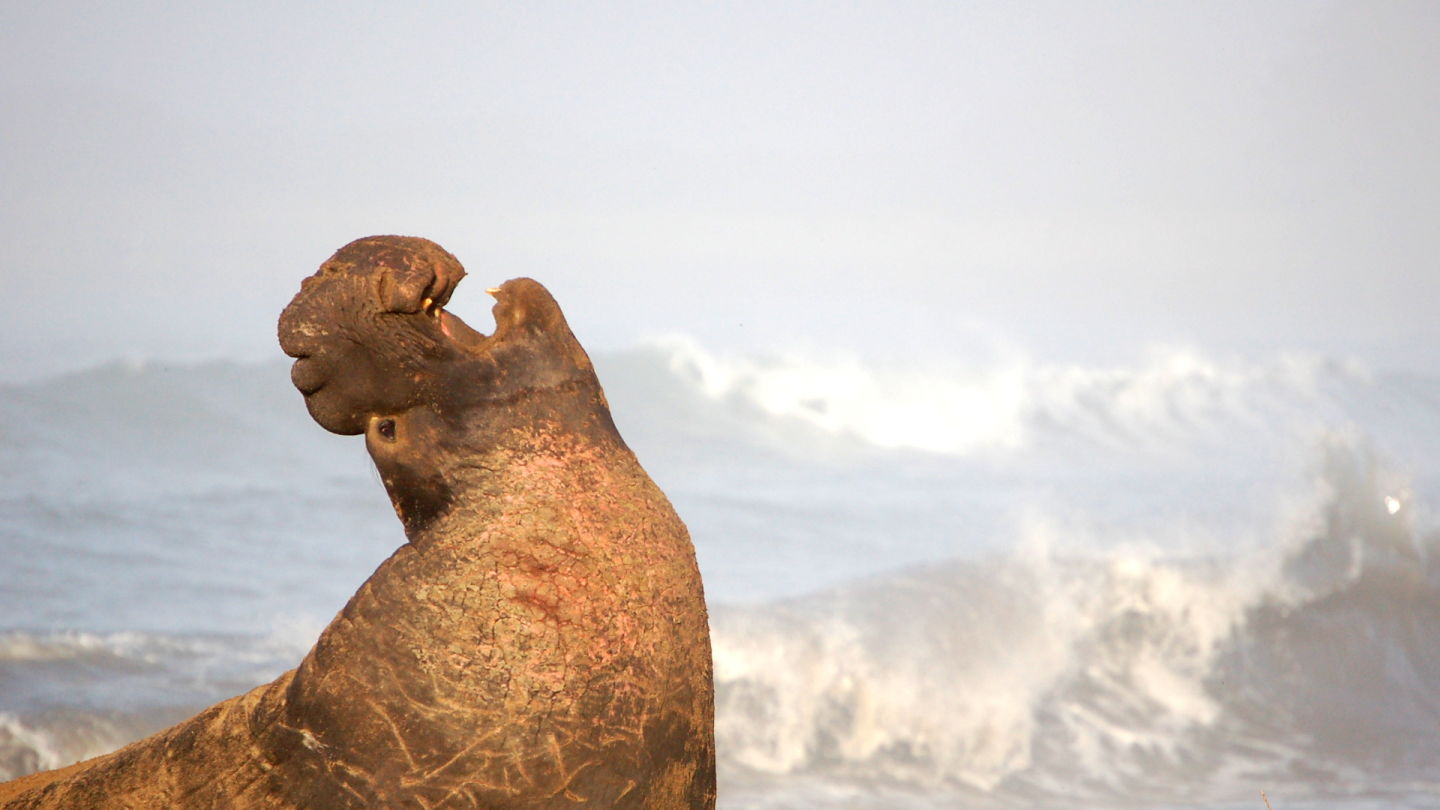
"content": "\u003cp>If you’re a resident of the Bay Area, chances are you’ve walked or biked across the Golden Gate Bridge, attended a San Francisco Giants game, marveled at the towering redwoods in Muir Woods, or savored a glass of Pinot Noir from the legendary vineyards of Napa or Sonoma.\u003c/p>\n\u003cp>But there’s another riveting attraction – coming up soon – that’s also a unique part of our Bay Area bucket list: the return every year of thousands of massive northern elephant seals to the beaches of Año Nuevo State Reserve, a jagged stretch of coastline 60 miles south of San Francisco.\u003c/p>\n\u003cfigure id=\"attachment_74347\" class=\"wp-caption alignleft\" style=\"max-width: 800px\">\u003ca href=\"http://ww2.kqed.org/quest/wp-content/uploads/sites/39/2015/09/501A-Elephant-Seals_-183_SCALED-e1441237647108.jpg\">\u003cimg class=\"size-full wp-image-74347\" src=\"http://ww2.kqed.org/quest/wp-content/uploads/sites/39/2015/09/501A-Elephant-Seals_-183_SCALED-e1441237647108.jpg\" alt=\"Northern elephant seals on the beach at Año Nuevo State Reserve on the San Mateo Coast. Photo by Amy Miller for KQED Science\" width=\"800\" height=\"450\" srcset=\"https://ww2.kqed.org/app/uploads/sites/39/2015/09/501A-Elephant-Seals_-183_SCALED-e1441237647108.jpg 800w, https://ww2.kqed.org/app/uploads/sites/39/2015/09/501A-Elephant-Seals_-183_SCALED-e1441237647108-400x225.jpg 400w\" sizes=\"(max-width: 800px) 100vw, 800px\">\u003c/a>\u003cfigcaption class=\"wp-caption-text\">\u003cem>Northern elephant seals on the beach at Año Nuevo on the San Mateo Coast. Photo by Amy Miller \u003c/em>\u003c/figcaption>\u003c/figure>\n\u003cp>Fifty thousand tourists from around the world flock to this state park every winter to see these one-of-a-kind marine mammals during their breeding season, which lasts from December through March.\u003c/p>\n\u003cp>Elephant seals are the largest seals in the world. Males can weigh up to 4,500 pounds – more than a mid-size car – and measure 16 feet from snout to tail flipper.\u003c/p>\n\u003cp>State parks docents take visitors on a two-and-a-half-hour, three-and-a-half-mile-long hike along sandy dunes and coastal brush to view the seals mate, give birth to jet-black pups and catch the occasional bloody fight between massive males competing for breeding territory.\u003c/p>\n\u003cp>[ad fullwidth]\u003c/p>\n\u003cp>But to see the action, reservations ahead of time are a must, and can be had by purchasing tickets through the \u003ca href=\"http://anonuevo.reserveamerica.com/\">California State Parks\u003c/a> web site. The fee is $7 per adult for the guided walks, which take place until March 20. Children ages three and under get in for free.\u003c/p>\n\u003cp>Marine biologists also descend on Año Nuevo year after year to study the returning elephant seals, making it a critical site for the study of this remarkable, resilient animal that was nearly hunted to extinction for its oily blubber a hundred years ago.\u003c/p>\n\u003cp>“Elephant seals are really animal Olympians,” said \u003ca href=\"http://bio.research.ucsc.edu/people/costa/research/\">Dan Costa\u003c/a>, a professor of biology at UC Santa Cruz. “They’re diving routinely between 1,500 and 2,000 feet of water, and occasionally, they’ll dive for almost two hours.”\u003c/p>\n\u003cfigure id=\"attachment_74348\" class=\"wp-caption alignright\" style=\"max-width: 800px\">\u003ca href=\"http://ww2.kqed.org/quest/wp-content/uploads/sites/39/2015/09/501A-Elephant-Seals_-86_SCALED-e1441237818778.jpg\">\u003cimg class=\"size-full wp-image-74348\" src=\"http://ww2.kqed.org/quest/wp-content/uploads/sites/39/2015/09/501A-Elephant-Seals_-86_SCALED-e1441237818778.jpg\" alt=\"A student in Dan Costa's lab at UC Santa Cruz prepares to remove a satellite tag from a female elephant seal. Photo by Amy Miller for KQED Science\" width=\"800\" height=\"450\" srcset=\"https://ww2.kqed.org/app/uploads/sites/39/2015/09/501A-Elephant-Seals_-86_SCALED-e1441237818778.jpg 800w, https://ww2.kqed.org/app/uploads/sites/39/2015/09/501A-Elephant-Seals_-86_SCALED-e1441237818778-400x225.jpg 400w\" sizes=\"(max-width: 800px) 100vw, 800px\">\u003c/a>\u003cfigcaption class=\"wp-caption-text\">\u003cem>A student in Dan Costa's lab at UC Santa Cruz prepares to remove a satellite tag from a female elephant seal. Photo by Amy Miller\u003c/em>\u003c/figcaption>\u003c/figure>\n\u003cp>Costa has spent four decades studying elephant seals. He and his students have placed high-tech satellite tags and other instruments on more than 500 elephant seals at Año Nuevo to track the location and foraging strategies of the animals, which spend most of their lives at sea.\u003c/p>\n\u003cp>The sandy laboratory of Año Nuevo continues to offer new discoveries.\u003c/p>\n\u003cp>Caroline Casey is a biology graduate student at UC Santa Cruz who studies the dominance hierarchy of male elephant seals at Año Nuevo. Recently, she found that the bellowing calls made by male seals are unique and differ in acoustic features such as frequency, tempo and duration.\u003c/p>\n\u003cp>“Each call distinguishes one male from another male, like an acoustic fingerprint,” she said.\u003c/p>\n\u003cp>Using professional-grade microphones, Casey recorded thousands of interactions between male seals at Año Nuevo.\u003c/p>\n\u003cp>She then placed a speaker near a male elephant seal lying on the beach and played back a recording of another male seal. If the male on the beach had previously fought with the male and won, it moved toward the speaker, ready for another fight. If it had lost the previous encounter, it scampered away.\u003c/p>\n\u003cp>“They’re trying to defend females from other males, which is energetically demanding, so they have this system of calling to each other to avoid conflict most of the time,” Casey said.\u003c/p>\n\u003cp>Still, when they do fight, the encounters can be bloody, and serve as a visible reminder of just how wild much of the California coastline still is.\u003c/p>\n\u003cp>\u003c/p>\n\u003cp>\u003cem>This video was originally produced and updated by Sheraz Sadiq. The original video can be found \u003ca href=\"http://ww2.kqed.org/quest/video/into-the-deep-with-elephant-seals/\">here\u003c/a>. \u003c/em>\u003c/p>\n\n",
"disqusIdentifier": "74344 http://science.kqed.org/quest?p=74344&post_type=videos&preview_id=74344",
"disqusUrl": "https://ww2.kqed.org/quest/2015/11/24/into-the-deep-with-elephant-seals-updated/",
"stats": {
"hasVideo": false,
"hasChartOrMap": false,
"hasAudio": false,
"hasPolis": false,
"wordCount": 702,
"hasGoogleForm": false,
"hasGallery": false,
"hasHearkenModule": false,
"iframeSrcs": [],
"paragraphCount": 19
},
"modified": 1450221713,
"excerpt": "Thousands of northern elephant seals, some weighing up to 4,500 pounds, make a migration to breed each winter at Año Nuevo State Reserve, on the San Mateo County coast. They draw not only tourists but also scientists who use satellite tags to track these animals out at sea. ",
"headData": {
"twImgId": "",
"twTitle": "",
"ogTitle": "",
"ogImgId": "",
"twDescription": "",
"description": "",
"title": "Into the Deep with Elephant Seals (updated) | KQED",
"ogDescription": "",
"schema": {
"@context": "https://schema.org",
"@type": "Article",
"headline": "Into the Deep with Elephant Seals (updated)",
"datePublished": "2015-11-24T06:00:20-08:00",
"dateModified": "2015-12-15T15:21:53-08:00",
"image": "https://cdn.kqed.org/wp-content/uploads/2020/02/KQED-OG-Image@1x.png"
}
},
"guestAuthors": [],
"slug": "into-the-deep-with-elephant-seals-updated",
"status": "publish",
"sourceUrl": "http://ww2.kqed.org/quest/category/biology/",
"videoEmbed": "https://youtu.be/0vQWzUwEbKA",
"source": "Biology",
"path": "/quest/74344/into-the-deep-with-elephant-seals-updated",
"audioTrackLength": null,
"parsedContent": [
{
"type": "contentString",
"content": "\u003cdiv class=\"post-body\">\u003cp>\u003cp>If you’re a resident of the Bay Area, chances are you’ve walked or biked across the Golden Gate Bridge, attended a San Francisco Giants game, marveled at the towering redwoods in Muir Woods, or savored a glass of Pinot Noir from the legendary vineyards of Napa or Sonoma.\u003c/p>\n\u003cp>But there’s another riveting attraction – coming up soon – that’s also a unique part of our Bay Area bucket list: the return every year of thousands of massive northern elephant seals to the beaches of Año Nuevo State Reserve, a jagged stretch of coastline 60 miles south of San Francisco.\u003c/p>\n\u003cfigure id=\"attachment_74347\" class=\"wp-caption alignleft\" style=\"max-width: 800px\">\u003ca href=\"http://ww2.kqed.org/quest/wp-content/uploads/sites/39/2015/09/501A-Elephant-Seals_-183_SCALED-e1441237647108.jpg\">\u003cimg class=\"size-full wp-image-74347\" src=\"http://ww2.kqed.org/quest/wp-content/uploads/sites/39/2015/09/501A-Elephant-Seals_-183_SCALED-e1441237647108.jpg\" alt=\"Northern elephant seals on the beach at Año Nuevo State Reserve on the San Mateo Coast. Photo by Amy Miller for KQED Science\" width=\"800\" height=\"450\" srcset=\"https://ww2.kqed.org/app/uploads/sites/39/2015/09/501A-Elephant-Seals_-183_SCALED-e1441237647108.jpg 800w, https://ww2.kqed.org/app/uploads/sites/39/2015/09/501A-Elephant-Seals_-183_SCALED-e1441237647108-400x225.jpg 400w\" sizes=\"(max-width: 800px) 100vw, 800px\">\u003c/a>\u003cfigcaption class=\"wp-caption-text\">\u003cem>Northern elephant seals on the beach at Año Nuevo on the San Mateo Coast. Photo by Amy Miller \u003c/em>\u003c/figcaption>\u003c/figure>\n\u003cp>Fifty thousand tourists from around the world flock to this state park every winter to see these one-of-a-kind marine mammals during their breeding season, which lasts from December through March.\u003c/p>\n\u003cp>Elephant seals are the largest seals in the world. Males can weigh up to 4,500 pounds – more than a mid-size car – and measure 16 feet from snout to tail flipper.\u003c/p>\n\u003cp>State parks docents take visitors on a two-and-a-half-hour, three-and-a-half-mile-long hike along sandy dunes and coastal brush to view the seals mate, give birth to jet-black pups and catch the occasional bloody fight between massive males competing for breeding territory.\u003c/p>\n\u003cp>\u003c/p>\u003c/div>",
"attributes": {
"named": {},
"numeric": []
}
},
{
"type": "component",
"content": "",
"name": "ad",
"attributes": {
"named": {
"label": "fullwidth"
},
"numeric": [
"fullwidth"
]
}
},
{
"type": "contentString",
"content": "\u003cdiv class=\"post-body\">\u003cp>\u003c/p>\n\u003cp>But to see the action, reservations ahead of time are a must, and can be had by purchasing tickets through the \u003ca href=\"http://anonuevo.reserveamerica.com/\">California State Parks\u003c/a> web site. The fee is $7 per adult for the guided walks, which take place until March 20. Children ages three and under get in for free.\u003c/p>\n\u003cp>Marine biologists also descend on Año Nuevo year after year to study the returning elephant seals, making it a critical site for the study of this remarkable, resilient animal that was nearly hunted to extinction for its oily blubber a hundred years ago.\u003c/p>\n\u003cp>“Elephant seals are really animal Olympians,” said \u003ca href=\"http://bio.research.ucsc.edu/people/costa/research/\">Dan Costa\u003c/a>, a professor of biology at UC Santa Cruz. “They’re diving routinely between 1,500 and 2,000 feet of water, and occasionally, they’ll dive for almost two hours.”\u003c/p>\n\u003cfigure id=\"attachment_74348\" class=\"wp-caption alignright\" style=\"max-width: 800px\">\u003ca href=\"http://ww2.kqed.org/quest/wp-content/uploads/sites/39/2015/09/501A-Elephant-Seals_-86_SCALED-e1441237818778.jpg\">\u003cimg class=\"size-full wp-image-74348\" src=\"http://ww2.kqed.org/quest/wp-content/uploads/sites/39/2015/09/501A-Elephant-Seals_-86_SCALED-e1441237818778.jpg\" alt=\"A student in Dan Costa's lab at UC Santa Cruz prepares to remove a satellite tag from a female elephant seal. Photo by Amy Miller for KQED Science\" width=\"800\" height=\"450\" srcset=\"https://ww2.kqed.org/app/uploads/sites/39/2015/09/501A-Elephant-Seals_-86_SCALED-e1441237818778.jpg 800w, https://ww2.kqed.org/app/uploads/sites/39/2015/09/501A-Elephant-Seals_-86_SCALED-e1441237818778-400x225.jpg 400w\" sizes=\"(max-width: 800px) 100vw, 800px\">\u003c/a>\u003cfigcaption class=\"wp-caption-text\">\u003cem>A student in Dan Costa's lab at UC Santa Cruz prepares to remove a satellite tag from a female elephant seal. Photo by Amy Miller\u003c/em>\u003c/figcaption>\u003c/figure>\n\u003cp>Costa has spent four decades studying elephant seals. He and his students have placed high-tech satellite tags and other instruments on more than 500 elephant seals at Año Nuevo to track the location and foraging strategies of the animals, which spend most of their lives at sea.\u003c/p>\n\u003cp>The sandy laboratory of Año Nuevo continues to offer new discoveries.\u003c/p>\n\u003cp>Caroline Casey is a biology graduate student at UC Santa Cruz who studies the dominance hierarchy of male elephant seals at Año Nuevo. Recently, she found that the bellowing calls made by male seals are unique and differ in acoustic features such as frequency, tempo and duration.\u003c/p>\n\u003cp>“Each call distinguishes one male from another male, like an acoustic fingerprint,” she said.\u003c/p>\n\u003cp>Using professional-grade microphones, Casey recorded thousands of interactions between male seals at Año Nuevo.\u003c/p>\n\u003cp>She then placed a speaker near a male elephant seal lying on the beach and played back a recording of another male seal. If the male on the beach had previously fought with the male and won, it moved toward the speaker, ready for another fight. If it had lost the previous encounter, it scampered away.\u003c/p>\n\u003cp>“They’re trying to defend females from other males, which is energetically demanding, so they have this system of calling to each other to avoid conflict most of the time,” Casey said.\u003c/p>\n\u003cp>Still, when they do fight, the encounters can be bloody, and serve as a visible reminder of just how wild much of the California coastline still is.\u003c/p>\n\u003cp>\u003c/p>\n\u003cp>\u003cem>This video was originally produced and updated by Sheraz Sadiq. The original video can be found \u003ca href=\"http://ww2.kqed.org/quest/video/into-the-deep-with-elephant-seals/\">here\u003c/a>. \u003c/em>\u003c/p>\n\n\u003c/div>\u003c/p>",
"attributes": {
"named": {},
"numeric": []
}
}
],
"link": "/quest/74344/into-the-deep-with-elephant-seals-updated",
"authors": [
"6176"
],
"categories": [
"quest_4",
"quest_3422",
"quest_3233"
],
"tags": [
"quest_175",
"quest_758",
"quest_3641",
"quest_2349",
"quest_11353",
"quest_2893",
"quest_3071"
],
"featImg": "quest_81282",
"label": "source_quest_74344"
},
"quest_80827": {
"type": "posts",
"id": "quest_80827",
"meta": {
"index": "posts_1716263798",
"site": "quest",
"id": "80827",
"score": null,
"sort": [
1447768811000
]
},
"parent": 0,
"labelTerm": {
"site": "quest"
},
"blocks": [],
"publishDate": 1447768811,
"format": "video",
"disqusTitle": "Giant Sequoias Struggle with Drought",
"title": "Giant Sequoias Struggle with Drought",
"headTitle": "QUEST | KQED Science",
"content": "\u003cp>In the summer of 2014, biologist Nathan Stephenson was surveying giant sequoias in a clearing in Sequoia National Park. He looked up at the crown of a mature giant sequoia, hundreds of years old, and noticed that half of its leaves had turned brown.\u003c/p>\n\u003cp>In 35 years studying giant sequoias in the Sierra Nevada, Stephenson had never seen a mature giant sequoia with that many brown leaves. He looked in the park’s records, which go back 120 years.\u003c/p>\n\u003cp>“No one had ever reported that before,” he said.\u003c/p>\n\u003cfigure id=\"attachment_97693\" class=\"wp-caption aligncenter\" style=\"max-width: 800px\">\u003ca href=\"http://ww2.kqed.org/quest/wp-content/uploads/sites/39/2015/11/Dead_giant_sequoia.jpg\">\u003cimg class=\"size-medium wp-image-97693\" src=\"http://ww2.kqed.org/quest/wp-content/uploads/sites/39/2015/11/Dead_giant_sequoia-800x450.jpg\" alt=\"Half a dozen giant sequoias, like the one in the background, have died in Sequoia and Kings Canyon National Parks since the drought started in California four years ago. \" width=\"800\" height=\"450\" srcset=\"https://ww2.kqed.org/app/uploads/sites/39/2015/11/Dead_giant_sequoia-800x450.jpg 800w, https://ww2.kqed.org/app/uploads/sites/39/2015/11/Dead_giant_sequoia-400x225.jpg 400w, https://ww2.kqed.org/app/uploads/sites/39/2015/11/Dead_giant_sequoia-1440x810.jpg 1440w, https://ww2.kqed.org/app/uploads/sites/39/2015/11/Dead_giant_sequoia-1180x664.jpg 1180w, https://ww2.kqed.org/app/uploads/sites/39/2015/11/Dead_giant_sequoia-960x540.jpg 960w\" sizes=\"(max-width: 800px) 100vw, 800px\">\u003c/a>\u003cfigcaption class=\"wp-caption-text\">Half a dozen giant sequoias, like this one in the background, have died in Sequoia and Kings Canyon National Parks since the drought started in California four years ago. \u003ccite>(Gabriela Quirós/KQED)\u003c/cite>\u003c/figcaption>\u003c/figure>\n\u003cp>Last year, he and his team surveyed 4,300 of the approximately 160,000 giant sequoias in Sequoia and Kings Canyon National Parks. They found that one percent of them had shed half or more of their leaves.\u003c/p>\n\u003cp>“Trees lose foliage as a way to cope with drought,” said Stephenson, who works for the U.S. Geological Survey.\u003c/p>\n\u003cp>[ad fullwidth]\u003c/p>\n\u003cp>Only half a dozen giant sequoias have died in the Sierra Nevada’s Sequoia and Kings Canyon National Parks since the drought began, said the parks’ science coordinator Koren Nydick. But the fact that some giant sequoias started to show signs of stress last year caused concern among scientists because the trees are normally long-lived, with some known to be more than 3,000 years old. And all around them in the Sierra, some 6 million trees of other species have died, according to a U.S. Forest Service survey in July.\u003c/p>\n\u003cp>“We’re seeing firs, pines, incense cedars and oaks are all dying at a rate we’ve never seen before,” said Stephenson. “Even during the 1977 drought in California we didn’t see this many trees dying.”\u003c/p>\n\u003cfigure id=\"attachment_97695\" class=\"wp-caption alignleft\" style=\"max-width: 800px\">\u003ca href=\"http://ww2.kqed.org/quest/wp-content/uploads/sites/39/2015/11/Nathan_Stephenson.jpg\">\u003cimg class=\"size-medium wp-image-97695\" src=\"http://ww2.kqed.org/quest/wp-content/uploads/sites/39/2015/11/Nathan_Stephenson-800x450.jpg\" alt=\"In the summer of 2014, U.S. Geological Survey biologist Nathan Stephenson became concerned when he looked up at the crown of a mature giant sequoia, hundreds of years old, and noticed that half of its leaves had turned brown. “No one had ever reported that before,” he said. \" width=\"800\" height=\"450\" srcset=\"https://ww2.kqed.org/app/uploads/sites/39/2015/11/Nathan_Stephenson-800x450.jpg 800w, https://ww2.kqed.org/app/uploads/sites/39/2015/11/Nathan_Stephenson-400x225.jpg 400w, https://ww2.kqed.org/app/uploads/sites/39/2015/11/Nathan_Stephenson-1440x810.jpg 1440w, https://ww2.kqed.org/app/uploads/sites/39/2015/11/Nathan_Stephenson-1180x664.jpg 1180w, https://ww2.kqed.org/app/uploads/sites/39/2015/11/Nathan_Stephenson-960x540.jpg 960w\" sizes=\"(max-width: 800px) 100vw, 800px\">\u003c/a>\u003cfigcaption class=\"wp-caption-text\">In the summer of 2014, U.S. Geological Survey biologist Nathan Stephenson became concerned when he looked up at the crown of a mature giant sequoia, hundreds of years old, and noticed that half of its leaves had turned brown. “No one had ever reported that before,” he said. \u003ccite>(Gabriela Quirós/KQED)\u003c/cite>\u003c/figcaption>\u003c/figure>\n\u003cp>The severity of the damage on some of the sequoias led him and other biologists to investigate further.\u003c/p>\n\u003cp>This summer, scientists from the University of California, Berkeley, Stanford University, the USGS and the Carnegie Institution for Science counted the number of giant sequoias with brown leaves, climbed 50 of the trees to see if they were having trouble transporting water to their treetops and flew over giant sequoia groves to make images of their water content using special equipment.\u003c/p>\n\u003cp>The researchers’ conclusion: some giant sequoias in Sequoia National Park are showing signs of stress, but it’s unclear which trees might be at the highest risk of dying.\u003c/p>\n\u003cp>Giant sequoias require more water than any other tree, said tree biologist Anthony Ambrose, of the University of California, Berkeley. On a hot summer day, they can suck up 500 to 800 gallons. That’s twice as much water as a California household uses in a day. And it’s not just any water.\u003c/p>\n\u003cp>“That water comes primarily from snow that slowly melts during the spring and recharges the groundwater,” said Ambrose, “so that during the summer months they have sufficient water to sustain their growth and physiology.”\u003c/p>\n\u003cp>The problem is that during California’s historic drought, little snow has been available to the trees.\u003c/p>\n\u003cp>“The last two winters here have been by far the warmest on record,” said Stephenson, “and what that’s meant is there’s been almost no snow on the ground.”\u003c/p>\n\u003cp>In August and September, Ambrose and Wendy Baxter, another UC biologist, climbed 50 giant sequoias in Sequoia National Park’s Giant Forest. They collected leaves from their treetops –sometimes the equivalent of 30 stories up-- using a simple rig that allows them to hoist themselves up on a rope while hardly touching the bark.\u003c/p>\n\u003cfigure id=\"attachment_97698\" class=\"wp-caption aligncenter\" style=\"max-width: 800px\">\u003ca href=\"http://ww2.kqed.org/quest/wp-content/uploads/sites/39/2015/11/Wendy_Baxter_climbs_giant_sequoia.jpg\">\u003cimg class=\"size-medium wp-image-97698\" src=\"http://ww2.kqed.org/quest/wp-content/uploads/sites/39/2015/11/Wendy_Baxter_climbs_giant_sequoia-800x450.jpg\" alt=\"Biologist Wendy Baxter, of the University of California, Berkeley, climbed a giant sequoia in September. She used a simple rig that allowed her to hoist herself up on a rope while hardly touching the bark. \" width=\"800\" height=\"450\" srcset=\"https://ww2.kqed.org/app/uploads/sites/39/2015/11/Wendy_Baxter_climbs_giant_sequoia-800x450.jpg 800w, https://ww2.kqed.org/app/uploads/sites/39/2015/11/Wendy_Baxter_climbs_giant_sequoia-400x225.jpg 400w, https://ww2.kqed.org/app/uploads/sites/39/2015/11/Wendy_Baxter_climbs_giant_sequoia-1440x810.jpg 1440w, https://ww2.kqed.org/app/uploads/sites/39/2015/11/Wendy_Baxter_climbs_giant_sequoia-1180x664.jpg 1180w, https://ww2.kqed.org/app/uploads/sites/39/2015/11/Wendy_Baxter_climbs_giant_sequoia-960x540.jpg 960w\" sizes=\"(max-width: 800px) 100vw, 800px\">\u003c/a>\u003cfigcaption class=\"wp-caption-text\">Biologist Wendy Baxter, of the University of California, Berkeley, climbed a giant sequoia in September. She used a simple rig that allowed her to hoist herself up on a rope while hardly touching the bark. \u003ccite>(Gabriela Quirós/KQED)\u003c/cite>\u003c/figcaption>\u003c/figure>\n\u003cp>“There’s a beautiful view up here,” said Baxter, as she looked out over the top of the forest from her vantage point 300 feet up. She used small shears to cut a clump of leaves from the treetop and stuffed them in plastic bags.\u003c/p>\n\u003cp>Even at great heights, giant sequoias are able to draw water up to leaves at their treetops. Inside each of the trees’ cells, water gets pulled up to the top of the tree as if it were being sucked up through a straw.\u003c/p>\n\u003cp>“When we clip it, the water retracts back into the stem, kind of like a rubber band,” said Baxter.\u003c/p>\n\u003cfigure id=\"attachment_97697\" class=\"wp-caption alignleft\" style=\"max-width: 800px\">\u003ca href=\"http://ww2.kqed.org/quest/wp-content/uploads/sites/39/2015/11/Wendy_Baxter_atop_sequoia_02.jpg\">\u003cimg class=\"size-medium wp-image-97697\" src=\"http://ww2.kqed.org/quest/wp-content/uploads/sites/39/2015/11/Wendy_Baxter_atop_sequoia_02-800x450.jpg\" alt=\"Biologist Wendy Baxter and a colleague from the University of California, Berkeley, climbed 50 giant sequoias in Sequoia National Park in August and September to get a sense of whether the trees were having trouble transporting water to their treetops.\" width=\"800\" height=\"450\" srcset=\"https://ww2.kqed.org/app/uploads/sites/39/2015/11/Wendy_Baxter_atop_sequoia_02-800x450.jpg 800w, https://ww2.kqed.org/app/uploads/sites/39/2015/11/Wendy_Baxter_atop_sequoia_02-400x225.jpg 400w, https://ww2.kqed.org/app/uploads/sites/39/2015/11/Wendy_Baxter_atop_sequoia_02-1440x810.jpg 1440w, https://ww2.kqed.org/app/uploads/sites/39/2015/11/Wendy_Baxter_atop_sequoia_02-1180x664.jpg 1180w, https://ww2.kqed.org/app/uploads/sites/39/2015/11/Wendy_Baxter_atop_sequoia_02-960x540.jpg 960w\" sizes=\"(max-width: 800px) 100vw, 800px\">\u003c/a>\u003cfigcaption class=\"wp-caption-text\">Biologist Wendy Baxter and a colleague from the University of California, Berkeley, climbed 50 giant sequoias in Sequoia National Park in August and September to get a sense of whether the trees were having trouble transporting water to their treetops. \u003ccite>(Lincoln Else/KQED)\u003c/cite>\u003c/figcaption>\u003c/figure>\n\u003cp>Back on the ground, she handed the bags to UC Berkeley technician Ken Schwab, who placed a group of leaves inside a round metal device called a pressure chamber.\u003c/p>\n\u003cp>“When we put our stem into the pressure chamber,” said Baxter, “the amount of pressure that it takes to force the water back out is an indication of how much tension it was under.”\u003c/p>\n\u003cp>The higher the pressure required to push the water out, the more stressed the tree is.\u003c/p>\n\u003cp>“Some of the trees are definitely as stressed as we’ve ever measured giant sequoia,” said Ambrose.\u003c/p>\n\u003cp>This summer, Ambrose and Baxter took measurements in two sites in the forest where some of the giant sequoias had lost half of their leaves in 2014 and in two sites where trees had looked healthier. They found that the most water-stressed trees and the least stressed ones could be found in all sites. Perhaps, Ambrose said, some trees within a particular site have more access to groundwater, their roots reaching deep underground into cracks and crevices that other trees can’t get to.\u003c/p>\n\u003cfigure id=\"attachment_97691\" class=\"wp-caption alignright\" style=\"max-width: 800px\">\u003ca href=\"http://ww2.kqed.org/quest/wp-content/uploads/sites/39/2015/11/Anthony_Ambrose_atop_sequoia.jpg\">\u003cimg class=\"size-medium wp-image-97691\" src=\"http://ww2.kqed.org/quest/wp-content/uploads/sites/39/2015/11/Anthony_Ambrose_atop_sequoia-800x450.jpg\" alt=\"University of California, Berkeley, biologist Anthony Ambrose cuts leaves from the top of a giant sequoia in Sequoia National Park at daybreak on Sept. 2.\" width=\"800\" height=\"450\" srcset=\"https://ww2.kqed.org/app/uploads/sites/39/2015/11/Anthony_Ambrose_atop_sequoia-800x450.jpg 800w, https://ww2.kqed.org/app/uploads/sites/39/2015/11/Anthony_Ambrose_atop_sequoia-400x225.jpg 400w, https://ww2.kqed.org/app/uploads/sites/39/2015/11/Anthony_Ambrose_atop_sequoia-1440x810.jpg 1440w, https://ww2.kqed.org/app/uploads/sites/39/2015/11/Anthony_Ambrose_atop_sequoia-1180x664.jpg 1180w, https://ww2.kqed.org/app/uploads/sites/39/2015/11/Anthony_Ambrose_atop_sequoia-960x540.jpg 960w\" sizes=\"(max-width: 800px) 100vw, 800px\">\u003c/a>\u003cfigcaption class=\"wp-caption-text\">University of California, Berkeley, biologist Anthony Ambrose cuts leaves from the top of a giant sequoia in Sequoia National Park at daybreak on Sept. 2. \u003ccite>(Lincoln Else/KQED)\u003c/cite>\u003c/figcaption>\u003c/figure>\n\u003cp>In comparison with the summer of 2014, fewer giant sequoias lost half of their leaves this summer, said Stephenson. He thinks that perhaps the trees “did all the hard work of adjusting to the drought last year.”\u003c/p>\n\u003cp>Figuring out what trees will succumb to drought is a difficult business, said Greg Asner, of Stanford University and the Carnegie Institution for Science. Sometimes, Asner said, trees lose lots of leaves and later rebound when they have access to water. Other times, trees look healthy, but are in fact water-stressed.\u003c/p>\n\u003cp>Asner designed the Carnegie Airborne Observatory, a plane with instruments that measure water, nitrogen and sugars in trees using a technology called laser-guided spectral imaging. This summer he flew over and made images of the giant sequoias in Sequoia National Park’s Giant Forest. On the resulting map, the sequoias on the west side of Giant Forest appear orange and red, a sign that they’re doing worst in terms of their water content. The trees on the east side of the forest appear in blue, a sign that they have more water.\u003c/p>\n\u003cfigure id=\"attachment_97706\" class=\"wp-caption alignright\" style=\"max-width: 800px\">\u003ca href=\"http://ww2.kqed.org/quest/wp-content/uploads/sites/39/2015/11/Asner_Screenshot5.jpg\">\u003cimg class=\"size-medium wp-image-97706\" src=\"http://ww2.kqed.org/quest/wp-content/uploads/sites/39/2015/11/Asner_Screenshot5-800x450.jpg\" alt=\"Greg Asner, of the Carnegie Institution for Science, created this map of giant sequoias in Sequoia National Park’s Giant Forest this summer, after imaging the trees with the Carnegie Airborne Observatory, a plane with instruments that measure water, nitrogen and sugars. The trees that appear in blue are getting the most water. The yellow, orange and red trees are getting the least. \" width=\"800\" height=\"450\" srcset=\"https://ww2.kqed.org/app/uploads/sites/39/2015/11/Asner_Screenshot5-800x450.jpg 800w, https://ww2.kqed.org/app/uploads/sites/39/2015/11/Asner_Screenshot5-400x225.jpg 400w, https://ww2.kqed.org/app/uploads/sites/39/2015/11/Asner_Screenshot5-1440x810.jpg 1440w, https://ww2.kqed.org/app/uploads/sites/39/2015/11/Asner_Screenshot5-1180x664.jpg 1180w, https://ww2.kqed.org/app/uploads/sites/39/2015/11/Asner_Screenshot5-960x540.jpg 960w\" sizes=\"(max-width: 800px) 100vw, 800px\">\u003c/a>\u003cfigcaption class=\"wp-caption-text\">Greg Asner, of the Carnegie Institution for Science, created this map of giant sequoias in Sequoia National Park’s Giant Forest this summer, after imaging the trees with the Carnegie Airborne Observatory, a plane with instruments that measure water, nitrogen and sugars. The trees that appear in blue are getting the most water. The yellow, orange and red trees are getting the least. \u003ccite>(Greg Asner/Carnegie Institution for Science)\u003c/cite>\u003c/figcaption>\u003c/figure>\n\u003cp>But only repeated flights can accurately pinpoint the most vulnerable giant sequoias, said Asner.\u003c/p>\n\u003cp>“We cannot tell if a tree is improving or declining in a single mapping,” he said. “By re-flying we can see the total amount of water change in each canopy, and that will be the best possible measure of how each tree is doing.”\u003c/p>\n\u003cp>So far, scientists say, they can’t draw conclusions about just how stressed the iconic giant sequoia trees are after four years of severe drought, or how many might be at risk of dying.\u003c/p>\n\u003cp>Scientists say the research, however, is important in establishing a baseline that will allow them to monitor giant sequoias for years to come.\u003c/p>\n\u003cp>“Our main concern isn’t necessarily the current drought right now; it’s looking to the future,” said Stephenson. “If the climate continues to warm, it will put more stress on the giant sequoias.”\u003c/p>\n\u003cfigure id=\"attachment_97694\" class=\"wp-caption aligncenter\" style=\"max-width: 800px\">\u003ca href=\"http://ww2.kqed.org/quest/wp-content/uploads/sites/39/2015/11/General_Sherman_giant_sequoia.jpg\">\u003cimg class=\"size-medium wp-image-97694\" src=\"http://ww2.kqed.org/quest/wp-content/uploads/sites/39/2015/11/General_Sherman_giant_sequoia-800x450.jpg\" alt=\"The General Sherman, in the middle, is billed as the largest tree in the world. If conditions for giant sequoias worsened in the future, Sequoia National Park officials might consider irrigating the General Sherman and other famous giant sequoias. \" width=\"800\" height=\"450\" srcset=\"https://ww2.kqed.org/app/uploads/sites/39/2015/11/General_Sherman_giant_sequoia-800x450.jpg 800w, https://ww2.kqed.org/app/uploads/sites/39/2015/11/General_Sherman_giant_sequoia-400x225.jpg 400w, https://ww2.kqed.org/app/uploads/sites/39/2015/11/General_Sherman_giant_sequoia-1440x810.jpg 1440w, https://ww2.kqed.org/app/uploads/sites/39/2015/11/General_Sherman_giant_sequoia-1180x664.jpg 1180w, https://ww2.kqed.org/app/uploads/sites/39/2015/11/General_Sherman_giant_sequoia-960x540.jpg 960w\" sizes=\"(max-width: 800px) 100vw, 800px\">\u003c/a>\u003cfigcaption class=\"wp-caption-text\">The General Sherman, in the middle, is billed as the largest tree in the world. If conditions for giant sequoias worsened in the future, Sequoia National Park officials might consider irrigating the General Sherman and other famous giant sequoias. \u003ccite>(Gabriela Quirós/KQED)\u003c/cite>\u003c/figcaption>\u003c/figure>\n\u003cp>If the drought continues, or if the trees show significant decline as the climate continues to warm, giant sequoias might need some human intervention in the future to survive climate change. That could take the form of prescribed burns to reduce competition for water from surrounding trees. Parks officials could even decide to irrigate some of their most famous giant sequoias, such as the General Sherman, billed as the world’s largest tree, said Nydick.\u003c/p>\n\u003cp>[ad floatright]\u003c/p>\n\u003cp>“If temperatures continue to increase, as they’re almost certain to,” said Ambrose, “at what point will they reach a threshold where they can’t recover?”\u003c/p>\n\n",
"disqusIdentifier": "80827 http://ww2.kqed.org/quest/?p=80827",
"disqusUrl": "https://ww2.kqed.org/quest/2015/11/17/giant-sequoias-struggle-with-drought/",
"stats": {
"hasVideo": false,
"hasChartOrMap": false,
"hasAudio": false,
"hasPolis": false,
"wordCount": 1681,
"hasGoogleForm": false,
"hasGallery": false,
"hasHearkenModule": false,
"iframeSrcs": [],
"paragraphCount": 35
},
"modified": 1485812508,
"excerpt": "Scientists fly over, count and climb unhealthy-looking giant sequoias to assess the drought’s impact.",
"headData": {
"twImgId": "",
"twTitle": "",
"ogTitle": "",
"ogImgId": "",
"twDescription": "",
"description": "Scientists fly over, count and climb unhealthy-looking giant sequoias to assess the drought’s impact.",
"title": "Giant Sequoias Struggle with Drought | KQED",
"ogDescription": "",
"schema": {
"@context": "https://schema.org",
"@type": "Article",
"headline": "Giant Sequoias Struggle with Drought",
"datePublished": "2015-11-17T06:00:11-08:00",
"dateModified": "2017-01-30T13:41:48-08:00",
"image": "https://cdn.kqed.org/wp-content/uploads/2020/02/KQED-OG-Image@1x.png"
}
},
"guestAuthors": [],
"slug": "giant-sequoias-struggle-with-drought",
"status": "publish",
"videoEmbed": "https://youtu.be/4Cn8FsOsBmY",
"path": "/quest/80827/giant-sequoias-struggle-with-drought",
"audioTrackLength": null,
"parsedContent": [
{
"type": "contentString",
"content": "\u003cdiv class=\"post-body\">\u003cp>\u003cp>In the summer of 2014, biologist Nathan Stephenson was surveying giant sequoias in a clearing in Sequoia National Park. He looked up at the crown of a mature giant sequoia, hundreds of years old, and noticed that half of its leaves had turned brown.\u003c/p>\n\u003cp>In 35 years studying giant sequoias in the Sierra Nevada, Stephenson had never seen a mature giant sequoia with that many brown leaves. He looked in the park’s records, which go back 120 years.\u003c/p>\n\u003cp>“No one had ever reported that before,” he said.\u003c/p>\n\u003cfigure id=\"attachment_97693\" class=\"wp-caption aligncenter\" style=\"max-width: 800px\">\u003ca href=\"http://ww2.kqed.org/quest/wp-content/uploads/sites/39/2015/11/Dead_giant_sequoia.jpg\">\u003cimg class=\"size-medium wp-image-97693\" src=\"http://ww2.kqed.org/quest/wp-content/uploads/sites/39/2015/11/Dead_giant_sequoia-800x450.jpg\" alt=\"Half a dozen giant sequoias, like the one in the background, have died in Sequoia and Kings Canyon National Parks since the drought started in California four years ago. \" width=\"800\" height=\"450\" srcset=\"https://ww2.kqed.org/app/uploads/sites/39/2015/11/Dead_giant_sequoia-800x450.jpg 800w, https://ww2.kqed.org/app/uploads/sites/39/2015/11/Dead_giant_sequoia-400x225.jpg 400w, https://ww2.kqed.org/app/uploads/sites/39/2015/11/Dead_giant_sequoia-1440x810.jpg 1440w, https://ww2.kqed.org/app/uploads/sites/39/2015/11/Dead_giant_sequoia-1180x664.jpg 1180w, https://ww2.kqed.org/app/uploads/sites/39/2015/11/Dead_giant_sequoia-960x540.jpg 960w\" sizes=\"(max-width: 800px) 100vw, 800px\">\u003c/a>\u003cfigcaption class=\"wp-caption-text\">Half a dozen giant sequoias, like this one in the background, have died in Sequoia and Kings Canyon National Parks since the drought started in California four years ago. \u003ccite>(Gabriela Quirós/KQED)\u003c/cite>\u003c/figcaption>\u003c/figure>\n\u003cp>Last year, he and his team surveyed 4,300 of the approximately 160,000 giant sequoias in Sequoia and Kings Canyon National Parks. They found that one percent of them had shed half or more of their leaves.\u003c/p>\n\u003cp>“Trees lose foliage as a way to cope with drought,” said Stephenson, who works for the U.S. Geological Survey.\u003c/p>\n\u003cp>\u003c/p>\u003c/div>",
"attributes": {
"named": {},
"numeric": []
}
},
{
"type": "component",
"content": "",
"name": "ad",
"attributes": {
"named": {
"label": "fullwidth"
},
"numeric": [
"fullwidth"
]
}
},
{
"type": "contentString",
"content": "\u003cdiv class=\"post-body\">\u003cp>\u003c/p>\n\u003cp>Only half a dozen giant sequoias have died in the Sierra Nevada’s Sequoia and Kings Canyon National Parks since the drought began, said the parks’ science coordinator Koren Nydick. But the fact that some giant sequoias started to show signs of stress last year caused concern among scientists because the trees are normally long-lived, with some known to be more than 3,000 years old. And all around them in the Sierra, some 6 million trees of other species have died, according to a U.S. Forest Service survey in July.\u003c/p>\n\u003cp>“We’re seeing firs, pines, incense cedars and oaks are all dying at a rate we’ve never seen before,” said Stephenson. “Even during the 1977 drought in California we didn’t see this many trees dying.”\u003c/p>\n\u003cfigure id=\"attachment_97695\" class=\"wp-caption alignleft\" style=\"max-width: 800px\">\u003ca href=\"http://ww2.kqed.org/quest/wp-content/uploads/sites/39/2015/11/Nathan_Stephenson.jpg\">\u003cimg class=\"size-medium wp-image-97695\" src=\"http://ww2.kqed.org/quest/wp-content/uploads/sites/39/2015/11/Nathan_Stephenson-800x450.jpg\" alt=\"In the summer of 2014, U.S. Geological Survey biologist Nathan Stephenson became concerned when he looked up at the crown of a mature giant sequoia, hundreds of years old, and noticed that half of its leaves had turned brown. “No one had ever reported that before,” he said. \" width=\"800\" height=\"450\" srcset=\"https://ww2.kqed.org/app/uploads/sites/39/2015/11/Nathan_Stephenson-800x450.jpg 800w, https://ww2.kqed.org/app/uploads/sites/39/2015/11/Nathan_Stephenson-400x225.jpg 400w, https://ww2.kqed.org/app/uploads/sites/39/2015/11/Nathan_Stephenson-1440x810.jpg 1440w, https://ww2.kqed.org/app/uploads/sites/39/2015/11/Nathan_Stephenson-1180x664.jpg 1180w, https://ww2.kqed.org/app/uploads/sites/39/2015/11/Nathan_Stephenson-960x540.jpg 960w\" sizes=\"(max-width: 800px) 100vw, 800px\">\u003c/a>\u003cfigcaption class=\"wp-caption-text\">In the summer of 2014, U.S. Geological Survey biologist Nathan Stephenson became concerned when he looked up at the crown of a mature giant sequoia, hundreds of years old, and noticed that half of its leaves had turned brown. “No one had ever reported that before,” he said. \u003ccite>(Gabriela Quirós/KQED)\u003c/cite>\u003c/figcaption>\u003c/figure>\n\u003cp>The severity of the damage on some of the sequoias led him and other biologists to investigate further.\u003c/p>\n\u003cp>This summer, scientists from the University of California, Berkeley, Stanford University, the USGS and the Carnegie Institution for Science counted the number of giant sequoias with brown leaves, climbed 50 of the trees to see if they were having trouble transporting water to their treetops and flew over giant sequoia groves to make images of their water content using special equipment.\u003c/p>\n\u003cp>The researchers’ conclusion: some giant sequoias in Sequoia National Park are showing signs of stress, but it’s unclear which trees might be at the highest risk of dying.\u003c/p>\n\u003cp>Giant sequoias require more water than any other tree, said tree biologist Anthony Ambrose, of the University of California, Berkeley. On a hot summer day, they can suck up 500 to 800 gallons. That’s twice as much water as a California household uses in a day. And it’s not just any water.\u003c/p>\n\u003cp>“That water comes primarily from snow that slowly melts during the spring and recharges the groundwater,” said Ambrose, “so that during the summer months they have sufficient water to sustain their growth and physiology.”\u003c/p>\n\u003cp>The problem is that during California’s historic drought, little snow has been available to the trees.\u003c/p>\n\u003cp>“The last two winters here have been by far the warmest on record,” said Stephenson, “and what that’s meant is there’s been almost no snow on the ground.”\u003c/p>\n\u003cp>In August and September, Ambrose and Wendy Baxter, another UC biologist, climbed 50 giant sequoias in Sequoia National Park’s Giant Forest. They collected leaves from their treetops –sometimes the equivalent of 30 stories up-- using a simple rig that allows them to hoist themselves up on a rope while hardly touching the bark.\u003c/p>\n\u003cfigure id=\"attachment_97698\" class=\"wp-caption aligncenter\" style=\"max-width: 800px\">\u003ca href=\"http://ww2.kqed.org/quest/wp-content/uploads/sites/39/2015/11/Wendy_Baxter_climbs_giant_sequoia.jpg\">\u003cimg class=\"size-medium wp-image-97698\" src=\"http://ww2.kqed.org/quest/wp-content/uploads/sites/39/2015/11/Wendy_Baxter_climbs_giant_sequoia-800x450.jpg\" alt=\"Biologist Wendy Baxter, of the University of California, Berkeley, climbed a giant sequoia in September. She used a simple rig that allowed her to hoist herself up on a rope while hardly touching the bark. \" width=\"800\" height=\"450\" srcset=\"https://ww2.kqed.org/app/uploads/sites/39/2015/11/Wendy_Baxter_climbs_giant_sequoia-800x450.jpg 800w, https://ww2.kqed.org/app/uploads/sites/39/2015/11/Wendy_Baxter_climbs_giant_sequoia-400x225.jpg 400w, https://ww2.kqed.org/app/uploads/sites/39/2015/11/Wendy_Baxter_climbs_giant_sequoia-1440x810.jpg 1440w, https://ww2.kqed.org/app/uploads/sites/39/2015/11/Wendy_Baxter_climbs_giant_sequoia-1180x664.jpg 1180w, https://ww2.kqed.org/app/uploads/sites/39/2015/11/Wendy_Baxter_climbs_giant_sequoia-960x540.jpg 960w\" sizes=\"(max-width: 800px) 100vw, 800px\">\u003c/a>\u003cfigcaption class=\"wp-caption-text\">Biologist Wendy Baxter, of the University of California, Berkeley, climbed a giant sequoia in September. She used a simple rig that allowed her to hoist herself up on a rope while hardly touching the bark. \u003ccite>(Gabriela Quirós/KQED)\u003c/cite>\u003c/figcaption>\u003c/figure>\n\u003cp>“There’s a beautiful view up here,” said Baxter, as she looked out over the top of the forest from her vantage point 300 feet up. She used small shears to cut a clump of leaves from the treetop and stuffed them in plastic bags.\u003c/p>\n\u003cp>Even at great heights, giant sequoias are able to draw water up to leaves at their treetops. Inside each of the trees’ cells, water gets pulled up to the top of the tree as if it were being sucked up through a straw.\u003c/p>\n\u003cp>“When we clip it, the water retracts back into the stem, kind of like a rubber band,” said Baxter.\u003c/p>\n\u003cfigure id=\"attachment_97697\" class=\"wp-caption alignleft\" style=\"max-width: 800px\">\u003ca href=\"http://ww2.kqed.org/quest/wp-content/uploads/sites/39/2015/11/Wendy_Baxter_atop_sequoia_02.jpg\">\u003cimg class=\"size-medium wp-image-97697\" src=\"http://ww2.kqed.org/quest/wp-content/uploads/sites/39/2015/11/Wendy_Baxter_atop_sequoia_02-800x450.jpg\" alt=\"Biologist Wendy Baxter and a colleague from the University of California, Berkeley, climbed 50 giant sequoias in Sequoia National Park in August and September to get a sense of whether the trees were having trouble transporting water to their treetops.\" width=\"800\" height=\"450\" srcset=\"https://ww2.kqed.org/app/uploads/sites/39/2015/11/Wendy_Baxter_atop_sequoia_02-800x450.jpg 800w, https://ww2.kqed.org/app/uploads/sites/39/2015/11/Wendy_Baxter_atop_sequoia_02-400x225.jpg 400w, https://ww2.kqed.org/app/uploads/sites/39/2015/11/Wendy_Baxter_atop_sequoia_02-1440x810.jpg 1440w, https://ww2.kqed.org/app/uploads/sites/39/2015/11/Wendy_Baxter_atop_sequoia_02-1180x664.jpg 1180w, https://ww2.kqed.org/app/uploads/sites/39/2015/11/Wendy_Baxter_atop_sequoia_02-960x540.jpg 960w\" sizes=\"(max-width: 800px) 100vw, 800px\">\u003c/a>\u003cfigcaption class=\"wp-caption-text\">Biologist Wendy Baxter and a colleague from the University of California, Berkeley, climbed 50 giant sequoias in Sequoia National Park in August and September to get a sense of whether the trees were having trouble transporting water to their treetops. \u003ccite>(Lincoln Else/KQED)\u003c/cite>\u003c/figcaption>\u003c/figure>\n\u003cp>Back on the ground, she handed the bags to UC Berkeley technician Ken Schwab, who placed a group of leaves inside a round metal device called a pressure chamber.\u003c/p>\n\u003cp>“When we put our stem into the pressure chamber,” said Baxter, “the amount of pressure that it takes to force the water back out is an indication of how much tension it was under.”\u003c/p>\n\u003cp>The higher the pressure required to push the water out, the more stressed the tree is.\u003c/p>\n\u003cp>“Some of the trees are definitely as stressed as we’ve ever measured giant sequoia,” said Ambrose.\u003c/p>\n\u003cp>This summer, Ambrose and Baxter took measurements in two sites in the forest where some of the giant sequoias had lost half of their leaves in 2014 and in two sites where trees had looked healthier. They found that the most water-stressed trees and the least stressed ones could be found in all sites. Perhaps, Ambrose said, some trees within a particular site have more access to groundwater, their roots reaching deep underground into cracks and crevices that other trees can’t get to.\u003c/p>\n\u003cfigure id=\"attachment_97691\" class=\"wp-caption alignright\" style=\"max-width: 800px\">\u003ca href=\"http://ww2.kqed.org/quest/wp-content/uploads/sites/39/2015/11/Anthony_Ambrose_atop_sequoia.jpg\">\u003cimg class=\"size-medium wp-image-97691\" src=\"http://ww2.kqed.org/quest/wp-content/uploads/sites/39/2015/11/Anthony_Ambrose_atop_sequoia-800x450.jpg\" alt=\"University of California, Berkeley, biologist Anthony Ambrose cuts leaves from the top of a giant sequoia in Sequoia National Park at daybreak on Sept. 2.\" width=\"800\" height=\"450\" srcset=\"https://ww2.kqed.org/app/uploads/sites/39/2015/11/Anthony_Ambrose_atop_sequoia-800x450.jpg 800w, https://ww2.kqed.org/app/uploads/sites/39/2015/11/Anthony_Ambrose_atop_sequoia-400x225.jpg 400w, https://ww2.kqed.org/app/uploads/sites/39/2015/11/Anthony_Ambrose_atop_sequoia-1440x810.jpg 1440w, https://ww2.kqed.org/app/uploads/sites/39/2015/11/Anthony_Ambrose_atop_sequoia-1180x664.jpg 1180w, https://ww2.kqed.org/app/uploads/sites/39/2015/11/Anthony_Ambrose_atop_sequoia-960x540.jpg 960w\" sizes=\"(max-width: 800px) 100vw, 800px\">\u003c/a>\u003cfigcaption class=\"wp-caption-text\">University of California, Berkeley, biologist Anthony Ambrose cuts leaves from the top of a giant sequoia in Sequoia National Park at daybreak on Sept. 2. \u003ccite>(Lincoln Else/KQED)\u003c/cite>\u003c/figcaption>\u003c/figure>\n\u003cp>In comparison with the summer of 2014, fewer giant sequoias lost half of their leaves this summer, said Stephenson. He thinks that perhaps the trees “did all the hard work of adjusting to the drought last year.”\u003c/p>\n\u003cp>Figuring out what trees will succumb to drought is a difficult business, said Greg Asner, of Stanford University and the Carnegie Institution for Science. Sometimes, Asner said, trees lose lots of leaves and later rebound when they have access to water. Other times, trees look healthy, but are in fact water-stressed.\u003c/p>\n\u003cp>Asner designed the Carnegie Airborne Observatory, a plane with instruments that measure water, nitrogen and sugars in trees using a technology called laser-guided spectral imaging. This summer he flew over and made images of the giant sequoias in Sequoia National Park’s Giant Forest. On the resulting map, the sequoias on the west side of Giant Forest appear orange and red, a sign that they’re doing worst in terms of their water content. The trees on the east side of the forest appear in blue, a sign that they have more water.\u003c/p>\n\u003cfigure id=\"attachment_97706\" class=\"wp-caption alignright\" style=\"max-width: 800px\">\u003ca href=\"http://ww2.kqed.org/quest/wp-content/uploads/sites/39/2015/11/Asner_Screenshot5.jpg\">\u003cimg class=\"size-medium wp-image-97706\" src=\"http://ww2.kqed.org/quest/wp-content/uploads/sites/39/2015/11/Asner_Screenshot5-800x450.jpg\" alt=\"Greg Asner, of the Carnegie Institution for Science, created this map of giant sequoias in Sequoia National Park’s Giant Forest this summer, after imaging the trees with the Carnegie Airborne Observatory, a plane with instruments that measure water, nitrogen and sugars. The trees that appear in blue are getting the most water. The yellow, orange and red trees are getting the least. \" width=\"800\" height=\"450\" srcset=\"https://ww2.kqed.org/app/uploads/sites/39/2015/11/Asner_Screenshot5-800x450.jpg 800w, https://ww2.kqed.org/app/uploads/sites/39/2015/11/Asner_Screenshot5-400x225.jpg 400w, https://ww2.kqed.org/app/uploads/sites/39/2015/11/Asner_Screenshot5-1440x810.jpg 1440w, https://ww2.kqed.org/app/uploads/sites/39/2015/11/Asner_Screenshot5-1180x664.jpg 1180w, https://ww2.kqed.org/app/uploads/sites/39/2015/11/Asner_Screenshot5-960x540.jpg 960w\" sizes=\"(max-width: 800px) 100vw, 800px\">\u003c/a>\u003cfigcaption class=\"wp-caption-text\">Greg Asner, of the Carnegie Institution for Science, created this map of giant sequoias in Sequoia National Park’s Giant Forest this summer, after imaging the trees with the Carnegie Airborne Observatory, a plane with instruments that measure water, nitrogen and sugars. The trees that appear in blue are getting the most water. The yellow, orange and red trees are getting the least. \u003ccite>(Greg Asner/Carnegie Institution for Science)\u003c/cite>\u003c/figcaption>\u003c/figure>\n\u003cp>But only repeated flights can accurately pinpoint the most vulnerable giant sequoias, said Asner.\u003c/p>\n\u003cp>“We cannot tell if a tree is improving or declining in a single mapping,” he said. “By re-flying we can see the total amount of water change in each canopy, and that will be the best possible measure of how each tree is doing.”\u003c/p>\n\u003cp>So far, scientists say, they can’t draw conclusions about just how stressed the iconic giant sequoia trees are after four years of severe drought, or how many might be at risk of dying.\u003c/p>\n\u003cp>Scientists say the research, however, is important in establishing a baseline that will allow them to monitor giant sequoias for years to come.\u003c/p>\n\u003cp>“Our main concern isn’t necessarily the current drought right now; it’s looking to the future,” said Stephenson. “If the climate continues to warm, it will put more stress on the giant sequoias.”\u003c/p>\n\u003cfigure id=\"attachment_97694\" class=\"wp-caption aligncenter\" style=\"max-width: 800px\">\u003ca href=\"http://ww2.kqed.org/quest/wp-content/uploads/sites/39/2015/11/General_Sherman_giant_sequoia.jpg\">\u003cimg class=\"size-medium wp-image-97694\" src=\"http://ww2.kqed.org/quest/wp-content/uploads/sites/39/2015/11/General_Sherman_giant_sequoia-800x450.jpg\" alt=\"The General Sherman, in the middle, is billed as the largest tree in the world. If conditions for giant sequoias worsened in the future, Sequoia National Park officials might consider irrigating the General Sherman and other famous giant sequoias. \" width=\"800\" height=\"450\" srcset=\"https://ww2.kqed.org/app/uploads/sites/39/2015/11/General_Sherman_giant_sequoia-800x450.jpg 800w, https://ww2.kqed.org/app/uploads/sites/39/2015/11/General_Sherman_giant_sequoia-400x225.jpg 400w, https://ww2.kqed.org/app/uploads/sites/39/2015/11/General_Sherman_giant_sequoia-1440x810.jpg 1440w, https://ww2.kqed.org/app/uploads/sites/39/2015/11/General_Sherman_giant_sequoia-1180x664.jpg 1180w, https://ww2.kqed.org/app/uploads/sites/39/2015/11/General_Sherman_giant_sequoia-960x540.jpg 960w\" sizes=\"(max-width: 800px) 100vw, 800px\">\u003c/a>\u003cfigcaption class=\"wp-caption-text\">The General Sherman, in the middle, is billed as the largest tree in the world. If conditions for giant sequoias worsened in the future, Sequoia National Park officials might consider irrigating the General Sherman and other famous giant sequoias. \u003ccite>(Gabriela Quirós/KQED)\u003c/cite>\u003c/figcaption>\u003c/figure>\n\u003cp>If the drought continues, or if the trees show significant decline as the climate continues to warm, giant sequoias might need some human intervention in the future to survive climate change. That could take the form of prescribed burns to reduce competition for water from surrounding trees. Parks officials could even decide to irrigate some of their most famous giant sequoias, such as the General Sherman, billed as the world’s largest tree, said Nydick.\u003c/p>\n\u003cp>\u003c/p>\u003c/div>",
"attributes": {
"named": {},
"numeric": []
}
},
{
"type": "component",
"content": "",
"name": "ad",
"attributes": {
"named": {
"label": "floatright"
},
"numeric": [
"floatright"
]
}
},
{
"type": "contentString",
"content": "\u003cdiv class=\"post-body\">\u003cp>\u003c/p>\n\u003cp>“If temperatures continue to increase, as they’re almost certain to,” said Ambrose, “at what point will they reach a threshold where they can’t recover?”\u003c/p>\n\n\u003c/div>\u003c/p>",
"attributes": {
"named": {},
"numeric": []
}
}
],
"link": "/quest/80827/giant-sequoias-struggle-with-drought",
"authors": [
"6186"
],
"categories": [
"quest_4",
"quest_6",
"quest_9",
"quest_3422",
"quest_3233",
"quest_11766"
],
"tags": [
"quest_886",
"quest_13390",
"quest_3351",
"quest_2349",
"quest_13391",
"quest_2630",
"quest_12667",
"quest_3071"
],
"featImg": "quest_81283",
"label": "quest"
},
"quest_97280": {
"type": "posts",
"id": "quest_97280",
"meta": {
"index": "posts_1716263798",
"site": "quest",
"id": "97280",
"score": null,
"sort": [
1447716814000
]
},
"parent": 0,
"labelTerm": {
"site": "quest",
"term": 13424
},
"blocks": [],
"publishDate": 1447716814,
"format": "video",
"disqusTitle": "Science Spotlight: How Your Smartphone Knows Where You Are",
"title": "Science Spotlight: How Your Smartphone Knows Where You Are",
"headTitle": "QUEST | KQED Science",
"content": "\u003cp>Quantum physics, Einstein’s theory of relativity and atomic clocks that are accurate to one billionth of a second -- all of these are crucial in allowing your smartphone to pinpoint your precise location almost anywhere on Earth. It’s called the Global Positioning System, or \u003ca href=\"http://www.gps.gov/\">GPS\u003c/a>. GPS is comprised of a constellation of satellites orbiting Earth, broadcasting atomically-accurate time down to your smartphone, allowing it to calculate your ever-changing location, even when you’re on the move.\u003c/p>\n\u003cp>The GPS receiver in your smartphone uses trilateration -- a more complex version of triangulation -- to determine its position on Earth. In drawings, trilateration is often illustrated in 2-D using circles. But since GPS deals with satellites and Earth in the real 3-D world, spheres are a better representation of what's actually happening.\u003c/p>\n\u003cp>\u003cstrong>The Story of GPS\u003c/strong>\u003cbr>\nGPS actually begins with the basic human desire to know where we are and where we're going. For centuries, travelers had to rely on the sun, the stars or fixed landmarks to navigate from point A to point B. This crude method worked, but was prone to frequent error. Over long journeys at sea, ships could veer off course, sometimes arriving hundreds of miles from their destination, or worse, shipwrecking and not arriving at all.\u003c/p>\n\u003cfigure id=\"attachment_97285\" class=\"wp-caption alignleft\" style=\"max-width: 400px\">\u003ca href=\"http://ww2.kqed.org/quest/wp-content/uploads/sites/39/2015/11/Sputnik_asm.jpg\">\u003cimg class=\"wp-image-97285 size-thumbnail\" src=\"http://ww2.kqed.org/quest/wp-content/uploads/sites/39/2015/11/Sputnik_asm-400x328.jpg\" alt=\"A replica of Sputnik 1 at the U.S. National Air and Space Museum\" width=\"400\" height=\"328\" srcset=\"https://ww2.kqed.org/app/uploads/sites/39/2015/11/Sputnik_asm-400x328.jpg 400w, https://ww2.kqed.org/app/uploads/sites/39/2015/11/Sputnik_asm-800x655.jpg 800w, https://ww2.kqed.org/app/uploads/sites/39/2015/11/Sputnik_asm-960x786.jpg 960w, https://ww2.kqed.org/app/uploads/sites/39/2015/11/Sputnik_asm.jpg 1094w\" sizes=\"(max-width: 400px) 100vw, 400px\">\u003c/a>\u003cfigcaption class=\"wp-caption-text\">A replica of Sputnik 1 at the U.S. National Air and Space Museum \u003ccite>(U.S. Air Force)\u003c/cite>\u003c/figcaption>\u003c/figure>\n\u003cp>Navigation methods continued to improve with time, but it was not until the fateful night of October 4, 1957 that a man-made endeavor would usher in the most accurate navigation tool to date. On that date, the Soviet Union launched \u003ci>Sputnik\u003c/i>, the\u003ca href=\"http://www.history.com/this-day-in-history/sputnik-launched\"> \u003c/a>\u003ca href=\"http://www.history.com/this-day-in-history/sputnik-launched\">first satellite to orbit Earth\u003c/a>. \u003ci>Sputnik\u003c/i> was equipped with a radio transmitter, allowing it to broadcast a signal to almost anywhere on Earth.\u003c/p>\n\u003cp>Scientists in the United States used \u003ci>Sputnik’s\u003c/i> broadcasted signal to determine its precise orbit. If scientists could calculate a satellite’s orbit in space from a known location on the ground, then they could do the reverse -- if they knew a satellite's precise orbit they could calculate a specific location on the ground, which is the basic principle of GPS.\u003c/p>\n\u003cp>[ad fullwidth]\u003c/p>\n\u003cp>In 1978, the United States launched its first operational GPS satellite and by 1993, 24 GPS satellites were orbiting Earth, completing the NAVSTAR GPS constellation. Each satellite weighs around 1,900 pounds -- the size of a large automobile -- and orbits the earth every 12 hours in a formation that ensures every location will be in direct radio contact with at least four satellites.\u003c/p>\n\u003cfigure id=\"attachment_97309\" class=\"wp-caption alignleft\" style=\"max-width: 400px\">\u003ca href=\"http://ww2.kqed.org/quest/wp-content/uploads/sites/39/2015/11/110726-F-GB484-001.jpg\">\u003cimg class=\"wp-image-97309 size-thumbnail\" src=\"http://ww2.kqed.org/quest/wp-content/uploads/sites/39/2015/11/110726-F-GB484-001-400x354.jpg\" alt=\"The Global Positioning System IIF satellite, developed and built by Boeing, is the next generation of GPS satellite. \" width=\"400\" height=\"354\" srcset=\"https://ww2.kqed.org/app/uploads/sites/39/2015/11/110726-F-GB484-001-400x354.jpg 400w, https://ww2.kqed.org/app/uploads/sites/39/2015/11/110726-F-GB484-001.jpg 576w\" sizes=\"(max-width: 400px) 100vw, 400px\">\u003c/a>\u003cfigcaption class=\"wp-caption-text\">The Global Positioning System IIF satellite, developed and built by Boeing, is the next generation of GPS satellite. \u003ccite>(U.S. Air Force graphic)\u003c/cite>\u003c/figcaption>\u003c/figure>\n\u003cp>Today, GPS is still operated and maintained by the United States. As of October 31, 2015, there are 31 GPS satellites orbiting the Earth. Millions of people around the world use the technology, whether it be the military trying to locate troops during the war or a high school student trying to get across town.\u003c/p>\n\u003cp>\u003c/p>\n\u003cp>How do you most often use GPS on your phone? Is there something else you want to know about GPS? Let us know in the comments below or tweet us @KQEDedspace.\u003c/p>\n\n",
"disqusIdentifier": "97280 http://ww2.kqed.org/quest/?p=97280",
"disqusUrl": "https://ww2.kqed.org/quest/2015/11/16/how-your-smartphone-knows-where-you-are/",
"stats": {
"hasVideo": false,
"hasChartOrMap": false,
"hasAudio": false,
"hasPolis": false,
"wordCount": 541,
"hasGoogleForm": false,
"hasGallery": false,
"hasHearkenModule": false,
"iframeSrcs": [],
"paragraphCount": 10
},
"modified": 1471475842,
"excerpt": "Learn how GPS works and how it was created.",
"headData": {
"twImgId": "",
"twTitle": "",
"ogTitle": "",
"ogImgId": "",
"twDescription": "",
"description": "Learn how GPS works and how it was created.",
"title": "Science Spotlight: How Your Smartphone Knows Where You Are | KQED",
"ogDescription": "",
"schema": {
"@context": "https://schema.org",
"@type": "Article",
"headline": "Science Spotlight: How Your Smartphone Knows Where You Are",
"datePublished": "2015-11-16T15:33:34-08:00",
"dateModified": "2016-08-17T16:17:22-07:00",
"image": "https://cdn.kqed.org/wp-content/uploads/2020/02/KQED-OG-Image@1x.png"
}
},
"guestAuthors": [],
"slug": "how-your-smartphone-knows-where-you-are",
"status": "publish",
"videoEmbed": "https://youtu.be/VMeKmh3zjzc",
"path": "/quest/97280/how-your-smartphone-knows-where-you-are",
"audioTrackLength": null,
"parsedContent": [
{
"type": "contentString",
"content": "\u003cdiv class=\"post-body\">\u003cp>\u003cp>Quantum physics, Einstein’s theory of relativity and atomic clocks that are accurate to one billionth of a second -- all of these are crucial in allowing your smartphone to pinpoint your precise location almost anywhere on Earth. It’s called the Global Positioning System, or \u003ca href=\"http://www.gps.gov/\">GPS\u003c/a>. GPS is comprised of a constellation of satellites orbiting Earth, broadcasting atomically-accurate time down to your smartphone, allowing it to calculate your ever-changing location, even when you’re on the move.\u003c/p>\n\u003cp>The GPS receiver in your smartphone uses trilateration -- a more complex version of triangulation -- to determine its position on Earth. In drawings, trilateration is often illustrated in 2-D using circles. But since GPS deals with satellites and Earth in the real 3-D world, spheres are a better representation of what's actually happening.\u003c/p>\n\u003cp>\u003cstrong>The Story of GPS\u003c/strong>\u003cbr>\nGPS actually begins with the basic human desire to know where we are and where we're going. For centuries, travelers had to rely on the sun, the stars or fixed landmarks to navigate from point A to point B. This crude method worked, but was prone to frequent error. Over long journeys at sea, ships could veer off course, sometimes arriving hundreds of miles from their destination, or worse, shipwrecking and not arriving at all.\u003c/p>\n\u003cfigure id=\"attachment_97285\" class=\"wp-caption alignleft\" style=\"max-width: 400px\">\u003ca href=\"http://ww2.kqed.org/quest/wp-content/uploads/sites/39/2015/11/Sputnik_asm.jpg\">\u003cimg class=\"wp-image-97285 size-thumbnail\" src=\"http://ww2.kqed.org/quest/wp-content/uploads/sites/39/2015/11/Sputnik_asm-400x328.jpg\" alt=\"A replica of Sputnik 1 at the U.S. National Air and Space Museum\" width=\"400\" height=\"328\" srcset=\"https://ww2.kqed.org/app/uploads/sites/39/2015/11/Sputnik_asm-400x328.jpg 400w, https://ww2.kqed.org/app/uploads/sites/39/2015/11/Sputnik_asm-800x655.jpg 800w, https://ww2.kqed.org/app/uploads/sites/39/2015/11/Sputnik_asm-960x786.jpg 960w, https://ww2.kqed.org/app/uploads/sites/39/2015/11/Sputnik_asm.jpg 1094w\" sizes=\"(max-width: 400px) 100vw, 400px\">\u003c/a>\u003cfigcaption class=\"wp-caption-text\">A replica of Sputnik 1 at the U.S. National Air and Space Museum \u003ccite>(U.S. Air Force)\u003c/cite>\u003c/figcaption>\u003c/figure>\n\u003cp>Navigation methods continued to improve with time, but it was not until the fateful night of October 4, 1957 that a man-made endeavor would usher in the most accurate navigation tool to date. On that date, the Soviet Union launched \u003ci>Sputnik\u003c/i>, the\u003ca href=\"http://www.history.com/this-day-in-history/sputnik-launched\"> \u003c/a>\u003ca href=\"http://www.history.com/this-day-in-history/sputnik-launched\">first satellite to orbit Earth\u003c/a>. \u003ci>Sputnik\u003c/i> was equipped with a radio transmitter, allowing it to broadcast a signal to almost anywhere on Earth.\u003c/p>\n\u003cp>Scientists in the United States used \u003ci>Sputnik’s\u003c/i> broadcasted signal to determine its precise orbit. If scientists could calculate a satellite’s orbit in space from a known location on the ground, then they could do the reverse -- if they knew a satellite's precise orbit they could calculate a specific location on the ground, which is the basic principle of GPS.\u003c/p>\n\u003cp>\u003c/p>\u003c/div>",
"attributes": {
"named": {},
"numeric": []
}
},
{
"type": "component",
"content": "",
"name": "ad",
"attributes": {
"named": {
"label": "fullwidth"
},
"numeric": [
"fullwidth"
]
}
},
{
"type": "contentString",
"content": "\u003cdiv class=\"post-body\">\u003cp>\u003c/p>\n\u003cp>In 1978, the United States launched its first operational GPS satellite and by 1993, 24 GPS satellites were orbiting Earth, completing the NAVSTAR GPS constellation. Each satellite weighs around 1,900 pounds -- the size of a large automobile -- and orbits the earth every 12 hours in a formation that ensures every location will be in direct radio contact with at least four satellites.\u003c/p>\n\u003cfigure id=\"attachment_97309\" class=\"wp-caption alignleft\" style=\"max-width: 400px\">\u003ca href=\"http://ww2.kqed.org/quest/wp-content/uploads/sites/39/2015/11/110726-F-GB484-001.jpg\">\u003cimg class=\"wp-image-97309 size-thumbnail\" src=\"http://ww2.kqed.org/quest/wp-content/uploads/sites/39/2015/11/110726-F-GB484-001-400x354.jpg\" alt=\"The Global Positioning System IIF satellite, developed and built by Boeing, is the next generation of GPS satellite. \" width=\"400\" height=\"354\" srcset=\"https://ww2.kqed.org/app/uploads/sites/39/2015/11/110726-F-GB484-001-400x354.jpg 400w, https://ww2.kqed.org/app/uploads/sites/39/2015/11/110726-F-GB484-001.jpg 576w\" sizes=\"(max-width: 400px) 100vw, 400px\">\u003c/a>\u003cfigcaption class=\"wp-caption-text\">The Global Positioning System IIF satellite, developed and built by Boeing, is the next generation of GPS satellite. \u003ccite>(U.S. Air Force graphic)\u003c/cite>\u003c/figcaption>\u003c/figure>\n\u003cp>Today, GPS is still operated and maintained by the United States. As of October 31, 2015, there are 31 GPS satellites orbiting the Earth. Millions of people around the world use the technology, whether it be the military trying to locate troops during the war or a high school student trying to get across town.\u003c/p>\n\u003cp>\u003c/p>\n\u003cp>How do you most often use GPS on your phone? Is there something else you want to know about GPS? Let us know in the comments below or tweet us @KQEDedspace.\u003c/p>\n\n\u003c/div>\u003c/p>",
"attributes": {
"named": {},
"numeric": []
}
}
],
"link": "/quest/97280/how-your-smartphone-knows-where-you-are",
"authors": [
"10621"
],
"categories": [
"quest_8"
],
"tags": [
"quest_13187",
"quest_13418",
"quest_1242",
"quest_1249",
"quest_2511",
"quest_3071"
],
"collections": [
"quest_13424"
],
"featImg": "quest_97699",
"label": "quest_13424"
},
"quest_17535": {
"type": "posts",
"id": "quest_17535",
"meta": {
"index": "posts_1716263798",
"site": "quest",
"id": "17535",
"score": null,
"sort": [
1447336800000
]
},
"parent": 0,
"labelTerm": {},
"blocks": [],
"publishDate": 1447336800,
"format": "video",
"disqusTitle": "Homegrown Particle Accelerators",
"title": "Homegrown Particle Accelerators",
"headTitle": "QUEST | KQED Science",
"content": "\u003cp>More is more – nowhere is that truer than at the world’s most powerful atom smasher, the \u003ca href=\"http://public.web.cern.ch/public/en/lhc/lhc-en.html\">Large Hadron Collider\u003c/a> in Switzerland, where scientists last week concluded a six-month series of experiments where they forced infinitesimally tiny particles to smash against each other at double the energy level ever recorded.\u003c/p>\n\u003cp>The higher energy level – 13 trillion electronvolts – will increase physicists’ chances of answering some of the most daunting questions in science. Through their work, researchers hope to find out if there are extra dimensions in the universe other than the three we’re familiar with. They also hope to elucidate what dark matter might be – that’s the “stuff” that makes up about a quarter of the universe. \u003c/p>\n\u003cp>And there might even be surprises along the way, said physicist Michael Barnett, of the Lawrence Berkeley National Laboratory. \u003c/p>\n\u003cp>“We don’t know what we don’t know,” said Barnett, who recently spent a week at the Large Hadron Collider, in Geneva. “All we do is collide protons.” \u003c/p>\n\u003cfigure id=\"attachment_97327\" class=\"wp-caption alignright\" style=\"max-width: 800px\">\u003ca href=\"http://ww2.kqed.org/quest/wp-content/uploads/sites/39/2015/11/LHC.jpg\">\u003cimg src=\"http://ww2.kqed.org/quest/wp-content/uploads/sites/39/2015/11/LHC-800x450.jpg\" alt=\"Researchers at the Large Hadron Collider in Switzerland celebrate in June after the powerful atom smasher started a series of experiments in which particles collided at double the energy level ever recorded.\" width=\"800\" height=\"450\" class=\"size-medium wp-image-97327\" srcset=\"https://ww2.kqed.org/app/uploads/sites/39/2015/11/LHC-800x450.jpg 800w, https://ww2.kqed.org/app/uploads/sites/39/2015/11/LHC-400x225.jpg 400w, https://ww2.kqed.org/app/uploads/sites/39/2015/11/LHC-1440x810.jpg 1440w, https://ww2.kqed.org/app/uploads/sites/39/2015/11/LHC-1180x664.jpg 1180w, https://ww2.kqed.org/app/uploads/sites/39/2015/11/LHC-960x540.jpg 960w\" sizes=\"(max-width: 800px) 100vw, 800px\">\u003c/a>\u003cfigcaption class=\"wp-caption-text\">Researchers at the Large Hadron Collider in Switzerland celebrate in June after the powerful atom smasher started a series of experiments in which particles collided at double the energy level ever recorded. \u003ccite>(CERN)\u003c/cite>\u003c/figcaption>\u003c/figure>\n\u003cp>The collider smashes tiny constituents of matter called protons against other protons inside a 17-mile ring so long that it straddles the border of Switzerland and France. \u003c/p>\n\u003cp>[ad fullwidth]\u003c/p>\n\u003cp>The giant accelerator’s first run started in 2010 and culminated two years later with the discovery of the Higgs boson, also known as the “God particle” because it has the god-like ability to confer mass to other particles. Scientists like Barnett hope that it will take two more years to find clues about extra dimensions and dark matter. \u003c/p>\n\u003cp>The process involves looking for phenomena that can only be created inside a particle accelerator, such as microscopic black holes that disappear in less than a millionth of a second, leaving only traces to be pored over by scientists. \u003c/p>\n\u003cp>“It’s like fireworks,” said Barnett, “with tails that become more and more elaborate.” \u003c/p>\n\u003cp>Many of the technologies that made the Large Hadron Collider possible were pioneered in the Bay Area. \u003c/p>\n\u003cp>Physicists on the \u003ca href=\"http://www.aip.org/history/lawrence/index.htm\">University of California, Berkeley, campus in the 1930s\u003c/a> and at the \u003ca href=\"http://www.slac.stanford.edu/\">Stanford Linear Accelerator Center\u003c/a>, in Menlo Park, in the 1970s, created precursors to the Large Hadron Collider that led to key discoveries about the tiny constituents of the atom – from the nucleus all the way down to quarks. \u003c/p>\n\u003cfigure id=\"attachment_97325\" class=\"wp-caption alignleft\" style=\"max-width: 800px\">\u003ca href=\"http://ww2.kqed.org/quest/wp-content/uploads/sites/39/2015/11/Cyclotron.jpg\">\u003cimg src=\"http://ww2.kqed.org/quest/wp-content/uploads/sites/39/2015/11/Cyclotron-800x450.jpg\" alt=\"The first cyclotron, a particle accelerator created in 1930 at the University of California, Berkeley. \" width=\"800\" height=\"450\" class=\"size-medium wp-image-97325\" srcset=\"https://ww2.kqed.org/app/uploads/sites/39/2015/11/Cyclotron-800x450.jpg 800w, https://ww2.kqed.org/app/uploads/sites/39/2015/11/Cyclotron-400x225.jpg 400w, https://ww2.kqed.org/app/uploads/sites/39/2015/11/Cyclotron-1440x810.jpg 1440w, https://ww2.kqed.org/app/uploads/sites/39/2015/11/Cyclotron-1180x664.jpg 1180w, https://ww2.kqed.org/app/uploads/sites/39/2015/11/Cyclotron-960x540.jpg 960w\" sizes=\"(max-width: 800px) 100vw, 800px\">\u003c/a>\u003cfigcaption class=\"wp-caption-text\">The first cyclotron, a particle accelerator created in 1930 at the University of California, Berkeley. \u003ccite>(Lawrence Berkeley National Laboratory Photo Archives)\u003c/cite>\u003c/figcaption>\u003c/figure>\n\u003cp>In its first iteration, the \u003ca href=\"http://www.aip.org/history/lawrence/epa.htm\">cyclotron\u003c/a> created by UC Berkeley physicist Ernest Lawrence in 1930 \u003ca href=\"http://bancroft.berkeley.edu/Exhibits/physics/bigscience02.html\">fit in the palm of his hand\u003c/a>. It was a breakthrough because, without requiring much energy, it could produce very energetic particles in a small space. This allowed physicists to readily investigate the atom’s nucleus by creating elements with large nuclei. \u003c/p>\n\u003cp>The resulting new field of nuclear science has a complicated legacy, said Lawrence Berkeley Lab nuclear physicist Larry Phair. Nuclear physics were used to \u003ca href=\"http://www.aip.org/history/lawrence/bomb.htm\">build the atomic bomb\u003c/a>, as well as to create the \u003ca href=\"http://news.stanford.edu/news/2007/april18/med-accelerator-041807.html\">medical accelerators\u003c/a> that are now commonly used to fight cancer. \u003c/p>\n\u003cp>Subsequent versions of the cyclotron were so big that they were housed in their own buildings. The Lawrence Berkeley Lab started out as the facility that Ernest Lawrence built above the UC Berkeley campus to house his ever-bigger cyclotrons. \u003c/p>\n\u003cfigure id=\"attachment_97326\" class=\"wp-caption alignright\" style=\"max-width: 800px\">\u003ca href=\"http://ww2.kqed.org/quest/wp-content/uploads/sites/39/2015/11/LINAC.jpg\">\u003cimg src=\"http://ww2.kqed.org/quest/wp-content/uploads/sites/39/2015/11/LINAC-800x450.jpg\" alt=\"When it opened in Menlo Park in 1966 the Stanford Linear Accelerator Center had the longest particle accelerator in the world. \" width=\"800\" height=\"450\" class=\"size-medium wp-image-97326\" srcset=\"https://ww2.kqed.org/app/uploads/sites/39/2015/11/LINAC-800x450.jpg 800w, https://ww2.kqed.org/app/uploads/sites/39/2015/11/LINAC-400x225.jpg 400w, https://ww2.kqed.org/app/uploads/sites/39/2015/11/LINAC-1440x810.jpg 1440w, https://ww2.kqed.org/app/uploads/sites/39/2015/11/LINAC-1180x664.jpg 1180w, https://ww2.kqed.org/app/uploads/sites/39/2015/11/LINAC-960x540.jpg 960w\" sizes=\"(max-width: 800px) 100vw, 800px\">\u003c/a>\u003cfigcaption class=\"wp-caption-text\">When it opened in Menlo Park in 1966 the Stanford Linear Accelerator Center had the longest particle accelerator in the world. \u003ccite>(SLAC National Accelerator Laboratory Photo Archives)\u003c/cite>\u003c/figcaption>\u003c/figure>\n\u003cp>When it opened in Menlo Park in 1966, the Stanford Linear Accelerator Center, now the \u003ca href=\"http://www.slac.stanford.edu/\">SLAC National Accelerator Laboratory\u003c/a>, was the longest particle accelerator in the world. The linear accelerator sent electron beams traveling down a two-mile row of microwave-oven-like devices and smashed them against a stationary target. Physicists used these accelerated electrons to investigate what was inside the protons and neutrons, and in 1968 they found that they were made up of minuscule constituents they called quarks. \u003c/p>\n\u003cp>A few years later, SLAC physicist Burton Richter built a collider – a type of particle accelerator in which particle beams are smashed against each other to reach high energy levels. \u003c/p>\n\u003cp>“All the energy of those two beams could get transformed into new kinds of particles,” said Richter.\u003c/p>\n\u003cp>The so-called SPEAR collider that Richter built led him and his team to discover a more massive quark called the charm quark, and won him the Nobel Prize in physics. \u003c/p>\n\u003cp>“It was a revolutionary idea, to collide two beams against each other,” said Barnett. The SPEAR collider became a precursor to the Large Hadron Collider.\u003c/p>\n\u003cp>Today, dozens of physicists and graduate students at the Lawrence Berkeley Lab and SLAC are working at the Large Hadron Collider, making regular trips to Geneva and crunching data back home in their labs.\u003c/p>\n\u003cp>The particle accelerators at both facilities have been given new uses. \u003c/p>\n\u003cp>The cyclotron at the Lawrence Berkeley Lab is used to test computer chips that go into satellites, by exposing them to high-radiation conditions similar to those they’ll encounter in space. \u003c/p>\n\u003cp>And the X-rays emitted by accelerated particles at SLAC are being used to study the \u003ca href=\"http://ww2.kqed.org/science/2015/07/07/what-happens-when-you-zap-coral-with-the-worlds-most-powerful-x-ray-laser/\">impact of climate change on coral reefs\u003c/a>.\u003c/p>\n\u003cp>For Richter, the Large Hadron Collider offers the tantalizing possibility of answering fundamental questions about the universe, one by one. \u003c/p>\n\u003cp>“The blackboard is covered with Post-it notes now,” said Richter. \u003c/p>\n\u003cp>\u003c/p>\n\u003cp>He looks forward to “going down the line and removing them all.”\u003c/p>\n\n",
"disqusIdentifier": "17535 http://science.kqed.org/quest/video/homegrown-particle-accelerators/",
"disqusUrl": "https://ww2.kqed.org/quest/2015/11/12/homegrown-particle-accelerators/",
"stats": {
"hasVideo": false,
"hasChartOrMap": false,
"hasAudio": false,
"hasPolis": false,
"wordCount": 964,
"hasGoogleForm": false,
"hasGallery": false,
"hasHearkenModule": false,
"iframeSrcs": [],
"paragraphCount": 27
},
"modified": 1471475395,
"excerpt": "With the Large Hadron Collider achieving higher energy levels, Bay Area scientists hope for dark matter.",
"headData": {
"twImgId": "",
"twTitle": "",
"ogTitle": "",
"ogImgId": "",
"twDescription": "",
"description": "With the Large Hadron Collider achieving higher energy levels, Bay Area scientists hope for dark matter.",
"title": "Homegrown Particle Accelerators | KQED",
"ogDescription": "",
"schema": {
"@context": "https://schema.org",
"@type": "Article",
"headline": "Homegrown Particle Accelerators",
"datePublished": "2015-11-12T06:00:00-08:00",
"dateModified": "2016-08-17T16:09:55-07:00",
"image": "https://cdn.kqed.org/wp-content/uploads/2020/02/KQED-OG-Image@1x.png"
}
},
"guestAuthors": [],
"slug": "homegrown-particle-accelerators",
"status": "publish",
"sourceUrl": "https://ww2.kqed.org/quest/category/physics/",
"videoEmbed": "https://youtu.be/OvxAG8e4RZA",
"source": "Physics",
"path": "/quest/17535/homegrown-particle-accelerators",
"audioTrackLength": null,
"parsedContent": [
{
"type": "contentString",
"content": "\u003cdiv class=\"post-body\">\u003cp>\u003cp>More is more – nowhere is that truer than at the world’s most powerful atom smasher, the \u003ca href=\"http://public.web.cern.ch/public/en/lhc/lhc-en.html\">Large Hadron Collider\u003c/a> in Switzerland, where scientists last week concluded a six-month series of experiments where they forced infinitesimally tiny particles to smash against each other at double the energy level ever recorded.\u003c/p>\n\u003cp>The higher energy level – 13 trillion electronvolts – will increase physicists’ chances of answering some of the most daunting questions in science. Through their work, researchers hope to find out if there are extra dimensions in the universe other than the three we’re familiar with. They also hope to elucidate what dark matter might be – that’s the “stuff” that makes up about a quarter of the universe. \u003c/p>\n\u003cp>And there might even be surprises along the way, said physicist Michael Barnett, of the Lawrence Berkeley National Laboratory. \u003c/p>\n\u003cp>“We don’t know what we don’t know,” said Barnett, who recently spent a week at the Large Hadron Collider, in Geneva. “All we do is collide protons.” \u003c/p>\n\u003cfigure id=\"attachment_97327\" class=\"wp-caption alignright\" style=\"max-width: 800px\">\u003ca href=\"http://ww2.kqed.org/quest/wp-content/uploads/sites/39/2015/11/LHC.jpg\">\u003cimg src=\"http://ww2.kqed.org/quest/wp-content/uploads/sites/39/2015/11/LHC-800x450.jpg\" alt=\"Researchers at the Large Hadron Collider in Switzerland celebrate in June after the powerful atom smasher started a series of experiments in which particles collided at double the energy level ever recorded.\" width=\"800\" height=\"450\" class=\"size-medium wp-image-97327\" srcset=\"https://ww2.kqed.org/app/uploads/sites/39/2015/11/LHC-800x450.jpg 800w, https://ww2.kqed.org/app/uploads/sites/39/2015/11/LHC-400x225.jpg 400w, https://ww2.kqed.org/app/uploads/sites/39/2015/11/LHC-1440x810.jpg 1440w, https://ww2.kqed.org/app/uploads/sites/39/2015/11/LHC-1180x664.jpg 1180w, https://ww2.kqed.org/app/uploads/sites/39/2015/11/LHC-960x540.jpg 960w\" sizes=\"(max-width: 800px) 100vw, 800px\">\u003c/a>\u003cfigcaption class=\"wp-caption-text\">Researchers at the Large Hadron Collider in Switzerland celebrate in June after the powerful atom smasher started a series of experiments in which particles collided at double the energy level ever recorded. \u003ccite>(CERN)\u003c/cite>\u003c/figcaption>\u003c/figure>\n\u003cp>The collider smashes tiny constituents of matter called protons against other protons inside a 17-mile ring so long that it straddles the border of Switzerland and France. \u003c/p>\n\u003cp>\u003c/p>\u003c/div>",
"attributes": {
"named": {},
"numeric": []
}
},
{
"type": "component",
"content": "",
"name": "ad",
"attributes": {
"named": {
"label": "fullwidth"
},
"numeric": [
"fullwidth"
]
}
},
{
"type": "contentString",
"content": "\u003cdiv class=\"post-body\">\u003cp>\u003c/p>\n\u003cp>The giant accelerator’s first run started in 2010 and culminated two years later with the discovery of the Higgs boson, also known as the “God particle” because it has the god-like ability to confer mass to other particles. Scientists like Barnett hope that it will take two more years to find clues about extra dimensions and dark matter. \u003c/p>\n\u003cp>The process involves looking for phenomena that can only be created inside a particle accelerator, such as microscopic black holes that disappear in less than a millionth of a second, leaving only traces to be pored over by scientists. \u003c/p>\n\u003cp>“It’s like fireworks,” said Barnett, “with tails that become more and more elaborate.” \u003c/p>\n\u003cp>Many of the technologies that made the Large Hadron Collider possible were pioneered in the Bay Area. \u003c/p>\n\u003cp>Physicists on the \u003ca href=\"http://www.aip.org/history/lawrence/index.htm\">University of California, Berkeley, campus in the 1930s\u003c/a> and at the \u003ca href=\"http://www.slac.stanford.edu/\">Stanford Linear Accelerator Center\u003c/a>, in Menlo Park, in the 1970s, created precursors to the Large Hadron Collider that led to key discoveries about the tiny constituents of the atom – from the nucleus all the way down to quarks. \u003c/p>\n\u003cfigure id=\"attachment_97325\" class=\"wp-caption alignleft\" style=\"max-width: 800px\">\u003ca href=\"http://ww2.kqed.org/quest/wp-content/uploads/sites/39/2015/11/Cyclotron.jpg\">\u003cimg src=\"http://ww2.kqed.org/quest/wp-content/uploads/sites/39/2015/11/Cyclotron-800x450.jpg\" alt=\"The first cyclotron, a particle accelerator created in 1930 at the University of California, Berkeley. \" width=\"800\" height=\"450\" class=\"size-medium wp-image-97325\" srcset=\"https://ww2.kqed.org/app/uploads/sites/39/2015/11/Cyclotron-800x450.jpg 800w, https://ww2.kqed.org/app/uploads/sites/39/2015/11/Cyclotron-400x225.jpg 400w, https://ww2.kqed.org/app/uploads/sites/39/2015/11/Cyclotron-1440x810.jpg 1440w, https://ww2.kqed.org/app/uploads/sites/39/2015/11/Cyclotron-1180x664.jpg 1180w, https://ww2.kqed.org/app/uploads/sites/39/2015/11/Cyclotron-960x540.jpg 960w\" sizes=\"(max-width: 800px) 100vw, 800px\">\u003c/a>\u003cfigcaption class=\"wp-caption-text\">The first cyclotron, a particle accelerator created in 1930 at the University of California, Berkeley. \u003ccite>(Lawrence Berkeley National Laboratory Photo Archives)\u003c/cite>\u003c/figcaption>\u003c/figure>\n\u003cp>In its first iteration, the \u003ca href=\"http://www.aip.org/history/lawrence/epa.htm\">cyclotron\u003c/a> created by UC Berkeley physicist Ernest Lawrence in 1930 \u003ca href=\"http://bancroft.berkeley.edu/Exhibits/physics/bigscience02.html\">fit in the palm of his hand\u003c/a>. It was a breakthrough because, without requiring much energy, it could produce very energetic particles in a small space. This allowed physicists to readily investigate the atom’s nucleus by creating elements with large nuclei. \u003c/p>\n\u003cp>The resulting new field of nuclear science has a complicated legacy, said Lawrence Berkeley Lab nuclear physicist Larry Phair. Nuclear physics were used to \u003ca href=\"http://www.aip.org/history/lawrence/bomb.htm\">build the atomic bomb\u003c/a>, as well as to create the \u003ca href=\"http://news.stanford.edu/news/2007/april18/med-accelerator-041807.html\">medical accelerators\u003c/a> that are now commonly used to fight cancer. \u003c/p>\n\u003cp>Subsequent versions of the cyclotron were so big that they were housed in their own buildings. The Lawrence Berkeley Lab started out as the facility that Ernest Lawrence built above the UC Berkeley campus to house his ever-bigger cyclotrons. \u003c/p>\n\u003cfigure id=\"attachment_97326\" class=\"wp-caption alignright\" style=\"max-width: 800px\">\u003ca href=\"http://ww2.kqed.org/quest/wp-content/uploads/sites/39/2015/11/LINAC.jpg\">\u003cimg src=\"http://ww2.kqed.org/quest/wp-content/uploads/sites/39/2015/11/LINAC-800x450.jpg\" alt=\"When it opened in Menlo Park in 1966 the Stanford Linear Accelerator Center had the longest particle accelerator in the world. \" width=\"800\" height=\"450\" class=\"size-medium wp-image-97326\" srcset=\"https://ww2.kqed.org/app/uploads/sites/39/2015/11/LINAC-800x450.jpg 800w, https://ww2.kqed.org/app/uploads/sites/39/2015/11/LINAC-400x225.jpg 400w, https://ww2.kqed.org/app/uploads/sites/39/2015/11/LINAC-1440x810.jpg 1440w, https://ww2.kqed.org/app/uploads/sites/39/2015/11/LINAC-1180x664.jpg 1180w, https://ww2.kqed.org/app/uploads/sites/39/2015/11/LINAC-960x540.jpg 960w\" sizes=\"(max-width: 800px) 100vw, 800px\">\u003c/a>\u003cfigcaption class=\"wp-caption-text\">When it opened in Menlo Park in 1966 the Stanford Linear Accelerator Center had the longest particle accelerator in the world. \u003ccite>(SLAC National Accelerator Laboratory Photo Archives)\u003c/cite>\u003c/figcaption>\u003c/figure>\n\u003cp>When it opened in Menlo Park in 1966, the Stanford Linear Accelerator Center, now the \u003ca href=\"http://www.slac.stanford.edu/\">SLAC National Accelerator Laboratory\u003c/a>, was the longest particle accelerator in the world. The linear accelerator sent electron beams traveling down a two-mile row of microwave-oven-like devices and smashed them against a stationary target. Physicists used these accelerated electrons to investigate what was inside the protons and neutrons, and in 1968 they found that they were made up of minuscule constituents they called quarks. \u003c/p>\n\u003cp>A few years later, SLAC physicist Burton Richter built a collider – a type of particle accelerator in which particle beams are smashed against each other to reach high energy levels. \u003c/p>\n\u003cp>“All the energy of those two beams could get transformed into new kinds of particles,” said Richter.\u003c/p>\n\u003cp>The so-called SPEAR collider that Richter built led him and his team to discover a more massive quark called the charm quark, and won him the Nobel Prize in physics. \u003c/p>\n\u003cp>“It was a revolutionary idea, to collide two beams against each other,” said Barnett. The SPEAR collider became a precursor to the Large Hadron Collider.\u003c/p>\n\u003cp>Today, dozens of physicists and graduate students at the Lawrence Berkeley Lab and SLAC are working at the Large Hadron Collider, making regular trips to Geneva and crunching data back home in their labs.\u003c/p>\n\u003cp>The particle accelerators at both facilities have been given new uses. \u003c/p>\n\u003cp>The cyclotron at the Lawrence Berkeley Lab is used to test computer chips that go into satellites, by exposing them to high-radiation conditions similar to those they’ll encounter in space. \u003c/p>\n\u003cp>And the X-rays emitted by accelerated particles at SLAC are being used to study the \u003ca href=\"http://ww2.kqed.org/science/2015/07/07/what-happens-when-you-zap-coral-with-the-worlds-most-powerful-x-ray-laser/\">impact of climate change on coral reefs\u003c/a>.\u003c/p>\n\u003cp>For Richter, the Large Hadron Collider offers the tantalizing possibility of answering fundamental questions about the universe, one by one. \u003c/p>\n\u003cp>“The blackboard is covered with Post-it notes now,” said Richter. \u003c/p>\n\u003cp>\u003c/p>\n\u003cp>He looks forward to “going down the line and removing them all.”\u003c/p>\n\n\u003c/div>\u003c/p>",
"attributes": {
"named": {},
"numeric": []
}
}
],
"link": "/quest/17535/homegrown-particle-accelerators",
"authors": [
"6186"
],
"categories": [
"quest_8",
"quest_16",
"quest_3422",
"quest_3233"
],
"tags": [
"quest_247",
"quest_248",
"quest_3351",
"quest_1611",
"quest_1626",
"quest_2141",
"quest_13205",
"quest_2349",
"quest_3071"
],
"featImg": "quest_81284",
"label": "source_quest_17535"
},
"quest_17560": {
"type": "posts",
"id": "quest_17560",
"meta": {
"index": "posts_1716263798",
"site": "quest",
"id": "17560",
"score": null,
"sort": [
1447250400000
]
},
"parent": 0,
"labelTerm": {
"site": "quest",
"term": 3300
},
"blocks": [],
"publishDate": 1447250400,
"format": "video",
"disqusTitle": "Life by the Tide (excerpt)",
"title": "Life by the Tide (excerpt)",
"headTitle": "Your Videos on QUEST | QUEST | KQED Science",
"content": "\u003cp>In his debut film, Life by the Tide, San Francisco filmmaker Joshua Cassidy takes an intimate look into the tide pools at the Fitzgerald Marine Reserve in Moss Beach, CA. QUEST features an excerpt of Cassidy's film.\u003c/p>\n\u003cp>[ad fullwidth]\u003c/p>\u003cp>\u003c/p>\n",
"disqusIdentifier": "17560 http://science.kqed.org/quest/video/your-videos-on-quest-joshua-cassidy/",
"disqusUrl": "https://ww2.kqed.org/quest/2015/11/11/your-videos-on-quest-joshua-cassidy/",
"stats": {
"hasVideo": false,
"hasChartOrMap": false,
"hasAudio": false,
"hasPolis": false,
"wordCount": 40,
"hasGoogleForm": false,
"hasGallery": false,
"hasHearkenModule": false,
"iframeSrcs": [],
"paragraphCount": 3
},
"modified": 1447108765,
"excerpt": "In his debut film, Life by the Tide, San Francisco filmmaker Joshua Cassidy takes an intimate look into the tide pools at the Fitzgerald Marine Reserve in Moss Beach, CA. QUEST features an excerpt of Cassidy's film. ",
"headData": {
"twImgId": "",
"twTitle": "",
"ogTitle": "",
"ogImgId": "",
"twDescription": "",
"description": "In his debut film, Life by the Tide, San Francisco filmmaker Joshua Cassidy takes an intimate look into the tide pools at the Fitzgerald Marine Reserve in Moss Beach, CA. QUEST features an excerpt of Cassidy's film. ",
"title": "Life by the Tide (excerpt) | KQED",
"ogDescription": "",
"schema": {
"@context": "https://schema.org",
"@type": "Article",
"headline": "Life by the Tide (excerpt)",
"datePublished": "2015-11-11T06:00:00-08:00",
"dateModified": "2015-11-09T14:39:25-08:00",
"image": "https://cdn.kqed.org/wp-content/uploads/2020/02/KQED-OG-Image@1x.png"
}
},
"guestAuthors": [],
"slug": "your-videos-on-quest-joshua-cassidy",
"status": "publish",
"videoEmbed": "https://youtu.be/YUT8XUjXtmY",
"path": "/quest/17560/your-videos-on-quest-joshua-cassidy",
"audioTrackLength": null,
"parsedContent": [
{
"type": "contentString",
"content": "\u003cdiv class=\"post-body\">\u003cp>\u003cp>In his debut film, Life by the Tide, San Francisco filmmaker Joshua Cassidy takes an intimate look into the tide pools at the Fitzgerald Marine Reserve in Moss Beach, CA. QUEST features an excerpt of Cassidy's film.\u003c/p>\n\u003cp>\u003c/p>\u003c/div>",
"attributes": {
"named": {},
"numeric": []
}
},
{
"type": "component",
"content": "",
"name": "ad",
"attributes": {
"named": {
"label": "fullwidth"
},
"numeric": [
"fullwidth"
]
}
},
{
"type": "contentString",
"content": "\u003cdiv class=\"post-body\">\u003cp>\u003c/p>\u003cp>\u003c/p>\n\u003c/div>\u003c/p>",
"attributes": {
"named": {},
"numeric": []
}
}
],
"link": "/quest/17560/your-videos-on-quest-joshua-cassidy",
"authors": [
"6219"
],
"series": [
"quest_3300"
],
"categories": [
"quest_4",
"quest_9"
],
"tags": [
"quest_1104",
"quest_3351",
"quest_2141",
"quest_2349",
"quest_2893",
"quest_10720",
"quest_3071"
],
"featImg": "quest_29755",
"label": "quest_3300"
},
"quest_17429": {
"type": "posts",
"id": "quest_17429",
"meta": {
"index": "posts_1716263798",
"site": "quest",
"id": "17429",
"score": null,
"sort": [
1447164000000
]
},
"parent": 0,
"labelTerm": {
"site": "quest",
"term": 12824
},
"blocks": [],
"publishDate": 1447164000,
"format": "video",
"disqusTitle": "The Secret Life of a Raindrop",
"title": "The Secret Life of a Raindrop",
"headTitle": "QUEST | KQED Science",
"content": "\u003cp>[contextly_auto_sidebar id=\"ngqJALTleeosh2JhvSQygf3ACavDlNee\"]\u003c/p>\n\u003cp>According to a widely held belief, you can’t squeeze water from a rock. But researchers from UC Berkeley who are trying to better understand where water is stored in nature are challenging that old adage.\u003c/p>\n\u003cp>After nearly ten years of studying a steep, 20-square-mile area near the \u003ca href=\"https://en.wikipedia.org/wiki/South_Fork_Eel_River\" target=\"_blank\">South Fork Eel River\u003c/a> in coastal Mendocino County, the scientists have shown that for trees and other plants, deep and highly fractured rock formations beneath the Earth’s surface are a much larger water reservoir than was previously known.\u003c/p>\n\u003cfigure id=\"attachment_94852\" class=\"wp-caption aligncenter\" style=\"max-width: 900px\">\u003cimg class=\"size-full wp-image-94852\" src=\"http://ww2.kqed.org/quest/wp-content/uploads/sites/39/2015/11/LiDAR3D_Landslide_Tenmile_900_678_80auto.jpg\" alt=\"LiDAR image illustrating a deep seated landslide underneath vegetative cover at the South Fork Eel River confluence with Tenmile Creek.\" width=\"900\" height=\"678\" srcset=\"https://ww2.kqed.org/app/uploads/sites/39/2015/11/LiDAR3D_Landslide_Tenmile_900_678_80auto.jpg 900w, https://ww2.kqed.org/app/uploads/sites/39/2015/11/LiDAR3D_Landslide_Tenmile_900_678_80auto-400x301.jpg 400w, https://ww2.kqed.org/app/uploads/sites/39/2015/11/LiDAR3D_Landslide_Tenmile_900_678_80auto-800x603.jpg 800w\" sizes=\"(max-width: 900px) 100vw, 900px\">\u003cfigcaption class=\"wp-caption-text\">LiDAR image illustrating a deep seated landslide underneath vegetative cover at the South Fork Eel River confluence with Tenmile Creek. \u003ccite>(Credit: Collin Bode, 2010)\u003c/cite>\u003c/figcaption>\u003c/figure>\n\u003cp>The work to understand the role that “rock water” plays in the hydrologic cycle began in 2006 when researchers from UC Berkeley embarked on a multi-year study sponsored by the \u003ca href=\"http://www.wmkeck.org/\" target=\"_blank\">Keck Foundation \u003c/a>called the Hydrowatch project. It was designed to precisely monitor and measure the pathways of water in Mendocino County’s \u003ca href=\"http://angelo.berkeley.edu/\" target=\"_blank\">Angelo Coast Range Reserve \u003c/a>as it cycles from the groundwater table to the tops of trees and into the atmosphere.\u003c/p>\n\u003cp>“We were really interested in learning the fate of precipitation in the land surface,” explains \u003ca href=\"http://nature.berkeley.edu/dawsonlab/people/todd-dawson/\" target=\"_blank\">Todd Dawson\u003c/a>, professor of \u003ca href=\"https://ib.berkeley.edu/\" target=\"_blank\">Integrative Biology at UC Berkeley\u003c/a>. “So really trying to figure out when precipitation arrives at the site, where does it get into the rock, where does it get into the stream, how does is recharge the ground water, how much of it is used by the vegetation, and ultimately, how much of it ends up in the streams and going back out to the Pacific Ocean.”\u003c/p>\n\u003cp>[ad fullwidth]\u003c/p>\n\u003cp>Learning more about where water consumed by forests, or flowing through streams actually comes from is important, the scientists say, in better understanding the impact of climate change.\u003c/p>\n\u003cp>In 2013, the project expanded to become part of a landmark study sponsored by the National Science Foundation called the \u003ca href=\"http://criticalzone.org/national/\" target=\"_blank\">Critical Zone Observatories Program\u003c/a>. Today, the site is called the \u003ca href=\"http://criticalzone.org/eel/\" target=\"_blank\">Eel River CZO\u003c/a> and it’s part of a national network of ten similar watershed observation sites across the United States - each with unique climate, geology and vegetation.\u003c/p>\n\u003cfigure id=\"attachment_94854\" class=\"wp-caption aligncenter\" style=\"max-width: 640px\">\u003cimg class=\"size-large wp-image-94854\" src=\"http://ww2.kqed.org/quest/wp-content/uploads/sites/39/2015/11/CZONationalMap-1440x812.jpg\" alt=\"The ten environmental observatories within the CZO Network study the Earth's outer skin - where water, atmosphere, soil, ecosystems interact.\" width=\"640\" height=\"361\" srcset=\"https://ww2.kqed.org/app/uploads/sites/39/2015/11/CZONationalMap-1440x812.jpg 1440w, https://ww2.kqed.org/app/uploads/sites/39/2015/11/CZONationalMap-400x225.jpg 400w, https://ww2.kqed.org/app/uploads/sites/39/2015/11/CZONationalMap-800x451.jpg 800w, https://ww2.kqed.org/app/uploads/sites/39/2015/11/CZONationalMap-1180x665.jpg 1180w, https://ww2.kqed.org/app/uploads/sites/39/2015/11/CZONationalMap-960x541.jpg 960w\" sizes=\"(max-width: 640px) 100vw, 640px\">\u003cfigcaption class=\"wp-caption-text\">The ten environmental observatories within the CZO Network study the Earth's outer skin - where water, atmosphere, soil, ecosystems interact. \u003ccite>(Credit: National Critical Zone Observatories)\u003c/cite>\u003c/figcaption>\u003c/figure>\n\u003cp>The term “critical zone” is relatively new and is being used by scientists to define the zone that is tectonically, geologically and biologically active across the Earth’s surface. It represents a groundbreaking new approach to studying the \u003ca href=\"https://en.wikipedia.org/wiki/Water_cycle\" target=\"_blank\">hydrologic cycle\u003c/a>.\u003c/p>\n\u003cp>“The critical zone really tries to capture this idea of the zone between bedrock beneath our feet, and the top of the vegetation where the trees are interacting with the atmosphere,” explains Dawson. “So it’s everything in between. It’s rock, it’s soil, it’s the vegetation, and it’s the atmosphere that’s coupled to that vegetation. That’s the critical zone. It’s where life meets rock.”\u003c/p>\n\u003cfigure id=\"attachment_94858\" class=\"wp-caption aligncenter\" style=\"max-width: 640px\">\u003cimg class=\"size-large wp-image-94858\" src=\"http://ww2.kqed.org/quest/wp-content/uploads/sites/39/2015/11/czone_chorover_et_al_catalina_jemez_czo-1440x1667.jpg\" alt=\"The critical zone is defined as the zone that is tectonically, geologically and biologically active across the Earth’s surface.\" width=\"640\" height=\"741\" srcset=\"https://ww2.kqed.org/app/uploads/sites/39/2015/11/czone_chorover_et_al_catalina_jemez_czo-1440x1667.jpg 1440w, https://ww2.kqed.org/app/uploads/sites/39/2015/11/czone_chorover_et_al_catalina_jemez_czo-400x463.jpg 400w, https://ww2.kqed.org/app/uploads/sites/39/2015/11/czone_chorover_et_al_catalina_jemez_czo-800x926.jpg 800w, https://ww2.kqed.org/app/uploads/sites/39/2015/11/czone_chorover_et_al_catalina_jemez_czo-1180x1366.jpg 1180w, https://ww2.kqed.org/app/uploads/sites/39/2015/11/czone_chorover_et_al_catalina_jemez_czo-960x1112.jpg 960w\" sizes=\"(max-width: 640px) 100vw, 640px\">\u003cfigcaption class=\"wp-caption-text\">The critical zone is defined as the zone that is tectonically, geologically and biologically active across the Earth’s surface. \u003ccite>(Credit: Chorover et al., Catalina Jemez CZO)\u003c/cite>\u003c/figcaption>\u003c/figure>\n\u003cp>Scientists across a broad range of earth, life and computer sciences – from microbiologists to geologists to electrical engineers - are now working together to conduct research and share data within the most comprehensive hydrologic science network in the world.\u003c/p>\n\u003cp>“We’ve rarely studied all those things together at one site,” says \u003ca href=\"http://criticalzone.org/eel/people/person/dietrich-william/\" target=\"_blank\">William Dietrich\u003c/a>, professor of Earth and Planetary Science at UC Berkeley and lead Investigator at the Eel River CZO. “Geologists rarely work with microbiologists, and now all of us are working together at the same site to merge our information to see how each of the pieces work interdependently and impact the other pieces.”\u003c/p>\n\u003cfigure id=\"attachment_94856\" class=\"wp-caption aligncenter\" style=\"max-width: 640px\">\u003cimg class=\"size-large wp-image-94856\" src=\"http://ww2.kqed.org/quest/wp-content/uploads/sites/39/2015/11/IMG_3788-1440x1080.jpg\" alt=\"Researchers collect soil and rock samples at the Eel River CZO.\" width=\"640\" height=\"480\" srcset=\"https://ww2.kqed.org/app/uploads/sites/39/2015/11/IMG_3788-1440x1080.jpg 1440w, https://ww2.kqed.org/app/uploads/sites/39/2015/11/IMG_3788-400x300.jpg 400w, https://ww2.kqed.org/app/uploads/sites/39/2015/11/IMG_3788-800x600.jpg 800w, https://ww2.kqed.org/app/uploads/sites/39/2015/11/IMG_3788-1180x885.jpg 1180w, https://ww2.kqed.org/app/uploads/sites/39/2015/11/IMG_3788-960x720.jpg 960w\" sizes=\"(max-width: 640px) 100vw, 640px\">\u003cfigcaption class=\"wp-caption-text\">Researchers collect soil and rock samples at the Eel River CZO. \u003ccite>(Credit: William Dietrich)\u003c/cite>\u003c/figcaption>\u003c/figure>\n\u003cp>To gather information, researchers at the ten national sites scale trees and towers hundreds of feet tall and drill deep into bedrock to place sensors that collect climate information. Their instruments transmit real-time measurements of things like air temperature, rock moisture, soil, air and water content and stream flow.\u003c/p>\n\u003cp>Some of the sites have so many instruments that the vegetation and landscapes look almost bionic. One tree in UC Merced’s \u003ca href=\"http://criticalzone.org/sierra/\" target=\"_blank\">Southern Sierra CZO\u003c/a> on the \u003ca href=\"https://en.wikipedia.org/wiki/North_Fork_Kings_River\" target=\"_blank\">North Fork Kings River\u003c/a> in Fresno County has been dubbed the “critical zone tree” because it’s adorned with nearly 200 sensors that measure things like humidity, temperature, and water movement through the tree via sap flux.\u003c/p>\n\u003cfigure id=\"attachment_94860\" class=\"wp-caption aligncenter\" style=\"max-width: 640px\">\u003cimg class=\"size-large wp-image-94860\" src=\"http://ww2.kqed.org/quest/wp-content/uploads/sites/39/2015/11/critical_zone_tree_1-1440x1080.jpg\" alt='The \"critical zone tree\" in UC Merced’s Southern Sierra CZO has nearly 200 sensors.' width=\"640\" height=\"480\" srcset=\"https://ww2.kqed.org/app/uploads/sites/39/2015/11/critical_zone_tree_1-1440x1080.jpg 1440w, https://ww2.kqed.org/app/uploads/sites/39/2015/11/critical_zone_tree_1-400x300.jpg 400w, https://ww2.kqed.org/app/uploads/sites/39/2015/11/critical_zone_tree_1-800x600.jpg 800w, https://ww2.kqed.org/app/uploads/sites/39/2015/11/critical_zone_tree_1-1180x885.jpg 1180w, https://ww2.kqed.org/app/uploads/sites/39/2015/11/critical_zone_tree_1-960x720.jpg 960w\" sizes=\"(max-width: 640px) 100vw, 640px\">\u003cfigcaption class=\"wp-caption-text\">The \"critical zone tree\" in UC Merced’s Southern Sierra CZO has nearly 200 sensors. \u003ccite>(Credit: Southern Sierra CZO)\u003c/cite>\u003c/figcaption>\u003c/figure>\n\u003cp>As a plant physiologist, Dawson’s part in the project is to provide information on the role that plants and trees are playing in how water moves through the Eel River watershed.\u003c/p>\n\u003cp>“Seventy-five to eighty percent of the water on this planet is recycled through agriculture, through forests, through the plants,” he explains. “You take those plants away, you remove that straw in the Earth, that conduit for water to move out of the soil and back into the atmosphere, and that eventually can lead to deserts expanding. It changes the climate. We know for example when trees were cut down in the Amazon, there was less precipitation.”\u003c/p>\n\u003cp>One of the team’s main discoveries was that large amounts of water in the Eel River watershed is stored in the massive network of fractures in the rock that can be tens to hundreds of feet thick. This “rock water reservoir” is hidden deep inside the Earth, away from the influence of evaporation. It sits beneath the soil and above the saturated layer commonly called ground water and occupies the deepest part of what hydrologists call the “unsaturated zone”. Many trees reach their deep roots into this matrix of water-filled rock fissures and use the water stored there when other water sources dry out or become unavailable. Different types of rock store water in different ways.\u003c/p>\n\u003cp>“We are thinking of them as different types of sponges in the subsurface in the way they take up and retain moisture and give back that moisture to the vegetation that is rooted into them,” says Dietrich.\u003c/p>\n\u003cp>In additional to discovering the amount of water stored in underground rock fractures, Dawson and his team have learned that different types of trees actually use the “rock water” in very different ways depending on climate conditions. For example, the rock matrix inside slopes of hills is a key water resource for the largest trees in the watershed, like Douglas firs.\u003c/p>\n\u003cp>Hardwood trees like tanoak, madrone and live oaks rely largely on precipitation. But when drier times come, they shift to using the more stable groundwater below the surface and then may draw on some \"rock water\" in later summer and fall.\u003c/p>\n\u003cfigure id=\"attachment_94861\" class=\"wp-caption aligncenter\" style=\"max-width: 900px\">\u003cimg class=\"size-full wp-image-94861\" src=\"http://ww2.kqed.org/quest/wp-content/uploads/sites/39/2015/11/todd_dawson_trapping_vapor_900_675_80auto.jpg\" alt=\"Todd Dawson trapping water vapor in the Eel River CZO.\" width=\"900\" height=\"675\" srcset=\"https://ww2.kqed.org/app/uploads/sites/39/2015/11/todd_dawson_trapping_vapor_900_675_80auto.jpg 900w, https://ww2.kqed.org/app/uploads/sites/39/2015/11/todd_dawson_trapping_vapor_900_675_80auto-400x300.jpg 400w, https://ww2.kqed.org/app/uploads/sites/39/2015/11/todd_dawson_trapping_vapor_900_675_80auto-800x600.jpg 800w\" sizes=\"(max-width: 900px) 100vw, 900px\">\u003cfigcaption class=\"wp-caption-text\">Todd Dawson trapping water vapor in the Eel River CZO. \u003ccite>(Credit: Anthony Ambrose)\u003c/cite>\u003c/figcaption>\u003c/figure>\n\u003cp>Conifers play a larger role in moving water out of the subsurface areas in winter and early spring, Dawson says. And hardwoods are playing a larger role in summer and fall.\u003c/p>\n\u003cp>“As climate and the forest change over time,” he adds, “this will lead to changes in how water enters and leaves these ecosystems because of what the vegetation on the land surface is composed of.”\u003c/p>\n\u003cp>The work being done within the National Critical Zone Observatories Program is timely because of a growing sense of urgency within the scientific community that as climate is changing and lands are changing because of human use of the land surface, we’re permanently disturbing the way the Earth works.\u003c/p>\n\u003cp>[ad floatright]\u003c/p>\n\u003cp>“If we don’t put a singular focus on understanding the critical zone,” explains Dawson, “as we march into the future and climate continues to change we’re not going to know how to mitigate for the kinds of impacts that humans and climate are actually having on resource balance on planet Earth.”\u003c/p>\n\n",
"disqusIdentifier": "17429 http://science.kqed.org/quest/video/tracking-raindrops/",
"disqusUrl": "https://ww2.kqed.org/quest/2015/11/10/secret-life-of-a-raindrop/",
"stats": {
"hasVideo": false,
"hasChartOrMap": false,
"hasAudio": false,
"hasPolis": false,
"wordCount": 1389,
"hasGoogleForm": false,
"hasGallery": false,
"hasHearkenModule": false,
"iframeSrcs": [],
"paragraphCount": 25
},
"modified": 1471475873,
"excerpt": "How old is the water in the stream? The answer could help us endure the dry times ahead. ",
"headData": {
"twImgId": "",
"twTitle": "",
"ogTitle": "",
"ogImgId": "",
"twDescription": "",
"description": "",
"title": "The Secret Life of a Raindrop | KQED",
"ogDescription": "",
"schema": {
"@context": "https://schema.org",
"@type": "Article",
"headline": "The Secret Life of a Raindrop",
"datePublished": "2015-11-10T06:00:00-08:00",
"dateModified": "2016-08-17T16:17:53-07:00",
"image": "https://cdn.kqed.org/wp-content/uploads/2020/02/KQED-OG-Image@1x.png"
}
},
"guestAuthors": [],
"slug": "secret-life-of-a-raindrop",
"status": "publish",
"videoEmbed": "https://youtu.be/ABGC6SalwJU",
"path": "/quest/17429/secret-life-of-a-raindrop",
"audioTrackLength": null,
"parsedContent": [
{
"type": "contentString",
"content": "\u003cdiv class=\"post-body\">\u003cp>\u003cp>[contextly_auto_sidebar id=\"ngqJALTleeosh2JhvSQygf3ACavDlNee\"]\u003c/p>\n\u003cp>According to a widely held belief, you can’t squeeze water from a rock. But researchers from UC Berkeley who are trying to better understand where water is stored in nature are challenging that old adage.\u003c/p>\n\u003cp>After nearly ten years of studying a steep, 20-square-mile area near the \u003ca href=\"https://en.wikipedia.org/wiki/South_Fork_Eel_River\" target=\"_blank\">South Fork Eel River\u003c/a> in coastal Mendocino County, the scientists have shown that for trees and other plants, deep and highly fractured rock formations beneath the Earth’s surface are a much larger water reservoir than was previously known.\u003c/p>\n\u003cfigure id=\"attachment_94852\" class=\"wp-caption aligncenter\" style=\"max-width: 900px\">\u003cimg class=\"size-full wp-image-94852\" src=\"http://ww2.kqed.org/quest/wp-content/uploads/sites/39/2015/11/LiDAR3D_Landslide_Tenmile_900_678_80auto.jpg\" alt=\"LiDAR image illustrating a deep seated landslide underneath vegetative cover at the South Fork Eel River confluence with Tenmile Creek.\" width=\"900\" height=\"678\" srcset=\"https://ww2.kqed.org/app/uploads/sites/39/2015/11/LiDAR3D_Landslide_Tenmile_900_678_80auto.jpg 900w, https://ww2.kqed.org/app/uploads/sites/39/2015/11/LiDAR3D_Landslide_Tenmile_900_678_80auto-400x301.jpg 400w, https://ww2.kqed.org/app/uploads/sites/39/2015/11/LiDAR3D_Landslide_Tenmile_900_678_80auto-800x603.jpg 800w\" sizes=\"(max-width: 900px) 100vw, 900px\">\u003cfigcaption class=\"wp-caption-text\">LiDAR image illustrating a deep seated landslide underneath vegetative cover at the South Fork Eel River confluence with Tenmile Creek. \u003ccite>(Credit: Collin Bode, 2010)\u003c/cite>\u003c/figcaption>\u003c/figure>\n\u003cp>The work to understand the role that “rock water” plays in the hydrologic cycle began in 2006 when researchers from UC Berkeley embarked on a multi-year study sponsored by the \u003ca href=\"http://www.wmkeck.org/\" target=\"_blank\">Keck Foundation \u003c/a>called the Hydrowatch project. It was designed to precisely monitor and measure the pathways of water in Mendocino County’s \u003ca href=\"http://angelo.berkeley.edu/\" target=\"_blank\">Angelo Coast Range Reserve \u003c/a>as it cycles from the groundwater table to the tops of trees and into the atmosphere.\u003c/p>\n\u003cp>“We were really interested in learning the fate of precipitation in the land surface,” explains \u003ca href=\"http://nature.berkeley.edu/dawsonlab/people/todd-dawson/\" target=\"_blank\">Todd Dawson\u003c/a>, professor of \u003ca href=\"https://ib.berkeley.edu/\" target=\"_blank\">Integrative Biology at UC Berkeley\u003c/a>. “So really trying to figure out when precipitation arrives at the site, where does it get into the rock, where does it get into the stream, how does is recharge the ground water, how much of it is used by the vegetation, and ultimately, how much of it ends up in the streams and going back out to the Pacific Ocean.”\u003c/p>\n\u003cp>\u003c/p>\u003c/div>",
"attributes": {
"named": {},
"numeric": []
}
},
{
"type": "component",
"content": "",
"name": "ad",
"attributes": {
"named": {
"label": "fullwidth"
},
"numeric": [
"fullwidth"
]
}
},
{
"type": "contentString",
"content": "\u003cdiv class=\"post-body\">\u003cp>\u003c/p>\n\u003cp>Learning more about where water consumed by forests, or flowing through streams actually comes from is important, the scientists say, in better understanding the impact of climate change.\u003c/p>\n\u003cp>In 2013, the project expanded to become part of a landmark study sponsored by the National Science Foundation called the \u003ca href=\"http://criticalzone.org/national/\" target=\"_blank\">Critical Zone Observatories Program\u003c/a>. Today, the site is called the \u003ca href=\"http://criticalzone.org/eel/\" target=\"_blank\">Eel River CZO\u003c/a> and it’s part of a national network of ten similar watershed observation sites across the United States - each with unique climate, geology and vegetation.\u003c/p>\n\u003cfigure id=\"attachment_94854\" class=\"wp-caption aligncenter\" style=\"max-width: 640px\">\u003cimg class=\"size-large wp-image-94854\" src=\"http://ww2.kqed.org/quest/wp-content/uploads/sites/39/2015/11/CZONationalMap-1440x812.jpg\" alt=\"The ten environmental observatories within the CZO Network study the Earth's outer skin - where water, atmosphere, soil, ecosystems interact.\" width=\"640\" height=\"361\" srcset=\"https://ww2.kqed.org/app/uploads/sites/39/2015/11/CZONationalMap-1440x812.jpg 1440w, https://ww2.kqed.org/app/uploads/sites/39/2015/11/CZONationalMap-400x225.jpg 400w, https://ww2.kqed.org/app/uploads/sites/39/2015/11/CZONationalMap-800x451.jpg 800w, https://ww2.kqed.org/app/uploads/sites/39/2015/11/CZONationalMap-1180x665.jpg 1180w, https://ww2.kqed.org/app/uploads/sites/39/2015/11/CZONationalMap-960x541.jpg 960w\" sizes=\"(max-width: 640px) 100vw, 640px\">\u003cfigcaption class=\"wp-caption-text\">The ten environmental observatories within the CZO Network study the Earth's outer skin - where water, atmosphere, soil, ecosystems interact. \u003ccite>(Credit: National Critical Zone Observatories)\u003c/cite>\u003c/figcaption>\u003c/figure>\n\u003cp>The term “critical zone” is relatively new and is being used by scientists to define the zone that is tectonically, geologically and biologically active across the Earth’s surface. It represents a groundbreaking new approach to studying the \u003ca href=\"https://en.wikipedia.org/wiki/Water_cycle\" target=\"_blank\">hydrologic cycle\u003c/a>.\u003c/p>\n\u003cp>“The critical zone really tries to capture this idea of the zone between bedrock beneath our feet, and the top of the vegetation where the trees are interacting with the atmosphere,” explains Dawson. “So it’s everything in between. It’s rock, it’s soil, it’s the vegetation, and it’s the atmosphere that’s coupled to that vegetation. That’s the critical zone. It’s where life meets rock.”\u003c/p>\n\u003cfigure id=\"attachment_94858\" class=\"wp-caption aligncenter\" style=\"max-width: 640px\">\u003cimg class=\"size-large wp-image-94858\" src=\"http://ww2.kqed.org/quest/wp-content/uploads/sites/39/2015/11/czone_chorover_et_al_catalina_jemez_czo-1440x1667.jpg\" alt=\"The critical zone is defined as the zone that is tectonically, geologically and biologically active across the Earth’s surface.\" width=\"640\" height=\"741\" srcset=\"https://ww2.kqed.org/app/uploads/sites/39/2015/11/czone_chorover_et_al_catalina_jemez_czo-1440x1667.jpg 1440w, https://ww2.kqed.org/app/uploads/sites/39/2015/11/czone_chorover_et_al_catalina_jemez_czo-400x463.jpg 400w, https://ww2.kqed.org/app/uploads/sites/39/2015/11/czone_chorover_et_al_catalina_jemez_czo-800x926.jpg 800w, https://ww2.kqed.org/app/uploads/sites/39/2015/11/czone_chorover_et_al_catalina_jemez_czo-1180x1366.jpg 1180w, https://ww2.kqed.org/app/uploads/sites/39/2015/11/czone_chorover_et_al_catalina_jemez_czo-960x1112.jpg 960w\" sizes=\"(max-width: 640px) 100vw, 640px\">\u003cfigcaption class=\"wp-caption-text\">The critical zone is defined as the zone that is tectonically, geologically and biologically active across the Earth’s surface. \u003ccite>(Credit: Chorover et al., Catalina Jemez CZO)\u003c/cite>\u003c/figcaption>\u003c/figure>\n\u003cp>Scientists across a broad range of earth, life and computer sciences – from microbiologists to geologists to electrical engineers - are now working together to conduct research and share data within the most comprehensive hydrologic science network in the world.\u003c/p>\n\u003cp>“We’ve rarely studied all those things together at one site,” says \u003ca href=\"http://criticalzone.org/eel/people/person/dietrich-william/\" target=\"_blank\">William Dietrich\u003c/a>, professor of Earth and Planetary Science at UC Berkeley and lead Investigator at the Eel River CZO. “Geologists rarely work with microbiologists, and now all of us are working together at the same site to merge our information to see how each of the pieces work interdependently and impact the other pieces.”\u003c/p>\n\u003cfigure id=\"attachment_94856\" class=\"wp-caption aligncenter\" style=\"max-width: 640px\">\u003cimg class=\"size-large wp-image-94856\" src=\"http://ww2.kqed.org/quest/wp-content/uploads/sites/39/2015/11/IMG_3788-1440x1080.jpg\" alt=\"Researchers collect soil and rock samples at the Eel River CZO.\" width=\"640\" height=\"480\" srcset=\"https://ww2.kqed.org/app/uploads/sites/39/2015/11/IMG_3788-1440x1080.jpg 1440w, https://ww2.kqed.org/app/uploads/sites/39/2015/11/IMG_3788-400x300.jpg 400w, https://ww2.kqed.org/app/uploads/sites/39/2015/11/IMG_3788-800x600.jpg 800w, https://ww2.kqed.org/app/uploads/sites/39/2015/11/IMG_3788-1180x885.jpg 1180w, https://ww2.kqed.org/app/uploads/sites/39/2015/11/IMG_3788-960x720.jpg 960w\" sizes=\"(max-width: 640px) 100vw, 640px\">\u003cfigcaption class=\"wp-caption-text\">Researchers collect soil and rock samples at the Eel River CZO. \u003ccite>(Credit: William Dietrich)\u003c/cite>\u003c/figcaption>\u003c/figure>\n\u003cp>To gather information, researchers at the ten national sites scale trees and towers hundreds of feet tall and drill deep into bedrock to place sensors that collect climate information. Their instruments transmit real-time measurements of things like air temperature, rock moisture, soil, air and water content and stream flow.\u003c/p>\n\u003cp>Some of the sites have so many instruments that the vegetation and landscapes look almost bionic. One tree in UC Merced’s \u003ca href=\"http://criticalzone.org/sierra/\" target=\"_blank\">Southern Sierra CZO\u003c/a> on the \u003ca href=\"https://en.wikipedia.org/wiki/North_Fork_Kings_River\" target=\"_blank\">North Fork Kings River\u003c/a> in Fresno County has been dubbed the “critical zone tree” because it’s adorned with nearly 200 sensors that measure things like humidity, temperature, and water movement through the tree via sap flux.\u003c/p>\n\u003cfigure id=\"attachment_94860\" class=\"wp-caption aligncenter\" style=\"max-width: 640px\">\u003cimg class=\"size-large wp-image-94860\" src=\"http://ww2.kqed.org/quest/wp-content/uploads/sites/39/2015/11/critical_zone_tree_1-1440x1080.jpg\" alt='The \"critical zone tree\" in UC Merced’s Southern Sierra CZO has nearly 200 sensors.' width=\"640\" height=\"480\" srcset=\"https://ww2.kqed.org/app/uploads/sites/39/2015/11/critical_zone_tree_1-1440x1080.jpg 1440w, https://ww2.kqed.org/app/uploads/sites/39/2015/11/critical_zone_tree_1-400x300.jpg 400w, https://ww2.kqed.org/app/uploads/sites/39/2015/11/critical_zone_tree_1-800x600.jpg 800w, https://ww2.kqed.org/app/uploads/sites/39/2015/11/critical_zone_tree_1-1180x885.jpg 1180w, https://ww2.kqed.org/app/uploads/sites/39/2015/11/critical_zone_tree_1-960x720.jpg 960w\" sizes=\"(max-width: 640px) 100vw, 640px\">\u003cfigcaption class=\"wp-caption-text\">The \"critical zone tree\" in UC Merced’s Southern Sierra CZO has nearly 200 sensors. \u003ccite>(Credit: Southern Sierra CZO)\u003c/cite>\u003c/figcaption>\u003c/figure>\n\u003cp>As a plant physiologist, Dawson’s part in the project is to provide information on the role that plants and trees are playing in how water moves through the Eel River watershed.\u003c/p>\n\u003cp>“Seventy-five to eighty percent of the water on this planet is recycled through agriculture, through forests, through the plants,” he explains. “You take those plants away, you remove that straw in the Earth, that conduit for water to move out of the soil and back into the atmosphere, and that eventually can lead to deserts expanding. It changes the climate. We know for example when trees were cut down in the Amazon, there was less precipitation.”\u003c/p>\n\u003cp>One of the team’s main discoveries was that large amounts of water in the Eel River watershed is stored in the massive network of fractures in the rock that can be tens to hundreds of feet thick. This “rock water reservoir” is hidden deep inside the Earth, away from the influence of evaporation. It sits beneath the soil and above the saturated layer commonly called ground water and occupies the deepest part of what hydrologists call the “unsaturated zone”. Many trees reach their deep roots into this matrix of water-filled rock fissures and use the water stored there when other water sources dry out or become unavailable. Different types of rock store water in different ways.\u003c/p>\n\u003cp>“We are thinking of them as different types of sponges in the subsurface in the way they take up and retain moisture and give back that moisture to the vegetation that is rooted into them,” says Dietrich.\u003c/p>\n\u003cp>In additional to discovering the amount of water stored in underground rock fractures, Dawson and his team have learned that different types of trees actually use the “rock water” in very different ways depending on climate conditions. For example, the rock matrix inside slopes of hills is a key water resource for the largest trees in the watershed, like Douglas firs.\u003c/p>\n\u003cp>Hardwood trees like tanoak, madrone and live oaks rely largely on precipitation. But when drier times come, they shift to using the more stable groundwater below the surface and then may draw on some \"rock water\" in later summer and fall.\u003c/p>\n\u003cfigure id=\"attachment_94861\" class=\"wp-caption aligncenter\" style=\"max-width: 900px\">\u003cimg class=\"size-full wp-image-94861\" src=\"http://ww2.kqed.org/quest/wp-content/uploads/sites/39/2015/11/todd_dawson_trapping_vapor_900_675_80auto.jpg\" alt=\"Todd Dawson trapping water vapor in the Eel River CZO.\" width=\"900\" height=\"675\" srcset=\"https://ww2.kqed.org/app/uploads/sites/39/2015/11/todd_dawson_trapping_vapor_900_675_80auto.jpg 900w, https://ww2.kqed.org/app/uploads/sites/39/2015/11/todd_dawson_trapping_vapor_900_675_80auto-400x300.jpg 400w, https://ww2.kqed.org/app/uploads/sites/39/2015/11/todd_dawson_trapping_vapor_900_675_80auto-800x600.jpg 800w\" sizes=\"(max-width: 900px) 100vw, 900px\">\u003cfigcaption class=\"wp-caption-text\">Todd Dawson trapping water vapor in the Eel River CZO. \u003ccite>(Credit: Anthony Ambrose)\u003c/cite>\u003c/figcaption>\u003c/figure>\n\u003cp>Conifers play a larger role in moving water out of the subsurface areas in winter and early spring, Dawson says. And hardwoods are playing a larger role in summer and fall.\u003c/p>\n\u003cp>“As climate and the forest change over time,” he adds, “this will lead to changes in how water enters and leaves these ecosystems because of what the vegetation on the land surface is composed of.”\u003c/p>\n\u003cp>The work being done within the National Critical Zone Observatories Program is timely because of a growing sense of urgency within the scientific community that as climate is changing and lands are changing because of human use of the land surface, we’re permanently disturbing the way the Earth works.\u003c/p>\n\u003cp>\u003c/p>\u003c/div>",
"attributes": {
"named": {},
"numeric": []
}
},
{
"type": "component",
"content": "",
"name": "ad",
"attributes": {
"named": {
"label": "floatright"
},
"numeric": [
"floatright"
]
}
},
{
"type": "contentString",
"content": "\u003cdiv class=\"post-body\">\u003cp>\u003c/p>\n\u003cp>“If we don’t put a singular focus on understanding the critical zone,” explains Dawson, “as we march into the future and climate continues to change we’re not going to know how to mitigate for the kinds of impacts that humans and climate are actually having on resource balance on planet Earth.”\u003c/p>\n\n\u003c/div>\u003c/p>",
"attributes": {
"named": {},
"numeric": []
}
}
],
"link": "/quest/17429/secret-life-of-a-raindrop",
"authors": [
"209"
],
"categories": [
"quest_5",
"quest_6",
"quest_11",
"quest_3422",
"quest_3233",
"quest_11766"
],
"tags": [
"quest_13385",
"quest_886",
"quest_3351",
"quest_2349",
"quest_3021",
"quest_3071",
"quest_3108",
"quest_3121"
],
"collections": [
"quest_12824"
],
"featImg": "quest_81285",
"label": "quest_12824"
},
"quest_17506": {
"type": "posts",
"id": "quest_17506",
"meta": {
"index": "posts_1716263798",
"site": "quest",
"id": "17506",
"score": null,
"sort": [
1446732000000
]
},
"parent": 0,
"labelTerm": {},
"blocks": [],
"publishDate": 1446732000,
"format": "video",
"disqusTitle": "Mercury in San Francisco Bay",
"title": "Mercury in San Francisco Bay",
"headTitle": "QUEST | KQED Science",
"content": "\u003cp>Dr. Jane Hightower’s sick patients weren’t getting better, and she wanted to know why.\u003c/p>\n\u003cp>Some of the California Pacific Medical Center physician’s well-heeled patients were coming into her clinic complaining of fatigue, or trouble thinking – an on-and-off feeling of not being well. Sometimes it was problems with vision, hearing, nausea and vomiting, or a metallic taste in the mouth.\u003c/p>\n\u003cp>In 1999, she began keeping a tally of what they ate. Fish, it turned out – a lot of it. Specifically large fish, like shark, tuna, swordfish, cod and ahi tuna.\u003c/p>\n\u003cp>A possible cause began to emerge for their ailments: mercury, a potent neurotoxin that builds up in fish and can cause serious illness.\u003c/p>\n\u003cp>“I have a Pacific Heights practice,” said Hightower. “They’re not fishing in Martinez. They’re fishing at Bryans and Whole Foods.”\u003c/p>\n\u003cp>[ad fullwidth]\u003c/p>\n\u003cp>But another at-risk population in the Bay Area, she said, are lower income folks, who do spend time fishing out on the piers in Martinez, Berkeley, Pinole and other East Bay cities every season not only for recreation, but to supplement the family dinner table. The striped bass, sturgeon and halibut they bring home can be loaded with mercury, which is widespread in the bay but impossible to detect with the naked eye.\u003c/p>\n\u003cfigure id=\"attachment_82595\" class=\"wp-caption alignnone\" style=\"max-width: 800px\">\u003ca href=\"http://ww2.kqed.org/quest/wp-content/uploads/sites/39/2015/11/902C_MERCURY_Fishermen-11.jpg\">\u003cimg class=\"size-medium wp-image-82595\" src=\"http://ww2.kqed.org/quest/wp-content/uploads/sites/39/2015/11/902C_MERCURY_Fishermen-11-800x451.jpg\" alt=\"Fishermen cast for a catch at the Berkeley Pier.\" width=\"800\" height=\"451\" srcset=\"https://ww2.kqed.org/app/uploads/sites/39/2015/11/902C_MERCURY_Fishermen-11-800x451.jpg 800w, https://ww2.kqed.org/app/uploads/sites/39/2015/11/902C_MERCURY_Fishermen-11-400x225.jpg 400w, https://ww2.kqed.org/app/uploads/sites/39/2015/11/902C_MERCURY_Fishermen-11-1440x812.jpg 1440w, https://ww2.kqed.org/app/uploads/sites/39/2015/11/902C_MERCURY_Fishermen-11-1180x665.jpg 1180w, https://ww2.kqed.org/app/uploads/sites/39/2015/11/902C_MERCURY_Fishermen-11-960x541.jpg 960w\" sizes=\"(max-width: 800px) 100vw, 800px\">\u003c/a>\u003cfigcaption class=\"wp-caption-text\">Fishermen cast for a catch at the Berkeley Pier. \u003ccite>(Photo by KQED)\u003c/cite>\u003c/figcaption>\u003c/figure>\n\u003cp>“Mercury is invisible and prevalent throughout the bay system,” said Sejal Choksi, executive director of \u003ca href=\"https://baykeeper.org/\">San Francisco Baykeeper\u003c/a>, an environmental group that works to reduce pollution in the bay.\u003c/p>\n\u003cp>Once known as “mad hatter disease” after the afflicted Victorian hatmakers who used mercury to produce the felt in their wares, the creeping symptoms of mercury include tremors, problems with vision, hearing, nausea and vomiting, as well as stranger effects like pathological shyness and irritability. The toxin can cause permanent damage to the central nervous system.\u003c/p>\n\u003cp>Anyone with an immune-compromised system is at greater risk for deleterious effects of mercury, which is also neurotoxic to developing brains, making it especially dangerous for pregnant and nursing women, babies, and small children.\u003c/p>\n\u003cp>Mercury is found primarily around the bay in a red rock known as cinnabar. When it settles in waterways, bacteria transform it into a highly toxic form known as methyl mercury, which is easily absorbed by marine plants and the tiny aquatic organisms that eat them.\u003c/p>\n\u003cfigure id=\"attachment_82596\" class=\"wp-caption alignnone\" style=\"max-width: 800px\">\u003ca href=\"http://ww2.kqed.org/quest/wp-content/uploads/sites/39/2015/11/319B_Mercury-8.3.09-7.jpg\">\u003cimg class=\"size-medium wp-image-82596\" src=\"http://ww2.kqed.org/quest/wp-content/uploads/sites/39/2015/11/319B_Mercury-8.3.09-7-800x451.jpg\" alt=\"Mercury is found primarily in a red rock known as cinnabar, which was mined extensively in the South Bay.\" width=\"800\" height=\"451\" srcset=\"https://ww2.kqed.org/app/uploads/sites/39/2015/11/319B_Mercury-8.3.09-7-800x451.jpg 800w, https://ww2.kqed.org/app/uploads/sites/39/2015/11/319B_Mercury-8.3.09-7-400x225.jpg 400w, https://ww2.kqed.org/app/uploads/sites/39/2015/11/319B_Mercury-8.3.09-7-1440x812.jpg 1440w, https://ww2.kqed.org/app/uploads/sites/39/2015/11/319B_Mercury-8.3.09-7-1180x665.jpg 1180w, https://ww2.kqed.org/app/uploads/sites/39/2015/11/319B_Mercury-8.3.09-7-960x541.jpg 960w\" sizes=\"(max-width: 800px) 100vw, 800px\">\u003c/a>\u003cfigcaption class=\"wp-caption-text\">Mercury is found primarily in a red rock known as cinnabar, which was mined extensively in the South Bay. \u003ccite>(Photo by KQED)\u003c/cite>\u003c/figcaption>\u003c/figure>\n\u003cp>“In wildlife, mercury in high concentrations can cause developmental problems, just as it does in humans,” said Choksi. “If you’ve got mercury impairing wildlife and their immune systems, then they’re more susceptible to infectious diseases; they can have cancerous growths. It’s pretty much the same as in the human population.”\u003c/p>\n\u003cp>It doesn’t take much to constitute a problem. Mercury pollution is measured in parts per billion – the amount contained in a drop of water in a backyard swimming pool.\u003c/p>\n\u003cp>“So the amount you might find in an old thermometer is enough to cause significant contamination,” said Bruce Wolfe, executive officer with the \u003ca href=\"http://www.waterboards.ca.gov/waterboards_map.shtml\">San Francisco Bay Regional Water Quality Control Board\u003c/a>, the state agency that oversees water pollution in the Bay Area.\u003c/p>\n\u003cp>So where does all this mercury come from? Mercury enters the bay watershed from a number of sources, including stormwater and wastewater runoff from local oil refineries and cement kilns. Significant quantities also drift through the air from coal-burning power plants in China.\u003c/p>\n\u003cp>But the biggest culprit can be found \u003ca href=\"http://ww2.kqed.org/quest/2008/04/18/mercury-in-the-bay-part-1/\">at very root of California’s history and prosperity\u003c/a>. In the 19\u003csup>th\u003c/sup> century, Gold Rush miners also mined mercury in copious amounts in the cinnabar-rich hills just south of San Jose. To extract mercury, crushed ore was heated in furnaces and transformed into a vapor. As the gas cooled and condensed, it turned into a liquid form known as quicksilver, which is naturally attracted to gold. Sierra miners used it to separate gold from crushed rock.\u003c/p>\n\u003cfigure id=\"attachment_82597\" class=\"wp-caption alignnone\" style=\"max-width: 800px\">\u003ca href=\"http://ww2.kqed.org/quest/wp-content/uploads/sites/39/2015/11/Miners_in_the_Sierras.jpg\">\u003cimg class=\"size-medium wp-image-82597\" src=\"http://ww2.kqed.org/quest/wp-content/uploads/sites/39/2015/11/Miners_in_the_Sierras-800x450.jpg\" alt=\"Sierra miners used quicksilver to separate gold from crushed rock. \" width=\"800\" height=\"450\" srcset=\"https://ww2.kqed.org/app/uploads/sites/39/2015/11/Miners_in_the_Sierras-800x450.jpg 800w, https://ww2.kqed.org/app/uploads/sites/39/2015/11/Miners_in_the_Sierras-400x225.jpg 400w, https://ww2.kqed.org/app/uploads/sites/39/2015/11/Miners_in_the_Sierras-1440x810.jpg 1440w, https://ww2.kqed.org/app/uploads/sites/39/2015/11/Miners_in_the_Sierras-1180x664.jpg 1180w, https://ww2.kqed.org/app/uploads/sites/39/2015/11/Miners_in_the_Sierras-960x540.jpg 960w\" sizes=\"(max-width: 800px) 100vw, 800px\">\u003c/a>\u003cfigcaption class=\"wp-caption-text\">Sierra miners used quicksilver to separate gold from crushed rock. \u003ccite>(Painting by Charles Christian Nahl and August Wenderoth, 1851/1852. Photograph by Ad Meskens.)\u003c/cite>\u003c/figcaption>\u003c/figure>\n\u003cp>By the early 1900s, miners had switched to cyanide to extract gold, but mercury still had many uses – in industry, medicine, dentistry (it was used for fillings) and common household products. Even though the mines in the Almaden Hills near San Jose closed decades ago, all that mining left behind a legacy -- rocky deposits from the old furnaces are still leaching mercury into the surrounding creeks and rivers, which eventually drain into San Francisco Bay.\u003c/p>\n\u003cfigure id=\"attachment_82598\" class=\"wp-caption alignnone\" style=\"max-width: 800px\">\u003ca href=\"http://ww2.kqed.org/quest/wp-content/uploads/sites/39/2015/11/319B_Mercury-8.3.09-24.jpg\">\u003cimg class=\"size-medium wp-image-82598\" src=\"http://ww2.kqed.org/quest/wp-content/uploads/sites/39/2015/11/319B_Mercury-8.3.09-24-800x450.jpg\" alt=\"Mercury, or quicksilver, was mined extensively during the Gold Rush in mines like this one in New Almaden. \" width=\"800\" height=\"450\" srcset=\"https://ww2.kqed.org/app/uploads/sites/39/2015/11/319B_Mercury-8.3.09-24-800x450.jpg 800w, https://ww2.kqed.org/app/uploads/sites/39/2015/11/319B_Mercury-8.3.09-24-400x225.jpg 400w, https://ww2.kqed.org/app/uploads/sites/39/2015/11/319B_Mercury-8.3.09-24-1440x809.jpg 1440w, https://ww2.kqed.org/app/uploads/sites/39/2015/11/319B_Mercury-8.3.09-24-1180x663.jpg 1180w, https://ww2.kqed.org/app/uploads/sites/39/2015/11/319B_Mercury-8.3.09-24-960x540.jpg 960w\" sizes=\"(max-width: 800px) 100vw, 800px\">\u003c/a>\u003cfigcaption class=\"wp-caption-text\">Mercury, or quicksilver, was mined extensively during the Gold Rush in mines like this one in New Almaden. \u003ccite>(Photo by KQED)\u003c/cite>\u003c/figcaption>\u003c/figure>\n\u003cp>Roughly 2,000 pounds of mercury enter the bay each year from all these different sources. The bay is slowly cleaning itself, washing an estimated 3,100 pounds a year out to sea. But at the present rate, it will take generations for the bay to flush out so much mercury that fish are no longer contaminated.\u003c/p>\n\u003cp>To speed up the process, in 2008 the regional water board launched an ambitious, multi-billion dollar cleanup plan called a Total Daily Maximum Load. \u003ca href=\"http://www.swrcb.ca.gov/rwqcb2/water_issues/programs/TMDLs/sfbaymercury/sfbaymercurytmdl_info_sheet.pdf\">The multifaceted plan\u003c/a> aimed to reduce both the mercury entering the bay and the amount of the toxin that converts to its poisonous methylmercury form. The plan also provided for advanced monitoring to better understand how mercury makes its way through the watershed.\u003c/p>\n\u003cp>Seven years after the TMDL plan went into effect, progress has been made in reducing urban wastewater runoff. Most of the contaminated South Bay mining waste sites have been, or are being, cleaned up, and efforts are underway to remove toxic sediment within the Guadalupe River and its tributaries and reservoirs.\u003c/p>\n\u003cfigure id=\"attachment_82599\" class=\"wp-caption alignnone\" style=\"max-width: 800px\">\u003ca href=\"http://ww2.kqed.org/quest/wp-content/uploads/sites/39/2015/11/mercury-slide-show-Radio-Still-Image-Originals_Drury-11.jpg\">\u003cimg class=\"size-medium wp-image-82599\" src=\"http://ww2.kqed.org/quest/wp-content/uploads/sites/39/2015/11/mercury-slide-show-Radio-Still-Image-Originals_Drury-11-800x452.jpg\" alt=\"A sign warns visitors about the danger of mercury contamination in the Guadalupe River watershed. \" width=\"800\" height=\"452\" srcset=\"https://ww2.kqed.org/app/uploads/sites/39/2015/11/mercury-slide-show-Radio-Still-Image-Originals_Drury-11-800x452.jpg 800w, https://ww2.kqed.org/app/uploads/sites/39/2015/11/mercury-slide-show-Radio-Still-Image-Originals_Drury-11-400x226.jpg 400w, https://ww2.kqed.org/app/uploads/sites/39/2015/11/mercury-slide-show-Radio-Still-Image-Originals_Drury-11-1440x813.jpg 1440w, https://ww2.kqed.org/app/uploads/sites/39/2015/11/mercury-slide-show-Radio-Still-Image-Originals_Drury-11-1180x666.jpg 1180w, https://ww2.kqed.org/app/uploads/sites/39/2015/11/mercury-slide-show-Radio-Still-Image-Originals_Drury-11-960x542.jpg 960w\" sizes=\"(max-width: 800px) 100vw, 800px\">\u003c/a>\u003cfigcaption class=\"wp-caption-text\">A sign warns visitors about the danger of mercury contamination in the Guadalupe River watershed. \u003ccite>(Photo by KQED)\u003c/cite>\u003c/figcaption>\u003c/figure>\n\u003cp>But this accounts for only a small fraction of the total load entering the Bay. The greatest source is the legacy poison on the bay floor, which steadily erodes over time and is nearly impossible to clean up. Seven years after the TMDL went into effect, toxic levels in fish and wildlife remain as high as ever.\u003c/p>\n\u003cp>There is a tentative revision of the TMDL planned for 2018. In the meantime, the Water Board estimates that it will take more than 100 years for the Bay to recover. At a minimum, three generations will be impacted by the potent and long-lasting poison still lingering in the bay mud.\u003c/p>\n\u003cp>Environmental groups say that’s too long to wait for cleaner waters. They want to see enforceable urban stormwater limits for mercury, an accounting of mercury pollution from crude oil refineries, and a full inventory of old mining sites.\u003c/p>\n\u003cp>“This process gets you a lot of planning and paperwork but not tangible reduction of mercury in the bay,” said Choksi. “We want to see zero mercury in the bay and we want to see it soon.”\u003c/p>\n\u003cp>\u003cem>Click \u003c/em>\u003ca href=\"http://oehha.ca.gov/fish/nor_cal/2011SFbay.html\">\u003cem>here\u003c/em>\u003c/a>\u003cem> for the state’s advisory on eating fish from the San Francisco Bay.\u003c/em>\u003c/p>\n\u003cp>\u003cem>Click \u003c/em>\u003ca href=\"http://ww2.kqed.org/quest/2008/04/24/mercury-poisoning-interview-with-dr-jane-hightower-web-only/\">\u003cem>here\u003c/em>\u003c/a>\u003cem> to listen to tips from Dr. Jane Hightower about how to avoid mercury in your diet. \u003c/em>\u003c/p>\n\u003cp>[ad floatright]\u003c/p>\n\u003cp>\u003cem>Click \u003ca href=\"http://www.oehha.ca.gov/fish/nor_cal/pdf/SFBayAdvisory21May2011.pdf\">here\u003c/a> to learn more about mercury contamination in the bay. \u003c/em>\u003c/p>\n\n",
"disqusIdentifier": "17506 http://science.kqed.org/quest/video/mercury-in-san-francisco-bay/",
"disqusUrl": "https://ww2.kqed.org/quest/2015/11/05/mercury-in-san-francisco-bay/",
"stats": {
"hasVideo": false,
"hasChartOrMap": false,
"hasAudio": false,
"hasPolis": false,
"wordCount": 1250,
"hasGoogleForm": false,
"hasGallery": false,
"hasHearkenModule": false,
"iframeSrcs": [],
"paragraphCount": 28
},
"modified": 1444410507,
"excerpt": "There's a hidden danger that has been lurking in the San Francisco Bay since the days of Gold Rush mining: mercury. In 2008, the regional Water Board launched a multi-billion-dollar plan to clean up this potent neurotoxin, but mercury levels in fish and wildlife remain as high as ever.",
"headData": {
"twImgId": "",
"twTitle": "",
"ogTitle": "",
"ogImgId": "",
"twDescription": "",
"description": "",
"title": "Mercury in San Francisco Bay | KQED",
"ogDescription": "",
"schema": {
"@context": "https://schema.org",
"@type": "Article",
"headline": "Mercury in San Francisco Bay",
"datePublished": "2015-11-05T06:00:00-08:00",
"dateModified": "2015-10-09T10:08:27-07:00",
"image": "https://cdn.kqed.org/wp-content/uploads/2020/02/KQED-OG-Image@1x.png"
}
},
"guestAuthors": [],
"slug": "mercury-in-san-francisco-bay",
"status": "publish",
"videoEmbed": "https://youtu.be/cpwQ5OFIZRQ",
"source": "Environment",
"path": "/quest/17506/mercury-in-san-francisco-bay",
"audioTrackLength": null,
"parsedContent": [
{
"type": "contentString",
"content": "\u003cdiv class=\"post-body\">\u003cp>\u003cp>Dr. Jane Hightower’s sick patients weren’t getting better, and she wanted to know why.\u003c/p>\n\u003cp>Some of the California Pacific Medical Center physician’s well-heeled patients were coming into her clinic complaining of fatigue, or trouble thinking – an on-and-off feeling of not being well. Sometimes it was problems with vision, hearing, nausea and vomiting, or a metallic taste in the mouth.\u003c/p>\n\u003cp>In 1999, she began keeping a tally of what they ate. Fish, it turned out – a lot of it. Specifically large fish, like shark, tuna, swordfish, cod and ahi tuna.\u003c/p>\n\u003cp>A possible cause began to emerge for their ailments: mercury, a potent neurotoxin that builds up in fish and can cause serious illness.\u003c/p>\n\u003cp>“I have a Pacific Heights practice,” said Hightower. “They’re not fishing in Martinez. They’re fishing at Bryans and Whole Foods.”\u003c/p>\n\u003cp>\u003c/p>\u003c/div>",
"attributes": {
"named": {},
"numeric": []
}
},
{
"type": "component",
"content": "",
"name": "ad",
"attributes": {
"named": {
"label": "fullwidth"
},
"numeric": [
"fullwidth"
]
}
},
{
"type": "contentString",
"content": "\u003cdiv class=\"post-body\">\u003cp>\u003c/p>\n\u003cp>But another at-risk population in the Bay Area, she said, are lower income folks, who do spend time fishing out on the piers in Martinez, Berkeley, Pinole and other East Bay cities every season not only for recreation, but to supplement the family dinner table. The striped bass, sturgeon and halibut they bring home can be loaded with mercury, which is widespread in the bay but impossible to detect with the naked eye.\u003c/p>\n\u003cfigure id=\"attachment_82595\" class=\"wp-caption alignnone\" style=\"max-width: 800px\">\u003ca href=\"http://ww2.kqed.org/quest/wp-content/uploads/sites/39/2015/11/902C_MERCURY_Fishermen-11.jpg\">\u003cimg class=\"size-medium wp-image-82595\" src=\"http://ww2.kqed.org/quest/wp-content/uploads/sites/39/2015/11/902C_MERCURY_Fishermen-11-800x451.jpg\" alt=\"Fishermen cast for a catch at the Berkeley Pier.\" width=\"800\" height=\"451\" srcset=\"https://ww2.kqed.org/app/uploads/sites/39/2015/11/902C_MERCURY_Fishermen-11-800x451.jpg 800w, https://ww2.kqed.org/app/uploads/sites/39/2015/11/902C_MERCURY_Fishermen-11-400x225.jpg 400w, https://ww2.kqed.org/app/uploads/sites/39/2015/11/902C_MERCURY_Fishermen-11-1440x812.jpg 1440w, https://ww2.kqed.org/app/uploads/sites/39/2015/11/902C_MERCURY_Fishermen-11-1180x665.jpg 1180w, https://ww2.kqed.org/app/uploads/sites/39/2015/11/902C_MERCURY_Fishermen-11-960x541.jpg 960w\" sizes=\"(max-width: 800px) 100vw, 800px\">\u003c/a>\u003cfigcaption class=\"wp-caption-text\">Fishermen cast for a catch at the Berkeley Pier. \u003ccite>(Photo by KQED)\u003c/cite>\u003c/figcaption>\u003c/figure>\n\u003cp>“Mercury is invisible and prevalent throughout the bay system,” said Sejal Choksi, executive director of \u003ca href=\"https://baykeeper.org/\">San Francisco Baykeeper\u003c/a>, an environmental group that works to reduce pollution in the bay.\u003c/p>\n\u003cp>Once known as “mad hatter disease” after the afflicted Victorian hatmakers who used mercury to produce the felt in their wares, the creeping symptoms of mercury include tremors, problems with vision, hearing, nausea and vomiting, as well as stranger effects like pathological shyness and irritability. The toxin can cause permanent damage to the central nervous system.\u003c/p>\n\u003cp>Anyone with an immune-compromised system is at greater risk for deleterious effects of mercury, which is also neurotoxic to developing brains, making it especially dangerous for pregnant and nursing women, babies, and small children.\u003c/p>\n\u003cp>Mercury is found primarily around the bay in a red rock known as cinnabar. When it settles in waterways, bacteria transform it into a highly toxic form known as methyl mercury, which is easily absorbed by marine plants and the tiny aquatic organisms that eat them.\u003c/p>\n\u003cfigure id=\"attachment_82596\" class=\"wp-caption alignnone\" style=\"max-width: 800px\">\u003ca href=\"http://ww2.kqed.org/quest/wp-content/uploads/sites/39/2015/11/319B_Mercury-8.3.09-7.jpg\">\u003cimg class=\"size-medium wp-image-82596\" src=\"http://ww2.kqed.org/quest/wp-content/uploads/sites/39/2015/11/319B_Mercury-8.3.09-7-800x451.jpg\" alt=\"Mercury is found primarily in a red rock known as cinnabar, which was mined extensively in the South Bay.\" width=\"800\" height=\"451\" srcset=\"https://ww2.kqed.org/app/uploads/sites/39/2015/11/319B_Mercury-8.3.09-7-800x451.jpg 800w, https://ww2.kqed.org/app/uploads/sites/39/2015/11/319B_Mercury-8.3.09-7-400x225.jpg 400w, https://ww2.kqed.org/app/uploads/sites/39/2015/11/319B_Mercury-8.3.09-7-1440x812.jpg 1440w, https://ww2.kqed.org/app/uploads/sites/39/2015/11/319B_Mercury-8.3.09-7-1180x665.jpg 1180w, https://ww2.kqed.org/app/uploads/sites/39/2015/11/319B_Mercury-8.3.09-7-960x541.jpg 960w\" sizes=\"(max-width: 800px) 100vw, 800px\">\u003c/a>\u003cfigcaption class=\"wp-caption-text\">Mercury is found primarily in a red rock known as cinnabar, which was mined extensively in the South Bay. \u003ccite>(Photo by KQED)\u003c/cite>\u003c/figcaption>\u003c/figure>\n\u003cp>“In wildlife, mercury in high concentrations can cause developmental problems, just as it does in humans,” said Choksi. “If you’ve got mercury impairing wildlife and their immune systems, then they’re more susceptible to infectious diseases; they can have cancerous growths. It’s pretty much the same as in the human population.”\u003c/p>\n\u003cp>It doesn’t take much to constitute a problem. Mercury pollution is measured in parts per billion – the amount contained in a drop of water in a backyard swimming pool.\u003c/p>\n\u003cp>“So the amount you might find in an old thermometer is enough to cause significant contamination,” said Bruce Wolfe, executive officer with the \u003ca href=\"http://www.waterboards.ca.gov/waterboards_map.shtml\">San Francisco Bay Regional Water Quality Control Board\u003c/a>, the state agency that oversees water pollution in the Bay Area.\u003c/p>\n\u003cp>So where does all this mercury come from? Mercury enters the bay watershed from a number of sources, including stormwater and wastewater runoff from local oil refineries and cement kilns. Significant quantities also drift through the air from coal-burning power plants in China.\u003c/p>\n\u003cp>But the biggest culprit can be found \u003ca href=\"http://ww2.kqed.org/quest/2008/04/18/mercury-in-the-bay-part-1/\">at very root of California’s history and prosperity\u003c/a>. In the 19\u003csup>th\u003c/sup> century, Gold Rush miners also mined mercury in copious amounts in the cinnabar-rich hills just south of San Jose. To extract mercury, crushed ore was heated in furnaces and transformed into a vapor. As the gas cooled and condensed, it turned into a liquid form known as quicksilver, which is naturally attracted to gold. Sierra miners used it to separate gold from crushed rock.\u003c/p>\n\u003cfigure id=\"attachment_82597\" class=\"wp-caption alignnone\" style=\"max-width: 800px\">\u003ca href=\"http://ww2.kqed.org/quest/wp-content/uploads/sites/39/2015/11/Miners_in_the_Sierras.jpg\">\u003cimg class=\"size-medium wp-image-82597\" src=\"http://ww2.kqed.org/quest/wp-content/uploads/sites/39/2015/11/Miners_in_the_Sierras-800x450.jpg\" alt=\"Sierra miners used quicksilver to separate gold from crushed rock. \" width=\"800\" height=\"450\" srcset=\"https://ww2.kqed.org/app/uploads/sites/39/2015/11/Miners_in_the_Sierras-800x450.jpg 800w, https://ww2.kqed.org/app/uploads/sites/39/2015/11/Miners_in_the_Sierras-400x225.jpg 400w, https://ww2.kqed.org/app/uploads/sites/39/2015/11/Miners_in_the_Sierras-1440x810.jpg 1440w, https://ww2.kqed.org/app/uploads/sites/39/2015/11/Miners_in_the_Sierras-1180x664.jpg 1180w, https://ww2.kqed.org/app/uploads/sites/39/2015/11/Miners_in_the_Sierras-960x540.jpg 960w\" sizes=\"(max-width: 800px) 100vw, 800px\">\u003c/a>\u003cfigcaption class=\"wp-caption-text\">Sierra miners used quicksilver to separate gold from crushed rock. \u003ccite>(Painting by Charles Christian Nahl and August Wenderoth, 1851/1852. Photograph by Ad Meskens.)\u003c/cite>\u003c/figcaption>\u003c/figure>\n\u003cp>By the early 1900s, miners had switched to cyanide to extract gold, but mercury still had many uses – in industry, medicine, dentistry (it was used for fillings) and common household products. Even though the mines in the Almaden Hills near San Jose closed decades ago, all that mining left behind a legacy -- rocky deposits from the old furnaces are still leaching mercury into the surrounding creeks and rivers, which eventually drain into San Francisco Bay.\u003c/p>\n\u003cfigure id=\"attachment_82598\" class=\"wp-caption alignnone\" style=\"max-width: 800px\">\u003ca href=\"http://ww2.kqed.org/quest/wp-content/uploads/sites/39/2015/11/319B_Mercury-8.3.09-24.jpg\">\u003cimg class=\"size-medium wp-image-82598\" src=\"http://ww2.kqed.org/quest/wp-content/uploads/sites/39/2015/11/319B_Mercury-8.3.09-24-800x450.jpg\" alt=\"Mercury, or quicksilver, was mined extensively during the Gold Rush in mines like this one in New Almaden. \" width=\"800\" height=\"450\" srcset=\"https://ww2.kqed.org/app/uploads/sites/39/2015/11/319B_Mercury-8.3.09-24-800x450.jpg 800w, https://ww2.kqed.org/app/uploads/sites/39/2015/11/319B_Mercury-8.3.09-24-400x225.jpg 400w, https://ww2.kqed.org/app/uploads/sites/39/2015/11/319B_Mercury-8.3.09-24-1440x809.jpg 1440w, https://ww2.kqed.org/app/uploads/sites/39/2015/11/319B_Mercury-8.3.09-24-1180x663.jpg 1180w, https://ww2.kqed.org/app/uploads/sites/39/2015/11/319B_Mercury-8.3.09-24-960x540.jpg 960w\" sizes=\"(max-width: 800px) 100vw, 800px\">\u003c/a>\u003cfigcaption class=\"wp-caption-text\">Mercury, or quicksilver, was mined extensively during the Gold Rush in mines like this one in New Almaden. \u003ccite>(Photo by KQED)\u003c/cite>\u003c/figcaption>\u003c/figure>\n\u003cp>Roughly 2,000 pounds of mercury enter the bay each year from all these different sources. The bay is slowly cleaning itself, washing an estimated 3,100 pounds a year out to sea. But at the present rate, it will take generations for the bay to flush out so much mercury that fish are no longer contaminated.\u003c/p>\n\u003cp>To speed up the process, in 2008 the regional water board launched an ambitious, multi-billion dollar cleanup plan called a Total Daily Maximum Load. \u003ca href=\"http://www.swrcb.ca.gov/rwqcb2/water_issues/programs/TMDLs/sfbaymercury/sfbaymercurytmdl_info_sheet.pdf\">The multifaceted plan\u003c/a> aimed to reduce both the mercury entering the bay and the amount of the toxin that converts to its poisonous methylmercury form. The plan also provided for advanced monitoring to better understand how mercury makes its way through the watershed.\u003c/p>\n\u003cp>Seven years after the TMDL plan went into effect, progress has been made in reducing urban wastewater runoff. Most of the contaminated South Bay mining waste sites have been, or are being, cleaned up, and efforts are underway to remove toxic sediment within the Guadalupe River and its tributaries and reservoirs.\u003c/p>\n\u003cfigure id=\"attachment_82599\" class=\"wp-caption alignnone\" style=\"max-width: 800px\">\u003ca href=\"http://ww2.kqed.org/quest/wp-content/uploads/sites/39/2015/11/mercury-slide-show-Radio-Still-Image-Originals_Drury-11.jpg\">\u003cimg class=\"size-medium wp-image-82599\" src=\"http://ww2.kqed.org/quest/wp-content/uploads/sites/39/2015/11/mercury-slide-show-Radio-Still-Image-Originals_Drury-11-800x452.jpg\" alt=\"A sign warns visitors about the danger of mercury contamination in the Guadalupe River watershed. \" width=\"800\" height=\"452\" srcset=\"https://ww2.kqed.org/app/uploads/sites/39/2015/11/mercury-slide-show-Radio-Still-Image-Originals_Drury-11-800x452.jpg 800w, https://ww2.kqed.org/app/uploads/sites/39/2015/11/mercury-slide-show-Radio-Still-Image-Originals_Drury-11-400x226.jpg 400w, https://ww2.kqed.org/app/uploads/sites/39/2015/11/mercury-slide-show-Radio-Still-Image-Originals_Drury-11-1440x813.jpg 1440w, https://ww2.kqed.org/app/uploads/sites/39/2015/11/mercury-slide-show-Radio-Still-Image-Originals_Drury-11-1180x666.jpg 1180w, https://ww2.kqed.org/app/uploads/sites/39/2015/11/mercury-slide-show-Radio-Still-Image-Originals_Drury-11-960x542.jpg 960w\" sizes=\"(max-width: 800px) 100vw, 800px\">\u003c/a>\u003cfigcaption class=\"wp-caption-text\">A sign warns visitors about the danger of mercury contamination in the Guadalupe River watershed. \u003ccite>(Photo by KQED)\u003c/cite>\u003c/figcaption>\u003c/figure>\n\u003cp>But this accounts for only a small fraction of the total load entering the Bay. The greatest source is the legacy poison on the bay floor, which steadily erodes over time and is nearly impossible to clean up. Seven years after the TMDL went into effect, toxic levels in fish and wildlife remain as high as ever.\u003c/p>\n\u003cp>There is a tentative revision of the TMDL planned for 2018. In the meantime, the Water Board estimates that it will take more than 100 years for the Bay to recover. At a minimum, three generations will be impacted by the potent and long-lasting poison still lingering in the bay mud.\u003c/p>\n\u003cp>Environmental groups say that’s too long to wait for cleaner waters. They want to see enforceable urban stormwater limits for mercury, an accounting of mercury pollution from crude oil refineries, and a full inventory of old mining sites.\u003c/p>\n\u003cp>“This process gets you a lot of planning and paperwork but not tangible reduction of mercury in the bay,” said Choksi. “We want to see zero mercury in the bay and we want to see it soon.”\u003c/p>\n\u003cp>\u003cem>Click \u003c/em>\u003ca href=\"http://oehha.ca.gov/fish/nor_cal/2011SFbay.html\">\u003cem>here\u003c/em>\u003c/a>\u003cem> for the state’s advisory on eating fish from the San Francisco Bay.\u003c/em>\u003c/p>\n\u003cp>\u003cem>Click \u003c/em>\u003ca href=\"http://ww2.kqed.org/quest/2008/04/24/mercury-poisoning-interview-with-dr-jane-hightower-web-only/\">\u003cem>here\u003c/em>\u003c/a>\u003cem> to listen to tips from Dr. Jane Hightower about how to avoid mercury in your diet. \u003c/em>\u003c/p>\n\u003cp>\u003c/p>\u003c/div>",
"attributes": {
"named": {},
"numeric": []
}
},
{
"type": "component",
"content": "",
"name": "ad",
"attributes": {
"named": {
"label": "floatright"
},
"numeric": [
"floatright"
]
}
},
{
"type": "contentString",
"content": "\u003cdiv class=\"post-body\">\u003cp>\u003c/p>\n\u003cp>\u003cem>Click \u003ca href=\"http://www.oehha.ca.gov/fish/nor_cal/pdf/SFBayAdvisory21May2011.pdf\">here\u003c/a> to learn more about mercury contamination in the bay. \u003c/em>\u003c/p>\n\n\u003c/div>\u003c/p>",
"attributes": {
"named": {},
"numeric": []
}
}
],
"link": "/quest/17506/mercury-in-san-francisco-bay",
"authors": [
"6444"
],
"categories": [
"quest_4",
"quest_9",
"quest_3229",
"quest_12",
"quest_11766"
],
"tags": [
"quest_1103",
"quest_1233",
"quest_1791",
"quest_1834",
"quest_9890",
"quest_2257",
"quest_13393",
"quest_2487",
"quest_2893",
"quest_3071"
],
"collections": [
"quest_3359"
],
"featImg": "quest_81704",
"label": "source_quest_17506"
},
"quest_91989": {
"type": "posts",
"id": "quest_91989",
"meta": {
"index": "posts_1716263798",
"site": "quest",
"id": "91989",
"score": null,
"sort": [
1446159229000
]
},
"parent": 0,
"labelTerm": {
"site": "quest",
"term": 13424
},
"blocks": [],
"publishDate": 1446159229,
"format": "video",
"disqusTitle": "3-D Mapping Your World with a Backpack",
"title": "3-D Mapping Your World with a Backpack",
"headTitle": "QUEST | KQED Science",
"content": "\u003cp>\u003cem>Article written by \u003ca href=\"http://about.me/lisa_krieger\">Lisa M. Krieger\u003c/a>\u003c/em>\u003c/p>\n\u003cp>Digital 3-D renderings of Earth are the backdrop for everything from computer games like \"Grand Theft Auto\" and Hollywood films like \"Enemy of the State\" to mortal combat simulation in Iraq.\u003c/p>\n\u003cp>This new technology permits astonishingly precise measurements of buildings, roads, waterways, coastlines and even vegetation, right down to individual plants. Its attention to detail is so accurate that thousands of tiny windows on skyscrapers seem to show \"reflections\" and the bricks holding the Statute of Liberty show detailed textures.\u003c/p>\n\u003cp>\u003ca href=\"http://www.eecs.berkeley.edu/Faculty/Homepages/zakhor.html\">Avideh Zakhor, a UC Berkeley professor of electrical engineering\u003c/a>, is the brains behind these realistic visualizations.\u003c/p>\n\u003cp>\"I call it 'reality capture,' \" she said. \"You're trying to capture what's out there in the real world...and create a representation of that so others can feel they're in that same space.\"\u003c/p>\n\u003cfigure id=\"attachment_92037\" class=\"wp-caption alignleft\" style=\"max-width: 800px\">\u003ca href=\"http://ww2.kqed.org/quest/wp-content/uploads/sites/39/2015/10/ZakhorStill_3.jpg\">\u003cimg class=\"size-medium wp-image-92037\" src=\"http://ww2.kqed.org/quest/wp-content/uploads/sites/39/2015/10/ZakhorStill_3-800x450.jpg\" alt=\"Dr. Avideh Zakhor has been at the forefront of 3-D mapping interior spaces, which, until recently, as proven to be very difficult.\" width=\"800\" height=\"450\" srcset=\"https://ww2.kqed.org/app/uploads/sites/39/2015/10/ZakhorStill_3-800x450.jpg 800w, https://ww2.kqed.org/app/uploads/sites/39/2015/10/ZakhorStill_3-400x225.jpg 400w, https://ww2.kqed.org/app/uploads/sites/39/2015/10/ZakhorStill_3-1440x810.jpg 1440w, https://ww2.kqed.org/app/uploads/sites/39/2015/10/ZakhorStill_3-1180x664.jpg 1180w, https://ww2.kqed.org/app/uploads/sites/39/2015/10/ZakhorStill_3-960x540.jpg 960w\" sizes=\"(max-width: 800px) 100vw, 800px\">\u003c/a>\u003cfigcaption class=\"wp-caption-text\">Dr. Avideh Zakhor has been at the forefront of 3-D mapping interior spaces, which, until recently, has proven to be very difficult.\u003c/figcaption>\u003c/figure>\n\u003cp>To test her technology, Zakhor had a novel idea. \"Why not put all these sensors on top of a truck, drive around, acquire all the signals, images and videos and laser scans and make 3-D models of the real world of everything that is outside?\" she wondered. So her team's sensor-equipped car drove the streets of Berkeley, creating a 3-D model of the city. Her technology \u003cspan style=\"font-weight: 400\">was licensed by Google in 2007 to help produce its 3-D \u003ca href=\"https://www.google.com/earth/\">Google Earth\u003c/a>.\u003c/span>\u003c/p>\n\u003cp>[ad fullwidth]\u003c/p>\n\u003cp>Now anyone can navigate through lifelike \"virtual\" settings - prowling Parisian parks, exploring ruins in Cambodian jungles or fighting zombies in alien landscapes.\u003c/p>\n\u003cp>But there's a big problem in this approach to imaging: it only works outdoors.\u003c/p>\n\u003cfigure id=\"attachment_92041\" class=\"wp-caption alignleft\" style=\"max-width: 800px\">\u003ca href=\"http://ww2.kqed.org/quest/wp-content/uploads/sites/39/2015/10/Satellites.jpg\">\u003cimg class=\"size-medium wp-image-92041\" src=\"http://ww2.kqed.org/quest/wp-content/uploads/sites/39/2015/10/Satellites-800x450.jpg\" alt=\"A constellation of over 24 satellites that orbit the earth provide location information for the Global Positioning System (GPS)\" width=\"800\" height=\"450\" srcset=\"https://ww2.kqed.org/app/uploads/sites/39/2015/10/Satellites-800x450.jpg 800w, https://ww2.kqed.org/app/uploads/sites/39/2015/10/Satellites-400x225.jpg 400w, https://ww2.kqed.org/app/uploads/sites/39/2015/10/Satellites-1440x810.jpg 1440w, https://ww2.kqed.org/app/uploads/sites/39/2015/10/Satellites-1180x664.jpg 1180w, https://ww2.kqed.org/app/uploads/sites/39/2015/10/Satellites-960x540.jpg 960w\" sizes=\"(max-width: 800px) 100vw, 800px\">\u003c/a>\u003cfigcaption class=\"wp-caption-text\">A constellation of over 24 satellites that orbit the earth provide location information for the Global Positioning System (GPS) \u003ccite>(NASA)\u003c/cite>\u003c/figcaption>\u003c/figure>\n\u003cp>It uses GPS, which relies on a series of satellites to identify where it's physically located - and satellite signals are carried through waves at a frequency that doesn't pass through solid objects like walls. That's why, when you use a GPS inside a building, the device can't pinpoint your location accurately.\u003c/p>\n\u003cp>There are other ways to image interiors, like using laser devices that measure distances across walls and then assembles them. But those take time - 30 to 40 minutes for a small room, said Zakhor. \"A whole building could take a week to scan.\"\u003c/p>\n\u003cp>Zakhor had a different idea. She created a portable, laser backpack for 3-D mapping that creates fast, automatic and realistic inside images. It collects thousands of data points, then stitches them together with the system's custom-built software, using fancy mathematical algorithms, into a 3-D model.\u003c/p>\n\u003cp>Inside the 30-pound backpack are high-tech laser cameras and scanners, which collect all of the information.\u003c/p>\n\u003cp>\"It's a way of documenting a building in a very fast way,\" she said.\u003c/p>\n\u003cfigure id=\"attachment_92047\" class=\"wp-caption alignleft\" style=\"max-width: 800px\">\u003ca href=\"http://ww2.kqed.org/quest/wp-content/uploads/sites/39/2015/10/StandingBackpack.jpg\">\u003cimg class=\"size-medium wp-image-92047\" src=\"http://ww2.kqed.org/quest/wp-content/uploads/sites/39/2015/10/StandingBackpack-800x450.jpg\" alt=\"The 3-D mapping backpack is lightweight and customizable. Depending on the sensors you attatch, Y-you can map a map a building, measure heat loss from a room, or even monitor oxygen levels\" width=\"800\" height=\"450\" srcset=\"https://ww2.kqed.org/app/uploads/sites/39/2015/10/StandingBackpack-800x450.jpg 800w, https://ww2.kqed.org/app/uploads/sites/39/2015/10/StandingBackpack-400x225.jpg 400w, https://ww2.kqed.org/app/uploads/sites/39/2015/10/StandingBackpack-1440x810.jpg 1440w, https://ww2.kqed.org/app/uploads/sites/39/2015/10/StandingBackpack-1180x664.jpg 1180w, https://ww2.kqed.org/app/uploads/sites/39/2015/10/StandingBackpack-960x540.jpg 960w\" sizes=\"(max-width: 800px) 100vw, 800px\">\u003c/a>\u003cfigcaption class=\"wp-caption-text\">The 3-D mapping backpack is lightweight and customizable. Depending on the sensors you attach, you can map a building, measure heat loss from a room, or even monitor oxygen levels \u003ccite>(Derek Lartaud)\u003c/cite>\u003c/figcaption>\u003c/figure>\n\u003cp>She was stymied by how to identify the position of the backpack indoors - an essential part of image localization. They ended up relying on a technique used in robotics, called SLAM (for \"simultaneous localization and mapping\".) A combination of good sensors and good algorithms, it can find the backpack, construct a map and then build the 3-D models.\u003c/p>\n\u003cp>\"Localizing the backpack - that took awhile,\" she said. \"We had to try many different things. You tried one thing doesn't work, what if you try that other thing.\"\u003c/p>\n\u003cp>They also had to tweak the backpack so it wasn’t so big and bulky, removing some components.\u003c/p>\n\u003cp>Now she dreams of many different ways her stripped-down 3-D backpack could be used. It could help during construction, for instance, if a plumber sees that an electrician's wires are in the way of his pipes. It could be used in commercial real estate sales - agents could explore a property without actually visiting it. If the backpack has an energy sensor, it could measure everything emitted by lights. It could create drawings of ancient buildings that no longer have blueprints.\u003c/p>\n\u003cp>In fact, companies like Google are putting simplified, consumer-grade versions of the backpack's 3-D mapping algorithm into phones, allowing users to create 3-D maps of rooms and other interior environments. It doesn't have the customizability or the accuracy of the backpack, but it's still an impressive feat to have that 3-D mapping power in your mobile phone.\u003c/p>\n\u003cp>Zakhor is particularly excited by the backpack's potential to save lives during fires or earthquakes.\u003c/p>\n\u003cp>\"First responders can figure out, when they get to a site, their plan of attack in terms of rescuing people,\" she said. \"It allows you to do much more methodical planning of how you send your people inside a collapsed building to rescue people...which staircases are connected to floors, where all the sprinklers are, or where the emergency exits are.\"\u003c/p>\n\u003cp>Someday it could test the health of our interior spaces, if loaded with air-quality sensors that measure things like atmospheric pressure, carbon dioxide, air temperature and particulate levels.\u003c/p>\n\u003cp>\u003c/p>\n\u003cp>\"The beauty of the backpack,\" she said, \"is that, as I'm walking through, I collect as many signals as I possibly can.\"\u003c/p>\n\n",
"disqusIdentifier": "91989 http://ww2.kqed.org/quest/?p=91989",
"disqusUrl": "https://ww2.kqed.org/quest/2015/10/29/3-d-mapping-your-world-with-a-backpack/",
"stats": {
"hasVideo": false,
"hasChartOrMap": false,
"hasAudio": false,
"hasPolis": false,
"wordCount": 902,
"hasGoogleForm": false,
"hasGallery": false,
"hasHearkenModule": false,
"iframeSrcs": [],
"paragraphCount": 24
},
"modified": 1471475429,
"excerpt": "Hyper-realistic video games are made using a technique called 3-D mapping. In the real world, 3-D mapping the indoors is much more difficult than 3-D mapping the outdoors. The solution? A 3-D mapping backpack.",
"headData": {
"twImgId": "",
"twTitle": "",
"ogTitle": "",
"ogImgId": "",
"twDescription": "",
"description": "Hyper-realistic video games are made using a technique called 3-D mapping. In the real world, 3-D mapping the indoors is much more difficult than 3-D mapping the outdoors. The solution? A 3-D mapping backpack.",
"title": "3-D Mapping Your World with a Backpack | KQED",
"ogDescription": "",
"schema": {
"@context": "https://schema.org",
"@type": "Article",
"headline": "3-D Mapping Your World with a Backpack",
"datePublished": "2015-10-29T15:53:49-07:00",
"dateModified": "2016-08-17T16:10:29-07:00",
"image": "https://cdn.kqed.org/wp-content/uploads/2020/02/KQED-OG-Image@1x.png"
}
},
"guestAuthors": [],
"slug": "3-d-mapping-your-world-with-a-backpack",
"status": "publish",
"videoEmbed": "https://youtu.be/rvxmFaIN0Ug",
"path": "/quest/91989/3-d-mapping-your-world-with-a-backpack",
"audioTrackLength": null,
"parsedContent": [
{
"type": "contentString",
"content": "\u003cdiv class=\"post-body\">\u003cp>\u003cp>\u003cem>Article written by \u003ca href=\"http://about.me/lisa_krieger\">Lisa M. Krieger\u003c/a>\u003c/em>\u003c/p>\n\u003cp>Digital 3-D renderings of Earth are the backdrop for everything from computer games like \"Grand Theft Auto\" and Hollywood films like \"Enemy of the State\" to mortal combat simulation in Iraq.\u003c/p>\n\u003cp>This new technology permits astonishingly precise measurements of buildings, roads, waterways, coastlines and even vegetation, right down to individual plants. Its attention to detail is so accurate that thousands of tiny windows on skyscrapers seem to show \"reflections\" and the bricks holding the Statute of Liberty show detailed textures.\u003c/p>\n\u003cp>\u003ca href=\"http://www.eecs.berkeley.edu/Faculty/Homepages/zakhor.html\">Avideh Zakhor, a UC Berkeley professor of electrical engineering\u003c/a>, is the brains behind these realistic visualizations.\u003c/p>\n\u003cp>\"I call it 'reality capture,' \" she said. \"You're trying to capture what's out there in the real world...and create a representation of that so others can feel they're in that same space.\"\u003c/p>\n\u003cfigure id=\"attachment_92037\" class=\"wp-caption alignleft\" style=\"max-width: 800px\">\u003ca href=\"http://ww2.kqed.org/quest/wp-content/uploads/sites/39/2015/10/ZakhorStill_3.jpg\">\u003cimg class=\"size-medium wp-image-92037\" src=\"http://ww2.kqed.org/quest/wp-content/uploads/sites/39/2015/10/ZakhorStill_3-800x450.jpg\" alt=\"Dr. Avideh Zakhor has been at the forefront of 3-D mapping interior spaces, which, until recently, as proven to be very difficult.\" width=\"800\" height=\"450\" srcset=\"https://ww2.kqed.org/app/uploads/sites/39/2015/10/ZakhorStill_3-800x450.jpg 800w, https://ww2.kqed.org/app/uploads/sites/39/2015/10/ZakhorStill_3-400x225.jpg 400w, https://ww2.kqed.org/app/uploads/sites/39/2015/10/ZakhorStill_3-1440x810.jpg 1440w, https://ww2.kqed.org/app/uploads/sites/39/2015/10/ZakhorStill_3-1180x664.jpg 1180w, https://ww2.kqed.org/app/uploads/sites/39/2015/10/ZakhorStill_3-960x540.jpg 960w\" sizes=\"(max-width: 800px) 100vw, 800px\">\u003c/a>\u003cfigcaption class=\"wp-caption-text\">Dr. Avideh Zakhor has been at the forefront of 3-D mapping interior spaces, which, until recently, has proven to be very difficult.\u003c/figcaption>\u003c/figure>\n\u003cp>To test her technology, Zakhor had a novel idea. \"Why not put all these sensors on top of a truck, drive around, acquire all the signals, images and videos and laser scans and make 3-D models of the real world of everything that is outside?\" she wondered. So her team's sensor-equipped car drove the streets of Berkeley, creating a 3-D model of the city. Her technology \u003cspan style=\"font-weight: 400\">was licensed by Google in 2007 to help produce its 3-D \u003ca href=\"https://www.google.com/earth/\">Google Earth\u003c/a>.\u003c/span>\u003c/p>\n\u003cp>\u003c/p>\u003c/div>",
"attributes": {
"named": {},
"numeric": []
}
},
{
"type": "component",
"content": "",
"name": "ad",
"attributes": {
"named": {
"label": "fullwidth"
},
"numeric": [
"fullwidth"
]
}
},
{
"type": "contentString",
"content": "\u003cdiv class=\"post-body\">\u003cp>\u003c/p>\n\u003cp>Now anyone can navigate through lifelike \"virtual\" settings - prowling Parisian parks, exploring ruins in Cambodian jungles or fighting zombies in alien landscapes.\u003c/p>\n\u003cp>But there's a big problem in this approach to imaging: it only works outdoors.\u003c/p>\n\u003cfigure id=\"attachment_92041\" class=\"wp-caption alignleft\" style=\"max-width: 800px\">\u003ca href=\"http://ww2.kqed.org/quest/wp-content/uploads/sites/39/2015/10/Satellites.jpg\">\u003cimg class=\"size-medium wp-image-92041\" src=\"http://ww2.kqed.org/quest/wp-content/uploads/sites/39/2015/10/Satellites-800x450.jpg\" alt=\"A constellation of over 24 satellites that orbit the earth provide location information for the Global Positioning System (GPS)\" width=\"800\" height=\"450\" srcset=\"https://ww2.kqed.org/app/uploads/sites/39/2015/10/Satellites-800x450.jpg 800w, https://ww2.kqed.org/app/uploads/sites/39/2015/10/Satellites-400x225.jpg 400w, https://ww2.kqed.org/app/uploads/sites/39/2015/10/Satellites-1440x810.jpg 1440w, https://ww2.kqed.org/app/uploads/sites/39/2015/10/Satellites-1180x664.jpg 1180w, https://ww2.kqed.org/app/uploads/sites/39/2015/10/Satellites-960x540.jpg 960w\" sizes=\"(max-width: 800px) 100vw, 800px\">\u003c/a>\u003cfigcaption class=\"wp-caption-text\">A constellation of over 24 satellites that orbit the earth provide location information for the Global Positioning System (GPS) \u003ccite>(NASA)\u003c/cite>\u003c/figcaption>\u003c/figure>\n\u003cp>It uses GPS, which relies on a series of satellites to identify where it's physically located - and satellite signals are carried through waves at a frequency that doesn't pass through solid objects like walls. That's why, when you use a GPS inside a building, the device can't pinpoint your location accurately.\u003c/p>\n\u003cp>There are other ways to image interiors, like using laser devices that measure distances across walls and then assembles them. But those take time - 30 to 40 minutes for a small room, said Zakhor. \"A whole building could take a week to scan.\"\u003c/p>\n\u003cp>Zakhor had a different idea. She created a portable, laser backpack for 3-D mapping that creates fast, automatic and realistic inside images. It collects thousands of data points, then stitches them together with the system's custom-built software, using fancy mathematical algorithms, into a 3-D model.\u003c/p>\n\u003cp>Inside the 30-pound backpack are high-tech laser cameras and scanners, which collect all of the information.\u003c/p>\n\u003cp>\"It's a way of documenting a building in a very fast way,\" she said.\u003c/p>\n\u003cfigure id=\"attachment_92047\" class=\"wp-caption alignleft\" style=\"max-width: 800px\">\u003ca href=\"http://ww2.kqed.org/quest/wp-content/uploads/sites/39/2015/10/StandingBackpack.jpg\">\u003cimg class=\"size-medium wp-image-92047\" src=\"http://ww2.kqed.org/quest/wp-content/uploads/sites/39/2015/10/StandingBackpack-800x450.jpg\" alt=\"The 3-D mapping backpack is lightweight and customizable. Depending on the sensors you attatch, Y-you can map a map a building, measure heat loss from a room, or even monitor oxygen levels\" width=\"800\" height=\"450\" srcset=\"https://ww2.kqed.org/app/uploads/sites/39/2015/10/StandingBackpack-800x450.jpg 800w, https://ww2.kqed.org/app/uploads/sites/39/2015/10/StandingBackpack-400x225.jpg 400w, https://ww2.kqed.org/app/uploads/sites/39/2015/10/StandingBackpack-1440x810.jpg 1440w, https://ww2.kqed.org/app/uploads/sites/39/2015/10/StandingBackpack-1180x664.jpg 1180w, https://ww2.kqed.org/app/uploads/sites/39/2015/10/StandingBackpack-960x540.jpg 960w\" sizes=\"(max-width: 800px) 100vw, 800px\">\u003c/a>\u003cfigcaption class=\"wp-caption-text\">The 3-D mapping backpack is lightweight and customizable. Depending on the sensors you attach, you can map a building, measure heat loss from a room, or even monitor oxygen levels \u003ccite>(Derek Lartaud)\u003c/cite>\u003c/figcaption>\u003c/figure>\n\u003cp>She was stymied by how to identify the position of the backpack indoors - an essential part of image localization. They ended up relying on a technique used in robotics, called SLAM (for \"simultaneous localization and mapping\".) A combination of good sensors and good algorithms, it can find the backpack, construct a map and then build the 3-D models.\u003c/p>\n\u003cp>\"Localizing the backpack - that took awhile,\" she said. \"We had to try many different things. You tried one thing doesn't work, what if you try that other thing.\"\u003c/p>\n\u003cp>They also had to tweak the backpack so it wasn’t so big and bulky, removing some components.\u003c/p>\n\u003cp>Now she dreams of many different ways her stripped-down 3-D backpack could be used. It could help during construction, for instance, if a plumber sees that an electrician's wires are in the way of his pipes. It could be used in commercial real estate sales - agents could explore a property without actually visiting it. If the backpack has an energy sensor, it could measure everything emitted by lights. It could create drawings of ancient buildings that no longer have blueprints.\u003c/p>\n\u003cp>In fact, companies like Google are putting simplified, consumer-grade versions of the backpack's 3-D mapping algorithm into phones, allowing users to create 3-D maps of rooms and other interior environments. It doesn't have the customizability or the accuracy of the backpack, but it's still an impressive feat to have that 3-D mapping power in your mobile phone.\u003c/p>\n\u003cp>Zakhor is particularly excited by the backpack's potential to save lives during fires or earthquakes.\u003c/p>\n\u003cp>\"First responders can figure out, when they get to a site, their plan of attack in terms of rescuing people,\" she said. \"It allows you to do much more methodical planning of how you send your people inside a collapsed building to rescue people...which staircases are connected to floors, where all the sprinklers are, or where the emergency exits are.\"\u003c/p>\n\u003cp>Someday it could test the health of our interior spaces, if loaded with air-quality sensors that measure things like atmospheric pressure, carbon dioxide, air temperature and particulate levels.\u003c/p>\n\u003cp>\u003c/p>\n\u003cp>\"The beauty of the backpack,\" she said, \"is that, as I'm walking through, I collect as many signals as I possibly can.\"\u003c/p>\n\n\u003c/div>\u003c/p>",
"attributes": {
"named": {},
"numeric": []
}
}
],
"link": "/quest/91989/3-d-mapping-your-world-with-a-backpack",
"authors": [
"10621"
],
"categories": [
"quest_8"
],
"tags": [
"quest_13410",
"quest_13411",
"quest_13413",
"quest_13152",
"quest_1240",
"quest_1249",
"quest_13415",
"quest_3021",
"quest_3071",
"quest_3072",
"quest_13412",
"quest_13414"
],
"collections": [
"quest_13424"
],
"featImg": "quest_92011",
"label": "quest_13424"
},
"quest_80816": {
"type": "posts",
"id": "quest_80816",
"meta": {
"index": "posts_1716263798",
"site": "quest",
"id": "80816",
"score": null,
"sort": [
1446123636000
]
},
"parent": 0,
"labelTerm": {
"site": "quest",
"term": 3357
},
"blocks": [],
"publishDate": 1446123636,
"format": "video",
"disqusTitle": "Wind Energy vs. Golden Eagles",
"title": "Wind Energy vs. Golden Eagles",
"headTitle": "QUEST | KQED Science",
"content": "\u003cp>The wind energy company that received a controversial extension in March to continue operating hundreds of old wind turbines in the Altamont Pass is now planning to shut them down, according to an email KQED has obtained. The company might also be replacing them with fewer new turbines, a move that would make its operation safer for birds.\u003c/p>\n\u003cp>Altamont Winds, Inc. (AWI), one of the largest operators in the East Bay’s Altamont Pass Wind Resource Area, told the U.S. Fish and Wildlife Service (USFWS) in an Oct. 23 email that it is permanently shutting down all its turbines there by Sunday. The company operates 828 turbines in the Altamont.\u003c/p>\n\u003cfigure id=\"attachment_91965\" class=\"wp-caption alignleft\" style=\"max-width: 800px\">\u003ca href=\"http://ww2.kqed.org/quest/wp-content/uploads/sites/39/2015/11/Michael_Lynes_Audubon_073115_resized.jpg\">\u003cimg src=\"http://ww2.kqed.org/quest/wp-content/uploads/sites/39/2015/11/Michael_Lynes_Audubon_073115_resized-800x450.jpg\" alt=\"Michael Lynes, director of public policy at Audubon California. \" width=\"800\" height=\"450\" class=\"size-medium wp-image-91965\" srcset=\"https://ww2.kqed.org/app/uploads/sites/39/2015/11/Michael_Lynes_Audubon_073115_resized-800x450.jpg 800w, https://ww2.kqed.org/app/uploads/sites/39/2015/11/Michael_Lynes_Audubon_073115_resized-400x225.jpg 400w, https://ww2.kqed.org/app/uploads/sites/39/2015/11/Michael_Lynes_Audubon_073115_resized-1440x810.jpg 1440w, https://ww2.kqed.org/app/uploads/sites/39/2015/11/Michael_Lynes_Audubon_073115_resized.jpg 1920w, https://ww2.kqed.org/app/uploads/sites/39/2015/11/Michael_Lynes_Audubon_073115_resized-1180x664.jpg 1180w, https://ww2.kqed.org/app/uploads/sites/39/2015/11/Michael_Lynes_Audubon_073115_resized-960x540.jpg 960w\" sizes=\"(max-width: 800px) 100vw, 800px\">\u003c/a>\u003cfigcaption class=\"wp-caption-text\">Michael Lynes, director of public policy at Audubon California. \u003ccite>(Gabriela Quirós/KQED)\u003c/cite>\u003c/figcaption>\u003c/figure>\n\u003cp>The sudden move is important, environmentalists say, because hundreds of birds die at the Altamont each year after getting hit by wind turbine blades, colliding with windmills, or becoming trapped inside them.\u003c/p>\n\u003cp>“It’s a good outcome for birds in the Altamont,” says Michael Lynes, director of public policy for Audubon California, in Sacramento.\u003c/p>\n\u003cp>Two other wind companies that own turbines in the Altamont, NextEra and EDF Renewable Energy, are replacing hundreds of old turbines with fewer, more powerful and more carefully sited turbines, a measure referred to as “repowering” that biologists say can reduce bird deaths. \u003c/p>\n\u003cfigure id=\"attachment_91966\" class=\"wp-caption alignleft\" style=\"max-width: 800px\">\u003ca href=\"http://ww2.kqed.org/quest/wp-content/uploads/sites/39/2015/11/Patterson_Pass_turbines_01_resized.jpg\">\u003cimg src=\"http://ww2.kqed.org/quest/wp-content/uploads/sites/39/2015/11/Patterson_Pass_turbines_01_resized-800x450.jpg\" alt=\"EDF Renewable Energy, a wind energy company based in San Diego, plans to replace about 300 turbines at its Patterson Pass wind farm, in the Altamont, with 10 to 12 new turbines. Together, the new turbines will produce twice as much electricity as the old ones did. Biologists have found that replacing a group of old turbines with carefully sited new turbines can reduce bird mortality at wind farms. \" width=\"800\" height=\"450\" class=\"size-medium wp-image-91966\" srcset=\"https://ww2.kqed.org/app/uploads/sites/39/2015/11/Patterson_Pass_turbines_01_resized-800x450.jpg 800w, https://ww2.kqed.org/app/uploads/sites/39/2015/11/Patterson_Pass_turbines_01_resized-400x225.jpg 400w, https://ww2.kqed.org/app/uploads/sites/39/2015/11/Patterson_Pass_turbines_01_resized-1440x810.jpg 1440w, https://ww2.kqed.org/app/uploads/sites/39/2015/11/Patterson_Pass_turbines_01_resized.jpg 1920w, https://ww2.kqed.org/app/uploads/sites/39/2015/11/Patterson_Pass_turbines_01_resized-1180x664.jpg 1180w, https://ww2.kqed.org/app/uploads/sites/39/2015/11/Patterson_Pass_turbines_01_resized-960x540.jpg 960w\" sizes=\"(max-width: 800px) 100vw, 800px\">\u003c/a>\u003cfigcaption class=\"wp-caption-text\">EDF Renewable Energy, a wind energy company based in San Diego, plans to replace about 300 turbines at its Patterson Pass wind farm, in the Altamont, with 10 to 12 new turbines. Together, the new turbines will produce twice as much electricity as the old ones did. Biologists have found that replacing a group of old turbines with carefully sited new turbines can reduce bird mortality at wind farms. \u003ccite>(Gabriela Quirós/KQED)\u003c/cite>\u003c/figcaption>\u003c/figure>\n\u003cp>By keeping turbines out of low-lying areas of the Altamont, for example, companies could help golden eagles, says biologist Joe DiDonato, who is part of a team that has been monitoring 18 of these birds through radio transmitters. Golden eagles can hit a turbine as they fly low in the terrain in search of prey. \u003c/p>\n\u003cp>[ad fullwidth]\u003c/p>\n\u003cp>“They’re using that hill as a camouflage to slip around the corner and maybe grab an unsuspecting squirrel,” said DiDonato on a recent visit to the Altamont Pass area, as he pointed to a golden eagle flying nearby. “If they’re coming around the low end of a ridge and the wind picks them up, it could push them towards a wind turbine blade as well.” \u003c/p>\n\u003cfigure id=\"attachment_91963\" class=\"wp-caption alignright\" style=\"max-width: 800px\">\u003ca href=\"http://ww2.kqed.org/quest/wp-content/uploads/sites/39/2015/11/Joe_DiDonato_at_Buena_Vista_072815_02_resized.jpg\">\u003cimg src=\"http://ww2.kqed.org/quest/wp-content/uploads/sites/39/2015/11/Joe_DiDonato_at_Buena_Vista_072815_02_resized-800x450.jpg\" alt=\"Biologist Joe DiDonato looked for golden eagles at the Buena Vista wind farm, in the Altamont Pass, in July. \" width=\"800\" height=\"450\" class=\"size-medium wp-image-91963\" srcset=\"https://ww2.kqed.org/app/uploads/sites/39/2015/11/Joe_DiDonato_at_Buena_Vista_072815_02_resized-800x450.jpg 800w, https://ww2.kqed.org/app/uploads/sites/39/2015/11/Joe_DiDonato_at_Buena_Vista_072815_02_resized-400x225.jpg 400w, https://ww2.kqed.org/app/uploads/sites/39/2015/11/Joe_DiDonato_at_Buena_Vista_072815_02_resized-1440x810.jpg 1440w, https://ww2.kqed.org/app/uploads/sites/39/2015/11/Joe_DiDonato_at_Buena_Vista_072815_02_resized.jpg 1920w, https://ww2.kqed.org/app/uploads/sites/39/2015/11/Joe_DiDonato_at_Buena_Vista_072815_02_resized-1180x664.jpg 1180w, https://ww2.kqed.org/app/uploads/sites/39/2015/11/Joe_DiDonato_at_Buena_Vista_072815_02_resized-960x540.jpg 960w\" sizes=\"(max-width: 800px) 100vw, 800px\">\u003c/a>\u003cfigcaption class=\"wp-caption-text\">Biologist Joe DiDonato looked for golden eagles at the Buena Vista wind farm, in the Altamont Pass, in July. \u003ccite>(Gabriela Quirós/KQED)\u003c/cite>\u003c/figcaption>\u003c/figure>\n\u003cp>\u003cstrong>Concern About Birds Said to Prompt Closure \u003c/strong>\u003c/p>\n\u003cp>AWI’s permit from Alameda County had required the company to remove its turbines this year, in order to reduce bird deaths. But the company instead applied for a three-year extension to the county, which oversees operation of most of the 78-square-mile Altamont Pass Wind Resource Area.\u003c/p>\n\u003cp>In a letter to Alameda County, Jill Birchell, special agent in charge of the USFWS’ Office of Law Enforcement for California and Nevada wrote that turbines “owned and operated” by AWI in the Altamont had been associated with the death or injury of 67 golden eagles between 2004 and 2014. She recommended that the county deny AWI’s request to extend its operation permit for its turbines. \u003c/p>\n\u003cp>But on March 24, the county’s board of supervisors gave AWI a controversial extension that allowed the Tracy wind company to continue operating its old-generation turbines until 2018.\u003c/p>\n\u003cp>Abruptly last week, on Oct. 23, AWI vice president Bill Damon sent an email to the USFWS in Sacramento informing the agency of its decision to close down all its Altamont turbines by Sunday.\u003c/p>\n\u003cp>“The reduction of avian impacts was a primary factor that influenced our decision to discontinue operating our Altamont wind farms,” Damon wrote in his email. KQED has obtained a copy of the email, but neither Damon nor AWI president Rick Koebbe returned calls and emails seeking confirmation.\u003c/p>\n\u003cp>\u003cstrong>‘Black Eye’ for Wind Energy\u003c/strong>\u003c/p>\n\u003cfigure id=\"attachment_91967\" class=\"wp-caption alignleft\" style=\"max-width: 800px\">\u003ca href=\"http://ww2.kqed.org/quest/wp-content/uploads/sites/39/2015/11/Smallwood_golden_eagles_turbine_resized.jpg\">\u003cimg src=\"http://ww2.kqed.org/quest/wp-content/uploads/sites/39/2015/11/Smallwood_golden_eagles_turbine_resized-800x450.jpg\" alt=\"Golden eagles fly by a wind turbine in the Altamont Pass. \" width=\"800\" height=\"450\" class=\"size-medium wp-image-91967\" srcset=\"https://ww2.kqed.org/app/uploads/sites/39/2015/11/Smallwood_golden_eagles_turbine_resized-800x450.jpg 800w, https://ww2.kqed.org/app/uploads/sites/39/2015/11/Smallwood_golden_eagles_turbine_resized-400x225.jpg 400w, https://ww2.kqed.org/app/uploads/sites/39/2015/11/Smallwood_golden_eagles_turbine_resized-1440x811.jpg 1440w, https://ww2.kqed.org/app/uploads/sites/39/2015/11/Smallwood_golden_eagles_turbine_resized.jpg 1920w, https://ww2.kqed.org/app/uploads/sites/39/2015/11/Smallwood_golden_eagles_turbine_resized-1180x664.jpg 1180w, https://ww2.kqed.org/app/uploads/sites/39/2015/11/Smallwood_golden_eagles_turbine_resized-960x541.jpg 960w\" sizes=\"(max-width: 800px) 100vw, 800px\">\u003c/a>\u003cfigcaption class=\"wp-caption-text\">Golden eagles fly by a wind turbine in the Altamont Pass. \u003ccite>(Shawn Smallwood)\u003c/cite>\u003c/figcaption>\u003c/figure>\n\u003cp>In the early 1980s, wind companies installed 7,000 turbines in the Altamont Pass. Shortly after the wind farms opened, scientists discovered the turbines were killing hundreds of birds of prey each year.\u003c/p>\n\u003cp>“The Altamont was sort of seen as a black eye for renewable energy,” says the Audubon’s Lynes, “because anytime someone was proposing a new wind farm, it would raise the specter of the Altamont Pass.” \u003c/p>\n\u003cp>In 2005, several local chapters of the Audubon Society, as well as other environmental groups, sued to force wind companies to protect birds in the Altamont. The settlement reached in 2007 required Alameda County and wind companies to cut bird mortality in half by 2009. To that end, companies agreed to remove turbines that biologists deemed to be most dangerous to birds. They also began to shut down their turbines during the winter months, when electricity demand is lowest and bird activity highest. \u003c/p>\n\u003cfigure id=\"attachment_91968\" class=\"wp-caption alignleft\" style=\"max-width: 800px\">\u003ca href=\"http://ww2.kqed.org/quest/wp-content/uploads/sites/39/2015/11/Turbine_decommissioned_Tres_Vaqueros_072815_02_resized4.jpg\">\u003cimg src=\"http://ww2.kqed.org/quest/wp-content/uploads/sites/39/2015/11/Turbine_decommissioned_Tres_Vaqueros_072815_02_resized4-800x450.jpg\" alt=\"Workers pulled down this wind turbine at the Tres Vaqueros wind farm in the Altamont Pass in July. All throughout the Altamont, companies are tearing down old turbines. \" width=\"800\" height=\"450\" class=\"size-medium wp-image-91968\" srcset=\"https://ww2.kqed.org/app/uploads/sites/39/2015/11/Turbine_decommissioned_Tres_Vaqueros_072815_02_resized4-800x450.jpg 800w, https://ww2.kqed.org/app/uploads/sites/39/2015/11/Turbine_decommissioned_Tres_Vaqueros_072815_02_resized4-400x225.jpg 400w, https://ww2.kqed.org/app/uploads/sites/39/2015/11/Turbine_decommissioned_Tres_Vaqueros_072815_02_resized4-1440x811.jpg 1440w, https://ww2.kqed.org/app/uploads/sites/39/2015/11/Turbine_decommissioned_Tres_Vaqueros_072815_02_resized4.jpg 1920w, https://ww2.kqed.org/app/uploads/sites/39/2015/11/Turbine_decommissioned_Tres_Vaqueros_072815_02_resized4-1180x664.jpg 1180w, https://ww2.kqed.org/app/uploads/sites/39/2015/11/Turbine_decommissioned_Tres_Vaqueros_072815_02_resized4-960x541.jpg 960w\" sizes=\"(max-width: 800px) 100vw, 800px\">\u003c/a>\u003cfigcaption class=\"wp-caption-text\">Workers pulled down this wind turbine at the Tres Vaqueros wind farm in the Altamont Pass in July. All throughout the Altamont, companies are tearing down old turbines. \u003ccite>(Gabriela Quirós/KQED)\u003c/cite>\u003c/figcaption>\u003c/figure>\n\u003cp>The Altamont Pass has only about 3,000 turbines now. But statistics compiled by the county in 2014 show bird mortality has decreased by only 25 to 40 percent, depending on the species.\u003c/p>\n\u003cp>AWI, which is based in Tracy, has applied for a permit from Alameda County to replace 511 of its turbines with 33 new turbines, says Sandra Rivera, of the Alameda County Planning Department. Rivera says the East County Board of Zoning Adjustments is scheduled to hear AWI’s request for this repowering permit on Nov. 19. \u003c/p>\n\u003cp>The new 33 turbines would together produce as much energy as the 511 old turbines, a total of 54 MW. This is equivalent to one sixth of the Altamont’s total current capacity. \u003c/p>\n\u003cp>Rivera calls the news that AWI plans to shut down all its turbines and seek a permit to replace most of them “a big deal.” \u003c/p>\n\u003cp>“They (AWI) will be in sync with the rest of the repowering,” Rivera says. “And the old-gen turbines, which are known to cause more fatalities, will be removed.”\u003c/p>\n\u003cp>The county requires companies to remove any turbines they shut down within a year of doing so, says Rivera.\u003c/p>\n\u003cfigure id=\"attachment_91961\" class=\"wp-caption alignleft\" style=\"max-width: 800px\">\u003ca href=\"http://ww2.kqed.org/quest/wp-content/uploads/sites/39/2015/11/Doug_Bell_EBRPD_at_Buena_Vista_072815_resized.jpg\">\u003cimg src=\"http://ww2.kqed.org/quest/wp-content/uploads/sites/39/2015/11/Doug_Bell_EBRPD_at_Buena_Vista_072815_resized-800x450.jpg\" alt=\"Doug Bell, wildlife program manager at the East Bay Regional Park District, visits Buena Vista wind farm in July. In 2007 Buena Vista was one of the first wind farms in the Altamont Pass where old turbines were replaced with new ones. \" width=\"800\" height=\"450\" class=\"size-medium wp-image-91961\" srcset=\"https://ww2.kqed.org/app/uploads/sites/39/2015/11/Doug_Bell_EBRPD_at_Buena_Vista_072815_resized-800x450.jpg 800w, https://ww2.kqed.org/app/uploads/sites/39/2015/11/Doug_Bell_EBRPD_at_Buena_Vista_072815_resized-400x225.jpg 400w, https://ww2.kqed.org/app/uploads/sites/39/2015/11/Doug_Bell_EBRPD_at_Buena_Vista_072815_resized-1440x810.jpg 1440w, https://ww2.kqed.org/app/uploads/sites/39/2015/11/Doug_Bell_EBRPD_at_Buena_Vista_072815_resized.jpg 1920w, https://ww2.kqed.org/app/uploads/sites/39/2015/11/Doug_Bell_EBRPD_at_Buena_Vista_072815_resized-1180x664.jpg 1180w, https://ww2.kqed.org/app/uploads/sites/39/2015/11/Doug_Bell_EBRPD_at_Buena_Vista_072815_resized-960x540.jpg 960w\" sizes=\"(max-width: 800px) 100vw, 800px\">\u003c/a>\u003cfigcaption class=\"wp-caption-text\">Doug Bell, wildlife program manager at the East Bay Regional Park District, visits Buena Vista wind farm in July. In 2007 Buena Vista was one of the first wind farms in the Altamont Pass where old turbines were replaced with new ones. \u003ccite>(Gabriela Quirós/KQED)\u003c/cite>\u003c/figcaption>\u003c/figure>\n\u003cp>“Only as we do the careful repowering can we hope to reduce the overall kill rates of golden eagles,” says Doug Bell, wildlife program manager at the East Bay Regional Park District. “Not only should energy production be sustainable in terms of carbon off-sets; it should also be sustainable in terms of the wildlife and the local impacts.”\u003c/p>\n\u003cp>\u003cstrong>Golden Eagles Better Protected\u003c/strong>\u003c/p>\n\u003cp>Golden eagles are of particular concern in the Altamont Pass, which is part of the densest nesting area for these raptors in the world, Bell says. According to Alameda County estimates, wind turbines at Altamont killed some 35 golden eagles in 2013.\u003c/p>\n\u003cp>“The Altamont is killing more eagles than the local population can reproduce,” says Bell, who does research on golden eagles. “It’s taking out more youngsters than they can produce and replace themselves with. Their population is going down the drain.”\u003c/p>\n\u003cp>Golden eagles are protected by federal law and it’s illegal to kill a single eagle. Wind energy has tripled in the country in the past seven years and the federal government has stepped up enforcement of the Bald and Golden Eagle Protection Act and the Migratory Bird Treaty Act.\u003c/p>\n\u003cfigure id=\"attachment_91962\" class=\"wp-caption alignright\" style=\"max-width: 800px\">\u003ca href=\"http://ww2.kqed.org/quest/wp-content/uploads/sites/39/2015/11/Golden_eagle_necropsy_CU_resized.jpg\">\u003cimg src=\"http://ww2.kqed.org/quest/wp-content/uploads/sites/39/2015/11/Golden_eagle_necropsy_CU_resized-800x450.jpg\" alt=\"Krysta Rogers, of the California Department of Fish and Wildlife in Sacramento holds up the wing of a dead golden eagle. The eagle was found injured on July 25 on a wind farm in the Altamont Pass operated by AWI and had to be euthanized, according to an East Bay Regional Park District report. Rogers said the amputation to the bird’s left wing was “consistent with a wind turbine strike.” \" width=\"800\" height=\"450\" class=\"size-medium wp-image-91962\" srcset=\"https://ww2.kqed.org/app/uploads/sites/39/2015/11/Golden_eagle_necropsy_CU_resized-800x450.jpg 800w, https://ww2.kqed.org/app/uploads/sites/39/2015/11/Golden_eagle_necropsy_CU_resized-400x225.jpg 400w, https://ww2.kqed.org/app/uploads/sites/39/2015/11/Golden_eagle_necropsy_CU_resized-1440x810.jpg 1440w, https://ww2.kqed.org/app/uploads/sites/39/2015/11/Golden_eagle_necropsy_CU_resized.jpg 1920w, https://ww2.kqed.org/app/uploads/sites/39/2015/11/Golden_eagle_necropsy_CU_resized-1180x664.jpg 1180w, https://ww2.kqed.org/app/uploads/sites/39/2015/11/Golden_eagle_necropsy_CU_resized-960x540.jpg 960w\" sizes=\"(max-width: 800px) 100vw, 800px\">\u003c/a>\u003cfigcaption class=\"wp-caption-text\">Krysta Rogers, of the California Department of Fish and Wildlife in Sacramento holds up the wing of a dead golden eagle. The eagle was found injured on July 25 on a wind farm in the Altamont Pass operated by AWI and had to be euthanized, according to an East Bay Regional Park District report. Rogers said the amputation to the bird’s left wing was “consistent with a wind turbine strike.” \u003ccite>(Gabriela Quirós/KQED)\u003c/cite>\u003c/figcaption>\u003c/figure>\n\u003cp>The Department of Justice, with help from the USFWS, has prosecuted two wind energy companies—Duke Energy Renewables and PacifiCorp Energy—for the killing of golden eagles and other birds on their wind farms in Wyoming.\u003c/p>\n\u003cp>And in 2014 the USFWS awarded its first so-called eagle “take” permit. These permits allow wind energy companies to kill a small number of golden eagles each year. \u003c/p>\n\u003cp>“The prosecution of those two companies certainly sent a message to companies across the country that the Service will, and can, prosecute companies for violation of the Bald and Golden Eagle Act,” says U.S. Fish and Wildlife Service (USFWS) spokesperson Scott Flaherty. \u003c/p>\n\u003cp>The USFWS has 16 open investigations on wind energy companies around the country, Flaherty says. \u003c/p>\n\u003cp>The agency has opened a criminal investigation of one company doing business in the Altamont concerning its turbines’ “take” of golden eagles, Birchell said in an email in July. Birchell wouldn’t say which company the agency was investigating.\u003c/p>\n\u003cp>Upon hearing that AWI has told the USFWS it will shut down all its turbines, Bell, the golden eagle researcher, says he is \"relieved.” \u003c/p>\n\u003cp>[ad floatright]\u003c/p>\n\u003cp>“It’s the right thing to do,” says Bell.\u003c/p>\n\n",
"disqusIdentifier": "80816 http://ww2.kqed.org/quest/?p=80816",
"disqusUrl": "https://ww2.kqed.org/quest/2015/10/29/wind-energy-vs-golden-eagles/",
"stats": {
"hasVideo": false,
"hasChartOrMap": false,
"hasAudio": false,
"hasPolis": false,
"wordCount": 1656,
"hasGoogleForm": false,
"hasGallery": false,
"hasHearkenModule": false,
"iframeSrcs": [],
"paragraphCount": 37
},
"modified": 1612672892,
"excerpt": "One of the largest operators in the Altamont Pass says it will permanently shut down its wind turbines.",
"headData": {
"twImgId": "",
"twTitle": "",
"ogTitle": "",
"ogImgId": "",
"twDescription": "",
"description": "One of the largest operators in the Altamont Pass says it will permanently shut down its wind turbines.",
"title": "Wind Energy vs. Golden Eagles - QUEST",
"ogDescription": "",
"schema": {
"@context": "https://schema.org",
"@type": "Article",
"headline": "Wind Energy vs. Golden Eagles",
"datePublished": "2015-10-29T06:00:36-07:00",
"dateModified": "2021-02-06T20:41:32-08:00",
"image": "https://cdn.kqed.org/wp-content/uploads/2020/02/KQED-OG-Image@1x.png"
}
},
"guestAuthors": [],
"slug": "wind-energy-vs-golden-eagles",
"status": "publish",
"videoEmbed": "https://youtu.be/ipQGkR-Puf4",
"path": "/quest/80816/wind-energy-vs-golden-eagles",
"audioTrackLength": null,
"parsedContent": [
{
"type": "contentString",
"content": "\u003cdiv class=\"post-body\">\u003cp>\u003cp>The wind energy company that received a controversial extension in March to continue operating hundreds of old wind turbines in the Altamont Pass is now planning to shut them down, according to an email KQED has obtained. The company might also be replacing them with fewer new turbines, a move that would make its operation safer for birds.\u003c/p>\n\u003cp>Altamont Winds, Inc. (AWI), one of the largest operators in the East Bay’s Altamont Pass Wind Resource Area, told the U.S. Fish and Wildlife Service (USFWS) in an Oct. 23 email that it is permanently shutting down all its turbines there by Sunday. The company operates 828 turbines in the Altamont.\u003c/p>\n\u003cfigure id=\"attachment_91965\" class=\"wp-caption alignleft\" style=\"max-width: 800px\">\u003ca href=\"http://ww2.kqed.org/quest/wp-content/uploads/sites/39/2015/11/Michael_Lynes_Audubon_073115_resized.jpg\">\u003cimg src=\"http://ww2.kqed.org/quest/wp-content/uploads/sites/39/2015/11/Michael_Lynes_Audubon_073115_resized-800x450.jpg\" alt=\"Michael Lynes, director of public policy at Audubon California. \" width=\"800\" height=\"450\" class=\"size-medium wp-image-91965\" srcset=\"https://ww2.kqed.org/app/uploads/sites/39/2015/11/Michael_Lynes_Audubon_073115_resized-800x450.jpg 800w, https://ww2.kqed.org/app/uploads/sites/39/2015/11/Michael_Lynes_Audubon_073115_resized-400x225.jpg 400w, https://ww2.kqed.org/app/uploads/sites/39/2015/11/Michael_Lynes_Audubon_073115_resized-1440x810.jpg 1440w, https://ww2.kqed.org/app/uploads/sites/39/2015/11/Michael_Lynes_Audubon_073115_resized.jpg 1920w, https://ww2.kqed.org/app/uploads/sites/39/2015/11/Michael_Lynes_Audubon_073115_resized-1180x664.jpg 1180w, https://ww2.kqed.org/app/uploads/sites/39/2015/11/Michael_Lynes_Audubon_073115_resized-960x540.jpg 960w\" sizes=\"(max-width: 800px) 100vw, 800px\">\u003c/a>\u003cfigcaption class=\"wp-caption-text\">Michael Lynes, director of public policy at Audubon California. \u003ccite>(Gabriela Quirós/KQED)\u003c/cite>\u003c/figcaption>\u003c/figure>\n\u003cp>The sudden move is important, environmentalists say, because hundreds of birds die at the Altamont each year after getting hit by wind turbine blades, colliding with windmills, or becoming trapped inside them.\u003c/p>\n\u003cp>“It’s a good outcome for birds in the Altamont,” says Michael Lynes, director of public policy for Audubon California, in Sacramento.\u003c/p>\n\u003cp>Two other wind companies that own turbines in the Altamont, NextEra and EDF Renewable Energy, are replacing hundreds of old turbines with fewer, more powerful and more carefully sited turbines, a measure referred to as “repowering” that biologists say can reduce bird deaths. \u003c/p>\n\u003cfigure id=\"attachment_91966\" class=\"wp-caption alignleft\" style=\"max-width: 800px\">\u003ca href=\"http://ww2.kqed.org/quest/wp-content/uploads/sites/39/2015/11/Patterson_Pass_turbines_01_resized.jpg\">\u003cimg src=\"http://ww2.kqed.org/quest/wp-content/uploads/sites/39/2015/11/Patterson_Pass_turbines_01_resized-800x450.jpg\" alt=\"EDF Renewable Energy, a wind energy company based in San Diego, plans to replace about 300 turbines at its Patterson Pass wind farm, in the Altamont, with 10 to 12 new turbines. Together, the new turbines will produce twice as much electricity as the old ones did. Biologists have found that replacing a group of old turbines with carefully sited new turbines can reduce bird mortality at wind farms. \" width=\"800\" height=\"450\" class=\"size-medium wp-image-91966\" srcset=\"https://ww2.kqed.org/app/uploads/sites/39/2015/11/Patterson_Pass_turbines_01_resized-800x450.jpg 800w, https://ww2.kqed.org/app/uploads/sites/39/2015/11/Patterson_Pass_turbines_01_resized-400x225.jpg 400w, https://ww2.kqed.org/app/uploads/sites/39/2015/11/Patterson_Pass_turbines_01_resized-1440x810.jpg 1440w, https://ww2.kqed.org/app/uploads/sites/39/2015/11/Patterson_Pass_turbines_01_resized.jpg 1920w, https://ww2.kqed.org/app/uploads/sites/39/2015/11/Patterson_Pass_turbines_01_resized-1180x664.jpg 1180w, https://ww2.kqed.org/app/uploads/sites/39/2015/11/Patterson_Pass_turbines_01_resized-960x540.jpg 960w\" sizes=\"(max-width: 800px) 100vw, 800px\">\u003c/a>\u003cfigcaption class=\"wp-caption-text\">EDF Renewable Energy, a wind energy company based in San Diego, plans to replace about 300 turbines at its Patterson Pass wind farm, in the Altamont, with 10 to 12 new turbines. Together, the new turbines will produce twice as much electricity as the old ones did. Biologists have found that replacing a group of old turbines with carefully sited new turbines can reduce bird mortality at wind farms. \u003ccite>(Gabriela Quirós/KQED)\u003c/cite>\u003c/figcaption>\u003c/figure>\n\u003cp>By keeping turbines out of low-lying areas of the Altamont, for example, companies could help golden eagles, says biologist Joe DiDonato, who is part of a team that has been monitoring 18 of these birds through radio transmitters. Golden eagles can hit a turbine as they fly low in the terrain in search of prey. \u003c/p>\n\u003cp>\u003c/p>\u003c/div>",
"attributes": {
"named": {},
"numeric": []
}
},
{
"type": "component",
"content": "",
"name": "ad",
"attributes": {
"named": {
"label": "fullwidth"
},
"numeric": [
"fullwidth"
]
}
},
{
"type": "contentString",
"content": "\u003cdiv class=\"post-body\">\u003cp>\u003c/p>\n\u003cp>“They’re using that hill as a camouflage to slip around the corner and maybe grab an unsuspecting squirrel,” said DiDonato on a recent visit to the Altamont Pass area, as he pointed to a golden eagle flying nearby. “If they’re coming around the low end of a ridge and the wind picks them up, it could push them towards a wind turbine blade as well.” \u003c/p>\n\u003cfigure id=\"attachment_91963\" class=\"wp-caption alignright\" style=\"max-width: 800px\">\u003ca href=\"http://ww2.kqed.org/quest/wp-content/uploads/sites/39/2015/11/Joe_DiDonato_at_Buena_Vista_072815_02_resized.jpg\">\u003cimg src=\"http://ww2.kqed.org/quest/wp-content/uploads/sites/39/2015/11/Joe_DiDonato_at_Buena_Vista_072815_02_resized-800x450.jpg\" alt=\"Biologist Joe DiDonato looked for golden eagles at the Buena Vista wind farm, in the Altamont Pass, in July. \" width=\"800\" height=\"450\" class=\"size-medium wp-image-91963\" srcset=\"https://ww2.kqed.org/app/uploads/sites/39/2015/11/Joe_DiDonato_at_Buena_Vista_072815_02_resized-800x450.jpg 800w, https://ww2.kqed.org/app/uploads/sites/39/2015/11/Joe_DiDonato_at_Buena_Vista_072815_02_resized-400x225.jpg 400w, https://ww2.kqed.org/app/uploads/sites/39/2015/11/Joe_DiDonato_at_Buena_Vista_072815_02_resized-1440x810.jpg 1440w, https://ww2.kqed.org/app/uploads/sites/39/2015/11/Joe_DiDonato_at_Buena_Vista_072815_02_resized.jpg 1920w, https://ww2.kqed.org/app/uploads/sites/39/2015/11/Joe_DiDonato_at_Buena_Vista_072815_02_resized-1180x664.jpg 1180w, https://ww2.kqed.org/app/uploads/sites/39/2015/11/Joe_DiDonato_at_Buena_Vista_072815_02_resized-960x540.jpg 960w\" sizes=\"(max-width: 800px) 100vw, 800px\">\u003c/a>\u003cfigcaption class=\"wp-caption-text\">Biologist Joe DiDonato looked for golden eagles at the Buena Vista wind farm, in the Altamont Pass, in July. \u003ccite>(Gabriela Quirós/KQED)\u003c/cite>\u003c/figcaption>\u003c/figure>\n\u003cp>\u003cstrong>Concern About Birds Said to Prompt Closure \u003c/strong>\u003c/p>\n\u003cp>AWI’s permit from Alameda County had required the company to remove its turbines this year, in order to reduce bird deaths. But the company instead applied for a three-year extension to the county, which oversees operation of most of the 78-square-mile Altamont Pass Wind Resource Area.\u003c/p>\n\u003cp>In a letter to Alameda County, Jill Birchell, special agent in charge of the USFWS’ Office of Law Enforcement for California and Nevada wrote that turbines “owned and operated” by AWI in the Altamont had been associated with the death or injury of 67 golden eagles between 2004 and 2014. She recommended that the county deny AWI’s request to extend its operation permit for its turbines. \u003c/p>\n\u003cp>But on March 24, the county’s board of supervisors gave AWI a controversial extension that allowed the Tracy wind company to continue operating its old-generation turbines until 2018.\u003c/p>\n\u003cp>Abruptly last week, on Oct. 23, AWI vice president Bill Damon sent an email to the USFWS in Sacramento informing the agency of its decision to close down all its Altamont turbines by Sunday.\u003c/p>\n\u003cp>“The reduction of avian impacts was a primary factor that influenced our decision to discontinue operating our Altamont wind farms,” Damon wrote in his email. KQED has obtained a copy of the email, but neither Damon nor AWI president Rick Koebbe returned calls and emails seeking confirmation.\u003c/p>\n\u003cp>\u003cstrong>‘Black Eye’ for Wind Energy\u003c/strong>\u003c/p>\n\u003cfigure id=\"attachment_91967\" class=\"wp-caption alignleft\" style=\"max-width: 800px\">\u003ca href=\"http://ww2.kqed.org/quest/wp-content/uploads/sites/39/2015/11/Smallwood_golden_eagles_turbine_resized.jpg\">\u003cimg src=\"http://ww2.kqed.org/quest/wp-content/uploads/sites/39/2015/11/Smallwood_golden_eagles_turbine_resized-800x450.jpg\" alt=\"Golden eagles fly by a wind turbine in the Altamont Pass. \" width=\"800\" height=\"450\" class=\"size-medium wp-image-91967\" srcset=\"https://ww2.kqed.org/app/uploads/sites/39/2015/11/Smallwood_golden_eagles_turbine_resized-800x450.jpg 800w, https://ww2.kqed.org/app/uploads/sites/39/2015/11/Smallwood_golden_eagles_turbine_resized-400x225.jpg 400w, https://ww2.kqed.org/app/uploads/sites/39/2015/11/Smallwood_golden_eagles_turbine_resized-1440x811.jpg 1440w, https://ww2.kqed.org/app/uploads/sites/39/2015/11/Smallwood_golden_eagles_turbine_resized.jpg 1920w, https://ww2.kqed.org/app/uploads/sites/39/2015/11/Smallwood_golden_eagles_turbine_resized-1180x664.jpg 1180w, https://ww2.kqed.org/app/uploads/sites/39/2015/11/Smallwood_golden_eagles_turbine_resized-960x541.jpg 960w\" sizes=\"(max-width: 800px) 100vw, 800px\">\u003c/a>\u003cfigcaption class=\"wp-caption-text\">Golden eagles fly by a wind turbine in the Altamont Pass. \u003ccite>(Shawn Smallwood)\u003c/cite>\u003c/figcaption>\u003c/figure>\n\u003cp>In the early 1980s, wind companies installed 7,000 turbines in the Altamont Pass. Shortly after the wind farms opened, scientists discovered the turbines were killing hundreds of birds of prey each year.\u003c/p>\n\u003cp>“The Altamont was sort of seen as a black eye for renewable energy,” says the Audubon’s Lynes, “because anytime someone was proposing a new wind farm, it would raise the specter of the Altamont Pass.” \u003c/p>\n\u003cp>In 2005, several local chapters of the Audubon Society, as well as other environmental groups, sued to force wind companies to protect birds in the Altamont. The settlement reached in 2007 required Alameda County and wind companies to cut bird mortality in half by 2009. To that end, companies agreed to remove turbines that biologists deemed to be most dangerous to birds. They also began to shut down their turbines during the winter months, when electricity demand is lowest and bird activity highest. \u003c/p>\n\u003cfigure id=\"attachment_91968\" class=\"wp-caption alignleft\" style=\"max-width: 800px\">\u003ca href=\"http://ww2.kqed.org/quest/wp-content/uploads/sites/39/2015/11/Turbine_decommissioned_Tres_Vaqueros_072815_02_resized4.jpg\">\u003cimg src=\"http://ww2.kqed.org/quest/wp-content/uploads/sites/39/2015/11/Turbine_decommissioned_Tres_Vaqueros_072815_02_resized4-800x450.jpg\" alt=\"Workers pulled down this wind turbine at the Tres Vaqueros wind farm in the Altamont Pass in July. All throughout the Altamont, companies are tearing down old turbines. \" width=\"800\" height=\"450\" class=\"size-medium wp-image-91968\" srcset=\"https://ww2.kqed.org/app/uploads/sites/39/2015/11/Turbine_decommissioned_Tres_Vaqueros_072815_02_resized4-800x450.jpg 800w, https://ww2.kqed.org/app/uploads/sites/39/2015/11/Turbine_decommissioned_Tres_Vaqueros_072815_02_resized4-400x225.jpg 400w, https://ww2.kqed.org/app/uploads/sites/39/2015/11/Turbine_decommissioned_Tres_Vaqueros_072815_02_resized4-1440x811.jpg 1440w, https://ww2.kqed.org/app/uploads/sites/39/2015/11/Turbine_decommissioned_Tres_Vaqueros_072815_02_resized4.jpg 1920w, https://ww2.kqed.org/app/uploads/sites/39/2015/11/Turbine_decommissioned_Tres_Vaqueros_072815_02_resized4-1180x664.jpg 1180w, https://ww2.kqed.org/app/uploads/sites/39/2015/11/Turbine_decommissioned_Tres_Vaqueros_072815_02_resized4-960x541.jpg 960w\" sizes=\"(max-width: 800px) 100vw, 800px\">\u003c/a>\u003cfigcaption class=\"wp-caption-text\">Workers pulled down this wind turbine at the Tres Vaqueros wind farm in the Altamont Pass in July. All throughout the Altamont, companies are tearing down old turbines. \u003ccite>(Gabriela Quirós/KQED)\u003c/cite>\u003c/figcaption>\u003c/figure>\n\u003cp>The Altamont Pass has only about 3,000 turbines now. But statistics compiled by the county in 2014 show bird mortality has decreased by only 25 to 40 percent, depending on the species.\u003c/p>\n\u003cp>AWI, which is based in Tracy, has applied for a permit from Alameda County to replace 511 of its turbines with 33 new turbines, says Sandra Rivera, of the Alameda County Planning Department. Rivera says the East County Board of Zoning Adjustments is scheduled to hear AWI’s request for this repowering permit on Nov. 19. \u003c/p>\n\u003cp>The new 33 turbines would together produce as much energy as the 511 old turbines, a total of 54 MW. This is equivalent to one sixth of the Altamont’s total current capacity. \u003c/p>\n\u003cp>Rivera calls the news that AWI plans to shut down all its turbines and seek a permit to replace most of them “a big deal.” \u003c/p>\n\u003cp>“They (AWI) will be in sync with the rest of the repowering,” Rivera says. “And the old-gen turbines, which are known to cause more fatalities, will be removed.”\u003c/p>\n\u003cp>The county requires companies to remove any turbines they shut down within a year of doing so, says Rivera.\u003c/p>\n\u003cfigure id=\"attachment_91961\" class=\"wp-caption alignleft\" style=\"max-width: 800px\">\u003ca href=\"http://ww2.kqed.org/quest/wp-content/uploads/sites/39/2015/11/Doug_Bell_EBRPD_at_Buena_Vista_072815_resized.jpg\">\u003cimg src=\"http://ww2.kqed.org/quest/wp-content/uploads/sites/39/2015/11/Doug_Bell_EBRPD_at_Buena_Vista_072815_resized-800x450.jpg\" alt=\"Doug Bell, wildlife program manager at the East Bay Regional Park District, visits Buena Vista wind farm in July. In 2007 Buena Vista was one of the first wind farms in the Altamont Pass where old turbines were replaced with new ones. \" width=\"800\" height=\"450\" class=\"size-medium wp-image-91961\" srcset=\"https://ww2.kqed.org/app/uploads/sites/39/2015/11/Doug_Bell_EBRPD_at_Buena_Vista_072815_resized-800x450.jpg 800w, https://ww2.kqed.org/app/uploads/sites/39/2015/11/Doug_Bell_EBRPD_at_Buena_Vista_072815_resized-400x225.jpg 400w, https://ww2.kqed.org/app/uploads/sites/39/2015/11/Doug_Bell_EBRPD_at_Buena_Vista_072815_resized-1440x810.jpg 1440w, https://ww2.kqed.org/app/uploads/sites/39/2015/11/Doug_Bell_EBRPD_at_Buena_Vista_072815_resized.jpg 1920w, https://ww2.kqed.org/app/uploads/sites/39/2015/11/Doug_Bell_EBRPD_at_Buena_Vista_072815_resized-1180x664.jpg 1180w, https://ww2.kqed.org/app/uploads/sites/39/2015/11/Doug_Bell_EBRPD_at_Buena_Vista_072815_resized-960x540.jpg 960w\" sizes=\"(max-width: 800px) 100vw, 800px\">\u003c/a>\u003cfigcaption class=\"wp-caption-text\">Doug Bell, wildlife program manager at the East Bay Regional Park District, visits Buena Vista wind farm in July. In 2007 Buena Vista was one of the first wind farms in the Altamont Pass where old turbines were replaced with new ones. \u003ccite>(Gabriela Quirós/KQED)\u003c/cite>\u003c/figcaption>\u003c/figure>\n\u003cp>“Only as we do the careful repowering can we hope to reduce the overall kill rates of golden eagles,” says Doug Bell, wildlife program manager at the East Bay Regional Park District. “Not only should energy production be sustainable in terms of carbon off-sets; it should also be sustainable in terms of the wildlife and the local impacts.”\u003c/p>\n\u003cp>\u003cstrong>Golden Eagles Better Protected\u003c/strong>\u003c/p>\n\u003cp>Golden eagles are of particular concern in the Altamont Pass, which is part of the densest nesting area for these raptors in the world, Bell says. According to Alameda County estimates, wind turbines at Altamont killed some 35 golden eagles in 2013.\u003c/p>\n\u003cp>“The Altamont is killing more eagles than the local population can reproduce,” says Bell, who does research on golden eagles. “It’s taking out more youngsters than they can produce and replace themselves with. Their population is going down the drain.”\u003c/p>\n\u003cp>Golden eagles are protected by federal law and it’s illegal to kill a single eagle. Wind energy has tripled in the country in the past seven years and the federal government has stepped up enforcement of the Bald and Golden Eagle Protection Act and the Migratory Bird Treaty Act.\u003c/p>\n\u003cfigure id=\"attachment_91962\" class=\"wp-caption alignright\" style=\"max-width: 800px\">\u003ca href=\"http://ww2.kqed.org/quest/wp-content/uploads/sites/39/2015/11/Golden_eagle_necropsy_CU_resized.jpg\">\u003cimg src=\"http://ww2.kqed.org/quest/wp-content/uploads/sites/39/2015/11/Golden_eagle_necropsy_CU_resized-800x450.jpg\" alt=\"Krysta Rogers, of the California Department of Fish and Wildlife in Sacramento holds up the wing of a dead golden eagle. The eagle was found injured on July 25 on a wind farm in the Altamont Pass operated by AWI and had to be euthanized, according to an East Bay Regional Park District report. Rogers said the amputation to the bird’s left wing was “consistent with a wind turbine strike.” \" width=\"800\" height=\"450\" class=\"size-medium wp-image-91962\" srcset=\"https://ww2.kqed.org/app/uploads/sites/39/2015/11/Golden_eagle_necropsy_CU_resized-800x450.jpg 800w, https://ww2.kqed.org/app/uploads/sites/39/2015/11/Golden_eagle_necropsy_CU_resized-400x225.jpg 400w, https://ww2.kqed.org/app/uploads/sites/39/2015/11/Golden_eagle_necropsy_CU_resized-1440x810.jpg 1440w, https://ww2.kqed.org/app/uploads/sites/39/2015/11/Golden_eagle_necropsy_CU_resized.jpg 1920w, https://ww2.kqed.org/app/uploads/sites/39/2015/11/Golden_eagle_necropsy_CU_resized-1180x664.jpg 1180w, https://ww2.kqed.org/app/uploads/sites/39/2015/11/Golden_eagle_necropsy_CU_resized-960x540.jpg 960w\" sizes=\"(max-width: 800px) 100vw, 800px\">\u003c/a>\u003cfigcaption class=\"wp-caption-text\">Krysta Rogers, of the California Department of Fish and Wildlife in Sacramento holds up the wing of a dead golden eagle. The eagle was found injured on July 25 on a wind farm in the Altamont Pass operated by AWI and had to be euthanized, according to an East Bay Regional Park District report. Rogers said the amputation to the bird’s left wing was “consistent with a wind turbine strike.” \u003ccite>(Gabriela Quirós/KQED)\u003c/cite>\u003c/figcaption>\u003c/figure>\n\u003cp>The Department of Justice, with help from the USFWS, has prosecuted two wind energy companies—Duke Energy Renewables and PacifiCorp Energy—for the killing of golden eagles and other birds on their wind farms in Wyoming.\u003c/p>\n\u003cp>And in 2014 the USFWS awarded its first so-called eagle “take” permit. These permits allow wind energy companies to kill a small number of golden eagles each year. \u003c/p>\n\u003cp>“The prosecution of those two companies certainly sent a message to companies across the country that the Service will, and can, prosecute companies for violation of the Bald and Golden Eagle Act,” says U.S. Fish and Wildlife Service (USFWS) spokesperson Scott Flaherty. \u003c/p>\n\u003cp>The USFWS has 16 open investigations on wind energy companies around the country, Flaherty says. \u003c/p>\n\u003cp>The agency has opened a criminal investigation of one company doing business in the Altamont concerning its turbines’ “take” of golden eagles, Birchell said in an email in July. Birchell wouldn’t say which company the agency was investigating.\u003c/p>\n\u003cp>Upon hearing that AWI has told the USFWS it will shut down all its turbines, Bell, the golden eagle researcher, says he is \"relieved.” \u003c/p>\n\u003cp>\u003c/p>\u003c/div>",
"attributes": {
"named": {},
"numeric": []
}
},
{
"type": "component",
"content": "",
"name": "ad",
"attributes": {
"named": {
"label": "floatright"
},
"numeric": [
"floatright"
]
}
},
{
"type": "contentString",
"content": "\u003cdiv class=\"post-body\">\u003cp>\u003c/p>\n\u003cp>“It’s the right thing to do,” says Bell.\u003c/p>\n\n\u003c/div>\u003c/p>",
"attributes": {
"named": {},
"numeric": []
}
}
],
"link": "/quest/80816/wind-energy-vs-golden-eagles",
"authors": [
"6186"
],
"categories": [
"quest_11765",
"quest_9",
"quest_14",
"quest_3422",
"quest_3233"
],
"tags": [
"quest_10872",
"quest_13388",
"quest_3351",
"quest_2349",
"quest_3071",
"quest_3165",
"quest_3169"
],
"collections": [
"quest_3357"
],
"featImg": "quest_80817",
"label": "quest_3357"
},
"quest_74361": {
"type": "posts",
"id": "quest_74361",
"meta": {
"index": "posts_1716263798",
"site": "quest",
"id": "74361",
"score": null,
"sort": [
1445950806000
]
},
"parent": 0,
"labelTerm": {},
"blocks": [],
"publishDate": 1445950806,
"format": "video",
"disqusTitle": "Self-Driving Cars: The Road Ahead",
"title": "Self-Driving Cars: The Road Ahead",
"headTitle": "QUEST | KQED Science",
"content": "\u003cp>Traffic congestion along busy stretches of roads and highways can make commutes a dreaded daily routine for most California motorists. In fact, after Washington, D.C., Los Angeles and San Francisco are the nation’s second and third most gridlocked cities according to \u003ca href=\"http://mobility.tamu.edu/ums/report/\">a new report\u003c/a> by the Texas A&M Transportation Institute.\u003c/p>\n\u003cp>But California is also home to Silicon Valley, where major car companies, including Ford, Mercedes and Audi, as well as tech titans such as Google, are engineering a new generation of vehicles: self-driving cars.\u003c/p>\n\u003cp>Experts say vehicles that drive themselves would not only ease congestion, but also boost safety and allow motorists to work or play as their cars take control of the wheel.\u003c/p>\n\u003cp>“If self-driving cars are really safe, then crashes, which are a huge source of unexpected congestion, can be eliminated,” said Nidhi Kalra, a robotics scientist who \u003ca href=\"http://www.rand.org/pubs/research_reports/RR443-1.html\">co-authored a paper on self-driving cars\u003c/a> for the RAND Corporation in 2014.\u003c/p>\n\u003cp>Since more than 90 percent of the more than 32,000 motor vehicle deaths in the United States each year are due to human error, such as drunk driving or texting behind the wheel, automating some or all of the driving tasks should substantially reduce fatalities, proponents of self-driving vehicles argue.\u003c/p>\n\u003cfigure id=\"attachment_74364\" class=\"wp-caption alignright\" style=\"max-width: 800px\">\u003ca href=\"http://ww2.kqed.org/quest/wp-content/uploads/sites/39/2015/09/901_Framegrab_SteeringWheel-e1441246298343.jpg\">\u003cimg class=\"size-full wp-image-74364\" src=\"http://ww2.kqed.org/quest/wp-content/uploads/sites/39/2015/09/901_Framegrab_SteeringWheel-e1441246298343.jpg\" alt=\"Audi's self-driving prototype is capable of changing lanes on its own when driving on the highway. Image by Blake McHugh, KQED Science \" width=\"800\" height=\"450\" srcset=\"https://ww2.kqed.org/app/uploads/sites/39/2015/09/901_Framegrab_SteeringWheel-e1441246298343.jpg 800w, https://ww2.kqed.org/app/uploads/sites/39/2015/09/901_Framegrab_SteeringWheel-e1441246298343-400x225.jpg 400w\" sizes=\"(max-width: 800px) 100vw, 800px\">\u003c/a>\u003cfigcaption class=\"wp-caption-text\">\u003cem>Audi's self-driving prototype is capable of changing lanes on its own when driving on the highway. Image by Blake McHugh\u003c/em>\u003c/figcaption>\u003c/figure>\n\u003cp>And the cars are further along than many people realize. In January, \u003ca href=\"http://www.audiusa.com/newsroom/news/press-releases/2015/01/550-mile-piloted-drive-from-silicon-valley-to-las-vegas\">an Audi A7 drove 550 miles from Silicon Valley to Las Vegas\u003c/a> with company officials and journalists on board, with the car driving itself at speeds of up to 70 mph. In April, an Audi Q5 modified by Delphi,\u003ca href=\"http://www.delphi.com/delphi-drive\"> drove from San Francisco to New York over nine days in autonomous mode 99 percent of the time.\u003c/a>\u003c/p>\n\u003cp>[ad fullwidth]\u003c/p>\n\u003cp>Still, it may be a decade or more before fully self-driving, or autonomous, vehicles are for sale to consumers, given the many technological hurdles that have to be overcome before they can handle the numerous complex driving situations and environments human motorists encounter daily.\u003c/p>\n\u003cp>“How well can the vehicle perceive all of the hazards and the objects in the environment that are not dangerous?” said \u003ca href=\"http://www.path.berkeley.edu/people/staff-directory/steven-shladover\">Steven Shladover\u003c/a>, a transportation engineer at the University of California Berkeley.\u003c/p>\n\u003cp>Using the example of a paper bag or a newspaper, he pointed out that the sophisticated sensors on a self-driving car may detect these obstacles but fail to detect potentially dangerous obstacles such as a pothole, which he said is “really hard to see by almost any sensor technology.”\u003c/p>\n\u003cp>Although challenges still remain, Silicon Valley is fast-becoming a 21\u003csup>st\u003c/sup>-century Detroit. And it may not even be a traditional auto maker that is the first to cross the finish line with a consumer-ready self-driving vehicle.\u003c/p>\n\u003cp>In June, \u003ca href=\"http://www.pcworld.com/article/2940895/googles-self-driving-car-is-now-driving-itself-around-the-city-of-mountain-view.html\">Google began rolling out its latest self-driving prototype,\u003c/a> which tops out at 25 mph, on the streets of Mountain View near its headquarters. The company has logged roughly a million miles since it began testing its prototypes in 2009, and its co-founder, Sergey Brin, has said the cars could be available to the public as soon as 2017.\u003c/p>\n\u003cp>In addition to Google, there are eight other companies in California that currently hold permits issued by the state to test dozens of autonomous vehicle prototypes on public roads.\u003c/p>\n\u003cfigure id=\"attachment_74365\" class=\"wp-caption alignleft\" style=\"max-width: 800px\">\u003ca href=\"http://ww2.kqed.org/quest/wp-content/uploads/sites/39/2015/09/901_Framegrab_Camera_sensor-e1441246576585.jpg\">\u003cimg class=\"size-full wp-image-74365\" src=\"http://ww2.kqed.org/quest/wp-content/uploads/sites/39/2015/09/901_Framegrab_Camera_sensor-e1441246576585.jpg\" alt=\"Prototypes of self-driving cars are equipped with an array of sensors, including cameras. Image by Blake McHugh, KQED Science\" width=\"800\" height=\"450\" srcset=\"https://ww2.kqed.org/app/uploads/sites/39/2015/09/901_Framegrab_Camera_sensor-e1441246576585.jpg 800w, https://ww2.kqed.org/app/uploads/sites/39/2015/09/901_Framegrab_Camera_sensor-e1441246576585-400x225.jpg 400w\" sizes=\"(max-width: 800px) 100vw, 800px\">\u003c/a>\u003cfigcaption class=\"wp-caption-text\">\u003cem>Prototypes of self-driving cars are equipped with an array of sensors, including cameras, and can measure the distance to objects such as pedestrians or other cars. Image by Blake McHugh \u003c/em>\u003c/figcaption>\u003c/figure>\n\u003cp>Experts say that cars will continue to evolve, first from features that have been common for years like cruise control, through technologies available in new cars, like self-parking, to new models in the coming years that will change lanes by themselves, and may eventually be driverless, a trend that could change everything from the taxi industry to the way cities and suburbs are designed.\u003c/p>\n\u003cp>But first, concerns around the technology and liability have to be overcome. Lawyers and lawmakers, for example, are working out who would be at fault if a self-driving car crashes and injures someone.\u003c/p>\n\u003cp>Increasingly, even conventional cars are becoming computers on wheels, with WiFi and Bluetooth-enabled communication and infotainment features that can make them vulnerable to being hacked. In July, \u003ca href=\"http://www.reuters.com/article/2015/07/24/us-fiat-chrysler-recall-idUSKCN0PY1U920150724\">Fiat Chrysler recalled more than a million of its cars\u003c/a> after two experts demonstrated a security flaw they exploited to wirelessly hack into a Jeep Cherokee as it drove down a freeway.\u003c/p>\n\u003cp>Myles Kitchen, an automotive engineer in Santa Cruz who works as a consultant for auto companies and start-ups, said hackers can control a car’s engine, throttle and braking if they can gain access to a car’s Controller Area Network bus. The device functions like a conductor to relay data messages between the many electronic modules in a car that control everything from power steering to low fuel alerts.\u003c/p>\n\u003cp>But as critical as the computer centers are for the operation of a car, they are vulnerable to being hacked because they lack firewall protection commonly found in home computers.\u003c/p>\n\u003cp>“When the CAN bus was developed, there were no computer hackers,” Kitchen said. “If you study this data, it’s very easy to reverse engineer what the exact commands are to do various things in a vehicle, like put on the brakes, or disable the brakes,” he added.\u003c/p>\n\u003cp>Even if self-driving vehicles aren’t right around the corner, Silicon Valley’s tech talent and expertise in machine learning, coupled with advancements in laser and radar sensors, are driving the innovations needed to make autonomous vehicles a reality.\u003c/p>\n\u003cfigure id=\"attachment_74370\" class=\"wp-caption alignleft\" style=\"max-width: 800px\">\u003ca href=\"http://ww2.kqed.org/quest/wp-content/uploads/sites/39/2015/09/901_FrameGrab_Audi_car1-e1441301738248.jpg\">\u003cimg class=\"size-full wp-image-74370\" src=\"http://ww2.kqed.org/quest/wp-content/uploads/sites/39/2015/09/901_FrameGrab_Audi_car1-e1441301738248.jpg\" alt=\"Nine companies in California, including Audi, have permits to test their prototype self-driving cars on public roads. Image by Owen Bissell\" width=\"800\" height=\"450\" srcset=\"https://ww2.kqed.org/app/uploads/sites/39/2015/09/901_FrameGrab_Audi_car1-e1441301738248.jpg 800w, https://ww2.kqed.org/app/uploads/sites/39/2015/09/901_FrameGrab_Audi_car1-e1441301738248-400x225.jpg 400w\" sizes=\"(max-width: 800px) 100vw, 800px\">\u003c/a>\u003cfigcaption class=\"wp-caption-text\">Nine companies in California, including Audi, have permits to test their prototype self-driving cars on public roads. Image by Owen Bissell\u003c/figcaption>\u003c/figure>\n\u003cp>Stanford University engineering professor \u003ca href=\"https://profiles.stanford.edu/j-gerdes\">J. Christian Gerdes\u003c/a>, who has been working on autonomous vehicle technology since 1992, concedes that significant challenges remain, from programming ethical decision-making to reduce crashes, to improving the performance of sensors in heavy rain or snow.\u003c/p>\n\u003cp>Still, he thinks the automated driving revolution is well underway.\u003c/p>\n\u003cp>“This is the most exciting time I’ve ever seen with automated vehicles,” he said. “It’s no longer a question of can we make these cars, but a question of when will they impact our daily lives.”\u003c/p>\n\u003cp>[ad floatright]\u003c/p>\n\u003cp>\u003cem>This video story is featured in the QUEST television documentary, “Self-Driving Cars: The Road Ahead.”\u003c/em>\u003c/p>\n\n",
"disqusIdentifier": "74361 http://science.kqed.org/quest/?post_type=videos&p=74361",
"disqusUrl": "https://ww2.kqed.org/quest/2015/10/27/self-driving-cars-the-road-ahead/",
"stats": {
"hasVideo": false,
"hasChartOrMap": false,
"hasAudio": false,
"hasPolis": false,
"wordCount": 1101,
"hasGoogleForm": false,
"hasGallery": false,
"hasHearkenModule": false,
"iframeSrcs": [],
"paragraphCount": 25
},
"modified": 1471475458,
"excerpt": "Self-driving cars are no longer the stuff of science fiction. Google, Tesla, Audi and other companies are taking dozens of prototype vehicles onto the road in California and other states. But before they can take off with consumers, big hurdles need to be overcome. ",
"headData": {
"twImgId": "",
"twTitle": "",
"ogTitle": "",
"ogImgId": "",
"twDescription": "",
"description": "Self-driving cars are no longer the stuff of science fiction. Google, Tesla, Audi and other companies are taking dozens of prototype vehicles onto the road in California and other states. But before they can take off with consumers, big hurdles need to be overcome. ",
"title": "Self-Driving Cars: The Road Ahead | KQED",
"ogDescription": "",
"schema": {
"@context": "https://schema.org",
"@type": "Article",
"headline": "Self-Driving Cars: The Road Ahead",
"datePublished": "2015-10-27T06:00:06-07:00",
"dateModified": "2016-08-17T16:10:58-07:00",
"image": "https://cdn.kqed.org/wp-content/uploads/2020/02/KQED-OG-Image@1x.png"
}
},
"guestAuthors": [],
"slug": "self-driving-cars-the-road-ahead",
"status": "publish",
"videoEmbed": "https://youtu.be/zkM6xOk-Drs",
"source": "Engineering",
"path": "/quest/74361/self-driving-cars-the-road-ahead",
"audioTrackLength": null,
"parsedContent": [
{
"type": "contentString",
"content": "\u003cdiv class=\"post-body\">\u003cp>\u003cp>Traffic congestion along busy stretches of roads and highways can make commutes a dreaded daily routine for most California motorists. In fact, after Washington, D.C., Los Angeles and San Francisco are the nation’s second and third most gridlocked cities according to \u003ca href=\"http://mobility.tamu.edu/ums/report/\">a new report\u003c/a> by the Texas A&M Transportation Institute.\u003c/p>\n\u003cp>But California is also home to Silicon Valley, where major car companies, including Ford, Mercedes and Audi, as well as tech titans such as Google, are engineering a new generation of vehicles: self-driving cars.\u003c/p>\n\u003cp>Experts say vehicles that drive themselves would not only ease congestion, but also boost safety and allow motorists to work or play as their cars take control of the wheel.\u003c/p>\n\u003cp>“If self-driving cars are really safe, then crashes, which are a huge source of unexpected congestion, can be eliminated,” said Nidhi Kalra, a robotics scientist who \u003ca href=\"http://www.rand.org/pubs/research_reports/RR443-1.html\">co-authored a paper on self-driving cars\u003c/a> for the RAND Corporation in 2014.\u003c/p>\n\u003cp>Since more than 90 percent of the more than 32,000 motor vehicle deaths in the United States each year are due to human error, such as drunk driving or texting behind the wheel, automating some or all of the driving tasks should substantially reduce fatalities, proponents of self-driving vehicles argue.\u003c/p>\n\u003cfigure id=\"attachment_74364\" class=\"wp-caption alignright\" style=\"max-width: 800px\">\u003ca href=\"http://ww2.kqed.org/quest/wp-content/uploads/sites/39/2015/09/901_Framegrab_SteeringWheel-e1441246298343.jpg\">\u003cimg class=\"size-full wp-image-74364\" src=\"http://ww2.kqed.org/quest/wp-content/uploads/sites/39/2015/09/901_Framegrab_SteeringWheel-e1441246298343.jpg\" alt=\"Audi's self-driving prototype is capable of changing lanes on its own when driving on the highway. Image by Blake McHugh, KQED Science \" width=\"800\" height=\"450\" srcset=\"https://ww2.kqed.org/app/uploads/sites/39/2015/09/901_Framegrab_SteeringWheel-e1441246298343.jpg 800w, https://ww2.kqed.org/app/uploads/sites/39/2015/09/901_Framegrab_SteeringWheel-e1441246298343-400x225.jpg 400w\" sizes=\"(max-width: 800px) 100vw, 800px\">\u003c/a>\u003cfigcaption class=\"wp-caption-text\">\u003cem>Audi's self-driving prototype is capable of changing lanes on its own when driving on the highway. Image by Blake McHugh\u003c/em>\u003c/figcaption>\u003c/figure>\n\u003cp>And the cars are further along than many people realize. In January, \u003ca href=\"http://www.audiusa.com/newsroom/news/press-releases/2015/01/550-mile-piloted-drive-from-silicon-valley-to-las-vegas\">an Audi A7 drove 550 miles from Silicon Valley to Las Vegas\u003c/a> with company officials and journalists on board, with the car driving itself at speeds of up to 70 mph. In April, an Audi Q5 modified by Delphi,\u003ca href=\"http://www.delphi.com/delphi-drive\"> drove from San Francisco to New York over nine days in autonomous mode 99 percent of the time.\u003c/a>\u003c/p>\n\u003cp>\u003c/p>\u003c/div>",
"attributes": {
"named": {},
"numeric": []
}
},
{
"type": "component",
"content": "",
"name": "ad",
"attributes": {
"named": {
"label": "fullwidth"
},
"numeric": [
"fullwidth"
]
}
},
{
"type": "contentString",
"content": "\u003cdiv class=\"post-body\">\u003cp>\u003c/p>\n\u003cp>Still, it may be a decade or more before fully self-driving, or autonomous, vehicles are for sale to consumers, given the many technological hurdles that have to be overcome before they can handle the numerous complex driving situations and environments human motorists encounter daily.\u003c/p>\n\u003cp>“How well can the vehicle perceive all of the hazards and the objects in the environment that are not dangerous?” said \u003ca href=\"http://www.path.berkeley.edu/people/staff-directory/steven-shladover\">Steven Shladover\u003c/a>, a transportation engineer at the University of California Berkeley.\u003c/p>\n\u003cp>Using the example of a paper bag or a newspaper, he pointed out that the sophisticated sensors on a self-driving car may detect these obstacles but fail to detect potentially dangerous obstacles such as a pothole, which he said is “really hard to see by almost any sensor technology.”\u003c/p>\n\u003cp>Although challenges still remain, Silicon Valley is fast-becoming a 21\u003csup>st\u003c/sup>-century Detroit. And it may not even be a traditional auto maker that is the first to cross the finish line with a consumer-ready self-driving vehicle.\u003c/p>\n\u003cp>In June, \u003ca href=\"http://www.pcworld.com/article/2940895/googles-self-driving-car-is-now-driving-itself-around-the-city-of-mountain-view.html\">Google began rolling out its latest self-driving prototype,\u003c/a> which tops out at 25 mph, on the streets of Mountain View near its headquarters. The company has logged roughly a million miles since it began testing its prototypes in 2009, and its co-founder, Sergey Brin, has said the cars could be available to the public as soon as 2017.\u003c/p>\n\u003cp>In addition to Google, there are eight other companies in California that currently hold permits issued by the state to test dozens of autonomous vehicle prototypes on public roads.\u003c/p>\n\u003cfigure id=\"attachment_74365\" class=\"wp-caption alignleft\" style=\"max-width: 800px\">\u003ca href=\"http://ww2.kqed.org/quest/wp-content/uploads/sites/39/2015/09/901_Framegrab_Camera_sensor-e1441246576585.jpg\">\u003cimg class=\"size-full wp-image-74365\" src=\"http://ww2.kqed.org/quest/wp-content/uploads/sites/39/2015/09/901_Framegrab_Camera_sensor-e1441246576585.jpg\" alt=\"Prototypes of self-driving cars are equipped with an array of sensors, including cameras. Image by Blake McHugh, KQED Science\" width=\"800\" height=\"450\" srcset=\"https://ww2.kqed.org/app/uploads/sites/39/2015/09/901_Framegrab_Camera_sensor-e1441246576585.jpg 800w, https://ww2.kqed.org/app/uploads/sites/39/2015/09/901_Framegrab_Camera_sensor-e1441246576585-400x225.jpg 400w\" sizes=\"(max-width: 800px) 100vw, 800px\">\u003c/a>\u003cfigcaption class=\"wp-caption-text\">\u003cem>Prototypes of self-driving cars are equipped with an array of sensors, including cameras, and can measure the distance to objects such as pedestrians or other cars. Image by Blake McHugh \u003c/em>\u003c/figcaption>\u003c/figure>\n\u003cp>Experts say that cars will continue to evolve, first from features that have been common for years like cruise control, through technologies available in new cars, like self-parking, to new models in the coming years that will change lanes by themselves, and may eventually be driverless, a trend that could change everything from the taxi industry to the way cities and suburbs are designed.\u003c/p>\n\u003cp>But first, concerns around the technology and liability have to be overcome. Lawyers and lawmakers, for example, are working out who would be at fault if a self-driving car crashes and injures someone.\u003c/p>\n\u003cp>Increasingly, even conventional cars are becoming computers on wheels, with WiFi and Bluetooth-enabled communication and infotainment features that can make them vulnerable to being hacked. In July, \u003ca href=\"http://www.reuters.com/article/2015/07/24/us-fiat-chrysler-recall-idUSKCN0PY1U920150724\">Fiat Chrysler recalled more than a million of its cars\u003c/a> after two experts demonstrated a security flaw they exploited to wirelessly hack into a Jeep Cherokee as it drove down a freeway.\u003c/p>\n\u003cp>Myles Kitchen, an automotive engineer in Santa Cruz who works as a consultant for auto companies and start-ups, said hackers can control a car’s engine, throttle and braking if they can gain access to a car’s Controller Area Network bus. The device functions like a conductor to relay data messages between the many electronic modules in a car that control everything from power steering to low fuel alerts.\u003c/p>\n\u003cp>But as critical as the computer centers are for the operation of a car, they are vulnerable to being hacked because they lack firewall protection commonly found in home computers.\u003c/p>\n\u003cp>“When the CAN bus was developed, there were no computer hackers,” Kitchen said. “If you study this data, it’s very easy to reverse engineer what the exact commands are to do various things in a vehicle, like put on the brakes, or disable the brakes,” he added.\u003c/p>\n\u003cp>Even if self-driving vehicles aren’t right around the corner, Silicon Valley’s tech talent and expertise in machine learning, coupled with advancements in laser and radar sensors, are driving the innovations needed to make autonomous vehicles a reality.\u003c/p>\n\u003cfigure id=\"attachment_74370\" class=\"wp-caption alignleft\" style=\"max-width: 800px\">\u003ca href=\"http://ww2.kqed.org/quest/wp-content/uploads/sites/39/2015/09/901_FrameGrab_Audi_car1-e1441301738248.jpg\">\u003cimg class=\"size-full wp-image-74370\" src=\"http://ww2.kqed.org/quest/wp-content/uploads/sites/39/2015/09/901_FrameGrab_Audi_car1-e1441301738248.jpg\" alt=\"Nine companies in California, including Audi, have permits to test their prototype self-driving cars on public roads. Image by Owen Bissell\" width=\"800\" height=\"450\" srcset=\"https://ww2.kqed.org/app/uploads/sites/39/2015/09/901_FrameGrab_Audi_car1-e1441301738248.jpg 800w, https://ww2.kqed.org/app/uploads/sites/39/2015/09/901_FrameGrab_Audi_car1-e1441301738248-400x225.jpg 400w\" sizes=\"(max-width: 800px) 100vw, 800px\">\u003c/a>\u003cfigcaption class=\"wp-caption-text\">Nine companies in California, including Audi, have permits to test their prototype self-driving cars on public roads. Image by Owen Bissell\u003c/figcaption>\u003c/figure>\n\u003cp>Stanford University engineering professor \u003ca href=\"https://profiles.stanford.edu/j-gerdes\">J. Christian Gerdes\u003c/a>, who has been working on autonomous vehicle technology since 1992, concedes that significant challenges remain, from programming ethical decision-making to reduce crashes, to improving the performance of sensors in heavy rain or snow.\u003c/p>\n\u003cp>Still, he thinks the automated driving revolution is well underway.\u003c/p>\n\u003cp>“This is the most exciting time I’ve ever seen with automated vehicles,” he said. “It’s no longer a question of can we make these cars, but a question of when will they impact our daily lives.”\u003c/p>\n\u003cp>\u003c/p>\u003c/div>",
"attributes": {
"named": {},
"numeric": []
}
},
{
"type": "component",
"content": "",
"name": "ad",
"attributes": {
"named": {
"label": "floatright"
},
"numeric": [
"floatright"
]
}
},
{
"type": "contentString",
"content": "\u003cdiv class=\"post-body\">\u003cp>\u003c/p>\n\u003cp>\u003cem>This video story is featured in the QUEST television documentary, “Self-Driving Cars: The Road Ahead.”\u003c/em>\u003c/p>\n\n\u003c/div>\u003c/p>",
"attributes": {
"named": {},
"numeric": []
}
}
],
"link": "/quest/74361/self-driving-cars-the-road-ahead",
"authors": [
"6176"
],
"categories": [
"quest_8",
"quest_3422",
"quest_3233"
],
"tags": [
"quest_11438",
"quest_1240",
"quest_2349",
"quest_2774",
"quest_2893",
"quest_3021",
"quest_3071"
],
"featImg": "quest_81304",
"label": "source_quest_74361"
},
"quest_87280": {
"type": "posts",
"id": "quest_87280",
"meta": {
"index": "posts_1716263798",
"site": "quest",
"id": "87280",
"score": null,
"sort": [
1445299962000
]
},
"parent": 0,
"labelTerm": {
"site": "quest",
"term": 13394
},
"blocks": [],
"publishDate": 1445299962,
"format": "video",
"disqusTitle": "Science Spotlight: How to Build a Model of a Future Space-Exploring Robot",
"title": "Science Spotlight: How to Build a Model of a Future Space-Exploring Robot",
"headTitle": "QUEST | KQED Science",
"content": "\u003cp>\u003cspan style=\"font-weight: 400\">Have you ever seen a \u003c/span>\u003ca href=\"http://www.tensegrityfitness.com/fit/wp-content/uploads/2010/02/tensegity1.jpg\">\u003cspan style=\"font-weight: 400\">skeleton\u003c/span>\u003c/a>\u003cspan style=\"font-weight: 400\"> held together with wire in a classroom or at a museum? \u003c/span>\u003cspan style=\"font-weight: 400\"> \u003cimg class=\"wp-image-87303 alignright\" src=\"http://ww2.kqed.org/quest/wp-content/uploads/sites/39/2015/10/skeleton-457598_640.jpg\" alt=\"skeleton-457598_640\" width=\"252\" height=\"380\" srcset=\"https://ww2.kqed.org/app/uploads/sites/39/2015/10/skeleton-457598_640.jpg 424w, https://ww2.kqed.org/app/uploads/sites/39/2015/10/skeleton-457598_640-400x604.jpg 400w\" sizes=\"(max-width: 252px) 100vw, 252px\">What would happen if you removed the wire? All of the bones would fall into a heap on the floor! In reality, there are no wires within our bodies. Instead, our bodies are held together with ligaments and soft tissue. Our bones don’t directly connect to one another, but rather the ligaments and soft tissues help hold our bones in place and allow us to move.\u003c/span>\u003c/p>\n\u003cp>Our body is an example of a \u003cb>tensegrity structure\u003c/b>\u003cspan style=\"font-weight: 400\">. In tensegrity structures, rigid parts aren’t directly connected to one another with nails or screws, but instead are connected by wires, cables, elastic bands or, in the case of our bodies, soft tissues. The concept of tensegrity is used to build structures in science, engineering, arts and architecture.\u003c/span>\u003c/p>\n\u003cp>“Tensegrity” was coined by Buckminster Fuller in the 1960s; it’s a \u003ca href=\"http://ww2.kqed.org/quest/wp-content/uploads/sites/39/2015/10/BuckminsterFuller1.jpg\">\u003cimg class=\"wp-image-87310 alignright\" src=\"http://ww2.kqed.org/quest/wp-content/uploads/sites/39/2015/10/BuckminsterFuller1.jpg\" alt=\"BuckminsterFuller1\" width=\"259\" height=\"338\" srcset=\"https://ww2.kqed.org/app/uploads/sites/39/2015/10/BuckminsterFuller1.jpg 422w, https://ww2.kqed.org/app/uploads/sites/39/2015/10/BuckminsterFuller1-400x522.jpg 400w\" sizes=\"(max-width: 259px) 100vw, 259px\">\u003c/a>combination of the terms “tension” and “structural integrity.” In physics, “tension” refers to the state of being stretched tight and “structural integrity” has to do with how well a structure can support itself without breaking (think of how well a house or bridge is held together when there is an earthquake). \u003c/p>\n\u003cp>Researchers at \u003ca href=\"http://www.magicalrobot.org/BeingHuman/\">NASA Ames\u003c/a> and \u003ca href=\"http://best.berkeley.edu/\">University of California, Berkeley\u003c/a>, are turning tensegrity structures into functional robots, which could be used in the future to explore space and other planets. These \u003ca href=\"http://ww2.kqed.org/quest/2015/10/01/engineering-is-exploring-space-with-shape-shifting-robots/\">tensegrity structure robots\u003c/a> could offer several advantages over traditional space rovers. Tensegrity robots can handle more impact than traditional rovers, can be compacted into a small container, and they are also lighter in weight and less expensive.\u003c/p>\n\u003cp>\u003cspan style=\"font-weight: 400\">In the above video, I show you how to make a simple tensegrity model using drinking straws and rubber bands. Here are the materials you will need to create the model:\u003c/span>\u003c/p>\n\u003cul>\n\u003cli style=\"font-weight: 400\">\u003cspan style=\"font-weight: 400\">six stiff drinking straws cut to a length of five inches\u003c/span>\u003c/li>\n\u003cli style=\"font-weight: 400\">\u003cspan style=\"font-weight: 400\">six stretchy rubber bands\u003c/span>\u003c/li>\n\u003cli style=\"font-weight: 400\">\u003cspan style=\"font-weight: 400\">six smaller rubber bands\u003c/span>\u003c/li>\n\u003cli style=\"font-weight: 400\">\u003cspan style=\"font-weight: 400\">scissors\u003c/span>\u003c/li>\n\u003c/ul>\n\u003cp>Follow these simple steps to build your own tensegrity model:\u003c/p>\n\u003col>\n\u003cli>Cut six straws into five-inch pieces\u003c/li>\n\u003cli>Loosely tie small rubber bands on both ends of two pairs of straws\u003c/li>\n\u003cli>Place one pair of straws between the other\u003c/li>\n\u003cli>Loosely tie a small rubber band around one end of another pair of straws\u003c/li>\n\u003cli>Place the new pair of straws between the first two pairs, then loosely place a rubber band on the other end\u003c/li>\n\u003cli>Place a longer rubber band into the slit of one straw. Take the rubber band and stretch it over the pair of straws perpendicular to the original straw and over to the other end of that straw\u003c/li>\n\u003cli>Take the two middle points of the long rubber band and place them into the slits of the perpendicular straws\u003c/li>\n\u003cli>Once you have done this will all the straws, cut the smaller rubber bands that are holding the pairs together\u003c/li>\n\u003c/ol>\n\u003cp>You can create the model as shown, make a larger one or even turn it into a robot. Share what you have created with us in the comments below, or with @KQEDedspace on Twitter and Instagram using #tensegrity.\u003c/p>\n\u003cp>[ad fullwidth]\u003c/p>\n\u003cp>\u003c/p>\n\u003cp>This Science Spotlight video is part of our \u003cstrong>\u003ca href=\"http://ww2.kqed.org/quest/2015/10/22/e-book-engineering-is-exploring-space-with-shape-shifting-robots/\" target=\"_blank\">Engineering Is Exploring Space with Shape-Shifting Robots\u003c/a>\u003c/strong> e-book. The e-book explores the science and engineering principles behind how researchers are developing tensegrity robots for space exploration. The e-book includes videos, interactives and media-making opportunities. You can find all of our e-books at \u003ca href=\"http://blogs.kqed.org/education/e-books/\">kqed.org/ebooks\u003c/a>\u003c/p>\n\n",
"disqusIdentifier": "87280 http://ww2.kqed.org/quest/?p=87280",
"disqusUrl": "https://ww2.kqed.org/quest/2015/10/19/science-spotlight-how-to-build-a-model-of-a-future-space-exploring-robot/",
"stats": {
"hasVideo": false,
"hasChartOrMap": false,
"hasAudio": false,
"hasPolis": false,
"wordCount": 587,
"hasGoogleForm": false,
"hasGallery": false,
"hasHearkenModule": false,
"iframeSrcs": [],
"paragraphCount": 10
},
"modified": 1471475540,
"excerpt": "Learn how to build a model of future space-exploring robots using the concept of \"tensegrity\"--the combination of \"tension\" and \"integrity.\"",
"headData": {
"twImgId": "",
"twTitle": "",
"ogTitle": "",
"ogImgId": "",
"twDescription": "",
"description": "Learn how to build a model of future space-exploring robots using the concept of "tensegrity"--the combination of "tension" and "integrity."",
"title": "Science Spotlight: How to Build a Model of a Future Space-Exploring Robot | KQED",
"ogDescription": "",
"schema": {
"@context": "https://schema.org",
"@type": "Article",
"headline": "Science Spotlight: How to Build a Model of a Future Space-Exploring Robot",
"datePublished": "2015-10-19T17:12:42-07:00",
"dateModified": "2016-08-17T16:12:20-07:00",
"image": "https://cdn.kqed.org/wp-content/uploads/2020/02/KQED-OG-Image@1x.png"
}
},
"guestAuthors": [],
"slug": "science-spotlight-how-to-build-a-model-of-a-future-space-exploring-robot",
"status": "publish",
"videoEmbed": "https://www.youtube.com/watch?v=awILwlCkd9Y",
"path": "/quest/87280/science-spotlight-how-to-build-a-model-of-a-future-space-exploring-robot",
"audioTrackLength": null,
"parsedContent": [
{
"type": "contentString",
"content": "\u003cdiv class=\"post-body\">\u003cp>\u003cp>\u003cspan style=\"font-weight: 400\">Have you ever seen a \u003c/span>\u003ca href=\"http://www.tensegrityfitness.com/fit/wp-content/uploads/2010/02/tensegity1.jpg\">\u003cspan style=\"font-weight: 400\">skeleton\u003c/span>\u003c/a>\u003cspan style=\"font-weight: 400\"> held together with wire in a classroom or at a museum? \u003c/span>\u003cspan style=\"font-weight: 400\"> \u003cimg class=\"wp-image-87303 alignright\" src=\"http://ww2.kqed.org/quest/wp-content/uploads/sites/39/2015/10/skeleton-457598_640.jpg\" alt=\"skeleton-457598_640\" width=\"252\" height=\"380\" srcset=\"https://ww2.kqed.org/app/uploads/sites/39/2015/10/skeleton-457598_640.jpg 424w, https://ww2.kqed.org/app/uploads/sites/39/2015/10/skeleton-457598_640-400x604.jpg 400w\" sizes=\"(max-width: 252px) 100vw, 252px\">What would happen if you removed the wire? All of the bones would fall into a heap on the floor! In reality, there are no wires within our bodies. Instead, our bodies are held together with ligaments and soft tissue. Our bones don’t directly connect to one another, but rather the ligaments and soft tissues help hold our bones in place and allow us to move.\u003c/span>\u003c/p>\n\u003cp>Our body is an example of a \u003cb>tensegrity structure\u003c/b>\u003cspan style=\"font-weight: 400\">. In tensegrity structures, rigid parts aren’t directly connected to one another with nails or screws, but instead are connected by wires, cables, elastic bands or, in the case of our bodies, soft tissues. The concept of tensegrity is used to build structures in science, engineering, arts and architecture.\u003c/span>\u003c/p>\n\u003cp>“Tensegrity” was coined by Buckminster Fuller in the 1960s; it’s a \u003ca href=\"http://ww2.kqed.org/quest/wp-content/uploads/sites/39/2015/10/BuckminsterFuller1.jpg\">\u003cimg class=\"wp-image-87310 alignright\" src=\"http://ww2.kqed.org/quest/wp-content/uploads/sites/39/2015/10/BuckminsterFuller1.jpg\" alt=\"BuckminsterFuller1\" width=\"259\" height=\"338\" srcset=\"https://ww2.kqed.org/app/uploads/sites/39/2015/10/BuckminsterFuller1.jpg 422w, https://ww2.kqed.org/app/uploads/sites/39/2015/10/BuckminsterFuller1-400x522.jpg 400w\" sizes=\"(max-width: 259px) 100vw, 259px\">\u003c/a>combination of the terms “tension” and “structural integrity.” In physics, “tension” refers to the state of being stretched tight and “structural integrity” has to do with how well a structure can support itself without breaking (think of how well a house or bridge is held together when there is an earthquake). \u003c/p>\n\u003cp>Researchers at \u003ca href=\"http://www.magicalrobot.org/BeingHuman/\">NASA Ames\u003c/a> and \u003ca href=\"http://best.berkeley.edu/\">University of California, Berkeley\u003c/a>, are turning tensegrity structures into functional robots, which could be used in the future to explore space and other planets. These \u003ca href=\"http://ww2.kqed.org/quest/2015/10/01/engineering-is-exploring-space-with-shape-shifting-robots/\">tensegrity structure robots\u003c/a> could offer several advantages over traditional space rovers. Tensegrity robots can handle more impact than traditional rovers, can be compacted into a small container, and they are also lighter in weight and less expensive.\u003c/p>\n\u003cp>\u003cspan style=\"font-weight: 400\">In the above video, I show you how to make a simple tensegrity model using drinking straws and rubber bands. Here are the materials you will need to create the model:\u003c/span>\u003c/p>\n\u003cul>\n\u003cli style=\"font-weight: 400\">\u003cspan style=\"font-weight: 400\">six stiff drinking straws cut to a length of five inches\u003c/span>\u003c/li>\n\u003cli style=\"font-weight: 400\">\u003cspan style=\"font-weight: 400\">six stretchy rubber bands\u003c/span>\u003c/li>\n\u003cli style=\"font-weight: 400\">\u003cspan style=\"font-weight: 400\">six smaller rubber bands\u003c/span>\u003c/li>\n\u003cli style=\"font-weight: 400\">\u003cspan style=\"font-weight: 400\">scissors\u003c/span>\u003c/li>\n\u003c/ul>\n\u003cp>Follow these simple steps to build your own tensegrity model:\u003c/p>\n\u003col>\n\u003cli>Cut six straws into five-inch pieces\u003c/li>\n\u003cli>Loosely tie small rubber bands on both ends of two pairs of straws\u003c/li>\n\u003cli>Place one pair of straws between the other\u003c/li>\n\u003cli>Loosely tie a small rubber band around one end of another pair of straws\u003c/li>\n\u003cli>Place the new pair of straws between the first two pairs, then loosely place a rubber band on the other end\u003c/li>\n\u003cli>Place a longer rubber band into the slit of one straw. Take the rubber band and stretch it over the pair of straws perpendicular to the original straw and over to the other end of that straw\u003c/li>\n\u003cli>Take the two middle points of the long rubber band and place them into the slits of the perpendicular straws\u003c/li>\n\u003cli>Once you have done this will all the straws, cut the smaller rubber bands that are holding the pairs together\u003c/li>\n\u003c/ol>\n\u003cp>You can create the model as shown, make a larger one or even turn it into a robot. Share what you have created with us in the comments below, or with @KQEDedspace on Twitter and Instagram using #tensegrity.\u003c/p>\n\u003cp>\u003c/p>\u003c/div>",
"attributes": {
"named": {},
"numeric": []
}
},
{
"type": "component",
"content": "",
"name": "ad",
"attributes": {
"named": {
"label": "fullwidth"
},
"numeric": [
"fullwidth"
]
}
},
{
"type": "contentString",
"content": "\u003cdiv class=\"post-body\">\u003cp>\u003c/p>\n\u003cp>\u003c/p>\n\u003cp>This Science Spotlight video is part of our \u003cstrong>\u003ca href=\"http://ww2.kqed.org/quest/2015/10/22/e-book-engineering-is-exploring-space-with-shape-shifting-robots/\" target=\"_blank\">Engineering Is Exploring Space with Shape-Shifting Robots\u003c/a>\u003c/strong> e-book. The e-book explores the science and engineering principles behind how researchers are developing tensegrity robots for space exploration. The e-book includes videos, interactives and media-making opportunities. You can find all of our e-books at \u003ca href=\"http://blogs.kqed.org/education/e-books/\">kqed.org/ebooks\u003c/a>\u003c/p>\n\n\u003c/div>\u003c/p>",
"attributes": {
"named": {},
"numeric": []
}
}
],
"link": "/quest/87280/science-spotlight-how-to-build-a-model-of-a-future-space-exploring-robot",
"authors": [
"10626"
],
"categories": [
"quest_8",
"quest_16",
"quest_3233"
],
"tags": [
"quest_308",
"quest_11295",
"quest_12787",
"quest_847",
"quest_13197",
"quest_1040",
"quest_13402",
"quest_11365",
"quest_13404",
"quest_13400",
"quest_1918",
"quest_1919",
"quest_1920",
"quest_2530",
"quest_13142",
"quest_2739",
"quest_11296",
"quest_13403",
"quest_13401",
"quest_3021",
"quest_3071"
],
"collections": [
"quest_13394"
],
"featImg": "quest_87396",
"label": "quest_13394"
},
"quest_17441": {
"type": "posts",
"id": "quest_17441",
"meta": {
"index": "posts_1716263798",
"site": "quest",
"id": "17441",
"score": null,
"sort": [
1444827600000
]
},
"parent": 0,
"labelTerm": {
"site": "quest"
},
"blocks": [],
"publishDate": 1444827600,
"format": "video",
"disqusTitle": "The Hayward Fault: Overdue for Disaster",
"title": "The Hayward Fault: Overdue for Disaster",
"headTitle": "QUEST | KQED Science",
"content": "\u003cp>Every year around this time, millions of people around the world participate in \u003ca href=\"http://www.shakeout.org/california/\" target=\"_blank\">The Great California ShakeOut\u003c/a>. It's an opportunity for communities to think about one very unpleasant fact: big earthquakes can and do happen.\u003c/p>\n\u003cp>The ShakeOut happens this month because here in California, it's \"\u003ca href=\"http://ww2.kqed.org/science/2015/10/08/its-earthquake-season-join-californias-great-shakeout/\" target=\"_blank\">Earthquake Season\u003c/a>.\" October 17 marks the anniversary of the \u003ca href=\"http://pubs.usgs.gov/dds/dds-29/\" target=\"_blank\">Loma Prieta earthquake\u003c/a>, which shook Northern California in 1989, killing 63 people and causing an estimated $6 billion in damage.\u003c/p>\n\u003cfigure id=\"attachment_84599\" class=\"wp-caption aligncenter\" style=\"max-width: 1400px\">\u003cimg class=\"size-full wp-image-84599\" src=\"http://ww2.kqed.org/quest/wp-content/uploads/sites/39/2015/10/USGS_LomaPrieta_Marina.jpg\" alt=\"The Marina District of San Francisco was hit hard by the Loma Prieta earthquake.\" width=\"1400\" height=\"936\" srcset=\"https://ww2.kqed.org/app/uploads/sites/39/2015/10/USGS_LomaPrieta_Marina.jpg 1400w, https://ww2.kqed.org/app/uploads/sites/39/2015/10/USGS_LomaPrieta_Marina-400x267.jpg 400w, https://ww2.kqed.org/app/uploads/sites/39/2015/10/USGS_LomaPrieta_Marina-800x535.jpg 800w, https://ww2.kqed.org/app/uploads/sites/39/2015/10/USGS_LomaPrieta_Marina-1180x789.jpg 1180w, https://ww2.kqed.org/app/uploads/sites/39/2015/10/USGS_LomaPrieta_Marina-960x642.jpg 960w\" sizes=\"(max-width: 1400px) 100vw, 1400px\">\u003cfigcaption class=\"wp-caption-text\">The Marina District of San Francisco was hit hard by the Loma Prieta earthquake. \u003ccite>(Credit: U.S. Geological Survey)\u003c/cite>\u003c/figcaption>\u003c/figure>\n\u003cp>But there’s another big earthquake anniversary in October that people don’t hear much about. It predated the 1906 quake by nearly 40 years.\u003c/p>\n\u003cp>On October 21, 1868, a magnitude 7.0 earthquake occurred on the \u003ca href=\"http://seismo.berkeley.edu/hayward/hayward_fault.html\" target=\"_blank\">Hayward Fault\u003c/a> in the East Bay. A lesser-known cousin of the \u003ca href=\"http://www.sanandreasfault.org/\" target=\"_blank\">San Andreas Fault\u003c/a>, the Hayward Fault is a crack in the earth’s crust up to 20 miles deep that stretches roughly 70 miles from San Pablo Bay in the north to Fremont and Milpitas at its southernmost end.\u003c/p>\n\u003cp>[contextly_auto_sidebar id=\"Idr82IP0vOAXDXScpJEacfwcmzIgFdSX\"]\u003c/p>\n\u003cp>In 1868, the towns of Hayward, San Leandro and Fremont were hardest hit. Luckily, the area had a population of only about 1000 people at the time. Still, 30 people died in the 1868 earthquake and hundreds of buildings from the East Bay to San Francisco to Gilroy were destroyed.\u003c/p>\n\u003cfigure id=\"attachment_84601\" class=\"wp-caption aligncenter\" style=\"max-width: 640px\">\u003cimg class=\"size-large wp-image-84601\" src=\"http://ww2.kqed.org/quest/wp-content/uploads/sites/39/2015/10/Bancroft_mill_v1227-1440x960.jpg\" alt=\"A flour mill destroyed by an earthquake on the Hayward Fault on October 21, 1868.\" width=\"640\" height=\"427\" srcset=\"https://ww2.kqed.org/app/uploads/sites/39/2015/10/Bancroft_mill_v1227-1440x960.jpg 1440w, https://ww2.kqed.org/app/uploads/sites/39/2015/10/Bancroft_mill_v1227-400x267.jpg 400w, https://ww2.kqed.org/app/uploads/sites/39/2015/10/Bancroft_mill_v1227-800x533.jpg 800w, https://ww2.kqed.org/app/uploads/sites/39/2015/10/Bancroft_mill_v1227-1180x787.jpg 1180w, https://ww2.kqed.org/app/uploads/sites/39/2015/10/Bancroft_mill_v1227-960x640.jpg 960w, https://ww2.kqed.org/app/uploads/sites/39/2015/10/Bancroft_mill_v1227.jpg 1536w\" sizes=\"(max-width: 640px) 100vw, 640px\">\u003cfigcaption class=\"wp-caption-text\">A flour mill destroyed by an earthquake on the Hayward Fault on October 21, 1868. \u003ccite>(Credit: The Bancroft Library)\u003c/cite>\u003c/figcaption>\u003c/figure>\n\u003cp>Research has shown that the last five big earthquakes on the Hayward Fault back to the year 1315 have occurred on average every 140 years. It has now been 147 years since the last big one.\u003c/p>\n\u003cp>[ad fullwidth]\u003c/p>\n\u003cp>And today, more than 2.5 million people live within a stone’s throw of the Hayward Fault, including in densely populated areas like downtown Oakland. According to the \u003ca href=\"http://www.wgcep.org/UCERF3\" target=\"_blank\">U.S. Geological Survey’s 2015 statewide earthquake forecast\u003c/a>, for every year that passes without a significant seismic event, the chance of another massive earthquake on the Hayward Fault increases.\u003c/p>\n\u003cp>“It’s constantly moving, little amounts every year,” says Tom Brocher, a senior seismologist at the USGS in Menlo Park. “And it’s allowing the Earth to move very slowly without creating large earthquakes. The problem is it’s not moving enough. And so we’ll still have big earthquakes on the Hayward Fault to make up the difference.”\u003c/p>\n\u003cfigure id=\"attachment_84603\" class=\"wp-caption alignright\" style=\"max-width: 800px\">\u003cimg class=\"wp-image-84603 size-medium\" src=\"http://ww2.kqed.org/quest/wp-content/uploads/sites/39/2015/10/Hayward-fault-USGS_pagesized-800x1035.jpg\" alt=\"The Hayward Fault runs through much of the East Bay.\" width=\"800\" height=\"1035\" srcset=\"https://ww2.kqed.org/app/uploads/sites/39/2015/10/Hayward-fault-USGS_pagesized-800x1035.jpg 800w, https://ww2.kqed.org/app/uploads/sites/39/2015/10/Hayward-fault-USGS_pagesized-400x518.jpg 400w, https://ww2.kqed.org/app/uploads/sites/39/2015/10/Hayward-fault-USGS_pagesized-1180x1527.jpg 1180w, https://ww2.kqed.org/app/uploads/sites/39/2015/10/Hayward-fault-USGS_pagesized-960x1242.jpg 960w, https://ww2.kqed.org/app/uploads/sites/39/2015/10/Hayward-fault-USGS_pagesized.jpg 1224w\" sizes=\"(max-width: 800px) 100vw, 800px\">\u003cfigcaption class=\"wp-caption-text\">The Hayward Fault runs through much of the East Bay. \u003ccite>(Credit: U.S. Geological Survey)\u003c/cite>\u003c/figcaption>\u003c/figure>\n\u003cp>Over the last decade, paleoseismologists (geologists who study ancient earthquakes) at the USGS have been digging trenches across the Hayward Fault, peering into tectonic time in order to find evidence of fossil earthquakes. Once found, they are able to radiocarbon date the quakes to determine the magnitudes and dates they occurred.\u003c/p>\n\u003cp>They dug one trench near the Fremont BART station where they were able to find evidence of 12 major earthquakes on the Hayward Fault over the last 2,000 years. Their conclusion: the Bay Area is overdue for another big one on the Hayward Fault.\u003c/p>\n\u003cp>In March, the USGS updated its California earthquake forecast report. According to the report, there’s a greater chance of a very large (magnitude 7.5 or greater) earthquake on the Hayward fault that was previously thought. The chance of that occurring in the next 30 years is 3.6 percent, which seems pretty low, but the probability is up 93.7 percent from the prior forecast seven years ago. It’s also more likely that there will be a 6.7 or greater earthquake on the Hayward fault in the next 30 years, with a probability of 14.4 percent, up 1.2 percent from the prior forecast.\u003c/p>\n\u003cp>Should we be more worried now? Andrew Alden, a geologist who runs the \u003ca href=\"https://oaklandgeology.wordpress.com/about/\" target=\"_blank\">Oakland Geology\u003c/a> blog, doesn’t think so.\u003c/p>\n\u003cp>“The state of the Earth’s crust is hardly different from what it was seven years ago when the USGS issued its previous forecast,” he wrote recently. “It’s we who have changed our knowledge and models have progressed.”\u003c/p>\n\u003cp>Alden is referring in part to new technology that has been employed recently to deepen our understanding of tectonic activity. In May, UC Berkeley seismologist \u003ca href=\"http://www.rsmas.miami.edu/users/echaussard/SiteNew/Welcome.html\" target=\"_blank\">Estelle Chaussard\u003c/a> published an \u003ca href=\"http://ww2.kqed.org/science/2015/05/28/two-faults-could-make-one-big-earthquake/\" target=\"_blank\">earthquake model \u003c/a>that provides the clearest picture yet of the relationship between the Hayward Fault and the Calaveras Fault, which lies just south of the Hayward Fault and runs from San Jose past Hollister.\u003c/p>\n\u003cp>Using a satellite-based imaging technique that very accurately surveys the ground, combined with high-resolution photography, Chaussard was able to detect the exact zones where the ground near the Hayward and Calaveras faults have been creeping.\u003c/p>\n\u003cp>The upshot? An end-to-end rupture of the Hayward Fault could cause an earthquake of magnitude 7.5. If that happened, there’s a high probability that the quake could continue onto the Calaveras Fault, causing it to rupture and raising the magnitude to around 7.8, spreading the devastation through the entire South Bay.\u003c/p>\n\u003cp>Needless to say, these types of events will be devastating to the 7 million people who live and work in the Bay Area. And the cost could easily reach upwards of $200 billion.\u003c/p>\n\u003cp>Stanford geophysicist Mary Lou Zoback specializes in risk and catastrophe modeling. The picture she paints of the Bay Area after a major earthquake on the Hayward Fault is nothing less than terrifying.\u003c/p>\n\u003cp>“Roadways will be shut down, the soft, water-saturated sandy deposits along the margin of the bay where we have airports and approaches to bridges, they’re likely to liquefy, ripping apart the roads,” she says. “We can we assume transportation networks will be completely disrupted and destroyed. Water will likely be shut down. There will be fires because gas lines will rupture. There won’t be enough water to fight the fires. Power will be down. Communications will be down. I often say it would be a lot like Katrina but here, we’d be speaking 150 languages as well.”\u003c/p>\n\u003cp>There’s nothing anyone can do to prevent earthquakes or even to predict them. So why do we need to know all this scary stuff?\u003c/p>\n\u003cp>“How quickly we recover from the earthquake,” says Brocher, “is determined by how well we’ve prepared for it.”\u003c/p>\n\u003cp>Earthquake scientists and disaster officials recommend that every household prepare a quake plan, get \u003ca href=\"http://www.sf72.org/supplies\" target=\"_blank\">a kit to survive \u003c/a>for three days after a major earthquake and make sure the buildings you live and work in are reinforced and safe.\u003c/p>\n\u003cp> \u003c/p>\n\u003cp>[ad floatright]\u003c/p>\n\u003cp> \u003c/p>\n\n",
"disqusIdentifier": "17441 http://science.kqed.org/quest/video/the-hayward-fault-predictable-peril/",
"disqusUrl": "https://ww2.kqed.org/quest/2015/10/14/the-hayward-fault-predictable-peril/",
"stats": {
"hasVideo": false,
"hasChartOrMap": false,
"hasAudio": false,
"hasPolis": false,
"wordCount": 1139,
"hasGoogleForm": false,
"hasGallery": false,
"hasHearkenModule": false,
"iframeSrcs": [],
"paragraphCount": 25
},
"modified": 1471475551,
"excerpt": "Research has shown that the last five big earthquakes on the Hayward Fault back to the year 1315 have occurred on average every 140 years. It has now been 147 years since the last big one.",
"headData": {
"twImgId": "",
"twTitle": "",
"ogTitle": "",
"ogImgId": "",
"twDescription": "",
"description": "Research has shown that the last five big earthquakes on the Hayward Fault back to the year 1315 have occurred on average every 140 years. It has now been 147 years since the last big one.",
"title": "The Hayward Fault: Overdue for Disaster | KQED",
"ogDescription": "",
"schema": {
"@context": "https://schema.org",
"@type": "Article",
"headline": "The Hayward Fault: Overdue for Disaster",
"datePublished": "2015-10-14T06:00:00-07:00",
"dateModified": "2016-08-17T16:12:31-07:00",
"image": "https://cdn.kqed.org/wp-content/uploads/2020/02/KQED-OG-Image@1x.png"
}
},
"guestAuthors": [],
"slug": "the-hayward-fault-predictable-peril",
"status": "publish",
"videoEmbed": "https://youtu.be/GhFMtCmHc9c",
"path": "/quest/17441/the-hayward-fault-predictable-peril",
"audioTrackLength": null,
"parsedContent": [
{
"type": "contentString",
"content": "\u003cdiv class=\"post-body\">\u003cp>\u003cp>Every year around this time, millions of people around the world participate in \u003ca href=\"http://www.shakeout.org/california/\" target=\"_blank\">The Great California ShakeOut\u003c/a>. It's an opportunity for communities to think about one very unpleasant fact: big earthquakes can and do happen.\u003c/p>\n\u003cp>The ShakeOut happens this month because here in California, it's \"\u003ca href=\"http://ww2.kqed.org/science/2015/10/08/its-earthquake-season-join-californias-great-shakeout/\" target=\"_blank\">Earthquake Season\u003c/a>.\" October 17 marks the anniversary of the \u003ca href=\"http://pubs.usgs.gov/dds/dds-29/\" target=\"_blank\">Loma Prieta earthquake\u003c/a>, which shook Northern California in 1989, killing 63 people and causing an estimated $6 billion in damage.\u003c/p>\n\u003cfigure id=\"attachment_84599\" class=\"wp-caption aligncenter\" style=\"max-width: 1400px\">\u003cimg class=\"size-full wp-image-84599\" src=\"http://ww2.kqed.org/quest/wp-content/uploads/sites/39/2015/10/USGS_LomaPrieta_Marina.jpg\" alt=\"The Marina District of San Francisco was hit hard by the Loma Prieta earthquake.\" width=\"1400\" height=\"936\" srcset=\"https://ww2.kqed.org/app/uploads/sites/39/2015/10/USGS_LomaPrieta_Marina.jpg 1400w, https://ww2.kqed.org/app/uploads/sites/39/2015/10/USGS_LomaPrieta_Marina-400x267.jpg 400w, https://ww2.kqed.org/app/uploads/sites/39/2015/10/USGS_LomaPrieta_Marina-800x535.jpg 800w, https://ww2.kqed.org/app/uploads/sites/39/2015/10/USGS_LomaPrieta_Marina-1180x789.jpg 1180w, https://ww2.kqed.org/app/uploads/sites/39/2015/10/USGS_LomaPrieta_Marina-960x642.jpg 960w\" sizes=\"(max-width: 1400px) 100vw, 1400px\">\u003cfigcaption class=\"wp-caption-text\">The Marina District of San Francisco was hit hard by the Loma Prieta earthquake. \u003ccite>(Credit: U.S. Geological Survey)\u003c/cite>\u003c/figcaption>\u003c/figure>\n\u003cp>But there’s another big earthquake anniversary in October that people don’t hear much about. It predated the 1906 quake by nearly 40 years.\u003c/p>\n\u003cp>On October 21, 1868, a magnitude 7.0 earthquake occurred on the \u003ca href=\"http://seismo.berkeley.edu/hayward/hayward_fault.html\" target=\"_blank\">Hayward Fault\u003c/a> in the East Bay. A lesser-known cousin of the \u003ca href=\"http://www.sanandreasfault.org/\" target=\"_blank\">San Andreas Fault\u003c/a>, the Hayward Fault is a crack in the earth’s crust up to 20 miles deep that stretches roughly 70 miles from San Pablo Bay in the north to Fremont and Milpitas at its southernmost end.\u003c/p>\n\u003cp>[contextly_auto_sidebar id=\"Idr82IP0vOAXDXScpJEacfwcmzIgFdSX\"]\u003c/p>\n\u003cp>In 1868, the towns of Hayward, San Leandro and Fremont were hardest hit. Luckily, the area had a population of only about 1000 people at the time. Still, 30 people died in the 1868 earthquake and hundreds of buildings from the East Bay to San Francisco to Gilroy were destroyed.\u003c/p>\n\u003cfigure id=\"attachment_84601\" class=\"wp-caption aligncenter\" style=\"max-width: 640px\">\u003cimg class=\"size-large wp-image-84601\" src=\"http://ww2.kqed.org/quest/wp-content/uploads/sites/39/2015/10/Bancroft_mill_v1227-1440x960.jpg\" alt=\"A flour mill destroyed by an earthquake on the Hayward Fault on October 21, 1868.\" width=\"640\" height=\"427\" srcset=\"https://ww2.kqed.org/app/uploads/sites/39/2015/10/Bancroft_mill_v1227-1440x960.jpg 1440w, https://ww2.kqed.org/app/uploads/sites/39/2015/10/Bancroft_mill_v1227-400x267.jpg 400w, https://ww2.kqed.org/app/uploads/sites/39/2015/10/Bancroft_mill_v1227-800x533.jpg 800w, https://ww2.kqed.org/app/uploads/sites/39/2015/10/Bancroft_mill_v1227-1180x787.jpg 1180w, https://ww2.kqed.org/app/uploads/sites/39/2015/10/Bancroft_mill_v1227-960x640.jpg 960w, https://ww2.kqed.org/app/uploads/sites/39/2015/10/Bancroft_mill_v1227.jpg 1536w\" sizes=\"(max-width: 640px) 100vw, 640px\">\u003cfigcaption class=\"wp-caption-text\">A flour mill destroyed by an earthquake on the Hayward Fault on October 21, 1868. \u003ccite>(Credit: The Bancroft Library)\u003c/cite>\u003c/figcaption>\u003c/figure>\n\u003cp>Research has shown that the last five big earthquakes on the Hayward Fault back to the year 1315 have occurred on average every 140 years. It has now been 147 years since the last big one.\u003c/p>\n\u003cp>\u003c/p>\u003c/div>",
"attributes": {
"named": {},
"numeric": []
}
},
{
"type": "component",
"content": "",
"name": "ad",
"attributes": {
"named": {
"label": "fullwidth"
},
"numeric": [
"fullwidth"
]
}
},
{
"type": "contentString",
"content": "\u003cdiv class=\"post-body\">\u003cp>\u003c/p>\n\u003cp>And today, more than 2.5 million people live within a stone’s throw of the Hayward Fault, including in densely populated areas like downtown Oakland. According to the \u003ca href=\"http://www.wgcep.org/UCERF3\" target=\"_blank\">U.S. Geological Survey’s 2015 statewide earthquake forecast\u003c/a>, for every year that passes without a significant seismic event, the chance of another massive earthquake on the Hayward Fault increases.\u003c/p>\n\u003cp>“It’s constantly moving, little amounts every year,” says Tom Brocher, a senior seismologist at the USGS in Menlo Park. “And it’s allowing the Earth to move very slowly without creating large earthquakes. The problem is it’s not moving enough. And so we’ll still have big earthquakes on the Hayward Fault to make up the difference.”\u003c/p>\n\u003cfigure id=\"attachment_84603\" class=\"wp-caption alignright\" style=\"max-width: 800px\">\u003cimg class=\"wp-image-84603 size-medium\" src=\"http://ww2.kqed.org/quest/wp-content/uploads/sites/39/2015/10/Hayward-fault-USGS_pagesized-800x1035.jpg\" alt=\"The Hayward Fault runs through much of the East Bay.\" width=\"800\" height=\"1035\" srcset=\"https://ww2.kqed.org/app/uploads/sites/39/2015/10/Hayward-fault-USGS_pagesized-800x1035.jpg 800w, https://ww2.kqed.org/app/uploads/sites/39/2015/10/Hayward-fault-USGS_pagesized-400x518.jpg 400w, https://ww2.kqed.org/app/uploads/sites/39/2015/10/Hayward-fault-USGS_pagesized-1180x1527.jpg 1180w, https://ww2.kqed.org/app/uploads/sites/39/2015/10/Hayward-fault-USGS_pagesized-960x1242.jpg 960w, https://ww2.kqed.org/app/uploads/sites/39/2015/10/Hayward-fault-USGS_pagesized.jpg 1224w\" sizes=\"(max-width: 800px) 100vw, 800px\">\u003cfigcaption class=\"wp-caption-text\">The Hayward Fault runs through much of the East Bay. \u003ccite>(Credit: U.S. Geological Survey)\u003c/cite>\u003c/figcaption>\u003c/figure>\n\u003cp>Over the last decade, paleoseismologists (geologists who study ancient earthquakes) at the USGS have been digging trenches across the Hayward Fault, peering into tectonic time in order to find evidence of fossil earthquakes. Once found, they are able to radiocarbon date the quakes to determine the magnitudes and dates they occurred.\u003c/p>\n\u003cp>They dug one trench near the Fremont BART station where they were able to find evidence of 12 major earthquakes on the Hayward Fault over the last 2,000 years. Their conclusion: the Bay Area is overdue for another big one on the Hayward Fault.\u003c/p>\n\u003cp>In March, the USGS updated its California earthquake forecast report. According to the report, there’s a greater chance of a very large (magnitude 7.5 or greater) earthquake on the Hayward fault that was previously thought. The chance of that occurring in the next 30 years is 3.6 percent, which seems pretty low, but the probability is up 93.7 percent from the prior forecast seven years ago. It’s also more likely that there will be a 6.7 or greater earthquake on the Hayward fault in the next 30 years, with a probability of 14.4 percent, up 1.2 percent from the prior forecast.\u003c/p>\n\u003cp>Should we be more worried now? Andrew Alden, a geologist who runs the \u003ca href=\"https://oaklandgeology.wordpress.com/about/\" target=\"_blank\">Oakland Geology\u003c/a> blog, doesn’t think so.\u003c/p>\n\u003cp>“The state of the Earth’s crust is hardly different from what it was seven years ago when the USGS issued its previous forecast,” he wrote recently. “It’s we who have changed our knowledge and models have progressed.”\u003c/p>\n\u003cp>Alden is referring in part to new technology that has been employed recently to deepen our understanding of tectonic activity. In May, UC Berkeley seismologist \u003ca href=\"http://www.rsmas.miami.edu/users/echaussard/SiteNew/Welcome.html\" target=\"_blank\">Estelle Chaussard\u003c/a> published an \u003ca href=\"http://ww2.kqed.org/science/2015/05/28/two-faults-could-make-one-big-earthquake/\" target=\"_blank\">earthquake model \u003c/a>that provides the clearest picture yet of the relationship between the Hayward Fault and the Calaveras Fault, which lies just south of the Hayward Fault and runs from San Jose past Hollister.\u003c/p>\n\u003cp>Using a satellite-based imaging technique that very accurately surveys the ground, combined with high-resolution photography, Chaussard was able to detect the exact zones where the ground near the Hayward and Calaveras faults have been creeping.\u003c/p>\n\u003cp>The upshot? An end-to-end rupture of the Hayward Fault could cause an earthquake of magnitude 7.5. If that happened, there’s a high probability that the quake could continue onto the Calaveras Fault, causing it to rupture and raising the magnitude to around 7.8, spreading the devastation through the entire South Bay.\u003c/p>\n\u003cp>Needless to say, these types of events will be devastating to the 7 million people who live and work in the Bay Area. And the cost could easily reach upwards of $200 billion.\u003c/p>\n\u003cp>Stanford geophysicist Mary Lou Zoback specializes in risk and catastrophe modeling. The picture she paints of the Bay Area after a major earthquake on the Hayward Fault is nothing less than terrifying.\u003c/p>\n\u003cp>“Roadways will be shut down, the soft, water-saturated sandy deposits along the margin of the bay where we have airports and approaches to bridges, they’re likely to liquefy, ripping apart the roads,” she says. “We can we assume transportation networks will be completely disrupted and destroyed. Water will likely be shut down. There will be fires because gas lines will rupture. There won’t be enough water to fight the fires. Power will be down. Communications will be down. I often say it would be a lot like Katrina but here, we’d be speaking 150 languages as well.”\u003c/p>\n\u003cp>There’s nothing anyone can do to prevent earthquakes or even to predict them. So why do we need to know all this scary stuff?\u003c/p>\n\u003cp>“How quickly we recover from the earthquake,” says Brocher, “is determined by how well we’ve prepared for it.”\u003c/p>\n\u003cp>Earthquake scientists and disaster officials recommend that every household prepare a quake plan, get \u003ca href=\"http://www.sf72.org/supplies\" target=\"_blank\">a kit to survive \u003c/a>for three days after a major earthquake and make sure the buildings you live and work in are reinforced and safe.\u003c/p>\n\u003cp> \u003c/p>\n\u003cp>\u003c/p>\u003c/div>",
"attributes": {
"named": {},
"numeric": []
}
},
{
"type": "component",
"content": "",
"name": "ad",
"attributes": {
"named": {
"label": "floatright"
},
"numeric": [
"floatright"
]
}
},
{
"type": "contentString",
"content": "\u003cdiv class=\"post-body\">\u003cp>\u003c/p>\n\u003cp> \u003c/p>\n\n\u003c/div>\u003c/p>",
"attributes": {
"named": {},
"numeric": []
}
}
],
"link": "/quest/17441/the-hayward-fault-predictable-peril",
"authors": [
"209"
],
"categories": [
"quest_11",
"quest_3422",
"quest_3233"
],
"tags": [
"quest_907",
"quest_13386",
"quest_13200",
"quest_1325",
"quest_13387",
"quest_2530",
"quest_3048",
"quest_3071"
],
"featImg": "quest_81281",
"label": "quest"
}
},
"podcastsReducer": {
"isFetching": false,
"fetchFailed": false,
"hasFetched": false,
"podcasts": {}
},
"radioProgramsReducer": {
"isFetching": false,
"fetchFailed": false,
"hasFetched": false,
"radioPrograms": {}
},
"radioSearchSegmentsReducer": {},
"programsReducer": {
"all-things-considered": {
"id": "all-things-considered",
"title": "All Things Considered",
"info": "Every weekday, \u003cem>All Things Considered\u003c/em> hosts Robert Siegel, Audie Cornish, Ari Shapiro, and Kelly McEvers present the program's trademark mix of news, interviews, commentaries, reviews, and offbeat features. Michel Martin hosts on the weekends.",
"airtime": "MON-FRI 1pm-2pm, 4:30pm-6:30pm\u003cbr />SAT-SUN 5pm-6pm",
"imageSrc": "https://cdn.kqed.org/wp-content/uploads/2024/04/All-Things-Considered-Podcast-Tile-360x360-1.jpg",
"officialWebsiteLink": "https://www.npr.org/programs/all-things-considered/",
"meta": {
"site": "news",
"source": "npr"
},
"link": "/radio/program/all-things-considered"
},
"american-suburb-podcast": {
"id": "american-suburb-podcast",
"title": "American Suburb: The Podcast",
"tagline": "The flip side of gentrification, told through one town",
"info": "Gentrification is changing cities across America, forcing people from neighborhoods they have long called home. Call them the displaced. Now those priced out of the Bay Area are looking for a better life in an unlikely place. American Suburb follows this migration to one California town along the Delta, 45 miles from San Francisco. But is this once sleepy suburb ready for them?",
"imageSrc": "https://cdn.kqed.org/wp-content/uploads/2024/04/American-Suburb-Podcast-Tile-703x703-1.jpg",
"officialWebsiteLink": "/news/series/american-suburb-podcast",
"meta": {
"site": "news",
"source": "kqed",
"order": 19
},
"link": "/news/series/american-suburb-podcast/",
"subscribe": {
"npr": "https://rpb3r.app.goo.gl/RBrW",
"apple": "https://itunes.apple.com/WebObjects/MZStore.woa/wa/viewPodcast?mt=2&id=1287748328",
"tuneIn": "https://tunein.com/radio/American-Suburb-p1086805/",
"rss": "https://ww2.kqed.org/news/series/american-suburb-podcast/feed/podcast",
"google": "https://podcasts.google.com/feed/aHR0cHM6Ly9mZWVkcy5tZWdhcGhvbmUuZm0vS1FJTkMzMDExODgxNjA5"
}
},
"baycurious": {
"id": "baycurious",
"title": "Bay Curious",
"tagline": "Exploring the Bay Area, one question at a time",
"info": "KQED’s new podcast, Bay Curious, gets to the bottom of the mysteries — both profound and peculiar — that give the Bay Area its unique identity. And we’ll do it with your help! You ask the questions. You decide what Bay Curious investigates. And you join us on the journey to find the answers.",
"imageSrc": "https://cdn.kqed.org/wp-content/uploads/2024/04/Bay-Curious-Podcast-Tile-703x703-1.jpg",
"imageAlt": "KQED Bay Curious",
"officialWebsiteLink": "/news/series/baycurious",
"meta": {
"site": "news",
"source": "kqed",
"order": 3
},
"link": "/podcasts/baycurious",
"subscribe": {
"apple": "https://podcasts.apple.com/us/podcast/bay-curious/id1172473406",
"npr": "https://www.npr.org/podcasts/500557090/bay-curious",
"rss": "https://ww2.kqed.org/news/category/bay-curious-podcast/feed/podcast",
"amazon": "https://music.amazon.com/podcasts/9a90d476-aa04-455d-9a4c-0871ed6216d4/bay-curious",
"stitcher": "https://www.stitcher.com/podcast/kqed/bay-curious",
"spotify": "https://open.spotify.com/show/6O76IdmhixfijmhTZLIJ8k"
}
},
"bbc-world-service": {
"id": "bbc-world-service",
"title": "BBC World Service",
"info": "The day's top stories from BBC News compiled twice daily in the week, once at weekends.",
"airtime": "MON-FRI 9pm-10pm, TUE-FRI 1am-2am",
"imageSrc": "https://cdn.kqed.org/wp-content/uploads/2024/04/BBC-World-Service-Podcast-Tile-360x360-1.jpg",
"officialWebsiteLink": "https://www.bbc.co.uk/sounds/play/live:bbc_world_service",
"meta": {
"site": "news",
"source": "BBC World Service"
},
"link": "/radio/program/bbc-world-service",
"subscribe": {
"apple": "https://itunes.apple.com/us/podcast/global-news-podcast/id135067274?mt=2",
"tuneIn": "https://tunein.com/radio/BBC-World-Service-p455581/",
"rss": "https://podcasts.files.bbci.co.uk/p02nq0gn.rss"
}
},
"californiareport": {
"id": "californiareport",
"title": "The California Report",
"tagline": "California, day by day",
"info": "KQED’s statewide radio news program providing daily coverage of issues, trends and public policy decisions.",
"imageSrc": "https://cdn.kqed.org/wp-content/uploads/2024/04/The-California-Report-Podcast-Tile-703x703-1.jpg",
"imageAlt": "KQED The California Report",
"officialWebsiteLink": "/californiareport",
"meta": {
"site": "news",
"source": "kqed",
"order": 8
},
"link": "/californiareport",
"subscribe": {
"apple": "https://podcasts.apple.com/us/podcast/kqeds-the-california-report/id79681292",
"amazon": "https://music.amazon.com/podcasts/26099305-72af-4542-9dde-ac1807fe36d5/kqed-s-the-california-report",
"npr": "https://www.npr.org/podcasts/432285393/the-california-report",
"stitcher": "https://www.stitcher.com/podcast/kqedfm-kqeds-the-california-report-podcast-8838",
"rss": "https://ww2.kqed.org/news/tag/tcram/feed/podcast"
}
},
"californiareportmagazine": {
"id": "californiareportmagazine",
"title": "The California Report Magazine",
"tagline": "Your state, your stories",
"info": "Every week, The California Report Magazine takes you on a road trip for the ears: to visit the places and meet the people who make California unique. The in-depth storytelling podcast from the California Report.",
"airtime": "FRI 4:30pm-5pm, 6:30pm-7pm, 11pm-11:30pm",
"imageSrc": "https://cdn.kqed.org/wp-content/uploads/2024/04/The-California-Report-Magazine-Podcast-Tile-703x703-1.jpg",
"imageAlt": "KQED The California Report Magazine",
"officialWebsiteLink": "/californiareportmagazine",
"meta": {
"site": "news",
"source": "kqed",
"order": 10
},
"link": "/californiareportmagazine",
"subscribe": {
"apple": "https://podcasts.apple.com/us/podcast/the-california-report-magazine/id1314750545",
"google": "https://podcasts.google.com/feed/aHR0cHM6Ly9mZWVkcy5tZWdhcGhvbmUuZm0vS1FJTkM3NjkwNjk1OTAz",
"npr": "https://www.npr.org/podcasts/564733126/the-california-report-magazine",
"stitcher": "https://www.stitcher.com/podcast/kqed/the-california-report-magazine",
"rss": "https://ww2.kqed.org/news/tag/tcrmag/feed/podcast"
}
},
"city-arts": {
"id": "city-arts",
"title": "City Arts & Lectures",
"info": "A one-hour radio program to hear celebrated writers, artists and thinkers address contemporary ideas and values, often discussing the creative process. Please note: tapes or transcripts are not available",
"imageSrc": "https://ww2.kqed.org/radio/wp-content/uploads/sites/50/2018/05/cityartsandlecture-300x300.jpg",
"officialWebsiteLink": "https://www.cityarts.net/",
"airtime": "SUN 1pm-2pm, TUE 10pm, WED 1am",
"meta": {
"site": "news",
"source": "City Arts & Lectures"
},
"link": "https://www.cityarts.net",
"subscribe": {
"tuneIn": "https://tunein.com/radio/City-Arts-and-Lectures-p692/",
"rss": "https://www.cityarts.net/feed/"
}
},
"closealltabs": {
"id": "closealltabs",
"title": "Close All Tabs",
"tagline": "Your irreverent guide to the trends redefining our world",
"info": "Close All Tabs breaks down how digital culture shapes our world through thoughtful insights and irreverent humor.",
"imageSrc": "https://cdn.kqed.org/wp-content/uploads/2025/02/CAT_2_Tile-scaled.jpg",
"imageAlt": "KQED Close All Tabs",
"officialWebsiteLink": "/podcasts/closealltabs",
"meta": {
"site": "news",
"source": "kqed",
"order": 1
},
"link": "/podcasts/closealltabs",
"subscribe": {
"apple": "https://podcasts.apple.com/us/podcast/close-all-tabs/id214663465",
"rss": "https://feeds.megaphone.fm/KQINC6993880386",
"amazon": "https://music.amazon.com/podcasts/92d9d4ac-67a3-4eed-b10a-fb45d45b1ef2/close-all-tabs",
"spotify": "https://open.spotify.com/show/6LAJFHnGK1pYXYzv6SIol6?si=deb0cae19813417c"
}
},
"code-switch-life-kit": {
"id": "code-switch-life-kit",
"title": "Code Switch / Life Kit",
"info": "\u003cem>Code Switch\u003c/em>, which listeners will hear in the first part of the hour, has fearless and much-needed conversations about race. Hosted by journalists of color, the show tackles the subject of race head-on, exploring how it impacts every part of society — from politics and pop culture to history, sports and more.\u003cbr />\u003cbr />\u003cem>Life Kit\u003c/em>, which will be in the second part of the hour, guides you through spaces and feelings no one prepares you for — from finances to mental health, from workplace microaggressions to imposter syndrome, from relationships to parenting. The show features experts with real world experience and shares their knowledge. Because everyone needs a little help being human.\u003cbr />\u003cbr />\u003ca href=\"https://www.npr.org/podcasts/510312/codeswitch\">\u003cem>Code Switch\u003c/em> offical site and podcast\u003c/a>\u003cbr />\u003ca href=\"https://www.npr.org/lifekit\">\u003cem>Life Kit\u003c/em> offical site and podcast\u003c/a>\u003cbr />",
"airtime": "SUN 9pm-10pm",
"imageSrc": "https://cdn.kqed.org/wp-content/uploads/2024/04/Code-Switch-Life-Kit-Podcast-Tile-360x360-1.jpg",
"meta": {
"site": "radio",
"source": "npr"
},
"link": "/radio/program/code-switch-life-kit",
"subscribe": {
"apple": "https://podcasts.apple.com/podcast/1112190608?mt=2&at=11l79Y&ct=nprdirectory",
"google": "https://podcasts.google.com/feed/aHR0cHM6Ly93d3cubnByLm9yZy9yc3MvcG9kY2FzdC5waHA_aWQ9NTEwMzEy",
"spotify": "https://open.spotify.com/show/3bExJ9JQpkwNhoHvaIIuyV",
"rss": "https://feeds.npr.org/510312/podcast.xml"
}
},
"commonwealth-club": {
"id": "commonwealth-club",
"title": "Commonwealth Club of California Podcast",
"info": "The Commonwealth Club of California is the nation's oldest and largest public affairs forum. As a non-partisan forum, The Club brings to the public airwaves diverse viewpoints on important topics. The Club's weekly radio broadcast - the oldest in the U.S., dating back to 1924 - is carried across the nation on public radio stations and is now podcasting. Our website archive features audio of our recent programs, as well as selected speeches from our long and distinguished history. This podcast feed is usually updated twice a week and is always un-edited.",
"airtime": "THU 10pm, FRI 1am",
"imageSrc": "https://cdn.kqed.org/wp-content/uploads/2024/04/Commonwealth-Club-Podcast-Tile-360x360-1.jpg",
"officialWebsiteLink": "https://www.commonwealthclub.org/podcasts",
"meta": {
"site": "news",
"source": "Commonwealth Club of California"
},
"link": "/radio/program/commonwealth-club",
"subscribe": {
"apple": "https://itunes.apple.com/us/podcast/commonwealth-club-of-california-podcast/id976334034?mt=2",
"google": "https://podcasts.google.com/feed/aHR0cDovL3d3dy5jb21tb253ZWFsdGhjbHViLm9yZy9hdWRpby9wb2RjYXN0L3dlZWtseS54bWw",
"tuneIn": "https://tunein.com/radio/Commonwealth-Club-of-California-p1060/"
}
},
"forum": {
"id": "forum",
"title": "Forum",
"tagline": "The conversation starts here",
"info": "KQED’s live call-in program discussing local, state, national and international issues, as well as in-depth interviews.",
"airtime": "MON-FRI 9am-11am, 10pm-11pm",
"imageSrc": "https://cdn.kqed.org/wp-content/uploads/2024/04/Forum-Podcast-Tile-703x703-1.jpg",
"imageAlt": "KQED Forum with Mina Kim and Alexis Madrigal",
"officialWebsiteLink": "/forum",
"meta": {
"site": "news",
"source": "kqed",
"order": 9
},
"link": "/forum",
"subscribe": {
"apple": "https://podcasts.apple.com/us/podcast/kqeds-forum/id73329719",
"google": "https://podcasts.google.com/feed/aHR0cHM6Ly9mZWVkcy5tZWdhcGhvbmUuZm0vS1FJTkM5NTU3MzgxNjMz",
"npr": "https://www.npr.org/podcasts/432307980/forum",
"stitcher": "https://www.stitcher.com/podcast/kqedfm-kqeds-forum-podcast",
"rss": "https://feeds.megaphone.fm/KQINC9557381633"
}
},
"freakonomics-radio": {
"id": "freakonomics-radio",
"title": "Freakonomics Radio",
"info": "Freakonomics Radio is a one-hour award-winning podcast and public-radio project hosted by Stephen Dubner, with co-author Steve Levitt as a regular guest. It is produced in partnership with WNYC.",
"imageSrc": "https://ww2.kqed.org/news/wp-content/uploads/sites/10/2018/05/freakonomicsRadio.png",
"officialWebsiteLink": "http://freakonomics.com/",
"airtime": "SUN 1am-2am, SAT 3pm-4pm",
"meta": {
"site": "radio",
"source": "WNYC"
},
"link": "/radio/program/freakonomics-radio",
"subscribe": {
"npr": "https://rpb3r.app.goo.gl/4s8b",
"apple": "https://itunes.apple.com/us/podcast/freakonomics-radio/id354668519",
"tuneIn": "https://tunein.com/podcasts/WNYC-Podcasts/Freakonomics-Radio-p272293/",
"rss": "https://feeds.feedburner.com/freakonomicsradio"
}
},
"fresh-air": {
"id": "fresh-air",
"title": "Fresh Air",
"info": "Hosted by Terry Gross, \u003cem>Fresh Air from WHYY\u003c/em> is the Peabody Award-winning weekday magazine of contemporary arts and issues. One of public radio's most popular programs, Fresh Air features intimate conversations with today's biggest luminaries.",
"airtime": "MON-FRI 7pm-8pm",
"imageSrc": "https://cdn.kqed.org/wp-content/uploads/2024/04/Fresh-Air-Podcast-Tile-360x360-1.jpg",
"officialWebsiteLink": "https://www.npr.org/programs/fresh-air/",
"meta": {
"site": "radio",
"source": "npr"
},
"link": "/radio/program/fresh-air",
"subscribe": {
"npr": "https://rpb3r.app.goo.gl/4s8b",
"apple": "https://itunes.apple.com/WebObjects/MZStore.woa/wa/viewPodcast?s=143441&mt=2&id=214089682&at=11l79Y&ct=nprdirectory",
"tuneIn": "https://tunein.com/radio/Fresh-Air-p17/",
"rss": "https://feeds.npr.org/381444908/podcast.xml"
}
},
"here-and-now": {
"id": "here-and-now",
"title": "Here & Now",
"info": "A live production of NPR and WBUR Boston, in collaboration with stations across the country, Here & Now reflects the fluid world of news as it's happening in the middle of the day, with timely, in-depth news, interviews and conversation. Hosted by Robin Young, Jeremy Hobson and Tonya Mosley.",
"airtime": "MON-THU 11am-12pm",
"imageSrc": "https://cdn.kqed.org/wp-content/uploads/2024/04/Here-And-Now-Podcast-Tile-360x360-1.jpg",
"officialWebsiteLink": "http://www.wbur.org/hereandnow",
"meta": {
"site": "news",
"source": "npr"
},
"link": "/radio/program/here-and-now",
"subsdcribe": {
"apple": "https://itunes.apple.com/WebObjects/MZStore.woa/wa/viewPodcast?mt=2&id=426698661",
"tuneIn": "https://tunein.com/radio/Here--Now-p211/",
"rss": "https://feeds.npr.org/510051/podcast.xml"
}
},
"hidden-brain": {
"id": "hidden-brain",
"title": "Hidden Brain",
"info": "Shankar Vedantam uses science and storytelling to reveal the unconscious patterns that drive human behavior, shape our choices and direct our relationships.",
"imageSrc": "https://ww2.kqed.org/radio/wp-content/uploads/sites/50/2018/05/hiddenbrain.jpg",
"officialWebsiteLink": "https://www.npr.org/series/423302056/hidden-brain",
"airtime": "SUN 7pm-8pm",
"meta": {
"site": "news",
"source": "NPR"
},
"link": "/radio/program/hidden-brain",
"subscribe": {
"apple": "https://itunes.apple.com/us/podcast/hidden-brain/id1028908750?mt=2",
"tuneIn": "https://tunein.com/podcasts/Science-Podcasts/Hidden-Brain-p787503/",
"rss": "https://feeds.npr.org/510308/podcast.xml"
}
},
"how-i-built-this": {
"id": "how-i-built-this",
"title": "How I Built This with Guy Raz",
"info": "Guy Raz dives into the stories behind some of the world's best known companies. How I Built This weaves a narrative journey about innovators, entrepreneurs and idealists—and the movements they built.",
"imageSrc": "https://ww2.kqed.org/news/wp-content/uploads/sites/10/2018/05/howIBuiltThis.png",
"officialWebsiteLink": "https://www.npr.org/podcasts/510313/how-i-built-this",
"airtime": "SUN 7:30pm-8pm",
"meta": {
"site": "news",
"source": "npr"
},
"link": "/radio/program/how-i-built-this",
"subscribe": {
"npr": "https://rpb3r.app.goo.gl/3zxy",
"apple": "https://itunes.apple.com/us/podcast/how-i-built-this-with-guy-raz/id1150510297?mt=2",
"tuneIn": "https://tunein.com/podcasts/Arts--Culture-Podcasts/How-I-Built-This-p910896/",
"rss": "https://feeds.npr.org/510313/podcast.xml"
}
},
"hyphenacion": {
"id": "hyphenacion",
"title": "Hyphenación",
"tagline": "Where conversation and cultura meet",
"info": "What kind of no sabo word is Hyphenación? For us, it’s about living within a hyphenation. Like being a third-gen Mexican-American from the Texas border now living that Bay Area Chicano life. Like Xorje! Each week we bring together a couple of hyphenated Latinos to talk all about personal life choices: family, careers, relationships, belonging … everything is on the table. ",
"imageSrc": "https://cdn.kqed.org/wp-content/uploads/2025/03/Hyphenacion_FinalAssets_PodcastTile.png",
"imageAlt": "KQED Hyphenación",
"officialWebsiteLink": "/podcasts/hyphenacion",
"meta": {
"site": "news",
"source": "kqed",
"order": 15
},
"link": "/podcasts/hyphenacion",
"subscribe": {
"apple": "https://podcasts.apple.com/us/podcast/hyphenaci%C3%B3n/id1191591838",
"spotify": "https://open.spotify.com/show/2p3Fifq96nw9BPcmFdIq0o?si=39209f7b25774f38",
"youtube": "https://www.youtube.com/c/kqedarts",
"amazon": "https://music.amazon.com/podcasts/6c3dd23c-93fb-4aab-97ba-1725fa6315f1/hyphenaci%C3%B3n",
"rss": "https://feeds.megaphone.fm/KQINC2275451163"
}
},
"jerrybrown": {
"id": "jerrybrown",
"title": "The Political Mind of Jerry Brown",
"tagline": "Lessons from a lifetime in politics",
"info": "The Political Mind of Jerry Brown brings listeners the wisdom of the former Governor, Mayor, and presidential candidate. Scott Shafer interviewed Brown for more than 40 hours, covering the former governor's life and half-century in the political game – and Brown has some lessons he'd like to share. ",
"imageSrc": "https://cdn.kqed.org/wp-content/uploads/2024/04/The-Political-Mind-of-Jerry-Brown-Podcast-Tile-703x703-1.jpg",
"imageAlt": "KQED The Political Mind of Jerry Brown",
"officialWebsiteLink": "/podcasts/jerrybrown",
"meta": {
"site": "news",
"source": "kqed",
"order": 18
},
"link": "/podcasts/jerrybrown",
"subscribe": {
"npr": "https://www.npr.org/podcasts/790253322/the-political-mind-of-jerry-brown",
"apple": "https://itunes.apple.com/us/podcast/id1492194549",
"rss": "https://ww2.kqed.org/news/series/jerrybrown/feed/podcast/",
"tuneIn": "http://tun.in/pjGcK",
"stitcher": "https://www.stitcher.com/podcast/kqed/the-political-mind-of-jerry-brown",
"spotify": "https://open.spotify.com/show/54C1dmuyFyKMFttY6X2j6r?si=K8SgRCoISNK6ZbjpXrX5-w",
"amazon": "https://music.amazon.com/podcasts/44420f75-3b0e-4301-ab3b-16da6b09e543/the-political-mind-of-jerry-brown"
}
},
"latino-usa": {
"id": "latino-usa",
"title": "Latino USA",
"airtime": "MON 1am-2am, SUN 6pm-7pm",
"info": "Latino USA, the radio journal of news and culture, is the only national, English-language radio program produced from a Latino perspective.",
"imageSrc": "https://ww2.kqed.org/radio/wp-content/uploads/sites/50/2018/04/latinoUsa.jpg",
"officialWebsiteLink": "http://latinousa.org/",
"meta": {
"site": "news",
"source": "npr"
},
"link": "/radio/program/latino-usa",
"subscribe": {
"npr": "https://rpb3r.app.goo.gl/xtTd",
"apple": "https://itunes.apple.com/WebObjects/MZStore.woa/wa/viewPodcast?s=143441&mt=2&id=79681317&at=11l79Y&ct=nprdirectory",
"tuneIn": "https://tunein.com/radio/Latino-USA-p621/",
"rss": "https://feeds.npr.org/510016/podcast.xml"
}
},
"marketplace": {
"id": "marketplace",
"title": "Marketplace",
"info": "Our flagship program, helmed by Kai Ryssdal, examines what the day in money delivered, through stories, conversations, newsworthy numbers and more. Updated Monday through Friday at about 3:30 p.m. PT.",
"airtime": "MON-FRI 4pm-4:30pm, MON-WED 6:30pm-7pm",
"imageSrc": "https://cdn.kqed.org/wp-content/uploads/2024/04/Marketplace-Podcast-Tile-360x360-1.jpg",
"officialWebsiteLink": "https://www.marketplace.org/",
"meta": {
"site": "news",
"source": "American Public Media"
},
"link": "/radio/program/marketplace",
"subscribe": {
"apple": "https://itunes.apple.com/WebObjects/MZStore.woa/wa/viewPodcast?s=143441&mt=2&id=201853034&at=11l79Y&ct=nprdirectory",
"tuneIn": "https://tunein.com/radio/APM-Marketplace-p88/",
"rss": "https://feeds.publicradio.org/public_feeds/marketplace-pm/rss/rss"
}
},
"masters-of-scale": {
"id": "masters-of-scale",
"title": "Masters of Scale",
"info": "Masters of Scale is an original podcast in which LinkedIn co-founder and Greylock Partner Reid Hoffman sets out to describe and prove theories that explain how great entrepreneurs take their companies from zero to a gazillion in ingenious fashion.",
"airtime": "Every other Wednesday June 12 through October 16 at 8pm (repeats Thursdays at 2am)",
"imageSrc": "https://cdn.kqed.org/wp-content/uploads/2024/04/Masters-of-Scale-Podcast-Tile-360x360-1.jpg",
"officialWebsiteLink": "https://mastersofscale.com/",
"meta": {
"site": "radio",
"source": "WaitWhat"
},
"link": "/radio/program/masters-of-scale",
"subscribe": {
"apple": "http://mastersofscale.app.link/",
"rss": "https://rss.art19.com/masters-of-scale"
}
},
"mindshift": {
"id": "mindshift",
"title": "MindShift",
"tagline": "A podcast about the future of learning and how we raise our kids",
"info": "The MindShift podcast explores the innovations in education that are shaping how kids learn. Hosts Ki Sung and Katrina Schwartz introduce listeners to educators, researchers, parents and students who are developing effective ways to improve how kids learn. We cover topics like how fed-up administrators are developing surprising tactics to deal with classroom disruptions; how listening to podcasts are helping kids develop reading skills; the consequences of overparenting; and why interdisciplinary learning can engage students on all ends of the traditional achievement spectrum. This podcast is part of the MindShift education site, a division of KQED News. KQED is an NPR/PBS member station based in San Francisco. You can also visit the MindShift website for episodes and supplemental blog posts or tweet us \u003ca href=\"https://twitter.com/MindShiftKQED\">@MindShiftKQED\u003c/a> or visit us at \u003ca href=\"/mindshift\">MindShift.KQED.org\u003c/a>",
"imageSrc": "https://cdn.kqed.org/wp-content/uploads/2024/04/Mindshift-Podcast-Tile-703x703-1.jpg",
"imageAlt": "KQED MindShift: How We Will Learn",
"officialWebsiteLink": "/mindshift/",
"meta": {
"site": "news",
"source": "kqed",
"order": 12
},
"link": "/podcasts/mindshift",
"subscribe": {
"apple": "https://podcasts.apple.com/us/podcast/mindshift-podcast/id1078765985",
"google": "https://podcasts.google.com/feed/aHR0cHM6Ly9mZWVkcy5tZWdhcGhvbmUuZm0vS1FJTkM1NzY0NjAwNDI5",
"npr": "https://www.npr.org/podcasts/464615685/mind-shift-podcast",
"stitcher": "https://www.stitcher.com/podcast/kqed/stories-teachers-share",
"spotify": "https://open.spotify.com/show/0MxSpNYZKNprFLCl7eEtyx"
}
},
"morning-edition": {
"id": "morning-edition",
"title": "Morning Edition",
"info": "\u003cem>Morning Edition\u003c/em> takes listeners around the country and the world with multi-faceted stories and commentaries every weekday. Hosts Steve Inskeep, David Greene and Rachel Martin bring you the latest breaking news and features to prepare you for the day.",
"airtime": "MON-FRI 3am-9am",
"imageSrc": "https://cdn.kqed.org/wp-content/uploads/2024/04/Morning-Edition-Podcast-Tile-360x360-1.jpg",
"officialWebsiteLink": "https://www.npr.org/programs/morning-edition/",
"meta": {
"site": "news",
"source": "npr"
},
"link": "/radio/program/morning-edition"
},
"onourwatch": {
"id": "onourwatch",
"title": "On Our Watch",
"tagline": "Deeply-reported investigative journalism",
"info": "For decades, the process for how police police themselves has been inconsistent – if not opaque. In some states, like California, these proceedings were completely hidden. After a new police transparency law unsealed scores of internal affairs files, our reporters set out to examine these cases and the shadow world of police discipline. On Our Watch brings listeners into the rooms where officers are questioned and witnesses are interrogated to find out who this system is really protecting. Is it the officers, or the public they've sworn to serve?",
"imageSrc": "https://cdn.kqed.org/wp-content/uploads/2024/04/On-Our-Watch-Podcast-Tile-703x703-1.jpg",
"imageAlt": "On Our Watch from NPR and KQED",
"officialWebsiteLink": "/podcasts/onourwatch",
"meta": {
"site": "news",
"source": "kqed",
"order": 11
},
"link": "/podcasts/onourwatch",
"subscribe": {
"apple": "https://podcasts.apple.com/podcast/id1567098962",
"google": "https://podcasts.google.com/feed/aHR0cHM6Ly9mZWVkcy5ucHIub3JnLzUxMDM2MC9wb2RjYXN0LnhtbD9zYz1nb29nbGVwb2RjYXN0cw",
"npr": "https://rpb3r.app.goo.gl/onourwatch",
"spotify": "https://open.spotify.com/show/0OLWoyizopu6tY1XiuX70x",
"tuneIn": "https://tunein.com/radio/On-Our-Watch-p1436229/",
"stitcher": "https://www.stitcher.com/show/on-our-watch",
"rss": "https://feeds.npr.org/510360/podcast.xml"
}
},
"on-the-media": {
"id": "on-the-media",
"title": "On The Media",
"info": "Our weekly podcast explores how the media 'sausage' is made, casts an incisive eye on fluctuations in the marketplace of ideas, and examines threats to the freedom of information and expression in America and abroad. For one hour a week, the show tries to lift the veil from the process of \"making media,\" especially news media, because it's through that lens that we see the world and the world sees us",
"airtime": "SUN 2pm-3pm, MON 12am-1am",
"imageSrc": "https://ww2.kqed.org/radio/wp-content/uploads/sites/50/2018/04/onTheMedia.png",
"officialWebsiteLink": "https://www.wnycstudios.org/shows/otm",
"meta": {
"site": "news",
"source": "wnyc"
},
"link": "/radio/program/on-the-media",
"subscribe": {
"apple": "https://itunes.apple.com/us/podcast/on-the-media/id73330715?mt=2",
"tuneIn": "https://tunein.com/radio/On-the-Media-p69/",
"rss": "http://feeds.wnyc.org/onthemedia"
}
},
"pbs-newshour": {
"id": "pbs-newshour",
"title": "PBS NewsHour",
"info": "Analysis, background reports and updates from the PBS NewsHour putting today's news in context.",
"airtime": "MON-FRI 3pm-4pm",
"imageSrc": "https://cdn.kqed.org/wp-content/uploads/2024/04/PBS-News-Hour-Podcast-Tile-360x360-1.jpg",
"officialWebsiteLink": "https://www.pbs.org/newshour/",
"meta": {
"site": "news",
"source": "pbs"
},
"link": "/radio/program/pbs-newshour",
"subscribe": {
"apple": "https://itunes.apple.com/us/podcast/pbs-newshour-full-show/id394432287?mt=2",
"tuneIn": "https://tunein.com/radio/PBS-NewsHour---Full-Show-p425698/",
"rss": "https://www.pbs.org/newshour/feeds/rss/podcasts/show"
}
},
"perspectives": {
"id": "perspectives",
"title": "Perspectives",
"tagline": "KQED's series of daily listener commentaries since 1991",
"info": "KQED's series of daily listener commentaries since 1991.",
"imageSrc": "https://cdn.kqed.org/wp-content/uploads/2025/01/Perspectives_Tile_Final.jpg",
"imageAlt": "KQED Perspectives",
"officialWebsiteLink": "/perspectives/",
"meta": {
"site": "radio",
"source": "kqed",
"order": 14
},
"link": "/perspectives",
"subscribe": {
"apple": "https://podcasts.apple.com/us/podcast/id73801135",
"npr": "https://www.npr.org/podcasts/432309616/perspectives",
"rss": "https://ww2.kqed.org/perspectives/category/perspectives/feed/",
"google": "https://podcasts.google.com/feed/aHR0cHM6Ly93dzIua3FlZC5vcmcvcGVyc3BlY3RpdmVzL2NhdGVnb3J5L3BlcnNwZWN0aXZlcy9mZWVkLw"
}
},
"planet-money": {
"id": "planet-money",
"title": "Planet Money",
"info": "The economy explained. Imagine you could call up a friend and say, Meet me at the bar and tell me what's going on with the economy. Now imagine that's actually a fun evening.",
"airtime": "SUN 3pm-4pm",
"imageSrc": "https://ww2.kqed.org/radio/wp-content/uploads/sites/50/2018/04/planetmoney.jpg",
"officialWebsiteLink": "https://www.npr.org/sections/money/",
"meta": {
"site": "news",
"source": "npr"
},
"link": "/radio/program/planet-money",
"subscribe": {
"npr": "https://rpb3r.app.goo.gl/M4f5",
"apple": "https://itunes.apple.com/us/podcast/planet-money/id290783428?mt=2",
"tuneIn": "https://tunein.com/podcasts/Business--Economics-Podcasts/Planet-Money-p164680/",
"rss": "https://feeds.npr.org/510289/podcast.xml"
}
},
"politicalbreakdown": {
"id": "politicalbreakdown",
"title": "Political Breakdown",
"tagline": "Politics from a personal perspective",
"info": "Political Breakdown is a new series that explores the political intersection of California and the nation. Each week hosts Scott Shafer and Marisa Lagos are joined with a new special guest to unpack politics -- with personality — and offer an insider’s glimpse at how politics happens.",
"airtime": "THU 6:30pm-7pm",
"imageSrc": "https://cdn.kqed.org/wp-content/uploads/2024/04/Political-Breakdown-2024-Podcast-Tile-703x703-1.jpg",
"imageAlt": "KQED Political Breakdown",
"officialWebsiteLink": "/podcasts/politicalbreakdown",
"meta": {
"site": "radio",
"source": "kqed",
"order": 5
},
"link": "/podcasts/politicalbreakdown",
"subscribe": {
"apple": "https://podcasts.apple.com/us/podcast/political-breakdown/id1327641087",
"amazon": "https://music.amazon.com/podcasts/e0c2d153-ad36-4c8d-901d-f1da6a724824/political-breakdown",
"npr": "https://www.npr.org/podcasts/572155894/political-breakdown",
"stitcher": "https://www.stitcher.com/podcast/kqed/political-breakdown",
"spotify": "https://open.spotify.com/show/07RVyIjIdk2WDuVehvBMoN",
"rss": "https://ww2.kqed.org/news/tag/political-breakdown/feed/podcast"
}
},
"possible": {
"id": "possible",
"title": "Possible",
"info": "Possible is hosted by entrepreneur Reid Hoffman and writer Aria Finger. Together in Possible, Hoffman and Finger lead enlightening discussions about building a brighter collective future. The show features interviews with visionary guests like Trevor Noah, Sam Altman and Janette Sadik-Khan. Possible paints an optimistic portrait of the world we can create through science, policy, business, art and our shared humanity. It asks: What if everything goes right for once? How can we get there? Each episode also includes a short fiction story generated by advanced AI GPT-4, serving as a thought-provoking springboard to speculate how humanity could leverage technology for good.",
"airtime": "SUN 2pm",
"imageSrc": "https://cdn.kqed.org/wp-content/uploads/2024/04/Possible-Podcast-Tile-360x360-1.jpg",
"officialWebsiteLink": "https://www.possible.fm/",
"meta": {
"site": "news",
"source": "Possible"
},
"link": "/radio/program/possible",
"subscribe": {
"apple": "https://podcasts.apple.com/us/podcast/possible/id1677184070",
"spotify": "https://open.spotify.com/show/730YpdUSNlMyPQwNnyjp4k"
}
},
"pri-the-world": {
"id": "pri-the-world",
"title": "PRI's The World: Latest Edition",
"info": "Each weekday, host Marco Werman and his team of producers bring you the world's most interesting stories in an hour of radio that reminds us just how small our planet really is.",
"airtime": "MON-FRI 2pm-3pm",
"imageSrc": "https://cdn.kqed.org/wp-content/uploads/2024/04/The-World-Podcast-Tile-360x360-1.jpg",
"officialWebsiteLink": "https://www.pri.org/programs/the-world",
"meta": {
"site": "news",
"source": "PRI"
},
"link": "/radio/program/pri-the-world",
"subscribe": {
"apple": "https://itunes.apple.com/us/podcast/pris-the-world-latest-edition/id278196007?mt=2",
"tuneIn": "https://tunein.com/podcasts/News--Politics-Podcasts/PRIs-The-World-p24/",
"rss": "http://feeds.feedburner.com/pri/theworld"
}
},
"radiolab": {
"id": "radiolab",
"title": "Radiolab",
"info": "A two-time Peabody Award-winner, Radiolab is an investigation told through sounds and stories, and centered around one big idea. In the Radiolab world, information sounds like music and science and culture collide. Hosted by Jad Abumrad and Robert Krulwich, the show is designed for listeners who demand skepticism, but appreciate wonder. WNYC Studios is the producer of other leading podcasts including Freakonomics Radio, Death, Sex & Money, On the Media and many more.",
"airtime": "SUN 12am-1am, SAT 2pm-3pm",
"imageSrc": "https://ww2.kqed.org/radio/wp-content/uploads/sites/50/2018/04/radiolab1400.png",
"officialWebsiteLink": "https://www.wnycstudios.org/shows/radiolab/",
"meta": {
"site": "science",
"source": "WNYC"
},
"link": "/radio/program/radiolab",
"subscribe": {
"apple": "https://itunes.apple.com/us/podcast/radiolab/id152249110?mt=2",
"tuneIn": "https://tunein.com/radio/RadioLab-p68032/",
"rss": "https://feeds.wnyc.org/radiolab"
}
},
"reveal": {
"id": "reveal",
"title": "Reveal",
"info": "Created by The Center for Investigative Reporting and PRX, Reveal is public radios first one-hour weekly radio show and podcast dedicated to investigative reporting. Credible, fact based and without a partisan agenda, Reveal combines the power and artistry of driveway moment storytelling with data-rich reporting on critically important issues. The result is stories that inform and inspire, arming our listeners with information to right injustices, hold the powerful accountable and improve lives.Reveal is hosted by Al Letson and showcases the award-winning work of CIR and newsrooms large and small across the nation. In a radio and podcast market crowded with choices, Reveal focuses on important and often surprising stories that illuminate the world for our listeners.",
"airtime": "SAT 4pm-5pm",
"imageSrc": "https://ww2.kqed.org/radio/wp-content/uploads/sites/50/2018/04/reveal300px.png",
"officialWebsiteLink": "https://www.revealnews.org/episodes/",
"meta": {
"site": "news",
"source": "npr"
},
"link": "/radio/program/reveal",
"subscribe": {
"apple": "https://itunes.apple.com/us/podcast/reveal/id886009669",
"tuneIn": "https://tunein.com/radio/Reveal-p679597/",
"rss": "http://feeds.revealradio.org/revealpodcast"
}
},
"rightnowish": {
"id": "rightnowish",
"title": "Rightnowish",
"tagline": "Art is where you find it",
"info": "Rightnowish digs into life in the Bay Area right now… ish. Journalist Pendarvis Harshaw takes us to galleries painted on the sides of liquor stores in West Oakland. We'll dance in warehouses in the Bayview, make smoothies with kids in South Berkeley, and listen to classical music in a 1984 Cutlass Supreme in Richmond. Every week, Pen talks to movers and shakers about how the Bay Area shapes what they create, and how they shape the place we call home.",
"imageSrc": "https://cdn.kqed.org/wp-content/uploads/2024/04/Rightnowish-Podcast-Tile-500x500-1.jpg",
"imageAlt": "KQED Rightnowish with Pendarvis Harshaw",
"officialWebsiteLink": "/podcasts/rightnowish",
"meta": {
"site": "arts",
"source": "kqed",
"order": 16
},
"link": "/podcasts/rightnowish",
"subscribe": {
"npr": "https://www.npr.org/podcasts/721590300/rightnowish",
"rss": "https://ww2.kqed.org/arts/programs/rightnowish/feed/podcast",
"apple": "https://podcasts.apple.com/us/podcast/rightnowish/id1482187648",
"stitcher": "https://www.stitcher.com/podcast/kqed/rightnowish",
"google": "https://podcasts.google.com/feed/aHR0cHM6Ly9mZWVkcy5tZWdhcGhvbmUuZm0vS1FJTkMxMjU5MTY3NDc4",
"spotify": "https://open.spotify.com/show/7kEJuafTzTVan7B78ttz1I"
}
},
"science-friday": {
"id": "science-friday",
"title": "Science Friday",
"info": "Science Friday is a weekly science talk show, broadcast live over public radio stations nationwide. Each week, the show focuses on science topics that are in the news and tries to bring an educated, balanced discussion to bear on the scientific issues at hand. Panels of expert guests join host Ira Flatow, a veteran science journalist, to discuss science and to take questions from listeners during the call-in portion of the program.",
"airtime": "FRI 11am-1pm",
"imageSrc": "https://cdn.kqed.org/wp-content/uploads/2024/04/Science-Friday-Podcast-Tile-360x360-1.jpg",
"officialWebsiteLink": "https://www.wnycstudios.org/shows/science-friday",
"meta": {
"site": "news",
"source": "npr"
},
"link": "/radio/program/science-friday",
"subscribe": {
"apple": "https://itunes.apple.com/WebObjects/MZStore.woa/wa/viewPodcast?s=143441&mt=2&id=73329284&at=11l79Y&ct=nprdirectory",
"tuneIn": "https://tunein.com/radio/Science-Friday-p394/",
"rss": "http://feeds.wnyc.org/science-friday"
}
},
"snap-judgment": {
"id": "snap-judgment",
"title": "Snap Judgment",
"tagline": "Real stories with killer beats",
"info": "The Snap Judgment radio show and podcast mixes real stories with killer beats to produce cinematic, dramatic radio. Snap's musical brand of storytelling dares listeners to see the world through the eyes of another. This is storytelling... with a BEAT!! Snap first aired on public radio stations nationwide in July 2010. Today, Snap Judgment airs on over 450 public radio stations and is brought to the airwaves by KQED & PRX.",
"airtime": "SAT 1pm-2pm, 9pm-10pm",
"imageSrc": "https://cdn.kqed.org/wp-content/uploads/2024/05/Snap-Judgment-Podcast-Tile-703x703-1.jpg",
"imageAlt": "KQED Snap Judgment",
"officialWebsiteLink": "https://snapjudgment.org",
"meta": {
"site": "arts",
"source": "kqed",
"order": 4
},
"link": "https://snapjudgment.org",
"subscribe": {
"apple": "https://podcasts.apple.com/us/podcast/snap-judgment/id283657561",
"npr": "https://www.npr.org/podcasts/449018144/snap-judgment",
"stitcher": "https://www.pandora.com/podcast/snap-judgment/PC:241?source=stitcher-sunset",
"spotify": "https://open.spotify.com/show/3Cct7ZWmxHNAtLgBTqjC5v",
"rss": "https://snap.feed.snapjudgment.org/"
}
},
"soldout": {
"id": "soldout",
"title": "SOLD OUT: Rethinking Housing in America",
"tagline": "A new future for housing",
"info": "Sold Out: Rethinking Housing in America",
"imageSrc": "https://cdn.kqed.org/wp-content/uploads/2024/04/Sold-Out-Podcast-Tile-703x703-1.jpg",
"imageAlt": "KQED Sold Out: Rethinking Housing in America",
"officialWebsiteLink": "/podcasts/soldout",
"meta": {
"site": "news",
"source": "kqed",
"order": 13
},
"link": "/podcasts/soldout",
"subscribe": {
"npr": "https://www.npr.org/podcasts/911586047/s-o-l-d-o-u-t-a-new-future-for-housing",
"apple": "https://podcasts.apple.com/us/podcast/introducing-sold-out-rethinking-housing-in-america/id1531354937",
"rss": "https://feeds.megaphone.fm/soldout",
"spotify": "https://open.spotify.com/show/38dTBSk2ISFoPiyYNoKn1X",
"stitcher": "https://www.stitcher.com/podcast/kqed/sold-out-rethinking-housing-in-america",
"tunein": "https://tunein.com/radio/SOLD-OUT-Rethinking-Housing-in-America-p1365871/"
}
},
"spooked": {
"id": "spooked",
"title": "Spooked",
"tagline": "True-life supernatural stories",
"info": "",
"imageSrc": "https://cdn.kqed.org/wp-content/uploads/2024/10/Spooked-Podcast-Tile-703x703-1.jpg",
"imageAlt": "KQED Spooked",
"officialWebsiteLink": "https://spookedpodcast.org/",
"meta": {
"site": "news",
"source": "kqed",
"order": 7
},
"link": "https://spookedpodcast.org/",
"subscribe": {
"apple": "https://podcasts.apple.com/us/podcast/spooked/id1279361017",
"npr": "https://www.npr.org/podcasts/549547848/snap-judgment-presents-spooked",
"spotify": "https://open.spotify.com/show/76571Rfl3m7PLJQZKQIGCT",
"rss": "https://feeds.simplecast.com/TBotaapn"
}
},
"tech-nation": {
"id": "tech-nation",
"title": "Tech Nation Radio Podcast",
"info": "Tech Nation is a weekly public radio program, hosted by Dr. Moira Gunn. Founded in 1993, it has grown from a simple interview show to a multi-faceted production, featuring conversations with noted technology and science leaders, and a weekly science and technology-related commentary.",
"airtime": "FRI 10pm",
"imageSrc": "https://cdn.kqed.org/wp-content/uploads/2024/04/Tech-Nation-Radio-Podcast-Tile-360x360-1.jpg",
"officialWebsiteLink": "http://technation.podomatic.com/",
"meta": {
"site": "science",
"source": "Tech Nation Media"
},
"link": "/radio/program/tech-nation",
"subscribe": {
"rss": "https://technation.podomatic.com/rss2.xml"
}
},
"ted-radio-hour": {
"id": "ted-radio-hour",
"title": "TED Radio Hour",
"info": "The TED Radio Hour is a journey through fascinating ideas, astonishing inventions, fresh approaches to old problems, and new ways to think and create.",
"airtime": "SUN 3pm-4pm, SAT 10pm-11pm",
"imageSrc": "https://ww2.kqed.org/radio/wp-content/uploads/sites/50/2018/04/tedRadioHour.jpg",
"officialWebsiteLink": "https://www.npr.org/programs/ted-radio-hour/?showDate=2018-06-22",
"meta": {
"site": "news",
"source": "npr"
},
"link": "/radio/program/ted-radio-hour",
"subscribe": {
"npr": "https://rpb3r.app.goo.gl/8vsS",
"apple": "https://itunes.apple.com/WebObjects/MZStore.woa/wa/viewPodcast?s=143441&mt=2&id=523121474&at=11l79Y&ct=nprdirectory",
"tuneIn": "https://tunein.com/radio/TED-Radio-Hour-p418021/",
"rss": "https://feeds.npr.org/510298/podcast.xml"
}
},
"thebay": {
"id": "thebay",
"title": "The Bay",
"tagline": "Local news to keep you rooted",
"info": "Host Devin Katayama walks you through the biggest story of the day with reporters and newsmakers.",
"imageSrc": "https://cdn.kqed.org/wp-content/uploads/2024/04/The-Bay-Podcast-Tile-703x703-1.jpg",
"imageAlt": "KQED The Bay",
"officialWebsiteLink": "/podcasts/thebay",
"meta": {
"site": "radio",
"source": "kqed",
"order": 2
},
"link": "/podcasts/thebay",
"subscribe": {
"apple": "https://podcasts.apple.com/us/podcast/the-bay/id1350043452",
"amazon": "https://music.amazon.com/podcasts/d800ea4c-7a2c-42f2-b861-edaf78a5db0b/the-bay",
"npr": "https://www.npr.org/podcasts/586725995/the-bay",
"stitcher": "https://www.stitcher.com/podcast/kqed/the-bay",
"spotify": "https://open.spotify.com/show/4BIKBKIujizLHlIlBNaAqQ",
"rss": "https://feeds.megaphone.fm/KQINC8259786327"
}
},
"thelatest": {
"id": "thelatest",
"title": "The Latest",
"tagline": "Trusted local news in real time",
"info": "",
"imageSrc": "https://cdn.kqed.org/wp-content/uploads/2025/05/The-Latest-2025-Podcast-Tile-703x703-1.jpg",
"imageAlt": "KQED The Latest",
"officialWebsiteLink": "/thelatest",
"meta": {
"site": "news",
"source": "kqed",
"order": 6
},
"link": "/thelatest",
"subscribe": {
"apple": "https://podcasts.apple.com/us/podcast/the-latest-from-kqed/id1197721799",
"npr": "https://www.npr.org/podcasts/1257949365/the-latest-from-k-q-e-d",
"spotify": "https://open.spotify.com/show/5KIIXMgM9GTi5AepwOYvIZ?si=bd3053fec7244dba",
"rss": "https://feeds.megaphone.fm/KQINC9137121918"
}
},
"theleap": {
"id": "theleap",
"title": "The Leap",
"tagline": "What if you closed your eyes, and jumped?",
"info": "Stories about people making dramatic, risky changes, told by award-winning public radio reporter Judy Campbell.",
"imageSrc": "https://cdn.kqed.org/wp-content/uploads/2024/04/The-Leap-Podcast-Tile-703x703-1.jpg",
"imageAlt": "KQED The Leap",
"officialWebsiteLink": "/podcasts/theleap",
"meta": {
"site": "news",
"source": "kqed",
"order": 17
},
"link": "/podcasts/theleap",
"subscribe": {
"apple": "https://podcasts.apple.com/us/podcast/the-leap/id1046668171",
"npr": "https://www.npr.org/podcasts/447248267/the-leap",
"stitcher": "https://www.stitcher.com/podcast/kqed/the-leap",
"spotify": "https://open.spotify.com/show/3sSlVHHzU0ytLwuGs1SD1U",
"rss": "https://ww2.kqed.org/news/programs/the-leap/feed/podcast"
}
},
"the-moth-radio-hour": {
"id": "the-moth-radio-hour",
"title": "The Moth Radio Hour",
"info": "Since its launch in 1997, The Moth has presented thousands of true stories, told live and without notes, to standing-room-only crowds worldwide. Moth storytellers stand alone, under a spotlight, with only a microphone and a roomful of strangers. The storyteller and the audience embark on a high-wire act of shared experience which is both terrifying and exhilarating. Since 2008, The Moth podcast has featured many of our favorite stories told live on Moth stages around the country. For information on all of our programs and live events, visit themoth.org.",
"airtime": "SAT 8pm-9pm and SUN 11am-12pm",
"imageSrc": "https://ww2.kqed.org/radio/wp-content/uploads/sites/50/2018/04/theMoth.jpg",
"officialWebsiteLink": "https://themoth.org/",
"meta": {
"site": "arts",
"source": "prx"
},
"link": "/radio/program/the-moth-radio-hour",
"subscribe": {
"apple": "https://itunes.apple.com/us/podcast/the-moth-podcast/id275699983?mt=2",
"tuneIn": "https://tunein.com/radio/The-Moth-p273888/",
"rss": "http://feeds.themoth.org/themothpodcast"
}
},
"the-new-yorker-radio-hour": {
"id": "the-new-yorker-radio-hour",
"title": "The New Yorker Radio Hour",
"info": "The New Yorker Radio Hour is a weekly program presented by the magazine's editor, David Remnick, and produced by WNYC Studios and The New Yorker. Each episode features a diverse mix of interviews, profiles, storytelling, and an occasional burst of humor inspired by the magazine, and shaped by its writers, artists, and editors. This isn't a radio version of a magazine, but something all its own, reflecting the rich possibilities of audio storytelling and conversation. Theme music for the show was composed and performed by Merrill Garbus of tUnE-YArDs.",
"airtime": "SAT 10am-11am",
"imageSrc": "https://cdn.kqed.org/wp-content/uploads/2024/04/The-New-Yorker-Podcast-Tile-360x360-1.jpg",
"officialWebsiteLink": "https://www.wnycstudios.org/shows/tnyradiohour",
"meta": {
"site": "arts",
"source": "WNYC"
},
"link": "/radio/program/the-new-yorker-radio-hour",
"subscribe": {
"apple": "https://itunes.apple.com/us/podcast/id1050430296",
"tuneIn": "https://tunein.com/podcasts/WNYC-Podcasts/New-Yorker-Radio-Hour-p803804/",
"rss": "https://feeds.feedburner.com/newyorkerradiohour"
}
},
"the-sam-sanders-show": {
"id": "the-sam-sanders-show",
"title": "The Sam Sanders Show",
"info": "One of public radio's most dynamic voices, Sam Sanders helped launch The NPR Politics Podcast and hosted NPR's hit show It's Been A Minute. Now, the award-winning host returns with something brand new, The Sam Sanders Show. Every week, Sam Sanders and friends dig into the culture that shapes our lives: what's driving the biggest trends, how artists really think, and even the memes you can't stop scrolling past. Sam is beloved for his way of unpacking the world and bringing you up close to fresh currents and engaging conversations. The Sam Sanders Show is smart, funny and always a good time.",
"airtime": "FRI 12-1pm AND SAT 11am-12pm",
"imageSrc": "https://cdn.kqed.org/wp-content/uploads/2025/11/The-Sam-Sanders-Show-Podcast-Tile-400x400-1.jpg",
"officialWebsiteLink": "https://www.kcrw.com/shows/the-sam-sanders-show/latest",
"meta": {
"site": "arts",
"source": "KCRW"
},
"link": "https://www.kcrw.com/shows/the-sam-sanders-show/latest",
"subscribe": {
"rss": "https://feed.cdnstream1.com/zjb/feed/download/ac/28/59/ac28594c-e1d0-4231-8728-61865cdc80e8.xml"
}
},
"the-splendid-table": {
"id": "the-splendid-table",
"title": "The Splendid Table",
"info": "\u003cem>The Splendid Table\u003c/em> hosts our nation's conversations about cooking, sustainability and food culture.",
"imageSrc": "https://cdn.kqed.org/wp-content/uploads/2024/04/The-Splendid-Table-Podcast-Tile-360x360-1.jpg",
"officialWebsiteLink": "https://www.splendidtable.org/",
"airtime": "SUN 10-11 pm",
"meta": {
"site": "radio",
"source": "npr"
},
"link": "/radio/program/the-splendid-table"
},
"this-american-life": {
"id": "this-american-life",
"title": "This American Life",
"info": "This American Life is a weekly public radio show, heard by 2.2 million people on more than 500 stations. Another 2.5 million people download the weekly podcast. It is hosted by Ira Glass, produced in collaboration with Chicago Public Media, delivered to stations by PRX The Public Radio Exchange, and has won all of the major broadcasting awards.",
"airtime": "SAT 12pm-1pm, 7pm-8pm",
"imageSrc": "https://ww2.kqed.org/radio/wp-content/uploads/sites/50/2018/04/thisAmericanLife.png",
"officialWebsiteLink": "https://www.thisamericanlife.org/",
"meta": {
"site": "news",
"source": "wbez"
},
"link": "/radio/program/this-american-life",
"subscribe": {
"apple": "https://itunes.apple.com/WebObjects/MZStore.woa/wa/viewPodcast?s=143441&mt=2&id=201671138&at=11l79Y&ct=nprdirectory",
"rss": "https://www.thisamericanlife.org/podcast/rss.xml"
}
},
"tinydeskradio": {
"id": "tinydeskradio",
"title": "Tiny Desk Radio",
"info": "We're bringing the best of Tiny Desk to the airwaves, only on public radio.",
"airtime": "SUN 8pm and SAT 9pm",
"imageSrc": "https://cdn.kqed.org/wp-content/uploads/2025/04/300x300-For-Member-Station-Logo-Tiny-Desk-Radio-@2x.png",
"officialWebsiteLink": "https://www.npr.org/series/g-s1-52030/tiny-desk-radio",
"meta": {
"site": "news",
"source": "npr"
},
"link": "/radio/program/tinydeskradio",
"subscribe": {
"rss": "https://feeds.npr.org/g-s1-52030/rss.xml"
}
},
"wait-wait-dont-tell-me": {
"id": "wait-wait-dont-tell-me",
"title": "Wait Wait... Don't Tell Me!",
"info": "Peter Sagal and Bill Kurtis host the weekly NPR News quiz show alongside some of the best and brightest news and entertainment personalities.",
"airtime": "SUN 10am-11am, SAT 11am-12pm, SAT 6pm-7pm",
"imageSrc": "https://cdn.kqed.org/wp-content/uploads/2024/04/Wait-Wait-Podcast-Tile-300x300-1.jpg",
"officialWebsiteLink": "https://www.npr.org/programs/wait-wait-dont-tell-me/",
"meta": {
"site": "news",
"source": "npr"
},
"link": "/radio/program/wait-wait-dont-tell-me",
"subscribe": {
"npr": "https://rpb3r.app.goo.gl/Xogv",
"apple": "https://itunes.apple.com/WebObjects/MZStore.woa/wa/viewPodcast?s=143441&mt=2&id=121493804&at=11l79Y&ct=nprdirectory",
"tuneIn": "https://tunein.com/radio/Wait-Wait-Dont-Tell-Me-p46/",
"rss": "https://feeds.npr.org/344098539/podcast.xml"
}
},
"weekend-edition-saturday": {
"id": "weekend-edition-saturday",
"title": "Weekend Edition Saturday",
"info": "Weekend Edition Saturday wraps up the week's news and offers a mix of analysis and features on a wide range of topics, including arts, sports, entertainment, and human interest stories. The two-hour program is hosted by NPR's Peabody Award-winning Scott Simon.",
"airtime": "SAT 5am-10am",
"imageSrc": "https://cdn.kqed.org/wp-content/uploads/2024/04/Weekend-Edition-Podcast-Tile-360x360-1.jpg",
"officialWebsiteLink": "https://www.npr.org/programs/weekend-edition-saturday/",
"meta": {
"site": "news",
"source": "npr"
},
"link": "/radio/program/weekend-edition-saturday"
},
"weekend-edition-sunday": {
"id": "weekend-edition-sunday",
"title": "Weekend Edition Sunday",
"info": "Weekend Edition Sunday features interviews with newsmakers, artists, scientists, politicians, musicians, writers, theologians and historians. The program has covered news events from Nelson Mandela's 1990 release from a South African prison to the capture of Saddam Hussein.",
"airtime": "SUN 5am-10am",
"imageSrc": "https://cdn.kqed.org/wp-content/uploads/2024/04/Weekend-Edition-Podcast-Tile-360x360-1.jpg",
"officialWebsiteLink": "https://www.npr.org/programs/weekend-edition-sunday/",
"meta": {
"site": "news",
"source": "npr"
},
"link": "/radio/program/weekend-edition-sunday"
}
},
"racesReducer": {},
"racesGenElectionReducer": {},
"racesGenElection2026Reducer": {},
"racesGenElection2026PresidentialReducer": {},
"radioSchedulesReducer": {},
"listsReducer": {
"posts/quest?tag=tag-video": {
"isFetching": false,
"latestQuery": {
"from": 12,
"size": 12
},
"vitalsOnly": false,
"totalRequested": 12,
"isLoading": false,
"isLoadingMore": true,
"total": {
"value": 156,
"relation": "eq"
},
"items": [
"quest_74344",
"quest_80827",
"quest_97280",
"quest_17535",
"quest_17560",
"quest_17429",
"quest_17506",
"quest_91989",
"quest_80816",
"quest_74361",
"quest_87280",
"quest_17441"
],
"complete": true
}
},
"recallGuideReducer": {
"intros": {},
"policy": {},
"candidates": {}
},
"savedArticleReducer": {
"articles": [],
"status": {}
},
"newslettersReducer": {
"isFetching": false,
"fetchFailed": false,
"hasFetched": false,
"newsletters": {},
"isSubscribing": false,
"isUnsubscribing": false,
"subscribedNewsletters": {}
},
"termsReducer": {
"about": {
"name": "About",
"type": "terms",
"id": "about",
"slug": "about",
"link": "/about",
"taxonomy": "site"
},
"arts": {
"name": "Arts & Culture",
"grouping": [
"arts",
"pop",
"trulyca"
],
"description": "KQED Arts provides daily in-depth coverage of the Bay Area's music, art, film, performing arts, literature and arts news, as well as cultural commentary and criticism.",
"type": "terms",
"id": "arts",
"slug": "arts",
"link": "/arts",
"taxonomy": "site"
},
"artschool": {
"name": "Art School",
"parent": "arts",
"type": "terms",
"id": "artschool",
"slug": "artschool",
"link": "/artschool",
"taxonomy": "site"
},
"bayareabites": {
"name": "KQED food",
"grouping": [
"food",
"bayareabites",
"checkplease"
],
"parent": "food",
"type": "terms",
"id": "bayareabites",
"slug": "bayareabites",
"link": "/food",
"taxonomy": "site"
},
"bayareahiphop": {
"name": "Bay Area Hiphop",
"type": "terms",
"id": "bayareahiphop",
"slug": "bayareahiphop",
"link": "/bayareahiphop",
"taxonomy": "site"
},
"campaign21": {
"name": "Campaign 21",
"type": "terms",
"id": "campaign21",
"slug": "campaign21",
"link": "/campaign21",
"taxonomy": "site"
},
"careers": {
"name": "Careers",
"type": "terms",
"id": "careers",
"slug": "careers",
"link": "/careers",
"taxonomy": "site"
},
"checkplease": {
"name": "KQED food",
"grouping": [
"food",
"bayareabites",
"checkplease"
],
"parent": "food",
"type": "terms",
"id": "checkplease",
"slug": "checkplease",
"link": "/food",
"taxonomy": "site"
},
"education": {
"name": "Education",
"grouping": [
"education"
],
"type": "terms",
"id": "education",
"slug": "education",
"link": "/education",
"taxonomy": "site"
},
"elections": {
"name": "Elections",
"type": "terms",
"id": "elections",
"slug": "elections",
"link": "/elections",
"taxonomy": "site"
},
"events": {
"name": "Events",
"type": "terms",
"id": "events",
"slug": "events",
"link": "/events",
"taxonomy": "site"
},
"event": {
"name": "Event",
"alias": "events",
"type": "terms",
"id": "event",
"slug": "event",
"link": "/event",
"taxonomy": "site"
},
"filmschoolshorts": {
"name": "Film School Shorts",
"type": "terms",
"id": "filmschoolshorts",
"slug": "filmschoolshorts",
"link": "/filmschoolshorts",
"taxonomy": "site"
},
"food": {
"name": "KQED food",
"grouping": [
"food",
"bayareabites",
"checkplease"
],
"type": "terms",
"id": "food",
"slug": "food",
"link": "/food",
"taxonomy": "site"
},
"forum": {
"name": "Forum",
"relatedContentQuery": "posts/forum?",
"parent": "news",
"type": "terms",
"id": "forum",
"slug": "forum",
"link": "/forum",
"taxonomy": "site"
},
"futureofyou": {
"name": "Future of You",
"grouping": [
"science",
"futureofyou"
],
"parent": "science",
"type": "terms",
"id": "futureofyou",
"slug": "futureofyou",
"link": "/futureofyou",
"taxonomy": "site"
},
"jpepinheart": {
"name": "KQED food",
"relatedContentQuery": "posts/food,bayareabites,checkplease",
"parent": "food",
"type": "terms",
"id": "jpepinheart",
"slug": "jpepinheart",
"link": "/food",
"taxonomy": "site"
},
"liveblog": {
"name": "Live Blog",
"type": "terms",
"id": "liveblog",
"slug": "liveblog",
"link": "/liveblog",
"taxonomy": "site"
},
"livetv": {
"name": "Live TV",
"parent": "tv",
"type": "terms",
"id": "livetv",
"slug": "livetv",
"link": "/livetv",
"taxonomy": "site"
},
"lowdown": {
"name": "The Lowdown",
"relatedContentQuery": "posts/lowdown?",
"parent": "news",
"type": "terms",
"id": "lowdown",
"slug": "lowdown",
"link": "/lowdown",
"taxonomy": "site"
},
"mindshift": {
"name": "Mindshift",
"parent": "news",
"description": "MindShift explores the future of education by highlighting the innovative – and sometimes counterintuitive – ways educators and parents are helping all children succeed.",
"type": "terms",
"id": "mindshift",
"slug": "mindshift",
"link": "/mindshift",
"taxonomy": "site"
},
"news": {
"name": "News",
"grouping": [
"news",
"forum"
],
"type": "terms",
"id": "news",
"slug": "news",
"link": "/news",
"taxonomy": "site"
},
"newsletters": {
"name": "newsletters",
"type": "terms",
"id": "newsletters",
"slug": "newsletters",
"link": "/newsletters",
"taxonomy": "site"
},
"perspectives": {
"name": "Perspectives",
"parent": "radio",
"type": "terms",
"id": "perspectives",
"slug": "perspectives",
"link": "/perspectives",
"taxonomy": "site"
},
"podcasts": {
"name": "Podcasts",
"type": "terms",
"id": "podcasts",
"slug": "podcasts",
"link": "/podcasts",
"taxonomy": "site"
},
"pop": {
"name": "Pop",
"parent": "arts",
"type": "terms",
"id": "pop",
"slug": "pop",
"link": "/pop",
"taxonomy": "site"
},
"pressroom": {
"name": "Pressroom",
"type": "terms",
"id": "pressroom",
"slug": "pressroom",
"link": "/pressroom",
"taxonomy": "site"
},
"quest": {
"name": "Quest",
"parent": "science",
"type": "terms",
"id": "quest",
"slug": "quest",
"link": "/quest",
"taxonomy": "site"
},
"radio": {
"name": "Radio",
"grouping": [
"forum",
"perspectives"
],
"description": "Listen to KQED Public Radio – home of Forum and The California Report – on 88.5 FM in San Francisco, 89.3 FM in Sacramento, 88.3 FM in Santa Rosa and 88.1 FM in Martinez.",
"type": "terms",
"id": "radio",
"slug": "radio",
"link": "/radio",
"taxonomy": "site"
},
"root": {
"name": "KQED",
"image": "https://ww2.kqed.org/app/uploads/2020/02/KQED-OG-Image@1x.png",
"imageWidth": 1200,
"imageHeight": 630,
"headData": {
"title": "KQED | News, Radio, Podcasts, TV | Public Media for Northern California",
"description": "KQED provides public radio, television, and independent reporting on issues that matter to the Bay Area. We’re the NPR and PBS member station for Northern California."
},
"type": "terms",
"id": "root",
"slug": "root",
"link": "/root",
"taxonomy": "site"
},
"science": {
"name": "Science",
"grouping": [
"science",
"futureofyou"
],
"description": "KQED Science brings you award-winning science and environment coverage from the Bay Area and beyond.",
"type": "terms",
"id": "science",
"slug": "science",
"link": "/science",
"taxonomy": "site"
},
"stateofhealth": {
"name": "State of Health",
"parent": "science",
"type": "terms",
"id": "stateofhealth",
"slug": "stateofhealth",
"link": "/stateofhealth",
"taxonomy": "site"
},
"support": {
"name": "Support",
"type": "terms",
"id": "support",
"slug": "support",
"link": "/support",
"taxonomy": "site"
},
"thedolist": {
"name": "The Do List",
"parent": "arts",
"type": "terms",
"id": "thedolist",
"slug": "thedolist",
"link": "/thedolist",
"taxonomy": "site"
},
"trulyca": {
"name": "Truly CA",
"grouping": [
"arts",
"pop",
"trulyca"
],
"parent": "arts",
"type": "terms",
"id": "trulyca",
"slug": "trulyca",
"link": "/trulyca",
"taxonomy": "site"
},
"tv": {
"name": "TV",
"type": "terms",
"id": "tv",
"slug": "tv",
"link": "/tv",
"taxonomy": "site"
},
"voterguide": {
"name": "Voter Guide",
"parent": "elections",
"alias": "elections",
"type": "terms",
"id": "voterguide",
"slug": "voterguide",
"link": "/voterguide",
"taxonomy": "site"
},
"guiaelectoral": {
"name": "Guia Electoral",
"parent": "elections",
"alias": "elections",
"type": "terms",
"id": "guiaelectoral",
"slug": "guiaelectoral",
"link": "/guiaelectoral",
"taxonomy": "site"
},
"quest_tag_tag-video": {
"isLoading": true
},
"quest_3071": {
"type": "terms",
"id": "quest_3071",
"meta": {
"index": "terms_1716263798",
"site": "quest",
"id": "3071",
"found": true
},
"relationships": {},
"featImg": null,
"name": "video",
"description": null,
"taxonomy": "tag",
"headData": {
"twImgId": null,
"twTitle": null,
"ogTitle": null,
"ogImgId": null,
"twDescription": null,
"description": null,
"title": "video Archives | KQED Arts",
"ogDescription": null
},
"ttid": 3088,
"slug": "tag-video",
"isLoading": false,
"link": "/quest/tag/tag-video"
},
"source_quest_74344": {
"type": "terms",
"id": "source_quest_74344",
"meta": {
"override": true
},
"name": "Biology",
"link": "http://ww2.kqed.org/quest/category/biology/",
"isLoading": false
},
"source_quest_17535": {
"type": "terms",
"id": "source_quest_17535",
"meta": {
"override": true
},
"name": "Physics",
"link": "https://ww2.kqed.org/quest/category/physics/",
"isLoading": false
},
"source_quest_17506": {
"type": "terms",
"id": "source_quest_17506",
"meta": {
"override": true
},
"name": "Environment",
"isLoading": false
},
"source_quest_74361": {
"type": "terms",
"id": "source_quest_74361",
"meta": {
"override": true
},
"name": "Engineering",
"isLoading": false
},
"quest_4": {
"type": "terms",
"id": "quest_4",
"meta": {
"index": "terms_1716263798",
"site": "quest",
"id": "4",
"found": true
},
"relationships": {},
"featImg": null,
"name": "Biology",
"description": null,
"taxonomy": "category",
"headData": {
"twImgId": null,
"twTitle": null,
"ogTitle": null,
"ogImgId": null,
"twDescription": null,
"description": null,
"title": "Biology Archives | KQED Arts",
"ogDescription": null
},
"ttid": 4,
"slug": "biology",
"isLoading": false,
"link": "/quest/category/biology"
},
"quest_3422": {
"type": "terms",
"id": "quest_3422",
"meta": {
"index": "terms_1716263798",
"site": "quest",
"id": "3422",
"found": true
},
"relationships": {},
"featImg": null,
"name": "Television",
"description": null,
"taxonomy": "category",
"headData": {
"twImgId": null,
"twTitle": null,
"ogTitle": null,
"ogImgId": null,
"twDescription": null,
"description": null,
"title": "Television Archives | KQED Arts",
"ogDescription": null
},
"ttid": 3448,
"slug": "television",
"isLoading": false,
"link": "/quest/category/television"
},
"quest_3233": {
"type": "terms",
"id": "quest_3233",
"meta": {
"index": "terms_1716263798",
"site": "quest",
"id": "3233",
"found": true
},
"relationships": {},
"featImg": null,
"name": "Video",
"description": null,
"taxonomy": "category",
"headData": {
"twImgId": null,
"twTitle": null,
"ogTitle": null,
"ogImgId": null,
"twDescription": null,
"description": null,
"title": "Video Archives | KQED Arts",
"ogDescription": null
},
"ttid": 3252,
"slug": "video",
"isLoading": false,
"link": "/quest/category/video"
},
"quest_175": {
"type": "terms",
"id": "quest_175",
"meta": {
"index": "terms_1716263798",
"site": "quest",
"id": "175",
"found": true
},
"relationships": {},
"featImg": null,
"name": "Ano Nuevo State Reserve",
"description": null,
"taxonomy": "tag",
"headData": {
"twImgId": null,
"twTitle": null,
"ogTitle": null,
"ogImgId": null,
"twDescription": null,
"description": null,
"title": "Ano Nuevo State Reserve Archives | KQED Arts",
"ogDescription": null
},
"ttid": 176,
"slug": "ano-nuevo-state-reserve",
"isLoading": false,
"link": "/quest/tag/ano-nuevo-state-reserve"
},
"quest_758": {
"type": "terms",
"id": "quest_758",
"meta": {
"index": "terms_1716263798",
"site": "quest",
"id": "758",
"found": true
},
"relationships": {},
"featImg": null,
"name": "Dan Costa",
"description": null,
"taxonomy": "tag",
"headData": {
"twImgId": null,
"twTitle": null,
"ogTitle": null,
"ogImgId": null,
"twDescription": null,
"description": null,
"title": "Dan Costa Archives | KQED Arts",
"ogDescription": null
},
"ttid": 763,
"slug": "dan-costa",
"isLoading": false,
"link": "/quest/tag/dan-costa"
},
"quest_3641": {
"type": "terms",
"id": "quest_3641",
"meta": {
"index": "terms_1716263798",
"site": "quest",
"id": "3641",
"found": true
},
"relationships": {},
"featImg": null,
"name": "Long Marine Laboratory",
"description": null,
"taxonomy": "tag",
"headData": {
"twImgId": null,
"twTitle": null,
"ogTitle": null,
"ogImgId": null,
"twDescription": null,
"description": null,
"title": "Long Marine Laboratory Archives | KQED Arts",
"ogDescription": null
},
"ttid": 3669,
"slug": "long-marine-laboratory",
"isLoading": false,
"link": "/quest/tag/long-marine-laboratory"
},
"quest_2349": {
"type": "terms",
"id": "quest_2349",
"meta": {
"index": "terms_1716263798",
"site": "quest",
"id": "2349",
"found": true
},
"relationships": {},
"featImg": null,
"name": "QUEST",
"description": null,
"taxonomy": "tag",
"headData": {
"twImgId": null,
"twTitle": null,
"ogTitle": null,
"ogImgId": null,
"twDescription": null,
"description": null,
"title": "QUEST Archives | KQED Arts",
"ogDescription": null
},
"ttid": 2364,
"slug": "quest",
"isLoading": false,
"link": "/quest/tag/quest"
},
"quest_11353": {
"type": "terms",
"id": "quest_11353",
"meta": {
"index": "terms_1716263798",
"site": "quest",
"id": "11353",
"found": true
},
"relationships": {},
"featImg": null,
"name": "satellite tags",
"description": null,
"taxonomy": "tag",
"headData": {
"twImgId": null,
"twTitle": null,
"ogTitle": null,
"ogImgId": null,
"twDescription": null,
"description": null,
"title": "satellite tags Archives | KQED Arts",
"ogDescription": null
},
"ttid": 11386,
"slug": "satellite-tags",
"isLoading": false,
"link": "/quest/tag/satellite-tags"
},
"quest_2893": {
"type": "terms",
"id": "quest_2893",
"meta": {
"index": "terms_1716263798",
"site": "quest",
"id": "2893",
"found": true
},
"relationships": {},
"featImg": null,
"name": "television",
"description": null,
"taxonomy": "tag",
"headData": {
"twImgId": null,
"twTitle": null,
"ogTitle": null,
"ogImgId": null,
"twDescription": null,
"description": null,
"title": "television Archives | KQED Arts",
"ogDescription": null
},
"ttid": 2909,
"slug": "quest-television",
"isLoading": false,
"link": "/quest/tag/quest-television"
},
"quest_6": {
"type": "terms",
"id": "quest_6",
"meta": {
"index": "terms_1716263798",
"site": "quest",
"id": "6",
"found": true
},
"relationships": {},
"featImg": null,
"name": "Climate",
"description": null,
"taxonomy": "category",
"headData": {
"twImgId": null,
"twTitle": null,
"ogTitle": null,
"ogImgId": null,
"twDescription": null,
"description": null,
"title": "Climate Archives | KQED Arts",
"ogDescription": null
},
"ttid": 7,
"slug": "climate",
"isLoading": false,
"link": "/quest/category/climate"
},
"quest_9": {
"type": "terms",
"id": "quest_9",
"meta": {
"index": "terms_1716263798",
"site": "quest",
"id": "9",
"found": true
},
"relationships": {},
"featImg": null,
"name": "Environment",
"description": null,
"taxonomy": "category",
"headData": {
"twImgId": null,
"twTitle": null,
"ogTitle": null,
"ogImgId": null,
"twDescription": null,
"description": null,
"title": "Environment Archives | KQED Arts",
"ogDescription": null
},
"ttid": 10,
"slug": "environment",
"isLoading": false,
"link": "/quest/category/environment"
},
"quest_11766": {
"type": "terms",
"id": "quest_11766",
"meta": {
"index": "terms_1716263798",
"site": "quest",
"id": "11766",
"found": true
},
"relationships": {},
"featImg": null,
"name": "Water",
"description": null,
"taxonomy": "category",
"headData": {
"twImgId": null,
"twTitle": null,
"ogTitle": null,
"ogImgId": null,
"twDescription": null,
"description": null,
"title": "Water Archives | KQED Arts",
"ogDescription": null
},
"ttid": 11800,
"slug": "water",
"isLoading": false,
"link": "/quest/category/water"
},
"quest_886": {
"type": "terms",
"id": "quest_886",
"meta": {
"index": "terms_1716263798",
"site": "quest",
"id": "886",
"found": true
},
"relationships": {},
"featImg": null,
"name": "drought",
"description": null,
"taxonomy": "tag",
"headData": {
"twImgId": null,
"twTitle": null,
"ogTitle": null,
"ogImgId": null,
"twDescription": null,
"description": null,
"title": "drought Archives | KQED Arts",
"ogDescription": null
},
"ttid": 891,
"slug": "drought",
"isLoading": false,
"link": "/quest/tag/drought"
},
"quest_13390": {
"type": "terms",
"id": "quest_13390",
"meta": {
"index": "terms_1716263798",
"site": "quest",
"id": "13390",
"found": true
},
"relationships": {},
"featImg": null,
"name": "giant sequoia",
"description": null,
"taxonomy": "tag",
"headData": {
"twImgId": null,
"twTitle": null,
"ogTitle": null,
"ogImgId": null,
"twDescription": null,
"description": null,
"title": "giant sequoia Archives | KQED Arts",
"ogDescription": null
},
"ttid": 13398,
"slug": "giant-sequoia",
"isLoading": false,
"link": "/quest/tag/giant-sequoia"
},
"quest_3351": {
"type": "terms",
"id": "quest_3351",
"meta": {
"index": "terms_1716263798",
"site": "quest",
"id": "3351",
"found": true
},
"relationships": {},
"featImg": null,
"name": "kqed",
"description": null,
"taxonomy": "tag",
"headData": {
"twImgId": null,
"twTitle": null,
"ogTitle": null,
"ogImgId": null,
"twDescription": null,
"description": null,
"title": "kqed Archives | KQED Arts",
"ogDescription": null
},
"ttid": 3376,
"slug": "kqed",
"isLoading": false,
"link": "/quest/tag/kqed"
},
"quest_13391": {
"type": "terms",
"id": "quest_13391",
"meta": {
"index": "terms_1716263798",
"site": "quest",
"id": "13391",
"found": true
},
"relationships": {},
"featImg": null,
"name": "Sequoia National Park",
"description": null,
"taxonomy": "tag",
"headData": {
"twImgId": null,
"twTitle": null,
"ogTitle": null,
"ogImgId": null,
"twDescription": null,
"description": null,
"title": "Sequoia National Park Archives | KQED Arts",
"ogDescription": null
},
"ttid": 13399,
"slug": "sequoia-national-park",
"isLoading": false,
"link": "/quest/tag/sequoia-national-park"
},
"quest_2630": {
"type": "terms",
"id": "quest_2630",
"meta": {
"index": "terms_1716263798",
"site": "quest",
"id": "2630",
"found": true
},
"relationships": {},
"featImg": null,
"name": "Sierra Nevada",
"description": null,
"taxonomy": "tag",
"headData": {
"twImgId": null,
"twTitle": null,
"ogTitle": null,
"ogImgId": null,
"twDescription": null,
"description": null,
"title": "Sierra Nevada Archives | KQED Arts",
"ogDescription": null
},
"ttid": 2646,
"slug": "sierra-nevada",
"isLoading": false,
"link": "/quest/tag/sierra-nevada"
},
"quest_12667": {
"type": "terms",
"id": "quest_12667",
"meta": {
"index": "terms_1716263798",
"site": "quest",
"id": "12667",
"found": true
},
"relationships": {},
"featImg": null,
"name": "Snowpack",
"description": null,
"taxonomy": "tag",
"headData": {
"twImgId": null,
"twTitle": null,
"ogTitle": null,
"ogImgId": null,
"twDescription": null,
"description": null,
"title": "Snowpack Archives | KQED Arts",
"ogDescription": null
},
"ttid": 12828,
"slug": "snowpack",
"isLoading": false,
"link": "/quest/tag/snowpack"
},
"quest_8": {
"type": "terms",
"id": "quest_8",
"meta": {
"index": "terms_1716263798",
"site": "quest",
"id": "8",
"found": true
},
"relationships": {},
"featImg": null,
"name": "Engineering",
"description": null,
"taxonomy": "category",
"headData": {
"twImgId": null,
"twTitle": null,
"ogTitle": null,
"ogImgId": null,
"twDescription": null,
"description": null,
"title": "Engineering Archives | KQED Arts",
"ogDescription": null
},
"ttid": 9,
"slug": "engineering",
"isLoading": false,
"link": "/quest/category/engineering"
},
"quest_13187": {
"type": "terms",
"id": "quest_13187",
"meta": {
"index": "terms_1716263798",
"site": "quest",
"id": "13187",
"found": true
},
"relationships": {},
"featImg": null,
"name": "animation",
"description": null,
"taxonomy": "tag",
"headData": {
"twImgId": null,
"twTitle": null,
"ogTitle": null,
"ogImgId": null,
"twDescription": null,
"description": null,
"title": "animation Archives | KQED Arts",
"ogDescription": null
},
"ttid": 13360,
"slug": "animation",
"isLoading": false,
"link": "/quest/tag/animation"
},
"quest_13418": {
"type": "terms",
"id": "quest_13418",
"meta": {
"index": "terms_1716263798",
"site": "quest",
"id": "13418",
"found": true
},
"relationships": {},
"featImg": null,
"name": "Explainer",
"description": null,
"taxonomy": "tag",
"headData": {
"twImgId": null,
"twTitle": null,
"ogTitle": null,
"ogImgId": null,
"twDescription": null,
"description": null,
"title": "Explainer Archives | KQED Arts",
"ogDescription": null
},
"ttid": 13426,
"slug": "explainer",
"isLoading": false,
"link": "/quest/tag/explainer"
},
"quest_1242": {
"type": "terms",
"id": "quest_1242",
"meta": {
"index": "terms_1716263798",
"site": "quest",
"id": "1242",
"found": true
},
"relationships": {},
"featImg": null,
"name": "google maps",
"description": null,
"taxonomy": "tag",
"headData": {
"twImgId": null,
"twTitle": null,
"ogTitle": null,
"ogImgId": null,
"twDescription": null,
"description": null,
"title": "google maps Archives | KQED Arts",
"ogDescription": null
},
"ttid": 1252,
"slug": "google-maps",
"isLoading": false,
"link": "/quest/tag/google-maps"
},
"quest_1249": {
"type": "terms",
"id": "quest_1249",
"meta": {
"index": "terms_1716263798",
"site": "quest",
"id": "1249",
"found": true
},
"relationships": {},
"featImg": null,
"name": "gps",
"description": null,
"taxonomy": "tag",
"headData": {
"twImgId": null,
"twTitle": null,
"ogTitle": null,
"ogImgId": null,
"twDescription": null,
"description": null,
"title": "gps Archives | KQED Arts",
"ogDescription": null
},
"ttid": 1259,
"slug": "gps",
"isLoading": false,
"link": "/quest/tag/gps"
},
"quest_2511": {
"type": "terms",
"id": "quest_2511",
"meta": {
"index": "terms_1716263798",
"site": "quest",
"id": "2511",
"found": true
},
"relationships": {},
"featImg": null,
"name": "satellite",
"description": null,
"taxonomy": "tag",
"headData": {
"twImgId": null,
"twTitle": null,
"ogTitle": null,
"ogImgId": null,
"twDescription": null,
"description": null,
"title": "satellite Archives | KQED Arts",
"ogDescription": null
},
"ttid": 2527,
"slug": "satellite",
"isLoading": false,
"link": "/quest/tag/satellite"
},
"quest_13424": {
"type": "terms",
"id": "quest_13424",
"meta": {
"index": "terms_1716263798",
"site": "quest",
"id": "13424",
"found": true
},
"relationships": {},
"featImg": null,
"name": "Engineering Is 3-D Mapping Your World with a Backpack",
"description": null,
"taxonomy": "collection",
"headData": {
"twImgId": null,
"twTitle": null,
"ogTitle": null,
"ogImgId": null,
"twDescription": null,
"description": null,
"title": "Engineering Is 3-D Mapping Your World with a Backpack Archives | KQED Arts",
"ogDescription": null
},
"ttid": 13432,
"slug": "engineering-is-3-d-mapping",
"isLoading": false,
"link": "/quest/collection/engineering-is-3-d-mapping"
},
"quest_16": {
"type": "terms",
"id": "quest_16",
"meta": {
"index": "terms_1716263798",
"site": "quest",
"id": "16",
"found": true
},
"relationships": {},
"featImg": null,
"name": "Physics",
"description": null,
"taxonomy": "category",
"headData": {
"twImgId": null,
"twTitle": null,
"ogTitle": null,
"ogImgId": null,
"twDescription": null,
"description": null,
"title": "Physics Archives | KQED Arts",
"ogDescription": null
},
"ttid": 17,
"slug": "physics",
"isLoading": false,
"link": "/quest/category/physics"
},
"quest_247": {
"type": "terms",
"id": "quest_247",
"meta": {
"index": "terms_1716263798",
"site": "quest",
"id": "247",
"found": true
},
"relationships": {},
"featImg": null,
"name": "atom",
"description": null,
"taxonomy": "tag",
"headData": {
"twImgId": null,
"twTitle": null,
"ogTitle": null,
"ogImgId": null,
"twDescription": null,
"description": null,
"title": "atom Archives | KQED Arts",
"ogDescription": null
},
"ttid": 249,
"slug": "atom",
"isLoading": false,
"link": "/quest/tag/atom"
},
"quest_248": {
"type": "terms",
"id": "quest_248",
"meta": {
"index": "terms_1716263798",
"site": "quest",
"id": "248",
"found": true
},
"relationships": {},
"featImg": null,
"name": "atom smasher",
"description": null,
"taxonomy": "tag",
"headData": {
"twImgId": null,
"twTitle": null,
"ogTitle": null,
"ogImgId": null,
"twDescription": null,
"description": null,
"title": "atom smasher Archives | KQED Arts",
"ogDescription": null
},
"ttid": 250,
"slug": "atom-smasher",
"isLoading": false,
"link": "/quest/tag/atom-smasher"
},
"quest_1611": {
"type": "terms",
"id": "quest_1611",
"meta": {
"index": "terms_1716263798",
"site": "quest",
"id": "1611",
"found": true
},
"relationships": {},
"featImg": null,
"name": "large hadron collider",
"description": null,
"taxonomy": "tag",
"headData": {
"twImgId": null,
"twTitle": null,
"ogTitle": null,
"ogImgId": null,
"twDescription": null,
"description": null,
"title": "large hadron collider Archives | KQED Arts",
"ogDescription": null
},
"ttid": 1623,
"slug": "large-hadron-collider",
"isLoading": false,
"link": "/quest/tag/large-hadron-collider"
},
"quest_1626": {
"type": "terms",
"id": "quest_1626",
"meta": {
"index": "terms_1716263798",
"site": "quest",
"id": "1626",
"found": true
},
"relationships": {},
"featImg": null,
"name": "Lawrence Berkeley National Laboratory",
"description": "http://www.lbl.gov/",
"taxonomy": "tag",
"headData": {
"twImgId": null,
"twTitle": null,
"ogTitle": null,
"ogImgId": null,
"twDescription": null,
"description": "http://www.lbl.gov/",
"title": "Lawrence Berkeley National Laboratory Archives | KQED Arts",
"ogDescription": null
},
"ttid": 3338,
"slug": "lawrence-berkeley-national-laboratory",
"isLoading": false,
"link": "/quest/tag/lawrence-berkeley-national-laboratory"
},
"quest_2141": {
"type": "terms",
"id": "quest_2141",
"meta": {
"index": "terms_1716263798",
"site": "quest",
"id": "2141",
"found": true
},
"relationships": {},
"featImg": null,
"name": "pbs",
"description": null,
"taxonomy": "tag",
"headData": {
"twImgId": null,
"twTitle": null,
"ogTitle": null,
"ogImgId": null,
"twDescription": null,
"description": null,
"title": "pbs Archives | KQED Arts",
"ogDescription": null
},
"ttid": 2155,
"slug": "pbs",
"isLoading": false,
"link": "/quest/tag/pbs"
},
"quest_13205": {
"type": "terms",
"id": "quest_13205",
"meta": {
"index": "terms_1716263798",
"site": "quest",
"id": "13205",
"found": true
},
"relationships": {},
"featImg": null,
"name": "Physics",
"description": null,
"taxonomy": "tag",
"headData": {
"twImgId": null,
"twTitle": null,
"ogTitle": null,
"ogImgId": null,
"twDescription": null,
"description": null,
"title": "Physics Archives | KQED Arts",
"ogDescription": null
},
"ttid": 2211,
"slug": "physics",
"isLoading": false,
"link": "/quest/tag/physics"
},
"quest_3300": {
"type": "terms",
"id": "quest_3300",
"meta": {
"index": "terms_1716263798",
"site": "quest",
"id": "3300",
"found": true
},
"relationships": {},
"featImg": null,
"name": "Your Videos on QUEST",
"description": "Selected science, environment and nature videos from local filmmakers.",
"taxonomy": "series",
"headData": {
"twImgId": null,
"twTitle": null,
"ogTitle": null,
"ogImgId": null,
"twDescription": null,
"description": "Selected science, environment and nature videos from local filmmakers.",
"title": "Your Videos on QUEST Archives | KQED Arts",
"ogDescription": null
},
"ttid": 3322,
"slug": "yvoq",
"isLoading": false,
"link": "/quest/series/yvoq"
},
"quest_1104": {
"type": "terms",
"id": "quest_1104",
"meta": {
"index": "terms_1716263798",
"site": "quest",
"id": "1104",
"found": true
},
"relationships": {},
"featImg": null,
"name": "fitzgerald marine reserve",
"description": null,
"taxonomy": "tag",
"headData": {
"twImgId": null,
"twTitle": null,
"ogTitle": null,
"ogImgId": null,
"twDescription": null,
"description": null,
"title": "fitzgerald marine reserve Archives | KQED Arts",
"ogDescription": null
},
"ttid": 1113,
"slug": "fitzgerald-marine-reserve",
"isLoading": false,
"link": "/quest/tag/fitzgerald-marine-reserve"
},
"quest_10720": {
"type": "terms",
"id": "quest_10720",
"meta": {
"index": "terms_1716263798",
"site": "quest",
"id": "10720",
"found": true
},
"relationships": {},
"featImg": null,
"name": "tide pool",
"description": null,
"taxonomy": "tag",
"headData": {
"twImgId": null,
"twTitle": null,
"ogTitle": null,
"ogImgId": null,
"twDescription": null,
"description": null,
"title": "tide pool Archives | KQED Arts",
"ogDescription": null
},
"ttid": 10753,
"slug": "tide-pool",
"isLoading": false,
"link": "/quest/tag/tide-pool"
},
"quest_5": {
"type": "terms",
"id": "quest_5",
"meta": {
"index": "terms_1716263798",
"site": "quest",
"id": "5",
"found": true
},
"relationships": {},
"featImg": null,
"name": "Chemistry",
"description": null,
"taxonomy": "category",
"headData": {
"twImgId": null,
"twTitle": null,
"ogTitle": null,
"ogImgId": null,
"twDescription": null,
"description": null,
"title": "Chemistry Archives | KQED Arts",
"ogDescription": null
},
"ttid": 6,
"slug": "chemistry",
"isLoading": false,
"link": "/quest/category/chemistry"
},
"quest_11": {
"type": "terms",
"id": "quest_11",
"meta": {
"index": "terms_1716263798",
"site": "quest",
"id": "11",
"found": true
},
"relationships": {},
"featImg": null,
"name": "Geology",
"description": null,
"taxonomy": "category",
"headData": {
"twImgId": null,
"twTitle": null,
"ogTitle": null,
"ogImgId": null,
"twDescription": null,
"description": null,
"title": "Geology Archives | KQED Arts",
"ogDescription": null
},
"ttid": 12,
"slug": "geology",
"isLoading": false,
"link": "/quest/category/geology"
},
"quest_13385": {
"type": "terms",
"id": "quest_13385",
"meta": {
"index": "terms_1716263798",
"site": "quest",
"id": "13385",
"found": true
},
"relationships": {},
"featImg": null,
"name": "climate modeling",
"description": null,
"taxonomy": "tag",
"headData": {
"twImgId": null,
"twTitle": null,
"ogTitle": null,
"ogImgId": null,
"twDescription": null,
"description": null,
"title": "climate modeling Archives | KQED Arts",
"ogDescription": null
},
"ttid": 13393,
"slug": "climate-modeling",
"isLoading": false,
"link": "/quest/tag/climate-modeling"
},
"quest_3021": {
"type": "terms",
"id": "quest_3021",
"meta": {
"index": "terms_1716263798",
"site": "quest",
"id": "3021",
"found": true
},
"relationships": {},
"featImg": null,
"name": "UC Berkeley",
"description": null,
"taxonomy": "tag",
"headData": {
"twImgId": null,
"twTitle": null,
"ogTitle": null,
"ogImgId": null,
"twDescription": null,
"description": null,
"title": "UC Berkeley Archives | KQED Arts",
"ogDescription": null
},
"ttid": 3038,
"slug": "uc-berkeley",
"isLoading": false,
"link": "/quest/tag/uc-berkeley"
},
"quest_3108": {
"type": "terms",
"id": "quest_3108",
"meta": {
"index": "terms_1716263798",
"site": "quest",
"id": "3108",
"found": true
},
"relationships": {},
"featImg": null,
"name": "water",
"description": null,
"taxonomy": "tag",
"headData": {
"twImgId": null,
"twTitle": null,
"ogTitle": null,
"ogImgId": null,
"twDescription": null,
"description": null,
"title": "water Archives | KQED Arts",
"ogDescription": null
},
"ttid": 3125,
"slug": "tag-water",
"isLoading": false,
"link": "/quest/tag/tag-water"
},
"quest_3121": {
"type": "terms",
"id": "quest_3121",
"meta": {
"index": "terms_1716263798",
"site": "quest",
"id": "3121",
"found": true
},
"relationships": {},
"featImg": null,
"name": "watershed",
"description": null,
"taxonomy": "tag",
"headData": {
"twImgId": null,
"twTitle": null,
"ogTitle": null,
"ogImgId": null,
"twDescription": null,
"description": null,
"title": "watershed Archives | KQED Arts",
"ogDescription": null
},
"ttid": 3138,
"slug": "watershed",
"isLoading": false,
"link": "/quest/tag/watershed"
},
"quest_12824": {
"type": "terms",
"id": "quest_12824",
"meta": {
"index": "terms_1716263798",
"site": "quest",
"id": "12824",
"found": true
},
"relationships": {},
"featImg": null,
"name": "Water",
"description": null,
"taxonomy": "collection",
"headData": {
"twImgId": null,
"twTitle": null,
"ogTitle": null,
"ogImgId": null,
"twDescription": null,
"description": null,
"title": "Water Archives | KQED Arts",
"ogDescription": null
},
"ttid": 12988,
"slug": "water",
"isLoading": false,
"link": "/quest/collection/water"
},
"quest_3229": {
"type": "terms",
"id": "quest_3229",
"meta": {
"index": "terms_1716263798",
"site": "quest",
"id": "3229",
"found": true
},
"relationships": {},
"featImg": null,
"name": "Food",
"description": null,
"taxonomy": "category",
"headData": {
"twImgId": null,
"twTitle": null,
"ogTitle": null,
"ogImgId": null,
"twDescription": null,
"description": null,
"title": "Food Archives | KQED Arts",
"ogDescription": null
},
"ttid": 3248,
"slug": "food",
"isLoading": false,
"link": "/quest/category/food"
},
"quest_12": {
"type": "terms",
"id": "quest_12",
"meta": {
"index": "terms_1716263798",
"site": "quest",
"id": "12",
"found": true
},
"relationships": {},
"featImg": null,
"name": "Health",
"description": null,
"taxonomy": "category",
"headData": {
"twImgId": null,
"twTitle": null,
"ogTitle": null,
"ogImgId": null,
"twDescription": null,
"description": null,
"title": "Health Archives | KQED Arts",
"ogDescription": null
},
"ttid": 13,
"slug": "health",
"isLoading": false,
"link": "/quest/category/health"
},
"quest_1103": {
"type": "terms",
"id": "quest_1103",
"meta": {
"index": "terms_1716263798",
"site": "quest",
"id": "1103",
"found": true
},
"relationships": {},
"featImg": null,
"name": "fishing",
"description": null,
"taxonomy": "tag",
"headData": {
"twImgId": null,
"twTitle": null,
"ogTitle": null,
"ogImgId": null,
"twDescription": null,
"description": null,
"title": "fishing Archives | KQED Arts",
"ogDescription": null
},
"ttid": 1112,
"slug": "fishing",
"isLoading": false,
"link": "/quest/tag/fishing"
},
"quest_1233": {
"type": "terms",
"id": "quest_1233",
"meta": {
"index": "terms_1716263798",
"site": "quest",
"id": "1233",
"found": true
},
"relationships": {},
"featImg": null,
"name": "gold rush",
"description": null,
"taxonomy": "tag",
"headData": {
"twImgId": null,
"twTitle": null,
"ogTitle": null,
"ogImgId": null,
"twDescription": null,
"description": null,
"title": "gold rush Archives | KQED Arts",
"ogDescription": null
},
"ttid": 1243,
"slug": "gold-rush",
"isLoading": false,
"link": "/quest/tag/gold-rush"
},
"quest_1791": {
"type": "terms",
"id": "quest_1791",
"meta": {
"index": "terms_1716263798",
"site": "quest",
"id": "1791",
"found": true
},
"relationships": {},
"featImg": null,
"name": "mercury",
"description": null,
"taxonomy": "tag",
"headData": {
"twImgId": null,
"twTitle": null,
"ogTitle": null,
"ogImgId": null,
"twDescription": null,
"description": null,
"title": "mercury Archives | KQED Arts",
"ogDescription": null
},
"ttid": 1803,
"slug": "mercury",
"isLoading": false,
"link": "/quest/tag/mercury"
},
"quest_1834": {
"type": "terms",
"id": "quest_1834",
"meta": {
"index": "terms_1716263798",
"site": "quest",
"id": "1834",
"found": true
},
"relationships": {},
"featImg": null,
"name": "mining",
"description": null,
"taxonomy": "tag",
"headData": {
"twImgId": null,
"twTitle": null,
"ogTitle": null,
"ogImgId": null,
"twDescription": null,
"description": null,
"title": "mining Archives | KQED Arts",
"ogDescription": null
},
"ttid": 1846,
"slug": "mining",
"isLoading": false,
"link": "/quest/tag/mining"
},
"quest_9890": {
"type": "terms",
"id": "quest_9890",
"meta": {
"index": "terms_1716263798",
"site": "quest",
"id": "9890",
"found": true
},
"relationships": {},
"featImg": null,
"name": "new almaden",
"description": null,
"taxonomy": "tag",
"headData": {
"twImgId": null,
"twTitle": null,
"ogTitle": null,
"ogImgId": null,
"twDescription": null,
"description": null,
"title": "new almaden Archives | KQED Arts",
"ogDescription": null
},
"ttid": 9920,
"slug": "new-almaden",
"isLoading": false,
"link": "/quest/tag/new-almaden"
},
"quest_2257": {
"type": "terms",
"id": "quest_2257",
"meta": {
"index": "terms_1716263798",
"site": "quest",
"id": "2257",
"found": true
},
"relationships": {},
"featImg": null,
"name": "pollution",
"description": null,
"taxonomy": "tag",
"headData": {
"twImgId": null,
"twTitle": null,
"ogTitle": null,
"ogImgId": null,
"twDescription": null,
"description": null,
"title": "pollution Archives | KQED Arts",
"ogDescription": null
},
"ttid": 2272,
"slug": "pollution",
"isLoading": false,
"link": "/quest/tag/pollution"
},
"quest_13393": {
"type": "terms",
"id": "quest_13393",
"meta": {
"index": "terms_1716263798",
"site": "quest",
"id": "13393",
"found": true
},
"relationships": {},
"featImg": null,
"name": "quicklsilver",
"description": null,
"taxonomy": "tag",
"headData": {
"twImgId": null,
"twTitle": null,
"ogTitle": null,
"ogImgId": null,
"twDescription": null,
"description": null,
"title": "quicklsilver Archives | KQED Arts",
"ogDescription": null
},
"ttid": 13401,
"slug": "quicklsilver",
"isLoading": false,
"link": "/quest/tag/quicklsilver"
},
"quest_2487": {
"type": "terms",
"id": "quest_2487",
"meta": {
"index": "terms_1716263798",
"site": "quest",
"id": "2487",
"found": true
},
"relationships": {},
"featImg": null,
"name": "san francisco bay",
"description": null,
"taxonomy": "tag",
"headData": {
"twImgId": null,
"twTitle": null,
"ogTitle": null,
"ogImgId": null,
"twDescription": null,
"description": null,
"title": "san francisco bay Archives | KQED Arts",
"ogDescription": null
},
"ttid": 2503,
"slug": "san-francisco-bay",
"isLoading": false,
"link": "/quest/tag/san-francisco-bay"
},
"quest_3359": {
"type": "terms",
"id": "quest_3359",
"meta": {
"index": "terms_1716263798",
"site": "quest",
"id": "3359",
"found": true
},
"relationships": {},
"featImg": null,
"name": "San Francisco Bay",
"description": "\u003cstrong>Dive into our extensive selection of stories about our beautiful bay.\u003c/strong>",
"taxonomy": "collection",
"headData": {
"twImgId": null,
"twTitle": null,
"ogTitle": null,
"ogImgId": null,
"twDescription": null,
"description": "Embark on a journey to explore KQED's extensive selection of stories about our the beautiful San Francisco Bay.",
"title": "San Francisco Bay - Collection of Articles | KQED",
"ogDescription": null
},
"ttid": 3384,
"slug": "sfbay",
"isLoading": false,
"link": "/quest/collection/sfbay"
},
"quest_13410": {
"type": "terms",
"id": "quest_13410",
"meta": {
"index": "terms_1716263798",
"site": "quest",
"id": "13410",
"found": true
},
"relationships": {},
"featImg": null,
"name": "3-d mapping",
"description": null,
"taxonomy": "tag",
"headData": {
"twImgId": null,
"twTitle": null,
"ogTitle": null,
"ogImgId": null,
"twDescription": null,
"description": null,
"title": "3-d mapping Archives | KQED Arts",
"ogDescription": null
},
"ttid": 13418,
"slug": "3-d-mapping",
"isLoading": false,
"link": "/quest/tag/3-d-mapping"
},
"quest_13411": {
"type": "terms",
"id": "quest_13411",
"meta": {
"index": "terms_1716263798",
"site": "quest",
"id": "13411",
"found": true
},
"relationships": {},
"featImg": null,
"name": "augmented reality",
"description": null,
"taxonomy": "tag",
"headData": {
"twImgId": null,
"twTitle": null,
"ogTitle": null,
"ogImgId": null,
"twDescription": null,
"description": null,
"title": "augmented reality Archives | KQED Arts",
"ogDescription": null
},
"ttid": 13419,
"slug": "augmented-reality",
"isLoading": false,
"link": "/quest/tag/augmented-reality"
},
"quest_13413": {
"type": "terms",
"id": "quest_13413",
"meta": {
"index": "terms_1716263798",
"site": "quest",
"id": "13413",
"found": true
},
"relationships": {},
"featImg": null,
"name": "computer vision",
"description": null,
"taxonomy": "tag",
"headData": {
"twImgId": null,
"twTitle": null,
"ogTitle": null,
"ogImgId": null,
"twDescription": null,
"description": null,
"title": "computer vision Archives | KQED Arts",
"ogDescription": null
},
"ttid": 13421,
"slug": "computer-vision",
"isLoading": false,
"link": "/quest/tag/computer-vision"
},
"quest_13152": {
"type": "terms",
"id": "quest_13152",
"meta": {
"index": "terms_1716263798",
"site": "quest",
"id": "13152",
"found": true
},
"relationships": {},
"featImg": null,
"name": "Engineering Is",
"description": null,
"taxonomy": "tag",
"headData": {
"twImgId": null,
"twTitle": null,
"ogTitle": null,
"ogImgId": null,
"twDescription": null,
"description": null,
"title": "Engineering Is Archives | KQED Arts",
"ogDescription": null
},
"ttid": 13325,
"slug": "engineering-is",
"isLoading": false,
"link": "/quest/tag/engineering-is"
},
"quest_1240": {
"type": "terms",
"id": "quest_1240",
"meta": {
"index": "terms_1716263798",
"site": "quest",
"id": "1240",
"found": true
},
"relationships": {},
"featImg": null,
"name": "google",
"description": null,
"taxonomy": "tag",
"headData": {
"twImgId": null,
"twTitle": null,
"ogTitle": null,
"ogImgId": null,
"twDescription": null,
"description": null,
"title": "google Archives | KQED Arts",
"ogDescription": null
},
"ttid": 1250,
"slug": "google",
"isLoading": false,
"link": "/quest/tag/google"
},
"quest_13415": {
"type": "terms",
"id": "quest_13415",
"meta": {
"index": "terms_1716263798",
"site": "quest",
"id": "13415",
"found": true
},
"relationships": {},
"featImg": null,
"name": "Project Tango",
"description": null,
"taxonomy": "tag",
"headData": {
"twImgId": null,
"twTitle": null,
"ogTitle": null,
"ogImgId": null,
"twDescription": null,
"description": null,
"title": "Project Tango Archives | KQED Arts",
"ogDescription": null
},
"ttid": 13423,
"slug": "project-tango",
"isLoading": false,
"link": "/quest/tag/project-tango"
},
"quest_3072": {
"type": "terms",
"id": "quest_3072",
"meta": {
"index": "terms_1716263798",
"site": "quest",
"id": "3072",
"found": true
},
"relationships": {},
"featImg": null,
"name": "video games",
"description": null,
"taxonomy": "tag",
"headData": {
"twImgId": null,
"twTitle": null,
"ogTitle": null,
"ogImgId": null,
"twDescription": null,
"description": null,
"title": "video games Archives | KQED Arts",
"ogDescription": null
},
"ttid": 3089,
"slug": "video-games",
"isLoading": false,
"link": "/quest/tag/video-games"
},
"quest_13412": {
"type": "terms",
"id": "quest_13412",
"meta": {
"index": "terms_1716263798",
"site": "quest",
"id": "13412",
"found": true
},
"relationships": {},
"featImg": null,
"name": "virtual reality",
"description": null,
"taxonomy": "tag",
"headData": {
"twImgId": null,
"twTitle": null,
"ogTitle": null,
"ogImgId": null,
"twDescription": null,
"description": null,
"title": "virtual reality Archives | KQED Arts",
"ogDescription": null
},
"ttid": 13420,
"slug": "virtual-reality",
"isLoading": false,
"link": "/quest/tag/virtual-reality"
},
"quest_13414": {
"type": "terms",
"id": "quest_13414",
"meta": {
"index": "terms_1716263798",
"site": "quest",
"id": "13414",
"found": true
},
"relationships": {},
"featImg": null,
"name": "Zakhor",
"description": null,
"taxonomy": "tag",
"headData": {
"twImgId": null,
"twTitle": null,
"ogTitle": null,
"ogImgId": null,
"twDescription": null,
"description": null,
"title": "Zakhor Archives | KQED Arts",
"ogDescription": null
},
"ttid": 13422,
"slug": "zakhor",
"isLoading": false,
"link": "/quest/tag/zakhor"
},
"quest_11765": {
"type": "terms",
"id": "quest_11765",
"meta": {
"index": "terms_1716263798",
"site": "quest",
"id": "11765",
"found": true
},
"relationships": {},
"featImg": null,
"name": "Energy",
"description": null,
"taxonomy": "category",
"headData": {
"twImgId": null,
"twTitle": null,
"ogTitle": null,
"ogImgId": null,
"twDescription": null,
"description": null,
"title": "Energy Archives | KQED Arts",
"ogDescription": null
},
"ttid": 11799,
"slug": "energy",
"isLoading": false,
"link": "/quest/category/energy"
},
"quest_14": {
"type": "terms",
"id": "quest_14",
"meta": {
"index": "terms_1716263798",
"site": "quest",
"id": "14",
"found": true
},
"relationships": {},
"featImg": null,
"name": "News",
"description": null,
"taxonomy": "category",
"headData": {
"twImgId": null,
"twTitle": null,
"ogTitle": null,
"ogImgId": null,
"twDescription": null,
"description": null,
"title": "News Archives | KQED Arts",
"ogDescription": null
},
"ttid": 15,
"slug": "news",
"isLoading": false,
"link": "/quest/category/news"
},
"quest_10872": {
"type": "terms",
"id": "quest_10872",
"meta": {
"index": "terms_1716263798",
"site": "quest",
"id": "10872",
"found": true
},
"relationships": {},
"featImg": null,
"name": "Altamont Pass",
"description": null,
"taxonomy": "tag",
"headData": {
"twImgId": null,
"twTitle": null,
"ogTitle": null,
"ogImgId": null,
"twDescription": null,
"description": null,
"title": "Altamont Pass Archives | KQED Arts",
"ogDescription": null
},
"ttid": 10905,
"slug": "altamont-pass",
"isLoading": false,
"link": "/quest/tag/altamont-pass"
},
"quest_13388": {
"type": "terms",
"id": "quest_13388",
"meta": {
"index": "terms_1716263798",
"site": "quest",
"id": "13388",
"found": true
},
"relationships": {},
"featImg": null,
"name": "golden eagles",
"description": null,
"taxonomy": "tag",
"headData": {
"twImgId": null,
"twTitle": null,
"ogTitle": null,
"ogImgId": null,
"twDescription": null,
"description": null,
"title": "golden eagles Archives | KQED Arts",
"ogDescription": null
},
"ttid": 13396,
"slug": "golden-eagles",
"isLoading": false,
"link": "/quest/tag/golden-eagles"
},
"quest_3165": {
"type": "terms",
"id": "quest_3165",
"meta": {
"index": "terms_1716263798",
"site": "quest",
"id": "3165",
"found": true
},
"relationships": {},
"featImg": null,
"name": "wind energy",
"description": null,
"taxonomy": "tag",
"headData": {
"twImgId": null,
"twTitle": null,
"ogTitle": null,
"ogImgId": null,
"twDescription": null,
"description": null,
"title": "wind energy Archives | KQED Arts",
"ogDescription": null
},
"ttid": 3183,
"slug": "wind-energy",
"isLoading": false,
"link": "/quest/tag/wind-energy"
},
"quest_3169": {
"type": "terms",
"id": "quest_3169",
"meta": {
"index": "terms_1716263798",
"site": "quest",
"id": "3169",
"found": true
},
"relationships": {},
"featImg": null,
"name": "wind turbines",
"description": null,
"taxonomy": "tag",
"headData": {
"twImgId": null,
"twTitle": null,
"ogTitle": null,
"ogImgId": null,
"twDescription": null,
"description": null,
"title": "wind turbines Archives | KQED Arts",
"ogDescription": null
},
"ttid": 3187,
"slug": "wind-turbines",
"isLoading": false,
"link": "/quest/tag/wind-turbines"
},
"quest_3357": {
"type": "terms",
"id": "quest_3357",
"meta": {
"index": "terms_1716263798",
"site": "quest",
"id": "3357",
"found": true
},
"relationships": {},
"featImg": null,
"name": "Clean Energy",
"description": "\u003cstrong>A special collection of our in-depth clean energy coverage.\u003c/strong>",
"taxonomy": "collection",
"headData": {
"twImgId": null,
"twTitle": null,
"ogTitle": null,
"ogImgId": null,
"twDescription": null,
"description": "A special collection of our in-depth clean energy coverage.",
"title": "Clean Energy Archives | KQED Arts",
"ogDescription": null
},
"ttid": 3382,
"slug": "clean-energy",
"isLoading": false,
"link": "/quest/collection/clean-energy"
},
"quest_11438": {
"type": "terms",
"id": "quest_11438",
"meta": {
"index": "terms_1716263798",
"site": "quest",
"id": "11438",
"found": true
},
"relationships": {},
"featImg": null,
"name": "Ford",
"description": null,
"taxonomy": "tag",
"headData": {
"twImgId": null,
"twTitle": null,
"ogTitle": null,
"ogImgId": null,
"twDescription": null,
"description": null,
"title": "Ford Archives | KQED Arts",
"ogDescription": null
},
"ttid": 11471,
"slug": "ford",
"isLoading": false,
"link": "/quest/tag/ford"
},
"quest_2774": {
"type": "terms",
"id": "quest_2774",
"meta": {
"index": "terms_1716263798",
"site": "quest",
"id": "2774",
"found": true
},
"relationships": {},
"featImg": null,
"name": "Stanford University",
"description": null,
"taxonomy": "tag",
"headData": {
"twImgId": null,
"twTitle": null,
"ogTitle": null,
"ogImgId": null,
"twDescription": null,
"description": null,
"title": "Stanford University Archives | KQED Arts",
"ogDescription": null
},
"ttid": 2790,
"slug": "stanford-university",
"isLoading": false,
"link": "/quest/tag/stanford-university"
},
"quest_308": {
"type": "terms",
"id": "quest_308",
"meta": {
"index": "terms_1716263798",
"site": "quest",
"id": "308",
"found": true
},
"relationships": {},
"featImg": null,
"name": "Berkeley",
"description": null,
"taxonomy": "tag",
"headData": {
"twImgId": null,
"twTitle": null,
"ogTitle": null,
"ogImgId": null,
"twDescription": null,
"description": null,
"title": "Berkeley Archives | KQED Arts",
"ogDescription": null
},
"ttid": 310,
"slug": "berkeley",
"isLoading": false,
"link": "/quest/tag/berkeley"
},
"quest_11295": {
"type": "terms",
"id": "quest_11295",
"meta": {
"index": "terms_1716263798",
"site": "quest",
"id": "11295",
"found": true
},
"relationships": {},
"featImg": null,
"name": "buckminster fuller",
"description": null,
"taxonomy": "tag",
"headData": {
"twImgId": null,
"twTitle": null,
"ogTitle": null,
"ogImgId": null,
"twDescription": null,
"description": null,
"title": "buckminster fuller Archives | KQED Arts",
"ogDescription": null
},
"ttid": 11328,
"slug": "buckminster-fuller",
"isLoading": false,
"link": "/quest/tag/buckminster-fuller"
},
"quest_12787": {
"type": "terms",
"id": "quest_12787",
"meta": {
"index": "terms_1716263798",
"site": "quest",
"id": "12787",
"found": true
},
"relationships": {},
"featImg": null,
"name": "Classroom Activity",
"description": null,
"taxonomy": "tag",
"headData": {
"twImgId": null,
"twTitle": null,
"ogTitle": null,
"ogImgId": null,
"twDescription": null,
"description": null,
"title": "Classroom Activity Archives | KQED Arts",
"ogDescription": null
},
"ttid": 12951,
"slug": "classroom-activity",
"isLoading": false,
"link": "/quest/tag/classroom-activity"
},
"quest_847": {
"type": "terms",
"id": "quest_847",
"meta": {
"index": "terms_1716263798",
"site": "quest",
"id": "847",
"found": true
},
"relationships": {},
"featImg": null,
"name": "DIY",
"description": null,
"taxonomy": "tag",
"headData": {
"twImgId": null,
"twTitle": null,
"ogTitle": null,
"ogImgId": null,
"twDescription": null,
"description": null,
"title": "DIY Archives | KQED Arts",
"ogDescription": null
},
"ttid": 852,
"slug": "diy",
"isLoading": false,
"link": "/quest/tag/diy"
},
"quest_13197": {
"type": "terms",
"id": "quest_13197",
"meta": {
"index": "terms_1716263798",
"site": "quest",
"id": "13197",
"found": true
},
"relationships": {},
"featImg": null,
"name": "Engineering",
"description": null,
"taxonomy": "tag",
"headData": {
"twImgId": null,
"twTitle": null,
"ogTitle": null,
"ogImgId": null,
"twDescription": null,
"description": null,
"title": "Engineering Archives | KQED Arts",
"ogDescription": null
},
"ttid": 1005,
"slug": "engineering",
"isLoading": false,
"link": "/quest/tag/engineering"
},
"quest_1040": {
"type": "terms",
"id": "quest_1040",
"meta": {
"index": "terms_1716263798",
"site": "quest",
"id": "1040",
"found": true
},
"relationships": {},
"featImg": null,
"name": "exploration",
"description": null,
"taxonomy": "tag",
"headData": {
"twImgId": null,
"twTitle": null,
"ogTitle": null,
"ogImgId": null,
"twDescription": null,
"description": null,
"title": "exploration Archives | KQED Arts",
"ogDescription": null
},
"ttid": 1049,
"slug": "exploration",
"isLoading": false,
"link": "/quest/tag/exploration"
},
"quest_13402": {
"type": "terms",
"id": "quest_13402",
"meta": {
"index": "terms_1716263798",
"site": "quest",
"id": "13402",
"found": true
},
"relationships": {},
"featImg": null,
"name": "how to",
"description": null,
"taxonomy": "tag",
"headData": {
"twImgId": null,
"twTitle": null,
"ogTitle": null,
"ogImgId": null,
"twDescription": null,
"description": null,
"title": "how to Archives | KQED Arts",
"ogDescription": null
},
"ttid": 13410,
"slug": "how-to",
"isLoading": false,
"link": "/quest/tag/how-to"
},
"quest_11365": {
"type": "terms",
"id": "quest_11365",
"meta": {
"index": "terms_1716263798",
"site": "quest",
"id": "11365",
"found": true
},
"relationships": {},
"featImg": null,
"name": "human body",
"description": null,
"taxonomy": "tag",
"headData": {
"twImgId": null,
"twTitle": null,
"ogTitle": null,
"ogImgId": null,
"twDescription": null,
"description": null,
"title": "human body Archives | KQED Arts",
"ogDescription": null
},
"ttid": 11398,
"slug": "human-body",
"isLoading": false,
"link": "/quest/tag/human-body"
},
"quest_13404": {
"type": "terms",
"id": "quest_13404",
"meta": {
"index": "terms_1716263798",
"site": "quest",
"id": "13404",
"found": true
},
"relationships": {},
"featImg": null,
"name": "integrity",
"description": null,
"taxonomy": "tag",
"headData": {
"twImgId": null,
"twTitle": null,
"ogTitle": null,
"ogImgId": null,
"twDescription": null,
"description": null,
"title": "integrity Archives | KQED Arts",
"ogDescription": null
},
"ttid": 13412,
"slug": "integrity",
"isLoading": false,
"link": "/quest/tag/integrity"
},
"quest_13400": {
"type": "terms",
"id": "quest_13400",
"meta": {
"index": "terms_1716263798",
"site": "quest",
"id": "13400",
"found": true
},
"relationships": {},
"featImg": null,
"name": "model",
"description": null,
"taxonomy": "tag",
"headData": {
"twImgId": null,
"twTitle": null,
"ogTitle": null,
"ogImgId": null,
"twDescription": null,
"description": null,
"title": "model Archives | KQED Arts",
"ogDescription": null
},
"ttid": 13408,
"slug": "model",
"isLoading": false,
"link": "/quest/tag/model"
},
"quest_1918": {
"type": "terms",
"id": "quest_1918",
"meta": {
"index": "terms_1716263798",
"site": "quest",
"id": "1918",
"found": true
},
"relationships": {},
"featImg": null,
"name": "nasa",
"description": null,
"taxonomy": "tag",
"headData": {
"twImgId": null,
"twTitle": null,
"ogTitle": null,
"ogImgId": null,
"twDescription": null,
"description": null,
"title": "nasa Archives | KQED Arts",
"ogDescription": null
},
"ttid": 1930,
"slug": "nasa",
"isLoading": false,
"link": "/quest/tag/nasa"
},
"quest_1919": {
"type": "terms",
"id": "quest_1919",
"meta": {
"index": "terms_1716263798",
"site": "quest",
"id": "1919",
"found": true
},
"relationships": {},
"featImg": null,
"name": "NASA Ames",
"description": null,
"taxonomy": "tag",
"headData": {
"twImgId": null,
"twTitle": null,
"ogTitle": null,
"ogImgId": null,
"twDescription": null,
"description": null,
"title": "NASA Ames Archives | KQED Arts",
"ogDescription": null
},
"ttid": 1931,
"slug": "nasa-ames",
"isLoading": false,
"link": "/quest/tag/nasa-ames"
},
"quest_1920": {
"type": "terms",
"id": "quest_1920",
"meta": {
"index": "terms_1716263798",
"site": "quest",
"id": "1920",
"found": true
},
"relationships": {},
"featImg": null,
"name": "NASA Ames Research Center",
"description": null,
"taxonomy": "tag",
"headData": {
"twImgId": null,
"twTitle": null,
"ogTitle": null,
"ogImgId": null,
"twDescription": null,
"description": null,
"title": "NASA Ames Research Center Archives | KQED Arts",
"ogDescription": null
},
"ttid": 1932,
"slug": "nasa-ames-research-center",
"isLoading": false,
"link": "/quest/tag/nasa-ames-research-center"
},
"quest_2530": {
"type": "terms",
"id": "quest_2530",
"meta": {
"index": "terms_1716263798",
"site": "quest",
"id": "2530",
"found": true
},
"relationships": {},
"featImg": null,
"name": "Science",
"description": null,
"taxonomy": "tag",
"headData": {
"twImgId": null,
"twTitle": null,
"ogTitle": null,
"ogImgId": null,
"twDescription": null,
"description": null,
"title": "Science Archives | KQED Arts",
"ogDescription": null
},
"ttid": 2546,
"slug": "science",
"isLoading": false,
"link": "/quest/tag/science"
},
"quest_13142": {
"type": "terms",
"id": "quest_13142",
"meta": {
"index": "terms_1716263798",
"site": "quest",
"id": "13142",
"found": true
},
"relationships": {},
"featImg": null,
"name": "science spotlight",
"description": null,
"taxonomy": "tag",
"headData": {
"twImgId": null,
"twTitle": null,
"ogTitle": null,
"ogImgId": null,
"twDescription": null,
"description": null,
"title": "science spotlight Archives | KQED Arts",
"ogDescription": null
},
"ttid": 13315,
"slug": "science-spotlight",
"isLoading": false,
"link": "/quest/tag/science-spotlight"
},
"quest_2739": {
"type": "terms",
"id": "quest_2739",
"meta": {
"index": "terms_1716263798",
"site": "quest",
"id": "2739",
"found": true
},
"relationships": {},
"featImg": null,
"name": "space",
"description": null,
"taxonomy": "tag",
"headData": {
"twImgId": null,
"twTitle": null,
"ogTitle": null,
"ogImgId": null,
"twDescription": null,
"description": null,
"title": "space Archives | KQED Arts",
"ogDescription": null
},
"ttid": 2755,
"slug": "space",
"isLoading": false,
"link": "/quest/tag/space"
},
"quest_11296": {
"type": "terms",
"id": "quest_11296",
"meta": {
"index": "terms_1716263798",
"site": "quest",
"id": "11296",
"found": true
},
"relationships": {},
"featImg": null,
"name": "tensegrity",
"description": null,
"taxonomy": "tag",
"headData": {
"twImgId": null,
"twTitle": null,
"ogTitle": null,
"ogImgId": null,
"twDescription": null,
"description": null,
"title": "tensegrity Archives | KQED Arts",
"ogDescription": null
},
"ttid": 11329,
"slug": "tensegrity",
"isLoading": false,
"link": "/quest/tag/tensegrity"
},
"quest_13403": {
"type": "terms",
"id": "quest_13403",
"meta": {
"index": "terms_1716263798",
"site": "quest",
"id": "13403",
"found": true
},
"relationships": {},
"featImg": null,
"name": "tension",
"description": null,
"taxonomy": "tag",
"headData": {
"twImgId": null,
"twTitle": null,
"ogTitle": null,
"ogImgId": null,
"twDescription": null,
"description": null,
"title": "tension Archives | KQED Arts",
"ogDescription": null
},
"ttid": 13411,
"slug": "tension",
"isLoading": false,
"link": "/quest/tag/tension"
},
"quest_13401": {
"type": "terms",
"id": "quest_13401",
"meta": {
"index": "terms_1716263798",
"site": "quest",
"id": "13401",
"found": true
},
"relationships": {},
"featImg": null,
"name": "tissue",
"description": null,
"taxonomy": "tag",
"headData": {
"twImgId": null,
"twTitle": null,
"ogTitle": null,
"ogImgId": null,
"twDescription": null,
"description": null,
"title": "tissue Archives | KQED Arts",
"ogDescription": null
},
"ttid": 13409,
"slug": "tissue",
"isLoading": false,
"link": "/quest/tag/tissue"
},
"quest_13394": {
"type": "terms",
"id": "quest_13394",
"meta": {
"index": "terms_1716263798",
"site": "quest",
"id": "13394",
"found": true
},
"relationships": {},
"featImg": null,
"name": "Engineering Is Exploring Space with Shape-Shifting Robots",
"description": null,
"taxonomy": "collection",
"headData": {
"twImgId": null,
"twTitle": null,
"ogTitle": null,
"ogImgId": null,
"twDescription": null,
"description": null,
"title": "Engineering Is Exploring Space with Shape-Shifting Robots Archives | KQED Arts",
"ogDescription": null
},
"ttid": 13402,
"slug": "engineering-is-exploring-space-with-shape-shifting-robots",
"isLoading": false,
"link": "/quest/collection/engineering-is-exploring-space-with-shape-shifting-robots"
},
"quest_907": {
"type": "terms",
"id": "quest_907",
"meta": {
"index": "terms_1716263798",
"site": "quest",
"id": "907",
"found": true
},
"relationships": {},
"featImg": null,
"name": "earthquake",
"description": null,
"taxonomy": "tag",
"headData": {
"twImgId": null,
"twTitle": null,
"ogTitle": null,
"ogImgId": null,
"twDescription": null,
"description": null,
"title": "earthquake Archives | KQED Arts",
"ogDescription": null
},
"ttid": 912,
"slug": "earthquake",
"isLoading": false,
"link": "/quest/tag/earthquake"
},
"quest_13386": {
"type": "terms",
"id": "quest_13386",
"meta": {
"index": "terms_1716263798",
"site": "quest",
"id": "13386",
"found": true
},
"relationships": {},
"featImg": null,
"name": "earthquake prediction",
"description": null,
"taxonomy": "tag",
"headData": {
"twImgId": null,
"twTitle": null,
"ogTitle": null,
"ogImgId": null,
"twDescription": null,
"description": null,
"title": "earthquake prediction Archives | KQED Arts",
"ogDescription": null
},
"ttid": 13394,
"slug": "earthquake-prediction",
"isLoading": false,
"link": "/quest/tag/earthquake-prediction"
},
"quest_13200": {
"type": "terms",
"id": "quest_13200",
"meta": {
"index": "terms_1716263798",
"site": "quest",
"id": "13200",
"found": true
},
"relationships": {},
"featImg": null,
"name": "Geology",
"description": null,
"taxonomy": "tag",
"headData": {
"twImgId": null,
"twTitle": null,
"ogTitle": null,
"ogImgId": null,
"twDescription": null,
"description": null,
"title": "Geology Archives | KQED Arts",
"ogDescription": null
},
"ttid": 1212,
"slug": "geology",
"isLoading": false,
"link": "/quest/tag/geology"
},
"quest_1325": {
"type": "terms",
"id": "quest_1325",
"meta": {
"index": "terms_1716263798",
"site": "quest",
"id": "1325",
"found": true
},
"relationships": {},
"featImg": null,
"name": "hayward fault",
"description": null,
"taxonomy": "tag",
"headData": {
"twImgId": null,
"twTitle": null,
"ogTitle": null,
"ogImgId": null,
"twDescription": null,
"description": null,
"title": "hayward fault Archives | KQED Arts",
"ogDescription": null
},
"ttid": 1335,
"slug": "hayward-fault",
"isLoading": false,
"link": "/quest/tag/hayward-fault"
},
"quest_13387": {
"type": "terms",
"id": "quest_13387",
"meta": {
"index": "terms_1716263798",
"site": "quest",
"id": "13387",
"found": true
},
"relationships": {},
"featImg": null,
"name": "historic earthquakes",
"description": null,
"taxonomy": "tag",
"headData": {
"twImgId": null,
"twTitle": null,
"ogTitle": null,
"ogImgId": null,
"twDescription": null,
"description": null,
"title": "historic earthquakes Archives | KQED Arts",
"ogDescription": null
},
"ttid": 13395,
"slug": "historic-earthquakes",
"isLoading": false,
"link": "/quest/tag/historic-earthquakes"
},
"quest_3048": {
"type": "terms",
"id": "quest_3048",
"meta": {
"index": "terms_1716263798",
"site": "quest",
"id": "3048",
"found": true
},
"relationships": {},
"featImg": null,
"name": "usgs",
"description": null,
"taxonomy": "tag",
"headData": {
"twImgId": null,
"twTitle": null,
"ogTitle": null,
"ogImgId": null,
"twDescription": null,
"description": null,
"title": "usgs Archives | KQED Arts",
"ogDescription": null
},
"ttid": 3065,
"slug": "usgs",
"isLoading": false,
"link": "/quest/tag/usgs"
}
},
"userPermissionsReducer": {
"wpLoggedIn": false
},
"eventsReducer": {},
"fssReducer": {},
"tvDailyScheduleReducer": {},
"tvWeeklyScheduleReducer": {},
"tvPrimetimeScheduleReducer": {},
"tvMonthlyScheduleReducer": {},
"userAccountReducer": {
"user": {
"email": null,
"emailStatus": "EMAIL_UNVALIDATED",
"loggedStatus": "LOGGED_OUT",
"loggingChecked": false,
"articles": [],
"firstName": null,
"lastName": null,
"phoneNumber": null,
"fetchingMembership": false,
"membershipError": false,
"memberships": [
{
"id": null,
"startDate": null,
"firstName": null,
"lastName": null,
"familyNumber": null,
"memberNumber": null,
"memberSince": null,
"expirationDate": null,
"pfsEligible": false,
"isSustaining": false,
"membershipLevel": "Prospect",
"membershipStatus": "Non Member",
"lastGiftDate": null,
"renewalDate": null,
"lastDonationAmount": null
}
]
},
"authModal": {
"isOpen": false,
"view": "LANDING_VIEW"
},
"error": null
},
"youthMediaReducer": {},
"checkPleaseReducer": {
"filterData": {
"region": {
"key": "Restaurant Region",
"filters": [
"Any Region"
]
},
"cuisine": {
"key": "Restaurant Cuisine",
"filters": [
"Any Cuisine"
]
}
},
"restaurantDataById": {},
"restaurantIdsSorted": [],
"error": null
},
"userAgentReducer": {
"userAgent": "Mozilla/5.0 AppleWebKit/537.36 (KHTML, like Gecko; compatible; ClaudeBot/1.0; +claudebot@anthropic.com)",
"isBot": true
},
"requestOutcomesReducer": {
"notFound": []
},
"navPromosReducer": {
"isFetching": false,
"fetchFailed": false,
"hasFetched": true,
"promos": {
"news": {
"name": "2026 Voter Guide",
"link": "/voterguide",
"imageURL": "https://cdn.kqed.org/wp-content/uploads/2026/10/Nav-News-Nov2026ElectionCoverage@2x-7bd4aad4.png",
"description": "Get informed in minutes with our Voter Guide for California’s November 3 election."
},
"podcasts-radio": {},
"video-tv": {},
"events": {},
"support": {}
}
}
}