window.__IS_SSR__=true
window.__INITIAL_STATE__={
"attachmentsReducer": {
"audio_0": {
"type": "attachments",
"id": "audio_0",
"imgSizes": {
"kqedFullSize": {
"file": "https://ww2.kqed.org/news/wp-content/themes/KQED-unified/img/audio_bgs/background0.jpg"
}
}
},
"audio_1": {
"type": "attachments",
"id": "audio_1",
"imgSizes": {
"kqedFullSize": {
"file": "https://ww2.kqed.org/news/wp-content/themes/KQED-unified/img/audio_bgs/background1.jpg"
}
}
},
"audio_2": {
"type": "attachments",
"id": "audio_2",
"imgSizes": {
"kqedFullSize": {
"file": "https://ww2.kqed.org/news/wp-content/themes/KQED-unified/img/audio_bgs/background2.jpg"
}
}
},
"audio_3": {
"type": "attachments",
"id": "audio_3",
"imgSizes": {
"kqedFullSize": {
"file": "https://ww2.kqed.org/news/wp-content/themes/KQED-unified/img/audio_bgs/background3.jpg"
}
}
},
"audio_4": {
"type": "attachments",
"id": "audio_4",
"imgSizes": {
"kqedFullSize": {
"file": "https://ww2.kqed.org/news/wp-content/themes/KQED-unified/img/audio_bgs/background4.jpg"
}
}
},
"placeholder": {
"type": "attachments",
"id": "placeholder",
"imgSizes": {
"thumbnail": {
"file": "https://cdn.kqed.org/wp-content/uploads/2024/12/KQED-Default-Image-816638274-2000x1333-1-160x107.jpg",
"width": 160,
"height": 107,
"mimeType": "image/jpeg"
},
"medium": {
"file": "https://cdn.kqed.org/wp-content/uploads/2024/12/KQED-Default-Image-816638274-2000x1333-1-800x533.jpg",
"width": 800,
"height": 533,
"mimeType": "image/jpeg"
},
"medium_large": {
"file": "https://cdn.kqed.org/wp-content/uploads/2024/12/KQED-Default-Image-816638274-2000x1333-1-768x512.jpg",
"width": 768,
"height": 512,
"mimeType": "image/jpeg"
},
"large": {
"file": "https://cdn.kqed.org/wp-content/uploads/2024/12/KQED-Default-Image-816638274-2000x1333-1-1020x680.jpg",
"width": 1020,
"height": 680,
"mimeType": "image/jpeg"
},
"1536x1536": {
"file": "https://cdn.kqed.org/wp-content/uploads/2024/12/KQED-Default-Image-816638274-2000x1333-1-1536x1024.jpg",
"width": 1536,
"height": 1024,
"mimeType": "image/jpeg"
},
"fd-lrg": {
"file": "https://cdn.kqed.org/wp-content/uploads/2024/12/KQED-Default-Image-816638274-2000x1333-1-1536x1024.jpg",
"width": 1536,
"height": 1024,
"mimeType": "image/jpeg"
},
"fd-med": {
"file": "https://cdn.kqed.org/wp-content/uploads/2024/12/KQED-Default-Image-816638274-2000x1333-1-1020x680.jpg",
"width": 1020,
"height": 680,
"mimeType": "image/jpeg"
},
"fd-sm": {
"file": "https://cdn.kqed.org/wp-content/uploads/2024/12/KQED-Default-Image-816638274-2000x1333-1-800x533.jpg",
"width": 800,
"height": 533,
"mimeType": "image/jpeg"
},
"post-thumbnail": {
"file": "https://cdn.kqed.org/wp-content/uploads/2024/12/KQED-Default-Image-816638274-2000x1333-1-672x372.jpg",
"width": 672,
"height": 372,
"mimeType": "image/jpeg"
},
"twentyfourteen-full-width": {
"file": "https://cdn.kqed.org/wp-content/uploads/2024/12/KQED-Default-Image-816638274-2000x1333-1-1038x576.jpg",
"width": 1038,
"height": 576,
"mimeType": "image/jpeg"
},
"xxsmall": {
"file": "https://cdn.kqed.org/wp-content/uploads/2024/12/KQED-Default-Image-816638274-2000x1333-1-160x107.jpg",
"width": 160,
"height": 107,
"mimeType": "image/jpeg"
},
"xsmall": {
"file": "https://cdn.kqed.org/wp-content/uploads/2024/12/KQED-Default-Image-816638274-2000x1333-1-672x372.jpg",
"width": 672,
"height": 372,
"mimeType": "image/jpeg"
},
"small": {
"file": "https://cdn.kqed.org/wp-content/uploads/2024/12/KQED-Default-Image-816638274-2000x1333-1-672x372.jpg",
"width": 672,
"height": 372,
"mimeType": "image/jpeg"
},
"xlarge": {
"file": "https://cdn.kqed.org/wp-content/uploads/2024/12/KQED-Default-Image-816638274-2000x1333-1-1020x680.jpg",
"width": 1020,
"height": 680,
"mimeType": "image/jpeg"
},
"full-width": {
"file": "https://cdn.kqed.org/wp-content/uploads/2024/12/KQED-Default-Image-816638274-2000x1333-1-1920x1280.jpg",
"width": 1920,
"height": 1280,
"mimeType": "image/jpeg"
},
"guest-author-32": {
"file": "https://cdn.kqed.org/wp-content/uploads/2025/01/KQED-Default-Image-816638274-1333x1333-1-160x160.jpg",
"width": 32,
"height": 32,
"mimeType": "image/jpeg"
},
"guest-author-50": {
"file": "https://cdn.kqed.org/wp-content/uploads/2025/01/KQED-Default-Image-816638274-1333x1333-1-160x160.jpg",
"width": 50,
"height": 50,
"mimeType": "image/jpeg"
},
"guest-author-64": {
"file": "https://cdn.kqed.org/wp-content/uploads/2025/01/KQED-Default-Image-816638274-1333x1333-1-160x160.jpg",
"width": 64,
"height": 64,
"mimeType": "image/jpeg"
},
"guest-author-96": {
"file": "https://cdn.kqed.org/wp-content/uploads/2025/01/KQED-Default-Image-816638274-1333x1333-1-160x160.jpg",
"width": 96,
"height": 96,
"mimeType": "image/jpeg"
},
"guest-author-128": {
"file": "https://cdn.kqed.org/wp-content/uploads/2025/01/KQED-Default-Image-816638274-1333x1333-1-160x160.jpg",
"width": 128,
"height": 128,
"mimeType": "image/jpeg"
},
"detail": {
"file": "https://cdn.kqed.org/wp-content/uploads/2025/01/KQED-Default-Image-816638274-1333x1333-1-160x160.jpg",
"width": 160,
"height": 160,
"mimeType": "image/jpeg"
},
"kqedFullSize": {
"file": "https://cdn.kqed.org/wp-content/uploads/2024/12/KQED-Default-Image-816638274-2000x1333-1.jpg",
"width": 2000,
"height": 1333
}
}
},
"quest_62521": {
"type": "attachments",
"id": "quest_62521",
"meta": {
"index": "attachments_1716263798",
"site": "quest",
"id": "62521",
"found": true
},
"parent": 57569,
"imgSizes": {
"thumbnail": {
"file": "https://ww2.kqed.org/app/uploads/sites/39/2013/07/Sheep3-400x225.jpg",
"width": 400,
"mimeType": "image/jpeg",
"height": 225
},
"kqedFullSize": {
"file": "https://ww2.kqed.org/app/uploads/sites/39/2013/07/Sheep3.jpg",
"width": 640,
"height": 360
},
"guest-author-96": {
"file": "https://ww2.kqed.org/app/uploads/sites/39/2013/07/Sheep3-96x96.jpg",
"width": 96,
"mimeType": "image/jpeg",
"height": 96
},
"guest-author-64": {
"file": "https://ww2.kqed.org/app/uploads/sites/39/2013/07/Sheep3-64x64.jpg",
"width": 64,
"mimeType": "image/jpeg",
"height": 64
},
"detail": {
"file": "https://ww2.kqed.org/app/uploads/sites/39/2013/07/Sheep3-75x75.jpg",
"width": 75,
"mimeType": "image/jpeg",
"height": 75
},
"guest-author-32": {
"file": "https://ww2.kqed.org/app/uploads/sites/39/2013/07/Sheep3-32x32.jpg",
"width": 32,
"mimeType": "image/jpeg",
"height": 32
},
"guest-author-128": {
"file": "https://ww2.kqed.org/app/uploads/sites/39/2013/07/Sheep3-128x128.jpg",
"width": 128,
"mimeType": "image/jpeg",
"height": 128
}
},
"publishDate": 1381955275,
"modified": 1381955275,
"caption": "A flock of sheep keep the grasses in check at this vacant lot in Cleveland, Ohio.",
"description": null,
"title": "Sheep3",
"credit": null,
"status": "inherit",
"isLoading": false,
"fetchFailed": false
},
"quest_62743": {
"type": "attachments",
"id": "quest_62743",
"meta": {
"index": "attachments_1716263798",
"site": "quest",
"id": "62743",
"found": true
},
"parent": 52760,
"imgSizes": {
"thumbnail": {
"file": "https://ww2.kqed.org/app/uploads/sites/39/2013/04/Puma-38F-400x225.jpg",
"width": 400,
"mimeType": "image/jpeg",
"height": 225
},
"kqedFullSize": {
"file": "https://ww2.kqed.org/app/uploads/sites/39/2013/04/Puma-38F.jpg",
"width": 640,
"height": 360
},
"guest-author-96": {
"file": "https://ww2.kqed.org/app/uploads/sites/39/2013/04/Puma-38F-96x96.jpg",
"width": 96,
"mimeType": "image/jpeg",
"height": 96
},
"guest-author-64": {
"file": "https://ww2.kqed.org/app/uploads/sites/39/2013/04/Puma-38F-64x64.jpg",
"width": 64,
"mimeType": "image/jpeg",
"height": 64
},
"detail": {
"file": "https://ww2.kqed.org/app/uploads/sites/39/2013/04/Puma-38F-75x75.jpg",
"width": 75,
"mimeType": "image/jpeg",
"height": 75
},
"guest-author-32": {
"file": "https://ww2.kqed.org/app/uploads/sites/39/2013/04/Puma-38F-32x32.jpg",
"width": 32,
"mimeType": "image/jpeg",
"height": 32
},
"guest-author-128": {
"file": "https://ww2.kqed.org/app/uploads/sites/39/2013/04/Puma-38F-128x128.jpg",
"width": 128,
"mimeType": "image/jpeg",
"height": 128
}
},
"publishDate": 1382130845,
"modified": 1382130845,
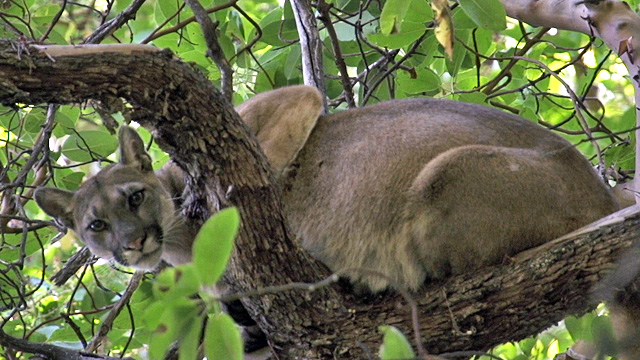
"caption": "Mountain lion \"38F\" before getting a radio collar from the Santa Cruz Puma Project. (Photo: Josh Cassidy/KQED)",
"description": null,
"title": "Puma-38F",
"credit": null,
"status": "inherit",
"isLoading": false,
"fetchFailed": false
},
"quest_61210": {
"type": "attachments",
"id": "quest_61210",
"meta": {
"index": "attachments_1716263798",
"site": "quest",
"id": "61210",
"found": true
},
"parent": 59763,
"imgSizes": {
"thumbnail": {
"file": "https://ww2.kqed.org/app/uploads/sites/39/2013/08/BackHoe-400x225.jpg",
"width": 400,
"mimeType": "image/jpeg",
"height": 225
},
"kqedFullSize": {
"file": "https://ww2.kqed.org/app/uploads/sites/39/2013/08/BackHoe.jpg",
"width": 640,
"height": 360
},
"guest-author-96": {
"file": "https://ww2.kqed.org/app/uploads/sites/39/2013/08/BackHoe-96x96.jpg",
"width": 96,
"mimeType": "image/jpeg",
"height": 96
},
"guest-author-64": {
"file": "https://ww2.kqed.org/app/uploads/sites/39/2013/08/BackHoe-64x64.jpg",
"width": 64,
"mimeType": "image/jpeg",
"height": 64
},
"detail": {
"file": "https://ww2.kqed.org/app/uploads/sites/39/2013/08/BackHoe-75x75.jpg",
"width": 75,
"mimeType": "image/jpeg",
"height": 75
},
"guest-author-32": {
"file": "https://ww2.kqed.org/app/uploads/sites/39/2013/08/BackHoe-32x32.jpg",
"width": 32,
"mimeType": "image/jpeg",
"height": 32
},
"guest-author-128": {
"file": "https://ww2.kqed.org/app/uploads/sites/39/2013/08/BackHoe-128x128.jpg",
"width": 128,
"mimeType": "image/jpeg",
"height": 128
}
},
"publishDate": 1380203280,
"modified": 1380203280,
"caption": "A backhoe loads remediated dirt that will be trucked off and used as ground cover for the old landfill (photo by Michelle Kanu).",
"description": "A backhoe loads remediated dirt that will be trucked off and used as ground cover for the old landfill (photo by Michelle Kanu).",
"title": "BackHoe",
"credit": null,
"status": "inherit",
"isLoading": false,
"fetchFailed": false
},
"quest_58997": {
"type": "attachments",
"id": "quest_58997",
"meta": {
"index": "attachments_1716263798",
"site": "quest",
"id": "58997",
"found": true
},
"parent": 52366,
"imgSizes": {
"thumbnail": {
"file": "https://ww2.kqed.org/app/uploads/sites/39/2013/04/Wilson1-400x225.jpg",
"width": 400,
"mimeType": "image/jpeg",
"height": 225
},
"kqedFullSize": {
"file": "https://ww2.kqed.org/app/uploads/sites/39/2013/04/Wilson1.jpg",
"width": 640,
"height": 360
},
"guest-author-96": {
"file": "https://ww2.kqed.org/app/uploads/sites/39/2013/04/Wilson1-96x96.jpg",
"width": 96,
"mimeType": "image/jpeg",
"height": 96
},
"guest-author-64": {
"file": "https://ww2.kqed.org/app/uploads/sites/39/2013/04/Wilson1-64x64.jpg",
"width": 64,
"mimeType": "image/jpeg",
"height": 64
},
"detail": {
"file": "https://ww2.kqed.org/app/uploads/sites/39/2013/04/Wilson1-75x75.jpg",
"width": 75,
"mimeType": "image/jpeg",
"height": 75
},
"guest-author-32": {
"file": "https://ww2.kqed.org/app/uploads/sites/39/2013/04/Wilson1-32x32.jpg",
"width": 32,
"mimeType": "image/jpeg",
"height": 32
},
"guest-author-128": {
"file": "https://ww2.kqed.org/app/uploads/sites/39/2013/04/Wilson1-128x128.jpg",
"width": 128,
"mimeType": "image/jpeg",
"height": 128
}
},
"publishDate": 1376417861,
"modified": 1376417861,
"caption": "Matt Wilson and his four hens reside in Cleveland Heights, Ohio, where city rules now allow for chicken ownership. ",
"description": null,
"title": "Wilson1",
"credit": null,
"status": "inherit",
"isLoading": false,
"fetchFailed": false
},
"quest_58793": {
"type": "attachments",
"id": "quest_58793",
"meta": {
"index": "attachments_1716263798",
"site": "quest",
"id": "58793",
"found": true
},
"parent": 55618,
"imgSizes": {
"thumbnail": {
"file": "https://ww2.kqed.org/app/uploads/sites/39/2013/05/CochitiCanyon2-18aug-e1376414687120-400x225.jpg",
"width": 400,
"mimeType": "image/jpeg",
"height": 225
},
"kqedFullSize": {
"file": "https://ww2.kqed.org/app/uploads/sites/39/2013/05/CochitiCanyon2-18aug-e1376414687120.jpg",
"width": 640,
"height": 360
},
"guest-author-96": {
"file": "https://ww2.kqed.org/app/uploads/sites/39/2013/05/CochitiCanyon2-18aug-e1376414687120-96x96.jpg",
"width": 96,
"mimeType": "image/jpeg",
"height": 96
},
"guest-author-64": {
"file": "https://ww2.kqed.org/app/uploads/sites/39/2013/05/CochitiCanyon2-18aug-e1376414687120-64x64.jpg",
"width": 64,
"mimeType": "image/jpeg",
"height": 64
},
"detail": {
"file": "https://ww2.kqed.org/app/uploads/sites/39/2013/05/CochitiCanyon2-18aug-e1376414687120-75x75.jpg",
"width": 75,
"mimeType": "image/jpeg",
"height": 75
},
"guest-author-32": {
"file": "https://ww2.kqed.org/app/uploads/sites/39/2013/05/CochitiCanyon2-18aug-e1376414687120-32x32.jpg",
"width": 32,
"mimeType": "image/jpeg",
"height": 32
},
"guest-author-128": {
"file": "https://ww2.kqed.org/app/uploads/sites/39/2013/05/CochitiCanyon2-18aug-e1376414687120-128x128.jpg",
"width": 128,
"mimeType": "image/jpeg",
"height": 128
}
},
"publishDate": 1375897676,
"modified": 1375897676,
"caption": "The effects of the Las Conchas Fire in the Jemez Mountains in New Mexico in 2011. (Photo by Craig D. Allen, USGS)",
"description": null,
"title": "CochitiCanyon2 18aug",
"credit": null,
"status": "inherit",
"isLoading": false,
"fetchFailed": false
},
"quest_58667": {
"type": "attachments",
"id": "quest_58667",
"meta": {
"index": "attachments_1716263798",
"site": "quest",
"id": "58667",
"found": true
},
"parent": 55826,
"imgSizes": {
"thumbnail": {
"file": "https://ww2.kqed.org/app/uploads/sites/39/2013/06/Fish-400x225.jpg",
"width": 400,
"mimeType": "image/jpeg",
"height": 225
},
"kqedFullSize": {
"file": "https://ww2.kqed.org/app/uploads/sites/39/2013/06/Fish.jpg",
"width": 640,
"height": 360
},
"guest-author-96": {
"file": "https://ww2.kqed.org/app/uploads/sites/39/2013/06/Fish-96x96.jpg",
"width": 96,
"mimeType": "image/jpeg",
"height": 96
},
"guest-author-64": {
"file": "https://ww2.kqed.org/app/uploads/sites/39/2013/06/Fish-64x64.jpg",
"width": 64,
"mimeType": "image/jpeg",
"height": 64
},
"detail": {
"file": "https://ww2.kqed.org/app/uploads/sites/39/2013/06/Fish-75x75.jpg",
"width": 75,
"mimeType": "image/jpeg",
"height": 75
},
"guest-author-32": {
"file": "https://ww2.kqed.org/app/uploads/sites/39/2013/06/Fish-32x32.jpg",
"width": 32,
"mimeType": "image/jpeg",
"height": 32
},
"guest-author-128": {
"file": "https://ww2.kqed.org/app/uploads/sites/39/2013/06/Fish-128x128.jpg",
"width": 128,
"mimeType": "image/jpeg",
"height": 128
}
},
"publishDate": 1375365142,
"modified": 1375365142,
"caption": "This photo of the record-setting 2011 Lake Erie algae bloom was taken in August of that year along the southeast shore of Pelee Island, Ontario. Image credit: Tom Archer",
"description": null,
"title": "Fish",
"credit": null,
"status": "inherit",
"isLoading": false,
"fetchFailed": false
},
"quest_57810": {
"type": "attachments",
"id": "quest_57810",
"meta": {
"index": "attachments_1716263798",
"site": "quest",
"id": "57810",
"found": true
},
"parent": 57789,
"imgSizes": {
"thumbnail": {
"file": "https://ww2.kqed.org/app/uploads/sites/39/2013/07/Toilet-drinking-fountain-e1376340439666-400x299.jpg",
"width": 400,
"mimeType": "image/jpeg",
"height": 299
},
"post-thumbnail": {
"file": "https://ww2.kqed.org/app/uploads/sites/39/2013/07/Toilet-drinking-fountain-e1376340439666-640x372.jpg",
"width": 640,
"mimeType": "image/jpeg",
"height": 372
},
"kqedFullSize": {
"file": "https://ww2.kqed.org/app/uploads/sites/39/2013/07/Toilet-drinking-fountain-e1376340439666.jpg",
"width": 640,
"height": 479
},
"guest-author-96": {
"file": "https://ww2.kqed.org/app/uploads/sites/39/2013/07/Toilet-drinking-fountain-e1376340439666-96x96.jpg",
"width": 96,
"mimeType": "image/jpeg",
"height": 96
},
"guest-author-64": {
"file": "https://ww2.kqed.org/app/uploads/sites/39/2013/07/Toilet-drinking-fountain-e1376340439666-64x64.jpg",
"width": 64,
"mimeType": "image/jpeg",
"height": 64
},
"detail": {
"file": "https://ww2.kqed.org/app/uploads/sites/39/2013/07/Toilet-drinking-fountain-e1376340439666-75x75.jpg",
"width": 75,
"mimeType": "image/jpeg",
"height": 75
},
"guest-author-32": {
"file": "https://ww2.kqed.org/app/uploads/sites/39/2013/07/Toilet-drinking-fountain-e1376340439666-32x32.jpg",
"width": 32,
"mimeType": "image/jpeg",
"height": 32
},
"guest-author-128": {
"file": "https://ww2.kqed.org/app/uploads/sites/39/2013/07/Toilet-drinking-fountain-e1376340439666-128x128.jpg",
"width": 128,
"mimeType": "image/jpeg",
"height": 128
}
},
"publishDate": 1373668713,
"modified": 1373668713,
"caption": null,
"description": null,
"title": "Toilet drinking fountain",
"credit": null,
"status": "inherit",
"isLoading": false,
"fetchFailed": false
},
"quest_57011": {
"type": "attachments",
"id": "quest_57011",
"meta": {
"index": "attachments_1716263798",
"site": "quest",
"id": "57011",
"found": true
},
"parent": 56711,
"imgSizes": {
"thumbnail": {
"file": "https://ww2.kqed.org/app/uploads/sites/39/2013/06/The-San-Clemente-Dam-400x225.jpg",
"width": 400,
"mimeType": "image/jpeg",
"height": 225
},
"kqedFullSize": {
"file": "https://ww2.kqed.org/app/uploads/sites/39/2013/06/The-San-Clemente-Dam.jpg",
"width": 640,
"height": 360
},
"guest-author-96": {
"file": "https://ww2.kqed.org/app/uploads/sites/39/2013/06/The-San-Clemente-Dam-96x96.jpg",
"width": 96,
"mimeType": "image/jpeg",
"height": 96
},
"guest-author-64": {
"file": "https://ww2.kqed.org/app/uploads/sites/39/2013/06/The-San-Clemente-Dam-64x64.jpg",
"width": 64,
"mimeType": "image/jpeg",
"height": 64
},
"detail": {
"file": "https://ww2.kqed.org/app/uploads/sites/39/2013/06/The-San-Clemente-Dam-75x75.jpg",
"width": 75,
"mimeType": "image/jpeg",
"height": 75
},
"guest-author-32": {
"file": "https://ww2.kqed.org/app/uploads/sites/39/2013/06/The-San-Clemente-Dam-32x32.jpg",
"width": 32,
"mimeType": "image/jpeg",
"height": 32
},
"guest-author-128": {
"file": "https://ww2.kqed.org/app/uploads/sites/39/2013/06/The-San-Clemente-Dam-128x128.jpg",
"width": 128,
"mimeType": "image/jpeg",
"height": 128
}
},
"publishDate": 1371787367,
"modified": 1371787367,
"caption": "Photo courtesy of California American Water",
"description": null,
"title": "The San Clemente Dam",
"credit": null,
"status": "inherit",
"isLoading": false,
"fetchFailed": false
},
"quest_56773": {
"type": "attachments",
"id": "quest_56773",
"meta": {
"index": "attachments_1716263798",
"site": "quest",
"id": "56773",
"found": true
},
"parent": 55378,
"imgSizes": {
"thumbnail": {
"file": "https://ww2.kqed.org/app/uploads/sites/39/2013/05/Tim-Huntington_Condor1-400x225.jpg",
"width": 400,
"mimeType": "image/jpeg",
"height": 225
},
"kqedFullSize": {
"file": "https://ww2.kqed.org/app/uploads/sites/39/2013/05/Tim-Huntington_Condor1.jpg",
"width": 640,
"height": 360
},
"guest-author-96": {
"file": "https://ww2.kqed.org/app/uploads/sites/39/2013/05/Tim-Huntington_Condor1-96x96.jpg",
"width": 96,
"mimeType": "image/jpeg",
"height": 96
},
"guest-author-64": {
"file": "https://ww2.kqed.org/app/uploads/sites/39/2013/05/Tim-Huntington_Condor1-64x64.jpg",
"width": 64,
"mimeType": "image/jpeg",
"height": 64
},
"detail": {
"file": "https://ww2.kqed.org/app/uploads/sites/39/2013/05/Tim-Huntington_Condor1-75x75.jpg",
"width": 75,
"mimeType": "image/jpeg",
"height": 75
},
"guest-author-32": {
"file": "https://ww2.kqed.org/app/uploads/sites/39/2013/05/Tim-Huntington_Condor1-32x32.jpg",
"width": 32,
"mimeType": "image/jpeg",
"height": 32
},
"guest-author-128": {
"file": "https://ww2.kqed.org/app/uploads/sites/39/2013/05/Tim-Huntington_Condor1-128x128.jpg",
"width": 128,
"mimeType": "image/jpeg",
"height": 128
}
},
"publishDate": 1371235090,
"modified": 1371235090,
"caption": "Tim Huntington, courtesy the Ventana Wilderness Society",
"description": null,
"title": "Tim Huntington_Condor1",
"credit": null,
"status": "inherit",
"isLoading": false,
"fetchFailed": false
},
"quest_56236": {
"type": "attachments",
"id": "quest_56236",
"meta": {
"index": "attachments_1716263798",
"site": "quest",
"id": "56236",
"found": true
},
"parent": 52370,
"imgSizes": {
"thumbnail": {
"file": "https://ww2.kqed.org/app/uploads/sites/39/2013/04/img_0389_cropped-400x225.jpg",
"width": 400,
"mimeType": "image/jpeg",
"height": 225
},
"kqedFullSize": {
"file": "https://ww2.kqed.org/app/uploads/sites/39/2013/04/img_0389_cropped.jpg",
"width": 640,
"height": 360
},
"guest-author-96": {
"file": "https://ww2.kqed.org/app/uploads/sites/39/2013/04/img_0389_cropped-96x96.jpg",
"width": 96,
"mimeType": "image/jpeg",
"height": 96
},
"guest-author-64": {
"file": "https://ww2.kqed.org/app/uploads/sites/39/2013/04/img_0389_cropped-64x64.jpg",
"width": 64,
"mimeType": "image/jpeg",
"height": 64
},
"detail": {
"file": "https://ww2.kqed.org/app/uploads/sites/39/2013/04/img_0389_cropped-75x75.jpg",
"width": 75,
"mimeType": "image/jpeg",
"height": 75
},
"guest-author-32": {
"file": "https://ww2.kqed.org/app/uploads/sites/39/2013/04/img_0389_cropped-32x32.jpg",
"width": 32,
"mimeType": "image/jpeg",
"height": 32
},
"guest-author-128": {
"file": "https://ww2.kqed.org/app/uploads/sites/39/2013/04/img_0389_cropped-128x128.jpg",
"width": 128,
"mimeType": "image/jpeg",
"height": 128
}
},
"publishDate": 1370974728,
"modified": 1370974728,
"caption": "Anthony Titus, from Richmond Heights, Ohio, plants native grasses during an EPA-funded wetland restoration project.",
"description": null,
"title": "img_0389_cropped",
"credit": null,
"status": "inherit",
"isLoading": false,
"fetchFailed": false
},
"quest_56107": {
"type": "attachments",
"id": "quest_56107",
"meta": {
"index": "attachments_1716263798",
"site": "quest",
"id": "56107",
"found": true
},
"parent": 54744,
"imgSizes": {
"thumbnail": {
"file": "https://ww2.kqed.org/app/uploads/sites/39/2013/06/3D-Robotics-A-edited-400x225.jpg",
"width": 400,
"mimeType": "image/jpeg",
"height": 225
},
"kqedFullSize": {
"file": "https://ww2.kqed.org/app/uploads/sites/39/2013/06/3D-Robotics-A-edited.jpg",
"width": 640,
"height": 360
},
"guest-author-96": {
"file": "https://ww2.kqed.org/app/uploads/sites/39/2013/06/3D-Robotics-A-edited-96x96.jpg",
"width": 96,
"mimeType": "image/jpeg",
"height": 96
},
"guest-author-64": {
"file": "https://ww2.kqed.org/app/uploads/sites/39/2013/06/3D-Robotics-A-edited-64x64.jpg",
"width": 64,
"mimeType": "image/jpeg",
"height": 64
},
"detail": {
"file": "https://ww2.kqed.org/app/uploads/sites/39/2013/06/3D-Robotics-A-edited-75x75.jpg",
"width": 75,
"mimeType": "image/jpeg",
"height": 75
},
"guest-author-32": {
"file": "https://ww2.kqed.org/app/uploads/sites/39/2013/06/3D-Robotics-A-edited-32x32.jpg",
"width": 32,
"mimeType": "image/jpeg",
"height": 32
},
"guest-author-128": {
"file": "https://ww2.kqed.org/app/uploads/sites/39/2013/06/3D-Robotics-A-edited-128x128.jpg",
"width": 128,
"mimeType": "image/jpeg",
"height": 128
}
},
"publishDate": 1370650462,
"modified": 1370650462,
"caption": "John Cherbini and Joshua Ott of 3D Robotics, setting up a thermal imaging camera for infrared shots. Photo by Aarti Shahani",
"description": null,
"title": "3D Robotics A edited",
"credit": null,
"status": "inherit",
"isLoading": false,
"fetchFailed": false
},
"quest_53958": {
"type": "attachments",
"id": "quest_53958",
"meta": {
"index": "attachments_1716263798",
"site": "quest",
"id": "53958",
"found": true
},
"parent": 53795,
"imgSizes": {
"thumbnail": {
"file": "https://ww2.kqed.org/app/uploads/sites/39/2013/05/hpylori-400x225.jpg",
"width": 400,
"mimeType": "image/jpeg",
"height": 225
},
"kqedFullSize": {
"file": "https://ww2.kqed.org/app/uploads/sites/39/2013/05/hpylori.jpg",
"width": 640,
"height": 360
},
"guest-author-96": {
"file": "https://ww2.kqed.org/app/uploads/sites/39/2013/05/hpylori-96x96.jpg",
"width": 96,
"mimeType": "image/jpeg",
"height": 96
},
"guest-author-64": {
"file": "https://ww2.kqed.org/app/uploads/sites/39/2013/05/hpylori-64x64.jpg",
"width": 64,
"mimeType": "image/jpeg",
"height": 64
},
"detail": {
"file": "https://ww2.kqed.org/app/uploads/sites/39/2013/05/hpylori-75x75.jpg",
"width": 75,
"mimeType": "image/jpeg",
"height": 75
},
"guest-author-32": {
"file": "https://ww2.kqed.org/app/uploads/sites/39/2013/05/hpylori-32x32.jpg",
"width": 32,
"mimeType": "image/jpeg",
"height": 32
},
"guest-author-128": {
"file": "https://ww2.kqed.org/app/uploads/sites/39/2013/05/hpylori-128x128.jpg",
"width": 128,
"mimeType": "image/jpeg",
"height": 128
}
},
"publishDate": 1367617195,
"modified": 1367617195,
"caption": null,
"description": "H. pylori has lived in our stomachs for 200,000 years. (Photo: Yutaka Tsutsumi)",
"title": "hpylori",
"credit": null,
"status": "inherit",
"isLoading": false,
"fetchFailed": false
}
},
"audioPlayerReducer": {
"postId": "stream_live",
"isPaused": true,
"isPlaying": false,
"pfsActive": false,
"pledgeModalIsOpen": true,
"playerDrawerIsOpen": false,
"liveAudioPlayStartedAt": 0,
"liveAudioPlayContext": ""
},
"authorsReducer": {
"amystanden": {
"type": "authors",
"id": "210",
"meta": {
"index": "authors_1716337520",
"id": "210",
"found": true
},
"name": "Amy Standen",
"firstName": "Amy",
"lastName": "Standen",
"slug": "amystanden",
"email": "astanden@kqed.org",
"display_author_email": false,
"staff_mastheads": [],
"title": "KQED Contributor",
"bio": "Amy Standen (@amystanden) is co-host of #\u003ca href=\"https://ww2.kqed.org/news/programs/the-leap\">TheLeapPodcast\u003c/a> (subscribe on iTunes or Stitcher!) and host of KQED and PBSDigital Studios' science video series, \u003ca href=\"https://www.youtube.com/user/KQEDDeepLook\">Deep Look\u003c/a>. Her science radio stories appear on KQED and NPR.\r\n\r\nEmail her at astanden@kqed.org",
"avatar": "https://secure.gravatar.com/avatar/3d021b72de685a788b0487b059d0a6a1?s=600&d=blank&r=g",
"twitter": null,
"facebook": null,
"instagram": null,
"linkedin": null,
"sites": [
{
"site": "news",
"roles": [
"subscriber"
]
},
{
"site": "futureofyou",
"roles": [
"subscriber"
]
},
{
"site": "stateofhealth",
"roles": [
"subscriber"
]
},
{
"site": "science",
"roles": []
},
{
"site": "quest",
"roles": [
"subscriber"
]
}
],
"headData": {
"title": "Amy Standen | KQED",
"description": "KQED Contributor",
"ogImgSrc": "https://secure.gravatar.com/avatar/3d021b72de685a788b0487b059d0a6a1?s=600&d=blank&r=g",
"twImgSrc": "https://secure.gravatar.com/avatar/3d021b72de685a788b0487b059d0a6a1?s=600&d=blank&r=g"
},
"isLoading": false,
"link": "/author/amystanden"
},
"laurensommer": {
"type": "authors",
"id": "239",
"meta": {
"index": "authors_1716337520",
"id": "239",
"found": true
},
"name": "Lauren Sommer",
"firstName": "Lauren",
"lastName": "Sommer",
"slug": "laurensommer",
"email": "lsommer@kqed.org",
"display_author_email": false,
"staff_mastheads": [],
"title": "KQED Contributor",
"bio": "Lauren is a radio reporter formerly covering environment, water, and energy for KQED Science. As part of her day job, she has scaled Sierra Nevada peaks, run from charging elephant seals, and desperately tried to get her sea legs - all in pursuit of good radio. Her work has appeared on Marketplace, Living on Earth, Science Friday and NPR's Morning Edition and All Things Considered. You can find her on Twitter at \u003ca href=\"https://twitter.com/lesommer\">@lesommer\u003c/a>.",
"avatar": "https://secure.gravatar.com/avatar/33aa3772bb86c6ad45b8aca6a238bbdf?s=600&d=blank&r=g",
"twitter": null,
"facebook": null,
"instagram": null,
"linkedin": null,
"sites": [
{
"site": "news",
"roles": [
"author"
]
},
{
"site": "science",
"roles": [
"editor",
"manage_content_types",
"manage_taxonomies"
]
},
{
"site": "quest",
"roles": [
"editor"
]
}
],
"headData": {
"title": "Lauren Sommer | KQED",
"description": "KQED Contributor",
"ogImgSrc": "https://secure.gravatar.com/avatar/33aa3772bb86c6ad45b8aca6a238bbdf?s=600&d=blank&r=g",
"twImgSrc": "https://secure.gravatar.com/avatar/33aa3772bb86c6ad45b8aca6a238bbdf?s=600&d=blank&r=g"
},
"isLoading": false,
"link": "/author/laurensommer"
},
"aartishahani": {
"type": "authors",
"id": "1340",
"meta": {
"index": "authors_1716337520",
"id": "1340",
"found": true
},
"name": "Aarti Shahani",
"firstName": "Aarti",
"lastName": "Shahani",
"slug": "aartishahani",
"email": "ashahani@kqed.org",
"display_author_email": false,
"staff_mastheads": [],
"title": "KQED Contributor",
"bio": "Aarti Shahani is a reporter at KQED, focusing on business and technology. She came to San Francisco as a Kroc Fellow with NPR. She was part of the ProPublica team awarded an Investigative Reporters & Editors Award for Post Mortem – a series examining the unregulated coroner and medical examiner industry. Shahani got her Master’s in Public Policy from Harvard’s Kennedy School of Government, supported by the Paul & Daisy Soros Fellowship and a Public Service Fellowship. She studied globalization as an undergraduate at the University of Chicago. She was raised in Flushing, Queens – in the nation’s most diverse zip code.",
"avatar": "https://secure.gravatar.com/avatar/6b4008f17ce91a2879e8733722f9018a?s=600&d=blank&r=g",
"twitter": null,
"facebook": null,
"instagram": null,
"linkedin": null,
"sites": [
{
"site": "news",
"roles": [
"subscriber"
]
},
{
"site": "science",
"roles": [
"author"
]
},
{
"site": "quest",
"roles": [
"subscriber"
]
}
],
"headData": {
"title": "Aarti Shahani | KQED",
"description": "KQED Contributor",
"ogImgSrc": "https://secure.gravatar.com/avatar/6b4008f17ce91a2879e8733722f9018a?s=600&d=blank&r=g",
"twImgSrc": "https://secure.gravatar.com/avatar/6b4008f17ce91a2879e8733722f9018a?s=600&d=blank&r=g"
},
"isLoading": false,
"link": "/author/aartishahani"
},
"lindseyhoshaw": {
"type": "authors",
"id": "5432",
"meta": {
"index": "authors_1716337520",
"id": "5432",
"found": true
},
"name": "Lindsey Hoshaw",
"firstName": "Lindsey",
"lastName": "Hoshaw",
"slug": "lindseyhoshaw",
"email": "lhoshaw@kqed.org",
"display_author_email": false,
"staff_mastheads": [],
"title": "KQED Contributor",
"bio": "Lindsey Hoshaw is a former interactive producer for KQED Science. Before joining KQED, Lindsey was a science correspondent for The New York Times, The Boston Globe, Forbes and Scientific American. On Twitter @lindseyhoshaw",
"avatar": "https://secure.gravatar.com/avatar/274b07694c998eaa8f26cfabaa941186?s=600&d=mm&r=g",
"twitter": "lindseyhoshaw",
"facebook": "lindsey.hoshaw.9",
"instagram": null,
"linkedin": null,
"sites": [
{
"site": "arts",
"roles": [
"author"
]
},
{
"site": "news",
"roles": [
"subscriber"
]
},
{
"site": "futureofyou",
"roles": [
"editor"
]
},
{
"site": "bayareabites",
"roles": [
"contributor"
]
},
{
"site": "stateofhealth",
"roles": [
"author"
]
},
{
"site": "science",
"roles": [
"edit_theme_options",
"subscriber"
]
},
{
"site": "quest",
"roles": [
"edit_post_subscriptions",
"edit_usergroups",
"unfiltered_html",
"unfiltered_upload",
"leadcoordinator",
"editor"
]
},
{
"site": "food",
"roles": []
}
],
"headData": {
"title": "Lindsey Hoshaw | KQED",
"description": "KQED Contributor",
"ogImgSrc": "https://secure.gravatar.com/avatar/274b07694c998eaa8f26cfabaa941186?s=600&d=mm&r=g",
"twImgSrc": "https://secure.gravatar.com/avatar/274b07694c998eaa8f26cfabaa941186?s=600&d=mm&r=g"
},
"isLoading": false,
"link": "/author/lindseyhoshaw"
},
"anneglausser": {
"type": "authors",
"id": "10270",
"meta": {
"index": "authors_1716337520",
"id": "10270",
"found": true
},
"name": "Anne Glausser",
"firstName": "Anne",
"lastName": "Glausser",
"slug": "anneglausser",
"email": "anne.glausser@ideastream.org",
"display_author_email": false,
"staff_mastheads": [],
"title": null,
"bio": "Anne Glausser is the Coordinating Producer for QUEST Ohio. Before taking on this role, she was WCPN 90.3 FM & WVIZ/PBS ideastream’s health reporter and produced award-winning radio pieces. She’s spent time on both coasts (her college mascot was the banana slug!), but grew up in the Midwest and is happy to be back home. She got started in radio at PRI’s Living on Earth, and has also spent time as a researcher at the Harvard School of Public Health. Anne got her SM from MIT’s Graduate Program in Science Writing.",
"avatar": "https://secure.gravatar.com/avatar/cb2272efe9d1c6b409249b4273bcef1b?s=600&d=blank&r=g",
"twitter": null,
"facebook": null,
"instagram": null,
"linkedin": null,
"sites": [
{
"site": "quest",
"roles": [
"leadcoordinator",
"subscriber"
]
}
],
"headData": {
"title": "Anne Glausser | KQED",
"description": null,
"ogImgSrc": "https://secure.gravatar.com/avatar/cb2272efe9d1c6b409249b4273bcef1b?s=600&d=blank&r=g",
"twImgSrc": "https://secure.gravatar.com/avatar/cb2272efe9d1c6b409249b4273bcef1b?s=600&d=blank&r=g"
},
"isLoading": false,
"link": "/author/anneglausser"
},
"abrocious": {
"type": "authors",
"id": "10465",
"meta": {
"index": "authors_1716337520",
"id": "10465",
"found": true
},
"name": "Ariana Brocious",
"firstName": "Ariana",
"lastName": "Brocious",
"slug": "abrocious",
"email": "abrocious@netnebraska.org",
"display_author_email": false,
"staff_mastheads": [],
"title": "KQED Contributor",
"bio": "Ariana Brocious is the Reporter/Morning Host at NET Radio in Nebraska, where she covers energy, water, culture and Latino issues. A native of the Southwest and graduate of the University of Arizona, she traces her interest in the environment—and how humans interact with it—to her time living in Western Colorado, where she worked as News Director for KVNF Radio, and at High Country News magazine. In her non-working hours she enjoys getting outside, coaxing her vegetable garden along, and experimenting in the kitchen.",
"avatar": "https://secure.gravatar.com/avatar/f9ff308f4dcc2ef1df5848ee85f8295a?s=600&d=blank&r=g",
"twitter": null,
"bluesky": null,
"facebook": null,
"instagram": null,
"linkedin": null,
"sites": [
{
"site": "quest",
"roles": [
"coordinator",
"subscriber"
]
}
],
"headData": {
"title": "Ariana Brocious | KQED",
"description": "KQED Contributor",
"ogImgSrc": "https://secure.gravatar.com/avatar/f9ff308f4dcc2ef1df5848ee85f8295a?s=600&d=blank&r=g",
"twImgSrc": "https://secure.gravatar.com/avatar/f9ff308f4dcc2ef1df5848ee85f8295a?s=600&d=blank&r=g"
},
"isLoading": false,
"link": "/author/abrocious"
},
"mkanu": {
"type": "authors",
"id": "10486",
"meta": {
"index": "authors_1716337520",
"id": "10486",
"found": true
},
"name": "Michelle Kanu",
"firstName": "Michelle",
"lastName": "Kanu",
"slug": "mkanu",
"email": "Michelle.Kanu@ideastream.org",
"display_author_email": false,
"staff_mastheads": [],
"title": null,
"bio": "Michelle Kanu is a reporter and producer with WCPN 90.3 ideastream. She got her start in print journalism writing a weekly column for the Daily Californian at the University of California, Berkeley. After college, Michelle spent a few years working with youth in tutoring and college access programs before moving to Cleveland in 2009 and getting into radio. When she’s not anchoring WCPN’s evening newscast, Michelle is canvassing the state, reporting on Ohio’s burgeoning natural gas industry.",
"avatar": "https://secure.gravatar.com/avatar/21e6f33bc311dba649dee0181bc8411a?s=600&d=blank&r=g",
"twitter": null,
"facebook": null,
"instagram": null,
"linkedin": null,
"sites": [
{
"site": "quest",
"roles": [
"subscriber"
]
}
],
"headData": {
"title": "Michelle Kanu | KQED",
"description": null,
"ogImgSrc": "https://secure.gravatar.com/avatar/21e6f33bc311dba649dee0181bc8411a?s=600&d=blank&r=g",
"twImgSrc": "https://secure.gravatar.com/avatar/21e6f33bc311dba649dee0181bc8411a?s=600&d=blank&r=g"
},
"isLoading": false,
"link": "/author/mkanu"
}
},
"pagesReducer": {
"quest_tag_audio": {
"type": "terms",
"id": "quest_252",
"meta": {
"index": "terms_1716263798",
"site": "quest",
"id": "252",
"score": 8.7980585
},
"featImg": null,
"name": "audio",
"description": null,
"taxonomy": "tag",
"headData": {
"twImgId": null,
"twTitle": null,
"ogTitle": null,
"ogImgId": null,
"twDescription": null,
"description": null,
"title": "audio Archives | KQED Arts",
"ogDescription": null
},
"ttid": 254,
"slug": "audio",
"isLoading": false,
"title": "audio",
"pageMeta": {
"site": "quest",
"WpPageTemplate": "page-topic-editorial",
"currentPage": 3
},
"blocks": [
{
"blockName": "kqed/post-list",
"attrs": {
"layout": "cardArticle2",
"query": "posts/quest?tag=audio",
"seeMore": false,
"paginated": true,
"page": 3
}
},
{
"blockName": "kqed/ad"
}
]
}
},
"pfsSessionReducer": {},
"postsReducer": {
"stream_live": {
"type": "live",
"id": "stream_live",
"audioUrl": "https://hls.kqed.org/hls/kqed_app/playlist.m3u8",
"title": "Live Stream",
"excerpt": "Live Stream information currently unavailable.",
"link": "/radio",
"featImg": "",
"label": {
"name": "KQED Live",
"link": "/"
}
},
"stream_kqedNewscast": {
"type": "posts",
"id": "stream_kqedNewscast",
"audioUrl": "https://www.kqed.org/.stream/anon/radio/RDnews/newscast.mp3?_=1",
"title": "KQED Newscast",
"featImg": "",
"label": {
"name": "88.5 FM",
"link": "/"
}
},
"quest_57569": {
"type": "posts",
"id": "quest_57569",
"meta": {
"index": "posts_1716263798",
"site": "quest",
"id": "57569",
"score": null,
"sort": [
1382709649000
]
},
"parent": 0,
"labelTerm": {},
"blocks": [],
"publishDate": 1382709649,
"format": "audio",
"disqusTitle": "Forget the Lawnmower, Hire Sheep",
"title": "Forget the Lawnmower, Hire Sheep",
"headTitle": "QUEST | KQED Science",
"content": "\u003cp>Cities that have seen their populations dwindle over the years, like Detroit and Cleveland, find themselves faced with a problem: hundreds of vacant lots that require upkeep. Without maintenance, the land becomes overgrown. The lots turn into eyesores and bring down adjacent property values. But landscaping isn’t cheap.\u003c/p>\n\u003cp>Now one community is testing a new way to keep their vacant lots tidy: sheep.\u003c/p>\n\u003cp>The nonprofit group \u003ca href=\"http://www.urbanshepherds.com/\">Urban Shepherds\u003c/a> runs an urban grazing program on a four-acre lot in Cleveland’s St. Clair neighborhood.\u003c/p>\n\u003cfigure id=\"attachment_62515\" class=\"wp-caption alignleft\" style=\"max-width: 268px\">\u003ca href=\"http://ww2.kqed.org/quest/wp-content/uploads/sites/39/2013/07/Evan-llama-photo-e1381957896822.jpg\">\u003cimg class=\"size-large wp-image-62515\" src=\"http://ww2.kqed.org/quest/wp-content/uploads/sites/39/2013/07/Evan-llama-photo-e1381957896822-268x360.jpg\" alt='A \"guardian llama\" protects the flock from urban predators. Credit: Evan Zuzik ' width=\"268\" height=\"360\">\u003c/a>\u003cfigcaption class=\"wp-caption-text\">A \"guardian llama\" protects the flock from urban predators. Credit: Evan Zuzik\u003c/figcaption>\u003c/figure>\n\u003cp>I went by to check it out on a hot day when the sheep weren’t really feeling like talking -- a problem when you’re trying to produce a radio story. Trying to get close enough to hear a solid “baa” got me in trouble with their “guardian llama.”\u003c/p>\n\u003cp>Yep, there’s a llama in downtown Cleveland. He protects the sheep from urban predators like unruly dogs and people. Together, sheep and llama roam the fenced lot and keep the grass in check.\u003c/p>\n\u003cp>[ad fullwidth]\u003c/p>\n\u003cp>The lot sits amid an upscale apartment building, Lake Erie, and a major highway. The sheep spend their days chewing grass, clover, and weeds. They munch in the morning, munch in the evening, munch in the shade, and munch by the lake. It’s a pretty nice gig.\u003c/p>\n\u003cp>And it’s not a bad deal for the property manager, either, at least according to Michael Fleming, who spearheaded the effort to bring the sheep here. Fleming heads the St. Clair Superior Development Corporation and is a board member of Urban Shepherds.\u003c/p>\n\u003cp>http://www.youtube.com/watch?v=JS6unyUP8z4\u003c/p>\n\u003cp>He got the idea for “sheep lawnmowers” when he heard about it being done in Brazilian parks. He wanted to give it a shot in an urban area like Cleveland. The city, like others in the Rust Belt, has seen its population shrink and the number of overgrown vacant lots increase.\u003c/p>\n\u003cp>Groups like Urban Shepherds see sheep as the perfect caretakers for blighted areas. “We would like to form a sort of model that can be replicated in other cities. There’s no reason why this couldn’t be expanded far, far beyond Cleveland,” said Fleming.\u003c/p>\n\u003cp>This pilot project is meant to test the cost and feasibility of the program. While they can’t give a sheep versus lawnmower price comparison just yet, Urban Shepherds is confident the sheep will do the work for far less than traditional lawn care. “Our goal is to cut it by 50 percent,” says Development Coordinator Brendan Trewella.\u003c/p>\n\u003cfigure id=\"attachment_62516\" class=\"wp-caption alignleft\" style=\"max-width: 337px\">\u003ca href=\"http://ww2.kqed.org/quest/wp-content/uploads/sites/39/2013/07/Mow-Sheep-002.jpg\">\u003cimg class=\"size-medium wp-image-62516\" src=\"http://ww2.kqed.org/quest/wp-content/uploads/sites/39/2013/07/Mow-Sheep-002-337x253.jpg\" alt=\"The Urban Shepherds run a sheep-grazing program on this vacant Cleveland lot, and hope to deploy this model in other urban areas.\" width=\"337\" height=\"253\">\u003c/a>\u003cfigcaption class=\"wp-caption-text\">The Urban Shepherds run a sheep-grazing program on this vacant Cleveland lot, and hope to deploy this model in other urban areas.\u003c/figcaption>\u003c/figure>\n\u003cp>The flock doesn’t require much care besides daily water and a mineral block. They winter at the \u003ca href=\"http://www.thespicylamb.com/\">Spicy Lamb Farm\u003c/a> in Peninsula, Ohio.\u003c/p>\n\u003cp>Of course, Fleming knows this lot won’t be vacant forever -- a condo is in the works -- but the sheep are like a tide-me-over that’s good for neighborhood morale.\u003c/p>\n\u003cp>For instance, take “volunteer shepherd” Evan Zuzik, a resident of the nearby apartment building who checks on the sheep every day. He says the sheep are a tourist draw, as well as conversation starter. “People are generally like, wait -- there are sheep in downtown Cleveland?” said Zuzik. Apartment dwellers are eager to swap rooms for a “sheep view.”\u003c/p>\n\u003cp>But they’re more than a pretty face. The sheep offer environmental benefits, too. Ditching the gas-powered mower reduces carbon dioxide emissions and smog. The need for herbicides may be reduced as well, and some say sheep help repopulate native grasses.\u003c/p>\n\u003caside class=\"pullquote alignleft\">“Instead of having a lawnmower that produces all this carbon pollution and grass clippings, we have a bunch of sheep that could go to market.”\u003c/aside>\n\u003cp>“At the end of the year,” said Trewella, “instead of having a lawnmower that produces all this carbon pollution and grass clippings that will ultimately go into a landfill, we have a bunch of sheep that could go to market.”\u003c/p>\n\u003cp>Doug Clevenger, a sheep specialist at Ohio State University Extension, thinks the group is on to something. “Sheep are a way to utilize some of the grounds that we have that aren’t fit for other things,” he said. “They’re just a docile species that does an amazing job at taking a given amount of acres and turning it into more lamb and more wool.”\u003c/p>\n\u003cp>The use of sheep and other \u003ca href=\"http://www.movoto.com/blog/novelty-real-estate/reduce-animal-unemployment-hire-a-goat/\">animal mowers\u003c/a> (like goats) seems to be a growing trend. Flocks roam the grounds near O’Hare Airport in \u003ca href=\"http://www.wbez.org/news/herd-goats-llamas-sheep-and-burros-are-grazing-around-o%E2%80%99hare-grounds-108408\">Chicago\u003c/a>, in troubled neighborhoods of \u003ca href=\"http://www.crowdrise.com/greenshepherdproject\">Indianapolis\u003c/a>, and in vineyards out West. Even abroad, there are grazers on \u003ca href=\"http://www.npr.org/blogs/parallels/2013/05/27/186735905/let-them-eat-grass-paris-employs-sheep-as-eco-mowers\">Parisian lawn\u003c/a>s, for instance, and in a \u003ca href=\"http://www.brighton-hove.gov.uk/content/leisure-and-libraries/parks-and-green-spaces/sheep-grazing\">British city\u003c/a>.\u003c/p>\n\u003cp>In Ohio, “the largest sheep producing state east of the Mississippi,” there are plenty of animals to potentially chew on the state’s vacant urban lots, and shepherds ready to put them to work.\u003c/p>\n\u003cfigure id=\"attachment_62540\" class=\"wp-caption aligncenter\" style=\"max-width: 640px\">\u003ca href=\"http://ww2.kqed.org/quest/wp-content/uploads/sites/39/2013/07/Mow-Sheep-016-e1381958991951.jpg\">\u003cimg class=\"size-full wp-image-62540\" src=\"http://ww2.kqed.org/quest/wp-content/uploads/sites/39/2013/07/Mow-Sheep-016-e1381958991951.jpg\" alt=\"The sheep roam the edges of Lake Erie.\" width=\"640\" height=\"480\" srcset=\"https://ww2.kqed.org/app/uploads/sites/39/2013/07/Mow-Sheep-016-e1381958991951.jpg 640w, https://ww2.kqed.org/app/uploads/sites/39/2013/07/Mow-Sheep-016-e1381958991951-400x300.jpg 400w\" sizes=\"(max-width: 640px) 100vw, 640px\">\u003c/a>\u003cfigcaption class=\"wp-caption-text\">The sheep roam the edges of Lake Erie.\u003c/figcaption>\u003c/figure>\n\u003cp>\u003c/p>\n\u003cp> \u003c/p>\n\n",
"disqusIdentifier": "57569 http://science.kqed.org/quest/?p=57569",
"disqusUrl": "https://ww2.kqed.org/quest/2013/10/25/give-me-some-mow-sheep/",
"stats": {
"hasVideo": false,
"hasChartOrMap": false,
"hasAudio": false,
"hasPolis": false,
"wordCount": 884,
"hasGoogleForm": false,
"hasGallery": false,
"hasHearkenModule": false,
"iframeSrcs": [],
"paragraphCount": 20
},
"modified": 1450491273,
"excerpt": "At a vacant lot in Cleveland, sheep are employed as urban “eco-mowers” -- part of a growing number of global initiatives to replace mowing with munching.",
"headData": {
"twImgId": "",
"twTitle": "",
"ogTitle": "",
"ogImgId": "",
"twDescription": "",
"description": "At a vacant lot in Cleveland, sheep are employed as urban “eco-mowers” -- part of a growing number of global initiatives to replace mowing with munching.",
"title": "Forget the Lawnmower, Hire Sheep | KQED",
"ogDescription": "",
"schema": {
"@context": "https://schema.org",
"@type": "Article",
"headline": "Forget the Lawnmower, Hire Sheep",
"datePublished": "2013-10-25T07:00:49-07:00",
"dateModified": "2015-12-18T18:14:33-08:00",
"image": "https://cdn.kqed.org/wp-content/uploads/2020/02/KQED-OG-Image@1x.png"
}
},
"guestAuthors": [],
"slug": "give-me-some-mow-sheep",
"status": "publish",
"sourceUrl": "https://ww2.kqed.org/quest/category/environment/",
"audioUrl": "https://s3-us-west-2.amazonaws.com/qbl-int-usw2/QUEST+Ohio/Radio/Content/Mow+Sheep/Stream/sheepforwebwithfunder.mp3",
"source": "Environment",
"path": "/quest/57569/give-me-some-mow-sheep",
"audioDuration": null,
"audioTrackLength": null,
"parsedContent": [
{
"type": "contentString",
"content": "\u003cdiv class=\"post-body\">\u003cp>\u003cp>Cities that have seen their populations dwindle over the years, like Detroit and Cleveland, find themselves faced with a problem: hundreds of vacant lots that require upkeep. Without maintenance, the land becomes overgrown. The lots turn into eyesores and bring down adjacent property values. But landscaping isn’t cheap.\u003c/p>\n\u003cp>Now one community is testing a new way to keep their vacant lots tidy: sheep.\u003c/p>\n\u003cp>The nonprofit group \u003ca href=\"http://www.urbanshepherds.com/\">Urban Shepherds\u003c/a> runs an urban grazing program on a four-acre lot in Cleveland’s St. Clair neighborhood.\u003c/p>\n\u003cfigure id=\"attachment_62515\" class=\"wp-caption alignleft\" style=\"max-width: 268px\">\u003ca href=\"http://ww2.kqed.org/quest/wp-content/uploads/sites/39/2013/07/Evan-llama-photo-e1381957896822.jpg\">\u003cimg class=\"size-large wp-image-62515\" src=\"http://ww2.kqed.org/quest/wp-content/uploads/sites/39/2013/07/Evan-llama-photo-e1381957896822-268x360.jpg\" alt='A \"guardian llama\" protects the flock from urban predators. Credit: Evan Zuzik ' width=\"268\" height=\"360\">\u003c/a>\u003cfigcaption class=\"wp-caption-text\">A \"guardian llama\" protects the flock from urban predators. Credit: Evan Zuzik\u003c/figcaption>\u003c/figure>\n\u003cp>I went by to check it out on a hot day when the sheep weren’t really feeling like talking -- a problem when you’re trying to produce a radio story. Trying to get close enough to hear a solid “baa” got me in trouble with their “guardian llama.”\u003c/p>\n\u003cp>Yep, there’s a llama in downtown Cleveland. He protects the sheep from urban predators like unruly dogs and people. Together, sheep and llama roam the fenced lot and keep the grass in check.\u003c/p>\n\u003cp>\u003c/p>\u003c/div>",
"attributes": {
"named": {},
"numeric": []
}
},
{
"type": "component",
"content": "",
"name": "ad",
"attributes": {
"named": {
"label": "fullwidth"
},
"numeric": [
"fullwidth"
]
}
},
{
"type": "contentString",
"content": "\u003cdiv class=\"post-body\">\u003cp>\u003c/p>\n\u003cp>The lot sits amid an upscale apartment building, Lake Erie, and a major highway. The sheep spend their days chewing grass, clover, and weeds. They munch in the morning, munch in the evening, munch in the shade, and munch by the lake. It’s a pretty nice gig.\u003c/p>\n\u003cp>And it’s not a bad deal for the property manager, either, at least according to Michael Fleming, who spearheaded the effort to bring the sheep here. Fleming heads the St. Clair Superior Development Corporation and is a board member of Urban Shepherds.\u003c/p>\u003c/p>\u003cp>\u003cspan class='utils-parseShortcode-shortcodes-__youtubeShortcode__embedYoutube'>\n \u003cspan class='utils-parseShortcode-shortcodes-__youtubeShortcode__embedYoutubeInside'>\n \u003ciframe\n loading='lazy'\n class='utils-parseShortcode-shortcodes-__youtubeShortcode__youtubePlayer'\n type='text/html'\n src='//www.youtube.com/embed/JS6unyUP8z4'\n title='//www.youtube.com/embed/JS6unyUP8z4'\n allowfullscreen='true'\n style='border:0;'>\u003c/iframe>\n \u003c/span>\n \u003c/span>\u003c/p>\u003cp>\u003cp>He got the idea for “sheep lawnmowers” when he heard about it being done in Brazilian parks. He wanted to give it a shot in an urban area like Cleveland. The city, like others in the Rust Belt, has seen its population shrink and the number of overgrown vacant lots increase.\u003c/p>\n\u003cp>Groups like Urban Shepherds see sheep as the perfect caretakers for blighted areas. “We would like to form a sort of model that can be replicated in other cities. There’s no reason why this couldn’t be expanded far, far beyond Cleveland,” said Fleming.\u003c/p>\n\u003cp>This pilot project is meant to test the cost and feasibility of the program. While they can’t give a sheep versus lawnmower price comparison just yet, Urban Shepherds is confident the sheep will do the work for far less than traditional lawn care. “Our goal is to cut it by 50 percent,” says Development Coordinator Brendan Trewella.\u003c/p>\n\u003cfigure id=\"attachment_62516\" class=\"wp-caption alignleft\" style=\"max-width: 337px\">\u003ca href=\"http://ww2.kqed.org/quest/wp-content/uploads/sites/39/2013/07/Mow-Sheep-002.jpg\">\u003cimg class=\"size-medium wp-image-62516\" src=\"http://ww2.kqed.org/quest/wp-content/uploads/sites/39/2013/07/Mow-Sheep-002-337x253.jpg\" alt=\"The Urban Shepherds run a sheep-grazing program on this vacant Cleveland lot, and hope to deploy this model in other urban areas.\" width=\"337\" height=\"253\">\u003c/a>\u003cfigcaption class=\"wp-caption-text\">The Urban Shepherds run a sheep-grazing program on this vacant Cleveland lot, and hope to deploy this model in other urban areas.\u003c/figcaption>\u003c/figure>\n\u003cp>The flock doesn’t require much care besides daily water and a mineral block. They winter at the \u003ca href=\"http://www.thespicylamb.com/\">Spicy Lamb Farm\u003c/a> in Peninsula, Ohio.\u003c/p>\n\u003cp>Of course, Fleming knows this lot won’t be vacant forever -- a condo is in the works -- but the sheep are like a tide-me-over that’s good for neighborhood morale.\u003c/p>\n\u003cp>For instance, take “volunteer shepherd” Evan Zuzik, a resident of the nearby apartment building who checks on the sheep every day. He says the sheep are a tourist draw, as well as conversation starter. “People are generally like, wait -- there are sheep in downtown Cleveland?” said Zuzik. Apartment dwellers are eager to swap rooms for a “sheep view.”\u003c/p>\n\u003cp>But they’re more than a pretty face. The sheep offer environmental benefits, too. Ditching the gas-powered mower reduces carbon dioxide emissions and smog. The need for herbicides may be reduced as well, and some say sheep help repopulate native grasses.\u003c/p>\n\u003caside class=\"pullquote alignleft\">“Instead of having a lawnmower that produces all this carbon pollution and grass clippings, we have a bunch of sheep that could go to market.”\u003c/aside>\n\u003cp>“At the end of the year,” said Trewella, “instead of having a lawnmower that produces all this carbon pollution and grass clippings that will ultimately go into a landfill, we have a bunch of sheep that could go to market.”\u003c/p>\n\u003cp>Doug Clevenger, a sheep specialist at Ohio State University Extension, thinks the group is on to something. “Sheep are a way to utilize some of the grounds that we have that aren’t fit for other things,” he said. “They’re just a docile species that does an amazing job at taking a given amount of acres and turning it into more lamb and more wool.”\u003c/p>\n\u003cp>The use of sheep and other \u003ca href=\"http://www.movoto.com/blog/novelty-real-estate/reduce-animal-unemployment-hire-a-goat/\">animal mowers\u003c/a> (like goats) seems to be a growing trend. Flocks roam the grounds near O’Hare Airport in \u003ca href=\"http://www.wbez.org/news/herd-goats-llamas-sheep-and-burros-are-grazing-around-o%E2%80%99hare-grounds-108408\">Chicago\u003c/a>, in troubled neighborhoods of \u003ca href=\"http://www.crowdrise.com/greenshepherdproject\">Indianapolis\u003c/a>, and in vineyards out West. Even abroad, there are grazers on \u003ca href=\"http://www.npr.org/blogs/parallels/2013/05/27/186735905/let-them-eat-grass-paris-employs-sheep-as-eco-mowers\">Parisian lawn\u003c/a>s, for instance, and in a \u003ca href=\"http://www.brighton-hove.gov.uk/content/leisure-and-libraries/parks-and-green-spaces/sheep-grazing\">British city\u003c/a>.\u003c/p>\n\u003cp>In Ohio, “the largest sheep producing state east of the Mississippi,” there are plenty of animals to potentially chew on the state’s vacant urban lots, and shepherds ready to put them to work.\u003c/p>\n\u003cfigure id=\"attachment_62540\" class=\"wp-caption aligncenter\" style=\"max-width: 640px\">\u003ca href=\"http://ww2.kqed.org/quest/wp-content/uploads/sites/39/2013/07/Mow-Sheep-016-e1381958991951.jpg\">\u003cimg class=\"size-full wp-image-62540\" src=\"http://ww2.kqed.org/quest/wp-content/uploads/sites/39/2013/07/Mow-Sheep-016-e1381958991951.jpg\" alt=\"The sheep roam the edges of Lake Erie.\" width=\"640\" height=\"480\" srcset=\"https://ww2.kqed.org/app/uploads/sites/39/2013/07/Mow-Sheep-016-e1381958991951.jpg 640w, https://ww2.kqed.org/app/uploads/sites/39/2013/07/Mow-Sheep-016-e1381958991951-400x300.jpg 400w\" sizes=\"(max-width: 640px) 100vw, 640px\">\u003c/a>\u003cfigcaption class=\"wp-caption-text\">The sheep roam the edges of Lake Erie.\u003c/figcaption>\u003c/figure>\n\u003cp>\u003c/p>\n\u003cp> \u003c/p>\n\n\u003c/div>\u003c/p>",
"attributes": {
"named": {},
"numeric": []
}
}
],
"link": "/quest/57569/give-me-some-mow-sheep",
"authors": [
"10270"
],
"categories": [
"quest_6",
"quest_9",
"quest_17"
],
"tags": [
"quest_252",
"quest_12021",
"quest_12352",
"quest_12269",
"quest_10327",
"quest_12351",
"quest_2141",
"quest_2349",
"quest_10429",
"quest_12350",
"quest_12353",
"quest_12212"
],
"featImg": "quest_62521",
"label": "source_quest_57569"
},
"quest_52760": {
"type": "posts",
"id": "quest_52760",
"meta": {
"index": "posts_1716263798",
"site": "quest",
"id": "52760",
"score": null,
"sort": [
1382137235000
]
},
"parent": 0,
"labelTerm": {},
"blocks": [],
"publishDate": 1382137235,
"format": "audio",
"disqusTitle": "Road Kill or Road Crossing: California Slow to Protect Wildlife",
"title": "Road Kill or Road Crossing: California Slow to Protect Wildlife",
"headTitle": "QUEST | KQED Science",
"content": "\u003cp>Most drivers have had this experience: it’s late at night and out of nowhere an animal darts across the road. Thousands of animals are hit every year in California, taking a toll on both wildlife and drivers. Nationwide, wildlife collisions are estimated to cause $1 billion in damage.\u003c/p>\n\u003cp>Several western states have built infrastructure to help wildlife cross under highways safely—projects known as “wildlife corridors.” Some experts say that while California officials know about the extent of the problem, the state is way behind in solving it.\u003c/p>\n\u003cp>The dangers have recently become clear in the Santa Cruz Mountains, where mountain lions are crossing Highway 17, a winding, four-lane highway. The population is being studied by the \u003ca href=\"http://santacruzpumas.org/\">Santa Cruz Puma Project\u003c/a>, run out of the University of California-Santa Cruz.\u003c/p>\n\u003cp>On a sunny, late-spring afternoon, field biologist Paul Houghtaling meets up with Dan Tichenor, a volunteer from California Houndsmen for Conservation, and his hound dogs. They tracked the scent of a mountain lion, now in a tree to avoid the barking dogs.\u003c/p>\n\u003cp>“He’s looking at us,” Houghtaling says, looking up at the lion. “He’s interested in us but just a little while ago he had his head down on the branch. He’s gonna wait us out.”\u003c/p>\n\u003cfigure id=\"attachment_62748\" class=\"wp-caption alignright\" style=\"max-width: 400px\">\u003ca href=\"http://ww2.kqed.org/quest/wp-content/uploads/sites/39/2013/04/280-deer.jpg\">\u003cimg class=\"size-full wp-image-62748\" src=\"http://ww2.kqed.org/quest/wp-content/uploads/sites/39/2013/04/280-deer.jpg\" alt=\" Deer crossing under I-280 in the Bay Area, as captured by a wildlife camera. Scientists say fencing could help direct animals to these spots. (Photo: UC Davis Road Ecology Center)\" width=\"400\" height=\"330\">\u003c/a>\u003cfigcaption class=\"wp-caption-text\">Deer crossing under I-280 in the Bay Area, as captured by a wildlife camera. Scientists say fencing could help direct animals to these spots. (Photo: UC Davis Road Ecology Center)\u003c/figcaption>\u003c/figure>\n\u003cp>Houghtaling intends to put a radio and GPS tracking collar on the lion. The data will feed into a five-year project to document mountain lion movements in the area and study how they live around people.\u003c/p>\n\u003cp>[ad fullwidth]\u003c/p>\n\u003cp>“We’ve had several lions that have crossed Highway 17 down near Santa Cruz many times,” he says. “One of them was hit and killed about a week before she was going to give birth to a single kitten.”\u003c/p>\n\u003cp>Four other lions have been killed on Highway 17 in the last few years. Houghtaling says the data show that most of them are trying to cross the highway at the same places, which makes those locations good candidates for wildlife corridor projects.\u003c/p>\n\u003cp>\u003cstrong>“Circle of Death”\u003c/strong>\u003c/p>\n\u003cp>“We know it’s a problem and we know how to fix it,” said Fraser Shilling, director of the \u003ca href=\"http://roadecology.ucdavis.edu/\">Road Ecology Center\u003c/a> at UC Davis. “Almost every place you have a highway near an open space area, we have hotspots. So it’s sort of a circle of death around the Bay Area.”\u003c/p>\n\u003cp>The Bay Area’s highway network fragments wildlife habitat, either forcing animals to cross freeways or isolating them in “islands” of habitat. Scientists say connecting habitat will be increasingly important with climate change, as animals and plants need to move with shifting conditions. A recent effort by conservation groups \u003ca href=\"http://www.bayarealands.org/next-steps/linkages.php\">identified 14 places \u003c/a>where preserving land would connect the Bay Area's open spaces.\u003c/p>\n\u003cp>\u003ca href=\"http://www.wildlifecrossing.net/california/\">Citizen scientists have documented\u003c/a> around 7,000 dead animals on Bay Area roads over the last four years, which Shilling says represents a fraction of the total number.\u003c/p>\n\u003cfigure id=\"attachment_62746\" class=\"wp-caption alignright\" style=\"max-width: 278px\">\u003ca href=\"http://ww2.kqed.org/quest/wp-content/uploads/sites/39/2013/04/hotspot-map.jpg\">\u003cimg class=\"size-large wp-image-62746\" src=\"http://ww2.kqed.org/quest/wp-content/uploads/sites/39/2013/04/hotspot-map-278x360.jpg\" alt=\"Bay Area wildlife collision hotspots.\" width=\"278\" height=\"360\">\u003c/a>\u003cfigcaption class=\"wp-caption-text\">Bay Area wildlife collision hotspots (\u003cstrong>click to enlarge\u003c/strong>).\u003c/figcaption>\u003c/figure>\n\u003cp>Another road-kill hotspot is Interstate 280, a commuter favorite heading south out of San Francisco. The multi-lane freeway opens to rolling, grassy hills on either side.\u003c/p>\n\u003cp>Shilling \u003ca href=\"http://www.kqed.org/news/story/2012/07/30/103810/study_tracks_deer_movement_on_interstate_280?category=science\">tracked deer behavior around the freeway\u003c/a> for six months. “They’ll come right up to the edge of highway,” he says. “They’ll also try to cross the highway and because it’s so busy, they really can’t make it. They’ll get hit.”\u003c/p>\n\u003cp>Collisions at freeway speeds are often fatal for the deer, and sometimes for the driver. Every year, drivers hit about 40 deer along I-280, but Shilling found some deer are going under the freeway through culverts and underpasses.\u003c/p>\n\u003cp>In a report he’s drafting for Caltrans, Shilling recommends putting up wildlife fencing that would funnel deer to the underpasses, keeping them off the freeway. Those underpasses could be made more attractive to wildlife by creating separate pathways for people and animals to use. Animals tend to avoid areas that are heavily used by people.\u003c/p>\n\u003cp>Building fences can be expensive—up to $100,000 per mile—but Shilling compares that to cost of collisions from vehicle damage and injuries.\u003c/p>\n\u003cp>“On Interstate 280, there are places where the cost is about $10,000–40,000 per mile from collisions per year,” he says. “So when you add that up and say: what is that over ten years and would it be cost-effective to do something? Certainly, it would save society money.”\u003c/p>\n\u003cp>Other western states like Colorado and Montana have put in fences and built underpasses on major highways, and the projects have proven effective.\u003c/p>\n\u003cp>Shilling says California is lagging behind. “We build about one wildlife underpass per year and the scale of the problem here is huge,” he says. “Because this is framed as an environmental issue, Caltrans seems to ignore it.”\u003c/p>\n\u003cp>\u003cstrong>Waiting for Report\u003c/strong>\u003c/p>\n\u003cp>“It is a problem,” says Bob Haus, spokesman for Caltrans District 4, representing the Bay Area. “It’s very difficult for humans and wildlife to mix. If we can cut down on human injuries and wildlife injuries, then we’ll do anything we can to do that.”\u003c/p>\n\u003cp>Haus says Caltrans is building a culvert for wildlife near Napa \u003ca href=\"http://www.dot.ca.gov/dist4/12jamesoncanyon/\">as Highway 12 is widened\u003c/a>. But that’s only one of five projects being built or designed specifically for wildlife in the Bay Area that Caltrans could name.\u003c/p>\n\u003cfigure id=\"attachment_62750\" class=\"wp-caption alignleft\" style=\"max-width: 360px\">\u003ca href=\"http://ww2.kqed.org/quest/wp-content/uploads/sites/39/2013/04/Hwy-101-Tick-Creek-Bobcat.jpg\">\u003cimg class=\"size-full wp-image-62750\" src=\"http://ww2.kqed.org/quest/wp-content/uploads/sites/39/2013/04/Hwy-101-Tick-Creek-Bobcat.jpg\" alt=\"A bobcat uses an existing culvert under Highway 152, the site of a wildlife corridor research project by the Nature Conservancy (Photo: The Nature Conservancy Pajaro Connectivity Study).\" width=\"360\" height=\"262\">\u003c/a>\u003cfigcaption class=\"wp-caption-text\">A bobcat uses an existing culvert under Highway 152, the site of a wildlife corridor research project by the Nature Conservancy (Photo: The Nature Conservancy Pajaro Connectivity Study).\u003c/figcaption>\u003c/figure>\n\u003cp>The agency also remains skeptical about using fencing as a guide path. “So, say if you have fencing that’s specifically designed for a deer, it might harm other species,” Haus says. “So if there’s anyway at all to avoid the fencing, we try to do that right now.”\u003c/p>\n\u003cp>Haus says his district has commissioned a report from UC Davis about Bay Area collision hotspots.\u003c/p>\n\u003cp>“It really depends on what they recommend. If it requires any changes to what our projects already are, we’ll go from there.”\u003c/p>\n\u003cp>Fraser Shilling wants to see legislation that requires Caltrans to make all highway projects more wildlife-safe. “The agency, Caltrans, has known about this problem for a long time,” he says. “They’ve heard about it from Fish and Game. They’ve heard about it from their peers. They’re not doing it.”\u003c/p>\n\u003cp>“I believe there’s a lot more that can be done in California to make habitats more connected for wildlife, particularly across roads and other kinds of barriers,” says David Wright, who works on the Resource Assessment Program at the \u003ca href=\"http://www.dfg.ca.gov/\">California Department of Fish and Wildlife\u003c/a>.\u003c/p>\n\u003cp>“I think that if we starting thinking about every project as it comes up and trying to make sure that we include something that improves connectivity for wildlife, then I think we’ll start seeing better habitat and more wildlife in our state,\" Wright says.\u003c/p>\n\u003cp>\u003cstrong>Progress on Highway 17\u003c/strong>\u003c/p>\n\u003cp>Back in the Santa Cruz mountains, Paul Houghtaling loads his rifle with a dart to sedate the mountain lion in the tree above us. He takes aim and the dart hits square in the thigh. The mountain lion leaps down and runs by at full speed.\u003c/p>\n\u003cp>He catches up with her (turns out it’s a “she”) as she’s failing asleep under some bushes. Houghtaling takes her vitals and fits her with a radio collar, giving her the name \"\u003ca href=\"http://santacruzpumas.org/2013/05/30/meet-38f/\">38F\u003c/a>\" as the 38th mountain lion in the study.\u003c/p>\n\u003cp>Things could be looking up for the Santa Cruz lion population. Local land trusts, including the Midpeninsula Regional Open Space District, the Land Trust of Santa Cruz County, and the Peninsula Open Space Trust, are working with another Caltrans district, District 5, to improve highway 17 by expanding culverts and putting up fencing in two locations. The group is using cameras to study animal movement in those corridors and is currently applying for state funding to complete the project.\u003c/p>\n\u003cp>\u003cstrong>See the mountain lion capture in KQED's \"Science on the SPOT: Chasing Pumas\":\u003c/strong>\u003c/p>\n\u003cp>[ad floatright]\u003c/p>\n\u003cp>https://www.youtube.com/watch?v=aQyh13LOmnM&noredirect=1\u003c/p>\n\n",
"disqusIdentifier": "52760 http://science.kqed.org/quest/?p=52760",
"disqusUrl": "https://ww2.kqed.org/quest/2013/10/18/road-kill-or-road-crossing-california-slow-to-protect-wildlife/",
"stats": {
"hasVideo": true,
"hasChartOrMap": false,
"hasAudio": false,
"hasPolis": false,
"wordCount": 1453,
"hasGoogleForm": false,
"hasGallery": false,
"hasHearkenModule": false,
"iframeSrcs": [],
"paragraphCount": 36
},
"modified": 1450491597,
"excerpt": "Drivers hit thousands of animals every year on California freeways, often killing the wildlife, and sometimes killing or injuring the human, too. Several western states have built fencing and other infrastructure to help wildlife cross freeways safely, and critics say California could be doing a lot more of the same.",
"headData": {
"twImgId": "",
"twTitle": "",
"ogTitle": "",
"ogImgId": "",
"twDescription": "",
"description": "Drivers hit thousands of animals every year on California freeways, often killing the wildlife, and sometimes killing or injuring the human, too. Several western states have built fencing and other infrastructure to help wildlife cross freeways safely, and critics say California could be doing a lot more of the same.",
"title": "Road Kill or Road Crossing: California Slow to Protect Wildlife | KQED",
"ogDescription": "",
"schema": {
"@context": "https://schema.org",
"@type": "Article",
"headline": "Road Kill or Road Crossing: California Slow to Protect Wildlife",
"datePublished": "2013-10-18T16:00:35-07:00",
"dateModified": "2015-12-18T18:19:57-08:00",
"image": "https://cdn.kqed.org/wp-content/uploads/2020/02/KQED-OG-Image@1x.png"
}
},
"guestAuthors": [],
"slug": "road-kill-or-road-crossing-california-slow-to-protect-wildlife",
"status": "publish",
"sourceUrl": "https://ww2.kqed.org/quest/category/biology/",
"audioUrl": "https://s3-us-west-2.amazonaws.com/qbl-int-usw2/QUEST+Northern+California/Radio/Wildlife+Corridors/Stream/Wildlife_corridors_radio_story.mp3",
"source": "Biology",
"path": "/quest/52760/road-kill-or-road-crossing-california-slow-to-protect-wildlife",
"audioDuration": null,
"audioTrackLength": null,
"parsedContent": [
{
"type": "contentString",
"content": "\u003cdiv class=\"post-body\">\u003cp>\u003cp>Most drivers have had this experience: it’s late at night and out of nowhere an animal darts across the road. Thousands of animals are hit every year in California, taking a toll on both wildlife and drivers. Nationwide, wildlife collisions are estimated to cause $1 billion in damage.\u003c/p>\n\u003cp>Several western states have built infrastructure to help wildlife cross under highways safely—projects known as “wildlife corridors.” Some experts say that while California officials know about the extent of the problem, the state is way behind in solving it.\u003c/p>\n\u003cp>The dangers have recently become clear in the Santa Cruz Mountains, where mountain lions are crossing Highway 17, a winding, four-lane highway. The population is being studied by the \u003ca href=\"http://santacruzpumas.org/\">Santa Cruz Puma Project\u003c/a>, run out of the University of California-Santa Cruz.\u003c/p>\n\u003cp>On a sunny, late-spring afternoon, field biologist Paul Houghtaling meets up with Dan Tichenor, a volunteer from California Houndsmen for Conservation, and his hound dogs. They tracked the scent of a mountain lion, now in a tree to avoid the barking dogs.\u003c/p>\n\u003cp>“He’s looking at us,” Houghtaling says, looking up at the lion. “He’s interested in us but just a little while ago he had his head down on the branch. He’s gonna wait us out.”\u003c/p>\n\u003cfigure id=\"attachment_62748\" class=\"wp-caption alignright\" style=\"max-width: 400px\">\u003ca href=\"http://ww2.kqed.org/quest/wp-content/uploads/sites/39/2013/04/280-deer.jpg\">\u003cimg class=\"size-full wp-image-62748\" src=\"http://ww2.kqed.org/quest/wp-content/uploads/sites/39/2013/04/280-deer.jpg\" alt=\" Deer crossing under I-280 in the Bay Area, as captured by a wildlife camera. Scientists say fencing could help direct animals to these spots. (Photo: UC Davis Road Ecology Center)\" width=\"400\" height=\"330\">\u003c/a>\u003cfigcaption class=\"wp-caption-text\">Deer crossing under I-280 in the Bay Area, as captured by a wildlife camera. Scientists say fencing could help direct animals to these spots. (Photo: UC Davis Road Ecology Center)\u003c/figcaption>\u003c/figure>\n\u003cp>Houghtaling intends to put a radio and GPS tracking collar on the lion. The data will feed into a five-year project to document mountain lion movements in the area and study how they live around people.\u003c/p>\n\u003cp>\u003c/p>\u003c/div>",
"attributes": {
"named": {},
"numeric": []
}
},
{
"type": "component",
"content": "",
"name": "ad",
"attributes": {
"named": {
"label": "fullwidth"
},
"numeric": [
"fullwidth"
]
}
},
{
"type": "contentString",
"content": "\u003cdiv class=\"post-body\">\u003cp>\u003c/p>\n\u003cp>“We’ve had several lions that have crossed Highway 17 down near Santa Cruz many times,” he says. “One of them was hit and killed about a week before she was going to give birth to a single kitten.”\u003c/p>\n\u003cp>Four other lions have been killed on Highway 17 in the last few years. Houghtaling says the data show that most of them are trying to cross the highway at the same places, which makes those locations good candidates for wildlife corridor projects.\u003c/p>\n\u003cp>\u003cstrong>“Circle of Death”\u003c/strong>\u003c/p>\n\u003cp>“We know it’s a problem and we know how to fix it,” said Fraser Shilling, director of the \u003ca href=\"http://roadecology.ucdavis.edu/\">Road Ecology Center\u003c/a> at UC Davis. “Almost every place you have a highway near an open space area, we have hotspots. So it’s sort of a circle of death around the Bay Area.”\u003c/p>\n\u003cp>The Bay Area’s highway network fragments wildlife habitat, either forcing animals to cross freeways or isolating them in “islands” of habitat. Scientists say connecting habitat will be increasingly important with climate change, as animals and plants need to move with shifting conditions. A recent effort by conservation groups \u003ca href=\"http://www.bayarealands.org/next-steps/linkages.php\">identified 14 places \u003c/a>where preserving land would connect the Bay Area's open spaces.\u003c/p>\n\u003cp>\u003ca href=\"http://www.wildlifecrossing.net/california/\">Citizen scientists have documented\u003c/a> around 7,000 dead animals on Bay Area roads over the last four years, which Shilling says represents a fraction of the total number.\u003c/p>\n\u003cfigure id=\"attachment_62746\" class=\"wp-caption alignright\" style=\"max-width: 278px\">\u003ca href=\"http://ww2.kqed.org/quest/wp-content/uploads/sites/39/2013/04/hotspot-map.jpg\">\u003cimg class=\"size-large wp-image-62746\" src=\"http://ww2.kqed.org/quest/wp-content/uploads/sites/39/2013/04/hotspot-map-278x360.jpg\" alt=\"Bay Area wildlife collision hotspots.\" width=\"278\" height=\"360\">\u003c/a>\u003cfigcaption class=\"wp-caption-text\">Bay Area wildlife collision hotspots (\u003cstrong>click to enlarge\u003c/strong>).\u003c/figcaption>\u003c/figure>\n\u003cp>Another road-kill hotspot is Interstate 280, a commuter favorite heading south out of San Francisco. The multi-lane freeway opens to rolling, grassy hills on either side.\u003c/p>\n\u003cp>Shilling \u003ca href=\"http://www.kqed.org/news/story/2012/07/30/103810/study_tracks_deer_movement_on_interstate_280?category=science\">tracked deer behavior around the freeway\u003c/a> for six months. “They’ll come right up to the edge of highway,” he says. “They’ll also try to cross the highway and because it’s so busy, they really can’t make it. They’ll get hit.”\u003c/p>\n\u003cp>Collisions at freeway speeds are often fatal for the deer, and sometimes for the driver. Every year, drivers hit about 40 deer along I-280, but Shilling found some deer are going under the freeway through culverts and underpasses.\u003c/p>\n\u003cp>In a report he’s drafting for Caltrans, Shilling recommends putting up wildlife fencing that would funnel deer to the underpasses, keeping them off the freeway. Those underpasses could be made more attractive to wildlife by creating separate pathways for people and animals to use. Animals tend to avoid areas that are heavily used by people.\u003c/p>\n\u003cp>Building fences can be expensive—up to $100,000 per mile—but Shilling compares that to cost of collisions from vehicle damage and injuries.\u003c/p>\n\u003cp>“On Interstate 280, there are places where the cost is about $10,000–40,000 per mile from collisions per year,” he says. “So when you add that up and say: what is that over ten years and would it be cost-effective to do something? Certainly, it would save society money.”\u003c/p>\n\u003cp>Other western states like Colorado and Montana have put in fences and built underpasses on major highways, and the projects have proven effective.\u003c/p>\n\u003cp>Shilling says California is lagging behind. “We build about one wildlife underpass per year and the scale of the problem here is huge,” he says. “Because this is framed as an environmental issue, Caltrans seems to ignore it.”\u003c/p>\n\u003cp>\u003cstrong>Waiting for Report\u003c/strong>\u003c/p>\n\u003cp>“It is a problem,” says Bob Haus, spokesman for Caltrans District 4, representing the Bay Area. “It’s very difficult for humans and wildlife to mix. If we can cut down on human injuries and wildlife injuries, then we’ll do anything we can to do that.”\u003c/p>\n\u003cp>Haus says Caltrans is building a culvert for wildlife near Napa \u003ca href=\"http://www.dot.ca.gov/dist4/12jamesoncanyon/\">as Highway 12 is widened\u003c/a>. But that’s only one of five projects being built or designed specifically for wildlife in the Bay Area that Caltrans could name.\u003c/p>\n\u003cfigure id=\"attachment_62750\" class=\"wp-caption alignleft\" style=\"max-width: 360px\">\u003ca href=\"http://ww2.kqed.org/quest/wp-content/uploads/sites/39/2013/04/Hwy-101-Tick-Creek-Bobcat.jpg\">\u003cimg class=\"size-full wp-image-62750\" src=\"http://ww2.kqed.org/quest/wp-content/uploads/sites/39/2013/04/Hwy-101-Tick-Creek-Bobcat.jpg\" alt=\"A bobcat uses an existing culvert under Highway 152, the site of a wildlife corridor research project by the Nature Conservancy (Photo: The Nature Conservancy Pajaro Connectivity Study).\" width=\"360\" height=\"262\">\u003c/a>\u003cfigcaption class=\"wp-caption-text\">A bobcat uses an existing culvert under Highway 152, the site of a wildlife corridor research project by the Nature Conservancy (Photo: The Nature Conservancy Pajaro Connectivity Study).\u003c/figcaption>\u003c/figure>\n\u003cp>The agency also remains skeptical about using fencing as a guide path. “So, say if you have fencing that’s specifically designed for a deer, it might harm other species,” Haus says. “So if there’s anyway at all to avoid the fencing, we try to do that right now.”\u003c/p>\n\u003cp>Haus says his district has commissioned a report from UC Davis about Bay Area collision hotspots.\u003c/p>\n\u003cp>“It really depends on what they recommend. If it requires any changes to what our projects already are, we’ll go from there.”\u003c/p>\n\u003cp>Fraser Shilling wants to see legislation that requires Caltrans to make all highway projects more wildlife-safe. “The agency, Caltrans, has known about this problem for a long time,” he says. “They’ve heard about it from Fish and Game. They’ve heard about it from their peers. They’re not doing it.”\u003c/p>\n\u003cp>“I believe there’s a lot more that can be done in California to make habitats more connected for wildlife, particularly across roads and other kinds of barriers,” says David Wright, who works on the Resource Assessment Program at the \u003ca href=\"http://www.dfg.ca.gov/\">California Department of Fish and Wildlife\u003c/a>.\u003c/p>\n\u003cp>“I think that if we starting thinking about every project as it comes up and trying to make sure that we include something that improves connectivity for wildlife, then I think we’ll start seeing better habitat and more wildlife in our state,\" Wright says.\u003c/p>\n\u003cp>\u003cstrong>Progress on Highway 17\u003c/strong>\u003c/p>\n\u003cp>Back in the Santa Cruz mountains, Paul Houghtaling loads his rifle with a dart to sedate the mountain lion in the tree above us. He takes aim and the dart hits square in the thigh. The mountain lion leaps down and runs by at full speed.\u003c/p>\n\u003cp>He catches up with her (turns out it’s a “she”) as she’s failing asleep under some bushes. Houghtaling takes her vitals and fits her with a radio collar, giving her the name \"\u003ca href=\"http://santacruzpumas.org/2013/05/30/meet-38f/\">38F\u003c/a>\" as the 38th mountain lion in the study.\u003c/p>\n\u003cp>Things could be looking up for the Santa Cruz lion population. Local land trusts, including the Midpeninsula Regional Open Space District, the Land Trust of Santa Cruz County, and the Peninsula Open Space Trust, are working with another Caltrans district, District 5, to improve highway 17 by expanding culverts and putting up fencing in two locations. The group is using cameras to study animal movement in those corridors and is currently applying for state funding to complete the project.\u003c/p>\n\u003cp>\u003cstrong>See the mountain lion capture in KQED's \"Science on the SPOT: Chasing Pumas\":\u003c/strong>\u003c/p>\n\u003cp>\u003c/p>\u003c/div>",
"attributes": {
"named": {},
"numeric": []
}
},
{
"type": "component",
"content": "",
"name": "ad",
"attributes": {
"named": {
"label": "floatright"
},
"numeric": [
"floatright"
]
}
},
{
"type": "contentString",
"content": "\u003cdiv class=\"post-body\">\u003cp>\u003c/p>\u003c/p>\u003cp>\u003cspan class='utils-parseShortcode-shortcodes-__youtubeShortcode__embedYoutube'>\n \u003cspan class='utils-parseShortcode-shortcodes-__youtubeShortcode__embedYoutubeInside'>\n \u003ciframe\n loading='lazy'\n class='utils-parseShortcode-shortcodes-__youtubeShortcode__youtubePlayer'\n type='text/html'\n src='//www.youtube.com/embed/aQyh13LOmnM'\n title='//www.youtube.com/embed/aQyh13LOmnM'\n allowfullscreen='true'\n style='border:0;'>\u003c/iframe>\n \u003c/span>\n \u003c/span>\u003c/p>\u003cp>\n\u003c/div>\u003c/p>",
"attributes": {
"named": {},
"numeric": []
}
}
],
"link": "/quest/52760/road-kill-or-road-crossing-california-slow-to-protect-wildlife",
"authors": [
"239"
],
"categories": [
"quest_4",
"quest_9",
"quest_17"
],
"tags": [
"quest_252",
"quest_326",
"quest_438",
"quest_499",
"quest_684",
"quest_12269",
"quest_1880",
"quest_13",
"quest_12373",
"quest_10696",
"quest_2983",
"quest_3155"
],
"featImg": "quest_62743",
"label": "source_quest_52760"
},
"quest_59763": {
"type": "posts",
"id": "quest_59763",
"meta": {
"index": "posts_1716263798",
"site": "quest",
"id": "59763",
"score": null,
"sort": [
1380639602000
]
},
"parent": 0,
"labelTerm": {},
"blocks": [],
"publishDate": 1380639602,
"format": "audio",
"disqusTitle": "Recycling Dirt: A New Niche in the Fracking Industry",
"title": "Recycling Dirt: A New Niche in the Fracking Industry",
"headTitle": "QUEST | KQED Science",
"content": "\u003cp>\u003ca href=\"http://www.what-is-fracking.com/\">Fracking\u003c/a> for natural gas has been vilified for the millions of gallons of wastewater the process generates. But drilling gas wells thousands of feet into the ground also produces another huge stream of waste --tons of rock shavings and dirt tainted with oily chemicals.\u003c/p>\n\u003cp>To get a better picture of this, imagine using an electric drill to bore a hole into a thick block of wood. All of the wood shavings that fly out are called “cuttings.”\u003c/p>\n\u003cp>The same thing happens when energy companies drill for oil or natural gas thousands of feet underground -- layers of dirt and rock cuttings are removed from the hole. These rock shavings are coated with an oily residue that rubs off the drill bit. It contains traces of metals and radiation that naturally exist deep in the earth.\u003c/p>\n\u003cfigure id=\"attachment_61204\" class=\"wp-caption alignleft\" style=\"max-width: 337px\">\u003ca href=\"http://ww2.kqed.org/quest/wp-content/uploads/sites/39/2013/08/Chris-Elliott-in-land-sea-box-where-he-grows-microbes.jpg\">\u003cimg class=\"size-medium wp-image-61204\" src=\"http://ww2.kqed.org/quest/wp-content/uploads/sites/39/2013/08/Chris-Elliott-in-land-sea-box-where-he-grows-microbes-337x253.jpg\" alt=\"Chris Elliott, President of Ohio Soil Recycling, uncovers the tank where he grows millions of tiny microbes that will clean out contaminated soil and drill cuttings (photo by Michelle Kanu).\" width=\"337\" height=\"253\">\u003c/a>\u003cfigcaption class=\"wp-caption-text\">Chris Elliott, President of Ohio Soil Recycling, uncovers the tank where he grows millions of tiny microbes that will clean out contaminated soil and drill cuttings (photo by Michelle Kanu).\u003c/figcaption>\u003c/figure>\n\u003cp>Ohio requires that these dirty cuttings be disposed of in \u003ca href=\"http://oilandgas.ohiodnr.gov/portals/oilgas/pdf/Fact%20Sheet%20on%20Drilling%20Muds.pdf\">landfills\u003c/a>, but now one company in the Buckeye State has stepped forward with the idea to recycle the material.\u003c/p>\n\u003cp>And that's where Chris Elliott, president of \u003ca href=\"http://www.soilrecycling.com/\" target=\"_blank\">Ohio Soil Recycling\u003c/a>, comes in.\u003c/p>\n\u003cp>[ad fullwidth]\u003c/p>\n\u003cp>At the company's headquarters, a trailer in the middle of an abandoned landfill in Columbus, I hop in Elliott’s pickup and he drives us down a winding dirt path to where a backhoe is scooping up massive piles of dirt and unloading it into a dump truck.\u003c/p>\n\u003cp>“Today our crew is actually moving remediated soil off of the treatment pad over here,” Elliott says. “They're taking it from the treatment pad and over to the final resting area, and placing it on the old landfill and compacting it now.”\u003c/p>\n\u003cp>This summer Ohio Soil Recycling became the first private company to get a \u003ca href=\"http://epa.ohio.gov/portals/34/document/issued_actions/OSR%20IAWMP%20Drill%20Cuttings%202013.pdf\">permit\u003c/a> from the Ohio Environmental Protection Agency to accept drill cuttings from the oil and gas industry. Elliott says drilling giant Chesapeake initially approached him with the idea a couple of years ago. He figured recycling rock cuttings would be a natural extension of his company's core business. Since 2000, the company has been using a process called \u003ca href=\"http://blog.soilutions.co.uk/2011/03/04/what-is-bioremediation/\" target=\"_blank\">bioremediation\u003c/a> to clean up dirt that has been contaminated by oil or industrial spills.\u003c/p>\n\u003cp>Elliott explains the process first involves running the soil through a machine. “It kind of breaks the soil up, spreads it across a four-foot-wide belt in a very thin layer, and then we have a spray bar that sprays the microbes onto it.”\u003c/p>\n\u003cfigure id=\"attachment_61207\" class=\"wp-caption alignleft\" style=\"max-width: 337px\">\u003ca href=\"http://ww2.kqed.org/quest/wp-content/uploads/sites/39/2013/08/OSR-treatment-pad.jpg\">\u003cimg class=\"size-medium wp-image-61207\" src=\"http://ww2.kqed.org/quest/wp-content/uploads/sites/39/2013/08/OSR-treatment-pad-337x253.jpg\" alt=\"These piles of dirt are undergoing the bioremediation treatment process (photo by Michelle Kanu).\" width=\"337\" height=\"253\">\u003c/a>\u003cfigcaption class=\"wp-caption-text\">These piles of dirt are undergoing the bioremediation treatment process (photo by Michelle Kanu).\u003c/figcaption>\u003c/figure>\n\u003cp>The microbes go to work, feasting on the oil, heavy metals, and chemical contaminants in the dirt. After the tiny organisms have consumed the food source and start to die off, Elliott says he tests the dirt to make sure it meets the EPA’s standards for residential use. The clean material is then deposited on a different part of the company property as ground cover for the old landfill.\u003c/p>\n\u003cp>Elliott says that by the time the dirt comes off their treatment pad, “We’re extremely confident with the lab results that we get off of it that we got it completely clean.”\u003c/p>\n\u003cp>But some environmental groups aren’t convinced that Ohio Soil Recycling can clean out all the contaminants in the rock cuttings from natural gas drilling.\u003c/p>\n\u003caside class=\"pullquote alignleft\">\"We do have a serious concern. Do they have the technology in place to treat for radioactivity, for heavy metals, and for these harsh chemicals?”\u003c/aside>\n\u003cp>“We do have a serious concern,” says Melanie Houston, director of water policy for the Ohio Environmental Council. “Do they have the technology in place to treat for radioactivity, for heavy metals, and for these harsh chemicals?”\u003c/p>\n\u003cp>Houston says the EPA’s standards are too lax, and state law doesn't require Ohio Soil Recycling to test the cuttings thoroughly for radiation. Her group has been lobbying the state to enact stricter policies for testing drilling waste.\u003c/p>\n\u003cp>“The way that the law is stated, these materials are considered non-hazardous,” she says, “so it sort of set things up in a way that companies have an exemption and can treat this material in a way that they would treat non-hazardous material.”\u003c/p>\n\u003cp>But some scientists say the amount of radiation in those rock cuttings is unlikely to pose a threat to human health.\u003c/p>\n\u003cp>According to Jeffrey Dick, a geologist at Youngstown State University, the amount of radiation in the cuttings is really low. “It’s not concentrated enough to be a threat. But you have to remember that these radionuclides are trapped within the rock, and they're not being given access to pathways to our drinking water.”\u003c/p>\n\u003caside class=\"pullquote alignleft\">“For the oil and gas industry, I think we really provide a great alternative that gives them a green solution they can tout that they're doing the green thing with their waste instead of just putting it into a landfill.”\u003c/aside>\n\u003cp>Back at Ohio Soil Recycling, Elliott points toward a patch of land just below the freeway and shows me where the recycled drill cuttings will go.\u003c/p>\n\u003cp>“The lowest area out there is where we would be placing them, knowing that then they would have soil put on top of them so that it could be vegetated and finished.”\u003c/p>\n\u003cp>Recycling drill cuttings is still uncharted ground. Only a few companies in Texas have experimented with the process, and so far Elliott's company has only done a test run of cleaning cuttings from Chesapeake. Now that he has the EPA's blessing, Elliott hopes drilling waste will bring a steady stream of revenue in the future.\u003c/p>\n\u003cp>\"With landfilling being the only option for cuttings previously, you know you were sending the waste to a landfill, the waste wasn't being cleaned,” he says. “For the oil and gas industry, I think we really provide a great alternative that gives them a green solution they can tout that they're doing the green thing with their waste instead of just putting it into a landfill.”\u003c/p>\n\u003cp>[ad floatright]\u003c/p>\n\u003cp>Elliott is already looking to expand. He’s planning to partner with another company that has more capital and name the new business Shale Recycling. He says he and his new partner are already scouting out areas in eastern Ohio where they plan to open future recycling sites.\u003c/p>\n\n",
"disqusIdentifier": "59763 http://science.kqed.org/quest/?p=59763",
"disqusUrl": "https://ww2.kqed.org/quest/2013/10/01/recycling-dirt-a-new-niche-in-the-fracking-industry/",
"stats": {
"hasVideo": false,
"hasChartOrMap": false,
"hasAudio": false,
"hasPolis": false,
"wordCount": 1105,
"hasGoogleForm": false,
"hasGallery": false,
"hasHearkenModule": false,
"iframeSrcs": [],
"paragraphCount": 24
},
"modified": 1450492686,
"excerpt": "As an alternative to the landfill, some companies now recycle contaminated rock shavings left over from drilling for natural gas.",
"headData": {
"twImgId": "",
"twTitle": "",
"ogTitle": "",
"ogImgId": "",
"twDescription": "",
"description": "As an alternative to the landfill, some companies now recycle contaminated rock shavings left over from drilling for natural gas.",
"title": "Recycling Dirt: A New Niche in the Fracking Industry | KQED",
"ogDescription": "",
"schema": {
"@context": "https://schema.org",
"@type": "Article",
"headline": "Recycling Dirt: A New Niche in the Fracking Industry",
"datePublished": "2013-10-01T08:00:02-07:00",
"dateModified": "2015-12-18T18:38:06-08:00",
"image": "https://cdn.kqed.org/wp-content/uploads/2020/02/KQED-OG-Image@1x.png"
}
},
"guestAuthors": [],
"slug": "recycling-dirt-a-new-niche-in-the-fracking-industry",
"status": "publish",
"sourceUrl": "http://ww2.kqed.org/quest/category/environment/",
"audioUrl": "https://s3-us-west-2.amazonaws.com/qbl-int-usw2/QUEST+Ohio/Radio/Content/Recycling+Frack+Dirt/Stream/dirtyrecyclingLONGmp3withtag.mp3",
"source": "Environment",
"path": "/quest/59763/recycling-dirt-a-new-niche-in-the-fracking-industry",
"audioDuration": null,
"audioTrackLength": null,
"parsedContent": [
{
"type": "contentString",
"content": "\u003cdiv class=\"post-body\">\u003cp>\u003cp>\u003ca href=\"http://www.what-is-fracking.com/\">Fracking\u003c/a> for natural gas has been vilified for the millions of gallons of wastewater the process generates. But drilling gas wells thousands of feet into the ground also produces another huge stream of waste --tons of rock shavings and dirt tainted with oily chemicals.\u003c/p>\n\u003cp>To get a better picture of this, imagine using an electric drill to bore a hole into a thick block of wood. All of the wood shavings that fly out are called “cuttings.”\u003c/p>\n\u003cp>The same thing happens when energy companies drill for oil or natural gas thousands of feet underground -- layers of dirt and rock cuttings are removed from the hole. These rock shavings are coated with an oily residue that rubs off the drill bit. It contains traces of metals and radiation that naturally exist deep in the earth.\u003c/p>\n\u003cfigure id=\"attachment_61204\" class=\"wp-caption alignleft\" style=\"max-width: 337px\">\u003ca href=\"http://ww2.kqed.org/quest/wp-content/uploads/sites/39/2013/08/Chris-Elliott-in-land-sea-box-where-he-grows-microbes.jpg\">\u003cimg class=\"size-medium wp-image-61204\" src=\"http://ww2.kqed.org/quest/wp-content/uploads/sites/39/2013/08/Chris-Elliott-in-land-sea-box-where-he-grows-microbes-337x253.jpg\" alt=\"Chris Elliott, President of Ohio Soil Recycling, uncovers the tank where he grows millions of tiny microbes that will clean out contaminated soil and drill cuttings (photo by Michelle Kanu).\" width=\"337\" height=\"253\">\u003c/a>\u003cfigcaption class=\"wp-caption-text\">Chris Elliott, President of Ohio Soil Recycling, uncovers the tank where he grows millions of tiny microbes that will clean out contaminated soil and drill cuttings (photo by Michelle Kanu).\u003c/figcaption>\u003c/figure>\n\u003cp>Ohio requires that these dirty cuttings be disposed of in \u003ca href=\"http://oilandgas.ohiodnr.gov/portals/oilgas/pdf/Fact%20Sheet%20on%20Drilling%20Muds.pdf\">landfills\u003c/a>, but now one company in the Buckeye State has stepped forward with the idea to recycle the material.\u003c/p>\n\u003cp>And that's where Chris Elliott, president of \u003ca href=\"http://www.soilrecycling.com/\" target=\"_blank\">Ohio Soil Recycling\u003c/a>, comes in.\u003c/p>\n\u003cp>\u003c/p>\u003c/div>",
"attributes": {
"named": {},
"numeric": []
}
},
{
"type": "component",
"content": "",
"name": "ad",
"attributes": {
"named": {
"label": "fullwidth"
},
"numeric": [
"fullwidth"
]
}
},
{
"type": "contentString",
"content": "\u003cdiv class=\"post-body\">\u003cp>\u003c/p>\n\u003cp>At the company's headquarters, a trailer in the middle of an abandoned landfill in Columbus, I hop in Elliott’s pickup and he drives us down a winding dirt path to where a backhoe is scooping up massive piles of dirt and unloading it into a dump truck.\u003c/p>\n\u003cp>“Today our crew is actually moving remediated soil off of the treatment pad over here,” Elliott says. “They're taking it from the treatment pad and over to the final resting area, and placing it on the old landfill and compacting it now.”\u003c/p>\n\u003cp>This summer Ohio Soil Recycling became the first private company to get a \u003ca href=\"http://epa.ohio.gov/portals/34/document/issued_actions/OSR%20IAWMP%20Drill%20Cuttings%202013.pdf\">permit\u003c/a> from the Ohio Environmental Protection Agency to accept drill cuttings from the oil and gas industry. Elliott says drilling giant Chesapeake initially approached him with the idea a couple of years ago. He figured recycling rock cuttings would be a natural extension of his company's core business. Since 2000, the company has been using a process called \u003ca href=\"http://blog.soilutions.co.uk/2011/03/04/what-is-bioremediation/\" target=\"_blank\">bioremediation\u003c/a> to clean up dirt that has been contaminated by oil or industrial spills.\u003c/p>\n\u003cp>Elliott explains the process first involves running the soil through a machine. “It kind of breaks the soil up, spreads it across a four-foot-wide belt in a very thin layer, and then we have a spray bar that sprays the microbes onto it.”\u003c/p>\n\u003cfigure id=\"attachment_61207\" class=\"wp-caption alignleft\" style=\"max-width: 337px\">\u003ca href=\"http://ww2.kqed.org/quest/wp-content/uploads/sites/39/2013/08/OSR-treatment-pad.jpg\">\u003cimg class=\"size-medium wp-image-61207\" src=\"http://ww2.kqed.org/quest/wp-content/uploads/sites/39/2013/08/OSR-treatment-pad-337x253.jpg\" alt=\"These piles of dirt are undergoing the bioremediation treatment process (photo by Michelle Kanu).\" width=\"337\" height=\"253\">\u003c/a>\u003cfigcaption class=\"wp-caption-text\">These piles of dirt are undergoing the bioremediation treatment process (photo by Michelle Kanu).\u003c/figcaption>\u003c/figure>\n\u003cp>The microbes go to work, feasting on the oil, heavy metals, and chemical contaminants in the dirt. After the tiny organisms have consumed the food source and start to die off, Elliott says he tests the dirt to make sure it meets the EPA’s standards for residential use. The clean material is then deposited on a different part of the company property as ground cover for the old landfill.\u003c/p>\n\u003cp>Elliott says that by the time the dirt comes off their treatment pad, “We’re extremely confident with the lab results that we get off of it that we got it completely clean.”\u003c/p>\n\u003cp>But some environmental groups aren’t convinced that Ohio Soil Recycling can clean out all the contaminants in the rock cuttings from natural gas drilling.\u003c/p>\n\u003caside class=\"pullquote alignleft\">\"We do have a serious concern. Do they have the technology in place to treat for radioactivity, for heavy metals, and for these harsh chemicals?”\u003c/aside>\n\u003cp>“We do have a serious concern,” says Melanie Houston, director of water policy for the Ohio Environmental Council. “Do they have the technology in place to treat for radioactivity, for heavy metals, and for these harsh chemicals?”\u003c/p>\n\u003cp>Houston says the EPA’s standards are too lax, and state law doesn't require Ohio Soil Recycling to test the cuttings thoroughly for radiation. Her group has been lobbying the state to enact stricter policies for testing drilling waste.\u003c/p>\n\u003cp>“The way that the law is stated, these materials are considered non-hazardous,” she says, “so it sort of set things up in a way that companies have an exemption and can treat this material in a way that they would treat non-hazardous material.”\u003c/p>\n\u003cp>But some scientists say the amount of radiation in those rock cuttings is unlikely to pose a threat to human health.\u003c/p>\n\u003cp>According to Jeffrey Dick, a geologist at Youngstown State University, the amount of radiation in the cuttings is really low. “It’s not concentrated enough to be a threat. But you have to remember that these radionuclides are trapped within the rock, and they're not being given access to pathways to our drinking water.”\u003c/p>\n\u003caside class=\"pullquote alignleft\">“For the oil and gas industry, I think we really provide a great alternative that gives them a green solution they can tout that they're doing the green thing with their waste instead of just putting it into a landfill.”\u003c/aside>\n\u003cp>Back at Ohio Soil Recycling, Elliott points toward a patch of land just below the freeway and shows me where the recycled drill cuttings will go.\u003c/p>\n\u003cp>“The lowest area out there is where we would be placing them, knowing that then they would have soil put on top of them so that it could be vegetated and finished.”\u003c/p>\n\u003cp>Recycling drill cuttings is still uncharted ground. Only a few companies in Texas have experimented with the process, and so far Elliott's company has only done a test run of cleaning cuttings from Chesapeake. Now that he has the EPA's blessing, Elliott hopes drilling waste will bring a steady stream of revenue in the future.\u003c/p>\n\u003cp>\"With landfilling being the only option for cuttings previously, you know you were sending the waste to a landfill, the waste wasn't being cleaned,” he says. “For the oil and gas industry, I think we really provide a great alternative that gives them a green solution they can tout that they're doing the green thing with their waste instead of just putting it into a landfill.”\u003c/p>\n\u003cp>\u003c/p>\u003c/div>",
"attributes": {
"named": {},
"numeric": []
}
},
{
"type": "component",
"content": "",
"name": "ad",
"attributes": {
"named": {
"label": "floatright"
},
"numeric": [
"floatright"
]
}
},
{
"type": "contentString",
"content": "\u003cdiv class=\"post-body\">\u003cp>\u003c/p>\n\u003cp>Elliott is already looking to expand. He’s planning to partner with another company that has more capital and name the new business Shale Recycling. He says he and his new partner are already scouting out areas in eastern Ohio where they plan to open future recycling sites.\u003c/p>\n\n\u003c/div>\u003c/p>",
"attributes": {
"named": {},
"numeric": []
}
}
],
"link": "/quest/59763/recycling-dirt-a-new-niche-in-the-fracking-industry",
"authors": [
"10486"
],
"categories": [
"quest_5",
"quest_11765",
"quest_9"
],
"tags": [
"quest_252",
"quest_337",
"quest_12269",
"quest_10327",
"quest_30",
"quest_9804",
"quest_12276",
"quest_2141",
"quest_2349",
"quest_3293",
"quest_10429",
"quest_2692",
"quest_3103",
"quest_12212"
],
"featImg": "quest_61210",
"label": "source_quest_59763"
},
"quest_52366": {
"type": "posts",
"id": "quest_52366",
"meta": {
"index": "posts_1716263798",
"site": "quest",
"id": "52366",
"score": null,
"sort": [
1377007218000
]
},
"parent": 0,
"labelTerm": {
"site": "quest"
},
"blocks": [],
"publishDate": 1377007218,
"format": "aside",
"disqusTitle": "City Chickens: Pets with Perks",
"title": "City Chickens: Pets with Perks",
"headTitle": "QUEST | KQED Science",
"content": "\u003cp>https://s3-us-west-2.amazonaws.com/qbl-int-usw2/QUEST+Ohio/Radio/Content/Chickens+in+the+City/Stream/chickensFINAL+with+funder+tag.mp3\u003c/p>\n\u003cfigure id=\"attachment_58997\" class=\"wp-caption aligncenter\" style=\"max-width: 640px\">\u003ca href=\"http://ww2.kqed.org/quest/wp-content/uploads/sites/39/2013/04/Wilson1.jpg\">\u003cimg class=\"size-full wp-image-58997\" src=\"http://ww2.kqed.org/quest/wp-content/uploads/sites/39/2013/04/Wilson1.jpg\" alt=\"Matt Wilson and his four hens reside in Cleveland Heights, Ohio, where city rules now allow for chicken ownership. \" width=\"640\" height=\"360\" srcset=\"https://ww2.kqed.org/app/uploads/sites/39/2013/04/Wilson1.jpg 640w, https://ww2.kqed.org/app/uploads/sites/39/2013/04/Wilson1-400x225.jpg 400w\" sizes=\"(max-width: 640px) 100vw, 640px\">\u003c/a>\u003cfigcaption class=\"wp-caption-text\">Matt Wilson and his four hens reside in Cleveland Heights, Ohio, where city rules now allow for chicken ownership.\u003c/figcaption>\u003c/figure>\n\u003cp>Matt Wilson isn’t a farmer and his house isn’t in the sticks. He lives in Cleveland Heights, Ohio, and we are chatting in his smallish urban backyard.\u003c/p>\n\u003cp>Wilson tosses cherry tomatoes to his four “girls.” The hens snag the fruit with their beaks and cluck contentedly as they indulge in the sweet flesh. These are street-smart and happy hens, says Wilson. They’re just as good at dodging hawks as they are at sunbathing on a lazy afternoon.\u003c/p>\n\u003cfigure id=\"attachment_58992\" class=\"wp-caption alignleft\" style=\"max-width: 337px\">\u003ca href=\"http://ww2.kqed.org/quest/wp-content/uploads/sites/39/2013/04/Matt-wilson-chickens-595.jpg\">\u003cimg class=\"size-medium wp-image-58992\" src=\"http://ww2.kqed.org/quest/wp-content/uploads/sites/39/2013/04/Matt-wilson-chickens-595-337x253.jpg\" alt=\"Wilson's dog, Peaches, is on good terms with the family hens.\" width=\"337\" height=\"253\">\u003c/a>\u003cfigcaption class=\"wp-caption-text\">Wilson's dog, Peaches, is on good terms with the family hens.\u003c/figcaption>\u003c/figure>\n\u003cp>Wilson is just one of many people who now takes “backyard gardening” to a whole new level, bringing in a new kind of family pet that doubles as a feathered fertilizer.\u003c/p>\n\u003cp>The hens have the run of the place. His yard is fenced but sandwiched between driveways and neighbors.\u003c/p>\n\u003cp>[ad fullwidth]\u003c/p>\n\u003cp>Wilson got his flock a year ago, when the city passed an ordinance allowing hen ownership. Many other communities across the country have either passed or are considering similar rules.\u003c/p>\n\u003cp>A \u003ca href=\"http://www.aphis.usda.gov/animal_health/nahms/poultry/downloads/poultry10/Poultry10_dr_Urban_Chicken_Four.pdf\">USDA report\u003c/a> out this year calls urban chickens a “growing phenomenon.” About 1 percent of all the city households they surveyed had chickens. What’s more, nearly 4 percent said that while they don’t have birds now, they plan to get them in the near future.\u003c/p>\n\u003caside class=\"pullquote alignleft\"> “It seems like just growing vegetables is like listening to a band with no guitars or singers and just somebody playing drums,” says Wilson, “It’s not the whole story.”\u003c/aside>\n\u003cp>Wilson knows it’s a trend. “They’re kind of like new hipster lawn ornaments,” he says.\u003c/p>\n\u003cp>Jim Thompson, with the \u003ca href=\"http://cuyahoga.osu.edu/\">ag extension office\u003c/a> at Ohio State University, says a lot of people have been hearing or seeing chickens crop up in city backyards. “It’s something that they get excited about,” he says, and they want to try it out for themselves. He cautions that raising chickens does require a fair bit of work, but it’s definitely doable. “Probably not too different from keeping pets,” he says.\u003c/p>\n\u003cp>That’s how Matt Wilson views it. “Compared to our dog, they’re way less work,” he says, noting how they tuck themselves into the coop at night. “When the sun goes down, they walk in here and line up,” says Wilson, “and then I say goodnight and lock ‘em up.”\u003c/p>\n\u003cp>Chickens are hardy creatures, but they require upkeep and safe conditions or the flock, and potentially humans, could be at \u003ca href=\"http://www.cdc.gov/features/salmonellapoultry/\">risk for disease\u003c/a>. Concerns like this make some people less keen on allowing chickens into the city.\u003c/p>\n\u003cp>But Wilson says it’s all about doing it responsibly. “It’s not something you can just bumble your way through,” he says. “You should do your homework, but you don’t have to go to ag school.”\u003c/p>\n\u003cp>The hens are now part of his family. He says the birds even gathered around the picnic table last year during their outdoor Thanksgiving dinner.\u003c/p>\n\u003cp>Wilson’s ladies are certainly pets, but he also considers them a logical next step for urban gardeners.\u003c/p>\n\u003cfigure id=\"attachment_58995\" class=\"wp-caption alignleft\" style=\"max-width: 337px\">\u003ca href=\"http://ww2.kqed.org/quest/wp-content/uploads/sites/39/2013/04/Matt-wilson-chickens-623.jpg\">\u003cimg class=\"size-medium wp-image-58995\" src=\"http://ww2.kqed.org/quest/wp-content/uploads/sites/39/2013/04/Matt-wilson-chickens-623-337x253.jpg\" alt=\"Wilson's chicken coop shares backyard space with his kids' swing-set and other toys.\" width=\"337\" height=\"253\">\u003c/a>\u003cfigcaption class=\"wp-caption-text\">Wilson's chicken coop shares backyard space with his kids' toys and his vegetable garden.\u003c/figcaption>\u003c/figure>\n\u003cp>“Everything I read just kept on emphasizing how chickens, and farm animals in general, are a great way to reclaim waste and turn it into food,” he says. He also likes how their composted droppings make a great fertilizer for his veggie beds. When he cleans the coop, he puts the used pine shavings and droppings into a compost bin, lets it cure for a couple months, and then spreads the rich, crumbly, and sweet-smelling compost onto his garden. “It seems like just growing vegetables is like listening to a band with no guitars or singers and just somebody playing drums,” says Wilson, “It’s not the whole story.”\u003c/p>\n\u003cp>It’s true. Chickens are good gobblers and will go to town on garden critters and veggie scraps. One of Wilson’s neighbors owns a microbrewery and unloads his spent grain in Wilson’s backyard. “The chickens go nuts,” says Wilson. While there’s no alcohol in the grains, there’s still a lot of good roughage and fiber.\u003c/p>\n\u003caside class=\"pullquote alignleft\">“There’s all this opportunity for us to reclaim waste that the city generates,” says Wilson.\u003c/aside>\n\u003cp>This got Wilson thinking about the bigger picture, about how city folks can better deal with waste. “They would just put that stuff in the trash. Just bags and bags of it,” he says. “There’s all this opportunity for us to reclaim waste that the city generates.”\u003c/p>\n\u003cp>This sort of “urban enlightenment” is what backyard chicken enthusiasts say is so great about the birds. They give people the chance to see food and waste come full circle -- an opportunity in short supply in city life.\u003c/p>\n\u003cp>And the eggs are darn tasty, too, says 8-year-old Charlie Wilson. “Fridays we have breakfast for dinner and we always eat their eggs.” His dad agrees, saying eggs from a diner kind of taste like rubber by comparison. “These,” says the older Wilson, “definitely have this intense yolk flavor.”\u003c/p>\n\u003cp>There are health benefits to eggs from pasture-raised hens as well. The chicken’s short digestive tract allows all those vitamins and nutrients from their foraging to make it into their egg yolks quickly. Researchers at Penn State \u003ca href=\"http://news.psu.edu/story/166143/2010/07/20/research-shows-eggs-pastured-chickens-may-be-more-nutritious\">found\u003c/a> eggs from pasture-raised hens had more vitamins E and A and heart-healthy omega-3 fatty acids than eggs from commercial hens. \u003ca href=\"http://www.motherearthnews.com/real-food/pastured-eggs-vitamin-d-content.aspx#axzz2Yx3USu3D\">Other tests\u003c/a> have also found more vitamin D and less cholesterol and saturated fat.\u003c/p>\n\u003cp>Jim Thompson from the OSU ag extension office says chicken ownership is teaching more city folks about animal husbandry. They can even be a sort of “gateway animal,” says Thompson. Depending on rules and square footage, he says, you can keep a lot of things in the city, including goats, cows, sheep, bees, and turkeys.\u003c/p>\n\u003cp>As for chicken-owner Matt Wilson, his ladies have started him daydreaming about pigs. Just don’t tell his wife.\u003c/p>\n\u003cfigure id=\"attachment_59013\" class=\"wp-caption alignleft\" style=\"max-width: 640px\">\u003ca href=\"http://ww2.kqed.org/quest/wp-content/uploads/sites/39/2013/04/Wilson4.jpg\">\u003cimg class=\"size-full wp-image-59013\" src=\"http://ww2.kqed.org/quest/wp-content/uploads/sites/39/2013/04/Wilson4.jpg\" alt=\"Matt Wilson's urban hens sunbath in their Cleveland Heights backyard.\" width=\"640\" height=\"360\" srcset=\"https://ww2.kqed.org/app/uploads/sites/39/2013/04/Wilson4.jpg 640w, https://ww2.kqed.org/app/uploads/sites/39/2013/04/Wilson4-400x225.jpg 400w\" sizes=\"(max-width: 640px) 100vw, 640px\">\u003c/a>\u003cfigcaption class=\"wp-caption-text\">Matt Wilson's urban hens sunbath in their Cleveland Heights backyard.\u003c/figcaption>\u003c/figure>\n\u003ch2>Additional Links\u003c/h2>\n\u003cp>Meet \u003ca href=\"http://hens.tplus1.com/FAQ/\">Matt Wilson. \u003c/a>\u003c/p>\n\u003cp>Meet Wilson's fellow urban\u003ca href=\"http://heights-chickeneers.com\"> chickeneers. \u003c/a>\u003c/p>\n\u003cp>Learn about starting your own \u003ca href=\"http://www.rodale.com/raising-backyard-chickens-0\">flock.\u003c/a>\u003c/p>\n\u003cp>Recommended reading for those considering backyard chickens, from Carl Skalak, owner of \u003ca href=\"http://bluepikefarm.com/\">Blue Pike Farm\u003c/a> in the heart of Cleveland, Ohio:\u003c/p>\n\u003cp>Heuser, G.F\u003cem>.\u003c/em>,\u003cem>\u003ca href=\"http://www.nortoncreekpress.com/feeding_poultry.html\"> Feeding Poultry\u003c/a>, \u003c/em>Norton Creek Press\u003c/p>\n\u003cp>Plamondon, Robert, \u003cem>\u003ca href=\"http://www.nortoncreekpress.com/success_with_baby_chicks.html\">Success with Baby Chicks\u003c/a>,\u003c/em> Norton Creek Press\u003c/p>\n\u003cp>Prince, T. Woods, \u003ca href=\"http://www.nortoncreekpress.com/fresh_air_poultry_houses.html\">\u003cem>Fresh-Air Poultry Houses\u003c/em>\u003c/a>, Norton Creek Press\u003c/p>\n\u003cp>Ussery, Harvey, \u003ca href=\"http://www.chelseagreen.com/bookstore/item/the_smallscale_poultry_flock\">\u003cem>The Small-Scale Poultry Flock\u003c/em>\u003c/a>, Chelsea Green Publishing\u003c/p>\n\u003cp> \u003c/p>\n\u003cp>[ad floatright]\u003c/p>\n\u003cp> \u003c/p>\n\n",
"disqusIdentifier": "52366 http://science.kqed.org/quest/?p=52366",
"disqusUrl": "https://ww2.kqed.org/quest/2013/08/20/city-chickens-pets-with-perks/",
"stats": {
"hasVideo": false,
"hasChartOrMap": false,
"hasAudio": false,
"hasPolis": false,
"wordCount": 1212,
"hasGoogleForm": false,
"hasGallery": false,
"hasHearkenModule": false,
"iframeSrcs": [],
"paragraphCount": 31
},
"modified": 1398456449,
"excerpt": "Take an inside look at the new trend of raising chickens within city limits, and see why the flocks inspire pride for eco-minded owners.",
"headData": {
"twImgId": "",
"twTitle": "",
"ogTitle": "",
"ogImgId": "",
"twDescription": "",
"description": "Take an inside look at the new trend of raising chickens within city limits, and see why the flocks inspire pride for eco-minded owners.",
"title": "City Chickens: Pets with Perks | KQED",
"ogDescription": "",
"schema": {
"@context": "https://schema.org",
"@type": "Article",
"headline": "City Chickens: Pets with Perks",
"datePublished": "2013-08-20T07:00:18-07:00",
"dateModified": "2014-04-25T13:07:29-07:00",
"image": "https://cdn.kqed.org/wp-content/uploads/2020/02/KQED-OG-Image@1x.png"
}
},
"guestAuthors": [],
"slug": "city-chickens-pets-with-perks",
"status": "publish",
"path": "/quest/52366/city-chickens-pets-with-perks",
"audioUrl": "https://s3-us-west-2.amazonaws.com/qbl-int-usw2/QUEST+Ohio/Radio/Content/Chickens+in+the+City/Stream/chickensFINAL+with+funder+tag.mp3",
"audioDuration": null,
"audioTrackLength": null,
"parsedContent": [
{
"type": "contentString",
"content": "\u003cdiv class=\"post-body\">\u003cp>\u003cp>https://s3-us-west-2.amazonaws.com/qbl-int-usw2/QUEST+Ohio/Radio/Content/Chickens+in+the+City/Stream/chickensFINAL+with+funder+tag.mp3\u003c/p>\n\u003cfigure id=\"attachment_58997\" class=\"wp-caption aligncenter\" style=\"max-width: 640px\">\u003ca href=\"http://ww2.kqed.org/quest/wp-content/uploads/sites/39/2013/04/Wilson1.jpg\">\u003cimg class=\"size-full wp-image-58997\" src=\"http://ww2.kqed.org/quest/wp-content/uploads/sites/39/2013/04/Wilson1.jpg\" alt=\"Matt Wilson and his four hens reside in Cleveland Heights, Ohio, where city rules now allow for chicken ownership. \" width=\"640\" height=\"360\" srcset=\"https://ww2.kqed.org/app/uploads/sites/39/2013/04/Wilson1.jpg 640w, https://ww2.kqed.org/app/uploads/sites/39/2013/04/Wilson1-400x225.jpg 400w\" sizes=\"(max-width: 640px) 100vw, 640px\">\u003c/a>\u003cfigcaption class=\"wp-caption-text\">Matt Wilson and his four hens reside in Cleveland Heights, Ohio, where city rules now allow for chicken ownership.\u003c/figcaption>\u003c/figure>\n\u003cp>Matt Wilson isn’t a farmer and his house isn’t in the sticks. He lives in Cleveland Heights, Ohio, and we are chatting in his smallish urban backyard.\u003c/p>\n\u003cp>Wilson tosses cherry tomatoes to his four “girls.” The hens snag the fruit with their beaks and cluck contentedly as they indulge in the sweet flesh. These are street-smart and happy hens, says Wilson. They’re just as good at dodging hawks as they are at sunbathing on a lazy afternoon.\u003c/p>\n\u003cfigure id=\"attachment_58992\" class=\"wp-caption alignleft\" style=\"max-width: 337px\">\u003ca href=\"http://ww2.kqed.org/quest/wp-content/uploads/sites/39/2013/04/Matt-wilson-chickens-595.jpg\">\u003cimg class=\"size-medium wp-image-58992\" src=\"http://ww2.kqed.org/quest/wp-content/uploads/sites/39/2013/04/Matt-wilson-chickens-595-337x253.jpg\" alt=\"Wilson's dog, Peaches, is on good terms with the family hens.\" width=\"337\" height=\"253\">\u003c/a>\u003cfigcaption class=\"wp-caption-text\">Wilson's dog, Peaches, is on good terms with the family hens.\u003c/figcaption>\u003c/figure>\n\u003cp>Wilson is just one of many people who now takes “backyard gardening” to a whole new level, bringing in a new kind of family pet that doubles as a feathered fertilizer.\u003c/p>\n\u003cp>The hens have the run of the place. His yard is fenced but sandwiched between driveways and neighbors.\u003c/p>\n\u003cp>\u003c/p>\u003c/div>",
"attributes": {
"named": {},
"numeric": []
}
},
{
"type": "component",
"content": "",
"name": "ad",
"attributes": {
"named": {
"label": "fullwidth"
},
"numeric": [
"fullwidth"
]
}
},
{
"type": "contentString",
"content": "\u003cdiv class=\"post-body\">\u003cp>\u003c/p>\n\u003cp>Wilson got his flock a year ago, when the city passed an ordinance allowing hen ownership. Many other communities across the country have either passed or are considering similar rules.\u003c/p>\n\u003cp>A \u003ca href=\"http://www.aphis.usda.gov/animal_health/nahms/poultry/downloads/poultry10/Poultry10_dr_Urban_Chicken_Four.pdf\">USDA report\u003c/a> out this year calls urban chickens a “growing phenomenon.” About 1 percent of all the city households they surveyed had chickens. What’s more, nearly 4 percent said that while they don’t have birds now, they plan to get them in the near future.\u003c/p>\n\u003caside class=\"pullquote alignleft\"> “It seems like just growing vegetables is like listening to a band with no guitars or singers and just somebody playing drums,” says Wilson, “It’s not the whole story.”\u003c/aside>\n\u003cp>Wilson knows it’s a trend. “They’re kind of like new hipster lawn ornaments,” he says.\u003c/p>\n\u003cp>Jim Thompson, with the \u003ca href=\"http://cuyahoga.osu.edu/\">ag extension office\u003c/a> at Ohio State University, says a lot of people have been hearing or seeing chickens crop up in city backyards. “It’s something that they get excited about,” he says, and they want to try it out for themselves. He cautions that raising chickens does require a fair bit of work, but it’s definitely doable. “Probably not too different from keeping pets,” he says.\u003c/p>\n\u003cp>That’s how Matt Wilson views it. “Compared to our dog, they’re way less work,” he says, noting how they tuck themselves into the coop at night. “When the sun goes down, they walk in here and line up,” says Wilson, “and then I say goodnight and lock ‘em up.”\u003c/p>\n\u003cp>Chickens are hardy creatures, but they require upkeep and safe conditions or the flock, and potentially humans, could be at \u003ca href=\"http://www.cdc.gov/features/salmonellapoultry/\">risk for disease\u003c/a>. Concerns like this make some people less keen on allowing chickens into the city.\u003c/p>\n\u003cp>But Wilson says it’s all about doing it responsibly. “It’s not something you can just bumble your way through,” he says. “You should do your homework, but you don’t have to go to ag school.”\u003c/p>\n\u003cp>The hens are now part of his family. He says the birds even gathered around the picnic table last year during their outdoor Thanksgiving dinner.\u003c/p>\n\u003cp>Wilson’s ladies are certainly pets, but he also considers them a logical next step for urban gardeners.\u003c/p>\n\u003cfigure id=\"attachment_58995\" class=\"wp-caption alignleft\" style=\"max-width: 337px\">\u003ca href=\"http://ww2.kqed.org/quest/wp-content/uploads/sites/39/2013/04/Matt-wilson-chickens-623.jpg\">\u003cimg class=\"size-medium wp-image-58995\" src=\"http://ww2.kqed.org/quest/wp-content/uploads/sites/39/2013/04/Matt-wilson-chickens-623-337x253.jpg\" alt=\"Wilson's chicken coop shares backyard space with his kids' swing-set and other toys.\" width=\"337\" height=\"253\">\u003c/a>\u003cfigcaption class=\"wp-caption-text\">Wilson's chicken coop shares backyard space with his kids' toys and his vegetable garden.\u003c/figcaption>\u003c/figure>\n\u003cp>“Everything I read just kept on emphasizing how chickens, and farm animals in general, are a great way to reclaim waste and turn it into food,” he says. He also likes how their composted droppings make a great fertilizer for his veggie beds. When he cleans the coop, he puts the used pine shavings and droppings into a compost bin, lets it cure for a couple months, and then spreads the rich, crumbly, and sweet-smelling compost onto his garden. “It seems like just growing vegetables is like listening to a band with no guitars or singers and just somebody playing drums,” says Wilson, “It’s not the whole story.”\u003c/p>\n\u003cp>It’s true. Chickens are good gobblers and will go to town on garden critters and veggie scraps. One of Wilson’s neighbors owns a microbrewery and unloads his spent grain in Wilson’s backyard. “The chickens go nuts,” says Wilson. While there’s no alcohol in the grains, there’s still a lot of good roughage and fiber.\u003c/p>\n\u003caside class=\"pullquote alignleft\">“There’s all this opportunity for us to reclaim waste that the city generates,” says Wilson.\u003c/aside>\n\u003cp>This got Wilson thinking about the bigger picture, about how city folks can better deal with waste. “They would just put that stuff in the trash. Just bags and bags of it,” he says. “There’s all this opportunity for us to reclaim waste that the city generates.”\u003c/p>\n\u003cp>This sort of “urban enlightenment” is what backyard chicken enthusiasts say is so great about the birds. They give people the chance to see food and waste come full circle -- an opportunity in short supply in city life.\u003c/p>\n\u003cp>And the eggs are darn tasty, too, says 8-year-old Charlie Wilson. “Fridays we have breakfast for dinner and we always eat their eggs.” His dad agrees, saying eggs from a diner kind of taste like rubber by comparison. “These,” says the older Wilson, “definitely have this intense yolk flavor.”\u003c/p>\n\u003cp>There are health benefits to eggs from pasture-raised hens as well. The chicken’s short digestive tract allows all those vitamins and nutrients from their foraging to make it into their egg yolks quickly. Researchers at Penn State \u003ca href=\"http://news.psu.edu/story/166143/2010/07/20/research-shows-eggs-pastured-chickens-may-be-more-nutritious\">found\u003c/a> eggs from pasture-raised hens had more vitamins E and A and heart-healthy omega-3 fatty acids than eggs from commercial hens. \u003ca href=\"http://www.motherearthnews.com/real-food/pastured-eggs-vitamin-d-content.aspx#axzz2Yx3USu3D\">Other tests\u003c/a> have also found more vitamin D and less cholesterol and saturated fat.\u003c/p>\n\u003cp>Jim Thompson from the OSU ag extension office says chicken ownership is teaching more city folks about animal husbandry. They can even be a sort of “gateway animal,” says Thompson. Depending on rules and square footage, he says, you can keep a lot of things in the city, including goats, cows, sheep, bees, and turkeys.\u003c/p>\n\u003cp>As for chicken-owner Matt Wilson, his ladies have started him daydreaming about pigs. Just don’t tell his wife.\u003c/p>\n\u003cfigure id=\"attachment_59013\" class=\"wp-caption alignleft\" style=\"max-width: 640px\">\u003ca href=\"http://ww2.kqed.org/quest/wp-content/uploads/sites/39/2013/04/Wilson4.jpg\">\u003cimg class=\"size-full wp-image-59013\" src=\"http://ww2.kqed.org/quest/wp-content/uploads/sites/39/2013/04/Wilson4.jpg\" alt=\"Matt Wilson's urban hens sunbath in their Cleveland Heights backyard.\" width=\"640\" height=\"360\" srcset=\"https://ww2.kqed.org/app/uploads/sites/39/2013/04/Wilson4.jpg 640w, https://ww2.kqed.org/app/uploads/sites/39/2013/04/Wilson4-400x225.jpg 400w\" sizes=\"(max-width: 640px) 100vw, 640px\">\u003c/a>\u003cfigcaption class=\"wp-caption-text\">Matt Wilson's urban hens sunbath in their Cleveland Heights backyard.\u003c/figcaption>\u003c/figure>\n\u003ch2>Additional Links\u003c/h2>\n\u003cp>Meet \u003ca href=\"http://hens.tplus1.com/FAQ/\">Matt Wilson. \u003c/a>\u003c/p>\n\u003cp>Meet Wilson's fellow urban\u003ca href=\"http://heights-chickeneers.com\"> chickeneers. \u003c/a>\u003c/p>\n\u003cp>Learn about starting your own \u003ca href=\"http://www.rodale.com/raising-backyard-chickens-0\">flock.\u003c/a>\u003c/p>\n\u003cp>Recommended reading for those considering backyard chickens, from Carl Skalak, owner of \u003ca href=\"http://bluepikefarm.com/\">Blue Pike Farm\u003c/a> in the heart of Cleveland, Ohio:\u003c/p>\n\u003cp>Heuser, G.F\u003cem>.\u003c/em>,\u003cem>\u003ca href=\"http://www.nortoncreekpress.com/feeding_poultry.html\"> Feeding Poultry\u003c/a>, \u003c/em>Norton Creek Press\u003c/p>\n\u003cp>Plamondon, Robert, \u003cem>\u003ca href=\"http://www.nortoncreekpress.com/success_with_baby_chicks.html\">Success with Baby Chicks\u003c/a>,\u003c/em> Norton Creek Press\u003c/p>\n\u003cp>Prince, T. Woods, \u003ca href=\"http://www.nortoncreekpress.com/fresh_air_poultry_houses.html\">\u003cem>Fresh-Air Poultry Houses\u003c/em>\u003c/a>, Norton Creek Press\u003c/p>\n\u003cp>Ussery, Harvey, \u003ca href=\"http://www.chelseagreen.com/bookstore/item/the_smallscale_poultry_flock\">\u003cem>The Small-Scale Poultry Flock\u003c/em>\u003c/a>, Chelsea Green Publishing\u003c/p>\n\u003cp> \u003c/p>\n\u003cp>\u003c/p>\u003c/div>",
"attributes": {
"named": {},
"numeric": []
}
},
{
"type": "component",
"content": "",
"name": "ad",
"attributes": {
"named": {
"label": "floatright"
},
"numeric": [
"floatright"
]
}
},
{
"type": "contentString",
"content": "\u003cdiv class=\"post-body\">\u003cp>\u003c/p>\n\u003cp> \u003c/p>\n\n\u003c/div>\u003c/p>",
"attributes": {
"named": {},
"numeric": []
}
}
],
"link": "/quest/52366/city-chickens-pets-with-perks",
"authors": [
"10270"
],
"categories": [
"quest_3229",
"quest_12"
],
"tags": [
"quest_252",
"quest_574",
"quest_12211",
"quest_10327",
"quest_10379",
"quest_2141",
"quest_2349",
"quest_3293",
"quest_13364",
"quest_13365",
"quest_12210",
"quest_12212"
],
"featImg": "quest_58997",
"label": "quest"
},
"quest_55618": {
"type": "posts",
"id": "quest_55618",
"meta": {
"index": "posts_1716263798",
"site": "quest",
"id": "55618",
"score": null,
"sort": [
1376575206000
]
},
"parent": 0,
"labelTerm": {
"site": "quest"
},
"blocks": [],
"publishDate": 1376575206,
"format": "audio",
"disqusTitle": "Triple Threat: Trees At Risk From Drought, Heat, And Fire ",
"title": "Triple Threat: Trees At Risk From Drought, Heat, And Fire ",
"headTitle": "QUEST | KQED Science",
"content": "\u003cp>https://s3-us-west-2.amazonaws.com/qbl-int-usw2/QUEST+Nebraska/Radio/Stream/droughtheatfire8_12_1301.mp3\u003c/p>\n\u003cp>Record-setting heat and dryness plagued many of the lower 48 states in 2012. While 2013 hasn’t been as extreme, half of the country continues to suffer from dry to exceptional drought, according to the \u003ca href=\"http://droughtmonitor.unl.edu/\">U.S. drought monitor\u003c/a>. It’s a trend that’s likely to continue as the global climate changes, and it could have big impacts on trees across the West.\u003c/p>\n\u003cfigure id=\"attachment_58916\" class=\"wp-caption alignleft\" style=\"max-width: 379px\">\u003ca href=\"http://ww2.kqed.org/quest/wp-content/uploads/sites/39/2013/05/TreeDrought-007-edit-1500px.jpg\">\u003cimg class=\"size-medium wp-image-58916\" src=\"http://ww2.kqed.org/quest/wp-content/uploads/sites/39/2013/05/TreeDrought-007-edit-1500px-379x253.jpg\" alt=\"An Austrian pine tree suffering from diplodia blight, exacerbated by drought. (Photo by Ariana Brocious, NET News)\" width=\"379\" height=\"253\">\u003c/a>\u003cfigcaption class=\"wp-caption-text\">An Austrian pine tree suffering from diplodia blight, exacerbated by drought. (Photo by Ariana Brocious, NET News)\u003c/figcaption>\u003c/figure>\n\u003cp>Near his office in Lincoln\u003cstrong>,\u003c/strong> Nebraska, Mark Harrell examines a brown-looking Eastern White Pine. He’s the Forest Health Program Leader for the Nebraska Forest Service. He points to dried resin on the bark. “That’s kind of a typical symptom of fungus disease affecting the branches,” he says. “And those are very common on trees stressed from drought.”\u003c/p>\n\u003cp>Harrell says that because of disease—likely brought on by drought—the tree may not survive the summer. And it isn’t the only one. Foresters across the state say they’re losing trees not only to drought-induced disease and dehydration but also to heat that exacerbates the situation and increases the severity of wildfires. Drier, warmer weather has also given insects like bark beetles more time to populate and spread into climate-stressed trees where they destroy nutrient-bearing tissues.\u003c/p>\n\u003cp>\u003cstrong>A Fatal Thirst\u003c/strong>\u003c/p>\n\u003cp>[ad fullwidth]\u003c/p>\n\u003cp>Trees nourish themselves by pulling water up from the ground to the leaves. There it reacts with sunlight and carbon dioxide, converting that energy into food in the form of carbohydrates. But drought hampers that critical process, according to U.S. Geological Survey research ecologist Craig Allen.\u003c/p>\n\u003cp>“When there starts to be limited water available in the soil, it gets more difficult. It takes more tension to pull water out of the soil and get it into the tree and get it all the way up to where the leaves are in the canopy,” he says.\u003c/p>\n\u003caside class=\"pullquote alignleft\"> But if the drought lasts for weeks, months, or even years, the trees can actually starve to death.\u003c/aside>\n\u003cp>In fact, that tension can get so strong that the tissues in the tree—think of them as little straws—get air bubbles, or embolisms, which prevent water from moving up the trunk. Trees have many ways of dealing with periods of drought and other stress, which is one reason they can live so long, says Allen.\u003c/p>\n\u003cp>“By avoiding dehydrating to death, they can end up starving, essentially,” says Allen.\u003c/p>\n\u003cp>Allen, who is based near Santa Fe, New Mexico, says the Southwest has been in a prolonged drought since about 2000. And warmer temperatures in the last 20 years have exacerbated the situation.\u003c/p>\n\u003cfigure id=\"attachment_58982\" class=\"wp-caption alignleft\" style=\"max-width: 404px\">\u003ca href=\"http://ww2.kqed.org/quest/wp-content/uploads/sites/39/2013/05/Slide2.jpg\">\u003cimg class=\"size-medium wp-image-58982\" src=\"http://ww2.kqed.org/quest/wp-content/uploads/sites/39/2013/05/Slide2-404x253.jpg\" alt=\"In summer 2002, pinyon pine trees in the Jemez Mountains near Santa Fe, N.M. began dying en masse from drought stress and associated bark beetle outbreak. (Photo by Craig D. Allen, USGS)\" width=\"404\" height=\"253\">\u003c/a>\u003cfigcaption class=\"wp-caption-text\">In summer 2002, pinyon pine trees in the Jemez Mountains near Santa Fe, N.M. began dying en masse from drought stress and associated bark beetle outbreak. (Photo by Craig D. Allen, USGS)\u003c/figcaption>\u003c/figure>\n\u003cp>“The world is getting warmer, has been getting warmer in recent decades. And it appears there’s a signal that this is amplifying the drought stress on trees in many parts of the world. We’re starting to see more tree mortality in these areas,” says Allen.\u003c/p>\n\u003cp>Higher temperatures—partly the result of more carbon dioxide in the air—means the atmosphere needs more water. Think of the warmer atmosphere as a sponge, increasing evaporation and pulling \u003cstrong>more\u003c/strong> water from leaves and the soil.\u003c/p>\n\u003cp>According to Allen, adding hotter temperatures to ongoing drought is often a fatal combination for trees. Many species around the world already toe the line of high temperatures they can withstand to maximize their ability to survive. And in many places, trees have already used up deeper reserves of subsoil moisture stored from previous wet periods.\u003c/p>\n\u003cp>Mark Svoboda, a climatologist with the National Drought Mitigation Center, says those places now need serious moisture.\u003c/p>\n\u003cp>“When you get into the second or third year of drought, the cumulative impacts begin to ramp up, like we’re seeing particularly in Oklahoma, Texas, Colorado, Kansas. New Mexico has been very, very hard hit.\u003c/p>\n\u003cp>You need well above sustained rains, not just a good month or a good week,” says Svoboda.\u003c/p>\n\u003cp>\u003cstrong>More Intense Wildfires\u003c/strong>\u003c/p>\n\u003cp>Drier winters have also led to longer, more intense wildfires sweeping through western forests.\u003c/p>\n\u003cp>“Cumulatively, we’re seeing this much longer fire season in just a few decades, and the severity of fire seems to be related to\u003c/p>\n\u003cfigure id=\"attachment_58967\" class=\"wp-caption alignright\" style=\"max-width: 337px\">\u003ca href=\"http://ww2.kqed.org/quest/wp-content/uploads/sites/39/2013/05/Pacheco-Plume3_18june.jpg\">\u003cimg class=\"size-medium wp-image-58967\" src=\"http://ww2.kqed.org/quest/wp-content/uploads/sites/39/2013/05/Pacheco-Plume3_18june-337x253.jpg\" alt=\"The Pacheco Fire, in June 2011, viewed from Santa Fe, N.M. (Photo by Craig D. Allen, USGS)\" width=\"337\" height=\"253\">\u003c/a>\u003cfigcaption class=\"wp-caption-text\">The Pacheco Fire, in June 2011, viewed from Santa Fe, N.M. (Photo by Craig D. Allen, USGS)\u003c/figcaption>\u003c/figure>\n\u003cp>temperature as well, so we’re seeing more high-severity fire,” says Allen.\u003c/p>\n\u003cp>These intensely hot fires can sometimes kill huge swaths of mature trees, rather than the spotty burn patterns of more normal wildfires.\u003c/p>\n\u003cp>As a result, Allen and other forest researchers now worry about losing that native seed stock, and the trees’ ability to repopulate the landscape by distributing their seeds as they have after previous die-offs. The sudden absence of these trees would likely impact the ecosystem, including plant and animal biodiversity, as shrubs and grasses take over.\u003c/p>\n\u003cp>Along with efforts like thinning forests to reduce competition for water, researchers are searching for new species that can withstand the changing conditions.\u003c/p>\n\u003cp>\u003cstrong>The Search for Tougher Trees\u003c/strong>\u003c/p>\n\u003cp>Justin Evertson, Green Infrastructure Coordinator for the Nebraska Forest Service, says they think they need to look south for trees that can withstand warmer temperatures and drier conditions, though he admits it’s hard to know just how things will change in the future.\u003c/p>\n\u003cfigure id=\"attachment_58968\" class=\"wp-caption alignleft\" style=\"max-width: 225px\">\u003ca href=\"http://ww2.kqed.org/quest/wp-content/uploads/sites/39/2013/05/arborteum_1-e1376411596757.jpg\">\u003cimg class=\"size-thumbnail wp-image-58968\" src=\"http://ww2.kqed.org/quest/wp-content/uploads/sites/39/2013/05/arborteum_1-e1376411596757-225x169.jpg\" alt=\"Inside one of the greenhouse at the Nebraska Statewide Arboretum in Lincoln, Neb. (Photo by Ariana Brocious, NET News)\" width=\"225\" height=\"169\">\u003c/a>\u003cfigcaption class=\"wp-caption-text\">Inside one of the greenhouses at the Nebraska Statewide Arboretum in Lincoln, Neb. (Photo by Ariana Brocious, NET News)\u003c/figcaption>\u003c/figure>\n\u003cp>Evertson works with Bob Henrickson at the \u003ca href=\"http://arboretum.unl.edu/\">Nebraska Statewide Arboretum\u003c/a> in Lincoln. Along with nearly 100 affiliate sites around the state, Henrickson routinely gathers seeds from a wide range of trees—particularly native varieties—and cultivates and distributes them to determine what trees do best in the region’s variable and changing climate. With more drought and heat projected for the future, moving away from cooler-weather species might be an option for maintaining a healthy tree population in the state.\u003c/p>\n\u003cp>At the arboretum’s test garden, Evertson walks over to a dwarf chinkapin oak grown from acorns collected nearly a decade ago. He says this oak occurs on tough, gravelly soils.\u003c/p>\n\u003cp>“It’s a tree that has proven itself to be tough and adaptable across the region,” he says.\u003c/p>\n\u003cp>Evertson says orders for chinkapin oak and other hardy trees routinely come in from\u003c/p>\n\u003cfigure id=\"attachment_58970\" class=\"wp-caption alignright\" style=\"max-width: 225px\">\u003ca href=\"http://ww2.kqed.org/quest/wp-content/uploads/sites/39/2013/05/arborteum_3-e1376411762467.jpg\">\u003cimg class=\"size-thumbnail wp-image-58970\" src=\"http://ww2.kqed.org/quest/wp-content/uploads/sites/39/2013/05/arborteum_3-e1376411762467-225x169.jpg\" alt=\"Dwarf Chinkapin Oak tree starts, at the Nebraska Statewide Arboretum greenhouse. (Photo by Ariana Brocious, NET News)\" width=\"225\" height=\"169\">\u003c/a>\u003cfigcaption class=\"wp-caption-text\">Dwarf Chinkapin Oak tree starts, at the Nebraska Statewide Arboretum greenhouse. (Photo by Ariana Brocious, NET News)\u003c/figcaption>\u003c/figure>\n\u003cp>numerous nearby states. The Nebraska Forest Service and Kansas Forest Service are starting a cooperative effort to collect and evaluate other tough trees that can handle changing climate conditions. Bob Henrickson says that’s exactly what he envisions for the arboretum’s future.\u003c/p>\n\u003cp>“A lot of native trees and shrubs in Nebraska are native to other states but meet their natural range limit in our state,” he says. “So we feel we’re set up with some of the best seed sources in the country to distribute these plants throughout (the region) that can take these tough conditions.”\u003c/p>\n\u003cp>Distributing seeds to other states might be necessary if we lose a lot of the current forests in the Southwest as a result of the combined threat of drought, heat, and fire.\u003c/p>\n\u003caside class=\"pullquote alignleft\">“It’s hard to imagine they’re going to survive beyond the middle of this century in the parts of the landscape where they are today,” says research ecologist Allen. \u003c/aside>\n\u003cp>After reviewing thousands of years of historic tree-ring data in the Southwest, Allen and other researchers found there have been two other periods of extended, “mega-drought” that caused trees to die out on a large scale and likely forced native people to leave the region.\u003c/p>\n\u003cp>“The current drought we’re seeing is approaching the severity of those two most severe mega-droughts in the last 1,000 years, and it’s because it’s warmer,” says Allen.\u003c/p>\n\u003cp>Mark Svoboda agrees but says it’s still too early to know if we’re at the beginning of another mega-drought.\u003c/p>\n\u003cp>“There’s just no way to tell until you look back on it. But it’s certainly been shown that it’s very, very possible,” he says.\u003c/p>\n\u003cp>Ultimately, Allen says we should expect change. “We’re in a period where the new normal is just a transition period -- we can’t see to what yet. But it looks like, for this century at least, there will be this climate changing and so the systems are changing as they must.”\u003c/p>\n\u003cp>[ad floatright]\u003c/p>\n\u003cp>That could mean cold-weather trees slowly repopulating in higher elevations, while lower areas shift to more scrub- and grass-based ecosystems. Only time—and the climate—will tell.\u003c/p>\n\u003cfigure id=\"attachment_58793\" class=\"wp-caption aligncenter\" style=\"max-width: 640px\">\u003ca href=\"http://ww2.kqed.org/quest/wp-content/uploads/sites/39/2013/05/CochitiCanyon2-18aug-e1376414687120.jpg\">\u003cimg class=\"size-large wp-image-58793\" src=\"http://ww2.kqed.org/quest/wp-content/uploads/sites/39/2013/05/CochitiCanyon2-18aug-e1376414677138-640x360.jpg\" alt=\"The effects of the Las Conchas Fire in the Jemez Mountains in New Mexico in 2011. (Photo by Craig D. Allen, USGS)\" width=\"640\" height=\"360\">\u003c/a>\u003cfigcaption class=\"wp-caption-text\">The effects of the Las Conchas Fire in the Jemez Mountains in New Mexico in 2011. (Photo by Craig D. Allen, USGS)\u003c/figcaption>\u003c/figure>\n\n",
"disqusIdentifier": "55618 http://science.kqed.org/quest/?p=55618",
"disqusUrl": "https://ww2.kqed.org/quest/2013/08/15/triple-threat-trees-at-risk-by-drought-heat-and-fire/",
"stats": {
"hasVideo": false,
"hasChartOrMap": false,
"hasAudio": false,
"hasPolis": false,
"wordCount": 1573,
"hasGoogleForm": false,
"hasGallery": false,
"hasHearkenModule": false,
"iframeSrcs": [],
"paragraphCount": 39
},
"modified": 1398456875,
"excerpt": "In the western U.S., trees are facing a triple threat of heat, drought and wildfire. Despite efforts to find more resilient tree species, some forests may not survive past mid-century.\r\n\r\n",
"headData": {
"twImgId": "",
"twTitle": "",
"ogTitle": "",
"ogImgId": "",
"twDescription": "",
"description": "In the western U.S., trees are facing a triple threat of heat, drought and wildfire. Despite efforts to find more resilient tree species, some forests may not survive past mid-century.\r\n\r\n",
"title": "Triple Threat: Trees At Risk From Drought, Heat, And Fire | KQED",
"ogDescription": "",
"schema": {
"@context": "https://schema.org",
"@type": "Article",
"headline": "Triple Threat: Trees At Risk From Drought, Heat, And Fire ",
"datePublished": "2013-08-15T07:00:06-07:00",
"dateModified": "2014-04-25T13:14:35-07:00",
"image": "https://cdn.kqed.org/wp-content/uploads/2020/02/KQED-OG-Image@1x.png"
}
},
"guestAuthors": [],
"slug": "triple-threat-trees-at-risk-by-drought-heat-and-fire",
"status": "publish",
"path": "/quest/55618/triple-threat-trees-at-risk-by-drought-heat-and-fire",
"audioUrl": "https://s3-us-west-2.amazonaws.com/qbl-int-usw2/QUEST+Nebraska/Radio/Stream/droughtheatfire8_12_1301.mp3",
"audioDuration": null,
"audioTrackLength": null,
"parsedContent": [
{
"type": "contentString",
"content": "\u003cdiv class=\"post-body\">\u003cp>\u003cp>https://s3-us-west-2.amazonaws.com/qbl-int-usw2/QUEST+Nebraska/Radio/Stream/droughtheatfire8_12_1301.mp3\u003c/p>\n\u003cp>Record-setting heat and dryness plagued many of the lower 48 states in 2012. While 2013 hasn’t been as extreme, half of the country continues to suffer from dry to exceptional drought, according to the \u003ca href=\"http://droughtmonitor.unl.edu/\">U.S. drought monitor\u003c/a>. It’s a trend that’s likely to continue as the global climate changes, and it could have big impacts on trees across the West.\u003c/p>\n\u003cfigure id=\"attachment_58916\" class=\"wp-caption alignleft\" style=\"max-width: 379px\">\u003ca href=\"http://ww2.kqed.org/quest/wp-content/uploads/sites/39/2013/05/TreeDrought-007-edit-1500px.jpg\">\u003cimg class=\"size-medium wp-image-58916\" src=\"http://ww2.kqed.org/quest/wp-content/uploads/sites/39/2013/05/TreeDrought-007-edit-1500px-379x253.jpg\" alt=\"An Austrian pine tree suffering from diplodia blight, exacerbated by drought. (Photo by Ariana Brocious, NET News)\" width=\"379\" height=\"253\">\u003c/a>\u003cfigcaption class=\"wp-caption-text\">An Austrian pine tree suffering from diplodia blight, exacerbated by drought. (Photo by Ariana Brocious, NET News)\u003c/figcaption>\u003c/figure>\n\u003cp>Near his office in Lincoln\u003cstrong>,\u003c/strong> Nebraska, Mark Harrell examines a brown-looking Eastern White Pine. He’s the Forest Health Program Leader for the Nebraska Forest Service. He points to dried resin on the bark. “That’s kind of a typical symptom of fungus disease affecting the branches,” he says. “And those are very common on trees stressed from drought.”\u003c/p>\n\u003cp>Harrell says that because of disease—likely brought on by drought—the tree may not survive the summer. And it isn’t the only one. Foresters across the state say they’re losing trees not only to drought-induced disease and dehydration but also to heat that exacerbates the situation and increases the severity of wildfires. Drier, warmer weather has also given insects like bark beetles more time to populate and spread into climate-stressed trees where they destroy nutrient-bearing tissues.\u003c/p>\n\u003cp>\u003cstrong>A Fatal Thirst\u003c/strong>\u003c/p>\n\u003cp>\u003c/p>\u003c/div>",
"attributes": {
"named": {},
"numeric": []
}
},
{
"type": "component",
"content": "",
"name": "ad",
"attributes": {
"named": {
"label": "fullwidth"
},
"numeric": [
"fullwidth"
]
}
},
{
"type": "contentString",
"content": "\u003cdiv class=\"post-body\">\u003cp>\u003c/p>\n\u003cp>Trees nourish themselves by pulling water up from the ground to the leaves. There it reacts with sunlight and carbon dioxide, converting that energy into food in the form of carbohydrates. But drought hampers that critical process, according to U.S. Geological Survey research ecologist Craig Allen.\u003c/p>\n\u003cp>“When there starts to be limited water available in the soil, it gets more difficult. It takes more tension to pull water out of the soil and get it into the tree and get it all the way up to where the leaves are in the canopy,” he says.\u003c/p>\n\u003caside class=\"pullquote alignleft\"> But if the drought lasts for weeks, months, or even years, the trees can actually starve to death.\u003c/aside>\n\u003cp>In fact, that tension can get so strong that the tissues in the tree—think of them as little straws—get air bubbles, or embolisms, which prevent water from moving up the trunk. Trees have many ways of dealing with periods of drought and other stress, which is one reason they can live so long, says Allen.\u003c/p>\n\u003cp>“By avoiding dehydrating to death, they can end up starving, essentially,” says Allen.\u003c/p>\n\u003cp>Allen, who is based near Santa Fe, New Mexico, says the Southwest has been in a prolonged drought since about 2000. And warmer temperatures in the last 20 years have exacerbated the situation.\u003c/p>\n\u003cfigure id=\"attachment_58982\" class=\"wp-caption alignleft\" style=\"max-width: 404px\">\u003ca href=\"http://ww2.kqed.org/quest/wp-content/uploads/sites/39/2013/05/Slide2.jpg\">\u003cimg class=\"size-medium wp-image-58982\" src=\"http://ww2.kqed.org/quest/wp-content/uploads/sites/39/2013/05/Slide2-404x253.jpg\" alt=\"In summer 2002, pinyon pine trees in the Jemez Mountains near Santa Fe, N.M. began dying en masse from drought stress and associated bark beetle outbreak. (Photo by Craig D. Allen, USGS)\" width=\"404\" height=\"253\">\u003c/a>\u003cfigcaption class=\"wp-caption-text\">In summer 2002, pinyon pine trees in the Jemez Mountains near Santa Fe, N.M. began dying en masse from drought stress and associated bark beetle outbreak. (Photo by Craig D. Allen, USGS)\u003c/figcaption>\u003c/figure>\n\u003cp>“The world is getting warmer, has been getting warmer in recent decades. And it appears there’s a signal that this is amplifying the drought stress on trees in many parts of the world. We’re starting to see more tree mortality in these areas,” says Allen.\u003c/p>\n\u003cp>Higher temperatures—partly the result of more carbon dioxide in the air—means the atmosphere needs more water. Think of the warmer atmosphere as a sponge, increasing evaporation and pulling \u003cstrong>more\u003c/strong> water from leaves and the soil.\u003c/p>\n\u003cp>According to Allen, adding hotter temperatures to ongoing drought is often a fatal combination for trees. Many species around the world already toe the line of high temperatures they can withstand to maximize their ability to survive. And in many places, trees have already used up deeper reserves of subsoil moisture stored from previous wet periods.\u003c/p>\n\u003cp>Mark Svoboda, a climatologist with the National Drought Mitigation Center, says those places now need serious moisture.\u003c/p>\n\u003cp>“When you get into the second or third year of drought, the cumulative impacts begin to ramp up, like we’re seeing particularly in Oklahoma, Texas, Colorado, Kansas. New Mexico has been very, very hard hit.\u003c/p>\n\u003cp>You need well above sustained rains, not just a good month or a good week,” says Svoboda.\u003c/p>\n\u003cp>\u003cstrong>More Intense Wildfires\u003c/strong>\u003c/p>\n\u003cp>Drier winters have also led to longer, more intense wildfires sweeping through western forests.\u003c/p>\n\u003cp>“Cumulatively, we’re seeing this much longer fire season in just a few decades, and the severity of fire seems to be related to\u003c/p>\n\u003cfigure id=\"attachment_58967\" class=\"wp-caption alignright\" style=\"max-width: 337px\">\u003ca href=\"http://ww2.kqed.org/quest/wp-content/uploads/sites/39/2013/05/Pacheco-Plume3_18june.jpg\">\u003cimg class=\"size-medium wp-image-58967\" src=\"http://ww2.kqed.org/quest/wp-content/uploads/sites/39/2013/05/Pacheco-Plume3_18june-337x253.jpg\" alt=\"The Pacheco Fire, in June 2011, viewed from Santa Fe, N.M. (Photo by Craig D. Allen, USGS)\" width=\"337\" height=\"253\">\u003c/a>\u003cfigcaption class=\"wp-caption-text\">The Pacheco Fire, in June 2011, viewed from Santa Fe, N.M. (Photo by Craig D. Allen, USGS)\u003c/figcaption>\u003c/figure>\n\u003cp>temperature as well, so we’re seeing more high-severity fire,” says Allen.\u003c/p>\n\u003cp>These intensely hot fires can sometimes kill huge swaths of mature trees, rather than the spotty burn patterns of more normal wildfires.\u003c/p>\n\u003cp>As a result, Allen and other forest researchers now worry about losing that native seed stock, and the trees’ ability to repopulate the landscape by distributing their seeds as they have after previous die-offs. The sudden absence of these trees would likely impact the ecosystem, including plant and animal biodiversity, as shrubs and grasses take over.\u003c/p>\n\u003cp>Along with efforts like thinning forests to reduce competition for water, researchers are searching for new species that can withstand the changing conditions.\u003c/p>\n\u003cp>\u003cstrong>The Search for Tougher Trees\u003c/strong>\u003c/p>\n\u003cp>Justin Evertson, Green Infrastructure Coordinator for the Nebraska Forest Service, says they think they need to look south for trees that can withstand warmer temperatures and drier conditions, though he admits it’s hard to know just how things will change in the future.\u003c/p>\n\u003cfigure id=\"attachment_58968\" class=\"wp-caption alignleft\" style=\"max-width: 225px\">\u003ca href=\"http://ww2.kqed.org/quest/wp-content/uploads/sites/39/2013/05/arborteum_1-e1376411596757.jpg\">\u003cimg class=\"size-thumbnail wp-image-58968\" src=\"http://ww2.kqed.org/quest/wp-content/uploads/sites/39/2013/05/arborteum_1-e1376411596757-225x169.jpg\" alt=\"Inside one of the greenhouse at the Nebraska Statewide Arboretum in Lincoln, Neb. (Photo by Ariana Brocious, NET News)\" width=\"225\" height=\"169\">\u003c/a>\u003cfigcaption class=\"wp-caption-text\">Inside one of the greenhouses at the Nebraska Statewide Arboretum in Lincoln, Neb. (Photo by Ariana Brocious, NET News)\u003c/figcaption>\u003c/figure>\n\u003cp>Evertson works with Bob Henrickson at the \u003ca href=\"http://arboretum.unl.edu/\">Nebraska Statewide Arboretum\u003c/a> in Lincoln. Along with nearly 100 affiliate sites around the state, Henrickson routinely gathers seeds from a wide range of trees—particularly native varieties—and cultivates and distributes them to determine what trees do best in the region’s variable and changing climate. With more drought and heat projected for the future, moving away from cooler-weather species might be an option for maintaining a healthy tree population in the state.\u003c/p>\n\u003cp>At the arboretum’s test garden, Evertson walks over to a dwarf chinkapin oak grown from acorns collected nearly a decade ago. He says this oak occurs on tough, gravelly soils.\u003c/p>\n\u003cp>“It’s a tree that has proven itself to be tough and adaptable across the region,” he says.\u003c/p>\n\u003cp>Evertson says orders for chinkapin oak and other hardy trees routinely come in from\u003c/p>\n\u003cfigure id=\"attachment_58970\" class=\"wp-caption alignright\" style=\"max-width: 225px\">\u003ca href=\"http://ww2.kqed.org/quest/wp-content/uploads/sites/39/2013/05/arborteum_3-e1376411762467.jpg\">\u003cimg class=\"size-thumbnail wp-image-58970\" src=\"http://ww2.kqed.org/quest/wp-content/uploads/sites/39/2013/05/arborteum_3-e1376411762467-225x169.jpg\" alt=\"Dwarf Chinkapin Oak tree starts, at the Nebraska Statewide Arboretum greenhouse. (Photo by Ariana Brocious, NET News)\" width=\"225\" height=\"169\">\u003c/a>\u003cfigcaption class=\"wp-caption-text\">Dwarf Chinkapin Oak tree starts, at the Nebraska Statewide Arboretum greenhouse. (Photo by Ariana Brocious, NET News)\u003c/figcaption>\u003c/figure>\n\u003cp>numerous nearby states. The Nebraska Forest Service and Kansas Forest Service are starting a cooperative effort to collect and evaluate other tough trees that can handle changing climate conditions. Bob Henrickson says that’s exactly what he envisions for the arboretum’s future.\u003c/p>\n\u003cp>“A lot of native trees and shrubs in Nebraska are native to other states but meet their natural range limit in our state,” he says. “So we feel we’re set up with some of the best seed sources in the country to distribute these plants throughout (the region) that can take these tough conditions.”\u003c/p>\n\u003cp>Distributing seeds to other states might be necessary if we lose a lot of the current forests in the Southwest as a result of the combined threat of drought, heat, and fire.\u003c/p>\n\u003caside class=\"pullquote alignleft\">“It’s hard to imagine they’re going to survive beyond the middle of this century in the parts of the landscape where they are today,” says research ecologist Allen. \u003c/aside>\n\u003cp>After reviewing thousands of years of historic tree-ring data in the Southwest, Allen and other researchers found there have been two other periods of extended, “mega-drought” that caused trees to die out on a large scale and likely forced native people to leave the region.\u003c/p>\n\u003cp>“The current drought we’re seeing is approaching the severity of those two most severe mega-droughts in the last 1,000 years, and it’s because it’s warmer,” says Allen.\u003c/p>\n\u003cp>Mark Svoboda agrees but says it’s still too early to know if we’re at the beginning of another mega-drought.\u003c/p>\n\u003cp>“There’s just no way to tell until you look back on it. But it’s certainly been shown that it’s very, very possible,” he says.\u003c/p>\n\u003cp>Ultimately, Allen says we should expect change. “We’re in a period where the new normal is just a transition period -- we can’t see to what yet. But it looks like, for this century at least, there will be this climate changing and so the systems are changing as they must.”\u003c/p>\n\u003cp>\u003c/p>\u003c/div>",
"attributes": {
"named": {},
"numeric": []
}
},
{
"type": "component",
"content": "",
"name": "ad",
"attributes": {
"named": {
"label": "floatright"
},
"numeric": [
"floatright"
]
}
},
{
"type": "contentString",
"content": "\u003cdiv class=\"post-body\">\u003cp>\u003c/p>\n\u003cp>That could mean cold-weather trees slowly repopulating in higher elevations, while lower areas shift to more scrub- and grass-based ecosystems. Only time—and the climate—will tell.\u003c/p>\n\u003cfigure id=\"attachment_58793\" class=\"wp-caption aligncenter\" style=\"max-width: 640px\">\u003ca href=\"http://ww2.kqed.org/quest/wp-content/uploads/sites/39/2013/05/CochitiCanyon2-18aug-e1376414687120.jpg\">\u003cimg class=\"size-large wp-image-58793\" src=\"http://ww2.kqed.org/quest/wp-content/uploads/sites/39/2013/05/CochitiCanyon2-18aug-e1376414677138-640x360.jpg\" alt=\"The effects of the Las Conchas Fire in the Jemez Mountains in New Mexico in 2011. (Photo by Craig D. Allen, USGS)\" width=\"640\" height=\"360\">\u003c/a>\u003cfigcaption class=\"wp-caption-text\">The effects of the Las Conchas Fire in the Jemez Mountains in New Mexico in 2011. (Photo by Craig D. Allen, USGS)\u003c/figcaption>\u003c/figure>\n\n\u003c/div>\u003c/p>",
"attributes": {
"named": {},
"numeric": []
}
}
],
"link": "/quest/55618/triple-threat-trees-at-risk-by-drought-heat-and-fire",
"authors": [
"10465"
],
"categories": [
"quest_6",
"quest_9"
],
"tags": [
"quest_252",
"quest_13195",
"quest_886",
"quest_1095",
"quest_1334",
"quest_12209",
"quest_2141",
"quest_2349",
"quest_3289",
"quest_2993"
],
"featImg": "quest_58793",
"label": "quest"
},
"quest_55826": {
"type": "posts",
"id": "quest_55826",
"meta": {
"index": "posts_1716263798",
"site": "quest",
"id": "55826",
"score": null,
"sort": [
1375970424000
]
},
"parent": 0,
"labelTerm": {},
"blocks": [],
"publishDate": 1375970424,
"format": "audio",
"disqusTitle": "Farmers Fight Back Against Toxic Algal Blooms",
"title": "Farmers Fight Back Against Toxic Algal Blooms",
"headTitle": "QUEST | KQED Science",
"content": "\u003cp>Lakes are an important source of drinking water and tourism dollars in many places across the country. That’s why late summer toxic algal blooms are more than just an eyesore -- they’re a threat to public health, the economy, and the ecosystem.\u003c/p>\n\u003cp>Nutrient runoff from farms is often a big driver of these harmful blooms. Now a group of Ohio scientists is trying to figure out how to keep nutrients on the farm and out of Lake Erie.\u003c/p>\n\u003cfigure id=\"attachment_58595\" class=\"wp-caption alignright\" style=\"max-width: 640px\">\u003ca href=\"http://ww2.kqed.org/quest/wp-content/uploads/sites/39/2013/06/Terry-marquee.jpg\">\u003cimg class=\"size-medium wp-image-58595\" src=\"http://ww2.kqed.org/quest/wp-content/uploads/sites/39/2013/06/Terry-marquee.jpg\" alt=\"Ohio farmer Terry McClure volunteered to be a test site for researchers studying how farm runoff fuels harmful algal blooms in Lake Erie.\" width=\"640\" height=\"360\" srcset=\"https://ww2.kqed.org/app/uploads/sites/39/2013/06/Terry-marquee.jpg 640w, https://ww2.kqed.org/app/uploads/sites/39/2013/06/Terry-marquee-400x225.jpg 400w\" sizes=\"(max-width: 640px) 100vw, 640px\">\u003c/a>\u003cfigcaption class=\"wp-caption-text\">Ohio farmer Terry McClure volunteered to be a test site for researchers studying how farm runoff fuels harmful algal blooms in Lake Erie.\u003c/figcaption>\u003c/figure>\n\u003cp>On a wheat field in Paulding County, Ohio, USDA researcher Kevin King shows off water sampling gear to a group of agricultural leaders and experts. His team has placed this machinery on nearly 30 Ohio farms.\u003c/p>\n\u003cp>The goal of the research is to track nutrient runoff from the farm field. Farmers add these nutrients (fertilizer, primarily composed of nitrogen, phosphorus, and potassium) to help the crops grow.\u003c/p>\n\u003cp>This study is important because these nutrients drive the harmful algal blooms that kill fish, sicken pets, and taint drinking water for the millions who depend on Lake Erie and other affected waterways.\u003c/p>\n\u003cp>[ad fullwidth]\u003c/p>\n\u003cp>The study’s lead investigator, Libby Dayton from Ohio State University, says they’re naming this project “On Field Ohio.”\u003c/p>\n\u003cfigure id=\"attachment_58117\" class=\"wp-caption alignright\" style=\"max-width: 337px\">\u003ca href=\"http://ww2.kqed.org/quest/wp-content/uploads/sites/39/2013/06/Terry-McClure-farm-visit-032.jpg\">\u003cimg class=\"size-medium wp-image-58117\" src=\"http://ww2.kqed.org/quest/wp-content/uploads/sites/39/2013/06/Terry-McClure-farm-visit-032-337x253.jpg\" alt=\"Ohio State's Libby Dayton explains how her team's research gear takes periodic water samples to test for nutrient runoff.\" width=\"337\" height=\"253\">\u003c/a>\u003cfigcaption class=\"wp-caption-text\">Ohio State's Libby Dayton explains how her team's research gear takes periodic water samples to test for nutrient runoff.\u003c/figcaption>\u003c/figure>\n\u003cp style=\"padding-left: 20pt;padding-right: 20pt;line-height: 110%\">\u003cem>“The premise and heart of it is we want to figure out how to keep nutrients on the field, and we want to figure out how to keep water on the field. We think that if we keep what needs to be on the field on the field it will reduce the transport off the field, and that will be a big help toward improving water quality.”\u003cbr>\n\u003c/em>\u003c/p>\n\u003cp>Dayton and colleagues have three years and two million dollars to determine a sort of “best practices” guide for keeping nutrients on the farm field. Specifically, they are looking to contain phosphorus, the key driver of freshwater algal blooms. Ohio farmers, along with the United States Department of Agriculture, are footing the bill.\u003c/p>\n\u003cp>The lake’s algae problem isn’t new. Back in the 1970s, discharge from sewage treatment plants was largely to blame. Sewage contains many of the same nutrients found in fertilizer runoff. In order to mitigate the problem, cities upgraded their filtering systems and companies reformulated detergents and other products to choke off the nutrient supply. The lake got better as a result.\u003c/p>\n\u003cp>“And then that’s when agricultural businesses started to shift,” says chemical engineer and former EPA researcher Steve Duirk from the University of Akron, “and that’s the reason we started to see these blooms come back, and as bad as they were in the ’70s. And it’s almost solely attributed to agriculture.”\u003c/p>\n\u003caside class=\"pullquote alignleft\">\"If you might be a part of the problem, you ought to be part of the solution,\" says McClure.\u003c/aside>\n\u003cp>\u003ca href=\"http://www.epa.ohio.gov/dsw/lakeerie/index.aspx\">Findings\u003c/a> from the state’s Lake Erie Phosphorus Task Force concur with this, but \u003ca href=\"http://wi.water.usgs.gov/rna/9km30/\">sewage\u003c/a> remains an issue as well.\u003c/p>\n\u003cp>No one knows for sure what changed in agriculture, but \u003ca href=\"http://www.pnas.org/content/early/2013/03/28/1216006110.abstract\">research\u003c/a> suggests heavy rains plus certain fertilizer and soil management techniques widely adopted over the last decade have spurred the blooms. This is exactly what Dayton and her team are investigating on the farm. They’re taking samples from some of the 70,000 farms engaged in all sorts of management practices along the Erie shore.\u003c/p>\n\u003cp>Terry McClure is a fifth generation Ohio farmer who owns the 3,800-acre farm that researchers and ag experts now gather around. “This is soft red winter wheat,” says McClure. “So think crackers, think Triscuits, think doughnuts. That’s what we make.” He calls his farm “rotational no-till,” which means they don’t disturb the soil structure with deep plowing. McClure also uses \u003ca href=\"http://www.mccc.msu.edu/\">cover crops\u003c/a>, plants grown for the purposing of maintaining soil quality. They’re known to reduce runoff and help keep nutrients on the field.\u003c/p>\n\u003cp>There are a lot of questions about why agriculture may be to blame for the algal blooms in Lake Erie. That’s why McClure is participating in this study. “If you might be a part of the problem,\" says McClure, \"you ought to be part of the solution.”\u003c/p>\n\u003cfigure id=\"attachment_58474\" class=\"wp-caption alignleft\" style=\"max-width: 337px\">\u003ca href=\"http://ww2.kqed.org/quest/wp-content/uploads/sites/39/2013/06/Terry-McClure-farm-visit-025.jpg\">\u003cimg class=\"size-medium wp-image-58474\" src=\"http://ww2.kqed.org/quest/wp-content/uploads/sites/39/2013/06/Terry-McClure-farm-visit-025-337x253.jpg\" alt='Many farms rely on \"tile drainage,\" a series of underground pipes that drain water from the field into a ditch, as shown above. Nutrient runoff into these ditches feed toxic algae blooms downstream.' width=\"337\" height=\"253\">\u003c/a>\u003cfigcaption class=\"wp-caption-text\">Many farms rely on \"tile drainage,\" a series of underground pipes that drain water from the field into a ditch, as shown above. Nutrient runoff into these ditches feed toxic algae blooms downstream.\u003c/figcaption>\u003c/figure>\n\u003cp>McClure notes that farmers have been saying for years that the lake’s algae issues can’t possibly be their problem because they know they’ve been using less and less phosphate. “Something’s going on here that we don’t understand,” he says.\u003c/p>\n\u003cp>Dayton and other researchers point to a specific water-soluble type of phosphorus that is behind the blooms. “We’re having issues now where the dissolved portion of the phosphorus has been creeping up, and so that’s one of the things that we’re looking at,” she says.\u003c/p>\n\u003cp>Algae love dissolved phosphorus. It’s a ready meal. Even tiny amounts of the runoff are problematic. USDA’s Kevin King explains that what’s causing the problem is only about half a pound of phosphorus runoff per acre of agricultural land. “When a farmer applies 30 to 40 pounds per acre and they’re only losing a half a pound to a pound, but that’s what’s causing the problem, that’s…what we’re working with here,” says King. “It is a very narrow window.”\u003c/p>\n\u003cp>It’s too early for answers, but study researchers say the combination of no-till and cover crops, like this wheat field of McClure’s, looks like a promising way to rein in the dissolved phosphorus.\u003c/p>\n\u003cp>[ad floatright]\u003c/p>\n\u003cp>Here’s the good news: Akron scientist Steve Duirk says since Lake Erie is so shallow, if ag experts get this right, and the weather cooperates, it would only take about two years for the lake to flush out and rebound -- again.\u003c/p>\n\n",
"disqusIdentifier": "55826 http://science.kqed.org/quest/?p=55826",
"disqusUrl": "https://ww2.kqed.org/quest/2013/08/08/farmers-fight-back-against-toxic-algal-blooms/",
"stats": {
"hasVideo": false,
"hasChartOrMap": false,
"hasAudio": false,
"hasPolis": false,
"wordCount": 1080,
"hasGoogleForm": false,
"hasGallery": false,
"hasHearkenModule": false,
"iframeSrcs": [],
"paragraphCount": 20
},
"modified": 1450491058,
"excerpt": "Agricultural runoff is the leading cause of recurring algal blooms in Lake Erie. Now farmers are inviting researchers onto their fields to figure out why -- and what they can do about it.\r\n\r\n",
"headData": {
"twImgId": "",
"twTitle": "",
"ogTitle": "",
"ogImgId": "",
"twDescription": "",
"description": "Agricultural runoff is the leading cause of recurring algal blooms in Lake Erie. Now farmers are inviting researchers onto their fields to figure out why -- and what they can do about it.\r\n\r\n",
"title": "Farmers Fight Back Against Toxic Algal Blooms | KQED",
"ogDescription": "",
"schema": {
"@context": "https://schema.org",
"@type": "Article",
"headline": "Farmers Fight Back Against Toxic Algal Blooms",
"datePublished": "2013-08-08T07:00:24-07:00",
"dateModified": "2015-12-18T18:10:58-08:00",
"image": "https://cdn.kqed.org/wp-content/uploads/2020/02/KQED-OG-Image@1x.png"
}
},
"guestAuthors": [],
"slug": "farmers-fight-back-against-toxic-algal-blooms",
"status": "publish",
"sourceUrl": "https://ww2.kqed.org/quest/category/environment/",
"audioUrl": "https://s3-us-west-2.amazonaws.com/qbl-int-usw2/QUEST+Ohio/Radio/Content/Farmers+tackle+algae/Stream/farmers+remix+with+funder+tag.mp3",
"source": "Environment",
"path": "/quest/55826/farmers-fight-back-against-toxic-algal-blooms",
"audioDuration": null,
"audioTrackLength": null,
"parsedContent": [
{
"type": "contentString",
"content": "\u003cdiv class=\"post-body\">\u003cp>\u003cp>Lakes are an important source of drinking water and tourism dollars in many places across the country. That’s why late summer toxic algal blooms are more than just an eyesore -- they’re a threat to public health, the economy, and the ecosystem.\u003c/p>\n\u003cp>Nutrient runoff from farms is often a big driver of these harmful blooms. Now a group of Ohio scientists is trying to figure out how to keep nutrients on the farm and out of Lake Erie.\u003c/p>\n\u003cfigure id=\"attachment_58595\" class=\"wp-caption alignright\" style=\"max-width: 640px\">\u003ca href=\"http://ww2.kqed.org/quest/wp-content/uploads/sites/39/2013/06/Terry-marquee.jpg\">\u003cimg class=\"size-medium wp-image-58595\" src=\"http://ww2.kqed.org/quest/wp-content/uploads/sites/39/2013/06/Terry-marquee.jpg\" alt=\"Ohio farmer Terry McClure volunteered to be a test site for researchers studying how farm runoff fuels harmful algal blooms in Lake Erie.\" width=\"640\" height=\"360\" srcset=\"https://ww2.kqed.org/app/uploads/sites/39/2013/06/Terry-marquee.jpg 640w, https://ww2.kqed.org/app/uploads/sites/39/2013/06/Terry-marquee-400x225.jpg 400w\" sizes=\"(max-width: 640px) 100vw, 640px\">\u003c/a>\u003cfigcaption class=\"wp-caption-text\">Ohio farmer Terry McClure volunteered to be a test site for researchers studying how farm runoff fuels harmful algal blooms in Lake Erie.\u003c/figcaption>\u003c/figure>\n\u003cp>On a wheat field in Paulding County, Ohio, USDA researcher Kevin King shows off water sampling gear to a group of agricultural leaders and experts. His team has placed this machinery on nearly 30 Ohio farms.\u003c/p>\n\u003cp>The goal of the research is to track nutrient runoff from the farm field. Farmers add these nutrients (fertilizer, primarily composed of nitrogen, phosphorus, and potassium) to help the crops grow.\u003c/p>\n\u003cp>This study is important because these nutrients drive the harmful algal blooms that kill fish, sicken pets, and taint drinking water for the millions who depend on Lake Erie and other affected waterways.\u003c/p>\n\u003cp>\u003c/p>\u003c/div>",
"attributes": {
"named": {},
"numeric": []
}
},
{
"type": "component",
"content": "",
"name": "ad",
"attributes": {
"named": {
"label": "fullwidth"
},
"numeric": [
"fullwidth"
]
}
},
{
"type": "contentString",
"content": "\u003cdiv class=\"post-body\">\u003cp>\u003c/p>\n\u003cp>The study’s lead investigator, Libby Dayton from Ohio State University, says they’re naming this project “On Field Ohio.”\u003c/p>\n\u003cfigure id=\"attachment_58117\" class=\"wp-caption alignright\" style=\"max-width: 337px\">\u003ca href=\"http://ww2.kqed.org/quest/wp-content/uploads/sites/39/2013/06/Terry-McClure-farm-visit-032.jpg\">\u003cimg class=\"size-medium wp-image-58117\" src=\"http://ww2.kqed.org/quest/wp-content/uploads/sites/39/2013/06/Terry-McClure-farm-visit-032-337x253.jpg\" alt=\"Ohio State's Libby Dayton explains how her team's research gear takes periodic water samples to test for nutrient runoff.\" width=\"337\" height=\"253\">\u003c/a>\u003cfigcaption class=\"wp-caption-text\">Ohio State's Libby Dayton explains how her team's research gear takes periodic water samples to test for nutrient runoff.\u003c/figcaption>\u003c/figure>\n\u003cp style=\"padding-left: 20pt;padding-right: 20pt;line-height: 110%\">\u003cem>“The premise and heart of it is we want to figure out how to keep nutrients on the field, and we want to figure out how to keep water on the field. We think that if we keep what needs to be on the field on the field it will reduce the transport off the field, and that will be a big help toward improving water quality.”\u003cbr>\n\u003c/em>\u003c/p>\n\u003cp>Dayton and colleagues have three years and two million dollars to determine a sort of “best practices” guide for keeping nutrients on the farm field. Specifically, they are looking to contain phosphorus, the key driver of freshwater algal blooms. Ohio farmers, along with the United States Department of Agriculture, are footing the bill.\u003c/p>\n\u003cp>The lake’s algae problem isn’t new. Back in the 1970s, discharge from sewage treatment plants was largely to blame. Sewage contains many of the same nutrients found in fertilizer runoff. In order to mitigate the problem, cities upgraded their filtering systems and companies reformulated detergents and other products to choke off the nutrient supply. The lake got better as a result.\u003c/p>\n\u003cp>“And then that’s when agricultural businesses started to shift,” says chemical engineer and former EPA researcher Steve Duirk from the University of Akron, “and that’s the reason we started to see these blooms come back, and as bad as they were in the ’70s. And it’s almost solely attributed to agriculture.”\u003c/p>\n\u003caside class=\"pullquote alignleft\">\"If you might be a part of the problem, you ought to be part of the solution,\" says McClure.\u003c/aside>\n\u003cp>\u003ca href=\"http://www.epa.ohio.gov/dsw/lakeerie/index.aspx\">Findings\u003c/a> from the state’s Lake Erie Phosphorus Task Force concur with this, but \u003ca href=\"http://wi.water.usgs.gov/rna/9km30/\">sewage\u003c/a> remains an issue as well.\u003c/p>\n\u003cp>No one knows for sure what changed in agriculture, but \u003ca href=\"http://www.pnas.org/content/early/2013/03/28/1216006110.abstract\">research\u003c/a> suggests heavy rains plus certain fertilizer and soil management techniques widely adopted over the last decade have spurred the blooms. This is exactly what Dayton and her team are investigating on the farm. They’re taking samples from some of the 70,000 farms engaged in all sorts of management practices along the Erie shore.\u003c/p>\n\u003cp>Terry McClure is a fifth generation Ohio farmer who owns the 3,800-acre farm that researchers and ag experts now gather around. “This is soft red winter wheat,” says McClure. “So think crackers, think Triscuits, think doughnuts. That’s what we make.” He calls his farm “rotational no-till,” which means they don’t disturb the soil structure with deep plowing. McClure also uses \u003ca href=\"http://www.mccc.msu.edu/\">cover crops\u003c/a>, plants grown for the purposing of maintaining soil quality. They’re known to reduce runoff and help keep nutrients on the field.\u003c/p>\n\u003cp>There are a lot of questions about why agriculture may be to blame for the algal blooms in Lake Erie. That’s why McClure is participating in this study. “If you might be a part of the problem,\" says McClure, \"you ought to be part of the solution.”\u003c/p>\n\u003cfigure id=\"attachment_58474\" class=\"wp-caption alignleft\" style=\"max-width: 337px\">\u003ca href=\"http://ww2.kqed.org/quest/wp-content/uploads/sites/39/2013/06/Terry-McClure-farm-visit-025.jpg\">\u003cimg class=\"size-medium wp-image-58474\" src=\"http://ww2.kqed.org/quest/wp-content/uploads/sites/39/2013/06/Terry-McClure-farm-visit-025-337x253.jpg\" alt='Many farms rely on \"tile drainage,\" a series of underground pipes that drain water from the field into a ditch, as shown above. Nutrient runoff into these ditches feed toxic algae blooms downstream.' width=\"337\" height=\"253\">\u003c/a>\u003cfigcaption class=\"wp-caption-text\">Many farms rely on \"tile drainage,\" a series of underground pipes that drain water from the field into a ditch, as shown above. Nutrient runoff into these ditches feed toxic algae blooms downstream.\u003c/figcaption>\u003c/figure>\n\u003cp>McClure notes that farmers have been saying for years that the lake’s algae issues can’t possibly be their problem because they know they’ve been using less and less phosphate. “Something’s going on here that we don’t understand,” he says.\u003c/p>\n\u003cp>Dayton and other researchers point to a specific water-soluble type of phosphorus that is behind the blooms. “We’re having issues now where the dissolved portion of the phosphorus has been creeping up, and so that’s one of the things that we’re looking at,” she says.\u003c/p>\n\u003cp>Algae love dissolved phosphorus. It’s a ready meal. Even tiny amounts of the runoff are problematic. USDA’s Kevin King explains that what’s causing the problem is only about half a pound of phosphorus runoff per acre of agricultural land. “When a farmer applies 30 to 40 pounds per acre and they’re only losing a half a pound to a pound, but that’s what’s causing the problem, that’s…what we’re working with here,” says King. “It is a very narrow window.”\u003c/p>\n\u003cp>It’s too early for answers, but study researchers say the combination of no-till and cover crops, like this wheat field of McClure’s, looks like a promising way to rein in the dissolved phosphorus.\u003c/p>\n\u003cp>\u003c/p>\u003c/div>",
"attributes": {
"named": {},
"numeric": []
}
},
{
"type": "component",
"content": "",
"name": "ad",
"attributes": {
"named": {
"label": "floatright"
},
"numeric": [
"floatright"
]
}
},
{
"type": "contentString",
"content": "\u003cdiv class=\"post-body\">\u003cp>\u003c/p>\n\u003cp>Here’s the good news: Akron scientist Steve Duirk says since Lake Erie is so shallow, if ag experts get this right, and the weather cooperates, it would only take about two years for the lake to flush out and rebound -- again.\u003c/p>\n\n\u003c/div>\u003c/p>",
"attributes": {
"named": {},
"numeric": []
}
}
],
"link": "/quest/55826/farmers-fight-back-against-toxic-algal-blooms",
"authors": [
"10270"
],
"categories": [
"quest_9",
"quest_3229",
"quest_17",
"quest_11766"
],
"tags": [
"quest_85",
"quest_3449",
"quest_252",
"quest_1073",
"quest_12194",
"quest_12098",
"quest_2141",
"quest_2349",
"quest_10429",
"quest_10179",
"quest_13364",
"quest_3114"
],
"featImg": "quest_58667",
"label": "source_quest_55826"
},
"quest_57789": {
"type": "posts",
"id": "quest_57789",
"meta": {
"index": "posts_1716263798",
"site": "quest",
"id": "57789",
"score": null,
"sort": [
1374273020000
]
},
"parent": 0,
"labelTerm": {},
"blocks": [],
"publishDate": 1374273020,
"format": "audio",
"disqusTitle": "Water Recycling Comes Of Age In Silicon Valley",
"title": "Water Recycling Comes Of Age In Silicon Valley",
"headTitle": "QUEST | KQED Science",
"content": "\u003caside class=\"aligncenter\">[gallery type=\"slideshow\" link=\"file\" ids=\"58083,58093,58085,58089,58091,58090,58088\"]\u003c/aside>\n\u003cp>This fall, Santa Clara county residents will get a new source of water. This water is local and pristine. In fact, it's cleaner than almost anything coming out of taps today. But – for now at least – no one will drink it.\u003c/p>\n\u003cp>Instead, water from the $68 million \u003ca href=\"http://www.valleywater.org/SVAWPC.aspx\">Silicon Valley Advanced Water Purification Center\u003c/a> will flow into segregated, purple pipes to irrigate lawns and cool power plants.\u003c/p>\n\u003cp>That's because the water is recycled from wastewater – sewage – from a wastewater treatment plant across the street. Engineers say it's possible to purify sewage water until it's cleaner than much of what residents drink today. The bigger challenge, they say, is convincing people to drink it.\u003c/p>\n\u003cp>\u003ca href=\"http://blogs.kqed.org/climatewatch/2011/10/30/toilet-to-tap-water-recycling-might-be-in-your-future/\">The need\u003c/a> for this new Bay Area plant is well established, says \u003ca href=\"http://urbanwatererc.org/people\">Dick Luthy\u003c/a>, a professor of environmental engineering at \u003ca href=\"http://www.stanford.edu/\">Stanford University\u003c/a>.\u003c/p>\n\u003caside class=\"pullquote alignleft\">\u003cem> San Diego’s recycling plan nearly died in 2007 when the mayor uttered the three most dreaded words for this industry: “Toilet to tap.”\u003c/em>\u003c/aside>\n\u003cp>“We're basically at the limits of our current water supply,” he says.\u003c/p>\n\u003cp>[ad fullwidth]\u003c/p>\n\u003cp style=\"text-align: left\">California's population will increase in coming years. Climate change will make \u003ca href=\"http://blogs.kqed.org/climatewatch/2011/06/09/forget-this-winter-western-snowpack-shrinking/\">snowmelt from the Sierra Mountains\u003c/a> more erratic. \u003ca href=\"http://blogs.kqed.org/science/2013/05/09/governor-girds-for-battle-over-delta-fix/\">Policy battles\u003c/a> over farms and endangered fish in \u003ca href=\"http://ww2.kqed.org/quest/video/what-is-california%E2%80%99s-delta/\">the Delta\u003c/a> mean more competition for less supply. The important thing to realize, says Luthy, is that where we get our water and what we do with it have to change.\u003c/p>\n\u003cp>“What we're realizing now,” he says, “is that the ways of the past are not the ways of the future.”\u003c/p>\n\u003cp>When it comes online, the plant will produce eight million gallons of purified water a day, using some of the most high-tech water purification systems available today.\u003c/p>\n\u003cp>The first step is microfiltration. Canisters filled with spaghetti-like fibers filter out anything larger than one micron – 1/300th of the width of a human hair – including bacteria. Next, high-pressure pumps force water through a reverse osmosis membrane, with pores so small they exclude anything larger than a water molecule, including viruses and traces of pharmaceuticals.\u003c/p>\n\u003cp>Finally, the water gets zapped by ultraviolet rays to scramble the DNA of (and therefore sterilize) anything that might be left living in it. “We are removing 99.99 percent of all pathogens,” says Crystal Yezman, an engineer for the Santa Clara Valley Water District.\u003c/p>\n\u003cp>San Jose's been recycling water for more than a decade, but this water will be much cleaner. Theoretically, says plant spokesman Marty Grimes, you could drink it.\u003c/p>\n\u003cp>Unlike water from \u003ca href=\"http://ww2.kqed.org/quest/delta-map/\">the embattled Delta\u003c/a>, or \u003ca href=\"http://ww2.kqed.org/quest/video/hetch-hetchy-aqueduct-big-fixes-for-big-quakes/\">Hetch Hetchy system\u003c/a>, the supply – sewage – is basically boundless. And, as Grimes points out, local.\u003c/p>\n\u003cp>“This water is ours,” he says. “No one can take it away”\u003c/p>\n\u003cfigure id=\"attachment_58142\" class=\"wp-caption alignleft\" style=\"max-width: 329px\">\u003ca href=\"http://ww2.kqed.org/quest/wp-content/uploads/sites/39/2013/07/recycled_water_graphic.jpg\">\u003cimg class=\" wp-image-58142 \" src=\"http://ww2.kqed.org/quest/wp-content/uploads/sites/39/2013/07/recycled_water_graphic.jpg\" alt=\"Click to enlarge\" width=\"329\" height=\"397\" srcset=\"https://ww2.kqed.org/app/uploads/sites/39/2013/07/recycled_water_graphic.jpg 1144w, https://ww2.kqed.org/app/uploads/sites/39/2013/07/recycled_water_graphic-400x481.jpg 400w, https://ww2.kqed.org/app/uploads/sites/39/2013/07/recycled_water_graphic-800x962.jpg 800w, https://ww2.kqed.org/app/uploads/sites/39/2013/07/recycled_water_graphic-960x1155.jpg 960w\" sizes=\"(max-width: 329px) 100vw, 329px\">\u003c/a>\u003cfigcaption class=\"wp-caption-text\">Click to enlarge\u003c/figcaption>\u003c/figure>\n\u003cp>Initially, at least, this water will be more expensive than current water sources, like the Delta or underground aquifers. It will also be more expensive than measures to conserve current water supply, like low-flow shower heads or more efficient toilets.\u003c/p>\n\u003cp>But managers expect recycled water costs to fall in the future, as the practice becomes more common, and say that recycled water is much less expensive than other “new” sources of water, such as desalination.\u003c/p>\n\u003cp>Still, water recycling has been a tough sell here in California. \u003ca href=\"http://www.sandiego.gov/water/recycled/\">San Diego’s recycling plan\u003c/a> nearly died \u003ca href=\"http://www.10news.com/news/mayor-opposes-toilet-to-tap-water-supply-proposal\">in 2007\u003c/a> when the mayor uttered the three most dreaded words for this industry: “Toilet to tap.”\u003c/p>\n\u003cp>A few years ago \u003ca href=\"http://www.soe.ucsc.edu/people/bhaddad\">Brent Haddad\u003c/a>, an environmental engineer at UC Santa Cruz, noticed that he kept finding himself at industry meetings listening to water managers complaining about an “irrational” public unwilling to accept perfectly clean, recycled water.\u003c/p>\n\u003cp>(For more on this, here's a terrific \u003ca href=\"http://www.npr.org/2011/08/16/139642271/why-cleaned-wastewater-stays-dirty-in-our-minds\">NPR story\u003c/a> from a couple years ago.)\u003c/p>\n\u003cp>So Haddad conducted a national survey, to try and understand this resistance and what it would take to change it.\u003c/p>\n\u003cp>“We found it has nothing to do with level of education or any other personal demographic traits, like race, religion or salary,” says Haddad.\u003c/p>\n\u003cp>Fear about drinking recycled water, he says, is “a great equalizer.”\u003c/p>\n\u003cp>So how do you convince the public to embrace recycled water? Haddad says the first step is to explain to people how the water is treated, and why it is safe to drink.\u003c/p>\n\u003cp>Part of that process is explaining that Americans have effectively been drinking recycled water for generations.\u003c/p>\n\u003cp>Take, for instance, cities along the Mississippi or Colorado Rivers. Cities treat their sewage and pump it back into the river. Downstream, other cities suck water from the river, treat it, and pipe it to customers.\u003c/p>\n\u003cp>“Any city that gets its water from Colorado river, like Las Vegas and southern California utilities,” says Dave Smith, Managing Director for Water Reuse California. “are getting some of their water supply through incidental potable reuse.”\u003c/p>\n\u003cp>Brent Haddad says another way to reassure customers is to use what he calls “psychological cleansing.”\u003c/p>\n\u003cp>“You have to break the memory, the line of history of the water.”\u003c/p>\n\u003cp>In other words, re-write the history of the water, editing out the part about sewage. One way to do this is to take recycled water and put it back into nature, for instance, a river.\u003c/p>\n\u003cp>“That river is something that's comforting to people. We don’t have to think that the water came through a city. We just begin the history of the water in the river itself.”\u003c/p>\n\u003cp>In fact California's Department of Public Health, which works with utilities to design water recycling facilities, currently requires this kind of “environmental buffer.” (Though the Department is currently reevaluating \u003ca href=\"http://www.californiaprogressreport.com/site/node/7428\">that policy\u003c/a>.)\u003c/p>\n\u003cp>An environmental buffer is built into the design of the world's largest water recycling facility, operated by the \u003ca href=\"http://www.acwa.com/content/water-recycling/californias-water-water-recycling-imitates-nature\">Orange County Water District\u003c/a>.\u003c/p>\n\u003cfigure id=\"attachment_58107\" class=\"wp-caption alignright\" style=\"max-width: 400px\">\u003ca href=\"http://ww2.kqed.org/quest/wp-content/uploads/sites/39/2013/07/a-toilet-water-fountain.jpg\">\u003cimg class=\" wp-image-58107 \" src=\"http://ww2.kqed.org/quest/wp-content/uploads/sites/39/2013/07/a-toilet-water-fountain.jpg\" alt=\"A water fountain at San Francisco's Exploratorium challenges people's assumptions about where their water comes from. Photo courtesy of Windell Oskay\" width=\"400\" height=\"224\" srcset=\"https://ww2.kqed.org/app/uploads/sites/39/2013/07/a-toilet-water-fountain.jpg 500w, https://ww2.kqed.org/app/uploads/sites/39/2013/07/a-toilet-water-fountain-400x224.jpg 400w\" sizes=\"(max-width: 400px) 100vw, 400px\">\u003c/a>\u003cfigcaption class=\"wp-caption-text\">A water fountain at San Francisco's Exploratorium challenges people's assumptions about where their water comes from. Photo courtesy of Windell Oskay\u003c/figcaption>\u003c/figure>\n\u003cp>Instead of a river, the county's Groundwater Replenishment System cleans treated sewage, then pumps it into underground aquifers, where it mixes with other water and eventually gets pumped up, re-treated, and piped to peoples’ houses.\u003c/p>\n\u003cp>Water managers call these systems “indirect potable reuse.”\u003c/p>\n\u003cp>“We put it back into the ground and then eventually it becomes part of the water supply,” says the district's general manager Michael Markus.\u003c/p>\n\u003cp>Markus says getting water clean enough that it can be put back into an aquifer is the easy part. Much more of a challenge, he says, was convincing the public that the water would be safe enough to drink. The district decided on a policy of total transparency, he says, and started planning a series of public meetings.\u003c/p>\n\u003cp>“We went to our local state elected officials, the health and medical community, environmental groups, Rotary clubs,” he says. “We talked to the Sons and Daughters of the American Revolution, scouting troops... anyone who would want to hear or receive a presentation.”\u003c/p>\n\u003cp>This whole process took nine years. \u003ca href=\"http://www.ocwd.com/ConservationEducation/ToursSpeakersBureau.aspx\">Tours of the facility\u003c/a> are still available.\u003c/p>\n\u003cp>The irony is that when you put recycled water back into the ecosystem, it actually gets dirtier, and has to be treated again.\u003c/p>\n\u003cp>Markus says it's “frustrating” to watch this facility pump pristine water into a hole in the ground. But he realizes that winning people over to recycled water is an ongoing process.\u003c/p>\n\u003cp>That process is farther along in Southern California. In Los Angeles, says Dave Smith, “One-fifth of the population is already getting part of their water supply from indirect potable reuse.”\u003c/p>\n\u003cp>In West Texas, which faces critical water shortages, at least two recycling facilities skip the “environmental buffer” stage entirely, using advanced purification to treat wastewater and pump it directly to customers.\u003c/p>\n\u003cp>Here in Northern California, the process of use and acceptance is just beginning. When the Silicon Valley Advanced Water Purification Center opens up in late fall, the pristine water will be destined for golf courses and power plants.\u003c/p>\n\u003cp>[ad floatright]\u003c/p>\n\u003cp>But one day, if policies and public opinion change, it could be there for drinking, too.\u003c/p>\n\n",
"disqusIdentifier": "57789 http://science.kqed.org/quest/?p=57789",
"disqusUrl": "https://ww2.kqed.org/quest/2013/07/19/toilet-to-tap/",
"stats": {
"hasVideo": false,
"hasChartOrMap": false,
"hasAudio": false,
"hasPolis": false,
"wordCount": 1406,
"hasGoogleForm": false,
"hasGallery": true,
"hasHearkenModule": false,
"iframeSrcs": [],
"paragraphCount": 44
},
"modified": 1450494073,
"excerpt": "Though engineers can purify sewage water to make it cleaner than what’s coming out of your tap, there's a bigger challenge: convincing people to drink it. ",
"headData": {
"twImgId": "",
"twTitle": "",
"ogTitle": "",
"ogImgId": "",
"twDescription": "",
"description": "Though engineers can purify sewage water to make it cleaner than what’s coming out of your tap, there's a bigger challenge: convincing people to drink it. ",
"title": "Water Recycling Comes Of Age In Silicon Valley | KQED",
"ogDescription": "",
"schema": {
"@context": "https://schema.org",
"@type": "Article",
"headline": "Water Recycling Comes Of Age In Silicon Valley",
"datePublished": "2013-07-19T15:30:20-07:00",
"dateModified": "2015-12-18T19:01:13-08:00",
"image": "https://cdn.kqed.org/wp-content/uploads/2020/02/KQED-OG-Image@1x.png"
}
},
"guestAuthors": [],
"slug": "toilet-to-tap",
"status": "publish",
"sourceUrl": "https://ww2.kqed.org/quest/category/water/",
"audioUrl": "http://www.kqed.org/.stream/anon/radio/science/2013/07/2013-07-22-science.mp3",
"source": "Water",
"path": "/quest/57789/toilet-to-tap",
"audioDuration": null,
"audioTrackLength": null,
"parsedContent": [
{
"type": "contentString",
"content": "\u003cdiv class=\"post-body\">\u003cp>\u003caside class=\"aligncenter\">\u003c/p>\u003c/div>",
"attributes": {
"named": {},
"numeric": []
}
},
{
"type": "component",
"content": "",
"name": "gallery",
"attributes": {
"named": {
"type": "slideshow",
"link": "file",
"ids": "58083,58093,58085,58089,58091,58090,58088",
"label": ""
},
"numeric": []
}
},
{
"type": "contentString",
"content": "\u003cdiv class=\"post-body\">\u003cp>\u003c/aside>\n\u003cp>This fall, Santa Clara county residents will get a new source of water. This water is local and pristine. In fact, it's cleaner than almost anything coming out of taps today. But – for now at least – no one will drink it.\u003c/p>\n\u003cp>Instead, water from the $68 million \u003ca href=\"http://www.valleywater.org/SVAWPC.aspx\">Silicon Valley Advanced Water Purification Center\u003c/a> will flow into segregated, purple pipes to irrigate lawns and cool power plants.\u003c/p>\n\u003cp>That's because the water is recycled from wastewater – sewage – from a wastewater treatment plant across the street. Engineers say it's possible to purify sewage water until it's cleaner than much of what residents drink today. The bigger challenge, they say, is convincing people to drink it.\u003c/p>\n\u003cp>\u003ca href=\"http://blogs.kqed.org/climatewatch/2011/10/30/toilet-to-tap-water-recycling-might-be-in-your-future/\">The need\u003c/a> for this new Bay Area plant is well established, says \u003ca href=\"http://urbanwatererc.org/people\">Dick Luthy\u003c/a>, a professor of environmental engineering at \u003ca href=\"http://www.stanford.edu/\">Stanford University\u003c/a>.\u003c/p>\n\u003caside class=\"pullquote alignleft\">\u003cem> San Diego’s recycling plan nearly died in 2007 when the mayor uttered the three most dreaded words for this industry: “Toilet to tap.”\u003c/em>\u003c/aside>\n\u003cp>“We're basically at the limits of our current water supply,” he says.\u003c/p>\n\u003cp>\u003c/p>\u003c/div>",
"attributes": {
"named": {},
"numeric": []
}
},
{
"type": "component",
"content": "",
"name": "ad",
"attributes": {
"named": {
"label": "fullwidth"
},
"numeric": [
"fullwidth"
]
}
},
{
"type": "contentString",
"content": "\u003cdiv class=\"post-body\">\u003cp>\u003c/p>\n\u003cp style=\"text-align: left\">California's population will increase in coming years. Climate change will make \u003ca href=\"http://blogs.kqed.org/climatewatch/2011/06/09/forget-this-winter-western-snowpack-shrinking/\">snowmelt from the Sierra Mountains\u003c/a> more erratic. \u003ca href=\"http://blogs.kqed.org/science/2013/05/09/governor-girds-for-battle-over-delta-fix/\">Policy battles\u003c/a> over farms and endangered fish in \u003ca href=\"http://ww2.kqed.org/quest/video/what-is-california%E2%80%99s-delta/\">the Delta\u003c/a> mean more competition for less supply. The important thing to realize, says Luthy, is that where we get our water and what we do with it have to change.\u003c/p>\n\u003cp>“What we're realizing now,” he says, “is that the ways of the past are not the ways of the future.”\u003c/p>\n\u003cp>When it comes online, the plant will produce eight million gallons of purified water a day, using some of the most high-tech water purification systems available today.\u003c/p>\n\u003cp>The first step is microfiltration. Canisters filled with spaghetti-like fibers filter out anything larger than one micron – 1/300th of the width of a human hair – including bacteria. Next, high-pressure pumps force water through a reverse osmosis membrane, with pores so small they exclude anything larger than a water molecule, including viruses and traces of pharmaceuticals.\u003c/p>\n\u003cp>Finally, the water gets zapped by ultraviolet rays to scramble the DNA of (and therefore sterilize) anything that might be left living in it. “We are removing 99.99 percent of all pathogens,” says Crystal Yezman, an engineer for the Santa Clara Valley Water District.\u003c/p>\n\u003cp>San Jose's been recycling water for more than a decade, but this water will be much cleaner. Theoretically, says plant spokesman Marty Grimes, you could drink it.\u003c/p>\n\u003cp>Unlike water from \u003ca href=\"http://ww2.kqed.org/quest/delta-map/\">the embattled Delta\u003c/a>, or \u003ca href=\"http://ww2.kqed.org/quest/video/hetch-hetchy-aqueduct-big-fixes-for-big-quakes/\">Hetch Hetchy system\u003c/a>, the supply – sewage – is basically boundless. And, as Grimes points out, local.\u003c/p>\n\u003cp>“This water is ours,” he says. “No one can take it away”\u003c/p>\n\u003cfigure id=\"attachment_58142\" class=\"wp-caption alignleft\" style=\"max-width: 329px\">\u003ca href=\"http://ww2.kqed.org/quest/wp-content/uploads/sites/39/2013/07/recycled_water_graphic.jpg\">\u003cimg class=\" wp-image-58142 \" src=\"http://ww2.kqed.org/quest/wp-content/uploads/sites/39/2013/07/recycled_water_graphic.jpg\" alt=\"Click to enlarge\" width=\"329\" height=\"397\" srcset=\"https://ww2.kqed.org/app/uploads/sites/39/2013/07/recycled_water_graphic.jpg 1144w, https://ww2.kqed.org/app/uploads/sites/39/2013/07/recycled_water_graphic-400x481.jpg 400w, https://ww2.kqed.org/app/uploads/sites/39/2013/07/recycled_water_graphic-800x962.jpg 800w, https://ww2.kqed.org/app/uploads/sites/39/2013/07/recycled_water_graphic-960x1155.jpg 960w\" sizes=\"(max-width: 329px) 100vw, 329px\">\u003c/a>\u003cfigcaption class=\"wp-caption-text\">Click to enlarge\u003c/figcaption>\u003c/figure>\n\u003cp>Initially, at least, this water will be more expensive than current water sources, like the Delta or underground aquifers. It will also be more expensive than measures to conserve current water supply, like low-flow shower heads or more efficient toilets.\u003c/p>\n\u003cp>But managers expect recycled water costs to fall in the future, as the practice becomes more common, and say that recycled water is much less expensive than other “new” sources of water, such as desalination.\u003c/p>\n\u003cp>Still, water recycling has been a tough sell here in California. \u003ca href=\"http://www.sandiego.gov/water/recycled/\">San Diego’s recycling plan\u003c/a> nearly died \u003ca href=\"http://www.10news.com/news/mayor-opposes-toilet-to-tap-water-supply-proposal\">in 2007\u003c/a> when the mayor uttered the three most dreaded words for this industry: “Toilet to tap.”\u003c/p>\n\u003cp>A few years ago \u003ca href=\"http://www.soe.ucsc.edu/people/bhaddad\">Brent Haddad\u003c/a>, an environmental engineer at UC Santa Cruz, noticed that he kept finding himself at industry meetings listening to water managers complaining about an “irrational” public unwilling to accept perfectly clean, recycled water.\u003c/p>\n\u003cp>(For more on this, here's a terrific \u003ca href=\"http://www.npr.org/2011/08/16/139642271/why-cleaned-wastewater-stays-dirty-in-our-minds\">NPR story\u003c/a> from a couple years ago.)\u003c/p>\n\u003cp>So Haddad conducted a national survey, to try and understand this resistance and what it would take to change it.\u003c/p>\n\u003cp>“We found it has nothing to do with level of education or any other personal demographic traits, like race, religion or salary,” says Haddad.\u003c/p>\n\u003cp>Fear about drinking recycled water, he says, is “a great equalizer.”\u003c/p>\n\u003cp>So how do you convince the public to embrace recycled water? Haddad says the first step is to explain to people how the water is treated, and why it is safe to drink.\u003c/p>\n\u003cp>Part of that process is explaining that Americans have effectively been drinking recycled water for generations.\u003c/p>\n\u003cp>Take, for instance, cities along the Mississippi or Colorado Rivers. Cities treat their sewage and pump it back into the river. Downstream, other cities suck water from the river, treat it, and pipe it to customers.\u003c/p>\n\u003cp>“Any city that gets its water from Colorado river, like Las Vegas and southern California utilities,” says Dave Smith, Managing Director for Water Reuse California. “are getting some of their water supply through incidental potable reuse.”\u003c/p>\n\u003cp>Brent Haddad says another way to reassure customers is to use what he calls “psychological cleansing.”\u003c/p>\n\u003cp>“You have to break the memory, the line of history of the water.”\u003c/p>\n\u003cp>In other words, re-write the history of the water, editing out the part about sewage. One way to do this is to take recycled water and put it back into nature, for instance, a river.\u003c/p>\n\u003cp>“That river is something that's comforting to people. We don’t have to think that the water came through a city. We just begin the history of the water in the river itself.”\u003c/p>\n\u003cp>In fact California's Department of Public Health, which works with utilities to design water recycling facilities, currently requires this kind of “environmental buffer.” (Though the Department is currently reevaluating \u003ca href=\"http://www.californiaprogressreport.com/site/node/7428\">that policy\u003c/a>.)\u003c/p>\n\u003cp>An environmental buffer is built into the design of the world's largest water recycling facility, operated by the \u003ca href=\"http://www.acwa.com/content/water-recycling/californias-water-water-recycling-imitates-nature\">Orange County Water District\u003c/a>.\u003c/p>\n\u003cfigure id=\"attachment_58107\" class=\"wp-caption alignright\" style=\"max-width: 400px\">\u003ca href=\"http://ww2.kqed.org/quest/wp-content/uploads/sites/39/2013/07/a-toilet-water-fountain.jpg\">\u003cimg class=\" wp-image-58107 \" src=\"http://ww2.kqed.org/quest/wp-content/uploads/sites/39/2013/07/a-toilet-water-fountain.jpg\" alt=\"A water fountain at San Francisco's Exploratorium challenges people's assumptions about where their water comes from. Photo courtesy of Windell Oskay\" width=\"400\" height=\"224\" srcset=\"https://ww2.kqed.org/app/uploads/sites/39/2013/07/a-toilet-water-fountain.jpg 500w, https://ww2.kqed.org/app/uploads/sites/39/2013/07/a-toilet-water-fountain-400x224.jpg 400w\" sizes=\"(max-width: 400px) 100vw, 400px\">\u003c/a>\u003cfigcaption class=\"wp-caption-text\">A water fountain at San Francisco's Exploratorium challenges people's assumptions about where their water comes from. Photo courtesy of Windell Oskay\u003c/figcaption>\u003c/figure>\n\u003cp>Instead of a river, the county's Groundwater Replenishment System cleans treated sewage, then pumps it into underground aquifers, where it mixes with other water and eventually gets pumped up, re-treated, and piped to peoples’ houses.\u003c/p>\n\u003cp>Water managers call these systems “indirect potable reuse.”\u003c/p>\n\u003cp>“We put it back into the ground and then eventually it becomes part of the water supply,” says the district's general manager Michael Markus.\u003c/p>\n\u003cp>Markus says getting water clean enough that it can be put back into an aquifer is the easy part. Much more of a challenge, he says, was convincing the public that the water would be safe enough to drink. The district decided on a policy of total transparency, he says, and started planning a series of public meetings.\u003c/p>\n\u003cp>“We went to our local state elected officials, the health and medical community, environmental groups, Rotary clubs,” he says. “We talked to the Sons and Daughters of the American Revolution, scouting troops... anyone who would want to hear or receive a presentation.”\u003c/p>\n\u003cp>This whole process took nine years. \u003ca href=\"http://www.ocwd.com/ConservationEducation/ToursSpeakersBureau.aspx\">Tours of the facility\u003c/a> are still available.\u003c/p>\n\u003cp>The irony is that when you put recycled water back into the ecosystem, it actually gets dirtier, and has to be treated again.\u003c/p>\n\u003cp>Markus says it's “frustrating” to watch this facility pump pristine water into a hole in the ground. But he realizes that winning people over to recycled water is an ongoing process.\u003c/p>\n\u003cp>That process is farther along in Southern California. In Los Angeles, says Dave Smith, “One-fifth of the population is already getting part of their water supply from indirect potable reuse.”\u003c/p>\n\u003cp>In West Texas, which faces critical water shortages, at least two recycling facilities skip the “environmental buffer” stage entirely, using advanced purification to treat wastewater and pump it directly to customers.\u003c/p>\n\u003cp>Here in Northern California, the process of use and acceptance is just beginning. When the Silicon Valley Advanced Water Purification Center opens up in late fall, the pristine water will be destined for golf courses and power plants.\u003c/p>\n\u003cp>\u003c/p>\u003c/div>",
"attributes": {
"named": {},
"numeric": []
}
},
{
"type": "component",
"content": "",
"name": "ad",
"attributes": {
"named": {
"label": "floatright"
},
"numeric": [
"floatright"
]
}
},
{
"type": "contentString",
"content": "\u003cdiv class=\"post-body\">\u003cp>\u003c/p>\n\u003cp>But one day, if policies and public opinion change, it could be there for drinking, too.\u003c/p>\n\n\u003c/div>\u003c/p>",
"attributes": {
"named": {},
"numeric": []
}
}
],
"link": "/quest/57789/toilet-to-tap",
"authors": [
"210"
],
"categories": [
"quest_17",
"quest_11766"
],
"tags": [
"quest_252",
"quest_12162",
"quest_3351",
"quest_2141",
"quest_2349",
"quest_13",
"quest_12163",
"quest_12164",
"quest_12165"
],
"featImg": "quest_57810",
"label": "source_quest_57789"
},
"quest_56711": {
"type": "posts",
"id": "quest_56711",
"meta": {
"index": "posts_1716263798",
"site": "quest",
"id": "56711",
"score": null,
"sort": [
1371826340000
]
},
"parent": 0,
"labelTerm": {
"site": "quest"
},
"blocks": [],
"publishDate": 1371826340,
"format": "standard",
"disqusTitle": "Work Begins on Largest Dam Removal Project in California History",
"title": "Work Begins on Largest Dam Removal Project in California History",
"headTitle": "QUEST | KQED Science",
"content": "\u003cp>CARMEL VALLEY -- A ceremonial groundbreaking in Carmel Valley on Friday marks the beginning of the end for the 92-year-old San Clemente Dam.\u003c/p>\n\u003cp>The largest \u003ca href=\"http://www.sanclementedamremoval.org/\">dam removal project\u003c/a> in California history comes nearly 20 years after state inspectors declared the 106-foot-tall concrete structure unsafe and at risk of collapse in an earthquake.\u003c/p>\n\u003cp>“If an earthquake were to cause it to have any breaks it would collapse quickly,” said Trish Chapman, regional manager for the state \u003ca href=\"http://coastalconservancy.org/\">Coastal Conservancy\u003c/a>, which is helping fund the $84 million project.\u003c/p>\n\u003cp>Like most dams, the reservoir has accumulated sediment over the years, so much that it’s now 95 percent silted up and no longer provides water to the Monterey Peninsula. Altogether, 2.5 million cubic yards of sand, gravel and other sediment – enough to fill 767 Olympic swimming pools – has piled up behind the dam.\u003c/p>\n\u003cfigure id=\"attachment_57020\" class=\"wp-caption alignright\" style=\"max-width: 800px\">\u003ca href=\"http://ww2.kqed.org/quest/wp-content/uploads/sites/39/2013/06/steelhead-trout.jpg\">\u003cimg class=\"wp-image-57020 size-medium\" src=\"https://ww2.kqed.org/quest/wp-content/uploads/sites/39/2013/06/steelhead-trout-800x885.jpg\" alt=\"steelhead trout\" width=\"800\" height=\"885\" srcset=\"https://ww2.kqed.org/app/uploads/sites/39/2013/06/steelhead-trout-800x885.jpg 800w, https://ww2.kqed.org/app/uploads/sites/39/2013/06/steelhead-trout-400x442.jpg 400w, https://ww2.kqed.org/app/uploads/sites/39/2013/06/steelhead-trout-1180x1305.jpg 1180w, https://ww2.kqed.org/app/uploads/sites/39/2013/06/steelhead-trout-960x1062.jpg 960w, https://ww2.kqed.org/app/uploads/sites/39/2013/06/steelhead-trout.jpg 1188w\" sizes=\"(max-width: 800px) 100vw, 800px\">\u003c/a>\u003cfigcaption class=\"wp-caption-text\">Click to enlarge\u003c/figcaption>\u003c/figure>\n\u003cp>The dam’s owner, \u003ca href=\"http://www.amwater.com/caaw/\">California American Water Company\u003c/a>, based in Coronado, will pay $49 million toward the project, funded through rate increases on Monterey water customers that amount to about $2.55 a month for average residential users over the next 20 years.\u003c/p>\n\u003cp>[ad fullwidth]\u003c/p>\n\u003cp>Dam demolition “is a similar situation to how you plan for decommissioning a nuclear plant,” said California American Water President Robert MacLean. “It’s a matter of ‘when’ not ‘if.’”\u003c/p>\n\u003cp>Not only will 1,500 homes and structures downstream be safer after the three-year project is completed, but removing the dam also will help restore habitat for red-legged frogs and steelhead trout whose numbers have plummeted in recent years.\u003c/p>\n\u003cp>A trout population that numbered 1,350 in 1965 has dwindled to 249 this year, in part because the dam blocks the fish’s migration to and from the ocean.\u003c/p>\n\u003cp>“I’m excited because we’ve been relocating these frogs and fish—now we’re going to let nature take over and let her do what she does best,” said Brian Stranko, regional director for the \u003ca href=\"http://www.nature.org/\">Nature Conservancy\u003c/a>, which contributed $1 million to the removal.\u003c/p>\n\u003cp>Under the project, construction crews will permanently reroute the Carmel River for about half a mile around the sediment, then tear the dam down over two years.\u003c/p>\n\u003cfigure id=\"attachment_57056\" class=\"wp-caption alignright\" style=\"max-width: 800px\">\u003ca href=\"http://ww2.kqed.org/quest/wp-content/uploads/sites/39/2013/06/san_clemente_dam1_800.jpg\">\u003cimg class=\" wp-image-57056 size-medium\" src=\"https://ww2.kqed.org/quest/wp-content/uploads/sites/39/2013/06/san_clemente_dam1_800-800x716.jpg\" alt=\"Click to enlarge\" width=\"800\" height=\"716\" srcset=\"https://ww2.kqed.org/app/uploads/sites/39/2013/06/san_clemente_dam1_800.jpg 800w, https://ww2.kqed.org/app/uploads/sites/39/2013/06/san_clemente_dam1_800-400x358.jpg 400w\" sizes=\"(max-width: 800px) 100vw, 800px\">\u003c/a>\u003cfigcaption class=\"wp-caption-text\">Click to enlarge\u003c/figcaption>\u003c/figure>\n\u003cp>This project, which also received some funding from federal grants, is being watched as a possible model for other dam removals across the country.\u003c/p>\n\u003cp>“It’s a good example of where the community came together and recognized there is a reason why people and river would benefit from taking [the dam] down,” said William Irvin, president of \u003ca href=\"www.americanrivers.org/%E2%80%8E\">American Rivers\u003c/a>, an environmental group based in Washington, D.C.\u003c/p>\n\u003cp>The largest dam removal project in the country was the demolition of the 108-foot \u003ca href=\"http://www.nps.gov/olym/naturescience/elwha-ecosystem-restoration.htm\">Elwha Dam\u003c/a> and the 210-foot \u003ca href=\"http://www.nps.gov/olym/naturescience/removal-of-the-glines-canyon-dam.htm\">Glines Canyon Dam\u003c/a> near Port Angeles, Washington, a project that began in 2011.\u003c/p>\n\u003cp>That demolition released more than 24 million cubic yards of silt and other debris downstream. Ecologists are still waiting to find out how it will affect fish and other wildlife.\u003c/p>\n\u003cp>Irvin said that projects like the San Clemente are part of a broader movement, one that favors dam removals.\u003c/p>\n\u003cp>There are approximately 79,000 dams in the U.S., according to the \u003ca href=\"http://www.usace.army.mil\">Army Corps of Engineers\u003c/a>. Thousands of them are obsolete, silted up or otherwise suited for removal, although finding the funding to remove them and figuring out what to do with the millions of tons of sediment behind them often pose major challenges.\u003c/p>\n\u003cp>\u003c/p>\n\u003cp>“For a while we were building dams all the time, but our understanding of rivers has evolved and we know the value of them,” Irvin said. “It’s a golden age for river restoration and we’re just at the beginning of it.”\u003c/p>\n\n",
"disqusIdentifier": "56711 http://science.kqed.org/quest/?p=56711",
"disqusUrl": "https://ww2.kqed.org/quest/2013/06/21/work-begins-on-largest-dam-removal-project-in-california-history/",
"stats": {
"hasVideo": false,
"hasChartOrMap": false,
"hasAudio": false,
"hasPolis": false,
"wordCount": 651,
"hasGoogleForm": false,
"hasGallery": false,
"hasHearkenModule": false,
"iframeSrcs": [],
"paragraphCount": 19
},
"modified": 1485887847,
"excerpt": "Construction crews are starting work on the largest dam removal project in California history.",
"headData": {
"twImgId": "",
"twTitle": "",
"ogTitle": "",
"ogImgId": "",
"twDescription": "",
"description": "Construction crews are starting work on the largest dam removal project in California history.",
"title": "Work Begins on Largest Dam Removal Project in California History | KQED",
"ogDescription": "",
"schema": {
"@context": "https://schema.org",
"@type": "Article",
"headline": "Work Begins on Largest Dam Removal Project in California History",
"datePublished": "2013-06-21T07:52:20-07:00",
"dateModified": "2017-01-31T10:37:27-08:00",
"image": "https://cdn.kqed.org/wp-content/uploads/2020/02/KQED-OG-Image@1x.png"
}
},
"guestAuthors": [],
"slug": "work-begins-on-largest-dam-removal-project-in-california-history",
"status": "publish",
"path": "/quest/56711/work-begins-on-largest-dam-removal-project-in-california-history",
"audioTrackLength": null,
"parsedContent": [
{
"type": "contentString",
"content": "\u003cdiv class=\"post-body\">\u003cp>\u003cp>CARMEL VALLEY -- A ceremonial groundbreaking in Carmel Valley on Friday marks the beginning of the end for the 92-year-old San Clemente Dam.\u003c/p>\n\u003cp>The largest \u003ca href=\"http://www.sanclementedamremoval.org/\">dam removal project\u003c/a> in California history comes nearly 20 years after state inspectors declared the 106-foot-tall concrete structure unsafe and at risk of collapse in an earthquake.\u003c/p>\n\u003cp>“If an earthquake were to cause it to have any breaks it would collapse quickly,” said Trish Chapman, regional manager for the state \u003ca href=\"http://coastalconservancy.org/\">Coastal Conservancy\u003c/a>, which is helping fund the $84 million project.\u003c/p>\n\u003cp>Like most dams, the reservoir has accumulated sediment over the years, so much that it’s now 95 percent silted up and no longer provides water to the Monterey Peninsula. Altogether, 2.5 million cubic yards of sand, gravel and other sediment – enough to fill 767 Olympic swimming pools – has piled up behind the dam.\u003c/p>\n\u003cfigure id=\"attachment_57020\" class=\"wp-caption alignright\" style=\"max-width: 800px\">\u003ca href=\"http://ww2.kqed.org/quest/wp-content/uploads/sites/39/2013/06/steelhead-trout.jpg\">\u003cimg class=\"wp-image-57020 size-medium\" src=\"https://ww2.kqed.org/quest/wp-content/uploads/sites/39/2013/06/steelhead-trout-800x885.jpg\" alt=\"steelhead trout\" width=\"800\" height=\"885\" srcset=\"https://ww2.kqed.org/app/uploads/sites/39/2013/06/steelhead-trout-800x885.jpg 800w, https://ww2.kqed.org/app/uploads/sites/39/2013/06/steelhead-trout-400x442.jpg 400w, https://ww2.kqed.org/app/uploads/sites/39/2013/06/steelhead-trout-1180x1305.jpg 1180w, https://ww2.kqed.org/app/uploads/sites/39/2013/06/steelhead-trout-960x1062.jpg 960w, https://ww2.kqed.org/app/uploads/sites/39/2013/06/steelhead-trout.jpg 1188w\" sizes=\"(max-width: 800px) 100vw, 800px\">\u003c/a>\u003cfigcaption class=\"wp-caption-text\">Click to enlarge\u003c/figcaption>\u003c/figure>\n\u003cp>The dam’s owner, \u003ca href=\"http://www.amwater.com/caaw/\">California American Water Company\u003c/a>, based in Coronado, will pay $49 million toward the project, funded through rate increases on Monterey water customers that amount to about $2.55 a month for average residential users over the next 20 years.\u003c/p>\n\u003cp>\u003c/p>\u003c/div>",
"attributes": {
"named": {},
"numeric": []
}
},
{
"type": "component",
"content": "",
"name": "ad",
"attributes": {
"named": {
"label": "fullwidth"
},
"numeric": [
"fullwidth"
]
}
},
{
"type": "contentString",
"content": "\u003cdiv class=\"post-body\">\u003cp>\u003c/p>\n\u003cp>Dam demolition “is a similar situation to how you plan for decommissioning a nuclear plant,” said California American Water President Robert MacLean. “It’s a matter of ‘when’ not ‘if.’”\u003c/p>\n\u003cp>Not only will 1,500 homes and structures downstream be safer after the three-year project is completed, but removing the dam also will help restore habitat for red-legged frogs and steelhead trout whose numbers have plummeted in recent years.\u003c/p>\n\u003cp>A trout population that numbered 1,350 in 1965 has dwindled to 249 this year, in part because the dam blocks the fish’s migration to and from the ocean.\u003c/p>\n\u003cp>“I’m excited because we’ve been relocating these frogs and fish—now we’re going to let nature take over and let her do what she does best,” said Brian Stranko, regional director for the \u003ca href=\"http://www.nature.org/\">Nature Conservancy\u003c/a>, which contributed $1 million to the removal.\u003c/p>\n\u003cp>Under the project, construction crews will permanently reroute the Carmel River for about half a mile around the sediment, then tear the dam down over two years.\u003c/p>\n\u003cfigure id=\"attachment_57056\" class=\"wp-caption alignright\" style=\"max-width: 800px\">\u003ca href=\"http://ww2.kqed.org/quest/wp-content/uploads/sites/39/2013/06/san_clemente_dam1_800.jpg\">\u003cimg class=\" wp-image-57056 size-medium\" src=\"https://ww2.kqed.org/quest/wp-content/uploads/sites/39/2013/06/san_clemente_dam1_800-800x716.jpg\" alt=\"Click to enlarge\" width=\"800\" height=\"716\" srcset=\"https://ww2.kqed.org/app/uploads/sites/39/2013/06/san_clemente_dam1_800.jpg 800w, https://ww2.kqed.org/app/uploads/sites/39/2013/06/san_clemente_dam1_800-400x358.jpg 400w\" sizes=\"(max-width: 800px) 100vw, 800px\">\u003c/a>\u003cfigcaption class=\"wp-caption-text\">Click to enlarge\u003c/figcaption>\u003c/figure>\n\u003cp>This project, which also received some funding from federal grants, is being watched as a possible model for other dam removals across the country.\u003c/p>\n\u003cp>“It’s a good example of where the community came together and recognized there is a reason why people and river would benefit from taking [the dam] down,” said William Irvin, president of \u003ca href=\"www.americanrivers.org/%E2%80%8E\">American Rivers\u003c/a>, an environmental group based in Washington, D.C.\u003c/p>\n\u003cp>The largest dam removal project in the country was the demolition of the 108-foot \u003ca href=\"http://www.nps.gov/olym/naturescience/elwha-ecosystem-restoration.htm\">Elwha Dam\u003c/a> and the 210-foot \u003ca href=\"http://www.nps.gov/olym/naturescience/removal-of-the-glines-canyon-dam.htm\">Glines Canyon Dam\u003c/a> near Port Angeles, Washington, a project that began in 2011.\u003c/p>\n\u003cp>That demolition released more than 24 million cubic yards of silt and other debris downstream. Ecologists are still waiting to find out how it will affect fish and other wildlife.\u003c/p>\n\u003cp>Irvin said that projects like the San Clemente are part of a broader movement, one that favors dam removals.\u003c/p>\n\u003cp>There are approximately 79,000 dams in the U.S., according to the \u003ca href=\"http://www.usace.army.mil\">Army Corps of Engineers\u003c/a>. Thousands of them are obsolete, silted up or otherwise suited for removal, although finding the funding to remove them and figuring out what to do with the millions of tons of sediment behind them often pose major challenges.\u003c/p>\n\u003cp>\u003c/p>\n\u003cp>“For a while we were building dams all the time, but our understanding of rivers has evolved and we know the value of them,” Irvin said. “It’s a golden age for river restoration and we’re just at the beginning of it.”\u003c/p>\n\n\u003c/div>\u003c/p>",
"attributes": {
"named": {},
"numeric": []
}
}
],
"link": "/quest/56711/work-begins-on-largest-dam-removal-project-in-california-history",
"authors": [
"5432"
],
"categories": [
"quest_4",
"quest_8",
"quest_9",
"quest_11766"
],
"tags": [
"quest_252",
"quest_326",
"quest_12130",
"quest_12129",
"quest_10012",
"quest_12126",
"quest_12125",
"quest_3351",
"quest_1585",
"quest_2141",
"quest_13",
"quest_12127",
"quest_12128"
],
"featImg": "quest_57011",
"label": "quest"
},
"quest_55378": {
"type": "posts",
"id": "quest_55378",
"meta": {
"index": "posts_1716263798",
"site": "quest",
"id": "55378",
"score": null,
"sort": [
1371204347000
]
},
"parent": 0,
"labelTerm": {
"site": "quest"
},
"blocks": [],
"publishDate": 1371204347,
"format": "audio",
"disqusTitle": "With Condors on the Brink, California Considers a Lead-Bullet Ban for Hunters",
"title": "With Condors on the Brink, California Considers a Lead-Bullet Ban for Hunters",
"headTitle": "QUEST | KQED Science",
"content": "\u003cp>http://www.kqed.org/.stream/anon/radio/science/2013/06/2013-06-17-science.mp3\u003c/p>\n\u003cfigure id=\"attachment_56773\" class=\"wp-caption alignleft\" style=\"max-width: 640px\">\u003ca href=\"http://ww2.kqed.org/quest/wp-content/uploads/sites/39/2013/05/Tim-Huntington_Condor1.jpg\">\u003cimg class=\"size-full wp-image-56773\" src=\"http://ww2.kqed.org/quest/wp-content/uploads/sites/39/2013/05/Tim-Huntington_Condor1.jpg\" alt=\"Tim Huntington, courtesy the Ventana Wildlife Society\" width=\"640\" height=\"360\" srcset=\"https://ww2.kqed.org/app/uploads/sites/39/2013/05/Tim-Huntington_Condor1.jpg 640w, https://ww2.kqed.org/app/uploads/sites/39/2013/05/Tim-Huntington_Condor1-400x225.jpg 400w\" sizes=\"(max-width: 640px) 100vw, 640px\">\u003c/a>\u003cfigcaption class=\"wp-caption-text\">Tim Huntington, courtesy the Ventana Wildlife Society\u003c/figcaption>\u003c/figure>\n\u003cp>After teetering on the brink of extinction 30 years ago, the California condor has made a gradual recovery in the state. But scientists say hunters are hampering a full recovery – not because they’re shooting at condors, but because the giant scavenger birds swallow lead bullet fragments when hunters leave an animal carcass behind.\u003c/p>\n\u003cp>The California legislature is considering a bill that would ban the use of lead bullets in hunting across the state. It would be the first statewide ban in the country and in the midst of a tense national debate over gun rights, the bill, AB 711, is raising controversy.\u003c/p>\n\u003cp>\u003cstrong>Slow Progress\u003c/strong>\u003c/p>\n\u003cp>The condor’s incremental recovery has taken longer than many expected, demanding substantial resources. “There’s plenty of other species to be focusing on,” said Kelly Sorenson, a biologist with the \u003ca href=\"http://www.ventanaws.org/\">Ventana Wildlife Society\u003c/a>. “But instead we’re entrenched in this very intensive effort to save this species.”\u003c/p>\n\u003cp>[ad fullwidth]\u003c/p>\n\u003cp>Sorenson is ensconced in a spot along the Pacific Coast Highway, overlooking a large, rotting gray whale carcass, washed up on a beach. The windswept stretch of Big Sur coast is prime condor country.\u003c/p>\n\u003cfigure id=\"attachment_56800\" class=\"wp-caption alignleft\" style=\"max-width: 353px\">\u003ca href=\"http://ww2.kqed.org/quest/wp-content/uploads/sites/39/2013/05/condor-biobox-1200.jpg\">\u003cimg class=\" wp-image-56800\" src=\"http://ww2.kqed.org/quest/wp-content/uploads/sites/39/2013/05/condor-biobox-1200-504x360.jpg\" alt=\"condor-biobox-1200\" width=\"353\" height=\"252\">\u003c/a>\u003cfigcaption class=\"wp-caption-text\">Click to enlarge\u003c/figcaption>\u003c/figure>\n\u003cp>“Oh yeah, from a condor point of view this is a smorgasbord,” Sorenson says. “This is dinner for months.”\u003c/p>\n\u003cp>Just over the hill, two condors come soaring out of the trees. “This might be a breeding pair,” he says. “They’re both adults, I can tell from here. They have a bright red head.\u003c/p>\n\u003cp>Condors resemble turkey vultures, but dominate the skies with an imposing nine-foot wingspan. Sorenson scans their wings with binoculars, looking for numbers. “I can almost make it out. It looks like it might be 51.”\u003c/p>\n\u003cp>There aren’t many condors without numbered tags, because most were born in captivity. Centuries ago, condors ranged from Canada to Texas. But by 1982, under pressure from hunting and habitat loss, only 22 remained. Scientists took them out of the wild in a last-ditch effort to save the species.\u003c/p>\n\u003cp>“Fortunately they bred very well in captivity and we started reintroducing condors to Big Sur in 1997,” Sorenson says.\u003c/p>\n\u003cp>It’s been a slow recovery since. Today, there are about 400 condors in California, Arizona and Mexico, including a large portion in captivity. On California’s central coast, just 70 live in the wild. It could be why Sorenson is having trouble shaking what happened the day before we met. His team found one of those condors dead, a male that Sorensen had been tracking for 10 years.\u003c/p>\n\u003cp>“That’s what makes it especially hard when one of those birds dies,” he says. “But if it’s what it usually is, which is lead poisoning, it makes it even harder to deal with.”\u003c/p>\n\u003cp>Sorenson’s team traps condors twice a year to test for lead poisoning. If they catch a case in time, the bird is taken to a treatment center in Southern California. Ten condors have already been treated this year.\u003c/p>\n\u003cp>\u003cstrong>Condor Forensics\u003c/strong>\u003c/p>\n\u003cfigure id=\"attachment_56804\" class=\"wp-caption alignright\" style=\"max-width: 403px\">\u003ca href=\"http://ww2.kqed.org/quest/wp-content/uploads/sites/39/2013/05/condor-feather-1200.jpg\">\u003cimg class=\" wp-image-56804 \" src=\"http://ww2.kqed.org/quest/wp-content/uploads/sites/39/2013/05/condor-feather-1200-576x360.jpg\" alt=\"Click to enlarge\" width=\"403\" height=\"252\">\u003c/a>\u003cfigcaption class=\"wp-caption-text\">Click to enlarge\u003c/figcaption>\u003c/figure>\n\u003cp>“The problem is really epidemic,” says toxicologist Myra Finkelstein. “These California condors are exposed to chronic harmful levels of lead.”\u003c/p>\n\u003cp>In her lab at the University of California-Santa Cruz, Finkelstein holds up a vial with a small shard of metal: a lead bullet fragment found in the digestive system of a dead condor.\u003c/p>\n\u003cp>“This is enough lead to poison and potentially kill a condor,” she says.\u003c/p>\n\u003cp>As scavengers, condors will feed on any dead animal, including carcasses or partial carcasses left by hunters or ranchers. “They’ll come to eat it and they inadvertently will also ingest these fragments,” Finkelstein says.\u003c/p>\n\u003cp>Through tests on hundreds of condor blood samples and feathers, Finkelstein’s lab has worked to trace the source of lead. In the majority of cases, she says it matches the \u003ca href=\"http://news.ucsc.edu/2012/06/condors-and-lead.html\">chemical profile of lead bullets\u003c/a>.\u003c/p>\n\u003cp>In response, former Governor Arnold Schwarzengger banned the use of \u003ca href=\"http://www.dfg.ca.gov/wildlife/hunting/condor/\">lead bullets in hunting\u003c/a> in 1997, but only in condor territory. Condors are still showing high levels of lead, which can shut down their digestive system.\u003c/p>\n\u003cp>“It only takes one meal so that’s why the problem is so severe,” Finkelstein says.\u003c/p>\n\u003cp>Now, the California legislature is considering taking the ban a step further by banning lead bullets for hunting statewide. Lead ammunition could still be used at shooting ranges.\u003c/p>\n\u003cp>\u003cstrong>Casting Doubt\u003c/strong>\u003c/p>\n\u003cp>“We don’t know exactly what the source of the soluble lead is,” says Chuck Michel, an attorney for the National Rifle Association. “There are multiple sources of soluble lead in the environment.”\u003c/p>\n\u003cfigure id=\"attachment_56808\" class=\"wp-caption alignleft\" style=\"max-width: 410px\">\u003ca href=\"http://ww2.kqed.org/quest/wp-content/uploads/sites/39/2013/05/condor-population-1200.jpg\">\u003cimg class=\" wp-image-56808 \" src=\"http://ww2.kqed.org/quest/wp-content/uploads/sites/39/2013/05/condor-population-1200-585x360.jpg\" alt=\"Click to enlarge\" width=\"410\" height=\"252\">\u003c/a>\u003cfigcaption class=\"wp-caption-text\">Click to enlarge\u003c/figcaption>\u003c/figure>\n\u003cp>The NRA and other gun groups have targeted the scientific research, saying the lead could be coming from paint or garbage dumps. Hunters could use copper ammunition as an alternative, but it’s often twice as expensive. A box of 20 rounds that costs $25 for lead, goes for around $50 for copper.\u003c/p>\n\u003cp>“It prices a lot of people out of the market,” says Michel. “If it’s mandatory, there’s really going to be a lot less people that can afford to go hunting.”\u003c/p>\n\u003cp>That’s why gun groups \u003ca href=\"http://www.huntfortruth.org/site/\">see the bill as a threat\u003c/a>. “This is a way to bring a cultural attack on hunting and sportsmen and women,” he says.\u003c/p>\n\u003cp>“We heard all the same arguments in the late 80s and early 90s,” says Jennifer Fearing of the Humane Society of the United States, referring to when lead shot was banned in duck-and-goose hunting nationwide.\u003c/p>\n\u003cp>“It actually restrains very little about activities with guns,” she says. “It just requires that a bullet be made of one metal rather than another.”\u003c/p>\n\u003cp>Lead was phased out of paint and gasoline decades ago. While AB 711 wouldn’t prohibit the sale of lead bullets, Fearing believes it would still be effective and could help other wildlife that also scavenge, like eagles and hawks.\u003c/p>\n\u003cp>“It’s just going to take some time, quite frankly, for ranchers and others to switch the ammunition they use on their properties and just for the culture within the hunting community to move to a place where they accept their responsibility,” she says.\u003c/p>\n\u003cp>[ad floatright]\u003c/p>\n\u003cp>The lead ammunition bill has already passed the California Assembly and is now being considered by the state Senate, where its chances look favorable.\u003c/p>\n\n",
"disqusIdentifier": "55378 http://science.kqed.org/quest/?p=55378",
"disqusUrl": "https://ww2.kqed.org/quest/2013/06/14/with-condors-on-the-brink-california-considers-a-lead-bullet-ban-for-hunters/",
"stats": {
"hasVideo": false,
"hasChartOrMap": false,
"hasAudio": true,
"hasPolis": false,
"wordCount": 1132,
"hasGoogleForm": false,
"hasGallery": false,
"hasHearkenModule": false,
"iframeSrcs": [],
"paragraphCount": 34
},
"modified": 1371834685,
"excerpt": "Lead poisoning is a major obstacle to recovery for the endangered California condor, but a bill to address the problem has gun owners up in arms.",
"headData": {
"twImgId": "",
"twTitle": "",
"ogTitle": "",
"ogImgId": "",
"twDescription": "",
"description": "Lead poisoning is a major obstacle to recovery for the endangered California condor, but a bill to address the problem has gun owners up in arms.",
"title": "With Condors on the Brink, California Considers a Lead-Bullet Ban for Hunters | KQED",
"ogDescription": "",
"schema": {
"@context": "https://schema.org",
"@type": "Article",
"headline": "With Condors on the Brink, California Considers a Lead-Bullet Ban for Hunters",
"datePublished": "2013-06-14T03:05:47-07:00",
"dateModified": "2013-06-21T10:11:25-07:00",
"image": "https://cdn.kqed.org/wp-content/uploads/2020/02/KQED-OG-Image@1x.png"
}
},
"guestAuthors": [],
"slug": "with-condors-on-the-brink-california-considers-a-lead-bullet-ban-for-hunters",
"status": "publish",
"path": "/quest/55378/with-condors-on-the-brink-california-considers-a-lead-bullet-ban-for-hunters",
"audioUrl": "http://www.kqed.org/.stream/anon/radio/science/2013/06/2013-06-17-science.mp3",
"audioDuration": null,
"audioTrackLength": null,
"parsedContent": [
{
"type": "contentString",
"content": "\u003cdiv class=\"post-body\">\u003cp>\u003cp>http://www.kqed.org/.stream/anon/radio/science/2013/06/2013-06-17-science.mp3\u003c/p>\n\u003cfigure id=\"attachment_56773\" class=\"wp-caption alignleft\" style=\"max-width: 640px\">\u003ca href=\"http://ww2.kqed.org/quest/wp-content/uploads/sites/39/2013/05/Tim-Huntington_Condor1.jpg\">\u003cimg class=\"size-full wp-image-56773\" src=\"http://ww2.kqed.org/quest/wp-content/uploads/sites/39/2013/05/Tim-Huntington_Condor1.jpg\" alt=\"Tim Huntington, courtesy the Ventana Wildlife Society\" width=\"640\" height=\"360\" srcset=\"https://ww2.kqed.org/app/uploads/sites/39/2013/05/Tim-Huntington_Condor1.jpg 640w, https://ww2.kqed.org/app/uploads/sites/39/2013/05/Tim-Huntington_Condor1-400x225.jpg 400w\" sizes=\"(max-width: 640px) 100vw, 640px\">\u003c/a>\u003cfigcaption class=\"wp-caption-text\">Tim Huntington, courtesy the Ventana Wildlife Society\u003c/figcaption>\u003c/figure>\n\u003cp>After teetering on the brink of extinction 30 years ago, the California condor has made a gradual recovery in the state. But scientists say hunters are hampering a full recovery – not because they’re shooting at condors, but because the giant scavenger birds swallow lead bullet fragments when hunters leave an animal carcass behind.\u003c/p>\n\u003cp>The California legislature is considering a bill that would ban the use of lead bullets in hunting across the state. It would be the first statewide ban in the country and in the midst of a tense national debate over gun rights, the bill, AB 711, is raising controversy.\u003c/p>\n\u003cp>\u003cstrong>Slow Progress\u003c/strong>\u003c/p>\n\u003cp>The condor’s incremental recovery has taken longer than many expected, demanding substantial resources. “There’s plenty of other species to be focusing on,” said Kelly Sorenson, a biologist with the \u003ca href=\"http://www.ventanaws.org/\">Ventana Wildlife Society\u003c/a>. “But instead we’re entrenched in this very intensive effort to save this species.”\u003c/p>\n\u003cp>\u003c/p>\u003c/div>",
"attributes": {
"named": {},
"numeric": []
}
},
{
"type": "component",
"content": "",
"name": "ad",
"attributes": {
"named": {
"label": "fullwidth"
},
"numeric": [
"fullwidth"
]
}
},
{
"type": "contentString",
"content": "\u003cdiv class=\"post-body\">\u003cp>\u003c/p>\n\u003cp>Sorenson is ensconced in a spot along the Pacific Coast Highway, overlooking a large, rotting gray whale carcass, washed up on a beach. The windswept stretch of Big Sur coast is prime condor country.\u003c/p>\n\u003cfigure id=\"attachment_56800\" class=\"wp-caption alignleft\" style=\"max-width: 353px\">\u003ca href=\"http://ww2.kqed.org/quest/wp-content/uploads/sites/39/2013/05/condor-biobox-1200.jpg\">\u003cimg class=\" wp-image-56800\" src=\"http://ww2.kqed.org/quest/wp-content/uploads/sites/39/2013/05/condor-biobox-1200-504x360.jpg\" alt=\"condor-biobox-1200\" width=\"353\" height=\"252\">\u003c/a>\u003cfigcaption class=\"wp-caption-text\">Click to enlarge\u003c/figcaption>\u003c/figure>\n\u003cp>“Oh yeah, from a condor point of view this is a smorgasbord,” Sorenson says. “This is dinner for months.”\u003c/p>\n\u003cp>Just over the hill, two condors come soaring out of the trees. “This might be a breeding pair,” he says. “They’re both adults, I can tell from here. They have a bright red head.\u003c/p>\n\u003cp>Condors resemble turkey vultures, but dominate the skies with an imposing nine-foot wingspan. Sorenson scans their wings with binoculars, looking for numbers. “I can almost make it out. It looks like it might be 51.”\u003c/p>\n\u003cp>There aren’t many condors without numbered tags, because most were born in captivity. Centuries ago, condors ranged from Canada to Texas. But by 1982, under pressure from hunting and habitat loss, only 22 remained. Scientists took them out of the wild in a last-ditch effort to save the species.\u003c/p>\n\u003cp>“Fortunately they bred very well in captivity and we started reintroducing condors to Big Sur in 1997,” Sorenson says.\u003c/p>\n\u003cp>It’s been a slow recovery since. Today, there are about 400 condors in California, Arizona and Mexico, including a large portion in captivity. On California’s central coast, just 70 live in the wild. It could be why Sorenson is having trouble shaking what happened the day before we met. His team found one of those condors dead, a male that Sorensen had been tracking for 10 years.\u003c/p>\n\u003cp>“That’s what makes it especially hard when one of those birds dies,” he says. “But if it’s what it usually is, which is lead poisoning, it makes it even harder to deal with.”\u003c/p>\n\u003cp>Sorenson’s team traps condors twice a year to test for lead poisoning. If they catch a case in time, the bird is taken to a treatment center in Southern California. Ten condors have already been treated this year.\u003c/p>\n\u003cp>\u003cstrong>Condor Forensics\u003c/strong>\u003c/p>\n\u003cfigure id=\"attachment_56804\" class=\"wp-caption alignright\" style=\"max-width: 403px\">\u003ca href=\"http://ww2.kqed.org/quest/wp-content/uploads/sites/39/2013/05/condor-feather-1200.jpg\">\u003cimg class=\" wp-image-56804 \" src=\"http://ww2.kqed.org/quest/wp-content/uploads/sites/39/2013/05/condor-feather-1200-576x360.jpg\" alt=\"Click to enlarge\" width=\"403\" height=\"252\">\u003c/a>\u003cfigcaption class=\"wp-caption-text\">Click to enlarge\u003c/figcaption>\u003c/figure>\n\u003cp>“The problem is really epidemic,” says toxicologist Myra Finkelstein. “These California condors are exposed to chronic harmful levels of lead.”\u003c/p>\n\u003cp>In her lab at the University of California-Santa Cruz, Finkelstein holds up a vial with a small shard of metal: a lead bullet fragment found in the digestive system of a dead condor.\u003c/p>\n\u003cp>“This is enough lead to poison and potentially kill a condor,” she says.\u003c/p>\n\u003cp>As scavengers, condors will feed on any dead animal, including carcasses or partial carcasses left by hunters or ranchers. “They’ll come to eat it and they inadvertently will also ingest these fragments,” Finkelstein says.\u003c/p>\n\u003cp>Through tests on hundreds of condor blood samples and feathers, Finkelstein’s lab has worked to trace the source of lead. In the majority of cases, she says it matches the \u003ca href=\"http://news.ucsc.edu/2012/06/condors-and-lead.html\">chemical profile of lead bullets\u003c/a>.\u003c/p>\n\u003cp>In response, former Governor Arnold Schwarzengger banned the use of \u003ca href=\"http://www.dfg.ca.gov/wildlife/hunting/condor/\">lead bullets in hunting\u003c/a> in 1997, but only in condor territory. Condors are still showing high levels of lead, which can shut down their digestive system.\u003c/p>\n\u003cp>“It only takes one meal so that’s why the problem is so severe,” Finkelstein says.\u003c/p>\n\u003cp>Now, the California legislature is considering taking the ban a step further by banning lead bullets for hunting statewide. Lead ammunition could still be used at shooting ranges.\u003c/p>\n\u003cp>\u003cstrong>Casting Doubt\u003c/strong>\u003c/p>\n\u003cp>“We don’t know exactly what the source of the soluble lead is,” says Chuck Michel, an attorney for the National Rifle Association. “There are multiple sources of soluble lead in the environment.”\u003c/p>\n\u003cfigure id=\"attachment_56808\" class=\"wp-caption alignleft\" style=\"max-width: 410px\">\u003ca href=\"http://ww2.kqed.org/quest/wp-content/uploads/sites/39/2013/05/condor-population-1200.jpg\">\u003cimg class=\" wp-image-56808 \" src=\"http://ww2.kqed.org/quest/wp-content/uploads/sites/39/2013/05/condor-population-1200-585x360.jpg\" alt=\"Click to enlarge\" width=\"410\" height=\"252\">\u003c/a>\u003cfigcaption class=\"wp-caption-text\">Click to enlarge\u003c/figcaption>\u003c/figure>\n\u003cp>The NRA and other gun groups have targeted the scientific research, saying the lead could be coming from paint or garbage dumps. Hunters could use copper ammunition as an alternative, but it’s often twice as expensive. A box of 20 rounds that costs $25 for lead, goes for around $50 for copper.\u003c/p>\n\u003cp>“It prices a lot of people out of the market,” says Michel. “If it’s mandatory, there’s really going to be a lot less people that can afford to go hunting.”\u003c/p>\n\u003cp>That’s why gun groups \u003ca href=\"http://www.huntfortruth.org/site/\">see the bill as a threat\u003c/a>. “This is a way to bring a cultural attack on hunting and sportsmen and women,” he says.\u003c/p>\n\u003cp>“We heard all the same arguments in the late 80s and early 90s,” says Jennifer Fearing of the Humane Society of the United States, referring to when lead shot was banned in duck-and-goose hunting nationwide.\u003c/p>\n\u003cp>“It actually restrains very little about activities with guns,” she says. “It just requires that a bullet be made of one metal rather than another.”\u003c/p>\n\u003cp>Lead was phased out of paint and gasoline decades ago. While AB 711 wouldn’t prohibit the sale of lead bullets, Fearing believes it would still be effective and could help other wildlife that also scavenge, like eagles and hawks.\u003c/p>\n\u003cp>“It’s just going to take some time, quite frankly, for ranchers and others to switch the ammunition they use on their properties and just for the culture within the hunting community to move to a place where they accept their responsibility,” she says.\u003c/p>\n\u003cp>\u003c/p>\u003c/div>",
"attributes": {
"named": {},
"numeric": []
}
},
{
"type": "component",
"content": "",
"name": "ad",
"attributes": {
"named": {
"label": "floatright"
},
"numeric": [
"floatright"
]
}
},
{
"type": "contentString",
"content": "\u003cdiv class=\"post-body\">\u003cp>\u003c/p>\n\u003cp>The lead ammunition bill has already passed the California Assembly and is now being considered by the state Senate, where its chances look favorable.\u003c/p>\n\n\u003c/div>\u003c/p>",
"attributes": {
"named": {},
"numeric": []
}
}
],
"link": "/quest/55378/with-condors-on-the-brink-california-considers-a-lead-bullet-ban-for-hunters",
"authors": [
"239"
],
"categories": [
"quest_4"
],
"tags": [
"quest_12112",
"quest_252",
"quest_326",
"quest_12110",
"quest_981",
"quest_1419",
"quest_3351",
"quest_1585",
"quest_12111",
"quest_2141",
"quest_13202"
],
"featImg": "quest_56773",
"label": "quest"
},
"quest_52370": {
"type": "posts",
"id": "quest_52370",
"meta": {
"index": "posts_1716263798",
"site": "quest",
"id": "52370",
"score": null,
"sort": [
1371049241000
]
},
"parent": 0,
"labelTerm": {
"site": "quest"
},
"blocks": [],
"publishDate": 1371049241,
"format": "audio",
"disqusTitle": "Restoring the Earth's \"Kidneys\" ",
"title": "Restoring the Earth's \"Kidneys\" ",
"headTitle": "QUEST | KQED Science",
"content": "\u003cdl>\n\u003cdd>\u003c/dd>\n\u003c/dl>\n\u003cfigure id=\"attachment_56236\" class=\"wp-caption alignleft\" style=\"max-width: 640px\">\u003ca href=\"http://ww2.kqed.org/quest/wp-content/uploads/sites/39/2013/04/img_0389_cropped.jpg\">\u003cimg class=\"size-full wp-image-56236\" src=\"http://ww2.kqed.org/quest/wp-content/uploads/sites/39/2013/04/img_0389_cropped.jpg\" alt=\"Anthony Titus, from Richmond Heights, Ohio, plants native grasses during an EPA-funded wetland restoration project.\" width=\"640\" height=\"360\" srcset=\"https://ww2.kqed.org/app/uploads/sites/39/2013/04/img_0389_cropped.jpg 640w, https://ww2.kqed.org/app/uploads/sites/39/2013/04/img_0389_cropped-400x225.jpg 400w\" sizes=\"(max-width: 640px) 100vw, 640px\">\u003c/a>\u003cfigcaption class=\"wp-caption-text\">Anthony Titus, from Richmond Heights, Ohio, plants native grasses during an EPA-funded wetland restoration project.\u003c/figcaption>\u003c/figure>\n\u003cp>Think of a wetland like a kidney. Just as kidneys filter blood in the body, wetlands filter pollutants out of waterways.\u003c/p>\n\u003cp>This is an especially important task in some urban areas, where big storm events can overwhelm the sewers and cause an overflow into nearby creeks and streams.\u003c/p>\n\u003cp>According to a 2009 Fish and Wildlife \u003ca href=\"http://www.fws.gov/wetlands/Documents/Status-and-Trends-of-Wetlands-in-the-Coastal-Watersheds-of-the-Eastern-United-States-1998-to-2004-News-Release.pdf\">report\u003c/a>, wetlands along eastern coastal areas, like the Great Lakes, are disappearing at a rapid clip, with yearly losses of nearly 60,000 acres. But projects are underway to restore some of these wetlands, including one federally-funded effort in Cleveland, Ohio.\u003c/p>\n\u003cp>QUEST Ohio’s Anne Glausser reports:\u003c/p>\n\u003cp>\u003ciframe style=\"width: 300px;height: 24px;border: 0;overflow: hidden\" src=\"http://www.ideastream.org/common/embed/audio.php?year=2013&program=wetland0515\" width=\"320\" height=\"240\">\u003c/iframe>\u003c/p>\n\u003cp>[ad fullwidth]\u003c/p>\n\u003cp> \u003c/p>\n\u003cfigure id=\"attachment_56251\" class=\"wp-caption aligncenter\" style=\"max-width: 480px\">\u003ca href=\"http://ww2.kqed.org/quest/wp-content/uploads/sites/39/2013/04/volunteer__l_2013.jpg\">\u003cimg class=\"size-large wp-image-56251\" src=\"http://ww2.kqed.org/quest/wp-content/uploads/sites/39/2013/04/volunteer__l_2013-480x360.jpg\" alt=\"Volunteers lend a hand to stabilize the streambank and restore Euclid Creek's damaged wetlands.\" width=\"480\" height=\"360\">\u003c/a>\u003cfigcaption class=\"wp-caption-text\">Volunteers lend a hand to stabilize the streambank and restore Euclid Creek's damaged wetlands.\u003c/figcaption>\u003c/figure>\n\u003cp>TRANSCRIPT:\u003c/p>\n\u003cp>It’s planting day at Euclid Creek, near the Wildwood Marina in Cleveland.\u003c/p>\n\u003cp>GLAUSSER: What a beautiful day. POSIUS: I know, I know, we’re so lucky.\u003c/p>\n\u003cp>I’m with Claire Posius of the Cuyahoga Soil and Water Conservation District who spearheads the \u003ca href=\"http://www.cuyahogaswcd.org/euclidcreekfiles/ec_lacustrinerefuge.htm\">wetland restoration project\u003c/a> underway here.\u003c/p>\n\u003cp>We’re standing at a ledge overlooking the creek and thinking about how best to get down there.\u003c/p>\n\u003cp>I realize – too late – that I’m not wearing the right shoes.\u003c/p>\n\u003cp>POSIUS: It’s a little treacherous getting down so I’m trying to figure out…so you don’t mind going through the creek? Or we can walk all the way around? GLAUSSER: No, let’s go through, I’m fine, I’ll…these shoes need to be washed a little anyway.\u003c/p>\n\u003cp>(Sound of wading through creek)\u003c/p>\n\u003cp>We wade through a newly-restored creek bed near where the stream meets Lake Erie.\u003c/p>\n\u003cp>This whole area used to be an island, gnarled with invasive Japanese Knotweed.\u003c/p>\n\u003cp>POSIUS: It looked like a jungle.\u003c/p>\n\u003cp>The island came about because of the nearby marina.\u003c/p>\n\u003cp>During its development in the 30s, they needed somewhere to put all the dredged earth—so they dumped it into the creek and surrounding wetlands.\u003c/p>\n\u003cp>This created flooding problems upstream, so in the 80s the Army Corps came in and made a relief channel for the water.\u003c/p>\n\u003cp>It was a quick fix that solved the flooding problem.\u003c/p>\n\u003cp>But it just channeled the water directly into Lake Erie, and did nothing to restore the wetland and its wildlife habitat.\u003c/p>\n\u003cp>Now, says Posius, they’ve bulldozed the island, restored the wetland, and returned the creek to its natural, meandering state.\u003c/p>\n\u003cp>POSIUS: We’re just, we’re recreating what was here.\u003c/p>\n\u003cp>Northeast Ohio was once almost 90% wetland, but now only patches remain.\u003c/p>\n\u003cp>According to a 2009 Fish and Wildlife report, wetlands along eastern coastal areas, like the Great Lakes, are disappearing at a rapid clip, with yearly losses of nearly 60,000 acres.\u003c/p>\n\u003cp>POSIUS: It’s so rare that we find them now, that we haven’t developed on them.\u003c/p>\n\u003cp>This is a problem, says Posius.\u003c/p>\n\u003cp>POSIUS: They are like the kidney of our natural systems.\u003c/p>\n\u003cp>Wetlands filter pollutants from urban runoff, such as what comes from the pipe upstream from this creek mouth.\u003c/p>\n\u003cp>POSIUS: When we have these big storm events, the system becomes overburdened and then unfortunately our sanitary sewer and the stormwater combine in the same pipe and then come into the creeks and streams, unfortunately.\u003c/p>\n\u003cp>Now with the wetland restored, that natural filter is back in place.\u003c/p>\n\u003cp>Wetlands are also prime real-estate for biodiversity.\u003c/p>\n\u003cp>GLAUSSER: Why do fish like wetlands, and little puddles and crannies? POSIUS: Well there’s lots of habitat here. So before, the island was about 6’ above the water level so the fish couldn’t get up to the habitat. And what we’ve done also is remove all the invasive plants that’s crowded out all the natives and diversity, and we’re planting hundreds of different species that are native to wetlands.\u003c/p>\n\u003cp>She says they’ve attracted ducks, herons, creek chubs…even a toothy resident:\u003c/p>\n\u003cp>POSIUS: We’ve got a beaver that’s the size of a yellow lab…\u003c/p>\n\u003cp>Euclid Creek is pretty unusual to get this kind of attention.\u003c/p>\n\u003cp>Wetland restoration doesn’t come cheap.\u003c/p>\n\u003cp>This project was backed by the \u003ca href=\"http://greatlakesrestoration.us/\">Great Lakes Restoration Initiative\u003c/a>, a federal program that’s funded nearly a billion dollars in cleanup projects since 2010.\u003c/p>\n\u003cp>TITUS: Oh well, this one just crumbled. I don’t know how…(voice in the background: You can still plant it). Still plant it?\u003c/p>\n\u003cp>Anthony Titus is a sophomore at Richmond Heights and has an armful of native grasses.\u003c/p>\n\u003cp>He’s one of thirty or so volunteers who have turned out on this sunny Saturday to help plant.\u003c/p>\n\u003cp>Another is Pasa Barnett, who lives nearby and came out with his family.\u003c/p>\n\u003cp>BARNETT: We hadn’t been here probably in a year and we were just amazed at the transformation that had taken place.\u003c/p>\n\u003cp>Barnett’s managed to keep his shoes pretty clean—unlike me—but his hands are definitely dirty.\u003c/p>\n\u003cp>BARNETT: It’s just, it’s nice to be a part of this.\u003c/p>\n\u003cp>\u003c/p>\n\u003cp>Anne Glausser, \u003ca href=\"http://www.wcpn.org/\">90.3\u003c/a>\u003c/p>\n\n",
"disqusIdentifier": "52370 http://science.kqed.org/quest/?p=52370",
"disqusUrl": "https://ww2.kqed.org/quest/2013/06/12/restoring-the-earths-kidneys/",
"stats": {
"hasVideo": false,
"hasChartOrMap": true,
"hasAudio": false,
"hasPolis": false,
"wordCount": 888,
"hasGoogleForm": false,
"hasGallery": false,
"hasHearkenModule": false,
"iframeSrcs": [
"http://www.ideastream.org/common/embed/audio.php"
],
"paragraphCount": 48
},
"modified": 1383336800,
"excerpt": "Urban development is impeding the ability of native wetlands to serve as natural filters, but efforts are underway in some places to reverse the damage.",
"headData": {
"twImgId": "",
"twTitle": "",
"ogTitle": "",
"ogImgId": "",
"twDescription": "",
"description": "Urban development is impeding the ability of native wetlands to serve as natural filters, but efforts are underway in some places to reverse the damage.",
"title": "Restoring the Earth's \"Kidneys\" | KQED",
"ogDescription": "",
"schema": {
"@context": "https://schema.org",
"@type": "Article",
"headline": "Restoring the Earth's \"Kidneys\" ",
"datePublished": "2013-06-12T08:00:41-07:00",
"dateModified": "2013-11-01T13:13:20-07:00",
"image": "https://cdn.kqed.org/wp-content/uploads/2020/02/KQED-OG-Image@1x.png"
}
},
"guestAuthors": [],
"slug": "restoring-the-earths-kidneys",
"status": "publish",
"path": "/quest/52370/restoring-the-earths-kidneys",
"audioTrackLength": null,
"parsedContent": [
{
"type": "contentString",
"content": "\u003cdiv class=\"post-body\">\u003cp>\u003cdl>\n\u003cdd>\u003c/dd>\n\u003c/dl>\n\u003cfigure id=\"attachment_56236\" class=\"wp-caption alignleft\" style=\"max-width: 640px\">\u003ca href=\"http://ww2.kqed.org/quest/wp-content/uploads/sites/39/2013/04/img_0389_cropped.jpg\">\u003cimg class=\"size-full wp-image-56236\" src=\"http://ww2.kqed.org/quest/wp-content/uploads/sites/39/2013/04/img_0389_cropped.jpg\" alt=\"Anthony Titus, from Richmond Heights, Ohio, plants native grasses during an EPA-funded wetland restoration project.\" width=\"640\" height=\"360\" srcset=\"https://ww2.kqed.org/app/uploads/sites/39/2013/04/img_0389_cropped.jpg 640w, https://ww2.kqed.org/app/uploads/sites/39/2013/04/img_0389_cropped-400x225.jpg 400w\" sizes=\"(max-width: 640px) 100vw, 640px\">\u003c/a>\u003cfigcaption class=\"wp-caption-text\">Anthony Titus, from Richmond Heights, Ohio, plants native grasses during an EPA-funded wetland restoration project.\u003c/figcaption>\u003c/figure>\n\u003cp>Think of a wetland like a kidney. Just as kidneys filter blood in the body, wetlands filter pollutants out of waterways.\u003c/p>\n\u003cp>This is an especially important task in some urban areas, where big storm events can overwhelm the sewers and cause an overflow into nearby creeks and streams.\u003c/p>\n\u003cp>According to a 2009 Fish and Wildlife \u003ca href=\"http://www.fws.gov/wetlands/Documents/Status-and-Trends-of-Wetlands-in-the-Coastal-Watersheds-of-the-Eastern-United-States-1998-to-2004-News-Release.pdf\">report\u003c/a>, wetlands along eastern coastal areas, like the Great Lakes, are disappearing at a rapid clip, with yearly losses of nearly 60,000 acres. But projects are underway to restore some of these wetlands, including one federally-funded effort in Cleveland, Ohio.\u003c/p>\n\u003cp>QUEST Ohio’s Anne Glausser reports:\u003c/p>\n\u003cp>\u003ciframe style=\"width: 300px;height: 24px;border: 0;overflow: hidden\" src=\"http://www.ideastream.org/common/embed/audio.php?year=2013&program=wetland0515\" width=\"320\" height=\"240\">\u003c/iframe>\u003c/p>\n\u003cp>\u003c/p>\u003c/div>",
"attributes": {
"named": {},
"numeric": []
}
},
{
"type": "component",
"content": "",
"name": "ad",
"attributes": {
"named": {
"label": "fullwidth"
},
"numeric": [
"fullwidth"
]
}
},
{
"type": "contentString",
"content": "\u003cdiv class=\"post-body\">\u003cp>\u003c/p>\n\u003cp> \u003c/p>\n\u003cfigure id=\"attachment_56251\" class=\"wp-caption aligncenter\" style=\"max-width: 480px\">\u003ca href=\"http://ww2.kqed.org/quest/wp-content/uploads/sites/39/2013/04/volunteer__l_2013.jpg\">\u003cimg class=\"size-large wp-image-56251\" src=\"http://ww2.kqed.org/quest/wp-content/uploads/sites/39/2013/04/volunteer__l_2013-480x360.jpg\" alt=\"Volunteers lend a hand to stabilize the streambank and restore Euclid Creek's damaged wetlands.\" width=\"480\" height=\"360\">\u003c/a>\u003cfigcaption class=\"wp-caption-text\">Volunteers lend a hand to stabilize the streambank and restore Euclid Creek's damaged wetlands.\u003c/figcaption>\u003c/figure>\n\u003cp>TRANSCRIPT:\u003c/p>\n\u003cp>It’s planting day at Euclid Creek, near the Wildwood Marina in Cleveland.\u003c/p>\n\u003cp>GLAUSSER: What a beautiful day. POSIUS: I know, I know, we’re so lucky.\u003c/p>\n\u003cp>I’m with Claire Posius of the Cuyahoga Soil and Water Conservation District who spearheads the \u003ca href=\"http://www.cuyahogaswcd.org/euclidcreekfiles/ec_lacustrinerefuge.htm\">wetland restoration project\u003c/a> underway here.\u003c/p>\n\u003cp>We’re standing at a ledge overlooking the creek and thinking about how best to get down there.\u003c/p>\n\u003cp>I realize – too late – that I’m not wearing the right shoes.\u003c/p>\n\u003cp>POSIUS: It’s a little treacherous getting down so I’m trying to figure out…so you don’t mind going through the creek? Or we can walk all the way around? GLAUSSER: No, let’s go through, I’m fine, I’ll…these shoes need to be washed a little anyway.\u003c/p>\n\u003cp>(Sound of wading through creek)\u003c/p>\n\u003cp>We wade through a newly-restored creek bed near where the stream meets Lake Erie.\u003c/p>\n\u003cp>This whole area used to be an island, gnarled with invasive Japanese Knotweed.\u003c/p>\n\u003cp>POSIUS: It looked like a jungle.\u003c/p>\n\u003cp>The island came about because of the nearby marina.\u003c/p>\n\u003cp>During its development in the 30s, they needed somewhere to put all the dredged earth—so they dumped it into the creek and surrounding wetlands.\u003c/p>\n\u003cp>This created flooding problems upstream, so in the 80s the Army Corps came in and made a relief channel for the water.\u003c/p>\n\u003cp>It was a quick fix that solved the flooding problem.\u003c/p>\n\u003cp>But it just channeled the water directly into Lake Erie, and did nothing to restore the wetland and its wildlife habitat.\u003c/p>\n\u003cp>Now, says Posius, they’ve bulldozed the island, restored the wetland, and returned the creek to its natural, meandering state.\u003c/p>\n\u003cp>POSIUS: We’re just, we’re recreating what was here.\u003c/p>\n\u003cp>Northeast Ohio was once almost 90% wetland, but now only patches remain.\u003c/p>\n\u003cp>According to a 2009 Fish and Wildlife report, wetlands along eastern coastal areas, like the Great Lakes, are disappearing at a rapid clip, with yearly losses of nearly 60,000 acres.\u003c/p>\n\u003cp>POSIUS: It’s so rare that we find them now, that we haven’t developed on them.\u003c/p>\n\u003cp>This is a problem, says Posius.\u003c/p>\n\u003cp>POSIUS: They are like the kidney of our natural systems.\u003c/p>\n\u003cp>Wetlands filter pollutants from urban runoff, such as what comes from the pipe upstream from this creek mouth.\u003c/p>\n\u003cp>POSIUS: When we have these big storm events, the system becomes overburdened and then unfortunately our sanitary sewer and the stormwater combine in the same pipe and then come into the creeks and streams, unfortunately.\u003c/p>\n\u003cp>Now with the wetland restored, that natural filter is back in place.\u003c/p>\n\u003cp>Wetlands are also prime real-estate for biodiversity.\u003c/p>\n\u003cp>GLAUSSER: Why do fish like wetlands, and little puddles and crannies? POSIUS: Well there’s lots of habitat here. So before, the island was about 6’ above the water level so the fish couldn’t get up to the habitat. And what we’ve done also is remove all the invasive plants that’s crowded out all the natives and diversity, and we’re planting hundreds of different species that are native to wetlands.\u003c/p>\n\u003cp>She says they’ve attracted ducks, herons, creek chubs…even a toothy resident:\u003c/p>\n\u003cp>POSIUS: We’ve got a beaver that’s the size of a yellow lab…\u003c/p>\n\u003cp>Euclid Creek is pretty unusual to get this kind of attention.\u003c/p>\n\u003cp>Wetland restoration doesn’t come cheap.\u003c/p>\n\u003cp>This project was backed by the \u003ca href=\"http://greatlakesrestoration.us/\">Great Lakes Restoration Initiative\u003c/a>, a federal program that’s funded nearly a billion dollars in cleanup projects since 2010.\u003c/p>\n\u003cp>TITUS: Oh well, this one just crumbled. I don’t know how…(voice in the background: You can still plant it). Still plant it?\u003c/p>\n\u003cp>Anthony Titus is a sophomore at Richmond Heights and has an armful of native grasses.\u003c/p>\n\u003cp>He’s one of thirty or so volunteers who have turned out on this sunny Saturday to help plant.\u003c/p>\n\u003cp>Another is Pasa Barnett, who lives nearby and came out with his family.\u003c/p>\n\u003cp>BARNETT: We hadn’t been here probably in a year and we were just amazed at the transformation that had taken place.\u003c/p>\n\u003cp>Barnett’s managed to keep his shoes pretty clean—unlike me—but his hands are definitely dirty.\u003c/p>\n\u003cp>BARNETT: It’s just, it’s nice to be a part of this.\u003c/p>\n\u003cp>\u003c/p>\n\u003cp>Anne Glausser, \u003ca href=\"http://www.wcpn.org/\">90.3\u003c/a>\u003c/p>\n\n\u003c/div>\u003c/p>",
"attributes": {
"named": {},
"numeric": []
}
}
],
"link": "/quest/52370/restoring-the-earths-kidneys",
"authors": [
"10270"
],
"categories": [
"quest_9",
"quest_11766"
],
"tags": [
"quest_252",
"quest_12021",
"quest_12269",
"quest_10201",
"quest_1293",
"quest_12098",
"quest_2141",
"quest_2349",
"quest_3293",
"quest_10429",
"quest_12097",
"quest_3140"
],
"featImg": "quest_56236",
"label": "quest"
},
"quest_54744": {
"type": "posts",
"id": "quest_54744",
"meta": {
"index": "posts_1716263798",
"site": "quest",
"id": "54744",
"score": null,
"sort": [
1370649031000
]
},
"parent": 0,
"labelTerm": {},
"blocks": [],
"publishDate": 1370649031,
"format": "audio",
"disqusTitle": "The Green Side of Drones: Science and Environmental Apps Abound",
"title": "The Green Side of Drones: Science and Environmental Apps Abound",
"headTitle": "QUEST | KQED Science",
"content": "\u003cp>It appears that “drones” are here to stay. And Silicon Valley drone makers are going beyond military and spy applications, creating new environmental uses for unmanned aerial vehicles.\u003c/p>\n\u003cp>On Friday afternoons, you’ll usually find Chris Anderson out by the Berkeley Marina, tinkering with his squadron of drones. Looking up at the sky as one of his creations buzzes about, he can’t help blurting out, \"So that’s just freakin’ cool, right?\"\u003c/p>\n\u003cp>For Anderson, this is serious stuff. He quit his job as editor-in-chief of Wired Magazine to build \u003ca href=\"http://3drobotics.com/\">3D Robotics\u003c/a>. The do-it-yourself drone company based in San Diego, won’t do military projects. That's part of a compact it has with about 40 thousand developers in its \u003ca href=\"http://diydrones.com/\">online community\u003c/a>.\u003c/p>\n\u003cp>A few of them are here today, testing a 2-pound fixed-wing airplane that’s carrying a pocket-sized near-infrared camera, which is nothing more than a regular point-and-shoot model, with the plastic filter popped off.\u003c/p>\n\u003cp>\"Our eyes are like the worst eyes in the animal kingdom,” Anderson says. “The cameras have been sort of crippled, to resemble the human eye. So we ‘un-cripple’ these cameras, to see the world the way an insect would see it.\"\u003c/p>\n\u003cp>[ad fullwidth]\u003c/p>\n\u003cp>http://www.youtube.com/watch?v=FpMn1-qgGQo\u003cbr>\n\u003cem>Photo: Systems Program, UC Berkeley Engineering \u003c/em>\u003c/p>\n\u003cp>This mini-airplane with a 2-and-half foot wingspan is different from conventional remote-controlled planes because it’s flying without a human operator. It’s following GPS coordinates plugged in before take-off. Other drones track moving objects on the ground using sensors.\u003c/p>\n\u003cp>\"The more autonomous, the more drone-like they are,\" Anderson says.\u003c/p>\n\u003cp>The drone darts back and forth in a lawnmower pattern, 150 feet above the grass. It’s reporting its position to a laptop, and snapping pictures to stitch together a high-resolution map of the marina.\u003c/p>\n\u003cp>That image may not be something the world desperately needs but Anderson says farmers could use this kind of data gathering and image processing for crop surveys, to figure out what plants need water.\u003c/p>\n\u003cp>\"A healthy plant will absorb the red light, but reflect the infrared,” he explains. “But as chlorophyll is damaged, it'll start to reflect the red as well. So the ratio of the infrared and the red tells you the health of the plant.\"\u003c/p>\n\u003cp>The application isn’t quite ready to go wheels-up. Anderson is still working on getting his drones to tell up from down. The accelerators, the gyroscopes, the magnetometers and GPS have to get better at correcting each other.\u003c/p>\n\u003cp>Also, it's illegal to fly drones for profit. The Federal Aviation Administration is expected to issue regulations by 2015. Anderson points out that a camera on a drone is far more regulated than the one in his iPhone. \"We've seen what camera phones have done to spread cameras everywhere, except for in the sky. The sky's empty.\"\u003c/p>\n\u003cfigure id=\"attachment_56016\" class=\"wp-caption alignright\" style=\"max-width: 415px\">\u003ca href=\"http://ww2.kqed.org/quest/wp-content/uploads/sites/39/2013/06/3D-GPS-waypoints.jpg\">\u003cimg class=\"size-medium wp-image-56016\" src=\"http://ww2.kqed.org/quest/wp-content/uploads/sites/39/2013/06/3D-GPS-waypoints-415x253.jpg\" alt=\"This drone above the Berkeley Marina follows GPS coordinates and takes pictures at specified points to create a terrestrial map. Photo courtesy of 3D Robotics\" width=\"415\" height=\"253\">\u003c/a>\u003cfigcaption class=\"wp-caption-text\">This drone above the Berkeley Marina follows GPS coordinates and takes pictures at specified points to create a terrestrial map. Photo: 3D Robotics\u003c/figcaption>\u003c/figure>\n\u003cp>\u003cstrong>Unforeseen Issues\u003c/strong>\u003c/p>\n\u003cp>Silicon Valley technology forecaster \u003ca href=\"http://www.saffo.com/\">Paul Saffo\u003c/a> says one man’s drone utopia could be another’s dystopia. \"There are going to be people upset enough by these drones, that they're going to figure out counter-measures,” he predicts, “whether it's shining lasers into their sensor systems, or perhaps a shotgun.\"\u003c/p>\n\u003cp>Drones could be used for \u003ca href=\"http://techcrunch.com/2013/05/28/uvs-avia/\">search and rescue\u003c/a>, to \u003ca href=\"http://opencanada.org/features/the-think-tank/essays/the-case-for-humanitarian-drones/\">drop medicine in remote villages\u003c/a>, \u003ca href=\"http://marinedebrisblog.wordpress.com/2012/06/18/looking-for-debris-from-the-sky/\">to scout debris from tsunamis\u003c/a>, or to \u003ca href=\"http://www.npr.org/2013/04/25/179017548/from-battle-to-birds-drones-get-second-life-counting-critters\">count wildlife\u003c/a>.\u003c/p>\n\u003cp>But environmental and scientific uses may end up \u003cstrong>not\u003c/strong> being the most popular. Saffo says drones could also be the next killer app for police spying on homes and teenage boys peeking into the girls' locker room.\u003c/p>\n\u003cp>There are already signs of civilian conflict. The animal rights group PETA is \u003ca href=\"http://www.cnn.com/2013/04/11/us/animal-rights-drones\">shopping for drones\u003c/a> to prevent illegal hunting while hunters \u003ca href=\"http://westernfarmpress.com/blog/peta-drones-trophy-prize-us-hunters\">vow to shoot down\u003c/a> those eyes in the sky. Lawmakers in California and other states that embrace self-driving cars are \u003ca href=\"http://legiscan.com/CA/bill/SB15\">drafting bills\u003c/a> to limit self-driving aerial vehicles, out of privacy concerns.\u003c/p>\n\u003cp>Saffo isn't convinced just yet that privacy will emerge as the\u003cstrong> \u003c/strong>main issue. He likens the current state of drones to when automobiles first arrived a century ago. “There were cities that required somebody walking in front of the automobile with a red flag, warning off horses and riders,” he recounted. “Turned out that wasn’t an issue. But traffic jams were an issue, and nobody imagined traffic jams.”\u003c/p>\n\u003cp>\u003cstrong>A Low-Cost Solution\u003c/strong>\u003c/p>\n\u003cp>Raja Sengupta is the go-to drones professor at \u003ca href=\"http://c3uv.berkeley.edu/\">UC Berkeley’s engineering school\u003c/a>. On a recent day, he and three of his students gathered at Oakland’s Lake Merritt, to test a small drone that could help merchant ships avoid collisions with whales or icebergs.\u003c/p>\n\u003cp>\"Just imagine if the Titanic had had a drone in front of it,” he says.\u003c/p>\n\u003cp>Sengupta gets to skirt some of the tough issues like privacy, by taking his drones out to sea. His team did a project with Shell Oil using drones last year. Sengupta says drones could save oil companies a lot of money. “As I understand it, they pay people to sit in Cessnas and fly around and count whales,” he tells me, then adds, “I mean, this is some part of the money we are putting into the gas tank.\"\u003c/p>\n\u003cp>A leading industry group estimates that drones will generate \u003ca href=\"http://www.auvsi.org/econreport\">$82 billion and 100,000 jobs\u003c/a> in the decade after they go commercial. Sengupata says the more important number may be the cost of building a drone. It's relatively cheap.\u003c/p>\n\u003cp>His student Hao Chen mounts a digital camera on a small, beat-up drone made of ice cream sticks and Styrofoam. “This whole thing is probably about 600 or 700 hundred dollars,” Chen estimates. And Sengupta estimates the data it collects is worth five thousand dollars.\u003c/p>\n\u003cp>Chen programs GPS coordinates into the drone and it takes off over the lake. Geese flutter away, sounding frazzled. And in two minutes, the drone vanishes. It’s completely out of sight.\u003c/p>\n\u003cp>\"Fortunately it’s a very harmless drone,” Sengupta laughs. “It has no weapons system on it. It’s nothing like President Obama’s drones.\"\u003c/p>\n\u003cp>We can sort of see the drone's position on Google maps. It's stuck in a tree.\u003c/p>\n\u003cp>The National Science Foundation, which has invested $25 million in drone science over the last five years, gave Sengupta an NSF-sponsored graduate student. He climbs the tree to rescue the drone, as though it were a stranded cat.\u003c/p>\n\u003cp>Sengupta keeps laughing, \"This is exactly the kind of doctoral student one wants -- does everything from solving a differential equation to climbing a tree.\"\u003c/p>\n\u003cp>[ad floatright]\u003c/p>\n\u003cp>The propeller is broken. But the pictures -- the data -- survived. Sengupta says that's proof civilian drones will take off: crashing doesn't put a deep dent in anyone's wallet.\u003c/p>\n\n",
"disqusIdentifier": "54744 http://science.kqed.org/quest/?p=54744",
"disqusUrl": "https://ww2.kqed.org/quest/2013/06/07/the-green-side-of-drones-science-and-environmental-apps-abound/",
"stats": {
"hasVideo": false,
"hasChartOrMap": false,
"hasAudio": false,
"hasPolis": false,
"wordCount": 1197,
"hasGoogleForm": false,
"hasGallery": false,
"hasHearkenModule": false,
"iframeSrcs": [],
"paragraphCount": 32
},
"modified": 1450490775,
"excerpt": "Drone enthusiasts in Silicon Valley are going beyond military and spy applications, exploring new uses for science and the environment.",
"headData": {
"twImgId": "",
"twTitle": "",
"ogTitle": "",
"ogImgId": "",
"twDescription": "",
"description": "Drone enthusiasts in Silicon Valley are going beyond military and spy applications, exploring new uses for science and the environment.",
"title": "The Green Side of Drones: Science and Environmental Apps Abound | KQED",
"ogDescription": "",
"schema": {
"@context": "https://schema.org",
"@type": "Article",
"headline": "The Green Side of Drones: Science and Environmental Apps Abound",
"datePublished": "2013-06-07T16:50:31-07:00",
"dateModified": "2015-12-18T18:06:15-08:00",
"image": "https://cdn.kqed.org/wp-content/uploads/2020/02/KQED-OG-Image@1x.png"
}
},
"guestAuthors": [],
"slug": "the-green-side-of-drones-science-and-environmental-apps-abound",
"status": "publish",
"sourceUrl": "https://ww2.kqed.org/quest/category/engineering/",
"audioUrl": "http://www.kqed.org/.stream/anon/radio/science/2013/06/2013-06-10-science.mp3",
"source": "Engineering",
"path": "/quest/54744/the-green-side-of-drones-science-and-environmental-apps-abound",
"audioDuration": null,
"audioTrackLength": null,
"parsedContent": [
{
"type": "contentString",
"content": "\u003cdiv class=\"post-body\">\u003cp>\u003cp>It appears that “drones” are here to stay. And Silicon Valley drone makers are going beyond military and spy applications, creating new environmental uses for unmanned aerial vehicles.\u003c/p>\n\u003cp>On Friday afternoons, you’ll usually find Chris Anderson out by the Berkeley Marina, tinkering with his squadron of drones. Looking up at the sky as one of his creations buzzes about, he can’t help blurting out, \"So that’s just freakin’ cool, right?\"\u003c/p>\n\u003cp>For Anderson, this is serious stuff. He quit his job as editor-in-chief of Wired Magazine to build \u003ca href=\"http://3drobotics.com/\">3D Robotics\u003c/a>. The do-it-yourself drone company based in San Diego, won’t do military projects. That's part of a compact it has with about 40 thousand developers in its \u003ca href=\"http://diydrones.com/\">online community\u003c/a>.\u003c/p>\n\u003cp>A few of them are here today, testing a 2-pound fixed-wing airplane that’s carrying a pocket-sized near-infrared camera, which is nothing more than a regular point-and-shoot model, with the plastic filter popped off.\u003c/p>\n\u003cp>\"Our eyes are like the worst eyes in the animal kingdom,” Anderson says. “The cameras have been sort of crippled, to resemble the human eye. So we ‘un-cripple’ these cameras, to see the world the way an insect would see it.\"\u003c/p>\n\u003cp>\u003c/p>\u003c/div>",
"attributes": {
"named": {},
"numeric": []
}
},
{
"type": "component",
"content": "",
"name": "ad",
"attributes": {
"named": {
"label": "fullwidth"
},
"numeric": [
"fullwidth"
]
}
},
{
"type": "contentString",
"content": "\u003cdiv class=\"post-body\">\u003cp>\u003c/p>\n\u003cp>http://www.youtube.com/watch?v=FpMn1-qgGQo\u003cbr>\n\u003cem>Photo: Systems Program, UC Berkeley Engineering \u003c/em>\u003c/p>\n\u003cp>This mini-airplane with a 2-and-half foot wingspan is different from conventional remote-controlled planes because it’s flying without a human operator. It’s following GPS coordinates plugged in before take-off. Other drones track moving objects on the ground using sensors.\u003c/p>\n\u003cp>\"The more autonomous, the more drone-like they are,\" Anderson says.\u003c/p>\n\u003cp>The drone darts back and forth in a lawnmower pattern, 150 feet above the grass. It’s reporting its position to a laptop, and snapping pictures to stitch together a high-resolution map of the marina.\u003c/p>\n\u003cp>That image may not be something the world desperately needs but Anderson says farmers could use this kind of data gathering and image processing for crop surveys, to figure out what plants need water.\u003c/p>\n\u003cp>\"A healthy plant will absorb the red light, but reflect the infrared,” he explains. “But as chlorophyll is damaged, it'll start to reflect the red as well. So the ratio of the infrared and the red tells you the health of the plant.\"\u003c/p>\n\u003cp>The application isn’t quite ready to go wheels-up. Anderson is still working on getting his drones to tell up from down. The accelerators, the gyroscopes, the magnetometers and GPS have to get better at correcting each other.\u003c/p>\n\u003cp>Also, it's illegal to fly drones for profit. The Federal Aviation Administration is expected to issue regulations by 2015. Anderson points out that a camera on a drone is far more regulated than the one in his iPhone. \"We've seen what camera phones have done to spread cameras everywhere, except for in the sky. The sky's empty.\"\u003c/p>\n\u003cfigure id=\"attachment_56016\" class=\"wp-caption alignright\" style=\"max-width: 415px\">\u003ca href=\"http://ww2.kqed.org/quest/wp-content/uploads/sites/39/2013/06/3D-GPS-waypoints.jpg\">\u003cimg class=\"size-medium wp-image-56016\" src=\"http://ww2.kqed.org/quest/wp-content/uploads/sites/39/2013/06/3D-GPS-waypoints-415x253.jpg\" alt=\"This drone above the Berkeley Marina follows GPS coordinates and takes pictures at specified points to create a terrestrial map. Photo courtesy of 3D Robotics\" width=\"415\" height=\"253\">\u003c/a>\u003cfigcaption class=\"wp-caption-text\">This drone above the Berkeley Marina follows GPS coordinates and takes pictures at specified points to create a terrestrial map. Photo: 3D Robotics\u003c/figcaption>\u003c/figure>\n\u003cp>\u003cstrong>Unforeseen Issues\u003c/strong>\u003c/p>\n\u003cp>Silicon Valley technology forecaster \u003ca href=\"http://www.saffo.com/\">Paul Saffo\u003c/a> says one man’s drone utopia could be another’s dystopia. \"There are going to be people upset enough by these drones, that they're going to figure out counter-measures,” he predicts, “whether it's shining lasers into their sensor systems, or perhaps a shotgun.\"\u003c/p>\n\u003cp>Drones could be used for \u003ca href=\"http://techcrunch.com/2013/05/28/uvs-avia/\">search and rescue\u003c/a>, to \u003ca href=\"http://opencanada.org/features/the-think-tank/essays/the-case-for-humanitarian-drones/\">drop medicine in remote villages\u003c/a>, \u003ca href=\"http://marinedebrisblog.wordpress.com/2012/06/18/looking-for-debris-from-the-sky/\">to scout debris from tsunamis\u003c/a>, or to \u003ca href=\"http://www.npr.org/2013/04/25/179017548/from-battle-to-birds-drones-get-second-life-counting-critters\">count wildlife\u003c/a>.\u003c/p>\n\u003cp>But environmental and scientific uses may end up \u003cstrong>not\u003c/strong> being the most popular. Saffo says drones could also be the next killer app for police spying on homes and teenage boys peeking into the girls' locker room.\u003c/p>\n\u003cp>There are already signs of civilian conflict. The animal rights group PETA is \u003ca href=\"http://www.cnn.com/2013/04/11/us/animal-rights-drones\">shopping for drones\u003c/a> to prevent illegal hunting while hunters \u003ca href=\"http://westernfarmpress.com/blog/peta-drones-trophy-prize-us-hunters\">vow to shoot down\u003c/a> those eyes in the sky. Lawmakers in California and other states that embrace self-driving cars are \u003ca href=\"http://legiscan.com/CA/bill/SB15\">drafting bills\u003c/a> to limit self-driving aerial vehicles, out of privacy concerns.\u003c/p>\n\u003cp>Saffo isn't convinced just yet that privacy will emerge as the\u003cstrong> \u003c/strong>main issue. He likens the current state of drones to when automobiles first arrived a century ago. “There were cities that required somebody walking in front of the automobile with a red flag, warning off horses and riders,” he recounted. “Turned out that wasn’t an issue. But traffic jams were an issue, and nobody imagined traffic jams.”\u003c/p>\n\u003cp>\u003cstrong>A Low-Cost Solution\u003c/strong>\u003c/p>\n\u003cp>Raja Sengupta is the go-to drones professor at \u003ca href=\"http://c3uv.berkeley.edu/\">UC Berkeley’s engineering school\u003c/a>. On a recent day, he and three of his students gathered at Oakland’s Lake Merritt, to test a small drone that could help merchant ships avoid collisions with whales or icebergs.\u003c/p>\n\u003cp>\"Just imagine if the Titanic had had a drone in front of it,” he says.\u003c/p>\n\u003cp>Sengupta gets to skirt some of the tough issues like privacy, by taking his drones out to sea. His team did a project with Shell Oil using drones last year. Sengupta says drones could save oil companies a lot of money. “As I understand it, they pay people to sit in Cessnas and fly around and count whales,” he tells me, then adds, “I mean, this is some part of the money we are putting into the gas tank.\"\u003c/p>\n\u003cp>A leading industry group estimates that drones will generate \u003ca href=\"http://www.auvsi.org/econreport\">$82 billion and 100,000 jobs\u003c/a> in the decade after they go commercial. Sengupata says the more important number may be the cost of building a drone. It's relatively cheap.\u003c/p>\n\u003cp>His student Hao Chen mounts a digital camera on a small, beat-up drone made of ice cream sticks and Styrofoam. “This whole thing is probably about 600 or 700 hundred dollars,” Chen estimates. And Sengupta estimates the data it collects is worth five thousand dollars.\u003c/p>\n\u003cp>Chen programs GPS coordinates into the drone and it takes off over the lake. Geese flutter away, sounding frazzled. And in two minutes, the drone vanishes. It’s completely out of sight.\u003c/p>\n\u003cp>\"Fortunately it’s a very harmless drone,” Sengupta laughs. “It has no weapons system on it. It’s nothing like President Obama’s drones.\"\u003c/p>\n\u003cp>We can sort of see the drone's position on Google maps. It's stuck in a tree.\u003c/p>\n\u003cp>The National Science Foundation, which has invested $25 million in drone science over the last five years, gave Sengupta an NSF-sponsored graduate student. He climbs the tree to rescue the drone, as though it were a stranded cat.\u003c/p>\n\u003cp>Sengupta keeps laughing, \"This is exactly the kind of doctoral student one wants -- does everything from solving a differential equation to climbing a tree.\"\u003c/p>\n\u003cp>\u003c/p>\u003c/div>",
"attributes": {
"named": {},
"numeric": []
}
},
{
"type": "component",
"content": "",
"name": "ad",
"attributes": {
"named": {
"label": "floatright"
},
"numeric": [
"floatright"
]
}
},
{
"type": "contentString",
"content": "\u003cdiv class=\"post-body\">\u003cp>\u003c/p>\n\u003cp>The propeller is broken. But the pictures -- the data -- survived. Sengupta says that's proof civilian drones will take off: crashing doesn't put a deep dent in anyone's wallet.\u003c/p>\n\n\u003c/div>\u003c/p>",
"attributes": {
"named": {},
"numeric": []
}
}
],
"link": "/quest/54744/the-green-side-of-drones-science-and-environmental-apps-abound",
"authors": [
"1340"
],
"categories": [
"quest_4",
"quest_8",
"quest_9",
"quest_17"
],
"tags": [
"quest_252",
"quest_326",
"quest_12095",
"quest_12092",
"quest_13197",
"quest_3351",
"quest_2141",
"quest_2349",
"quest_13",
"quest_12093",
"quest_12094",
"quest_12096"
],
"featImg": "quest_56107",
"label": "source_quest_54744"
},
"quest_53795": {
"type": "posts",
"id": "quest_53795",
"meta": {
"index": "posts_1716263798",
"site": "quest",
"id": "53795",
"score": null,
"sort": [
1367619373000
]
},
"parent": 0,
"labelTerm": {},
"blocks": [],
"publishDate": 1367619373,
"format": "audio",
"disqusTitle": "In Search of the Bacterial Garden of Eden",
"title": "In Search of the Bacterial Garden of Eden",
"headTitle": "QUEST | KQED Science",
"content": "\u003cp>\u003cstrong>A vast and teeming crew\u003c/strong>\u003c/p>\n\u003cp>Here's something to stop and consider: You are mostly not you.\u003c/p>\n\u003cp>Ninety percent of the cells in your body don't have your DNA. They weren't in you when you were in the womb. Instead, they belong to trillions of tiny bacteria and other microbes that live in your stomach, your mouth and on your skin, among other places. Collectively, they make up between five and ten pounds of your body weight, a vast and teeming crew known as the microbiome.\u003c/p>\n\u003cp>Scientists have known about the microbiome for some time, but the advent of relatively inexpensive DNA sequencing has transformed the research, making it possible to sequence – and therefore identify – thousands of species of bacteria and other microbes at once.\u003c/p>\n\u003caside class=\"alignright\">\u003cstrong>The Human Microbiome: A Rogue's Gallery\u003c/strong>\n\u003cfigure id=\"attachment_53922\" class=\"wp-caption aligncenter\" style=\"max-width: 320px\">\u003ca href=\"http://ww2.kqed.org/quest/2013/05/03/the-human-microbiome-a-rogues-gallery/\">\u003cimg class=\"size-full wp-image-53922\" src=\"http://ww2.kqed.org/quest/wp-content/uploads/sites/39/2013/05/rogues.jpg\" alt=\"rogues\" width=\"320\" height=\"217\">\u003c/a>\u003cfigcaption class=\"wp-caption-text\">What are these creatures living inside us? Find out here.\u003c/figcaption>\u003c/figure>\n\u003c/aside>\n\u003cp>Among those doing the cataloging is Katie Pollard, a geneticist at the Gladstone Institutes in San Francisco.\u003c/p>\n\u003cp>[ad fullwidth]\u003c/p>\n\u003cp>Not long ago, Pollard was chatting with a few colleagues in a weekly meeting when one of them, a grad student named Chris Gignoux, mentioned some field work he'd been doing in a remote part of South Africa with an indigenous sheep and goat herding group called the Khoisan.\u003c/p>\n\u003cp>The Khiosan are thought to be the oldest genetic group on earth, ancestors of the rest of us. Even their language is unique, a \u003ca href=\"http://www.youtube.com/watch?v=c246fZ-7z1w\">“click” language\u003c/a> with consonants found nowhere else in the world.\u003c/p>\n\u003cp>Gignoux is part of a team trying to \u003ca href=\"http://www.nature.com/ncomms/journal/v3/n10/fig_tab/ncomms2140_F2.html\">piece together\u003c/a> the Khoisan's evolutionary history by studying their DNA, which the team extracts from saliva samples collected during field research trips to South Africa.\u003c/p>\n\u003cp>But the scientists were running into a problem. The Khoisan samples were contaminated with non-human cells: bacteria and other microbes that live in the Khoisan's mouths.\u003c/p>\n\u003cp>“The exact DNA that they were viewing as contamination was very interesting to us,” says Pollard.\u003c/p>\n\u003cp>\u003cstrong> A garden in your gut\u003c/strong>\u003c/p>\n\u003caside class=\"pullquote alignleft\">\"The exact DNA that they were viewing as contamination was very interesting to us,” says Pollard.\u003c/aside>\n\u003cp>In recent years, scientists have come to see these bacteria and other microbes as a delicate ecosystem inside each of us. You can think of it as a garden in your guts, one you are constantly tending and adding to every time you eat a meal or are exposed to something in your environment.\u003c/p>\n\u003cp>And just like a garden, things can get out of whack. Invasive species take over; certain plants die off.\u003c/p>\n\u003cp>And when this happens, scientists believe, people can get sick.\u003c/p>\n\u003cp>Michael Fischbach is an assistant professor in the school of pharmacy at UCSF. He reels off a list of diseases that might – repeat, \u003cem>might\u003c/em> -- be connected to changes in our microbiome: “the inflammatory bowel diseases, including Crohn's disease. Possibly diabetes and obesity. Possibly even allergic diseases like asthma.”\u003c/p>\n\u003cp>This is new science. No one really knows. But Fischbach and others who study the microbiome are excited about the potential here, in part because of two recent discoveries.\u003c/p>\n\u003cfigure id=\"attachment_53921\" class=\"wp-caption alignleft\" style=\"max-width: 640px\">\u003cimg src=\"http://ww2.kqed.org/quest/wp-content/uploads/sites/39/2013/05/pollard.jpg\" alt=\"Katie Pollard, a geneticist at the Gladstone Institutes in San Francisco, is working on cataloging the human microbiome. (Courtesy photo)\" width=\"640\" height=\"485\">\u003cfigcaption class=\"wp-caption-text\">Katie Pollard, a geneticist at the Gladstone Institutes in San Francisco, is working on cataloging the human microbiome. (Courtesy photo)\u003c/figcaption>\u003c/figure>\n\u003cp>\u003cstrong>Fecal transplants and an unlikely connection\u003cbr>\n\u003c/strong>\u003c/p>\n\u003cp>One was the announcement last year that people suffering from a stubborn bacterial infection called C.difficile were cured after receiving \u003ca href=\"http://www.ncbi.nlm.nih.gov/pmc/articles/PMC3365524/\">fecal transplants\u003c/a>. They ingested fresh feces – collected from healthy donors and teeming with healthy bacteria – through a tube in their nose. It was a microbiome transplant, and it worked.\u003c/p>\n\u003cp>The second development came last month, when a researcher at the Cleveland Clinic published \u003ca href=\"http://my.clevelandclinic.org/media_relations/library/2013/2013-04-07-cleveland-clinic-researchers-discover-link-between-heart-disease-and-compound-found-in-red-meat-energy-drinks.aspx\">results\u003c/a> connecting bacteria in people's guts to heart disease.\u003c/p>\n\u003cp>“Nobody would have put heart disease on that list,” says Fischbach.\u003c/p>\n\u003cp>He says the announcement sent ripples of optimism throughout the microbiome research community. “The notion that you could come up with something that is going to surprise even those who have been working on it for some time is very much in the air.”\u003c/p>\n\u003cp>Also fueling the excitement is the recent completion of the \u003ca href=\"http://commonfund.nih.gov/hmp/\">Human Microbiome Project\u003c/a>, an effort, funded by the National Institutes of Health, to identify and catalogue the microbiota of 242 healthy American volunteers.\u003c/p>\n\u003cp>Now that scientists are starting to get a handle on what kinds of microbes live in the human body and, roughly, how those populations differ from one individual to another, a key question will be whether there is such a thing as an “ideal” microbiome.\u003c/p>\n\u003cp>In other words, if a bad, or imbalanced microbiome can make people sick, what does a good, balanced microbiome look like? What are the microbes that have evolved to keep us healthy, and how do they do it?\u003cbr>\n\u003cstrong>\u003cbr>\nWas there a microbial Garden of Eden?\u003c/strong>\u003c/p>\n\u003cp>This is a hard question to answer because most of us have made huge, sweeping changes to our microbiomes at least several times in our lives by taking antibiotics.\u003c/p>\n\u003cp>David Relman, a professor of medicine at Stanford, was one of the first scientists to use DNA sequencing to study the makeup of the microbiome, using a swab from the inside of his own cheek.\u003c/p>\n\u003caside class=\"pullquote alignleft\">Antibiotics are \"more like a cluster bomb,\" says Relman. \"They're indiscriminate. And there's a lot of collateral damage.”\u003c/aside>\n\u003cp>Since then, his work has explored how antibiotics affect the microbiome, and how long those \u003ca href=\"http://www.pnas.org/content/early/2010/09/14/1000087107\">changes persist\u003c/a>. He says while antibiotics have saved millions of lives, they’re a blunt instrument.\u003c/p>\n\u003cp>“In the past, we thought of antibiotics as magic bullets,” Relman says. “But – I hate using the military metaphor – they're more like a cluster bomb, or a neutron bomb. They're indiscriminate. And there's a lot of collateral damage.”\u003c/p>\n\u003cp>That collateral damage includes healthy bacteria, which may play important roles in digestion and other functions. Antibiotics can also create ideal environments for harmful bacteria to thrive.\u003c/p>\n\u003cp>Sometimes, the balance restores itself. Other times, the changes may be permanent. If a particular strain of bacteria is lost, it can't be passed on from one human generation to the next.\u003c/p>\n\u003cp>But this is hard to study. Because there’s almost no one out there who hasn't taken antibiotics. Which brings us back to the Khoisan.\u003c/p>\n\u003cp>\u003cstrong>Learning from the Khoisan\u003c/strong>\u003c/p>\n\u003cp>What occurred to Katie Pollard is that the Khoisan for the most part haven’t had that repeated antibiotic exposure. If researchers can find bacteria in the Khoisan that don’t show up in the saliva of industrialized groups, she says, “that would suggest that something in the modern lifestyle has potentially wiped out these bacteria.”\u003c/p>\n\u003cp>This work is just beginning. So far, Pollard's team has identified about 900 species of microbes in the Khoisan saliva. Next, they'll compare those species to samples from other populations to see whether there are any completely novel microbes in the Khoisan, microbes she and others haven't seen before.\u003c/p>\n\u003cp>Lest anyone start thinking that the Khoisan microbiome could be some sort of wholesale solution to modern ills (maybe imported through some kind of trans-Atlantic fecal transplant?) think again.\u003c/p>\n\u003cp>Among those 900 bacterial species identified, says Pollard, are several that you definitely wouldn't want, a fact that becomes clear when you look at photos of the Khoisan, many of whom are missing teeth.\u003c/p>\n\u003cp>“Many of the bacteria we've found are known pathogens,” says Pollard, “in terms of gum disease or enhancing plaque.”\u003c/p>\n\u003cp>Modern medicine has not been all bad for the microbiome.\u003c/p>\n\u003cp>Pollard and others who do DNA sequencing on gut microbes face a massive computational challenge, one that makes the human genome project look like a cakewalk.\u003c/p>\n\u003cp>[ad floatright]\u003c/p>\n\u003cp>But the end result, say Pollard and others, could be new insights into how we could tweak, even curate the bacteria in our bodies, to make ourselves healthier.\u003c/p>\n\n",
"disqusIdentifier": "53795 http://science.kqed.org/quest/?post_type=audio_reports&p=53795",
"disqusUrl": "https://ww2.kqed.org/quest/2013/05/03/in-search-of-the-bacterial-garden-of-eden/",
"stats": {
"hasVideo": false,
"hasChartOrMap": false,
"hasAudio": false,
"hasPolis": false,
"wordCount": 1325,
"hasGoogleForm": false,
"hasGallery": false,
"hasHearkenModule": false,
"iframeSrcs": [],
"paragraphCount": 42
},
"modified": 1450498658,
"excerpt": "Now that scientists are starting to get a handle on what kinds of microbes live in the human body and, roughly, how those populations differ from one individual to another, a key question will be whether there is such a thing as an “ideal” microbiome. ",
"headData": {
"twImgId": "",
"twTitle": "",
"ogTitle": "",
"ogImgId": "",
"twDescription": "",
"description": "Now that scientists are starting to get a handle on what kinds of microbes live in the human body and, roughly, how those populations differ from one individual to another, a key question will be whether there is such a thing as an “ideal” microbiome. ",
"title": "In Search of the Bacterial Garden of Eden | KQED",
"ogDescription": "",
"schema": {
"@context": "https://schema.org",
"@type": "Article",
"headline": "In Search of the Bacterial Garden of Eden",
"datePublished": "2013-05-03T15:16:13-07:00",
"dateModified": "2015-12-18T20:17:38-08:00",
"image": "https://cdn.kqed.org/wp-content/uploads/2020/02/KQED-OG-Image@1x.png"
}
},
"guestAuthors": [],
"slug": "in-search-of-the-bacterial-garden-of-eden",
"status": "publish",
"sourceUrl": "https://ww2.kqed.org/quest/category/biology/",
"audioUrl": "http://www.kqed.org/.stream/anon/radio/science/2013/05/2013-05-06-science.mp3",
"source": "Biology",
"path": "/quest/53795/in-search-of-the-bacterial-garden-of-eden",
"audioDuration": null,
"audioTrackLength": null,
"parsedContent": [
{
"type": "contentString",
"content": "\u003cdiv class=\"post-body\">\u003cp>\u003cp>\u003cstrong>A vast and teeming crew\u003c/strong>\u003c/p>\n\u003cp>Here's something to stop and consider: You are mostly not you.\u003c/p>\n\u003cp>Ninety percent of the cells in your body don't have your DNA. They weren't in you when you were in the womb. Instead, they belong to trillions of tiny bacteria and other microbes that live in your stomach, your mouth and on your skin, among other places. Collectively, they make up between five and ten pounds of your body weight, a vast and teeming crew known as the microbiome.\u003c/p>\n\u003cp>Scientists have known about the microbiome for some time, but the advent of relatively inexpensive DNA sequencing has transformed the research, making it possible to sequence – and therefore identify – thousands of species of bacteria and other microbes at once.\u003c/p>\n\u003caside class=\"alignright\">\u003cstrong>The Human Microbiome: A Rogue's Gallery\u003c/strong>\n\u003cfigure id=\"attachment_53922\" class=\"wp-caption aligncenter\" style=\"max-width: 320px\">\u003ca href=\"http://ww2.kqed.org/quest/2013/05/03/the-human-microbiome-a-rogues-gallery/\">\u003cimg class=\"size-full wp-image-53922\" src=\"http://ww2.kqed.org/quest/wp-content/uploads/sites/39/2013/05/rogues.jpg\" alt=\"rogues\" width=\"320\" height=\"217\">\u003c/a>\u003cfigcaption class=\"wp-caption-text\">What are these creatures living inside us? Find out here.\u003c/figcaption>\u003c/figure>\n\u003c/aside>\n\u003cp>Among those doing the cataloging is Katie Pollard, a geneticist at the Gladstone Institutes in San Francisco.\u003c/p>\n\u003cp>\u003c/p>\u003c/div>",
"attributes": {
"named": {},
"numeric": []
}
},
{
"type": "component",
"content": "",
"name": "ad",
"attributes": {
"named": {
"label": "fullwidth"
},
"numeric": [
"fullwidth"
]
}
},
{
"type": "contentString",
"content": "\u003cdiv class=\"post-body\">\u003cp>\u003c/p>\n\u003cp>Not long ago, Pollard was chatting with a few colleagues in a weekly meeting when one of them, a grad student named Chris Gignoux, mentioned some field work he'd been doing in a remote part of South Africa with an indigenous sheep and goat herding group called the Khoisan.\u003c/p>\n\u003cp>The Khiosan are thought to be the oldest genetic group on earth, ancestors of the rest of us. Even their language is unique, a \u003ca href=\"http://www.youtube.com/watch?v=c246fZ-7z1w\">“click” language\u003c/a> with consonants found nowhere else in the world.\u003c/p>\n\u003cp>Gignoux is part of a team trying to \u003ca href=\"http://www.nature.com/ncomms/journal/v3/n10/fig_tab/ncomms2140_F2.html\">piece together\u003c/a> the Khoisan's evolutionary history by studying their DNA, which the team extracts from saliva samples collected during field research trips to South Africa.\u003c/p>\n\u003cp>But the scientists were running into a problem. The Khoisan samples were contaminated with non-human cells: bacteria and other microbes that live in the Khoisan's mouths.\u003c/p>\n\u003cp>“The exact DNA that they were viewing as contamination was very interesting to us,” says Pollard.\u003c/p>\n\u003cp>\u003cstrong> A garden in your gut\u003c/strong>\u003c/p>\n\u003caside class=\"pullquote alignleft\">\"The exact DNA that they were viewing as contamination was very interesting to us,” says Pollard.\u003c/aside>\n\u003cp>In recent years, scientists have come to see these bacteria and other microbes as a delicate ecosystem inside each of us. You can think of it as a garden in your guts, one you are constantly tending and adding to every time you eat a meal or are exposed to something in your environment.\u003c/p>\n\u003cp>And just like a garden, things can get out of whack. Invasive species take over; certain plants die off.\u003c/p>\n\u003cp>And when this happens, scientists believe, people can get sick.\u003c/p>\n\u003cp>Michael Fischbach is an assistant professor in the school of pharmacy at UCSF. He reels off a list of diseases that might – repeat, \u003cem>might\u003c/em> -- be connected to changes in our microbiome: “the inflammatory bowel diseases, including Crohn's disease. Possibly diabetes and obesity. Possibly even allergic diseases like asthma.”\u003c/p>\n\u003cp>This is new science. No one really knows. But Fischbach and others who study the microbiome are excited about the potential here, in part because of two recent discoveries.\u003c/p>\n\u003cfigure id=\"attachment_53921\" class=\"wp-caption alignleft\" style=\"max-width: 640px\">\u003cimg src=\"http://ww2.kqed.org/quest/wp-content/uploads/sites/39/2013/05/pollard.jpg\" alt=\"Katie Pollard, a geneticist at the Gladstone Institutes in San Francisco, is working on cataloging the human microbiome. (Courtesy photo)\" width=\"640\" height=\"485\">\u003cfigcaption class=\"wp-caption-text\">Katie Pollard, a geneticist at the Gladstone Institutes in San Francisco, is working on cataloging the human microbiome. (Courtesy photo)\u003c/figcaption>\u003c/figure>\n\u003cp>\u003cstrong>Fecal transplants and an unlikely connection\u003cbr>\n\u003c/strong>\u003c/p>\n\u003cp>One was the announcement last year that people suffering from a stubborn bacterial infection called C.difficile were cured after receiving \u003ca href=\"http://www.ncbi.nlm.nih.gov/pmc/articles/PMC3365524/\">fecal transplants\u003c/a>. They ingested fresh feces – collected from healthy donors and teeming with healthy bacteria – through a tube in their nose. It was a microbiome transplant, and it worked.\u003c/p>\n\u003cp>The second development came last month, when a researcher at the Cleveland Clinic published \u003ca href=\"http://my.clevelandclinic.org/media_relations/library/2013/2013-04-07-cleveland-clinic-researchers-discover-link-between-heart-disease-and-compound-found-in-red-meat-energy-drinks.aspx\">results\u003c/a> connecting bacteria in people's guts to heart disease.\u003c/p>\n\u003cp>“Nobody would have put heart disease on that list,” says Fischbach.\u003c/p>\n\u003cp>He says the announcement sent ripples of optimism throughout the microbiome research community. “The notion that you could come up with something that is going to surprise even those who have been working on it for some time is very much in the air.”\u003c/p>\n\u003cp>Also fueling the excitement is the recent completion of the \u003ca href=\"http://commonfund.nih.gov/hmp/\">Human Microbiome Project\u003c/a>, an effort, funded by the National Institutes of Health, to identify and catalogue the microbiota of 242 healthy American volunteers.\u003c/p>\n\u003cp>Now that scientists are starting to get a handle on what kinds of microbes live in the human body and, roughly, how those populations differ from one individual to another, a key question will be whether there is such a thing as an “ideal” microbiome.\u003c/p>\n\u003cp>In other words, if a bad, or imbalanced microbiome can make people sick, what does a good, balanced microbiome look like? What are the microbes that have evolved to keep us healthy, and how do they do it?\u003cbr>\n\u003cstrong>\u003cbr>\nWas there a microbial Garden of Eden?\u003c/strong>\u003c/p>\n\u003cp>This is a hard question to answer because most of us have made huge, sweeping changes to our microbiomes at least several times in our lives by taking antibiotics.\u003c/p>\n\u003cp>David Relman, a professor of medicine at Stanford, was one of the first scientists to use DNA sequencing to study the makeup of the microbiome, using a swab from the inside of his own cheek.\u003c/p>\n\u003caside class=\"pullquote alignleft\">Antibiotics are \"more like a cluster bomb,\" says Relman. \"They're indiscriminate. And there's a lot of collateral damage.”\u003c/aside>\n\u003cp>Since then, his work has explored how antibiotics affect the microbiome, and how long those \u003ca href=\"http://www.pnas.org/content/early/2010/09/14/1000087107\">changes persist\u003c/a>. He says while antibiotics have saved millions of lives, they’re a blunt instrument.\u003c/p>\n\u003cp>“In the past, we thought of antibiotics as magic bullets,” Relman says. “But – I hate using the military metaphor – they're more like a cluster bomb, or a neutron bomb. They're indiscriminate. And there's a lot of collateral damage.”\u003c/p>\n\u003cp>That collateral damage includes healthy bacteria, which may play important roles in digestion and other functions. Antibiotics can also create ideal environments for harmful bacteria to thrive.\u003c/p>\n\u003cp>Sometimes, the balance restores itself. Other times, the changes may be permanent. If a particular strain of bacteria is lost, it can't be passed on from one human generation to the next.\u003c/p>\n\u003cp>But this is hard to study. Because there’s almost no one out there who hasn't taken antibiotics. Which brings us back to the Khoisan.\u003c/p>\n\u003cp>\u003cstrong>Learning from the Khoisan\u003c/strong>\u003c/p>\n\u003cp>What occurred to Katie Pollard is that the Khoisan for the most part haven’t had that repeated antibiotic exposure. If researchers can find bacteria in the Khoisan that don’t show up in the saliva of industrialized groups, she says, “that would suggest that something in the modern lifestyle has potentially wiped out these bacteria.”\u003c/p>\n\u003cp>This work is just beginning. So far, Pollard's team has identified about 900 species of microbes in the Khoisan saliva. Next, they'll compare those species to samples from other populations to see whether there are any completely novel microbes in the Khoisan, microbes she and others haven't seen before.\u003c/p>\n\u003cp>Lest anyone start thinking that the Khoisan microbiome could be some sort of wholesale solution to modern ills (maybe imported through some kind of trans-Atlantic fecal transplant?) think again.\u003c/p>\n\u003cp>Among those 900 bacterial species identified, says Pollard, are several that you definitely wouldn't want, a fact that becomes clear when you look at photos of the Khoisan, many of whom are missing teeth.\u003c/p>\n\u003cp>“Many of the bacteria we've found are known pathogens,” says Pollard, “in terms of gum disease or enhancing plaque.”\u003c/p>\n\u003cp>Modern medicine has not been all bad for the microbiome.\u003c/p>\n\u003cp>Pollard and others who do DNA sequencing on gut microbes face a massive computational challenge, one that makes the human genome project look like a cakewalk.\u003c/p>\n\u003cp>\u003c/p>\u003c/div>",
"attributes": {
"named": {},
"numeric": []
}
},
{
"type": "component",
"content": "",
"name": "ad",
"attributes": {
"named": {
"label": "floatright"
},
"numeric": [
"floatright"
]
}
},
{
"type": "contentString",
"content": "\u003cdiv class=\"post-body\">\u003cp>\u003c/p>\n\u003cp>But the end result, say Pollard and others, could be new insights into how we could tweak, even curate the bacteria in our bodies, to make ourselves healthier.\u003c/p>\n\n\u003c/div>\u003c/p>",
"attributes": {
"named": {},
"numeric": []
}
}
],
"link": "/quest/53795/in-search-of-the-bacterial-garden-of-eden",
"authors": [
"210"
],
"categories": [
"quest_4",
"quest_12",
"quest_17"
],
"tags": [
"quest_252",
"quest_326",
"quest_1216",
"quest_11953",
"quest_11194",
"quest_11952",
"quest_13203"
],
"featImg": "quest_53958",
"label": "source_quest_53795"
}
},
"podcastsReducer": {
"isFetching": false,
"fetchFailed": false,
"hasFetched": false,
"podcasts": {}
},
"radioProgramsReducer": {
"isFetching": false,
"fetchFailed": false,
"hasFetched": false,
"radioPrograms": {}
},
"radioSearchSegmentsReducer": {},
"programsReducer": {
"all-things-considered": {
"id": "all-things-considered",
"title": "All Things Considered",
"info": "Every weekday, \u003cem>All Things Considered\u003c/em> hosts Robert Siegel, Audie Cornish, Ari Shapiro, and Kelly McEvers present the program's trademark mix of news, interviews, commentaries, reviews, and offbeat features. Michel Martin hosts on the weekends.",
"airtime": "MON-FRI 1pm-2pm, 4:30pm-6:30pm\u003cbr />SAT-SUN 5pm-6pm",
"imageSrc": "https://cdn.kqed.org/wp-content/uploads/2024/04/All-Things-Considered-Podcast-Tile-360x360-1.jpg",
"officialWebsiteLink": "https://www.npr.org/programs/all-things-considered/",
"meta": {
"site": "news",
"source": "npr"
},
"link": "/radio/program/all-things-considered"
},
"american-suburb-podcast": {
"id": "american-suburb-podcast",
"title": "American Suburb: The Podcast",
"tagline": "The flip side of gentrification, told through one town",
"info": "Gentrification is changing cities across America, forcing people from neighborhoods they have long called home. Call them the displaced. Now those priced out of the Bay Area are looking for a better life in an unlikely place. American Suburb follows this migration to one California town along the Delta, 45 miles from San Francisco. But is this once sleepy suburb ready for them?",
"imageSrc": "https://cdn.kqed.org/wp-content/uploads/2024/04/American-Suburb-Podcast-Tile-703x703-1.jpg",
"officialWebsiteLink": "/news/series/american-suburb-podcast",
"meta": {
"site": "news",
"source": "kqed",
"order": 19
},
"link": "/news/series/american-suburb-podcast/",
"subscribe": {
"npr": "https://rpb3r.app.goo.gl/RBrW",
"apple": "https://itunes.apple.com/WebObjects/MZStore.woa/wa/viewPodcast?mt=2&id=1287748328",
"tuneIn": "https://tunein.com/radio/American-Suburb-p1086805/",
"rss": "https://ww2.kqed.org/news/series/american-suburb-podcast/feed/podcast",
"google": "https://podcasts.google.com/feed/aHR0cHM6Ly9mZWVkcy5tZWdhcGhvbmUuZm0vS1FJTkMzMDExODgxNjA5"
}
},
"baycurious": {
"id": "baycurious",
"title": "Bay Curious",
"tagline": "Exploring the Bay Area, one question at a time",
"info": "KQED’s new podcast, Bay Curious, gets to the bottom of the mysteries — both profound and peculiar — that give the Bay Area its unique identity. And we’ll do it with your help! You ask the questions. You decide what Bay Curious investigates. And you join us on the journey to find the answers.",
"imageSrc": "https://cdn.kqed.org/wp-content/uploads/2024/04/Bay-Curious-Podcast-Tile-703x703-1.jpg",
"imageAlt": "KQED Bay Curious",
"officialWebsiteLink": "/news/series/baycurious",
"meta": {
"site": "news",
"source": "kqed",
"order": 3
},
"link": "/podcasts/baycurious",
"subscribe": {
"apple": "https://podcasts.apple.com/us/podcast/bay-curious/id1172473406",
"npr": "https://www.npr.org/podcasts/500557090/bay-curious",
"rss": "https://ww2.kqed.org/news/category/bay-curious-podcast/feed/podcast",
"amazon": "https://music.amazon.com/podcasts/9a90d476-aa04-455d-9a4c-0871ed6216d4/bay-curious",
"stitcher": "https://www.stitcher.com/podcast/kqed/bay-curious",
"spotify": "https://open.spotify.com/show/6O76IdmhixfijmhTZLIJ8k"
}
},
"bbc-world-service": {
"id": "bbc-world-service",
"title": "BBC World Service",
"info": "The day's top stories from BBC News compiled twice daily in the week, once at weekends.",
"airtime": "MON-FRI 9pm-10pm, TUE-FRI 1am-2am",
"imageSrc": "https://cdn.kqed.org/wp-content/uploads/2024/04/BBC-World-Service-Podcast-Tile-360x360-1.jpg",
"officialWebsiteLink": "https://www.bbc.co.uk/sounds/play/live:bbc_world_service",
"meta": {
"site": "news",
"source": "BBC World Service"
},
"link": "/radio/program/bbc-world-service",
"subscribe": {
"apple": "https://itunes.apple.com/us/podcast/global-news-podcast/id135067274?mt=2",
"tuneIn": "https://tunein.com/radio/BBC-World-Service-p455581/",
"rss": "https://podcasts.files.bbci.co.uk/p02nq0gn.rss"
}
},
"californiareport": {
"id": "californiareport",
"title": "The California Report",
"tagline": "California, day by day",
"info": "KQED’s statewide radio news program providing daily coverage of issues, trends and public policy decisions.",
"imageSrc": "https://cdn.kqed.org/wp-content/uploads/2024/04/The-California-Report-Podcast-Tile-703x703-1.jpg",
"imageAlt": "KQED The California Report",
"officialWebsiteLink": "/californiareport",
"meta": {
"site": "news",
"source": "kqed",
"order": 8
},
"link": "/californiareport",
"subscribe": {
"apple": "https://podcasts.apple.com/us/podcast/kqeds-the-california-report/id79681292",
"amazon": "https://music.amazon.com/podcasts/26099305-72af-4542-9dde-ac1807fe36d5/kqed-s-the-california-report",
"npr": "https://www.npr.org/podcasts/432285393/the-california-report",
"stitcher": "https://www.stitcher.com/podcast/kqedfm-kqeds-the-california-report-podcast-8838",
"rss": "https://ww2.kqed.org/news/tag/tcram/feed/podcast"
}
},
"californiareportmagazine": {
"id": "californiareportmagazine",
"title": "The California Report Magazine",
"tagline": "Your state, your stories",
"info": "Every week, The California Report Magazine takes you on a road trip for the ears: to visit the places and meet the people who make California unique. The in-depth storytelling podcast from the California Report.",
"airtime": "FRI 4:30pm-5pm, 6:30pm-7pm, 11pm-11:30pm",
"imageSrc": "https://cdn.kqed.org/wp-content/uploads/2024/04/The-California-Report-Magazine-Podcast-Tile-703x703-1.jpg",
"imageAlt": "KQED The California Report Magazine",
"officialWebsiteLink": "/californiareportmagazine",
"meta": {
"site": "news",
"source": "kqed",
"order": 10
},
"link": "/californiareportmagazine",
"subscribe": {
"apple": "https://podcasts.apple.com/us/podcast/the-california-report-magazine/id1314750545",
"google": "https://podcasts.google.com/feed/aHR0cHM6Ly9mZWVkcy5tZWdhcGhvbmUuZm0vS1FJTkM3NjkwNjk1OTAz",
"npr": "https://www.npr.org/podcasts/564733126/the-california-report-magazine",
"stitcher": "https://www.stitcher.com/podcast/kqed/the-california-report-magazine",
"rss": "https://ww2.kqed.org/news/tag/tcrmag/feed/podcast"
}
},
"city-arts": {
"id": "city-arts",
"title": "City Arts & Lectures",
"info": "A one-hour radio program to hear celebrated writers, artists and thinkers address contemporary ideas and values, often discussing the creative process. Please note: tapes or transcripts are not available",
"imageSrc": "https://ww2.kqed.org/radio/wp-content/uploads/sites/50/2018/05/cityartsandlecture-300x300.jpg",
"officialWebsiteLink": "https://www.cityarts.net/",
"airtime": "SUN 1pm-2pm, TUE 10pm, WED 1am",
"meta": {
"site": "news",
"source": "City Arts & Lectures"
},
"link": "https://www.cityarts.net",
"subscribe": {
"tuneIn": "https://tunein.com/radio/City-Arts-and-Lectures-p692/",
"rss": "https://www.cityarts.net/feed/"
}
},
"closealltabs": {
"id": "closealltabs",
"title": "Close All Tabs",
"tagline": "Your irreverent guide to the trends redefining our world",
"info": "Close All Tabs breaks down how digital culture shapes our world through thoughtful insights and irreverent humor.",
"imageSrc": "https://cdn.kqed.org/wp-content/uploads/2025/02/CAT_2_Tile-scaled.jpg",
"imageAlt": "KQED Close All Tabs",
"officialWebsiteLink": "/podcasts/closealltabs",
"meta": {
"site": "news",
"source": "kqed",
"order": 1
},
"link": "/podcasts/closealltabs",
"subscribe": {
"apple": "https://podcasts.apple.com/us/podcast/close-all-tabs/id214663465",
"rss": "https://feeds.megaphone.fm/KQINC6993880386",
"amazon": "https://music.amazon.com/podcasts/92d9d4ac-67a3-4eed-b10a-fb45d45b1ef2/close-all-tabs",
"spotify": "https://open.spotify.com/show/6LAJFHnGK1pYXYzv6SIol6?si=deb0cae19813417c"
}
},
"code-switch-life-kit": {
"id": "code-switch-life-kit",
"title": "Code Switch / Life Kit",
"info": "\u003cem>Code Switch\u003c/em>, which listeners will hear in the first part of the hour, has fearless and much-needed conversations about race. Hosted by journalists of color, the show tackles the subject of race head-on, exploring how it impacts every part of society — from politics and pop culture to history, sports and more.\u003cbr />\u003cbr />\u003cem>Life Kit\u003c/em>, which will be in the second part of the hour, guides you through spaces and feelings no one prepares you for — from finances to mental health, from workplace microaggressions to imposter syndrome, from relationships to parenting. The show features experts with real world experience and shares their knowledge. Because everyone needs a little help being human.\u003cbr />\u003cbr />\u003ca href=\"https://www.npr.org/podcasts/510312/codeswitch\">\u003cem>Code Switch\u003c/em> offical site and podcast\u003c/a>\u003cbr />\u003ca href=\"https://www.npr.org/lifekit\">\u003cem>Life Kit\u003c/em> offical site and podcast\u003c/a>\u003cbr />",
"airtime": "SUN 9pm-10pm",
"imageSrc": "https://cdn.kqed.org/wp-content/uploads/2024/04/Code-Switch-Life-Kit-Podcast-Tile-360x360-1.jpg",
"meta": {
"site": "radio",
"source": "npr"
},
"link": "/radio/program/code-switch-life-kit",
"subscribe": {
"apple": "https://podcasts.apple.com/podcast/1112190608?mt=2&at=11l79Y&ct=nprdirectory",
"google": "https://podcasts.google.com/feed/aHR0cHM6Ly93d3cubnByLm9yZy9yc3MvcG9kY2FzdC5waHA_aWQ9NTEwMzEy",
"spotify": "https://open.spotify.com/show/3bExJ9JQpkwNhoHvaIIuyV",
"rss": "https://feeds.npr.org/510312/podcast.xml"
}
},
"commonwealth-club": {
"id": "commonwealth-club",
"title": "Commonwealth Club of California Podcast",
"info": "The Commonwealth Club of California is the nation's oldest and largest public affairs forum. As a non-partisan forum, The Club brings to the public airwaves diverse viewpoints on important topics. The Club's weekly radio broadcast - the oldest in the U.S., dating back to 1924 - is carried across the nation on public radio stations and is now podcasting. Our website archive features audio of our recent programs, as well as selected speeches from our long and distinguished history. This podcast feed is usually updated twice a week and is always un-edited.",
"airtime": "THU 10pm, FRI 1am",
"imageSrc": "https://cdn.kqed.org/wp-content/uploads/2024/04/Commonwealth-Club-Podcast-Tile-360x360-1.jpg",
"officialWebsiteLink": "https://www.commonwealthclub.org/podcasts",
"meta": {
"site": "news",
"source": "Commonwealth Club of California"
},
"link": "/radio/program/commonwealth-club",
"subscribe": {
"apple": "https://itunes.apple.com/us/podcast/commonwealth-club-of-california-podcast/id976334034?mt=2",
"google": "https://podcasts.google.com/feed/aHR0cDovL3d3dy5jb21tb253ZWFsdGhjbHViLm9yZy9hdWRpby9wb2RjYXN0L3dlZWtseS54bWw",
"tuneIn": "https://tunein.com/radio/Commonwealth-Club-of-California-p1060/"
}
},
"forum": {
"id": "forum",
"title": "Forum",
"tagline": "The conversation starts here",
"info": "KQED’s live call-in program discussing local, state, national and international issues, as well as in-depth interviews.",
"airtime": "MON-FRI 9am-11am, 10pm-11pm",
"imageSrc": "https://cdn.kqed.org/wp-content/uploads/2024/04/Forum-Podcast-Tile-703x703-1.jpg",
"imageAlt": "KQED Forum with Mina Kim and Alexis Madrigal",
"officialWebsiteLink": "/forum",
"meta": {
"site": "news",
"source": "kqed",
"order": 9
},
"link": "/forum",
"subscribe": {
"apple": "https://podcasts.apple.com/us/podcast/kqeds-forum/id73329719",
"google": "https://podcasts.google.com/feed/aHR0cHM6Ly9mZWVkcy5tZWdhcGhvbmUuZm0vS1FJTkM5NTU3MzgxNjMz",
"npr": "https://www.npr.org/podcasts/432307980/forum",
"stitcher": "https://www.stitcher.com/podcast/kqedfm-kqeds-forum-podcast",
"rss": "https://feeds.megaphone.fm/KQINC9557381633"
}
},
"freakonomics-radio": {
"id": "freakonomics-radio",
"title": "Freakonomics Radio",
"info": "Freakonomics Radio is a one-hour award-winning podcast and public-radio project hosted by Stephen Dubner, with co-author Steve Levitt as a regular guest. It is produced in partnership with WNYC.",
"imageSrc": "https://ww2.kqed.org/news/wp-content/uploads/sites/10/2018/05/freakonomicsRadio.png",
"officialWebsiteLink": "http://freakonomics.com/",
"airtime": "SUN 1am-2am, SAT 3pm-4pm",
"meta": {
"site": "radio",
"source": "WNYC"
},
"link": "/radio/program/freakonomics-radio",
"subscribe": {
"npr": "https://rpb3r.app.goo.gl/4s8b",
"apple": "https://itunes.apple.com/us/podcast/freakonomics-radio/id354668519",
"tuneIn": "https://tunein.com/podcasts/WNYC-Podcasts/Freakonomics-Radio-p272293/",
"rss": "https://feeds.feedburner.com/freakonomicsradio"
}
},
"fresh-air": {
"id": "fresh-air",
"title": "Fresh Air",
"info": "Hosted by Terry Gross, \u003cem>Fresh Air from WHYY\u003c/em> is the Peabody Award-winning weekday magazine of contemporary arts and issues. One of public radio's most popular programs, Fresh Air features intimate conversations with today's biggest luminaries.",
"airtime": "MON-FRI 7pm-8pm",
"imageSrc": "https://cdn.kqed.org/wp-content/uploads/2024/04/Fresh-Air-Podcast-Tile-360x360-1.jpg",
"officialWebsiteLink": "https://www.npr.org/programs/fresh-air/",
"meta": {
"site": "radio",
"source": "npr"
},
"link": "/radio/program/fresh-air",
"subscribe": {
"npr": "https://rpb3r.app.goo.gl/4s8b",
"apple": "https://itunes.apple.com/WebObjects/MZStore.woa/wa/viewPodcast?s=143441&mt=2&id=214089682&at=11l79Y&ct=nprdirectory",
"tuneIn": "https://tunein.com/radio/Fresh-Air-p17/",
"rss": "https://feeds.npr.org/381444908/podcast.xml"
}
},
"here-and-now": {
"id": "here-and-now",
"title": "Here & Now",
"info": "A live production of NPR and WBUR Boston, in collaboration with stations across the country, Here & Now reflects the fluid world of news as it's happening in the middle of the day, with timely, in-depth news, interviews and conversation. Hosted by Robin Young, Jeremy Hobson and Tonya Mosley.",
"airtime": "MON-THU 11am-12pm",
"imageSrc": "https://cdn.kqed.org/wp-content/uploads/2024/04/Here-And-Now-Podcast-Tile-360x360-1.jpg",
"officialWebsiteLink": "http://www.wbur.org/hereandnow",
"meta": {
"site": "news",
"source": "npr"
},
"link": "/radio/program/here-and-now",
"subsdcribe": {
"apple": "https://itunes.apple.com/WebObjects/MZStore.woa/wa/viewPodcast?mt=2&id=426698661",
"tuneIn": "https://tunein.com/radio/Here--Now-p211/",
"rss": "https://feeds.npr.org/510051/podcast.xml"
}
},
"hidden-brain": {
"id": "hidden-brain",
"title": "Hidden Brain",
"info": "Shankar Vedantam uses science and storytelling to reveal the unconscious patterns that drive human behavior, shape our choices and direct our relationships.",
"imageSrc": "https://ww2.kqed.org/radio/wp-content/uploads/sites/50/2018/05/hiddenbrain.jpg",
"officialWebsiteLink": "https://www.npr.org/series/423302056/hidden-brain",
"airtime": "SUN 7pm-8pm",
"meta": {
"site": "news",
"source": "NPR"
},
"link": "/radio/program/hidden-brain",
"subscribe": {
"apple": "https://itunes.apple.com/us/podcast/hidden-brain/id1028908750?mt=2",
"tuneIn": "https://tunein.com/podcasts/Science-Podcasts/Hidden-Brain-p787503/",
"rss": "https://feeds.npr.org/510308/podcast.xml"
}
},
"how-i-built-this": {
"id": "how-i-built-this",
"title": "How I Built This with Guy Raz",
"info": "Guy Raz dives into the stories behind some of the world's best known companies. How I Built This weaves a narrative journey about innovators, entrepreneurs and idealists—and the movements they built.",
"imageSrc": "https://ww2.kqed.org/news/wp-content/uploads/sites/10/2018/05/howIBuiltThis.png",
"officialWebsiteLink": "https://www.npr.org/podcasts/510313/how-i-built-this",
"airtime": "SUN 7:30pm-8pm",
"meta": {
"site": "news",
"source": "npr"
},
"link": "/radio/program/how-i-built-this",
"subscribe": {
"npr": "https://rpb3r.app.goo.gl/3zxy",
"apple": "https://itunes.apple.com/us/podcast/how-i-built-this-with-guy-raz/id1150510297?mt=2",
"tuneIn": "https://tunein.com/podcasts/Arts--Culture-Podcasts/How-I-Built-This-p910896/",
"rss": "https://feeds.npr.org/510313/podcast.xml"
}
},
"hyphenacion": {
"id": "hyphenacion",
"title": "Hyphenación",
"tagline": "Where conversation and cultura meet",
"info": "What kind of no sabo word is Hyphenación? For us, it’s about living within a hyphenation. Like being a third-gen Mexican-American from the Texas border now living that Bay Area Chicano life. Like Xorje! Each week we bring together a couple of hyphenated Latinos to talk all about personal life choices: family, careers, relationships, belonging … everything is on the table. ",
"imageSrc": "https://cdn.kqed.org/wp-content/uploads/2025/03/Hyphenacion_FinalAssets_PodcastTile.png",
"imageAlt": "KQED Hyphenación",
"officialWebsiteLink": "/podcasts/hyphenacion",
"meta": {
"site": "news",
"source": "kqed",
"order": 15
},
"link": "/podcasts/hyphenacion",
"subscribe": {
"apple": "https://podcasts.apple.com/us/podcast/hyphenaci%C3%B3n/id1191591838",
"spotify": "https://open.spotify.com/show/2p3Fifq96nw9BPcmFdIq0o?si=39209f7b25774f38",
"youtube": "https://www.youtube.com/c/kqedarts",
"amazon": "https://music.amazon.com/podcasts/6c3dd23c-93fb-4aab-97ba-1725fa6315f1/hyphenaci%C3%B3n",
"rss": "https://feeds.megaphone.fm/KQINC2275451163"
}
},
"jerrybrown": {
"id": "jerrybrown",
"title": "The Political Mind of Jerry Brown",
"tagline": "Lessons from a lifetime in politics",
"info": "The Political Mind of Jerry Brown brings listeners the wisdom of the former Governor, Mayor, and presidential candidate. Scott Shafer interviewed Brown for more than 40 hours, covering the former governor's life and half-century in the political game – and Brown has some lessons he'd like to share. ",
"imageSrc": "https://cdn.kqed.org/wp-content/uploads/2024/04/The-Political-Mind-of-Jerry-Brown-Podcast-Tile-703x703-1.jpg",
"imageAlt": "KQED The Political Mind of Jerry Brown",
"officialWebsiteLink": "/podcasts/jerrybrown",
"meta": {
"site": "news",
"source": "kqed",
"order": 18
},
"link": "/podcasts/jerrybrown",
"subscribe": {
"npr": "https://www.npr.org/podcasts/790253322/the-political-mind-of-jerry-brown",
"apple": "https://itunes.apple.com/us/podcast/id1492194549",
"rss": "https://ww2.kqed.org/news/series/jerrybrown/feed/podcast/",
"tuneIn": "http://tun.in/pjGcK",
"stitcher": "https://www.stitcher.com/podcast/kqed/the-political-mind-of-jerry-brown",
"spotify": "https://open.spotify.com/show/54C1dmuyFyKMFttY6X2j6r?si=K8SgRCoISNK6ZbjpXrX5-w",
"amazon": "https://music.amazon.com/podcasts/44420f75-3b0e-4301-ab3b-16da6b09e543/the-political-mind-of-jerry-brown"
}
},
"latino-usa": {
"id": "latino-usa",
"title": "Latino USA",
"airtime": "MON 1am-2am, SUN 6pm-7pm",
"info": "Latino USA, the radio journal of news and culture, is the only national, English-language radio program produced from a Latino perspective.",
"imageSrc": "https://ww2.kqed.org/radio/wp-content/uploads/sites/50/2018/04/latinoUsa.jpg",
"officialWebsiteLink": "http://latinousa.org/",
"meta": {
"site": "news",
"source": "npr"
},
"link": "/radio/program/latino-usa",
"subscribe": {
"npr": "https://rpb3r.app.goo.gl/xtTd",
"apple": "https://itunes.apple.com/WebObjects/MZStore.woa/wa/viewPodcast?s=143441&mt=2&id=79681317&at=11l79Y&ct=nprdirectory",
"tuneIn": "https://tunein.com/radio/Latino-USA-p621/",
"rss": "https://feeds.npr.org/510016/podcast.xml"
}
},
"marketplace": {
"id": "marketplace",
"title": "Marketplace",
"info": "Our flagship program, helmed by Kai Ryssdal, examines what the day in money delivered, through stories, conversations, newsworthy numbers and more. Updated Monday through Friday at about 3:30 p.m. PT.",
"airtime": "MON-FRI 4pm-4:30pm, MON-WED 6:30pm-7pm",
"imageSrc": "https://cdn.kqed.org/wp-content/uploads/2024/04/Marketplace-Podcast-Tile-360x360-1.jpg",
"officialWebsiteLink": "https://www.marketplace.org/",
"meta": {
"site": "news",
"source": "American Public Media"
},
"link": "/radio/program/marketplace",
"subscribe": {
"apple": "https://itunes.apple.com/WebObjects/MZStore.woa/wa/viewPodcast?s=143441&mt=2&id=201853034&at=11l79Y&ct=nprdirectory",
"tuneIn": "https://tunein.com/radio/APM-Marketplace-p88/",
"rss": "https://feeds.publicradio.org/public_feeds/marketplace-pm/rss/rss"
}
},
"masters-of-scale": {
"id": "masters-of-scale",
"title": "Masters of Scale",
"info": "Masters of Scale is an original podcast in which LinkedIn co-founder and Greylock Partner Reid Hoffman sets out to describe and prove theories that explain how great entrepreneurs take their companies from zero to a gazillion in ingenious fashion.",
"airtime": "Every other Wednesday June 12 through October 16 at 8pm (repeats Thursdays at 2am)",
"imageSrc": "https://cdn.kqed.org/wp-content/uploads/2024/04/Masters-of-Scale-Podcast-Tile-360x360-1.jpg",
"officialWebsiteLink": "https://mastersofscale.com/",
"meta": {
"site": "radio",
"source": "WaitWhat"
},
"link": "/radio/program/masters-of-scale",
"subscribe": {
"apple": "http://mastersofscale.app.link/",
"rss": "https://rss.art19.com/masters-of-scale"
}
},
"mindshift": {
"id": "mindshift",
"title": "MindShift",
"tagline": "A podcast about the future of learning and how we raise our kids",
"info": "The MindShift podcast explores the innovations in education that are shaping how kids learn. Hosts Ki Sung and Katrina Schwartz introduce listeners to educators, researchers, parents and students who are developing effective ways to improve how kids learn. We cover topics like how fed-up administrators are developing surprising tactics to deal with classroom disruptions; how listening to podcasts are helping kids develop reading skills; the consequences of overparenting; and why interdisciplinary learning can engage students on all ends of the traditional achievement spectrum. This podcast is part of the MindShift education site, a division of KQED News. KQED is an NPR/PBS member station based in San Francisco. You can also visit the MindShift website for episodes and supplemental blog posts or tweet us \u003ca href=\"https://twitter.com/MindShiftKQED\">@MindShiftKQED\u003c/a> or visit us at \u003ca href=\"/mindshift\">MindShift.KQED.org\u003c/a>",
"imageSrc": "https://cdn.kqed.org/wp-content/uploads/2024/04/Mindshift-Podcast-Tile-703x703-1.jpg",
"imageAlt": "KQED MindShift: How We Will Learn",
"officialWebsiteLink": "/mindshift/",
"meta": {
"site": "news",
"source": "kqed",
"order": 12
},
"link": "/podcasts/mindshift",
"subscribe": {
"apple": "https://podcasts.apple.com/us/podcast/mindshift-podcast/id1078765985",
"google": "https://podcasts.google.com/feed/aHR0cHM6Ly9mZWVkcy5tZWdhcGhvbmUuZm0vS1FJTkM1NzY0NjAwNDI5",
"npr": "https://www.npr.org/podcasts/464615685/mind-shift-podcast",
"stitcher": "https://www.stitcher.com/podcast/kqed/stories-teachers-share",
"spotify": "https://open.spotify.com/show/0MxSpNYZKNprFLCl7eEtyx"
}
},
"morning-edition": {
"id": "morning-edition",
"title": "Morning Edition",
"info": "\u003cem>Morning Edition\u003c/em> takes listeners around the country and the world with multi-faceted stories and commentaries every weekday. Hosts Steve Inskeep, David Greene and Rachel Martin bring you the latest breaking news and features to prepare you for the day.",
"airtime": "MON-FRI 3am-9am",
"imageSrc": "https://cdn.kqed.org/wp-content/uploads/2024/04/Morning-Edition-Podcast-Tile-360x360-1.jpg",
"officialWebsiteLink": "https://www.npr.org/programs/morning-edition/",
"meta": {
"site": "news",
"source": "npr"
},
"link": "/radio/program/morning-edition"
},
"onourwatch": {
"id": "onourwatch",
"title": "On Our Watch",
"tagline": "Deeply-reported investigative journalism",
"info": "For decades, the process for how police police themselves has been inconsistent – if not opaque. In some states, like California, these proceedings were completely hidden. After a new police transparency law unsealed scores of internal affairs files, our reporters set out to examine these cases and the shadow world of police discipline. On Our Watch brings listeners into the rooms where officers are questioned and witnesses are interrogated to find out who this system is really protecting. Is it the officers, or the public they've sworn to serve?",
"imageSrc": "https://cdn.kqed.org/wp-content/uploads/2024/04/On-Our-Watch-Podcast-Tile-703x703-1.jpg",
"imageAlt": "On Our Watch from NPR and KQED",
"officialWebsiteLink": "/podcasts/onourwatch",
"meta": {
"site": "news",
"source": "kqed",
"order": 11
},
"link": "/podcasts/onourwatch",
"subscribe": {
"apple": "https://podcasts.apple.com/podcast/id1567098962",
"google": "https://podcasts.google.com/feed/aHR0cHM6Ly9mZWVkcy5ucHIub3JnLzUxMDM2MC9wb2RjYXN0LnhtbD9zYz1nb29nbGVwb2RjYXN0cw",
"npr": "https://rpb3r.app.goo.gl/onourwatch",
"spotify": "https://open.spotify.com/show/0OLWoyizopu6tY1XiuX70x",
"tuneIn": "https://tunein.com/radio/On-Our-Watch-p1436229/",
"stitcher": "https://www.stitcher.com/show/on-our-watch",
"rss": "https://feeds.npr.org/510360/podcast.xml"
}
},
"on-the-media": {
"id": "on-the-media",
"title": "On The Media",
"info": "Our weekly podcast explores how the media 'sausage' is made, casts an incisive eye on fluctuations in the marketplace of ideas, and examines threats to the freedom of information and expression in America and abroad. For one hour a week, the show tries to lift the veil from the process of \"making media,\" especially news media, because it's through that lens that we see the world and the world sees us",
"airtime": "SUN 2pm-3pm, MON 12am-1am",
"imageSrc": "https://ww2.kqed.org/radio/wp-content/uploads/sites/50/2018/04/onTheMedia.png",
"officialWebsiteLink": "https://www.wnycstudios.org/shows/otm",
"meta": {
"site": "news",
"source": "wnyc"
},
"link": "/radio/program/on-the-media",
"subscribe": {
"apple": "https://itunes.apple.com/us/podcast/on-the-media/id73330715?mt=2",
"tuneIn": "https://tunein.com/radio/On-the-Media-p69/",
"rss": "http://feeds.wnyc.org/onthemedia"
}
},
"pbs-newshour": {
"id": "pbs-newshour",
"title": "PBS NewsHour",
"info": "Analysis, background reports and updates from the PBS NewsHour putting today's news in context.",
"airtime": "MON-FRI 3pm-4pm",
"imageSrc": "https://cdn.kqed.org/wp-content/uploads/2024/04/PBS-News-Hour-Podcast-Tile-360x360-1.jpg",
"officialWebsiteLink": "https://www.pbs.org/newshour/",
"meta": {
"site": "news",
"source": "pbs"
},
"link": "/radio/program/pbs-newshour",
"subscribe": {
"apple": "https://itunes.apple.com/us/podcast/pbs-newshour-full-show/id394432287?mt=2",
"tuneIn": "https://tunein.com/radio/PBS-NewsHour---Full-Show-p425698/",
"rss": "https://www.pbs.org/newshour/feeds/rss/podcasts/show"
}
},
"perspectives": {
"id": "perspectives",
"title": "Perspectives",
"tagline": "KQED's series of daily listener commentaries since 1991",
"info": "KQED's series of daily listener commentaries since 1991.",
"imageSrc": "https://cdn.kqed.org/wp-content/uploads/2025/01/Perspectives_Tile_Final.jpg",
"imageAlt": "KQED Perspectives",
"officialWebsiteLink": "/perspectives/",
"meta": {
"site": "radio",
"source": "kqed",
"order": 14
},
"link": "/perspectives",
"subscribe": {
"apple": "https://podcasts.apple.com/us/podcast/id73801135",
"npr": "https://www.npr.org/podcasts/432309616/perspectives",
"rss": "https://ww2.kqed.org/perspectives/category/perspectives/feed/",
"google": "https://podcasts.google.com/feed/aHR0cHM6Ly93dzIua3FlZC5vcmcvcGVyc3BlY3RpdmVzL2NhdGVnb3J5L3BlcnNwZWN0aXZlcy9mZWVkLw"
}
},
"planet-money": {
"id": "planet-money",
"title": "Planet Money",
"info": "The economy explained. Imagine you could call up a friend and say, Meet me at the bar and tell me what's going on with the economy. Now imagine that's actually a fun evening.",
"airtime": "SUN 3pm-4pm",
"imageSrc": "https://ww2.kqed.org/radio/wp-content/uploads/sites/50/2018/04/planetmoney.jpg",
"officialWebsiteLink": "https://www.npr.org/sections/money/",
"meta": {
"site": "news",
"source": "npr"
},
"link": "/radio/program/planet-money",
"subscribe": {
"npr": "https://rpb3r.app.goo.gl/M4f5",
"apple": "https://itunes.apple.com/us/podcast/planet-money/id290783428?mt=2",
"tuneIn": "https://tunein.com/podcasts/Business--Economics-Podcasts/Planet-Money-p164680/",
"rss": "https://feeds.npr.org/510289/podcast.xml"
}
},
"politicalbreakdown": {
"id": "politicalbreakdown",
"title": "Political Breakdown",
"tagline": "Politics from a personal perspective",
"info": "Political Breakdown is a new series that explores the political intersection of California and the nation. Each week hosts Scott Shafer and Marisa Lagos are joined with a new special guest to unpack politics -- with personality — and offer an insider’s glimpse at how politics happens.",
"airtime": "THU 6:30pm-7pm",
"imageSrc": "https://cdn.kqed.org/wp-content/uploads/2024/04/Political-Breakdown-2024-Podcast-Tile-703x703-1.jpg",
"imageAlt": "KQED Political Breakdown",
"officialWebsiteLink": "/podcasts/politicalbreakdown",
"meta": {
"site": "radio",
"source": "kqed",
"order": 5
},
"link": "/podcasts/politicalbreakdown",
"subscribe": {
"apple": "https://podcasts.apple.com/us/podcast/political-breakdown/id1327641087",
"amazon": "https://music.amazon.com/podcasts/e0c2d153-ad36-4c8d-901d-f1da6a724824/political-breakdown",
"npr": "https://www.npr.org/podcasts/572155894/political-breakdown",
"stitcher": "https://www.stitcher.com/podcast/kqed/political-breakdown",
"spotify": "https://open.spotify.com/show/07RVyIjIdk2WDuVehvBMoN",
"rss": "https://ww2.kqed.org/news/tag/political-breakdown/feed/podcast"
}
},
"possible": {
"id": "possible",
"title": "Possible",
"info": "Possible is hosted by entrepreneur Reid Hoffman and writer Aria Finger. Together in Possible, Hoffman and Finger lead enlightening discussions about building a brighter collective future. The show features interviews with visionary guests like Trevor Noah, Sam Altman and Janette Sadik-Khan. Possible paints an optimistic portrait of the world we can create through science, policy, business, art and our shared humanity. It asks: What if everything goes right for once? How can we get there? Each episode also includes a short fiction story generated by advanced AI GPT-4, serving as a thought-provoking springboard to speculate how humanity could leverage technology for good.",
"airtime": "SUN 2pm",
"imageSrc": "https://cdn.kqed.org/wp-content/uploads/2024/04/Possible-Podcast-Tile-360x360-1.jpg",
"officialWebsiteLink": "https://www.possible.fm/",
"meta": {
"site": "news",
"source": "Possible"
},
"link": "/radio/program/possible",
"subscribe": {
"apple": "https://podcasts.apple.com/us/podcast/possible/id1677184070",
"spotify": "https://open.spotify.com/show/730YpdUSNlMyPQwNnyjp4k"
}
},
"pri-the-world": {
"id": "pri-the-world",
"title": "PRI's The World: Latest Edition",
"info": "Each weekday, host Marco Werman and his team of producers bring you the world's most interesting stories in an hour of radio that reminds us just how small our planet really is.",
"airtime": "MON-FRI 2pm-3pm",
"imageSrc": "https://cdn.kqed.org/wp-content/uploads/2024/04/The-World-Podcast-Tile-360x360-1.jpg",
"officialWebsiteLink": "https://www.pri.org/programs/the-world",
"meta": {
"site": "news",
"source": "PRI"
},
"link": "/radio/program/pri-the-world",
"subscribe": {
"apple": "https://itunes.apple.com/us/podcast/pris-the-world-latest-edition/id278196007?mt=2",
"tuneIn": "https://tunein.com/podcasts/News--Politics-Podcasts/PRIs-The-World-p24/",
"rss": "http://feeds.feedburner.com/pri/theworld"
}
},
"radiolab": {
"id": "radiolab",
"title": "Radiolab",
"info": "A two-time Peabody Award-winner, Radiolab is an investigation told through sounds and stories, and centered around one big idea. In the Radiolab world, information sounds like music and science and culture collide. Hosted by Jad Abumrad and Robert Krulwich, the show is designed for listeners who demand skepticism, but appreciate wonder. WNYC Studios is the producer of other leading podcasts including Freakonomics Radio, Death, Sex & Money, On the Media and many more.",
"airtime": "SUN 12am-1am, SAT 2pm-3pm",
"imageSrc": "https://ww2.kqed.org/radio/wp-content/uploads/sites/50/2018/04/radiolab1400.png",
"officialWebsiteLink": "https://www.wnycstudios.org/shows/radiolab/",
"meta": {
"site": "science",
"source": "WNYC"
},
"link": "/radio/program/radiolab",
"subscribe": {
"apple": "https://itunes.apple.com/us/podcast/radiolab/id152249110?mt=2",
"tuneIn": "https://tunein.com/radio/RadioLab-p68032/",
"rss": "https://feeds.wnyc.org/radiolab"
}
},
"reveal": {
"id": "reveal",
"title": "Reveal",
"info": "Created by The Center for Investigative Reporting and PRX, Reveal is public radios first one-hour weekly radio show and podcast dedicated to investigative reporting. Credible, fact based and without a partisan agenda, Reveal combines the power and artistry of driveway moment storytelling with data-rich reporting on critically important issues. The result is stories that inform and inspire, arming our listeners with information to right injustices, hold the powerful accountable and improve lives.Reveal is hosted by Al Letson and showcases the award-winning work of CIR and newsrooms large and small across the nation. In a radio and podcast market crowded with choices, Reveal focuses on important and often surprising stories that illuminate the world for our listeners.",
"airtime": "SAT 4pm-5pm",
"imageSrc": "https://ww2.kqed.org/radio/wp-content/uploads/sites/50/2018/04/reveal300px.png",
"officialWebsiteLink": "https://www.revealnews.org/episodes/",
"meta": {
"site": "news",
"source": "npr"
},
"link": "/radio/program/reveal",
"subscribe": {
"apple": "https://itunes.apple.com/us/podcast/reveal/id886009669",
"tuneIn": "https://tunein.com/radio/Reveal-p679597/",
"rss": "http://feeds.revealradio.org/revealpodcast"
}
},
"rightnowish": {
"id": "rightnowish",
"title": "Rightnowish",
"tagline": "Art is where you find it",
"info": "Rightnowish digs into life in the Bay Area right now… ish. Journalist Pendarvis Harshaw takes us to galleries painted on the sides of liquor stores in West Oakland. We'll dance in warehouses in the Bayview, make smoothies with kids in South Berkeley, and listen to classical music in a 1984 Cutlass Supreme in Richmond. Every week, Pen talks to movers and shakers about how the Bay Area shapes what they create, and how they shape the place we call home.",
"imageSrc": "https://cdn.kqed.org/wp-content/uploads/2024/04/Rightnowish-Podcast-Tile-500x500-1.jpg",
"imageAlt": "KQED Rightnowish with Pendarvis Harshaw",
"officialWebsiteLink": "/podcasts/rightnowish",
"meta": {
"site": "arts",
"source": "kqed",
"order": 16
},
"link": "/podcasts/rightnowish",
"subscribe": {
"npr": "https://www.npr.org/podcasts/721590300/rightnowish",
"rss": "https://ww2.kqed.org/arts/programs/rightnowish/feed/podcast",
"apple": "https://podcasts.apple.com/us/podcast/rightnowish/id1482187648",
"stitcher": "https://www.stitcher.com/podcast/kqed/rightnowish",
"google": "https://podcasts.google.com/feed/aHR0cHM6Ly9mZWVkcy5tZWdhcGhvbmUuZm0vS1FJTkMxMjU5MTY3NDc4",
"spotify": "https://open.spotify.com/show/7kEJuafTzTVan7B78ttz1I"
}
},
"science-friday": {
"id": "science-friday",
"title": "Science Friday",
"info": "Science Friday is a weekly science talk show, broadcast live over public radio stations nationwide. Each week, the show focuses on science topics that are in the news and tries to bring an educated, balanced discussion to bear on the scientific issues at hand. Panels of expert guests join host Ira Flatow, a veteran science journalist, to discuss science and to take questions from listeners during the call-in portion of the program.",
"airtime": "FRI 11am-1pm",
"imageSrc": "https://cdn.kqed.org/wp-content/uploads/2024/04/Science-Friday-Podcast-Tile-360x360-1.jpg",
"officialWebsiteLink": "https://www.wnycstudios.org/shows/science-friday",
"meta": {
"site": "news",
"source": "npr"
},
"link": "/radio/program/science-friday",
"subscribe": {
"apple": "https://itunes.apple.com/WebObjects/MZStore.woa/wa/viewPodcast?s=143441&mt=2&id=73329284&at=11l79Y&ct=nprdirectory",
"tuneIn": "https://tunein.com/radio/Science-Friday-p394/",
"rss": "http://feeds.wnyc.org/science-friday"
}
},
"snap-judgment": {
"id": "snap-judgment",
"title": "Snap Judgment",
"tagline": "Real stories with killer beats",
"info": "The Snap Judgment radio show and podcast mixes real stories with killer beats to produce cinematic, dramatic radio. Snap's musical brand of storytelling dares listeners to see the world through the eyes of another. This is storytelling... with a BEAT!! Snap first aired on public radio stations nationwide in July 2010. Today, Snap Judgment airs on over 450 public radio stations and is brought to the airwaves by KQED & PRX.",
"airtime": "SAT 1pm-2pm, 9pm-10pm",
"imageSrc": "https://cdn.kqed.org/wp-content/uploads/2024/05/Snap-Judgment-Podcast-Tile-703x703-1.jpg",
"imageAlt": "KQED Snap Judgment",
"officialWebsiteLink": "https://snapjudgment.org",
"meta": {
"site": "arts",
"source": "kqed",
"order": 4
},
"link": "https://snapjudgment.org",
"subscribe": {
"apple": "https://podcasts.apple.com/us/podcast/snap-judgment/id283657561",
"npr": "https://www.npr.org/podcasts/449018144/snap-judgment",
"stitcher": "https://www.pandora.com/podcast/snap-judgment/PC:241?source=stitcher-sunset",
"spotify": "https://open.spotify.com/show/3Cct7ZWmxHNAtLgBTqjC5v",
"rss": "https://snap.feed.snapjudgment.org/"
}
},
"soldout": {
"id": "soldout",
"title": "SOLD OUT: Rethinking Housing in America",
"tagline": "A new future for housing",
"info": "Sold Out: Rethinking Housing in America",
"imageSrc": "https://cdn.kqed.org/wp-content/uploads/2024/04/Sold-Out-Podcast-Tile-703x703-1.jpg",
"imageAlt": "KQED Sold Out: Rethinking Housing in America",
"officialWebsiteLink": "/podcasts/soldout",
"meta": {
"site": "news",
"source": "kqed",
"order": 13
},
"link": "/podcasts/soldout",
"subscribe": {
"npr": "https://www.npr.org/podcasts/911586047/s-o-l-d-o-u-t-a-new-future-for-housing",
"apple": "https://podcasts.apple.com/us/podcast/introducing-sold-out-rethinking-housing-in-america/id1531354937",
"rss": "https://feeds.megaphone.fm/soldout",
"spotify": "https://open.spotify.com/show/38dTBSk2ISFoPiyYNoKn1X",
"stitcher": "https://www.stitcher.com/podcast/kqed/sold-out-rethinking-housing-in-america",
"tunein": "https://tunein.com/radio/SOLD-OUT-Rethinking-Housing-in-America-p1365871/"
}
},
"spooked": {
"id": "spooked",
"title": "Spooked",
"tagline": "True-life supernatural stories",
"info": "",
"imageSrc": "https://cdn.kqed.org/wp-content/uploads/2024/10/Spooked-Podcast-Tile-703x703-1.jpg",
"imageAlt": "KQED Spooked",
"officialWebsiteLink": "https://spookedpodcast.org/",
"meta": {
"site": "news",
"source": "kqed",
"order": 7
},
"link": "https://spookedpodcast.org/",
"subscribe": {
"apple": "https://podcasts.apple.com/us/podcast/spooked/id1279361017",
"npr": "https://www.npr.org/podcasts/549547848/snap-judgment-presents-spooked",
"spotify": "https://open.spotify.com/show/76571Rfl3m7PLJQZKQIGCT",
"rss": "https://feeds.simplecast.com/TBotaapn"
}
},
"tech-nation": {
"id": "tech-nation",
"title": "Tech Nation Radio Podcast",
"info": "Tech Nation is a weekly public radio program, hosted by Dr. Moira Gunn. Founded in 1993, it has grown from a simple interview show to a multi-faceted production, featuring conversations with noted technology and science leaders, and a weekly science and technology-related commentary.",
"airtime": "FRI 10pm",
"imageSrc": "https://cdn.kqed.org/wp-content/uploads/2024/04/Tech-Nation-Radio-Podcast-Tile-360x360-1.jpg",
"officialWebsiteLink": "http://technation.podomatic.com/",
"meta": {
"site": "science",
"source": "Tech Nation Media"
},
"link": "/radio/program/tech-nation",
"subscribe": {
"rss": "https://technation.podomatic.com/rss2.xml"
}
},
"ted-radio-hour": {
"id": "ted-radio-hour",
"title": "TED Radio Hour",
"info": "The TED Radio Hour is a journey through fascinating ideas, astonishing inventions, fresh approaches to old problems, and new ways to think and create.",
"airtime": "SUN 3pm-4pm, SAT 10pm-11pm",
"imageSrc": "https://ww2.kqed.org/radio/wp-content/uploads/sites/50/2018/04/tedRadioHour.jpg",
"officialWebsiteLink": "https://www.npr.org/programs/ted-radio-hour/?showDate=2018-06-22",
"meta": {
"site": "news",
"source": "npr"
},
"link": "/radio/program/ted-radio-hour",
"subscribe": {
"npr": "https://rpb3r.app.goo.gl/8vsS",
"apple": "https://itunes.apple.com/WebObjects/MZStore.woa/wa/viewPodcast?s=143441&mt=2&id=523121474&at=11l79Y&ct=nprdirectory",
"tuneIn": "https://tunein.com/radio/TED-Radio-Hour-p418021/",
"rss": "https://feeds.npr.org/510298/podcast.xml"
}
},
"thebay": {
"id": "thebay",
"title": "The Bay",
"tagline": "Local news to keep you rooted",
"info": "Host Devin Katayama walks you through the biggest story of the day with reporters and newsmakers.",
"imageSrc": "https://cdn.kqed.org/wp-content/uploads/2024/04/The-Bay-Podcast-Tile-703x703-1.jpg",
"imageAlt": "KQED The Bay",
"officialWebsiteLink": "/podcasts/thebay",
"meta": {
"site": "radio",
"source": "kqed",
"order": 2
},
"link": "/podcasts/thebay",
"subscribe": {
"apple": "https://podcasts.apple.com/us/podcast/the-bay/id1350043452",
"amazon": "https://music.amazon.com/podcasts/d800ea4c-7a2c-42f2-b861-edaf78a5db0b/the-bay",
"npr": "https://www.npr.org/podcasts/586725995/the-bay",
"stitcher": "https://www.stitcher.com/podcast/kqed/the-bay",
"spotify": "https://open.spotify.com/show/4BIKBKIujizLHlIlBNaAqQ",
"rss": "https://feeds.megaphone.fm/KQINC8259786327"
}
},
"thelatest": {
"id": "thelatest",
"title": "The Latest",
"tagline": "Trusted local news in real time",
"info": "",
"imageSrc": "https://cdn.kqed.org/wp-content/uploads/2025/05/The-Latest-2025-Podcast-Tile-703x703-1.jpg",
"imageAlt": "KQED The Latest",
"officialWebsiteLink": "/thelatest",
"meta": {
"site": "news",
"source": "kqed",
"order": 6
},
"link": "/thelatest",
"subscribe": {
"apple": "https://podcasts.apple.com/us/podcast/the-latest-from-kqed/id1197721799",
"npr": "https://www.npr.org/podcasts/1257949365/the-latest-from-k-q-e-d",
"spotify": "https://open.spotify.com/show/5KIIXMgM9GTi5AepwOYvIZ?si=bd3053fec7244dba",
"rss": "https://feeds.megaphone.fm/KQINC9137121918"
}
},
"theleap": {
"id": "theleap",
"title": "The Leap",
"tagline": "What if you closed your eyes, and jumped?",
"info": "Stories about people making dramatic, risky changes, told by award-winning public radio reporter Judy Campbell.",
"imageSrc": "https://cdn.kqed.org/wp-content/uploads/2024/04/The-Leap-Podcast-Tile-703x703-1.jpg",
"imageAlt": "KQED The Leap",
"officialWebsiteLink": "/podcasts/theleap",
"meta": {
"site": "news",
"source": "kqed",
"order": 17
},
"link": "/podcasts/theleap",
"subscribe": {
"apple": "https://podcasts.apple.com/us/podcast/the-leap/id1046668171",
"npr": "https://www.npr.org/podcasts/447248267/the-leap",
"stitcher": "https://www.stitcher.com/podcast/kqed/the-leap",
"spotify": "https://open.spotify.com/show/3sSlVHHzU0ytLwuGs1SD1U",
"rss": "https://ww2.kqed.org/news/programs/the-leap/feed/podcast"
}
},
"the-moth-radio-hour": {
"id": "the-moth-radio-hour",
"title": "The Moth Radio Hour",
"info": "Since its launch in 1997, The Moth has presented thousands of true stories, told live and without notes, to standing-room-only crowds worldwide. Moth storytellers stand alone, under a spotlight, with only a microphone and a roomful of strangers. The storyteller and the audience embark on a high-wire act of shared experience which is both terrifying and exhilarating. Since 2008, The Moth podcast has featured many of our favorite stories told live on Moth stages around the country. For information on all of our programs and live events, visit themoth.org.",
"airtime": "SAT 8pm-9pm and SUN 11am-12pm",
"imageSrc": "https://ww2.kqed.org/radio/wp-content/uploads/sites/50/2018/04/theMoth.jpg",
"officialWebsiteLink": "https://themoth.org/",
"meta": {
"site": "arts",
"source": "prx"
},
"link": "/radio/program/the-moth-radio-hour",
"subscribe": {
"apple": "https://itunes.apple.com/us/podcast/the-moth-podcast/id275699983?mt=2",
"tuneIn": "https://tunein.com/radio/The-Moth-p273888/",
"rss": "http://feeds.themoth.org/themothpodcast"
}
},
"the-new-yorker-radio-hour": {
"id": "the-new-yorker-radio-hour",
"title": "The New Yorker Radio Hour",
"info": "The New Yorker Radio Hour is a weekly program presented by the magazine's editor, David Remnick, and produced by WNYC Studios and The New Yorker. Each episode features a diverse mix of interviews, profiles, storytelling, and an occasional burst of humor inspired by the magazine, and shaped by its writers, artists, and editors. This isn't a radio version of a magazine, but something all its own, reflecting the rich possibilities of audio storytelling and conversation. Theme music for the show was composed and performed by Merrill Garbus of tUnE-YArDs.",
"airtime": "SAT 10am-11am",
"imageSrc": "https://cdn.kqed.org/wp-content/uploads/2024/04/The-New-Yorker-Podcast-Tile-360x360-1.jpg",
"officialWebsiteLink": "https://www.wnycstudios.org/shows/tnyradiohour",
"meta": {
"site": "arts",
"source": "WNYC"
},
"link": "/radio/program/the-new-yorker-radio-hour",
"subscribe": {
"apple": "https://itunes.apple.com/us/podcast/id1050430296",
"tuneIn": "https://tunein.com/podcasts/WNYC-Podcasts/New-Yorker-Radio-Hour-p803804/",
"rss": "https://feeds.feedburner.com/newyorkerradiohour"
}
},
"the-sam-sanders-show": {
"id": "the-sam-sanders-show",
"title": "The Sam Sanders Show",
"info": "One of public radio's most dynamic voices, Sam Sanders helped launch The NPR Politics Podcast and hosted NPR's hit show It's Been A Minute. Now, the award-winning host returns with something brand new, The Sam Sanders Show. Every week, Sam Sanders and friends dig into the culture that shapes our lives: what's driving the biggest trends, how artists really think, and even the memes you can't stop scrolling past. Sam is beloved for his way of unpacking the world and bringing you up close to fresh currents and engaging conversations. The Sam Sanders Show is smart, funny and always a good time.",
"airtime": "FRI 12-1pm AND SAT 11am-12pm",
"imageSrc": "https://cdn.kqed.org/wp-content/uploads/2025/11/The-Sam-Sanders-Show-Podcast-Tile-400x400-1.jpg",
"officialWebsiteLink": "https://www.kcrw.com/shows/the-sam-sanders-show/latest",
"meta": {
"site": "arts",
"source": "KCRW"
},
"link": "https://www.kcrw.com/shows/the-sam-sanders-show/latest",
"subscribe": {
"rss": "https://feed.cdnstream1.com/zjb/feed/download/ac/28/59/ac28594c-e1d0-4231-8728-61865cdc80e8.xml"
}
},
"the-splendid-table": {
"id": "the-splendid-table",
"title": "The Splendid Table",
"info": "\u003cem>The Splendid Table\u003c/em> hosts our nation's conversations about cooking, sustainability and food culture.",
"imageSrc": "https://cdn.kqed.org/wp-content/uploads/2024/04/The-Splendid-Table-Podcast-Tile-360x360-1.jpg",
"officialWebsiteLink": "https://www.splendidtable.org/",
"airtime": "SUN 10-11 pm",
"meta": {
"site": "radio",
"source": "npr"
},
"link": "/radio/program/the-splendid-table"
},
"this-american-life": {
"id": "this-american-life",
"title": "This American Life",
"info": "This American Life is a weekly public radio show, heard by 2.2 million people on more than 500 stations. Another 2.5 million people download the weekly podcast. It is hosted by Ira Glass, produced in collaboration with Chicago Public Media, delivered to stations by PRX The Public Radio Exchange, and has won all of the major broadcasting awards.",
"airtime": "SAT 12pm-1pm, 7pm-8pm",
"imageSrc": "https://ww2.kqed.org/radio/wp-content/uploads/sites/50/2018/04/thisAmericanLife.png",
"officialWebsiteLink": "https://www.thisamericanlife.org/",
"meta": {
"site": "news",
"source": "wbez"
},
"link": "/radio/program/this-american-life",
"subscribe": {
"apple": "https://itunes.apple.com/WebObjects/MZStore.woa/wa/viewPodcast?s=143441&mt=2&id=201671138&at=11l79Y&ct=nprdirectory",
"rss": "https://www.thisamericanlife.org/podcast/rss.xml"
}
},
"tinydeskradio": {
"id": "tinydeskradio",
"title": "Tiny Desk Radio",
"info": "We're bringing the best of Tiny Desk to the airwaves, only on public radio.",
"airtime": "SUN 8pm and SAT 9pm",
"imageSrc": "https://cdn.kqed.org/wp-content/uploads/2025/04/300x300-For-Member-Station-Logo-Tiny-Desk-Radio-@2x.png",
"officialWebsiteLink": "https://www.npr.org/series/g-s1-52030/tiny-desk-radio",
"meta": {
"site": "news",
"source": "npr"
},
"link": "/radio/program/tinydeskradio",
"subscribe": {
"rss": "https://feeds.npr.org/g-s1-52030/rss.xml"
}
},
"wait-wait-dont-tell-me": {
"id": "wait-wait-dont-tell-me",
"title": "Wait Wait... Don't Tell Me!",
"info": "Peter Sagal and Bill Kurtis host the weekly NPR News quiz show alongside some of the best and brightest news and entertainment personalities.",
"airtime": "SUN 10am-11am, SAT 11am-12pm, SAT 6pm-7pm",
"imageSrc": "https://cdn.kqed.org/wp-content/uploads/2024/04/Wait-Wait-Podcast-Tile-300x300-1.jpg",
"officialWebsiteLink": "https://www.npr.org/programs/wait-wait-dont-tell-me/",
"meta": {
"site": "news",
"source": "npr"
},
"link": "/radio/program/wait-wait-dont-tell-me",
"subscribe": {
"npr": "https://rpb3r.app.goo.gl/Xogv",
"apple": "https://itunes.apple.com/WebObjects/MZStore.woa/wa/viewPodcast?s=143441&mt=2&id=121493804&at=11l79Y&ct=nprdirectory",
"tuneIn": "https://tunein.com/radio/Wait-Wait-Dont-Tell-Me-p46/",
"rss": "https://feeds.npr.org/344098539/podcast.xml"
}
},
"weekend-edition-saturday": {
"id": "weekend-edition-saturday",
"title": "Weekend Edition Saturday",
"info": "Weekend Edition Saturday wraps up the week's news and offers a mix of analysis and features on a wide range of topics, including arts, sports, entertainment, and human interest stories. The two-hour program is hosted by NPR's Peabody Award-winning Scott Simon.",
"airtime": "SAT 5am-10am",
"imageSrc": "https://cdn.kqed.org/wp-content/uploads/2024/04/Weekend-Edition-Podcast-Tile-360x360-1.jpg",
"officialWebsiteLink": "https://www.npr.org/programs/weekend-edition-saturday/",
"meta": {
"site": "news",
"source": "npr"
},
"link": "/radio/program/weekend-edition-saturday"
},
"weekend-edition-sunday": {
"id": "weekend-edition-sunday",
"title": "Weekend Edition Sunday",
"info": "Weekend Edition Sunday features interviews with newsmakers, artists, scientists, politicians, musicians, writers, theologians and historians. The program has covered news events from Nelson Mandela's 1990 release from a South African prison to the capture of Saddam Hussein.",
"airtime": "SUN 5am-10am",
"imageSrc": "https://cdn.kqed.org/wp-content/uploads/2024/04/Weekend-Edition-Podcast-Tile-360x360-1.jpg",
"officialWebsiteLink": "https://www.npr.org/programs/weekend-edition-sunday/",
"meta": {
"site": "news",
"source": "npr"
},
"link": "/radio/program/weekend-edition-sunday"
}
},
"racesReducer": {},
"racesGenElectionReducer": {},
"racesGenElection2026Reducer": {},
"racesGeneralEl2026Reducer": {},
"radioSchedulesReducer": {},
"listsReducer": {
"posts/quest?tag=audio": {
"isFetching": false,
"latestQuery": {
"from": 24,
"size": 12
},
"vitalsOnly": false,
"totalRequested": 12,
"isLoading": false,
"isLoadingMore": true,
"total": {
"value": 549,
"relation": "eq"
},
"items": [
"quest_57569",
"quest_52760",
"quest_59763",
"quest_52366",
"quest_55618",
"quest_55826",
"quest_57789",
"quest_56711",
"quest_55378",
"quest_52370",
"quest_54744",
"quest_53795"
],
"complete": true
}
},
"recallGuideReducer": {
"intros": {},
"policy": {},
"candidates": {}
},
"savedArticleReducer": {
"articles": [],
"status": {}
},
"newslettersReducer": {
"isFetching": false,
"fetchFailed": false,
"hasFetched": false,
"newsletters": {},
"isSubscribing": false,
"isUnsubscribing": false,
"subscribedNewsletters": {}
},
"termsReducer": {
"about": {
"name": "About",
"type": "terms",
"id": "about",
"slug": "about",
"link": "/about",
"taxonomy": "site"
},
"arts": {
"name": "Arts & Culture",
"grouping": [
"arts",
"pop",
"trulyca"
],
"description": "KQED Arts provides daily in-depth coverage of the Bay Area's music, art, film, performing arts, literature and arts news, as well as cultural commentary and criticism.",
"type": "terms",
"id": "arts",
"slug": "arts",
"link": "/arts",
"taxonomy": "site"
},
"artschool": {
"name": "Art School",
"parent": "arts",
"type": "terms",
"id": "artschool",
"slug": "artschool",
"link": "/artschool",
"taxonomy": "site"
},
"bayareabites": {
"name": "KQED food",
"grouping": [
"food",
"bayareabites",
"checkplease"
],
"parent": "food",
"type": "terms",
"id": "bayareabites",
"slug": "bayareabites",
"link": "/food",
"taxonomy": "site"
},
"bayareahiphop": {
"name": "Bay Area Hiphop",
"type": "terms",
"id": "bayareahiphop",
"slug": "bayareahiphop",
"link": "/bayareahiphop",
"taxonomy": "site"
},
"campaign21": {
"name": "Campaign 21",
"type": "terms",
"id": "campaign21",
"slug": "campaign21",
"link": "/campaign21",
"taxonomy": "site"
},
"careers": {
"name": "Careers",
"type": "terms",
"id": "careers",
"slug": "careers",
"link": "/careers",
"taxonomy": "site"
},
"checkplease": {
"name": "KQED food",
"grouping": [
"food",
"bayareabites",
"checkplease"
],
"parent": "food",
"type": "terms",
"id": "checkplease",
"slug": "checkplease",
"link": "/food",
"taxonomy": "site"
},
"education": {
"name": "Education",
"grouping": [
"education"
],
"type": "terms",
"id": "education",
"slug": "education",
"link": "/education",
"taxonomy": "site"
},
"elections": {
"name": "Elections",
"type": "terms",
"id": "elections",
"slug": "elections",
"link": "/elections",
"taxonomy": "site"
},
"events": {
"name": "Events",
"type": "terms",
"id": "events",
"slug": "events",
"link": "/events",
"taxonomy": "site"
},
"event": {
"name": "Event",
"alias": "events",
"type": "terms",
"id": "event",
"slug": "event",
"link": "/event",
"taxonomy": "site"
},
"filmschoolshorts": {
"name": "Film School Shorts",
"type": "terms",
"id": "filmschoolshorts",
"slug": "filmschoolshorts",
"link": "/filmschoolshorts",
"taxonomy": "site"
},
"food": {
"name": "KQED food",
"grouping": [
"food",
"bayareabites",
"checkplease"
],
"type": "terms",
"id": "food",
"slug": "food",
"link": "/food",
"taxonomy": "site"
},
"forum": {
"name": "Forum",
"relatedContentQuery": "posts/forum?",
"parent": "news",
"type": "terms",
"id": "forum",
"slug": "forum",
"link": "/forum",
"taxonomy": "site"
},
"futureofyou": {
"name": "Future of You",
"grouping": [
"science",
"futureofyou"
],
"parent": "science",
"type": "terms",
"id": "futureofyou",
"slug": "futureofyou",
"link": "/futureofyou",
"taxonomy": "site"
},
"jpepinheart": {
"name": "KQED food",
"relatedContentQuery": "posts/food,bayareabites,checkplease",
"parent": "food",
"type": "terms",
"id": "jpepinheart",
"slug": "jpepinheart",
"link": "/food",
"taxonomy": "site"
},
"liveblog": {
"name": "Live Blog",
"type": "terms",
"id": "liveblog",
"slug": "liveblog",
"link": "/liveblog",
"taxonomy": "site"
},
"livetv": {
"name": "Live TV",
"parent": "tv",
"type": "terms",
"id": "livetv",
"slug": "livetv",
"link": "/livetv",
"taxonomy": "site"
},
"lowdown": {
"name": "The Lowdown",
"relatedContentQuery": "posts/lowdown?",
"parent": "news",
"type": "terms",
"id": "lowdown",
"slug": "lowdown",
"link": "/lowdown",
"taxonomy": "site"
},
"mindshift": {
"name": "Mindshift",
"parent": "news",
"description": "MindShift explores the future of education by highlighting the innovative – and sometimes counterintuitive – ways educators and parents are helping all children succeed.",
"type": "terms",
"id": "mindshift",
"slug": "mindshift",
"link": "/mindshift",
"taxonomy": "site"
},
"news": {
"name": "News",
"grouping": [
"news",
"forum"
],
"type": "terms",
"id": "news",
"slug": "news",
"link": "/news",
"taxonomy": "site"
},
"newsletters": {
"name": "newsletters",
"type": "terms",
"id": "newsletters",
"slug": "newsletters",
"link": "/newsletters",
"taxonomy": "site"
},
"perspectives": {
"name": "Perspectives",
"parent": "radio",
"type": "terms",
"id": "perspectives",
"slug": "perspectives",
"link": "/perspectives",
"taxonomy": "site"
},
"podcasts": {
"name": "Podcasts",
"type": "terms",
"id": "podcasts",
"slug": "podcasts",
"link": "/podcasts",
"taxonomy": "site"
},
"pop": {
"name": "Pop",
"parent": "arts",
"type": "terms",
"id": "pop",
"slug": "pop",
"link": "/pop",
"taxonomy": "site"
},
"pressroom": {
"name": "Pressroom",
"type": "terms",
"id": "pressroom",
"slug": "pressroom",
"link": "/pressroom",
"taxonomy": "site"
},
"quest": {
"name": "Quest",
"parent": "science",
"type": "terms",
"id": "quest",
"slug": "quest",
"link": "/quest",
"taxonomy": "site"
},
"radio": {
"name": "Radio",
"grouping": [
"forum",
"perspectives"
],
"description": "Listen to KQED Public Radio – home of Forum and The California Report – on 88.5 FM in San Francisco, 89.3 FM in Sacramento, 88.3 FM in Santa Rosa and 88.1 FM in Martinez.",
"type": "terms",
"id": "radio",
"slug": "radio",
"link": "/radio",
"taxonomy": "site"
},
"root": {
"name": "KQED",
"image": "https://ww2.kqed.org/app/uploads/2020/02/KQED-OG-Image@1x.png",
"imageWidth": 1200,
"imageHeight": 630,
"headData": {
"title": "KQED | News, Radio, Podcasts, TV | Public Media for Northern California",
"description": "KQED provides public radio, television, and independent reporting on issues that matter to the Bay Area. We’re the NPR and PBS member station for Northern California."
},
"type": "terms",
"id": "root",
"slug": "root",
"link": "/root",
"taxonomy": "site"
},
"science": {
"name": "Science",
"grouping": [
"science",
"futureofyou"
],
"description": "KQED Science brings you award-winning science and environment coverage from the Bay Area and beyond.",
"type": "terms",
"id": "science",
"slug": "science",
"link": "/science",
"taxonomy": "site"
},
"stateofhealth": {
"name": "State of Health",
"parent": "science",
"type": "terms",
"id": "stateofhealth",
"slug": "stateofhealth",
"link": "/stateofhealth",
"taxonomy": "site"
},
"support": {
"name": "Support",
"type": "terms",
"id": "support",
"slug": "support",
"link": "/support",
"taxonomy": "site"
},
"thedolist": {
"name": "The Do List",
"parent": "arts",
"type": "terms",
"id": "thedolist",
"slug": "thedolist",
"link": "/thedolist",
"taxonomy": "site"
},
"trulyca": {
"name": "Truly CA",
"grouping": [
"arts",
"pop",
"trulyca"
],
"parent": "arts",
"type": "terms",
"id": "trulyca",
"slug": "trulyca",
"link": "/trulyca",
"taxonomy": "site"
},
"tv": {
"name": "TV",
"type": "terms",
"id": "tv",
"slug": "tv",
"link": "/tv",
"taxonomy": "site"
},
"voterguide": {
"name": "Voter Guide",
"parent": "elections",
"alias": "elections",
"type": "terms",
"id": "voterguide",
"slug": "voterguide",
"link": "/voterguide",
"taxonomy": "site"
},
"guiaelectoral": {
"name": "Guia Electoral",
"parent": "elections",
"alias": "elections",
"type": "terms",
"id": "guiaelectoral",
"slug": "guiaelectoral",
"link": "/guiaelectoral",
"taxonomy": "site"
},
"quest_tag_audio": {
"isLoading": true
},
"quest_252": {
"type": "terms",
"id": "quest_252",
"meta": {
"index": "terms_1716263798",
"site": "quest",
"id": "252",
"found": true
},
"relationships": {},
"featImg": null,
"name": "audio",
"description": null,
"taxonomy": "tag",
"headData": {
"twImgId": null,
"twTitle": null,
"ogTitle": null,
"ogImgId": null,
"twDescription": null,
"description": null,
"title": "audio Archives | KQED Arts",
"ogDescription": null
},
"ttid": 254,
"slug": "audio",
"isLoading": false,
"link": "/quest/tag/audio"
},
"source_quest_57569": {
"type": "terms",
"id": "source_quest_57569",
"meta": {
"override": true
},
"name": "Environment",
"link": "https://ww2.kqed.org/quest/category/environment/",
"isLoading": false
},
"source_quest_52760": {
"type": "terms",
"id": "source_quest_52760",
"meta": {
"override": true
},
"name": "Biology",
"link": "https://ww2.kqed.org/quest/category/biology/",
"isLoading": false
},
"source_quest_59763": {
"type": "terms",
"id": "source_quest_59763",
"meta": {
"override": true
},
"name": "Environment",
"link": "http://ww2.kqed.org/quest/category/environment/",
"isLoading": false
},
"source_quest_55826": {
"type": "terms",
"id": "source_quest_55826",
"meta": {
"override": true
},
"name": "Environment",
"link": "https://ww2.kqed.org/quest/category/environment/",
"isLoading": false
},
"source_quest_57789": {
"type": "terms",
"id": "source_quest_57789",
"meta": {
"override": true
},
"name": "Water",
"link": "https://ww2.kqed.org/quest/category/water/",
"isLoading": false
},
"source_quest_54744": {
"type": "terms",
"id": "source_quest_54744",
"meta": {
"override": true
},
"name": "Engineering",
"link": "https://ww2.kqed.org/quest/category/engineering/",
"isLoading": false
},
"source_quest_53795": {
"type": "terms",
"id": "source_quest_53795",
"meta": {
"override": true
},
"name": "Biology",
"link": "https://ww2.kqed.org/quest/category/biology/",
"isLoading": false
},
"quest_6": {
"type": "terms",
"id": "quest_6",
"meta": {
"index": "terms_1716263798",
"site": "quest",
"id": "6",
"found": true
},
"relationships": {},
"featImg": null,
"name": "Climate",
"description": null,
"taxonomy": "category",
"headData": {
"twImgId": null,
"twTitle": null,
"ogTitle": null,
"ogImgId": null,
"twDescription": null,
"description": null,
"title": "Climate Archives | KQED Arts",
"ogDescription": null
},
"ttid": 7,
"slug": "climate",
"isLoading": false,
"link": "/quest/category/climate"
},
"quest_9": {
"type": "terms",
"id": "quest_9",
"meta": {
"index": "terms_1716263798",
"site": "quest",
"id": "9",
"found": true
},
"relationships": {},
"featImg": null,
"name": "Environment",
"description": null,
"taxonomy": "category",
"headData": {
"twImgId": null,
"twTitle": null,
"ogTitle": null,
"ogImgId": null,
"twDescription": null,
"description": null,
"title": "Environment Archives | KQED Arts",
"ogDescription": null
},
"ttid": 10,
"slug": "environment",
"isLoading": false,
"link": "/quest/category/environment"
},
"quest_17": {
"type": "terms",
"id": "quest_17",
"meta": {
"index": "terms_1716263798",
"site": "quest",
"id": "17",
"found": true
},
"relationships": {},
"featImg": null,
"name": "Radio",
"description": null,
"taxonomy": "category",
"headData": {
"twImgId": null,
"twTitle": null,
"ogTitle": null,
"ogImgId": null,
"twDescription": null,
"description": null,
"title": "Radio Archives | KQED Arts",
"ogDescription": null
},
"ttid": 18,
"slug": "radio",
"isLoading": false,
"link": "/quest/category/radio"
},
"quest_12021": {
"type": "terms",
"id": "quest_12021",
"meta": {
"index": "terms_1716263798",
"site": "quest",
"id": "12021",
"found": true
},
"relationships": {},
"featImg": null,
"name": "cleveland",
"description": null,
"taxonomy": "tag",
"headData": {
"twImgId": null,
"twTitle": null,
"ogTitle": null,
"ogImgId": null,
"twDescription": null,
"description": null,
"title": "cleveland Archives | KQED Arts",
"ogDescription": null
},
"ttid": 12145,
"slug": "cleveland",
"isLoading": false,
"link": "/quest/tag/cleveland"
},
"quest_12352": {
"type": "terms",
"id": "quest_12352",
"meta": {
"index": "terms_1716263798",
"site": "quest",
"id": "12352",
"found": true
},
"relationships": {},
"featImg": null,
"name": "ecomowers",
"description": null,
"taxonomy": "tag",
"headData": {
"twImgId": null,
"twTitle": null,
"ogTitle": null,
"ogImgId": null,
"twDescription": null,
"description": null,
"title": "ecomowers Archives | KQED Arts",
"ogDescription": null
},
"ttid": 12497,
"slug": "ecomowers",
"isLoading": false,
"link": "/quest/tag/ecomowers"
},
"quest_12269": {
"type": "terms",
"id": "quest_12269",
"meta": {
"index": "terms_1716263798",
"site": "quest",
"id": "12269",
"found": true
},
"relationships": {},
"featImg": null,
"name": "full-image",
"description": null,
"taxonomy": "tag",
"headData": {
"twImgId": null,
"twTitle": null,
"ogTitle": null,
"ogImgId": null,
"twDescription": null,
"description": null,
"title": "full-image Archives | KQED Arts",
"ogDescription": null
},
"ttid": 12407,
"slug": "full-image",
"isLoading": false,
"link": "/quest/tag/full-image"
},
"quest_10327": {
"type": "terms",
"id": "quest_10327",
"meta": {
"index": "terms_1716263798",
"site": "quest",
"id": "10327",
"found": true
},
"relationships": {},
"featImg": null,
"name": "ideastream",
"description": null,
"taxonomy": "tag",
"headData": {
"twImgId": null,
"twTitle": null,
"ogTitle": null,
"ogImgId": null,
"twDescription": null,
"description": null,
"title": "ideastream Archives | KQED Arts",
"ogDescription": null
},
"ttid": 10360,
"slug": "ideastream",
"isLoading": false,
"link": "/quest/tag/ideastream"
},
"quest_12351": {
"type": "terms",
"id": "quest_12351",
"meta": {
"index": "terms_1716263798",
"site": "quest",
"id": "12351",
"found": true
},
"relationships": {},
"featImg": null,
"name": "lawnmowers",
"description": null,
"taxonomy": "tag",
"headData": {
"twImgId": null,
"twTitle": null,
"ogTitle": null,
"ogImgId": null,
"twDescription": null,
"description": null,
"title": "lawnmowers Archives | KQED Arts",
"ogDescription": null
},
"ttid": 12496,
"slug": "lawnmowers",
"isLoading": false,
"link": "/quest/tag/lawnmowers"
},
"quest_2141": {
"type": "terms",
"id": "quest_2141",
"meta": {
"index": "terms_1716263798",
"site": "quest",
"id": "2141",
"found": true
},
"relationships": {},
"featImg": null,
"name": "pbs",
"description": null,
"taxonomy": "tag",
"headData": {
"twImgId": null,
"twTitle": null,
"ogTitle": null,
"ogImgId": null,
"twDescription": null,
"description": null,
"title": "pbs Archives | KQED Arts",
"ogDescription": null
},
"ttid": 2155,
"slug": "pbs",
"isLoading": false,
"link": "/quest/tag/pbs"
},
"quest_2349": {
"type": "terms",
"id": "quest_2349",
"meta": {
"index": "terms_1716263798",
"site": "quest",
"id": "2349",
"found": true
},
"relationships": {},
"featImg": null,
"name": "QUEST",
"description": null,
"taxonomy": "tag",
"headData": {
"twImgId": null,
"twTitle": null,
"ogTitle": null,
"ogImgId": null,
"twDescription": null,
"description": null,
"title": "QUEST Archives | KQED Arts",
"ogDescription": null
},
"ttid": 2364,
"slug": "quest",
"isLoading": false,
"link": "/quest/tag/quest"
},
"quest_10429": {
"type": "terms",
"id": "quest_10429",
"meta": {
"index": "terms_1716263798",
"site": "quest",
"id": "10429",
"found": true
},
"relationships": {},
"featImg": null,
"name": "quest ohio",
"description": null,
"taxonomy": "tag",
"headData": {
"twImgId": null,
"twTitle": null,
"ogTitle": null,
"ogImgId": null,
"twDescription": null,
"description": null,
"title": "quest ohio Archives | KQED Arts",
"ogDescription": null
},
"ttid": 10462,
"slug": "quest-ohio",
"isLoading": false,
"link": "/quest/tag/quest-ohio"
},
"quest_12350": {
"type": "terms",
"id": "quest_12350",
"meta": {
"index": "terms_1716263798",
"site": "quest",
"id": "12350",
"found": true
},
"relationships": {},
"featImg": null,
"name": "sheep",
"description": null,
"taxonomy": "tag",
"headData": {
"twImgId": null,
"twTitle": null,
"ogTitle": null,
"ogImgId": null,
"twDescription": null,
"description": null,
"title": "sheep Archives | KQED Arts",
"ogDescription": null
},
"ttid": 12495,
"slug": "sheep",
"isLoading": false,
"link": "/quest/tag/sheep"
},
"quest_12353": {
"type": "terms",
"id": "quest_12353",
"meta": {
"index": "terms_1716263798",
"site": "quest",
"id": "12353",
"found": true
},
"relationships": {},
"featImg": null,
"name": "Urban Shepherds",
"description": null,
"taxonomy": "tag",
"headData": {
"twImgId": null,
"twTitle": null,
"ogTitle": null,
"ogImgId": null,
"twDescription": null,
"description": null,
"title": "Urban Shepherds Archives | KQED Arts",
"ogDescription": null
},
"ttid": 12498,
"slug": "urban-shepherds",
"isLoading": false,
"link": "/quest/tag/urban-shepherds"
},
"quest_12212": {
"type": "terms",
"id": "quest_12212",
"meta": {
"index": "terms_1716263798",
"site": "quest",
"id": "12212",
"found": true
},
"relationships": {},
"featImg": null,
"name": "WCPN",
"description": null,
"taxonomy": "tag",
"headData": {
"twImgId": null,
"twTitle": null,
"ogTitle": null,
"ogImgId": null,
"twDescription": null,
"description": null,
"title": "WCPN Archives | KQED Arts",
"ogDescription": null
},
"ttid": 12349,
"slug": "wcpn",
"isLoading": false,
"link": "/quest/tag/wcpn"
},
"quest_4": {
"type": "terms",
"id": "quest_4",
"meta": {
"index": "terms_1716263798",
"site": "quest",
"id": "4",
"found": true
},
"relationships": {},
"featImg": null,
"name": "Biology",
"description": null,
"taxonomy": "category",
"headData": {
"twImgId": null,
"twTitle": null,
"ogTitle": null,
"ogImgId": null,
"twDescription": null,
"description": null,
"title": "Biology Archives | KQED Arts",
"ogDescription": null
},
"ttid": 4,
"slug": "biology",
"isLoading": false,
"link": "/quest/category/biology"
},
"quest_326": {
"type": "terms",
"id": "quest_326",
"meta": {
"index": "terms_1716263798",
"site": "quest",
"id": "326",
"found": true
},
"relationships": {},
"featImg": null,
"name": "biodiversity",
"description": null,
"taxonomy": "tag",
"headData": {
"twImgId": null,
"twTitle": null,
"ogTitle": null,
"ogImgId": null,
"twDescription": null,
"description": null,
"title": "biodiversity Archives | KQED Arts",
"ogDescription": null
},
"ttid": 328,
"slug": "tag-biodiversity",
"isLoading": false,
"link": "/quest/tag/tag-biodiversity"
},
"quest_438": {
"type": "terms",
"id": "quest_438",
"meta": {
"index": "terms_1716263798",
"site": "quest",
"id": "438",
"found": true
},
"relationships": {},
"featImg": null,
"name": "california",
"description": null,
"taxonomy": "tag",
"headData": {
"twImgId": null,
"twTitle": null,
"ogTitle": null,
"ogImgId": null,
"twDescription": null,
"description": null,
"title": "california Archives | KQED Arts",
"ogDescription": null
},
"ttid": 441,
"slug": "california",
"isLoading": false,
"link": "/quest/tag/california"
},
"quest_499": {
"type": "terms",
"id": "quest_499",
"meta": {
"index": "terms_1716263798",
"site": "quest",
"id": "499",
"found": true
},
"relationships": {},
"featImg": null,
"name": "cars",
"description": null,
"taxonomy": "tag",
"headData": {
"twImgId": null,
"twTitle": null,
"ogTitle": null,
"ogImgId": null,
"twDescription": null,
"description": null,
"title": "cars Archives | KQED Arts",
"ogDescription": null
},
"ttid": 502,
"slug": "cars",
"isLoading": false,
"link": "/quest/tag/cars"
},
"quest_684": {
"type": "terms",
"id": "quest_684",
"meta": {
"index": "terms_1716263798",
"site": "quest",
"id": "684",
"found": true
},
"relationships": {},
"featImg": null,
"name": "conservation",
"description": null,
"taxonomy": "tag",
"headData": {
"twImgId": null,
"twTitle": null,
"ogTitle": null,
"ogImgId": null,
"twDescription": null,
"description": null,
"title": "conservation Archives | KQED Arts",
"ogDescription": null
},
"ttid": 689,
"slug": "conservation",
"isLoading": false,
"link": "/quest/tag/conservation"
},
"quest_1880": {
"type": "terms",
"id": "quest_1880",
"meta": {
"index": "terms_1716263798",
"site": "quest",
"id": "1880",
"found": true
},
"relationships": {},
"featImg": null,
"name": "mountain lions",
"description": null,
"taxonomy": "tag",
"headData": {
"twImgId": null,
"twTitle": null,
"ogTitle": null,
"ogImgId": null,
"twDescription": null,
"description": null,
"title": "mountain lions Archives | KQED Arts",
"ogDescription": null
},
"ttid": 1892,
"slug": "mountain-lions",
"isLoading": false,
"link": "/quest/tag/mountain-lions"
},
"quest_13": {
"type": "terms",
"id": "quest_13",
"meta": {
"index": "terms_1716263798",
"site": "quest",
"id": "13",
"found": true
},
"relationships": {},
"featImg": null,
"name": "QUEST Northern California",
"description": null,
"taxonomy": "tag",
"headData": {
"twImgId": null,
"twTitle": null,
"ogTitle": null,
"ogImgId": null,
"twDescription": null,
"description": null,
"title": "QUEST Northern California Archives | KQED Arts",
"ogDescription": null
},
"ttid": 1594,
"slug": "northern-california",
"isLoading": false,
"link": "/quest/tag/northern-california"
},
"quest_12373": {
"type": "terms",
"id": "quest_12373",
"meta": {
"index": "terms_1716263798",
"site": "quest",
"id": "12373",
"found": true
},
"relationships": {},
"featImg": null,
"name": "road kill",
"description": null,
"taxonomy": "tag",
"headData": {
"twImgId": null,
"twTitle": null,
"ogTitle": null,
"ogImgId": null,
"twDescription": null,
"description": null,
"title": "road kill Archives | KQED Arts",
"ogDescription": null
},
"ttid": 12520,
"slug": "road-kill",
"isLoading": false,
"link": "/quest/tag/road-kill"
},
"quest_10696": {
"type": "terms",
"id": "quest_10696",
"meta": {
"index": "terms_1716263798",
"site": "quest",
"id": "10696",
"found": true
},
"relationships": {},
"featImg": null,
"name": "roads",
"description": null,
"taxonomy": "tag",
"headData": {
"twImgId": null,
"twTitle": null,
"ogTitle": null,
"ogImgId": null,
"twDescription": null,
"description": null,
"title": "roads Archives | KQED Arts",
"ogDescription": null
},
"ttid": 10729,
"slug": "roads",
"isLoading": false,
"link": "/quest/tag/roads"
},
"quest_2983": {
"type": "terms",
"id": "quest_2983",
"meta": {
"index": "terms_1716263798",
"site": "quest",
"id": "2983",
"found": true
},
"relationships": {},
"featImg": null,
"name": "transportation",
"description": null,
"taxonomy": "tag",
"headData": {
"twImgId": null,
"twTitle": null,
"ogTitle": null,
"ogImgId": null,
"twDescription": null,
"description": null,
"title": "transportation Archives | KQED Arts",
"ogDescription": null
},
"ttid": 2999,
"slug": "transportation",
"isLoading": false,
"link": "/quest/tag/transportation"
},
"quest_3155": {
"type": "terms",
"id": "quest_3155",
"meta": {
"index": "terms_1716263798",
"site": "quest",
"id": "3155",
"found": true
},
"relationships": {},
"featImg": null,
"name": "wildlife",
"description": null,
"taxonomy": "tag",
"headData": {
"twImgId": null,
"twTitle": null,
"ogTitle": null,
"ogImgId": null,
"twDescription": null,
"description": null,
"title": "wildlife Archives | KQED Arts",
"ogDescription": null
},
"ttid": 3173,
"slug": "wildlife",
"isLoading": false,
"link": "/quest/tag/wildlife"
},
"quest_5": {
"type": "terms",
"id": "quest_5",
"meta": {
"index": "terms_1716263798",
"site": "quest",
"id": "5",
"found": true
},
"relationships": {},
"featImg": null,
"name": "Chemistry",
"description": null,
"taxonomy": "category",
"headData": {
"twImgId": null,
"twTitle": null,
"ogTitle": null,
"ogImgId": null,
"twDescription": null,
"description": null,
"title": "Chemistry Archives | KQED Arts",
"ogDescription": null
},
"ttid": 6,
"slug": "chemistry",
"isLoading": false,
"link": "/quest/category/chemistry"
},
"quest_11765": {
"type": "terms",
"id": "quest_11765",
"meta": {
"index": "terms_1716263798",
"site": "quest",
"id": "11765",
"found": true
},
"relationships": {},
"featImg": null,
"name": "Energy",
"description": null,
"taxonomy": "category",
"headData": {
"twImgId": null,
"twTitle": null,
"ogTitle": null,
"ogImgId": null,
"twDescription": null,
"description": null,
"title": "Energy Archives | KQED Arts",
"ogDescription": null
},
"ttid": 11799,
"slug": "energy",
"isLoading": false,
"link": "/quest/category/energy"
},
"quest_337": {
"type": "terms",
"id": "quest_337",
"meta": {
"index": "terms_1716263798",
"site": "quest",
"id": "337",
"found": true
},
"relationships": {},
"featImg": null,
"name": "bioremediation",
"description": null,
"taxonomy": "tag",
"headData": {
"twImgId": null,
"twTitle": null,
"ogTitle": null,
"ogImgId": null,
"twDescription": null,
"description": null,
"title": "bioremediation Archives | KQED Arts",
"ogDescription": null
},
"ttid": 340,
"slug": "bioremediation",
"isLoading": false,
"link": "/quest/tag/bioremediation"
},
"quest_30": {
"type": "terms",
"id": "quest_30",
"meta": {
"index": "terms_1716263798",
"site": "quest",
"id": "30",
"found": true
},
"relationships": {},
"featImg": null,
"name": "Moffett Field",
"description": null,
"taxonomy": "tag",
"headData": {
"twImgId": null,
"twTitle": null,
"ogTitle": null,
"ogImgId": null,
"twDescription": null,
"description": null,
"title": "Moffett Field Archives | KQED Arts",
"ogDescription": null
},
"ttid": 31,
"slug": "moffett-field",
"isLoading": false,
"link": "/quest/tag/moffett-field"
},
"quest_9804": {
"type": "terms",
"id": "quest_9804",
"meta": {
"index": "terms_1716263798",
"site": "quest",
"id": "9804",
"found": true
},
"relationships": {},
"featImg": null,
"name": "natural gas",
"description": null,
"taxonomy": "tag",
"headData": {
"twImgId": null,
"twTitle": null,
"ogTitle": null,
"ogImgId": null,
"twDescription": null,
"description": null,
"title": "natural gas Archives | KQED Arts",
"ogDescription": null
},
"ttid": 9834,
"slug": "natural-gas",
"isLoading": false,
"link": "/quest/tag/natural-gas"
},
"quest_12276": {
"type": "terms",
"id": "quest_12276",
"meta": {
"index": "terms_1716263798",
"site": "quest",
"id": "12276",
"found": true
},
"relationships": {},
"featImg": null,
"name": "Ohio Soil Recycling",
"description": null,
"taxonomy": "tag",
"headData": {
"twImgId": null,
"twTitle": null,
"ogTitle": null,
"ogImgId": null,
"twDescription": null,
"description": null,
"title": "Ohio Soil Recycling Archives | KQED Arts",
"ogDescription": null
},
"ttid": 12415,
"slug": "ohio-soil-recycling",
"isLoading": false,
"link": "/quest/tag/ohio-soil-recycling"
},
"quest_3293": {
"type": "terms",
"id": "quest_3293",
"meta": {
"index": "terms_1716263798",
"site": "quest",
"id": "3293",
"found": true
},
"relationships": {},
"featImg": null,
"name": "QUEST Ohio",
"description": "\u003ca href=\"http://www.ideastream.org\">ideastream®\u003c/a> is public broadcasting and a whole lot more. ideastream is a non-profit organization that applies the power of media to education, culture and citizenship. It includes WVIZ/PBS, 90.3 WCPN and WCLV 104.9, educational and public service cable channels, broadband interactive video distance learning, the Internet and other interactive media. Based on careful and ongoing ascertainment of community needs, ideastream acquires, creates and delivers content that connects those who seek knowledge with those who have it. \r\n\r\nideastream leverages technical, creative and financial resources through partnerships with other organizations that share interests in education and public service. Support comes primarily from contributions made by individuals, foundations and corporations. Funding from state and federal agencies also plays a critical role. ideastream has attracted national attention as a new model for public service media. 2.8 million people in Cleveland, Northeast Ohio and beyond are touched by ideastream programs and services in a typical month.\r\n",
"taxonomy": "tag",
"headData": {
"twImgId": null,
"twTitle": null,
"ogTitle": null,
"ogImgId": null,
"twDescription": null,
"description": "ideastream® is public broadcasting and a whole lot more. ideastream is a non-profit organization that applies the power of media to education, culture and citizenship. It includes WVIZ/PBS, 90.3 WCPN and WCLV 104.9, educational and public service cable channels, broadband interactive video distance learning, the Internet and other interactive media. Based on careful and ongoing ascertainment of community needs, ideastream acquires, creates and delivers content that connects those who seek knowledge with those who have it. ideastream leverages technical, creative and financial resources through partnerships with other organizations that share interests in education and public service. Support comes primarily from contributions made by individuals, foundations and corporations. Funding from state and federal agencies also plays a critical role. ideastream has attracted national attention as a new model for public service media. 2.8 million people in Cleveland, Northeast Ohio and beyond are touched by ideastream programs and services in a typical month.",
"title": "QUEST Ohio Archives | KQED Arts",
"ogDescription": null
},
"ttid": 3314,
"slug": "ohio",
"isLoading": false,
"link": "/quest/tag/ohio"
},
"quest_2692": {
"type": "terms",
"id": "quest_2692",
"meta": {
"index": "terms_1716263798",
"site": "quest",
"id": "2692",
"found": true
},
"relationships": {},
"featImg": null,
"name": "soil",
"description": null,
"taxonomy": "tag",
"headData": {
"twImgId": null,
"twTitle": null,
"ogTitle": null,
"ogImgId": null,
"twDescription": null,
"description": null,
"title": "soil Archives | KQED Arts",
"ogDescription": null
},
"ttid": 2708,
"slug": "soil",
"isLoading": false,
"link": "/quest/tag/soil"
},
"quest_3103": {
"type": "terms",
"id": "quest_3103",
"meta": {
"index": "terms_1716263798",
"site": "quest",
"id": "3103",
"found": true
},
"relationships": {},
"featImg": null,
"name": "waste",
"description": null,
"taxonomy": "tag",
"headData": {
"twImgId": null,
"twTitle": null,
"ogTitle": null,
"ogImgId": null,
"twDescription": null,
"description": null,
"title": "waste Archives | KQED Arts",
"ogDescription": null
},
"ttid": 3120,
"slug": "waste",
"isLoading": false,
"link": "/quest/tag/waste"
},
"quest_3229": {
"type": "terms",
"id": "quest_3229",
"meta": {
"index": "terms_1716263798",
"site": "quest",
"id": "3229",
"found": true
},
"relationships": {},
"featImg": null,
"name": "Food",
"description": null,
"taxonomy": "category",
"headData": {
"twImgId": null,
"twTitle": null,
"ogTitle": null,
"ogImgId": null,
"twDescription": null,
"description": null,
"title": "Food Archives | KQED Arts",
"ogDescription": null
},
"ttid": 3248,
"slug": "food",
"isLoading": false,
"link": "/quest/category/food"
},
"quest_12": {
"type": "terms",
"id": "quest_12",
"meta": {
"index": "terms_1716263798",
"site": "quest",
"id": "12",
"found": true
},
"relationships": {},
"featImg": null,
"name": "Health",
"description": null,
"taxonomy": "category",
"headData": {
"twImgId": null,
"twTitle": null,
"ogTitle": null,
"ogImgId": null,
"twDescription": null,
"description": null,
"title": "Health Archives | KQED Arts",
"ogDescription": null
},
"ttid": 13,
"slug": "health",
"isLoading": false,
"link": "/quest/category/health"
},
"quest_574": {
"type": "terms",
"id": "quest_574",
"meta": {
"index": "terms_1716263798",
"site": "quest",
"id": "574",
"found": true
},
"relationships": {},
"featImg": null,
"name": "chickens",
"description": null,
"taxonomy": "tag",
"headData": {
"twImgId": null,
"twTitle": null,
"ogTitle": null,
"ogImgId": null,
"twDescription": null,
"description": null,
"title": "chickens Archives | KQED Arts",
"ogDescription": null
},
"ttid": 578,
"slug": "chickens",
"isLoading": false,
"link": "/quest/tag/chickens"
},
"quest_12211": {
"type": "terms",
"id": "quest_12211",
"meta": {
"index": "terms_1716263798",
"site": "quest",
"id": "12211",
"found": true
},
"relationships": {},
"featImg": null,
"name": "Cleveland Heights",
"description": null,
"taxonomy": "tag",
"headData": {
"twImgId": null,
"twTitle": null,
"ogTitle": null,
"ogImgId": null,
"twDescription": null,
"description": null,
"title": "Cleveland Heights Archives | KQED Arts",
"ogDescription": null
},
"ttid": 12348,
"slug": "cleveland-heights",
"isLoading": false,
"link": "/quest/tag/cleveland-heights"
},
"quest_10379": {
"type": "terms",
"id": "quest_10379",
"meta": {
"index": "terms_1716263798",
"site": "quest",
"id": "10379",
"found": true
},
"relationships": {},
"featImg": null,
"name": "ohio",
"description": null,
"taxonomy": "tag",
"headData": {
"twImgId": null,
"twTitle": null,
"ogTitle": null,
"ogImgId": null,
"twDescription": null,
"description": null,
"title": "ohio Archives | KQED Arts",
"ogDescription": null
},
"ttid": 10412,
"slug": "ohio-2",
"isLoading": false,
"link": "/quest/tag/ohio-2"
},
"quest_13364": {
"type": "terms",
"id": "quest_13364",
"meta": {
"index": "terms_1716263798",
"site": "quest",
"id": "13364",
"found": true
},
"relationships": {},
"featImg": null,
"name": "sustainable food",
"description": null,
"taxonomy": "tag",
"headData": {
"twImgId": null,
"twTitle": null,
"ogTitle": null,
"ogImgId": null,
"twDescription": null,
"description": null,
"title": "sustainable food Archives | KQED Arts",
"ogDescription": null
},
"ttid": 13372,
"slug": "sustainable-food",
"isLoading": false,
"link": "/quest/tag/sustainable-food"
},
"quest_13365": {
"type": "terms",
"id": "quest_13365",
"meta": {
"index": "terms_1716263798",
"site": "quest",
"id": "13365",
"found": true
},
"relationships": {},
"featImg": null,
"name": "sustainable health",
"description": null,
"taxonomy": "tag",
"headData": {
"twImgId": null,
"twTitle": null,
"ogTitle": null,
"ogImgId": null,
"twDescription": null,
"description": null,
"title": "sustainable health Archives | KQED Arts",
"ogDescription": null
},
"ttid": 13373,
"slug": "sustainable-health",
"isLoading": false,
"link": "/quest/tag/sustainable-health"
},
"quest_12210": {
"type": "terms",
"id": "quest_12210",
"meta": {
"index": "terms_1716263798",
"site": "quest",
"id": "12210",
"found": true
},
"relationships": {},
"featImg": null,
"name": "urban agriculture",
"description": null,
"taxonomy": "tag",
"headData": {
"twImgId": null,
"twTitle": null,
"ogTitle": null,
"ogImgId": null,
"twDescription": null,
"description": null,
"title": "urban agriculture Archives | KQED Arts",
"ogDescription": null
},
"ttid": 12347,
"slug": "urban-agriculture",
"isLoading": false,
"link": "/quest/tag/urban-agriculture"
},
"quest_13195": {
"type": "terms",
"id": "quest_13195",
"meta": {
"index": "terms_1716263798",
"site": "quest",
"id": "13195",
"found": true
},
"relationships": {},
"featImg": null,
"name": "Climate",
"description": null,
"taxonomy": "tag",
"headData": {
"twImgId": null,
"twTitle": null,
"ogTitle": null,
"ogImgId": null,
"twDescription": null,
"description": null,
"title": "Climate Archives | KQED Arts",
"ogDescription": null
},
"ttid": 625,
"slug": "climate",
"isLoading": false,
"link": "/quest/tag/climate"
},
"quest_886": {
"type": "terms",
"id": "quest_886",
"meta": {
"index": "terms_1716263798",
"site": "quest",
"id": "886",
"found": true
},
"relationships": {},
"featImg": null,
"name": "drought",
"description": null,
"taxonomy": "tag",
"headData": {
"twImgId": null,
"twTitle": null,
"ogTitle": null,
"ogImgId": null,
"twDescription": null,
"description": null,
"title": "drought Archives | KQED Arts",
"ogDescription": null
},
"ttid": 891,
"slug": "drought",
"isLoading": false,
"link": "/quest/tag/drought"
},
"quest_1095": {
"type": "terms",
"id": "quest_1095",
"meta": {
"index": "terms_1716263798",
"site": "quest",
"id": "1095",
"found": true
},
"relationships": {},
"featImg": null,
"name": "fire",
"description": null,
"taxonomy": "tag",
"headData": {
"twImgId": null,
"twTitle": null,
"ogTitle": null,
"ogImgId": null,
"twDescription": null,
"description": null,
"title": "fire Archives | KQED Arts",
"ogDescription": null
},
"ttid": 1104,
"slug": "fire",
"isLoading": false,
"link": "/quest/tag/fire"
},
"quest_1334": {
"type": "terms",
"id": "quest_1334",
"meta": {
"index": "terms_1716263798",
"site": "quest",
"id": "1334",
"found": true
},
"relationships": {},
"featImg": null,
"name": "heat",
"description": null,
"taxonomy": "tag",
"headData": {
"twImgId": null,
"twTitle": null,
"ogTitle": null,
"ogImgId": null,
"twDescription": null,
"description": null,
"title": "heat Archives | KQED Arts",
"ogDescription": null
},
"ttid": 1345,
"slug": "heat",
"isLoading": false,
"link": "/quest/tag/heat"
},
"quest_12209": {
"type": "terms",
"id": "quest_12209",
"meta": {
"index": "terms_1716263798",
"site": "quest",
"id": "12209",
"found": true
},
"relationships": {},
"featImg": null,
"name": "NET News. Nebraska",
"description": null,
"taxonomy": "tag",
"headData": {
"twImgId": null,
"twTitle": null,
"ogTitle": null,
"ogImgId": null,
"twDescription": null,
"description": null,
"title": "NET News. Nebraska Archives | KQED Arts",
"ogDescription": null
},
"ttid": 12346,
"slug": "net-news-nebraska",
"isLoading": false,
"link": "/quest/tag/net-news-nebraska"
},
"quest_3289": {
"type": "terms",
"id": "quest_3289",
"meta": {
"index": "terms_1716263798",
"site": "quest",
"id": "3289",
"found": true
},
"relationships": {},
"featImg": null,
"name": "QUEST Nebraska",
"description": "\r\n\u003ca href=\"http://www.netnebraska.org\">Nebraska Educational Telecommunications – NET\u003c/a> – operates Nebraska's state-wide public radio and television networks from its headquarters in Lincoln. On a weekly basis, 100 thousand Nebraskans listen to NET Radio, and 1 million tune in to NET Television.\r\n\r\nNET is respected throughout the public broadcasting system for its creative capacity to produce major media initiatives. One of the top-tier public media organizations, NET regularly creates high quality documentaries for PBS, including \u003cem>its\u003c/em> recent two-part documentary special \u003cem>Great Plains – America’s Lingering Wild \u003c/em>which will be carried on PBS stations in the fall of 2013. NET embraces the role of public media to inform, enlighten, and enrich its communities. Its science focus is vital to Nebraska’s local and regional economies, its civic discourse, and future educational achievements. This approach, which is meant to reach multiple audiences, speaks to NET’s belief in the power of public media to inspire and educate. Tying together all of NET’s science productions, services and affiliations is the NET Science site: \u003ca href=\"http://www.netNebraska.org/science\">www.netNebraska.org/science\u003c/a>\r\n\r\nNET is a member of the Nebraska Virtual Partnership, formed to serve learners from preschool through high school, and to emphasize science, technology, engineering and math. The Nebraska Virtual Library will include digital learning objects produced by QUEST: \u003ca href=\"http://www.net.pbslearningmedia.org\">www.net.pbslearningmedia.org\u003c/a>",
"taxonomy": "tag",
"headData": {
"twImgId": null,
"twTitle": null,
"ogTitle": null,
"ogImgId": null,
"twDescription": null,
"description": "Nebraska Educational Telecommunications – NET – operates Nebraska's state-wide public radio and television networks from its headquarters in Lincoln. On a weekly basis, 100 thousand Nebraskans listen to NET Radio, and 1 million tune in to NET Television. NET is respected throughout the public broadcasting system for its creative capacity to produce major media initiatives. One of the top-tier public media organizations, NET regularly creates high quality documentaries for PBS, including its recent two-part documentary special Great Plains – America’s Lingering Wild which will be carried on PBS stations in the fall of 2013. NET embraces the role of public media to inform, enlighten, and enrich its communities. Its science focus is vital to Nebraska’s local and regional economies, its civic discourse, and future educational achievements. This approach, which is meant to reach multiple audiences, speaks to NET’s belief in the power of public media to inspire and educate. Tying together all of NET’s science productions, services and affiliations is the NET Science site: www.netNebraska.org/science NET is a member of the Nebraska Virtual Partnership, formed to serve learners from preschool through high school, and to emphasize science, technology, engineering and math. The Nebraska Virtual Library will include digital learning objects produced by QUEST: www.net.pbslearningmedia.org",
"title": "QUEST Nebraska Archives | KQED Arts",
"ogDescription": null
},
"ttid": 3310,
"slug": "nebraska",
"isLoading": false,
"link": "/quest/tag/nebraska"
},
"quest_2993": {
"type": "terms",
"id": "quest_2993",
"meta": {
"index": "terms_1716263798",
"site": "quest",
"id": "2993",
"found": true
},
"relationships": {},
"featImg": null,
"name": "trees",
"description": null,
"taxonomy": "tag",
"headData": {
"twImgId": null,
"twTitle": null,
"ogTitle": null,
"ogImgId": null,
"twDescription": null,
"description": null,
"title": "trees Archives | KQED Arts",
"ogDescription": null
},
"ttid": 3009,
"slug": "trees",
"isLoading": false,
"link": "/quest/tag/trees"
},
"quest_11766": {
"type": "terms",
"id": "quest_11766",
"meta": {
"index": "terms_1716263798",
"site": "quest",
"id": "11766",
"found": true
},
"relationships": {},
"featImg": null,
"name": "Water",
"description": null,
"taxonomy": "category",
"headData": {
"twImgId": null,
"twTitle": null,
"ogTitle": null,
"ogImgId": null,
"twDescription": null,
"description": null,
"title": "Water Archives | KQED Arts",
"ogDescription": null
},
"ttid": 11800,
"slug": "water",
"isLoading": false,
"link": "/quest/category/water"
},
"quest_85": {
"type": "terms",
"id": "quest_85",
"meta": {
"index": "terms_1716263798",
"site": "quest",
"id": "85",
"found": true
},
"relationships": {},
"featImg": null,
"name": "agriculture",
"description": null,
"taxonomy": "tag",
"headData": {
"twImgId": null,
"twTitle": null,
"ogTitle": null,
"ogImgId": null,
"twDescription": null,
"description": null,
"title": "agriculture Archives | KQED Arts",
"ogDescription": null
},
"ttid": 86,
"slug": "agriculture",
"isLoading": false,
"link": "/quest/tag/agriculture"
},
"quest_3449": {
"type": "terms",
"id": "quest_3449",
"meta": {
"index": "terms_1716263798",
"site": "quest",
"id": "3449",
"found": true
},
"relationships": {},
"featImg": null,
"name": "algae blooms",
"description": null,
"taxonomy": "tag",
"headData": {
"twImgId": null,
"twTitle": null,
"ogTitle": null,
"ogImgId": null,
"twDescription": null,
"description": null,
"title": "algae blooms Archives | KQED Arts",
"ogDescription": null
},
"ttid": 3476,
"slug": "algae-blooms",
"isLoading": false,
"link": "/quest/tag/algae-blooms"
},
"quest_1073": {
"type": "terms",
"id": "quest_1073",
"meta": {
"index": "terms_1716263798",
"site": "quest",
"id": "1073",
"found": true
},
"relationships": {},
"featImg": null,
"name": "farming",
"description": null,
"taxonomy": "tag",
"headData": {
"twImgId": null,
"twTitle": null,
"ogTitle": null,
"ogImgId": null,
"twDescription": null,
"description": null,
"title": "farming Archives | KQED Arts",
"ogDescription": null
},
"ttid": 1082,
"slug": "farming",
"isLoading": false,
"link": "/quest/tag/farming"
},
"quest_12194": {
"type": "terms",
"id": "quest_12194",
"meta": {
"index": "terms_1716263798",
"site": "quest",
"id": "12194",
"found": true
},
"relationships": {},
"featImg": null,
"name": "fertilizer",
"description": null,
"taxonomy": "tag",
"headData": {
"twImgId": null,
"twTitle": null,
"ogTitle": null,
"ogImgId": null,
"twDescription": null,
"description": null,
"title": "fertilizer Archives | KQED Arts",
"ogDescription": null
},
"ttid": 12329,
"slug": "fertilizer",
"isLoading": false,
"link": "/quest/tag/fertilizer"
},
"quest_12098": {
"type": "terms",
"id": "quest_12098",
"meta": {
"index": "terms_1716263798",
"site": "quest",
"id": "12098",
"found": true
},
"relationships": {},
"featImg": null,
"name": "Lake Erie",
"description": null,
"taxonomy": "tag",
"headData": {
"twImgId": null,
"twTitle": null,
"ogTitle": null,
"ogImgId": null,
"twDescription": null,
"description": null,
"title": "Lake Erie Archives | KQED Arts",
"ogDescription": null
},
"ttid": 12224,
"slug": "lake-erie",
"isLoading": false,
"link": "/quest/tag/lake-erie"
},
"quest_10179": {
"type": "terms",
"id": "quest_10179",
"meta": {
"index": "terms_1716263798",
"site": "quest",
"id": "10179",
"found": true
},
"relationships": {},
"featImg": null,
"name": "runoff",
"description": null,
"taxonomy": "tag",
"headData": {
"twImgId": null,
"twTitle": null,
"ogTitle": null,
"ogImgId": null,
"twDescription": null,
"description": null,
"title": "runoff Archives | KQED Arts",
"ogDescription": null
},
"ttid": 10212,
"slug": "runoff",
"isLoading": false,
"link": "/quest/tag/runoff"
},
"quest_3114": {
"type": "terms",
"id": "quest_3114",
"meta": {
"index": "terms_1716263798",
"site": "quest",
"id": "3114",
"found": true
},
"relationships": {},
"featImg": null,
"name": "water quality",
"description": null,
"taxonomy": "tag",
"headData": {
"twImgId": null,
"twTitle": null,
"ogTitle": null,
"ogImgId": null,
"twDescription": null,
"description": null,
"title": "water quality Archives | KQED Arts",
"ogDescription": null
},
"ttid": 3131,
"slug": "water-quality",
"isLoading": false,
"link": "/quest/tag/water-quality"
},
"quest_12162": {
"type": "terms",
"id": "quest_12162",
"meta": {
"index": "terms_1716263798",
"site": "quest",
"id": "12162",
"found": true
},
"relationships": {},
"featImg": null,
"name": "effluent water",
"description": null,
"taxonomy": "tag",
"headData": {
"twImgId": null,
"twTitle": null,
"ogTitle": null,
"ogImgId": null,
"twDescription": null,
"description": null,
"title": "effluent water Archives | KQED Arts",
"ogDescription": null
},
"ttid": 12292,
"slug": "effluent-water",
"isLoading": false,
"link": "/quest/tag/effluent-water"
},
"quest_3351": {
"type": "terms",
"id": "quest_3351",
"meta": {
"index": "terms_1716263798",
"site": "quest",
"id": "3351",
"found": true
},
"relationships": {},
"featImg": null,
"name": "kqed",
"description": null,
"taxonomy": "tag",
"headData": {
"twImgId": null,
"twTitle": null,
"ogTitle": null,
"ogImgId": null,
"twDescription": null,
"description": null,
"title": "kqed Archives | KQED Arts",
"ogDescription": null
},
"ttid": 3376,
"slug": "kqed",
"isLoading": false,
"link": "/quest/tag/kqed"
},
"quest_12163": {
"type": "terms",
"id": "quest_12163",
"meta": {
"index": "terms_1716263798",
"site": "quest",
"id": "12163",
"found": true
},
"relationships": {},
"featImg": null,
"name": "recycled water",
"description": null,
"taxonomy": "tag",
"headData": {
"twImgId": null,
"twTitle": null,
"ogTitle": null,
"ogImgId": null,
"twDescription": null,
"description": null,
"title": "recycled water Archives | KQED Arts",
"ogDescription": null
},
"ttid": 12293,
"slug": "recycled-water",
"isLoading": false,
"link": "/quest/tag/recycled-water"
},
"quest_12164": {
"type": "terms",
"id": "quest_12164",
"meta": {
"index": "terms_1716263798",
"site": "quest",
"id": "12164",
"found": true
},
"relationships": {},
"featImg": null,
"name": "Santa Clara County",
"description": null,
"taxonomy": "tag",
"headData": {
"twImgId": null,
"twTitle": null,
"ogTitle": null,
"ogImgId": null,
"twDescription": null,
"description": null,
"title": "Santa Clara County Archives | KQED Arts",
"ogDescription": null
},
"ttid": 12294,
"slug": "santa-clara-county",
"isLoading": false,
"link": "/quest/tag/santa-clara-county"
},
"quest_12165": {
"type": "terms",
"id": "quest_12165",
"meta": {
"index": "terms_1716263798",
"site": "quest",
"id": "12165",
"found": true
},
"relationships": {},
"featImg": null,
"name": "Silicon Valley Advanced Water Purification Center",
"description": null,
"taxonomy": "tag",
"headData": {
"twImgId": null,
"twTitle": null,
"ogTitle": null,
"ogImgId": null,
"twDescription": null,
"description": null,
"title": "Silicon Valley Advanced Water Purification Center Archives | KQED Arts",
"ogDescription": null
},
"ttid": 12295,
"slug": "silicon-valley-advanced-water-purification-center",
"isLoading": false,
"link": "/quest/tag/silicon-valley-advanced-water-purification-center"
},
"quest_8": {
"type": "terms",
"id": "quest_8",
"meta": {
"index": "terms_1716263798",
"site": "quest",
"id": "8",
"found": true
},
"relationships": {},
"featImg": null,
"name": "Engineering",
"description": null,
"taxonomy": "category",
"headData": {
"twImgId": null,
"twTitle": null,
"ogTitle": null,
"ogImgId": null,
"twDescription": null,
"description": null,
"title": "Engineering Archives | KQED Arts",
"ogDescription": null
},
"ttid": 9,
"slug": "engineering",
"isLoading": false,
"link": "/quest/category/engineering"
},
"quest_12130": {
"type": "terms",
"id": "quest_12130",
"meta": {
"index": "terms_1716263798",
"site": "quest",
"id": "12130",
"found": true
},
"relationships": {},
"featImg": null,
"name": "California American Water",
"description": null,
"taxonomy": "tag",
"headData": {
"twImgId": null,
"twTitle": null,
"ogTitle": null,
"ogImgId": null,
"twDescription": null,
"description": null,
"title": "California American Water Archives | KQED Arts",
"ogDescription": null
},
"ttid": 12258,
"slug": "california-american-water",
"isLoading": false,
"link": "/quest/tag/california-american-water"
},
"quest_12129": {
"type": "terms",
"id": "quest_12129",
"meta": {
"index": "terms_1716263798",
"site": "quest",
"id": "12129",
"found": true
},
"relationships": {},
"featImg": null,
"name": "Carmel River",
"description": null,
"taxonomy": "tag",
"headData": {
"twImgId": null,
"twTitle": null,
"ogTitle": null,
"ogImgId": null,
"twDescription": null,
"description": null,
"title": "Carmel River Archives | KQED Arts",
"ogDescription": null
},
"ttid": 12257,
"slug": "carmel-river",
"isLoading": false,
"link": "/quest/tag/carmel-river"
},
"quest_10012": {
"type": "terms",
"id": "quest_10012",
"meta": {
"index": "terms_1716263798",
"site": "quest",
"id": "10012",
"found": true
},
"relationships": {},
"featImg": null,
"name": "dam",
"description": null,
"taxonomy": "tag",
"headData": {
"twImgId": null,
"twTitle": null,
"ogTitle": null,
"ogImgId": null,
"twDescription": null,
"description": null,
"title": "dam Archives | KQED Arts",
"ogDescription": null
},
"ttid": 10042,
"slug": "dam",
"isLoading": false,
"link": "/quest/tag/dam"
},
"quest_12126": {
"type": "terms",
"id": "quest_12126",
"meta": {
"index": "terms_1716263798",
"site": "quest",
"id": "12126",
"found": true
},
"relationships": {},
"featImg": null,
"name": "dam demolition",
"description": null,
"taxonomy": "tag",
"headData": {
"twImgId": null,
"twTitle": null,
"ogTitle": null,
"ogImgId": null,
"twDescription": null,
"description": null,
"title": "dam demolition Archives | KQED Arts",
"ogDescription": null
},
"ttid": 12254,
"slug": "dam-demolition",
"isLoading": false,
"link": "/quest/tag/dam-demolition"
},
"quest_12125": {
"type": "terms",
"id": "quest_12125",
"meta": {
"index": "terms_1716263798",
"site": "quest",
"id": "12125",
"found": true
},
"relationships": {},
"featImg": null,
"name": "dam removal",
"description": null,
"taxonomy": "tag",
"headData": {
"twImgId": null,
"twTitle": null,
"ogTitle": null,
"ogImgId": null,
"twDescription": null,
"description": null,
"title": "dam removal Archives | KQED Arts",
"ogDescription": null
},
"ttid": 12253,
"slug": "dam-removal",
"isLoading": false,
"link": "/quest/tag/dam-removal"
},
"quest_1585": {
"type": "terms",
"id": "quest_1585",
"meta": {
"index": "terms_1716263798",
"site": "quest",
"id": "1585",
"found": true
},
"relationships": {},
"featImg": null,
"name": "KQED. QUEST",
"description": null,
"taxonomy": "tag",
"headData": {
"twImgId": null,
"twTitle": null,
"ogTitle": null,
"ogImgId": null,
"twDescription": null,
"description": null,
"title": "KQED. QUEST Archives | KQED Arts",
"ogDescription": null
},
"ttid": 1597,
"slug": "kqed-quest",
"isLoading": false,
"link": "/quest/tag/kqed-quest"
},
"quest_12127": {
"type": "terms",
"id": "quest_12127",
"meta": {
"index": "terms_1716263798",
"site": "quest",
"id": "12127",
"found": true
},
"relationships": {},
"featImg": null,
"name": "San Clemente Dam",
"description": null,
"taxonomy": "tag",
"headData": {
"twImgId": null,
"twTitle": null,
"ogTitle": null,
"ogImgId": null,
"twDescription": null,
"description": null,
"title": "San Clemente Dam Archives | KQED Arts",
"ogDescription": null
},
"ttid": 12255,
"slug": "san-clemente-dam",
"isLoading": false,
"link": "/quest/tag/san-clemente-dam"
},
"quest_12128": {
"type": "terms",
"id": "quest_12128",
"meta": {
"index": "terms_1716263798",
"site": "quest",
"id": "12128",
"found": true
},
"relationships": {},
"featImg": null,
"name": "Steelhead trout",
"description": null,
"taxonomy": "tag",
"headData": {
"twImgId": null,
"twTitle": null,
"ogTitle": null,
"ogImgId": null,
"twDescription": null,
"description": null,
"title": "Steelhead trout Archives | KQED Arts",
"ogDescription": null
},
"ttid": 12256,
"slug": "steelhead-trout",
"isLoading": false,
"link": "/quest/tag/steelhead-trout"
},
"quest_12112": {
"type": "terms",
"id": "quest_12112",
"meta": {
"index": "terms_1716263798",
"site": "quest",
"id": "12112",
"found": true
},
"relationships": {},
"featImg": null,
"name": "AB 711",
"description": null,
"taxonomy": "tag",
"headData": {
"twImgId": null,
"twTitle": null,
"ogTitle": null,
"ogImgId": null,
"twDescription": null,
"description": null,
"title": "AB 711 Archives | KQED Arts",
"ogDescription": null
},
"ttid": 12239,
"slug": "ab-711",
"isLoading": false,
"link": "/quest/tag/ab-711"
},
"quest_12110": {
"type": "terms",
"id": "quest_12110",
"meta": {
"index": "terms_1716263798",
"site": "quest",
"id": "12110",
"found": true
},
"relationships": {},
"featImg": null,
"name": "condors",
"description": null,
"taxonomy": "tag",
"headData": {
"twImgId": null,
"twTitle": null,
"ogTitle": null,
"ogImgId": null,
"twDescription": null,
"description": null,
"title": "condors Archives | KQED Arts",
"ogDescription": null
},
"ttid": 12237,
"slug": "condors",
"isLoading": false,
"link": "/quest/tag/condors"
},
"quest_981": {
"type": "terms",
"id": "quest_981",
"meta": {
"index": "terms_1716263798",
"site": "quest",
"id": "981",
"found": true
},
"relationships": {},
"featImg": null,
"name": "endangered species act",
"description": null,
"taxonomy": "tag",
"headData": {
"twImgId": null,
"twTitle": null,
"ogTitle": null,
"ogImgId": null,
"twDescription": null,
"description": null,
"title": "endangered species act Archives | KQED Arts",
"ogDescription": null
},
"ttid": 987,
"slug": "endangered-species-act",
"isLoading": false,
"link": "/quest/tag/endangered-species-act"
},
"quest_1419": {
"type": "terms",
"id": "quest_1419",
"meta": {
"index": "terms_1716263798",
"site": "quest",
"id": "1419",
"found": true
},
"relationships": {},
"featImg": null,
"name": "hunting",
"description": null,
"taxonomy": "tag",
"headData": {
"twImgId": null,
"twTitle": null,
"ogTitle": null,
"ogImgId": null,
"twDescription": null,
"description": null,
"title": "hunting Archives | KQED Arts",
"ogDescription": null
},
"ttid": 1430,
"slug": "hunting",
"isLoading": false,
"link": "/quest/tag/hunting"
},
"quest_12111": {
"type": "terms",
"id": "quest_12111",
"meta": {
"index": "terms_1716263798",
"site": "quest",
"id": "12111",
"found": true
},
"relationships": {},
"featImg": null,
"name": "lead bullets",
"description": null,
"taxonomy": "tag",
"headData": {
"twImgId": null,
"twTitle": null,
"ogTitle": null,
"ogImgId": null,
"twDescription": null,
"description": null,
"title": "lead bullets Archives | KQED Arts",
"ogDescription": null
},
"ttid": 12238,
"slug": "lead-bullets",
"isLoading": false,
"link": "/quest/tag/lead-bullets"
},
"quest_13202": {
"type": "terms",
"id": "quest_13202",
"meta": {
"index": "terms_1716263798",
"site": "quest",
"id": "13202",
"found": true
},
"relationships": {},
"featImg": null,
"name": "QUEST Northern California",
"description": "KQED serves the people of Northern California with a public-supported alternative to commercial media. Home to the most listened-to public radio station in the nation, one of the highest-rated public television services and an award-winning education program, and as a leader and innovator in interactive technology, KQED takes people of all ages on journeys of exploration — exposing them to new people, places and ideas.",
"taxonomy": "tag",
"headData": {
"twImgId": null,
"twTitle": null,
"ogTitle": null,
"ogImgId": null,
"twDescription": null,
"description": "KQED serves the people of Northern California with a public-supported alternative to commercial media. Home to the most listened-to public radio station in the nation, one of the highest-rated public television services and an award-winning education program, and as a leader and innovator in interactive technology, KQED takes people of all ages on journeys of exploration — exposing them to new people, places and ideas.",
"title": "QUEST Northern California Archives | KQED Arts",
"ogDescription": null
},
"ttid": 3254,
"slug": "northern-california",
"isLoading": false,
"link": "/quest/tag/northern-california"
},
"quest_10201": {
"type": "terms",
"id": "quest_10201",
"meta": {
"index": "terms_1716263798",
"site": "quest",
"id": "10201",
"found": true
},
"relationships": {},
"featImg": null,
"name": "Great Lakes",
"description": null,
"taxonomy": "tag",
"headData": {
"twImgId": null,
"twTitle": null,
"ogTitle": null,
"ogImgId": null,
"twDescription": null,
"description": null,
"title": "Great Lakes Archives | KQED Arts",
"ogDescription": null
},
"ttid": 10234,
"slug": "great-lakes",
"isLoading": false,
"link": "/quest/tag/great-lakes"
},
"quest_1293": {
"type": "terms",
"id": "quest_1293",
"meta": {
"index": "terms_1716263798",
"site": "quest",
"id": "1293",
"found": true
},
"relationships": {},
"featImg": null,
"name": "habitat restoration",
"description": null,
"taxonomy": "tag",
"headData": {
"twImgId": null,
"twTitle": null,
"ogTitle": null,
"ogImgId": null,
"twDescription": null,
"description": null,
"title": "habitat restoration Archives | KQED Arts",
"ogDescription": null
},
"ttid": 1303,
"slug": "habitat-restoration",
"isLoading": false,
"link": "/quest/tag/habitat-restoration"
},
"quest_12097": {
"type": "terms",
"id": "quest_12097",
"meta": {
"index": "terms_1716263798",
"site": "quest",
"id": "12097",
"found": true
},
"relationships": {},
"featImg": null,
"name": "WCPN ideastream",
"description": null,
"taxonomy": "tag",
"headData": {
"twImgId": null,
"twTitle": null,
"ogTitle": null,
"ogImgId": null,
"twDescription": null,
"description": null,
"title": "WCPN ideastream Archives | KQED Arts",
"ogDescription": null
},
"ttid": 12223,
"slug": "wcpn-ideastream",
"isLoading": false,
"link": "/quest/tag/wcpn-ideastream"
},
"quest_3140": {
"type": "terms",
"id": "quest_3140",
"meta": {
"index": "terms_1716263798",
"site": "quest",
"id": "3140",
"found": true
},
"relationships": {},
"featImg": null,
"name": "wetlands",
"description": null,
"taxonomy": "tag",
"headData": {
"twImgId": null,
"twTitle": null,
"ogTitle": null,
"ogImgId": null,
"twDescription": null,
"description": null,
"title": "wetlands Archives | KQED Arts",
"ogDescription": null
},
"ttid": 3158,
"slug": "wetlands",
"isLoading": false,
"link": "/quest/tag/wetlands"
},
"quest_12095": {
"type": "terms",
"id": "quest_12095",
"meta": {
"index": "terms_1716263798",
"site": "quest",
"id": "12095",
"found": true
},
"relationships": {},
"featImg": null,
"name": "Chris Anderson",
"description": null,
"taxonomy": "tag",
"headData": {
"twImgId": null,
"twTitle": null,
"ogTitle": null,
"ogImgId": null,
"twDescription": null,
"description": null,
"title": "Chris Anderson Archives | KQED Arts",
"ogDescription": null
},
"ttid": 12221,
"slug": "chris-anderson",
"isLoading": false,
"link": "/quest/tag/chris-anderson"
},
"quest_12092": {
"type": "terms",
"id": "quest_12092",
"meta": {
"index": "terms_1716263798",
"site": "quest",
"id": "12092",
"found": true
},
"relationships": {},
"featImg": null,
"name": "Drones",
"description": null,
"taxonomy": "tag",
"headData": {
"twImgId": null,
"twTitle": null,
"ogTitle": null,
"ogImgId": null,
"twDescription": null,
"description": null,
"title": "Drones Archives | KQED Arts",
"ogDescription": null
},
"ttid": 12218,
"slug": "drones",
"isLoading": false,
"link": "/quest/tag/drones"
},
"quest_13197": {
"type": "terms",
"id": "quest_13197",
"meta": {
"index": "terms_1716263798",
"site": "quest",
"id": "13197",
"found": true
},
"relationships": {},
"featImg": null,
"name": "Engineering",
"description": null,
"taxonomy": "tag",
"headData": {
"twImgId": null,
"twTitle": null,
"ogTitle": null,
"ogImgId": null,
"twDescription": null,
"description": null,
"title": "Engineering Archives | KQED Arts",
"ogDescription": null
},
"ttid": 1005,
"slug": "engineering",
"isLoading": false,
"link": "/quest/tag/engineering"
},
"quest_12093": {
"type": "terms",
"id": "quest_12093",
"meta": {
"index": "terms_1716263798",
"site": "quest",
"id": "12093",
"found": true
},
"relationships": {},
"featImg": null,
"name": "UAV",
"description": null,
"taxonomy": "tag",
"headData": {
"twImgId": null,
"twTitle": null,
"ogTitle": null,
"ogImgId": null,
"twDescription": null,
"description": null,
"title": "UAV Archives | KQED Arts",
"ogDescription": null
},
"ttid": 12219,
"slug": "uav",
"isLoading": false,
"link": "/quest/tag/uav"
},
"quest_12094": {
"type": "terms",
"id": "quest_12094",
"meta": {
"index": "terms_1716263798",
"site": "quest",
"id": "12094",
"found": true
},
"relationships": {},
"featImg": null,
"name": "University of California Berkeley",
"description": null,
"taxonomy": "tag",
"headData": {
"twImgId": null,
"twTitle": null,
"ogTitle": null,
"ogImgId": null,
"twDescription": null,
"description": null,
"title": "University of California Berkeley Archives | KQED Arts",
"ogDescription": null
},
"ttid": 12220,
"slug": "university-of-california-berkeley",
"isLoading": false,
"link": "/quest/tag/university-of-california-berkeley"
},
"quest_12096": {
"type": "terms",
"id": "quest_12096",
"meta": {
"index": "terms_1716263798",
"site": "quest",
"id": "12096",
"found": true
},
"relationships": {},
"featImg": null,
"name": "Wired",
"description": null,
"taxonomy": "tag",
"headData": {
"twImgId": null,
"twTitle": null,
"ogTitle": null,
"ogImgId": null,
"twDescription": null,
"description": null,
"title": "Wired Archives | KQED Arts",
"ogDescription": null
},
"ttid": 12222,
"slug": "wired",
"isLoading": false,
"link": "/quest/tag/wired"
},
"quest_1216": {
"type": "terms",
"id": "quest_1216",
"meta": {
"index": "terms_1716263798",
"site": "quest",
"id": "1216",
"found": true
},
"relationships": {},
"featImg": null,
"name": "Gladstone",
"description": null,
"taxonomy": "tag",
"headData": {
"twImgId": null,
"twTitle": null,
"ogTitle": null,
"ogImgId": null,
"twDescription": null,
"description": null,
"title": "Gladstone Archives | KQED Arts",
"ogDescription": null
},
"ttid": 1226,
"slug": "gladstone",
"isLoading": false,
"link": "/quest/tag/gladstone"
},
"quest_11953": {
"type": "terms",
"id": "quest_11953",
"meta": {
"index": "terms_1716263798",
"site": "quest",
"id": "11953",
"found": true
},
"relationships": {},
"featImg": null,
"name": "khoisan",
"description": null,
"taxonomy": "tag",
"headData": {
"twImgId": null,
"twTitle": null,
"ogTitle": null,
"ogImgId": null,
"twDescription": null,
"description": null,
"title": "khoisan Archives | KQED Arts",
"ogDescription": null
},
"ttid": 12069,
"slug": "khoisan",
"isLoading": false,
"link": "/quest/tag/khoisan"
},
"quest_11194": {
"type": "terms",
"id": "quest_11194",
"meta": {
"index": "terms_1716263798",
"site": "quest",
"id": "11194",
"found": true
},
"relationships": {},
"featImg": null,
"name": "kqed science",
"description": null,
"taxonomy": "tag",
"headData": {
"twImgId": null,
"twTitle": null,
"ogTitle": null,
"ogImgId": null,
"twDescription": null,
"description": null,
"title": "kqed science Archives | KQED Arts",
"ogDescription": null
},
"ttid": 11227,
"slug": "kqed-science",
"isLoading": false,
"link": "/quest/tag/kqed-science"
},
"quest_11952": {
"type": "terms",
"id": "quest_11952",
"meta": {
"index": "terms_1716263798",
"site": "quest",
"id": "11952",
"found": true
},
"relationships": {},
"featImg": null,
"name": "microbiome",
"description": null,
"taxonomy": "tag",
"headData": {
"twImgId": null,
"twTitle": null,
"ogTitle": null,
"ogImgId": null,
"twDescription": null,
"description": null,
"title": "microbiome Archives | KQED Arts",
"ogDescription": null
},
"ttid": 12068,
"slug": "microbiome",
"isLoading": false,
"link": "/quest/tag/microbiome"
},
"quest_13203": {
"type": "terms",
"id": "quest_13203",
"meta": {
"index": "terms_1716263798",
"site": "quest",
"id": "13203",
"found": true
},
"relationships": {},
"featImg": null,
"name": "News",
"description": null,
"taxonomy": "tag",
"headData": {
"twImgId": null,
"twTitle": null,
"ogTitle": null,
"ogImgId": null,
"twDescription": null,
"description": null,
"title": "News Archives | KQED Arts",
"ogDescription": null
},
"ttid": 2001,
"slug": "news",
"isLoading": false,
"link": "/quest/tag/news"
}
},
"userPermissionsReducer": {
"wpLoggedIn": false
},
"eventsReducer": {},
"fssReducer": {},
"tvDailyScheduleReducer": {},
"tvWeeklyScheduleReducer": {},
"tvPrimetimeScheduleReducer": {},
"tvMonthlyScheduleReducer": {},
"userAccountReducer": {
"user": {
"email": null,
"emailStatus": "EMAIL_UNVALIDATED",
"loggedStatus": "LOGGED_OUT",
"loggingChecked": false,
"articles": [],
"firstName": null,
"lastName": null,
"phoneNumber": null,
"fetchingMembership": false,
"membershipError": false,
"memberships": [
{
"id": null,
"startDate": null,
"firstName": null,
"lastName": null,
"familyNumber": null,
"memberNumber": null,
"memberSince": null,
"expirationDate": null,
"pfsEligible": false,
"isSustaining": false,
"membershipLevel": "Prospect",
"membershipStatus": "Non Member",
"lastGiftDate": null,
"renewalDate": null,
"lastDonationAmount": null
}
]
},
"authModal": {
"isOpen": false,
"view": "LANDING_VIEW"
},
"error": null
},
"youthMediaReducer": {},
"checkPleaseReducer": {
"filterData": {
"region": {
"key": "Restaurant Region",
"filters": [
"Any Region"
]
},
"cuisine": {
"key": "Restaurant Cuisine",
"filters": [
"Any Cuisine"
]
}
},
"restaurantDataById": {},
"restaurantIdsSorted": [],
"error": null
},
"userAgentReducer": {
"userAgent": "Mozilla/5.0 AppleWebKit/537.36 (KHTML, like Gecko; compatible; ClaudeBot/1.0; +claudebot@anthropic.com)",
"isBot": true
},
"requestOutcomesReducer": {
"notFound": []
},
"navPromosReducer": {
"isFetching": false,
"fetchFailed": false,
"hasFetched": true,
"promos": {
"news": {
"name": "2026 Voter Guide",
"link": "/voterguide",
"imageURL": "https://cdn.kqed.org/wp-content/uploads/2026/10/Nav-News-Nov2026ElectionCoverage@2x-7bd4aad4.png",
"description": "Get informed in minutes with our Voter Guide for California’s November 3 election."
},
"podcasts-radio": {},
"video-tv": {},
"events": {},
"support": {}
}
}
}