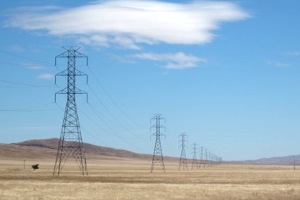
window.__IS_SSR__=true
window.__INITIAL_STATE__={
"attachmentsReducer": {
"audio_0": {
"type": "attachments",
"id": "audio_0",
"imgSizes": {
"kqedFullSize": {
"file": "https://ww2.kqed.org/news/wp-content/themes/KQED-unified/img/audio_bgs/background0.jpg"
}
}
},
"audio_1": {
"type": "attachments",
"id": "audio_1",
"imgSizes": {
"kqedFullSize": {
"file": "https://ww2.kqed.org/news/wp-content/themes/KQED-unified/img/audio_bgs/background1.jpg"
}
}
},
"audio_2": {
"type": "attachments",
"id": "audio_2",
"imgSizes": {
"kqedFullSize": {
"file": "https://ww2.kqed.org/news/wp-content/themes/KQED-unified/img/audio_bgs/background2.jpg"
}
}
},
"audio_3": {
"type": "attachments",
"id": "audio_3",
"imgSizes": {
"kqedFullSize": {
"file": "https://ww2.kqed.org/news/wp-content/themes/KQED-unified/img/audio_bgs/background3.jpg"
}
}
},
"audio_4": {
"type": "attachments",
"id": "audio_4",
"imgSizes": {
"kqedFullSize": {
"file": "https://ww2.kqed.org/news/wp-content/themes/KQED-unified/img/audio_bgs/background4.jpg"
}
}
},
"placeholder": {
"type": "attachments",
"id": "placeholder",
"imgSizes": {
"thumbnail": {
"file": "https://cdn.kqed.org/wp-content/uploads/2024/12/KQED-Default-Image-816638274-2000x1333-1-160x107.jpg",
"width": 160,
"height": 107,
"mimeType": "image/jpeg"
},
"medium": {
"file": "https://cdn.kqed.org/wp-content/uploads/2024/12/KQED-Default-Image-816638274-2000x1333-1-800x533.jpg",
"width": 800,
"height": 533,
"mimeType": "image/jpeg"
},
"medium_large": {
"file": "https://cdn.kqed.org/wp-content/uploads/2024/12/KQED-Default-Image-816638274-2000x1333-1-768x512.jpg",
"width": 768,
"height": 512,
"mimeType": "image/jpeg"
},
"large": {
"file": "https://cdn.kqed.org/wp-content/uploads/2024/12/KQED-Default-Image-816638274-2000x1333-1-1020x680.jpg",
"width": 1020,
"height": 680,
"mimeType": "image/jpeg"
},
"1536x1536": {
"file": "https://cdn.kqed.org/wp-content/uploads/2024/12/KQED-Default-Image-816638274-2000x1333-1-1536x1024.jpg",
"width": 1536,
"height": 1024,
"mimeType": "image/jpeg"
},
"fd-lrg": {
"file": "https://cdn.kqed.org/wp-content/uploads/2024/12/KQED-Default-Image-816638274-2000x1333-1-1536x1024.jpg",
"width": 1536,
"height": 1024,
"mimeType": "image/jpeg"
},
"fd-med": {
"file": "https://cdn.kqed.org/wp-content/uploads/2024/12/KQED-Default-Image-816638274-2000x1333-1-1020x680.jpg",
"width": 1020,
"height": 680,
"mimeType": "image/jpeg"
},
"fd-sm": {
"file": "https://cdn.kqed.org/wp-content/uploads/2024/12/KQED-Default-Image-816638274-2000x1333-1-800x533.jpg",
"width": 800,
"height": 533,
"mimeType": "image/jpeg"
},
"post-thumbnail": {
"file": "https://cdn.kqed.org/wp-content/uploads/2024/12/KQED-Default-Image-816638274-2000x1333-1-672x372.jpg",
"width": 672,
"height": 372,
"mimeType": "image/jpeg"
},
"twentyfourteen-full-width": {
"file": "https://cdn.kqed.org/wp-content/uploads/2024/12/KQED-Default-Image-816638274-2000x1333-1-1038x576.jpg",
"width": 1038,
"height": 576,
"mimeType": "image/jpeg"
},
"xxsmall": {
"file": "https://cdn.kqed.org/wp-content/uploads/2024/12/KQED-Default-Image-816638274-2000x1333-1-160x107.jpg",
"width": 160,
"height": 107,
"mimeType": "image/jpeg"
},
"xsmall": {
"file": "https://cdn.kqed.org/wp-content/uploads/2024/12/KQED-Default-Image-816638274-2000x1333-1-672x372.jpg",
"width": 672,
"height": 372,
"mimeType": "image/jpeg"
},
"small": {
"file": "https://cdn.kqed.org/wp-content/uploads/2024/12/KQED-Default-Image-816638274-2000x1333-1-672x372.jpg",
"width": 672,
"height": 372,
"mimeType": "image/jpeg"
},
"xlarge": {
"file": "https://cdn.kqed.org/wp-content/uploads/2024/12/KQED-Default-Image-816638274-2000x1333-1-1020x680.jpg",
"width": 1020,
"height": 680,
"mimeType": "image/jpeg"
},
"full-width": {
"file": "https://cdn.kqed.org/wp-content/uploads/2024/12/KQED-Default-Image-816638274-2000x1333-1-1920x1280.jpg",
"width": 1920,
"height": 1280,
"mimeType": "image/jpeg"
},
"guest-author-32": {
"file": "https://cdn.kqed.org/wp-content/uploads/2025/01/KQED-Default-Image-816638274-1333x1333-1-160x160.jpg",
"width": 32,
"height": 32,
"mimeType": "image/jpeg"
},
"guest-author-50": {
"file": "https://cdn.kqed.org/wp-content/uploads/2025/01/KQED-Default-Image-816638274-1333x1333-1-160x160.jpg",
"width": 50,
"height": 50,
"mimeType": "image/jpeg"
},
"guest-author-64": {
"file": "https://cdn.kqed.org/wp-content/uploads/2025/01/KQED-Default-Image-816638274-1333x1333-1-160x160.jpg",
"width": 64,
"height": 64,
"mimeType": "image/jpeg"
},
"guest-author-96": {
"file": "https://cdn.kqed.org/wp-content/uploads/2025/01/KQED-Default-Image-816638274-1333x1333-1-160x160.jpg",
"width": 96,
"height": 96,
"mimeType": "image/jpeg"
},
"guest-author-128": {
"file": "https://cdn.kqed.org/wp-content/uploads/2025/01/KQED-Default-Image-816638274-1333x1333-1-160x160.jpg",
"width": 128,
"height": 128,
"mimeType": "image/jpeg"
},
"detail": {
"file": "https://cdn.kqed.org/wp-content/uploads/2025/01/KQED-Default-Image-816638274-1333x1333-1-160x160.jpg",
"width": 160,
"height": 160,
"mimeType": "image/jpeg"
},
"kqedFullSize": {
"file": "https://cdn.kqed.org/wp-content/uploads/2024/12/KQED-Default-Image-816638274-2000x1333-1.jpg",
"width": 2000,
"height": 1333
}
}
},
"quest_19139": {
"type": "attachments",
"id": "quest_19139",
"meta": {
"index": "attachments_1716263798",
"site": "quest",
"id": "19139",
"found": true
},
"parent": 17043,
"imgSizes": {
"kqedFullSize": {
"file": "https://ww2.kqed.org/app/uploads/sites/39/2010/06/finding-a-home-for-big-solar-part-one1.jpg",
"width": 300,
"height": 200
},
"guest-author-96": {
"file": "https://ww2.kqed.org/app/uploads/sites/39/2010/06/finding-a-home-for-big-solar-part-one1-96x96.jpg",
"width": 96,
"mimeType": "image/jpeg",
"height": 96
},
"guest-author-64": {
"file": "https://ww2.kqed.org/app/uploads/sites/39/2010/06/finding-a-home-for-big-solar-part-one1-64x64.jpg",
"width": 64,
"mimeType": "image/jpeg",
"height": 64
},
"detail": {
"file": "https://ww2.kqed.org/app/uploads/sites/39/2010/06/finding-a-home-for-big-solar-part-one1-75x75.jpg",
"width": 75,
"mimeType": "image/jpeg",
"height": 75
},
"guest-author-32": {
"file": "https://ww2.kqed.org/app/uploads/sites/39/2010/06/finding-a-home-for-big-solar-part-one1-32x32.jpg",
"width": 32,
"mimeType": "image/jpeg",
"height": 32
},
"guest-author-128": {
"file": "https://ww2.kqed.org/app/uploads/sites/39/2010/06/finding-a-home-for-big-solar-part-one1-128x128.jpg",
"width": 128,
"mimeType": "image/jpeg",
"height": 128
}
},
"publishDate": 1309985063,
"modified": 1309985063,
"caption": null,
"description": null,
"title": "finding-a-home-for-big-solar-part-one",
"credit": null,
"status": "inherit",
"isLoading": false,
"fetchFailed": false
},
"quest_19164": {
"type": "attachments",
"id": "quest_19164",
"meta": {
"index": "attachments_1716263798",
"site": "quest",
"id": "19164",
"found": true
},
"parent": 17040,
"imgSizes": {
"kqedFullSize": {
"file": "https://ww2.kqed.org/app/uploads/sites/39/2010/05/radio4-29_renewables3002.jpg",
"width": 300,
"height": 200
},
"guest-author-96": {
"file": "https://ww2.kqed.org/app/uploads/sites/39/2010/05/radio4-29_renewables3002-96x96.jpg",
"width": 96,
"mimeType": "image/jpeg",
"height": 96
},
"guest-author-64": {
"file": "https://ww2.kqed.org/app/uploads/sites/39/2010/05/radio4-29_renewables3002-64x64.jpg",
"width": 64,
"mimeType": "image/jpeg",
"height": 64
},
"detail": {
"file": "https://ww2.kqed.org/app/uploads/sites/39/2010/05/radio4-29_renewables3002-75x75.jpg",
"width": 75,
"mimeType": "image/jpeg",
"height": 75
},
"guest-author-32": {
"file": "https://ww2.kqed.org/app/uploads/sites/39/2010/05/radio4-29_renewables3002-32x32.jpg",
"width": 32,
"mimeType": "image/jpeg",
"height": 32
},
"guest-author-128": {
"file": "https://ww2.kqed.org/app/uploads/sites/39/2010/05/radio4-29_renewables3002-128x128.jpg",
"width": 128,
"mimeType": "image/jpeg",
"height": 128
}
},
"publishDate": 1309989662,
"modified": 1309989662,
"caption": null,
"description": null,
"title": "radio4-29_renewables300",
"credit": null,
"status": "inherit",
"isLoading": false,
"fetchFailed": false
}
},
"audioPlayerReducer": {
"postId": "stream_live",
"isPaused": true,
"isPlaying": false,
"pfsActive": false,
"pledgeModalIsOpen": true,
"playerDrawerIsOpen": false,
"liveAudioPlayStartedAt": 0,
"liveAudioPlayContext": ""
},
"authorsReducer": {
"amystanden": {
"type": "authors",
"id": "210",
"meta": {
"index": "authors_1716337520",
"id": "210",
"found": true
},
"name": "Amy Standen",
"firstName": "Amy",
"lastName": "Standen",
"slug": "amystanden",
"email": "astanden@kqed.org",
"display_author_email": false,
"staff_mastheads": [],
"title": "KQED Contributor",
"bio": "Amy Standen (@amystanden) is co-host of #\u003ca href=\"https://ww2.kqed.org/news/programs/the-leap\">TheLeapPodcast\u003c/a> (subscribe on iTunes or Stitcher!) and host of KQED and PBSDigital Studios' science video series, \u003ca href=\"https://www.youtube.com/user/KQEDDeepLook\">Deep Look\u003c/a>. Her science radio stories appear on KQED and NPR.\r\n\r\nEmail her at astanden@kqed.org",
"avatar": "https://secure.gravatar.com/avatar/3d021b72de685a788b0487b059d0a6a1?s=600&d=blank&r=g",
"twitter": null,
"facebook": null,
"instagram": null,
"linkedin": null,
"sites": [
{
"site": "news",
"roles": [
"subscriber"
]
},
{
"site": "futureofyou",
"roles": [
"subscriber"
]
},
{
"site": "stateofhealth",
"roles": [
"subscriber"
]
},
{
"site": "science",
"roles": []
},
{
"site": "quest",
"roles": [
"subscriber"
]
}
],
"headData": {
"title": "Amy Standen | KQED",
"description": "KQED Contributor",
"ogImgSrc": "https://secure.gravatar.com/avatar/3d021b72de685a788b0487b059d0a6a1?s=600&d=blank&r=g",
"twImgSrc": "https://secure.gravatar.com/avatar/3d021b72de685a788b0487b059d0a6a1?s=600&d=blank&r=g"
},
"isLoading": false,
"link": "/author/amystanden"
},
"andrea-kissack": {
"type": "authors",
"id": "212",
"meta": {
"index": "authors_1716337520",
"id": "212",
"found": true
},
"name": "Andrea Kissack",
"firstName": "Andrea",
"lastName": "Kissack",
"slug": "andrea-kissack",
"email": "akissack@kqed.org",
"display_author_email": false,
"staff_mastheads": [],
"title": "KQED Contributor",
"bio": "Andrea has nearly three decades of experience working as a reporter, anchor, producer and editor for public radio, large market television news and CBS radio. In her current role as KQED’s Sr. Science Editor, Andrea helps lead a talented team covering science, technology, health and the environment for broadcast and digital platforms. Most recently she helped KQED launch a new, multimedia initiative covering the intersection of technology, health and medical science. She has earned a number of accolades for her work including awards from the Radio and Television News Directors Association, the National Academy of Television Arts and Sciences and the Associated Press. Her work can be seen, and heard, on a number of networks, Including NPR, PBS, CBS and the BBC.",
"avatar": "https://secure.gravatar.com/avatar/3eae7a251f0aee43b3c0137a636cb386?s=600&d=blank&r=g",
"twitter": "andreakissack",
"facebook": null,
"instagram": null,
"linkedin": null,
"sites": [
{
"site": "news",
"roles": [
"subscriber"
]
},
{
"site": "stateofhealth",
"roles": [
"subscriber"
]
},
{
"site": "science",
"roles": []
},
{
"site": "quest",
"roles": [
"add_users",
"create_users",
"edit_files",
"edit_users",
"level_10",
"level_8",
"level_9",
"promote_users",
"view_cimy_extra_fields",
"subscriber"
]
}
],
"headData": {
"title": "Andrea Kissack | KQED",
"description": "KQED Contributor",
"ogImgSrc": "https://secure.gravatar.com/avatar/3eae7a251f0aee43b3c0137a636cb386?s=600&d=blank&r=g",
"twImgSrc": "https://secure.gravatar.com/avatar/3eae7a251f0aee43b3c0137a636cb386?s=600&d=blank&r=g"
},
"isLoading": false,
"link": "/author/andrea-kissack"
},
"cmiller": {
"type": "authors",
"id": "221",
"meta": {
"index": "authors_1716337520",
"id": "221",
"found": true
},
"name": "Craig Miller",
"firstName": "Craig",
"lastName": "Miller",
"slug": "cmiller",
"email": "craig@voxterra.net",
"display_author_email": false,
"staff_mastheads": [
"science"
],
"title": "Editor Emeritus, Science",
"bio": "Craig is a former KQED Science editor, specializing in weather, climate, water & energy issues, with a little seismology thrown in just to shake things up. Prior to that, he launched and led the station's award-winning multimedia project, Climate Watch. Craig is also an accomplished writer/producer of television documentaries, with a focus on natural resource issues.",
"avatar": "https://secure.gravatar.com/avatar/b91661df645e001a9cafe0861fa685f9?s=600&d=blank&r=g",
"twitter": "voxterra",
"facebook": null,
"instagram": null,
"linkedin": null,
"sites": [
{
"site": "news",
"roles": [
"author"
]
},
{
"site": "futureofyou",
"roles": [
"editor"
]
},
{
"site": "stateofhealth",
"roles": [
"author"
]
},
{
"site": "science",
"roles": [
"editor"
]
},
{
"site": "quest",
"roles": [
"editor"
]
}
],
"headData": {
"title": "Craig Miller | KQED",
"description": "Editor Emeritus, Science",
"ogImgSrc": "https://secure.gravatar.com/avatar/b91661df645e001a9cafe0861fa685f9?s=600&d=blank&r=g",
"twImgSrc": "https://secure.gravatar.com/avatar/b91661df645e001a9cafe0861fa685f9?s=600&d=blank&r=g"
},
"isLoading": false,
"link": "/author/cmiller"
},
"laurensommer": {
"type": "authors",
"id": "239",
"meta": {
"index": "authors_1716337520",
"id": "239",
"found": true
},
"name": "Lauren Sommer",
"firstName": "Lauren",
"lastName": "Sommer",
"slug": "laurensommer",
"email": "lsommer@kqed.org",
"display_author_email": false,
"staff_mastheads": [],
"title": "KQED Contributor",
"bio": "Lauren is a radio reporter formerly covering environment, water, and energy for KQED Science. As part of her day job, she has scaled Sierra Nevada peaks, run from charging elephant seals, and desperately tried to get her sea legs - all in pursuit of good radio. Her work has appeared on Marketplace, Living on Earth, Science Friday and NPR's Morning Edition and All Things Considered. You can find her on Twitter at \u003ca href=\"https://twitter.com/lesommer\">@lesommer\u003c/a>.",
"avatar": "https://secure.gravatar.com/avatar/33aa3772bb86c6ad45b8aca6a238bbdf?s=600&d=blank&r=g",
"twitter": null,
"facebook": null,
"instagram": null,
"linkedin": null,
"sites": [
{
"site": "news",
"roles": [
"author"
]
},
{
"site": "science",
"roles": [
"editor",
"manage_content_types",
"manage_taxonomies"
]
},
{
"site": "quest",
"roles": [
"editor"
]
}
],
"headData": {
"title": "Lauren Sommer | KQED",
"description": "KQED Contributor",
"ogImgSrc": "https://secure.gravatar.com/avatar/33aa3772bb86c6ad45b8aca6a238bbdf?s=600&d=blank&r=g",
"twImgSrc": "https://secure.gravatar.com/avatar/33aa3772bb86c6ad45b8aca6a238bbdf?s=600&d=blank&r=g"
},
"isLoading": false,
"link": "/author/laurensommer"
},
"quest-radio": {
"type": "authors",
"id": "10215",
"meta": {
"index": "authors_1716337520",
"id": "10215",
"found": true
},
"name": "Quest Radio",
"firstName": "Quest",
"lastName": "Radio",
"slug": "quest-radio",
"email": "radio@kqed.org",
"display_author_email": false,
"staff_mastheads": [],
"title": "KQED Contributor",
"bio": null,
"avatar": "https://secure.gravatar.com/avatar/9620f3e846141aadd0d00d22d92bf2fc7e0d8cf2820c39c3667abc3bce52f9c2?s=600&d=blank&r=g",
"twitter": null,
"bluesky": null,
"facebook": null,
"instagram": null,
"linkedin": null,
"sites": [
{
"site": "quest",
"roles": [
"subscriber"
]
}
],
"headData": {
"title": "Quest Radio | KQED",
"description": "KQED Contributor",
"ogImgSrc": "https://secure.gravatar.com/avatar/9620f3e846141aadd0d00d22d92bf2fc7e0d8cf2820c39c3667abc3bce52f9c2?s=600&d=blank&r=g",
"twImgSrc": "https://secure.gravatar.com/avatar/9620f3e846141aadd0d00d22d92bf2fc7e0d8cf2820c39c3667abc3bce52f9c2?s=600&d=blank&r=g"
},
"isLoading": false,
"link": "/author/quest-radio"
},
"quest": {
"type": "authors",
"id": "10216",
"meta": {
"index": "authors_1716337520",
"id": "10216",
"found": true
},
"name": "QUEST Staff",
"firstName": "QUEST",
"lastName": "Staff",
"slug": "quest",
"email": "quest@kqed.orgx",
"display_author_email": false,
"staff_mastheads": [],
"title": null,
"bio": "QUEST, an Emmy Award-winning multimedia science series, has a new focus on the science of sustainability.The half-hour magazine style episodes are produced by a collaboration of six public broadcasters around the country and explore a wide variety of sustainability issues related to food, energy, water, climate and biodiversity. The story segments featured in each show are introduced by on-camera host, environmental journalist \u003ca href=\"http://science.kqed.org/quest/author/pssethi/\">Simran Sethi\u003c/a>. The series also includes half-hour specials that focus on a single topic.\r\n \r\nAll 2013-2014 television programs can be viewed online in their entirety or as individual segments by clicking on the titles and images listed below. The programs are also broadcast in each of our six PBS partner regions including \u003ca href=\"http://science.kqed.org/quest/stations/north-carolina/\">North Carolina\u003c/a>, \u003ca href=\"http://science.kqed.org/quest/stations/ohio/\">Ohio\u003c/a>, \u003ca href=\"http://science.kqed.org/quest/stations/nebraska/\">Nebraska\u003c/a>, \u003ca href=\"http://science.kqed.org/quest/stations/northern-california/\">Northern California\u003c/a> and the \u003ca href=\"http://science.kqed.org/quest/stations/northwest/\">Pacific Northwest\u003c/a>. Check local listings for broadcast dates and times.",
"avatar": "https://secure.gravatar.com/avatar/d3874a881a1fe56a99098a4feea236c8?s=600&d=blank&r=g",
"twitter": null,
"facebook": null,
"instagram": null,
"linkedin": null,
"sites": [
{
"site": "quest",
"roles": [
"editor"
]
}
],
"headData": {
"title": "QUEST Staff | KQED",
"description": null,
"ogImgSrc": "https://secure.gravatar.com/avatar/d3874a881a1fe56a99098a4feea236c8?s=600&d=blank&r=g",
"twImgSrc": "https://secure.gravatar.com/avatar/d3874a881a1fe56a99098a4feea236c8?s=600&d=blank&r=g"
},
"isLoading": false,
"link": "/author/quest"
}
},
"pagesReducer": {
"quest_tag_audio": {
"type": "terms",
"id": "quest_252",
"meta": {
"index": "terms_1716263798",
"site": "quest",
"id": "252",
"score": 8.7980385
},
"featImg": null,
"name": "audio",
"description": null,
"taxonomy": "tag",
"headData": {
"twImgId": null,
"twTitle": null,
"ogTitle": null,
"ogImgId": null,
"twDescription": null,
"description": null,
"title": "audio Archives | KQED Arts",
"ogDescription": null
},
"ttid": 254,
"slug": "audio",
"isLoading": false,
"title": "audio",
"pageMeta": {
"site": "quest",
"WpPageTemplate": "page-topic-editorial",
"currentPage": 19
},
"blocks": [
{
"blockName": "kqed/post-list",
"attrs": {
"layout": "cardArticle2",
"query": "posts/quest?tag=audio",
"seeMore": false,
"paginated": true,
"page": 19
}
},
{
"blockName": "kqed/ad"
}
]
}
},
"pfsSessionReducer": {},
"postsReducer": {
"stream_live": {
"type": "live",
"id": "stream_live",
"audioUrl": "https://hls.kqed.org/hls/kqed_app/playlist.m3u8",
"title": "Live Stream",
"excerpt": "Live Stream information currently unavailable.",
"link": "/radio",
"featImg": "",
"label": {
"name": "KQED Live",
"link": "/"
}
},
"stream_kqedNewscast": {
"type": "posts",
"id": "stream_kqedNewscast",
"audioUrl": "https://www.kqed.org/.stream/anon/radio/RDnews/newscast.mp3?_=1",
"title": "KQED Newscast",
"featImg": "",
"label": {
"name": "88.5 FM",
"link": "/"
}
},
"quest_17043": {
"type": "posts",
"id": "quest_17043",
"meta": {
"index": "posts_1716263798",
"site": "quest",
"id": "17043",
"score": null,
"sort": [
1277134200000
]
},
"parent": 0,
"labelTerm": {
"site": "quest",
"term": 13207
},
"blocks": [],
"publishDate": 1277134200,
"format": "audio",
"disqusTitle": "Finding a Home for Big Solar - Part One",
"title": "Finding a Home for Big Solar - Part One",
"headTitle": "33×20: California’s Clean Power Countdown | QUEST | KQED Science",
"content": "\u003cp>http://www.kqed.org/.stream/anon/radio/quest/2010/06/2010-06-21-quest.mp3\u003c/p>\n\u003cp>\u003ca href=\"http://ww2.kqed.org/quest/wp-content/uploads/sites/39/2010/06/finding-a-home-for-big-solar-part-one1.jpg\">\u003cimg class=\"alignleft size-full wp-image-19139\" title=\"finding-a-home-for-big-solar-part-one\" src=\"http://ww2.kqed.org/quest/wp-content/uploads/sites/39/2010/06/finding-a-home-for-big-solar-part-one1.jpg\" alt=\"\" width=\"300\" height=\"200\">\u003c/a>The continuing environmental tragedy on the gulf Coast has underscored the peril of continued reliance on fossil fuels. Here in California, the bar has been set high for clean energy, with an ambitious plan to reach 33 percent renewable sources by 2020. Some critics say it's just not possible.\u003c/p>\n\u003cp>As part of our ongoing series \"33 by 20,\" Climate Watch Senior Edtor Craig Miller begins a two-part look at one company's plans.\u003c/p>\n\u003cp>[SOUND: car approaching]\u003c/p>\n\u003cp>MILLER: Chances are you will never even pass through Panoche Valley...\u003c/p>\n\u003cp>[ad fullwidth]\u003c/p>\n\u003cp>[SOUND: car passing]\u003c/p>\n\u003cp>...a flat triangle of short-grass and scrub, hidden amidst the coast ranges northwest of Fresno. But the valley hasn't escaped everyone's notice.\u003c/p>\n\u003cp>MIKE PETERSON: I'm Michael Peterson, and I am the CEO of Solargen Energy...\u003c/p>\n\u003cp>MILLER: To Mike Peterson, Panoche Valley is an oasis between the dust of the Central Valley and the fog of California's coast; a kind of solar Shangri-La, which he says has 90% of the solar potential of the Mojave Desert.\u003c/p>\n\u003cp>PETERSON: It makes all the difference in the world...because it's how much sun you're capturing and turning into electricity and that's your revenue source.\u003c/p>\n\u003cp>MILLER: Another part of the valley's allure: a line of transmission towers already marches straight through it, carrying electrons to the densely populated Monterey Peninsula.\u003c/p>\n\u003cp>PETERSON: When we had an engineer come who'd built a lot of different solar around, he came...we, we took him down to the property. And his comment was, wow. God made this to be a solar farm (LAUGHS).\u003c/p>\n\u003cp>MILLER: And so with that bit of second-hand Devine guidance, Peterson has been stitching together land deals to create one of the nation's biggest solar power arrays of its kind, in Panoche Valley.\u003c/p>\n\u003cp>REB MONACO: We're on the radar, so to speak, for solar.\u003c/p>\n\u003cp>That's Reb Monaco, supervisor of San Benito County whose district includes the Valley. He sees another kind of \"solar potential\" there.\u003c/p>\n\u003cp>MONACO: And it's unique, I guess, the surrounding counties don't have the amount of sunlight that our county has. So that asset, from my perspective as a county supervisor, we need to market that asset as effectively as we can.\u003c/p>\n\u003cp>MILLER: Monaco says he hasn't decided how he'll vote when supervisors are called on to approve the project. But with unemployment stuck at more than 20% in his county and Solargen promising jobs-mostly during the six-year construction phase-the project has his attention.\u003c/p>\n\u003cp>MONACO: Any job is significant in this day and age, I think.\u003c/p>\n\u003cp>MILLER: Solargen has marked of a site that would have solar panels on the equivalent of about 4700 [more than 4,000) football fields. Another 12,000 acres or so is what developers call \"mitigation land.\" The company is wending its way through the permitting process, which includes a $1.3 million environmental impact report administered by the county but paid for by Solargen's investors. And from this perspective, the valley may be less oasis than minefield. MIKE WESTPHAL: Actually, we call it a reservoir of endangered species. MILLER: Mike Westphal is an ecologist for the Bureau of Land Management, whose property surrounds the intended Solargen site. WESTPHAL: Everything that seems to have been in the larger San Joaquin Valley seems to still be here. MILLER: That includes about a half-dozen protected species, from foot-long lizards to San Joaquin kit fox. For weeks now a platoon of biologists have been combing the valley floor for signs of endangered or threatened critters, so that Solargen can produce a mitigation plan under California's environmental laws. Westphal is skeptical that this will go quickly. WESTPHAL: Even in projects that only have one of these species, you generally see an environmental review process going on for years before anything happens. The obstacles are huge to getting development here, I don't see a shovel hitting the ground here for years at a minimum. MILLER: But in order to get federal stimulus dollars up front, Mike Peterson will need to break ground here by the end of this year. PETERSON: I actually remember when I came home, and went into the kitchen and I said to my wife, I said, you know, I thought everybody wanted solar. (LAUGHS) MILLER: Not everybody, it would seem. RON GARTHWAITE: This specific one, yes, we don't want it to be here. We're fighting it. [SOUND: Bleating calf]\u003c/p>\n\u003cp>MILLER: Ron Garthwaite runs the Claravale organic dairy farm in the valley. He stands at the intersection where two well-intended goals are colliding in California.\u003c/p>\n\u003cp>GARTHWAITE: Even if you're pro solar power, it's just--yeah, when you're taking a place that has agricultural value and natural value and turning it into a solar power plant, it just doesn't make any sense, no.\u003c/p>\n\u003cp>The BLM's Westphal puts it succinctly.\u003c/p>\n\u003cp>WESTPHAL: It's like an irresistible force hitting an immovable object.\u003c/p>\n\u003cp>MILLER: Caught in the middle are more than 200 wind and solar energy projects currently under review in California. Mike Peterson's is just one.\u003c/p>\n\u003cp>PETERSON: And it's tough. We have California laws that make it very difficult. I could go to Texas and get-pull three permits and have this ready to go in months.\u003c/p>\n\u003cp>MILLER: As anyone acquainted with California's Environmental Quality Act can attest, this is not Texas. But in order to make the Governor's one-third goal, utilities will have to find some way to at least double the output from renewable energy sources, in the next ten years.\u003c/p>\n\u003cp>MILLER: This is Craig Miller in San Benito County.\u003c/p>\n\u003cp>\u003c/p>\n\u003cp>HOST: Next week, we pick up the Panoche Valley story with a closer look at the environmental concerns that confront this large-scale solar project. In the meantime there's a slide show and video of the valley online at KQED.org/33x20.\u003c/p>\n\n",
"disqusIdentifier": "17043 http://science.kqed.org/quest/audio/finding-a-home-for-big-solar-part-one/",
"disqusUrl": "https://ww2.kqed.org/quest/2010/06/21/finding-a-home-for-big-solar-part-one/",
"stats": {
"hasVideo": false,
"hasChartOrMap": false,
"hasAudio": true,
"hasPolis": false,
"wordCount": 1011,
"hasGoogleForm": false,
"hasGallery": false,
"hasHearkenModule": false,
"iframeSrcs": [],
"paragraphCount": 29
},
"modified": 1368130440,
"excerpt": "California has set ambitious goals for a transition to clean, renewable energy: 33 percent by 2020. Some are skeptical that the goal is within reach.QUEST and Climate Watch continue to examine the promise and pitfalls of this historic transformation. Craig Miller reports on one Silicon Valley company's controversial proposal for Panoche Valley. \r\n\r\n",
"headData": {
"twImgId": "",
"twTitle": "",
"ogTitle": "",
"ogImgId": "",
"twDescription": "",
"description": "",
"title": "Finding a Home for Big Solar - Part One | KQED",
"ogDescription": "",
"schema": {
"@context": "https://schema.org",
"@type": "Article",
"headline": "Finding a Home for Big Solar - Part One",
"datePublished": "2010-06-21T08:30:00-07:00",
"dateModified": "2013-05-09T13:14:00-07:00",
"image": "https://cdn.kqed.org/wp-content/uploads/2020/02/KQED-OG-Image@1x.png"
}
},
"guestAuthors": [],
"slug": "finding-a-home-for-big-solar-part-one",
"status": "publish",
"path": "/quest/17043/finding-a-home-for-big-solar-part-one",
"audioUrl": "http://www.kqed.org/.stream/anon/radio/quest/2010/06/2010-06-21-quest.mp3",
"audioDuration": null,
"audioTrackLength": null,
"parsedContent": [
{
"type": "contentString",
"content": "\u003cdiv class=\"post-body\">\u003cp>\u003cp>http://www.kqed.org/.stream/anon/radio/quest/2010/06/2010-06-21-quest.mp3\u003c/p>\n\u003cp>\u003ca href=\"http://ww2.kqed.org/quest/wp-content/uploads/sites/39/2010/06/finding-a-home-for-big-solar-part-one1.jpg\">\u003cimg class=\"alignleft size-full wp-image-19139\" title=\"finding-a-home-for-big-solar-part-one\" src=\"http://ww2.kqed.org/quest/wp-content/uploads/sites/39/2010/06/finding-a-home-for-big-solar-part-one1.jpg\" alt=\"\" width=\"300\" height=\"200\">\u003c/a>The continuing environmental tragedy on the gulf Coast has underscored the peril of continued reliance on fossil fuels. Here in California, the bar has been set high for clean energy, with an ambitious plan to reach 33 percent renewable sources by 2020. Some critics say it's just not possible.\u003c/p>\n\u003cp>As part of our ongoing series \"33 by 20,\" Climate Watch Senior Edtor Craig Miller begins a two-part look at one company's plans.\u003c/p>\n\u003cp>[SOUND: car approaching]\u003c/p>\n\u003cp>MILLER: Chances are you will never even pass through Panoche Valley...\u003c/p>\n\u003cp>\u003c/p>\u003c/div>",
"attributes": {
"named": {},
"numeric": []
}
},
{
"type": "component",
"content": "",
"name": "ad",
"attributes": {
"named": {
"label": "fullwidth"
},
"numeric": [
"fullwidth"
]
}
},
{
"type": "contentString",
"content": "\u003cdiv class=\"post-body\">\u003cp>\u003c/p>\n\u003cp>[SOUND: car passing]\u003c/p>\n\u003cp>...a flat triangle of short-grass and scrub, hidden amidst the coast ranges northwest of Fresno. But the valley hasn't escaped everyone's notice.\u003c/p>\n\u003cp>MIKE PETERSON: I'm Michael Peterson, and I am the CEO of Solargen Energy...\u003c/p>\n\u003cp>MILLER: To Mike Peterson, Panoche Valley is an oasis between the dust of the Central Valley and the fog of California's coast; a kind of solar Shangri-La, which he says has 90% of the solar potential of the Mojave Desert.\u003c/p>\n\u003cp>PETERSON: It makes all the difference in the world...because it's how much sun you're capturing and turning into electricity and that's your revenue source.\u003c/p>\n\u003cp>MILLER: Another part of the valley's allure: a line of transmission towers already marches straight through it, carrying electrons to the densely populated Monterey Peninsula.\u003c/p>\n\u003cp>PETERSON: When we had an engineer come who'd built a lot of different solar around, he came...we, we took him down to the property. And his comment was, wow. God made this to be a solar farm (LAUGHS).\u003c/p>\n\u003cp>MILLER: And so with that bit of second-hand Devine guidance, Peterson has been stitching together land deals to create one of the nation's biggest solar power arrays of its kind, in Panoche Valley.\u003c/p>\n\u003cp>REB MONACO: We're on the radar, so to speak, for solar.\u003c/p>\n\u003cp>That's Reb Monaco, supervisor of San Benito County whose district includes the Valley. He sees another kind of \"solar potential\" there.\u003c/p>\n\u003cp>MONACO: And it's unique, I guess, the surrounding counties don't have the amount of sunlight that our county has. So that asset, from my perspective as a county supervisor, we need to market that asset as effectively as we can.\u003c/p>\n\u003cp>MILLER: Monaco says he hasn't decided how he'll vote when supervisors are called on to approve the project. But with unemployment stuck at more than 20% in his county and Solargen promising jobs-mostly during the six-year construction phase-the project has his attention.\u003c/p>\n\u003cp>MONACO: Any job is significant in this day and age, I think.\u003c/p>\n\u003cp>MILLER: Solargen has marked of a site that would have solar panels on the equivalent of about 4700 [more than 4,000) football fields. Another 12,000 acres or so is what developers call \"mitigation land.\" The company is wending its way through the permitting process, which includes a $1.3 million environmental impact report administered by the county but paid for by Solargen's investors. And from this perspective, the valley may be less oasis than minefield. MIKE WESTPHAL: Actually, we call it a reservoir of endangered species. MILLER: Mike Westphal is an ecologist for the Bureau of Land Management, whose property surrounds the intended Solargen site. WESTPHAL: Everything that seems to have been in the larger San Joaquin Valley seems to still be here. MILLER: That includes about a half-dozen protected species, from foot-long lizards to San Joaquin kit fox. For weeks now a platoon of biologists have been combing the valley floor for signs of endangered or threatened critters, so that Solargen can produce a mitigation plan under California's environmental laws. Westphal is skeptical that this will go quickly. WESTPHAL: Even in projects that only have one of these species, you generally see an environmental review process going on for years before anything happens. The obstacles are huge to getting development here, I don't see a shovel hitting the ground here for years at a minimum. MILLER: But in order to get federal stimulus dollars up front, Mike Peterson will need to break ground here by the end of this year. PETERSON: I actually remember when I came home, and went into the kitchen and I said to my wife, I said, you know, I thought everybody wanted solar. (LAUGHS) MILLER: Not everybody, it would seem. RON GARTHWAITE: This specific one, yes, we don't want it to be here. We're fighting it. [SOUND: Bleating calf]\u003c/p>\n\u003cp>MILLER: Ron Garthwaite runs the Claravale organic dairy farm in the valley. He stands at the intersection where two well-intended goals are colliding in California.\u003c/p>\n\u003cp>GARTHWAITE: Even if you're pro solar power, it's just--yeah, when you're taking a place that has agricultural value and natural value and turning it into a solar power plant, it just doesn't make any sense, no.\u003c/p>\n\u003cp>The BLM's Westphal puts it succinctly.\u003c/p>\n\u003cp>WESTPHAL: It's like an irresistible force hitting an immovable object.\u003c/p>\n\u003cp>MILLER: Caught in the middle are more than 200 wind and solar energy projects currently under review in California. Mike Peterson's is just one.\u003c/p>\n\u003cp>PETERSON: And it's tough. We have California laws that make it very difficult. I could go to Texas and get-pull three permits and have this ready to go in months.\u003c/p>\n\u003cp>MILLER: As anyone acquainted with California's Environmental Quality Act can attest, this is not Texas. But in order to make the Governor's one-third goal, utilities will have to find some way to at least double the output from renewable energy sources, in the next ten years.\u003c/p>\n\u003cp>MILLER: This is Craig Miller in San Benito County.\u003c/p>\n\u003cp>\u003c/p>\n\u003cp>HOST: Next week, we pick up the Panoche Valley story with a closer look at the environmental concerns that confront this large-scale solar project. In the meantime there's a slide show and video of the valley online at KQED.org/33x20.\u003c/p>\n\n\u003c/div>\u003c/p>",
"attributes": {
"named": {},
"numeric": []
}
}
],
"link": "/quest/17043/finding-a-home-for-big-solar-part-one",
"authors": [
"221"
],
"series": [
"quest_13207"
],
"categories": [
"quest_6",
"quest_11765",
"quest_8",
"quest_9"
],
"tags": [
"quest_252",
"quest_13202"
],
"featImg": "quest_19139",
"label": "quest_13207"
},
"quest_17042": {
"type": "posts",
"id": "quest_17042",
"meta": {
"index": "posts_1716263798",
"site": "quest",
"id": "17042",
"score": null,
"sort": [
1276529400000
]
},
"parent": 0,
"labelTerm": {
"site": "quest"
},
"blocks": [],
"publishDate": 1276529400,
"format": "audio",
"disqusTitle": "Strawberries and Worker Safety - Part Two",
"title": "Strawberries and Worker Safety - Part Two",
"headTitle": "QUEST | KQED Science",
"content": "\u003cp>http://www.kqed.org/.stream/anon/radio/quest/2010/06/2010-06-14-quest.mp3\u003c/p>\n\u003cp>The Schwarzenegger Administration plans to approve a new chemical called methyl iodide, which is used by strawberry farmers. Although methyl iodide can cause cancer and miscarriages, regulators say that protective measures like respirators and buffer zones will keep farm workers safe. Scientists consulting for the state say these measures often fail, and methyl iodide is too toxic to take chances. Amy Standen reports.\u003c/p>\n\u003cp>[ad fullwidth]\u003c/p>\u003cp>\u003c/p>\n",
"disqusIdentifier": "17042 http://science.kqed.org/quest/audio/strawberries-and-worker-safety-part-two/",
"disqusUrl": "https://ww2.kqed.org/quest/2010/06/14/strawberries-and-worker-safety-part-two/",
"stats": {
"hasVideo": false,
"hasChartOrMap": false,
"hasAudio": true,
"hasPolis": false,
"wordCount": 80,
"hasGoogleForm": false,
"hasGallery": false,
"hasHearkenModule": false,
"iframeSrcs": [],
"paragraphCount": 3
},
"modified": 1308766167,
"excerpt": "The Schwarzenegger Administration plans to approve a new chemical called methyl iodide, which is used by strawberry farmers. Although methyl iodide can cause cancer and miscarriages, regulators say that protective measures like respirators and buffer zones will keep farm workers safe. Scientists consulting for the state say these measures often fail, and methyl iodide is too toxic to take chances. Amy Standen reports.\r\r\n",
"headData": {
"twImgId": "",
"twTitle": "",
"ogTitle": "",
"ogImgId": "",
"twDescription": "",
"description": "The Schwarzenegger Administration plans to approve a new chemical called methyl iodide, which is used by strawberry farmers. Although methyl iodide can cause cancer and miscarriages, regulators say that protective measures like respirators and buffer zones will keep farm workers safe. Scientists consulting for the state say these measures often fail, and methyl iodide is too toxic to take chances. Amy Standen reports.\r\r\n",
"title": "Strawberries and Worker Safety - Part Two | KQED",
"ogDescription": "",
"schema": {
"@context": "https://schema.org",
"@type": "Article",
"headline": "Strawberries and Worker Safety - Part Two",
"datePublished": "2010-06-14T08:30:00-07:00",
"dateModified": "2011-06-22T11:09:27-07:00",
"image": "https://cdn.kqed.org/wp-content/uploads/2020/02/KQED-OG-Image@1x.png"
}
},
"guestAuthors": [],
"slug": "strawberries-and-worker-safety-part-two",
"status": "publish",
"path": "/quest/17042/strawberries-and-worker-safety-part-two",
"audioUrl": "http://www.kqed.org/.stream/anon/radio/quest/2010/06/2010-06-14-quest.mp3",
"audioDuration": null,
"audioTrackLength": null,
"parsedContent": [
{
"type": "contentString",
"content": "\u003cdiv class=\"post-body\">\u003cp>\u003cp>http://www.kqed.org/.stream/anon/radio/quest/2010/06/2010-06-14-quest.mp3\u003c/p>\n\u003cp>The Schwarzenegger Administration plans to approve a new chemical called methyl iodide, which is used by strawberry farmers. Although methyl iodide can cause cancer and miscarriages, regulators say that protective measures like respirators and buffer zones will keep farm workers safe. Scientists consulting for the state say these measures often fail, and methyl iodide is too toxic to take chances. Amy Standen reports.\u003c/p>\n\u003cp>\u003c/p>\u003c/div>",
"attributes": {
"named": {},
"numeric": []
}
},
{
"type": "component",
"content": "",
"name": "ad",
"attributes": {
"named": {
"label": "fullwidth"
},
"numeric": [
"fullwidth"
]
}
},
{
"type": "contentString",
"content": "\u003cdiv class=\"post-body\">\u003cp>\u003c/p>\u003cp>\u003c/p>\n\u003c/div>\u003c/p>",
"attributes": {
"named": {},
"numeric": []
}
}
],
"link": "/quest/17042/strawberries-and-worker-safety-part-two",
"authors": [
"10216"
],
"categories": [
"quest_9",
"quest_12"
],
"tags": [
"quest_252",
"quest_13202"
],
"label": "quest"
},
"quest_6128": {
"type": "posts",
"id": "quest_6128",
"meta": {
"index": "posts_1716263798",
"site": "quest",
"id": "6128",
"score": null,
"sort": [
1276286439000
]
},
"parent": 0,
"labelTerm": {},
"blocks": [],
"publishDate": 1276286439,
"format": "standard",
"title": "Reporter's Notes: Strawberries and Worker Safety - Part Two",
"headTitle": "Reporter’s Notes: Strawberries and Worker Safety – Part Two | KQED",
"content": "\u003cp>\u003cspan class=\"left\">\u003ca href=\"http://ww2.kqed.org/quest/audio/strawberries-and-worker-safety--part-two\">\u003cimg decoding=\"async\" src=\"http://ww2.kqed.org/quest/wp-content/uploads/sites/39/2011/06/sportfield21.jpg\" alt=\"\">\u003c/a>\u003cem>If methyl iodide is approved later this month, the decision will come with a long list of regulations, designed to protect workers, and people who live nearby from inhaling fumes from the chemical.\u003c/em>\u003c/span>\u003c/p>\n\u003cp>How much can we count on respirators, buffer zones and other tools to protect people from a toxic chemical? That’s the focus of \u003ca href=\"http://ww2.kqed.org/quest/audio/strawberries-and-worker-safety--part-two\">this week’s QUEST radio story\u003c/a>. If methyl iodide is approved later this month, the decision will come with a long list of regulations, designed to protect workers, and people who live nearby from inhaling fumes from the chemical, which can cause miscarriages, cancer and– while the science is less clear here — brain damage.\u003c/p>\n\u003cp>\u003ca href=\"http://ww2.kqed.org/quest/audio/strawberries-and-worker-safety\">Last week\u003c/a> we looked at how the decision over methyl iodide \u003ca href=\"http://ww2.kqed.org/quest/2010/06/04/reporters-notes-strawberries-and-worker-safety/\">has caused a rift\u003c/a> within the agency charged with making the decision. At the heart ofthis dispute is a disagreement between “risk assessors” and “risk managers,” over what size dose of methyl iodide could be considered safe.\u003c/p>\n\u003cp>Strawberry growers say fumigants like mehtyl iodide are key to sustaining a $2 billion a year industry. UC Davis strawberry researcher \u003ca href=\"http://www.plantsciences.ucdavis.edu/faculty/shaw/shaw.htm\">Doug Shaw \u003c/a>has done comparisons on beds grown with fumigants, including methyl iodide, and without. He says when comes to the utility of fumigants this comparison speaks volumes.\u003c/p>\n\u003cp>\u003cimg decoding=\"async\" src=\"http://ww2.kqed.org/quest/wp-content/uploads/sites/39/2011/06/strawberriescomparison600.jpg\" alt=\"strawberry comparison\">\u003c/p>\n\u003cp>[ad fullwidth]\u003c/p>\n\u003cp>\u003cbr clear=\"all\"> \u003cspan class=\"left\">\u003ca href=\"http://ww2.kqed.org/quest/2010/06/11/reporters-notes-strawberries-and-worker-safety-part-two/\">\u003cimg decoding=\"async\" src=\"http://ww2.kqed.org/quest/wp-content/uploads/sites/39/images/radio_icon_light.gif\" alt=\"\">\u003c/a>\u003c/span>\u003ca href=\"http://ww2.kqed.org/quest/audio/strawberries-and-worker-safety--part-two\">Listen to Strawberries and Worker Safety – Part Two\u003c/a> radio story online.\u003c/p>\n\u003cp>\u003c/p>\n\u003cp>36.910231 -121.7568946\u003c/p>\n\n",
"stats": {
"hasVideo": false,
"hasChartOrMap": false,
"hasAudio": false,
"hasPolis": false,
"wordCount": 234,
"hasGoogleForm": false,
"hasGallery": false,
"hasHearkenModule": false,
"iframeSrcs": [],
"paragraphCount": 9
},
"modified": 1684975242,
"excerpt": "How much can we count on respirators, buffer zones and other tools to protect people from a toxic chemical? That's the focus of this week's QUEST radio story.",
"headData": {
"twImgId": "",
"twTitle": "",
"ogTitle": "",
"ogImgId": "",
"twDescription": "",
"description": "How much can we count on respirators, buffer zones and other tools to protect people from a toxic chemical? That's the focus of this week's QUEST radio story.",
"title": "Reporter's Notes: Strawberries and Worker Safety - Part Two | KQED",
"ogDescription": "",
"schema": {
"@context": "https://schema.org",
"@type": "Article",
"headline": "Reporter's Notes: Strawberries and Worker Safety - Part Two",
"datePublished": "2010-06-11T13:00:39-07:00",
"dateModified": "2023-05-24T17:40:42-07:00",
"image": "https://cdn.kqed.org/wp-content/uploads/2020/02/KQED-OG-Image@1x.png"
}
},
"guestAuthors": [],
"slug": "reporters-notes-strawberries-and-worker-safety-part-two",
"status": "publish",
"templateType": "standard",
"excludeFromSiteSearch": "Include",
"featuredImageType": "standard",
"articleAge": "0",
"path": "/quest/6128/reporters-notes-strawberries-and-worker-safety-part-two",
"audioTrackLength": null,
"parsedContent": [
{
"type": "contentString",
"content": "\u003cdiv class=\"post-body\">\u003cp>\u003cp>\u003cspan class=\"left\">\u003ca href=\"http://ww2.kqed.org/quest/audio/strawberries-and-worker-safety--part-two\">\u003cimg decoding=\"async\" src=\"http://ww2.kqed.org/quest/wp-content/uploads/sites/39/2011/06/sportfield21.jpg\" alt=\"\">\u003c/a>\u003cem>If methyl iodide is approved later this month, the decision will come with a long list of regulations, designed to protect workers, and people who live nearby from inhaling fumes from the chemical.\u003c/em>\u003c/span>\u003c/p>\n\u003cp>How much can we count on respirators, buffer zones and other tools to protect people from a toxic chemical? That’s the focus of \u003ca href=\"http://ww2.kqed.org/quest/audio/strawberries-and-worker-safety--part-two\">this week’s QUEST radio story\u003c/a>. If methyl iodide is approved later this month, the decision will come with a long list of regulations, designed to protect workers, and people who live nearby from inhaling fumes from the chemical, which can cause miscarriages, cancer and– while the science is less clear here — brain damage.\u003c/p>\n\u003cp>\u003ca href=\"http://ww2.kqed.org/quest/audio/strawberries-and-worker-safety\">Last week\u003c/a> we looked at how the decision over methyl iodide \u003ca href=\"http://ww2.kqed.org/quest/2010/06/04/reporters-notes-strawberries-and-worker-safety/\">has caused a rift\u003c/a> within the agency charged with making the decision. At the heart ofthis dispute is a disagreement between “risk assessors” and “risk managers,” over what size dose of methyl iodide could be considered safe.\u003c/p>\n\u003cp>Strawberry growers say fumigants like mehtyl iodide are key to sustaining a $2 billion a year industry. UC Davis strawberry researcher \u003ca href=\"http://www.plantsciences.ucdavis.edu/faculty/shaw/shaw.htm\">Doug Shaw \u003c/a>has done comparisons on beds grown with fumigants, including methyl iodide, and without. He says when comes to the utility of fumigants this comparison speaks volumes.\u003c/p>\n\u003cp>\u003cimg decoding=\"async\" src=\"http://ww2.kqed.org/quest/wp-content/uploads/sites/39/2011/06/strawberriescomparison600.jpg\" alt=\"strawberry comparison\">\u003c/p>\n\u003cp>\u003c/p>\u003c/div>",
"attributes": {
"named": {},
"numeric": []
}
},
{
"type": "component",
"content": "",
"name": "ad",
"attributes": {
"named": {
"label": "fullwidth"
},
"numeric": [
"fullwidth"
]
}
},
{
"type": "contentString",
"content": "\u003cdiv class=\"post-body\">\u003cp>\u003c/p>\n\u003cp>\u003cbr clear=\"all\"> \u003cspan class=\"left\">\u003ca href=\"http://ww2.kqed.org/quest/2010/06/11/reporters-notes-strawberries-and-worker-safety-part-two/\">\u003cimg decoding=\"async\" src=\"http://ww2.kqed.org/quest/wp-content/uploads/sites/39/images/radio_icon_light.gif\" alt=\"\">\u003c/a>\u003c/span>\u003ca href=\"http://ww2.kqed.org/quest/audio/strawberries-and-worker-safety--part-two\">Listen to Strawberries and Worker Safety – Part Two\u003c/a> radio story online.\u003c/p>\n\u003cp>\u003c/p>\n\u003cp>36.910231 -121.7568946\u003c/p>\n\n\u003c/div>\u003c/p>",
"attributes": {
"named": {},
"numeric": []
}
}
],
"link": "/quest/6128/reporters-notes-strawberries-and-worker-safety-part-two",
"authors": [
"210"
],
"categories": [
"quest_9",
"quest_3229",
"quest_12"
],
"tags": [
"quest_252",
"quest_807",
"quest_933",
"quest_1540",
"quest_1635",
"quest_1750",
"quest_1804",
"quest_2137",
"quest_13364",
"quest_13365"
],
"label": "quest"
},
"quest_17041": {
"type": "posts",
"id": "quest_17041",
"meta": {
"index": "posts_1716263798",
"site": "quest",
"id": "17041",
"score": null,
"sort": [
1275924600000
]
},
"parent": 0,
"labelTerm": {
"site": "quest"
},
"blocks": [],
"publishDate": 1275924600,
"format": "audio",
"disqusTitle": "Strawberries and Worker Safety",
"title": "Strawberries and Worker Safety",
"headTitle": "QUEST | KQED Science",
"content": "\u003cp>http://www.kqed.org/.stream/anon/radio/quest/2010/06/2010-06-07-quest.mp3\u003c/p>\n\u003cp>Methyl bromide - a powerful fumigant used by strawberry growers to sterilize the soil before plants go in - was found to harm the Earth's ozone layer. Strawberry farmers have been clamoring for a replacement, and they may get their wish if the state approves a chemical called methyl iodide. But some state scientists say it could cause cancer and miscarriages in farm workers and nearby communities.\u003c/p>\n\u003cp>[ad fullwidth]\u003c/p>\u003cp>\u003c/p>\n",
"disqusIdentifier": "17041 http://science.kqed.org/quest/audio/strawberries-and-worker-safety/",
"disqusUrl": "https://ww2.kqed.org/quest/2010/06/07/strawberries-and-worker-safety/",
"stats": {
"hasVideo": false,
"hasChartOrMap": false,
"hasAudio": true,
"hasPolis": false,
"wordCount": 83,
"hasGoogleForm": false,
"hasGallery": false,
"hasHearkenModule": false,
"iframeSrcs": [],
"paragraphCount": 3
},
"modified": 1308766173,
"excerpt": "Methyl bromide - a powerful fumigant used by strawberry growers to sterilize the soil before plants go in - was found to harm the Earth's ozone layer. Strawberry farmers have been clamoring for a replacement, and they may get their wish if the state approves a chemical called methyl iodide. But some state scientists say it could cause cancer and miscarriages in farm workers and nearby communities.",
"headData": {
"twImgId": "",
"twTitle": "",
"ogTitle": "",
"ogImgId": "",
"twDescription": "",
"description": "Methyl bromide - a powerful fumigant used by strawberry growers to sterilize the soil before plants go in - was found to harm the Earth's ozone layer. Strawberry farmers have been clamoring for a replacement, and they may get their wish if the state approves a chemical called methyl iodide. But some state scientists say it could cause cancer and miscarriages in farm workers and nearby communities.",
"title": "Strawberries and Worker Safety | KQED",
"ogDescription": "",
"schema": {
"@context": "https://schema.org",
"@type": "Article",
"headline": "Strawberries and Worker Safety",
"datePublished": "2010-06-07T08:30:00-07:00",
"dateModified": "2011-06-22T11:09:33-07:00",
"image": "https://cdn.kqed.org/wp-content/uploads/2020/02/KQED-OG-Image@1x.png"
}
},
"guestAuthors": [],
"slug": "strawberries-and-worker-safety",
"status": "publish",
"path": "/quest/17041/strawberries-and-worker-safety",
"audioUrl": "http://www.kqed.org/.stream/anon/radio/quest/2010/06/2010-06-07-quest.mp3",
"audioDuration": null,
"audioTrackLength": null,
"parsedContent": [
{
"type": "contentString",
"content": "\u003cdiv class=\"post-body\">\u003cp>\u003cp>http://www.kqed.org/.stream/anon/radio/quest/2010/06/2010-06-07-quest.mp3\u003c/p>\n\u003cp>Methyl bromide - a powerful fumigant used by strawberry growers to sterilize the soil before plants go in - was found to harm the Earth's ozone layer. Strawberry farmers have been clamoring for a replacement, and they may get their wish if the state approves a chemical called methyl iodide. But some state scientists say it could cause cancer and miscarriages in farm workers and nearby communities.\u003c/p>\n\u003cp>\u003c/p>\u003c/div>",
"attributes": {
"named": {},
"numeric": []
}
},
{
"type": "component",
"content": "",
"name": "ad",
"attributes": {
"named": {
"label": "fullwidth"
},
"numeric": [
"fullwidth"
]
}
},
{
"type": "contentString",
"content": "\u003cdiv class=\"post-body\">\u003cp>\u003c/p>\u003cp>\u003c/p>\n\u003c/div>\u003c/p>",
"attributes": {
"named": {},
"numeric": []
}
}
],
"link": "/quest/17041/strawberries-and-worker-safety",
"authors": [
"10216"
],
"categories": [
"quest_9",
"quest_12"
],
"tags": [
"quest_252",
"quest_13202"
],
"label": "quest"
},
"quest_6111": {
"type": "posts",
"id": "quest_6111",
"meta": {
"index": "posts_1716263798",
"site": "quest",
"id": "6111",
"score": null,
"sort": [
1275688845000
]
},
"parent": 0,
"labelTerm": {
"site": "quest"
},
"blocks": [],
"publishDate": 1275688845,
"format": "standard",
"disqusTitle": "Reporter's Notes: Strawberries and Worker Safety",
"title": "Reporter's Notes: Strawberries and Worker Safety",
"headTitle": "QUEST | KQED Science",
"content": "\u003cp>\u003cspan class=\"left\">\u003ca href=\"http://ww2.kqed.org/quest/audio/strawberries-and-worker-safety\">\u003cimg src=\"http://ww2.kqed.org/quest/wp-content/uploads/sites/39/2010/06/4-32_strawberry300.jpg\" alt=\"\">\u003c/a>\u003cem>After millions of dollars of research, strawberry growers have come up with an alternative to methyl bromide, which damages the ozone layer: methyl iodide. Unfortunately, methyl iodide has its own set of problems.\u003c/em>\u003c/span>\u003c/p>\n\u003cp>California’s $2 billion strawberry industry relies to a large extent on a chemical called methyl bromide. It’s a fumigant that growers use to sterilize the soil, before the plants go in. But methyl bromide also \u003ca href=\"http://www.epa.gov/Ozone/mbr/\">damages the ozone layer\u003c/a>, which is why it’s being phased out under international treaty.\u003c/p>\n\u003cp>This is old news to strawberry growers, who have spent a decade looking for a replacement (and successfully pleading for extensions on the phase-out). After millions of dollars of research, they've come up with an alternative: methyl iodide. Unfortunately, methyl iodide has its own set of problems. It can cause cancer, miscarriages and, many scientists believe, neurological damage, both to adults and children, and fetuses. The fear is that people who work in strawberry fields, or who live, work, and go to school nearby, could get sick. That’s the subject of \u003ca href=\"http://ww2.kqed.org/quest/audio/strawberries-and-worker-safety\">this week’s radio story\u003c/a>.\u003c/p>\n\u003cp>Though organic strawberry growers say that pests can be addressed without the use of fumigants, state ag officials say the industry needs methyl iodide. In a letter obtained by QUEST in a Public Records Act request, California Department of Food and Agriculture said that if methyl iodide is denied to growers, the industry will take a hit. They say it could cost the state as much as 50,000 jobs.\u003c/p>\n\u003cp>\u003cbr clear=\"all\"> \u003cspan class=\"left\">\u003ca href=\"https://ww2.kqed.org/quest/2010/06/04/reporters-notes-strawberries-and-worker-safety/\">\u003cimg src=\"http://ww2.kqed.org/quest/wp-content/uploads/sites/39/images/radio_icon_light.gif\" alt=\"\">\u003c/a>\u003c/span>\u003ca href=\"http://ww2.kqed.org/quest/audio/strawberries-and-worker-safety\">Listen to Strawberries and Worker Safety\u003c/a> radio story online.\u003c/p>\n\u003cp>[ad fullwidth]\u003c/p>\n\u003cp>\u003c/p>\n\u003cp>36.910231 -121.7568946\u003c/p>\n\n",
"disqusIdentifier": "6111 http://www.kqed.org/quest/blog/2010/06/04/reporters-notes-strawberries-and-worker-safety/",
"disqusUrl": "https://ww2.kqed.org/quest/2010/06/04/reporters-notes-strawberries-and-worker-safety/",
"stats": {
"hasVideo": false,
"hasChartOrMap": false,
"hasAudio": false,
"hasPolis": false,
"wordCount": 274,
"hasGoogleForm": false,
"hasGallery": false,
"hasHearkenModule": false,
"iframeSrcs": [],
"paragraphCount": 8
},
"modified": 1443829284,
"excerpt": "After millions of dollars of research, strawberry growers have come up with an alternative to methyl bromide, which damages the ozone layer: methyl iodide. Unfortunately, methyl iodide has its own set of problems.",
"headData": {
"twImgId": "",
"twTitle": "",
"ogTitle": "",
"ogImgId": "",
"twDescription": "",
"description": "After millions of dollars of research, strawberry growers have come up with an alternative to methyl bromide, which damages the ozone layer: methyl iodide. Unfortunately, methyl iodide has its own set of problems.",
"title": "Reporter's Notes: Strawberries and Worker Safety | KQED",
"ogDescription": "",
"schema": {
"@context": "https://schema.org",
"@type": "Article",
"headline": "Reporter's Notes: Strawberries and Worker Safety",
"datePublished": "2010-06-04T15:00:45-07:00",
"dateModified": "2015-10-02T16:41:24-07:00",
"image": "https://cdn.kqed.org/wp-content/uploads/2020/02/KQED-OG-Image@1x.png"
}
},
"guestAuthors": [],
"slug": "reporters-notes-strawberries-and-worker-safety",
"status": "publish",
"path": "/quest/6111/reporters-notes-strawberries-and-worker-safety",
"audioTrackLength": null,
"parsedContent": [
{
"type": "contentString",
"content": "\u003cdiv class=\"post-body\">\u003cp>\u003cp>\u003cspan class=\"left\">\u003ca href=\"http://ww2.kqed.org/quest/audio/strawberries-and-worker-safety\">\u003cimg src=\"http://ww2.kqed.org/quest/wp-content/uploads/sites/39/2010/06/4-32_strawberry300.jpg\" alt=\"\">\u003c/a>\u003cem>After millions of dollars of research, strawberry growers have come up with an alternative to methyl bromide, which damages the ozone layer: methyl iodide. Unfortunately, methyl iodide has its own set of problems.\u003c/em>\u003c/span>\u003c/p>\n\u003cp>California’s $2 billion strawberry industry relies to a large extent on a chemical called methyl bromide. It’s a fumigant that growers use to sterilize the soil, before the plants go in. But methyl bromide also \u003ca href=\"http://www.epa.gov/Ozone/mbr/\">damages the ozone layer\u003c/a>, which is why it’s being phased out under international treaty.\u003c/p>\n\u003cp>This is old news to strawberry growers, who have spent a decade looking for a replacement (and successfully pleading for extensions on the phase-out). After millions of dollars of research, they've come up with an alternative: methyl iodide. Unfortunately, methyl iodide has its own set of problems. It can cause cancer, miscarriages and, many scientists believe, neurological damage, both to adults and children, and fetuses. The fear is that people who work in strawberry fields, or who live, work, and go to school nearby, could get sick. That’s the subject of \u003ca href=\"http://ww2.kqed.org/quest/audio/strawberries-and-worker-safety\">this week’s radio story\u003c/a>.\u003c/p>\n\u003cp>Though organic strawberry growers say that pests can be addressed without the use of fumigants, state ag officials say the industry needs methyl iodide. In a letter obtained by QUEST in a Public Records Act request, California Department of Food and Agriculture said that if methyl iodide is denied to growers, the industry will take a hit. They say it could cost the state as much as 50,000 jobs.\u003c/p>\n\u003cp>\u003cbr clear=\"all\"> \u003cspan class=\"left\">\u003ca href=\"https://ww2.kqed.org/quest/2010/06/04/reporters-notes-strawberries-and-worker-safety/\">\u003cimg src=\"http://ww2.kqed.org/quest/wp-content/uploads/sites/39/images/radio_icon_light.gif\" alt=\"\">\u003c/a>\u003c/span>\u003ca href=\"http://ww2.kqed.org/quest/audio/strawberries-and-worker-safety\">Listen to Strawberries and Worker Safety\u003c/a> radio story online.\u003c/p>\n\u003cp>\u003c/p>\u003c/div>",
"attributes": {
"named": {},
"numeric": []
}
},
{
"type": "component",
"content": "",
"name": "ad",
"attributes": {
"named": {
"label": "fullwidth"
},
"numeric": [
"fullwidth"
]
}
},
{
"type": "contentString",
"content": "\u003cdiv class=\"post-body\">\u003cp>\u003c/p>\n\u003cp>\u003c/p>\n\u003cp>36.910231 -121.7568946\u003c/p>\n\n\u003c/div>\u003c/p>",
"attributes": {
"named": {},
"numeric": []
}
}
],
"link": "/quest/6111/reporters-notes-strawberries-and-worker-safety",
"authors": [
"210"
],
"categories": [
"quest_9",
"quest_3229",
"quest_12"
],
"tags": [
"quest_252",
"quest_807",
"quest_933",
"quest_1540",
"quest_1635",
"quest_1750",
"quest_1804",
"quest_2137",
"quest_13364",
"quest_13365"
],
"label": "quest"
},
"quest_17008": {
"type": "posts",
"id": "quest_17008",
"meta": {
"index": "posts_1716263798",
"site": "quest",
"id": "17008",
"score": null,
"sort": [
1275312780000
]
},
"parent": 0,
"labelTerm": {
"site": "quest"
},
"blocks": [],
"publishDate": 1275312780,
"format": "audio",
"disqusTitle": "Soundscapes of National Parks",
"title": "Soundscapes of National Parks",
"headTitle": "QUEST | KQED Science",
"content": "\u003cp>http://www.kqed.org/.stream/anon/radio/quest/2010/05/2010-05-31-quest.mp3\u003c/p>\n\u003cp>Many Californians will be spending summer traveling to their favorite getaway spot. Some of the most popular tourist destinations are national parks. But we can love them just a little too much. Too many hikers crowd trails, exhaust from automobiles clouds park air, and as Craig Miller reports, we can also have a big impact on one of the most treasured aspects of a park, its sound.\u003c/p>\n\u003cp>[ad fullwidth]\u003c/p>\u003cp>\u003c/p>\n",
"disqusIdentifier": "17008 http://science.kqed.org/quest/audio/soundscapes-of-national-parks/",
"disqusUrl": "https://ww2.kqed.org/quest/2010/05/31/soundscapes-of-national-parks/",
"stats": {
"hasVideo": false,
"hasChartOrMap": false,
"hasAudio": true,
"hasPolis": false,
"wordCount": 84,
"hasGoogleForm": false,
"hasGallery": false,
"hasHearkenModule": false,
"iframeSrcs": [],
"paragraphCount": 3
},
"modified": 1323978193,
"excerpt": "Many Californians will be spending summer traveling to their favorite getaway spost. Some of the most popular tourist destinations are national parks. But we can love them just a little too much. Too many hikers crowd trails, exhaust from automobiles clouds park air, and as Craig Miller reports, we can also have a big impact on one of the most treasured aspects of a park, its sound.",
"headData": {
"twImgId": "",
"twTitle": "",
"ogTitle": "",
"ogImgId": "",
"twDescription": "",
"description": "Many Californians will be spending summer traveling to their favorite getaway spost. Some of the most popular tourist destinations are national parks. But we can love them just a little too much. Too many hikers crowd trails, exhaust from automobiles clouds park air, and as Craig Miller reports, we can also have a big impact on one of the most treasured aspects of a park, its sound.",
"title": "Soundscapes of National Parks | KQED",
"ogDescription": "",
"schema": {
"@context": "https://schema.org",
"@type": "Article",
"headline": "Soundscapes of National Parks",
"datePublished": "2010-05-31T06:33:00-07:00",
"dateModified": "2011-12-15T11:43:13-08:00",
"image": "https://cdn.kqed.org/wp-content/uploads/2020/02/KQED-OG-Image@1x.png"
}
},
"guestAuthors": [],
"slug": "soundscapes-of-national-parks",
"status": "publish",
"path": "/quest/17008/soundscapes-of-national-parks",
"audioUrl": "http://www.kqed.org/.stream/anon/radio/quest/2010/05/2010-05-31-quest.mp3",
"audioDuration": null,
"audioTrackLength": null,
"parsedContent": [
{
"type": "contentString",
"content": "\u003cdiv class=\"post-body\">\u003cp>\u003cp>http://www.kqed.org/.stream/anon/radio/quest/2010/05/2010-05-31-quest.mp3\u003c/p>\n\u003cp>Many Californians will be spending summer traveling to their favorite getaway spot. Some of the most popular tourist destinations are national parks. But we can love them just a little too much. Too many hikers crowd trails, exhaust from automobiles clouds park air, and as Craig Miller reports, we can also have a big impact on one of the most treasured aspects of a park, its sound.\u003c/p>\n\u003cp>\u003c/p>\u003c/div>",
"attributes": {
"named": {},
"numeric": []
}
},
{
"type": "component",
"content": "",
"name": "ad",
"attributes": {
"named": {
"label": "fullwidth"
},
"numeric": [
"fullwidth"
]
}
},
{
"type": "contentString",
"content": "\u003cdiv class=\"post-body\">\u003cp>\u003c/p>\u003cp>\u003c/p>\n\u003c/div>\u003c/p>",
"attributes": {
"named": {},
"numeric": []
}
}
],
"link": "/quest/17008/soundscapes-of-national-parks",
"authors": [
"10216"
],
"categories": [
"quest_9"
],
"tags": [
"quest_252",
"quest_13202"
],
"label": "quest"
},
"quest_5994": {
"type": "posts",
"id": "quest_5994",
"meta": {
"index": "posts_1716263798",
"site": "quest",
"id": "5994",
"score": null,
"sort": [
1274478703000
]
},
"parent": 0,
"labelTerm": {
"site": "quest"
},
"blocks": [],
"publishDate": 1274478703,
"format": "audio",
"disqusTitle": "Editor's Notes: Race for Renewables",
"title": "Editor's Notes: Race for Renewables",
"headTitle": "QUEST | KQED Science",
"content": "\u003cp>\u003cspan class=\"left\">\u003ca href=\"http://ww2.kqed.org/quest/audio/race-for-renewables\">\u003cimg src=\"http://ww2.kqed.org/quest/wp-content/uploads/sites/39/2010/05/radio4-29_renewables300.jpg\" alt=\"\">\u003c/a>\u003c/span>Renewable energy is all the rage as we try to wean ourselves off fossil fuels. Venture capitalists are investing billions. The federal government is funding a huge range of projects, from solar to wind to biofuels, through the stimulus bill. And more than thirty states have approved laws requiring some percentage of electricity to come from renewable sources. One of the states leading the effort, California, set a target of twenty percent renewable electricity by 2010. That includes energy from solar, wind, geothermal, and biomass projects, though not large-scale hydro power like dams. But for all its green ambitions, the state is finding out that it's easier to set green energy goals than to meet them. As of the end of 2009, California’s three investor-owned utilities, Pacific Gas and Electric, Southern California Edison, San Diego Gas & Electric, were only serving 15% renewable electricity. By the end of this year, for a variety of reasons -- some financial, some political -- the state will miss its goal.\u003c/p>\n\u003cp>Where did California go wrong? And as other states try to learn from its lessons, does the Golden State have any hope of reaching its next ambitious target - 33 percent renewable by 2020? Follow KQED’s environmental and science initiatives, \u003ca href=\"http://www.kqed.org/quest/\">QUEST\u003c/a> and \u003ca href=\"http://www.kqed.org/news/climatewatch/\">Climate Watch\u003c/a> as we explore the obstacles to achieving California’s ambitious renewable energy goals. Over the next several months we will explore some of the challenges including: finding a home for big solar and wind farms, energy storage, California’s complex permitting process and where to build new transmission lines.\u003c/p>\n\u003cp>Can California get one-third of its electricity from renewable energy by 2020? Stay tuned to our series \u003ca href=\"http://www.kqed.org/news/climatewatch/33by20/index.jsp\">33 x 20: California’s Clean Power Countdown\u003c/a>.\u003c/p>\n\u003cp>\u003cspan class=\"left\">\u003ca href=\"http://ww2.kqed.org/quest/audio/race-for-renewables\">\u003cimg src=\"http://ww2.kqed.org/quest/wp-content/uploads/sites/39/images/radio_icon_light.gif\" alt=\"\">\u003c/a>We’re launching the series this week with a \u003ca href=\"http://ww2.kqed.org/quest/audio/race-for-renewables\">story from Lauren Sommer about how we got here and how far we have to go\u003c/a>. But \u003cstrong>what are your questions about renewable energy\u003c/strong>? What would you like us to cover in the months ahead? Leave us a comment and let us know!\u003c/span>\u003c/p>\n\u003cp>37.733106 -121.652541\u003c/p>\n\u003cp>[ad fullwidth]\u003c/p>\u003cp>\u003c/p>\n",
"disqusIdentifier": "5994 http://www.kqed.org/quest/blog/?p=5994",
"disqusUrl": "https://ww2.kqed.org/quest/2010/05/21/editors-notes-race-for-renewables/",
"stats": {
"hasVideo": false,
"hasChartOrMap": false,
"hasAudio": false,
"hasPolis": false,
"wordCount": 352,
"hasGoogleForm": false,
"hasGallery": false,
"hasHearkenModule": false,
"iframeSrcs": [],
"paragraphCount": 7
},
"modified": 1367349480,
"excerpt": "Where did California go wrong? And as other states try to learn from its lessons, does the Golden State have any hope of reaching its next ambitious target - 33 percent renewable by 2020?",
"headData": {
"twImgId": "",
"twTitle": "",
"ogTitle": "",
"ogImgId": "",
"twDescription": "",
"description": "Where did California go wrong? And as other states try to learn from its lessons, does the Golden State have any hope of reaching its next ambitious target - 33 percent renewable by 2020?",
"title": "Editor's Notes: Race for Renewables | KQED",
"ogDescription": "",
"schema": {
"@context": "https://schema.org",
"@type": "Article",
"headline": "Editor's Notes: Race for Renewables",
"datePublished": "2010-05-21T14:51:43-07:00",
"dateModified": "2013-04-30T12:18:00-07:00",
"image": "https://cdn.kqed.org/wp-content/uploads/2020/02/KQED-OG-Image@1x.png"
}
},
"guestAuthors": [],
"slug": "editors-notes-race-for-renewables",
"status": "publish",
"path": "/quest/5994/editors-notes-race-for-renewables",
"audioTrackLength": null,
"parsedContent": [
{
"type": "contentString",
"content": "\u003cdiv class=\"post-body\">\u003cp>\u003cp>\u003cspan class=\"left\">\u003ca href=\"http://ww2.kqed.org/quest/audio/race-for-renewables\">\u003cimg src=\"http://ww2.kqed.org/quest/wp-content/uploads/sites/39/2010/05/radio4-29_renewables300.jpg\" alt=\"\">\u003c/a>\u003c/span>Renewable energy is all the rage as we try to wean ourselves off fossil fuels. Venture capitalists are investing billions. The federal government is funding a huge range of projects, from solar to wind to biofuels, through the stimulus bill. And more than thirty states have approved laws requiring some percentage of electricity to come from renewable sources. One of the states leading the effort, California, set a target of twenty percent renewable electricity by 2010. That includes energy from solar, wind, geothermal, and biomass projects, though not large-scale hydro power like dams. But for all its green ambitions, the state is finding out that it's easier to set green energy goals than to meet them. As of the end of 2009, California’s three investor-owned utilities, Pacific Gas and Electric, Southern California Edison, San Diego Gas & Electric, were only serving 15% renewable electricity. By the end of this year, for a variety of reasons -- some financial, some political -- the state will miss its goal.\u003c/p>\n\u003cp>Where did California go wrong? And as other states try to learn from its lessons, does the Golden State have any hope of reaching its next ambitious target - 33 percent renewable by 2020? Follow KQED’s environmental and science initiatives, \u003ca href=\"http://www.kqed.org/quest/\">QUEST\u003c/a> and \u003ca href=\"http://www.kqed.org/news/climatewatch/\">Climate Watch\u003c/a> as we explore the obstacles to achieving California’s ambitious renewable energy goals. Over the next several months we will explore some of the challenges including: finding a home for big solar and wind farms, energy storage, California’s complex permitting process and where to build new transmission lines.\u003c/p>\n\u003cp>Can California get one-third of its electricity from renewable energy by 2020? Stay tuned to our series \u003ca href=\"http://www.kqed.org/news/climatewatch/33by20/index.jsp\">33 x 20: California’s Clean Power Countdown\u003c/a>.\u003c/p>\n\u003cp>\u003cspan class=\"left\">\u003ca href=\"http://ww2.kqed.org/quest/audio/race-for-renewables\">\u003cimg src=\"http://ww2.kqed.org/quest/wp-content/uploads/sites/39/images/radio_icon_light.gif\" alt=\"\">\u003c/a>We’re launching the series this week with a \u003ca href=\"http://ww2.kqed.org/quest/audio/race-for-renewables\">story from Lauren Sommer about how we got here and how far we have to go\u003c/a>. But \u003cstrong>what are your questions about renewable energy\u003c/strong>? What would you like us to cover in the months ahead? Leave us a comment and let us know!\u003c/span>\u003c/p>\n\u003cp>37.733106 -121.652541\u003c/p>\n\u003cp>\u003c/p>\u003c/div>",
"attributes": {
"named": {},
"numeric": []
}
},
{
"type": "component",
"content": "",
"name": "ad",
"attributes": {
"named": {
"label": "fullwidth"
},
"numeric": [
"fullwidth"
]
}
},
{
"type": "contentString",
"content": "\u003cdiv class=\"post-body\">\u003cp>\u003c/p>\u003cp>\u003c/p>\n\u003c/div>\u003c/p>",
"attributes": {
"named": {},
"numeric": []
}
}
],
"link": "/quest/5994/editors-notes-race-for-renewables",
"authors": [
"212"
],
"categories": [
"quest_6",
"quest_11765",
"quest_9"
],
"tags": [
"quest_252",
"quest_438",
"quest_984",
"quest_3351",
"quest_2141",
"quest_2270",
"quest_2349",
"quest_2409",
"quest_2410",
"quest_2413",
"quest_2460",
"quest_2693",
"quest_2980",
"quest_3164"
],
"label": "quest"
},
"quest_17040": {
"type": "posts",
"id": "quest_17040",
"meta": {
"index": "posts_1716263798",
"site": "quest",
"id": "17040",
"score": null,
"sort": [
1274463720000
]
},
"parent": 0,
"labelTerm": {
"site": "quest",
"term": 13207
},
"blocks": [],
"publishDate": 1274463720,
"format": "audio",
"disqusTitle": "Race for Renewables",
"title": "Race for Renewables",
"headTitle": "33×20: California’s Clean Power Countdown | QUEST | KQED Science",
"content": "\u003cp>http://www.kqed.org/.stream/anon/radio/quest/2010/05/2010-05-24-quest.mp3\u003c/p>\n\u003cp>\u003ca href=\"http://ww2.kqed.org/quest/wp-content/uploads/sites/39/2010/05/radio4-29_renewables3002.jpg\">\u003cimg class=\"alignleft size-full wp-image-19164\" title=\"radio4-29_renewables300\" src=\"http://ww2.kqed.org/quest/wp-content/uploads/sites/39/2010/05/radio4-29_renewables3002.jpg\" alt=\"\" width=\"300\" height=\"200\">\u003c/a>From KQED Public Radio, I'm Andrea Kissack. This week, KQED's science and environmental initiatives, QUEST and Climate Watch, begin an occasional series: 33 by 20: California's Clean Energy Countdown.\u003cbr>\nWith its wind and solar resources, the state is known as a hotbed of renewable energy. Driving that development is an ambitious goal: By the year 2020, utilities must generate one third of their electricity from renewable sources. But the road to clean energy is full of obstacles, which we will explore over the next several months. First, Lauren Sommer reports on how we got here and the chances of meeting our big green power goals.\u003c/p>\n\u003cp>LAUREN SOMMER: Thousands of wind turbines dot the rolling hills here at the Altamont Pass, just outside of Livermore. Thirty years ago, this was one of the places where California's renewable energy legacy began, when Larry Barr arrived with the first wind turbine, built in his neighbor's garage.\u003c/p>\n\u003cp>LARRY BARR: Back then, they were small enough that we had specially built trailer that we towed behind a van. You could load and entire wind turbine on it. And so we drove from Pennsylvania to California with this thing.\u003c/p>\n\u003cp>SOMMER: Altamont became one of the first large-scale wind farms in the country, but at the time, it wasn't exactly a mainstream idea.\u003c/p>\n\u003cp>[ad fullwidth]\u003c/p>\n\u003cp>BARR: You'd meet somebody and they'd ask you what you do for a living and you'd say, well I run a wind plant. What? And you'd explain the whole thing to them and they'd just \"really?\" you know. Today, everyone knows exactly what you're talking about.\u003c/p>\n\u003cp>SOMMER: That's because renewable energy has taken center stage in the state, especially for one particular elected official.\u003c/p>\n\u003cp>GOVERNOR ARNOLD SCHWARZENEGGER: When I took office the law, of course, required our utilities to deliver 20 percent of this renewable energy by the year 2017. And I said we can do better than that.\u003c/p>\n\u003cp>SOMMER: Three years ago, Governor Arnold Schwarzenegger shortened the timeline --committing utilities to get 20 percent of their electricity from renewables such as solar, geothermal, and wind, by the end of this year. It's an ambitious goal and now the question is: will we make it?\u003c/p>\n\u003cp>JULIE FITCH: Uhh, probably not.\u003c/p>\n\u003cp>SOMMER: Julie Fitch is the Energy Division Director for the California Public Utilities Commission, the agency overseeing the renewable goal.\u003c/p>\n\u003cp>FITCH: We'll get really close. We're projecting that by the end of this year, 2010, we'll be at about 18.5% and by 2011 that we'll be fully there.\u003c/p>\n\u003cp>SOMMER: Thanks to a three-year grace period, utilities won't be penalized for being a year or two late. But it does put them behind. That's because last fall, the governor set an even more aggressive goal— 33% renewable by 2020. According to Fitch's agency, given our growing need for energy, it will require an unprecedented effort— at least a doubling of transmission lines and a doubling of renewable energy.\u003c/p>\n\u003cp>TOM BOTTORFF: I think a lot of people have doubts about whether or not the utilities can do it. I'm in the camp that believes that it's feasible and doable and we're working very hard to make sure that happens.\u003c/p>\n\u003cp>SOMMER: Tom Bottorff is a Senior Vice President at PG&E, one of the utilities responsible for getting all that renewable power on the grid. He says the company has signed more than 100 contracts with solar, wind and geothermal developers.\u003c/p>\n\u003cp>BOTTORFF: But we're concerned whether all those projects that we've contracted with will actually come online. It's been a tough economy.\u003c/p>\n\u003cp>SOMMER: In most cases, it's up to developers to find the financing to build solar and wind farms, which has been hard to come by since the economic downturn. They've had some help recently from the federal stimulus funding.\u003c/p>\n\u003cp>BOTTORFF: That's been critical and we're very thankful that those opportunities are available.\u003c/p>\n\u003cp>SOMMER: Bottorff says the other challenge is California's complex permitting process. Since many solar and wind projects cover hundreds of acres in environmentally sensitive areas, developers must navigate local, state and federal agencies for permission to build, which can be a tricky process.\u003c/p>\n\u003cp>MICHAEL PICKER: I would probably describe it as painful, torturous and highly complicated.\u003c/p>\n\u003cp>SOMMER: Michael Picker is the Governor's Senior Advisor for Renewable Energy Facilities.\u003c/p>\n\u003cp>PICKER: The reality is that each one of the projects that we permit this year will immediately become the largest in the world. People are having to learn how to actually manage these projects through the pipeline.\u003c/p>\n\u003cp>SOMMER: Picker says the Governor's office is committed to speeding up the drawn-out permitting process, which will help put the 33% goal in reach. But even with the Governor's help, a number of major obstacles remain, like where to build new transmission lines and concerns about the impact of solar or wind farms on wildlife.\u003c/p>\n\u003cp>PETER MILLER: What we're trying to do is extremely ambitious in California.\u003c/p>\n\u003cp>SOMMER: Peter Miller is a Senior Scientist with the Natural Resources Defense Council, an environmental group in San Francisco. He says California's renewable standards aren't just about energy. For one, they're key to reaching the state's landmark global warming goal to cut greenhouse gases emissions a quarter by 2020. Their significance also goes beyond state borders.\u003c/p>\n\u003cp>MILLER: California has always been a leader on energy and environmental efforts and this, the RPS program, is no exception.\u003c/p>\n\u003cp>SOMMER: Over thirty states have renewable energy goals, though California's is one of the most aggressive. That means many states are watching how California's does— both its progress and its missteps.\u003c/p>\n\u003cp>\u003c/p>\n\u003cp>For QUEST, I'm Lauren Sommer, KQED Radio News.\u003c/p>\n\n",
"disqusIdentifier": "17040 http://science.kqed.org/quest/audio/race-for-renewables/",
"disqusUrl": "https://ww2.kqed.org/quest/2010/05/21/race-for-renewables/",
"stats": {
"hasVideo": false,
"hasChartOrMap": false,
"hasAudio": true,
"hasPolis": false,
"wordCount": 992,
"hasGoogleForm": false,
"hasGallery": false,
"hasHearkenModule": false,
"iframeSrcs": [],
"paragraphCount": 29
},
"modified": 1367349384,
"excerpt": "With its wind and solar resources, California is known as a hotbed of renewable energy. Driving that development is an ambitious goal: by 2020, state law requires utilities to generate one third of their electricity from renewable sources. But the road to clean energy is full of obstacles. Lauren Sommer reports on how we got here and the chances of meeting our big green power goals.",
"headData": {
"twImgId": "",
"twTitle": "",
"ogTitle": "",
"ogImgId": "",
"twDescription": "",
"description": "With its wind and solar resources, California is known as a hotbed of renewable energy. Driving that development is an ambitious goal: by 2020, state law requires utilities to generate one third of their electricity from renewable sources. But the road to clean energy is full of obstacles. Lauren Sommer reports on how we got here and the chances of meeting our big green power goals.",
"title": "Race for Renewables | KQED",
"ogDescription": "",
"schema": {
"@context": "https://schema.org",
"@type": "Article",
"headline": "Race for Renewables",
"datePublished": "2010-05-21T10:42:00-07:00",
"dateModified": "2013-04-30T12:16:24-07:00",
"image": "https://cdn.kqed.org/wp-content/uploads/2020/02/KQED-OG-Image@1x.png"
}
},
"guestAuthors": [],
"slug": "race-for-renewables",
"status": "publish",
"path": "/quest/17040/race-for-renewables",
"audioUrl": "http://www.kqed.org/.stream/anon/radio/quest/2010/05/2010-05-24-quest.mp3",
"audioDuration": null,
"audioTrackLength": null,
"parsedContent": [
{
"type": "contentString",
"content": "\u003cdiv class=\"post-body\">\u003cp>\u003cp>http://www.kqed.org/.stream/anon/radio/quest/2010/05/2010-05-24-quest.mp3\u003c/p>\n\u003cp>\u003ca href=\"http://ww2.kqed.org/quest/wp-content/uploads/sites/39/2010/05/radio4-29_renewables3002.jpg\">\u003cimg class=\"alignleft size-full wp-image-19164\" title=\"radio4-29_renewables300\" src=\"http://ww2.kqed.org/quest/wp-content/uploads/sites/39/2010/05/radio4-29_renewables3002.jpg\" alt=\"\" width=\"300\" height=\"200\">\u003c/a>From KQED Public Radio, I'm Andrea Kissack. This week, KQED's science and environmental initiatives, QUEST and Climate Watch, begin an occasional series: 33 by 20: California's Clean Energy Countdown.\u003cbr>\nWith its wind and solar resources, the state is known as a hotbed of renewable energy. Driving that development is an ambitious goal: By the year 2020, utilities must generate one third of their electricity from renewable sources. But the road to clean energy is full of obstacles, which we will explore over the next several months. First, Lauren Sommer reports on how we got here and the chances of meeting our big green power goals.\u003c/p>\n\u003cp>LAUREN SOMMER: Thousands of wind turbines dot the rolling hills here at the Altamont Pass, just outside of Livermore. Thirty years ago, this was one of the places where California's renewable energy legacy began, when Larry Barr arrived with the first wind turbine, built in his neighbor's garage.\u003c/p>\n\u003cp>LARRY BARR: Back then, they were small enough that we had specially built trailer that we towed behind a van. You could load and entire wind turbine on it. And so we drove from Pennsylvania to California with this thing.\u003c/p>\n\u003cp>SOMMER: Altamont became one of the first large-scale wind farms in the country, but at the time, it wasn't exactly a mainstream idea.\u003c/p>\n\u003cp>\u003c/p>\u003c/div>",
"attributes": {
"named": {},
"numeric": []
}
},
{
"type": "component",
"content": "",
"name": "ad",
"attributes": {
"named": {
"label": "fullwidth"
},
"numeric": [
"fullwidth"
]
}
},
{
"type": "contentString",
"content": "\u003cdiv class=\"post-body\">\u003cp>\u003c/p>\n\u003cp>BARR: You'd meet somebody and they'd ask you what you do for a living and you'd say, well I run a wind plant. What? And you'd explain the whole thing to them and they'd just \"really?\" you know. Today, everyone knows exactly what you're talking about.\u003c/p>\n\u003cp>SOMMER: That's because renewable energy has taken center stage in the state, especially for one particular elected official.\u003c/p>\n\u003cp>GOVERNOR ARNOLD SCHWARZENEGGER: When I took office the law, of course, required our utilities to deliver 20 percent of this renewable energy by the year 2017. And I said we can do better than that.\u003c/p>\n\u003cp>SOMMER: Three years ago, Governor Arnold Schwarzenegger shortened the timeline --committing utilities to get 20 percent of their electricity from renewables such as solar, geothermal, and wind, by the end of this year. It's an ambitious goal and now the question is: will we make it?\u003c/p>\n\u003cp>JULIE FITCH: Uhh, probably not.\u003c/p>\n\u003cp>SOMMER: Julie Fitch is the Energy Division Director for the California Public Utilities Commission, the agency overseeing the renewable goal.\u003c/p>\n\u003cp>FITCH: We'll get really close. We're projecting that by the end of this year, 2010, we'll be at about 18.5% and by 2011 that we'll be fully there.\u003c/p>\n\u003cp>SOMMER: Thanks to a three-year grace period, utilities won't be penalized for being a year or two late. But it does put them behind. That's because last fall, the governor set an even more aggressive goal— 33% renewable by 2020. According to Fitch's agency, given our growing need for energy, it will require an unprecedented effort— at least a doubling of transmission lines and a doubling of renewable energy.\u003c/p>\n\u003cp>TOM BOTTORFF: I think a lot of people have doubts about whether or not the utilities can do it. I'm in the camp that believes that it's feasible and doable and we're working very hard to make sure that happens.\u003c/p>\n\u003cp>SOMMER: Tom Bottorff is a Senior Vice President at PG&E, one of the utilities responsible for getting all that renewable power on the grid. He says the company has signed more than 100 contracts with solar, wind and geothermal developers.\u003c/p>\n\u003cp>BOTTORFF: But we're concerned whether all those projects that we've contracted with will actually come online. It's been a tough economy.\u003c/p>\n\u003cp>SOMMER: In most cases, it's up to developers to find the financing to build solar and wind farms, which has been hard to come by since the economic downturn. They've had some help recently from the federal stimulus funding.\u003c/p>\n\u003cp>BOTTORFF: That's been critical and we're very thankful that those opportunities are available.\u003c/p>\n\u003cp>SOMMER: Bottorff says the other challenge is California's complex permitting process. Since many solar and wind projects cover hundreds of acres in environmentally sensitive areas, developers must navigate local, state and federal agencies for permission to build, which can be a tricky process.\u003c/p>\n\u003cp>MICHAEL PICKER: I would probably describe it as painful, torturous and highly complicated.\u003c/p>\n\u003cp>SOMMER: Michael Picker is the Governor's Senior Advisor for Renewable Energy Facilities.\u003c/p>\n\u003cp>PICKER: The reality is that each one of the projects that we permit this year will immediately become the largest in the world. People are having to learn how to actually manage these projects through the pipeline.\u003c/p>\n\u003cp>SOMMER: Picker says the Governor's office is committed to speeding up the drawn-out permitting process, which will help put the 33% goal in reach. But even with the Governor's help, a number of major obstacles remain, like where to build new transmission lines and concerns about the impact of solar or wind farms on wildlife.\u003c/p>\n\u003cp>PETER MILLER: What we're trying to do is extremely ambitious in California.\u003c/p>\n\u003cp>SOMMER: Peter Miller is a Senior Scientist with the Natural Resources Defense Council, an environmental group in San Francisco. He says California's renewable standards aren't just about energy. For one, they're key to reaching the state's landmark global warming goal to cut greenhouse gases emissions a quarter by 2020. Their significance also goes beyond state borders.\u003c/p>\n\u003cp>MILLER: California has always been a leader on energy and environmental efforts and this, the RPS program, is no exception.\u003c/p>\n\u003cp>SOMMER: Over thirty states have renewable energy goals, though California's is one of the most aggressive. That means many states are watching how California's does— both its progress and its missteps.\u003c/p>\n\u003cp>\u003c/p>\n\u003cp>For QUEST, I'm Lauren Sommer, KQED Radio News.\u003c/p>\n\n\u003c/div>\u003c/p>",
"attributes": {
"named": {},
"numeric": []
}
}
],
"link": "/quest/17040/race-for-renewables",
"authors": [
"239"
],
"series": [
"quest_13207"
],
"categories": [
"quest_6",
"quest_11765",
"quest_9"
],
"tags": [
"quest_252",
"quest_13202",
"quest_2409"
],
"collections": [
"quest_3357"
],
"featImg": "quest_19164",
"label": "quest_13207"
},
"quest_17039": {
"type": "posts",
"id": "quest_17039",
"meta": {
"index": "posts_1716263798",
"site": "quest",
"id": "17039",
"score": null,
"sort": [
1274103180000
]
},
"parent": 0,
"labelTerm": {
"site": "quest"
},
"blocks": [],
"publishDate": 1274103180,
"format": "audio",
"disqusTitle": "Baby Brain Development",
"title": "Baby Brain Development",
"headTitle": "QUEST | KQED Science",
"content": "\u003cp>http://www.kqed.org/.stream/anon/radio/quest/2010/05/2010-05-17-quest.mp3\u003c/p>\n\u003cp>Thousands of babies are born each year in the U.S. with brain defects that can cause lifelong disability or even death. Brain injuries can happen during delivery, while the brain is still developing in the womb or as a result of pre-maturity. UC-San Francisco neurologists and pediatricians are developing better diagnostic tools and treatments to help brain-damaged babies not only survive, but grow up to live more normal lives. \u003c/p>\n\u003cp>[ad fullwidth]\u003c/p>\u003cp>\u003c/p>\n",
"disqusIdentifier": "17039 http://science.kqed.org/quest/audio/baby-brain-development/",
"disqusUrl": "https://ww2.kqed.org/quest/2010/05/17/baby-brain-development/",
"stats": {
"hasVideo": false,
"hasChartOrMap": false,
"hasAudio": true,
"hasPolis": false,
"wordCount": 90,
"hasGoogleForm": false,
"hasGallery": false,
"hasHearkenModule": false,
"iframeSrcs": [],
"paragraphCount": 3
},
"modified": 1308766182,
"excerpt": "Thousands of babies are born each year in the U.S. with brain defects that can cause lifelong disability or even death. UC-San Francisco neurologists and pediatricians are developing better diagnostic tools and treatments to help brain-damaged babies not only survive, but grow up to live more normal lives. ",
"headData": {
"twImgId": "",
"twTitle": "",
"ogTitle": "",
"ogImgId": "",
"twDescription": "",
"description": "Thousands of babies are born each year in the U.S. with brain defects that can cause lifelong disability or even death. UC-San Francisco neurologists and pediatricians are developing better diagnostic tools and treatments to help brain-damaged babies not only survive, but grow up to live more normal lives. ",
"title": "Baby Brain Development | KQED",
"ogDescription": "",
"schema": {
"@context": "https://schema.org",
"@type": "Article",
"headline": "Baby Brain Development",
"datePublished": "2010-05-17T06:33:00-07:00",
"dateModified": "2011-06-22T11:09:42-07:00",
"image": "https://cdn.kqed.org/wp-content/uploads/2020/02/KQED-OG-Image@1x.png"
}
},
"guestAuthors": [],
"slug": "baby-brain-development",
"status": "publish",
"path": "/quest/17039/baby-brain-development",
"audioUrl": "http://www.kqed.org/.stream/anon/radio/quest/2010/05/2010-05-17-quest.mp3",
"audioDuration": null,
"audioTrackLength": null,
"parsedContent": [
{
"type": "contentString",
"content": "\u003cdiv class=\"post-body\">\u003cp>\u003cp>http://www.kqed.org/.stream/anon/radio/quest/2010/05/2010-05-17-quest.mp3\u003c/p>\n\u003cp>Thousands of babies are born each year in the U.S. with brain defects that can cause lifelong disability or even death. Brain injuries can happen during delivery, while the brain is still developing in the womb or as a result of pre-maturity. UC-San Francisco neurologists and pediatricians are developing better diagnostic tools and treatments to help brain-damaged babies not only survive, but grow up to live more normal lives. \u003c/p>\n\u003cp>\u003c/p>\u003c/div>",
"attributes": {
"named": {},
"numeric": []
}
},
{
"type": "component",
"content": "",
"name": "ad",
"attributes": {
"named": {
"label": "fullwidth"
},
"numeric": [
"fullwidth"
]
}
},
{
"type": "contentString",
"content": "\u003cdiv class=\"post-body\">\u003cp>\u003c/p>\u003cp>\u003c/p>\n\u003c/div>\u003c/p>",
"attributes": {
"named": {},
"numeric": []
}
}
],
"link": "/quest/17039/baby-brain-development",
"authors": [
"10216"
],
"categories": [
"quest_12"
],
"tags": [
"quest_252",
"quest_13202"
],
"label": "quest"
},
"quest_17038": {
"type": "posts",
"id": "quest_17038",
"meta": {
"index": "posts_1716263798",
"site": "quest",
"id": "17038",
"score": null,
"sort": [
1273505400000
]
},
"parent": 0,
"labelTerm": {
"site": "quest"
},
"blocks": [],
"publishDate": 1273505400,
"format": "audio",
"disqusTitle": "Greening The Grow",
"title": "Greening The Grow",
"headTitle": "QUEST | KQED Science",
"content": "\u003cp>http://www.kqed.org/.stream/anon/radio/quest/2010/05/2010-05-10-quest.mp3\u003c/p>\n\u003cp>Voters in California will consider a measure on the November ballot to legalize and tax marijuana. Amid the debate over pros and cons, another issue has been gaining visibility -- the environmental damage pot cultivation can incur. Illegal pesticide use and creek water diversion at large-scale outdoor operations are well-documented. But environmental concerns are also growing over indoor marijuana cultivation, as Lisa Morehouse reports. \u003c/p>\n\u003cp>[ad fullwidth]\u003c/p>\u003cp>\u003c/p>\n",
"disqusIdentifier": "17038 http://science.kqed.org/quest/audio/greening-the-grow/",
"disqusUrl": "https://ww2.kqed.org/quest/2010/05/10/greening-the-grow/",
"stats": {
"hasVideo": false,
"hasChartOrMap": false,
"hasAudio": true,
"hasPolis": false,
"wordCount": 82,
"hasGoogleForm": false,
"hasGallery": false,
"hasHearkenModule": false,
"iframeSrcs": [],
"paragraphCount": 3
},
"modified": 1308766185,
"excerpt": "Voters in California will consider a measure on the November ballot to legalize and tax marijuana. Amid the debate over pros and cons, another issue has been gaining visibility -- the environmental damage pot cultivation can incur. Illegal pesticide use and creek water diversion at large-scale outdoor operations are well-documented. But environmental concerns are also growing over indoor marijuana cultivation, as Lisa Morehouse reports. ",
"headData": {
"twImgId": "",
"twTitle": "",
"ogTitle": "",
"ogImgId": "",
"twDescription": "",
"description": "Voters in California will consider a measure on the November ballot to legalize and tax marijuana. Amid the debate over pros and cons, another issue has been gaining visibility -- the environmental damage pot cultivation can incur. Illegal pesticide use and creek water diversion at large-scale outdoor operations are well-documented. But environmental concerns are also growing over indoor marijuana cultivation, as Lisa Morehouse reports. ",
"title": "Greening The Grow | KQED",
"ogDescription": "",
"schema": {
"@context": "https://schema.org",
"@type": "Article",
"headline": "Greening The Grow",
"datePublished": "2010-05-10T08:30:00-07:00",
"dateModified": "2011-06-22T11:09:45-07:00",
"image": "https://cdn.kqed.org/wp-content/uploads/2020/02/KQED-OG-Image@1x.png"
}
},
"guestAuthors": [],
"slug": "greening-the-grow",
"status": "publish",
"path": "/quest/17038/greening-the-grow",
"audioUrl": "http://www.kqed.org/.stream/anon/radio/quest/2010/05/2010-05-10-quest.mp3",
"audioDuration": null,
"audioTrackLength": null,
"parsedContent": [
{
"type": "contentString",
"content": "\u003cdiv class=\"post-body\">\u003cp>\u003cp>http://www.kqed.org/.stream/anon/radio/quest/2010/05/2010-05-10-quest.mp3\u003c/p>\n\u003cp>Voters in California will consider a measure on the November ballot to legalize and tax marijuana. Amid the debate over pros and cons, another issue has been gaining visibility -- the environmental damage pot cultivation can incur. Illegal pesticide use and creek water diversion at large-scale outdoor operations are well-documented. But environmental concerns are also growing over indoor marijuana cultivation, as Lisa Morehouse reports. \u003c/p>\n\u003cp>\u003c/p>\u003c/div>",
"attributes": {
"named": {},
"numeric": []
}
},
{
"type": "component",
"content": "",
"name": "ad",
"attributes": {
"named": {
"label": "fullwidth"
},
"numeric": [
"fullwidth"
]
}
},
{
"type": "contentString",
"content": "\u003cdiv class=\"post-body\">\u003cp>\u003c/p>\u003cp>\u003c/p>\n\u003c/div>\u003c/p>",
"attributes": {
"named": {},
"numeric": []
}
}
],
"link": "/quest/17038/greening-the-grow",
"authors": [
"10216"
],
"categories": [
"quest_9"
],
"tags": [
"quest_252",
"quest_13202"
],
"label": "quest"
},
"quest_5862": {
"type": "posts",
"id": "quest_5862",
"meta": {
"index": "posts_1716263798",
"site": "quest",
"id": "5862",
"score": null,
"sort": [
1273262431000
]
},
"parent": 0,
"labelTerm": {
"site": "quest"
},
"blocks": [],
"publishDate": 1273262431,
"format": "audio",
"title": "Reporter's Notes: Greening The Grow",
"headTitle": "Reporter’s Notes: Greening The Grow | KQED",
"content": "\u003cp>\u003cspan class=\"left\">\u003ca href=\"http://ww2.kqed.org/quest/audio/greening-the-grow\">\u003cimg decoding=\"async\" src=\"http://ww2.kqed.org/quest/wp-content/uploads/sites/39/2010/05/bumper.jpg\" alt=\"\">\u003c/a>\u003cem>\u003c/em>\u003c/span>\u003c/p>\n\u003cp>By Lisa Morehouse\u003c/p>\n\u003cp>By early May, people in Humboldt County who grow marijuana outdoors have begun to plant their crops in the ground.\u003c/p>\n\u003cp>That’s what Hardy, who grows plants for his own medicinal use (and who didn’t want us to use his last name) told me. In a domed greenhouse he built by hand, he’s carefully tended to his plants. He’s cracked the seeds (his favorite method: folding them in wet paper towels inside a sandwich bag, and sticking that next to his skin for a few days), planted them in small pots, then repotted when they got robust. This year, he experimented, starting some plants in his own compost and some in commercial compost. “My compost beat ‘em all to hell!” he said.\u003c/p>\n\u003cp>Hardy’s lived in the hills of southern Humboldt County since the early ‘70s, when, he says, many people with a shared sense of idealism and environmental responsibility found the area to be a kind of sanctuary. That’s why he’s so upset about the environmental impacts of the big, indoor marijuana growing operations that have proliferated in the region.\u003c/p>\n\u003cp>[ad fullwidth]\u003c/p>\n\u003cp>What’s happened is layered. Hardy says the federal government, in conjunction with local and state law enforcement, started coming down heavy on outdoor marijuana growers. Many moved indoors, using diesel generators to power lights and fans. They found they could harvest multiple crops a year, and make a big profit. These rural areas, which used to be totally quiet at night, now had a new soundtrack: the low hum of generators. Diesel generators require lots of fuel (which often leaks) and anti-freeze (which often spills). Trickle leaks get into the water table; dramatic leaks have put as much as 1,000 gallons of diesel at a time into local creeks.\u003c/p>\n\u003cp>To Hardy and others, this real and potential environmental damage was unacceptable, and just not neighborly.\u003c/p>\n\u003cp>\u003ci>“It’s been a wonderful place to live until the indoor growing got out of hand. My first inclination is to live and let live, but there’s an old saying that your freedom ends half-way between your and my nose. And what has happened with the diesel dope, the diesel spills, the air pollutions, and just the disregard for the land, has been tempering my hospitality.” \u003c/i>\u003c/p>\n\u003cp>A small movement grew to call out “diesel dope” growers, and tell them to clean up their act. Folks were hesitant to join in, at first. Then, in 2008, a meeting of about 50 outdoor growing advocates met. Out of that gathering came Put ‘Em In The Sun, a group trying to spread the word about growing pot naturally. “Most people in the campaign weren’t in-your-face campaigners, and so they wanted to appeal to the positive in people,” says Hardy. Put ‘Em In the Sun showed up at arts festivals, started underwriting shows on community radio stations, and put ads in county newspapers. These ads read more like instruction manuals: how and when to legally collect water (instead of diverting from creeks and streams), best methods for germinating seeds (and organically keeping critters away), and where, exactly, to plant.\u003c/p>\n\u003cp>Hardy thinks these actions are steps in the right direction. “I think that we are losing touch with Mother Nature. I would like to see people in all walks of life have more regard to what we are doing to the environment. One of the most obvious [ways] up here is growing your marijuana outdoors, growing it organically. And it doesn’t hurt your neighbors.”\u003c/p>\n\u003cp>\u003c/p>\n\u003cp> 40.207196906764054 -123.74588012695312\u003c/p>\n\n",
"stats": {
"hasVideo": false,
"hasChartOrMap": false,
"hasAudio": false,
"hasPolis": false,
"wordCount": 624,
"hasGoogleForm": false,
"hasGallery": false,
"hasHearkenModule": false,
"iframeSrcs": [],
"paragraphCount": 13
},
"modified": 1684975290,
"excerpt": "Hardy’s lived in the hills of southern Humboldt County since the early ‘70s, when many people shared sense of idealism and environmental responsibility. That’s why he’s so upset about the environmental impacts of the big, indoor marijuana growing operations that have proliferated in the region.",
"headData": {
"twImgId": "",
"twTitle": "",
"ogTitle": "",
"ogImgId": "",
"twDescription": "",
"description": "Hardy’s lived in the hills of southern Humboldt County since the early ‘70s, when many people shared sense of idealism and environmental responsibility. That’s why he’s so upset about the environmental impacts of the big, indoor marijuana growing operations that have proliferated in the region.",
"title": "Reporter's Notes: Greening The Grow | KQED",
"ogDescription": "",
"schema": {
"@context": "https://schema.org",
"@type": "Article",
"headline": "Reporter's Notes: Greening The Grow",
"datePublished": "2010-05-07T13:00:31-07:00",
"dateModified": "2023-05-24T17:41:30-07:00",
"image": "https://cdn.kqed.org/wp-content/uploads/2020/02/KQED-OG-Image@1x.png"
}
},
"guestAuthors": [],
"slug": "reporters-notes-greening-the-grow",
"status": "publish",
"templateType": "standard",
"excludeFromSiteSearch": "Include",
"featuredImageType": "standard",
"articleAge": "0",
"path": "/quest/5862/reporters-notes-greening-the-grow",
"audioTrackLength": null,
"parsedContent": [
{
"type": "contentString",
"content": "\u003cdiv class=\"post-body\">\u003cp>\u003cp>\u003cspan class=\"left\">\u003ca href=\"http://ww2.kqed.org/quest/audio/greening-the-grow\">\u003cimg decoding=\"async\" src=\"http://ww2.kqed.org/quest/wp-content/uploads/sites/39/2010/05/bumper.jpg\" alt=\"\">\u003c/a>\u003cem>\u003c/em>\u003c/span>\u003c/p>\n\u003cp>By Lisa Morehouse\u003c/p>\n\u003cp>By early May, people in Humboldt County who grow marijuana outdoors have begun to plant their crops in the ground.\u003c/p>\n\u003cp>That’s what Hardy, who grows plants for his own medicinal use (and who didn’t want us to use his last name) told me. In a domed greenhouse he built by hand, he’s carefully tended to his plants. He’s cracked the seeds (his favorite method: folding them in wet paper towels inside a sandwich bag, and sticking that next to his skin for a few days), planted them in small pots, then repotted when they got robust. This year, he experimented, starting some plants in his own compost and some in commercial compost. “My compost beat ‘em all to hell!” he said.\u003c/p>\n\u003cp>Hardy’s lived in the hills of southern Humboldt County since the early ‘70s, when, he says, many people with a shared sense of idealism and environmental responsibility found the area to be a kind of sanctuary. That’s why he’s so upset about the environmental impacts of the big, indoor marijuana growing operations that have proliferated in the region.\u003c/p>\n\u003cp>\u003c/p>\u003c/div>",
"attributes": {
"named": {},
"numeric": []
}
},
{
"type": "component",
"content": "",
"name": "ad",
"attributes": {
"named": {
"label": "fullwidth"
},
"numeric": [
"fullwidth"
]
}
},
{
"type": "contentString",
"content": "\u003cdiv class=\"post-body\">\u003cp>\u003c/p>\n\u003cp>What’s happened is layered. Hardy says the federal government, in conjunction with local and state law enforcement, started coming down heavy on outdoor marijuana growers. Many moved indoors, using diesel generators to power lights and fans. They found they could harvest multiple crops a year, and make a big profit. These rural areas, which used to be totally quiet at night, now had a new soundtrack: the low hum of generators. Diesel generators require lots of fuel (which often leaks) and anti-freeze (which often spills). Trickle leaks get into the water table; dramatic leaks have put as much as 1,000 gallons of diesel at a time into local creeks.\u003c/p>\n\u003cp>To Hardy and others, this real and potential environmental damage was unacceptable, and just not neighborly.\u003c/p>\n\u003cp>\u003ci>“It’s been a wonderful place to live until the indoor growing got out of hand. My first inclination is to live and let live, but there’s an old saying that your freedom ends half-way between your and my nose. And what has happened with the diesel dope, the diesel spills, the air pollutions, and just the disregard for the land, has been tempering my hospitality.” \u003c/i>\u003c/p>\n\u003cp>A small movement grew to call out “diesel dope” growers, and tell them to clean up their act. Folks were hesitant to join in, at first. Then, in 2008, a meeting of about 50 outdoor growing advocates met. Out of that gathering came Put ‘Em In The Sun, a group trying to spread the word about growing pot naturally. “Most people in the campaign weren’t in-your-face campaigners, and so they wanted to appeal to the positive in people,” says Hardy. Put ‘Em In the Sun showed up at arts festivals, started underwriting shows on community radio stations, and put ads in county newspapers. These ads read more like instruction manuals: how and when to legally collect water (instead of diverting from creeks and streams), best methods for germinating seeds (and organically keeping critters away), and where, exactly, to plant.\u003c/p>\n\u003cp>Hardy thinks these actions are steps in the right direction. “I think that we are losing touch with Mother Nature. I would like to see people in all walks of life have more regard to what we are doing to the environment. One of the most obvious [ways] up here is growing your marijuana outdoors, growing it organically. And it doesn’t hurt your neighbors.”\u003c/p>\n\u003cp>\u003c/p>\n\u003cp> 40.207196906764054 -123.74588012695312\u003c/p>\n\n\u003c/div>\u003c/p>",
"attributes": {
"named": {},
"numeric": []
}
}
],
"link": "/quest/5862/reporters-notes-greening-the-grow",
"authors": [
"10215"
],
"categories": [
"quest_9"
],
"tags": [
"quest_252",
"quest_829",
"quest_1279",
"quest_1412",
"quest_1414",
"quest_1415",
"quest_1613",
"quest_1732",
"quest_1733",
"quest_1782",
"quest_2168",
"quest_2339",
"quest_2478",
"quest_2527"
],
"label": "quest"
},
"quest_17037": {
"type": "posts",
"id": "quest_17037",
"meta": {
"index": "posts_1716263798",
"site": "quest",
"id": "17037",
"score": null,
"sort": [
1272900600000
]
},
"parent": 0,
"labelTerm": {
"site": "quest"
},
"blocks": [],
"publishDate": 1272900600,
"format": "audio",
"disqusTitle": "Sea Water Showdown",
"title": "Sea Water Showdown",
"headTitle": "QUEST | KQED Science",
"content": "\u003cp>http://www.kqed.org/.stream/anon/radio/quest/2010/05/2010-05-03-quest.mp3\u003c/p>\n\u003cp>A plan being considered by California's State Water Resources Control Board would end the practice of allowing power plants along the coast to suck in ocean water to cool their machinery. Environmentalists say it kills millions of fish larvae, small animals and other ocean life, but the power industry says tighter rules would raise California's electricity prices, already among the nation's highest.\u003c/p>\n\u003cp>[ad fullwidth]\u003c/p>\u003cp>\u003c/p>\n",
"disqusIdentifier": "17037 http://science.kqed.org/quest/audio/sea-water-showdown/",
"disqusUrl": "https://ww2.kqed.org/quest/2010/05/03/sea-water-showdown/",
"stats": {
"hasVideo": false,
"hasChartOrMap": false,
"hasAudio": true,
"hasPolis": false,
"wordCount": 82,
"hasGoogleForm": false,
"hasGallery": false,
"hasHearkenModule": false,
"iframeSrcs": [],
"paragraphCount": 3
},
"modified": 1308766188,
"excerpt": "A plan being considered by California's State Water Resources Control Board would end the practice of allowing power plants along the coast to suck in ocean water to cool their machinery. Environmentalists say it kills millions of fish larvae, small animals and other ocean life, but the power industry says tighter rules would raise California's electricity prices, already among the nation's highest.",
"headData": {
"twImgId": "",
"twTitle": "",
"ogTitle": "",
"ogImgId": "",
"twDescription": "",
"description": "A plan being considered by California's State Water Resources Control Board would end the practice of allowing power plants along the coast to suck in ocean water to cool their machinery. Environmentalists say it kills millions of fish larvae, small animals and other ocean life, but the power industry says tighter rules would raise California's electricity prices, already among the nation's highest.",
"title": "Sea Water Showdown | KQED",
"ogDescription": "",
"schema": {
"@context": "https://schema.org",
"@type": "Article",
"headline": "Sea Water Showdown",
"datePublished": "2010-05-03T08:30:00-07:00",
"dateModified": "2011-06-22T11:09:48-07:00",
"image": "https://cdn.kqed.org/wp-content/uploads/2020/02/KQED-OG-Image@1x.png"
}
},
"guestAuthors": [],
"slug": "sea-water-showdown",
"status": "publish",
"path": "/quest/17037/sea-water-showdown",
"audioUrl": "http://www.kqed.org/.stream/anon/radio/quest/2010/05/2010-05-03-quest.mp3",
"audioDuration": null,
"audioTrackLength": null,
"parsedContent": [
{
"type": "contentString",
"content": "\u003cdiv class=\"post-body\">\u003cp>\u003cp>http://www.kqed.org/.stream/anon/radio/quest/2010/05/2010-05-03-quest.mp3\u003c/p>\n\u003cp>A plan being considered by California's State Water Resources Control Board would end the practice of allowing power plants along the coast to suck in ocean water to cool their machinery. Environmentalists say it kills millions of fish larvae, small animals and other ocean life, but the power industry says tighter rules would raise California's electricity prices, already among the nation's highest.\u003c/p>\n\u003cp>\u003c/p>\u003c/div>",
"attributes": {
"named": {},
"numeric": []
}
},
{
"type": "component",
"content": "",
"name": "ad",
"attributes": {
"named": {
"label": "fullwidth"
},
"numeric": [
"fullwidth"
]
}
},
{
"type": "contentString",
"content": "\u003cdiv class=\"post-body\">\u003cp>\u003c/p>\u003cp>\u003c/p>\n\u003c/div>\u003c/p>",
"attributes": {
"named": {},
"numeric": []
}
}
],
"link": "/quest/17037/sea-water-showdown",
"authors": [
"10216"
],
"categories": [
"quest_9"
],
"tags": [
"quest_252",
"quest_13202"
],
"label": "quest"
}
},
"podcastsReducer": {
"isFetching": false,
"fetchFailed": false,
"hasFetched": false,
"podcasts": {}
},
"radioProgramsReducer": {
"isFetching": false,
"fetchFailed": false,
"hasFetched": false,
"radioPrograms": {}
},
"radioSearchSegmentsReducer": {},
"programsReducer": {
"all-things-considered": {
"id": "all-things-considered",
"title": "All Things Considered",
"info": "Every weekday, \u003cem>All Things Considered\u003c/em> hosts Robert Siegel, Audie Cornish, Ari Shapiro, and Kelly McEvers present the program's trademark mix of news, interviews, commentaries, reviews, and offbeat features. Michel Martin hosts on the weekends.",
"airtime": "MON-FRI 1pm-2pm, 4:30pm-6:30pm\u003cbr />SAT-SUN 5pm-6pm",
"imageSrc": "https://cdn.kqed.org/wp-content/uploads/2024/04/All-Things-Considered-Podcast-Tile-360x360-1.jpg",
"officialWebsiteLink": "https://www.npr.org/programs/all-things-considered/",
"meta": {
"site": "news",
"source": "npr"
},
"link": "/radio/program/all-things-considered"
},
"american-suburb-podcast": {
"id": "american-suburb-podcast",
"title": "American Suburb: The Podcast",
"tagline": "The flip side of gentrification, told through one town",
"info": "Gentrification is changing cities across America, forcing people from neighborhoods they have long called home. Call them the displaced. Now those priced out of the Bay Area are looking for a better life in an unlikely place. American Suburb follows this migration to one California town along the Delta, 45 miles from San Francisco. But is this once sleepy suburb ready for them?",
"imageSrc": "https://cdn.kqed.org/wp-content/uploads/2024/04/American-Suburb-Podcast-Tile-703x703-1.jpg",
"officialWebsiteLink": "/news/series/american-suburb-podcast",
"meta": {
"site": "news",
"source": "kqed",
"order": 19
},
"link": "/news/series/american-suburb-podcast/",
"subscribe": {
"npr": "https://rpb3r.app.goo.gl/RBrW",
"apple": "https://itunes.apple.com/WebObjects/MZStore.woa/wa/viewPodcast?mt=2&id=1287748328",
"tuneIn": "https://tunein.com/radio/American-Suburb-p1086805/",
"rss": "https://ww2.kqed.org/news/series/american-suburb-podcast/feed/podcast",
"google": "https://podcasts.google.com/feed/aHR0cHM6Ly9mZWVkcy5tZWdhcGhvbmUuZm0vS1FJTkMzMDExODgxNjA5"
}
},
"baycurious": {
"id": "baycurious",
"title": "Bay Curious",
"tagline": "Exploring the Bay Area, one question at a time",
"info": "KQED’s new podcast, Bay Curious, gets to the bottom of the mysteries — both profound and peculiar — that give the Bay Area its unique identity. And we’ll do it with your help! You ask the questions. You decide what Bay Curious investigates. And you join us on the journey to find the answers.",
"imageSrc": "https://cdn.kqed.org/wp-content/uploads/2024/04/Bay-Curious-Podcast-Tile-703x703-1.jpg",
"imageAlt": "KQED Bay Curious",
"officialWebsiteLink": "/news/series/baycurious",
"meta": {
"site": "news",
"source": "kqed",
"order": 3
},
"link": "/podcasts/baycurious",
"subscribe": {
"apple": "https://podcasts.apple.com/us/podcast/bay-curious/id1172473406",
"npr": "https://www.npr.org/podcasts/500557090/bay-curious",
"rss": "https://ww2.kqed.org/news/category/bay-curious-podcast/feed/podcast",
"amazon": "https://music.amazon.com/podcasts/9a90d476-aa04-455d-9a4c-0871ed6216d4/bay-curious",
"stitcher": "https://www.stitcher.com/podcast/kqed/bay-curious",
"spotify": "https://open.spotify.com/show/6O76IdmhixfijmhTZLIJ8k"
}
},
"bbc-world-service": {
"id": "bbc-world-service",
"title": "BBC World Service",
"info": "The day's top stories from BBC News compiled twice daily in the week, once at weekends.",
"airtime": "MON-FRI 9pm-10pm, TUE-FRI 1am-2am",
"imageSrc": "https://cdn.kqed.org/wp-content/uploads/2024/04/BBC-World-Service-Podcast-Tile-360x360-1.jpg",
"officialWebsiteLink": "https://www.bbc.co.uk/sounds/play/live:bbc_world_service",
"meta": {
"site": "news",
"source": "BBC World Service"
},
"link": "/radio/program/bbc-world-service",
"subscribe": {
"apple": "https://itunes.apple.com/us/podcast/global-news-podcast/id135067274?mt=2",
"tuneIn": "https://tunein.com/radio/BBC-World-Service-p455581/",
"rss": "https://podcasts.files.bbci.co.uk/p02nq0gn.rss"
}
},
"californiareport": {
"id": "californiareport",
"title": "The California Report",
"tagline": "California, day by day",
"info": "KQED’s statewide radio news program providing daily coverage of issues, trends and public policy decisions.",
"imageSrc": "https://cdn.kqed.org/wp-content/uploads/2024/04/The-California-Report-Podcast-Tile-703x703-1.jpg",
"imageAlt": "KQED The California Report",
"officialWebsiteLink": "/californiareport",
"meta": {
"site": "news",
"source": "kqed",
"order": 8
},
"link": "/californiareport",
"subscribe": {
"apple": "https://podcasts.apple.com/us/podcast/kqeds-the-california-report/id79681292",
"amazon": "https://music.amazon.com/podcasts/26099305-72af-4542-9dde-ac1807fe36d5/kqed-s-the-california-report",
"npr": "https://www.npr.org/podcasts/432285393/the-california-report",
"stitcher": "https://www.stitcher.com/podcast/kqedfm-kqeds-the-california-report-podcast-8838",
"rss": "https://ww2.kqed.org/news/tag/tcram/feed/podcast"
}
},
"californiareportmagazine": {
"id": "californiareportmagazine",
"title": "The California Report Magazine",
"tagline": "Your state, your stories",
"info": "Every week, The California Report Magazine takes you on a road trip for the ears: to visit the places and meet the people who make California unique. The in-depth storytelling podcast from the California Report.",
"airtime": "FRI 4:30pm-5pm, 6:30pm-7pm, 11pm-11:30pm",
"imageSrc": "https://cdn.kqed.org/wp-content/uploads/2024/04/The-California-Report-Magazine-Podcast-Tile-703x703-1.jpg",
"imageAlt": "KQED The California Report Magazine",
"officialWebsiteLink": "/californiareportmagazine",
"meta": {
"site": "news",
"source": "kqed",
"order": 10
},
"link": "/californiareportmagazine",
"subscribe": {
"apple": "https://podcasts.apple.com/us/podcast/the-california-report-magazine/id1314750545",
"google": "https://podcasts.google.com/feed/aHR0cHM6Ly9mZWVkcy5tZWdhcGhvbmUuZm0vS1FJTkM3NjkwNjk1OTAz",
"npr": "https://www.npr.org/podcasts/564733126/the-california-report-magazine",
"stitcher": "https://www.stitcher.com/podcast/kqed/the-california-report-magazine",
"rss": "https://ww2.kqed.org/news/tag/tcrmag/feed/podcast"
}
},
"city-arts": {
"id": "city-arts",
"title": "City Arts & Lectures",
"info": "A one-hour radio program to hear celebrated writers, artists and thinkers address contemporary ideas and values, often discussing the creative process. Please note: tapes or transcripts are not available",
"imageSrc": "https://ww2.kqed.org/radio/wp-content/uploads/sites/50/2018/05/cityartsandlecture-300x300.jpg",
"officialWebsiteLink": "https://www.cityarts.net/",
"airtime": "SUN 1pm-2pm, TUE 10pm, WED 1am",
"meta": {
"site": "news",
"source": "City Arts & Lectures"
},
"link": "https://www.cityarts.net",
"subscribe": {
"tuneIn": "https://tunein.com/radio/City-Arts-and-Lectures-p692/",
"rss": "https://www.cityarts.net/feed/"
}
},
"closealltabs": {
"id": "closealltabs",
"title": "Close All Tabs",
"tagline": "Your irreverent guide to the trends redefining our world",
"info": "Close All Tabs breaks down how digital culture shapes our world through thoughtful insights and irreverent humor.",
"imageSrc": "https://cdn.kqed.org/wp-content/uploads/2025/02/CAT_2_Tile-scaled.jpg",
"imageAlt": "KQED Close All Tabs",
"officialWebsiteLink": "/podcasts/closealltabs",
"meta": {
"site": "news",
"source": "kqed",
"order": 1
},
"link": "/podcasts/closealltabs",
"subscribe": {
"apple": "https://podcasts.apple.com/us/podcast/close-all-tabs/id214663465",
"rss": "https://feeds.megaphone.fm/KQINC6993880386",
"amazon": "https://music.amazon.com/podcasts/92d9d4ac-67a3-4eed-b10a-fb45d45b1ef2/close-all-tabs",
"spotify": "https://open.spotify.com/show/6LAJFHnGK1pYXYzv6SIol6?si=deb0cae19813417c"
}
},
"code-switch-life-kit": {
"id": "code-switch-life-kit",
"title": "Code Switch / Life Kit",
"info": "\u003cem>Code Switch\u003c/em>, which listeners will hear in the first part of the hour, has fearless and much-needed conversations about race. Hosted by journalists of color, the show tackles the subject of race head-on, exploring how it impacts every part of society — from politics and pop culture to history, sports and more.\u003cbr />\u003cbr />\u003cem>Life Kit\u003c/em>, which will be in the second part of the hour, guides you through spaces and feelings no one prepares you for — from finances to mental health, from workplace microaggressions to imposter syndrome, from relationships to parenting. The show features experts with real world experience and shares their knowledge. Because everyone needs a little help being human.\u003cbr />\u003cbr />\u003ca href=\"https://www.npr.org/podcasts/510312/codeswitch\">\u003cem>Code Switch\u003c/em> offical site and podcast\u003c/a>\u003cbr />\u003ca href=\"https://www.npr.org/lifekit\">\u003cem>Life Kit\u003c/em> offical site and podcast\u003c/a>\u003cbr />",
"airtime": "SUN 9pm-10pm",
"imageSrc": "https://cdn.kqed.org/wp-content/uploads/2024/04/Code-Switch-Life-Kit-Podcast-Tile-360x360-1.jpg",
"meta": {
"site": "radio",
"source": "npr"
},
"link": "/radio/program/code-switch-life-kit",
"subscribe": {
"apple": "https://podcasts.apple.com/podcast/1112190608?mt=2&at=11l79Y&ct=nprdirectory",
"google": "https://podcasts.google.com/feed/aHR0cHM6Ly93d3cubnByLm9yZy9yc3MvcG9kY2FzdC5waHA_aWQ9NTEwMzEy",
"spotify": "https://open.spotify.com/show/3bExJ9JQpkwNhoHvaIIuyV",
"rss": "https://feeds.npr.org/510312/podcast.xml"
}
},
"commonwealth-club": {
"id": "commonwealth-club",
"title": "Commonwealth Club of California Podcast",
"info": "The Commonwealth Club of California is the nation's oldest and largest public affairs forum. As a non-partisan forum, The Club brings to the public airwaves diverse viewpoints on important topics. The Club's weekly radio broadcast - the oldest in the U.S., dating back to 1924 - is carried across the nation on public radio stations and is now podcasting. Our website archive features audio of our recent programs, as well as selected speeches from our long and distinguished history. This podcast feed is usually updated twice a week and is always un-edited.",
"airtime": "THU 10pm, FRI 1am",
"imageSrc": "https://cdn.kqed.org/wp-content/uploads/2024/04/Commonwealth-Club-Podcast-Tile-360x360-1.jpg",
"officialWebsiteLink": "https://www.commonwealthclub.org/podcasts",
"meta": {
"site": "news",
"source": "Commonwealth Club of California"
},
"link": "/radio/program/commonwealth-club",
"subscribe": {
"apple": "https://itunes.apple.com/us/podcast/commonwealth-club-of-california-podcast/id976334034?mt=2",
"google": "https://podcasts.google.com/feed/aHR0cDovL3d3dy5jb21tb253ZWFsdGhjbHViLm9yZy9hdWRpby9wb2RjYXN0L3dlZWtseS54bWw",
"tuneIn": "https://tunein.com/radio/Commonwealth-Club-of-California-p1060/"
}
},
"forum": {
"id": "forum",
"title": "Forum",
"tagline": "The conversation starts here",
"info": "KQED’s live call-in program discussing local, state, national and international issues, as well as in-depth interviews.",
"airtime": "MON-FRI 9am-11am, 10pm-11pm",
"imageSrc": "https://cdn.kqed.org/wp-content/uploads/2024/04/Forum-Podcast-Tile-703x703-1.jpg",
"imageAlt": "KQED Forum with Mina Kim and Alexis Madrigal",
"officialWebsiteLink": "/forum",
"meta": {
"site": "news",
"source": "kqed",
"order": 9
},
"link": "/forum",
"subscribe": {
"apple": "https://podcasts.apple.com/us/podcast/kqeds-forum/id73329719",
"google": "https://podcasts.google.com/feed/aHR0cHM6Ly9mZWVkcy5tZWdhcGhvbmUuZm0vS1FJTkM5NTU3MzgxNjMz",
"npr": "https://www.npr.org/podcasts/432307980/forum",
"stitcher": "https://www.stitcher.com/podcast/kqedfm-kqeds-forum-podcast",
"rss": "https://feeds.megaphone.fm/KQINC9557381633"
}
},
"freakonomics-radio": {
"id": "freakonomics-radio",
"title": "Freakonomics Radio",
"info": "Freakonomics Radio is a one-hour award-winning podcast and public-radio project hosted by Stephen Dubner, with co-author Steve Levitt as a regular guest. It is produced in partnership with WNYC.",
"imageSrc": "https://ww2.kqed.org/news/wp-content/uploads/sites/10/2018/05/freakonomicsRadio.png",
"officialWebsiteLink": "http://freakonomics.com/",
"airtime": "SUN 1am-2am, SAT 3pm-4pm",
"meta": {
"site": "radio",
"source": "WNYC"
},
"link": "/radio/program/freakonomics-radio",
"subscribe": {
"npr": "https://rpb3r.app.goo.gl/4s8b",
"apple": "https://itunes.apple.com/us/podcast/freakonomics-radio/id354668519",
"tuneIn": "https://tunein.com/podcasts/WNYC-Podcasts/Freakonomics-Radio-p272293/",
"rss": "https://feeds.feedburner.com/freakonomicsradio"
}
},
"fresh-air": {
"id": "fresh-air",
"title": "Fresh Air",
"info": "Hosted by Terry Gross, \u003cem>Fresh Air from WHYY\u003c/em> is the Peabody Award-winning weekday magazine of contemporary arts and issues. One of public radio's most popular programs, Fresh Air features intimate conversations with today's biggest luminaries.",
"airtime": "MON-FRI 7pm-8pm",
"imageSrc": "https://cdn.kqed.org/wp-content/uploads/2024/04/Fresh-Air-Podcast-Tile-360x360-1.jpg",
"officialWebsiteLink": "https://www.npr.org/programs/fresh-air/",
"meta": {
"site": "radio",
"source": "npr"
},
"link": "/radio/program/fresh-air",
"subscribe": {
"npr": "https://rpb3r.app.goo.gl/4s8b",
"apple": "https://itunes.apple.com/WebObjects/MZStore.woa/wa/viewPodcast?s=143441&mt=2&id=214089682&at=11l79Y&ct=nprdirectory",
"tuneIn": "https://tunein.com/radio/Fresh-Air-p17/",
"rss": "https://feeds.npr.org/381444908/podcast.xml"
}
},
"here-and-now": {
"id": "here-and-now",
"title": "Here & Now",
"info": "A live production of NPR and WBUR Boston, in collaboration with stations across the country, Here & Now reflects the fluid world of news as it's happening in the middle of the day, with timely, in-depth news, interviews and conversation. Hosted by Robin Young, Jeremy Hobson and Tonya Mosley.",
"airtime": "MON-THU 11am-12pm",
"imageSrc": "https://cdn.kqed.org/wp-content/uploads/2024/04/Here-And-Now-Podcast-Tile-360x360-1.jpg",
"officialWebsiteLink": "http://www.wbur.org/hereandnow",
"meta": {
"site": "news",
"source": "npr"
},
"link": "/radio/program/here-and-now",
"subsdcribe": {
"apple": "https://itunes.apple.com/WebObjects/MZStore.woa/wa/viewPodcast?mt=2&id=426698661",
"tuneIn": "https://tunein.com/radio/Here--Now-p211/",
"rss": "https://feeds.npr.org/510051/podcast.xml"
}
},
"hidden-brain": {
"id": "hidden-brain",
"title": "Hidden Brain",
"info": "Shankar Vedantam uses science and storytelling to reveal the unconscious patterns that drive human behavior, shape our choices and direct our relationships.",
"imageSrc": "https://ww2.kqed.org/radio/wp-content/uploads/sites/50/2018/05/hiddenbrain.jpg",
"officialWebsiteLink": "https://www.npr.org/series/423302056/hidden-brain",
"airtime": "SUN 7pm-8pm",
"meta": {
"site": "news",
"source": "NPR"
},
"link": "/radio/program/hidden-brain",
"subscribe": {
"apple": "https://itunes.apple.com/us/podcast/hidden-brain/id1028908750?mt=2",
"tuneIn": "https://tunein.com/podcasts/Science-Podcasts/Hidden-Brain-p787503/",
"rss": "https://feeds.npr.org/510308/podcast.xml"
}
},
"how-i-built-this": {
"id": "how-i-built-this",
"title": "How I Built This with Guy Raz",
"info": "Guy Raz dives into the stories behind some of the world's best known companies. How I Built This weaves a narrative journey about innovators, entrepreneurs and idealists—and the movements they built.",
"imageSrc": "https://ww2.kqed.org/news/wp-content/uploads/sites/10/2018/05/howIBuiltThis.png",
"officialWebsiteLink": "https://www.npr.org/podcasts/510313/how-i-built-this",
"airtime": "SUN 7:30pm-8pm",
"meta": {
"site": "news",
"source": "npr"
},
"link": "/radio/program/how-i-built-this",
"subscribe": {
"npr": "https://rpb3r.app.goo.gl/3zxy",
"apple": "https://itunes.apple.com/us/podcast/how-i-built-this-with-guy-raz/id1150510297?mt=2",
"tuneIn": "https://tunein.com/podcasts/Arts--Culture-Podcasts/How-I-Built-This-p910896/",
"rss": "https://feeds.npr.org/510313/podcast.xml"
}
},
"hyphenacion": {
"id": "hyphenacion",
"title": "Hyphenación",
"tagline": "Where conversation and cultura meet",
"info": "What kind of no sabo word is Hyphenación? For us, it’s about living within a hyphenation. Like being a third-gen Mexican-American from the Texas border now living that Bay Area Chicano life. Like Xorje! Each week we bring together a couple of hyphenated Latinos to talk all about personal life choices: family, careers, relationships, belonging … everything is on the table. ",
"imageSrc": "https://cdn.kqed.org/wp-content/uploads/2025/03/Hyphenacion_FinalAssets_PodcastTile.png",
"imageAlt": "KQED Hyphenación",
"officialWebsiteLink": "/podcasts/hyphenacion",
"meta": {
"site": "news",
"source": "kqed",
"order": 15
},
"link": "/podcasts/hyphenacion",
"subscribe": {
"apple": "https://podcasts.apple.com/us/podcast/hyphenaci%C3%B3n/id1191591838",
"spotify": "https://open.spotify.com/show/2p3Fifq96nw9BPcmFdIq0o?si=39209f7b25774f38",
"youtube": "https://www.youtube.com/c/kqedarts",
"amazon": "https://music.amazon.com/podcasts/6c3dd23c-93fb-4aab-97ba-1725fa6315f1/hyphenaci%C3%B3n",
"rss": "https://feeds.megaphone.fm/KQINC2275451163"
}
},
"jerrybrown": {
"id": "jerrybrown",
"title": "The Political Mind of Jerry Brown",
"tagline": "Lessons from a lifetime in politics",
"info": "The Political Mind of Jerry Brown brings listeners the wisdom of the former Governor, Mayor, and presidential candidate. Scott Shafer interviewed Brown for more than 40 hours, covering the former governor's life and half-century in the political game – and Brown has some lessons he'd like to share. ",
"imageSrc": "https://cdn.kqed.org/wp-content/uploads/2024/04/The-Political-Mind-of-Jerry-Brown-Podcast-Tile-703x703-1.jpg",
"imageAlt": "KQED The Political Mind of Jerry Brown",
"officialWebsiteLink": "/podcasts/jerrybrown",
"meta": {
"site": "news",
"source": "kqed",
"order": 18
},
"link": "/podcasts/jerrybrown",
"subscribe": {
"npr": "https://www.npr.org/podcasts/790253322/the-political-mind-of-jerry-brown",
"apple": "https://itunes.apple.com/us/podcast/id1492194549",
"rss": "https://ww2.kqed.org/news/series/jerrybrown/feed/podcast/",
"tuneIn": "http://tun.in/pjGcK",
"stitcher": "https://www.stitcher.com/podcast/kqed/the-political-mind-of-jerry-brown",
"spotify": "https://open.spotify.com/show/54C1dmuyFyKMFttY6X2j6r?si=K8SgRCoISNK6ZbjpXrX5-w",
"amazon": "https://music.amazon.com/podcasts/44420f75-3b0e-4301-ab3b-16da6b09e543/the-political-mind-of-jerry-brown"
}
},
"latino-usa": {
"id": "latino-usa",
"title": "Latino USA",
"airtime": "MON 1am-2am, SUN 6pm-7pm",
"info": "Latino USA, the radio journal of news and culture, is the only national, English-language radio program produced from a Latino perspective.",
"imageSrc": "https://ww2.kqed.org/radio/wp-content/uploads/sites/50/2018/04/latinoUsa.jpg",
"officialWebsiteLink": "http://latinousa.org/",
"meta": {
"site": "news",
"source": "npr"
},
"link": "/radio/program/latino-usa",
"subscribe": {
"npr": "https://rpb3r.app.goo.gl/xtTd",
"apple": "https://itunes.apple.com/WebObjects/MZStore.woa/wa/viewPodcast?s=143441&mt=2&id=79681317&at=11l79Y&ct=nprdirectory",
"tuneIn": "https://tunein.com/radio/Latino-USA-p621/",
"rss": "https://feeds.npr.org/510016/podcast.xml"
}
},
"marketplace": {
"id": "marketplace",
"title": "Marketplace",
"info": "Our flagship program, helmed by Kai Ryssdal, examines what the day in money delivered, through stories, conversations, newsworthy numbers and more. Updated Monday through Friday at about 3:30 p.m. PT.",
"airtime": "MON-FRI 4pm-4:30pm, MON-WED 6:30pm-7pm",
"imageSrc": "https://cdn.kqed.org/wp-content/uploads/2024/04/Marketplace-Podcast-Tile-360x360-1.jpg",
"officialWebsiteLink": "https://www.marketplace.org/",
"meta": {
"site": "news",
"source": "American Public Media"
},
"link": "/radio/program/marketplace",
"subscribe": {
"apple": "https://itunes.apple.com/WebObjects/MZStore.woa/wa/viewPodcast?s=143441&mt=2&id=201853034&at=11l79Y&ct=nprdirectory",
"tuneIn": "https://tunein.com/radio/APM-Marketplace-p88/",
"rss": "https://feeds.publicradio.org/public_feeds/marketplace-pm/rss/rss"
}
},
"masters-of-scale": {
"id": "masters-of-scale",
"title": "Masters of Scale",
"info": "Masters of Scale is an original podcast in which LinkedIn co-founder and Greylock Partner Reid Hoffman sets out to describe and prove theories that explain how great entrepreneurs take their companies from zero to a gazillion in ingenious fashion.",
"airtime": "Every other Wednesday June 12 through October 16 at 8pm (repeats Thursdays at 2am)",
"imageSrc": "https://cdn.kqed.org/wp-content/uploads/2024/04/Masters-of-Scale-Podcast-Tile-360x360-1.jpg",
"officialWebsiteLink": "https://mastersofscale.com/",
"meta": {
"site": "radio",
"source": "WaitWhat"
},
"link": "/radio/program/masters-of-scale",
"subscribe": {
"apple": "http://mastersofscale.app.link/",
"rss": "https://rss.art19.com/masters-of-scale"
}
},
"mindshift": {
"id": "mindshift",
"title": "MindShift",
"tagline": "A podcast about the future of learning and how we raise our kids",
"info": "The MindShift podcast explores the innovations in education that are shaping how kids learn. Hosts Ki Sung and Katrina Schwartz introduce listeners to educators, researchers, parents and students who are developing effective ways to improve how kids learn. We cover topics like how fed-up administrators are developing surprising tactics to deal with classroom disruptions; how listening to podcasts are helping kids develop reading skills; the consequences of overparenting; and why interdisciplinary learning can engage students on all ends of the traditional achievement spectrum. This podcast is part of the MindShift education site, a division of KQED News. KQED is an NPR/PBS member station based in San Francisco. You can also visit the MindShift website for episodes and supplemental blog posts or tweet us \u003ca href=\"https://twitter.com/MindShiftKQED\">@MindShiftKQED\u003c/a> or visit us at \u003ca href=\"/mindshift\">MindShift.KQED.org\u003c/a>",
"imageSrc": "https://cdn.kqed.org/wp-content/uploads/2024/04/Mindshift-Podcast-Tile-703x703-1.jpg",
"imageAlt": "KQED MindShift: How We Will Learn",
"officialWebsiteLink": "/mindshift/",
"meta": {
"site": "news",
"source": "kqed",
"order": 12
},
"link": "/podcasts/mindshift",
"subscribe": {
"apple": "https://podcasts.apple.com/us/podcast/mindshift-podcast/id1078765985",
"google": "https://podcasts.google.com/feed/aHR0cHM6Ly9mZWVkcy5tZWdhcGhvbmUuZm0vS1FJTkM1NzY0NjAwNDI5",
"npr": "https://www.npr.org/podcasts/464615685/mind-shift-podcast",
"stitcher": "https://www.stitcher.com/podcast/kqed/stories-teachers-share",
"spotify": "https://open.spotify.com/show/0MxSpNYZKNprFLCl7eEtyx"
}
},
"morning-edition": {
"id": "morning-edition",
"title": "Morning Edition",
"info": "\u003cem>Morning Edition\u003c/em> takes listeners around the country and the world with multi-faceted stories and commentaries every weekday. Hosts Steve Inskeep, David Greene and Rachel Martin bring you the latest breaking news and features to prepare you for the day.",
"airtime": "MON-FRI 3am-9am",
"imageSrc": "https://cdn.kqed.org/wp-content/uploads/2024/04/Morning-Edition-Podcast-Tile-360x360-1.jpg",
"officialWebsiteLink": "https://www.npr.org/programs/morning-edition/",
"meta": {
"site": "news",
"source": "npr"
},
"link": "/radio/program/morning-edition"
},
"onourwatch": {
"id": "onourwatch",
"title": "On Our Watch",
"tagline": "Deeply-reported investigative journalism",
"info": "For decades, the process for how police police themselves has been inconsistent – if not opaque. In some states, like California, these proceedings were completely hidden. After a new police transparency law unsealed scores of internal affairs files, our reporters set out to examine these cases and the shadow world of police discipline. On Our Watch brings listeners into the rooms where officers are questioned and witnesses are interrogated to find out who this system is really protecting. Is it the officers, or the public they've sworn to serve?",
"imageSrc": "https://cdn.kqed.org/wp-content/uploads/2024/04/On-Our-Watch-Podcast-Tile-703x703-1.jpg",
"imageAlt": "On Our Watch from NPR and KQED",
"officialWebsiteLink": "/podcasts/onourwatch",
"meta": {
"site": "news",
"source": "kqed",
"order": 11
},
"link": "/podcasts/onourwatch",
"subscribe": {
"apple": "https://podcasts.apple.com/podcast/id1567098962",
"google": "https://podcasts.google.com/feed/aHR0cHM6Ly9mZWVkcy5ucHIub3JnLzUxMDM2MC9wb2RjYXN0LnhtbD9zYz1nb29nbGVwb2RjYXN0cw",
"npr": "https://rpb3r.app.goo.gl/onourwatch",
"spotify": "https://open.spotify.com/show/0OLWoyizopu6tY1XiuX70x",
"tuneIn": "https://tunein.com/radio/On-Our-Watch-p1436229/",
"stitcher": "https://www.stitcher.com/show/on-our-watch",
"rss": "https://feeds.npr.org/510360/podcast.xml"
}
},
"on-the-media": {
"id": "on-the-media",
"title": "On The Media",
"info": "Our weekly podcast explores how the media 'sausage' is made, casts an incisive eye on fluctuations in the marketplace of ideas, and examines threats to the freedom of information and expression in America and abroad. For one hour a week, the show tries to lift the veil from the process of \"making media,\" especially news media, because it's through that lens that we see the world and the world sees us",
"airtime": "SUN 2pm-3pm, MON 12am-1am",
"imageSrc": "https://ww2.kqed.org/radio/wp-content/uploads/sites/50/2018/04/onTheMedia.png",
"officialWebsiteLink": "https://www.wnycstudios.org/shows/otm",
"meta": {
"site": "news",
"source": "wnyc"
},
"link": "/radio/program/on-the-media",
"subscribe": {
"apple": "https://itunes.apple.com/us/podcast/on-the-media/id73330715?mt=2",
"tuneIn": "https://tunein.com/radio/On-the-Media-p69/",
"rss": "http://feeds.wnyc.org/onthemedia"
}
},
"pbs-newshour": {
"id": "pbs-newshour",
"title": "PBS NewsHour",
"info": "Analysis, background reports and updates from the PBS NewsHour putting today's news in context.",
"airtime": "MON-FRI 3pm-4pm",
"imageSrc": "https://cdn.kqed.org/wp-content/uploads/2024/04/PBS-News-Hour-Podcast-Tile-360x360-1.jpg",
"officialWebsiteLink": "https://www.pbs.org/newshour/",
"meta": {
"site": "news",
"source": "pbs"
},
"link": "/radio/program/pbs-newshour",
"subscribe": {
"apple": "https://itunes.apple.com/us/podcast/pbs-newshour-full-show/id394432287?mt=2",
"tuneIn": "https://tunein.com/radio/PBS-NewsHour---Full-Show-p425698/",
"rss": "https://www.pbs.org/newshour/feeds/rss/podcasts/show"
}
},
"perspectives": {
"id": "perspectives",
"title": "Perspectives",
"tagline": "KQED's series of daily listener commentaries since 1991",
"info": "KQED's series of daily listener commentaries since 1991.",
"imageSrc": "https://cdn.kqed.org/wp-content/uploads/2025/01/Perspectives_Tile_Final.jpg",
"imageAlt": "KQED Perspectives",
"officialWebsiteLink": "/perspectives/",
"meta": {
"site": "radio",
"source": "kqed",
"order": 14
},
"link": "/perspectives",
"subscribe": {
"apple": "https://podcasts.apple.com/us/podcast/id73801135",
"npr": "https://www.npr.org/podcasts/432309616/perspectives",
"rss": "https://ww2.kqed.org/perspectives/category/perspectives/feed/",
"google": "https://podcasts.google.com/feed/aHR0cHM6Ly93dzIua3FlZC5vcmcvcGVyc3BlY3RpdmVzL2NhdGVnb3J5L3BlcnNwZWN0aXZlcy9mZWVkLw"
}
},
"planet-money": {
"id": "planet-money",
"title": "Planet Money",
"info": "The economy explained. Imagine you could call up a friend and say, Meet me at the bar and tell me what's going on with the economy. Now imagine that's actually a fun evening.",
"airtime": "SUN 3pm-4pm",
"imageSrc": "https://ww2.kqed.org/radio/wp-content/uploads/sites/50/2018/04/planetmoney.jpg",
"officialWebsiteLink": "https://www.npr.org/sections/money/",
"meta": {
"site": "news",
"source": "npr"
},
"link": "/radio/program/planet-money",
"subscribe": {
"npr": "https://rpb3r.app.goo.gl/M4f5",
"apple": "https://itunes.apple.com/us/podcast/planet-money/id290783428?mt=2",
"tuneIn": "https://tunein.com/podcasts/Business--Economics-Podcasts/Planet-Money-p164680/",
"rss": "https://feeds.npr.org/510289/podcast.xml"
}
},
"politicalbreakdown": {
"id": "politicalbreakdown",
"title": "Political Breakdown",
"tagline": "Politics from a personal perspective",
"info": "Political Breakdown is a new series that explores the political intersection of California and the nation. Each week hosts Scott Shafer and Marisa Lagos are joined with a new special guest to unpack politics -- with personality — and offer an insider’s glimpse at how politics happens.",
"airtime": "THU 6:30pm-7pm",
"imageSrc": "https://cdn.kqed.org/wp-content/uploads/2024/04/Political-Breakdown-2024-Podcast-Tile-703x703-1.jpg",
"imageAlt": "KQED Political Breakdown",
"officialWebsiteLink": "/podcasts/politicalbreakdown",
"meta": {
"site": "radio",
"source": "kqed",
"order": 5
},
"link": "/podcasts/politicalbreakdown",
"subscribe": {
"apple": "https://podcasts.apple.com/us/podcast/political-breakdown/id1327641087",
"amazon": "https://music.amazon.com/podcasts/e0c2d153-ad36-4c8d-901d-f1da6a724824/political-breakdown",
"npr": "https://www.npr.org/podcasts/572155894/political-breakdown",
"stitcher": "https://www.stitcher.com/podcast/kqed/political-breakdown",
"spotify": "https://open.spotify.com/show/07RVyIjIdk2WDuVehvBMoN",
"rss": "https://ww2.kqed.org/news/tag/political-breakdown/feed/podcast"
}
},
"possible": {
"id": "possible",
"title": "Possible",
"info": "Possible is hosted by entrepreneur Reid Hoffman and writer Aria Finger. Together in Possible, Hoffman and Finger lead enlightening discussions about building a brighter collective future. The show features interviews with visionary guests like Trevor Noah, Sam Altman and Janette Sadik-Khan. Possible paints an optimistic portrait of the world we can create through science, policy, business, art and our shared humanity. It asks: What if everything goes right for once? How can we get there? Each episode also includes a short fiction story generated by advanced AI GPT-4, serving as a thought-provoking springboard to speculate how humanity could leverage technology for good.",
"airtime": "SUN 2pm",
"imageSrc": "https://cdn.kqed.org/wp-content/uploads/2024/04/Possible-Podcast-Tile-360x360-1.jpg",
"officialWebsiteLink": "https://www.possible.fm/",
"meta": {
"site": "news",
"source": "Possible"
},
"link": "/radio/program/possible",
"subscribe": {
"apple": "https://podcasts.apple.com/us/podcast/possible/id1677184070",
"spotify": "https://open.spotify.com/show/730YpdUSNlMyPQwNnyjp4k"
}
},
"pri-the-world": {
"id": "pri-the-world",
"title": "PRI's The World: Latest Edition",
"info": "Each weekday, host Marco Werman and his team of producers bring you the world's most interesting stories in an hour of radio that reminds us just how small our planet really is.",
"airtime": "MON-FRI 2pm-3pm",
"imageSrc": "https://cdn.kqed.org/wp-content/uploads/2024/04/The-World-Podcast-Tile-360x360-1.jpg",
"officialWebsiteLink": "https://www.pri.org/programs/the-world",
"meta": {
"site": "news",
"source": "PRI"
},
"link": "/radio/program/pri-the-world",
"subscribe": {
"apple": "https://itunes.apple.com/us/podcast/pris-the-world-latest-edition/id278196007?mt=2",
"tuneIn": "https://tunein.com/podcasts/News--Politics-Podcasts/PRIs-The-World-p24/",
"rss": "http://feeds.feedburner.com/pri/theworld"
}
},
"radiolab": {
"id": "radiolab",
"title": "Radiolab",
"info": "A two-time Peabody Award-winner, Radiolab is an investigation told through sounds and stories, and centered around one big idea. In the Radiolab world, information sounds like music and science and culture collide. Hosted by Jad Abumrad and Robert Krulwich, the show is designed for listeners who demand skepticism, but appreciate wonder. WNYC Studios is the producer of other leading podcasts including Freakonomics Radio, Death, Sex & Money, On the Media and many more.",
"airtime": "SUN 12am-1am, SAT 2pm-3pm",
"imageSrc": "https://ww2.kqed.org/radio/wp-content/uploads/sites/50/2018/04/radiolab1400.png",
"officialWebsiteLink": "https://www.wnycstudios.org/shows/radiolab/",
"meta": {
"site": "science",
"source": "WNYC"
},
"link": "/radio/program/radiolab",
"subscribe": {
"apple": "https://itunes.apple.com/us/podcast/radiolab/id152249110?mt=2",
"tuneIn": "https://tunein.com/radio/RadioLab-p68032/",
"rss": "https://feeds.wnyc.org/radiolab"
}
},
"reveal": {
"id": "reveal",
"title": "Reveal",
"info": "Created by The Center for Investigative Reporting and PRX, Reveal is public radios first one-hour weekly radio show and podcast dedicated to investigative reporting. Credible, fact based and without a partisan agenda, Reveal combines the power and artistry of driveway moment storytelling with data-rich reporting on critically important issues. The result is stories that inform and inspire, arming our listeners with information to right injustices, hold the powerful accountable and improve lives.Reveal is hosted by Al Letson and showcases the award-winning work of CIR and newsrooms large and small across the nation. In a radio and podcast market crowded with choices, Reveal focuses on important and often surprising stories that illuminate the world for our listeners.",
"airtime": "SAT 4pm-5pm",
"imageSrc": "https://ww2.kqed.org/radio/wp-content/uploads/sites/50/2018/04/reveal300px.png",
"officialWebsiteLink": "https://www.revealnews.org/episodes/",
"meta": {
"site": "news",
"source": "npr"
},
"link": "/radio/program/reveal",
"subscribe": {
"apple": "https://itunes.apple.com/us/podcast/reveal/id886009669",
"tuneIn": "https://tunein.com/radio/Reveal-p679597/",
"rss": "http://feeds.revealradio.org/revealpodcast"
}
},
"rightnowish": {
"id": "rightnowish",
"title": "Rightnowish",
"tagline": "Art is where you find it",
"info": "Rightnowish digs into life in the Bay Area right now… ish. Journalist Pendarvis Harshaw takes us to galleries painted on the sides of liquor stores in West Oakland. We'll dance in warehouses in the Bayview, make smoothies with kids in South Berkeley, and listen to classical music in a 1984 Cutlass Supreme in Richmond. Every week, Pen talks to movers and shakers about how the Bay Area shapes what they create, and how they shape the place we call home.",
"imageSrc": "https://cdn.kqed.org/wp-content/uploads/2024/04/Rightnowish-Podcast-Tile-500x500-1.jpg",
"imageAlt": "KQED Rightnowish with Pendarvis Harshaw",
"officialWebsiteLink": "/podcasts/rightnowish",
"meta": {
"site": "arts",
"source": "kqed",
"order": 16
},
"link": "/podcasts/rightnowish",
"subscribe": {
"npr": "https://www.npr.org/podcasts/721590300/rightnowish",
"rss": "https://ww2.kqed.org/arts/programs/rightnowish/feed/podcast",
"apple": "https://podcasts.apple.com/us/podcast/rightnowish/id1482187648",
"stitcher": "https://www.stitcher.com/podcast/kqed/rightnowish",
"google": "https://podcasts.google.com/feed/aHR0cHM6Ly9mZWVkcy5tZWdhcGhvbmUuZm0vS1FJTkMxMjU5MTY3NDc4",
"spotify": "https://open.spotify.com/show/7kEJuafTzTVan7B78ttz1I"
}
},
"science-friday": {
"id": "science-friday",
"title": "Science Friday",
"info": "Science Friday is a weekly science talk show, broadcast live over public radio stations nationwide. Each week, the show focuses on science topics that are in the news and tries to bring an educated, balanced discussion to bear on the scientific issues at hand. Panels of expert guests join host Ira Flatow, a veteran science journalist, to discuss science and to take questions from listeners during the call-in portion of the program.",
"airtime": "FRI 11am-1pm",
"imageSrc": "https://cdn.kqed.org/wp-content/uploads/2024/04/Science-Friday-Podcast-Tile-360x360-1.jpg",
"officialWebsiteLink": "https://www.wnycstudios.org/shows/science-friday",
"meta": {
"site": "news",
"source": "npr"
},
"link": "/radio/program/science-friday",
"subscribe": {
"apple": "https://itunes.apple.com/WebObjects/MZStore.woa/wa/viewPodcast?s=143441&mt=2&id=73329284&at=11l79Y&ct=nprdirectory",
"tuneIn": "https://tunein.com/radio/Science-Friday-p394/",
"rss": "http://feeds.wnyc.org/science-friday"
}
},
"snap-judgment": {
"id": "snap-judgment",
"title": "Snap Judgment",
"tagline": "Real stories with killer beats",
"info": "The Snap Judgment radio show and podcast mixes real stories with killer beats to produce cinematic, dramatic radio. Snap's musical brand of storytelling dares listeners to see the world through the eyes of another. This is storytelling... with a BEAT!! Snap first aired on public radio stations nationwide in July 2010. Today, Snap Judgment airs on over 450 public radio stations and is brought to the airwaves by KQED & PRX.",
"airtime": "SAT 1pm-2pm, 9pm-10pm",
"imageSrc": "https://cdn.kqed.org/wp-content/uploads/2024/05/Snap-Judgment-Podcast-Tile-703x703-1.jpg",
"imageAlt": "KQED Snap Judgment",
"officialWebsiteLink": "https://snapjudgment.org",
"meta": {
"site": "arts",
"source": "kqed",
"order": 4
},
"link": "https://snapjudgment.org",
"subscribe": {
"apple": "https://podcasts.apple.com/us/podcast/snap-judgment/id283657561",
"npr": "https://www.npr.org/podcasts/449018144/snap-judgment",
"stitcher": "https://www.pandora.com/podcast/snap-judgment/PC:241?source=stitcher-sunset",
"spotify": "https://open.spotify.com/show/3Cct7ZWmxHNAtLgBTqjC5v",
"rss": "https://snap.feed.snapjudgment.org/"
}
},
"soldout": {
"id": "soldout",
"title": "SOLD OUT: Rethinking Housing in America",
"tagline": "A new future for housing",
"info": "Sold Out: Rethinking Housing in America",
"imageSrc": "https://cdn.kqed.org/wp-content/uploads/2024/04/Sold-Out-Podcast-Tile-703x703-1.jpg",
"imageAlt": "KQED Sold Out: Rethinking Housing in America",
"officialWebsiteLink": "/podcasts/soldout",
"meta": {
"site": "news",
"source": "kqed",
"order": 13
},
"link": "/podcasts/soldout",
"subscribe": {
"npr": "https://www.npr.org/podcasts/911586047/s-o-l-d-o-u-t-a-new-future-for-housing",
"apple": "https://podcasts.apple.com/us/podcast/introducing-sold-out-rethinking-housing-in-america/id1531354937",
"rss": "https://feeds.megaphone.fm/soldout",
"spotify": "https://open.spotify.com/show/38dTBSk2ISFoPiyYNoKn1X",
"stitcher": "https://www.stitcher.com/podcast/kqed/sold-out-rethinking-housing-in-america",
"tunein": "https://tunein.com/radio/SOLD-OUT-Rethinking-Housing-in-America-p1365871/"
}
},
"spooked": {
"id": "spooked",
"title": "Spooked",
"tagline": "True-life supernatural stories",
"info": "",
"imageSrc": "https://cdn.kqed.org/wp-content/uploads/2024/10/Spooked-Podcast-Tile-703x703-1.jpg",
"imageAlt": "KQED Spooked",
"officialWebsiteLink": "https://spookedpodcast.org/",
"meta": {
"site": "news",
"source": "kqed",
"order": 7
},
"link": "https://spookedpodcast.org/",
"subscribe": {
"apple": "https://podcasts.apple.com/us/podcast/spooked/id1279361017",
"npr": "https://www.npr.org/podcasts/549547848/snap-judgment-presents-spooked",
"spotify": "https://open.spotify.com/show/76571Rfl3m7PLJQZKQIGCT",
"rss": "https://feeds.simplecast.com/TBotaapn"
}
},
"tech-nation": {
"id": "tech-nation",
"title": "Tech Nation Radio Podcast",
"info": "Tech Nation is a weekly public radio program, hosted by Dr. Moira Gunn. Founded in 1993, it has grown from a simple interview show to a multi-faceted production, featuring conversations with noted technology and science leaders, and a weekly science and technology-related commentary.",
"airtime": "FRI 10pm",
"imageSrc": "https://cdn.kqed.org/wp-content/uploads/2024/04/Tech-Nation-Radio-Podcast-Tile-360x360-1.jpg",
"officialWebsiteLink": "http://technation.podomatic.com/",
"meta": {
"site": "science",
"source": "Tech Nation Media"
},
"link": "/radio/program/tech-nation",
"subscribe": {
"rss": "https://technation.podomatic.com/rss2.xml"
}
},
"ted-radio-hour": {
"id": "ted-radio-hour",
"title": "TED Radio Hour",
"info": "The TED Radio Hour is a journey through fascinating ideas, astonishing inventions, fresh approaches to old problems, and new ways to think and create.",
"airtime": "SUN 3pm-4pm, SAT 10pm-11pm",
"imageSrc": "https://ww2.kqed.org/radio/wp-content/uploads/sites/50/2018/04/tedRadioHour.jpg",
"officialWebsiteLink": "https://www.npr.org/programs/ted-radio-hour/?showDate=2018-06-22",
"meta": {
"site": "news",
"source": "npr"
},
"link": "/radio/program/ted-radio-hour",
"subscribe": {
"npr": "https://rpb3r.app.goo.gl/8vsS",
"apple": "https://itunes.apple.com/WebObjects/MZStore.woa/wa/viewPodcast?s=143441&mt=2&id=523121474&at=11l79Y&ct=nprdirectory",
"tuneIn": "https://tunein.com/radio/TED-Radio-Hour-p418021/",
"rss": "https://feeds.npr.org/510298/podcast.xml"
}
},
"thebay": {
"id": "thebay",
"title": "The Bay",
"tagline": "Local news to keep you rooted",
"info": "Host Devin Katayama walks you through the biggest story of the day with reporters and newsmakers.",
"imageSrc": "https://cdn.kqed.org/wp-content/uploads/2024/04/The-Bay-Podcast-Tile-703x703-1.jpg",
"imageAlt": "KQED The Bay",
"officialWebsiteLink": "/podcasts/thebay",
"meta": {
"site": "radio",
"source": "kqed",
"order": 2
},
"link": "/podcasts/thebay",
"subscribe": {
"apple": "https://podcasts.apple.com/us/podcast/the-bay/id1350043452",
"amazon": "https://music.amazon.com/podcasts/d800ea4c-7a2c-42f2-b861-edaf78a5db0b/the-bay",
"npr": "https://www.npr.org/podcasts/586725995/the-bay",
"stitcher": "https://www.stitcher.com/podcast/kqed/the-bay",
"spotify": "https://open.spotify.com/show/4BIKBKIujizLHlIlBNaAqQ",
"rss": "https://feeds.megaphone.fm/KQINC8259786327"
}
},
"thelatest": {
"id": "thelatest",
"title": "The Latest",
"tagline": "Trusted local news in real time",
"info": "",
"imageSrc": "https://cdn.kqed.org/wp-content/uploads/2025/05/The-Latest-2025-Podcast-Tile-703x703-1.jpg",
"imageAlt": "KQED The Latest",
"officialWebsiteLink": "/thelatest",
"meta": {
"site": "news",
"source": "kqed",
"order": 6
},
"link": "/thelatest",
"subscribe": {
"apple": "https://podcasts.apple.com/us/podcast/the-latest-from-kqed/id1197721799",
"npr": "https://www.npr.org/podcasts/1257949365/the-latest-from-k-q-e-d",
"spotify": "https://open.spotify.com/show/5KIIXMgM9GTi5AepwOYvIZ?si=bd3053fec7244dba",
"rss": "https://feeds.megaphone.fm/KQINC9137121918"
}
},
"theleap": {
"id": "theleap",
"title": "The Leap",
"tagline": "What if you closed your eyes, and jumped?",
"info": "Stories about people making dramatic, risky changes, told by award-winning public radio reporter Judy Campbell.",
"imageSrc": "https://cdn.kqed.org/wp-content/uploads/2024/04/The-Leap-Podcast-Tile-703x703-1.jpg",
"imageAlt": "KQED The Leap",
"officialWebsiteLink": "/podcasts/theleap",
"meta": {
"site": "news",
"source": "kqed",
"order": 17
},
"link": "/podcasts/theleap",
"subscribe": {
"apple": "https://podcasts.apple.com/us/podcast/the-leap/id1046668171",
"npr": "https://www.npr.org/podcasts/447248267/the-leap",
"stitcher": "https://www.stitcher.com/podcast/kqed/the-leap",
"spotify": "https://open.spotify.com/show/3sSlVHHzU0ytLwuGs1SD1U",
"rss": "https://ww2.kqed.org/news/programs/the-leap/feed/podcast"
}
},
"the-moth-radio-hour": {
"id": "the-moth-radio-hour",
"title": "The Moth Radio Hour",
"info": "Since its launch in 1997, The Moth has presented thousands of true stories, told live and without notes, to standing-room-only crowds worldwide. Moth storytellers stand alone, under a spotlight, with only a microphone and a roomful of strangers. The storyteller and the audience embark on a high-wire act of shared experience which is both terrifying and exhilarating. Since 2008, The Moth podcast has featured many of our favorite stories told live on Moth stages around the country. For information on all of our programs and live events, visit themoth.org.",
"airtime": "SAT 8pm-9pm and SUN 11am-12pm",
"imageSrc": "https://ww2.kqed.org/radio/wp-content/uploads/sites/50/2018/04/theMoth.jpg",
"officialWebsiteLink": "https://themoth.org/",
"meta": {
"site": "arts",
"source": "prx"
},
"link": "/radio/program/the-moth-radio-hour",
"subscribe": {
"apple": "https://itunes.apple.com/us/podcast/the-moth-podcast/id275699983?mt=2",
"tuneIn": "https://tunein.com/radio/The-Moth-p273888/",
"rss": "http://feeds.themoth.org/themothpodcast"
}
},
"the-new-yorker-radio-hour": {
"id": "the-new-yorker-radio-hour",
"title": "The New Yorker Radio Hour",
"info": "The New Yorker Radio Hour is a weekly program presented by the magazine's editor, David Remnick, and produced by WNYC Studios and The New Yorker. Each episode features a diverse mix of interviews, profiles, storytelling, and an occasional burst of humor inspired by the magazine, and shaped by its writers, artists, and editors. This isn't a radio version of a magazine, but something all its own, reflecting the rich possibilities of audio storytelling and conversation. Theme music for the show was composed and performed by Merrill Garbus of tUnE-YArDs.",
"airtime": "SAT 10am-11am",
"imageSrc": "https://cdn.kqed.org/wp-content/uploads/2024/04/The-New-Yorker-Podcast-Tile-360x360-1.jpg",
"officialWebsiteLink": "https://www.wnycstudios.org/shows/tnyradiohour",
"meta": {
"site": "arts",
"source": "WNYC"
},
"link": "/radio/program/the-new-yorker-radio-hour",
"subscribe": {
"apple": "https://itunes.apple.com/us/podcast/id1050430296",
"tuneIn": "https://tunein.com/podcasts/WNYC-Podcasts/New-Yorker-Radio-Hour-p803804/",
"rss": "https://feeds.feedburner.com/newyorkerradiohour"
}
},
"the-sam-sanders-show": {
"id": "the-sam-sanders-show",
"title": "The Sam Sanders Show",
"info": "One of public radio's most dynamic voices, Sam Sanders helped launch The NPR Politics Podcast and hosted NPR's hit show It's Been A Minute. Now, the award-winning host returns with something brand new, The Sam Sanders Show. Every week, Sam Sanders and friends dig into the culture that shapes our lives: what's driving the biggest trends, how artists really think, and even the memes you can't stop scrolling past. Sam is beloved for his way of unpacking the world and bringing you up close to fresh currents and engaging conversations. The Sam Sanders Show is smart, funny and always a good time.",
"airtime": "FRI 12-1pm AND SAT 11am-12pm",
"imageSrc": "https://cdn.kqed.org/wp-content/uploads/2025/11/The-Sam-Sanders-Show-Podcast-Tile-400x400-1.jpg",
"officialWebsiteLink": "https://www.kcrw.com/shows/the-sam-sanders-show/latest",
"meta": {
"site": "arts",
"source": "KCRW"
},
"link": "https://www.kcrw.com/shows/the-sam-sanders-show/latest",
"subscribe": {
"rss": "https://feed.cdnstream1.com/zjb/feed/download/ac/28/59/ac28594c-e1d0-4231-8728-61865cdc80e8.xml"
}
},
"the-splendid-table": {
"id": "the-splendid-table",
"title": "The Splendid Table",
"info": "\u003cem>The Splendid Table\u003c/em> hosts our nation's conversations about cooking, sustainability and food culture.",
"imageSrc": "https://cdn.kqed.org/wp-content/uploads/2024/04/The-Splendid-Table-Podcast-Tile-360x360-1.jpg",
"officialWebsiteLink": "https://www.splendidtable.org/",
"airtime": "SUN 10-11 pm",
"meta": {
"site": "radio",
"source": "npr"
},
"link": "/radio/program/the-splendid-table"
},
"this-american-life": {
"id": "this-american-life",
"title": "This American Life",
"info": "This American Life is a weekly public radio show, heard by 2.2 million people on more than 500 stations. Another 2.5 million people download the weekly podcast. It is hosted by Ira Glass, produced in collaboration with Chicago Public Media, delivered to stations by PRX The Public Radio Exchange, and has won all of the major broadcasting awards.",
"airtime": "SAT 12pm-1pm, 7pm-8pm",
"imageSrc": "https://ww2.kqed.org/radio/wp-content/uploads/sites/50/2018/04/thisAmericanLife.png",
"officialWebsiteLink": "https://www.thisamericanlife.org/",
"meta": {
"site": "news",
"source": "wbez"
},
"link": "/radio/program/this-american-life",
"subscribe": {
"apple": "https://itunes.apple.com/WebObjects/MZStore.woa/wa/viewPodcast?s=143441&mt=2&id=201671138&at=11l79Y&ct=nprdirectory",
"rss": "https://www.thisamericanlife.org/podcast/rss.xml"
}
},
"tinydeskradio": {
"id": "tinydeskradio",
"title": "Tiny Desk Radio",
"info": "We're bringing the best of Tiny Desk to the airwaves, only on public radio.",
"airtime": "SUN 8pm and SAT 9pm",
"imageSrc": "https://cdn.kqed.org/wp-content/uploads/2025/04/300x300-For-Member-Station-Logo-Tiny-Desk-Radio-@2x.png",
"officialWebsiteLink": "https://www.npr.org/series/g-s1-52030/tiny-desk-radio",
"meta": {
"site": "news",
"source": "npr"
},
"link": "/radio/program/tinydeskradio",
"subscribe": {
"rss": "https://feeds.npr.org/g-s1-52030/rss.xml"
}
},
"wait-wait-dont-tell-me": {
"id": "wait-wait-dont-tell-me",
"title": "Wait Wait... Don't Tell Me!",
"info": "Peter Sagal and Bill Kurtis host the weekly NPR News quiz show alongside some of the best and brightest news and entertainment personalities.",
"airtime": "SUN 10am-11am, SAT 11am-12pm, SAT 6pm-7pm",
"imageSrc": "https://cdn.kqed.org/wp-content/uploads/2024/04/Wait-Wait-Podcast-Tile-300x300-1.jpg",
"officialWebsiteLink": "https://www.npr.org/programs/wait-wait-dont-tell-me/",
"meta": {
"site": "news",
"source": "npr"
},
"link": "/radio/program/wait-wait-dont-tell-me",
"subscribe": {
"npr": "https://rpb3r.app.goo.gl/Xogv",
"apple": "https://itunes.apple.com/WebObjects/MZStore.woa/wa/viewPodcast?s=143441&mt=2&id=121493804&at=11l79Y&ct=nprdirectory",
"tuneIn": "https://tunein.com/radio/Wait-Wait-Dont-Tell-Me-p46/",
"rss": "https://feeds.npr.org/344098539/podcast.xml"
}
},
"weekend-edition-saturday": {
"id": "weekend-edition-saturday",
"title": "Weekend Edition Saturday",
"info": "Weekend Edition Saturday wraps up the week's news and offers a mix of analysis and features on a wide range of topics, including arts, sports, entertainment, and human interest stories. The two-hour program is hosted by NPR's Peabody Award-winning Scott Simon.",
"airtime": "SAT 5am-10am",
"imageSrc": "https://cdn.kqed.org/wp-content/uploads/2024/04/Weekend-Edition-Podcast-Tile-360x360-1.jpg",
"officialWebsiteLink": "https://www.npr.org/programs/weekend-edition-saturday/",
"meta": {
"site": "news",
"source": "npr"
},
"link": "/radio/program/weekend-edition-saturday"
},
"weekend-edition-sunday": {
"id": "weekend-edition-sunday",
"title": "Weekend Edition Sunday",
"info": "Weekend Edition Sunday features interviews with newsmakers, artists, scientists, politicians, musicians, writers, theologians and historians. The program has covered news events from Nelson Mandela's 1990 release from a South African prison to the capture of Saddam Hussein.",
"airtime": "SUN 5am-10am",
"imageSrc": "https://cdn.kqed.org/wp-content/uploads/2024/04/Weekend-Edition-Podcast-Tile-360x360-1.jpg",
"officialWebsiteLink": "https://www.npr.org/programs/weekend-edition-sunday/",
"meta": {
"site": "news",
"source": "npr"
},
"link": "/radio/program/weekend-edition-sunday"
}
},
"racesReducer": {},
"racesGenElectionReducer": {},
"racesGenElection2026Reducer": {},
"racesGeneralEl2026Reducer": {},
"radioSchedulesReducer": {},
"listsReducer": {
"posts/quest?tag=audio": {
"isFetching": false,
"latestQuery": {
"from": 216,
"size": 12
},
"vitalsOnly": false,
"totalRequested": 12,
"isLoading": false,
"isLoadingMore": true,
"total": {
"value": 549,
"relation": "eq"
},
"items": [
"quest_17043",
"quest_17042",
"quest_6128",
"quest_17041",
"quest_6111",
"quest_17008",
"quest_5994",
"quest_17040",
"quest_17039",
"quest_17038",
"quest_5862",
"quest_17037"
],
"complete": true
}
},
"recallGuideReducer": {
"intros": {},
"policy": {},
"candidates": {}
},
"savedArticleReducer": {
"articles": [],
"status": {}
},
"newslettersReducer": {
"isFetching": false,
"fetchFailed": false,
"hasFetched": false,
"newsletters": {},
"isSubscribing": false,
"isUnsubscribing": false,
"subscribedNewsletters": {}
},
"termsReducer": {
"about": {
"name": "About",
"type": "terms",
"id": "about",
"slug": "about",
"link": "/about",
"taxonomy": "site"
},
"arts": {
"name": "Arts & Culture",
"grouping": [
"arts",
"pop",
"trulyca"
],
"description": "KQED Arts provides daily in-depth coverage of the Bay Area's music, art, film, performing arts, literature and arts news, as well as cultural commentary and criticism.",
"type": "terms",
"id": "arts",
"slug": "arts",
"link": "/arts",
"taxonomy": "site"
},
"artschool": {
"name": "Art School",
"parent": "arts",
"type": "terms",
"id": "artschool",
"slug": "artschool",
"link": "/artschool",
"taxonomy": "site"
},
"bayareabites": {
"name": "KQED food",
"grouping": [
"food",
"bayareabites",
"checkplease"
],
"parent": "food",
"type": "terms",
"id": "bayareabites",
"slug": "bayareabites",
"link": "/food",
"taxonomy": "site"
},
"bayareahiphop": {
"name": "Bay Area Hiphop",
"type": "terms",
"id": "bayareahiphop",
"slug": "bayareahiphop",
"link": "/bayareahiphop",
"taxonomy": "site"
},
"campaign21": {
"name": "Campaign 21",
"type": "terms",
"id": "campaign21",
"slug": "campaign21",
"link": "/campaign21",
"taxonomy": "site"
},
"careers": {
"name": "Careers",
"type": "terms",
"id": "careers",
"slug": "careers",
"link": "/careers",
"taxonomy": "site"
},
"checkplease": {
"name": "KQED food",
"grouping": [
"food",
"bayareabites",
"checkplease"
],
"parent": "food",
"type": "terms",
"id": "checkplease",
"slug": "checkplease",
"link": "/food",
"taxonomy": "site"
},
"education": {
"name": "Education",
"grouping": [
"education"
],
"type": "terms",
"id": "education",
"slug": "education",
"link": "/education",
"taxonomy": "site"
},
"elections": {
"name": "Elections",
"type": "terms",
"id": "elections",
"slug": "elections",
"link": "/elections",
"taxonomy": "site"
},
"events": {
"name": "Events",
"type": "terms",
"id": "events",
"slug": "events",
"link": "/events",
"taxonomy": "site"
},
"event": {
"name": "Event",
"alias": "events",
"type": "terms",
"id": "event",
"slug": "event",
"link": "/event",
"taxonomy": "site"
},
"filmschoolshorts": {
"name": "Film School Shorts",
"type": "terms",
"id": "filmschoolshorts",
"slug": "filmschoolshorts",
"link": "/filmschoolshorts",
"taxonomy": "site"
},
"food": {
"name": "KQED food",
"grouping": [
"food",
"bayareabites",
"checkplease"
],
"type": "terms",
"id": "food",
"slug": "food",
"link": "/food",
"taxonomy": "site"
},
"forum": {
"name": "Forum",
"relatedContentQuery": "posts/forum?",
"parent": "news",
"type": "terms",
"id": "forum",
"slug": "forum",
"link": "/forum",
"taxonomy": "site"
},
"futureofyou": {
"name": "Future of You",
"grouping": [
"science",
"futureofyou"
],
"parent": "science",
"type": "terms",
"id": "futureofyou",
"slug": "futureofyou",
"link": "/futureofyou",
"taxonomy": "site"
},
"jpepinheart": {
"name": "KQED food",
"relatedContentQuery": "posts/food,bayareabites,checkplease",
"parent": "food",
"type": "terms",
"id": "jpepinheart",
"slug": "jpepinheart",
"link": "/food",
"taxonomy": "site"
},
"liveblog": {
"name": "Live Blog",
"type": "terms",
"id": "liveblog",
"slug": "liveblog",
"link": "/liveblog",
"taxonomy": "site"
},
"livetv": {
"name": "Live TV",
"parent": "tv",
"type": "terms",
"id": "livetv",
"slug": "livetv",
"link": "/livetv",
"taxonomy": "site"
},
"lowdown": {
"name": "The Lowdown",
"relatedContentQuery": "posts/lowdown?",
"parent": "news",
"type": "terms",
"id": "lowdown",
"slug": "lowdown",
"link": "/lowdown",
"taxonomy": "site"
},
"mindshift": {
"name": "Mindshift",
"parent": "news",
"description": "MindShift explores the future of education by highlighting the innovative – and sometimes counterintuitive – ways educators and parents are helping all children succeed.",
"type": "terms",
"id": "mindshift",
"slug": "mindshift",
"link": "/mindshift",
"taxonomy": "site"
},
"news": {
"name": "News",
"grouping": [
"news",
"forum"
],
"type": "terms",
"id": "news",
"slug": "news",
"link": "/news",
"taxonomy": "site"
},
"newsletters": {
"name": "newsletters",
"type": "terms",
"id": "newsletters",
"slug": "newsletters",
"link": "/newsletters",
"taxonomy": "site"
},
"perspectives": {
"name": "Perspectives",
"parent": "radio",
"type": "terms",
"id": "perspectives",
"slug": "perspectives",
"link": "/perspectives",
"taxonomy": "site"
},
"podcasts": {
"name": "Podcasts",
"type": "terms",
"id": "podcasts",
"slug": "podcasts",
"link": "/podcasts",
"taxonomy": "site"
},
"pop": {
"name": "Pop",
"parent": "arts",
"type": "terms",
"id": "pop",
"slug": "pop",
"link": "/pop",
"taxonomy": "site"
},
"pressroom": {
"name": "Pressroom",
"type": "terms",
"id": "pressroom",
"slug": "pressroom",
"link": "/pressroom",
"taxonomy": "site"
},
"quest": {
"name": "Quest",
"parent": "science",
"type": "terms",
"id": "quest",
"slug": "quest",
"link": "/quest",
"taxonomy": "site"
},
"radio": {
"name": "Radio",
"grouping": [
"forum",
"perspectives"
],
"description": "Listen to KQED Public Radio – home of Forum and The California Report – on 88.5 FM in San Francisco, 89.3 FM in Sacramento, 88.3 FM in Santa Rosa and 88.1 FM in Martinez.",
"type": "terms",
"id": "radio",
"slug": "radio",
"link": "/radio",
"taxonomy": "site"
},
"root": {
"name": "KQED",
"image": "https://ww2.kqed.org/app/uploads/2020/02/KQED-OG-Image@1x.png",
"imageWidth": 1200,
"imageHeight": 630,
"headData": {
"title": "KQED | News, Radio, Podcasts, TV | Public Media for Northern California",
"description": "KQED provides public radio, television, and independent reporting on issues that matter to the Bay Area. We’re the NPR and PBS member station for Northern California."
},
"type": "terms",
"id": "root",
"slug": "root",
"link": "/root",
"taxonomy": "site"
},
"science": {
"name": "Science",
"grouping": [
"science",
"futureofyou"
],
"description": "KQED Science brings you award-winning science and environment coverage from the Bay Area and beyond.",
"type": "terms",
"id": "science",
"slug": "science",
"link": "/science",
"taxonomy": "site"
},
"stateofhealth": {
"name": "State of Health",
"parent": "science",
"type": "terms",
"id": "stateofhealth",
"slug": "stateofhealth",
"link": "/stateofhealth",
"taxonomy": "site"
},
"support": {
"name": "Support",
"type": "terms",
"id": "support",
"slug": "support",
"link": "/support",
"taxonomy": "site"
},
"thedolist": {
"name": "The Do List",
"parent": "arts",
"type": "terms",
"id": "thedolist",
"slug": "thedolist",
"link": "/thedolist",
"taxonomy": "site"
},
"trulyca": {
"name": "Truly CA",
"grouping": [
"arts",
"pop",
"trulyca"
],
"parent": "arts",
"type": "terms",
"id": "trulyca",
"slug": "trulyca",
"link": "/trulyca",
"taxonomy": "site"
},
"tv": {
"name": "TV",
"type": "terms",
"id": "tv",
"slug": "tv",
"link": "/tv",
"taxonomy": "site"
},
"voterguide": {
"name": "Voter Guide",
"parent": "elections",
"alias": "elections",
"type": "terms",
"id": "voterguide",
"slug": "voterguide",
"link": "/voterguide",
"taxonomy": "site"
},
"guiaelectoral": {
"name": "Guia Electoral",
"parent": "elections",
"alias": "elections",
"type": "terms",
"id": "guiaelectoral",
"slug": "guiaelectoral",
"link": "/guiaelectoral",
"taxonomy": "site"
},
"quest_tag_audio": {
"isLoading": true
},
"quest_252": {
"type": "terms",
"id": "quest_252",
"meta": {
"index": "terms_1716263798",
"site": "quest",
"id": "252",
"found": true
},
"relationships": {},
"featImg": null,
"name": "audio",
"description": null,
"taxonomy": "tag",
"headData": {
"twImgId": null,
"twTitle": null,
"ogTitle": null,
"ogImgId": null,
"twDescription": null,
"description": null,
"title": "audio Archives | KQED Arts",
"ogDescription": null
},
"ttid": 254,
"slug": "audio",
"isLoading": false,
"link": "/quest/tag/audio"
},
"quest_13207": {
"type": "terms",
"id": "quest_13207",
"meta": {
"index": "terms_1716263798",
"site": "quest",
"id": "13207",
"found": true
},
"relationships": {},
"featImg": null,
"name": "33x20: California's Clean Power Countdown",
"description": "California has set ambitious goals for a transition to clean, renewable energy: 33% by 2020. Some are skeptical that the goal is within reach. In a special series unfolding over several months, KQED's environmental and science initiatives, Quest and Climate Watch, explore the promise and pitfalls of this historic transformation to \"33 by 20.\"",
"taxonomy": "series",
"headData": {
"twImgId": null,
"twTitle": null,
"ogTitle": null,
"ogImgId": null,
"twDescription": null,
"description": "California has set ambitious goals for a transition to clean, renewable energy: 33% by 2020. Some are skeptical that the goal is within reach. In a special series unfolding over several months, KQED's environmental and science initiatives, Quest and Climate Watch, explore the promise and pitfalls of this historic transformation to \"33 by 20.\"",
"title": "33x20: California's Clean Power Countdown Archives | KQED Arts",
"ogDescription": null
},
"ttid": 3317,
"slug": "33x20",
"isLoading": false,
"link": "/quest/series/33x20"
},
"quest_6": {
"type": "terms",
"id": "quest_6",
"meta": {
"index": "terms_1716263798",
"site": "quest",
"id": "6",
"found": true
},
"relationships": {},
"featImg": null,
"name": "Climate",
"description": null,
"taxonomy": "category",
"headData": {
"twImgId": null,
"twTitle": null,
"ogTitle": null,
"ogImgId": null,
"twDescription": null,
"description": null,
"title": "Climate Archives | KQED Arts",
"ogDescription": null
},
"ttid": 7,
"slug": "climate",
"isLoading": false,
"link": "/quest/category/climate"
},
"quest_11765": {
"type": "terms",
"id": "quest_11765",
"meta": {
"index": "terms_1716263798",
"site": "quest",
"id": "11765",
"found": true
},
"relationships": {},
"featImg": null,
"name": "Energy",
"description": null,
"taxonomy": "category",
"headData": {
"twImgId": null,
"twTitle": null,
"ogTitle": null,
"ogImgId": null,
"twDescription": null,
"description": null,
"title": "Energy Archives | KQED Arts",
"ogDescription": null
},
"ttid": 11799,
"slug": "energy",
"isLoading": false,
"link": "/quest/category/energy"
},
"quest_8": {
"type": "terms",
"id": "quest_8",
"meta": {
"index": "terms_1716263798",
"site": "quest",
"id": "8",
"found": true
},
"relationships": {},
"featImg": null,
"name": "Engineering",
"description": null,
"taxonomy": "category",
"headData": {
"twImgId": null,
"twTitle": null,
"ogTitle": null,
"ogImgId": null,
"twDescription": null,
"description": null,
"title": "Engineering Archives | KQED Arts",
"ogDescription": null
},
"ttid": 9,
"slug": "engineering",
"isLoading": false,
"link": "/quest/category/engineering"
},
"quest_9": {
"type": "terms",
"id": "quest_9",
"meta": {
"index": "terms_1716263798",
"site": "quest",
"id": "9",
"found": true
},
"relationships": {},
"featImg": null,
"name": "Environment",
"description": null,
"taxonomy": "category",
"headData": {
"twImgId": null,
"twTitle": null,
"ogTitle": null,
"ogImgId": null,
"twDescription": null,
"description": null,
"title": "Environment Archives | KQED Arts",
"ogDescription": null
},
"ttid": 10,
"slug": "environment",
"isLoading": false,
"link": "/quest/category/environment"
},
"quest_13202": {
"type": "terms",
"id": "quest_13202",
"meta": {
"index": "terms_1716263798",
"site": "quest",
"id": "13202",
"found": true
},
"relationships": {},
"featImg": null,
"name": "QUEST Northern California",
"description": "KQED serves the people of Northern California with a public-supported alternative to commercial media. Home to the most listened-to public radio station in the nation, one of the highest-rated public television services and an award-winning education program, and as a leader and innovator in interactive technology, KQED takes people of all ages on journeys of exploration — exposing them to new people, places and ideas.",
"taxonomy": "tag",
"headData": {
"twImgId": null,
"twTitle": null,
"ogTitle": null,
"ogImgId": null,
"twDescription": null,
"description": "KQED serves the people of Northern California with a public-supported alternative to commercial media. Home to the most listened-to public radio station in the nation, one of the highest-rated public television services and an award-winning education program, and as a leader and innovator in interactive technology, KQED takes people of all ages on journeys of exploration — exposing them to new people, places and ideas.",
"title": "QUEST Northern California Archives | KQED Arts",
"ogDescription": null
},
"ttid": 3254,
"slug": "northern-california",
"isLoading": false,
"link": "/quest/tag/northern-california"
},
"quest_12": {
"type": "terms",
"id": "quest_12",
"meta": {
"index": "terms_1716263798",
"site": "quest",
"id": "12",
"found": true
},
"relationships": {},
"featImg": null,
"name": "Health",
"description": null,
"taxonomy": "category",
"headData": {
"twImgId": null,
"twTitle": null,
"ogTitle": null,
"ogImgId": null,
"twDescription": null,
"description": null,
"title": "Health Archives | KQED Arts",
"ogDescription": null
},
"ttid": 13,
"slug": "health",
"isLoading": false,
"link": "/quest/category/health"
},
"quest_3229": {
"type": "terms",
"id": "quest_3229",
"meta": {
"index": "terms_1716263798",
"site": "quest",
"id": "3229",
"found": true
},
"relationships": {},
"featImg": null,
"name": "Food",
"description": null,
"taxonomy": "category",
"headData": {
"twImgId": null,
"twTitle": null,
"ogTitle": null,
"ogImgId": null,
"twDescription": null,
"description": null,
"title": "Food Archives | KQED Arts",
"ogDescription": null
},
"ttid": 3248,
"slug": "food",
"isLoading": false,
"link": "/quest/category/food"
},
"quest_807": {
"type": "terms",
"id": "quest_807",
"meta": {
"index": "terms_1716263798",
"site": "quest",
"id": "807",
"found": true
},
"relationships": {},
"featImg": null,
"name": "Department of Pesticide Regulation",
"description": null,
"taxonomy": "tag",
"headData": {
"twImgId": null,
"twTitle": null,
"ogTitle": null,
"ogImgId": null,
"twDescription": null,
"description": null,
"title": "Department of Pesticide Regulation Archives | KQED Arts",
"ogDescription": null
},
"ttid": 812,
"slug": "department-of-pesticide-regulation",
"isLoading": false,
"link": "/quest/tag/department-of-pesticide-regulation"
},
"quest_933": {
"type": "terms",
"id": "quest_933",
"meta": {
"index": "terms_1716263798",
"site": "quest",
"id": "933",
"found": true
},
"relationships": {},
"featImg": null,
"name": "edward loecheler",
"description": null,
"taxonomy": "tag",
"headData": {
"twImgId": null,
"twTitle": null,
"ogTitle": null,
"ogImgId": null,
"twDescription": null,
"description": null,
"title": "edward loecheler Archives | KQED Arts",
"ogDescription": null
},
"ttid": 939,
"slug": "edward-loecheler",
"isLoading": false,
"link": "/quest/tag/edward-loecheler"
},
"quest_1540": {
"type": "terms",
"id": "quest_1540",
"meta": {
"index": "terms_1716263798",
"site": "quest",
"id": "1540",
"found": true
},
"relationships": {},
"featImg": null,
"name": "john froines",
"description": null,
"taxonomy": "tag",
"headData": {
"twImgId": null,
"twTitle": null,
"ogTitle": null,
"ogImgId": null,
"twDescription": null,
"description": null,
"title": "john froines Archives | KQED Arts",
"ogDescription": null
},
"ttid": 1551,
"slug": "john-froines",
"isLoading": false,
"link": "/quest/tag/john-froines"
},
"quest_1635": {
"type": "terms",
"id": "quest_1635",
"meta": {
"index": "terms_1716263798",
"site": "quest",
"id": "1635",
"found": true
},
"relationships": {},
"featImg": null,
"name": "leah brooks",
"description": null,
"taxonomy": "tag",
"headData": {
"twImgId": null,
"twTitle": null,
"ogTitle": null,
"ogImgId": null,
"twDescription": null,
"description": null,
"title": "leah brooks Archives | KQED Arts",
"ogDescription": null
},
"ttid": 1647,
"slug": "leah-brooks",
"isLoading": false,
"link": "/quest/tag/leah-brooks"
},
"quest_1750": {
"type": "terms",
"id": "quest_1750",
"meta": {
"index": "terms_1716263798",
"site": "quest",
"id": "1750",
"found": true
},
"relationships": {},
"featImg": null,
"name": "marlou verder carlos",
"description": null,
"taxonomy": "tag",
"headData": {
"twImgId": null,
"twTitle": null,
"ogTitle": null,
"ogImgId": null,
"twDescription": null,
"description": null,
"title": "marlou verder carlos Archives | KQED Arts",
"ogDescription": null
},
"ttid": 1762,
"slug": "marlou-verder-carlos",
"isLoading": false,
"link": "/quest/tag/marlou-verder-carlos"
},
"quest_1804": {
"type": "terms",
"id": "quest_1804",
"meta": {
"index": "terms_1716263798",
"site": "quest",
"id": "1804",
"found": true
},
"relationships": {},
"featImg": null,
"name": "methyl iodide",
"description": null,
"taxonomy": "tag",
"headData": {
"twImgId": null,
"twTitle": null,
"ogTitle": null,
"ogImgId": null,
"twDescription": null,
"description": null,
"title": "methyl iodide Archives | KQED Arts",
"ogDescription": null
},
"ttid": 1816,
"slug": "methyl-iodide",
"isLoading": false,
"link": "/quest/tag/methyl-iodide"
},
"quest_2137": {
"type": "terms",
"id": "quest_2137",
"meta": {
"index": "terms_1716263798",
"site": "quest",
"id": "2137",
"found": true
},
"relationships": {},
"featImg": null,
"name": "paul blanc",
"description": null,
"taxonomy": "tag",
"headData": {
"twImgId": null,
"twTitle": null,
"ogTitle": null,
"ogImgId": null,
"twDescription": null,
"description": null,
"title": "paul blanc Archives | KQED Arts",
"ogDescription": null
},
"ttid": 2151,
"slug": "paul-blanc",
"isLoading": false,
"link": "/quest/tag/paul-blanc"
},
"quest_13364": {
"type": "terms",
"id": "quest_13364",
"meta": {
"index": "terms_1716263798",
"site": "quest",
"id": "13364",
"found": true
},
"relationships": {},
"featImg": null,
"name": "sustainable food",
"description": null,
"taxonomy": "tag",
"headData": {
"twImgId": null,
"twTitle": null,
"ogTitle": null,
"ogImgId": null,
"twDescription": null,
"description": null,
"title": "sustainable food Archives | KQED Arts",
"ogDescription": null
},
"ttid": 13372,
"slug": "sustainable-food",
"isLoading": false,
"link": "/quest/tag/sustainable-food"
},
"quest_13365": {
"type": "terms",
"id": "quest_13365",
"meta": {
"index": "terms_1716263798",
"site": "quest",
"id": "13365",
"found": true
},
"relationships": {},
"featImg": null,
"name": "sustainable health",
"description": null,
"taxonomy": "tag",
"headData": {
"twImgId": null,
"twTitle": null,
"ogTitle": null,
"ogImgId": null,
"twDescription": null,
"description": null,
"title": "sustainable health Archives | KQED Arts",
"ogDescription": null
},
"ttid": 13373,
"slug": "sustainable-health",
"isLoading": false,
"link": "/quest/tag/sustainable-health"
},
"quest_438": {
"type": "terms",
"id": "quest_438",
"meta": {
"index": "terms_1716263798",
"site": "quest",
"id": "438",
"found": true
},
"relationships": {},
"featImg": null,
"name": "california",
"description": null,
"taxonomy": "tag",
"headData": {
"twImgId": null,
"twTitle": null,
"ogTitle": null,
"ogImgId": null,
"twDescription": null,
"description": null,
"title": "california Archives | KQED Arts",
"ogDescription": null
},
"ttid": 441,
"slug": "california",
"isLoading": false,
"link": "/quest/tag/california"
},
"quest_984": {
"type": "terms",
"id": "quest_984",
"meta": {
"index": "terms_1716263798",
"site": "quest",
"id": "984",
"found": true
},
"relationships": {},
"featImg": null,
"name": "energy",
"description": null,
"taxonomy": "tag",
"headData": {
"twImgId": null,
"twTitle": null,
"ogTitle": null,
"ogImgId": null,
"twDescription": null,
"description": null,
"title": "energy Archives | KQED Arts",
"ogDescription": null
},
"ttid": 990,
"slug": "tag-energy",
"isLoading": false,
"link": "/quest/tag/tag-energy"
},
"quest_3351": {
"type": "terms",
"id": "quest_3351",
"meta": {
"index": "terms_1716263798",
"site": "quest",
"id": "3351",
"found": true
},
"relationships": {},
"featImg": null,
"name": "kqed",
"description": null,
"taxonomy": "tag",
"headData": {
"twImgId": null,
"twTitle": null,
"ogTitle": null,
"ogImgId": null,
"twDescription": null,
"description": null,
"title": "kqed Archives | KQED Arts",
"ogDescription": null
},
"ttid": 3376,
"slug": "kqed",
"isLoading": false,
"link": "/quest/tag/kqed"
},
"quest_2141": {
"type": "terms",
"id": "quest_2141",
"meta": {
"index": "terms_1716263798",
"site": "quest",
"id": "2141",
"found": true
},
"relationships": {},
"featImg": null,
"name": "pbs",
"description": null,
"taxonomy": "tag",
"headData": {
"twImgId": null,
"twTitle": null,
"ogTitle": null,
"ogImgId": null,
"twDescription": null,
"description": null,
"title": "pbs Archives | KQED Arts",
"ogDescription": null
},
"ttid": 2155,
"slug": "pbs",
"isLoading": false,
"link": "/quest/tag/pbs"
},
"quest_2270": {
"type": "terms",
"id": "quest_2270",
"meta": {
"index": "terms_1716263798",
"site": "quest",
"id": "2270",
"found": true
},
"relationships": {},
"featImg": null,
"name": "power",
"description": null,
"taxonomy": "tag",
"headData": {
"twImgId": null,
"twTitle": null,
"ogTitle": null,
"ogImgId": null,
"twDescription": null,
"description": null,
"title": "power Archives | KQED Arts",
"ogDescription": null
},
"ttid": 2285,
"slug": "power",
"isLoading": false,
"link": "/quest/tag/power"
},
"quest_2349": {
"type": "terms",
"id": "quest_2349",
"meta": {
"index": "terms_1716263798",
"site": "quest",
"id": "2349",
"found": true
},
"relationships": {},
"featImg": null,
"name": "QUEST",
"description": null,
"taxonomy": "tag",
"headData": {
"twImgId": null,
"twTitle": null,
"ogTitle": null,
"ogImgId": null,
"twDescription": null,
"description": null,
"title": "QUEST Archives | KQED Arts",
"ogDescription": null
},
"ttid": 2364,
"slug": "quest",
"isLoading": false,
"link": "/quest/tag/quest"
},
"quest_2409": {
"type": "terms",
"id": "quest_2409",
"meta": {
"index": "terms_1716263798",
"site": "quest",
"id": "2409",
"found": true
},
"relationships": {},
"featImg": null,
"name": "renewable energy",
"description": null,
"taxonomy": "tag",
"headData": {
"twImgId": null,
"twTitle": null,
"ogTitle": null,
"ogImgId": null,
"twDescription": null,
"description": null,
"title": "renewable energy Archives | KQED Arts",
"ogDescription": null
},
"ttid": 2425,
"slug": "renewable-energy",
"isLoading": false,
"link": "/quest/tag/renewable-energy"
},
"quest_2410": {
"type": "terms",
"id": "quest_2410",
"meta": {
"index": "terms_1716263798",
"site": "quest",
"id": "2410",
"found": true
},
"relationships": {},
"featImg": null,
"name": "renewable energy goals",
"description": null,
"taxonomy": "tag",
"headData": {
"twImgId": null,
"twTitle": null,
"ogTitle": null,
"ogImgId": null,
"twDescription": null,
"description": null,
"title": "renewable energy goals Archives | KQED Arts",
"ogDescription": null
},
"ttid": 2426,
"slug": "renewable-energy-goals",
"isLoading": false,
"link": "/quest/tag/renewable-energy-goals"
},
"quest_2413": {
"type": "terms",
"id": "quest_2413",
"meta": {
"index": "terms_1716263798",
"site": "quest",
"id": "2413",
"found": true
},
"relationships": {},
"featImg": null,
"name": "renewables",
"description": null,
"taxonomy": "tag",
"headData": {
"twImgId": null,
"twTitle": null,
"ogTitle": null,
"ogImgId": null,
"twDescription": null,
"description": null,
"title": "renewables Archives | KQED Arts",
"ogDescription": null
},
"ttid": 2429,
"slug": "renewables",
"isLoading": false,
"link": "/quest/tag/renewables"
},
"quest_2460": {
"type": "terms",
"id": "quest_2460",
"meta": {
"index": "terms_1716263798",
"site": "quest",
"id": "2460",
"found": true
},
"relationships": {},
"featImg": null,
"name": "rps",
"description": null,
"taxonomy": "tag",
"headData": {
"twImgId": null,
"twTitle": null,
"ogTitle": null,
"ogImgId": null,
"twDescription": null,
"description": null,
"title": "rps Archives | KQED Arts",
"ogDescription": null
},
"ttid": 2476,
"slug": "rps",
"isLoading": false,
"link": "/quest/tag/rps"
},
"quest_2693": {
"type": "terms",
"id": "quest_2693",
"meta": {
"index": "terms_1716263798",
"site": "quest",
"id": "2693",
"found": true
},
"relationships": {},
"featImg": null,
"name": "solar",
"description": null,
"taxonomy": "tag",
"headData": {
"twImgId": null,
"twTitle": null,
"ogTitle": null,
"ogImgId": null,
"twDescription": null,
"description": null,
"title": "solar Archives | KQED Arts",
"ogDescription": null
},
"ttid": 2709,
"slug": "solar",
"isLoading": false,
"link": "/quest/tag/solar"
},
"quest_2980": {
"type": "terms",
"id": "quest_2980",
"meta": {
"index": "terms_1716263798",
"site": "quest",
"id": "2980",
"found": true
},
"relationships": {},
"featImg": null,
"name": "transmission",
"description": null,
"taxonomy": "tag",
"headData": {
"twImgId": null,
"twTitle": null,
"ogTitle": null,
"ogImgId": null,
"twDescription": null,
"description": null,
"title": "transmission Archives | KQED Arts",
"ogDescription": null
},
"ttid": 2996,
"slug": "transmission",
"isLoading": false,
"link": "/quest/tag/transmission"
},
"quest_3164": {
"type": "terms",
"id": "quest_3164",
"meta": {
"index": "terms_1716263798",
"site": "quest",
"id": "3164",
"found": true
},
"relationships": {},
"featImg": null,
"name": "wind",
"description": null,
"taxonomy": "tag",
"headData": {
"twImgId": null,
"twTitle": null,
"ogTitle": null,
"ogImgId": null,
"twDescription": null,
"description": null,
"title": "wind Archives | KQED Arts",
"ogDescription": null
},
"ttid": 3182,
"slug": "wind",
"isLoading": false,
"link": "/quest/tag/wind"
},
"quest_3357": {
"type": "terms",
"id": "quest_3357",
"meta": {
"index": "terms_1716263798",
"site": "quest",
"id": "3357",
"found": true
},
"relationships": {},
"featImg": null,
"name": "Clean Energy",
"description": "\u003cstrong>A special collection of our in-depth clean energy coverage.\u003c/strong>",
"taxonomy": "collection",
"headData": {
"twImgId": null,
"twTitle": null,
"ogTitle": null,
"ogImgId": null,
"twDescription": null,
"description": "A special collection of our in-depth clean energy coverage.",
"title": "Clean Energy Archives | KQED Arts",
"ogDescription": null
},
"ttid": 3382,
"slug": "clean-energy",
"isLoading": false,
"link": "/quest/collection/clean-energy"
},
"quest_829": {
"type": "terms",
"id": "quest_829",
"meta": {
"index": "terms_1716263798",
"site": "quest",
"id": "829",
"found": true
},
"relationships": {},
"featImg": null,
"name": "diesel spill",
"description": null,
"taxonomy": "tag",
"headData": {
"twImgId": null,
"twTitle": null,
"ogTitle": null,
"ogImgId": null,
"twDescription": null,
"description": null,
"title": "diesel spill Archives | KQED Arts",
"ogDescription": null
},
"ttid": 834,
"slug": "diesel-spill",
"isLoading": false,
"link": "/quest/tag/diesel-spill"
},
"quest_1279": {
"type": "terms",
"id": "quest_1279",
"meta": {
"index": "terms_1716263798",
"site": "quest",
"id": "1279",
"found": true
},
"relationships": {},
"featImg": null,
"name": "grow it green",
"description": null,
"taxonomy": "tag",
"headData": {
"twImgId": null,
"twTitle": null,
"ogTitle": null,
"ogImgId": null,
"twDescription": null,
"description": null,
"title": "grow it green Archives | KQED Arts",
"ogDescription": null
},
"ttid": 1289,
"slug": "grow-it-green",
"isLoading": false,
"link": "/quest/tag/grow-it-green"
},
"quest_1412": {
"type": "terms",
"id": "quest_1412",
"meta": {
"index": "terms_1716263798",
"site": "quest",
"id": "1412",
"found": true
},
"relationships": {},
"featImg": null,
"name": "humboldt",
"description": null,
"taxonomy": "tag",
"headData": {
"twImgId": null,
"twTitle": null,
"ogTitle": null,
"ogImgId": null,
"twDescription": null,
"description": null,
"title": "humboldt Archives | KQED Arts",
"ogDescription": null
},
"ttid": 1423,
"slug": "humboldt",
"isLoading": false,
"link": "/quest/tag/humboldt"
},
"quest_1414": {
"type": "terms",
"id": "quest_1414",
"meta": {
"index": "terms_1716263798",
"site": "quest",
"id": "1414",
"found": true
},
"relationships": {},
"featImg": null,
"name": "humboldt county division of environmental health",
"description": null,
"taxonomy": "tag",
"headData": {
"twImgId": null,
"twTitle": null,
"ogTitle": null,
"ogImgId": null,
"twDescription": null,
"description": null,
"title": "humboldt county division of environmental health Archives | KQED Arts",
"ogDescription": null
},
"ttid": 1425,
"slug": "humboldt-county-division-of-environmental-health",
"isLoading": false,
"link": "/quest/tag/humboldt-county-division-of-environmental-health"
},
"quest_1415": {
"type": "terms",
"id": "quest_1415",
"meta": {
"index": "terms_1716263798",
"site": "quest",
"id": "1415",
"found": true
},
"relationships": {},
"featImg": null,
"name": "humboldt patient resource center",
"description": null,
"taxonomy": "tag",
"headData": {
"twImgId": null,
"twTitle": null,
"ogTitle": null,
"ogImgId": null,
"twDescription": null,
"description": null,
"title": "humboldt patient resource center Archives | KQED Arts",
"ogDescription": null
},
"ttid": 1426,
"slug": "humboldt-patient-resource-center",
"isLoading": false,
"link": "/quest/tag/humboldt-patient-resource-center"
},
"quest_1613": {
"type": "terms",
"id": "quest_1613",
"meta": {
"index": "terms_1716263798",
"site": "quest",
"id": "1613",
"found": true
},
"relationships": {},
"featImg": null,
"name": "larry lancaster",
"description": null,
"taxonomy": "tag",
"headData": {
"twImgId": null,
"twTitle": null,
"ogTitle": null,
"ogImgId": null,
"twDescription": null,
"description": null,
"title": "larry lancaster Archives | KQED Arts",
"ogDescription": null
},
"ttid": 1625,
"slug": "larry-lancaster",
"isLoading": false,
"link": "/quest/tag/larry-lancaster"
},
"quest_1732": {
"type": "terms",
"id": "quest_1732",
"meta": {
"index": "terms_1716263798",
"site": "quest",
"id": "1732",
"found": true
},
"relationships": {},
"featImg": null,
"name": "mariellen jurkovich",
"description": null,
"taxonomy": "tag",
"headData": {
"twImgId": null,
"twTitle": null,
"ogTitle": null,
"ogImgId": null,
"twDescription": null,
"description": null,
"title": "mariellen jurkovich Archives | KQED Arts",
"ogDescription": null
},
"ttid": 1744,
"slug": "mariellen-jurkovich",
"isLoading": false,
"link": "/quest/tag/mariellen-jurkovich"
},
"quest_1733": {
"type": "terms",
"id": "quest_1733",
"meta": {
"index": "terms_1716263798",
"site": "quest",
"id": "1733",
"found": true
},
"relationships": {},
"featImg": null,
"name": "marijuana",
"description": null,
"taxonomy": "tag",
"headData": {
"twImgId": null,
"twTitle": null,
"ogTitle": null,
"ogImgId": null,
"twDescription": null,
"description": null,
"title": "marijuana Archives | KQED Arts",
"ogDescription": null
},
"ttid": 1745,
"slug": "marijuana",
"isLoading": false,
"link": "/quest/tag/marijuana"
},
"quest_1782": {
"type": "terms",
"id": "quest_1782",
"meta": {
"index": "terms_1716263798",
"site": "quest",
"id": "1782",
"found": true
},
"relationships": {},
"featImg": null,
"name": "medical marijuana",
"description": null,
"taxonomy": "tag",
"headData": {
"twImgId": null,
"twTitle": null,
"ogTitle": null,
"ogImgId": null,
"twDescription": null,
"description": null,
"title": "medical marijuana Archives | KQED Arts",
"ogDescription": null
},
"ttid": 1794,
"slug": "medical-marijuana",
"isLoading": false,
"link": "/quest/tag/medical-marijuana"
},
"quest_2168": {
"type": "terms",
"id": "quest_2168",
"meta": {
"index": "terms_1716263798",
"site": "quest",
"id": "2168",
"found": true
},
"relationships": {},
"featImg": null,
"name": "peter lehman",
"description": null,
"taxonomy": "tag",
"headData": {
"twImgId": null,
"twTitle": null,
"ogTitle": null,
"ogImgId": null,
"twDescription": null,
"description": null,
"title": "peter lehman Archives | KQED Arts",
"ogDescription": null
},
"ttid": 2182,
"slug": "peter-lehman",
"isLoading": false,
"link": "/quest/tag/peter-lehman"
},
"quest_2339": {
"type": "terms",
"id": "quest_2339",
"meta": {
"index": "terms_1716263798",
"site": "quest",
"id": "2339",
"found": true
},
"relationships": {},
"featImg": null,
"name": "put em in the sun",
"description": null,
"taxonomy": "tag",
"headData": {
"twImgId": null,
"twTitle": null,
"ogTitle": null,
"ogImgId": null,
"twDescription": null,
"description": null,
"title": "put em in the sun Archives | KQED Arts",
"ogDescription": null
},
"ttid": 2354,
"slug": "put-em-in-the-sun",
"isLoading": false,
"link": "/quest/tag/put-em-in-the-sun"
},
"quest_2478": {
"type": "terms",
"id": "quest_2478",
"meta": {
"index": "terms_1716263798",
"site": "quest",
"id": "2478",
"found": true
},
"relationships": {},
"featImg": null,
"name": "salmon creek",
"description": null,
"taxonomy": "tag",
"headData": {
"twImgId": null,
"twTitle": null,
"ogTitle": null,
"ogImgId": null,
"twDescription": null,
"description": null,
"title": "salmon creek Archives | KQED Arts",
"ogDescription": null
},
"ttid": 2494,
"slug": "salmon-creek",
"isLoading": false,
"link": "/quest/tag/salmon-creek"
},
"quest_2527": {
"type": "terms",
"id": "quest_2527",
"meta": {
"index": "terms_1716263798",
"site": "quest",
"id": "2527",
"found": true
},
"relationships": {},
"featImg": null,
"name": "schatz energy research center",
"description": null,
"taxonomy": "tag",
"headData": {
"twImgId": null,
"twTitle": null,
"ogTitle": null,
"ogImgId": null,
"twDescription": null,
"description": null,
"title": "schatz energy research center Archives | KQED Arts",
"ogDescription": null
},
"ttid": 2543,
"slug": "schatz-energy-research-center",
"isLoading": false,
"link": "/quest/tag/schatz-energy-research-center"
}
},
"userPermissionsReducer": {
"wpLoggedIn": false
},
"eventsReducer": {},
"fssReducer": {},
"tvDailyScheduleReducer": {},
"tvWeeklyScheduleReducer": {},
"tvPrimetimeScheduleReducer": {},
"tvMonthlyScheduleReducer": {},
"userAccountReducer": {
"user": {
"email": null,
"emailStatus": "EMAIL_UNVALIDATED",
"loggedStatus": "LOGGED_OUT",
"loggingChecked": false,
"articles": [],
"firstName": null,
"lastName": null,
"phoneNumber": null,
"fetchingMembership": false,
"membershipError": false,
"memberships": [
{
"id": null,
"startDate": null,
"firstName": null,
"lastName": null,
"familyNumber": null,
"memberNumber": null,
"memberSince": null,
"expirationDate": null,
"pfsEligible": false,
"isSustaining": false,
"membershipLevel": "Prospect",
"membershipStatus": "Non Member",
"lastGiftDate": null,
"renewalDate": null,
"lastDonationAmount": null
}
]
},
"authModal": {
"isOpen": false,
"view": "LANDING_VIEW"
},
"error": null
},
"youthMediaReducer": {},
"checkPleaseReducer": {
"filterData": {
"region": {
"key": "Restaurant Region",
"filters": [
"Any Region"
]
},
"cuisine": {
"key": "Restaurant Cuisine",
"filters": [
"Any Cuisine"
]
}
},
"restaurantDataById": {},
"restaurantIdsSorted": [],
"error": null
},
"userAgentReducer": {
"userAgent": "Mozilla/5.0 AppleWebKit/537.36 (KHTML, like Gecko; compatible; ClaudeBot/1.0; +claudebot@anthropic.com)",
"isBot": true
},
"requestOutcomesReducer": {
"notFound": []
},
"navPromosReducer": {
"isFetching": false,
"fetchFailed": false,
"hasFetched": true,
"promos": {
"news": {},
"podcasts-radio": {},
"video-tv": {},
"events": {},
"support": {}
}
}
}