window.__IS_SSR__=true
window.__INITIAL_STATE__={
"attachmentsReducer": {
"audio_0": {
"type": "attachments",
"id": "audio_0",
"imgSizes": {
"kqedFullSize": {
"file": "https://ww2.kqed.org/news/wp-content/themes/KQED-unified/img/audio_bgs/background0.jpg"
}
}
},
"audio_1": {
"type": "attachments",
"id": "audio_1",
"imgSizes": {
"kqedFullSize": {
"file": "https://ww2.kqed.org/news/wp-content/themes/KQED-unified/img/audio_bgs/background1.jpg"
}
}
},
"audio_2": {
"type": "attachments",
"id": "audio_2",
"imgSizes": {
"kqedFullSize": {
"file": "https://ww2.kqed.org/news/wp-content/themes/KQED-unified/img/audio_bgs/background2.jpg"
}
}
},
"audio_3": {
"type": "attachments",
"id": "audio_3",
"imgSizes": {
"kqedFullSize": {
"file": "https://ww2.kqed.org/news/wp-content/themes/KQED-unified/img/audio_bgs/background3.jpg"
}
}
},
"audio_4": {
"type": "attachments",
"id": "audio_4",
"imgSizes": {
"kqedFullSize": {
"file": "https://ww2.kqed.org/news/wp-content/themes/KQED-unified/img/audio_bgs/background4.jpg"
}
}
},
"placeholder": {
"type": "attachments",
"id": "placeholder",
"imgSizes": {
"thumbnail": {
"file": "https://cdn.kqed.org/wp-content/uploads/2024/12/KQED-Default-Image-816638274-2000x1333-1-160x107.jpg",
"width": 160,
"height": 107,
"mimeType": "image/jpeg"
},
"medium": {
"file": "https://cdn.kqed.org/wp-content/uploads/2024/12/KQED-Default-Image-816638274-2000x1333-1-800x533.jpg",
"width": 800,
"height": 533,
"mimeType": "image/jpeg"
},
"medium_large": {
"file": "https://cdn.kqed.org/wp-content/uploads/2024/12/KQED-Default-Image-816638274-2000x1333-1-768x512.jpg",
"width": 768,
"height": 512,
"mimeType": "image/jpeg"
},
"large": {
"file": "https://cdn.kqed.org/wp-content/uploads/2024/12/KQED-Default-Image-816638274-2000x1333-1-1020x680.jpg",
"width": 1020,
"height": 680,
"mimeType": "image/jpeg"
},
"1536x1536": {
"file": "https://cdn.kqed.org/wp-content/uploads/2024/12/KQED-Default-Image-816638274-2000x1333-1-1536x1024.jpg",
"width": 1536,
"height": 1024,
"mimeType": "image/jpeg"
},
"fd-lrg": {
"file": "https://cdn.kqed.org/wp-content/uploads/2024/12/KQED-Default-Image-816638274-2000x1333-1-1536x1024.jpg",
"width": 1536,
"height": 1024,
"mimeType": "image/jpeg"
},
"fd-med": {
"file": "https://cdn.kqed.org/wp-content/uploads/2024/12/KQED-Default-Image-816638274-2000x1333-1-1020x680.jpg",
"width": 1020,
"height": 680,
"mimeType": "image/jpeg"
},
"fd-sm": {
"file": "https://cdn.kqed.org/wp-content/uploads/2024/12/KQED-Default-Image-816638274-2000x1333-1-800x533.jpg",
"width": 800,
"height": 533,
"mimeType": "image/jpeg"
},
"post-thumbnail": {
"file": "https://cdn.kqed.org/wp-content/uploads/2024/12/KQED-Default-Image-816638274-2000x1333-1-672x372.jpg",
"width": 672,
"height": 372,
"mimeType": "image/jpeg"
},
"twentyfourteen-full-width": {
"file": "https://cdn.kqed.org/wp-content/uploads/2024/12/KQED-Default-Image-816638274-2000x1333-1-1038x576.jpg",
"width": 1038,
"height": 576,
"mimeType": "image/jpeg"
},
"xxsmall": {
"file": "https://cdn.kqed.org/wp-content/uploads/2024/12/KQED-Default-Image-816638274-2000x1333-1-160x107.jpg",
"width": 160,
"height": 107,
"mimeType": "image/jpeg"
},
"xsmall": {
"file": "https://cdn.kqed.org/wp-content/uploads/2024/12/KQED-Default-Image-816638274-2000x1333-1-672x372.jpg",
"width": 672,
"height": 372,
"mimeType": "image/jpeg"
},
"small": {
"file": "https://cdn.kqed.org/wp-content/uploads/2024/12/KQED-Default-Image-816638274-2000x1333-1-672x372.jpg",
"width": 672,
"height": 372,
"mimeType": "image/jpeg"
},
"xlarge": {
"file": "https://cdn.kqed.org/wp-content/uploads/2024/12/KQED-Default-Image-816638274-2000x1333-1-1020x680.jpg",
"width": 1020,
"height": 680,
"mimeType": "image/jpeg"
},
"full-width": {
"file": "https://cdn.kqed.org/wp-content/uploads/2024/12/KQED-Default-Image-816638274-2000x1333-1-1920x1280.jpg",
"width": 1920,
"height": 1280,
"mimeType": "image/jpeg"
},
"guest-author-32": {
"file": "https://cdn.kqed.org/wp-content/uploads/2025/01/KQED-Default-Image-816638274-1333x1333-1-160x160.jpg",
"width": 32,
"height": 32,
"mimeType": "image/jpeg"
},
"guest-author-50": {
"file": "https://cdn.kqed.org/wp-content/uploads/2025/01/KQED-Default-Image-816638274-1333x1333-1-160x160.jpg",
"width": 50,
"height": 50,
"mimeType": "image/jpeg"
},
"guest-author-64": {
"file": "https://cdn.kqed.org/wp-content/uploads/2025/01/KQED-Default-Image-816638274-1333x1333-1-160x160.jpg",
"width": 64,
"height": 64,
"mimeType": "image/jpeg"
},
"guest-author-96": {
"file": "https://cdn.kqed.org/wp-content/uploads/2025/01/KQED-Default-Image-816638274-1333x1333-1-160x160.jpg",
"width": 96,
"height": 96,
"mimeType": "image/jpeg"
},
"guest-author-128": {
"file": "https://cdn.kqed.org/wp-content/uploads/2025/01/KQED-Default-Image-816638274-1333x1333-1-160x160.jpg",
"width": 128,
"height": 128,
"mimeType": "image/jpeg"
},
"detail": {
"file": "https://cdn.kqed.org/wp-content/uploads/2025/01/KQED-Default-Image-816638274-1333x1333-1-160x160.jpg",
"width": 160,
"height": 160,
"mimeType": "image/jpeg"
},
"kqedFullSize": {
"file": "https://cdn.kqed.org/wp-content/uploads/2024/12/KQED-Default-Image-816638274-2000x1333-1.jpg",
"width": 2000,
"height": 1333
}
}
},
"quest_19168": {
"type": "attachments",
"id": "quest_19168",
"meta": {
"index": "attachments_1716263798",
"site": "quest",
"id": "19168",
"found": true
},
"parent": 17049,
"imgSizes": {
"kqedFullSize": {
"file": "https://ww2.kqed.org/app/uploads/sites/39/2010/08/4-41indian_3001.jpg",
"width": 300,
"height": 200
},
"guest-author-96": {
"file": "https://ww2.kqed.org/app/uploads/sites/39/2010/08/4-41indian_3001-96x96.jpg",
"width": 96,
"mimeType": "image/jpeg",
"height": 96
},
"guest-author-64": {
"file": "https://ww2.kqed.org/app/uploads/sites/39/2010/08/4-41indian_3001-64x64.jpg",
"width": 64,
"mimeType": "image/jpeg",
"height": 64
},
"detail": {
"file": "https://ww2.kqed.org/app/uploads/sites/39/2010/08/4-41indian_3001-75x75.jpg",
"width": 75,
"mimeType": "image/jpeg",
"height": 75
},
"guest-author-32": {
"file": "https://ww2.kqed.org/app/uploads/sites/39/2010/08/4-41indian_3001-32x32.jpg",
"width": 32,
"mimeType": "image/jpeg",
"height": 32
},
"guest-author-128": {
"file": "https://ww2.kqed.org/app/uploads/sites/39/2010/08/4-41indian_3001-128x128.jpg",
"width": 128,
"mimeType": "image/jpeg",
"height": 128
}
},
"publishDate": 1309989876,
"modified": 1309989876,
"caption": null,
"description": null,
"title": "4-41indian_300",
"credit": null,
"status": "inherit",
"isLoading": false,
"fetchFailed": false
},
"quest_19161": {
"type": "attachments",
"id": "quest_19161",
"meta": {
"index": "attachments_1716263798",
"site": "quest",
"id": "19161",
"found": true
},
"parent": 17048,
"imgSizes": {
"kqedFullSize": {
"file": "https://ww2.kqed.org/app/uploads/sites/39/2010/07/4_40_energystorage_300x2002.jpg",
"width": 300,
"height": 200
},
"guest-author-96": {
"file": "https://ww2.kqed.org/app/uploads/sites/39/2010/07/4_40_energystorage_300x2002-96x96.jpg",
"width": 96,
"mimeType": "image/jpeg",
"height": 96
},
"guest-author-64": {
"file": "https://ww2.kqed.org/app/uploads/sites/39/2010/07/4_40_energystorage_300x2002-64x64.jpg",
"width": 64,
"mimeType": "image/jpeg",
"height": 64
},
"detail": {
"file": "https://ww2.kqed.org/app/uploads/sites/39/2010/07/4_40_energystorage_300x2002-75x75.jpg",
"width": 75,
"mimeType": "image/jpeg",
"height": 75
},
"guest-author-32": {
"file": "https://ww2.kqed.org/app/uploads/sites/39/2010/07/4_40_energystorage_300x2002-32x32.jpg",
"width": 32,
"mimeType": "image/jpeg",
"height": 32
},
"guest-author-128": {
"file": "https://ww2.kqed.org/app/uploads/sites/39/2010/07/4_40_energystorage_300x2002-128x128.jpg",
"width": 128,
"mimeType": "image/jpeg",
"height": 128
}
},
"publishDate": 1309989452,
"modified": 1309989452,
"caption": null,
"description": null,
"title": "4_40_energystorage_300x200",
"credit": null,
"status": "inherit",
"isLoading": false,
"fetchFailed": false
},
"quest_19156": {
"type": "attachments",
"id": "quest_19156",
"meta": {
"index": "attachments_1716263798",
"site": "quest",
"id": "19156",
"found": true
},
"parent": 17044,
"imgSizes": {
"kqedFullSize": {
"file": "https://ww2.kqed.org/app/uploads/sites/39/2010/06/finding-a-home-pt-2.jpg",
"width": 300,
"height": 200
},
"guest-author-96": {
"file": "https://ww2.kqed.org/app/uploads/sites/39/2010/06/finding-a-home-pt-2-96x96.jpg",
"width": 96,
"mimeType": "image/jpeg",
"height": 96
},
"guest-author-64": {
"file": "https://ww2.kqed.org/app/uploads/sites/39/2010/06/finding-a-home-pt-2-64x64.jpg",
"width": 64,
"mimeType": "image/jpeg",
"height": 64
},
"detail": {
"file": "https://ww2.kqed.org/app/uploads/sites/39/2010/06/finding-a-home-pt-2-75x75.jpg",
"width": 75,
"mimeType": "image/jpeg",
"height": 75
},
"guest-author-32": {
"file": "https://ww2.kqed.org/app/uploads/sites/39/2010/06/finding-a-home-pt-2-32x32.jpg",
"width": 32,
"mimeType": "image/jpeg",
"height": 32
},
"guest-author-128": {
"file": "https://ww2.kqed.org/app/uploads/sites/39/2010/06/finding-a-home-pt-2-128x128.jpg",
"width": 128,
"mimeType": "image/jpeg",
"height": 128
}
},
"publishDate": 1309989034,
"modified": 1309989034,
"caption": null,
"description": null,
"title": "finding a home pt 2",
"credit": null,
"status": "inherit",
"isLoading": false,
"fetchFailed": false
}
},
"audioPlayerReducer": {
"postId": "stream_live",
"isPaused": true,
"isPlaying": false,
"pfsActive": false,
"pledgeModalIsOpen": true,
"playerDrawerIsOpen": false,
"liveAudioPlayStartedAt": 0,
"liveAudioPlayContext": ""
},
"authorsReducer": {
"amystanden": {
"type": "authors",
"id": "210",
"meta": {
"index": "authors_1716337520",
"id": "210",
"found": true
},
"name": "Amy Standen",
"firstName": "Amy",
"lastName": "Standen",
"slug": "amystanden",
"email": "astanden@kqed.org",
"display_author_email": false,
"staff_mastheads": [],
"title": "KQED Contributor",
"bio": "Amy Standen (@amystanden) is co-host of #\u003ca href=\"https://ww2.kqed.org/news/programs/the-leap\">TheLeapPodcast\u003c/a> (subscribe on iTunes or Stitcher!) and host of KQED and PBSDigital Studios' science video series, \u003ca href=\"https://www.youtube.com/user/KQEDDeepLook\">Deep Look\u003c/a>. Her science radio stories appear on KQED and NPR.\r\n\r\nEmail her at astanden@kqed.org",
"avatar": "https://secure.gravatar.com/avatar/3d021b72de685a788b0487b059d0a6a1?s=600&d=blank&r=g",
"twitter": null,
"facebook": null,
"instagram": null,
"linkedin": null,
"sites": [
{
"site": "news",
"roles": [
"subscriber"
]
},
{
"site": "futureofyou",
"roles": [
"subscriber"
]
},
{
"site": "stateofhealth",
"roles": [
"subscriber"
]
},
{
"site": "science",
"roles": []
},
{
"site": "quest",
"roles": [
"subscriber"
]
}
],
"headData": {
"title": "Amy Standen | KQED",
"description": "KQED Contributor",
"ogImgSrc": "https://secure.gravatar.com/avatar/3d021b72de685a788b0487b059d0a6a1?s=600&d=blank&r=g",
"twImgSrc": "https://secure.gravatar.com/avatar/3d021b72de685a788b0487b059d0a6a1?s=600&d=blank&r=g"
},
"isLoading": false,
"link": "/author/amystanden"
},
"andrea-kissack": {
"type": "authors",
"id": "212",
"meta": {
"index": "authors_1716337520",
"id": "212",
"found": true
},
"name": "Andrea Kissack",
"firstName": "Andrea",
"lastName": "Kissack",
"slug": "andrea-kissack",
"email": "akissack@kqed.org",
"display_author_email": false,
"staff_mastheads": [],
"title": "KQED Contributor",
"bio": "Andrea has nearly three decades of experience working as a reporter, anchor, producer and editor for public radio, large market television news and CBS radio. In her current role as KQED’s Sr. Science Editor, Andrea helps lead a talented team covering science, technology, health and the environment for broadcast and digital platforms. Most recently she helped KQED launch a new, multimedia initiative covering the intersection of technology, health and medical science. She has earned a number of accolades for her work including awards from the Radio and Television News Directors Association, the National Academy of Television Arts and Sciences and the Associated Press. Her work can be seen, and heard, on a number of networks, Including NPR, PBS, CBS and the BBC.",
"avatar": "https://secure.gravatar.com/avatar/3eae7a251f0aee43b3c0137a636cb386?s=600&d=blank&r=g",
"twitter": "andreakissack",
"facebook": null,
"instagram": null,
"linkedin": null,
"sites": [
{
"site": "news",
"roles": [
"subscriber"
]
},
{
"site": "stateofhealth",
"roles": [
"subscriber"
]
},
{
"site": "science",
"roles": []
},
{
"site": "quest",
"roles": [
"add_users",
"create_users",
"edit_files",
"edit_users",
"level_10",
"level_8",
"level_9",
"promote_users",
"view_cimy_extra_fields",
"subscriber"
]
}
],
"headData": {
"title": "Andrea Kissack | KQED",
"description": "KQED Contributor",
"ogImgSrc": "https://secure.gravatar.com/avatar/3eae7a251f0aee43b3c0137a636cb386?s=600&d=blank&r=g",
"twImgSrc": "https://secure.gravatar.com/avatar/3eae7a251f0aee43b3c0137a636cb386?s=600&d=blank&r=g"
},
"isLoading": false,
"link": "/author/andrea-kissack"
},
"laurensommer": {
"type": "authors",
"id": "239",
"meta": {
"index": "authors_1716337520",
"id": "239",
"found": true
},
"name": "Lauren Sommer",
"firstName": "Lauren",
"lastName": "Sommer",
"slug": "laurensommer",
"email": "lsommer@kqed.org",
"display_author_email": false,
"staff_mastheads": [],
"title": "KQED Contributor",
"bio": "Lauren is a radio reporter formerly covering environment, water, and energy for KQED Science. As part of her day job, she has scaled Sierra Nevada peaks, run from charging elephant seals, and desperately tried to get her sea legs - all in pursuit of good radio. Her work has appeared on Marketplace, Living on Earth, Science Friday and NPR's Morning Edition and All Things Considered. You can find her on Twitter at \u003ca href=\"https://twitter.com/lesommer\">@lesommer\u003c/a>.",
"avatar": "https://secure.gravatar.com/avatar/33aa3772bb86c6ad45b8aca6a238bbdf?s=600&d=blank&r=g",
"twitter": null,
"facebook": null,
"instagram": null,
"linkedin": null,
"sites": [
{
"site": "news",
"roles": [
"author"
]
},
{
"site": "science",
"roles": [
"editor",
"manage_content_types",
"manage_taxonomies"
]
},
{
"site": "quest",
"roles": [
"editor"
]
}
],
"headData": {
"title": "Lauren Sommer | KQED",
"description": "KQED Contributor",
"ogImgSrc": "https://secure.gravatar.com/avatar/33aa3772bb86c6ad45b8aca6a238bbdf?s=600&d=blank&r=g",
"twImgSrc": "https://secure.gravatar.com/avatar/33aa3772bb86c6ad45b8aca6a238bbdf?s=600&d=blank&r=g"
},
"isLoading": false,
"link": "/author/laurensommer"
},
"quest-radio": {
"type": "authors",
"id": "10215",
"meta": {
"index": "authors_1716337520",
"id": "10215",
"found": true
},
"name": "Quest Radio",
"firstName": "Quest",
"lastName": "Radio",
"slug": "quest-radio",
"email": "radio@kqed.org",
"display_author_email": false,
"staff_mastheads": [],
"title": "KQED Contributor",
"bio": null,
"avatar": "https://secure.gravatar.com/avatar/9620f3e846141aadd0d00d22d92bf2fc7e0d8cf2820c39c3667abc3bce52f9c2?s=600&d=blank&r=g",
"twitter": null,
"bluesky": null,
"facebook": null,
"instagram": null,
"linkedin": null,
"sites": [
{
"site": "quest",
"roles": [
"subscriber"
]
}
],
"headData": {
"title": "Quest Radio | KQED",
"description": "KQED Contributor",
"ogImgSrc": "https://secure.gravatar.com/avatar/9620f3e846141aadd0d00d22d92bf2fc7e0d8cf2820c39c3667abc3bce52f9c2?s=600&d=blank&r=g",
"twImgSrc": "https://secure.gravatar.com/avatar/9620f3e846141aadd0d00d22d92bf2fc7e0d8cf2820c39c3667abc3bce52f9c2?s=600&d=blank&r=g"
},
"isLoading": false,
"link": "/author/quest-radio"
},
"quest": {
"type": "authors",
"id": "10216",
"meta": {
"index": "authors_1716337520",
"id": "10216",
"found": true
},
"name": "QUEST Staff",
"firstName": "QUEST",
"lastName": "Staff",
"slug": "quest",
"email": "quest@kqed.orgx",
"display_author_email": false,
"staff_mastheads": [],
"title": null,
"bio": "QUEST, an Emmy Award-winning multimedia science series, has a new focus on the science of sustainability.The half-hour magazine style episodes are produced by a collaboration of six public broadcasters around the country and explore a wide variety of sustainability issues related to food, energy, water, climate and biodiversity. The story segments featured in each show are introduced by on-camera host, environmental journalist \u003ca href=\"http://science.kqed.org/quest/author/pssethi/\">Simran Sethi\u003c/a>. The series also includes half-hour specials that focus on a single topic.\r\n \r\nAll 2013-2014 television programs can be viewed online in their entirety or as individual segments by clicking on the titles and images listed below. The programs are also broadcast in each of our six PBS partner regions including \u003ca href=\"http://science.kqed.org/quest/stations/north-carolina/\">North Carolina\u003c/a>, \u003ca href=\"http://science.kqed.org/quest/stations/ohio/\">Ohio\u003c/a>, \u003ca href=\"http://science.kqed.org/quest/stations/nebraska/\">Nebraska\u003c/a>, \u003ca href=\"http://science.kqed.org/quest/stations/northern-california/\">Northern California\u003c/a> and the \u003ca href=\"http://science.kqed.org/quest/stations/northwest/\">Pacific Northwest\u003c/a>. Check local listings for broadcast dates and times.",
"avatar": "https://secure.gravatar.com/avatar/d3874a881a1fe56a99098a4feea236c8?s=600&d=blank&r=g",
"twitter": null,
"facebook": null,
"instagram": null,
"linkedin": null,
"sites": [
{
"site": "quest",
"roles": [
"editor"
]
}
],
"headData": {
"title": "QUEST Staff | KQED",
"description": null,
"ogImgSrc": "https://secure.gravatar.com/avatar/d3874a881a1fe56a99098a4feea236c8?s=600&d=blank&r=g",
"twImgSrc": "https://secure.gravatar.com/avatar/d3874a881a1fe56a99098a4feea236c8?s=600&d=blank&r=g"
},
"isLoading": false,
"link": "/author/quest"
}
},
"pagesReducer": {
"quest_tag_audio": {
"type": "terms",
"id": "quest_252",
"meta": {
"index": "terms_1716263798",
"site": "quest",
"id": "252",
"score": 8.7980585
},
"featImg": null,
"name": "audio",
"description": null,
"taxonomy": "tag",
"headData": {
"twImgId": null,
"twTitle": null,
"ogTitle": null,
"ogImgId": null,
"twDescription": null,
"description": null,
"title": "audio Archives | KQED Arts",
"ogDescription": null
},
"ttid": 254,
"slug": "audio",
"isLoading": false,
"title": "audio",
"pageMeta": {
"site": "quest",
"WpPageTemplate": "page-topic-editorial",
"currentPage": 18
},
"blocks": [
{
"blockName": "kqed/post-list",
"attrs": {
"layout": "cardArticle2",
"query": "posts/quest?tag=audio",
"seeMore": false,
"paginated": true,
"page": 18
}
},
{
"blockName": "kqed/ad"
}
]
}
},
"pfsSessionReducer": {},
"postsReducer": {
"stream_live": {
"type": "live",
"id": "stream_live",
"audioUrl": "https://hls.kqed.org/hls/kqed_app/playlist.m3u8",
"title": "Live Stream",
"excerpt": "Live Stream information currently unavailable.",
"link": "/radio",
"featImg": "",
"label": {
"name": "KQED Live",
"link": "/"
}
},
"stream_kqedNewscast": {
"type": "posts",
"id": "stream_kqedNewscast",
"audioUrl": "https://www.kqed.org/.stream/anon/radio/RDnews/newscast.mp3?_=1",
"title": "KQED Newscast",
"featImg": "",
"label": {
"name": "88.5 FM",
"link": "/"
}
},
"quest_17049": {
"type": "posts",
"id": "quest_17049",
"meta": {
"index": "posts_1716263798",
"site": "quest",
"id": "17049",
"score": null,
"sort": [
1281367800000
]
},
"parent": 0,
"labelTerm": {
"site": "quest",
"term": 13207
},
"blocks": [],
"publishDate": 1281367800,
"format": "audio",
"disqusTitle": "Renewables on Indian Land",
"title": "Renewables on Indian Land",
"headTitle": "33×20: California’s Clean Power Countdown | QUEST | KQED Science",
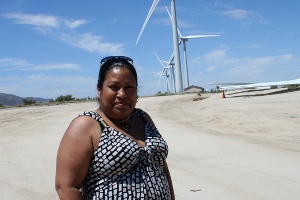
"content": "\u003cp>http://www.kqed.org/.stream/anon/radio/quest/2010/08/2010-08-09-quest.mp3\u003c/p>\n\u003cp>\u003ca href=\"http://ww2.kqed.org/quest/wp-content/uploads/sites/39/2010/08/4-41indian_3001.jpg\">\u003cimg class=\"alignleft size-full wp-image-19168\" title=\"4-41indian_300\" src=\"http://ww2.kqed.org/quest/wp-content/uploads/sites/39/2010/08/4-41indian_3001.jpg\" alt=\"\" width=\"300\" height=\"200\">\u003c/a>Over the last few weeks, we've been following California's push to produce a third of its electricity from renewable sources by 2020. It's estimated that more than ten percent of the potential for clean energy in the US sits on land owned by Indian tribes. Some of these tribes are wondering whether green energy projects might be the casinos of the 21st century. But as Amy Standen reports the idea faces some tough obstacles.\u003c/p>\n\u003cp>[Casino Sound]\u003c/p>\n\u003cp>AMY STANDEN: The day the Golden Acorn casino opened, in August of 2001, Monique LaChappa stood right here, near the sliding glass doors, and watched as members of her tribe came in for their first look.\u003c/p>\n\u003cp>MONIQUE LACHAPPA: I just watched everyone come in and I just... just the look on the tribal members faces that day... It was so exciting.\u003c/p>\n\u003cp>[ad fullwidth]\u003c/p>\n\u003cp>STANDEN: The casino changed everything for the Campo Kumeyaay Nation, a small tribe of 329 people living in the desert mountains 60 miles east of San Diego. It bought a fire department, educational programs, jobs. But one modest casino-- especially in a slow economy-- isn't enough to sustain this community, where unemployment is almost 50 percent. LaChappa-- who serves as tribal chairwoman-- and others here have set their sights on a very different kind of project-- one that sets the Campo apart from any other tribe in the country.\u003c/p>\n\u003cp>[Wind turbine sound]\u003c/p>\n\u003cp>STANDEN: Here, along a rocky spine of the Laguna Mountains is the only utility-scale wind farm on tribal land in the country, built in 2005. There are two dozen turbines, each 4 stories tall, supplying energy to 35,000 homes in San Diego County. Their huge blades sweep the sky with the steady whoosh of a heartbeat.\u003cbr>\nThis project-- called Kumeyaay 1-- is an enormous source of pride for the Campo people, in part because it makes use of a resource that until recently, didn't seem to offer a lot of options.\u003c/p>\n\u003cp>LACHAPPA: Look where we're located. We're out here in the middle of nowhere. It makes it difficult for anybody who wants to be able to do more for their family, or send their kids to college.\u003c/p>\n\u003cp>STANDEN: But income from this wind farm is limited... because the Campo don't own this project. Instead, they lease the land to a private company. The Campo are in negotiations to build a second wind project, three times the size of this one. This time, they plan to go in as co-owners, partnering with the Chicago-based private energy firm Invenergy and San Diego Gas and Electric. Ownership is a tough deal to strike -- one that's eluded other Indian tribes.\u003c/p>\n\u003cp>MIKE CONNOLLY: This has killed a lot of deals on Indian country.\u003c/p>\n\u003cp>STANDEN: Mike Connolly-- solidly built, with wire frame glasses and a gray ponytail-- is a former Campo tribal council member. He runs a consultancy firm that helps tribes get involved with renewable energy.\u003c/p>\n\u003cp>CONNOLLY Because the tribes want to have ownership. But when they do the numbers, the see that ownership is just not economically viable. So they end up not doing it, rather than doing it.\u003c/p>\n\u003cp>STANDEN: The primary problem, he says, has to do with the special legal status that tribes occupy: Tribes are sovereign nations, which means they can't take advantage of federal tax credits for renewable energy. And those can cut the price of a large wind project in half. Connolly says the lack of credits, of capital, combined with all the red tape surrounding tribal development threatens to leave American Indians out of the green economy. And that, he says, would be a terrible shame.\u003c/p>\n\u003cp>CONNOLLY: Especially when you think of the fact that Indian reservations are some of the poorest places in the country. I mean, there's this debate over double digit unemployment, we have reservations that have gone 4 or 5 decades of unemployment that's over 60 percent. And here you have an opportunity to build economies in Indian countries and to create a base that that's sustainable type of development that can go on and on.\u003c/p>\n\u003cp>STANDEN: On to places like the Morongo reservation, west of Palm Springs, where a grassy hillside rises behind the administration building. DeAnna Meetze would like to see this plot of land covered in solar panels, but she's been frustrated by some of the same tax hurdles the Campo face. Meetze says the history of tribes in this country has left other, subtler obstacles, too.\u003c/p>\n\u003cp>DEANNA MEETZE: With tribes inherently, there's a level of distrust among anyone who comes from the outside in. And you have to make sure you're dealing with someone of integrity, and that they're not there to take advantage of you.\u003c/p>\n\u003cp>STANDEN: Those obstacles will subside over time, she says, especially if the federal government helps level the playing field. That process has begun.\u003c/p>\n\u003cp>PRESIDENT OBAMA: Too often, you face unique hurdles to developing these renewable resources...\u003c/p>\n\u003cp>STANDEN: President Obama, speaking before the Tribal Nations Conference last November.\u003c/p>\n\u003cp>PRESIDENT OBAMA: We're securing tribal access to financing and thanks to the recovery act (FADE UNDER) for energy development...\u003c/p>\n\u003cp>\u003c/p>\n\u003cp>STANDEN: Over the last two years, the pot of federal aid for Indian energy development has doubled to about $7 million a year. Tribes are also eligible for stimulus grants. And a new federal bill called the Indian Energy Promotion and Parity Act, would take the biggest step: making tribes eligible for the tax credits. The question is whether that bill will suffer the same fate as other energy legislation... so far, stalled out in Congress. For QUEST, I'm Amy Standen, KQED News.\u003c/p>\n\n",
"disqusIdentifier": "17049 http://science.kqed.org/quest/audio/renewables-on-indian-land/",
"disqusUrl": "https://ww2.kqed.org/quest/2010/08/09/renewables-on-indian-land/",
"stats": {
"hasVideo": false,
"hasChartOrMap": false,
"hasAudio": true,
"hasPolis": false,
"wordCount": 964,
"hasGoogleForm": false,
"hasGallery": false,
"hasHearkenModule": false,
"iframeSrcs": [],
"paragraphCount": 23
},
"modified": 1370997515,
"excerpt": "Indian reservations hold an estimated 10 percent of the nation's renewable energy resources -- hot, windy tracts that suddenly seem more valuable than ever. The Campo tribe, near San Diego, has taken the lead, building the country's only utility-scale wind installation on Indian land. Plans are afoot to triple the project. But tribe members say tax incentives and other federal programs put Indians at a disadvantage.",
"headData": {
"twImgId": "",
"twTitle": "",
"ogTitle": "",
"ogImgId": "",
"twDescription": "",
"description": "Indian reservations hold an estimated 10 percent of the nation's renewable energy resources -- hot, windy tracts that suddenly seem more valuable than ever. The Campo tribe, near San Diego, has taken the lead, building the country's only utility-scale wind installation on Indian land. Plans are afoot to triple the project. But tribe members say tax incentives and other federal programs put Indians at a disadvantage.",
"title": "Renewables on Indian Land | KQED",
"ogDescription": "",
"schema": {
"@context": "https://schema.org",
"@type": "Article",
"headline": "Renewables on Indian Land",
"datePublished": "2010-08-09T08:30:00-07:00",
"dateModified": "2013-06-11T17:38:35-07:00",
"image": "https://cdn.kqed.org/wp-content/uploads/2020/02/KQED-OG-Image@1x.png"
}
},
"guestAuthors": [],
"slug": "renewables-on-indian-land",
"status": "publish",
"path": "/quest/17049/renewables-on-indian-land",
"audioUrl": "http://www.kqed.org/.stream/anon/radio/quest/2010/08/2010-08-09-quest.mp3",
"audioDuration": null,
"audioTrackLength": null,
"parsedContent": [
{
"type": "contentString",
"content": "\u003cdiv class=\"post-body\">\u003cp>\u003cp>http://www.kqed.org/.stream/anon/radio/quest/2010/08/2010-08-09-quest.mp3\u003c/p>\n\u003cp>\u003ca href=\"http://ww2.kqed.org/quest/wp-content/uploads/sites/39/2010/08/4-41indian_3001.jpg\">\u003cimg class=\"alignleft size-full wp-image-19168\" title=\"4-41indian_300\" src=\"http://ww2.kqed.org/quest/wp-content/uploads/sites/39/2010/08/4-41indian_3001.jpg\" alt=\"\" width=\"300\" height=\"200\">\u003c/a>Over the last few weeks, we've been following California's push to produce a third of its electricity from renewable sources by 2020. It's estimated that more than ten percent of the potential for clean energy in the US sits on land owned by Indian tribes. Some of these tribes are wondering whether green energy projects might be the casinos of the 21st century. But as Amy Standen reports the idea faces some tough obstacles.\u003c/p>\n\u003cp>[Casino Sound]\u003c/p>\n\u003cp>AMY STANDEN: The day the Golden Acorn casino opened, in August of 2001, Monique LaChappa stood right here, near the sliding glass doors, and watched as members of her tribe came in for their first look.\u003c/p>\n\u003cp>MONIQUE LACHAPPA: I just watched everyone come in and I just... just the look on the tribal members faces that day... It was so exciting.\u003c/p>\n\u003cp>\u003c/p>\u003c/div>",
"attributes": {
"named": {},
"numeric": []
}
},
{
"type": "component",
"content": "",
"name": "ad",
"attributes": {
"named": {
"label": "fullwidth"
},
"numeric": [
"fullwidth"
]
}
},
{
"type": "contentString",
"content": "\u003cdiv class=\"post-body\">\u003cp>\u003c/p>\n\u003cp>STANDEN: The casino changed everything for the Campo Kumeyaay Nation, a small tribe of 329 people living in the desert mountains 60 miles east of San Diego. It bought a fire department, educational programs, jobs. But one modest casino-- especially in a slow economy-- isn't enough to sustain this community, where unemployment is almost 50 percent. LaChappa-- who serves as tribal chairwoman-- and others here have set their sights on a very different kind of project-- one that sets the Campo apart from any other tribe in the country.\u003c/p>\n\u003cp>[Wind turbine sound]\u003c/p>\n\u003cp>STANDEN: Here, along a rocky spine of the Laguna Mountains is the only utility-scale wind farm on tribal land in the country, built in 2005. There are two dozen turbines, each 4 stories tall, supplying energy to 35,000 homes in San Diego County. Their huge blades sweep the sky with the steady whoosh of a heartbeat.\u003cbr>\nThis project-- called Kumeyaay 1-- is an enormous source of pride for the Campo people, in part because it makes use of a resource that until recently, didn't seem to offer a lot of options.\u003c/p>\n\u003cp>LACHAPPA: Look where we're located. We're out here in the middle of nowhere. It makes it difficult for anybody who wants to be able to do more for their family, or send their kids to college.\u003c/p>\n\u003cp>STANDEN: But income from this wind farm is limited... because the Campo don't own this project. Instead, they lease the land to a private company. The Campo are in negotiations to build a second wind project, three times the size of this one. This time, they plan to go in as co-owners, partnering with the Chicago-based private energy firm Invenergy and San Diego Gas and Electric. Ownership is a tough deal to strike -- one that's eluded other Indian tribes.\u003c/p>\n\u003cp>MIKE CONNOLLY: This has killed a lot of deals on Indian country.\u003c/p>\n\u003cp>STANDEN: Mike Connolly-- solidly built, with wire frame glasses and a gray ponytail-- is a former Campo tribal council member. He runs a consultancy firm that helps tribes get involved with renewable energy.\u003c/p>\n\u003cp>CONNOLLY Because the tribes want to have ownership. But when they do the numbers, the see that ownership is just not economically viable. So they end up not doing it, rather than doing it.\u003c/p>\n\u003cp>STANDEN: The primary problem, he says, has to do with the special legal status that tribes occupy: Tribes are sovereign nations, which means they can't take advantage of federal tax credits for renewable energy. And those can cut the price of a large wind project in half. Connolly says the lack of credits, of capital, combined with all the red tape surrounding tribal development threatens to leave American Indians out of the green economy. And that, he says, would be a terrible shame.\u003c/p>\n\u003cp>CONNOLLY: Especially when you think of the fact that Indian reservations are some of the poorest places in the country. I mean, there's this debate over double digit unemployment, we have reservations that have gone 4 or 5 decades of unemployment that's over 60 percent. And here you have an opportunity to build economies in Indian countries and to create a base that that's sustainable type of development that can go on and on.\u003c/p>\n\u003cp>STANDEN: On to places like the Morongo reservation, west of Palm Springs, where a grassy hillside rises behind the administration building. DeAnna Meetze would like to see this plot of land covered in solar panels, but she's been frustrated by some of the same tax hurdles the Campo face. Meetze says the history of tribes in this country has left other, subtler obstacles, too.\u003c/p>\n\u003cp>DEANNA MEETZE: With tribes inherently, there's a level of distrust among anyone who comes from the outside in. And you have to make sure you're dealing with someone of integrity, and that they're not there to take advantage of you.\u003c/p>\n\u003cp>STANDEN: Those obstacles will subside over time, she says, especially if the federal government helps level the playing field. That process has begun.\u003c/p>\n\u003cp>PRESIDENT OBAMA: Too often, you face unique hurdles to developing these renewable resources...\u003c/p>\n\u003cp>STANDEN: President Obama, speaking before the Tribal Nations Conference last November.\u003c/p>\n\u003cp>PRESIDENT OBAMA: We're securing tribal access to financing and thanks to the recovery act (FADE UNDER) for energy development...\u003c/p>\n\u003cp>\u003c/p>\n\u003cp>STANDEN: Over the last two years, the pot of federal aid for Indian energy development has doubled to about $7 million a year. Tribes are also eligible for stimulus grants. And a new federal bill called the Indian Energy Promotion and Parity Act, would take the biggest step: making tribes eligible for the tax credits. The question is whether that bill will suffer the same fate as other energy legislation... so far, stalled out in Congress. For QUEST, I'm Amy Standen, KQED News.\u003c/p>\n\n\u003c/div>\u003c/p>",
"attributes": {
"named": {},
"numeric": []
}
}
],
"link": "/quest/17049/renewables-on-indian-land",
"authors": [
"210"
],
"series": [
"quest_13207"
],
"categories": [
"quest_6",
"quest_11765",
"quest_9"
],
"tags": [
"quest_252",
"quest_13202",
"quest_2409"
],
"collections": [
"quest_3357"
],
"featImg": "quest_19168",
"label": "quest_13207"
},
"quest_17048": {
"type": "posts",
"id": "quest_17048",
"meta": {
"index": "posts_1716263798",
"site": "quest",
"id": "17048",
"score": null,
"sort": [
1280536200000
]
},
"parent": 0,
"labelTerm": {
"site": "quest",
"term": 13207
},
"blocks": [],
"publishDate": 1280536200,
"format": "audio",
"disqusTitle": "Energy Storage: The Holy Grail",
"title": "Energy Storage: The Holy Grail",
"headTitle": "33×20: California’s Clean Power Countdown | QUEST | KQED Science",
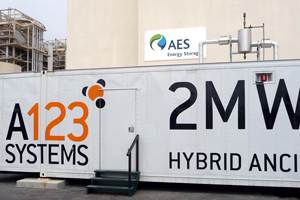
"content": "\u003cp>http://www.kqed.org/.stream/anon/radio/quest/2010/08/2010-08-02-quest.mp3\u003c/p>\n\u003cp>\u003ca href=\"http://ww2.kqed.org/quest/wp-content/uploads/sites/39/2010/07/4_40_energystorage_300x2002.jpg\">\u003cimg class=\"alignleft size-full wp-image-19161\" title=\"4_40_energystorage_300x200\" src=\"http://ww2.kqed.org/quest/wp-content/uploads/sites/39/2010/07/4_40_energystorage_300x2002.jpg\" alt=\"\" width=\"300\" height=\"200\">\u003c/a>This week, we continue our series \"33 by 20,\" a look a California's ambitious goal of getting 33 percent of its electricity from renewable energy by 2020. Solar and wind power are booming across the state. But these renewables are intermittent and that causes problems on the state's electric grid. So, California utilities are looking to smooth out those bumps by doing something rarely done on the grid today: storing electricity. Lauren Sommer has more.\u003c/p>\n\u003cp>LAUREN SOMMER: Inside an unmarked building outside of Sacramento, dozens of people are glued to computer screens.\u003c/p>\n\u003cp>DAVE HAWKINS: So did you look at the load curve yesterday?\u003c/p>\n\u003cp>SOMMER: On the wall, there's a display plotting a big red line, showing how much electricity California is using right now.\u003c/p>\n\u003cp>[ad fullwidth]\u003c/p>\n\u003cp>SOMMER: So these are the people that are keeping the lights on.\u003c/p>\n\u003cp>HAWKINS: Yep, this is the real-time operations.\u003c/p>\n\u003cp>SOMMER: This is the California Independent System Operator or ISO, where Dave Hawkins is the Lead Renewables Power Engineer, though he recently retired. The ISO is the traffic cop of the state's electric grid. It's their job to forecast how much electricity the state needs and to make sure it's supplied. And they do it every four seconds.\u003c/p>\n\u003cp>HAWKINS: Our electric grid today, as we've built it and managed it, is a huge \"just in time\" delivery system. Just in time.\u003c/p>\n\u003cp>SOMMER: Hawkins says in order for the lights to come on when we flip the switch, energy supply and demand have be in perfect balance. But since the demand for power is continually changing, they're continually rebalancing the grid.\u003c/p>\n\u003cp>HAWKINS: If we don't get all the numbers correct, then there's some major imbalances and some unpleasantness that happens in the system.\u003c/p>\n\u003cp>SOMMER: Today, most of the state's energy comes from natural gas plants, which produce a steady power supply. But record amounts of wind and solar power are being switched on every year. And because the sun disappears behind clouds and the wind dies down, renewable power is variable.\u003c/p>\n\u003cp>HAWKINS: The curves that are showing up so far are pretty erratic. You'll see 40, 50, 60 percent change in the output in a very short amount of time. And it not only goes down, but it will also then come back up.\u003c/p>\n\u003cp>SOMMER: Better weather forecasting could help the ISO anticipate the fluctuations. But Hawkins says they'll need something else to fill in the gaps.\u003c/p>\n\u003cp>PRAVEEN KATHPAL: We're looking at what we call Project Sano. It's a 2 megawatt energy storage unit.\u003c/p>\n\u003cp>SOMMER: Just next to the Pacific Ocean in Huntington Beach, Praveen Kathpal of AES Energy Storage shows me one of the biggest batteries in the state. From the outside, it looks like a simple shipping container.\u003c/p>\n\u003cp>KATHPAL: It's pretty unspectacular to look at, uh, which is good. We don't like excitement in the power business if we can avoid it.\u003c/p>\n\u003cp>SOMMER: The container is packed with small lithium-ion battery cells.\u003c/p>\n\u003cp>KATHPAL: There are approximately 83,000 of those cells within this container.\u003c/p>\n\u003cp>SOMMER: The battery only holds enough power for 1,500 homes, but Kathpal says that's not the point. Batteries are fast. This one can change its output every four seconds. That's a level of responsiveness that a power plant can't match.\u003c/p>\n\u003cp>KATHPAL: Yeah, it allows you to do things that you really couldn't imagine being able to do before. All of a sudden, you're able to provide a level of power immediately and with certainty.\u003c/p>\n\u003cp>SOMMER: Grid operators could \"dial up\" this power to smooth out the second-to-second fluctuations on the grid. Kathpal says he sees a booming market for energy storage like this. And he's not alone.\u003c/p>\n\u003cp>DAN RASTLER: Energy storage is really undergoing a renaissance right now.\u003c/p>\n\u003cp>SOMMER: Dan Rastler is with the Energy Storage program at the Electric Power Research Institute, a research group in Palo Alto sponsored by the nation's utilities. He says longer-term energy storage will also be important when it comes to wind power.\u003c/p>\n\u003cp>RASTLER: Unfortunately, a lot of the wind blows at night and we don't want to spill wind, you know. We've made this investment in renewable energy.\u003c/p>\n\u003cp>SOMMER: If nighttime wind power could be stored several hours, grid operators could use it during the day when energy demand is highest. Rastler says there are other storage technologies that could use excess energy, like pumping water uphill to reservoirs for hydro power or compressing air that could be released to run power turbines. Still, there's one big hurdle that's held energy storage back.\u003c/p>\n\u003cp>RASTLER: The reason you don't see a lot of storage deployed right now is the cost issue.\u003c/p>\n\u003cp>SOMMER: At its best, battery storage is twice as expensive as traditional power sources. That's kept most utilities away. But Rastler says the federal stimulus funding could change the game.\u003c/p>\n\u003cp>RASTLER: It's been huge. I believe it's around 250 million of stimulus funding really is jumpstarting a number of key demonstrations.\u003c/p>\n\u003cp>\u003c/p>\n\u003cp>SOMMER: Several of those demonstrations are being lead by California's largest utilities. But given the costs, scaling up energy storage could take decades and California's utilities are on a tight timeline. The state legislature is also debating an energy storage bill that's the first of its kind in the nation. If passed, it would require the state to begin setting energy storage goals for 2020-- the same year the renewable energy goal comes due. For Quest, I'm Lauren Sommer, KQED News.\u003c/p>\n\n",
"disqusIdentifier": "17048 http://science.kqed.org/quest/audio/energy-storage-the-holy-grail/",
"disqusUrl": "https://ww2.kqed.org/quest/2010/07/30/energy-storage-the-holy-grail/",
"stats": {
"hasVideo": false,
"hasChartOrMap": false,
"hasAudio": true,
"hasPolis": false,
"wordCount": 956,
"hasGoogleForm": false,
"hasGallery": false,
"hasHearkenModule": false,
"iframeSrcs": [],
"paragraphCount": 31
},
"modified": 1367348490,
"excerpt": "This week, we continue our series \"33 by 20,\" a look at California's ambitious renewable energy goals. Solar and wind power are booming across the state. But renewables have a downside: there are times when the sun doesn't shine and the wind doesn't blow. California utilities are looking to smooth out those bumps with a new strategy: storing electricity. ",
"headData": {
"twImgId": "",
"twTitle": "",
"ogTitle": "",
"ogImgId": "",
"twDescription": "",
"description": "This week, we continue our series "33 by 20," a look at California's ambitious renewable energy goals. Solar and wind power are booming across the state. But renewables have a downside: there are times when the sun doesn't shine and the wind doesn't blow. California utilities are looking to smooth out those bumps with a new strategy: storing electricity. ",
"title": "Energy Storage: The Holy Grail | KQED",
"ogDescription": "",
"schema": {
"@context": "https://schema.org",
"@type": "Article",
"headline": "Energy Storage: The Holy Grail",
"datePublished": "2010-07-30T17:30:00-07:00",
"dateModified": "2013-04-30T12:01:30-07:00",
"image": "https://cdn.kqed.org/wp-content/uploads/2020/02/KQED-OG-Image@1x.png"
}
},
"guestAuthors": [],
"slug": "energy-storage-the-holy-grail",
"status": "publish",
"path": "/quest/17048/energy-storage-the-holy-grail",
"audioUrl": "http://www.kqed.org/.stream/anon/radio/quest/2010/08/2010-08-02-quest.mp3",
"audioDuration": null,
"audioTrackLength": null,
"parsedContent": [
{
"type": "contentString",
"content": "\u003cdiv class=\"post-body\">\u003cp>\u003cp>http://www.kqed.org/.stream/anon/radio/quest/2010/08/2010-08-02-quest.mp3\u003c/p>\n\u003cp>\u003ca href=\"http://ww2.kqed.org/quest/wp-content/uploads/sites/39/2010/07/4_40_energystorage_300x2002.jpg\">\u003cimg class=\"alignleft size-full wp-image-19161\" title=\"4_40_energystorage_300x200\" src=\"http://ww2.kqed.org/quest/wp-content/uploads/sites/39/2010/07/4_40_energystorage_300x2002.jpg\" alt=\"\" width=\"300\" height=\"200\">\u003c/a>This week, we continue our series \"33 by 20,\" a look a California's ambitious goal of getting 33 percent of its electricity from renewable energy by 2020. Solar and wind power are booming across the state. But these renewables are intermittent and that causes problems on the state's electric grid. So, California utilities are looking to smooth out those bumps by doing something rarely done on the grid today: storing electricity. Lauren Sommer has more.\u003c/p>\n\u003cp>LAUREN SOMMER: Inside an unmarked building outside of Sacramento, dozens of people are glued to computer screens.\u003c/p>\n\u003cp>DAVE HAWKINS: So did you look at the load curve yesterday?\u003c/p>\n\u003cp>SOMMER: On the wall, there's a display plotting a big red line, showing how much electricity California is using right now.\u003c/p>\n\u003cp>\u003c/p>\u003c/div>",
"attributes": {
"named": {},
"numeric": []
}
},
{
"type": "component",
"content": "",
"name": "ad",
"attributes": {
"named": {
"label": "fullwidth"
},
"numeric": [
"fullwidth"
]
}
},
{
"type": "contentString",
"content": "\u003cdiv class=\"post-body\">\u003cp>\u003c/p>\n\u003cp>SOMMER: So these are the people that are keeping the lights on.\u003c/p>\n\u003cp>HAWKINS: Yep, this is the real-time operations.\u003c/p>\n\u003cp>SOMMER: This is the California Independent System Operator or ISO, where Dave Hawkins is the Lead Renewables Power Engineer, though he recently retired. The ISO is the traffic cop of the state's electric grid. It's their job to forecast how much electricity the state needs and to make sure it's supplied. And they do it every four seconds.\u003c/p>\n\u003cp>HAWKINS: Our electric grid today, as we've built it and managed it, is a huge \"just in time\" delivery system. Just in time.\u003c/p>\n\u003cp>SOMMER: Hawkins says in order for the lights to come on when we flip the switch, energy supply and demand have be in perfect balance. But since the demand for power is continually changing, they're continually rebalancing the grid.\u003c/p>\n\u003cp>HAWKINS: If we don't get all the numbers correct, then there's some major imbalances and some unpleasantness that happens in the system.\u003c/p>\n\u003cp>SOMMER: Today, most of the state's energy comes from natural gas plants, which produce a steady power supply. But record amounts of wind and solar power are being switched on every year. And because the sun disappears behind clouds and the wind dies down, renewable power is variable.\u003c/p>\n\u003cp>HAWKINS: The curves that are showing up so far are pretty erratic. You'll see 40, 50, 60 percent change in the output in a very short amount of time. And it not only goes down, but it will also then come back up.\u003c/p>\n\u003cp>SOMMER: Better weather forecasting could help the ISO anticipate the fluctuations. But Hawkins says they'll need something else to fill in the gaps.\u003c/p>\n\u003cp>PRAVEEN KATHPAL: We're looking at what we call Project Sano. It's a 2 megawatt energy storage unit.\u003c/p>\n\u003cp>SOMMER: Just next to the Pacific Ocean in Huntington Beach, Praveen Kathpal of AES Energy Storage shows me one of the biggest batteries in the state. From the outside, it looks like a simple shipping container.\u003c/p>\n\u003cp>KATHPAL: It's pretty unspectacular to look at, uh, which is good. We don't like excitement in the power business if we can avoid it.\u003c/p>\n\u003cp>SOMMER: The container is packed with small lithium-ion battery cells.\u003c/p>\n\u003cp>KATHPAL: There are approximately 83,000 of those cells within this container.\u003c/p>\n\u003cp>SOMMER: The battery only holds enough power for 1,500 homes, but Kathpal says that's not the point. Batteries are fast. This one can change its output every four seconds. That's a level of responsiveness that a power plant can't match.\u003c/p>\n\u003cp>KATHPAL: Yeah, it allows you to do things that you really couldn't imagine being able to do before. All of a sudden, you're able to provide a level of power immediately and with certainty.\u003c/p>\n\u003cp>SOMMER: Grid operators could \"dial up\" this power to smooth out the second-to-second fluctuations on the grid. Kathpal says he sees a booming market for energy storage like this. And he's not alone.\u003c/p>\n\u003cp>DAN RASTLER: Energy storage is really undergoing a renaissance right now.\u003c/p>\n\u003cp>SOMMER: Dan Rastler is with the Energy Storage program at the Electric Power Research Institute, a research group in Palo Alto sponsored by the nation's utilities. He says longer-term energy storage will also be important when it comes to wind power.\u003c/p>\n\u003cp>RASTLER: Unfortunately, a lot of the wind blows at night and we don't want to spill wind, you know. We've made this investment in renewable energy.\u003c/p>\n\u003cp>SOMMER: If nighttime wind power could be stored several hours, grid operators could use it during the day when energy demand is highest. Rastler says there are other storage technologies that could use excess energy, like pumping water uphill to reservoirs for hydro power or compressing air that could be released to run power turbines. Still, there's one big hurdle that's held energy storage back.\u003c/p>\n\u003cp>RASTLER: The reason you don't see a lot of storage deployed right now is the cost issue.\u003c/p>\n\u003cp>SOMMER: At its best, battery storage is twice as expensive as traditional power sources. That's kept most utilities away. But Rastler says the federal stimulus funding could change the game.\u003c/p>\n\u003cp>RASTLER: It's been huge. I believe it's around 250 million of stimulus funding really is jumpstarting a number of key demonstrations.\u003c/p>\n\u003cp>\u003c/p>\n\u003cp>SOMMER: Several of those demonstrations are being lead by California's largest utilities. But given the costs, scaling up energy storage could take decades and California's utilities are on a tight timeline. The state legislature is also debating an energy storage bill that's the first of its kind in the nation. If passed, it would require the state to begin setting energy storage goals for 2020-- the same year the renewable energy goal comes due. For Quest, I'm Lauren Sommer, KQED News.\u003c/p>\n\n\u003c/div>\u003c/p>",
"attributes": {
"named": {},
"numeric": []
}
}
],
"link": "/quest/17048/energy-storage-the-holy-grail",
"authors": [
"10168"
],
"series": [
"quest_13207"
],
"categories": [
"quest_11765",
"quest_8"
],
"tags": [
"quest_252",
"quest_13202",
"quest_2409"
],
"collections": [
"quest_3357"
],
"featImg": "quest_19161",
"label": "quest_13207"
},
"quest_6952": {
"type": "posts",
"id": "quest_6952",
"meta": {
"index": "posts_1716263798",
"site": "quest",
"id": "6952",
"score": null,
"sort": [
1280534433000
]
},
"parent": 0,
"labelTerm": {
"site": "quest"
},
"blocks": [],
"publishDate": 1280534433,
"format": "audio",
"disqusTitle": "Reporter's Notes for Energy Storage: The Holy Grail",
"title": "Reporter's Notes for Energy Storage: The Holy Grail",
"headTitle": "QUEST | KQED Science",
"content": "\u003cp>\u003cspan class=\"left\">\u003ca href=\"http://ww2.kqed.org/quest/audio/energy-storage-the-holy-grail\">\u003cimg src=\"http://ww2.kqed.org/quest/wp-content/uploads/sites/39/2010/07/4_40_energystorage_300x200.jpg\" alt=\"\">\u003c/a>\u003cem>A 2 MW battery the AES Huntington Beach power plant.\u003c/em>\u003c/span>\u003c/p>\n\u003cp>Energy storage (through batteries) is something we use everyday in our cell phones and computers. So it may be a little surprising that when it comes to the electric grid, storing energy is something that's rarely done.\u003c/p>\n\u003cp>California's grid is designed to deliver electricity on a real-time basis. Every four seconds, the grid operators at the \u003ca href=\"http://www.caiso.com/\" target=\"_blank\">California Independent System Operator\u003c/a> have to ensure that the energy supply meets the demand in the state - something that's known as \"balancing the grid.\" (You can \u003ca href=\"http://www.caiso.com/outlook/SystemStatus.html\" target=\"_blank\">check out today's electricity forecast\u003c/a> on their site). As a result, they coordinate the one piece of the system that they have control over: the generators, like natural gas plants.\u003c/p>\n\u003cp>Luckily, most generators produce a steady power supply. But California is adding increasing amounts of solar and wind power to the grid each year. Since the output of a solar or wind farm depends on the sun or wind, the power they produce is variable (\u003ca href=\"http://www.caiso.com/green/renewrpt/DailyRenewablesWatch.pdf\" target=\"_blank\">here's a time-of-day profile\u003c/a> of renewable energy on the grid today). That causes problems for the grid operators on a number of levels. Wind farms produce most of their power at night, but that's when demand for power is lowest. Solar farms using photovoltaics can drop off substantially when the sun disappears behind clouds. And large solar thermal farms ramp up extremely fast when they are first hit by the sun in the morning.\u003c/p>\n\u003cp>Energy storage is one of the ways that utilities and grid operators can address this intermittency. By having some extra electricity on hand, they can smooth out the bumps caused by these renewables. Just how to store energy is another issue. Here are some of the ways it can be done.\u003c/p>\n\u003cp>[ad fullwidth]\u003c/p>\n\u003cp>\u003cstrong>Pumped Hydro\u003c/strong>\u003c/p>\n\u003cp>In the energy storage world, this is as old school as it gets. Hydro power uses water and gravity to generate electricity. Storage is added by pumping that water back uphill to the reservoir, so it can generate power again. Of course, it takes electricity to run the pumps, but usually this is done a night when there is cheaper or excess power on the grid. California's largest pumped hydro facility is PG&E's \u003ca href=\"http://www.ferc.gov/industries/hydropower/gen-info/regulation/pump.asp\" target=\"_blank\">Helms Pumped Storage Project\u003c/a> outside of Fresno, which has a 1.2 gigawatt capacity (for more on how it works, \u003ca href=\"http://www.nwcouncil.org/energy/wind/meetings/2008/10/ManhoYeung.pdf\" target=\"_blank\">check out this powerpoint\u003c/a>). \u003ca href=\"http://www.bizjournals.com/sanfrancisco/stories/2009/02/23/story15.html\">PG&E is reportedly looking\u003c/a> at 2 gigawatts of new pumped storage at two other sites in California.\u003c/p>\n\u003cp>\u003cstrong>Batteries\u003c/strong>\u003c/p>\n\u003cp>There are a number of different kinds of batteries that can be used in grid-scale installations. I visited a 2 megawatt battery in Southern California that uses lithium-ion cells, much like a hybrid car uses. Southern California Edison is \u003ca href=\"http://www.greentechmedia.com/articles/read/socal-edison-wants-a123s-biggest-grid-battery-ever/\" target=\"_blank\">working on an 8 MW battery\u003c/a> project near the Tehachapi wind farms. But lithium-ion technology has plenty of competitors, many of which \u003ca href=\"http://arpa-e.energy.gov/ProgramsProjects/GRIDS.aspx\" target=\"_blank\">have been awarded federal stimulus funding\u003c/a>. The primary barrier for batteries is the cost. \u003cspan class=\"right\">\u003cimg src=\"http://ww2.kqed.org/quest/wp-content/uploads/sites/39/2010/07/Flywheel.jpg\" alt=\"\">\u003cem>A Beacon Power flywheel.\u003c/em>\u003c/span>\u003c/p>\n\u003cp>\u003cstrong>Flywheels\u003c/strong>\u003c/p>\n\u003cp>This technology uses rotational energy to store power. Flywheels have an internal rotor that uses electricity to spin at high speeds. When energy is needed, the rotor slows down and generates electricity through a motor. This is used for what's known as \"frequency regulation\" on the grid. Since they can charge and discharge power on a second-to-second basis, flywheels can smooth out the short-term fluctuations on the grid. \u003ca href=\"http://www.renewableenergyworld.com/rea//news/article/2010/03/beacon-connects-flywheel-system-to-california-wind-farm\" target=\"_blank\">Beacon Power has installed flywheels\u003c/a> in Tehachapi, California as part of a demonstration project there.\u003c/p>\n\u003cp>\u003cstrong>Compressed Air\u003c/strong>\u003c/p>\n\u003cp>Using energy produced at non-peak times (at night), compressed air energy storage projects pump air into large underground caverns. When demand for energy is high, it's released to run power turbines. \u003ca href=\"http://www.next100.com/2009/08/pge-opts-for-energy-storage.php\" target=\"_blank\">PG&E is now planning\u003c/a> a 300 MW compressed air facility in Kern County.\u003c/p>\n\u003cp>Of course, for all these technologies, cost is major issue, not mention the siting and planning considerations. For a good comparison, check out these\u003ca href=\"http://www.electricitystorage.org/ESA/technologies/technology_comparisons/\">technology comparison charts\u003c/a> from the Energy Storage Association.\u003c/p>\n\u003cp> \u003c/p>\n\u003cp>\u003cspan class=\"left\">\u003ca href=\"https://ww2.kqed.org/quest/2010/07/30/reporters-notes-energy-storage-the-holy-grail/\">\u003cimg src=\"http://ww2.kqed.org/quest/wp-content/uploads/sites/39/images/radio_icon_light.gif\" alt=\"\">\u003c/a>\u003c/span>\u003ca href=\"http://ww2.kqed.org/quest/audio/energy-storage-the-holy-grail\">Listen to Energy Storage: The Holy Grail\u003c/a> radio story online and check out the rest of our stories in the \u003ca href=\"http://www.kqed.org/news/science/climatewatch/33by20/index.jsp\" target=\"_blank\">33x20 renewable energy series\u003c/a>.\u003c/p>\n\u003cp>\u003c/p>\n\u003cp>37.398255 -122.14449\u003c/p>\n\n",
"disqusIdentifier": "6952 http://www.kqed.org/quest/blog/2010/07/30/reporters-notes-energy-storage-the-holy-grail/",
"disqusUrl": "https://ww2.kqed.org/quest/2010/07/30/reporters-notes-energy-storage-the-holy-grail/",
"stats": {
"hasVideo": false,
"hasChartOrMap": false,
"hasAudio": false,
"hasPolis": false,
"wordCount": 720,
"hasGoogleForm": false,
"hasGallery": false,
"hasHearkenModule": false,
"iframeSrcs": [],
"paragraphCount": 18
},
"modified": 1443829359,
"excerpt": "Energy storage (through batteries) is something we use everyday in our cell phones and computers. So it may be a little surprising that when it comes to the electric grid, storing energy is something that's rarely done.",
"headData": {
"twImgId": "",
"twTitle": "",
"ogTitle": "",
"ogImgId": "",
"twDescription": "",
"description": "Energy storage (through batteries) is something we use everyday in our cell phones and computers. So it may be a little surprising that when it comes to the electric grid, storing energy is something that's rarely done.",
"title": "Reporter's Notes for Energy Storage: The Holy Grail | KQED",
"ogDescription": "",
"schema": {
"@context": "https://schema.org",
"@type": "Article",
"headline": "Reporter's Notes for Energy Storage: The Holy Grail",
"datePublished": "2010-07-30T17:00:33-07:00",
"dateModified": "2015-10-02T16:42:39-07:00",
"image": "https://cdn.kqed.org/wp-content/uploads/2020/02/KQED-OG-Image@1x.png"
}
},
"guestAuthors": [],
"slug": "reporters-notes-energy-storage-the-holy-grail",
"status": "publish",
"path": "/quest/6952/reporters-notes-energy-storage-the-holy-grail",
"audioTrackLength": null,
"parsedContent": [
{
"type": "contentString",
"content": "\u003cdiv class=\"post-body\">\u003cp>\u003cp>\u003cspan class=\"left\">\u003ca href=\"http://ww2.kqed.org/quest/audio/energy-storage-the-holy-grail\">\u003cimg src=\"http://ww2.kqed.org/quest/wp-content/uploads/sites/39/2010/07/4_40_energystorage_300x200.jpg\" alt=\"\">\u003c/a>\u003cem>A 2 MW battery the AES Huntington Beach power plant.\u003c/em>\u003c/span>\u003c/p>\n\u003cp>Energy storage (through batteries) is something we use everyday in our cell phones and computers. So it may be a little surprising that when it comes to the electric grid, storing energy is something that's rarely done.\u003c/p>\n\u003cp>California's grid is designed to deliver electricity on a real-time basis. Every four seconds, the grid operators at the \u003ca href=\"http://www.caiso.com/\" target=\"_blank\">California Independent System Operator\u003c/a> have to ensure that the energy supply meets the demand in the state - something that's known as \"balancing the grid.\" (You can \u003ca href=\"http://www.caiso.com/outlook/SystemStatus.html\" target=\"_blank\">check out today's electricity forecast\u003c/a> on their site). As a result, they coordinate the one piece of the system that they have control over: the generators, like natural gas plants.\u003c/p>\n\u003cp>Luckily, most generators produce a steady power supply. But California is adding increasing amounts of solar and wind power to the grid each year. Since the output of a solar or wind farm depends on the sun or wind, the power they produce is variable (\u003ca href=\"http://www.caiso.com/green/renewrpt/DailyRenewablesWatch.pdf\" target=\"_blank\">here's a time-of-day profile\u003c/a> of renewable energy on the grid today). That causes problems for the grid operators on a number of levels. Wind farms produce most of their power at night, but that's when demand for power is lowest. Solar farms using photovoltaics can drop off substantially when the sun disappears behind clouds. And large solar thermal farms ramp up extremely fast when they are first hit by the sun in the morning.\u003c/p>\n\u003cp>Energy storage is one of the ways that utilities and grid operators can address this intermittency. By having some extra electricity on hand, they can smooth out the bumps caused by these renewables. Just how to store energy is another issue. Here are some of the ways it can be done.\u003c/p>\n\u003cp>\u003c/p>\u003c/div>",
"attributes": {
"named": {},
"numeric": []
}
},
{
"type": "component",
"content": "",
"name": "ad",
"attributes": {
"named": {
"label": "fullwidth"
},
"numeric": [
"fullwidth"
]
}
},
{
"type": "contentString",
"content": "\u003cdiv class=\"post-body\">\u003cp>\u003c/p>\n\u003cp>\u003cstrong>Pumped Hydro\u003c/strong>\u003c/p>\n\u003cp>In the energy storage world, this is as old school as it gets. Hydro power uses water and gravity to generate electricity. Storage is added by pumping that water back uphill to the reservoir, so it can generate power again. Of course, it takes electricity to run the pumps, but usually this is done a night when there is cheaper or excess power on the grid. California's largest pumped hydro facility is PG&E's \u003ca href=\"http://www.ferc.gov/industries/hydropower/gen-info/regulation/pump.asp\" target=\"_blank\">Helms Pumped Storage Project\u003c/a> outside of Fresno, which has a 1.2 gigawatt capacity (for more on how it works, \u003ca href=\"http://www.nwcouncil.org/energy/wind/meetings/2008/10/ManhoYeung.pdf\" target=\"_blank\">check out this powerpoint\u003c/a>). \u003ca href=\"http://www.bizjournals.com/sanfrancisco/stories/2009/02/23/story15.html\">PG&E is reportedly looking\u003c/a> at 2 gigawatts of new pumped storage at two other sites in California.\u003c/p>\n\u003cp>\u003cstrong>Batteries\u003c/strong>\u003c/p>\n\u003cp>There are a number of different kinds of batteries that can be used in grid-scale installations. I visited a 2 megawatt battery in Southern California that uses lithium-ion cells, much like a hybrid car uses. Southern California Edison is \u003ca href=\"http://www.greentechmedia.com/articles/read/socal-edison-wants-a123s-biggest-grid-battery-ever/\" target=\"_blank\">working on an 8 MW battery\u003c/a> project near the Tehachapi wind farms. But lithium-ion technology has plenty of competitors, many of which \u003ca href=\"http://arpa-e.energy.gov/ProgramsProjects/GRIDS.aspx\" target=\"_blank\">have been awarded federal stimulus funding\u003c/a>. The primary barrier for batteries is the cost. \u003cspan class=\"right\">\u003cimg src=\"http://ww2.kqed.org/quest/wp-content/uploads/sites/39/2010/07/Flywheel.jpg\" alt=\"\">\u003cem>A Beacon Power flywheel.\u003c/em>\u003c/span>\u003c/p>\n\u003cp>\u003cstrong>Flywheels\u003c/strong>\u003c/p>\n\u003cp>This technology uses rotational energy to store power. Flywheels have an internal rotor that uses electricity to spin at high speeds. When energy is needed, the rotor slows down and generates electricity through a motor. This is used for what's known as \"frequency regulation\" on the grid. Since they can charge and discharge power on a second-to-second basis, flywheels can smooth out the short-term fluctuations on the grid. \u003ca href=\"http://www.renewableenergyworld.com/rea//news/article/2010/03/beacon-connects-flywheel-system-to-california-wind-farm\" target=\"_blank\">Beacon Power has installed flywheels\u003c/a> in Tehachapi, California as part of a demonstration project there.\u003c/p>\n\u003cp>\u003cstrong>Compressed Air\u003c/strong>\u003c/p>\n\u003cp>Using energy produced at non-peak times (at night), compressed air energy storage projects pump air into large underground caverns. When demand for energy is high, it's released to run power turbines. \u003ca href=\"http://www.next100.com/2009/08/pge-opts-for-energy-storage.php\" target=\"_blank\">PG&E is now planning\u003c/a> a 300 MW compressed air facility in Kern County.\u003c/p>\n\u003cp>Of course, for all these technologies, cost is major issue, not mention the siting and planning considerations. For a good comparison, check out these\u003ca href=\"http://www.electricitystorage.org/ESA/technologies/technology_comparisons/\">technology comparison charts\u003c/a> from the Energy Storage Association.\u003c/p>\n\u003cp> \u003c/p>\n\u003cp>\u003cspan class=\"left\">\u003ca href=\"https://ww2.kqed.org/quest/2010/07/30/reporters-notes-energy-storage-the-holy-grail/\">\u003cimg src=\"http://ww2.kqed.org/quest/wp-content/uploads/sites/39/images/radio_icon_light.gif\" alt=\"\">\u003c/a>\u003c/span>\u003ca href=\"http://ww2.kqed.org/quest/audio/energy-storage-the-holy-grail\">Listen to Energy Storage: The Holy Grail\u003c/a> radio story online and check out the rest of our stories in the \u003ca href=\"http://www.kqed.org/news/science/climatewatch/33by20/index.jsp\" target=\"_blank\">33x20 renewable energy series\u003c/a>.\u003c/p>\n\u003cp>\u003c/p>\n\u003cp>37.398255 -122.14449\u003c/p>\n\n\u003c/div>\u003c/p>",
"attributes": {
"named": {},
"numeric": []
}
}
],
"link": "/quest/6952/reporters-notes-energy-storage-the-holy-grail",
"authors": [
"239"
],
"categories": [
"quest_11765",
"quest_8"
],
"tags": [
"quest_252",
"quest_281",
"quest_438",
"quest_954",
"quest_984",
"quest_1276",
"quest_2409",
"quest_2413",
"quest_2693",
"quest_3164"
],
"label": "quest"
},
"quest_17047": {
"type": "posts",
"id": "quest_17047",
"meta": {
"index": "posts_1716263798",
"site": "quest",
"id": "17047",
"score": null,
"sort": [
1280158200000
]
},
"parent": 0,
"labelTerm": {
"site": "quest"
},
"blocks": [],
"publishDate": 1280158200,
"format": "audio",
"disqusTitle": "Delta Predators",
"title": "Delta Predators",
"headTitle": "QUEST | KQED Science",
"content": "\u003cp>http://www.kqed.org/.stream/anon/radio/quest/2010/07/2010-07-26-quest.mp3\u003c/p>\n\u003cp>As the state dries out from a long, rainy winter, the battle over water rights in the Sacramento Delta continues. Water contractors are hoping an upcoming court ruling will find that water pumps are not the only threat to the imperiled Delta Smelt. Some of the blame is getting pinned on a bigger fish that happens to have an appetite for endangered species. Alison Hawkes reports. \u003c/p>\n\u003cp>[ad fullwidth]\u003c/p>\u003cp>\u003c/p>\n",
"disqusIdentifier": "17047 http://science.kqed.org/quest/audio/delta-predators/",
"disqusUrl": "https://ww2.kqed.org/quest/2010/07/26/delta-predators/",
"stats": {
"hasVideo": false,
"hasChartOrMap": false,
"hasAudio": true,
"hasPolis": false,
"wordCount": 83,
"hasGoogleForm": false,
"hasGallery": false,
"hasHearkenModule": false,
"iframeSrcs": [],
"paragraphCount": 3
},
"modified": 1308766148,
"excerpt": "As the state dries out from a long, rainy winter, the battle over water rights in the Sacramento Delta continues. Water contractors are hoping an upcoming court ruling will find that water pumps are not the only threat to the imperiled Delta Smelt. Some of the blame is getting pinned on a bigger fish that happens to have an appetite for endangered species. Alison Hawkes reports. \r\r\n",
"headData": {
"twImgId": "",
"twTitle": "",
"ogTitle": "",
"ogImgId": "",
"twDescription": "",
"description": "As the state dries out from a long, rainy winter, the battle over water rights in the Sacramento Delta continues. Water contractors are hoping an upcoming court ruling will find that water pumps are not the only threat to the imperiled Delta Smelt. Some of the blame is getting pinned on a bigger fish that happens to have an appetite for endangered species. Alison Hawkes reports. \r\r\n",
"title": "Delta Predators | KQED",
"ogDescription": "",
"schema": {
"@context": "https://schema.org",
"@type": "Article",
"headline": "Delta Predators",
"datePublished": "2010-07-26T08:30:00-07:00",
"dateModified": "2011-06-22T11:09:08-07:00",
"image": "https://cdn.kqed.org/wp-content/uploads/2020/02/KQED-OG-Image@1x.png"
}
},
"guestAuthors": [],
"slug": "delta-predators",
"status": "publish",
"path": "/quest/17047/delta-predators",
"audioUrl": "http://www.kqed.org/.stream/anon/radio/quest/2010/07/2010-07-26-quest.mp3",
"audioDuration": null,
"audioTrackLength": null,
"parsedContent": [
{
"type": "contentString",
"content": "\u003cdiv class=\"post-body\">\u003cp>\u003cp>http://www.kqed.org/.stream/anon/radio/quest/2010/07/2010-07-26-quest.mp3\u003c/p>\n\u003cp>As the state dries out from a long, rainy winter, the battle over water rights in the Sacramento Delta continues. Water contractors are hoping an upcoming court ruling will find that water pumps are not the only threat to the imperiled Delta Smelt. Some of the blame is getting pinned on a bigger fish that happens to have an appetite for endangered species. Alison Hawkes reports. \u003c/p>\n\u003cp>\u003c/p>\u003c/div>",
"attributes": {
"named": {},
"numeric": []
}
},
{
"type": "component",
"content": "",
"name": "ad",
"attributes": {
"named": {
"label": "fullwidth"
},
"numeric": [
"fullwidth"
]
}
},
{
"type": "contentString",
"content": "\u003cdiv class=\"post-body\">\u003cp>\u003c/p>\u003cp>\u003c/p>\n\u003c/div>\u003c/p>",
"attributes": {
"named": {},
"numeric": []
}
}
],
"link": "/quest/17047/delta-predators",
"authors": [
"10216"
],
"categories": [
"quest_9"
],
"tags": [
"quest_252",
"quest_13202"
],
"label": "quest"
},
"quest_6769": {
"type": "posts",
"id": "quest_6769",
"meta": {
"index": "posts_1716263798",
"site": "quest",
"id": "6769",
"score": null,
"sort": [
1279911628000
]
},
"parent": 0,
"labelTerm": {
"site": "quest"
},
"blocks": [],
"publishDate": 1279911628,
"format": "audio",
"disqusTitle": "Reporter's Notes: Delta Predators",
"title": "Reporter's Notes: Delta Predators",
"headTitle": "QUEST | KQED Science",
"content": "\u003cp>\u003cspan class=\"right\">\u003ca href=\"http://ww2.kqed.org/quest/audio/delta-predators\">\u003cimg src=\"http://ww2.kqed.org/quest/wp-content/uploads/sites/39/2010/07/windmill300.jpg\" alt=\"\">\u003c/a>\u003cem>\u003c/em>\u003c/span>\u003c/p>\n\u003cp>\u003cspan class=\"left\">\u003ca href=\"http://ww2.kqed.org/quest/audio/delta-predators\">\u003cimg src=\"http://ww2.kqed.org/quest/wp-content/uploads/sites/39/2010/07/bass300.jpg\" alt=\"\">\u003c/a>\u003cem>\u003c/em>\u003c/span>\u003c/p>\n\u003cp>Reported by Alison Hawkes\u003c/p>\n\u003cp>As the sun comes up, lighting a ridge of windmills, I'm traipsing around the State Water Project grounds outside of Tracy trying to puzzle out this battle between farming and fish\u003c/p>\n\u003cp>The courts are packed with lawsuits on this issue. But one in particular caught my attention. It has to do with \u003ca href=\"http://en.wikipedia.org/wiki/Striped_bass\">striped bass\u003c/a>, a voracious predator in the system that was introduced in the 1870s and went on to become a popular sport fish.\u003c/p>\n\u003cp>[ad fullwidth]\u003c/p>\n\u003cp>\u003cbr>\nStripers are almost a naturalized citizen to the Delta, but farmers hope to blame the big fish for the plummeting numbers of endangered fish. If they win the case, which is now headed for trial, it could surely lessen the onus on water diversions from the Delta. That means the farmers could get more water, leaving the state to pay for costly mitigation measures to save the endangered fish species like \u003ca href=\"http://en.wikipedia.org/wiki/Delta_smelt\">Delta smelt\u003c/a> and \u003ca href=\"http://en.wikipedia.org/wiki/Chinook_salmon\">chinook salmon\u003c/a>. \u003c/p>\n\u003cp>What is the evidence that stripers are wiping out these native species? At Clifton Court forebay, a large reservoir that feeds water to the pumps, stripers are a-plenty. Fishermen line the banks waiting for the gates to the forebay to rise so that the rushing water jostles the stripers out of their slumber. I met one fisherman down there who showed me a photo on his cellphone of a 15-incher he had recently caught. He brought it home for dinner. \u003c/p>\n\u003cp>\u003cspan class=\"right\">\u003ca href=\"http://ww2.kqed.org/quest/audio/delta-predators\">\u003cimg src=\"http://ww2.kqed.org/quest/wp-content/uploads/sites/39/2010/07/fisher300.jpg\" alt=\"\">\u003c/a>\u003cem>\u003c/em>\u003c/span>\u003c/p>\n\u003cp>It was also easy fishing for a team of state biologists who were on a motor boat in the forebay catching and tagging the stripers for further study. The big question the courts want answered is whether the stripers have a population level affect on the endangered fish species. Meaning, do stripers eat enough of these smaller fish to affect their numbers delta-wide. Here's where the science gets squishy. \u003c/p>\n\u003cp>In the lawsuit, the farmers and water users argue that stripers do have a population level effect.\u003cbr>\nThey want to see fishing regulations on stripers lifted as a means to bring back endangered fish. But some biologists claim there's not enough research to show a population level impact. UC Davis fish biologist Peter Moyle says the best estimate done, involving a winter run chinook salmon, showed a 9 percent loss to stripers, which he says is “not a big number.” That was a National Marine Fisheries study. Remove the stripers, he says, and you could actually be upsetting a balance in the ecosystem. Stripers may be keeping other predators in check, like the tiny inland silverside, another non-native fish that has an appetite for delta smelt eggs. \u003c/p>\n\u003cp>Perhaps the best solution is to target striped bass fishing where we know they hang out – at places like Clifton Court Forebay and other structures created by the state and federal water projects. It's here where the endangered fish are most vulnerable, and where the stripers know they can find an easy meal. \u003c/p>\n\u003cp>\u003cbr clear=\"all\"> \u003cspan class=\"left\">\u003ca href=\"https://ww2.kqed.org/quest/2010/07/23/reporters-notes-delta-predators/\">\u003cimg src=\"http://ww2.kqed.org/quest/wp-content/uploads/sites/39/images/radio_icon_light.gif\" alt=\"\">\u003c/a>\u003c/span>\u003ca href=\"http://ww2.kqed.org/quest/audio/delta-predators\">Listen to Delta Predators\u003c/a> radio story online.\u003cbr clear=\"all\">\u003c/p>\n\u003cp>\u003c/p>\n\u003cp> 38.16047628099622 -121.47445678710938\u003c/p>\n\n",
"disqusIdentifier": "6769 http://www.kqed.org/quest/blog/2010/07/23/reporters-notes-delta-predators/",
"disqusUrl": "https://ww2.kqed.org/quest/2010/07/23/reporters-notes-delta-predators/",
"stats": {
"hasVideo": false,
"hasChartOrMap": false,
"hasAudio": false,
"hasPolis": false,
"wordCount": 508,
"hasGoogleForm": false,
"hasGallery": false,
"hasHearkenModule": false,
"iframeSrcs": [],
"paragraphCount": 15
},
"modified": 1443829347,
"excerpt": "Striped bass are almost a naturalized citizen to the Delta, but farmers hope to blame the big fish for the plummeting numbers of endangered fish.",
"headData": {
"twImgId": "",
"twTitle": "",
"ogTitle": "",
"ogImgId": "",
"twDescription": "",
"description": "Striped bass are almost a naturalized citizen to the Delta, but farmers hope to blame the big fish for the plummeting numbers of endangered fish.",
"title": "Reporter's Notes: Delta Predators | KQED",
"ogDescription": "",
"schema": {
"@context": "https://schema.org",
"@type": "Article",
"headline": "Reporter's Notes: Delta Predators",
"datePublished": "2010-07-23T12:00:28-07:00",
"dateModified": "2015-10-02T16:42:27-07:00",
"image": "https://cdn.kqed.org/wp-content/uploads/2020/02/KQED-OG-Image@1x.png"
}
},
"guestAuthors": [],
"slug": "reporters-notes-delta-predators",
"status": "publish",
"path": "/quest/6769/reporters-notes-delta-predators",
"audioTrackLength": null,
"parsedContent": [
{
"type": "contentString",
"content": "\u003cdiv class=\"post-body\">\u003cp>\u003cp>\u003cspan class=\"right\">\u003ca href=\"http://ww2.kqed.org/quest/audio/delta-predators\">\u003cimg src=\"http://ww2.kqed.org/quest/wp-content/uploads/sites/39/2010/07/windmill300.jpg\" alt=\"\">\u003c/a>\u003cem>\u003c/em>\u003c/span>\u003c/p>\n\u003cp>\u003cspan class=\"left\">\u003ca href=\"http://ww2.kqed.org/quest/audio/delta-predators\">\u003cimg src=\"http://ww2.kqed.org/quest/wp-content/uploads/sites/39/2010/07/bass300.jpg\" alt=\"\">\u003c/a>\u003cem>\u003c/em>\u003c/span>\u003c/p>\n\u003cp>Reported by Alison Hawkes\u003c/p>\n\u003cp>As the sun comes up, lighting a ridge of windmills, I'm traipsing around the State Water Project grounds outside of Tracy trying to puzzle out this battle between farming and fish\u003c/p>\n\u003cp>The courts are packed with lawsuits on this issue. But one in particular caught my attention. It has to do with \u003ca href=\"http://en.wikipedia.org/wiki/Striped_bass\">striped bass\u003c/a>, a voracious predator in the system that was introduced in the 1870s and went on to become a popular sport fish.\u003c/p>\n\u003cp>\u003c/p>\u003c/div>",
"attributes": {
"named": {},
"numeric": []
}
},
{
"type": "component",
"content": "",
"name": "ad",
"attributes": {
"named": {
"label": "fullwidth"
},
"numeric": [
"fullwidth"
]
}
},
{
"type": "contentString",
"content": "\u003cdiv class=\"post-body\">\u003cp>\u003c/p>\n\u003cp>\u003cbr>\nStripers are almost a naturalized citizen to the Delta, but farmers hope to blame the big fish for the plummeting numbers of endangered fish. If they win the case, which is now headed for trial, it could surely lessen the onus on water diversions from the Delta. That means the farmers could get more water, leaving the state to pay for costly mitigation measures to save the endangered fish species like \u003ca href=\"http://en.wikipedia.org/wiki/Delta_smelt\">Delta smelt\u003c/a> and \u003ca href=\"http://en.wikipedia.org/wiki/Chinook_salmon\">chinook salmon\u003c/a>. \u003c/p>\n\u003cp>What is the evidence that stripers are wiping out these native species? At Clifton Court forebay, a large reservoir that feeds water to the pumps, stripers are a-plenty. Fishermen line the banks waiting for the gates to the forebay to rise so that the rushing water jostles the stripers out of their slumber. I met one fisherman down there who showed me a photo on his cellphone of a 15-incher he had recently caught. He brought it home for dinner. \u003c/p>\n\u003cp>\u003cspan class=\"right\">\u003ca href=\"http://ww2.kqed.org/quest/audio/delta-predators\">\u003cimg src=\"http://ww2.kqed.org/quest/wp-content/uploads/sites/39/2010/07/fisher300.jpg\" alt=\"\">\u003c/a>\u003cem>\u003c/em>\u003c/span>\u003c/p>\n\u003cp>It was also easy fishing for a team of state biologists who were on a motor boat in the forebay catching and tagging the stripers for further study. The big question the courts want answered is whether the stripers have a population level affect on the endangered fish species. Meaning, do stripers eat enough of these smaller fish to affect their numbers delta-wide. Here's where the science gets squishy. \u003c/p>\n\u003cp>In the lawsuit, the farmers and water users argue that stripers do have a population level effect.\u003cbr>\nThey want to see fishing regulations on stripers lifted as a means to bring back endangered fish. But some biologists claim there's not enough research to show a population level impact. UC Davis fish biologist Peter Moyle says the best estimate done, involving a winter run chinook salmon, showed a 9 percent loss to stripers, which he says is “not a big number.” That was a National Marine Fisheries study. Remove the stripers, he says, and you could actually be upsetting a balance in the ecosystem. Stripers may be keeping other predators in check, like the tiny inland silverside, another non-native fish that has an appetite for delta smelt eggs. \u003c/p>\n\u003cp>Perhaps the best solution is to target striped bass fishing where we know they hang out – at places like Clifton Court Forebay and other structures created by the state and federal water projects. It's here where the endangered fish are most vulnerable, and where the stripers know they can find an easy meal. \u003c/p>\n\u003cp>\u003cbr clear=\"all\"> \u003cspan class=\"left\">\u003ca href=\"https://ww2.kqed.org/quest/2010/07/23/reporters-notes-delta-predators/\">\u003cimg src=\"http://ww2.kqed.org/quest/wp-content/uploads/sites/39/images/radio_icon_light.gif\" alt=\"\">\u003c/a>\u003c/span>\u003ca href=\"http://ww2.kqed.org/quest/audio/delta-predators\">Listen to Delta Predators\u003c/a> radio story online.\u003cbr clear=\"all\">\u003c/p>\n\u003cp>\u003c/p>\n\u003cp> 38.16047628099622 -121.47445678710938\u003c/p>\n\n\u003c/div>\u003c/p>",
"attributes": {
"named": {},
"numeric": []
}
}
],
"link": "/quest/6769/reporters-notes-delta-predators",
"authors": [
"10215"
],
"categories": [
"quest_9"
],
"tags": [
"quest_252",
"quest_20",
"quest_620",
"quest_797",
"quest_799",
"quest_2810"
],
"label": "quest"
},
"quest_17046": {
"type": "posts",
"id": "quest_17046",
"meta": {
"index": "posts_1716263798",
"site": "quest",
"id": "17046",
"score": null,
"sort": [
1279553400000
]
},
"parent": 0,
"labelTerm": {
"site": "quest"
},
"blocks": [],
"publishDate": 1279553400,
"format": "audio",
"disqusTitle": "Using DNA to Stop Dogfighting",
"title": "Using DNA to Stop Dogfighting",
"headTitle": "QUEST | KQED Science",
"content": "\u003cp>http://www.kqed.org/.stream/anon/radio/quest/2010/07/2010-07-19-quest.mp3\u003c/p>\n\u003cp>Researchers at UC Davis are collecting DNA from dogs seized in police raids on dogfighting operations. The goal is to create a database to help identify and prosecute the extensive underground breeding programs that sell puppies for as much as $50,000 to dogfighting rings. But the database is controversial among some animal rights activists, who believe it would allow shelters to euthanize dogs whose DNA match fighting lineages.\u003c/p>\n\u003cp>[ad fullwidth]\u003c/p>\u003cp>\u003c/p>\n",
"disqusIdentifier": "17046 http://science.kqed.org/quest/audio/using-dna-to-stop-dogfighting/",
"disqusUrl": "https://ww2.kqed.org/quest/2010/07/19/using-dna-to-stop-dogfighting/",
"stats": {
"hasVideo": false,
"hasChartOrMap": false,
"hasAudio": true,
"hasPolis": false,
"wordCount": 86,
"hasGoogleForm": false,
"hasGallery": false,
"hasHearkenModule": false,
"iframeSrcs": [],
"paragraphCount": 3
},
"modified": 1316920774,
"excerpt": "Researchers at UC Davis are collecting DNA from dogs seized in police raids on dogfighting operations. The goal is to create a database to help identify and prosecute the extensive underground breeding programs that sell puppies for as much as $50,000 to dogfighting rings. But the database is controversial among some animal rights activists, who believe it would allow shelters to euthanize dogs whose DNA match fighting lineages.",
"headData": {
"twImgId": "",
"twTitle": "",
"ogTitle": "",
"ogImgId": "",
"twDescription": "",
"description": "Researchers at UC Davis are collecting DNA from dogs seized in police raids on dogfighting operations. The goal is to create a database to help identify and prosecute the extensive underground breeding programs that sell puppies for as much as $50,000 to dogfighting rings. But the database is controversial among some animal rights activists, who believe it would allow shelters to euthanize dogs whose DNA match fighting lineages.",
"title": "Using DNA to Stop Dogfighting | KQED",
"ogDescription": "",
"schema": {
"@context": "https://schema.org",
"@type": "Article",
"headline": "Using DNA to Stop Dogfighting",
"datePublished": "2010-07-19T08:30:00-07:00",
"dateModified": "2011-09-24T20:19:34-07:00",
"image": "https://cdn.kqed.org/wp-content/uploads/2020/02/KQED-OG-Image@1x.png"
}
},
"guestAuthors": [],
"slug": "using-dna-to-stop-dogfighting",
"status": "publish",
"path": "/quest/17046/using-dna-to-stop-dogfighting",
"audioUrl": "http://www.kqed.org/.stream/anon/radio/quest/2010/07/2010-07-19-quest.mp3",
"audioDuration": null,
"audioTrackLength": null,
"parsedContent": [
{
"type": "contentString",
"content": "\u003cdiv class=\"post-body\">\u003cp>\u003cp>http://www.kqed.org/.stream/anon/radio/quest/2010/07/2010-07-19-quest.mp3\u003c/p>\n\u003cp>Researchers at UC Davis are collecting DNA from dogs seized in police raids on dogfighting operations. The goal is to create a database to help identify and prosecute the extensive underground breeding programs that sell puppies for as much as $50,000 to dogfighting rings. But the database is controversial among some animal rights activists, who believe it would allow shelters to euthanize dogs whose DNA match fighting lineages.\u003c/p>\n\u003cp>\u003c/p>\u003c/div>",
"attributes": {
"named": {},
"numeric": []
}
},
{
"type": "component",
"content": "",
"name": "ad",
"attributes": {
"named": {
"label": "fullwidth"
},
"numeric": [
"fullwidth"
]
}
},
{
"type": "contentString",
"content": "\u003cdiv class=\"post-body\">\u003cp>\u003c/p>\u003cp>\u003c/p>\n\u003c/div>\u003c/p>",
"attributes": {
"named": {},
"numeric": []
}
}
],
"link": "/quest/17046/using-dna-to-stop-dogfighting",
"authors": [
"10216"
],
"categories": [
"quest_4"
],
"tags": [
"quest_252",
"quest_13202"
],
"label": "quest"
},
"quest_6522": {
"type": "posts",
"id": "quest_6522",
"meta": {
"index": "posts_1716263798",
"site": "quest",
"id": "6522",
"score": null,
"sort": [
1279317649000
]
},
"parent": 0,
"labelTerm": {
"site": "quest"
},
"blocks": [],
"publishDate": 1279317649,
"format": "audio",
"title": "Reporter's Notes: How the Michael Vick Case Was Good PR for Fighting Dogs",
"headTitle": "Reporter’s Notes: How the Michael Vick Case Was Good PR for Fighting Dogs | KQED",
"content": "\u003cp>\u003cspan class=\"left\">\u003ca href=\"http://ww2.kqed.org/quest/audio/dna-to-stop-dog-fighting\">\u003cimg decoding=\"async\" src=\"http://ww2.kqed.org/quest/wp-content/uploads/sites/39/2010/07/4-38Dog_300.jpg\" alt=\"\">\u003c/a>\u003cem>Dogfighting rings, as we report in this story, rely on a sophisticated, interstate network of breeders, just like you’d find for any other breed.\u003c/em>\u003c/span>\u003c/p>\n\u003cp>Several pit bull advocates I spoke to for \u003ca href=\"http://ww2.kqed.org/quest/audio/dna-to-stop-dog-fighting\">this story\u003c/a> said that NFL quarterback Michael Vick’s 2007 arrest and conviction for dogfighting was the best thing that has ever happened for dogs bred to fight. Not only did the practice get widespread attention and condemnation, but the public also saw that, when it comes to pit bulls, DNA is not destiny.\u003c/p>\n\u003cp>Dogfighting rings, as we report in this story, rely on a sophisticated, interstate network of breeders, just like you’d find for any other breed. “They’re creating a sub population, almost a new breed,” said Beth Wictum, who directs the \u003ca href=\"http://www.vgl.ucdavis.edu/forensics/index.php\">Forensic Lab at UC Davis’ School of Veterinary Medicine\u003c/a>.\u003c/p>\n\u003cp>Wictum’s lab is housing the nation’s first criminal dogfighting DNA database, developed along with the American Society for the Prevention of Cruelty to Animals, the Humane Society of Missouri and the Louisiana SPCA. She says it will help law enforcement track down people who breed dogs specifically to fight, which is illegal.\u003c/p>\n\u003cp>You only have to look at Vick’s former dogs to see how many can be rehabilitated to lead happy, peaceful lives — a fact that’s received a great deal of media attention over the years since Vick’s arrest – \u003ci>despite\u003c/i> the fact that they have been specifically bred for violence and aggression.\u003c/p>\n\u003cp>[ad fullwidth]\u003c/p>\n\u003cp>This \u003ca href=\"http://www.washingtonpost.com/wp-dyn/content/story/2008/07/06/ST2008070602429.html\">Washington Post article\u003c/a> describes how a US District Court judge gave Vick’s dogs a second chance by ordering them to be treated as individuals, rather than condemned as a group. \u003c/p>\n\u003cp>And here’s an update on some of the Vick dogs, produced by a Bay Area group called \u003ca href=\"http://www.badrap.org/rescue/vick/now.html\">Bad Rap\u003c/a>.\u003c/p>\n\u003cp>In 2009, law enforcement agents, along with the ASPCA, conducted the largest dogfighting raid in US History. The ring spanned seven states, and led to the arrests of 26 people. 500 dogs were seized, most from deplorable living conditions. These photos were taken at one of the sites, in Northwest Missouri. \u003c/p>\n\u003cp>\u003cbr clear=\"all\"> \u003cspan class=\"left\">\u003ca href=\"https://ww2.kqed.org/quest/2010/07/16/reporters-notes-dna-to-stop-dog-fighting/\">\u003cimg decoding=\"async\" src=\"http://ww2.kqed.org/quest/wp-content/uploads/sites/39/images/radio_icon_light.gif\" alt=\"\">\u003c/a>\u003c/span>\u003ca href=\"http://ww2.kqed.org/quest/audio/dna-to-stop-dog-fighting\">Listen to Using DNA to Stop Dogfighting\u003c/a> radio story online.\u003cbr clear=\"all\">\u003c/p>\n\u003cp>\u003c/p>\n\u003cp> 37.7667851 -122.4125425\u003c/p>\n\n",
"stats": {
"hasVideo": false,
"hasChartOrMap": false,
"hasAudio": false,
"hasPolis": false,
"wordCount": 379,
"hasGoogleForm": false,
"hasGallery": false,
"hasHearkenModule": false,
"iframeSrcs": [],
"paragraphCount": 12
},
"modified": 1684975191,
"excerpt": "Dogfighting rings, as we report in this story, rely on a sophisticated, interstate network of breeders, just like you'd find for any other breed.",
"headData": {
"twImgId": "",
"twTitle": "",
"ogTitle": "",
"ogImgId": "",
"twDescription": "",
"description": "Dogfighting rings, as we report in this story, rely on a sophisticated, interstate network of breeders, just like you'd find for any other breed.",
"title": "Reporter's Notes: How the Michael Vick Case Was Good PR for Fighting Dogs | KQED",
"ogDescription": "",
"schema": {
"@context": "https://schema.org",
"@type": "Article",
"headline": "Reporter's Notes: How the Michael Vick Case Was Good PR for Fighting Dogs",
"datePublished": "2010-07-16T15:00:49-07:00",
"dateModified": "2023-05-24T17:39:51-07:00",
"image": "https://cdn.kqed.org/wp-content/uploads/2020/02/KQED-OG-Image@1x.png"
}
},
"guestAuthors": [],
"slug": "reporters-notes-dna-to-stop-dog-fighting",
"status": "publish",
"templateType": "standard",
"excludeFromSiteSearch": "Include",
"featuredImageType": "standard",
"articleAge": "0",
"path": "/quest/6522/reporters-notes-dna-to-stop-dog-fighting",
"audioTrackLength": null,
"parsedContent": [
{
"type": "contentString",
"content": "\u003cdiv class=\"post-body\">\u003cp>\u003cp>\u003cspan class=\"left\">\u003ca href=\"http://ww2.kqed.org/quest/audio/dna-to-stop-dog-fighting\">\u003cimg decoding=\"async\" src=\"http://ww2.kqed.org/quest/wp-content/uploads/sites/39/2010/07/4-38Dog_300.jpg\" alt=\"\">\u003c/a>\u003cem>Dogfighting rings, as we report in this story, rely on a sophisticated, interstate network of breeders, just like you’d find for any other breed.\u003c/em>\u003c/span>\u003c/p>\n\u003cp>Several pit bull advocates I spoke to for \u003ca href=\"http://ww2.kqed.org/quest/audio/dna-to-stop-dog-fighting\">this story\u003c/a> said that NFL quarterback Michael Vick’s 2007 arrest and conviction for dogfighting was the best thing that has ever happened for dogs bred to fight. Not only did the practice get widespread attention and condemnation, but the public also saw that, when it comes to pit bulls, DNA is not destiny.\u003c/p>\n\u003cp>Dogfighting rings, as we report in this story, rely on a sophisticated, interstate network of breeders, just like you’d find for any other breed. “They’re creating a sub population, almost a new breed,” said Beth Wictum, who directs the \u003ca href=\"http://www.vgl.ucdavis.edu/forensics/index.php\">Forensic Lab at UC Davis’ School of Veterinary Medicine\u003c/a>.\u003c/p>\n\u003cp>Wictum’s lab is housing the nation’s first criminal dogfighting DNA database, developed along with the American Society for the Prevention of Cruelty to Animals, the Humane Society of Missouri and the Louisiana SPCA. She says it will help law enforcement track down people who breed dogs specifically to fight, which is illegal.\u003c/p>\n\u003cp>You only have to look at Vick’s former dogs to see how many can be rehabilitated to lead happy, peaceful lives — a fact that’s received a great deal of media attention over the years since Vick’s arrest – \u003ci>despite\u003c/i> the fact that they have been specifically bred for violence and aggression.\u003c/p>\n\u003cp>\u003c/p>\u003c/div>",
"attributes": {
"named": {},
"numeric": []
}
},
{
"type": "component",
"content": "",
"name": "ad",
"attributes": {
"named": {
"label": "fullwidth"
},
"numeric": [
"fullwidth"
]
}
},
{
"type": "contentString",
"content": "\u003cdiv class=\"post-body\">\u003cp>\u003c/p>\n\u003cp>This \u003ca href=\"http://www.washingtonpost.com/wp-dyn/content/story/2008/07/06/ST2008070602429.html\">Washington Post article\u003c/a> describes how a US District Court judge gave Vick’s dogs a second chance by ordering them to be treated as individuals, rather than condemned as a group. \u003c/p>\n\u003cp>And here’s an update on some of the Vick dogs, produced by a Bay Area group called \u003ca href=\"http://www.badrap.org/rescue/vick/now.html\">Bad Rap\u003c/a>.\u003c/p>\n\u003cp>In 2009, law enforcement agents, along with the ASPCA, conducted the largest dogfighting raid in US History. The ring spanned seven states, and led to the arrests of 26 people. 500 dogs were seized, most from deplorable living conditions. These photos were taken at one of the sites, in Northwest Missouri. \u003c/p>\n\u003cp>\u003cbr clear=\"all\"> \u003cspan class=\"left\">\u003ca href=\"https://ww2.kqed.org/quest/2010/07/16/reporters-notes-dna-to-stop-dog-fighting/\">\u003cimg decoding=\"async\" src=\"http://ww2.kqed.org/quest/wp-content/uploads/sites/39/images/radio_icon_light.gif\" alt=\"\">\u003c/a>\u003c/span>\u003ca href=\"http://ww2.kqed.org/quest/audio/dna-to-stop-dog-fighting\">Listen to Using DNA to Stop Dogfighting\u003c/a> radio story online.\u003cbr clear=\"all\">\u003c/p>\n\u003cp>\u003c/p>\n\u003cp> 37.7667851 -122.4125425\u003c/p>\n\n\u003c/div>\u003c/p>",
"attributes": {
"named": {},
"numeric": []
}
}
],
"link": "/quest/6522/reporters-notes-dna-to-stop-dog-fighting",
"authors": [
"210"
],
"categories": [
"quest_4"
],
"tags": [
"quest_231",
"quest_252",
"quest_312",
"quest_476",
"quest_848",
"quest_854",
"quest_856",
"quest_1128",
"quest_1811",
"quest_1839",
"quest_2944",
"quest_3023"
],
"label": "quest"
},
"quest_6490": {
"type": "posts",
"id": "quest_6490",
"meta": {
"index": "posts_1716263798",
"site": "quest",
"id": "6490",
"score": null,
"sort": [
1279069857000
]
},
"parent": 0,
"labelTerm": {
"site": "quest"
},
"blocks": [],
"publishDate": 1279069857,
"format": "audio",
"disqusTitle": "Solar Heats Up in S.F.",
"title": "Solar Heats Up in S.F.",
"headTitle": "QUEST | KQED Science",
"content": "\u003cp>\u003cspan class=\"left\">\u003cimg src=\"http://ww2.kqed.org/quest/wp-content/uploads/sites/39/2010/07/intersolar_1_300.jpg\">\u003c/span>The solar industry has descended on the Moscone Center in downtown San Francisco this week. Organizers of the third annual \u003ca href=\"http://www.intersolar.us\">Intersolar North America Conference and Expo\u003c/a> expect more than 20 thousand attendees to come discuss all things solar. Like the rest of the economy, this past year has not been kind to solar businesses, demand for products has declined and panels are sitting on shelves in Europe. The solar downturn has happened after a couple of years of explosive growth. It’s expected that the industry will pick back up as individual states, such as California, and some countries, continue working toward renewable energy goals.\u003c/p>\n\u003cp>California has set a goal for its utilities to get a \u003ca href=\"http://www.kqed.org/news/climatewatch/33by20/\">third of their electricity from clean sources by 2020\u003c/a>. But just to put that in perspective Germany, a world leader in solar production, hopes to reach 100-percent by the year 2050. And thanks to national government support, Germany might be on track to reach that goal. At the opening session of Intersolar today, Hans Josef Fell, who helped start a photovoltaic revolution in Germany and is a member of the German Parliament, says it is a national renewable commitment that has made a difference. Roof top solar in Germany, for example, covers nearly 20 percent of single family homes and, according to Fell, nearly 60-percent of multi-family homes and businesses have solar on the roof. During the current economic crisis, Fell says, renewable energy has been the biggest job driver in Germany.\u003c/p>\n\u003cp>Discussion of large scale solar growth opportunities took up a big chunk of the first day at Intersolar. Market analysts, utilities and developers joined on the dais to discuss ways to help big solar grow, especially in California. The take away here, the biggest obstacle is not finding land or overcoming a slow permitting process but updating transmission lines. A representative from \u003ca href=\"http://us.sunpowercorp.com/\">Sunpower\u003c/a> says interconnection with the grid and more capacity is essential for medium and large scale solar projects to move forward.\u003c/p>\n\u003cp>Tomorrow, Intersolar takes up urban renewable projects and the ins and outs of doing solar business in California.\u003c/p>\n\u003cp> 37.783986 -122.40131\u003c/p>\n\u003cp>[ad fullwidth]\u003c/p>\u003cp>\u003c/p>\n",
"disqusIdentifier": "6490 http://www.kqed.org/quest/blog/?p=6490",
"disqusUrl": "https://ww2.kqed.org/quest/2010/07/13/solar-heats-up-in-s-f/",
"stats": {
"hasVideo": false,
"hasChartOrMap": false,
"hasAudio": false,
"hasPolis": false,
"wordCount": 359,
"hasGoogleForm": false,
"hasGallery": false,
"hasHearkenModule": false,
"iframeSrcs": [],
"paragraphCount": 7
},
"modified": 1279069857,
"excerpt": "The solar industry has descended on the Moscone Center in downtown San Francisco this week. QUEST Senior Radio Editor Andrea Kissack reports from the Intersolar North America Conference and Expo.",
"headData": {
"twImgId": "",
"twTitle": "",
"ogTitle": "",
"ogImgId": "",
"twDescription": "",
"description": "The solar industry has descended on the Moscone Center in downtown San Francisco this week. QUEST Senior Radio Editor Andrea Kissack reports from the Intersolar North America Conference and Expo.",
"title": "Solar Heats Up in S.F. | KQED",
"ogDescription": "",
"schema": {
"@context": "https://schema.org",
"@type": "Article",
"headline": "Solar Heats Up in S.F.",
"datePublished": "2010-07-13T18:10:57-07:00",
"dateModified": "2010-07-13T18:10:57-07:00",
"image": "https://cdn.kqed.org/wp-content/uploads/2020/02/KQED-OG-Image@1x.png"
}
},
"guestAuthors": [],
"slug": "solar-heats-up-in-s-f",
"status": "publish",
"path": "/quest/6490/solar-heats-up-in-s-f",
"audioTrackLength": null,
"parsedContent": [
{
"type": "contentString",
"content": "\u003cdiv class=\"post-body\">\u003cp>\u003cp>\u003cspan class=\"left\">\u003cimg src=\"http://ww2.kqed.org/quest/wp-content/uploads/sites/39/2010/07/intersolar_1_300.jpg\">\u003c/span>The solar industry has descended on the Moscone Center in downtown San Francisco this week. Organizers of the third annual \u003ca href=\"http://www.intersolar.us\">Intersolar North America Conference and Expo\u003c/a> expect more than 20 thousand attendees to come discuss all things solar. Like the rest of the economy, this past year has not been kind to solar businesses, demand for products has declined and panels are sitting on shelves in Europe. The solar downturn has happened after a couple of years of explosive growth. It’s expected that the industry will pick back up as individual states, such as California, and some countries, continue working toward renewable energy goals.\u003c/p>\n\u003cp>California has set a goal for its utilities to get a \u003ca href=\"http://www.kqed.org/news/climatewatch/33by20/\">third of their electricity from clean sources by 2020\u003c/a>. But just to put that in perspective Germany, a world leader in solar production, hopes to reach 100-percent by the year 2050. And thanks to national government support, Germany might be on track to reach that goal. At the opening session of Intersolar today, Hans Josef Fell, who helped start a photovoltaic revolution in Germany and is a member of the German Parliament, says it is a national renewable commitment that has made a difference. Roof top solar in Germany, for example, covers nearly 20 percent of single family homes and, according to Fell, nearly 60-percent of multi-family homes and businesses have solar on the roof. During the current economic crisis, Fell says, renewable energy has been the biggest job driver in Germany.\u003c/p>\n\u003cp>Discussion of large scale solar growth opportunities took up a big chunk of the first day at Intersolar. Market analysts, utilities and developers joined on the dais to discuss ways to help big solar grow, especially in California. The take away here, the biggest obstacle is not finding land or overcoming a slow permitting process but updating transmission lines. A representative from \u003ca href=\"http://us.sunpowercorp.com/\">Sunpower\u003c/a> says interconnection with the grid and more capacity is essential for medium and large scale solar projects to move forward.\u003c/p>\n\u003cp>Tomorrow, Intersolar takes up urban renewable projects and the ins and outs of doing solar business in California.\u003c/p>\n\u003cp> 37.783986 -122.40131\u003c/p>\n\u003cp>\u003c/p>\u003c/div>",
"attributes": {
"named": {},
"numeric": []
}
},
{
"type": "component",
"content": "",
"name": "ad",
"attributes": {
"named": {
"label": "fullwidth"
},
"numeric": [
"fullwidth"
]
}
},
{
"type": "contentString",
"content": "\u003cdiv class=\"post-body\">\u003cp>\u003c/p>\u003cp>\u003c/p>\n\u003c/div>\u003c/p>",
"attributes": {
"named": {},
"numeric": []
}
}
],
"link": "/quest/6490/solar-heats-up-in-s-f",
"authors": [
"212"
],
"categories": [
"quest_8",
"quest_9"
],
"tags": [
"quest_252",
"quest_984",
"quest_1484",
"quest_3351",
"quest_2141",
"quest_2349",
"quest_2486",
"quest_2693"
],
"label": "quest"
},
"quest_17045": {
"type": "posts",
"id": "quest_17045",
"meta": {
"index": "posts_1716263798",
"site": "quest",
"id": "17045",
"score": null,
"sort": [
1278948600000
]
},
"parent": 0,
"labelTerm": {
"site": "quest"
},
"blocks": [],
"publishDate": 1278948600,
"format": "audio",
"disqusTitle": "Protecting Marine Reserves",
"title": "Protecting Marine Reserves",
"headTitle": "QUEST | KQED Science",
"content": "\u003cp>http://www.kqed.org/.stream/anon/radio/quest/2010/07/2010-07-12-quest.mp3\u003c/p>\n\u003cp>In April, California continued its ambitious efforts to restore declining ocean fisheries by creating 21 new marine protected areas between Half Moon Bay and Mendocino County. In all, fishing would be banned or reduced in 20 percent of state waters there. But with the state budget crisis, how will California enforce these rules? \u003c/p>\n\u003cp>[ad fullwidth]\u003c/p>\u003cp>\u003c/p>\n",
"disqusIdentifier": "17045 http://science.kqed.org/quest/audio/protecting-marine-reserves/",
"disqusUrl": "https://ww2.kqed.org/quest/2010/07/12/protecting-marine-reserves/",
"stats": {
"hasVideo": false,
"hasChartOrMap": false,
"hasAudio": true,
"hasPolis": false,
"wordCount": 70,
"hasGoogleForm": false,
"hasGallery": false,
"hasHearkenModule": false,
"iframeSrcs": [],
"paragraphCount": 3
},
"modified": 1330648335,
"excerpt": "In April, California continued its ambitious efforts to restore declining ocean fisheries by creating 21 new marine protected areas between Half Moon Bay and Mendocino County. In all, fishing would be banned or reduced in 20 percent of state waters there. But with the state budget crisis, how will California enforce these rules? ",
"headData": {
"twImgId": "",
"twTitle": "",
"ogTitle": "",
"ogImgId": "",
"twDescription": "",
"description": "In April, California continued its ambitious efforts to restore declining ocean fisheries by creating 21 new marine protected areas between Half Moon Bay and Mendocino County. In all, fishing would be banned or reduced in 20 percent of state waters there. But with the state budget crisis, how will California enforce these rules? ",
"title": "Protecting Marine Reserves | KQED",
"ogDescription": "",
"schema": {
"@context": "https://schema.org",
"@type": "Article",
"headline": "Protecting Marine Reserves",
"datePublished": "2010-07-12T08:30:00-07:00",
"dateModified": "2012-03-01T16:32:15-08:00",
"image": "https://cdn.kqed.org/wp-content/uploads/2020/02/KQED-OG-Image@1x.png"
}
},
"guestAuthors": [],
"slug": "protecting-marine-reserves",
"status": "publish",
"path": "/quest/17045/protecting-marine-reserves",
"audioUrl": "http://www.kqed.org/.stream/anon/radio/quest/2010/07/2010-07-12-quest.mp3",
"audioDuration": null,
"audioTrackLength": null,
"parsedContent": [
{
"type": "contentString",
"content": "\u003cdiv class=\"post-body\">\u003cp>\u003cp>http://www.kqed.org/.stream/anon/radio/quest/2010/07/2010-07-12-quest.mp3\u003c/p>\n\u003cp>In April, California continued its ambitious efforts to restore declining ocean fisheries by creating 21 new marine protected areas between Half Moon Bay and Mendocino County. In all, fishing would be banned or reduced in 20 percent of state waters there. But with the state budget crisis, how will California enforce these rules? \u003c/p>\n\u003cp>\u003c/p>\u003c/div>",
"attributes": {
"named": {},
"numeric": []
}
},
{
"type": "component",
"content": "",
"name": "ad",
"attributes": {
"named": {
"label": "fullwidth"
},
"numeric": [
"fullwidth"
]
}
},
{
"type": "contentString",
"content": "\u003cdiv class=\"post-body\">\u003cp>\u003c/p>\u003cp>\u003c/p>\n\u003c/div>\u003c/p>",
"attributes": {
"named": {},
"numeric": []
}
}
],
"link": "/quest/17045/protecting-marine-reserves",
"authors": [
"239"
],
"categories": [
"quest_9"
],
"tags": [
"quest_252",
"quest_13202"
],
"label": "quest"
},
"quest_6455": {
"type": "posts",
"id": "quest_6455",
"meta": {
"index": "posts_1716263798",
"site": "quest",
"id": "6455",
"score": null,
"sort": [
1278705609000
]
},
"parent": 0,
"labelTerm": {
"site": "quest"
},
"blocks": [],
"publishDate": 1278705609,
"format": "audio",
"disqusTitle": "Reporter's Notes: Protecting Marine Reserves",
"title": "Reporter's Notes: Protecting Marine Reserves",
"headTitle": "QUEST | KQED Science",
"content": "\u003cp>\u003cspan class=\"left\">\u003ca href=\"http://ww2.kqed.org/quest/audio/protecting-marine-reserves\">\u003cimg src=\"http://ww2.kqed.org/quest/wp-content/uploads/sites/39/2010/07/4-37_MPA300.jpg\" alt=\"\">\u003c/a>\u003cem> \u003c/em>\u003c/span>\u003c/p>\n\u003cp>California's \u003ca href=\"http://www.dfg.ca.gov/mlpa/\" target=\"_blank\">Marine Life Protection Act\u003c/a> planning process is mammoth. When it's all said and done, it will have spanned more than a decade, involving dozens of public meetings and hundreds of stakeholders. The result will be one of the most robust conservation networks in the world, stretching across 1,100 miles of coastline.\u003c/p>\n\u003cp>Right now, two regions of the California coast have marine protected areas (MPAs) in place - the \u003ca href=\"http://www.dfg.ca.gov/mlpa/images/ccmpas041907.jpg\" target=\"_blank\">Central Coast\u003c/a> and the \u003ca href=\"http://www.dfg.ca.gov/mlpa/pdfs/ipa_map.pdf\" target=\"_blank\">North Central Coast\u003c/a>, which spans from Mendocino to the top of Santa Barbara County. \"Marine protected area\" is catch-all phrase for the different kinds of reserves that are set up in this process. Some are strictly \"no-take\" zones where fishing isn't allowed. Others are recreational areas where fishing is limited. In all, about 350 square miles have been protected, or about 18% of the state waters in these study areas. (\u003ca href=\"http://ww2.kqed.org/quest/video/underwater-wilderness-creating-marine-protected-areas\" target=\"_blank\">Here's a QUEST TV story\u003c/a> we did just after the first MPAs were created). The two remaining sections of the coast are at the very northern and southern ends of the state. Each has its own challenges (\u003ca href=\"http://www.californiareport.org/archive/R201006220850/b\" target=\"_blank\">check out this California Report story\u003c/a> about the north coast region for more on that.)\u003c/p>\n\u003cp>The first group of MPAs went into effect three years ago, but in May, 21 new MPAs went into effect off the coast of San Francisco. As part of this story, I spoke with the game wardens at the California Department of Fish and Game. They're on the frontlines of patrolling and enforcing these new reserves. The California budget crisis has certainly had a impact on the department. California has the lowest number of wardens per capita in the nation. The ones patrolling the MPAs are responsible for both other coastal regulations and several counties inland. However, public-private partnerships are playing a big role. Foundations and non-profits stepping in to help out and fund some of the monitoring activities.\u003c/p>\n\u003cp>One of the big questions yet to be answered is whether the MPAs are having in impact on the marine life they're designed to protect. \u003ca href=\"http://www.eeb.ucsc.edu/faculty/carr.html\" target=\"_blank\">Mark Carr\u003c/a>, a UC Santa Cruz professor, said it will be a few more years before their surveys show results. Unlike some tropical marine ecosystems, the ones off the California coast are slow-growing. If they are successful, Carr says the results could be seen both in and outside the MPAs. The goal is to see bigger fish and more fish all over the coast.\u003c/p>\n\u003cp>[ad fullwidth]\u003c/p>\n\u003cp>\u003cspan class=\"left\">\u003ca href=\"https://ww2.kqed.org/quest/2010/07/09/reporters-notes-protecting-marine-reserves/\">\u003cimg src=\"http://ww2.kqed.org/quest/wp-content/uploads/sites/39/images/radio_icon_light.gif\" alt=\"\">\u003c/a>\u003c/span>\u003ca href=\"http://ww2.kqed.org/quest/audio/protecting-marine-reserves\">Listen to the Protecting Marine Reserves\u003c/a> radio report online.\u003c/p>\n\u003cp>\u003c/p>\n\u003cp>36.96554 -122.00112\u003c/p>\n\n",
"disqusIdentifier": "6455 http://www.kqed.org/quest/blog/2010/07/09/reporters-notes-protecting-marine-reserves/",
"disqusUrl": "https://ww2.kqed.org/quest/2010/07/09/reporters-notes-protecting-marine-reserves/",
"stats": {
"hasVideo": false,
"hasChartOrMap": false,
"hasAudio": false,
"hasPolis": false,
"wordCount": 432,
"hasGoogleForm": false,
"hasGallery": false,
"hasHearkenModule": false,
"iframeSrcs": [],
"paragraphCount": 9
},
"modified": 1443829309,
"excerpt": "Argentine ants have had amazing success as an invasive species in the US. Their West Coast super colony numbers in the billions and spans from Mexico to Oregon. But aside from invading homes, they've had a dramatic effect on native ants and local ecosystems.",
"headData": {
"twImgId": "",
"twTitle": "",
"ogTitle": "",
"ogImgId": "",
"twDescription": "",
"description": "Argentine ants have had amazing success as an invasive species in the US. Their West Coast super colony numbers in the billions and spans from Mexico to Oregon. But aside from invading homes, they've had a dramatic effect on native ants and local ecosystems.",
"title": "Reporter's Notes: Protecting Marine Reserves | KQED",
"ogDescription": "",
"schema": {
"@context": "https://schema.org",
"@type": "Article",
"headline": "Reporter's Notes: Protecting Marine Reserves",
"datePublished": "2010-07-09T13:00:09-07:00",
"dateModified": "2015-10-02T16:41:49-07:00",
"image": "https://cdn.kqed.org/wp-content/uploads/2020/02/KQED-OG-Image@1x.png"
}
},
"guestAuthors": [],
"slug": "reporters-notes-protecting-marine-reserves",
"status": "publish",
"path": "/quest/6455/reporters-notes-protecting-marine-reserves",
"audioTrackLength": null,
"parsedContent": [
{
"type": "contentString",
"content": "\u003cdiv class=\"post-body\">\u003cp>\u003cp>\u003cspan class=\"left\">\u003ca href=\"http://ww2.kqed.org/quest/audio/protecting-marine-reserves\">\u003cimg src=\"http://ww2.kqed.org/quest/wp-content/uploads/sites/39/2010/07/4-37_MPA300.jpg\" alt=\"\">\u003c/a>\u003cem> \u003c/em>\u003c/span>\u003c/p>\n\u003cp>California's \u003ca href=\"http://www.dfg.ca.gov/mlpa/\" target=\"_blank\">Marine Life Protection Act\u003c/a> planning process is mammoth. When it's all said and done, it will have spanned more than a decade, involving dozens of public meetings and hundreds of stakeholders. The result will be one of the most robust conservation networks in the world, stretching across 1,100 miles of coastline.\u003c/p>\n\u003cp>Right now, two regions of the California coast have marine protected areas (MPAs) in place - the \u003ca href=\"http://www.dfg.ca.gov/mlpa/images/ccmpas041907.jpg\" target=\"_blank\">Central Coast\u003c/a> and the \u003ca href=\"http://www.dfg.ca.gov/mlpa/pdfs/ipa_map.pdf\" target=\"_blank\">North Central Coast\u003c/a>, which spans from Mendocino to the top of Santa Barbara County. \"Marine protected area\" is catch-all phrase for the different kinds of reserves that are set up in this process. Some are strictly \"no-take\" zones where fishing isn't allowed. Others are recreational areas where fishing is limited. In all, about 350 square miles have been protected, or about 18% of the state waters in these study areas. (\u003ca href=\"http://ww2.kqed.org/quest/video/underwater-wilderness-creating-marine-protected-areas\" target=\"_blank\">Here's a QUEST TV story\u003c/a> we did just after the first MPAs were created). The two remaining sections of the coast are at the very northern and southern ends of the state. Each has its own challenges (\u003ca href=\"http://www.californiareport.org/archive/R201006220850/b\" target=\"_blank\">check out this California Report story\u003c/a> about the north coast region for more on that.)\u003c/p>\n\u003cp>The first group of MPAs went into effect three years ago, but in May, 21 new MPAs went into effect off the coast of San Francisco. As part of this story, I spoke with the game wardens at the California Department of Fish and Game. They're on the frontlines of patrolling and enforcing these new reserves. The California budget crisis has certainly had a impact on the department. California has the lowest number of wardens per capita in the nation. The ones patrolling the MPAs are responsible for both other coastal regulations and several counties inland. However, public-private partnerships are playing a big role. Foundations and non-profits stepping in to help out and fund some of the monitoring activities.\u003c/p>\n\u003cp>One of the big questions yet to be answered is whether the MPAs are having in impact on the marine life they're designed to protect. \u003ca href=\"http://www.eeb.ucsc.edu/faculty/carr.html\" target=\"_blank\">Mark Carr\u003c/a>, a UC Santa Cruz professor, said it will be a few more years before their surveys show results. Unlike some tropical marine ecosystems, the ones off the California coast are slow-growing. If they are successful, Carr says the results could be seen both in and outside the MPAs. The goal is to see bigger fish and more fish all over the coast.\u003c/p>\n\u003cp>\u003c/p>\u003c/div>",
"attributes": {
"named": {},
"numeric": []
}
},
{
"type": "component",
"content": "",
"name": "ad",
"attributes": {
"named": {
"label": "fullwidth"
},
"numeric": [
"fullwidth"
]
}
},
{
"type": "contentString",
"content": "\u003cdiv class=\"post-body\">\u003cp>\u003c/p>\n\u003cp>\u003cspan class=\"left\">\u003ca href=\"https://ww2.kqed.org/quest/2010/07/09/reporters-notes-protecting-marine-reserves/\">\u003cimg src=\"http://ww2.kqed.org/quest/wp-content/uploads/sites/39/images/radio_icon_light.gif\" alt=\"\">\u003c/a>\u003c/span>\u003ca href=\"http://ww2.kqed.org/quest/audio/protecting-marine-reserves\">Listen to the Protecting Marine Reserves\u003c/a> radio report online.\u003c/p>\n\u003cp>\u003c/p>\n\u003cp>36.96554 -122.00112\u003c/p>\n\n\u003c/div>\u003c/p>",
"attributes": {
"named": {},
"numeric": []
}
}
],
"link": "/quest/6455/reporters-notes-protecting-marine-reserves",
"authors": [
"239"
],
"categories": [
"quest_4",
"quest_9"
],
"tags": [
"quest_252",
"quest_326",
"quest_684",
"quest_1099",
"quest_1100",
"quest_1739",
"quest_1745",
"quest_1884",
"quest_2034",
"quest_2100"
],
"label": "quest"
},
"quest_17027": {
"type": "posts",
"id": "quest_17027",
"meta": {
"index": "posts_1716263798",
"site": "quest",
"id": "17027",
"score": null,
"sort": [
1278343800000
]
},
"parent": 0,
"labelTerm": {
"site": "quest"
},
"blocks": [],
"publishDate": 1278343800,
"format": "audio",
"disqusTitle": "Bay Area Ant Invasion",
"title": "Bay Area Ant Invasion",
"headTitle": "QUEST | KQED Science",
"content": "\u003cp>http://www.kqed.org/.stream/anon/radio/quest/2010/07/2010-07-05-quest.mp3\u003c/p>\n\u003cp>If you've ever had small, black ants in your kitchen, chances are they're Argentine Ants. These invasive insects have spread across California, forming what some scientists say is one of the largest colonies on Earth. They're also harming native ants. Now, scientists are developing ways to stop the invasion, by learning the language ants use to communicate. Lauren Sommer reports.\u003c/p>\n\u003cp>[ad fullwidth]\u003c/p>\u003cp>\u003c/p>\n",
"disqusIdentifier": "17027 http://science.kqed.org/quest/audio/bay-area-ant-invasion/",
"disqusUrl": "https://ww2.kqed.org/quest/2010/07/05/bay-area-ant-invasion/",
"stats": {
"hasVideo": false,
"hasChartOrMap": false,
"hasAudio": true,
"hasPolis": false,
"wordCount": 80,
"hasGoogleForm": false,
"hasGallery": false,
"hasHearkenModule": false,
"iframeSrcs": [],
"paragraphCount": 3
},
"modified": 1330648369,
"excerpt": "If you've ever had small, black ants in your kitchen, chances are they're Argentine Ants. These invasive insects have spread across California, forming what some scientists say is one of the largest colonies on Earth. They're also harming native ants. Now, scientists are developing ways to stop the invasion, by learning the language ants use to communicate. Lauren Sommer reports.",
"headData": {
"twImgId": "",
"twTitle": "",
"ogTitle": "",
"ogImgId": "",
"twDescription": "",
"description": "",
"title": "Bay Area Ant Invasion | KQED",
"ogDescription": "",
"schema": {
"@context": "https://schema.org",
"@type": "Article",
"headline": "Bay Area Ant Invasion",
"datePublished": "2010-07-05T08:30:00-07:00",
"dateModified": "2012-03-01T16:32:49-08:00",
"image": "https://cdn.kqed.org/wp-content/uploads/2020/02/KQED-OG-Image@1x.png"
}
},
"guestAuthors": [],
"slug": "bay-area-ant-invasion",
"status": "publish",
"path": "/quest/17027/bay-area-ant-invasion",
"audioUrl": "http://www.kqed.org/.stream/anon/radio/quest/2010/07/2010-07-05-quest.mp3",
"audioDuration": null,
"audioTrackLength": null,
"parsedContent": [
{
"type": "contentString",
"content": "\u003cdiv class=\"post-body\">\u003cp>\u003cp>http://www.kqed.org/.stream/anon/radio/quest/2010/07/2010-07-05-quest.mp3\u003c/p>\n\u003cp>If you've ever had small, black ants in your kitchen, chances are they're Argentine Ants. These invasive insects have spread across California, forming what some scientists say is one of the largest colonies on Earth. They're also harming native ants. Now, scientists are developing ways to stop the invasion, by learning the language ants use to communicate. Lauren Sommer reports.\u003c/p>\n\u003cp>\u003c/p>\u003c/div>",
"attributes": {
"named": {},
"numeric": []
}
},
{
"type": "component",
"content": "",
"name": "ad",
"attributes": {
"named": {
"label": "fullwidth"
},
"numeric": [
"fullwidth"
]
}
},
{
"type": "contentString",
"content": "\u003cdiv class=\"post-body\">\u003cp>\u003c/p>\u003cp>\u003c/p>\n\u003c/div>\u003c/p>",
"attributes": {
"named": {},
"numeric": []
}
}
],
"link": "/quest/17027/bay-area-ant-invasion",
"authors": [
"239"
],
"categories": [
"quest_4"
],
"tags": [
"quest_252",
"quest_13202"
],
"label": "quest"
},
"quest_17044": {
"type": "posts",
"id": "quest_17044",
"meta": {
"index": "posts_1716263798",
"site": "quest",
"id": "17044",
"score": null,
"sort": [
1277739000000
]
},
"parent": 0,
"labelTerm": {
"site": "quest",
"term": 13207
},
"blocks": [],
"publishDate": 1277739000,
"format": "audio",
"disqusTitle": "Finding a Home for Big Solar - Part Two",
"title": "Finding a Home for Big Solar - Part Two",
"headTitle": "33×20: California’s Clean Power Countdown | QUEST | KQED Science",
"content": "\u003cp>http://www.kqed.org/.stream/anon/radio/quest/2010/06/2010-06-28-quest.mp3\u003c/p>\n\u003cp>\u003cbr clear=\"all\">\u003ca href=\"http://ww2.kqed.org/quest/wp-content/uploads/sites/39/2010/06/finding-a-home-pt-2.jpg\">\u003cimg class=\"alignleft size-full wp-image-19156\" title=\"finding a home pt 2\" src=\"http://ww2.kqed.org/quest/wp-content/uploads/sites/39/2010/06/finding-a-home-pt-2.jpg\" alt=\"\" width=\"300\" height=\"200\">\u003c/a>A plan that requires California's utilities to generate one third of their electricity from solar and other types of clean energy by 2020 has been held up by a glacially slow permitting process due, in part, to controversies over where to build big, renewable projects.\u003c/p>\n\u003cp>As part of our ongoing series \"33 by 20,\" we conclude a look at the Panoche Valley, south of Hollister, which is finding itself in the center of one of those debates. Andrea Kissack reports.\u003c/p>\n\u003cp>KISSACK: Ringed most of the year by dry, rolling, scrub covered hills, this ranchland in rural San Benito County gets 90-percent of the solar intensity of the Mojave Desert. But the Mojave, with its protected federal lands and desert tortoises, has turned out to be a nightmare for big solar entrepreneurs. For the Cupertino-based company Solargen, Panoche Valley seemed a better bet for a 420-megawatt solar array that would power about 120,000 homes. PG and E already has transmission lines running right through the valley and five cattle ranchers have agreed to sell their land. But to its critics the company's plan to cover part of the valley in panels doesn't seem like such a green idea.\u003c/p>\n\u003cp>KIM WILLIAMS: They would like to build an industrial project that extends the entire length of the valley. Once you take the vegetation off the soil, the high winds are just going to be whipping up the top soil and creating dust.\u003c/p>\n\u003cp>[ad fullwidth]\u003c/p>\n\u003cp>KISSACK: Kim Williams moved to the tranquil Panoche Valley about four years ago from the Bay Area to run an organic egg business called Your Family Farm.\u003cbr>\n[Sound of Williams talking to her hens]\u003c/p>\n\u003cp>WILLIAMS: When you travel around California there are not many valleys that you say I am stepping back into time, this is amazing.\u003c/p>\n\u003cp>KISSACK: Panoche Valley's unique landscape also turns out to be rich in wildlife. The valley floor is teaming with creatures, some of them endangered like the San Joaquin kit fox, and the blunt nose leopard lizard. More than 130 species of birds have also been observed in the area, including bald eagles. Looking out at the project site, Brandon Hill, President of the Fresno Audubon Society, says the valley has too much biodiversity for a big solar plant.\u003c/p>\n\u003cp>HILL: When you are taking up four thousand acres plus you are basically destroying the habitat, much of it is under panels or converted into roads and it is going to drastically change the habitat out there.\u003c/p>\n\u003cp>KISSACK: To find out just what is out there Solargen's investors have spent over seven million dollars to gather information for a required Environmental Impact Report. More than twenty biologists have spent much of the past year searching out every fox den on the project site, canvassing creek beds and geo-tagging lizard scat.\u003c/p>\n\u003cp>KORPOS: Does anyone have an anemometer to measure the wind?\u003c/p>\n\u003cp>KISSACK: Today, in high winds, wildlife biologist Michelle Korpos leads her team through a barbed wire fence and onto an adjacent parcel called \"mitigation land\" - about eleven thousand acres that Solargen would set aside for wildlife to offset the impact of the project.\u003c/p>\n\u003cp>KORPOS: Presumably the species can disperse from the site because the mitigation lands are contiguous to the site. And the larger mammals like the kit fox and badger, they can make their way over the hills into little Panoche valley which offers greater biodiversity and topography.\u003c/p>\n\u003cp>KISSACK: These biologists are taking a multispecies conservation approach - which could speed up the permitting process. The San Joaquin kit fox, for example, thrives in grazing areas and if it can do well in the mitigation lands, it's assumed so can other grassland species. But not everyone agrees. In fact, local environmentalists are concerned that the surveys are being rushed to meet the deadline to qualify for federal tax credits. Chicken farmer Kim Williams says she is all for solar -- just not big arrays.\u003c/p>\n\u003cp>WILLIAMS: You could do smaller solar fields around cities as well as utilizing all rooftops and shade and parking areas and bus stops.\u003c/p>\n\u003cp>KISSACK: Energy analysts say California can't meet its clean power goals without big solar farms and that line of thinking has some surprising supporters.\u003c/p>\n\u003cp>BOYLE: There are a few of us who have been working very closely with the generators and increasingly with the state and federal regulators trying to find a pathway through these conflicts.\u003c/p>\n\u003cp>KISSACK: Barbara Boyle oversees clean energy solutions for the Sierra Club. She thinks the :us vs. them\" approach that has helped win a lot of environmental debates, in the past, needs to change when it comes to siting clean energy projects.\u003c/p>\n\u003cp>BOYLE: We also need to get out there and identify where are the good places for solar and wind to go so they know when they invest hundreds of millions of dollars in their proposals they are going to a place that has a high probability of getting permitted.\u003c/p>\n\u003cp>KISSACK: In the Panoche Valley Charlie McCullough steps out of his modest home and looks over the hills behind him. He and his brother are among the ranching families that have agreed to sell land to Solargen, in his case, for several million dollars.\u003c/p>\n\u003cp>MCCOLLOUGH: Everybody in the valley is mad at us for bringing the solar in. I'm going to hate to see a bunch of panels out there, too but I know that we have to have solar. If you can't have it here, you can't have it anywhere.\u003c/p>\n\u003cp>\u003c/p>\n\u003cp>KISSACK: The San Benito County Board of supervisors is expected to vote on the project before the end of the year. To see a map of solar intensity throughout the U.S, go to KQED.org/33x20. I'm Andrea Kissack, KQED Public Radio.\u003c/p>\n\n",
"disqusIdentifier": "17044 http://science.kqed.org/quest/audio/finding-a-home-for-big-solar-part-two/",
"disqusUrl": "https://ww2.kqed.org/quest/2010/06/28/finding-a-home-for-big-solar-part-two/",
"stats": {
"hasVideo": false,
"hasChartOrMap": false,
"hasAudio": true,
"hasPolis": false,
"wordCount": 983,
"hasGoogleForm": false,
"hasGallery": false,
"hasHearkenModule": false,
"iframeSrcs": [],
"paragraphCount": 23
},
"modified": 1366754599,
"excerpt": "A plan that requires California's utilities to generate one third of their electricity from solar, wind and other types of clean energy by 2020 has been held up by a glacially slow permitting process. The Panoche Valley, south of Hollister, is finding itself in the center of one of those debates. ",
"headData": {
"twImgId": "",
"twTitle": "",
"ogTitle": "",
"ogImgId": "",
"twDescription": "",
"description": "A plan that requires California's utilities to generate one third of their electricity from solar, wind and other types of clean energy by 2020 has been held up by a glacially slow permitting process. The Panoche Valley, south of Hollister, is finding itself in the center of one of those debates. ",
"title": "Finding a Home for Big Solar - Part Two | KQED",
"ogDescription": "",
"schema": {
"@context": "https://schema.org",
"@type": "Article",
"headline": "Finding a Home for Big Solar - Part Two",
"datePublished": "2010-06-28T08:30:00-07:00",
"dateModified": "2013-04-23T15:03:19-07:00",
"image": "https://cdn.kqed.org/wp-content/uploads/2020/02/KQED-OG-Image@1x.png"
}
},
"guestAuthors": [],
"slug": "finding-a-home-for-big-solar-part-two",
"status": "publish",
"path": "/quest/17044/finding-a-home-for-big-solar-part-two",
"audioUrl": "http://www.kqed.org/.stream/anon/radio/quest/2010/06/2010-06-28-quest.mp3",
"audioDuration": null,
"audioTrackLength": null,
"parsedContent": [
{
"type": "contentString",
"content": "\u003cdiv class=\"post-body\">\u003cp>\u003cp>http://www.kqed.org/.stream/anon/radio/quest/2010/06/2010-06-28-quest.mp3\u003c/p>\n\u003cp>\u003cbr clear=\"all\">\u003ca href=\"http://ww2.kqed.org/quest/wp-content/uploads/sites/39/2010/06/finding-a-home-pt-2.jpg\">\u003cimg class=\"alignleft size-full wp-image-19156\" title=\"finding a home pt 2\" src=\"http://ww2.kqed.org/quest/wp-content/uploads/sites/39/2010/06/finding-a-home-pt-2.jpg\" alt=\"\" width=\"300\" height=\"200\">\u003c/a>A plan that requires California's utilities to generate one third of their electricity from solar and other types of clean energy by 2020 has been held up by a glacially slow permitting process due, in part, to controversies over where to build big, renewable projects.\u003c/p>\n\u003cp>As part of our ongoing series \"33 by 20,\" we conclude a look at the Panoche Valley, south of Hollister, which is finding itself in the center of one of those debates. Andrea Kissack reports.\u003c/p>\n\u003cp>KISSACK: Ringed most of the year by dry, rolling, scrub covered hills, this ranchland in rural San Benito County gets 90-percent of the solar intensity of the Mojave Desert. But the Mojave, with its protected federal lands and desert tortoises, has turned out to be a nightmare for big solar entrepreneurs. For the Cupertino-based company Solargen, Panoche Valley seemed a better bet for a 420-megawatt solar array that would power about 120,000 homes. PG and E already has transmission lines running right through the valley and five cattle ranchers have agreed to sell their land. But to its critics the company's plan to cover part of the valley in panels doesn't seem like such a green idea.\u003c/p>\n\u003cp>KIM WILLIAMS: They would like to build an industrial project that extends the entire length of the valley. Once you take the vegetation off the soil, the high winds are just going to be whipping up the top soil and creating dust.\u003c/p>\n\u003cp>\u003c/p>\u003c/div>",
"attributes": {
"named": {},
"numeric": []
}
},
{
"type": "component",
"content": "",
"name": "ad",
"attributes": {
"named": {
"label": "fullwidth"
},
"numeric": [
"fullwidth"
]
}
},
{
"type": "contentString",
"content": "\u003cdiv class=\"post-body\">\u003cp>\u003c/p>\n\u003cp>KISSACK: Kim Williams moved to the tranquil Panoche Valley about four years ago from the Bay Area to run an organic egg business called Your Family Farm.\u003cbr>\n[Sound of Williams talking to her hens]\u003c/p>\n\u003cp>WILLIAMS: When you travel around California there are not many valleys that you say I am stepping back into time, this is amazing.\u003c/p>\n\u003cp>KISSACK: Panoche Valley's unique landscape also turns out to be rich in wildlife. The valley floor is teaming with creatures, some of them endangered like the San Joaquin kit fox, and the blunt nose leopard lizard. More than 130 species of birds have also been observed in the area, including bald eagles. Looking out at the project site, Brandon Hill, President of the Fresno Audubon Society, says the valley has too much biodiversity for a big solar plant.\u003c/p>\n\u003cp>HILL: When you are taking up four thousand acres plus you are basically destroying the habitat, much of it is under panels or converted into roads and it is going to drastically change the habitat out there.\u003c/p>\n\u003cp>KISSACK: To find out just what is out there Solargen's investors have spent over seven million dollars to gather information for a required Environmental Impact Report. More than twenty biologists have spent much of the past year searching out every fox den on the project site, canvassing creek beds and geo-tagging lizard scat.\u003c/p>\n\u003cp>KORPOS: Does anyone have an anemometer to measure the wind?\u003c/p>\n\u003cp>KISSACK: Today, in high winds, wildlife biologist Michelle Korpos leads her team through a barbed wire fence and onto an adjacent parcel called \"mitigation land\" - about eleven thousand acres that Solargen would set aside for wildlife to offset the impact of the project.\u003c/p>\n\u003cp>KORPOS: Presumably the species can disperse from the site because the mitigation lands are contiguous to the site. And the larger mammals like the kit fox and badger, they can make their way over the hills into little Panoche valley which offers greater biodiversity and topography.\u003c/p>\n\u003cp>KISSACK: These biologists are taking a multispecies conservation approach - which could speed up the permitting process. The San Joaquin kit fox, for example, thrives in grazing areas and if it can do well in the mitigation lands, it's assumed so can other grassland species. But not everyone agrees. In fact, local environmentalists are concerned that the surveys are being rushed to meet the deadline to qualify for federal tax credits. Chicken farmer Kim Williams says she is all for solar -- just not big arrays.\u003c/p>\n\u003cp>WILLIAMS: You could do smaller solar fields around cities as well as utilizing all rooftops and shade and parking areas and bus stops.\u003c/p>\n\u003cp>KISSACK: Energy analysts say California can't meet its clean power goals without big solar farms and that line of thinking has some surprising supporters.\u003c/p>\n\u003cp>BOYLE: There are a few of us who have been working very closely with the generators and increasingly with the state and federal regulators trying to find a pathway through these conflicts.\u003c/p>\n\u003cp>KISSACK: Barbara Boyle oversees clean energy solutions for the Sierra Club. She thinks the :us vs. them\" approach that has helped win a lot of environmental debates, in the past, needs to change when it comes to siting clean energy projects.\u003c/p>\n\u003cp>BOYLE: We also need to get out there and identify where are the good places for solar and wind to go so they know when they invest hundreds of millions of dollars in their proposals they are going to a place that has a high probability of getting permitted.\u003c/p>\n\u003cp>KISSACK: In the Panoche Valley Charlie McCullough steps out of his modest home and looks over the hills behind him. He and his brother are among the ranching families that have agreed to sell land to Solargen, in his case, for several million dollars.\u003c/p>\n\u003cp>MCCOLLOUGH: Everybody in the valley is mad at us for bringing the solar in. I'm going to hate to see a bunch of panels out there, too but I know that we have to have solar. If you can't have it here, you can't have it anywhere.\u003c/p>\n\u003cp>\u003c/p>\n\u003cp>KISSACK: The San Benito County Board of supervisors is expected to vote on the project before the end of the year. To see a map of solar intensity throughout the U.S, go to KQED.org/33x20. I'm Andrea Kissack, KQED Public Radio.\u003c/p>\n\n\u003c/div>\u003c/p>",
"attributes": {
"named": {},
"numeric": []
}
}
],
"link": "/quest/17044/finding-a-home-for-big-solar-part-two",
"authors": [
"212"
],
"series": [
"quest_13207"
],
"categories": [
"quest_11765",
"quest_9",
"quest_12"
],
"tags": [
"quest_252",
"quest_13202",
"quest_2409",
"quest_2693"
],
"collections": [
"quest_3357"
],
"featImg": "quest_19156",
"label": "quest_13207"
}
},
"podcastsReducer": {
"isFetching": false,
"fetchFailed": false,
"hasFetched": false,
"podcasts": {}
},
"radioProgramsReducer": {
"isFetching": false,
"fetchFailed": false,
"hasFetched": false,
"radioPrograms": {}
},
"radioSearchSegmentsReducer": {},
"programsReducer": {
"all-things-considered": {
"id": "all-things-considered",
"title": "All Things Considered",
"info": "Every weekday, \u003cem>All Things Considered\u003c/em> hosts Robert Siegel, Audie Cornish, Ari Shapiro, and Kelly McEvers present the program's trademark mix of news, interviews, commentaries, reviews, and offbeat features. Michel Martin hosts on the weekends.",
"airtime": "MON-FRI 1pm-2pm, 4:30pm-6:30pm\u003cbr />SAT-SUN 5pm-6pm",
"imageSrc": "https://cdn.kqed.org/wp-content/uploads/2024/04/All-Things-Considered-Podcast-Tile-360x360-1.jpg",
"officialWebsiteLink": "https://www.npr.org/programs/all-things-considered/",
"meta": {
"site": "news",
"source": "npr"
},
"link": "/radio/program/all-things-considered"
},
"american-suburb-podcast": {
"id": "american-suburb-podcast",
"title": "American Suburb: The Podcast",
"tagline": "The flip side of gentrification, told through one town",
"info": "Gentrification is changing cities across America, forcing people from neighborhoods they have long called home. Call them the displaced. Now those priced out of the Bay Area are looking for a better life in an unlikely place. American Suburb follows this migration to one California town along the Delta, 45 miles from San Francisco. But is this once sleepy suburb ready for them?",
"imageSrc": "https://cdn.kqed.org/wp-content/uploads/2024/04/American-Suburb-Podcast-Tile-703x703-1.jpg",
"officialWebsiteLink": "/news/series/american-suburb-podcast",
"meta": {
"site": "news",
"source": "kqed",
"order": 19
},
"link": "/news/series/american-suburb-podcast/",
"subscribe": {
"npr": "https://rpb3r.app.goo.gl/RBrW",
"apple": "https://itunes.apple.com/WebObjects/MZStore.woa/wa/viewPodcast?mt=2&id=1287748328",
"tuneIn": "https://tunein.com/radio/American-Suburb-p1086805/",
"rss": "https://ww2.kqed.org/news/series/american-suburb-podcast/feed/podcast",
"google": "https://podcasts.google.com/feed/aHR0cHM6Ly9mZWVkcy5tZWdhcGhvbmUuZm0vS1FJTkMzMDExODgxNjA5"
}
},
"baycurious": {
"id": "baycurious",
"title": "Bay Curious",
"tagline": "Exploring the Bay Area, one question at a time",
"info": "KQED’s new podcast, Bay Curious, gets to the bottom of the mysteries — both profound and peculiar — that give the Bay Area its unique identity. And we’ll do it with your help! You ask the questions. You decide what Bay Curious investigates. And you join us on the journey to find the answers.",
"imageSrc": "https://cdn.kqed.org/wp-content/uploads/2024/04/Bay-Curious-Podcast-Tile-703x703-1.jpg",
"imageAlt": "KQED Bay Curious",
"officialWebsiteLink": "/news/series/baycurious",
"meta": {
"site": "news",
"source": "kqed",
"order": 3
},
"link": "/podcasts/baycurious",
"subscribe": {
"apple": "https://podcasts.apple.com/us/podcast/bay-curious/id1172473406",
"npr": "https://www.npr.org/podcasts/500557090/bay-curious",
"rss": "https://ww2.kqed.org/news/category/bay-curious-podcast/feed/podcast",
"amazon": "https://music.amazon.com/podcasts/9a90d476-aa04-455d-9a4c-0871ed6216d4/bay-curious",
"stitcher": "https://www.stitcher.com/podcast/kqed/bay-curious",
"spotify": "https://open.spotify.com/show/6O76IdmhixfijmhTZLIJ8k"
}
},
"bbc-world-service": {
"id": "bbc-world-service",
"title": "BBC World Service",
"info": "The day's top stories from BBC News compiled twice daily in the week, once at weekends.",
"airtime": "MON-FRI 9pm-10pm, TUE-FRI 1am-2am",
"imageSrc": "https://cdn.kqed.org/wp-content/uploads/2024/04/BBC-World-Service-Podcast-Tile-360x360-1.jpg",
"officialWebsiteLink": "https://www.bbc.co.uk/sounds/play/live:bbc_world_service",
"meta": {
"site": "news",
"source": "BBC World Service"
},
"link": "/radio/program/bbc-world-service",
"subscribe": {
"apple": "https://itunes.apple.com/us/podcast/global-news-podcast/id135067274?mt=2",
"tuneIn": "https://tunein.com/radio/BBC-World-Service-p455581/",
"rss": "https://podcasts.files.bbci.co.uk/p02nq0gn.rss"
}
},
"californiareport": {
"id": "californiareport",
"title": "The California Report",
"tagline": "California, day by day",
"info": "KQED’s statewide radio news program providing daily coverage of issues, trends and public policy decisions.",
"imageSrc": "https://cdn.kqed.org/wp-content/uploads/2024/04/The-California-Report-Podcast-Tile-703x703-1.jpg",
"imageAlt": "KQED The California Report",
"officialWebsiteLink": "/californiareport",
"meta": {
"site": "news",
"source": "kqed",
"order": 8
},
"link": "/californiareport",
"subscribe": {
"apple": "https://podcasts.apple.com/us/podcast/kqeds-the-california-report/id79681292",
"amazon": "https://music.amazon.com/podcasts/26099305-72af-4542-9dde-ac1807fe36d5/kqed-s-the-california-report",
"npr": "https://www.npr.org/podcasts/432285393/the-california-report",
"stitcher": "https://www.stitcher.com/podcast/kqedfm-kqeds-the-california-report-podcast-8838",
"rss": "https://ww2.kqed.org/news/tag/tcram/feed/podcast"
}
},
"californiareportmagazine": {
"id": "californiareportmagazine",
"title": "The California Report Magazine",
"tagline": "Your state, your stories",
"info": "Every week, The California Report Magazine takes you on a road trip for the ears: to visit the places and meet the people who make California unique. The in-depth storytelling podcast from the California Report.",
"airtime": "FRI 4:30pm-5pm, 6:30pm-7pm, 11pm-11:30pm",
"imageSrc": "https://cdn.kqed.org/wp-content/uploads/2024/04/The-California-Report-Magazine-Podcast-Tile-703x703-1.jpg",
"imageAlt": "KQED The California Report Magazine",
"officialWebsiteLink": "/californiareportmagazine",
"meta": {
"site": "news",
"source": "kqed",
"order": 10
},
"link": "/californiareportmagazine",
"subscribe": {
"apple": "https://podcasts.apple.com/us/podcast/the-california-report-magazine/id1314750545",
"google": "https://podcasts.google.com/feed/aHR0cHM6Ly9mZWVkcy5tZWdhcGhvbmUuZm0vS1FJTkM3NjkwNjk1OTAz",
"npr": "https://www.npr.org/podcasts/564733126/the-california-report-magazine",
"stitcher": "https://www.stitcher.com/podcast/kqed/the-california-report-magazine",
"rss": "https://ww2.kqed.org/news/tag/tcrmag/feed/podcast"
}
},
"city-arts": {
"id": "city-arts",
"title": "City Arts & Lectures",
"info": "A one-hour radio program to hear celebrated writers, artists and thinkers address contemporary ideas and values, often discussing the creative process. Please note: tapes or transcripts are not available",
"imageSrc": "https://ww2.kqed.org/radio/wp-content/uploads/sites/50/2018/05/cityartsandlecture-300x300.jpg",
"officialWebsiteLink": "https://www.cityarts.net/",
"airtime": "SUN 1pm-2pm, TUE 10pm, WED 1am",
"meta": {
"site": "news",
"source": "City Arts & Lectures"
},
"link": "https://www.cityarts.net",
"subscribe": {
"tuneIn": "https://tunein.com/radio/City-Arts-and-Lectures-p692/",
"rss": "https://www.cityarts.net/feed/"
}
},
"closealltabs": {
"id": "closealltabs",
"title": "Close All Tabs",
"tagline": "Your irreverent guide to the trends redefining our world",
"info": "Close All Tabs breaks down how digital culture shapes our world through thoughtful insights and irreverent humor.",
"imageSrc": "https://cdn.kqed.org/wp-content/uploads/2025/02/CAT_2_Tile-scaled.jpg",
"imageAlt": "KQED Close All Tabs",
"officialWebsiteLink": "/podcasts/closealltabs",
"meta": {
"site": "news",
"source": "kqed",
"order": 1
},
"link": "/podcasts/closealltabs",
"subscribe": {
"apple": "https://podcasts.apple.com/us/podcast/close-all-tabs/id214663465",
"rss": "https://feeds.megaphone.fm/KQINC6993880386",
"amazon": "https://music.amazon.com/podcasts/92d9d4ac-67a3-4eed-b10a-fb45d45b1ef2/close-all-tabs",
"spotify": "https://open.spotify.com/show/6LAJFHnGK1pYXYzv6SIol6?si=deb0cae19813417c"
}
},
"code-switch-life-kit": {
"id": "code-switch-life-kit",
"title": "Code Switch / Life Kit",
"info": "\u003cem>Code Switch\u003c/em>, which listeners will hear in the first part of the hour, has fearless and much-needed conversations about race. Hosted by journalists of color, the show tackles the subject of race head-on, exploring how it impacts every part of society — from politics and pop culture to history, sports and more.\u003cbr />\u003cbr />\u003cem>Life Kit\u003c/em>, which will be in the second part of the hour, guides you through spaces and feelings no one prepares you for — from finances to mental health, from workplace microaggressions to imposter syndrome, from relationships to parenting. The show features experts with real world experience and shares their knowledge. Because everyone needs a little help being human.\u003cbr />\u003cbr />\u003ca href=\"https://www.npr.org/podcasts/510312/codeswitch\">\u003cem>Code Switch\u003c/em> offical site and podcast\u003c/a>\u003cbr />\u003ca href=\"https://www.npr.org/lifekit\">\u003cem>Life Kit\u003c/em> offical site and podcast\u003c/a>\u003cbr />",
"airtime": "SUN 9pm-10pm",
"imageSrc": "https://cdn.kqed.org/wp-content/uploads/2024/04/Code-Switch-Life-Kit-Podcast-Tile-360x360-1.jpg",
"meta": {
"site": "radio",
"source": "npr"
},
"link": "/radio/program/code-switch-life-kit",
"subscribe": {
"apple": "https://podcasts.apple.com/podcast/1112190608?mt=2&at=11l79Y&ct=nprdirectory",
"google": "https://podcasts.google.com/feed/aHR0cHM6Ly93d3cubnByLm9yZy9yc3MvcG9kY2FzdC5waHA_aWQ9NTEwMzEy",
"spotify": "https://open.spotify.com/show/3bExJ9JQpkwNhoHvaIIuyV",
"rss": "https://feeds.npr.org/510312/podcast.xml"
}
},
"commonwealth-club": {
"id": "commonwealth-club",
"title": "Commonwealth Club of California Podcast",
"info": "The Commonwealth Club of California is the nation's oldest and largest public affairs forum. As a non-partisan forum, The Club brings to the public airwaves diverse viewpoints on important topics. The Club's weekly radio broadcast - the oldest in the U.S., dating back to 1924 - is carried across the nation on public radio stations and is now podcasting. Our website archive features audio of our recent programs, as well as selected speeches from our long and distinguished history. This podcast feed is usually updated twice a week and is always un-edited.",
"airtime": "THU 10pm, FRI 1am",
"imageSrc": "https://cdn.kqed.org/wp-content/uploads/2024/04/Commonwealth-Club-Podcast-Tile-360x360-1.jpg",
"officialWebsiteLink": "https://www.commonwealthclub.org/podcasts",
"meta": {
"site": "news",
"source": "Commonwealth Club of California"
},
"link": "/radio/program/commonwealth-club",
"subscribe": {
"apple": "https://itunes.apple.com/us/podcast/commonwealth-club-of-california-podcast/id976334034?mt=2",
"google": "https://podcasts.google.com/feed/aHR0cDovL3d3dy5jb21tb253ZWFsdGhjbHViLm9yZy9hdWRpby9wb2RjYXN0L3dlZWtseS54bWw",
"tuneIn": "https://tunein.com/radio/Commonwealth-Club-of-California-p1060/"
}
},
"forum": {
"id": "forum",
"title": "Forum",
"tagline": "The conversation starts here",
"info": "KQED’s live call-in program discussing local, state, national and international issues, as well as in-depth interviews.",
"airtime": "MON-FRI 9am-11am, 10pm-11pm",
"imageSrc": "https://cdn.kqed.org/wp-content/uploads/2024/04/Forum-Podcast-Tile-703x703-1.jpg",
"imageAlt": "KQED Forum with Mina Kim and Alexis Madrigal",
"officialWebsiteLink": "/forum",
"meta": {
"site": "news",
"source": "kqed",
"order": 9
},
"link": "/forum",
"subscribe": {
"apple": "https://podcasts.apple.com/us/podcast/kqeds-forum/id73329719",
"google": "https://podcasts.google.com/feed/aHR0cHM6Ly9mZWVkcy5tZWdhcGhvbmUuZm0vS1FJTkM5NTU3MzgxNjMz",
"npr": "https://www.npr.org/podcasts/432307980/forum",
"stitcher": "https://www.stitcher.com/podcast/kqedfm-kqeds-forum-podcast",
"rss": "https://feeds.megaphone.fm/KQINC9557381633"
}
},
"freakonomics-radio": {
"id": "freakonomics-radio",
"title": "Freakonomics Radio",
"info": "Freakonomics Radio is a one-hour award-winning podcast and public-radio project hosted by Stephen Dubner, with co-author Steve Levitt as a regular guest. It is produced in partnership with WNYC.",
"imageSrc": "https://ww2.kqed.org/news/wp-content/uploads/sites/10/2018/05/freakonomicsRadio.png",
"officialWebsiteLink": "http://freakonomics.com/",
"airtime": "SUN 1am-2am, SAT 3pm-4pm",
"meta": {
"site": "radio",
"source": "WNYC"
},
"link": "/radio/program/freakonomics-radio",
"subscribe": {
"npr": "https://rpb3r.app.goo.gl/4s8b",
"apple": "https://itunes.apple.com/us/podcast/freakonomics-radio/id354668519",
"tuneIn": "https://tunein.com/podcasts/WNYC-Podcasts/Freakonomics-Radio-p272293/",
"rss": "https://feeds.feedburner.com/freakonomicsradio"
}
},
"fresh-air": {
"id": "fresh-air",
"title": "Fresh Air",
"info": "Hosted by Terry Gross, \u003cem>Fresh Air from WHYY\u003c/em> is the Peabody Award-winning weekday magazine of contemporary arts and issues. One of public radio's most popular programs, Fresh Air features intimate conversations with today's biggest luminaries.",
"airtime": "MON-FRI 7pm-8pm",
"imageSrc": "https://cdn.kqed.org/wp-content/uploads/2024/04/Fresh-Air-Podcast-Tile-360x360-1.jpg",
"officialWebsiteLink": "https://www.npr.org/programs/fresh-air/",
"meta": {
"site": "radio",
"source": "npr"
},
"link": "/radio/program/fresh-air",
"subscribe": {
"npr": "https://rpb3r.app.goo.gl/4s8b",
"apple": "https://itunes.apple.com/WebObjects/MZStore.woa/wa/viewPodcast?s=143441&mt=2&id=214089682&at=11l79Y&ct=nprdirectory",
"tuneIn": "https://tunein.com/radio/Fresh-Air-p17/",
"rss": "https://feeds.npr.org/381444908/podcast.xml"
}
},
"here-and-now": {
"id": "here-and-now",
"title": "Here & Now",
"info": "A live production of NPR and WBUR Boston, in collaboration with stations across the country, Here & Now reflects the fluid world of news as it's happening in the middle of the day, with timely, in-depth news, interviews and conversation. Hosted by Robin Young, Jeremy Hobson and Tonya Mosley.",
"airtime": "MON-THU 11am-12pm",
"imageSrc": "https://cdn.kqed.org/wp-content/uploads/2024/04/Here-And-Now-Podcast-Tile-360x360-1.jpg",
"officialWebsiteLink": "http://www.wbur.org/hereandnow",
"meta": {
"site": "news",
"source": "npr"
},
"link": "/radio/program/here-and-now",
"subsdcribe": {
"apple": "https://itunes.apple.com/WebObjects/MZStore.woa/wa/viewPodcast?mt=2&id=426698661",
"tuneIn": "https://tunein.com/radio/Here--Now-p211/",
"rss": "https://feeds.npr.org/510051/podcast.xml"
}
},
"hidden-brain": {
"id": "hidden-brain",
"title": "Hidden Brain",
"info": "Shankar Vedantam uses science and storytelling to reveal the unconscious patterns that drive human behavior, shape our choices and direct our relationships.",
"imageSrc": "https://ww2.kqed.org/radio/wp-content/uploads/sites/50/2018/05/hiddenbrain.jpg",
"officialWebsiteLink": "https://www.npr.org/series/423302056/hidden-brain",
"airtime": "SUN 7pm-8pm",
"meta": {
"site": "news",
"source": "NPR"
},
"link": "/radio/program/hidden-brain",
"subscribe": {
"apple": "https://itunes.apple.com/us/podcast/hidden-brain/id1028908750?mt=2",
"tuneIn": "https://tunein.com/podcasts/Science-Podcasts/Hidden-Brain-p787503/",
"rss": "https://feeds.npr.org/510308/podcast.xml"
}
},
"how-i-built-this": {
"id": "how-i-built-this",
"title": "How I Built This with Guy Raz",
"info": "Guy Raz dives into the stories behind some of the world's best known companies. How I Built This weaves a narrative journey about innovators, entrepreneurs and idealists—and the movements they built.",
"imageSrc": "https://ww2.kqed.org/news/wp-content/uploads/sites/10/2018/05/howIBuiltThis.png",
"officialWebsiteLink": "https://www.npr.org/podcasts/510313/how-i-built-this",
"airtime": "SUN 7:30pm-8pm",
"meta": {
"site": "news",
"source": "npr"
},
"link": "/radio/program/how-i-built-this",
"subscribe": {
"npr": "https://rpb3r.app.goo.gl/3zxy",
"apple": "https://itunes.apple.com/us/podcast/how-i-built-this-with-guy-raz/id1150510297?mt=2",
"tuneIn": "https://tunein.com/podcasts/Arts--Culture-Podcasts/How-I-Built-This-p910896/",
"rss": "https://feeds.npr.org/510313/podcast.xml"
}
},
"hyphenacion": {
"id": "hyphenacion",
"title": "Hyphenación",
"tagline": "Where conversation and cultura meet",
"info": "What kind of no sabo word is Hyphenación? For us, it’s about living within a hyphenation. Like being a third-gen Mexican-American from the Texas border now living that Bay Area Chicano life. Like Xorje! Each week we bring together a couple of hyphenated Latinos to talk all about personal life choices: family, careers, relationships, belonging … everything is on the table. ",
"imageSrc": "https://cdn.kqed.org/wp-content/uploads/2025/03/Hyphenacion_FinalAssets_PodcastTile.png",
"imageAlt": "KQED Hyphenación",
"officialWebsiteLink": "/podcasts/hyphenacion",
"meta": {
"site": "news",
"source": "kqed",
"order": 15
},
"link": "/podcasts/hyphenacion",
"subscribe": {
"apple": "https://podcasts.apple.com/us/podcast/hyphenaci%C3%B3n/id1191591838",
"spotify": "https://open.spotify.com/show/2p3Fifq96nw9BPcmFdIq0o?si=39209f7b25774f38",
"youtube": "https://www.youtube.com/c/kqedarts",
"amazon": "https://music.amazon.com/podcasts/6c3dd23c-93fb-4aab-97ba-1725fa6315f1/hyphenaci%C3%B3n",
"rss": "https://feeds.megaphone.fm/KQINC2275451163"
}
},
"jerrybrown": {
"id": "jerrybrown",
"title": "The Political Mind of Jerry Brown",
"tagline": "Lessons from a lifetime in politics",
"info": "The Political Mind of Jerry Brown brings listeners the wisdom of the former Governor, Mayor, and presidential candidate. Scott Shafer interviewed Brown for more than 40 hours, covering the former governor's life and half-century in the political game – and Brown has some lessons he'd like to share. ",
"imageSrc": "https://cdn.kqed.org/wp-content/uploads/2024/04/The-Political-Mind-of-Jerry-Brown-Podcast-Tile-703x703-1.jpg",
"imageAlt": "KQED The Political Mind of Jerry Brown",
"officialWebsiteLink": "/podcasts/jerrybrown",
"meta": {
"site": "news",
"source": "kqed",
"order": 18
},
"link": "/podcasts/jerrybrown",
"subscribe": {
"npr": "https://www.npr.org/podcasts/790253322/the-political-mind-of-jerry-brown",
"apple": "https://itunes.apple.com/us/podcast/id1492194549",
"rss": "https://ww2.kqed.org/news/series/jerrybrown/feed/podcast/",
"tuneIn": "http://tun.in/pjGcK",
"stitcher": "https://www.stitcher.com/podcast/kqed/the-political-mind-of-jerry-brown",
"spotify": "https://open.spotify.com/show/54C1dmuyFyKMFttY6X2j6r?si=K8SgRCoISNK6ZbjpXrX5-w",
"amazon": "https://music.amazon.com/podcasts/44420f75-3b0e-4301-ab3b-16da6b09e543/the-political-mind-of-jerry-brown"
}
},
"latino-usa": {
"id": "latino-usa",
"title": "Latino USA",
"airtime": "MON 1am-2am, SUN 6pm-7pm",
"info": "Latino USA, the radio journal of news and culture, is the only national, English-language radio program produced from a Latino perspective.",
"imageSrc": "https://ww2.kqed.org/radio/wp-content/uploads/sites/50/2018/04/latinoUsa.jpg",
"officialWebsiteLink": "http://latinousa.org/",
"meta": {
"site": "news",
"source": "npr"
},
"link": "/radio/program/latino-usa",
"subscribe": {
"npr": "https://rpb3r.app.goo.gl/xtTd",
"apple": "https://itunes.apple.com/WebObjects/MZStore.woa/wa/viewPodcast?s=143441&mt=2&id=79681317&at=11l79Y&ct=nprdirectory",
"tuneIn": "https://tunein.com/radio/Latino-USA-p621/",
"rss": "https://feeds.npr.org/510016/podcast.xml"
}
},
"marketplace": {
"id": "marketplace",
"title": "Marketplace",
"info": "Our flagship program, helmed by Kai Ryssdal, examines what the day in money delivered, through stories, conversations, newsworthy numbers and more. Updated Monday through Friday at about 3:30 p.m. PT.",
"airtime": "MON-FRI 4pm-4:30pm, MON-WED 6:30pm-7pm",
"imageSrc": "https://cdn.kqed.org/wp-content/uploads/2024/04/Marketplace-Podcast-Tile-360x360-1.jpg",
"officialWebsiteLink": "https://www.marketplace.org/",
"meta": {
"site": "news",
"source": "American Public Media"
},
"link": "/radio/program/marketplace",
"subscribe": {
"apple": "https://itunes.apple.com/WebObjects/MZStore.woa/wa/viewPodcast?s=143441&mt=2&id=201853034&at=11l79Y&ct=nprdirectory",
"tuneIn": "https://tunein.com/radio/APM-Marketplace-p88/",
"rss": "https://feeds.publicradio.org/public_feeds/marketplace-pm/rss/rss"
}
},
"masters-of-scale": {
"id": "masters-of-scale",
"title": "Masters of Scale",
"info": "Masters of Scale is an original podcast in which LinkedIn co-founder and Greylock Partner Reid Hoffman sets out to describe and prove theories that explain how great entrepreneurs take their companies from zero to a gazillion in ingenious fashion.",
"airtime": "Every other Wednesday June 12 through October 16 at 8pm (repeats Thursdays at 2am)",
"imageSrc": "https://cdn.kqed.org/wp-content/uploads/2024/04/Masters-of-Scale-Podcast-Tile-360x360-1.jpg",
"officialWebsiteLink": "https://mastersofscale.com/",
"meta": {
"site": "radio",
"source": "WaitWhat"
},
"link": "/radio/program/masters-of-scale",
"subscribe": {
"apple": "http://mastersofscale.app.link/",
"rss": "https://rss.art19.com/masters-of-scale"
}
},
"mindshift": {
"id": "mindshift",
"title": "MindShift",
"tagline": "A podcast about the future of learning and how we raise our kids",
"info": "The MindShift podcast explores the innovations in education that are shaping how kids learn. Hosts Ki Sung and Katrina Schwartz introduce listeners to educators, researchers, parents and students who are developing effective ways to improve how kids learn. We cover topics like how fed-up administrators are developing surprising tactics to deal with classroom disruptions; how listening to podcasts are helping kids develop reading skills; the consequences of overparenting; and why interdisciplinary learning can engage students on all ends of the traditional achievement spectrum. This podcast is part of the MindShift education site, a division of KQED News. KQED is an NPR/PBS member station based in San Francisco. You can also visit the MindShift website for episodes and supplemental blog posts or tweet us \u003ca href=\"https://twitter.com/MindShiftKQED\">@MindShiftKQED\u003c/a> or visit us at \u003ca href=\"/mindshift\">MindShift.KQED.org\u003c/a>",
"imageSrc": "https://cdn.kqed.org/wp-content/uploads/2024/04/Mindshift-Podcast-Tile-703x703-1.jpg",
"imageAlt": "KQED MindShift: How We Will Learn",
"officialWebsiteLink": "/mindshift/",
"meta": {
"site": "news",
"source": "kqed",
"order": 12
},
"link": "/podcasts/mindshift",
"subscribe": {
"apple": "https://podcasts.apple.com/us/podcast/mindshift-podcast/id1078765985",
"google": "https://podcasts.google.com/feed/aHR0cHM6Ly9mZWVkcy5tZWdhcGhvbmUuZm0vS1FJTkM1NzY0NjAwNDI5",
"npr": "https://www.npr.org/podcasts/464615685/mind-shift-podcast",
"stitcher": "https://www.stitcher.com/podcast/kqed/stories-teachers-share",
"spotify": "https://open.spotify.com/show/0MxSpNYZKNprFLCl7eEtyx"
}
},
"morning-edition": {
"id": "morning-edition",
"title": "Morning Edition",
"info": "\u003cem>Morning Edition\u003c/em> takes listeners around the country and the world with multi-faceted stories and commentaries every weekday. Hosts Steve Inskeep, David Greene and Rachel Martin bring you the latest breaking news and features to prepare you for the day.",
"airtime": "MON-FRI 3am-9am",
"imageSrc": "https://cdn.kqed.org/wp-content/uploads/2024/04/Morning-Edition-Podcast-Tile-360x360-1.jpg",
"officialWebsiteLink": "https://www.npr.org/programs/morning-edition/",
"meta": {
"site": "news",
"source": "npr"
},
"link": "/radio/program/morning-edition"
},
"onourwatch": {
"id": "onourwatch",
"title": "On Our Watch",
"tagline": "Deeply-reported investigative journalism",
"info": "For decades, the process for how police police themselves has been inconsistent – if not opaque. In some states, like California, these proceedings were completely hidden. After a new police transparency law unsealed scores of internal affairs files, our reporters set out to examine these cases and the shadow world of police discipline. On Our Watch brings listeners into the rooms where officers are questioned and witnesses are interrogated to find out who this system is really protecting. Is it the officers, or the public they've sworn to serve?",
"imageSrc": "https://cdn.kqed.org/wp-content/uploads/2024/04/On-Our-Watch-Podcast-Tile-703x703-1.jpg",
"imageAlt": "On Our Watch from NPR and KQED",
"officialWebsiteLink": "/podcasts/onourwatch",
"meta": {
"site": "news",
"source": "kqed",
"order": 11
},
"link": "/podcasts/onourwatch",
"subscribe": {
"apple": "https://podcasts.apple.com/podcast/id1567098962",
"google": "https://podcasts.google.com/feed/aHR0cHM6Ly9mZWVkcy5ucHIub3JnLzUxMDM2MC9wb2RjYXN0LnhtbD9zYz1nb29nbGVwb2RjYXN0cw",
"npr": "https://rpb3r.app.goo.gl/onourwatch",
"spotify": "https://open.spotify.com/show/0OLWoyizopu6tY1XiuX70x",
"tuneIn": "https://tunein.com/radio/On-Our-Watch-p1436229/",
"stitcher": "https://www.stitcher.com/show/on-our-watch",
"rss": "https://feeds.npr.org/510360/podcast.xml"
}
},
"on-the-media": {
"id": "on-the-media",
"title": "On The Media",
"info": "Our weekly podcast explores how the media 'sausage' is made, casts an incisive eye on fluctuations in the marketplace of ideas, and examines threats to the freedom of information and expression in America and abroad. For one hour a week, the show tries to lift the veil from the process of \"making media,\" especially news media, because it's through that lens that we see the world and the world sees us",
"airtime": "SUN 2pm-3pm, MON 12am-1am",
"imageSrc": "https://ww2.kqed.org/radio/wp-content/uploads/sites/50/2018/04/onTheMedia.png",
"officialWebsiteLink": "https://www.wnycstudios.org/shows/otm",
"meta": {
"site": "news",
"source": "wnyc"
},
"link": "/radio/program/on-the-media",
"subscribe": {
"apple": "https://itunes.apple.com/us/podcast/on-the-media/id73330715?mt=2",
"tuneIn": "https://tunein.com/radio/On-the-Media-p69/",
"rss": "http://feeds.wnyc.org/onthemedia"
}
},
"pbs-newshour": {
"id": "pbs-newshour",
"title": "PBS NewsHour",
"info": "Analysis, background reports and updates from the PBS NewsHour putting today's news in context.",
"airtime": "MON-FRI 3pm-4pm",
"imageSrc": "https://cdn.kqed.org/wp-content/uploads/2024/04/PBS-News-Hour-Podcast-Tile-360x360-1.jpg",
"officialWebsiteLink": "https://www.pbs.org/newshour/",
"meta": {
"site": "news",
"source": "pbs"
},
"link": "/radio/program/pbs-newshour",
"subscribe": {
"apple": "https://itunes.apple.com/us/podcast/pbs-newshour-full-show/id394432287?mt=2",
"tuneIn": "https://tunein.com/radio/PBS-NewsHour---Full-Show-p425698/",
"rss": "https://www.pbs.org/newshour/feeds/rss/podcasts/show"
}
},
"perspectives": {
"id": "perspectives",
"title": "Perspectives",
"tagline": "KQED's series of daily listener commentaries since 1991",
"info": "KQED's series of daily listener commentaries since 1991.",
"imageSrc": "https://cdn.kqed.org/wp-content/uploads/2025/01/Perspectives_Tile_Final.jpg",
"imageAlt": "KQED Perspectives",
"officialWebsiteLink": "/perspectives/",
"meta": {
"site": "radio",
"source": "kqed",
"order": 14
},
"link": "/perspectives",
"subscribe": {
"apple": "https://podcasts.apple.com/us/podcast/id73801135",
"npr": "https://www.npr.org/podcasts/432309616/perspectives",
"rss": "https://ww2.kqed.org/perspectives/category/perspectives/feed/",
"google": "https://podcasts.google.com/feed/aHR0cHM6Ly93dzIua3FlZC5vcmcvcGVyc3BlY3RpdmVzL2NhdGVnb3J5L3BlcnNwZWN0aXZlcy9mZWVkLw"
}
},
"planet-money": {
"id": "planet-money",
"title": "Planet Money",
"info": "The economy explained. Imagine you could call up a friend and say, Meet me at the bar and tell me what's going on with the economy. Now imagine that's actually a fun evening.",
"airtime": "SUN 3pm-4pm",
"imageSrc": "https://ww2.kqed.org/radio/wp-content/uploads/sites/50/2018/04/planetmoney.jpg",
"officialWebsiteLink": "https://www.npr.org/sections/money/",
"meta": {
"site": "news",
"source": "npr"
},
"link": "/radio/program/planet-money",
"subscribe": {
"npr": "https://rpb3r.app.goo.gl/M4f5",
"apple": "https://itunes.apple.com/us/podcast/planet-money/id290783428?mt=2",
"tuneIn": "https://tunein.com/podcasts/Business--Economics-Podcasts/Planet-Money-p164680/",
"rss": "https://feeds.npr.org/510289/podcast.xml"
}
},
"politicalbreakdown": {
"id": "politicalbreakdown",
"title": "Political Breakdown",
"tagline": "Politics from a personal perspective",
"info": "Political Breakdown is a new series that explores the political intersection of California and the nation. Each week hosts Scott Shafer and Marisa Lagos are joined with a new special guest to unpack politics -- with personality — and offer an insider’s glimpse at how politics happens.",
"airtime": "THU 6:30pm-7pm",
"imageSrc": "https://cdn.kqed.org/wp-content/uploads/2024/04/Political-Breakdown-2024-Podcast-Tile-703x703-1.jpg",
"imageAlt": "KQED Political Breakdown",
"officialWebsiteLink": "/podcasts/politicalbreakdown",
"meta": {
"site": "radio",
"source": "kqed",
"order": 5
},
"link": "/podcasts/politicalbreakdown",
"subscribe": {
"apple": "https://podcasts.apple.com/us/podcast/political-breakdown/id1327641087",
"amazon": "https://music.amazon.com/podcasts/e0c2d153-ad36-4c8d-901d-f1da6a724824/political-breakdown",
"npr": "https://www.npr.org/podcasts/572155894/political-breakdown",
"stitcher": "https://www.stitcher.com/podcast/kqed/political-breakdown",
"spotify": "https://open.spotify.com/show/07RVyIjIdk2WDuVehvBMoN",
"rss": "https://ww2.kqed.org/news/tag/political-breakdown/feed/podcast"
}
},
"possible": {
"id": "possible",
"title": "Possible",
"info": "Possible is hosted by entrepreneur Reid Hoffman and writer Aria Finger. Together in Possible, Hoffman and Finger lead enlightening discussions about building a brighter collective future. The show features interviews with visionary guests like Trevor Noah, Sam Altman and Janette Sadik-Khan. Possible paints an optimistic portrait of the world we can create through science, policy, business, art and our shared humanity. It asks: What if everything goes right for once? How can we get there? Each episode also includes a short fiction story generated by advanced AI GPT-4, serving as a thought-provoking springboard to speculate how humanity could leverage technology for good.",
"airtime": "SUN 2pm",
"imageSrc": "https://cdn.kqed.org/wp-content/uploads/2024/04/Possible-Podcast-Tile-360x360-1.jpg",
"officialWebsiteLink": "https://www.possible.fm/",
"meta": {
"site": "news",
"source": "Possible"
},
"link": "/radio/program/possible",
"subscribe": {
"apple": "https://podcasts.apple.com/us/podcast/possible/id1677184070",
"spotify": "https://open.spotify.com/show/730YpdUSNlMyPQwNnyjp4k"
}
},
"pri-the-world": {
"id": "pri-the-world",
"title": "PRI's The World: Latest Edition",
"info": "Each weekday, host Marco Werman and his team of producers bring you the world's most interesting stories in an hour of radio that reminds us just how small our planet really is.",
"airtime": "MON-FRI 2pm-3pm",
"imageSrc": "https://cdn.kqed.org/wp-content/uploads/2024/04/The-World-Podcast-Tile-360x360-1.jpg",
"officialWebsiteLink": "https://www.pri.org/programs/the-world",
"meta": {
"site": "news",
"source": "PRI"
},
"link": "/radio/program/pri-the-world",
"subscribe": {
"apple": "https://itunes.apple.com/us/podcast/pris-the-world-latest-edition/id278196007?mt=2",
"tuneIn": "https://tunein.com/podcasts/News--Politics-Podcasts/PRIs-The-World-p24/",
"rss": "http://feeds.feedburner.com/pri/theworld"
}
},
"radiolab": {
"id": "radiolab",
"title": "Radiolab",
"info": "A two-time Peabody Award-winner, Radiolab is an investigation told through sounds and stories, and centered around one big idea. In the Radiolab world, information sounds like music and science and culture collide. Hosted by Jad Abumrad and Robert Krulwich, the show is designed for listeners who demand skepticism, but appreciate wonder. WNYC Studios is the producer of other leading podcasts including Freakonomics Radio, Death, Sex & Money, On the Media and many more.",
"airtime": "SUN 12am-1am, SAT 2pm-3pm",
"imageSrc": "https://ww2.kqed.org/radio/wp-content/uploads/sites/50/2018/04/radiolab1400.png",
"officialWebsiteLink": "https://www.wnycstudios.org/shows/radiolab/",
"meta": {
"site": "science",
"source": "WNYC"
},
"link": "/radio/program/radiolab",
"subscribe": {
"apple": "https://itunes.apple.com/us/podcast/radiolab/id152249110?mt=2",
"tuneIn": "https://tunein.com/radio/RadioLab-p68032/",
"rss": "https://feeds.wnyc.org/radiolab"
}
},
"reveal": {
"id": "reveal",
"title": "Reveal",
"info": "Created by The Center for Investigative Reporting and PRX, Reveal is public radios first one-hour weekly radio show and podcast dedicated to investigative reporting. Credible, fact based and without a partisan agenda, Reveal combines the power and artistry of driveway moment storytelling with data-rich reporting on critically important issues. The result is stories that inform and inspire, arming our listeners with information to right injustices, hold the powerful accountable and improve lives.Reveal is hosted by Al Letson and showcases the award-winning work of CIR and newsrooms large and small across the nation. In a radio and podcast market crowded with choices, Reveal focuses on important and often surprising stories that illuminate the world for our listeners.",
"airtime": "SAT 4pm-5pm",
"imageSrc": "https://ww2.kqed.org/radio/wp-content/uploads/sites/50/2018/04/reveal300px.png",
"officialWebsiteLink": "https://www.revealnews.org/episodes/",
"meta": {
"site": "news",
"source": "npr"
},
"link": "/radio/program/reveal",
"subscribe": {
"apple": "https://itunes.apple.com/us/podcast/reveal/id886009669",
"tuneIn": "https://tunein.com/radio/Reveal-p679597/",
"rss": "http://feeds.revealradio.org/revealpodcast"
}
},
"rightnowish": {
"id": "rightnowish",
"title": "Rightnowish",
"tagline": "Art is where you find it",
"info": "Rightnowish digs into life in the Bay Area right now… ish. Journalist Pendarvis Harshaw takes us to galleries painted on the sides of liquor stores in West Oakland. We'll dance in warehouses in the Bayview, make smoothies with kids in South Berkeley, and listen to classical music in a 1984 Cutlass Supreme in Richmond. Every week, Pen talks to movers and shakers about how the Bay Area shapes what they create, and how they shape the place we call home.",
"imageSrc": "https://cdn.kqed.org/wp-content/uploads/2024/04/Rightnowish-Podcast-Tile-500x500-1.jpg",
"imageAlt": "KQED Rightnowish with Pendarvis Harshaw",
"officialWebsiteLink": "/podcasts/rightnowish",
"meta": {
"site": "arts",
"source": "kqed",
"order": 16
},
"link": "/podcasts/rightnowish",
"subscribe": {
"npr": "https://www.npr.org/podcasts/721590300/rightnowish",
"rss": "https://ww2.kqed.org/arts/programs/rightnowish/feed/podcast",
"apple": "https://podcasts.apple.com/us/podcast/rightnowish/id1482187648",
"stitcher": "https://www.stitcher.com/podcast/kqed/rightnowish",
"google": "https://podcasts.google.com/feed/aHR0cHM6Ly9mZWVkcy5tZWdhcGhvbmUuZm0vS1FJTkMxMjU5MTY3NDc4",
"spotify": "https://open.spotify.com/show/7kEJuafTzTVan7B78ttz1I"
}
},
"science-friday": {
"id": "science-friday",
"title": "Science Friday",
"info": "Science Friday is a weekly science talk show, broadcast live over public radio stations nationwide. Each week, the show focuses on science topics that are in the news and tries to bring an educated, balanced discussion to bear on the scientific issues at hand. Panels of expert guests join host Ira Flatow, a veteran science journalist, to discuss science and to take questions from listeners during the call-in portion of the program.",
"airtime": "FRI 11am-1pm",
"imageSrc": "https://cdn.kqed.org/wp-content/uploads/2024/04/Science-Friday-Podcast-Tile-360x360-1.jpg",
"officialWebsiteLink": "https://www.wnycstudios.org/shows/science-friday",
"meta": {
"site": "news",
"source": "npr"
},
"link": "/radio/program/science-friday",
"subscribe": {
"apple": "https://itunes.apple.com/WebObjects/MZStore.woa/wa/viewPodcast?s=143441&mt=2&id=73329284&at=11l79Y&ct=nprdirectory",
"tuneIn": "https://tunein.com/radio/Science-Friday-p394/",
"rss": "http://feeds.wnyc.org/science-friday"
}
},
"snap-judgment": {
"id": "snap-judgment",
"title": "Snap Judgment",
"tagline": "Real stories with killer beats",
"info": "The Snap Judgment radio show and podcast mixes real stories with killer beats to produce cinematic, dramatic radio. Snap's musical brand of storytelling dares listeners to see the world through the eyes of another. This is storytelling... with a BEAT!! Snap first aired on public radio stations nationwide in July 2010. Today, Snap Judgment airs on over 450 public radio stations and is brought to the airwaves by KQED & PRX.",
"airtime": "SAT 1pm-2pm, 9pm-10pm",
"imageSrc": "https://cdn.kqed.org/wp-content/uploads/2024/05/Snap-Judgment-Podcast-Tile-703x703-1.jpg",
"imageAlt": "KQED Snap Judgment",
"officialWebsiteLink": "https://snapjudgment.org",
"meta": {
"site": "arts",
"source": "kqed",
"order": 4
},
"link": "https://snapjudgment.org",
"subscribe": {
"apple": "https://podcasts.apple.com/us/podcast/snap-judgment/id283657561",
"npr": "https://www.npr.org/podcasts/449018144/snap-judgment",
"stitcher": "https://www.pandora.com/podcast/snap-judgment/PC:241?source=stitcher-sunset",
"spotify": "https://open.spotify.com/show/3Cct7ZWmxHNAtLgBTqjC5v",
"rss": "https://snap.feed.snapjudgment.org/"
}
},
"soldout": {
"id": "soldout",
"title": "SOLD OUT: Rethinking Housing in America",
"tagline": "A new future for housing",
"info": "Sold Out: Rethinking Housing in America",
"imageSrc": "https://cdn.kqed.org/wp-content/uploads/2024/04/Sold-Out-Podcast-Tile-703x703-1.jpg",
"imageAlt": "KQED Sold Out: Rethinking Housing in America",
"officialWebsiteLink": "/podcasts/soldout",
"meta": {
"site": "news",
"source": "kqed",
"order": 13
},
"link": "/podcasts/soldout",
"subscribe": {
"npr": "https://www.npr.org/podcasts/911586047/s-o-l-d-o-u-t-a-new-future-for-housing",
"apple": "https://podcasts.apple.com/us/podcast/introducing-sold-out-rethinking-housing-in-america/id1531354937",
"rss": "https://feeds.megaphone.fm/soldout",
"spotify": "https://open.spotify.com/show/38dTBSk2ISFoPiyYNoKn1X",
"stitcher": "https://www.stitcher.com/podcast/kqed/sold-out-rethinking-housing-in-america",
"tunein": "https://tunein.com/radio/SOLD-OUT-Rethinking-Housing-in-America-p1365871/"
}
},
"spooked": {
"id": "spooked",
"title": "Spooked",
"tagline": "True-life supernatural stories",
"info": "",
"imageSrc": "https://cdn.kqed.org/wp-content/uploads/2024/10/Spooked-Podcast-Tile-703x703-1.jpg",
"imageAlt": "KQED Spooked",
"officialWebsiteLink": "https://spookedpodcast.org/",
"meta": {
"site": "news",
"source": "kqed",
"order": 7
},
"link": "https://spookedpodcast.org/",
"subscribe": {
"apple": "https://podcasts.apple.com/us/podcast/spooked/id1279361017",
"npr": "https://www.npr.org/podcasts/549547848/snap-judgment-presents-spooked",
"spotify": "https://open.spotify.com/show/76571Rfl3m7PLJQZKQIGCT",
"rss": "https://feeds.simplecast.com/TBotaapn"
}
},
"tech-nation": {
"id": "tech-nation",
"title": "Tech Nation Radio Podcast",
"info": "Tech Nation is a weekly public radio program, hosted by Dr. Moira Gunn. Founded in 1993, it has grown from a simple interview show to a multi-faceted production, featuring conversations with noted technology and science leaders, and a weekly science and technology-related commentary.",
"airtime": "FRI 10pm",
"imageSrc": "https://cdn.kqed.org/wp-content/uploads/2024/04/Tech-Nation-Radio-Podcast-Tile-360x360-1.jpg",
"officialWebsiteLink": "http://technation.podomatic.com/",
"meta": {
"site": "science",
"source": "Tech Nation Media"
},
"link": "/radio/program/tech-nation",
"subscribe": {
"rss": "https://technation.podomatic.com/rss2.xml"
}
},
"ted-radio-hour": {
"id": "ted-radio-hour",
"title": "TED Radio Hour",
"info": "The TED Radio Hour is a journey through fascinating ideas, astonishing inventions, fresh approaches to old problems, and new ways to think and create.",
"airtime": "SUN 3pm-4pm, SAT 10pm-11pm",
"imageSrc": "https://ww2.kqed.org/radio/wp-content/uploads/sites/50/2018/04/tedRadioHour.jpg",
"officialWebsiteLink": "https://www.npr.org/programs/ted-radio-hour/?showDate=2018-06-22",
"meta": {
"site": "news",
"source": "npr"
},
"link": "/radio/program/ted-radio-hour",
"subscribe": {
"npr": "https://rpb3r.app.goo.gl/8vsS",
"apple": "https://itunes.apple.com/WebObjects/MZStore.woa/wa/viewPodcast?s=143441&mt=2&id=523121474&at=11l79Y&ct=nprdirectory",
"tuneIn": "https://tunein.com/radio/TED-Radio-Hour-p418021/",
"rss": "https://feeds.npr.org/510298/podcast.xml"
}
},
"thebay": {
"id": "thebay",
"title": "The Bay",
"tagline": "Local news to keep you rooted",
"info": "Host Devin Katayama walks you through the biggest story of the day with reporters and newsmakers.",
"imageSrc": "https://cdn.kqed.org/wp-content/uploads/2024/04/The-Bay-Podcast-Tile-703x703-1.jpg",
"imageAlt": "KQED The Bay",
"officialWebsiteLink": "/podcasts/thebay",
"meta": {
"site": "radio",
"source": "kqed",
"order": 2
},
"link": "/podcasts/thebay",
"subscribe": {
"apple": "https://podcasts.apple.com/us/podcast/the-bay/id1350043452",
"amazon": "https://music.amazon.com/podcasts/d800ea4c-7a2c-42f2-b861-edaf78a5db0b/the-bay",
"npr": "https://www.npr.org/podcasts/586725995/the-bay",
"stitcher": "https://www.stitcher.com/podcast/kqed/the-bay",
"spotify": "https://open.spotify.com/show/4BIKBKIujizLHlIlBNaAqQ",
"rss": "https://feeds.megaphone.fm/KQINC8259786327"
}
},
"thelatest": {
"id": "thelatest",
"title": "The Latest",
"tagline": "Trusted local news in real time",
"info": "",
"imageSrc": "https://cdn.kqed.org/wp-content/uploads/2025/05/The-Latest-2025-Podcast-Tile-703x703-1.jpg",
"imageAlt": "KQED The Latest",
"officialWebsiteLink": "/thelatest",
"meta": {
"site": "news",
"source": "kqed",
"order": 6
},
"link": "/thelatest",
"subscribe": {
"apple": "https://podcasts.apple.com/us/podcast/the-latest-from-kqed/id1197721799",
"npr": "https://www.npr.org/podcasts/1257949365/the-latest-from-k-q-e-d",
"spotify": "https://open.spotify.com/show/5KIIXMgM9GTi5AepwOYvIZ?si=bd3053fec7244dba",
"rss": "https://feeds.megaphone.fm/KQINC9137121918"
}
},
"theleap": {
"id": "theleap",
"title": "The Leap",
"tagline": "What if you closed your eyes, and jumped?",
"info": "Stories about people making dramatic, risky changes, told by award-winning public radio reporter Judy Campbell.",
"imageSrc": "https://cdn.kqed.org/wp-content/uploads/2024/04/The-Leap-Podcast-Tile-703x703-1.jpg",
"imageAlt": "KQED The Leap",
"officialWebsiteLink": "/podcasts/theleap",
"meta": {
"site": "news",
"source": "kqed",
"order": 17
},
"link": "/podcasts/theleap",
"subscribe": {
"apple": "https://podcasts.apple.com/us/podcast/the-leap/id1046668171",
"npr": "https://www.npr.org/podcasts/447248267/the-leap",
"stitcher": "https://www.stitcher.com/podcast/kqed/the-leap",
"spotify": "https://open.spotify.com/show/3sSlVHHzU0ytLwuGs1SD1U",
"rss": "https://ww2.kqed.org/news/programs/the-leap/feed/podcast"
}
},
"the-moth-radio-hour": {
"id": "the-moth-radio-hour",
"title": "The Moth Radio Hour",
"info": "Since its launch in 1997, The Moth has presented thousands of true stories, told live and without notes, to standing-room-only crowds worldwide. Moth storytellers stand alone, under a spotlight, with only a microphone and a roomful of strangers. The storyteller and the audience embark on a high-wire act of shared experience which is both terrifying and exhilarating. Since 2008, The Moth podcast has featured many of our favorite stories told live on Moth stages around the country. For information on all of our programs and live events, visit themoth.org.",
"airtime": "SAT 8pm-9pm and SUN 11am-12pm",
"imageSrc": "https://ww2.kqed.org/radio/wp-content/uploads/sites/50/2018/04/theMoth.jpg",
"officialWebsiteLink": "https://themoth.org/",
"meta": {
"site": "arts",
"source": "prx"
},
"link": "/radio/program/the-moth-radio-hour",
"subscribe": {
"apple": "https://itunes.apple.com/us/podcast/the-moth-podcast/id275699983?mt=2",
"tuneIn": "https://tunein.com/radio/The-Moth-p273888/",
"rss": "http://feeds.themoth.org/themothpodcast"
}
},
"the-new-yorker-radio-hour": {
"id": "the-new-yorker-radio-hour",
"title": "The New Yorker Radio Hour",
"info": "The New Yorker Radio Hour is a weekly program presented by the magazine's editor, David Remnick, and produced by WNYC Studios and The New Yorker. Each episode features a diverse mix of interviews, profiles, storytelling, and an occasional burst of humor inspired by the magazine, and shaped by its writers, artists, and editors. This isn't a radio version of a magazine, but something all its own, reflecting the rich possibilities of audio storytelling and conversation. Theme music for the show was composed and performed by Merrill Garbus of tUnE-YArDs.",
"airtime": "SAT 10am-11am",
"imageSrc": "https://cdn.kqed.org/wp-content/uploads/2024/04/The-New-Yorker-Podcast-Tile-360x360-1.jpg",
"officialWebsiteLink": "https://www.wnycstudios.org/shows/tnyradiohour",
"meta": {
"site": "arts",
"source": "WNYC"
},
"link": "/radio/program/the-new-yorker-radio-hour",
"subscribe": {
"apple": "https://itunes.apple.com/us/podcast/id1050430296",
"tuneIn": "https://tunein.com/podcasts/WNYC-Podcasts/New-Yorker-Radio-Hour-p803804/",
"rss": "https://feeds.feedburner.com/newyorkerradiohour"
}
},
"the-sam-sanders-show": {
"id": "the-sam-sanders-show",
"title": "The Sam Sanders Show",
"info": "One of public radio's most dynamic voices, Sam Sanders helped launch The NPR Politics Podcast and hosted NPR's hit show It's Been A Minute. Now, the award-winning host returns with something brand new, The Sam Sanders Show. Every week, Sam Sanders and friends dig into the culture that shapes our lives: what's driving the biggest trends, how artists really think, and even the memes you can't stop scrolling past. Sam is beloved for his way of unpacking the world and bringing you up close to fresh currents and engaging conversations. The Sam Sanders Show is smart, funny and always a good time.",
"airtime": "FRI 12-1pm AND SAT 11am-12pm",
"imageSrc": "https://cdn.kqed.org/wp-content/uploads/2025/11/The-Sam-Sanders-Show-Podcast-Tile-400x400-1.jpg",
"officialWebsiteLink": "https://www.kcrw.com/shows/the-sam-sanders-show/latest",
"meta": {
"site": "arts",
"source": "KCRW"
},
"link": "https://www.kcrw.com/shows/the-sam-sanders-show/latest",
"subscribe": {
"rss": "https://feed.cdnstream1.com/zjb/feed/download/ac/28/59/ac28594c-e1d0-4231-8728-61865cdc80e8.xml"
}
},
"the-splendid-table": {
"id": "the-splendid-table",
"title": "The Splendid Table",
"info": "\u003cem>The Splendid Table\u003c/em> hosts our nation's conversations about cooking, sustainability and food culture.",
"imageSrc": "https://cdn.kqed.org/wp-content/uploads/2024/04/The-Splendid-Table-Podcast-Tile-360x360-1.jpg",
"officialWebsiteLink": "https://www.splendidtable.org/",
"airtime": "SUN 10-11 pm",
"meta": {
"site": "radio",
"source": "npr"
},
"link": "/radio/program/the-splendid-table"
},
"this-american-life": {
"id": "this-american-life",
"title": "This American Life",
"info": "This American Life is a weekly public radio show, heard by 2.2 million people on more than 500 stations. Another 2.5 million people download the weekly podcast. It is hosted by Ira Glass, produced in collaboration with Chicago Public Media, delivered to stations by PRX The Public Radio Exchange, and has won all of the major broadcasting awards.",
"airtime": "SAT 12pm-1pm, 7pm-8pm",
"imageSrc": "https://ww2.kqed.org/radio/wp-content/uploads/sites/50/2018/04/thisAmericanLife.png",
"officialWebsiteLink": "https://www.thisamericanlife.org/",
"meta": {
"site": "news",
"source": "wbez"
},
"link": "/radio/program/this-american-life",
"subscribe": {
"apple": "https://itunes.apple.com/WebObjects/MZStore.woa/wa/viewPodcast?s=143441&mt=2&id=201671138&at=11l79Y&ct=nprdirectory",
"rss": "https://www.thisamericanlife.org/podcast/rss.xml"
}
},
"tinydeskradio": {
"id": "tinydeskradio",
"title": "Tiny Desk Radio",
"info": "We're bringing the best of Tiny Desk to the airwaves, only on public radio.",
"airtime": "SUN 8pm and SAT 9pm",
"imageSrc": "https://cdn.kqed.org/wp-content/uploads/2025/04/300x300-For-Member-Station-Logo-Tiny-Desk-Radio-@2x.png",
"officialWebsiteLink": "https://www.npr.org/series/g-s1-52030/tiny-desk-radio",
"meta": {
"site": "news",
"source": "npr"
},
"link": "/radio/program/tinydeskradio",
"subscribe": {
"rss": "https://feeds.npr.org/g-s1-52030/rss.xml"
}
},
"wait-wait-dont-tell-me": {
"id": "wait-wait-dont-tell-me",
"title": "Wait Wait... Don't Tell Me!",
"info": "Peter Sagal and Bill Kurtis host the weekly NPR News quiz show alongside some of the best and brightest news and entertainment personalities.",
"airtime": "SUN 10am-11am, SAT 11am-12pm, SAT 6pm-7pm",
"imageSrc": "https://cdn.kqed.org/wp-content/uploads/2024/04/Wait-Wait-Podcast-Tile-300x300-1.jpg",
"officialWebsiteLink": "https://www.npr.org/programs/wait-wait-dont-tell-me/",
"meta": {
"site": "news",
"source": "npr"
},
"link": "/radio/program/wait-wait-dont-tell-me",
"subscribe": {
"npr": "https://rpb3r.app.goo.gl/Xogv",
"apple": "https://itunes.apple.com/WebObjects/MZStore.woa/wa/viewPodcast?s=143441&mt=2&id=121493804&at=11l79Y&ct=nprdirectory",
"tuneIn": "https://tunein.com/radio/Wait-Wait-Dont-Tell-Me-p46/",
"rss": "https://feeds.npr.org/344098539/podcast.xml"
}
},
"weekend-edition-saturday": {
"id": "weekend-edition-saturday",
"title": "Weekend Edition Saturday",
"info": "Weekend Edition Saturday wraps up the week's news and offers a mix of analysis and features on a wide range of topics, including arts, sports, entertainment, and human interest stories. The two-hour program is hosted by NPR's Peabody Award-winning Scott Simon.",
"airtime": "SAT 5am-10am",
"imageSrc": "https://cdn.kqed.org/wp-content/uploads/2024/04/Weekend-Edition-Podcast-Tile-360x360-1.jpg",
"officialWebsiteLink": "https://www.npr.org/programs/weekend-edition-saturday/",
"meta": {
"site": "news",
"source": "npr"
},
"link": "/radio/program/weekend-edition-saturday"
},
"weekend-edition-sunday": {
"id": "weekend-edition-sunday",
"title": "Weekend Edition Sunday",
"info": "Weekend Edition Sunday features interviews with newsmakers, artists, scientists, politicians, musicians, writers, theologians and historians. The program has covered news events from Nelson Mandela's 1990 release from a South African prison to the capture of Saddam Hussein.",
"airtime": "SUN 5am-10am",
"imageSrc": "https://cdn.kqed.org/wp-content/uploads/2024/04/Weekend-Edition-Podcast-Tile-360x360-1.jpg",
"officialWebsiteLink": "https://www.npr.org/programs/weekend-edition-sunday/",
"meta": {
"site": "news",
"source": "npr"
},
"link": "/radio/program/weekend-edition-sunday"
}
},
"racesReducer": {},
"racesGenElectionReducer": {},
"racesGenElection2026Reducer": {},
"racesGeneralEl2026Reducer": {},
"radioSchedulesReducer": {},
"listsReducer": {
"posts/quest?tag=audio": {
"isFetching": false,
"latestQuery": {
"from": 204,
"size": 12
},
"vitalsOnly": false,
"totalRequested": 12,
"isLoading": false,
"isLoadingMore": true,
"total": {
"value": 549,
"relation": "eq"
},
"items": [
"quest_17049",
"quest_17048",
"quest_6952",
"quest_17047",
"quest_6769",
"quest_17046",
"quest_6522",
"quest_6490",
"quest_17045",
"quest_6455",
"quest_17027",
"quest_17044"
],
"complete": true
}
},
"recallGuideReducer": {
"intros": {},
"policy": {},
"candidates": {}
},
"savedArticleReducer": {
"articles": [],
"status": {}
},
"newslettersReducer": {
"isFetching": false,
"fetchFailed": false,
"hasFetched": false,
"newsletters": {},
"isSubscribing": false,
"isUnsubscribing": false,
"subscribedNewsletters": {}
},
"termsReducer": {
"about": {
"name": "About",
"type": "terms",
"id": "about",
"slug": "about",
"link": "/about",
"taxonomy": "site"
},
"arts": {
"name": "Arts & Culture",
"grouping": [
"arts",
"pop",
"trulyca"
],
"description": "KQED Arts provides daily in-depth coverage of the Bay Area's music, art, film, performing arts, literature and arts news, as well as cultural commentary and criticism.",
"type": "terms",
"id": "arts",
"slug": "arts",
"link": "/arts",
"taxonomy": "site"
},
"artschool": {
"name": "Art School",
"parent": "arts",
"type": "terms",
"id": "artschool",
"slug": "artschool",
"link": "/artschool",
"taxonomy": "site"
},
"bayareabites": {
"name": "KQED food",
"grouping": [
"food",
"bayareabites",
"checkplease"
],
"parent": "food",
"type": "terms",
"id": "bayareabites",
"slug": "bayareabites",
"link": "/food",
"taxonomy": "site"
},
"bayareahiphop": {
"name": "Bay Area Hiphop",
"type": "terms",
"id": "bayareahiphop",
"slug": "bayareahiphop",
"link": "/bayareahiphop",
"taxonomy": "site"
},
"campaign21": {
"name": "Campaign 21",
"type": "terms",
"id": "campaign21",
"slug": "campaign21",
"link": "/campaign21",
"taxonomy": "site"
},
"careers": {
"name": "Careers",
"type": "terms",
"id": "careers",
"slug": "careers",
"link": "/careers",
"taxonomy": "site"
},
"checkplease": {
"name": "KQED food",
"grouping": [
"food",
"bayareabites",
"checkplease"
],
"parent": "food",
"type": "terms",
"id": "checkplease",
"slug": "checkplease",
"link": "/food",
"taxonomy": "site"
},
"education": {
"name": "Education",
"grouping": [
"education"
],
"type": "terms",
"id": "education",
"slug": "education",
"link": "/education",
"taxonomy": "site"
},
"elections": {
"name": "Elections",
"type": "terms",
"id": "elections",
"slug": "elections",
"link": "/elections",
"taxonomy": "site"
},
"events": {
"name": "Events",
"type": "terms",
"id": "events",
"slug": "events",
"link": "/events",
"taxonomy": "site"
},
"event": {
"name": "Event",
"alias": "events",
"type": "terms",
"id": "event",
"slug": "event",
"link": "/event",
"taxonomy": "site"
},
"filmschoolshorts": {
"name": "Film School Shorts",
"type": "terms",
"id": "filmschoolshorts",
"slug": "filmschoolshorts",
"link": "/filmschoolshorts",
"taxonomy": "site"
},
"food": {
"name": "KQED food",
"grouping": [
"food",
"bayareabites",
"checkplease"
],
"type": "terms",
"id": "food",
"slug": "food",
"link": "/food",
"taxonomy": "site"
},
"forum": {
"name": "Forum",
"relatedContentQuery": "posts/forum?",
"parent": "news",
"type": "terms",
"id": "forum",
"slug": "forum",
"link": "/forum",
"taxonomy": "site"
},
"futureofyou": {
"name": "Future of You",
"grouping": [
"science",
"futureofyou"
],
"parent": "science",
"type": "terms",
"id": "futureofyou",
"slug": "futureofyou",
"link": "/futureofyou",
"taxonomy": "site"
},
"jpepinheart": {
"name": "KQED food",
"relatedContentQuery": "posts/food,bayareabites,checkplease",
"parent": "food",
"type": "terms",
"id": "jpepinheart",
"slug": "jpepinheart",
"link": "/food",
"taxonomy": "site"
},
"liveblog": {
"name": "Live Blog",
"type": "terms",
"id": "liveblog",
"slug": "liveblog",
"link": "/liveblog",
"taxonomy": "site"
},
"livetv": {
"name": "Live TV",
"parent": "tv",
"type": "terms",
"id": "livetv",
"slug": "livetv",
"link": "/livetv",
"taxonomy": "site"
},
"lowdown": {
"name": "The Lowdown",
"relatedContentQuery": "posts/lowdown?",
"parent": "news",
"type": "terms",
"id": "lowdown",
"slug": "lowdown",
"link": "/lowdown",
"taxonomy": "site"
},
"mindshift": {
"name": "Mindshift",
"parent": "news",
"description": "MindShift explores the future of education by highlighting the innovative – and sometimes counterintuitive – ways educators and parents are helping all children succeed.",
"type": "terms",
"id": "mindshift",
"slug": "mindshift",
"link": "/mindshift",
"taxonomy": "site"
},
"news": {
"name": "News",
"grouping": [
"news",
"forum"
],
"type": "terms",
"id": "news",
"slug": "news",
"link": "/news",
"taxonomy": "site"
},
"newsletters": {
"name": "newsletters",
"type": "terms",
"id": "newsletters",
"slug": "newsletters",
"link": "/newsletters",
"taxonomy": "site"
},
"perspectives": {
"name": "Perspectives",
"parent": "radio",
"type": "terms",
"id": "perspectives",
"slug": "perspectives",
"link": "/perspectives",
"taxonomy": "site"
},
"podcasts": {
"name": "Podcasts",
"type": "terms",
"id": "podcasts",
"slug": "podcasts",
"link": "/podcasts",
"taxonomy": "site"
},
"pop": {
"name": "Pop",
"parent": "arts",
"type": "terms",
"id": "pop",
"slug": "pop",
"link": "/pop",
"taxonomy": "site"
},
"pressroom": {
"name": "Pressroom",
"type": "terms",
"id": "pressroom",
"slug": "pressroom",
"link": "/pressroom",
"taxonomy": "site"
},
"quest": {
"name": "Quest",
"parent": "science",
"type": "terms",
"id": "quest",
"slug": "quest",
"link": "/quest",
"taxonomy": "site"
},
"radio": {
"name": "Radio",
"grouping": [
"forum",
"perspectives"
],
"description": "Listen to KQED Public Radio – home of Forum and The California Report – on 88.5 FM in San Francisco, 89.3 FM in Sacramento, 88.3 FM in Santa Rosa and 88.1 FM in Martinez.",
"type": "terms",
"id": "radio",
"slug": "radio",
"link": "/radio",
"taxonomy": "site"
},
"root": {
"name": "KQED",
"image": "https://ww2.kqed.org/app/uploads/2020/02/KQED-OG-Image@1x.png",
"imageWidth": 1200,
"imageHeight": 630,
"headData": {
"title": "KQED | News, Radio, Podcasts, TV | Public Media for Northern California",
"description": "KQED provides public radio, television, and independent reporting on issues that matter to the Bay Area. We’re the NPR and PBS member station for Northern California."
},
"type": "terms",
"id": "root",
"slug": "root",
"link": "/root",
"taxonomy": "site"
},
"science": {
"name": "Science",
"grouping": [
"science",
"futureofyou"
],
"description": "KQED Science brings you award-winning science and environment coverage from the Bay Area and beyond.",
"type": "terms",
"id": "science",
"slug": "science",
"link": "/science",
"taxonomy": "site"
},
"stateofhealth": {
"name": "State of Health",
"parent": "science",
"type": "terms",
"id": "stateofhealth",
"slug": "stateofhealth",
"link": "/stateofhealth",
"taxonomy": "site"
},
"support": {
"name": "Support",
"type": "terms",
"id": "support",
"slug": "support",
"link": "/support",
"taxonomy": "site"
},
"thedolist": {
"name": "The Do List",
"parent": "arts",
"type": "terms",
"id": "thedolist",
"slug": "thedolist",
"link": "/thedolist",
"taxonomy": "site"
},
"trulyca": {
"name": "Truly CA",
"grouping": [
"arts",
"pop",
"trulyca"
],
"parent": "arts",
"type": "terms",
"id": "trulyca",
"slug": "trulyca",
"link": "/trulyca",
"taxonomy": "site"
},
"tv": {
"name": "TV",
"type": "terms",
"id": "tv",
"slug": "tv",
"link": "/tv",
"taxonomy": "site"
},
"voterguide": {
"name": "Voter Guide",
"parent": "elections",
"alias": "elections",
"type": "terms",
"id": "voterguide",
"slug": "voterguide",
"link": "/voterguide",
"taxonomy": "site"
},
"guiaelectoral": {
"name": "Guia Electoral",
"parent": "elections",
"alias": "elections",
"type": "terms",
"id": "guiaelectoral",
"slug": "guiaelectoral",
"link": "/guiaelectoral",
"taxonomy": "site"
},
"quest_tag_audio": {
"isLoading": true
},
"quest_252": {
"type": "terms",
"id": "quest_252",
"meta": {
"index": "terms_1716263798",
"site": "quest",
"id": "252",
"found": true
},
"relationships": {},
"featImg": null,
"name": "audio",
"description": null,
"taxonomy": "tag",
"headData": {
"twImgId": null,
"twTitle": null,
"ogTitle": null,
"ogImgId": null,
"twDescription": null,
"description": null,
"title": "audio Archives | KQED Arts",
"ogDescription": null
},
"ttid": 254,
"slug": "audio",
"isLoading": false,
"link": "/quest/tag/audio"
},
"quest_13207": {
"type": "terms",
"id": "quest_13207",
"meta": {
"index": "terms_1716263798",
"site": "quest",
"id": "13207",
"found": true
},
"relationships": {},
"featImg": null,
"name": "33x20: California's Clean Power Countdown",
"description": "California has set ambitious goals for a transition to clean, renewable energy: 33% by 2020. Some are skeptical that the goal is within reach. In a special series unfolding over several months, KQED's environmental and science initiatives, Quest and Climate Watch, explore the promise and pitfalls of this historic transformation to \"33 by 20.\"",
"taxonomy": "series",
"headData": {
"twImgId": null,
"twTitle": null,
"ogTitle": null,
"ogImgId": null,
"twDescription": null,
"description": "California has set ambitious goals for a transition to clean, renewable energy: 33% by 2020. Some are skeptical that the goal is within reach. In a special series unfolding over several months, KQED's environmental and science initiatives, Quest and Climate Watch, explore the promise and pitfalls of this historic transformation to \"33 by 20.\"",
"title": "33x20: California's Clean Power Countdown Archives | KQED Arts",
"ogDescription": null
},
"ttid": 3317,
"slug": "33x20",
"isLoading": false,
"link": "/quest/series/33x20"
},
"quest_6": {
"type": "terms",
"id": "quest_6",
"meta": {
"index": "terms_1716263798",
"site": "quest",
"id": "6",
"found": true
},
"relationships": {},
"featImg": null,
"name": "Climate",
"description": null,
"taxonomy": "category",
"headData": {
"twImgId": null,
"twTitle": null,
"ogTitle": null,
"ogImgId": null,
"twDescription": null,
"description": null,
"title": "Climate Archives | KQED Arts",
"ogDescription": null
},
"ttid": 7,
"slug": "climate",
"isLoading": false,
"link": "/quest/category/climate"
},
"quest_11765": {
"type": "terms",
"id": "quest_11765",
"meta": {
"index": "terms_1716263798",
"site": "quest",
"id": "11765",
"found": true
},
"relationships": {},
"featImg": null,
"name": "Energy",
"description": null,
"taxonomy": "category",
"headData": {
"twImgId": null,
"twTitle": null,
"ogTitle": null,
"ogImgId": null,
"twDescription": null,
"description": null,
"title": "Energy Archives | KQED Arts",
"ogDescription": null
},
"ttid": 11799,
"slug": "energy",
"isLoading": false,
"link": "/quest/category/energy"
},
"quest_9": {
"type": "terms",
"id": "quest_9",
"meta": {
"index": "terms_1716263798",
"site": "quest",
"id": "9",
"found": true
},
"relationships": {},
"featImg": null,
"name": "Environment",
"description": null,
"taxonomy": "category",
"headData": {
"twImgId": null,
"twTitle": null,
"ogTitle": null,
"ogImgId": null,
"twDescription": null,
"description": null,
"title": "Environment Archives | KQED Arts",
"ogDescription": null
},
"ttid": 10,
"slug": "environment",
"isLoading": false,
"link": "/quest/category/environment"
},
"quest_13202": {
"type": "terms",
"id": "quest_13202",
"meta": {
"index": "terms_1716263798",
"site": "quest",
"id": "13202",
"found": true
},
"relationships": {},
"featImg": null,
"name": "QUEST Northern California",
"description": "KQED serves the people of Northern California with a public-supported alternative to commercial media. Home to the most listened-to public radio station in the nation, one of the highest-rated public television services and an award-winning education program, and as a leader and innovator in interactive technology, KQED takes people of all ages on journeys of exploration — exposing them to new people, places and ideas.",
"taxonomy": "tag",
"headData": {
"twImgId": null,
"twTitle": null,
"ogTitle": null,
"ogImgId": null,
"twDescription": null,
"description": "KQED serves the people of Northern California with a public-supported alternative to commercial media. Home to the most listened-to public radio station in the nation, one of the highest-rated public television services and an award-winning education program, and as a leader and innovator in interactive technology, KQED takes people of all ages on journeys of exploration — exposing them to new people, places and ideas.",
"title": "QUEST Northern California Archives | KQED Arts",
"ogDescription": null
},
"ttid": 3254,
"slug": "northern-california",
"isLoading": false,
"link": "/quest/tag/northern-california"
},
"quest_2409": {
"type": "terms",
"id": "quest_2409",
"meta": {
"index": "terms_1716263798",
"site": "quest",
"id": "2409",
"found": true
},
"relationships": {},
"featImg": null,
"name": "renewable energy",
"description": null,
"taxonomy": "tag",
"headData": {
"twImgId": null,
"twTitle": null,
"ogTitle": null,
"ogImgId": null,
"twDescription": null,
"description": null,
"title": "renewable energy Archives | KQED Arts",
"ogDescription": null
},
"ttid": 2425,
"slug": "renewable-energy",
"isLoading": false,
"link": "/quest/tag/renewable-energy"
},
"quest_3357": {
"type": "terms",
"id": "quest_3357",
"meta": {
"index": "terms_1716263798",
"site": "quest",
"id": "3357",
"found": true
},
"relationships": {},
"featImg": null,
"name": "Clean Energy",
"description": "\u003cstrong>A special collection of our in-depth clean energy coverage.\u003c/strong>",
"taxonomy": "collection",
"headData": {
"twImgId": null,
"twTitle": null,
"ogTitle": null,
"ogImgId": null,
"twDescription": null,
"description": "A special collection of our in-depth clean energy coverage.",
"title": "Clean Energy Archives | KQED Arts",
"ogDescription": null
},
"ttid": 3382,
"slug": "clean-energy",
"isLoading": false,
"link": "/quest/collection/clean-energy"
},
"quest_8": {
"type": "terms",
"id": "quest_8",
"meta": {
"index": "terms_1716263798",
"site": "quest",
"id": "8",
"found": true
},
"relationships": {},
"featImg": null,
"name": "Engineering",
"description": null,
"taxonomy": "category",
"headData": {
"twImgId": null,
"twTitle": null,
"ogTitle": null,
"ogImgId": null,
"twDescription": null,
"description": null,
"title": "Engineering Archives | KQED Arts",
"ogDescription": null
},
"ttid": 9,
"slug": "engineering",
"isLoading": false,
"link": "/quest/category/engineering"
},
"quest_281": {
"type": "terms",
"id": "quest_281",
"meta": {
"index": "terms_1716263798",
"site": "quest",
"id": "281",
"found": true
},
"relationships": {},
"featImg": null,
"name": "batteries",
"description": null,
"taxonomy": "tag",
"headData": {
"twImgId": null,
"twTitle": null,
"ogTitle": null,
"ogImgId": null,
"twDescription": null,
"description": null,
"title": "batteries Archives | KQED Arts",
"ogDescription": null
},
"ttid": 283,
"slug": "batteries",
"isLoading": false,
"link": "/quest/tag/batteries"
},
"quest_438": {
"type": "terms",
"id": "quest_438",
"meta": {
"index": "terms_1716263798",
"site": "quest",
"id": "438",
"found": true
},
"relationships": {},
"featImg": null,
"name": "california",
"description": null,
"taxonomy": "tag",
"headData": {
"twImgId": null,
"twTitle": null,
"ogTitle": null,
"ogImgId": null,
"twDescription": null,
"description": null,
"title": "california Archives | KQED Arts",
"ogDescription": null
},
"ttid": 441,
"slug": "california",
"isLoading": false,
"link": "/quest/tag/california"
},
"quest_954": {
"type": "terms",
"id": "quest_954",
"meta": {
"index": "terms_1716263798",
"site": "quest",
"id": "954",
"found": true
},
"relationships": {},
"featImg": null,
"name": "electricity",
"description": null,
"taxonomy": "tag",
"headData": {
"twImgId": null,
"twTitle": null,
"ogTitle": null,
"ogImgId": null,
"twDescription": null,
"description": null,
"title": "electricity Archives | KQED Arts",
"ogDescription": null
},
"ttid": 960,
"slug": "electricity",
"isLoading": false,
"link": "/quest/tag/electricity"
},
"quest_984": {
"type": "terms",
"id": "quest_984",
"meta": {
"index": "terms_1716263798",
"site": "quest",
"id": "984",
"found": true
},
"relationships": {},
"featImg": null,
"name": "energy",
"description": null,
"taxonomy": "tag",
"headData": {
"twImgId": null,
"twTitle": null,
"ogTitle": null,
"ogImgId": null,
"twDescription": null,
"description": null,
"title": "energy Archives | KQED Arts",
"ogDescription": null
},
"ttid": 990,
"slug": "tag-energy",
"isLoading": false,
"link": "/quest/tag/tag-energy"
},
"quest_1276": {
"type": "terms",
"id": "quest_1276",
"meta": {
"index": "terms_1716263798",
"site": "quest",
"id": "1276",
"found": true
},
"relationships": {},
"featImg": null,
"name": "grid",
"description": null,
"taxonomy": "tag",
"headData": {
"twImgId": null,
"twTitle": null,
"ogTitle": null,
"ogImgId": null,
"twDescription": null,
"description": null,
"title": "grid Archives | KQED Arts",
"ogDescription": null
},
"ttid": 1286,
"slug": "grid",
"isLoading": false,
"link": "/quest/tag/grid"
},
"quest_2413": {
"type": "terms",
"id": "quest_2413",
"meta": {
"index": "terms_1716263798",
"site": "quest",
"id": "2413",
"found": true
},
"relationships": {},
"featImg": null,
"name": "renewables",
"description": null,
"taxonomy": "tag",
"headData": {
"twImgId": null,
"twTitle": null,
"ogTitle": null,
"ogImgId": null,
"twDescription": null,
"description": null,
"title": "renewables Archives | KQED Arts",
"ogDescription": null
},
"ttid": 2429,
"slug": "renewables",
"isLoading": false,
"link": "/quest/tag/renewables"
},
"quest_2693": {
"type": "terms",
"id": "quest_2693",
"meta": {
"index": "terms_1716263798",
"site": "quest",
"id": "2693",
"found": true
},
"relationships": {},
"featImg": null,
"name": "solar",
"description": null,
"taxonomy": "tag",
"headData": {
"twImgId": null,
"twTitle": null,
"ogTitle": null,
"ogImgId": null,
"twDescription": null,
"description": null,
"title": "solar Archives | KQED Arts",
"ogDescription": null
},
"ttid": 2709,
"slug": "solar",
"isLoading": false,
"link": "/quest/tag/solar"
},
"quest_3164": {
"type": "terms",
"id": "quest_3164",
"meta": {
"index": "terms_1716263798",
"site": "quest",
"id": "3164",
"found": true
},
"relationships": {},
"featImg": null,
"name": "wind",
"description": null,
"taxonomy": "tag",
"headData": {
"twImgId": null,
"twTitle": null,
"ogTitle": null,
"ogImgId": null,
"twDescription": null,
"description": null,
"title": "wind Archives | KQED Arts",
"ogDescription": null
},
"ttid": 3182,
"slug": "wind",
"isLoading": false,
"link": "/quest/tag/wind"
},
"quest_20": {
"type": "terms",
"id": "quest_20",
"meta": {
"index": "terms_1716263798",
"site": "quest",
"id": "20",
"found": true
},
"relationships": {},
"featImg": null,
"name": "chinook salmon",
"description": null,
"taxonomy": "tag",
"headData": {
"twImgId": null,
"twTitle": null,
"ogTitle": null,
"ogImgId": null,
"twDescription": null,
"description": null,
"title": "chinook salmon Archives | KQED Arts",
"ogDescription": null
},
"ttid": 21,
"slug": "chinook-salmon",
"isLoading": false,
"link": "/quest/tag/chinook-salmon"
},
"quest_620": {
"type": "terms",
"id": "quest_620",
"meta": {
"index": "terms_1716263798",
"site": "quest",
"id": "620",
"found": true
},
"relationships": {},
"featImg": null,
"name": "Clifton Court Forebay",
"description": null,
"taxonomy": "tag",
"headData": {
"twImgId": null,
"twTitle": null,
"ogTitle": null,
"ogImgId": null,
"twDescription": null,
"description": null,
"title": "Clifton Court Forebay Archives | KQED Arts",
"ogDescription": null
},
"ttid": 624,
"slug": "clifton-court-forebay",
"isLoading": false,
"link": "/quest/tag/clifton-court-forebay"
},
"quest_797": {
"type": "terms",
"id": "quest_797",
"meta": {
"index": "terms_1716263798",
"site": "quest",
"id": "797",
"found": true
},
"relationships": {},
"featImg": null,
"name": "delta",
"description": null,
"taxonomy": "tag",
"headData": {
"twImgId": null,
"twTitle": null,
"ogTitle": null,
"ogImgId": null,
"twDescription": null,
"description": null,
"title": "delta Archives | KQED Arts",
"ogDescription": null
},
"ttid": 802,
"slug": "delta",
"isLoading": false,
"link": "/quest/tag/delta"
},
"quest_799": {
"type": "terms",
"id": "quest_799",
"meta": {
"index": "terms_1716263798",
"site": "quest",
"id": "799",
"found": true
},
"relationships": {},
"featImg": null,
"name": "delta smelt",
"description": null,
"taxonomy": "tag",
"headData": {
"twImgId": null,
"twTitle": null,
"ogTitle": null,
"ogImgId": null,
"twDescription": null,
"description": null,
"title": "delta smelt Archives | KQED Arts",
"ogDescription": null
},
"ttid": 804,
"slug": "delta-smelt",
"isLoading": false,
"link": "/quest/tag/delta-smelt"
},
"quest_2810": {
"type": "terms",
"id": "quest_2810",
"meta": {
"index": "terms_1716263798",
"site": "quest",
"id": "2810",
"found": true
},
"relationships": {},
"featImg": null,
"name": "striped bass",
"description": null,
"taxonomy": "tag",
"headData": {
"twImgId": null,
"twTitle": null,
"ogTitle": null,
"ogImgId": null,
"twDescription": null,
"description": null,
"title": "striped bass Archives | KQED Arts",
"ogDescription": null
},
"ttid": 2826,
"slug": "striped-bass",
"isLoading": false,
"link": "/quest/tag/striped-bass"
},
"quest_4": {
"type": "terms",
"id": "quest_4",
"meta": {
"index": "terms_1716263798",
"site": "quest",
"id": "4",
"found": true
},
"relationships": {},
"featImg": null,
"name": "Biology",
"description": null,
"taxonomy": "category",
"headData": {
"twImgId": null,
"twTitle": null,
"ogTitle": null,
"ogImgId": null,
"twDescription": null,
"description": null,
"title": "Biology Archives | KQED Arts",
"ogDescription": null
},
"ttid": 4,
"slug": "biology",
"isLoading": false,
"link": "/quest/category/biology"
},
"quest_231": {
"type": "terms",
"id": "quest_231",
"meta": {
"index": "terms_1716263798",
"site": "quest",
"id": "231",
"found": true
},
"relationships": {},
"featImg": null,
"name": "ASPCA",
"description": null,
"taxonomy": "tag",
"headData": {
"twImgId": null,
"twTitle": null,
"ogTitle": null,
"ogImgId": null,
"twDescription": null,
"description": null,
"title": "ASPCA Archives | KQED Arts",
"ogDescription": null
},
"ttid": 232,
"slug": "aspca",
"isLoading": false,
"link": "/quest/tag/aspca"
},
"quest_312": {
"type": "terms",
"id": "quest_312",
"meta": {
"index": "terms_1716263798",
"site": "quest",
"id": "312",
"found": true
},
"relationships": {},
"featImg": null,
"name": "beth witcum",
"description": null,
"taxonomy": "tag",
"headData": {
"twImgId": null,
"twTitle": null,
"ogTitle": null,
"ogImgId": null,
"twDescription": null,
"description": null,
"title": "beth witcum Archives | KQED Arts",
"ogDescription": null
},
"ttid": 314,
"slug": "beth-witcum",
"isLoading": false,
"link": "/quest/tag/beth-witcum"
},
"quest_476": {
"type": "terms",
"id": "quest_476",
"meta": {
"index": "terms_1716263798",
"site": "quest",
"id": "476",
"found": true
},
"relationships": {},
"featImg": null,
"name": "Canine CODIS",
"description": null,
"taxonomy": "tag",
"headData": {
"twImgId": null,
"twTitle": null,
"ogTitle": null,
"ogImgId": null,
"twDescription": null,
"description": null,
"title": "Canine CODIS Archives | KQED Arts",
"ogDescription": null
},
"ttid": 479,
"slug": "canine-codis",
"isLoading": false,
"link": "/quest/tag/canine-codis"
},
"quest_848": {
"type": "terms",
"id": "quest_848",
"meta": {
"index": "terms_1716263798",
"site": "quest",
"id": "848",
"found": true
},
"relationships": {},
"featImg": null,
"name": "dna",
"description": null,
"taxonomy": "tag",
"headData": {
"twImgId": null,
"twTitle": null,
"ogTitle": null,
"ogImgId": null,
"twDescription": null,
"description": null,
"title": "dna Archives | KQED Arts",
"ogDescription": null
},
"ttid": 853,
"slug": "dna",
"isLoading": false,
"link": "/quest/tag/dna"
},
"quest_854": {
"type": "terms",
"id": "quest_854",
"meta": {
"index": "terms_1716263798",
"site": "quest",
"id": "854",
"found": true
},
"relationships": {},
"featImg": null,
"name": "dog fighting",
"description": null,
"taxonomy": "tag",
"headData": {
"twImgId": null,
"twTitle": null,
"ogTitle": null,
"ogImgId": null,
"twDescription": null,
"description": null,
"title": "dog fighting Archives | KQED Arts",
"ogDescription": null
},
"ttid": 859,
"slug": "dog-fighting",
"isLoading": false,
"link": "/quest/tag/dog-fighting"
},
"quest_856": {
"type": "terms",
"id": "quest_856",
"meta": {
"index": "terms_1716263798",
"site": "quest",
"id": "856",
"found": true
},
"relationships": {},
"featImg": null,
"name": "dogfighting",
"description": null,
"taxonomy": "tag",
"headData": {
"twImgId": null,
"twTitle": null,
"ogTitle": null,
"ogImgId": null,
"twDescription": null,
"description": null,
"title": "dogfighting Archives | KQED Arts",
"ogDescription": null
},
"ttid": 861,
"slug": "dogfighting",
"isLoading": false,
"link": "/quest/tag/dogfighting"
},
"quest_1128": {
"type": "terms",
"id": "quest_1128",
"meta": {
"index": "terms_1716263798",
"site": "quest",
"id": "1128",
"found": true
},
"relationships": {},
"featImg": null,
"name": "forensic lab",
"description": null,
"taxonomy": "tag",
"headData": {
"twImgId": null,
"twTitle": null,
"ogTitle": null,
"ogImgId": null,
"twDescription": null,
"description": null,
"title": "forensic lab Archives | KQED Arts",
"ogDescription": null
},
"ttid": 1137,
"slug": "forensic-lab",
"isLoading": false,
"link": "/quest/tag/forensic-lab"
},
"quest_1811": {
"type": "terms",
"id": "quest_1811",
"meta": {
"index": "terms_1716263798",
"site": "quest",
"id": "1811",
"found": true
},
"relationships": {},
"featImg": null,
"name": "Michael vick",
"description": null,
"taxonomy": "tag",
"headData": {
"twImgId": null,
"twTitle": null,
"ogTitle": null,
"ogImgId": null,
"twDescription": null,
"description": null,
"title": "Michael vick Archives | KQED Arts",
"ogDescription": null
},
"ttid": 1823,
"slug": "michael-vick",
"isLoading": false,
"link": "/quest/tag/michael-vick"
},
"quest_1839": {
"type": "terms",
"id": "quest_1839",
"meta": {
"index": "terms_1716263798",
"site": "quest",
"id": "1839",
"found": true
},
"relationships": {},
"featImg": null,
"name": "missouri",
"description": null,
"taxonomy": "tag",
"headData": {
"twImgId": null,
"twTitle": null,
"ogTitle": null,
"ogImgId": null,
"twDescription": null,
"description": null,
"title": "missouri Archives | KQED Arts",
"ogDescription": null
},
"ttid": 1851,
"slug": "missouri",
"isLoading": false,
"link": "/quest/tag/missouri"
},
"quest_2944": {
"type": "terms",
"id": "quest_2944",
"meta": {
"index": "terms_1716263798",
"site": "quest",
"id": "2944",
"found": true
},
"relationships": {},
"featImg": null,
"name": "tim rickey",
"description": null,
"taxonomy": "tag",
"headData": {
"twImgId": null,
"twTitle": null,
"ogTitle": null,
"ogImgId": null,
"twDescription": null,
"description": null,
"title": "tim rickey Archives | KQED Arts",
"ogDescription": null
},
"ttid": 2960,
"slug": "tim-rickey",
"isLoading": false,
"link": "/quest/tag/tim-rickey"
},
"quest_3023": {
"type": "terms",
"id": "quest_3023",
"meta": {
"index": "terms_1716263798",
"site": "quest",
"id": "3023",
"found": true
},
"relationships": {},
"featImg": null,
"name": "UC Davis school of veterinary medicine",
"description": null,
"taxonomy": "tag",
"headData": {
"twImgId": null,
"twTitle": null,
"ogTitle": null,
"ogImgId": null,
"twDescription": null,
"description": null,
"title": "UC Davis school of veterinary medicine Archives | KQED Arts",
"ogDescription": null
},
"ttid": 3040,
"slug": "uc-davis-school-of-veterinary-medicine",
"isLoading": false,
"link": "/quest/tag/uc-davis-school-of-veterinary-medicine"
},
"quest_1484": {
"type": "terms",
"id": "quest_1484",
"meta": {
"index": "terms_1716263798",
"site": "quest",
"id": "1484",
"found": true
},
"relationships": {},
"featImg": null,
"name": "intersolar",
"description": null,
"taxonomy": "tag",
"headData": {
"twImgId": null,
"twTitle": null,
"ogTitle": null,
"ogImgId": null,
"twDescription": null,
"description": null,
"title": "intersolar Archives | KQED Arts",
"ogDescription": null
},
"ttid": 1495,
"slug": "intersolar",
"isLoading": false,
"link": "/quest/tag/intersolar"
},
"quest_3351": {
"type": "terms",
"id": "quest_3351",
"meta": {
"index": "terms_1716263798",
"site": "quest",
"id": "3351",
"found": true
},
"relationships": {},
"featImg": null,
"name": "kqed",
"description": null,
"taxonomy": "tag",
"headData": {
"twImgId": null,
"twTitle": null,
"ogTitle": null,
"ogImgId": null,
"twDescription": null,
"description": null,
"title": "kqed Archives | KQED Arts",
"ogDescription": null
},
"ttid": 3376,
"slug": "kqed",
"isLoading": false,
"link": "/quest/tag/kqed"
},
"quest_2141": {
"type": "terms",
"id": "quest_2141",
"meta": {
"index": "terms_1716263798",
"site": "quest",
"id": "2141",
"found": true
},
"relationships": {},
"featImg": null,
"name": "pbs",
"description": null,
"taxonomy": "tag",
"headData": {
"twImgId": null,
"twTitle": null,
"ogTitle": null,
"ogImgId": null,
"twDescription": null,
"description": null,
"title": "pbs Archives | KQED Arts",
"ogDescription": null
},
"ttid": 2155,
"slug": "pbs",
"isLoading": false,
"link": "/quest/tag/pbs"
},
"quest_2349": {
"type": "terms",
"id": "quest_2349",
"meta": {
"index": "terms_1716263798",
"site": "quest",
"id": "2349",
"found": true
},
"relationships": {},
"featImg": null,
"name": "QUEST",
"description": null,
"taxonomy": "tag",
"headData": {
"twImgId": null,
"twTitle": null,
"ogTitle": null,
"ogImgId": null,
"twDescription": null,
"description": null,
"title": "QUEST Archives | KQED Arts",
"ogDescription": null
},
"ttid": 2364,
"slug": "quest",
"isLoading": false,
"link": "/quest/tag/quest"
},
"quest_2486": {
"type": "terms",
"id": "quest_2486",
"meta": {
"index": "terms_1716263798",
"site": "quest",
"id": "2486",
"found": true
},
"relationships": {},
"featImg": null,
"name": "san francisco",
"description": null,
"taxonomy": "tag",
"headData": {
"twImgId": null,
"twTitle": null,
"ogTitle": null,
"ogImgId": null,
"twDescription": null,
"description": null,
"title": "san francisco Archives | KQED Arts",
"ogDescription": null
},
"ttid": 2502,
"slug": "san-francisco",
"isLoading": false,
"link": "/quest/tag/san-francisco"
},
"quest_326": {
"type": "terms",
"id": "quest_326",
"meta": {
"index": "terms_1716263798",
"site": "quest",
"id": "326",
"found": true
},
"relationships": {},
"featImg": null,
"name": "biodiversity",
"description": null,
"taxonomy": "tag",
"headData": {
"twImgId": null,
"twTitle": null,
"ogTitle": null,
"ogImgId": null,
"twDescription": null,
"description": null,
"title": "biodiversity Archives | KQED Arts",
"ogDescription": null
},
"ttid": 328,
"slug": "tag-biodiversity",
"isLoading": false,
"link": "/quest/tag/tag-biodiversity"
},
"quest_684": {
"type": "terms",
"id": "quest_684",
"meta": {
"index": "terms_1716263798",
"site": "quest",
"id": "684",
"found": true
},
"relationships": {},
"featImg": null,
"name": "conservation",
"description": null,
"taxonomy": "tag",
"headData": {
"twImgId": null,
"twTitle": null,
"ogTitle": null,
"ogImgId": null,
"twDescription": null,
"description": null,
"title": "conservation Archives | KQED Arts",
"ogDescription": null
},
"ttid": 689,
"slug": "conservation",
"isLoading": false,
"link": "/quest/tag/conservation"
},
"quest_1099": {
"type": "terms",
"id": "quest_1099",
"meta": {
"index": "terms_1716263798",
"site": "quest",
"id": "1099",
"found": true
},
"relationships": {},
"featImg": null,
"name": "fish",
"description": null,
"taxonomy": "tag",
"headData": {
"twImgId": null,
"twTitle": null,
"ogTitle": null,
"ogImgId": null,
"twDescription": null,
"description": null,
"title": "fish Archives | KQED Arts",
"ogDescription": null
},
"ttid": 1108,
"slug": "fish",
"isLoading": false,
"link": "/quest/tag/fish"
},
"quest_1100": {
"type": "terms",
"id": "quest_1100",
"meta": {
"index": "terms_1716263798",
"site": "quest",
"id": "1100",
"found": true
},
"relationships": {},
"featImg": null,
"name": "fish and game",
"description": null,
"taxonomy": "tag",
"headData": {
"twImgId": null,
"twTitle": null,
"ogTitle": null,
"ogImgId": null,
"twDescription": null,
"description": null,
"title": "fish and game Archives | KQED Arts",
"ogDescription": null
},
"ttid": 1109,
"slug": "fish-and-game",
"isLoading": false,
"link": "/quest/tag/fish-and-game"
},
"quest_1739": {
"type": "terms",
"id": "quest_1739",
"meta": {
"index": "terms_1716263798",
"site": "quest",
"id": "1739",
"found": true
},
"relationships": {},
"featImg": null,
"name": "marine",
"description": null,
"taxonomy": "tag",
"headData": {
"twImgId": null,
"twTitle": null,
"ogTitle": null,
"ogImgId": null,
"twDescription": null,
"description": null,
"title": "marine Archives | KQED Arts",
"ogDescription": null
},
"ttid": 1751,
"slug": "marine",
"isLoading": false,
"link": "/quest/tag/marine"
},
"quest_1745": {
"type": "terms",
"id": "quest_1745",
"meta": {
"index": "terms_1716263798",
"site": "quest",
"id": "1745",
"found": true
},
"relationships": {},
"featImg": null,
"name": "marine reserve",
"description": null,
"taxonomy": "tag",
"headData": {
"twImgId": null,
"twTitle": null,
"ogTitle": null,
"ogImgId": null,
"twDescription": null,
"description": null,
"title": "marine reserve Archives | KQED Arts",
"ogDescription": null
},
"ttid": 1757,
"slug": "marine-reserve",
"isLoading": false,
"link": "/quest/tag/marine-reserve"
},
"quest_1884": {
"type": "terms",
"id": "quest_1884",
"meta": {
"index": "terms_1716263798",
"site": "quest",
"id": "1884",
"found": true
},
"relationships": {},
"featImg": null,
"name": "mpa",
"description": null,
"taxonomy": "tag",
"headData": {
"twImgId": null,
"twTitle": null,
"ogTitle": null,
"ogImgId": null,
"twDescription": null,
"description": null,
"title": "mpa Archives | KQED Arts",
"ogDescription": null
},
"ttid": 1896,
"slug": "mpa",
"isLoading": false,
"link": "/quest/tag/mpa"
},
"quest_2034": {
"type": "terms",
"id": "quest_2034",
"meta": {
"index": "terms_1716263798",
"site": "quest",
"id": "2034",
"found": true
},
"relationships": {},
"featImg": null,
"name": "ocean",
"description": null,
"taxonomy": "tag",
"headData": {
"twImgId": null,
"twTitle": null,
"ogTitle": null,
"ogImgId": null,
"twDescription": null,
"description": null,
"title": "ocean Archives | KQED Arts",
"ogDescription": null
},
"ttid": 2047,
"slug": "ocean",
"isLoading": false,
"link": "/quest/tag/ocean"
},
"quest_2100": {
"type": "terms",
"id": "quest_2100",
"meta": {
"index": "terms_1716263798",
"site": "quest",
"id": "2100",
"found": true
},
"relationships": {},
"featImg": null,
"name": "Pacific",
"description": null,
"taxonomy": "tag",
"headData": {
"twImgId": null,
"twTitle": null,
"ogTitle": null,
"ogImgId": null,
"twDescription": null,
"description": null,
"title": "Pacific Archives | KQED Arts",
"ogDescription": null
},
"ttid": 2113,
"slug": "pacific",
"isLoading": false,
"link": "/quest/tag/pacific"
},
"quest_12": {
"type": "terms",
"id": "quest_12",
"meta": {
"index": "terms_1716263798",
"site": "quest",
"id": "12",
"found": true
},
"relationships": {},
"featImg": null,
"name": "Health",
"description": null,
"taxonomy": "category",
"headData": {
"twImgId": null,
"twTitle": null,
"ogTitle": null,
"ogImgId": null,
"twDescription": null,
"description": null,
"title": "Health Archives | KQED Arts",
"ogDescription": null
},
"ttid": 13,
"slug": "health",
"isLoading": false,
"link": "/quest/category/health"
}
},
"userPermissionsReducer": {
"wpLoggedIn": false
},
"eventsReducer": {},
"fssReducer": {},
"tvDailyScheduleReducer": {},
"tvWeeklyScheduleReducer": {},
"tvPrimetimeScheduleReducer": {},
"tvMonthlyScheduleReducer": {},
"userAccountReducer": {
"user": {
"email": null,
"emailStatus": "EMAIL_UNVALIDATED",
"loggedStatus": "LOGGED_OUT",
"loggingChecked": false,
"articles": [],
"firstName": null,
"lastName": null,
"phoneNumber": null,
"fetchingMembership": false,
"membershipError": false,
"memberships": [
{
"id": null,
"startDate": null,
"firstName": null,
"lastName": null,
"familyNumber": null,
"memberNumber": null,
"memberSince": null,
"expirationDate": null,
"pfsEligible": false,
"isSustaining": false,
"membershipLevel": "Prospect",
"membershipStatus": "Non Member",
"lastGiftDate": null,
"renewalDate": null,
"lastDonationAmount": null
}
]
},
"authModal": {
"isOpen": false,
"view": "LANDING_VIEW"
},
"error": null
},
"youthMediaReducer": {},
"checkPleaseReducer": {
"filterData": {
"region": {
"key": "Restaurant Region",
"filters": [
"Any Region"
]
},
"cuisine": {
"key": "Restaurant Cuisine",
"filters": [
"Any Cuisine"
]
}
},
"restaurantDataById": {},
"restaurantIdsSorted": [],
"error": null
},
"userAgentReducer": {
"userAgent": "Mozilla/5.0 AppleWebKit/537.36 (KHTML, like Gecko; compatible; ClaudeBot/1.0; +claudebot@anthropic.com)",
"isBot": true
},
"requestOutcomesReducer": {
"notFound": []
},
"navPromosReducer": {
"isFetching": false,
"fetchFailed": false,
"hasFetched": true,
"promos": {
"news": {},
"podcasts-radio": {},
"video-tv": {},
"events": {},
"support": {}
}
}
}