window.__IS_SSR__=true
window.__INITIAL_STATE__={
"attachmentsReducer": {
"audio_0": {
"type": "attachments",
"id": "audio_0",
"imgSizes": {
"kqedFullSize": {
"file": "https://ww2.kqed.org/news/wp-content/themes/KQED-unified/img/audio_bgs/background0.jpg"
}
}
},
"audio_1": {
"type": "attachments",
"id": "audio_1",
"imgSizes": {
"kqedFullSize": {
"file": "https://ww2.kqed.org/news/wp-content/themes/KQED-unified/img/audio_bgs/background1.jpg"
}
}
},
"audio_2": {
"type": "attachments",
"id": "audio_2",
"imgSizes": {
"kqedFullSize": {
"file": "https://ww2.kqed.org/news/wp-content/themes/KQED-unified/img/audio_bgs/background2.jpg"
}
}
},
"audio_3": {
"type": "attachments",
"id": "audio_3",
"imgSizes": {
"kqedFullSize": {
"file": "https://ww2.kqed.org/news/wp-content/themes/KQED-unified/img/audio_bgs/background3.jpg"
}
}
},
"audio_4": {
"type": "attachments",
"id": "audio_4",
"imgSizes": {
"kqedFullSize": {
"file": "https://ww2.kqed.org/news/wp-content/themes/KQED-unified/img/audio_bgs/background4.jpg"
}
}
},
"placeholder": {
"type": "attachments",
"id": "placeholder",
"imgSizes": {
"thumbnail": {
"file": "https://cdn.kqed.org/wp-content/uploads/2024/12/KQED-Default-Image-816638274-2000x1333-1-160x107.jpg",
"width": 160,
"height": 107,
"mimeType": "image/jpeg"
},
"medium": {
"file": "https://cdn.kqed.org/wp-content/uploads/2024/12/KQED-Default-Image-816638274-2000x1333-1-800x533.jpg",
"width": 800,
"height": 533,
"mimeType": "image/jpeg"
},
"medium_large": {
"file": "https://cdn.kqed.org/wp-content/uploads/2024/12/KQED-Default-Image-816638274-2000x1333-1-768x512.jpg",
"width": 768,
"height": 512,
"mimeType": "image/jpeg"
},
"large": {
"file": "https://cdn.kqed.org/wp-content/uploads/2024/12/KQED-Default-Image-816638274-2000x1333-1-1020x680.jpg",
"width": 1020,
"height": 680,
"mimeType": "image/jpeg"
},
"1536x1536": {
"file": "https://cdn.kqed.org/wp-content/uploads/2024/12/KQED-Default-Image-816638274-2000x1333-1-1536x1024.jpg",
"width": 1536,
"height": 1024,
"mimeType": "image/jpeg"
},
"fd-lrg": {
"file": "https://cdn.kqed.org/wp-content/uploads/2024/12/KQED-Default-Image-816638274-2000x1333-1-1536x1024.jpg",
"width": 1536,
"height": 1024,
"mimeType": "image/jpeg"
},
"fd-med": {
"file": "https://cdn.kqed.org/wp-content/uploads/2024/12/KQED-Default-Image-816638274-2000x1333-1-1020x680.jpg",
"width": 1020,
"height": 680,
"mimeType": "image/jpeg"
},
"fd-sm": {
"file": "https://cdn.kqed.org/wp-content/uploads/2024/12/KQED-Default-Image-816638274-2000x1333-1-800x533.jpg",
"width": 800,
"height": 533,
"mimeType": "image/jpeg"
},
"post-thumbnail": {
"file": "https://cdn.kqed.org/wp-content/uploads/2024/12/KQED-Default-Image-816638274-2000x1333-1-672x372.jpg",
"width": 672,
"height": 372,
"mimeType": "image/jpeg"
},
"twentyfourteen-full-width": {
"file": "https://cdn.kqed.org/wp-content/uploads/2024/12/KQED-Default-Image-816638274-2000x1333-1-1038x576.jpg",
"width": 1038,
"height": 576,
"mimeType": "image/jpeg"
},
"xxsmall": {
"file": "https://cdn.kqed.org/wp-content/uploads/2024/12/KQED-Default-Image-816638274-2000x1333-1-160x107.jpg",
"width": 160,
"height": 107,
"mimeType": "image/jpeg"
},
"xsmall": {
"file": "https://cdn.kqed.org/wp-content/uploads/2024/12/KQED-Default-Image-816638274-2000x1333-1-672x372.jpg",
"width": 672,
"height": 372,
"mimeType": "image/jpeg"
},
"small": {
"file": "https://cdn.kqed.org/wp-content/uploads/2024/12/KQED-Default-Image-816638274-2000x1333-1-672x372.jpg",
"width": 672,
"height": 372,
"mimeType": "image/jpeg"
},
"xlarge": {
"file": "https://cdn.kqed.org/wp-content/uploads/2024/12/KQED-Default-Image-816638274-2000x1333-1-1020x680.jpg",
"width": 1020,
"height": 680,
"mimeType": "image/jpeg"
},
"full-width": {
"file": "https://cdn.kqed.org/wp-content/uploads/2024/12/KQED-Default-Image-816638274-2000x1333-1-1920x1280.jpg",
"width": 1920,
"height": 1280,
"mimeType": "image/jpeg"
},
"guest-author-32": {
"file": "https://cdn.kqed.org/wp-content/uploads/2025/01/KQED-Default-Image-816638274-1333x1333-1-160x160.jpg",
"width": 32,
"height": 32,
"mimeType": "image/jpeg"
},
"guest-author-50": {
"file": "https://cdn.kqed.org/wp-content/uploads/2025/01/KQED-Default-Image-816638274-1333x1333-1-160x160.jpg",
"width": 50,
"height": 50,
"mimeType": "image/jpeg"
},
"guest-author-64": {
"file": "https://cdn.kqed.org/wp-content/uploads/2025/01/KQED-Default-Image-816638274-1333x1333-1-160x160.jpg",
"width": 64,
"height": 64,
"mimeType": "image/jpeg"
},
"guest-author-96": {
"file": "https://cdn.kqed.org/wp-content/uploads/2025/01/KQED-Default-Image-816638274-1333x1333-1-160x160.jpg",
"width": 96,
"height": 96,
"mimeType": "image/jpeg"
},
"guest-author-128": {
"file": "https://cdn.kqed.org/wp-content/uploads/2025/01/KQED-Default-Image-816638274-1333x1333-1-160x160.jpg",
"width": 128,
"height": 128,
"mimeType": "image/jpeg"
},
"detail": {
"file": "https://cdn.kqed.org/wp-content/uploads/2025/01/KQED-Default-Image-816638274-1333x1333-1-160x160.jpg",
"width": 160,
"height": 160,
"mimeType": "image/jpeg"
},
"kqedFullSize": {
"file": "https://cdn.kqed.org/wp-content/uploads/2024/12/KQED-Default-Image-816638274-2000x1333-1.jpg",
"width": 2000,
"height": 1333
}
}
},
"quest_8131": {
"type": "attachments",
"id": "quest_8131",
"meta": {
"index": "attachments_1716263798",
"site": "quest",
"id": "8131",
"found": true
},
"parent": 8086,
"imgSizes": {
"kqedFullSize": {
"file": "https://ww2.kqed.org/app/uploads/sites/39/2010/09/4-47Seeds_3001.jpg",
"width": 300,
"height": 200
},
"guest-author-96": {
"file": "https://ww2.kqed.org/app/uploads/sites/39/2010/09/4-47Seeds_3001-96x96.jpg",
"width": 96,
"mimeType": "image/jpeg",
"height": 96
},
"guest-author-64": {
"file": "https://ww2.kqed.org/app/uploads/sites/39/2010/09/4-47Seeds_3001-64x64.jpg",
"width": 64,
"mimeType": "image/jpeg",
"height": 64
},
"detail": {
"file": "https://ww2.kqed.org/app/uploads/sites/39/2010/09/4-47Seeds_3001-75x75.jpg",
"width": 75,
"mimeType": "image/jpeg",
"height": 75
},
"guest-author-32": {
"file": "https://ww2.kqed.org/app/uploads/sites/39/2010/09/4-47Seeds_3001-32x32.jpg",
"width": 32,
"mimeType": "image/jpeg",
"height": 32
},
"guest-author-128": {
"file": "https://ww2.kqed.org/app/uploads/sites/39/2010/09/4-47Seeds_3001-128x128.jpg",
"width": 128,
"mimeType": "image/jpeg",
"height": 128
}
},
"publishDate": 1284079257,
"modified": 1284079257,
"caption": null,
"description": "\u003cp class=\"attachment\">\u003ca href='http://www.kqed.org/quest/files/2010/09/4-47Seeds_300.jpg' title='4-47Seeds_300'>\u003cimg width=\"300\" height=\"200\" src=\"http://ww2.kqed.org/quest/wp-content/uploads/sites/39/2010/09/4-47Seeds_300.jpg\" class=\"attachment-medium\" alt=\"4-47Seeds_300\" title=\"4-47Seeds_300\" />\u003c/a>\u003c/p>",
"title": "4-47Seeds_300",
"credit": null,
"status": "inherit",
"isLoading": false,
"fetchFailed": false
},
"quest_8268": {
"type": "attachments",
"id": "quest_8268",
"meta": {
"index": "attachments_1716263798",
"site": "quest",
"id": "8268",
"found": true
},
"parent": 8249,
"imgSizes": {
"kqedFullSize": {
"file": "https://ww2.kqed.org/app/uploads/sites/39/2010/09/1268590-R01-032_scaled1.jpg",
"width": 300,
"height": 199
},
"guest-author-96": {
"file": "https://ww2.kqed.org/app/uploads/sites/39/2010/09/1268590-R01-032_scaled1-96x96.jpg",
"width": 96,
"mimeType": "image/jpeg",
"height": 96
},
"guest-author-64": {
"file": "https://ww2.kqed.org/app/uploads/sites/39/2010/09/1268590-R01-032_scaled1-64x64.jpg",
"width": 64,
"mimeType": "image/jpeg",
"height": 64
},
"detail": {
"file": "https://ww2.kqed.org/app/uploads/sites/39/2010/09/1268590-R01-032_scaled1-75x75.jpg",
"width": 75,
"mimeType": "image/jpeg",
"height": 75
},
"guest-author-32": {
"file": "https://ww2.kqed.org/app/uploads/sites/39/2010/09/1268590-R01-032_scaled1-32x32.jpg",
"width": 32,
"mimeType": "image/jpeg",
"height": 32
},
"guest-author-128": {
"file": "https://ww2.kqed.org/app/uploads/sites/39/2010/09/1268590-R01-032_scaled1-128x128.jpg",
"width": 128,
"mimeType": "image/jpeg",
"height": 128
}
},
"publishDate": 1284490207,
"modified": 1284490207,
"caption": null,
"description": "\u003cp class=\"attachment\">\u003ca href='http://www.kqed.org/quest/files/2010/09/1268590-R01-032_scaled.jpg' title='1268590-R01-032_scaled'>\u003cimg width=\"300\" height=\"199\" src=\"http://ww2.kqed.org/quest/wp-content/uploads/sites/39/2010/09/1268590-R01-032_scaled.jpg\" class=\"attachment-medium\" alt=\"1268590-R01-032_scaled\" title=\"1268590-R01-032_scaled\" />\u003c/a>\u003c/p>",
"title": "1268590-R01-032_scaled",
"credit": null,
"status": "inherit",
"isLoading": false,
"fetchFailed": false
}
},
"audioPlayerReducer": {
"postId": "stream_live",
"isPaused": true,
"isPlaying": false,
"pfsActive": false,
"pledgeModalIsOpen": true,
"playerDrawerIsOpen": false,
"liveAudioPlayStartedAt": 0,
"liveAudioPlayContext": ""
},
"authorsReducer": {
"amy-miller": {
"type": "authors",
"id": "209",
"meta": {
"index": "authors_1716337520",
"id": "209",
"found": true
},
"name": "Amy Miller",
"firstName": "Amy",
"lastName": "Miller",
"slug": "amy-miller",
"email": "amiller@kqed.org",
"display_author_email": false,
"staff_mastheads": [],
"title": "KQED Contributor",
"bio": "Amy Miller is a documentary filmmaker and the Supervising Producer and Partner at Spine Films, a boutique production company specializing in science, natural history and art content. Prior to joining the Spine team, she worked at KQED as the Series Producer of “QUEST”, a multimedia science and environment series. She was also a staff producer for two other KQED series, “SPARK” and “Independent View.” For her work in television, she’s earned multiple honors including ten Emmy awards and two AAAS Kavli Science Journalism awards. Feature Producer/ Director credits include “Saving Otter 501” for PBS NATURE and “Let All the Stories Be Told” which aired as part of KQED’s “Truly California” series.",
"avatar": "https://secure.gravatar.com/avatar/963dd539bdd471f0b1d216d37fbb0e99ad5f79840a7b70b5d50e9bddfe6ae154?s=600&d=blank&r=g",
"twitter": null,
"bluesky": null,
"facebook": null,
"instagram": null,
"linkedin": null,
"sites": [
{
"site": "arts",
"roles": [
"subscriber"
]
},
{
"site": "news",
"roles": [
"subscriber"
]
},
{
"site": "science",
"roles": [
"editor"
]
},
{
"site": "quest",
"roles": [
"subscriber"
]
}
],
"headData": {
"title": "Amy Miller | KQED",
"description": "KQED Contributor",
"ogImgSrc": "https://secure.gravatar.com/avatar/963dd539bdd471f0b1d216d37fbb0e99ad5f79840a7b70b5d50e9bddfe6ae154?s=600&d=blank&r=g",
"twImgSrc": "https://secure.gravatar.com/avatar/963dd539bdd471f0b1d216d37fbb0e99ad5f79840a7b70b5d50e9bddfe6ae154?s=600&d=blank&r=g"
},
"isLoading": false,
"link": "/author/amy-miller"
},
"amystanden": {
"type": "authors",
"id": "210",
"meta": {
"index": "authors_1716337520",
"id": "210",
"found": true
},
"name": "Amy Standen",
"firstName": "Amy",
"lastName": "Standen",
"slug": "amystanden",
"email": "astanden@kqed.org",
"display_author_email": false,
"staff_mastheads": [],
"title": "KQED Contributor",
"bio": "Amy Standen (@amystanden) is co-host of #\u003ca href=\"https://ww2.kqed.org/news/programs/the-leap\">TheLeapPodcast\u003c/a> (subscribe on iTunes or Stitcher!) and host of KQED and PBSDigital Studios' science video series, \u003ca href=\"https://www.youtube.com/user/KQEDDeepLook\">Deep Look\u003c/a>. Her science radio stories appear on KQED and NPR.\r\n\r\nEmail her at astanden@kqed.org",
"avatar": "https://secure.gravatar.com/avatar/3d021b72de685a788b0487b059d0a6a1?s=600&d=blank&r=g",
"twitter": null,
"facebook": null,
"instagram": null,
"linkedin": null,
"sites": [
{
"site": "news",
"roles": [
"subscriber"
]
},
{
"site": "futureofyou",
"roles": [
"subscriber"
]
},
{
"site": "stateofhealth",
"roles": [
"subscriber"
]
},
{
"site": "science",
"roles": []
},
{
"site": "quest",
"roles": [
"subscriber"
]
}
],
"headData": {
"title": "Amy Standen | KQED",
"description": "KQED Contributor",
"ogImgSrc": "https://secure.gravatar.com/avatar/3d021b72de685a788b0487b059d0a6a1?s=600&d=blank&r=g",
"twImgSrc": "https://secure.gravatar.com/avatar/3d021b72de685a788b0487b059d0a6a1?s=600&d=blank&r=g"
},
"isLoading": false,
"link": "/author/amystanden"
},
"laurensommer": {
"type": "authors",
"id": "239",
"meta": {
"index": "authors_1716337520",
"id": "239",
"found": true
},
"name": "Lauren Sommer",
"firstName": "Lauren",
"lastName": "Sommer",
"slug": "laurensommer",
"email": "lsommer@kqed.org",
"display_author_email": false,
"staff_mastheads": [],
"title": "KQED Contributor",
"bio": "Lauren is a radio reporter formerly covering environment, water, and energy for KQED Science. As part of her day job, she has scaled Sierra Nevada peaks, run from charging elephant seals, and desperately tried to get her sea legs - all in pursuit of good radio. Her work has appeared on Marketplace, Living on Earth, Science Friday and NPR's Morning Edition and All Things Considered. You can find her on Twitter at \u003ca href=\"https://twitter.com/lesommer\">@lesommer\u003c/a>.",
"avatar": "https://secure.gravatar.com/avatar/33aa3772bb86c6ad45b8aca6a238bbdf?s=600&d=blank&r=g",
"twitter": null,
"facebook": null,
"instagram": null,
"linkedin": null,
"sites": [
{
"site": "news",
"roles": [
"author"
]
},
{
"site": "science",
"roles": [
"editor",
"manage_content_types",
"manage_taxonomies"
]
},
{
"site": "quest",
"roles": [
"editor"
]
}
],
"headData": {
"title": "Lauren Sommer | KQED",
"description": "KQED Contributor",
"ogImgSrc": "https://secure.gravatar.com/avatar/33aa3772bb86c6ad45b8aca6a238bbdf?s=600&d=blank&r=g",
"twImgSrc": "https://secure.gravatar.com/avatar/33aa3772bb86c6ad45b8aca6a238bbdf?s=600&d=blank&r=g"
},
"isLoading": false,
"link": "/author/laurensommer"
},
"quest-radio": {
"type": "authors",
"id": "10215",
"meta": {
"index": "authors_1716337520",
"id": "10215",
"found": true
},
"name": "Quest Radio",
"firstName": "Quest",
"lastName": "Radio",
"slug": "quest-radio",
"email": "radio@kqed.org",
"display_author_email": false,
"staff_mastheads": [],
"title": "KQED Contributor",
"bio": null,
"avatar": "https://secure.gravatar.com/avatar/9620f3e846141aadd0d00d22d92bf2fc7e0d8cf2820c39c3667abc3bce52f9c2?s=600&d=blank&r=g",
"twitter": null,
"bluesky": null,
"facebook": null,
"instagram": null,
"linkedin": null,
"sites": [
{
"site": "quest",
"roles": [
"subscriber"
]
}
],
"headData": {
"title": "Quest Radio | KQED",
"description": "KQED Contributor",
"ogImgSrc": "https://secure.gravatar.com/avatar/9620f3e846141aadd0d00d22d92bf2fc7e0d8cf2820c39c3667abc3bce52f9c2?s=600&d=blank&r=g",
"twImgSrc": "https://secure.gravatar.com/avatar/9620f3e846141aadd0d00d22d92bf2fc7e0d8cf2820c39c3667abc3bce52f9c2?s=600&d=blank&r=g"
},
"isLoading": false,
"link": "/author/quest-radio"
},
"quest": {
"type": "authors",
"id": "10216",
"meta": {
"index": "authors_1716337520",
"id": "10216",
"found": true
},
"name": "QUEST Staff",
"firstName": "QUEST",
"lastName": "Staff",
"slug": "quest",
"email": "quest@kqed.orgx",
"display_author_email": false,
"staff_mastheads": [],
"title": null,
"bio": "QUEST, an Emmy Award-winning multimedia science series, has a new focus on the science of sustainability.The half-hour magazine style episodes are produced by a collaboration of six public broadcasters around the country and explore a wide variety of sustainability issues related to food, energy, water, climate and biodiversity. The story segments featured in each show are introduced by on-camera host, environmental journalist \u003ca href=\"http://science.kqed.org/quest/author/pssethi/\">Simran Sethi\u003c/a>. The series also includes half-hour specials that focus on a single topic.\r\n \r\nAll 2013-2014 television programs can be viewed online in their entirety or as individual segments by clicking on the titles and images listed below. The programs are also broadcast in each of our six PBS partner regions including \u003ca href=\"http://science.kqed.org/quest/stations/north-carolina/\">North Carolina\u003c/a>, \u003ca href=\"http://science.kqed.org/quest/stations/ohio/\">Ohio\u003c/a>, \u003ca href=\"http://science.kqed.org/quest/stations/nebraska/\">Nebraska\u003c/a>, \u003ca href=\"http://science.kqed.org/quest/stations/northern-california/\">Northern California\u003c/a> and the \u003ca href=\"http://science.kqed.org/quest/stations/northwest/\">Pacific Northwest\u003c/a>. Check local listings for broadcast dates and times.",
"avatar": "https://secure.gravatar.com/avatar/d3874a881a1fe56a99098a4feea236c8?s=600&d=blank&r=g",
"twitter": null,
"facebook": null,
"instagram": null,
"linkedin": null,
"sites": [
{
"site": "quest",
"roles": [
"editor"
]
}
],
"headData": {
"title": "QUEST Staff | KQED",
"description": null,
"ogImgSrc": "https://secure.gravatar.com/avatar/d3874a881a1fe56a99098a4feea236c8?s=600&d=blank&r=g",
"twImgSrc": "https://secure.gravatar.com/avatar/d3874a881a1fe56a99098a4feea236c8?s=600&d=blank&r=g"
},
"isLoading": false,
"link": "/author/quest"
}
},
"pagesReducer": {
"quest_tag_audio": {
"type": "terms",
"id": "quest_252",
"meta": {
"index": "terms_1716263798",
"site": "quest",
"id": "252",
"score": 8.7980385
},
"featImg": null,
"name": "audio",
"description": null,
"taxonomy": "tag",
"headData": {
"twImgId": null,
"twTitle": null,
"ogTitle": null,
"ogImgId": null,
"twDescription": null,
"description": null,
"title": "audio Archives | KQED Arts",
"ogDescription": null
},
"ttid": 254,
"slug": "audio",
"isLoading": false,
"title": "audio",
"pageMeta": {
"site": "quest",
"WpPageTemplate": "page-topic-editorial",
"currentPage": 17
},
"blocks": [
{
"blockName": "kqed/post-list",
"attrs": {
"layout": "cardArticle2",
"query": "posts/quest?tag=audio",
"seeMore": false,
"paginated": true,
"page": 17
}
},
{
"blockName": "kqed/ad"
}
]
}
},
"pfsSessionReducer": {},
"postsReducer": {
"stream_live": {
"type": "live",
"id": "stream_live",
"audioUrl": "https://hls.kqed.org/hls/kqed_app/playlist.m3u8",
"title": "Live Stream",
"excerpt": "Live Stream information currently unavailable.",
"link": "/radio",
"featImg": "",
"label": {
"name": "KQED Live",
"link": "/"
}
},
"stream_kqedNewscast": {
"type": "posts",
"id": "stream_kqedNewscast",
"audioUrl": "https://www.kqed.org/.stream/anon/radio/RDnews/newscast.mp3?_=1",
"title": "KQED Newscast",
"featImg": "",
"label": {
"name": "88.5 FM",
"link": "/"
}
},
"quest_8086": {
"type": "posts",
"id": "quest_8086",
"meta": {
"index": "posts_1716263798",
"site": "quest",
"id": "8086",
"score": null,
"sort": [
1284750052000
]
},
"parent": 0,
"labelTerm": {},
"blocks": [],
"publishDate": 1284750052,
"format": "standard",
"title": "Reporter's Notes: Backyard Seed Banks",
"headTitle": "Reporter’s Notes: Backyard Seed Banks | KQED",
"content": "\u003cp>\u003cspan class=\"left\">\u003ca href=\"http://ww2.kqed.org/quest/audio/backyard-seed-banks\">\u003cimg decoding=\"async\" src=\"http://ww2.kqed.org/quest/wp-content/uploads/sites/39/2010/09/4-47Seeds_300.jpg\" alt=\"\">\u003c/a>\u003cem>Seed saving is a technique that stretches to the very beginning of human agriculture.\u003c/em>\u003c/span>\u003c/p>\n\u003cp>As the summer growing season winds down, most backyard gardeners are harvesting the last few cherry tomatoes and basil leaves out of their gardens. Seeds, on the other hand, are something few gardeners gather anymore.\u003cbr>\n\u003c!--more-->\u003c/p>\n\u003cp>Seed saving is a technique that stretches to the very beginning of human agriculture. Farmers select their best crops, save the seeds and use them for the next growing season. Today, most backyard gardeners opt for buying seed packets or seedlings at the garden store. But a handful of Bay Area groups are working to create local seed saving networks, where local gardeners can learn to save seeds and share them. The idea is that, over time, the projects will develop plants that are specially suited for the Bay Area’s unique microclimates.\u003c/p>\n\u003cp>Of course, seed saving isn’t quite as simple as it seems. With plants like bean and tomatoes that largely self-pollinate, the seeds you save will most likely look their their parents. Other plants are a little more promiscuous. If you grow several kinds of squash, for example, or your neighbor is growing a different kind of squash, a few insects can cross-pollinate those plants. Those seed may sprout something surprising next year.\u003c/p>\n\u003cp>Mat Rogers of the Backyard Seed Vault recommends keeping it simple: start with plants that have easily saved seeds and work your way up. And don’t forget that gardening is always an experiment. Here are a few local resources:\u003c/p>\n\u003cp>[ad fullwidth]\u003c/p>\n\u003cp> \u003c/p>\n\u003cblockquote>\n\u003cul>\n\u003cli>\u003ca href=\"http://agrariana.org/seeds/backyard-seed-vault\" target=\"_blank\" rel=\"noopener\">The Backyard Seed Vault’s\u003c/a> list of \u003ca href=\"http://agrariana.org/seeds/seed-saving-resources\" target=\"_blank\" rel=\"noopener\">seed saving resources\u003c/a>.\u003c/li>\n\u003cli>\u003ca href=\"http://www.richmondgrows.org/\" target=\"_blank\" rel=\"noopener\">Richmond Grow Seed Lending Library’s\u003c/a> list of \u003ca href=\"http://www.richmondgrows.org/new-to-seed-saving.html\" target=\"_blank\" rel=\"noopener\">easy and difficult seeds\u003c/a>\u003c/li>\n\u003cli>\u003ca href=\"http://www.ecologycenter.org/basil/\" target=\"_blank\" rel=\"noopener\">The Bay Area Seed Interchange Library\u003c/a> in Berkeley\u003c/li>\n\u003cli>Other \u003ca href=\"http://www.richmondgrows.org/sister-libraries.html\" target=\"_blank\" rel=\"noopener\">local seed libraries\u003c/a>\u003c/li>\n\u003cli>The \u003ca href=\"http://www.seedsavers.org/\" target=\"_blank\" rel=\"noopener\">Seed Savers Exchange\u003c/a>, a national network\u003c/li>\n\u003c/ul>\n\u003c/blockquote>\n\u003cp>\u003cspan class=\"left\">\u003ca href=\"https://ww2.kqed.org/quest/2010/09/17/reporters-notes-backyard-seed-banks/\">\u003cimg decoding=\"async\" src=\"http://ww2.kqed.org/quest/wp-content/uploads/sites/39/2010/09/radio_icon_light2.gif\" alt=\"\">\u003c/a>\u003c/span>\u003ca href=\"http://ww2.kqed.org/quest/audio/backyard-seed-banks\">Listen to the Backyard Seed Banks\u003c/a> radio report online.\u003c/p>\n\u003cp>\u003c/p>\n\u003cp>37.93553 -122.34368\u003c/p>\n\n",
"stats": {
"hasVideo": false,
"hasChartOrMap": false,
"hasAudio": false,
"hasPolis": false,
"wordCount": 324,
"hasGoogleForm": false,
"hasGallery": false,
"hasHearkenModule": false,
"iframeSrcs": [],
"paragraphCount": 9
},
"modified": 1684974963,
"excerpt": "Today, most backyard gardeners opt for buying seed packets or seedlings at the garden store. But a handful of Bay Area groups are working to create local seed saving networks, where local gardeners can learn to save seeds and share them.",
"headData": {
"twImgId": "",
"twTitle": "",
"ogTitle": "",
"ogImgId": "",
"twDescription": "",
"description": "Today, most backyard gardeners opt for buying seed packets or seedlings at the garden store. But a handful of Bay Area groups are working to create local seed saving networks, where local gardeners can learn to save seeds and share them.",
"title": "Reporter's Notes: Backyard Seed Banks | KQED",
"ogDescription": "",
"schema": {
"@context": "https://schema.org",
"@type": "Article",
"headline": "Reporter's Notes: Backyard Seed Banks",
"datePublished": "2010-09-17T12:00:52-07:00",
"dateModified": "2023-05-24T17:36:03-07:00",
"image": "https://cdn.kqed.org/wp-content/uploads/2020/02/KQED-OG-Image@1x.png"
}
},
"guestAuthors": [],
"slug": "reporters-notes-backyard-seed-banks",
"status": "publish",
"templateType": "standard",
"excludeFromSiteSearch": "Include",
"featuredImageType": "standard",
"articleAge": "0",
"path": "/quest/8086/reporters-notes-backyard-seed-banks",
"audioTrackLength": null,
"parsedContent": [
{
"type": "contentString",
"content": "\u003cdiv class=\"post-body\">\u003cp>\u003cp>\u003cspan class=\"left\">\u003ca href=\"http://ww2.kqed.org/quest/audio/backyard-seed-banks\">\u003cimg decoding=\"async\" src=\"http://ww2.kqed.org/quest/wp-content/uploads/sites/39/2010/09/4-47Seeds_300.jpg\" alt=\"\">\u003c/a>\u003cem>Seed saving is a technique that stretches to the very beginning of human agriculture.\u003c/em>\u003c/span>\u003c/p>\n\u003cp>As the summer growing season winds down, most backyard gardeners are harvesting the last few cherry tomatoes and basil leaves out of their gardens. Seeds, on the other hand, are something few gardeners gather anymore.\u003cbr>\n\u003c!--more-->\u003c/p>\n\u003cp>Seed saving is a technique that stretches to the very beginning of human agriculture. Farmers select their best crops, save the seeds and use them for the next growing season. Today, most backyard gardeners opt for buying seed packets or seedlings at the garden store. But a handful of Bay Area groups are working to create local seed saving networks, where local gardeners can learn to save seeds and share them. The idea is that, over time, the projects will develop plants that are specially suited for the Bay Area’s unique microclimates.\u003c/p>\n\u003cp>Of course, seed saving isn’t quite as simple as it seems. With plants like bean and tomatoes that largely self-pollinate, the seeds you save will most likely look their their parents. Other plants are a little more promiscuous. If you grow several kinds of squash, for example, or your neighbor is growing a different kind of squash, a few insects can cross-pollinate those plants. Those seed may sprout something surprising next year.\u003c/p>\n\u003cp>Mat Rogers of the Backyard Seed Vault recommends keeping it simple: start with plants that have easily saved seeds and work your way up. And don’t forget that gardening is always an experiment. Here are a few local resources:\u003c/p>\n\u003cp>\u003c/p>\u003c/div>",
"attributes": {
"named": {},
"numeric": []
}
},
{
"type": "component",
"content": "",
"name": "ad",
"attributes": {
"named": {
"label": "fullwidth"
},
"numeric": [
"fullwidth"
]
}
},
{
"type": "contentString",
"content": "\u003cdiv class=\"post-body\">\u003cp>\u003c/p>\n\u003cp> \u003c/p>\n\u003cblockquote>\n\u003cul>\n\u003cli>\u003ca href=\"http://agrariana.org/seeds/backyard-seed-vault\" target=\"_blank\" rel=\"noopener\">The Backyard Seed Vault’s\u003c/a> list of \u003ca href=\"http://agrariana.org/seeds/seed-saving-resources\" target=\"_blank\" rel=\"noopener\">seed saving resources\u003c/a>.\u003c/li>\n\u003cli>\u003ca href=\"http://www.richmondgrows.org/\" target=\"_blank\" rel=\"noopener\">Richmond Grow Seed Lending Library’s\u003c/a> list of \u003ca href=\"http://www.richmondgrows.org/new-to-seed-saving.html\" target=\"_blank\" rel=\"noopener\">easy and difficult seeds\u003c/a>\u003c/li>\n\u003cli>\u003ca href=\"http://www.ecologycenter.org/basil/\" target=\"_blank\" rel=\"noopener\">The Bay Area Seed Interchange Library\u003c/a> in Berkeley\u003c/li>\n\u003cli>Other \u003ca href=\"http://www.richmondgrows.org/sister-libraries.html\" target=\"_blank\" rel=\"noopener\">local seed libraries\u003c/a>\u003c/li>\n\u003cli>The \u003ca href=\"http://www.seedsavers.org/\" target=\"_blank\" rel=\"noopener\">Seed Savers Exchange\u003c/a>, a national network\u003c/li>\n\u003c/ul>\n\u003c/blockquote>\n\u003cp>\u003cspan class=\"left\">\u003ca href=\"https://ww2.kqed.org/quest/2010/09/17/reporters-notes-backyard-seed-banks/\">\u003cimg decoding=\"async\" src=\"http://ww2.kqed.org/quest/wp-content/uploads/sites/39/2010/09/radio_icon_light2.gif\" alt=\"\">\u003c/a>\u003c/span>\u003ca href=\"http://ww2.kqed.org/quest/audio/backyard-seed-banks\">Listen to the Backyard Seed Banks\u003c/a> radio report online.\u003c/p>\n\u003cp>\u003c/p>\n\u003cp>37.93553 -122.34368\u003c/p>\n\n\u003c/div>\u003c/p>",
"attributes": {
"named": {},
"numeric": []
}
}
],
"link": "/quest/8086/reporters-notes-backyard-seed-banks",
"authors": [
"239"
],
"categories": [
"quest_6",
"quest_9",
"quest_3229"
],
"tags": [
"quest_85",
"quest_252",
"quest_733",
"quest_848",
"quest_1171",
"quest_1172",
"quest_1197",
"quest_2579",
"quest_13364"
],
"featImg": "quest_8131",
"label": "quest"
},
"quest_8249": {
"type": "posts",
"id": "quest_8249",
"meta": {
"index": "posts_1716263798",
"site": "quest",
"id": "8249",
"score": null,
"sort": [
1284488600000
]
},
"parent": 0,
"labelTerm": {
"site": "quest"
},
"blocks": [],
"publishDate": 1284488600,
"format": "audio",
"title": "40 Years of the Clean Air Act",
"headTitle": "40 Years of the Clean Air Act | KQED",
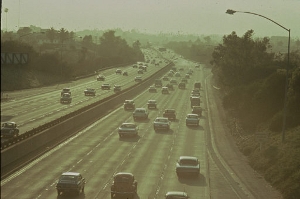
"content": "\u003cp>\u003cspan class=\"left\">\u003ca href=\"http://www.kqed.org/quest\">\u003cimg decoding=\"async\" src=\"http://ww2.kqed.org/quest/wp-content/uploads/sites/39/2010/09/1268590-R01-032_scaled.jpg\" alt=\"\">\u003c/a>\u003cem>Bay Area smog, 1968\u003c/em>\u003c/span>\u003c/p>\n\u003cp>\u003cem>Reported for \u003ca href=\"http://www.kqed.org/news/\">KQEDnews.org\u003c/a>\u003c/em>\u003c/p>\n\u003cp>For those too young to remember the Bay Area 40 years ago, it’s hard to imagine the mostly clear skies that Bay Area residents enjoy today filled with choking smog from factories, cars and garbage fires.\u003c/p>\n\u003cp>“Air pollution back in the ‘50s and ‘60s was considerably higher than it is today. What you had back then were very elevated levels of ozone, and of \u003ca class=\"zem_slink\" title=\"Particulate\" rel=\"wikipedia\" href=\"http://en.wikipedia.org/wiki/Particulate\">particulate matter\u003c/a> from heavy industry and automobiles,” said Jack Broadbent, CEO of the \u003ca href=\"http://www.baaqmd.gov/\">Bay Area Air Quality Management District\u003c/a>, in San Francisco. ”They used to contribute to levels on the order of three or four times what you see today.“\u003cbr>\n\u003c!--more-->\u003c/p>\n\u003cp>The Bay Area’s population has nearly doubled since then, to more than 7 million people. But the region’s air has become steadily cleaner. In 1969, there were 65 days when Bay Area air quality exceeded federal health standards. Under those same standards, last year, there wasn’t a single day over the limit.\u003c/p>\n\u003cp>[ad fullwidth]\u003c/p>\n\u003cp>The reason? \u003ca href=\"http://www.epa.gov/air/caa/\">The Clean Air Act\u003c/a>.\u003c/p>\n\u003cp>One of the nation’s cornerstone environmental laws, the Clean Air Act turns 40 this week. Sort of.\u003c/p>\n\u003cp>Although Richard Nixon signed the law in December, 1970, the landmark legislation will be commemorated a bit early at an \u003ca href=\"http://www.epa.gov/\">EPA \u003c/a>conference Tuesday in Washington D.C. with a day of celebrations, speeches and public events around the country designed to highlight the public health and environmental benefits from the law.\u003c/p>\n\u003cp>California has been ahead of the rest of the country in reducing smog. Because of the state’s large population and hot weather, state lawmakers approved the first \u003ca class=\"zem_slink\" title=\"Air pollution\" rel=\"wikipedia\" href=\"http://en.wikipedia.org/wiki/Air_pollution\">air pollution\u003c/a> regulations in 1946. Since then, California was first to require smog checks for cars, first to ban \u003ca class=\"zem_slink\" title=\"Gasoline\" rel=\"wikipedia\" href=\"http://en.wikipedia.org/wiki/Gasoline\">leaded gasoline\u003c/a>, first to require catalytic converters on cars.\u003c/p>\n\u003cp>“Much of what we’ve done here in the Bay Area is duplicated elsewhere,” said Broadbent. “You can go back east and find our rules just with a different title and different number.”\u003c/p>\n\u003cp>The Clean Air Act tied all the state rules together. It required the federal government for the first time to set standards for six major types of air pollution: soot, carbon monoxide, lead, nitrogen oxides, sulfur dioxide and \u003ca class=\"zem_slink\" title=\"Tropospheric ozone\" rel=\"wikipedia\" href=\"http://en.wikipedia.org/wiki/Tropospheric_ozone\">ground level ozone\u003c/a>, a major source of smog.\u003c/p>\n\u003cp>\u003cspan class=\"right\">\u003ca href=\"http://www.kqed.org/quest\">\u003cimg decoding=\"async\" src=\"http://ww2.kqed.org/quest/wp-content/uploads/sites/39/2010/09/8.13.1962Stoehli._scaled.jpg\" alt=\"\">\u003c/a>\u003cem>Bay Area factory, 1962\u003c/em>\u003c/span>\u003c/p>\n\u003cp>The law ushered in a wave of state and federal standards, from scrubbers on smokestacks to the phase-out of leaded gasoline. Some of the results are dramatic. New cars sold today, with computerized emission systems and other high-tech devices, emit 99 percent less tailpipe pollution than cars sold in 1970.\u003c/p>\n\u003cp>But the job isn’t done, say health experts and air regulators.\u003c/p>\n\u003cp>Federal standards have become more stringent, resulting in 13 days last year when the Bay Area exceeded the new national standard for ground-level ozone.\u003c/p>\n\u003cp>Meanwhile, the pollution from trucks and other diesel-powered equipment, called particulate matter (PM), has until recently largely flown under the radar.\u003c/p>\n\u003cp>Tiny diesel soot particles are inhaled deep into the lungs and have been shown to cause life-shortening health problems ranging from respiratory illness to heart problems, asthma, and cancer. The \u003ca href=\"http://www.arb.ca.gov/homepage.htm\">California Air Resources Board\u003c/a> estimates that diesel soot from ships, trains and trucks causes as many as 2,400 premature deaths statewide each year.\u003c/p>\n\u003cp>In fact, a recent \u003ca href=\"http://www.baaqmd.gov/Divisions/Planning-and-Research/Plans/Clean-Air-Plans.aspx\">Air District study\u003c/a> concluded that exposure to particulate matter of 2.5 microns in width and smaller (PM 2.5) is by far the leading public health risk from air pollution in the Bay Area, accounting for more than 90 percent of premature mortality related to air pollution.\u003c/p>\n\u003cp>“We have done a great job of reducing smog levels here in the Bay Area. But there are these communities in and around the Bay Area that still of course, we believe, experience elevated levels of toxic air \u003ca class=\"zem_slink\" title=\"Pollution\" rel=\"wikipedia\" href=\"http://en.wikipedia.org/wiki/Pollution\">contaminants\u003c/a>,” said Broadbent.\u003c/p>\n\u003cp>The Air District has identified several “\u003ca href=\"http://www.baaqmd.gov/Divisions/Planning-and-Research/CARE-Program.aspx\">hot spots\u003c/a>” or communities at much higher risk of exposure to dangerous levels of diesel particulate and other types of air pollution including Richmond, the West Oakland/ Berkeley corridor and Bayview Hunter’s Point.\u003c/p>\n\u003cp>\u003cspan class=\"left\">\u003ca href=\"http://www.kqed.org/quest\">\u003cimg decoding=\"async\" src=\"http://ww2.kqed.org/quest/wp-content/uploads/sites/39/2010/09/Port-of-Oakland_CAA_scaled.jpg\" alt=\"\">\u003c/a>\u003cem>The Port of Oakland, a major source of particulate matter pollution in West Oakland\u003c/em>\u003c/span>\u003c/p>\n\u003cp>Local, state and federal rules have begun to address particulate pollution. In 2006, the EPA mandated the use of \u003ca class=\"zem_slink\" title=\"Ultra-low sulfur diesel\" rel=\"wikipedia\" href=\"http://en.wikipedia.org/wiki/Ultra-low_sulfur_diesel\">ultra-low sulfur diesel\u003c/a> fuel. California has also required that all ships within 24 miles of California ports to burn low-sulfur fuel.\u003c/p>\n\u003cp>“Increasingly we recognize the health impacts of ozone and of particulate matter,” said Dr. Tom Dailey, chief of pulmonary medicine at Santa Clara Kaiser Permanente Medical Center. “That’s why the diesel engine regulations have been so important. None of us can escape the air that we breathe and the idea of getting these pollutants out of our air has been shown to decrease the incidence of heart attacks, stroke, and asthma exacerbations.”\u003c/p>\n\u003cp>But Denny Larson of the environmental justice organization, \u003ca href=\"http://www.gcmonitor.org/index.php\">Global Community Monitor\u003c/a>, says that while these regulations are a move in the right direction, thousands of toxic air contaminants remain unmonitored and under-regulated in the Bay Area.\u003c/p>\n\u003cp>“Toxic, cancer-causing \u003ca class=\"zem_slink\" title=\"Volatile organic compound\" rel=\"wikipedia\" href=\"http://en.wikipedia.org/wiki/Volatile_organic_compound\">volatile organic compounds\u003c/a> such as benzene and hydrogen sulfide are extremely dangerous to public health and quite present in the Bay Area particularly around oil refineries and other \u003ca class=\"zem_slink\" title=\"Fossil fuel\" rel=\"wikipedia\" href=\"http://en.wikipedia.org/wiki/Fossil_fuel\">fossil fuel\u003c/a> industries,” Larson said. “Right now, we don’t have federal standards like we do for those smog-forming pollutants for those. And there aren’t a lot of requirements to monitor for them either.”\u003c/p>\n\u003cp>“We have made significant progress in the 40 years of the Clean Air Act,” he added. “But that’s been limited to a very narrow spectrum of air pollutants and has left out almost entirely the air quality concerns and health of millions of Americans who live near industrial facilities.”\u003c/p>\n\u003cp>The latest frontier in air regulation is in greenhouse gases.\u003c/p>\n\u003cp>Both the state Air Resources Board and the Bay Area air district are in the process of writing new regulations to control and reduce emissions of greenhouse gases.\u003c/p>\n\u003cp>“We’ve got a fairly aggressive program,” said Broadbent. “We’ve been looking at cities and counties putting grants out to inventory greenhouse gas emissions as well as to put in strategies that are energy conservation type measures. And we were one of the first in the state, possibly the nation, to put a greenhouse gas fee on businesses emitting greenhouse gases.”\u003c/p>\n\u003cp>Because transportation is still California’s largest source of carbon dioxide, with passenger vehicles and light duty trucks creating more than 30 percent of total climate change emissions, state lawmakers in 2002 passed a new law requiring all new cars sold in California to reduce greenhouse emissions 30 percent by 2016.\u003c/p>\n\u003cp>And nationally, the EPA plans to significantly expand the scope of the Clean Air Act to regulate greenhouse gas emissions from factories, power plants and other industrial source starting next year.\u003c/p>\n\u003cp>But the new approach is controversial. Some business groups have argued that clean air laws already are costly for industry, and that a new layer of climate change regulation, particularly in a bad economy, will cost jobs. Proposition 23, on California’s November ballot, would suspend AB 32, the state’s landmark greenhouse gas law, until unemployment falls to 5.5 percent for a year.\u003c/p>\n\u003cp>“I’m glad we’re celebrating this but in some ways, it’s bittersweet,” said Dailey. “We still have a long way to go.”\u003c/p>\n\u003cp>\u003cbr>\n\u003cstrong>MORE VIDEO & AUDIO\u003c/strong>:\u003c/p>\n\u003cp>Watch QUEST TV’s \u003ca href=\"http://ww2.kqed.org/quest/video/earth-day-tv-special-where-weve-been-where-were-headed\">Earth Day Special: Where We’ve Been, Where We’re Headed\u003c/a>\u003c/p>\n\u003cp>Listen to QUEST Radio’s \u003ca href=\"http://ww2.kqed.org/quest/audio/view/242\">Earth Day Radio Special: The History of Environmental Justice\u003c/a>\u003c/p>\n\u003cp>Watch QUEST TV’s \u003ca href=\"http://\">Perilous Diesel\u003c/a>\u003c/p>\n\u003cp>Listen to QUEST Radio’s \u003ca href=\"http://\">Truckers Clean Up Their Act\u003c/a>\u003c/p>\n\u003cp>Watch QUEST TV’s Asthma: \u003ca href=\"http://\">What Brought on the Epidemic?\u003c/a>\u003c/p>\n\u003cp>\u003c/p>\n\u003cp>\u003cstrong>LISTEN TO KQED NEWS INTERVIEW WITH REPORTER AMY MILLER\u003c/strong>\u003c/p>\n\u003cp>\u003cstrong>Marking a Milestone for Clean Air in the Bay Area and Beyond \u003c/strong>\u003c/p>\n\u003cp>\u003c/p>\n\u003cp>Federal officials today are marking a milestone in the fight to clean up the nation’s environment. Forty years ago, Congress passed the Clean Air Act. The law aimed to tackle the impact of air pollution from cars, industry, and other sources by setting the first nationwide limits on pollutants. Since then, levels of toxic pollutants like lead, ozone and carbon monoxide have dropped dramatically. But the victory hasn’t been complete. Particulate pollution from diesel fuel still represents a widespread health risk and battles are still ahead as regulators take on the task of cutting greenhouse gas emissions. Host Kelly Wilkinson talks about the impact of the Clean Air Act and the pollution challenges ahead with Amy Miller, reporter and producer for KQED’s Quest science and environment program. \u003c/p>\n\u003cp>\u003c/p>\n\u003cp>\u003c/p>\n\u003ch6 class=\"zemanta-related-title\" style=\"font-size: 1em\">Related articles by Zemanta\u003c/h6>\n\u003cul class=\"zemanta-article-ul\">\n\u003cli class=\"zemanta-article-ul-li\">\u003ca href=\"http://climateofourfuture.org/epa-adopts-strong-protections-against-air-pollution-from-cement-kilns/\">“EPA Adopts Strong Protections Against Air Pollution from Cement Kilns” and related posts\u003c/a> (climateofourfuture.org)\u003c/li>\n\u003cli class=\"zemanta-article-ul-li\">\u003ca href=\"http://www.treehugger.com/files/2010/08/like-a-good-neighbor-the-clean-air-act-is-there.php?campaign=th_rss\">Like a Good Neighbor, the Clean Air Act is There\u003c/a> (treehugger.com)\u003c/li>\n\u003cli class=\"zemanta-article-ul-li\">\u003ca href=\"http://dotearth.blogs.nytimes.com/2010/09/14/big-birthdays-for-clean-air-act-and-opec/\">Big Birthdays for Clean Air Act and OPEC\u003c/a> (dotearth.blogs.nytimes.com)\u003c/li>\n\u003cli class=\"zemanta-article-ul-li\">\u003ca href=\"http://green.blogs.nytimes.com/2010/09/14/clean-air-act-turns-40/\">Clean Air Act Turns 40\u003c/a> (green.blogs.nytimes.com)\u003c/li>\n\u003c/ul>\n\u003cdiv class=\"zemanta-pixie\" style=\"margin-top: 10px;height: 15px\">\u003ca class=\"zemanta-pixie-a\" title=\"Enhanced by Zemanta\" href=\"http://www.zemanta.com/\">\u003cimg decoding=\"async\" class=\"zemanta-pixie-img\" style=\"border: medium none;float: right\" src=\"http://img.zemanta.com/zemified_e.png?x-id=f0e94b7a-d72c-4d12-aae5-538f8aad33ac\" alt=\"Enhanced by Zemanta\">\u003c/a>\u003c/div>\n\u003cp>[ad floatright]\u003c/p>\n\u003cp> 37.7667851 -122.4125425\u003c/p>\n\n",
"stats": {
"hasVideo": false,
"hasChartOrMap": false,
"hasAudio": false,
"hasPolis": false,
"wordCount": 1574,
"hasGoogleForm": false,
"hasGallery": false,
"hasHearkenModule": false,
"iframeSrcs": [],
"paragraphCount": 49
},
"modified": 1684975038,
"excerpt": "In 1969, there were 65 days when Bay Area air quality exceeded federal health standards. Under those same standards, last year, there wasn’t a single day over the limit. On the 40th anniversary of the Clean Air Act, we examine the impacts that the law has had on public health, business, and environmental justice in the Bay Area and what still needs to be done to improve the quality of our air.",
"headData": {
"twImgId": "",
"twTitle": "",
"ogTitle": "",
"ogImgId": "",
"twDescription": "",
"description": "In 1969, there were 65 days when Bay Area air quality exceeded federal health standards. Under those same standards, last year, there wasn’t a single day over the limit. On the 40th anniversary of the Clean Air Act, we examine the impacts that the law has had on public health, business, and environmental justice in the Bay Area and what still needs to be done to improve the quality of our air.",
"title": "40 Years of the Clean Air Act | KQED",
"ogDescription": "",
"schema": {
"@context": "https://schema.org",
"@type": "Article",
"headline": "40 Years of the Clean Air Act",
"datePublished": "2010-09-14T11:23:20-07:00",
"dateModified": "2023-05-24T17:37:18-07:00",
"image": "https://cdn.kqed.org/wp-content/uploads/2020/02/KQED-OG-Image@1x.png"
}
},
"guestAuthors": [],
"slug": "40-years-of-the-clean-air-act",
"status": "publish",
"templateType": "standard",
"excludeFromSiteSearch": "Include",
"featuredImageType": "standard",
"articleAge": "0",
"path": "/quest/8249/40-years-of-the-clean-air-act",
"audioTrackLength": null,
"parsedContent": [
{
"type": "contentString",
"content": "\u003cdiv class=\"post-body\">\u003cp>\u003cp>\u003cspan class=\"left\">\u003ca href=\"http://www.kqed.org/quest\">\u003cimg decoding=\"async\" src=\"http://ww2.kqed.org/quest/wp-content/uploads/sites/39/2010/09/1268590-R01-032_scaled.jpg\" alt=\"\">\u003c/a>\u003cem>Bay Area smog, 1968\u003c/em>\u003c/span>\u003c/p>\n\u003cp>\u003cem>Reported for \u003ca href=\"http://www.kqed.org/news/\">KQEDnews.org\u003c/a>\u003c/em>\u003c/p>\n\u003cp>For those too young to remember the Bay Area 40 years ago, it’s hard to imagine the mostly clear skies that Bay Area residents enjoy today filled with choking smog from factories, cars and garbage fires.\u003c/p>\n\u003cp>“Air pollution back in the ‘50s and ‘60s was considerably higher than it is today. What you had back then were very elevated levels of ozone, and of \u003ca class=\"zem_slink\" title=\"Particulate\" rel=\"wikipedia\" href=\"http://en.wikipedia.org/wiki/Particulate\">particulate matter\u003c/a> from heavy industry and automobiles,” said Jack Broadbent, CEO of the \u003ca href=\"http://www.baaqmd.gov/\">Bay Area Air Quality Management District\u003c/a>, in San Francisco. ”They used to contribute to levels on the order of three or four times what you see today.“\u003cbr>\n\u003c!--more-->\u003c/p>\n\u003cp>The Bay Area’s population has nearly doubled since then, to more than 7 million people. But the region’s air has become steadily cleaner. In 1969, there were 65 days when Bay Area air quality exceeded federal health standards. Under those same standards, last year, there wasn’t a single day over the limit.\u003c/p>\n\u003cp>\u003c/p>\u003c/div>",
"attributes": {
"named": {},
"numeric": []
}
},
{
"type": "component",
"content": "",
"name": "ad",
"attributes": {
"named": {
"label": "fullwidth"
},
"numeric": [
"fullwidth"
]
}
},
{
"type": "contentString",
"content": "\u003cdiv class=\"post-body\">\u003cp>\u003c/p>\n\u003cp>The reason? \u003ca href=\"http://www.epa.gov/air/caa/\">The Clean Air Act\u003c/a>.\u003c/p>\n\u003cp>One of the nation’s cornerstone environmental laws, the Clean Air Act turns 40 this week. Sort of.\u003c/p>\n\u003cp>Although Richard Nixon signed the law in December, 1970, the landmark legislation will be commemorated a bit early at an \u003ca href=\"http://www.epa.gov/\">EPA \u003c/a>conference Tuesday in Washington D.C. with a day of celebrations, speeches and public events around the country designed to highlight the public health and environmental benefits from the law.\u003c/p>\n\u003cp>California has been ahead of the rest of the country in reducing smog. Because of the state’s large population and hot weather, state lawmakers approved the first \u003ca class=\"zem_slink\" title=\"Air pollution\" rel=\"wikipedia\" href=\"http://en.wikipedia.org/wiki/Air_pollution\">air pollution\u003c/a> regulations in 1946. Since then, California was first to require smog checks for cars, first to ban \u003ca class=\"zem_slink\" title=\"Gasoline\" rel=\"wikipedia\" href=\"http://en.wikipedia.org/wiki/Gasoline\">leaded gasoline\u003c/a>, first to require catalytic converters on cars.\u003c/p>\n\u003cp>“Much of what we’ve done here in the Bay Area is duplicated elsewhere,” said Broadbent. “You can go back east and find our rules just with a different title and different number.”\u003c/p>\n\u003cp>The Clean Air Act tied all the state rules together. It required the federal government for the first time to set standards for six major types of air pollution: soot, carbon monoxide, lead, nitrogen oxides, sulfur dioxide and \u003ca class=\"zem_slink\" title=\"Tropospheric ozone\" rel=\"wikipedia\" href=\"http://en.wikipedia.org/wiki/Tropospheric_ozone\">ground level ozone\u003c/a>, a major source of smog.\u003c/p>\n\u003cp>\u003cspan class=\"right\">\u003ca href=\"http://www.kqed.org/quest\">\u003cimg decoding=\"async\" src=\"http://ww2.kqed.org/quest/wp-content/uploads/sites/39/2010/09/8.13.1962Stoehli._scaled.jpg\" alt=\"\">\u003c/a>\u003cem>Bay Area factory, 1962\u003c/em>\u003c/span>\u003c/p>\n\u003cp>The law ushered in a wave of state and federal standards, from scrubbers on smokestacks to the phase-out of leaded gasoline. Some of the results are dramatic. New cars sold today, with computerized emission systems and other high-tech devices, emit 99 percent less tailpipe pollution than cars sold in 1970.\u003c/p>\n\u003cp>But the job isn’t done, say health experts and air regulators.\u003c/p>\n\u003cp>Federal standards have become more stringent, resulting in 13 days last year when the Bay Area exceeded the new national standard for ground-level ozone.\u003c/p>\n\u003cp>Meanwhile, the pollution from trucks and other diesel-powered equipment, called particulate matter (PM), has until recently largely flown under the radar.\u003c/p>\n\u003cp>Tiny diesel soot particles are inhaled deep into the lungs and have been shown to cause life-shortening health problems ranging from respiratory illness to heart problems, asthma, and cancer. The \u003ca href=\"http://www.arb.ca.gov/homepage.htm\">California Air Resources Board\u003c/a> estimates that diesel soot from ships, trains and trucks causes as many as 2,400 premature deaths statewide each year.\u003c/p>\n\u003cp>In fact, a recent \u003ca href=\"http://www.baaqmd.gov/Divisions/Planning-and-Research/Plans/Clean-Air-Plans.aspx\">Air District study\u003c/a> concluded that exposure to particulate matter of 2.5 microns in width and smaller (PM 2.5) is by far the leading public health risk from air pollution in the Bay Area, accounting for more than 90 percent of premature mortality related to air pollution.\u003c/p>\n\u003cp>“We have done a great job of reducing smog levels here in the Bay Area. But there are these communities in and around the Bay Area that still of course, we believe, experience elevated levels of toxic air \u003ca class=\"zem_slink\" title=\"Pollution\" rel=\"wikipedia\" href=\"http://en.wikipedia.org/wiki/Pollution\">contaminants\u003c/a>,” said Broadbent.\u003c/p>\n\u003cp>The Air District has identified several “\u003ca href=\"http://www.baaqmd.gov/Divisions/Planning-and-Research/CARE-Program.aspx\">hot spots\u003c/a>” or communities at much higher risk of exposure to dangerous levels of diesel particulate and other types of air pollution including Richmond, the West Oakland/ Berkeley corridor and Bayview Hunter’s Point.\u003c/p>\n\u003cp>\u003cspan class=\"left\">\u003ca href=\"http://www.kqed.org/quest\">\u003cimg decoding=\"async\" src=\"http://ww2.kqed.org/quest/wp-content/uploads/sites/39/2010/09/Port-of-Oakland_CAA_scaled.jpg\" alt=\"\">\u003c/a>\u003cem>The Port of Oakland, a major source of particulate matter pollution in West Oakland\u003c/em>\u003c/span>\u003c/p>\n\u003cp>Local, state and federal rules have begun to address particulate pollution. In 2006, the EPA mandated the use of \u003ca class=\"zem_slink\" title=\"Ultra-low sulfur diesel\" rel=\"wikipedia\" href=\"http://en.wikipedia.org/wiki/Ultra-low_sulfur_diesel\">ultra-low sulfur diesel\u003c/a> fuel. California has also required that all ships within 24 miles of California ports to burn low-sulfur fuel.\u003c/p>\n\u003cp>“Increasingly we recognize the health impacts of ozone and of particulate matter,” said Dr. Tom Dailey, chief of pulmonary medicine at Santa Clara Kaiser Permanente Medical Center. “That’s why the diesel engine regulations have been so important. None of us can escape the air that we breathe and the idea of getting these pollutants out of our air has been shown to decrease the incidence of heart attacks, stroke, and asthma exacerbations.”\u003c/p>\n\u003cp>But Denny Larson of the environmental justice organization, \u003ca href=\"http://www.gcmonitor.org/index.php\">Global Community Monitor\u003c/a>, says that while these regulations are a move in the right direction, thousands of toxic air contaminants remain unmonitored and under-regulated in the Bay Area.\u003c/p>\n\u003cp>“Toxic, cancer-causing \u003ca class=\"zem_slink\" title=\"Volatile organic compound\" rel=\"wikipedia\" href=\"http://en.wikipedia.org/wiki/Volatile_organic_compound\">volatile organic compounds\u003c/a> such as benzene and hydrogen sulfide are extremely dangerous to public health and quite present in the Bay Area particularly around oil refineries and other \u003ca class=\"zem_slink\" title=\"Fossil fuel\" rel=\"wikipedia\" href=\"http://en.wikipedia.org/wiki/Fossil_fuel\">fossil fuel\u003c/a> industries,” Larson said. “Right now, we don’t have federal standards like we do for those smog-forming pollutants for those. And there aren’t a lot of requirements to monitor for them either.”\u003c/p>\n\u003cp>“We have made significant progress in the 40 years of the Clean Air Act,” he added. “But that’s been limited to a very narrow spectrum of air pollutants and has left out almost entirely the air quality concerns and health of millions of Americans who live near industrial facilities.”\u003c/p>\n\u003cp>The latest frontier in air regulation is in greenhouse gases.\u003c/p>\n\u003cp>Both the state Air Resources Board and the Bay Area air district are in the process of writing new regulations to control and reduce emissions of greenhouse gases.\u003c/p>\n\u003cp>“We’ve got a fairly aggressive program,” said Broadbent. “We’ve been looking at cities and counties putting grants out to inventory greenhouse gas emissions as well as to put in strategies that are energy conservation type measures. And we were one of the first in the state, possibly the nation, to put a greenhouse gas fee on businesses emitting greenhouse gases.”\u003c/p>\n\u003cp>Because transportation is still California’s largest source of carbon dioxide, with passenger vehicles and light duty trucks creating more than 30 percent of total climate change emissions, state lawmakers in 2002 passed a new law requiring all new cars sold in California to reduce greenhouse emissions 30 percent by 2016.\u003c/p>\n\u003cp>And nationally, the EPA plans to significantly expand the scope of the Clean Air Act to regulate greenhouse gas emissions from factories, power plants and other industrial source starting next year.\u003c/p>\n\u003cp>But the new approach is controversial. Some business groups have argued that clean air laws already are costly for industry, and that a new layer of climate change regulation, particularly in a bad economy, will cost jobs. Proposition 23, on California’s November ballot, would suspend AB 32, the state’s landmark greenhouse gas law, until unemployment falls to 5.5 percent for a year.\u003c/p>\n\u003cp>“I’m glad we’re celebrating this but in some ways, it’s bittersweet,” said Dailey. “We still have a long way to go.”\u003c/p>\n\u003cp>\u003cbr>\n\u003cstrong>MORE VIDEO & AUDIO\u003c/strong>:\u003c/p>\n\u003cp>Watch QUEST TV’s \u003ca href=\"http://ww2.kqed.org/quest/video/earth-day-tv-special-where-weve-been-where-were-headed\">Earth Day Special: Where We’ve Been, Where We’re Headed\u003c/a>\u003c/p>\n\u003cp>Listen to QUEST Radio’s \u003ca href=\"http://ww2.kqed.org/quest/audio/view/242\">Earth Day Radio Special: The History of Environmental Justice\u003c/a>\u003c/p>\n\u003cp>Watch QUEST TV’s \u003ca href=\"http://\">Perilous Diesel\u003c/a>\u003c/p>\n\u003cp>Listen to QUEST Radio’s \u003ca href=\"http://\">Truckers Clean Up Their Act\u003c/a>\u003c/p>\n\u003cp>Watch QUEST TV’s Asthma: \u003ca href=\"http://\">What Brought on the Epidemic?\u003c/a>\u003c/p>\n\u003cp>\u003c/p>\n\u003cp>\u003cstrong>LISTEN TO KQED NEWS INTERVIEW WITH REPORTER AMY MILLER\u003c/strong>\u003c/p>\n\u003cp>\u003cstrong>Marking a Milestone for Clean Air in the Bay Area and Beyond \u003c/strong>\u003c/p>\n\u003cp>\u003c/p>\n\u003cp>Federal officials today are marking a milestone in the fight to clean up the nation’s environment. Forty years ago, Congress passed the Clean Air Act. The law aimed to tackle the impact of air pollution from cars, industry, and other sources by setting the first nationwide limits on pollutants. Since then, levels of toxic pollutants like lead, ozone and carbon monoxide have dropped dramatically. But the victory hasn’t been complete. Particulate pollution from diesel fuel still represents a widespread health risk and battles are still ahead as regulators take on the task of cutting greenhouse gas emissions. Host Kelly Wilkinson talks about the impact of the Clean Air Act and the pollution challenges ahead with Amy Miller, reporter and producer for KQED’s Quest science and environment program. \u003c/p>\n\u003cp>\u003c/p>\n\u003cp>\u003c/p>\n\u003ch6 class=\"zemanta-related-title\" style=\"font-size: 1em\">Related articles by Zemanta\u003c/h6>\n\u003cul class=\"zemanta-article-ul\">\n\u003cli class=\"zemanta-article-ul-li\">\u003ca href=\"http://climateofourfuture.org/epa-adopts-strong-protections-against-air-pollution-from-cement-kilns/\">“EPA Adopts Strong Protections Against Air Pollution from Cement Kilns” and related posts\u003c/a> (climateofourfuture.org)\u003c/li>\n\u003cli class=\"zemanta-article-ul-li\">\u003ca href=\"http://www.treehugger.com/files/2010/08/like-a-good-neighbor-the-clean-air-act-is-there.php?campaign=th_rss\">Like a Good Neighbor, the Clean Air Act is There\u003c/a> (treehugger.com)\u003c/li>\n\u003cli class=\"zemanta-article-ul-li\">\u003ca href=\"http://dotearth.blogs.nytimes.com/2010/09/14/big-birthdays-for-clean-air-act-and-opec/\">Big Birthdays for Clean Air Act and OPEC\u003c/a> (dotearth.blogs.nytimes.com)\u003c/li>\n\u003cli class=\"zemanta-article-ul-li\">\u003ca href=\"http://green.blogs.nytimes.com/2010/09/14/clean-air-act-turns-40/\">Clean Air Act Turns 40\u003c/a> (green.blogs.nytimes.com)\u003c/li>\n\u003c/ul>\n\u003cdiv class=\"zemanta-pixie\" style=\"margin-top: 10px;height: 15px\">\u003ca class=\"zemanta-pixie-a\" title=\"Enhanced by Zemanta\" href=\"http://www.zemanta.com/\">\u003cimg decoding=\"async\" class=\"zemanta-pixie-img\" style=\"border: medium none;float: right\" src=\"http://img.zemanta.com/zemified_e.png?x-id=f0e94b7a-d72c-4d12-aae5-538f8aad33ac\" alt=\"Enhanced by Zemanta\">\u003c/a>\u003c/div>\n\u003cp>\u003c/p>\u003c/div>",
"attributes": {
"named": {},
"numeric": []
}
},
{
"type": "component",
"content": "",
"name": "ad",
"attributes": {
"named": {
"label": "floatright"
},
"numeric": [
"floatright"
]
}
},
{
"type": "contentString",
"content": "\u003cdiv class=\"post-body\">\u003cp>\u003c/p>\n\u003cp> 37.7667851 -122.4125425\u003c/p>\n\n\u003c/div>\u003c/p>",
"attributes": {
"named": {},
"numeric": []
}
}
],
"link": "/quest/8249/40-years-of-the-clean-air-act",
"authors": [
"209"
],
"categories": [
"quest_4",
"quest_8",
"quest_9",
"quest_16"
],
"tags": [
"quest_92",
"quest_93",
"quest_94",
"quest_252",
"quest_266",
"quest_286",
"quest_440",
"quest_481",
"quest_615",
"quest_971",
"quest_1009",
"quest_13199",
"quest_1058",
"quest_13203",
"quest_2257"
],
"featImg": "quest_8268",
"label": "quest"
},
"quest_17053": {
"type": "posts",
"id": "quest_17053",
"meta": {
"index": "posts_1716263798",
"site": "quest",
"id": "17053",
"score": null,
"sort": [
1284391800000
]
},
"parent": 0,
"labelTerm": {
"site": "quest"
},
"blocks": [],
"publishDate": 1284391800,
"format": "audio",
"disqusTitle": "California Takes the Lead on Stem Cell Research",
"title": "California Takes the Lead on Stem Cell Research",
"headTitle": "QUEST | KQED Science",
"content": "\u003cp>http://www.kqed.org/.stream/anon/radio/quest/2010/09/2010-09-13-quest.mp3\u003c/p>\n\u003cp>A recent judge's ruling that blocked the federal government from funding embryonic stem cell research puts California back in the lead in the field. Scientists say funding from a 2004 state ballot measure has become a lifeline for pioneering work on diseases like Parkinson's and congenital heart disease. Still, the ruling, which may be overturned on appeal, will create challenges in California researchers.\u003c/p>\n\u003cp>[ad fullwidth]\u003c/p>\u003cp>\u003c/p>\n",
"disqusIdentifier": "17053 http://science.kqed.org/quest/audio/california-takes-the-lead-on-stem-cell-research/",
"disqusUrl": "https://ww2.kqed.org/quest/2010/09/13/california-takes-the-lead-on-stem-cell-research/",
"stats": {
"hasVideo": false,
"hasChartOrMap": false,
"hasAudio": true,
"hasPolis": false,
"wordCount": 82,
"hasGoogleForm": false,
"hasGallery": false,
"hasHearkenModule": false,
"iframeSrcs": [],
"paragraphCount": 3
},
"modified": 1316829317,
"excerpt": "A judge's ruling last month that blocks the federal government from funding embryonic stem cell research puts California back in the lead in the field. ",
"headData": {
"twImgId": "",
"twTitle": "",
"ogTitle": "",
"ogImgId": "",
"twDescription": "",
"description": "A judge's ruling last month that blocks the federal government from funding embryonic stem cell research puts California back in the lead in the field. ",
"title": "California Takes the Lead on Stem Cell Research | KQED",
"ogDescription": "",
"schema": {
"@context": "https://schema.org",
"@type": "Article",
"headline": "California Takes the Lead on Stem Cell Research",
"datePublished": "2010-09-13T08:30:00-07:00",
"dateModified": "2011-09-23T18:55:17-07:00",
"image": "https://cdn.kqed.org/wp-content/uploads/2020/02/KQED-OG-Image@1x.png"
}
},
"guestAuthors": [],
"slug": "california-takes-the-lead-on-stem-cell-research",
"status": "publish",
"path": "/quest/17053/california-takes-the-lead-on-stem-cell-research",
"audioUrl": "http://www.kqed.org/.stream/anon/radio/quest/2010/09/2010-09-13-quest.mp3",
"audioDuration": null,
"audioTrackLength": null,
"parsedContent": [
{
"type": "contentString",
"content": "\u003cdiv class=\"post-body\">\u003cp>\u003cp>http://www.kqed.org/.stream/anon/radio/quest/2010/09/2010-09-13-quest.mp3\u003c/p>\n\u003cp>A recent judge's ruling that blocked the federal government from funding embryonic stem cell research puts California back in the lead in the field. Scientists say funding from a 2004 state ballot measure has become a lifeline for pioneering work on diseases like Parkinson's and congenital heart disease. Still, the ruling, which may be overturned on appeal, will create challenges in California researchers.\u003c/p>\n\u003cp>\u003c/p>\u003c/div>",
"attributes": {
"named": {},
"numeric": []
}
},
{
"type": "component",
"content": "",
"name": "ad",
"attributes": {
"named": {
"label": "fullwidth"
},
"numeric": [
"fullwidth"
]
}
},
{
"type": "contentString",
"content": "\u003cdiv class=\"post-body\">\u003cp>\u003c/p>\u003cp>\u003c/p>\n\u003c/div>\u003c/p>",
"attributes": {
"named": {},
"numeric": []
}
}
],
"link": "/quest/17053/california-takes-the-lead-on-stem-cell-research",
"authors": [
"10216"
],
"categories": [
"quest_12"
],
"tags": [
"quest_252",
"quest_13202"
],
"label": "quest"
},
"quest_8124": {
"type": "posts",
"id": "quest_8124",
"meta": {
"index": "posts_1716263798",
"site": "quest",
"id": "8124",
"score": null,
"sort": [
1284156010000
]
},
"parent": 0,
"labelTerm": {
"site": "quest"
},
"blocks": [],
"publishDate": 1284156010,
"format": "audio",
"disqusTitle": "Reporter's Notes: California Takes the Lead on Stem Cell Research",
"title": "Reporter's Notes: California Takes the Lead on Stem Cell Research",
"headTitle": "QUEST | KQED Science",
"content": "\u003cp>\u003cspan class=\"left\">\u003ca href=\"http://ww2.kqed.org/quest/audio/california-takes-the-lead-on-stem-cell-research\">\u003cimg src=\"http://ww2.kqed.org/quest/wp-content/uploads/sites/39/2010/09/4-46StemCell_300.jpg\" alt=\"\">\u003c/a>\u003cem> Image courtesy of Jeff Miller, University of Wisconsin-Madison.\u003c/em>\u003c/span>\u003c/p>\n\u003cp>Deepak Srivastava – profiled in \u003ca href=\"http://ww2.kqed.org/quest/audio/california-takes-the-lead-on-stem-cell-research\">this week's radio story\u003c/a> – is no stranger to \u003ca href=\"http://www.kqed.org/quest/television/view/326\" target=\"_top\">QUEST\u003c/a>, or to \u003ca href=\"http://www.kqed.org/news/\" target=\"_top\">KQED News\u003c/a>. Just last month, \u003ca href=\"http://ww2.kqed.org/quest/2010/08/05/new-approach-to-creating-heart-cells-could-make-transplantation-unnecessary/\" target=\"_top\">Srivastava made headlines\u003c/a> when he announced that his lab had for the first time directly created beating heart cells from adult cells, without having to go through the stem cell stage.\u003cbr>\n\u003c!--more-->\u003c/p>\n\u003cp>But when I interviewed Srivastava for this story, I wanted to hear as well about his work with a type of stem cell called \u003ca href=\"http://www.nytimes.com/2007/12/11/science/11prof.html?_r=1\" target=\"_top\">induced pluripotent cells\u003c/a>. These are adult cells that have been coaxed into becoming like embryonic stem cells. Just like embryonic stem cells, these transformed cells are \"pluripotent,\" meaning that they have the ability to develop into any other kind of cell.\u003cbr>\nIf researchers like Srivastava can do pioneering work without requiring human embryonic stem cells, I wondered, then what to make of the \u003ca href=\"http://www.huffingtonpost.com/eli-y-adashi/the-halting-of-stem-cell-_b_711616.html\" target=\"_top\">recent ruling by US district court Judge Royce Lamberth?\u003c/a>\u003c/p>\n\u003cp>From a scientific standpoint, at least, was the debate over the \u003ca href=\"http://en.wikipedia.org/wiki/Dickey-Wicker_Amendment\" target=\"_top\">Dickey-Wicker Amendment\u003c/a> a moot point?\u003c/p>\n\u003cp>And finally, if human embryonic stem cells are no longer necessary, where does that leave \u003ca href=\"http://www.cirm.ca.gov/\" target=\"_top\">The California Institute For Regenerative Medicine\u003c/a>, \u003ca href=\"http://en.wikipedia.org/wiki/California_Proposition_71_(2004)\" target=\"_top\">the taxpayer-funded\u003c/a>, \u003ca href=\"http://www.cirm.ca.gov/GrantsSummary\" target=\"_top\">$3 billion\u003c/a> foundation created specifically to ensure that human embryonic stem cell research continues, regardless of federal support?\u003c/p>\n\u003cp>[ad fullwidth]\u003c/p>\n\u003cp>Here's how The Institute – which funds \u003ca href=\"http://www.cirm.ca.gov/Grant_overview_charts\" target=\"_top\">research on induced pluripotent stem cells and other cells\u003c/a>, as well as embryonic stem cells, \u003ca href=\"http://www.cirm.ca.gov/StemCellBasics_Questions#6\" target=\"_top\">answers that question\u003c/a>.\u003c/p>\n\u003cp>And here's \u003ca href=\"http://www.isscr.org/ScienceStatementEndorsers.cfm\" target=\"_top\">a letter\u003c/a>, signed by 834 scientists in defense of continued support of research on both types of cells. An excerpt:\u003c/p>\n\u003cp>\"The basic tools for these discoveries will include the “gold standard” embryonic stem cells that remain the benchmark for assessment of pluripotency, or the ability to develop into all the fully functional cells of the body.\"\u003c/p>\n\u003cp>And that's exactly the term Srivastava used: \"gold standard.\" Adult cells that can be transformed into embryonic stem cell-like cells may well someday free researchers from the political roller coaster of embryonic stem cell support, he said. But first, scientists need to figure out exactly how well they work. And without human embryonic stem cells, there's just nothing to compare them to.\u003c/p>\n\u003cp>\u003cobject width=\"640\" height=\"385\">\u003cparam name=\"movie\" value=\"http://www.youtube.com/v/tOdyaiWr0oo&color1=0xb1b1b1&color2=0xd0d0d0&hl=en_US&feature=player_embedded&fs=1\">\u003cparam name=\"allowFullScreen\" value=\"true\">\u003cparam name=\"allowScriptAccess\" value=\"always\">\u003cembed src=\"http://www.youtube.com/v/tOdyaiWr0oo&color1=0xb1b1b1&color2=0xd0d0d0&hl=en_US&feature=player_embedded&fs=1\" type=\"application/x-shockwave-flash\" allowfullscreen=\"true\" allowscriptaccess=\"always\" width=\"640\" height=\"385\">\u003c/embed>\u003c/object>\u003c/p>\n\u003cp>\u003cem>Video of beating heart cell created from adult cells - Courtesy of the Gladstone Institute of Cardiovascular Disease\u003c/em>\u003c/p>\n\u003cp>\u003cspan class=\"left\">\u003ca href=\"http://ww2.kqed.org/quest/audio/california-takes-the-lead-on-stem-cell-research\">\u003cimg src=\"http://ww2.kqed.org/quest/wp-content/uploads/sites/39/2010/09/radio_icon_light.gif\" alt=\"\">\u003c/a>\u003c/span>\u003ca href=\"http://ww2.kqed.org/quest/audio/california-takes-the-lead-on-stem-cell-research\">Listen to the California Takes the Lead on Stem Cell Research \u003c/a> radio report online.\u003c/p>\n\u003cp>\u003c/p>\n\u003cp> 37.7677229 -122.3942944\u003c/p>\n\n",
"disqusIdentifier": "8124 http://science.kqed.org/quest/2010/09/10/reporters-notes-california-takes-the-lead-on-stem-cell-research/",
"disqusUrl": "https://ww2.kqed.org/quest/2010/09/10/reporters-notes-california-takes-the-lead-on-stem-cell-research/",
"stats": {
"hasVideo": false,
"hasChartOrMap": false,
"hasAudio": false,
"hasPolis": false,
"wordCount": 419,
"hasGoogleForm": false,
"hasGallery": false,
"hasHearkenModule": false,
"iframeSrcs": [],
"paragraphCount": 15
},
"modified": 1371076084,
"excerpt": "Deepak Srivastava – profiled in this week's radio story – is no stranger to QUEST. Just last month, Srivastava made headlines when he announced that his lab had successfully created beating heart cells from adult cells.",
"headData": {
"twImgId": "",
"twTitle": "",
"ogTitle": "",
"ogImgId": "",
"twDescription": "",
"description": "Deepak Srivastava – profiled in this week's radio story – is no stranger to QUEST. Just last month, Srivastava made headlines when he announced that his lab had successfully created beating heart cells from adult cells.",
"title": "Reporter's Notes: California Takes the Lead on Stem Cell Research | KQED",
"ogDescription": "",
"schema": {
"@context": "https://schema.org",
"@type": "Article",
"headline": "Reporter's Notes: California Takes the Lead on Stem Cell Research",
"datePublished": "2010-09-10T15:00:10-07:00",
"dateModified": "2013-06-12T15:28:04-07:00",
"image": "https://cdn.kqed.org/wp-content/uploads/2020/02/KQED-OG-Image@1x.png"
}
},
"guestAuthors": [],
"slug": "reporters-notes-california-takes-the-lead-on-stem-cell-research",
"status": "publish",
"path": "/quest/8124/reporters-notes-california-takes-the-lead-on-stem-cell-research",
"audioTrackLength": null,
"parsedContent": [
{
"type": "contentString",
"content": "\u003cdiv class=\"post-body\">\u003cp>\u003cp>\u003cspan class=\"left\">\u003ca href=\"http://ww2.kqed.org/quest/audio/california-takes-the-lead-on-stem-cell-research\">\u003cimg src=\"http://ww2.kqed.org/quest/wp-content/uploads/sites/39/2010/09/4-46StemCell_300.jpg\" alt=\"\">\u003c/a>\u003cem> Image courtesy of Jeff Miller, University of Wisconsin-Madison.\u003c/em>\u003c/span>\u003c/p>\n\u003cp>Deepak Srivastava – profiled in \u003ca href=\"http://ww2.kqed.org/quest/audio/california-takes-the-lead-on-stem-cell-research\">this week's radio story\u003c/a> – is no stranger to \u003ca href=\"http://www.kqed.org/quest/television/view/326\" target=\"_top\">QUEST\u003c/a>, or to \u003ca href=\"http://www.kqed.org/news/\" target=\"_top\">KQED News\u003c/a>. Just last month, \u003ca href=\"http://ww2.kqed.org/quest/2010/08/05/new-approach-to-creating-heart-cells-could-make-transplantation-unnecessary/\" target=\"_top\">Srivastava made headlines\u003c/a> when he announced that his lab had for the first time directly created beating heart cells from adult cells, without having to go through the stem cell stage.\u003cbr>\n\u003c!--more-->\u003c/p>\n\u003cp>But when I interviewed Srivastava for this story, I wanted to hear as well about his work with a type of stem cell called \u003ca href=\"http://www.nytimes.com/2007/12/11/science/11prof.html?_r=1\" target=\"_top\">induced pluripotent cells\u003c/a>. These are adult cells that have been coaxed into becoming like embryonic stem cells. Just like embryonic stem cells, these transformed cells are \"pluripotent,\" meaning that they have the ability to develop into any other kind of cell.\u003cbr>\nIf researchers like Srivastava can do pioneering work without requiring human embryonic stem cells, I wondered, then what to make of the \u003ca href=\"http://www.huffingtonpost.com/eli-y-adashi/the-halting-of-stem-cell-_b_711616.html\" target=\"_top\">recent ruling by US district court Judge Royce Lamberth?\u003c/a>\u003c/p>\n\u003cp>From a scientific standpoint, at least, was the debate over the \u003ca href=\"http://en.wikipedia.org/wiki/Dickey-Wicker_Amendment\" target=\"_top\">Dickey-Wicker Amendment\u003c/a> a moot point?\u003c/p>\n\u003cp>And finally, if human embryonic stem cells are no longer necessary, where does that leave \u003ca href=\"http://www.cirm.ca.gov/\" target=\"_top\">The California Institute For Regenerative Medicine\u003c/a>, \u003ca href=\"http://en.wikipedia.org/wiki/California_Proposition_71_(2004)\" target=\"_top\">the taxpayer-funded\u003c/a>, \u003ca href=\"http://www.cirm.ca.gov/GrantsSummary\" target=\"_top\">$3 billion\u003c/a> foundation created specifically to ensure that human embryonic stem cell research continues, regardless of federal support?\u003c/p>\n\u003cp>\u003c/p>\u003c/div>",
"attributes": {
"named": {},
"numeric": []
}
},
{
"type": "component",
"content": "",
"name": "ad",
"attributes": {
"named": {
"label": "fullwidth"
},
"numeric": [
"fullwidth"
]
}
},
{
"type": "contentString",
"content": "\u003cdiv class=\"post-body\">\u003cp>\u003c/p>\n\u003cp>Here's how The Institute – which funds \u003ca href=\"http://www.cirm.ca.gov/Grant_overview_charts\" target=\"_top\">research on induced pluripotent stem cells and other cells\u003c/a>, as well as embryonic stem cells, \u003ca href=\"http://www.cirm.ca.gov/StemCellBasics_Questions#6\" target=\"_top\">answers that question\u003c/a>.\u003c/p>\n\u003cp>And here's \u003ca href=\"http://www.isscr.org/ScienceStatementEndorsers.cfm\" target=\"_top\">a letter\u003c/a>, signed by 834 scientists in defense of continued support of research on both types of cells. An excerpt:\u003c/p>\n\u003cp>\"The basic tools for these discoveries will include the “gold standard” embryonic stem cells that remain the benchmark for assessment of pluripotency, or the ability to develop into all the fully functional cells of the body.\"\u003c/p>\n\u003cp>And that's exactly the term Srivastava used: \"gold standard.\" Adult cells that can be transformed into embryonic stem cell-like cells may well someday free researchers from the political roller coaster of embryonic stem cell support, he said. But first, scientists need to figure out exactly how well they work. And without human embryonic stem cells, there's just nothing to compare them to.\u003c/p>\n\u003cp>\u003cobject width=\"640\" height=\"385\">\u003cparam name=\"movie\" value=\"http://www.youtube.com/v/tOdyaiWr0oo&color1=0xb1b1b1&color2=0xd0d0d0&hl=en_US&feature=player_embedded&fs=1\">\u003cparam name=\"allowFullScreen\" value=\"true\">\u003cparam name=\"allowScriptAccess\" value=\"always\">\u003cembed src=\"http://www.youtube.com/v/tOdyaiWr0oo&color1=0xb1b1b1&color2=0xd0d0d0&hl=en_US&feature=player_embedded&fs=1\" type=\"application/x-shockwave-flash\" allowfullscreen=\"true\" allowscriptaccess=\"always\" width=\"640\" height=\"385\">\u003c/embed>\u003c/object>\u003c/p>\n\u003cp>\u003cem>Video of beating heart cell created from adult cells - Courtesy of the Gladstone Institute of Cardiovascular Disease\u003c/em>\u003c/p>\n\u003cp>\u003cspan class=\"left\">\u003ca href=\"http://ww2.kqed.org/quest/audio/california-takes-the-lead-on-stem-cell-research\">\u003cimg src=\"http://ww2.kqed.org/quest/wp-content/uploads/sites/39/2010/09/radio_icon_light.gif\" alt=\"\">\u003c/a>\u003c/span>\u003ca href=\"http://ww2.kqed.org/quest/audio/california-takes-the-lead-on-stem-cell-research\">Listen to the California Takes the Lead on Stem Cell Research \u003c/a> radio report online.\u003c/p>\n\u003cp>\u003c/p>\n\u003cp> 37.7677229 -122.3942944\u003c/p>\n\n\u003c/div>\u003c/p>",
"attributes": {
"named": {},
"numeric": []
}
}
],
"link": "/quest/8124/reporters-notes-california-takes-the-lead-on-stem-cell-research",
"authors": [
"210"
],
"categories": [
"quest_12"
],
"tags": [
"quest_252",
"quest_313",
"quest_449",
"quest_606",
"quest_793",
"quest_1203",
"quest_1218",
"quest_1332",
"quest_1360",
"quest_1408",
"quest_1498",
"quest_1547",
"quest_2459"
],
"label": "quest"
},
"quest_17052": {
"type": "posts",
"id": "quest_17052",
"meta": {
"index": "posts_1716263798",
"site": "quest",
"id": "17052",
"score": null,
"sort": [
1283180400000
]
},
"parent": 0,
"labelTerm": {
"site": "quest"
},
"blocks": [],
"publishDate": 1283180400,
"format": "audio",
"disqusTitle": "Cow Power Not Cutting It",
"title": "Cow Power Not Cutting It",
"headTitle": "QUEST | KQED Science",
"content": "\u003cp>http://www.kqed.org/.stream/anon/radio/quest/2010/08/2010-08-30-quest.mp3\u003c/p>\n\u003cp>Take a waste product like cow manure or trash, let it decompose for a bit and you'll soon end up with methane gas. Methane is powerful contributor to climate change. But it can also be captured and used to make renewable electricity. That's something farmers are experimenting with across California. But by solving one environmental problem, they're running headlong into another. Lauren Sommer has more.\u003c/p>\n\u003cp>[ad fullwidth]\u003c/p>\u003cp>\u003c/p>\n",
"disqusIdentifier": "17052 http://science.kqed.org/quest/audio/cow-power-not-cutting-it/",
"disqusUrl": "https://ww2.kqed.org/quest/2010/08/30/cow-power-not-cutting-it/",
"stats": {
"hasVideo": false,
"hasChartOrMap": false,
"hasAudio": true,
"hasPolis": false,
"wordCount": 85,
"hasGoogleForm": false,
"hasGallery": false,
"hasHearkenModule": false,
"iframeSrcs": [],
"paragraphCount": 3
},
"modified": 1330648302,
"excerpt": "Take a waste product like cow manure or trash, let it decompose for a bit and you'll soon end up with methane gas. Methane is powerful contributor to climate change. But it can also be captured and used to make renewable electricity. That's something farmers are experimenting with across California. But by solving one environmental problem, they're running headlong into another. Lauren Sommer has more.",
"headData": {
"twImgId": "",
"twTitle": "",
"ogTitle": "",
"ogImgId": "",
"twDescription": "",
"description": "Take a waste product like cow manure or trash, let it decompose for a bit and you'll soon end up with methane gas. Methane is powerful contributor to climate change. But it can also be captured and used to make renewable electricity. That's something farmers are experimenting with across California. But by solving one environmental problem, they're running headlong into another. Lauren Sommer has more.",
"title": "Cow Power Not Cutting It | KQED",
"ogDescription": "",
"schema": {
"@context": "https://schema.org",
"@type": "Article",
"headline": "Cow Power Not Cutting It",
"datePublished": "2010-08-30T08:00:00-07:00",
"dateModified": "2012-03-01T16:31:42-08:00",
"image": "https://cdn.kqed.org/wp-content/uploads/2020/02/KQED-OG-Image@1x.png"
}
},
"guestAuthors": [],
"slug": "cow-power-not-cutting-it",
"status": "publish",
"path": "/quest/17052/cow-power-not-cutting-it",
"audioUrl": "http://www.kqed.org/.stream/anon/radio/quest/2010/08/2010-08-30-quest.mp3",
"audioDuration": null,
"audioTrackLength": null,
"parsedContent": [
{
"type": "contentString",
"content": "\u003cdiv class=\"post-body\">\u003cp>\u003cp>http://www.kqed.org/.stream/anon/radio/quest/2010/08/2010-08-30-quest.mp3\u003c/p>\n\u003cp>Take a waste product like cow manure or trash, let it decompose for a bit and you'll soon end up with methane gas. Methane is powerful contributor to climate change. But it can also be captured and used to make renewable electricity. That's something farmers are experimenting with across California. But by solving one environmental problem, they're running headlong into another. Lauren Sommer has more.\u003c/p>\n\u003cp>\u003c/p>\u003c/div>",
"attributes": {
"named": {},
"numeric": []
}
},
{
"type": "component",
"content": "",
"name": "ad",
"attributes": {
"named": {
"label": "fullwidth"
},
"numeric": [
"fullwidth"
]
}
},
{
"type": "contentString",
"content": "\u003cdiv class=\"post-body\">\u003cp>\u003c/p>\u003cp>\u003c/p>\n\u003c/div>\u003c/p>",
"attributes": {
"named": {},
"numeric": []
}
}
],
"link": "/quest/17052/cow-power-not-cutting-it",
"authors": [
"239"
],
"categories": [
"quest_9"
],
"tags": [
"quest_252",
"quest_13202"
],
"label": "quest"
},
"quest_7665": {
"type": "posts",
"id": "quest_7665",
"meta": {
"index": "posts_1716263798",
"site": "quest",
"id": "7665",
"score": null,
"sort": [
1282957246000
]
},
"parent": 0,
"labelTerm": {
"site": "quest"
},
"blocks": [],
"publishDate": 1282957246,
"format": "audio",
"title": "Reporter's Notes: Cow Power Not Cutting It",
"headTitle": "Reporter’s Notes: Cow Power Not Cutting It | KQED",
"content": "\u003cp>\u003cspan class=\"left\">\u003ca href=\"http://ww2.kqed.org/quest/audio/cow-power-not-cutting-it\">\u003cimg decoding=\"async\" src=\"http://ww2.kqed.org/quest/wp-content/uploads/sites/39/2010/08/4-44CowPower_300.jpg\" alt=\"\">\u003c/a>\u003cem>Cows at Fiscalini Farms in Modesto, California.\u003c/em>\u003c/span>\u003c/p>\n\u003cp>Three years ago, \u003ca href=\"http://ww2.kqed.org/quest/video/from-waste-to-watts-biofuel-bonanza\" target=\"_blank\" rel=\"noopener\">we visited a Central Valley dairy\u003c/a> that was taking an innovative approach to its waste problem. Instead of collecting thousands of pounds of cow manure in open holding ponds, Joseph Gallo Farms uses it in a renewable energy technology known as a methane digester.\u003c/p>\n\u003cp>Methane gas is a natural byproduct of cow digestion. It’s produced as bacteria inside their stomach break down food. That process continues on the back end (so to speak) as cow manure decomposes.\u003c/p>\n\u003cp>\u003c!--more-->\u003c/p>\n\u003cp>Methane is also a powerful contributor to climate change – about 21 times stronger than carbon dioxide. The UN has estimated that 18 percent of greenhouse gases worldwide come from livestock. (\u003ca href=\"http://www.kqed.org/news/science/climatewatch/specialseries/methane.jsp\" target=\"_blank\" rel=\"noopener\">Check out this story\u003c/a> from KQED’s Climate Watch for more on the sources of methane.)\u003c/p>\n\u003cp>[ad fullwidth]\u003c/p>\n\u003cp>By capturing methane, dairy digesters keep it out of the atmosphere. But they also create a source of renewable energy. Methane is a natural gas — it can be burned just like propane. So, Gallo Farms pipes the methane over to a generator, which produces enough electricity to run the farm and their cheese plant.\u003c/p>\n\u003cp>Since our visit, the story has taken an interesting turn. Both Gallo Farms and another dairy with a digester, Fiscalini Farms, are located in the San Joaquin Valley – an area with some of the worst air quality the country. The air district is consistently considered in “non-attainment” – which means they aren’t meeting the federal limits on air pollution.\u003c/p>\n\u003cp>While both dairies’ digesters are reducing one kind of pollution, greenhouse gases, they’re actually adding to another kind. Generators, like any other combustion engine, produce nitrous oxide pollution – or NOx – which is a component of smog. Given the smog problem in the valley, the local air district decided to put a pollution limit on the dairy digester generators.\u003c/p>\n\u003cp>Since then, both dairies have struggled to meet to the limits. Unlike pipeline-quality natural gas, the methane (or biogas) that comes from a digester varies in quality, which affects how much pollution is produced in the generator’s exhaust. John Fiscalini of Fiscalini Farms has spent $200,000 on a pollution control device that reduces NOx pollution. But he says it’s been a challenging process and he’s concerned that other dairies have been discouraged by his experience with regulators.\u003c/p>\n\u003cp>For more on Fiscalini’s story and more about the challenges facing dairy digesters, \u003ca href=\"http://ww2.kqed.org/quest/audio/cow-power-not-cutting-it\" target=\"_blank\" rel=\"noopener\">check out this week’s radio story\u003c/a>.\u003c/p>\n\u003cp>\u003cspan class=\"left\">\u003ca href=\"https://ww2.kqed.org/quest/2010/08/27/reporters-notes-cow-power-not-cutting-it/\">\u003cimg decoding=\"async\" src=\"http://ww2.kqed.org/quest/wp-content/uploads/sites/39/images/radio_icon_light.gif\" alt=\"\">\u003c/a>\u003c/span>\u003ca href=\"http://ww2.kqed.org/quest/audio/cow-power-not-cutting-it\">Listen to Cow Power Not Cutting It\u003c/a> radio report online and check out the slideshow below for more on how dairy digesters work.\u003c/p>\n\u003cp>\u003c/p>\n\u003cp>37.710486 -121.12798\u003c/p>\n\n",
"stats": {
"hasVideo": false,
"hasChartOrMap": false,
"hasAudio": false,
"hasPolis": false,
"wordCount": 459,
"hasGoogleForm": false,
"hasGallery": false,
"hasHearkenModule": false,
"iframeSrcs": [],
"paragraphCount": 14
},
"modified": 1684975080,
"excerpt": "A handful of dairies across California are capturing the climate change emissions produced by their cows. But they're running headlong into another environmental problem.",
"headData": {
"twImgId": "",
"twTitle": "",
"ogTitle": "",
"ogImgId": "",
"twDescription": "",
"description": "A handful of dairies across California are capturing the climate change emissions produced by their cows. But they're running headlong into another environmental problem.",
"title": "Reporter's Notes: Cow Power Not Cutting It | KQED",
"ogDescription": "",
"schema": {
"@context": "https://schema.org",
"@type": "Article",
"headline": "Reporter's Notes: Cow Power Not Cutting It",
"datePublished": "2010-08-27T18:00:46-07:00",
"dateModified": "2023-05-24T17:38:00-07:00",
"image": "https://cdn.kqed.org/wp-content/uploads/2020/02/KQED-OG-Image@1x.png"
}
},
"guestAuthors": [],
"slug": "reporters-notes-cow-power-not-cutting-it",
"status": "publish",
"templateType": "standard",
"excludeFromSiteSearch": "Include",
"featuredImageType": "standard",
"articleAge": "0",
"path": "/quest/7665/reporters-notes-cow-power-not-cutting-it",
"audioTrackLength": null,
"parsedContent": [
{
"type": "contentString",
"content": "\u003cdiv class=\"post-body\">\u003cp>\u003cp>\u003cspan class=\"left\">\u003ca href=\"http://ww2.kqed.org/quest/audio/cow-power-not-cutting-it\">\u003cimg decoding=\"async\" src=\"http://ww2.kqed.org/quest/wp-content/uploads/sites/39/2010/08/4-44CowPower_300.jpg\" alt=\"\">\u003c/a>\u003cem>Cows at Fiscalini Farms in Modesto, California.\u003c/em>\u003c/span>\u003c/p>\n\u003cp>Three years ago, \u003ca href=\"http://ww2.kqed.org/quest/video/from-waste-to-watts-biofuel-bonanza\" target=\"_blank\" rel=\"noopener\">we visited a Central Valley dairy\u003c/a> that was taking an innovative approach to its waste problem. Instead of collecting thousands of pounds of cow manure in open holding ponds, Joseph Gallo Farms uses it in a renewable energy technology known as a methane digester.\u003c/p>\n\u003cp>Methane gas is a natural byproduct of cow digestion. It’s produced as bacteria inside their stomach break down food. That process continues on the back end (so to speak) as cow manure decomposes.\u003c/p>\n\u003cp>\u003c!--more-->\u003c/p>\n\u003cp>Methane is also a powerful contributor to climate change – about 21 times stronger than carbon dioxide. The UN has estimated that 18 percent of greenhouse gases worldwide come from livestock. (\u003ca href=\"http://www.kqed.org/news/science/climatewatch/specialseries/methane.jsp\" target=\"_blank\" rel=\"noopener\">Check out this story\u003c/a> from KQED’s Climate Watch for more on the sources of methane.)\u003c/p>\n\u003cp>\u003c/p>\u003c/div>",
"attributes": {
"named": {},
"numeric": []
}
},
{
"type": "component",
"content": "",
"name": "ad",
"attributes": {
"named": {
"label": "fullwidth"
},
"numeric": [
"fullwidth"
]
}
},
{
"type": "contentString",
"content": "\u003cdiv class=\"post-body\">\u003cp>\u003c/p>\n\u003cp>By capturing methane, dairy digesters keep it out of the atmosphere. But they also create a source of renewable energy. Methane is a natural gas — it can be burned just like propane. So, Gallo Farms pipes the methane over to a generator, which produces enough electricity to run the farm and their cheese plant.\u003c/p>\n\u003cp>Since our visit, the story has taken an interesting turn. Both Gallo Farms and another dairy with a digester, Fiscalini Farms, are located in the San Joaquin Valley – an area with some of the worst air quality the country. The air district is consistently considered in “non-attainment” – which means they aren’t meeting the federal limits on air pollution.\u003c/p>\n\u003cp>While both dairies’ digesters are reducing one kind of pollution, greenhouse gases, they’re actually adding to another kind. Generators, like any other combustion engine, produce nitrous oxide pollution – or NOx – which is a component of smog. Given the smog problem in the valley, the local air district decided to put a pollution limit on the dairy digester generators.\u003c/p>\n\u003cp>Since then, both dairies have struggled to meet to the limits. Unlike pipeline-quality natural gas, the methane (or biogas) that comes from a digester varies in quality, which affects how much pollution is produced in the generator’s exhaust. John Fiscalini of Fiscalini Farms has spent $200,000 on a pollution control device that reduces NOx pollution. But he says it’s been a challenging process and he’s concerned that other dairies have been discouraged by his experience with regulators.\u003c/p>\n\u003cp>For more on Fiscalini’s story and more about the challenges facing dairy digesters, \u003ca href=\"http://ww2.kqed.org/quest/audio/cow-power-not-cutting-it\" target=\"_blank\" rel=\"noopener\">check out this week’s radio story\u003c/a>.\u003c/p>\n\u003cp>\u003cspan class=\"left\">\u003ca href=\"https://ww2.kqed.org/quest/2010/08/27/reporters-notes-cow-power-not-cutting-it/\">\u003cimg decoding=\"async\" src=\"http://ww2.kqed.org/quest/wp-content/uploads/sites/39/images/radio_icon_light.gif\" alt=\"\">\u003c/a>\u003c/span>\u003ca href=\"http://ww2.kqed.org/quest/audio/cow-power-not-cutting-it\">Listen to Cow Power Not Cutting It\u003c/a> radio report online and check out the slideshow below for more on how dairy digesters work.\u003c/p>\n\u003cp>\u003c/p>\n\u003cp>37.710486 -121.12798\u003c/p>\n\n\u003c/div>\u003c/p>",
"attributes": {
"named": {},
"numeric": []
}
}
],
"link": "/quest/7665/reporters-notes-cow-power-not-cutting-it",
"authors": [
"239"
],
"categories": [
"quest_11765",
"quest_9"
],
"tags": [
"quest_94",
"quest_252",
"quest_621",
"quest_716",
"quest_755",
"quest_1801",
"quest_1802",
"quest_2409"
],
"label": "quest"
},
"quest_17051": {
"type": "posts",
"id": "quest_17051",
"meta": {
"index": "posts_1716263798",
"site": "quest",
"id": "17051",
"score": null,
"sort": [
1282577400000
]
},
"parent": 0,
"labelTerm": {
"site": "quest"
},
"blocks": [],
"publishDate": 1282577400,
"format": "audio",
"disqusTitle": "All Charged Up Over EMFs",
"title": "All Charged Up Over EMFs",
"headTitle": "QUEST | KQED Science",
"content": "\u003cp>http://www.kqed.org/.stream/anon/radio/quest/2010/08/2010-08-23-quest.mp3\u003c/p>\n\u003cp>The wireless age has introduced countless devices that many of us can't live without, like cell phones, laptop computers and wifi routers. Like all electronics they communicate using electromagnetic frequencies - or EMFs. Some people worry that EMFs are making them sick - and say that technology should slow down, as Amy Standen reports.\u003c/p>\n\u003cp>[ad fullwidth]\u003c/p>\u003cp>\u003c/p>\n",
"disqusIdentifier": "17051 http://science.kqed.org/quest/audio/all-charged-up-over-emfs/",
"disqusUrl": "https://ww2.kqed.org/quest/2010/08/23/all-charged-up-over-emfs/",
"stats": {
"hasVideo": false,
"hasChartOrMap": false,
"hasAudio": true,
"hasPolis": false,
"wordCount": 70,
"hasGoogleForm": false,
"hasGallery": false,
"hasHearkenModule": false,
"iframeSrcs": [],
"paragraphCount": 3
},
"modified": 1308766136,
"excerpt": "The wireless age has introduced countless devices that many of us can't live without, like cell phones, laptop computers and wifi routers. Like all electronics they communicate using electromagnetic frequencies - or EMFs. Some people worry that EMFs are making them sick - and say that technology should slow down, as Amy Standen reports.",
"headData": {
"twImgId": "",
"twTitle": "",
"ogTitle": "",
"ogImgId": "",
"twDescription": "",
"description": "The wireless age has introduced countless devices that many of us can't live without, like cell phones, laptop computers and wifi routers. Like all electronics they communicate using electromagnetic frequencies - or EMFs. Some people worry that EMFs are making them sick - and say that technology should slow down, as Amy Standen reports.",
"title": "All Charged Up Over EMFs | KQED",
"ogDescription": "",
"schema": {
"@context": "https://schema.org",
"@type": "Article",
"headline": "All Charged Up Over EMFs",
"datePublished": "2010-08-23T08:30:00-07:00",
"dateModified": "2011-06-22T11:08:56-07:00",
"image": "https://cdn.kqed.org/wp-content/uploads/2020/02/KQED-OG-Image@1x.png"
}
},
"guestAuthors": [],
"slug": "all-charged-up-over-emfs",
"status": "publish",
"path": "/quest/17051/all-charged-up-over-emfs",
"audioUrl": "http://www.kqed.org/.stream/anon/radio/quest/2010/08/2010-08-23-quest.mp3",
"audioDuration": null,
"audioTrackLength": null,
"parsedContent": [
{
"type": "contentString",
"content": "\u003cdiv class=\"post-body\">\u003cp>\u003cp>http://www.kqed.org/.stream/anon/radio/quest/2010/08/2010-08-23-quest.mp3\u003c/p>\n\u003cp>The wireless age has introduced countless devices that many of us can't live without, like cell phones, laptop computers and wifi routers. Like all electronics they communicate using electromagnetic frequencies - or EMFs. Some people worry that EMFs are making them sick - and say that technology should slow down, as Amy Standen reports.\u003c/p>\n\u003cp>\u003c/p>\u003c/div>",
"attributes": {
"named": {},
"numeric": []
}
},
{
"type": "component",
"content": "",
"name": "ad",
"attributes": {
"named": {
"label": "fullwidth"
},
"numeric": [
"fullwidth"
]
}
},
{
"type": "contentString",
"content": "\u003cdiv class=\"post-body\">\u003cp>\u003c/p>\u003cp>\u003c/p>\n\u003c/div>\u003c/p>",
"attributes": {
"named": {},
"numeric": []
}
}
],
"link": "/quest/17051/all-charged-up-over-emfs",
"authors": [
"10216"
],
"categories": [
"quest_12",
"quest_16"
],
"tags": [
"quest_252",
"quest_13202"
],
"label": "quest"
},
"quest_7406": {
"type": "posts",
"id": "quest_7406",
"meta": {
"index": "posts_1716263798",
"site": "quest",
"id": "7406",
"score": null,
"sort": [
1282350652000
]
},
"parent": 0,
"labelTerm": {
"site": "quest"
},
"blocks": [],
"publishDate": 1282350652,
"format": "audio",
"disqusTitle": "Polishing Oakland's Crown Jewel: Lake Merritt Reborn",
"title": "Polishing Oakland's Crown Jewel: Lake Merritt Reborn",
"headTitle": "QUEST | KQED Science",
"content": "\u003cp>\u003cspan class=\"left\">\u003ca href=\"http://www.kqed.org/quest\">\u003cimg src=\"http://ww2.kqed.org/quest/wp-content/uploads/sites/39/2010/08/LakeMerritt_0392_Marquee_scaled1.jpg\" alt=\"\">\u003c/a>\u003cem>Removal of culverts at 12th Street will increase tidal flow into Lake Merritt (credit: Amy Miller)\u003c/em>\u003c/span>\u003c/p>\n\u003cp>\u003cem>Reported for \u003ca href=\"http://www.kqed.org/news/\">KQEDnews.org\u003c/a>\u003c/em>\u003c/p>\n\u003cp>Excavators rumbled and dust filled the air in downtown Oakland this week as the demolition of a 12-lane stretch of roadway running along the south end of Lake Merritt got underway.\u003c/p>\n\u003cp>But the demise of the 2,000-foot long section of 12th Street, dubbed the “world’s shortest freeway” by locals, is more than just a road project. It’s part of the most visible and expensive phase of a multimillion-dollar rebirth of Lake Merritt, an Oakland landmark that gained renown as North America’s first wildlife refuge in 1870, yet which has been plagued for decades by environmental, architectural and public access problems.\u003c!--more-->\u003c/p>\n\u003cp>For as long as most Oakland residents can remember, the water in the 140-acre lake has been stagnant and polluted. Many of the surrounding historic buildings and structures have been in a state of disrepair. And narrow trails around the lake have been pitted with potholes.\u003c/p>\n\u003cp>[ad fullwidth]\u003c/p>\n\u003cp>In November 2002, more than 80 percent of Oakland voters approved \u003ca href=\"http://www.oaklandnet.com/government/ceda/dcsd_currentprojects_measure_dd.asp\">Measure DD\u003c/a>, a $198 million dollar bond measure to fund water quality and parks projects throughout the city. Of that, $115 million was allocated for Lake Merritt.\u003c/p>\n\u003cp>“Our number one goal is to improve water quality and improve habitat in the lake,” said Joel Peter, the city of Oakland’s Measure DD program manager.\u003c/p>\n\u003cp>\u003cspan class=\"right\">\u003ca href=\"http://www.kqed.org/quest\">\u003cimg src=\"http://ww2.kqed.org/quest/wp-content/uploads/sites/39/2010/08/LakeMerritt_0361_J.Peter_scaled.jpg\" alt=\"\">\u003c/a>\u003cem>Measure DD Program Manager, Joel Peter (credit: Amy Miller)\u003c/em>\u003c/span>\u003c/p>\n\u003cp>“The number two goal is to re-establish connections at the lake. In addition to reconnecting the lake and the bay hydrologically, we’re also trying to reconnect people with nature -- because people don’t even realize that the lake’s part of the bay.”\u003c/p>\n\u003cp>Peter’s task is to oversee more than 50 projects described in the bond. They include restoring creeks and wetlands, improving water quality in Lake Merritt, widening pedestrian and cycling paths and building better roadways to calm traffic around the lake. The project is scheduled to be completed in 2015.\u003c/p>\n\u003cp>The work on 12th Street is the most extensive piece of the restoration. Crews are reconfiguring the 12-lane road to a six-lane boulevard, lined with trees, a bicycle lane and footpath, all adjacent to a new 4-acre park.\u003c/p>\n\u003cp>And where an earth-fill dam under the street now restricts the flow of water by forcing it through narrow culverts, a bridge will extend instead, allowing the bay’s tides to flow in and out more freely through a wider channel.\u003c/p>\n\u003cp>All of this, combined with the other improvements to the area, makes the Measure DD effort what Peter calls “the most wide-ranging and complex series of projects ever undertaken by the City of Oakland.”\u003c/p>\n\u003cp>\u003cstrong>Not Really a Lake\u003c/strong>\u003c/p>\n\u003cp>Although commonly thought of as a freshwater, man-made lake, Lake Merritt is actually a tidal lagoon that formed after the last ice age where several creeks within the surrounding 4,650-acre watershed empty into San Francisco Bay. The “lake” is connected to San Francisco Bay by a half-mile-long channel, which allows its salty water to rise and fall along with the bay’s tides.\u003c/p>\n\u003cp>Peter said lack of public awareness about what Lake Merritt really is contributes to the misconception that the lake is actually dirtier than it really is.\u003c/p>\n\u003cp>“People expect a pristine, clear, Sierra-type lake,” he said. “It’s actually a tidal slough. And if they knew it was salt water and what they are smelling in many cases is just natural things you find around San Francisco Bay in terms of algae growth and mud flats and that sort of thing, actually the water quality in the lake is not terrible before we started this project. But I think that is the perception.”\u003c/p>\n\u003cp>The heady odor is exactly what \u003ca href=\"http://www.cshouse.org/Pages/samuel_merritt.html\">Dr. Samuel Merritt\u003c/a> smelled in 1854 when the successful San Francisco physician purchased 23 acres around the shoreline of the tidal slough that would later bear his name. Merritt, who became the mayor of Oakland in 1867, was also a shrewd businessman who realized the value of his real estate holdings would increase if the pungent marsh became a recreational lake. So, in 1869, he used his own money to build a dam across the mouth of the slough near where 12th Street is today so that the water level in the lake could be controlled.\u003c/p>\n\u003cp>\u003cspan class=\"left\">\u003cimg src=\"http://ww2.kqed.org/quest/wp-content/uploads/sites/39/2010/08/Channel-1908_scaled2.jpg\" alt=\"\">\u003cem>The Lake Merritt Channel in 1908 at low tide (credit: Oakland Public Library)\u003c/em>\u003c/span>\u003c/p>\n\u003cp>The presence of more than a hundred different species of birds including ducks, geese, pelicans, egrets, herons and cormorants also proved to be a great draw for hunters. To alleviate the dangerous gunfire so close to town, in 1870, Merritt was able to persuade the state legislature to designate Lake Merritt as the first state wildlife refuge in North America.\u003c/p>\n\u003cp>Over the next century, the lake was dredged. Its surrounding marshlands were filled. And the city of Oakland rose up around its 3-mile perimeter. Bit by bit, the channel that connects the lake to San Francisco Bay, which had been up to a quarter mile wide in some places, was filled in.\u003c/p>\n\u003cp>Today, the channel is an average 110 feet wide -- even narrower where it crosses under 10th and 12th Streets. The steady narrowing has restricted the flow of water in and out of Lake Merritt, which has meant less mixing of the water, and less tidal flushing of the lake, which impacts the health of fish and other aquatic organisms.\u003c/p>\n\u003cp>\u003cspan class=\"right\">\u003ca href=\"http://www.kqed.org/quest\">\u003cimg src=\"http://ww2.kqed.org/quest/wp-content/uploads/sites/39/2010/08/LakeMerritt_0463_Channel-today_scaled.jpg\" alt=\"\">\u003c/a>\u003cem>The Lake Merritt Channel today at high tide (credit: Amy Miller)\u003c/em>\u003c/span>\u003c/p>\n\u003cp>But the encroachment of automobiles may have done the most harm.\u003c/p>\n\u003cp>“The roadways kept getting pushed wider and wider,” said Peter, “and the lake itself and the park around it was less emphasized. And maintenance has fallen off due to budget issues. It became a bit shabby around the edges. People called it ‘the jewel of Oakland’ but felt it had lost its polish.”\u003c/p>\n\u003cp>\u003cstrong>Citizens Unite \u003c/strong>\u003c/p>\n\u003cp>By 2001, the problems had reached a breaking point. City leaders commissioned a study called the \u003ca href=\"http://www.oaklandnet.com/lakemasterplan/default.html\">Lake Merritt Master Plan\u003c/a> to look at possible solutions. But the plan excluded the problematic south end of the lake.\u003c/p>\n\u003cp>This exclusion was likely because at the same time, with the backing of then-mayor Jerry Brown, the Oakland Diocese began a campaign to purchase land in front of the historic Henry J. Kaiser Convention Center at the south end of the lake to build a massive cathedral.\u003c/p>\n\u003cp>With a group of citizens, graphic designer and longtime Oakland resident Naomi Schiff began to organize against more private development on the lake. “Some of us didn’t feel that it was a good idea for Lake Merritt to become a reflecting pond for a church. Any church,” Schiff said.\u003c/p>\n\u003cp>Schiff, along with a number of architects, community and historical groups, landscape architects and urban planners, founded the Coalition of Advocates for Lake Merritt (CALM). In the process of worrying about the cathedral, the group’s members made sure to be at the table for Lake Merritt Master Plan meetings. They’d done so much research and made so much noise that ultimately, the city asked them to submit a plan of their own for the south end of the lake.\u003c/p>\n\u003cp>“And so we did,” said Schiff. “And even though we didn’t have any money or source of funding, we cobbled together a proposal which was to narrow 12th Street to six lanes and put in a park.”\u003c/p>\n\u003cp>CALM member James Vann was one of the architects who worked on the proposal. “CALM felt that that end of the lake could become a destination if we figured out how to address circulation problems and created areas where people could congregate,” said Vann.\u003c/p>\n\u003cp>After dozens of brainstorming and outreach meetings, CALM came up with a proposal which had the community’s endorsement. “We also put pressure on the city because this was public land and it could not just be given away for private use. There had to be an open and competitive process,” said Vann.\u003c/p>\n\u003cp>Their proposal was approved.\u003c/p>\n\u003cp>“Sometimes you feel like you’re David and Goliath and you’re going to lose but somehow, we didn’t lose,” Schiff said. “Ultimately, it was a good thing that the cathedral people came up with this crazy idea because it galvanized all this creative thinking. And it worked”.\u003c/p>\n\u003cp>\u003cspan class=\"right\">\u003ca href=\"http://www.kqed.org/quest\">\u003cimg src=\"http://ww2.kqed.org/quest/wp-content/uploads/sites/39/2010/08/LakeMerritt_1004_Kaiser-CC-and-demo_scaled.jpg\" alt=\"\">\u003c/a>\u003cem>The Kaiser Convention Center and 12th Street demolition at Lake Merritt (credit: Amy Miller)\u003c/em>\u003c/span>\u003c/p>\n\u003cp>Frustrated by years of meetings and plans designed to address the problems at Lake Merritt with few results, Oakland City councilman Danny Wan and his successor, councilwoman Pat Kernighan and others got behind the citizen’s group proposal.\u003c/p>\n\u003cp>They all convinced Oakland to put a $198 million bond measure on the ballot.\u003c/p>\n\u003cp>\u003cstrong>Work Begins, Then Stops\u003c/strong>\u003c/p>\n\u003cp>After Measure DD passed in 2002, it took the city two years to complete the designs and coordinate logistics. Actual restoration work on Lake Merritt finally started in 2004.\u003c/p>\n\u003cp>One of the first jobs was to address the lake’s water quality, which “is better now than it has been, especially if you go way back to 120 years ago when the raw sewage came in,” said Richard Bailey, executive director of the \u003ca href=\"http://www.lakemerrittinstitute.org/\">Lake Merritt Institute\u003c/a>, a non-profit organization contracted by the city to remove floating trash from the lake several times a week.\u003c/p>\n\u003cp>But the lake is listed as “impaired” under the federal \u003ca href=\"http://www.epa.gov/lawsregs/laws/cwa.html\">Clean Water Act\u003c/a> for trash and low oxygen levels, Bailey said.\u003c/p>\n\u003cp>“We also have high bacteria levels but we’re not listed for that,” added Bailey.\u003c/p>\n\u003cp>There are 62 storm drain outfalls that flow directly into Lake Merritt.\u003c/p>\n\u003cp>“The biggest problem with the lake is not litter, it’s not oxygen, its ignorance,” Bailey said. “People don’t realize that storm drains go directly to public water.”\u003c/p>\n\u003cp>Bailey and his group of volunteers remove between 1,000 and 5,000 pounds of trash from the lake per month, depending on the season.\u003c/p>\n\u003cp>\u003cspan class=\"left\">\u003ca href=\"http://www.kqed.org/quest\">\u003cimg src=\"http://ww2.kqed.org/quest/wp-content/uploads/sites/39/2010/08/LakeMerritt_3401_Bailey_scaled.jpg\" alt=\"\">\u003c/a>\u003cem>Richard Bailey of the Lake Merritt Institute removes all kinds of trash from the lake (credit: Josh Cassidy)\u003c/em>\u003c/span>\u003c/p>\n\u003cp>To address the trash problem in the lake, Measure DD has funded the construction of four trash collection units on large storm drain lines to intercept and capture floatable debris and sediment before it gets to the lake.\u003c/p>\n\u003cp>In another project to improve the lake’s water quality, the Lake Merritt Institute installed three aeration fountains and Measure DD funds repaired one existing fountain around the lake to help reduce the stagnant water in some places. But each of the fountains only treats one acre of water. Lake Merritt covers 140 acres.\u003c/p>\n\u003cp>Planners are hopeful that the lack of dissolved oxygen in the lake will be alleviated after the completion of another key feature of the project: $27 million to improve the Lake Merritt Channel. Construction will involve removal of the culverts at 12th and 10th Streets that have restricted access for people and water between the lake and the channel for more than 100 years.\u003c/p>\n\u003cp>“The volume of water exchanged at every tide will be double what it is now,” Peter said. “We’re also creating a new tidal marsh by taking out some of the filled land and grading it very carefully down to the sea level and putting in tidal marsh plants to reestablish some of that original habitat.”\u003c/p>\n\u003cp>New pedestrian and bike trails will be built to pass beneath a new bridge on 10th Street to connect the 12th Street area with the Channel Park to the west. Funds will also go toward improving Channel Park, which teems with birds and fish yet, is virtually unused because of lack of access from Lake Merritt.\u003c/p>\n\u003cp>Work on the Lake Merritt channel improvements is scheduled to start early next year.\u003c/p>\n\u003cp>After getting off to what was perceived by many as a slow start, most of the restoration work around the lake has been moving along as scheduled. But in 2006, parts of the project hit a temporary road block when a group of residents called, “Friends of the Lake,” filed a lawsuit to prevent the city from cutting down dozens of trees around the lake to accommodate the new construction.\u003c/p>\n\u003cp>In late 2007, after an environmental review determined that the trees could be removed without negatively impacting the ecosystem, the lawsuit was dismissed and work resumed.\u003c/p>\n\u003cp>Budget issues were also responsible for some delays. At a cost of nearly $54 million, the 12th Street project is by far the most expensive part of the plan. When it was originally bid out in 2005, the construction industry in the Bay Area was booming. The city only received one bid, said Peter, and it was significantly over budget. They had to find another way to raise more money.\u003c/p>\n\u003cp>It took a couple of years for Peter to make up a funding shortfall with matching grants from agencies such as the Federal Highway Bridge Program and the California Coastal Conservancy. During that time, the recession was hitting and construction bids became much more competitive. Peter had his choice of seven bids, all well within the original budget for the project.\u003c/p>\n\u003cp>“We had the incredible fortune that Measure DD passed when people were really flush and now we’re spending it when construction costs are low,” said Schiff.\u003c/p>\n\u003cp>The 12th Street project broke ground on May 6, 2010. It will transform south end of the lake by reconfiguring what was a dangerous and inaccessible 12-lane expressway at the edge of a lake into a 6-lane, tree-lined boulevard with signalized intersections and crosswalks.\u003c/p>\n\u003cp>The redesign will also create new parkland at the edge of the lake and remove unsafe and unsightly tunnels which have been locked and gated by the city since the early 1990’s.\u003c/p>\n\u003cp>The work on 12th Street will also establish direct pedestrian, bicycle and boat access from Lake Merritt to Channel Park -- setting the stage for what will one day be a direct route from the lake all the way out to the bay.\u003c/p>\n\u003cp>\u003cstrong>Lake Merritt’s Road Diet\u003c/strong>\u003c/p>\n\u003cp>Many of the Measure DD projects already have been completed. A major part of the renovation involved reducing 4-lane roadways around the lake to two lanes, putting the lake’s major thoroughfares on what is in essence a “road diet” by reducing the number of traffic lanes in order to improve traffic flow. The concept is counterintuitive, planners say, but after running computer simulations of all the traffic around the lake, they figured out how to make it work with better-designed systems.\u003c/p>\n\u003cp>Two of the affected roadways are Lakeshore Avenue along the southwest side and Lakeside Drive on the southeast. Lakeshore was once a high-speed commute route. By November 2009, it had been reduced to two lanes and bicycle lanes were added in each direction. Better pedestrian crossings, and a 2-way left turn lane in the middle keeps the traffic flowing.\u003c/p>\n\u003cp>\u003cspan class=\"right\">\u003ca href=\"http://www.kqed.org/quest\">\u003cimg src=\"http://ww2.kqed.org/quest/wp-content/uploads/sites/39/2010/08/LakeMerritt_3966_Lakeshore-Diet_scaled.jpg\" alt=\"\">\u003c/a>\u003cem>Lakeshore Avenue after going on a \"road diet\"; Bioswale within the median island (credit: Josh Cassidy)\u003c/em>\u003c/span>\u003c/p>\n\u003cp>Many of the historic buildings and structures around the lake already have received major upgrades with Measure DD funds. The Municipal Boathouse was completely renovated to LEED Gold certification, a top green building standard. It now houses the Lake Chalet restaurant on the top floor and public boating facilities on the bottom level.\u003c/p>\n\u003cp>Similarly, crews rebuilt the East 18th Street Pier and renovated the Pergola and Colonnade, a scenic row of roofed columns built in 1913 that mark the end of the eastern arm of the lake.\u003c/p>\n\u003cp>Lake Merritt’s beloved \u003ca href=\"http://www.fairyland.org/\">Children’s Fairyland\u003c/a> received $3.1 million to build a new Children’s Theater and an addition to the Puppet Theater, which holds the distinction of being the oldest professional puppet theater in the United States.\u003c/p>\n\u003cp>And at several points around the lake, storm drain outlets were redirected so that water from the paved surfaces runs through a bioswale: a gently sloping trough of tall grasses, filtering the runoff through their root structures and a special permeable soil before it goes into the lake. Trails and bike paths also have been widened and repaved with long-lasting, sustainable materials.\u003c/p>\n\u003cp>\u003cstrong>Pride But Concern About Upkeep\u003c/strong>\u003c/p>\n\u003cp>On a recent sunny August afternoon, Melissa McDonald and Serena Speth, both from Oakland, were sitting on the lake’s edge with their toddlers.\u003c/p>\n\u003cp>“It’s fantastic, I love it!” McDonald said. “The pathways and the landscaping are so much better and it’s cleaned up a lot. It’s easier to convince people who don’t live in Oakland to come to the lake now.”\u003c/p>\n\u003cp>Retired Oakland natives Joseph Hardy and Anthony Lefall walk around the lake every day together from 8AM to noon.\u003c/p>\n\u003cp>“Everybody’s talking about it and it’s all positive from the citizens that frequent the lake, the taxpayers,” said Lefall.\u003c/p>\n\u003cp>\u003cspan class=\"right\">\u003ca href=\"http://www.kqed.org/quest\">\u003cimg alt=\"\">\u003c/a>\u003cem>Oakland natives Joseph Hardy (left) and Anthony Lefall walk around Lake Merritt every morning (credit: Amy Miller)\u003c/em>\u003c/span>\u003c/p>\n\u003cp>But both said they are concerned about what might happen in the years ahead.\u003c/p>\n\u003cp>“After they do all this remodeling, it’s the upkeep,” said Hardy. “These potholes, the birds using the bathroom all over the grass where you can’t lay and enjoy it. This graffiti, if you look all these containers all over the place. Why can’t they have someone maintain it? Maintenance, that’s what we’re concerned about. Maintenance.”\u003c/p>\n\u003cp>Naomi Schiff echoes their concerns. As part of the \u003ca href=\"http://www.waterfrontaction.org/dd/\">Measure DD Community Coalition\u003c/a>, CALM’s next task is to try to find the funding to ensure that Lake Merritt continues to thrive and shine.\u003c/p>\n\u003cp>“I see that as the big challenge,” she said. “And the drawback is that we’re going to have to find money and there is never any government money for non-capital improvements.”\u003c/p>\n\u003cp>Overall, Measure DD will be a big win for Lake Merritt and the passionate residents who call it their own. Architect James Vann said he is looking forward to Lake Merritt finally living up to its potential.\u003cbr>\n“With the expanded new pedestrian facilities, family facilities that are coming online that it will become truly the gem of Oakland, Oakland’s jewel and we’ll see many more uses than are there today. That’s my hope.”\u003c/p>\n\u003cp>\u003ciframe src=\"http://maps.google.com/maps/ms?ie=UTF8&t=h&hl=en&msa=0&ll=37.802226,-122.255627&spn=0.016635,0.011944&iwloc=00048e32b2c8b5159c977&msid=101264540408436850398.00048dbdad6d124062f22&output=embed\" frameborder=\"0\" marginwidth=\"0\" marginheight=\"0\" scrolling=\"no\" width=\"600\" height=\"450\">\u003c/iframe>\u003cbr>\nView \u003ca href=\"http://maps.google.com/maps/ms?ie=UTF8&t=h&hl=en&msa=0&ll=37.802226,-122.255627&spn=0.016635,0.011944&iwloc=00048e32b2c8b5159c977&msid=101264540408436850398.00048dbdad6d124062f22&source=embed\">\u003cstrong>Lake Merritt\u003c/strong>\u003c/a> in a larger map\u003cbr>\nGoogle Map produced by Josh Cassidy\u003c/p>\n\u003cp>[ad floatright]\u003c/p>\n\u003cp>37.80363553885589 -122.25869178771973\u003c/p>\n\n",
"disqusIdentifier": "7406 http://www.kqed.org/quest/blog/2010/08/20/polishing-oaklands-crown-jewel-lake-merritt-reborn/",
"disqusUrl": "https://ww2.kqed.org/quest/2010/08/20/polishing-oaklands-crown-jewel-lake-merritt-reborn/",
"stats": {
"hasVideo": false,
"hasChartOrMap": true,
"hasAudio": false,
"hasPolis": false,
"wordCount": 3188,
"hasGoogleForm": false,
"hasGallery": false,
"hasHearkenModule": false,
"iframeSrcs": [
"http://maps.google.com/maps/ms"
],
"paragraphCount": 84
},
"modified": 1366918733,
"excerpt": "Oakland's Historic Lake Merritt is in the midst of a multimillion dollar face lift.",
"headData": {
"twImgId": "",
"twTitle": "",
"ogTitle": "",
"ogImgId": "",
"twDescription": "",
"description": "Oakland's Historic Lake Merritt is in the midst of a multimillion dollar face lift.",
"title": "Polishing Oakland's Crown Jewel: Lake Merritt Reborn | KQED",
"ogDescription": "",
"schema": {
"@context": "https://schema.org",
"@type": "Article",
"headline": "Polishing Oakland's Crown Jewel: Lake Merritt Reborn",
"datePublished": "2010-08-20T17:30:52-07:00",
"dateModified": "2013-04-25T12:38:53-07:00",
"image": "https://cdn.kqed.org/wp-content/uploads/2020/02/KQED-OG-Image@1x.png"
}
},
"guestAuthors": [],
"slug": "polishing-oaklands-crown-jewel-lake-merritt-reborn",
"status": "publish",
"path": "/quest/7406/polishing-oaklands-crown-jewel-lake-merritt-reborn",
"audioTrackLength": null,
"parsedContent": [
{
"type": "contentString",
"content": "\u003cdiv class=\"post-body\">\u003cp>\u003cp>\u003cspan class=\"left\">\u003ca href=\"http://www.kqed.org/quest\">\u003cimg src=\"http://ww2.kqed.org/quest/wp-content/uploads/sites/39/2010/08/LakeMerritt_0392_Marquee_scaled1.jpg\" alt=\"\">\u003c/a>\u003cem>Removal of culverts at 12th Street will increase tidal flow into Lake Merritt (credit: Amy Miller)\u003c/em>\u003c/span>\u003c/p>\n\u003cp>\u003cem>Reported for \u003ca href=\"http://www.kqed.org/news/\">KQEDnews.org\u003c/a>\u003c/em>\u003c/p>\n\u003cp>Excavators rumbled and dust filled the air in downtown Oakland this week as the demolition of a 12-lane stretch of roadway running along the south end of Lake Merritt got underway.\u003c/p>\n\u003cp>But the demise of the 2,000-foot long section of 12th Street, dubbed the “world’s shortest freeway” by locals, is more than just a road project. It’s part of the most visible and expensive phase of a multimillion-dollar rebirth of Lake Merritt, an Oakland landmark that gained renown as North America’s first wildlife refuge in 1870, yet which has been plagued for decades by environmental, architectural and public access problems.\u003c!--more-->\u003c/p>\n\u003cp>For as long as most Oakland residents can remember, the water in the 140-acre lake has been stagnant and polluted. Many of the surrounding historic buildings and structures have been in a state of disrepair. And narrow trails around the lake have been pitted with potholes.\u003c/p>\n\u003cp>\u003c/p>\u003c/div>",
"attributes": {
"named": {},
"numeric": []
}
},
{
"type": "component",
"content": "",
"name": "ad",
"attributes": {
"named": {
"label": "fullwidth"
},
"numeric": [
"fullwidth"
]
}
},
{
"type": "contentString",
"content": "\u003cdiv class=\"post-body\">\u003cp>\u003c/p>\n\u003cp>In November 2002, more than 80 percent of Oakland voters approved \u003ca href=\"http://www.oaklandnet.com/government/ceda/dcsd_currentprojects_measure_dd.asp\">Measure DD\u003c/a>, a $198 million dollar bond measure to fund water quality and parks projects throughout the city. Of that, $115 million was allocated for Lake Merritt.\u003c/p>\n\u003cp>“Our number one goal is to improve water quality and improve habitat in the lake,” said Joel Peter, the city of Oakland’s Measure DD program manager.\u003c/p>\n\u003cp>\u003cspan class=\"right\">\u003ca href=\"http://www.kqed.org/quest\">\u003cimg src=\"http://ww2.kqed.org/quest/wp-content/uploads/sites/39/2010/08/LakeMerritt_0361_J.Peter_scaled.jpg\" alt=\"\">\u003c/a>\u003cem>Measure DD Program Manager, Joel Peter (credit: Amy Miller)\u003c/em>\u003c/span>\u003c/p>\n\u003cp>“The number two goal is to re-establish connections at the lake. In addition to reconnecting the lake and the bay hydrologically, we’re also trying to reconnect people with nature -- because people don’t even realize that the lake’s part of the bay.”\u003c/p>\n\u003cp>Peter’s task is to oversee more than 50 projects described in the bond. They include restoring creeks and wetlands, improving water quality in Lake Merritt, widening pedestrian and cycling paths and building better roadways to calm traffic around the lake. The project is scheduled to be completed in 2015.\u003c/p>\n\u003cp>The work on 12th Street is the most extensive piece of the restoration. Crews are reconfiguring the 12-lane road to a six-lane boulevard, lined with trees, a bicycle lane and footpath, all adjacent to a new 4-acre park.\u003c/p>\n\u003cp>And where an earth-fill dam under the street now restricts the flow of water by forcing it through narrow culverts, a bridge will extend instead, allowing the bay’s tides to flow in and out more freely through a wider channel.\u003c/p>\n\u003cp>All of this, combined with the other improvements to the area, makes the Measure DD effort what Peter calls “the most wide-ranging and complex series of projects ever undertaken by the City of Oakland.”\u003c/p>\n\u003cp>\u003cstrong>Not Really a Lake\u003c/strong>\u003c/p>\n\u003cp>Although commonly thought of as a freshwater, man-made lake, Lake Merritt is actually a tidal lagoon that formed after the last ice age where several creeks within the surrounding 4,650-acre watershed empty into San Francisco Bay. The “lake” is connected to San Francisco Bay by a half-mile-long channel, which allows its salty water to rise and fall along with the bay’s tides.\u003c/p>\n\u003cp>Peter said lack of public awareness about what Lake Merritt really is contributes to the misconception that the lake is actually dirtier than it really is.\u003c/p>\n\u003cp>“People expect a pristine, clear, Sierra-type lake,” he said. “It’s actually a tidal slough. And if they knew it was salt water and what they are smelling in many cases is just natural things you find around San Francisco Bay in terms of algae growth and mud flats and that sort of thing, actually the water quality in the lake is not terrible before we started this project. But I think that is the perception.”\u003c/p>\n\u003cp>The heady odor is exactly what \u003ca href=\"http://www.cshouse.org/Pages/samuel_merritt.html\">Dr. Samuel Merritt\u003c/a> smelled in 1854 when the successful San Francisco physician purchased 23 acres around the shoreline of the tidal slough that would later bear his name. Merritt, who became the mayor of Oakland in 1867, was also a shrewd businessman who realized the value of his real estate holdings would increase if the pungent marsh became a recreational lake. So, in 1869, he used his own money to build a dam across the mouth of the slough near where 12th Street is today so that the water level in the lake could be controlled.\u003c/p>\n\u003cp>\u003cspan class=\"left\">\u003cimg src=\"http://ww2.kqed.org/quest/wp-content/uploads/sites/39/2010/08/Channel-1908_scaled2.jpg\" alt=\"\">\u003cem>The Lake Merritt Channel in 1908 at low tide (credit: Oakland Public Library)\u003c/em>\u003c/span>\u003c/p>\n\u003cp>The presence of more than a hundred different species of birds including ducks, geese, pelicans, egrets, herons and cormorants also proved to be a great draw for hunters. To alleviate the dangerous gunfire so close to town, in 1870, Merritt was able to persuade the state legislature to designate Lake Merritt as the first state wildlife refuge in North America.\u003c/p>\n\u003cp>Over the next century, the lake was dredged. Its surrounding marshlands were filled. And the city of Oakland rose up around its 3-mile perimeter. Bit by bit, the channel that connects the lake to San Francisco Bay, which had been up to a quarter mile wide in some places, was filled in.\u003c/p>\n\u003cp>Today, the channel is an average 110 feet wide -- even narrower where it crosses under 10th and 12th Streets. The steady narrowing has restricted the flow of water in and out of Lake Merritt, which has meant less mixing of the water, and less tidal flushing of the lake, which impacts the health of fish and other aquatic organisms.\u003c/p>\n\u003cp>\u003cspan class=\"right\">\u003ca href=\"http://www.kqed.org/quest\">\u003cimg src=\"http://ww2.kqed.org/quest/wp-content/uploads/sites/39/2010/08/LakeMerritt_0463_Channel-today_scaled.jpg\" alt=\"\">\u003c/a>\u003cem>The Lake Merritt Channel today at high tide (credit: Amy Miller)\u003c/em>\u003c/span>\u003c/p>\n\u003cp>But the encroachment of automobiles may have done the most harm.\u003c/p>\n\u003cp>“The roadways kept getting pushed wider and wider,” said Peter, “and the lake itself and the park around it was less emphasized. And maintenance has fallen off due to budget issues. It became a bit shabby around the edges. People called it ‘the jewel of Oakland’ but felt it had lost its polish.”\u003c/p>\n\u003cp>\u003cstrong>Citizens Unite \u003c/strong>\u003c/p>\n\u003cp>By 2001, the problems had reached a breaking point. City leaders commissioned a study called the \u003ca href=\"http://www.oaklandnet.com/lakemasterplan/default.html\">Lake Merritt Master Plan\u003c/a> to look at possible solutions. But the plan excluded the problematic south end of the lake.\u003c/p>\n\u003cp>This exclusion was likely because at the same time, with the backing of then-mayor Jerry Brown, the Oakland Diocese began a campaign to purchase land in front of the historic Henry J. Kaiser Convention Center at the south end of the lake to build a massive cathedral.\u003c/p>\n\u003cp>With a group of citizens, graphic designer and longtime Oakland resident Naomi Schiff began to organize against more private development on the lake. “Some of us didn’t feel that it was a good idea for Lake Merritt to become a reflecting pond for a church. Any church,” Schiff said.\u003c/p>\n\u003cp>Schiff, along with a number of architects, community and historical groups, landscape architects and urban planners, founded the Coalition of Advocates for Lake Merritt (CALM). In the process of worrying about the cathedral, the group’s members made sure to be at the table for Lake Merritt Master Plan meetings. They’d done so much research and made so much noise that ultimately, the city asked them to submit a plan of their own for the south end of the lake.\u003c/p>\n\u003cp>“And so we did,” said Schiff. “And even though we didn’t have any money or source of funding, we cobbled together a proposal which was to narrow 12th Street to six lanes and put in a park.”\u003c/p>\n\u003cp>CALM member James Vann was one of the architects who worked on the proposal. “CALM felt that that end of the lake could become a destination if we figured out how to address circulation problems and created areas where people could congregate,” said Vann.\u003c/p>\n\u003cp>After dozens of brainstorming and outreach meetings, CALM came up with a proposal which had the community’s endorsement. “We also put pressure on the city because this was public land and it could not just be given away for private use. There had to be an open and competitive process,” said Vann.\u003c/p>\n\u003cp>Their proposal was approved.\u003c/p>\n\u003cp>“Sometimes you feel like you’re David and Goliath and you’re going to lose but somehow, we didn’t lose,” Schiff said. “Ultimately, it was a good thing that the cathedral people came up with this crazy idea because it galvanized all this creative thinking. And it worked”.\u003c/p>\n\u003cp>\u003cspan class=\"right\">\u003ca href=\"http://www.kqed.org/quest\">\u003cimg src=\"http://ww2.kqed.org/quest/wp-content/uploads/sites/39/2010/08/LakeMerritt_1004_Kaiser-CC-and-demo_scaled.jpg\" alt=\"\">\u003c/a>\u003cem>The Kaiser Convention Center and 12th Street demolition at Lake Merritt (credit: Amy Miller)\u003c/em>\u003c/span>\u003c/p>\n\u003cp>Frustrated by years of meetings and plans designed to address the problems at Lake Merritt with few results, Oakland City councilman Danny Wan and his successor, councilwoman Pat Kernighan and others got behind the citizen’s group proposal.\u003c/p>\n\u003cp>They all convinced Oakland to put a $198 million bond measure on the ballot.\u003c/p>\n\u003cp>\u003cstrong>Work Begins, Then Stops\u003c/strong>\u003c/p>\n\u003cp>After Measure DD passed in 2002, it took the city two years to complete the designs and coordinate logistics. Actual restoration work on Lake Merritt finally started in 2004.\u003c/p>\n\u003cp>One of the first jobs was to address the lake’s water quality, which “is better now than it has been, especially if you go way back to 120 years ago when the raw sewage came in,” said Richard Bailey, executive director of the \u003ca href=\"http://www.lakemerrittinstitute.org/\">Lake Merritt Institute\u003c/a>, a non-profit organization contracted by the city to remove floating trash from the lake several times a week.\u003c/p>\n\u003cp>But the lake is listed as “impaired” under the federal \u003ca href=\"http://www.epa.gov/lawsregs/laws/cwa.html\">Clean Water Act\u003c/a> for trash and low oxygen levels, Bailey said.\u003c/p>\n\u003cp>“We also have high bacteria levels but we’re not listed for that,” added Bailey.\u003c/p>\n\u003cp>There are 62 storm drain outfalls that flow directly into Lake Merritt.\u003c/p>\n\u003cp>“The biggest problem with the lake is not litter, it’s not oxygen, its ignorance,” Bailey said. “People don’t realize that storm drains go directly to public water.”\u003c/p>\n\u003cp>Bailey and his group of volunteers remove between 1,000 and 5,000 pounds of trash from the lake per month, depending on the season.\u003c/p>\n\u003cp>\u003cspan class=\"left\">\u003ca href=\"http://www.kqed.org/quest\">\u003cimg src=\"http://ww2.kqed.org/quest/wp-content/uploads/sites/39/2010/08/LakeMerritt_3401_Bailey_scaled.jpg\" alt=\"\">\u003c/a>\u003cem>Richard Bailey of the Lake Merritt Institute removes all kinds of trash from the lake (credit: Josh Cassidy)\u003c/em>\u003c/span>\u003c/p>\n\u003cp>To address the trash problem in the lake, Measure DD has funded the construction of four trash collection units on large storm drain lines to intercept and capture floatable debris and sediment before it gets to the lake.\u003c/p>\n\u003cp>In another project to improve the lake’s water quality, the Lake Merritt Institute installed three aeration fountains and Measure DD funds repaired one existing fountain around the lake to help reduce the stagnant water in some places. But each of the fountains only treats one acre of water. Lake Merritt covers 140 acres.\u003c/p>\n\u003cp>Planners are hopeful that the lack of dissolved oxygen in the lake will be alleviated after the completion of another key feature of the project: $27 million to improve the Lake Merritt Channel. Construction will involve removal of the culverts at 12th and 10th Streets that have restricted access for people and water between the lake and the channel for more than 100 years.\u003c/p>\n\u003cp>“The volume of water exchanged at every tide will be double what it is now,” Peter said. “We’re also creating a new tidal marsh by taking out some of the filled land and grading it very carefully down to the sea level and putting in tidal marsh plants to reestablish some of that original habitat.”\u003c/p>\n\u003cp>New pedestrian and bike trails will be built to pass beneath a new bridge on 10th Street to connect the 12th Street area with the Channel Park to the west. Funds will also go toward improving Channel Park, which teems with birds and fish yet, is virtually unused because of lack of access from Lake Merritt.\u003c/p>\n\u003cp>Work on the Lake Merritt channel improvements is scheduled to start early next year.\u003c/p>\n\u003cp>After getting off to what was perceived by many as a slow start, most of the restoration work around the lake has been moving along as scheduled. But in 2006, parts of the project hit a temporary road block when a group of residents called, “Friends of the Lake,” filed a lawsuit to prevent the city from cutting down dozens of trees around the lake to accommodate the new construction.\u003c/p>\n\u003cp>In late 2007, after an environmental review determined that the trees could be removed without negatively impacting the ecosystem, the lawsuit was dismissed and work resumed.\u003c/p>\n\u003cp>Budget issues were also responsible for some delays. At a cost of nearly $54 million, the 12th Street project is by far the most expensive part of the plan. When it was originally bid out in 2005, the construction industry in the Bay Area was booming. The city only received one bid, said Peter, and it was significantly over budget. They had to find another way to raise more money.\u003c/p>\n\u003cp>It took a couple of years for Peter to make up a funding shortfall with matching grants from agencies such as the Federal Highway Bridge Program and the California Coastal Conservancy. During that time, the recession was hitting and construction bids became much more competitive. Peter had his choice of seven bids, all well within the original budget for the project.\u003c/p>\n\u003cp>“We had the incredible fortune that Measure DD passed when people were really flush and now we’re spending it when construction costs are low,” said Schiff.\u003c/p>\n\u003cp>The 12th Street project broke ground on May 6, 2010. It will transform south end of the lake by reconfiguring what was a dangerous and inaccessible 12-lane expressway at the edge of a lake into a 6-lane, tree-lined boulevard with signalized intersections and crosswalks.\u003c/p>\n\u003cp>The redesign will also create new parkland at the edge of the lake and remove unsafe and unsightly tunnels which have been locked and gated by the city since the early 1990’s.\u003c/p>\n\u003cp>The work on 12th Street will also establish direct pedestrian, bicycle and boat access from Lake Merritt to Channel Park -- setting the stage for what will one day be a direct route from the lake all the way out to the bay.\u003c/p>\n\u003cp>\u003cstrong>Lake Merritt’s Road Diet\u003c/strong>\u003c/p>\n\u003cp>Many of the Measure DD projects already have been completed. A major part of the renovation involved reducing 4-lane roadways around the lake to two lanes, putting the lake’s major thoroughfares on what is in essence a “road diet” by reducing the number of traffic lanes in order to improve traffic flow. The concept is counterintuitive, planners say, but after running computer simulations of all the traffic around the lake, they figured out how to make it work with better-designed systems.\u003c/p>\n\u003cp>Two of the affected roadways are Lakeshore Avenue along the southwest side and Lakeside Drive on the southeast. Lakeshore was once a high-speed commute route. By November 2009, it had been reduced to two lanes and bicycle lanes were added in each direction. Better pedestrian crossings, and a 2-way left turn lane in the middle keeps the traffic flowing.\u003c/p>\n\u003cp>\u003cspan class=\"right\">\u003ca href=\"http://www.kqed.org/quest\">\u003cimg src=\"http://ww2.kqed.org/quest/wp-content/uploads/sites/39/2010/08/LakeMerritt_3966_Lakeshore-Diet_scaled.jpg\" alt=\"\">\u003c/a>\u003cem>Lakeshore Avenue after going on a \"road diet\"; Bioswale within the median island (credit: Josh Cassidy)\u003c/em>\u003c/span>\u003c/p>\n\u003cp>Many of the historic buildings and structures around the lake already have received major upgrades with Measure DD funds. The Municipal Boathouse was completely renovated to LEED Gold certification, a top green building standard. It now houses the Lake Chalet restaurant on the top floor and public boating facilities on the bottom level.\u003c/p>\n\u003cp>Similarly, crews rebuilt the East 18th Street Pier and renovated the Pergola and Colonnade, a scenic row of roofed columns built in 1913 that mark the end of the eastern arm of the lake.\u003c/p>\n\u003cp>Lake Merritt’s beloved \u003ca href=\"http://www.fairyland.org/\">Children’s Fairyland\u003c/a> received $3.1 million to build a new Children’s Theater and an addition to the Puppet Theater, which holds the distinction of being the oldest professional puppet theater in the United States.\u003c/p>\n\u003cp>And at several points around the lake, storm drain outlets were redirected so that water from the paved surfaces runs through a bioswale: a gently sloping trough of tall grasses, filtering the runoff through their root structures and a special permeable soil before it goes into the lake. Trails and bike paths also have been widened and repaved with long-lasting, sustainable materials.\u003c/p>\n\u003cp>\u003cstrong>Pride But Concern About Upkeep\u003c/strong>\u003c/p>\n\u003cp>On a recent sunny August afternoon, Melissa McDonald and Serena Speth, both from Oakland, were sitting on the lake’s edge with their toddlers.\u003c/p>\n\u003cp>“It’s fantastic, I love it!” McDonald said. “The pathways and the landscaping are so much better and it’s cleaned up a lot. It’s easier to convince people who don’t live in Oakland to come to the lake now.”\u003c/p>\n\u003cp>Retired Oakland natives Joseph Hardy and Anthony Lefall walk around the lake every day together from 8AM to noon.\u003c/p>\n\u003cp>“Everybody’s talking about it and it’s all positive from the citizens that frequent the lake, the taxpayers,” said Lefall.\u003c/p>\n\u003cp>\u003cspan class=\"right\">\u003ca href=\"http://www.kqed.org/quest\">\u003cimg alt=\"\">\u003c/a>\u003cem>Oakland natives Joseph Hardy (left) and Anthony Lefall walk around Lake Merritt every morning (credit: Amy Miller)\u003c/em>\u003c/span>\u003c/p>\n\u003cp>But both said they are concerned about what might happen in the years ahead.\u003c/p>\n\u003cp>“After they do all this remodeling, it’s the upkeep,” said Hardy. “These potholes, the birds using the bathroom all over the grass where you can’t lay and enjoy it. This graffiti, if you look all these containers all over the place. Why can’t they have someone maintain it? Maintenance, that’s what we’re concerned about. Maintenance.”\u003c/p>\n\u003cp>Naomi Schiff echoes their concerns. As part of the \u003ca href=\"http://www.waterfrontaction.org/dd/\">Measure DD Community Coalition\u003c/a>, CALM’s next task is to try to find the funding to ensure that Lake Merritt continues to thrive and shine.\u003c/p>\n\u003cp>“I see that as the big challenge,” she said. “And the drawback is that we’re going to have to find money and there is never any government money for non-capital improvements.”\u003c/p>\n\u003cp>Overall, Measure DD will be a big win for Lake Merritt and the passionate residents who call it their own. Architect James Vann said he is looking forward to Lake Merritt finally living up to its potential.\u003cbr>\n“With the expanded new pedestrian facilities, family facilities that are coming online that it will become truly the gem of Oakland, Oakland’s jewel and we’ll see many more uses than are there today. That’s my hope.”\u003c/p>\n\u003cp>\u003ciframe src=\"http://maps.google.com/maps/ms?ie=UTF8&t=h&hl=en&msa=0&ll=37.802226,-122.255627&spn=0.016635,0.011944&iwloc=00048e32b2c8b5159c977&msid=101264540408436850398.00048dbdad6d124062f22&output=embed\" frameborder=\"0\" marginwidth=\"0\" marginheight=\"0\" scrolling=\"no\" width=\"600\" height=\"450\">\u003c/iframe>\u003cbr>\nView \u003ca href=\"http://maps.google.com/maps/ms?ie=UTF8&t=h&hl=en&msa=0&ll=37.802226,-122.255627&spn=0.016635,0.011944&iwloc=00048e32b2c8b5159c977&msid=101264540408436850398.00048dbdad6d124062f22&source=embed\">\u003cstrong>Lake Merritt\u003c/strong>\u003c/a> in a larger map\u003cbr>\nGoogle Map produced by Josh Cassidy\u003c/p>\n\u003cp>\u003c/p>\u003c/div>",
"attributes": {
"named": {},
"numeric": []
}
},
{
"type": "component",
"content": "",
"name": "ad",
"attributes": {
"named": {
"label": "floatright"
},
"numeric": [
"floatright"
]
}
},
{
"type": "contentString",
"content": "\u003cdiv class=\"post-body\">\u003cp>\u003c/p>\n\u003cp>37.80363553885589 -122.25869178771973\u003c/p>\n\n\u003c/div>\u003c/p>",
"attributes": {
"named": {},
"numeric": []
}
}
],
"link": "/quest/7406/polishing-oaklands-crown-jewel-lake-merritt-reborn",
"authors": [
"209"
],
"categories": [
"quest_4",
"quest_8",
"quest_9",
"quest_11766"
],
"tags": [
"quest_252",
"quest_549",
"quest_576",
"quest_685",
"quest_13198",
"quest_1009",
"quest_3351",
"quest_1583",
"quest_1601",
"quest_1602",
"quest_1777",
"quest_13203",
"quest_2024",
"quest_2126",
"quest_2257",
"quest_2539"
],
"label": "quest"
},
"quest_7399": {
"type": "posts",
"id": "quest_7399",
"meta": {
"index": "posts_1716263798",
"site": "quest",
"id": "7399",
"score": null,
"sort": [
1282341644000
]
},
"parent": 0,
"labelTerm": {
"site": "quest"
},
"blocks": [],
"publishDate": 1282341644,
"format": "audio",
"disqusTitle": "Reporter's Notes: All Charged Up Over EMFs",
"title": "Reporter's Notes: All Charged Up Over EMFs",
"headTitle": "QUEST | KQED Science",
"content": "\u003cp>\u003cspan class=\"left\">\u003ca href=\"http://ww2.kqed.org/quest/audio/all-charged-up-over-emfs\">\u003cimg src=\"http://ww2.kqed.org/quest/wp-content/uploads/sites/39/2010/08/4-43EMF_300.jpg\" alt=\"\">\u003c/a>\u003cem>The wireless age has introduced countless devices that many of us can’t live without, like cell phones, laptop computers and wifi routers. Like all electronics they communicate using electromagnetic frequencies - or EMFs. Some people worry that EMFs are making them sick - and say that technology should slow down.\u003c/em>\u003c/span>\u003c/p>\n\u003cp>KQED has done a lot of reporting on SmartMeters over the past year, including this \u003ca href=\"http://blogs.kqed.org/climatewatch/2010/06/13/dumbfounded-by-smartmeters/\" target=\"_top\">story from the Central Valley\u003c/a> by KQED’s Sasha Khokha.\u003c/p>\n\u003cp>My interest in the subject stems from a note I read on a neighborhood listserve, about a company’s plans to install a wireless cell phone tower on Bernal Hill. A number of San Francisco neighborhoods have fought these towers in recent years – \u003ca href=\"http://articles.sfgate.com/2010-07-06/bay-area/21939151_1_cellular-antennas-new-antennas-cell-sites\" target=\"_top\">often successfully\u003c/a> –over concerns about EMFs – electromagnetic frequencies.\u003c/p>\n\u003cp>\u003c!--more-->\u003c/p>\n\u003cp>As I learned pretty quickly, there’s no mere toe-dipping on the subject of EMFs. People have arguing about the health effects of EMFs ever since (and probably before) the Cold War, when employees at the US Embassy in Moscow \u003ca href=\"http://www.time.com/time/magazine/article/0,9171,918076,00.html\">blamed a variety of health problems\u003c/a> on the fact that the KGB had been directing high-power microwaves at the walls of the building.\u003c/p>\n\u003cp>[ad fullwidth]\u003c/p>\n\u003cp>I asked Paul Saffo what advice he'd give PG&E, which seems to have been taken off guard by the amount of protest \u003ca href=\"http://articles.sfgate.com/2010-08-16/business/22221173_1_smartmeters-meter-installers-pg-e\">ink\u003c/a> this issue has generated. He said it's simple: Give people a choice. Put an off switch on those SmartMeters, or let people choose not to have one at all.\u003c/p>\n\u003cp>The best way to raise alarm, he said, is to make a new technology mandatory. That's why you don't see people out protesting wifi routers (which do more or less the same thing SmartMeters do, and are usually in closer proximity to us) or baby monitors. Or even (\u003ca href=\"http://news.yahoo.com/s/ytech_wguy/20100727/tc_ytech_wguy/ytech_wguy_tc3246\">except in the case of San Francisco\u003c/a>) cell phones, which we hold up right next to our heads. Or, for that matter, \u003ca href=\"http://www.census.gov/compendia/statab/cats/transportation/motor_vehicle_accidents_and_fatalities.html\">cars\u003c/a>.\u003c/p>\n\u003cp>\u003cspan class=\"left\">\u003ca href=\"https://ww2.kqed.org/quest/2010/08/20/reporters-notes-all-charged-up-over-emfs/\">\u003cimg src=\"http://ww2.kqed.org/quest/wp-content/uploads/sites/39/images/radio_icon_light.gif\" alt=\"\">\u003c/a>\u003c/span>\u003ca href=\"http://ww2.kqed.org/quest/audio/all-charged-up-over-emfs\">Listen to All Charged Up Over EMFs\u003c/a> radio report online.\u003c/p>\n\u003cp>\u003c/p>\n\u003cp> 37.780156 -122.420478\u003c/p>\n\n",
"disqusIdentifier": "7399 http://www.kqed.org/quest/blog/2010/08/20/reporters-notes-all-charged-up-over-emfs/",
"disqusUrl": "https://ww2.kqed.org/quest/2010/08/20/reporters-notes-all-charged-up-over-emfs/",
"stats": {
"hasVideo": false,
"hasChartOrMap": false,
"hasAudio": false,
"hasPolis": false,
"wordCount": 350,
"hasGoogleForm": false,
"hasGallery": false,
"hasHearkenModule": false,
"iframeSrcs": [],
"paragraphCount": 11
},
"modified": 1443829389,
"excerpt": "The wireless age has introduced countless devices that many of us can’t live without, like cell phones, laptop computers and wifi routers. Like all electronics they communicate using electromagnetic frequencies - or EMFs. Some people worry that EMFs are making them sick - and say that technology should slow down, as Amy Standen reports.",
"headData": {
"twImgId": "",
"twTitle": "",
"ogTitle": "",
"ogImgId": "",
"twDescription": "",
"description": "The wireless age has introduced countless devices that many of us can’t live without, like cell phones, laptop computers and wifi routers. Like all electronics they communicate using electromagnetic frequencies - or EMFs. Some people worry that EMFs are making them sick - and say that technology should slow down, as Amy Standen reports.",
"title": "Reporter's Notes: All Charged Up Over EMFs | KQED",
"ogDescription": "",
"schema": {
"@context": "https://schema.org",
"@type": "Article",
"headline": "Reporter's Notes: All Charged Up Over EMFs",
"datePublished": "2010-08-20T15:00:44-07:00",
"dateModified": "2015-10-02T16:43:09-07:00",
"image": "https://cdn.kqed.org/wp-content/uploads/2020/02/KQED-OG-Image@1x.png"
}
},
"guestAuthors": [],
"slug": "reporters-notes-all-charged-up-over-emfs",
"status": "publish",
"path": "/quest/7399/reporters-notes-all-charged-up-over-emfs",
"audioTrackLength": null,
"parsedContent": [
{
"type": "contentString",
"content": "\u003cdiv class=\"post-body\">\u003cp>\u003cp>\u003cspan class=\"left\">\u003ca href=\"http://ww2.kqed.org/quest/audio/all-charged-up-over-emfs\">\u003cimg src=\"http://ww2.kqed.org/quest/wp-content/uploads/sites/39/2010/08/4-43EMF_300.jpg\" alt=\"\">\u003c/a>\u003cem>The wireless age has introduced countless devices that many of us can’t live without, like cell phones, laptop computers and wifi routers. Like all electronics they communicate using electromagnetic frequencies - or EMFs. Some people worry that EMFs are making them sick - and say that technology should slow down.\u003c/em>\u003c/span>\u003c/p>\n\u003cp>KQED has done a lot of reporting on SmartMeters over the past year, including this \u003ca href=\"http://blogs.kqed.org/climatewatch/2010/06/13/dumbfounded-by-smartmeters/\" target=\"_top\">story from the Central Valley\u003c/a> by KQED’s Sasha Khokha.\u003c/p>\n\u003cp>My interest in the subject stems from a note I read on a neighborhood listserve, about a company’s plans to install a wireless cell phone tower on Bernal Hill. A number of San Francisco neighborhoods have fought these towers in recent years – \u003ca href=\"http://articles.sfgate.com/2010-07-06/bay-area/21939151_1_cellular-antennas-new-antennas-cell-sites\" target=\"_top\">often successfully\u003c/a> –over concerns about EMFs – electromagnetic frequencies.\u003c/p>\n\u003cp>\u003c!--more-->\u003c/p>\n\u003cp>As I learned pretty quickly, there’s no mere toe-dipping on the subject of EMFs. People have arguing about the health effects of EMFs ever since (and probably before) the Cold War, when employees at the US Embassy in Moscow \u003ca href=\"http://www.time.com/time/magazine/article/0,9171,918076,00.html\">blamed a variety of health problems\u003c/a> on the fact that the KGB had been directing high-power microwaves at the walls of the building.\u003c/p>\n\u003cp>\u003c/p>\u003c/div>",
"attributes": {
"named": {},
"numeric": []
}
},
{
"type": "component",
"content": "",
"name": "ad",
"attributes": {
"named": {
"label": "fullwidth"
},
"numeric": [
"fullwidth"
]
}
},
{
"type": "contentString",
"content": "\u003cdiv class=\"post-body\">\u003cp>\u003c/p>\n\u003cp>I asked Paul Saffo what advice he'd give PG&E, which seems to have been taken off guard by the amount of protest \u003ca href=\"http://articles.sfgate.com/2010-08-16/business/22221173_1_smartmeters-meter-installers-pg-e\">ink\u003c/a> this issue has generated. He said it's simple: Give people a choice. Put an off switch on those SmartMeters, or let people choose not to have one at all.\u003c/p>\n\u003cp>The best way to raise alarm, he said, is to make a new technology mandatory. That's why you don't see people out protesting wifi routers (which do more or less the same thing SmartMeters do, and are usually in closer proximity to us) or baby monitors. Or even (\u003ca href=\"http://news.yahoo.com/s/ytech_wguy/20100727/tc_ytech_wguy/ytech_wguy_tc3246\">except in the case of San Francisco\u003c/a>) cell phones, which we hold up right next to our heads. Or, for that matter, \u003ca href=\"http://www.census.gov/compendia/statab/cats/transportation/motor_vehicle_accidents_and_fatalities.html\">cars\u003c/a>.\u003c/p>\n\u003cp>\u003cspan class=\"left\">\u003ca href=\"https://ww2.kqed.org/quest/2010/08/20/reporters-notes-all-charged-up-over-emfs/\">\u003cimg src=\"http://ww2.kqed.org/quest/wp-content/uploads/sites/39/images/radio_icon_light.gif\" alt=\"\">\u003c/a>\u003c/span>\u003ca href=\"http://ww2.kqed.org/quest/audio/all-charged-up-over-emfs\">Listen to All Charged Up Over EMFs\u003c/a> radio report online.\u003c/p>\n\u003cp>\u003c/p>\n\u003cp> 37.780156 -122.420478\u003c/p>\n\n\u003c/div>\u003c/p>",
"attributes": {
"named": {},
"numeric": []
}
}
],
"link": "/quest/7399/reporters-notes-all-charged-up-over-emfs",
"authors": [
"210"
],
"categories": [
"quest_12",
"quest_16"
],
"tags": [
"quest_252",
"quest_957",
"quest_970",
"quest_1143",
"quest_1517",
"quest_2665",
"quest_3149"
],
"label": "quest"
},
"quest_17050": {
"type": "posts",
"id": "quest_17050",
"meta": {
"index": "posts_1716263798",
"site": "quest",
"id": "17050",
"score": null,
"sort": [
1281972600000
]
},
"parent": 0,
"labelTerm": {
"site": "quest"
},
"blocks": [],
"publishDate": 1281972600,
"format": "audio",
"disqusTitle": "Plight of the Yellow-Legged Frog",
"title": "Plight of the Yellow-Legged Frog",
"headTitle": "QUEST | KQED Science",
"content": "\u003cp>http://www.kqed.org/.stream/anon/radio/quest/2010/08/2010-08-16-quest.mp3\u003c/p>\n\u003cp>This is the classic environmental story: a species in trouble because of what our species is doing. It's happening all over the world. But there are people tackling these problems one by one, coming up with simple ways of changing our behavior. This week we take a look at the plight of the foothill yellow-legged frogs.\u003c/p>\n\u003cp>[ad fullwidth]\u003c/p>\u003cp>\u003c/p>\n",
"disqusIdentifier": "17050 http://science.kqed.org/quest/audio/plight-of-the-yellow-legged-frog/",
"disqusUrl": "https://ww2.kqed.org/quest/2010/08/16/plight-of-the-yellow-legged-frog/",
"stats": {
"hasVideo": false,
"hasChartOrMap": false,
"hasAudio": true,
"hasPolis": false,
"wordCount": 75,
"hasGoogleForm": false,
"hasGallery": false,
"hasHearkenModule": false,
"iframeSrcs": [],
"paragraphCount": 3
},
"modified": 1316921700,
"excerpt": "This is the classic environmental story: a species in trouble because of what our species is doing. It's happening all over the world. But there are people tackling these problems one by one, coming up with simple ways of changing our behavior. This week we take a look at the plight of the foothill yellow-legged frogs.",
"headData": {
"twImgId": "",
"twTitle": "",
"ogTitle": "",
"ogImgId": "",
"twDescription": "",
"description": "This is the classic environmental story: a species in trouble because of what our species is doing. It's happening all over the world. But there are people tackling these problems one by one, coming up with simple ways of changing our behavior. This week we take a look at the plight of the foothill yellow-legged frogs.",
"title": "Plight of the Yellow-Legged Frog | KQED",
"ogDescription": "",
"schema": {
"@context": "https://schema.org",
"@type": "Article",
"headline": "Plight of the Yellow-Legged Frog",
"datePublished": "2010-08-16T08:30:00-07:00",
"dateModified": "2011-09-24T20:35:00-07:00",
"image": "https://cdn.kqed.org/wp-content/uploads/2020/02/KQED-OG-Image@1x.png"
}
},
"guestAuthors": [],
"slug": "plight-of-the-yellow-legged-frog",
"status": "publish",
"path": "/quest/17050/plight-of-the-yellow-legged-frog",
"audioUrl": "http://www.kqed.org/.stream/anon/radio/quest/2010/08/2010-08-16-quest.mp3",
"audioDuration": null,
"audioTrackLength": null,
"parsedContent": [
{
"type": "contentString",
"content": "\u003cdiv class=\"post-body\">\u003cp>\u003cp>http://www.kqed.org/.stream/anon/radio/quest/2010/08/2010-08-16-quest.mp3\u003c/p>\n\u003cp>This is the classic environmental story: a species in trouble because of what our species is doing. It's happening all over the world. But there are people tackling these problems one by one, coming up with simple ways of changing our behavior. This week we take a look at the plight of the foothill yellow-legged frogs.\u003c/p>\n\u003cp>\u003c/p>\u003c/div>",
"attributes": {
"named": {},
"numeric": []
}
},
{
"type": "component",
"content": "",
"name": "ad",
"attributes": {
"named": {
"label": "fullwidth"
},
"numeric": [
"fullwidth"
]
}
},
{
"type": "contentString",
"content": "\u003cdiv class=\"post-body\">\u003cp>\u003c/p>\u003cp>\u003c/p>\n\u003c/div>\u003c/p>",
"attributes": {
"named": {},
"numeric": []
}
}
],
"link": "/quest/17050/plight-of-the-yellow-legged-frog",
"authors": [
"10216"
],
"categories": [
"quest_4",
"quest_9"
],
"tags": [
"quest_252",
"quest_13202"
],
"label": "quest"
},
"quest_7260": {
"type": "posts",
"id": "quest_7260",
"meta": {
"index": "posts_1716263798",
"site": "quest",
"id": "7260",
"score": null,
"sort": [
1281725937000
]
},
"parent": 0,
"labelTerm": {
"site": "quest"
},
"blocks": [],
"publishDate": 1281725937,
"format": "audio",
"disqusTitle": "Reporter's Notes: A Frog in Trouble, A Scientist in Her Element",
"title": "Reporter's Notes: A Frog in Trouble, A Scientist in Her Element",
"headTitle": "QUEST | KQED Science",
"content": "\u003cp>\u003cspan class=\"left\">\u003ca href=\"http://ww2.kqed.org/quest/audio/plight-of-the-yellowlegged-frog/\">\u003cimg src=\"http://ww2.kqed.org/quest/wp-content/uploads/sites/39/2010/08/frog300.jpg\" alt=\"\">\u003c/a>\u003cem>\u003c/em>\u003c/span>\u003c/p>\n\u003cp>Reported by \u003ca href=\"http://www.aridanielshapiro.com\">Ari Daniel Shapiro\u003c/a>. \u003c/p>\n\u003cp>The \u003ca href=\"http://www.californiaherps.com/frogs/pages/r.boylii.html\">foothill yellow legged frog\u003c/a> has been wiped out from more than half of its historic range along California’s coast and central valley. Many biologists see this tiny amphibian as a canary in the coalmine – an early indication of an ecosystem gone wrong. \u003ca href=\"http://www.usfca.edu/facultydetails.aspx?id=4294969777\">Jennifer Dever\u003c/a>, a biologist at the University of San Francisco, is trying to help the frog make a comeback. By studying the DNA of these frogs, Dever and her graduate student Ryan Peek are examining how big and healthy the remaining populations are. Her fieldwork takes Dever to rivers and creeks all over northern California. When reporting this story, I got to tag along with her on a trip to the \u003ca href=\"http://www.ebparks.org/parks/ohlone\">Ohlone stretch of Alameda Creek\u003c/a>.\u003c/p>\n\u003cp>\u003c!--more-->\u003c/p>\n\u003cp>\u003c/p>\n\u003ch6>\u003ca href=\"http://ww2.kqed.org/quest/wp-content/uploads/2010/08/frog2_640.480.jpg\">\u003cimg class=\"aligncenter size-full wp-image-7223\" title=\"frog2_640.480\" src=\"http://ww2.kqed.org/quest/wp-content/uploads/sites/39/2010/08/frog2_640.480.jpg\" alt=\"\" width=\"640\" height=\"480\" srcset=\"https://ww2.kqed.org/app/uploads/sites/39/2010/08/frog2_640.480.jpg 640w, https://ww2.kqed.org/app/uploads/sites/39/2010/08/frog2_640.480-400x300.jpg 400w\" sizes=\"(max-width: 640px) 100vw, 640px\">\u003c/a>\u003cem>Credit: Ari Daniel Shapiro.\u003c/em>\u003c/h6>\n\u003cp>\u003cbr>\nDever and I went to the creek with two other scientists – biologist Sarah Kupferberg and wildlife ecologist Steve Bobzien. The trio was really at home scanning the water for tadpoles and catching them in their hands.\u003c/p>\n\u003cp>[ad fullwidth]\u003c/p>\n\u003cp>\u003cbr>\n\u003ca href=\"http://ww2.kqed.org/quest/wp-content/uploads/2010/08/frog3_640.480.jpg\">\u003cimg class=\"aligncenter size-full wp-image-7224\" title=\"frog3_640.480\" src=\"http://ww2.kqed.org/quest/wp-content/uploads/sites/39/2010/08/frog3_640.480.jpg\" alt=\"\" width=\"640\" height=\"480\" srcset=\"https://ww2.kqed.org/app/uploads/sites/39/2010/08/frog3_640.480.jpg 640w, https://ww2.kqed.org/app/uploads/sites/39/2010/08/frog3_640.480-400x300.jpg 400w\" sizes=\"(max-width: 640px) 100vw, 640px\">\u003c/a>\u003cbr>\n\u003ca href=\"http://ww2.kqed.org/quest/wp-content/uploads/2010/08/frog4_640.480.jpg\">\u003cimg class=\"aligncenter size-full wp-image-7225\" title=\"frog4_640.480\" src=\"http://ww2.kqed.org/quest/wp-content/uploads/sites/39/2010/08/frog4_640.480.jpg\" alt=\"\" width=\"640\" height=\"480\" srcset=\"https://ww2.kqed.org/app/uploads/sites/39/2010/08/frog4_640.480.jpg 640w, https://ww2.kqed.org/app/uploads/sites/39/2010/08/frog4_640.480-400x300.jpg 400w\" sizes=\"(max-width: 640px) 100vw, 640px\">\u003c/a>\u003c/p>\n\u003ch6>\u003ca href=\"http://ww2.kqed.org/quest/wp-content/uploads/2010/08/frog5_640.480.jpg\">\u003cimg class=\"aligncenter size-full wp-image-7223\" title=\"frog5_640.480\" src=\"http://ww2.kqed.org/quest/wp-content/uploads/sites/39/2010/08/frog5_640.480.jpg\" alt=\"\" width=\"640\" height=\"480\">\u003c/a>\u003cem>Credit: Ari Daniel Shapiro.\u003c/em>\u003c/h6>\n\u003cp>\u003cbr>\nThe goal of Dever’s work is to figure out how genetically diverse the frog populations are. When these frogs mate, the male jumps on the female’s back and holds on. It’s called amplexus. With the male hanging onto her back, the female uses her hind legs to clean the surface of a rock until it’s smooth enough to glue her eggs to it. The male fertilizes the eggs in the water. Each of those fertilized eggs gets half its DNA from its mom and half from its dad. The bigger the population, the more different combinations of DNA there are in each generation. That means higher genetic diversity, and a healthier, more resilient population.\u003c/p>\n\u003cp>\u003cbr>\n\u003ca href=\"http://ww2.kqed.org/quest/wp-content/uploads/2010/08/frog6_640.jpg\">\u003cimg class=\"aligncenter size-full wp-image-7227\" title=\"frog6_640\" src=\"http://ww2.kqed.org/quest/wp-content/uploads/sites/39/2010/08/frog6_640.jpg\" alt=\"\" width=\"640\" height=\"426\" srcset=\"https://ww2.kqed.org/app/uploads/sites/39/2010/08/frog6_640.jpg 640w, https://ww2.kqed.org/app/uploads/sites/39/2010/08/frog6_640-400x266.jpg 400w\" sizes=\"(max-width: 640px) 100vw, 640px\">\u003c/a>\u003ca href=\"http://ww2.kqed.org/quest/wp-content/uploads/sites/39/2010/08/frog7_640.jpg\">\u003c/a>\u003c/p>\n\u003ch6>\u003ca href=\"http://ww2.kqed.org/quest/wp-content/uploads/sites/39/2010/08/frog7_640.jpg\">\u003cimg class=\"aligncenter size-full wp-image-7228\" title=\"frog7_640\" src=\"http://ww2.kqed.org/quest/wp-content/uploads/sites/39/2010/08/frog7_640.jpg\" alt=\"\" width=\"640\" height=\"428\" srcset=\"https://ww2.kqed.org/app/uploads/sites/39/2010/08/frog7_640.jpg 640w, https://ww2.kqed.org/app/uploads/sites/39/2010/08/frog7_640-400x268.jpg 400w\" sizes=\"(max-width: 640px) 100vw, 640px\">\u003c/a>\u003cem> Credit: Alessandro Catenazzi\u003c/em>\u003c/h6>\n\u003cp>\u003cbr>\nAlthough Dever didn’t take any samples on the day that I visited, in general she clips off a small tip of tadpole tail and tip of frog toe to get their DNA. Dever puts the samples in ethanol and records their GPS locations, and then she goes back to her genetics lab.\u003c/p>\n\u003cp>\u003cbr>\n\u003ca href=\"http://ww2.kqed.org/quest/wp-content/uploads/sites/39/2010/08/frog8_640.jpg\">\u003cimg class=\"aligncenter size-full wp-image-7229\" title=\"frog8_640\" src=\"http://ww2.kqed.org/quest/wp-content/uploads/sites/39/2010/08/frog8_640.jpg\" alt=\"\" width=\"640\" height=\"480\" srcset=\"https://ww2.kqed.org/app/uploads/sites/39/2010/08/frog8_640.jpg 640w, https://ww2.kqed.org/app/uploads/sites/39/2010/08/frog8_640-400x300.jpg 400w\" sizes=\"(max-width: 640px) 100vw, 640px\">\u003c/a>\u003ca href=\"http://ww2.kqed.org/quest/wp-content/uploads/sites/39/2010/08/frog9_640.480.jpg\">\u003c/a>\u003c/p>\n\u003ch6>\u003ca href=\"http://ww2.kqed.org/quest/wp-content/uploads/sites/39/2010/08/frog9_640.480.jpg\">\u003cimg class=\"aligncenter size-full wp-image-7230\" title=\"frog9_640.480\" src=\"http://ww2.kqed.org/quest/wp-content/uploads/sites/39/2010/08/frog9_640.480.jpg\" alt=\"\" width=\"640\" height=\"480\" srcset=\"https://ww2.kqed.org/app/uploads/sites/39/2010/08/frog9_640.480.jpg 640w, https://ww2.kqed.org/app/uploads/sites/39/2010/08/frog9_640.480-400x300.jpg 400w\" sizes=\"(max-width: 640px) 100vw, 640px\">\u003c/a> \u003cem>Credit: Ari Daniel Shapiro\u003c/em>\u003c/h6>\n\u003cp>\u003cbr>\nDever puts the DNA through a \u003ca href=\"http://en.wikipedia.org/wiki/Polymerase_chain_reaction\">series of procedures\u003c/a>, first copying regions of it over and over again to make a lot more of it. Because DNA has a negative charge, Dever can move it through a square piece of gel (it looks like a clear slab of jello) by applying a \u003ca href=\"http://en.wikipedia.org/wiki/Gel_electrophoresis\">positive charge\u003c/a> at the other end. Take a look at this photo of two of Dever’s gels. Each column (or lane) corresponds to a different individual frog.\u003c/p>\n\u003cp>\u003c/p>\n\u003ch6>\u003cspan style=\"font-weight: normal;font-size: 13px\">\u003ca href=\"http://ww2.kqed.org/quest/wp-content/uploads/sites/39/2010/08/frog10.jpg\">\u003cimg class=\"aligncenter size-full wp-image-7231\" title=\"frog10\" src=\"http://ww2.kqed.org/quest/wp-content/uploads/sites/39/2010/08/frog10.jpg\" alt=\"\" width=\"673\" height=\"328\" srcset=\"https://ww2.kqed.org/app/uploads/sites/39/2010/08/frog10.jpg 673w, https://ww2.kqed.org/app/uploads/sites/39/2010/08/frog10-400x195.jpg 400w, https://ww2.kqed.org/app/uploads/sites/39/2010/08/frog10-672x328.jpg 672w\" sizes=\"(max-width: 673px) 100vw, 673px\">\u003c/a>\u003c/span>\u003cem>Credit: Jennifer Dever\u003c/em>\u003c/h6>\n\u003cp>\u003cbr>\nEach white band is a different fragment of DNA. The DNA in the gel on the left has all moved to pretty much the same vertical positions. That means these frogs have very similar DNA. These frogs are more closely related and come from a smaller, less genetically diverse population. The DNA in the gel on the right has more fragments of different sizes. These frogs have dissimilar DNA, they come from a bigger population, and they’re more distantly related.\u003c/p>\n\u003cp>\u003cbr>\nBy using this technique, Dever’s able to grab the DNA from a handful of frogs or tadpoles in a particular creek and know just how healthy (in terms of genetic diversity) that population is. In the creek, Dever can’t tell how the frogs are related. But in the lab, the answer’s clear. For Dever, every frog counts, and it’s the DNA that adds up.\u003c/p>\n\u003cp>\u003c/p>\n\u003ch6>\u003ca href=\"http://ww2.kqed.org/quest/wp-content/uploads/sites/39/2010/08/frog11_640.jpg\">\u003cimg class=\"aligncenter size-full wp-image-7232\" title=\"frog11_640\" src=\"http://ww2.kqed.org/quest/wp-content/uploads/sites/39/2010/08/frog11_640.jpg\" alt=\"\" width=\"639\" height=\"429\" srcset=\"https://ww2.kqed.org/app/uploads/sites/39/2010/08/frog11_640.jpg 639w, https://ww2.kqed.org/app/uploads/sites/39/2010/08/frog11_640-400x269.jpg 400w\" sizes=\"(max-width: 639px) 100vw, 639px\">\u003c/a>\u003cem> Credit: Alessandro Catenazzi\u003c/em>\u003c/h6>\n\u003cdiv>\u003cspan style=\"color: #0000ee\">\u003cbr>\n\u003c/span>\u003c/div>\n\u003cp>\u003cspan class=\"left\">\u003ca href=\"https://ww2.kqed.org/quest/2010/08/13/reporters-notes-a-frog-in-trouble-a-scientist-in-her-element/\">\u003cimg src=\"http://ww2.kqed.org/quest/wp-content/uploads/sites/39/images/radio_icon_light.gif\" alt=\"\">\u003c/a>\u003c/span>\u003ca href=\"http://ww2.kqed.org/quest/audio/plight-of-the-yellowlegged-frog\">Listen to Plight of the Yellow Legged Frog\u003c/a> radio report online.\u003c/p>\n\u003cp>\u003c/p>\n\u003cp> 37.521151 -121.748042\u003c/p>\n\n",
"disqusIdentifier": "7260 http://www.kqed.org/quest/blog/2010/08/13/reporters-notes-a-frog-in-trouble-a-scientist-in-her-element/",
"disqusUrl": "https://ww2.kqed.org/quest/2010/08/13/reporters-notes-a-frog-in-trouble-a-scientist-in-her-element/",
"stats": {
"hasVideo": false,
"hasChartOrMap": false,
"hasAudio": false,
"hasPolis": false,
"wordCount": 613,
"hasGoogleForm": false,
"hasGallery": false,
"hasHearkenModule": false,
"iframeSrcs": [],
"paragraphCount": 20
},
"modified": 1443829381,
"excerpt": "The Foothill Yellow Legged Frog has been wiped out from more than half of its' historic range along California's coast and central valley. Many biologists see this tiny amphibian as a canary in the coalmine - an early indication of an ecosystem gone wrong.",
"headData": {
"twImgId": "",
"twTitle": "",
"ogTitle": "",
"ogImgId": "",
"twDescription": "",
"description": "The Foothill Yellow Legged Frog has been wiped out from more than half of its' historic range along California's coast and central valley. Many biologists see this tiny amphibian as a canary in the coalmine - an early indication of an ecosystem gone wrong.",
"title": "Reporter's Notes: A Frog in Trouble, A Scientist in Her Element | KQED",
"ogDescription": "",
"schema": {
"@context": "https://schema.org",
"@type": "Article",
"headline": "Reporter's Notes: A Frog in Trouble, A Scientist in Her Element",
"datePublished": "2010-08-13T11:58:57-07:00",
"dateModified": "2015-10-02T16:43:01-07:00",
"image": "https://cdn.kqed.org/wp-content/uploads/2020/02/KQED-OG-Image@1x.png"
}
},
"guestAuthors": [],
"slug": "reporters-notes-a-frog-in-trouble-a-scientist-in-her-element",
"status": "publish",
"path": "/quest/7260/reporters-notes-a-frog-in-trouble-a-scientist-in-her-element",
"audioTrackLength": null,
"parsedContent": [
{
"type": "contentString",
"content": "\u003cdiv class=\"post-body\">\u003cp>\u003cp>\u003cspan class=\"left\">\u003ca href=\"http://ww2.kqed.org/quest/audio/plight-of-the-yellowlegged-frog/\">\u003cimg src=\"http://ww2.kqed.org/quest/wp-content/uploads/sites/39/2010/08/frog300.jpg\" alt=\"\">\u003c/a>\u003cem>\u003c/em>\u003c/span>\u003c/p>\n\u003cp>Reported by \u003ca href=\"http://www.aridanielshapiro.com\">Ari Daniel Shapiro\u003c/a>. \u003c/p>\n\u003cp>The \u003ca href=\"http://www.californiaherps.com/frogs/pages/r.boylii.html\">foothill yellow legged frog\u003c/a> has been wiped out from more than half of its historic range along California’s coast and central valley. Many biologists see this tiny amphibian as a canary in the coalmine – an early indication of an ecosystem gone wrong. \u003ca href=\"http://www.usfca.edu/facultydetails.aspx?id=4294969777\">Jennifer Dever\u003c/a>, a biologist at the University of San Francisco, is trying to help the frog make a comeback. By studying the DNA of these frogs, Dever and her graduate student Ryan Peek are examining how big and healthy the remaining populations are. Her fieldwork takes Dever to rivers and creeks all over northern California. When reporting this story, I got to tag along with her on a trip to the \u003ca href=\"http://www.ebparks.org/parks/ohlone\">Ohlone stretch of Alameda Creek\u003c/a>.\u003c/p>\n\u003cp>\u003c!--more-->\u003c/p>\n\u003cp>\u003c/p>\n\u003ch6>\u003ca href=\"http://ww2.kqed.org/quest/wp-content/uploads/2010/08/frog2_640.480.jpg\">\u003cimg class=\"aligncenter size-full wp-image-7223\" title=\"frog2_640.480\" src=\"http://ww2.kqed.org/quest/wp-content/uploads/sites/39/2010/08/frog2_640.480.jpg\" alt=\"\" width=\"640\" height=\"480\" srcset=\"https://ww2.kqed.org/app/uploads/sites/39/2010/08/frog2_640.480.jpg 640w, https://ww2.kqed.org/app/uploads/sites/39/2010/08/frog2_640.480-400x300.jpg 400w\" sizes=\"(max-width: 640px) 100vw, 640px\">\u003c/a>\u003cem>Credit: Ari Daniel Shapiro.\u003c/em>\u003c/h6>\n\u003cp>\u003cbr>\nDever and I went to the creek with two other scientists – biologist Sarah Kupferberg and wildlife ecologist Steve Bobzien. The trio was really at home scanning the water for tadpoles and catching them in their hands.\u003c/p>\n\u003cp>\u003c/p>\u003c/div>",
"attributes": {
"named": {},
"numeric": []
}
},
{
"type": "component",
"content": "",
"name": "ad",
"attributes": {
"named": {
"label": "fullwidth"
},
"numeric": [
"fullwidth"
]
}
},
{
"type": "contentString",
"content": "\u003cdiv class=\"post-body\">\u003cp>\u003c/p>\n\u003cp>\u003cbr>\n\u003ca href=\"http://ww2.kqed.org/quest/wp-content/uploads/2010/08/frog3_640.480.jpg\">\u003cimg class=\"aligncenter size-full wp-image-7224\" title=\"frog3_640.480\" src=\"http://ww2.kqed.org/quest/wp-content/uploads/sites/39/2010/08/frog3_640.480.jpg\" alt=\"\" width=\"640\" height=\"480\" srcset=\"https://ww2.kqed.org/app/uploads/sites/39/2010/08/frog3_640.480.jpg 640w, https://ww2.kqed.org/app/uploads/sites/39/2010/08/frog3_640.480-400x300.jpg 400w\" sizes=\"(max-width: 640px) 100vw, 640px\">\u003c/a>\u003cbr>\n\u003ca href=\"http://ww2.kqed.org/quest/wp-content/uploads/2010/08/frog4_640.480.jpg\">\u003cimg class=\"aligncenter size-full wp-image-7225\" title=\"frog4_640.480\" src=\"http://ww2.kqed.org/quest/wp-content/uploads/sites/39/2010/08/frog4_640.480.jpg\" alt=\"\" width=\"640\" height=\"480\" srcset=\"https://ww2.kqed.org/app/uploads/sites/39/2010/08/frog4_640.480.jpg 640w, https://ww2.kqed.org/app/uploads/sites/39/2010/08/frog4_640.480-400x300.jpg 400w\" sizes=\"(max-width: 640px) 100vw, 640px\">\u003c/a>\u003c/p>\n\u003ch6>\u003ca href=\"http://ww2.kqed.org/quest/wp-content/uploads/2010/08/frog5_640.480.jpg\">\u003cimg class=\"aligncenter size-full wp-image-7223\" title=\"frog5_640.480\" src=\"http://ww2.kqed.org/quest/wp-content/uploads/sites/39/2010/08/frog5_640.480.jpg\" alt=\"\" width=\"640\" height=\"480\">\u003c/a>\u003cem>Credit: Ari Daniel Shapiro.\u003c/em>\u003c/h6>\n\u003cp>\u003cbr>\nThe goal of Dever’s work is to figure out how genetically diverse the frog populations are. When these frogs mate, the male jumps on the female’s back and holds on. It’s called amplexus. With the male hanging onto her back, the female uses her hind legs to clean the surface of a rock until it’s smooth enough to glue her eggs to it. The male fertilizes the eggs in the water. Each of those fertilized eggs gets half its DNA from its mom and half from its dad. The bigger the population, the more different combinations of DNA there are in each generation. That means higher genetic diversity, and a healthier, more resilient population.\u003c/p>\n\u003cp>\u003cbr>\n\u003ca href=\"http://ww2.kqed.org/quest/wp-content/uploads/2010/08/frog6_640.jpg\">\u003cimg class=\"aligncenter size-full wp-image-7227\" title=\"frog6_640\" src=\"http://ww2.kqed.org/quest/wp-content/uploads/sites/39/2010/08/frog6_640.jpg\" alt=\"\" width=\"640\" height=\"426\" srcset=\"https://ww2.kqed.org/app/uploads/sites/39/2010/08/frog6_640.jpg 640w, https://ww2.kqed.org/app/uploads/sites/39/2010/08/frog6_640-400x266.jpg 400w\" sizes=\"(max-width: 640px) 100vw, 640px\">\u003c/a>\u003ca href=\"http://ww2.kqed.org/quest/wp-content/uploads/sites/39/2010/08/frog7_640.jpg\">\u003c/a>\u003c/p>\n\u003ch6>\u003ca href=\"http://ww2.kqed.org/quest/wp-content/uploads/sites/39/2010/08/frog7_640.jpg\">\u003cimg class=\"aligncenter size-full wp-image-7228\" title=\"frog7_640\" src=\"http://ww2.kqed.org/quest/wp-content/uploads/sites/39/2010/08/frog7_640.jpg\" alt=\"\" width=\"640\" height=\"428\" srcset=\"https://ww2.kqed.org/app/uploads/sites/39/2010/08/frog7_640.jpg 640w, https://ww2.kqed.org/app/uploads/sites/39/2010/08/frog7_640-400x268.jpg 400w\" sizes=\"(max-width: 640px) 100vw, 640px\">\u003c/a>\u003cem> Credit: Alessandro Catenazzi\u003c/em>\u003c/h6>\n\u003cp>\u003cbr>\nAlthough Dever didn’t take any samples on the day that I visited, in general she clips off a small tip of tadpole tail and tip of frog toe to get their DNA. Dever puts the samples in ethanol and records their GPS locations, and then she goes back to her genetics lab.\u003c/p>\n\u003cp>\u003cbr>\n\u003ca href=\"http://ww2.kqed.org/quest/wp-content/uploads/sites/39/2010/08/frog8_640.jpg\">\u003cimg class=\"aligncenter size-full wp-image-7229\" title=\"frog8_640\" src=\"http://ww2.kqed.org/quest/wp-content/uploads/sites/39/2010/08/frog8_640.jpg\" alt=\"\" width=\"640\" height=\"480\" srcset=\"https://ww2.kqed.org/app/uploads/sites/39/2010/08/frog8_640.jpg 640w, https://ww2.kqed.org/app/uploads/sites/39/2010/08/frog8_640-400x300.jpg 400w\" sizes=\"(max-width: 640px) 100vw, 640px\">\u003c/a>\u003ca href=\"http://ww2.kqed.org/quest/wp-content/uploads/sites/39/2010/08/frog9_640.480.jpg\">\u003c/a>\u003c/p>\n\u003ch6>\u003ca href=\"http://ww2.kqed.org/quest/wp-content/uploads/sites/39/2010/08/frog9_640.480.jpg\">\u003cimg class=\"aligncenter size-full wp-image-7230\" title=\"frog9_640.480\" src=\"http://ww2.kqed.org/quest/wp-content/uploads/sites/39/2010/08/frog9_640.480.jpg\" alt=\"\" width=\"640\" height=\"480\" srcset=\"https://ww2.kqed.org/app/uploads/sites/39/2010/08/frog9_640.480.jpg 640w, https://ww2.kqed.org/app/uploads/sites/39/2010/08/frog9_640.480-400x300.jpg 400w\" sizes=\"(max-width: 640px) 100vw, 640px\">\u003c/a> \u003cem>Credit: Ari Daniel Shapiro\u003c/em>\u003c/h6>\n\u003cp>\u003cbr>\nDever puts the DNA through a \u003ca href=\"http://en.wikipedia.org/wiki/Polymerase_chain_reaction\">series of procedures\u003c/a>, first copying regions of it over and over again to make a lot more of it. Because DNA has a negative charge, Dever can move it through a square piece of gel (it looks like a clear slab of jello) by applying a \u003ca href=\"http://en.wikipedia.org/wiki/Gel_electrophoresis\">positive charge\u003c/a> at the other end. Take a look at this photo of two of Dever’s gels. Each column (or lane) corresponds to a different individual frog.\u003c/p>\n\u003cp>\u003c/p>\n\u003ch6>\u003cspan style=\"font-weight: normal;font-size: 13px\">\u003ca href=\"http://ww2.kqed.org/quest/wp-content/uploads/sites/39/2010/08/frog10.jpg\">\u003cimg class=\"aligncenter size-full wp-image-7231\" title=\"frog10\" src=\"http://ww2.kqed.org/quest/wp-content/uploads/sites/39/2010/08/frog10.jpg\" alt=\"\" width=\"673\" height=\"328\" srcset=\"https://ww2.kqed.org/app/uploads/sites/39/2010/08/frog10.jpg 673w, https://ww2.kqed.org/app/uploads/sites/39/2010/08/frog10-400x195.jpg 400w, https://ww2.kqed.org/app/uploads/sites/39/2010/08/frog10-672x328.jpg 672w\" sizes=\"(max-width: 673px) 100vw, 673px\">\u003c/a>\u003c/span>\u003cem>Credit: Jennifer Dever\u003c/em>\u003c/h6>\n\u003cp>\u003cbr>\nEach white band is a different fragment of DNA. The DNA in the gel on the left has all moved to pretty much the same vertical positions. That means these frogs have very similar DNA. These frogs are more closely related and come from a smaller, less genetically diverse population. The DNA in the gel on the right has more fragments of different sizes. These frogs have dissimilar DNA, they come from a bigger population, and they’re more distantly related.\u003c/p>\n\u003cp>\u003cbr>\nBy using this technique, Dever’s able to grab the DNA from a handful of frogs or tadpoles in a particular creek and know just how healthy (in terms of genetic diversity) that population is. In the creek, Dever can’t tell how the frogs are related. But in the lab, the answer’s clear. For Dever, every frog counts, and it’s the DNA that adds up.\u003c/p>\n\u003cp>\u003c/p>\n\u003ch6>\u003ca href=\"http://ww2.kqed.org/quest/wp-content/uploads/sites/39/2010/08/frog11_640.jpg\">\u003cimg class=\"aligncenter size-full wp-image-7232\" title=\"frog11_640\" src=\"http://ww2.kqed.org/quest/wp-content/uploads/sites/39/2010/08/frog11_640.jpg\" alt=\"\" width=\"639\" height=\"429\" srcset=\"https://ww2.kqed.org/app/uploads/sites/39/2010/08/frog11_640.jpg 639w, https://ww2.kqed.org/app/uploads/sites/39/2010/08/frog11_640-400x269.jpg 400w\" sizes=\"(max-width: 639px) 100vw, 639px\">\u003c/a>\u003cem> Credit: Alessandro Catenazzi\u003c/em>\u003c/h6>\n\u003cdiv>\u003cspan style=\"color: #0000ee\">\u003cbr>\n\u003c/span>\u003c/div>\n\u003cp>\u003cspan class=\"left\">\u003ca href=\"https://ww2.kqed.org/quest/2010/08/13/reporters-notes-a-frog-in-trouble-a-scientist-in-her-element/\">\u003cimg src=\"http://ww2.kqed.org/quest/wp-content/uploads/sites/39/images/radio_icon_light.gif\" alt=\"\">\u003c/a>\u003c/span>\u003ca href=\"http://ww2.kqed.org/quest/audio/plight-of-the-yellowlegged-frog\">Listen to Plight of the Yellow Legged Frog\u003c/a> radio report online.\u003c/p>\n\u003cp>\u003c/p>\n\u003cp> 37.521151 -121.748042\u003c/p>\n\n\u003c/div>\u003c/p>",
"attributes": {
"named": {},
"numeric": []
}
}
],
"link": "/quest/7260/reporters-notes-a-frog-in-trouble-a-scientist-in-her-element",
"authors": [
"10215"
],
"categories": [
"quest_4",
"quest_9"
],
"tags": [
"quest_101",
"quest_252",
"quest_1126",
"quest_1147",
"quest_1531"
],
"label": "quest"
},
"quest_7145": {
"type": "posts",
"id": "quest_7145",
"meta": {
"index": "posts_1716263798",
"site": "quest",
"id": "7145",
"score": null,
"sort": [
1281376448000
]
},
"parent": 0,
"labelTerm": {
"site": "quest"
},
"blocks": [],
"publishDate": 1281376448,
"format": "standard",
"disqusTitle": "EPA Enters Debate Over Toxic Strawberry Fumigant",
"title": "EPA Enters Debate Over Toxic Strawberry Fumigant",
"headTitle": "QUEST | KQED Science",
"content": "\u003cp>\u003cspan class=\"left\">\u003ca href=\"http://ww2.kqed.org/quest/audio/strawberries-and-worker-safety--part-two\">\u003cimg src=\"http://ww2.kqed.org/quest/wp-content/uploads/sites/39/2011/06/sportfield21.jpg\" alt=\"\">\u003c/a>\u003cem>If methyl iodide is approved, the decision will come with a long list of regulations, designed to protect workers, and people who live nearby from inhaling fumes from the chemical.\u003c/em>\u003c/span>\u003c/p>\n\u003cp>This story comes from \u003ca title=\"http://www.californiawatch.org/watchblog/epa-enters-189-debate-toxic-strawberry-fumigant-35\" href=\"http://www.californiawatch.org/watchblog/epa-enters-189-debate-toxic-strawberry-fumigant-35\">California Watch\u003c/a>.\u003c/p>\n\u003cp>The Environmental Protection Agency is reviewing scientific assessments of a controversial strawberry fumigant scheduled for use in California, as well as opening up a public comment period on the toxic pesticide, according to U.S. Sen. Dianne Feinstein and the environmental law group \u003ca href=\"http://www.earthjustice.org/\">Earthjustice\u003c/a>.\u003c/p>\n\u003cp>This could have implications in California, where the state's Department of Pesticide Regulation is expected to approve the fumigant, methyl iodide, later this year, amid concerns that it could be toxic to farmworkers and people who live near agricultural fields.\u003c/p>\n\u003cp>\u003c!--more-->\u003cbr>\nIn an interview last week, Feinstein said she had \u003ca title=\"http://www.sacbee.com/2010/08/07/2943103/foes-of-controversial-fumigant.html\" href=\"http://www.sacbee.com/2010/08/07/2943103/foes-of-controversial-fumigant.html\" target=\"_blank\">asked the EPA\u003c/a> to look into methyl iodide after learning about the 120-fold difference between exposure levels deemed safe by the DPR, and the levels deemed safe by the agency's own staff scientists, as well as by a panel of outside scientists commissioned by the state.\u003c/p>\n\u003cp>[ad fullwidth]\u003c/p>\n\u003cp>\"My letter,\" said Feinstein, \"was to say, 'EPA, can you take another look at this, in view of this other testimony? Because the scientific data here is so very different.'\"\u003c/p>\n\u003cp>The EPA later told Feinstein it would open a review of California's differing scientific assessments of the fumigant.\u003c/p>\n\u003cp>Methyl iodide is considered critical to California's $2 billion strawberry industry. Currently growers use a fumigant called methyl bromide, which is being phased out under international treaty because it damages the ozone layer.\u003c/p>\n\u003cp>The EPA approved methyl iodide in 2007. Both Feinstein and Earthjustice have requested formal reconsideration of that approval. However, the EPA's announcement falls short of that. Earthjustice's Paul Towers says he hopes the public comment period is the first step toward reconsideration, \"and that when the federal government reviews this, they'll come to the right decision.\"\u003c/p>\n\u003cp>EPA spokesman Dale Kemery declined to say whether reconsideration was on the table or not.\u003c/p>\n\u003cp>Lea Brooks, \u003ca title=\"http://www.cdpr.ca.gov/\" href=\"http://www.cdpr.ca.gov/\" target=\"_blank\">DPR spokeswoman\u003c/a>, noted that the EPA's approved exposure levels are more than twice as high as what California is proposing. \"California's proposed restrictions are much more health-protective than U.S. EPA's,\" she said in an e-mail.\u003c/p>\n\u003cp>If the EPA decides to limit the use of methyl iodide, California growers could be unaffected, since the state's restrictions are more stringent than the EPA's. However, if the agency ultimately decides to revoke its approval of the pesticide, California officials would have to follow suit.\u003c/p>\n\u003cp>Meanwhile, state Sen. Dean Florez, D-Fresno, who held a hearing on methyl iodide in June, has introduced a provision into state budget negotiations that would postpone methyl iodide's registration by a year and require further review. The provision has met opposition from Republicans, and awaits approval by the Legislature.\u003c/p>\n\u003cp>\u003c/p>\n\u003cp>36.910231 -121.7568946\u003c/p>\n\n",
"disqusIdentifier": "7145 http://www.kqed.org/quest/blog/2010/08/09/epa-enters-debate-over-toxic-strawberry-fumigant/",
"disqusUrl": "https://ww2.kqed.org/quest/2010/08/09/epa-enters-debate-over-toxic-strawberry-fumigant/",
"stats": {
"hasVideo": false,
"hasChartOrMap": false,
"hasAudio": false,
"hasPolis": false,
"wordCount": 483,
"hasGoogleForm": false,
"hasGallery": false,
"hasHearkenModule": false,
"iframeSrcs": [],
"paragraphCount": 16
},
"modified": 1371076320,
"excerpt": "The Environmental Protection Agency is reviewing scientific assessments of a controversial strawberry fumigant scheduled for use in California, as well as opening up a public comment period on the toxic pesticide, according to U.S. Sen. Dianne Feinstein and the environmental law group Earthjustice.",
"headData": {
"twImgId": "",
"twTitle": "",
"ogTitle": "",
"ogImgId": "",
"twDescription": "",
"description": "The Environmental Protection Agency is reviewing scientific assessments of a controversial strawberry fumigant scheduled for use in California, as well as opening up a public comment period on the toxic pesticide, according to U.S. Sen. Dianne Feinstein and the environmental law group Earthjustice.",
"title": "EPA Enters Debate Over Toxic Strawberry Fumigant | KQED",
"ogDescription": "",
"schema": {
"@context": "https://schema.org",
"@type": "Article",
"headline": "EPA Enters Debate Over Toxic Strawberry Fumigant",
"datePublished": "2010-08-09T10:54:08-07:00",
"dateModified": "2013-06-12T15:32:00-07:00",
"image": "https://cdn.kqed.org/wp-content/uploads/2020/02/KQED-OG-Image@1x.png"
}
},
"guestAuthors": [],
"slug": "epa-enters-debate-over-toxic-strawberry-fumigant",
"status": "publish",
"path": "/quest/7145/epa-enters-debate-over-toxic-strawberry-fumigant",
"audioTrackLength": null,
"parsedContent": [
{
"type": "contentString",
"content": "\u003cdiv class=\"post-body\">\u003cp>\u003cp>\u003cspan class=\"left\">\u003ca href=\"http://ww2.kqed.org/quest/audio/strawberries-and-worker-safety--part-two\">\u003cimg src=\"http://ww2.kqed.org/quest/wp-content/uploads/sites/39/2011/06/sportfield21.jpg\" alt=\"\">\u003c/a>\u003cem>If methyl iodide is approved, the decision will come with a long list of regulations, designed to protect workers, and people who live nearby from inhaling fumes from the chemical.\u003c/em>\u003c/span>\u003c/p>\n\u003cp>This story comes from \u003ca title=\"http://www.californiawatch.org/watchblog/epa-enters-189-debate-toxic-strawberry-fumigant-35\" href=\"http://www.californiawatch.org/watchblog/epa-enters-189-debate-toxic-strawberry-fumigant-35\">California Watch\u003c/a>.\u003c/p>\n\u003cp>The Environmental Protection Agency is reviewing scientific assessments of a controversial strawberry fumigant scheduled for use in California, as well as opening up a public comment period on the toxic pesticide, according to U.S. Sen. Dianne Feinstein and the environmental law group \u003ca href=\"http://www.earthjustice.org/\">Earthjustice\u003c/a>.\u003c/p>\n\u003cp>This could have implications in California, where the state's Department of Pesticide Regulation is expected to approve the fumigant, methyl iodide, later this year, amid concerns that it could be toxic to farmworkers and people who live near agricultural fields.\u003c/p>\n\u003cp>\u003c!--more-->\u003cbr>\nIn an interview last week, Feinstein said she had \u003ca title=\"http://www.sacbee.com/2010/08/07/2943103/foes-of-controversial-fumigant.html\" href=\"http://www.sacbee.com/2010/08/07/2943103/foes-of-controversial-fumigant.html\" target=\"_blank\">asked the EPA\u003c/a> to look into methyl iodide after learning about the 120-fold difference between exposure levels deemed safe by the DPR, and the levels deemed safe by the agency's own staff scientists, as well as by a panel of outside scientists commissioned by the state.\u003c/p>\n\u003cp>\u003c/p>\u003c/div>",
"attributes": {
"named": {},
"numeric": []
}
},
{
"type": "component",
"content": "",
"name": "ad",
"attributes": {
"named": {
"label": "fullwidth"
},
"numeric": [
"fullwidth"
]
}
},
{
"type": "contentString",
"content": "\u003cdiv class=\"post-body\">\u003cp>\u003c/p>\n\u003cp>\"My letter,\" said Feinstein, \"was to say, 'EPA, can you take another look at this, in view of this other testimony? Because the scientific data here is so very different.'\"\u003c/p>\n\u003cp>The EPA later told Feinstein it would open a review of California's differing scientific assessments of the fumigant.\u003c/p>\n\u003cp>Methyl iodide is considered critical to California's $2 billion strawberry industry. Currently growers use a fumigant called methyl bromide, which is being phased out under international treaty because it damages the ozone layer.\u003c/p>\n\u003cp>The EPA approved methyl iodide in 2007. Both Feinstein and Earthjustice have requested formal reconsideration of that approval. However, the EPA's announcement falls short of that. Earthjustice's Paul Towers says he hopes the public comment period is the first step toward reconsideration, \"and that when the federal government reviews this, they'll come to the right decision.\"\u003c/p>\n\u003cp>EPA spokesman Dale Kemery declined to say whether reconsideration was on the table or not.\u003c/p>\n\u003cp>Lea Brooks, \u003ca title=\"http://www.cdpr.ca.gov/\" href=\"http://www.cdpr.ca.gov/\" target=\"_blank\">DPR spokeswoman\u003c/a>, noted that the EPA's approved exposure levels are more than twice as high as what California is proposing. \"California's proposed restrictions are much more health-protective than U.S. EPA's,\" she said in an e-mail.\u003c/p>\n\u003cp>If the EPA decides to limit the use of methyl iodide, California growers could be unaffected, since the state's restrictions are more stringent than the EPA's. However, if the agency ultimately decides to revoke its approval of the pesticide, California officials would have to follow suit.\u003c/p>\n\u003cp>Meanwhile, state Sen. Dean Florez, D-Fresno, who held a hearing on methyl iodide in June, has introduced a provision into state budget negotiations that would postpone methyl iodide's registration by a year and require further review. The provision has met opposition from Republicans, and awaits approval by the Legislature.\u003c/p>\n\u003cp>\u003c/p>\n\u003cp>36.910231 -121.7568946\u003c/p>\n\n\u003c/div>\u003c/p>",
"attributes": {
"named": {},
"numeric": []
}
}
],
"link": "/quest/7145/epa-enters-debate-over-toxic-strawberry-fumigant",
"authors": [
"210"
],
"categories": [
"quest_9",
"quest_3229",
"quest_12"
],
"tags": [
"quest_252",
"quest_756",
"quest_778",
"quest_807",
"quest_826",
"quest_1632",
"quest_1804",
"quest_13364",
"quest_13365"
],
"label": "quest"
}
},
"podcastsReducer": {
"isFetching": false,
"fetchFailed": false,
"hasFetched": false,
"podcasts": {}
},
"radioProgramsReducer": {
"isFetching": false,
"fetchFailed": false,
"hasFetched": false,
"radioPrograms": {}
},
"radioSearchSegmentsReducer": {},
"programsReducer": {
"all-things-considered": {
"id": "all-things-considered",
"title": "All Things Considered",
"info": "Every weekday, \u003cem>All Things Considered\u003c/em> hosts Robert Siegel, Audie Cornish, Ari Shapiro, and Kelly McEvers present the program's trademark mix of news, interviews, commentaries, reviews, and offbeat features. Michel Martin hosts on the weekends.",
"airtime": "MON-FRI 1pm-2pm, 4:30pm-6:30pm\u003cbr />SAT-SUN 5pm-6pm",
"imageSrc": "https://cdn.kqed.org/wp-content/uploads/2024/04/All-Things-Considered-Podcast-Tile-360x360-1.jpg",
"officialWebsiteLink": "https://www.npr.org/programs/all-things-considered/",
"meta": {
"site": "news",
"source": "npr"
},
"link": "/radio/program/all-things-considered"
},
"american-suburb-podcast": {
"id": "american-suburb-podcast",
"title": "American Suburb: The Podcast",
"tagline": "The flip side of gentrification, told through one town",
"info": "Gentrification is changing cities across America, forcing people from neighborhoods they have long called home. Call them the displaced. Now those priced out of the Bay Area are looking for a better life in an unlikely place. American Suburb follows this migration to one California town along the Delta, 45 miles from San Francisco. But is this once sleepy suburb ready for them?",
"imageSrc": "https://cdn.kqed.org/wp-content/uploads/2024/04/American-Suburb-Podcast-Tile-703x703-1.jpg",
"officialWebsiteLink": "/news/series/american-suburb-podcast",
"meta": {
"site": "news",
"source": "kqed",
"order": 19
},
"link": "/news/series/american-suburb-podcast/",
"subscribe": {
"npr": "https://rpb3r.app.goo.gl/RBrW",
"apple": "https://itunes.apple.com/WebObjects/MZStore.woa/wa/viewPodcast?mt=2&id=1287748328",
"tuneIn": "https://tunein.com/radio/American-Suburb-p1086805/",
"rss": "https://ww2.kqed.org/news/series/american-suburb-podcast/feed/podcast",
"google": "https://podcasts.google.com/feed/aHR0cHM6Ly9mZWVkcy5tZWdhcGhvbmUuZm0vS1FJTkMzMDExODgxNjA5"
}
},
"baycurious": {
"id": "baycurious",
"title": "Bay Curious",
"tagline": "Exploring the Bay Area, one question at a time",
"info": "KQED’s new podcast, Bay Curious, gets to the bottom of the mysteries — both profound and peculiar — that give the Bay Area its unique identity. And we’ll do it with your help! You ask the questions. You decide what Bay Curious investigates. And you join us on the journey to find the answers.",
"imageSrc": "https://cdn.kqed.org/wp-content/uploads/2024/04/Bay-Curious-Podcast-Tile-703x703-1.jpg",
"imageAlt": "KQED Bay Curious",
"officialWebsiteLink": "/news/series/baycurious",
"meta": {
"site": "news",
"source": "kqed",
"order": 3
},
"link": "/podcasts/baycurious",
"subscribe": {
"apple": "https://podcasts.apple.com/us/podcast/bay-curious/id1172473406",
"npr": "https://www.npr.org/podcasts/500557090/bay-curious",
"rss": "https://ww2.kqed.org/news/category/bay-curious-podcast/feed/podcast",
"amazon": "https://music.amazon.com/podcasts/9a90d476-aa04-455d-9a4c-0871ed6216d4/bay-curious",
"stitcher": "https://www.stitcher.com/podcast/kqed/bay-curious",
"spotify": "https://open.spotify.com/show/6O76IdmhixfijmhTZLIJ8k"
}
},
"bbc-world-service": {
"id": "bbc-world-service",
"title": "BBC World Service",
"info": "The day's top stories from BBC News compiled twice daily in the week, once at weekends.",
"airtime": "MON-FRI 9pm-10pm, TUE-FRI 1am-2am",
"imageSrc": "https://cdn.kqed.org/wp-content/uploads/2024/04/BBC-World-Service-Podcast-Tile-360x360-1.jpg",
"officialWebsiteLink": "https://www.bbc.co.uk/sounds/play/live:bbc_world_service",
"meta": {
"site": "news",
"source": "BBC World Service"
},
"link": "/radio/program/bbc-world-service",
"subscribe": {
"apple": "https://itunes.apple.com/us/podcast/global-news-podcast/id135067274?mt=2",
"tuneIn": "https://tunein.com/radio/BBC-World-Service-p455581/",
"rss": "https://podcasts.files.bbci.co.uk/p02nq0gn.rss"
}
},
"californiareport": {
"id": "californiareport",
"title": "The California Report",
"tagline": "California, day by day",
"info": "KQED’s statewide radio news program providing daily coverage of issues, trends and public policy decisions.",
"imageSrc": "https://cdn.kqed.org/wp-content/uploads/2024/04/The-California-Report-Podcast-Tile-703x703-1.jpg",
"imageAlt": "KQED The California Report",
"officialWebsiteLink": "/californiareport",
"meta": {
"site": "news",
"source": "kqed",
"order": 8
},
"link": "/californiareport",
"subscribe": {
"apple": "https://podcasts.apple.com/us/podcast/kqeds-the-california-report/id79681292",
"amazon": "https://music.amazon.com/podcasts/26099305-72af-4542-9dde-ac1807fe36d5/kqed-s-the-california-report",
"npr": "https://www.npr.org/podcasts/432285393/the-california-report",
"stitcher": "https://www.stitcher.com/podcast/kqedfm-kqeds-the-california-report-podcast-8838",
"rss": "https://ww2.kqed.org/news/tag/tcram/feed/podcast"
}
},
"californiareportmagazine": {
"id": "californiareportmagazine",
"title": "The California Report Magazine",
"tagline": "Your state, your stories",
"info": "Every week, The California Report Magazine takes you on a road trip for the ears: to visit the places and meet the people who make California unique. The in-depth storytelling podcast from the California Report.",
"airtime": "FRI 4:30pm-5pm, 6:30pm-7pm, 11pm-11:30pm",
"imageSrc": "https://cdn.kqed.org/wp-content/uploads/2024/04/The-California-Report-Magazine-Podcast-Tile-703x703-1.jpg",
"imageAlt": "KQED The California Report Magazine",
"officialWebsiteLink": "/californiareportmagazine",
"meta": {
"site": "news",
"source": "kqed",
"order": 10
},
"link": "/californiareportmagazine",
"subscribe": {
"apple": "https://podcasts.apple.com/us/podcast/the-california-report-magazine/id1314750545",
"google": "https://podcasts.google.com/feed/aHR0cHM6Ly9mZWVkcy5tZWdhcGhvbmUuZm0vS1FJTkM3NjkwNjk1OTAz",
"npr": "https://www.npr.org/podcasts/564733126/the-california-report-magazine",
"stitcher": "https://www.stitcher.com/podcast/kqed/the-california-report-magazine",
"rss": "https://ww2.kqed.org/news/tag/tcrmag/feed/podcast"
}
},
"city-arts": {
"id": "city-arts",
"title": "City Arts & Lectures",
"info": "A one-hour radio program to hear celebrated writers, artists and thinkers address contemporary ideas and values, often discussing the creative process. Please note: tapes or transcripts are not available",
"imageSrc": "https://ww2.kqed.org/radio/wp-content/uploads/sites/50/2018/05/cityartsandlecture-300x300.jpg",
"officialWebsiteLink": "https://www.cityarts.net/",
"airtime": "SUN 1pm-2pm, TUE 10pm, WED 1am",
"meta": {
"site": "news",
"source": "City Arts & Lectures"
},
"link": "https://www.cityarts.net",
"subscribe": {
"tuneIn": "https://tunein.com/radio/City-Arts-and-Lectures-p692/",
"rss": "https://www.cityarts.net/feed/"
}
},
"closealltabs": {
"id": "closealltabs",
"title": "Close All Tabs",
"tagline": "Your irreverent guide to the trends redefining our world",
"info": "Close All Tabs breaks down how digital culture shapes our world through thoughtful insights and irreverent humor.",
"imageSrc": "https://cdn.kqed.org/wp-content/uploads/2025/02/CAT_2_Tile-scaled.jpg",
"imageAlt": "KQED Close All Tabs",
"officialWebsiteLink": "/podcasts/closealltabs",
"meta": {
"site": "news",
"source": "kqed",
"order": 1
},
"link": "/podcasts/closealltabs",
"subscribe": {
"apple": "https://podcasts.apple.com/us/podcast/close-all-tabs/id214663465",
"rss": "https://feeds.megaphone.fm/KQINC6993880386",
"amazon": "https://music.amazon.com/podcasts/92d9d4ac-67a3-4eed-b10a-fb45d45b1ef2/close-all-tabs",
"spotify": "https://open.spotify.com/show/6LAJFHnGK1pYXYzv6SIol6?si=deb0cae19813417c"
}
},
"code-switch-life-kit": {
"id": "code-switch-life-kit",
"title": "Code Switch / Life Kit",
"info": "\u003cem>Code Switch\u003c/em>, which listeners will hear in the first part of the hour, has fearless and much-needed conversations about race. Hosted by journalists of color, the show tackles the subject of race head-on, exploring how it impacts every part of society — from politics and pop culture to history, sports and more.\u003cbr />\u003cbr />\u003cem>Life Kit\u003c/em>, which will be in the second part of the hour, guides you through spaces and feelings no one prepares you for — from finances to mental health, from workplace microaggressions to imposter syndrome, from relationships to parenting. The show features experts with real world experience and shares their knowledge. Because everyone needs a little help being human.\u003cbr />\u003cbr />\u003ca href=\"https://www.npr.org/podcasts/510312/codeswitch\">\u003cem>Code Switch\u003c/em> offical site and podcast\u003c/a>\u003cbr />\u003ca href=\"https://www.npr.org/lifekit\">\u003cem>Life Kit\u003c/em> offical site and podcast\u003c/a>\u003cbr />",
"airtime": "SUN 9pm-10pm",
"imageSrc": "https://cdn.kqed.org/wp-content/uploads/2024/04/Code-Switch-Life-Kit-Podcast-Tile-360x360-1.jpg",
"meta": {
"site": "radio",
"source": "npr"
},
"link": "/radio/program/code-switch-life-kit",
"subscribe": {
"apple": "https://podcasts.apple.com/podcast/1112190608?mt=2&at=11l79Y&ct=nprdirectory",
"google": "https://podcasts.google.com/feed/aHR0cHM6Ly93d3cubnByLm9yZy9yc3MvcG9kY2FzdC5waHA_aWQ9NTEwMzEy",
"spotify": "https://open.spotify.com/show/3bExJ9JQpkwNhoHvaIIuyV",
"rss": "https://feeds.npr.org/510312/podcast.xml"
}
},
"commonwealth-club": {
"id": "commonwealth-club",
"title": "Commonwealth Club of California Podcast",
"info": "The Commonwealth Club of California is the nation's oldest and largest public affairs forum. As a non-partisan forum, The Club brings to the public airwaves diverse viewpoints on important topics. The Club's weekly radio broadcast - the oldest in the U.S., dating back to 1924 - is carried across the nation on public radio stations and is now podcasting. Our website archive features audio of our recent programs, as well as selected speeches from our long and distinguished history. This podcast feed is usually updated twice a week and is always un-edited.",
"airtime": "THU 10pm, FRI 1am",
"imageSrc": "https://cdn.kqed.org/wp-content/uploads/2024/04/Commonwealth-Club-Podcast-Tile-360x360-1.jpg",
"officialWebsiteLink": "https://www.commonwealthclub.org/podcasts",
"meta": {
"site": "news",
"source": "Commonwealth Club of California"
},
"link": "/radio/program/commonwealth-club",
"subscribe": {
"apple": "https://itunes.apple.com/us/podcast/commonwealth-club-of-california-podcast/id976334034?mt=2",
"google": "https://podcasts.google.com/feed/aHR0cDovL3d3dy5jb21tb253ZWFsdGhjbHViLm9yZy9hdWRpby9wb2RjYXN0L3dlZWtseS54bWw",
"tuneIn": "https://tunein.com/radio/Commonwealth-Club-of-California-p1060/"
}
},
"forum": {
"id": "forum",
"title": "Forum",
"tagline": "The conversation starts here",
"info": "KQED’s live call-in program discussing local, state, national and international issues, as well as in-depth interviews.",
"airtime": "MON-FRI 9am-11am, 10pm-11pm",
"imageSrc": "https://cdn.kqed.org/wp-content/uploads/2024/04/Forum-Podcast-Tile-703x703-1.jpg",
"imageAlt": "KQED Forum with Mina Kim and Alexis Madrigal",
"officialWebsiteLink": "/forum",
"meta": {
"site": "news",
"source": "kqed",
"order": 9
},
"link": "/forum",
"subscribe": {
"apple": "https://podcasts.apple.com/us/podcast/kqeds-forum/id73329719",
"google": "https://podcasts.google.com/feed/aHR0cHM6Ly9mZWVkcy5tZWdhcGhvbmUuZm0vS1FJTkM5NTU3MzgxNjMz",
"npr": "https://www.npr.org/podcasts/432307980/forum",
"stitcher": "https://www.stitcher.com/podcast/kqedfm-kqeds-forum-podcast",
"rss": "https://feeds.megaphone.fm/KQINC9557381633"
}
},
"freakonomics-radio": {
"id": "freakonomics-radio",
"title": "Freakonomics Radio",
"info": "Freakonomics Radio is a one-hour award-winning podcast and public-radio project hosted by Stephen Dubner, with co-author Steve Levitt as a regular guest. It is produced in partnership with WNYC.",
"imageSrc": "https://ww2.kqed.org/news/wp-content/uploads/sites/10/2018/05/freakonomicsRadio.png",
"officialWebsiteLink": "http://freakonomics.com/",
"airtime": "SUN 1am-2am, SAT 3pm-4pm",
"meta": {
"site": "radio",
"source": "WNYC"
},
"link": "/radio/program/freakonomics-radio",
"subscribe": {
"npr": "https://rpb3r.app.goo.gl/4s8b",
"apple": "https://itunes.apple.com/us/podcast/freakonomics-radio/id354668519",
"tuneIn": "https://tunein.com/podcasts/WNYC-Podcasts/Freakonomics-Radio-p272293/",
"rss": "https://feeds.feedburner.com/freakonomicsradio"
}
},
"fresh-air": {
"id": "fresh-air",
"title": "Fresh Air",
"info": "Hosted by Terry Gross, \u003cem>Fresh Air from WHYY\u003c/em> is the Peabody Award-winning weekday magazine of contemporary arts and issues. One of public radio's most popular programs, Fresh Air features intimate conversations with today's biggest luminaries.",
"airtime": "MON-FRI 7pm-8pm",
"imageSrc": "https://cdn.kqed.org/wp-content/uploads/2024/04/Fresh-Air-Podcast-Tile-360x360-1.jpg",
"officialWebsiteLink": "https://www.npr.org/programs/fresh-air/",
"meta": {
"site": "radio",
"source": "npr"
},
"link": "/radio/program/fresh-air",
"subscribe": {
"npr": "https://rpb3r.app.goo.gl/4s8b",
"apple": "https://itunes.apple.com/WebObjects/MZStore.woa/wa/viewPodcast?s=143441&mt=2&id=214089682&at=11l79Y&ct=nprdirectory",
"tuneIn": "https://tunein.com/radio/Fresh-Air-p17/",
"rss": "https://feeds.npr.org/381444908/podcast.xml"
}
},
"here-and-now": {
"id": "here-and-now",
"title": "Here & Now",
"info": "A live production of NPR and WBUR Boston, in collaboration with stations across the country, Here & Now reflects the fluid world of news as it's happening in the middle of the day, with timely, in-depth news, interviews and conversation. Hosted by Robin Young, Jeremy Hobson and Tonya Mosley.",
"airtime": "MON-THU 11am-12pm",
"imageSrc": "https://cdn.kqed.org/wp-content/uploads/2024/04/Here-And-Now-Podcast-Tile-360x360-1.jpg",
"officialWebsiteLink": "http://www.wbur.org/hereandnow",
"meta": {
"site": "news",
"source": "npr"
},
"link": "/radio/program/here-and-now",
"subsdcribe": {
"apple": "https://itunes.apple.com/WebObjects/MZStore.woa/wa/viewPodcast?mt=2&id=426698661",
"tuneIn": "https://tunein.com/radio/Here--Now-p211/",
"rss": "https://feeds.npr.org/510051/podcast.xml"
}
},
"hidden-brain": {
"id": "hidden-brain",
"title": "Hidden Brain",
"info": "Shankar Vedantam uses science and storytelling to reveal the unconscious patterns that drive human behavior, shape our choices and direct our relationships.",
"imageSrc": "https://ww2.kqed.org/radio/wp-content/uploads/sites/50/2018/05/hiddenbrain.jpg",
"officialWebsiteLink": "https://www.npr.org/series/423302056/hidden-brain",
"airtime": "SUN 7pm-8pm",
"meta": {
"site": "news",
"source": "NPR"
},
"link": "/radio/program/hidden-brain",
"subscribe": {
"apple": "https://itunes.apple.com/us/podcast/hidden-brain/id1028908750?mt=2",
"tuneIn": "https://tunein.com/podcasts/Science-Podcasts/Hidden-Brain-p787503/",
"rss": "https://feeds.npr.org/510308/podcast.xml"
}
},
"how-i-built-this": {
"id": "how-i-built-this",
"title": "How I Built This with Guy Raz",
"info": "Guy Raz dives into the stories behind some of the world's best known companies. How I Built This weaves a narrative journey about innovators, entrepreneurs and idealists—and the movements they built.",
"imageSrc": "https://ww2.kqed.org/news/wp-content/uploads/sites/10/2018/05/howIBuiltThis.png",
"officialWebsiteLink": "https://www.npr.org/podcasts/510313/how-i-built-this",
"airtime": "SUN 7:30pm-8pm",
"meta": {
"site": "news",
"source": "npr"
},
"link": "/radio/program/how-i-built-this",
"subscribe": {
"npr": "https://rpb3r.app.goo.gl/3zxy",
"apple": "https://itunes.apple.com/us/podcast/how-i-built-this-with-guy-raz/id1150510297?mt=2",
"tuneIn": "https://tunein.com/podcasts/Arts--Culture-Podcasts/How-I-Built-This-p910896/",
"rss": "https://feeds.npr.org/510313/podcast.xml"
}
},
"hyphenacion": {
"id": "hyphenacion",
"title": "Hyphenación",
"tagline": "Where conversation and cultura meet",
"info": "What kind of no sabo word is Hyphenación? For us, it’s about living within a hyphenation. Like being a third-gen Mexican-American from the Texas border now living that Bay Area Chicano life. Like Xorje! Each week we bring together a couple of hyphenated Latinos to talk all about personal life choices: family, careers, relationships, belonging … everything is on the table. ",
"imageSrc": "https://cdn.kqed.org/wp-content/uploads/2025/03/Hyphenacion_FinalAssets_PodcastTile.png",
"imageAlt": "KQED Hyphenación",
"officialWebsiteLink": "/podcasts/hyphenacion",
"meta": {
"site": "news",
"source": "kqed",
"order": 15
},
"link": "/podcasts/hyphenacion",
"subscribe": {
"apple": "https://podcasts.apple.com/us/podcast/hyphenaci%C3%B3n/id1191591838",
"spotify": "https://open.spotify.com/show/2p3Fifq96nw9BPcmFdIq0o?si=39209f7b25774f38",
"youtube": "https://www.youtube.com/c/kqedarts",
"amazon": "https://music.amazon.com/podcasts/6c3dd23c-93fb-4aab-97ba-1725fa6315f1/hyphenaci%C3%B3n",
"rss": "https://feeds.megaphone.fm/KQINC2275451163"
}
},
"jerrybrown": {
"id": "jerrybrown",
"title": "The Political Mind of Jerry Brown",
"tagline": "Lessons from a lifetime in politics",
"info": "The Political Mind of Jerry Brown brings listeners the wisdom of the former Governor, Mayor, and presidential candidate. Scott Shafer interviewed Brown for more than 40 hours, covering the former governor's life and half-century in the political game – and Brown has some lessons he'd like to share. ",
"imageSrc": "https://cdn.kqed.org/wp-content/uploads/2024/04/The-Political-Mind-of-Jerry-Brown-Podcast-Tile-703x703-1.jpg",
"imageAlt": "KQED The Political Mind of Jerry Brown",
"officialWebsiteLink": "/podcasts/jerrybrown",
"meta": {
"site": "news",
"source": "kqed",
"order": 18
},
"link": "/podcasts/jerrybrown",
"subscribe": {
"npr": "https://www.npr.org/podcasts/790253322/the-political-mind-of-jerry-brown",
"apple": "https://itunes.apple.com/us/podcast/id1492194549",
"rss": "https://ww2.kqed.org/news/series/jerrybrown/feed/podcast/",
"tuneIn": "http://tun.in/pjGcK",
"stitcher": "https://www.stitcher.com/podcast/kqed/the-political-mind-of-jerry-brown",
"spotify": "https://open.spotify.com/show/54C1dmuyFyKMFttY6X2j6r?si=K8SgRCoISNK6ZbjpXrX5-w",
"amazon": "https://music.amazon.com/podcasts/44420f75-3b0e-4301-ab3b-16da6b09e543/the-political-mind-of-jerry-brown"
}
},
"latino-usa": {
"id": "latino-usa",
"title": "Latino USA",
"airtime": "MON 1am-2am, SUN 6pm-7pm",
"info": "Latino USA, the radio journal of news and culture, is the only national, English-language radio program produced from a Latino perspective.",
"imageSrc": "https://ww2.kqed.org/radio/wp-content/uploads/sites/50/2018/04/latinoUsa.jpg",
"officialWebsiteLink": "http://latinousa.org/",
"meta": {
"site": "news",
"source": "npr"
},
"link": "/radio/program/latino-usa",
"subscribe": {
"npr": "https://rpb3r.app.goo.gl/xtTd",
"apple": "https://itunes.apple.com/WebObjects/MZStore.woa/wa/viewPodcast?s=143441&mt=2&id=79681317&at=11l79Y&ct=nprdirectory",
"tuneIn": "https://tunein.com/radio/Latino-USA-p621/",
"rss": "https://feeds.npr.org/510016/podcast.xml"
}
},
"marketplace": {
"id": "marketplace",
"title": "Marketplace",
"info": "Our flagship program, helmed by Kai Ryssdal, examines what the day in money delivered, through stories, conversations, newsworthy numbers and more. Updated Monday through Friday at about 3:30 p.m. PT.",
"airtime": "MON-FRI 4pm-4:30pm, MON-WED 6:30pm-7pm",
"imageSrc": "https://cdn.kqed.org/wp-content/uploads/2024/04/Marketplace-Podcast-Tile-360x360-1.jpg",
"officialWebsiteLink": "https://www.marketplace.org/",
"meta": {
"site": "news",
"source": "American Public Media"
},
"link": "/radio/program/marketplace",
"subscribe": {
"apple": "https://itunes.apple.com/WebObjects/MZStore.woa/wa/viewPodcast?s=143441&mt=2&id=201853034&at=11l79Y&ct=nprdirectory",
"tuneIn": "https://tunein.com/radio/APM-Marketplace-p88/",
"rss": "https://feeds.publicradio.org/public_feeds/marketplace-pm/rss/rss"
}
},
"masters-of-scale": {
"id": "masters-of-scale",
"title": "Masters of Scale",
"info": "Masters of Scale is an original podcast in which LinkedIn co-founder and Greylock Partner Reid Hoffman sets out to describe and prove theories that explain how great entrepreneurs take their companies from zero to a gazillion in ingenious fashion.",
"airtime": "Every other Wednesday June 12 through October 16 at 8pm (repeats Thursdays at 2am)",
"imageSrc": "https://cdn.kqed.org/wp-content/uploads/2024/04/Masters-of-Scale-Podcast-Tile-360x360-1.jpg",
"officialWebsiteLink": "https://mastersofscale.com/",
"meta": {
"site": "radio",
"source": "WaitWhat"
},
"link": "/radio/program/masters-of-scale",
"subscribe": {
"apple": "http://mastersofscale.app.link/",
"rss": "https://rss.art19.com/masters-of-scale"
}
},
"mindshift": {
"id": "mindshift",
"title": "MindShift",
"tagline": "A podcast about the future of learning and how we raise our kids",
"info": "The MindShift podcast explores the innovations in education that are shaping how kids learn. Hosts Ki Sung and Katrina Schwartz introduce listeners to educators, researchers, parents and students who are developing effective ways to improve how kids learn. We cover topics like how fed-up administrators are developing surprising tactics to deal with classroom disruptions; how listening to podcasts are helping kids develop reading skills; the consequences of overparenting; and why interdisciplinary learning can engage students on all ends of the traditional achievement spectrum. This podcast is part of the MindShift education site, a division of KQED News. KQED is an NPR/PBS member station based in San Francisco. You can also visit the MindShift website for episodes and supplemental blog posts or tweet us \u003ca href=\"https://twitter.com/MindShiftKQED\">@MindShiftKQED\u003c/a> or visit us at \u003ca href=\"/mindshift\">MindShift.KQED.org\u003c/a>",
"imageSrc": "https://cdn.kqed.org/wp-content/uploads/2024/04/Mindshift-Podcast-Tile-703x703-1.jpg",
"imageAlt": "KQED MindShift: How We Will Learn",
"officialWebsiteLink": "/mindshift/",
"meta": {
"site": "news",
"source": "kqed",
"order": 12
},
"link": "/podcasts/mindshift",
"subscribe": {
"apple": "https://podcasts.apple.com/us/podcast/mindshift-podcast/id1078765985",
"google": "https://podcasts.google.com/feed/aHR0cHM6Ly9mZWVkcy5tZWdhcGhvbmUuZm0vS1FJTkM1NzY0NjAwNDI5",
"npr": "https://www.npr.org/podcasts/464615685/mind-shift-podcast",
"stitcher": "https://www.stitcher.com/podcast/kqed/stories-teachers-share",
"spotify": "https://open.spotify.com/show/0MxSpNYZKNprFLCl7eEtyx"
}
},
"morning-edition": {
"id": "morning-edition",
"title": "Morning Edition",
"info": "\u003cem>Morning Edition\u003c/em> takes listeners around the country and the world with multi-faceted stories and commentaries every weekday. Hosts Steve Inskeep, David Greene and Rachel Martin bring you the latest breaking news and features to prepare you for the day.",
"airtime": "MON-FRI 3am-9am",
"imageSrc": "https://cdn.kqed.org/wp-content/uploads/2024/04/Morning-Edition-Podcast-Tile-360x360-1.jpg",
"officialWebsiteLink": "https://www.npr.org/programs/morning-edition/",
"meta": {
"site": "news",
"source": "npr"
},
"link": "/radio/program/morning-edition"
},
"onourwatch": {
"id": "onourwatch",
"title": "On Our Watch",
"tagline": "Deeply-reported investigative journalism",
"info": "For decades, the process for how police police themselves has been inconsistent – if not opaque. In some states, like California, these proceedings were completely hidden. After a new police transparency law unsealed scores of internal affairs files, our reporters set out to examine these cases and the shadow world of police discipline. On Our Watch brings listeners into the rooms where officers are questioned and witnesses are interrogated to find out who this system is really protecting. Is it the officers, or the public they've sworn to serve?",
"imageSrc": "https://cdn.kqed.org/wp-content/uploads/2024/04/On-Our-Watch-Podcast-Tile-703x703-1.jpg",
"imageAlt": "On Our Watch from NPR and KQED",
"officialWebsiteLink": "/podcasts/onourwatch",
"meta": {
"site": "news",
"source": "kqed",
"order": 11
},
"link": "/podcasts/onourwatch",
"subscribe": {
"apple": "https://podcasts.apple.com/podcast/id1567098962",
"google": "https://podcasts.google.com/feed/aHR0cHM6Ly9mZWVkcy5ucHIub3JnLzUxMDM2MC9wb2RjYXN0LnhtbD9zYz1nb29nbGVwb2RjYXN0cw",
"npr": "https://rpb3r.app.goo.gl/onourwatch",
"spotify": "https://open.spotify.com/show/0OLWoyizopu6tY1XiuX70x",
"tuneIn": "https://tunein.com/radio/On-Our-Watch-p1436229/",
"stitcher": "https://www.stitcher.com/show/on-our-watch",
"rss": "https://feeds.npr.org/510360/podcast.xml"
}
},
"on-the-media": {
"id": "on-the-media",
"title": "On The Media",
"info": "Our weekly podcast explores how the media 'sausage' is made, casts an incisive eye on fluctuations in the marketplace of ideas, and examines threats to the freedom of information and expression in America and abroad. For one hour a week, the show tries to lift the veil from the process of \"making media,\" especially news media, because it's through that lens that we see the world and the world sees us",
"airtime": "SUN 2pm-3pm, MON 12am-1am",
"imageSrc": "https://ww2.kqed.org/radio/wp-content/uploads/sites/50/2018/04/onTheMedia.png",
"officialWebsiteLink": "https://www.wnycstudios.org/shows/otm",
"meta": {
"site": "news",
"source": "wnyc"
},
"link": "/radio/program/on-the-media",
"subscribe": {
"apple": "https://itunes.apple.com/us/podcast/on-the-media/id73330715?mt=2",
"tuneIn": "https://tunein.com/radio/On-the-Media-p69/",
"rss": "http://feeds.wnyc.org/onthemedia"
}
},
"pbs-newshour": {
"id": "pbs-newshour",
"title": "PBS NewsHour",
"info": "Analysis, background reports and updates from the PBS NewsHour putting today's news in context.",
"airtime": "MON-FRI 3pm-4pm",
"imageSrc": "https://cdn.kqed.org/wp-content/uploads/2024/04/PBS-News-Hour-Podcast-Tile-360x360-1.jpg",
"officialWebsiteLink": "https://www.pbs.org/newshour/",
"meta": {
"site": "news",
"source": "pbs"
},
"link": "/radio/program/pbs-newshour",
"subscribe": {
"apple": "https://itunes.apple.com/us/podcast/pbs-newshour-full-show/id394432287?mt=2",
"tuneIn": "https://tunein.com/radio/PBS-NewsHour---Full-Show-p425698/",
"rss": "https://www.pbs.org/newshour/feeds/rss/podcasts/show"
}
},
"perspectives": {
"id": "perspectives",
"title": "Perspectives",
"tagline": "KQED's series of daily listener commentaries since 1991",
"info": "KQED's series of daily listener commentaries since 1991.",
"imageSrc": "https://cdn.kqed.org/wp-content/uploads/2025/01/Perspectives_Tile_Final.jpg",
"imageAlt": "KQED Perspectives",
"officialWebsiteLink": "/perspectives/",
"meta": {
"site": "radio",
"source": "kqed",
"order": 14
},
"link": "/perspectives",
"subscribe": {
"apple": "https://podcasts.apple.com/us/podcast/id73801135",
"npr": "https://www.npr.org/podcasts/432309616/perspectives",
"rss": "https://ww2.kqed.org/perspectives/category/perspectives/feed/",
"google": "https://podcasts.google.com/feed/aHR0cHM6Ly93dzIua3FlZC5vcmcvcGVyc3BlY3RpdmVzL2NhdGVnb3J5L3BlcnNwZWN0aXZlcy9mZWVkLw"
}
},
"planet-money": {
"id": "planet-money",
"title": "Planet Money",
"info": "The economy explained. Imagine you could call up a friend and say, Meet me at the bar and tell me what's going on with the economy. Now imagine that's actually a fun evening.",
"airtime": "SUN 3pm-4pm",
"imageSrc": "https://ww2.kqed.org/radio/wp-content/uploads/sites/50/2018/04/planetmoney.jpg",
"officialWebsiteLink": "https://www.npr.org/sections/money/",
"meta": {
"site": "news",
"source": "npr"
},
"link": "/radio/program/planet-money",
"subscribe": {
"npr": "https://rpb3r.app.goo.gl/M4f5",
"apple": "https://itunes.apple.com/us/podcast/planet-money/id290783428?mt=2",
"tuneIn": "https://tunein.com/podcasts/Business--Economics-Podcasts/Planet-Money-p164680/",
"rss": "https://feeds.npr.org/510289/podcast.xml"
}
},
"politicalbreakdown": {
"id": "politicalbreakdown",
"title": "Political Breakdown",
"tagline": "Politics from a personal perspective",
"info": "Political Breakdown is a new series that explores the political intersection of California and the nation. Each week hosts Scott Shafer and Marisa Lagos are joined with a new special guest to unpack politics -- with personality — and offer an insider’s glimpse at how politics happens.",
"airtime": "THU 6:30pm-7pm",
"imageSrc": "https://cdn.kqed.org/wp-content/uploads/2024/04/Political-Breakdown-2024-Podcast-Tile-703x703-1.jpg",
"imageAlt": "KQED Political Breakdown",
"officialWebsiteLink": "/podcasts/politicalbreakdown",
"meta": {
"site": "radio",
"source": "kqed",
"order": 5
},
"link": "/podcasts/politicalbreakdown",
"subscribe": {
"apple": "https://podcasts.apple.com/us/podcast/political-breakdown/id1327641087",
"amazon": "https://music.amazon.com/podcasts/e0c2d153-ad36-4c8d-901d-f1da6a724824/political-breakdown",
"npr": "https://www.npr.org/podcasts/572155894/political-breakdown",
"stitcher": "https://www.stitcher.com/podcast/kqed/political-breakdown",
"spotify": "https://open.spotify.com/show/07RVyIjIdk2WDuVehvBMoN",
"rss": "https://ww2.kqed.org/news/tag/political-breakdown/feed/podcast"
}
},
"possible": {
"id": "possible",
"title": "Possible",
"info": "Possible is hosted by entrepreneur Reid Hoffman and writer Aria Finger. Together in Possible, Hoffman and Finger lead enlightening discussions about building a brighter collective future. The show features interviews with visionary guests like Trevor Noah, Sam Altman and Janette Sadik-Khan. Possible paints an optimistic portrait of the world we can create through science, policy, business, art and our shared humanity. It asks: What if everything goes right for once? How can we get there? Each episode also includes a short fiction story generated by advanced AI GPT-4, serving as a thought-provoking springboard to speculate how humanity could leverage technology for good.",
"airtime": "SUN 2pm",
"imageSrc": "https://cdn.kqed.org/wp-content/uploads/2024/04/Possible-Podcast-Tile-360x360-1.jpg",
"officialWebsiteLink": "https://www.possible.fm/",
"meta": {
"site": "news",
"source": "Possible"
},
"link": "/radio/program/possible",
"subscribe": {
"apple": "https://podcasts.apple.com/us/podcast/possible/id1677184070",
"spotify": "https://open.spotify.com/show/730YpdUSNlMyPQwNnyjp4k"
}
},
"pri-the-world": {
"id": "pri-the-world",
"title": "PRI's The World: Latest Edition",
"info": "Each weekday, host Marco Werman and his team of producers bring you the world's most interesting stories in an hour of radio that reminds us just how small our planet really is.",
"airtime": "MON-FRI 2pm-3pm",
"imageSrc": "https://cdn.kqed.org/wp-content/uploads/2024/04/The-World-Podcast-Tile-360x360-1.jpg",
"officialWebsiteLink": "https://www.pri.org/programs/the-world",
"meta": {
"site": "news",
"source": "PRI"
},
"link": "/radio/program/pri-the-world",
"subscribe": {
"apple": "https://itunes.apple.com/us/podcast/pris-the-world-latest-edition/id278196007?mt=2",
"tuneIn": "https://tunein.com/podcasts/News--Politics-Podcasts/PRIs-The-World-p24/",
"rss": "http://feeds.feedburner.com/pri/theworld"
}
},
"radiolab": {
"id": "radiolab",
"title": "Radiolab",
"info": "A two-time Peabody Award-winner, Radiolab is an investigation told through sounds and stories, and centered around one big idea. In the Radiolab world, information sounds like music and science and culture collide. Hosted by Jad Abumrad and Robert Krulwich, the show is designed for listeners who demand skepticism, but appreciate wonder. WNYC Studios is the producer of other leading podcasts including Freakonomics Radio, Death, Sex & Money, On the Media and many more.",
"airtime": "SUN 12am-1am, SAT 2pm-3pm",
"imageSrc": "https://ww2.kqed.org/radio/wp-content/uploads/sites/50/2018/04/radiolab1400.png",
"officialWebsiteLink": "https://www.wnycstudios.org/shows/radiolab/",
"meta": {
"site": "science",
"source": "WNYC"
},
"link": "/radio/program/radiolab",
"subscribe": {
"apple": "https://itunes.apple.com/us/podcast/radiolab/id152249110?mt=2",
"tuneIn": "https://tunein.com/radio/RadioLab-p68032/",
"rss": "https://feeds.wnyc.org/radiolab"
}
},
"reveal": {
"id": "reveal",
"title": "Reveal",
"info": "Created by The Center for Investigative Reporting and PRX, Reveal is public radios first one-hour weekly radio show and podcast dedicated to investigative reporting. Credible, fact based and without a partisan agenda, Reveal combines the power and artistry of driveway moment storytelling with data-rich reporting on critically important issues. The result is stories that inform and inspire, arming our listeners with information to right injustices, hold the powerful accountable and improve lives.Reveal is hosted by Al Letson and showcases the award-winning work of CIR and newsrooms large and small across the nation. In a radio and podcast market crowded with choices, Reveal focuses on important and often surprising stories that illuminate the world for our listeners.",
"airtime": "SAT 4pm-5pm",
"imageSrc": "https://ww2.kqed.org/radio/wp-content/uploads/sites/50/2018/04/reveal300px.png",
"officialWebsiteLink": "https://www.revealnews.org/episodes/",
"meta": {
"site": "news",
"source": "npr"
},
"link": "/radio/program/reveal",
"subscribe": {
"apple": "https://itunes.apple.com/us/podcast/reveal/id886009669",
"tuneIn": "https://tunein.com/radio/Reveal-p679597/",
"rss": "http://feeds.revealradio.org/revealpodcast"
}
},
"rightnowish": {
"id": "rightnowish",
"title": "Rightnowish",
"tagline": "Art is where you find it",
"info": "Rightnowish digs into life in the Bay Area right now… ish. Journalist Pendarvis Harshaw takes us to galleries painted on the sides of liquor stores in West Oakland. We'll dance in warehouses in the Bayview, make smoothies with kids in South Berkeley, and listen to classical music in a 1984 Cutlass Supreme in Richmond. Every week, Pen talks to movers and shakers about how the Bay Area shapes what they create, and how they shape the place we call home.",
"imageSrc": "https://cdn.kqed.org/wp-content/uploads/2024/04/Rightnowish-Podcast-Tile-500x500-1.jpg",
"imageAlt": "KQED Rightnowish with Pendarvis Harshaw",
"officialWebsiteLink": "/podcasts/rightnowish",
"meta": {
"site": "arts",
"source": "kqed",
"order": 16
},
"link": "/podcasts/rightnowish",
"subscribe": {
"npr": "https://www.npr.org/podcasts/721590300/rightnowish",
"rss": "https://ww2.kqed.org/arts/programs/rightnowish/feed/podcast",
"apple": "https://podcasts.apple.com/us/podcast/rightnowish/id1482187648",
"stitcher": "https://www.stitcher.com/podcast/kqed/rightnowish",
"google": "https://podcasts.google.com/feed/aHR0cHM6Ly9mZWVkcy5tZWdhcGhvbmUuZm0vS1FJTkMxMjU5MTY3NDc4",
"spotify": "https://open.spotify.com/show/7kEJuafTzTVan7B78ttz1I"
}
},
"science-friday": {
"id": "science-friday",
"title": "Science Friday",
"info": "Science Friday is a weekly science talk show, broadcast live over public radio stations nationwide. Each week, the show focuses on science topics that are in the news and tries to bring an educated, balanced discussion to bear on the scientific issues at hand. Panels of expert guests join host Ira Flatow, a veteran science journalist, to discuss science and to take questions from listeners during the call-in portion of the program.",
"airtime": "FRI 11am-1pm",
"imageSrc": "https://cdn.kqed.org/wp-content/uploads/2024/04/Science-Friday-Podcast-Tile-360x360-1.jpg",
"officialWebsiteLink": "https://www.wnycstudios.org/shows/science-friday",
"meta": {
"site": "news",
"source": "npr"
},
"link": "/radio/program/science-friday",
"subscribe": {
"apple": "https://itunes.apple.com/WebObjects/MZStore.woa/wa/viewPodcast?s=143441&mt=2&id=73329284&at=11l79Y&ct=nprdirectory",
"tuneIn": "https://tunein.com/radio/Science-Friday-p394/",
"rss": "http://feeds.wnyc.org/science-friday"
}
},
"snap-judgment": {
"id": "snap-judgment",
"title": "Snap Judgment",
"tagline": "Real stories with killer beats",
"info": "The Snap Judgment radio show and podcast mixes real stories with killer beats to produce cinematic, dramatic radio. Snap's musical brand of storytelling dares listeners to see the world through the eyes of another. This is storytelling... with a BEAT!! Snap first aired on public radio stations nationwide in July 2010. Today, Snap Judgment airs on over 450 public radio stations and is brought to the airwaves by KQED & PRX.",
"airtime": "SAT 1pm-2pm, 9pm-10pm",
"imageSrc": "https://cdn.kqed.org/wp-content/uploads/2024/05/Snap-Judgment-Podcast-Tile-703x703-1.jpg",
"imageAlt": "KQED Snap Judgment",
"officialWebsiteLink": "https://snapjudgment.org",
"meta": {
"site": "arts",
"source": "kqed",
"order": 4
},
"link": "https://snapjudgment.org",
"subscribe": {
"apple": "https://podcasts.apple.com/us/podcast/snap-judgment/id283657561",
"npr": "https://www.npr.org/podcasts/449018144/snap-judgment",
"stitcher": "https://www.pandora.com/podcast/snap-judgment/PC:241?source=stitcher-sunset",
"spotify": "https://open.spotify.com/show/3Cct7ZWmxHNAtLgBTqjC5v",
"rss": "https://snap.feed.snapjudgment.org/"
}
},
"soldout": {
"id": "soldout",
"title": "SOLD OUT: Rethinking Housing in America",
"tagline": "A new future for housing",
"info": "Sold Out: Rethinking Housing in America",
"imageSrc": "https://cdn.kqed.org/wp-content/uploads/2024/04/Sold-Out-Podcast-Tile-703x703-1.jpg",
"imageAlt": "KQED Sold Out: Rethinking Housing in America",
"officialWebsiteLink": "/podcasts/soldout",
"meta": {
"site": "news",
"source": "kqed",
"order": 13
},
"link": "/podcasts/soldout",
"subscribe": {
"npr": "https://www.npr.org/podcasts/911586047/s-o-l-d-o-u-t-a-new-future-for-housing",
"apple": "https://podcasts.apple.com/us/podcast/introducing-sold-out-rethinking-housing-in-america/id1531354937",
"rss": "https://feeds.megaphone.fm/soldout",
"spotify": "https://open.spotify.com/show/38dTBSk2ISFoPiyYNoKn1X",
"stitcher": "https://www.stitcher.com/podcast/kqed/sold-out-rethinking-housing-in-america",
"tunein": "https://tunein.com/radio/SOLD-OUT-Rethinking-Housing-in-America-p1365871/"
}
},
"spooked": {
"id": "spooked",
"title": "Spooked",
"tagline": "True-life supernatural stories",
"info": "",
"imageSrc": "https://cdn.kqed.org/wp-content/uploads/2024/10/Spooked-Podcast-Tile-703x703-1.jpg",
"imageAlt": "KQED Spooked",
"officialWebsiteLink": "https://spookedpodcast.org/",
"meta": {
"site": "news",
"source": "kqed",
"order": 7
},
"link": "https://spookedpodcast.org/",
"subscribe": {
"apple": "https://podcasts.apple.com/us/podcast/spooked/id1279361017",
"npr": "https://www.npr.org/podcasts/549547848/snap-judgment-presents-spooked",
"spotify": "https://open.spotify.com/show/76571Rfl3m7PLJQZKQIGCT",
"rss": "https://feeds.simplecast.com/TBotaapn"
}
},
"tech-nation": {
"id": "tech-nation",
"title": "Tech Nation Radio Podcast",
"info": "Tech Nation is a weekly public radio program, hosted by Dr. Moira Gunn. Founded in 1993, it has grown from a simple interview show to a multi-faceted production, featuring conversations with noted technology and science leaders, and a weekly science and technology-related commentary.",
"airtime": "FRI 10pm",
"imageSrc": "https://cdn.kqed.org/wp-content/uploads/2024/04/Tech-Nation-Radio-Podcast-Tile-360x360-1.jpg",
"officialWebsiteLink": "http://technation.podomatic.com/",
"meta": {
"site": "science",
"source": "Tech Nation Media"
},
"link": "/radio/program/tech-nation",
"subscribe": {
"rss": "https://technation.podomatic.com/rss2.xml"
}
},
"ted-radio-hour": {
"id": "ted-radio-hour",
"title": "TED Radio Hour",
"info": "The TED Radio Hour is a journey through fascinating ideas, astonishing inventions, fresh approaches to old problems, and new ways to think and create.",
"airtime": "SUN 3pm-4pm, SAT 10pm-11pm",
"imageSrc": "https://ww2.kqed.org/radio/wp-content/uploads/sites/50/2018/04/tedRadioHour.jpg",
"officialWebsiteLink": "https://www.npr.org/programs/ted-radio-hour/?showDate=2018-06-22",
"meta": {
"site": "news",
"source": "npr"
},
"link": "/radio/program/ted-radio-hour",
"subscribe": {
"npr": "https://rpb3r.app.goo.gl/8vsS",
"apple": "https://itunes.apple.com/WebObjects/MZStore.woa/wa/viewPodcast?s=143441&mt=2&id=523121474&at=11l79Y&ct=nprdirectory",
"tuneIn": "https://tunein.com/radio/TED-Radio-Hour-p418021/",
"rss": "https://feeds.npr.org/510298/podcast.xml"
}
},
"thebay": {
"id": "thebay",
"title": "The Bay",
"tagline": "Local news to keep you rooted",
"info": "Host Devin Katayama walks you through the biggest story of the day with reporters and newsmakers.",
"imageSrc": "https://cdn.kqed.org/wp-content/uploads/2024/04/The-Bay-Podcast-Tile-703x703-1.jpg",
"imageAlt": "KQED The Bay",
"officialWebsiteLink": "/podcasts/thebay",
"meta": {
"site": "radio",
"source": "kqed",
"order": 2
},
"link": "/podcasts/thebay",
"subscribe": {
"apple": "https://podcasts.apple.com/us/podcast/the-bay/id1350043452",
"amazon": "https://music.amazon.com/podcasts/d800ea4c-7a2c-42f2-b861-edaf78a5db0b/the-bay",
"npr": "https://www.npr.org/podcasts/586725995/the-bay",
"stitcher": "https://www.stitcher.com/podcast/kqed/the-bay",
"spotify": "https://open.spotify.com/show/4BIKBKIujizLHlIlBNaAqQ",
"rss": "https://feeds.megaphone.fm/KQINC8259786327"
}
},
"thelatest": {
"id": "thelatest",
"title": "The Latest",
"tagline": "Trusted local news in real time",
"info": "",
"imageSrc": "https://cdn.kqed.org/wp-content/uploads/2025/05/The-Latest-2025-Podcast-Tile-703x703-1.jpg",
"imageAlt": "KQED The Latest",
"officialWebsiteLink": "/thelatest",
"meta": {
"site": "news",
"source": "kqed",
"order": 6
},
"link": "/thelatest",
"subscribe": {
"apple": "https://podcasts.apple.com/us/podcast/the-latest-from-kqed/id1197721799",
"npr": "https://www.npr.org/podcasts/1257949365/the-latest-from-k-q-e-d",
"spotify": "https://open.spotify.com/show/5KIIXMgM9GTi5AepwOYvIZ?si=bd3053fec7244dba",
"rss": "https://feeds.megaphone.fm/KQINC9137121918"
}
},
"theleap": {
"id": "theleap",
"title": "The Leap",
"tagline": "What if you closed your eyes, and jumped?",
"info": "Stories about people making dramatic, risky changes, told by award-winning public radio reporter Judy Campbell.",
"imageSrc": "https://cdn.kqed.org/wp-content/uploads/2024/04/The-Leap-Podcast-Tile-703x703-1.jpg",
"imageAlt": "KQED The Leap",
"officialWebsiteLink": "/podcasts/theleap",
"meta": {
"site": "news",
"source": "kqed",
"order": 17
},
"link": "/podcasts/theleap",
"subscribe": {
"apple": "https://podcasts.apple.com/us/podcast/the-leap/id1046668171",
"npr": "https://www.npr.org/podcasts/447248267/the-leap",
"stitcher": "https://www.stitcher.com/podcast/kqed/the-leap",
"spotify": "https://open.spotify.com/show/3sSlVHHzU0ytLwuGs1SD1U",
"rss": "https://ww2.kqed.org/news/programs/the-leap/feed/podcast"
}
},
"the-moth-radio-hour": {
"id": "the-moth-radio-hour",
"title": "The Moth Radio Hour",
"info": "Since its launch in 1997, The Moth has presented thousands of true stories, told live and without notes, to standing-room-only crowds worldwide. Moth storytellers stand alone, under a spotlight, with only a microphone and a roomful of strangers. The storyteller and the audience embark on a high-wire act of shared experience which is both terrifying and exhilarating. Since 2008, The Moth podcast has featured many of our favorite stories told live on Moth stages around the country. For information on all of our programs and live events, visit themoth.org.",
"airtime": "SAT 8pm-9pm and SUN 11am-12pm",
"imageSrc": "https://ww2.kqed.org/radio/wp-content/uploads/sites/50/2018/04/theMoth.jpg",
"officialWebsiteLink": "https://themoth.org/",
"meta": {
"site": "arts",
"source": "prx"
},
"link": "/radio/program/the-moth-radio-hour",
"subscribe": {
"apple": "https://itunes.apple.com/us/podcast/the-moth-podcast/id275699983?mt=2",
"tuneIn": "https://tunein.com/radio/The-Moth-p273888/",
"rss": "http://feeds.themoth.org/themothpodcast"
}
},
"the-new-yorker-radio-hour": {
"id": "the-new-yorker-radio-hour",
"title": "The New Yorker Radio Hour",
"info": "The New Yorker Radio Hour is a weekly program presented by the magazine's editor, David Remnick, and produced by WNYC Studios and The New Yorker. Each episode features a diverse mix of interviews, profiles, storytelling, and an occasional burst of humor inspired by the magazine, and shaped by its writers, artists, and editors. This isn't a radio version of a magazine, but something all its own, reflecting the rich possibilities of audio storytelling and conversation. Theme music for the show was composed and performed by Merrill Garbus of tUnE-YArDs.",
"airtime": "SAT 10am-11am",
"imageSrc": "https://cdn.kqed.org/wp-content/uploads/2024/04/The-New-Yorker-Podcast-Tile-360x360-1.jpg",
"officialWebsiteLink": "https://www.wnycstudios.org/shows/tnyradiohour",
"meta": {
"site": "arts",
"source": "WNYC"
},
"link": "/radio/program/the-new-yorker-radio-hour",
"subscribe": {
"apple": "https://itunes.apple.com/us/podcast/id1050430296",
"tuneIn": "https://tunein.com/podcasts/WNYC-Podcasts/New-Yorker-Radio-Hour-p803804/",
"rss": "https://feeds.feedburner.com/newyorkerradiohour"
}
},
"the-sam-sanders-show": {
"id": "the-sam-sanders-show",
"title": "The Sam Sanders Show",
"info": "One of public radio's most dynamic voices, Sam Sanders helped launch The NPR Politics Podcast and hosted NPR's hit show It's Been A Minute. Now, the award-winning host returns with something brand new, The Sam Sanders Show. Every week, Sam Sanders and friends dig into the culture that shapes our lives: what's driving the biggest trends, how artists really think, and even the memes you can't stop scrolling past. Sam is beloved for his way of unpacking the world and bringing you up close to fresh currents and engaging conversations. The Sam Sanders Show is smart, funny and always a good time.",
"airtime": "FRI 12-1pm AND SAT 11am-12pm",
"imageSrc": "https://cdn.kqed.org/wp-content/uploads/2025/11/The-Sam-Sanders-Show-Podcast-Tile-400x400-1.jpg",
"officialWebsiteLink": "https://www.kcrw.com/shows/the-sam-sanders-show/latest",
"meta": {
"site": "arts",
"source": "KCRW"
},
"link": "https://www.kcrw.com/shows/the-sam-sanders-show/latest",
"subscribe": {
"rss": "https://feed.cdnstream1.com/zjb/feed/download/ac/28/59/ac28594c-e1d0-4231-8728-61865cdc80e8.xml"
}
},
"the-splendid-table": {
"id": "the-splendid-table",
"title": "The Splendid Table",
"info": "\u003cem>The Splendid Table\u003c/em> hosts our nation's conversations about cooking, sustainability and food culture.",
"imageSrc": "https://cdn.kqed.org/wp-content/uploads/2024/04/The-Splendid-Table-Podcast-Tile-360x360-1.jpg",
"officialWebsiteLink": "https://www.splendidtable.org/",
"airtime": "SUN 10-11 pm",
"meta": {
"site": "radio",
"source": "npr"
},
"link": "/radio/program/the-splendid-table"
},
"this-american-life": {
"id": "this-american-life",
"title": "This American Life",
"info": "This American Life is a weekly public radio show, heard by 2.2 million people on more than 500 stations. Another 2.5 million people download the weekly podcast. It is hosted by Ira Glass, produced in collaboration with Chicago Public Media, delivered to stations by PRX The Public Radio Exchange, and has won all of the major broadcasting awards.",
"airtime": "SAT 12pm-1pm, 7pm-8pm",
"imageSrc": "https://ww2.kqed.org/radio/wp-content/uploads/sites/50/2018/04/thisAmericanLife.png",
"officialWebsiteLink": "https://www.thisamericanlife.org/",
"meta": {
"site": "news",
"source": "wbez"
},
"link": "/radio/program/this-american-life",
"subscribe": {
"apple": "https://itunes.apple.com/WebObjects/MZStore.woa/wa/viewPodcast?s=143441&mt=2&id=201671138&at=11l79Y&ct=nprdirectory",
"rss": "https://www.thisamericanlife.org/podcast/rss.xml"
}
},
"tinydeskradio": {
"id": "tinydeskradio",
"title": "Tiny Desk Radio",
"info": "We're bringing the best of Tiny Desk to the airwaves, only on public radio.",
"airtime": "SUN 8pm and SAT 9pm",
"imageSrc": "https://cdn.kqed.org/wp-content/uploads/2025/04/300x300-For-Member-Station-Logo-Tiny-Desk-Radio-@2x.png",
"officialWebsiteLink": "https://www.npr.org/series/g-s1-52030/tiny-desk-radio",
"meta": {
"site": "news",
"source": "npr"
},
"link": "/radio/program/tinydeskradio",
"subscribe": {
"rss": "https://feeds.npr.org/g-s1-52030/rss.xml"
}
},
"wait-wait-dont-tell-me": {
"id": "wait-wait-dont-tell-me",
"title": "Wait Wait... Don't Tell Me!",
"info": "Peter Sagal and Bill Kurtis host the weekly NPR News quiz show alongside some of the best and brightest news and entertainment personalities.",
"airtime": "SUN 10am-11am, SAT 11am-12pm, SAT 6pm-7pm",
"imageSrc": "https://cdn.kqed.org/wp-content/uploads/2024/04/Wait-Wait-Podcast-Tile-300x300-1.jpg",
"officialWebsiteLink": "https://www.npr.org/programs/wait-wait-dont-tell-me/",
"meta": {
"site": "news",
"source": "npr"
},
"link": "/radio/program/wait-wait-dont-tell-me",
"subscribe": {
"npr": "https://rpb3r.app.goo.gl/Xogv",
"apple": "https://itunes.apple.com/WebObjects/MZStore.woa/wa/viewPodcast?s=143441&mt=2&id=121493804&at=11l79Y&ct=nprdirectory",
"tuneIn": "https://tunein.com/radio/Wait-Wait-Dont-Tell-Me-p46/",
"rss": "https://feeds.npr.org/344098539/podcast.xml"
}
},
"weekend-edition-saturday": {
"id": "weekend-edition-saturday",
"title": "Weekend Edition Saturday",
"info": "Weekend Edition Saturday wraps up the week's news and offers a mix of analysis and features on a wide range of topics, including arts, sports, entertainment, and human interest stories. The two-hour program is hosted by NPR's Peabody Award-winning Scott Simon.",
"airtime": "SAT 5am-10am",
"imageSrc": "https://cdn.kqed.org/wp-content/uploads/2024/04/Weekend-Edition-Podcast-Tile-360x360-1.jpg",
"officialWebsiteLink": "https://www.npr.org/programs/weekend-edition-saturday/",
"meta": {
"site": "news",
"source": "npr"
},
"link": "/radio/program/weekend-edition-saturday"
},
"weekend-edition-sunday": {
"id": "weekend-edition-sunday",
"title": "Weekend Edition Sunday",
"info": "Weekend Edition Sunday features interviews with newsmakers, artists, scientists, politicians, musicians, writers, theologians and historians. The program has covered news events from Nelson Mandela's 1990 release from a South African prison to the capture of Saddam Hussein.",
"airtime": "SUN 5am-10am",
"imageSrc": "https://cdn.kqed.org/wp-content/uploads/2024/04/Weekend-Edition-Podcast-Tile-360x360-1.jpg",
"officialWebsiteLink": "https://www.npr.org/programs/weekend-edition-sunday/",
"meta": {
"site": "news",
"source": "npr"
},
"link": "/radio/program/weekend-edition-sunday"
}
},
"racesReducer": {},
"racesGenElectionReducer": {},
"racesGenElection2026Reducer": {},
"racesGeneralEl2026Reducer": {},
"radioSchedulesReducer": {},
"listsReducer": {
"posts/quest?tag=audio": {
"isFetching": false,
"latestQuery": {
"from": 192,
"size": 12
},
"vitalsOnly": false,
"totalRequested": 12,
"isLoading": false,
"isLoadingMore": true,
"total": {
"value": 549,
"relation": "eq"
},
"items": [
"quest_8086",
"quest_8249",
"quest_17053",
"quest_8124",
"quest_17052",
"quest_7665",
"quest_17051",
"quest_7406",
"quest_7399",
"quest_17050",
"quest_7260",
"quest_7145"
],
"complete": true
}
},
"recallGuideReducer": {
"intros": {},
"policy": {},
"candidates": {}
},
"savedArticleReducer": {
"articles": [],
"status": {}
},
"newslettersReducer": {
"isFetching": false,
"fetchFailed": false,
"hasFetched": false,
"newsletters": {},
"isSubscribing": false,
"isUnsubscribing": false,
"subscribedNewsletters": {}
},
"termsReducer": {
"about": {
"name": "About",
"type": "terms",
"id": "about",
"slug": "about",
"link": "/about",
"taxonomy": "site"
},
"arts": {
"name": "Arts & Culture",
"grouping": [
"arts",
"pop",
"trulyca"
],
"description": "KQED Arts provides daily in-depth coverage of the Bay Area's music, art, film, performing arts, literature and arts news, as well as cultural commentary and criticism.",
"type": "terms",
"id": "arts",
"slug": "arts",
"link": "/arts",
"taxonomy": "site"
},
"artschool": {
"name": "Art School",
"parent": "arts",
"type": "terms",
"id": "artschool",
"slug": "artschool",
"link": "/artschool",
"taxonomy": "site"
},
"bayareabites": {
"name": "KQED food",
"grouping": [
"food",
"bayareabites",
"checkplease"
],
"parent": "food",
"type": "terms",
"id": "bayareabites",
"slug": "bayareabites",
"link": "/food",
"taxonomy": "site"
},
"bayareahiphop": {
"name": "Bay Area Hiphop",
"type": "terms",
"id": "bayareahiphop",
"slug": "bayareahiphop",
"link": "/bayareahiphop",
"taxonomy": "site"
},
"campaign21": {
"name": "Campaign 21",
"type": "terms",
"id": "campaign21",
"slug": "campaign21",
"link": "/campaign21",
"taxonomy": "site"
},
"careers": {
"name": "Careers",
"type": "terms",
"id": "careers",
"slug": "careers",
"link": "/careers",
"taxonomy": "site"
},
"checkplease": {
"name": "KQED food",
"grouping": [
"food",
"bayareabites",
"checkplease"
],
"parent": "food",
"type": "terms",
"id": "checkplease",
"slug": "checkplease",
"link": "/food",
"taxonomy": "site"
},
"education": {
"name": "Education",
"grouping": [
"education"
],
"type": "terms",
"id": "education",
"slug": "education",
"link": "/education",
"taxonomy": "site"
},
"elections": {
"name": "Elections",
"type": "terms",
"id": "elections",
"slug": "elections",
"link": "/elections",
"taxonomy": "site"
},
"events": {
"name": "Events",
"type": "terms",
"id": "events",
"slug": "events",
"link": "/events",
"taxonomy": "site"
},
"event": {
"name": "Event",
"alias": "events",
"type": "terms",
"id": "event",
"slug": "event",
"link": "/event",
"taxonomy": "site"
},
"filmschoolshorts": {
"name": "Film School Shorts",
"type": "terms",
"id": "filmschoolshorts",
"slug": "filmschoolshorts",
"link": "/filmschoolshorts",
"taxonomy": "site"
},
"food": {
"name": "KQED food",
"grouping": [
"food",
"bayareabites",
"checkplease"
],
"type": "terms",
"id": "food",
"slug": "food",
"link": "/food",
"taxonomy": "site"
},
"forum": {
"name": "Forum",
"relatedContentQuery": "posts/forum?",
"parent": "news",
"type": "terms",
"id": "forum",
"slug": "forum",
"link": "/forum",
"taxonomy": "site"
},
"futureofyou": {
"name": "Future of You",
"grouping": [
"science",
"futureofyou"
],
"parent": "science",
"type": "terms",
"id": "futureofyou",
"slug": "futureofyou",
"link": "/futureofyou",
"taxonomy": "site"
},
"jpepinheart": {
"name": "KQED food",
"relatedContentQuery": "posts/food,bayareabites,checkplease",
"parent": "food",
"type": "terms",
"id": "jpepinheart",
"slug": "jpepinheart",
"link": "/food",
"taxonomy": "site"
},
"liveblog": {
"name": "Live Blog",
"type": "terms",
"id": "liveblog",
"slug": "liveblog",
"link": "/liveblog",
"taxonomy": "site"
},
"livetv": {
"name": "Live TV",
"parent": "tv",
"type": "terms",
"id": "livetv",
"slug": "livetv",
"link": "/livetv",
"taxonomy": "site"
},
"lowdown": {
"name": "The Lowdown",
"relatedContentQuery": "posts/lowdown?",
"parent": "news",
"type": "terms",
"id": "lowdown",
"slug": "lowdown",
"link": "/lowdown",
"taxonomy": "site"
},
"mindshift": {
"name": "Mindshift",
"parent": "news",
"description": "MindShift explores the future of education by highlighting the innovative – and sometimes counterintuitive – ways educators and parents are helping all children succeed.",
"type": "terms",
"id": "mindshift",
"slug": "mindshift",
"link": "/mindshift",
"taxonomy": "site"
},
"news": {
"name": "News",
"grouping": [
"news",
"forum"
],
"type": "terms",
"id": "news",
"slug": "news",
"link": "/news",
"taxonomy": "site"
},
"newsletters": {
"name": "newsletters",
"type": "terms",
"id": "newsletters",
"slug": "newsletters",
"link": "/newsletters",
"taxonomy": "site"
},
"perspectives": {
"name": "Perspectives",
"parent": "radio",
"type": "terms",
"id": "perspectives",
"slug": "perspectives",
"link": "/perspectives",
"taxonomy": "site"
},
"podcasts": {
"name": "Podcasts",
"type": "terms",
"id": "podcasts",
"slug": "podcasts",
"link": "/podcasts",
"taxonomy": "site"
},
"pop": {
"name": "Pop",
"parent": "arts",
"type": "terms",
"id": "pop",
"slug": "pop",
"link": "/pop",
"taxonomy": "site"
},
"pressroom": {
"name": "Pressroom",
"type": "terms",
"id": "pressroom",
"slug": "pressroom",
"link": "/pressroom",
"taxonomy": "site"
},
"quest": {
"name": "Quest",
"parent": "science",
"type": "terms",
"id": "quest",
"slug": "quest",
"link": "/quest",
"taxonomy": "site"
},
"radio": {
"name": "Radio",
"grouping": [
"forum",
"perspectives"
],
"description": "Listen to KQED Public Radio – home of Forum and The California Report – on 88.5 FM in San Francisco, 89.3 FM in Sacramento, 88.3 FM in Santa Rosa and 88.1 FM in Martinez.",
"type": "terms",
"id": "radio",
"slug": "radio",
"link": "/radio",
"taxonomy": "site"
},
"root": {
"name": "KQED",
"image": "https://ww2.kqed.org/app/uploads/2020/02/KQED-OG-Image@1x.png",
"imageWidth": 1200,
"imageHeight": 630,
"headData": {
"title": "KQED | News, Radio, Podcasts, TV | Public Media for Northern California",
"description": "KQED provides public radio, television, and independent reporting on issues that matter to the Bay Area. We’re the NPR and PBS member station for Northern California."
},
"type": "terms",
"id": "root",
"slug": "root",
"link": "/root",
"taxonomy": "site"
},
"science": {
"name": "Science",
"grouping": [
"science",
"futureofyou"
],
"description": "KQED Science brings you award-winning science and environment coverage from the Bay Area and beyond.",
"type": "terms",
"id": "science",
"slug": "science",
"link": "/science",
"taxonomy": "site"
},
"stateofhealth": {
"name": "State of Health",
"parent": "science",
"type": "terms",
"id": "stateofhealth",
"slug": "stateofhealth",
"link": "/stateofhealth",
"taxonomy": "site"
},
"support": {
"name": "Support",
"type": "terms",
"id": "support",
"slug": "support",
"link": "/support",
"taxonomy": "site"
},
"thedolist": {
"name": "The Do List",
"parent": "arts",
"type": "terms",
"id": "thedolist",
"slug": "thedolist",
"link": "/thedolist",
"taxonomy": "site"
},
"trulyca": {
"name": "Truly CA",
"grouping": [
"arts",
"pop",
"trulyca"
],
"parent": "arts",
"type": "terms",
"id": "trulyca",
"slug": "trulyca",
"link": "/trulyca",
"taxonomy": "site"
},
"tv": {
"name": "TV",
"type": "terms",
"id": "tv",
"slug": "tv",
"link": "/tv",
"taxonomy": "site"
},
"voterguide": {
"name": "Voter Guide",
"parent": "elections",
"alias": "elections",
"type": "terms",
"id": "voterguide",
"slug": "voterguide",
"link": "/voterguide",
"taxonomy": "site"
},
"guiaelectoral": {
"name": "Guia Electoral",
"parent": "elections",
"alias": "elections",
"type": "terms",
"id": "guiaelectoral",
"slug": "guiaelectoral",
"link": "/guiaelectoral",
"taxonomy": "site"
},
"quest_tag_audio": {
"isLoading": true
},
"quest_252": {
"type": "terms",
"id": "quest_252",
"meta": {
"index": "terms_1716263798",
"site": "quest",
"id": "252",
"found": true
},
"relationships": {},
"featImg": null,
"name": "audio",
"description": null,
"taxonomy": "tag",
"headData": {
"twImgId": null,
"twTitle": null,
"ogTitle": null,
"ogImgId": null,
"twDescription": null,
"description": null,
"title": "audio Archives | KQED Arts",
"ogDescription": null
},
"ttid": 254,
"slug": "audio",
"isLoading": false,
"link": "/quest/tag/audio"
},
"quest_6": {
"type": "terms",
"id": "quest_6",
"meta": {
"index": "terms_1716263798",
"site": "quest",
"id": "6",
"found": true
},
"relationships": {},
"featImg": null,
"name": "Climate",
"description": null,
"taxonomy": "category",
"headData": {
"twImgId": null,
"twTitle": null,
"ogTitle": null,
"ogImgId": null,
"twDescription": null,
"description": null,
"title": "Climate Archives | KQED Arts",
"ogDescription": null
},
"ttid": 7,
"slug": "climate",
"isLoading": false,
"link": "/quest/category/climate"
},
"quest_9": {
"type": "terms",
"id": "quest_9",
"meta": {
"index": "terms_1716263798",
"site": "quest",
"id": "9",
"found": true
},
"relationships": {},
"featImg": null,
"name": "Environment",
"description": null,
"taxonomy": "category",
"headData": {
"twImgId": null,
"twTitle": null,
"ogTitle": null,
"ogImgId": null,
"twDescription": null,
"description": null,
"title": "Environment Archives | KQED Arts",
"ogDescription": null
},
"ttid": 10,
"slug": "environment",
"isLoading": false,
"link": "/quest/category/environment"
},
"quest_3229": {
"type": "terms",
"id": "quest_3229",
"meta": {
"index": "terms_1716263798",
"site": "quest",
"id": "3229",
"found": true
},
"relationships": {},
"featImg": null,
"name": "Food",
"description": null,
"taxonomy": "category",
"headData": {
"twImgId": null,
"twTitle": null,
"ogTitle": null,
"ogImgId": null,
"twDescription": null,
"description": null,
"title": "Food Archives | KQED Arts",
"ogDescription": null
},
"ttid": 3248,
"slug": "food",
"isLoading": false,
"link": "/quest/category/food"
},
"quest_85": {
"type": "terms",
"id": "quest_85",
"meta": {
"index": "terms_1716263798",
"site": "quest",
"id": "85",
"found": true
},
"relationships": {},
"featImg": null,
"name": "agriculture",
"description": null,
"taxonomy": "tag",
"headData": {
"twImgId": null,
"twTitle": null,
"ogTitle": null,
"ogImgId": null,
"twDescription": null,
"description": null,
"title": "agriculture Archives | KQED Arts",
"ogDescription": null
},
"ttid": 86,
"slug": "agriculture",
"isLoading": false,
"link": "/quest/tag/agriculture"
},
"quest_733": {
"type": "terms",
"id": "quest_733",
"meta": {
"index": "terms_1716263798",
"site": "quest",
"id": "733",
"found": true
},
"relationships": {},
"featImg": null,
"name": "crops",
"description": null,
"taxonomy": "tag",
"headData": {
"twImgId": null,
"twTitle": null,
"ogTitle": null,
"ogImgId": null,
"twDescription": null,
"description": null,
"title": "crops Archives | KQED Arts",
"ogDescription": null
},
"ttid": 738,
"slug": "crops",
"isLoading": false,
"link": "/quest/tag/crops"
},
"quest_848": {
"type": "terms",
"id": "quest_848",
"meta": {
"index": "terms_1716263798",
"site": "quest",
"id": "848",
"found": true
},
"relationships": {},
"featImg": null,
"name": "dna",
"description": null,
"taxonomy": "tag",
"headData": {
"twImgId": null,
"twTitle": null,
"ogTitle": null,
"ogImgId": null,
"twDescription": null,
"description": null,
"title": "dna Archives | KQED Arts",
"ogDescription": null
},
"ttid": 853,
"slug": "dna",
"isLoading": false,
"link": "/quest/tag/dna"
},
"quest_1171": {
"type": "terms",
"id": "quest_1171",
"meta": {
"index": "terms_1716263798",
"site": "quest",
"id": "1171",
"found": true
},
"relationships": {},
"featImg": null,
"name": "garden",
"description": null,
"taxonomy": "tag",
"headData": {
"twImgId": null,
"twTitle": null,
"ogTitle": null,
"ogImgId": null,
"twDescription": null,
"description": null,
"title": "garden Archives | KQED Arts",
"ogDescription": null
},
"ttid": 1180,
"slug": "garden",
"isLoading": false,
"link": "/quest/tag/garden"
},
"quest_1172": {
"type": "terms",
"id": "quest_1172",
"meta": {
"index": "terms_1716263798",
"site": "quest",
"id": "1172",
"found": true
},
"relationships": {},
"featImg": null,
"name": "gardening",
"description": null,
"taxonomy": "tag",
"headData": {
"twImgId": null,
"twTitle": null,
"ogTitle": null,
"ogImgId": null,
"twDescription": null,
"description": null,
"title": "gardening Archives | KQED Arts",
"ogDescription": null
},
"ttid": 1181,
"slug": "gardening",
"isLoading": false,
"link": "/quest/tag/gardening"
},
"quest_1197": {
"type": "terms",
"id": "quest_1197",
"meta": {
"index": "terms_1716263798",
"site": "quest",
"id": "1197",
"found": true
},
"relationships": {},
"featImg": null,
"name": "genetics",
"description": null,
"taxonomy": "tag",
"headData": {
"twImgId": null,
"twTitle": null,
"ogTitle": null,
"ogImgId": null,
"twDescription": null,
"description": null,
"title": "genetics Archives | KQED Arts",
"ogDescription": null
},
"ttid": 1206,
"slug": "genetics",
"isLoading": false,
"link": "/quest/tag/genetics"
},
"quest_2579": {
"type": "terms",
"id": "quest_2579",
"meta": {
"index": "terms_1716263798",
"site": "quest",
"id": "2579",
"found": true
},
"relationships": {},
"featImg": null,
"name": "seeds",
"description": null,
"taxonomy": "tag",
"headData": {
"twImgId": null,
"twTitle": null,
"ogTitle": null,
"ogImgId": null,
"twDescription": null,
"description": null,
"title": "seeds Archives | KQED Arts",
"ogDescription": null
},
"ttid": 2595,
"slug": "seeds",
"isLoading": false,
"link": "/quest/tag/seeds"
},
"quest_13364": {
"type": "terms",
"id": "quest_13364",
"meta": {
"index": "terms_1716263798",
"site": "quest",
"id": "13364",
"found": true
},
"relationships": {},
"featImg": null,
"name": "sustainable food",
"description": null,
"taxonomy": "tag",
"headData": {
"twImgId": null,
"twTitle": null,
"ogTitle": null,
"ogImgId": null,
"twDescription": null,
"description": null,
"title": "sustainable food Archives | KQED Arts",
"ogDescription": null
},
"ttid": 13372,
"slug": "sustainable-food",
"isLoading": false,
"link": "/quest/tag/sustainable-food"
},
"quest_4": {
"type": "terms",
"id": "quest_4",
"meta": {
"index": "terms_1716263798",
"site": "quest",
"id": "4",
"found": true
},
"relationships": {},
"featImg": null,
"name": "Biology",
"description": null,
"taxonomy": "category",
"headData": {
"twImgId": null,
"twTitle": null,
"ogTitle": null,
"ogImgId": null,
"twDescription": null,
"description": null,
"title": "Biology Archives | KQED Arts",
"ogDescription": null
},
"ttid": 4,
"slug": "biology",
"isLoading": false,
"link": "/quest/category/biology"
},
"quest_8": {
"type": "terms",
"id": "quest_8",
"meta": {
"index": "terms_1716263798",
"site": "quest",
"id": "8",
"found": true
},
"relationships": {},
"featImg": null,
"name": "Engineering",
"description": null,
"taxonomy": "category",
"headData": {
"twImgId": null,
"twTitle": null,
"ogTitle": null,
"ogImgId": null,
"twDescription": null,
"description": null,
"title": "Engineering Archives | KQED Arts",
"ogDescription": null
},
"ttid": 9,
"slug": "engineering",
"isLoading": false,
"link": "/quest/category/engineering"
},
"quest_16": {
"type": "terms",
"id": "quest_16",
"meta": {
"index": "terms_1716263798",
"site": "quest",
"id": "16",
"found": true
},
"relationships": {},
"featImg": null,
"name": "Physics",
"description": null,
"taxonomy": "category",
"headData": {
"twImgId": null,
"twTitle": null,
"ogTitle": null,
"ogImgId": null,
"twDescription": null,
"description": null,
"title": "Physics Archives | KQED Arts",
"ogDescription": null
},
"ttid": 17,
"slug": "physics",
"isLoading": false,
"link": "/quest/category/physics"
},
"quest_92": {
"type": "terms",
"id": "quest_92",
"meta": {
"index": "terms_1716263798",
"site": "quest",
"id": "92",
"found": true
},
"relationships": {},
"featImg": null,
"name": "Air District",
"description": null,
"taxonomy": "tag",
"headData": {
"twImgId": null,
"twTitle": null,
"ogTitle": null,
"ogImgId": null,
"twDescription": null,
"description": null,
"title": "Air District Archives | KQED Arts",
"ogDescription": null
},
"ttid": 93,
"slug": "air-district",
"isLoading": false,
"link": "/quest/tag/air-district"
},
"quest_93": {
"type": "terms",
"id": "quest_93",
"meta": {
"index": "terms_1716263798",
"site": "quest",
"id": "93",
"found": true
},
"relationships": {},
"featImg": null,
"name": "air monitoring",
"description": null,
"taxonomy": "tag",
"headData": {
"twImgId": null,
"twTitle": null,
"ogTitle": null,
"ogImgId": null,
"twDescription": null,
"description": null,
"title": "air monitoring Archives | KQED Arts",
"ogDescription": null
},
"ttid": 94,
"slug": "air-monitoring",
"isLoading": false,
"link": "/quest/tag/air-monitoring"
},
"quest_94": {
"type": "terms",
"id": "quest_94",
"meta": {
"index": "terms_1716263798",
"site": "quest",
"id": "94",
"found": true
},
"relationships": {},
"featImg": null,
"name": "air pollution",
"description": null,
"taxonomy": "tag",
"headData": {
"twImgId": null,
"twTitle": null,
"ogTitle": null,
"ogImgId": null,
"twDescription": null,
"description": null,
"title": "air pollution Archives | KQED Arts",
"ogDescription": null
},
"ttid": 95,
"slug": "air-pollution",
"isLoading": false,
"link": "/quest/tag/air-pollution"
},
"quest_266": {
"type": "terms",
"id": "quest_266",
"meta": {
"index": "terms_1716263798",
"site": "quest",
"id": "266",
"found": true
},
"relationships": {},
"featImg": null,
"name": "BAAQMD",
"description": null,
"taxonomy": "tag",
"headData": {
"twImgId": null,
"twTitle": null,
"ogTitle": null,
"ogImgId": null,
"twDescription": null,
"description": null,
"title": "BAAQMD Archives | KQED Arts",
"ogDescription": null
},
"ttid": 268,
"slug": "baaqmd",
"isLoading": false,
"link": "/quest/tag/baaqmd"
},
"quest_286": {
"type": "terms",
"id": "quest_286",
"meta": {
"index": "terms_1716263798",
"site": "quest",
"id": "286",
"found": true
},
"relationships": {},
"featImg": null,
"name": "Bay Area Air Quality Management District",
"description": null,
"taxonomy": "tag",
"headData": {
"twImgId": null,
"twTitle": null,
"ogTitle": null,
"ogImgId": null,
"twDescription": null,
"description": null,
"title": "Bay Area Air Quality Management District Archives | KQED Arts",
"ogDescription": null
},
"ttid": 288,
"slug": "bay-area-air-quality-management-district",
"isLoading": false,
"link": "/quest/tag/bay-area-air-quality-management-district"
},
"quest_440": {
"type": "terms",
"id": "quest_440",
"meta": {
"index": "terms_1716263798",
"site": "quest",
"id": "440",
"found": true
},
"relationships": {},
"featImg": null,
"name": "California Air Resources Board",
"description": null,
"taxonomy": "tag",
"headData": {
"twImgId": null,
"twTitle": null,
"ogTitle": null,
"ogImgId": null,
"twDescription": null,
"description": null,
"title": "California Air Resources Board Archives | KQED Arts",
"ogDescription": null
},
"ttid": 443,
"slug": "california-air-resources-board",
"isLoading": false,
"link": "/quest/tag/california-air-resources-board"
},
"quest_481": {
"type": "terms",
"id": "quest_481",
"meta": {
"index": "terms_1716263798",
"site": "quest",
"id": "481",
"found": true
},
"relationships": {},
"featImg": null,
"name": "CARB",
"description": null,
"taxonomy": "tag",
"headData": {
"twImgId": null,
"twTitle": null,
"ogTitle": null,
"ogImgId": null,
"twDescription": null,
"description": null,
"title": "CARB Archives | KQED Arts",
"ogDescription": null
},
"ttid": 484,
"slug": "carb",
"isLoading": false,
"link": "/quest/tag/carb"
},
"quest_615": {
"type": "terms",
"id": "quest_615",
"meta": {
"index": "terms_1716263798",
"site": "quest",
"id": "615",
"found": true
},
"relationships": {},
"featImg": null,
"name": "Clean Air Act",
"description": null,
"taxonomy": "tag",
"headData": {
"twImgId": null,
"twTitle": null,
"ogTitle": null,
"ogImgId": null,
"twDescription": null,
"description": null,
"title": "Clean Air Act Archives | KQED Arts",
"ogDescription": null
},
"ttid": 619,
"slug": "clean-air-act",
"isLoading": false,
"link": "/quest/tag/clean-air-act"
},
"quest_971": {
"type": "terms",
"id": "quest_971",
"meta": {
"index": "terms_1716263798",
"site": "quest",
"id": "971",
"found": true
},
"relationships": {},
"featImg": null,
"name": "emissions",
"description": null,
"taxonomy": "tag",
"headData": {
"twImgId": null,
"twTitle": null,
"ogTitle": null,
"ogImgId": null,
"twDescription": null,
"description": null,
"title": "emissions Archives | KQED Arts",
"ogDescription": null
},
"ttid": 977,
"slug": "emissions",
"isLoading": false,
"link": "/quest/tag/emissions"
},
"quest_1009": {
"type": "terms",
"id": "quest_1009",
"meta": {
"index": "terms_1716263798",
"site": "quest",
"id": "1009",
"found": true
},
"relationships": {},
"featImg": null,
"name": "epa",
"description": null,
"taxonomy": "tag",
"headData": {
"twImgId": null,
"twTitle": null,
"ogTitle": null,
"ogImgId": null,
"twDescription": null,
"description": null,
"title": "epa Archives | KQED Arts",
"ogDescription": null
},
"ttid": 1017,
"slug": "epa",
"isLoading": false,
"link": "/quest/tag/epa"
},
"quest_13199": {
"type": "terms",
"id": "quest_13199",
"meta": {
"index": "terms_1716263798",
"site": "quest",
"id": "13199",
"found": true
},
"relationships": {},
"featImg": null,
"name": "Events",
"description": null,
"taxonomy": "tag",
"headData": {
"twImgId": null,
"twTitle": null,
"ogTitle": null,
"ogImgId": null,
"twDescription": null,
"description": null,
"title": "Events Archives | KQED Arts",
"ogDescription": null
},
"ttid": 1038,
"slug": "events",
"isLoading": false,
"link": "/quest/tag/events"
},
"quest_1058": {
"type": "terms",
"id": "quest_1058",
"meta": {
"index": "terms_1716263798",
"site": "quest",
"id": "1058",
"found": true
},
"relationships": {},
"featImg": null,
"name": "factories",
"description": null,
"taxonomy": "tag",
"headData": {
"twImgId": null,
"twTitle": null,
"ogTitle": null,
"ogImgId": null,
"twDescription": null,
"description": null,
"title": "factories Archives | KQED Arts",
"ogDescription": null
},
"ttid": 1067,
"slug": "factories",
"isLoading": false,
"link": "/quest/tag/factories"
},
"quest_13203": {
"type": "terms",
"id": "quest_13203",
"meta": {
"index": "terms_1716263798",
"site": "quest",
"id": "13203",
"found": true
},
"relationships": {},
"featImg": null,
"name": "News",
"description": null,
"taxonomy": "tag",
"headData": {
"twImgId": null,
"twTitle": null,
"ogTitle": null,
"ogImgId": null,
"twDescription": null,
"description": null,
"title": "News Archives | KQED Arts",
"ogDescription": null
},
"ttid": 2001,
"slug": "news",
"isLoading": false,
"link": "/quest/tag/news"
},
"quest_2257": {
"type": "terms",
"id": "quest_2257",
"meta": {
"index": "terms_1716263798",
"site": "quest",
"id": "2257",
"found": true
},
"relationships": {},
"featImg": null,
"name": "pollution",
"description": null,
"taxonomy": "tag",
"headData": {
"twImgId": null,
"twTitle": null,
"ogTitle": null,
"ogImgId": null,
"twDescription": null,
"description": null,
"title": "pollution Archives | KQED Arts",
"ogDescription": null
},
"ttid": 2272,
"slug": "pollution",
"isLoading": false,
"link": "/quest/tag/pollution"
},
"quest_12": {
"type": "terms",
"id": "quest_12",
"meta": {
"index": "terms_1716263798",
"site": "quest",
"id": "12",
"found": true
},
"relationships": {},
"featImg": null,
"name": "Health",
"description": null,
"taxonomy": "category",
"headData": {
"twImgId": null,
"twTitle": null,
"ogTitle": null,
"ogImgId": null,
"twDescription": null,
"description": null,
"title": "Health Archives | KQED Arts",
"ogDescription": null
},
"ttid": 13,
"slug": "health",
"isLoading": false,
"link": "/quest/category/health"
},
"quest_13202": {
"type": "terms",
"id": "quest_13202",
"meta": {
"index": "terms_1716263798",
"site": "quest",
"id": "13202",
"found": true
},
"relationships": {},
"featImg": null,
"name": "QUEST Northern California",
"description": "KQED serves the people of Northern California with a public-supported alternative to commercial media. Home to the most listened-to public radio station in the nation, one of the highest-rated public television services and an award-winning education program, and as a leader and innovator in interactive technology, KQED takes people of all ages on journeys of exploration — exposing them to new people, places and ideas.",
"taxonomy": "tag",
"headData": {
"twImgId": null,
"twTitle": null,
"ogTitle": null,
"ogImgId": null,
"twDescription": null,
"description": "KQED serves the people of Northern California with a public-supported alternative to commercial media. Home to the most listened-to public radio station in the nation, one of the highest-rated public television services and an award-winning education program, and as a leader and innovator in interactive technology, KQED takes people of all ages on journeys of exploration — exposing them to new people, places and ideas.",
"title": "QUEST Northern California Archives | KQED Arts",
"ogDescription": null
},
"ttid": 3254,
"slug": "northern-california",
"isLoading": false,
"link": "/quest/tag/northern-california"
},
"quest_313": {
"type": "terms",
"id": "quest_313",
"meta": {
"index": "terms_1716263798",
"site": "quest",
"id": "313",
"found": true
},
"relationships": {},
"featImg": null,
"name": "Bettina Steffen",
"description": null,
"taxonomy": "tag",
"headData": {
"twImgId": null,
"twTitle": null,
"ogTitle": null,
"ogImgId": null,
"twDescription": null,
"description": null,
"title": "Bettina Steffen Archives | KQED Arts",
"ogDescription": null
},
"ttid": 315,
"slug": "bettina-steffen",
"isLoading": false,
"link": "/quest/tag/bettina-steffen"
},
"quest_449": {
"type": "terms",
"id": "quest_449",
"meta": {
"index": "terms_1716263798",
"site": "quest",
"id": "449",
"found": true
},
"relationships": {},
"featImg": null,
"name": "California Institute for Regenerative Medicine",
"description": null,
"taxonomy": "tag",
"headData": {
"twImgId": null,
"twTitle": null,
"ogTitle": null,
"ogImgId": null,
"twDescription": null,
"description": null,
"title": "California Institute for Regenerative Medicine Archives | KQED Arts",
"ogDescription": null
},
"ttid": 452,
"slug": "california-institute-for-regenerative-medicine",
"isLoading": false,
"link": "/quest/tag/california-institute-for-regenerative-medicine"
},
"quest_606": {
"type": "terms",
"id": "quest_606",
"meta": {
"index": "terms_1716263798",
"site": "quest",
"id": "606",
"found": true
},
"relationships": {},
"featImg": null,
"name": "CIRM",
"description": null,
"taxonomy": "tag",
"headData": {
"twImgId": null,
"twTitle": null,
"ogTitle": null,
"ogImgId": null,
"twDescription": null,
"description": null,
"title": "CIRM Archives | KQED Arts",
"ogDescription": null
},
"ttid": 610,
"slug": "cirm",
"isLoading": false,
"link": "/quest/tag/cirm"
},
"quest_793": {
"type": "terms",
"id": "quest_793",
"meta": {
"index": "terms_1716263798",
"site": "quest",
"id": "793",
"found": true
},
"relationships": {},
"featImg": null,
"name": "Deepak Srivastava",
"description": null,
"taxonomy": "tag",
"headData": {
"twImgId": null,
"twTitle": null,
"ogTitle": null,
"ogImgId": null,
"twDescription": null,
"description": null,
"title": "Deepak Srivastava Archives | KQED Arts",
"ogDescription": null
},
"ttid": 798,
"slug": "deepak-srivastava",
"isLoading": false,
"link": "/quest/tag/deepak-srivastava"
},
"quest_1203": {
"type": "terms",
"id": "quest_1203",
"meta": {
"index": "terms_1716263798",
"site": "quest",
"id": "1203",
"found": true
},
"relationships": {},
"featImg": null,
"name": "George Daly",
"description": null,
"taxonomy": "tag",
"headData": {
"twImgId": null,
"twTitle": null,
"ogTitle": null,
"ogImgId": null,
"twDescription": null,
"description": null,
"title": "George Daly Archives | KQED Arts",
"ogDescription": null
},
"ttid": 1213,
"slug": "george-daly",
"isLoading": false,
"link": "/quest/tag/george-daly"
},
"quest_1218": {
"type": "terms",
"id": "quest_1218",
"meta": {
"index": "terms_1716263798",
"site": "quest",
"id": "1218",
"found": true
},
"relationships": {},
"featImg": null,
"name": "gladstone institutes",
"description": null,
"taxonomy": "tag",
"headData": {
"twImgId": null,
"twTitle": null,
"ogTitle": null,
"ogImgId": null,
"twDescription": null,
"description": null,
"title": "gladstone institutes Archives | KQED Arts",
"ogDescription": null
},
"ttid": 1228,
"slug": "gladstone-institutes",
"isLoading": false,
"link": "/quest/tag/gladstone-institutes"
},
"quest_1332": {
"type": "terms",
"id": "quest_1332",
"meta": {
"index": "terms_1716263798",
"site": "quest",
"id": "1332",
"found": true
},
"relationships": {},
"featImg": null,
"name": "heart disease",
"description": null,
"taxonomy": "tag",
"headData": {
"twImgId": null,
"twTitle": null,
"ogTitle": null,
"ogImgId": null,
"twDescription": null,
"description": null,
"title": "heart disease Archives | KQED Arts",
"ogDescription": null
},
"ttid": 1343,
"slug": "heart-disease",
"isLoading": false,
"link": "/quest/tag/heart-disease"
},
"quest_1360": {
"type": "terms",
"id": "quest_1360",
"meta": {
"index": "terms_1716263798",
"site": "quest",
"id": "1360",
"found": true
},
"relationships": {},
"featImg": null,
"name": "hESC",
"description": null,
"taxonomy": "tag",
"headData": {
"twImgId": null,
"twTitle": null,
"ogTitle": null,
"ogImgId": null,
"twDescription": null,
"description": null,
"title": "hESC Archives | KQED Arts",
"ogDescription": null
},
"ttid": 1371,
"slug": "hesc",
"isLoading": false,
"link": "/quest/tag/hesc"
},
"quest_1408": {
"type": "terms",
"id": "quest_1408",
"meta": {
"index": "terms_1716263798",
"site": "quest",
"id": "1408",
"found": true
},
"relationships": {},
"featImg": null,
"name": "human embryonic stem cells",
"description": null,
"taxonomy": "tag",
"headData": {
"twImgId": null,
"twTitle": null,
"ogTitle": null,
"ogImgId": null,
"twDescription": null,
"description": null,
"title": "human embryonic stem cells Archives | KQED Arts",
"ogDescription": null
},
"ttid": 1419,
"slug": "human-embryonic-stem-cells",
"isLoading": false,
"link": "/quest/tag/human-embryonic-stem-cells"
},
"quest_1498": {
"type": "terms",
"id": "quest_1498",
"meta": {
"index": "terms_1716263798",
"site": "quest",
"id": "1498",
"found": true
},
"relationships": {},
"featImg": null,
"name": "IPS",
"description": null,
"taxonomy": "tag",
"headData": {
"twImgId": null,
"twTitle": null,
"ogTitle": null,
"ogImgId": null,
"twDescription": null,
"description": null,
"title": "IPS Archives | KQED Arts",
"ogDescription": null
},
"ttid": 1509,
"slug": "ips",
"isLoading": false,
"link": "/quest/tag/ips"
},
"quest_1547": {
"type": "terms",
"id": "quest_1547",
"meta": {
"index": "terms_1716263798",
"site": "quest",
"id": "1547",
"found": true
},
"relationships": {},
"featImg": null,
"name": "Judge Lamberth",
"description": null,
"taxonomy": "tag",
"headData": {
"twImgId": null,
"twTitle": null,
"ogTitle": null,
"ogImgId": null,
"twDescription": null,
"description": null,
"title": "Judge Lamberth Archives | KQED Arts",
"ogDescription": null
},
"ttid": 1558,
"slug": "judge-lamberth",
"isLoading": false,
"link": "/quest/tag/judge-lamberth"
},
"quest_2459": {
"type": "terms",
"id": "quest_2459",
"meta": {
"index": "terms_1716263798",
"site": "quest",
"id": "2459",
"found": true
},
"relationships": {},
"featImg": null,
"name": "Royce Lamberth. stem cell",
"description": null,
"taxonomy": "tag",
"headData": {
"twImgId": null,
"twTitle": null,
"ogTitle": null,
"ogImgId": null,
"twDescription": null,
"description": null,
"title": "Royce Lamberth. stem cell Archives | KQED Arts",
"ogDescription": null
},
"ttid": 2475,
"slug": "royce-lamberth-stem-cell",
"isLoading": false,
"link": "/quest/tag/royce-lamberth-stem-cell"
},
"quest_11765": {
"type": "terms",
"id": "quest_11765",
"meta": {
"index": "terms_1716263798",
"site": "quest",
"id": "11765",
"found": true
},
"relationships": {},
"featImg": null,
"name": "Energy",
"description": null,
"taxonomy": "category",
"headData": {
"twImgId": null,
"twTitle": null,
"ogTitle": null,
"ogImgId": null,
"twDescription": null,
"description": null,
"title": "Energy Archives | KQED Arts",
"ogDescription": null
},
"ttid": 11799,
"slug": "energy",
"isLoading": false,
"link": "/quest/category/energy"
},
"quest_621": {
"type": "terms",
"id": "quest_621",
"meta": {
"index": "terms_1716263798",
"site": "quest",
"id": "621",
"found": true
},
"relationships": {},
"featImg": null,
"name": "climate change",
"description": null,
"taxonomy": "tag",
"headData": {
"twImgId": null,
"twTitle": null,
"ogTitle": null,
"ogImgId": null,
"twDescription": null,
"description": null,
"title": "climate change Archives | KQED Arts",
"ogDescription": null
},
"ttid": 626,
"slug": "climate-change",
"isLoading": false,
"link": "/quest/tag/climate-change"
},
"quest_716": {
"type": "terms",
"id": "quest_716",
"meta": {
"index": "terms_1716263798",
"site": "quest",
"id": "716",
"found": true
},
"relationships": {},
"featImg": null,
"name": "cows",
"description": null,
"taxonomy": "tag",
"headData": {
"twImgId": null,
"twTitle": null,
"ogTitle": null,
"ogImgId": null,
"twDescription": null,
"description": null,
"title": "cows Archives | KQED Arts",
"ogDescription": null
},
"ttid": 721,
"slug": "cows",
"isLoading": false,
"link": "/quest/tag/cows"
},
"quest_755": {
"type": "terms",
"id": "quest_755",
"meta": {
"index": "terms_1716263798",
"site": "quest",
"id": "755",
"found": true
},
"relationships": {},
"featImg": null,
"name": "dairy",
"description": null,
"taxonomy": "tag",
"headData": {
"twImgId": null,
"twTitle": null,
"ogTitle": null,
"ogImgId": null,
"twDescription": null,
"description": null,
"title": "dairy Archives | KQED Arts",
"ogDescription": null
},
"ttid": 760,
"slug": "dairy",
"isLoading": false,
"link": "/quest/tag/dairy"
},
"quest_1801": {
"type": "terms",
"id": "quest_1801",
"meta": {
"index": "terms_1716263798",
"site": "quest",
"id": "1801",
"found": true
},
"relationships": {},
"featImg": null,
"name": "methane",
"description": null,
"taxonomy": "tag",
"headData": {
"twImgId": null,
"twTitle": null,
"ogTitle": null,
"ogImgId": null,
"twDescription": null,
"description": null,
"title": "methane Archives | KQED Arts",
"ogDescription": null
},
"ttid": 1813,
"slug": "methane",
"isLoading": false,
"link": "/quest/tag/methane"
},
"quest_1802": {
"type": "terms",
"id": "quest_1802",
"meta": {
"index": "terms_1716263798",
"site": "quest",
"id": "1802",
"found": true
},
"relationships": {},
"featImg": null,
"name": "methane generator",
"description": null,
"taxonomy": "tag",
"headData": {
"twImgId": null,
"twTitle": null,
"ogTitle": null,
"ogImgId": null,
"twDescription": null,
"description": null,
"title": "methane generator Archives | KQED Arts",
"ogDescription": null
},
"ttid": 1814,
"slug": "methane-generator",
"isLoading": false,
"link": "/quest/tag/methane-generator"
},
"quest_2409": {
"type": "terms",
"id": "quest_2409",
"meta": {
"index": "terms_1716263798",
"site": "quest",
"id": "2409",
"found": true
},
"relationships": {},
"featImg": null,
"name": "renewable energy",
"description": null,
"taxonomy": "tag",
"headData": {
"twImgId": null,
"twTitle": null,
"ogTitle": null,
"ogImgId": null,
"twDescription": null,
"description": null,
"title": "renewable energy Archives | KQED Arts",
"ogDescription": null
},
"ttid": 2425,
"slug": "renewable-energy",
"isLoading": false,
"link": "/quest/tag/renewable-energy"
},
"quest_11766": {
"type": "terms",
"id": "quest_11766",
"meta": {
"index": "terms_1716263798",
"site": "quest",
"id": "11766",
"found": true
},
"relationships": {},
"featImg": null,
"name": "Water",
"description": null,
"taxonomy": "category",
"headData": {
"twImgId": null,
"twTitle": null,
"ogTitle": null,
"ogImgId": null,
"twDescription": null,
"description": null,
"title": "Water Archives | KQED Arts",
"ogDescription": null
},
"ttid": 11800,
"slug": "water",
"isLoading": false,
"link": "/quest/category/water"
},
"quest_549": {
"type": "terms",
"id": "quest_549",
"meta": {
"index": "terms_1716263798",
"site": "quest",
"id": "549",
"found": true
},
"relationships": {},
"featImg": null,
"name": "channel",
"description": null,
"taxonomy": "tag",
"headData": {
"twImgId": null,
"twTitle": null,
"ogTitle": null,
"ogImgId": null,
"twDescription": null,
"description": null,
"title": "channel Archives | KQED Arts",
"ogDescription": null
},
"ttid": 552,
"slug": "channel",
"isLoading": false,
"link": "/quest/tag/channel"
},
"quest_576": {
"type": "terms",
"id": "quest_576",
"meta": {
"index": "terms_1716263798",
"site": "quest",
"id": "576",
"found": true
},
"relationships": {},
"featImg": null,
"name": "children's fairyland",
"description": null,
"taxonomy": "tag",
"headData": {
"twImgId": null,
"twTitle": null,
"ogTitle": null,
"ogImgId": null,
"twDescription": null,
"description": null,
"title": "children's fairyland Archives | KQED Arts",
"ogDescription": null
},
"ttid": 580,
"slug": "childrens-fairyland",
"isLoading": false,
"link": "/quest/tag/childrens-fairyland"
},
"quest_685": {
"type": "terms",
"id": "quest_685",
"meta": {
"index": "terms_1716263798",
"site": "quest",
"id": "685",
"found": true
},
"relationships": {},
"featImg": null,
"name": "construction",
"description": null,
"taxonomy": "tag",
"headData": {
"twImgId": null,
"twTitle": null,
"ogTitle": null,
"ogImgId": null,
"twDescription": null,
"description": null,
"title": "construction Archives | KQED Arts",
"ogDescription": null
},
"ttid": 690,
"slug": "construction",
"isLoading": false,
"link": "/quest/tag/construction"
},
"quest_13198": {
"type": "terms",
"id": "quest_13198",
"meta": {
"index": "terms_1716263798",
"site": "quest",
"id": "13198",
"found": true
},
"relationships": {},
"featImg": null,
"name": "Environment",
"description": null,
"taxonomy": "tag",
"headData": {
"twImgId": null,
"twTitle": null,
"ogTitle": null,
"ogImgId": null,
"twDescription": null,
"description": null,
"title": "Environment Archives | KQED Arts",
"ogDescription": null
},
"ttid": 1014,
"slug": "environment",
"isLoading": false,
"link": "/quest/tag/environment"
},
"quest_3351": {
"type": "terms",
"id": "quest_3351",
"meta": {
"index": "terms_1716263798",
"site": "quest",
"id": "3351",
"found": true
},
"relationships": {},
"featImg": null,
"name": "kqed",
"description": null,
"taxonomy": "tag",
"headData": {
"twImgId": null,
"twTitle": null,
"ogTitle": null,
"ogImgId": null,
"twDescription": null,
"description": null,
"title": "kqed Archives | KQED Arts",
"ogDescription": null
},
"ttid": 3376,
"slug": "kqed",
"isLoading": false,
"link": "/quest/tag/kqed"
},
"quest_1583": {
"type": "terms",
"id": "quest_1583",
"meta": {
"index": "terms_1716263798",
"site": "quest",
"id": "1583",
"found": true
},
"relationships": {},
"featImg": null,
"name": "kqed news",
"description": null,
"taxonomy": "tag",
"headData": {
"twImgId": null,
"twTitle": null,
"ogTitle": null,
"ogImgId": null,
"twDescription": null,
"description": null,
"title": "kqed news Archives | KQED Arts",
"ogDescription": null
},
"ttid": 1595,
"slug": "kqed-news",
"isLoading": false,
"link": "/quest/tag/kqed-news"
},
"quest_1601": {
"type": "terms",
"id": "quest_1601",
"meta": {
"index": "terms_1716263798",
"site": "quest",
"id": "1601",
"found": true
},
"relationships": {},
"featImg": null,
"name": "lake",
"description": null,
"taxonomy": "tag",
"headData": {
"twImgId": null,
"twTitle": null,
"ogTitle": null,
"ogImgId": null,
"twDescription": null,
"description": null,
"title": "lake Archives | KQED Arts",
"ogDescription": null
},
"ttid": 1613,
"slug": "lake",
"isLoading": false,
"link": "/quest/tag/lake"
},
"quest_1602": {
"type": "terms",
"id": "quest_1602",
"meta": {
"index": "terms_1716263798",
"site": "quest",
"id": "1602",
"found": true
},
"relationships": {},
"featImg": null,
"name": "lake merritt",
"description": null,
"taxonomy": "tag",
"headData": {
"twImgId": null,
"twTitle": null,
"ogTitle": null,
"ogImgId": null,
"twDescription": null,
"description": null,
"title": "lake merritt Archives | KQED Arts",
"ogDescription": null
},
"ttid": 1614,
"slug": "lake-merritt",
"isLoading": false,
"link": "/quest/tag/lake-merritt"
},
"quest_1777": {
"type": "terms",
"id": "quest_1777",
"meta": {
"index": "terms_1716263798",
"site": "quest",
"id": "1777",
"found": true
},
"relationships": {},
"featImg": null,
"name": "measure DD",
"description": null,
"taxonomy": "tag",
"headData": {
"twImgId": null,
"twTitle": null,
"ogTitle": null,
"ogImgId": null,
"twDescription": null,
"description": null,
"title": "measure DD Archives | KQED Arts",
"ogDescription": null
},
"ttid": 1789,
"slug": "measure-dd",
"isLoading": false,
"link": "/quest/tag/measure-dd"
},
"quest_2024": {
"type": "terms",
"id": "quest_2024",
"meta": {
"index": "terms_1716263798",
"site": "quest",
"id": "2024",
"found": true
},
"relationships": {},
"featImg": null,
"name": "oakland",
"description": null,
"taxonomy": "tag",
"headData": {
"twImgId": null,
"twTitle": null,
"ogTitle": null,
"ogImgId": null,
"twDescription": null,
"description": null,
"title": "oakland Archives | KQED Arts",
"ogDescription": null
},
"ttid": 2037,
"slug": "oakland",
"isLoading": false,
"link": "/quest/tag/oakland"
},
"quest_2126": {
"type": "terms",
"id": "quest_2126",
"meta": {
"index": "terms_1716263798",
"site": "quest",
"id": "2126",
"found": true
},
"relationships": {},
"featImg": null,
"name": "parks",
"description": null,
"taxonomy": "tag",
"headData": {
"twImgId": null,
"twTitle": null,
"ogTitle": null,
"ogImgId": null,
"twDescription": null,
"description": null,
"title": "parks Archives | KQED Arts",
"ogDescription": null
},
"ttid": 2139,
"slug": "parks",
"isLoading": false,
"link": "/quest/tag/parks"
},
"quest_2539": {
"type": "terms",
"id": "quest_2539",
"meta": {
"index": "terms_1716263798",
"site": "quest",
"id": "2539",
"found": true
},
"relationships": {},
"featImg": null,
"name": "science news",
"description": null,
"taxonomy": "tag",
"headData": {
"twImgId": null,
"twTitle": null,
"ogTitle": null,
"ogImgId": null,
"twDescription": null,
"description": null,
"title": "science news Archives | KQED Arts",
"ogDescription": null
},
"ttid": 2555,
"slug": "science-news",
"isLoading": false,
"link": "/quest/tag/science-news"
},
"quest_957": {
"type": "terms",
"id": "quest_957",
"meta": {
"index": "terms_1716263798",
"site": "quest",
"id": "957",
"found": true
},
"relationships": {},
"featImg": null,
"name": "electromagnetic waves",
"description": null,
"taxonomy": "tag",
"headData": {
"twImgId": null,
"twTitle": null,
"ogTitle": null,
"ogImgId": null,
"twDescription": null,
"description": null,
"title": "electromagnetic waves Archives | KQED Arts",
"ogDescription": null
},
"ttid": 963,
"slug": "electromagnetic-waves",
"isLoading": false,
"link": "/quest/tag/electromagnetic-waves"
},
"quest_970": {
"type": "terms",
"id": "quest_970",
"meta": {
"index": "terms_1716263798",
"site": "quest",
"id": "970",
"found": true
},
"relationships": {},
"featImg": null,
"name": "EMFs",
"description": null,
"taxonomy": "tag",
"headData": {
"twImgId": null,
"twTitle": null,
"ogTitle": null,
"ogImgId": null,
"twDescription": null,
"description": null,
"title": "EMFs Archives | KQED Arts",
"ogDescription": null
},
"ttid": 976,
"slug": "emfs",
"isLoading": false,
"link": "/quest/tag/emfs"
},
"quest_1143": {
"type": "terms",
"id": "quest_1143",
"meta": {
"index": "terms_1716263798",
"site": "quest",
"id": "1143",
"found": true
},
"relationships": {},
"featImg": null,
"name": "frequencies",
"description": null,
"taxonomy": "tag",
"headData": {
"twImgId": null,
"twTitle": null,
"ogTitle": null,
"ogImgId": null,
"twDescription": null,
"description": null,
"title": "frequencies Archives | KQED Arts",
"ogDescription": null
},
"ttid": 1152,
"slug": "frequencies",
"isLoading": false,
"link": "/quest/tag/frequencies"
},
"quest_1517": {
"type": "terms",
"id": "quest_1517",
"meta": {
"index": "terms_1716263798",
"site": "quest",
"id": "1517",
"found": true
},
"relationships": {},
"featImg": null,
"name": "jared huffman",
"description": null,
"taxonomy": "tag",
"headData": {
"twImgId": null,
"twTitle": null,
"ogTitle": null,
"ogImgId": null,
"twDescription": null,
"description": null,
"title": "jared huffman Archives | KQED Arts",
"ogDescription": null
},
"ttid": 1528,
"slug": "jared-huffman",
"isLoading": false,
"link": "/quest/tag/jared-huffman"
},
"quest_2665": {
"type": "terms",
"id": "quest_2665",
"meta": {
"index": "terms_1716263798",
"site": "quest",
"id": "2665",
"found": true
},
"relationships": {},
"featImg": null,
"name": "smartmeters",
"description": null,
"taxonomy": "tag",
"headData": {
"twImgId": null,
"twTitle": null,
"ogTitle": null,
"ogImgId": null,
"twDescription": null,
"description": null,
"title": "smartmeters Archives | KQED Arts",
"ogDescription": null
},
"ttid": 2681,
"slug": "smartmeters",
"isLoading": false,
"link": "/quest/tag/smartmeters"
},
"quest_3149": {
"type": "terms",
"id": "quest_3149",
"meta": {
"index": "terms_1716263798",
"site": "quest",
"id": "3149",
"found": true
},
"relationships": {},
"featImg": null,
"name": "wifi",
"description": null,
"taxonomy": "tag",
"headData": {
"twImgId": null,
"twTitle": null,
"ogTitle": null,
"ogImgId": null,
"twDescription": null,
"description": null,
"title": "wifi Archives | KQED Arts",
"ogDescription": null
},
"ttid": 3167,
"slug": "wifi",
"isLoading": false,
"link": "/quest/tag/wifi"
},
"quest_101": {
"type": "terms",
"id": "quest_101",
"meta": {
"index": "terms_1716263798",
"site": "quest",
"id": "101",
"found": true
},
"relationships": {},
"featImg": null,
"name": "Alameda creek",
"description": null,
"taxonomy": "tag",
"headData": {
"twImgId": null,
"twTitle": null,
"ogTitle": null,
"ogImgId": null,
"twDescription": null,
"description": null,
"title": "Alameda creek Archives | KQED Arts",
"ogDescription": null
},
"ttid": 102,
"slug": "alameda-creek",
"isLoading": false,
"link": "/quest/tag/alameda-creek"
},
"quest_1126": {
"type": "terms",
"id": "quest_1126",
"meta": {
"index": "terms_1716263798",
"site": "quest",
"id": "1126",
"found": true
},
"relationships": {},
"featImg": null,
"name": "foothill yellow legged frog",
"description": null,
"taxonomy": "tag",
"headData": {
"twImgId": null,
"twTitle": null,
"ogTitle": null,
"ogImgId": null,
"twDescription": null,
"description": null,
"title": "foothill yellow legged frog Archives | KQED Arts",
"ogDescription": null
},
"ttid": 1135,
"slug": "foothill-yellow-legged-frog",
"isLoading": false,
"link": "/quest/tag/foothill-yellow-legged-frog"
},
"quest_1147": {
"type": "terms",
"id": "quest_1147",
"meta": {
"index": "terms_1716263798",
"site": "quest",
"id": "1147",
"found": true
},
"relationships": {},
"featImg": null,
"name": "frog",
"description": null,
"taxonomy": "tag",
"headData": {
"twImgId": null,
"twTitle": null,
"ogTitle": null,
"ogImgId": null,
"twDescription": null,
"description": null,
"title": "frog Archives | KQED Arts",
"ogDescription": null
},
"ttid": 1156,
"slug": "frog",
"isLoading": false,
"link": "/quest/tag/frog"
},
"quest_1531": {
"type": "terms",
"id": "quest_1531",
"meta": {
"index": "terms_1716263798",
"site": "quest",
"id": "1531",
"found": true
},
"relationships": {},
"featImg": null,
"name": "Jennifer Dever",
"description": null,
"taxonomy": "tag",
"headData": {
"twImgId": null,
"twTitle": null,
"ogTitle": null,
"ogImgId": null,
"twDescription": null,
"description": null,
"title": "Jennifer Dever Archives | KQED Arts",
"ogDescription": null
},
"ttid": 1542,
"slug": "jennifer-dever",
"isLoading": false,
"link": "/quest/tag/jennifer-dever"
},
"quest_756": {
"type": "terms",
"id": "quest_756",
"meta": {
"index": "terms_1716263798",
"site": "quest",
"id": "756",
"found": true
},
"relationships": {},
"featImg": null,
"name": "dale kemery",
"description": null,
"taxonomy": "tag",
"headData": {
"twImgId": null,
"twTitle": null,
"ogTitle": null,
"ogImgId": null,
"twDescription": null,
"description": null,
"title": "dale kemery Archives | KQED Arts",
"ogDescription": null
},
"ttid": 761,
"slug": "dale-kemery",
"isLoading": false,
"link": "/quest/tag/dale-kemery"
},
"quest_778": {
"type": "terms",
"id": "quest_778",
"meta": {
"index": "terms_1716263798",
"site": "quest",
"id": "778",
"found": true
},
"relationships": {},
"featImg": null,
"name": "dean florez",
"description": null,
"taxonomy": "tag",
"headData": {
"twImgId": null,
"twTitle": null,
"ogTitle": null,
"ogImgId": null,
"twDescription": null,
"description": null,
"title": "dean florez Archives | KQED Arts",
"ogDescription": null
},
"ttid": 783,
"slug": "dean-florez",
"isLoading": false,
"link": "/quest/tag/dean-florez"
},
"quest_807": {
"type": "terms",
"id": "quest_807",
"meta": {
"index": "terms_1716263798",
"site": "quest",
"id": "807",
"found": true
},
"relationships": {},
"featImg": null,
"name": "Department of Pesticide Regulation",
"description": null,
"taxonomy": "tag",
"headData": {
"twImgId": null,
"twTitle": null,
"ogTitle": null,
"ogImgId": null,
"twDescription": null,
"description": null,
"title": "Department of Pesticide Regulation Archives | KQED Arts",
"ogDescription": null
},
"ttid": 812,
"slug": "department-of-pesticide-regulation",
"isLoading": false,
"link": "/quest/tag/department-of-pesticide-regulation"
},
"quest_826": {
"type": "terms",
"id": "quest_826",
"meta": {
"index": "terms_1716263798",
"site": "quest",
"id": "826",
"found": true
},
"relationships": {},
"featImg": null,
"name": "dianne feinstein",
"description": null,
"taxonomy": "tag",
"headData": {
"twImgId": null,
"twTitle": null,
"ogTitle": null,
"ogImgId": null,
"twDescription": null,
"description": null,
"title": "dianne feinstein Archives | KQED Arts",
"ogDescription": null
},
"ttid": 831,
"slug": "dianne-feinstein",
"isLoading": false,
"link": "/quest/tag/dianne-feinstein"
},
"quest_1632": {
"type": "terms",
"id": "quest_1632",
"meta": {
"index": "terms_1716263798",
"site": "quest",
"id": "1632",
"found": true
},
"relationships": {},
"featImg": null,
"name": "lea brooks",
"description": null,
"taxonomy": "tag",
"headData": {
"twImgId": null,
"twTitle": null,
"ogTitle": null,
"ogImgId": null,
"twDescription": null,
"description": null,
"title": "lea brooks Archives | KQED Arts",
"ogDescription": null
},
"ttid": 1644,
"slug": "lea-brooks",
"isLoading": false,
"link": "/quest/tag/lea-brooks"
},
"quest_1804": {
"type": "terms",
"id": "quest_1804",
"meta": {
"index": "terms_1716263798",
"site": "quest",
"id": "1804",
"found": true
},
"relationships": {},
"featImg": null,
"name": "methyl iodide",
"description": null,
"taxonomy": "tag",
"headData": {
"twImgId": null,
"twTitle": null,
"ogTitle": null,
"ogImgId": null,
"twDescription": null,
"description": null,
"title": "methyl iodide Archives | KQED Arts",
"ogDescription": null
},
"ttid": 1816,
"slug": "methyl-iodide",
"isLoading": false,
"link": "/quest/tag/methyl-iodide"
},
"quest_13365": {
"type": "terms",
"id": "quest_13365",
"meta": {
"index": "terms_1716263798",
"site": "quest",
"id": "13365",
"found": true
},
"relationships": {},
"featImg": null,
"name": "sustainable health",
"description": null,
"taxonomy": "tag",
"headData": {
"twImgId": null,
"twTitle": null,
"ogTitle": null,
"ogImgId": null,
"twDescription": null,
"description": null,
"title": "sustainable health Archives | KQED Arts",
"ogDescription": null
},
"ttid": 13373,
"slug": "sustainable-health",
"isLoading": false,
"link": "/quest/tag/sustainable-health"
}
},
"userPermissionsReducer": {
"wpLoggedIn": false
},
"eventsReducer": {},
"fssReducer": {},
"tvDailyScheduleReducer": {},
"tvWeeklyScheduleReducer": {},
"tvPrimetimeScheduleReducer": {},
"tvMonthlyScheduleReducer": {},
"userAccountReducer": {
"user": {
"email": null,
"emailStatus": "EMAIL_UNVALIDATED",
"loggedStatus": "LOGGED_OUT",
"loggingChecked": false,
"articles": [],
"firstName": null,
"lastName": null,
"phoneNumber": null,
"fetchingMembership": false,
"membershipError": false,
"memberships": [
{
"id": null,
"startDate": null,
"firstName": null,
"lastName": null,
"familyNumber": null,
"memberNumber": null,
"memberSince": null,
"expirationDate": null,
"pfsEligible": false,
"isSustaining": false,
"membershipLevel": "Prospect",
"membershipStatus": "Non Member",
"lastGiftDate": null,
"renewalDate": null,
"lastDonationAmount": null
}
]
},
"authModal": {
"isOpen": false,
"view": "LANDING_VIEW"
},
"error": null
},
"youthMediaReducer": {},
"checkPleaseReducer": {
"filterData": {
"region": {
"key": "Restaurant Region",
"filters": [
"Any Region"
]
},
"cuisine": {
"key": "Restaurant Cuisine",
"filters": [
"Any Cuisine"
]
}
},
"restaurantDataById": {},
"restaurantIdsSorted": [],
"error": null
},
"userAgentReducer": {
"userAgent": "Mozilla/5.0 AppleWebKit/537.36 (KHTML, like Gecko; compatible; ClaudeBot/1.0; +claudebot@anthropic.com)",
"isBot": true
},
"requestOutcomesReducer": {
"notFound": []
},
"navPromosReducer": {
"isFetching": false,
"fetchFailed": false,
"hasFetched": true,
"promos": {
"news": {},
"podcasts-radio": {},
"video-tv": {},
"events": {},
"support": {}
}
}
}