window.__IS_SSR__=true
window.__INITIAL_STATE__={
"attachmentsReducer": {
"audio_0": {
"type": "attachments",
"id": "audio_0",
"imgSizes": {
"kqedFullSize": {
"file": "https://ww2.kqed.org/news/wp-content/themes/KQED-unified/img/audio_bgs/background0.jpg"
}
}
},
"audio_1": {
"type": "attachments",
"id": "audio_1",
"imgSizes": {
"kqedFullSize": {
"file": "https://ww2.kqed.org/news/wp-content/themes/KQED-unified/img/audio_bgs/background1.jpg"
}
}
},
"audio_2": {
"type": "attachments",
"id": "audio_2",
"imgSizes": {
"kqedFullSize": {
"file": "https://ww2.kqed.org/news/wp-content/themes/KQED-unified/img/audio_bgs/background2.jpg"
}
}
},
"audio_3": {
"type": "attachments",
"id": "audio_3",
"imgSizes": {
"kqedFullSize": {
"file": "https://ww2.kqed.org/news/wp-content/themes/KQED-unified/img/audio_bgs/background3.jpg"
}
}
},
"audio_4": {
"type": "attachments",
"id": "audio_4",
"imgSizes": {
"kqedFullSize": {
"file": "https://ww2.kqed.org/news/wp-content/themes/KQED-unified/img/audio_bgs/background4.jpg"
}
}
},
"placeholder": {
"type": "attachments",
"id": "placeholder",
"imgSizes": {
"thumbnail": {
"file": "https://cdn.kqed.org/wp-content/uploads/2024/12/KQED-Default-Image-816638274-2000x1333-1-160x107.jpg",
"width": 160,
"height": 107,
"mimeType": "image/jpeg"
},
"medium": {
"file": "https://cdn.kqed.org/wp-content/uploads/2024/12/KQED-Default-Image-816638274-2000x1333-1-800x533.jpg",
"width": 800,
"height": 533,
"mimeType": "image/jpeg"
},
"medium_large": {
"file": "https://cdn.kqed.org/wp-content/uploads/2024/12/KQED-Default-Image-816638274-2000x1333-1-768x512.jpg",
"width": 768,
"height": 512,
"mimeType": "image/jpeg"
},
"large": {
"file": "https://cdn.kqed.org/wp-content/uploads/2024/12/KQED-Default-Image-816638274-2000x1333-1-1020x680.jpg",
"width": 1020,
"height": 680,
"mimeType": "image/jpeg"
},
"1536x1536": {
"file": "https://cdn.kqed.org/wp-content/uploads/2024/12/KQED-Default-Image-816638274-2000x1333-1-1536x1024.jpg",
"width": 1536,
"height": 1024,
"mimeType": "image/jpeg"
},
"fd-lrg": {
"file": "https://cdn.kqed.org/wp-content/uploads/2024/12/KQED-Default-Image-816638274-2000x1333-1-1536x1024.jpg",
"width": 1536,
"height": 1024,
"mimeType": "image/jpeg"
},
"fd-med": {
"file": "https://cdn.kqed.org/wp-content/uploads/2024/12/KQED-Default-Image-816638274-2000x1333-1-1020x680.jpg",
"width": 1020,
"height": 680,
"mimeType": "image/jpeg"
},
"fd-sm": {
"file": "https://cdn.kqed.org/wp-content/uploads/2024/12/KQED-Default-Image-816638274-2000x1333-1-800x533.jpg",
"width": 800,
"height": 533,
"mimeType": "image/jpeg"
},
"post-thumbnail": {
"file": "https://cdn.kqed.org/wp-content/uploads/2024/12/KQED-Default-Image-816638274-2000x1333-1-672x372.jpg",
"width": 672,
"height": 372,
"mimeType": "image/jpeg"
},
"twentyfourteen-full-width": {
"file": "https://cdn.kqed.org/wp-content/uploads/2024/12/KQED-Default-Image-816638274-2000x1333-1-1038x576.jpg",
"width": 1038,
"height": 576,
"mimeType": "image/jpeg"
},
"xxsmall": {
"file": "https://cdn.kqed.org/wp-content/uploads/2024/12/KQED-Default-Image-816638274-2000x1333-1-160x107.jpg",
"width": 160,
"height": 107,
"mimeType": "image/jpeg"
},
"xsmall": {
"file": "https://cdn.kqed.org/wp-content/uploads/2024/12/KQED-Default-Image-816638274-2000x1333-1-672x372.jpg",
"width": 672,
"height": 372,
"mimeType": "image/jpeg"
},
"small": {
"file": "https://cdn.kqed.org/wp-content/uploads/2024/12/KQED-Default-Image-816638274-2000x1333-1-672x372.jpg",
"width": 672,
"height": 372,
"mimeType": "image/jpeg"
},
"xlarge": {
"file": "https://cdn.kqed.org/wp-content/uploads/2024/12/KQED-Default-Image-816638274-2000x1333-1-1020x680.jpg",
"width": 1020,
"height": 680,
"mimeType": "image/jpeg"
},
"full-width": {
"file": "https://cdn.kqed.org/wp-content/uploads/2024/12/KQED-Default-Image-816638274-2000x1333-1-1920x1280.jpg",
"width": 1920,
"height": 1280,
"mimeType": "image/jpeg"
},
"guest-author-32": {
"file": "https://cdn.kqed.org/wp-content/uploads/2025/01/KQED-Default-Image-816638274-1333x1333-1-160x160.jpg",
"width": 32,
"height": 32,
"mimeType": "image/jpeg"
},
"guest-author-50": {
"file": "https://cdn.kqed.org/wp-content/uploads/2025/01/KQED-Default-Image-816638274-1333x1333-1-160x160.jpg",
"width": 50,
"height": 50,
"mimeType": "image/jpeg"
},
"guest-author-64": {
"file": "https://cdn.kqed.org/wp-content/uploads/2025/01/KQED-Default-Image-816638274-1333x1333-1-160x160.jpg",
"width": 64,
"height": 64,
"mimeType": "image/jpeg"
},
"guest-author-96": {
"file": "https://cdn.kqed.org/wp-content/uploads/2025/01/KQED-Default-Image-816638274-1333x1333-1-160x160.jpg",
"width": 96,
"height": 96,
"mimeType": "image/jpeg"
},
"guest-author-128": {
"file": "https://cdn.kqed.org/wp-content/uploads/2025/01/KQED-Default-Image-816638274-1333x1333-1-160x160.jpg",
"width": 128,
"height": 128,
"mimeType": "image/jpeg"
},
"detail": {
"file": "https://cdn.kqed.org/wp-content/uploads/2025/01/KQED-Default-Image-816638274-1333x1333-1-160x160.jpg",
"width": 160,
"height": 160,
"mimeType": "image/jpeg"
},
"kqedFullSize": {
"file": "https://cdn.kqed.org/wp-content/uploads/2024/12/KQED-Default-Image-816638274-2000x1333-1.jpg",
"width": 2000,
"height": 1333
}
}
},
"quest_30704": {
"type": "attachments",
"id": "quest_30704",
"meta": {
"index": "attachments_1716263798",
"site": "quest",
"id": "30704",
"found": true
},
"parent": 30692,
"imgSizes": {
"thumbnail": {
"file": "https://ww2.kqed.org/app/uploads/sites/39/2012/02/2012-chocolate-400x225.jpg",
"width": 400,
"mimeType": "image/jpeg",
"height": 225
},
"kqedFullSize": {
"file": "https://ww2.kqed.org/app/uploads/sites/39/2012/02/2012-chocolate.jpg",
"width": 640,
"height": 360
},
"guest-author-96": {
"file": "https://ww2.kqed.org/app/uploads/sites/39/2012/02/2012-chocolate-96x96.jpg",
"width": 96,
"mimeType": "image/jpeg",
"height": 96
},
"guest-author-64": {
"file": "https://ww2.kqed.org/app/uploads/sites/39/2012/02/2012-chocolate-64x64.jpg",
"width": 64,
"mimeType": "image/jpeg",
"height": 64
},
"detail": {
"file": "https://ww2.kqed.org/app/uploads/sites/39/2012/02/2012-chocolate-75x75.jpg",
"width": 75,
"mimeType": "image/jpeg",
"height": 75
},
"guest-author-32": {
"file": "https://ww2.kqed.org/app/uploads/sites/39/2012/02/2012-chocolate-32x32.jpg",
"width": 32,
"mimeType": "image/jpeg",
"height": 32
},
"guest-author-128": {
"file": "https://ww2.kqed.org/app/uploads/sites/39/2012/02/2012-chocolate-128x128.jpg",
"width": 128,
"mimeType": "image/jpeg",
"height": 128
}
},
"publishDate": 1329245101,
"modified": 1329245101,
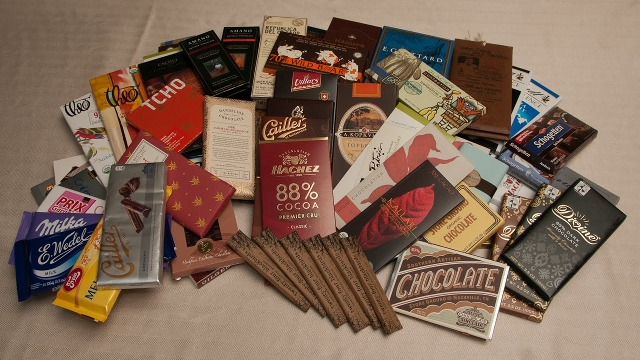
"caption": "Chocolates for a blind taste test - photo by Josh Weaver",
"description": "Diversity of Chocolates",
"title": "2012-chocolate",
"credit": null,
"status": "inherit",
"isLoading": false,
"fetchFailed": false
},
"quest_30015": {
"type": "attachments",
"id": "quest_30015",
"meta": {
"index": "attachments_1716263798",
"site": "quest",
"id": "30015",
"found": true
},
"parent": 30013,
"imgSizes": {
"thumbnail": {
"file": "https://ww2.kqed.org/app/uploads/sites/39/2012/01/smitten-2-400x200.jpg",
"width": 400,
"mimeType": "image/jpeg",
"height": 200
},
"kqedFullSize": {
"file": "https://ww2.kqed.org/app/uploads/sites/39/2012/01/smitten-2.jpg",
"width": 640,
"height": 320
},
"guest-author-96": {
"file": "https://ww2.kqed.org/app/uploads/sites/39/2012/01/smitten-2-96x96.jpg",
"width": 96,
"mimeType": "image/jpeg",
"height": 96
},
"guest-author-64": {
"file": "https://ww2.kqed.org/app/uploads/sites/39/2012/01/smitten-2-64x64.jpg",
"width": 64,
"mimeType": "image/jpeg",
"height": 64
},
"detail": {
"file": "https://ww2.kqed.org/app/uploads/sites/39/2012/01/smitten-2-75x75.jpg",
"width": 75,
"mimeType": "image/jpeg",
"height": 75
},
"guest-author-32": {
"file": "https://ww2.kqed.org/app/uploads/sites/39/2012/01/smitten-2-32x32.jpg",
"width": 32,
"mimeType": "image/jpeg",
"height": 32
},
"guest-author-128": {
"file": "https://ww2.kqed.org/app/uploads/sites/39/2012/01/smitten-2-128x128.jpg",
"width": 128,
"mimeType": "image/jpeg",
"height": 128
}
},
"publishDate": 1328030895,
"modified": 1328030895,
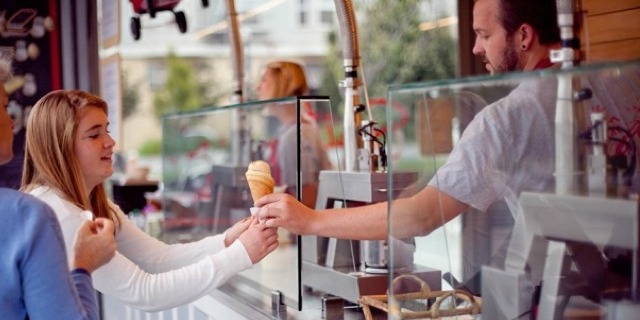
"caption": "Photo by Sarah Deragon, PortraitsToThePeople",
"description": null,
"title": "smitten 2",
"credit": null,
"status": "inherit",
"isLoading": false,
"fetchFailed": false
},
"quest_29014": {
"type": "attachments",
"id": "quest_29014",
"meta": {
"index": "attachments_1716263798",
"site": "quest",
"id": "29014",
"found": true
},
"parent": 29011,
"imgSizes": {
"thumbnail": {
"file": "https://ww2.kqed.org/app/uploads/sites/39/2011/12/farallones-400x225.jpg",
"width": 400,
"mimeType": "image/jpeg",
"height": 225
},
"kqedFullSize": {
"file": "https://ww2.kqed.org/app/uploads/sites/39/2011/12/farallones.jpg",
"width": 640,
"height": 360
},
"guest-author-96": {
"file": "https://ww2.kqed.org/app/uploads/sites/39/2011/12/farallones-96x96.jpg",
"width": 96,
"mimeType": "image/jpeg",
"height": 96
},
"guest-author-64": {
"file": "https://ww2.kqed.org/app/uploads/sites/39/2011/12/farallones-64x64.jpg",
"width": 64,
"mimeType": "image/jpeg",
"height": 64
},
"detail": {
"file": "https://ww2.kqed.org/app/uploads/sites/39/2011/12/farallones-75x75.jpg",
"width": 75,
"mimeType": "image/jpeg",
"height": 75
},
"guest-author-32": {
"file": "https://ww2.kqed.org/app/uploads/sites/39/2011/12/farallones-32x32.jpg",
"width": 32,
"mimeType": "image/jpeg",
"height": 32
},
"guest-author-128": {
"file": "https://ww2.kqed.org/app/uploads/sites/39/2011/12/farallones-128x128.jpg",
"width": 128,
"mimeType": "image/jpeg",
"height": 128
}
},
"publishDate": 1325273286,
"modified": 1325273286,
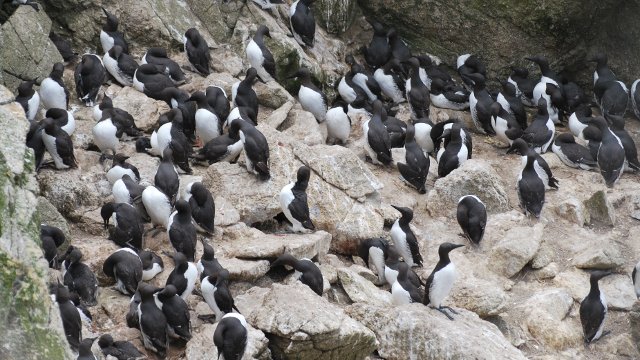
"caption": "Do you have a unique voice that sets you apart from the crowd? Contribute your stories to QUEST!",
"description": null,
"title": "farallones",
"credit": null,
"status": "inherit",
"isLoading": false,
"fetchFailed": false
},
"quest_28041": {
"type": "attachments",
"id": "quest_28041",
"meta": {
"index": "attachments_1716263798",
"site": "quest",
"id": "28041",
"found": true
},
"parent": 28033,
"imgSizes": {
"thumbnail": {
"file": "https://ww2.kqed.org/app/uploads/sites/39/2011/12/nano-400x225.jpg",
"width": 400,
"mimeType": "image/jpeg",
"height": 225
},
"kqedFullSize": {
"file": "https://ww2.kqed.org/app/uploads/sites/39/2011/12/nano.jpg",
"width": 640,
"height": 360
},
"guest-author-96": {
"file": "https://ww2.kqed.org/app/uploads/sites/39/2011/12/nano-96x96.jpg",
"width": 96,
"mimeType": "image/jpeg",
"height": 96
},
"guest-author-64": {
"file": "https://ww2.kqed.org/app/uploads/sites/39/2011/12/nano-64x64.jpg",
"width": 64,
"mimeType": "image/jpeg",
"height": 64
},
"detail": {
"file": "https://ww2.kqed.org/app/uploads/sites/39/2011/12/nano-75x75.jpg",
"width": 75,
"mimeType": "image/jpeg",
"height": 75
},
"guest-author-32": {
"file": "https://ww2.kqed.org/app/uploads/sites/39/2011/12/nano-32x32.jpg",
"width": 32,
"mimeType": "image/jpeg",
"height": 32
},
"guest-author-128": {
"file": "https://ww2.kqed.org/app/uploads/sites/39/2011/12/nano-128x128.jpg",
"width": 128,
"mimeType": "image/jpeg",
"height": 128
}
},
"publishDate": 1322860848,
"modified": 1322860848,
"caption": null,
"description": null,
"title": "nano",
"credit": null,
"status": "inherit",
"isLoading": false,
"fetchFailed": false
},
"quest_28556": {
"type": "attachments",
"id": "quest_28556",
"meta": {
"index": "attachments_1716263798",
"site": "quest",
"id": "28556",
"found": true
},
"parent": 28477,
"imgSizes": {
"thumbnail": {
"file": "https://ww2.kqed.org/app/uploads/sites/39/2011/12/spectrum1-400x225.jpg",
"width": 400,
"mimeType": "image/jpeg",
"height": 225
},
"kqedFullSize": {
"file": "https://ww2.kqed.org/app/uploads/sites/39/2011/12/spectrum1.jpg",
"width": 640,
"height": 360
},
"guest-author-96": {
"file": "https://ww2.kqed.org/app/uploads/sites/39/2011/12/spectrum1-96x96.jpg",
"width": 96,
"mimeType": "image/jpeg",
"height": 96
},
"guest-author-64": {
"file": "https://ww2.kqed.org/app/uploads/sites/39/2011/12/spectrum1-64x64.jpg",
"width": 64,
"mimeType": "image/jpeg",
"height": 64
},
"detail": {
"file": "https://ww2.kqed.org/app/uploads/sites/39/2011/12/spectrum1-75x75.jpg",
"width": 75,
"mimeType": "image/jpeg",
"height": 75
},
"guest-author-32": {
"file": "https://ww2.kqed.org/app/uploads/sites/39/2011/12/spectrum1-32x32.jpg",
"width": 32,
"mimeType": "image/jpeg",
"height": 32
},
"guest-author-128": {
"file": "https://ww2.kqed.org/app/uploads/sites/39/2011/12/spectrum1-128x128.jpg",
"width": 128,
"mimeType": "image/jpeg",
"height": 128
}
},
"publishDate": 1323995915,
"modified": 1323995915,
"caption": "Photo by Dimaano Photography",
"description": null,
"title": "spectrum",
"credit": null,
"status": "inherit",
"isLoading": false,
"fetchFailed": false
},
"quest_27903": {
"type": "attachments",
"id": "quest_27903",
"meta": {
"index": "attachments_1716263798",
"site": "quest",
"id": "27903",
"found": true
},
"parent": 27892,
"imgSizes": {
"twentyfourteen-full-width": {
"file": "https://ww2.kqed.org/app/uploads/sites/39/2011/11/burst_test-1038x576.jpg",
"width": 1038,
"mimeType": "image/jpeg",
"height": 576
},
"thumbnail": {
"file": "https://ww2.kqed.org/app/uploads/sites/39/2011/11/burst_test-400x267.jpg",
"width": 400,
"mimeType": "image/jpeg",
"height": 267
},
"fd-sm": {
"file": "https://ww2.kqed.org/app/uploads/sites/39/2011/11/burst_test-960x640.jpg",
"width": 960,
"mimeType": "image/jpeg",
"height": 640
},
"post-thumbnail": {
"file": "https://ww2.kqed.org/app/uploads/sites/39/2011/11/burst_test-672x372.jpg",
"width": 672,
"mimeType": "image/jpeg",
"height": 372
},
"kqedFullSize": {
"file": "https://ww2.kqed.org/app/uploads/sites/39/2011/11/burst_test.jpg",
"width": 1618,
"height": 1078
},
"large": {
"file": "https://ww2.kqed.org/app/uploads/sites/39/2011/11/burst_test-1440x959.jpg",
"width": 1440,
"mimeType": "image/jpeg",
"height": 959
},
"guest-author-96": {
"file": "https://ww2.kqed.org/app/uploads/sites/39/2011/11/burst_test-96x96.jpg",
"width": 96,
"mimeType": "image/jpeg",
"height": 96
},
"medium": {
"file": "https://ww2.kqed.org/app/uploads/sites/39/2011/11/burst_test-800x533.jpg",
"width": 800,
"mimeType": "image/jpeg",
"height": 533
},
"guest-author-64": {
"file": "https://ww2.kqed.org/app/uploads/sites/39/2011/11/burst_test-64x64.jpg",
"width": 64,
"mimeType": "image/jpeg",
"height": 64
},
"guest-author-32": {
"file": "https://ww2.kqed.org/app/uploads/sites/39/2011/11/burst_test-32x32.jpg",
"width": 32,
"mimeType": "image/jpeg",
"height": 32
},
"fd-med": {
"file": "https://ww2.kqed.org/app/uploads/sites/39/2011/11/burst_test-1180x786.jpg",
"width": 1180,
"mimeType": "image/jpeg",
"height": 786
},
"detail": {
"file": "https://ww2.kqed.org/app/uploads/sites/39/2011/11/burst_test-75x75.jpg",
"width": 75,
"mimeType": "image/jpeg",
"height": 75
},
"guest-author-128": {
"file": "https://ww2.kqed.org/app/uploads/sites/39/2011/11/burst_test-128x128.jpg",
"width": 128,
"mimeType": "image/jpeg",
"height": 128
}
},
"publishDate": 1322587478,
"modified": 1322587478,
"caption": "Inside this Burst Test Chamber, hoses are filled with water and pressurized until they explode.",
"description": "Inside this Burst Test Chamber, hoses are filled with water and pressurized until they explode.",
"title": "burst_test",
"credit": null,
"status": "inherit",
"isLoading": false,
"fetchFailed": false
},
"quest_26788": {
"type": "attachments",
"id": "quest_26788",
"meta": {
"index": "attachments_1716263798",
"site": "quest",
"id": "26788",
"found": true
},
"parent": 26600,
"imgSizes": {
"thumbnail": {
"file": "https://ww2.kqed.org/app/uploads/sites/39/2011/11/reed2-400x225.jpg",
"width": 400,
"mimeType": "image/jpeg",
"height": 225
},
"kqedFullSize": {
"file": "https://ww2.kqed.org/app/uploads/sites/39/2011/11/reed2.jpg",
"width": 640,
"height": 360
},
"guest-author-96": {
"file": "https://ww2.kqed.org/app/uploads/sites/39/2011/11/reed2-96x96.jpg",
"width": 96,
"mimeType": "image/jpeg",
"height": 96
},
"guest-author-64": {
"file": "https://ww2.kqed.org/app/uploads/sites/39/2011/11/reed2-64x64.jpg",
"width": 64,
"mimeType": "image/jpeg",
"height": 64
},
"detail": {
"file": "https://ww2.kqed.org/app/uploads/sites/39/2011/11/reed2-75x75.jpg",
"width": 75,
"mimeType": "image/jpeg",
"height": 75
},
"guest-author-32": {
"file": "https://ww2.kqed.org/app/uploads/sites/39/2011/11/reed2-32x32.jpg",
"width": 32,
"mimeType": "image/jpeg",
"height": 32
},
"guest-author-128": {
"file": "https://ww2.kqed.org/app/uploads/sites/39/2011/11/reed2-128x128.jpg",
"width": 128,
"mimeType": "image/jpeg",
"height": 128
}
},
"publishDate": 1320348984,
"modified": 1320348984,
"caption": null,
"description": null,
"title": "reed2",
"credit": null,
"status": "inherit",
"isLoading": false,
"fetchFailed": false
},
"quest_26520": {
"type": "attachments",
"id": "quest_26520",
"meta": {
"index": "attachments_1716263798",
"site": "quest",
"id": "26520",
"found": true
},
"parent": 26308,
"imgSizes": {
"thumbnail": {
"file": "https://ww2.kqed.org/app/uploads/sites/39/2011/10/audio_slideshow_marqueeimage-400x225.jpg",
"width": 400,
"mimeType": "image/jpeg",
"height": 225
},
"post-thumbnail": {
"file": "https://ww2.kqed.org/app/uploads/sites/39/2011/10/audio_slideshow_marqueeimage-672x372.jpg",
"width": 672,
"mimeType": "image/jpeg",
"height": 372
},
"kqedFullSize": {
"file": "https://ww2.kqed.org/app/uploads/sites/39/2011/10/audio_slideshow_marqueeimage.jpg",
"width": 800,
"height": 450
},
"guest-author-96": {
"file": "https://ww2.kqed.org/app/uploads/sites/39/2011/10/audio_slideshow_marqueeimage-96x96.jpg",
"width": 96,
"mimeType": "image/jpeg",
"height": 96
},
"medium": {
"file": "https://ww2.kqed.org/app/uploads/sites/39/2011/10/audio_slideshow_marqueeimage-800x450.jpg",
"width": 800,
"mimeType": "image/jpeg",
"height": 450
},
"guest-author-64": {
"file": "https://ww2.kqed.org/app/uploads/sites/39/2011/10/audio_slideshow_marqueeimage-64x64.jpg",
"width": 64,
"mimeType": "image/jpeg",
"height": 64
},
"detail": {
"file": "https://ww2.kqed.org/app/uploads/sites/39/2011/10/audio_slideshow_marqueeimage-75x75.jpg",
"width": 75,
"mimeType": "image/jpeg",
"height": 75
},
"guest-author-32": {
"file": "https://ww2.kqed.org/app/uploads/sites/39/2011/10/audio_slideshow_marqueeimage-32x32.jpg",
"width": 32,
"mimeType": "image/jpeg",
"height": 32
},
"guest-author-128": {
"file": "https://ww2.kqed.org/app/uploads/sites/39/2011/10/audio_slideshow_marqueeimage-128x128.jpg",
"width": 128,
"mimeType": "image/jpeg",
"height": 128
}
},
"publishDate": 1319836686,
"modified": 1319836686,
"caption": null,
"description": null,
"title": "audio_slideshow_marqueeimage",
"credit": null,
"status": "inherit",
"isLoading": false,
"fetchFailed": false
},
"quest_26170": {
"type": "attachments",
"id": "quest_26170",
"meta": {
"index": "attachments_1716263798",
"site": "quest",
"id": "26170",
"found": true
},
"parent": 26157,
"imgSizes": {
"thumbnail": {
"file": "https://ww2.kqed.org/app/uploads/sites/39/2011/10/MarqueeUNCTV2-400x225.jpg",
"width": 400,
"mimeType": "image/jpeg",
"height": 225
},
"kqedFullSize": {
"file": "https://ww2.kqed.org/app/uploads/sites/39/2011/10/MarqueeUNCTV2.jpg",
"width": 640,
"height": 360
},
"guest-author-96": {
"file": "https://ww2.kqed.org/app/uploads/sites/39/2011/10/MarqueeUNCTV2-96x96.jpg",
"width": 96,
"mimeType": "image/jpeg",
"height": 96
},
"guest-author-64": {
"file": "https://ww2.kqed.org/app/uploads/sites/39/2011/10/MarqueeUNCTV2-64x64.jpg",
"width": 64,
"mimeType": "image/jpeg",
"height": 64
},
"detail": {
"file": "https://ww2.kqed.org/app/uploads/sites/39/2011/10/MarqueeUNCTV2-75x75.jpg",
"width": 75,
"mimeType": "image/jpeg",
"height": 75
},
"guest-author-32": {
"file": "https://ww2.kqed.org/app/uploads/sites/39/2011/10/MarqueeUNCTV2-32x32.jpg",
"width": 32,
"mimeType": "image/jpeg",
"height": 32
},
"guest-author-128": {
"file": "https://ww2.kqed.org/app/uploads/sites/39/2011/10/MarqueeUNCTV2-128x128.jpg",
"width": 128,
"mimeType": "image/jpeg",
"height": 128
}
},
"publishDate": 1319143140,
"modified": 1319143140,
"caption": null,
"description": null,
"title": "MarqueeUNCTV(2)",
"credit": null,
"status": "inherit",
"isLoading": false,
"fetchFailed": false
},
"quest_26166": {
"type": "attachments",
"id": "quest_26166",
"meta": {
"index": "attachments_1716263798",
"site": "quest",
"id": "26166",
"found": true
},
"parent": 26143,
"imgSizes": {
"thumbnail": {
"file": "https://ww2.kqed.org/app/uploads/sites/39/2011/10/MarqueeUNCTV1-400x225.jpg",
"width": 400,
"mimeType": "image/jpeg",
"height": 225
},
"kqedFullSize": {
"file": "https://ww2.kqed.org/app/uploads/sites/39/2011/10/MarqueeUNCTV1.jpg",
"width": 640,
"height": 360
},
"guest-author-96": {
"file": "https://ww2.kqed.org/app/uploads/sites/39/2011/10/MarqueeUNCTV1-96x96.jpg",
"width": 96,
"mimeType": "image/jpeg",
"height": 96
},
"guest-author-64": {
"file": "https://ww2.kqed.org/app/uploads/sites/39/2011/10/MarqueeUNCTV1-64x64.jpg",
"width": 64,
"mimeType": "image/jpeg",
"height": 64
},
"detail": {
"file": "https://ww2.kqed.org/app/uploads/sites/39/2011/10/MarqueeUNCTV1-75x75.jpg",
"width": 75,
"mimeType": "image/jpeg",
"height": 75
},
"guest-author-32": {
"file": "https://ww2.kqed.org/app/uploads/sites/39/2011/10/MarqueeUNCTV1-32x32.jpg",
"width": 32,
"mimeType": "image/jpeg",
"height": 32
},
"guest-author-128": {
"file": "https://ww2.kqed.org/app/uploads/sites/39/2011/10/MarqueeUNCTV1-128x128.jpg",
"width": 128,
"mimeType": "image/jpeg",
"height": 128
}
},
"publishDate": 1319142674,
"modified": 1319142674,
"caption": null,
"description": null,
"title": "MarqueeUNCTV(1)",
"credit": null,
"status": "inherit",
"isLoading": false,
"fetchFailed": false
},
"quest_26227": {
"type": "attachments",
"id": "quest_26227",
"meta": {
"index": "attachments_1716263798",
"site": "quest",
"id": "26227",
"found": true
},
"parent": 26219,
"imgSizes": {
"thumbnail": {
"file": "https://ww2.kqed.org/app/uploads/sites/39/2011/10/festival-400x225.jpg",
"width": 400,
"mimeType": "image/jpeg",
"height": 225
},
"kqedFullSize": {
"file": "https://ww2.kqed.org/app/uploads/sites/39/2011/10/festival.jpg",
"width": 640,
"height": 360
},
"guest-author-96": {
"file": "https://ww2.kqed.org/app/uploads/sites/39/2011/10/festival-96x96.jpg",
"width": 96,
"mimeType": "image/jpeg",
"height": 96
},
"guest-author-64": {
"file": "https://ww2.kqed.org/app/uploads/sites/39/2011/10/festival-64x64.jpg",
"width": 64,
"mimeType": "image/jpeg",
"height": 64
},
"detail": {
"file": "https://ww2.kqed.org/app/uploads/sites/39/2011/10/festival-75x75.jpg",
"width": 75,
"mimeType": "image/jpeg",
"height": 75
},
"guest-author-32": {
"file": "https://ww2.kqed.org/app/uploads/sites/39/2011/10/festival-32x32.jpg",
"width": 32,
"mimeType": "image/jpeg",
"height": 32
},
"guest-author-128": {
"file": "https://ww2.kqed.org/app/uploads/sites/39/2011/10/festival-128x128.jpg",
"width": 128,
"mimeType": "image/jpeg",
"height": 128
}
},
"publishDate": 1319471027,
"modified": 1319471027,
"caption": "Be amazed at the Bay Area Science Festival! Photo: Bay Area Science Festival",
"description": null,
"title": "festival",
"credit": null,
"status": "inherit",
"isLoading": false,
"fetchFailed": false
},
"quest_25444": {
"type": "attachments",
"id": "quest_25444",
"meta": {
"index": "attachments_1716263798",
"site": "quest",
"id": "25444",
"found": true
},
"parent": 25073,
"imgSizes": {
"twentyfourteen-full-width": {
"file": "https://ww2.kqed.org/app/uploads/sites/39/2011/09/LBNL_iStories_ProductionStills-003-e1317083533457-1038x576.jpg",
"width": 1038,
"mimeType": "image/jpeg",
"height": 576
},
"thumbnail": {
"file": "https://ww2.kqed.org/app/uploads/sites/39/2011/09/LBNL_iStories_ProductionStills-003-e1317083533457-400x226.jpg",
"width": 400,
"mimeType": "image/jpeg",
"height": 226
},
"fd-sm": {
"file": "https://ww2.kqed.org/app/uploads/sites/39/2011/09/LBNL_iStories_ProductionStills-003-e1317083533457-960x542.jpg",
"width": 960,
"mimeType": "image/jpeg",
"height": 542
},
"post-thumbnail": {
"file": "https://ww2.kqed.org/app/uploads/sites/39/2011/09/LBNL_iStories_ProductionStills-003-e1317083533457-672x372.jpg",
"width": 672,
"mimeType": "image/jpeg",
"height": 372
},
"kqedFullSize": {
"file": "https://ww2.kqed.org/app/uploads/sites/39/2011/09/LBNL_iStories_ProductionStills-003-e1317083533457.jpg",
"width": 4678,
"height": 2643
},
"large": {
"file": "https://ww2.kqed.org/app/uploads/sites/39/2011/09/LBNL_iStories_ProductionStills-003-e1317083533457-1440x814.jpg",
"width": 1440,
"mimeType": "image/jpeg",
"height": 814
},
"guest-author-96": {
"file": "https://ww2.kqed.org/app/uploads/sites/39/2011/09/LBNL_iStories_ProductionStills-003-e1317083533457-96x96.jpg",
"width": 96,
"mimeType": "image/jpeg",
"height": 96
},
"medium": {
"file": "https://ww2.kqed.org/app/uploads/sites/39/2011/09/LBNL_iStories_ProductionStills-003-e1317083533457-800x452.jpg",
"width": 800,
"mimeType": "image/jpeg",
"height": 452
},
"guest-author-64": {
"file": "https://ww2.kqed.org/app/uploads/sites/39/2011/09/LBNL_iStories_ProductionStills-003-e1317083533457-64x64.jpg",
"width": 64,
"mimeType": "image/jpeg",
"height": 64
},
"guest-author-32": {
"file": "https://ww2.kqed.org/app/uploads/sites/39/2011/09/LBNL_iStories_ProductionStills-003-e1317083533457-32x32.jpg",
"width": 32,
"mimeType": "image/jpeg",
"height": 32
},
"fd-lrg": {
"file": "https://ww2.kqed.org/app/uploads/sites/39/2011/09/LBNL_iStories_ProductionStills-003-e1317083533457-1920x1085.jpg",
"width": 1920,
"mimeType": "image/jpeg",
"height": 1085
},
"fd-med": {
"file": "https://ww2.kqed.org/app/uploads/sites/39/2011/09/LBNL_iStories_ProductionStills-003-e1317083533457-1180x667.jpg",
"width": 1180,
"mimeType": "image/jpeg",
"height": 667
},
"detail": {
"file": "https://ww2.kqed.org/app/uploads/sites/39/2011/09/LBNL_iStories_ProductionStills-003-e1317083533457-75x75.jpg",
"width": 75,
"mimeType": "image/jpeg",
"height": 75
},
"guest-author-128": {
"file": "https://ww2.kqed.org/app/uploads/sites/39/2011/09/LBNL_iStories_ProductionStills-003-e1317083533457-128x128.jpg",
"width": 128,
"mimeType": "image/jpeg",
"height": 128
}
},
"publishDate": 1317082819,
"modified": 1317082819,
"caption": "The Low-Swirl Combustion Flame that is being developed at Lawrence Berkeley National Laboratory",
"description": null,
"title": "LBNL_iStories_ProductionStills 003",
"credit": null,
"status": "inherit",
"isLoading": false,
"fetchFailed": false
}
},
"audioPlayerReducer": {
"postId": "stream_live",
"isPaused": true,
"isPlaying": false,
"pfsActive": false,
"pledgeModalIsOpen": true,
"playerDrawerIsOpen": false,
"liveAudioPlayStartedAt": 0,
"liveAudioPlayContext": ""
},
"authorsReducer": {
"jennyoh": {
"type": "authors",
"id": "2100",
"meta": {
"index": "authors_1716337520",
"id": "2100",
"found": true
},
"name": "Jenny Oh",
"firstName": "Jenny",
"lastName": "Oh",
"slug": "jennyoh",
"email": "joh@kqed.org",
"display_author_email": false,
"staff_mastheads": [],
"title": "Audience Engagement Producer, Deep Look",
"bio": "Jenny is an Emmy Award-winning producer and is currently the Audience Engagement Producer for KQED Science's \u003cem>Deep Look\u003c/em> online video series. She was also a long-time contributor to Bay Area Bites, KQED's popular food blog. Jenny graduated with honors from New York University’s Tisch School of the Arts Film and Television program and has worked for WNET/PBS, The Learning Channel, Sundance Channel, HBO and the University of California.",
"avatar": "https://secure.gravatar.com/avatar/7ddda0ed657e46dbe66083f569967752?s=600&d=mm&r=g",
"twitter": null,
"facebook": null,
"instagram": null,
"linkedin": null,
"sites": [
{
"site": "arts",
"roles": []
},
{
"site": "pop",
"roles": []
},
{
"site": "about",
"roles": []
},
{
"site": "bayareabites",
"roles": []
},
{
"site": "science",
"roles": []
},
{
"site": "education",
"roles": []
},
{
"site": "quest",
"roles": []
},
{
"site": "food",
"roles": []
}
],
"headData": {
"title": "Jenny Oh | KQED",
"description": "Audience Engagement Producer, Deep Look",
"ogImgSrc": "https://secure.gravatar.com/avatar/7ddda0ed657e46dbe66083f569967752?s=600&d=mm&r=g",
"twImgSrc": "https://secure.gravatar.com/avatar/7ddda0ed657e46dbe66083f569967752?s=600&d=mm&r=g"
},
"isLoading": false,
"link": "/author/jennyoh"
},
"craig-rosa": {
"type": "authors",
"id": "6166",
"meta": {
"index": "authors_1716337520",
"id": "6166",
"found": true
},
"name": "Craig Rosa",
"firstName": "Craig",
"lastName": "Rosa",
"slug": "craig-rosa",
"email": "crosa@kqed.org",
"display_author_email": false,
"staff_mastheads": [],
"title": "Senior Digital Editor",
"bio": "Craig Rosa is KQED's \u003cstrong>Senior Digital Editor for Science\u003c/strong>. Additionally he serves as the Series Producer for the Webby award-winning science & wildlife video series, Deep Look, presented by PBS Digital Studios. Prior to joining KQED in October of 2006, he spent 11 years with \u003ca href=\"http://www.thetech.org/\">The Tech Museum of Innovation\u003c/a> in San Jose, where he worked to create innovative educational visitor experiences online and within the museum space. He was also responsible for the museum's Information Services operations. He began his informal science interpretation career at the \u003ca href=\"http://www.brooklynkids.org/\">Brooklyn Children's Museum\u003c/a> as an Assistant Exhibit Developer and Greenhouse Program Coordinator. Craig has a B.A. in World Arts and Cultures from UCLA, and an M.A. in Performance Studies from New York University.",
"avatar": "https://secure.gravatar.com/avatar/63a0ca473162a5bba6aec0097cde139b?s=600&d=blank&r=g",
"twitter": null,
"facebook": null,
"instagram": null,
"linkedin": null,
"sites": [
{
"site": "science",
"roles": []
},
{
"site": "quest",
"roles": [
"edit_theme_options",
"edit_users",
"level_10",
"level_8",
"level_9",
"unfiltered_html",
"unfiltered_upload"
]
}
],
"headData": {
"title": "Craig Rosa | KQED",
"description": "Senior Digital Editor",
"ogImgSrc": "https://secure.gravatar.com/avatar/63a0ca473162a5bba6aec0097cde139b?s=600&d=blank&r=g",
"twImgSrc": "https://secure.gravatar.com/avatar/63a0ca473162a5bba6aec0097cde139b?s=600&d=blank&r=g"
},
"isLoading": false,
"link": "/author/craig-rosa"
},
"dannastaaf": {
"type": "authors",
"id": "6324",
"meta": {
"index": "authors_1716337520",
"id": "6324",
"found": true
},
"name": "Danna Staaf",
"firstName": "Danna",
"lastName": "Staaf",
"slug": "dannastaaf",
"email": "dannajoy@gmail.com",
"display_author_email": false,
"staff_mastheads": [],
"title": null,
"bio": "Danna Staaf is a marine biologist, science writer, novelist, artist, and educator. She holds a PhD in Squid Babies from Stanford and a BA in Biology from the College of Creative Studies at the University of California, Santa Barbara. She helped found the outreach program \u003ca href=\"http://gilly.stanford.edu/outreach.html\">Squids4Kids\u003c/a>, illustrated \u003ca href=\"https://www.thegamecrafter.com/games/the-game-of-science\">The Game of Science\u003c/a>, and blogs at \u003ca href=\"http://www.science20.com/squid_day\">Science 2.0\u003c/a>. She lives in San Jose with her husband, daughter, and cats.",
"avatar": "https://secure.gravatar.com/avatar/62085c2562a0b91949bfd6ff7548082e?s=600&d=blank&r=g",
"twitter": null,
"facebook": null,
"instagram": null,
"linkedin": null,
"sites": [
{
"site": "science",
"roles": [
"author"
]
},
{
"site": "quest",
"roles": [
"subscriber"
]
}
],
"headData": {
"title": "Danna Staaf | KQED",
"description": null,
"ogImgSrc": "https://secure.gravatar.com/avatar/62085c2562a0b91949bfd6ff7548082e?s=600&d=blank&r=g",
"twImgSrc": "https://secure.gravatar.com/avatar/62085c2562a0b91949bfd6ff7548082e?s=600&d=blank&r=g"
},
"isLoading": false,
"link": "/author/dannastaaf"
},
"chris-bauer": {
"type": "authors",
"id": "10169",
"meta": {
"index": "authors_1716337520",
"id": "10169",
"found": true
},
"name": "Chris Bauer",
"firstName": "Chris",
"lastName": "Bauer",
"slug": "chris-bauer",
"email": "cbauer@kqed.org",
"display_author_email": false,
"staff_mastheads": [],
"title": null,
"bio": "Chris Bauer is a Freelance Media Producer with over 20 years experience working in broadcast television; producing sports, history, technology, science, environment and adventure related programming. He is a two-time winner of the international Society of Environmental Journalists Award for Outstanding Television Story and has received multiple Northern California Emmy Awards. Some of his Quest stories have been featured in the San Francisco Ocean Film Festival, Jackson Hole Wildlife Film Festival, United Nations Association Film Festival, the BLUE Ocean Film Festival and the Environmental Film Festival in Washington DC. A 5th generation Bay Area resident and a graduate of St. Mary's College of California, his hobbies include canoeing, snowboarding, wood-working and trying to play the ukulele. He and his family live in Alameda, CA.",
"avatar": "https://secure.gravatar.com/avatar/d606424d49e072570290f2ab542490b0?s=600&d=blank&r=g",
"twitter": null,
"facebook": null,
"instagram": null,
"linkedin": null,
"sites": [
{
"site": "quest",
"roles": [
"subscriber"
]
}
],
"headData": {
"title": "Chris Bauer | KQED",
"description": null,
"ogImgSrc": "https://secure.gravatar.com/avatar/d606424d49e072570290f2ab542490b0?s=600&d=blank&r=g",
"twImgSrc": "https://secure.gravatar.com/avatar/d606424d49e072570290f2ab542490b0?s=600&d=blank&r=g"
},
"isLoading": false,
"link": "/author/chris-bauer"
},
"cat": {
"type": "authors",
"id": "10173",
"meta": {
"index": "authors_1716337520",
"id": "10173",
"found": true
},
"name": "Cat",
"firstName": "Cat",
"lastName": "Aboudara",
"slug": "cat",
"email": "caboudara@calacademy.org",
"display_author_email": false,
"staff_mastheads": [],
"title": null,
"bio": "Cathleen (Cat) is the former \u003cstrong>Special Projects Manager at California Academy of Sciences\u003c/strong> and worked in the public programs division.\r\nBefore working at the Academy, Cat got her start as an intern at \u003ca href=\"http://www.wildlife-museum.org/\">Lindsay Wildlife Museum\u003c/a> for four years and worked with animals ranging from snakes and hawks to foxes and bobcats. She has a deep curiosity about the natural world and native California wildlife.",
"avatar": "https://secure.gravatar.com/avatar/1db01bf4502e099faeb0628c5015e81f?s=600&d=blank&r=g",
"twitter": null,
"facebook": null,
"instagram": null,
"linkedin": null,
"sites": [
{
"site": "quest",
"roles": [
"subscriber"
]
}
],
"headData": {
"title": "Cat | KQED",
"description": null,
"ogImgSrc": "https://secure.gravatar.com/avatar/1db01bf4502e099faeb0628c5015e81f?s=600&d=blank&r=g",
"twImgSrc": "https://secure.gravatar.com/avatar/1db01bf4502e099faeb0628c5015e81f?s=600&d=blank&r=g"
},
"isLoading": false,
"link": "/author/cat"
},
"jennifer-skene": {
"type": "authors",
"id": "10200",
"meta": {
"index": "authors_1716337520",
"id": "10200",
"found": true
},
"name": "Jennifer Skene",
"firstName": "Jennifer",
"lastName": "Skene",
"slug": "jennifer-skene",
"email": "jen@skene.org",
"display_author_email": false,
"staff_mastheads": [],
"title": null,
"bio": "Jennifer Skene develops curriculum on climate change and ocean sciences at the Lawrence Hall of Science and teaches biology and science communication at Mills College and the University of California Berkeley. She has a degree in biology from Brown University and a Ph.D. in Integrative Biology from UC Berkeley. She started working with QUEST in 2008 as an intern. She has written for the Berkeley Science Review and the UC Museum of Paleontology’s Understanding Evolution and Understanding Science websites.",
"avatar": "https://secure.gravatar.com/avatar/aef770c1852a70b094a8f4ef2c3107e6?s=600&d=blank&r=g",
"twitter": null,
"facebook": null,
"instagram": null,
"linkedin": null,
"sites": [
{
"site": "quest",
"roles": [
"subscriber"
]
}
],
"headData": {
"title": "Jennifer Skene | KQED",
"description": null,
"ogImgSrc": "https://secure.gravatar.com/avatar/aef770c1852a70b094a8f4ef2c3107e6?s=600&d=blank&r=g",
"twImgSrc": "https://secure.gravatar.com/avatar/aef770c1852a70b094a8f4ef2c3107e6?s=600&d=blank&r=g"
},
"isLoading": false,
"link": "/author/jennifer-skene"
},
"michaelgoode": {
"type": "authors",
"id": "10239",
"meta": {
"index": "authors_1716337520",
"id": "10239",
"found": true
},
"name": "Michael Goode",
"firstName": "Michael",
"lastName": "Goode",
"slug": "michaelgoode",
"email": "mgoode@kqed.org",
"display_author_email": false,
"staff_mastheads": [],
"title": null,
"bio": "Prior to joining the QUEST series, Michael began his professional career working on non-fiction programming for cable networks such as National Geographic Channel, Discovery Networks, and the Speed channel, while always pursuing independent projects that brought together his passion for travel, the environment, social issues, and the arts, some of which were aired on the independent news network Current TV. When Michael is not working in television, he enjoys traveling and volunteering in South America and Africa, in disaster response, computer literacy, or organic agriculture. As a member of the QUEST team, he relishes the opportunity to create engaging content that entertains, as well as educates.",
"avatar": "https://secure.gravatar.com/avatar/f75d98ab1583916cf044c55fbdeb0ce7?s=600&d=blank&r=g",
"twitter": null,
"facebook": null,
"instagram": null,
"linkedin": null,
"sites": [
{
"site": "quest",
"roles": [
"subscriber"
]
}
],
"headData": {
"title": "Michael Goode | KQED",
"description": null,
"ogImgSrc": "https://secure.gravatar.com/avatar/f75d98ab1583916cf044c55fbdeb0ce7?s=600&d=blank&r=g",
"twImgSrc": "https://secure.gravatar.com/avatar/f75d98ab1583916cf044c55fbdeb0ce7?s=600&d=blank&r=g"
},
"isLoading": false,
"link": "/author/michaelgoode"
},
"toivomotter": {
"type": "authors",
"id": "10264",
"meta": {
"index": "authors_1716337520",
"id": "10264",
"found": true
},
"name": "Toivo Motter",
"firstName": "Toivo",
"lastName": "Motter",
"slug": "toivomotter",
"email": "toivo.motter@ideastream.org",
"display_author_email": false,
"staff_mastheads": [],
"title": null,
"bio": "Toivo Motter is an instructional designer and a producer at WVIZ/PBS ideastream in Cleveland, Ohio. He has received several Emmy nominations and awards for his productions, including \"LSI: Life Science Investigation,\" an inquiry-based life science multimedia series about invasive species in Lake Erie. Toivo has an M.A. in instructional design and educational technology from Cleveland State University, and a B.A. in education from Kent State University.",
"avatar": "https://secure.gravatar.com/avatar/2d3894426c126ae29831601c630cd00c?s=600&d=blank&r=g",
"twitter": null,
"facebook": null,
"instagram": null,
"linkedin": null,
"sites": [
{
"site": "quest",
"roles": [
"subscriber"
]
}
],
"headData": {
"title": "Toivo Motter | KQED",
"description": null,
"ogImgSrc": "https://secure.gravatar.com/avatar/2d3894426c126ae29831601c630cd00c?s=600&d=blank&r=g",
"twImgSrc": "https://secure.gravatar.com/avatar/2d3894426c126ae29831601c630cd00c?s=600&d=blank&r=g"
},
"isLoading": false,
"link": "/author/toivomotter"
},
"colleenvasu": {
"type": "authors",
"id": "10289",
"meta": {
"index": "authors_1716337520",
"id": "10289",
"found": true
},
"name": "Colleen Vasu",
"firstName": "Colleen",
"lastName": "Vasu",
"slug": "colleenvasu",
"email": "cvasu@unctv.org",
"display_author_email": false,
"staff_mastheads": [],
"title": null,
"bio": "Colleen Vasu joined UNC-TV as the Web Editor/Social Media Producer in early 2011. She develops photography, audio, video and other multimedia content for the UNC-TV website and is responsible for the station's social media promotions. Prior to joining UNC-TV, Colleen produced segments and multimedia for \"The Story\" on WUNC. Born and bred in Chapel Hill, North Carolina and a UNC-CH photojournalism grad, Colleen considers herself a Tar Heel tried and true.",
"avatar": "https://secure.gravatar.com/avatar/eff8250909e60638844f399eab8f431e?s=600&d=blank&r=g",
"twitter": null,
"facebook": null,
"instagram": null,
"linkedin": null,
"sites": [
{
"site": "quest",
"roles": [
"subscriber"
]
}
],
"headData": {
"title": "Colleen Vasu | KQED",
"description": null,
"ogImgSrc": "https://secure.gravatar.com/avatar/eff8250909e60638844f399eab8f431e?s=600&d=blank&r=g",
"twImgSrc": "https://secure.gravatar.com/avatar/eff8250909e60638844f399eab8f431e?s=600&d=blank&r=g"
},
"isLoading": false,
"link": "/author/colleenvasu"
},
"gviebranz": {
"type": "authors",
"id": "10295",
"meta": {
"index": "authors_1716337520",
"id": "10295",
"found": true
},
"name": "George Viebranz",
"firstName": "George",
"lastName": "Viebranz",
"slug": "gviebranz",
"email": "George.Viebranz@ideastream.org",
"display_author_email": false,
"staff_mastheads": [],
"title": null,
"bio": "George Viebranz is a mathematics and science content specialist with ideastream’s Education Division. He spent 32 years as a mathematics and science teacher and curriculum supervisor before joining ideastream. He has worked on more than 50 television and radio productions focusing on the improvement of K-12 mathematics, science, engineering and technology education.",
"avatar": "https://secure.gravatar.com/avatar/31c280e04a4f8036712778957c58b2bd?s=600&d=blank&r=g",
"twitter": null,
"facebook": null,
"instagram": null,
"linkedin": null,
"sites": [
{
"site": "quest",
"roles": [
"subscriber"
]
}
],
"headData": {
"title": "George Viebranz | KQED",
"description": null,
"ogImgSrc": "https://secure.gravatar.com/avatar/31c280e04a4f8036712778957c58b2bd?s=600&d=blank&r=g",
"twImgSrc": "https://secure.gravatar.com/avatar/31c280e04a4f8036712778957c58b2bd?s=600&d=blank&r=g"
},
"isLoading": false,
"link": "/author/gviebranz"
},
"davidhuppert": {
"type": "authors",
"id": "10296",
"meta": {
"index": "authors_1716337520",
"id": "10296",
"found": true
},
"name": "David Huppert",
"firstName": "David",
"lastName": "Huppert",
"slug": "davidhuppert",
"email": "dhuppert@unctv.org",
"display_author_email": false,
"staff_mastheads": [],
"title": null,
"bio": "As a producer/reporter for UNC-TV, David Huppert has spent the last 6 years immersing himself in the Old North State's culture and folklore, consuming as much of state's rich legacy (and barbecue) as possible.\r\n\r\nDavid returns to UNC-TV after a one-year hiatus in NYC where he produced for CBS This Morning. Since 2000 David has produced pieces for public television (UNC-TV, Charlie Rose) and commercial news (CBS, FNC’s The O’Reilly Factor, CNBC).\r\n\r\nWhen he’s not telling stories for television, David is either working on a documentary about Alaska’s Wrangell-St. Elias National Park, or gallivanting around North Carolina with his wife, @mediumish. You can follow him @hupdiggs and at vimeo.com/davidhuppert",
"avatar": "https://secure.gravatar.com/avatar/ee54583217cf12dbdba4ce61ceacb7fd?s=600&d=blank&r=g",
"twitter": null,
"facebook": null,
"instagram": null,
"linkedin": null,
"sites": [
{
"site": "quest",
"roles": [
"leadcoordinator",
"subscriber"
]
}
],
"headData": {
"title": "David Huppert | KQED",
"description": null,
"ogImgSrc": "https://secure.gravatar.com/avatar/ee54583217cf12dbdba4ce61ceacb7fd?s=600&d=blank&r=g",
"twImgSrc": "https://secure.gravatar.com/avatar/ee54583217cf12dbdba4ce61ceacb7fd?s=600&d=blank&r=g"
},
"isLoading": false,
"link": "/author/davidhuppert"
},
"taunyaenglish": {
"type": "authors",
"id": "10300",
"meta": {
"index": "authors_1716337520",
"id": "10300",
"found": true
},
"name": "Taunya English",
"firstName": "Taunya",
"lastName": "English",
"slug": "taunyaenglish",
"email": "tenglish@whyy.org",
"display_author_email": false,
"staff_mastheads": [],
"title": null,
"bio": "Taunya splits her time between Philadelphia and Pennsylvania's state capital in Harrisburg. She is the creator and producer of a year-long multimedia collaboration between National Public Radio affiliate, WHYY and WURD. The series, In the Gap: Voices from the Health Divide, explores the disparities that keep African Americans in Philadelphia from better health.\r\n\r\nTaunya is a fellow with the NPR-Kaiser Health News-Member Stations Reporting Partnership on Health Care in the States. In addition to radio reporting, Taunya produces health segments for WHHY's Delaware TV newsmagazine \"First.\" Before joining WHYY, Taunya led statehouse news coverage for Public Radio Capitol News in Harrisburg, Pa., and worked as a freelance health reporter for Baltimore’s WYPR. She began her journalism career as a newspaper reporter in Northern California, then worked as a science writer in Washington, DC. She earned her graduate degree from Northwestern University’s Medill School of Journalism.",
"avatar": "https://secure.gravatar.com/avatar/78b3451c4759e5777f1e8902d628b86c?s=600&d=blank&r=g",
"twitter": null,
"facebook": null,
"instagram": null,
"linkedin": null,
"sites": [
{
"site": "quest",
"roles": [
"subscriber"
]
}
],
"headData": {
"title": "Taunya English | KQED",
"description": null,
"ogImgSrc": "https://secure.gravatar.com/avatar/78b3451c4759e5777f1e8902d628b86c?s=600&d=blank&r=g",
"twImgSrc": "https://secure.gravatar.com/avatar/78b3451c4759e5777f1e8902d628b86c?s=600&d=blank&r=g"
},
"isLoading": false,
"link": "/author/taunyaenglish"
}
},
"pagesReducer": {
"quest_category_chemistry": {
"type": "terms",
"id": "quest_5",
"meta": {
"index": "terms_1716263798",
"site": "quest",
"id": "5",
"score": 13.106251
},
"featImg": null,
"name": "Chemistry",
"description": null,
"taxonomy": "category",
"headData": {
"twImgId": null,
"twTitle": null,
"ogTitle": null,
"ogImgId": null,
"twDescription": null,
"description": null,
"title": "Chemistry Archives | KQED Arts",
"ogDescription": null
},
"ttid": 6,
"slug": "chemistry",
"isLoading": false,
"title": "Chemistry",
"pageMeta": {
"site": "quest",
"WpPageTemplate": "page-topic-editorial",
"currentPage": 6
},
"blocks": [
{
"blockName": "kqed/post-list",
"attrs": {
"layout": "cardArticle2",
"query": "posts/quest?category=chemistry",
"seeMore": false,
"paginated": true,
"page": 6
}
},
{
"blockName": "kqed/ad"
}
]
}
},
"pfsSessionReducer": {},
"postsReducer": {
"stream_live": {
"type": "live",
"id": "stream_live",
"audioUrl": "https://hls.kqed.org/hls/kqed_app/playlist.m3u8",
"title": "Live Stream",
"excerpt": "Live Stream information currently unavailable.",
"link": "/radio",
"featImg": "",
"label": {
"name": "KQED Live",
"link": "/"
}
},
"stream_kqedNewscast": {
"type": "posts",
"id": "stream_kqedNewscast",
"audioUrl": "https://www.kqed.org/.stream/anon/radio/RDnews/newscast.mp3?_=1",
"title": "KQED Newscast",
"featImg": "",
"label": {
"name": "88.5 FM",
"link": "/"
}
},
"quest_30692": {
"type": "posts",
"id": "quest_30692",
"meta": {
"index": "posts_1716263798",
"site": "quest",
"id": "30692",
"score": null,
"sort": [
1329247607000
]
},
"parent": 0,
"labelTerm": {
"site": "quest",
"term": 3354
},
"blocks": [],
"publishDate": 1329247607,
"format": "standard",
"disqusTitle": "Chocolate Tasting in the Name of Science!",
"title": "Chocolate Tasting in the Name of Science!",
"headTitle": "QUEST | KQED Science",
"content": "\u003cfigure id=\"attachment_30704\" class=\"wp-caption alignnone\" style=\"max-width: 640px\">\u003ca href=\"http://ww2.kqed.org/quest/2012/02/14/chocolate-tasting-in-the-name-of-science/2012-chocolate/\" rel=\"attachment wp-att-30704\">\u003cimg class=\"size-full wp-image-30704\" title=\"2012-chocolate\" src=\"http://ww2.kqed.org/quest/wp-content/uploads/sites/39/2012/02/2012-chocolate.jpg\" alt=\"Diversity of Chocolates\" width=\"640\" height=\"360\" srcset=\"https://ww2.kqed.org/app/uploads/sites/39/2012/02/2012-chocolate.jpg 640w, https://ww2.kqed.org/app/uploads/sites/39/2012/02/2012-chocolate-400x225.jpg 400w\" sizes=\"(max-width: 640px) 100vw, 640px\">\u003c/a>\u003cfigcaption class=\"wp-caption-text\">Chocolates for a blind taste test. Photo by Josh Weaver\u003c/figcaption>\u003c/figure>\n\u003cp>Chocolate scientists study everything from the disease resistance of cacao trees to the health benefits of the finished product. But they shy away from one critical question: which chocolate tastes best?\u003c/p>\n\u003cp>Flavor is subjective, of course. But with a healthy sample size, a blind taste test, and a solid dose of statistics, one Bay Area foodie hopes to find an answer. IBM research engineer and UC Berkeley graduate student Christine Robson has held chocolate tastings at her San Jose home since 2007. This year's event on February 12 featured fifty-four chocolates, forty-two tasters, and an evening of rigorous data analysis.\u003c/p>\n\u003cp>Chocoholic scientist that I am, I couldn't stay away.\u003c/p>\n\u003cp>Guests included Annika Mongan of brand new Berkeley chocolate maker Ostara, who cleverly brought some raw material. Sure, I knew cocoa beans came from a cocoa pod, but I didn't realize they were surrounded inside that pod with gooey cocoa pulp, called \u003cem>baba\u003c/em> in Spanish--drool. Despite its unappetizing name, I enjoyed the dried \u003cem>baba\u003c/em>; its flavor was similar to other tropical fruits like papaya and mango.\u003c/p>\n\u003cp>Although most of us never taste it, cocoa pulp is crucial to the flavor of chocolate. After picking the pods, farmers pile the beans and pulp together and ferment them for days. Yeast, bacteria, and fungi take turns breaking down pulp sugars, producing acids. Longer fermentation creates more acidic beans and a stronger, more aromatic flavor. Shorter fermentation leads to a milder flavor.\u003c/p>\n\u003cp>[ad fullwidth]\u003c/p>\n\u003cp>When cocoa beans become raw chocolate, the process of fermentation is mostly responsible for the taste--with contributions from cocoa genetics and growing conditions. Some people swear by it. I fell in love with the rich, fruity flavor of raw chocolate at the \u003ca title=\"Snake and Butterfly Chocolates\" href=\"http://snakeandbutterfly.com/\">Snake & Butterfly\u003c/a> booth in the Campbell Farmers' Market. This five-year-old local chocolate company was named after Aztec gods to honor the food’s mesoamerican origins. Like Ostara, Snake & Butterfly started with raw chocolate, but decided after a couple of years to start roasting.\u003c/p>\n\u003cp>Roasting takes two fermentation products--amino acids and reducing sugars--and gives them a chemical shake called the Maillard reaction, which is famous among food scientists for browning bread and onions (among many other things). Along with fermentation, roasting produces the taste we recognize as distinctly \u003cem>chocolate\u003c/em>.\u003c/p>\n\u003cp>Snake & Butterfly now only makes raw chocolate for special orders, but you can buy their roasted chocolate at Whole Foods, local farmers' markets, cafes, wineries—and art museums! Designer chocolate bars made to match the paintings of artist Jeremy Gilbert-Rolfe will be \u003ca title=\"Awkward x 2 Chocolate Box\" href=\"http://awkwardx2.com/Awkwardx2_site/Chocolate_Box.html\">boxed up\u003c/a> and sold at his exhibitions.\u003c/p>\n\u003cp>Ostara's raw chocolate will soon be on the shelves at Whole Foods as well.\u003c/p>\n\u003cp>\u003c/p>\n\u003cp>If you’d like to see how Bay Area chocolate measures up against chocolate from around the world, check out Robson’s \u003ca title=\"Chocolate Tasting Statistics\" href=\"http://chocolatestatistics.blogspot.com/\">chocolate statistics\u003c/a>. But be warned: chocolate snobbery is a slippery slope. According to Snake & Butterfly’s Celeste Flores, “My five-year-old refuses to trick-or-treat, because he says it doesn’t taste like chocolate.”\u003c/p>\n\n",
"disqusIdentifier": "30692 http://science.kqed.org/quest/?p=30692",
"disqusUrl": "https://ww2.kqed.org/quest/2012/02/14/chocolate-tasting-in-the-name-of-science/",
"stats": {
"hasVideo": false,
"hasChartOrMap": false,
"hasAudio": false,
"hasPolis": false,
"wordCount": 531,
"hasGoogleForm": false,
"hasGallery": false,
"hasHearkenModule": false,
"iframeSrcs": [],
"paragraphCount": 12
},
"modified": 1443831120,
"excerpt": "Chocolate scientists study everything from the disease resistance of cacao trees to the health benefits of the finished product. But they shy away from one critical question: which chocolate tastes best?",
"headData": {
"twImgId": "",
"twTitle": "",
"ogTitle": "",
"ogImgId": "",
"twDescription": "",
"description": "Chocolate scientists study everything from the disease resistance of cacao trees to the health benefits of the finished product. But they shy away from one critical question: which chocolate tastes best?",
"title": "Chocolate Tasting in the Name of Science! | KQED",
"ogDescription": "",
"schema": {
"@context": "https://schema.org",
"@type": "Article",
"headline": "Chocolate Tasting in the Name of Science!",
"datePublished": "2012-02-14T11:26:47-08:00",
"dateModified": "2015-10-02T17:12:00-07:00",
"image": "https://cdn.kqed.org/wp-content/uploads/2020/02/KQED-OG-Image@1x.png"
}
},
"guestAuthors": [],
"slug": "chocolate-tasting-in-the-name-of-science",
"status": "publish",
"path": "/quest/30692/chocolate-tasting-in-the-name-of-science",
"audioTrackLength": null,
"parsedContent": [
{
"type": "contentString",
"content": "\u003cdiv class=\"post-body\">\u003cp>\u003cfigure id=\"attachment_30704\" class=\"wp-caption alignnone\" style=\"max-width: 640px\">\u003ca href=\"http://ww2.kqed.org/quest/2012/02/14/chocolate-tasting-in-the-name-of-science/2012-chocolate/\" rel=\"attachment wp-att-30704\">\u003cimg class=\"size-full wp-image-30704\" title=\"2012-chocolate\" src=\"http://ww2.kqed.org/quest/wp-content/uploads/sites/39/2012/02/2012-chocolate.jpg\" alt=\"Diversity of Chocolates\" width=\"640\" height=\"360\" srcset=\"https://ww2.kqed.org/app/uploads/sites/39/2012/02/2012-chocolate.jpg 640w, https://ww2.kqed.org/app/uploads/sites/39/2012/02/2012-chocolate-400x225.jpg 400w\" sizes=\"(max-width: 640px) 100vw, 640px\">\u003c/a>\u003cfigcaption class=\"wp-caption-text\">Chocolates for a blind taste test. Photo by Josh Weaver\u003c/figcaption>\u003c/figure>\n\u003cp>Chocolate scientists study everything from the disease resistance of cacao trees to the health benefits of the finished product. But they shy away from one critical question: which chocolate tastes best?\u003c/p>\n\u003cp>Flavor is subjective, of course. But with a healthy sample size, a blind taste test, and a solid dose of statistics, one Bay Area foodie hopes to find an answer. IBM research engineer and UC Berkeley graduate student Christine Robson has held chocolate tastings at her San Jose home since 2007. This year's event on February 12 featured fifty-four chocolates, forty-two tasters, and an evening of rigorous data analysis.\u003c/p>\n\u003cp>Chocoholic scientist that I am, I couldn't stay away.\u003c/p>\n\u003cp>Guests included Annika Mongan of brand new Berkeley chocolate maker Ostara, who cleverly brought some raw material. Sure, I knew cocoa beans came from a cocoa pod, but I didn't realize they were surrounded inside that pod with gooey cocoa pulp, called \u003cem>baba\u003c/em> in Spanish--drool. Despite its unappetizing name, I enjoyed the dried \u003cem>baba\u003c/em>; its flavor was similar to other tropical fruits like papaya and mango.\u003c/p>\n\u003cp>Although most of us never taste it, cocoa pulp is crucial to the flavor of chocolate. After picking the pods, farmers pile the beans and pulp together and ferment them for days. Yeast, bacteria, and fungi take turns breaking down pulp sugars, producing acids. Longer fermentation creates more acidic beans and a stronger, more aromatic flavor. Shorter fermentation leads to a milder flavor.\u003c/p>\n\u003cp>\u003c/p>\u003c/div>",
"attributes": {
"named": {},
"numeric": []
}
},
{
"type": "component",
"content": "",
"name": "ad",
"attributes": {
"named": {
"label": "fullwidth"
},
"numeric": [
"fullwidth"
]
}
},
{
"type": "contentString",
"content": "\u003cdiv class=\"post-body\">\u003cp>\u003c/p>\n\u003cp>When cocoa beans become raw chocolate, the process of fermentation is mostly responsible for the taste--with contributions from cocoa genetics and growing conditions. Some people swear by it. I fell in love with the rich, fruity flavor of raw chocolate at the \u003ca title=\"Snake and Butterfly Chocolates\" href=\"http://snakeandbutterfly.com/\">Snake & Butterfly\u003c/a> booth in the Campbell Farmers' Market. This five-year-old local chocolate company was named after Aztec gods to honor the food’s mesoamerican origins. Like Ostara, Snake & Butterfly started with raw chocolate, but decided after a couple of years to start roasting.\u003c/p>\n\u003cp>Roasting takes two fermentation products--amino acids and reducing sugars--and gives them a chemical shake called the Maillard reaction, which is famous among food scientists for browning bread and onions (among many other things). Along with fermentation, roasting produces the taste we recognize as distinctly \u003cem>chocolate\u003c/em>.\u003c/p>\n\u003cp>Snake & Butterfly now only makes raw chocolate for special orders, but you can buy their roasted chocolate at Whole Foods, local farmers' markets, cafes, wineries—and art museums! Designer chocolate bars made to match the paintings of artist Jeremy Gilbert-Rolfe will be \u003ca title=\"Awkward x 2 Chocolate Box\" href=\"http://awkwardx2.com/Awkwardx2_site/Chocolate_Box.html\">boxed up\u003c/a> and sold at his exhibitions.\u003c/p>\n\u003cp>Ostara's raw chocolate will soon be on the shelves at Whole Foods as well.\u003c/p>\n\u003cp>\u003c/p>\n\u003cp>If you’d like to see how Bay Area chocolate measures up against chocolate from around the world, check out Robson’s \u003ca title=\"Chocolate Tasting Statistics\" href=\"http://chocolatestatistics.blogspot.com/\">chocolate statistics\u003c/a>. But be warned: chocolate snobbery is a slippery slope. According to Snake & Butterfly’s Celeste Flores, “My five-year-old refuses to trick-or-treat, because he says it doesn’t taste like chocolate.”\u003c/p>\n\n\u003c/div>\u003c/p>",
"attributes": {
"named": {},
"numeric": []
}
}
],
"link": "/quest/30692/chocolate-tasting-in-the-name-of-science",
"authors": [
"6324"
],
"categories": [
"quest_5",
"quest_3229"
],
"tags": [
"quest_439",
"quest_13194",
"quest_590",
"quest_10706",
"quest_1109",
"quest_3351",
"quest_2349",
"quest_13",
"quest_10707"
],
"collections": [
"quest_3354"
],
"featImg": "quest_30704",
"label": "quest_3354"
},
"quest_30013": {
"type": "posts",
"id": "quest_30013",
"meta": {
"index": "posts_1716263798",
"site": "quest",
"id": "30013",
"score": null,
"sort": [
1328112553000
]
},
"parent": 0,
"labelTerm": {
"site": "quest"
},
"blocks": [],
"publishDate": 1328112553,
"format": "standard",
"disqusTitle": "Smitten Ice Cream: Old Fashioned Ice Cream in Sixty Seconds",
"title": "Smitten Ice Cream: Old Fashioned Ice Cream in Sixty Seconds",
"headTitle": "QUEST | KQED Science",
"content": "\u003cfigure id=\"attachment_30015\" class=\"wp-caption alignleft\" style=\"max-width: 300px\">\u003ca href=\"http://ww2.kqed.org/quest/2012/02/01/smitten-ice-cream-old-fashioned-ice-cream-in-sixty-seconds/smitten-2/\" rel=\"attachment wp-att-30015\">\u003cimg src=\"http://ww2.kqed.org/quest/wp-content/uploads/sites/39/2012/01/smitten-2-300x150.jpg\" alt=\"\" title=\"smitten 2\" width=\"300\" height=\"150\" class=\"size-thumbnail wp-image-30015\">\u003c/a>\u003cfigcaption class=\"wp-caption-text\">Photo by Sarah Deragon, PortraitsToThePeople\u003c/figcaption>\u003c/figure>\n\u003cp>I am lucky enough to live in Hayes Valley, I’ve been living here for about four years now and have been privy to great community engagement; especially around the park at Hayes and Octavia. There is such a diversity of people that congregate in the park and one of the new neighbors has definitely added to the charm of the environs – \u003ca href=\"http://www.smittenicecream.com\">Smitten Ice Cream\u003c/a>.\u003c/p>\n\u003cp>The first flavor I tried was salted caramel, and it was hands down the best ice cream I had ever tasted. Since then, when I have guests visiting, I make sure that one of the local stops is Smitten. The ice cream is made to order only using the freshest local ingredients and it is frozen within 60 seconds using liquid nitrogen with a freezing point of -321 degrees F or 76 degrees Kelvin giving it a unique texture.\u003c/p>\n\u003cp>I heard Robyn Sue Goldman, owner of Smitten and Cory Bloome, the engineer responsible for fine tuning Robyn’s first prototype to mix the ice cream, speak about Smitten on Wednesday, January 18th at \u003ca href=\"http://sf.nerdnite.com/\">Nerd Nite\u003c/a>. Smitten’s story from wagon to the Hayes Valley location is a great blend of quality and innovation. Robyn’s initial vision with Smitten was to get closer to the cow. With traditional ice cream that is frozen with conventional techniques, the texture is often stabilized with additives, emulsifiers or preservatives which mask natural ingredients. Old-fashioned ice cream in contrast has a few simple ingredients but takes quite some time to freeze. Introducing liquid nitrogen enabled Robyn to create ice cream the old fashioned way without the wait time. \u003c/p>\n\u003cp>The first ice cream machine was created and tested by Robyn through trial and error over many years. One of the major hurdles was to create a mixing apparatus that could properly and consistently mix the ice cream, without over-freezing or under-freezing any portion of it, which is easy to do with liquid nitrogen. She developed and later patented her creation of two swirling mixing arms with a helix design. She named the unique, patented mixer \"Kelvin,\" giving tribute to the measurement of intense cold. Kelvin’s design, with the help of liquid nitrogen, creates a lower ice cream-freezing temperature while perfecting the mixing technique, resulting in the formation of smaller ice crystals in the finished product. These exceptionally small ice crystals are the reason why Smitten Ice Cream is so intensely creamy. To test her invention, Robyn initially hit the streets of San Francisco with Kelvin strapped on top of a Radio Flyer wagon and made incredible ice cream to-order. Popularity for Smitten Ice Cream grew, and the need for a store became tangible.\u003c/p>\n\u003cp>Before a store could be created, Kelvin needed to be refurbished and approved by UL, the regulatory agent. That is where Cory Bloome came in, affectionately dubbed “The Kelvin Doctor. Cory was the engineer who took Robyn’s prototype and list of improvements and fabricated the next generation of Kelvin’s for the store. \u003c/p>\n\u003cp>[ad fullwidth]\u003c/p>\n\u003cp>\u003c/p>\n\u003cp>The four Kelvins are now busy mixing at the Smitten storefront at 432 Octavia St. (@ Linden St.). Try it for yourself if you find yourself in the neighborhood. Ice cream is served each day starting at noon. Monday through Thursday and Sunday, the ice cream is put away at 9pm; yet, Friday and Saturday you can come as late as 10pm for your fix. \u003c/p>\n\n",
"disqusIdentifier": "30013 http://science.kqed.org/quest/?p=30013",
"disqusUrl": "https://ww2.kqed.org/quest/2012/02/01/smitten-ice-cream-old-fashioned-ice-cream-in-sixty-seconds/",
"stats": {
"hasVideo": false,
"hasChartOrMap": false,
"hasAudio": false,
"hasPolis": false,
"wordCount": 583,
"hasGoogleForm": false,
"hasGallery": false,
"hasHearkenModule": false,
"iframeSrcs": [],
"paragraphCount": 8
},
"modified": 1329183810,
"excerpt": "When I have guests visiting, I make sure that one of the local stops is Smitten. The ice cream is made to order only using the freshest local ingredients and it is frozen within 60 seconds using liquid nitrogen.",
"headData": {
"twImgId": "",
"twTitle": "",
"ogTitle": "",
"ogImgId": "",
"twDescription": "",
"description": "When I have guests visiting, I make sure that one of the local stops is Smitten. The ice cream is made to order only using the freshest local ingredients and it is frozen within 60 seconds using liquid nitrogen.",
"title": "Smitten Ice Cream: Old Fashioned Ice Cream in Sixty Seconds | KQED",
"ogDescription": "",
"schema": {
"@context": "https://schema.org",
"@type": "Article",
"headline": "Smitten Ice Cream: Old Fashioned Ice Cream in Sixty Seconds",
"datePublished": "2012-02-01T08:09:13-08:00",
"dateModified": "2012-02-13T17:43:30-08:00",
"image": "https://cdn.kqed.org/wp-content/uploads/2020/02/KQED-OG-Image@1x.png"
}
},
"guestAuthors": [],
"slug": "smitten-ice-cream-old-fashioned-ice-cream-in-sixty-seconds",
"status": "publish",
"path": "/quest/30013/smitten-ice-cream-old-fashioned-ice-cream-in-sixty-seconds",
"audioTrackLength": null,
"parsedContent": [
{
"type": "contentString",
"content": "\u003cdiv class=\"post-body\">\u003cp>\u003cfigure id=\"attachment_30015\" class=\"wp-caption alignleft\" style=\"max-width: 300px\">\u003ca href=\"http://ww2.kqed.org/quest/2012/02/01/smitten-ice-cream-old-fashioned-ice-cream-in-sixty-seconds/smitten-2/\" rel=\"attachment wp-att-30015\">\u003cimg src=\"http://ww2.kqed.org/quest/wp-content/uploads/sites/39/2012/01/smitten-2-300x150.jpg\" alt=\"\" title=\"smitten 2\" width=\"300\" height=\"150\" class=\"size-thumbnail wp-image-30015\">\u003c/a>\u003cfigcaption class=\"wp-caption-text\">Photo by Sarah Deragon, PortraitsToThePeople\u003c/figcaption>\u003c/figure>\n\u003cp>I am lucky enough to live in Hayes Valley, I’ve been living here for about four years now and have been privy to great community engagement; especially around the park at Hayes and Octavia. There is such a diversity of people that congregate in the park and one of the new neighbors has definitely added to the charm of the environs – \u003ca href=\"http://www.smittenicecream.com\">Smitten Ice Cream\u003c/a>.\u003c/p>\n\u003cp>The first flavor I tried was salted caramel, and it was hands down the best ice cream I had ever tasted. Since then, when I have guests visiting, I make sure that one of the local stops is Smitten. The ice cream is made to order only using the freshest local ingredients and it is frozen within 60 seconds using liquid nitrogen with a freezing point of -321 degrees F or 76 degrees Kelvin giving it a unique texture.\u003c/p>\n\u003cp>I heard Robyn Sue Goldman, owner of Smitten and Cory Bloome, the engineer responsible for fine tuning Robyn’s first prototype to mix the ice cream, speak about Smitten on Wednesday, January 18th at \u003ca href=\"http://sf.nerdnite.com/\">Nerd Nite\u003c/a>. Smitten’s story from wagon to the Hayes Valley location is a great blend of quality and innovation. Robyn’s initial vision with Smitten was to get closer to the cow. With traditional ice cream that is frozen with conventional techniques, the texture is often stabilized with additives, emulsifiers or preservatives which mask natural ingredients. Old-fashioned ice cream in contrast has a few simple ingredients but takes quite some time to freeze. Introducing liquid nitrogen enabled Robyn to create ice cream the old fashioned way without the wait time. \u003c/p>\n\u003cp>The first ice cream machine was created and tested by Robyn through trial and error over many years. One of the major hurdles was to create a mixing apparatus that could properly and consistently mix the ice cream, without over-freezing or under-freezing any portion of it, which is easy to do with liquid nitrogen. She developed and later patented her creation of two swirling mixing arms with a helix design. She named the unique, patented mixer \"Kelvin,\" giving tribute to the measurement of intense cold. Kelvin’s design, with the help of liquid nitrogen, creates a lower ice cream-freezing temperature while perfecting the mixing technique, resulting in the formation of smaller ice crystals in the finished product. These exceptionally small ice crystals are the reason why Smitten Ice Cream is so intensely creamy. To test her invention, Robyn initially hit the streets of San Francisco with Kelvin strapped on top of a Radio Flyer wagon and made incredible ice cream to-order. Popularity for Smitten Ice Cream grew, and the need for a store became tangible.\u003c/p>\n\u003cp>Before a store could be created, Kelvin needed to be refurbished and approved by UL, the regulatory agent. That is where Cory Bloome came in, affectionately dubbed “The Kelvin Doctor. Cory was the engineer who took Robyn’s prototype and list of improvements and fabricated the next generation of Kelvin’s for the store. \u003c/p>\n\u003cp>\u003c/p>\u003c/div>",
"attributes": {
"named": {},
"numeric": []
}
},
{
"type": "component",
"content": "",
"name": "ad",
"attributes": {
"named": {
"label": "fullwidth"
},
"numeric": [
"fullwidth"
]
}
},
{
"type": "contentString",
"content": "\u003cdiv class=\"post-body\">\u003cp>\u003c/p>\n\u003cp>\u003c/p>\n\u003cp>The four Kelvins are now busy mixing at the Smitten storefront at 432 Octavia St. (@ Linden St.). Try it for yourself if you find yourself in the neighborhood. Ice cream is served each day starting at noon. Monday through Thursday and Sunday, the ice cream is put away at 9pm; yet, Friday and Saturday you can come as late as 10pm for your fix. \u003c/p>\n\n\u003c/div>\u003c/p>",
"attributes": {
"named": {},
"numeric": []
}
}
],
"link": "/quest/30013/smitten-ice-cream-old-fashioned-ice-cream-in-sixty-seconds",
"authors": [
"10173"
],
"categories": [
"quest_5",
"quest_8",
"quest_3229"
],
"tags": [
"quest_13194",
"quest_10660",
"quest_10661",
"quest_13202"
],
"featImg": "quest_30015",
"label": "quest"
},
"quest_29011": {
"type": "posts",
"id": "quest_29011",
"meta": {
"index": "posts_1716263798",
"site": "quest",
"id": "29011",
"score": null,
"sort": [
1325530838000
]
},
"parent": 0,
"labelTerm": {
"site": "quest"
},
"blocks": [],
"publishDate": 1325530838,
"format": "standard",
"disqusTitle": "Got Science on the Brain? Come Blog with QUEST",
"title": "Got Science on the Brain? Come Blog with QUEST",
"headTitle": "QUEST | KQED Science",
"content": "\u003cfigure id=\"attachment_29014\" class=\"wp-caption alignnone\" style=\"max-width: 640px\">\u003ca href=\"http://ww2.kqed.org/quest/wp-content/uploads/sites/39/2011/12/farallones.jpg\">\u003cimg src=\"http://ww2.kqed.org/quest/wp-content/uploads/sites/39/2011/12/farallones.jpg\" alt=\"farallones\" title=\"farallones\" width=\"640\" height=\"360\" class=\"size-full wp-image-29014\" srcset=\"https://ww2.kqed.org/app/uploads/sites/39/2011/12/farallones.jpg 640w, https://ww2.kqed.org/app/uploads/sites/39/2011/12/farallones-400x225.jpg 400w\" sizes=\"(max-width: 640px) 100vw, 640px\">\u003c/a>\u003cfigcaption class=\"wp-caption-text\">Do you have a unique voice that sets you apart from the crowd? Contribute your stories to QUEST!\u003c/figcaption>\u003c/figure>\n\u003cp>We're looking to include folks who are actively involved in the science, environment and nature blogging community – e.g. have a blog, guest post on others' site, and comment / participate in relevant discussions. And we're looking locally. Our blog has a strong SF Bay Area focus, though we do occasionally cover and/or perform analysis on how this stuff elsewhere that affects the Bay Area.\u003c/p>\n\u003cp>\u003cstrong>What we cover\u003c/strong>\u003c/p>\n\u003cp>QUEST’s geographic coverage is from Mendocino to Monterey and from Sacramento to Santa Clara, and generally covers 9 content areas: astronomy, biology, chemistry, engineering, environment, geology, health, physics and weather.\u003c/p>\n\u003cp>\u003cstrong>Requirements\u003c/strong>\u003c/p>\n\u003cp>• Original posts, 3-500 words with at least 1 image. Schedule determined on availability, but weekly or bi-monthly is preferred.\u003cbr>\n• Posts should relate back to at least one of our 9 themes for the program: Astronomy, Chemistry, Engineering, Physics, Weather, Geology, Biology, Environment, Health.\u003cbr>\n• Topic should be something about which you have some expertise and/or passion.\u003cbr>\n• A unique voice and ability to follow our QUEST writing guidelines (see below).\u003cbr>\n• Experience with WordPress or similar blogging platform.\u003cbr>\n• Willingness to occasionally be assigned a post topic by the editor as current events dictate.\u003cbr>\n• Respect for copyright and fair use.\u003c/p>\n\u003cp>[ad fullwidth]\u003c/p>\n\u003cp>\u003cstrong>Would I get paid?\u003c/strong>\u003c/p>\n\u003cp>Yes – we offer a small stipend on a per post basis.\u003c/p>\n\u003cp>\u003cstrong>Alrighty, then. How do I apply?\u003c/strong>\u003c/p>\n\u003cp>Email us a note and bio to questeditor@kqed.org explaining what you'd like to write for us. Please also include some links to relevant blogs you admire, and/or participate in, and why. Send us a writing sample or two (links are fine), and we'll review it in the next couple weeks. Last day to submit is February 1st. Our hope is to bring aboard a few new bloggers by mid-February.\u003c/p>\n\u003cp>\u003cstrong>Some beats we're interested in \u003c/strong>\u003c/p>\n\u003cp>Although we want to hear from a wide range of writers, here are a few coverage areas we're keen on in particular:\u003c/p>\n\u003cp>• Bay ecology background and issues\u003cbr>\n• Science education\u003cbr>\n• Silicon Valley / engineering innovations\u003cbr>\n• Hacks, DIY, and hands-on science activities\u003cbr>\n• Hiking and outdoors (with a science focus)\u003cbr>\n• Food science\u003cbr>\n• Convergence of art & science\u003cbr>\n• Nature & science photography\u003c/p>\n\u003cp>\u003cstrong>Writing Guidelines\u003c/strong>\u003c/p>\n\u003cp>(As laid out by our managing editor, Paul Rogers)\u003c/p>\n\u003cp>\u003cstrong>Why does my grandmother care? \u003c/strong>A key requirement of QUEST bloggers will be to explain scientific and environmental issues in a way that the general public can understand. Our audience is mostly made up of people who aren’t scientists or environmental activists. Posts should explain why the topics they are writing about are relevant to Bay Area residents.\u003c/p>\n\u003cp>\u003cstrong>Get to the point.\u003c/strong> Studies have shown that readers spend only a minute or two on most web sites before moving on. The average reader reads about 200 words a minute. Write tight, and lively. Keep it interesting and informative.\u003c/p>\n\u003cp>\u003cstrong>Avoid jargon.\u003c/strong> The purpose of good writing is to communicate clearly. Don’t use complex, esoteric scientific terms. Instead of saying \"non-point source pollution,\" say \"polluted runoff.\" Instead of \"extravehicular activity,\" say “space walk.”\u003c/p>\n\u003cp>\u003cstrong>Be personal.\u003c/strong> Relate personal experiences. Speak in the first person. Tell them where you saw the blue herons or which movie best depicts what a real moon base might look like. Find your own voice and write in a compelling, approachable way.\u003c/p>\n\u003cp>\u003cstrong>Be passionate.\u003c/strong> Write about subjects and topics that you care about. Please don’t feel you have to stick to a script or formula. Express yourself.\u003c/p>\n\u003cp>\u003cstrong>Drive traffic to the blog.\u003c/strong> Place a link in your correspondence and comments to the blog. Mention it on other web forums.\u003c/p>\n\u003cp>\u003cstrong>Write for the bigger picture.\u003c/strong> Don’t view the blog as a place just to promote your institution or pet cause. Keep in mind your audience is made up of a wide diversity of people, with wide interests. \u003c/p>\n\u003cp>\u003cstrong>Speak your mind, but check your facts.\u003c/strong> Or your audience will do it for you with painful results.\u003c/p>\n\u003cp>\u003c/p>\n\u003cp>\u003cstrong>Know your fellow bloggers.\u003c/strong> You'll be part of a vibrant community with fresh ideas and discussions nearly every day. Don't be afraid to comment on their posts, or link to their entries. Have fun with it! Dreary bloggers or insufferable policy wonks need not apply.\u003c/p>\n\n",
"disqusIdentifier": "29011 http://science.kqed.org/quest/2012/01/02/got-science-on-the-brain-come-blog-with-quest/",
"disqusUrl": "https://ww2.kqed.org/quest/2012/01/02/got-science-on-the-brain-come-blog-with-quest/",
"stats": {
"hasVideo": false,
"hasChartOrMap": false,
"hasAudio": false,
"hasPolis": false,
"wordCount": 744,
"hasGoogleForm": false,
"hasGallery": false,
"hasHearkenModule": false,
"iframeSrcs": [],
"paragraphCount": 25
},
"modified": 1367115489,
"excerpt": "Got science on the brain? Come blog with us. KQED’s QUEST is looking to add new voices to our blog, which already offers commentary from our producers, reporters, and several writers from science organizations in our region. pply by February 1st.",
"headData": {
"twImgId": "",
"twTitle": "",
"ogTitle": "",
"ogImgId": "",
"twDescription": "",
"description": "Got science on the brain? Come blog with us. KQED’s QUEST is looking to add new voices to our blog, which already offers commentary from our producers, reporters, and several writers from science organizations in our region. pply by February 1st.",
"title": "Got Science on the Brain? Come Blog with QUEST | KQED",
"ogDescription": "",
"schema": {
"@context": "https://schema.org",
"@type": "Article",
"headline": "Got Science on the Brain? Come Blog with QUEST",
"datePublished": "2012-01-02T11:00:38-08:00",
"dateModified": "2013-04-27T19:18:09-07:00",
"image": "https://cdn.kqed.org/wp-content/uploads/2020/02/KQED-OG-Image@1x.png"
}
},
"guestAuthors": [],
"slug": "got-science-on-the-brain-come-blog-with-quest",
"status": "publish",
"path": "/quest/29011/got-science-on-the-brain-come-blog-with-quest",
"audioTrackLength": null,
"parsedContent": [
{
"type": "contentString",
"content": "\u003cdiv class=\"post-body\">\u003cp>\u003cfigure id=\"attachment_29014\" class=\"wp-caption alignnone\" style=\"max-width: 640px\">\u003ca href=\"http://ww2.kqed.org/quest/wp-content/uploads/sites/39/2011/12/farallones.jpg\">\u003cimg src=\"http://ww2.kqed.org/quest/wp-content/uploads/sites/39/2011/12/farallones.jpg\" alt=\"farallones\" title=\"farallones\" width=\"640\" height=\"360\" class=\"size-full wp-image-29014\" srcset=\"https://ww2.kqed.org/app/uploads/sites/39/2011/12/farallones.jpg 640w, https://ww2.kqed.org/app/uploads/sites/39/2011/12/farallones-400x225.jpg 400w\" sizes=\"(max-width: 640px) 100vw, 640px\">\u003c/a>\u003cfigcaption class=\"wp-caption-text\">Do you have a unique voice that sets you apart from the crowd? Contribute your stories to QUEST!\u003c/figcaption>\u003c/figure>\n\u003cp>We're looking to include folks who are actively involved in the science, environment and nature blogging community – e.g. have a blog, guest post on others' site, and comment / participate in relevant discussions. And we're looking locally. Our blog has a strong SF Bay Area focus, though we do occasionally cover and/or perform analysis on how this stuff elsewhere that affects the Bay Area.\u003c/p>\n\u003cp>\u003cstrong>What we cover\u003c/strong>\u003c/p>\n\u003cp>QUEST’s geographic coverage is from Mendocino to Monterey and from Sacramento to Santa Clara, and generally covers 9 content areas: astronomy, biology, chemistry, engineering, environment, geology, health, physics and weather.\u003c/p>\n\u003cp>\u003cstrong>Requirements\u003c/strong>\u003c/p>\n\u003cp>• Original posts, 3-500 words with at least 1 image. Schedule determined on availability, but weekly or bi-monthly is preferred.\u003cbr>\n• Posts should relate back to at least one of our 9 themes for the program: Astronomy, Chemistry, Engineering, Physics, Weather, Geology, Biology, Environment, Health.\u003cbr>\n• Topic should be something about which you have some expertise and/or passion.\u003cbr>\n• A unique voice and ability to follow our QUEST writing guidelines (see below).\u003cbr>\n• Experience with WordPress or similar blogging platform.\u003cbr>\n• Willingness to occasionally be assigned a post topic by the editor as current events dictate.\u003cbr>\n• Respect for copyright and fair use.\u003c/p>\n\u003cp>\u003c/p>\u003c/div>",
"attributes": {
"named": {},
"numeric": []
}
},
{
"type": "component",
"content": "",
"name": "ad",
"attributes": {
"named": {
"label": "fullwidth"
},
"numeric": [
"fullwidth"
]
}
},
{
"type": "contentString",
"content": "\u003cdiv class=\"post-body\">\u003cp>\u003c/p>\n\u003cp>\u003cstrong>Would I get paid?\u003c/strong>\u003c/p>\n\u003cp>Yes – we offer a small stipend on a per post basis.\u003c/p>\n\u003cp>\u003cstrong>Alrighty, then. How do I apply?\u003c/strong>\u003c/p>\n\u003cp>Email us a note and bio to questeditor@kqed.org explaining what you'd like to write for us. Please also include some links to relevant blogs you admire, and/or participate in, and why. Send us a writing sample or two (links are fine), and we'll review it in the next couple weeks. Last day to submit is February 1st. Our hope is to bring aboard a few new bloggers by mid-February.\u003c/p>\n\u003cp>\u003cstrong>Some beats we're interested in \u003c/strong>\u003c/p>\n\u003cp>Although we want to hear from a wide range of writers, here are a few coverage areas we're keen on in particular:\u003c/p>\n\u003cp>• Bay ecology background and issues\u003cbr>\n• Science education\u003cbr>\n• Silicon Valley / engineering innovations\u003cbr>\n• Hacks, DIY, and hands-on science activities\u003cbr>\n• Hiking and outdoors (with a science focus)\u003cbr>\n• Food science\u003cbr>\n• Convergence of art & science\u003cbr>\n• Nature & science photography\u003c/p>\n\u003cp>\u003cstrong>Writing Guidelines\u003c/strong>\u003c/p>\n\u003cp>(As laid out by our managing editor, Paul Rogers)\u003c/p>\n\u003cp>\u003cstrong>Why does my grandmother care? \u003c/strong>A key requirement of QUEST bloggers will be to explain scientific and environmental issues in a way that the general public can understand. Our audience is mostly made up of people who aren’t scientists or environmental activists. Posts should explain why the topics they are writing about are relevant to Bay Area residents.\u003c/p>\n\u003cp>\u003cstrong>Get to the point.\u003c/strong> Studies have shown that readers spend only a minute or two on most web sites before moving on. The average reader reads about 200 words a minute. Write tight, and lively. Keep it interesting and informative.\u003c/p>\n\u003cp>\u003cstrong>Avoid jargon.\u003c/strong> The purpose of good writing is to communicate clearly. Don’t use complex, esoteric scientific terms. Instead of saying \"non-point source pollution,\" say \"polluted runoff.\" Instead of \"extravehicular activity,\" say “space walk.”\u003c/p>\n\u003cp>\u003cstrong>Be personal.\u003c/strong> Relate personal experiences. Speak in the first person. Tell them where you saw the blue herons or which movie best depicts what a real moon base might look like. Find your own voice and write in a compelling, approachable way.\u003c/p>\n\u003cp>\u003cstrong>Be passionate.\u003c/strong> Write about subjects and topics that you care about. Please don’t feel you have to stick to a script or formula. Express yourself.\u003c/p>\n\u003cp>\u003cstrong>Drive traffic to the blog.\u003c/strong> Place a link in your correspondence and comments to the blog. Mention it on other web forums.\u003c/p>\n\u003cp>\u003cstrong>Write for the bigger picture.\u003c/strong> Don’t view the blog as a place just to promote your institution or pet cause. Keep in mind your audience is made up of a wide diversity of people, with wide interests. \u003c/p>\n\u003cp>\u003cstrong>Speak your mind, but check your facts.\u003c/strong> Or your audience will do it for you with painful results.\u003c/p>\n\u003cp>\u003c/p>\n\u003cp>\u003cstrong>Know your fellow bloggers.\u003c/strong> You'll be part of a vibrant community with fresh ideas and discussions nearly every day. Don't be afraid to comment on their posts, or link to their entries. Have fun with it! Dreary bloggers or insufferable policy wonks need not apply.\u003c/p>\n\n\u003c/div>\u003c/p>",
"attributes": {
"named": {},
"numeric": []
}
}
],
"link": "/quest/29011/got-science-on-the-brain-come-blog-with-quest",
"authors": [
"6166"
],
"categories": [
"quest_3",
"quest_4",
"quest_5",
"quest_6",
"quest_8",
"quest_9",
"quest_11",
"quest_12",
"quest_16"
],
"tags": [
"quest_346",
"quest_347",
"quest_666",
"quest_13198",
"quest_1153",
"quest_3351",
"quest_1944",
"quest_2128",
"quest_2349",
"quest_13202",
"quest_3188"
],
"featImg": "quest_29014",
"label": "quest"
},
"quest_28033": {
"type": "posts",
"id": "quest_28033",
"meta": {
"index": "posts_1716263798",
"site": "quest",
"id": "28033",
"score": null,
"sort": [
1324489157000
]
},
"parent": 0,
"labelTerm": {
"site": "quest"
},
"blocks": [],
"publishDate": 1324489157,
"format": "video",
"title": "Top KQED QUEST Stories of 2011",
"headTitle": "Top KQED QUEST Stories of 2011 | KQED",
"content": "\u003cp>\u003ca href=\"http://ww2.kqed.org/quest/wp-content/uploads/sites/39/2011/12/nano.jpg\">\u003cimg decoding=\"async\" loading=\"lazy\" src=\"http://ww2.kqed.org/quest/wp-content/uploads/sites/39/2011/12/nano-300x169.jpg\" alt=\"nano\" title=\"nano\" width=\"300\" height=\"169\" class=\"alignleft size-thumbnail wp-image-28041\">\u003c/a>\u003c/p>\n\u003cp>From hackerspaces to banana slugs, flying telescopes to cheese — it’s been a quite a diverse year of storytelling here at QUEST. Here’s a round-up of the top 10 video and audio stories and blog posts (based on page views) that you’ve enjoyed from the past year. Please let us know what other stories you’ve enjoyed in the comments section below, and if there’s anything you’d like to see in the coming season!\u003cbr>\n\u003cbr>\u003c/p>\n\u003cp>\u003ca href=\"http://ww2.kqed.org/quest/video/stem-cell-gold-rush/\" target=\"_blank\" rel=\"noopener\">Stem Cell Gold Rush \u003c/a>\u003cbr>\n\u003ca href=\"http://ww2.kqed.org/quest/video/science-on-the-spot-banana-slugs-unpeeled/\" target=\"_blank\" rel=\"noopener\">Science on the SPOT: Banana Slugs Unpeeled \u003c/a>\u003cbr>\n\u003ca href=\"http://ww2.kqed.org/quest/video/dark-energy/\" target=\"_blank\" rel=\"noopener\">Berkeley Lab Physicist Shares Nobel\u003c/a>\u003cbr>\n\u003ca href=\"http://ww2.kqed.org/quest/video/science-on-the-spot-open-source-creativity-hackerspaces/\" target=\"_blank\" rel=\"noopener\">Science on the SPOT: Open Source Creativity – Hackerspaces\u003c/a>\u003cbr>\n\u003ca href=\"http://ww2.kqed.org/quest/video/super-laser-at-the-national-ignition-facility/\" target=\"_blank\" rel=\"noopener\">Super Laser at the National Ignition Facility\u003c/a>\u003cbr>\n\u003ca href=\"http://ww2.kqed.org/quest/video/the-worlds-most-powerful-microscope/\" target=\"_blank\" rel=\"noopener\">The World’s Most Powerful Microscope \u003c/a>\u003cbr>\n\u003ca href=\"http://ww2.kqed.org/quest/video/the-science-art-of-cheese/\" target=\"_blank\" rel=\"noopener\">The Science & Art of Cheese \u003c/a>\u003cbr>\n\u003ca href=\"http://ww2.kqed.org/quest/video/mt-umunhum-return-to-the-summit/\" target=\"_blank\" rel=\"noopener\">Mt. Umunhum: Return to the Summit\u003c/a>\u003cbr>\n\u003ca href=\"http://ww2.kqed.org/quest/video/the-fierce-humboldt-squid/\" target=\"_blank\" rel=\"noopener\">The Fierce Humboldt Squid \u003c/a>\u003c/p>\n\u003cp>\u003cstrong>AUDIO:\u003c/strong>\u003c/p>\n\u003cp>\u003ca href=\"http://ww2.kqed.org/quest/audio/up-all-night-on-nasas-flying-telescope/\" target=\"_blank\" rel=\"noopener\">\u003cstrong>Up All Night on NASA’s Flying Telescope/a>\u003c/strong>\u003c/a>\u003c/p>\n\u003cp>[ad fullwidth]\u003c/p>\n\u003cp>\u003ca href=\"http://ww2.kqed.org/quest/audio/the-lost-lagoon/\" target=\"_blank\" rel=\"noopener\">The Lost Lagoon\u003c/a>\u003cbr>\n\u003ca href=\"/quest/audio/energy-saving-windows-get-smarter/\" target=\"_blank\" rel=\"noopener\">Energy-Saving Windows Get Smarter \u003c/a>\u003cbr>\n\u003ca href=\"http://ww2.kqed.org/quest/audio/the-amazing-transformation-of-san-franciscos-sludge-puddle/\" target=\"_blank\" rel=\"noopener\">The Amazing Transformation of San Francisco’s “Sludge Puddle” \u003c/a>\u003cbr>\n\u003ca href=\"http://ww2.kqed.org/quest/2011/06/24/supercomputing-draft/\" target=\"_blank\" rel=\"noopener\">Supercomputers Hit an Energy Wall \u003c/a>\u003cbr>\n\u003ca href=\"http://ww2.kqed.org/quest/audio/from-tunnel-to-tap-quake-proofing-our-water-supply/\" target=\"_blank\" rel=\"noopener\">From Tunnel to Tap: Quake-Proofing Our Water Supply \u003c/a>\u003cbr>\n\u003ca href=\"http://ww2.kqed.org/quest/audio/a-big-captivating-idea-the-bay-area-ridge-trail/\" target=\"_blank\" rel=\"noopener\">“A Big, Captivating Idea”: The Bay Area Ridge Trail \u003c/a>\u003cbr>\n\u003ca href=\"http://ww2.kqed.org/quest/audio/architecture-for-the-birds/\" target=\"_blank\" rel=\"noopener\">Architecture for the Birds \u003c/a>\u003cbr>\n\u003ca href=\"http://ww2.kqed.org/quest/audio/gulls-threaten-south-bay-salt-pond-restoration-work/\" target=\"_blank\" rel=\"noopener\">Gulls Threaten South Bay Salt Pond Restoration Work \u003c/a>\u003cbr>\n\u003ca href=\"http://ww2.kqed.org/quest/audio/in-a-sea-of-energy-data-utilities-try-to-inspire-conservation/\" target=\"_blank\" rel=\"noopener\">In a Sea of Energy Data, Utilities Try to Inspire Conservation \u003c/a>\u003c/p>\n\u003cp>\u003cstrong>BLOG:\u003c/strong>\u003c/p>\n\u003cp>\u003c/p>\n\u003cp>\u003ca href=\"http://ww2.kqed.org/quest/2008/03/17/explosive-hypothesis-about-humans-lack-of-genetic-diversity/\" target=\"_blank\" rel=\"noopener\">Explosive hypothesis about humans’ lack of genetic diversity \u003c/a>\u003cbr>\n\u003ca href=\"http://ww2.kqed.org/quest/2011/07/01/diet-sodas-may-not-be-as-harmless-as-you-think/\" target=\"_blank\" rel=\"noopener\">Diet Sodas May Not Be As Harmless As You Think\u003c/a>\u003cbr>\n\u003ca href=\"http://ww2.kqed.org/quest/2010/10/13/health-officials-to-consider-tightening-vaccine-exemptions/\" target=\"_blank\" rel=\"noopener\">Health Officials to Consider Tightening Vaccine Exemptions\u003c/a>\u003cbr>\n\u003ca href=\"http://ww2.kqed.org/quest/2011/02/18/scientists-understand-heart-disease-better-still-give-bad-advice/\" target=\"_blank\" rel=\"noopener\">Scientists Understand Heart Disease Better, Still Give Bad Advice\u003c/a>\u003cbr>\n\u003ca href=\"http://ww2.kqed.org/quest/2009/06/24/the-megalodons-descendents/\" target=\"_blank\" rel=\"noopener\">The Megalodon’s Descendants \u003c/a>\u003cbr>\n\u003ca href=\"http://ww2.kqed.org/quest/2008/02/20/famous-african-american-scientists-innovators-part-ii/\" target=\"_blank\" rel=\"noopener\">Famous African American Scientists & Innovators: Part II\u003cbr>\n\u003c/a>\u003ca href=\"http://ww2.kqed.org/quest/2009/04/30/swine-flu-a-virus-or-a-bacteria/\" target=\"_blank\" rel=\"noopener\">Swine Flu – A Virus or a Bacteria? \u003c/a>\u003cbr>\n\u003ca href=\"http://ww2.kqed.org/quest/2010/11/16/dont-get-hacked-by-firesheep-over-open-wi-fi/\" target=\"_blank\" rel=\"noopener\">Cyber Wolves in (Fire)Sheep Clothing\u003c/a>\u003cbr>\n\u003ca href=\"http://ww2.kqed.org/quest/2007/07/05/why-mosquitoes-buzz-in-peoples-ears/\" target=\"_blank\" rel=\"noopener\">Why Do Mosquitoes Buzz in People’s Ears?\u003c/a>\u003cbr>\n\u003ca href=\"http://ww2.kqed.org/quest/2011/01/19/15-months-later-rediscovered-san-francisco-plant-thrives/\" target=\"_blank\" rel=\"noopener\">15 Months Later, Rediscovered San Francisco Plant Thrives\u003c/a>\u003c/p>\n\n",
"stats": {
"hasVideo": false,
"hasChartOrMap": false,
"hasAudio": false,
"hasPolis": false,
"wordCount": 303,
"hasGoogleForm": false,
"hasGallery": false,
"hasHearkenModule": false,
"iframeSrcs": [],
"paragraphCount": 10
},
"modified": 1684973859,
"excerpt": "From hackerspaces to banana slugs, flying telescopes to cheese - it's been a quite a diverse year of storytelling here at QUEST. Here's a round-up of the top 10 video and audio stories and blog posts that you've enjoyed from the past year.",
"headData": {
"twImgId": "",
"twTitle": "",
"ogTitle": "",
"ogImgId": "",
"twDescription": "",
"description": "From hackerspaces to banana slugs, flying telescopes to cheese - it's been a quite a diverse year of storytelling here at QUEST. Here's a round-up of the top 10 video and audio stories and blog posts that you've enjoyed from the past year.",
"title": "Top KQED QUEST Stories of 2011 | KQED",
"ogDescription": "",
"schema": {
"@context": "https://schema.org",
"@type": "Article",
"headline": "Top KQED QUEST Stories of 2011",
"datePublished": "2011-12-21T09:39:17-08:00",
"dateModified": "2023-05-24T17:17:39-07:00",
"image": "https://cdn.kqed.org/wp-content/uploads/2020/02/KQED-OG-Image@1x.png"
}
},
"guestAuthors": [],
"slug": "top-kqed-quest-stories-of-2011",
"status": "publish",
"templateType": "standard",
"excludeFromSiteSearch": "Include",
"featuredImageType": "standard",
"articleAge": "0",
"path": "/quest/28033/top-kqed-quest-stories-of-2011",
"audioTrackLength": null,
"parsedContent": [
{
"type": "contentString",
"content": "\u003cdiv class=\"post-body\">\u003cp>\u003cp>\u003ca href=\"http://ww2.kqed.org/quest/wp-content/uploads/sites/39/2011/12/nano.jpg\">\u003cimg decoding=\"async\" loading=\"lazy\" src=\"http://ww2.kqed.org/quest/wp-content/uploads/sites/39/2011/12/nano-300x169.jpg\" alt=\"nano\" title=\"nano\" width=\"300\" height=\"169\" class=\"alignleft size-thumbnail wp-image-28041\">\u003c/a>\u003c/p>\n\u003cp>From hackerspaces to banana slugs, flying telescopes to cheese — it’s been a quite a diverse year of storytelling here at QUEST. Here’s a round-up of the top 10 video and audio stories and blog posts (based on page views) that you’ve enjoyed from the past year. Please let us know what other stories you’ve enjoyed in the comments section below, and if there’s anything you’d like to see in the coming season!\u003cbr>\n\u003cbr>\u003c/p>\n\u003cp>\u003ca href=\"http://ww2.kqed.org/quest/video/stem-cell-gold-rush/\" target=\"_blank\" rel=\"noopener\">Stem Cell Gold Rush \u003c/a>\u003cbr>\n\u003ca href=\"http://ww2.kqed.org/quest/video/science-on-the-spot-banana-slugs-unpeeled/\" target=\"_blank\" rel=\"noopener\">Science on the SPOT: Banana Slugs Unpeeled \u003c/a>\u003cbr>\n\u003ca href=\"http://ww2.kqed.org/quest/video/dark-energy/\" target=\"_blank\" rel=\"noopener\">Berkeley Lab Physicist Shares Nobel\u003c/a>\u003cbr>\n\u003ca href=\"http://ww2.kqed.org/quest/video/science-on-the-spot-open-source-creativity-hackerspaces/\" target=\"_blank\" rel=\"noopener\">Science on the SPOT: Open Source Creativity – Hackerspaces\u003c/a>\u003cbr>\n\u003ca href=\"http://ww2.kqed.org/quest/video/super-laser-at-the-national-ignition-facility/\" target=\"_blank\" rel=\"noopener\">Super Laser at the National Ignition Facility\u003c/a>\u003cbr>\n\u003ca href=\"http://ww2.kqed.org/quest/video/the-worlds-most-powerful-microscope/\" target=\"_blank\" rel=\"noopener\">The World’s Most Powerful Microscope \u003c/a>\u003cbr>\n\u003ca href=\"http://ww2.kqed.org/quest/video/the-science-art-of-cheese/\" target=\"_blank\" rel=\"noopener\">The Science & Art of Cheese \u003c/a>\u003cbr>\n\u003ca href=\"http://ww2.kqed.org/quest/video/mt-umunhum-return-to-the-summit/\" target=\"_blank\" rel=\"noopener\">Mt. Umunhum: Return to the Summit\u003c/a>\u003cbr>\n\u003ca href=\"http://ww2.kqed.org/quest/video/the-fierce-humboldt-squid/\" target=\"_blank\" rel=\"noopener\">The Fierce Humboldt Squid \u003c/a>\u003c/p>\n\u003cp>\u003cstrong>AUDIO:\u003c/strong>\u003c/p>\n\u003cp>\u003ca href=\"http://ww2.kqed.org/quest/audio/up-all-night-on-nasas-flying-telescope/\" target=\"_blank\" rel=\"noopener\">\u003cstrong>Up All Night on NASA’s Flying Telescope/a>\u003c/strong>\u003c/a>\u003c/p>\n\u003cp>\u003c/p>\u003c/div>",
"attributes": {
"named": {},
"numeric": []
}
},
{
"type": "component",
"content": "",
"name": "ad",
"attributes": {
"named": {
"label": "fullwidth"
},
"numeric": [
"fullwidth"
]
}
},
{
"type": "contentString",
"content": "\u003cdiv class=\"post-body\">\u003cp>\u003c/p>\n\u003cp>\u003ca href=\"http://ww2.kqed.org/quest/audio/the-lost-lagoon/\" target=\"_blank\" rel=\"noopener\">The Lost Lagoon\u003c/a>\u003cbr>\n\u003ca href=\"/quest/audio/energy-saving-windows-get-smarter/\" target=\"_blank\" rel=\"noopener\">Energy-Saving Windows Get Smarter \u003c/a>\u003cbr>\n\u003ca href=\"http://ww2.kqed.org/quest/audio/the-amazing-transformation-of-san-franciscos-sludge-puddle/\" target=\"_blank\" rel=\"noopener\">The Amazing Transformation of San Francisco’s “Sludge Puddle” \u003c/a>\u003cbr>\n\u003ca href=\"http://ww2.kqed.org/quest/2011/06/24/supercomputing-draft/\" target=\"_blank\" rel=\"noopener\">Supercomputers Hit an Energy Wall \u003c/a>\u003cbr>\n\u003ca href=\"http://ww2.kqed.org/quest/audio/from-tunnel-to-tap-quake-proofing-our-water-supply/\" target=\"_blank\" rel=\"noopener\">From Tunnel to Tap: Quake-Proofing Our Water Supply \u003c/a>\u003cbr>\n\u003ca href=\"http://ww2.kqed.org/quest/audio/a-big-captivating-idea-the-bay-area-ridge-trail/\" target=\"_blank\" rel=\"noopener\">“A Big, Captivating Idea”: The Bay Area Ridge Trail \u003c/a>\u003cbr>\n\u003ca href=\"http://ww2.kqed.org/quest/audio/architecture-for-the-birds/\" target=\"_blank\" rel=\"noopener\">Architecture for the Birds \u003c/a>\u003cbr>\n\u003ca href=\"http://ww2.kqed.org/quest/audio/gulls-threaten-south-bay-salt-pond-restoration-work/\" target=\"_blank\" rel=\"noopener\">Gulls Threaten South Bay Salt Pond Restoration Work \u003c/a>\u003cbr>\n\u003ca href=\"http://ww2.kqed.org/quest/audio/in-a-sea-of-energy-data-utilities-try-to-inspire-conservation/\" target=\"_blank\" rel=\"noopener\">In a Sea of Energy Data, Utilities Try to Inspire Conservation \u003c/a>\u003c/p>\n\u003cp>\u003cstrong>BLOG:\u003c/strong>\u003c/p>\n\u003cp>\u003c/p>\n\u003cp>\u003ca href=\"http://ww2.kqed.org/quest/2008/03/17/explosive-hypothesis-about-humans-lack-of-genetic-diversity/\" target=\"_blank\" rel=\"noopener\">Explosive hypothesis about humans’ lack of genetic diversity \u003c/a>\u003cbr>\n\u003ca href=\"http://ww2.kqed.org/quest/2011/07/01/diet-sodas-may-not-be-as-harmless-as-you-think/\" target=\"_blank\" rel=\"noopener\">Diet Sodas May Not Be As Harmless As You Think\u003c/a>\u003cbr>\n\u003ca href=\"http://ww2.kqed.org/quest/2010/10/13/health-officials-to-consider-tightening-vaccine-exemptions/\" target=\"_blank\" rel=\"noopener\">Health Officials to Consider Tightening Vaccine Exemptions\u003c/a>\u003cbr>\n\u003ca href=\"http://ww2.kqed.org/quest/2011/02/18/scientists-understand-heart-disease-better-still-give-bad-advice/\" target=\"_blank\" rel=\"noopener\">Scientists Understand Heart Disease Better, Still Give Bad Advice\u003c/a>\u003cbr>\n\u003ca href=\"http://ww2.kqed.org/quest/2009/06/24/the-megalodons-descendents/\" target=\"_blank\" rel=\"noopener\">The Megalodon’s Descendants \u003c/a>\u003cbr>\n\u003ca href=\"http://ww2.kqed.org/quest/2008/02/20/famous-african-american-scientists-innovators-part-ii/\" target=\"_blank\" rel=\"noopener\">Famous African American Scientists & Innovators: Part II\u003cbr>\n\u003c/a>\u003ca href=\"http://ww2.kqed.org/quest/2009/04/30/swine-flu-a-virus-or-a-bacteria/\" target=\"_blank\" rel=\"noopener\">Swine Flu – A Virus or a Bacteria? \u003c/a>\u003cbr>\n\u003ca href=\"http://ww2.kqed.org/quest/2010/11/16/dont-get-hacked-by-firesheep-over-open-wi-fi/\" target=\"_blank\" rel=\"noopener\">Cyber Wolves in (Fire)Sheep Clothing\u003c/a>\u003cbr>\n\u003ca href=\"http://ww2.kqed.org/quest/2007/07/05/why-mosquitoes-buzz-in-peoples-ears/\" target=\"_blank\" rel=\"noopener\">Why Do Mosquitoes Buzz in People’s Ears?\u003c/a>\u003cbr>\n\u003ca href=\"http://ww2.kqed.org/quest/2011/01/19/15-months-later-rediscovered-san-francisco-plant-thrives/\" target=\"_blank\" rel=\"noopener\">15 Months Later, Rediscovered San Francisco Plant Thrives\u003c/a>\u003c/p>\n\n\u003c/div>\u003c/p>",
"attributes": {
"named": {},
"numeric": []
}
}
],
"link": "/quest/28033/top-kqed-quest-stories-of-2011",
"authors": [
"2100"
],
"categories": [
"quest_3",
"quest_4",
"quest_5",
"quest_6",
"quest_8",
"quest_9",
"quest_11",
"quest_12",
"quest_16"
],
"tags": [
"quest_10583",
"quest_252",
"quest_3351",
"quest_2349",
"quest_13",
"quest_10524",
"quest_3071"
],
"featImg": "quest_28041",
"label": "quest"
},
"quest_28477": {
"type": "posts",
"id": "quest_28477",
"meta": {
"index": "posts_1716263798",
"site": "quest",
"id": "28477",
"score": null,
"sort": [
1323968437000
]
},
"parent": 0,
"labelTerm": {
"site": "quest"
},
"blocks": [],
"publishDate": 1323968437,
"format": "standard",
"disqusTitle": "'Tis The Season for the Science of Holiday Lights",
"title": "'Tis The Season for the Science of Holiday Lights",
"headTitle": "QUEST | KQED Science",
"content": "\u003cfigure id=\"attachment_28556\" class=\"wp-caption alignleft\" style=\"max-width: 300px\">\u003ca href=\"http://ww2.kqed.org/quest/2011/12/15/science-of-holiday-lights/spectrum-2/\" rel=\"attachment wp-att-28556\">\u003cimg src=\"http://ww2.kqed.org/quest/wp-content/uploads/sites/39/2011/12/spectrum1-300x169.jpg\" alt=\"\" title=\"spectrum\" width=\"300\" height=\"169\" class=\"size-thumbnail wp-image-28556\">\u003c/a>\u003cfigcaption class=\"wp-caption-text\">Photo by Dimaano Photography\u003c/figcaption>\u003c/figure>\n\u003cp>On Monday night, I caught myself, while waiting at a crosswalk, squinting at the oncoming traffic and studying the difference intensities of light coming off of car headlights. I was trying to figure out which headlights were LEDs and which ones were incandescents. I missed my signal to cross and had to wait for the next light change because of my musings.\u003c/p>\n\u003cp>My musings were inspired by a 90-minute walk through a hilly region of the city led by Robin Marks. Robin, a biochemist, science journalist and former science tinkerer at the \u003ca href=\"http://www.exploratorium.edu/\" target=\"_blank\">Exploratorium\u003c/a>, started \u003ca href=\"http://www.discoverystreettours.com/\" target=\"_blank\">Discovery Street Tours\u003c/a> this past July. The website describes the tours as “more than just a walking tour. It’s an urban investigation of the science under your feet, in your food, and in your life. You’ll demo the science for yourself with hands-on activities, eat some tasty treats, and meet other folks like yourself—curious, active, and a little beyond the ordinary.”\u003c/p>\n\u003cp>Science got festive on the night of Sunday, December 11th as 18 of us, bundled against the cold and misting fog headed up 20th Street for the The Science of (Holiday) Light preview tour. Through the up-and-down mile and half route, we took frequent stops to admire holiday handiwork, discuss the history of holiday lights, view the different types and understand how our brains were taking in light signals.\u003c/p>\n\u003cp>My favorite part of the tour was when we stopped at a corner house strung with both LED and incandescent holiday lights. We were encouraged to look closely and notice the difference in both the quality and brightness of light. While incandescent bulbs use a filament to produce light and heat, LEDs (light emitting diodes) are lower energy semi-conducters. LEDs shoot out light in a straight line. After learning this, I was able to identify the LED string of lights not only by the light but the crystal cut bulbs around the light that enabled the straight line of light to be refracted -- making the iconic twinkling glow associated with holiday lights.\u003c/p>\n\u003cp>As a nerd herder and being generally inquisitive about science, this was a very satisfying tour. I was able to ramble through the city taking in wonderful panoramic scenes in one instance and then turn around and look closer at the mundane with awe at how I was seeing it with new insight and understanding. My fellow tour-goers raised other questions about light and color, as our curiosity was further sparked by what we were seeing and learning. One conversation that got started involved pollinators; which insects and birds are attracted to the red over white flowers, and the effects the visible spectrum they see have on how they pollinate species of flowers. \u003c/p>\n\u003cp>[ad fullwidth]\u003c/p>\n\u003cp>\u003c/p>\n\u003cp>As this was a preview, the inquisitive can still put science in their step. Robin will be leading The Science of (Holiday) Light tour several more times in December, including Christmas Eve and the evening of Christmas Day. Tours start at 6:30pm and all the dates, more details and booking information can be found online. \u003c/p>\n\n",
"disqusIdentifier": "28477 http://science.kqed.org/quest/?p=28477",
"disqusUrl": "https://ww2.kqed.org/quest/2011/12/15/science-of-holiday-lights/",
"stats": {
"hasVideo": false,
"hasChartOrMap": false,
"hasAudio": false,
"hasPolis": false,
"wordCount": 525,
"hasGoogleForm": false,
"hasGallery": false,
"hasHearkenModule": false,
"iframeSrcs": [],
"paragraphCount": 8
},
"modified": 1323995947,
"excerpt": "Learn about the science of holiday lights with Discovery Street Tours in December. ",
"headData": {
"twImgId": "",
"twTitle": "",
"ogTitle": "",
"ogImgId": "",
"twDescription": "",
"description": "Learn about the science of holiday lights with Discovery Street Tours in December. ",
"title": "'Tis The Season for the Science of Holiday Lights | KQED",
"ogDescription": "",
"schema": {
"@context": "https://schema.org",
"@type": "Article",
"headline": "'Tis The Season for the Science of Holiday Lights",
"datePublished": "2011-12-15T09:00:37-08:00",
"dateModified": "2011-12-15T16:39:07-08:00",
"image": "https://cdn.kqed.org/wp-content/uploads/2020/02/KQED-OG-Image@1x.png"
}
},
"guestAuthors": [],
"slug": "science-of-holiday-lights",
"status": "publish",
"path": "/quest/28477/science-of-holiday-lights",
"audioTrackLength": null,
"parsedContent": [
{
"type": "contentString",
"content": "\u003cdiv class=\"post-body\">\u003cp>\u003cfigure id=\"attachment_28556\" class=\"wp-caption alignleft\" style=\"max-width: 300px\">\u003ca href=\"http://ww2.kqed.org/quest/2011/12/15/science-of-holiday-lights/spectrum-2/\" rel=\"attachment wp-att-28556\">\u003cimg src=\"http://ww2.kqed.org/quest/wp-content/uploads/sites/39/2011/12/spectrum1-300x169.jpg\" alt=\"\" title=\"spectrum\" width=\"300\" height=\"169\" class=\"size-thumbnail wp-image-28556\">\u003c/a>\u003cfigcaption class=\"wp-caption-text\">Photo by Dimaano Photography\u003c/figcaption>\u003c/figure>\n\u003cp>On Monday night, I caught myself, while waiting at a crosswalk, squinting at the oncoming traffic and studying the difference intensities of light coming off of car headlights. I was trying to figure out which headlights were LEDs and which ones were incandescents. I missed my signal to cross and had to wait for the next light change because of my musings.\u003c/p>\n\u003cp>My musings were inspired by a 90-minute walk through a hilly region of the city led by Robin Marks. Robin, a biochemist, science journalist and former science tinkerer at the \u003ca href=\"http://www.exploratorium.edu/\" target=\"_blank\">Exploratorium\u003c/a>, started \u003ca href=\"http://www.discoverystreettours.com/\" target=\"_blank\">Discovery Street Tours\u003c/a> this past July. The website describes the tours as “more than just a walking tour. It’s an urban investigation of the science under your feet, in your food, and in your life. You’ll demo the science for yourself with hands-on activities, eat some tasty treats, and meet other folks like yourself—curious, active, and a little beyond the ordinary.”\u003c/p>\n\u003cp>Science got festive on the night of Sunday, December 11th as 18 of us, bundled against the cold and misting fog headed up 20th Street for the The Science of (Holiday) Light preview tour. Through the up-and-down mile and half route, we took frequent stops to admire holiday handiwork, discuss the history of holiday lights, view the different types and understand how our brains were taking in light signals.\u003c/p>\n\u003cp>My favorite part of the tour was when we stopped at a corner house strung with both LED and incandescent holiday lights. We were encouraged to look closely and notice the difference in both the quality and brightness of light. While incandescent bulbs use a filament to produce light and heat, LEDs (light emitting diodes) are lower energy semi-conducters. LEDs shoot out light in a straight line. After learning this, I was able to identify the LED string of lights not only by the light but the crystal cut bulbs around the light that enabled the straight line of light to be refracted -- making the iconic twinkling glow associated with holiday lights.\u003c/p>\n\u003cp>As a nerd herder and being generally inquisitive about science, this was a very satisfying tour. I was able to ramble through the city taking in wonderful panoramic scenes in one instance and then turn around and look closer at the mundane with awe at how I was seeing it with new insight and understanding. My fellow tour-goers raised other questions about light and color, as our curiosity was further sparked by what we were seeing and learning. One conversation that got started involved pollinators; which insects and birds are attracted to the red over white flowers, and the effects the visible spectrum they see have on how they pollinate species of flowers. \u003c/p>\n\u003cp>\u003c/p>\u003c/div>",
"attributes": {
"named": {},
"numeric": []
}
},
{
"type": "component",
"content": "",
"name": "ad",
"attributes": {
"named": {
"label": "fullwidth"
},
"numeric": [
"fullwidth"
]
}
},
{
"type": "contentString",
"content": "\u003cdiv class=\"post-body\">\u003cp>\u003c/p>\n\u003cp>\u003c/p>\n\u003cp>As this was a preview, the inquisitive can still put science in their step. Robin will be leading The Science of (Holiday) Light tour several more times in December, including Christmas Eve and the evening of Christmas Day. Tours start at 6:30pm and all the dates, more details and booking information can be found online. \u003c/p>\n\n\u003c/div>\u003c/p>",
"attributes": {
"named": {},
"numeric": []
}
}
],
"link": "/quest/28477/science-of-holiday-lights",
"authors": [
"10173"
],
"categories": [
"quest_5",
"quest_9",
"quest_16"
],
"tags": [
"quest_10563",
"quest_13199",
"quest_10562",
"quest_1640",
"quest_10561",
"quest_13202"
],
"featImg": "quest_28556",
"label": "quest"
},
"quest_27892": {
"type": "posts",
"id": "quest_27892",
"meta": {
"index": "posts_1716263798",
"site": "quest",
"id": "27892",
"score": null,
"sort": [
1323286104000
]
},
"parent": 0,
"labelTerm": {
"site": "quest"
},
"blocks": [],
"publishDate": 1323286104,
"format": "standard",
"disqusTitle": "Building a Better Hose",
"title": "Building a Better Hose",
"headTitle": "QUEST | KQED Science",
"content": "\u003cp>\u003cem>Article by \u003ca href=\"http://ww2.kqed.org/quest/author/gviebranz/\" title=\"George Viebranz\" target=\"_blank\">George Viebranz\u003c/a> of \u003ca href=\"http://ww2.kqed.org/quest/stations/ohio/\" title=\"QUEST Ohio\" target=\"_blank\">QUEST Ohio\u003c/a>.\u003c/em>\u003c/p>\n\u003cp>Every day our lives are affected by the work of chemical engineers who specialize in solving problems through the use of \u003ca href=\"http://plc.cwru.edu/tutorial/enhanced/files/polymers/apps/apps.htm\" title=\"polymers\" target=\"_blank\">polymers\u003c/a>. Simply put, polymers are long “macro-molecules”, formed by combining carbon or silicon atoms with other elements like hydrogen, oxygen, and nitrogen. The combinations form long chains of repeating chemical structures, each with a unique set of chemical properties and characteristics. Depending on the atoms used and their arrangement, engineers and chemists use polymers to create almost anything from a soft toothbrush bristle to a tough bullet-proof vest.\u003c/p>\n\u003cp>\u003ciframe src=\"http://www.ideastream.org/common/embed/single.php?program=great_jobs&episode=chem_engineer\" style=\"width:512px;height:318px;border:0;overflow:hidden\">\u003c/iframe>\u003c/p>\n\u003cp>Some polymers occur in nature, like cellulose, amber, shellac, and \u003ca href=\"http://www.chemistryexplained.com/Ru-Sp/Rubber.html\" title=\"natural rubber\" target=\"_blank\">natural rubber\u003c/a>. Other polymers are manufactured by chemists and engineers, and are referred to as synthetic polymers. In an ongoing quest for better and more useful materials, these scientists aim to make substances tough enough to work in the bitter cold of Antarctica or under the immense pressures encountered thousands of feet below an ocean’s surface.\u003c/p>\n\u003cfigure id=\"attachment_27898\" class=\"wp-caption alignright\" style=\"max-width: 379px\">\u003ca href=\"http://ww2.kqed.org/quest/2011/12/07/building-a-better-hose/gj-ramsay/\" rel=\"attachment wp-att-27898\">\u003cimg src=\"http://ww2.kqed.org/quest/wp-content/uploads/sites/39/2011/11/gj-ramsay-379x253.jpg\" alt=\"Becki Ramsay\" title=\"gj-ramsay\" width=\"379\" height=\"253\" class=\"size-medium wp-image-27898\">\u003c/a>\u003cfigcaption class=\"wp-caption-text\">Becki Ramsay, Chemical Engineer at Parker- Hannifin Corp. in Cleveland, Ohio.\u003c/figcaption>\u003c/figure>\n\u003cp>As a part of the “\u003ca href=\"http://www.ideastream.org/imagine\" title=\"Great Job!\" target=\"_blank\">Great Job!\u003c/a>” series that highlights exciting careers in Science, Technology, Engineering, and Mathematics (STEM), a production crew with WVIZ/PBS ideastream®, in Cleveland, Ohio, spent a day with Becki Ramsay. Becki is a chemical engineer with the Hose Products Division of \u003ca href=\"http://www.parker.com/\" title=\"Parker-Hannifin Corporation\" target=\"_blank\">Parker-Hannifin Corporation\u003c/a>. She and her team create hoses from synthetic polymers to meet the design specifications they get from mechanical engineers.\u003c/p>\n\u003cp>[ad fullwidth]\u003c/p>\n\u003cp>During our interview, Becki expressed to us why she decided early on to become an engineer. \u003cem>\u003c/em>\u003c/p>\n\u003cblockquote>\u003cp>“It’s sort of like you’re interested in so many different things that you don’t really know what to do. You like science, you like math, you like physics. You like all of that. And engineering is one of those things that you can go down any one of those paths depending on what your particular interest is.”\u003c/p>\u003c/blockquote>\n\u003cp> Eventually, Becki decided that she was interested in polymers so she continued her studies to eventually become a chemical engineer.\u003c/p>\n\u003cp>As a result of her work with Parker, Becki and her team create hoses that remain flexible and convey power through hydraulic fluids while operating under the most extreme environmental conditions, whether it’s sub-zero temperatures or in an application that will pulse it millions of times. These hoses are absolutely critical in the operation of machinery used in industries such as construction, mining, forestry, transportation, and more. \u003c/p>\n\u003cfigure id=\"attachment_27903\" class=\"wp-caption alignleft\" style=\"max-width: 379px\">\u003ca href=\"http://ww2.kqed.org/quest/2011/12/07/building-a-better-hose/burst_test/\" rel=\"attachment wp-att-27903\">\u003cimg src=\"http://ww2.kqed.org/quest/wp-content/uploads/sites/39/2011/11/burst_test-379x253.jpg\" alt=\"burst test chamber\" title=\"burst_test\" width=\"379\" height=\"253\" class=\"size-medium wp-image-27903\">\u003c/a>\u003cfigcaption class=\"wp-caption-text\">Inside this Burst Test Chamber, hoses are filled with water and pressurized until they explode.\u003c/figcaption>\u003c/figure>\n\u003cp>Every day, Becki works with chemists and other engineers to create and test the quality of new materials. On the day of our shoot, we visited the Burst Test Chamber. The chamber is made of armor-plated steel and bullet-proof glass. Inside the chamber, hoses are filled with water and pressurized until they explode. Many of the hoses have bursting points in excess of 14,000 pounds per square inch. That would be like getting hit by an explosion with more than 15 million pounds of force, or having to lift three space shuttles! During one of the tests, the hose exploded at nearly 16,000 pounds per square inch!\u003c/p>\n\u003cp>\u003cem>\u003c/em>\u003c/p>\n\u003cblockquote>\u003cp>“The best part about this career is that I’m always learning something new. Not every design works the way we expect right from the start, but that is all part of research and development. We study and analyze samples when they fail to figure out what went wrong. We find ways to correct those problems and the whole testing process starts over again. It is exciting to see a product go from an idea to an actual sample being tested in the lab. The real satisfaction comes when you get a passing test result and know you’ve solved all the design issues.\"\u003c/p>\u003c/blockquote>\n\u003cp>\u003c/p>\n\u003cp>\u003c/p>\n\u003cp>It was a fascinating day for us. Sometimes we take so much for granted that we don’t think about the interesting careers and interesting people who change our world with their inventions every day. Look around your house. If you look closely enough and think deeply enough, you’ll be amazed, too, by the number of everyday conveniences we have because of the ingenuity of chemical engineers like Becki Ramsay and the many other polymer scientists just like her.\u003c/p>\n\n",
"disqusIdentifier": "27892 http://science.kqed.org/quest/?p=27892",
"disqusUrl": "https://ww2.kqed.org/quest/2011/12/07/building-a-better-hose/",
"stats": {
"hasVideo": false,
"hasChartOrMap": true,
"hasAudio": false,
"hasPolis": false,
"wordCount": 738,
"hasGoogleForm": false,
"hasGallery": false,
"hasHearkenModule": false,
"iframeSrcs": [
"http://www.ideastream.org/common/embed/single.php"
],
"paragraphCount": 16
},
"modified": 1323286105,
"excerpt": "Depending on the atoms used and their arrangement, engineers and chemists use polymers to create almost anything from a soft toothbrush bristle to a tough bullet-proof vest.",
"headData": {
"twImgId": "",
"twTitle": "",
"ogTitle": "",
"ogImgId": "",
"twDescription": "",
"description": "Depending on the atoms used and their arrangement, engineers and chemists use polymers to create almost anything from a soft toothbrush bristle to a tough bullet-proof vest.",
"title": "Building a Better Hose | KQED",
"ogDescription": "",
"schema": {
"@context": "https://schema.org",
"@type": "Article",
"headline": "Building a Better Hose",
"datePublished": "2011-12-07T11:28:24-08:00",
"dateModified": "2011-12-07T11:28:25-08:00",
"image": "https://cdn.kqed.org/wp-content/uploads/2020/02/KQED-OG-Image@1x.png"
}
},
"guestAuthors": [],
"slug": "building-a-better-hose",
"status": "publish",
"path": "/quest/27892/building-a-better-hose",
"audioTrackLength": null,
"parsedContent": [
{
"type": "contentString",
"content": "\u003cdiv class=\"post-body\">\u003cp>\u003cp>\u003cem>Article by \u003ca href=\"http://ww2.kqed.org/quest/author/gviebranz/\" title=\"George Viebranz\" target=\"_blank\">George Viebranz\u003c/a> of \u003ca href=\"http://ww2.kqed.org/quest/stations/ohio/\" title=\"QUEST Ohio\" target=\"_blank\">QUEST Ohio\u003c/a>.\u003c/em>\u003c/p>\n\u003cp>Every day our lives are affected by the work of chemical engineers who specialize in solving problems through the use of \u003ca href=\"http://plc.cwru.edu/tutorial/enhanced/files/polymers/apps/apps.htm\" title=\"polymers\" target=\"_blank\">polymers\u003c/a>. Simply put, polymers are long “macro-molecules”, formed by combining carbon or silicon atoms with other elements like hydrogen, oxygen, and nitrogen. The combinations form long chains of repeating chemical structures, each with a unique set of chemical properties and characteristics. Depending on the atoms used and their arrangement, engineers and chemists use polymers to create almost anything from a soft toothbrush bristle to a tough bullet-proof vest.\u003c/p>\n\u003cp>\u003ciframe src=\"http://www.ideastream.org/common/embed/single.php?program=great_jobs&episode=chem_engineer\" style=\"width:512px;height:318px;border:0;overflow:hidden\">\u003c/iframe>\u003c/p>\n\u003cp>Some polymers occur in nature, like cellulose, amber, shellac, and \u003ca href=\"http://www.chemistryexplained.com/Ru-Sp/Rubber.html\" title=\"natural rubber\" target=\"_blank\">natural rubber\u003c/a>. Other polymers are manufactured by chemists and engineers, and are referred to as synthetic polymers. In an ongoing quest for better and more useful materials, these scientists aim to make substances tough enough to work in the bitter cold of Antarctica or under the immense pressures encountered thousands of feet below an ocean’s surface.\u003c/p>\n\u003cfigure id=\"attachment_27898\" class=\"wp-caption alignright\" style=\"max-width: 379px\">\u003ca href=\"http://ww2.kqed.org/quest/2011/12/07/building-a-better-hose/gj-ramsay/\" rel=\"attachment wp-att-27898\">\u003cimg src=\"http://ww2.kqed.org/quest/wp-content/uploads/sites/39/2011/11/gj-ramsay-379x253.jpg\" alt=\"Becki Ramsay\" title=\"gj-ramsay\" width=\"379\" height=\"253\" class=\"size-medium wp-image-27898\">\u003c/a>\u003cfigcaption class=\"wp-caption-text\">Becki Ramsay, Chemical Engineer at Parker- Hannifin Corp. in Cleveland, Ohio.\u003c/figcaption>\u003c/figure>\n\u003cp>As a part of the “\u003ca href=\"http://www.ideastream.org/imagine\" title=\"Great Job!\" target=\"_blank\">Great Job!\u003c/a>” series that highlights exciting careers in Science, Technology, Engineering, and Mathematics (STEM), a production crew with WVIZ/PBS ideastream®, in Cleveland, Ohio, spent a day with Becki Ramsay. Becki is a chemical engineer with the Hose Products Division of \u003ca href=\"http://www.parker.com/\" title=\"Parker-Hannifin Corporation\" target=\"_blank\">Parker-Hannifin Corporation\u003c/a>. She and her team create hoses from synthetic polymers to meet the design specifications they get from mechanical engineers.\u003c/p>\n\u003cp>\u003c/p>\u003c/div>",
"attributes": {
"named": {},
"numeric": []
}
},
{
"type": "component",
"content": "",
"name": "ad",
"attributes": {
"named": {
"label": "fullwidth"
},
"numeric": [
"fullwidth"
]
}
},
{
"type": "contentString",
"content": "\u003cdiv class=\"post-body\">\u003cp>\u003c/p>\n\u003cp>During our interview, Becki expressed to us why she decided early on to become an engineer. \u003cem>\u003c/em>\u003c/p>\n\u003cblockquote>\u003cp>“It’s sort of like you’re interested in so many different things that you don’t really know what to do. You like science, you like math, you like physics. You like all of that. And engineering is one of those things that you can go down any one of those paths depending on what your particular interest is.”\u003c/p>\u003c/blockquote>\n\u003cp> Eventually, Becki decided that she was interested in polymers so she continued her studies to eventually become a chemical engineer.\u003c/p>\n\u003cp>As a result of her work with Parker, Becki and her team create hoses that remain flexible and convey power through hydraulic fluids while operating under the most extreme environmental conditions, whether it’s sub-zero temperatures or in an application that will pulse it millions of times. These hoses are absolutely critical in the operation of machinery used in industries such as construction, mining, forestry, transportation, and more. \u003c/p>\n\u003cfigure id=\"attachment_27903\" class=\"wp-caption alignleft\" style=\"max-width: 379px\">\u003ca href=\"http://ww2.kqed.org/quest/2011/12/07/building-a-better-hose/burst_test/\" rel=\"attachment wp-att-27903\">\u003cimg src=\"http://ww2.kqed.org/quest/wp-content/uploads/sites/39/2011/11/burst_test-379x253.jpg\" alt=\"burst test chamber\" title=\"burst_test\" width=\"379\" height=\"253\" class=\"size-medium wp-image-27903\">\u003c/a>\u003cfigcaption class=\"wp-caption-text\">Inside this Burst Test Chamber, hoses are filled with water and pressurized until they explode.\u003c/figcaption>\u003c/figure>\n\u003cp>Every day, Becki works with chemists and other engineers to create and test the quality of new materials. On the day of our shoot, we visited the Burst Test Chamber. The chamber is made of armor-plated steel and bullet-proof glass. Inside the chamber, hoses are filled with water and pressurized until they explode. Many of the hoses have bursting points in excess of 14,000 pounds per square inch. That would be like getting hit by an explosion with more than 15 million pounds of force, or having to lift three space shuttles! During one of the tests, the hose exploded at nearly 16,000 pounds per square inch!\u003c/p>\n\u003cp>\u003cem>\u003c/em>\u003c/p>\n\u003cblockquote>\u003cp>“The best part about this career is that I’m always learning something new. Not every design works the way we expect right from the start, but that is all part of research and development. We study and analyze samples when they fail to figure out what went wrong. We find ways to correct those problems and the whole testing process starts over again. It is exciting to see a product go from an idea to an actual sample being tested in the lab. The real satisfaction comes when you get a passing test result and know you’ve solved all the design issues.\"\u003c/p>\u003c/blockquote>\n\u003cp>\u003c/p>\n\u003cp>\u003c/p>\n\u003cp>It was a fascinating day for us. Sometimes we take so much for granted that we don’t think about the interesting careers and interesting people who change our world with their inventions every day. Look around your house. If you look closely enough and think deeply enough, you’ll be amazed, too, by the number of everyday conveniences we have because of the ingenuity of chemical engineers like Becki Ramsay and the many other polymer scientists just like her.\u003c/p>\n\n\u003c/div>\u003c/p>",
"attributes": {
"named": {},
"numeric": []
}
}
],
"link": "/quest/27892/building-a-better-hose",
"authors": [
"10264",
"10295"
],
"categories": [
"quest_5",
"quest_8"
],
"tags": [
"quest_13197",
"quest_3563",
"quest_10527",
"quest_3351",
"quest_3325",
"quest_10379",
"quest_2141",
"quest_10526",
"quest_2349",
"quest_3293",
"quest_10326"
],
"featImg": "quest_27903",
"label": "quest"
},
"quest_26600": {
"type": "posts",
"id": "quest_26600",
"meta": {
"index": "posts_1716263798",
"site": "quest",
"id": "26600",
"score": null,
"sort": [
1321387221000
]
},
"parent": 0,
"labelTerm": {
"site": "quest",
"term": 3298
},
"blocks": [],
"publishDate": 1321387221,
"format": "video",
"disqusTitle": "Why I Do Science: Danielle Reed",
"title": "Why I Do Science: Danielle Reed",
"headTitle": "Why I do Science | QUEST | KQED Science",
"content": "\u003cp>Geneticist Danielle Reed has been working in taste science for decades but says some of the most exciting – and definitive -- discoveries have been recent. \u003c/p>\n\u003cp>In the last 12 years, researchers have isolated taste receptors for sweet – as well as the lesser understood basic taste – umami. Umami (pronounced: ew-mommy) is often at the heart of intuitive succulent cooking. Grandmothers in southern Italy, for example, toss a handful of cherry tomatoes into a clear broth, or slip the rind of parmesan cheese into a pot of simmering beans.\u003c/p>\n\u003cp>“Without consciously knowing what they're doing, they add the taste of umami to the dish,” says Brooklyn-based cookbook author \u003ca href=\"http://www.rozannegold.com/\" title=\"Rozanne Gold\" target=\"_blank\">Rozanne Gold\u003c/a>.\u003c/p>\n\u003cp>Wild mushrooms, fresh picked corn, dried seaweed and fish sauce all have lots of savory umami taste, and high levels of an amino acid called glutamate. Glutamic acid tips off the taste buds, and then an umami alert rushes to the brain.\u003c/p>\n\u003cp>Umami deepens flavor and adds meatiness, says Gold, who calls herself the \"Diva of Simplicity.\"\u003c/p>\n\u003cp>[ad fullwidth]\u003c/p>\n\u003cp>Her latest book is \u003cem>Radically Simple: Brilliant Flavors with Breathtaking Ease\u003c/em>.\u003c/p>\n\u003cp>“When you only have three ingredients to play with each one really counts, so instinctively I work with foods that are umami rich,” she said. “What MSG does for a dish, that already exists naturally in some foods.”\u003c/p>\n\u003cp>The concept is age-old but a Japanese chemist, Kikunae Ikeda coined the term “umami” in the early 1900s. Everyday taste testers struggle to categorize umami, says neuroscientist \u003ca href=\"http://www.monell.org/faculty/people/alexander_bachmanov\" title=\"Bachmanov\" target=\"_blank\">Alexander Bachmanov\u003c/a>, because the taste rarely stands alone. And that, he says, may explain why a scientist, not a chef, finally gave umami a name.\u003c/p>\n\u003cp>You can put a sugar cube on your tongue to sample pure sweet, or lick sodium chloride to explain salty. Umami is harder to single out, says Bachmanov, a researcher at the \u003ca href=\"http://www.monell.org/\" title=\"Monell\" target=\"_blank\">Monell Chemical Senses Center\u003c/a> in Philadelphia. \u003c/p>\n\u003cp>“If it's glutamic acid, it will also have some sourness in addition to umami. If it is \u003ca href=\"http://www.sustainabletable.org/issues/additives/footnotes/17.pdf\" title=\"msg\" target=\"_blank\">monosodium glutamate\u003c/a> (MSG), it will have a little bit of saltiness in addition to umami,” he said. \u003c/p>\n\u003cp>That something else, is now considered the fifth taste. When scientists isolated the first \u003ca href=\"http://www.nature.com/neuro/press_release/nn0200.html\" title=\"receptor\" target=\"_blank\">umami taste receptor\u003c/a> in 2000, umami officially joined the big four--sour, salty bitter and sweet.\u003c/p>\n\u003cp>Bachmanov says our taste buds are “tuned-up” to taste glutamic acids, and there's likely an evolutionary reason why most people perceive umami as pleasant. \u003c/p>\n\u003cp>Our sense of taste is like a detection system, constantly analyzing and helping us decide whether to eat or avoid a food. Glutamic acid--the tip-off for the umami taste--is a building block of protein.\u003c/p>\n\u003cp>\u003c/p>\n\u003cp>“If a food is sweet, it likely contains carbohydrates. If it has umami taste is probably has protein. Our body gets the indication that the food contains protein, that it's nutritious, good for us,” Bachmanov said.\u003c/p>\n\n",
"disqusIdentifier": "26600 http://science.kqed.org/quest/?post_type=videos&p=26600",
"disqusUrl": "https://ww2.kqed.org/quest/2011/11/15/why-i-do-science-danielle-reed/",
"stats": {
"hasVideo": false,
"hasChartOrMap": false,
"hasAudio": false,
"hasPolis": false,
"wordCount": 491,
"hasGoogleForm": false,
"hasGallery": false,
"hasHearkenModule": false,
"iframeSrcs": [],
"paragraphCount": 16
},
"modified": 1457639982,
"excerpt": "If you can't abide Brussels sprouts and broccoli, your genes may be to blame. Geneticist Danielle Reed of the Monell Chemical Senses Center in Philadelphia studies differences in our perception of taste and smell. A small blip in DNA might determine if you're bitter blind or have a sweet tooth.",
"headData": {
"twImgId": "",
"twTitle": "",
"ogTitle": "",
"ogImgId": "",
"twDescription": "",
"description": "If you can't abide Brussels sprouts and broccoli, your genes may be to blame. Geneticist Danielle Reed of the Monell Chemical Senses Center in Philadelphia studies differences in our perception of taste and smell. A small blip in DNA might determine if you're bitter blind or have a sweet tooth.",
"title": "Why I Do Science: Danielle Reed | KQED",
"ogDescription": "",
"schema": {
"@context": "https://schema.org",
"@type": "Article",
"headline": "Why I Do Science: Danielle Reed",
"datePublished": "2011-11-15T12:00:21-08:00",
"dateModified": "2016-03-10T11:59:42-08:00",
"image": "https://cdn.kqed.org/wp-content/uploads/2020/02/KQED-OG-Image@1x.png"
}
},
"guestAuthors": [],
"slug": "why-i-do-science-danielle-reed",
"status": "publish",
"videoEmbed": "https://www.youtube.com/watch?v=eX7LvKO9txc",
"path": "/quest/26600/why-i-do-science-danielle-reed",
"audioTrackLength": null,
"parsedContent": [
{
"type": "contentString",
"content": "\u003cdiv class=\"post-body\">\u003cp>\u003cp>Geneticist Danielle Reed has been working in taste science for decades but says some of the most exciting – and definitive -- discoveries have been recent. \u003c/p>\n\u003cp>In the last 12 years, researchers have isolated taste receptors for sweet – as well as the lesser understood basic taste – umami. Umami (pronounced: ew-mommy) is often at the heart of intuitive succulent cooking. Grandmothers in southern Italy, for example, toss a handful of cherry tomatoes into a clear broth, or slip the rind of parmesan cheese into a pot of simmering beans.\u003c/p>\n\u003cp>“Without consciously knowing what they're doing, they add the taste of umami to the dish,” says Brooklyn-based cookbook author \u003ca href=\"http://www.rozannegold.com/\" title=\"Rozanne Gold\" target=\"_blank\">Rozanne Gold\u003c/a>.\u003c/p>\n\u003cp>Wild mushrooms, fresh picked corn, dried seaweed and fish sauce all have lots of savory umami taste, and high levels of an amino acid called glutamate. Glutamic acid tips off the taste buds, and then an umami alert rushes to the brain.\u003c/p>\n\u003cp>Umami deepens flavor and adds meatiness, says Gold, who calls herself the \"Diva of Simplicity.\"\u003c/p>\n\u003cp>\u003c/p>\u003c/div>",
"attributes": {
"named": {},
"numeric": []
}
},
{
"type": "component",
"content": "",
"name": "ad",
"attributes": {
"named": {
"label": "fullwidth"
},
"numeric": [
"fullwidth"
]
}
},
{
"type": "contentString",
"content": "\u003cdiv class=\"post-body\">\u003cp>\u003c/p>\n\u003cp>Her latest book is \u003cem>Radically Simple: Brilliant Flavors with Breathtaking Ease\u003c/em>.\u003c/p>\n\u003cp>“When you only have three ingredients to play with each one really counts, so instinctively I work with foods that are umami rich,” she said. “What MSG does for a dish, that already exists naturally in some foods.”\u003c/p>\n\u003cp>The concept is age-old but a Japanese chemist, Kikunae Ikeda coined the term “umami” in the early 1900s. Everyday taste testers struggle to categorize umami, says neuroscientist \u003ca href=\"http://www.monell.org/faculty/people/alexander_bachmanov\" title=\"Bachmanov\" target=\"_blank\">Alexander Bachmanov\u003c/a>, because the taste rarely stands alone. And that, he says, may explain why a scientist, not a chef, finally gave umami a name.\u003c/p>\n\u003cp>You can put a sugar cube on your tongue to sample pure sweet, or lick sodium chloride to explain salty. Umami is harder to single out, says Bachmanov, a researcher at the \u003ca href=\"http://www.monell.org/\" title=\"Monell\" target=\"_blank\">Monell Chemical Senses Center\u003c/a> in Philadelphia. \u003c/p>\n\u003cp>“If it's glutamic acid, it will also have some sourness in addition to umami. If it is \u003ca href=\"http://www.sustainabletable.org/issues/additives/footnotes/17.pdf\" title=\"msg\" target=\"_blank\">monosodium glutamate\u003c/a> (MSG), it will have a little bit of saltiness in addition to umami,” he said. \u003c/p>\n\u003cp>That something else, is now considered the fifth taste. When scientists isolated the first \u003ca href=\"http://www.nature.com/neuro/press_release/nn0200.html\" title=\"receptor\" target=\"_blank\">umami taste receptor\u003c/a> in 2000, umami officially joined the big four--sour, salty bitter and sweet.\u003c/p>\n\u003cp>Bachmanov says our taste buds are “tuned-up” to taste glutamic acids, and there's likely an evolutionary reason why most people perceive umami as pleasant. \u003c/p>\n\u003cp>Our sense of taste is like a detection system, constantly analyzing and helping us decide whether to eat or avoid a food. Glutamic acid--the tip-off for the umami taste--is a building block of protein.\u003c/p>\n\u003cp>\u003c/p>\n\u003cp>“If a food is sweet, it likely contains carbohydrates. If it has umami taste is probably has protein. Our body gets the indication that the food contains protein, that it's nutritious, good for us,” Bachmanov said.\u003c/p>\n\n\u003c/div>\u003c/p>",
"attributes": {
"named": {},
"numeric": []
}
}
],
"link": "/quest/26600/why-i-do-science-danielle-reed",
"authors": [
"10300"
],
"series": [
"quest_3298"
],
"categories": [
"quest_5",
"quest_3422",
"quest_3233"
],
"tags": [
"quest_10372",
"quest_1197",
"quest_10373",
"quest_3291",
"quest_2666",
"quest_2868",
"quest_10376",
"quest_10375",
"quest_10377",
"quest_10374",
"quest_2893"
],
"featImg": "quest_26788",
"label": "quest_3298"
},
"quest_26308": {
"type": "posts",
"id": "quest_26308",
"meta": {
"index": "posts_1716263798",
"site": "quest",
"id": "26308",
"score": null,
"sort": [
1320785975000
]
},
"parent": 0,
"labelTerm": {
"site": "quest"
},
"blocks": [],
"publishDate": 1320785975,
"format": "standard",
"disqusTitle": "\"Looking Up\" - studying comets with the JUNO mission",
"title": "\"Looking Up\" - studying comets with the JUNO mission",
"headTitle": "QUEST | KQED Science",
"content": "\u003cp>\u003cem>\u003ca href=\"http://ww2.kqed.org/quest/author/davidhuppert/\" title=\"David Huppert\" target=\"_blank\">David Huppert\u003c/a> from \u003ca href=\"http://ww2.kqed.org/quest/tag/north-carolina/\" title=\"QUEST Ohio\" target=\"_blank\">QUEST North Carolina\u003c/a> also contributed to this story.\u003c/em>\u003c/p>\n\u003cp>Herbert Mehnert a Cline Scholar at the Pisgah Astronomical Research Institute spent his summer researching Comet Photometry and Morphology. Herbert was introduced to PARI by one of his college professors and jumped at the opportunity to work at the former NASA research institute.\u003c/p>\n\u003cp>\"People don't look up anymore,\" explains Herbert Mehnert.\u003c/p>\n\u003cp>Herbert spent the summer of 2011 working at the Pisgah Astronomical Research Institute as a Cline Scholar student comet photometry and morphology.\u003c/p>\n\u003cp>\"I think it's partially because the exposure to space and astronomy is much less than it used to be, with government programs being cut and all. When you take someone out here to a dark sky sight and tell them you can see the milky way, they get excited.\"\u003c/p>\n\u003cp>[ad fullwidth]\u003c/p>\n\u003cp>When Herbert was introduced to PARI by his college professor, Don Smith, who took them on a field trip to the remote research institute in Rosman, NC, Herbert was excited to know there was a community and research institute full of people interested in the same topics as him, particularly optical astronomy.\u003c/p>\n\u003cp>Herbert studies Comet Photometry and Morphology. Comet Photometry uses telescopes and cameras to measure the brightness of a comet, which provides scientists with information about its surface, craters, pits, valleys and mountains. The brightness of comets are more difficult to map than stars because the data involves using the nuclear condensation, surrounding cloud or coma and one or more tails extending outward from the comet. Comet Morphology studies the projected velocity and direction of a comet, based on its orbit, trail and size.\u003c/p>\n\u003cp>What's the difference between a comet and a meteorite? A comet is a structure composed of ice, dust, and elements such as ammonia, carbon dioxide and methane, that orbits around the sun. As it comes close to the sun, the nucleus begins to melt and turn into gas, forming a coma, or cloud. The radiation from the sun pushes this cloud away from the center of the comet, forming a dust tail. The most famous comet, comet Halley, travels around the sun every 76 years, and will reappear in the year 2062. Meteorites on the other hand are solid rock formations found in space. When meteorites enter the earth's atmosphere they heat up and turn into a fire, and appear as a shooting star.\u003c/p>\n\u003cp>\u003c/p>\n\u003cp>Visit the \u003ca href=\"http://www.pari.edu/telescopes/OpticalTelescopes/our-sky-1/\">PARI Sky center\u003c/a> for more information and up-to-date celestial news. Also recommended are \u003ca href=\"http://solarsystem.nasa.gov/planets/profile.cfm?Object=Comets\">NASA's page on comets\u003c/a> or the \u003ca href=\"http://www.icq.eps.harvard.edu/cometphot.html\">Comet Photometry\u003c/a> website. \u003c/p>\n\n",
"disqusIdentifier": "26308 http://science.kqed.org/quest/?post_type=slideshows&p=26308",
"disqusUrl": "https://ww2.kqed.org/quest/2011/11/08/looking-up-studying-comets-with-the-juno-mission/",
"stats": {
"hasVideo": false,
"hasChartOrMap": false,
"hasAudio": false,
"hasPolis": false,
"wordCount": 425,
"hasGoogleForm": false,
"hasGallery": false,
"hasHearkenModule": false,
"iframeSrcs": [],
"paragraphCount": 11
},
"modified": 1443825602,
"excerpt": "Herbert Mehnert a Cline Scholar at the Pisgah Astronomical Research Institute spent his summer researching Comet Photometry and Morphology. Herbert was introduced to PARI by one of his college professors and jumped at the opportunity to work at the former NASA research institute. ",
"headData": {
"twImgId": "",
"twTitle": "",
"ogTitle": "",
"ogImgId": "",
"twDescription": "",
"description": "Herbert Mehnert a Cline Scholar at the Pisgah Astronomical Research Institute spent his summer researching Comet Photometry and Morphology. Herbert was introduced to PARI by one of his college professors and jumped at the opportunity to work at the former NASA research institute. ",
"title": "\"Looking Up\" - studying comets with the JUNO mission | KQED",
"ogDescription": "",
"schema": {
"@context": "https://schema.org",
"@type": "Article",
"headline": "\"Looking Up\" - studying comets with the JUNO mission",
"datePublished": "2011-11-08T12:59:35-08:00",
"dateModified": "2015-10-02T15:40:02-07:00",
"image": "https://cdn.kqed.org/wp-content/uploads/2020/02/KQED-OG-Image@1x.png"
}
},
"guestAuthors": [],
"slug": "looking-up-studying-comets-with-the-juno-mission",
"status": "publish",
"path": "/quest/26308/looking-up-studying-comets-with-the-juno-mission",
"audioTrackLength": null,
"parsedContent": [
{
"type": "contentString",
"content": "\u003cdiv class=\"post-body\">\u003cp>\u003cp>\u003cem>\u003ca href=\"http://ww2.kqed.org/quest/author/davidhuppert/\" title=\"David Huppert\" target=\"_blank\">David Huppert\u003c/a> from \u003ca href=\"http://ww2.kqed.org/quest/tag/north-carolina/\" title=\"QUEST Ohio\" target=\"_blank\">QUEST North Carolina\u003c/a> also contributed to this story.\u003c/em>\u003c/p>\n\u003cp>Herbert Mehnert a Cline Scholar at the Pisgah Astronomical Research Institute spent his summer researching Comet Photometry and Morphology. Herbert was introduced to PARI by one of his college professors and jumped at the opportunity to work at the former NASA research institute.\u003c/p>\n\u003cp>\"People don't look up anymore,\" explains Herbert Mehnert.\u003c/p>\n\u003cp>Herbert spent the summer of 2011 working at the Pisgah Astronomical Research Institute as a Cline Scholar student comet photometry and morphology.\u003c/p>\n\u003cp>\"I think it's partially because the exposure to space and astronomy is much less than it used to be, with government programs being cut and all. When you take someone out here to a dark sky sight and tell them you can see the milky way, they get excited.\"\u003c/p>\n\u003cp>\u003c/p>\u003c/div>",
"attributes": {
"named": {},
"numeric": []
}
},
{
"type": "component",
"content": "",
"name": "ad",
"attributes": {
"named": {
"label": "fullwidth"
},
"numeric": [
"fullwidth"
]
}
},
{
"type": "contentString",
"content": "\u003cdiv class=\"post-body\">\u003cp>\u003c/p>\n\u003cp>When Herbert was introduced to PARI by his college professor, Don Smith, who took them on a field trip to the remote research institute in Rosman, NC, Herbert was excited to know there was a community and research institute full of people interested in the same topics as him, particularly optical astronomy.\u003c/p>\n\u003cp>Herbert studies Comet Photometry and Morphology. Comet Photometry uses telescopes and cameras to measure the brightness of a comet, which provides scientists with information about its surface, craters, pits, valleys and mountains. The brightness of comets are more difficult to map than stars because the data involves using the nuclear condensation, surrounding cloud or coma and one or more tails extending outward from the comet. Comet Morphology studies the projected velocity and direction of a comet, based on its orbit, trail and size.\u003c/p>\n\u003cp>What's the difference between a comet and a meteorite? A comet is a structure composed of ice, dust, and elements such as ammonia, carbon dioxide and methane, that orbits around the sun. As it comes close to the sun, the nucleus begins to melt and turn into gas, forming a coma, or cloud. The radiation from the sun pushes this cloud away from the center of the comet, forming a dust tail. The most famous comet, comet Halley, travels around the sun every 76 years, and will reappear in the year 2062. Meteorites on the other hand are solid rock formations found in space. When meteorites enter the earth's atmosphere they heat up and turn into a fire, and appear as a shooting star.\u003c/p>\n\u003cp>\u003c/p>\n\u003cp>Visit the \u003ca href=\"http://www.pari.edu/telescopes/OpticalTelescopes/our-sky-1/\">PARI Sky center\u003c/a> for more information and up-to-date celestial news. Also recommended are \u003ca href=\"http://solarsystem.nasa.gov/planets/profile.cfm?Object=Comets\">NASA's page on comets\u003c/a> or the \u003ca href=\"http://www.icq.eps.harvard.edu/cometphot.html\">Comet Photometry\u003c/a> website. \u003c/p>\n\n\u003c/div>\u003c/p>",
"attributes": {
"named": {},
"numeric": []
}
}
],
"link": "/quest/26308/looking-up-studying-comets-with-the-juno-mission",
"authors": [
"10289",
"10296"
],
"categories": [
"quest_3",
"quest_5"
],
"tags": [
"quest_13192",
"quest_658",
"quest_3351",
"quest_10365",
"quest_10357",
"quest_2141",
"quest_10364",
"quest_10366",
"quest_2349",
"quest_3290",
"quest_10427",
"quest_2658",
"quest_2891",
"quest_10363"
],
"featImg": "quest_26520",
"label": "quest"
},
"quest_26157": {
"type": "posts",
"id": "quest_26157",
"meta": {
"index": "posts_1716263798",
"site": "quest",
"id": "26157",
"score": null,
"sort": [
1319739766000
]
},
"parent": 0,
"labelTerm": {
"site": "quest"
},
"blocks": [],
"publishDate": 1319739766,
"format": "standard",
"title": "What's in a Clay? Finding the right minerals for Salt Glaze Pottery",
"headTitle": "What’s in a Clay? Finding the right minerals for Salt Glaze Pottery | KQED",
"content": "\u003cp>\u003ciframe loading=\"lazy\" src=\"http://maps.google.com/maps/ms?msid=201900843989539653390.0004aef340168b65523ab&msa=0&ie=UTF8&t=m&vpsrc=6&ll=41.640078,-47.636719&spn=46.921768,112.324219&z=3&output=embed\" frameborder=\"0\" marginwidth=\"0\" marginheight=\"0\" scrolling=\"no\" width=\"640\" height=\"360\">\u003c/iframe>\u003cbr>\n\u003csmall>View \u003ca style=\"color: #0000ff; text-align: left;\" href=\"http://maps.google.com/maps/ms?msid=201900843989539653390.0004aef340168b65523ab&msa=0&ie=UTF8&t=m&vpsrc=6&ll=41.640078,-47.636719&spn=46.921768,112.324219&z=3&source=embed\">Clay Minerals\u003c/a> in a larger map\u003c/small>\u003c/p>\n\u003cp>\u003ca href=\"http://ww2.kqed.org/quest/wp-content/uploads/sites/39/2011/10/MarqueeUNCTV2.jpg\">\u003cimg decoding=\"async\" loading=\"lazy\" class=\"alignright size-thumbnail wp-image-26170\" title=\"MarqueeUNCTV(2)\" src=\"http://ww2.kqed.org/quest/wp-content/uploads/sites/39/2011/10/MarqueeUNCTV2-300x169.jpg\" alt=\"pottery \" width=\"300\" height=\"169\">\u003c/a>Clay \u003ca title=\"minerals\" href=\"http://geology.com/minerals/\" target=\"_blank\" rel=\"noopener\">minerals\u003c/a> found naturally in soils around the U.S. and world form the three main types of clay used in pottery: porcelain, earthenware, and stoneware. A unique combination of the minerals kaolin, illite, chlorite, sepiolite, and smectite are collected into each ball of clay to determine the type, glaze, structure and color used in a single piece of pottery.\u003c/p>\n\u003cp>Potters base their mixture of clay on the plasticity of each material. Plasticity is “the ability to undergo deformation without cracking.” The easiest way to determine a clay’s plasticity is using the “coil” test where a sample of clay is taken, rolled into a coil, and tested for its deformability. The chemical make-up in each clay mineral determines the particle size, permeability, and firing temperature for a piece of pottery. Between the five main minerals found in clay, kaolinite is the most common.\u003c/p>\n\u003cp>Kaolinite holds the chemical composition Al2Si2O5(OH)4 and is an aluminum silicate material with a low “\u003ca title=\"shrink-swell\" href=\"http://en.wikipedia.org/wiki/Shrink-swell_capacity\" target=\"_blank\" rel=\"noopener\">shrink-swell\u003c/a>” capacity. It is a soft, white mineral but is often colored orange or red by iron oxide found in the soil. Kaolinite is found all over the country and is the most common clay in the Mountain and \u003ca title=\"Piedmont\" href=\"http://courses.soil.ncsu.edu/ssc570/student_projects/fall_2003/whiteoakcreek/Wetland_Soils.html\" target=\"_blank\" rel=\"noopener\">Piedmont\u003c/a> regions of \u003ca title=\"North Carolina\" href=\"http://rla.unc.edu/bragg/ceramics/Ch4.pdf\" target=\"_blank\" rel=\"noopener\">North Carolina\u003c/a>. It is the most prominent mineral found in kaolin, or porcelain, pottery.\u003c/p>\n\u003cp>Illite is a white clay mineral that was first discovered in Calhoun County, Illinois. Its composition is (K,H3O)(Al,Mg,Fe)2(Si,Al)4O10[(OH)2,(H2O)]. Illite has an absence of swelling due to its tightly interlaced molecular spacing. It is a common mineral found in sediments, soils, and metamorphic rock.\u003c/p>\n\u003cp>[ad fullwidth]\u003c/p>\n\u003cp>Chlorite, found in large quantities in Wales, is actually a group of silicate minerals with similar properties. Chlorite, typically found as a pale green to grey color, is composed of (Mg,Fe)3(Si,Al)4O10(OH)2.(Mg,Fe)3(OH)6. The combination of minerals allows chlorite to hold a great range in composition, temperature and pressure conditions. It is most commonly found in hydrothermal ore deposits and has a soft, flexible consistency.\u003c/p>\n\u003cp>Sepiolite is a clay mineral found throughout in high quantities in New England, Arizona, and California. Its chemical makeup Mg4Si6O15(OH)2·6H2O contains a hydrous magnesium silicate, causing a non-swelling, lightweight, porous clay. Sepiolite based clays are stable in high salt environments and are typically found as dull, white colored deposits.\u003c/p>\n\u003cp>\u003c/p>\n\u003cp>Smectite clay minerals are unique in their ability to interaction with liquids and their finite crystal shape. The composition (Na,Ca)0.33(Al,Mg)2(Si4O10)(OH)2·nH2O causes a high plasticity allowing Smecitite clays to absorb and swell easily. These can be found as white, pale green, pink and yellow deposits.\u003c/p>\n\n",
"stats": {
"hasVideo": false,
"hasChartOrMap": true,
"hasAudio": false,
"hasPolis": false,
"wordCount": 472,
"hasGoogleForm": false,
"hasGallery": false,
"hasHearkenModule": false,
"iframeSrcs": [
"http://maps.google.com/maps/ms"
],
"paragraphCount": 10
},
"modified": 1684973908,
"excerpt": "Check out this Google map that shows clay minerals found around the U.S. and world that are commonly used in pottery. ",
"headData": {
"twImgId": "",
"twTitle": "",
"ogTitle": "",
"ogImgId": "",
"twDescription": "",
"description": "Check out this Google map that shows clay minerals found around the U.S. and world that are commonly used in pottery. ",
"title": "What's in a Clay? Finding the right minerals for Salt Glaze Pottery | KQED",
"ogDescription": "",
"schema": {
"@context": "https://schema.org",
"@type": "Article",
"headline": "What's in a Clay? Finding the right minerals for Salt Glaze Pottery",
"datePublished": "2011-10-27T11:22:46-07:00",
"dateModified": "2023-05-24T17:18:28-07:00",
"image": "https://cdn.kqed.org/wp-content/uploads/2020/02/KQED-OG-Image@1x.png"
}
},
"guestAuthors": [],
"slug": "clay-mineral-deposits",
"status": "publish",
"templateType": "standard",
"excludeFromSiteSearch": "Include",
"featuredImageType": "standard",
"articleAge": "0",
"path": "/quest/26157/clay-mineral-deposits",
"audioTrackLength": null,
"parsedContent": [
{
"type": "contentString",
"content": "\u003cdiv class=\"post-body\">\u003cp>\u003cp>\u003ciframe loading=\"lazy\" src=\"http://maps.google.com/maps/ms?msid=201900843989539653390.0004aef340168b65523ab&msa=0&ie=UTF8&t=m&vpsrc=6&ll=41.640078,-47.636719&spn=46.921768,112.324219&z=3&output=embed\" frameborder=\"0\" marginwidth=\"0\" marginheight=\"0\" scrolling=\"no\" width=\"640\" height=\"360\">\u003c/iframe>\u003cbr>\n\u003csmall>View \u003ca style=\"color: #0000ff; text-align: left;\" href=\"http://maps.google.com/maps/ms?msid=201900843989539653390.0004aef340168b65523ab&msa=0&ie=UTF8&t=m&vpsrc=6&ll=41.640078,-47.636719&spn=46.921768,112.324219&z=3&source=embed\">Clay Minerals\u003c/a> in a larger map\u003c/small>\u003c/p>\n\u003cp>\u003ca href=\"http://ww2.kqed.org/quest/wp-content/uploads/sites/39/2011/10/MarqueeUNCTV2.jpg\">\u003cimg decoding=\"async\" loading=\"lazy\" class=\"alignright size-thumbnail wp-image-26170\" title=\"MarqueeUNCTV(2)\" src=\"http://ww2.kqed.org/quest/wp-content/uploads/sites/39/2011/10/MarqueeUNCTV2-300x169.jpg\" alt=\"pottery \" width=\"300\" height=\"169\">\u003c/a>Clay \u003ca title=\"minerals\" href=\"http://geology.com/minerals/\" target=\"_blank\" rel=\"noopener\">minerals\u003c/a> found naturally in soils around the U.S. and world form the three main types of clay used in pottery: porcelain, earthenware, and stoneware. A unique combination of the minerals kaolin, illite, chlorite, sepiolite, and smectite are collected into each ball of clay to determine the type, glaze, structure and color used in a single piece of pottery.\u003c/p>\n\u003cp>Potters base their mixture of clay on the plasticity of each material. Plasticity is “the ability to undergo deformation without cracking.” The easiest way to determine a clay’s plasticity is using the “coil” test where a sample of clay is taken, rolled into a coil, and tested for its deformability. The chemical make-up in each clay mineral determines the particle size, permeability, and firing temperature for a piece of pottery. Between the five main minerals found in clay, kaolinite is the most common.\u003c/p>\n\u003cp>Kaolinite holds the chemical composition Al2Si2O5(OH)4 and is an aluminum silicate material with a low “\u003ca title=\"shrink-swell\" href=\"http://en.wikipedia.org/wiki/Shrink-swell_capacity\" target=\"_blank\" rel=\"noopener\">shrink-swell\u003c/a>” capacity. It is a soft, white mineral but is often colored orange or red by iron oxide found in the soil. Kaolinite is found all over the country and is the most common clay in the Mountain and \u003ca title=\"Piedmont\" href=\"http://courses.soil.ncsu.edu/ssc570/student_projects/fall_2003/whiteoakcreek/Wetland_Soils.html\" target=\"_blank\" rel=\"noopener\">Piedmont\u003c/a> regions of \u003ca title=\"North Carolina\" href=\"http://rla.unc.edu/bragg/ceramics/Ch4.pdf\" target=\"_blank\" rel=\"noopener\">North Carolina\u003c/a>. It is the most prominent mineral found in kaolin, or porcelain, pottery.\u003c/p>\n\u003cp>Illite is a white clay mineral that was first discovered in Calhoun County, Illinois. Its composition is (K,H3O)(Al,Mg,Fe)2(Si,Al)4O10[(OH)2,(H2O)]. Illite has an absence of swelling due to its tightly interlaced molecular spacing. It is a common mineral found in sediments, soils, and metamorphic rock.\u003c/p>\n\u003cp>\u003c/p>\u003c/div>",
"attributes": {
"named": {},
"numeric": []
}
},
{
"type": "component",
"content": "",
"name": "ad",
"attributes": {
"named": {
"label": "fullwidth"
},
"numeric": [
"fullwidth"
]
}
},
{
"type": "contentString",
"content": "\u003cdiv class=\"post-body\">\u003cp>\u003c/p>\n\u003cp>Chlorite, found in large quantities in Wales, is actually a group of silicate minerals with similar properties. Chlorite, typically found as a pale green to grey color, is composed of (Mg,Fe)3(Si,Al)4O10(OH)2.(Mg,Fe)3(OH)6. The combination of minerals allows chlorite to hold a great range in composition, temperature and pressure conditions. It is most commonly found in hydrothermal ore deposits and has a soft, flexible consistency.\u003c/p>\n\u003cp>Sepiolite is a clay mineral found throughout in high quantities in New England, Arizona, and California. Its chemical makeup Mg4Si6O15(OH)2·6H2O contains a hydrous magnesium silicate, causing a non-swelling, lightweight, porous clay. Sepiolite based clays are stable in high salt environments and are typically found as dull, white colored deposits.\u003c/p>\n\u003cp>\u003c/p>\n\u003cp>Smectite clay minerals are unique in their ability to interaction with liquids and their finite crystal shape. The composition (Na,Ca)0.33(Al,Mg)2(Si4O10)(OH)2·nH2O causes a high plasticity allowing Smecitite clays to absorb and swell easily. These can be found as white, pale green, pink and yellow deposits.\u003c/p>\n\n\u003c/div>\u003c/p>",
"attributes": {
"named": {},
"numeric": []
}
}
],
"link": "/quest/26157/clay-mineral-deposits",
"authors": [
"10289"
],
"categories": [
"quest_5",
"quest_11"
],
"tags": [
"quest_10309",
"quest_10296",
"quest_10305",
"quest_10308",
"quest_10307",
"quest_9996",
"quest_10304",
"quest_10294",
"quest_10427",
"quest_10310",
"quest_10311",
"quest_10306"
],
"featImg": "quest_26170",
"label": "quest"
},
"quest_26143": {
"type": "posts",
"id": "quest_26143",
"meta": {
"index": "posts_1716263798",
"site": "quest",
"id": "26143",
"score": null,
"sort": [
1319739745000
]
},
"parent": 0,
"labelTerm": {
"site": "quest",
"term": 3296
},
"blocks": [],
"publishDate": 1319739745,
"format": "video",
"disqusTitle": "Science on the SPOT: The Science of Salt Glaze Pottery",
"title": "Science on the SPOT: The Science of Salt Glaze Pottery",
"headTitle": "Science on the SPOT | QUEST | KQED Science",
"content": "\u003cp>The Owen family can trace their pottery roots back six generations, so far back that their family’s artwork now rest in the \u003ca href=\"http://www.mintmuseum.org/%20\" title=\"Mint Museum\" target=\"_blank\">The Mint Museum\u003c/a> in Charlotte, NC.\u003c/p>\n\u003cp>\u003ca title=\"Ben Owen Pottery\" href=\"http://www.benowenpottery.com/\" target=\"_blank\">Ben Owen III\u003c/a> has been making pottery since he was big enough to sit at a potter’s wheel. Some of his earliest memories are of him with his grandfather learning to control clay, center it, open it and create a piece of art.\u003c/p>\n\u003cp>\u003ca href=\"http://ww2.kqed.org/quest/wp-content/uploads/sites/39/2011/10/MarqueeUNCTV4.jpg\">\u003cimg src=\"http://ww2.kqed.org/quest/wp-content/uploads/sites/39/2011/10/MarqueeUNCTV4-300x169.jpg\" alt=\"\" title=\"MarqueeUNCTV(4)\" width=\"300\" height=\"169\" class=\"alignleft size-thumbnail wp-image-26165\">\u003c/a>\u003c/p>\n\u003cp>“A lot of people ask me, how long did it take you to make this pot?” explained Owen. “30 years”. For nearly three decades, Owen has been creating pottery and has traveled around the world and has been commissioned to create artwork for Bob Hope, Elizabeth Taylor, and Ronald Reagan.\u003c/p>\n\u003cp>One of Owen’s most unique and popular styles of pottery, \u003ca title=\"salt glazing\" href=\"http://en.wikipedia.org/wiki/Salt_glaze_pottery\">salt glazing\u003c/a>, requires extensive precision, accuracy, and chemical reactions.\u003c/p>\n\u003cp>[ad fullwidth]\u003c/p>\n\u003cp>Salt glazing is a unique process different from \u003ca title=\"bisque pottery\" href=\"http://en.wikipedia.org/wiki/Bisque_(pottery)\" target=\"_blank\">bisque pottery\u003c/a> because it involves one single firing. These pots used to be essential for sanitary purposes in cooking, aiding in pickling and food storage.\u003c/p>\n\u003cp>The art and science of pottery requires skills and techniques acquired over generations of trial and error. The combination of the Owen family’s experiential knowledge of pottery and his university education - he graduated with a BFA in ceramics with honors in 1993 - make him a unique seasoned artist. Owen now employs additional scientific knowledge about how elements, chemical reactions, barometric pressure and temperature affect and improve his works of art.\u003c/p>\n\u003cp>“When you grow up in a family tradition, you learn things from family experience. People have the answers for you, but understanding what combinations of formulas work, what works based on temperature – If you don’t know how to recreate it, if you don’t know the science, you can’t reproduce it.\u003c/p>\n\u003cp>\"Back when I was a teenager, we did things just because they worked. I asked a lot of questions: Why are we losing all these pots? What did we do wrong? Did we heat the kiln too fast? Being exposed to other potters, artists in a formal university setting, a lot of those things come out that help you realize what you did back then and why it didn’t work.”\u003c/p>\n\u003cp>Creating a piece of salt glazed pottery is a lengthy process. Before the glazing can begin, Owen must create the shape and pot itself.\u003c/p>\n\u003cp>“We place the clay on the wheel, center it, open it, form it into a bowl or cylinder adding water throughout the process until our piece is formed. After creating the shape and piece of pottery, we allow them to sit and dry for a couple of weeks.\"\u003c/p>\n\u003cp>After the pots are properly dried, the loading and firing process begins. The firing and heating of the kiln takes several days because the pots need to be warmed slowly to drive off moisture and water inside the core of the clay walls. If the pots are warmed too quickly, the moisture becomes steam and the pots start exploding inside the kiln.\u003c/p>\n\u003cp>\u003ca href=\"http://ww2.kqed.org/quest/wp-content/uploads/sites/39/2011/10/MarqueeUNCTV3.jpg\">\u003cimg src=\"http://ww2.kqed.org/quest/wp-content/uploads/sites/39/2011/10/MarqueeUNCTV3-300x169.jpg\" alt=\"\" title=\"MarqueeUNCTV(3)\" width=\"300\" height=\"169\" class=\"alignright size-thumbnail wp-image-26167\">\u003c/a>\u003c/p>\n\u003cp>The kiln is heated in stages, 200 degrees per hour, until it reaches 2300 degrees. Once the pottery is nearly molten, rock salt is thrown into the kiln. When salt is introduced into the kiln, it starts melting and becomes a glass, and then a vapor. This vapor is attracted to the silica in the clay and begins coating the surface of the pots, creating a unique orange peel texture. Test rings are used and dropped in water to see if the salt is building up properly and is creating the signature glassy appearance on the exterior of the pots.\u003c/p>\n\u003cp>The salt-glazing process takes seven days to complete, including two overnight shifts where Owen regulates the temperature of the kiln all night. Even though he's been firing his kiln for nearly 30 years, Owen still feels that there’s always room for improvement.\u003c/p>\n\u003cp>\"No matter how many times you’ve done it, no matter how many times you’ve practiced doing it, I’m not doing surgery on a patient or somebody but I’m doing surgery on clay and I’m wanting that clay to be successful and be healthy when it comes out. So in a way, I’ve got to learn, I need to learn more about my materials to the extent that I can hopefully be able to make and determine the right decisions along the way that can solve some of these problems.”\u003c/p>\n\u003cp>\u003cstrong>Additional Links:\u003c/strong>\u003c/p>\n\u003cp>\u003ca href=\"http://www.discoverseagrove.com\" title=\"Seagrove Area Potters Association\" target=\"_blank\">Seagrove Area Potters Association\u003c/a>\u003c/p>\n\u003cp>\u003c/p>\n\u003cp>\u003ca href=\"http://www.celebrationofseagrovepotters.com\" title=\"Celebration of Seagrove Potters\" target=\"_blank\">Celebration of Seagrove Potters\u003c/a>\u003c/p>\n\n",
"disqusIdentifier": "26143 http://science.kqed.org/quest/?p=26143",
"disqusUrl": "https://ww2.kqed.org/quest/2011/10/27/science-on-the-spot-the-science-of-salt-glaze-pottery/",
"stats": {
"hasVideo": false,
"hasChartOrMap": false,
"hasAudio": false,
"hasPolis": false,
"wordCount": 781,
"hasGoogleForm": false,
"hasGallery": false,
"hasHearkenModule": false,
"iframeSrcs": [],
"paragraphCount": 21
},
"modified": 1457569189,
"excerpt": "The art and science of salt glaze pottery requires skills and techniques acquired over generations of trial and error. Ben Owen III combines his family’s experiential knowledge of ceramics and additional scientific knowledge to create and improve his unique works of art.",
"headData": {
"twImgId": "",
"twTitle": "",
"ogTitle": "",
"ogImgId": "",
"twDescription": "",
"description": "The art and science of salt glaze pottery requires skills and techniques acquired over generations of trial and error. Ben Owen III combines his family’s experiential knowledge of ceramics and additional scientific knowledge to create and improve his unique works of art.",
"title": "Science on the SPOT: The Science of Salt Glaze Pottery | KQED",
"ogDescription": "",
"schema": {
"@context": "https://schema.org",
"@type": "Article",
"headline": "Science on the SPOT: The Science of Salt Glaze Pottery",
"datePublished": "2011-10-27T11:22:25-07:00",
"dateModified": "2016-03-09T16:19:49-08:00",
"image": "https://cdn.kqed.org/wp-content/uploads/2020/02/KQED-OG-Image@1x.png"
}
},
"guestAuthors": [],
"slug": "science-on-the-spot-the-science-of-salt-glaze-pottery",
"status": "publish",
"videoEmbed": "https://youtu.be/4-6_fxe_swI",
"path": "/quest/26143/science-on-the-spot-the-science-of-salt-glaze-pottery",
"audioTrackLength": null,
"parsedContent": [
{
"type": "contentString",
"content": "\u003cdiv class=\"post-body\">\u003cp>\u003cp>The Owen family can trace their pottery roots back six generations, so far back that their family’s artwork now rest in the \u003ca href=\"http://www.mintmuseum.org/%20\" title=\"Mint Museum\" target=\"_blank\">The Mint Museum\u003c/a> in Charlotte, NC.\u003c/p>\n\u003cp>\u003ca title=\"Ben Owen Pottery\" href=\"http://www.benowenpottery.com/\" target=\"_blank\">Ben Owen III\u003c/a> has been making pottery since he was big enough to sit at a potter’s wheel. Some of his earliest memories are of him with his grandfather learning to control clay, center it, open it and create a piece of art.\u003c/p>\n\u003cp>\u003ca href=\"http://ww2.kqed.org/quest/wp-content/uploads/sites/39/2011/10/MarqueeUNCTV4.jpg\">\u003cimg src=\"http://ww2.kqed.org/quest/wp-content/uploads/sites/39/2011/10/MarqueeUNCTV4-300x169.jpg\" alt=\"\" title=\"MarqueeUNCTV(4)\" width=\"300\" height=\"169\" class=\"alignleft size-thumbnail wp-image-26165\">\u003c/a>\u003c/p>\n\u003cp>“A lot of people ask me, how long did it take you to make this pot?” explained Owen. “30 years”. For nearly three decades, Owen has been creating pottery and has traveled around the world and has been commissioned to create artwork for Bob Hope, Elizabeth Taylor, and Ronald Reagan.\u003c/p>\n\u003cp>One of Owen’s most unique and popular styles of pottery, \u003ca title=\"salt glazing\" href=\"http://en.wikipedia.org/wiki/Salt_glaze_pottery\">salt glazing\u003c/a>, requires extensive precision, accuracy, and chemical reactions.\u003c/p>\n\u003cp>\u003c/p>\u003c/div>",
"attributes": {
"named": {},
"numeric": []
}
},
{
"type": "component",
"content": "",
"name": "ad",
"attributes": {
"named": {
"label": "fullwidth"
},
"numeric": [
"fullwidth"
]
}
},
{
"type": "contentString",
"content": "\u003cdiv class=\"post-body\">\u003cp>\u003c/p>\n\u003cp>Salt glazing is a unique process different from \u003ca title=\"bisque pottery\" href=\"http://en.wikipedia.org/wiki/Bisque_(pottery)\" target=\"_blank\">bisque pottery\u003c/a> because it involves one single firing. These pots used to be essential for sanitary purposes in cooking, aiding in pickling and food storage.\u003c/p>\n\u003cp>The art and science of pottery requires skills and techniques acquired over generations of trial and error. The combination of the Owen family’s experiential knowledge of pottery and his university education - he graduated with a BFA in ceramics with honors in 1993 - make him a unique seasoned artist. Owen now employs additional scientific knowledge about how elements, chemical reactions, barometric pressure and temperature affect and improve his works of art.\u003c/p>\n\u003cp>“When you grow up in a family tradition, you learn things from family experience. People have the answers for you, but understanding what combinations of formulas work, what works based on temperature – If you don’t know how to recreate it, if you don’t know the science, you can’t reproduce it.\u003c/p>\n\u003cp>\"Back when I was a teenager, we did things just because they worked. I asked a lot of questions: Why are we losing all these pots? What did we do wrong? Did we heat the kiln too fast? Being exposed to other potters, artists in a formal university setting, a lot of those things come out that help you realize what you did back then and why it didn’t work.”\u003c/p>\n\u003cp>Creating a piece of salt glazed pottery is a lengthy process. Before the glazing can begin, Owen must create the shape and pot itself.\u003c/p>\n\u003cp>“We place the clay on the wheel, center it, open it, form it into a bowl or cylinder adding water throughout the process until our piece is formed. After creating the shape and piece of pottery, we allow them to sit and dry for a couple of weeks.\"\u003c/p>\n\u003cp>After the pots are properly dried, the loading and firing process begins. The firing and heating of the kiln takes several days because the pots need to be warmed slowly to drive off moisture and water inside the core of the clay walls. If the pots are warmed too quickly, the moisture becomes steam and the pots start exploding inside the kiln.\u003c/p>\n\u003cp>\u003ca href=\"http://ww2.kqed.org/quest/wp-content/uploads/sites/39/2011/10/MarqueeUNCTV3.jpg\">\u003cimg src=\"http://ww2.kqed.org/quest/wp-content/uploads/sites/39/2011/10/MarqueeUNCTV3-300x169.jpg\" alt=\"\" title=\"MarqueeUNCTV(3)\" width=\"300\" height=\"169\" class=\"alignright size-thumbnail wp-image-26167\">\u003c/a>\u003c/p>\n\u003cp>The kiln is heated in stages, 200 degrees per hour, until it reaches 2300 degrees. Once the pottery is nearly molten, rock salt is thrown into the kiln. When salt is introduced into the kiln, it starts melting and becomes a glass, and then a vapor. This vapor is attracted to the silica in the clay and begins coating the surface of the pots, creating a unique orange peel texture. Test rings are used and dropped in water to see if the salt is building up properly and is creating the signature glassy appearance on the exterior of the pots.\u003c/p>\n\u003cp>The salt-glazing process takes seven days to complete, including two overnight shifts where Owen regulates the temperature of the kiln all night. Even though he's been firing his kiln for nearly 30 years, Owen still feels that there’s always room for improvement.\u003c/p>\n\u003cp>\"No matter how many times you’ve done it, no matter how many times you’ve practiced doing it, I’m not doing surgery on a patient or somebody but I’m doing surgery on clay and I’m wanting that clay to be successful and be healthy when it comes out. So in a way, I’ve got to learn, I need to learn more about my materials to the extent that I can hopefully be able to make and determine the right decisions along the way that can solve some of these problems.”\u003c/p>\n\u003cp>\u003cstrong>Additional Links:\u003c/strong>\u003c/p>\n\u003cp>\u003ca href=\"http://www.discoverseagrove.com\" title=\"Seagrove Area Potters Association\" target=\"_blank\">Seagrove Area Potters Association\u003c/a>\u003c/p>\n\u003cp>\u003c/p>\n\u003cp>\u003ca href=\"http://www.celebrationofseagrovepotters.com\" title=\"Celebration of Seagrove Potters\" target=\"_blank\">Celebration of Seagrove Potters\u003c/a>\u003c/p>\n\n\u003c/div>\u003c/p>",
"attributes": {
"named": {},
"numeric": []
}
}
],
"link": "/quest/26143/science-on-the-spot-the-science-of-salt-glaze-pottery",
"authors": [
"10289"
],
"series": [
"quest_3296"
],
"categories": [
"quest_5",
"quest_3422",
"quest_3233"
],
"tags": [
"quest_10297",
"quest_10296",
"quest_10299",
"quest_10301",
"quest_3351",
"quest_2141",
"quest_10294",
"quest_2349",
"quest_3290",
"quest_10427",
"quest_2482",
"quest_10295",
"quest_10300",
"quest_10303",
"quest_3071",
"quest_10302"
],
"featImg": "quest_26166",
"label": "quest_3296"
},
"quest_26219": {
"type": "posts",
"id": "quest_26219",
"meta": {
"index": "posts_1716263798",
"site": "quest",
"id": "26219",
"score": null,
"sort": [
1319472126000
]
},
"parent": 0,
"labelTerm": {
"site": "quest"
},
"blocks": [],
"publishDate": 1319472126,
"format": "standard",
"disqusTitle": "The Bay Area Science Festival Begins",
"title": "The Bay Area Science Festival Begins",
"headTitle": "QUEST | KQED Science",
"content": "\u003cp>\u003ca href=\"http://ww2.kqed.org/quest/wp-content/uploads/sites/39/2011/10/festival.jpg\">\u003cimg src=\"http://ww2.kqed.org/quest/wp-content/uploads/sites/39/2011/10/festival-300x169.jpg\" alt=\"\" title=\"festival\" width=\"300\" height=\"169\" class=\"size-thumbnail wp-image-26227\">\u003c/a>\u003c/p>\n\u003cp>\u003ca href=\"http://www.bayareascience.org/\">The Bay Area Science Festival\u003c/a>, a 10-day celebration of science, starts this week. There are over 50 exciting events throughout the Bay Area, including hikes, lectures, and concerts. From a day of \u003ca href=\"http://www.bayareascience.org/10/29/stanford-the-tech/\">hands-on activities with Stanford’s Genetics department\u003c/a> to a \u003ca href=\"http://www.bayareascience.org/10/29/hawk-talk-banding-demonstration/\">hawk talk\u003c/a> in the Marin Headlands, from an \u003ca href=\"http://www.bayareascience.org/10/29/explore-what-you-eat-hands-on-science-at-east-bay-farmers%E2%80%99-markets/\">exploration of food at the farmers’ market\u003c/a> to a screening of the movie \u003ca href=\"http://www.bayareascience.org/11/02/are-we-alone-a-special-screening-of-contact-with-jill-tarter/\">Contact\u003c/a> with astronomer Jill Tarter (on whom Jodie Foster’s character was based), there is something for everyone.\u003c!--more--> \u003c/p>\n\u003cp>Here are some of the highlights: MythBuster Adam Savage will talk with author Mary Roach about her book \u003ca href=\"http://www.bayareascience.org/11/02/packing-for-mars/\">Packing for Mars\u003c/a>. Science writer Carl Zimmer will talk with two UCSF scientists about tiny friends and foes in \u003ca href=\"http://www.bayareascience.org/11/04/gut-check-the-hidden-world-of-microbes-in-your-body/\">Gut Check: The Hidden World of Microbes\u003c/a>. \u003ca href=\"http://www.bayareascience.org/11/04/radiolablive-2/\">RadioLab\u003c/a> will be live at Berkeley’s Zellerbach Hall. \u003c/p>\n\u003cfigure id=\"attachment_26230\" class=\"wp-caption alignleft\" style=\"max-width: 275px\">\u003ca href=\"http://ww2.kqed.org/quest/wp-content/uploads/sites/39/2011/10/dinosvsrobots.jpg\">\u003cimg src=\"http://ww2.kqed.org/quest/wp-content/uploads/sites/39/2011/10/dinosvsrobots-275x253.jpg\" alt=\"\" title=\"dinosvsrobots\" width=\"275\" height=\"253\" class=\"size-medium wp-image-26230\">\u003c/a>\u003cfigcaption class=\"wp-caption-text\">Check out Dinosaurs vs. Robots at the Lawrence Hall of Science on Sunday, October 30.\u003c/figcaption>\u003c/figure>\n\u003cp>At \u003ca href=\"http://www.bayareascience.org/10/30/robots-vs-dinosaurs/\">Dinosaurs vs. Robots\u003c/a> at the Lawrence Hall of Science, you can do hands-on activities to see for yourself which is the most awesome: paleontology or engineering. KQED will moderate a discussion, \u003ca href=\"http://www.computerhistory.org/events/#challenge-promise-artificial-intelligence-bay\">The Challenge and Promise of Artificial Intelligence\u003c/a>, with researchers from Microsoft and Google at the Computer History Museum in San Jose. And there are three Discovery Days, packed with free shows, exhibits, and games. The Discovery Days are at \u003ca href=\"http://www.bayareascience.org/10/29/discovery-days-at-cal-state-east-bay/\">Cal State East Bay\u003c/a> (10/29), \u003ca href=\"http://www.bayareascience.org/11/05/discovery-days-at-infineon-raceway/\">Infineon Raceway\u003c/a> (11/5), and \u003ca href=\"http://www.bayareascience.org/11/06/dd-at-att-park/\">AT&T Park\u003c/a> (11/6). If you go, keep an eye out for QUEST’s table! Find more fun stuff on the \u003ca href=\"http://www.bayareascience.org/schedule/month/\">calendar\u003c/a>—be sure to click over to see the events in November, too. \u003c/p>\n\u003cp>The Bay Area Science Festival is part of a growing movement to celebrate science in the community. The festivals bring together different organizations and individuals to engage diverse audiences in science. The Bay Area Science Festival is organized by the \u003ca href=\"http://biochemistry.ucsf.edu/programs/sep/\">Science and Heath Education Partnership\u003c/a> at the University of California, San Francisco—along with dozens of partners. \u003ca href=\"http://sciencefestivals.org/about-/what-is-a-science-festival.html\">Science festivals\u003c/a> started in the UK; now there are annual festivals in Philadelphia and Cambridge, Mass. And last year the first \u003ca href=\"http://www.usasciencefestival.org/\">USA Science and Engineering Festival\u003c/a> descended on the National Mall in Washington DC. To find a science festival near you, check out this \u003ca href=\"http://sciencefestivals.org/index.php/go-to-a-festival.html\">map\u003c/a>. \u003c/p>\n\u003cp>[ad fullwidth]\u003c/p>\n\u003cp>\u003c/p>\n\u003cp>I’ll be representing the Lawrence Hall of Science at the Discovery Day in AT&T Park on Sunday November 6—the Festival’s finale. Hope to see you there! \u003c/p>\n\n",
"disqusIdentifier": "26219 http://science.kqed.org/quest/?p=26219",
"disqusUrl": "https://ww2.kqed.org/quest/2011/10/24/the-bay-area-science-festival-begins/",
"stats": {
"hasVideo": false,
"hasChartOrMap": false,
"hasAudio": false,
"hasPolis": false,
"wordCount": 414,
"hasGoogleForm": false,
"hasGallery": false,
"hasHearkenModule": false,
"iframeSrcs": [],
"paragraphCount": 8
},
"modified": 1325108733,
"excerpt": "The Bay Area Science Festival, a 10-day celebration of science, starts this week. There are over 50 exciting events throughout the Bay Area, including hikes, lectures, and concerts. ",
"headData": {
"twImgId": "",
"twTitle": "",
"ogTitle": "",
"ogImgId": "",
"twDescription": "",
"description": "The Bay Area Science Festival, a 10-day celebration of science, starts this week. There are over 50 exciting events throughout the Bay Area, including hikes, lectures, and concerts. ",
"title": "The Bay Area Science Festival Begins | KQED",
"ogDescription": "",
"schema": {
"@context": "https://schema.org",
"@type": "Article",
"headline": "The Bay Area Science Festival Begins",
"datePublished": "2011-10-24T09:02:06-07:00",
"dateModified": "2011-12-28T13:45:33-08:00",
"image": "https://cdn.kqed.org/wp-content/uploads/2020/02/KQED-OG-Image@1x.png"
}
},
"guestAuthors": [],
"slug": "the-bay-area-science-festival-begins",
"status": "publish",
"path": "/quest/26219/the-bay-area-science-festival-begins",
"audioTrackLength": null,
"parsedContent": [
{
"type": "contentString",
"content": "\u003cdiv class=\"post-body\">\u003cp>\u003cp>\u003ca href=\"http://ww2.kqed.org/quest/wp-content/uploads/sites/39/2011/10/festival.jpg\">\u003cimg src=\"http://ww2.kqed.org/quest/wp-content/uploads/sites/39/2011/10/festival-300x169.jpg\" alt=\"\" title=\"festival\" width=\"300\" height=\"169\" class=\"size-thumbnail wp-image-26227\">\u003c/a>\u003c/p>\n\u003cp>\u003ca href=\"http://www.bayareascience.org/\">The Bay Area Science Festival\u003c/a>, a 10-day celebration of science, starts this week. There are over 50 exciting events throughout the Bay Area, including hikes, lectures, and concerts. From a day of \u003ca href=\"http://www.bayareascience.org/10/29/stanford-the-tech/\">hands-on activities with Stanford’s Genetics department\u003c/a> to a \u003ca href=\"http://www.bayareascience.org/10/29/hawk-talk-banding-demonstration/\">hawk talk\u003c/a> in the Marin Headlands, from an \u003ca href=\"http://www.bayareascience.org/10/29/explore-what-you-eat-hands-on-science-at-east-bay-farmers%E2%80%99-markets/\">exploration of food at the farmers’ market\u003c/a> to a screening of the movie \u003ca href=\"http://www.bayareascience.org/11/02/are-we-alone-a-special-screening-of-contact-with-jill-tarter/\">Contact\u003c/a> with astronomer Jill Tarter (on whom Jodie Foster’s character was based), there is something for everyone.\u003c!--more--> \u003c/p>\n\u003cp>Here are some of the highlights: MythBuster Adam Savage will talk with author Mary Roach about her book \u003ca href=\"http://www.bayareascience.org/11/02/packing-for-mars/\">Packing for Mars\u003c/a>. Science writer Carl Zimmer will talk with two UCSF scientists about tiny friends and foes in \u003ca href=\"http://www.bayareascience.org/11/04/gut-check-the-hidden-world-of-microbes-in-your-body/\">Gut Check: The Hidden World of Microbes\u003c/a>. \u003ca href=\"http://www.bayareascience.org/11/04/radiolablive-2/\">RadioLab\u003c/a> will be live at Berkeley’s Zellerbach Hall. \u003c/p>\n\u003cfigure id=\"attachment_26230\" class=\"wp-caption alignleft\" style=\"max-width: 275px\">\u003ca href=\"http://ww2.kqed.org/quest/wp-content/uploads/sites/39/2011/10/dinosvsrobots.jpg\">\u003cimg src=\"http://ww2.kqed.org/quest/wp-content/uploads/sites/39/2011/10/dinosvsrobots-275x253.jpg\" alt=\"\" title=\"dinosvsrobots\" width=\"275\" height=\"253\" class=\"size-medium wp-image-26230\">\u003c/a>\u003cfigcaption class=\"wp-caption-text\">Check out Dinosaurs vs. Robots at the Lawrence Hall of Science on Sunday, October 30.\u003c/figcaption>\u003c/figure>\n\u003cp>At \u003ca href=\"http://www.bayareascience.org/10/30/robots-vs-dinosaurs/\">Dinosaurs vs. Robots\u003c/a> at the Lawrence Hall of Science, you can do hands-on activities to see for yourself which is the most awesome: paleontology or engineering. KQED will moderate a discussion, \u003ca href=\"http://www.computerhistory.org/events/#challenge-promise-artificial-intelligence-bay\">The Challenge and Promise of Artificial Intelligence\u003c/a>, with researchers from Microsoft and Google at the Computer History Museum in San Jose. And there are three Discovery Days, packed with free shows, exhibits, and games. The Discovery Days are at \u003ca href=\"http://www.bayareascience.org/10/29/discovery-days-at-cal-state-east-bay/\">Cal State East Bay\u003c/a> (10/29), \u003ca href=\"http://www.bayareascience.org/11/05/discovery-days-at-infineon-raceway/\">Infineon Raceway\u003c/a> (11/5), and \u003ca href=\"http://www.bayareascience.org/11/06/dd-at-att-park/\">AT&T Park\u003c/a> (11/6). If you go, keep an eye out for QUEST’s table! Find more fun stuff on the \u003ca href=\"http://www.bayareascience.org/schedule/month/\">calendar\u003c/a>—be sure to click over to see the events in November, too. \u003c/p>\n\u003cp>The Bay Area Science Festival is part of a growing movement to celebrate science in the community. The festivals bring together different organizations and individuals to engage diverse audiences in science. The Bay Area Science Festival is organized by the \u003ca href=\"http://biochemistry.ucsf.edu/programs/sep/\">Science and Heath Education Partnership\u003c/a> at the University of California, San Francisco—along with dozens of partners. \u003ca href=\"http://sciencefestivals.org/about-/what-is-a-science-festival.html\">Science festivals\u003c/a> started in the UK; now there are annual festivals in Philadelphia and Cambridge, Mass. And last year the first \u003ca href=\"http://www.usasciencefestival.org/\">USA Science and Engineering Festival\u003c/a> descended on the National Mall in Washington DC. To find a science festival near you, check out this \u003ca href=\"http://sciencefestivals.org/index.php/go-to-a-festival.html\">map\u003c/a>. \u003c/p>\n\u003cp>\u003c/p>\u003c/div>",
"attributes": {
"named": {},
"numeric": []
}
},
{
"type": "component",
"content": "",
"name": "ad",
"attributes": {
"named": {
"label": "fullwidth"
},
"numeric": [
"fullwidth"
]
}
},
{
"type": "contentString",
"content": "\u003cdiv class=\"post-body\">\u003cp>\u003c/p>\n\u003cp>\u003c/p>\n\u003cp>I’ll be representing the Lawrence Hall of Science at the Discovery Day in AT&T Park on Sunday November 6—the Festival’s finale. Hope to see you there! \u003c/p>\n\n\u003c/div>\u003c/p>",
"attributes": {
"named": {},
"numeric": []
}
}
],
"link": "/quest/26219/the-bay-area-science-festival-begins",
"authors": [
"10200"
],
"categories": [
"quest_3",
"quest_4",
"quest_5",
"quest_8"
],
"tags": [
"quest_10320",
"quest_13199",
"quest_1153",
"quest_13202",
"quest_2530",
"quest_3751"
],
"featImg": "quest_26227",
"label": "quest"
},
"quest_25073": {
"type": "posts",
"id": "quest_25073",
"meta": {
"index": "posts_1716263798",
"site": "quest",
"id": "25073",
"score": null,
"sort": [
1317146392000
]
},
"parent": 0,
"labelTerm": {
"site": "quest",
"term": 13256
},
"blocks": [],
"publishDate": 1317146392,
"format": "video",
"disqusTitle": "QUEST Lab: Engineering Fire",
"title": "QUEST Lab: Engineering Fire",
"headTitle": "QUEST Lab | QUEST | KQED Science",
"content": "\u003cp>Fire is one of humankind’s first technologies. We have been staring into the proverbial campfire for thousands of years. Yet, surprisingly there seems to be much more to learn. And now it’s becoming even more important to our collective future that we know as much as we can about fire. \u003c/p>\n\u003cp>In a \u003ca href=\"http://eetd.lbl.gov/aet/premixed.html\">dark lab\u003c/a> at Lawrence Berkeley National Laboratory, engineers and mathematicians are developing new burners and studying different flames in hopes of better understanding the power of fire and how to make the most efficient flame possible.\u003c/p>\n\u003cp>Combustion powers everything from cars to power plants. Improving the efficiency of those systems will help generate more power as well as reduce the amount of emissions produced by burning fossil fuels. In addition, today most power plants run on a single fuel type, say coal or gas. Power generators of the future will probably need to be more versatile and capable of running on multiple different types of fuels, such as hydrogen and natural gas, and move back and forth. Thus, the burners being developed here to study flame efficiency may also lead the way to more versatile power plants.\u003c/p>\n\u003cp>Robert Cheng, \u003ca href=\"https://ccse.lbl.gov/people/jbb/index.html\">John Bell \u003c/a> and the other team members have come together from different scientific disciplines; from mechanical engineering and mathematics to physics and chemistry, to develop these \u003ca href=\"http://eetd.lbl.gov/aet/combustion/LSC-Info/\">innovative burners \u003c/a> and amazing \u003ca href=\"https://ccse.lbl.gov/index.html\">three-dimensional combustion simulations\u003c/a> that take advantage of some of the largest super computers in the world. The results are incredibly beautiful and mesmerizing models that one can get lost in staring at…. Much as one might get only when staring at that old campfire.\u003c/p>\n\u003cp>[ad fullwidth]\u003c/p>\u003cp>\u003c/p>\n",
"disqusIdentifier": "25073 http://science.kqed.org/quest/?post_type=videos&p=25073",
"disqusUrl": "https://ww2.kqed.org/quest/2011/09/27/quest-lab-engineering-fire/",
"stats": {
"hasVideo": false,
"hasChartOrMap": false,
"hasAudio": false,
"hasPolis": false,
"wordCount": 273,
"hasGoogleForm": false,
"hasGallery": false,
"hasHearkenModule": false,
"iframeSrcs": [],
"paragraphCount": 6
},
"modified": 1457638082,
"excerpt": "In a dark lab at Lawrence Berkeley National Laboratory, engineers and mathematicians are developing new burners and studying different flames in hopes of better understanding the power of fire and how to make the most efficient flame possible.",
"headData": {
"twImgId": "",
"twTitle": "",
"ogTitle": "",
"ogImgId": "",
"twDescription": "",
"description": "In a dark lab at Lawrence Berkeley National Laboratory, engineers and mathematicians are developing new burners and studying different flames in hopes of better understanding the power of fire and how to make the most efficient flame possible.",
"title": "QUEST Lab: Engineering Fire | KQED",
"ogDescription": "",
"schema": {
"@context": "https://schema.org",
"@type": "Article",
"headline": "QUEST Lab: Engineering Fire",
"datePublished": "2011-09-27T10:59:52-07:00",
"dateModified": "2016-03-10T11:28:02-08:00",
"image": "https://cdn.kqed.org/wp-content/uploads/2020/02/KQED-OG-Image@1x.png"
}
},
"guestAuthors": [],
"slug": "quest-lab-engineering-fire",
"status": "publish",
"videoEmbed": "https://www.youtube.com/watch?v=g49orA_0QZU",
"path": "/quest/25073/quest-lab-engineering-fire",
"audioTrackLength": null,
"parsedContent": [
{
"type": "contentString",
"content": "\u003cdiv class=\"post-body\">\u003cp>\u003cp>Fire is one of humankind’s first technologies. We have been staring into the proverbial campfire for thousands of years. Yet, surprisingly there seems to be much more to learn. And now it’s becoming even more important to our collective future that we know as much as we can about fire. \u003c/p>\n\u003cp>In a \u003ca href=\"http://eetd.lbl.gov/aet/premixed.html\">dark lab\u003c/a> at Lawrence Berkeley National Laboratory, engineers and mathematicians are developing new burners and studying different flames in hopes of better understanding the power of fire and how to make the most efficient flame possible.\u003c/p>\n\u003cp>Combustion powers everything from cars to power plants. Improving the efficiency of those systems will help generate more power as well as reduce the amount of emissions produced by burning fossil fuels. In addition, today most power plants run on a single fuel type, say coal or gas. Power generators of the future will probably need to be more versatile and capable of running on multiple different types of fuels, such as hydrogen and natural gas, and move back and forth. Thus, the burners being developed here to study flame efficiency may also lead the way to more versatile power plants.\u003c/p>\n\u003cp>Robert Cheng, \u003ca href=\"https://ccse.lbl.gov/people/jbb/index.html\">John Bell \u003c/a> and the other team members have come together from different scientific disciplines; from mechanical engineering and mathematics to physics and chemistry, to develop these \u003ca href=\"http://eetd.lbl.gov/aet/combustion/LSC-Info/\">innovative burners \u003c/a> and amazing \u003ca href=\"https://ccse.lbl.gov/index.html\">three-dimensional combustion simulations\u003c/a> that take advantage of some of the largest super computers in the world. The results are incredibly beautiful and mesmerizing models that one can get lost in staring at…. Much as one might get only when staring at that old campfire.\u003c/p>\n\u003cp>\u003c/p>\u003c/div>",
"attributes": {
"named": {},
"numeric": []
}
},
{
"type": "component",
"content": "",
"name": "ad",
"attributes": {
"named": {
"label": "fullwidth"
},
"numeric": [
"fullwidth"
]
}
},
{
"type": "contentString",
"content": "\u003cdiv class=\"post-body\">\u003cp>\u003c/p>\u003cp>\u003c/p>\n\u003c/div>\u003c/p>",
"attributes": {
"named": {},
"numeric": []
}
}
],
"link": "/quest/25073/quest-lab-engineering-fire",
"authors": [
"10169",
"10239"
],
"series": [
"quest_13256"
],
"categories": [
"quest_5",
"quest_8",
"quest_9",
"quest_16",
"quest_3422",
"quest_3233"
],
"tags": [
"quest_10220",
"quest_10219",
"quest_3351",
"quest_1624",
"quest_1626",
"quest_1630",
"quest_10221",
"quest_2141",
"quest_2349",
"quest_13",
"quest_10218",
"quest_2893"
],
"collections": [
"quest_3357"
],
"featImg": "quest_25444",
"label": "quest_13256"
}
},
"podcastsReducer": {
"isFetching": false,
"fetchFailed": false,
"hasFetched": false,
"podcasts": {}
},
"radioProgramsReducer": {
"isFetching": false,
"fetchFailed": false,
"hasFetched": false,
"radioPrograms": {}
},
"radioSearchSegmentsReducer": {},
"programsReducer": {
"all-things-considered": {
"id": "all-things-considered",
"title": "All Things Considered",
"info": "Every weekday, \u003cem>All Things Considered\u003c/em> hosts Robert Siegel, Audie Cornish, Ari Shapiro, and Kelly McEvers present the program's trademark mix of news, interviews, commentaries, reviews, and offbeat features. Michel Martin hosts on the weekends.",
"airtime": "MON-FRI 1pm-2pm, 4:30pm-6:30pm\u003cbr />SAT-SUN 5pm-6pm",
"imageSrc": "https://cdn.kqed.org/wp-content/uploads/2024/04/All-Things-Considered-Podcast-Tile-360x360-1.jpg",
"officialWebsiteLink": "https://www.npr.org/programs/all-things-considered/",
"meta": {
"site": "news",
"source": "npr"
},
"link": "/radio/program/all-things-considered"
},
"american-suburb-podcast": {
"id": "american-suburb-podcast",
"title": "American Suburb: The Podcast",
"tagline": "The flip side of gentrification, told through one town",
"info": "Gentrification is changing cities across America, forcing people from neighborhoods they have long called home. Call them the displaced. Now those priced out of the Bay Area are looking for a better life in an unlikely place. American Suburb follows this migration to one California town along the Delta, 45 miles from San Francisco. But is this once sleepy suburb ready for them?",
"imageSrc": "https://cdn.kqed.org/wp-content/uploads/2024/04/American-Suburb-Podcast-Tile-703x703-1.jpg",
"officialWebsiteLink": "/news/series/american-suburb-podcast",
"meta": {
"site": "news",
"source": "kqed",
"order": 19
},
"link": "/news/series/american-suburb-podcast/",
"subscribe": {
"npr": "https://rpb3r.app.goo.gl/RBrW",
"apple": "https://itunes.apple.com/WebObjects/MZStore.woa/wa/viewPodcast?mt=2&id=1287748328",
"tuneIn": "https://tunein.com/radio/American-Suburb-p1086805/",
"rss": "https://ww2.kqed.org/news/series/american-suburb-podcast/feed/podcast",
"google": "https://podcasts.google.com/feed/aHR0cHM6Ly9mZWVkcy5tZWdhcGhvbmUuZm0vS1FJTkMzMDExODgxNjA5"
}
},
"baycurious": {
"id": "baycurious",
"title": "Bay Curious",
"tagline": "Exploring the Bay Area, one question at a time",
"info": "KQED’s new podcast, Bay Curious, gets to the bottom of the mysteries — both profound and peculiar — that give the Bay Area its unique identity. And we’ll do it with your help! You ask the questions. You decide what Bay Curious investigates. And you join us on the journey to find the answers.",
"imageSrc": "https://cdn.kqed.org/wp-content/uploads/2024/04/Bay-Curious-Podcast-Tile-703x703-1.jpg",
"imageAlt": "KQED Bay Curious",
"officialWebsiteLink": "/news/series/baycurious",
"meta": {
"site": "news",
"source": "kqed",
"order": 3
},
"link": "/podcasts/baycurious",
"subscribe": {
"apple": "https://podcasts.apple.com/us/podcast/bay-curious/id1172473406",
"npr": "https://www.npr.org/podcasts/500557090/bay-curious",
"rss": "https://ww2.kqed.org/news/category/bay-curious-podcast/feed/podcast",
"amazon": "https://music.amazon.com/podcasts/9a90d476-aa04-455d-9a4c-0871ed6216d4/bay-curious",
"stitcher": "https://www.stitcher.com/podcast/kqed/bay-curious",
"spotify": "https://open.spotify.com/show/6O76IdmhixfijmhTZLIJ8k"
}
},
"bbc-world-service": {
"id": "bbc-world-service",
"title": "BBC World Service",
"info": "The day's top stories from BBC News compiled twice daily in the week, once at weekends.",
"airtime": "MON-FRI 9pm-10pm, TUE-FRI 1am-2am",
"imageSrc": "https://cdn.kqed.org/wp-content/uploads/2024/04/BBC-World-Service-Podcast-Tile-360x360-1.jpg",
"officialWebsiteLink": "https://www.bbc.co.uk/sounds/play/live:bbc_world_service",
"meta": {
"site": "news",
"source": "BBC World Service"
},
"link": "/radio/program/bbc-world-service",
"subscribe": {
"apple": "https://itunes.apple.com/us/podcast/global-news-podcast/id135067274?mt=2",
"tuneIn": "https://tunein.com/radio/BBC-World-Service-p455581/",
"rss": "https://podcasts.files.bbci.co.uk/p02nq0gn.rss"
}
},
"californiareport": {
"id": "californiareport",
"title": "The California Report",
"tagline": "California, day by day",
"info": "KQED’s statewide radio news program providing daily coverage of issues, trends and public policy decisions.",
"imageSrc": "https://cdn.kqed.org/wp-content/uploads/2024/04/The-California-Report-Podcast-Tile-703x703-1.jpg",
"imageAlt": "KQED The California Report",
"officialWebsiteLink": "/californiareport",
"meta": {
"site": "news",
"source": "kqed",
"order": 8
},
"link": "/californiareport",
"subscribe": {
"apple": "https://podcasts.apple.com/us/podcast/kqeds-the-california-report/id79681292",
"amazon": "https://music.amazon.com/podcasts/26099305-72af-4542-9dde-ac1807fe36d5/kqed-s-the-california-report",
"npr": "https://www.npr.org/podcasts/432285393/the-california-report",
"stitcher": "https://www.stitcher.com/podcast/kqedfm-kqeds-the-california-report-podcast-8838",
"rss": "https://ww2.kqed.org/news/tag/tcram/feed/podcast"
}
},
"californiareportmagazine": {
"id": "californiareportmagazine",
"title": "The California Report Magazine",
"tagline": "Your state, your stories",
"info": "Every week, The California Report Magazine takes you on a road trip for the ears: to visit the places and meet the people who make California unique. The in-depth storytelling podcast from the California Report.",
"airtime": "FRI 4:30pm-5pm, 6:30pm-7pm, 11pm-11:30pm",
"imageSrc": "https://cdn.kqed.org/wp-content/uploads/2024/04/The-California-Report-Magazine-Podcast-Tile-703x703-1.jpg",
"imageAlt": "KQED The California Report Magazine",
"officialWebsiteLink": "/californiareportmagazine",
"meta": {
"site": "news",
"source": "kqed",
"order": 10
},
"link": "/californiareportmagazine",
"subscribe": {
"apple": "https://podcasts.apple.com/us/podcast/the-california-report-magazine/id1314750545",
"google": "https://podcasts.google.com/feed/aHR0cHM6Ly9mZWVkcy5tZWdhcGhvbmUuZm0vS1FJTkM3NjkwNjk1OTAz",
"npr": "https://www.npr.org/podcasts/564733126/the-california-report-magazine",
"stitcher": "https://www.stitcher.com/podcast/kqed/the-california-report-magazine",
"rss": "https://ww2.kqed.org/news/tag/tcrmag/feed/podcast"
}
},
"city-arts": {
"id": "city-arts",
"title": "City Arts & Lectures",
"info": "A one-hour radio program to hear celebrated writers, artists and thinkers address contemporary ideas and values, often discussing the creative process. Please note: tapes or transcripts are not available",
"imageSrc": "https://ww2.kqed.org/radio/wp-content/uploads/sites/50/2018/05/cityartsandlecture-300x300.jpg",
"officialWebsiteLink": "https://www.cityarts.net/",
"airtime": "SUN 1pm-2pm, TUE 10pm, WED 1am",
"meta": {
"site": "news",
"source": "City Arts & Lectures"
},
"link": "https://www.cityarts.net",
"subscribe": {
"tuneIn": "https://tunein.com/radio/City-Arts-and-Lectures-p692/",
"rss": "https://www.cityarts.net/feed/"
}
},
"closealltabs": {
"id": "closealltabs",
"title": "Close All Tabs",
"tagline": "Your irreverent guide to the trends redefining our world",
"info": "Close All Tabs breaks down how digital culture shapes our world through thoughtful insights and irreverent humor.",
"imageSrc": "https://cdn.kqed.org/wp-content/uploads/2025/02/CAT_2_Tile-scaled.jpg",
"imageAlt": "KQED Close All Tabs",
"officialWebsiteLink": "/podcasts/closealltabs",
"meta": {
"site": "news",
"source": "kqed",
"order": 1
},
"link": "/podcasts/closealltabs",
"subscribe": {
"apple": "https://podcasts.apple.com/us/podcast/close-all-tabs/id214663465",
"rss": "https://feeds.megaphone.fm/KQINC6993880386",
"amazon": "https://music.amazon.com/podcasts/92d9d4ac-67a3-4eed-b10a-fb45d45b1ef2/close-all-tabs",
"spotify": "https://open.spotify.com/show/6LAJFHnGK1pYXYzv6SIol6?si=deb0cae19813417c"
}
},
"code-switch-life-kit": {
"id": "code-switch-life-kit",
"title": "Code Switch / Life Kit",
"info": "\u003cem>Code Switch\u003c/em>, which listeners will hear in the first part of the hour, has fearless and much-needed conversations about race. Hosted by journalists of color, the show tackles the subject of race head-on, exploring how it impacts every part of society — from politics and pop culture to history, sports and more.\u003cbr />\u003cbr />\u003cem>Life Kit\u003c/em>, which will be in the second part of the hour, guides you through spaces and feelings no one prepares you for — from finances to mental health, from workplace microaggressions to imposter syndrome, from relationships to parenting. The show features experts with real world experience and shares their knowledge. Because everyone needs a little help being human.\u003cbr />\u003cbr />\u003ca href=\"https://www.npr.org/podcasts/510312/codeswitch\">\u003cem>Code Switch\u003c/em> offical site and podcast\u003c/a>\u003cbr />\u003ca href=\"https://www.npr.org/lifekit\">\u003cem>Life Kit\u003c/em> offical site and podcast\u003c/a>\u003cbr />",
"airtime": "SUN 9pm-10pm",
"imageSrc": "https://cdn.kqed.org/wp-content/uploads/2024/04/Code-Switch-Life-Kit-Podcast-Tile-360x360-1.jpg",
"meta": {
"site": "radio",
"source": "npr"
},
"link": "/radio/program/code-switch-life-kit",
"subscribe": {
"apple": "https://podcasts.apple.com/podcast/1112190608?mt=2&at=11l79Y&ct=nprdirectory",
"google": "https://podcasts.google.com/feed/aHR0cHM6Ly93d3cubnByLm9yZy9yc3MvcG9kY2FzdC5waHA_aWQ9NTEwMzEy",
"spotify": "https://open.spotify.com/show/3bExJ9JQpkwNhoHvaIIuyV",
"rss": "https://feeds.npr.org/510312/podcast.xml"
}
},
"commonwealth-club": {
"id": "commonwealth-club",
"title": "Commonwealth Club of California Podcast",
"info": "The Commonwealth Club of California is the nation's oldest and largest public affairs forum. As a non-partisan forum, The Club brings to the public airwaves diverse viewpoints on important topics. The Club's weekly radio broadcast - the oldest in the U.S., dating back to 1924 - is carried across the nation on public radio stations and is now podcasting. Our website archive features audio of our recent programs, as well as selected speeches from our long and distinguished history. This podcast feed is usually updated twice a week and is always un-edited.",
"airtime": "THU 10pm, FRI 1am",
"imageSrc": "https://cdn.kqed.org/wp-content/uploads/2024/04/Commonwealth-Club-Podcast-Tile-360x360-1.jpg",
"officialWebsiteLink": "https://www.commonwealthclub.org/podcasts",
"meta": {
"site": "news",
"source": "Commonwealth Club of California"
},
"link": "/radio/program/commonwealth-club",
"subscribe": {
"apple": "https://itunes.apple.com/us/podcast/commonwealth-club-of-california-podcast/id976334034?mt=2",
"google": "https://podcasts.google.com/feed/aHR0cDovL3d3dy5jb21tb253ZWFsdGhjbHViLm9yZy9hdWRpby9wb2RjYXN0L3dlZWtseS54bWw",
"tuneIn": "https://tunein.com/radio/Commonwealth-Club-of-California-p1060/"
}
},
"forum": {
"id": "forum",
"title": "Forum",
"tagline": "The conversation starts here",
"info": "KQED’s live call-in program discussing local, state, national and international issues, as well as in-depth interviews.",
"airtime": "MON-FRI 9am-11am, 10pm-11pm",
"imageSrc": "https://cdn.kqed.org/wp-content/uploads/2024/04/Forum-Podcast-Tile-703x703-1.jpg",
"imageAlt": "KQED Forum with Mina Kim and Alexis Madrigal",
"officialWebsiteLink": "/forum",
"meta": {
"site": "news",
"source": "kqed",
"order": 9
},
"link": "/forum",
"subscribe": {
"apple": "https://podcasts.apple.com/us/podcast/kqeds-forum/id73329719",
"google": "https://podcasts.google.com/feed/aHR0cHM6Ly9mZWVkcy5tZWdhcGhvbmUuZm0vS1FJTkM5NTU3MzgxNjMz",
"npr": "https://www.npr.org/podcasts/432307980/forum",
"stitcher": "https://www.stitcher.com/podcast/kqedfm-kqeds-forum-podcast",
"rss": "https://feeds.megaphone.fm/KQINC9557381633"
}
},
"freakonomics-radio": {
"id": "freakonomics-radio",
"title": "Freakonomics Radio",
"info": "Freakonomics Radio is a one-hour award-winning podcast and public-radio project hosted by Stephen Dubner, with co-author Steve Levitt as a regular guest. It is produced in partnership with WNYC.",
"imageSrc": "https://ww2.kqed.org/news/wp-content/uploads/sites/10/2018/05/freakonomicsRadio.png",
"officialWebsiteLink": "http://freakonomics.com/",
"airtime": "SUN 1am-2am, SAT 3pm-4pm",
"meta": {
"site": "radio",
"source": "WNYC"
},
"link": "/radio/program/freakonomics-radio",
"subscribe": {
"npr": "https://rpb3r.app.goo.gl/4s8b",
"apple": "https://itunes.apple.com/us/podcast/freakonomics-radio/id354668519",
"tuneIn": "https://tunein.com/podcasts/WNYC-Podcasts/Freakonomics-Radio-p272293/",
"rss": "https://feeds.feedburner.com/freakonomicsradio"
}
},
"fresh-air": {
"id": "fresh-air",
"title": "Fresh Air",
"info": "Hosted by Terry Gross, \u003cem>Fresh Air from WHYY\u003c/em> is the Peabody Award-winning weekday magazine of contemporary arts and issues. One of public radio's most popular programs, Fresh Air features intimate conversations with today's biggest luminaries.",
"airtime": "MON-FRI 7pm-8pm",
"imageSrc": "https://cdn.kqed.org/wp-content/uploads/2024/04/Fresh-Air-Podcast-Tile-360x360-1.jpg",
"officialWebsiteLink": "https://www.npr.org/programs/fresh-air/",
"meta": {
"site": "radio",
"source": "npr"
},
"link": "/radio/program/fresh-air",
"subscribe": {
"npr": "https://rpb3r.app.goo.gl/4s8b",
"apple": "https://itunes.apple.com/WebObjects/MZStore.woa/wa/viewPodcast?s=143441&mt=2&id=214089682&at=11l79Y&ct=nprdirectory",
"tuneIn": "https://tunein.com/radio/Fresh-Air-p17/",
"rss": "https://feeds.npr.org/381444908/podcast.xml"
}
},
"here-and-now": {
"id": "here-and-now",
"title": "Here & Now",
"info": "A live production of NPR and WBUR Boston, in collaboration with stations across the country, Here & Now reflects the fluid world of news as it's happening in the middle of the day, with timely, in-depth news, interviews and conversation. Hosted by Robin Young, Jeremy Hobson and Tonya Mosley.",
"airtime": "MON-THU 11am-12pm",
"imageSrc": "https://cdn.kqed.org/wp-content/uploads/2024/04/Here-And-Now-Podcast-Tile-360x360-1.jpg",
"officialWebsiteLink": "http://www.wbur.org/hereandnow",
"meta": {
"site": "news",
"source": "npr"
},
"link": "/radio/program/here-and-now",
"subsdcribe": {
"apple": "https://itunes.apple.com/WebObjects/MZStore.woa/wa/viewPodcast?mt=2&id=426698661",
"tuneIn": "https://tunein.com/radio/Here--Now-p211/",
"rss": "https://feeds.npr.org/510051/podcast.xml"
}
},
"hidden-brain": {
"id": "hidden-brain",
"title": "Hidden Brain",
"info": "Shankar Vedantam uses science and storytelling to reveal the unconscious patterns that drive human behavior, shape our choices and direct our relationships.",
"imageSrc": "https://ww2.kqed.org/radio/wp-content/uploads/sites/50/2018/05/hiddenbrain.jpg",
"officialWebsiteLink": "https://www.npr.org/series/423302056/hidden-brain",
"airtime": "SUN 7pm-8pm",
"meta": {
"site": "news",
"source": "NPR"
},
"link": "/radio/program/hidden-brain",
"subscribe": {
"apple": "https://itunes.apple.com/us/podcast/hidden-brain/id1028908750?mt=2",
"tuneIn": "https://tunein.com/podcasts/Science-Podcasts/Hidden-Brain-p787503/",
"rss": "https://feeds.npr.org/510308/podcast.xml"
}
},
"how-i-built-this": {
"id": "how-i-built-this",
"title": "How I Built This with Guy Raz",
"info": "Guy Raz dives into the stories behind some of the world's best known companies. How I Built This weaves a narrative journey about innovators, entrepreneurs and idealists—and the movements they built.",
"imageSrc": "https://ww2.kqed.org/news/wp-content/uploads/sites/10/2018/05/howIBuiltThis.png",
"officialWebsiteLink": "https://www.npr.org/podcasts/510313/how-i-built-this",
"airtime": "SUN 7:30pm-8pm",
"meta": {
"site": "news",
"source": "npr"
},
"link": "/radio/program/how-i-built-this",
"subscribe": {
"npr": "https://rpb3r.app.goo.gl/3zxy",
"apple": "https://itunes.apple.com/us/podcast/how-i-built-this-with-guy-raz/id1150510297?mt=2",
"tuneIn": "https://tunein.com/podcasts/Arts--Culture-Podcasts/How-I-Built-This-p910896/",
"rss": "https://feeds.npr.org/510313/podcast.xml"
}
},
"hyphenacion": {
"id": "hyphenacion",
"title": "Hyphenación",
"tagline": "Where conversation and cultura meet",
"info": "What kind of no sabo word is Hyphenación? For us, it’s about living within a hyphenation. Like being a third-gen Mexican-American from the Texas border now living that Bay Area Chicano life. Like Xorje! Each week we bring together a couple of hyphenated Latinos to talk all about personal life choices: family, careers, relationships, belonging … everything is on the table. ",
"imageSrc": "https://cdn.kqed.org/wp-content/uploads/2025/03/Hyphenacion_FinalAssets_PodcastTile.png",
"imageAlt": "KQED Hyphenación",
"officialWebsiteLink": "/podcasts/hyphenacion",
"meta": {
"site": "news",
"source": "kqed",
"order": 15
},
"link": "/podcasts/hyphenacion",
"subscribe": {
"apple": "https://podcasts.apple.com/us/podcast/hyphenaci%C3%B3n/id1191591838",
"spotify": "https://open.spotify.com/show/2p3Fifq96nw9BPcmFdIq0o?si=39209f7b25774f38",
"youtube": "https://www.youtube.com/c/kqedarts",
"amazon": "https://music.amazon.com/podcasts/6c3dd23c-93fb-4aab-97ba-1725fa6315f1/hyphenaci%C3%B3n",
"rss": "https://feeds.megaphone.fm/KQINC2275451163"
}
},
"jerrybrown": {
"id": "jerrybrown",
"title": "The Political Mind of Jerry Brown",
"tagline": "Lessons from a lifetime in politics",
"info": "The Political Mind of Jerry Brown brings listeners the wisdom of the former Governor, Mayor, and presidential candidate. Scott Shafer interviewed Brown for more than 40 hours, covering the former governor's life and half-century in the political game – and Brown has some lessons he'd like to share. ",
"imageSrc": "https://cdn.kqed.org/wp-content/uploads/2024/04/The-Political-Mind-of-Jerry-Brown-Podcast-Tile-703x703-1.jpg",
"imageAlt": "KQED The Political Mind of Jerry Brown",
"officialWebsiteLink": "/podcasts/jerrybrown",
"meta": {
"site": "news",
"source": "kqed",
"order": 18
},
"link": "/podcasts/jerrybrown",
"subscribe": {
"npr": "https://www.npr.org/podcasts/790253322/the-political-mind-of-jerry-brown",
"apple": "https://itunes.apple.com/us/podcast/id1492194549",
"rss": "https://ww2.kqed.org/news/series/jerrybrown/feed/podcast/",
"tuneIn": "http://tun.in/pjGcK",
"stitcher": "https://www.stitcher.com/podcast/kqed/the-political-mind-of-jerry-brown",
"spotify": "https://open.spotify.com/show/54C1dmuyFyKMFttY6X2j6r?si=K8SgRCoISNK6ZbjpXrX5-w",
"amazon": "https://music.amazon.com/podcasts/44420f75-3b0e-4301-ab3b-16da6b09e543/the-political-mind-of-jerry-brown"
}
},
"latino-usa": {
"id": "latino-usa",
"title": "Latino USA",
"airtime": "MON 1am-2am, SUN 6pm-7pm",
"info": "Latino USA, the radio journal of news and culture, is the only national, English-language radio program produced from a Latino perspective.",
"imageSrc": "https://ww2.kqed.org/radio/wp-content/uploads/sites/50/2018/04/latinoUsa.jpg",
"officialWebsiteLink": "http://latinousa.org/",
"meta": {
"site": "news",
"source": "npr"
},
"link": "/radio/program/latino-usa",
"subscribe": {
"npr": "https://rpb3r.app.goo.gl/xtTd",
"apple": "https://itunes.apple.com/WebObjects/MZStore.woa/wa/viewPodcast?s=143441&mt=2&id=79681317&at=11l79Y&ct=nprdirectory",
"tuneIn": "https://tunein.com/radio/Latino-USA-p621/",
"rss": "https://feeds.npr.org/510016/podcast.xml"
}
},
"marketplace": {
"id": "marketplace",
"title": "Marketplace",
"info": "Our flagship program, helmed by Kai Ryssdal, examines what the day in money delivered, through stories, conversations, newsworthy numbers and more. Updated Monday through Friday at about 3:30 p.m. PT.",
"airtime": "MON-FRI 4pm-4:30pm, MON-WED 6:30pm-7pm",
"imageSrc": "https://cdn.kqed.org/wp-content/uploads/2024/04/Marketplace-Podcast-Tile-360x360-1.jpg",
"officialWebsiteLink": "https://www.marketplace.org/",
"meta": {
"site": "news",
"source": "American Public Media"
},
"link": "/radio/program/marketplace",
"subscribe": {
"apple": "https://itunes.apple.com/WebObjects/MZStore.woa/wa/viewPodcast?s=143441&mt=2&id=201853034&at=11l79Y&ct=nprdirectory",
"tuneIn": "https://tunein.com/radio/APM-Marketplace-p88/",
"rss": "https://feeds.publicradio.org/public_feeds/marketplace-pm/rss/rss"
}
},
"masters-of-scale": {
"id": "masters-of-scale",
"title": "Masters of Scale",
"info": "Masters of Scale is an original podcast in which LinkedIn co-founder and Greylock Partner Reid Hoffman sets out to describe and prove theories that explain how great entrepreneurs take their companies from zero to a gazillion in ingenious fashion.",
"airtime": "Every other Wednesday June 12 through October 16 at 8pm (repeats Thursdays at 2am)",
"imageSrc": "https://cdn.kqed.org/wp-content/uploads/2024/04/Masters-of-Scale-Podcast-Tile-360x360-1.jpg",
"officialWebsiteLink": "https://mastersofscale.com/",
"meta": {
"site": "radio",
"source": "WaitWhat"
},
"link": "/radio/program/masters-of-scale",
"subscribe": {
"apple": "http://mastersofscale.app.link/",
"rss": "https://rss.art19.com/masters-of-scale"
}
},
"mindshift": {
"id": "mindshift",
"title": "MindShift",
"tagline": "A podcast about the future of learning and how we raise our kids",
"info": "The MindShift podcast explores the innovations in education that are shaping how kids learn. Hosts Ki Sung and Katrina Schwartz introduce listeners to educators, researchers, parents and students who are developing effective ways to improve how kids learn. We cover topics like how fed-up administrators are developing surprising tactics to deal with classroom disruptions; how listening to podcasts are helping kids develop reading skills; the consequences of overparenting; and why interdisciplinary learning can engage students on all ends of the traditional achievement spectrum. This podcast is part of the MindShift education site, a division of KQED News. KQED is an NPR/PBS member station based in San Francisco. You can also visit the MindShift website for episodes and supplemental blog posts or tweet us \u003ca href=\"https://twitter.com/MindShiftKQED\">@MindShiftKQED\u003c/a> or visit us at \u003ca href=\"/mindshift\">MindShift.KQED.org\u003c/a>",
"imageSrc": "https://cdn.kqed.org/wp-content/uploads/2024/04/Mindshift-Podcast-Tile-703x703-1.jpg",
"imageAlt": "KQED MindShift: How We Will Learn",
"officialWebsiteLink": "/mindshift/",
"meta": {
"site": "news",
"source": "kqed",
"order": 12
},
"link": "/podcasts/mindshift",
"subscribe": {
"apple": "https://podcasts.apple.com/us/podcast/mindshift-podcast/id1078765985",
"google": "https://podcasts.google.com/feed/aHR0cHM6Ly9mZWVkcy5tZWdhcGhvbmUuZm0vS1FJTkM1NzY0NjAwNDI5",
"npr": "https://www.npr.org/podcasts/464615685/mind-shift-podcast",
"stitcher": "https://www.stitcher.com/podcast/kqed/stories-teachers-share",
"spotify": "https://open.spotify.com/show/0MxSpNYZKNprFLCl7eEtyx"
}
},
"morning-edition": {
"id": "morning-edition",
"title": "Morning Edition",
"info": "\u003cem>Morning Edition\u003c/em> takes listeners around the country and the world with multi-faceted stories and commentaries every weekday. Hosts Steve Inskeep, David Greene and Rachel Martin bring you the latest breaking news and features to prepare you for the day.",
"airtime": "MON-FRI 3am-9am",
"imageSrc": "https://cdn.kqed.org/wp-content/uploads/2024/04/Morning-Edition-Podcast-Tile-360x360-1.jpg",
"officialWebsiteLink": "https://www.npr.org/programs/morning-edition/",
"meta": {
"site": "news",
"source": "npr"
},
"link": "/radio/program/morning-edition"
},
"onourwatch": {
"id": "onourwatch",
"title": "On Our Watch",
"tagline": "Deeply-reported investigative journalism",
"info": "For decades, the process for how police police themselves has been inconsistent – if not opaque. In some states, like California, these proceedings were completely hidden. After a new police transparency law unsealed scores of internal affairs files, our reporters set out to examine these cases and the shadow world of police discipline. On Our Watch brings listeners into the rooms where officers are questioned and witnesses are interrogated to find out who this system is really protecting. Is it the officers, or the public they've sworn to serve?",
"imageSrc": "https://cdn.kqed.org/wp-content/uploads/2024/04/On-Our-Watch-Podcast-Tile-703x703-1.jpg",
"imageAlt": "On Our Watch from NPR and KQED",
"officialWebsiteLink": "/podcasts/onourwatch",
"meta": {
"site": "news",
"source": "kqed",
"order": 11
},
"link": "/podcasts/onourwatch",
"subscribe": {
"apple": "https://podcasts.apple.com/podcast/id1567098962",
"google": "https://podcasts.google.com/feed/aHR0cHM6Ly9mZWVkcy5ucHIub3JnLzUxMDM2MC9wb2RjYXN0LnhtbD9zYz1nb29nbGVwb2RjYXN0cw",
"npr": "https://rpb3r.app.goo.gl/onourwatch",
"spotify": "https://open.spotify.com/show/0OLWoyizopu6tY1XiuX70x",
"tuneIn": "https://tunein.com/radio/On-Our-Watch-p1436229/",
"stitcher": "https://www.stitcher.com/show/on-our-watch",
"rss": "https://feeds.npr.org/510360/podcast.xml"
}
},
"on-the-media": {
"id": "on-the-media",
"title": "On The Media",
"info": "Our weekly podcast explores how the media 'sausage' is made, casts an incisive eye on fluctuations in the marketplace of ideas, and examines threats to the freedom of information and expression in America and abroad. For one hour a week, the show tries to lift the veil from the process of \"making media,\" especially news media, because it's through that lens that we see the world and the world sees us",
"airtime": "SUN 2pm-3pm, MON 12am-1am",
"imageSrc": "https://ww2.kqed.org/radio/wp-content/uploads/sites/50/2018/04/onTheMedia.png",
"officialWebsiteLink": "https://www.wnycstudios.org/shows/otm",
"meta": {
"site": "news",
"source": "wnyc"
},
"link": "/radio/program/on-the-media",
"subscribe": {
"apple": "https://itunes.apple.com/us/podcast/on-the-media/id73330715?mt=2",
"tuneIn": "https://tunein.com/radio/On-the-Media-p69/",
"rss": "http://feeds.wnyc.org/onthemedia"
}
},
"pbs-newshour": {
"id": "pbs-newshour",
"title": "PBS NewsHour",
"info": "Analysis, background reports and updates from the PBS NewsHour putting today's news in context.",
"airtime": "MON-FRI 3pm-4pm",
"imageSrc": "https://cdn.kqed.org/wp-content/uploads/2024/04/PBS-News-Hour-Podcast-Tile-360x360-1.jpg",
"officialWebsiteLink": "https://www.pbs.org/newshour/",
"meta": {
"site": "news",
"source": "pbs"
},
"link": "/radio/program/pbs-newshour",
"subscribe": {
"apple": "https://itunes.apple.com/us/podcast/pbs-newshour-full-show/id394432287?mt=2",
"tuneIn": "https://tunein.com/radio/PBS-NewsHour---Full-Show-p425698/",
"rss": "https://www.pbs.org/newshour/feeds/rss/podcasts/show"
}
},
"perspectives": {
"id": "perspectives",
"title": "Perspectives",
"tagline": "KQED's series of daily listener commentaries since 1991",
"info": "KQED's series of daily listener commentaries since 1991.",
"imageSrc": "https://cdn.kqed.org/wp-content/uploads/2025/01/Perspectives_Tile_Final.jpg",
"imageAlt": "KQED Perspectives",
"officialWebsiteLink": "/perspectives/",
"meta": {
"site": "radio",
"source": "kqed",
"order": 14
},
"link": "/perspectives",
"subscribe": {
"apple": "https://podcasts.apple.com/us/podcast/id73801135",
"npr": "https://www.npr.org/podcasts/432309616/perspectives",
"rss": "https://ww2.kqed.org/perspectives/category/perspectives/feed/",
"google": "https://podcasts.google.com/feed/aHR0cHM6Ly93dzIua3FlZC5vcmcvcGVyc3BlY3RpdmVzL2NhdGVnb3J5L3BlcnNwZWN0aXZlcy9mZWVkLw"
}
},
"planet-money": {
"id": "planet-money",
"title": "Planet Money",
"info": "The economy explained. Imagine you could call up a friend and say, Meet me at the bar and tell me what's going on with the economy. Now imagine that's actually a fun evening.",
"airtime": "SUN 3pm-4pm",
"imageSrc": "https://ww2.kqed.org/radio/wp-content/uploads/sites/50/2018/04/planetmoney.jpg",
"officialWebsiteLink": "https://www.npr.org/sections/money/",
"meta": {
"site": "news",
"source": "npr"
},
"link": "/radio/program/planet-money",
"subscribe": {
"npr": "https://rpb3r.app.goo.gl/M4f5",
"apple": "https://itunes.apple.com/us/podcast/planet-money/id290783428?mt=2",
"tuneIn": "https://tunein.com/podcasts/Business--Economics-Podcasts/Planet-Money-p164680/",
"rss": "https://feeds.npr.org/510289/podcast.xml"
}
},
"politicalbreakdown": {
"id": "politicalbreakdown",
"title": "Political Breakdown",
"tagline": "Politics from a personal perspective",
"info": "Political Breakdown is a new series that explores the political intersection of California and the nation. Each week hosts Scott Shafer and Marisa Lagos are joined with a new special guest to unpack politics -- with personality — and offer an insider’s glimpse at how politics happens.",
"airtime": "THU 6:30pm-7pm",
"imageSrc": "https://cdn.kqed.org/wp-content/uploads/2024/04/Political-Breakdown-2024-Podcast-Tile-703x703-1.jpg",
"imageAlt": "KQED Political Breakdown",
"officialWebsiteLink": "/podcasts/politicalbreakdown",
"meta": {
"site": "radio",
"source": "kqed",
"order": 5
},
"link": "/podcasts/politicalbreakdown",
"subscribe": {
"apple": "https://podcasts.apple.com/us/podcast/political-breakdown/id1327641087",
"amazon": "https://music.amazon.com/podcasts/e0c2d153-ad36-4c8d-901d-f1da6a724824/political-breakdown",
"npr": "https://www.npr.org/podcasts/572155894/political-breakdown",
"stitcher": "https://www.stitcher.com/podcast/kqed/political-breakdown",
"spotify": "https://open.spotify.com/show/07RVyIjIdk2WDuVehvBMoN",
"rss": "https://ww2.kqed.org/news/tag/political-breakdown/feed/podcast"
}
},
"possible": {
"id": "possible",
"title": "Possible",
"info": "Possible is hosted by entrepreneur Reid Hoffman and writer Aria Finger. Together in Possible, Hoffman and Finger lead enlightening discussions about building a brighter collective future. The show features interviews with visionary guests like Trevor Noah, Sam Altman and Janette Sadik-Khan. Possible paints an optimistic portrait of the world we can create through science, policy, business, art and our shared humanity. It asks: What if everything goes right for once? How can we get there? Each episode also includes a short fiction story generated by advanced AI GPT-4, serving as a thought-provoking springboard to speculate how humanity could leverage technology for good.",
"airtime": "SUN 2pm",
"imageSrc": "https://cdn.kqed.org/wp-content/uploads/2024/04/Possible-Podcast-Tile-360x360-1.jpg",
"officialWebsiteLink": "https://www.possible.fm/",
"meta": {
"site": "news",
"source": "Possible"
},
"link": "/radio/program/possible",
"subscribe": {
"apple": "https://podcasts.apple.com/us/podcast/possible/id1677184070",
"spotify": "https://open.spotify.com/show/730YpdUSNlMyPQwNnyjp4k"
}
},
"pri-the-world": {
"id": "pri-the-world",
"title": "PRI's The World: Latest Edition",
"info": "Each weekday, host Marco Werman and his team of producers bring you the world's most interesting stories in an hour of radio that reminds us just how small our planet really is.",
"airtime": "MON-FRI 2pm-3pm",
"imageSrc": "https://cdn.kqed.org/wp-content/uploads/2024/04/The-World-Podcast-Tile-360x360-1.jpg",
"officialWebsiteLink": "https://www.pri.org/programs/the-world",
"meta": {
"site": "news",
"source": "PRI"
},
"link": "/radio/program/pri-the-world",
"subscribe": {
"apple": "https://itunes.apple.com/us/podcast/pris-the-world-latest-edition/id278196007?mt=2",
"tuneIn": "https://tunein.com/podcasts/News--Politics-Podcasts/PRIs-The-World-p24/",
"rss": "http://feeds.feedburner.com/pri/theworld"
}
},
"radiolab": {
"id": "radiolab",
"title": "Radiolab",
"info": "A two-time Peabody Award-winner, Radiolab is an investigation told through sounds and stories, and centered around one big idea. In the Radiolab world, information sounds like music and science and culture collide. Hosted by Jad Abumrad and Robert Krulwich, the show is designed for listeners who demand skepticism, but appreciate wonder. WNYC Studios is the producer of other leading podcasts including Freakonomics Radio, Death, Sex & Money, On the Media and many more.",
"airtime": "SUN 12am-1am, SAT 2pm-3pm",
"imageSrc": "https://ww2.kqed.org/radio/wp-content/uploads/sites/50/2018/04/radiolab1400.png",
"officialWebsiteLink": "https://www.wnycstudios.org/shows/radiolab/",
"meta": {
"site": "science",
"source": "WNYC"
},
"link": "/radio/program/radiolab",
"subscribe": {
"apple": "https://itunes.apple.com/us/podcast/radiolab/id152249110?mt=2",
"tuneIn": "https://tunein.com/radio/RadioLab-p68032/",
"rss": "https://feeds.wnyc.org/radiolab"
}
},
"reveal": {
"id": "reveal",
"title": "Reveal",
"info": "Created by The Center for Investigative Reporting and PRX, Reveal is public radios first one-hour weekly radio show and podcast dedicated to investigative reporting. Credible, fact based and without a partisan agenda, Reveal combines the power and artistry of driveway moment storytelling with data-rich reporting on critically important issues. The result is stories that inform and inspire, arming our listeners with information to right injustices, hold the powerful accountable and improve lives.Reveal is hosted by Al Letson and showcases the award-winning work of CIR and newsrooms large and small across the nation. In a radio and podcast market crowded with choices, Reveal focuses on important and often surprising stories that illuminate the world for our listeners.",
"airtime": "SAT 4pm-5pm",
"imageSrc": "https://ww2.kqed.org/radio/wp-content/uploads/sites/50/2018/04/reveal300px.png",
"officialWebsiteLink": "https://www.revealnews.org/episodes/",
"meta": {
"site": "news",
"source": "npr"
},
"link": "/radio/program/reveal",
"subscribe": {
"apple": "https://itunes.apple.com/us/podcast/reveal/id886009669",
"tuneIn": "https://tunein.com/radio/Reveal-p679597/",
"rss": "http://feeds.revealradio.org/revealpodcast"
}
},
"rightnowish": {
"id": "rightnowish",
"title": "Rightnowish",
"tagline": "Art is where you find it",
"info": "Rightnowish digs into life in the Bay Area right now… ish. Journalist Pendarvis Harshaw takes us to galleries painted on the sides of liquor stores in West Oakland. We'll dance in warehouses in the Bayview, make smoothies with kids in South Berkeley, and listen to classical music in a 1984 Cutlass Supreme in Richmond. Every week, Pen talks to movers and shakers about how the Bay Area shapes what they create, and how they shape the place we call home.",
"imageSrc": "https://cdn.kqed.org/wp-content/uploads/2024/04/Rightnowish-Podcast-Tile-500x500-1.jpg",
"imageAlt": "KQED Rightnowish with Pendarvis Harshaw",
"officialWebsiteLink": "/podcasts/rightnowish",
"meta": {
"site": "arts",
"source": "kqed",
"order": 16
},
"link": "/podcasts/rightnowish",
"subscribe": {
"npr": "https://www.npr.org/podcasts/721590300/rightnowish",
"rss": "https://ww2.kqed.org/arts/programs/rightnowish/feed/podcast",
"apple": "https://podcasts.apple.com/us/podcast/rightnowish/id1482187648",
"stitcher": "https://www.stitcher.com/podcast/kqed/rightnowish",
"google": "https://podcasts.google.com/feed/aHR0cHM6Ly9mZWVkcy5tZWdhcGhvbmUuZm0vS1FJTkMxMjU5MTY3NDc4",
"spotify": "https://open.spotify.com/show/7kEJuafTzTVan7B78ttz1I"
}
},
"science-friday": {
"id": "science-friday",
"title": "Science Friday",
"info": "Science Friday is a weekly science talk show, broadcast live over public radio stations nationwide. Each week, the show focuses on science topics that are in the news and tries to bring an educated, balanced discussion to bear on the scientific issues at hand. Panels of expert guests join host Ira Flatow, a veteran science journalist, to discuss science and to take questions from listeners during the call-in portion of the program.",
"airtime": "FRI 11am-1pm",
"imageSrc": "https://cdn.kqed.org/wp-content/uploads/2024/04/Science-Friday-Podcast-Tile-360x360-1.jpg",
"officialWebsiteLink": "https://www.wnycstudios.org/shows/science-friday",
"meta": {
"site": "news",
"source": "npr"
},
"link": "/radio/program/science-friday",
"subscribe": {
"apple": "https://itunes.apple.com/WebObjects/MZStore.woa/wa/viewPodcast?s=143441&mt=2&id=73329284&at=11l79Y&ct=nprdirectory",
"tuneIn": "https://tunein.com/radio/Science-Friday-p394/",
"rss": "http://feeds.wnyc.org/science-friday"
}
},
"snap-judgment": {
"id": "snap-judgment",
"title": "Snap Judgment",
"tagline": "Real stories with killer beats",
"info": "The Snap Judgment radio show and podcast mixes real stories with killer beats to produce cinematic, dramatic radio. Snap's musical brand of storytelling dares listeners to see the world through the eyes of another. This is storytelling... with a BEAT!! Snap first aired on public radio stations nationwide in July 2010. Today, Snap Judgment airs on over 450 public radio stations and is brought to the airwaves by KQED & PRX.",
"airtime": "SAT 1pm-2pm, 9pm-10pm",
"imageSrc": "https://cdn.kqed.org/wp-content/uploads/2024/05/Snap-Judgment-Podcast-Tile-703x703-1.jpg",
"imageAlt": "KQED Snap Judgment",
"officialWebsiteLink": "https://snapjudgment.org",
"meta": {
"site": "arts",
"source": "kqed",
"order": 4
},
"link": "https://snapjudgment.org",
"subscribe": {
"apple": "https://podcasts.apple.com/us/podcast/snap-judgment/id283657561",
"npr": "https://www.npr.org/podcasts/449018144/snap-judgment",
"stitcher": "https://www.pandora.com/podcast/snap-judgment/PC:241?source=stitcher-sunset",
"spotify": "https://open.spotify.com/show/3Cct7ZWmxHNAtLgBTqjC5v",
"rss": "https://snap.feed.snapjudgment.org/"
}
},
"soldout": {
"id": "soldout",
"title": "SOLD OUT: Rethinking Housing in America",
"tagline": "A new future for housing",
"info": "Sold Out: Rethinking Housing in America",
"imageSrc": "https://cdn.kqed.org/wp-content/uploads/2024/04/Sold-Out-Podcast-Tile-703x703-1.jpg",
"imageAlt": "KQED Sold Out: Rethinking Housing in America",
"officialWebsiteLink": "/podcasts/soldout",
"meta": {
"site": "news",
"source": "kqed",
"order": 13
},
"link": "/podcasts/soldout",
"subscribe": {
"npr": "https://www.npr.org/podcasts/911586047/s-o-l-d-o-u-t-a-new-future-for-housing",
"apple": "https://podcasts.apple.com/us/podcast/introducing-sold-out-rethinking-housing-in-america/id1531354937",
"rss": "https://feeds.megaphone.fm/soldout",
"spotify": "https://open.spotify.com/show/38dTBSk2ISFoPiyYNoKn1X",
"stitcher": "https://www.stitcher.com/podcast/kqed/sold-out-rethinking-housing-in-america",
"tunein": "https://tunein.com/radio/SOLD-OUT-Rethinking-Housing-in-America-p1365871/"
}
},
"spooked": {
"id": "spooked",
"title": "Spooked",
"tagline": "True-life supernatural stories",
"info": "",
"imageSrc": "https://cdn.kqed.org/wp-content/uploads/2024/10/Spooked-Podcast-Tile-703x703-1.jpg",
"imageAlt": "KQED Spooked",
"officialWebsiteLink": "https://spookedpodcast.org/",
"meta": {
"site": "news",
"source": "kqed",
"order": 7
},
"link": "https://spookedpodcast.org/",
"subscribe": {
"apple": "https://podcasts.apple.com/us/podcast/spooked/id1279361017",
"npr": "https://www.npr.org/podcasts/549547848/snap-judgment-presents-spooked",
"spotify": "https://open.spotify.com/show/76571Rfl3m7PLJQZKQIGCT",
"rss": "https://feeds.simplecast.com/TBotaapn"
}
},
"tech-nation": {
"id": "tech-nation",
"title": "Tech Nation Radio Podcast",
"info": "Tech Nation is a weekly public radio program, hosted by Dr. Moira Gunn. Founded in 1993, it has grown from a simple interview show to a multi-faceted production, featuring conversations with noted technology and science leaders, and a weekly science and technology-related commentary.",
"airtime": "FRI 10pm",
"imageSrc": "https://cdn.kqed.org/wp-content/uploads/2024/04/Tech-Nation-Radio-Podcast-Tile-360x360-1.jpg",
"officialWebsiteLink": "http://technation.podomatic.com/",
"meta": {
"site": "science",
"source": "Tech Nation Media"
},
"link": "/radio/program/tech-nation",
"subscribe": {
"rss": "https://technation.podomatic.com/rss2.xml"
}
},
"ted-radio-hour": {
"id": "ted-radio-hour",
"title": "TED Radio Hour",
"info": "The TED Radio Hour is a journey through fascinating ideas, astonishing inventions, fresh approaches to old problems, and new ways to think and create.",
"airtime": "SUN 3pm-4pm, SAT 10pm-11pm",
"imageSrc": "https://ww2.kqed.org/radio/wp-content/uploads/sites/50/2018/04/tedRadioHour.jpg",
"officialWebsiteLink": "https://www.npr.org/programs/ted-radio-hour/?showDate=2018-06-22",
"meta": {
"site": "news",
"source": "npr"
},
"link": "/radio/program/ted-radio-hour",
"subscribe": {
"npr": "https://rpb3r.app.goo.gl/8vsS",
"apple": "https://itunes.apple.com/WebObjects/MZStore.woa/wa/viewPodcast?s=143441&mt=2&id=523121474&at=11l79Y&ct=nprdirectory",
"tuneIn": "https://tunein.com/radio/TED-Radio-Hour-p418021/",
"rss": "https://feeds.npr.org/510298/podcast.xml"
}
},
"thebay": {
"id": "thebay",
"title": "The Bay",
"tagline": "Local news to keep you rooted",
"info": "Host Devin Katayama walks you through the biggest story of the day with reporters and newsmakers.",
"imageSrc": "https://cdn.kqed.org/wp-content/uploads/2024/04/The-Bay-Podcast-Tile-703x703-1.jpg",
"imageAlt": "KQED The Bay",
"officialWebsiteLink": "/podcasts/thebay",
"meta": {
"site": "radio",
"source": "kqed",
"order": 2
},
"link": "/podcasts/thebay",
"subscribe": {
"apple": "https://podcasts.apple.com/us/podcast/the-bay/id1350043452",
"amazon": "https://music.amazon.com/podcasts/d800ea4c-7a2c-42f2-b861-edaf78a5db0b/the-bay",
"npr": "https://www.npr.org/podcasts/586725995/the-bay",
"stitcher": "https://www.stitcher.com/podcast/kqed/the-bay",
"spotify": "https://open.spotify.com/show/4BIKBKIujizLHlIlBNaAqQ",
"rss": "https://feeds.megaphone.fm/KQINC8259786327"
}
},
"thelatest": {
"id": "thelatest",
"title": "The Latest",
"tagline": "Trusted local news in real time",
"info": "",
"imageSrc": "https://cdn.kqed.org/wp-content/uploads/2025/05/The-Latest-2025-Podcast-Tile-703x703-1.jpg",
"imageAlt": "KQED The Latest",
"officialWebsiteLink": "/thelatest",
"meta": {
"site": "news",
"source": "kqed",
"order": 6
},
"link": "/thelatest",
"subscribe": {
"apple": "https://podcasts.apple.com/us/podcast/the-latest-from-kqed/id1197721799",
"npr": "https://www.npr.org/podcasts/1257949365/the-latest-from-k-q-e-d",
"spotify": "https://open.spotify.com/show/5KIIXMgM9GTi5AepwOYvIZ?si=bd3053fec7244dba",
"rss": "https://feeds.megaphone.fm/KQINC9137121918"
}
},
"theleap": {
"id": "theleap",
"title": "The Leap",
"tagline": "What if you closed your eyes, and jumped?",
"info": "Stories about people making dramatic, risky changes, told by award-winning public radio reporter Judy Campbell.",
"imageSrc": "https://cdn.kqed.org/wp-content/uploads/2024/04/The-Leap-Podcast-Tile-703x703-1.jpg",
"imageAlt": "KQED The Leap",
"officialWebsiteLink": "/podcasts/theleap",
"meta": {
"site": "news",
"source": "kqed",
"order": 17
},
"link": "/podcasts/theleap",
"subscribe": {
"apple": "https://podcasts.apple.com/us/podcast/the-leap/id1046668171",
"npr": "https://www.npr.org/podcasts/447248267/the-leap",
"stitcher": "https://www.stitcher.com/podcast/kqed/the-leap",
"spotify": "https://open.spotify.com/show/3sSlVHHzU0ytLwuGs1SD1U",
"rss": "https://ww2.kqed.org/news/programs/the-leap/feed/podcast"
}
},
"the-moth-radio-hour": {
"id": "the-moth-radio-hour",
"title": "The Moth Radio Hour",
"info": "Since its launch in 1997, The Moth has presented thousands of true stories, told live and without notes, to standing-room-only crowds worldwide. Moth storytellers stand alone, under a spotlight, with only a microphone and a roomful of strangers. The storyteller and the audience embark on a high-wire act of shared experience which is both terrifying and exhilarating. Since 2008, The Moth podcast has featured many of our favorite stories told live on Moth stages around the country. For information on all of our programs and live events, visit themoth.org.",
"airtime": "SAT 8pm-9pm and SUN 11am-12pm",
"imageSrc": "https://ww2.kqed.org/radio/wp-content/uploads/sites/50/2018/04/theMoth.jpg",
"officialWebsiteLink": "https://themoth.org/",
"meta": {
"site": "arts",
"source": "prx"
},
"link": "/radio/program/the-moth-radio-hour",
"subscribe": {
"apple": "https://itunes.apple.com/us/podcast/the-moth-podcast/id275699983?mt=2",
"tuneIn": "https://tunein.com/radio/The-Moth-p273888/",
"rss": "http://feeds.themoth.org/themothpodcast"
}
},
"the-new-yorker-radio-hour": {
"id": "the-new-yorker-radio-hour",
"title": "The New Yorker Radio Hour",
"info": "The New Yorker Radio Hour is a weekly program presented by the magazine's editor, David Remnick, and produced by WNYC Studios and The New Yorker. Each episode features a diverse mix of interviews, profiles, storytelling, and an occasional burst of humor inspired by the magazine, and shaped by its writers, artists, and editors. This isn't a radio version of a magazine, but something all its own, reflecting the rich possibilities of audio storytelling and conversation. Theme music for the show was composed and performed by Merrill Garbus of tUnE-YArDs.",
"airtime": "SAT 10am-11am",
"imageSrc": "https://cdn.kqed.org/wp-content/uploads/2024/04/The-New-Yorker-Podcast-Tile-360x360-1.jpg",
"officialWebsiteLink": "https://www.wnycstudios.org/shows/tnyradiohour",
"meta": {
"site": "arts",
"source": "WNYC"
},
"link": "/radio/program/the-new-yorker-radio-hour",
"subscribe": {
"apple": "https://itunes.apple.com/us/podcast/id1050430296",
"tuneIn": "https://tunein.com/podcasts/WNYC-Podcasts/New-Yorker-Radio-Hour-p803804/",
"rss": "https://feeds.feedburner.com/newyorkerradiohour"
}
},
"the-sam-sanders-show": {
"id": "the-sam-sanders-show",
"title": "The Sam Sanders Show",
"info": "One of public radio's most dynamic voices, Sam Sanders helped launch The NPR Politics Podcast and hosted NPR's hit show It's Been A Minute. Now, the award-winning host returns with something brand new, The Sam Sanders Show. Every week, Sam Sanders and friends dig into the culture that shapes our lives: what's driving the biggest trends, how artists really think, and even the memes you can't stop scrolling past. Sam is beloved for his way of unpacking the world and bringing you up close to fresh currents and engaging conversations. The Sam Sanders Show is smart, funny and always a good time.",
"airtime": "FRI 12-1pm AND SAT 11am-12pm",
"imageSrc": "https://cdn.kqed.org/wp-content/uploads/2025/11/The-Sam-Sanders-Show-Podcast-Tile-400x400-1.jpg",
"officialWebsiteLink": "https://www.kcrw.com/shows/the-sam-sanders-show/latest",
"meta": {
"site": "arts",
"source": "KCRW"
},
"link": "https://www.kcrw.com/shows/the-sam-sanders-show/latest",
"subscribe": {
"rss": "https://feed.cdnstream1.com/zjb/feed/download/ac/28/59/ac28594c-e1d0-4231-8728-61865cdc80e8.xml"
}
},
"the-splendid-table": {
"id": "the-splendid-table",
"title": "The Splendid Table",
"info": "\u003cem>The Splendid Table\u003c/em> hosts our nation's conversations about cooking, sustainability and food culture.",
"imageSrc": "https://cdn.kqed.org/wp-content/uploads/2024/04/The-Splendid-Table-Podcast-Tile-360x360-1.jpg",
"officialWebsiteLink": "https://www.splendidtable.org/",
"airtime": "SUN 10-11 pm",
"meta": {
"site": "radio",
"source": "npr"
},
"link": "/radio/program/the-splendid-table"
},
"this-american-life": {
"id": "this-american-life",
"title": "This American Life",
"info": "This American Life is a weekly public radio show, heard by 2.2 million people on more than 500 stations. Another 2.5 million people download the weekly podcast. It is hosted by Ira Glass, produced in collaboration with Chicago Public Media, delivered to stations by PRX The Public Radio Exchange, and has won all of the major broadcasting awards.",
"airtime": "SAT 12pm-1pm, 7pm-8pm",
"imageSrc": "https://ww2.kqed.org/radio/wp-content/uploads/sites/50/2018/04/thisAmericanLife.png",
"officialWebsiteLink": "https://www.thisamericanlife.org/",
"meta": {
"site": "news",
"source": "wbez"
},
"link": "/radio/program/this-american-life",
"subscribe": {
"apple": "https://itunes.apple.com/WebObjects/MZStore.woa/wa/viewPodcast?s=143441&mt=2&id=201671138&at=11l79Y&ct=nprdirectory",
"rss": "https://www.thisamericanlife.org/podcast/rss.xml"
}
},
"tinydeskradio": {
"id": "tinydeskradio",
"title": "Tiny Desk Radio",
"info": "We're bringing the best of Tiny Desk to the airwaves, only on public radio.",
"airtime": "SUN 8pm and SAT 9pm",
"imageSrc": "https://cdn.kqed.org/wp-content/uploads/2025/04/300x300-For-Member-Station-Logo-Tiny-Desk-Radio-@2x.png",
"officialWebsiteLink": "https://www.npr.org/series/g-s1-52030/tiny-desk-radio",
"meta": {
"site": "news",
"source": "npr"
},
"link": "/radio/program/tinydeskradio",
"subscribe": {
"rss": "https://feeds.npr.org/g-s1-52030/rss.xml"
}
},
"wait-wait-dont-tell-me": {
"id": "wait-wait-dont-tell-me",
"title": "Wait Wait... Don't Tell Me!",
"info": "Peter Sagal and Bill Kurtis host the weekly NPR News quiz show alongside some of the best and brightest news and entertainment personalities.",
"airtime": "SUN 10am-11am, SAT 11am-12pm, SAT 6pm-7pm",
"imageSrc": "https://cdn.kqed.org/wp-content/uploads/2024/04/Wait-Wait-Podcast-Tile-300x300-1.jpg",
"officialWebsiteLink": "https://www.npr.org/programs/wait-wait-dont-tell-me/",
"meta": {
"site": "news",
"source": "npr"
},
"link": "/radio/program/wait-wait-dont-tell-me",
"subscribe": {
"npr": "https://rpb3r.app.goo.gl/Xogv",
"apple": "https://itunes.apple.com/WebObjects/MZStore.woa/wa/viewPodcast?s=143441&mt=2&id=121493804&at=11l79Y&ct=nprdirectory",
"tuneIn": "https://tunein.com/radio/Wait-Wait-Dont-Tell-Me-p46/",
"rss": "https://feeds.npr.org/344098539/podcast.xml"
}
},
"weekend-edition-saturday": {
"id": "weekend-edition-saturday",
"title": "Weekend Edition Saturday",
"info": "Weekend Edition Saturday wraps up the week's news and offers a mix of analysis and features on a wide range of topics, including arts, sports, entertainment, and human interest stories. The two-hour program is hosted by NPR's Peabody Award-winning Scott Simon.",
"airtime": "SAT 5am-10am",
"imageSrc": "https://cdn.kqed.org/wp-content/uploads/2024/04/Weekend-Edition-Podcast-Tile-360x360-1.jpg",
"officialWebsiteLink": "https://www.npr.org/programs/weekend-edition-saturday/",
"meta": {
"site": "news",
"source": "npr"
},
"link": "/radio/program/weekend-edition-saturday"
},
"weekend-edition-sunday": {
"id": "weekend-edition-sunday",
"title": "Weekend Edition Sunday",
"info": "Weekend Edition Sunday features interviews with newsmakers, artists, scientists, politicians, musicians, writers, theologians and historians. The program has covered news events from Nelson Mandela's 1990 release from a South African prison to the capture of Saddam Hussein.",
"airtime": "SUN 5am-10am",
"imageSrc": "https://cdn.kqed.org/wp-content/uploads/2024/04/Weekend-Edition-Podcast-Tile-360x360-1.jpg",
"officialWebsiteLink": "https://www.npr.org/programs/weekend-edition-sunday/",
"meta": {
"site": "news",
"source": "npr"
},
"link": "/radio/program/weekend-edition-sunday"
}
},
"racesReducer": {},
"racesGenElectionReducer": {},
"racesGenElection2026Reducer": {},
"racesGenElection2026PresidentialReducer": {},
"radioSchedulesReducer": {},
"listsReducer": {
"posts/quest?category=chemistry": {
"isFetching": false,
"latestQuery": {
"from": 60,
"size": 12
},
"vitalsOnly": false,
"totalRequested": 12,
"isLoading": false,
"isLoadingMore": true,
"total": {
"value": 195,
"relation": "eq"
},
"items": [
"quest_30692",
"quest_30013",
"quest_29011",
"quest_28033",
"quest_28477",
"quest_27892",
"quest_26600",
"quest_26308",
"quest_26157",
"quest_26143",
"quest_26219",
"quest_25073"
],
"complete": true
}
},
"recallGuideReducer": {
"intros": {},
"policy": {},
"candidates": {}
},
"savedArticleReducer": {
"articles": [],
"status": {}
},
"newslettersReducer": {
"isFetching": false,
"fetchFailed": false,
"hasFetched": false,
"newsletters": {},
"isSubscribing": false,
"isUnsubscribing": false,
"subscribedNewsletters": {}
},
"termsReducer": {
"about": {
"name": "About",
"type": "terms",
"id": "about",
"slug": "about",
"link": "/about",
"taxonomy": "site"
},
"arts": {
"name": "Arts & Culture",
"grouping": [
"arts",
"pop",
"trulyca"
],
"description": "KQED Arts provides daily in-depth coverage of the Bay Area's music, art, film, performing arts, literature and arts news, as well as cultural commentary and criticism.",
"type": "terms",
"id": "arts",
"slug": "arts",
"link": "/arts",
"taxonomy": "site"
},
"artschool": {
"name": "Art School",
"parent": "arts",
"type": "terms",
"id": "artschool",
"slug": "artschool",
"link": "/artschool",
"taxonomy": "site"
},
"bayareabites": {
"name": "KQED food",
"grouping": [
"food",
"bayareabites",
"checkplease"
],
"parent": "food",
"type": "terms",
"id": "bayareabites",
"slug": "bayareabites",
"link": "/food",
"taxonomy": "site"
},
"bayareahiphop": {
"name": "Bay Area Hiphop",
"type": "terms",
"id": "bayareahiphop",
"slug": "bayareahiphop",
"link": "/bayareahiphop",
"taxonomy": "site"
},
"campaign21": {
"name": "Campaign 21",
"type": "terms",
"id": "campaign21",
"slug": "campaign21",
"link": "/campaign21",
"taxonomy": "site"
},
"careers": {
"name": "Careers",
"type": "terms",
"id": "careers",
"slug": "careers",
"link": "/careers",
"taxonomy": "site"
},
"checkplease": {
"name": "KQED food",
"grouping": [
"food",
"bayareabites",
"checkplease"
],
"parent": "food",
"type": "terms",
"id": "checkplease",
"slug": "checkplease",
"link": "/food",
"taxonomy": "site"
},
"education": {
"name": "Education",
"grouping": [
"education"
],
"type": "terms",
"id": "education",
"slug": "education",
"link": "/education",
"taxonomy": "site"
},
"elections": {
"name": "Elections",
"type": "terms",
"id": "elections",
"slug": "elections",
"link": "/elections",
"taxonomy": "site"
},
"events": {
"name": "Events",
"type": "terms",
"id": "events",
"slug": "events",
"link": "/events",
"taxonomy": "site"
},
"event": {
"name": "Event",
"alias": "events",
"type": "terms",
"id": "event",
"slug": "event",
"link": "/event",
"taxonomy": "site"
},
"filmschoolshorts": {
"name": "Film School Shorts",
"type": "terms",
"id": "filmschoolshorts",
"slug": "filmschoolshorts",
"link": "/filmschoolshorts",
"taxonomy": "site"
},
"food": {
"name": "KQED food",
"grouping": [
"food",
"bayareabites",
"checkplease"
],
"type": "terms",
"id": "food",
"slug": "food",
"link": "/food",
"taxonomy": "site"
},
"forum": {
"name": "Forum",
"relatedContentQuery": "posts/forum?",
"parent": "news",
"type": "terms",
"id": "forum",
"slug": "forum",
"link": "/forum",
"taxonomy": "site"
},
"futureofyou": {
"name": "Future of You",
"grouping": [
"science",
"futureofyou"
],
"parent": "science",
"type": "terms",
"id": "futureofyou",
"slug": "futureofyou",
"link": "/futureofyou",
"taxonomy": "site"
},
"jpepinheart": {
"name": "KQED food",
"relatedContentQuery": "posts/food,bayareabites,checkplease",
"parent": "food",
"type": "terms",
"id": "jpepinheart",
"slug": "jpepinheart",
"link": "/food",
"taxonomy": "site"
},
"liveblog": {
"name": "Live Blog",
"type": "terms",
"id": "liveblog",
"slug": "liveblog",
"link": "/liveblog",
"taxonomy": "site"
},
"livetv": {
"name": "Live TV",
"parent": "tv",
"type": "terms",
"id": "livetv",
"slug": "livetv",
"link": "/livetv",
"taxonomy": "site"
},
"lowdown": {
"name": "The Lowdown",
"relatedContentQuery": "posts/lowdown?",
"parent": "news",
"type": "terms",
"id": "lowdown",
"slug": "lowdown",
"link": "/lowdown",
"taxonomy": "site"
},
"mindshift": {
"name": "Mindshift",
"parent": "news",
"description": "MindShift explores the future of education by highlighting the innovative – and sometimes counterintuitive – ways educators and parents are helping all children succeed.",
"type": "terms",
"id": "mindshift",
"slug": "mindshift",
"link": "/mindshift",
"taxonomy": "site"
},
"news": {
"name": "News",
"grouping": [
"news",
"forum"
],
"type": "terms",
"id": "news",
"slug": "news",
"link": "/news",
"taxonomy": "site"
},
"newsletters": {
"name": "newsletters",
"type": "terms",
"id": "newsletters",
"slug": "newsletters",
"link": "/newsletters",
"taxonomy": "site"
},
"perspectives": {
"name": "Perspectives",
"parent": "radio",
"type": "terms",
"id": "perspectives",
"slug": "perspectives",
"link": "/perspectives",
"taxonomy": "site"
},
"podcasts": {
"name": "Podcasts",
"type": "terms",
"id": "podcasts",
"slug": "podcasts",
"link": "/podcasts",
"taxonomy": "site"
},
"pop": {
"name": "Pop",
"parent": "arts",
"type": "terms",
"id": "pop",
"slug": "pop",
"link": "/pop",
"taxonomy": "site"
},
"pressroom": {
"name": "Pressroom",
"type": "terms",
"id": "pressroom",
"slug": "pressroom",
"link": "/pressroom",
"taxonomy": "site"
},
"quest": {
"name": "Quest",
"parent": "science",
"type": "terms",
"id": "quest",
"slug": "quest",
"link": "/quest",
"taxonomy": "site"
},
"radio": {
"name": "Radio",
"grouping": [
"forum",
"perspectives"
],
"description": "Listen to KQED Public Radio – home of Forum and The California Report – on 88.5 FM in San Francisco, 89.3 FM in Sacramento, 88.3 FM in Santa Rosa and 88.1 FM in Martinez.",
"type": "terms",
"id": "radio",
"slug": "radio",
"link": "/radio",
"taxonomy": "site"
},
"root": {
"name": "KQED",
"image": "https://ww2.kqed.org/app/uploads/2020/02/KQED-OG-Image@1x.png",
"imageWidth": 1200,
"imageHeight": 630,
"headData": {
"title": "KQED | News, Radio, Podcasts, TV | Public Media for Northern California",
"description": "KQED provides public radio, television, and independent reporting on issues that matter to the Bay Area. We’re the NPR and PBS member station for Northern California."
},
"type": "terms",
"id": "root",
"slug": "root",
"link": "/root",
"taxonomy": "site"
},
"science": {
"name": "Science",
"grouping": [
"science",
"futureofyou"
],
"description": "KQED Science brings you award-winning science and environment coverage from the Bay Area and beyond.",
"type": "terms",
"id": "science",
"slug": "science",
"link": "/science",
"taxonomy": "site"
},
"stateofhealth": {
"name": "State of Health",
"parent": "science",
"type": "terms",
"id": "stateofhealth",
"slug": "stateofhealth",
"link": "/stateofhealth",
"taxonomy": "site"
},
"support": {
"name": "Support",
"type": "terms",
"id": "support",
"slug": "support",
"link": "/support",
"taxonomy": "site"
},
"thedolist": {
"name": "The Do List",
"parent": "arts",
"type": "terms",
"id": "thedolist",
"slug": "thedolist",
"link": "/thedolist",
"taxonomy": "site"
},
"trulyca": {
"name": "Truly CA",
"grouping": [
"arts",
"pop",
"trulyca"
],
"parent": "arts",
"type": "terms",
"id": "trulyca",
"slug": "trulyca",
"link": "/trulyca",
"taxonomy": "site"
},
"tv": {
"name": "TV",
"type": "terms",
"id": "tv",
"slug": "tv",
"link": "/tv",
"taxonomy": "site"
},
"voterguide": {
"name": "Voter Guide",
"parent": "elections",
"alias": "elections",
"type": "terms",
"id": "voterguide",
"slug": "voterguide",
"link": "/voterguide",
"taxonomy": "site"
},
"guiaelectoral": {
"name": "Guia Electoral",
"parent": "elections",
"alias": "elections",
"type": "terms",
"id": "guiaelectoral",
"slug": "guiaelectoral",
"link": "/guiaelectoral",
"taxonomy": "site"
},
"quest_category_chemistry": {
"isLoading": true
},
"quest_5": {
"type": "terms",
"id": "quest_5",
"meta": {
"index": "terms_1716263798",
"site": "quest",
"id": "5",
"found": true
},
"relationships": {},
"featImg": null,
"name": "Chemistry",
"description": null,
"taxonomy": "category",
"headData": {
"twImgId": null,
"twTitle": null,
"ogTitle": null,
"ogImgId": null,
"twDescription": null,
"description": null,
"title": "Chemistry Archives | KQED Arts",
"ogDescription": null
},
"ttid": 6,
"slug": "chemistry",
"isLoading": false,
"link": "/quest/category/chemistry"
},
"quest_3229": {
"type": "terms",
"id": "quest_3229",
"meta": {
"index": "terms_1716263798",
"site": "quest",
"id": "3229",
"found": true
},
"relationships": {},
"featImg": null,
"name": "Food",
"description": null,
"taxonomy": "category",
"headData": {
"twImgId": null,
"twTitle": null,
"ogTitle": null,
"ogImgId": null,
"twDescription": null,
"description": null,
"title": "Food Archives | KQED Arts",
"ogDescription": null
},
"ttid": 3248,
"slug": "food",
"isLoading": false,
"link": "/quest/category/food"
},
"quest_439": {
"type": "terms",
"id": "quest_439",
"meta": {
"index": "terms_1716263798",
"site": "quest",
"id": "439",
"found": true
},
"relationships": {},
"featImg": null,
"name": "california academy of sciences",
"description": null,
"taxonomy": "tag",
"headData": {
"twImgId": null,
"twTitle": null,
"ogTitle": null,
"ogImgId": null,
"twDescription": null,
"description": null,
"title": "california academy of sciences Archives | KQED Arts",
"ogDescription": null
},
"ttid": 442,
"slug": "california-academy-of-sciences",
"isLoading": false,
"link": "/quest/tag/california-academy-of-sciences"
},
"quest_13194": {
"type": "terms",
"id": "quest_13194",
"meta": {
"index": "terms_1716263798",
"site": "quest",
"id": "13194",
"found": true
},
"relationships": {},
"featImg": null,
"name": "Chemistry",
"description": null,
"taxonomy": "tag",
"headData": {
"twImgId": null,
"twTitle": null,
"ogTitle": null,
"ogImgId": null,
"twDescription": null,
"description": null,
"title": "Chemistry Archives | KQED Arts",
"ogDescription": null
},
"ttid": 566,
"slug": "chemistry",
"isLoading": false,
"link": "/quest/tag/chemistry"
},
"quest_590": {
"type": "terms",
"id": "quest_590",
"meta": {
"index": "terms_1716263798",
"site": "quest",
"id": "590",
"found": true
},
"relationships": {},
"featImg": null,
"name": "chocolate",
"description": null,
"taxonomy": "tag",
"headData": {
"twImgId": null,
"twTitle": null,
"ogTitle": null,
"ogImgId": null,
"twDescription": null,
"description": null,
"title": "chocolate Archives | KQED Arts",
"ogDescription": null
},
"ttid": 594,
"slug": "chocolate",
"isLoading": false,
"link": "/quest/tag/chocolate"
},
"quest_10706": {
"type": "terms",
"id": "quest_10706",
"meta": {
"index": "terms_1716263798",
"site": "quest",
"id": "10706",
"found": true
},
"relationships": {},
"featImg": null,
"name": "fermentation",
"description": null,
"taxonomy": "tag",
"headData": {
"twImgId": null,
"twTitle": null,
"ogTitle": null,
"ogImgId": null,
"twDescription": null,
"description": null,
"title": "fermentation Archives | KQED Arts",
"ogDescription": null
},
"ttid": 10739,
"slug": "fermentation",
"isLoading": false,
"link": "/quest/tag/fermentation"
},
"quest_1109": {
"type": "terms",
"id": "quest_1109",
"meta": {
"index": "terms_1716263798",
"site": "quest",
"id": "1109",
"found": true
},
"relationships": {},
"featImg": null,
"name": "flavor",
"description": null,
"taxonomy": "tag",
"headData": {
"twImgId": null,
"twTitle": null,
"ogTitle": null,
"ogImgId": null,
"twDescription": null,
"description": null,
"title": "flavor Archives | KQED Arts",
"ogDescription": null
},
"ttid": 1118,
"slug": "flavor",
"isLoading": false,
"link": "/quest/tag/flavor"
},
"quest_3351": {
"type": "terms",
"id": "quest_3351",
"meta": {
"index": "terms_1716263798",
"site": "quest",
"id": "3351",
"found": true
},
"relationships": {},
"featImg": null,
"name": "kqed",
"description": null,
"taxonomy": "tag",
"headData": {
"twImgId": null,
"twTitle": null,
"ogTitle": null,
"ogImgId": null,
"twDescription": null,
"description": null,
"title": "kqed Archives | KQED Arts",
"ogDescription": null
},
"ttid": 3376,
"slug": "kqed",
"isLoading": false,
"link": "/quest/tag/kqed"
},
"quest_2349": {
"type": "terms",
"id": "quest_2349",
"meta": {
"index": "terms_1716263798",
"site": "quest",
"id": "2349",
"found": true
},
"relationships": {},
"featImg": null,
"name": "QUEST",
"description": null,
"taxonomy": "tag",
"headData": {
"twImgId": null,
"twTitle": null,
"ogTitle": null,
"ogImgId": null,
"twDescription": null,
"description": null,
"title": "QUEST Archives | KQED Arts",
"ogDescription": null
},
"ttid": 2364,
"slug": "quest",
"isLoading": false,
"link": "/quest/tag/quest"
},
"quest_13": {
"type": "terms",
"id": "quest_13",
"meta": {
"index": "terms_1716263798",
"site": "quest",
"id": "13",
"found": true
},
"relationships": {},
"featImg": null,
"name": "QUEST Northern California",
"description": null,
"taxonomy": "tag",
"headData": {
"twImgId": null,
"twTitle": null,
"ogTitle": null,
"ogImgId": null,
"twDescription": null,
"description": null,
"title": "QUEST Northern California Archives | KQED Arts",
"ogDescription": null
},
"ttid": 1594,
"slug": "northern-california",
"isLoading": false,
"link": "/quest/tag/northern-california"
},
"quest_10707": {
"type": "terms",
"id": "quest_10707",
"meta": {
"index": "terms_1716263798",
"site": "quest",
"id": "10707",
"found": true
},
"relationships": {},
"featImg": null,
"name": "roasting",
"description": null,
"taxonomy": "tag",
"headData": {
"twImgId": null,
"twTitle": null,
"ogTitle": null,
"ogImgId": null,
"twDescription": null,
"description": null,
"title": "roasting Archives | KQED Arts",
"ogDescription": null
},
"ttid": 10740,
"slug": "roasting",
"isLoading": false,
"link": "/quest/tag/roasting"
},
"quest_3354": {
"type": "terms",
"id": "quest_3354",
"meta": {
"index": "terms_1716263798",
"site": "quest",
"id": "3354",
"found": true
},
"relationships": {},
"featImg": null,
"name": "Food and Wine",
"description": "\u003cstrong>Sample our tasty coverage of local food and wine stories.\u003c/strong>",
"taxonomy": "collection",
"headData": {
"twImgId": null,
"twTitle": null,
"ogTitle": null,
"ogImgId": null,
"twDescription": null,
"description": "Sample our tasty coverage of local food and wine stories.",
"title": "Food and Wine Archives | KQED Arts",
"ogDescription": null
},
"ttid": 3379,
"slug": "food-and-wine",
"isLoading": false,
"link": "/quest/collection/food-and-wine"
},
"quest_8": {
"type": "terms",
"id": "quest_8",
"meta": {
"index": "terms_1716263798",
"site": "quest",
"id": "8",
"found": true
},
"relationships": {},
"featImg": null,
"name": "Engineering",
"description": null,
"taxonomy": "category",
"headData": {
"twImgId": null,
"twTitle": null,
"ogTitle": null,
"ogImgId": null,
"twDescription": null,
"description": null,
"title": "Engineering Archives | KQED Arts",
"ogDescription": null
},
"ttid": 9,
"slug": "engineering",
"isLoading": false,
"link": "/quest/category/engineering"
},
"quest_10660": {
"type": "terms",
"id": "quest_10660",
"meta": {
"index": "terms_1716263798",
"site": "quest",
"id": "10660",
"found": true
},
"relationships": {},
"featImg": null,
"name": "ice cream",
"description": null,
"taxonomy": "tag",
"headData": {
"twImgId": null,
"twTitle": null,
"ogTitle": null,
"ogImgId": null,
"twDescription": null,
"description": null,
"title": "ice cream Archives | KQED Arts",
"ogDescription": null
},
"ttid": 10693,
"slug": "ice-cream",
"isLoading": false,
"link": "/quest/tag/ice-cream"
},
"quest_10661": {
"type": "terms",
"id": "quest_10661",
"meta": {
"index": "terms_1716263798",
"site": "quest",
"id": "10661",
"found": true
},
"relationships": {},
"featImg": null,
"name": "liquid nitrogen",
"description": null,
"taxonomy": "tag",
"headData": {
"twImgId": null,
"twTitle": null,
"ogTitle": null,
"ogImgId": null,
"twDescription": null,
"description": null,
"title": "liquid nitrogen Archives | KQED Arts",
"ogDescription": null
},
"ttid": 10694,
"slug": "liquid-nitrogen",
"isLoading": false,
"link": "/quest/tag/liquid-nitrogen"
},
"quest_13202": {
"type": "terms",
"id": "quest_13202",
"meta": {
"index": "terms_1716263798",
"site": "quest",
"id": "13202",
"found": true
},
"relationships": {},
"featImg": null,
"name": "QUEST Northern California",
"description": "KQED serves the people of Northern California with a public-supported alternative to commercial media. Home to the most listened-to public radio station in the nation, one of the highest-rated public television services and an award-winning education program, and as a leader and innovator in interactive technology, KQED takes people of all ages on journeys of exploration — exposing them to new people, places and ideas.",
"taxonomy": "tag",
"headData": {
"twImgId": null,
"twTitle": null,
"ogTitle": null,
"ogImgId": null,
"twDescription": null,
"description": "KQED serves the people of Northern California with a public-supported alternative to commercial media. Home to the most listened-to public radio station in the nation, one of the highest-rated public television services and an award-winning education program, and as a leader and innovator in interactive technology, KQED takes people of all ages on journeys of exploration — exposing them to new people, places and ideas.",
"title": "QUEST Northern California Archives | KQED Arts",
"ogDescription": null
},
"ttid": 3254,
"slug": "northern-california",
"isLoading": false,
"link": "/quest/tag/northern-california"
},
"quest_3": {
"type": "terms",
"id": "quest_3",
"meta": {
"index": "terms_1716263798",
"site": "quest",
"id": "3",
"found": true
},
"relationships": {},
"featImg": null,
"name": "Astronomy",
"description": null,
"taxonomy": "category",
"headData": {
"twImgId": null,
"twTitle": null,
"ogTitle": null,
"ogImgId": null,
"twDescription": null,
"description": null,
"title": "Astronomy Archives | KQED Arts",
"ogDescription": null
},
"ttid": 3,
"slug": "astronomy",
"isLoading": false,
"link": "/quest/category/astronomy"
},
"quest_4": {
"type": "terms",
"id": "quest_4",
"meta": {
"index": "terms_1716263798",
"site": "quest",
"id": "4",
"found": true
},
"relationships": {},
"featImg": null,
"name": "Biology",
"description": null,
"taxonomy": "category",
"headData": {
"twImgId": null,
"twTitle": null,
"ogTitle": null,
"ogImgId": null,
"twDescription": null,
"description": null,
"title": "Biology Archives | KQED Arts",
"ogDescription": null
},
"ttid": 4,
"slug": "biology",
"isLoading": false,
"link": "/quest/category/biology"
},
"quest_6": {
"type": "terms",
"id": "quest_6",
"meta": {
"index": "terms_1716263798",
"site": "quest",
"id": "6",
"found": true
},
"relationships": {},
"featImg": null,
"name": "Climate",
"description": null,
"taxonomy": "category",
"headData": {
"twImgId": null,
"twTitle": null,
"ogTitle": null,
"ogImgId": null,
"twDescription": null,
"description": null,
"title": "Climate Archives | KQED Arts",
"ogDescription": null
},
"ttid": 7,
"slug": "climate",
"isLoading": false,
"link": "/quest/category/climate"
},
"quest_9": {
"type": "terms",
"id": "quest_9",
"meta": {
"index": "terms_1716263798",
"site": "quest",
"id": "9",
"found": true
},
"relationships": {},
"featImg": null,
"name": "Environment",
"description": null,
"taxonomy": "category",
"headData": {
"twImgId": null,
"twTitle": null,
"ogTitle": null,
"ogImgId": null,
"twDescription": null,
"description": null,
"title": "Environment Archives | KQED Arts",
"ogDescription": null
},
"ttid": 10,
"slug": "environment",
"isLoading": false,
"link": "/quest/category/environment"
},
"quest_11": {
"type": "terms",
"id": "quest_11",
"meta": {
"index": "terms_1716263798",
"site": "quest",
"id": "11",
"found": true
},
"relationships": {},
"featImg": null,
"name": "Geology",
"description": null,
"taxonomy": "category",
"headData": {
"twImgId": null,
"twTitle": null,
"ogTitle": null,
"ogImgId": null,
"twDescription": null,
"description": null,
"title": "Geology Archives | KQED Arts",
"ogDescription": null
},
"ttid": 12,
"slug": "geology",
"isLoading": false,
"link": "/quest/category/geology"
},
"quest_12": {
"type": "terms",
"id": "quest_12",
"meta": {
"index": "terms_1716263798",
"site": "quest",
"id": "12",
"found": true
},
"relationships": {},
"featImg": null,
"name": "Health",
"description": null,
"taxonomy": "category",
"headData": {
"twImgId": null,
"twTitle": null,
"ogTitle": null,
"ogImgId": null,
"twDescription": null,
"description": null,
"title": "Health Archives | KQED Arts",
"ogDescription": null
},
"ttid": 13,
"slug": "health",
"isLoading": false,
"link": "/quest/category/health"
},
"quest_16": {
"type": "terms",
"id": "quest_16",
"meta": {
"index": "terms_1716263798",
"site": "quest",
"id": "16",
"found": true
},
"relationships": {},
"featImg": null,
"name": "Physics",
"description": null,
"taxonomy": "category",
"headData": {
"twImgId": null,
"twTitle": null,
"ogTitle": null,
"ogImgId": null,
"twDescription": null,
"description": null,
"title": "Physics Archives | KQED Arts",
"ogDescription": null
},
"ttid": 17,
"slug": "physics",
"isLoading": false,
"link": "/quest/category/physics"
},
"quest_346": {
"type": "terms",
"id": "quest_346",
"meta": {
"index": "terms_1716263798",
"site": "quest",
"id": "346",
"found": true
},
"relationships": {},
"featImg": null,
"name": "blog",
"description": null,
"taxonomy": "tag",
"headData": {
"twImgId": null,
"twTitle": null,
"ogTitle": null,
"ogImgId": null,
"twDescription": null,
"description": null,
"title": "blog Archives | KQED Arts",
"ogDescription": null
},
"ttid": 349,
"slug": "blog",
"isLoading": false,
"link": "/quest/tag/blog"
},
"quest_347": {
"type": "terms",
"id": "quest_347",
"meta": {
"index": "terms_1716263798",
"site": "quest",
"id": "347",
"found": true
},
"relationships": {},
"featImg": null,
"name": "blogger",
"description": null,
"taxonomy": "tag",
"headData": {
"twImgId": null,
"twTitle": null,
"ogTitle": null,
"ogImgId": null,
"twDescription": null,
"description": null,
"title": "blogger Archives | KQED Arts",
"ogDescription": null
},
"ttid": 350,
"slug": "blogger",
"isLoading": false,
"link": "/quest/tag/blogger"
},
"quest_666": {
"type": "terms",
"id": "quest_666",
"meta": {
"index": "terms_1716263798",
"site": "quest",
"id": "666",
"found": true
},
"relationships": {},
"featImg": null,
"name": "community",
"description": null,
"taxonomy": "tag",
"headData": {
"twImgId": null,
"twTitle": null,
"ogTitle": null,
"ogImgId": null,
"twDescription": null,
"description": null,
"title": "community Archives | KQED Arts",
"ogDescription": null
},
"ttid": 671,
"slug": "community",
"isLoading": false,
"link": "/quest/tag/community"
},
"quest_13198": {
"type": "terms",
"id": "quest_13198",
"meta": {
"index": "terms_1716263798",
"site": "quest",
"id": "13198",
"found": true
},
"relationships": {},
"featImg": null,
"name": "Environment",
"description": null,
"taxonomy": "tag",
"headData": {
"twImgId": null,
"twTitle": null,
"ogTitle": null,
"ogImgId": null,
"twDescription": null,
"description": null,
"title": "Environment Archives | KQED Arts",
"ogDescription": null
},
"ttid": 1014,
"slug": "environment",
"isLoading": false,
"link": "/quest/tag/environment"
},
"quest_1153": {
"type": "terms",
"id": "quest_1153",
"meta": {
"index": "terms_1716263798",
"site": "quest",
"id": "1153",
"found": true
},
"relationships": {},
"featImg": null,
"name": "fun",
"description": null,
"taxonomy": "tag",
"headData": {
"twImgId": null,
"twTitle": null,
"ogTitle": null,
"ogImgId": null,
"twDescription": null,
"description": null,
"title": "fun Archives | KQED Arts",
"ogDescription": null
},
"ttid": 1162,
"slug": "fun",
"isLoading": false,
"link": "/quest/tag/fun"
},
"quest_1944": {
"type": "terms",
"id": "quest_1944",
"meta": {
"index": "terms_1716263798",
"site": "quest",
"id": "1944",
"found": true
},
"relationships": {},
"featImg": null,
"name": "nature",
"description": null,
"taxonomy": "tag",
"headData": {
"twImgId": null,
"twTitle": null,
"ogTitle": null,
"ogImgId": null,
"twDescription": null,
"description": null,
"title": "nature Archives | KQED Arts",
"ogDescription": null
},
"ttid": 1956,
"slug": "nature",
"isLoading": false,
"link": "/quest/tag/nature"
},
"quest_2128": {
"type": "terms",
"id": "quest_2128",
"meta": {
"index": "terms_1716263798",
"site": "quest",
"id": "2128",
"found": true
},
"relationships": {},
"featImg": null,
"name": "participation",
"description": null,
"taxonomy": "tag",
"headData": {
"twImgId": null,
"twTitle": null,
"ogTitle": null,
"ogImgId": null,
"twDescription": null,
"description": null,
"title": "participation Archives | KQED Arts",
"ogDescription": null
},
"ttid": 2141,
"slug": "participation",
"isLoading": false,
"link": "/quest/tag/participation"
},
"quest_3188": {
"type": "terms",
"id": "quest_3188",
"meta": {
"index": "terms_1716263798",
"site": "quest",
"id": "3188",
"found": true
},
"relationships": {},
"featImg": null,
"name": "writer",
"description": null,
"taxonomy": "tag",
"headData": {
"twImgId": null,
"twTitle": null,
"ogTitle": null,
"ogImgId": null,
"twDescription": null,
"description": null,
"title": "writer Archives | KQED Arts",
"ogDescription": null
},
"ttid": 3206,
"slug": "writer",
"isLoading": false,
"link": "/quest/tag/writer"
},
"quest_10583": {
"type": "terms",
"id": "quest_10583",
"meta": {
"index": "terms_1716263798",
"site": "quest",
"id": "10583",
"found": true
},
"relationships": {},
"featImg": null,
"name": "2011",
"description": null,
"taxonomy": "tag",
"headData": {
"twImgId": null,
"twTitle": null,
"ogTitle": null,
"ogImgId": null,
"twDescription": null,
"description": null,
"title": "2011 Archives | KQED Arts",
"ogDescription": null
},
"ttid": 10616,
"slug": "2011",
"isLoading": false,
"link": "/quest/tag/2011"
},
"quest_252": {
"type": "terms",
"id": "quest_252",
"meta": {
"index": "terms_1716263798",
"site": "quest",
"id": "252",
"found": true
},
"relationships": {},
"featImg": null,
"name": "audio",
"description": null,
"taxonomy": "tag",
"headData": {
"twImgId": null,
"twTitle": null,
"ogTitle": null,
"ogImgId": null,
"twDescription": null,
"description": null,
"title": "audio Archives | KQED Arts",
"ogDescription": null
},
"ttid": 254,
"slug": "audio",
"isLoading": false,
"link": "/quest/tag/audio"
},
"quest_10524": {
"type": "terms",
"id": "quest_10524",
"meta": {
"index": "terms_1716263798",
"site": "quest",
"id": "10524",
"found": true
},
"relationships": {},
"featImg": null,
"name": "top 10 stories",
"description": null,
"taxonomy": "tag",
"headData": {
"twImgId": null,
"twTitle": null,
"ogTitle": null,
"ogImgId": null,
"twDescription": null,
"description": null,
"title": "top 10 stories Archives | KQED Arts",
"ogDescription": null
},
"ttid": 10557,
"slug": "top-10-stories",
"isLoading": false,
"link": "/quest/tag/top-10-stories"
},
"quest_3071": {
"type": "terms",
"id": "quest_3071",
"meta": {
"index": "terms_1716263798",
"site": "quest",
"id": "3071",
"found": true
},
"relationships": {},
"featImg": null,
"name": "video",
"description": null,
"taxonomy": "tag",
"headData": {
"twImgId": null,
"twTitle": null,
"ogTitle": null,
"ogImgId": null,
"twDescription": null,
"description": null,
"title": "video Archives | KQED Arts",
"ogDescription": null
},
"ttid": 3088,
"slug": "tag-video",
"isLoading": false,
"link": "/quest/tag/tag-video"
},
"quest_10563": {
"type": "terms",
"id": "quest_10563",
"meta": {
"index": "terms_1716263798",
"site": "quest",
"id": "10563",
"found": true
},
"relationships": {},
"featImg": null,
"name": "Discovery Street Tours",
"description": null,
"taxonomy": "tag",
"headData": {
"twImgId": null,
"twTitle": null,
"ogTitle": null,
"ogImgId": null,
"twDescription": null,
"description": null,
"title": "Discovery Street Tours Archives | KQED Arts",
"ogDescription": null
},
"ttid": 10596,
"slug": "discovery-street-tours",
"isLoading": false,
"link": "/quest/tag/discovery-street-tours"
},
"quest_13199": {
"type": "terms",
"id": "quest_13199",
"meta": {
"index": "terms_1716263798",
"site": "quest",
"id": "13199",
"found": true
},
"relationships": {},
"featImg": null,
"name": "Events",
"description": null,
"taxonomy": "tag",
"headData": {
"twImgId": null,
"twTitle": null,
"ogTitle": null,
"ogImgId": null,
"twDescription": null,
"description": null,
"title": "Events Archives | KQED Arts",
"ogDescription": null
},
"ttid": 1038,
"slug": "events",
"isLoading": false,
"link": "/quest/tag/events"
},
"quest_10562": {
"type": "terms",
"id": "quest_10562",
"meta": {
"index": "terms_1716263798",
"site": "quest",
"id": "10562",
"found": true
},
"relationships": {},
"featImg": null,
"name": "holidays",
"description": null,
"taxonomy": "tag",
"headData": {
"twImgId": null,
"twTitle": null,
"ogTitle": null,
"ogImgId": null,
"twDescription": null,
"description": null,
"title": "holidays Archives | KQED Arts",
"ogDescription": null
},
"ttid": 10595,
"slug": "holidays",
"isLoading": false,
"link": "/quest/tag/holidays"
},
"quest_1640": {
"type": "terms",
"id": "quest_1640",
"meta": {
"index": "terms_1716263798",
"site": "quest",
"id": "1640",
"found": true
},
"relationships": {},
"featImg": null,
"name": "LED",
"description": null,
"taxonomy": "tag",
"headData": {
"twImgId": null,
"twTitle": null,
"ogTitle": null,
"ogImgId": null,
"twDescription": null,
"description": null,
"title": "LED Archives | KQED Arts",
"ogDescription": null
},
"ttid": 1652,
"slug": "led",
"isLoading": false,
"link": "/quest/tag/led"
},
"quest_10561": {
"type": "terms",
"id": "quest_10561",
"meta": {
"index": "terms_1716263798",
"site": "quest",
"id": "10561",
"found": true
},
"relationships": {},
"featImg": null,
"name": "lights",
"description": null,
"taxonomy": "tag",
"headData": {
"twImgId": null,
"twTitle": null,
"ogTitle": null,
"ogImgId": null,
"twDescription": null,
"description": null,
"title": "lights Archives | KQED Arts",
"ogDescription": null
},
"ttid": 10594,
"slug": "lights",
"isLoading": false,
"link": "/quest/tag/lights"
},
"quest_13197": {
"type": "terms",
"id": "quest_13197",
"meta": {
"index": "terms_1716263798",
"site": "quest",
"id": "13197",
"found": true
},
"relationships": {},
"featImg": null,
"name": "Engineering",
"description": null,
"taxonomy": "tag",
"headData": {
"twImgId": null,
"twTitle": null,
"ogTitle": null,
"ogImgId": null,
"twDescription": null,
"description": null,
"title": "Engineering Archives | KQED Arts",
"ogDescription": null
},
"ttid": 1005,
"slug": "engineering",
"isLoading": false,
"link": "/quest/tag/engineering"
},
"quest_3563": {
"type": "terms",
"id": "quest_3563",
"meta": {
"index": "terms_1716263798",
"site": "quest",
"id": "3563",
"found": true
},
"relationships": {},
"featImg": null,
"name": "engineers",
"description": null,
"taxonomy": "tag",
"headData": {
"twImgId": null,
"twTitle": null,
"ogTitle": null,
"ogImgId": null,
"twDescription": null,
"description": null,
"title": "engineers Archives | KQED Arts",
"ogDescription": null
},
"ttid": 3590,
"slug": "engineers",
"isLoading": false,
"link": "/quest/tag/engineers"
},
"quest_10527": {
"type": "terms",
"id": "quest_10527",
"meta": {
"index": "terms_1716263798",
"site": "quest",
"id": "10527",
"found": true
},
"relationships": {},
"featImg": null,
"name": "hoses",
"description": null,
"taxonomy": "tag",
"headData": {
"twImgId": null,
"twTitle": null,
"ogTitle": null,
"ogImgId": null,
"twDescription": null,
"description": null,
"title": "hoses Archives | KQED Arts",
"ogDescription": null
},
"ttid": 10560,
"slug": "hoses",
"isLoading": false,
"link": "/quest/tag/hoses"
},
"quest_3325": {
"type": "terms",
"id": "quest_3325",
"meta": {
"index": "terms_1716263798",
"site": "quest",
"id": "3325",
"found": true
},
"relationships": {},
"featImg": null,
"name": "Ohio",
"description": null,
"taxonomy": "tag",
"headData": {
"twImgId": null,
"twTitle": null,
"ogTitle": null,
"ogImgId": null,
"twDescription": null,
"description": null,
"title": "Ohio Archives | KQED Arts",
"ogDescription": null
},
"ttid": 3350,
"slug": "ohio-local",
"isLoading": false,
"link": "/quest/tag/ohio-local"
},
"quest_10379": {
"type": "terms",
"id": "quest_10379",
"meta": {
"index": "terms_1716263798",
"site": "quest",
"id": "10379",
"found": true
},
"relationships": {},
"featImg": null,
"name": "ohio",
"description": null,
"taxonomy": "tag",
"headData": {
"twImgId": null,
"twTitle": null,
"ogTitle": null,
"ogImgId": null,
"twDescription": null,
"description": null,
"title": "ohio Archives | KQED Arts",
"ogDescription": null
},
"ttid": 10412,
"slug": "ohio-2",
"isLoading": false,
"link": "/quest/tag/ohio-2"
},
"quest_2141": {
"type": "terms",
"id": "quest_2141",
"meta": {
"index": "terms_1716263798",
"site": "quest",
"id": "2141",
"found": true
},
"relationships": {},
"featImg": null,
"name": "pbs",
"description": null,
"taxonomy": "tag",
"headData": {
"twImgId": null,
"twTitle": null,
"ogTitle": null,
"ogImgId": null,
"twDescription": null,
"description": null,
"title": "pbs Archives | KQED Arts",
"ogDescription": null
},
"ttid": 2155,
"slug": "pbs",
"isLoading": false,
"link": "/quest/tag/pbs"
},
"quest_10526": {
"type": "terms",
"id": "quest_10526",
"meta": {
"index": "terms_1716263798",
"site": "quest",
"id": "10526",
"found": true
},
"relationships": {},
"featImg": null,
"name": "polymers",
"description": null,
"taxonomy": "tag",
"headData": {
"twImgId": null,
"twTitle": null,
"ogTitle": null,
"ogImgId": null,
"twDescription": null,
"description": null,
"title": "polymers Archives | KQED Arts",
"ogDescription": null
},
"ttid": 10559,
"slug": "polymers",
"isLoading": false,
"link": "/quest/tag/polymers"
},
"quest_3293": {
"type": "terms",
"id": "quest_3293",
"meta": {
"index": "terms_1716263798",
"site": "quest",
"id": "3293",
"found": true
},
"relationships": {},
"featImg": null,
"name": "QUEST Ohio",
"description": "\u003ca href=\"http://www.ideastream.org\">ideastream®\u003c/a> is public broadcasting and a whole lot more. ideastream is a non-profit organization that applies the power of media to education, culture and citizenship. It includes WVIZ/PBS, 90.3 WCPN and WCLV 104.9, educational and public service cable channels, broadband interactive video distance learning, the Internet and other interactive media. Based on careful and ongoing ascertainment of community needs, ideastream acquires, creates and delivers content that connects those who seek knowledge with those who have it. \r\n\r\nideastream leverages technical, creative and financial resources through partnerships with other organizations that share interests in education and public service. Support comes primarily from contributions made by individuals, foundations and corporations. Funding from state and federal agencies also plays a critical role. ideastream has attracted national attention as a new model for public service media. 2.8 million people in Cleveland, Northeast Ohio and beyond are touched by ideastream programs and services in a typical month.\r\n",
"taxonomy": "tag",
"headData": {
"twImgId": null,
"twTitle": null,
"ogTitle": null,
"ogImgId": null,
"twDescription": null,
"description": "ideastream® is public broadcasting and a whole lot more. ideastream is a non-profit organization that applies the power of media to education, culture and citizenship. It includes WVIZ/PBS, 90.3 WCPN and WCLV 104.9, educational and public service cable channels, broadband interactive video distance learning, the Internet and other interactive media. Based on careful and ongoing ascertainment of community needs, ideastream acquires, creates and delivers content that connects those who seek knowledge with those who have it. ideastream leverages technical, creative and financial resources through partnerships with other organizations that share interests in education and public service. Support comes primarily from contributions made by individuals, foundations and corporations. Funding from state and federal agencies also plays a critical role. ideastream has attracted national attention as a new model for public service media. 2.8 million people in Cleveland, Northeast Ohio and beyond are touched by ideastream programs and services in a typical month.",
"title": "QUEST Ohio Archives | KQED Arts",
"ogDescription": null
},
"ttid": 3314,
"slug": "ohio",
"isLoading": false,
"link": "/quest/tag/ohio"
},
"quest_10326": {
"type": "terms",
"id": "quest_10326",
"meta": {
"index": "terms_1716263798",
"site": "quest",
"id": "10326",
"found": true
},
"relationships": {},
"featImg": null,
"name": "wviz",
"description": null,
"taxonomy": "tag",
"headData": {
"twImgId": null,
"twTitle": null,
"ogTitle": null,
"ogImgId": null,
"twDescription": null,
"description": null,
"title": "wviz Archives | KQED Arts",
"ogDescription": null
},
"ttid": 10359,
"slug": "wviz",
"isLoading": false,
"link": "/quest/tag/wviz"
},
"quest_3298": {
"type": "terms",
"id": "quest_3298",
"meta": {
"index": "terms_1716263798",
"site": "quest",
"id": "3298",
"found": true
},
"relationships": {},
"featImg": null,
"name": "Why I do Science",
"description": "2-minute interviews with local scientists about what inspires or motivates them to do their work.",
"taxonomy": "series",
"headData": {
"twImgId": null,
"twTitle": null,
"ogTitle": null,
"ogImgId": null,
"twDescription": null,
"description": "2-minute interviews with local scientists about what inspires or motivates them to do their work.",
"title": "Why I do Science Archives | KQED Arts",
"ogDescription": null
},
"ttid": 3320,
"slug": "why-i-do-science",
"isLoading": false,
"link": "/quest/series/why-i-do-science"
},
"quest_3422": {
"type": "terms",
"id": "quest_3422",
"meta": {
"index": "terms_1716263798",
"site": "quest",
"id": "3422",
"found": true
},
"relationships": {},
"featImg": null,
"name": "Television",
"description": null,
"taxonomy": "category",
"headData": {
"twImgId": null,
"twTitle": null,
"ogTitle": null,
"ogImgId": null,
"twDescription": null,
"description": null,
"title": "Television Archives | KQED Arts",
"ogDescription": null
},
"ttid": 3448,
"slug": "television",
"isLoading": false,
"link": "/quest/category/television"
},
"quest_3233": {
"type": "terms",
"id": "quest_3233",
"meta": {
"index": "terms_1716263798",
"site": "quest",
"id": "3233",
"found": true
},
"relationships": {},
"featImg": null,
"name": "Video",
"description": null,
"taxonomy": "category",
"headData": {
"twImgId": null,
"twTitle": null,
"ogTitle": null,
"ogImgId": null,
"twDescription": null,
"description": null,
"title": "Video Archives | KQED Arts",
"ogDescription": null
},
"ttid": 3252,
"slug": "video",
"isLoading": false,
"link": "/quest/category/video"
},
"quest_10372": {
"type": "terms",
"id": "quest_10372",
"meta": {
"index": "terms_1716263798",
"site": "quest",
"id": "10372",
"found": true
},
"relationships": {},
"featImg": null,
"name": "Danielle Reed",
"description": null,
"taxonomy": "tag",
"headData": {
"twImgId": null,
"twTitle": null,
"ogTitle": null,
"ogImgId": null,
"twDescription": null,
"description": null,
"title": "Danielle Reed Archives | KQED Arts",
"ogDescription": null
},
"ttid": 10405,
"slug": "danielle-reed",
"isLoading": false,
"link": "/quest/tag/danielle-reed"
},
"quest_1197": {
"type": "terms",
"id": "quest_1197",
"meta": {
"index": "terms_1716263798",
"site": "quest",
"id": "1197",
"found": true
},
"relationships": {},
"featImg": null,
"name": "genetics",
"description": null,
"taxonomy": "tag",
"headData": {
"twImgId": null,
"twTitle": null,
"ogTitle": null,
"ogImgId": null,
"twDescription": null,
"description": null,
"title": "genetics Archives | KQED Arts",
"ogDescription": null
},
"ttid": 1206,
"slug": "genetics",
"isLoading": false,
"link": "/quest/tag/genetics"
},
"quest_10373": {
"type": "terms",
"id": "quest_10373",
"meta": {
"index": "terms_1716263798",
"site": "quest",
"id": "10373",
"found": true
},
"relationships": {},
"featImg": null,
"name": "Monell Chemical Senses Center",
"description": null,
"taxonomy": "tag",
"headData": {
"twImgId": null,
"twTitle": null,
"ogTitle": null,
"ogImgId": null,
"twDescription": null,
"description": null,
"title": "Monell Chemical Senses Center Archives | KQED Arts",
"ogDescription": null
},
"ttid": 10406,
"slug": "monell-chemical-senses-center",
"isLoading": false,
"link": "/quest/tag/monell-chemical-senses-center"
},
"quest_3291": {
"type": "terms",
"id": "quest_3291",
"meta": {
"index": "terms_1716263798",
"site": "quest",
"id": "3291",
"found": true
},
"relationships": {},
"featImg": null,
"name": "QUEST Philadelphia",
"description": "\u003ca href=\"http://www.whyy.org\">WHYY\u003c/a> is Greater Philadelphia's leading public media provider, having served southeastern Pennsylvania, southern New Jersey and all of Delaware for more than 50 years. An NPR and PBS member station, WHYY reaches and engages about 1 million television viewers and 410,000 radio listeners a week and 90,000 unique website visitors a month.",
"taxonomy": "tag",
"headData": {
"twImgId": null,
"twTitle": null,
"ogTitle": null,
"ogImgId": null,
"twDescription": null,
"description": "WHYY is Greater Philadelphia's leading public media provider, having served southeastern Pennsylvania, southern New Jersey and all of Delaware for more than 50 years. An NPR and PBS member station, WHYY reaches and engages about 1 million television viewers and 410,000 radio listeners a week and 90,000 unique website visitors a month.",
"title": "QUEST Philadelphia Archives | KQED Arts",
"ogDescription": null
},
"ttid": 3312,
"slug": "philadelphia",
"isLoading": false,
"link": "/quest/tag/philadelphia"
},
"quest_2666": {
"type": "terms",
"id": "quest_2666",
"meta": {
"index": "terms_1716263798",
"site": "quest",
"id": "2666",
"found": true
},
"relationships": {},
"featImg": null,
"name": "smell",
"description": null,
"taxonomy": "tag",
"headData": {
"twImgId": null,
"twTitle": null,
"ogTitle": null,
"ogImgId": null,
"twDescription": null,
"description": null,
"title": "smell Archives | KQED Arts",
"ogDescription": null
},
"ttid": 2682,
"slug": "smell",
"isLoading": false,
"link": "/quest/tag/smell"
},
"quest_2868": {
"type": "terms",
"id": "quest_2868",
"meta": {
"index": "terms_1716263798",
"site": "quest",
"id": "2868",
"found": true
},
"relationships": {},
"featImg": null,
"name": "taste",
"description": null,
"taxonomy": "tag",
"headData": {
"twImgId": null,
"twTitle": null,
"ogTitle": null,
"ogImgId": null,
"twDescription": null,
"description": null,
"title": "taste Archives | KQED Arts",
"ogDescription": null
},
"ttid": 2884,
"slug": "taste",
"isLoading": false,
"link": "/quest/tag/taste"
},
"quest_10376": {
"type": "terms",
"id": "quest_10376",
"meta": {
"index": "terms_1716263798",
"site": "quest",
"id": "10376",
"found": true
},
"relationships": {},
"featImg": null,
"name": "taste blindness",
"description": null,
"taxonomy": "tag",
"headData": {
"twImgId": null,
"twTitle": null,
"ogTitle": null,
"ogImgId": null,
"twDescription": null,
"description": null,
"title": "taste blindness Archives | KQED Arts",
"ogDescription": null
},
"ttid": 10409,
"slug": "taste-blindness",
"isLoading": false,
"link": "/quest/tag/taste-blindness"
},
"quest_10375": {
"type": "terms",
"id": "quest_10375",
"meta": {
"index": "terms_1716263798",
"site": "quest",
"id": "10375",
"found": true
},
"relationships": {},
"featImg": null,
"name": "taste bud",
"description": null,
"taxonomy": "tag",
"headData": {
"twImgId": null,
"twTitle": null,
"ogTitle": null,
"ogImgId": null,
"twDescription": null,
"description": null,
"title": "taste bud Archives | KQED Arts",
"ogDescription": null
},
"ttid": 10408,
"slug": "taste-bud",
"isLoading": false,
"link": "/quest/tag/taste-bud"
},
"quest_10377": {
"type": "terms",
"id": "quest_10377",
"meta": {
"index": "terms_1716263798",
"site": "quest",
"id": "10377",
"found": true
},
"relationships": {},
"featImg": null,
"name": "taste preference",
"description": null,
"taxonomy": "tag",
"headData": {
"twImgId": null,
"twTitle": null,
"ogTitle": null,
"ogImgId": null,
"twDescription": null,
"description": null,
"title": "taste preference Archives | KQED Arts",
"ogDescription": null
},
"ttid": 10410,
"slug": "taste-preference",
"isLoading": false,
"link": "/quest/tag/taste-preference"
},
"quest_10374": {
"type": "terms",
"id": "quest_10374",
"meta": {
"index": "terms_1716263798",
"site": "quest",
"id": "10374",
"found": true
},
"relationships": {},
"featImg": null,
"name": "taste receptor",
"description": null,
"taxonomy": "tag",
"headData": {
"twImgId": null,
"twTitle": null,
"ogTitle": null,
"ogImgId": null,
"twDescription": null,
"description": null,
"title": "taste receptor Archives | KQED Arts",
"ogDescription": null
},
"ttid": 10407,
"slug": "taste-receptor",
"isLoading": false,
"link": "/quest/tag/taste-receptor"
},
"quest_2893": {
"type": "terms",
"id": "quest_2893",
"meta": {
"index": "terms_1716263798",
"site": "quest",
"id": "2893",
"found": true
},
"relationships": {},
"featImg": null,
"name": "television",
"description": null,
"taxonomy": "tag",
"headData": {
"twImgId": null,
"twTitle": null,
"ogTitle": null,
"ogImgId": null,
"twDescription": null,
"description": null,
"title": "television Archives | KQED Arts",
"ogDescription": null
},
"ttid": 2909,
"slug": "quest-television",
"isLoading": false,
"link": "/quest/tag/quest-television"
},
"quest_13192": {
"type": "terms",
"id": "quest_13192",
"meta": {
"index": "terms_1716263798",
"site": "quest",
"id": "13192",
"found": true
},
"relationships": {},
"featImg": null,
"name": "Astronomy",
"description": null,
"taxonomy": "tag",
"headData": {
"twImgId": null,
"twTitle": null,
"ogTitle": null,
"ogImgId": null,
"twDescription": null,
"description": null,
"title": "Astronomy Archives | KQED Arts",
"ogDescription": null
},
"ttid": 245,
"slug": "astronomy",
"isLoading": false,
"link": "/quest/tag/astronomy"
},
"quest_658": {
"type": "terms",
"id": "quest_658",
"meta": {
"index": "terms_1716263798",
"site": "quest",
"id": "658",
"found": true
},
"relationships": {},
"featImg": null,
"name": "comet",
"description": null,
"taxonomy": "tag",
"headData": {
"twImgId": null,
"twTitle": null,
"ogTitle": null,
"ogImgId": null,
"twDescription": null,
"description": null,
"title": "comet Archives | KQED Arts",
"ogDescription": null
},
"ttid": 663,
"slug": "comet",
"isLoading": false,
"link": "/quest/tag/comet"
},
"quest_10365": {
"type": "terms",
"id": "quest_10365",
"meta": {
"index": "terms_1716263798",
"site": "quest",
"id": "10365",
"found": true
},
"relationships": {},
"featImg": null,
"name": "morphology",
"description": null,
"taxonomy": "tag",
"headData": {
"twImgId": null,
"twTitle": null,
"ogTitle": null,
"ogImgId": null,
"twDescription": null,
"description": null,
"title": "morphology Archives | KQED Arts",
"ogDescription": null
},
"ttid": 10398,
"slug": "morphology",
"isLoading": false,
"link": "/quest/tag/morphology"
},
"quest_10357": {
"type": "terms",
"id": "quest_10357",
"meta": {
"index": "terms_1716263798",
"site": "quest",
"id": "10357",
"found": true
},
"relationships": {},
"featImg": null,
"name": "PARI",
"description": null,
"taxonomy": "tag",
"headData": {
"twImgId": null,
"twTitle": null,
"ogTitle": null,
"ogImgId": null,
"twDescription": null,
"description": null,
"title": "PARI Archives | KQED Arts",
"ogDescription": null
},
"ttid": 10390,
"slug": "pari",
"isLoading": false,
"link": "/quest/tag/pari"
},
"quest_10364": {
"type": "terms",
"id": "quest_10364",
"meta": {
"index": "terms_1716263798",
"site": "quest",
"id": "10364",
"found": true
},
"relationships": {},
"featImg": null,
"name": "photometry",
"description": null,
"taxonomy": "tag",
"headData": {
"twImgId": null,
"twTitle": null,
"ogTitle": null,
"ogImgId": null,
"twDescription": null,
"description": null,
"title": "photometry Archives | KQED Arts",
"ogDescription": null
},
"ttid": 10397,
"slug": "photometry",
"isLoading": false,
"link": "/quest/tag/photometry"
},
"quest_10366": {
"type": "terms",
"id": "quest_10366",
"meta": {
"index": "terms_1716263798",
"site": "quest",
"id": "10366",
"found": true
},
"relationships": {},
"featImg": null,
"name": "Pisgah Astronomical Research Institute",
"description": null,
"taxonomy": "tag",
"headData": {
"twImgId": null,
"twTitle": null,
"ogTitle": null,
"ogImgId": null,
"twDescription": null,
"description": null,
"title": "Pisgah Astronomical Research Institute Archives | KQED Arts",
"ogDescription": null
},
"ttid": 10399,
"slug": "pisgah-astronomical-research-institute",
"isLoading": false,
"link": "/quest/tag/pisgah-astronomical-research-institute"
},
"quest_3290": {
"type": "terms",
"id": "quest_3290",
"meta": {
"index": "terms_1716263798",
"site": "quest",
"id": "3290",
"found": true
},
"relationships": {},
"featImg": null,
"name": "QUEST North Carolina",
"description": "\u003ca href=\"http://www.unctv.org/\">UNC-TV\u003c/a> is the most powerful telecommunications vehicle in the state, with a potential audience of over 13.6 million citizens of all ages, ethnic backgrounds, and income levels in North Carolina and portions of Virginia, South Carolina, Tennessee, and Georgia. Each year, UNC-TV produces more than 340 hours of award-winning original programs about North Carolina. With studios and administrative offices located in Research Triangle Park, UNC-TV operates 12 full-power television stations and 25 digital translators (most are located in the western counties), carrying a free broadcast signal to nearly every North Carolina home. In addition, UNC-TV is carried by every cable system in North Carolina and by satellite on both DirecTV and Dish Network. \r\n\r\nAll of the UNC-TV stations broadcast the same three program services, UNC-KD, UNC-EX, and in high definition, UNC-TV. In addition, there is a digital cable only service, UNC-MX. UNC-KD is a 24-hour service for children; UNC-EX is a service devoted to viewers who want to discover new ideas, new places, and new activities; UNC-TV is our public television service in high definition; and UNC-MX features a variety of programs drawn from the other channels as well as additional programs. ",
"taxonomy": "tag",
"headData": {
"twImgId": null,
"twTitle": null,
"ogTitle": null,
"ogImgId": null,
"twDescription": null,
"description": "UNC-TV is the most powerful telecommunications vehicle in the state, with a potential audience of over 13.6 million citizens of all ages, ethnic backgrounds, and income levels in North Carolina and portions of Virginia, South Carolina, Tennessee, and Georgia. Each year, UNC-TV produces more than 340 hours of award-winning original programs about North Carolina. With studios and administrative offices located in Research Triangle Park, UNC-TV operates 12 full-power television stations and 25 digital translators (most are located in the western counties), carrying a free broadcast signal to nearly every North Carolina home. In addition, UNC-TV is carried by every cable system in North Carolina and by satellite on both DirecTV and Dish Network. All of the UNC-TV stations broadcast the same three program services, UNC-KD, UNC-EX, and in high definition, UNC-TV. In addition, there is a digital cable only service, UNC-MX. UNC-KD is a 24-hour service for children; UNC-EX is a service devoted to viewers who want to discover new ideas, new places, and new activities; UNC-TV is our public television service in high definition; and UNC-MX features a variety of programs drawn from the other channels as well as additional programs.",
"title": "QUEST North Carolina Archives | KQED Arts",
"ogDescription": null
},
"ttid": 3311,
"slug": "north-carolina",
"isLoading": false,
"link": "/quest/tag/north-carolina"
},
"quest_10427": {
"type": "terms",
"id": "quest_10427",
"meta": {
"index": "terms_1716263798",
"site": "quest",
"id": "10427",
"found": true
},
"relationships": {},
"featImg": null,
"name": "quest north carolina",
"description": null,
"taxonomy": "tag",
"headData": {
"twImgId": null,
"twTitle": null,
"ogTitle": null,
"ogImgId": null,
"twDescription": null,
"description": null,
"title": "quest north carolina Archives | KQED Arts",
"ogDescription": null
},
"ttid": 10460,
"slug": "quest-north-carolina",
"isLoading": false,
"link": "/quest/tag/quest-north-carolina"
},
"quest_2658": {
"type": "terms",
"id": "quest_2658",
"meta": {
"index": "terms_1716263798",
"site": "quest",
"id": "2658",
"found": true
},
"relationships": {},
"featImg": null,
"name": "slideshow",
"description": null,
"taxonomy": "tag",
"headData": {
"twImgId": null,
"twTitle": null,
"ogTitle": null,
"ogImgId": null,
"twDescription": null,
"description": null,
"title": "slideshow Archives | KQED Arts",
"ogDescription": null
},
"ttid": 2674,
"slug": "slideshow",
"isLoading": false,
"link": "/quest/tag/slideshow"
},
"quest_2891": {
"type": "terms",
"id": "quest_2891",
"meta": {
"index": "terms_1716263798",
"site": "quest",
"id": "2891",
"found": true
},
"relationships": {},
"featImg": null,
"name": "telescope",
"description": null,
"taxonomy": "tag",
"headData": {
"twImgId": null,
"twTitle": null,
"ogTitle": null,
"ogImgId": null,
"twDescription": null,
"description": null,
"title": "telescope Archives | KQED Arts",
"ogDescription": null
},
"ttid": 2907,
"slug": "telescope",
"isLoading": false,
"link": "/quest/tag/telescope"
},
"quest_10363": {
"type": "terms",
"id": "quest_10363",
"meta": {
"index": "terms_1716263798",
"site": "quest",
"id": "10363",
"found": true
},
"relationships": {},
"featImg": null,
"name": "unc-tv",
"description": null,
"taxonomy": "tag",
"headData": {
"twImgId": null,
"twTitle": null,
"ogTitle": null,
"ogImgId": null,
"twDescription": null,
"description": null,
"title": "unc-tv Archives | KQED Arts",
"ogDescription": null
},
"ttid": 10396,
"slug": "unc-tv",
"isLoading": false,
"link": "/quest/tag/unc-tv"
},
"quest_10309": {
"type": "terms",
"id": "quest_10309",
"meta": {
"index": "terms_1716263798",
"site": "quest",
"id": "10309",
"found": true
},
"relationships": {},
"featImg": null,
"name": "chlorite",
"description": null,
"taxonomy": "tag",
"headData": {
"twImgId": null,
"twTitle": null,
"ogTitle": null,
"ogImgId": null,
"twDescription": null,
"description": null,
"title": "chlorite Archives | KQED Arts",
"ogDescription": null
},
"ttid": 10342,
"slug": "chlorite",
"isLoading": false,
"link": "/quest/tag/chlorite"
},
"quest_10296": {
"type": "terms",
"id": "quest_10296",
"meta": {
"index": "terms_1716263798",
"site": "quest",
"id": "10296",
"found": true
},
"relationships": {},
"featImg": null,
"name": "clay",
"description": null,
"taxonomy": "tag",
"headData": {
"twImgId": null,
"twTitle": null,
"ogTitle": null,
"ogImgId": null,
"twDescription": null,
"description": null,
"title": "clay Archives | KQED Arts",
"ogDescription": null
},
"ttid": 10329,
"slug": "clay",
"isLoading": false,
"link": "/quest/tag/clay"
},
"quest_10305": {
"type": "terms",
"id": "quest_10305",
"meta": {
"index": "terms_1716263798",
"site": "quest",
"id": "10305",
"found": true
},
"relationships": {},
"featImg": null,
"name": "earthenware",
"description": null,
"taxonomy": "tag",
"headData": {
"twImgId": null,
"twTitle": null,
"ogTitle": null,
"ogImgId": null,
"twDescription": null,
"description": null,
"title": "earthenware Archives | KQED Arts",
"ogDescription": null
},
"ttid": 10338,
"slug": "earthenware",
"isLoading": false,
"link": "/quest/tag/earthenware"
},
"quest_10308": {
"type": "terms",
"id": "quest_10308",
"meta": {
"index": "terms_1716263798",
"site": "quest",
"id": "10308",
"found": true
},
"relationships": {},
"featImg": null,
"name": "illite",
"description": null,
"taxonomy": "tag",
"headData": {
"twImgId": null,
"twTitle": null,
"ogTitle": null,
"ogImgId": null,
"twDescription": null,
"description": null,
"title": "illite Archives | KQED Arts",
"ogDescription": null
},
"ttid": 10341,
"slug": "illite",
"isLoading": false,
"link": "/quest/tag/illite"
},
"quest_10307": {
"type": "terms",
"id": "quest_10307",
"meta": {
"index": "terms_1716263798",
"site": "quest",
"id": "10307",
"found": true
},
"relationships": {},
"featImg": null,
"name": "kaolin",
"description": null,
"taxonomy": "tag",
"headData": {
"twImgId": null,
"twTitle": null,
"ogTitle": null,
"ogImgId": null,
"twDescription": null,
"description": null,
"title": "kaolin Archives | KQED Arts",
"ogDescription": null
},
"ttid": 10340,
"slug": "kaolin",
"isLoading": false,
"link": "/quest/tag/kaolin"
},
"quest_9996": {
"type": "terms",
"id": "quest_9996",
"meta": {
"index": "terms_1716263798",
"site": "quest",
"id": "9996",
"found": true
},
"relationships": {},
"featImg": null,
"name": "minerals",
"description": null,
"taxonomy": "tag",
"headData": {
"twImgId": null,
"twTitle": null,
"ogTitle": null,
"ogImgId": null,
"twDescription": null,
"description": null,
"title": "minerals Archives | KQED Arts",
"ogDescription": null
},
"ttid": 10026,
"slug": "minerals",
"isLoading": false,
"link": "/quest/tag/minerals"
},
"quest_10304": {
"type": "terms",
"id": "quest_10304",
"meta": {
"index": "terms_1716263798",
"site": "quest",
"id": "10304",
"found": true
},
"relationships": {},
"featImg": null,
"name": "porcelain",
"description": null,
"taxonomy": "tag",
"headData": {
"twImgId": null,
"twTitle": null,
"ogTitle": null,
"ogImgId": null,
"twDescription": null,
"description": null,
"title": "porcelain Archives | KQED Arts",
"ogDescription": null
},
"ttid": 10337,
"slug": "porcelain",
"isLoading": false,
"link": "/quest/tag/porcelain"
},
"quest_10294": {
"type": "terms",
"id": "quest_10294",
"meta": {
"index": "terms_1716263798",
"site": "quest",
"id": "10294",
"found": true
},
"relationships": {},
"featImg": null,
"name": "pottery",
"description": null,
"taxonomy": "tag",
"headData": {
"twImgId": null,
"twTitle": null,
"ogTitle": null,
"ogImgId": null,
"twDescription": null,
"description": null,
"title": "pottery Archives | KQED Arts",
"ogDescription": null
},
"ttid": 10327,
"slug": "pottery",
"isLoading": false,
"link": "/quest/tag/pottery"
},
"quest_10310": {
"type": "terms",
"id": "quest_10310",
"meta": {
"index": "terms_1716263798",
"site": "quest",
"id": "10310",
"found": true
},
"relationships": {},
"featImg": null,
"name": "sepiolite",
"description": null,
"taxonomy": "tag",
"headData": {
"twImgId": null,
"twTitle": null,
"ogTitle": null,
"ogImgId": null,
"twDescription": null,
"description": null,
"title": "sepiolite Archives | KQED Arts",
"ogDescription": null
},
"ttid": 10343,
"slug": "sepiolite",
"isLoading": false,
"link": "/quest/tag/sepiolite"
},
"quest_10311": {
"type": "terms",
"id": "quest_10311",
"meta": {
"index": "terms_1716263798",
"site": "quest",
"id": "10311",
"found": true
},
"relationships": {},
"featImg": null,
"name": "smectite",
"description": null,
"taxonomy": "tag",
"headData": {
"twImgId": null,
"twTitle": null,
"ogTitle": null,
"ogImgId": null,
"twDescription": null,
"description": null,
"title": "smectite Archives | KQED Arts",
"ogDescription": null
},
"ttid": 10344,
"slug": "smectite",
"isLoading": false,
"link": "/quest/tag/smectite"
},
"quest_10306": {
"type": "terms",
"id": "quest_10306",
"meta": {
"index": "terms_1716263798",
"site": "quest",
"id": "10306",
"found": true
},
"relationships": {},
"featImg": null,
"name": "stoneware",
"description": null,
"taxonomy": "tag",
"headData": {
"twImgId": null,
"twTitle": null,
"ogTitle": null,
"ogImgId": null,
"twDescription": null,
"description": null,
"title": "stoneware Archives | KQED Arts",
"ogDescription": null
},
"ttid": 10339,
"slug": "stoneware",
"isLoading": false,
"link": "/quest/tag/stoneware"
},
"quest_3296": {
"type": "terms",
"id": "quest_3296",
"meta": {
"index": "terms_1716263798",
"site": "quest",
"id": "3296",
"found": true
},
"relationships": {},
"featImg": null,
"name": "Science on the SPOT",
"description": "The Science on the SPOT original web video series from KQED's QUEST goes behind the scenes at local Bay Area labs, follows breaking discoveries, and gets you special access to obscure science locations and collections, plus much more.",
"taxonomy": "series",
"headData": {
"twImgId": null,
"twTitle": null,
"ogTitle": null,
"ogImgId": null,
"twDescription": null,
"description": "The Science on the SPOT original web video series from KQED's QUEST goes behind the scenes at local Bay Area labs, follows breaking discoveries, and gets you special access to obscure science locations and collections, plus much more.",
"title": "Science on the SPOT Archives | KQED Arts",
"ogDescription": null
},
"ttid": 3318,
"slug": "sots",
"isLoading": false,
"link": "/quest/series/sots"
},
"quest_10297": {
"type": "terms",
"id": "quest_10297",
"meta": {
"index": "terms_1716263798",
"site": "quest",
"id": "10297",
"found": true
},
"relationships": {},
"featImg": null,
"name": "ben owen",
"description": null,
"taxonomy": "tag",
"headData": {
"twImgId": null,
"twTitle": null,
"ogTitle": null,
"ogImgId": null,
"twDescription": null,
"description": null,
"title": "ben owen Archives | KQED Arts",
"ogDescription": null
},
"ttid": 10330,
"slug": "ben-owen",
"isLoading": false,
"link": "/quest/tag/ben-owen"
},
"quest_10299": {
"type": "terms",
"id": "quest_10299",
"meta": {
"index": "terms_1716263798",
"site": "quest",
"id": "10299",
"found": true
},
"relationships": {},
"featImg": null,
"name": "glazing",
"description": null,
"taxonomy": "tag",
"headData": {
"twImgId": null,
"twTitle": null,
"ogTitle": null,
"ogImgId": null,
"twDescription": null,
"description": null,
"title": "glazing Archives | KQED Arts",
"ogDescription": null
},
"ttid": 10332,
"slug": "glazing",
"isLoading": false,
"link": "/quest/tag/glazing"
},
"quest_10301": {
"type": "terms",
"id": "quest_10301",
"meta": {
"index": "terms_1716263798",
"site": "quest",
"id": "10301",
"found": true
},
"relationships": {},
"featImg": null,
"name": "kiln",
"description": null,
"taxonomy": "tag",
"headData": {
"twImgId": null,
"twTitle": null,
"ogTitle": null,
"ogImgId": null,
"twDescription": null,
"description": null,
"title": "kiln Archives | KQED Arts",
"ogDescription": null
},
"ttid": 10334,
"slug": "kiln",
"isLoading": false,
"link": "/quest/tag/kiln"
},
"quest_2482": {
"type": "terms",
"id": "quest_2482",
"meta": {
"index": "terms_1716263798",
"site": "quest",
"id": "2482",
"found": true
},
"relationships": {},
"featImg": null,
"name": "salt",
"description": null,
"taxonomy": "tag",
"headData": {
"twImgId": null,
"twTitle": null,
"ogTitle": null,
"ogImgId": null,
"twDescription": null,
"description": null,
"title": "salt Archives | KQED Arts",
"ogDescription": null
},
"ttid": 2498,
"slug": "salt",
"isLoading": false,
"link": "/quest/tag/salt"
},
"quest_10295": {
"type": "terms",
"id": "quest_10295",
"meta": {
"index": "terms_1716263798",
"site": "quest",
"id": "10295",
"found": true
},
"relationships": {},
"featImg": null,
"name": "seagrove",
"description": null,
"taxonomy": "tag",
"headData": {
"twImgId": null,
"twTitle": null,
"ogTitle": null,
"ogImgId": null,
"twDescription": null,
"description": null,
"title": "seagrove Archives | KQED Arts",
"ogDescription": null
},
"ttid": 10328,
"slug": "seagrove",
"isLoading": false,
"link": "/quest/tag/seagrove"
},
"quest_10300": {
"type": "terms",
"id": "quest_10300",
"meta": {
"index": "terms_1716263798",
"site": "quest",
"id": "10300",
"found": true
},
"relationships": {},
"featImg": null,
"name": "throwing",
"description": null,
"taxonomy": "tag",
"headData": {
"twImgId": null,
"twTitle": null,
"ogTitle": null,
"ogImgId": null,
"twDescription": null,
"description": null,
"title": "throwing Archives | KQED Arts",
"ogDescription": null
},
"ttid": 10333,
"slug": "throwing",
"isLoading": false,
"link": "/quest/tag/throwing"
},
"quest_10303": {
"type": "terms",
"id": "quest_10303",
"meta": {
"index": "terms_1716263798",
"site": "quest",
"id": "10303",
"found": true
},
"relationships": {},
"featImg": null,
"name": "UNCTV",
"description": null,
"taxonomy": "tag",
"headData": {
"twImgId": null,
"twTitle": null,
"ogTitle": null,
"ogImgId": null,
"twDescription": null,
"description": null,
"title": "UNCTV Archives | KQED Arts",
"ogDescription": null
},
"ttid": 10336,
"slug": "unctv",
"isLoading": false,
"link": "/quest/tag/unctv"
},
"quest_10302": {
"type": "terms",
"id": "quest_10302",
"meta": {
"index": "terms_1716263798",
"site": "quest",
"id": "10302",
"found": true
},
"relationships": {},
"featImg": null,
"name": "wood fired",
"description": null,
"taxonomy": "tag",
"headData": {
"twImgId": null,
"twTitle": null,
"ogTitle": null,
"ogImgId": null,
"twDescription": null,
"description": null,
"title": "wood fired Archives | KQED Arts",
"ogDescription": null
},
"ttid": 10335,
"slug": "wood-fired",
"isLoading": false,
"link": "/quest/tag/wood-fired"
},
"quest_10320": {
"type": "terms",
"id": "quest_10320",
"meta": {
"index": "terms_1716263798",
"site": "quest",
"id": "10320",
"found": true
},
"relationships": {},
"featImg": null,
"name": "bay area science festival",
"description": null,
"taxonomy": "tag",
"headData": {
"twImgId": null,
"twTitle": null,
"ogTitle": null,
"ogImgId": null,
"twDescription": null,
"description": null,
"title": "bay area science festival Archives | KQED Arts",
"ogDescription": null
},
"ttid": 10353,
"slug": "bay-area-science-festival",
"isLoading": false,
"link": "/quest/tag/bay-area-science-festival"
},
"quest_2530": {
"type": "terms",
"id": "quest_2530",
"meta": {
"index": "terms_1716263798",
"site": "quest",
"id": "2530",
"found": true
},
"relationships": {},
"featImg": null,
"name": "Science",
"description": null,
"taxonomy": "tag",
"headData": {
"twImgId": null,
"twTitle": null,
"ogTitle": null,
"ogImgId": null,
"twDescription": null,
"description": null,
"title": "Science Archives | KQED Arts",
"ogDescription": null
},
"ttid": 2546,
"slug": "science",
"isLoading": false,
"link": "/quest/tag/science"
},
"quest_3751": {
"type": "terms",
"id": "quest_3751",
"meta": {
"index": "terms_1716263798",
"site": "quest",
"id": "3751",
"found": true
},
"relationships": {},
"featImg": null,
"name": "Science Festivals",
"description": null,
"taxonomy": "tag",
"headData": {
"twImgId": null,
"twTitle": null,
"ogTitle": null,
"ogImgId": null,
"twDescription": null,
"description": null,
"title": "Science Festivals Archives | KQED Arts",
"ogDescription": null
},
"ttid": 3779,
"slug": "science-festivals",
"isLoading": false,
"link": "/quest/tag/science-festivals"
},
"quest_13256": {
"type": "terms",
"id": "quest_13256",
"meta": {
"index": "terms_1716263798",
"site": "quest",
"id": "13256",
"found": true
},
"relationships": {},
"featImg": null,
"name": "QUEST Lab",
"description": "Behind-the-scenes tours of local science, environment, and technology innovations.",
"taxonomy": "series",
"headData": {
"twImgId": null,
"twTitle": null,
"ogTitle": null,
"ogImgId": null,
"twDescription": null,
"description": "Behind-the-scenes tours of local science, environment, and technology innovations.",
"title": "QUEST Lab Archives | KQED Arts",
"ogDescription": null
},
"ttid": 3324,
"slug": "quest-lab",
"isLoading": false,
"link": "/quest/series/quest-lab"
},
"quest_10220": {
"type": "terms",
"id": "quest_10220",
"meta": {
"index": "terms_1716263798",
"site": "quest",
"id": "10220",
"found": true
},
"relationships": {},
"featImg": null,
"name": "combustion",
"description": null,
"taxonomy": "tag",
"headData": {
"twImgId": null,
"twTitle": null,
"ogTitle": null,
"ogImgId": null,
"twDescription": null,
"description": null,
"title": "combustion Archives | KQED Arts",
"ogDescription": null
},
"ttid": 10253,
"slug": "combustion",
"isLoading": false,
"link": "/quest/tag/combustion"
},
"quest_10219": {
"type": "terms",
"id": "quest_10219",
"meta": {
"index": "terms_1716263798",
"site": "quest",
"id": "10219",
"found": true
},
"relationships": {},
"featImg": null,
"name": "John Bell",
"description": null,
"taxonomy": "tag",
"headData": {
"twImgId": null,
"twTitle": null,
"ogTitle": null,
"ogImgId": null,
"twDescription": null,
"description": null,
"title": "John Bell Archives | KQED Arts",
"ogDescription": null
},
"ttid": 10252,
"slug": "john-bell",
"isLoading": false,
"link": "/quest/tag/john-bell"
},
"quest_1624": {
"type": "terms",
"id": "quest_1624",
"meta": {
"index": "terms_1716263798",
"site": "quest",
"id": "1624",
"found": true
},
"relationships": {},
"featImg": null,
"name": "lawrence berkeley national lab",
"description": null,
"taxonomy": "tag",
"headData": {
"twImgId": null,
"twTitle": null,
"ogTitle": null,
"ogImgId": null,
"twDescription": null,
"description": null,
"title": "lawrence berkeley national lab Archives | KQED Arts",
"ogDescription": null
},
"ttid": 1636,
"slug": "lawrence-berkeley-national-lab",
"isLoading": false,
"link": "/quest/tag/lawrence-berkeley-national-lab"
},
"quest_1626": {
"type": "terms",
"id": "quest_1626",
"meta": {
"index": "terms_1716263798",
"site": "quest",
"id": "1626",
"found": true
},
"relationships": {},
"featImg": null,
"name": "Lawrence Berkeley National Laboratory",
"description": "http://www.lbl.gov/",
"taxonomy": "tag",
"headData": {
"twImgId": null,
"twTitle": null,
"ogTitle": null,
"ogImgId": null,
"twDescription": null,
"description": "http://www.lbl.gov/",
"title": "Lawrence Berkeley National Laboratory Archives | KQED Arts",
"ogDescription": null
},
"ttid": 3338,
"slug": "lawrence-berkeley-national-laboratory",
"isLoading": false,
"link": "/quest/tag/lawrence-berkeley-national-laboratory"
},
"quest_1630": {
"type": "terms",
"id": "quest_1630",
"meta": {
"index": "terms_1716263798",
"site": "quest",
"id": "1630",
"found": true
},
"relationships": {},
"featImg": null,
"name": "lbnl",
"description": null,
"taxonomy": "tag",
"headData": {
"twImgId": null,
"twTitle": null,
"ogTitle": null,
"ogImgId": null,
"twDescription": null,
"description": null,
"title": "lbnl Archives | KQED Arts",
"ogDescription": null
},
"ttid": 1642,
"slug": "lbnl",
"isLoading": false,
"link": "/quest/tag/lbnl"
},
"quest_10221": {
"type": "terms",
"id": "quest_10221",
"meta": {
"index": "terms_1716263798",
"site": "quest",
"id": "10221",
"found": true
},
"relationships": {},
"featImg": null,
"name": "lean flame",
"description": null,
"taxonomy": "tag",
"headData": {
"twImgId": null,
"twTitle": null,
"ogTitle": null,
"ogImgId": null,
"twDescription": null,
"description": null,
"title": "lean flame Archives | KQED Arts",
"ogDescription": null
},
"ttid": 10254,
"slug": "lean-flame",
"isLoading": false,
"link": "/quest/tag/lean-flame"
},
"quest_10218": {
"type": "terms",
"id": "quest_10218",
"meta": {
"index": "terms_1716263798",
"site": "quest",
"id": "10218",
"found": true
},
"relationships": {},
"featImg": null,
"name": "Robert Cheng",
"description": null,
"taxonomy": "tag",
"headData": {
"twImgId": null,
"twTitle": null,
"ogTitle": null,
"ogImgId": null,
"twDescription": null,
"description": null,
"title": "Robert Cheng Archives | KQED Arts",
"ogDescription": null
},
"ttid": 10251,
"slug": "robert-cheng",
"isLoading": false,
"link": "/quest/tag/robert-cheng"
},
"quest_3357": {
"type": "terms",
"id": "quest_3357",
"meta": {
"index": "terms_1716263798",
"site": "quest",
"id": "3357",
"found": true
},
"relationships": {},
"featImg": null,
"name": "Clean Energy",
"description": "\u003cstrong>A special collection of our in-depth clean energy coverage.\u003c/strong>",
"taxonomy": "collection",
"headData": {
"twImgId": null,
"twTitle": null,
"ogTitle": null,
"ogImgId": null,
"twDescription": null,
"description": "A special collection of our in-depth clean energy coverage.",
"title": "Clean Energy Archives | KQED Arts",
"ogDescription": null
},
"ttid": 3382,
"slug": "clean-energy",
"isLoading": false,
"link": "/quest/collection/clean-energy"
}
},
"userPermissionsReducer": {
"wpLoggedIn": false
},
"eventsReducer": {},
"fssReducer": {},
"tvDailyScheduleReducer": {},
"tvWeeklyScheduleReducer": {},
"tvPrimetimeScheduleReducer": {},
"tvMonthlyScheduleReducer": {},
"userAccountReducer": {
"user": {
"email": null,
"emailStatus": "EMAIL_UNVALIDATED",
"loggedStatus": "LOGGED_OUT",
"loggingChecked": false,
"articles": [],
"firstName": null,
"lastName": null,
"phoneNumber": null,
"fetchingMembership": false,
"membershipError": false,
"memberships": [
{
"id": null,
"startDate": null,
"firstName": null,
"lastName": null,
"familyNumber": null,
"memberNumber": null,
"memberSince": null,
"expirationDate": null,
"pfsEligible": false,
"isSustaining": false,
"membershipLevel": "Prospect",
"membershipStatus": "Non Member",
"lastGiftDate": null,
"renewalDate": null,
"lastDonationAmount": null
}
]
},
"authModal": {
"isOpen": false,
"view": "LANDING_VIEW"
},
"error": null
},
"youthMediaReducer": {},
"checkPleaseReducer": {
"filterData": {
"region": {
"key": "Restaurant Region",
"filters": [
"Any Region"
]
},
"cuisine": {
"key": "Restaurant Cuisine",
"filters": [
"Any Cuisine"
]
}
},
"restaurantDataById": {},
"restaurantIdsSorted": [],
"error": null
},
"userAgentReducer": {
"userAgent": "Mozilla/5.0 AppleWebKit/537.36 (KHTML, like Gecko; compatible; ClaudeBot/1.0; +claudebot@anthropic.com)",
"isBot": true
},
"requestOutcomesReducer": {
"notFound": []
},
"navPromosReducer": {
"isFetching": false,
"fetchFailed": false,
"hasFetched": true,
"promos": {
"news": {
"name": "2026 Voter Guide",
"link": "/voterguide",
"imageURL": "https://cdn.kqed.org/wp-content/uploads/2026/10/Nav-News-Nov2026ElectionCoverage@2x-7bd4aad4.png",
"description": "Get informed in minutes with our Voter Guide for California’s November 3 election."
},
"podcasts-radio": {},
"video-tv": {},
"events": {},
"support": {}
}
}
}