window.__IS_SSR__=true
window.__INITIAL_STATE__={
"attachmentsReducer": {
"audio_0": {
"type": "attachments",
"id": "audio_0",
"imgSizes": {
"kqedFullSize": {
"file": "https://ww2.kqed.org/news/wp-content/themes/KQED-unified/img/audio_bgs/background0.jpg"
}
}
},
"audio_1": {
"type": "attachments",
"id": "audio_1",
"imgSizes": {
"kqedFullSize": {
"file": "https://ww2.kqed.org/news/wp-content/themes/KQED-unified/img/audio_bgs/background1.jpg"
}
}
},
"audio_2": {
"type": "attachments",
"id": "audio_2",
"imgSizes": {
"kqedFullSize": {
"file": "https://ww2.kqed.org/news/wp-content/themes/KQED-unified/img/audio_bgs/background2.jpg"
}
}
},
"audio_3": {
"type": "attachments",
"id": "audio_3",
"imgSizes": {
"kqedFullSize": {
"file": "https://ww2.kqed.org/news/wp-content/themes/KQED-unified/img/audio_bgs/background3.jpg"
}
}
},
"audio_4": {
"type": "attachments",
"id": "audio_4",
"imgSizes": {
"kqedFullSize": {
"file": "https://ww2.kqed.org/news/wp-content/themes/KQED-unified/img/audio_bgs/background4.jpg"
}
}
},
"placeholder": {
"type": "attachments",
"id": "placeholder",
"imgSizes": {
"thumbnail": {
"file": "https://cdn.kqed.org/wp-content/uploads/2024/12/KQED-Default-Image-816638274-2000x1333-1-160x107.jpg",
"width": 160,
"height": 107,
"mimeType": "image/jpeg"
},
"medium": {
"file": "https://cdn.kqed.org/wp-content/uploads/2024/12/KQED-Default-Image-816638274-2000x1333-1-800x533.jpg",
"width": 800,
"height": 533,
"mimeType": "image/jpeg"
},
"medium_large": {
"file": "https://cdn.kqed.org/wp-content/uploads/2024/12/KQED-Default-Image-816638274-2000x1333-1-768x512.jpg",
"width": 768,
"height": 512,
"mimeType": "image/jpeg"
},
"large": {
"file": "https://cdn.kqed.org/wp-content/uploads/2024/12/KQED-Default-Image-816638274-2000x1333-1-1020x680.jpg",
"width": 1020,
"height": 680,
"mimeType": "image/jpeg"
},
"1536x1536": {
"file": "https://cdn.kqed.org/wp-content/uploads/2024/12/KQED-Default-Image-816638274-2000x1333-1-1536x1024.jpg",
"width": 1536,
"height": 1024,
"mimeType": "image/jpeg"
},
"fd-lrg": {
"file": "https://cdn.kqed.org/wp-content/uploads/2024/12/KQED-Default-Image-816638274-2000x1333-1-1536x1024.jpg",
"width": 1536,
"height": 1024,
"mimeType": "image/jpeg"
},
"fd-med": {
"file": "https://cdn.kqed.org/wp-content/uploads/2024/12/KQED-Default-Image-816638274-2000x1333-1-1020x680.jpg",
"width": 1020,
"height": 680,
"mimeType": "image/jpeg"
},
"fd-sm": {
"file": "https://cdn.kqed.org/wp-content/uploads/2024/12/KQED-Default-Image-816638274-2000x1333-1-800x533.jpg",
"width": 800,
"height": 533,
"mimeType": "image/jpeg"
},
"post-thumbnail": {
"file": "https://cdn.kqed.org/wp-content/uploads/2024/12/KQED-Default-Image-816638274-2000x1333-1-672x372.jpg",
"width": 672,
"height": 372,
"mimeType": "image/jpeg"
},
"twentyfourteen-full-width": {
"file": "https://cdn.kqed.org/wp-content/uploads/2024/12/KQED-Default-Image-816638274-2000x1333-1-1038x576.jpg",
"width": 1038,
"height": 576,
"mimeType": "image/jpeg"
},
"xxsmall": {
"file": "https://cdn.kqed.org/wp-content/uploads/2024/12/KQED-Default-Image-816638274-2000x1333-1-160x107.jpg",
"width": 160,
"height": 107,
"mimeType": "image/jpeg"
},
"xsmall": {
"file": "https://cdn.kqed.org/wp-content/uploads/2024/12/KQED-Default-Image-816638274-2000x1333-1-672x372.jpg",
"width": 672,
"height": 372,
"mimeType": "image/jpeg"
},
"small": {
"file": "https://cdn.kqed.org/wp-content/uploads/2024/12/KQED-Default-Image-816638274-2000x1333-1-672x372.jpg",
"width": 672,
"height": 372,
"mimeType": "image/jpeg"
},
"xlarge": {
"file": "https://cdn.kqed.org/wp-content/uploads/2024/12/KQED-Default-Image-816638274-2000x1333-1-1020x680.jpg",
"width": 1020,
"height": 680,
"mimeType": "image/jpeg"
},
"full-width": {
"file": "https://cdn.kqed.org/wp-content/uploads/2024/12/KQED-Default-Image-816638274-2000x1333-1-1920x1280.jpg",
"width": 1920,
"height": 1280,
"mimeType": "image/jpeg"
},
"guest-author-32": {
"file": "https://cdn.kqed.org/wp-content/uploads/2025/01/KQED-Default-Image-816638274-1333x1333-1-160x160.jpg",
"width": 32,
"height": 32,
"mimeType": "image/jpeg"
},
"guest-author-50": {
"file": "https://cdn.kqed.org/wp-content/uploads/2025/01/KQED-Default-Image-816638274-1333x1333-1-160x160.jpg",
"width": 50,
"height": 50,
"mimeType": "image/jpeg"
},
"guest-author-64": {
"file": "https://cdn.kqed.org/wp-content/uploads/2025/01/KQED-Default-Image-816638274-1333x1333-1-160x160.jpg",
"width": 64,
"height": 64,
"mimeType": "image/jpeg"
},
"guest-author-96": {
"file": "https://cdn.kqed.org/wp-content/uploads/2025/01/KQED-Default-Image-816638274-1333x1333-1-160x160.jpg",
"width": 96,
"height": 96,
"mimeType": "image/jpeg"
},
"guest-author-128": {
"file": "https://cdn.kqed.org/wp-content/uploads/2025/01/KQED-Default-Image-816638274-1333x1333-1-160x160.jpg",
"width": 128,
"height": 128,
"mimeType": "image/jpeg"
},
"detail": {
"file": "https://cdn.kqed.org/wp-content/uploads/2025/01/KQED-Default-Image-816638274-1333x1333-1-160x160.jpg",
"width": 160,
"height": 160,
"mimeType": "image/jpeg"
},
"kqedFullSize": {
"file": "https://cdn.kqed.org/wp-content/uploads/2024/12/KQED-Default-Image-816638274-2000x1333-1.jpg",
"width": 2000,
"height": 1333
}
}
},
"quest_41020": {
"type": "attachments",
"id": "quest_41020",
"meta": {
"index": "attachments_1716263798",
"site": "quest",
"id": "41020",
"found": true
},
"parent": 41018,
"imgSizes": {
"thumbnail": {
"file": "https://ww2.kqed.org/app/uploads/sites/39/2012/07/antozonite-resize-400x225.jpg",
"width": 400,
"mimeType": "image/jpeg",
"height": 225
},
"kqedFullSize": {
"file": "https://ww2.kqed.org/app/uploads/sites/39/2012/07/antozonite-resize.jpg",
"width": 640,
"height": 360
},
"guest-author-96": {
"file": "https://ww2.kqed.org/app/uploads/sites/39/2012/07/antozonite-resize-96x96.jpg",
"width": 96,
"mimeType": "image/jpeg",
"height": 96
},
"guest-author-64": {
"file": "https://ww2.kqed.org/app/uploads/sites/39/2012/07/antozonite-resize-64x64.jpg",
"width": 64,
"mimeType": "image/jpeg",
"height": 64
},
"detail": {
"file": "https://ww2.kqed.org/app/uploads/sites/39/2012/07/antozonite-resize-75x75.jpg",
"width": 75,
"mimeType": "image/jpeg",
"height": 75
},
"guest-author-32": {
"file": "https://ww2.kqed.org/app/uploads/sites/39/2012/07/antozonite-resize-32x32.jpg",
"width": 32,
"mimeType": "image/jpeg",
"height": 32
},
"guest-author-128": {
"file": "https://ww2.kqed.org/app/uploads/sites/39/2012/07/antozonite-resize-128x128.jpg",
"width": 128,
"mimeType": "image/jpeg",
"height": 128
}
},
"publishDate": 1342541951,
"modified": 1342541951,
"caption": "The mineral antozonite gets its stink from bubbles of fluorine gas inside.",
"description": null,
"title": "antozonite resize",
"credit": null,
"status": "inherit",
"isLoading": false,
"fetchFailed": false
},
"quest_39725": {
"type": "attachments",
"id": "quest_39725",
"meta": {
"index": "attachments_1716263798",
"site": "quest",
"id": "39725",
"found": true
},
"parent": 39711,
"imgSizes": {
"twentyfourteen-full-width": {
"file": "https://ww2.kqed.org/app/uploads/sites/39/2012/06/2-OpEx-art-conservation-Resurrection-1038x576.jpg",
"width": 1038,
"mimeType": "image/jpeg",
"height": 576
},
"thumbnail": {
"file": "https://ww2.kqed.org/app/uploads/sites/39/2012/06/2-OpEx-art-conservation-Resurrection-400x173.jpg",
"width": 400,
"mimeType": "image/jpeg",
"height": 173
},
"fd-sm": {
"file": "https://ww2.kqed.org/app/uploads/sites/39/2012/06/2-OpEx-art-conservation-Resurrection-960x416.jpg",
"width": 960,
"mimeType": "image/jpeg",
"height": 416
},
"post-thumbnail": {
"file": "https://ww2.kqed.org/app/uploads/sites/39/2012/06/2-OpEx-art-conservation-Resurrection-672x372.jpg",
"width": 672,
"mimeType": "image/jpeg",
"height": 372
},
"kqedFullSize": {
"file": "https://ww2.kqed.org/app/uploads/sites/39/2012/06/2-OpEx-art-conservation-Resurrection.jpg",
"width": 1683,
"height": 730
},
"large": {
"file": "https://ww2.kqed.org/app/uploads/sites/39/2012/06/2-OpEx-art-conservation-Resurrection-1440x625.jpg",
"width": 1440,
"mimeType": "image/jpeg",
"height": 625
},
"guest-author-96": {
"file": "https://ww2.kqed.org/app/uploads/sites/39/2012/06/2-OpEx-art-conservation-Resurrection-96x96.jpg",
"width": 96,
"mimeType": "image/jpeg",
"height": 96
},
"medium": {
"file": "https://ww2.kqed.org/app/uploads/sites/39/2012/06/2-OpEx-art-conservation-Resurrection-800x347.jpg",
"width": 800,
"mimeType": "image/jpeg",
"height": 347
},
"guest-author-64": {
"file": "https://ww2.kqed.org/app/uploads/sites/39/2012/06/2-OpEx-art-conservation-Resurrection-64x64.jpg",
"width": 64,
"mimeType": "image/jpeg",
"height": 64
},
"guest-author-32": {
"file": "https://ww2.kqed.org/app/uploads/sites/39/2012/06/2-OpEx-art-conservation-Resurrection-32x32.jpg",
"width": 32,
"mimeType": "image/jpeg",
"height": 32
},
"fd-med": {
"file": "https://ww2.kqed.org/app/uploads/sites/39/2012/06/2-OpEx-art-conservation-Resurrection-1180x512.jpg",
"width": 1180,
"mimeType": "image/jpeg",
"height": 512
},
"detail": {
"file": "https://ww2.kqed.org/app/uploads/sites/39/2012/06/2-OpEx-art-conservation-Resurrection-75x75.jpg",
"width": 75,
"mimeType": "image/jpeg",
"height": 75
},
"guest-author-128": {
"file": "https://ww2.kqed.org/app/uploads/sites/39/2012/06/2-OpEx-art-conservation-Resurrection-128x128.jpg",
"width": 128,
"mimeType": "image/jpeg",
"height": 128
}
},
"publishDate": 1340129124,
"modified": 1340129124,
"caption": " “The Resurrection” by Piero della Francesca, circa 1460 (detail): color photography. Credit: Optics Express.",
"description": null,
"title": "2 - OpEx art conservation - Resurrection",
"credit": null,
"status": "inherit",
"isLoading": false,
"fetchFailed": false
},
"quest_39179": {
"type": "attachments",
"id": "quest_39179",
"meta": {
"index": "attachments_1716263798",
"site": "quest",
"id": "39179",
"found": true
},
"parent": 39067,
"imgSizes": {
"thumbnail": {
"file": "https://ww2.kqed.org/app/uploads/sites/39/2012/06/KQED-Science-Icon-640-x-360-400x225.png",
"width": 400,
"mimeType": "image/png",
"height": 225
},
"kqedFullSize": {
"file": "https://ww2.kqed.org/app/uploads/sites/39/2012/06/KQED-Science-Icon-640-x-360.png",
"width": 640,
"height": 360
},
"guest-author-96": {
"file": "https://ww2.kqed.org/app/uploads/sites/39/2012/06/KQED-Science-Icon-640-x-360-96x96.png",
"width": 96,
"mimeType": "image/png",
"height": 96
},
"guest-author-64": {
"file": "https://ww2.kqed.org/app/uploads/sites/39/2012/06/KQED-Science-Icon-640-x-360-64x64.png",
"width": 64,
"mimeType": "image/png",
"height": 64
},
"detail": {
"file": "https://ww2.kqed.org/app/uploads/sites/39/2012/06/KQED-Science-Icon-640-x-360-75x75.png",
"width": 75,
"mimeType": "image/png",
"height": 75
},
"guest-author-32": {
"file": "https://ww2.kqed.org/app/uploads/sites/39/2012/06/KQED-Science-Icon-640-x-360-32x32.png",
"width": 32,
"mimeType": "image/png",
"height": 32
},
"guest-author-128": {
"file": "https://ww2.kqed.org/app/uploads/sites/39/2012/06/KQED-Science-Icon-640-x-360-128x128.png",
"width": 128,
"mimeType": "image/png",
"height": 128
}
},
"publishDate": 1339004552,
"modified": 1339004552,
"caption": null,
"description": null,
"title": "KQED Science Icon 640 x 360",
"credit": null,
"status": "inherit",
"isLoading": false,
"fetchFailed": false
},
"quest_38794": {
"type": "attachments",
"id": "quest_38794",
"meta": {
"index": "attachments_1716263798",
"site": "quest",
"id": "38794",
"found": true
},
"parent": 38793,
"imgSizes": {
"thumbnail": {
"file": "https://ww2.kqed.org/app/uploads/sites/39/2012/05/mycelium-fungus-resize-400x225.jpg",
"width": 400,
"mimeType": "image/jpeg",
"height": 225
},
"kqedFullSize": {
"file": "https://ww2.kqed.org/app/uploads/sites/39/2012/05/mycelium-fungus-resize.jpg",
"width": 640,
"height": 360
},
"guest-author-96": {
"file": "https://ww2.kqed.org/app/uploads/sites/39/2012/05/mycelium-fungus-resize-96x96.jpg",
"width": 96,
"mimeType": "image/jpeg",
"height": 96
},
"guest-author-64": {
"file": "https://ww2.kqed.org/app/uploads/sites/39/2012/05/mycelium-fungus-resize-64x64.jpg",
"width": 64,
"mimeType": "image/jpeg",
"height": 64
},
"detail": {
"file": "https://ww2.kqed.org/app/uploads/sites/39/2012/05/mycelium-fungus-resize-75x75.jpg",
"width": 75,
"mimeType": "image/jpeg",
"height": 75
},
"guest-author-32": {
"file": "https://ww2.kqed.org/app/uploads/sites/39/2012/05/mycelium-fungus-resize-32x32.jpg",
"width": 32,
"mimeType": "image/jpeg",
"height": 32
},
"guest-author-128": {
"file": "https://ww2.kqed.org/app/uploads/sites/39/2012/05/mycelium-fungus-resize-128x128.jpg",
"width": 128,
"mimeType": "image/jpeg",
"height": 128
}
},
"publishDate": 1337985123,
"modified": 1337985123,
"caption": "The fiber network of an oyster mushroom growing on coffee grounds. Credit: Tobi Kellner/ Wikimedia Commons",
"description": null,
"title": "mycelium fungus resize",
"credit": null,
"status": "inherit",
"isLoading": false,
"fetchFailed": false
},
"quest_38350": {
"type": "attachments",
"id": "quest_38350",
"meta": {
"index": "attachments_1716263798",
"site": "quest",
"id": "38350",
"found": true
},
"parent": 38296,
"imgSizes": {
"thumbnail": {
"file": "https://ww2.kqed.org/app/uploads/sites/39/2012/05/queso-fresco-resize-400x225.jpg",
"width": 400,
"mimeType": "image/jpeg",
"height": 225
},
"kqedFullSize": {
"file": "https://ww2.kqed.org/app/uploads/sites/39/2012/05/queso-fresco-resize.jpg",
"width": 640,
"height": 360
},
"guest-author-96": {
"file": "https://ww2.kqed.org/app/uploads/sites/39/2012/05/queso-fresco-resize-96x96.jpg",
"width": 96,
"mimeType": "image/jpeg",
"height": 96
},
"guest-author-64": {
"file": "https://ww2.kqed.org/app/uploads/sites/39/2012/05/queso-fresco-resize-64x64.jpg",
"width": 64,
"mimeType": "image/jpeg",
"height": 64
},
"detail": {
"file": "https://ww2.kqed.org/app/uploads/sites/39/2012/05/queso-fresco-resize-75x75.jpg",
"width": 75,
"mimeType": "image/jpeg",
"height": 75
},
"guest-author-32": {
"file": "https://ww2.kqed.org/app/uploads/sites/39/2012/05/queso-fresco-resize-32x32.jpg",
"width": 32,
"mimeType": "image/jpeg",
"height": 32
},
"guest-author-128": {
"file": "https://ww2.kqed.org/app/uploads/sites/39/2012/05/queso-fresco-resize-128x128.jpg",
"width": 128,
"mimeType": "image/jpeg",
"height": 128
}
},
"publishDate": 1337112696,
"modified": 1337112696,
"caption": "Credit: jypsyjen/Flickr",
"description": null,
"title": "queso fresco resize",
"credit": null,
"status": "inherit",
"isLoading": false,
"fetchFailed": false
},
"quest_36528": {
"type": "attachments",
"id": "quest_36528",
"meta": {
"index": "attachments_1716263798",
"site": "quest",
"id": "36528",
"found": true
},
"parent": 36526,
"imgSizes": {
"thumbnail": {
"file": "https://ww2.kqed.org/app/uploads/sites/39/2012/04/dog-nose-resize-400x225.jpg",
"width": 400,
"mimeType": "image/jpeg",
"height": 225
},
"kqedFullSize": {
"file": "https://ww2.kqed.org/app/uploads/sites/39/2012/04/dog-nose-resize.jpg",
"width": 640,
"height": 360
},
"guest-author-96": {
"file": "https://ww2.kqed.org/app/uploads/sites/39/2012/04/dog-nose-resize-96x96.jpg",
"width": 96,
"mimeType": "image/jpeg",
"height": 96
},
"guest-author-64": {
"file": "https://ww2.kqed.org/app/uploads/sites/39/2012/04/dog-nose-resize-64x64.jpg",
"width": 64,
"mimeType": "image/jpeg",
"height": 64
},
"detail": {
"file": "https://ww2.kqed.org/app/uploads/sites/39/2012/04/dog-nose-resize-75x75.jpg",
"width": 75,
"mimeType": "image/jpeg",
"height": 75
},
"guest-author-32": {
"file": "https://ww2.kqed.org/app/uploads/sites/39/2012/04/dog-nose-resize-32x32.jpg",
"width": 32,
"mimeType": "image/jpeg",
"height": 32
},
"guest-author-128": {
"file": "https://ww2.kqed.org/app/uploads/sites/39/2012/04/dog-nose-resize-128x128.jpg",
"width": 128,
"mimeType": "image/jpeg",
"height": 128
}
},
"publishDate": 1335757779,
"modified": 1335757779,
"caption": "Image credit: Flickr/{link url=” http://www.flickr.com/photos/62468090@N00/140846900 “}great_sea{/link}",
"description": null,
"title": "dog nose resize",
"credit": null,
"status": "inherit",
"isLoading": false,
"fetchFailed": false
},
"quest_35434": {
"type": "attachments",
"id": "quest_35434",
"meta": {
"index": "attachments_1716263798",
"site": "quest",
"id": "35434",
"found": true
},
"parent": 35431,
"imgSizes": {
"thumbnail": {
"file": "https://ww2.kqed.org/app/uploads/sites/39/2012/04/titanic-resize-400x225.jpg",
"width": 400,
"mimeType": "image/jpeg",
"height": 225
},
"kqedFullSize": {
"file": "https://ww2.kqed.org/app/uploads/sites/39/2012/04/titanic-resize.jpg",
"width": 640,
"height": 360
},
"guest-author-96": {
"file": "https://ww2.kqed.org/app/uploads/sites/39/2012/04/titanic-resize-96x96.jpg",
"width": 96,
"mimeType": "image/jpeg",
"height": 96
},
"guest-author-64": {
"file": "https://ww2.kqed.org/app/uploads/sites/39/2012/04/titanic-resize-64x64.jpg",
"width": 64,
"mimeType": "image/jpeg",
"height": 64
},
"detail": {
"file": "https://ww2.kqed.org/app/uploads/sites/39/2012/04/titanic-resize-75x75.jpg",
"width": 75,
"mimeType": "image/jpeg",
"height": 75
},
"guest-author-32": {
"file": "https://ww2.kqed.org/app/uploads/sites/39/2012/04/titanic-resize-32x32.jpg",
"width": 32,
"mimeType": "image/jpeg",
"height": 32
},
"guest-author-128": {
"file": "https://ww2.kqed.org/app/uploads/sites/39/2012/04/titanic-resize-128x128.jpg",
"width": 128,
"mimeType": "image/jpeg",
"height": 128
}
},
"publishDate": 1334675475,
"modified": 1334675475,
"caption": "The Titanic, April 1912 Credit: Wikimedia Commons",
"description": null,
"title": "titanic resize",
"credit": null,
"status": "inherit",
"isLoading": false,
"fetchFailed": false
},
"quest_34942": {
"type": "attachments",
"id": "quest_34942",
"meta": {
"index": "attachments_1716263798",
"site": "quest",
"id": "34942",
"found": true
},
"parent": 34736,
"imgSizes": {
"thumbnail": {
"file": "https://ww2.kqed.org/app/uploads/sites/39/2012/04/sofa_scaled-400x225.jpg",
"width": 400,
"mimeType": "image/jpeg",
"height": 225
},
"kqedFullSize": {
"file": "https://ww2.kqed.org/app/uploads/sites/39/2012/04/sofa_scaled.jpg",
"width": 640,
"height": 360
},
"guest-author-96": {
"file": "https://ww2.kqed.org/app/uploads/sites/39/2012/04/sofa_scaled-96x96.jpg",
"width": 96,
"mimeType": "image/jpeg",
"height": 96
},
"guest-author-64": {
"file": "https://ww2.kqed.org/app/uploads/sites/39/2012/04/sofa_scaled-64x64.jpg",
"width": 64,
"mimeType": "image/jpeg",
"height": 64
},
"detail": {
"file": "https://ww2.kqed.org/app/uploads/sites/39/2012/04/sofa_scaled-75x75.jpg",
"width": 75,
"mimeType": "image/jpeg",
"height": 75
},
"guest-author-32": {
"file": "https://ww2.kqed.org/app/uploads/sites/39/2012/04/sofa_scaled-32x32.jpg",
"width": 32,
"mimeType": "image/jpeg",
"height": 32
},
"guest-author-128": {
"file": "https://ww2.kqed.org/app/uploads/sites/39/2012/04/sofa_scaled-128x128.jpg",
"width": 128,
"mimeType": "image/jpeg",
"height": 128
}
},
"publishDate": 1333731867,
"modified": 1333731867,
"caption": "An average-sized sofa can contain two pounds of flame-retardant chemicals. ",
"description": null,
"title": "sofa",
"credit": null,
"status": "inherit",
"isLoading": false,
"fetchFailed": false
},
"quest_33296": {
"type": "attachments",
"id": "quest_33296",
"meta": {
"index": "attachments_1716263798",
"site": "quest",
"id": "33296",
"found": true
},
"parent": 33289,
"imgSizes": {
"thumbnail": {
"file": "https://ww2.kqed.org/app/uploads/sites/39/2012/03/coffee-drop-400x225.jpg",
"width": 400,
"mimeType": "image/jpeg",
"height": 225
},
"kqedFullSize": {
"file": "https://ww2.kqed.org/app/uploads/sites/39/2012/03/coffee-drop.jpg",
"width": 640,
"height": 360
},
"guest-author-96": {
"file": "https://ww2.kqed.org/app/uploads/sites/39/2012/03/coffee-drop-96x96.jpg",
"width": 96,
"mimeType": "image/jpeg",
"height": 96
},
"guest-author-64": {
"file": "https://ww2.kqed.org/app/uploads/sites/39/2012/03/coffee-drop-64x64.jpg",
"width": 64,
"mimeType": "image/jpeg",
"height": 64
},
"detail": {
"file": "https://ww2.kqed.org/app/uploads/sites/39/2012/03/coffee-drop-75x75.jpg",
"width": 75,
"mimeType": "image/jpeg",
"height": 75
},
"guest-author-32": {
"file": "https://ww2.kqed.org/app/uploads/sites/39/2012/03/coffee-drop-32x32.jpg",
"width": 32,
"mimeType": "image/jpeg",
"height": 32
},
"guest-author-128": {
"file": "https://ww2.kqed.org/app/uploads/sites/39/2012/03/coffee-drop-128x128.jpg",
"width": 128,
"mimeType": "image/jpeg",
"height": 128
}
},
"publishDate": 1331857949,
"modified": 1331857949,
"caption": "Image credit: Flickr/jypsygen",
"description": null,
"title": "coffee drop",
"credit": null,
"status": "inherit",
"isLoading": false,
"fetchFailed": false
},
"quest_33303": {
"type": "attachments",
"id": "quest_33303",
"meta": {
"index": "attachments_1716263798",
"site": "quest",
"id": "33303",
"found": true
},
"parent": 33262,
"imgSizes": {
"thumbnail": {
"file": "https://ww2.kqed.org/app/uploads/sites/39/2012/03/coffee-beans-400x225.jpeg",
"width": 400,
"mimeType": "image/jpeg",
"height": 225
},
"kqedFullSize": {
"file": "https://ww2.kqed.org/app/uploads/sites/39/2012/03/coffee-beans.jpeg",
"width": 640,
"height": 360
},
"guest-author-96": {
"file": "https://ww2.kqed.org/app/uploads/sites/39/2012/03/coffee-beans-96x96.jpeg",
"width": 96,
"mimeType": "image/jpeg",
"height": 96
},
"guest-author-64": {
"file": "https://ww2.kqed.org/app/uploads/sites/39/2012/03/coffee-beans-64x64.jpeg",
"width": 64,
"mimeType": "image/jpeg",
"height": 64
},
"detail": {
"file": "https://ww2.kqed.org/app/uploads/sites/39/2012/03/coffee-beans-75x75.jpeg",
"width": 75,
"mimeType": "image/jpeg",
"height": 75
},
"guest-author-32": {
"file": "https://ww2.kqed.org/app/uploads/sites/39/2012/03/coffee-beans-32x32.jpeg",
"width": 32,
"mimeType": "image/jpeg",
"height": 32
},
"guest-author-128": {
"file": "https://ww2.kqed.org/app/uploads/sites/39/2012/03/coffee-beans-128x128.jpeg",
"width": 128,
"mimeType": "image/jpeg",
"height": 128
}
},
"publishDate": 1331858209,
"modified": 1331858209,
"caption": "Image Credit: Flickr/eclectic echoes",
"description": null,
"title": "coffee beans",
"credit": null,
"status": "inherit",
"isLoading": false,
"fetchFailed": false
},
"quest_33002": {
"type": "attachments",
"id": "quest_33002",
"meta": {
"index": "attachments_1716263798",
"site": "quest",
"id": "33002",
"found": true
},
"parent": 32973,
"imgSizes": {
"thumbnail": {
"file": "https://ww2.kqed.org/app/uploads/sites/39/2012/03/763px-Flowering-tea-1-400x225.jpg",
"width": 400,
"mimeType": "image/jpeg",
"height": 225
},
"kqedFullSize": {
"file": "https://ww2.kqed.org/app/uploads/sites/39/2012/03/763px-Flowering-tea-1.jpg",
"width": 640,
"height": 360
},
"guest-author-96": {
"file": "https://ww2.kqed.org/app/uploads/sites/39/2012/03/763px-Flowering-tea-1-96x96.jpg",
"width": 96,
"mimeType": "image/jpeg",
"height": 96
},
"guest-author-64": {
"file": "https://ww2.kqed.org/app/uploads/sites/39/2012/03/763px-Flowering-tea-1-64x64.jpg",
"width": 64,
"mimeType": "image/jpeg",
"height": 64
},
"detail": {
"file": "https://ww2.kqed.org/app/uploads/sites/39/2012/03/763px-Flowering-tea-1-75x75.jpg",
"width": 75,
"mimeType": "image/jpeg",
"height": 75
},
"guest-author-32": {
"file": "https://ww2.kqed.org/app/uploads/sites/39/2012/03/763px-Flowering-tea-1-32x32.jpg",
"width": 32,
"mimeType": "image/jpeg",
"height": 32
},
"guest-author-128": {
"file": "https://ww2.kqed.org/app/uploads/sites/39/2012/03/763px-Flowering-tea-1-128x128.jpg",
"width": 128,
"mimeType": "image/jpeg",
"height": 128
}
},
"publishDate": 1331662875,
"modified": 1331662875,
"caption": "Flowering Tea - Vassia Atanassova (Spiritia)",
"description": null,
"title": "763px-Flowering-tea-1",
"credit": null,
"status": "inherit",
"isLoading": false,
"fetchFailed": false
},
"quest_32030": {
"type": "attachments",
"id": "quest_32030",
"meta": {
"index": "attachments_1716263798",
"site": "quest",
"id": "32030",
"found": true
},
"parent": 32020,
"imgSizes": {
"thumbnail": {
"file": "https://ww2.kqed.org/app/uploads/sites/39/2012/03/quest-before-and-after-400x313.png",
"width": 400,
"mimeType": "image/png",
"height": 313
},
"post-thumbnail": {
"file": "https://ww2.kqed.org/app/uploads/sites/39/2012/03/quest-before-and-after-640x372.png",
"width": 640,
"mimeType": "image/png",
"height": 372
},
"kqedFullSize": {
"file": "https://ww2.kqed.org/app/uploads/sites/39/2012/03/quest-before-and-after.png",
"width": 640,
"height": 500
},
"guest-author-96": {
"file": "https://ww2.kqed.org/app/uploads/sites/39/2012/03/quest-before-and-after-96x96.png",
"width": 96,
"mimeType": "image/png",
"height": 96
},
"guest-author-64": {
"file": "https://ww2.kqed.org/app/uploads/sites/39/2012/03/quest-before-and-after-64x64.png",
"width": 64,
"mimeType": "image/png",
"height": 64
},
"detail": {
"file": "https://ww2.kqed.org/app/uploads/sites/39/2012/03/quest-before-and-after-75x75.png",
"width": 75,
"mimeType": "image/png",
"height": 75
},
"guest-author-32": {
"file": "https://ww2.kqed.org/app/uploads/sites/39/2012/03/quest-before-and-after-32x32.png",
"width": 32,
"mimeType": "image/png",
"height": 32
},
"guest-author-128": {
"file": "https://ww2.kqed.org/app/uploads/sites/39/2012/03/quest-before-and-after-128x128.png",
"width": 128,
"mimeType": "image/png",
"height": 128
}
},
"publishDate": 1330967256,
"modified": 1330967256,
"caption": "Writing in baking soda and developing with grape juice. Credit: Melissae Fellet",
"description": null,
"title": "quest before and after",
"credit": null,
"status": "inherit",
"isLoading": false,
"fetchFailed": false
}
},
"audioPlayerReducer": {
"postId": "stream_live",
"isPaused": true,
"isPlaying": false,
"pfsActive": false,
"pledgeModalIsOpen": true,
"playerDrawerIsOpen": false,
"liveAudioPlayStartedAt": 0,
"liveAudioPlayContext": ""
},
"authorsReducer": {
"amystanden": {
"type": "authors",
"id": "210",
"meta": {
"index": "authors_1716337520",
"id": "210",
"found": true
},
"name": "Amy Standen",
"firstName": "Amy",
"lastName": "Standen",
"slug": "amystanden",
"email": "astanden@kqed.org",
"display_author_email": false,
"staff_mastheads": [],
"title": "KQED Contributor",
"bio": "Amy Standen (@amystanden) is co-host of #\u003ca href=\"https://ww2.kqed.org/news/programs/the-leap\">TheLeapPodcast\u003c/a> (subscribe on iTunes or Stitcher!) and host of KQED and PBSDigital Studios' science video series, \u003ca href=\"https://www.youtube.com/user/KQEDDeepLook\">Deep Look\u003c/a>. Her science radio stories appear on KQED and NPR.\r\n\r\nEmail her at astanden@kqed.org",
"avatar": "https://secure.gravatar.com/avatar/3d021b72de685a788b0487b059d0a6a1?s=600&d=blank&r=g",
"twitter": null,
"facebook": null,
"instagram": null,
"linkedin": null,
"sites": [
{
"site": "news",
"roles": [
"subscriber"
]
},
{
"site": "futureofyou",
"roles": [
"subscriber"
]
},
{
"site": "stateofhealth",
"roles": [
"subscriber"
]
},
{
"site": "science",
"roles": []
},
{
"site": "quest",
"roles": [
"subscriber"
]
}
],
"headData": {
"title": "Amy Standen | KQED",
"description": "KQED Contributor",
"ogImgSrc": "https://secure.gravatar.com/avatar/3d021b72de685a788b0487b059d0a6a1?s=600&d=blank&r=g",
"twImgSrc": "https://secure.gravatar.com/avatar/3d021b72de685a788b0487b059d0a6a1?s=600&d=blank&r=g"
},
"isLoading": false,
"link": "/author/amystanden"
},
"jennyoh": {
"type": "authors",
"id": "2100",
"meta": {
"index": "authors_1716337520",
"id": "2100",
"found": true
},
"name": "Jenny Oh",
"firstName": "Jenny",
"lastName": "Oh",
"slug": "jennyoh",
"email": "joh@kqed.org",
"display_author_email": false,
"staff_mastheads": [],
"title": "Audience Engagement Producer, Deep Look",
"bio": "Jenny is an Emmy Award-winning producer and is currently the Audience Engagement Producer for KQED Science's \u003cem>Deep Look\u003c/em> online video series. She was also a long-time contributor to Bay Area Bites, KQED's popular food blog. Jenny graduated with honors from New York University’s Tisch School of the Arts Film and Television program and has worked for WNET/PBS, The Learning Channel, Sundance Channel, HBO and the University of California.",
"avatar": "https://secure.gravatar.com/avatar/7ddda0ed657e46dbe66083f569967752?s=600&d=mm&r=g",
"twitter": null,
"facebook": null,
"instagram": null,
"linkedin": null,
"sites": [
{
"site": "arts",
"roles": []
},
{
"site": "pop",
"roles": []
},
{
"site": "about",
"roles": []
},
{
"site": "bayareabites",
"roles": []
},
{
"site": "science",
"roles": []
},
{
"site": "education",
"roles": []
},
{
"site": "quest",
"roles": []
},
{
"site": "food",
"roles": []
}
],
"headData": {
"title": "Jenny Oh | KQED",
"description": "Audience Engagement Producer, Deep Look",
"ogImgSrc": "https://secure.gravatar.com/avatar/7ddda0ed657e46dbe66083f569967752?s=600&d=mm&r=g",
"twImgSrc": "https://secure.gravatar.com/avatar/7ddda0ed657e46dbe66083f569967752?s=600&d=mm&r=g"
},
"isLoading": false,
"link": "/author/jennyoh"
},
"dannastaaf": {
"type": "authors",
"id": "6324",
"meta": {
"index": "authors_1716337520",
"id": "6324",
"found": true
},
"name": "Danna Staaf",
"firstName": "Danna",
"lastName": "Staaf",
"slug": "dannastaaf",
"email": "dannajoy@gmail.com",
"display_author_email": false,
"staff_mastheads": [],
"title": null,
"bio": "Danna Staaf is a marine biologist, science writer, novelist, artist, and educator. She holds a PhD in Squid Babies from Stanford and a BA in Biology from the College of Creative Studies at the University of California, Santa Barbara. She helped found the outreach program \u003ca href=\"http://gilly.stanford.edu/outreach.html\">Squids4Kids\u003c/a>, illustrated \u003ca href=\"https://www.thegamecrafter.com/games/the-game-of-science\">The Game of Science\u003c/a>, and blogs at \u003ca href=\"http://www.science20.com/squid_day\">Science 2.0\u003c/a>. She lives in San Jose with her husband, daughter, and cats.",
"avatar": "https://secure.gravatar.com/avatar/62085c2562a0b91949bfd6ff7548082e?s=600&d=blank&r=g",
"twitter": null,
"facebook": null,
"instagram": null,
"linkedin": null,
"sites": [
{
"site": "science",
"roles": [
"author"
]
},
{
"site": "quest",
"roles": [
"subscriber"
]
}
],
"headData": {
"title": "Danna Staaf | KQED",
"description": null,
"ogImgSrc": "https://secure.gravatar.com/avatar/62085c2562a0b91949bfd6ff7548082e?s=600&d=blank&r=g",
"twImgSrc": "https://secure.gravatar.com/avatar/62085c2562a0b91949bfd6ff7548082e?s=600&d=blank&r=g"
},
"isLoading": false,
"link": "/author/dannastaaf"
},
"melissaefellet": {
"type": "authors",
"id": "10331",
"meta": {
"index": "authors_1716337520",
"id": "10331",
"found": true
},
"name": "Melissae Fellet",
"firstName": "Melissae",
"lastName": "Fellet",
"slug": "melissaefellet",
"email": "melissae.fellet@gmail.com",
"display_author_email": false,
"staff_mastheads": [],
"title": null,
"bio": "Melissae Fellet is a freelance science writer obsessed with electrons, atoms and molecules. Writing about chemistry, physics and technology, she hopes to reveal how the invisible building blocks of matter influence things like plastics, perfumed shampoos and the speedy computer chips we use everyday. She holds a BS in biochemistry and microbiology from the University of Florida and a PhD in chemistry from Washington University in St. Louis. She spends sunny days at her home in Santa Cruz either watching otters in the bay or tromping around the redwood forests.",
"avatar": "https://secure.gravatar.com/avatar/47ca62221ec1d28f17ff031462d02e0d?s=600&d=blank&r=g",
"twitter": null,
"facebook": null,
"instagram": null,
"linkedin": null,
"sites": [
{
"site": "quest",
"roles": [
"subscriber"
]
}
],
"headData": {
"title": "Melissae Fellet | KQED",
"description": null,
"ogImgSrc": "https://secure.gravatar.com/avatar/47ca62221ec1d28f17ff031462d02e0d?s=600&d=blank&r=g",
"twImgSrc": "https://secure.gravatar.com/avatar/47ca62221ec1d28f17ff031462d02e0d?s=600&d=blank&r=g"
},
"isLoading": false,
"link": "/author/melissaefellet"
}
},
"pagesReducer": {
"quest_category_chemistry": {
"type": "terms",
"id": "quest_5",
"meta": {
"index": "terms_1716263798",
"site": "quest",
"id": "5",
"score": 13.106293
},
"featImg": null,
"name": "Chemistry",
"description": null,
"taxonomy": "category",
"headData": {
"twImgId": null,
"twTitle": null,
"ogTitle": null,
"ogImgId": null,
"twDescription": null,
"description": null,
"title": "Chemistry Archives | KQED Arts",
"ogDescription": null
},
"ttid": 6,
"slug": "chemistry",
"isLoading": false,
"title": "Chemistry",
"pageMeta": {
"site": "quest",
"WpPageTemplate": "page-topic-editorial",
"currentPage": 5
},
"blocks": [
{
"blockName": "kqed/post-list",
"attrs": {
"layout": "cardArticle2",
"query": "posts/quest?category=chemistry",
"seeMore": false,
"paginated": true,
"page": 5
}
},
{
"blockName": "kqed/ad"
}
]
}
},
"pfsSessionReducer": {},
"postsReducer": {
"stream_live": {
"type": "live",
"id": "stream_live",
"audioUrl": "https://hls.kqed.org/hls/kqed_app/playlist.m3u8",
"title": "Live Stream",
"excerpt": "Live Stream information currently unavailable.",
"link": "/radio",
"featImg": "",
"label": {
"name": "KQED Live",
"link": "/"
}
},
"stream_kqedNewscast": {
"type": "posts",
"id": "stream_kqedNewscast",
"audioUrl": "https://www.kqed.org/.stream/anon/radio/RDnews/newscast.mp3?_=1",
"title": "KQED Newscast",
"featImg": "",
"label": {
"name": "88.5 FM",
"link": "/"
}
},
"quest_41018": {
"type": "posts",
"id": "quest_41018",
"meta": {
"index": "posts_1716263798",
"site": "quest",
"id": "41018",
"score": null,
"sort": [
1342623657000
]
},
"parent": 0,
"labelTerm": {
"site": "quest"
},
"blocks": [],
"publishDate": 1342623657,
"format": "standard",
"disqusTitle": "Smelly Rocks: Researchers Reveal The Source of \"Stinkspar\" Stench",
"title": "Smelly Rocks: Researchers Reveal The Source of \"Stinkspar\" Stench",
"headTitle": "QUEST | KQED Science",
"content": "\u003cp>\u003ca href=\"http://ww2.kqed.org/quest/2012/07/18/fluorine-found-in-stinky-rocks/antozonite-resize/\" rel=\"attachment wp-att-41020\">\u003cimg src=\"http://ww2.kqed.org/quest/wp-content/uploads/sites/39/2012/07/antozonite-resize-300x169.jpg\" alt=\"antozonite\" title=\"antozonite resize\" width=\"300\" height=\"169\" class=\"size-thumbnail wp-image-41020\">\u003c/a>\u003c/p>\n\u003cp>I call fluorine the \u003cem>Tyrannosaurus rex\u003c/em> of the elements because it reacts with everything. That's why chemists thought the element was only found in nature as ions bound in minerals like fluorite (CaF\u003csub>2\u003c/sub>). Now researchers in Germany have found bubbles of diatomic fluorine (F\u003csub>2\u003c/sub>) trapped in a special type of fluorite called antozonite. \u003c/p>\n\u003cp>In 1816, scientists noticed antozonite releases a powerful stench when crushed, earning it the nicknames “fetid fluorite” and “stinkspar.” Seventy years later, Henri Moissan studied a sample of antozonite and concluded that the rock contained elemental fluorine, chemist Florian Kraus \u003ca href=\"http://www.nature.com/news/stinky-rocks-hide-earth-s-only-haven-for-natural-fluorine-1.10992\">told Nature News\u003c/a>. And if anyone should know what fluorine smells like, Moissan would. He won the \u003ca href=\"//www.nobelprize.org/nobel_prizes/chemistry/laureates/1906/moissan-bio.html\">1906 Nobel Prize in chemistry\u003c/a> in part for synthesizing fluorine gas. \u003c/p>\n\u003cp>But mineralogists weren’t convinced by Moissan’s source of the stink, proposing instead that the rock held fluoride-, selenium- or phosphorous-containing compounds. Solving this almost-200-year old mystery took a mix of old-fashioned chemical analysis and modern instruments. \u003c/p>\n\u003cp>I marvel at how the first chemists first learned about the properties and reactivity of each element. Their laboratory equipment seems crude by today’s standards, yet their logic was quite clever. Chemists knew that the chemical formula for hydrofluoric acid was HF before Moissan prepared fluorine gas!\u003c/p>\n\u003cp>[ad fullwidth]\u003c/p>\n\u003cp>\u003ca href=\"http://ww2.kqed.org/quest/2012/07/18/fluorine-found-in-stinky-rocks/psm_v70_d480_henri_moissan/\" rel=\"attachment wp-att-41025\">\u003cimg src=\"http://ww2.kqed.org/quest/wp-content/uploads/sites/39/2012/07/PSM_V70_D480_Henri_Moissan-173x253.png\" alt=\"\" title=\"PSM_V70_D480_Henri_Moissan\" width=\"173\" height=\"253\" class=\"size-medium wp-image-41025\">\u003c/a>\u003c/p>\n\u003cp>Here’s how they figured that out. French chemist Antoine Lavoisier puzzled over the composition of acids around 1776, when the element oxygen was a new element on the chemical scene. Lavoisier figured out that oxygen was crucial to combustion (that’s a story for another day), so he thought the element must be in acids too. But others weren’t so sure.\u003c/p>\n\u003cp>In the early 1800s, English chemist Humphry Davy noticed that when he mixed ammonia (a base) and sulfuric acid (H\u003csub>2\u003c/sub>SO\u003csub>4\u003c/sub>), a salt formed. He heated that salt [(NH\u003csub>4\u003c/sub>)\u003csub>2\u003c/sub>SO\u003csub>4\u003c/sub>] until it gave off water vapor and nitrogen gas. \u003c/p>\n\u003cp>Davy then mixed ammonia and hydrofluoric acid to get another salt. But no water evaporated when he heated that powder. So he concluded that hydrofluoric acid did not contain oxygen like sulfuric acid. \u003c/p>\n\u003cp>Davy continued working with HF, electrifying it with a large battery to test the reactivity of fluorine. But it was Moissan who finally synthesized fluorine gas in 1886 by electrifying a solution of hydrofluoric acid and a potassium fluoride salt. Pale yellow fluorine gas bubbled up from one of the electrodes submerged in the solution. \u003c/p>\n\u003cp>Without the instruments of today, chemists analyzed the products based on their observations and knowledge of other reactions. Many of these scientists may not have been able to predict what would happen as they split matter into its chemical elements. Would a reaction catch fire? Explode? Spit out gas that burned their lungs?\u003c/p>\n\u003cp>These scientists certainly had a dangerous task when they started working with fluorine. It probably didn’t take them long to figure out that hydrofluoric acid etches glass. But they may not have known – as we do now – that spilling that acid on their body would steal calcium from their bones while it burned their skin. In a \u003ca href=\"http://books.google.com/books?id=3GYSAAAAYAAJ&ots=6vvSrvlBPv&dq=Annual%20Report%20of%20the%20Board%20of%20Regents%20of%20the%20Smithsonian%20Institution%20to%20July%201897&pg=PA259#v=onepage&q&f=false\">1897 lecture\u003c/a> to the board of regents of the Smithsonian Institution, Moissan says several of his colleagues became ill after breathing HF vapors.\u003c/p>\n\u003cp>Fast forward to today. Kraus, a professor at Technical University of Munich in Germany, learned about the mysterious odor of stinkspar while preparing for a lecture and questioned the mineralogists’ theories. “A fluorine chemist knows at once how fluorine smells,” he told Nature News. Kraus thought modern chemical analysis could finally settle the debate.\u003c/p>\n\u003cp>He collected some stinkspar from a mine in Wölsendorf, about 100 miles from Munich, and crushed some of it in his lab. Kraus compared the odor from the rock to that of pure F\u003csub>2\u003c/sub> and other fluorine-containing gases – “at very low concentrations and only very briefly,” \u003ca href=\"http://www.rsc.org/chemistryworld/2012/07/fluorine-finally-found-nature\">reports \u003cem>Chemistry World\u003c/em>\u003c/a>.\u003c/p>\n\u003cp>Then he asked \u003ca href=\"http://www.cup.uni-muenchen.de/ac/schmedtadg/index.html\">Jörn Schmedt auf der Günne\u003c/a>, a colleague at Munich University, to test a chunk of the rock using a technique called nuclear magnetic resonance spectroscopy. This allowed the researchers to identify particular elements in the undamaged rock. The analysis revealed a sharp signal for F\u003csub>2\u003c/sub>.\u003c/p>\n\u003cp>The scientists think radioactive elements in the rock may split CaF\u003csub>2\u003c/sub> into calcium clusters and F\u003csub>2\u003c/sub>. “It is not surprising that chemists doubted the existence of elemental fluorine in fetid fluorite,” they said \u003ca href=\"http://www.tum.de/uploads/media/120705_Stinkspat_PW_EN.pdf\">in a statement\u003c/a>. “The fact that elemental fluorine and calcium, which would normally react with each other at once, are found here side by side is indeed hard to believe.”\u003c/p>\n\u003cp>Careful experimentation solves chemical mysteries, basic or complex. Now that scientists peer into materials and atoms with powerful instruments, they depend less on their senses to identify elements than the first chemists did. Though it’ll always be hard to forget a stinky smell.\u003c/p>\n\u003cp>\u003c/p>\n\u003cp>Reference: \u003cem>Angewandte Chemie International Edition\u003c/em>, 2012. DOI: \u003ca href=\"http://dx.doi.org/10.1002/anie.201203515\">10.1002/anie.201203515\u003c/a>\u003c/p>\n\n",
"disqusIdentifier": "41018 http://science.kqed.org/quest/?p=41018",
"disqusUrl": "https://ww2.kqed.org/quest/2012/07/18/fluorine-found-in-stinky-rocks/",
"stats": {
"hasVideo": false,
"hasChartOrMap": false,
"hasAudio": false,
"hasPolis": false,
"wordCount": 837,
"hasGoogleForm": false,
"hasGallery": false,
"hasHearkenModule": false,
"iframeSrcs": [],
"paragraphCount": 20
},
"modified": 1443831726,
"excerpt": "The source of the stench in crushed “stinkspar” is a 200-year old mystery. Solving this puzzle took a mixture of old-fashioned chemical analysis and modern instruments.",
"headData": {
"twImgId": "",
"twTitle": "",
"ogTitle": "",
"ogImgId": "",
"twDescription": "",
"description": "The source of the stench in crushed “stinkspar” is a 200-year old mystery. Solving this puzzle took a mixture of old-fashioned chemical analysis and modern instruments.",
"title": "Smelly Rocks: Researchers Reveal The Source of \"Stinkspar\" Stench | KQED",
"ogDescription": "",
"schema": {
"@context": "https://schema.org",
"@type": "Article",
"headline": "Smelly Rocks: Researchers Reveal The Source of \"Stinkspar\" Stench",
"datePublished": "2012-07-18T08:00:57-07:00",
"dateModified": "2015-10-02T17:22:06-07:00",
"image": "https://cdn.kqed.org/wp-content/uploads/2020/02/KQED-OG-Image@1x.png"
}
},
"guestAuthors": [],
"slug": "fluorine-found-in-stinky-rocks",
"status": "publish",
"path": "/quest/41018/fluorine-found-in-stinky-rocks",
"audioTrackLength": null,
"parsedContent": [
{
"type": "contentString",
"content": "\u003cdiv class=\"post-body\">\u003cp>\u003cp>\u003ca href=\"http://ww2.kqed.org/quest/2012/07/18/fluorine-found-in-stinky-rocks/antozonite-resize/\" rel=\"attachment wp-att-41020\">\u003cimg src=\"http://ww2.kqed.org/quest/wp-content/uploads/sites/39/2012/07/antozonite-resize-300x169.jpg\" alt=\"antozonite\" title=\"antozonite resize\" width=\"300\" height=\"169\" class=\"size-thumbnail wp-image-41020\">\u003c/a>\u003c/p>\n\u003cp>I call fluorine the \u003cem>Tyrannosaurus rex\u003c/em> of the elements because it reacts with everything. That's why chemists thought the element was only found in nature as ions bound in minerals like fluorite (CaF\u003csub>2\u003c/sub>). Now researchers in Germany have found bubbles of diatomic fluorine (F\u003csub>2\u003c/sub>) trapped in a special type of fluorite called antozonite. \u003c/p>\n\u003cp>In 1816, scientists noticed antozonite releases a powerful stench when crushed, earning it the nicknames “fetid fluorite” and “stinkspar.” Seventy years later, Henri Moissan studied a sample of antozonite and concluded that the rock contained elemental fluorine, chemist Florian Kraus \u003ca href=\"http://www.nature.com/news/stinky-rocks-hide-earth-s-only-haven-for-natural-fluorine-1.10992\">told Nature News\u003c/a>. And if anyone should know what fluorine smells like, Moissan would. He won the \u003ca href=\"//www.nobelprize.org/nobel_prizes/chemistry/laureates/1906/moissan-bio.html\">1906 Nobel Prize in chemistry\u003c/a> in part for synthesizing fluorine gas. \u003c/p>\n\u003cp>But mineralogists weren’t convinced by Moissan’s source of the stink, proposing instead that the rock held fluoride-, selenium- or phosphorous-containing compounds. Solving this almost-200-year old mystery took a mix of old-fashioned chemical analysis and modern instruments. \u003c/p>\n\u003cp>I marvel at how the first chemists first learned about the properties and reactivity of each element. Their laboratory equipment seems crude by today’s standards, yet their logic was quite clever. Chemists knew that the chemical formula for hydrofluoric acid was HF before Moissan prepared fluorine gas!\u003c/p>\n\u003cp>\u003c/p>\u003c/div>",
"attributes": {
"named": {},
"numeric": []
}
},
{
"type": "component",
"content": "",
"name": "ad",
"attributes": {
"named": {
"label": "fullwidth"
},
"numeric": [
"fullwidth"
]
}
},
{
"type": "contentString",
"content": "\u003cdiv class=\"post-body\">\u003cp>\u003c/p>\n\u003cp>\u003ca href=\"http://ww2.kqed.org/quest/2012/07/18/fluorine-found-in-stinky-rocks/psm_v70_d480_henri_moissan/\" rel=\"attachment wp-att-41025\">\u003cimg src=\"http://ww2.kqed.org/quest/wp-content/uploads/sites/39/2012/07/PSM_V70_D480_Henri_Moissan-173x253.png\" alt=\"\" title=\"PSM_V70_D480_Henri_Moissan\" width=\"173\" height=\"253\" class=\"size-medium wp-image-41025\">\u003c/a>\u003c/p>\n\u003cp>Here’s how they figured that out. French chemist Antoine Lavoisier puzzled over the composition of acids around 1776, when the element oxygen was a new element on the chemical scene. Lavoisier figured out that oxygen was crucial to combustion (that’s a story for another day), so he thought the element must be in acids too. But others weren’t so sure.\u003c/p>\n\u003cp>In the early 1800s, English chemist Humphry Davy noticed that when he mixed ammonia (a base) and sulfuric acid (H\u003csub>2\u003c/sub>SO\u003csub>4\u003c/sub>), a salt formed. He heated that salt [(NH\u003csub>4\u003c/sub>)\u003csub>2\u003c/sub>SO\u003csub>4\u003c/sub>] until it gave off water vapor and nitrogen gas. \u003c/p>\n\u003cp>Davy then mixed ammonia and hydrofluoric acid to get another salt. But no water evaporated when he heated that powder. So he concluded that hydrofluoric acid did not contain oxygen like sulfuric acid. \u003c/p>\n\u003cp>Davy continued working with HF, electrifying it with a large battery to test the reactivity of fluorine. But it was Moissan who finally synthesized fluorine gas in 1886 by electrifying a solution of hydrofluoric acid and a potassium fluoride salt. Pale yellow fluorine gas bubbled up from one of the electrodes submerged in the solution. \u003c/p>\n\u003cp>Without the instruments of today, chemists analyzed the products based on their observations and knowledge of other reactions. Many of these scientists may not have been able to predict what would happen as they split matter into its chemical elements. Would a reaction catch fire? Explode? Spit out gas that burned their lungs?\u003c/p>\n\u003cp>These scientists certainly had a dangerous task when they started working with fluorine. It probably didn’t take them long to figure out that hydrofluoric acid etches glass. But they may not have known – as we do now – that spilling that acid on their body would steal calcium from their bones while it burned their skin. In a \u003ca href=\"http://books.google.com/books?id=3GYSAAAAYAAJ&ots=6vvSrvlBPv&dq=Annual%20Report%20of%20the%20Board%20of%20Regents%20of%20the%20Smithsonian%20Institution%20to%20July%201897&pg=PA259#v=onepage&q&f=false\">1897 lecture\u003c/a> to the board of regents of the Smithsonian Institution, Moissan says several of his colleagues became ill after breathing HF vapors.\u003c/p>\n\u003cp>Fast forward to today. Kraus, a professor at Technical University of Munich in Germany, learned about the mysterious odor of stinkspar while preparing for a lecture and questioned the mineralogists’ theories. “A fluorine chemist knows at once how fluorine smells,” he told Nature News. Kraus thought modern chemical analysis could finally settle the debate.\u003c/p>\n\u003cp>He collected some stinkspar from a mine in Wölsendorf, about 100 miles from Munich, and crushed some of it in his lab. Kraus compared the odor from the rock to that of pure F\u003csub>2\u003c/sub> and other fluorine-containing gases – “at very low concentrations and only very briefly,” \u003ca href=\"http://www.rsc.org/chemistryworld/2012/07/fluorine-finally-found-nature\">reports \u003cem>Chemistry World\u003c/em>\u003c/a>.\u003c/p>\n\u003cp>Then he asked \u003ca href=\"http://www.cup.uni-muenchen.de/ac/schmedtadg/index.html\">Jörn Schmedt auf der Günne\u003c/a>, a colleague at Munich University, to test a chunk of the rock using a technique called nuclear magnetic resonance spectroscopy. This allowed the researchers to identify particular elements in the undamaged rock. The analysis revealed a sharp signal for F\u003csub>2\u003c/sub>.\u003c/p>\n\u003cp>The scientists think radioactive elements in the rock may split CaF\u003csub>2\u003c/sub> into calcium clusters and F\u003csub>2\u003c/sub>. “It is not surprising that chemists doubted the existence of elemental fluorine in fetid fluorite,” they said \u003ca href=\"http://www.tum.de/uploads/media/120705_Stinkspat_PW_EN.pdf\">in a statement\u003c/a>. “The fact that elemental fluorine and calcium, which would normally react with each other at once, are found here side by side is indeed hard to believe.”\u003c/p>\n\u003cp>Careful experimentation solves chemical mysteries, basic or complex. Now that scientists peer into materials and atoms with powerful instruments, they depend less on their senses to identify elements than the first chemists did. Though it’ll always be hard to forget a stinky smell.\u003c/p>\n\u003cp>\u003c/p>\n\u003cp>Reference: \u003cem>Angewandte Chemie International Edition\u003c/em>, 2012. DOI: \u003ca href=\"http://dx.doi.org/10.1002/anie.201203515\">10.1002/anie.201203515\u003c/a>\u003c/p>\n\n\u003c/div>\u003c/p>",
"attributes": {
"named": {},
"numeric": []
}
}
],
"link": "/quest/41018/fluorine-found-in-stinky-rocks",
"authors": [
"10331"
],
"categories": [
"quest_5",
"quest_11"
],
"tags": [
"quest_13194",
"quest_11292",
"quest_11293",
"quest_13200",
"quest_3351",
"quest_2349",
"quest_13"
],
"featImg": "quest_41020",
"label": "quest"
},
"quest_39711": {
"type": "posts",
"id": "quest_39711",
"meta": {
"index": "posts_1716263798",
"site": "quest",
"id": "39711",
"score": null,
"sort": [
1340204444000
]
},
"parent": 0,
"labelTerm": {
"site": "quest"
},
"blocks": [],
"publishDate": 1340204444,
"format": "standard",
"disqusTitle": "Shining a New Light on the Chemistry of Art Conservation",
"title": "Shining a New Light on the Chemistry of Art Conservation",
"headTitle": "QUEST | KQED Science",
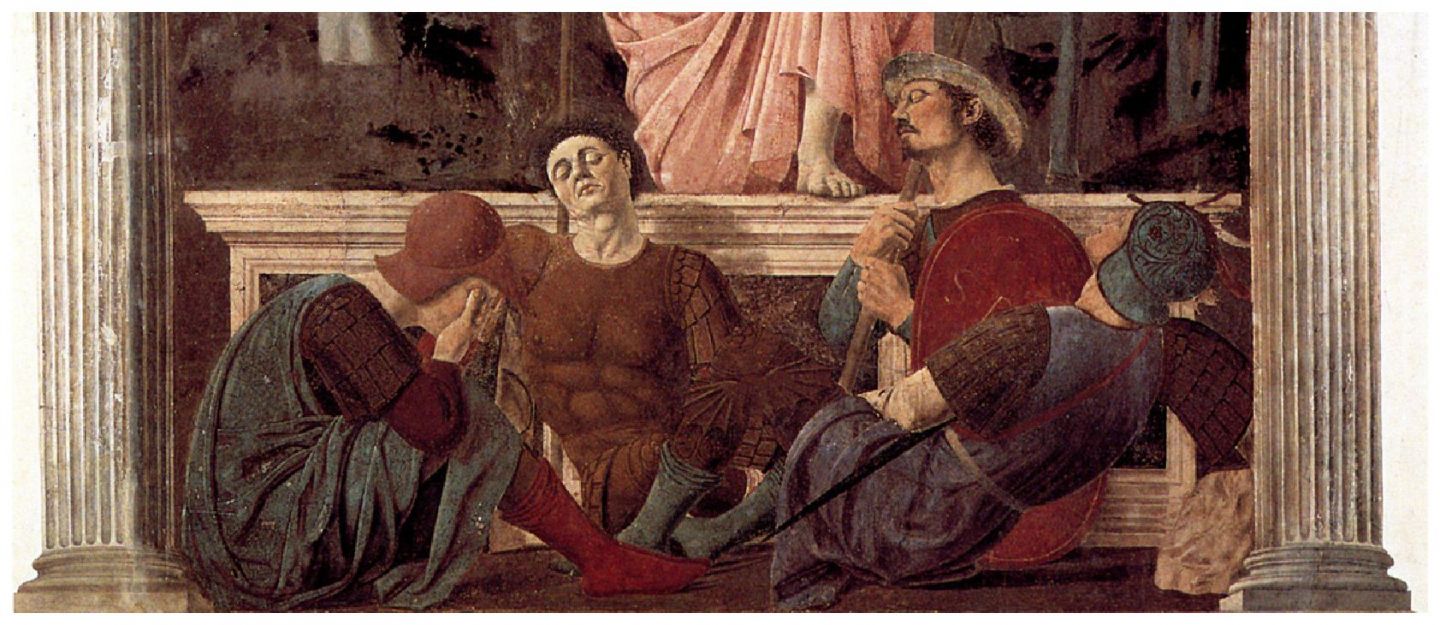
"content": "\u003cp>Did you know there’s chemistry in art conservation? Conservators want to know the chemical composition of paints and sculptures so that they can restore damaged areas or prevent delicate materials from degrading. Sometimes they're measuring the \u003ca href=\"http://cenblog.org/artful-science/2011/06/30/artful-space-tools/\">elements in pigments\u003c/a> with X-rays. Other times scientists try to figure out how a pigment changes as it ages so that they know how to handle the altered areas.\u003c/p>\n\u003cfigure id=\"attachment_39725\" class=\"wp-caption aligncenter\" style=\"max-width: 640px\">\u003ca href=\"http://ww2.kqed.org/quest/2012/06/20/shining-a-new-light-on-the-chemistry-of-art-conservation/2-opex-art-conservation-resurrection/\" rel=\"attachment wp-att-39725\">\u003cimg src=\"http://ww2.kqed.org/quest/wp-content/uploads/sites/39/2012/06/2-OpEx-art-conservation-Resurrection-640x277.jpg\" alt=\"\" title=\"2 - OpEx art conservation - Resurrection\" width=\"640\" height=\"277\" class=\"size-large wp-image-39725\">\u003c/a>\u003cfigcaption class=\"wp-caption-text\"> “The Resurrection” by Piero della Francesca, circa 1460 (detail): color photography. Credit: Optics Express.\u003c/figcaption>\u003c/figure>\n\u003cfigure id=\"attachment_39726\" class=\"wp-caption aligncenter\" style=\"max-width: 640px\">\u003ca href=\"http://ww2.kqed.org/quest/2012/06/20/shining-a-new-light-on-the-chemistry-of-art-conservation/3-opex-art-conservation-resurrectiontqr/\" rel=\"attachment wp-att-39726\">\u003cimg src=\"http://ww2.kqed.org/quest/wp-content/uploads/sites/39/2012/06/3-OpEx-art-conservation-ResurrectionTQR-640x253.jpg\" alt=\"\" title=\"3 - OpEx art conservation - ResurrectionTQR\" width=\"640\" height=\"253\" class=\"size-large wp-image-39726\">\u003c/a>\u003cfigcaption class=\"wp-caption-text\">\"The Resurrection\" by Piero della Francesca (detail): near infrared image (left) and mid-wave IR image (right). A) Original area; B) and C) painted integration; D) Restoration plaster; E) Green Earth pigment; F) and G) pigments with similar behavior in the visible and different reflectivity in mid-wave IR. Credit: Optics Express.\u003c/figcaption>\u003c/figure>\n\u003cp>The best instruments get that information without damaging the artwork, often with light beams. Near-infrared light can help scientists \u003ca href=\"http://cenblog.org/artful-science/2011/05/27/diagnosing-the-devil-inside/\">identify the chemical composition\u003c/a> of degradable plastics and iron ink. It also penetrates a painting’s surface, helping restorers find any lines or cracks below the top layer of paint. \u003c/p>\n\u003cp>A \u003ca href=\"http://www.opticsinfobase.org/oe/abstract.cfm?uri=oe-20-13-14746\">new technique\u003c/a> developed by Italian researchers offers a clearer picture of pictures hidden underneath frescoes. The scientists shine a low power halogen lamp on the fresco and detect the reflected mid-wave infrared (IR) light with a wavelength about 3 micrometers long. That’s about 4 times longer than the wavelength of red light, which is the longest waves our eyes see. \u003c/p>\n\u003cp>To test their new method, the researchers set up their lamps near a mural in an Italian art museum while visitors were mulling about. They took pictures of “The Resurrection” by Piero della Francesca (above) when it was bathed in visible, near-IR (wavelength 0.75-2.5 micrometers) and mid-range IR light.\u003c/p>\n\u003cp>Under visible and near-IR light, the shoulder and sleeve of one soldier appear the same color. But the two areas reflect light differently when using the new imaging method (see F and G in the picture above). That means they were painted with different pigments.\u003c/p>\n\u003cp>[ad fullwidth]\u003c/p>\n\u003cp>The mid-range IR imaging also showed that a soldier’s sword was painted using two different techniques, which did not appear in the near IR image. (see C in the picture below). \u003c/p>\n\u003cfigure id=\"attachment_39727\" class=\"wp-caption aligncenter\" style=\"max-width: 640px\">\u003ca href=\"http://ww2.kqed.org/quest/2012/06/20/shining-a-new-light-on-the-chemistry-of-art-conservation/4-opex-art-conservation-resurrectiontqr2/\" rel=\"attachment wp-att-39727\">\u003cimg src=\"http://ww2.kqed.org/quest/wp-content/uploads/sites/39/2012/06/4-OpEx-art-conservation-ResurrectionTQR2-640x360.jpg\" alt=\"\" title=\"4 - OpEx art conservation - ResurrectionTQR2\" width=\"640\" height=\"360\" class=\"size-large wp-image-39727\">\u003c/a>\u003cfigcaption class=\"wp-caption-text\">\"The Resurrection\" by Piero della Francesca (detail): near infrared image (left) and mid-wave IR image (right). A) retouches; B) unevenness on the shield; C) different techniques on the soldier’s sword, not detected in near IR; D) better differentiation of the background in mid-wave IR. Credit: Optics Express.\u003c/figcaption>\u003c/figure>\n\u003cp>Conservators scan art using a range of light waves both reflected and emitted from paintings. Different wavelengths provide a variety of information about the paints and structure underneath a painting. So each new imaging technique potentially reveals details that help conservators preserve a precious work of art.\u003c/p>\n\u003cp>\u003c/p>\n\u003cp>For more conservation chemistry, check out \u003ca href=\"http://cenblog.org/artful-science/\">Artful Science\u003c/a>.\u003c/p>\n\n",
"disqusIdentifier": "39711 http://science.kqed.org/quest/?p=39711",
"disqusUrl": "https://ww2.kqed.org/quest/2012/06/20/shining-a-new-light-on-the-chemistry-of-art-conservation/",
"stats": {
"hasVideo": false,
"hasChartOrMap": false,
"hasAudio": false,
"hasPolis": false,
"wordCount": 495,
"hasGoogleForm": false,
"hasGallery": false,
"hasHearkenModule": false,
"iframeSrcs": [],
"paragraphCount": 10
},
"modified": 1340134544,
"excerpt": "Conserving delicate artwork requires knowing what paints and techniques were used to create a piece. A new imaging technique helps restorers look at the pigments in frescos even while visitors are enjoying the works in a gallery.",
"headData": {
"twImgId": "",
"twTitle": "",
"ogTitle": "",
"ogImgId": "",
"twDescription": "",
"description": "Conserving delicate artwork requires knowing what paints and techniques were used to create a piece. A new imaging technique helps restorers look at the pigments in frescos even while visitors are enjoying the works in a gallery.",
"title": "Shining a New Light on the Chemistry of Art Conservation | KQED",
"ogDescription": "",
"schema": {
"@context": "https://schema.org",
"@type": "Article",
"headline": "Shining a New Light on the Chemistry of Art Conservation",
"datePublished": "2012-06-20T08:00:44-07:00",
"dateModified": "2012-06-19T12:35:44-07:00",
"image": "https://cdn.kqed.org/wp-content/uploads/2020/02/KQED-OG-Image@1x.png"
}
},
"guestAuthors": [],
"slug": "shining-a-new-light-on-the-chemistry-of-art-conservation",
"status": "publish",
"path": "/quest/39711/shining-a-new-light-on-the-chemistry-of-art-conservation",
"audioTrackLength": null,
"parsedContent": [
{
"type": "contentString",
"content": "\u003cdiv class=\"post-body\">\u003cp>\u003cp>Did you know there’s chemistry in art conservation? Conservators want to know the chemical composition of paints and sculptures so that they can restore damaged areas or prevent delicate materials from degrading. Sometimes they're measuring the \u003ca href=\"http://cenblog.org/artful-science/2011/06/30/artful-space-tools/\">elements in pigments\u003c/a> with X-rays. Other times scientists try to figure out how a pigment changes as it ages so that they know how to handle the altered areas.\u003c/p>\n\u003cfigure id=\"attachment_39725\" class=\"wp-caption aligncenter\" style=\"max-width: 640px\">\u003ca href=\"http://ww2.kqed.org/quest/2012/06/20/shining-a-new-light-on-the-chemistry-of-art-conservation/2-opex-art-conservation-resurrection/\" rel=\"attachment wp-att-39725\">\u003cimg src=\"http://ww2.kqed.org/quest/wp-content/uploads/sites/39/2012/06/2-OpEx-art-conservation-Resurrection-640x277.jpg\" alt=\"\" title=\"2 - OpEx art conservation - Resurrection\" width=\"640\" height=\"277\" class=\"size-large wp-image-39725\">\u003c/a>\u003cfigcaption class=\"wp-caption-text\"> “The Resurrection” by Piero della Francesca, circa 1460 (detail): color photography. Credit: Optics Express.\u003c/figcaption>\u003c/figure>\n\u003cfigure id=\"attachment_39726\" class=\"wp-caption aligncenter\" style=\"max-width: 640px\">\u003ca href=\"http://ww2.kqed.org/quest/2012/06/20/shining-a-new-light-on-the-chemistry-of-art-conservation/3-opex-art-conservation-resurrectiontqr/\" rel=\"attachment wp-att-39726\">\u003cimg src=\"http://ww2.kqed.org/quest/wp-content/uploads/sites/39/2012/06/3-OpEx-art-conservation-ResurrectionTQR-640x253.jpg\" alt=\"\" title=\"3 - OpEx art conservation - ResurrectionTQR\" width=\"640\" height=\"253\" class=\"size-large wp-image-39726\">\u003c/a>\u003cfigcaption class=\"wp-caption-text\">\"The Resurrection\" by Piero della Francesca (detail): near infrared image (left) and mid-wave IR image (right). A) Original area; B) and C) painted integration; D) Restoration plaster; E) Green Earth pigment; F) and G) pigments with similar behavior in the visible and different reflectivity in mid-wave IR. Credit: Optics Express.\u003c/figcaption>\u003c/figure>\n\u003cp>The best instruments get that information without damaging the artwork, often with light beams. Near-infrared light can help scientists \u003ca href=\"http://cenblog.org/artful-science/2011/05/27/diagnosing-the-devil-inside/\">identify the chemical composition\u003c/a> of degradable plastics and iron ink. It also penetrates a painting’s surface, helping restorers find any lines or cracks below the top layer of paint. \u003c/p>\n\u003cp>A \u003ca href=\"http://www.opticsinfobase.org/oe/abstract.cfm?uri=oe-20-13-14746\">new technique\u003c/a> developed by Italian researchers offers a clearer picture of pictures hidden underneath frescoes. The scientists shine a low power halogen lamp on the fresco and detect the reflected mid-wave infrared (IR) light with a wavelength about 3 micrometers long. That’s about 4 times longer than the wavelength of red light, which is the longest waves our eyes see. \u003c/p>\n\u003cp>To test their new method, the researchers set up their lamps near a mural in an Italian art museum while visitors were mulling about. They took pictures of “The Resurrection” by Piero della Francesca (above) when it was bathed in visible, near-IR (wavelength 0.75-2.5 micrometers) and mid-range IR light.\u003c/p>\n\u003cp>Under visible and near-IR light, the shoulder and sleeve of one soldier appear the same color. But the two areas reflect light differently when using the new imaging method (see F and G in the picture above). That means they were painted with different pigments.\u003c/p>\n\u003cp>\u003c/p>\u003c/div>",
"attributes": {
"named": {},
"numeric": []
}
},
{
"type": "component",
"content": "",
"name": "ad",
"attributes": {
"named": {
"label": "fullwidth"
},
"numeric": [
"fullwidth"
]
}
},
{
"type": "contentString",
"content": "\u003cdiv class=\"post-body\">\u003cp>\u003c/p>\n\u003cp>The mid-range IR imaging also showed that a soldier’s sword was painted using two different techniques, which did not appear in the near IR image. (see C in the picture below). \u003c/p>\n\u003cfigure id=\"attachment_39727\" class=\"wp-caption aligncenter\" style=\"max-width: 640px\">\u003ca href=\"http://ww2.kqed.org/quest/2012/06/20/shining-a-new-light-on-the-chemistry-of-art-conservation/4-opex-art-conservation-resurrectiontqr2/\" rel=\"attachment wp-att-39727\">\u003cimg src=\"http://ww2.kqed.org/quest/wp-content/uploads/sites/39/2012/06/4-OpEx-art-conservation-ResurrectionTQR2-640x360.jpg\" alt=\"\" title=\"4 - OpEx art conservation - ResurrectionTQR2\" width=\"640\" height=\"360\" class=\"size-large wp-image-39727\">\u003c/a>\u003cfigcaption class=\"wp-caption-text\">\"The Resurrection\" by Piero della Francesca (detail): near infrared image (left) and mid-wave IR image (right). A) retouches; B) unevenness on the shield; C) different techniques on the soldier’s sword, not detected in near IR; D) better differentiation of the background in mid-wave IR. Credit: Optics Express.\u003c/figcaption>\u003c/figure>\n\u003cp>Conservators scan art using a range of light waves both reflected and emitted from paintings. Different wavelengths provide a variety of information about the paints and structure underneath a painting. So each new imaging technique potentially reveals details that help conservators preserve a precious work of art.\u003c/p>\n\u003cp>\u003c/p>\n\u003cp>For more conservation chemistry, check out \u003ca href=\"http://cenblog.org/artful-science/\">Artful Science\u003c/a>.\u003c/p>\n\n\u003c/div>\u003c/p>",
"attributes": {
"named": {},
"numeric": []
}
}
],
"link": "/quest/39711/shining-a-new-light-on-the-chemistry-of-art-conservation",
"authors": [
"10331"
],
"categories": [
"quest_5"
],
"tags": [
"quest_11214",
"quest_11215",
"quest_11216",
"quest_3351",
"quest_2349",
"quest_13202"
],
"featImg": "quest_39725",
"label": "quest"
},
"quest_39322": {
"type": "posts",
"id": "quest_39322",
"meta": {
"index": "posts_1716263798",
"site": "quest",
"id": "39322",
"score": null,
"sort": [
1339614058000
]
},
"parent": 0,
"labelTerm": {
"site": "quest"
},
"blocks": [],
"publishDate": 1339614058,
"format": "standard",
"disqusTitle": "KQED Science Fan Spotlight ",
"title": "KQED Science Fan Spotlight ",
"headTitle": "QUEST | KQED Science",
"content": "\u003cp>\u003ca href=\"http://ww2.kqed.org/quest/wp-content/uploads/sites/39/2012/06/KQED-Science-Icon-640-x-360.png\">\u003cimg class=\"alignright size-full wp-image-39179\" title=\"KQED Science Icon 640 x 360\" src=\"http://ww2.kqed.org/quest/wp-content/uploads/sites/39/2012/06/KQED-Science-Icon-640-x-360.png\" alt=\"\" width=\"640\" height=\"360\" srcset=\"https://ww2.kqed.org/app/uploads/sites/39/2012/06/KQED-Science-Icon-640-x-360.png 640w, https://ww2.kqed.org/app/uploads/sites/39/2012/06/KQED-Science-Icon-640-x-360-400x225.png 400w\" sizes=\"(max-width: 640px) 100vw, 640px\">\u003c/a>\u003c/p>\n\u003cp>Whether we're delving into the mysterious lives of \u003ca href=\"http://ww2.kqed.org/quest/video/science-on-the-spot-banana-slugs-unpeeled/\">banana slugs\u003c/a> or explaining the complexity of \u003ca href=\"http://www.kqed.org/news/science/climatewatch/waterandpower/index.jsp\">water and power issues\u003c/a> in California, we hope that \u003ca href=\"http://www.kqed.org/science/\">KQED Science\u003c/a> -- through \u003ca href=\"http://ww2.kqed.org/quest\">QUEST\u003c/a> and \u003ca href=\"http://blogs.kqed.org/climatewatch/\">Climate Watch\u003c/a> -- has become your trusted source of engaging science, nature and environment stories. While we bring you comprehensive news coverage every week, we'd also like to put the spotlight onto our KQED Science fans.\u003c/p>\n\u003cp>We invite you to share how you're passionate about science by answering the following questions. Please email your answers to \u003ca href=\"mailto:questeditor@kqed.org\">questeditor@kqed.org\u003c/a> and include a high-resolution photo of yourself that shows you participating in your favorite science or nature-related activity. If we select your questionnaire, we'll feature your responses in a blog post and share them on our \u003ca href=\"http://www.kqed.org/community/socialmedia.jsp\">social media networks\u003c/a>. We look forward to hearing from you!\u003c/p>\n\u003cp>\u003cspan style=\"text-decoration: underline;\">\u003cstrong>KQED Science Fan Spotlight Questionnaire\u003c/strong>\u003c/span>\u003c/p>\n\u003cp>\u003cstrong>1) Name\u003c/strong>\u003c/p>\n\u003cp>[ad fullwidth]\u003c/p>\n\u003cp>\u003cstrong>2) Occupation\u003c/strong>\u003c/p>\n\u003cp>\u003cstrong>3) Where do you live? (City & State or Country)\u003cbr>\n\u003c/strong>\u003cbr>\n\u003cstrong>4) What aspects of science and/or environment are you passionate about?\u003cbr>\n\u003c/strong>\u003cbr>\n\u003cstrong>5) Who is one of your science heroes?\u003cbr>\n\u003c/strong>\u003cbr>\n\u003cstrong>6) Share a recommendation: it could be a book, film, article, blog, magazine, program, institution or individual that sparks your interest in science.\u003c/strong>\u003c/p>\n\u003cp>\u003cstrong>7) What’s your hope for the future of science?\u003c/strong>\u003c/p>\n\u003cp>\u003c/p>\n\u003cp>\u003cem>\u003cstrong>*****Note: You must be 18 years or older to participate. \u003c/strong>\u003c/em>\u003c/p>\n\n",
"disqusIdentifier": "39322 http://science.kqed.org/quest/2012/06/13/kqed-science-fan-spotlight/",
"disqusUrl": "https://ww2.kqed.org/quest/2012/06/13/kqed-science-fan-spotlight/",
"stats": {
"hasVideo": false,
"hasChartOrMap": false,
"hasAudio": false,
"hasPolis": false,
"wordCount": 224,
"hasGoogleForm": false,
"hasGallery": false,
"hasHearkenModule": false,
"iframeSrcs": [],
"paragraphCount": 11
},
"modified": 1340306678,
"excerpt": "We'd like to share your stories about why you're passionate about science. ",
"headData": {
"twImgId": "",
"twTitle": "",
"ogTitle": "",
"ogImgId": "",
"twDescription": "",
"description": "We'd like to share your stories about why you're passionate about science. ",
"title": "KQED Science Fan Spotlight | KQED",
"ogDescription": "",
"schema": {
"@context": "https://schema.org",
"@type": "Article",
"headline": "KQED Science Fan Spotlight ",
"datePublished": "2012-06-13T12:00:58-07:00",
"dateModified": "2012-06-21T12:24:38-07:00",
"image": "https://cdn.kqed.org/wp-content/uploads/2020/02/KQED-OG-Image@1x.png"
}
},
"guestAuthors": [],
"slug": "kqed-science-fan-spotlight",
"status": "publish",
"path": "/quest/39322/kqed-science-fan-spotlight",
"audioTrackLength": null,
"parsedContent": [
{
"type": "contentString",
"content": "\u003cdiv class=\"post-body\">\u003cp>\u003cp>\u003ca href=\"http://ww2.kqed.org/quest/wp-content/uploads/sites/39/2012/06/KQED-Science-Icon-640-x-360.png\">\u003cimg class=\"alignright size-full wp-image-39179\" title=\"KQED Science Icon 640 x 360\" src=\"http://ww2.kqed.org/quest/wp-content/uploads/sites/39/2012/06/KQED-Science-Icon-640-x-360.png\" alt=\"\" width=\"640\" height=\"360\" srcset=\"https://ww2.kqed.org/app/uploads/sites/39/2012/06/KQED-Science-Icon-640-x-360.png 640w, https://ww2.kqed.org/app/uploads/sites/39/2012/06/KQED-Science-Icon-640-x-360-400x225.png 400w\" sizes=\"(max-width: 640px) 100vw, 640px\">\u003c/a>\u003c/p>\n\u003cp>Whether we're delving into the mysterious lives of \u003ca href=\"http://ww2.kqed.org/quest/video/science-on-the-spot-banana-slugs-unpeeled/\">banana slugs\u003c/a> or explaining the complexity of \u003ca href=\"http://www.kqed.org/news/science/climatewatch/waterandpower/index.jsp\">water and power issues\u003c/a> in California, we hope that \u003ca href=\"http://www.kqed.org/science/\">KQED Science\u003c/a> -- through \u003ca href=\"http://ww2.kqed.org/quest\">QUEST\u003c/a> and \u003ca href=\"http://blogs.kqed.org/climatewatch/\">Climate Watch\u003c/a> -- has become your trusted source of engaging science, nature and environment stories. While we bring you comprehensive news coverage every week, we'd also like to put the spotlight onto our KQED Science fans.\u003c/p>\n\u003cp>We invite you to share how you're passionate about science by answering the following questions. Please email your answers to \u003ca href=\"mailto:questeditor@kqed.org\">questeditor@kqed.org\u003c/a> and include a high-resolution photo of yourself that shows you participating in your favorite science or nature-related activity. If we select your questionnaire, we'll feature your responses in a blog post and share them on our \u003ca href=\"http://www.kqed.org/community/socialmedia.jsp\">social media networks\u003c/a>. We look forward to hearing from you!\u003c/p>\n\u003cp>\u003cspan style=\"text-decoration: underline;\">\u003cstrong>KQED Science Fan Spotlight Questionnaire\u003c/strong>\u003c/span>\u003c/p>\n\u003cp>\u003cstrong>1) Name\u003c/strong>\u003c/p>\n\u003cp>\u003c/p>\u003c/div>",
"attributes": {
"named": {},
"numeric": []
}
},
{
"type": "component",
"content": "",
"name": "ad",
"attributes": {
"named": {
"label": "fullwidth"
},
"numeric": [
"fullwidth"
]
}
},
{
"type": "contentString",
"content": "\u003cdiv class=\"post-body\">\u003cp>\u003c/p>\n\u003cp>\u003cstrong>2) Occupation\u003c/strong>\u003c/p>\n\u003cp>\u003cstrong>3) Where do you live? (City & State or Country)\u003cbr>\n\u003c/strong>\u003cbr>\n\u003cstrong>4) What aspects of science and/or environment are you passionate about?\u003cbr>\n\u003c/strong>\u003cbr>\n\u003cstrong>5) Who is one of your science heroes?\u003cbr>\n\u003c/strong>\u003cbr>\n\u003cstrong>6) Share a recommendation: it could be a book, film, article, blog, magazine, program, institution or individual that sparks your interest in science.\u003c/strong>\u003c/p>\n\u003cp>\u003cstrong>7) What’s your hope for the future of science?\u003c/strong>\u003c/p>\n\u003cp>\u003c/p>\n\u003cp>\u003cem>\u003cstrong>*****Note: You must be 18 years or older to participate. \u003c/strong>\u003c/em>\u003c/p>\n\n\u003c/div>\u003c/p>",
"attributes": {
"named": {},
"numeric": []
}
}
],
"link": "/quest/39322/kqed-science-fan-spotlight",
"authors": [
"2100"
],
"categories": [
"quest_3",
"quest_4",
"quest_5",
"quest_6",
"quest_8",
"quest_9",
"quest_3229",
"quest_11",
"quest_12",
"quest_16"
],
"tags": [
"quest_13195",
"quest_623",
"quest_13198",
"quest_11195",
"quest_3351",
"quest_11194",
"quest_1944",
"quest_2349",
"quest_13202"
],
"featImg": "quest_39179",
"label": "quest"
},
"quest_38793": {
"type": "posts",
"id": "quest_38793",
"meta": {
"index": "posts_1716263798",
"site": "quest",
"id": "38793",
"score": null,
"sort": [
1338994804000
]
},
"parent": 0,
"labelTerm": {
"site": "quest"
},
"blocks": [],
"publishDate": 1338994804,
"format": "standard",
"disqusTitle": "The Fungus Among Us Could Help Clean Oily Soil",
"title": "The Fungus Among Us Could Help Clean Oily Soil",
"headTitle": "QUEST | KQED Science",
"content": "\u003cp>\u003ca href=\"http://ww2.kqed.org/quest/2012/06/06/the-fungus-among-us-could-help-clean-oily-soil/mycelium-fungus-resize/\" rel=\"attachment wp-att-38794\">\u003cimg src=\"http://ww2.kqed.org/quest/wp-content/uploads/sites/39/2012/05/mycelium-fungus-resize-300x169.jpg\" alt=\"oyster mushroom growing on coffee grounds\" title=\"mycelium fungus resize\" width=\"300\" height=\"169\" class=\"size-thumbnail wp-image-38794\">\u003c/a>\u003c/p>\n\u003cp>When I hear fungi, I think of mushrooms – both delectable and deadly. But there’s another world of fungi buried in the soil. These fibrous microbes might be able to help clean up polluted soil.\u003c/p>\n\u003cp>I’ve always thought of bacteria as nature’s decontamination crew. Bacteria already munching on oil from natural seeps in the Gulf of Mexico flourished after the 2010 Macondo well blowout in the Gulf of Mexico. \u003ca href=\"http://www.scientificamerican.com/article.cfm?id=gulf-oil-eating-microbes-slide-show\">Several different groups of microbes \u003c/a>ate their way through \u003ca href=\"http://online.wsj.com/article/SB10001424052970203436904577150910025591788.html\">much of the hydrocarbons in the oil\u003c/a> within a few months of the well being capped. \u003c/p>\n\u003cp>Oil-eating bacteria live in the soil too, but they have a harder time reaching food than their aquatic relatives. Soil is packed with air pockets that bacteria and chemicals must detour around as they move through the soil. That means natural microbial degradation of oil takes a long time. To speed the process, people often plough oil-contaminated soil to mix pollutants and bacteria.\u003c/p>\n\u003cp>Fungi sprout thin shoots called hyphae as they grow through the soil. These fibers intertwine in a network called a mycelium. The mycelium of the largest fungi covers more than 1000 football fields.\u003c/p>\n\u003cp>[ad fullwidth]\u003c/p>\n\u003cp>\u003ca href=\"http://www.ufz.de/index.php?en=13567\">Lukas Wick\u003c/a>, of the Helmholtz Center for the Environment in Germany, and his colleagues think \u003ca href=\"http://dx.doi.org/10.1038/nrmicro2519\">fungi might be able to help clean up contaminated soil\u003c/a>. Fungi can eat metals, medicines, and ingredients in plastic. Bacteria struggle to digest the complicated structures of these molecules. And even when bacteria can degrade a pollutant, they require a contaminant buffet. Fungi, however, can process a steady stream of pollutants.\u003c/p>\n\u003cp>Fungi have another green cleaning benefit hidden in their structure. Contaminants and bacteria can travel along their mycelial networks, effectively mingling as if the soil had been ploughed. These networks are made of thin fibers called hyphae, which filamentous microbes use to transport nutrients through their bodies.\u003c/p>\n\u003cp>A filamentous microbe related to fungi can pump oily hydrocarbons \u003ca href=\"http://cen.acs.org/articles/90/web/2012/05/Microbe-Transports-Contaminants-Through-Fibers.html\"> through its hyphae\u003c/a>. And bacteria can float through the watery film covering the hyphae, using the fungal network as \u003ca href=\"http://www.ufz.de/index.php?en=10837\">a highway through soil\u003c/a> to find new patches of pollutant food. \u003c/p>\n\u003cp>The idea of a fungal environmental clean up crew may be exciting, but it’s not ready for real world action yet. Scientists are still learning how to encourage the growth of fungi and their hungry bacterial neighbors, especially in contaminated places.\u003c/p>\n\u003cp>Wick hopes to eventually encourage both microbes to grow in contaminated soils so that oily contaminants might degrade faster than if bacteria alone were stuck with the job. \u003c/p>\n\u003cp>\u003c/p>\n\u003cp>So the next time I see a fungus in the woods, I'll still stop to admire the colors of its mushroom. But I'll think about what's underneath the soil too.\u003c/p>\n\n",
"disqusIdentifier": "38793 http://science.kqed.org/quest/?p=38793",
"disqusUrl": "https://ww2.kqed.org/quest/2012/06/06/the-fungus-among-us-could-help-clean-oily-soil/",
"stats": {
"hasVideo": false,
"hasChartOrMap": false,
"hasAudio": false,
"hasPolis": false,
"wordCount": 457,
"hasGoogleForm": false,
"hasGallery": false,
"hasHearkenModule": false,
"iframeSrcs": [],
"paragraphCount": 13
},
"modified": 1338355416,
"excerpt": "There’s more to fungi than just mushrooms. Buried in the soil live large fiber networks of fungi. And these fibrous microbes might be able to help clean up polluted soil.",
"headData": {
"twImgId": "",
"twTitle": "",
"ogTitle": "",
"ogImgId": "",
"twDescription": "",
"description": "There’s more to fungi than just mushrooms. Buried in the soil live large fiber networks of fungi. And these fibrous microbes might be able to help clean up polluted soil.",
"title": "The Fungus Among Us Could Help Clean Oily Soil | KQED",
"ogDescription": "",
"schema": {
"@context": "https://schema.org",
"@type": "Article",
"headline": "The Fungus Among Us Could Help Clean Oily Soil",
"datePublished": "2012-06-06T08:00:04-07:00",
"dateModified": "2012-05-29T22:23:36-07:00",
"image": "https://cdn.kqed.org/wp-content/uploads/2020/02/KQED-OG-Image@1x.png"
}
},
"guestAuthors": [],
"slug": "the-fungus-among-us-could-help-clean-oily-soil",
"status": "publish",
"path": "/quest/38793/the-fungus-among-us-could-help-clean-oily-soil",
"audioTrackLength": null,
"parsedContent": [
{
"type": "contentString",
"content": "\u003cdiv class=\"post-body\">\u003cp>\u003cp>\u003ca href=\"http://ww2.kqed.org/quest/2012/06/06/the-fungus-among-us-could-help-clean-oily-soil/mycelium-fungus-resize/\" rel=\"attachment wp-att-38794\">\u003cimg src=\"http://ww2.kqed.org/quest/wp-content/uploads/sites/39/2012/05/mycelium-fungus-resize-300x169.jpg\" alt=\"oyster mushroom growing on coffee grounds\" title=\"mycelium fungus resize\" width=\"300\" height=\"169\" class=\"size-thumbnail wp-image-38794\">\u003c/a>\u003c/p>\n\u003cp>When I hear fungi, I think of mushrooms – both delectable and deadly. But there’s another world of fungi buried in the soil. These fibrous microbes might be able to help clean up polluted soil.\u003c/p>\n\u003cp>I’ve always thought of bacteria as nature’s decontamination crew. Bacteria already munching on oil from natural seeps in the Gulf of Mexico flourished after the 2010 Macondo well blowout in the Gulf of Mexico. \u003ca href=\"http://www.scientificamerican.com/article.cfm?id=gulf-oil-eating-microbes-slide-show\">Several different groups of microbes \u003c/a>ate their way through \u003ca href=\"http://online.wsj.com/article/SB10001424052970203436904577150910025591788.html\">much of the hydrocarbons in the oil\u003c/a> within a few months of the well being capped. \u003c/p>\n\u003cp>Oil-eating bacteria live in the soil too, but they have a harder time reaching food than their aquatic relatives. Soil is packed with air pockets that bacteria and chemicals must detour around as they move through the soil. That means natural microbial degradation of oil takes a long time. To speed the process, people often plough oil-contaminated soil to mix pollutants and bacteria.\u003c/p>\n\u003cp>Fungi sprout thin shoots called hyphae as they grow through the soil. These fibers intertwine in a network called a mycelium. The mycelium of the largest fungi covers more than 1000 football fields.\u003c/p>\n\u003cp>\u003c/p>\u003c/div>",
"attributes": {
"named": {},
"numeric": []
}
},
{
"type": "component",
"content": "",
"name": "ad",
"attributes": {
"named": {
"label": "fullwidth"
},
"numeric": [
"fullwidth"
]
}
},
{
"type": "contentString",
"content": "\u003cdiv class=\"post-body\">\u003cp>\u003c/p>\n\u003cp>\u003ca href=\"http://www.ufz.de/index.php?en=13567\">Lukas Wick\u003c/a>, of the Helmholtz Center for the Environment in Germany, and his colleagues think \u003ca href=\"http://dx.doi.org/10.1038/nrmicro2519\">fungi might be able to help clean up contaminated soil\u003c/a>. Fungi can eat metals, medicines, and ingredients in plastic. Bacteria struggle to digest the complicated structures of these molecules. And even when bacteria can degrade a pollutant, they require a contaminant buffet. Fungi, however, can process a steady stream of pollutants.\u003c/p>\n\u003cp>Fungi have another green cleaning benefit hidden in their structure. Contaminants and bacteria can travel along their mycelial networks, effectively mingling as if the soil had been ploughed. These networks are made of thin fibers called hyphae, which filamentous microbes use to transport nutrients through their bodies.\u003c/p>\n\u003cp>A filamentous microbe related to fungi can pump oily hydrocarbons \u003ca href=\"http://cen.acs.org/articles/90/web/2012/05/Microbe-Transports-Contaminants-Through-Fibers.html\"> through its hyphae\u003c/a>. And bacteria can float through the watery film covering the hyphae, using the fungal network as \u003ca href=\"http://www.ufz.de/index.php?en=10837\">a highway through soil\u003c/a> to find new patches of pollutant food. \u003c/p>\n\u003cp>The idea of a fungal environmental clean up crew may be exciting, but it’s not ready for real world action yet. Scientists are still learning how to encourage the growth of fungi and their hungry bacterial neighbors, especially in contaminated places.\u003c/p>\n\u003cp>Wick hopes to eventually encourage both microbes to grow in contaminated soils so that oily contaminants might degrade faster than if bacteria alone were stuck with the job. \u003c/p>\n\u003cp>\u003c/p>\n\u003cp>So the next time I see a fungus in the woods, I'll still stop to admire the colors of its mushroom. But I'll think about what's underneath the soil too.\u003c/p>\n\n\u003c/div>\u003c/p>",
"attributes": {
"named": {},
"numeric": []
}
}
],
"link": "/quest/38793/the-fungus-among-us-could-help-clean-oily-soil",
"authors": [
"10331"
],
"categories": [
"quest_4",
"quest_5"
],
"tags": [
"quest_267",
"quest_1154",
"quest_3351",
"quest_2057",
"quest_2257",
"quest_2349",
"quest_13202"
],
"featImg": "quest_38794",
"label": "quest"
},
"quest_38296": {
"type": "posts",
"id": "quest_38296",
"meta": {
"index": "posts_1716263798",
"site": "quest",
"id": "38296",
"score": null,
"sort": [
1337180404000
]
},
"parent": 0,
"labelTerm": {
"site": "quest",
"term": 3354
},
"blocks": [],
"publishDate": 1337180404,
"format": "standard",
"disqusTitle": "Try This at Home: The Chemistry of Fresh Cheese",
"title": "Try This at Home: The Chemistry of Fresh Cheese",
"headTitle": "QUEST | KQED Science",
"content": "\u003cp>\u003ca href=\"http://ww2.kqed.org/quest/2012/05/16/try-this-at-home-fresh-cheese/queso-fresco-resize/\" rel=\"attachment wp-att-38350\">\u003cimg src=\"http://ww2.kqed.org/quest/wp-content/uploads/sites/39/2012/05/queso-fresco-resize-300x169.jpg\" alt=\"queso fresco\" title=\"queso fresco resize\" width=\"300\" height=\"169\" class=\"size-thumbnail wp-image-38350\">\u003c/a>\u003c/p>\n\u003cp>Opening the refrigerator to find a gallon of spoiled milk is a rotten way to start the day. But for fresh cheese makers, every day begins with sour milk. Here’s why: 80% of the proteins in milk belong to a family called caseins. Adding acid to milk, like lemon juice or vinegar, makes these invisible proteins visible as a white, chunky solid we call the curds.\u003c/p>\n\u003cp>In a glass of milk, caseins aggregate into small spheres called micelles. The outside of each protein cluster is negatively charged, causing neighboring spheres to repel each other. Thus, these micelles remain evenly distributed throughout the milk. \u003c/p>\n\u003cp>Acidic vinegar neutralizes the negative charge on the spheres. With the repulsive force gone, the protein clusters clump together and form an observable solid, the curds. When chefs collect the curds and discard the liquid whey, they have \u003ca href=\"http://www.thekitchn.com/queso-fresco-the-cheesemonger-91408\">queso fresco\u003c/a>. Try it yourself with \u003ca href=\"http://www.thekitchn.com/make-queso-fresco-the-cheesemo-99011\">this recipe\u003c/a>. \u003c/p>\n\u003cp>Stretching the hot curds instead of pressing them into a cake gives you homemade mozzarella cheese. I've tried to make mozzarella using \u003ca href=\"http://www.cheesemaking.com/store/pg/242-FAQ-Mozzarella.html\">this kit\u003c/a>, but it only worked once. That's because the quality of the curds depends on the type of milk that you use.\u003c/p>\n\u003cp>[ad fullwidth]\u003c/p>\n\u003cp>\u003ca href=\"http://ww2.kqed.org/quest/2012/05/16/try-this-at-home-fresh-cheese/caprese-image/\" rel=\"attachment wp-att-38341\">\u003cimg src=\"http://ww2.kqed.org/quest/wp-content/uploads/sites/39/2012/05/caprese-image.jpg\" alt=\"caprese salad\" title=\"caprese image\" width=\"212\" height=\"320\" class=\"size-full wp-image-38341\">\u003c/a>\u003c/p>\n\u003cp>Most milk from the grocery store has been ultra-pasteurized, meaning it's been heated to temperatures above 172° Fahrenheit. That extra heat disturbs the casein proteins. Curds from ultra-pasteurized milk don't stick together and stretch as nicely as they do when made from milk that has been pasteurized. I've had a hard time finding milk not labeled UP or UHP, so I haven't tried to make mozzarella at home again. \u003c/p>\n\u003cp>\u003c/p>\n\u003cp>But now I'm hankering for a mozzarella, tomato and basil salad. Guess I'd better find some pasteurized milk before summer comes! \u003c/p>\n\n",
"disqusIdentifier": "38296 http://science.kqed.org/quest/?p=38296",
"disqusUrl": "https://ww2.kqed.org/quest/2012/05/16/try-this-at-home-fresh-cheese/",
"stats": {
"hasVideo": false,
"hasChartOrMap": false,
"hasAudio": false,
"hasPolis": false,
"wordCount": 299,
"hasGoogleForm": false,
"hasGallery": false,
"hasHearkenModule": false,
"iframeSrcs": [],
"paragraphCount": 10
},
"modified": 1337113973,
"excerpt": "You can make cheese at home with some milk and a little bit of chemistry. Here's how. ",
"headData": {
"twImgId": "",
"twTitle": "",
"ogTitle": "",
"ogImgId": "",
"twDescription": "",
"description": "You can make cheese at home with some milk and a little bit of chemistry. Here's how. ",
"title": "Try This at Home: The Chemistry of Fresh Cheese | KQED",
"ogDescription": "",
"schema": {
"@context": "https://schema.org",
"@type": "Article",
"headline": "Try This at Home: The Chemistry of Fresh Cheese",
"datePublished": "2012-05-16T08:00:04-07:00",
"dateModified": "2012-05-15T13:32:53-07:00",
"image": "https://cdn.kqed.org/wp-content/uploads/2020/02/KQED-OG-Image@1x.png"
}
},
"guestAuthors": [],
"slug": "try-this-at-home-fresh-cheese",
"status": "publish",
"path": "/quest/38296/try-this-at-home-fresh-cheese",
"audioTrackLength": null,
"parsedContent": [
{
"type": "contentString",
"content": "\u003cdiv class=\"post-body\">\u003cp>\u003cp>\u003ca href=\"http://ww2.kqed.org/quest/2012/05/16/try-this-at-home-fresh-cheese/queso-fresco-resize/\" rel=\"attachment wp-att-38350\">\u003cimg src=\"http://ww2.kqed.org/quest/wp-content/uploads/sites/39/2012/05/queso-fresco-resize-300x169.jpg\" alt=\"queso fresco\" title=\"queso fresco resize\" width=\"300\" height=\"169\" class=\"size-thumbnail wp-image-38350\">\u003c/a>\u003c/p>\n\u003cp>Opening the refrigerator to find a gallon of spoiled milk is a rotten way to start the day. But for fresh cheese makers, every day begins with sour milk. Here’s why: 80% of the proteins in milk belong to a family called caseins. Adding acid to milk, like lemon juice or vinegar, makes these invisible proteins visible as a white, chunky solid we call the curds.\u003c/p>\n\u003cp>In a glass of milk, caseins aggregate into small spheres called micelles. The outside of each protein cluster is negatively charged, causing neighboring spheres to repel each other. Thus, these micelles remain evenly distributed throughout the milk. \u003c/p>\n\u003cp>Acidic vinegar neutralizes the negative charge on the spheres. With the repulsive force gone, the protein clusters clump together and form an observable solid, the curds. When chefs collect the curds and discard the liquid whey, they have \u003ca href=\"http://www.thekitchn.com/queso-fresco-the-cheesemonger-91408\">queso fresco\u003c/a>. Try it yourself with \u003ca href=\"http://www.thekitchn.com/make-queso-fresco-the-cheesemo-99011\">this recipe\u003c/a>. \u003c/p>\n\u003cp>Stretching the hot curds instead of pressing them into a cake gives you homemade mozzarella cheese. I've tried to make mozzarella using \u003ca href=\"http://www.cheesemaking.com/store/pg/242-FAQ-Mozzarella.html\">this kit\u003c/a>, but it only worked once. That's because the quality of the curds depends on the type of milk that you use.\u003c/p>\n\u003cp>\u003c/p>\u003c/div>",
"attributes": {
"named": {},
"numeric": []
}
},
{
"type": "component",
"content": "",
"name": "ad",
"attributes": {
"named": {
"label": "fullwidth"
},
"numeric": [
"fullwidth"
]
}
},
{
"type": "contentString",
"content": "\u003cdiv class=\"post-body\">\u003cp>\u003c/p>\n\u003cp>\u003ca href=\"http://ww2.kqed.org/quest/2012/05/16/try-this-at-home-fresh-cheese/caprese-image/\" rel=\"attachment wp-att-38341\">\u003cimg src=\"http://ww2.kqed.org/quest/wp-content/uploads/sites/39/2012/05/caprese-image.jpg\" alt=\"caprese salad\" title=\"caprese image\" width=\"212\" height=\"320\" class=\"size-full wp-image-38341\">\u003c/a>\u003c/p>\n\u003cp>Most milk from the grocery store has been ultra-pasteurized, meaning it's been heated to temperatures above 172° Fahrenheit. That extra heat disturbs the casein proteins. Curds from ultra-pasteurized milk don't stick together and stretch as nicely as they do when made from milk that has been pasteurized. I've had a hard time finding milk not labeled UP or UHP, so I haven't tried to make mozzarella at home again. \u003c/p>\n\u003cp>\u003c/p>\n\u003cp>But now I'm hankering for a mozzarella, tomato and basil salad. Guess I'd better find some pasteurized milk before summer comes! \u003c/p>\n\n\u003c/div>\u003c/p>",
"attributes": {
"named": {},
"numeric": []
}
}
],
"link": "/quest/38296/try-this-at-home-fresh-cheese",
"authors": [
"10331"
],
"categories": [
"quest_5",
"quest_3229"
],
"tags": [
"quest_3505",
"quest_11113",
"quest_3351",
"quest_11114",
"quest_11115",
"quest_2349",
"quest_13202"
],
"collections": [
"quest_3354"
],
"featImg": "quest_38350",
"label": "quest_3354"
},
"quest_36526": {
"type": "posts",
"id": "quest_36526",
"meta": {
"index": "posts_1716263798",
"site": "quest",
"id": "36526",
"score": null,
"sort": [
1335970847000
]
},
"parent": 0,
"labelTerm": {
"site": "quest"
},
"blocks": [],
"publishDate": 1335970847,
"format": "standard",
"disqusTitle": "The (Dog's) Nose Knows: Sensor Mimics Canine Sniffing Cells For Smells",
"title": "The (Dog's) Nose Knows: Sensor Mimics Canine Sniffing Cells For Smells",
"headTitle": "QUEST | KQED Science",
"content": "\u003cfigure id=\"attachment_36528\" class=\"wp-caption alignleft\" style=\"max-width: 300px\">\u003ca href=\"http://ww2.kqed.org/quest/2012/05/02/the-dogs-nose-knows-sensor-mimics-canine-sniffing-cells-for-smells/dog-nose-resize/\" rel=\"attachment wp-att-36528\">\u003cimg src=\"http://ww2.kqed.org/quest/wp-content/uploads/sites/39/2012/04/dog-nose-resize-300x169.jpg\" alt=\"dog nose macro\" title=\"dog nose resize\" width=\"300\" height=\"169\" class=\"size-thumbnail wp-image-36528\">\u003c/a>\u003cfigcaption class=\"wp-caption-text\">Image credit: Flickr/{link url=” http://www.flickr.com/photos/62468090@N00/140846900 “}great_sea{/link}\u003c/figcaption>\u003c/figure>\n\u003cp>Dogs’ amazing sense of smell can help police officers find lost people, illegal drugs or smuggled food. Scientists use trained sniffer dogs to \u003ca href=\"http://www.reuters.com/article/2012/04/30/us-usa-pythons-dogs-idUSBRE83T19J20120430\">track pythons in the Everglades\u003c/a> or \u003ca href=\"http://www.npr.org/2012/01/07/144752385/dog-trained-as-ultimate-whale-pooper-snooper\">find whales\u003c/a> by smelling their floating poop. And some dogs can \u003ca href=\"http://www.npr.org/2011/02/04/133498144/can-dogs-smell-cancer\">smell cancer\u003c/a> too.\u003c/p>\n\u003cp>Scientists are working to build devices that can detect odors as sensitively as a dog’s nose. Now researchers in South Korea have built a sensor that works like a dog’s nose, without using canine sniffing cells. The new device combines a simplified version of the cells in dog’s nose with tiny transistors similar to those in our computers. It senses hexanal, a chemical commonly released by rotting food.\u003c/p>\n\u003cp>When a dog takes a whiff of something (possibly stinky to us!), chemical vapors bind to matching proteins on the surface of different cells in its nose. Binding of the aroma molecule sends a cascade of charged ions coursing through the cell. Those ions create an electric field that travels through the cell. This chemical and electrical wave travels along connected cells and neurons until it reaches the dog’s brain as a nerve impulse, signaling that the animal encountered that particular smell.\u003c/p>\n\u003cp>Tai Hyun Park and \u003ca href=\"http://hnd.snu.ac.kr/hong.htm\">Seunghun Hong\u003c/a>, of \u003ca href=\"http://www.useoul.edu/\">Seoul National University\u003c/a>, with their colleagues, recreated a simplified version of the detecting cells in a dog’s nose using tiny bubbles made from cell membrane. The scientists engineered human kidney cells to produce the canine receptor protein for hexanal, a chemical released by rotting food. \u003c/p>\n\u003cp>These cells naturally contain a handful of accessory proteins that generate the ion cascade once the smell molecule binds to its receptor. The researchers shook the engineered cells and tiny bits of membrane pinched off into tiny bubbles that contained the dog receptor protein and the accessory proteins (see left side of the picture below).\u003c/p>\n\u003cfigure id=\"attachment_36529\" class=\"wp-caption aligncenter\" style=\"max-width: 640px\">\u003ca href=\"http://ww2.kqed.org/quest/2012/05/02/the-dogs-nose-knows-sensor-mimics-canine-sniffing-cells-for-smells/figure-1b_600dpi/\" rel=\"attachment wp-att-36529\">\u003cimg src=\"http://ww2.kqed.org/quest/wp-content/uploads/sites/39/2012/04/figure-1b_600dpi-640x295.jpg\" alt=\"\" title=\"figure-1b_600dpi\" width=\"640\" height=\"295\" class=\"size-large wp-image-36529\">\u003c/a>\u003cfigcaption class=\"wp-caption-text\">Diagram of new sensor. On right: The bubble contains dog smell receptor protein (labeled olfactory) and accessory proteins that allow calcium ions to flow inside when the receptor protein binds hexanal. The bubble sits atop a web of carbon nanotubes. Left: Calcium ions flow into the bubble when the receptor protein binds the target, hexanal. Image credit: Seunghun Hong, Seoul National University in Korea\u003c/figcaption>\u003c/figure>\n\u003cp>Then the scientists placed these bubbles atop a web of conducting carbon nanotubes, hollow cylinders made from carbon sheets. When the receptor protein in the bubble captures hexanal, the other proteins begin the chemical cascade that ends with calcium ions flowing into the bubble (right side of the picture above). \u003c/p>\n\u003cp>[ad fullwidth]\u003c/p>\n\u003cp>The new sensor does not detect the electric field created by those ions, as a dog’s brain eventually would. It measures how that electric field influences current flowing through a nanotube transistor.\u003c/p>\n\u003cp>In the transistor, carbon nanotubes stretch between two electrodes and current flows freely through the nanotubes. The positive electric field created by the ions inside the bubble repels the positive charges zipping through the carbon nanotubes. Without free flowing positive charges, the nanotube cannot easily conduct electric current. So when hexanal binds to the bubble, calcium ions rush inside and the sensor reports a decreased electric current (\u003cem>Analyst\u003c/em>, DOI: \u003ca href=\"http://dx.doi.org/10.1039/c2an16274a\">10.1039/c2an16274a\u003c/a>). The more hexanal, the lower the reported current.\u003c/p>\n\u003cp>The sensor could detect the 6-carbon hexanal chain even when it was mixed with similar chemicals 5-, 7- and 8-carbons long. It even signaled when covered with diluted spoiled milk.\u003c/p>\n\u003cp>\u003c/p>\n\u003cp>Hong says that these sensors could be used to evaluate the quality of wine, coffee and perfume by standardizing and quantifying their smells. Dogs have \u003ca href=\"%E2%80%9D\"> 220 million different smell receptors\u003c/a> (pdf). But there’s no need to make one sensor for each smell receptor in a dog’s nose, Hong says. Perhaps scientists would need 10 to 20 different sensors that correspond to the characteristic odors of the wine or coffee, he says. \u003c/p>\n\n",
"disqusIdentifier": "36526 http://science.kqed.org/quest/?p=36526",
"disqusUrl": "https://ww2.kqed.org/quest/2012/05/02/the-dogs-nose-knows-sensor-mimics-canine-sniffing-cells-for-smells/",
"stats": {
"hasVideo": false,
"hasChartOrMap": false,
"hasAudio": false,
"hasPolis": false,
"wordCount": 665,
"hasGoogleForm": false,
"hasGallery": false,
"hasHearkenModule": false,
"iframeSrcs": [],
"paragraphCount": 12
},
"modified": 1443831734,
"excerpt": "Dogs have an amazingly sensitive sense of smell that allows them to find lost people, illegal drugs and even floating whale poop. A new sensor uses the same principles to sniff out rotten food. ",
"headData": {
"twImgId": "",
"twTitle": "",
"ogTitle": "",
"ogImgId": "",
"twDescription": "",
"description": "Dogs have an amazingly sensitive sense of smell that allows them to find lost people, illegal drugs and even floating whale poop. A new sensor uses the same principles to sniff out rotten food. ",
"title": "The (Dog's) Nose Knows: Sensor Mimics Canine Sniffing Cells For Smells | KQED",
"ogDescription": "",
"schema": {
"@context": "https://schema.org",
"@type": "Article",
"headline": "The (Dog's) Nose Knows: Sensor Mimics Canine Sniffing Cells For Smells",
"datePublished": "2012-05-02T08:00:47-07:00",
"dateModified": "2015-10-02T17:22:14-07:00",
"image": "https://cdn.kqed.org/wp-content/uploads/2020/02/KQED-OG-Image@1x.png"
}
},
"guestAuthors": [],
"slug": "the-dogs-nose-knows-sensor-mimics-canine-sniffing-cells-for-smells",
"status": "publish",
"path": "/quest/36526/the-dogs-nose-knows-sensor-mimics-canine-sniffing-cells-for-smells",
"audioTrackLength": null,
"parsedContent": [
{
"type": "contentString",
"content": "\u003cdiv class=\"post-body\">\u003cp>\u003cfigure id=\"attachment_36528\" class=\"wp-caption alignleft\" style=\"max-width: 300px\">\u003ca href=\"http://ww2.kqed.org/quest/2012/05/02/the-dogs-nose-knows-sensor-mimics-canine-sniffing-cells-for-smells/dog-nose-resize/\" rel=\"attachment wp-att-36528\">\u003cimg src=\"http://ww2.kqed.org/quest/wp-content/uploads/sites/39/2012/04/dog-nose-resize-300x169.jpg\" alt=\"dog nose macro\" title=\"dog nose resize\" width=\"300\" height=\"169\" class=\"size-thumbnail wp-image-36528\">\u003c/a>\u003cfigcaption class=\"wp-caption-text\">Image credit: Flickr/{link url=” http://www.flickr.com/photos/62468090@N00/140846900 “}great_sea{/link}\u003c/figcaption>\u003c/figure>\n\u003cp>Dogs’ amazing sense of smell can help police officers find lost people, illegal drugs or smuggled food. Scientists use trained sniffer dogs to \u003ca href=\"http://www.reuters.com/article/2012/04/30/us-usa-pythons-dogs-idUSBRE83T19J20120430\">track pythons in the Everglades\u003c/a> or \u003ca href=\"http://www.npr.org/2012/01/07/144752385/dog-trained-as-ultimate-whale-pooper-snooper\">find whales\u003c/a> by smelling their floating poop. And some dogs can \u003ca href=\"http://www.npr.org/2011/02/04/133498144/can-dogs-smell-cancer\">smell cancer\u003c/a> too.\u003c/p>\n\u003cp>Scientists are working to build devices that can detect odors as sensitively as a dog’s nose. Now researchers in South Korea have built a sensor that works like a dog’s nose, without using canine sniffing cells. The new device combines a simplified version of the cells in dog’s nose with tiny transistors similar to those in our computers. It senses hexanal, a chemical commonly released by rotting food.\u003c/p>\n\u003cp>When a dog takes a whiff of something (possibly stinky to us!), chemical vapors bind to matching proteins on the surface of different cells in its nose. Binding of the aroma molecule sends a cascade of charged ions coursing through the cell. Those ions create an electric field that travels through the cell. This chemical and electrical wave travels along connected cells and neurons until it reaches the dog’s brain as a nerve impulse, signaling that the animal encountered that particular smell.\u003c/p>\n\u003cp>Tai Hyun Park and \u003ca href=\"http://hnd.snu.ac.kr/hong.htm\">Seunghun Hong\u003c/a>, of \u003ca href=\"http://www.useoul.edu/\">Seoul National University\u003c/a>, with their colleagues, recreated a simplified version of the detecting cells in a dog’s nose using tiny bubbles made from cell membrane. The scientists engineered human kidney cells to produce the canine receptor protein for hexanal, a chemical released by rotting food. \u003c/p>\n\u003cp>These cells naturally contain a handful of accessory proteins that generate the ion cascade once the smell molecule binds to its receptor. The researchers shook the engineered cells and tiny bits of membrane pinched off into tiny bubbles that contained the dog receptor protein and the accessory proteins (see left side of the picture below).\u003c/p>\n\u003cfigure id=\"attachment_36529\" class=\"wp-caption aligncenter\" style=\"max-width: 640px\">\u003ca href=\"http://ww2.kqed.org/quest/2012/05/02/the-dogs-nose-knows-sensor-mimics-canine-sniffing-cells-for-smells/figure-1b_600dpi/\" rel=\"attachment wp-att-36529\">\u003cimg src=\"http://ww2.kqed.org/quest/wp-content/uploads/sites/39/2012/04/figure-1b_600dpi-640x295.jpg\" alt=\"\" title=\"figure-1b_600dpi\" width=\"640\" height=\"295\" class=\"size-large wp-image-36529\">\u003c/a>\u003cfigcaption class=\"wp-caption-text\">Diagram of new sensor. On right: The bubble contains dog smell receptor protein (labeled olfactory) and accessory proteins that allow calcium ions to flow inside when the receptor protein binds hexanal. The bubble sits atop a web of carbon nanotubes. Left: Calcium ions flow into the bubble when the receptor protein binds the target, hexanal. Image credit: Seunghun Hong, Seoul National University in Korea\u003c/figcaption>\u003c/figure>\n\u003cp>Then the scientists placed these bubbles atop a web of conducting carbon nanotubes, hollow cylinders made from carbon sheets. When the receptor protein in the bubble captures hexanal, the other proteins begin the chemical cascade that ends with calcium ions flowing into the bubble (right side of the picture above). \u003c/p>\n\u003cp>\u003c/p>\u003c/div>",
"attributes": {
"named": {},
"numeric": []
}
},
{
"type": "component",
"content": "",
"name": "ad",
"attributes": {
"named": {
"label": "fullwidth"
},
"numeric": [
"fullwidth"
]
}
},
{
"type": "contentString",
"content": "\u003cdiv class=\"post-body\">\u003cp>\u003c/p>\n\u003cp>The new sensor does not detect the electric field created by those ions, as a dog’s brain eventually would. It measures how that electric field influences current flowing through a nanotube transistor.\u003c/p>\n\u003cp>In the transistor, carbon nanotubes stretch between two electrodes and current flows freely through the nanotubes. The positive electric field created by the ions inside the bubble repels the positive charges zipping through the carbon nanotubes. Without free flowing positive charges, the nanotube cannot easily conduct electric current. So when hexanal binds to the bubble, calcium ions rush inside and the sensor reports a decreased electric current (\u003cem>Analyst\u003c/em>, DOI: \u003ca href=\"http://dx.doi.org/10.1039/c2an16274a\">10.1039/c2an16274a\u003c/a>). The more hexanal, the lower the reported current.\u003c/p>\n\u003cp>The sensor could detect the 6-carbon hexanal chain even when it was mixed with similar chemicals 5-, 7- and 8-carbons long. It even signaled when covered with diluted spoiled milk.\u003c/p>\n\u003cp>\u003c/p>\n\u003cp>Hong says that these sensors could be used to evaluate the quality of wine, coffee and perfume by standardizing and quantifying their smells. Dogs have \u003ca href=\"%E2%80%9D\"> 220 million different smell receptors\u003c/a> (pdf). But there’s no need to make one sensor for each smell receptor in a dog’s nose, Hong says. Perhaps scientists would need 10 to 20 different sensors that correspond to the characteristic odors of the wine or coffee, he says. \u003c/p>\n\n\u003c/div>\u003c/p>",
"attributes": {
"named": {},
"numeric": []
}
}
],
"link": "/quest/36526/the-dogs-nose-knows-sensor-mimics-canine-sniffing-cells-for-smells",
"authors": [
"10331"
],
"categories": [
"quest_5",
"quest_8"
],
"tags": [
"quest_11045",
"quest_3547",
"quest_3351",
"quest_2008",
"quest_2349",
"quest_13",
"quest_11044",
"quest_11041",
"quest_11043"
],
"featImg": "quest_36528",
"label": "quest"
},
"quest_35431": {
"type": "posts",
"id": "quest_35431",
"meta": {
"index": "posts_1716263798",
"site": "quest",
"id": "35431",
"score": null,
"sort": [
1334761207000
]
},
"parent": 0,
"labelTerm": {
"site": "quest"
},
"blocks": [],
"publishDate": 1334761207,
"format": "standard",
"disqusTitle": "Metal Materials, Cold Could Have Contributed to the Titanic’s Demise",
"title": "Metal Materials, Cold Could Have Contributed to the Titanic’s Demise",
"headTitle": "QUEST | KQED Science",
"content": "\u003cp>\u003ca href=\"http://ww2.kqed.org/quest/2012/04/18/metal-materials-cold-could-have-contributed-to-the-titanic%e2%80%99s-demise/titanic-resize/\" rel=\"attachment wp-att-35434\">\u003cimg src=\"http://ww2.kqed.org/quest/wp-content/uploads/sites/39/2012/04/titanic-resize.jpg\" alt=\"Titanic\" title=\"titanic resize\" width=\"300\" height=\"169\" class=\"size-full wp-image-35434\" srcset=\"https://ww2.kqed.org/app/uploads/sites/39/2012/04/titanic-resize.jpg 640w, https://ww2.kqed.org/app/uploads/sites/39/2012/04/titanic-resize-400x225.jpg 400w\" sizes=\"(max-width: 300px) 100vw, 300px\">\u003c/a>\u003c/p>\n\u003cp>This past Sunday marked 100 years since the Titanic sank in the icy waters of the northern Atlantic Ocean. Yet after all this time, questions still remain about what really caused the ship to go down. \u003c/p>\n\u003cp>Often an \u003ca href=\"http://blogs.scientificamerican.com/history-of-geology/2012/04/14/the-science-behind-the-iceberg-that-sank-titanic/\">errant iceberg\u003c/a> gets all the blame. Others chalk up the disaster to human error. And a new book posits that odd weather conditions caused a \u003ca href=\"http://www.washingtonpost.com/politics/mirages-tides-may-have-triggered-titanic-hitting-iceberg-but-are-new-theories-just-excuses/2012/04/11/gIQAhhwpAT_story.html\"> hazy mirage that hid the iceberg from sight\u003c/a>.\u003c/p>\n\u003cp>In her most recent video, materials scientist \u003ca href=\"http://www.seas.yale.edu/faculty-detail.php?id=91\">Ainissa Ramirez\u003c/a>, at Yale University, looks at two theories of how metals used to build the ship could have contributed to the damage. \u003c/p>\n\u003cp>One theory is that the frigid water cooled the ship’s hull enough to change its mechanical properties from flexible to brittle. If so, the metal sheets would crack easily upon impact, instead of denting like a car that’s been in an accident. If the boat was in warmer waters when it hit the iceberg, perhaps the gash in the hull would have been smaller, Ramirez says.\u003c/p>\n\u003cp>[ad fullwidth]\u003c/p>\n\u003cp>In her video, Ramirez demonstrates how temperature can change flexible materials, like rubber, into brittle materials that shatter like glass. Rubber is a tangle of strands called polymers. Normally, individual polymer strings slide past each other like noodles in a bowl of spaghetti, she says. These strands stiffen as the rubber cools, making the material brittle and easily broken. \u003c/p>\n\u003cp>[youtube=http://www.youtube.com/watch?v=pmqKALQofNs]\u003c/p>\n\u003cp>At the end of the video, Ramirez mentions another theory for how materials contributed to the Titanic’s demise: the rivets that held the metal sheets together were inherently weak. The manufacturing process for these rivets introduced clusters of impurities into the iron. These clusters disrupt and weaken the neat network of atoms in a strong metal. Clumps can lead to cracks. And cracked rivets cause open joints.\u003c/p>\n\u003cp>Metal workers used to identify strong rivets by listening for a ting as they pounded the rivets into a joint. But workers building the Titanic could not hear this sound because they pounded in the rivets using noisy hydraulic hammers, Ramirez says. Perhaps if they built the boat by hand, workers could have heard that these rivets were not ideal, she says.\u003c/p>\n\u003cp>\u003c/p>\n\u003cp>If you’re hooked on materials, learn about the tiles that keep the space shuttle cool as it enters our atmosphere, how materials can convert heat to electricity to power a cell phone and more from Dr. Ramirez’s videos at \u003ca href=\"http://www.materialmarvels.com/\">Material Marvels\u003c/a>.\u003c/p>\n\n",
"disqusIdentifier": "35431 http://science.kqed.org/quest/?p=35431",
"disqusUrl": "https://ww2.kqed.org/quest/2012/04/18/metal-materials-cold-could-have-contributed-to-the-titanic%e2%80%99s-demise/",
"stats": {
"hasVideo": true,
"hasChartOrMap": false,
"hasAudio": false,
"hasPolis": false,
"wordCount": 416,
"hasGoogleForm": false,
"hasGallery": false,
"hasHearkenModule": false,
"iframeSrcs": [],
"paragraphCount": 12
},
"modified": 1335901298,
"excerpt": "One hundred years after the sinking of the Titanic, questions still abound about what really caused the ship to go down. Two theories say the physical properties of the ship’s metal hull or the composition of the iron rivets could have worsened the damage when the ship slammed into the iceberg.",
"headData": {
"twImgId": "",
"twTitle": "",
"ogTitle": "",
"ogImgId": "",
"twDescription": "",
"description": "One hundred years after the sinking of the Titanic, questions still abound about what really caused the ship to go down. Two theories say the physical properties of the ship’s metal hull or the composition of the iron rivets could have worsened the damage when the ship slammed into the iceberg.",
"title": "Metal Materials, Cold Could Have Contributed to the Titanic’s Demise | KQED",
"ogDescription": "",
"schema": {
"@context": "https://schema.org",
"@type": "Article",
"headline": "Metal Materials, Cold Could Have Contributed to the Titanic’s Demise",
"datePublished": "2012-04-18T08:00:07-07:00",
"dateModified": "2012-05-01T12:41:38-07:00",
"image": "https://cdn.kqed.org/wp-content/uploads/2020/02/KQED-OG-Image@1x.png"
}
},
"guestAuthors": [],
"slug": "metal-materials-cold-could-have-contributed-to-the-titanic%e2%80%99s-demise",
"status": "publish",
"path": "/quest/35431/metal-materials-cold-could-have-contributed-to-the-titanic%e2%80%99s-demise",
"audioTrackLength": null,
"parsedContent": [
{
"type": "contentString",
"content": "\u003cdiv class=\"post-body\">\u003cp>\u003cp>\u003ca href=\"http://ww2.kqed.org/quest/2012/04/18/metal-materials-cold-could-have-contributed-to-the-titanic%e2%80%99s-demise/titanic-resize/\" rel=\"attachment wp-att-35434\">\u003cimg src=\"http://ww2.kqed.org/quest/wp-content/uploads/sites/39/2012/04/titanic-resize.jpg\" alt=\"Titanic\" title=\"titanic resize\" width=\"300\" height=\"169\" class=\"size-full wp-image-35434\" srcset=\"https://ww2.kqed.org/app/uploads/sites/39/2012/04/titanic-resize.jpg 640w, https://ww2.kqed.org/app/uploads/sites/39/2012/04/titanic-resize-400x225.jpg 400w\" sizes=\"(max-width: 300px) 100vw, 300px\">\u003c/a>\u003c/p>\n\u003cp>This past Sunday marked 100 years since the Titanic sank in the icy waters of the northern Atlantic Ocean. Yet after all this time, questions still remain about what really caused the ship to go down. \u003c/p>\n\u003cp>Often an \u003ca href=\"http://blogs.scientificamerican.com/history-of-geology/2012/04/14/the-science-behind-the-iceberg-that-sank-titanic/\">errant iceberg\u003c/a> gets all the blame. Others chalk up the disaster to human error. And a new book posits that odd weather conditions caused a \u003ca href=\"http://www.washingtonpost.com/politics/mirages-tides-may-have-triggered-titanic-hitting-iceberg-but-are-new-theories-just-excuses/2012/04/11/gIQAhhwpAT_story.html\"> hazy mirage that hid the iceberg from sight\u003c/a>.\u003c/p>\n\u003cp>In her most recent video, materials scientist \u003ca href=\"http://www.seas.yale.edu/faculty-detail.php?id=91\">Ainissa Ramirez\u003c/a>, at Yale University, looks at two theories of how metals used to build the ship could have contributed to the damage. \u003c/p>\n\u003cp>One theory is that the frigid water cooled the ship’s hull enough to change its mechanical properties from flexible to brittle. If so, the metal sheets would crack easily upon impact, instead of denting like a car that’s been in an accident. If the boat was in warmer waters when it hit the iceberg, perhaps the gash in the hull would have been smaller, Ramirez says.\u003c/p>\n\u003cp>\u003c/p>\u003c/div>",
"attributes": {
"named": {},
"numeric": []
}
},
{
"type": "component",
"content": "",
"name": "ad",
"attributes": {
"named": {
"label": "fullwidth"
},
"numeric": [
"fullwidth"
]
}
},
{
"type": "contentString",
"content": "\u003cdiv class=\"post-body\">\u003cp>\u003c/p>\n\u003cp>In her video, Ramirez demonstrates how temperature can change flexible materials, like rubber, into brittle materials that shatter like glass. Rubber is a tangle of strands called polymers. Normally, individual polymer strings slide past each other like noodles in a bowl of spaghetti, she says. These strands stiffen as the rubber cools, making the material brittle and easily broken. \u003c/p>\n\u003cp>\u003c/p>\u003cp>\u003cspan class='utils-parseShortcode-shortcodes-__youtubeShortcode__embedYoutube'>\n \u003cspan class='utils-parseShortcode-shortcodes-__youtubeShortcode__embedYoutubeInside'>\n \u003ciframe\n loading='lazy'\n class='utils-parseShortcode-shortcodes-__youtubeShortcode__youtubePlayer'\n type='text/html'\n src='//www.youtube.com/embed/pmqKALQofNs'\n title='//www.youtube.com/embed/pmqKALQofNs'\n allowfullscreen='true'\n style='border:0;'>\u003c/iframe>\n \u003c/span>\n \u003c/span>\u003c/p>\u003cp>\u003c/p>\n\u003cp>At the end of the video, Ramirez mentions another theory for how materials contributed to the Titanic’s demise: the rivets that held the metal sheets together were inherently weak. The manufacturing process for these rivets introduced clusters of impurities into the iron. These clusters disrupt and weaken the neat network of atoms in a strong metal. Clumps can lead to cracks. And cracked rivets cause open joints.\u003c/p>\n\u003cp>Metal workers used to identify strong rivets by listening for a ting as they pounded the rivets into a joint. But workers building the Titanic could not hear this sound because they pounded in the rivets using noisy hydraulic hammers, Ramirez says. Perhaps if they built the boat by hand, workers could have heard that these rivets were not ideal, she says.\u003c/p>\n\u003cp>\u003c/p>\n\u003cp>If you’re hooked on materials, learn about the tiles that keep the space shuttle cool as it enters our atmosphere, how materials can convert heat to electricity to power a cell phone and more from Dr. Ramirez’s videos at \u003ca href=\"http://www.materialmarvels.com/\">Material Marvels\u003c/a>.\u003c/p>\n\n\u003c/div>\u003c/p>",
"attributes": {
"named": {},
"numeric": []
}
}
],
"link": "/quest/35431/metal-materials-cold-could-have-contributed-to-the-titanic%e2%80%99s-demise",
"authors": [
"10331"
],
"categories": [
"quest_5",
"quest_8"
],
"tags": [
"quest_10995",
"quest_3351",
"quest_1798",
"quest_2349",
"quest_13202",
"quest_10994"
],
"featImg": "quest_35434",
"label": "quest"
},
"quest_34736": {
"type": "posts",
"id": "quest_34736",
"meta": {
"index": "posts_1716263798",
"site": "quest",
"id": "34736",
"score": null,
"sort": [
1333742409000
]
},
"parent": 0,
"labelTerm": {
"site": "quest"
},
"blocks": [],
"publishDate": 1333742409,
"format": "audio",
"disqusTitle": "The Political Firestorm Inside Your Sofa ",
"title": "The Political Firestorm Inside Your Sofa ",
"headTitle": "QUEST | KQED Science",
"content": "\u003cp>http://www.kqed.org/.stream/anon/radio/quest/2012/04/2012-04-09-quest.mp3\u003c/p>\n\u003cp>When it comes to environmental policy, no state has paved the way more often than California. \u003c/p>\n\u003cp>Californians didn't just invent iPads and commercial microprocessors; they brought to life laws promoting clean water, clean air, laws that eventually went on to become national policy, credited with cleaning up vast swaths of the country. \u003c/p>\n\u003cfigure id=\"attachment_34942\" class=\"wp-caption alignleft\" style=\"max-width: 300px\">\u003ca href=\"http://ww2.kqed.org/quest/wp-content/uploads/sites/39/2012/04/sofa_scaled.jpg\">\u003cimg src=\"http://ww2.kqed.org/quest/wp-content/uploads/sites/39/2012/04/sofa_scaled-300x169.jpg\" alt=\"\" title=\"sofa\" width=\"300\" height=\"169\" class=\"size-thumbnail wp-image-34942\">\u003c/a>\u003cfigcaption class=\"wp-caption-text\">An average-sized sofa can contain two pounds of flame-retardant chemicals. \u003c/figcaption>\u003c/figure>\n\u003cp>But sometimes, the picture is less clear. That’s the case with TB 117, a pioneering California law that many scientists now say was a big mistake. \u003c/p>\n\u003cp>One of those scientists is chemist Arlene Blum, a visiting scholar at the University of California, Berkeley and founder of the Green Science Policy Institute, a non-profit group in Berkeley. \u003c/p>\n\u003cp>[ad fullwidth]\u003c/p>\n\u003cp>I met Blum at a furniture store in Berkeley. Standing in front of a three-seated sofa, she lifted a cushion and read aloud from the small white tag sewn into the fabric. \u003c/p>\n\u003cp>“This article meets the flammability requirements of the California Bureau of Home Furnishings \u003ca href=\"http://www.bhfti.ca.gov/industry/bulletin.shtml\">Technical Bulletin 117\u003c/a>.\"\u003c/p>\n\u003cp>\u003cstrong>A California law's mixed legacy\u003c/strong>\u003c/p>\n\u003cp>TB 117, as it’s called, is a state law passed in 1975. It says that the foam inside upholstered furniture must be able to resist a flame, for example, from a cigarette lighter, for 12 seconds without catching fire. \u003c/p>\n\u003cp>Manufacturers meet this law by treating the foam with several different kinds of chemicals, up to two pounds of flame retardant chemicals in an average-size sofa, according to Don Lucas, a flammability expert at Lawrence Berkeley National Laboratory. \u003c/p>\n\u003cp>Even though the law is specific to California, it affects furniture sold across the country. Major furniture dealers sell California-compliant products in all 50 states, and Canada. \u003c/p>\n\u003cp>The problem, say Blum and others, is that the chemicals don’t just stay inside the sofas. They turn up in \u003ca href=\"http://www.ncbi.nlm.nih.gov/pubmed/21239062\">household dust\u003c/a> and can be detected in human blood and \u003ca href=\"http://www.ncbi.nlm.nih.gov/pubmed/20079522\">breast milk\u003c/a>. \u003ca href=\"http://www.ewg.org/reports/pbdesintoddlers\">Toddlers\u003c/a> often have \u003ca href=\"http://www.ncbi.nlm.nih.gov/pubmed/17035146\">higher levels\u003c/a> of the chemicals in their bodies than adults do. \u003c/p>\n\u003cp>\"One study found that the levels of PBDEs found in bodies of toddlers are similar to what you'd find in people who work in a recycling foam factory. That's two to ten times what you'd find in adults,\" says Ami Zota, a researcher with UCSF's Program on reproductive Health and the Environment. \u003c/p>\n\u003cp>\"There's a growing body of evidence demonstrating effects in animals, and not just lab animals, but birds and marine mammals,\" says Linda Birnbaum, who directs the National Institute of Environmental Health Sciences of the National Institutes of Health.\u003c/p>\n\u003cp>Birnbaum says while effects in humans are less certain, there is good evidence to suggest that some flame retardants, particularly a class called PBDEs, which have been largely phased out sine 2004, can affect the reproductive system, nervous system, as well as learning, memory, and behavior in children.\u003c/p>\n\u003cp>Some flame retardant chemicals cause cancer in lab animals. Observational studies of humans suggest connections between the chemicals and \u003ca href=\"http://www.ncbi.nlm.nih.gov/pubmed/20103495\">infertility\u003c/a>, \u003ca href=\"http://www.ncbi.nlm.nih.gov/pubmed/21878423\">low-birth weight\u003c/a> and abnormal brain development in kids. \u003c/p>\n\u003cp>One chemical, known as tris, was used widely in children's pajamas until the 1970s, when scientists, including Arlene Blum, campaigned successfully for a phase out. Tris is considered carcinogenic under California's Proposition 65 but is still used widely in furniture and also \u003ca href=\"http://www.nytimes.com/2011/05/18/business/18chemical.html?pagewanted=all\">turns up\u003c/a> in baby products, such as nursing pillows and changing pads. \u003c/p>\n\u003cp>\u003cstrong>Industry fights change\u003c/strong> \u003c/p>\n\u003cp>State lawmakers have tried -- and failed -- five times to change California's law in ways that would reduce or eliminate the use of flame retardant chemicals in furniture. \u003c/p>\n\u003cp>Four of those attempts came from one lawmaker, State Senator Mark Leno, who represents Marin and San Francisco. \u003c/p>\n\u003cp>Leno’s last bill, \u003ca href=\"http://www.leginfo.ca.gov/pub/11-12/bill/sen/sb_0101-0150/sb_147_cfa_20110428_150643_sen_comm.html\">SB 147\u003c/a> had the support of furniture makers, firefighter groups, and doctors. All of them wanted the chemicals out of furniture. But the bill was killed in committee by a vote of seven to one. \u003c/p>\n\u003cp>Each of the lawmakers who voted on the bill had received campaign contributions from the chemical industry. \u003c/p>\n\u003cp>Leno says it's not hard to see those lobbying dollars in action.\u003c/p>\n\u003cp>Whenever one of his flame retardants bills would come up for a vote, he says, he’d pay a visit to each of the committee members, just before the vote, to make his case. But the lobbyists outnumbered him.\u003c/p>\n\u003cp>“Repeatedly, as I would leave a colleague’s office, an hour or two before the committee hearing racing to get to another office, in the waiting room of the office I’m leaving is a lobbyist for the chemical industry. So they’d have the last word,” says Leno.\u003c/p>\n\u003cp>\u003cem>\u003cbr>\n(Update: Read about how a Seattle burn doctor misled California lawmakers with the fictional story of an infant burn victim in the Chicago Tribune's four-part series, \"\u003ca href=\"http://media.apps.chicagotribune.com/flames/index.html\">Playing with Fire\u003c/a>.\")\u003c/em>\u003c/p>\n\u003cp>In February, a state lawmaker, Assemblywoman Holly Mitchell, from Los Angeles, introduced -- and then quickly withdrew -- \u003ca href=\"http://www.leginfo.ca.gov/pub/11-12/bill/asm/ab_2151-2200/ab_2197_bill_20120223_introduced.html\">her own bill\u003c/a> on the topic. A spokesperson said Mitchell decided she was too busy, but would pick it up next year. Since 2011, Mitchell has taken $3,500 from the chemical industry.\u003cbr>\n\u003cem>\u003cbr>\n(For more on how campaign dollars from the chemical industry have helped keep flame retardants in furniture, see \u003ca href=\"http://ww2.kqed.org/quest/author/lizagross/\">Liza Gross\u003c/a>' 2011 special report in Environmental Health News, \"\u003ca href=\"http://www.environmentalhealthnews.org/ehs/news/2011/money-to-burn\">Money to Burn\u003c/a>.\")\u003c/em>\u003c/p>\n\u003cp>It’s hard to find supporters of TB 117 who aren’t in some way connected to the same companies that produce flame retardant chemicals. \u003c/p>\n\u003cp>Joe Lang is a former tobacco lobbyist with the firm Lang, Hansen, O'Malley & Miller, in Sacramento, whose clients include the American Chemistry Council, a chemical industry group.\u003c/p>\n\u003cp>At a hearing last April, Lang argued that changes to the California law are unnecessary because many of the most harmful flame retardants, a group called PBDEs, have already been banned. Newer alternatives, he said, are safer than the old ones. He said that over-regulating this industry would squelch innovation.\u003c/p>\n\u003cp>“If we continue to ban chemicals that are developed before they're used, we won't have any chemicals to be used. We won't be able to create the jobs we want to create in California.”\u003c/p>\n\u003cp>\u003cstrong>\u003cbr>\nDo flame retardants in furniture prevent fires?\u003c/strong>\u003c/p>\n\u003cp>Lang and others in the industry say that flame retardant chemicals, and the law that requires them, TB 117, serve a critical purpose: They prevent fires. \u003c/p>\n\u003cp>Donald Lucas, the Lawrence Berkeley National Lab scientist, and his colleague Vyto Babrauskas researched exactly \u003ca href=\"http://abstracts.acs.org/chem/243nm/program/view.php\">this question\u003c/a>: Do flame retardant chemicals prevent fires? \u003c/p>\n\u003cp>“Our conclusions were that we really don’t need the flame retardants in the foam in home furnishing,\" said Lucas. We don’t think the TB 117 standard is very good.”\u003c/p>\n\u003cp>The chemicals don’t work, he says, because fires don’t start inside sofas. They start on the surface of the sofa, on the fabric. California's flammability law, TB 117 law says nothing about the fabric, just the foam. \u003c/p>\n\u003cp>“Once the fabric catches on fire, the flame that the foam is exposed to is much larger than the flame in the test,” says Lucas.\u003c/p>\n\u003cp>At that point, there’s nothing chemicals can do. It’s too late. \u003c/p>\n\u003cp>“The foam is going to burn anyway.” \u003c/p>\n\u003cp>In fact, there are far fewer fires today than there were in the 1970s, when TB 117 was written. Fewer smokers, as well as laws requiring smoke detectors and sprinklers have made homes safer. These days, most fires start in the kitchen, not on a sofa. \u003c/p>\n\u003cp>That’s one reason even fire fighters have had a change of heart on the subject of flame retardants. \u003c/p>\n\u003cp>Tom O’Connor, a fire fighter in San Francisco, says fires these days are a toxic soup of chemicals, thanks, in part, to chemically-treated furniture. \u003c/p>\n\u003cp>O'Connor, and others, believe they're seeing an epidemic of cancers among firefighters. San Francisco's Fire Department is one of several around the country participating in a \u003ca href=\"http://www.usfa.fema.gov/fireservice/research/safety/niosh_cancer_study.shtm\">study\u003c/a> of firefighters and cancer run by the National Institute for Occupational Safety and Health.\u003c/p>\n\u003cp>If flame-retardant chemicals in furniture are part of the problem, says O'Connor, \"then obviously we want them out of the products of combustion, once we go into a burning building.\" \u003c/p>\n\u003cp>Given recent events in Sacramento, that change is unlikely to start happening, at least this year.\u003c/p>\n\u003cp>[ad floatright]\u003c/p>\n\u003cp>One California official could sidestep the legislature and change the law: Tonya Blood. She was appointed just last week as the new chief of the California Bureau of Home Furnishings. It’s the same agency that established TB 117 back in 1975. Blood’s office didn’t answer requests for an interview. \u003c/p>\n\n",
"disqusIdentifier": "34736 http://science.kqed.org/quest/?post_type=audio_reports&p=34736",
"disqusUrl": "https://ww2.kqed.org/quest/2012/04/06/the-political-firestorm-inside-your-sofa/",
"stats": {
"hasVideo": false,
"hasChartOrMap": false,
"hasAudio": true,
"hasPolis": false,
"wordCount": 1476,
"hasGoogleForm": false,
"hasGallery": false,
"hasHearkenModule": false,
"iframeSrcs": [],
"paragraphCount": 47
},
"modified": 1370996599,
"excerpt": "To comply with California law, furniture makers treat the foam in cushions with flame-retardant chemicals, up to two pounds of chemicals in an average-sized sofa. Those chemicals can turn up in household dust, blood, and breast milk. But efforts to remove them have been blocked by the chemical industry.",
"headData": {
"twImgId": "",
"twTitle": "",
"ogTitle": "",
"ogImgId": "",
"twDescription": "",
"description": "To comply with California law, furniture makers treat the foam in cushions with flame-retardant chemicals, up to two pounds of chemicals in an average-sized sofa. Those chemicals can turn up in household dust, blood, and breast milk. But efforts to remove them have been blocked by the chemical industry.",
"title": "The Political Firestorm Inside Your Sofa | KQED",
"ogDescription": "",
"schema": {
"@context": "https://schema.org",
"@type": "Article",
"headline": "The Political Firestorm Inside Your Sofa ",
"datePublished": "2012-04-06T13:00:09-07:00",
"dateModified": "2013-06-11T17:23:19-07:00",
"image": "https://cdn.kqed.org/wp-content/uploads/2020/02/KQED-OG-Image@1x.png"
}
},
"guestAuthors": [],
"slug": "the-political-firestorm-inside-your-sofa",
"status": "publish",
"path": "/quest/34736/the-political-firestorm-inside-your-sofa",
"audioUrl": "http://www.kqed.org/.stream/anon/radio/quest/2012/04/2012-04-09-quest.mp3",
"audioDuration": null,
"audioTrackLength": null,
"parsedContent": [
{
"type": "contentString",
"content": "\u003cdiv class=\"post-body\">\u003cp>\u003cp>http://www.kqed.org/.stream/anon/radio/quest/2012/04/2012-04-09-quest.mp3\u003c/p>\n\u003cp>When it comes to environmental policy, no state has paved the way more often than California. \u003c/p>\n\u003cp>Californians didn't just invent iPads and commercial microprocessors; they brought to life laws promoting clean water, clean air, laws that eventually went on to become national policy, credited with cleaning up vast swaths of the country. \u003c/p>\n\u003cfigure id=\"attachment_34942\" class=\"wp-caption alignleft\" style=\"max-width: 300px\">\u003ca href=\"http://ww2.kqed.org/quest/wp-content/uploads/sites/39/2012/04/sofa_scaled.jpg\">\u003cimg src=\"http://ww2.kqed.org/quest/wp-content/uploads/sites/39/2012/04/sofa_scaled-300x169.jpg\" alt=\"\" title=\"sofa\" width=\"300\" height=\"169\" class=\"size-thumbnail wp-image-34942\">\u003c/a>\u003cfigcaption class=\"wp-caption-text\">An average-sized sofa can contain two pounds of flame-retardant chemicals. \u003c/figcaption>\u003c/figure>\n\u003cp>But sometimes, the picture is less clear. That’s the case with TB 117, a pioneering California law that many scientists now say was a big mistake. \u003c/p>\n\u003cp>One of those scientists is chemist Arlene Blum, a visiting scholar at the University of California, Berkeley and founder of the Green Science Policy Institute, a non-profit group in Berkeley. \u003c/p>\n\u003cp>\u003c/p>\u003c/div>",
"attributes": {
"named": {},
"numeric": []
}
},
{
"type": "component",
"content": "",
"name": "ad",
"attributes": {
"named": {
"label": "fullwidth"
},
"numeric": [
"fullwidth"
]
}
},
{
"type": "contentString",
"content": "\u003cdiv class=\"post-body\">\u003cp>\u003c/p>\n\u003cp>I met Blum at a furniture store in Berkeley. Standing in front of a three-seated sofa, she lifted a cushion and read aloud from the small white tag sewn into the fabric. \u003c/p>\n\u003cp>“This article meets the flammability requirements of the California Bureau of Home Furnishings \u003ca href=\"http://www.bhfti.ca.gov/industry/bulletin.shtml\">Technical Bulletin 117\u003c/a>.\"\u003c/p>\n\u003cp>\u003cstrong>A California law's mixed legacy\u003c/strong>\u003c/p>\n\u003cp>TB 117, as it’s called, is a state law passed in 1975. It says that the foam inside upholstered furniture must be able to resist a flame, for example, from a cigarette lighter, for 12 seconds without catching fire. \u003c/p>\n\u003cp>Manufacturers meet this law by treating the foam with several different kinds of chemicals, up to two pounds of flame retardant chemicals in an average-size sofa, according to Don Lucas, a flammability expert at Lawrence Berkeley National Laboratory. \u003c/p>\n\u003cp>Even though the law is specific to California, it affects furniture sold across the country. Major furniture dealers sell California-compliant products in all 50 states, and Canada. \u003c/p>\n\u003cp>The problem, say Blum and others, is that the chemicals don’t just stay inside the sofas. They turn up in \u003ca href=\"http://www.ncbi.nlm.nih.gov/pubmed/21239062\">household dust\u003c/a> and can be detected in human blood and \u003ca href=\"http://www.ncbi.nlm.nih.gov/pubmed/20079522\">breast milk\u003c/a>. \u003ca href=\"http://www.ewg.org/reports/pbdesintoddlers\">Toddlers\u003c/a> often have \u003ca href=\"http://www.ncbi.nlm.nih.gov/pubmed/17035146\">higher levels\u003c/a> of the chemicals in their bodies than adults do. \u003c/p>\n\u003cp>\"One study found that the levels of PBDEs found in bodies of toddlers are similar to what you'd find in people who work in a recycling foam factory. That's two to ten times what you'd find in adults,\" says Ami Zota, a researcher with UCSF's Program on reproductive Health and the Environment. \u003c/p>\n\u003cp>\"There's a growing body of evidence demonstrating effects in animals, and not just lab animals, but birds and marine mammals,\" says Linda Birnbaum, who directs the National Institute of Environmental Health Sciences of the National Institutes of Health.\u003c/p>\n\u003cp>Birnbaum says while effects in humans are less certain, there is good evidence to suggest that some flame retardants, particularly a class called PBDEs, which have been largely phased out sine 2004, can affect the reproductive system, nervous system, as well as learning, memory, and behavior in children.\u003c/p>\n\u003cp>Some flame retardant chemicals cause cancer in lab animals. Observational studies of humans suggest connections between the chemicals and \u003ca href=\"http://www.ncbi.nlm.nih.gov/pubmed/20103495\">infertility\u003c/a>, \u003ca href=\"http://www.ncbi.nlm.nih.gov/pubmed/21878423\">low-birth weight\u003c/a> and abnormal brain development in kids. \u003c/p>\n\u003cp>One chemical, known as tris, was used widely in children's pajamas until the 1970s, when scientists, including Arlene Blum, campaigned successfully for a phase out. Tris is considered carcinogenic under California's Proposition 65 but is still used widely in furniture and also \u003ca href=\"http://www.nytimes.com/2011/05/18/business/18chemical.html?pagewanted=all\">turns up\u003c/a> in baby products, such as nursing pillows and changing pads. \u003c/p>\n\u003cp>\u003cstrong>Industry fights change\u003c/strong> \u003c/p>\n\u003cp>State lawmakers have tried -- and failed -- five times to change California's law in ways that would reduce or eliminate the use of flame retardant chemicals in furniture. \u003c/p>\n\u003cp>Four of those attempts came from one lawmaker, State Senator Mark Leno, who represents Marin and San Francisco. \u003c/p>\n\u003cp>Leno’s last bill, \u003ca href=\"http://www.leginfo.ca.gov/pub/11-12/bill/sen/sb_0101-0150/sb_147_cfa_20110428_150643_sen_comm.html\">SB 147\u003c/a> had the support of furniture makers, firefighter groups, and doctors. All of them wanted the chemicals out of furniture. But the bill was killed in committee by a vote of seven to one. \u003c/p>\n\u003cp>Each of the lawmakers who voted on the bill had received campaign contributions from the chemical industry. \u003c/p>\n\u003cp>Leno says it's not hard to see those lobbying dollars in action.\u003c/p>\n\u003cp>Whenever one of his flame retardants bills would come up for a vote, he says, he’d pay a visit to each of the committee members, just before the vote, to make his case. But the lobbyists outnumbered him.\u003c/p>\n\u003cp>“Repeatedly, as I would leave a colleague’s office, an hour or two before the committee hearing racing to get to another office, in the waiting room of the office I’m leaving is a lobbyist for the chemical industry. So they’d have the last word,” says Leno.\u003c/p>\n\u003cp>\u003cem>\u003cbr>\n(Update: Read about how a Seattle burn doctor misled California lawmakers with the fictional story of an infant burn victim in the Chicago Tribune's four-part series, \"\u003ca href=\"http://media.apps.chicagotribune.com/flames/index.html\">Playing with Fire\u003c/a>.\")\u003c/em>\u003c/p>\n\u003cp>In February, a state lawmaker, Assemblywoman Holly Mitchell, from Los Angeles, introduced -- and then quickly withdrew -- \u003ca href=\"http://www.leginfo.ca.gov/pub/11-12/bill/asm/ab_2151-2200/ab_2197_bill_20120223_introduced.html\">her own bill\u003c/a> on the topic. A spokesperson said Mitchell decided she was too busy, but would pick it up next year. Since 2011, Mitchell has taken $3,500 from the chemical industry.\u003cbr>\n\u003cem>\u003cbr>\n(For more on how campaign dollars from the chemical industry have helped keep flame retardants in furniture, see \u003ca href=\"http://ww2.kqed.org/quest/author/lizagross/\">Liza Gross\u003c/a>' 2011 special report in Environmental Health News, \"\u003ca href=\"http://www.environmentalhealthnews.org/ehs/news/2011/money-to-burn\">Money to Burn\u003c/a>.\")\u003c/em>\u003c/p>\n\u003cp>It’s hard to find supporters of TB 117 who aren’t in some way connected to the same companies that produce flame retardant chemicals. \u003c/p>\n\u003cp>Joe Lang is a former tobacco lobbyist with the firm Lang, Hansen, O'Malley & Miller, in Sacramento, whose clients include the American Chemistry Council, a chemical industry group.\u003c/p>\n\u003cp>At a hearing last April, Lang argued that changes to the California law are unnecessary because many of the most harmful flame retardants, a group called PBDEs, have already been banned. Newer alternatives, he said, are safer than the old ones. He said that over-regulating this industry would squelch innovation.\u003c/p>\n\u003cp>“If we continue to ban chemicals that are developed before they're used, we won't have any chemicals to be used. We won't be able to create the jobs we want to create in California.”\u003c/p>\n\u003cp>\u003cstrong>\u003cbr>\nDo flame retardants in furniture prevent fires?\u003c/strong>\u003c/p>\n\u003cp>Lang and others in the industry say that flame retardant chemicals, and the law that requires them, TB 117, serve a critical purpose: They prevent fires. \u003c/p>\n\u003cp>Donald Lucas, the Lawrence Berkeley National Lab scientist, and his colleague Vyto Babrauskas researched exactly \u003ca href=\"http://abstracts.acs.org/chem/243nm/program/view.php\">this question\u003c/a>: Do flame retardant chemicals prevent fires? \u003c/p>\n\u003cp>“Our conclusions were that we really don’t need the flame retardants in the foam in home furnishing,\" said Lucas. We don’t think the TB 117 standard is very good.”\u003c/p>\n\u003cp>The chemicals don’t work, he says, because fires don’t start inside sofas. They start on the surface of the sofa, on the fabric. California's flammability law, TB 117 law says nothing about the fabric, just the foam. \u003c/p>\n\u003cp>“Once the fabric catches on fire, the flame that the foam is exposed to is much larger than the flame in the test,” says Lucas.\u003c/p>\n\u003cp>At that point, there’s nothing chemicals can do. It’s too late. \u003c/p>\n\u003cp>“The foam is going to burn anyway.” \u003c/p>\n\u003cp>In fact, there are far fewer fires today than there were in the 1970s, when TB 117 was written. Fewer smokers, as well as laws requiring smoke detectors and sprinklers have made homes safer. These days, most fires start in the kitchen, not on a sofa. \u003c/p>\n\u003cp>That’s one reason even fire fighters have had a change of heart on the subject of flame retardants. \u003c/p>\n\u003cp>Tom O’Connor, a fire fighter in San Francisco, says fires these days are a toxic soup of chemicals, thanks, in part, to chemically-treated furniture. \u003c/p>\n\u003cp>O'Connor, and others, believe they're seeing an epidemic of cancers among firefighters. San Francisco's Fire Department is one of several around the country participating in a \u003ca href=\"http://www.usfa.fema.gov/fireservice/research/safety/niosh_cancer_study.shtm\">study\u003c/a> of firefighters and cancer run by the National Institute for Occupational Safety and Health.\u003c/p>\n\u003cp>If flame-retardant chemicals in furniture are part of the problem, says O'Connor, \"then obviously we want them out of the products of combustion, once we go into a burning building.\" \u003c/p>\n\u003cp>Given recent events in Sacramento, that change is unlikely to start happening, at least this year.\u003c/p>\n\u003cp>\u003c/p>\u003c/div>",
"attributes": {
"named": {},
"numeric": []
}
},
{
"type": "component",
"content": "",
"name": "ad",
"attributes": {
"named": {
"label": "floatright"
},
"numeric": [
"floatright"
]
}
},
{
"type": "contentString",
"content": "\u003cdiv class=\"post-body\">\u003cp>\u003c/p>\n\u003cp>One California official could sidestep the legislature and change the law: Tonya Blood. She was appointed just last week as the new chief of the California Bureau of Home Furnishings. It’s the same agency that established TB 117 back in 1975. Blood’s office didn’t answer requests for an interview. \u003c/p>\n\n\u003c/div>\u003c/p>",
"attributes": {
"named": {},
"numeric": []
}
}
],
"link": "/quest/34736/the-political-firestorm-inside-your-sofa",
"authors": [
"210"
],
"categories": [
"quest_5",
"quest_9"
],
"tags": [
"quest_10955",
"quest_252",
"quest_10957",
"quest_10954",
"quest_10956",
"quest_10959",
"quest_13203",
"quest_10964",
"quest_13202",
"quest_10953",
"quest_10958",
"quest_10960"
],
"featImg": "quest_34942",
"label": "quest"
},
"quest_33289": {
"type": "posts",
"id": "quest_33289",
"meta": {
"index": "posts_1716263798",
"site": "quest",
"id": "33289",
"score": null,
"sort": [
1333555214000
]
},
"parent": 0,
"labelTerm": {
"site": "quest",
"term": 3354
},
"blocks": [],
"publishDate": 1333555214,
"format": "standard",
"disqusTitle": "Coffee Flavor By the Numbers",
"title": "Coffee Flavor By the Numbers",
"headTitle": "QUEST | KQED Science",
"content": "\u003cp>It’s practically impossible to brew the same cup of coffee each day. New technology to analyze and automate coffee brewing helps anyone bring reproducibility to his or her morning coffee routine.\u003c/p>\n\u003cp>The perfect cup of coffee can be quantified in terms of its strength, also called total dissolved solids, and the percent of flavors extracted from the beans during brewing. Let’s get technical about the numbers.\u003c/p>\n\u003cp>Back in the 1960s, Ernest E. Lockhart, a researcher at the Massachusetts Institute of Technology, made pots of coffee with varying strengths and degrees of extraction. Then he asked people which brew they preferred. From that survey, and another follow-up by the Specialty Coffee Association of America, numerical standards emerged to describe the perfect cup of coffee: a brew with 1.15-1.35% dissolved solids and 18-22% of the possible flavors extracted.\u003c/p>\n\u003cp>You can measure these numbers for your coffee at home. A handheld device called a \u003ca href=\"http://store.vstapps.com/products/vst-coffee-espresso-refractometer\">refractometer\u003c/a> shines light through a droplet of coffee, measuring how much the light waves bend as they travel through the liquid. The amount of dissolved solids in the coffee – including sugars, acids, and flavors from the coffee as well as the minerals in the water -- affect how much the light bends, and thus the reading on the device.\u003c/p>\n\u003cfigure id=\"attachment_33368\" class=\"wp-caption alignright\" style=\"max-width: 300px\">\u003ca href=\"http://ww2.kqed.org/quest/2012/04/04/coffee-flavor-by-the-numbers/refractometer/\" rel=\"attachment wp-att-33368\">\u003cimg class=\"size-thumbnail wp-image-33368\" title=\"refractometer\" src=\"http://ww2.kqed.org/quest/wp-content/uploads/sites/39/2012/03/refractometer-379x253.jpg\" alt=\"coffee refractometer\" width=\"300\" height=\"169\">\u003c/a>\u003cfigcaption class=\"wp-caption-text\">Refractometers for measuring dissolved solids in coffee and espresso. Image credit: Flickr/ \u003ca href=\"http://www.flickr.com/photos/coffeegeek/4371881460/\" target=\"_blank\">Coffee Geek\u003c/a>\u003c/figcaption>\u003c/figure>\n\u003cp>Enter that percentage of dissolved solids from the refractometer, as well as the weight of water and beans you used, into an iPhone app called \u003ca href=\"http://vstapps.com/mojotogo/\">MoJoToGo\u003c/a> to calculate the extraction percent.\u003c/p>\n\u003cp>[ad fullwidth]\u003c/p>\n\u003cp>In an \u003ca href=\"http://gizmodo.com/5642561/seeking-mojo-chasing-the-perfect-cup-of-coffee-through-science\">article for Gizmodo\u003c/a>, Matt Buchanan describes his quest to brew a cup of coffee with the extraction percentage sweet spot of 19%:\u003c/p>\n\u003cp>\u003cem>\"I tear through a $16.50 one-pound bag of coffee in about three days, making coffee over and over again, seeking the mythical number 19. I use a version of the French Press technique from Everything But Espresso. Start the kettle. Weigh the beans. Grind the beans. Wait for the water to reach 206 degrees. Pour 400g of the heated water onto the grounds. Start the timer. Pat the coffee bloom. Dunk the coffee bloom. Wait 4-5 minutes. Plunge. Pour. Check result in MoJoToGo. Curse.\u003c/em>\u003c/p>\n\u003cp>The most frustrating part isn't the resulting Ahab-like hunt for the ever-elusive 19 percent. It's the revelation of how imprecise my methods are. The 18.3 percent cup that sends me into a delirious orbit before I even taste it is quickly followed by one that measures 16 percent (and tastes like it). I'm all over the map. It drives me insane. And to Amazon, to buy more precise equipment.\"\u003c/p>\n\u003cp>Brewing the perfect cup of coffee by hand is messy, imprecise and frustrating. And again technology comes to the rescue. The \u003ca href=\"http://www.bunnathome.com/products/trifecta\">Trifecta MB\u003c/a>, a new machine made by Bunn, brings reproducibility to coffee brewing, one cup at a time.\u003c/p>\n\u003cp>It’s the home version of a commercial machine with 10 programmable functions, including water temperature, brew time and the amount of stirring with air bubbles, to precisely control brew conditions to highlight the best flavors in the beans.\u003c/p>\n\u003cp>\u003c!-- iframe plugin v.4.3 wordpress.org/plugins/iframe/ -->\u003cbr>\n\u003ciframe width=\"560\" height=\"315\" src=\"https://www.youtube.com/embed/W088M9RVlkU\" frameborder=\"0\" scrolling=\"yes\" class=\"iframe-class\">\u003c/iframe>\u003c/p>\n\u003cp>\u003ca href=\"http://portolacoffeelab.com/\">Portola Coffee Lab\u003c/a> in Costa Mesa, CA has several Trifectas in the shop. Owner Jeff Duggan writes on the \u003ca href=\"http://portolacoffeelab.wordpress.com\">shop blog\u003c/a> that he typically spends hours developing a unique brewing program for a new coffee.\u003c/p>\n\u003cp>\"This machine has become the clearest example of our brewing standards,\" he \u003ca href=\"http://portolacoffeelab.wordpress.com/2011/10/19/there-is-a-reason-for-everything-part-4/\">writes\u003c/a>. “It uses technology to put us more in touch with coffee rather than neuter it and make it into a new version of a vending machine.”\u003c/p>\n\u003cp>Armed with Portola’s program, a bag of their beans and your own Trifecta, you could brew coffee at home that tastes just like what they brew in the shop. Some roasters post \u003ca href=\"http://www.trifectaexperience.com/ShareRecipes.aspx\">their optimized programs\u003c/a> on Trifecta's website so anyone can brew a tasty batch of their coffee.\u003c/p>\n\u003cp>\u003c/p>\n\u003cp>Technology advances the artistry of coffee, for what really matters is \u003cem>taste\u003c/em>. Gadgets, apps and machines help coffee connoisseurs find conditions that brew the best coffee according to their tastebuds, whatever that extraction percentage or brew time may be.\u003c/p>\n\n",
"disqusIdentifier": "33289 http://science.kqed.org/quest/?p=33289",
"disqusUrl": "https://ww2.kqed.org/quest/2012/04/04/coffee-flavor-by-the-numbers/",
"stats": {
"hasVideo": true,
"hasChartOrMap": true,
"hasAudio": false,
"hasPolis": false,
"wordCount": 697,
"hasGoogleForm": false,
"hasGallery": false,
"hasHearkenModule": false,
"iframeSrcs": [
"https://www.youtube.com/embed/W088M9RVlkU"
],
"paragraphCount": 17
},
"modified": 1475173406,
"excerpt": "Technology helps home coffee drinkers analyze and automate their morning brew so that everyone can brew the same artisanal cup of coffee each day.",
"headData": {
"twImgId": "",
"twTitle": "",
"ogTitle": "",
"ogImgId": "",
"twDescription": "",
"description": "Technology helps home coffee drinkers analyze and automate their morning brew so that everyone can brew the same artisanal cup of coffee each day.",
"title": "Coffee Flavor By the Numbers | KQED",
"ogDescription": "",
"schema": {
"@context": "https://schema.org",
"@type": "Article",
"headline": "Coffee Flavor By the Numbers",
"datePublished": "2012-04-04T09:00:14-07:00",
"dateModified": "2016-09-29T11:23:26-07:00",
"image": "https://cdn.kqed.org/wp-content/uploads/2020/02/KQED-OG-Image@1x.png"
}
},
"guestAuthors": [],
"slug": "coffee-flavor-by-the-numbers",
"status": "publish",
"path": "/quest/33289/coffee-flavor-by-the-numbers",
"audioTrackLength": null,
"parsedContent": [
{
"type": "contentString",
"content": "\u003cdiv class=\"post-body\">\u003cp>\u003cp>It’s practically impossible to brew the same cup of coffee each day. New technology to analyze and automate coffee brewing helps anyone bring reproducibility to his or her morning coffee routine.\u003c/p>\n\u003cp>The perfect cup of coffee can be quantified in terms of its strength, also called total dissolved solids, and the percent of flavors extracted from the beans during brewing. Let’s get technical about the numbers.\u003c/p>\n\u003cp>Back in the 1960s, Ernest E. Lockhart, a researcher at the Massachusetts Institute of Technology, made pots of coffee with varying strengths and degrees of extraction. Then he asked people which brew they preferred. From that survey, and another follow-up by the Specialty Coffee Association of America, numerical standards emerged to describe the perfect cup of coffee: a brew with 1.15-1.35% dissolved solids and 18-22% of the possible flavors extracted.\u003c/p>\n\u003cp>You can measure these numbers for your coffee at home. A handheld device called a \u003ca href=\"http://store.vstapps.com/products/vst-coffee-espresso-refractometer\">refractometer\u003c/a> shines light through a droplet of coffee, measuring how much the light waves bend as they travel through the liquid. The amount of dissolved solids in the coffee – including sugars, acids, and flavors from the coffee as well as the minerals in the water -- affect how much the light bends, and thus the reading on the device.\u003c/p>\n\u003cfigure id=\"attachment_33368\" class=\"wp-caption alignright\" style=\"max-width: 300px\">\u003ca href=\"http://ww2.kqed.org/quest/2012/04/04/coffee-flavor-by-the-numbers/refractometer/\" rel=\"attachment wp-att-33368\">\u003cimg class=\"size-thumbnail wp-image-33368\" title=\"refractometer\" src=\"http://ww2.kqed.org/quest/wp-content/uploads/sites/39/2012/03/refractometer-379x253.jpg\" alt=\"coffee refractometer\" width=\"300\" height=\"169\">\u003c/a>\u003cfigcaption class=\"wp-caption-text\">Refractometers for measuring dissolved solids in coffee and espresso. Image credit: Flickr/ \u003ca href=\"http://www.flickr.com/photos/coffeegeek/4371881460/\" target=\"_blank\">Coffee Geek\u003c/a>\u003c/figcaption>\u003c/figure>\n\u003cp>Enter that percentage of dissolved solids from the refractometer, as well as the weight of water and beans you used, into an iPhone app called \u003ca href=\"http://vstapps.com/mojotogo/\">MoJoToGo\u003c/a> to calculate the extraction percent.\u003c/p>\n\u003cp>\u003c/p>\u003c/div>",
"attributes": {
"named": {},
"numeric": []
}
},
{
"type": "component",
"content": "",
"name": "ad",
"attributes": {
"named": {
"label": "fullwidth"
},
"numeric": [
"fullwidth"
]
}
},
{
"type": "contentString",
"content": "\u003cdiv class=\"post-body\">\u003cp>\u003c/p>\n\u003cp>In an \u003ca href=\"http://gizmodo.com/5642561/seeking-mojo-chasing-the-perfect-cup-of-coffee-through-science\">article for Gizmodo\u003c/a>, Matt Buchanan describes his quest to brew a cup of coffee with the extraction percentage sweet spot of 19%:\u003c/p>\n\u003cp>\u003cem>\"I tear through a $16.50 one-pound bag of coffee in about three days, making coffee over and over again, seeking the mythical number 19. I use a version of the French Press technique from Everything But Espresso. Start the kettle. Weigh the beans. Grind the beans. Wait for the water to reach 206 degrees. Pour 400g of the heated water onto the grounds. Start the timer. Pat the coffee bloom. Dunk the coffee bloom. Wait 4-5 minutes. Plunge. Pour. Check result in MoJoToGo. Curse.\u003c/em>\u003c/p>\n\u003cp>The most frustrating part isn't the resulting Ahab-like hunt for the ever-elusive 19 percent. It's the revelation of how imprecise my methods are. The 18.3 percent cup that sends me into a delirious orbit before I even taste it is quickly followed by one that measures 16 percent (and tastes like it). I'm all over the map. It drives me insane. And to Amazon, to buy more precise equipment.\"\u003c/p>\n\u003cp>Brewing the perfect cup of coffee by hand is messy, imprecise and frustrating. And again technology comes to the rescue. The \u003ca href=\"http://www.bunnathome.com/products/trifecta\">Trifecta MB\u003c/a>, a new machine made by Bunn, brings reproducibility to coffee brewing, one cup at a time.\u003c/p>\n\u003cp>It’s the home version of a commercial machine with 10 programmable functions, including water temperature, brew time and the amount of stirring with air bubbles, to precisely control brew conditions to highlight the best flavors in the beans.\u003c/p>\n\u003cp>\u003c!-- iframe plugin v.4.3 wordpress.org/plugins/iframe/ -->\u003cbr>\n\u003ciframe width=\"560\" height=\"315\" src=\"https://www.youtube.com/embed/W088M9RVlkU\" frameborder=\"0\" scrolling=\"yes\" class=\"iframe-class\">\u003c/iframe>\u003c/p>\n\u003cp>\u003ca href=\"http://portolacoffeelab.com/\">Portola Coffee Lab\u003c/a> in Costa Mesa, CA has several Trifectas in the shop. Owner Jeff Duggan writes on the \u003ca href=\"http://portolacoffeelab.wordpress.com\">shop blog\u003c/a> that he typically spends hours developing a unique brewing program for a new coffee.\u003c/p>\n\u003cp>\"This machine has become the clearest example of our brewing standards,\" he \u003ca href=\"http://portolacoffeelab.wordpress.com/2011/10/19/there-is-a-reason-for-everything-part-4/\">writes\u003c/a>. “It uses technology to put us more in touch with coffee rather than neuter it and make it into a new version of a vending machine.”\u003c/p>\n\u003cp>Armed with Portola’s program, a bag of their beans and your own Trifecta, you could brew coffee at home that tastes just like what they brew in the shop. Some roasters post \u003ca href=\"http://www.trifectaexperience.com/ShareRecipes.aspx\">their optimized programs\u003c/a> on Trifecta's website so anyone can brew a tasty batch of their coffee.\u003c/p>\n\u003cp>\u003c/p>\n\u003cp>Technology advances the artistry of coffee, for what really matters is \u003cem>taste\u003c/em>. Gadgets, apps and machines help coffee connoisseurs find conditions that brew the best coffee according to their tastebuds, whatever that extraction percentage or brew time may be.\u003c/p>\n\n\u003c/div>\u003c/p>",
"attributes": {
"named": {},
"numeric": []
}
}
],
"link": "/quest/33289/coffee-flavor-by-the-numbers",
"authors": [
"10331"
],
"categories": [
"quest_5",
"quest_8",
"quest_3229"
],
"tags": [
"quest_10845",
"quest_643",
"quest_10847",
"quest_10846",
"quest_3351",
"quest_2349",
"quest_13"
],
"collections": [
"quest_3354"
],
"featImg": "quest_33296",
"label": "quest_3354"
},
"quest_33262": {
"type": "posts",
"id": "quest_33262",
"meta": {
"index": "posts_1716263798",
"site": "quest",
"id": "33262",
"score": null,
"sort": [
1332345655000
]
},
"parent": 0,
"labelTerm": {
"site": "quest",
"term": 3354
},
"blocks": [],
"publishDate": 1332345655,
"format": "standard",
"disqusTitle": "Brewing the Perfect Cup of Coffee",
"title": "Brewing the Perfect Cup of Coffee",
"headTitle": "QUEST | KQED Science",
"content": "\u003cp>\u003ca href=\"http://ww2.kqed.org/quest/2012/03/21/brewing-the-perfect-cup-of-coffee/coffee-beans/\" rel=\"attachment wp-att-33303\">\u003cimg src=\"http://ww2.kqed.org/quest/wp-content/uploads/sites/39/2012/03/coffee-beans-300x169.jpg\" alt=\"coffee and beans\" title=\"coffee beans\" width=\"300\" height=\"169\" class=\"size-thumbnail wp-image-33303\">\u003c/a>\u003c/p>\n\u003cp>There were many shaky hands at a \u003ca href=\"http://usbaristachampionship.org/?p=southwest\"> regional coffee competition\u003c/a> in Santa Cruz one weekend in early March, though it was hard to tell if the tremors were due to nerves or just the free-flowing coffee at the tasting bar.\u003c/p>\n\u003cp>Baristas from Colorado to Hawaii competed to earn a trip to the national championship in April. Brewer’s Cup participants, mostly from California, brewed a mystery coffee, tweaking their favorite brewing method to bring out the best flavors of that coffee. Winners from the first round used their own beans to brew in the finals. \u003c/p>\n\u003cp>As the brewing finalists’ \u003ca href=\"http://sprudge.com/sw-brewers-cup-methods-and-madness.html\">recipes show\u003c/a>, making the perfect cup of coffee is not as simple as adding hot water to ground coffee beans. The grind size, water temperature and brewing method can change the flavor. Coffee connoisseurs delight in controlling every detail. And even the corporate coffee giant Starbucks is experimenting with brewing. They’ve just opened a \u003ca href=\"http://www.psfk.com/2012/03/starbucks-worlds-first-coffee-laboratory-opens-in-amsterdam.html\">brewing “laboratory”\u003c/a> in Amsterdam. \u003c/p>\n\u003cp>We describe an ideal cup of coffee in terms of its strength, aroma, flavor, acidity, and finish. Coffee enthusiasts quantify those descriptions as the concentration of coffee compounds in the final brew and the amount of flavor extracted from the beans. \u003c/p>\n\u003cfigure id=\"attachment_33345\" class=\"wp-caption alignright\" style=\"max-width: 270px\">\u003ca href=\"http://ww2.kqed.org/quest/2012/03/21/brewing-the-perfect-cup-of-coffee/peter-beans-better/\" rel=\"attachment wp-att-33345\">\u003cimg src=\"http://ww2.kqed.org/quest/wp-content/uploads/sites/39/2012/03/peter-beans-better-270x360.jpg\" alt=\"Brewing coffee in SouthWest Regional Barista Championship\" title=\"peter beans better\" width=\"270\" height=\"360\" class=\"alignright size-large wp-image-33345\">\u003c/a>\u003cfigcaption class=\"wp-caption-text\">Peter Molignano, of Fortnight Coffee Company in Los Angeles, competes in the Brewer's Cup of the South West Regional Barista Championship, Santa Cruz, CA, March 9, 2012. Image credit: Melissae Fellet\u003c/figcaption>\u003c/figure>\n\u003cp>There are 2000 different flavor and aroma compounds in roasted coffee beans. Only a fraction of those flavors dissolve in hot water, and even fewer are palatable. A cup of coffee brewed to full extraction is bitter and undrinkable. So brewers aim to pull the sweet and complex flavors from the grinds before the beans leach their bitter compounds.\u003c/p>\n\u003cp>[ad fullwidth]\u003c/p>\n\u003cp>Reaching that extraction sweet spot depends on several factors, including the ratio of water to beans by weight. (Notice that all the winning recipes from the competition specify water and bean weight.) The size of coffee grounds and the brew time matter too. If your coffee is weak, grinding the beans finer increases the surface area of the grounds exposed to the hot water and thus increases the amount of flavors extracted. But watch the clock once the hot water hits the grounds. Brew any pot too long and those bitter flavors seep out from the beans.\u003c/p>\n\u003cp>Water temperature is another way to control the flavor of coffee. Water warmed to 195-205 degrees Fahrenheit is best, says Lalo Perez-Varona, an independent coffee researcher from San Francisco. \u003c/p>\n\u003cp>Coffee associations around the world recommend \u003ca href=\"http://vstapps.com/blog/wp-content/uploads/2010/02/Rao-Everything-cover-mockup4.pdf\"> numerical standards\u003c/a> that label the perfect cup of coffee in terms of the percentage of extracted flavors, but ultimately individual taste preferences determine excellence.\u003c/p>\n\u003cp>For a tasty cup of joe, pick beans with flavors that you like, use your favorite brewing method, and troubleshoot using this chart, changing one factor at a time.\u003c/p>\n\u003cfigure id=\"attachment_33266\" class=\"wp-caption aligncenter\" style=\"max-width: 640px\">\u003ca href=\"http://ww2.kqed.org/quest/2012/03/21/brewing-the-perfect-cup-of-coffee/slide1/\" rel=\"attachment wp-att-34343\">\u003cimg src=\"http://ww2.kqed.org/quest/wp-content/uploads/sites/39/2012/03/Slide1.jpg\" alt=\"Factors influencing coffee flavor\" title=\"Slide1\" width=\"548\" height=\"411\" class=\"alignright size-full wp-image-34343\" srcset=\"https://ww2.kqed.org/app/uploads/sites/39/2012/03/Slide1.jpg 548w, https://ww2.kqed.org/app/uploads/sites/39/2012/03/Slide1-400x300.jpg 400w\" sizes=\"(max-width: 548px) 100vw, 548px\">\u003c/a>\u003cfigcaption class=\"wp-caption-text\">Image credit: Melissae Fellet\u003c/figcaption>\u003c/figure>\n\u003cp>Brewing method influences the flavor of the coffee too. Completely immersing the coffee in hot water, as in a French press, tend to brew coffee with more sweetness and body, says Perez-Varona. Paper filters trap some of the oils and solids, clarifying the flavors in the coffee. \u003c/p>\n\u003cp>Brewing with a siphon, also called a vacuum pot, gives you excellent temperature control due to the consistent heat source underneath the pot. This process is beautiful to watch:\u003c/p>\n\u003cp>[youtube=http://www.youtube.com/watch?v=DWduH2DJ7Ms]\u003c/p>\n\u003cp>I think a person's preferred brewing method is a chance to infuse their coffee with some personality and flair. Peter Molignano, of Fortnight Coffee Company in Los Angeles, brought his handmade wooden siphon holders to the competition in Santa Cruz. He warmed the upper part of the siphon with halogen lightbulbs mounted in a matching wooden box. \u003c/p>\n\u003cp>From precision analysis to the ritual of brewing, a cup of coffee is a union of science and art. Because my morning routine doesn’t leave time for experimenting with water temperature, brew time, grind size, and water and bean amounts, I’ll leave the science – and the art -- to the experts at my \u003ca href=\"http://www.vervecoffeeroasters.com/\">favorite local coffee shop\u003c/a>. \u003c/p>\n\u003cp>\u003c/p>\n\u003cp>\u003cem> UPDATE 4/2/12: The underextraction-overextraction chart has been updated. The original picture had the last entries for the water to coffee mixtures switched.\u003c/em>\u003cbr>\n\u003cem> UPDATE 3/22/12: The optimal water temperature for brewing coffee was originally reported as 192-203 degrees Fahrenheit. It has been changed to 195-205F.\u003c/em>\u003c/p>\n\n",
"disqusIdentifier": "33262 http://science.kqed.org/quest/?p=33262",
"disqusUrl": "https://ww2.kqed.org/quest/2012/03/21/brewing-the-perfect-cup-of-coffee/",
"stats": {
"hasVideo": true,
"hasChartOrMap": false,
"hasAudio": false,
"hasPolis": false,
"wordCount": 744,
"hasGoogleForm": false,
"hasGallery": false,
"hasHearkenModule": false,
"iframeSrcs": [],
"paragraphCount": 18
},
"modified": 1334940495,
"excerpt": "The science of brewing coffee includes scales, thermometers and trained taste buds. And like any good experiment, it requires a bit of flair too.",
"headData": {
"twImgId": "",
"twTitle": "",
"ogTitle": "",
"ogImgId": "",
"twDescription": "",
"description": "The science of brewing coffee includes scales, thermometers and trained taste buds. And like any good experiment, it requires a bit of flair too.",
"title": "Brewing the Perfect Cup of Coffee | KQED",
"ogDescription": "",
"schema": {
"@context": "https://schema.org",
"@type": "Article",
"headline": "Brewing the Perfect Cup of Coffee",
"datePublished": "2012-03-21T09:00:55-07:00",
"dateModified": "2012-04-20T09:48:15-07:00",
"image": "https://cdn.kqed.org/wp-content/uploads/2020/02/KQED-OG-Image@1x.png"
}
},
"guestAuthors": [],
"slug": "brewing-the-perfect-cup-of-coffee",
"status": "publish",
"path": "/quest/33262/brewing-the-perfect-cup-of-coffee",
"audioTrackLength": null,
"parsedContent": [
{
"type": "contentString",
"content": "\u003cdiv class=\"post-body\">\u003cp>\u003cp>\u003ca href=\"http://ww2.kqed.org/quest/2012/03/21/brewing-the-perfect-cup-of-coffee/coffee-beans/\" rel=\"attachment wp-att-33303\">\u003cimg src=\"http://ww2.kqed.org/quest/wp-content/uploads/sites/39/2012/03/coffee-beans-300x169.jpg\" alt=\"coffee and beans\" title=\"coffee beans\" width=\"300\" height=\"169\" class=\"size-thumbnail wp-image-33303\">\u003c/a>\u003c/p>\n\u003cp>There were many shaky hands at a \u003ca href=\"http://usbaristachampionship.org/?p=southwest\"> regional coffee competition\u003c/a> in Santa Cruz one weekend in early March, though it was hard to tell if the tremors were due to nerves or just the free-flowing coffee at the tasting bar.\u003c/p>\n\u003cp>Baristas from Colorado to Hawaii competed to earn a trip to the national championship in April. Brewer’s Cup participants, mostly from California, brewed a mystery coffee, tweaking their favorite brewing method to bring out the best flavors of that coffee. Winners from the first round used their own beans to brew in the finals. \u003c/p>\n\u003cp>As the brewing finalists’ \u003ca href=\"http://sprudge.com/sw-brewers-cup-methods-and-madness.html\">recipes show\u003c/a>, making the perfect cup of coffee is not as simple as adding hot water to ground coffee beans. The grind size, water temperature and brewing method can change the flavor. Coffee connoisseurs delight in controlling every detail. And even the corporate coffee giant Starbucks is experimenting with brewing. They’ve just opened a \u003ca href=\"http://www.psfk.com/2012/03/starbucks-worlds-first-coffee-laboratory-opens-in-amsterdam.html\">brewing “laboratory”\u003c/a> in Amsterdam. \u003c/p>\n\u003cp>We describe an ideal cup of coffee in terms of its strength, aroma, flavor, acidity, and finish. Coffee enthusiasts quantify those descriptions as the concentration of coffee compounds in the final brew and the amount of flavor extracted from the beans. \u003c/p>\n\u003cfigure id=\"attachment_33345\" class=\"wp-caption alignright\" style=\"max-width: 270px\">\u003ca href=\"http://ww2.kqed.org/quest/2012/03/21/brewing-the-perfect-cup-of-coffee/peter-beans-better/\" rel=\"attachment wp-att-33345\">\u003cimg src=\"http://ww2.kqed.org/quest/wp-content/uploads/sites/39/2012/03/peter-beans-better-270x360.jpg\" alt=\"Brewing coffee in SouthWest Regional Barista Championship\" title=\"peter beans better\" width=\"270\" height=\"360\" class=\"alignright size-large wp-image-33345\">\u003c/a>\u003cfigcaption class=\"wp-caption-text\">Peter Molignano, of Fortnight Coffee Company in Los Angeles, competes in the Brewer's Cup of the South West Regional Barista Championship, Santa Cruz, CA, March 9, 2012. Image credit: Melissae Fellet\u003c/figcaption>\u003c/figure>\n\u003cp>There are 2000 different flavor and aroma compounds in roasted coffee beans. Only a fraction of those flavors dissolve in hot water, and even fewer are palatable. A cup of coffee brewed to full extraction is bitter and undrinkable. So brewers aim to pull the sweet and complex flavors from the grinds before the beans leach their bitter compounds.\u003c/p>\n\u003cp>\u003c/p>\u003c/div>",
"attributes": {
"named": {},
"numeric": []
}
},
{
"type": "component",
"content": "",
"name": "ad",
"attributes": {
"named": {
"label": "fullwidth"
},
"numeric": [
"fullwidth"
]
}
},
{
"type": "contentString",
"content": "\u003cdiv class=\"post-body\">\u003cp>\u003c/p>\n\u003cp>Reaching that extraction sweet spot depends on several factors, including the ratio of water to beans by weight. (Notice that all the winning recipes from the competition specify water and bean weight.) The size of coffee grounds and the brew time matter too. If your coffee is weak, grinding the beans finer increases the surface area of the grounds exposed to the hot water and thus increases the amount of flavors extracted. But watch the clock once the hot water hits the grounds. Brew any pot too long and those bitter flavors seep out from the beans.\u003c/p>\n\u003cp>Water temperature is another way to control the flavor of coffee. Water warmed to 195-205 degrees Fahrenheit is best, says Lalo Perez-Varona, an independent coffee researcher from San Francisco. \u003c/p>\n\u003cp>Coffee associations around the world recommend \u003ca href=\"http://vstapps.com/blog/wp-content/uploads/2010/02/Rao-Everything-cover-mockup4.pdf\"> numerical standards\u003c/a> that label the perfect cup of coffee in terms of the percentage of extracted flavors, but ultimately individual taste preferences determine excellence.\u003c/p>\n\u003cp>For a tasty cup of joe, pick beans with flavors that you like, use your favorite brewing method, and troubleshoot using this chart, changing one factor at a time.\u003c/p>\n\u003cfigure id=\"attachment_33266\" class=\"wp-caption aligncenter\" style=\"max-width: 640px\">\u003ca href=\"http://ww2.kqed.org/quest/2012/03/21/brewing-the-perfect-cup-of-coffee/slide1/\" rel=\"attachment wp-att-34343\">\u003cimg src=\"http://ww2.kqed.org/quest/wp-content/uploads/sites/39/2012/03/Slide1.jpg\" alt=\"Factors influencing coffee flavor\" title=\"Slide1\" width=\"548\" height=\"411\" class=\"alignright size-full wp-image-34343\" srcset=\"https://ww2.kqed.org/app/uploads/sites/39/2012/03/Slide1.jpg 548w, https://ww2.kqed.org/app/uploads/sites/39/2012/03/Slide1-400x300.jpg 400w\" sizes=\"(max-width: 548px) 100vw, 548px\">\u003c/a>\u003cfigcaption class=\"wp-caption-text\">Image credit: Melissae Fellet\u003c/figcaption>\u003c/figure>\n\u003cp>Brewing method influences the flavor of the coffee too. Completely immersing the coffee in hot water, as in a French press, tend to brew coffee with more sweetness and body, says Perez-Varona. Paper filters trap some of the oils and solids, clarifying the flavors in the coffee. \u003c/p>\n\u003cp>Brewing with a siphon, also called a vacuum pot, gives you excellent temperature control due to the consistent heat source underneath the pot. This process is beautiful to watch:\u003c/p>\n\u003cp>\u003c/p>\u003cp>\u003cspan class='utils-parseShortcode-shortcodes-__youtubeShortcode__embedYoutube'>\n \u003cspan class='utils-parseShortcode-shortcodes-__youtubeShortcode__embedYoutubeInside'>\n \u003ciframe\n loading='lazy'\n class='utils-parseShortcode-shortcodes-__youtubeShortcode__youtubePlayer'\n type='text/html'\n src='//www.youtube.com/embed/DWduH2DJ7Ms'\n title='//www.youtube.com/embed/DWduH2DJ7Ms'\n allowfullscreen='true'\n style='border:0;'>\u003c/iframe>\n \u003c/span>\n \u003c/span>\u003c/p>\u003cp>\u003c/p>\n\u003cp>I think a person's preferred brewing method is a chance to infuse their coffee with some personality and flair. Peter Molignano, of Fortnight Coffee Company in Los Angeles, brought his handmade wooden siphon holders to the competition in Santa Cruz. He warmed the upper part of the siphon with halogen lightbulbs mounted in a matching wooden box. \u003c/p>\n\u003cp>From precision analysis to the ritual of brewing, a cup of coffee is a union of science and art. Because my morning routine doesn’t leave time for experimenting with water temperature, brew time, grind size, and water and bean amounts, I’ll leave the science – and the art -- to the experts at my \u003ca href=\"http://www.vervecoffeeroasters.com/\">favorite local coffee shop\u003c/a>. \u003c/p>\n\u003cp>\u003c/p>\n\u003cp>\u003cem> UPDATE 4/2/12: The underextraction-overextraction chart has been updated. The original picture had the last entries for the water to coffee mixtures switched.\u003c/em>\u003cbr>\n\u003cem> UPDATE 3/22/12: The optimal water temperature for brewing coffee was originally reported as 192-203 degrees Fahrenheit. It has been changed to 195-205F.\u003c/em>\u003c/p>\n\n\u003c/div>\u003c/p>",
"attributes": {
"named": {},
"numeric": []
}
}
],
"link": "/quest/33262/brewing-the-perfect-cup-of-coffee",
"authors": [
"10331"
],
"categories": [
"quest_5",
"quest_3229"
],
"tags": [
"quest_10845",
"quest_643",
"quest_10846",
"quest_3351",
"quest_2349",
"quest_13202"
],
"collections": [
"quest_3354"
],
"featImg": "quest_33303",
"label": "quest_3354"
},
"quest_32973": {
"type": "posts",
"id": "quest_32973",
"meta": {
"index": "posts_1716263798",
"site": "quest",
"id": "32973",
"score": null,
"sort": [
1331668785000
]
},
"parent": 0,
"labelTerm": {
"site": "quest"
},
"blocks": [],
"publishDate": 1331668785,
"format": "standard",
"disqusTitle": "Flower Blooms In Your Tea Cup? It's Water Absorption as Entertainment",
"title": "Flower Blooms In Your Tea Cup? It's Water Absorption as Entertainment",
"headTitle": "QUEST | KQED Science",
"content": "\u003cfigure id=\"attachment_33002\" class=\"wp-caption alignnone\" style=\"max-width: 640px\">\u003ca href=\"http://ww2.kqed.org/quest/2012/03/13/flower-blooms-in-your-tea-cup-its-water-absorption-as-entertainment/763px-flowering-tea-1/\" rel=\"attachment wp-att-33002\">\u003cimg src=\"http://ww2.kqed.org/quest/wp-content/uploads/sites/39/2012/03/763px-Flowering-tea-1.jpg\" alt=\"Flowering Tea\" title=\"763px-Flowering-tea-1\" width=\"640\" height=\"360\" class=\"size-full wp-image-33002\" srcset=\"https://ww2.kqed.org/app/uploads/sites/39/2012/03/763px-Flowering-tea-1.jpg 640w, https://ww2.kqed.org/app/uploads/sites/39/2012/03/763px-Flowering-tea-1-400x225.jpg 400w\" sizes=\"(max-width: 640px) 100vw, 640px\">\u003c/a>\u003cfigcaption class=\"wp-caption-text\">Flowering Tea - Vassia Atanassova (Spiritia)\u003c/figcaption>\u003c/figure>\n\u003cp>Every time I drive from the South Bay to the East Bay, I pass the Numi tea factory and start to crave a hot cup. I love tea--the ritual of heating and pouring the water, the warm mug in my hands and the slow sipping as it cools--and Numi makes some of my favorites.\u003c/p>\n\u003cp>Knowing this, a friend recently gave me a Numi gift box: \"FLOWERING TEA\u003csup>TM\u003c/sup> \u003cem>handsewn leaves blossom when steeped\u003c/em>.\" Pleased but confused, I did some research, and quickly figured it out.\u003c/p>\n\u003cp>Did you ever get those \u003ca href=\"http://www.naturepavilion.com/toincr.html\" title=\"Instant Critters\">pill-shaped foam toys\u003c/a> when you were a kid? You'd throw one in water, the capsule would dissolve, and \u003ca href=\"http://www.youtube.com/watch?v=9zNo4rFVirA\" title=\"Magic Grow Time Lapse\">the foam would expand into a huge dinosaur or shark\u003c/a>.\u003c/p>\n\u003cp>\u003ca href=\"http://www.youtube.com/watch?v=mnH3EAES8_8&feature=related\" title=\"Blooming Tea Video\">Flowering tea\u003c/a> is the classy grown-up version of grow monsters.\u003c/p>\n\u003cp>\u003ca href=\"http://ww2.kqed.org/quest/2012/03/13/flower-blooms-in-your-tea-cup-its-water-absorption-as-entertainment/386221314_782/\" rel=\"attachment wp-att-33005\">\u003cimg src=\"http://ww2.kqed.org/quest/wp-content/uploads/sites/39/2012/03/386221314_782-252x253.jpg\" alt=\"Grow Capsules\" title=\"386221314_782\" width=\"252\" height=\"253\" class=\"size-medium wp-image-33005\">\u003c/a>\u003c/p>\n\u003cp>[ad fullwidth]\u003c/p>\n\u003cp>The teas don't expand quite as much as the toys, so you might be able to guess they're using a different technology. Grow monsters showed up in the 1970s, using super-absorbent polymers originally developed for medicine and hygiene (think diapers). Super-absorbent polymers are long-chain molecules that bind with water so enthusiastically that they can absorb up to 500 times their weight. (I presume that's why it says \"expands hundreds of times!\" on some toy packages; an inch-long capsule certainly does not expand to a 40-foot dinosaur.)\u003c/p>\n\u003cp>Blooming teas don't contain any super-absorbent polymers—only tea leaves and flowers. But because they've been dried, they have a lot of room to expand when soaked in water again. A Star Trek alien once called humans \"ugly bags of mostly water,\" and the same could be said of almost all Earthling animals and plants. Fresh tea leaves contain 75-80% water, but are dried down to 2-7% before being sold as tea (flowering or otherwise). When you add water to this dried biological bundle, it readily expands and uncurls according to the whim of the tea artist.\u003c/p>\n\u003cfigure id=\"attachment_33007\" class=\"wp-caption alignright\" style=\"max-width: 170px\">\u003ca href=\"http://ww2.kqed.org/quest/2012/03/13/flower-blooms-in-your-tea-cup-its-water-absorption-as-entertainment/floweringtea_dragonlily_normal/\" rel=\"attachment wp-att-33007\">\u003cimg src=\"http://ww2.kqed.org/quest/wp-content/uploads/sites/39/2012/03/FloweringTea_DragonLily_normal.png\" alt=\"Dragon Lily Flowering Tea\" title=\"FloweringTea_DragonLily_normal\" width=\"170\" height=\"160\" class=\"size-full wp-image-33007\">\u003c/a>\u003cfigcaption class=\"wp-caption-text\">Numi's Dragon Lily (which I drank while writing this post)\u003c/figcaption>\u003c/figure>\n\u003cp>\u003ca href=\"http://www.numitea.com/pure-tea/health-benefits/#flowering-tea\" title=\"Numi Flowering Tea\">Numi\u003c/a> isn't the only place to get blooming tea--you can also find it at \u003ca href=\"http://www.redblossomtea.com/tea/blossoming.html\" title=\"Red Blossom - Blooming Tea\">Red Blossom Tea Company\u003c/a> and \u003ca href=\"http://www.peets.com/shop/tea_detail.asp?id=550&cid=2006\" title=\"Peet's - Blooming tea\">Peet's\u003c/a>, among others. \u003c/p>\n\u003cp>Of course, San Franscisco hipsters are \u003ca href=\"http://chowhound.chow.com/topics/357955\" title=\"Chowhound - Blooming Tea\">keen to debate\u003c/a> whether it is truly hip or merely a \"gimmick.\" Apparently, no one is sure how long blooming tea has been around. It might be just a few decades old (about the same age as grow monsters--\u003cem>coincidence?\u003c/em>) but there are thousand-year-old Chinese references to \"display teas.\" These weren't quite the same as modern blooming teas, because nobody actually drank the water the display teas were steeped in--they were strictly for entertainment.\u003c/p>\n\u003cp>\u003c/p>\n\u003cp>Just like grow monsters, come to think of it.\u003c/p>\n\n",
"disqusIdentifier": "32973 http://science.kqed.org/quest/?p=32973",
"disqusUrl": "https://ww2.kqed.org/quest/2012/03/13/flower-blooms-in-your-tea-cup-its-water-absorption-as-entertainment/",
"stats": {
"hasVideo": false,
"hasChartOrMap": false,
"hasAudio": false,
"hasPolis": false,
"wordCount": 465,
"hasGoogleForm": false,
"hasGallery": false,
"hasHearkenModule": false,
"iframeSrcs": [],
"paragraphCount": 12
},
"modified": 1332966057,
"excerpt": "Every time I drive from the South Bay to the East Bay, I pass the Numi tea factory and start to crave a hot cup. I love tea–the ritual of heating and pouring the water, the warm mug in my hands and the slow sipping as it cools–and Numi makes some of my favorites.",
"headData": {
"twImgId": "",
"twTitle": "",
"ogTitle": "",
"ogImgId": "",
"twDescription": "",
"description": "Every time I drive from the South Bay to the East Bay, I pass the Numi tea factory and start to crave a hot cup. I love tea–the ritual of heating and pouring the water, the warm mug in my hands and the slow sipping as it cools–and Numi makes some of my favorites.",
"title": "Flower Blooms In Your Tea Cup? It's Water Absorption as Entertainment | KQED",
"ogDescription": "",
"schema": {
"@context": "https://schema.org",
"@type": "Article",
"headline": "Flower Blooms In Your Tea Cup? It's Water Absorption as Entertainment",
"datePublished": "2012-03-13T12:59:45-07:00",
"dateModified": "2012-03-28T13:20:57-07:00",
"image": "https://cdn.kqed.org/wp-content/uploads/2020/02/KQED-OG-Image@1x.png"
}
},
"guestAuthors": [],
"slug": "flower-blooms-in-your-tea-cup-its-water-absorption-as-entertainment",
"status": "publish",
"path": "/quest/32973/flower-blooms-in-your-tea-cup-its-water-absorption-as-entertainment",
"audioTrackLength": null,
"parsedContent": [
{
"type": "contentString",
"content": "\u003cdiv class=\"post-body\">\u003cp>\u003cfigure id=\"attachment_33002\" class=\"wp-caption alignnone\" style=\"max-width: 640px\">\u003ca href=\"http://ww2.kqed.org/quest/2012/03/13/flower-blooms-in-your-tea-cup-its-water-absorption-as-entertainment/763px-flowering-tea-1/\" rel=\"attachment wp-att-33002\">\u003cimg src=\"http://ww2.kqed.org/quest/wp-content/uploads/sites/39/2012/03/763px-Flowering-tea-1.jpg\" alt=\"Flowering Tea\" title=\"763px-Flowering-tea-1\" width=\"640\" height=\"360\" class=\"size-full wp-image-33002\" srcset=\"https://ww2.kqed.org/app/uploads/sites/39/2012/03/763px-Flowering-tea-1.jpg 640w, https://ww2.kqed.org/app/uploads/sites/39/2012/03/763px-Flowering-tea-1-400x225.jpg 400w\" sizes=\"(max-width: 640px) 100vw, 640px\">\u003c/a>\u003cfigcaption class=\"wp-caption-text\">Flowering Tea - Vassia Atanassova (Spiritia)\u003c/figcaption>\u003c/figure>\n\u003cp>Every time I drive from the South Bay to the East Bay, I pass the Numi tea factory and start to crave a hot cup. I love tea--the ritual of heating and pouring the water, the warm mug in my hands and the slow sipping as it cools--and Numi makes some of my favorites.\u003c/p>\n\u003cp>Knowing this, a friend recently gave me a Numi gift box: \"FLOWERING TEA\u003csup>TM\u003c/sup> \u003cem>handsewn leaves blossom when steeped\u003c/em>.\" Pleased but confused, I did some research, and quickly figured it out.\u003c/p>\n\u003cp>Did you ever get those \u003ca href=\"http://www.naturepavilion.com/toincr.html\" title=\"Instant Critters\">pill-shaped foam toys\u003c/a> when you were a kid? You'd throw one in water, the capsule would dissolve, and \u003ca href=\"http://www.youtube.com/watch?v=9zNo4rFVirA\" title=\"Magic Grow Time Lapse\">the foam would expand into a huge dinosaur or shark\u003c/a>.\u003c/p>\n\u003cp>\u003ca href=\"http://www.youtube.com/watch?v=mnH3EAES8_8&feature=related\" title=\"Blooming Tea Video\">Flowering tea\u003c/a> is the classy grown-up version of grow monsters.\u003c/p>\n\u003cp>\u003ca href=\"http://ww2.kqed.org/quest/2012/03/13/flower-blooms-in-your-tea-cup-its-water-absorption-as-entertainment/386221314_782/\" rel=\"attachment wp-att-33005\">\u003cimg src=\"http://ww2.kqed.org/quest/wp-content/uploads/sites/39/2012/03/386221314_782-252x253.jpg\" alt=\"Grow Capsules\" title=\"386221314_782\" width=\"252\" height=\"253\" class=\"size-medium wp-image-33005\">\u003c/a>\u003c/p>\n\u003cp>\u003c/p>\u003c/div>",
"attributes": {
"named": {},
"numeric": []
}
},
{
"type": "component",
"content": "",
"name": "ad",
"attributes": {
"named": {
"label": "fullwidth"
},
"numeric": [
"fullwidth"
]
}
},
{
"type": "contentString",
"content": "\u003cdiv class=\"post-body\">\u003cp>\u003c/p>\n\u003cp>The teas don't expand quite as much as the toys, so you might be able to guess they're using a different technology. Grow monsters showed up in the 1970s, using super-absorbent polymers originally developed for medicine and hygiene (think diapers). Super-absorbent polymers are long-chain molecules that bind with water so enthusiastically that they can absorb up to 500 times their weight. (I presume that's why it says \"expands hundreds of times!\" on some toy packages; an inch-long capsule certainly does not expand to a 40-foot dinosaur.)\u003c/p>\n\u003cp>Blooming teas don't contain any super-absorbent polymers—only tea leaves and flowers. But because they've been dried, they have a lot of room to expand when soaked in water again. A Star Trek alien once called humans \"ugly bags of mostly water,\" and the same could be said of almost all Earthling animals and plants. Fresh tea leaves contain 75-80% water, but are dried down to 2-7% before being sold as tea (flowering or otherwise). When you add water to this dried biological bundle, it readily expands and uncurls according to the whim of the tea artist.\u003c/p>\n\u003cfigure id=\"attachment_33007\" class=\"wp-caption alignright\" style=\"max-width: 170px\">\u003ca href=\"http://ww2.kqed.org/quest/2012/03/13/flower-blooms-in-your-tea-cup-its-water-absorption-as-entertainment/floweringtea_dragonlily_normal/\" rel=\"attachment wp-att-33007\">\u003cimg src=\"http://ww2.kqed.org/quest/wp-content/uploads/sites/39/2012/03/FloweringTea_DragonLily_normal.png\" alt=\"Dragon Lily Flowering Tea\" title=\"FloweringTea_DragonLily_normal\" width=\"170\" height=\"160\" class=\"size-full wp-image-33007\">\u003c/a>\u003cfigcaption class=\"wp-caption-text\">Numi's Dragon Lily (which I drank while writing this post)\u003c/figcaption>\u003c/figure>\n\u003cp>\u003ca href=\"http://www.numitea.com/pure-tea/health-benefits/#flowering-tea\" title=\"Numi Flowering Tea\">Numi\u003c/a> isn't the only place to get blooming tea--you can also find it at \u003ca href=\"http://www.redblossomtea.com/tea/blossoming.html\" title=\"Red Blossom - Blooming Tea\">Red Blossom Tea Company\u003c/a> and \u003ca href=\"http://www.peets.com/shop/tea_detail.asp?id=550&cid=2006\" title=\"Peet's - Blooming tea\">Peet's\u003c/a>, among others. \u003c/p>\n\u003cp>Of course, San Franscisco hipsters are \u003ca href=\"http://chowhound.chow.com/topics/357955\" title=\"Chowhound - Blooming Tea\">keen to debate\u003c/a> whether it is truly hip or merely a \"gimmick.\" Apparently, no one is sure how long blooming tea has been around. It might be just a few decades old (about the same age as grow monsters--\u003cem>coincidence?\u003c/em>) but there are thousand-year-old Chinese references to \"display teas.\" These weren't quite the same as modern blooming teas, because nobody actually drank the water the display teas were steeped in--they were strictly for entertainment.\u003c/p>\n\u003cp>\u003c/p>\n\u003cp>Just like grow monsters, come to think of it.\u003c/p>\n\n\u003c/div>\u003c/p>",
"attributes": {
"named": {},
"numeric": []
}
}
],
"link": "/quest/32973/flower-blooms-in-your-tea-cup-its-water-absorption-as-entertainment",
"authors": [
"6324"
],
"categories": [
"quest_5",
"quest_3229"
],
"tags": [
"quest_10816",
"quest_3309",
"quest_3351",
"quest_3307",
"quest_10526",
"quest_2349",
"quest_13202",
"quest_2874",
"quest_2969",
"quest_3108"
],
"featImg": "quest_33002",
"label": "quest"
},
"quest_32020": {
"type": "posts",
"id": "quest_32020",
"meta": {
"index": "posts_1716263798",
"site": "quest",
"id": "32020",
"score": null,
"sort": [
1331139615000
]
},
"parent": 0,
"labelTerm": {
"site": "quest"
},
"blocks": [],
"publishDate": 1331139615,
"format": "standard",
"disqusTitle": "Try This at Home: Invisible Ink",
"title": "Try This at Home: Invisible Ink",
"headTitle": "QUEST | KQED Science",
"content": "\u003cfigure id=\"attachment_32024\" class=\"wp-caption alignleft\" style=\"max-width: 300px\">\u003ca href=\"http://ww2.kqed.org/quest/2012/03/07/try-this-at-home-invisible-ink/arnold-resize/\" rel=\"attachment wp-att-32024\">\u003cimg src=\"http://ww2.kqed.org/quest/wp-content/uploads/sites/39/2012/03/arnold-resize-300x169.jpg\" alt=\"Letter written by Benedict Arnold\" title=\"arnold resize\" width=\"300\" height=\"169\" class=\"size-thumbnail wp-image-32024\">\u003c/a>\u003cfigcaption class=\"wp-caption-text\">A letter from the Revolutionary War with lines written in invisible ink. Credit: Wikimedia Commons\u003c/figcaption>\u003c/figure>\n\u003cp>Last year, the US Central Intelligence Agency released documents detailing \u003ca href=\"http://www.washingtonpost.com/world/cia-recipe-for-invisible-ink-among-newly-released-wwi-era-documents/2011/04/19/AFn5Ej7D_story.html\">recipes for invisible ink from 1917 and 1918\u003c/a>. Among the recipes was a favorite ink recipe of German soliders during World War I -- crushed aspirin mixed with water. Though the ink is easily available, uncovering it required a complicated chemical developer.\u003c/p>\n\u003cp>Other recipes in the CIA documents used solutions of iron, silver or copper salts as ink and developed the writing by heating the paper. This bit of history inspired my inner scientist and spy. Without access to chemicals in a lab, I experimented with invisible ink recipes using things I found around my house.\u003c/p>\n\u003cp>\u003cstrong>1. Lemon juice and heat\u003c/strong>\u003cbr>\nDip a cotton swab or thin paintbrush in lemon juice. Write your message on white paper and let it dry. Hold the paper over a lamp, radiator or candle (but don’t let it catch fire!). The heat breaks down the acid into light-brown compounds, revealing your message forever. \u003c/p>\n\u003cp>This is how my experiment turned out. The top part of the picture is the paper before I held it over a candle.\u003c/p>\n\u003cfigure id=\"attachment_32028\" class=\"wp-caption aligncenter\" style=\"max-width: 640px\">\u003ca href=\"http://ww2.kqed.org/quest/2012/03/07/try-this-at-home-invisible-ink/kqed-b4-and-after-resize/\" rel=\"attachment wp-att-32028\">\u003cimg src=\"http://ww2.kqed.org/quest/wp-content/uploads/sites/39/2012/03/kqed-b4-and-after-resize.jpg\" alt=\"Lemon juice invisible ink\" title=\"kqed b4 and after resize\" width=\"640\" height=\"528\" class=\"size-full wp-image-32028\" srcset=\"https://ww2.kqed.org/app/uploads/sites/39/2012/03/kqed-b4-and-after-resize.jpg 640w, https://ww2.kqed.org/app/uploads/sites/39/2012/03/kqed-b4-and-after-resize-400x330.jpg 400w\" sizes=\"(max-width: 640px) 100vw, 640px\">\u003c/a>\u003cfigcaption class=\"wp-caption-text\">Using lemon juice as invisible ink, before and after developing with heat. Credit: Melissae Fellet\u003c/figcaption>\u003c/figure>\n\u003cp>\u003cstrong>2. Laundry detergent and black light\u003c/strong>\u003cbr>\nWhite shirts glow under black lights at a haunted house because the whitening agent in laundry detergent glows under ultraviolet light. Try writing your message using liquid laundry detergent. Holding the paper to a black light reveals a glowing message without damaging the paper. \u003c/p>\n\u003cp>[ad fullwidth]\u003c/p>\n\u003cp>But if spies intercept a message written with one of these inks, it’s likely they could decode it. We all can find something to heat paper. And black lights, though less common than candles, are still widely available. \u003c/p>\n\u003cp>To solve this problem, I borrowed a \u003ca href=\"http://www.hanford.gov/c.cfm/oci/ci_spy.cfm?dossier=77\">trick from George Washington\u003c/a>: using two different chemicals to write and decode the message. Washington wrote with an watery ink containing iron salts. The receiver decoded the message by painting the paper with sodium carbonate, a chemical cousin of baking soda.\u003c/p>\n\u003cp>Maintaining ink supplies was crucial during Washington's day. Now a trip to the grocery store will keep you well supplied.\u003c/p>\n\u003cp>\u003cstrong>3. Baking soda and grape juice\u003c/strong>\u003cbr>\nMake a \u003ca href=\"http://www.mrsec.psu.edu/ipse/activities/vision/vision3_invisible_ink.asp\">paste of baking soda in water\u003c/a>. Write your message with this paste on a piece of paper and let it dry. To decode the message, paint the paper with thawed grape juice concentrate. The acidic juice reacts with the basic baking soda and the purple grape juice turns gray. This worked best when I used plenty of baking soda paste and undiluted grape juice concentrate:\u003c/p>\n\u003cfigure id=\"attachment_32030\" class=\"wp-caption aligncenter\" style=\"max-width: 640px\">\u003ca href=\"http://ww2.kqed.org/quest/2012/03/07/try-this-at-home-invisible-ink/quest-before-and-after/\" rel=\"attachment wp-att-32030\">\u003cimg src=\"http://ww2.kqed.org/quest/wp-content/uploads/sites/39/2012/03/quest-before-and-after.png\" alt=\"Baking soda and grape juice invisible ink\" title=\"quest before and after\" width=\"640\" height=\"500\" class=\"size-full wp-image-32030\" srcset=\"https://ww2.kqed.org/app/uploads/sites/39/2012/03/quest-before-and-after.png 640w, https://ww2.kqed.org/app/uploads/sites/39/2012/03/quest-before-and-after-400x313.png 400w\" sizes=\"(max-width: 640px) 100vw, 640px\">\u003c/a>\u003cfigcaption class=\"wp-caption-text\">Writing in baking soda and developing with grape juice. Credit: Melissae Fellet\u003c/figcaption>\u003c/figure>\n\u003cp>In the pictures above, you can tell that the paper has been altered because the paper buckles as the watery lemon juice or baking soda paste dries. Traditionally, writers would re-steam the paper to remove the bumps after scribbling a message with wet ink. \u003c/p>\n\u003cp>\u003ca href=\"http://artofmanliness.com/2011/09/09/man-knowledge-the-history-of-invisible-ink/\">During the Cold War\u003c/a>, invisible ink technology improved enough to remove the time-consuming steaming step. Soviet and East German spy agencies developed chemical-coated paper similar to carbon paper we use today. Agents sandwiched this coated paper between two blank pieces of paper. Writing on the top sheet transferred the chemicals from the middle sheet to the bottom paper. \u003c/p>\n\u003cp>Perhaps \u003ca href=\"http://www.youtube.com/watch?v=oU2PkF9QLTQ\">hacking an ink-jet printer\u003c/a> to print lemon juice invisible ink would transfer your message without damaging the paper as well. I’d love to hear from someone who has tried this.\u003c/p>\n\u003cp>\u003c/p>\n\u003cp>Have fun sending secret messages!\u003c/p>\n\n",
"disqusIdentifier": "32020 http://science.kqed.org/quest/?p=32020",
"disqusUrl": "https://ww2.kqed.org/quest/2012/03/07/try-this-at-home-invisible-ink/",
"stats": {
"hasVideo": false,
"hasChartOrMap": false,
"hasAudio": false,
"hasPolis": false,
"wordCount": 604,
"hasGoogleForm": false,
"hasGallery": false,
"hasHearkenModule": false,
"iframeSrcs": [],
"paragraphCount": 15
},
"modified": 1442786966,
"excerpt": "Many invisible ink recipes from the Revolutionary War and World War I used chemicals commonly found in labs. Write your own secret messages using ingredients in your house. ",
"headData": {
"twImgId": "",
"twTitle": "",
"ogTitle": "",
"ogImgId": "",
"twDescription": "",
"description": "Many invisible ink recipes from the Revolutionary War and World War I used chemicals commonly found in labs. Write your own secret messages using ingredients in your house. ",
"title": "Try This at Home: Invisible Ink | KQED",
"ogDescription": "",
"schema": {
"@context": "https://schema.org",
"@type": "Article",
"headline": "Try This at Home: Invisible Ink",
"datePublished": "2012-03-07T09:00:15-08:00",
"dateModified": "2015-09-20T15:09:26-07:00",
"image": "https://cdn.kqed.org/wp-content/uploads/2020/02/KQED-OG-Image@1x.png"
}
},
"guestAuthors": [],
"slug": "try-this-at-home-invisible-ink",
"status": "publish",
"path": "/quest/32020/try-this-at-home-invisible-ink",
"audioTrackLength": null,
"parsedContent": [
{
"type": "contentString",
"content": "\u003cdiv class=\"post-body\">\u003cp>\u003cfigure id=\"attachment_32024\" class=\"wp-caption alignleft\" style=\"max-width: 300px\">\u003ca href=\"http://ww2.kqed.org/quest/2012/03/07/try-this-at-home-invisible-ink/arnold-resize/\" rel=\"attachment wp-att-32024\">\u003cimg src=\"http://ww2.kqed.org/quest/wp-content/uploads/sites/39/2012/03/arnold-resize-300x169.jpg\" alt=\"Letter written by Benedict Arnold\" title=\"arnold resize\" width=\"300\" height=\"169\" class=\"size-thumbnail wp-image-32024\">\u003c/a>\u003cfigcaption class=\"wp-caption-text\">A letter from the Revolutionary War with lines written in invisible ink. Credit: Wikimedia Commons\u003c/figcaption>\u003c/figure>\n\u003cp>Last year, the US Central Intelligence Agency released documents detailing \u003ca href=\"http://www.washingtonpost.com/world/cia-recipe-for-invisible-ink-among-newly-released-wwi-era-documents/2011/04/19/AFn5Ej7D_story.html\">recipes for invisible ink from 1917 and 1918\u003c/a>. Among the recipes was a favorite ink recipe of German soliders during World War I -- crushed aspirin mixed with water. Though the ink is easily available, uncovering it required a complicated chemical developer.\u003c/p>\n\u003cp>Other recipes in the CIA documents used solutions of iron, silver or copper salts as ink and developed the writing by heating the paper. This bit of history inspired my inner scientist and spy. Without access to chemicals in a lab, I experimented with invisible ink recipes using things I found around my house.\u003c/p>\n\u003cp>\u003cstrong>1. Lemon juice and heat\u003c/strong>\u003cbr>\nDip a cotton swab or thin paintbrush in lemon juice. Write your message on white paper and let it dry. Hold the paper over a lamp, radiator or candle (but don’t let it catch fire!). The heat breaks down the acid into light-brown compounds, revealing your message forever. \u003c/p>\n\u003cp>This is how my experiment turned out. The top part of the picture is the paper before I held it over a candle.\u003c/p>\n\u003cfigure id=\"attachment_32028\" class=\"wp-caption aligncenter\" style=\"max-width: 640px\">\u003ca href=\"http://ww2.kqed.org/quest/2012/03/07/try-this-at-home-invisible-ink/kqed-b4-and-after-resize/\" rel=\"attachment wp-att-32028\">\u003cimg src=\"http://ww2.kqed.org/quest/wp-content/uploads/sites/39/2012/03/kqed-b4-and-after-resize.jpg\" alt=\"Lemon juice invisible ink\" title=\"kqed b4 and after resize\" width=\"640\" height=\"528\" class=\"size-full wp-image-32028\" srcset=\"https://ww2.kqed.org/app/uploads/sites/39/2012/03/kqed-b4-and-after-resize.jpg 640w, https://ww2.kqed.org/app/uploads/sites/39/2012/03/kqed-b4-and-after-resize-400x330.jpg 400w\" sizes=\"(max-width: 640px) 100vw, 640px\">\u003c/a>\u003cfigcaption class=\"wp-caption-text\">Using lemon juice as invisible ink, before and after developing with heat. Credit: Melissae Fellet\u003c/figcaption>\u003c/figure>\n\u003cp>\u003cstrong>2. Laundry detergent and black light\u003c/strong>\u003cbr>\nWhite shirts glow under black lights at a haunted house because the whitening agent in laundry detergent glows under ultraviolet light. Try writing your message using liquid laundry detergent. Holding the paper to a black light reveals a glowing message without damaging the paper. \u003c/p>\n\u003cp>\u003c/p>\u003c/div>",
"attributes": {
"named": {},
"numeric": []
}
},
{
"type": "component",
"content": "",
"name": "ad",
"attributes": {
"named": {
"label": "fullwidth"
},
"numeric": [
"fullwidth"
]
}
},
{
"type": "contentString",
"content": "\u003cdiv class=\"post-body\">\u003cp>\u003c/p>\n\u003cp>But if spies intercept a message written with one of these inks, it’s likely they could decode it. We all can find something to heat paper. And black lights, though less common than candles, are still widely available. \u003c/p>\n\u003cp>To solve this problem, I borrowed a \u003ca href=\"http://www.hanford.gov/c.cfm/oci/ci_spy.cfm?dossier=77\">trick from George Washington\u003c/a>: using two different chemicals to write and decode the message. Washington wrote with an watery ink containing iron salts. The receiver decoded the message by painting the paper with sodium carbonate, a chemical cousin of baking soda.\u003c/p>\n\u003cp>Maintaining ink supplies was crucial during Washington's day. Now a trip to the grocery store will keep you well supplied.\u003c/p>\n\u003cp>\u003cstrong>3. Baking soda and grape juice\u003c/strong>\u003cbr>\nMake a \u003ca href=\"http://www.mrsec.psu.edu/ipse/activities/vision/vision3_invisible_ink.asp\">paste of baking soda in water\u003c/a>. Write your message with this paste on a piece of paper and let it dry. To decode the message, paint the paper with thawed grape juice concentrate. The acidic juice reacts with the basic baking soda and the purple grape juice turns gray. This worked best when I used plenty of baking soda paste and undiluted grape juice concentrate:\u003c/p>\n\u003cfigure id=\"attachment_32030\" class=\"wp-caption aligncenter\" style=\"max-width: 640px\">\u003ca href=\"http://ww2.kqed.org/quest/2012/03/07/try-this-at-home-invisible-ink/quest-before-and-after/\" rel=\"attachment wp-att-32030\">\u003cimg src=\"http://ww2.kqed.org/quest/wp-content/uploads/sites/39/2012/03/quest-before-and-after.png\" alt=\"Baking soda and grape juice invisible ink\" title=\"quest before and after\" width=\"640\" height=\"500\" class=\"size-full wp-image-32030\" srcset=\"https://ww2.kqed.org/app/uploads/sites/39/2012/03/quest-before-and-after.png 640w, https://ww2.kqed.org/app/uploads/sites/39/2012/03/quest-before-and-after-400x313.png 400w\" sizes=\"(max-width: 640px) 100vw, 640px\">\u003c/a>\u003cfigcaption class=\"wp-caption-text\">Writing in baking soda and developing with grape juice. Credit: Melissae Fellet\u003c/figcaption>\u003c/figure>\n\u003cp>In the pictures above, you can tell that the paper has been altered because the paper buckles as the watery lemon juice or baking soda paste dries. Traditionally, writers would re-steam the paper to remove the bumps after scribbling a message with wet ink. \u003c/p>\n\u003cp>\u003ca href=\"http://artofmanliness.com/2011/09/09/man-knowledge-the-history-of-invisible-ink/\">During the Cold War\u003c/a>, invisible ink technology improved enough to remove the time-consuming steaming step. Soviet and East German spy agencies developed chemical-coated paper similar to carbon paper we use today. Agents sandwiched this coated paper between two blank pieces of paper. Writing on the top sheet transferred the chemicals from the middle sheet to the bottom paper. \u003c/p>\n\u003cp>Perhaps \u003ca href=\"http://www.youtube.com/watch?v=oU2PkF9QLTQ\">hacking an ink-jet printer\u003c/a> to print lemon juice invisible ink would transfer your message without damaging the paper as well. I’d love to hear from someone who has tried this.\u003c/p>\n\u003cp>\u003c/p>\n\u003cp>Have fun sending secret messages!\u003c/p>\n\n\u003c/div>\u003c/p>",
"attributes": {
"named": {},
"numeric": []
}
}
],
"link": "/quest/32020/try-this-at-home-invisible-ink",
"authors": [
"10331"
],
"categories": [
"quest_5"
],
"tags": [
"quest_10750",
"quest_13"
],
"featImg": "quest_32030",
"label": "quest"
}
},
"podcastsReducer": {
"isFetching": false,
"fetchFailed": false,
"hasFetched": false,
"podcasts": {}
},
"radioProgramsReducer": {
"isFetching": false,
"fetchFailed": false,
"hasFetched": false,
"radioPrograms": {}
},
"radioSearchSegmentsReducer": {},
"programsReducer": {
"all-things-considered": {
"id": "all-things-considered",
"title": "All Things Considered",
"info": "Every weekday, \u003cem>All Things Considered\u003c/em> hosts Robert Siegel, Audie Cornish, Ari Shapiro, and Kelly McEvers present the program's trademark mix of news, interviews, commentaries, reviews, and offbeat features. Michel Martin hosts on the weekends.",
"airtime": "MON-FRI 1pm-2pm, 4:30pm-6:30pm\u003cbr />SAT-SUN 5pm-6pm",
"imageSrc": "https://cdn.kqed.org/wp-content/uploads/2024/04/All-Things-Considered-Podcast-Tile-360x360-1.jpg",
"officialWebsiteLink": "https://www.npr.org/programs/all-things-considered/",
"meta": {
"site": "news",
"source": "npr"
},
"link": "/radio/program/all-things-considered"
},
"american-suburb-podcast": {
"id": "american-suburb-podcast",
"title": "American Suburb: The Podcast",
"tagline": "The flip side of gentrification, told through one town",
"info": "Gentrification is changing cities across America, forcing people from neighborhoods they have long called home. Call them the displaced. Now those priced out of the Bay Area are looking for a better life in an unlikely place. American Suburb follows this migration to one California town along the Delta, 45 miles from San Francisco. But is this once sleepy suburb ready for them?",
"imageSrc": "https://cdn.kqed.org/wp-content/uploads/2024/04/American-Suburb-Podcast-Tile-703x703-1.jpg",
"officialWebsiteLink": "/news/series/american-suburb-podcast",
"meta": {
"site": "news",
"source": "kqed",
"order": 19
},
"link": "/news/series/american-suburb-podcast/",
"subscribe": {
"npr": "https://rpb3r.app.goo.gl/RBrW",
"apple": "https://itunes.apple.com/WebObjects/MZStore.woa/wa/viewPodcast?mt=2&id=1287748328",
"tuneIn": "https://tunein.com/radio/American-Suburb-p1086805/",
"rss": "https://ww2.kqed.org/news/series/american-suburb-podcast/feed/podcast",
"google": "https://podcasts.google.com/feed/aHR0cHM6Ly9mZWVkcy5tZWdhcGhvbmUuZm0vS1FJTkMzMDExODgxNjA5"
}
},
"baycurious": {
"id": "baycurious",
"title": "Bay Curious",
"tagline": "Exploring the Bay Area, one question at a time",
"info": "KQED’s new podcast, Bay Curious, gets to the bottom of the mysteries — both profound and peculiar — that give the Bay Area its unique identity. And we’ll do it with your help! You ask the questions. You decide what Bay Curious investigates. And you join us on the journey to find the answers.",
"imageSrc": "https://cdn.kqed.org/wp-content/uploads/2024/04/Bay-Curious-Podcast-Tile-703x703-1.jpg",
"imageAlt": "KQED Bay Curious",
"officialWebsiteLink": "/news/series/baycurious",
"meta": {
"site": "news",
"source": "kqed",
"order": 3
},
"link": "/podcasts/baycurious",
"subscribe": {
"apple": "https://podcasts.apple.com/us/podcast/bay-curious/id1172473406",
"npr": "https://www.npr.org/podcasts/500557090/bay-curious",
"rss": "https://ww2.kqed.org/news/category/bay-curious-podcast/feed/podcast",
"amazon": "https://music.amazon.com/podcasts/9a90d476-aa04-455d-9a4c-0871ed6216d4/bay-curious",
"stitcher": "https://www.stitcher.com/podcast/kqed/bay-curious",
"spotify": "https://open.spotify.com/show/6O76IdmhixfijmhTZLIJ8k"
}
},
"bbc-world-service": {
"id": "bbc-world-service",
"title": "BBC World Service",
"info": "The day's top stories from BBC News compiled twice daily in the week, once at weekends.",
"airtime": "MON-FRI 9pm-10pm, TUE-FRI 1am-2am",
"imageSrc": "https://cdn.kqed.org/wp-content/uploads/2024/04/BBC-World-Service-Podcast-Tile-360x360-1.jpg",
"officialWebsiteLink": "https://www.bbc.co.uk/sounds/play/live:bbc_world_service",
"meta": {
"site": "news",
"source": "BBC World Service"
},
"link": "/radio/program/bbc-world-service",
"subscribe": {
"apple": "https://itunes.apple.com/us/podcast/global-news-podcast/id135067274?mt=2",
"tuneIn": "https://tunein.com/radio/BBC-World-Service-p455581/",
"rss": "https://podcasts.files.bbci.co.uk/p02nq0gn.rss"
}
},
"californiareport": {
"id": "californiareport",
"title": "The California Report",
"tagline": "California, day by day",
"info": "KQED’s statewide radio news program providing daily coverage of issues, trends and public policy decisions.",
"imageSrc": "https://cdn.kqed.org/wp-content/uploads/2024/04/The-California-Report-Podcast-Tile-703x703-1.jpg",
"imageAlt": "KQED The California Report",
"officialWebsiteLink": "/californiareport",
"meta": {
"site": "news",
"source": "kqed",
"order": 8
},
"link": "/californiareport",
"subscribe": {
"apple": "https://podcasts.apple.com/us/podcast/kqeds-the-california-report/id79681292",
"amazon": "https://music.amazon.com/podcasts/26099305-72af-4542-9dde-ac1807fe36d5/kqed-s-the-california-report",
"npr": "https://www.npr.org/podcasts/432285393/the-california-report",
"stitcher": "https://www.stitcher.com/podcast/kqedfm-kqeds-the-california-report-podcast-8838",
"rss": "https://ww2.kqed.org/news/tag/tcram/feed/podcast"
}
},
"californiareportmagazine": {
"id": "californiareportmagazine",
"title": "The California Report Magazine",
"tagline": "Your state, your stories",
"info": "Every week, The California Report Magazine takes you on a road trip for the ears: to visit the places and meet the people who make California unique. The in-depth storytelling podcast from the California Report.",
"airtime": "FRI 4:30pm-5pm, 6:30pm-7pm, 11pm-11:30pm",
"imageSrc": "https://cdn.kqed.org/wp-content/uploads/2024/04/The-California-Report-Magazine-Podcast-Tile-703x703-1.jpg",
"imageAlt": "KQED The California Report Magazine",
"officialWebsiteLink": "/californiareportmagazine",
"meta": {
"site": "news",
"source": "kqed",
"order": 10
},
"link": "/californiareportmagazine",
"subscribe": {
"apple": "https://podcasts.apple.com/us/podcast/the-california-report-magazine/id1314750545",
"google": "https://podcasts.google.com/feed/aHR0cHM6Ly9mZWVkcy5tZWdhcGhvbmUuZm0vS1FJTkM3NjkwNjk1OTAz",
"npr": "https://www.npr.org/podcasts/564733126/the-california-report-magazine",
"stitcher": "https://www.stitcher.com/podcast/kqed/the-california-report-magazine",
"rss": "https://ww2.kqed.org/news/tag/tcrmag/feed/podcast"
}
},
"city-arts": {
"id": "city-arts",
"title": "City Arts & Lectures",
"info": "A one-hour radio program to hear celebrated writers, artists and thinkers address contemporary ideas and values, often discussing the creative process. Please note: tapes or transcripts are not available",
"imageSrc": "https://ww2.kqed.org/radio/wp-content/uploads/sites/50/2018/05/cityartsandlecture-300x300.jpg",
"officialWebsiteLink": "https://www.cityarts.net/",
"airtime": "SUN 1pm-2pm, TUE 10pm, WED 1am",
"meta": {
"site": "news",
"source": "City Arts & Lectures"
},
"link": "https://www.cityarts.net",
"subscribe": {
"tuneIn": "https://tunein.com/radio/City-Arts-and-Lectures-p692/",
"rss": "https://www.cityarts.net/feed/"
}
},
"closealltabs": {
"id": "closealltabs",
"title": "Close All Tabs",
"tagline": "Your irreverent guide to the trends redefining our world",
"info": "Close All Tabs breaks down how digital culture shapes our world through thoughtful insights and irreverent humor.",
"imageSrc": "https://cdn.kqed.org/wp-content/uploads/2025/02/CAT_2_Tile-scaled.jpg",
"imageAlt": "KQED Close All Tabs",
"officialWebsiteLink": "/podcasts/closealltabs",
"meta": {
"site": "news",
"source": "kqed",
"order": 1
},
"link": "/podcasts/closealltabs",
"subscribe": {
"apple": "https://podcasts.apple.com/us/podcast/close-all-tabs/id214663465",
"rss": "https://feeds.megaphone.fm/KQINC6993880386",
"amazon": "https://music.amazon.com/podcasts/92d9d4ac-67a3-4eed-b10a-fb45d45b1ef2/close-all-tabs",
"spotify": "https://open.spotify.com/show/6LAJFHnGK1pYXYzv6SIol6?si=deb0cae19813417c"
}
},
"code-switch-life-kit": {
"id": "code-switch-life-kit",
"title": "Code Switch / Life Kit",
"info": "\u003cem>Code Switch\u003c/em>, which listeners will hear in the first part of the hour, has fearless and much-needed conversations about race. Hosted by journalists of color, the show tackles the subject of race head-on, exploring how it impacts every part of society — from politics and pop culture to history, sports and more.\u003cbr />\u003cbr />\u003cem>Life Kit\u003c/em>, which will be in the second part of the hour, guides you through spaces and feelings no one prepares you for — from finances to mental health, from workplace microaggressions to imposter syndrome, from relationships to parenting. The show features experts with real world experience and shares their knowledge. Because everyone needs a little help being human.\u003cbr />\u003cbr />\u003ca href=\"https://www.npr.org/podcasts/510312/codeswitch\">\u003cem>Code Switch\u003c/em> offical site and podcast\u003c/a>\u003cbr />\u003ca href=\"https://www.npr.org/lifekit\">\u003cem>Life Kit\u003c/em> offical site and podcast\u003c/a>\u003cbr />",
"airtime": "SUN 9pm-10pm",
"imageSrc": "https://cdn.kqed.org/wp-content/uploads/2024/04/Code-Switch-Life-Kit-Podcast-Tile-360x360-1.jpg",
"meta": {
"site": "radio",
"source": "npr"
},
"link": "/radio/program/code-switch-life-kit",
"subscribe": {
"apple": "https://podcasts.apple.com/podcast/1112190608?mt=2&at=11l79Y&ct=nprdirectory",
"google": "https://podcasts.google.com/feed/aHR0cHM6Ly93d3cubnByLm9yZy9yc3MvcG9kY2FzdC5waHA_aWQ9NTEwMzEy",
"spotify": "https://open.spotify.com/show/3bExJ9JQpkwNhoHvaIIuyV",
"rss": "https://feeds.npr.org/510312/podcast.xml"
}
},
"commonwealth-club": {
"id": "commonwealth-club",
"title": "Commonwealth Club of California Podcast",
"info": "The Commonwealth Club of California is the nation's oldest and largest public affairs forum. As a non-partisan forum, The Club brings to the public airwaves diverse viewpoints on important topics. The Club's weekly radio broadcast - the oldest in the U.S., dating back to 1924 - is carried across the nation on public radio stations and is now podcasting. Our website archive features audio of our recent programs, as well as selected speeches from our long and distinguished history. This podcast feed is usually updated twice a week and is always un-edited.",
"airtime": "THU 10pm, FRI 1am",
"imageSrc": "https://cdn.kqed.org/wp-content/uploads/2024/04/Commonwealth-Club-Podcast-Tile-360x360-1.jpg",
"officialWebsiteLink": "https://www.commonwealthclub.org/podcasts",
"meta": {
"site": "news",
"source": "Commonwealth Club of California"
},
"link": "/radio/program/commonwealth-club",
"subscribe": {
"apple": "https://itunes.apple.com/us/podcast/commonwealth-club-of-california-podcast/id976334034?mt=2",
"google": "https://podcasts.google.com/feed/aHR0cDovL3d3dy5jb21tb253ZWFsdGhjbHViLm9yZy9hdWRpby9wb2RjYXN0L3dlZWtseS54bWw",
"tuneIn": "https://tunein.com/radio/Commonwealth-Club-of-California-p1060/"
}
},
"forum": {
"id": "forum",
"title": "Forum",
"tagline": "The conversation starts here",
"info": "KQED’s live call-in program discussing local, state, national and international issues, as well as in-depth interviews.",
"airtime": "MON-FRI 9am-11am, 10pm-11pm",
"imageSrc": "https://cdn.kqed.org/wp-content/uploads/2024/04/Forum-Podcast-Tile-703x703-1.jpg",
"imageAlt": "KQED Forum with Mina Kim and Alexis Madrigal",
"officialWebsiteLink": "/forum",
"meta": {
"site": "news",
"source": "kqed",
"order": 9
},
"link": "/forum",
"subscribe": {
"apple": "https://podcasts.apple.com/us/podcast/kqeds-forum/id73329719",
"google": "https://podcasts.google.com/feed/aHR0cHM6Ly9mZWVkcy5tZWdhcGhvbmUuZm0vS1FJTkM5NTU3MzgxNjMz",
"npr": "https://www.npr.org/podcasts/432307980/forum",
"stitcher": "https://www.stitcher.com/podcast/kqedfm-kqeds-forum-podcast",
"rss": "https://feeds.megaphone.fm/KQINC9557381633"
}
},
"freakonomics-radio": {
"id": "freakonomics-radio",
"title": "Freakonomics Radio",
"info": "Freakonomics Radio is a one-hour award-winning podcast and public-radio project hosted by Stephen Dubner, with co-author Steve Levitt as a regular guest. It is produced in partnership with WNYC.",
"imageSrc": "https://ww2.kqed.org/news/wp-content/uploads/sites/10/2018/05/freakonomicsRadio.png",
"officialWebsiteLink": "http://freakonomics.com/",
"airtime": "SUN 1am-2am, SAT 3pm-4pm",
"meta": {
"site": "radio",
"source": "WNYC"
},
"link": "/radio/program/freakonomics-radio",
"subscribe": {
"npr": "https://rpb3r.app.goo.gl/4s8b",
"apple": "https://itunes.apple.com/us/podcast/freakonomics-radio/id354668519",
"tuneIn": "https://tunein.com/podcasts/WNYC-Podcasts/Freakonomics-Radio-p272293/",
"rss": "https://feeds.feedburner.com/freakonomicsradio"
}
},
"fresh-air": {
"id": "fresh-air",
"title": "Fresh Air",
"info": "Hosted by Terry Gross, \u003cem>Fresh Air from WHYY\u003c/em> is the Peabody Award-winning weekday magazine of contemporary arts and issues. One of public radio's most popular programs, Fresh Air features intimate conversations with today's biggest luminaries.",
"airtime": "MON-FRI 7pm-8pm",
"imageSrc": "https://cdn.kqed.org/wp-content/uploads/2024/04/Fresh-Air-Podcast-Tile-360x360-1.jpg",
"officialWebsiteLink": "https://www.npr.org/programs/fresh-air/",
"meta": {
"site": "radio",
"source": "npr"
},
"link": "/radio/program/fresh-air",
"subscribe": {
"npr": "https://rpb3r.app.goo.gl/4s8b",
"apple": "https://itunes.apple.com/WebObjects/MZStore.woa/wa/viewPodcast?s=143441&mt=2&id=214089682&at=11l79Y&ct=nprdirectory",
"tuneIn": "https://tunein.com/radio/Fresh-Air-p17/",
"rss": "https://feeds.npr.org/381444908/podcast.xml"
}
},
"here-and-now": {
"id": "here-and-now",
"title": "Here & Now",
"info": "A live production of NPR and WBUR Boston, in collaboration with stations across the country, Here & Now reflects the fluid world of news as it's happening in the middle of the day, with timely, in-depth news, interviews and conversation. Hosted by Robin Young, Jeremy Hobson and Tonya Mosley.",
"airtime": "MON-THU 11am-12pm",
"imageSrc": "https://cdn.kqed.org/wp-content/uploads/2024/04/Here-And-Now-Podcast-Tile-360x360-1.jpg",
"officialWebsiteLink": "http://www.wbur.org/hereandnow",
"meta": {
"site": "news",
"source": "npr"
},
"link": "/radio/program/here-and-now",
"subsdcribe": {
"apple": "https://itunes.apple.com/WebObjects/MZStore.woa/wa/viewPodcast?mt=2&id=426698661",
"tuneIn": "https://tunein.com/radio/Here--Now-p211/",
"rss": "https://feeds.npr.org/510051/podcast.xml"
}
},
"hidden-brain": {
"id": "hidden-brain",
"title": "Hidden Brain",
"info": "Shankar Vedantam uses science and storytelling to reveal the unconscious patterns that drive human behavior, shape our choices and direct our relationships.",
"imageSrc": "https://ww2.kqed.org/radio/wp-content/uploads/sites/50/2018/05/hiddenbrain.jpg",
"officialWebsiteLink": "https://www.npr.org/series/423302056/hidden-brain",
"airtime": "SUN 7pm-8pm",
"meta": {
"site": "news",
"source": "NPR"
},
"link": "/radio/program/hidden-brain",
"subscribe": {
"apple": "https://itunes.apple.com/us/podcast/hidden-brain/id1028908750?mt=2",
"tuneIn": "https://tunein.com/podcasts/Science-Podcasts/Hidden-Brain-p787503/",
"rss": "https://feeds.npr.org/510308/podcast.xml"
}
},
"how-i-built-this": {
"id": "how-i-built-this",
"title": "How I Built This with Guy Raz",
"info": "Guy Raz dives into the stories behind some of the world's best known companies. How I Built This weaves a narrative journey about innovators, entrepreneurs and idealists—and the movements they built.",
"imageSrc": "https://ww2.kqed.org/news/wp-content/uploads/sites/10/2018/05/howIBuiltThis.png",
"officialWebsiteLink": "https://www.npr.org/podcasts/510313/how-i-built-this",
"airtime": "SUN 7:30pm-8pm",
"meta": {
"site": "news",
"source": "npr"
},
"link": "/radio/program/how-i-built-this",
"subscribe": {
"npr": "https://rpb3r.app.goo.gl/3zxy",
"apple": "https://itunes.apple.com/us/podcast/how-i-built-this-with-guy-raz/id1150510297?mt=2",
"tuneIn": "https://tunein.com/podcasts/Arts--Culture-Podcasts/How-I-Built-This-p910896/",
"rss": "https://feeds.npr.org/510313/podcast.xml"
}
},
"hyphenacion": {
"id": "hyphenacion",
"title": "Hyphenación",
"tagline": "Where conversation and cultura meet",
"info": "What kind of no sabo word is Hyphenación? For us, it’s about living within a hyphenation. Like being a third-gen Mexican-American from the Texas border now living that Bay Area Chicano life. Like Xorje! Each week we bring together a couple of hyphenated Latinos to talk all about personal life choices: family, careers, relationships, belonging … everything is on the table. ",
"imageSrc": "https://cdn.kqed.org/wp-content/uploads/2025/03/Hyphenacion_FinalAssets_PodcastTile.png",
"imageAlt": "KQED Hyphenación",
"officialWebsiteLink": "/podcasts/hyphenacion",
"meta": {
"site": "news",
"source": "kqed",
"order": 15
},
"link": "/podcasts/hyphenacion",
"subscribe": {
"apple": "https://podcasts.apple.com/us/podcast/hyphenaci%C3%B3n/id1191591838",
"spotify": "https://open.spotify.com/show/2p3Fifq96nw9BPcmFdIq0o?si=39209f7b25774f38",
"youtube": "https://www.youtube.com/c/kqedarts",
"amazon": "https://music.amazon.com/podcasts/6c3dd23c-93fb-4aab-97ba-1725fa6315f1/hyphenaci%C3%B3n",
"rss": "https://feeds.megaphone.fm/KQINC2275451163"
}
},
"jerrybrown": {
"id": "jerrybrown",
"title": "The Political Mind of Jerry Brown",
"tagline": "Lessons from a lifetime in politics",
"info": "The Political Mind of Jerry Brown brings listeners the wisdom of the former Governor, Mayor, and presidential candidate. Scott Shafer interviewed Brown for more than 40 hours, covering the former governor's life and half-century in the political game – and Brown has some lessons he'd like to share. ",
"imageSrc": "https://cdn.kqed.org/wp-content/uploads/2024/04/The-Political-Mind-of-Jerry-Brown-Podcast-Tile-703x703-1.jpg",
"imageAlt": "KQED The Political Mind of Jerry Brown",
"officialWebsiteLink": "/podcasts/jerrybrown",
"meta": {
"site": "news",
"source": "kqed",
"order": 18
},
"link": "/podcasts/jerrybrown",
"subscribe": {
"npr": "https://www.npr.org/podcasts/790253322/the-political-mind-of-jerry-brown",
"apple": "https://itunes.apple.com/us/podcast/id1492194549",
"rss": "https://ww2.kqed.org/news/series/jerrybrown/feed/podcast/",
"tuneIn": "http://tun.in/pjGcK",
"stitcher": "https://www.stitcher.com/podcast/kqed/the-political-mind-of-jerry-brown",
"spotify": "https://open.spotify.com/show/54C1dmuyFyKMFttY6X2j6r?si=K8SgRCoISNK6ZbjpXrX5-w",
"amazon": "https://music.amazon.com/podcasts/44420f75-3b0e-4301-ab3b-16da6b09e543/the-political-mind-of-jerry-brown"
}
},
"latino-usa": {
"id": "latino-usa",
"title": "Latino USA",
"airtime": "MON 1am-2am, SUN 6pm-7pm",
"info": "Latino USA, the radio journal of news and culture, is the only national, English-language radio program produced from a Latino perspective.",
"imageSrc": "https://ww2.kqed.org/radio/wp-content/uploads/sites/50/2018/04/latinoUsa.jpg",
"officialWebsiteLink": "http://latinousa.org/",
"meta": {
"site": "news",
"source": "npr"
},
"link": "/radio/program/latino-usa",
"subscribe": {
"npr": "https://rpb3r.app.goo.gl/xtTd",
"apple": "https://itunes.apple.com/WebObjects/MZStore.woa/wa/viewPodcast?s=143441&mt=2&id=79681317&at=11l79Y&ct=nprdirectory",
"tuneIn": "https://tunein.com/radio/Latino-USA-p621/",
"rss": "https://feeds.npr.org/510016/podcast.xml"
}
},
"marketplace": {
"id": "marketplace",
"title": "Marketplace",
"info": "Our flagship program, helmed by Kai Ryssdal, examines what the day in money delivered, through stories, conversations, newsworthy numbers and more. Updated Monday through Friday at about 3:30 p.m. PT.",
"airtime": "MON-FRI 4pm-4:30pm, MON-WED 6:30pm-7pm",
"imageSrc": "https://cdn.kqed.org/wp-content/uploads/2024/04/Marketplace-Podcast-Tile-360x360-1.jpg",
"officialWebsiteLink": "https://www.marketplace.org/",
"meta": {
"site": "news",
"source": "American Public Media"
},
"link": "/radio/program/marketplace",
"subscribe": {
"apple": "https://itunes.apple.com/WebObjects/MZStore.woa/wa/viewPodcast?s=143441&mt=2&id=201853034&at=11l79Y&ct=nprdirectory",
"tuneIn": "https://tunein.com/radio/APM-Marketplace-p88/",
"rss": "https://feeds.publicradio.org/public_feeds/marketplace-pm/rss/rss"
}
},
"masters-of-scale": {
"id": "masters-of-scale",
"title": "Masters of Scale",
"info": "Masters of Scale is an original podcast in which LinkedIn co-founder and Greylock Partner Reid Hoffman sets out to describe and prove theories that explain how great entrepreneurs take their companies from zero to a gazillion in ingenious fashion.",
"airtime": "Every other Wednesday June 12 through October 16 at 8pm (repeats Thursdays at 2am)",
"imageSrc": "https://cdn.kqed.org/wp-content/uploads/2024/04/Masters-of-Scale-Podcast-Tile-360x360-1.jpg",
"officialWebsiteLink": "https://mastersofscale.com/",
"meta": {
"site": "radio",
"source": "WaitWhat"
},
"link": "/radio/program/masters-of-scale",
"subscribe": {
"apple": "http://mastersofscale.app.link/",
"rss": "https://rss.art19.com/masters-of-scale"
}
},
"mindshift": {
"id": "mindshift",
"title": "MindShift",
"tagline": "A podcast about the future of learning and how we raise our kids",
"info": "The MindShift podcast explores the innovations in education that are shaping how kids learn. Hosts Ki Sung and Katrina Schwartz introduce listeners to educators, researchers, parents and students who are developing effective ways to improve how kids learn. We cover topics like how fed-up administrators are developing surprising tactics to deal with classroom disruptions; how listening to podcasts are helping kids develop reading skills; the consequences of overparenting; and why interdisciplinary learning can engage students on all ends of the traditional achievement spectrum. This podcast is part of the MindShift education site, a division of KQED News. KQED is an NPR/PBS member station based in San Francisco. You can also visit the MindShift website for episodes and supplemental blog posts or tweet us \u003ca href=\"https://twitter.com/MindShiftKQED\">@MindShiftKQED\u003c/a> or visit us at \u003ca href=\"/mindshift\">MindShift.KQED.org\u003c/a>",
"imageSrc": "https://cdn.kqed.org/wp-content/uploads/2024/04/Mindshift-Podcast-Tile-703x703-1.jpg",
"imageAlt": "KQED MindShift: How We Will Learn",
"officialWebsiteLink": "/mindshift/",
"meta": {
"site": "news",
"source": "kqed",
"order": 12
},
"link": "/podcasts/mindshift",
"subscribe": {
"apple": "https://podcasts.apple.com/us/podcast/mindshift-podcast/id1078765985",
"google": "https://podcasts.google.com/feed/aHR0cHM6Ly9mZWVkcy5tZWdhcGhvbmUuZm0vS1FJTkM1NzY0NjAwNDI5",
"npr": "https://www.npr.org/podcasts/464615685/mind-shift-podcast",
"stitcher": "https://www.stitcher.com/podcast/kqed/stories-teachers-share",
"spotify": "https://open.spotify.com/show/0MxSpNYZKNprFLCl7eEtyx"
}
},
"morning-edition": {
"id": "morning-edition",
"title": "Morning Edition",
"info": "\u003cem>Morning Edition\u003c/em> takes listeners around the country and the world with multi-faceted stories and commentaries every weekday. Hosts Steve Inskeep, David Greene and Rachel Martin bring you the latest breaking news and features to prepare you for the day.",
"airtime": "MON-FRI 3am-9am",
"imageSrc": "https://cdn.kqed.org/wp-content/uploads/2024/04/Morning-Edition-Podcast-Tile-360x360-1.jpg",
"officialWebsiteLink": "https://www.npr.org/programs/morning-edition/",
"meta": {
"site": "news",
"source": "npr"
},
"link": "/radio/program/morning-edition"
},
"onourwatch": {
"id": "onourwatch",
"title": "On Our Watch",
"tagline": "Deeply-reported investigative journalism",
"info": "For decades, the process for how police police themselves has been inconsistent – if not opaque. In some states, like California, these proceedings were completely hidden. After a new police transparency law unsealed scores of internal affairs files, our reporters set out to examine these cases and the shadow world of police discipline. On Our Watch brings listeners into the rooms where officers are questioned and witnesses are interrogated to find out who this system is really protecting. Is it the officers, or the public they've sworn to serve?",
"imageSrc": "https://cdn.kqed.org/wp-content/uploads/2024/04/On-Our-Watch-Podcast-Tile-703x703-1.jpg",
"imageAlt": "On Our Watch from NPR and KQED",
"officialWebsiteLink": "/podcasts/onourwatch",
"meta": {
"site": "news",
"source": "kqed",
"order": 11
},
"link": "/podcasts/onourwatch",
"subscribe": {
"apple": "https://podcasts.apple.com/podcast/id1567098962",
"google": "https://podcasts.google.com/feed/aHR0cHM6Ly9mZWVkcy5ucHIub3JnLzUxMDM2MC9wb2RjYXN0LnhtbD9zYz1nb29nbGVwb2RjYXN0cw",
"npr": "https://rpb3r.app.goo.gl/onourwatch",
"spotify": "https://open.spotify.com/show/0OLWoyizopu6tY1XiuX70x",
"tuneIn": "https://tunein.com/radio/On-Our-Watch-p1436229/",
"stitcher": "https://www.stitcher.com/show/on-our-watch",
"rss": "https://feeds.npr.org/510360/podcast.xml"
}
},
"on-the-media": {
"id": "on-the-media",
"title": "On The Media",
"info": "Our weekly podcast explores how the media 'sausage' is made, casts an incisive eye on fluctuations in the marketplace of ideas, and examines threats to the freedom of information and expression in America and abroad. For one hour a week, the show tries to lift the veil from the process of \"making media,\" especially news media, because it's through that lens that we see the world and the world sees us",
"airtime": "SUN 2pm-3pm, MON 12am-1am",
"imageSrc": "https://ww2.kqed.org/radio/wp-content/uploads/sites/50/2018/04/onTheMedia.png",
"officialWebsiteLink": "https://www.wnycstudios.org/shows/otm",
"meta": {
"site": "news",
"source": "wnyc"
},
"link": "/radio/program/on-the-media",
"subscribe": {
"apple": "https://itunes.apple.com/us/podcast/on-the-media/id73330715?mt=2",
"tuneIn": "https://tunein.com/radio/On-the-Media-p69/",
"rss": "http://feeds.wnyc.org/onthemedia"
}
},
"pbs-newshour": {
"id": "pbs-newshour",
"title": "PBS NewsHour",
"info": "Analysis, background reports and updates from the PBS NewsHour putting today's news in context.",
"airtime": "MON-FRI 3pm-4pm",
"imageSrc": "https://cdn.kqed.org/wp-content/uploads/2024/04/PBS-News-Hour-Podcast-Tile-360x360-1.jpg",
"officialWebsiteLink": "https://www.pbs.org/newshour/",
"meta": {
"site": "news",
"source": "pbs"
},
"link": "/radio/program/pbs-newshour",
"subscribe": {
"apple": "https://itunes.apple.com/us/podcast/pbs-newshour-full-show/id394432287?mt=2",
"tuneIn": "https://tunein.com/radio/PBS-NewsHour---Full-Show-p425698/",
"rss": "https://www.pbs.org/newshour/feeds/rss/podcasts/show"
}
},
"perspectives": {
"id": "perspectives",
"title": "Perspectives",
"tagline": "KQED's series of daily listener commentaries since 1991",
"info": "KQED's series of daily listener commentaries since 1991.",
"imageSrc": "https://cdn.kqed.org/wp-content/uploads/2025/01/Perspectives_Tile_Final.jpg",
"imageAlt": "KQED Perspectives",
"officialWebsiteLink": "/perspectives/",
"meta": {
"site": "radio",
"source": "kqed",
"order": 14
},
"link": "/perspectives",
"subscribe": {
"apple": "https://podcasts.apple.com/us/podcast/id73801135",
"npr": "https://www.npr.org/podcasts/432309616/perspectives",
"rss": "https://ww2.kqed.org/perspectives/category/perspectives/feed/",
"google": "https://podcasts.google.com/feed/aHR0cHM6Ly93dzIua3FlZC5vcmcvcGVyc3BlY3RpdmVzL2NhdGVnb3J5L3BlcnNwZWN0aXZlcy9mZWVkLw"
}
},
"planet-money": {
"id": "planet-money",
"title": "Planet Money",
"info": "The economy explained. Imagine you could call up a friend and say, Meet me at the bar and tell me what's going on with the economy. Now imagine that's actually a fun evening.",
"airtime": "SUN 3pm-4pm",
"imageSrc": "https://ww2.kqed.org/radio/wp-content/uploads/sites/50/2018/04/planetmoney.jpg",
"officialWebsiteLink": "https://www.npr.org/sections/money/",
"meta": {
"site": "news",
"source": "npr"
},
"link": "/radio/program/planet-money",
"subscribe": {
"npr": "https://rpb3r.app.goo.gl/M4f5",
"apple": "https://itunes.apple.com/us/podcast/planet-money/id290783428?mt=2",
"tuneIn": "https://tunein.com/podcasts/Business--Economics-Podcasts/Planet-Money-p164680/",
"rss": "https://feeds.npr.org/510289/podcast.xml"
}
},
"politicalbreakdown": {
"id": "politicalbreakdown",
"title": "Political Breakdown",
"tagline": "Politics from a personal perspective",
"info": "Political Breakdown is a new series that explores the political intersection of California and the nation. Each week hosts Scott Shafer and Marisa Lagos are joined with a new special guest to unpack politics -- with personality — and offer an insider’s glimpse at how politics happens.",
"airtime": "THU 6:30pm-7pm",
"imageSrc": "https://cdn.kqed.org/wp-content/uploads/2024/04/Political-Breakdown-2024-Podcast-Tile-703x703-1.jpg",
"imageAlt": "KQED Political Breakdown",
"officialWebsiteLink": "/podcasts/politicalbreakdown",
"meta": {
"site": "radio",
"source": "kqed",
"order": 5
},
"link": "/podcasts/politicalbreakdown",
"subscribe": {
"apple": "https://podcasts.apple.com/us/podcast/political-breakdown/id1327641087",
"amazon": "https://music.amazon.com/podcasts/e0c2d153-ad36-4c8d-901d-f1da6a724824/political-breakdown",
"npr": "https://www.npr.org/podcasts/572155894/political-breakdown",
"stitcher": "https://www.stitcher.com/podcast/kqed/political-breakdown",
"spotify": "https://open.spotify.com/show/07RVyIjIdk2WDuVehvBMoN",
"rss": "https://ww2.kqed.org/news/tag/political-breakdown/feed/podcast"
}
},
"possible": {
"id": "possible",
"title": "Possible",
"info": "Possible is hosted by entrepreneur Reid Hoffman and writer Aria Finger. Together in Possible, Hoffman and Finger lead enlightening discussions about building a brighter collective future. The show features interviews with visionary guests like Trevor Noah, Sam Altman and Janette Sadik-Khan. Possible paints an optimistic portrait of the world we can create through science, policy, business, art and our shared humanity. It asks: What if everything goes right for once? How can we get there? Each episode also includes a short fiction story generated by advanced AI GPT-4, serving as a thought-provoking springboard to speculate how humanity could leverage technology for good.",
"airtime": "SUN 2pm",
"imageSrc": "https://cdn.kqed.org/wp-content/uploads/2024/04/Possible-Podcast-Tile-360x360-1.jpg",
"officialWebsiteLink": "https://www.possible.fm/",
"meta": {
"site": "news",
"source": "Possible"
},
"link": "/radio/program/possible",
"subscribe": {
"apple": "https://podcasts.apple.com/us/podcast/possible/id1677184070",
"spotify": "https://open.spotify.com/show/730YpdUSNlMyPQwNnyjp4k"
}
},
"pri-the-world": {
"id": "pri-the-world",
"title": "PRI's The World: Latest Edition",
"info": "Each weekday, host Marco Werman and his team of producers bring you the world's most interesting stories in an hour of radio that reminds us just how small our planet really is.",
"airtime": "MON-FRI 2pm-3pm",
"imageSrc": "https://cdn.kqed.org/wp-content/uploads/2024/04/The-World-Podcast-Tile-360x360-1.jpg",
"officialWebsiteLink": "https://www.pri.org/programs/the-world",
"meta": {
"site": "news",
"source": "PRI"
},
"link": "/radio/program/pri-the-world",
"subscribe": {
"apple": "https://itunes.apple.com/us/podcast/pris-the-world-latest-edition/id278196007?mt=2",
"tuneIn": "https://tunein.com/podcasts/News--Politics-Podcasts/PRIs-The-World-p24/",
"rss": "http://feeds.feedburner.com/pri/theworld"
}
},
"radiolab": {
"id": "radiolab",
"title": "Radiolab",
"info": "A two-time Peabody Award-winner, Radiolab is an investigation told through sounds and stories, and centered around one big idea. In the Radiolab world, information sounds like music and science and culture collide. Hosted by Jad Abumrad and Robert Krulwich, the show is designed for listeners who demand skepticism, but appreciate wonder. WNYC Studios is the producer of other leading podcasts including Freakonomics Radio, Death, Sex & Money, On the Media and many more.",
"airtime": "SUN 12am-1am, SAT 2pm-3pm",
"imageSrc": "https://ww2.kqed.org/radio/wp-content/uploads/sites/50/2018/04/radiolab1400.png",
"officialWebsiteLink": "https://www.wnycstudios.org/shows/radiolab/",
"meta": {
"site": "science",
"source": "WNYC"
},
"link": "/radio/program/radiolab",
"subscribe": {
"apple": "https://itunes.apple.com/us/podcast/radiolab/id152249110?mt=2",
"tuneIn": "https://tunein.com/radio/RadioLab-p68032/",
"rss": "https://feeds.wnyc.org/radiolab"
}
},
"reveal": {
"id": "reveal",
"title": "Reveal",
"info": "Created by The Center for Investigative Reporting and PRX, Reveal is public radios first one-hour weekly radio show and podcast dedicated to investigative reporting. Credible, fact based and without a partisan agenda, Reveal combines the power and artistry of driveway moment storytelling with data-rich reporting on critically important issues. The result is stories that inform and inspire, arming our listeners with information to right injustices, hold the powerful accountable and improve lives.Reveal is hosted by Al Letson and showcases the award-winning work of CIR and newsrooms large and small across the nation. In a radio and podcast market crowded with choices, Reveal focuses on important and often surprising stories that illuminate the world for our listeners.",
"airtime": "SAT 4pm-5pm",
"imageSrc": "https://ww2.kqed.org/radio/wp-content/uploads/sites/50/2018/04/reveal300px.png",
"officialWebsiteLink": "https://www.revealnews.org/episodes/",
"meta": {
"site": "news",
"source": "npr"
},
"link": "/radio/program/reveal",
"subscribe": {
"apple": "https://itunes.apple.com/us/podcast/reveal/id886009669",
"tuneIn": "https://tunein.com/radio/Reveal-p679597/",
"rss": "http://feeds.revealradio.org/revealpodcast"
}
},
"rightnowish": {
"id": "rightnowish",
"title": "Rightnowish",
"tagline": "Art is where you find it",
"info": "Rightnowish digs into life in the Bay Area right now… ish. Journalist Pendarvis Harshaw takes us to galleries painted on the sides of liquor stores in West Oakland. We'll dance in warehouses in the Bayview, make smoothies with kids in South Berkeley, and listen to classical music in a 1984 Cutlass Supreme in Richmond. Every week, Pen talks to movers and shakers about how the Bay Area shapes what they create, and how they shape the place we call home.",
"imageSrc": "https://cdn.kqed.org/wp-content/uploads/2024/04/Rightnowish-Podcast-Tile-500x500-1.jpg",
"imageAlt": "KQED Rightnowish with Pendarvis Harshaw",
"officialWebsiteLink": "/podcasts/rightnowish",
"meta": {
"site": "arts",
"source": "kqed",
"order": 16
},
"link": "/podcasts/rightnowish",
"subscribe": {
"npr": "https://www.npr.org/podcasts/721590300/rightnowish",
"rss": "https://ww2.kqed.org/arts/programs/rightnowish/feed/podcast",
"apple": "https://podcasts.apple.com/us/podcast/rightnowish/id1482187648",
"stitcher": "https://www.stitcher.com/podcast/kqed/rightnowish",
"google": "https://podcasts.google.com/feed/aHR0cHM6Ly9mZWVkcy5tZWdhcGhvbmUuZm0vS1FJTkMxMjU5MTY3NDc4",
"spotify": "https://open.spotify.com/show/7kEJuafTzTVan7B78ttz1I"
}
},
"science-friday": {
"id": "science-friday",
"title": "Science Friday",
"info": "Science Friday is a weekly science talk show, broadcast live over public radio stations nationwide. Each week, the show focuses on science topics that are in the news and tries to bring an educated, balanced discussion to bear on the scientific issues at hand. Panels of expert guests join host Ira Flatow, a veteran science journalist, to discuss science and to take questions from listeners during the call-in portion of the program.",
"airtime": "FRI 11am-1pm",
"imageSrc": "https://cdn.kqed.org/wp-content/uploads/2024/04/Science-Friday-Podcast-Tile-360x360-1.jpg",
"officialWebsiteLink": "https://www.wnycstudios.org/shows/science-friday",
"meta": {
"site": "news",
"source": "npr"
},
"link": "/radio/program/science-friday",
"subscribe": {
"apple": "https://itunes.apple.com/WebObjects/MZStore.woa/wa/viewPodcast?s=143441&mt=2&id=73329284&at=11l79Y&ct=nprdirectory",
"tuneIn": "https://tunein.com/radio/Science-Friday-p394/",
"rss": "http://feeds.wnyc.org/science-friday"
}
},
"snap-judgment": {
"id": "snap-judgment",
"title": "Snap Judgment",
"tagline": "Real stories with killer beats",
"info": "The Snap Judgment radio show and podcast mixes real stories with killer beats to produce cinematic, dramatic radio. Snap's musical brand of storytelling dares listeners to see the world through the eyes of another. This is storytelling... with a BEAT!! Snap first aired on public radio stations nationwide in July 2010. Today, Snap Judgment airs on over 450 public radio stations and is brought to the airwaves by KQED & PRX.",
"airtime": "SAT 1pm-2pm, 9pm-10pm",
"imageSrc": "https://cdn.kqed.org/wp-content/uploads/2024/05/Snap-Judgment-Podcast-Tile-703x703-1.jpg",
"imageAlt": "KQED Snap Judgment",
"officialWebsiteLink": "https://snapjudgment.org",
"meta": {
"site": "arts",
"source": "kqed",
"order": 4
},
"link": "https://snapjudgment.org",
"subscribe": {
"apple": "https://podcasts.apple.com/us/podcast/snap-judgment/id283657561",
"npr": "https://www.npr.org/podcasts/449018144/snap-judgment",
"stitcher": "https://www.pandora.com/podcast/snap-judgment/PC:241?source=stitcher-sunset",
"spotify": "https://open.spotify.com/show/3Cct7ZWmxHNAtLgBTqjC5v",
"rss": "https://snap.feed.snapjudgment.org/"
}
},
"soldout": {
"id": "soldout",
"title": "SOLD OUT: Rethinking Housing in America",
"tagline": "A new future for housing",
"info": "Sold Out: Rethinking Housing in America",
"imageSrc": "https://cdn.kqed.org/wp-content/uploads/2024/04/Sold-Out-Podcast-Tile-703x703-1.jpg",
"imageAlt": "KQED Sold Out: Rethinking Housing in America",
"officialWebsiteLink": "/podcasts/soldout",
"meta": {
"site": "news",
"source": "kqed",
"order": 13
},
"link": "/podcasts/soldout",
"subscribe": {
"npr": "https://www.npr.org/podcasts/911586047/s-o-l-d-o-u-t-a-new-future-for-housing",
"apple": "https://podcasts.apple.com/us/podcast/introducing-sold-out-rethinking-housing-in-america/id1531354937",
"rss": "https://feeds.megaphone.fm/soldout",
"spotify": "https://open.spotify.com/show/38dTBSk2ISFoPiyYNoKn1X",
"stitcher": "https://www.stitcher.com/podcast/kqed/sold-out-rethinking-housing-in-america",
"tunein": "https://tunein.com/radio/SOLD-OUT-Rethinking-Housing-in-America-p1365871/"
}
},
"spooked": {
"id": "spooked",
"title": "Spooked",
"tagline": "True-life supernatural stories",
"info": "",
"imageSrc": "https://cdn.kqed.org/wp-content/uploads/2024/10/Spooked-Podcast-Tile-703x703-1.jpg",
"imageAlt": "KQED Spooked",
"officialWebsiteLink": "https://spookedpodcast.org/",
"meta": {
"site": "news",
"source": "kqed",
"order": 7
},
"link": "https://spookedpodcast.org/",
"subscribe": {
"apple": "https://podcasts.apple.com/us/podcast/spooked/id1279361017",
"npr": "https://www.npr.org/podcasts/549547848/snap-judgment-presents-spooked",
"spotify": "https://open.spotify.com/show/76571Rfl3m7PLJQZKQIGCT",
"rss": "https://feeds.simplecast.com/TBotaapn"
}
},
"tech-nation": {
"id": "tech-nation",
"title": "Tech Nation Radio Podcast",
"info": "Tech Nation is a weekly public radio program, hosted by Dr. Moira Gunn. Founded in 1993, it has grown from a simple interview show to a multi-faceted production, featuring conversations with noted technology and science leaders, and a weekly science and technology-related commentary.",
"airtime": "FRI 10pm",
"imageSrc": "https://cdn.kqed.org/wp-content/uploads/2024/04/Tech-Nation-Radio-Podcast-Tile-360x360-1.jpg",
"officialWebsiteLink": "http://technation.podomatic.com/",
"meta": {
"site": "science",
"source": "Tech Nation Media"
},
"link": "/radio/program/tech-nation",
"subscribe": {
"rss": "https://technation.podomatic.com/rss2.xml"
}
},
"ted-radio-hour": {
"id": "ted-radio-hour",
"title": "TED Radio Hour",
"info": "The TED Radio Hour is a journey through fascinating ideas, astonishing inventions, fresh approaches to old problems, and new ways to think and create.",
"airtime": "SUN 3pm-4pm, SAT 10pm-11pm",
"imageSrc": "https://ww2.kqed.org/radio/wp-content/uploads/sites/50/2018/04/tedRadioHour.jpg",
"officialWebsiteLink": "https://www.npr.org/programs/ted-radio-hour/?showDate=2018-06-22",
"meta": {
"site": "news",
"source": "npr"
},
"link": "/radio/program/ted-radio-hour",
"subscribe": {
"npr": "https://rpb3r.app.goo.gl/8vsS",
"apple": "https://itunes.apple.com/WebObjects/MZStore.woa/wa/viewPodcast?s=143441&mt=2&id=523121474&at=11l79Y&ct=nprdirectory",
"tuneIn": "https://tunein.com/radio/TED-Radio-Hour-p418021/",
"rss": "https://feeds.npr.org/510298/podcast.xml"
}
},
"thebay": {
"id": "thebay",
"title": "The Bay",
"tagline": "Local news to keep you rooted",
"info": "Host Devin Katayama walks you through the biggest story of the day with reporters and newsmakers.",
"imageSrc": "https://cdn.kqed.org/wp-content/uploads/2024/04/The-Bay-Podcast-Tile-703x703-1.jpg",
"imageAlt": "KQED The Bay",
"officialWebsiteLink": "/podcasts/thebay",
"meta": {
"site": "radio",
"source": "kqed",
"order": 2
},
"link": "/podcasts/thebay",
"subscribe": {
"apple": "https://podcasts.apple.com/us/podcast/the-bay/id1350043452",
"amazon": "https://music.amazon.com/podcasts/d800ea4c-7a2c-42f2-b861-edaf78a5db0b/the-bay",
"npr": "https://www.npr.org/podcasts/586725995/the-bay",
"stitcher": "https://www.stitcher.com/podcast/kqed/the-bay",
"spotify": "https://open.spotify.com/show/4BIKBKIujizLHlIlBNaAqQ",
"rss": "https://feeds.megaphone.fm/KQINC8259786327"
}
},
"thelatest": {
"id": "thelatest",
"title": "The Latest",
"tagline": "Trusted local news in real time",
"info": "",
"imageSrc": "https://cdn.kqed.org/wp-content/uploads/2025/05/The-Latest-2025-Podcast-Tile-703x703-1.jpg",
"imageAlt": "KQED The Latest",
"officialWebsiteLink": "/thelatest",
"meta": {
"site": "news",
"source": "kqed",
"order": 6
},
"link": "/thelatest",
"subscribe": {
"apple": "https://podcasts.apple.com/us/podcast/the-latest-from-kqed/id1197721799",
"npr": "https://www.npr.org/podcasts/1257949365/the-latest-from-k-q-e-d",
"spotify": "https://open.spotify.com/show/5KIIXMgM9GTi5AepwOYvIZ?si=bd3053fec7244dba",
"rss": "https://feeds.megaphone.fm/KQINC9137121918"
}
},
"theleap": {
"id": "theleap",
"title": "The Leap",
"tagline": "What if you closed your eyes, and jumped?",
"info": "Stories about people making dramatic, risky changes, told by award-winning public radio reporter Judy Campbell.",
"imageSrc": "https://cdn.kqed.org/wp-content/uploads/2024/04/The-Leap-Podcast-Tile-703x703-1.jpg",
"imageAlt": "KQED The Leap",
"officialWebsiteLink": "/podcasts/theleap",
"meta": {
"site": "news",
"source": "kqed",
"order": 17
},
"link": "/podcasts/theleap",
"subscribe": {
"apple": "https://podcasts.apple.com/us/podcast/the-leap/id1046668171",
"npr": "https://www.npr.org/podcasts/447248267/the-leap",
"stitcher": "https://www.stitcher.com/podcast/kqed/the-leap",
"spotify": "https://open.spotify.com/show/3sSlVHHzU0ytLwuGs1SD1U",
"rss": "https://ww2.kqed.org/news/programs/the-leap/feed/podcast"
}
},
"the-moth-radio-hour": {
"id": "the-moth-radio-hour",
"title": "The Moth Radio Hour",
"info": "Since its launch in 1997, The Moth has presented thousands of true stories, told live and without notes, to standing-room-only crowds worldwide. Moth storytellers stand alone, under a spotlight, with only a microphone and a roomful of strangers. The storyteller and the audience embark on a high-wire act of shared experience which is both terrifying and exhilarating. Since 2008, The Moth podcast has featured many of our favorite stories told live on Moth stages around the country. For information on all of our programs and live events, visit themoth.org.",
"airtime": "SAT 8pm-9pm and SUN 11am-12pm",
"imageSrc": "https://ww2.kqed.org/radio/wp-content/uploads/sites/50/2018/04/theMoth.jpg",
"officialWebsiteLink": "https://themoth.org/",
"meta": {
"site": "arts",
"source": "prx"
},
"link": "/radio/program/the-moth-radio-hour",
"subscribe": {
"apple": "https://itunes.apple.com/us/podcast/the-moth-podcast/id275699983?mt=2",
"tuneIn": "https://tunein.com/radio/The-Moth-p273888/",
"rss": "http://feeds.themoth.org/themothpodcast"
}
},
"the-new-yorker-radio-hour": {
"id": "the-new-yorker-radio-hour",
"title": "The New Yorker Radio Hour",
"info": "The New Yorker Radio Hour is a weekly program presented by the magazine's editor, David Remnick, and produced by WNYC Studios and The New Yorker. Each episode features a diverse mix of interviews, profiles, storytelling, and an occasional burst of humor inspired by the magazine, and shaped by its writers, artists, and editors. This isn't a radio version of a magazine, but something all its own, reflecting the rich possibilities of audio storytelling and conversation. Theme music for the show was composed and performed by Merrill Garbus of tUnE-YArDs.",
"airtime": "SAT 10am-11am",
"imageSrc": "https://cdn.kqed.org/wp-content/uploads/2024/04/The-New-Yorker-Podcast-Tile-360x360-1.jpg",
"officialWebsiteLink": "https://www.wnycstudios.org/shows/tnyradiohour",
"meta": {
"site": "arts",
"source": "WNYC"
},
"link": "/radio/program/the-new-yorker-radio-hour",
"subscribe": {
"apple": "https://itunes.apple.com/us/podcast/id1050430296",
"tuneIn": "https://tunein.com/podcasts/WNYC-Podcasts/New-Yorker-Radio-Hour-p803804/",
"rss": "https://feeds.feedburner.com/newyorkerradiohour"
}
},
"the-sam-sanders-show": {
"id": "the-sam-sanders-show",
"title": "The Sam Sanders Show",
"info": "One of public radio's most dynamic voices, Sam Sanders helped launch The NPR Politics Podcast and hosted NPR's hit show It's Been A Minute. Now, the award-winning host returns with something brand new, The Sam Sanders Show. Every week, Sam Sanders and friends dig into the culture that shapes our lives: what's driving the biggest trends, how artists really think, and even the memes you can't stop scrolling past. Sam is beloved for his way of unpacking the world and bringing you up close to fresh currents and engaging conversations. The Sam Sanders Show is smart, funny and always a good time.",
"airtime": "FRI 12-1pm AND SAT 11am-12pm",
"imageSrc": "https://cdn.kqed.org/wp-content/uploads/2025/11/The-Sam-Sanders-Show-Podcast-Tile-400x400-1.jpg",
"officialWebsiteLink": "https://www.kcrw.com/shows/the-sam-sanders-show/latest",
"meta": {
"site": "arts",
"source": "KCRW"
},
"link": "https://www.kcrw.com/shows/the-sam-sanders-show/latest",
"subscribe": {
"rss": "https://feed.cdnstream1.com/zjb/feed/download/ac/28/59/ac28594c-e1d0-4231-8728-61865cdc80e8.xml"
}
},
"the-splendid-table": {
"id": "the-splendid-table",
"title": "The Splendid Table",
"info": "\u003cem>The Splendid Table\u003c/em> hosts our nation's conversations about cooking, sustainability and food culture.",
"imageSrc": "https://cdn.kqed.org/wp-content/uploads/2024/04/The-Splendid-Table-Podcast-Tile-360x360-1.jpg",
"officialWebsiteLink": "https://www.splendidtable.org/",
"airtime": "SUN 10-11 pm",
"meta": {
"site": "radio",
"source": "npr"
},
"link": "/radio/program/the-splendid-table"
},
"this-american-life": {
"id": "this-american-life",
"title": "This American Life",
"info": "This American Life is a weekly public radio show, heard by 2.2 million people on more than 500 stations. Another 2.5 million people download the weekly podcast. It is hosted by Ira Glass, produced in collaboration with Chicago Public Media, delivered to stations by PRX The Public Radio Exchange, and has won all of the major broadcasting awards.",
"airtime": "SAT 12pm-1pm, 7pm-8pm",
"imageSrc": "https://ww2.kqed.org/radio/wp-content/uploads/sites/50/2018/04/thisAmericanLife.png",
"officialWebsiteLink": "https://www.thisamericanlife.org/",
"meta": {
"site": "news",
"source": "wbez"
},
"link": "/radio/program/this-american-life",
"subscribe": {
"apple": "https://itunes.apple.com/WebObjects/MZStore.woa/wa/viewPodcast?s=143441&mt=2&id=201671138&at=11l79Y&ct=nprdirectory",
"rss": "https://www.thisamericanlife.org/podcast/rss.xml"
}
},
"tinydeskradio": {
"id": "tinydeskradio",
"title": "Tiny Desk Radio",
"info": "We're bringing the best of Tiny Desk to the airwaves, only on public radio.",
"airtime": "SUN 8pm and SAT 9pm",
"imageSrc": "https://cdn.kqed.org/wp-content/uploads/2025/04/300x300-For-Member-Station-Logo-Tiny-Desk-Radio-@2x.png",
"officialWebsiteLink": "https://www.npr.org/series/g-s1-52030/tiny-desk-radio",
"meta": {
"site": "news",
"source": "npr"
},
"link": "/radio/program/tinydeskradio",
"subscribe": {
"rss": "https://feeds.npr.org/g-s1-52030/rss.xml"
}
},
"wait-wait-dont-tell-me": {
"id": "wait-wait-dont-tell-me",
"title": "Wait Wait... Don't Tell Me!",
"info": "Peter Sagal and Bill Kurtis host the weekly NPR News quiz show alongside some of the best and brightest news and entertainment personalities.",
"airtime": "SUN 10am-11am, SAT 11am-12pm, SAT 6pm-7pm",
"imageSrc": "https://cdn.kqed.org/wp-content/uploads/2024/04/Wait-Wait-Podcast-Tile-300x300-1.jpg",
"officialWebsiteLink": "https://www.npr.org/programs/wait-wait-dont-tell-me/",
"meta": {
"site": "news",
"source": "npr"
},
"link": "/radio/program/wait-wait-dont-tell-me",
"subscribe": {
"npr": "https://rpb3r.app.goo.gl/Xogv",
"apple": "https://itunes.apple.com/WebObjects/MZStore.woa/wa/viewPodcast?s=143441&mt=2&id=121493804&at=11l79Y&ct=nprdirectory",
"tuneIn": "https://tunein.com/radio/Wait-Wait-Dont-Tell-Me-p46/",
"rss": "https://feeds.npr.org/344098539/podcast.xml"
}
},
"weekend-edition-saturday": {
"id": "weekend-edition-saturday",
"title": "Weekend Edition Saturday",
"info": "Weekend Edition Saturday wraps up the week's news and offers a mix of analysis and features on a wide range of topics, including arts, sports, entertainment, and human interest stories. The two-hour program is hosted by NPR's Peabody Award-winning Scott Simon.",
"airtime": "SAT 5am-10am",
"imageSrc": "https://cdn.kqed.org/wp-content/uploads/2024/04/Weekend-Edition-Podcast-Tile-360x360-1.jpg",
"officialWebsiteLink": "https://www.npr.org/programs/weekend-edition-saturday/",
"meta": {
"site": "news",
"source": "npr"
},
"link": "/radio/program/weekend-edition-saturday"
},
"weekend-edition-sunday": {
"id": "weekend-edition-sunday",
"title": "Weekend Edition Sunday",
"info": "Weekend Edition Sunday features interviews with newsmakers, artists, scientists, politicians, musicians, writers, theologians and historians. The program has covered news events from Nelson Mandela's 1990 release from a South African prison to the capture of Saddam Hussein.",
"airtime": "SUN 5am-10am",
"imageSrc": "https://cdn.kqed.org/wp-content/uploads/2024/04/Weekend-Edition-Podcast-Tile-360x360-1.jpg",
"officialWebsiteLink": "https://www.npr.org/programs/weekend-edition-sunday/",
"meta": {
"site": "news",
"source": "npr"
},
"link": "/radio/program/weekend-edition-sunday"
}
},
"racesReducer": {},
"racesGenElectionReducer": {},
"racesGenElection2026Reducer": {},
"racesGenElection2026PresidentialReducer": {},
"radioSchedulesReducer": {},
"listsReducer": {
"posts/quest?category=chemistry": {
"isFetching": false,
"latestQuery": {
"from": 48,
"size": 12
},
"vitalsOnly": false,
"totalRequested": 12,
"isLoading": false,
"isLoadingMore": true,
"total": {
"value": 195,
"relation": "eq"
},
"items": [
"quest_41018",
"quest_39711",
"quest_39322",
"quest_38793",
"quest_38296",
"quest_36526",
"quest_35431",
"quest_34736",
"quest_33289",
"quest_33262",
"quest_32973",
"quest_32020"
],
"complete": true
}
},
"recallGuideReducer": {
"intros": {},
"policy": {},
"candidates": {}
},
"savedArticleReducer": {
"articles": [],
"status": {}
},
"newslettersReducer": {
"isFetching": false,
"fetchFailed": false,
"hasFetched": false,
"newsletters": {},
"isSubscribing": false,
"isUnsubscribing": false,
"subscribedNewsletters": {}
},
"termsReducer": {
"about": {
"name": "About",
"type": "terms",
"id": "about",
"slug": "about",
"link": "/about",
"taxonomy": "site"
},
"arts": {
"name": "Arts & Culture",
"grouping": [
"arts",
"pop",
"trulyca"
],
"description": "KQED Arts provides daily in-depth coverage of the Bay Area's music, art, film, performing arts, literature and arts news, as well as cultural commentary and criticism.",
"type": "terms",
"id": "arts",
"slug": "arts",
"link": "/arts",
"taxonomy": "site"
},
"artschool": {
"name": "Art School",
"parent": "arts",
"type": "terms",
"id": "artschool",
"slug": "artschool",
"link": "/artschool",
"taxonomy": "site"
},
"bayareabites": {
"name": "KQED food",
"grouping": [
"food",
"bayareabites",
"checkplease"
],
"parent": "food",
"type": "terms",
"id": "bayareabites",
"slug": "bayareabites",
"link": "/food",
"taxonomy": "site"
},
"bayareahiphop": {
"name": "Bay Area Hiphop",
"type": "terms",
"id": "bayareahiphop",
"slug": "bayareahiphop",
"link": "/bayareahiphop",
"taxonomy": "site"
},
"campaign21": {
"name": "Campaign 21",
"type": "terms",
"id": "campaign21",
"slug": "campaign21",
"link": "/campaign21",
"taxonomy": "site"
},
"careers": {
"name": "Careers",
"type": "terms",
"id": "careers",
"slug": "careers",
"link": "/careers",
"taxonomy": "site"
},
"checkplease": {
"name": "KQED food",
"grouping": [
"food",
"bayareabites",
"checkplease"
],
"parent": "food",
"type": "terms",
"id": "checkplease",
"slug": "checkplease",
"link": "/food",
"taxonomy": "site"
},
"education": {
"name": "Education",
"grouping": [
"education"
],
"type": "terms",
"id": "education",
"slug": "education",
"link": "/education",
"taxonomy": "site"
},
"elections": {
"name": "Elections",
"type": "terms",
"id": "elections",
"slug": "elections",
"link": "/elections",
"taxonomy": "site"
},
"events": {
"name": "Events",
"type": "terms",
"id": "events",
"slug": "events",
"link": "/events",
"taxonomy": "site"
},
"event": {
"name": "Event",
"alias": "events",
"type": "terms",
"id": "event",
"slug": "event",
"link": "/event",
"taxonomy": "site"
},
"filmschoolshorts": {
"name": "Film School Shorts",
"type": "terms",
"id": "filmschoolshorts",
"slug": "filmschoolshorts",
"link": "/filmschoolshorts",
"taxonomy": "site"
},
"food": {
"name": "KQED food",
"grouping": [
"food",
"bayareabites",
"checkplease"
],
"type": "terms",
"id": "food",
"slug": "food",
"link": "/food",
"taxonomy": "site"
},
"forum": {
"name": "Forum",
"relatedContentQuery": "posts/forum?",
"parent": "news",
"type": "terms",
"id": "forum",
"slug": "forum",
"link": "/forum",
"taxonomy": "site"
},
"futureofyou": {
"name": "Future of You",
"grouping": [
"science",
"futureofyou"
],
"parent": "science",
"type": "terms",
"id": "futureofyou",
"slug": "futureofyou",
"link": "/futureofyou",
"taxonomy": "site"
},
"jpepinheart": {
"name": "KQED food",
"relatedContentQuery": "posts/food,bayareabites,checkplease",
"parent": "food",
"type": "terms",
"id": "jpepinheart",
"slug": "jpepinheart",
"link": "/food",
"taxonomy": "site"
},
"liveblog": {
"name": "Live Blog",
"type": "terms",
"id": "liveblog",
"slug": "liveblog",
"link": "/liveblog",
"taxonomy": "site"
},
"livetv": {
"name": "Live TV",
"parent": "tv",
"type": "terms",
"id": "livetv",
"slug": "livetv",
"link": "/livetv",
"taxonomy": "site"
},
"lowdown": {
"name": "The Lowdown",
"relatedContentQuery": "posts/lowdown?",
"parent": "news",
"type": "terms",
"id": "lowdown",
"slug": "lowdown",
"link": "/lowdown",
"taxonomy": "site"
},
"mindshift": {
"name": "Mindshift",
"parent": "news",
"description": "MindShift explores the future of education by highlighting the innovative – and sometimes counterintuitive – ways educators and parents are helping all children succeed.",
"type": "terms",
"id": "mindshift",
"slug": "mindshift",
"link": "/mindshift",
"taxonomy": "site"
},
"news": {
"name": "News",
"grouping": [
"news",
"forum"
],
"type": "terms",
"id": "news",
"slug": "news",
"link": "/news",
"taxonomy": "site"
},
"newsletters": {
"name": "newsletters",
"type": "terms",
"id": "newsletters",
"slug": "newsletters",
"link": "/newsletters",
"taxonomy": "site"
},
"perspectives": {
"name": "Perspectives",
"parent": "radio",
"type": "terms",
"id": "perspectives",
"slug": "perspectives",
"link": "/perspectives",
"taxonomy": "site"
},
"podcasts": {
"name": "Podcasts",
"type": "terms",
"id": "podcasts",
"slug": "podcasts",
"link": "/podcasts",
"taxonomy": "site"
},
"pop": {
"name": "Pop",
"parent": "arts",
"type": "terms",
"id": "pop",
"slug": "pop",
"link": "/pop",
"taxonomy": "site"
},
"pressroom": {
"name": "Pressroom",
"type": "terms",
"id": "pressroom",
"slug": "pressroom",
"link": "/pressroom",
"taxonomy": "site"
},
"quest": {
"name": "Quest",
"parent": "science",
"type": "terms",
"id": "quest",
"slug": "quest",
"link": "/quest",
"taxonomy": "site"
},
"radio": {
"name": "Radio",
"grouping": [
"forum",
"perspectives"
],
"description": "Listen to KQED Public Radio – home of Forum and The California Report – on 88.5 FM in San Francisco, 89.3 FM in Sacramento, 88.3 FM in Santa Rosa and 88.1 FM in Martinez.",
"type": "terms",
"id": "radio",
"slug": "radio",
"link": "/radio",
"taxonomy": "site"
},
"root": {
"name": "KQED",
"image": "https://ww2.kqed.org/app/uploads/2020/02/KQED-OG-Image@1x.png",
"imageWidth": 1200,
"imageHeight": 630,
"headData": {
"title": "KQED | News, Radio, Podcasts, TV | Public Media for Northern California",
"description": "KQED provides public radio, television, and independent reporting on issues that matter to the Bay Area. We’re the NPR and PBS member station for Northern California."
},
"type": "terms",
"id": "root",
"slug": "root",
"link": "/root",
"taxonomy": "site"
},
"science": {
"name": "Science",
"grouping": [
"science",
"futureofyou"
],
"description": "KQED Science brings you award-winning science and environment coverage from the Bay Area and beyond.",
"type": "terms",
"id": "science",
"slug": "science",
"link": "/science",
"taxonomy": "site"
},
"stateofhealth": {
"name": "State of Health",
"parent": "science",
"type": "terms",
"id": "stateofhealth",
"slug": "stateofhealth",
"link": "/stateofhealth",
"taxonomy": "site"
},
"support": {
"name": "Support",
"type": "terms",
"id": "support",
"slug": "support",
"link": "/support",
"taxonomy": "site"
},
"thedolist": {
"name": "The Do List",
"parent": "arts",
"type": "terms",
"id": "thedolist",
"slug": "thedolist",
"link": "/thedolist",
"taxonomy": "site"
},
"trulyca": {
"name": "Truly CA",
"grouping": [
"arts",
"pop",
"trulyca"
],
"parent": "arts",
"type": "terms",
"id": "trulyca",
"slug": "trulyca",
"link": "/trulyca",
"taxonomy": "site"
},
"tv": {
"name": "TV",
"type": "terms",
"id": "tv",
"slug": "tv",
"link": "/tv",
"taxonomy": "site"
},
"voterguide": {
"name": "Voter Guide",
"parent": "elections",
"alias": "elections",
"type": "terms",
"id": "voterguide",
"slug": "voterguide",
"link": "/voterguide",
"taxonomy": "site"
},
"guiaelectoral": {
"name": "Guia Electoral",
"parent": "elections",
"alias": "elections",
"type": "terms",
"id": "guiaelectoral",
"slug": "guiaelectoral",
"link": "/guiaelectoral",
"taxonomy": "site"
},
"quest_category_chemistry": {
"isLoading": true
},
"quest_5": {
"type": "terms",
"id": "quest_5",
"meta": {
"index": "terms_1716263798",
"site": "quest",
"id": "5",
"found": true
},
"relationships": {},
"featImg": null,
"name": "Chemistry",
"description": null,
"taxonomy": "category",
"headData": {
"twImgId": null,
"twTitle": null,
"ogTitle": null,
"ogImgId": null,
"twDescription": null,
"description": null,
"title": "Chemistry Archives | KQED Arts",
"ogDescription": null
},
"ttid": 6,
"slug": "chemistry",
"isLoading": false,
"link": "/quest/category/chemistry"
},
"quest_11": {
"type": "terms",
"id": "quest_11",
"meta": {
"index": "terms_1716263798",
"site": "quest",
"id": "11",
"found": true
},
"relationships": {},
"featImg": null,
"name": "Geology",
"description": null,
"taxonomy": "category",
"headData": {
"twImgId": null,
"twTitle": null,
"ogTitle": null,
"ogImgId": null,
"twDescription": null,
"description": null,
"title": "Geology Archives | KQED Arts",
"ogDescription": null
},
"ttid": 12,
"slug": "geology",
"isLoading": false,
"link": "/quest/category/geology"
},
"quest_13194": {
"type": "terms",
"id": "quest_13194",
"meta": {
"index": "terms_1716263798",
"site": "quest",
"id": "13194",
"found": true
},
"relationships": {},
"featImg": null,
"name": "Chemistry",
"description": null,
"taxonomy": "tag",
"headData": {
"twImgId": null,
"twTitle": null,
"ogTitle": null,
"ogImgId": null,
"twDescription": null,
"description": null,
"title": "Chemistry Archives | KQED Arts",
"ogDescription": null
},
"ttid": 566,
"slug": "chemistry",
"isLoading": false,
"link": "/quest/tag/chemistry"
},
"quest_11292": {
"type": "terms",
"id": "quest_11292",
"meta": {
"index": "terms_1716263798",
"site": "quest",
"id": "11292",
"found": true
},
"relationships": {},
"featImg": null,
"name": "fluorine",
"description": null,
"taxonomy": "tag",
"headData": {
"twImgId": null,
"twTitle": null,
"ogTitle": null,
"ogImgId": null,
"twDescription": null,
"description": null,
"title": "fluorine Archives | KQED Arts",
"ogDescription": null
},
"ttid": 11325,
"slug": "fluorine",
"isLoading": false,
"link": "/quest/tag/fluorine"
},
"quest_11293": {
"type": "terms",
"id": "quest_11293",
"meta": {
"index": "terms_1716263798",
"site": "quest",
"id": "11293",
"found": true
},
"relationships": {},
"featImg": null,
"name": "fluorite",
"description": null,
"taxonomy": "tag",
"headData": {
"twImgId": null,
"twTitle": null,
"ogTitle": null,
"ogImgId": null,
"twDescription": null,
"description": null,
"title": "fluorite Archives | KQED Arts",
"ogDescription": null
},
"ttid": 11326,
"slug": "fluorite",
"isLoading": false,
"link": "/quest/tag/fluorite"
},
"quest_13200": {
"type": "terms",
"id": "quest_13200",
"meta": {
"index": "terms_1716263798",
"site": "quest",
"id": "13200",
"found": true
},
"relationships": {},
"featImg": null,
"name": "Geology",
"description": null,
"taxonomy": "tag",
"headData": {
"twImgId": null,
"twTitle": null,
"ogTitle": null,
"ogImgId": null,
"twDescription": null,
"description": null,
"title": "Geology Archives | KQED Arts",
"ogDescription": null
},
"ttid": 1212,
"slug": "geology",
"isLoading": false,
"link": "/quest/tag/geology"
},
"quest_3351": {
"type": "terms",
"id": "quest_3351",
"meta": {
"index": "terms_1716263798",
"site": "quest",
"id": "3351",
"found": true
},
"relationships": {},
"featImg": null,
"name": "kqed",
"description": null,
"taxonomy": "tag",
"headData": {
"twImgId": null,
"twTitle": null,
"ogTitle": null,
"ogImgId": null,
"twDescription": null,
"description": null,
"title": "kqed Archives | KQED Arts",
"ogDescription": null
},
"ttid": 3376,
"slug": "kqed",
"isLoading": false,
"link": "/quest/tag/kqed"
},
"quest_2349": {
"type": "terms",
"id": "quest_2349",
"meta": {
"index": "terms_1716263798",
"site": "quest",
"id": "2349",
"found": true
},
"relationships": {},
"featImg": null,
"name": "QUEST",
"description": null,
"taxonomy": "tag",
"headData": {
"twImgId": null,
"twTitle": null,
"ogTitle": null,
"ogImgId": null,
"twDescription": null,
"description": null,
"title": "QUEST Archives | KQED Arts",
"ogDescription": null
},
"ttid": 2364,
"slug": "quest",
"isLoading": false,
"link": "/quest/tag/quest"
},
"quest_13": {
"type": "terms",
"id": "quest_13",
"meta": {
"index": "terms_1716263798",
"site": "quest",
"id": "13",
"found": true
},
"relationships": {},
"featImg": null,
"name": "QUEST Northern California",
"description": null,
"taxonomy": "tag",
"headData": {
"twImgId": null,
"twTitle": null,
"ogTitle": null,
"ogImgId": null,
"twDescription": null,
"description": null,
"title": "QUEST Northern California Archives | KQED Arts",
"ogDescription": null
},
"ttid": 1594,
"slug": "northern-california",
"isLoading": false,
"link": "/quest/tag/northern-california"
},
"quest_11214": {
"type": "terms",
"id": "quest_11214",
"meta": {
"index": "terms_1716263798",
"site": "quest",
"id": "11214",
"found": true
},
"relationships": {},
"featImg": null,
"name": "art conservation",
"description": null,
"taxonomy": "tag",
"headData": {
"twImgId": null,
"twTitle": null,
"ogTitle": null,
"ogImgId": null,
"twDescription": null,
"description": null,
"title": "art conservation Archives | KQED Arts",
"ogDescription": null
},
"ttid": 11247,
"slug": "art-conservation",
"isLoading": false,
"link": "/quest/tag/art-conservation"
},
"quest_11215": {
"type": "terms",
"id": "quest_11215",
"meta": {
"index": "terms_1716263798",
"site": "quest",
"id": "11215",
"found": true
},
"relationships": {},
"featImg": null,
"name": "imaging",
"description": null,
"taxonomy": "tag",
"headData": {
"twImgId": null,
"twTitle": null,
"ogTitle": null,
"ogImgId": null,
"twDescription": null,
"description": null,
"title": "imaging Archives | KQED Arts",
"ogDescription": null
},
"ttid": 11248,
"slug": "imaging",
"isLoading": false,
"link": "/quest/tag/imaging"
},
"quest_11216": {
"type": "terms",
"id": "quest_11216",
"meta": {
"index": "terms_1716263798",
"site": "quest",
"id": "11216",
"found": true
},
"relationships": {},
"featImg": null,
"name": "IR light",
"description": null,
"taxonomy": "tag",
"headData": {
"twImgId": null,
"twTitle": null,
"ogTitle": null,
"ogImgId": null,
"twDescription": null,
"description": null,
"title": "IR light Archives | KQED Arts",
"ogDescription": null
},
"ttid": 11249,
"slug": "ir-light",
"isLoading": false,
"link": "/quest/tag/ir-light"
},
"quest_13202": {
"type": "terms",
"id": "quest_13202",
"meta": {
"index": "terms_1716263798",
"site": "quest",
"id": "13202",
"found": true
},
"relationships": {},
"featImg": null,
"name": "QUEST Northern California",
"description": "KQED serves the people of Northern California with a public-supported alternative to commercial media. Home to the most listened-to public radio station in the nation, one of the highest-rated public television services and an award-winning education program, and as a leader and innovator in interactive technology, KQED takes people of all ages on journeys of exploration — exposing them to new people, places and ideas.",
"taxonomy": "tag",
"headData": {
"twImgId": null,
"twTitle": null,
"ogTitle": null,
"ogImgId": null,
"twDescription": null,
"description": "KQED serves the people of Northern California with a public-supported alternative to commercial media. Home to the most listened-to public radio station in the nation, one of the highest-rated public television services and an award-winning education program, and as a leader and innovator in interactive technology, KQED takes people of all ages on journeys of exploration — exposing them to new people, places and ideas.",
"title": "QUEST Northern California Archives | KQED Arts",
"ogDescription": null
},
"ttid": 3254,
"slug": "northern-california",
"isLoading": false,
"link": "/quest/tag/northern-california"
},
"quest_3": {
"type": "terms",
"id": "quest_3",
"meta": {
"index": "terms_1716263798",
"site": "quest",
"id": "3",
"found": true
},
"relationships": {},
"featImg": null,
"name": "Astronomy",
"description": null,
"taxonomy": "category",
"headData": {
"twImgId": null,
"twTitle": null,
"ogTitle": null,
"ogImgId": null,
"twDescription": null,
"description": null,
"title": "Astronomy Archives | KQED Arts",
"ogDescription": null
},
"ttid": 3,
"slug": "astronomy",
"isLoading": false,
"link": "/quest/category/astronomy"
},
"quest_4": {
"type": "terms",
"id": "quest_4",
"meta": {
"index": "terms_1716263798",
"site": "quest",
"id": "4",
"found": true
},
"relationships": {},
"featImg": null,
"name": "Biology",
"description": null,
"taxonomy": "category",
"headData": {
"twImgId": null,
"twTitle": null,
"ogTitle": null,
"ogImgId": null,
"twDescription": null,
"description": null,
"title": "Biology Archives | KQED Arts",
"ogDescription": null
},
"ttid": 4,
"slug": "biology",
"isLoading": false,
"link": "/quest/category/biology"
},
"quest_6": {
"type": "terms",
"id": "quest_6",
"meta": {
"index": "terms_1716263798",
"site": "quest",
"id": "6",
"found": true
},
"relationships": {},
"featImg": null,
"name": "Climate",
"description": null,
"taxonomy": "category",
"headData": {
"twImgId": null,
"twTitle": null,
"ogTitle": null,
"ogImgId": null,
"twDescription": null,
"description": null,
"title": "Climate Archives | KQED Arts",
"ogDescription": null
},
"ttid": 7,
"slug": "climate",
"isLoading": false,
"link": "/quest/category/climate"
},
"quest_8": {
"type": "terms",
"id": "quest_8",
"meta": {
"index": "terms_1716263798",
"site": "quest",
"id": "8",
"found": true
},
"relationships": {},
"featImg": null,
"name": "Engineering",
"description": null,
"taxonomy": "category",
"headData": {
"twImgId": null,
"twTitle": null,
"ogTitle": null,
"ogImgId": null,
"twDescription": null,
"description": null,
"title": "Engineering Archives | KQED Arts",
"ogDescription": null
},
"ttid": 9,
"slug": "engineering",
"isLoading": false,
"link": "/quest/category/engineering"
},
"quest_9": {
"type": "terms",
"id": "quest_9",
"meta": {
"index": "terms_1716263798",
"site": "quest",
"id": "9",
"found": true
},
"relationships": {},
"featImg": null,
"name": "Environment",
"description": null,
"taxonomy": "category",
"headData": {
"twImgId": null,
"twTitle": null,
"ogTitle": null,
"ogImgId": null,
"twDescription": null,
"description": null,
"title": "Environment Archives | KQED Arts",
"ogDescription": null
},
"ttid": 10,
"slug": "environment",
"isLoading": false,
"link": "/quest/category/environment"
},
"quest_3229": {
"type": "terms",
"id": "quest_3229",
"meta": {
"index": "terms_1716263798",
"site": "quest",
"id": "3229",
"found": true
},
"relationships": {},
"featImg": null,
"name": "Food",
"description": null,
"taxonomy": "category",
"headData": {
"twImgId": null,
"twTitle": null,
"ogTitle": null,
"ogImgId": null,
"twDescription": null,
"description": null,
"title": "Food Archives | KQED Arts",
"ogDescription": null
},
"ttid": 3248,
"slug": "food",
"isLoading": false,
"link": "/quest/category/food"
},
"quest_12": {
"type": "terms",
"id": "quest_12",
"meta": {
"index": "terms_1716263798",
"site": "quest",
"id": "12",
"found": true
},
"relationships": {},
"featImg": null,
"name": "Health",
"description": null,
"taxonomy": "category",
"headData": {
"twImgId": null,
"twTitle": null,
"ogTitle": null,
"ogImgId": null,
"twDescription": null,
"description": null,
"title": "Health Archives | KQED Arts",
"ogDescription": null
},
"ttid": 13,
"slug": "health",
"isLoading": false,
"link": "/quest/category/health"
},
"quest_16": {
"type": "terms",
"id": "quest_16",
"meta": {
"index": "terms_1716263798",
"site": "quest",
"id": "16",
"found": true
},
"relationships": {},
"featImg": null,
"name": "Physics",
"description": null,
"taxonomy": "category",
"headData": {
"twImgId": null,
"twTitle": null,
"ogTitle": null,
"ogImgId": null,
"twDescription": null,
"description": null,
"title": "Physics Archives | KQED Arts",
"ogDescription": null
},
"ttid": 17,
"slug": "physics",
"isLoading": false,
"link": "/quest/category/physics"
},
"quest_13195": {
"type": "terms",
"id": "quest_13195",
"meta": {
"index": "terms_1716263798",
"site": "quest",
"id": "13195",
"found": true
},
"relationships": {},
"featImg": null,
"name": "Climate",
"description": null,
"taxonomy": "tag",
"headData": {
"twImgId": null,
"twTitle": null,
"ogTitle": null,
"ogImgId": null,
"twDescription": null,
"description": null,
"title": "Climate Archives | KQED Arts",
"ogDescription": null
},
"ttid": 625,
"slug": "climate",
"isLoading": false,
"link": "/quest/tag/climate"
},
"quest_623": {
"type": "terms",
"id": "quest_623",
"meta": {
"index": "terms_1716263798",
"site": "quest",
"id": "623",
"found": true
},
"relationships": {},
"featImg": null,
"name": "climate watch",
"description": null,
"taxonomy": "tag",
"headData": {
"twImgId": null,
"twTitle": null,
"ogTitle": null,
"ogImgId": null,
"twDescription": null,
"description": null,
"title": "climate watch Archives | KQED Arts",
"ogDescription": null
},
"ttid": 628,
"slug": "climate-watch",
"isLoading": false,
"link": "/quest/tag/climate-watch"
},
"quest_13198": {
"type": "terms",
"id": "quest_13198",
"meta": {
"index": "terms_1716263798",
"site": "quest",
"id": "13198",
"found": true
},
"relationships": {},
"featImg": null,
"name": "Environment",
"description": null,
"taxonomy": "tag",
"headData": {
"twImgId": null,
"twTitle": null,
"ogTitle": null,
"ogImgId": null,
"twDescription": null,
"description": null,
"title": "Environment Archives | KQED Arts",
"ogDescription": null
},
"ttid": 1014,
"slug": "environment",
"isLoading": false,
"link": "/quest/tag/environment"
},
"quest_11195": {
"type": "terms",
"id": "quest_11195",
"meta": {
"index": "terms_1716263798",
"site": "quest",
"id": "11195",
"found": true
},
"relationships": {},
"featImg": null,
"name": "fan",
"description": null,
"taxonomy": "tag",
"headData": {
"twImgId": null,
"twTitle": null,
"ogTitle": null,
"ogImgId": null,
"twDescription": null,
"description": null,
"title": "fan Archives | KQED Arts",
"ogDescription": null
},
"ttid": 11228,
"slug": "fan",
"isLoading": false,
"link": "/quest/tag/fan"
},
"quest_11194": {
"type": "terms",
"id": "quest_11194",
"meta": {
"index": "terms_1716263798",
"site": "quest",
"id": "11194",
"found": true
},
"relationships": {},
"featImg": null,
"name": "kqed science",
"description": null,
"taxonomy": "tag",
"headData": {
"twImgId": null,
"twTitle": null,
"ogTitle": null,
"ogImgId": null,
"twDescription": null,
"description": null,
"title": "kqed science Archives | KQED Arts",
"ogDescription": null
},
"ttid": 11227,
"slug": "kqed-science",
"isLoading": false,
"link": "/quest/tag/kqed-science"
},
"quest_1944": {
"type": "terms",
"id": "quest_1944",
"meta": {
"index": "terms_1716263798",
"site": "quest",
"id": "1944",
"found": true
},
"relationships": {},
"featImg": null,
"name": "nature",
"description": null,
"taxonomy": "tag",
"headData": {
"twImgId": null,
"twTitle": null,
"ogTitle": null,
"ogImgId": null,
"twDescription": null,
"description": null,
"title": "nature Archives | KQED Arts",
"ogDescription": null
},
"ttid": 1956,
"slug": "nature",
"isLoading": false,
"link": "/quest/tag/nature"
},
"quest_267": {
"type": "terms",
"id": "quest_267",
"meta": {
"index": "terms_1716263798",
"site": "quest",
"id": "267",
"found": true
},
"relationships": {},
"featImg": null,
"name": "bacteria",
"description": null,
"taxonomy": "tag",
"headData": {
"twImgId": null,
"twTitle": null,
"ogTitle": null,
"ogImgId": null,
"twDescription": null,
"description": null,
"title": "bacteria Archives | KQED Arts",
"ogDescription": null
},
"ttid": 269,
"slug": "bacteria",
"isLoading": false,
"link": "/quest/tag/bacteria"
},
"quest_1154": {
"type": "terms",
"id": "quest_1154",
"meta": {
"index": "terms_1716263798",
"site": "quest",
"id": "1154",
"found": true
},
"relationships": {},
"featImg": null,
"name": "fungi",
"description": null,
"taxonomy": "tag",
"headData": {
"twImgId": null,
"twTitle": null,
"ogTitle": null,
"ogImgId": null,
"twDescription": null,
"description": null,
"title": "fungi Archives | KQED Arts",
"ogDescription": null
},
"ttid": 1163,
"slug": "fungi",
"isLoading": false,
"link": "/quest/tag/fungi"
},
"quest_2057": {
"type": "terms",
"id": "quest_2057",
"meta": {
"index": "terms_1716263798",
"site": "quest",
"id": "2057",
"found": true
},
"relationships": {},
"featImg": null,
"name": "oil",
"description": null,
"taxonomy": "tag",
"headData": {
"twImgId": null,
"twTitle": null,
"ogTitle": null,
"ogImgId": null,
"twDescription": null,
"description": null,
"title": "oil Archives | KQED Arts",
"ogDescription": null
},
"ttid": 2070,
"slug": "oil",
"isLoading": false,
"link": "/quest/tag/oil"
},
"quest_2257": {
"type": "terms",
"id": "quest_2257",
"meta": {
"index": "terms_1716263798",
"site": "quest",
"id": "2257",
"found": true
},
"relationships": {},
"featImg": null,
"name": "pollution",
"description": null,
"taxonomy": "tag",
"headData": {
"twImgId": null,
"twTitle": null,
"ogTitle": null,
"ogImgId": null,
"twDescription": null,
"description": null,
"title": "pollution Archives | KQED Arts",
"ogDescription": null
},
"ttid": 2272,
"slug": "pollution",
"isLoading": false,
"link": "/quest/tag/pollution"
},
"quest_3505": {
"type": "terms",
"id": "quest_3505",
"meta": {
"index": "terms_1716263798",
"site": "quest",
"id": "3505",
"found": true
},
"relationships": {},
"featImg": null,
"name": "cheese",
"description": null,
"taxonomy": "tag",
"headData": {
"twImgId": null,
"twTitle": null,
"ogTitle": null,
"ogImgId": null,
"twDescription": null,
"description": null,
"title": "cheese Archives | KQED Arts",
"ogDescription": null
},
"ttid": 3532,
"slug": "cheese",
"isLoading": false,
"link": "/quest/tag/cheese"
},
"quest_11113": {
"type": "terms",
"id": "quest_11113",
"meta": {
"index": "terms_1716263798",
"site": "quest",
"id": "11113",
"found": true
},
"relationships": {},
"featImg": null,
"name": "curds",
"description": null,
"taxonomy": "tag",
"headData": {
"twImgId": null,
"twTitle": null,
"ogTitle": null,
"ogImgId": null,
"twDescription": null,
"description": null,
"title": "curds Archives | KQED Arts",
"ogDescription": null
},
"ttid": 11146,
"slug": "curds",
"isLoading": false,
"link": "/quest/tag/curds"
},
"quest_11114": {
"type": "terms",
"id": "quest_11114",
"meta": {
"index": "terms_1716263798",
"site": "quest",
"id": "11114",
"found": true
},
"relationships": {},
"featImg": null,
"name": "mozzarella",
"description": null,
"taxonomy": "tag",
"headData": {
"twImgId": null,
"twTitle": null,
"ogTitle": null,
"ogImgId": null,
"twDescription": null,
"description": null,
"title": "mozzarella Archives | KQED Arts",
"ogDescription": null
},
"ttid": 11147,
"slug": "mozzarella",
"isLoading": false,
"link": "/quest/tag/mozzarella"
},
"quest_11115": {
"type": "terms",
"id": "quest_11115",
"meta": {
"index": "terms_1716263798",
"site": "quest",
"id": "11115",
"found": true
},
"relationships": {},
"featImg": null,
"name": "queso fresco",
"description": null,
"taxonomy": "tag",
"headData": {
"twImgId": null,
"twTitle": null,
"ogTitle": null,
"ogImgId": null,
"twDescription": null,
"description": null,
"title": "queso fresco Archives | KQED Arts",
"ogDescription": null
},
"ttid": 11148,
"slug": "queso-fresco",
"isLoading": false,
"link": "/quest/tag/queso-fresco"
},
"quest_3354": {
"type": "terms",
"id": "quest_3354",
"meta": {
"index": "terms_1716263798",
"site": "quest",
"id": "3354",
"found": true
},
"relationships": {},
"featImg": null,
"name": "Food and Wine",
"description": "\u003cstrong>Sample our tasty coverage of local food and wine stories.\u003c/strong>",
"taxonomy": "collection",
"headData": {
"twImgId": null,
"twTitle": null,
"ogTitle": null,
"ogImgId": null,
"twDescription": null,
"description": "Sample our tasty coverage of local food and wine stories.",
"title": "Food and Wine Archives | KQED Arts",
"ogDescription": null
},
"ttid": 3379,
"slug": "food-and-wine",
"isLoading": false,
"link": "/quest/collection/food-and-wine"
},
"quest_11045": {
"type": "terms",
"id": "quest_11045",
"meta": {
"index": "terms_1716263798",
"site": "quest",
"id": "11045",
"found": true
},
"relationships": {},
"featImg": null,
"name": "canine",
"description": null,
"taxonomy": "tag",
"headData": {
"twImgId": null,
"twTitle": null,
"ogTitle": null,
"ogImgId": null,
"twDescription": null,
"description": null,
"title": "canine Archives | KQED Arts",
"ogDescription": null
},
"ttid": 11078,
"slug": "canine",
"isLoading": false,
"link": "/quest/tag/canine"
},
"quest_3547": {
"type": "terms",
"id": "quest_3547",
"meta": {
"index": "terms_1716263798",
"site": "quest",
"id": "3547",
"found": true
},
"relationships": {},
"featImg": null,
"name": "dog",
"description": null,
"taxonomy": "tag",
"headData": {
"twImgId": null,
"twTitle": null,
"ogTitle": null,
"ogImgId": null,
"twDescription": null,
"description": null,
"title": "dog Archives | KQED Arts",
"ogDescription": null
},
"ttid": 3574,
"slug": "dog",
"isLoading": false,
"link": "/quest/tag/dog"
},
"quest_2008": {
"type": "terms",
"id": "quest_2008",
"meta": {
"index": "terms_1716263798",
"site": "quest",
"id": "2008",
"found": true
},
"relationships": {},
"featImg": null,
"name": "nose",
"description": null,
"taxonomy": "tag",
"headData": {
"twImgId": null,
"twTitle": null,
"ogTitle": null,
"ogImgId": null,
"twDescription": null,
"description": null,
"title": "nose Archives | KQED Arts",
"ogDescription": null
},
"ttid": 2021,
"slug": "nose",
"isLoading": false,
"link": "/quest/tag/nose"
},
"quest_11044": {
"type": "terms",
"id": "quest_11044",
"meta": {
"index": "terms_1716263798",
"site": "quest",
"id": "11044",
"found": true
},
"relationships": {},
"featImg": null,
"name": "rotten food",
"description": null,
"taxonomy": "tag",
"headData": {
"twImgId": null,
"twTitle": null,
"ogTitle": null,
"ogImgId": null,
"twDescription": null,
"description": null,
"title": "rotten food Archives | KQED Arts",
"ogDescription": null
},
"ttid": 11077,
"slug": "rotten-food",
"isLoading": false,
"link": "/quest/tag/rotten-food"
},
"quest_11041": {
"type": "terms",
"id": "quest_11041",
"meta": {
"index": "terms_1716263798",
"site": "quest",
"id": "11041",
"found": true
},
"relationships": {},
"featImg": null,
"name": "sensor",
"description": null,
"taxonomy": "tag",
"headData": {
"twImgId": null,
"twTitle": null,
"ogTitle": null,
"ogImgId": null,
"twDescription": null,
"description": null,
"title": "sensor Archives | KQED Arts",
"ogDescription": null
},
"ttid": 11074,
"slug": "sensor",
"isLoading": false,
"link": "/quest/tag/sensor"
},
"quest_11043": {
"type": "terms",
"id": "quest_11043",
"meta": {
"index": "terms_1716263798",
"site": "quest",
"id": "11043",
"found": true
},
"relationships": {},
"featImg": null,
"name": "sniff",
"description": null,
"taxonomy": "tag",
"headData": {
"twImgId": null,
"twTitle": null,
"ogTitle": null,
"ogImgId": null,
"twDescription": null,
"description": null,
"title": "sniff Archives | KQED Arts",
"ogDescription": null
},
"ttid": 11076,
"slug": "sniff",
"isLoading": false,
"link": "/quest/tag/sniff"
},
"quest_10995": {
"type": "terms",
"id": "quest_10995",
"meta": {
"index": "terms_1716263798",
"site": "quest",
"id": "10995",
"found": true
},
"relationships": {},
"featImg": null,
"name": "\"Anissia Ramirez\"",
"description": null,
"taxonomy": "tag",
"headData": {
"twImgId": null,
"twTitle": null,
"ogTitle": null,
"ogImgId": null,
"twDescription": null,
"description": null,
"title": "\"Anissia Ramirez\" Archives | KQED Arts",
"ogDescription": null
},
"ttid": 11028,
"slug": "anissia-ramirez",
"isLoading": false,
"link": "/quest/tag/anissia-ramirez"
},
"quest_1798": {
"type": "terms",
"id": "quest_1798",
"meta": {
"index": "terms_1716263798",
"site": "quest",
"id": "1798",
"found": true
},
"relationships": {},
"featImg": null,
"name": "metals",
"description": null,
"taxonomy": "tag",
"headData": {
"twImgId": null,
"twTitle": null,
"ogTitle": null,
"ogImgId": null,
"twDescription": null,
"description": null,
"title": "metals Archives | KQED Arts",
"ogDescription": null
},
"ttid": 1810,
"slug": "metals",
"isLoading": false,
"link": "/quest/tag/metals"
},
"quest_10994": {
"type": "terms",
"id": "quest_10994",
"meta": {
"index": "terms_1716263798",
"site": "quest",
"id": "10994",
"found": true
},
"relationships": {},
"featImg": null,
"name": "Titanic",
"description": null,
"taxonomy": "tag",
"headData": {
"twImgId": null,
"twTitle": null,
"ogTitle": null,
"ogImgId": null,
"twDescription": null,
"description": null,
"title": "Titanic Archives | KQED Arts",
"ogDescription": null
},
"ttid": 11027,
"slug": "titanic",
"isLoading": false,
"link": "/quest/tag/titanic"
},
"quest_10955": {
"type": "terms",
"id": "quest_10955",
"meta": {
"index": "terms_1716263798",
"site": "quest",
"id": "10955",
"found": true
},
"relationships": {},
"featImg": null,
"name": "arlene blum",
"description": null,
"taxonomy": "tag",
"headData": {
"twImgId": null,
"twTitle": null,
"ogTitle": null,
"ogImgId": null,
"twDescription": null,
"description": null,
"title": "arlene blum Archives | KQED Arts",
"ogDescription": null
},
"ttid": 10988,
"slug": "arlene-blum",
"isLoading": false,
"link": "/quest/tag/arlene-blum"
},
"quest_252": {
"type": "terms",
"id": "quest_252",
"meta": {
"index": "terms_1716263798",
"site": "quest",
"id": "252",
"found": true
},
"relationships": {},
"featImg": null,
"name": "audio",
"description": null,
"taxonomy": "tag",
"headData": {
"twImgId": null,
"twTitle": null,
"ogTitle": null,
"ogImgId": null,
"twDescription": null,
"description": null,
"title": "audio Archives | KQED Arts",
"ogDescription": null
},
"ttid": 254,
"slug": "audio",
"isLoading": false,
"link": "/quest/tag/audio"
},
"quest_10957": {
"type": "terms",
"id": "quest_10957",
"meta": {
"index": "terms_1716263798",
"site": "quest",
"id": "10957",
"found": true
},
"relationships": {},
"featImg": null,
"name": "Don Lucas",
"description": null,
"taxonomy": "tag",
"headData": {
"twImgId": null,
"twTitle": null,
"ogTitle": null,
"ogImgId": null,
"twDescription": null,
"description": null,
"title": "Don Lucas Archives | KQED Arts",
"ogDescription": null
},
"ttid": 10990,
"slug": "don-lucas",
"isLoading": false,
"link": "/quest/tag/don-lucas"
},
"quest_10954": {
"type": "terms",
"id": "quest_10954",
"meta": {
"index": "terms_1716263798",
"site": "quest",
"id": "10954",
"found": true
},
"relationships": {},
"featImg": null,
"name": "flame retardants",
"description": null,
"taxonomy": "tag",
"headData": {
"twImgId": null,
"twTitle": null,
"ogTitle": null,
"ogImgId": null,
"twDescription": null,
"description": null,
"title": "flame retardants Archives | KQED Arts",
"ogDescription": null
},
"ttid": 10987,
"slug": "flame-retardants",
"isLoading": false,
"link": "/quest/tag/flame-retardants"
},
"quest_10956": {
"type": "terms",
"id": "quest_10956",
"meta": {
"index": "terms_1716263798",
"site": "quest",
"id": "10956",
"found": true
},
"relationships": {},
"featImg": null,
"name": "joe lang",
"description": null,
"taxonomy": "tag",
"headData": {
"twImgId": null,
"twTitle": null,
"ogTitle": null,
"ogImgId": null,
"twDescription": null,
"description": null,
"title": "joe lang Archives | KQED Arts",
"ogDescription": null
},
"ttid": 10989,
"slug": "joe-lang",
"isLoading": false,
"link": "/quest/tag/joe-lang"
},
"quest_10959": {
"type": "terms",
"id": "quest_10959",
"meta": {
"index": "terms_1716263798",
"site": "quest",
"id": "10959",
"found": true
},
"relationships": {},
"featImg": null,
"name": "linda birnbaum",
"description": null,
"taxonomy": "tag",
"headData": {
"twImgId": null,
"twTitle": null,
"ogTitle": null,
"ogImgId": null,
"twDescription": null,
"description": null,
"title": "linda birnbaum Archives | KQED Arts",
"ogDescription": null
},
"ttid": 10992,
"slug": "linda-birnbaum",
"isLoading": false,
"link": "/quest/tag/linda-birnbaum"
},
"quest_13203": {
"type": "terms",
"id": "quest_13203",
"meta": {
"index": "terms_1716263798",
"site": "quest",
"id": "13203",
"found": true
},
"relationships": {},
"featImg": null,
"name": "News",
"description": null,
"taxonomy": "tag",
"headData": {
"twImgId": null,
"twTitle": null,
"ogTitle": null,
"ogImgId": null,
"twDescription": null,
"description": null,
"title": "News Archives | KQED Arts",
"ogDescription": null
},
"ttid": 2001,
"slug": "news",
"isLoading": false,
"link": "/quest/tag/news"
},
"quest_10964": {
"type": "terms",
"id": "quest_10964",
"meta": {
"index": "terms_1716263798",
"site": "quest",
"id": "10964",
"found": true
},
"relationships": {},
"featImg": null,
"name": "PBDE",
"description": null,
"taxonomy": "tag",
"headData": {
"twImgId": null,
"twTitle": null,
"ogTitle": null,
"ogImgId": null,
"twDescription": null,
"description": null,
"title": "PBDE Archives | KQED Arts",
"ogDescription": null
},
"ttid": 10997,
"slug": "pbde",
"isLoading": false,
"link": "/quest/tag/pbde"
},
"quest_10953": {
"type": "terms",
"id": "quest_10953",
"meta": {
"index": "terms_1716263798",
"site": "quest",
"id": "10953",
"found": true
},
"relationships": {},
"featImg": null,
"name": "TB 117",
"description": null,
"taxonomy": "tag",
"headData": {
"twImgId": null,
"twTitle": null,
"ogTitle": null,
"ogImgId": null,
"twDescription": null,
"description": null,
"title": "TB 117 Archives | KQED Arts",
"ogDescription": null
},
"ttid": 10986,
"slug": "tb-117",
"isLoading": false,
"link": "/quest/tag/tb-117"
},
"quest_10958": {
"type": "terms",
"id": "quest_10958",
"meta": {
"index": "terms_1716263798",
"site": "quest",
"id": "10958",
"found": true
},
"relationships": {},
"featImg": null,
"name": "Tom O’Connor",
"description": null,
"taxonomy": "tag",
"headData": {
"twImgId": null,
"twTitle": null,
"ogTitle": null,
"ogImgId": null,
"twDescription": null,
"description": null,
"title": "Tom O’Connor Archives | KQED Arts",
"ogDescription": null
},
"ttid": 10991,
"slug": "tom-o%e2%80%99connor",
"isLoading": false,
"link": "/quest/tag/tom-o%e2%80%99connor"
},
"quest_10960": {
"type": "terms",
"id": "quest_10960",
"meta": {
"index": "terms_1716263798",
"site": "quest",
"id": "10960",
"found": true
},
"relationships": {},
"featImg": null,
"name": "tris",
"description": null,
"taxonomy": "tag",
"headData": {
"twImgId": null,
"twTitle": null,
"ogTitle": null,
"ogImgId": null,
"twDescription": null,
"description": null,
"title": "tris Archives | KQED Arts",
"ogDescription": null
},
"ttid": 10993,
"slug": "tris",
"isLoading": false,
"link": "/quest/tag/tris"
},
"quest_10845": {
"type": "terms",
"id": "quest_10845",
"meta": {
"index": "terms_1716263798",
"site": "quest",
"id": "10845",
"found": true
},
"relationships": {},
"featImg": null,
"name": "brewing",
"description": null,
"taxonomy": "tag",
"headData": {
"twImgId": null,
"twTitle": null,
"ogTitle": null,
"ogImgId": null,
"twDescription": null,
"description": null,
"title": "brewing Archives | KQED Arts",
"ogDescription": null
},
"ttid": 10878,
"slug": "brewing",
"isLoading": false,
"link": "/quest/tag/brewing"
},
"quest_643": {
"type": "terms",
"id": "quest_643",
"meta": {
"index": "terms_1716263798",
"site": "quest",
"id": "643",
"found": true
},
"relationships": {},
"featImg": null,
"name": "coffee",
"description": null,
"taxonomy": "tag",
"headData": {
"twImgId": null,
"twTitle": null,
"ogTitle": null,
"ogImgId": null,
"twDescription": null,
"description": null,
"title": "coffee Archives | KQED Arts",
"ogDescription": null
},
"ttid": 648,
"slug": "coffee",
"isLoading": false,
"link": "/quest/tag/coffee"
},
"quest_10847": {
"type": "terms",
"id": "quest_10847",
"meta": {
"index": "terms_1716263798",
"site": "quest",
"id": "10847",
"found": true
},
"relationships": {},
"featImg": null,
"name": "equipment",
"description": null,
"taxonomy": "tag",
"headData": {
"twImgId": null,
"twTitle": null,
"ogTitle": null,
"ogImgId": null,
"twDescription": null,
"description": null,
"title": "equipment Archives | KQED Arts",
"ogDescription": null
},
"ttid": 10880,
"slug": "equipment",
"isLoading": false,
"link": "/quest/tag/equipment"
},
"quest_10846": {
"type": "terms",
"id": "quest_10846",
"meta": {
"index": "terms_1716263798",
"site": "quest",
"id": "10846",
"found": true
},
"relationships": {},
"featImg": null,
"name": "flavor chemistry",
"description": null,
"taxonomy": "tag",
"headData": {
"twImgId": null,
"twTitle": null,
"ogTitle": null,
"ogImgId": null,
"twDescription": null,
"description": null,
"title": "flavor chemistry Archives | KQED Arts",
"ogDescription": null
},
"ttid": 10879,
"slug": "flavor-chemistry",
"isLoading": false,
"link": "/quest/tag/flavor-chemistry"
},
"quest_10816": {
"type": "terms",
"id": "quest_10816",
"meta": {
"index": "terms_1716263798",
"site": "quest",
"id": "10816",
"found": true
},
"relationships": {},
"featImg": null,
"name": "absorption",
"description": null,
"taxonomy": "tag",
"headData": {
"twImgId": null,
"twTitle": null,
"ogTitle": null,
"ogImgId": null,
"twDescription": null,
"description": null,
"title": "absorption Archives | KQED Arts",
"ogDescription": null
},
"ttid": 10849,
"slug": "absorption",
"isLoading": false,
"link": "/quest/tag/absorption"
},
"quest_3309": {
"type": "terms",
"id": "quest_3309",
"meta": {
"index": "terms_1716263798",
"site": "quest",
"id": "3309",
"found": true
},
"relationships": {},
"featImg": null,
"name": "California Academy of Sciences",
"description": "http://www.calacademy.org/",
"taxonomy": "tag",
"headData": {
"twImgId": null,
"twTitle": null,
"ogTitle": null,
"ogImgId": null,
"twDescription": null,
"description": "http://www.calacademy.org/",
"title": "California Academy of Sciences Archives | KQED Arts",
"ogDescription": null
},
"ttid": 3331,
"slug": "ca-academy-of-sciences",
"isLoading": false,
"link": "/quest/tag/ca-academy-of-sciences"
},
"quest_3307": {
"type": "terms",
"id": "quest_3307",
"meta": {
"index": "terms_1716263798",
"site": "quest",
"id": "3307",
"found": true
},
"relationships": {},
"featImg": null,
"name": "Northern California",
"description": null,
"taxonomy": "tag",
"headData": {
"twImgId": null,
"twTitle": null,
"ogTitle": null,
"ogImgId": null,
"twDescription": null,
"description": null,
"title": "Northern California Archives | KQED Arts",
"ogDescription": null
},
"ttid": 3329,
"slug": "northern-california-local",
"isLoading": false,
"link": "/quest/tag/northern-california-local"
},
"quest_10526": {
"type": "terms",
"id": "quest_10526",
"meta": {
"index": "terms_1716263798",
"site": "quest",
"id": "10526",
"found": true
},
"relationships": {},
"featImg": null,
"name": "polymers",
"description": null,
"taxonomy": "tag",
"headData": {
"twImgId": null,
"twTitle": null,
"ogTitle": null,
"ogImgId": null,
"twDescription": null,
"description": null,
"title": "polymers Archives | KQED Arts",
"ogDescription": null
},
"ttid": 10559,
"slug": "polymers",
"isLoading": false,
"link": "/quest/tag/polymers"
},
"quest_2874": {
"type": "terms",
"id": "quest_2874",
"meta": {
"index": "terms_1716263798",
"site": "quest",
"id": "2874",
"found": true
},
"relationships": {},
"featImg": null,
"name": "tea",
"description": null,
"taxonomy": "tag",
"headData": {
"twImgId": null,
"twTitle": null,
"ogTitle": null,
"ogImgId": null,
"twDescription": null,
"description": null,
"title": "tea Archives | KQED Arts",
"ogDescription": null
},
"ttid": 2890,
"slug": "tea",
"isLoading": false,
"link": "/quest/tag/tea"
},
"quest_2969": {
"type": "terms",
"id": "quest_2969",
"meta": {
"index": "terms_1716263798",
"site": "quest",
"id": "2969",
"found": true
},
"relationships": {},
"featImg": null,
"name": "toys",
"description": null,
"taxonomy": "tag",
"headData": {
"twImgId": null,
"twTitle": null,
"ogTitle": null,
"ogImgId": null,
"twDescription": null,
"description": null,
"title": "toys Archives | KQED Arts",
"ogDescription": null
},
"ttid": 2985,
"slug": "toys",
"isLoading": false,
"link": "/quest/tag/toys"
},
"quest_3108": {
"type": "terms",
"id": "quest_3108",
"meta": {
"index": "terms_1716263798",
"site": "quest",
"id": "3108",
"found": true
},
"relationships": {},
"featImg": null,
"name": "water",
"description": null,
"taxonomy": "tag",
"headData": {
"twImgId": null,
"twTitle": null,
"ogTitle": null,
"ogImgId": null,
"twDescription": null,
"description": null,
"title": "water Archives | KQED Arts",
"ogDescription": null
},
"ttid": 3125,
"slug": "tag-water",
"isLoading": false,
"link": "/quest/tag/tag-water"
},
"quest_10750": {
"type": "terms",
"id": "quest_10750",
"meta": {
"index": "terms_1716263798",
"site": "quest",
"id": "10750",
"found": true
},
"relationships": {},
"featImg": null,
"name": "invisible ink",
"description": null,
"taxonomy": "tag",
"headData": {
"twImgId": null,
"twTitle": null,
"ogTitle": null,
"ogImgId": null,
"twDescription": null,
"description": null,
"title": "invisible ink Archives | KQED Arts",
"ogDescription": null
},
"ttid": 10783,
"slug": "invisible-ink",
"isLoading": false,
"link": "/quest/tag/invisible-ink"
}
},
"userPermissionsReducer": {
"wpLoggedIn": false
},
"eventsReducer": {},
"fssReducer": {},
"tvDailyScheduleReducer": {},
"tvWeeklyScheduleReducer": {},
"tvPrimetimeScheduleReducer": {},
"tvMonthlyScheduleReducer": {},
"userAccountReducer": {
"user": {
"email": null,
"emailStatus": "EMAIL_UNVALIDATED",
"loggedStatus": "LOGGED_OUT",
"loggingChecked": false,
"articles": [],
"firstName": null,
"lastName": null,
"phoneNumber": null,
"fetchingMembership": false,
"membershipError": false,
"memberships": [
{
"id": null,
"startDate": null,
"firstName": null,
"lastName": null,
"familyNumber": null,
"memberNumber": null,
"memberSince": null,
"expirationDate": null,
"pfsEligible": false,
"isSustaining": false,
"membershipLevel": "Prospect",
"membershipStatus": "Non Member",
"lastGiftDate": null,
"renewalDate": null,
"lastDonationAmount": null
}
]
},
"authModal": {
"isOpen": false,
"view": "LANDING_VIEW"
},
"error": null
},
"youthMediaReducer": {},
"checkPleaseReducer": {
"filterData": {
"region": {
"key": "Restaurant Region",
"filters": [
"Any Region"
]
},
"cuisine": {
"key": "Restaurant Cuisine",
"filters": [
"Any Cuisine"
]
}
},
"restaurantDataById": {},
"restaurantIdsSorted": [],
"error": null
},
"userAgentReducer": {
"userAgent": "Mozilla/5.0 AppleWebKit/537.36 (KHTML, like Gecko; compatible; ClaudeBot/1.0; +claudebot@anthropic.com)",
"isBot": true
},
"requestOutcomesReducer": {
"notFound": []
},
"navPromosReducer": {
"isFetching": false,
"fetchFailed": false,
"hasFetched": true,
"promos": {
"news": {
"name": "2026 Voter Guide",
"link": "/voterguide",
"imageURL": "https://cdn.kqed.org/wp-content/uploads/2026/10/Nav-News-Nov2026ElectionCoverage@2x-7bd4aad4.png",
"description": "Get informed in minutes with our Voter Guide for California’s November 3 election."
},
"podcasts-radio": {},
"video-tv": {},
"events": {},
"support": {}
}
}
}