window.__IS_SSR__=true
window.__INITIAL_STATE__={
"attachmentsReducer": {
"audio_0": {
"type": "attachments",
"id": "audio_0",
"imgSizes": {
"kqedFullSize": {
"file": "https://ww2.kqed.org/news/wp-content/themes/KQED-unified/img/audio_bgs/background0.jpg"
}
}
},
"audio_1": {
"type": "attachments",
"id": "audio_1",
"imgSizes": {
"kqedFullSize": {
"file": "https://ww2.kqed.org/news/wp-content/themes/KQED-unified/img/audio_bgs/background1.jpg"
}
}
},
"audio_2": {
"type": "attachments",
"id": "audio_2",
"imgSizes": {
"kqedFullSize": {
"file": "https://ww2.kqed.org/news/wp-content/themes/KQED-unified/img/audio_bgs/background2.jpg"
}
}
},
"audio_3": {
"type": "attachments",
"id": "audio_3",
"imgSizes": {
"kqedFullSize": {
"file": "https://ww2.kqed.org/news/wp-content/themes/KQED-unified/img/audio_bgs/background3.jpg"
}
}
},
"audio_4": {
"type": "attachments",
"id": "audio_4",
"imgSizes": {
"kqedFullSize": {
"file": "https://ww2.kqed.org/news/wp-content/themes/KQED-unified/img/audio_bgs/background4.jpg"
}
}
},
"placeholder": {
"type": "attachments",
"id": "placeholder",
"imgSizes": {
"thumbnail": {
"file": "https://cdn.kqed.org/wp-content/uploads/2024/12/KQED-Default-Image-816638274-2000x1333-1-160x107.jpg",
"width": 160,
"height": 107,
"mimeType": "image/jpeg"
},
"medium": {
"file": "https://cdn.kqed.org/wp-content/uploads/2024/12/KQED-Default-Image-816638274-2000x1333-1-800x533.jpg",
"width": 800,
"height": 533,
"mimeType": "image/jpeg"
},
"medium_large": {
"file": "https://cdn.kqed.org/wp-content/uploads/2024/12/KQED-Default-Image-816638274-2000x1333-1-768x512.jpg",
"width": 768,
"height": 512,
"mimeType": "image/jpeg"
},
"large": {
"file": "https://cdn.kqed.org/wp-content/uploads/2024/12/KQED-Default-Image-816638274-2000x1333-1-1020x680.jpg",
"width": 1020,
"height": 680,
"mimeType": "image/jpeg"
},
"1536x1536": {
"file": "https://cdn.kqed.org/wp-content/uploads/2024/12/KQED-Default-Image-816638274-2000x1333-1-1536x1024.jpg",
"width": 1536,
"height": 1024,
"mimeType": "image/jpeg"
},
"fd-lrg": {
"file": "https://cdn.kqed.org/wp-content/uploads/2024/12/KQED-Default-Image-816638274-2000x1333-1-1536x1024.jpg",
"width": 1536,
"height": 1024,
"mimeType": "image/jpeg"
},
"fd-med": {
"file": "https://cdn.kqed.org/wp-content/uploads/2024/12/KQED-Default-Image-816638274-2000x1333-1-1020x680.jpg",
"width": 1020,
"height": 680,
"mimeType": "image/jpeg"
},
"fd-sm": {
"file": "https://cdn.kqed.org/wp-content/uploads/2024/12/KQED-Default-Image-816638274-2000x1333-1-800x533.jpg",
"width": 800,
"height": 533,
"mimeType": "image/jpeg"
},
"post-thumbnail": {
"file": "https://cdn.kqed.org/wp-content/uploads/2024/12/KQED-Default-Image-816638274-2000x1333-1-672x372.jpg",
"width": 672,
"height": 372,
"mimeType": "image/jpeg"
},
"twentyfourteen-full-width": {
"file": "https://cdn.kqed.org/wp-content/uploads/2024/12/KQED-Default-Image-816638274-2000x1333-1-1038x576.jpg",
"width": 1038,
"height": 576,
"mimeType": "image/jpeg"
},
"xxsmall": {
"file": "https://cdn.kqed.org/wp-content/uploads/2024/12/KQED-Default-Image-816638274-2000x1333-1-160x107.jpg",
"width": 160,
"height": 107,
"mimeType": "image/jpeg"
},
"xsmall": {
"file": "https://cdn.kqed.org/wp-content/uploads/2024/12/KQED-Default-Image-816638274-2000x1333-1-672x372.jpg",
"width": 672,
"height": 372,
"mimeType": "image/jpeg"
},
"small": {
"file": "https://cdn.kqed.org/wp-content/uploads/2024/12/KQED-Default-Image-816638274-2000x1333-1-672x372.jpg",
"width": 672,
"height": 372,
"mimeType": "image/jpeg"
},
"xlarge": {
"file": "https://cdn.kqed.org/wp-content/uploads/2024/12/KQED-Default-Image-816638274-2000x1333-1-1020x680.jpg",
"width": 1020,
"height": 680,
"mimeType": "image/jpeg"
},
"full-width": {
"file": "https://cdn.kqed.org/wp-content/uploads/2024/12/KQED-Default-Image-816638274-2000x1333-1-1920x1280.jpg",
"width": 1920,
"height": 1280,
"mimeType": "image/jpeg"
},
"guest-author-32": {
"file": "https://cdn.kqed.org/wp-content/uploads/2025/01/KQED-Default-Image-816638274-1333x1333-1-160x160.jpg",
"width": 32,
"height": 32,
"mimeType": "image/jpeg"
},
"guest-author-50": {
"file": "https://cdn.kqed.org/wp-content/uploads/2025/01/KQED-Default-Image-816638274-1333x1333-1-160x160.jpg",
"width": 50,
"height": 50,
"mimeType": "image/jpeg"
},
"guest-author-64": {
"file": "https://cdn.kqed.org/wp-content/uploads/2025/01/KQED-Default-Image-816638274-1333x1333-1-160x160.jpg",
"width": 64,
"height": 64,
"mimeType": "image/jpeg"
},
"guest-author-96": {
"file": "https://cdn.kqed.org/wp-content/uploads/2025/01/KQED-Default-Image-816638274-1333x1333-1-160x160.jpg",
"width": 96,
"height": 96,
"mimeType": "image/jpeg"
},
"guest-author-128": {
"file": "https://cdn.kqed.org/wp-content/uploads/2025/01/KQED-Default-Image-816638274-1333x1333-1-160x160.jpg",
"width": 128,
"height": 128,
"mimeType": "image/jpeg"
},
"detail": {
"file": "https://cdn.kqed.org/wp-content/uploads/2025/01/KQED-Default-Image-816638274-1333x1333-1-160x160.jpg",
"width": 160,
"height": 160,
"mimeType": "image/jpeg"
},
"kqedFullSize": {
"file": "https://cdn.kqed.org/wp-content/uploads/2024/12/KQED-Default-Image-816638274-2000x1333-1.jpg",
"width": 2000,
"height": 1333
}
}
},
"quest_27977": {
"type": "attachments",
"id": "quest_27977",
"meta": {
"index": "attachments_1716263798",
"site": "quest",
"id": "27977",
"found": true
},
"parent": 27976,
"imgSizes": {
"thumbnail": {
"file": "https://ww2.kqed.org/app/uploads/sites/39/2011/11/luna-nova-400x225.jpg",
"width": 400,
"mimeType": "image/jpeg",
"height": 225
},
"kqedFullSize": {
"file": "https://ww2.kqed.org/app/uploads/sites/39/2011/11/luna-nova.jpg",
"width": 640,
"height": 360
},
"guest-author-96": {
"file": "https://ww2.kqed.org/app/uploads/sites/39/2011/11/luna-nova-96x96.jpg",
"width": 96,
"mimeType": "image/jpeg",
"height": 96
},
"guest-author-64": {
"file": "https://ww2.kqed.org/app/uploads/sites/39/2011/11/luna-nova-64x64.jpg",
"width": 64,
"mimeType": "image/jpeg",
"height": 64
},
"detail": {
"file": "https://ww2.kqed.org/app/uploads/sites/39/2011/11/luna-nova-75x75.jpg",
"width": 75,
"mimeType": "image/jpeg",
"height": 75
},
"guest-author-32": {
"file": "https://ww2.kqed.org/app/uploads/sites/39/2011/11/luna-nova-32x32.jpg",
"width": 32,
"mimeType": "image/jpeg",
"height": 32
},
"guest-author-128": {
"file": "https://ww2.kqed.org/app/uploads/sites/39/2011/11/luna-nova-128x128.jpg",
"width": 128,
"mimeType": "image/jpeg",
"height": 128
}
},
"publishDate": 1322676733,
"modified": 1322676733,
"caption": "Moon today and during the Cretaceous",
"description": "Moon today and during the Cretaceous",
"title": "Moon today and during the Cretaceous",
"credit": null,
"status": "inherit",
"isLoading": false,
"fetchFailed": false
},
"quest_27389": {
"type": "attachments",
"id": "quest_27389",
"meta": {
"index": "attachments_1716263798",
"site": "quest",
"id": "27389",
"found": true
},
"parent": 27387,
"imgSizes": {
"thumbnail": {
"file": "https://ww2.kqed.org/app/uploads/sites/39/2011/11/Lunar-Eclipse-08-28-07-composite-8bt-small-400x225.jpg",
"width": 400,
"mimeType": "image/jpeg",
"height": 225
},
"kqedFullSize": {
"file": "https://ww2.kqed.org/app/uploads/sites/39/2011/11/Lunar-Eclipse-08-28-07-composite-8bt-small.jpg",
"width": 640,
"height": 360
},
"guest-author-96": {
"file": "https://ww2.kqed.org/app/uploads/sites/39/2011/11/Lunar-Eclipse-08-28-07-composite-8bt-small-96x96.jpg",
"width": 96,
"mimeType": "image/jpeg",
"height": 96
},
"guest-author-64": {
"file": "https://ww2.kqed.org/app/uploads/sites/39/2011/11/Lunar-Eclipse-08-28-07-composite-8bt-small-64x64.jpg",
"width": 64,
"mimeType": "image/jpeg",
"height": 64
},
"detail": {
"file": "https://ww2.kqed.org/app/uploads/sites/39/2011/11/Lunar-Eclipse-08-28-07-composite-8bt-small-75x75.jpg",
"width": 75,
"mimeType": "image/jpeg",
"height": 75
},
"guest-author-32": {
"file": "https://ww2.kqed.org/app/uploads/sites/39/2011/11/Lunar-Eclipse-08-28-07-composite-8bt-small-32x32.jpg",
"width": 32,
"mimeType": "image/jpeg",
"height": 32
},
"guest-author-128": {
"file": "https://ww2.kqed.org/app/uploads/sites/39/2011/11/Lunar-Eclipse-08-28-07-composite-8bt-small-128x128.jpg",
"width": 128,
"mimeType": "image/jpeg",
"height": 128
}
},
"publishDate": 1321487839,
"modified": 1321487839,
"caption": "Total Lunar Eclipse 08-28-07. Credit: Conrad Jung",
"description": "Total Lunar Eclipse 08-28-07. Credit: Conrad Jung",
"title": "Total Lunar Eclipse 08-28-07. Credit: Conrad Jung",
"credit": null,
"status": "inherit",
"isLoading": false,
"fetchFailed": false
},
"quest_27403": {
"type": "attachments",
"id": "quest_27403",
"meta": {
"index": "attachments_1716263798",
"site": "quest",
"id": "27403",
"found": true
},
"parent": 27396,
"imgSizes": {
"thumbnail": {
"file": "https://ww2.kqed.org/app/uploads/sites/39/2011/11/apda-juno640-400x226.jpg",
"width": 400,
"mimeType": "image/jpeg",
"height": 226
},
"kqedFullSize": {
"file": "https://ww2.kqed.org/app/uploads/sites/39/2011/11/apda-juno640.jpg",
"width": 640,
"height": 361
},
"guest-author-96": {
"file": "https://ww2.kqed.org/app/uploads/sites/39/2011/11/apda-juno640-96x96.jpg",
"width": 96,
"mimeType": "image/jpeg",
"height": 96
},
"guest-author-64": {
"file": "https://ww2.kqed.org/app/uploads/sites/39/2011/11/apda-juno640-64x64.jpg",
"width": 64,
"mimeType": "image/jpeg",
"height": 64
},
"detail": {
"file": "https://ww2.kqed.org/app/uploads/sites/39/2011/11/apda-juno640-75x75.jpg",
"width": 75,
"mimeType": "image/jpeg",
"height": 75
},
"guest-author-32": {
"file": "https://ww2.kqed.org/app/uploads/sites/39/2011/11/apda-juno640-32x32.jpg",
"width": 32,
"mimeType": "image/jpeg",
"height": 32
},
"guest-author-128": {
"file": "https://ww2.kqed.org/app/uploads/sites/39/2011/11/apda-juno640-128x128.jpg",
"width": 128,
"mimeType": "image/jpeg",
"height": 128
}
},
"publishDate": 1321556555,
"modified": 1321556555,
"caption": null,
"description": null,
"title": "apda-juno640",
"credit": null,
"status": "inherit",
"isLoading": false,
"fetchFailed": false
},
"quest_27144": {
"type": "attachments",
"id": "quest_27144",
"meta": {
"index": "attachments_1716263798",
"site": "quest",
"id": "27144",
"found": true
},
"parent": 27142,
"imgSizes": {
"thumbnail": {
"file": "https://ww2.kqed.org/app/uploads/sites/39/2011/11/gamma-blog640-400x224.jpg",
"width": 400,
"mimeType": "image/jpeg",
"height": 224
},
"kqedFullSize": {
"file": "https://ww2.kqed.org/app/uploads/sites/39/2011/11/gamma-blog640.jpg",
"width": 640,
"height": 359
},
"guest-author-96": {
"file": "https://ww2.kqed.org/app/uploads/sites/39/2011/11/gamma-blog640-96x96.jpg",
"width": 96,
"mimeType": "image/jpeg",
"height": 96
},
"guest-author-64": {
"file": "https://ww2.kqed.org/app/uploads/sites/39/2011/11/gamma-blog640-64x64.jpg",
"width": 64,
"mimeType": "image/jpeg",
"height": 64
},
"detail": {
"file": "https://ww2.kqed.org/app/uploads/sites/39/2011/11/gamma-blog640-75x75.jpg",
"width": 75,
"mimeType": "image/jpeg",
"height": 75
},
"guest-author-32": {
"file": "https://ww2.kqed.org/app/uploads/sites/39/2011/11/gamma-blog640-32x32.jpg",
"width": 32,
"mimeType": "image/jpeg",
"height": 32
},
"guest-author-128": {
"file": "https://ww2.kqed.org/app/uploads/sites/39/2011/11/gamma-blog640-128x128.jpg",
"width": 128,
"mimeType": "image/jpeg",
"height": 128
}
},
"publishDate": 1320789661,
"modified": 1320789661,
"caption": "Dr. Michael Catelaz at work on the GAMMA II imaging machine, at the Pisgah Astronomical Research Institute (PARI) in North Carolina.",
"description": null,
"title": "gamma-blog640",
"credit": null,
"status": "inherit",
"isLoading": false,
"fetchFailed": false
},
"quest_26520": {
"type": "attachments",
"id": "quest_26520",
"meta": {
"index": "attachments_1716263798",
"site": "quest",
"id": "26520",
"found": true
},
"parent": 26308,
"imgSizes": {
"thumbnail": {
"file": "https://ww2.kqed.org/app/uploads/sites/39/2011/10/audio_slideshow_marqueeimage-400x225.jpg",
"width": 400,
"mimeType": "image/jpeg",
"height": 225
},
"post-thumbnail": {
"file": "https://ww2.kqed.org/app/uploads/sites/39/2011/10/audio_slideshow_marqueeimage-672x372.jpg",
"width": 672,
"mimeType": "image/jpeg",
"height": 372
},
"kqedFullSize": {
"file": "https://ww2.kqed.org/app/uploads/sites/39/2011/10/audio_slideshow_marqueeimage.jpg",
"width": 800,
"height": 450
},
"guest-author-96": {
"file": "https://ww2.kqed.org/app/uploads/sites/39/2011/10/audio_slideshow_marqueeimage-96x96.jpg",
"width": 96,
"mimeType": "image/jpeg",
"height": 96
},
"medium": {
"file": "https://ww2.kqed.org/app/uploads/sites/39/2011/10/audio_slideshow_marqueeimage-800x450.jpg",
"width": 800,
"mimeType": "image/jpeg",
"height": 450
},
"guest-author-64": {
"file": "https://ww2.kqed.org/app/uploads/sites/39/2011/10/audio_slideshow_marqueeimage-64x64.jpg",
"width": 64,
"mimeType": "image/jpeg",
"height": 64
},
"detail": {
"file": "https://ww2.kqed.org/app/uploads/sites/39/2011/10/audio_slideshow_marqueeimage-75x75.jpg",
"width": 75,
"mimeType": "image/jpeg",
"height": 75
},
"guest-author-32": {
"file": "https://ww2.kqed.org/app/uploads/sites/39/2011/10/audio_slideshow_marqueeimage-32x32.jpg",
"width": 32,
"mimeType": "image/jpeg",
"height": 32
},
"guest-author-128": {
"file": "https://ww2.kqed.org/app/uploads/sites/39/2011/10/audio_slideshow_marqueeimage-128x128.jpg",
"width": 128,
"mimeType": "image/jpeg",
"height": 128
}
},
"publishDate": 1319836686,
"modified": 1319836686,
"caption": null,
"description": null,
"title": "audio_slideshow_marqueeimage",
"credit": null,
"status": "inherit",
"isLoading": false,
"fetchFailed": false
},
"quest_26590": {
"type": "attachments",
"id": "quest_26590",
"meta": {
"index": "attachments_1716263798",
"site": "quest",
"id": "26590",
"found": true
},
"parent": 26479,
"imgSizes": {
"thumbnail": {
"file": "https://ww2.kqed.org/app/uploads/sites/39/2011/10/nightskymarquee-400x225.jpg",
"width": 400,
"mimeType": "image/jpeg",
"height": 225
},
"kqedFullSize": {
"file": "https://ww2.kqed.org/app/uploads/sites/39/2011/10/nightskymarquee.jpg",
"width": 640,
"height": 360
},
"guest-author-96": {
"file": "https://ww2.kqed.org/app/uploads/sites/39/2011/10/nightskymarquee-96x96.jpg",
"width": 96,
"mimeType": "image/jpeg",
"height": 96
},
"guest-author-64": {
"file": "https://ww2.kqed.org/app/uploads/sites/39/2011/10/nightskymarquee-64x64.jpg",
"width": 64,
"mimeType": "image/jpeg",
"height": 64
},
"detail": {
"file": "https://ww2.kqed.org/app/uploads/sites/39/2011/10/nightskymarquee-75x75.jpg",
"width": 75,
"mimeType": "image/jpeg",
"height": 75
},
"guest-author-32": {
"file": "https://ww2.kqed.org/app/uploads/sites/39/2011/10/nightskymarquee-32x32.jpg",
"width": 32,
"mimeType": "image/jpeg",
"height": 32
},
"guest-author-128": {
"file": "https://ww2.kqed.org/app/uploads/sites/39/2011/10/nightskymarquee-128x128.jpg",
"width": 128,
"mimeType": "image/jpeg",
"height": 128
}
},
"publishDate": 1320175181,
"modified": 1320175181,
"caption": null,
"description": null,
"title": "nightskymarquee",
"credit": null,
"status": "inherit",
"isLoading": false,
"fetchFailed": false
},
"quest_27128": {
"type": "attachments",
"id": "quest_27128",
"meta": {
"index": "attachments_1716263798",
"site": "quest",
"id": "27128",
"found": true
},
"parent": 27109,
"imgSizes": {
"thumbnail": {
"file": "https://ww2.kqed.org/app/uploads/sites/39/2011/11/astronomy_app_roundup640-400x225.jpg",
"width": 400,
"mimeType": "image/jpeg",
"height": 225
},
"kqedFullSize": {
"file": "https://ww2.kqed.org/app/uploads/sites/39/2011/11/astronomy_app_roundup640.jpg",
"width": 640,
"height": 360
},
"guest-author-96": {
"file": "https://ww2.kqed.org/app/uploads/sites/39/2011/11/astronomy_app_roundup640-96x96.jpg",
"width": 96,
"mimeType": "image/jpeg",
"height": 96
},
"guest-author-64": {
"file": "https://ww2.kqed.org/app/uploads/sites/39/2011/11/astronomy_app_roundup640-64x64.jpg",
"width": 64,
"mimeType": "image/jpeg",
"height": 64
},
"detail": {
"file": "https://ww2.kqed.org/app/uploads/sites/39/2011/11/astronomy_app_roundup640-75x75.jpg",
"width": 75,
"mimeType": "image/jpeg",
"height": 75
},
"guest-author-32": {
"file": "https://ww2.kqed.org/app/uploads/sites/39/2011/11/astronomy_app_roundup640-32x32.jpg",
"width": 32,
"mimeType": "image/jpeg",
"height": 32
},
"guest-author-128": {
"file": "https://ww2.kqed.org/app/uploads/sites/39/2011/11/astronomy_app_roundup640-128x128.jpg",
"width": 128,
"mimeType": "image/jpeg",
"height": 128
}
},
"publishDate": 1320784801,
"modified": 1320784801,
"caption": "Multi-spectrum composite image of hte galactiv core. Credit: NASA/JPL-Caltech/ESA/CXC/STScI .",
"description": null,
"title": "astronomy_app_roundup640",
"credit": null,
"status": "inherit",
"isLoading": false,
"fetchFailed": false
},
"quest_26681": {
"type": "attachments",
"id": "quest_26681",
"meta": {
"index": "attachments_1716263798",
"site": "quest",
"id": "26681",
"found": true
},
"parent": 26677,
"imgSizes": {
"thumbnail": {
"file": "https://ww2.kqed.org/app/uploads/sites/39/2011/11/asteroid20100429-640-400x225.jpg",
"width": 400,
"mimeType": "image/jpeg",
"height": 225
},
"kqedFullSize": {
"file": "https://ww2.kqed.org/app/uploads/sites/39/2011/11/asteroid20100429-640.jpg",
"width": 640,
"height": 360
},
"guest-author-96": {
"file": "https://ww2.kqed.org/app/uploads/sites/39/2011/11/asteroid20100429-640-96x96.jpg",
"width": 96,
"mimeType": "image/jpeg",
"height": 96
},
"guest-author-64": {
"file": "https://ww2.kqed.org/app/uploads/sites/39/2011/11/asteroid20100429-640-64x64.jpg",
"width": 64,
"mimeType": "image/jpeg",
"height": 64
},
"detail": {
"file": "https://ww2.kqed.org/app/uploads/sites/39/2011/11/asteroid20100429-640-75x75.jpg",
"width": 75,
"mimeType": "image/jpeg",
"height": 75
},
"guest-author-32": {
"file": "https://ww2.kqed.org/app/uploads/sites/39/2011/11/asteroid20100429-640-32x32.jpg",
"width": 32,
"mimeType": "image/jpeg",
"height": 32
},
"guest-author-128": {
"file": "https://ww2.kqed.org/app/uploads/sites/39/2011/11/asteroid20100429-640-128x128.jpg",
"width": 128,
"mimeType": "image/jpeg",
"height": 128
}
},
"publishDate": 1320264373,
"modified": 1320264373,
"caption": "Asteroid 2005 YU55 - Radar image taken in 2010 - Credit NASA/Cornell/Arecibo",
"description": "Asteroid 2005 YU55 - Radar image taken in 2010 - Credit NASA/Cornell/Arecibo",
"title": "Asteroid 2005 YU55 - Radar image taken in 2010 - Credit NASA/Cornell/Arecibo",
"credit": null,
"status": "inherit",
"isLoading": false,
"fetchFailed": false
},
"quest_26775": {
"type": "attachments",
"id": "quest_26775",
"meta": {
"index": "attachments_1716263798",
"site": "quest",
"id": "26775",
"found": true
},
"parent": 26772,
"imgSizes": {
"thumbnail": {
"file": "https://ww2.kqed.org/app/uploads/sites/39/2011/11/fremonttop-400x225.jpg",
"width": 400,
"mimeType": "image/jpeg",
"height": 225
},
"kqedFullSize": {
"file": "https://ww2.kqed.org/app/uploads/sites/39/2011/11/fremonttop.jpg",
"width": 640,
"height": 360
},
"guest-author-96": {
"file": "https://ww2.kqed.org/app/uploads/sites/39/2011/11/fremonttop-96x96.jpg",
"width": 96,
"mimeType": "image/jpeg",
"height": 96
},
"guest-author-64": {
"file": "https://ww2.kqed.org/app/uploads/sites/39/2011/11/fremonttop-64x64.jpg",
"width": 64,
"mimeType": "image/jpeg",
"height": 64
},
"detail": {
"file": "https://ww2.kqed.org/app/uploads/sites/39/2011/11/fremonttop-75x75.jpg",
"width": 75,
"mimeType": "image/jpeg",
"height": 75
},
"guest-author-32": {
"file": "https://ww2.kqed.org/app/uploads/sites/39/2011/11/fremonttop-32x32.jpg",
"width": 32,
"mimeType": "image/jpeg",
"height": 32
},
"guest-author-128": {
"file": "https://ww2.kqed.org/app/uploads/sites/39/2011/11/fremonttop-128x128.jpg",
"width": 128,
"mimeType": "image/jpeg",
"height": 128
}
},
"publishDate": 1320346280,
"modified": 1320346280,
"caption": "Fremont Peak is renowned for its views of Monterey Bay to the west and the Hollister Valley to the east. All photos by Andrew Alden.",
"description": null,
"title": "fremonttop",
"credit": null,
"status": "inherit",
"isLoading": false,
"fetchFailed": false
},
"quest_26581": {
"type": "attachments",
"id": "quest_26581",
"meta": {
"index": "attachments_1716263798",
"site": "quest",
"id": "26581",
"found": true
},
"parent": 26579,
"imgSizes": {
"thumbnail": {
"file": "https://ww2.kqed.org/app/uploads/sites/39/2011/11/fabric-of-cosmos-vi-400x225.jpg",
"width": 400,
"mimeType": "image/jpeg",
"height": 225
},
"kqedFullSize": {
"file": "https://ww2.kqed.org/app/uploads/sites/39/2011/11/fabric-of-cosmos-vi.jpg",
"width": 460,
"height": 259
},
"guest-author-96": {
"file": "https://ww2.kqed.org/app/uploads/sites/39/2011/11/fabric-of-cosmos-vi-96x96.jpg",
"width": 96,
"mimeType": "image/jpeg",
"height": 96
},
"guest-author-64": {
"file": "https://ww2.kqed.org/app/uploads/sites/39/2011/11/fabric-of-cosmos-vi-64x64.jpg",
"width": 64,
"mimeType": "image/jpeg",
"height": 64
},
"detail": {
"file": "https://ww2.kqed.org/app/uploads/sites/39/2011/11/fabric-of-cosmos-vi-75x75.jpg",
"width": 75,
"mimeType": "image/jpeg",
"height": 75
},
"guest-author-32": {
"file": "https://ww2.kqed.org/app/uploads/sites/39/2011/11/fabric-of-cosmos-vi-32x32.jpg",
"width": 32,
"mimeType": "image/jpeg",
"height": 32
},
"guest-author-128": {
"file": "https://ww2.kqed.org/app/uploads/sites/39/2011/11/fabric-of-cosmos-vi-128x128.jpg",
"width": 128,
"mimeType": "image/jpeg",
"height": 128
}
},
"publishDate": 1320170090,
"modified": 1320170090,
"caption": null,
"description": null,
"title": "fabric-of-cosmos-vi",
"credit": null,
"status": "inherit",
"isLoading": false,
"fetchFailed": false
},
"quest_26227": {
"type": "attachments",
"id": "quest_26227",
"meta": {
"index": "attachments_1716263798",
"site": "quest",
"id": "26227",
"found": true
},
"parent": 26219,
"imgSizes": {
"thumbnail": {
"file": "https://ww2.kqed.org/app/uploads/sites/39/2011/10/festival-400x225.jpg",
"width": 400,
"mimeType": "image/jpeg",
"height": 225
},
"kqedFullSize": {
"file": "https://ww2.kqed.org/app/uploads/sites/39/2011/10/festival.jpg",
"width": 640,
"height": 360
},
"guest-author-96": {
"file": "https://ww2.kqed.org/app/uploads/sites/39/2011/10/festival-96x96.jpg",
"width": 96,
"mimeType": "image/jpeg",
"height": 96
},
"guest-author-64": {
"file": "https://ww2.kqed.org/app/uploads/sites/39/2011/10/festival-64x64.jpg",
"width": 64,
"mimeType": "image/jpeg",
"height": 64
},
"detail": {
"file": "https://ww2.kqed.org/app/uploads/sites/39/2011/10/festival-75x75.jpg",
"width": 75,
"mimeType": "image/jpeg",
"height": 75
},
"guest-author-32": {
"file": "https://ww2.kqed.org/app/uploads/sites/39/2011/10/festival-32x32.jpg",
"width": 32,
"mimeType": "image/jpeg",
"height": 32
},
"guest-author-128": {
"file": "https://ww2.kqed.org/app/uploads/sites/39/2011/10/festival-128x128.jpg",
"width": 128,
"mimeType": "image/jpeg",
"height": 128
}
},
"publishDate": 1319471027,
"modified": 1319471027,
"caption": "Be amazed at the Bay Area Science Festival! Photo: Bay Area Science Festival",
"description": null,
"title": "festival",
"credit": null,
"status": "inherit",
"isLoading": false,
"fetchFailed": false
},
"quest_26065": {
"type": "attachments",
"id": "quest_26065",
"meta": {
"index": "attachments_1716263798",
"site": "quest",
"id": "26065",
"found": true
},
"parent": 26063,
"imgSizes": {
"thumbnail": {
"file": "https://ww2.kqed.org/app/uploads/sites/39/2011/10/burckhalter-1900-eclipse-image-400x225.jpg",
"width": 400,
"mimeType": "image/jpeg",
"height": 225
},
"kqedFullSize": {
"file": "https://ww2.kqed.org/app/uploads/sites/39/2011/10/burckhalter-1900-eclipse-image.jpg",
"width": 640,
"height": 360
},
"guest-author-96": {
"file": "https://ww2.kqed.org/app/uploads/sites/39/2011/10/burckhalter-1900-eclipse-image-96x96.jpg",
"width": 96,
"mimeType": "image/jpeg",
"height": 96
},
"guest-author-64": {
"file": "https://ww2.kqed.org/app/uploads/sites/39/2011/10/burckhalter-1900-eclipse-image-64x64.jpg",
"width": 64,
"mimeType": "image/jpeg",
"height": 64
},
"detail": {
"file": "https://ww2.kqed.org/app/uploads/sites/39/2011/10/burckhalter-1900-eclipse-image-75x75.jpg",
"width": 75,
"mimeType": "image/jpeg",
"height": 75
},
"guest-author-32": {
"file": "https://ww2.kqed.org/app/uploads/sites/39/2011/10/burckhalter-1900-eclipse-image-32x32.jpg",
"width": 32,
"mimeType": "image/jpeg",
"height": 32
},
"guest-author-128": {
"file": "https://ww2.kqed.org/app/uploads/sites/39/2011/10/burckhalter-1900-eclipse-image-128x128.jpg",
"width": 128,
"mimeType": "image/jpeg",
"height": 128
}
},
"publishDate": 1319063000,
"modified": 1319063000,
"caption": "Charles Burckhalter 1900 solar eclipse plate",
"description": "Charles Burckhalter 1900 solar eclipse plate",
"title": "Charles Burckhalter 1900 solar eclipse plate",
"credit": null,
"status": "inherit",
"isLoading": false,
"fetchFailed": false
}
},
"audioPlayerReducer": {
"postId": "stream_live",
"isPaused": true,
"isPlaying": false,
"pfsActive": false,
"pledgeModalIsOpen": true,
"playerDrawerIsOpen": false,
"liveAudioPlayStartedAt": 0,
"liveAudioPlayContext": ""
},
"authorsReducer": {
"craig-rosa": {
"type": "authors",
"id": "6166",
"meta": {
"index": "authors_1716337520",
"id": "6166",
"found": true
},
"name": "Craig Rosa",
"firstName": "Craig",
"lastName": "Rosa",
"slug": "craig-rosa",
"email": "crosa@kqed.org",
"display_author_email": false,
"staff_mastheads": [],
"title": "Senior Digital Editor",
"bio": "Craig Rosa is KQED's \u003cstrong>Senior Digital Editor for Science\u003c/strong>. Additionally he serves as the Series Producer for the Webby award-winning science & wildlife video series, Deep Look, presented by PBS Digital Studios. Prior to joining KQED in October of 2006, he spent 11 years with \u003ca href=\"http://www.thetech.org/\">The Tech Museum of Innovation\u003c/a> in San Jose, where he worked to create innovative educational visitor experiences online and within the museum space. He was also responsible for the museum's Information Services operations. He began his informal science interpretation career at the \u003ca href=\"http://www.brooklynkids.org/\">Brooklyn Children's Museum\u003c/a> as an Assistant Exhibit Developer and Greenhouse Program Coordinator. Craig has a B.A. in World Arts and Cultures from UCLA, and an M.A. in Performance Studies from New York University.",
"avatar": "https://secure.gravatar.com/avatar/63a0ca473162a5bba6aec0097cde139b?s=600&d=blank&r=g",
"twitter": null,
"facebook": null,
"instagram": null,
"linkedin": null,
"sites": [
{
"site": "science",
"roles": []
},
{
"site": "quest",
"roles": [
"edit_theme_options",
"edit_users",
"level_10",
"level_8",
"level_9",
"unfiltered_html",
"unfiltered_upload"
]
}
],
"headData": {
"title": "Craig Rosa | KQED",
"description": "Senior Digital Editor",
"ogImgSrc": "https://secure.gravatar.com/avatar/63a0ca473162a5bba6aec0097cde139b?s=600&d=blank&r=g",
"twImgSrc": "https://secure.gravatar.com/avatar/63a0ca473162a5bba6aec0097cde139b?s=600&d=blank&r=g"
},
"isLoading": false,
"link": "/author/craig-rosa"
},
"ben-burress": {
"type": "authors",
"id": "6180",
"meta": {
"index": "authors_1716337520",
"id": "6180",
"found": true
},
"name": "Ben Burress",
"firstName": "Ben",
"lastName": "Burress",
"slug": "ben-burress",
"email": "bburress@chabotspace.org",
"display_author_email": false,
"staff_mastheads": [],
"title": null,
"bio": "\u003cstrong>Benjamin Burress\u003c/strong> has been a staff astronomer at Chabot Space & Science Center since July 1999. He graduated from Sonoma State University in 1985 with a bachelor’s degree in physics (and minor in astronomy), after which he signed on for a two-year stint in the Peace Corps, where he taught physics and mathematics in the African nation of Cameroon. From 1989-96 he served on the crew of NASA’s Kuiper Airborne Observatory at Ames Research Center in Mountain View, CA. From 1996-99, he was Head Observer at the Naval Prototype Optical Interferometer program at Lowell Observatory in Flagstaff, AZ.\r\n\r\nRead his \u003ca href=\"http://science.kqed.org/quest/author/ben-burress/\">previous contributions\u003c/a> to \u003ca href=\"http://science.kqed.org/quest/\">QUEST\u003c/a>, a project dedicated to exploring the Science of Sustainability.",
"avatar": "https://secure.gravatar.com/avatar/8263bffa345b7e4923a0b8b9f0f6a161?s=600&d=blank&r=g",
"twitter": null,
"facebook": null,
"instagram": null,
"linkedin": null,
"sites": [
{
"site": "science",
"roles": [
"editor"
]
},
{
"site": "quest",
"roles": [
"subscriber"
]
}
],
"headData": {
"title": "Ben Burress | KQED",
"description": null,
"ogImgSrc": "https://secure.gravatar.com/avatar/8263bffa345b7e4923a0b8b9f0f6a161?s=600&d=blank&r=g",
"twImgSrc": "https://secure.gravatar.com/avatar/8263bffa345b7e4923a0b8b9f0f6a161?s=600&d=blank&r=g"
},
"isLoading": false,
"link": "/author/ben-burress"
},
"andrew-alden": {
"type": "authors",
"id": "6228",
"meta": {
"index": "authors_1716337520",
"id": "6228",
"found": true
},
"name": "Andrew Alden",
"firstName": "Andrew",
"lastName": "Alden",
"slug": "andrew-alden",
"email": "alden@andrew-alden.com",
"display_author_email": false,
"staff_mastheads": [],
"title": null,
"bio": "Andrew Alden earned his geology degree at the University of New Hampshire and moved back to the Bay Area to work at the U.S. Geological Survey for six years. He has \u003ca href=\"http://geology.about.com/\">written on geology for About.com\u003c/a> since its founding in 1997. In 2007, he started the Oakland Geology blog, which won recognition as \"Best of the East Bay\" from the \u003ci>East Bay Express\u003c/i> in 2010. In writing about geology in the Bay Area and surroundings, he hopes to share some of the useful and pleasurable insights that geologists give us—not just facts about the deep past, but an attitude that might be called the \u003ci>deep present\u003c/i>.\r\n\r\nRead his \u003ca href=\"http://science.kqed.org/quest/author/andrew-alden/\">previous contributions\u003c/a> to \u003ca href=\"http://http://science.kqed.org/quest/\">QUEST\u003c/a>, a project dedicated to exploring the Science of Sustainability.",
"avatar": "https://secure.gravatar.com/avatar/9eaa0afc32f98c5fc7ce634437334a64?s=600&d=blank&r=g",
"twitter": null,
"facebook": null,
"instagram": null,
"linkedin": null,
"sites": [
{
"site": "science",
"roles": [
"author"
]
},
{
"site": "quest",
"roles": [
"subscriber"
]
}
],
"headData": {
"title": "Andrew Alden | KQED",
"description": null,
"ogImgSrc": "https://secure.gravatar.com/avatar/9eaa0afc32f98c5fc7ce634437334a64?s=600&d=blank&r=g",
"twImgSrc": "https://secure.gravatar.com/avatar/9eaa0afc32f98c5fc7ce634437334a64?s=600&d=blank&r=g"
},
"isLoading": false,
"link": "/author/andrew-alden"
},
"jennifer-skene": {
"type": "authors",
"id": "10200",
"meta": {
"index": "authors_1716337520",
"id": "10200",
"found": true
},
"name": "Jennifer Skene",
"firstName": "Jennifer",
"lastName": "Skene",
"slug": "jennifer-skene",
"email": "jen@skene.org",
"display_author_email": false,
"staff_mastheads": [],
"title": null,
"bio": "Jennifer Skene develops curriculum on climate change and ocean sciences at the Lawrence Hall of Science and teaches biology and science communication at Mills College and the University of California Berkeley. She has a degree in biology from Brown University and a Ph.D. in Integrative Biology from UC Berkeley. She started working with QUEST in 2008 as an intern. She has written for the Berkeley Science Review and the UC Museum of Paleontology’s Understanding Evolution and Understanding Science websites.",
"avatar": "https://secure.gravatar.com/avatar/aef770c1852a70b094a8f4ef2c3107e6?s=600&d=blank&r=g",
"twitter": null,
"facebook": null,
"instagram": null,
"linkedin": null,
"sites": [
{
"site": "quest",
"roles": [
"subscriber"
]
}
],
"headData": {
"title": "Jennifer Skene | KQED",
"description": null,
"ogImgSrc": "https://secure.gravatar.com/avatar/aef770c1852a70b094a8f4ef2c3107e6?s=600&d=blank&r=g",
"twImgSrc": "https://secure.gravatar.com/avatar/aef770c1852a70b094a8f4ef2c3107e6?s=600&d=blank&r=g"
},
"isLoading": false,
"link": "/author/jennifer-skene"
},
"colleenvasu": {
"type": "authors",
"id": "10289",
"meta": {
"index": "authors_1716337520",
"id": "10289",
"found": true
},
"name": "Colleen Vasu",
"firstName": "Colleen",
"lastName": "Vasu",
"slug": "colleenvasu",
"email": "cvasu@unctv.org",
"display_author_email": false,
"staff_mastheads": [],
"title": null,
"bio": "Colleen Vasu joined UNC-TV as the Web Editor/Social Media Producer in early 2011. She develops photography, audio, video and other multimedia content for the UNC-TV website and is responsible for the station's social media promotions. Prior to joining UNC-TV, Colleen produced segments and multimedia for \"The Story\" on WUNC. Born and bred in Chapel Hill, North Carolina and a UNC-CH photojournalism grad, Colleen considers herself a Tar Heel tried and true.",
"avatar": "https://secure.gravatar.com/avatar/eff8250909e60638844f399eab8f431e?s=600&d=blank&r=g",
"twitter": null,
"facebook": null,
"instagram": null,
"linkedin": null,
"sites": [
{
"site": "quest",
"roles": [
"subscriber"
]
}
],
"headData": {
"title": "Colleen Vasu | KQED",
"description": null,
"ogImgSrc": "https://secure.gravatar.com/avatar/eff8250909e60638844f399eab8f431e?s=600&d=blank&r=g",
"twImgSrc": "https://secure.gravatar.com/avatar/eff8250909e60638844f399eab8f431e?s=600&d=blank&r=g"
},
"isLoading": false,
"link": "/author/colleenvasu"
},
"davidhuppert": {
"type": "authors",
"id": "10296",
"meta": {
"index": "authors_1716337520",
"id": "10296",
"found": true
},
"name": "David Huppert",
"firstName": "David",
"lastName": "Huppert",
"slug": "davidhuppert",
"email": "dhuppert@unctv.org",
"display_author_email": false,
"staff_mastheads": [],
"title": null,
"bio": "As a producer/reporter for UNC-TV, David Huppert has spent the last 6 years immersing himself in the Old North State's culture and folklore, consuming as much of state's rich legacy (and barbecue) as possible.\r\n\r\nDavid returns to UNC-TV after a one-year hiatus in NYC where he produced for CBS This Morning. Since 2000 David has produced pieces for public television (UNC-TV, Charlie Rose) and commercial news (CBS, FNC’s The O’Reilly Factor, CNBC).\r\n\r\nWhen he’s not telling stories for television, David is either working on a documentary about Alaska’s Wrangell-St. Elias National Park, or gallivanting around North Carolina with his wife, @mediumish. You can follow him @hupdiggs and at vimeo.com/davidhuppert",
"avatar": "https://secure.gravatar.com/avatar/ee54583217cf12dbdba4ce61ceacb7fd?s=600&d=blank&r=g",
"twitter": null,
"facebook": null,
"instagram": null,
"linkedin": null,
"sites": [
{
"site": "quest",
"roles": [
"leadcoordinator",
"subscriber"
]
}
],
"headData": {
"title": "David Huppert | KQED",
"description": null,
"ogImgSrc": "https://secure.gravatar.com/avatar/ee54583217cf12dbdba4ce61ceacb7fd?s=600&d=blank&r=g",
"twImgSrc": "https://secure.gravatar.com/avatar/ee54583217cf12dbdba4ce61ceacb7fd?s=600&d=blank&r=g"
},
"isLoading": false,
"link": "/author/davidhuppert"
}
},
"pagesReducer": {
"quest_category_astronomy": {
"type": "terms",
"id": "quest_3",
"meta": {
"index": "terms_1716263798",
"site": "quest",
"id": "3",
"score": 12.939388
},
"featImg": null,
"name": "Astronomy",
"description": null,
"taxonomy": "category",
"headData": {
"twImgId": null,
"twTitle": null,
"ogTitle": null,
"ogImgId": null,
"twDescription": null,
"description": null,
"title": "Astronomy Archives | KQED Arts",
"ogDescription": null
},
"ttid": 3,
"slug": "astronomy",
"isLoading": false,
"title": "Astronomy",
"pageMeta": {
"site": "quest",
"WpPageTemplate": "page-topic-editorial",
"currentPage": 7
},
"blocks": [
{
"blockName": "kqed/post-list",
"attrs": {
"layout": "cardArticle2",
"query": "posts/quest?category=astronomy",
"seeMore": false,
"paginated": true,
"page": 7
}
},
{
"blockName": "kqed/ad"
}
]
}
},
"pfsSessionReducer": {},
"postsReducer": {
"stream_live": {
"type": "live",
"id": "stream_live",
"audioUrl": "https://hls.kqed.org/hls/kqed_app/playlist.m3u8",
"title": "Live Stream",
"excerpt": "Live Stream information currently unavailable.",
"link": "/radio",
"featImg": "",
"label": {
"name": "KQED Live",
"link": "/"
}
},
"stream_kqedNewscast": {
"type": "posts",
"id": "stream_kqedNewscast",
"audioUrl": "https://www.kqed.org/.stream/anon/radio/RDnews/newscast.mp3?_=1",
"title": "KQED Newscast",
"featImg": "",
"label": {
"name": "88.5 FM",
"link": "/"
}
},
"quest_27976": {
"type": "posts",
"id": "quest_27976",
"meta": {
"index": "posts_1716263798",
"site": "quest",
"id": "27976",
"score": null,
"sort": [
1322862100000
]
},
"parent": 0,
"labelTerm": {
"site": "quest"
},
"blocks": [],
"publishDate": 1322862100,
"format": "standard",
"disqusTitle": "Luna Nova: Moon of the Cretaceous Skies",
"title": "Luna Nova: Moon of the Cretaceous Skies",
"headTitle": "QUEST | KQED Science",
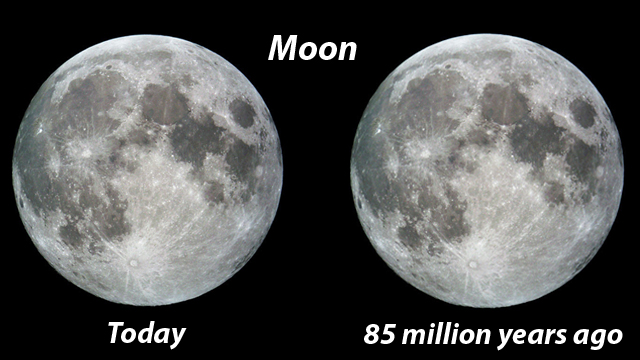
"content": "\u003cp>Although I am a lifelong fan of science, I've also been a lifelong fan of science fiction—so I sometimes experience conflict in the DMZ where the two meet. \u003c/p>\n\u003cp>Having been raised on Star Trek, where the science and technology routinely violate known scientific principles (faster than light warp drive, for example), I learned to have leniency on some of those violations—at least, the ones that exist in order to make the story work.\u003c/p>\n\u003cp>But the stories that get the science completely wrong, for no good reason, get my militia up in arms….\u003c/p>\n\u003cp>Such was my reaction when, a few weeks ago, I happened upon the last two minutes of the series premiere of a new television show—the one that involves time-traveling colonists going 85 million years into the past to live among the dinosaurs. (Don’t ask me any more about the plot; I’ve only ever caught the last two minutes of each show when I change the channel to wait for House. All I know is each episode seems to end with people creeping through a jungle at night carrying torches….)\u003c/p>\n\u003cp>So what irked me so badly? Scene: colonists in settlement in Cretaceous jungle, night time, looking up at the starry, Moon-adorned sky. A child muses, \"Is that the Moon?\" (never having seen it before). \"\u003ca href=\"http://tvtropes.org/pmwiki/pmwiki.php/Main/WeirdMoon\">It’s so big!\u003c/a>\" Indeed, the Moon aloft in these prehistoric skies was depicted as truly huge—I’d estimate ten or fifteen degrees across, about the width of your hand spread wide at arm’s length (20 to 30 times the size of the Moon we know). \u003c/p>\n\u003cp>[ad fullwidth]\u003c/p>\n\u003cp>Enter \"brainy\" teenage girl to explain: The Moon is moving away from the Earth a few centimeters each year, so here, 85 million years in the past, it’s much closer to Earth. \u003c/p>\n\u003cp>How much closer was the Moon to Earth 85 million years ago? Do the math, brain: The Moon is currently moving away from the Earth at about 3.8 centimeters per year, so 3.8 cm for 85 million years equals 323 million centimeters. Sounds like a lot, right? 323 million of just about anything seems like a lot. 323 million centimeters is 3,230,000 meters, or 3,230 kilometers. Or a little over 2,000 miles—which, coincidentally, is about the diameter of the Moon itself. Since the Moon is presently 240,000 miles from Earth, being 2000 miles closer to us in the past (about 0.8%) would not have made it perceptibly larger—let alone appearing as big as a cantaloupe!\u003c/p>\n\u003cp>The Moon has been moving away from the Earth since its formation, which took place about four and a half billion years ago. Through \u003ca href=\"http://csep10.phys.utk.edu/astr161/lect/time/tides.html\">tidal interactions\u003c/a> with the Earth, the Moon has \"stolen\" some of Earth’s rotational momentum (spin) to gradually boost itself farther and farther away, slowing the Earth’s spin as a result. Back in the day when the Earth and Moon were young and fresh—and much closer together—the Earth spun much faster: maybe once in 8 hours. (But that was WAY before life existed, so try not to imagine the dinosaurs experiencing much shorter days, please.)\u003c/p>\n\u003cp>Oh yeah, in that same two minutes of the show premiere, the \"brainy\" girl (it’s not her fault; it’s the show’s writers, of course) also had an answer for why all the stars in the Cretaceous sky bore no resemblance to the constellations we know today. The Universe is expanding, she said (correctly), and so in 85 million years that expansion has caused the stars to change position\" (not so correctly). The Universe is expanding, yes, correct; the stars in Earth’s skies 85 million years ago would have looked completely different, yes. But the two have nothing to do with each other. \u003c/p>\n\u003cp>\u003ca href=\"http://skyserver.sdss.org/dr1/en/astro/universe/universe.asp\">The Universe is expanding\u003c/a> and carrying all of the galaxies and galaxy clusters farther and farther apart. But this has no effect on the stars gravitationally bound within each galaxy. At the scale of a single galaxy, like our own Milky Way, the gravity binding the stars together in that great spinning spiral overpowers the effect of space expanding. \u003c/p>\n\u003cp>The stars we see in our skies are all inside of our galaxy, to which they are gravitationally bound. It is merely the motion of those stars within the galaxy as they orbit the center that change their relative positions, and so the patterns of constellations that we perceive. Analogously, continental drift on Earth may move a pair of land masses away from each other, but that large-scale motion won’t cause the trees within either of those lands to move apart. \u003c/p>\n\u003cp>\u003c/p>\n\u003cp>Nit picking? Yeah, maybe. But I even do it to Star Trek on occasion…. \u003c/p>\n\n",
"disqusIdentifier": "27976 http://science.kqed.org/quest/?p=27976",
"disqusUrl": "https://ww2.kqed.org/quest/2011/12/02/luna-nova-moon-of-the-cretaceous-skies/",
"stats": {
"hasVideo": false,
"hasChartOrMap": false,
"hasAudio": false,
"hasPolis": false,
"wordCount": 818,
"hasGoogleForm": false,
"hasGallery": false,
"hasHearkenModule": false,
"iframeSrcs": [],
"paragraphCount": 14
},
"modified": 1442783954,
"excerpt": "Although I am a lifelong fan of science, I’ve also been a lifelong fan of science fiction—so I sometimes experience conflict on the borderlands where the two meet. ",
"headData": {
"twImgId": "",
"twTitle": "",
"ogTitle": "",
"ogImgId": "",
"twDescription": "",
"description": "Although I am a lifelong fan of science, I’ve also been a lifelong fan of science fiction—so I sometimes experience conflict on the borderlands where the two meet. ",
"title": "Luna Nova: Moon of the Cretaceous Skies | KQED",
"ogDescription": "",
"schema": {
"@context": "https://schema.org",
"@type": "Article",
"headline": "Luna Nova: Moon of the Cretaceous Skies",
"datePublished": "2011-12-02T13:41:40-08:00",
"dateModified": "2015-09-20T14:19:14-07:00",
"image": "https://cdn.kqed.org/wp-content/uploads/2020/02/KQED-OG-Image@1x.png"
}
},
"guestAuthors": [],
"slug": "luna-nova-moon-of-the-cretaceous-skies",
"status": "publish",
"path": "/quest/27976/luna-nova-moon-of-the-cretaceous-skies",
"audioTrackLength": null,
"parsedContent": [
{
"type": "contentString",
"content": "\u003cdiv class=\"post-body\">\u003cp>\u003cp>Although I am a lifelong fan of science, I've also been a lifelong fan of science fiction—so I sometimes experience conflict in the DMZ where the two meet. \u003c/p>\n\u003cp>Having been raised on Star Trek, where the science and technology routinely violate known scientific principles (faster than light warp drive, for example), I learned to have leniency on some of those violations—at least, the ones that exist in order to make the story work.\u003c/p>\n\u003cp>But the stories that get the science completely wrong, for no good reason, get my militia up in arms….\u003c/p>\n\u003cp>Such was my reaction when, a few weeks ago, I happened upon the last two minutes of the series premiere of a new television show—the one that involves time-traveling colonists going 85 million years into the past to live among the dinosaurs. (Don’t ask me any more about the plot; I’ve only ever caught the last two minutes of each show when I change the channel to wait for House. All I know is each episode seems to end with people creeping through a jungle at night carrying torches….)\u003c/p>\n\u003cp>So what irked me so badly? Scene: colonists in settlement in Cretaceous jungle, night time, looking up at the starry, Moon-adorned sky. A child muses, \"Is that the Moon?\" (never having seen it before). \"\u003ca href=\"http://tvtropes.org/pmwiki/pmwiki.php/Main/WeirdMoon\">It’s so big!\u003c/a>\" Indeed, the Moon aloft in these prehistoric skies was depicted as truly huge—I’d estimate ten or fifteen degrees across, about the width of your hand spread wide at arm’s length (20 to 30 times the size of the Moon we know). \u003c/p>\n\u003cp>\u003c/p>\u003c/div>",
"attributes": {
"named": {},
"numeric": []
}
},
{
"type": "component",
"content": "",
"name": "ad",
"attributes": {
"named": {
"label": "fullwidth"
},
"numeric": [
"fullwidth"
]
}
},
{
"type": "contentString",
"content": "\u003cdiv class=\"post-body\">\u003cp>\u003c/p>\n\u003cp>Enter \"brainy\" teenage girl to explain: The Moon is moving away from the Earth a few centimeters each year, so here, 85 million years in the past, it’s much closer to Earth. \u003c/p>\n\u003cp>How much closer was the Moon to Earth 85 million years ago? Do the math, brain: The Moon is currently moving away from the Earth at about 3.8 centimeters per year, so 3.8 cm for 85 million years equals 323 million centimeters. Sounds like a lot, right? 323 million of just about anything seems like a lot. 323 million centimeters is 3,230,000 meters, or 3,230 kilometers. Or a little over 2,000 miles—which, coincidentally, is about the diameter of the Moon itself. Since the Moon is presently 240,000 miles from Earth, being 2000 miles closer to us in the past (about 0.8%) would not have made it perceptibly larger—let alone appearing as big as a cantaloupe!\u003c/p>\n\u003cp>The Moon has been moving away from the Earth since its formation, which took place about four and a half billion years ago. Through \u003ca href=\"http://csep10.phys.utk.edu/astr161/lect/time/tides.html\">tidal interactions\u003c/a> with the Earth, the Moon has \"stolen\" some of Earth’s rotational momentum (spin) to gradually boost itself farther and farther away, slowing the Earth’s spin as a result. Back in the day when the Earth and Moon were young and fresh—and much closer together—the Earth spun much faster: maybe once in 8 hours. (But that was WAY before life existed, so try not to imagine the dinosaurs experiencing much shorter days, please.)\u003c/p>\n\u003cp>Oh yeah, in that same two minutes of the show premiere, the \"brainy\" girl (it’s not her fault; it’s the show’s writers, of course) also had an answer for why all the stars in the Cretaceous sky bore no resemblance to the constellations we know today. The Universe is expanding, she said (correctly), and so in 85 million years that expansion has caused the stars to change position\" (not so correctly). The Universe is expanding, yes, correct; the stars in Earth’s skies 85 million years ago would have looked completely different, yes. But the two have nothing to do with each other. \u003c/p>\n\u003cp>\u003ca href=\"http://skyserver.sdss.org/dr1/en/astro/universe/universe.asp\">The Universe is expanding\u003c/a> and carrying all of the galaxies and galaxy clusters farther and farther apart. But this has no effect on the stars gravitationally bound within each galaxy. At the scale of a single galaxy, like our own Milky Way, the gravity binding the stars together in that great spinning spiral overpowers the effect of space expanding. \u003c/p>\n\u003cp>The stars we see in our skies are all inside of our galaxy, to which they are gravitationally bound. It is merely the motion of those stars within the galaxy as they orbit the center that change their relative positions, and so the patterns of constellations that we perceive. Analogously, continental drift on Earth may move a pair of land masses away from each other, but that large-scale motion won’t cause the trees within either of those lands to move apart. \u003c/p>\n\u003cp>\u003c/p>\n\u003cp>Nit picking? Yeah, maybe. But I even do it to Star Trek on occasion…. \u003c/p>\n\n\u003c/div>\u003c/p>",
"attributes": {
"named": {},
"numeric": []
}
}
],
"link": "/quest/27976/luna-nova-moon-of-the-cretaceous-skies",
"authors": [
"6180"
],
"categories": [
"quest_3"
],
"tags": [
"quest_13192",
"quest_544",
"quest_3535",
"quest_902",
"quest_10517",
"quest_1162",
"quest_1163",
"quest_10516",
"quest_1870",
"quest_10515",
"quest_13",
"quest_2780",
"quest_2936",
"quest_3034"
],
"featImg": "quest_27977",
"label": "quest"
},
"quest_27387": {
"type": "posts",
"id": "quest_27387",
"meta": {
"index": "posts_1716263798",
"site": "quest",
"id": "27387",
"score": null,
"sort": [
1321635637000
]
},
"parent": 0,
"labelTerm": {
"site": "quest"
},
"blocks": [],
"publishDate": 1321635637,
"format": "standard",
"disqusTitle": "Dog Eats Moon: Total Lunar Eclipse",
"title": "Dog Eats Moon: Total Lunar Eclipse",
"headTitle": "QUEST | KQED Science",
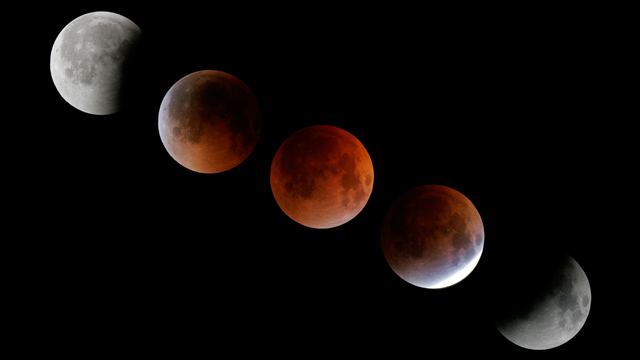
"content": "\u003cfigure id=\"attachment_27389\" class=\"wp-caption alignleft\" style=\"max-width: 640px\">\u003ca href=\"http://ww2.kqed.org/quest/2011/11/18/dog-eats-moon-total-lunar-eclipse/lunar-eclipse-08-28-07-composite-8bt-small/\" rel=\"attachment wp-att-27389\">\u003cimg src=\"http://ww2.kqed.org/quest/wp-content/uploads/sites/39/2011/11/Lunar-Eclipse-08-28-07-composite-8bt-small.jpg\" alt=\"Total Lunar Eclipse 08-28-07. Credit: Conrad Jung\" title=\"Total Lunar Eclipse 08-28-07. Credit: Conrad Jung\" width=\"640\" height=\"360\" class=\"size-full wp-image-27389\" srcset=\"https://ww2.kqed.org/app/uploads/sites/39/2011/11/Lunar-Eclipse-08-28-07-composite-8bt-small.jpg 640w, https://ww2.kqed.org/app/uploads/sites/39/2011/11/Lunar-Eclipse-08-28-07-composite-8bt-small-400x225.jpg 400w\" sizes=\"(max-width: 640px) 100vw, 640px\">\u003c/a>\u003cfigcaption class=\"wp-caption-text\">Total Lunar Eclipse 08-28-07. Credit: Conrad Jung\u003c/figcaption>\u003c/figure>\n\u003cp>Look, up in the sky! Is it a moldy orange? A giant celestial penny? A dragon eating the Moon? In fact, it's a total lunar eclipse, and coming soon to a sky near you….\u003c/p>\n\u003cp>\u003ca href=\"http://eclipse.gsfc.nasa.gov/OH/OH2011.html#LE2011Dec10T\" target=\"_blank\">December 10, 2011\u003c/a> marks your last chance to see a total lunar eclipse—one of the most breathtaking celestial events that you can witness with your unaided eye--until 2014. For us on the West Coast, the drama of the Moon's occlusion will play out in the early morning hours of Saturday—weather permitting, as always.\u003c/p>\n\u003cp>A total lunar eclipse occurs when the Moon passes through the long shadow the Earth casts into space. We see a partial lunar eclipse when only part of the Moon grazes the Earth's shadow and a total eclipse when it is completely engulfed in darkness. \u003c/p>\n\u003cp>The overall eclipse begins at about 3:33 AM on the morning of December 10, when the Moon first touches Earth's penumbra, or \"half shadow\" (the region of space where only some of the Sun's light is blocked by the Earth). At the beginning, you might be challenged to notice anything different about the Full Moon, unless you're looking for something—in which case you might start to notice a slight darkening at one edge of the Moon's disk. \u003c/p>\n\u003cp>By 4:46 AM, the real show begins: the Moon will begin to enter the umbra, the Earth's full shadow, in which no direct sunlight shines. Now, a very noticeable \"bite\" will be taken out of the Full Moon—as if some great celestial creature is nibbling it at the edge. (To the Chinese, this animal was thought of as a dog or a dragon; to the Maya, often a jaguar; and if you mix your myths well, you might imagine those creatures eating green cheese….)\u003c/p>\n\u003cp>[ad fullwidth]\u003c/p>\n\u003cp>Finally, at 6:06 AM, with the Moon low near the western horizon, it will become completely engulfed in the umbra and will likely turn a dim, coppery, orange, or possibly even reddish color—like a shiny copper penny, or a molding orange. I hope that image doesn't spoil the experience for you…. \u003c/p>\n\u003cp>This is totality, when the entire disk of the Moon is within the umbra. From Earth, the Full Moon goes very dark during totality. From the Moon, if you were so lucky to be there during totality, the Earth (in its \"New\" phase as seen from Luna) would be a black disk surrounded by a ring of red or orange light—from the Moon's perspective, a total solar eclipse. \u003c/p>\n\u003cp>Why is the Moon lit at all during totality if it's supposed to be in the umbra where no direct sunlight shines? And why orange and red tones? \u003c/p>\n\u003cp>The answer is in Earth's atmosphere, which simultaneously bends, or \"scatters,\" the sunlight that grazes by the edges, and filters the colors of the sunlight to favor the redder wavelengths passing through. If you've seen sunlight shining around the edges of a cloud, making that \"silver lining\" and shedding light into the cloud's shadow, then you may have an idea how the sunlight is scattered around the edge of the Earth into the otherwise dark umbral shadow. \u003c/p>\n\u003cp>And, if you've seen the colors of a sunrise or a sunset—orange and red, more or less depending on atmospheric conditions—then you can understand why the light is reddish. Earth's atmosphere acts like a piece of red glass: white light, containing all the colors of the rainbow, enters the glass, but the bluer colors are absorbed, and only the orange and red tones pass through and shine onward. (What does Earth's atmosphere do with that stolen blue light? Take a look at a clear daytime sky and you'll see!)\u003c/p>\n\u003cp>So, for the 41 minutes of totality, you'll witness one of the most spectacular partnerships of the Earth and Moon, when the Earth \"touches\" the Moon with the tip of its shadow and the russet tones of all its sunrises and sunsets acting in concert. \u003c/p>\n\u003cp>\u003c/p>\n\u003cp>Totality will end at 6:47 AM when the Moon's leading edge begins to depart the umbral shadow—and at 7:17 the show will be over for us when the Moon sets. Then, it's another three years until we can see such a sight again, so be sure to catch this one! Weather permitting, we'll have the Observatory Deck open at \u003ca href=\"http://www.chabotspace.org/calendar.htm?date=12-10-2011&p=1439355\">Chabot Space & Science Center\u003c/a> from 4:00 to 7:00 AM, in case you'd like to watch the event in good company....\u003c/p>\n\n",
"disqusIdentifier": "27387 http://science.kqed.org/quest/?p=27387",
"disqusUrl": "https://ww2.kqed.org/quest/2011/11/18/dog-eats-moon-total-lunar-eclipse/",
"stats": {
"hasVideo": false,
"hasChartOrMap": false,
"hasAudio": false,
"hasPolis": false,
"wordCount": 794,
"hasGoogleForm": false,
"hasGallery": false,
"hasHearkenModule": false,
"iframeSrcs": [],
"paragraphCount": 14
},
"modified": 1371059970,
"excerpt": "December 10, 2011 marks your last chance to see a total lunar eclipse—one of the most breathtaking celestial events that you can witness with your unaided eye--until 2014. ",
"headData": {
"twImgId": "",
"twTitle": "",
"ogTitle": "",
"ogImgId": "",
"twDescription": "",
"description": "December 10, 2011 marks your last chance to see a total lunar eclipse—one of the most breathtaking celestial events that you can witness with your unaided eye--until 2014. ",
"title": "Dog Eats Moon: Total Lunar Eclipse | KQED",
"ogDescription": "",
"schema": {
"@context": "https://schema.org",
"@type": "Article",
"headline": "Dog Eats Moon: Total Lunar Eclipse",
"datePublished": "2011-11-18T09:00:37-08:00",
"dateModified": "2013-06-12T10:59:30-07:00",
"image": "https://cdn.kqed.org/wp-content/uploads/2020/02/KQED-OG-Image@1x.png"
}
},
"guestAuthors": [],
"slug": "dog-eats-moon-total-lunar-eclipse",
"status": "publish",
"path": "/quest/27387/dog-eats-moon-total-lunar-eclipse",
"audioTrackLength": null,
"parsedContent": [
{
"type": "contentString",
"content": "\u003cdiv class=\"post-body\">\u003cp>\u003cfigure id=\"attachment_27389\" class=\"wp-caption alignleft\" style=\"max-width: 640px\">\u003ca href=\"http://ww2.kqed.org/quest/2011/11/18/dog-eats-moon-total-lunar-eclipse/lunar-eclipse-08-28-07-composite-8bt-small/\" rel=\"attachment wp-att-27389\">\u003cimg src=\"http://ww2.kqed.org/quest/wp-content/uploads/sites/39/2011/11/Lunar-Eclipse-08-28-07-composite-8bt-small.jpg\" alt=\"Total Lunar Eclipse 08-28-07. Credit: Conrad Jung\" title=\"Total Lunar Eclipse 08-28-07. Credit: Conrad Jung\" width=\"640\" height=\"360\" class=\"size-full wp-image-27389\" srcset=\"https://ww2.kqed.org/app/uploads/sites/39/2011/11/Lunar-Eclipse-08-28-07-composite-8bt-small.jpg 640w, https://ww2.kqed.org/app/uploads/sites/39/2011/11/Lunar-Eclipse-08-28-07-composite-8bt-small-400x225.jpg 400w\" sizes=\"(max-width: 640px) 100vw, 640px\">\u003c/a>\u003cfigcaption class=\"wp-caption-text\">Total Lunar Eclipse 08-28-07. Credit: Conrad Jung\u003c/figcaption>\u003c/figure>\n\u003cp>Look, up in the sky! Is it a moldy orange? A giant celestial penny? A dragon eating the Moon? In fact, it's a total lunar eclipse, and coming soon to a sky near you….\u003c/p>\n\u003cp>\u003ca href=\"http://eclipse.gsfc.nasa.gov/OH/OH2011.html#LE2011Dec10T\" target=\"_blank\">December 10, 2011\u003c/a> marks your last chance to see a total lunar eclipse—one of the most breathtaking celestial events that you can witness with your unaided eye--until 2014. For us on the West Coast, the drama of the Moon's occlusion will play out in the early morning hours of Saturday—weather permitting, as always.\u003c/p>\n\u003cp>A total lunar eclipse occurs when the Moon passes through the long shadow the Earth casts into space. We see a partial lunar eclipse when only part of the Moon grazes the Earth's shadow and a total eclipse when it is completely engulfed in darkness. \u003c/p>\n\u003cp>The overall eclipse begins at about 3:33 AM on the morning of December 10, when the Moon first touches Earth's penumbra, or \"half shadow\" (the region of space where only some of the Sun's light is blocked by the Earth). At the beginning, you might be challenged to notice anything different about the Full Moon, unless you're looking for something—in which case you might start to notice a slight darkening at one edge of the Moon's disk. \u003c/p>\n\u003cp>By 4:46 AM, the real show begins: the Moon will begin to enter the umbra, the Earth's full shadow, in which no direct sunlight shines. Now, a very noticeable \"bite\" will be taken out of the Full Moon—as if some great celestial creature is nibbling it at the edge. (To the Chinese, this animal was thought of as a dog or a dragon; to the Maya, often a jaguar; and if you mix your myths well, you might imagine those creatures eating green cheese….)\u003c/p>\n\u003cp>\u003c/p>\u003c/div>",
"attributes": {
"named": {},
"numeric": []
}
},
{
"type": "component",
"content": "",
"name": "ad",
"attributes": {
"named": {
"label": "fullwidth"
},
"numeric": [
"fullwidth"
]
}
},
{
"type": "contentString",
"content": "\u003cdiv class=\"post-body\">\u003cp>\u003c/p>\n\u003cp>Finally, at 6:06 AM, with the Moon low near the western horizon, it will become completely engulfed in the umbra and will likely turn a dim, coppery, orange, or possibly even reddish color—like a shiny copper penny, or a molding orange. I hope that image doesn't spoil the experience for you…. \u003c/p>\n\u003cp>This is totality, when the entire disk of the Moon is within the umbra. From Earth, the Full Moon goes very dark during totality. From the Moon, if you were so lucky to be there during totality, the Earth (in its \"New\" phase as seen from Luna) would be a black disk surrounded by a ring of red or orange light—from the Moon's perspective, a total solar eclipse. \u003c/p>\n\u003cp>Why is the Moon lit at all during totality if it's supposed to be in the umbra where no direct sunlight shines? And why orange and red tones? \u003c/p>\n\u003cp>The answer is in Earth's atmosphere, which simultaneously bends, or \"scatters,\" the sunlight that grazes by the edges, and filters the colors of the sunlight to favor the redder wavelengths passing through. If you've seen sunlight shining around the edges of a cloud, making that \"silver lining\" and shedding light into the cloud's shadow, then you may have an idea how the sunlight is scattered around the edge of the Earth into the otherwise dark umbral shadow. \u003c/p>\n\u003cp>And, if you've seen the colors of a sunrise or a sunset—orange and red, more or less depending on atmospheric conditions—then you can understand why the light is reddish. Earth's atmosphere acts like a piece of red glass: white light, containing all the colors of the rainbow, enters the glass, but the bluer colors are absorbed, and only the orange and red tones pass through and shine onward. (What does Earth's atmosphere do with that stolen blue light? Take a look at a clear daytime sky and you'll see!)\u003c/p>\n\u003cp>So, for the 41 minutes of totality, you'll witness one of the most spectacular partnerships of the Earth and Moon, when the Earth \"touches\" the Moon with the tip of its shadow and the russet tones of all its sunrises and sunsets acting in concert. \u003c/p>\n\u003cp>\u003c/p>\n\u003cp>Totality will end at 6:47 AM when the Moon's leading edge begins to depart the umbral shadow—and at 7:17 the show will be over for us when the Moon sets. Then, it's another three years until we can see such a sight again, so be sure to catch this one! Weather permitting, we'll have the Observatory Deck open at \u003ca href=\"http://www.chabotspace.org/calendar.htm?date=12-10-2011&p=1439355\">Chabot Space & Science Center\u003c/a> from 4:00 to 7:00 AM, in case you'd like to watch the event in good company....\u003c/p>\n\n\u003c/div>\u003c/p>",
"attributes": {
"named": {},
"numeric": []
}
}
],
"link": "/quest/27387/dog-eats-moon-total-lunar-eclipse",
"authors": [
"6180"
],
"categories": [
"quest_3"
],
"tags": [
"quest_544",
"quest_916",
"quest_1700",
"quest_1870",
"quest_13202",
"quest_10458"
],
"featImg": "quest_27389",
"label": "quest"
},
"quest_27396": {
"type": "posts",
"id": "quest_27396",
"meta": {
"index": "posts_1716263798",
"site": "quest",
"id": "27396",
"score": null,
"sort": [
1321558459000
]
},
"parent": 0,
"labelTerm": {
"site": "quest"
},
"blocks": [],
"publishDate": 1321558459,
"format": "standard",
"disqusTitle": "The Juno Mission: Interview With NASA Scientist Dr. Bill Cooke",
"title": "The Juno Mission: Interview With NASA Scientist Dr. Bill Cooke",
"headTitle": "QUEST | KQED Science",
"content": "\u003cp>[jwvideo id=\"512c_nightsky_juno_extra\" poster_frame=\"http://ww2.kqed.org/quest/wp-content/uploads/sites/39/2011/11/apda-juno640.jpg\"]\u003c/p>\n\u003cfigure id=\"attachment_27423\" class=\"wp-caption alignleft\" style=\"max-width: 300px\">\u003ca href=\"http://ww2.kqed.org/quest/wp-content/uploads/sites/39/2011/11/512c_nightsky_juno_extra_sat640.jpg\">\u003cimg src=\"http://ww2.kqed.org/quest/wp-content/uploads/sites/39/2011/11/512c_nightsky_juno_extra_sat640-300x169.jpg\" alt=\"\" title=\"512c_nightsky_juno_extra_sat640\" width=\"300\" height=\"169\" class=\"size-thumbnail wp-image-27423\">\u003c/a>\u003cfigcaption class=\"wp-caption-text\">NASA's Juno spacecraft is shown in orbit above Jupiter's colorful clouds in this artist's rendering. Image credit: NASA/JPL-Caltech.\u003c/figcaption>\u003c/figure>\n\u003cp>Even though NASA is no longer in the business of deploying manned-missions to outer space, they continue to explore the cosmos in ways that have never before been possible. Their next target is Earth's bigger, gassier neighbor: Jupiter.\u003c/p>\n\u003cp>On August 5, 2011 the \u003ca href=\"http://www.nasa.gov/\">National Aeronautics and Space Administration (NASA)\u003c/a> in conjunction with the \u003ca href=\"http://www.swri.org/\">Southwest Research Institute\u003c/a> launched the \u003ca href=\"http://www.nasa.gov/juno/\">Juno mission\u003c/a>, which NASA says will, \"improve our understanding of the solar system’s beginnings by revealing the origin and evolution of Jupiter.\"\u003c/p>\n\u003cp>This is a pretty big deal in the world of astrophysics. NASA scientists theorize they will be able to determine the origin of The Giant Planet, \"and thereby the solar system\" by measuring the amount of water and ammonia in Jupiter's atmosphere.\u003c/p>\n\u003cp>Scott Bolton, Juno's principal investigator from the Southwest Research Institute in San Antonio explains the significance of the mission:\u003c/p>\n\u003cp>[ad fullwidth]\u003c/p>\n\u003cp>\"Jupiter is the Rosetta Stone of our solar system. It is by far the oldest planet, contains more material than all the other planets, asteroids and comets combined, and carries deep inside it the story of not only the solar system but of us. Juno is going there as our emissary -- to interpret what Jupiter has to say.\"\u003c/p>\n\u003cp>But scientists will have to wait a few years to test their theories. Even though Juno is traveling at a relative speed of over 13,000 miles an hour, it is not scheduled to reach its final destination until July 2016.\u003c/p>\n\u003cp>And the ride to Jupiter is not exactly a clear path. Juno will face many obstacles - including large mentors - that can potentially derail the $1.1 billion project.\u003c/p>\n\u003cp>Thankfully, scientists can rely on old \"maps,\" or astro-photographic images of the night sky to plan a flight path that will steer the spacecraft away from debris.\u003c/p>\n\u003cp>Dr. Bill Cooke, head of NASA's Meteoroid Environment Office, says the astro-photographic plates housed at the \u003ca href=\"http://www.pari.edu/\">Pisgah Astronomical Research Institute (PARI)\u003c/a> contributed directly to the success of the Juno mission;\u003c/p>\n\u003cp>\"Juno, for example, in order for it to be successful they have to design it. And one of the things they have to design it for is to protect it from meteoroids out in space. Well we never measured meteoroids around Jupiter, because we don't go there very often, right? So we have to take what we've learned here at Earth to help us design that spacecraft to go to Jupiter and those negatives [at the Astronomical Photographic Data Archive] helped formulate the model we used to design that spacecraft to go to Jupiter.\u003c/p>\n\u003cp>Dr. Cooke is referring to a collection of nearly 150,000 old astro-photographic plates and film known as APDA, or the Astronomical Photographic Data Archive. The APDA collection is stored at PARI's secure facility in Western North Carolina.\u003c/p>\n\u003cp>Dr. Cooke became aware of the collection a few years ago and has quickly become on of its biggest advocates:\u003c/p>\n\u003cp>\"The photo archive which contains a lot of the photographs that form the basis of modern meteor science are housed … at ADPA. They collected them from around the country, but those old photographs, that data, formed the basis for everything we know now in regards to meteors. So it's kind of like visiting a treasure trove of ancient data. The great hieroglyphic inscriptions out there in APDA.\"\u003c/p>\n\u003cfigure id=\"attachment_27416\" class=\"wp-caption alignright\" style=\"max-width: 300px\">\u003ca href=\"http://ww2.kqed.org/quest/wp-content/uploads/sites/39/2011/11/apda-juno-plate640.jpg\">\u003cimg src=\"http://ww2.kqed.org/quest/wp-content/uploads/sites/39/2011/11/apda-juno-plate640-300x167.jpg\" alt=\"\" title=\"apda-juno-plate640\" width=\"300\" height=\"167\" class=\"size-thumbnail wp-image-27416\">\u003c/a>\u003cfigcaption class=\"wp-caption-text\">Brendan Fallon of the American Meteor Society examines film in the APDA collection.\u003c/figcaption>\u003c/figure>\n\u003cp>The connection between APDA and the Juno mission came full orbit during this year's annual NASA Fireball Workshop, which took place at PARI's Rosman, North Carolina campus. Attendees were able to watch the Juno launch and then walk into the archives to hold the original pieces of film that helped Juno's engineers develop a safe flight path.\u003c/p>\n\u003cp>By relying on old astronomical plates and film - some of which date over 100 years old - today's astronomers can safely stand on the shoulders of their predecessors and reach for the stars, without fear of being knocked down by meteors.\u003c/p>\n\u003cp>For more info check out NASA's website for the JUNO mission:\u003c/p>\n\u003cp>twitter: \u003ca href=\"http://twitter.com/#!/NASAJuno\">@NASAJuno\u003c/a>\u003c/p>\n\u003cp>\u003c/p>\n\u003cp>\u003ca href=\"http://missionjuno.swri.edu/\">http://missionjuno.swri.edu/\u003c/a>\u003c/p>\n\n",
"disqusIdentifier": "27396 http://science.kqed.org/quest/?post_type=videos&p=27396",
"disqusUrl": "https://ww2.kqed.org/quest/2011/11/17/the-juno-mission-interview-with-nasa-scientist-dr-bill-cooke/",
"stats": {
"hasVideo": false,
"hasChartOrMap": false,
"hasAudio": false,
"hasPolis": false,
"wordCount": 761,
"hasGoogleForm": false,
"hasGallery": false,
"hasHearkenModule": false,
"iframeSrcs": [],
"paragraphCount": 20
},
"modified": 1321558908,
"excerpt": "What's old, is new again. Dr. Bill Cooke, head of NASA's Meteoroid Environment Office, discusses how the historical astro-photographic plates at the Pisgah Astronomical Research Institute (PARI) contribute to the new Juno mission to Jupiter.",
"headData": {
"twImgId": "",
"twTitle": "",
"ogTitle": "",
"ogImgId": "",
"twDescription": "",
"description": "What's old, is new again. Dr. Bill Cooke, head of NASA's Meteoroid Environment Office, discusses how the historical astro-photographic plates at the Pisgah Astronomical Research Institute (PARI) contribute to the new Juno mission to Jupiter.",
"title": "The Juno Mission: Interview With NASA Scientist Dr. Bill Cooke | KQED",
"ogDescription": "",
"schema": {
"@context": "https://schema.org",
"@type": "Article",
"headline": "The Juno Mission: Interview With NASA Scientist Dr. Bill Cooke",
"datePublished": "2011-11-17T11:34:19-08:00",
"dateModified": "2011-11-17T11:41:48-08:00",
"image": "https://cdn.kqed.org/wp-content/uploads/2020/02/KQED-OG-Image@1x.png"
}
},
"guestAuthors": [],
"slug": "the-juno-mission-interview-with-nasa-scientist-dr-bill-cooke",
"status": "publish",
"path": "/quest/27396/the-juno-mission-interview-with-nasa-scientist-dr-bill-cooke",
"audioTrackLength": null,
"parsedContent": [
{
"type": "contentString",
"content": "\u003cdiv class=\"post-body\">\u003cp>\u003cp>[jwvideo id=\"512c_nightsky_juno_extra\" poster_frame=\"http://ww2.kqed.org/quest/wp-content/uploads/sites/39/2011/11/apda-juno640.jpg\"]\u003c/p>\n\u003cfigure id=\"attachment_27423\" class=\"wp-caption alignleft\" style=\"max-width: 300px\">\u003ca href=\"http://ww2.kqed.org/quest/wp-content/uploads/sites/39/2011/11/512c_nightsky_juno_extra_sat640.jpg\">\u003cimg src=\"http://ww2.kqed.org/quest/wp-content/uploads/sites/39/2011/11/512c_nightsky_juno_extra_sat640-300x169.jpg\" alt=\"\" title=\"512c_nightsky_juno_extra_sat640\" width=\"300\" height=\"169\" class=\"size-thumbnail wp-image-27423\">\u003c/a>\u003cfigcaption class=\"wp-caption-text\">NASA's Juno spacecraft is shown in orbit above Jupiter's colorful clouds in this artist's rendering. Image credit: NASA/JPL-Caltech.\u003c/figcaption>\u003c/figure>\n\u003cp>Even though NASA is no longer in the business of deploying manned-missions to outer space, they continue to explore the cosmos in ways that have never before been possible. Their next target is Earth's bigger, gassier neighbor: Jupiter.\u003c/p>\n\u003cp>On August 5, 2011 the \u003ca href=\"http://www.nasa.gov/\">National Aeronautics and Space Administration (NASA)\u003c/a> in conjunction with the \u003ca href=\"http://www.swri.org/\">Southwest Research Institute\u003c/a> launched the \u003ca href=\"http://www.nasa.gov/juno/\">Juno mission\u003c/a>, which NASA says will, \"improve our understanding of the solar system’s beginnings by revealing the origin and evolution of Jupiter.\"\u003c/p>\n\u003cp>This is a pretty big deal in the world of astrophysics. NASA scientists theorize they will be able to determine the origin of The Giant Planet, \"and thereby the solar system\" by measuring the amount of water and ammonia in Jupiter's atmosphere.\u003c/p>\n\u003cp>Scott Bolton, Juno's principal investigator from the Southwest Research Institute in San Antonio explains the significance of the mission:\u003c/p>\n\u003cp>\u003c/p>\u003c/div>",
"attributes": {
"named": {},
"numeric": []
}
},
{
"type": "component",
"content": "",
"name": "ad",
"attributes": {
"named": {
"label": "fullwidth"
},
"numeric": [
"fullwidth"
]
}
},
{
"type": "contentString",
"content": "\u003cdiv class=\"post-body\">\u003cp>\u003c/p>\n\u003cp>\"Jupiter is the Rosetta Stone of our solar system. It is by far the oldest planet, contains more material than all the other planets, asteroids and comets combined, and carries deep inside it the story of not only the solar system but of us. Juno is going there as our emissary -- to interpret what Jupiter has to say.\"\u003c/p>\n\u003cp>But scientists will have to wait a few years to test their theories. Even though Juno is traveling at a relative speed of over 13,000 miles an hour, it is not scheduled to reach its final destination until July 2016.\u003c/p>\n\u003cp>And the ride to Jupiter is not exactly a clear path. Juno will face many obstacles - including large mentors - that can potentially derail the $1.1 billion project.\u003c/p>\n\u003cp>Thankfully, scientists can rely on old \"maps,\" or astro-photographic images of the night sky to plan a flight path that will steer the spacecraft away from debris.\u003c/p>\n\u003cp>Dr. Bill Cooke, head of NASA's Meteoroid Environment Office, says the astro-photographic plates housed at the \u003ca href=\"http://www.pari.edu/\">Pisgah Astronomical Research Institute (PARI)\u003c/a> contributed directly to the success of the Juno mission;\u003c/p>\n\u003cp>\"Juno, for example, in order for it to be successful they have to design it. And one of the things they have to design it for is to protect it from meteoroids out in space. Well we never measured meteoroids around Jupiter, because we don't go there very often, right? So we have to take what we've learned here at Earth to help us design that spacecraft to go to Jupiter and those negatives [at the Astronomical Photographic Data Archive] helped formulate the model we used to design that spacecraft to go to Jupiter.\u003c/p>\n\u003cp>Dr. Cooke is referring to a collection of nearly 150,000 old astro-photographic plates and film known as APDA, or the Astronomical Photographic Data Archive. The APDA collection is stored at PARI's secure facility in Western North Carolina.\u003c/p>\n\u003cp>Dr. Cooke became aware of the collection a few years ago and has quickly become on of its biggest advocates:\u003c/p>\n\u003cp>\"The photo archive which contains a lot of the photographs that form the basis of modern meteor science are housed … at ADPA. They collected them from around the country, but those old photographs, that data, formed the basis for everything we know now in regards to meteors. So it's kind of like visiting a treasure trove of ancient data. The great hieroglyphic inscriptions out there in APDA.\"\u003c/p>\n\u003cfigure id=\"attachment_27416\" class=\"wp-caption alignright\" style=\"max-width: 300px\">\u003ca href=\"http://ww2.kqed.org/quest/wp-content/uploads/sites/39/2011/11/apda-juno-plate640.jpg\">\u003cimg src=\"http://ww2.kqed.org/quest/wp-content/uploads/sites/39/2011/11/apda-juno-plate640-300x167.jpg\" alt=\"\" title=\"apda-juno-plate640\" width=\"300\" height=\"167\" class=\"size-thumbnail wp-image-27416\">\u003c/a>\u003cfigcaption class=\"wp-caption-text\">Brendan Fallon of the American Meteor Society examines film in the APDA collection.\u003c/figcaption>\u003c/figure>\n\u003cp>The connection between APDA and the Juno mission came full orbit during this year's annual NASA Fireball Workshop, which took place at PARI's Rosman, North Carolina campus. Attendees were able to watch the Juno launch and then walk into the archives to hold the original pieces of film that helped Juno's engineers develop a safe flight path.\u003c/p>\n\u003cp>By relying on old astronomical plates and film - some of which date over 100 years old - today's astronomers can safely stand on the shoulders of their predecessors and reach for the stars, without fear of being knocked down by meteors.\u003c/p>\n\u003cp>For more info check out NASA's website for the JUNO mission:\u003c/p>\n\u003cp>twitter: \u003ca href=\"http://twitter.com/#!/NASAJuno\">@NASAJuno\u003c/a>\u003c/p>\n\u003cp>\u003c/p>\n\u003cp>\u003ca href=\"http://missionjuno.swri.edu/\">http://missionjuno.swri.edu/\u003c/a>\u003c/p>\n\n\u003c/div>\u003c/p>",
"attributes": {
"named": {},
"numeric": []
}
}
],
"link": "/quest/27396/the-juno-mission-interview-with-nasa-scientist-dr-bill-cooke",
"authors": [
"10296"
],
"categories": [
"quest_3"
],
"tags": [
"quest_10426",
"quest_13192",
"quest_10459",
"quest_3351",
"quest_1918",
"quest_10357",
"quest_2141",
"quest_10356",
"quest_2187",
"quest_2349",
"quest_3290",
"quest_10363"
],
"featImg": "quest_27403",
"label": "quest"
},
"quest_27142": {
"type": "posts",
"id": "quest_27142",
"meta": {
"index": "posts_1716263798",
"site": "quest",
"id": "27142",
"score": null,
"sort": [
1320791562000
]
},
"parent": 0,
"labelTerm": {
"site": "quest"
},
"blocks": [],
"publishDate": 1320791562,
"format": "standard",
"disqusTitle": "Yo GAMMA GAMMA: Photo plates enable astronomers to peer back to the future",
"title": "Yo GAMMA GAMMA: Photo plates enable astronomers to peer back to the future",
"headTitle": "QUEST | KQED Science",
"content": "\u003cfigure id=\"attachment_27144\" class=\"wp-caption alignleft\" style=\"max-width: 300px\">\u003cimg src=\"http://ww2.kqed.org/quest/wp-content/uploads/sites/39/2011/11/gamma-blog640-300x169.jpg\" alt=\"\" title=\"gamma-blog640\" width=\"300\" height=\"169\" class=\"size-thumbnail wp-image-27144\">\u003cfigcaption class=\"wp-caption-text\">Dr. Michael Catelaz at work on the GAMMA II imaging machine, at the Pisgah Astronomical Research Institute (PARI) in North Carolina.\u003c/figcaption>\u003c/figure>\n\u003cp>Dr. Michael Castelaz, the Science Director at the Pisgah Astronomical Research Institute, knows GAMMA II is a sleeping giant. He just needs a little help waking up the beast.\u003c/p>\n\u003cp>GAMMA II and its sister, GAMMA I, are legendary imaging machines that were used to create the 19-million strong Guide Star Catalogue for the \u003ca href=\"http://hubble.nasa.gov/\">Hubble Space Telescope\u003c/a> (HST). Think of the Guide Star Catalogue as a souped-up GPS, enabling the Hubble to set its scope on stars thousands of miles away.\u003c/p>\n\u003cp>Four years ago, the \u003ca href=\"http://www.stsci.edu/hst/%20\">Space Telescope Science Institute at Johns Hopkins University\u003c/a> announced it was retiring the image-makers after nearly 20 years of service.\u003c/p>\n\u003cp>The news swept across the astronomy community and Castelaz and his colleagues at PARI jumped at the opportunity to bring the GAMMA machines to their Western North Carolina campus and reconfigure them for a new cataloging gig.\u003c/p>\n\u003cp>“It’s old, but it’s still state of the art. It’s incredible what was done in terms of designing these instruments and getting them going,” Michael Castelaz.\u003c/p>\n\u003cp>[ad fullwidth]\u003c/p>\n\u003cp>But why bring this beast to PARI? PARI houses a collection of old photographic plates known as the Astronomical Photographic Data Archive, or APDA. Those analog plates contain invaluable data of the night sky, but are not easy to share and use. Catelaz and ADPA director Thurburn Barker believe the re-commissioned GAMMA II can help convert those plates– some of which date back to the 1890s – into new digital maps for future astronomers. The maps will unlock data on thousands of unclassified stars known to exist in the APDA collection that can then be cataloged by their size, temperature and distance.\u003c/p>\n\u003caside class=\"pullquote alignleft\">“This is the space capsule, Mercury. We want to turn it into the Starship Enterprise.”\u003cbr>\n-- Dr. Michael Castelaz, re: the GAMMA II imaging machine.\u003c/aside>\n\u003cp>When PARI finally obtained the machines they were in pieces: three-tons of granite and lasers awaiting their next mission. The sheer mass of the machines was intended to absorb vibrations from the floor as well the Earth. In order to effectively serve the Hubble, GAMMA precisely mapped stars down to the exact micron. That’s a thousandth of a millimeter to you and me. Castelaz and his cohort eventually reassembled GAMMA II and got all the electronics up and running. However, do to the jerry-rigging and hand-written code used to reconfigure the original machine, they have not been able to recreate the imaging capacity … yet. \u003c/p>\n\u003cp>\u003c/p>\n\u003cp>As soon as PARI can get GAMMA humming, the APDA collection will no longer be a black hole. The meticulous work by generations of astronomers will be ushered into the 21\u003csup>st\u003c/sup> century, bringing analog data back to the future.\u003c/p>\n\n",
"disqusIdentifier": "27142 http://science.kqed.org/quest/?p=27142",
"disqusUrl": "https://ww2.kqed.org/quest/2011/11/08/yo-gamma-gamma-photo-plates-enable-astronomers-to-peer-back-to-the-future/",
"stats": {
"hasVideo": false,
"hasChartOrMap": false,
"hasAudio": false,
"hasPolis": false,
"wordCount": 492,
"hasGoogleForm": false,
"hasGallery": false,
"hasHearkenModule": false,
"iframeSrcs": [],
"paragraphCount": 10
},
"modified": 1325108635,
"excerpt": "Dr. Michael Castelaz, the Science Director at the Pisgah Astronomical Research Institute, knows GAMMA II is a sleeping giant. He just needs a little help waking up the beast.",
"headData": {
"twImgId": "",
"twTitle": "",
"ogTitle": "",
"ogImgId": "",
"twDescription": "",
"description": "Dr. Michael Castelaz, the Science Director at the Pisgah Astronomical Research Institute, knows GAMMA II is a sleeping giant. He just needs a little help waking up the beast.",
"title": "Yo GAMMA GAMMA: Photo plates enable astronomers to peer back to the future | KQED",
"ogDescription": "",
"schema": {
"@context": "https://schema.org",
"@type": "Article",
"headline": "Yo GAMMA GAMMA: Photo plates enable astronomers to peer back to the future",
"datePublished": "2011-11-08T14:32:42-08:00",
"dateModified": "2011-12-28T13:43:55-08:00",
"image": "https://cdn.kqed.org/wp-content/uploads/2020/02/KQED-OG-Image@1x.png"
}
},
"guestAuthors": [],
"slug": "yo-gamma-gamma-photo-plates-enable-astronomers-to-peer-back-to-the-future",
"status": "publish",
"path": "/quest/27142/yo-gamma-gamma-photo-plates-enable-astronomers-to-peer-back-to-the-future",
"audioTrackLength": null,
"parsedContent": [
{
"type": "contentString",
"content": "\u003cdiv class=\"post-body\">\u003cp>\u003cfigure id=\"attachment_27144\" class=\"wp-caption alignleft\" style=\"max-width: 300px\">\u003cimg src=\"http://ww2.kqed.org/quest/wp-content/uploads/sites/39/2011/11/gamma-blog640-300x169.jpg\" alt=\"\" title=\"gamma-blog640\" width=\"300\" height=\"169\" class=\"size-thumbnail wp-image-27144\">\u003cfigcaption class=\"wp-caption-text\">Dr. Michael Catelaz at work on the GAMMA II imaging machine, at the Pisgah Astronomical Research Institute (PARI) in North Carolina.\u003c/figcaption>\u003c/figure>\n\u003cp>Dr. Michael Castelaz, the Science Director at the Pisgah Astronomical Research Institute, knows GAMMA II is a sleeping giant. He just needs a little help waking up the beast.\u003c/p>\n\u003cp>GAMMA II and its sister, GAMMA I, are legendary imaging machines that were used to create the 19-million strong Guide Star Catalogue for the \u003ca href=\"http://hubble.nasa.gov/\">Hubble Space Telescope\u003c/a> (HST). Think of the Guide Star Catalogue as a souped-up GPS, enabling the Hubble to set its scope on stars thousands of miles away.\u003c/p>\n\u003cp>Four years ago, the \u003ca href=\"http://www.stsci.edu/hst/%20\">Space Telescope Science Institute at Johns Hopkins University\u003c/a> announced it was retiring the image-makers after nearly 20 years of service.\u003c/p>\n\u003cp>The news swept across the astronomy community and Castelaz and his colleagues at PARI jumped at the opportunity to bring the GAMMA machines to their Western North Carolina campus and reconfigure them for a new cataloging gig.\u003c/p>\n\u003cp>“It’s old, but it’s still state of the art. It’s incredible what was done in terms of designing these instruments and getting them going,” Michael Castelaz.\u003c/p>\n\u003cp>\u003c/p>\u003c/div>",
"attributes": {
"named": {},
"numeric": []
}
},
{
"type": "component",
"content": "",
"name": "ad",
"attributes": {
"named": {
"label": "fullwidth"
},
"numeric": [
"fullwidth"
]
}
},
{
"type": "contentString",
"content": "\u003cdiv class=\"post-body\">\u003cp>\u003c/p>\n\u003cp>But why bring this beast to PARI? PARI houses a collection of old photographic plates known as the Astronomical Photographic Data Archive, or APDA. Those analog plates contain invaluable data of the night sky, but are not easy to share and use. Catelaz and ADPA director Thurburn Barker believe the re-commissioned GAMMA II can help convert those plates– some of which date back to the 1890s – into new digital maps for future astronomers. The maps will unlock data on thousands of unclassified stars known to exist in the APDA collection that can then be cataloged by their size, temperature and distance.\u003c/p>\n\u003caside class=\"pullquote alignleft\">“This is the space capsule, Mercury. We want to turn it into the Starship Enterprise.”\u003cbr>\n-- Dr. Michael Castelaz, re: the GAMMA II imaging machine.\u003c/aside>\n\u003cp>When PARI finally obtained the machines they were in pieces: three-tons of granite and lasers awaiting their next mission. The sheer mass of the machines was intended to absorb vibrations from the floor as well the Earth. In order to effectively serve the Hubble, GAMMA precisely mapped stars down to the exact micron. That’s a thousandth of a millimeter to you and me. Castelaz and his cohort eventually reassembled GAMMA II and got all the electronics up and running. However, do to the jerry-rigging and hand-written code used to reconfigure the original machine, they have not been able to recreate the imaging capacity … yet. \u003c/p>\n\u003cp>\u003c/p>\n\u003cp>As soon as PARI can get GAMMA humming, the APDA collection will no longer be a black hole. The meticulous work by generations of astronomers will be ushered into the 21\u003csup>st\u003c/sup> century, bringing analog data back to the future.\u003c/p>\n\n\u003c/div>\u003c/p>",
"attributes": {
"named": {},
"numeric": []
}
}
],
"link": "/quest/27142/yo-gamma-gamma-photo-plates-enable-astronomers-to-peer-back-to-the-future",
"authors": [
"10296"
],
"categories": [
"quest_3",
"quest_16"
],
"tags": [
"quest_10426",
"quest_13192",
"quest_10428",
"quest_1402",
"quest_1406",
"quest_3351",
"quest_10357",
"quest_2141",
"quest_10356",
"quest_10366",
"quest_2349",
"quest_3290",
"quest_10427",
"quest_10363"
],
"featImg": "quest_27144",
"label": "quest"
},
"quest_26308": {
"type": "posts",
"id": "quest_26308",
"meta": {
"index": "posts_1716263798",
"site": "quest",
"id": "26308",
"score": null,
"sort": [
1320785975000
]
},
"parent": 0,
"labelTerm": {
"site": "quest"
},
"blocks": [],
"publishDate": 1320785975,
"format": "standard",
"disqusTitle": "\"Looking Up\" - studying comets with the JUNO mission",
"title": "\"Looking Up\" - studying comets with the JUNO mission",
"headTitle": "QUEST | KQED Science",
"content": "\u003cp>\u003cem>\u003ca href=\"http://ww2.kqed.org/quest/author/davidhuppert/\" title=\"David Huppert\" target=\"_blank\">David Huppert\u003c/a> from \u003ca href=\"http://ww2.kqed.org/quest/tag/north-carolina/\" title=\"QUEST Ohio\" target=\"_blank\">QUEST North Carolina\u003c/a> also contributed to this story.\u003c/em>\u003c/p>\n\u003cp>Herbert Mehnert a Cline Scholar at the Pisgah Astronomical Research Institute spent his summer researching Comet Photometry and Morphology. Herbert was introduced to PARI by one of his college professors and jumped at the opportunity to work at the former NASA research institute.\u003c/p>\n\u003cp>\"People don't look up anymore,\" explains Herbert Mehnert.\u003c/p>\n\u003cp>Herbert spent the summer of 2011 working at the Pisgah Astronomical Research Institute as a Cline Scholar student comet photometry and morphology.\u003c/p>\n\u003cp>\"I think it's partially because the exposure to space and astronomy is much less than it used to be, with government programs being cut and all. When you take someone out here to a dark sky sight and tell them you can see the milky way, they get excited.\"\u003c/p>\n\u003cp>[ad fullwidth]\u003c/p>\n\u003cp>When Herbert was introduced to PARI by his college professor, Don Smith, who took them on a field trip to the remote research institute in Rosman, NC, Herbert was excited to know there was a community and research institute full of people interested in the same topics as him, particularly optical astronomy.\u003c/p>\n\u003cp>Herbert studies Comet Photometry and Morphology. Comet Photometry uses telescopes and cameras to measure the brightness of a comet, which provides scientists with information about its surface, craters, pits, valleys and mountains. The brightness of comets are more difficult to map than stars because the data involves using the nuclear condensation, surrounding cloud or coma and one or more tails extending outward from the comet. Comet Morphology studies the projected velocity and direction of a comet, based on its orbit, trail and size.\u003c/p>\n\u003cp>What's the difference between a comet and a meteorite? A comet is a structure composed of ice, dust, and elements such as ammonia, carbon dioxide and methane, that orbits around the sun. As it comes close to the sun, the nucleus begins to melt and turn into gas, forming a coma, or cloud. The radiation from the sun pushes this cloud away from the center of the comet, forming a dust tail. The most famous comet, comet Halley, travels around the sun every 76 years, and will reappear in the year 2062. Meteorites on the other hand are solid rock formations found in space. When meteorites enter the earth's atmosphere they heat up and turn into a fire, and appear as a shooting star.\u003c/p>\n\u003cp>\u003c/p>\n\u003cp>Visit the \u003ca href=\"http://www.pari.edu/telescopes/OpticalTelescopes/our-sky-1/\">PARI Sky center\u003c/a> for more information and up-to-date celestial news. Also recommended are \u003ca href=\"http://solarsystem.nasa.gov/planets/profile.cfm?Object=Comets\">NASA's page on comets\u003c/a> or the \u003ca href=\"http://www.icq.eps.harvard.edu/cometphot.html\">Comet Photometry\u003c/a> website. \u003c/p>\n\n",
"disqusIdentifier": "26308 http://science.kqed.org/quest/?post_type=slideshows&p=26308",
"disqusUrl": "https://ww2.kqed.org/quest/2011/11/08/looking-up-studying-comets-with-the-juno-mission/",
"stats": {
"hasVideo": false,
"hasChartOrMap": false,
"hasAudio": false,
"hasPolis": false,
"wordCount": 425,
"hasGoogleForm": false,
"hasGallery": false,
"hasHearkenModule": false,
"iframeSrcs": [],
"paragraphCount": 11
},
"modified": 1443825602,
"excerpt": "Herbert Mehnert a Cline Scholar at the Pisgah Astronomical Research Institute spent his summer researching Comet Photometry and Morphology. Herbert was introduced to PARI by one of his college professors and jumped at the opportunity to work at the former NASA research institute. ",
"headData": {
"twImgId": "",
"twTitle": "",
"ogTitle": "",
"ogImgId": "",
"twDescription": "",
"description": "Herbert Mehnert a Cline Scholar at the Pisgah Astronomical Research Institute spent his summer researching Comet Photometry and Morphology. Herbert was introduced to PARI by one of his college professors and jumped at the opportunity to work at the former NASA research institute. ",
"title": "\"Looking Up\" - studying comets with the JUNO mission | KQED",
"ogDescription": "",
"schema": {
"@context": "https://schema.org",
"@type": "Article",
"headline": "\"Looking Up\" - studying comets with the JUNO mission",
"datePublished": "2011-11-08T12:59:35-08:00",
"dateModified": "2015-10-02T15:40:02-07:00",
"image": "https://cdn.kqed.org/wp-content/uploads/2020/02/KQED-OG-Image@1x.png"
}
},
"guestAuthors": [],
"slug": "looking-up-studying-comets-with-the-juno-mission",
"status": "publish",
"path": "/quest/26308/looking-up-studying-comets-with-the-juno-mission",
"audioTrackLength": null,
"parsedContent": [
{
"type": "contentString",
"content": "\u003cdiv class=\"post-body\">\u003cp>\u003cp>\u003cem>\u003ca href=\"http://ww2.kqed.org/quest/author/davidhuppert/\" title=\"David Huppert\" target=\"_blank\">David Huppert\u003c/a> from \u003ca href=\"http://ww2.kqed.org/quest/tag/north-carolina/\" title=\"QUEST Ohio\" target=\"_blank\">QUEST North Carolina\u003c/a> also contributed to this story.\u003c/em>\u003c/p>\n\u003cp>Herbert Mehnert a Cline Scholar at the Pisgah Astronomical Research Institute spent his summer researching Comet Photometry and Morphology. Herbert was introduced to PARI by one of his college professors and jumped at the opportunity to work at the former NASA research institute.\u003c/p>\n\u003cp>\"People don't look up anymore,\" explains Herbert Mehnert.\u003c/p>\n\u003cp>Herbert spent the summer of 2011 working at the Pisgah Astronomical Research Institute as a Cline Scholar student comet photometry and morphology.\u003c/p>\n\u003cp>\"I think it's partially because the exposure to space and astronomy is much less than it used to be, with government programs being cut and all. When you take someone out here to a dark sky sight and tell them you can see the milky way, they get excited.\"\u003c/p>\n\u003cp>\u003c/p>\u003c/div>",
"attributes": {
"named": {},
"numeric": []
}
},
{
"type": "component",
"content": "",
"name": "ad",
"attributes": {
"named": {
"label": "fullwidth"
},
"numeric": [
"fullwidth"
]
}
},
{
"type": "contentString",
"content": "\u003cdiv class=\"post-body\">\u003cp>\u003c/p>\n\u003cp>When Herbert was introduced to PARI by his college professor, Don Smith, who took them on a field trip to the remote research institute in Rosman, NC, Herbert was excited to know there was a community and research institute full of people interested in the same topics as him, particularly optical astronomy.\u003c/p>\n\u003cp>Herbert studies Comet Photometry and Morphology. Comet Photometry uses telescopes and cameras to measure the brightness of a comet, which provides scientists with information about its surface, craters, pits, valleys and mountains. The brightness of comets are more difficult to map than stars because the data involves using the nuclear condensation, surrounding cloud or coma and one or more tails extending outward from the comet. Comet Morphology studies the projected velocity and direction of a comet, based on its orbit, trail and size.\u003c/p>\n\u003cp>What's the difference between a comet and a meteorite? A comet is a structure composed of ice, dust, and elements such as ammonia, carbon dioxide and methane, that orbits around the sun. As it comes close to the sun, the nucleus begins to melt and turn into gas, forming a coma, or cloud. The radiation from the sun pushes this cloud away from the center of the comet, forming a dust tail. The most famous comet, comet Halley, travels around the sun every 76 years, and will reappear in the year 2062. Meteorites on the other hand are solid rock formations found in space. When meteorites enter the earth's atmosphere they heat up and turn into a fire, and appear as a shooting star.\u003c/p>\n\u003cp>\u003c/p>\n\u003cp>Visit the \u003ca href=\"http://www.pari.edu/telescopes/OpticalTelescopes/our-sky-1/\">PARI Sky center\u003c/a> for more information and up-to-date celestial news. Also recommended are \u003ca href=\"http://solarsystem.nasa.gov/planets/profile.cfm?Object=Comets\">NASA's page on comets\u003c/a> or the \u003ca href=\"http://www.icq.eps.harvard.edu/cometphot.html\">Comet Photometry\u003c/a> website. \u003c/p>\n\n\u003c/div>\u003c/p>",
"attributes": {
"named": {},
"numeric": []
}
}
],
"link": "/quest/26308/looking-up-studying-comets-with-the-juno-mission",
"authors": [
"10289",
"10296"
],
"categories": [
"quest_3",
"quest_5"
],
"tags": [
"quest_13192",
"quest_658",
"quest_3351",
"quest_10365",
"quest_10357",
"quest_2141",
"quest_10364",
"quest_10366",
"quest_2349",
"quest_3290",
"quest_10427",
"quest_2658",
"quest_2891",
"quest_10363"
],
"featImg": "quest_26520",
"label": "quest"
},
"quest_26479": {
"type": "posts",
"id": "quest_26479",
"meta": {
"index": "posts_1716263798",
"site": "quest",
"id": "26479",
"score": null,
"sort": [
1320778853000
]
},
"parent": 0,
"labelTerm": {
"site": "quest"
},
"blocks": [],
"publishDate": 1320778853,
"format": "standard",
"disqusTitle": "The Night Sky: Past and Present",
"title": "The Night Sky: Past and Present",
"headTitle": "QUEST | KQED Science",
"content": "\u003cp>[jwvideo id=\"512b_nightsky\" poster_frame=\"http://ww2.kqed.org/quest/wp-content/uploads/sites/39/2011/10/nightskymarquee.jpg\"]\u003c/p>\n\u003cp>\nNowadays, all you need is a smartphone, an astronomy app and a clear night to identify the stars and planets that populate the night sky. The days of trying to impress your friends with names of random constellations are behind us. Today’s backyard \u003ca title=\"astronomer\" href=\"http://ww2.kqed.org/quest/video/amateur-astronomers/\" target=\"_blank\">amateur astronomer\u003c/a> relies more on signal strength than stellar smarts.\u003c/p>\n\u003cp>Which begs the question, how did they do that before cell phones? As the saying goes, behind every good digital astronomy app is an analog photographic plate. Beginning in the mid-19th century, astronomers began utilizing the \u003ca title=\"emulsion\" href=\"http://www.astrophotographer.com/photographer_progress.htm\" target=\"_blank\">art of photographic emulsion\u003c/a> to capture images of celestial objects. For the first time, astronomers were able to etch their discoveries onto thick glass plates ushering in a new era of data analysis that would help unlock the mysteries of the universe.\u003c/p>\n\u003cp>But don’t take my word for it. If it’s \u003ca title=\"einstein\" href=\"http://ww2.kqed.org/quest/2011/10/21/seeing-relativity-no-bungees-attached/\" target=\"_blank\">good enough for Einstein\u003c/a>, it’s good enough for me.\u003c/p>\n\u003cp>Photographic plates helped scientists determine the size, distance and composition of celestial objects such as stars, comets, meteors and planets. \u003ca title=\"galileo\" href=\"http://www.telegraph.co.uk/technology/5115916/How-Galileo-brought-the-stars-down-to-Earth.html\" target=\"_blank\">Galileo Galilei \u003c/a>would be proud. By the early 1990s, the once highly esteemed “analog” plates had fallen out of favor for images captured by new, charged-coupled devices such as digital cameras. Many of the old plates were put on the shelf and stored in basements and barns.\u003c/p>\n\u003cp>[ad fullwidth]\u003c/p>\n\u003cp>PARI to the rescue: \u003ca title=\"pari\" href=\"http://www.pari.edu/\" target=\"_blank\">the Pisgah Astronomical Research Institute\u003c/a> (PARI) is a non-profit astronomy, research and education facility located in western North Carolina. PARI scientists recognized the archival value in saving the old astro-photographic plates and created the \u003ca title=\"adpa\" href=\"http://www.pari.edu/library/apda\" target=\"_blank\">Astronomical Photographic Data Archive\u003c/a>, or ADPA, to be housed at PARI’s vast campus.\u003c/p>\n\u003cp>I recently had the opportunity to visit PARI, poke around their archives and find out why it’s worth saving the old data. What I discovered was that these plates - which a lay-person like me can easily mistake for a dirty windshield {include pic here} – contain a lot data that’s not only historic, but vital to today’s research.\u003c/p>\n\u003cp>During our visit we spoke with scientists from NASA (link to web extra) as well as the \u003ca title=\"esa\" href=\"http://sci.esa.int/science-e/www/area/index.cfm?fareaid=26\" target=\"_blank\">European Space Agency\u003c/a> who attribute the success of current and future space missions to data gleamed from APDA.\u003c/p>\n\u003cp>It turns out there is no expiration date on these invaluable snapshots of the night sky. The plate’s spectral images act as a time-stamp for what the night sky looked like before it was polluted with what one NASA scientists described as “space junk.”\u003c/p>\n\u003cp>The scientists at PARI compared their collection to the \u003ca title=\"library\" href=\"http://en.wikipedia.org/wiki/Library_of_Alexandria\" target=\"_blank\">Library of Alexandria\u003c/a>. Science Director Michael Castelaz told me, “If that library hadn’t been destroyed, the knowledge that could have been passed on from the philosophers and the Greeks from three millennia ago would just have benefited us greatly. So I think we’re in the same situation.”\u003c/p>\n\u003cp>\u003c/p>\n\u003cp>Castelaz believes the hidden potential inscribed in the plates have yet to be fully realized. He and his PARI colleagues are stewards of history, preserving the pates for future generations and ensuring that the next Einstein has the resources to turn the world on its axis once again. After all, the proof is in the plates.\u003c/p>\n\n",
"disqusIdentifier": "26479 http://science.kqed.org/quest/?post_type=videos&p=26479",
"disqusUrl": "https://ww2.kqed.org/quest/2011/11/08/the-night-sky-past-and-present/",
"stats": {
"hasVideo": false,
"hasChartOrMap": false,
"hasAudio": false,
"hasPolis": false,
"wordCount": 570,
"hasGoogleForm": false,
"hasGallery": false,
"hasHearkenModule": false,
"iframeSrcs": [],
"paragraphCount": 13
},
"modified": 1326485867,
"excerpt": "For more than 150 years, scientists have captured images of celestial objects scattered across the night sky. The Pisgah Astronomical Research Institute in North Carolina is attempting to save those historical records before they vanish into a black hole. ",
"headData": {
"twImgId": "",
"twTitle": "",
"ogTitle": "",
"ogImgId": "",
"twDescription": "",
"description": "For more than 150 years, scientists have captured images of celestial objects scattered across the night sky. The Pisgah Astronomical Research Institute in North Carolina is attempting to save those historical records before they vanish into a black hole. ",
"title": "The Night Sky: Past and Present | KQED",
"ogDescription": "",
"schema": {
"@context": "https://schema.org",
"@type": "Article",
"headline": "The Night Sky: Past and Present",
"datePublished": "2011-11-08T11:00:53-08:00",
"dateModified": "2012-01-13T12:17:47-08:00",
"image": "https://cdn.kqed.org/wp-content/uploads/2020/02/KQED-OG-Image@1x.png"
}
},
"guestAuthors": [],
"slug": "the-night-sky-past-and-present",
"status": "publish",
"path": "/quest/26479/the-night-sky-past-and-present",
"audioTrackLength": null,
"parsedContent": [
{
"type": "contentString",
"content": "\u003cdiv class=\"post-body\">\u003cp>\u003cp>[jwvideo id=\"512b_nightsky\" poster_frame=\"http://ww2.kqed.org/quest/wp-content/uploads/sites/39/2011/10/nightskymarquee.jpg\"]\u003c/p>\n\u003cp>\nNowadays, all you need is a smartphone, an astronomy app and a clear night to identify the stars and planets that populate the night sky. The days of trying to impress your friends with names of random constellations are behind us. Today’s backyard \u003ca title=\"astronomer\" href=\"http://ww2.kqed.org/quest/video/amateur-astronomers/\" target=\"_blank\">amateur astronomer\u003c/a> relies more on signal strength than stellar smarts.\u003c/p>\n\u003cp>Which begs the question, how did they do that before cell phones? As the saying goes, behind every good digital astronomy app is an analog photographic plate. Beginning in the mid-19th century, astronomers began utilizing the \u003ca title=\"emulsion\" href=\"http://www.astrophotographer.com/photographer_progress.htm\" target=\"_blank\">art of photographic emulsion\u003c/a> to capture images of celestial objects. For the first time, astronomers were able to etch their discoveries onto thick glass plates ushering in a new era of data analysis that would help unlock the mysteries of the universe.\u003c/p>\n\u003cp>But don’t take my word for it. If it’s \u003ca title=\"einstein\" href=\"http://ww2.kqed.org/quest/2011/10/21/seeing-relativity-no-bungees-attached/\" target=\"_blank\">good enough for Einstein\u003c/a>, it’s good enough for me.\u003c/p>\n\u003cp>Photographic plates helped scientists determine the size, distance and composition of celestial objects such as stars, comets, meteors and planets. \u003ca title=\"galileo\" href=\"http://www.telegraph.co.uk/technology/5115916/How-Galileo-brought-the-stars-down-to-Earth.html\" target=\"_blank\">Galileo Galilei \u003c/a>would be proud. By the early 1990s, the once highly esteemed “analog” plates had fallen out of favor for images captured by new, charged-coupled devices such as digital cameras. Many of the old plates were put on the shelf and stored in basements and barns.\u003c/p>\n\u003cp>\u003c/p>\u003c/div>",
"attributes": {
"named": {},
"numeric": []
}
},
{
"type": "component",
"content": "",
"name": "ad",
"attributes": {
"named": {
"label": "fullwidth"
},
"numeric": [
"fullwidth"
]
}
},
{
"type": "contentString",
"content": "\u003cdiv class=\"post-body\">\u003cp>\u003c/p>\n\u003cp>PARI to the rescue: \u003ca title=\"pari\" href=\"http://www.pari.edu/\" target=\"_blank\">the Pisgah Astronomical Research Institute\u003c/a> (PARI) is a non-profit astronomy, research and education facility located in western North Carolina. PARI scientists recognized the archival value in saving the old astro-photographic plates and created the \u003ca title=\"adpa\" href=\"http://www.pari.edu/library/apda\" target=\"_blank\">Astronomical Photographic Data Archive\u003c/a>, or ADPA, to be housed at PARI’s vast campus.\u003c/p>\n\u003cp>I recently had the opportunity to visit PARI, poke around their archives and find out why it’s worth saving the old data. What I discovered was that these plates - which a lay-person like me can easily mistake for a dirty windshield {include pic here} – contain a lot data that’s not only historic, but vital to today’s research.\u003c/p>\n\u003cp>During our visit we spoke with scientists from NASA (link to web extra) as well as the \u003ca title=\"esa\" href=\"http://sci.esa.int/science-e/www/area/index.cfm?fareaid=26\" target=\"_blank\">European Space Agency\u003c/a> who attribute the success of current and future space missions to data gleamed from APDA.\u003c/p>\n\u003cp>It turns out there is no expiration date on these invaluable snapshots of the night sky. The plate’s spectral images act as a time-stamp for what the night sky looked like before it was polluted with what one NASA scientists described as “space junk.”\u003c/p>\n\u003cp>The scientists at PARI compared their collection to the \u003ca title=\"library\" href=\"http://en.wikipedia.org/wiki/Library_of_Alexandria\" target=\"_blank\">Library of Alexandria\u003c/a>. Science Director Michael Castelaz told me, “If that library hadn’t been destroyed, the knowledge that could have been passed on from the philosophers and the Greeks from three millennia ago would just have benefited us greatly. So I think we’re in the same situation.”\u003c/p>\n\u003cp>\u003c/p>\n\u003cp>Castelaz believes the hidden potential inscribed in the plates have yet to be fully realized. He and his PARI colleagues are stewards of history, preserving the pates for future generations and ensuring that the next Einstein has the resources to turn the world on its axis once again. After all, the proof is in the plates.\u003c/p>\n\n\u003c/div>\u003c/p>",
"attributes": {
"named": {},
"numeric": []
}
}
],
"link": "/quest/26479/the-night-sky-past-and-present",
"authors": [
"10296"
],
"categories": [
"quest_3",
"quest_9"
],
"tags": [
"quest_10358",
"quest_10359",
"quest_243",
"quest_13192",
"quest_1374",
"quest_3351",
"quest_10298",
"quest_10357",
"quest_2141",
"quest_10356",
"quest_2349",
"quest_3290",
"quest_2532",
"quest_10360",
"quest_10363"
],
"featImg": "quest_26590",
"label": "quest"
},
"quest_27109": {
"type": "posts",
"id": "quest_27109",
"meta": {
"index": "posts_1716263798",
"site": "quest",
"id": "27109",
"score": null,
"sort": [
1320774605000
]
},
"parent": 0,
"labelTerm": {
"site": "quest"
},
"blocks": [],
"publishDate": 1320774605,
"format": "standard",
"disqusTitle": "Popular astronomy apps for your smartphone or tablet",
"title": "Popular astronomy apps for your smartphone or tablet",
"headTitle": "QUEST | KQED Science",
"content": "\u003cfigure id=\"attachment_27128\" class=\"wp-caption alignleft\" style=\"max-width: 300px\">\u003cimg class=\"size-thumbnail wp-image-27128\" title=\"astronomy_app_roundup640\" src=\"http://ww2.kqed.org/quest/wp-content/uploads/sites/39/2011/11/astronomy_app_roundup640-300x169.jpg\" alt=\"\" width=\"300\" height=\"169\">\u003cfigcaption class=\"wp-caption-text\">Multi-spectrum composite image of the galactic core. Credit: NASA/JPL-Caltech/ESA/CXC/STScI .\u003c/figcaption>\u003c/figure>\n\u003cp>Attention Galileo guys and gals – download any one of these astronomy apps for your smartphone and you can stop star-guessing and start star-gazing like a pro!\u003c/p>\n\u003cp>\u003cbr clear=\"all\">\u003c/p>\n\u003cp>\u003cstrong>Popular astronomy apps for your iPhone or iPad\u003c/strong>\u003c/p>\n\u003cp>Star Search\u003cbr>\n\u003ca href=\"http://itunes.apple.com/us/app/star-search/id324408084?mt=8\">http://itunes.apple.com/us/app/star-search/id324408084?mt=8\u003c/a>\u003c/p>\n\u003cp>Redshift\u003cbr>\n\u003ca href=\"http://itunes.apple.com/us/app/redshift-astronomy/id390436752?mt=8\">http://itunes.apple.com/us/app/redshift-astronomy/id390436752?mt=8\u003c/a>\u003c/p>\n\u003cp>[ad fullwidth]\u003c/p>\n\u003cp>Pocket Universe\u003cbr>\n\u003ca href=\"http://itunes.apple.com/us/app/pocket-universe-virtual-sky/id306916838?mt=8\">http://itunes.apple.com/us/app/pocket-universe-virtual-sky/id306916838?mt=8\u003c/a>\u003c/p>\n\u003cp>Star Walk\u003cbr>\n\u003ca href=\"http://itunes.apple.com/us/app/star-walk-5-stars-astronomy/id295430577?mt=8\">http://itunes.apple.com/us/app/star-walk-5-stars-astronomy/id295430577?mt=8\u003c/a>\u003c/p>\n\u003cp>Distant Suns\u003cbr>\n\u003ca href=\"http://itunes.apple.com/us/app/distant-suns-3-unleash-your/id363418936?mt=8\">http://itunes.apple.com/us/app/distant-suns-3-unleash-your/id363418936?mt=8\u003c/a>\u003c/p>\n\u003cp>SkySafari, aka SkyVoyager\u003cbr>\n\u003ca href=\"http://itunes.apple.com/us/app/skysafari/id319159213?mt=8\">http://itunes.apple.com/us/app/skysafari/id319159213?mt=8\u003c/a>\u003c/p>\n\u003cp>GPS Astro\u003cbr>\n\u003ca href=\"http://itunes.apple.com/us/app/gps-astro/id369884042?mt=8\">http://itunes.apple.com/us/app/gps-astro/id369884042?mt=8\u003c/a>\u003c/p>\n\u003cp>Delux Moon HD\u003cbr>\n\u003ca href=\"http://itunes.apple.com/us/app/deluxe-moon-hd/id428453273?mt=8\">http://itunes.apple.com/us/app/deluxe-moon-hd/id428453273?mt=8\u003c/a>\u003c/p>\n\u003cp>Starmap Pro\u003cbr>\n\u003ca href=\"http://itunes.apple.com/app/starmap-pro/id309367681?mt=8\">http://itunes.apple.com/app/starmap-pro/id309367681?mt=8\u003c/a>\u003c/p>\n\u003cp>Star Chart\u003cbr>\n\u003ca href=\"http://itunes.apple.com/us/app/star-chart/id345542655?mt=8\">http://itunes.apple.com/us/app/star-chart/id345542655?mt=8\u003c/a>\u003c/p>\n\u003cp>GoSkyWatch Planetarium\u003cbr>\n\u003ca href=\"http://itunes.apple.com/us/app/goskywatch-planetarium-astronomy/id284980812?mt=8\">http://itunes.apple.com/us/app/goskywatch-planetarium-astronomy/id284980812?mt=8\u003c/a>\u003c/p>\n\u003cp>Solar Walk 3D\u003cbr>\n\u003ca href=\"http://itunes.apple.com/us/app/solar-walk-3d-solar-system/id347546771?mt=8\">http://itunes.apple.com/us/app/solar-walk-3d-solar-system/id347546771?mt=8\u003c/a>\u003c/p>\n\u003cp>\u003cstrong>Popular astronomy apps for your Android\u003c/strong>\u003c/p>\n\u003cp>Google SkyMap\u003cbr>\n\u003ca href=\"http://www.appbrain.com/app/google-sky-map/com.google.android.stardroid\">http://www.appbrain.com/app/google-sky-map/com.google.android.stardroid\u003c/a>\u003c/p>\n\u003cp>Astro Tools\u003cbr>\n\u003ca href=\"http://www.appbrain.com/app/astro-tools/com.rafdev.astrotoolsalpha1\">http://www.appbrain.com/app/astro-tools/com.rafdev.astrotoolsalpha1\u003c/a>\u003c/p>\n\u003cp>SkEye\u003cbr>\nhttp://www.appbrain.com/app/skeye/com.lavadip.skeye\u003c/p>\n\u003cp>Star Chart\u003cbr>\n\u003ca href=\"http://www.appbrain.com/app/star-chart/com.escapistgames.starchart\">http://www.appbrain.com/app/star-chart/com.escapistgames.starchart\u003c/a>\u003c/p>\n\u003cp>Star Odyssey\u003cbr>\n\u003ca href=\"http://www.appbrain.com/app/star-odyssey/org.randyl.starodyssey\">http://www.appbrain.com/app/star-odyssey/org.randyl.starodyssey\u003c/a>\u003c/p>\n\u003cp>Space Junk Pro\u003cbr>\n\u003ca href=\"http://www.appbrain.com/app/space-junk-pro/us.xyzw.star3map\">http://www.appbrain.com/app/space-junk-pro/us.xyzw.star3map\u003c/a>\u003c/p>\n\u003cp>Space Junk Lite\u003cbr>\n\u003ca href=\"http://www.appbrain.com/app/space-junk-lite/us.xyzw.spacejunk\">http://www.appbrain.com/app/space-junk-lite/us.xyzw.spacejunk\u003c/a>\u003c/p>\n\u003cp>Zenith Mobile Telescope\u003cbr>\n\u003ca href=\"http://www.appbrain.com/app/zenith-mobile-telescope/com.mobilizy.zenith\">http://www.appbrain.com/app/zenith-mobile-telescope/com.mobilizy.zenith\u003c/a>\u003c/p>\n\u003cp>SkyORB\u003cbr>\n\u003ca href=\"http://www.appbrain.com/app/skyorb/com.realtechvr.skyorb\">http://www.appbrain.com/app/skyorb/com.realtechvr.skyorb\u003c/a>\u003c/p>\n\u003cp>Vortex Planetarium\u003cbr>\n\u003ca href=\"http://www.appbrain.com/app/vortex-planetarium-astronomy/vortex.planetarium.app.vortex\">http://www.appbrain.com/app/vortex-planetarium-astronomy/vortex.planetarium.app.vortex\u003c/a>\u003c/p>\n\u003cp>Planetariax Pro\u003cbr>\n\u003ca href=\"http://www.appbrain.com/app/planetariax-pro/com.digitaloranges.planetariaxfull\">http://www.appbrain.com/app/planetariax-pro/com.digitaloranges.planetariaxfull\u003c/a>\u003c/p>\n\u003cp>Mobile Observatory PRO\u003cbr>\n\u003ca href=\"http://www.appbrain.com/app/mobile-observatory-pro/com.kreappdev.astroid\">http://www.appbrain.com/app/mobile-observatory-pro/com.kreappdev.astroid\u003c/a>\u003c/p>\n\u003cp>Messier Objects\u003cbr>\n\u003ca href=\"http://market.android.com/details?id=com.firedale.messier\">http://market.android.com/details?id...redale.messier\u003c/a>\u003c/p>\n\u003cp>Clear Sky Droid\u003cbr>\n\u003ca href=\"https://market.android.com/details?id=org.jtb.csdroid&feature=search_result#?t=W251bGwsMSwxLDEsIm9yZy5qdGIuY3Nkcm9pZCJd\">https://market.android.com/details?id=org.jtb.csdroid&feature=search_result#?t=W251bGwsMSwxLDEsIm9yZy5qdGIuY3Nkcm9pZCJd\u003c/a>\u003c/p>\n\u003cp>\u003c/p>\n\u003cp>Where is Io\u003cbr>\n\u003ca href=\"https://market.android.com/details?id=net.dague.astro&feature=search_result#?t=W251bGwsMSwxLDEsIm5ldC5kYWd1ZS5hc3RybyJd\">https://market.android.com/details?id=net.dague.astro&feature=search_result#?t=W251bGwsMSwxLDEsIm5ldC5kYWd1ZS5hc3RybyJd\u003c/a>\u003c/p>\n\n",
"disqusIdentifier": "27109 http://science.kqed.org/quest/?p=27109",
"disqusUrl": "https://ww2.kqed.org/quest/2011/11/08/popular-astronomy-apps-for-your-smartphone-or-tablet/",
"stats": {
"hasVideo": false,
"hasChartOrMap": false,
"hasAudio": false,
"hasPolis": false,
"wordCount": 425,
"hasGoogleForm": false,
"hasGallery": false,
"hasHearkenModule": false,
"iframeSrcs": [],
"paragraphCount": 33
},
"modified": 1325108649,
"excerpt": "Attention Galileo guys and gals – download any one of these astronomy apps for your smartphone and you can stop star-guessing and start star-gazing like a pro!",
"headData": {
"twImgId": "",
"twTitle": "",
"ogTitle": "",
"ogImgId": "",
"twDescription": "",
"description": "Attention Galileo guys and gals – download any one of these astronomy apps for your smartphone and you can stop star-guessing and start star-gazing like a pro!",
"title": "Popular astronomy apps for your smartphone or tablet | KQED",
"ogDescription": "",
"schema": {
"@context": "https://schema.org",
"@type": "Article",
"headline": "Popular astronomy apps for your smartphone or tablet",
"datePublished": "2011-11-08T09:50:05-08:00",
"dateModified": "2011-12-28T13:44:09-08:00",
"image": "https://cdn.kqed.org/wp-content/uploads/2020/02/KQED-OG-Image@1x.png"
}
},
"guestAuthors": [],
"slug": "popular-astronomy-apps-for-your-smartphone-or-tablet",
"status": "publish",
"path": "/quest/27109/popular-astronomy-apps-for-your-smartphone-or-tablet",
"audioTrackLength": null,
"parsedContent": [
{
"type": "contentString",
"content": "\u003cdiv class=\"post-body\">\u003cp>\u003cfigure id=\"attachment_27128\" class=\"wp-caption alignleft\" style=\"max-width: 300px\">\u003cimg class=\"size-thumbnail wp-image-27128\" title=\"astronomy_app_roundup640\" src=\"http://ww2.kqed.org/quest/wp-content/uploads/sites/39/2011/11/astronomy_app_roundup640-300x169.jpg\" alt=\"\" width=\"300\" height=\"169\">\u003cfigcaption class=\"wp-caption-text\">Multi-spectrum composite image of the galactic core. Credit: NASA/JPL-Caltech/ESA/CXC/STScI .\u003c/figcaption>\u003c/figure>\n\u003cp>Attention Galileo guys and gals – download any one of these astronomy apps for your smartphone and you can stop star-guessing and start star-gazing like a pro!\u003c/p>\n\u003cp>\u003cbr clear=\"all\">\u003c/p>\n\u003cp>\u003cstrong>Popular astronomy apps for your iPhone or iPad\u003c/strong>\u003c/p>\n\u003cp>Star Search\u003cbr>\n\u003ca href=\"http://itunes.apple.com/us/app/star-search/id324408084?mt=8\">http://itunes.apple.com/us/app/star-search/id324408084?mt=8\u003c/a>\u003c/p>\n\u003cp>Redshift\u003cbr>\n\u003ca href=\"http://itunes.apple.com/us/app/redshift-astronomy/id390436752?mt=8\">http://itunes.apple.com/us/app/redshift-astronomy/id390436752?mt=8\u003c/a>\u003c/p>\n\u003cp>\u003c/p>\u003c/div>",
"attributes": {
"named": {},
"numeric": []
}
},
{
"type": "component",
"content": "",
"name": "ad",
"attributes": {
"named": {
"label": "fullwidth"
},
"numeric": [
"fullwidth"
]
}
},
{
"type": "contentString",
"content": "\u003cdiv class=\"post-body\">\u003cp>\u003c/p>\n\u003cp>Pocket Universe\u003cbr>\n\u003ca href=\"http://itunes.apple.com/us/app/pocket-universe-virtual-sky/id306916838?mt=8\">http://itunes.apple.com/us/app/pocket-universe-virtual-sky/id306916838?mt=8\u003c/a>\u003c/p>\n\u003cp>Star Walk\u003cbr>\n\u003ca href=\"http://itunes.apple.com/us/app/star-walk-5-stars-astronomy/id295430577?mt=8\">http://itunes.apple.com/us/app/star-walk-5-stars-astronomy/id295430577?mt=8\u003c/a>\u003c/p>\n\u003cp>Distant Suns\u003cbr>\n\u003ca href=\"http://itunes.apple.com/us/app/distant-suns-3-unleash-your/id363418936?mt=8\">http://itunes.apple.com/us/app/distant-suns-3-unleash-your/id363418936?mt=8\u003c/a>\u003c/p>\n\u003cp>SkySafari, aka SkyVoyager\u003cbr>\n\u003ca href=\"http://itunes.apple.com/us/app/skysafari/id319159213?mt=8\">http://itunes.apple.com/us/app/skysafari/id319159213?mt=8\u003c/a>\u003c/p>\n\u003cp>GPS Astro\u003cbr>\n\u003ca href=\"http://itunes.apple.com/us/app/gps-astro/id369884042?mt=8\">http://itunes.apple.com/us/app/gps-astro/id369884042?mt=8\u003c/a>\u003c/p>\n\u003cp>Delux Moon HD\u003cbr>\n\u003ca href=\"http://itunes.apple.com/us/app/deluxe-moon-hd/id428453273?mt=8\">http://itunes.apple.com/us/app/deluxe-moon-hd/id428453273?mt=8\u003c/a>\u003c/p>\n\u003cp>Starmap Pro\u003cbr>\n\u003ca href=\"http://itunes.apple.com/app/starmap-pro/id309367681?mt=8\">http://itunes.apple.com/app/starmap-pro/id309367681?mt=8\u003c/a>\u003c/p>\n\u003cp>Star Chart\u003cbr>\n\u003ca href=\"http://itunes.apple.com/us/app/star-chart/id345542655?mt=8\">http://itunes.apple.com/us/app/star-chart/id345542655?mt=8\u003c/a>\u003c/p>\n\u003cp>GoSkyWatch Planetarium\u003cbr>\n\u003ca href=\"http://itunes.apple.com/us/app/goskywatch-planetarium-astronomy/id284980812?mt=8\">http://itunes.apple.com/us/app/goskywatch-planetarium-astronomy/id284980812?mt=8\u003c/a>\u003c/p>\n\u003cp>Solar Walk 3D\u003cbr>\n\u003ca href=\"http://itunes.apple.com/us/app/solar-walk-3d-solar-system/id347546771?mt=8\">http://itunes.apple.com/us/app/solar-walk-3d-solar-system/id347546771?mt=8\u003c/a>\u003c/p>\n\u003cp>\u003cstrong>Popular astronomy apps for your Android\u003c/strong>\u003c/p>\n\u003cp>Google SkyMap\u003cbr>\n\u003ca href=\"http://www.appbrain.com/app/google-sky-map/com.google.android.stardroid\">http://www.appbrain.com/app/google-sky-map/com.google.android.stardroid\u003c/a>\u003c/p>\n\u003cp>Astro Tools\u003cbr>\n\u003ca href=\"http://www.appbrain.com/app/astro-tools/com.rafdev.astrotoolsalpha1\">http://www.appbrain.com/app/astro-tools/com.rafdev.astrotoolsalpha1\u003c/a>\u003c/p>\n\u003cp>SkEye\u003cbr>\nhttp://www.appbrain.com/app/skeye/com.lavadip.skeye\u003c/p>\n\u003cp>Star Chart\u003cbr>\n\u003ca href=\"http://www.appbrain.com/app/star-chart/com.escapistgames.starchart\">http://www.appbrain.com/app/star-chart/com.escapistgames.starchart\u003c/a>\u003c/p>\n\u003cp>Star Odyssey\u003cbr>\n\u003ca href=\"http://www.appbrain.com/app/star-odyssey/org.randyl.starodyssey\">http://www.appbrain.com/app/star-odyssey/org.randyl.starodyssey\u003c/a>\u003c/p>\n\u003cp>Space Junk Pro\u003cbr>\n\u003ca href=\"http://www.appbrain.com/app/space-junk-pro/us.xyzw.star3map\">http://www.appbrain.com/app/space-junk-pro/us.xyzw.star3map\u003c/a>\u003c/p>\n\u003cp>Space Junk Lite\u003cbr>\n\u003ca href=\"http://www.appbrain.com/app/space-junk-lite/us.xyzw.spacejunk\">http://www.appbrain.com/app/space-junk-lite/us.xyzw.spacejunk\u003c/a>\u003c/p>\n\u003cp>Zenith Mobile Telescope\u003cbr>\n\u003ca href=\"http://www.appbrain.com/app/zenith-mobile-telescope/com.mobilizy.zenith\">http://www.appbrain.com/app/zenith-mobile-telescope/com.mobilizy.zenith\u003c/a>\u003c/p>\n\u003cp>SkyORB\u003cbr>\n\u003ca href=\"http://www.appbrain.com/app/skyorb/com.realtechvr.skyorb\">http://www.appbrain.com/app/skyorb/com.realtechvr.skyorb\u003c/a>\u003c/p>\n\u003cp>Vortex Planetarium\u003cbr>\n\u003ca href=\"http://www.appbrain.com/app/vortex-planetarium-astronomy/vortex.planetarium.app.vortex\">http://www.appbrain.com/app/vortex-planetarium-astronomy/vortex.planetarium.app.vortex\u003c/a>\u003c/p>\n\u003cp>Planetariax Pro\u003cbr>\n\u003ca href=\"http://www.appbrain.com/app/planetariax-pro/com.digitaloranges.planetariaxfull\">http://www.appbrain.com/app/planetariax-pro/com.digitaloranges.planetariaxfull\u003c/a>\u003c/p>\n\u003cp>Mobile Observatory PRO\u003cbr>\n\u003ca href=\"http://www.appbrain.com/app/mobile-observatory-pro/com.kreappdev.astroid\">http://www.appbrain.com/app/mobile-observatory-pro/com.kreappdev.astroid\u003c/a>\u003c/p>\n\u003cp>Messier Objects\u003cbr>\n\u003ca href=\"http://market.android.com/details?id=com.firedale.messier\">http://market.android.com/details?id...redale.messier\u003c/a>\u003c/p>\n\u003cp>Clear Sky Droid\u003cbr>\n\u003ca href=\"https://market.android.com/details?id=org.jtb.csdroid&feature=search_result#?t=W251bGwsMSwxLDEsIm9yZy5qdGIuY3Nkcm9pZCJd\">https://market.android.com/details?id=org.jtb.csdroid&feature=search_result#?t=W251bGwsMSwxLDEsIm9yZy5qdGIuY3Nkcm9pZCJd\u003c/a>\u003c/p>\n\u003cp>\u003c/p>\n\u003cp>Where is Io\u003cbr>\n\u003ca href=\"https://market.android.com/details?id=net.dague.astro&feature=search_result#?t=W251bGwsMSwxLDEsIm5ldC5kYWd1ZS5hc3RybyJd\">https://market.android.com/details?id=net.dague.astro&feature=search_result#?t=W251bGwsMSwxLDEsIm5ldC5kYWd1ZS5hc3RybyJd\u003c/a>\u003c/p>\n\n\u003c/div>\u003c/p>",
"attributes": {
"named": {},
"numeric": []
}
}
],
"link": "/quest/27109/popular-astronomy-apps-for-your-smartphone-or-tablet",
"authors": [
"10296"
],
"categories": [
"quest_3"
],
"tags": [
"quest_162",
"quest_194",
"quest_13192",
"quest_3923",
"quest_13196",
"quest_1153",
"quest_1496",
"quest_1497",
"quest_3351",
"quest_2349",
"quest_3290",
"quest_10425",
"quest_10363"
],
"featImg": "quest_27128",
"label": "quest"
},
"quest_26677": {
"type": "posts",
"id": "quest_26677",
"meta": {
"index": "posts_1716263798",
"site": "quest",
"id": "26677",
"score": null,
"sort": [
1320422429000
]
},
"parent": 0,
"labelTerm": {
"site": "quest"
},
"blocks": [],
"publishDate": 1320422429,
"format": "standard",
"disqusTitle": "Asteroid 2005 YU55 Scores!",
"title": "Asteroid 2005 YU55 Scores!",
"headTitle": "QUEST | KQED Science",
"content": "\u003cfigure id=\"attachment_26681\" class=\"wp-caption alignleft\" style=\"max-width: 640px\">\u003ca href=\"http://ww2.kqed.org/quest/2011/11/04/asteroid-2005-yu55-scores-three-points/asteroid20100429-640/\" rel=\"attachment wp-att-26681\">\u003cimg src=\"http://ww2.kqed.org/quest/wp-content/uploads/sites/39/2011/11/asteroid20100429-640.jpg\" alt=\"Asteroid 2005 YU55 - Credit NASA/Cornell/Arecibo\" title=\"Asteroid 2005 YU55 - Credit NASA/Cornell/Arecibo\" width=\"640\" height=\"360\" class=\"size-full wp-image-26681\" srcset=\"https://ww2.kqed.org/app/uploads/sites/39/2011/11/asteroid20100429-640.jpg 640w, https://ww2.kqed.org/app/uploads/sites/39/2011/11/asteroid20100429-640-400x225.jpg 400w\" sizes=\"(max-width: 640px) 100vw, 640px\">\u003c/a>\u003cfigcaption class=\"wp-caption-text\">Asteroid 2005 YU55 - Radar image taken in 2010 - Credit NASA/Cornell/Arecibo\u003c/figcaption>\u003c/figure>\n\u003cp>On November 8th at 3:28 PM PST the asteroid \"2005 YU55\" will pass by the Earth at a distance of just over 200,000 miles, or about 40,000 miles within the Moon's orbit. This is a relatively close pass for an asteroid, like a football-stadium-sized football making a field goal through the posts of the Earth and the Moon. Fortunately for us, there will be no touchdown….\u003c/p>\n\u003cp>At about 1,300 feet across, this roughly spherical, charcoal-black space rock would give us quite a wallop if it were to hit the Earth. A bit larger than a typical football stadium (including a bit of the parking lot), if this asteroid were to strike Earth's ocean a powerful tsunami result, and if it struck land, a city-sized hole in the ground. Not to mention a lot of fireworks. \u003c/p>\n\u003cp>Fortunately, the asteroid's trajectory is well known, and poses no threat to us (at this time).\u003c/p>\n\u003cp>Asteroids and comets that can come close to the Earth—\u003ca href=\"http://neo.jpl.nasa.gov/news/news171.html\">Near Earth Objects\u003c/a>, or NEOs—have been a concern to life on Earth since it began. From the end of the \"era of heavy bombardment,\" when the young Earth endured frequent impacts by asteroids and comets, large and small, debris leftover from the formation of our Solar System still meets up on occasion with our planet. Craters from past large impacts can be found today, camouflaged by millennia or eons of erosion, sedimentation, and tectonic activity—Earth's scar-healing processes. \u003c/p>\n\u003cp>The crater left by a 10-mile-sized asteroid (that would be the stadium, parking lot, and the surrounding major metropolitan area) believed to have contributed to the demise of the dinosaurs lies hidden and buried at the tip of the Yucatan Peninsula: the \u003ca href=\"http://miac.uqac.ca/MIAC/chicxulub.htm\">Chicxulub crater\u003c/a>. (No, Chicxulub is not an all-women car service station….) Other craters masquerade as round lakes and other landscape sculptures. \u003c/p>\n\u003cp>[ad fullwidth]\u003c/p>\n\u003cp>And some are quite candidly impact craters, like \"\u003ca href=\"http://www.meteorcrater.com/\" title=\"Meteor Crater, Arizona\">Meteor Crater\u003c/a>\" near Winslow Arizona. When I was in the Peace Corps in Cameroon, my house was 2 kilometers from a round lake that is apparently a meteorite crater. (That's Lake Ejagham; \u003ca href=\"http://maps.google.com/maps?q=lake+ejagham,+cameroon&hl=en&sll=37.0625,-95.677068&sspn=43.25835,71.894531&vpsrc=0&hnear=Ejagham+Lake&t=h&z=12\" title=\"Lake Ejagham, Cameroon\">check it out\u003c/a> at 5.750000 degrees north latitude and 8.987778 degrees east longitude.) Lake Ejagham is about a kilometer in diameter and 60 meters deep (not counting sediment infill). The meteorite that created it wasn't nearly that big—probably the size of a very small house….\u003c/p>\n\u003cp>Now imagine an object the size of asteroid 2005 YU55 striking Earth, land or sea. It wouldn't cause our demise—except for unfortunate bystanders—but it would create havoc around ground zero. \u003c/p>\n\u003cp>And even though 2005 YU55 will not hit the Earth on November 8, all NEOs that pass that close (within the Moon's orbit) are considered near misses, and are scrutinized by the \"eyes of the Earth\": radio dishes and optical telescopes across the planet. \u003c/p>\n\u003cp>Chabot's own \u003ca href=\"http://www.chabotspace.org/asteroid-search.htm\" title=\"Chabot Asteroid Search Program\">NEO observing team\u003c/a> will aim the eye of our 36-inch telescope, Nellie, on the asteroid and measure its trajectory, contributing to our knowledge of this particular NEO's orbit and improving our ability to predict its future passes. \u003c/p>\n\u003cp>\u003c/p>\n\u003cp>This time, it's a mere field goal. \u003c/p>\n\n",
"disqusIdentifier": "26677 http://science.kqed.org/quest/?p=26677",
"disqusUrl": "https://ww2.kqed.org/quest/2011/11/04/asteroid-2005-yu55-scores-three-points/",
"stats": {
"hasVideo": false,
"hasChartOrMap": false,
"hasAudio": false,
"hasPolis": false,
"wordCount": 560,
"hasGoogleForm": false,
"hasGallery": false,
"hasHearkenModule": false,
"iframeSrcs": [],
"paragraphCount": 12
},
"modified": 1371060041,
"excerpt": "On November 8th, at 3:28 PM PST, the asteroid \"2005 YU55\" will pass by the Earth at a distance of just over 200,000 miles, or about 40,000 miles within the Moon's orbit. Fortunately, the asteroid's trajectory is well known, and poses no threat to us (at this time).",
"headData": {
"twImgId": "",
"twTitle": "",
"ogTitle": "",
"ogImgId": "",
"twDescription": "",
"description": "On November 8th, at 3:28 PM PST, the asteroid "2005 YU55" will pass by the Earth at a distance of just over 200,000 miles, or about 40,000 miles within the Moon's orbit. Fortunately, the asteroid's trajectory is well known, and poses no threat to us (at this time).",
"title": "Asteroid 2005 YU55 Scores! | KQED",
"ogDescription": "",
"schema": {
"@context": "https://schema.org",
"@type": "Article",
"headline": "Asteroid 2005 YU55 Scores!",
"datePublished": "2011-11-04T09:00:29-07:00",
"dateModified": "2013-06-12T11:00:41-07:00",
"image": "https://cdn.kqed.org/wp-content/uploads/2020/02/KQED-OG-Image@1x.png"
}
},
"guestAuthors": [],
"slug": "asteroid-2005-yu55-scores-three-points",
"status": "publish",
"path": "/quest/26677/asteroid-2005-yu55-scores-three-points",
"audioTrackLength": null,
"parsedContent": [
{
"type": "contentString",
"content": "\u003cdiv class=\"post-body\">\u003cp>\u003cfigure id=\"attachment_26681\" class=\"wp-caption alignleft\" style=\"max-width: 640px\">\u003ca href=\"http://ww2.kqed.org/quest/2011/11/04/asteroid-2005-yu55-scores-three-points/asteroid20100429-640/\" rel=\"attachment wp-att-26681\">\u003cimg src=\"http://ww2.kqed.org/quest/wp-content/uploads/sites/39/2011/11/asteroid20100429-640.jpg\" alt=\"Asteroid 2005 YU55 - Credit NASA/Cornell/Arecibo\" title=\"Asteroid 2005 YU55 - Credit NASA/Cornell/Arecibo\" width=\"640\" height=\"360\" class=\"size-full wp-image-26681\" srcset=\"https://ww2.kqed.org/app/uploads/sites/39/2011/11/asteroid20100429-640.jpg 640w, https://ww2.kqed.org/app/uploads/sites/39/2011/11/asteroid20100429-640-400x225.jpg 400w\" sizes=\"(max-width: 640px) 100vw, 640px\">\u003c/a>\u003cfigcaption class=\"wp-caption-text\">Asteroid 2005 YU55 - Radar image taken in 2010 - Credit NASA/Cornell/Arecibo\u003c/figcaption>\u003c/figure>\n\u003cp>On November 8th at 3:28 PM PST the asteroid \"2005 YU55\" will pass by the Earth at a distance of just over 200,000 miles, or about 40,000 miles within the Moon's orbit. This is a relatively close pass for an asteroid, like a football-stadium-sized football making a field goal through the posts of the Earth and the Moon. Fortunately for us, there will be no touchdown….\u003c/p>\n\u003cp>At about 1,300 feet across, this roughly spherical, charcoal-black space rock would give us quite a wallop if it were to hit the Earth. A bit larger than a typical football stadium (including a bit of the parking lot), if this asteroid were to strike Earth's ocean a powerful tsunami result, and if it struck land, a city-sized hole in the ground. Not to mention a lot of fireworks. \u003c/p>\n\u003cp>Fortunately, the asteroid's trajectory is well known, and poses no threat to us (at this time).\u003c/p>\n\u003cp>Asteroids and comets that can come close to the Earth—\u003ca href=\"http://neo.jpl.nasa.gov/news/news171.html\">Near Earth Objects\u003c/a>, or NEOs—have been a concern to life on Earth since it began. From the end of the \"era of heavy bombardment,\" when the young Earth endured frequent impacts by asteroids and comets, large and small, debris leftover from the formation of our Solar System still meets up on occasion with our planet. Craters from past large impacts can be found today, camouflaged by millennia or eons of erosion, sedimentation, and tectonic activity—Earth's scar-healing processes. \u003c/p>\n\u003cp>The crater left by a 10-mile-sized asteroid (that would be the stadium, parking lot, and the surrounding major metropolitan area) believed to have contributed to the demise of the dinosaurs lies hidden and buried at the tip of the Yucatan Peninsula: the \u003ca href=\"http://miac.uqac.ca/MIAC/chicxulub.htm\">Chicxulub crater\u003c/a>. (No, Chicxulub is not an all-women car service station….) Other craters masquerade as round lakes and other landscape sculptures. \u003c/p>\n\u003cp>\u003c/p>\u003c/div>",
"attributes": {
"named": {},
"numeric": []
}
},
{
"type": "component",
"content": "",
"name": "ad",
"attributes": {
"named": {
"label": "fullwidth"
},
"numeric": [
"fullwidth"
]
}
},
{
"type": "contentString",
"content": "\u003cdiv class=\"post-body\">\u003cp>\u003c/p>\n\u003cp>And some are quite candidly impact craters, like \"\u003ca href=\"http://www.meteorcrater.com/\" title=\"Meteor Crater, Arizona\">Meteor Crater\u003c/a>\" near Winslow Arizona. When I was in the Peace Corps in Cameroon, my house was 2 kilometers from a round lake that is apparently a meteorite crater. (That's Lake Ejagham; \u003ca href=\"http://maps.google.com/maps?q=lake+ejagham,+cameroon&hl=en&sll=37.0625,-95.677068&sspn=43.25835,71.894531&vpsrc=0&hnear=Ejagham+Lake&t=h&z=12\" title=\"Lake Ejagham, Cameroon\">check it out\u003c/a> at 5.750000 degrees north latitude and 8.987778 degrees east longitude.) Lake Ejagham is about a kilometer in diameter and 60 meters deep (not counting sediment infill). The meteorite that created it wasn't nearly that big—probably the size of a very small house….\u003c/p>\n\u003cp>Now imagine an object the size of asteroid 2005 YU55 striking Earth, land or sea. It wouldn't cause our demise—except for unfortunate bystanders—but it would create havoc around ground zero. \u003c/p>\n\u003cp>And even though 2005 YU55 will not hit the Earth on November 8, all NEOs that pass that close (within the Moon's orbit) are considered near misses, and are scrutinized by the \"eyes of the Earth\": radio dishes and optical telescopes across the planet. \u003c/p>\n\u003cp>Chabot's own \u003ca href=\"http://www.chabotspace.org/asteroid-search.htm\" title=\"Chabot Asteroid Search Program\">NEO observing team\u003c/a> will aim the eye of our 36-inch telescope, Nellie, on the asteroid and measure its trajectory, contributing to our knowledge of this particular NEO's orbit and improving our ability to predict its future passes. \u003c/p>\n\u003cp>\u003c/p>\n\u003cp>This time, it's a mere field goal. \u003c/p>\n\n\u003c/div>\u003c/p>",
"attributes": {
"named": {},
"numeric": []
}
}
],
"link": "/quest/26677/asteroid-2005-yu55-scores-three-points",
"authors": [
"6180"
],
"categories": [
"quest_3"
],
"tags": [
"quest_10390",
"quest_233",
"quest_544",
"quest_10391",
"quest_722",
"quest_10392",
"quest_1799",
"quest_1800",
"quest_1957",
"quest_13202"
],
"featImg": "quest_26681",
"label": "quest"
},
"quest_26772": {
"type": "posts",
"id": "quest_26772",
"meta": {
"index": "posts_1716263798",
"site": "quest",
"id": "26772",
"score": null,
"sort": [
1320349149000
]
},
"parent": 0,
"labelTerm": {
"site": "quest"
},
"blocks": [],
"publishDate": 1320349149,
"format": "standard",
"disqusTitle": "Geological Outings Around the Bay: Fremont Peak",
"title": "Geological Outings Around the Bay: Fremont Peak",
"headTitle": "QUEST | KQED Science",
"content": "\u003cfigure id=\"attachment_26775\" class=\"wp-caption alignnone\" style=\"max-width: 640px\">\u003ca href=\"http://ww2.kqed.org/quest/wp-content/uploads/sites/39/2011/11/fremonttop.jpg\">\u003cimg src=\"http://ww2.kqed.org/quest/wp-content/uploads/sites/39/2011/11/fremonttop.jpg\" alt=\"\" title=\"fremonttop\" width=\"640\" height=\"360\" class=\"size-full wp-image-26775\" srcset=\"https://ww2.kqed.org/app/uploads/sites/39/2011/11/fremonttop.jpg 640w, https://ww2.kqed.org/app/uploads/sites/39/2011/11/fremonttop-400x225.jpg 400w\" sizes=\"(max-width: 640px) 100vw, 640px\">\u003c/a>\u003cfigcaption class=\"wp-caption-text\">Fremont Peak is renowned for its views of Monterey Bay to the west and the Hollister Valley to the east. All photos by Andrew Alden.\u003c/figcaption>\u003c/figure>\n\u003cp>I often think of the Bay Area as a series of regions dominated by a particular mountain. San Francisco is under the sway of Mount Tamalpais, of course, and the East Bay is Mount Diablo territory. Farther south the skylines feature Black Mountain on the west and Mission Peak on the east, then Loma Prieta and Mount Hamilton respectively. And the area stretching from Gilroy to Monterey is the land of Fremont Peak. It makes a good focus for a day trip.\u003c/p>\n\u003cp>Let's have a look at the area in the online \u003ca href=\"http://www.quake.ca.gov/gmaps/RGM/monterey/monterey.html\">Geologic Map of the Monterey Quadrangle\u003c/a>.\u003c/p>\n\u003cfigure id=\"attachment_26774\" class=\"wp-caption alignleft\" style=\"max-width: 640px\">\u003ca href=\"http://ww2.kqed.org/quest/2011/11/03/geological-outings-around-the-bay-fremont-peak/fremontpkmap/\" rel=\"attachment wp-att-26774\">\u003cimg src=\"http://ww2.kqed.org/quest/wp-content/uploads/sites/39/2011/11/fremontpkmap.png\" alt=\"\" title=\"fremontpkmap\" width=\"640\" height=\"500\" class=\"size-full wp-image-26774\" srcset=\"https://ww2.kqed.org/app/uploads/sites/39/2011/11/fremontpkmap.png 640w, https://ww2.kqed.org/app/uploads/sites/39/2011/11/fremontpkmap-400x313.png 400w\" sizes=\"(max-width: 640px) 100vw, 640px\">\u003c/a>\u003cfigcaption class=\"wp-caption-text\">Map from California Department of Conservation\u003c/figcaption>\u003c/figure>\n\u003cp>The San Andreas fault slashes across the area southwest of Hollister. To its east are young (Miocene and Pliocene, 7 to 4 million years old) sedimentary rocks that correlate with the huge young sequences in the Central Valley. To its west (on the north side) are older sedimentary rocks mostly dating from the Eocene and Oligocene epochs around 35 million years old. The southern part of the map area, where Fremont Peak lies, is granite and related rocks making up the Gabilan Range. You reach the peak through the town of San Juan Bautista, located directly under the \"San Andreas fault\" label.\u003c/p>\n\u003cp>If you have the time to find Anzar Road, north of San Juan Bautista, pay a visit to Anzar Lake, one of the best-developed sag ponds on the San Andreas fault. These form where fault movement causes the ground to sink below the water table.\u003c/p>\n\u003cp>\u003ca href=\"http://ww2.kqed.org/quest/2011/11/03/geological-outings-around-the-bay-fremont-peak/fremanzarlake/\" rel=\"attachment wp-att-26773\">\u003cimg src=\"http://ww2.kqed.org/quest/wp-content/uploads/sites/39/2011/11/fremanzarlake.jpg\" alt=\"\" title=\"fremanzarlake\" width=\"600\" height=\"412\" class=\"aligncenter size-full wp-image-26773\" srcset=\"https://ww2.kqed.org/app/uploads/sites/39/2011/11/fremanzarlake.jpg 600w, https://ww2.kqed.org/app/uploads/sites/39/2011/11/fremanzarlake-400x275.jpg 400w\" sizes=\"(max-width: 600px) 100vw, 600px\">\u003c/a>\u003c/p>\n\u003cp>[ad fullwidth]\u003c/p>\n\u003cp>Anzar Road runs right along the fault trace pointing straight toward San Juan Bautista, where the old Spanish mission sits next to the fault overlooking the fertile soils that once formed the bottom of ancient Lake San Benito. The uplifted ground here made a desirable location, but the mission has suffered several large earthquakes during its history. The town is a good place to acquire lunch, visit the \u003ca href=\"http://ww2.kqed.org/quest/2011/09/29/geozeum-a-personal-museum-of-geology/\">GeoZeum\u003c/a>, and admire Fremont Peak from below.\u003c/p>\n\u003cp>\u003ca href=\"http://ww2.kqed.org/quest/2011/11/03/geological-outings-around-the-bay-fremont-peak/fremsjbmission/\" rel=\"attachment wp-att-26780\">\u003cimg src=\"http://ww2.kqed.org/quest/wp-content/uploads/sites/39/2011/11/fremSJBmission.jpg\" alt=\"\" title=\"fremSJBmission\" width=\"600\" height=\"376\" class=\"aligncenter size-full wp-image-26780\" srcset=\"https://ww2.kqed.org/app/uploads/sites/39/2011/11/fremSJBmission.jpg 600w, https://ww2.kqed.org/app/uploads/sites/39/2011/11/fremSJBmission-400x251.jpg 400w\" sizes=\"(max-width: 600px) 100vw, 600px\">\u003c/a>\u003c/p>\n\u003cp>Fremont Peak, formerly known as Gabilan Peak, is the centerpiece of \u003ca href=\"http://www.parks.ca.gov/?page_id=564\">Fremont Peak State Park\u003c/a>. The road up the mountain offers eastward views over Hollister Valley to the southern Diablo Range. The vegetation changes as you leave the sedimentary rocks and enter the granite zone. The granite of the Gabilan Range is part of the geologic province called Salinia. It's a segment of the Sierra Nevada that has been carried northward along the San Andreas fault. Other pieces of Salinia occur in the Santa Cruz Mountains, Point Reyes, and as far north as Bodega Head in Sonoma County.\u003c/p>\n\u003cfigure id=\"attachment_26776\" class=\"wp-caption aligncenter\" style=\"max-width: 600px\">\u003ca href=\"http://ww2.kqed.org/quest/2011/11/03/geological-outings-around-the-bay-fremont-peak/frempkeast/\" rel=\"attachment wp-att-26776\">\u003cimg src=\"http://ww2.kqed.org/quest/wp-content/uploads/sites/39/2011/11/frempkeast.jpg\" alt=\"\" title=\"frempkeast\" width=\"600\" height=\"418\" class=\"size-full wp-image-26776\" srcset=\"https://ww2.kqed.org/app/uploads/sites/39/2011/11/frempkeast.jpg 600w, https://ww2.kqed.org/app/uploads/sites/39/2011/11/frempkeast-400x279.jpg 400w\" sizes=\"(max-width: 600px) 100vw, 600px\">\u003c/a>\u003cfigcaption class=\"wp-caption-text\">The San Andreas fault runs in front of the chaparral-covered hill at center. Note the change in vegetation as the bedrock changes.\u003c/figcaption>\u003c/figure>\n\u003cp>The peak itself is not made up of granite, but rather of the much older metamorphic rocks that lay on top when the granite was emplaced from below. The most distinctive of these rocks is marble. The rock has been so thoroughly squeezed that it contains no fossils from which to determine its age. On the map it's the blue zone labeled \"PzMz\" or Paleozoic-Mesozoic, the scientific version of \"beats me.\"\u003c/p>\n\u003cp>\u003ca href=\"http://ww2.kqed.org/quest/2011/11/03/geological-outings-around-the-bay-fremont-peak/frempkmarble/\" rel=\"attachment wp-att-26777\">\u003cimg src=\"http://ww2.kqed.org/quest/wp-content/uploads/sites/39/2011/11/frempkmarble.jpg\" alt=\"\" title=\"frempkmarble\" width=\"600\" height=\"399\" class=\"aligncenter size-full wp-image-26777\" srcset=\"https://ww2.kqed.org/app/uploads/sites/39/2011/11/frempkmarble.jpg 600w, https://ww2.kqed.org/app/uploads/sites/39/2011/11/frempkmarble-400x266.jpg 400w\" sizes=\"(max-width: 600px) 100vw, 600px\">\u003c/a>\u003c/p>\n\u003cp>The peak itself bears a plaque commemorating the famous stunt pulled by Captain John C. Frémont to taunt the Mexican authorities in early 1846, raising the American flag within sight of the capital in Monterey and Mexican troops gathered to the east. He soon took the flag down, blaming the bad weather, but his point had been made: the United States was coming into the country. The peak itself is a tumble of big marble boulders, worth a close look even if the views are good.\u003c/p>\n\u003cp>\u003ca href=\"http://ww2.kqed.org/quest/2011/11/03/geological-outings-around-the-bay-fremont-peak/frempkplaque/\" rel=\"attachment wp-att-26778\">\u003cimg src=\"http://ww2.kqed.org/quest/wp-content/uploads/sites/39/2011/11/frempkplaque.jpg\" alt=\"\" title=\"frempkplaque\" width=\"500\" height=\"365\" class=\"aligncenter size-full wp-image-26778\" srcset=\"https://ww2.kqed.org/app/uploads/sites/39/2011/11/frempkplaque.jpg 500w, https://ww2.kqed.org/app/uploads/sites/39/2011/11/frempkplaque-400x292.jpg 400w\" sizes=\"(max-width: 500px) 100vw, 500px\">\u003c/a>\u003c/p>\n\u003cp>On a clear day the whole sweep of Monterey Bay is visible. The western spine of the mountain consists of marble and beautifully displays the difference that topography makes to plant communities. The cool, sheltered north face is forest while the south face is parched grasslands and wildflowers.\u003c/p>\n\u003cp>\u003ca href=\"http://ww2.kqed.org/quest/2011/11/03/geological-outings-around-the-bay-fremont-peak/frempkwest/\" rel=\"attachment wp-att-26779\">\u003cimg src=\"http://ww2.kqed.org/quest/wp-content/uploads/sites/39/2011/11/frempkwest.jpg\" alt=\"\" title=\"frempkwest\" width=\"600\" height=\"371\" class=\"aligncenter size-full wp-image-26779\" srcset=\"https://ww2.kqed.org/app/uploads/sites/39/2011/11/frempkwest.jpg 600w, https://ww2.kqed.org/app/uploads/sites/39/2011/11/frempkwest-400x247.jpg 400w\" sizes=\"(max-width: 600px) 100vw, 600px\">\u003c/a>\u003c/p>\n\u003cp>\u003c/p>\n\u003cp>The rock is riddled with small barite mines, and visitors with black lights will get a nice show inside them. At night, the park allows stargazers to \u003ca href=\"http://isthe.com/chongo/fpo/index.html\">view the sky through a 30-inch telescope\u003c/a>.\u003c/p>\n\n",
"disqusIdentifier": "26772 http://science.kqed.org/quest/?p=26772",
"disqusUrl": "https://ww2.kqed.org/quest/2011/11/03/geological-outings-around-the-bay-fremont-peak/",
"stats": {
"hasVideo": false,
"hasChartOrMap": false,
"hasAudio": false,
"hasPolis": false,
"wordCount": 721,
"hasGoogleForm": false,
"hasGallery": false,
"hasHearkenModule": false,
"iframeSrcs": [],
"paragraphCount": 17
},
"modified": 1326779168,
"excerpt": "Fremont Peak oversees a large region of the Coast Ranges between Monterey and Hollister. When you pay it a visit, be sure to look around your feet too.",
"headData": {
"twImgId": "",
"twTitle": "",
"ogTitle": "",
"ogImgId": "",
"twDescription": "",
"description": "Fremont Peak oversees a large region of the Coast Ranges between Monterey and Hollister. When you pay it a visit, be sure to look around your feet too.",
"title": "Geological Outings Around the Bay: Fremont Peak | KQED",
"ogDescription": "",
"schema": {
"@context": "https://schema.org",
"@type": "Article",
"headline": "Geological Outings Around the Bay: Fremont Peak",
"datePublished": "2011-11-03T12:39:09-07:00",
"dateModified": "2012-01-16T21:46:08-08:00",
"image": "https://cdn.kqed.org/wp-content/uploads/2020/02/KQED-OG-Image@1x.png"
}
},
"guestAuthors": [],
"slug": "geological-outings-around-the-bay-fremont-peak",
"status": "publish",
"path": "/quest/26772/geological-outings-around-the-bay-fremont-peak",
"audioTrackLength": null,
"parsedContent": [
{
"type": "contentString",
"content": "\u003cdiv class=\"post-body\">\u003cp>\u003cfigure id=\"attachment_26775\" class=\"wp-caption alignnone\" style=\"max-width: 640px\">\u003ca href=\"http://ww2.kqed.org/quest/wp-content/uploads/sites/39/2011/11/fremonttop.jpg\">\u003cimg src=\"http://ww2.kqed.org/quest/wp-content/uploads/sites/39/2011/11/fremonttop.jpg\" alt=\"\" title=\"fremonttop\" width=\"640\" height=\"360\" class=\"size-full wp-image-26775\" srcset=\"https://ww2.kqed.org/app/uploads/sites/39/2011/11/fremonttop.jpg 640w, https://ww2.kqed.org/app/uploads/sites/39/2011/11/fremonttop-400x225.jpg 400w\" sizes=\"(max-width: 640px) 100vw, 640px\">\u003c/a>\u003cfigcaption class=\"wp-caption-text\">Fremont Peak is renowned for its views of Monterey Bay to the west and the Hollister Valley to the east. All photos by Andrew Alden.\u003c/figcaption>\u003c/figure>\n\u003cp>I often think of the Bay Area as a series of regions dominated by a particular mountain. San Francisco is under the sway of Mount Tamalpais, of course, and the East Bay is Mount Diablo territory. Farther south the skylines feature Black Mountain on the west and Mission Peak on the east, then Loma Prieta and Mount Hamilton respectively. And the area stretching from Gilroy to Monterey is the land of Fremont Peak. It makes a good focus for a day trip.\u003c/p>\n\u003cp>Let's have a look at the area in the online \u003ca href=\"http://www.quake.ca.gov/gmaps/RGM/monterey/monterey.html\">Geologic Map of the Monterey Quadrangle\u003c/a>.\u003c/p>\n\u003cfigure id=\"attachment_26774\" class=\"wp-caption alignleft\" style=\"max-width: 640px\">\u003ca href=\"http://ww2.kqed.org/quest/2011/11/03/geological-outings-around-the-bay-fremont-peak/fremontpkmap/\" rel=\"attachment wp-att-26774\">\u003cimg src=\"http://ww2.kqed.org/quest/wp-content/uploads/sites/39/2011/11/fremontpkmap.png\" alt=\"\" title=\"fremontpkmap\" width=\"640\" height=\"500\" class=\"size-full wp-image-26774\" srcset=\"https://ww2.kqed.org/app/uploads/sites/39/2011/11/fremontpkmap.png 640w, https://ww2.kqed.org/app/uploads/sites/39/2011/11/fremontpkmap-400x313.png 400w\" sizes=\"(max-width: 640px) 100vw, 640px\">\u003c/a>\u003cfigcaption class=\"wp-caption-text\">Map from California Department of Conservation\u003c/figcaption>\u003c/figure>\n\u003cp>The San Andreas fault slashes across the area southwest of Hollister. To its east are young (Miocene and Pliocene, 7 to 4 million years old) sedimentary rocks that correlate with the huge young sequences in the Central Valley. To its west (on the north side) are older sedimentary rocks mostly dating from the Eocene and Oligocene epochs around 35 million years old. The southern part of the map area, where Fremont Peak lies, is granite and related rocks making up the Gabilan Range. You reach the peak through the town of San Juan Bautista, located directly under the \"San Andreas fault\" label.\u003c/p>\n\u003cp>If you have the time to find Anzar Road, north of San Juan Bautista, pay a visit to Anzar Lake, one of the best-developed sag ponds on the San Andreas fault. These form where fault movement causes the ground to sink below the water table.\u003c/p>\n\u003cp>\u003ca href=\"http://ww2.kqed.org/quest/2011/11/03/geological-outings-around-the-bay-fremont-peak/fremanzarlake/\" rel=\"attachment wp-att-26773\">\u003cimg src=\"http://ww2.kqed.org/quest/wp-content/uploads/sites/39/2011/11/fremanzarlake.jpg\" alt=\"\" title=\"fremanzarlake\" width=\"600\" height=\"412\" class=\"aligncenter size-full wp-image-26773\" srcset=\"https://ww2.kqed.org/app/uploads/sites/39/2011/11/fremanzarlake.jpg 600w, https://ww2.kqed.org/app/uploads/sites/39/2011/11/fremanzarlake-400x275.jpg 400w\" sizes=\"(max-width: 600px) 100vw, 600px\">\u003c/a>\u003c/p>\n\u003cp>\u003c/p>\u003c/div>",
"attributes": {
"named": {},
"numeric": []
}
},
{
"type": "component",
"content": "",
"name": "ad",
"attributes": {
"named": {
"label": "fullwidth"
},
"numeric": [
"fullwidth"
]
}
},
{
"type": "contentString",
"content": "\u003cdiv class=\"post-body\">\u003cp>\u003c/p>\n\u003cp>Anzar Road runs right along the fault trace pointing straight toward San Juan Bautista, where the old Spanish mission sits next to the fault overlooking the fertile soils that once formed the bottom of ancient Lake San Benito. The uplifted ground here made a desirable location, but the mission has suffered several large earthquakes during its history. The town is a good place to acquire lunch, visit the \u003ca href=\"http://ww2.kqed.org/quest/2011/09/29/geozeum-a-personal-museum-of-geology/\">GeoZeum\u003c/a>, and admire Fremont Peak from below.\u003c/p>\n\u003cp>\u003ca href=\"http://ww2.kqed.org/quest/2011/11/03/geological-outings-around-the-bay-fremont-peak/fremsjbmission/\" rel=\"attachment wp-att-26780\">\u003cimg src=\"http://ww2.kqed.org/quest/wp-content/uploads/sites/39/2011/11/fremSJBmission.jpg\" alt=\"\" title=\"fremSJBmission\" width=\"600\" height=\"376\" class=\"aligncenter size-full wp-image-26780\" srcset=\"https://ww2.kqed.org/app/uploads/sites/39/2011/11/fremSJBmission.jpg 600w, https://ww2.kqed.org/app/uploads/sites/39/2011/11/fremSJBmission-400x251.jpg 400w\" sizes=\"(max-width: 600px) 100vw, 600px\">\u003c/a>\u003c/p>\n\u003cp>Fremont Peak, formerly known as Gabilan Peak, is the centerpiece of \u003ca href=\"http://www.parks.ca.gov/?page_id=564\">Fremont Peak State Park\u003c/a>. The road up the mountain offers eastward views over Hollister Valley to the southern Diablo Range. The vegetation changes as you leave the sedimentary rocks and enter the granite zone. The granite of the Gabilan Range is part of the geologic province called Salinia. It's a segment of the Sierra Nevada that has been carried northward along the San Andreas fault. Other pieces of Salinia occur in the Santa Cruz Mountains, Point Reyes, and as far north as Bodega Head in Sonoma County.\u003c/p>\n\u003cfigure id=\"attachment_26776\" class=\"wp-caption aligncenter\" style=\"max-width: 600px\">\u003ca href=\"http://ww2.kqed.org/quest/2011/11/03/geological-outings-around-the-bay-fremont-peak/frempkeast/\" rel=\"attachment wp-att-26776\">\u003cimg src=\"http://ww2.kqed.org/quest/wp-content/uploads/sites/39/2011/11/frempkeast.jpg\" alt=\"\" title=\"frempkeast\" width=\"600\" height=\"418\" class=\"size-full wp-image-26776\" srcset=\"https://ww2.kqed.org/app/uploads/sites/39/2011/11/frempkeast.jpg 600w, https://ww2.kqed.org/app/uploads/sites/39/2011/11/frempkeast-400x279.jpg 400w\" sizes=\"(max-width: 600px) 100vw, 600px\">\u003c/a>\u003cfigcaption class=\"wp-caption-text\">The San Andreas fault runs in front of the chaparral-covered hill at center. Note the change in vegetation as the bedrock changes.\u003c/figcaption>\u003c/figure>\n\u003cp>The peak itself is not made up of granite, but rather of the much older metamorphic rocks that lay on top when the granite was emplaced from below. The most distinctive of these rocks is marble. The rock has been so thoroughly squeezed that it contains no fossils from which to determine its age. On the map it's the blue zone labeled \"PzMz\" or Paleozoic-Mesozoic, the scientific version of \"beats me.\"\u003c/p>\n\u003cp>\u003ca href=\"http://ww2.kqed.org/quest/2011/11/03/geological-outings-around-the-bay-fremont-peak/frempkmarble/\" rel=\"attachment wp-att-26777\">\u003cimg src=\"http://ww2.kqed.org/quest/wp-content/uploads/sites/39/2011/11/frempkmarble.jpg\" alt=\"\" title=\"frempkmarble\" width=\"600\" height=\"399\" class=\"aligncenter size-full wp-image-26777\" srcset=\"https://ww2.kqed.org/app/uploads/sites/39/2011/11/frempkmarble.jpg 600w, https://ww2.kqed.org/app/uploads/sites/39/2011/11/frempkmarble-400x266.jpg 400w\" sizes=\"(max-width: 600px) 100vw, 600px\">\u003c/a>\u003c/p>\n\u003cp>The peak itself bears a plaque commemorating the famous stunt pulled by Captain John C. Frémont to taunt the Mexican authorities in early 1846, raising the American flag within sight of the capital in Monterey and Mexican troops gathered to the east. He soon took the flag down, blaming the bad weather, but his point had been made: the United States was coming into the country. The peak itself is a tumble of big marble boulders, worth a close look even if the views are good.\u003c/p>\n\u003cp>\u003ca href=\"http://ww2.kqed.org/quest/2011/11/03/geological-outings-around-the-bay-fremont-peak/frempkplaque/\" rel=\"attachment wp-att-26778\">\u003cimg src=\"http://ww2.kqed.org/quest/wp-content/uploads/sites/39/2011/11/frempkplaque.jpg\" alt=\"\" title=\"frempkplaque\" width=\"500\" height=\"365\" class=\"aligncenter size-full wp-image-26778\" srcset=\"https://ww2.kqed.org/app/uploads/sites/39/2011/11/frempkplaque.jpg 500w, https://ww2.kqed.org/app/uploads/sites/39/2011/11/frempkplaque-400x292.jpg 400w\" sizes=\"(max-width: 500px) 100vw, 500px\">\u003c/a>\u003c/p>\n\u003cp>On a clear day the whole sweep of Monterey Bay is visible. The western spine of the mountain consists of marble and beautifully displays the difference that topography makes to plant communities. The cool, sheltered north face is forest while the south face is parched grasslands and wildflowers.\u003c/p>\n\u003cp>\u003ca href=\"http://ww2.kqed.org/quest/2011/11/03/geological-outings-around-the-bay-fremont-peak/frempkwest/\" rel=\"attachment wp-att-26779\">\u003cimg src=\"http://ww2.kqed.org/quest/wp-content/uploads/sites/39/2011/11/frempkwest.jpg\" alt=\"\" title=\"frempkwest\" width=\"600\" height=\"371\" class=\"aligncenter size-full wp-image-26779\" srcset=\"https://ww2.kqed.org/app/uploads/sites/39/2011/11/frempkwest.jpg 600w, https://ww2.kqed.org/app/uploads/sites/39/2011/11/frempkwest-400x247.jpg 400w\" sizes=\"(max-width: 600px) 100vw, 600px\">\u003c/a>\u003c/p>\n\u003cp>\u003c/p>\n\u003cp>The rock is riddled with small barite mines, and visitors with black lights will get a nice show inside them. At night, the park allows stargazers to \u003ca href=\"http://isthe.com/chongo/fpo/index.html\">view the sky through a 30-inch telescope\u003c/a>.\u003c/p>\n\n\u003c/div>\u003c/p>",
"attributes": {
"named": {},
"numeric": []
}
}
],
"link": "/quest/26772/geological-outings-around-the-bay-fremont-peak",
"authors": [
"6228"
],
"categories": [
"quest_3",
"quest_11"
],
"tags": [
"quest_13192",
"quest_10404",
"quest_10406",
"quest_10405",
"quest_13202",
"quest_2484",
"quest_10238"
],
"featImg": "quest_26775",
"label": "quest"
},
"quest_26579": {
"type": "posts",
"id": "quest_26579",
"meta": {
"index": "posts_1716263798",
"site": "quest",
"id": "26579",
"score": null,
"sort": [
1320249659000
]
},
"parent": 0,
"labelTerm": {
"site": "quest"
},
"blocks": [],
"publishDate": 1320249659,
"format": "standard",
"disqusTitle": "NOVA “Fabric of the Cosmos” with Brian Green 11/2 Live Webcast ",
"title": "NOVA “Fabric of the Cosmos” with Brian Green 11/2 Live Webcast ",
"headTitle": "QUEST | KQED Science",
"content": "\u003cp>\u003ciframe width=\"640\" height=\"385\" src=\"http://cdn.livestream.com/embed/worldsciencefestival?layout=4&height=385&width=640&autoplay=false\" style=\"border:0;outline:0\" frameborder=\"0\" scrolling=\"no\">\u003c/iframe>\u003c/p>\n\u003cdiv style=\"font-size: 11px;padding-top:10px;text-align:center;width:640px\">Live from \u003ca href=\"http://worldsciencefestival.com/\">worldsciencefestival.com\u003c/a>\u003c/div>\n\u003cp>\nOn November 2, \u003ca href=\"http://worldsciencefestival.com/\">The World Science Festival\u003c/a>, Columbia University and \u003ca href=\"http://www.pbs.org/wgbh/nova/\">NOVA\u003c/a> hosted a screening of \u003cem>What is Space?\u003c/em> to coincide with the \u003ca href=\"http://www.pbs.org/wgbh/nova/physics/fabric-of-cosmos.html#fabric-space\">NOVA: Fabric of the Cosmos\u003c/a> series premiere. The screening took place at Columbia's Miller theatre and was immediately followed by a live-streamed webcast, hosted by acclaimed physicist Dr. Brian Greene. The webcast allowed the in-theatre and digital audiences to further explore the program’s rich material in direct conversation with Dr. Greene -- the series' host and best-selling author -- as well as other featured program participants, including \u003ca href=\"http://ww2.kqed.org/quest/video/dark-energy/\">Saul Perlmutter\u003c/a>, our local Lawrence Berkeley Lab astrophysicist and winner of the 2011 Nobel Prize in Physics.\u003c/p>\n\u003cp>[ad fullwidth]\u003c/p>\u003cp>\u003c/p>\n",
"disqusIdentifier": "26579 http://science.kqed.org/quest/?p=26579",
"disqusUrl": "https://ww2.kqed.org/quest/2011/11/02/live-online-forum-novas-fabric-of-the-cosmos/",
"stats": {
"hasVideo": false,
"hasChartOrMap": true,
"hasAudio": false,
"hasPolis": false,
"wordCount": 116,
"hasGoogleForm": false,
"hasGallery": false,
"hasHearkenModule": false,
"iframeSrcs": [
"http://cdn.livestream.com/embed/worldsciencefestival"
],
"paragraphCount": 4
},
"modified": 1320870088,
"excerpt": "Today at 6PM PST, The World Science Festival, Columbia University and NOVA are hosting a screening of 'What is Space?' to coincide with the 'NOVA: Fabric of the Cosmos' series premiere. Also included will be Saul Perlmutter, local Lawrence Berkeley Lab astrophysicist and winner of the 2011 Nobel Prize in Physics.",
"headData": {
"twImgId": "",
"twTitle": "",
"ogTitle": "",
"ogImgId": "",
"twDescription": "",
"description": "Today at 6PM PST, The World Science Festival, Columbia University and NOVA are hosting a screening of 'What is Space?' to coincide with the 'NOVA: Fabric of the Cosmos' series premiere. Also included will be Saul Perlmutter, local Lawrence Berkeley Lab astrophysicist and winner of the 2011 Nobel Prize in Physics.",
"title": "NOVA “Fabric of the Cosmos” with Brian Green 11/2 Live Webcast | KQED",
"ogDescription": "",
"schema": {
"@context": "https://schema.org",
"@type": "Article",
"headline": "NOVA “Fabric of the Cosmos” with Brian Green 11/2 Live Webcast ",
"datePublished": "2011-11-02T09:00:59-07:00",
"dateModified": "2011-11-09T12:21:28-08:00",
"image": "https://cdn.kqed.org/wp-content/uploads/2020/02/KQED-OG-Image@1x.png"
}
},
"guestAuthors": [],
"slug": "live-online-forum-novas-fabric-of-the-cosmos",
"status": "publish",
"path": "/quest/26579/live-online-forum-novas-fabric-of-the-cosmos",
"audioTrackLength": null,
"parsedContent": [
{
"type": "contentString",
"content": "\u003cdiv class=\"post-body\">\u003cp>\u003cp>\u003ciframe width=\"640\" height=\"385\" src=\"http://cdn.livestream.com/embed/worldsciencefestival?layout=4&height=385&width=640&autoplay=false\" style=\"border:0;outline:0\" frameborder=\"0\" scrolling=\"no\">\u003c/iframe>\u003c/p>\n\u003cdiv style=\"font-size: 11px;padding-top:10px;text-align:center;width:640px\">Live from \u003ca href=\"http://worldsciencefestival.com/\">worldsciencefestival.com\u003c/a>\u003c/div>\n\u003cp>\nOn November 2, \u003ca href=\"http://worldsciencefestival.com/\">The World Science Festival\u003c/a>, Columbia University and \u003ca href=\"http://www.pbs.org/wgbh/nova/\">NOVA\u003c/a> hosted a screening of \u003cem>What is Space?\u003c/em> to coincide with the \u003ca href=\"http://www.pbs.org/wgbh/nova/physics/fabric-of-cosmos.html#fabric-space\">NOVA: Fabric of the Cosmos\u003c/a> series premiere. The screening took place at Columbia's Miller theatre and was immediately followed by a live-streamed webcast, hosted by acclaimed physicist Dr. Brian Greene. The webcast allowed the in-theatre and digital audiences to further explore the program’s rich material in direct conversation with Dr. Greene -- the series' host and best-selling author -- as well as other featured program participants, including \u003ca href=\"http://ww2.kqed.org/quest/video/dark-energy/\">Saul Perlmutter\u003c/a>, our local Lawrence Berkeley Lab astrophysicist and winner of the 2011 Nobel Prize in Physics.\u003c/p>\n\u003cp>\u003c/p>\u003c/div>",
"attributes": {
"named": {},
"numeric": []
}
},
{
"type": "component",
"content": "",
"name": "ad",
"attributes": {
"named": {
"label": "fullwidth"
},
"numeric": [
"fullwidth"
]
}
},
{
"type": "contentString",
"content": "\u003cdiv class=\"post-body\">\u003cp>\u003c/p>\u003cp>\u003c/p>\n\u003c/div>\u003c/p>",
"attributes": {
"named": {},
"numeric": []
}
}
],
"link": "/quest/26579/live-online-forum-novas-fabric-of-the-cosmos",
"authors": [
"6166"
],
"categories": [
"quest_3",
"quest_16"
],
"tags": [
"quest_10382",
"quest_3351",
"quest_10367",
"quest_2009",
"quest_2141",
"quest_13205",
"quest_2349",
"quest_13202"
],
"featImg": "quest_26581",
"label": "quest"
},
"quest_26219": {
"type": "posts",
"id": "quest_26219",
"meta": {
"index": "posts_1716263798",
"site": "quest",
"id": "26219",
"score": null,
"sort": [
1319472126000
]
},
"parent": 0,
"labelTerm": {
"site": "quest"
},
"blocks": [],
"publishDate": 1319472126,
"format": "standard",
"disqusTitle": "The Bay Area Science Festival Begins",
"title": "The Bay Area Science Festival Begins",
"headTitle": "QUEST | KQED Science",
"content": "\u003cp>\u003ca href=\"http://ww2.kqed.org/quest/wp-content/uploads/sites/39/2011/10/festival.jpg\">\u003cimg src=\"http://ww2.kqed.org/quest/wp-content/uploads/sites/39/2011/10/festival-300x169.jpg\" alt=\"\" title=\"festival\" width=\"300\" height=\"169\" class=\"size-thumbnail wp-image-26227\">\u003c/a>\u003c/p>\n\u003cp>\u003ca href=\"http://www.bayareascience.org/\">The Bay Area Science Festival\u003c/a>, a 10-day celebration of science, starts this week. There are over 50 exciting events throughout the Bay Area, including hikes, lectures, and concerts. From a day of \u003ca href=\"http://www.bayareascience.org/10/29/stanford-the-tech/\">hands-on activities with Stanford’s Genetics department\u003c/a> to a \u003ca href=\"http://www.bayareascience.org/10/29/hawk-talk-banding-demonstration/\">hawk talk\u003c/a> in the Marin Headlands, from an \u003ca href=\"http://www.bayareascience.org/10/29/explore-what-you-eat-hands-on-science-at-east-bay-farmers%E2%80%99-markets/\">exploration of food at the farmers’ market\u003c/a> to a screening of the movie \u003ca href=\"http://www.bayareascience.org/11/02/are-we-alone-a-special-screening-of-contact-with-jill-tarter/\">Contact\u003c/a> with astronomer Jill Tarter (on whom Jodie Foster’s character was based), there is something for everyone.\u003c!--more--> \u003c/p>\n\u003cp>Here are some of the highlights: MythBuster Adam Savage will talk with author Mary Roach about her book \u003ca href=\"http://www.bayareascience.org/11/02/packing-for-mars/\">Packing for Mars\u003c/a>. Science writer Carl Zimmer will talk with two UCSF scientists about tiny friends and foes in \u003ca href=\"http://www.bayareascience.org/11/04/gut-check-the-hidden-world-of-microbes-in-your-body/\">Gut Check: The Hidden World of Microbes\u003c/a>. \u003ca href=\"http://www.bayareascience.org/11/04/radiolablive-2/\">RadioLab\u003c/a> will be live at Berkeley’s Zellerbach Hall. \u003c/p>\n\u003cfigure id=\"attachment_26230\" class=\"wp-caption alignleft\" style=\"max-width: 275px\">\u003ca href=\"http://ww2.kqed.org/quest/wp-content/uploads/sites/39/2011/10/dinosvsrobots.jpg\">\u003cimg src=\"http://ww2.kqed.org/quest/wp-content/uploads/sites/39/2011/10/dinosvsrobots-275x253.jpg\" alt=\"\" title=\"dinosvsrobots\" width=\"275\" height=\"253\" class=\"size-medium wp-image-26230\">\u003c/a>\u003cfigcaption class=\"wp-caption-text\">Check out Dinosaurs vs. Robots at the Lawrence Hall of Science on Sunday, October 30.\u003c/figcaption>\u003c/figure>\n\u003cp>At \u003ca href=\"http://www.bayareascience.org/10/30/robots-vs-dinosaurs/\">Dinosaurs vs. Robots\u003c/a> at the Lawrence Hall of Science, you can do hands-on activities to see for yourself which is the most awesome: paleontology or engineering. KQED will moderate a discussion, \u003ca href=\"http://www.computerhistory.org/events/#challenge-promise-artificial-intelligence-bay\">The Challenge and Promise of Artificial Intelligence\u003c/a>, with researchers from Microsoft and Google at the Computer History Museum in San Jose. And there are three Discovery Days, packed with free shows, exhibits, and games. The Discovery Days are at \u003ca href=\"http://www.bayareascience.org/10/29/discovery-days-at-cal-state-east-bay/\">Cal State East Bay\u003c/a> (10/29), \u003ca href=\"http://www.bayareascience.org/11/05/discovery-days-at-infineon-raceway/\">Infineon Raceway\u003c/a> (11/5), and \u003ca href=\"http://www.bayareascience.org/11/06/dd-at-att-park/\">AT&T Park\u003c/a> (11/6). If you go, keep an eye out for QUEST’s table! Find more fun stuff on the \u003ca href=\"http://www.bayareascience.org/schedule/month/\">calendar\u003c/a>—be sure to click over to see the events in November, too. \u003c/p>\n\u003cp>The Bay Area Science Festival is part of a growing movement to celebrate science in the community. The festivals bring together different organizations and individuals to engage diverse audiences in science. The Bay Area Science Festival is organized by the \u003ca href=\"http://biochemistry.ucsf.edu/programs/sep/\">Science and Heath Education Partnership\u003c/a> at the University of California, San Francisco—along with dozens of partners. \u003ca href=\"http://sciencefestivals.org/about-/what-is-a-science-festival.html\">Science festivals\u003c/a> started in the UK; now there are annual festivals in Philadelphia and Cambridge, Mass. And last year the first \u003ca href=\"http://www.usasciencefestival.org/\">USA Science and Engineering Festival\u003c/a> descended on the National Mall in Washington DC. To find a science festival near you, check out this \u003ca href=\"http://sciencefestivals.org/index.php/go-to-a-festival.html\">map\u003c/a>. \u003c/p>\n\u003cp>[ad fullwidth]\u003c/p>\n\u003cp>\u003c/p>\n\u003cp>I’ll be representing the Lawrence Hall of Science at the Discovery Day in AT&T Park on Sunday November 6—the Festival’s finale. Hope to see you there! \u003c/p>\n\n",
"disqusIdentifier": "26219 http://science.kqed.org/quest/?p=26219",
"disqusUrl": "https://ww2.kqed.org/quest/2011/10/24/the-bay-area-science-festival-begins/",
"stats": {
"hasVideo": false,
"hasChartOrMap": false,
"hasAudio": false,
"hasPolis": false,
"wordCount": 414,
"hasGoogleForm": false,
"hasGallery": false,
"hasHearkenModule": false,
"iframeSrcs": [],
"paragraphCount": 8
},
"modified": 1325108733,
"excerpt": "The Bay Area Science Festival, a 10-day celebration of science, starts this week. There are over 50 exciting events throughout the Bay Area, including hikes, lectures, and concerts. ",
"headData": {
"twImgId": "",
"twTitle": "",
"ogTitle": "",
"ogImgId": "",
"twDescription": "",
"description": "The Bay Area Science Festival, a 10-day celebration of science, starts this week. There are over 50 exciting events throughout the Bay Area, including hikes, lectures, and concerts. ",
"title": "The Bay Area Science Festival Begins | KQED",
"ogDescription": "",
"schema": {
"@context": "https://schema.org",
"@type": "Article",
"headline": "The Bay Area Science Festival Begins",
"datePublished": "2011-10-24T09:02:06-07:00",
"dateModified": "2011-12-28T13:45:33-08:00",
"image": "https://cdn.kqed.org/wp-content/uploads/2020/02/KQED-OG-Image@1x.png"
}
},
"guestAuthors": [],
"slug": "the-bay-area-science-festival-begins",
"status": "publish",
"path": "/quest/26219/the-bay-area-science-festival-begins",
"audioTrackLength": null,
"parsedContent": [
{
"type": "contentString",
"content": "\u003cdiv class=\"post-body\">\u003cp>\u003cp>\u003ca href=\"http://ww2.kqed.org/quest/wp-content/uploads/sites/39/2011/10/festival.jpg\">\u003cimg src=\"http://ww2.kqed.org/quest/wp-content/uploads/sites/39/2011/10/festival-300x169.jpg\" alt=\"\" title=\"festival\" width=\"300\" height=\"169\" class=\"size-thumbnail wp-image-26227\">\u003c/a>\u003c/p>\n\u003cp>\u003ca href=\"http://www.bayareascience.org/\">The Bay Area Science Festival\u003c/a>, a 10-day celebration of science, starts this week. There are over 50 exciting events throughout the Bay Area, including hikes, lectures, and concerts. From a day of \u003ca href=\"http://www.bayareascience.org/10/29/stanford-the-tech/\">hands-on activities with Stanford’s Genetics department\u003c/a> to a \u003ca href=\"http://www.bayareascience.org/10/29/hawk-talk-banding-demonstration/\">hawk talk\u003c/a> in the Marin Headlands, from an \u003ca href=\"http://www.bayareascience.org/10/29/explore-what-you-eat-hands-on-science-at-east-bay-farmers%E2%80%99-markets/\">exploration of food at the farmers’ market\u003c/a> to a screening of the movie \u003ca href=\"http://www.bayareascience.org/11/02/are-we-alone-a-special-screening-of-contact-with-jill-tarter/\">Contact\u003c/a> with astronomer Jill Tarter (on whom Jodie Foster’s character was based), there is something for everyone.\u003c!--more--> \u003c/p>\n\u003cp>Here are some of the highlights: MythBuster Adam Savage will talk with author Mary Roach about her book \u003ca href=\"http://www.bayareascience.org/11/02/packing-for-mars/\">Packing for Mars\u003c/a>. Science writer Carl Zimmer will talk with two UCSF scientists about tiny friends and foes in \u003ca href=\"http://www.bayareascience.org/11/04/gut-check-the-hidden-world-of-microbes-in-your-body/\">Gut Check: The Hidden World of Microbes\u003c/a>. \u003ca href=\"http://www.bayareascience.org/11/04/radiolablive-2/\">RadioLab\u003c/a> will be live at Berkeley’s Zellerbach Hall. \u003c/p>\n\u003cfigure id=\"attachment_26230\" class=\"wp-caption alignleft\" style=\"max-width: 275px\">\u003ca href=\"http://ww2.kqed.org/quest/wp-content/uploads/sites/39/2011/10/dinosvsrobots.jpg\">\u003cimg src=\"http://ww2.kqed.org/quest/wp-content/uploads/sites/39/2011/10/dinosvsrobots-275x253.jpg\" alt=\"\" title=\"dinosvsrobots\" width=\"275\" height=\"253\" class=\"size-medium wp-image-26230\">\u003c/a>\u003cfigcaption class=\"wp-caption-text\">Check out Dinosaurs vs. Robots at the Lawrence Hall of Science on Sunday, October 30.\u003c/figcaption>\u003c/figure>\n\u003cp>At \u003ca href=\"http://www.bayareascience.org/10/30/robots-vs-dinosaurs/\">Dinosaurs vs. Robots\u003c/a> at the Lawrence Hall of Science, you can do hands-on activities to see for yourself which is the most awesome: paleontology or engineering. KQED will moderate a discussion, \u003ca href=\"http://www.computerhistory.org/events/#challenge-promise-artificial-intelligence-bay\">The Challenge and Promise of Artificial Intelligence\u003c/a>, with researchers from Microsoft and Google at the Computer History Museum in San Jose. And there are three Discovery Days, packed with free shows, exhibits, and games. The Discovery Days are at \u003ca href=\"http://www.bayareascience.org/10/29/discovery-days-at-cal-state-east-bay/\">Cal State East Bay\u003c/a> (10/29), \u003ca href=\"http://www.bayareascience.org/11/05/discovery-days-at-infineon-raceway/\">Infineon Raceway\u003c/a> (11/5), and \u003ca href=\"http://www.bayareascience.org/11/06/dd-at-att-park/\">AT&T Park\u003c/a> (11/6). If you go, keep an eye out for QUEST’s table! Find more fun stuff on the \u003ca href=\"http://www.bayareascience.org/schedule/month/\">calendar\u003c/a>—be sure to click over to see the events in November, too. \u003c/p>\n\u003cp>The Bay Area Science Festival is part of a growing movement to celebrate science in the community. The festivals bring together different organizations and individuals to engage diverse audiences in science. The Bay Area Science Festival is organized by the \u003ca href=\"http://biochemistry.ucsf.edu/programs/sep/\">Science and Heath Education Partnership\u003c/a> at the University of California, San Francisco—along with dozens of partners. \u003ca href=\"http://sciencefestivals.org/about-/what-is-a-science-festival.html\">Science festivals\u003c/a> started in the UK; now there are annual festivals in Philadelphia and Cambridge, Mass. And last year the first \u003ca href=\"http://www.usasciencefestival.org/\">USA Science and Engineering Festival\u003c/a> descended on the National Mall in Washington DC. To find a science festival near you, check out this \u003ca href=\"http://sciencefestivals.org/index.php/go-to-a-festival.html\">map\u003c/a>. \u003c/p>\n\u003cp>\u003c/p>\u003c/div>",
"attributes": {
"named": {},
"numeric": []
}
},
{
"type": "component",
"content": "",
"name": "ad",
"attributes": {
"named": {
"label": "fullwidth"
},
"numeric": [
"fullwidth"
]
}
},
{
"type": "contentString",
"content": "\u003cdiv class=\"post-body\">\u003cp>\u003c/p>\n\u003cp>\u003c/p>\n\u003cp>I’ll be representing the Lawrence Hall of Science at the Discovery Day in AT&T Park on Sunday November 6—the Festival’s finale. Hope to see you there! \u003c/p>\n\n\u003c/div>\u003c/p>",
"attributes": {
"named": {},
"numeric": []
}
}
],
"link": "/quest/26219/the-bay-area-science-festival-begins",
"authors": [
"10200"
],
"categories": [
"quest_3",
"quest_4",
"quest_5",
"quest_8"
],
"tags": [
"quest_10320",
"quest_13199",
"quest_1153",
"quest_13202",
"quest_2530",
"quest_3751"
],
"featImg": "quest_26227",
"label": "quest"
},
"quest_26063": {
"type": "posts",
"id": "quest_26063",
"meta": {
"index": "posts_1716263798",
"site": "quest",
"id": "26063",
"score": null,
"sort": [
1319211933000
]
},
"parent": 0,
"labelTerm": {
"site": "quest"
},
"blocks": [],
"publishDate": 1319211933,
"format": "standard",
"disqusTitle": "Seeing Relativity: No Bungees Attached!",
"title": "Seeing Relativity: No Bungees Attached!",
"headTitle": "QUEST | KQED Science",
"content": "\u003cp>\u003ca href=\"http://ww2.kqed.org/quest/2008/02/29/oaklands-observatory/\" target=\"_blank\">\u003c/a>\u003ca href=\"http://ww2.kqed.org/quest/2008/02/29/oaklands-observatory/\" target=\"_blank\">\u003c/a>\u003ca href=\"http://ww2.kqed.org/quest/2008/02/29/oaklands-observatory/\">\u003c/a>\u003c/p>\n\u003cfigure id=\"attachment_26065\" class=\"wp-caption alignleft\" style=\"max-width: 640px\">\u003ca href=\"http://ww2.kqed.org/quest/2011/10/21/seeing-relativity-no-bungees-attached/burckhalter-1900-eclipse-image/\" rel=\"attachment wp-att-26065\">\u003cimg src=\"http://ww2.kqed.org/quest/wp-content/uploads/sites/39/2011/10/burckhalter-1900-eclipse-image.jpg\" alt=\"Charles Burckhalter 1900 solar eclipse plate\" title=\"Charles Burckhalter 1900 solar eclipse with stars marked for Relativity analysis. Credit: Chabot Space & Science Center\" width=\"640\" height=\"360\" class=\"size-full wp-image-26065\" srcset=\"https://ww2.kqed.org/app/uploads/sites/39/2011/10/burckhalter-1900-eclipse-image.jpg 640w, https://ww2.kqed.org/app/uploads/sites/39/2011/10/burckhalter-1900-eclipse-image-400x225.jpg 400w\" sizes=\"(max-width: 640px) 100vw, 640px\">\u003c/a>\u003cfigcaption class=\"wp-caption-text\">Charles Burckhalter's 1900 solar eclipse image with stars marked for Relativity analysis. Credit: Chabot Space & Science Center\u003c/figcaption>\u003c/figure>\n\u003cp>Elevendy-one years ago (that's a hundred and eleven to the non-Shireborne), \u003ca href=\"http://ww2.kqed.org/quest/2008/02/29/oaklands-observatory/\">Chabot Observatory\u003c/a> Director Charles Burckhalter set forth on an expedition across the plains of India, risking bandits, tigers, famine, and plague, on a hunt for big game: a rare meeting of the Sun and the migrating Moon in a total solar eclipse. Little could he know, years later his then-world-class astrophotographs of the event would be used in an effort to prove or disprove the General Theory of Relativity published by Albert Einstein in 1916. \u003c/p>\n\u003cp>Einstein's \u003ca href=\"http://www.physics.fsu.edu/courses/spring98/ast3033/Relativity/GeneralRelativity.htm\">General Theory of Relativity\u003c/a> is the one that describes gravity, that attractive force between objects, not as some kind of invisible bungee cord but as a distortion, or warping, of space (and time) by matter. Other objects within the warped, \"curved\" space accelerate \"downhill\" along the curve, toward the mass producing the distortion. Likewise, objects moving through the gravity field are deflected, their trajectories curved toward the mass. \u003c/p>\n\u003cp>The trick was how to prove this theory with observational evidence. That gravity is a fact is easily demonstrated by holding up an object and then letting go of it. Gravity, whatever gravity is, accelerates it \"downward\"—in our case, toward the center of Earth's mass. \u003c/p>\n\u003cp>But how to demonstrate that gravity, as Einstein theorized, is the effect of space-time warped by matter causing objects to slide down the \"uneven ground,\" (yeah, using a lot of quotation marks, I know) was a bit like trying to prove that gnomes are responsible for missing keys (as we all know they are, but just can't prove!)\u003c/p>\n\u003cp>[ad fullwidth]\u003c/p>\n\u003cp>So, an experiment was proposed to try to sort out the culprit of gravity as curved space-time, or \"merely\" an invisible bungee cord. If space-time is in fact warped around a massive object, then not only other material objects, but non-material forms of energy should follow along the contours of the warp and also be deflected. Light was the handiest observable, non-material form of energy available. \u003c/p>\n\u003cp>As the theory went, the greater the mass of an object, the greater the deflection, and the Sun was by far the most massive nearby object available. If the stars behind the Sun's vicinity could be observed to shift their apparent position—as a consequence of their light rays being deflected as they flew past the Sun on their way to Earth—then General Relativity could be observationally confirmed. And there were astronomers in both camps—pro-Relativity and pro-Invisible-Bungee-Cords—trying to observe the effect, or the lack thereof. \u003c/p>\n\u003cp>A total solar eclipse in 1919 made itself available only three years after Einstein published, and so became a very important eclipse to science. (And, coincidentally, occurred on almost the same day of the year, May 29, as the May 28, 1900 eclipse captured by Burckhalter--which meant that the stars whose positions were being measured, the Hyades cluster in Taurus, were the same in both cases.) In the early 20th century, before space-based satellite observatories existed, stars could not be observed close to the Sun's disk, the Sun being so bright as to drown them out completely. \u003c/p>\n\u003cp>But during a total solar eclipse, the Moon temporarily blocks the Sun's bright disk, briefly giving astronomers a glimpse of the starry background surrounding the Sun. Photographs of the stars' positions taken during the eclipse could be compared to those of the same stars taken at a different time of the year, when the Sun wasn't present in that location, and so the space-time distortions of gravity (if there were any) might be observed in the deflection of the stars' apparent positions.\u003c/p>\n\u003cp>Charles Burckhalter's expedition photos from the 1900 eclipse were accessed as part of the observational experiment—including by those on the bungee-advocacy side of the aisle. His innovations in a technique for photographing solar eclipses made his image plates quite valuable among the 1900 sets. \u003c/p>\n\u003cp>In the end, General Relativity was, in fact, demonstrated observationally, by \u003ca href=\"http://www.esa.int/esaSC/SEMDYPXO4HD_index_0.html\">Arthur Eddington\u003c/a> and others, which opened up a whole new universe of astounding possibilities, including the origin of the universe in the Big Bang, and the existence of the mind-bending, light-devouring objects called Black Holes. \u003c/p>\n\u003cp>\u003c/p>\n\u003cp>But, back in the day, Burckhalter was probably more concerned by the sounds of tigers creeping through the bush and reports of the surrounding plague epidemic as he snapped his shots of the darkened Sun above….\u003c/p>\n\n",
"disqusIdentifier": "26063 http://science.kqed.org/quest/?p=26063",
"disqusUrl": "https://ww2.kqed.org/quest/2011/10/21/seeing-relativity-no-bungees-attached/",
"stats": {
"hasVideo": false,
"hasChartOrMap": false,
"hasAudio": false,
"hasPolis": false,
"wordCount": 775,
"hasGoogleForm": false,
"hasGallery": false,
"hasHearkenModule": false,
"iframeSrcs": [],
"paragraphCount": 14
},
"modified": 1371060081,
"excerpt": "One hundred eleven years ago, Chabot Director Charles Burckhalter photographed a solar eclipse. What he couldn't know is that, almost two decades later, his pictures would be caught up in a race, to prove or disprove, one of the great Universe-changing theories in history.",
"headData": {
"twImgId": "",
"twTitle": "",
"ogTitle": "",
"ogImgId": "",
"twDescription": "",
"description": "One hundred eleven years ago, Chabot Director Charles Burckhalter photographed a solar eclipse. What he couldn't know is that, almost two decades later, his pictures would be caught up in a race, to prove or disprove, one of the great Universe-changing theories in history.",
"title": "Seeing Relativity: No Bungees Attached! | KQED",
"ogDescription": "",
"schema": {
"@context": "https://schema.org",
"@type": "Article",
"headline": "Seeing Relativity: No Bungees Attached!",
"datePublished": "2011-10-21T08:45:33-07:00",
"dateModified": "2013-06-12T11:01:21-07:00",
"image": "https://cdn.kqed.org/wp-content/uploads/2020/02/KQED-OG-Image@1x.png"
}
},
"guestAuthors": [],
"slug": "seeing-relativity-no-bungees-attached",
"status": "publish",
"path": "/quest/26063/seeing-relativity-no-bungees-attached",
"audioTrackLength": null,
"parsedContent": [
{
"type": "contentString",
"content": "\u003cdiv class=\"post-body\">\u003cp>\u003cp>\u003ca href=\"http://ww2.kqed.org/quest/2008/02/29/oaklands-observatory/\" target=\"_blank\">\u003c/a>\u003ca href=\"http://ww2.kqed.org/quest/2008/02/29/oaklands-observatory/\" target=\"_blank\">\u003c/a>\u003ca href=\"http://ww2.kqed.org/quest/2008/02/29/oaklands-observatory/\">\u003c/a>\u003c/p>\n\u003cfigure id=\"attachment_26065\" class=\"wp-caption alignleft\" style=\"max-width: 640px\">\u003ca href=\"http://ww2.kqed.org/quest/2011/10/21/seeing-relativity-no-bungees-attached/burckhalter-1900-eclipse-image/\" rel=\"attachment wp-att-26065\">\u003cimg src=\"http://ww2.kqed.org/quest/wp-content/uploads/sites/39/2011/10/burckhalter-1900-eclipse-image.jpg\" alt=\"Charles Burckhalter 1900 solar eclipse plate\" title=\"Charles Burckhalter 1900 solar eclipse with stars marked for Relativity analysis. Credit: Chabot Space & Science Center\" width=\"640\" height=\"360\" class=\"size-full wp-image-26065\" srcset=\"https://ww2.kqed.org/app/uploads/sites/39/2011/10/burckhalter-1900-eclipse-image.jpg 640w, https://ww2.kqed.org/app/uploads/sites/39/2011/10/burckhalter-1900-eclipse-image-400x225.jpg 400w\" sizes=\"(max-width: 640px) 100vw, 640px\">\u003c/a>\u003cfigcaption class=\"wp-caption-text\">Charles Burckhalter's 1900 solar eclipse image with stars marked for Relativity analysis. Credit: Chabot Space & Science Center\u003c/figcaption>\u003c/figure>\n\u003cp>Elevendy-one years ago (that's a hundred and eleven to the non-Shireborne), \u003ca href=\"http://ww2.kqed.org/quest/2008/02/29/oaklands-observatory/\">Chabot Observatory\u003c/a> Director Charles Burckhalter set forth on an expedition across the plains of India, risking bandits, tigers, famine, and plague, on a hunt for big game: a rare meeting of the Sun and the migrating Moon in a total solar eclipse. Little could he know, years later his then-world-class astrophotographs of the event would be used in an effort to prove or disprove the General Theory of Relativity published by Albert Einstein in 1916. \u003c/p>\n\u003cp>Einstein's \u003ca href=\"http://www.physics.fsu.edu/courses/spring98/ast3033/Relativity/GeneralRelativity.htm\">General Theory of Relativity\u003c/a> is the one that describes gravity, that attractive force between objects, not as some kind of invisible bungee cord but as a distortion, or warping, of space (and time) by matter. Other objects within the warped, \"curved\" space accelerate \"downhill\" along the curve, toward the mass producing the distortion. Likewise, objects moving through the gravity field are deflected, their trajectories curved toward the mass. \u003c/p>\n\u003cp>The trick was how to prove this theory with observational evidence. That gravity is a fact is easily demonstrated by holding up an object and then letting go of it. Gravity, whatever gravity is, accelerates it \"downward\"—in our case, toward the center of Earth's mass. \u003c/p>\n\u003cp>But how to demonstrate that gravity, as Einstein theorized, is the effect of space-time warped by matter causing objects to slide down the \"uneven ground,\" (yeah, using a lot of quotation marks, I know) was a bit like trying to prove that gnomes are responsible for missing keys (as we all know they are, but just can't prove!)\u003c/p>\n\u003cp>\u003c/p>\u003c/div>",
"attributes": {
"named": {},
"numeric": []
}
},
{
"type": "component",
"content": "",
"name": "ad",
"attributes": {
"named": {
"label": "fullwidth"
},
"numeric": [
"fullwidth"
]
}
},
{
"type": "contentString",
"content": "\u003cdiv class=\"post-body\">\u003cp>\u003c/p>\n\u003cp>So, an experiment was proposed to try to sort out the culprit of gravity as curved space-time, or \"merely\" an invisible bungee cord. If space-time is in fact warped around a massive object, then not only other material objects, but non-material forms of energy should follow along the contours of the warp and also be deflected. Light was the handiest observable, non-material form of energy available. \u003c/p>\n\u003cp>As the theory went, the greater the mass of an object, the greater the deflection, and the Sun was by far the most massive nearby object available. If the stars behind the Sun's vicinity could be observed to shift their apparent position—as a consequence of their light rays being deflected as they flew past the Sun on their way to Earth—then General Relativity could be observationally confirmed. And there were astronomers in both camps—pro-Relativity and pro-Invisible-Bungee-Cords—trying to observe the effect, or the lack thereof. \u003c/p>\n\u003cp>A total solar eclipse in 1919 made itself available only three years after Einstein published, and so became a very important eclipse to science. (And, coincidentally, occurred on almost the same day of the year, May 29, as the May 28, 1900 eclipse captured by Burckhalter--which meant that the stars whose positions were being measured, the Hyades cluster in Taurus, were the same in both cases.) In the early 20th century, before space-based satellite observatories existed, stars could not be observed close to the Sun's disk, the Sun being so bright as to drown them out completely. \u003c/p>\n\u003cp>But during a total solar eclipse, the Moon temporarily blocks the Sun's bright disk, briefly giving astronomers a glimpse of the starry background surrounding the Sun. Photographs of the stars' positions taken during the eclipse could be compared to those of the same stars taken at a different time of the year, when the Sun wasn't present in that location, and so the space-time distortions of gravity (if there were any) might be observed in the deflection of the stars' apparent positions.\u003c/p>\n\u003cp>Charles Burckhalter's expedition photos from the 1900 eclipse were accessed as part of the observational experiment—including by those on the bungee-advocacy side of the aisle. His innovations in a technique for photographing solar eclipses made his image plates quite valuable among the 1900 sets. \u003c/p>\n\u003cp>In the end, General Relativity was, in fact, demonstrated observationally, by \u003ca href=\"http://www.esa.int/esaSC/SEMDYPXO4HD_index_0.html\">Arthur Eddington\u003c/a> and others, which opened up a whole new universe of astounding possibilities, including the origin of the universe in the Big Bang, and the existence of the mind-bending, light-devouring objects called Black Holes. \u003c/p>\n\u003cp>\u003c/p>\n\u003cp>But, back in the day, Burckhalter was probably more concerned by the sounds of tigers creeping through the bush and reports of the surrounding plague epidemic as he snapped his shots of the darkened Sun above….\u003c/p>\n\n\u003c/div>\u003c/p>",
"attributes": {
"named": {},
"numeric": []
}
}
],
"link": "/quest/26063/seeing-relativity-no-bungees-attached",
"authors": [
"6180"
],
"categories": [
"quest_3",
"quest_16"
],
"tags": [
"quest_10281",
"quest_543",
"quest_544",
"quest_916",
"quest_10280",
"quest_13202",
"quest_10282"
],
"featImg": "quest_26065",
"label": "quest"
}
},
"podcastsReducer": {
"isFetching": false,
"fetchFailed": false,
"hasFetched": false,
"podcasts": {}
},
"radioProgramsReducer": {
"isFetching": false,
"fetchFailed": false,
"hasFetched": false,
"radioPrograms": {}
},
"radioSearchSegmentsReducer": {},
"programsReducer": {
"all-things-considered": {
"id": "all-things-considered",
"title": "All Things Considered",
"info": "Every weekday, \u003cem>All Things Considered\u003c/em> hosts Robert Siegel, Audie Cornish, Ari Shapiro, and Kelly McEvers present the program's trademark mix of news, interviews, commentaries, reviews, and offbeat features. Michel Martin hosts on the weekends.",
"airtime": "MON-FRI 1pm-2pm, 4:30pm-6:30pm\u003cbr />SAT-SUN 5pm-6pm",
"imageSrc": "https://cdn.kqed.org/wp-content/uploads/2024/04/All-Things-Considered-Podcast-Tile-360x360-1.jpg",
"officialWebsiteLink": "https://www.npr.org/programs/all-things-considered/",
"meta": {
"site": "news",
"source": "npr"
},
"link": "/radio/program/all-things-considered"
},
"american-suburb-podcast": {
"id": "american-suburb-podcast",
"title": "American Suburb: The Podcast",
"tagline": "The flip side of gentrification, told through one town",
"info": "Gentrification is changing cities across America, forcing people from neighborhoods they have long called home. Call them the displaced. Now those priced out of the Bay Area are looking for a better life in an unlikely place. American Suburb follows this migration to one California town along the Delta, 45 miles from San Francisco. But is this once sleepy suburb ready for them?",
"imageSrc": "https://cdn.kqed.org/wp-content/uploads/2024/04/American-Suburb-Podcast-Tile-703x703-1.jpg",
"officialWebsiteLink": "/news/series/american-suburb-podcast",
"meta": {
"site": "news",
"source": "kqed",
"order": 19
},
"link": "/news/series/american-suburb-podcast/",
"subscribe": {
"npr": "https://rpb3r.app.goo.gl/RBrW",
"apple": "https://itunes.apple.com/WebObjects/MZStore.woa/wa/viewPodcast?mt=2&id=1287748328",
"tuneIn": "https://tunein.com/radio/American-Suburb-p1086805/",
"rss": "https://ww2.kqed.org/news/series/american-suburb-podcast/feed/podcast",
"google": "https://podcasts.google.com/feed/aHR0cHM6Ly9mZWVkcy5tZWdhcGhvbmUuZm0vS1FJTkMzMDExODgxNjA5"
}
},
"baycurious": {
"id": "baycurious",
"title": "Bay Curious",
"tagline": "Exploring the Bay Area, one question at a time",
"info": "KQED’s new podcast, Bay Curious, gets to the bottom of the mysteries — both profound and peculiar — that give the Bay Area its unique identity. And we’ll do it with your help! You ask the questions. You decide what Bay Curious investigates. And you join us on the journey to find the answers.",
"imageSrc": "https://cdn.kqed.org/wp-content/uploads/2024/04/Bay-Curious-Podcast-Tile-703x703-1.jpg",
"imageAlt": "KQED Bay Curious",
"officialWebsiteLink": "/news/series/baycurious",
"meta": {
"site": "news",
"source": "kqed",
"order": 3
},
"link": "/podcasts/baycurious",
"subscribe": {
"apple": "https://podcasts.apple.com/us/podcast/bay-curious/id1172473406",
"npr": "https://www.npr.org/podcasts/500557090/bay-curious",
"rss": "https://ww2.kqed.org/news/category/bay-curious-podcast/feed/podcast",
"amazon": "https://music.amazon.com/podcasts/9a90d476-aa04-455d-9a4c-0871ed6216d4/bay-curious",
"stitcher": "https://www.stitcher.com/podcast/kqed/bay-curious",
"spotify": "https://open.spotify.com/show/6O76IdmhixfijmhTZLIJ8k"
}
},
"bbc-world-service": {
"id": "bbc-world-service",
"title": "BBC World Service",
"info": "The day's top stories from BBC News compiled twice daily in the week, once at weekends.",
"airtime": "MON-FRI 9pm-10pm, TUE-FRI 1am-2am",
"imageSrc": "https://cdn.kqed.org/wp-content/uploads/2024/04/BBC-World-Service-Podcast-Tile-360x360-1.jpg",
"officialWebsiteLink": "https://www.bbc.co.uk/sounds/play/live:bbc_world_service",
"meta": {
"site": "news",
"source": "BBC World Service"
},
"link": "/radio/program/bbc-world-service",
"subscribe": {
"apple": "https://itunes.apple.com/us/podcast/global-news-podcast/id135067274?mt=2",
"tuneIn": "https://tunein.com/radio/BBC-World-Service-p455581/",
"rss": "https://podcasts.files.bbci.co.uk/p02nq0gn.rss"
}
},
"californiareport": {
"id": "californiareport",
"title": "The California Report",
"tagline": "California, day by day",
"info": "KQED’s statewide radio news program providing daily coverage of issues, trends and public policy decisions.",
"imageSrc": "https://cdn.kqed.org/wp-content/uploads/2024/04/The-California-Report-Podcast-Tile-703x703-1.jpg",
"imageAlt": "KQED The California Report",
"officialWebsiteLink": "/californiareport",
"meta": {
"site": "news",
"source": "kqed",
"order": 8
},
"link": "/californiareport",
"subscribe": {
"apple": "https://podcasts.apple.com/us/podcast/kqeds-the-california-report/id79681292",
"amazon": "https://music.amazon.com/podcasts/26099305-72af-4542-9dde-ac1807fe36d5/kqed-s-the-california-report",
"npr": "https://www.npr.org/podcasts/432285393/the-california-report",
"stitcher": "https://www.stitcher.com/podcast/kqedfm-kqeds-the-california-report-podcast-8838",
"rss": "https://ww2.kqed.org/news/tag/tcram/feed/podcast"
}
},
"californiareportmagazine": {
"id": "californiareportmagazine",
"title": "The California Report Magazine",
"tagline": "Your state, your stories",
"info": "Every week, The California Report Magazine takes you on a road trip for the ears: to visit the places and meet the people who make California unique. The in-depth storytelling podcast from the California Report.",
"airtime": "FRI 4:30pm-5pm, 6:30pm-7pm, 11pm-11:30pm",
"imageSrc": "https://cdn.kqed.org/wp-content/uploads/2024/04/The-California-Report-Magazine-Podcast-Tile-703x703-1.jpg",
"imageAlt": "KQED The California Report Magazine",
"officialWebsiteLink": "/californiareportmagazine",
"meta": {
"site": "news",
"source": "kqed",
"order": 10
},
"link": "/californiareportmagazine",
"subscribe": {
"apple": "https://podcasts.apple.com/us/podcast/the-california-report-magazine/id1314750545",
"google": "https://podcasts.google.com/feed/aHR0cHM6Ly9mZWVkcy5tZWdhcGhvbmUuZm0vS1FJTkM3NjkwNjk1OTAz",
"npr": "https://www.npr.org/podcasts/564733126/the-california-report-magazine",
"stitcher": "https://www.stitcher.com/podcast/kqed/the-california-report-magazine",
"rss": "https://ww2.kqed.org/news/tag/tcrmag/feed/podcast"
}
},
"city-arts": {
"id": "city-arts",
"title": "City Arts & Lectures",
"info": "A one-hour radio program to hear celebrated writers, artists and thinkers address contemporary ideas and values, often discussing the creative process. Please note: tapes or transcripts are not available",
"imageSrc": "https://ww2.kqed.org/radio/wp-content/uploads/sites/50/2018/05/cityartsandlecture-300x300.jpg",
"officialWebsiteLink": "https://www.cityarts.net/",
"airtime": "SUN 1pm-2pm, TUE 10pm, WED 1am",
"meta": {
"site": "news",
"source": "City Arts & Lectures"
},
"link": "https://www.cityarts.net",
"subscribe": {
"tuneIn": "https://tunein.com/radio/City-Arts-and-Lectures-p692/",
"rss": "https://www.cityarts.net/feed/"
}
},
"closealltabs": {
"id": "closealltabs",
"title": "Close All Tabs",
"tagline": "Your irreverent guide to the trends redefining our world",
"info": "Close All Tabs breaks down how digital culture shapes our world through thoughtful insights and irreverent humor.",
"imageSrc": "https://cdn.kqed.org/wp-content/uploads/2025/02/CAT_2_Tile-scaled.jpg",
"imageAlt": "KQED Close All Tabs",
"officialWebsiteLink": "/podcasts/closealltabs",
"meta": {
"site": "news",
"source": "kqed",
"order": 1
},
"link": "/podcasts/closealltabs",
"subscribe": {
"apple": "https://podcasts.apple.com/us/podcast/close-all-tabs/id214663465",
"rss": "https://feeds.megaphone.fm/KQINC6993880386",
"amazon": "https://music.amazon.com/podcasts/92d9d4ac-67a3-4eed-b10a-fb45d45b1ef2/close-all-tabs",
"spotify": "https://open.spotify.com/show/6LAJFHnGK1pYXYzv6SIol6?si=deb0cae19813417c"
}
},
"code-switch-life-kit": {
"id": "code-switch-life-kit",
"title": "Code Switch / Life Kit",
"info": "\u003cem>Code Switch\u003c/em>, which listeners will hear in the first part of the hour, has fearless and much-needed conversations about race. Hosted by journalists of color, the show tackles the subject of race head-on, exploring how it impacts every part of society — from politics and pop culture to history, sports and more.\u003cbr />\u003cbr />\u003cem>Life Kit\u003c/em>, which will be in the second part of the hour, guides you through spaces and feelings no one prepares you for — from finances to mental health, from workplace microaggressions to imposter syndrome, from relationships to parenting. The show features experts with real world experience and shares their knowledge. Because everyone needs a little help being human.\u003cbr />\u003cbr />\u003ca href=\"https://www.npr.org/podcasts/510312/codeswitch\">\u003cem>Code Switch\u003c/em> offical site and podcast\u003c/a>\u003cbr />\u003ca href=\"https://www.npr.org/lifekit\">\u003cem>Life Kit\u003c/em> offical site and podcast\u003c/a>\u003cbr />",
"airtime": "SUN 9pm-10pm",
"imageSrc": "https://cdn.kqed.org/wp-content/uploads/2024/04/Code-Switch-Life-Kit-Podcast-Tile-360x360-1.jpg",
"meta": {
"site": "radio",
"source": "npr"
},
"link": "/radio/program/code-switch-life-kit",
"subscribe": {
"apple": "https://podcasts.apple.com/podcast/1112190608?mt=2&at=11l79Y&ct=nprdirectory",
"google": "https://podcasts.google.com/feed/aHR0cHM6Ly93d3cubnByLm9yZy9yc3MvcG9kY2FzdC5waHA_aWQ9NTEwMzEy",
"spotify": "https://open.spotify.com/show/3bExJ9JQpkwNhoHvaIIuyV",
"rss": "https://feeds.npr.org/510312/podcast.xml"
}
},
"commonwealth-club": {
"id": "commonwealth-club",
"title": "Commonwealth Club of California Podcast",
"info": "The Commonwealth Club of California is the nation's oldest and largest public affairs forum. As a non-partisan forum, The Club brings to the public airwaves diverse viewpoints on important topics. The Club's weekly radio broadcast - the oldest in the U.S., dating back to 1924 - is carried across the nation on public radio stations and is now podcasting. Our website archive features audio of our recent programs, as well as selected speeches from our long and distinguished history. This podcast feed is usually updated twice a week and is always un-edited.",
"airtime": "THU 10pm, FRI 1am",
"imageSrc": "https://cdn.kqed.org/wp-content/uploads/2024/04/Commonwealth-Club-Podcast-Tile-360x360-1.jpg",
"officialWebsiteLink": "https://www.commonwealthclub.org/podcasts",
"meta": {
"site": "news",
"source": "Commonwealth Club of California"
},
"link": "/radio/program/commonwealth-club",
"subscribe": {
"apple": "https://itunes.apple.com/us/podcast/commonwealth-club-of-california-podcast/id976334034?mt=2",
"google": "https://podcasts.google.com/feed/aHR0cDovL3d3dy5jb21tb253ZWFsdGhjbHViLm9yZy9hdWRpby9wb2RjYXN0L3dlZWtseS54bWw",
"tuneIn": "https://tunein.com/radio/Commonwealth-Club-of-California-p1060/"
}
},
"forum": {
"id": "forum",
"title": "Forum",
"tagline": "The conversation starts here",
"info": "KQED’s live call-in program discussing local, state, national and international issues, as well as in-depth interviews.",
"airtime": "MON-FRI 9am-11am, 10pm-11pm",
"imageSrc": "https://cdn.kqed.org/wp-content/uploads/2024/04/Forum-Podcast-Tile-703x703-1.jpg",
"imageAlt": "KQED Forum with Mina Kim and Alexis Madrigal",
"officialWebsiteLink": "/forum",
"meta": {
"site": "news",
"source": "kqed",
"order": 9
},
"link": "/forum",
"subscribe": {
"apple": "https://podcasts.apple.com/us/podcast/kqeds-forum/id73329719",
"google": "https://podcasts.google.com/feed/aHR0cHM6Ly9mZWVkcy5tZWdhcGhvbmUuZm0vS1FJTkM5NTU3MzgxNjMz",
"npr": "https://www.npr.org/podcasts/432307980/forum",
"stitcher": "https://www.stitcher.com/podcast/kqedfm-kqeds-forum-podcast",
"rss": "https://feeds.megaphone.fm/KQINC9557381633"
}
},
"freakonomics-radio": {
"id": "freakonomics-radio",
"title": "Freakonomics Radio",
"info": "Freakonomics Radio is a one-hour award-winning podcast and public-radio project hosted by Stephen Dubner, with co-author Steve Levitt as a regular guest. It is produced in partnership with WNYC.",
"imageSrc": "https://ww2.kqed.org/news/wp-content/uploads/sites/10/2018/05/freakonomicsRadio.png",
"officialWebsiteLink": "http://freakonomics.com/",
"airtime": "SUN 1am-2am, SAT 3pm-4pm",
"meta": {
"site": "radio",
"source": "WNYC"
},
"link": "/radio/program/freakonomics-radio",
"subscribe": {
"npr": "https://rpb3r.app.goo.gl/4s8b",
"apple": "https://itunes.apple.com/us/podcast/freakonomics-radio/id354668519",
"tuneIn": "https://tunein.com/podcasts/WNYC-Podcasts/Freakonomics-Radio-p272293/",
"rss": "https://feeds.feedburner.com/freakonomicsradio"
}
},
"fresh-air": {
"id": "fresh-air",
"title": "Fresh Air",
"info": "Hosted by Terry Gross, \u003cem>Fresh Air from WHYY\u003c/em> is the Peabody Award-winning weekday magazine of contemporary arts and issues. One of public radio's most popular programs, Fresh Air features intimate conversations with today's biggest luminaries.",
"airtime": "MON-FRI 7pm-8pm",
"imageSrc": "https://cdn.kqed.org/wp-content/uploads/2024/04/Fresh-Air-Podcast-Tile-360x360-1.jpg",
"officialWebsiteLink": "https://www.npr.org/programs/fresh-air/",
"meta": {
"site": "radio",
"source": "npr"
},
"link": "/radio/program/fresh-air",
"subscribe": {
"npr": "https://rpb3r.app.goo.gl/4s8b",
"apple": "https://itunes.apple.com/WebObjects/MZStore.woa/wa/viewPodcast?s=143441&mt=2&id=214089682&at=11l79Y&ct=nprdirectory",
"tuneIn": "https://tunein.com/radio/Fresh-Air-p17/",
"rss": "https://feeds.npr.org/381444908/podcast.xml"
}
},
"here-and-now": {
"id": "here-and-now",
"title": "Here & Now",
"info": "A live production of NPR and WBUR Boston, in collaboration with stations across the country, Here & Now reflects the fluid world of news as it's happening in the middle of the day, with timely, in-depth news, interviews and conversation. Hosted by Robin Young, Jeremy Hobson and Tonya Mosley.",
"airtime": "MON-THU 11am-12pm",
"imageSrc": "https://cdn.kqed.org/wp-content/uploads/2024/04/Here-And-Now-Podcast-Tile-360x360-1.jpg",
"officialWebsiteLink": "http://www.wbur.org/hereandnow",
"meta": {
"site": "news",
"source": "npr"
},
"link": "/radio/program/here-and-now",
"subsdcribe": {
"apple": "https://itunes.apple.com/WebObjects/MZStore.woa/wa/viewPodcast?mt=2&id=426698661",
"tuneIn": "https://tunein.com/radio/Here--Now-p211/",
"rss": "https://feeds.npr.org/510051/podcast.xml"
}
},
"hidden-brain": {
"id": "hidden-brain",
"title": "Hidden Brain",
"info": "Shankar Vedantam uses science and storytelling to reveal the unconscious patterns that drive human behavior, shape our choices and direct our relationships.",
"imageSrc": "https://ww2.kqed.org/radio/wp-content/uploads/sites/50/2018/05/hiddenbrain.jpg",
"officialWebsiteLink": "https://www.npr.org/series/423302056/hidden-brain",
"airtime": "SUN 7pm-8pm",
"meta": {
"site": "news",
"source": "NPR"
},
"link": "/radio/program/hidden-brain",
"subscribe": {
"apple": "https://itunes.apple.com/us/podcast/hidden-brain/id1028908750?mt=2",
"tuneIn": "https://tunein.com/podcasts/Science-Podcasts/Hidden-Brain-p787503/",
"rss": "https://feeds.npr.org/510308/podcast.xml"
}
},
"how-i-built-this": {
"id": "how-i-built-this",
"title": "How I Built This with Guy Raz",
"info": "Guy Raz dives into the stories behind some of the world's best known companies. How I Built This weaves a narrative journey about innovators, entrepreneurs and idealists—and the movements they built.",
"imageSrc": "https://ww2.kqed.org/news/wp-content/uploads/sites/10/2018/05/howIBuiltThis.png",
"officialWebsiteLink": "https://www.npr.org/podcasts/510313/how-i-built-this",
"airtime": "SUN 7:30pm-8pm",
"meta": {
"site": "news",
"source": "npr"
},
"link": "/radio/program/how-i-built-this",
"subscribe": {
"npr": "https://rpb3r.app.goo.gl/3zxy",
"apple": "https://itunes.apple.com/us/podcast/how-i-built-this-with-guy-raz/id1150510297?mt=2",
"tuneIn": "https://tunein.com/podcasts/Arts--Culture-Podcasts/How-I-Built-This-p910896/",
"rss": "https://feeds.npr.org/510313/podcast.xml"
}
},
"hyphenacion": {
"id": "hyphenacion",
"title": "Hyphenación",
"tagline": "Where conversation and cultura meet",
"info": "What kind of no sabo word is Hyphenación? For us, it’s about living within a hyphenation. Like being a third-gen Mexican-American from the Texas border now living that Bay Area Chicano life. Like Xorje! Each week we bring together a couple of hyphenated Latinos to talk all about personal life choices: family, careers, relationships, belonging … everything is on the table. ",
"imageSrc": "https://cdn.kqed.org/wp-content/uploads/2025/03/Hyphenacion_FinalAssets_PodcastTile.png",
"imageAlt": "KQED Hyphenación",
"officialWebsiteLink": "/podcasts/hyphenacion",
"meta": {
"site": "news",
"source": "kqed",
"order": 15
},
"link": "/podcasts/hyphenacion",
"subscribe": {
"apple": "https://podcasts.apple.com/us/podcast/hyphenaci%C3%B3n/id1191591838",
"spotify": "https://open.spotify.com/show/2p3Fifq96nw9BPcmFdIq0o?si=39209f7b25774f38",
"youtube": "https://www.youtube.com/c/kqedarts",
"amazon": "https://music.amazon.com/podcasts/6c3dd23c-93fb-4aab-97ba-1725fa6315f1/hyphenaci%C3%B3n",
"rss": "https://feeds.megaphone.fm/KQINC2275451163"
}
},
"jerrybrown": {
"id": "jerrybrown",
"title": "The Political Mind of Jerry Brown",
"tagline": "Lessons from a lifetime in politics",
"info": "The Political Mind of Jerry Brown brings listeners the wisdom of the former Governor, Mayor, and presidential candidate. Scott Shafer interviewed Brown for more than 40 hours, covering the former governor's life and half-century in the political game – and Brown has some lessons he'd like to share. ",
"imageSrc": "https://cdn.kqed.org/wp-content/uploads/2024/04/The-Political-Mind-of-Jerry-Brown-Podcast-Tile-703x703-1.jpg",
"imageAlt": "KQED The Political Mind of Jerry Brown",
"officialWebsiteLink": "/podcasts/jerrybrown",
"meta": {
"site": "news",
"source": "kqed",
"order": 18
},
"link": "/podcasts/jerrybrown",
"subscribe": {
"npr": "https://www.npr.org/podcasts/790253322/the-political-mind-of-jerry-brown",
"apple": "https://itunes.apple.com/us/podcast/id1492194549",
"rss": "https://ww2.kqed.org/news/series/jerrybrown/feed/podcast/",
"tuneIn": "http://tun.in/pjGcK",
"stitcher": "https://www.stitcher.com/podcast/kqed/the-political-mind-of-jerry-brown",
"spotify": "https://open.spotify.com/show/54C1dmuyFyKMFttY6X2j6r?si=K8SgRCoISNK6ZbjpXrX5-w",
"amazon": "https://music.amazon.com/podcasts/44420f75-3b0e-4301-ab3b-16da6b09e543/the-political-mind-of-jerry-brown"
}
},
"latino-usa": {
"id": "latino-usa",
"title": "Latino USA",
"airtime": "MON 1am-2am, SUN 6pm-7pm",
"info": "Latino USA, the radio journal of news and culture, is the only national, English-language radio program produced from a Latino perspective.",
"imageSrc": "https://ww2.kqed.org/radio/wp-content/uploads/sites/50/2018/04/latinoUsa.jpg",
"officialWebsiteLink": "http://latinousa.org/",
"meta": {
"site": "news",
"source": "npr"
},
"link": "/radio/program/latino-usa",
"subscribe": {
"npr": "https://rpb3r.app.goo.gl/xtTd",
"apple": "https://itunes.apple.com/WebObjects/MZStore.woa/wa/viewPodcast?s=143441&mt=2&id=79681317&at=11l79Y&ct=nprdirectory",
"tuneIn": "https://tunein.com/radio/Latino-USA-p621/",
"rss": "https://feeds.npr.org/510016/podcast.xml"
}
},
"marketplace": {
"id": "marketplace",
"title": "Marketplace",
"info": "Our flagship program, helmed by Kai Ryssdal, examines what the day in money delivered, through stories, conversations, newsworthy numbers and more. Updated Monday through Friday at about 3:30 p.m. PT.",
"airtime": "MON-FRI 4pm-4:30pm, MON-WED 6:30pm-7pm",
"imageSrc": "https://cdn.kqed.org/wp-content/uploads/2024/04/Marketplace-Podcast-Tile-360x360-1.jpg",
"officialWebsiteLink": "https://www.marketplace.org/",
"meta": {
"site": "news",
"source": "American Public Media"
},
"link": "/radio/program/marketplace",
"subscribe": {
"apple": "https://itunes.apple.com/WebObjects/MZStore.woa/wa/viewPodcast?s=143441&mt=2&id=201853034&at=11l79Y&ct=nprdirectory",
"tuneIn": "https://tunein.com/radio/APM-Marketplace-p88/",
"rss": "https://feeds.publicradio.org/public_feeds/marketplace-pm/rss/rss"
}
},
"masters-of-scale": {
"id": "masters-of-scale",
"title": "Masters of Scale",
"info": "Masters of Scale is an original podcast in which LinkedIn co-founder and Greylock Partner Reid Hoffman sets out to describe and prove theories that explain how great entrepreneurs take their companies from zero to a gazillion in ingenious fashion.",
"airtime": "Every other Wednesday June 12 through October 16 at 8pm (repeats Thursdays at 2am)",
"imageSrc": "https://cdn.kqed.org/wp-content/uploads/2024/04/Masters-of-Scale-Podcast-Tile-360x360-1.jpg",
"officialWebsiteLink": "https://mastersofscale.com/",
"meta": {
"site": "radio",
"source": "WaitWhat"
},
"link": "/radio/program/masters-of-scale",
"subscribe": {
"apple": "http://mastersofscale.app.link/",
"rss": "https://rss.art19.com/masters-of-scale"
}
},
"mindshift": {
"id": "mindshift",
"title": "MindShift",
"tagline": "A podcast about the future of learning and how we raise our kids",
"info": "The MindShift podcast explores the innovations in education that are shaping how kids learn. Hosts Ki Sung and Katrina Schwartz introduce listeners to educators, researchers, parents and students who are developing effective ways to improve how kids learn. We cover topics like how fed-up administrators are developing surprising tactics to deal with classroom disruptions; how listening to podcasts are helping kids develop reading skills; the consequences of overparenting; and why interdisciplinary learning can engage students on all ends of the traditional achievement spectrum. This podcast is part of the MindShift education site, a division of KQED News. KQED is an NPR/PBS member station based in San Francisco. You can also visit the MindShift website for episodes and supplemental blog posts or tweet us \u003ca href=\"https://twitter.com/MindShiftKQED\">@MindShiftKQED\u003c/a> or visit us at \u003ca href=\"/mindshift\">MindShift.KQED.org\u003c/a>",
"imageSrc": "https://cdn.kqed.org/wp-content/uploads/2024/04/Mindshift-Podcast-Tile-703x703-1.jpg",
"imageAlt": "KQED MindShift: How We Will Learn",
"officialWebsiteLink": "/mindshift/",
"meta": {
"site": "news",
"source": "kqed",
"order": 12
},
"link": "/podcasts/mindshift",
"subscribe": {
"apple": "https://podcasts.apple.com/us/podcast/mindshift-podcast/id1078765985",
"google": "https://podcasts.google.com/feed/aHR0cHM6Ly9mZWVkcy5tZWdhcGhvbmUuZm0vS1FJTkM1NzY0NjAwNDI5",
"npr": "https://www.npr.org/podcasts/464615685/mind-shift-podcast",
"stitcher": "https://www.stitcher.com/podcast/kqed/stories-teachers-share",
"spotify": "https://open.spotify.com/show/0MxSpNYZKNprFLCl7eEtyx"
}
},
"morning-edition": {
"id": "morning-edition",
"title": "Morning Edition",
"info": "\u003cem>Morning Edition\u003c/em> takes listeners around the country and the world with multi-faceted stories and commentaries every weekday. Hosts Steve Inskeep, David Greene and Rachel Martin bring you the latest breaking news and features to prepare you for the day.",
"airtime": "MON-FRI 3am-9am",
"imageSrc": "https://cdn.kqed.org/wp-content/uploads/2024/04/Morning-Edition-Podcast-Tile-360x360-1.jpg",
"officialWebsiteLink": "https://www.npr.org/programs/morning-edition/",
"meta": {
"site": "news",
"source": "npr"
},
"link": "/radio/program/morning-edition"
},
"onourwatch": {
"id": "onourwatch",
"title": "On Our Watch",
"tagline": "Deeply-reported investigative journalism",
"info": "For decades, the process for how police police themselves has been inconsistent – if not opaque. In some states, like California, these proceedings were completely hidden. After a new police transparency law unsealed scores of internal affairs files, our reporters set out to examine these cases and the shadow world of police discipline. On Our Watch brings listeners into the rooms where officers are questioned and witnesses are interrogated to find out who this system is really protecting. Is it the officers, or the public they've sworn to serve?",
"imageSrc": "https://cdn.kqed.org/wp-content/uploads/2024/04/On-Our-Watch-Podcast-Tile-703x703-1.jpg",
"imageAlt": "On Our Watch from NPR and KQED",
"officialWebsiteLink": "/podcasts/onourwatch",
"meta": {
"site": "news",
"source": "kqed",
"order": 11
},
"link": "/podcasts/onourwatch",
"subscribe": {
"apple": "https://podcasts.apple.com/podcast/id1567098962",
"google": "https://podcasts.google.com/feed/aHR0cHM6Ly9mZWVkcy5ucHIub3JnLzUxMDM2MC9wb2RjYXN0LnhtbD9zYz1nb29nbGVwb2RjYXN0cw",
"npr": "https://rpb3r.app.goo.gl/onourwatch",
"spotify": "https://open.spotify.com/show/0OLWoyizopu6tY1XiuX70x",
"tuneIn": "https://tunein.com/radio/On-Our-Watch-p1436229/",
"stitcher": "https://www.stitcher.com/show/on-our-watch",
"rss": "https://feeds.npr.org/510360/podcast.xml"
}
},
"on-the-media": {
"id": "on-the-media",
"title": "On The Media",
"info": "Our weekly podcast explores how the media 'sausage' is made, casts an incisive eye on fluctuations in the marketplace of ideas, and examines threats to the freedom of information and expression in America and abroad. For one hour a week, the show tries to lift the veil from the process of \"making media,\" especially news media, because it's through that lens that we see the world and the world sees us",
"airtime": "SUN 2pm-3pm, MON 12am-1am",
"imageSrc": "https://ww2.kqed.org/radio/wp-content/uploads/sites/50/2018/04/onTheMedia.png",
"officialWebsiteLink": "https://www.wnycstudios.org/shows/otm",
"meta": {
"site": "news",
"source": "wnyc"
},
"link": "/radio/program/on-the-media",
"subscribe": {
"apple": "https://itunes.apple.com/us/podcast/on-the-media/id73330715?mt=2",
"tuneIn": "https://tunein.com/radio/On-the-Media-p69/",
"rss": "http://feeds.wnyc.org/onthemedia"
}
},
"pbs-newshour": {
"id": "pbs-newshour",
"title": "PBS NewsHour",
"info": "Analysis, background reports and updates from the PBS NewsHour putting today's news in context.",
"airtime": "MON-FRI 3pm-4pm",
"imageSrc": "https://cdn.kqed.org/wp-content/uploads/2024/04/PBS-News-Hour-Podcast-Tile-360x360-1.jpg",
"officialWebsiteLink": "https://www.pbs.org/newshour/",
"meta": {
"site": "news",
"source": "pbs"
},
"link": "/radio/program/pbs-newshour",
"subscribe": {
"apple": "https://itunes.apple.com/us/podcast/pbs-newshour-full-show/id394432287?mt=2",
"tuneIn": "https://tunein.com/radio/PBS-NewsHour---Full-Show-p425698/",
"rss": "https://www.pbs.org/newshour/feeds/rss/podcasts/show"
}
},
"perspectives": {
"id": "perspectives",
"title": "Perspectives",
"tagline": "KQED's series of daily listener commentaries since 1991",
"info": "KQED's series of daily listener commentaries since 1991.",
"imageSrc": "https://cdn.kqed.org/wp-content/uploads/2025/01/Perspectives_Tile_Final.jpg",
"imageAlt": "KQED Perspectives",
"officialWebsiteLink": "/perspectives/",
"meta": {
"site": "radio",
"source": "kqed",
"order": 14
},
"link": "/perspectives",
"subscribe": {
"apple": "https://podcasts.apple.com/us/podcast/id73801135",
"npr": "https://www.npr.org/podcasts/432309616/perspectives",
"rss": "https://ww2.kqed.org/perspectives/category/perspectives/feed/",
"google": "https://podcasts.google.com/feed/aHR0cHM6Ly93dzIua3FlZC5vcmcvcGVyc3BlY3RpdmVzL2NhdGVnb3J5L3BlcnNwZWN0aXZlcy9mZWVkLw"
}
},
"planet-money": {
"id": "planet-money",
"title": "Planet Money",
"info": "The economy explained. Imagine you could call up a friend and say, Meet me at the bar and tell me what's going on with the economy. Now imagine that's actually a fun evening.",
"airtime": "SUN 3pm-4pm",
"imageSrc": "https://ww2.kqed.org/radio/wp-content/uploads/sites/50/2018/04/planetmoney.jpg",
"officialWebsiteLink": "https://www.npr.org/sections/money/",
"meta": {
"site": "news",
"source": "npr"
},
"link": "/radio/program/planet-money",
"subscribe": {
"npr": "https://rpb3r.app.goo.gl/M4f5",
"apple": "https://itunes.apple.com/us/podcast/planet-money/id290783428?mt=2",
"tuneIn": "https://tunein.com/podcasts/Business--Economics-Podcasts/Planet-Money-p164680/",
"rss": "https://feeds.npr.org/510289/podcast.xml"
}
},
"politicalbreakdown": {
"id": "politicalbreakdown",
"title": "Political Breakdown",
"tagline": "Politics from a personal perspective",
"info": "Political Breakdown is a new series that explores the political intersection of California and the nation. Each week hosts Scott Shafer and Marisa Lagos are joined with a new special guest to unpack politics -- with personality — and offer an insider’s glimpse at how politics happens.",
"airtime": "THU 6:30pm-7pm",
"imageSrc": "https://cdn.kqed.org/wp-content/uploads/2024/04/Political-Breakdown-2024-Podcast-Tile-703x703-1.jpg",
"imageAlt": "KQED Political Breakdown",
"officialWebsiteLink": "/podcasts/politicalbreakdown",
"meta": {
"site": "radio",
"source": "kqed",
"order": 5
},
"link": "/podcasts/politicalbreakdown",
"subscribe": {
"apple": "https://podcasts.apple.com/us/podcast/political-breakdown/id1327641087",
"amazon": "https://music.amazon.com/podcasts/e0c2d153-ad36-4c8d-901d-f1da6a724824/political-breakdown",
"npr": "https://www.npr.org/podcasts/572155894/political-breakdown",
"stitcher": "https://www.stitcher.com/podcast/kqed/political-breakdown",
"spotify": "https://open.spotify.com/show/07RVyIjIdk2WDuVehvBMoN",
"rss": "https://ww2.kqed.org/news/tag/political-breakdown/feed/podcast"
}
},
"possible": {
"id": "possible",
"title": "Possible",
"info": "Possible is hosted by entrepreneur Reid Hoffman and writer Aria Finger. Together in Possible, Hoffman and Finger lead enlightening discussions about building a brighter collective future. The show features interviews with visionary guests like Trevor Noah, Sam Altman and Janette Sadik-Khan. Possible paints an optimistic portrait of the world we can create through science, policy, business, art and our shared humanity. It asks: What if everything goes right for once? How can we get there? Each episode also includes a short fiction story generated by advanced AI GPT-4, serving as a thought-provoking springboard to speculate how humanity could leverage technology for good.",
"airtime": "SUN 2pm",
"imageSrc": "https://cdn.kqed.org/wp-content/uploads/2024/04/Possible-Podcast-Tile-360x360-1.jpg",
"officialWebsiteLink": "https://www.possible.fm/",
"meta": {
"site": "news",
"source": "Possible"
},
"link": "/radio/program/possible",
"subscribe": {
"apple": "https://podcasts.apple.com/us/podcast/possible/id1677184070",
"spotify": "https://open.spotify.com/show/730YpdUSNlMyPQwNnyjp4k"
}
},
"pri-the-world": {
"id": "pri-the-world",
"title": "PRI's The World: Latest Edition",
"info": "Each weekday, host Marco Werman and his team of producers bring you the world's most interesting stories in an hour of radio that reminds us just how small our planet really is.",
"airtime": "MON-FRI 2pm-3pm",
"imageSrc": "https://cdn.kqed.org/wp-content/uploads/2024/04/The-World-Podcast-Tile-360x360-1.jpg",
"officialWebsiteLink": "https://www.pri.org/programs/the-world",
"meta": {
"site": "news",
"source": "PRI"
},
"link": "/radio/program/pri-the-world",
"subscribe": {
"apple": "https://itunes.apple.com/us/podcast/pris-the-world-latest-edition/id278196007?mt=2",
"tuneIn": "https://tunein.com/podcasts/News--Politics-Podcasts/PRIs-The-World-p24/",
"rss": "http://feeds.feedburner.com/pri/theworld"
}
},
"radiolab": {
"id": "radiolab",
"title": "Radiolab",
"info": "A two-time Peabody Award-winner, Radiolab is an investigation told through sounds and stories, and centered around one big idea. In the Radiolab world, information sounds like music and science and culture collide. Hosted by Jad Abumrad and Robert Krulwich, the show is designed for listeners who demand skepticism, but appreciate wonder. WNYC Studios is the producer of other leading podcasts including Freakonomics Radio, Death, Sex & Money, On the Media and many more.",
"airtime": "SUN 12am-1am, SAT 2pm-3pm",
"imageSrc": "https://ww2.kqed.org/radio/wp-content/uploads/sites/50/2018/04/radiolab1400.png",
"officialWebsiteLink": "https://www.wnycstudios.org/shows/radiolab/",
"meta": {
"site": "science",
"source": "WNYC"
},
"link": "/radio/program/radiolab",
"subscribe": {
"apple": "https://itunes.apple.com/us/podcast/radiolab/id152249110?mt=2",
"tuneIn": "https://tunein.com/radio/RadioLab-p68032/",
"rss": "https://feeds.wnyc.org/radiolab"
}
},
"reveal": {
"id": "reveal",
"title": "Reveal",
"info": "Created by The Center for Investigative Reporting and PRX, Reveal is public radios first one-hour weekly radio show and podcast dedicated to investigative reporting. Credible, fact based and without a partisan agenda, Reveal combines the power and artistry of driveway moment storytelling with data-rich reporting on critically important issues. The result is stories that inform and inspire, arming our listeners with information to right injustices, hold the powerful accountable and improve lives.Reveal is hosted by Al Letson and showcases the award-winning work of CIR and newsrooms large and small across the nation. In a radio and podcast market crowded with choices, Reveal focuses on important and often surprising stories that illuminate the world for our listeners.",
"airtime": "SAT 4pm-5pm",
"imageSrc": "https://ww2.kqed.org/radio/wp-content/uploads/sites/50/2018/04/reveal300px.png",
"officialWebsiteLink": "https://www.revealnews.org/episodes/",
"meta": {
"site": "news",
"source": "npr"
},
"link": "/radio/program/reveal",
"subscribe": {
"apple": "https://itunes.apple.com/us/podcast/reveal/id886009669",
"tuneIn": "https://tunein.com/radio/Reveal-p679597/",
"rss": "http://feeds.revealradio.org/revealpodcast"
}
},
"rightnowish": {
"id": "rightnowish",
"title": "Rightnowish",
"tagline": "Art is where you find it",
"info": "Rightnowish digs into life in the Bay Area right now… ish. Journalist Pendarvis Harshaw takes us to galleries painted on the sides of liquor stores in West Oakland. We'll dance in warehouses in the Bayview, make smoothies with kids in South Berkeley, and listen to classical music in a 1984 Cutlass Supreme in Richmond. Every week, Pen talks to movers and shakers about how the Bay Area shapes what they create, and how they shape the place we call home.",
"imageSrc": "https://cdn.kqed.org/wp-content/uploads/2024/04/Rightnowish-Podcast-Tile-500x500-1.jpg",
"imageAlt": "KQED Rightnowish with Pendarvis Harshaw",
"officialWebsiteLink": "/podcasts/rightnowish",
"meta": {
"site": "arts",
"source": "kqed",
"order": 16
},
"link": "/podcasts/rightnowish",
"subscribe": {
"npr": "https://www.npr.org/podcasts/721590300/rightnowish",
"rss": "https://ww2.kqed.org/arts/programs/rightnowish/feed/podcast",
"apple": "https://podcasts.apple.com/us/podcast/rightnowish/id1482187648",
"stitcher": "https://www.stitcher.com/podcast/kqed/rightnowish",
"google": "https://podcasts.google.com/feed/aHR0cHM6Ly9mZWVkcy5tZWdhcGhvbmUuZm0vS1FJTkMxMjU5MTY3NDc4",
"spotify": "https://open.spotify.com/show/7kEJuafTzTVan7B78ttz1I"
}
},
"science-friday": {
"id": "science-friday",
"title": "Science Friday",
"info": "Science Friday is a weekly science talk show, broadcast live over public radio stations nationwide. Each week, the show focuses on science topics that are in the news and tries to bring an educated, balanced discussion to bear on the scientific issues at hand. Panels of expert guests join host Ira Flatow, a veteran science journalist, to discuss science and to take questions from listeners during the call-in portion of the program.",
"airtime": "FRI 11am-1pm",
"imageSrc": "https://cdn.kqed.org/wp-content/uploads/2024/04/Science-Friday-Podcast-Tile-360x360-1.jpg",
"officialWebsiteLink": "https://www.wnycstudios.org/shows/science-friday",
"meta": {
"site": "news",
"source": "npr"
},
"link": "/radio/program/science-friday",
"subscribe": {
"apple": "https://itunes.apple.com/WebObjects/MZStore.woa/wa/viewPodcast?s=143441&mt=2&id=73329284&at=11l79Y&ct=nprdirectory",
"tuneIn": "https://tunein.com/radio/Science-Friday-p394/",
"rss": "http://feeds.wnyc.org/science-friday"
}
},
"snap-judgment": {
"id": "snap-judgment",
"title": "Snap Judgment",
"tagline": "Real stories with killer beats",
"info": "The Snap Judgment radio show and podcast mixes real stories with killer beats to produce cinematic, dramatic radio. Snap's musical brand of storytelling dares listeners to see the world through the eyes of another. This is storytelling... with a BEAT!! Snap first aired on public radio stations nationwide in July 2010. Today, Snap Judgment airs on over 450 public radio stations and is brought to the airwaves by KQED & PRX.",
"airtime": "SAT 1pm-2pm, 9pm-10pm",
"imageSrc": "https://cdn.kqed.org/wp-content/uploads/2024/05/Snap-Judgment-Podcast-Tile-703x703-1.jpg",
"imageAlt": "KQED Snap Judgment",
"officialWebsiteLink": "https://snapjudgment.org",
"meta": {
"site": "arts",
"source": "kqed",
"order": 4
},
"link": "https://snapjudgment.org",
"subscribe": {
"apple": "https://podcasts.apple.com/us/podcast/snap-judgment/id283657561",
"npr": "https://www.npr.org/podcasts/449018144/snap-judgment",
"stitcher": "https://www.pandora.com/podcast/snap-judgment/PC:241?source=stitcher-sunset",
"spotify": "https://open.spotify.com/show/3Cct7ZWmxHNAtLgBTqjC5v",
"rss": "https://snap.feed.snapjudgment.org/"
}
},
"soldout": {
"id": "soldout",
"title": "SOLD OUT: Rethinking Housing in America",
"tagline": "A new future for housing",
"info": "Sold Out: Rethinking Housing in America",
"imageSrc": "https://cdn.kqed.org/wp-content/uploads/2024/04/Sold-Out-Podcast-Tile-703x703-1.jpg",
"imageAlt": "KQED Sold Out: Rethinking Housing in America",
"officialWebsiteLink": "/podcasts/soldout",
"meta": {
"site": "news",
"source": "kqed",
"order": 13
},
"link": "/podcasts/soldout",
"subscribe": {
"npr": "https://www.npr.org/podcasts/911586047/s-o-l-d-o-u-t-a-new-future-for-housing",
"apple": "https://podcasts.apple.com/us/podcast/introducing-sold-out-rethinking-housing-in-america/id1531354937",
"rss": "https://feeds.megaphone.fm/soldout",
"spotify": "https://open.spotify.com/show/38dTBSk2ISFoPiyYNoKn1X",
"stitcher": "https://www.stitcher.com/podcast/kqed/sold-out-rethinking-housing-in-america",
"tunein": "https://tunein.com/radio/SOLD-OUT-Rethinking-Housing-in-America-p1365871/"
}
},
"spooked": {
"id": "spooked",
"title": "Spooked",
"tagline": "True-life supernatural stories",
"info": "",
"imageSrc": "https://cdn.kqed.org/wp-content/uploads/2024/10/Spooked-Podcast-Tile-703x703-1.jpg",
"imageAlt": "KQED Spooked",
"officialWebsiteLink": "https://spookedpodcast.org/",
"meta": {
"site": "news",
"source": "kqed",
"order": 7
},
"link": "https://spookedpodcast.org/",
"subscribe": {
"apple": "https://podcasts.apple.com/us/podcast/spooked/id1279361017",
"npr": "https://www.npr.org/podcasts/549547848/snap-judgment-presents-spooked",
"spotify": "https://open.spotify.com/show/76571Rfl3m7PLJQZKQIGCT",
"rss": "https://feeds.simplecast.com/TBotaapn"
}
},
"tech-nation": {
"id": "tech-nation",
"title": "Tech Nation Radio Podcast",
"info": "Tech Nation is a weekly public radio program, hosted by Dr. Moira Gunn. Founded in 1993, it has grown from a simple interview show to a multi-faceted production, featuring conversations with noted technology and science leaders, and a weekly science and technology-related commentary.",
"airtime": "FRI 10pm",
"imageSrc": "https://cdn.kqed.org/wp-content/uploads/2024/04/Tech-Nation-Radio-Podcast-Tile-360x360-1.jpg",
"officialWebsiteLink": "http://technation.podomatic.com/",
"meta": {
"site": "science",
"source": "Tech Nation Media"
},
"link": "/radio/program/tech-nation",
"subscribe": {
"rss": "https://technation.podomatic.com/rss2.xml"
}
},
"ted-radio-hour": {
"id": "ted-radio-hour",
"title": "TED Radio Hour",
"info": "The TED Radio Hour is a journey through fascinating ideas, astonishing inventions, fresh approaches to old problems, and new ways to think and create.",
"airtime": "SUN 3pm-4pm, SAT 10pm-11pm",
"imageSrc": "https://ww2.kqed.org/radio/wp-content/uploads/sites/50/2018/04/tedRadioHour.jpg",
"officialWebsiteLink": "https://www.npr.org/programs/ted-radio-hour/?showDate=2018-06-22",
"meta": {
"site": "news",
"source": "npr"
},
"link": "/radio/program/ted-radio-hour",
"subscribe": {
"npr": "https://rpb3r.app.goo.gl/8vsS",
"apple": "https://itunes.apple.com/WebObjects/MZStore.woa/wa/viewPodcast?s=143441&mt=2&id=523121474&at=11l79Y&ct=nprdirectory",
"tuneIn": "https://tunein.com/radio/TED-Radio-Hour-p418021/",
"rss": "https://feeds.npr.org/510298/podcast.xml"
}
},
"thebay": {
"id": "thebay",
"title": "The Bay",
"tagline": "Local news to keep you rooted",
"info": "Host Devin Katayama walks you through the biggest story of the day with reporters and newsmakers.",
"imageSrc": "https://cdn.kqed.org/wp-content/uploads/2024/04/The-Bay-Podcast-Tile-703x703-1.jpg",
"imageAlt": "KQED The Bay",
"officialWebsiteLink": "/podcasts/thebay",
"meta": {
"site": "radio",
"source": "kqed",
"order": 2
},
"link": "/podcasts/thebay",
"subscribe": {
"apple": "https://podcasts.apple.com/us/podcast/the-bay/id1350043452",
"amazon": "https://music.amazon.com/podcasts/d800ea4c-7a2c-42f2-b861-edaf78a5db0b/the-bay",
"npr": "https://www.npr.org/podcasts/586725995/the-bay",
"stitcher": "https://www.stitcher.com/podcast/kqed/the-bay",
"spotify": "https://open.spotify.com/show/4BIKBKIujizLHlIlBNaAqQ",
"rss": "https://feeds.megaphone.fm/KQINC8259786327"
}
},
"thelatest": {
"id": "thelatest",
"title": "The Latest",
"tagline": "Trusted local news in real time",
"info": "",
"imageSrc": "https://cdn.kqed.org/wp-content/uploads/2025/05/The-Latest-2025-Podcast-Tile-703x703-1.jpg",
"imageAlt": "KQED The Latest",
"officialWebsiteLink": "/thelatest",
"meta": {
"site": "news",
"source": "kqed",
"order": 6
},
"link": "/thelatest",
"subscribe": {
"apple": "https://podcasts.apple.com/us/podcast/the-latest-from-kqed/id1197721799",
"npr": "https://www.npr.org/podcasts/1257949365/the-latest-from-k-q-e-d",
"spotify": "https://open.spotify.com/show/5KIIXMgM9GTi5AepwOYvIZ?si=bd3053fec7244dba",
"rss": "https://feeds.megaphone.fm/KQINC9137121918"
}
},
"theleap": {
"id": "theleap",
"title": "The Leap",
"tagline": "What if you closed your eyes, and jumped?",
"info": "Stories about people making dramatic, risky changes, told by award-winning public radio reporter Judy Campbell.",
"imageSrc": "https://cdn.kqed.org/wp-content/uploads/2024/04/The-Leap-Podcast-Tile-703x703-1.jpg",
"imageAlt": "KQED The Leap",
"officialWebsiteLink": "/podcasts/theleap",
"meta": {
"site": "news",
"source": "kqed",
"order": 17
},
"link": "/podcasts/theleap",
"subscribe": {
"apple": "https://podcasts.apple.com/us/podcast/the-leap/id1046668171",
"npr": "https://www.npr.org/podcasts/447248267/the-leap",
"stitcher": "https://www.stitcher.com/podcast/kqed/the-leap",
"spotify": "https://open.spotify.com/show/3sSlVHHzU0ytLwuGs1SD1U",
"rss": "https://ww2.kqed.org/news/programs/the-leap/feed/podcast"
}
},
"the-moth-radio-hour": {
"id": "the-moth-radio-hour",
"title": "The Moth Radio Hour",
"info": "Since its launch in 1997, The Moth has presented thousands of true stories, told live and without notes, to standing-room-only crowds worldwide. Moth storytellers stand alone, under a spotlight, with only a microphone and a roomful of strangers. The storyteller and the audience embark on a high-wire act of shared experience which is both terrifying and exhilarating. Since 2008, The Moth podcast has featured many of our favorite stories told live on Moth stages around the country. For information on all of our programs and live events, visit themoth.org.",
"airtime": "SAT 8pm-9pm and SUN 11am-12pm",
"imageSrc": "https://ww2.kqed.org/radio/wp-content/uploads/sites/50/2018/04/theMoth.jpg",
"officialWebsiteLink": "https://themoth.org/",
"meta": {
"site": "arts",
"source": "prx"
},
"link": "/radio/program/the-moth-radio-hour",
"subscribe": {
"apple": "https://itunes.apple.com/us/podcast/the-moth-podcast/id275699983?mt=2",
"tuneIn": "https://tunein.com/radio/The-Moth-p273888/",
"rss": "http://feeds.themoth.org/themothpodcast"
}
},
"the-new-yorker-radio-hour": {
"id": "the-new-yorker-radio-hour",
"title": "The New Yorker Radio Hour",
"info": "The New Yorker Radio Hour is a weekly program presented by the magazine's editor, David Remnick, and produced by WNYC Studios and The New Yorker. Each episode features a diverse mix of interviews, profiles, storytelling, and an occasional burst of humor inspired by the magazine, and shaped by its writers, artists, and editors. This isn't a radio version of a magazine, but something all its own, reflecting the rich possibilities of audio storytelling and conversation. Theme music for the show was composed and performed by Merrill Garbus of tUnE-YArDs.",
"airtime": "SAT 10am-11am",
"imageSrc": "https://cdn.kqed.org/wp-content/uploads/2024/04/The-New-Yorker-Podcast-Tile-360x360-1.jpg",
"officialWebsiteLink": "https://www.wnycstudios.org/shows/tnyradiohour",
"meta": {
"site": "arts",
"source": "WNYC"
},
"link": "/radio/program/the-new-yorker-radio-hour",
"subscribe": {
"apple": "https://itunes.apple.com/us/podcast/id1050430296",
"tuneIn": "https://tunein.com/podcasts/WNYC-Podcasts/New-Yorker-Radio-Hour-p803804/",
"rss": "https://feeds.feedburner.com/newyorkerradiohour"
}
},
"the-sam-sanders-show": {
"id": "the-sam-sanders-show",
"title": "The Sam Sanders Show",
"info": "One of public radio's most dynamic voices, Sam Sanders helped launch The NPR Politics Podcast and hosted NPR's hit show It's Been A Minute. Now, the award-winning host returns with something brand new, The Sam Sanders Show. Every week, Sam Sanders and friends dig into the culture that shapes our lives: what's driving the biggest trends, how artists really think, and even the memes you can't stop scrolling past. Sam is beloved for his way of unpacking the world and bringing you up close to fresh currents and engaging conversations. The Sam Sanders Show is smart, funny and always a good time.",
"airtime": "FRI 12-1pm AND SAT 11am-12pm",
"imageSrc": "https://cdn.kqed.org/wp-content/uploads/2025/11/The-Sam-Sanders-Show-Podcast-Tile-400x400-1.jpg",
"officialWebsiteLink": "https://www.kcrw.com/shows/the-sam-sanders-show/latest",
"meta": {
"site": "arts",
"source": "KCRW"
},
"link": "https://www.kcrw.com/shows/the-sam-sanders-show/latest",
"subscribe": {
"rss": "https://feed.cdnstream1.com/zjb/feed/download/ac/28/59/ac28594c-e1d0-4231-8728-61865cdc80e8.xml"
}
},
"the-splendid-table": {
"id": "the-splendid-table",
"title": "The Splendid Table",
"info": "\u003cem>The Splendid Table\u003c/em> hosts our nation's conversations about cooking, sustainability and food culture.",
"imageSrc": "https://cdn.kqed.org/wp-content/uploads/2024/04/The-Splendid-Table-Podcast-Tile-360x360-1.jpg",
"officialWebsiteLink": "https://www.splendidtable.org/",
"airtime": "SUN 10-11 pm",
"meta": {
"site": "radio",
"source": "npr"
},
"link": "/radio/program/the-splendid-table"
},
"this-american-life": {
"id": "this-american-life",
"title": "This American Life",
"info": "This American Life is a weekly public radio show, heard by 2.2 million people on more than 500 stations. Another 2.5 million people download the weekly podcast. It is hosted by Ira Glass, produced in collaboration with Chicago Public Media, delivered to stations by PRX The Public Radio Exchange, and has won all of the major broadcasting awards.",
"airtime": "SAT 12pm-1pm, 7pm-8pm",
"imageSrc": "https://ww2.kqed.org/radio/wp-content/uploads/sites/50/2018/04/thisAmericanLife.png",
"officialWebsiteLink": "https://www.thisamericanlife.org/",
"meta": {
"site": "news",
"source": "wbez"
},
"link": "/radio/program/this-american-life",
"subscribe": {
"apple": "https://itunes.apple.com/WebObjects/MZStore.woa/wa/viewPodcast?s=143441&mt=2&id=201671138&at=11l79Y&ct=nprdirectory",
"rss": "https://www.thisamericanlife.org/podcast/rss.xml"
}
},
"tinydeskradio": {
"id": "tinydeskradio",
"title": "Tiny Desk Radio",
"info": "We're bringing the best of Tiny Desk to the airwaves, only on public radio.",
"airtime": "SUN 8pm and SAT 9pm",
"imageSrc": "https://cdn.kqed.org/wp-content/uploads/2025/04/300x300-For-Member-Station-Logo-Tiny-Desk-Radio-@2x.png",
"officialWebsiteLink": "https://www.npr.org/series/g-s1-52030/tiny-desk-radio",
"meta": {
"site": "news",
"source": "npr"
},
"link": "/radio/program/tinydeskradio",
"subscribe": {
"rss": "https://feeds.npr.org/g-s1-52030/rss.xml"
}
},
"wait-wait-dont-tell-me": {
"id": "wait-wait-dont-tell-me",
"title": "Wait Wait... Don't Tell Me!",
"info": "Peter Sagal and Bill Kurtis host the weekly NPR News quiz show alongside some of the best and brightest news and entertainment personalities.",
"airtime": "SUN 10am-11am, SAT 11am-12pm, SAT 6pm-7pm",
"imageSrc": "https://cdn.kqed.org/wp-content/uploads/2024/04/Wait-Wait-Podcast-Tile-300x300-1.jpg",
"officialWebsiteLink": "https://www.npr.org/programs/wait-wait-dont-tell-me/",
"meta": {
"site": "news",
"source": "npr"
},
"link": "/radio/program/wait-wait-dont-tell-me",
"subscribe": {
"npr": "https://rpb3r.app.goo.gl/Xogv",
"apple": "https://itunes.apple.com/WebObjects/MZStore.woa/wa/viewPodcast?s=143441&mt=2&id=121493804&at=11l79Y&ct=nprdirectory",
"tuneIn": "https://tunein.com/radio/Wait-Wait-Dont-Tell-Me-p46/",
"rss": "https://feeds.npr.org/344098539/podcast.xml"
}
},
"weekend-edition-saturday": {
"id": "weekend-edition-saturday",
"title": "Weekend Edition Saturday",
"info": "Weekend Edition Saturday wraps up the week's news and offers a mix of analysis and features on a wide range of topics, including arts, sports, entertainment, and human interest stories. The two-hour program is hosted by NPR's Peabody Award-winning Scott Simon.",
"airtime": "SAT 5am-10am",
"imageSrc": "https://cdn.kqed.org/wp-content/uploads/2024/04/Weekend-Edition-Podcast-Tile-360x360-1.jpg",
"officialWebsiteLink": "https://www.npr.org/programs/weekend-edition-saturday/",
"meta": {
"site": "news",
"source": "npr"
},
"link": "/radio/program/weekend-edition-saturday"
},
"weekend-edition-sunday": {
"id": "weekend-edition-sunday",
"title": "Weekend Edition Sunday",
"info": "Weekend Edition Sunday features interviews with newsmakers, artists, scientists, politicians, musicians, writers, theologians and historians. The program has covered news events from Nelson Mandela's 1990 release from a South African prison to the capture of Saddam Hussein.",
"airtime": "SUN 5am-10am",
"imageSrc": "https://cdn.kqed.org/wp-content/uploads/2024/04/Weekend-Edition-Podcast-Tile-360x360-1.jpg",
"officialWebsiteLink": "https://www.npr.org/programs/weekend-edition-sunday/",
"meta": {
"site": "news",
"source": "npr"
},
"link": "/radio/program/weekend-edition-sunday"
}
},
"racesReducer": {},
"racesGenElectionReducer": {},
"racesGenElection2026Reducer": {},
"racesGeneralEl2026Reducer": {},
"radioSchedulesReducer": {},
"listsReducer": {
"posts/quest?category=astronomy": {
"isFetching": false,
"latestQuery": {
"from": 72,
"size": 12
},
"vitalsOnly": false,
"totalRequested": 12,
"isLoading": false,
"isLoadingMore": true,
"total": {
"value": 319,
"relation": "eq"
},
"items": [
"quest_27976",
"quest_27387",
"quest_27396",
"quest_27142",
"quest_26308",
"quest_26479",
"quest_27109",
"quest_26677",
"quest_26772",
"quest_26579",
"quest_26219",
"quest_26063"
],
"complete": true
}
},
"recallGuideReducer": {
"intros": {},
"policy": {},
"candidates": {}
},
"savedArticleReducer": {
"articles": [],
"status": {}
},
"newslettersReducer": {
"isFetching": false,
"fetchFailed": false,
"hasFetched": false,
"newsletters": {},
"isSubscribing": false,
"isUnsubscribing": false,
"subscribedNewsletters": {}
},
"termsReducer": {
"about": {
"name": "About",
"type": "terms",
"id": "about",
"slug": "about",
"link": "/about",
"taxonomy": "site"
},
"arts": {
"name": "Arts & Culture",
"grouping": [
"arts",
"pop",
"trulyca"
],
"description": "KQED Arts provides daily in-depth coverage of the Bay Area's music, art, film, performing arts, literature and arts news, as well as cultural commentary and criticism.",
"type": "terms",
"id": "arts",
"slug": "arts",
"link": "/arts",
"taxonomy": "site"
},
"artschool": {
"name": "Art School",
"parent": "arts",
"type": "terms",
"id": "artschool",
"slug": "artschool",
"link": "/artschool",
"taxonomy": "site"
},
"bayareabites": {
"name": "KQED food",
"grouping": [
"food",
"bayareabites",
"checkplease"
],
"parent": "food",
"type": "terms",
"id": "bayareabites",
"slug": "bayareabites",
"link": "/food",
"taxonomy": "site"
},
"bayareahiphop": {
"name": "Bay Area Hiphop",
"type": "terms",
"id": "bayareahiphop",
"slug": "bayareahiphop",
"link": "/bayareahiphop",
"taxonomy": "site"
},
"campaign21": {
"name": "Campaign 21",
"type": "terms",
"id": "campaign21",
"slug": "campaign21",
"link": "/campaign21",
"taxonomy": "site"
},
"careers": {
"name": "Careers",
"type": "terms",
"id": "careers",
"slug": "careers",
"link": "/careers",
"taxonomy": "site"
},
"checkplease": {
"name": "KQED food",
"grouping": [
"food",
"bayareabites",
"checkplease"
],
"parent": "food",
"type": "terms",
"id": "checkplease",
"slug": "checkplease",
"link": "/food",
"taxonomy": "site"
},
"education": {
"name": "Education",
"grouping": [
"education"
],
"type": "terms",
"id": "education",
"slug": "education",
"link": "/education",
"taxonomy": "site"
},
"elections": {
"name": "Elections",
"type": "terms",
"id": "elections",
"slug": "elections",
"link": "/elections",
"taxonomy": "site"
},
"events": {
"name": "Events",
"type": "terms",
"id": "events",
"slug": "events",
"link": "/events",
"taxonomy": "site"
},
"event": {
"name": "Event",
"alias": "events",
"type": "terms",
"id": "event",
"slug": "event",
"link": "/event",
"taxonomy": "site"
},
"filmschoolshorts": {
"name": "Film School Shorts",
"type": "terms",
"id": "filmschoolshorts",
"slug": "filmschoolshorts",
"link": "/filmschoolshorts",
"taxonomy": "site"
},
"food": {
"name": "KQED food",
"grouping": [
"food",
"bayareabites",
"checkplease"
],
"type": "terms",
"id": "food",
"slug": "food",
"link": "/food",
"taxonomy": "site"
},
"forum": {
"name": "Forum",
"relatedContentQuery": "posts/forum?",
"parent": "news",
"type": "terms",
"id": "forum",
"slug": "forum",
"link": "/forum",
"taxonomy": "site"
},
"futureofyou": {
"name": "Future of You",
"grouping": [
"science",
"futureofyou"
],
"parent": "science",
"type": "terms",
"id": "futureofyou",
"slug": "futureofyou",
"link": "/futureofyou",
"taxonomy": "site"
},
"jpepinheart": {
"name": "KQED food",
"relatedContentQuery": "posts/food,bayareabites,checkplease",
"parent": "food",
"type": "terms",
"id": "jpepinheart",
"slug": "jpepinheart",
"link": "/food",
"taxonomy": "site"
},
"liveblog": {
"name": "Live Blog",
"type": "terms",
"id": "liveblog",
"slug": "liveblog",
"link": "/liveblog",
"taxonomy": "site"
},
"livetv": {
"name": "Live TV",
"parent": "tv",
"type": "terms",
"id": "livetv",
"slug": "livetv",
"link": "/livetv",
"taxonomy": "site"
},
"lowdown": {
"name": "The Lowdown",
"relatedContentQuery": "posts/lowdown?",
"parent": "news",
"type": "terms",
"id": "lowdown",
"slug": "lowdown",
"link": "/lowdown",
"taxonomy": "site"
},
"mindshift": {
"name": "Mindshift",
"parent": "news",
"description": "MindShift explores the future of education by highlighting the innovative – and sometimes counterintuitive – ways educators and parents are helping all children succeed.",
"type": "terms",
"id": "mindshift",
"slug": "mindshift",
"link": "/mindshift",
"taxonomy": "site"
},
"news": {
"name": "News",
"grouping": [
"news",
"forum"
],
"type": "terms",
"id": "news",
"slug": "news",
"link": "/news",
"taxonomy": "site"
},
"newsletters": {
"name": "newsletters",
"type": "terms",
"id": "newsletters",
"slug": "newsletters",
"link": "/newsletters",
"taxonomy": "site"
},
"perspectives": {
"name": "Perspectives",
"parent": "radio",
"type": "terms",
"id": "perspectives",
"slug": "perspectives",
"link": "/perspectives",
"taxonomy": "site"
},
"podcasts": {
"name": "Podcasts",
"type": "terms",
"id": "podcasts",
"slug": "podcasts",
"link": "/podcasts",
"taxonomy": "site"
},
"pop": {
"name": "Pop",
"parent": "arts",
"type": "terms",
"id": "pop",
"slug": "pop",
"link": "/pop",
"taxonomy": "site"
},
"pressroom": {
"name": "Pressroom",
"type": "terms",
"id": "pressroom",
"slug": "pressroom",
"link": "/pressroom",
"taxonomy": "site"
},
"quest": {
"name": "Quest",
"parent": "science",
"type": "terms",
"id": "quest",
"slug": "quest",
"link": "/quest",
"taxonomy": "site"
},
"radio": {
"name": "Radio",
"grouping": [
"forum",
"perspectives"
],
"description": "Listen to KQED Public Radio – home of Forum and The California Report – on 88.5 FM in San Francisco, 89.3 FM in Sacramento, 88.3 FM in Santa Rosa and 88.1 FM in Martinez.",
"type": "terms",
"id": "radio",
"slug": "radio",
"link": "/radio",
"taxonomy": "site"
},
"root": {
"name": "KQED",
"image": "https://ww2.kqed.org/app/uploads/2020/02/KQED-OG-Image@1x.png",
"imageWidth": 1200,
"imageHeight": 630,
"headData": {
"title": "KQED | News, Radio, Podcasts, TV | Public Media for Northern California",
"description": "KQED provides public radio, television, and independent reporting on issues that matter to the Bay Area. We’re the NPR and PBS member station for Northern California."
},
"type": "terms",
"id": "root",
"slug": "root",
"link": "/root",
"taxonomy": "site"
},
"science": {
"name": "Science",
"grouping": [
"science",
"futureofyou"
],
"description": "KQED Science brings you award-winning science and environment coverage from the Bay Area and beyond.",
"type": "terms",
"id": "science",
"slug": "science",
"link": "/science",
"taxonomy": "site"
},
"stateofhealth": {
"name": "State of Health",
"parent": "science",
"type": "terms",
"id": "stateofhealth",
"slug": "stateofhealth",
"link": "/stateofhealth",
"taxonomy": "site"
},
"support": {
"name": "Support",
"type": "terms",
"id": "support",
"slug": "support",
"link": "/support",
"taxonomy": "site"
},
"thedolist": {
"name": "The Do List",
"parent": "arts",
"type": "terms",
"id": "thedolist",
"slug": "thedolist",
"link": "/thedolist",
"taxonomy": "site"
},
"trulyca": {
"name": "Truly CA",
"grouping": [
"arts",
"pop",
"trulyca"
],
"parent": "arts",
"type": "terms",
"id": "trulyca",
"slug": "trulyca",
"link": "/trulyca",
"taxonomy": "site"
},
"tv": {
"name": "TV",
"type": "terms",
"id": "tv",
"slug": "tv",
"link": "/tv",
"taxonomy": "site"
},
"voterguide": {
"name": "Voter Guide",
"parent": "elections",
"alias": "elections",
"type": "terms",
"id": "voterguide",
"slug": "voterguide",
"link": "/voterguide",
"taxonomy": "site"
},
"guiaelectoral": {
"name": "Guia Electoral",
"parent": "elections",
"alias": "elections",
"type": "terms",
"id": "guiaelectoral",
"slug": "guiaelectoral",
"link": "/guiaelectoral",
"taxonomy": "site"
},
"quest_category_astronomy": {
"isLoading": true
},
"quest_3": {
"type": "terms",
"id": "quest_3",
"meta": {
"index": "terms_1716263798",
"site": "quest",
"id": "3",
"found": true
},
"relationships": {},
"featImg": null,
"name": "Astronomy",
"description": null,
"taxonomy": "category",
"headData": {
"twImgId": null,
"twTitle": null,
"ogTitle": null,
"ogImgId": null,
"twDescription": null,
"description": null,
"title": "Astronomy Archives | KQED Arts",
"ogDescription": null
},
"ttid": 3,
"slug": "astronomy",
"isLoading": false,
"link": "/quest/category/astronomy"
},
"quest_13192": {
"type": "terms",
"id": "quest_13192",
"meta": {
"index": "terms_1716263798",
"site": "quest",
"id": "13192",
"found": true
},
"relationships": {},
"featImg": null,
"name": "Astronomy",
"description": null,
"taxonomy": "tag",
"headData": {
"twImgId": null,
"twTitle": null,
"ogTitle": null,
"ogImgId": null,
"twDescription": null,
"description": null,
"title": "Astronomy Archives | KQED Arts",
"ogDescription": null
},
"ttid": 245,
"slug": "astronomy",
"isLoading": false,
"link": "/quest/tag/astronomy"
},
"quest_544": {
"type": "terms",
"id": "quest_544",
"meta": {
"index": "terms_1716263798",
"site": "quest",
"id": "544",
"found": true
},
"relationships": {},
"featImg": null,
"name": "Chabot Space & Science Center",
"description": "http://www.chabotspace.org/",
"taxonomy": "tag",
"headData": {
"twImgId": null,
"twTitle": null,
"ogTitle": null,
"ogImgId": null,
"twDescription": null,
"description": "http://www.chabotspace.org/",
"title": "Chabot Space & Science Center Archives | KQED Arts",
"ogDescription": null
},
"ttid": 3332,
"slug": "chabot-space-science-center",
"isLoading": false,
"link": "/quest/tag/chabot-space-science-center"
},
"quest_3535": {
"type": "terms",
"id": "quest_3535",
"meta": {
"index": "terms_1716263798",
"site": "quest",
"id": "3535",
"found": true
},
"relationships": {},
"featImg": null,
"name": "Cretaceous",
"description": null,
"taxonomy": "tag",
"headData": {
"twImgId": null,
"twTitle": null,
"ogTitle": null,
"ogImgId": null,
"twDescription": null,
"description": null,
"title": "Cretaceous Archives | KQED Arts",
"ogDescription": null
},
"ttid": 3562,
"slug": "cretaceous",
"isLoading": false,
"link": "/quest/tag/cretaceous"
},
"quest_902": {
"type": "terms",
"id": "quest_902",
"meta": {
"index": "terms_1716263798",
"site": "quest",
"id": "902",
"found": true
},
"relationships": {},
"featImg": null,
"name": "earth",
"description": null,
"taxonomy": "tag",
"headData": {
"twImgId": null,
"twTitle": null,
"ogTitle": null,
"ogImgId": null,
"twDescription": null,
"description": null,
"title": "earth Archives | KQED Arts",
"ogDescription": null
},
"ttid": 907,
"slug": "earth",
"isLoading": false,
"link": "/quest/tag/earth"
},
"quest_10517": {
"type": "terms",
"id": "quest_10517",
"meta": {
"index": "terms_1716263798",
"site": "quest",
"id": "10517",
"found": true
},
"relationships": {},
"featImg": null,
"name": "expansion",
"description": null,
"taxonomy": "tag",
"headData": {
"twImgId": null,
"twTitle": null,
"ogTitle": null,
"ogImgId": null,
"twDescription": null,
"description": null,
"title": "expansion Archives | KQED Arts",
"ogDescription": null
},
"ttid": 10550,
"slug": "expansion",
"isLoading": false,
"link": "/quest/tag/expansion"
},
"quest_1162": {
"type": "terms",
"id": "quest_1162",
"meta": {
"index": "terms_1716263798",
"site": "quest",
"id": "1162",
"found": true
},
"relationships": {},
"featImg": null,
"name": "galaxies",
"description": null,
"taxonomy": "tag",
"headData": {
"twImgId": null,
"twTitle": null,
"ogTitle": null,
"ogImgId": null,
"twDescription": null,
"description": null,
"title": "galaxies Archives | KQED Arts",
"ogDescription": null
},
"ttid": 1171,
"slug": "galaxies",
"isLoading": false,
"link": "/quest/tag/galaxies"
},
"quest_1163": {
"type": "terms",
"id": "quest_1163",
"meta": {
"index": "terms_1716263798",
"site": "quest",
"id": "1163",
"found": true
},
"relationships": {},
"featImg": null,
"name": "galaxy",
"description": null,
"taxonomy": "tag",
"headData": {
"twImgId": null,
"twTitle": null,
"ogTitle": null,
"ogImgId": null,
"twDescription": null,
"description": null,
"title": "galaxy Archives | KQED Arts",
"ogDescription": null
},
"ttid": 1172,
"slug": "galaxy",
"isLoading": false,
"link": "/quest/tag/galaxy"
},
"quest_10516": {
"type": "terms",
"id": "quest_10516",
"meta": {
"index": "terms_1716263798",
"site": "quest",
"id": "10516",
"found": true
},
"relationships": {},
"featImg": null,
"name": "momentum",
"description": null,
"taxonomy": "tag",
"headData": {
"twImgId": null,
"twTitle": null,
"ogTitle": null,
"ogImgId": null,
"twDescription": null,
"description": null,
"title": "momentum Archives | KQED Arts",
"ogDescription": null
},
"ttid": 10549,
"slug": "momentum",
"isLoading": false,
"link": "/quest/tag/momentum"
},
"quest_1870": {
"type": "terms",
"id": "quest_1870",
"meta": {
"index": "terms_1716263798",
"site": "quest",
"id": "1870",
"found": true
},
"relationships": {},
"featImg": null,
"name": "moon",
"description": null,
"taxonomy": "tag",
"headData": {
"twImgId": null,
"twTitle": null,
"ogTitle": null,
"ogImgId": null,
"twDescription": null,
"description": null,
"title": "moon Archives | KQED Arts",
"ogDescription": null
},
"ttid": 1882,
"slug": "moon",
"isLoading": false,
"link": "/quest/tag/moon"
},
"quest_10515": {
"type": "terms",
"id": "quest_10515",
"meta": {
"index": "terms_1716263798",
"site": "quest",
"id": "10515",
"found": true
},
"relationships": {},
"featImg": null,
"name": "orbit",
"description": null,
"taxonomy": "tag",
"headData": {
"twImgId": null,
"twTitle": null,
"ogTitle": null,
"ogImgId": null,
"twDescription": null,
"description": null,
"title": "orbit Archives | KQED Arts",
"ogDescription": null
},
"ttid": 10548,
"slug": "orbit",
"isLoading": false,
"link": "/quest/tag/orbit"
},
"quest_13": {
"type": "terms",
"id": "quest_13",
"meta": {
"index": "terms_1716263798",
"site": "quest",
"id": "13",
"found": true
},
"relationships": {},
"featImg": null,
"name": "QUEST Northern California",
"description": null,
"taxonomy": "tag",
"headData": {
"twImgId": null,
"twTitle": null,
"ogTitle": null,
"ogImgId": null,
"twDescription": null,
"description": null,
"title": "QUEST Northern California Archives | KQED Arts",
"ogDescription": null
},
"ttid": 1594,
"slug": "northern-california",
"isLoading": false,
"link": "/quest/tag/northern-california"
},
"quest_2780": {
"type": "terms",
"id": "quest_2780",
"meta": {
"index": "terms_1716263798",
"site": "quest",
"id": "2780",
"found": true
},
"relationships": {},
"featImg": null,
"name": "stars",
"description": null,
"taxonomy": "tag",
"headData": {
"twImgId": null,
"twTitle": null,
"ogTitle": null,
"ogImgId": null,
"twDescription": null,
"description": null,
"title": "stars Archives | KQED Arts",
"ogDescription": null
},
"ttid": 2796,
"slug": "stars",
"isLoading": false,
"link": "/quest/tag/stars"
},
"quest_2936": {
"type": "terms",
"id": "quest_2936",
"meta": {
"index": "terms_1716263798",
"site": "quest",
"id": "2936",
"found": true
},
"relationships": {},
"featImg": null,
"name": "Tidal",
"description": null,
"taxonomy": "tag",
"headData": {
"twImgId": null,
"twTitle": null,
"ogTitle": null,
"ogImgId": null,
"twDescription": null,
"description": null,
"title": "Tidal Archives | KQED Arts",
"ogDescription": null
},
"ttid": 2952,
"slug": "tidal",
"isLoading": false,
"link": "/quest/tag/tidal"
},
"quest_3034": {
"type": "terms",
"id": "quest_3034",
"meta": {
"index": "terms_1716263798",
"site": "quest",
"id": "3034",
"found": true
},
"relationships": {},
"featImg": null,
"name": "universe",
"description": null,
"taxonomy": "tag",
"headData": {
"twImgId": null,
"twTitle": null,
"ogTitle": null,
"ogImgId": null,
"twDescription": null,
"description": null,
"title": "universe Archives | KQED Arts",
"ogDescription": null
},
"ttid": 3051,
"slug": "universe",
"isLoading": false,
"link": "/quest/tag/universe"
},
"quest_916": {
"type": "terms",
"id": "quest_916",
"meta": {
"index": "terms_1716263798",
"site": "quest",
"id": "916",
"found": true
},
"relationships": {},
"featImg": null,
"name": "eclipse",
"description": null,
"taxonomy": "tag",
"headData": {
"twImgId": null,
"twTitle": null,
"ogTitle": null,
"ogImgId": null,
"twDescription": null,
"description": null,
"title": "eclipse Archives | KQED Arts",
"ogDescription": null
},
"ttid": 921,
"slug": "eclipse",
"isLoading": false,
"link": "/quest/tag/eclipse"
},
"quest_1700": {
"type": "terms",
"id": "quest_1700",
"meta": {
"index": "terms_1716263798",
"site": "quest",
"id": "1700",
"found": true
},
"relationships": {},
"featImg": null,
"name": "lunar",
"description": null,
"taxonomy": "tag",
"headData": {
"twImgId": null,
"twTitle": null,
"ogTitle": null,
"ogImgId": null,
"twDescription": null,
"description": null,
"title": "lunar Archives | KQED Arts",
"ogDescription": null
},
"ttid": 1712,
"slug": "lunar",
"isLoading": false,
"link": "/quest/tag/lunar"
},
"quest_13202": {
"type": "terms",
"id": "quest_13202",
"meta": {
"index": "terms_1716263798",
"site": "quest",
"id": "13202",
"found": true
},
"relationships": {},
"featImg": null,
"name": "QUEST Northern California",
"description": "KQED serves the people of Northern California with a public-supported alternative to commercial media. Home to the most listened-to public radio station in the nation, one of the highest-rated public television services and an award-winning education program, and as a leader and innovator in interactive technology, KQED takes people of all ages on journeys of exploration — exposing them to new people, places and ideas.",
"taxonomy": "tag",
"headData": {
"twImgId": null,
"twTitle": null,
"ogTitle": null,
"ogImgId": null,
"twDescription": null,
"description": "KQED serves the people of Northern California with a public-supported alternative to commercial media. Home to the most listened-to public radio station in the nation, one of the highest-rated public television services and an award-winning education program, and as a leader and innovator in interactive technology, KQED takes people of all ages on journeys of exploration — exposing them to new people, places and ideas.",
"title": "QUEST Northern California Archives | KQED Arts",
"ogDescription": null
},
"ttid": 3254,
"slug": "northern-california",
"isLoading": false,
"link": "/quest/tag/northern-california"
},
"quest_10458": {
"type": "terms",
"id": "quest_10458",
"meta": {
"index": "terms_1716263798",
"site": "quest",
"id": "10458",
"found": true
},
"relationships": {},
"featImg": null,
"name": "total lunar eclipse",
"description": null,
"taxonomy": "tag",
"headData": {
"twImgId": null,
"twTitle": null,
"ogTitle": null,
"ogImgId": null,
"twDescription": null,
"description": null,
"title": "total lunar eclipse Archives | KQED Arts",
"ogDescription": null
},
"ttid": 10491,
"slug": "total-lunar-eclipse",
"isLoading": false,
"link": "/quest/tag/total-lunar-eclipse"
},
"quest_10426": {
"type": "terms",
"id": "quest_10426",
"meta": {
"index": "terms_1716263798",
"site": "quest",
"id": "10426",
"found": true
},
"relationships": {},
"featImg": null,
"name": "APDA",
"description": null,
"taxonomy": "tag",
"headData": {
"twImgId": null,
"twTitle": null,
"ogTitle": null,
"ogImgId": null,
"twDescription": null,
"description": null,
"title": "APDA Archives | KQED Arts",
"ogDescription": null
},
"ttid": 10459,
"slug": "apda",
"isLoading": false,
"link": "/quest/tag/apda"
},
"quest_10459": {
"type": "terms",
"id": "quest_10459",
"meta": {
"index": "terms_1716263798",
"site": "quest",
"id": "10459",
"found": true
},
"relationships": {},
"featImg": null,
"name": "JUNO",
"description": null,
"taxonomy": "tag",
"headData": {
"twImgId": null,
"twTitle": null,
"ogTitle": null,
"ogImgId": null,
"twDescription": null,
"description": null,
"title": "JUNO Archives | KQED Arts",
"ogDescription": null
},
"ttid": 10492,
"slug": "juno",
"isLoading": false,
"link": "/quest/tag/juno"
},
"quest_3351": {
"type": "terms",
"id": "quest_3351",
"meta": {
"index": "terms_1716263798",
"site": "quest",
"id": "3351",
"found": true
},
"relationships": {},
"featImg": null,
"name": "kqed",
"description": null,
"taxonomy": "tag",
"headData": {
"twImgId": null,
"twTitle": null,
"ogTitle": null,
"ogImgId": null,
"twDescription": null,
"description": null,
"title": "kqed Archives | KQED Arts",
"ogDescription": null
},
"ttid": 3376,
"slug": "kqed",
"isLoading": false,
"link": "/quest/tag/kqed"
},
"quest_1918": {
"type": "terms",
"id": "quest_1918",
"meta": {
"index": "terms_1716263798",
"site": "quest",
"id": "1918",
"found": true
},
"relationships": {},
"featImg": null,
"name": "nasa",
"description": null,
"taxonomy": "tag",
"headData": {
"twImgId": null,
"twTitle": null,
"ogTitle": null,
"ogImgId": null,
"twDescription": null,
"description": null,
"title": "nasa Archives | KQED Arts",
"ogDescription": null
},
"ttid": 1930,
"slug": "nasa",
"isLoading": false,
"link": "/quest/tag/nasa"
},
"quest_10357": {
"type": "terms",
"id": "quest_10357",
"meta": {
"index": "terms_1716263798",
"site": "quest",
"id": "10357",
"found": true
},
"relationships": {},
"featImg": null,
"name": "PARI",
"description": null,
"taxonomy": "tag",
"headData": {
"twImgId": null,
"twTitle": null,
"ogTitle": null,
"ogImgId": null,
"twDescription": null,
"description": null,
"title": "PARI Archives | KQED Arts",
"ogDescription": null
},
"ttid": 10390,
"slug": "pari",
"isLoading": false,
"link": "/quest/tag/pari"
},
"quest_2141": {
"type": "terms",
"id": "quest_2141",
"meta": {
"index": "terms_1716263798",
"site": "quest",
"id": "2141",
"found": true
},
"relationships": {},
"featImg": null,
"name": "pbs",
"description": null,
"taxonomy": "tag",
"headData": {
"twImgId": null,
"twTitle": null,
"ogTitle": null,
"ogImgId": null,
"twDescription": null,
"description": null,
"title": "pbs Archives | KQED Arts",
"ogDescription": null
},
"ttid": 2155,
"slug": "pbs",
"isLoading": false,
"link": "/quest/tag/pbs"
},
"quest_10356": {
"type": "terms",
"id": "quest_10356",
"meta": {
"index": "terms_1716263798",
"site": "quest",
"id": "10356",
"found": true
},
"relationships": {},
"featImg": null,
"name": "photographic plates",
"description": null,
"taxonomy": "tag",
"headData": {
"twImgId": null,
"twTitle": null,
"ogTitle": null,
"ogImgId": null,
"twDescription": null,
"description": null,
"title": "photographic plates Archives | KQED Arts",
"ogDescription": null
},
"ttid": 10389,
"slug": "photographic-plates",
"isLoading": false,
"link": "/quest/tag/photographic-plates"
},
"quest_2187": {
"type": "terms",
"id": "quest_2187",
"meta": {
"index": "terms_1716263798",
"site": "quest",
"id": "2187",
"found": true
},
"relationships": {},
"featImg": null,
"name": "photography",
"description": null,
"taxonomy": "tag",
"headData": {
"twImgId": null,
"twTitle": null,
"ogTitle": null,
"ogImgId": null,
"twDescription": null,
"description": null,
"title": "photography Archives | KQED Arts",
"ogDescription": null
},
"ttid": 2201,
"slug": "photography",
"isLoading": false,
"link": "/quest/tag/photography"
},
"quest_2349": {
"type": "terms",
"id": "quest_2349",
"meta": {
"index": "terms_1716263798",
"site": "quest",
"id": "2349",
"found": true
},
"relationships": {},
"featImg": null,
"name": "QUEST",
"description": null,
"taxonomy": "tag",
"headData": {
"twImgId": null,
"twTitle": null,
"ogTitle": null,
"ogImgId": null,
"twDescription": null,
"description": null,
"title": "QUEST Archives | KQED Arts",
"ogDescription": null
},
"ttid": 2364,
"slug": "quest",
"isLoading": false,
"link": "/quest/tag/quest"
},
"quest_3290": {
"type": "terms",
"id": "quest_3290",
"meta": {
"index": "terms_1716263798",
"site": "quest",
"id": "3290",
"found": true
},
"relationships": {},
"featImg": null,
"name": "QUEST North Carolina",
"description": "\u003ca href=\"http://www.unctv.org/\">UNC-TV\u003c/a> is the most powerful telecommunications vehicle in the state, with a potential audience of over 13.6 million citizens of all ages, ethnic backgrounds, and income levels in North Carolina and portions of Virginia, South Carolina, Tennessee, and Georgia. Each year, UNC-TV produces more than 340 hours of award-winning original programs about North Carolina. With studios and administrative offices located in Research Triangle Park, UNC-TV operates 12 full-power television stations and 25 digital translators (most are located in the western counties), carrying a free broadcast signal to nearly every North Carolina home. In addition, UNC-TV is carried by every cable system in North Carolina and by satellite on both DirecTV and Dish Network. \r\n\r\nAll of the UNC-TV stations broadcast the same three program services, UNC-KD, UNC-EX, and in high definition, UNC-TV. In addition, there is a digital cable only service, UNC-MX. UNC-KD is a 24-hour service for children; UNC-EX is a service devoted to viewers who want to discover new ideas, new places, and new activities; UNC-TV is our public television service in high definition; and UNC-MX features a variety of programs drawn from the other channels as well as additional programs. ",
"taxonomy": "tag",
"headData": {
"twImgId": null,
"twTitle": null,
"ogTitle": null,
"ogImgId": null,
"twDescription": null,
"description": "UNC-TV is the most powerful telecommunications vehicle in the state, with a potential audience of over 13.6 million citizens of all ages, ethnic backgrounds, and income levels in North Carolina and portions of Virginia, South Carolina, Tennessee, and Georgia. Each year, UNC-TV produces more than 340 hours of award-winning original programs about North Carolina. With studios and administrative offices located in Research Triangle Park, UNC-TV operates 12 full-power television stations and 25 digital translators (most are located in the western counties), carrying a free broadcast signal to nearly every North Carolina home. In addition, UNC-TV is carried by every cable system in North Carolina and by satellite on both DirecTV and Dish Network. All of the UNC-TV stations broadcast the same three program services, UNC-KD, UNC-EX, and in high definition, UNC-TV. In addition, there is a digital cable only service, UNC-MX. UNC-KD is a 24-hour service for children; UNC-EX is a service devoted to viewers who want to discover new ideas, new places, and new activities; UNC-TV is our public television service in high definition; and UNC-MX features a variety of programs drawn from the other channels as well as additional programs.",
"title": "QUEST North Carolina Archives | KQED Arts",
"ogDescription": null
},
"ttid": 3311,
"slug": "north-carolina",
"isLoading": false,
"link": "/quest/tag/north-carolina"
},
"quest_10363": {
"type": "terms",
"id": "quest_10363",
"meta": {
"index": "terms_1716263798",
"site": "quest",
"id": "10363",
"found": true
},
"relationships": {},
"featImg": null,
"name": "unc-tv",
"description": null,
"taxonomy": "tag",
"headData": {
"twImgId": null,
"twTitle": null,
"ogTitle": null,
"ogImgId": null,
"twDescription": null,
"description": null,
"title": "unc-tv Archives | KQED Arts",
"ogDescription": null
},
"ttid": 10396,
"slug": "unc-tv",
"isLoading": false,
"link": "/quest/tag/unc-tv"
},
"quest_16": {
"type": "terms",
"id": "quest_16",
"meta": {
"index": "terms_1716263798",
"site": "quest",
"id": "16",
"found": true
},
"relationships": {},
"featImg": null,
"name": "Physics",
"description": null,
"taxonomy": "category",
"headData": {
"twImgId": null,
"twTitle": null,
"ogTitle": null,
"ogImgId": null,
"twDescription": null,
"description": null,
"title": "Physics Archives | KQED Arts",
"ogDescription": null
},
"ttid": 17,
"slug": "physics",
"isLoading": false,
"link": "/quest/category/physics"
},
"quest_10428": {
"type": "terms",
"id": "quest_10428",
"meta": {
"index": "terms_1716263798",
"site": "quest",
"id": "10428",
"found": true
},
"relationships": {},
"featImg": null,
"name": "GAMMA II",
"description": null,
"taxonomy": "tag",
"headData": {
"twImgId": null,
"twTitle": null,
"ogTitle": null,
"ogImgId": null,
"twDescription": null,
"description": null,
"title": "GAMMA II Archives | KQED Arts",
"ogDescription": null
},
"ttid": 10461,
"slug": "gamma-ii",
"isLoading": false,
"link": "/quest/tag/gamma-ii"
},
"quest_1402": {
"type": "terms",
"id": "quest_1402",
"meta": {
"index": "terms_1716263798",
"site": "quest",
"id": "1402",
"found": true
},
"relationships": {},
"featImg": null,
"name": "hst",
"description": null,
"taxonomy": "tag",
"headData": {
"twImgId": null,
"twTitle": null,
"ogTitle": null,
"ogImgId": null,
"twDescription": null,
"description": null,
"title": "hst Archives | KQED Arts",
"ogDescription": null
},
"ttid": 1413,
"slug": "hst",
"isLoading": false,
"link": "/quest/tag/hst"
},
"quest_1406": {
"type": "terms",
"id": "quest_1406",
"meta": {
"index": "terms_1716263798",
"site": "quest",
"id": "1406",
"found": true
},
"relationships": {},
"featImg": null,
"name": "hubble space telescope",
"description": null,
"taxonomy": "tag",
"headData": {
"twImgId": null,
"twTitle": null,
"ogTitle": null,
"ogImgId": null,
"twDescription": null,
"description": null,
"title": "hubble space telescope Archives | KQED Arts",
"ogDescription": null
},
"ttid": 1417,
"slug": "hubble-space-telescope",
"isLoading": false,
"link": "/quest/tag/hubble-space-telescope"
},
"quest_10366": {
"type": "terms",
"id": "quest_10366",
"meta": {
"index": "terms_1716263798",
"site": "quest",
"id": "10366",
"found": true
},
"relationships": {},
"featImg": null,
"name": "Pisgah Astronomical Research Institute",
"description": null,
"taxonomy": "tag",
"headData": {
"twImgId": null,
"twTitle": null,
"ogTitle": null,
"ogImgId": null,
"twDescription": null,
"description": null,
"title": "Pisgah Astronomical Research Institute Archives | KQED Arts",
"ogDescription": null
},
"ttid": 10399,
"slug": "pisgah-astronomical-research-institute",
"isLoading": false,
"link": "/quest/tag/pisgah-astronomical-research-institute"
},
"quest_10427": {
"type": "terms",
"id": "quest_10427",
"meta": {
"index": "terms_1716263798",
"site": "quest",
"id": "10427",
"found": true
},
"relationships": {},
"featImg": null,
"name": "quest north carolina",
"description": null,
"taxonomy": "tag",
"headData": {
"twImgId": null,
"twTitle": null,
"ogTitle": null,
"ogImgId": null,
"twDescription": null,
"description": null,
"title": "quest north carolina Archives | KQED Arts",
"ogDescription": null
},
"ttid": 10460,
"slug": "quest-north-carolina",
"isLoading": false,
"link": "/quest/tag/quest-north-carolina"
},
"quest_5": {
"type": "terms",
"id": "quest_5",
"meta": {
"index": "terms_1716263798",
"site": "quest",
"id": "5",
"found": true
},
"relationships": {},
"featImg": null,
"name": "Chemistry",
"description": null,
"taxonomy": "category",
"headData": {
"twImgId": null,
"twTitle": null,
"ogTitle": null,
"ogImgId": null,
"twDescription": null,
"description": null,
"title": "Chemistry Archives | KQED Arts",
"ogDescription": null
},
"ttid": 6,
"slug": "chemistry",
"isLoading": false,
"link": "/quest/category/chemistry"
},
"quest_658": {
"type": "terms",
"id": "quest_658",
"meta": {
"index": "terms_1716263798",
"site": "quest",
"id": "658",
"found": true
},
"relationships": {},
"featImg": null,
"name": "comet",
"description": null,
"taxonomy": "tag",
"headData": {
"twImgId": null,
"twTitle": null,
"ogTitle": null,
"ogImgId": null,
"twDescription": null,
"description": null,
"title": "comet Archives | KQED Arts",
"ogDescription": null
},
"ttid": 663,
"slug": "comet",
"isLoading": false,
"link": "/quest/tag/comet"
},
"quest_10365": {
"type": "terms",
"id": "quest_10365",
"meta": {
"index": "terms_1716263798",
"site": "quest",
"id": "10365",
"found": true
},
"relationships": {},
"featImg": null,
"name": "morphology",
"description": null,
"taxonomy": "tag",
"headData": {
"twImgId": null,
"twTitle": null,
"ogTitle": null,
"ogImgId": null,
"twDescription": null,
"description": null,
"title": "morphology Archives | KQED Arts",
"ogDescription": null
},
"ttid": 10398,
"slug": "morphology",
"isLoading": false,
"link": "/quest/tag/morphology"
},
"quest_10364": {
"type": "terms",
"id": "quest_10364",
"meta": {
"index": "terms_1716263798",
"site": "quest",
"id": "10364",
"found": true
},
"relationships": {},
"featImg": null,
"name": "photometry",
"description": null,
"taxonomy": "tag",
"headData": {
"twImgId": null,
"twTitle": null,
"ogTitle": null,
"ogImgId": null,
"twDescription": null,
"description": null,
"title": "photometry Archives | KQED Arts",
"ogDescription": null
},
"ttid": 10397,
"slug": "photometry",
"isLoading": false,
"link": "/quest/tag/photometry"
},
"quest_2658": {
"type": "terms",
"id": "quest_2658",
"meta": {
"index": "terms_1716263798",
"site": "quest",
"id": "2658",
"found": true
},
"relationships": {},
"featImg": null,
"name": "slideshow",
"description": null,
"taxonomy": "tag",
"headData": {
"twImgId": null,
"twTitle": null,
"ogTitle": null,
"ogImgId": null,
"twDescription": null,
"description": null,
"title": "slideshow Archives | KQED Arts",
"ogDescription": null
},
"ttid": 2674,
"slug": "slideshow",
"isLoading": false,
"link": "/quest/tag/slideshow"
},
"quest_2891": {
"type": "terms",
"id": "quest_2891",
"meta": {
"index": "terms_1716263798",
"site": "quest",
"id": "2891",
"found": true
},
"relationships": {},
"featImg": null,
"name": "telescope",
"description": null,
"taxonomy": "tag",
"headData": {
"twImgId": null,
"twTitle": null,
"ogTitle": null,
"ogImgId": null,
"twDescription": null,
"description": null,
"title": "telescope Archives | KQED Arts",
"ogDescription": null
},
"ttid": 2907,
"slug": "telescope",
"isLoading": false,
"link": "/quest/tag/telescope"
},
"quest_9": {
"type": "terms",
"id": "quest_9",
"meta": {
"index": "terms_1716263798",
"site": "quest",
"id": "9",
"found": true
},
"relationships": {},
"featImg": null,
"name": "Environment",
"description": null,
"taxonomy": "category",
"headData": {
"twImgId": null,
"twTitle": null,
"ogTitle": null,
"ogImgId": null,
"twDescription": null,
"description": null,
"title": "Environment Archives | KQED Arts",
"ogDescription": null
},
"ttid": 10,
"slug": "environment",
"isLoading": false,
"link": "/quest/category/environment"
},
"quest_10358": {
"type": "terms",
"id": "quest_10358",
"meta": {
"index": "terms_1716263798",
"site": "quest",
"id": "10358",
"found": true
},
"relationships": {},
"featImg": null,
"name": "ADPA",
"description": null,
"taxonomy": "tag",
"headData": {
"twImgId": null,
"twTitle": null,
"ogTitle": null,
"ogImgId": null,
"twDescription": null,
"description": null,
"title": "ADPA Archives | KQED Arts",
"ogDescription": null
},
"ttid": 10391,
"slug": "adpa",
"isLoading": false,
"link": "/quest/tag/adpa"
},
"quest_10359": {
"type": "terms",
"id": "quest_10359",
"meta": {
"index": "terms_1716263798",
"site": "quest",
"id": "10359",
"found": true
},
"relationships": {},
"featImg": null,
"name": "archive",
"description": null,
"taxonomy": "tag",
"headData": {
"twImgId": null,
"twTitle": null,
"ogTitle": null,
"ogImgId": null,
"twDescription": null,
"description": null,
"title": "archive Archives | KQED Arts",
"ogDescription": null
},
"ttid": 10392,
"slug": "archive",
"isLoading": false,
"link": "/quest/tag/archive"
},
"quest_243": {
"type": "terms",
"id": "quest_243",
"meta": {
"index": "terms_1716263798",
"site": "quest",
"id": "243",
"found": true
},
"relationships": {},
"featImg": null,
"name": "astronomers",
"description": null,
"taxonomy": "tag",
"headData": {
"twImgId": null,
"twTitle": null,
"ogTitle": null,
"ogImgId": null,
"twDescription": null,
"description": null,
"title": "astronomers Archives | KQED Arts",
"ogDescription": null
},
"ttid": 244,
"slug": "astronomers",
"isLoading": false,
"link": "/quest/tag/astronomers"
},
"quest_1374": {
"type": "terms",
"id": "quest_1374",
"meta": {
"index": "terms_1716263798",
"site": "quest",
"id": "1374",
"found": true
},
"relationships": {},
"featImg": null,
"name": "history",
"description": null,
"taxonomy": "tag",
"headData": {
"twImgId": null,
"twTitle": null,
"ogTitle": null,
"ogImgId": null,
"twDescription": null,
"description": null,
"title": "history Archives | KQED Arts",
"ogDescription": null
},
"ttid": 1385,
"slug": "history",
"isLoading": false,
"link": "/quest/tag/history"
},
"quest_10298": {
"type": "terms",
"id": "quest_10298",
"meta": {
"index": "terms_1716263798",
"site": "quest",
"id": "10298",
"found": true
},
"relationships": {},
"featImg": null,
"name": "north carolina",
"description": null,
"taxonomy": "tag",
"headData": {
"twImgId": null,
"twTitle": null,
"ogTitle": null,
"ogImgId": null,
"twDescription": null,
"description": null,
"title": "north carolina Archives | KQED Arts",
"ogDescription": null
},
"ttid": 10331,
"slug": "north-carolina-2",
"isLoading": false,
"link": "/quest/tag/north-carolina-2"
},
"quest_2532": {
"type": "terms",
"id": "quest_2532",
"meta": {
"index": "terms_1716263798",
"site": "quest",
"id": "2532",
"found": true
},
"relationships": {},
"featImg": null,
"name": "science education",
"description": null,
"taxonomy": "tag",
"headData": {
"twImgId": null,
"twTitle": null,
"ogTitle": null,
"ogImgId": null,
"twDescription": null,
"description": null,
"title": "science education Archives | KQED Arts",
"ogDescription": null
},
"ttid": 2548,
"slug": "science-education",
"isLoading": false,
"link": "/quest/tag/science-education"
},
"quest_10360": {
"type": "terms",
"id": "quest_10360",
"meta": {
"index": "terms_1716263798",
"site": "quest",
"id": "10360",
"found": true
},
"relationships": {},
"featImg": null,
"name": "SCOPE",
"description": null,
"taxonomy": "tag",
"headData": {
"twImgId": null,
"twTitle": null,
"ogTitle": null,
"ogImgId": null,
"twDescription": null,
"description": null,
"title": "SCOPE Archives | KQED Arts",
"ogDescription": null
},
"ttid": 10393,
"slug": "scope",
"isLoading": false,
"link": "/quest/tag/scope"
},
"quest_162": {
"type": "terms",
"id": "quest_162",
"meta": {
"index": "terms_1716263798",
"site": "quest",
"id": "162",
"found": true
},
"relationships": {},
"featImg": null,
"name": "android",
"description": null,
"taxonomy": "tag",
"headData": {
"twImgId": null,
"twTitle": null,
"ogTitle": null,
"ogImgId": null,
"twDescription": null,
"description": null,
"title": "android Archives | KQED Arts",
"ogDescription": null
},
"ttid": 163,
"slug": "android",
"isLoading": false,
"link": "/quest/tag/android"
},
"quest_194": {
"type": "terms",
"id": "quest_194",
"meta": {
"index": "terms_1716263798",
"site": "quest",
"id": "194",
"found": true
},
"relationships": {},
"featImg": null,
"name": "apps",
"description": null,
"taxonomy": "tag",
"headData": {
"twImgId": null,
"twTitle": null,
"ogTitle": null,
"ogImgId": null,
"twDescription": null,
"description": null,
"title": "apps Archives | KQED Arts",
"ogDescription": null
},
"ttid": 195,
"slug": "apps",
"isLoading": false,
"link": "/quest/tag/apps"
},
"quest_3923": {
"type": "terms",
"id": "quest_3923",
"meta": {
"index": "terms_1716263798",
"site": "quest",
"id": "3923",
"found": true
},
"relationships": {},
"featImg": null,
"name": "cpb",
"description": null,
"taxonomy": "tag",
"headData": {
"twImgId": null,
"twTitle": null,
"ogTitle": null,
"ogImgId": null,
"twDescription": null,
"description": null,
"title": "cpb Archives | KQED Arts",
"ogDescription": null
},
"ttid": 3951,
"slug": "cpb",
"isLoading": false,
"link": "/quest/tag/cpb"
},
"quest_13196": {
"type": "terms",
"id": "quest_13196",
"meta": {
"index": "terms_1716263798",
"site": "quest",
"id": "13196",
"found": true
},
"relationships": {},
"featImg": null,
"name": "Education",
"description": null,
"taxonomy": "tag",
"headData": {
"twImgId": null,
"twTitle": null,
"ogTitle": null,
"ogImgId": null,
"twDescription": null,
"description": null,
"title": "Education Archives | KQED Arts",
"ogDescription": null
},
"ttid": 937,
"slug": "ed",
"isLoading": false,
"link": "/quest/tag/ed"
},
"quest_1153": {
"type": "terms",
"id": "quest_1153",
"meta": {
"index": "terms_1716263798",
"site": "quest",
"id": "1153",
"found": true
},
"relationships": {},
"featImg": null,
"name": "fun",
"description": null,
"taxonomy": "tag",
"headData": {
"twImgId": null,
"twTitle": null,
"ogTitle": null,
"ogImgId": null,
"twDescription": null,
"description": null,
"title": "fun Archives | KQED Arts",
"ogDescription": null
},
"ttid": 1162,
"slug": "fun",
"isLoading": false,
"link": "/quest/tag/fun"
},
"quest_1496": {
"type": "terms",
"id": "quest_1496",
"meta": {
"index": "terms_1716263798",
"site": "quest",
"id": "1496",
"found": true
},
"relationships": {},
"featImg": null,
"name": "ipad",
"description": null,
"taxonomy": "tag",
"headData": {
"twImgId": null,
"twTitle": null,
"ogTitle": null,
"ogImgId": null,
"twDescription": null,
"description": null,
"title": "ipad Archives | KQED Arts",
"ogDescription": null
},
"ttid": 1507,
"slug": "ipad",
"isLoading": false,
"link": "/quest/tag/ipad"
},
"quest_1497": {
"type": "terms",
"id": "quest_1497",
"meta": {
"index": "terms_1716263798",
"site": "quest",
"id": "1497",
"found": true
},
"relationships": {},
"featImg": null,
"name": "iphone",
"description": null,
"taxonomy": "tag",
"headData": {
"twImgId": null,
"twTitle": null,
"ogTitle": null,
"ogImgId": null,
"twDescription": null,
"description": null,
"title": "iphone Archives | KQED Arts",
"ogDescription": null
},
"ttid": 1508,
"slug": "iphone",
"isLoading": false,
"link": "/quest/tag/iphone"
},
"quest_10425": {
"type": "terms",
"id": "quest_10425",
"meta": {
"index": "terms_1716263798",
"site": "quest",
"id": "10425",
"found": true
},
"relationships": {},
"featImg": null,
"name": "software",
"description": null,
"taxonomy": "tag",
"headData": {
"twImgId": null,
"twTitle": null,
"ogTitle": null,
"ogImgId": null,
"twDescription": null,
"description": null,
"title": "software Archives | KQED Arts",
"ogDescription": null
},
"ttid": 10458,
"slug": "software",
"isLoading": false,
"link": "/quest/tag/software"
},
"quest_10390": {
"type": "terms",
"id": "quest_10390",
"meta": {
"index": "terms_1716263798",
"site": "quest",
"id": "10390",
"found": true
},
"relationships": {},
"featImg": null,
"name": "2005 YU55",
"description": null,
"taxonomy": "tag",
"headData": {
"twImgId": null,
"twTitle": null,
"ogTitle": null,
"ogImgId": null,
"twDescription": null,
"description": null,
"title": "2005 YU55 Archives | KQED Arts",
"ogDescription": null
},
"ttid": 10423,
"slug": "2005-yu55",
"isLoading": false,
"link": "/quest/tag/2005-yu55"
},
"quest_233": {
"type": "terms",
"id": "quest_233",
"meta": {
"index": "terms_1716263798",
"site": "quest",
"id": "233",
"found": true
},
"relationships": {},
"featImg": null,
"name": "asteroid",
"description": null,
"taxonomy": "tag",
"headData": {
"twImgId": null,
"twTitle": null,
"ogTitle": null,
"ogImgId": null,
"twDescription": null,
"description": null,
"title": "asteroid Archives | KQED Arts",
"ogDescription": null
},
"ttid": 234,
"slug": "asteroid",
"isLoading": false,
"link": "/quest/tag/asteroid"
},
"quest_10391": {
"type": "terms",
"id": "quest_10391",
"meta": {
"index": "terms_1716263798",
"site": "quest",
"id": "10391",
"found": true
},
"relationships": {},
"featImg": null,
"name": "chicxulub",
"description": null,
"taxonomy": "tag",
"headData": {
"twImgId": null,
"twTitle": null,
"ogTitle": null,
"ogImgId": null,
"twDescription": null,
"description": null,
"title": "chicxulub Archives | KQED Arts",
"ogDescription": null
},
"ttid": 10424,
"slug": "chicxulub",
"isLoading": false,
"link": "/quest/tag/chicxulub"
},
"quest_722": {
"type": "terms",
"id": "quest_722",
"meta": {
"index": "terms_1716263798",
"site": "quest",
"id": "722",
"found": true
},
"relationships": {},
"featImg": null,
"name": "crater",
"description": null,
"taxonomy": "tag",
"headData": {
"twImgId": null,
"twTitle": null,
"ogTitle": null,
"ogImgId": null,
"twDescription": null,
"description": null,
"title": "crater Archives | KQED Arts",
"ogDescription": null
},
"ttid": 727,
"slug": "crater",
"isLoading": false,
"link": "/quest/tag/crater"
},
"quest_10392": {
"type": "terms",
"id": "quest_10392",
"meta": {
"index": "terms_1716263798",
"site": "quest",
"id": "10392",
"found": true
},
"relationships": {},
"featImg": null,
"name": "ejagham",
"description": null,
"taxonomy": "tag",
"headData": {
"twImgId": null,
"twTitle": null,
"ogTitle": null,
"ogImgId": null,
"twDescription": null,
"description": null,
"title": "ejagham Archives | KQED Arts",
"ogDescription": null
},
"ttid": 10425,
"slug": "ejagham",
"isLoading": false,
"link": "/quest/tag/ejagham"
},
"quest_1799": {
"type": "terms",
"id": "quest_1799",
"meta": {
"index": "terms_1716263798",
"site": "quest",
"id": "1799",
"found": true
},
"relationships": {},
"featImg": null,
"name": "meteor",
"description": null,
"taxonomy": "tag",
"headData": {
"twImgId": null,
"twTitle": null,
"ogTitle": null,
"ogImgId": null,
"twDescription": null,
"description": null,
"title": "meteor Archives | KQED Arts",
"ogDescription": null
},
"ttid": 1811,
"slug": "meteor",
"isLoading": false,
"link": "/quest/tag/meteor"
},
"quest_1800": {
"type": "terms",
"id": "quest_1800",
"meta": {
"index": "terms_1716263798",
"site": "quest",
"id": "1800",
"found": true
},
"relationships": {},
"featImg": null,
"name": "meteorite",
"description": null,
"taxonomy": "tag",
"headData": {
"twImgId": null,
"twTitle": null,
"ogTitle": null,
"ogImgId": null,
"twDescription": null,
"description": null,
"title": "meteorite Archives | KQED Arts",
"ogDescription": null
},
"ttid": 1812,
"slug": "meteorite",
"isLoading": false,
"link": "/quest/tag/meteorite"
},
"quest_1957": {
"type": "terms",
"id": "quest_1957",
"meta": {
"index": "terms_1716263798",
"site": "quest",
"id": "1957",
"found": true
},
"relationships": {},
"featImg": null,
"name": "Near Earth Object",
"description": null,
"taxonomy": "tag",
"headData": {
"twImgId": null,
"twTitle": null,
"ogTitle": null,
"ogImgId": null,
"twDescription": null,
"description": null,
"title": "Near Earth Object Archives | KQED Arts",
"ogDescription": null
},
"ttid": 1969,
"slug": "near-earth-object",
"isLoading": false,
"link": "/quest/tag/near-earth-object"
},
"quest_11": {
"type": "terms",
"id": "quest_11",
"meta": {
"index": "terms_1716263798",
"site": "quest",
"id": "11",
"found": true
},
"relationships": {},
"featImg": null,
"name": "Geology",
"description": null,
"taxonomy": "category",
"headData": {
"twImgId": null,
"twTitle": null,
"ogTitle": null,
"ogImgId": null,
"twDescription": null,
"description": null,
"title": "Geology Archives | KQED Arts",
"ogDescription": null
},
"ttid": 12,
"slug": "geology",
"isLoading": false,
"link": "/quest/category/geology"
},
"quest_10404": {
"type": "terms",
"id": "quest_10404",
"meta": {
"index": "terms_1716263798",
"site": "quest",
"id": "10404",
"found": true
},
"relationships": {},
"featImg": null,
"name": "fremont peak",
"description": null,
"taxonomy": "tag",
"headData": {
"twImgId": null,
"twTitle": null,
"ogTitle": null,
"ogImgId": null,
"twDescription": null,
"description": null,
"title": "fremont peak Archives | KQED Arts",
"ogDescription": null
},
"ttid": 10437,
"slug": "fremont-peak",
"isLoading": false,
"link": "/quest/tag/fremont-peak"
},
"quest_10406": {
"type": "terms",
"id": "quest_10406",
"meta": {
"index": "terms_1716263798",
"site": "quest",
"id": "10406",
"found": true
},
"relationships": {},
"featImg": null,
"name": "granite",
"description": null,
"taxonomy": "tag",
"headData": {
"twImgId": null,
"twTitle": null,
"ogTitle": null,
"ogImgId": null,
"twDescription": null,
"description": null,
"title": "granite Archives | KQED Arts",
"ogDescription": null
},
"ttid": 10439,
"slug": "granite",
"isLoading": false,
"link": "/quest/tag/granite"
},
"quest_10405": {
"type": "terms",
"id": "quest_10405",
"meta": {
"index": "terms_1716263798",
"site": "quest",
"id": "10405",
"found": true
},
"relationships": {},
"featImg": null,
"name": "marble",
"description": null,
"taxonomy": "tag",
"headData": {
"twImgId": null,
"twTitle": null,
"ogTitle": null,
"ogImgId": null,
"twDescription": null,
"description": null,
"title": "marble Archives | KQED Arts",
"ogDescription": null
},
"ttid": 10438,
"slug": "marble",
"isLoading": false,
"link": "/quest/tag/marble"
},
"quest_2484": {
"type": "terms",
"id": "quest_2484",
"meta": {
"index": "terms_1716263798",
"site": "quest",
"id": "2484",
"found": true
},
"relationships": {},
"featImg": null,
"name": "san andreas fault",
"description": null,
"taxonomy": "tag",
"headData": {
"twImgId": null,
"twTitle": null,
"ogTitle": null,
"ogImgId": null,
"twDescription": null,
"description": null,
"title": "san andreas fault Archives | KQED Arts",
"ogDescription": null
},
"ttid": 2500,
"slug": "san-andreas-fault",
"isLoading": false,
"link": "/quest/tag/san-andreas-fault"
},
"quest_10238": {
"type": "terms",
"id": "quest_10238",
"meta": {
"index": "terms_1716263798",
"site": "quest",
"id": "10238",
"found": true
},
"relationships": {},
"featImg": null,
"name": "san juan bautista",
"description": null,
"taxonomy": "tag",
"headData": {
"twImgId": null,
"twTitle": null,
"ogTitle": null,
"ogImgId": null,
"twDescription": null,
"description": null,
"title": "san juan bautista Archives | KQED Arts",
"ogDescription": null
},
"ttid": 10271,
"slug": "san-juan-bautista",
"isLoading": false,
"link": "/quest/tag/san-juan-bautista"
},
"quest_10382": {
"type": "terms",
"id": "quest_10382",
"meta": {
"index": "terms_1716263798",
"site": "quest",
"id": "10382",
"found": true
},
"relationships": {},
"featImg": null,
"name": "brian greene",
"description": null,
"taxonomy": "tag",
"headData": {
"twImgId": null,
"twTitle": null,
"ogTitle": null,
"ogImgId": null,
"twDescription": null,
"description": null,
"title": "brian greene Archives | KQED Arts",
"ogDescription": null
},
"ttid": 10415,
"slug": "brian-greene",
"isLoading": false,
"link": "/quest/tag/brian-greene"
},
"quest_10367": {
"type": "terms",
"id": "quest_10367",
"meta": {
"index": "terms_1716263798",
"site": "quest",
"id": "10367",
"found": true
},
"relationships": {},
"featImg": null,
"name": "live",
"description": null,
"taxonomy": "tag",
"headData": {
"twImgId": null,
"twTitle": null,
"ogTitle": null,
"ogImgId": null,
"twDescription": null,
"description": null,
"title": "live Archives | KQED Arts",
"ogDescription": null
},
"ttid": 10400,
"slug": "live",
"isLoading": false,
"link": "/quest/tag/live"
},
"quest_2009": {
"type": "terms",
"id": "quest_2009",
"meta": {
"index": "terms_1716263798",
"site": "quest",
"id": "2009",
"found": true
},
"relationships": {},
"featImg": null,
"name": "nova",
"description": null,
"taxonomy": "tag",
"headData": {
"twImgId": null,
"twTitle": null,
"ogTitle": null,
"ogImgId": null,
"twDescription": null,
"description": null,
"title": "nova Archives | KQED Arts",
"ogDescription": null
},
"ttid": 2022,
"slug": "nova",
"isLoading": false,
"link": "/quest/tag/nova"
},
"quest_13205": {
"type": "terms",
"id": "quest_13205",
"meta": {
"index": "terms_1716263798",
"site": "quest",
"id": "13205",
"found": true
},
"relationships": {},
"featImg": null,
"name": "Physics",
"description": null,
"taxonomy": "tag",
"headData": {
"twImgId": null,
"twTitle": null,
"ogTitle": null,
"ogImgId": null,
"twDescription": null,
"description": null,
"title": "Physics Archives | KQED Arts",
"ogDescription": null
},
"ttid": 2211,
"slug": "physics",
"isLoading": false,
"link": "/quest/tag/physics"
},
"quest_4": {
"type": "terms",
"id": "quest_4",
"meta": {
"index": "terms_1716263798",
"site": "quest",
"id": "4",
"found": true
},
"relationships": {},
"featImg": null,
"name": "Biology",
"description": null,
"taxonomy": "category",
"headData": {
"twImgId": null,
"twTitle": null,
"ogTitle": null,
"ogImgId": null,
"twDescription": null,
"description": null,
"title": "Biology Archives | KQED Arts",
"ogDescription": null
},
"ttid": 4,
"slug": "biology",
"isLoading": false,
"link": "/quest/category/biology"
},
"quest_8": {
"type": "terms",
"id": "quest_8",
"meta": {
"index": "terms_1716263798",
"site": "quest",
"id": "8",
"found": true
},
"relationships": {},
"featImg": null,
"name": "Engineering",
"description": null,
"taxonomy": "category",
"headData": {
"twImgId": null,
"twTitle": null,
"ogTitle": null,
"ogImgId": null,
"twDescription": null,
"description": null,
"title": "Engineering Archives | KQED Arts",
"ogDescription": null
},
"ttid": 9,
"slug": "engineering",
"isLoading": false,
"link": "/quest/category/engineering"
},
"quest_10320": {
"type": "terms",
"id": "quest_10320",
"meta": {
"index": "terms_1716263798",
"site": "quest",
"id": "10320",
"found": true
},
"relationships": {},
"featImg": null,
"name": "bay area science festival",
"description": null,
"taxonomy": "tag",
"headData": {
"twImgId": null,
"twTitle": null,
"ogTitle": null,
"ogImgId": null,
"twDescription": null,
"description": null,
"title": "bay area science festival Archives | KQED Arts",
"ogDescription": null
},
"ttid": 10353,
"slug": "bay-area-science-festival",
"isLoading": false,
"link": "/quest/tag/bay-area-science-festival"
},
"quest_13199": {
"type": "terms",
"id": "quest_13199",
"meta": {
"index": "terms_1716263798",
"site": "quest",
"id": "13199",
"found": true
},
"relationships": {},
"featImg": null,
"name": "Events",
"description": null,
"taxonomy": "tag",
"headData": {
"twImgId": null,
"twTitle": null,
"ogTitle": null,
"ogImgId": null,
"twDescription": null,
"description": null,
"title": "Events Archives | KQED Arts",
"ogDescription": null
},
"ttid": 1038,
"slug": "events",
"isLoading": false,
"link": "/quest/tag/events"
},
"quest_2530": {
"type": "terms",
"id": "quest_2530",
"meta": {
"index": "terms_1716263798",
"site": "quest",
"id": "2530",
"found": true
},
"relationships": {},
"featImg": null,
"name": "Science",
"description": null,
"taxonomy": "tag",
"headData": {
"twImgId": null,
"twTitle": null,
"ogTitle": null,
"ogImgId": null,
"twDescription": null,
"description": null,
"title": "Science Archives | KQED Arts",
"ogDescription": null
},
"ttid": 2546,
"slug": "science",
"isLoading": false,
"link": "/quest/tag/science"
},
"quest_3751": {
"type": "terms",
"id": "quest_3751",
"meta": {
"index": "terms_1716263798",
"site": "quest",
"id": "3751",
"found": true
},
"relationships": {},
"featImg": null,
"name": "Science Festivals",
"description": null,
"taxonomy": "tag",
"headData": {
"twImgId": null,
"twTitle": null,
"ogTitle": null,
"ogImgId": null,
"twDescription": null,
"description": null,
"title": "Science Festivals Archives | KQED Arts",
"ogDescription": null
},
"ttid": 3779,
"slug": "science-festivals",
"isLoading": false,
"link": "/quest/tag/science-festivals"
},
"quest_10281": {
"type": "terms",
"id": "quest_10281",
"meta": {
"index": "terms_1716263798",
"site": "quest",
"id": "10281",
"found": true
},
"relationships": {},
"featImg": null,
"name": "burckhalter",
"description": null,
"taxonomy": "tag",
"headData": {
"twImgId": null,
"twTitle": null,
"ogTitle": null,
"ogImgId": null,
"twDescription": null,
"description": null,
"title": "burckhalter Archives | KQED Arts",
"ogDescription": null
},
"ttid": 10314,
"slug": "burckhalter",
"isLoading": false,
"link": "/quest/tag/burckhalter"
},
"quest_543": {
"type": "terms",
"id": "quest_543",
"meta": {
"index": "terms_1716263798",
"site": "quest",
"id": "543",
"found": true
},
"relationships": {},
"featImg": null,
"name": "chabot",
"description": null,
"taxonomy": "tag",
"headData": {
"twImgId": null,
"twTitle": null,
"ogTitle": null,
"ogImgId": null,
"twDescription": null,
"description": null,
"title": "chabot Archives | KQED Arts",
"ogDescription": null
},
"ttid": 546,
"slug": "chabot",
"isLoading": false,
"link": "/quest/tag/chabot"
},
"quest_10280": {
"type": "terms",
"id": "quest_10280",
"meta": {
"index": "terms_1716263798",
"site": "quest",
"id": "10280",
"found": true
},
"relationships": {},
"featImg": null,
"name": "einstein",
"description": null,
"taxonomy": "tag",
"headData": {
"twImgId": null,
"twTitle": null,
"ogTitle": null,
"ogImgId": null,
"twDescription": null,
"description": null,
"title": "einstein Archives | KQED Arts",
"ogDescription": null
},
"ttid": 10313,
"slug": "einstein",
"isLoading": false,
"link": "/quest/tag/einstein"
},
"quest_10282": {
"type": "terms",
"id": "quest_10282",
"meta": {
"index": "terms_1716263798",
"site": "quest",
"id": "10282",
"found": true
},
"relationships": {},
"featImg": null,
"name": "relativity",
"description": null,
"taxonomy": "tag",
"headData": {
"twImgId": null,
"twTitle": null,
"ogTitle": null,
"ogImgId": null,
"twDescription": null,
"description": null,
"title": "relativity Archives | KQED Arts",
"ogDescription": null
},
"ttid": 10315,
"slug": "relativity",
"isLoading": false,
"link": "/quest/tag/relativity"
}
},
"userPermissionsReducer": {
"wpLoggedIn": false
},
"eventsReducer": {},
"fssReducer": {},
"tvDailyScheduleReducer": {},
"tvWeeklyScheduleReducer": {},
"tvPrimetimeScheduleReducer": {},
"tvMonthlyScheduleReducer": {},
"userAccountReducer": {
"user": {
"email": null,
"emailStatus": "EMAIL_UNVALIDATED",
"loggedStatus": "LOGGED_OUT",
"loggingChecked": false,
"articles": [],
"firstName": null,
"lastName": null,
"phoneNumber": null,
"fetchingMembership": false,
"membershipError": false,
"memberships": [
{
"id": null,
"startDate": null,
"firstName": null,
"lastName": null,
"familyNumber": null,
"memberNumber": null,
"memberSince": null,
"expirationDate": null,
"pfsEligible": false,
"isSustaining": false,
"membershipLevel": "Prospect",
"membershipStatus": "Non Member",
"lastGiftDate": null,
"renewalDate": null,
"lastDonationAmount": null
}
]
},
"authModal": {
"isOpen": false,
"view": "LANDING_VIEW"
},
"error": null
},
"youthMediaReducer": {},
"checkPleaseReducer": {
"filterData": {
"region": {
"key": "Restaurant Region",
"filters": [
"Any Region"
]
},
"cuisine": {
"key": "Restaurant Cuisine",
"filters": [
"Any Cuisine"
]
}
},
"restaurantDataById": {},
"restaurantIdsSorted": [],
"error": null
},
"userAgentReducer": {
"userAgent": "Mozilla/5.0 AppleWebKit/537.36 (KHTML, like Gecko; compatible; ClaudeBot/1.0; +claudebot@anthropic.com)",
"isBot": true
},
"requestOutcomesReducer": {
"notFound": []
},
"navPromosReducer": {
"isFetching": false,
"fetchFailed": false,
"hasFetched": true,
"promos": {
"news": {
"name": "2026 Voter Guide",
"link": "/voterguide",
"imageURL": "https://cdn.kqed.org/wp-content/uploads/2026/10/Nav-News-Nov2026ElectionCoverage@2x-7bd4aad4.png",
"description": "Get informed in minutes with our Voter Guide for California’s November 3 election."
},
"podcasts-radio": {},
"video-tv": {},
"events": {},
"support": {}
}
}
}