window.__IS_SSR__=true
window.__INITIAL_STATE__={
"attachmentsReducer": {
"audio_0": {
"type": "attachments",
"id": "audio_0",
"imgSizes": {
"kqedFullSize": {
"file": "https://ww2.kqed.org/news/wp-content/themes/KQED-unified/img/audio_bgs/background0.jpg"
}
}
},
"audio_1": {
"type": "attachments",
"id": "audio_1",
"imgSizes": {
"kqedFullSize": {
"file": "https://ww2.kqed.org/news/wp-content/themes/KQED-unified/img/audio_bgs/background1.jpg"
}
}
},
"audio_2": {
"type": "attachments",
"id": "audio_2",
"imgSizes": {
"kqedFullSize": {
"file": "https://ww2.kqed.org/news/wp-content/themes/KQED-unified/img/audio_bgs/background2.jpg"
}
}
},
"audio_3": {
"type": "attachments",
"id": "audio_3",
"imgSizes": {
"kqedFullSize": {
"file": "https://ww2.kqed.org/news/wp-content/themes/KQED-unified/img/audio_bgs/background3.jpg"
}
}
},
"audio_4": {
"type": "attachments",
"id": "audio_4",
"imgSizes": {
"kqedFullSize": {
"file": "https://ww2.kqed.org/news/wp-content/themes/KQED-unified/img/audio_bgs/background4.jpg"
}
}
},
"placeholder": {
"type": "attachments",
"id": "placeholder",
"imgSizes": {
"thumbnail": {
"file": "https://cdn.kqed.org/wp-content/uploads/2024/12/KQED-Default-Image-816638274-2000x1333-1-160x107.jpg",
"width": 160,
"height": 107,
"mimeType": "image/jpeg"
},
"medium": {
"file": "https://cdn.kqed.org/wp-content/uploads/2024/12/KQED-Default-Image-816638274-2000x1333-1-800x533.jpg",
"width": 800,
"height": 533,
"mimeType": "image/jpeg"
},
"medium_large": {
"file": "https://cdn.kqed.org/wp-content/uploads/2024/12/KQED-Default-Image-816638274-2000x1333-1-768x512.jpg",
"width": 768,
"height": 512,
"mimeType": "image/jpeg"
},
"large": {
"file": "https://cdn.kqed.org/wp-content/uploads/2024/12/KQED-Default-Image-816638274-2000x1333-1-1020x680.jpg",
"width": 1020,
"height": 680,
"mimeType": "image/jpeg"
},
"1536x1536": {
"file": "https://cdn.kqed.org/wp-content/uploads/2024/12/KQED-Default-Image-816638274-2000x1333-1-1536x1024.jpg",
"width": 1536,
"height": 1024,
"mimeType": "image/jpeg"
},
"fd-lrg": {
"file": "https://cdn.kqed.org/wp-content/uploads/2024/12/KQED-Default-Image-816638274-2000x1333-1-1536x1024.jpg",
"width": 1536,
"height": 1024,
"mimeType": "image/jpeg"
},
"fd-med": {
"file": "https://cdn.kqed.org/wp-content/uploads/2024/12/KQED-Default-Image-816638274-2000x1333-1-1020x680.jpg",
"width": 1020,
"height": 680,
"mimeType": "image/jpeg"
},
"fd-sm": {
"file": "https://cdn.kqed.org/wp-content/uploads/2024/12/KQED-Default-Image-816638274-2000x1333-1-800x533.jpg",
"width": 800,
"height": 533,
"mimeType": "image/jpeg"
},
"post-thumbnail": {
"file": "https://cdn.kqed.org/wp-content/uploads/2024/12/KQED-Default-Image-816638274-2000x1333-1-672x372.jpg",
"width": 672,
"height": 372,
"mimeType": "image/jpeg"
},
"twentyfourteen-full-width": {
"file": "https://cdn.kqed.org/wp-content/uploads/2024/12/KQED-Default-Image-816638274-2000x1333-1-1038x576.jpg",
"width": 1038,
"height": 576,
"mimeType": "image/jpeg"
},
"xxsmall": {
"file": "https://cdn.kqed.org/wp-content/uploads/2024/12/KQED-Default-Image-816638274-2000x1333-1-160x107.jpg",
"width": 160,
"height": 107,
"mimeType": "image/jpeg"
},
"xsmall": {
"file": "https://cdn.kqed.org/wp-content/uploads/2024/12/KQED-Default-Image-816638274-2000x1333-1-672x372.jpg",
"width": 672,
"height": 372,
"mimeType": "image/jpeg"
},
"small": {
"file": "https://cdn.kqed.org/wp-content/uploads/2024/12/KQED-Default-Image-816638274-2000x1333-1-672x372.jpg",
"width": 672,
"height": 372,
"mimeType": "image/jpeg"
},
"xlarge": {
"file": "https://cdn.kqed.org/wp-content/uploads/2024/12/KQED-Default-Image-816638274-2000x1333-1-1020x680.jpg",
"width": 1020,
"height": 680,
"mimeType": "image/jpeg"
},
"full-width": {
"file": "https://cdn.kqed.org/wp-content/uploads/2024/12/KQED-Default-Image-816638274-2000x1333-1-1920x1280.jpg",
"width": 1920,
"height": 1280,
"mimeType": "image/jpeg"
},
"guest-author-32": {
"file": "https://cdn.kqed.org/wp-content/uploads/2025/01/KQED-Default-Image-816638274-1333x1333-1-160x160.jpg",
"width": 32,
"height": 32,
"mimeType": "image/jpeg"
},
"guest-author-50": {
"file": "https://cdn.kqed.org/wp-content/uploads/2025/01/KQED-Default-Image-816638274-1333x1333-1-160x160.jpg",
"width": 50,
"height": 50,
"mimeType": "image/jpeg"
},
"guest-author-64": {
"file": "https://cdn.kqed.org/wp-content/uploads/2025/01/KQED-Default-Image-816638274-1333x1333-1-160x160.jpg",
"width": 64,
"height": 64,
"mimeType": "image/jpeg"
},
"guest-author-96": {
"file": "https://cdn.kqed.org/wp-content/uploads/2025/01/KQED-Default-Image-816638274-1333x1333-1-160x160.jpg",
"width": 96,
"height": 96,
"mimeType": "image/jpeg"
},
"guest-author-128": {
"file": "https://cdn.kqed.org/wp-content/uploads/2025/01/KQED-Default-Image-816638274-1333x1333-1-160x160.jpg",
"width": 128,
"height": 128,
"mimeType": "image/jpeg"
},
"detail": {
"file": "https://cdn.kqed.org/wp-content/uploads/2025/01/KQED-Default-Image-816638274-1333x1333-1-160x160.jpg",
"width": 160,
"height": 160,
"mimeType": "image/jpeg"
},
"kqedFullSize": {
"file": "https://cdn.kqed.org/wp-content/uploads/2024/12/KQED-Default-Image-816638274-2000x1333-1.jpg",
"width": 2000,
"height": 1333
}
}
},
"quest_37534": {
"type": "attachments",
"id": "quest_37534",
"meta": {
"index": "attachments_1716263798",
"site": "quest",
"id": "37534",
"found": true
},
"parent": 37533,
"imgSizes": {
"thumbnail": {
"file": "https://ww2.kqed.org/app/uploads/sites/39/2012/05/browndwarf-2-bryant-400x225.jpg",
"width": 400,
"mimeType": "image/jpeg",
"height": 225
},
"kqedFullSize": {
"file": "https://ww2.kqed.org/app/uploads/sites/39/2012/05/browndwarf-2-bryant.jpg",
"width": 640,
"height": 360
},
"guest-author-96": {
"file": "https://ww2.kqed.org/app/uploads/sites/39/2012/05/browndwarf-2-bryant-96x96.jpg",
"width": 96,
"mimeType": "image/jpeg",
"height": 96
},
"guest-author-64": {
"file": "https://ww2.kqed.org/app/uploads/sites/39/2012/05/browndwarf-2-bryant-64x64.jpg",
"width": 64,
"mimeType": "image/jpeg",
"height": 64
},
"detail": {
"file": "https://ww2.kqed.org/app/uploads/sites/39/2012/05/browndwarf-2-bryant-75x75.jpg",
"width": 75,
"mimeType": "image/jpeg",
"height": 75
},
"guest-author-32": {
"file": "https://ww2.kqed.org/app/uploads/sites/39/2012/05/browndwarf-2-bryant-32x32.jpg",
"width": 32,
"mimeType": "image/jpeg",
"height": 32
},
"guest-author-128": {
"file": "https://ww2.kqed.org/app/uploads/sites/39/2012/05/browndwarf-2-bryant-128x128.jpg",
"width": 128,
"mimeType": "image/jpeg",
"height": 128
}
},
"publishDate": 1336682051,
"modified": 1336682051,
"caption": "Depiction of an exoplanet under a brown dwarf star--similar to a future Earth? Credit: Jeff Bryant",
"description": "Depiction of an exoplanet under a brown dwarf star--similar to a future Earth? Credit: Jeff Bryant",
"title": "Depiction of an exoplanet under a brown dwarf star--similar to a future Earth? Credit: Jeff Bryant",
"credit": null,
"status": "inherit",
"isLoading": false,
"fetchFailed": false
},
"quest_37252": {
"type": "attachments",
"id": "quest_37252",
"meta": {
"index": "attachments_1716263798",
"site": "quest",
"id": "37252",
"found": true
},
"parent": 37190,
"imgSizes": {
"thumbnail": {
"file": "https://ww2.kqed.org/app/uploads/sites/39/2012/05/FireRollover_640x360-400x225.jpg",
"width": 400,
"mimeType": "image/jpeg",
"height": 225
},
"kqedFullSize": {
"file": "https://ww2.kqed.org/app/uploads/sites/39/2012/05/FireRollover_640x360.jpg",
"width": 640,
"height": 360
},
"guest-author-96": {
"file": "https://ww2.kqed.org/app/uploads/sites/39/2012/05/FireRollover_640x360-96x96.jpg",
"width": 96,
"mimeType": "image/jpeg",
"height": 96
},
"guest-author-64": {
"file": "https://ww2.kqed.org/app/uploads/sites/39/2012/05/FireRollover_640x360-64x64.jpg",
"width": 64,
"mimeType": "image/jpeg",
"height": 64
},
"detail": {
"file": "https://ww2.kqed.org/app/uploads/sites/39/2012/05/FireRollover_640x360-75x75.jpg",
"width": 75,
"mimeType": "image/jpeg",
"height": 75
},
"guest-author-32": {
"file": "https://ww2.kqed.org/app/uploads/sites/39/2012/05/FireRollover_640x360-32x32.jpg",
"width": 32,
"mimeType": "image/jpeg",
"height": 32
},
"guest-author-128": {
"file": "https://ww2.kqed.org/app/uploads/sites/39/2012/05/FireRollover_640x360-128x128.jpg",
"width": 128,
"mimeType": "image/jpeg",
"height": 128
}
},
"publishDate": 1336415742,
"modified": 1336415742,
"caption": "The view from inside the Oakland Fire Department's burn trailer during a rollover fire. Photograph courtesy of Kara Platoni.",
"description": "The view from inside the Oakland Fire Department's burn trailer during a rollover fire.",
"title": "FireRollover_640x360",
"credit": null,
"status": "inherit",
"isLoading": false,
"fetchFailed": false
},
"quest_36831": {
"type": "attachments",
"id": "quest_36831",
"meta": {
"index": "attachments_1716263798",
"site": "quest",
"id": "36831",
"found": true
},
"parent": 36829,
"imgSizes": {
"thumbnail": {
"file": "https://ww2.kqed.org/app/uploads/sites/39/2012/05/phoebe-and-saturn-400x225.jpg",
"width": 400,
"mimeType": "image/jpeg",
"height": 225
},
"kqedFullSize": {
"file": "https://ww2.kqed.org/app/uploads/sites/39/2012/05/phoebe-and-saturn.jpg",
"width": 640,
"height": 360
},
"guest-author-96": {
"file": "https://ww2.kqed.org/app/uploads/sites/39/2012/05/phoebe-and-saturn-96x96.jpg",
"width": 96,
"mimeType": "image/jpeg",
"height": 96
},
"guest-author-64": {
"file": "https://ww2.kqed.org/app/uploads/sites/39/2012/05/phoebe-and-saturn-64x64.jpg",
"width": 64,
"mimeType": "image/jpeg",
"height": 64
},
"detail": {
"file": "https://ww2.kqed.org/app/uploads/sites/39/2012/05/phoebe-and-saturn-75x75.jpg",
"width": 75,
"mimeType": "image/jpeg",
"height": 75
},
"guest-author-32": {
"file": "https://ww2.kqed.org/app/uploads/sites/39/2012/05/phoebe-and-saturn-32x32.jpg",
"width": 32,
"mimeType": "image/jpeg",
"height": 32
},
"guest-author-128": {
"file": "https://ww2.kqed.org/app/uploads/sites/39/2012/05/phoebe-and-saturn-128x128.jpg",
"width": 128,
"mimeType": "image/jpeg",
"height": 128
}
},
"publishDate": 1335989151,
"modified": 1335989151,
"caption": "Phoebe and Saturn. Credit: NASA/Cassini",
"description": "Phoebe and Saturn",
"title": "Phoebe and Saturn",
"credit": null,
"status": "inherit",
"isLoading": false,
"fetchFailed": false
},
"quest_35696": {
"type": "attachments",
"id": "quest_35696",
"meta": {
"index": "attachments_1716263798",
"site": "quest",
"id": "35696",
"found": true
},
"parent": 35666,
"imgSizes": {
"thumbnail": {
"file": "https://ww2.kqed.org/app/uploads/sites/39/2012/04/rocket-poster-frame-400x225.jpg",
"width": 400,
"mimeType": "image/jpeg",
"height": 225
},
"kqedFullSize": {
"file": "https://ww2.kqed.org/app/uploads/sites/39/2012/04/rocket-poster-frame.jpg",
"width": 640,
"height": 360
},
"guest-author-96": {
"file": "https://ww2.kqed.org/app/uploads/sites/39/2012/04/rocket-poster-frame-96x96.jpg",
"width": 96,
"mimeType": "image/jpeg",
"height": 96
},
"guest-author-64": {
"file": "https://ww2.kqed.org/app/uploads/sites/39/2012/04/rocket-poster-frame-64x64.jpg",
"width": 64,
"mimeType": "image/jpeg",
"height": 64
},
"detail": {
"file": "https://ww2.kqed.org/app/uploads/sites/39/2012/04/rocket-poster-frame-75x75.jpg",
"width": 75,
"mimeType": "image/jpeg",
"height": 75
},
"guest-author-32": {
"file": "https://ww2.kqed.org/app/uploads/sites/39/2012/04/rocket-poster-frame-32x32.jpg",
"width": 32,
"mimeType": "image/jpeg",
"height": 32
},
"guest-author-128": {
"file": "https://ww2.kqed.org/app/uploads/sites/39/2012/04/rocket-poster-frame-128x128.jpg",
"width": 128,
"mimeType": "image/jpeg",
"height": 128
}
},
"publishDate": 1334885336,
"modified": 1334885336,
"caption": null,
"description": null,
"title": "rocket poster frame",
"credit": null,
"status": "inherit",
"isLoading": false,
"fetchFailed": false
},
"quest_35367": {
"type": "attachments",
"id": "quest_35367",
"meta": {
"index": "attachments_1716263798",
"site": "quest",
"id": "35367",
"found": true
},
"parent": 35359,
"imgSizes": {
"thumbnail": {
"file": "https://ww2.kqed.org/app/uploads/sites/39/2012/04/ufo1011-400x225.jpg",
"width": 400,
"mimeType": "image/jpeg",
"height": 225
},
"kqedFullSize": {
"file": "https://ww2.kqed.org/app/uploads/sites/39/2012/04/ufo1011.jpg",
"width": 640,
"height": 360
},
"guest-author-96": {
"file": "https://ww2.kqed.org/app/uploads/sites/39/2012/04/ufo1011-96x96.jpg",
"width": 96,
"mimeType": "image/jpeg",
"height": 96
},
"guest-author-64": {
"file": "https://ww2.kqed.org/app/uploads/sites/39/2012/04/ufo1011-64x64.jpg",
"width": 64,
"mimeType": "image/jpeg",
"height": 64
},
"detail": {
"file": "https://ww2.kqed.org/app/uploads/sites/39/2012/04/ufo1011-75x75.jpg",
"width": 75,
"mimeType": "image/jpeg",
"height": 75
},
"guest-author-32": {
"file": "https://ww2.kqed.org/app/uploads/sites/39/2012/04/ufo1011-32x32.jpg",
"width": 32,
"mimeType": "image/jpeg",
"height": 32
},
"guest-author-128": {
"file": "https://ww2.kqed.org/app/uploads/sites/39/2012/04/ufo1011-128x128.jpg",
"width": 128,
"mimeType": "image/jpeg",
"height": 128
}
},
"publishDate": 1334613144,
"modified": 1334613144,
"caption": "Unexplained sighting in the night sky. Credit for base image: Nayu Kim",
"description": "Unexplained sighting in the night sky. Credit for base image: Nayu Kim",
"title": "Unexplained sighting in the night sky. Credit for base image: Nayu Kim",
"credit": null,
"status": "inherit",
"isLoading": false,
"fetchFailed": false
},
"quest_35209": {
"type": "attachments",
"id": "quest_35209",
"meta": {
"index": "attachments_1716263798",
"site": "quest",
"id": "35209",
"found": true
},
"parent": 35189,
"imgSizes": {
"thumbnail": {
"file": "https://ww2.kqed.org/app/uploads/sites/39/2012/04/KEPLER22-400x246.jpg",
"width": 400,
"mimeType": "image/jpeg",
"height": 246
},
"post-thumbnail": {
"file": "https://ww2.kqed.org/app/uploads/sites/39/2012/04/KEPLER22-640x372.jpg",
"width": 640,
"mimeType": "image/jpeg",
"height": 372
},
"kqedFullSize": {
"file": "https://ww2.kqed.org/app/uploads/sites/39/2012/04/KEPLER22.jpg",
"width": 640,
"height": 394
},
"guest-author-96": {
"file": "https://ww2.kqed.org/app/uploads/sites/39/2012/04/KEPLER22-96x96.jpg",
"width": 96,
"mimeType": "image/jpeg",
"height": 96
},
"guest-author-64": {
"file": "https://ww2.kqed.org/app/uploads/sites/39/2012/04/KEPLER22-64x64.jpg",
"width": 64,
"mimeType": "image/jpeg",
"height": 64
},
"detail": {
"file": "https://ww2.kqed.org/app/uploads/sites/39/2012/04/KEPLER22-75x75.jpg",
"width": 75,
"mimeType": "image/jpeg",
"height": 75
},
"guest-author-32": {
"file": "https://ww2.kqed.org/app/uploads/sites/39/2012/04/KEPLER22-32x32.jpg",
"width": 32,
"mimeType": "image/jpeg",
"height": 32
},
"guest-author-128": {
"file": "https://ww2.kqed.org/app/uploads/sites/39/2012/04/KEPLER22-128x128.jpg",
"width": 128,
"mimeType": "image/jpeg",
"height": 128
}
},
"publishDate": 1334181972,
"modified": 1334181972,
"caption": "Artist's concept of mini planetary system. Credit: NASA",
"description": null,
"title": "Artist's concept of mini planetary system. Credit: NASA",
"credit": null,
"status": "inherit",
"isLoading": false,
"fetchFailed": false
},
"quest_34717": {
"type": "attachments",
"id": "quest_34717",
"meta": {
"index": "attachments_1716263798",
"site": "quest",
"id": "34717",
"found": true
},
"parent": 34716,
"imgSizes": {
"thumbnail": {
"file": "https://ww2.kqed.org/app/uploads/sites/39/2012/04/solar-triple-play-400x225.jpg",
"width": 400,
"mimeType": "image/jpeg",
"height": 225
},
"kqedFullSize": {
"file": "https://ww2.kqed.org/app/uploads/sites/39/2012/04/solar-triple-play.jpg",
"width": 640,
"height": 360
},
"guest-author-96": {
"file": "https://ww2.kqed.org/app/uploads/sites/39/2012/04/solar-triple-play-96x96.jpg",
"width": 96,
"mimeType": "image/jpeg",
"height": 96
},
"guest-author-64": {
"file": "https://ww2.kqed.org/app/uploads/sites/39/2012/04/solar-triple-play-64x64.jpg",
"width": 64,
"mimeType": "image/jpeg",
"height": 64
},
"detail": {
"file": "https://ww2.kqed.org/app/uploads/sites/39/2012/04/solar-triple-play-75x75.jpg",
"width": 75,
"mimeType": "image/jpeg",
"height": 75
},
"guest-author-32": {
"file": "https://ww2.kqed.org/app/uploads/sites/39/2012/04/solar-triple-play-32x32.jpg",
"width": 32,
"mimeType": "image/jpeg",
"height": 32
},
"guest-author-128": {
"file": "https://ww2.kqed.org/app/uploads/sites/39/2012/04/solar-triple-play-128x128.jpg",
"width": 128,
"mimeType": "image/jpeg",
"height": 128
}
},
"publishDate": 1333662353,
"modified": 1333662353,
"caption": "Solar Triple Play",
"description": "Solar Triple Play: Venus Transit, Annular Solar Eclipse, Partial Lunar Eclipse",
"title": "Solar Triple Play",
"credit": null,
"status": "inherit",
"isLoading": false,
"fetchFailed": false
},
"quest_34027": {
"type": "attachments",
"id": "quest_34027",
"meta": {
"index": "attachments_1716263798",
"site": "quest",
"id": "34027",
"found": true
},
"parent": 34022,
"imgSizes": {
"thumbnail": {
"file": "https://ww2.kqed.org/app/uploads/sites/39/2012/04/jupiter-king-400x225.jpg",
"width": 400,
"mimeType": "image/jpeg",
"height": 225
},
"kqedFullSize": {
"file": "https://ww2.kqed.org/app/uploads/sites/39/2012/04/jupiter-king.jpg",
"width": 640,
"height": 360
},
"guest-author-96": {
"file": "https://ww2.kqed.org/app/uploads/sites/39/2012/04/jupiter-king-96x96.jpg",
"width": 96,
"mimeType": "image/jpeg",
"height": 96
},
"guest-author-64": {
"file": "https://ww2.kqed.org/app/uploads/sites/39/2012/04/jupiter-king-64x64.jpg",
"width": 64,
"mimeType": "image/jpeg",
"height": 64
},
"detail": {
"file": "https://ww2.kqed.org/app/uploads/sites/39/2012/04/jupiter-king-75x75.jpg",
"width": 75,
"mimeType": "image/jpeg",
"height": 75
},
"guest-author-32": {
"file": "https://ww2.kqed.org/app/uploads/sites/39/2012/04/jupiter-king-32x32.jpg",
"width": 32,
"mimeType": "image/jpeg",
"height": 32
},
"guest-author-128": {
"file": "https://ww2.kqed.org/app/uploads/sites/39/2012/04/jupiter-king-128x128.jpg",
"width": 128,
"mimeType": "image/jpeg",
"height": 128
}
},
"publishDate": 1333061813,
"modified": 1333061813,
"caption": null,
"description": null,
"title": "jupiter king",
"credit": null,
"status": "inherit",
"isLoading": false,
"fetchFailed": false
},
"quest_33953": {
"type": "attachments",
"id": "quest_33953",
"meta": {
"index": "attachments_1716263798",
"site": "quest",
"id": "33953",
"found": true
},
"parent": 33947,
"imgSizes": {
"thumbnail": {
"file": "https://ww2.kqed.org/app/uploads/sites/39/2012/03/preCgneiss-400x225.jpg",
"width": 400,
"mimeType": "image/jpeg",
"height": 225
},
"kqedFullSize": {
"file": "https://ww2.kqed.org/app/uploads/sites/39/2012/03/preCgneiss.jpg",
"width": 640,
"height": 360
},
"guest-author-96": {
"file": "https://ww2.kqed.org/app/uploads/sites/39/2012/03/preCgneiss-96x96.jpg",
"width": 96,
"mimeType": "image/jpeg",
"height": 96
},
"guest-author-64": {
"file": "https://ww2.kqed.org/app/uploads/sites/39/2012/03/preCgneiss-64x64.jpg",
"width": 64,
"mimeType": "image/jpeg",
"height": 64
},
"detail": {
"file": "https://ww2.kqed.org/app/uploads/sites/39/2012/03/preCgneiss-75x75.jpg",
"width": 75,
"mimeType": "image/jpeg",
"height": 75
},
"guest-author-32": {
"file": "https://ww2.kqed.org/app/uploads/sites/39/2012/03/preCgneiss-32x32.jpg",
"width": 32,
"mimeType": "image/jpeg",
"height": 32
},
"guest-author-128": {
"file": "https://ww2.kqed.org/app/uploads/sites/39/2012/03/preCgneiss-128x128.jpg",
"width": 128,
"mimeType": "image/jpeg",
"height": 128
}
},
"publishDate": 1332979796,
"modified": 1332979796,
"caption": "The nearest place to see California's oldest rock is around Mount Pinos, near Frazier Park west of the Grapevine on I-5. But you can touch a piece of the oldest rock on the whole planet much closer to the Bay Area. Photos by Andrew Alden",
"description": null,
"title": "preCgneiss",
"credit": null,
"status": "inherit",
"isLoading": false,
"fetchFailed": false
},
"quest_33722": {
"type": "attachments",
"id": "quest_33722",
"meta": {
"index": "attachments_1716263798",
"site": "quest",
"id": "33722",
"found": true
},
"parent": 33721,
"imgSizes": {
"thumbnail": {
"file": "https://ww2.kqed.org/app/uploads/sites/39/2012/03/mosaiccanyon-400x225.jpg",
"width": 400,
"mimeType": "image/jpeg",
"height": 225
},
"kqedFullSize": {
"file": "https://ww2.kqed.org/app/uploads/sites/39/2012/03/mosaiccanyon.jpg",
"width": 640,
"height": 360
},
"guest-author-96": {
"file": "https://ww2.kqed.org/app/uploads/sites/39/2012/03/mosaiccanyon-96x96.jpg",
"width": 96,
"mimeType": "image/jpeg",
"height": 96
},
"guest-author-64": {
"file": "https://ww2.kqed.org/app/uploads/sites/39/2012/03/mosaiccanyon-64x64.jpg",
"width": 64,
"mimeType": "image/jpeg",
"height": 64
},
"detail": {
"file": "https://ww2.kqed.org/app/uploads/sites/39/2012/03/mosaiccanyon-75x75.jpg",
"width": 75,
"mimeType": "image/jpeg",
"height": 75
},
"guest-author-32": {
"file": "https://ww2.kqed.org/app/uploads/sites/39/2012/03/mosaiccanyon-32x32.jpg",
"width": 32,
"mimeType": "image/jpeg",
"height": 32
},
"guest-author-128": {
"file": "https://ww2.kqed.org/app/uploads/sites/39/2012/03/mosaiccanyon-128x128.jpg",
"width": 128,
"mimeType": "image/jpeg",
"height": 128
}
},
"publishDate": 1332452300,
"modified": 1332452300,
"caption": "Precambrian Noonday deposit in Mosaic Canyon, Death Valley",
"description": "Precambrian Noonday deposit in Mosaic Canyon, Death Valley",
"title": "Precambrian Noonday deposit in Mosaic Canyon, Death Valley",
"credit": null,
"status": "inherit",
"isLoading": false,
"fetchFailed": false
},
"quest_32565": {
"type": "attachments",
"id": "quest_32565",
"meta": {
"index": "attachments_1716263798",
"site": "quest",
"id": "32565",
"found": true
},
"parent": 32561,
"imgSizes": {
"thumbnail": {
"file": "https://ww2.kqed.org/app/uploads/sites/39/2012/03/SDO-solarflare-030712-400x225.jpg",
"width": 400,
"mimeType": "image/jpeg",
"height": 225
},
"kqedFullSize": {
"file": "https://ww2.kqed.org/app/uploads/sites/39/2012/03/SDO-solarflare-030712.jpg",
"width": 640,
"height": 360
},
"guest-author-96": {
"file": "https://ww2.kqed.org/app/uploads/sites/39/2012/03/SDO-solarflare-030712-96x96.jpg",
"width": 96,
"mimeType": "image/jpeg",
"height": 96
},
"guest-author-64": {
"file": "https://ww2.kqed.org/app/uploads/sites/39/2012/03/SDO-solarflare-030712-64x64.jpg",
"width": 64,
"mimeType": "image/jpeg",
"height": 64
},
"detail": {
"file": "https://ww2.kqed.org/app/uploads/sites/39/2012/03/SDO-solarflare-030712-75x75.jpg",
"width": 75,
"mimeType": "image/jpeg",
"height": 75
},
"guest-author-32": {
"file": "https://ww2.kqed.org/app/uploads/sites/39/2012/03/SDO-solarflare-030712-32x32.jpg",
"width": 32,
"mimeType": "image/jpeg",
"height": 32
},
"guest-author-128": {
"file": "https://ww2.kqed.org/app/uploads/sites/39/2012/03/SDO-solarflare-030712-128x128.jpg",
"width": 128,
"mimeType": "image/jpeg",
"height": 128
}
},
"publishDate": 1331243015,
"modified": 1331243015,
"caption": "SDO Solar Flare on March 7 2012",
"description": "SDO Solar Flare on March 7 2012",
"title": "SDO Solar Flare on March 7 2012",
"credit": null,
"status": "inherit",
"isLoading": false,
"fetchFailed": false
}
},
"audioPlayerReducer": {
"postId": "stream_live",
"isPaused": true,
"isPlaying": false,
"pfsActive": false,
"pledgeModalIsOpen": true,
"playerDrawerIsOpen": false,
"liveAudioPlayStartedAt": 0,
"liveAudioPlayContext": ""
},
"authorsReducer": {
"brianu": {
"type": "authors",
"id": "6",
"meta": {
"index": "authors_1716337520",
"id": "6",
"found": true
},
"name": "Brian Underwood",
"firstName": "Brian",
"lastName": "Underwood",
"slug": "brianu",
"email": "bdu@kqed.org",
"display_author_email": false,
"staff_mastheads": [],
"title": null,
"bio": "Brian is KQED's Director of Media Technology. He has spent quite a few years on the care and feeding of numerous geeky and technological aspects of KQED.org, as well as the site's occasional demolition and reconstruction (typically not in that order).",
"avatar": "https://secure.gravatar.com/avatar/b3ef44200a53054c213d58cbe24d04fc?s=600&d=blank&r=g",
"twitter": null,
"facebook": null,
"instagram": null,
"linkedin": null,
"sites": [
{
"site": "bayareabites",
"roles": [
"subscriber"
]
},
{
"site": "quest",
"roles": [
"subscriber"
]
}
],
"headData": {
"title": "Brian Underwood | KQED",
"description": null,
"ogImgSrc": "https://secure.gravatar.com/avatar/b3ef44200a53054c213d58cbe24d04fc?s=600&d=blank&r=g",
"twImgSrc": "https://secure.gravatar.com/avatar/b3ef44200a53054c213d58cbe24d04fc?s=600&d=blank&r=g"
},
"isLoading": false,
"link": "/author/brianu"
},
"andrea-kissack": {
"type": "authors",
"id": "212",
"meta": {
"index": "authors_1716337520",
"id": "212",
"found": true
},
"name": "Andrea Kissack",
"firstName": "Andrea",
"lastName": "Kissack",
"slug": "andrea-kissack",
"email": "akissack@kqed.org",
"display_author_email": false,
"staff_mastheads": [],
"title": "KQED Contributor",
"bio": "Andrea has nearly three decades of experience working as a reporter, anchor, producer and editor for public radio, large market television news and CBS radio. In her current role as KQED’s Sr. Science Editor, Andrea helps lead a talented team covering science, technology, health and the environment for broadcast and digital platforms. Most recently she helped KQED launch a new, multimedia initiative covering the intersection of technology, health and medical science. She has earned a number of accolades for her work including awards from the Radio and Television News Directors Association, the National Academy of Television Arts and Sciences and the Associated Press. Her work can be seen, and heard, on a number of networks, Including NPR, PBS, CBS and the BBC.",
"avatar": "https://secure.gravatar.com/avatar/3eae7a251f0aee43b3c0137a636cb386?s=600&d=blank&r=g",
"twitter": "andreakissack",
"facebook": null,
"instagram": null,
"linkedin": null,
"sites": [
{
"site": "news",
"roles": [
"subscriber"
]
},
{
"site": "stateofhealth",
"roles": [
"subscriber"
]
},
{
"site": "science",
"roles": []
},
{
"site": "quest",
"roles": [
"add_users",
"create_users",
"edit_files",
"edit_users",
"level_10",
"level_8",
"level_9",
"promote_users",
"view_cimy_extra_fields",
"subscriber"
]
}
],
"headData": {
"title": "Andrea Kissack | KQED",
"description": "KQED Contributor",
"ogImgSrc": "https://secure.gravatar.com/avatar/3eae7a251f0aee43b3c0137a636cb386?s=600&d=blank&r=g",
"twImgSrc": "https://secure.gravatar.com/avatar/3eae7a251f0aee43b3c0137a636cb386?s=600&d=blank&r=g"
},
"isLoading": false,
"link": "/author/andrea-kissack"
},
"ben-burress": {
"type": "authors",
"id": "6180",
"meta": {
"index": "authors_1716337520",
"id": "6180",
"found": true
},
"name": "Ben Burress",
"firstName": "Ben",
"lastName": "Burress",
"slug": "ben-burress",
"email": "bburress@chabotspace.org",
"display_author_email": false,
"staff_mastheads": [],
"title": null,
"bio": "\u003cstrong>Benjamin Burress\u003c/strong> has been a staff astronomer at Chabot Space & Science Center since July 1999. He graduated from Sonoma State University in 1985 with a bachelor’s degree in physics (and minor in astronomy), after which he signed on for a two-year stint in the Peace Corps, where he taught physics and mathematics in the African nation of Cameroon. From 1989-96 he served on the crew of NASA’s Kuiper Airborne Observatory at Ames Research Center in Mountain View, CA. From 1996-99, he was Head Observer at the Naval Prototype Optical Interferometer program at Lowell Observatory in Flagstaff, AZ.\r\n\r\nRead his \u003ca href=\"http://science.kqed.org/quest/author/ben-burress/\">previous contributions\u003c/a> to \u003ca href=\"http://science.kqed.org/quest/\">QUEST\u003c/a>, a project dedicated to exploring the Science of Sustainability.",
"avatar": "https://secure.gravatar.com/avatar/8263bffa345b7e4923a0b8b9f0f6a161?s=600&d=blank&r=g",
"twitter": null,
"facebook": null,
"instagram": null,
"linkedin": null,
"sites": [
{
"site": "science",
"roles": [
"editor"
]
},
{
"site": "quest",
"roles": [
"subscriber"
]
}
],
"headData": {
"title": "Ben Burress | KQED",
"description": null,
"ogImgSrc": "https://secure.gravatar.com/avatar/8263bffa345b7e4923a0b8b9f0f6a161?s=600&d=blank&r=g",
"twImgSrc": "https://secure.gravatar.com/avatar/8263bffa345b7e4923a0b8b9f0f6a161?s=600&d=blank&r=g"
},
"isLoading": false,
"link": "/author/ben-burress"
},
"andrew-alden": {
"type": "authors",
"id": "6228",
"meta": {
"index": "authors_1716337520",
"id": "6228",
"found": true
},
"name": "Andrew Alden",
"firstName": "Andrew",
"lastName": "Alden",
"slug": "andrew-alden",
"email": "alden@andrew-alden.com",
"display_author_email": false,
"staff_mastheads": [],
"title": null,
"bio": "Andrew Alden earned his geology degree at the University of New Hampshire and moved back to the Bay Area to work at the U.S. Geological Survey for six years. He has \u003ca href=\"http://geology.about.com/\">written on geology for About.com\u003c/a> since its founding in 1997. In 2007, he started the Oakland Geology blog, which won recognition as \"Best of the East Bay\" from the \u003ci>East Bay Express\u003c/i> in 2010. In writing about geology in the Bay Area and surroundings, he hopes to share some of the useful and pleasurable insights that geologists give us—not just facts about the deep past, but an attitude that might be called the \u003ci>deep present\u003c/i>.\r\n\r\nRead his \u003ca href=\"http://science.kqed.org/quest/author/andrew-alden/\">previous contributions\u003c/a> to \u003ca href=\"http://http://science.kqed.org/quest/\">QUEST\u003c/a>, a project dedicated to exploring the Science of Sustainability.",
"avatar": "https://secure.gravatar.com/avatar/9eaa0afc32f98c5fc7ce634437334a64?s=600&d=blank&r=g",
"twitter": null,
"facebook": null,
"instagram": null,
"linkedin": null,
"sites": [
{
"site": "science",
"roles": [
"author"
]
},
{
"site": "quest",
"roles": [
"subscriber"
]
}
],
"headData": {
"title": "Andrew Alden | KQED",
"description": null,
"ogImgSrc": "https://secure.gravatar.com/avatar/9eaa0afc32f98c5fc7ce634437334a64?s=600&d=blank&r=g",
"twImgSrc": "https://secure.gravatar.com/avatar/9eaa0afc32f98c5fc7ce634437334a64?s=600&d=blank&r=g"
},
"isLoading": false,
"link": "/author/andrew-alden"
},
"jenniferhuber": {
"type": "authors",
"id": "6360",
"meta": {
"index": "authors_1716337520",
"id": "6360",
"found": true
},
"name": "Jennifer Huber",
"firstName": "Jennifer",
"lastName": "Huber",
"slug": "jenniferhuber",
"email": "jshuber@lbl.gov",
"display_author_email": false,
"staff_mastheads": [],
"title": null,
"bio": "Jennifer Huber is a medical imaging scientist at the Lawrence Berkeley National Laboratory with more than 20 years of experience in academic science writing. She received her Ph.D. in Physics from the University of California Santa Barbara. She is also a freelance science writer, editor and blogger, as well as a science-writing instructor for the University of California Berkeley Extension. Jennifer has lived in the San Francisco Bay Area most of her life and she frequently enjoys the eclectic cultural, culinary and outdoor activities available in the area.\r\n\r\nRead her \u003ca href=\"http://science.kqed.org/quest/author/jenniferhuber/\">previous contributions\u003c/a> to \u003ci>QUEST\u003c/i>, a project dedicated to exploring the Science of Sustainability.",
"avatar": "https://secure.gravatar.com/avatar/ca897c62a710c0bf8c5f429c89331765?s=600&d=blank&r=g",
"twitter": null,
"facebook": null,
"instagram": null,
"linkedin": null,
"sites": [
{
"site": "science",
"roles": [
"author"
]
},
{
"site": "quest",
"roles": [
"subscriber"
]
}
],
"headData": {
"title": "Jennifer Huber | KQED",
"description": null,
"ogImgSrc": "https://secure.gravatar.com/avatar/ca897c62a710c0bf8c5f429c89331765?s=600&d=blank&r=g",
"twImgSrc": "https://secure.gravatar.com/avatar/ca897c62a710c0bf8c5f429c89331765?s=600&d=blank&r=g"
},
"isLoading": false,
"link": "/author/jenniferhuber"
},
"chris-bauer": {
"type": "authors",
"id": "10169",
"meta": {
"index": "authors_1716337520",
"id": "10169",
"found": true
},
"name": "Chris Bauer",
"firstName": "Chris",
"lastName": "Bauer",
"slug": "chris-bauer",
"email": "cbauer@kqed.org",
"display_author_email": false,
"staff_mastheads": [],
"title": null,
"bio": "Chris Bauer is a Freelance Media Producer with over 20 years experience working in broadcast television; producing sports, history, technology, science, environment and adventure related programming. He is a two-time winner of the international Society of Environmental Journalists Award for Outstanding Television Story and has received multiple Northern California Emmy Awards. Some of his Quest stories have been featured in the San Francisco Ocean Film Festival, Jackson Hole Wildlife Film Festival, United Nations Association Film Festival, the BLUE Ocean Film Festival and the Environmental Film Festival in Washington DC. A 5th generation Bay Area resident and a graduate of St. Mary's College of California, his hobbies include canoeing, snowboarding, wood-working and trying to play the ukulele. He and his family live in Alameda, CA.",
"avatar": "https://secure.gravatar.com/avatar/d606424d49e072570290f2ab542490b0?s=600&d=blank&r=g",
"twitter": null,
"facebook": null,
"instagram": null,
"linkedin": null,
"sites": [
{
"site": "quest",
"roles": [
"subscriber"
]
}
],
"headData": {
"title": "Chris Bauer | KQED",
"description": null,
"ogImgSrc": "https://secure.gravatar.com/avatar/d606424d49e072570290f2ab542490b0?s=600&d=blank&r=g",
"twImgSrc": "https://secure.gravatar.com/avatar/d606424d49e072570290f2ab542490b0?s=600&d=blank&r=g"
},
"isLoading": false,
"link": "/author/chris-bauer"
},
"cat": {
"type": "authors",
"id": "10173",
"meta": {
"index": "authors_1716337520",
"id": "10173",
"found": true
},
"name": "Cat",
"firstName": "Cat",
"lastName": "Aboudara",
"slug": "cat",
"email": "caboudara@calacademy.org",
"display_author_email": false,
"staff_mastheads": [],
"title": null,
"bio": "Cathleen (Cat) is the former \u003cstrong>Special Projects Manager at California Academy of Sciences\u003c/strong> and worked in the public programs division.\r\nBefore working at the Academy, Cat got her start as an intern at \u003ca href=\"http://www.wildlife-museum.org/\">Lindsay Wildlife Museum\u003c/a> for four years and worked with animals ranging from snakes and hawks to foxes and bobcats. She has a deep curiosity about the natural world and native California wildlife.",
"avatar": "https://secure.gravatar.com/avatar/1db01bf4502e099faeb0628c5015e81f?s=600&d=blank&r=g",
"twitter": null,
"facebook": null,
"instagram": null,
"linkedin": null,
"sites": [
{
"site": "quest",
"roles": [
"subscriber"
]
}
],
"headData": {
"title": "Cat | KQED",
"description": null,
"ogImgSrc": "https://secure.gravatar.com/avatar/1db01bf4502e099faeb0628c5015e81f?s=600&d=blank&r=g",
"twImgSrc": "https://secure.gravatar.com/avatar/1db01bf4502e099faeb0628c5015e81f?s=600&d=blank&r=g"
},
"isLoading": false,
"link": "/author/cat"
}
},
"pagesReducer": {
"quest_category_astronomy": {
"type": "terms",
"id": "quest_3",
"meta": {
"index": "terms_1716263798",
"site": "quest",
"id": "3",
"score": 12.939345
},
"featImg": null,
"name": "Astronomy",
"description": null,
"taxonomy": "category",
"headData": {
"twImgId": null,
"twTitle": null,
"ogTitle": null,
"ogImgId": null,
"twDescription": null,
"description": null,
"title": "Astronomy Archives | KQED Arts",
"ogDescription": null
},
"ttid": 3,
"slug": "astronomy",
"isLoading": false,
"title": "Astronomy",
"pageMeta": {
"site": "quest",
"WpPageTemplate": "page-topic-editorial",
"currentPage": 5
},
"blocks": [
{
"blockName": "kqed/post-list",
"attrs": {
"layout": "cardArticle2",
"query": "posts/quest?category=astronomy",
"seeMore": false,
"paginated": true,
"page": 5
}
},
{
"blockName": "kqed/ad"
}
]
}
},
"pfsSessionReducer": {},
"postsReducer": {
"stream_live": {
"type": "live",
"id": "stream_live",
"audioUrl": "https://hls.kqed.org/hls/kqed_app/playlist.m3u8",
"title": "Live Stream",
"excerpt": "Live Stream information currently unavailable.",
"link": "/radio",
"featImg": "",
"label": {
"name": "KQED Live",
"link": "/"
}
},
"stream_kqedNewscast": {
"type": "posts",
"id": "stream_kqedNewscast",
"audioUrl": "https://www.kqed.org/.stream/anon/radio/RDnews/newscast.mp3?_=1",
"title": "KQED Newscast",
"featImg": "",
"label": {
"name": "88.5 FM",
"link": "/"
}
},
"quest_37533": {
"type": "posts",
"id": "quest_37533",
"meta": {
"index": "posts_1716263798",
"site": "quest",
"id": "37533",
"score": null,
"sort": [
1337353208000
]
},
"parent": 0,
"labelTerm": {
"site": "quest"
},
"blocks": [],
"publishDate": 1337353208,
"format": "standard",
"disqusTitle": "The Once and Future Earth ",
"title": "The Once and Future Earth ",
"headTitle": "QUEST | KQED Science",
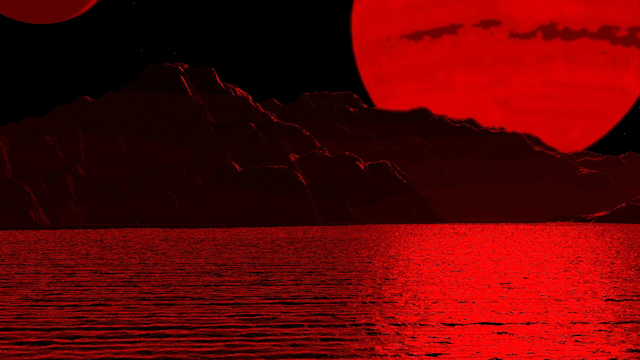
"content": "\u003cfigure id=\"attachment_37539\" class=\"wp-caption alignnone\" style=\"max-width: 640px\">\u003ca href=\"http://ww2.kqed.org/quest/2012/05/18/the-once-and-future-earth/browndwarf-2-bryant-2/\" rel=\"attachment wp-att-37539\">\u003cimg src=\"http://ww2.kqed.org/quest/wp-content/uploads/sites/39/2012/05/browndwarf-2-bryant1.jpg\" alt=\"Hypothetical exoplanet of a brown dwarf star--similar to a future Earth? Credit: Jeff Bryant\" title=\"Hypothetical exoplanet of a brown dwarf star--similar to a future Earth? Credit: Jeff Bryant\" width=\"640\" height=\"360\" class=\"size-full wp-image-37539\" srcset=\"https://ww2.kqed.org/app/uploads/sites/39/2012/05/browndwarf-2-bryant1.jpg 640w, https://ww2.kqed.org/app/uploads/sites/39/2012/05/browndwarf-2-bryant1-400x225.jpg 400w\" sizes=\"(max-width: 640px) 100vw, 640px\">\u003c/a>\u003cfigcaption class=\"wp-caption-text\">Hypothetical exoplanet of a brown dwarf star--similar to a future Earth? Credit: Jeff Bryant\u003c/figcaption>\u003c/figure>\n\u003cp>Every now and then, when seeing fresh examples of the world's problems, local or global, I take a deep breath, sigh, and think, \"In a million years, what difference will it all make?\" It may sound fatalistic, and of course current events do matter to our short-timer existences on Earth, but the thought gives me an odd sense of peace and gets me to thinking about the future—the far distant future—of the Earth. It's hard to imagine what the future will bring in ten, a hundred, or even a thousand million years. Where will evolution take life on Earth—including us? How far will human civilization stretch, and what turns will it take? What exciting twists and cliffhangers are in store for the climate? What will be on television?\u003c/p>\n\u003cp>Some things are a bit easier to predict: what the Sun will do and how the Earth and the Earth-Moon relationship will change. \u003c/p>\n\u003cp>I ran across a web version of the H.G. Wells novel \"\u003ca href=\"http://www.online-literature.com/wellshg/timemachine/\" title=\"The Time Machine\" target=\"_blank\">The Time Machine\u003c/a>\" a couple of weeks ago, and re-reading Chapter 11 I was reminded how insightful the story is with regard to visualizing future possibilities. In this chapter, the Time Traveler probes forward in time, going millions of years into the future and arriving in a tidally-locked Earth under a bloated, reddened Sun, with no Moon in the sky. The ocean was calm and cold, sporting only gentle, lazy swells, and the air was considerably less stocked with oxygen than today. Snow peppered the land and ice fringed the sea, and the only ubiquitous sign that life still existed was a green slime that coated the rocks of the shore.\u003c/p>\n\u003cp>\u003cem>\"All the sounds of man, the bleating of sheep, the cries of birds, the hum of insects, the stir that makes the background of our lives - all that was over.\"\u003c/em>\u003c/p>\n\u003cp>An alien, cold, and pessimistic view of the future? Well—it can hardly be classified as pessimistic; pessimism is an emotion based on the seeming unchangeability of things we can in fact change. But the Earth's future is commanded by forces scarcely within our power to affect.\u003c/p>\n\u003cp>[ad fullwidth]\u003c/p>\n\u003cp>For one, the Earth's rotation is slowing down. It used to spin much faster—maybe three times as much—but tidal effects of the Moon and Sun have been slowing it down for four and a half billion years. Imagine an eight-hour day, with the Sun crossing from horizon to horizon in about four. Wake up, it's only a couple of hours until lunchtime, and another two ‘til dinner. I got a whole three hours of sleep last night! Ahh!\u003c/p>\n\u003cp>Where is Earth's spin going? Shakespeare had the answer: \u003cem>\"The Moon's an arrant thief….\"\u003c/em> The momentum of Earth's spin is being slowly siphoned off by the Moon through tidal interaction, which is simultaneously causing the Moon to move farther from the Earth. \u003ca href=\"http://ww2.kqed.org/quest/2011/12/02/luna-nova-moon-of-the-cretaceous-skies/\" title=\"Luna Nova: Moon of the Cretaceous Skies\" target=\"_blank\">Once much closer to Earth\u003c/a>, even today the Moon continues to inch away into space--quite literally, at less than two inches per year. \u003c/p>\n\u003cp>So in the very distant future, we can project that the Moon will have moved much farther from the Earth, and the Earth's rotation will have slowed down even more. At some point the Earth's rotation would match the Moon's orbital period and the Earth will become tidally locked with the Moon, always keeping the same face to it, just as the Moon is currently tidal-locked to the Earth. \u003c/p>\n\u003cp>In H.G. Wells' vision, the far distant future Earth is tidally locked to the Sun, and the Moon is apparently gone. Would this happen? Will there ever be an Earth with an unending day and unending moonless night (depending on your address)? That could happen, but the Moon would have to leave the picture first, perhaps wandering far enough out that a chance gravitational disturbance by another planet would knock it off the edge of its orbit. \u003c/p>\n\u003cp>The Sun is changing too—has changed, and will continue to change—as the dynamics of its nuclear fuel supply mix shifts. As atomic fusion converts hydrogen into helium, helium to carbon, and so forth, the availability of easily released energy will diminish, causing the core to shrink and heat up, in turn causing the outer layers to inflate, becoming more expansive but also cooler and redder. In the very long run, the outer layers will expand beyond Earth's present orbit. \u003c/p>\n\u003cp>So there is a \u003ca href=\"http://www.bbc.co.uk/science/earth/earth_timeline/future_earth\" title=\"BBC-Earth's distant fate\" target=\"_blank\">future out there\u003c/a> that we can be more certain of than the future shaped by human affairs. It's further out in time than the decades or centuries ahead—and frankly further out than H. G. Wells penned in at 30 million years (little will have changed with the length of a day and the mile markers to the Moon in that time, and I believe the Sun won't make much of a fuss for at least a billion, or more). \u003c/p>\n\u003cp>\u003c/p>\n\u003cp>In the meantime, it's captivating to think what the scenery may be like around the place I stand today, a million or a billion years hence.\u003c/p>\n\n",
"disqusIdentifier": "37533 http://science.kqed.org/quest/?p=37533",
"disqusUrl": "https://ww2.kqed.org/quest/2012/05/18/the-once-and-future-earth/",
"stats": {
"hasVideo": false,
"hasChartOrMap": false,
"hasAudio": false,
"hasPolis": false,
"wordCount": 887,
"hasGoogleForm": false,
"hasGallery": false,
"hasHearkenModule": false,
"iframeSrcs": [],
"paragraphCount": 14
},
"modified": 1370998733,
"excerpt": "How will the sun, moon, and Earth change in the far distant future? It may not make a big difference to us, but exploring the possible fate of our home and birthplace is a mind-bending journey. ",
"headData": {
"twImgId": "",
"twTitle": "",
"ogTitle": "",
"ogImgId": "",
"twDescription": "",
"description": "How will the sun, moon, and Earth change in the far distant future? It may not make a big difference to us, but exploring the possible fate of our home and birthplace is a mind-bending journey. ",
"title": "The Once and Future Earth | KQED",
"ogDescription": "",
"schema": {
"@context": "https://schema.org",
"@type": "Article",
"headline": "The Once and Future Earth ",
"datePublished": "2012-05-18T08:00:08-07:00",
"dateModified": "2013-06-11T17:58:53-07:00",
"image": "https://cdn.kqed.org/wp-content/uploads/2020/02/KQED-OG-Image@1x.png"
}
},
"guestAuthors": [],
"slug": "the-once-and-future-earth",
"status": "publish",
"path": "/quest/37533/the-once-and-future-earth",
"audioTrackLength": null,
"parsedContent": [
{
"type": "contentString",
"content": "\u003cdiv class=\"post-body\">\u003cp>\u003cfigure id=\"attachment_37539\" class=\"wp-caption alignnone\" style=\"max-width: 640px\">\u003ca href=\"http://ww2.kqed.org/quest/2012/05/18/the-once-and-future-earth/browndwarf-2-bryant-2/\" rel=\"attachment wp-att-37539\">\u003cimg src=\"http://ww2.kqed.org/quest/wp-content/uploads/sites/39/2012/05/browndwarf-2-bryant1.jpg\" alt=\"Hypothetical exoplanet of a brown dwarf star--similar to a future Earth? Credit: Jeff Bryant\" title=\"Hypothetical exoplanet of a brown dwarf star--similar to a future Earth? Credit: Jeff Bryant\" width=\"640\" height=\"360\" class=\"size-full wp-image-37539\" srcset=\"https://ww2.kqed.org/app/uploads/sites/39/2012/05/browndwarf-2-bryant1.jpg 640w, https://ww2.kqed.org/app/uploads/sites/39/2012/05/browndwarf-2-bryant1-400x225.jpg 400w\" sizes=\"(max-width: 640px) 100vw, 640px\">\u003c/a>\u003cfigcaption class=\"wp-caption-text\">Hypothetical exoplanet of a brown dwarf star--similar to a future Earth? Credit: Jeff Bryant\u003c/figcaption>\u003c/figure>\n\u003cp>Every now and then, when seeing fresh examples of the world's problems, local or global, I take a deep breath, sigh, and think, \"In a million years, what difference will it all make?\" It may sound fatalistic, and of course current events do matter to our short-timer existences on Earth, but the thought gives me an odd sense of peace and gets me to thinking about the future—the far distant future—of the Earth. It's hard to imagine what the future will bring in ten, a hundred, or even a thousand million years. Where will evolution take life on Earth—including us? How far will human civilization stretch, and what turns will it take? What exciting twists and cliffhangers are in store for the climate? What will be on television?\u003c/p>\n\u003cp>Some things are a bit easier to predict: what the Sun will do and how the Earth and the Earth-Moon relationship will change. \u003c/p>\n\u003cp>I ran across a web version of the H.G. Wells novel \"\u003ca href=\"http://www.online-literature.com/wellshg/timemachine/\" title=\"The Time Machine\" target=\"_blank\">The Time Machine\u003c/a>\" a couple of weeks ago, and re-reading Chapter 11 I was reminded how insightful the story is with regard to visualizing future possibilities. In this chapter, the Time Traveler probes forward in time, going millions of years into the future and arriving in a tidally-locked Earth under a bloated, reddened Sun, with no Moon in the sky. The ocean was calm and cold, sporting only gentle, lazy swells, and the air was considerably less stocked with oxygen than today. Snow peppered the land and ice fringed the sea, and the only ubiquitous sign that life still existed was a green slime that coated the rocks of the shore.\u003c/p>\n\u003cp>\u003cem>\"All the sounds of man, the bleating of sheep, the cries of birds, the hum of insects, the stir that makes the background of our lives - all that was over.\"\u003c/em>\u003c/p>\n\u003cp>An alien, cold, and pessimistic view of the future? Well—it can hardly be classified as pessimistic; pessimism is an emotion based on the seeming unchangeability of things we can in fact change. But the Earth's future is commanded by forces scarcely within our power to affect.\u003c/p>\n\u003cp>\u003c/p>\u003c/div>",
"attributes": {
"named": {},
"numeric": []
}
},
{
"type": "component",
"content": "",
"name": "ad",
"attributes": {
"named": {
"label": "fullwidth"
},
"numeric": [
"fullwidth"
]
}
},
{
"type": "contentString",
"content": "\u003cdiv class=\"post-body\">\u003cp>\u003c/p>\n\u003cp>For one, the Earth's rotation is slowing down. It used to spin much faster—maybe three times as much—but tidal effects of the Moon and Sun have been slowing it down for four and a half billion years. Imagine an eight-hour day, with the Sun crossing from horizon to horizon in about four. Wake up, it's only a couple of hours until lunchtime, and another two ‘til dinner. I got a whole three hours of sleep last night! Ahh!\u003c/p>\n\u003cp>Where is Earth's spin going? Shakespeare had the answer: \u003cem>\"The Moon's an arrant thief….\"\u003c/em> The momentum of Earth's spin is being slowly siphoned off by the Moon through tidal interaction, which is simultaneously causing the Moon to move farther from the Earth. \u003ca href=\"http://ww2.kqed.org/quest/2011/12/02/luna-nova-moon-of-the-cretaceous-skies/\" title=\"Luna Nova: Moon of the Cretaceous Skies\" target=\"_blank\">Once much closer to Earth\u003c/a>, even today the Moon continues to inch away into space--quite literally, at less than two inches per year. \u003c/p>\n\u003cp>So in the very distant future, we can project that the Moon will have moved much farther from the Earth, and the Earth's rotation will have slowed down even more. At some point the Earth's rotation would match the Moon's orbital period and the Earth will become tidally locked with the Moon, always keeping the same face to it, just as the Moon is currently tidal-locked to the Earth. \u003c/p>\n\u003cp>In H.G. Wells' vision, the far distant future Earth is tidally locked to the Sun, and the Moon is apparently gone. Would this happen? Will there ever be an Earth with an unending day and unending moonless night (depending on your address)? That could happen, but the Moon would have to leave the picture first, perhaps wandering far enough out that a chance gravitational disturbance by another planet would knock it off the edge of its orbit. \u003c/p>\n\u003cp>The Sun is changing too—has changed, and will continue to change—as the dynamics of its nuclear fuel supply mix shifts. As atomic fusion converts hydrogen into helium, helium to carbon, and so forth, the availability of easily released energy will diminish, causing the core to shrink and heat up, in turn causing the outer layers to inflate, becoming more expansive but also cooler and redder. In the very long run, the outer layers will expand beyond Earth's present orbit. \u003c/p>\n\u003cp>So there is a \u003ca href=\"http://www.bbc.co.uk/science/earth/earth_timeline/future_earth\" title=\"BBC-Earth's distant fate\" target=\"_blank\">future out there\u003c/a> that we can be more certain of than the future shaped by human affairs. It's further out in time than the decades or centuries ahead—and frankly further out than H. G. Wells penned in at 30 million years (little will have changed with the length of a day and the mile markers to the Moon in that time, and I believe the Sun won't make much of a fuss for at least a billion, or more). \u003c/p>\n\u003cp>\u003c/p>\n\u003cp>In the meantime, it's captivating to think what the scenery may be like around the place I stand today, a million or a billion years hence.\u003c/p>\n\n\u003c/div>\u003c/p>",
"attributes": {
"named": {},
"numeric": []
}
}
],
"link": "/quest/37533/the-once-and-future-earth",
"authors": [
"6180"
],
"categories": [
"quest_3"
],
"tags": [
"quest_544",
"quest_902",
"quest_1157",
"quest_11089",
"quest_1870",
"quest_13202",
"quest_2827",
"quest_11088"
],
"featImg": "quest_37534",
"label": "quest"
},
"quest_37190": {
"type": "posts",
"id": "quest_37190",
"meta": {
"index": "posts_1716263798",
"site": "quest",
"id": "37190",
"score": null,
"sort": [
1337007647000
]
},
"parent": 0,
"labelTerm": {
"site": "quest"
},
"blocks": [],
"publishDate": 1337007647,
"format": "standard",
"disqusTitle": "Tag Along On Science Adventures: The Field Trip Podcast",
"title": "Tag Along On Science Adventures: The Field Trip Podcast",
"headTitle": "QUEST | KQED Science",
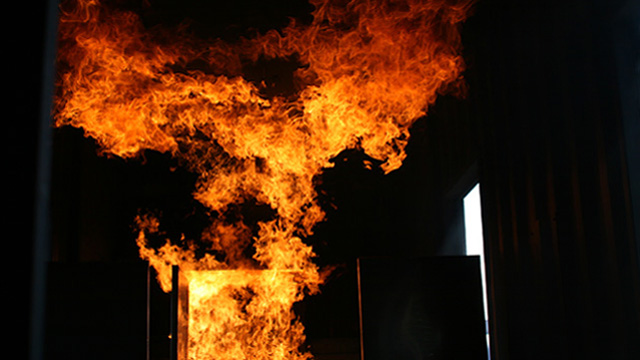
"content": "\u003cfigure id=\"attachment_37252\" class=\"wp-caption alignnone\" style=\"max-width: 640px\">\u003ca href=\"http://ww2.kqed.org/quest/wp-content/uploads/sites/39/2012/05/FireRollover_640x360.jpg\">\u003cimg src=\"http://ww2.kqed.org/quest/wp-content/uploads/sites/39/2012/05/FireRollover_640x360.jpg\" alt=\"A rollover fire, viewed from inside the Oakland Fire Department's burn trailer.\" title=\"FireRollover_640x360\" width=\"640\" height=\"360\" class=\"size-full wp-image-37252\" srcset=\"https://ww2.kqed.org/app/uploads/sites/39/2012/05/FireRollover_640x360.jpg 640w, https://ww2.kqed.org/app/uploads/sites/39/2012/05/FireRollover_640x360-400x225.jpg 400w\" sizes=\"(max-width: 640px) 100vw, 640px\">\u003c/a>\u003cfigcaption class=\"wp-caption-text\">The view from inside the Oakland Fire Department's burn trailer during a rollover fire. Photograph courtesy of Kara Platoni.\u003c/figcaption>\u003c/figure>\n\u003cp>Looking back, the only field trip that stands out from my grade school days was our trip to the San Francisco \u003ca href=\"http://www.exploratorium.edu/\">Exploratorium\u003c/a>. What I remember best is the \u003ca href=\"http://www.exploratorium.edu/visit/tactile_dome/\" title=\"SF Exploratorium Tactile Dome\">tactile dome\u003c/a>. I entered into total darkness and spent the next hour feeling, crawling and sliding my way through a 3-D maze. \u003c/p>\n\u003cp>That excursion was fairly tame compared to the exploits Kara Platoni, Eric Simons, and Casey Miner take on for their podcast series, \u003ca href=\"http://www.fieldtrippodcast.com/\" title=\"The Field Trip Podcast\">The Field Trip\u003c/a>, which broadcasts their science adventures out in the real world. For their first series that debuted last year, they explored fermentation by visiting the Cultured Pickle Shop, climbed into the Oakland Fire Department’s burn trailer for a kitchen fire simulation, interviewed a commercial salmon fisherman on his boat in the Berkeley Marina and followed a NASA crew at the bottom of a lakebed in Canada for their research study on Mars. To add a little more intellectual rigor to their adventures, they also interviewed an expert guest in their radio studio for each episode. \u003c/p>\n\u003cp>“We think our strong suit is going places, learning new things and being a proxy for the listener,” explained Kara Platoni. “We didn’t know of any other show where it was about going out and having a science adventure.” \u003c/p>\n\u003cp>As friends and UC Berkeley Graduate School of Journalism colleagues, the genuine personal chemistry of this trio is evident in their podcasts and blogs. They're definitely having fun on their adventures while taking advantage of the wealth of knowledge and opportunities offered by scientists in the Bay Area -- and the listener is invited to tag along. \u003c/p>\n\u003cp>The studio interview segments are loosely scripted, but the field trips are taped live. The key to making this work is the trio’s insatiable curiosity for science. After lots of preparation, they just go out and ask the questions that interest them in a humorous and spontaneous way that engages their listeners. \u003c/p>\n\u003cp>[ad fullwidth]\u003c/p>\n\u003cp>When selecting topics for their episodes, they focus on stories that take science out of the laboratory. “Our ideal narrator for the field trip is someone whose life just embodies science everyday. It is part of their job, hobby and home,” explained Platoni, “so we can show people how science is something that happens in your everyday life, not just something that happens in school.” Casey Miner added, “And it should be fun, interesting, weird or gross.”\u003c/p>\n\u003cp>Their field trips will continue with a second series this spring and cover the diverse topics of coffee, taxidermy, telescopes and local inventors. One upcoming episode on telescopes will visit the \u003ca href=\"http://www.chabotspace.org/observatories.htm\">Chabot Space & Science Center Observatory\u003c/a> and feature a studio interview with UC Berkeley astronomer \u003ca href=\"http://astro.berkeley.edu/people/faculty/marcy.html\" title=\"Geoff Marcy\">Geoff Marcy\u003c/a>. Beginning today, a new episode will air weekly each Monday through June 4. You can listen to a preview of their new season \u003ca href=\"http://ww2.kqed.org/quest/wp-content/uploads/sites/39/2012/05/fieldtrippodcast_s2promo1.mp3\">here.\u003c/a>\u003c/p>\n\u003cp>\u003c/p>\n\u003cp>Free episodes are available on their \u003ca href=\"http://www.fieldtrippodcast.com/\" title=\"The Field Trip Podcast\">website\u003c/a>, iTunes, Public Radio Exchange and Sound Cloud. You can also follow them on \u003ca href=\"http://www.facebook.com/TheFieldTripPodcast\" title=\"Facebook fan page\">Facebook\u003c/a> and \u003ca href=\"https://twitter.com/#!/FieldTripLog\" title=\"twitter account\">Twitter\u003c/a>. \u003c/p>\n\n",
"disqusIdentifier": "37190 http://science.kqed.org/quest/?p=37190",
"disqusUrl": "https://ww2.kqed.org/quest/2012/05/14/tagging-along-on-science-adventures-the-field-trip-podcast/",
"stats": {
"hasVideo": false,
"hasChartOrMap": false,
"hasAudio": false,
"hasPolis": false,
"wordCount": 528,
"hasGoogleForm": false,
"hasGallery": false,
"hasHearkenModule": false,
"iframeSrcs": [],
"paragraphCount": 10
},
"modified": 1337040926,
"excerpt": "Season 2 of the science podcast, \"The Field Trip\" premieres today. ",
"headData": {
"twImgId": "",
"twTitle": "",
"ogTitle": "",
"ogImgId": "",
"twDescription": "",
"description": "Season 2 of the science podcast, "The Field Trip" premieres today. ",
"title": "Tag Along On Science Adventures: The Field Trip Podcast | KQED",
"ogDescription": "",
"schema": {
"@context": "https://schema.org",
"@type": "Article",
"headline": "Tag Along On Science Adventures: The Field Trip Podcast",
"datePublished": "2012-05-14T08:00:47-07:00",
"dateModified": "2012-05-14T17:15:26-07:00",
"image": "https://cdn.kqed.org/wp-content/uploads/2020/02/KQED-OG-Image@1x.png"
}
},
"guestAuthors": [],
"slug": "tagging-along-on-science-adventures-the-field-trip-podcast",
"status": "publish",
"path": "/quest/37190/tagging-along-on-science-adventures-the-field-trip-podcast",
"audioUrl": "http://ww2.kqed.org/quest/files/2012/05/fieldtrippodcast_s2promo1.mp3",
"audioDuration": null,
"audioTrackLength": null,
"parsedContent": [
{
"type": "contentString",
"content": "\u003cdiv class=\"post-body\">\u003cp>\u003cfigure id=\"attachment_37252\" class=\"wp-caption alignnone\" style=\"max-width: 640px\">\u003ca href=\"http://ww2.kqed.org/quest/wp-content/uploads/sites/39/2012/05/FireRollover_640x360.jpg\">\u003cimg src=\"http://ww2.kqed.org/quest/wp-content/uploads/sites/39/2012/05/FireRollover_640x360.jpg\" alt=\"A rollover fire, viewed from inside the Oakland Fire Department's burn trailer.\" title=\"FireRollover_640x360\" width=\"640\" height=\"360\" class=\"size-full wp-image-37252\" srcset=\"https://ww2.kqed.org/app/uploads/sites/39/2012/05/FireRollover_640x360.jpg 640w, https://ww2.kqed.org/app/uploads/sites/39/2012/05/FireRollover_640x360-400x225.jpg 400w\" sizes=\"(max-width: 640px) 100vw, 640px\">\u003c/a>\u003cfigcaption class=\"wp-caption-text\">The view from inside the Oakland Fire Department's burn trailer during a rollover fire. Photograph courtesy of Kara Platoni.\u003c/figcaption>\u003c/figure>\n\u003cp>Looking back, the only field trip that stands out from my grade school days was our trip to the San Francisco \u003ca href=\"http://www.exploratorium.edu/\">Exploratorium\u003c/a>. What I remember best is the \u003ca href=\"http://www.exploratorium.edu/visit/tactile_dome/\" title=\"SF Exploratorium Tactile Dome\">tactile dome\u003c/a>. I entered into total darkness and spent the next hour feeling, crawling and sliding my way through a 3-D maze. \u003c/p>\n\u003cp>That excursion was fairly tame compared to the exploits Kara Platoni, Eric Simons, and Casey Miner take on for their podcast series, \u003ca href=\"http://www.fieldtrippodcast.com/\" title=\"The Field Trip Podcast\">The Field Trip\u003c/a>, which broadcasts their science adventures out in the real world. For their first series that debuted last year, they explored fermentation by visiting the Cultured Pickle Shop, climbed into the Oakland Fire Department’s burn trailer for a kitchen fire simulation, interviewed a commercial salmon fisherman on his boat in the Berkeley Marina and followed a NASA crew at the bottom of a lakebed in Canada for their research study on Mars. To add a little more intellectual rigor to their adventures, they also interviewed an expert guest in their radio studio for each episode. \u003c/p>\n\u003cp>“We think our strong suit is going places, learning new things and being a proxy for the listener,” explained Kara Platoni. “We didn’t know of any other show where it was about going out and having a science adventure.” \u003c/p>\n\u003cp>As friends and UC Berkeley Graduate School of Journalism colleagues, the genuine personal chemistry of this trio is evident in their podcasts and blogs. They're definitely having fun on their adventures while taking advantage of the wealth of knowledge and opportunities offered by scientists in the Bay Area -- and the listener is invited to tag along. \u003c/p>\n\u003cp>The studio interview segments are loosely scripted, but the field trips are taped live. The key to making this work is the trio’s insatiable curiosity for science. After lots of preparation, they just go out and ask the questions that interest them in a humorous and spontaneous way that engages their listeners. \u003c/p>\n\u003cp>\u003c/p>\u003c/div>",
"attributes": {
"named": {},
"numeric": []
}
},
{
"type": "component",
"content": "",
"name": "ad",
"attributes": {
"named": {
"label": "fullwidth"
},
"numeric": [
"fullwidth"
]
}
},
{
"type": "contentString",
"content": "\u003cdiv class=\"post-body\">\u003cp>\u003c/p>\n\u003cp>When selecting topics for their episodes, they focus on stories that take science out of the laboratory. “Our ideal narrator for the field trip is someone whose life just embodies science everyday. It is part of their job, hobby and home,” explained Platoni, “so we can show people how science is something that happens in your everyday life, not just something that happens in school.” Casey Miner added, “And it should be fun, interesting, weird or gross.”\u003c/p>\n\u003cp>Their field trips will continue with a second series this spring and cover the diverse topics of coffee, taxidermy, telescopes and local inventors. One upcoming episode on telescopes will visit the \u003ca href=\"http://www.chabotspace.org/observatories.htm\">Chabot Space & Science Center Observatory\u003c/a> and feature a studio interview with UC Berkeley astronomer \u003ca href=\"http://astro.berkeley.edu/people/faculty/marcy.html\" title=\"Geoff Marcy\">Geoff Marcy\u003c/a>. Beginning today, a new episode will air weekly each Monday through June 4. You can listen to a preview of their new season \u003ca href=\"http://ww2.kqed.org/quest/wp-content/uploads/sites/39/2012/05/fieldtrippodcast_s2promo1.mp3\">here.\u003c/a>\u003c/p>\n\u003cp>\u003c/p>\n\u003cp>Free episodes are available on their \u003ca href=\"http://www.fieldtrippodcast.com/\" title=\"The Field Trip Podcast\">website\u003c/a>, iTunes, Public Radio Exchange and Sound Cloud. You can also follow them on \u003ca href=\"http://www.facebook.com/TheFieldTripPodcast\" title=\"Facebook fan page\">Facebook\u003c/a> and \u003ca href=\"https://twitter.com/#!/FieldTripLog\" title=\"twitter account\">Twitter\u003c/a>. \u003c/p>\n\n\u003c/div>\u003c/p>",
"attributes": {
"named": {},
"numeric": []
}
}
],
"link": "/quest/37190/tagging-along-on-science-adventures-the-field-trip-podcast",
"authors": [
"6360"
],
"categories": [
"quest_3",
"quest_4",
"quest_8",
"quest_3229"
],
"tags": [
"quest_544",
"quest_11073",
"quest_1467",
"quest_3307",
"quest_2241",
"quest_13202",
"quest_13206",
"quest_3311"
],
"featImg": "quest_37252",
"label": "quest"
},
"quest_36829": {
"type": "posts",
"id": "quest_36829",
"meta": {
"index": "posts_1716263798",
"site": "quest",
"id": "36829",
"score": null,
"sort": [
1336143649000
]
},
"parent": 0,
"labelTerm": {
"site": "quest"
},
"blocks": [],
"publishDate": 1336143649,
"format": "standard",
"disqusTitle": "Phoebe: Quirky, Mystical, Magical Moon",
"title": "Phoebe: Quirky, Mystical, Magical Moon",
"headTitle": "QUEST | KQED Science",
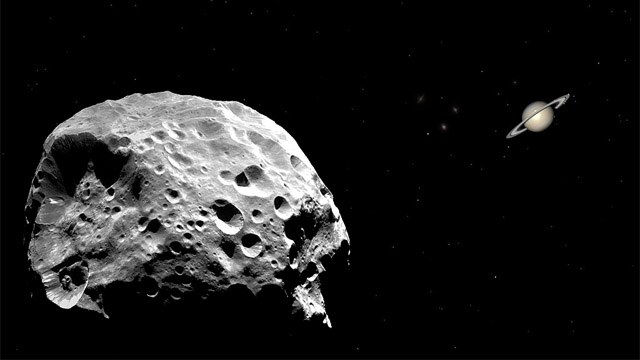
"content": "\u003cfigure id=\"attachment_36831\" class=\"wp-caption alignnone\" style=\"max-width: 640px\">\u003ca href=\"http://ww2.kqed.org/quest/2012/05/04/phoebe-quirky-mystical-magical-moon/phoebe-and-saturn/\" rel=\"attachment wp-att-36831\">\u003cimg src=\"http://ww2.kqed.org/quest/wp-content/uploads/sites/39/2012/05/phoebe-and-saturn.jpg\" alt=\"\" title=\"Phoebe and Saturn\" width=\"640\" height=\"360\" class=\"size-full wp-image-36831\" srcset=\"https://ww2.kqed.org/app/uploads/sites/39/2012/05/phoebe-and-saturn.jpg 640w, https://ww2.kqed.org/app/uploads/sites/39/2012/05/phoebe-and-saturn-400x225.jpg 400w\" sizes=\"(max-width: 640px) 100vw, 640px\">\u003c/a>\u003cfigcaption class=\"wp-caption-text\">Phoebe and Saturn. Credit: NASA/Cassini\u003c/figcaption>\u003c/figure>\n\u003cp>Who's Phoebe? That quirky blonde from Friends? The mysteriously magical nanny from \u003ca href=\"http://www.nannyandtheprofessor.com/\" title=\"Nanny and the Professor\" target=\"_blank\">that old sitcom\u003c/a>? A bird? A plant? All that--but the one I'm talking about is the moon of Saturn, once thought to be a captured comet, and now believed by some scientists to be something much rarer: a captured \u003ca href=\"http://www.universetoday.com/35974/planetesimals/\" title=\"Planetesimals\" target=\"_blank\">planetesimal\u003c/a>. \u003c/p>\n\u003cp>Phoebe: a bit more than 120 miles across—and more potato-shaped than spherical—with a surface gravity approximately 200 times weaker than Earth's (yes, I'd weigh about one pound standing on the surface), Phoebe is not of the stature of its larger, rounder fellow moons of greater fame: Luna, Ganymede, Titan, and the rest.\u003c/p>\n\u003cp>We've known of Phoebe's existence since 1899, when it was discovered by astronomer W. H. Pickering, and from the start Phoebe was observed to be different from Saturn's \"mainline\" moons—ones organized into a common orbital plane in close alignment with Saturn's equator, with nice, nearly circular orbits. Phoebe is too much a nonconformist for that; orbiting at a steep, rakish angle from Saturn's equatorial plane, backwards with respect to the conformist crowd, and with great elliptical eccentricity, Phoebe is a fringe radical! And at 30 times the distance from Saturn as our Moon is from Earth, it takes Phoebe longer to orbit Saturn (1.5 years) than Earth does to round the Sun!\u003c/p>\n\u003cp>All of these peculiarities added up to the hypothesis that Phoebe was not an \"indigenous\" satellite of Saturn—one that formed with Saturn early in the ages of the solar system—but a solar system object that was captured by Saturn at some point, and since has remained in orbit. And due to its low density (little more than one and a half times as dense as water ice), Phoebe was assumed to be a former comet. Comets passing close to gas giant planets like Saturn are sometimes flung in different directions, sometimes broken up, and sometimes even crash into the planet. But they can also be captured into orbit, as probably many of Jupiter's smaller satellites, and Mars' brood of two, were: former asteroids from the neighboring asteroid belt.\u003c/p>\n\u003cp>But a comet is a bit of material—ice and rock—left over from the formation of the solar system, about 4.5 billion years ago, pristine and barely altered from its original state. Recently, NASA's Cassini mission has suggested a \u003ca href=\"http://saturn.jpl.nasa.gov/news/newsreleases/newsrelease20120426/\" title=\"Cassini on Phoebe\" target=\"_blank\">different origination story for Phoebe\u003c/a>, based on imagery and data obtained from our first up-close look at this object by the Cassini spacecraft, in 2004. \u003c/p>\n\u003cp>[ad fullwidth]\u003c/p>\n\u003cp>Phoebe may be a \"planetesimal\"—an object that formed in the young solar system, coalescing from dust and ice into a larger and larger body. Evidence suggests that Phoebe was warmed enough during its formation, and perhaps afterward by decay of radioactive materials, to have achieved a spherical shape, a differentiated rocky core and outer shell of lighter material and ices, and possibly even to have harbored liquid water—all very planet-like qualities. As well, it may have remained in this state for quite some time before cooling down and freezing. \u003c/p>\n\u003cp>Possibly originating in the Kuiper Belt, beyond Neptune's orbit, Phoebe would have migrated inward and eventually been captured when passing too close to Saturn -- at the same time avoiding the typical fate of planetesimals, which is to merge with a forming planet. Planetesimals, once the bread and butter of the young solar system, are the building blocks of planets. \u003c/p>\n\u003cp>\u003c/p>\n\u003cp>Phoebe, then, may be a very remarkable object--a quirky, mysteriously magical moon; a vision of the early solar system that once swarmed with such objects, even before the planets themselves appeared. It's a messenger from the past, possibly carrying within it evidence that could tell us where we came from. \u003c/p>\n\n",
"disqusIdentifier": "36829 http://science.kqed.org/quest/?p=36829",
"disqusUrl": "https://ww2.kqed.org/quest/2012/05/04/phoebe-quirky-mystical-magical-moon/",
"stats": {
"hasVideo": false,
"hasChartOrMap": false,
"hasAudio": false,
"hasPolis": false,
"wordCount": 651,
"hasGoogleForm": false,
"hasGallery": false,
"hasHearkenModule": false,
"iframeSrcs": [],
"paragraphCount": 10
},
"modified": 1370998774,
"excerpt": "Phoebe, a quirky outlying moon of Saturn, was once thought to be a captured comet, but now is believed by some scientists to be something much rarer: a captured planetesimal. ",
"headData": {
"twImgId": "",
"twTitle": "",
"ogTitle": "",
"ogImgId": "",
"twDescription": "",
"description": "Phoebe, a quirky outlying moon of Saturn, was once thought to be a captured comet, but now is believed by some scientists to be something much rarer: a captured planetesimal. ",
"title": "Phoebe: Quirky, Mystical, Magical Moon | KQED",
"ogDescription": "",
"schema": {
"@context": "https://schema.org",
"@type": "Article",
"headline": "Phoebe: Quirky, Mystical, Magical Moon",
"datePublished": "2012-05-04T08:00:49-07:00",
"dateModified": "2013-06-11T17:59:34-07:00",
"image": "https://cdn.kqed.org/wp-content/uploads/2020/02/KQED-OG-Image@1x.png"
}
},
"guestAuthors": [],
"slug": "phoebe-quirky-mystical-magical-moon",
"status": "publish",
"path": "/quest/36829/phoebe-quirky-mystical-magical-moon",
"audioTrackLength": null,
"parsedContent": [
{
"type": "contentString",
"content": "\u003cdiv class=\"post-body\">\u003cp>\u003cfigure id=\"attachment_36831\" class=\"wp-caption alignnone\" style=\"max-width: 640px\">\u003ca href=\"http://ww2.kqed.org/quest/2012/05/04/phoebe-quirky-mystical-magical-moon/phoebe-and-saturn/\" rel=\"attachment wp-att-36831\">\u003cimg src=\"http://ww2.kqed.org/quest/wp-content/uploads/sites/39/2012/05/phoebe-and-saturn.jpg\" alt=\"\" title=\"Phoebe and Saturn\" width=\"640\" height=\"360\" class=\"size-full wp-image-36831\" srcset=\"https://ww2.kqed.org/app/uploads/sites/39/2012/05/phoebe-and-saturn.jpg 640w, https://ww2.kqed.org/app/uploads/sites/39/2012/05/phoebe-and-saturn-400x225.jpg 400w\" sizes=\"(max-width: 640px) 100vw, 640px\">\u003c/a>\u003cfigcaption class=\"wp-caption-text\">Phoebe and Saturn. Credit: NASA/Cassini\u003c/figcaption>\u003c/figure>\n\u003cp>Who's Phoebe? That quirky blonde from Friends? The mysteriously magical nanny from \u003ca href=\"http://www.nannyandtheprofessor.com/\" title=\"Nanny and the Professor\" target=\"_blank\">that old sitcom\u003c/a>? A bird? A plant? All that--but the one I'm talking about is the moon of Saturn, once thought to be a captured comet, and now believed by some scientists to be something much rarer: a captured \u003ca href=\"http://www.universetoday.com/35974/planetesimals/\" title=\"Planetesimals\" target=\"_blank\">planetesimal\u003c/a>. \u003c/p>\n\u003cp>Phoebe: a bit more than 120 miles across—and more potato-shaped than spherical—with a surface gravity approximately 200 times weaker than Earth's (yes, I'd weigh about one pound standing on the surface), Phoebe is not of the stature of its larger, rounder fellow moons of greater fame: Luna, Ganymede, Titan, and the rest.\u003c/p>\n\u003cp>We've known of Phoebe's existence since 1899, when it was discovered by astronomer W. H. Pickering, and from the start Phoebe was observed to be different from Saturn's \"mainline\" moons—ones organized into a common orbital plane in close alignment with Saturn's equator, with nice, nearly circular orbits. Phoebe is too much a nonconformist for that; orbiting at a steep, rakish angle from Saturn's equatorial plane, backwards with respect to the conformist crowd, and with great elliptical eccentricity, Phoebe is a fringe radical! And at 30 times the distance from Saturn as our Moon is from Earth, it takes Phoebe longer to orbit Saturn (1.5 years) than Earth does to round the Sun!\u003c/p>\n\u003cp>All of these peculiarities added up to the hypothesis that Phoebe was not an \"indigenous\" satellite of Saturn—one that formed with Saturn early in the ages of the solar system—but a solar system object that was captured by Saturn at some point, and since has remained in orbit. And due to its low density (little more than one and a half times as dense as water ice), Phoebe was assumed to be a former comet. Comets passing close to gas giant planets like Saturn are sometimes flung in different directions, sometimes broken up, and sometimes even crash into the planet. But they can also be captured into orbit, as probably many of Jupiter's smaller satellites, and Mars' brood of two, were: former asteroids from the neighboring asteroid belt.\u003c/p>\n\u003cp>But a comet is a bit of material—ice and rock—left over from the formation of the solar system, about 4.5 billion years ago, pristine and barely altered from its original state. Recently, NASA's Cassini mission has suggested a \u003ca href=\"http://saturn.jpl.nasa.gov/news/newsreleases/newsrelease20120426/\" title=\"Cassini on Phoebe\" target=\"_blank\">different origination story for Phoebe\u003c/a>, based on imagery and data obtained from our first up-close look at this object by the Cassini spacecraft, in 2004. \u003c/p>\n\u003cp>\u003c/p>\u003c/div>",
"attributes": {
"named": {},
"numeric": []
}
},
{
"type": "component",
"content": "",
"name": "ad",
"attributes": {
"named": {
"label": "fullwidth"
},
"numeric": [
"fullwidth"
]
}
},
{
"type": "contentString",
"content": "\u003cdiv class=\"post-body\">\u003cp>\u003c/p>\n\u003cp>Phoebe may be a \"planetesimal\"—an object that formed in the young solar system, coalescing from dust and ice into a larger and larger body. Evidence suggests that Phoebe was warmed enough during its formation, and perhaps afterward by decay of radioactive materials, to have achieved a spherical shape, a differentiated rocky core and outer shell of lighter material and ices, and possibly even to have harbored liquid water—all very planet-like qualities. As well, it may have remained in this state for quite some time before cooling down and freezing. \u003c/p>\n\u003cp>Possibly originating in the Kuiper Belt, beyond Neptune's orbit, Phoebe would have migrated inward and eventually been captured when passing too close to Saturn -- at the same time avoiding the typical fate of planetesimals, which is to merge with a forming planet. Planetesimals, once the bread and butter of the young solar system, are the building blocks of planets. \u003c/p>\n\u003cp>\u003c/p>\n\u003cp>Phoebe, then, may be a very remarkable object--a quirky, mysteriously magical moon; a vision of the early solar system that once swarmed with such objects, even before the planets themselves appeared. It's a messenger from the past, possibly carrying within it evidence that could tell us where we came from. \u003c/p>\n\n\u003c/div>\u003c/p>",
"attributes": {
"named": {},
"numeric": []
}
}
],
"link": "/quest/36829/phoebe-quirky-mystical-magical-moon",
"authors": [
"6180"
],
"categories": [
"quest_3"
],
"tags": [
"quest_505",
"quest_544",
"quest_658",
"quest_1870",
"quest_1918",
"quest_11057",
"quest_3975",
"quest_13202",
"quest_2511",
"quest_2513",
"quest_2712"
],
"featImg": "quest_36831",
"label": "quest"
},
"quest_35666": {
"type": "posts",
"id": "quest_35666",
"meta": {
"index": "posts_1716263798",
"site": "quest",
"id": "35666",
"score": null,
"sort": [
1335292243000
]
},
"parent": 0,
"labelTerm": {
"site": "quest"
},
"blocks": [],
"publishDate": 1335292243,
"format": "video",
"disqusTitle": "Amateur Rocketeers Reach For The Stars",
"title": "Amateur Rocketeers Reach For The Stars",
"headTitle": "QUEST | KQED Science",
"content": "\u003cp>\u003cem>QUEST series producer \u003ca href=\"http://ww2.kqed.org/quest/author/amy-miller/\">Amy Miller\u003c/a> contributed the following text to this story.\u003c/em>\u003c/p>\n\u003cp>When QUEST first started production on the television story, “Amateur Rocketeers Reach for the Stars”, I had no idea that the amateur or experimental rocketry was so popular today. Before the producer of the story, Chris Bauer, pitched the idea, if someone had mentioned rocket-building to me, I probably would have imagined a young boy putting together a cardboard rocket and propelling it into the sky with some baking soda and vinegar. \u003c/p>\n\u003cfigure id=\"attachment_35717\" class=\"wp-caption alignright\" style=\"max-width: 378px\">\u003cimg src=\"http://ww2.kqed.org/quest/wp-content/uploads/sites/39/2012/04/Rocketeers_blog-image1-378x253.jpg\" alt=\"\" title=\"Rocketeers_blog image1\" width=\"378\" height=\"253\" class=\"size-medium wp-image-35717\">\u003cfigcaption class=\"wp-caption-text\">Photo credit: Christopher Bauer\u003c/figcaption>\u003c/figure>\n\u003cp>I certainly would not have conjured the images of high school students (boys AND girls) working in a lab together for weeks on end to design, build and program rockets that can reach the edges of space in order to do real scientific research. This is exactly what the some of the folks featured in Chris’s story are doing with the Rocket Mavericks program. \u003c/p>\n\u003cp>The official name of the organization is \u003ca href=\"http://www.rocketmavericks.com/\">Mavericks Civilian Space Foundation \u003c/a> and on the spectrum of civilian rocket building, they are all the way to the hard-core technical end. According to their website, the group strives “to enable the common man to build vehicles and conduct space exploration missions independently, launching the personalization of access to space.” \u003c/p>\n\u003cp>One of the main things that Rocket Mavericks director Tom Atchison is focused on is creating the next generation of rocket scientists by establishing the \u003ca href=\"http://www.rocketmavericks.com/education/mavericks-in-the-classroom/\">Explorers Program\u003c/a> in high schools in order to inspire students to pursue STEM (science, technology, engineering and math) disciplines and careers. And from the looks of concentration and excitement on the faces of the kids who are featured in our story, there’s no doubt that Atchison is succeeding in his mission to inspire these kids through rocketry. \u003c/p>\n\u003cp>[ad fullwidth]\u003c/p>\n\u003cp>But the other end of the rocketry spectrum and everything in between is just as exciting to learn about. Rocket clubs abound throughout California and the United States. One of the Bay Area rocket clubs featured in our story is LUNAR (\u003ca href=\"http://www.lunar.org/\">Livermore Unit National Association of Rocketry\u003c/a>). Like other rocket clubs, LUNAR is “a group of a few hundred model rocket enthusiasts of all ages, genders and cultural backgrounds who gather to learn rocketry, teach rocketry, exchange modeling techniques and of course, fly model and high-powered rockets.”\u003c/p>\n\u003cfigure id=\"attachment_35720\" class=\"wp-caption alignright\" style=\"max-width: 378px\">\u003cimg src=\"http://ww2.kqed.org/quest/wp-content/uploads/sites/39/2012/04/Rocketeers_blog-image2-378x253.jpg\" alt=\"\" title=\"Rocketeers_blog image2\" width=\"378\" height=\"253\" class=\"size-medium wp-image-35720\">\u003cfigcaption class=\"wp-caption-text\">Photo credit: Christopher Bauer\u003c/figcaption>\u003c/figure>\n\u003cp>According to his call sheet for the shoot that day, producer Chris Bauer traveled to a rocket launch site in the “Middle of Nowhere, California” to document the LUNAR club shooting off all kinds and sizes of rockets. One of my favorite shots in the story is that of a young girl running through a fallow field with her rocket that’s designed to look just like a giant pink crayon. That shot really points out to me that there’s something for everyone in rocketry. \u003c/p>\n\u003cp>\u003c/p>\n\u003cp>\u003cstrong>Find a rocket club near you: \u003c/strong>\u003c/p>\n\u003cul>\n\u003ca href=\"http://rocketry.org/orgs/orgList.php\">Rocketry.org\u003c/a>: Comprehensive online amateur experimental rocketry resource \n\u003cp>\u003ca href=\"http://www.nar.org/NARseclist.php\">National Association of Rocketry\u003c/a>\u003c/p>\n\u003cp>\u003ca href=\"http://www.tripoli.org/\">Tripoli Rocketry Association\u003c/a>\n\u003c/p>\u003c/ul>\n\n",
"disqusIdentifier": "35666 http://science.kqed.org/quest/?post_type=videos&p=35666",
"disqusUrl": "https://ww2.kqed.org/quest/2012/04/24/amateur-rocketeers-reach-for-the-stars/",
"stats": {
"hasVideo": false,
"hasChartOrMap": false,
"hasAudio": false,
"hasPolis": false,
"wordCount": 508,
"hasGoogleForm": false,
"hasGallery": false,
"hasHearkenModule": false,
"iframeSrcs": [],
"paragraphCount": 12
},
"modified": 1457640268,
"excerpt": "For decades amateur rocket builders, or \"rocketeers,\" have been trying to reach space. Now with advances in materials and technology, they're able to do it. QUEST travels to rocket launches in fallowed fields and barren deserts to learn more about this addictive hobby and to meet a group of passionate high school rocketeers.",
"headData": {
"twImgId": "",
"twTitle": "",
"ogTitle": "",
"ogImgId": "",
"twDescription": "",
"description": "For decades amateur rocket builders, or "rocketeers," have been trying to reach space. Now with advances in materials and technology, they're able to do it. QUEST travels to rocket launches in fallowed fields and barren deserts to learn more about this addictive hobby and to meet a group of passionate high school rocketeers.",
"title": "Amateur Rocketeers Reach For The Stars | KQED",
"ogDescription": "",
"schema": {
"@context": "https://schema.org",
"@type": "Article",
"headline": "Amateur Rocketeers Reach For The Stars",
"datePublished": "2012-04-24T11:30:43-07:00",
"dateModified": "2016-03-10T12:04:28-08:00",
"image": "https://cdn.kqed.org/wp-content/uploads/2020/02/KQED-OG-Image@1x.png"
}
},
"guestAuthors": [],
"slug": "amateur-rocketeers-reach-for-the-stars",
"status": "publish",
"videoEmbed": "https://www.youtube.com/watch?v=nurJm0XkU7I",
"path": "/quest/35666/amateur-rocketeers-reach-for-the-stars",
"audioTrackLength": null,
"parsedContent": [
{
"type": "contentString",
"content": "\u003cdiv class=\"post-body\">\u003cp>\u003cp>\u003cem>QUEST series producer \u003ca href=\"http://ww2.kqed.org/quest/author/amy-miller/\">Amy Miller\u003c/a> contributed the following text to this story.\u003c/em>\u003c/p>\n\u003cp>When QUEST first started production on the television story, “Amateur Rocketeers Reach for the Stars”, I had no idea that the amateur or experimental rocketry was so popular today. Before the producer of the story, Chris Bauer, pitched the idea, if someone had mentioned rocket-building to me, I probably would have imagined a young boy putting together a cardboard rocket and propelling it into the sky with some baking soda and vinegar. \u003c/p>\n\u003cfigure id=\"attachment_35717\" class=\"wp-caption alignright\" style=\"max-width: 378px\">\u003cimg src=\"http://ww2.kqed.org/quest/wp-content/uploads/sites/39/2012/04/Rocketeers_blog-image1-378x253.jpg\" alt=\"\" title=\"Rocketeers_blog image1\" width=\"378\" height=\"253\" class=\"size-medium wp-image-35717\">\u003cfigcaption class=\"wp-caption-text\">Photo credit: Christopher Bauer\u003c/figcaption>\u003c/figure>\n\u003cp>I certainly would not have conjured the images of high school students (boys AND girls) working in a lab together for weeks on end to design, build and program rockets that can reach the edges of space in order to do real scientific research. This is exactly what the some of the folks featured in Chris’s story are doing with the Rocket Mavericks program. \u003c/p>\n\u003cp>The official name of the organization is \u003ca href=\"http://www.rocketmavericks.com/\">Mavericks Civilian Space Foundation \u003c/a> and on the spectrum of civilian rocket building, they are all the way to the hard-core technical end. According to their website, the group strives “to enable the common man to build vehicles and conduct space exploration missions independently, launching the personalization of access to space.” \u003c/p>\n\u003cp>One of the main things that Rocket Mavericks director Tom Atchison is focused on is creating the next generation of rocket scientists by establishing the \u003ca href=\"http://www.rocketmavericks.com/education/mavericks-in-the-classroom/\">Explorers Program\u003c/a> in high schools in order to inspire students to pursue STEM (science, technology, engineering and math) disciplines and careers. And from the looks of concentration and excitement on the faces of the kids who are featured in our story, there’s no doubt that Atchison is succeeding in his mission to inspire these kids through rocketry. \u003c/p>\n\u003cp>\u003c/p>\u003c/div>",
"attributes": {
"named": {},
"numeric": []
}
},
{
"type": "component",
"content": "",
"name": "ad",
"attributes": {
"named": {
"label": "fullwidth"
},
"numeric": [
"fullwidth"
]
}
},
{
"type": "contentString",
"content": "\u003cdiv class=\"post-body\">\u003cp>\u003c/p>\n\u003cp>But the other end of the rocketry spectrum and everything in between is just as exciting to learn about. Rocket clubs abound throughout California and the United States. One of the Bay Area rocket clubs featured in our story is LUNAR (\u003ca href=\"http://www.lunar.org/\">Livermore Unit National Association of Rocketry\u003c/a>). Like other rocket clubs, LUNAR is “a group of a few hundred model rocket enthusiasts of all ages, genders and cultural backgrounds who gather to learn rocketry, teach rocketry, exchange modeling techniques and of course, fly model and high-powered rockets.”\u003c/p>\n\u003cfigure id=\"attachment_35720\" class=\"wp-caption alignright\" style=\"max-width: 378px\">\u003cimg src=\"http://ww2.kqed.org/quest/wp-content/uploads/sites/39/2012/04/Rocketeers_blog-image2-378x253.jpg\" alt=\"\" title=\"Rocketeers_blog image2\" width=\"378\" height=\"253\" class=\"size-medium wp-image-35720\">\u003cfigcaption class=\"wp-caption-text\">Photo credit: Christopher Bauer\u003c/figcaption>\u003c/figure>\n\u003cp>According to his call sheet for the shoot that day, producer Chris Bauer traveled to a rocket launch site in the “Middle of Nowhere, California” to document the LUNAR club shooting off all kinds and sizes of rockets. One of my favorite shots in the story is that of a young girl running through a fallow field with her rocket that’s designed to look just like a giant pink crayon. That shot really points out to me that there’s something for everyone in rocketry. \u003c/p>\n\u003cp>\u003c/p>\n\u003cp>\u003cstrong>Find a rocket club near you: \u003c/strong>\u003c/p>\n\u003cul>\n\u003ca href=\"http://rocketry.org/orgs/orgList.php\">Rocketry.org\u003c/a>: Comprehensive online amateur experimental rocketry resource \n\u003cp>\u003ca href=\"http://www.nar.org/NARseclist.php\">National Association of Rocketry\u003c/a>\u003c/p>\n\u003cp>\u003ca href=\"http://www.tripoli.org/\">Tripoli Rocketry Association\u003c/a>\n\u003c/p>\u003c/ul>\n\n\u003c/div>\u003c/p>",
"attributes": {
"named": {},
"numeric": []
}
}
],
"link": "/quest/35666/amateur-rocketeers-reach-for-the-stars",
"authors": [
"10169"
],
"categories": [
"quest_3",
"quest_3422",
"quest_3233"
],
"tags": [
"quest_11009",
"quest_11010",
"quest_3351",
"quest_11012",
"quest_11011",
"quest_2141",
"quest_2349",
"quest_13",
"quest_11015",
"quest_2893"
],
"featImg": "quest_35696",
"label": "quest"
},
"quest_35359": {
"type": "posts",
"id": "quest_35359",
"meta": {
"index": "posts_1716263798",
"site": "quest",
"id": "35359",
"score": null,
"sort": [
1334934041000
]
},
"parent": 0,
"labelTerm": {
"site": "quest"
},
"blocks": [],
"publishDate": 1334934041,
"format": "standard",
"disqusTitle": "UFO? LGM? OMG! What is That Thing in the Sky?",
"title": "UFO? LGM? OMG! What is That Thing in the Sky?",
"headTitle": "QUEST | KQED Science",
"content": "\u003cfigure id=\"attachment_35367\" class=\"wp-caption alignnone\" style=\"max-width: 640px\">\u003ca href=\"http://ww2.kqed.org/quest/2012/04/20/ufo-lgm-omg-what-is-that-thing-in-the-sky/ufo101-2/\" rel=\"attachment wp-att-35367\">\u003cimg src=\"http://ww2.kqed.org/quest/wp-content/uploads/sites/39/2012/04/ufo1011.jpg\" alt=\"Unexplained sighting in the night sky. Credit for base image: Nayu Kim\" title=\"Unexplained sighting in the night sky. Credit for base image: Nayu Kim\" width=\"640\" height=\"360\" class=\"size-full wp-image-35367\" srcset=\"https://ww2.kqed.org/app/uploads/sites/39/2012/04/ufo1011.jpg 640w, https://ww2.kqed.org/app/uploads/sites/39/2012/04/ufo1011-400x225.jpg 400w\" sizes=\"(max-width: 640px) 100vw, 640px\">\u003c/a>\u003cfigcaption class=\"wp-caption-text\">Unexplained sighting in the night sky. Credit for base image: Nayu Kim\u003c/figcaption>\u003c/figure>\n\u003cp>Ever seen something in the sky that was unusual, and which you couldn't explain? I've received calls from some of you and have done my best to suggest explanations. Many of you have thanked me for my second-hand appraisals (second-hand, because I wasn't present to see what you saw). A few have rejected the \"mundane\" possibilities I offer, insisting what they saw wasn't what I proposed at all. \u003c/p>\n\u003cp>So this post is a condensed version of, \"My Guide To Identifying Unexplained and Unidentified Apparitions in the Night Sky\"--just a peek at my process of armchair evaluation of unexplained sightings.\u003c/p>\n\u003cp>Disclaimer: While I do believe that life is probably common in the universe, and that if one planet (ours) could develop intelligent life that in turn developed a technological, space-faring civilization, so could others. But in my experience as an astronomical observer of the world around me and the sky above, I have never seen anything for which my only possible explanation is a flying saucer. My process is to look for the simplest, most natural or human-related explanations first \u003ca href=\"http://ww2.kqed.org/quest/2010/10/22/flashes-in-the-night/\" title=\"Flashes in the Night\" target=\"_blank\">when possible\u003c/a>.\u003c/p>\n\u003cp>The easiest ones are planets—in particular, Venus and Jupiter. Since planets move around in the sky, they regularly appear in different locations at different times in spots people didn't see them before. And, being so bright at times, these two often get questioned: is it a plane? Is it the International Space Station? Has a star gone supernova? \u003c/p>\n\u003cp>Fortunately, we know where the planets are at all times, so when I get a call asking about the brilliant white light shining in the west just after sunset, for example, it's easy to finger the culprit. \u003c/p>\n\u003cp>[ad fullwidth]\u003c/p>\n\u003cp>This happens with some bright stars on occasion, like Sirius. In fact, when I was a teenager, I had the \u003ca href=\"http://ww2.kqed.org/quest/2009/03/13/first-star-i-see-in-my-life/\" title=\"First Star I See -- In My Life!\" target=\"_blank\">personal experience\u003c/a> of walking outside one night, looking up and seeing a brilliant, flickering prismatic apparition that I swore I'd never seen before. It took me some time to figure out that it was merely the brightest star in the night sky and it was supposed to look that way! I always think back to this experience when listening to your descriptions of the fantastic and strange things you've seen in the sky.\u003c/p>\n\u003cp>By the way, stars twinkle, planets don't (much). That's another way to tell them apart, other than consulting an app on your smart phone.\u003c/p>\n\u003cp>What about things that move--that is, with speed and direction different from normal \"diurnal\" motion (motion caused by Earth's rotation)? When you observe something moving, relative to the background stars or horizon, there are generally three (mundane) things it is likely to be: an aircraft, a spacecraft, or a meteor/meteorite. \u003c/p>\n\u003cp>Spacecraft (let's start with artificial satellites, the International Space Station, and in times of yore the Space Shuttle) can appear to move like a plane, but with the defining feature that they are always a single point of white light. Depending on how far from Earth they orbit they will move at different paces (just like aircraft at different altitudes), but since they are at least 150-200 miles above Earth's surface, they're too small to be seen as anything more than a point of light. And as the light they shine is actually reflected sunlight, they will be white. Some of them may flash, or pulse, as reflective surfaces like solar panels turn in the sunlight. Also, because they are in orbit in a ballistic trajectory, you won't be seeing them change direction. \u003c/p>\n\u003cp>An aircraft—or more correctly, at night, an aircraft's wing and fuselage lights—can appear as more than a single point of light, and these lights can bear color. Typical aircraft (commercial and private alike) have a lighting configuration in common: green for starboard, red for port, and blinking white at wingtips, tailtop, and tailtip. And if they're heading directly at you with their landing lights on, they may appear to flare up and barely move at all. \u003c/p>\n\u003cp>The shape the wing and fuselage-lights form (what kind of triangle or diamond they make) depends on the style of aircraft (where the wingtips are relative to the tail, etc.), but I'd say green, red, and flashing white are a dead giveaway for an airplane (or a flying saucer trying to look like one.) \u003c/p>\n\u003cp>Military aircraft can look unusual, depending on what they are and what kind of maneuvers they're on. They can even fly without lights on at all. In Flagstaff, Arizona, I once saw a simple triangle of steady, white lights fly over and have always assumed it was a stealth fighter on night maneuvers. \u003c/p>\n\u003cp>Meteors and meteorites (bits of interplanetary metal and rock that burn up in our atmosphere, or that are large enough to hit the ground before burning up completely, respectively) also have their hallmark behaviors and appearances. \u003c/p>\n\u003cp>Fainter ones will appear white, while brighter ones can show some color—blue, green, orange, depending on their composition and how hot they get. Most leave smooth, straight streaks, but some can exhibit \"flame-like\" raggedness, like long luminous gashes in the night. Some can even explode. But all of them move very fast, lasting only a couple seconds or typically less, yet crossing a good portion of sky in the process. You'll only see an airplane moving that fast if it passes thirty feet over your head.\u003c/p>\n\u003cp>\u003c/p>\n\u003cp>If none of this helps you sort out what you've seen aloft, \u003ca href=\"http://i41.tinypic.com/2m6l3td.jpg\" title=\"Guide to Identifying UFOs\" target=\"_blank\">try this chart\u003c/a>. And remember, if you're not sure what it is, it doesn't hurt to smile and make no aggressive moves…. \u003c/p>\n\n",
"disqusIdentifier": "35359 http://science.kqed.org/quest/?p=35359",
"disqusUrl": "https://ww2.kqed.org/quest/2012/04/20/ufo-lgm-omg-what-is-that-thing-in-the-sky/",
"stats": {
"hasVideo": false,
"hasChartOrMap": false,
"hasAudio": false,
"hasPolis": false,
"wordCount": 971,
"hasGoogleForm": false,
"hasGallery": false,
"hasHearkenModule": false,
"iframeSrcs": [],
"paragraphCount": 17
},
"modified": 1370998995,
"excerpt": "Ever seen something in the sky that was unusual, and which you couldn't explain? Here is a peek at my process of armchair evaluation of unexplained sightings.",
"headData": {
"twImgId": "",
"twTitle": "",
"ogTitle": "",
"ogImgId": "",
"twDescription": "",
"description": "Ever seen something in the sky that was unusual, and which you couldn't explain? Here is a peek at my process of armchair evaluation of unexplained sightings.",
"title": "UFO? LGM? OMG! What is That Thing in the Sky? | KQED",
"ogDescription": "",
"schema": {
"@context": "https://schema.org",
"@type": "Article",
"headline": "UFO? LGM? OMG! What is That Thing in the Sky?",
"datePublished": "2012-04-20T08:00:41-07:00",
"dateModified": "2013-06-11T18:03:15-07:00",
"image": "https://cdn.kqed.org/wp-content/uploads/2020/02/KQED-OG-Image@1x.png"
}
},
"guestAuthors": [],
"slug": "ufo-lgm-omg-what-is-that-thing-in-the-sky",
"status": "publish",
"path": "/quest/35359/ufo-lgm-omg-what-is-that-thing-in-the-sky",
"audioTrackLength": null,
"parsedContent": [
{
"type": "contentString",
"content": "\u003cdiv class=\"post-body\">\u003cp>\u003cfigure id=\"attachment_35367\" class=\"wp-caption alignnone\" style=\"max-width: 640px\">\u003ca href=\"http://ww2.kqed.org/quest/2012/04/20/ufo-lgm-omg-what-is-that-thing-in-the-sky/ufo101-2/\" rel=\"attachment wp-att-35367\">\u003cimg src=\"http://ww2.kqed.org/quest/wp-content/uploads/sites/39/2012/04/ufo1011.jpg\" alt=\"Unexplained sighting in the night sky. Credit for base image: Nayu Kim\" title=\"Unexplained sighting in the night sky. Credit for base image: Nayu Kim\" width=\"640\" height=\"360\" class=\"size-full wp-image-35367\" srcset=\"https://ww2.kqed.org/app/uploads/sites/39/2012/04/ufo1011.jpg 640w, https://ww2.kqed.org/app/uploads/sites/39/2012/04/ufo1011-400x225.jpg 400w\" sizes=\"(max-width: 640px) 100vw, 640px\">\u003c/a>\u003cfigcaption class=\"wp-caption-text\">Unexplained sighting in the night sky. Credit for base image: Nayu Kim\u003c/figcaption>\u003c/figure>\n\u003cp>Ever seen something in the sky that was unusual, and which you couldn't explain? I've received calls from some of you and have done my best to suggest explanations. Many of you have thanked me for my second-hand appraisals (second-hand, because I wasn't present to see what you saw). A few have rejected the \"mundane\" possibilities I offer, insisting what they saw wasn't what I proposed at all. \u003c/p>\n\u003cp>So this post is a condensed version of, \"My Guide To Identifying Unexplained and Unidentified Apparitions in the Night Sky\"--just a peek at my process of armchair evaluation of unexplained sightings.\u003c/p>\n\u003cp>Disclaimer: While I do believe that life is probably common in the universe, and that if one planet (ours) could develop intelligent life that in turn developed a technological, space-faring civilization, so could others. But in my experience as an astronomical observer of the world around me and the sky above, I have never seen anything for which my only possible explanation is a flying saucer. My process is to look for the simplest, most natural or human-related explanations first \u003ca href=\"http://ww2.kqed.org/quest/2010/10/22/flashes-in-the-night/\" title=\"Flashes in the Night\" target=\"_blank\">when possible\u003c/a>.\u003c/p>\n\u003cp>The easiest ones are planets—in particular, Venus and Jupiter. Since planets move around in the sky, they regularly appear in different locations at different times in spots people didn't see them before. And, being so bright at times, these two often get questioned: is it a plane? Is it the International Space Station? Has a star gone supernova? \u003c/p>\n\u003cp>Fortunately, we know where the planets are at all times, so when I get a call asking about the brilliant white light shining in the west just after sunset, for example, it's easy to finger the culprit. \u003c/p>\n\u003cp>\u003c/p>\u003c/div>",
"attributes": {
"named": {},
"numeric": []
}
},
{
"type": "component",
"content": "",
"name": "ad",
"attributes": {
"named": {
"label": "fullwidth"
},
"numeric": [
"fullwidth"
]
}
},
{
"type": "contentString",
"content": "\u003cdiv class=\"post-body\">\u003cp>\u003c/p>\n\u003cp>This happens with some bright stars on occasion, like Sirius. In fact, when I was a teenager, I had the \u003ca href=\"http://ww2.kqed.org/quest/2009/03/13/first-star-i-see-in-my-life/\" title=\"First Star I See -- In My Life!\" target=\"_blank\">personal experience\u003c/a> of walking outside one night, looking up and seeing a brilliant, flickering prismatic apparition that I swore I'd never seen before. It took me some time to figure out that it was merely the brightest star in the night sky and it was supposed to look that way! I always think back to this experience when listening to your descriptions of the fantastic and strange things you've seen in the sky.\u003c/p>\n\u003cp>By the way, stars twinkle, planets don't (much). That's another way to tell them apart, other than consulting an app on your smart phone.\u003c/p>\n\u003cp>What about things that move--that is, with speed and direction different from normal \"diurnal\" motion (motion caused by Earth's rotation)? When you observe something moving, relative to the background stars or horizon, there are generally three (mundane) things it is likely to be: an aircraft, a spacecraft, or a meteor/meteorite. \u003c/p>\n\u003cp>Spacecraft (let's start with artificial satellites, the International Space Station, and in times of yore the Space Shuttle) can appear to move like a plane, but with the defining feature that they are always a single point of white light. Depending on how far from Earth they orbit they will move at different paces (just like aircraft at different altitudes), but since they are at least 150-200 miles above Earth's surface, they're too small to be seen as anything more than a point of light. And as the light they shine is actually reflected sunlight, they will be white. Some of them may flash, or pulse, as reflective surfaces like solar panels turn in the sunlight. Also, because they are in orbit in a ballistic trajectory, you won't be seeing them change direction. \u003c/p>\n\u003cp>An aircraft—or more correctly, at night, an aircraft's wing and fuselage lights—can appear as more than a single point of light, and these lights can bear color. Typical aircraft (commercial and private alike) have a lighting configuration in common: green for starboard, red for port, and blinking white at wingtips, tailtop, and tailtip. And if they're heading directly at you with their landing lights on, they may appear to flare up and barely move at all. \u003c/p>\n\u003cp>The shape the wing and fuselage-lights form (what kind of triangle or diamond they make) depends on the style of aircraft (where the wingtips are relative to the tail, etc.), but I'd say green, red, and flashing white are a dead giveaway for an airplane (or a flying saucer trying to look like one.) \u003c/p>\n\u003cp>Military aircraft can look unusual, depending on what they are and what kind of maneuvers they're on. They can even fly without lights on at all. In Flagstaff, Arizona, I once saw a simple triangle of steady, white lights fly over and have always assumed it was a stealth fighter on night maneuvers. \u003c/p>\n\u003cp>Meteors and meteorites (bits of interplanetary metal and rock that burn up in our atmosphere, or that are large enough to hit the ground before burning up completely, respectively) also have their hallmark behaviors and appearances. \u003c/p>\n\u003cp>Fainter ones will appear white, while brighter ones can show some color—blue, green, orange, depending on their composition and how hot they get. Most leave smooth, straight streaks, but some can exhibit \"flame-like\" raggedness, like long luminous gashes in the night. Some can even explode. But all of them move very fast, lasting only a couple seconds or typically less, yet crossing a good portion of sky in the process. You'll only see an airplane moving that fast if it passes thirty feet over your head.\u003c/p>\n\u003cp>\u003c/p>\n\u003cp>If none of this helps you sort out what you've seen aloft, \u003ca href=\"http://i41.tinypic.com/2m6l3td.jpg\" title=\"Guide to Identifying UFOs\" target=\"_blank\">try this chart\u003c/a>. And remember, if you're not sure what it is, it doesn't hurt to smile and make no aggressive moves…. \u003c/p>\n\n\u003c/div>\u003c/p>",
"attributes": {
"named": {},
"numeric": []
}
}
],
"link": "/quest/35359/ufo-lgm-omg-what-is-that-thing-in-the-sky",
"authors": [
"6180"
],
"categories": [
"quest_3"
],
"tags": [
"quest_544",
"quest_10986",
"quest_1799",
"quest_1800",
"quest_1994",
"quest_2216",
"quest_2511",
"quest_10987",
"quest_2775",
"quest_3027",
"quest_10985",
"quest_10984"
],
"featImg": "quest_35367",
"label": "quest"
},
"quest_35189": {
"type": "posts",
"id": "quest_35189",
"meta": {
"index": "posts_1716263798",
"site": "quest",
"id": "35189",
"score": null,
"sort": [
1334343634000
]
},
"parent": 0,
"labelTerm": {
"site": "quest"
},
"blocks": [],
"publishDate": 1334343634,
"format": "audio",
"title": "Is Anyone Out There?",
"headTitle": "Is Anyone Out There? | KQED",
"content": "\u003cp>http://www.kqed.org/.stream/anon/radio/quest/2012/04/2012-04-16-quest.mp3\u003c/p>\n\u003cfigure id=\"attachment_35209\" class=\"wp-caption alignnone\" style=\"max-width: 640px\">\u003cimg decoding=\"async\" loading=\"lazy\" src=\"http://ww2.kqed.org/quest/wp-content/uploads/sites/39/2012/04/KEPLER22.jpg\" alt=\"Artist's concept of mini planetary system found by Kepler. Credit: NASA\" title=\"Artist's concept of mini planetary system. Credit: NASA\" width=\"640\" height=\"394\" class=\"size-full wp-image-35209\" srcset=\"https://ww2.kqed.org/app/uploads/sites/39/2012/04/KEPLER22.jpg 640w, https://ww2.kqed.org/app/uploads/sites/39/2012/04/KEPLER22-400x246.jpg 400w\" sizes=\"(max-width: 640px) 100vw, 640px\">\u003cfigcaption class=\"wp-caption-text\">Artist's concept of mini planetary system. Credit: NASA\u003c/figcaption>\u003c/figure>\n\u003cp>\u003ca href=\"http://kepler.nasa.gov/\">NASA’s planet-hunting Kepler space telescope \u003c/a>has been given more time to look for life-supporting planets outside our own solar system. The project, which has found more than 2,000 planets since it was launched in 2009, recently edged out several popular space programs to secure an extension in funding. Geoff Marcy is one of the world’s most prolific planet hunters. He’s an astronomer at UC Berkeley and works on the Kepler project. KQED’s Andrea Kissack asked him for an update and his thoughts on the odds that the project may help find life somewhere else in the universe.\u003c/p>\n\u003cp>I met with Marcy in his office in the astronomy building on the south side of UC Berkeley. If anyone is going to find alien life, it will be Marcy. He has spotted more extra solar planets than most astronomers and he now has taken on yet another project as the new chair of \u003ca href=\"http://seti.berkeley.edu/\">the SETI program at UC Berkeley\u003c/a>. Marcy sees his work with Kepler, and the ground based radio receivers of SETI, dovetailing nicely. As the Kepler project continues to find earth like planets, the next step, he says, will be to see if there are intelligent civilizations out there. The way to do that, Marcy says, is to use Kepler to narrow down the choices and then use SETI to point radio receivers at those specific planets, rather than just listening to broad swaths of the sky. \u003c/p>\n\u003cp>[ad fullwidth]\u003c/p>\u003cp>\u003c/p>\n",
"stats": {
"hasVideo": false,
"hasChartOrMap": false,
"hasAudio": true,
"hasPolis": false,
"wordCount": 274,
"hasGoogleForm": false,
"hasGallery": false,
"hasHearkenModule": false,
"iframeSrcs": [],
"paragraphCount": 4
},
"modified": 1684973824,
"excerpt": "Planet hunters enter a new phase in their search for extra solar planets and alien life.",
"headData": {
"twImgId": "",
"twTitle": "",
"ogTitle": "",
"ogImgId": "",
"twDescription": "",
"description": "Planet hunters enter a new phase in their search for extra solar planets and alien life.",
"title": "Is Anyone Out There? | KQED",
"ogDescription": "",
"schema": {
"@context": "https://schema.org",
"@type": "Article",
"headline": "Is Anyone Out There?",
"datePublished": "2012-04-13T12:00:34-07:00",
"dateModified": "2023-05-24T17:17:04-07:00",
"image": "https://cdn.kqed.org/wp-content/uploads/2020/02/KQED-OG-Image@1x.png"
}
},
"guestAuthors": [],
"slug": "is-anyone-out-there",
"status": "publish",
"templateType": "standard",
"excludeFromSiteSearch": "Include",
"featuredImageType": "standard",
"articleAge": "0",
"path": "/quest/35189/is-anyone-out-there",
"audioUrl": "http://www.kqed.org/.stream/anon/radio/quest/2012/04/2012-04-16-quest.mp3",
"audioDuration": null,
"audioTrackLength": null,
"parsedContent": [
{
"type": "contentString",
"content": "\u003cdiv class=\"post-body\">\u003cp>\u003cp>http://www.kqed.org/.stream/anon/radio/quest/2012/04/2012-04-16-quest.mp3\u003c/p>\n\u003cfigure id=\"attachment_35209\" class=\"wp-caption alignnone\" style=\"max-width: 640px\">\u003cimg decoding=\"async\" loading=\"lazy\" src=\"http://ww2.kqed.org/quest/wp-content/uploads/sites/39/2012/04/KEPLER22.jpg\" alt=\"Artist's concept of mini planetary system found by Kepler. Credit: NASA\" title=\"Artist's concept of mini planetary system. Credit: NASA\" width=\"640\" height=\"394\" class=\"size-full wp-image-35209\" srcset=\"https://ww2.kqed.org/app/uploads/sites/39/2012/04/KEPLER22.jpg 640w, https://ww2.kqed.org/app/uploads/sites/39/2012/04/KEPLER22-400x246.jpg 400w\" sizes=\"(max-width: 640px) 100vw, 640px\">\u003cfigcaption class=\"wp-caption-text\">Artist's concept of mini planetary system. Credit: NASA\u003c/figcaption>\u003c/figure>\n\u003cp>\u003ca href=\"http://kepler.nasa.gov/\">NASA’s planet-hunting Kepler space telescope \u003c/a>has been given more time to look for life-supporting planets outside our own solar system. The project, which has found more than 2,000 planets since it was launched in 2009, recently edged out several popular space programs to secure an extension in funding. Geoff Marcy is one of the world’s most prolific planet hunters. He’s an astronomer at UC Berkeley and works on the Kepler project. KQED’s Andrea Kissack asked him for an update and his thoughts on the odds that the project may help find life somewhere else in the universe.\u003c/p>\n\u003cp>I met with Marcy in his office in the astronomy building on the south side of UC Berkeley. If anyone is going to find alien life, it will be Marcy. He has spotted more extra solar planets than most astronomers and he now has taken on yet another project as the new chair of \u003ca href=\"http://seti.berkeley.edu/\">the SETI program at UC Berkeley\u003c/a>. Marcy sees his work with Kepler, and the ground based radio receivers of SETI, dovetailing nicely. As the Kepler project continues to find earth like planets, the next step, he says, will be to see if there are intelligent civilizations out there. The way to do that, Marcy says, is to use Kepler to narrow down the choices and then use SETI to point radio receivers at those specific planets, rather than just listening to broad swaths of the sky. \u003c/p>\n\u003cp>\u003c/p>\u003c/div>",
"attributes": {
"named": {},
"numeric": []
}
},
{
"type": "component",
"content": "",
"name": "ad",
"attributes": {
"named": {
"label": "fullwidth"
},
"numeric": [
"fullwidth"
]
}
},
{
"type": "contentString",
"content": "\u003cdiv class=\"post-body\">\u003cp>\u003c/p>\u003cp>\u003c/p>\n\u003c/div>\u003c/p>",
"attributes": {
"named": {},
"numeric": []
}
}
],
"link": "/quest/35189/is-anyone-out-there",
"authors": [
"212"
],
"categories": [
"quest_3"
],
"tags": [
"quest_10974",
"quest_252",
"quest_10973",
"quest_10972",
"quest_1564",
"quest_1918",
"quest_13203",
"quest_13",
"quest_10971"
],
"featImg": "quest_35209",
"label": "quest"
},
"quest_34847": {
"type": "posts",
"id": "quest_34847",
"meta": {
"index": "posts_1716263798",
"site": "quest",
"id": "34847",
"score": null,
"sort": [
1334070039000
]
},
"parent": 0,
"labelTerm": {
"site": "quest"
},
"blocks": [],
"publishDate": 1334070039,
"format": "aside",
"disqusTitle": "Yuri’s Night in the Bay Area",
"title": "Yuri’s Night in the Bay Area",
"headTitle": "QUEST | KQED Science",
"content": "\u003cp>Fifty-one years ago on April 12, 1961, the Soviet Cosmonaut Yuri Gagarin made history as the first human to enter outer space. Exactly 20 years later, the United States innovated the space age by launching the Space Shuttle (April 12, 1981).\u003c/p>\n\u003cp>\u003ca href=\"http://yurisnight.net\">Yuri’s Night\u003c/a>, which commemorates these events, aims to celebrate humanity’s past present and future in space launches Yuri’s Night celebrations this week around the world. The Bay Area has already started festivities with the inaugural San Francisco SpaceUp unconference. There are also options for celebrating Yuri’s Night in the East Bay, San Francisco and San Jose on April 12, 2012 and throughout next week.\u003c/p>\n\u003cp>\u003cstrong>SpaceUp\u003c/strong>\u003cbr>\n\u003ca href=\"http://spaceup.org/\">\u003cbr>\nSpaceUp\u003c/a> is an unconference all about space exploration. Participants decide event topics, schedule, and structure. I put on my Yuri’s Night hat and attended the first San Francisco installment of SpaceUp over the weekend of March 31 to April 1 and had a great time.\u003c/p>\n\u003cp>The unconference approach let a great diversity of people engage and network in a way that led to long conversations after the conference as well as intersection points you never would make at a normal conference. Highlights for me were reconnecting to contacts from NightLife, hearing the sheer enthusiasm of the \u003ca href=\"http://kepler.nasa.gov/\">Kepler\u003c/a> Center director as he conveyed results of the mission, seeing the results of a \u003ca href=\"http://echoesofapollo.com/moon-bounce/\">moon-bounce\u003c/a>, learning how crowdfunding can let the average person tour around space with the website launch of \u003ca href=\"http://www.idreamofspace.com/\">Idreamofspace.com\u003c/a>, and understanding how \u003ca href=\"http://www.youtube.com/watch?v=OgD7oCi2iQc\">synthetic biology\u003c/a> will play its own part in longer missions and settlement.\u003c/p>\n\u003cp>\u003cstrong>East Bay\u003c/strong>\u003c/p>\n\u003cp>[ad fullwidth]\u003c/p>\n\u003cp>Kid friendly and family \u003ca href=\"http://www.chabotspace.org/calendar.htm?date=4-12-2012&p=1834435\">activities\u003c/a> will be taking place the day of April 12 from 12pm to 4pm at Chabot Space and Science Center. You can find out if you have the right stuff to be an astronaut in their Astronaut Lab and Beyond Blast Off exhibit. Activities include building a rocket and blasting it into space or trying to keep your heart rate down while being subjected to extreme pressure. Hand-eye-brain coordination can also be tested using black hole goggles.\u003c/p>\n\u003cp>The Yuri’s Night activities are part of Chabot’s \u003ca href=\"http://www.chabotspace.org/spring.htm\">Break into Spring\u003c/a> programming and more activities for the week can be found on their website. If you want to stare into the further reaches of space, the \u003ca href=\"http://www.chabotspace.org/observatories.htm\">observatories\u003c/a> are open for extended hours for both daytime and evening viewing throughout the week and weekend.\u003c/p>\n\u003cp>\u003cstrong>San Francisco\u003c/strong>\u003c/p>\n\u003cp>My museum alma mater, the California Academy of Sciences, will once again feature Yuri’s Night programming for the 21+ crowd at the \u003ca href=\"http://www.calacademy.org/events/nightlife/?t=2http://\">Space Oddities NightLife\u003c/a> on April 12 from 6pm to 10pm. Highlights of the night include: music by the San Francisco favorite DJ collective Space Cowboys, meeting researchers from UC Berkeley Space Science Laboratory, hands on activities at the Surfin’ the Solar Wind Booth, a NASA Kepler Mission presentation by Dr. Steve B. Howell at 7:30pm in the Forum Theater, and special showings of Dawn of the Space Age in the Planetarium. I’m sure cameras will be flashing as Yuri’s Night at Cal Academy has a history of inspiring great intergalactic costumes. Loretta Hildago Whitesides who co-created Yuri’s Night came the first year as a very convincing Princess Leia!\u003c/p>\n\u003cp>\u003cstrong>San Jose\u003c/strong>\u003c/p>\n\u003cp>Until April 15, The Tech Museum is featuring a temporary exhibit– \u003ca href=\"http://www.thetech.org/plan-your-visit/whats-new\">NASA’s Destination Station\u003c/a>. It tells the story of the International Space Station (ISS) within a multimedia exhibit. You can learn about the 24/7/365 space-based research and how that research affects everyday life on Earth. The exhibit has hands-on activities, imagery and audio-visual technology connecting visitors to the destination of space.\u003c/p>\n\u003cp>\u003c/p>\n\u003cp>If there are other events that should be highlighted, leave them in the comment section below or \u003ca href=\"http://mcc.yurisnight.net/party/add-self.php\">register\u003c/a> them on the Yuri's Night website.\u003c/p>\n\n",
"disqusIdentifier": "34847 http://science.kqed.org/quest/?p=34847",
"disqusUrl": "https://ww2.kqed.org/quest/2012/04/10/yuri%e2%80%99s-night-in-the-bay-area/",
"stats": {
"hasVideo": false,
"hasChartOrMap": false,
"hasAudio": false,
"hasPolis": false,
"wordCount": 647,
"hasGoogleForm": false,
"hasGallery": false,
"hasHearkenModule": false,
"iframeSrcs": [],
"paragraphCount": 14
},
"modified": 1493850919,
"excerpt": "51 years ago on April 12th, 1961, the Soviet Cosmonaut Yuri Gagarin made history as the first human to enter outer space. Exactly 20 years later, the United States innovated the space age by launching the Space Shuttle (April 12th, 1981). Yuri’s Night, which commemorates these events, aims to celebrate humanity’s past present and future in space launches Yuri’s Night celebrations this week around the world. ",
"headData": {
"twImgId": "",
"twTitle": "",
"ogTitle": "",
"ogImgId": "",
"twDescription": "",
"description": "51 years ago on April 12th, 1961, the Soviet Cosmonaut Yuri Gagarin made history as the first human to enter outer space. Exactly 20 years later, the United States innovated the space age by launching the Space Shuttle (April 12th, 1981). Yuri’s Night, which commemorates these events, aims to celebrate humanity’s past present and future in space launches Yuri’s Night celebrations this week around the world. ",
"title": "Yuri’s Night in the Bay Area | KQED",
"ogDescription": "",
"schema": {
"@context": "https://schema.org",
"@type": "Article",
"headline": "Yuri’s Night in the Bay Area",
"datePublished": "2012-04-10T08:00:39-07:00",
"dateModified": "2017-05-03T15:35:19-07:00",
"image": "https://cdn.kqed.org/wp-content/uploads/2020/02/KQED-OG-Image@1x.png"
}
},
"guestAuthors": [],
"slug": "yuri%e2%80%99s-night-in-the-bay-area",
"status": "publish",
"path": "/quest/34847/yuri%e2%80%99s-night-in-the-bay-area",
"audioTrackLength": null,
"parsedContent": [
{
"type": "contentString",
"content": "\u003cdiv class=\"post-body\">\u003cp>\u003cp>Fifty-one years ago on April 12, 1961, the Soviet Cosmonaut Yuri Gagarin made history as the first human to enter outer space. Exactly 20 years later, the United States innovated the space age by launching the Space Shuttle (April 12, 1981).\u003c/p>\n\u003cp>\u003ca href=\"http://yurisnight.net\">Yuri’s Night\u003c/a>, which commemorates these events, aims to celebrate humanity’s past present and future in space launches Yuri’s Night celebrations this week around the world. The Bay Area has already started festivities with the inaugural San Francisco SpaceUp unconference. There are also options for celebrating Yuri’s Night in the East Bay, San Francisco and San Jose on April 12, 2012 and throughout next week.\u003c/p>\n\u003cp>\u003cstrong>SpaceUp\u003c/strong>\u003cbr>\n\u003ca href=\"http://spaceup.org/\">\u003cbr>\nSpaceUp\u003c/a> is an unconference all about space exploration. Participants decide event topics, schedule, and structure. I put on my Yuri’s Night hat and attended the first San Francisco installment of SpaceUp over the weekend of March 31 to April 1 and had a great time.\u003c/p>\n\u003cp>The unconference approach let a great diversity of people engage and network in a way that led to long conversations after the conference as well as intersection points you never would make at a normal conference. Highlights for me were reconnecting to contacts from NightLife, hearing the sheer enthusiasm of the \u003ca href=\"http://kepler.nasa.gov/\">Kepler\u003c/a> Center director as he conveyed results of the mission, seeing the results of a \u003ca href=\"http://echoesofapollo.com/moon-bounce/\">moon-bounce\u003c/a>, learning how crowdfunding can let the average person tour around space with the website launch of \u003ca href=\"http://www.idreamofspace.com/\">Idreamofspace.com\u003c/a>, and understanding how \u003ca href=\"http://www.youtube.com/watch?v=OgD7oCi2iQc\">synthetic biology\u003c/a> will play its own part in longer missions and settlement.\u003c/p>\n\u003cp>\u003cstrong>East Bay\u003c/strong>\u003c/p>\n\u003cp>\u003c/p>\u003c/div>",
"attributes": {
"named": {},
"numeric": []
}
},
{
"type": "component",
"content": "",
"name": "ad",
"attributes": {
"named": {
"label": "fullwidth"
},
"numeric": [
"fullwidth"
]
}
},
{
"type": "contentString",
"content": "\u003cdiv class=\"post-body\">\u003cp>\u003c/p>\n\u003cp>Kid friendly and family \u003ca href=\"http://www.chabotspace.org/calendar.htm?date=4-12-2012&p=1834435\">activities\u003c/a> will be taking place the day of April 12 from 12pm to 4pm at Chabot Space and Science Center. You can find out if you have the right stuff to be an astronaut in their Astronaut Lab and Beyond Blast Off exhibit. Activities include building a rocket and blasting it into space or trying to keep your heart rate down while being subjected to extreme pressure. Hand-eye-brain coordination can also be tested using black hole goggles.\u003c/p>\n\u003cp>The Yuri’s Night activities are part of Chabot’s \u003ca href=\"http://www.chabotspace.org/spring.htm\">Break into Spring\u003c/a> programming and more activities for the week can be found on their website. If you want to stare into the further reaches of space, the \u003ca href=\"http://www.chabotspace.org/observatories.htm\">observatories\u003c/a> are open for extended hours for both daytime and evening viewing throughout the week and weekend.\u003c/p>\n\u003cp>\u003cstrong>San Francisco\u003c/strong>\u003c/p>\n\u003cp>My museum alma mater, the California Academy of Sciences, will once again feature Yuri’s Night programming for the 21+ crowd at the \u003ca href=\"http://www.calacademy.org/events/nightlife/?t=2http://\">Space Oddities NightLife\u003c/a> on April 12 from 6pm to 10pm. Highlights of the night include: music by the San Francisco favorite DJ collective Space Cowboys, meeting researchers from UC Berkeley Space Science Laboratory, hands on activities at the Surfin’ the Solar Wind Booth, a NASA Kepler Mission presentation by Dr. Steve B. Howell at 7:30pm in the Forum Theater, and special showings of Dawn of the Space Age in the Planetarium. I’m sure cameras will be flashing as Yuri’s Night at Cal Academy has a history of inspiring great intergalactic costumes. Loretta Hildago Whitesides who co-created Yuri’s Night came the first year as a very convincing Princess Leia!\u003c/p>\n\u003cp>\u003cstrong>San Jose\u003c/strong>\u003c/p>\n\u003cp>Until April 15, The Tech Museum is featuring a temporary exhibit– \u003ca href=\"http://www.thetech.org/plan-your-visit/whats-new\">NASA’s Destination Station\u003c/a>. It tells the story of the International Space Station (ISS) within a multimedia exhibit. You can learn about the 24/7/365 space-based research and how that research affects everyday life on Earth. The exhibit has hands-on activities, imagery and audio-visual technology connecting visitors to the destination of space.\u003c/p>\n\u003cp>\u003c/p>\n\u003cp>If there are other events that should be highlighted, leave them in the comment section below or \u003ca href=\"http://mcc.yurisnight.net/party/add-self.php\">register\u003c/a> them on the Yuri's Night website.\u003c/p>\n\n\u003c/div>\u003c/p>",
"attributes": {
"named": {},
"numeric": []
}
}
],
"link": "/quest/34847/yuri%e2%80%99s-night-in-the-bay-area",
"authors": [
"10173"
],
"categories": [
"quest_3"
],
"tags": [
"quest_13192",
"quest_13199",
"quest_13",
"quest_2534",
"quest_2739",
"quest_3211"
],
"label": "quest"
},
"quest_34716": {
"type": "posts",
"id": "quest_34716",
"meta": {
"index": "posts_1716263798",
"site": "quest",
"id": "34716",
"score": null,
"sort": [
1333724417000
]
},
"parent": 0,
"labelTerm": {
"site": "quest"
},
"blocks": [],
"publishDate": 1333724417,
"format": "standard",
"disqusTitle": "A Celestial Sports Extravaganza: Solar Triple Play",
"title": "A Celestial Sports Extravaganza: Solar Triple Play",
"headTitle": "QUEST | KQED Science",
"content": "\u003cfigure id=\"attachment_34717\" class=\"wp-caption alignnone\" style=\"max-width: 640px\">\u003ca href=\"http://ww2.kqed.org/quest/2012/04/06/solar-triple-play/solar-triple-play/\" rel=\"attachment wp-att-34717\">\u003cimg src=\"http://ww2.kqed.org/quest/wp-content/uploads/sites/39/2012/04/solar-triple-play.jpg\" alt=\"Solar Triple Play\" title=\"Solar Triple Play\" width=\"640\" height=\"360\" class=\"size-full wp-image-34717\" srcset=\"https://ww2.kqed.org/app/uploads/sites/39/2012/04/solar-triple-play.jpg 640w, https://ww2.kqed.org/app/uploads/sites/39/2012/04/solar-triple-play-400x225.jpg 400w\" sizes=\"(max-width: 640px) 100vw, 640px\">\u003c/a>\u003cfigcaption class=\"wp-caption-text\">Solar Triple Play: Venus Transit, Solar Eclipse, Partial Lunar Eclipse\u003c/figcaption>\u003c/figure>\n\u003cp>Get ready for a celestial sports extravaganza as you've never before seen—not all at once, anyway. Coming up in May and June this year is a matchup of three rare and beautiful celestial events, conveniently scheduled back to back to back for your viewing enjoyment.\u003c/p>\n\u003cp>Game 1: On May 20th, a solar eclipse will darken our skies and dazzle our eyes. From the Bay Area, it won't appear as a total solar eclipse, but it's not far off from one either. If you want to see the full force of this eclipse, when the Moon's disk lines up perfectly with the Sun's, you'll need to drive north and park within a swath of territory centered on Redwood National Park along the northern California coast, and inland, east and south, across Lassen Volcanic National Park. Here's a \u003ca href=\"http://eclipse.gsfc.nasa.gov/SEgoogle/SEgoogle2001/SE2012May20Agoogle.html\" title=\"Google Map of Annular Solar Eclipse track\" target=\"_blank\">play diagram\u003c/a> to help guide you. \u003c/p>\n\u003cp>Within the swath of land following the Moon's deepest shadow track you will experience what is called an \u003cem>annular solar eclipse\u003c/em>—the brighter, though less famous sibling of a true total solar eclipse. An annular eclipse occurs when, at the time of this eclipse, the Moon is more distant from Earth than usual, its disk appearing smaller than the Sun's disk. So, even when perfectly positioned in front of the Sun, a rim of sunlight will shine out from all around the edge of the Moon's disk, creating a brilliant ring (or annulus) of golden sunlight for a few minutes. You may even look up at the sight and purr, \"My precious….\"\u003c/p>\n\u003cp>Here in the Bay Area, the eclipse will be a partial one—though a significant amount of the Sun will be covered, and Earth and sky will dim noticeably. The eclipse begins for us at 5:15 PM (PDT), when the Moon's disk first touches the edge of the Sun, gradually covering more of it until reaching maximum occlusion at 6:32 PM. The Sun will set while the eclipse is still in progress—but what an unusual sunset we may see!\u003c/p>\n\u003cp>The second heat of our Solar Triple Play airs two weeks later on June 4: a partial lunar eclipse—a sort of opposite, not-quite-instant replay of the solar eclipse; the yin to its yang. The same close alignment between Sun, Earth, and Moon that produced the solar eclipse produces this lunar eclipse as well, the related events two weeks (or half a lunar orbit) apart.\u003c/p>\n\u003cp>[ad fullwidth]\u003c/p>\n\u003cp>Set to begin in the wee morning hours on a Monday (as if to mess with our celestial sports viewing schedule), the eclipse technically begins shortly before 2:00 AM—but that's only the penumbral phase when the Earth's partial shadow first contacts the edge of the Full Moon. \u003c/p>\n\u003cp>The better part of this game gets going a few minutes after 3:00 AM, when the Earth's full, umbral shadow makes contact. Lunar eclipses are a contact sport, so this is when the viewing gets good. At half-time--shortly after 4:00 AM—the eclipse will be at its peak. Being a partial eclipse, only a portion of the Moon is darkened by Earth's umbral shadow at this time, but it's still a beautiful sight! The Moon will actually be setting toward the end of the fourth quarter (game time), so the finale of the Moon being obscured by Earth's shadow will be the Moon obscured by the Earth itself!\u003c/p>\n\u003cp>And last, but certainly not least in our game line-up: The \u003ca href=\"http://sunearthday.nasa.gov/transitofvenus/\" title=\"Sun Earth Day - The Transit of Venus\" target=\"_blank\">Venus Transit\u003c/a>. In the mid afternoon and early evening hours of Tuesday, June 5th, starting at 3:07 PM PDT, the planet Venus will be making a 300,000 mile dash across the face of the Sun, and we will be sitting in prime stadium seats to see it! \u003c/p>\n\u003cp>The Venus Transit is both extremely rare and a historic-Hall-of-Fame-worthy celestial event, for it was by observation of Venus crossing the Sun a couple of centuries ago that we were able to calculate the distance between the Sun and the Earth—using, what else? mathematics! By observing the path of Venus across the face of the Sun from different locations on Earth, simple trigonometry was used to triangulate the then unknown Earth-to-Venus and Venus-to-Sun distances—put ‘em both together and you have one Astronomical Unit, the Sun-Earth distance (about 93 million miles!)\u003c/p>\n\u003cp>And, rarer than the Super Bowl, rarer than the Olympics, the Venus Transit takes place only once in more than a century at alternating intervals of 105 and 120 years. But this phenomenal phenomenon is equipped to provide an instant replay. Well, not quite instant: the century event occurs in pairs, eight years apart. There was a Transit in 2004, so don't miss this one as it's truly a last-in-a-lifetime experience! \u003c/p>\n\u003cp>\u003c/p>\n\u003cp>We'll be open for observation and fun activities at \u003ca href=\"http://www.chabotspace.org/\" title=\"Chabot Space & Science Center\" target=\"_blank\">Chabot Space & Science Center\u003c/a> for all three events (click on the Events link below the banner). Hope to see you up here at game time! Meanwhile, keep your eye on the ball, but be sure not to look at the Sun without proper eye protection.\u003c/p>\n\n",
"disqusIdentifier": "34716 http://science.kqed.org/quest/?p=34716",
"disqusUrl": "https://ww2.kqed.org/quest/2012/04/06/solar-triple-play-2/",
"stats": {
"hasVideo": false,
"hasChartOrMap": false,
"hasAudio": false,
"hasPolis": false,
"wordCount": 899,
"hasGoogleForm": false,
"hasGallery": false,
"hasHearkenModule": false,
"iframeSrcs": [],
"paragraphCount": 13
},
"modified": 1370999041,
"excerpt": "Get ready for a celestial sports extravaganza as you've never before seen—not all at once, anyway. Coming up in May and June this year, a matchup of three rare and beautiful celestial events, conveniently scheduled back to back to back for your viewing enjoyment.",
"headData": {
"twImgId": "",
"twTitle": "",
"ogTitle": "",
"ogImgId": "",
"twDescription": "",
"description": "Get ready for a celestial sports extravaganza as you've never before seen—not all at once, anyway. Coming up in May and June this year, a matchup of three rare and beautiful celestial events, conveniently scheduled back to back to back for your viewing enjoyment.",
"title": "A Celestial Sports Extravaganza: Solar Triple Play | KQED",
"ogDescription": "",
"schema": {
"@context": "https://schema.org",
"@type": "Article",
"headline": "A Celestial Sports Extravaganza: Solar Triple Play",
"datePublished": "2012-04-06T08:00:17-07:00",
"dateModified": "2013-06-11T18:04:01-07:00",
"image": "https://cdn.kqed.org/wp-content/uploads/2020/02/KQED-OG-Image@1x.png"
}
},
"guestAuthors": [],
"slug": "solar-triple-play-2",
"status": "publish",
"path": "/quest/34716/solar-triple-play-2",
"audioTrackLength": null,
"parsedContent": [
{
"type": "contentString",
"content": "\u003cdiv class=\"post-body\">\u003cp>\u003cfigure id=\"attachment_34717\" class=\"wp-caption alignnone\" style=\"max-width: 640px\">\u003ca href=\"http://ww2.kqed.org/quest/2012/04/06/solar-triple-play/solar-triple-play/\" rel=\"attachment wp-att-34717\">\u003cimg src=\"http://ww2.kqed.org/quest/wp-content/uploads/sites/39/2012/04/solar-triple-play.jpg\" alt=\"Solar Triple Play\" title=\"Solar Triple Play\" width=\"640\" height=\"360\" class=\"size-full wp-image-34717\" srcset=\"https://ww2.kqed.org/app/uploads/sites/39/2012/04/solar-triple-play.jpg 640w, https://ww2.kqed.org/app/uploads/sites/39/2012/04/solar-triple-play-400x225.jpg 400w\" sizes=\"(max-width: 640px) 100vw, 640px\">\u003c/a>\u003cfigcaption class=\"wp-caption-text\">Solar Triple Play: Venus Transit, Solar Eclipse, Partial Lunar Eclipse\u003c/figcaption>\u003c/figure>\n\u003cp>Get ready for a celestial sports extravaganza as you've never before seen—not all at once, anyway. Coming up in May and June this year is a matchup of three rare and beautiful celestial events, conveniently scheduled back to back to back for your viewing enjoyment.\u003c/p>\n\u003cp>Game 1: On May 20th, a solar eclipse will darken our skies and dazzle our eyes. From the Bay Area, it won't appear as a total solar eclipse, but it's not far off from one either. If you want to see the full force of this eclipse, when the Moon's disk lines up perfectly with the Sun's, you'll need to drive north and park within a swath of territory centered on Redwood National Park along the northern California coast, and inland, east and south, across Lassen Volcanic National Park. Here's a \u003ca href=\"http://eclipse.gsfc.nasa.gov/SEgoogle/SEgoogle2001/SE2012May20Agoogle.html\" title=\"Google Map of Annular Solar Eclipse track\" target=\"_blank\">play diagram\u003c/a> to help guide you. \u003c/p>\n\u003cp>Within the swath of land following the Moon's deepest shadow track you will experience what is called an \u003cem>annular solar eclipse\u003c/em>—the brighter, though less famous sibling of a true total solar eclipse. An annular eclipse occurs when, at the time of this eclipse, the Moon is more distant from Earth than usual, its disk appearing smaller than the Sun's disk. So, even when perfectly positioned in front of the Sun, a rim of sunlight will shine out from all around the edge of the Moon's disk, creating a brilliant ring (or annulus) of golden sunlight for a few minutes. You may even look up at the sight and purr, \"My precious….\"\u003c/p>\n\u003cp>Here in the Bay Area, the eclipse will be a partial one—though a significant amount of the Sun will be covered, and Earth and sky will dim noticeably. The eclipse begins for us at 5:15 PM (PDT), when the Moon's disk first touches the edge of the Sun, gradually covering more of it until reaching maximum occlusion at 6:32 PM. The Sun will set while the eclipse is still in progress—but what an unusual sunset we may see!\u003c/p>\n\u003cp>The second heat of our Solar Triple Play airs two weeks later on June 4: a partial lunar eclipse—a sort of opposite, not-quite-instant replay of the solar eclipse; the yin to its yang. The same close alignment between Sun, Earth, and Moon that produced the solar eclipse produces this lunar eclipse as well, the related events two weeks (or half a lunar orbit) apart.\u003c/p>\n\u003cp>\u003c/p>\u003c/div>",
"attributes": {
"named": {},
"numeric": []
}
},
{
"type": "component",
"content": "",
"name": "ad",
"attributes": {
"named": {
"label": "fullwidth"
},
"numeric": [
"fullwidth"
]
}
},
{
"type": "contentString",
"content": "\u003cdiv class=\"post-body\">\u003cp>\u003c/p>\n\u003cp>Set to begin in the wee morning hours on a Monday (as if to mess with our celestial sports viewing schedule), the eclipse technically begins shortly before 2:00 AM—but that's only the penumbral phase when the Earth's partial shadow first contacts the edge of the Full Moon. \u003c/p>\n\u003cp>The better part of this game gets going a few minutes after 3:00 AM, when the Earth's full, umbral shadow makes contact. Lunar eclipses are a contact sport, so this is when the viewing gets good. At half-time--shortly after 4:00 AM—the eclipse will be at its peak. Being a partial eclipse, only a portion of the Moon is darkened by Earth's umbral shadow at this time, but it's still a beautiful sight! The Moon will actually be setting toward the end of the fourth quarter (game time), so the finale of the Moon being obscured by Earth's shadow will be the Moon obscured by the Earth itself!\u003c/p>\n\u003cp>And last, but certainly not least in our game line-up: The \u003ca href=\"http://sunearthday.nasa.gov/transitofvenus/\" title=\"Sun Earth Day - The Transit of Venus\" target=\"_blank\">Venus Transit\u003c/a>. In the mid afternoon and early evening hours of Tuesday, June 5th, starting at 3:07 PM PDT, the planet Venus will be making a 300,000 mile dash across the face of the Sun, and we will be sitting in prime stadium seats to see it! \u003c/p>\n\u003cp>The Venus Transit is both extremely rare and a historic-Hall-of-Fame-worthy celestial event, for it was by observation of Venus crossing the Sun a couple of centuries ago that we were able to calculate the distance between the Sun and the Earth—using, what else? mathematics! By observing the path of Venus across the face of the Sun from different locations on Earth, simple trigonometry was used to triangulate the then unknown Earth-to-Venus and Venus-to-Sun distances—put ‘em both together and you have one Astronomical Unit, the Sun-Earth distance (about 93 million miles!)\u003c/p>\n\u003cp>And, rarer than the Super Bowl, rarer than the Olympics, the Venus Transit takes place only once in more than a century at alternating intervals of 105 and 120 years. But this phenomenal phenomenon is equipped to provide an instant replay. Well, not quite instant: the century event occurs in pairs, eight years apart. There was a Transit in 2004, so don't miss this one as it's truly a last-in-a-lifetime experience! \u003c/p>\n\u003cp>\u003c/p>\n\u003cp>We'll be open for observation and fun activities at \u003ca href=\"http://www.chabotspace.org/\" title=\"Chabot Space & Science Center\" target=\"_blank\">Chabot Space & Science Center\u003c/a> for all three events (click on the Events link below the banner). Hope to see you up here at game time! Meanwhile, keep your eye on the ball, but be sure not to look at the Sun without proper eye protection.\u003c/p>\n\n\u003c/div>\u003c/p>",
"attributes": {
"named": {},
"numeric": []
}
}
],
"link": "/quest/34716/solar-triple-play-2",
"authors": [
"6180"
],
"categories": [
"quest_3"
],
"tags": [
"quest_10950",
"quest_10948",
"quest_544",
"quest_1701",
"quest_13202",
"quest_2699",
"quest_10949"
],
"featImg": "quest_34717",
"label": "quest"
},
"quest_34022": {
"type": "posts",
"id": "quest_34022",
"meta": {
"index": "posts_1716263798",
"site": "quest",
"id": "34022",
"score": null,
"sort": [
1333267230000
]
},
"parent": 0,
"labelTerm": {
"site": "quest"
},
"blocks": [],
"publishDate": 1333267230,
"format": "standard",
"disqusTitle": "ISAAC Promotes Jupiter to Executive Planet",
"title": "ISAAC Promotes Jupiter to Executive Planet",
"headTitle": "QUEST | KQED Science",
"content": "\u003cp>\u003ca href=\"http://ww2.kqed.org/quest/wp-content/uploads/sites/39/2012/04/jupiter-king.jpg\">\u003cimg src=\"http://ww2.kqed.org/quest/wp-content/uploads/sites/39/2012/04/jupiter-king.jpg\" alt=\"Newly Appointed Executive Jupiter\" title=\"Newly Appointed Executive Jupiter\" width=\"640\" height=\"360\" class=\"alignnone size-full wp-image-34027\" srcset=\"https://ww2.kqed.org/app/uploads/sites/39/2012/04/jupiter-king.jpg 640w, https://ww2.kqed.org/app/uploads/sites/39/2012/04/jupiter-king-400x225.jpg 400w\" sizes=\"(max-width: 640px) 100vw, 640px\">\u003c/a> In a solar system shakeup, Jupiter has been promoted to Executive Planet. The International Solar Assembly Advisory Council has also endorsed Jupiter's choice of Saturn to be its Deputy Executive Planet.\u003c/p>\n\u003cp>In their new roles, Jupiter will oversee intersolar relations and treaties, and Saturn will oversee domestic and budgetary affairs.\u003c/p>\n\u003cp>The management change was foreseen by many observers as a natural outgrowth of the coup that removed Pluto from the Planetary Congress in Earth Year 2006. Prior to the ouster, Pluto frequently voted with the once formidable inner circle of rock planets, which has backed \u003ca href=\"http://ww2.kqed.org/quest/2011/12/30/operation-vesta-plutos-devious-plan-to-regain-status/\">efforts to restore Pluto's planetary status\u003c/a>.\u003c/p>\n\u003cp>Planetary Congress' inner circle was initially shaken by Pluto's abrupt departure, briefly deadlocked between the four gas giants and four remaining rock planets, but Venus' swing vote has since tended more gaseous, giving the giants a clear majority.\u003c/p>\n\u003cp>In the event of a 4-4 vote, the sun, which normally presides over the Planetary Congress in a nonvoting role, is allowed to cast a tie breaking vote. While technically plasma, the sun still leaned gaseous in 75% of prior cases.\u003c/p>\n\u003cp>[ad fullwidth]\u003c/p>\n\u003cp>One of Jupiter's most controversial campaign promises included demoting Mercury to a \"toy planet,\" a new category of not-quite-planet to be created specifically for objects of approximately Mercury's size and obstinate disposition. This move would leave room in the nine-seat Congress for gas-sympathizers Ganymede and Titan. The Advisory Council has been silent on whether or not such a move would be permissible. \u003c/p>\n\u003cp>Jupiter has promised to lengthen the years of every planet, but particularly those of the gas giants. In Earth Year 1997, Mars, along with Mercury, Earth, and then-planet Pluto, famously questioned where the funding for these time increases will come from; Jupiter has maintained that the additional time provided per annum will leave ample opportunity for funding strategies to be developed.\u003c/p>\n\u003cp>While Earth's jobs as Minority Whip and Prime Minister of the Inner Circle High Council remain unthreatened, it could find its political influence eclipsed by the rising gas giants' power.\u003c/p>\n\u003cp>\u003c/p>\n\u003cp>Europa has, as expected, refrained from comment, consistent with its change in border status in Earth Year 2001.\u003c/p>\n\n",
"disqusIdentifier": "34022 http://science.kqed.org/quest/?p=34022",
"disqusUrl": "https://ww2.kqed.org/quest/2012/04/01/jupiter-promoted-to-executive-planet/",
"stats": {
"hasVideo": false,
"hasChartOrMap": false,
"hasAudio": false,
"hasPolis": false,
"wordCount": 365,
"hasGoogleForm": false,
"hasGallery": false,
"hasHearkenModule": false,
"iframeSrcs": [],
"paragraphCount": 11
},
"modified": 1334274647,
"excerpt": "In a solar system shakeup, Jupiter has been promoted to Executive Planet. The International Solar Assembly Advisory Council has also endorsed Jupiter's choice of Saturn to be its Deputy Executive Planet.",
"headData": {
"twImgId": "",
"twTitle": "",
"ogTitle": "",
"ogImgId": "",
"twDescription": "",
"description": "In a solar system shakeup, Jupiter has been promoted to Executive Planet. The International Solar Assembly Advisory Council has also endorsed Jupiter's choice of Saturn to be its Deputy Executive Planet.",
"title": "ISAAC Promotes Jupiter to Executive Planet | KQED",
"ogDescription": "",
"schema": {
"@context": "https://schema.org",
"@type": "Article",
"headline": "ISAAC Promotes Jupiter to Executive Planet",
"datePublished": "2012-04-01T01:00:30-07:00",
"dateModified": "2012-04-12T16:50:47-07:00",
"image": "https://cdn.kqed.org/wp-content/uploads/2020/02/KQED-OG-Image@1x.png"
}
},
"guestAuthors": [],
"slug": "jupiter-promoted-to-executive-planet",
"status": "publish",
"path": "/quest/34022/jupiter-promoted-to-executive-planet",
"audioTrackLength": null,
"parsedContent": [
{
"type": "contentString",
"content": "\u003cdiv class=\"post-body\">\u003cp>\u003cp>\u003ca href=\"http://ww2.kqed.org/quest/wp-content/uploads/sites/39/2012/04/jupiter-king.jpg\">\u003cimg src=\"http://ww2.kqed.org/quest/wp-content/uploads/sites/39/2012/04/jupiter-king.jpg\" alt=\"Newly Appointed Executive Jupiter\" title=\"Newly Appointed Executive Jupiter\" width=\"640\" height=\"360\" class=\"alignnone size-full wp-image-34027\" srcset=\"https://ww2.kqed.org/app/uploads/sites/39/2012/04/jupiter-king.jpg 640w, https://ww2.kqed.org/app/uploads/sites/39/2012/04/jupiter-king-400x225.jpg 400w\" sizes=\"(max-width: 640px) 100vw, 640px\">\u003c/a> In a solar system shakeup, Jupiter has been promoted to Executive Planet. The International Solar Assembly Advisory Council has also endorsed Jupiter's choice of Saturn to be its Deputy Executive Planet.\u003c/p>\n\u003cp>In their new roles, Jupiter will oversee intersolar relations and treaties, and Saturn will oversee domestic and budgetary affairs.\u003c/p>\n\u003cp>The management change was foreseen by many observers as a natural outgrowth of the coup that removed Pluto from the Planetary Congress in Earth Year 2006. Prior to the ouster, Pluto frequently voted with the once formidable inner circle of rock planets, which has backed \u003ca href=\"http://ww2.kqed.org/quest/2011/12/30/operation-vesta-plutos-devious-plan-to-regain-status/\">efforts to restore Pluto's planetary status\u003c/a>.\u003c/p>\n\u003cp>Planetary Congress' inner circle was initially shaken by Pluto's abrupt departure, briefly deadlocked between the four gas giants and four remaining rock planets, but Venus' swing vote has since tended more gaseous, giving the giants a clear majority.\u003c/p>\n\u003cp>In the event of a 4-4 vote, the sun, which normally presides over the Planetary Congress in a nonvoting role, is allowed to cast a tie breaking vote. While technically plasma, the sun still leaned gaseous in 75% of prior cases.\u003c/p>\n\u003cp>\u003c/p>\u003c/div>",
"attributes": {
"named": {},
"numeric": []
}
},
{
"type": "component",
"content": "",
"name": "ad",
"attributes": {
"named": {
"label": "fullwidth"
},
"numeric": [
"fullwidth"
]
}
},
{
"type": "contentString",
"content": "\u003cdiv class=\"post-body\">\u003cp>\u003c/p>\n\u003cp>One of Jupiter's most controversial campaign promises included demoting Mercury to a \"toy planet,\" a new category of not-quite-planet to be created specifically for objects of approximately Mercury's size and obstinate disposition. This move would leave room in the nine-seat Congress for gas-sympathizers Ganymede and Titan. The Advisory Council has been silent on whether or not such a move would be permissible. \u003c/p>\n\u003cp>Jupiter has promised to lengthen the years of every planet, but particularly those of the gas giants. In Earth Year 1997, Mars, along with Mercury, Earth, and then-planet Pluto, famously questioned where the funding for these time increases will come from; Jupiter has maintained that the additional time provided per annum will leave ample opportunity for funding strategies to be developed.\u003c/p>\n\u003cp>While Earth's jobs as Minority Whip and Prime Minister of the Inner Circle High Council remain unthreatened, it could find its political influence eclipsed by the rising gas giants' power.\u003c/p>\n\u003cp>\u003c/p>\n\u003cp>Europa has, as expected, refrained from comment, consistent with its change in border status in Earth Year 2001.\u003c/p>\n\n\u003c/div>\u003c/p>",
"attributes": {
"named": {},
"numeric": []
}
}
],
"link": "/quest/34022/jupiter-promoted-to-executive-planet",
"authors": [
"6"
],
"categories": [
"quest_3"
],
"tags": [
"quest_10918",
"quest_1551",
"quest_10919",
"quest_10917",
"quest_2237",
"quest_13202",
"quest_2513"
],
"featImg": "quest_34027",
"label": "quest"
},
"quest_33947": {
"type": "posts",
"id": "quest_33947",
"meta": {
"index": "posts_1716263798",
"site": "quest",
"id": "33947",
"score": null,
"sort": [
1333033205000
]
},
"parent": 0,
"labelTerm": {
"site": "quest"
},
"blocks": [],
"publishDate": 1333033205,
"format": "standard",
"disqusTitle": "California's (and the World's) Oldest Rocks",
"title": "California's (and the World's) Oldest Rocks",
"headTitle": "QUEST | KQED Science",
"content": "\u003cfigure id=\"attachment_33953\" class=\"wp-caption aligncenter\" style=\"max-width: 640px\">\u003ca href=\"http://ww2.kqed.org/quest/2012/03/29/californias-and-the-worlds-oldest-rocks/precgneiss/\" rel=\"attachment wp-att-33953\">\u003cimg src=\"http://ww2.kqed.org/quest/wp-content/uploads/sites/39/2012/03/preCgneiss.jpg\" alt=\"\" title=\"preCgneiss\" width=\"640\" height=\"360\" class=\"size-full wp-image-33953\" srcset=\"https://ww2.kqed.org/app/uploads/sites/39/2012/03/preCgneiss.jpg 640w, https://ww2.kqed.org/app/uploads/sites/39/2012/03/preCgneiss-400x225.jpg 400w\" sizes=\"(max-width: 640px) 100vw, 640px\">\u003c/a>\u003cfigcaption class=\"wp-caption-text\">The nearest place to see California's oldest rock is around Mount Pinos, near Frazier Park west of the Grapevine on I-5. But you can touch a piece of the oldest rock on the whole planet much closer to the Bay Area. Photos by Andrew Alden\u003c/figcaption>\u003c/figure>\n\u003cp>I'm glad to see that Ben Burress, my colleague at KQED QUEST, was open to the thrill of deep time as \u003ca href=\"http://ww2.kqed.org/quest/2012/03/23/in-search-of-the-oldest-stuff/\">he laid hands on some of California's oldest rock\u003c/a> in Death Valley.\u003c/p>\n\u003cp>When I went to geology school, back in the ice ages, I brought with me the same normal, healthy fascination with extreme age—geological age. At that time there was still a great deal of mystery about the earliest times. To me, the most mysterious thing you could call a rock was \"Precambrian,\" that is, rock dating from the time before the earliest hard fossils appeared, marking the base of the Cambrian Period. Precambrian time amounts to four billion years, nine-tenths of all Earth history. Unlike familiar, fossil-studded post-Precambrian time (I know that's a weird term: geologists call it the Phanerozoic Eon), the Precambrian was an endless succession of enigmatic, mashed-up rocks. Their story wasn't really a story but a pile of hints and fragments—mountain ranges rising and eroding, continents merging and separating, just one damn thing after (or before?) another in the dimness of deep time. \u003c/p>\n\u003cp>We have a better picture of the Precambrian now, but really, it's still pretty blurry. If you look at the \u003ca href=\"http://geology.about.com/od/geotime_dating/a/Geologic-Time-Scale-All-Periods.htm\">geologic time scale\u003c/a>, you'll see that the Precambrian time divisions are set at arbitrary even numbers of years, not significant geologic events. In California, our oldest rocks all originated around 1700 million years ago in the Paleoproterozoic Era, and they all sit in the corner of the state outlined on this geologic map.\u003c/p>\n\u003cfigure id=\"attachment_33952\" class=\"wp-caption aligncenter\" style=\"max-width: 459px\">\u003ca href=\"http://ww2.kqed.org/quest/2012/03/29/californias-and-the-worlds-oldest-rocks/precgeomap/\" rel=\"attachment wp-att-33952\">\u003cimg src=\"http://ww2.kqed.org/quest/wp-content/uploads/sites/39/2012/03/PreCgeomap-459x360.png\" alt=\"\" title=\"PreCgeomap\" width=\"459\" height=\"360\" class=\"size-large wp-image-33952\">\u003c/a>\u003cfigcaption class=\"wp-caption-text\">Precambrian rocks are shown as scattered patches of dark brown on this high-level geologic map of California. Click it to see it at 1000 pixels.\u003c/figcaption>\u003c/figure>\n\u003cp>The outline marks a segment of the North American continent's ancient foundation—the craton—called Mojavia for the Mojave Desert. It's a pretty young part of the craton, and it's all we've got.\u003c/p>\n\u003cp>The oldest basement rocks of Mojavia are all highly altered—squeezed and stretched rocks classified as gneiss or schist. And they're still on the move today as plate-tectonic interactions are both stretching western North America apart and, in California, yanking it northward along the San Andreas fault system. Just as Sierran granite (shown in red) has been pulled all the way up to the Bay Area, so has a big chunk of Mojavia making up the San Gabriel Mountains. \u003c/p>\n\u003cp>[ad fullwidth]\u003c/p>\n\u003cp>The westernmost outlier of those Paleoproterozoic rocks crops out in the San Emigdio Range, which forms the rim of the Central Valley southwest of Bakersfield. The quickest way to see them is to turn west off of Interstate 5 toward Frazier Park, then drive up either Frazier Mountain or Mount Pinos (Cerro Noroeste is also possible if you're ambitious). The gneiss shown at the top of this post is on Mount Pinos. It was turned into gneiss around 1450 million years ago, but the rock originated as something else, probably a sandy mudstone, around 1700 million years ago (source, USGS OF-02-406).\u003c/p>\n\u003cp>Elsewhere in California, you can repeat Ben Burress's experience in Death Valley by walking up the canyon at Badwater, but a more interesting canyon hike with the same Paleoproterozoic rocks starts about 2 miles north of Badwater. And blogger Garry Hayes \u003ca href=\"http://geotripper.blogspot.com/2012/01/other-california-oldest-rocks-well.html\">describes more Paleoproterozoic rocks in the San Gabriels\u003c/a>.\u003c/p>\n\u003cp>The really old rocks in America are found in Wyoming and the states around Minnesota. They date from the Paleoarchean Era and are more than 3 billion years old. One example can be easily seen in Washington, D.C., in a prominent spot between the White House and the Washington Monument: the twin \u003ca href=\"http://geology.about.com/od/geology_dc/ig/washdcgeology/wdchauptfount.htm\">Haupt Fountains\u003c/a>, each one made from a 55-ton slab of Montevideo Gneiss from Minnesota. At the time they were made, this was considered the oldest rock in the country.\u003c/p>\n\u003cp>\u003ca href=\"http://ww2.kqed.org/quest/2012/03/29/californias-and-the-worlds-oldest-rocks/hauptftn/\" rel=\"attachment wp-att-33950\">\u003cimg src=\"http://ww2.kqed.org/quest/wp-content/uploads/sites/39/2012/03/hauptftn.jpg\" alt=\"\" title=\"hauptftn\" width=\"600\" height=\"429\" class=\"aligncenter size-full wp-image-33950\" srcset=\"https://ww2.kqed.org/app/uploads/sites/39/2012/03/hauptftn.jpg 600w, https://ww2.kqed.org/app/uploads/sites/39/2012/03/hauptftn-400x286.jpg 400w\" sizes=\"(max-width: 600px) 100vw, 600px\">\u003c/a>\u003c/p>\n\u003cp>The reddish, scrambled-looking Morton Gneiss is a popular stone for buildings and gravestones, and at 3524 million years of age it's considered to be the oldest bedrock in the United States. You could travel to Minnesota to see it (\u003ca href=\"http://www.geocaching.com/seek/cache_details.aspx?guid=ccd13c2e-afb5-4922-b058-622efcb413f1\">there's even an EarthCache for it\u003c/a> west of Minneapolis), but don't bother—you probably have samples right in your own town. David B. Williams, author of \u003ci>Stories in Stone\u003c/i>, calls it \u003ca href=\"http://stories-in-stone.blogspot.com/2009/06/most-beautiful-building-stone-in.html\">the country's most beautiful building stone\u003c/a>.\u003c/p>\n\u003cp>\u003ca href=\"http://ww2.kqed.org/quest/2012/03/29/californias-and-the-worlds-oldest-rocks/mortongneiss/\" rel=\"attachment wp-att-33951\">\u003cimg src=\"http://ww2.kqed.org/quest/wp-content/uploads/sites/39/2012/03/mortongneiss.jpg\" alt=\"\" title=\"mortongneiss\" width=\"600\" height=\"400\" class=\"size-full wp-image-33951\" srcset=\"https://ww2.kqed.org/app/uploads/sites/39/2012/03/mortongneiss.jpg 600w, https://ww2.kqed.org/app/uploads/sites/39/2012/03/mortongneiss-400x267.jpg 400w\" sizes=\"(max-width: 600px) 100vw, 600px\">\u003c/a>\u003c/p>\n\u003cp>But you can go older still. There's a Canadian rock from a spot in Labrador called Nuvvuagituq said to be 4.28 billion years old, \u003ca href=\"http://geology.about.com/b/2012/03/25/whats-up-with-nuvvuagittuq.htm\">but the date is still not settled\u003c/a>. Today the Acasta Gneiss, also from northern Canada, is the world's oldest firmly dated rock at 4.03 billion years. You can see that one at Rocklin, just up the road. Go to the campus of Sierra College, on the south side, and locate the excellent Earth History Rock Walk.\u003c/p>\n\u003cp>\u003ca href=\"http://ww2.kqed.org/quest/2012/03/29/californias-and-the-worlds-oldest-rocks/rockwalk/\" rel=\"attachment wp-att-33948\">\u003cimg src=\"http://ww2.kqed.org/quest/wp-content/uploads/sites/39/2012/03/rockwalk.jpg\" alt=\"\" title=\"rockwalk\" width=\"600\" height=\"472\" class=\"aligncenter size-full wp-image-33948\" srcset=\"https://ww2.kqed.org/app/uploads/sites/39/2012/03/rockwalk.jpg 600w, https://ww2.kqed.org/app/uploads/sites/39/2012/03/rockwalk-400x315.jpg 400w\" sizes=\"(max-width: 600px) 100vw, 600px\">\u003c/a>\u003c/p>\n\u003cp>There, among the assorted amazing and instructive boulders, is a nice chunk of Acasta Gneiss.\u003c/p>\n\u003cp>\u003ca href=\"http://ww2.kqed.org/quest/2012/03/29/californias-and-the-worlds-oldest-rocks/acastagneiss/\" rel=\"attachment wp-att-33949\">\u003cimg src=\"http://ww2.kqed.org/quest/wp-content/uploads/sites/39/2012/03/acastagneiss.jpg\" alt=\"\" title=\"acastagneiss\" width=\"600\" height=\"420\" class=\"aligncenter size-full wp-image-33949\" srcset=\"https://ww2.kqed.org/app/uploads/sites/39/2012/03/acastagneiss.jpg 600w, https://ww2.kqed.org/app/uploads/sites/39/2012/03/acastagneiss-400x280.jpg 400w\" sizes=\"(max-width: 600px) 100vw, 600px\">\u003c/a>\u003c/p>\n\u003cp>\u003c/p>\n\u003cp>But whenever I want to experience the deepest possible deep time, I reach for a \u003ca href=\"http://ww2.kqed.org/quest/2012/01/19/treasure-from-the-sky/\">meteorite\u003c/a> from my collection and lick it. Nearly every common meteorite is older than Earth itself.\u003c/p>\n\n",
"disqusIdentifier": "33947 http://science.kqed.org/quest/?p=33947",
"disqusUrl": "https://ww2.kqed.org/quest/2012/03/29/californias-and-the-worlds-oldest-rocks/",
"stats": {
"hasVideo": false,
"hasChartOrMap": false,
"hasAudio": false,
"hasPolis": false,
"wordCount": 911,
"hasGoogleForm": false,
"hasGallery": false,
"hasHearkenModule": false,
"iframeSrcs": [],
"paragraphCount": 18
},
"modified": 1334274677,
"excerpt": "California has some pretty ancient rocks, but to experience \u003ci>really\u003c/i> old rocks you don't need to look far.",
"headData": {
"twImgId": "",
"twTitle": "",
"ogTitle": "",
"ogImgId": "",
"twDescription": "",
"description": "California has some pretty ancient rocks, but to experience really old rocks you don't need to look far.",
"title": "California's (and the World's) Oldest Rocks | KQED",
"ogDescription": "",
"schema": {
"@context": "https://schema.org",
"@type": "Article",
"headline": "California's (and the World's) Oldest Rocks",
"datePublished": "2012-03-29T08:00:05-07:00",
"dateModified": "2012-04-12T16:51:17-07:00",
"image": "https://cdn.kqed.org/wp-content/uploads/2020/02/KQED-OG-Image@1x.png"
}
},
"guestAuthors": [],
"slug": "californias-and-the-worlds-oldest-rocks",
"status": "publish",
"path": "/quest/33947/californias-and-the-worlds-oldest-rocks",
"audioTrackLength": null,
"parsedContent": [
{
"type": "contentString",
"content": "\u003cdiv class=\"post-body\">\u003cp>\u003cfigure id=\"attachment_33953\" class=\"wp-caption aligncenter\" style=\"max-width: 640px\">\u003ca href=\"http://ww2.kqed.org/quest/2012/03/29/californias-and-the-worlds-oldest-rocks/precgneiss/\" rel=\"attachment wp-att-33953\">\u003cimg src=\"http://ww2.kqed.org/quest/wp-content/uploads/sites/39/2012/03/preCgneiss.jpg\" alt=\"\" title=\"preCgneiss\" width=\"640\" height=\"360\" class=\"size-full wp-image-33953\" srcset=\"https://ww2.kqed.org/app/uploads/sites/39/2012/03/preCgneiss.jpg 640w, https://ww2.kqed.org/app/uploads/sites/39/2012/03/preCgneiss-400x225.jpg 400w\" sizes=\"(max-width: 640px) 100vw, 640px\">\u003c/a>\u003cfigcaption class=\"wp-caption-text\">The nearest place to see California's oldest rock is around Mount Pinos, near Frazier Park west of the Grapevine on I-5. But you can touch a piece of the oldest rock on the whole planet much closer to the Bay Area. Photos by Andrew Alden\u003c/figcaption>\u003c/figure>\n\u003cp>I'm glad to see that Ben Burress, my colleague at KQED QUEST, was open to the thrill of deep time as \u003ca href=\"http://ww2.kqed.org/quest/2012/03/23/in-search-of-the-oldest-stuff/\">he laid hands on some of California's oldest rock\u003c/a> in Death Valley.\u003c/p>\n\u003cp>When I went to geology school, back in the ice ages, I brought with me the same normal, healthy fascination with extreme age—geological age. At that time there was still a great deal of mystery about the earliest times. To me, the most mysterious thing you could call a rock was \"Precambrian,\" that is, rock dating from the time before the earliest hard fossils appeared, marking the base of the Cambrian Period. Precambrian time amounts to four billion years, nine-tenths of all Earth history. Unlike familiar, fossil-studded post-Precambrian time (I know that's a weird term: geologists call it the Phanerozoic Eon), the Precambrian was an endless succession of enigmatic, mashed-up rocks. Their story wasn't really a story but a pile of hints and fragments—mountain ranges rising and eroding, continents merging and separating, just one damn thing after (or before?) another in the dimness of deep time. \u003c/p>\n\u003cp>We have a better picture of the Precambrian now, but really, it's still pretty blurry. If you look at the \u003ca href=\"http://geology.about.com/od/geotime_dating/a/Geologic-Time-Scale-All-Periods.htm\">geologic time scale\u003c/a>, you'll see that the Precambrian time divisions are set at arbitrary even numbers of years, not significant geologic events. In California, our oldest rocks all originated around 1700 million years ago in the Paleoproterozoic Era, and they all sit in the corner of the state outlined on this geologic map.\u003c/p>\n\u003cfigure id=\"attachment_33952\" class=\"wp-caption aligncenter\" style=\"max-width: 459px\">\u003ca href=\"http://ww2.kqed.org/quest/2012/03/29/californias-and-the-worlds-oldest-rocks/precgeomap/\" rel=\"attachment wp-att-33952\">\u003cimg src=\"http://ww2.kqed.org/quest/wp-content/uploads/sites/39/2012/03/PreCgeomap-459x360.png\" alt=\"\" title=\"PreCgeomap\" width=\"459\" height=\"360\" class=\"size-large wp-image-33952\">\u003c/a>\u003cfigcaption class=\"wp-caption-text\">Precambrian rocks are shown as scattered patches of dark brown on this high-level geologic map of California. Click it to see it at 1000 pixels.\u003c/figcaption>\u003c/figure>\n\u003cp>The outline marks a segment of the North American continent's ancient foundation—the craton—called Mojavia for the Mojave Desert. It's a pretty young part of the craton, and it's all we've got.\u003c/p>\n\u003cp>The oldest basement rocks of Mojavia are all highly altered—squeezed and stretched rocks classified as gneiss or schist. And they're still on the move today as plate-tectonic interactions are both stretching western North America apart and, in California, yanking it northward along the San Andreas fault system. Just as Sierran granite (shown in red) has been pulled all the way up to the Bay Area, so has a big chunk of Mojavia making up the San Gabriel Mountains. \u003c/p>\n\u003cp>\u003c/p>\u003c/div>",
"attributes": {
"named": {},
"numeric": []
}
},
{
"type": "component",
"content": "",
"name": "ad",
"attributes": {
"named": {
"label": "fullwidth"
},
"numeric": [
"fullwidth"
]
}
},
{
"type": "contentString",
"content": "\u003cdiv class=\"post-body\">\u003cp>\u003c/p>\n\u003cp>The westernmost outlier of those Paleoproterozoic rocks crops out in the San Emigdio Range, which forms the rim of the Central Valley southwest of Bakersfield. The quickest way to see them is to turn west off of Interstate 5 toward Frazier Park, then drive up either Frazier Mountain or Mount Pinos (Cerro Noroeste is also possible if you're ambitious). The gneiss shown at the top of this post is on Mount Pinos. It was turned into gneiss around 1450 million years ago, but the rock originated as something else, probably a sandy mudstone, around 1700 million years ago (source, USGS OF-02-406).\u003c/p>\n\u003cp>Elsewhere in California, you can repeat Ben Burress's experience in Death Valley by walking up the canyon at Badwater, but a more interesting canyon hike with the same Paleoproterozoic rocks starts about 2 miles north of Badwater. And blogger Garry Hayes \u003ca href=\"http://geotripper.blogspot.com/2012/01/other-california-oldest-rocks-well.html\">describes more Paleoproterozoic rocks in the San Gabriels\u003c/a>.\u003c/p>\n\u003cp>The really old rocks in America are found in Wyoming and the states around Minnesota. They date from the Paleoarchean Era and are more than 3 billion years old. One example can be easily seen in Washington, D.C., in a prominent spot between the White House and the Washington Monument: the twin \u003ca href=\"http://geology.about.com/od/geology_dc/ig/washdcgeology/wdchauptfount.htm\">Haupt Fountains\u003c/a>, each one made from a 55-ton slab of Montevideo Gneiss from Minnesota. At the time they were made, this was considered the oldest rock in the country.\u003c/p>\n\u003cp>\u003ca href=\"http://ww2.kqed.org/quest/2012/03/29/californias-and-the-worlds-oldest-rocks/hauptftn/\" rel=\"attachment wp-att-33950\">\u003cimg src=\"http://ww2.kqed.org/quest/wp-content/uploads/sites/39/2012/03/hauptftn.jpg\" alt=\"\" title=\"hauptftn\" width=\"600\" height=\"429\" class=\"aligncenter size-full wp-image-33950\" srcset=\"https://ww2.kqed.org/app/uploads/sites/39/2012/03/hauptftn.jpg 600w, https://ww2.kqed.org/app/uploads/sites/39/2012/03/hauptftn-400x286.jpg 400w\" sizes=\"(max-width: 600px) 100vw, 600px\">\u003c/a>\u003c/p>\n\u003cp>The reddish, scrambled-looking Morton Gneiss is a popular stone for buildings and gravestones, and at 3524 million years of age it's considered to be the oldest bedrock in the United States. You could travel to Minnesota to see it (\u003ca href=\"http://www.geocaching.com/seek/cache_details.aspx?guid=ccd13c2e-afb5-4922-b058-622efcb413f1\">there's even an EarthCache for it\u003c/a> west of Minneapolis), but don't bother—you probably have samples right in your own town. David B. Williams, author of \u003ci>Stories in Stone\u003c/i>, calls it \u003ca href=\"http://stories-in-stone.blogspot.com/2009/06/most-beautiful-building-stone-in.html\">the country's most beautiful building stone\u003c/a>.\u003c/p>\n\u003cp>\u003ca href=\"http://ww2.kqed.org/quest/2012/03/29/californias-and-the-worlds-oldest-rocks/mortongneiss/\" rel=\"attachment wp-att-33951\">\u003cimg src=\"http://ww2.kqed.org/quest/wp-content/uploads/sites/39/2012/03/mortongneiss.jpg\" alt=\"\" title=\"mortongneiss\" width=\"600\" height=\"400\" class=\"size-full wp-image-33951\" srcset=\"https://ww2.kqed.org/app/uploads/sites/39/2012/03/mortongneiss.jpg 600w, https://ww2.kqed.org/app/uploads/sites/39/2012/03/mortongneiss-400x267.jpg 400w\" sizes=\"(max-width: 600px) 100vw, 600px\">\u003c/a>\u003c/p>\n\u003cp>But you can go older still. There's a Canadian rock from a spot in Labrador called Nuvvuagituq said to be 4.28 billion years old, \u003ca href=\"http://geology.about.com/b/2012/03/25/whats-up-with-nuvvuagittuq.htm\">but the date is still not settled\u003c/a>. Today the Acasta Gneiss, also from northern Canada, is the world's oldest firmly dated rock at 4.03 billion years. You can see that one at Rocklin, just up the road. Go to the campus of Sierra College, on the south side, and locate the excellent Earth History Rock Walk.\u003c/p>\n\u003cp>\u003ca href=\"http://ww2.kqed.org/quest/2012/03/29/californias-and-the-worlds-oldest-rocks/rockwalk/\" rel=\"attachment wp-att-33948\">\u003cimg src=\"http://ww2.kqed.org/quest/wp-content/uploads/sites/39/2012/03/rockwalk.jpg\" alt=\"\" title=\"rockwalk\" width=\"600\" height=\"472\" class=\"aligncenter size-full wp-image-33948\" srcset=\"https://ww2.kqed.org/app/uploads/sites/39/2012/03/rockwalk.jpg 600w, https://ww2.kqed.org/app/uploads/sites/39/2012/03/rockwalk-400x315.jpg 400w\" sizes=\"(max-width: 600px) 100vw, 600px\">\u003c/a>\u003c/p>\n\u003cp>There, among the assorted amazing and instructive boulders, is a nice chunk of Acasta Gneiss.\u003c/p>\n\u003cp>\u003ca href=\"http://ww2.kqed.org/quest/2012/03/29/californias-and-the-worlds-oldest-rocks/acastagneiss/\" rel=\"attachment wp-att-33949\">\u003cimg src=\"http://ww2.kqed.org/quest/wp-content/uploads/sites/39/2012/03/acastagneiss.jpg\" alt=\"\" title=\"acastagneiss\" width=\"600\" height=\"420\" class=\"aligncenter size-full wp-image-33949\" srcset=\"https://ww2.kqed.org/app/uploads/sites/39/2012/03/acastagneiss.jpg 600w, https://ww2.kqed.org/app/uploads/sites/39/2012/03/acastagneiss-400x280.jpg 400w\" sizes=\"(max-width: 600px) 100vw, 600px\">\u003c/a>\u003c/p>\n\u003cp>\u003c/p>\n\u003cp>But whenever I want to experience the deepest possible deep time, I reach for a \u003ca href=\"http://ww2.kqed.org/quest/2012/01/19/treasure-from-the-sky/\">meteorite\u003c/a> from my collection and lick it. Nearly every common meteorite is older than Earth itself.\u003c/p>\n\n\u003c/div>\u003c/p>",
"attributes": {
"named": {},
"numeric": []
}
}
],
"link": "/quest/33947/californias-and-the-worlds-oldest-rocks",
"authors": [
"6228"
],
"categories": [
"quest_3",
"quest_11"
],
"tags": [
"quest_782",
"quest_10910",
"quest_3653",
"quest_1800",
"quest_10909",
"quest_13202",
"quest_10907",
"quest_10908"
],
"featImg": "quest_33953",
"label": "quest"
},
"quest_33721": {
"type": "posts",
"id": "quest_33721",
"meta": {
"index": "posts_1716263798",
"site": "quest",
"id": "33721",
"score": null,
"sort": [
1332519929000
]
},
"parent": 0,
"labelTerm": {
"site": "quest"
},
"blocks": [],
"publishDate": 1332519929,
"format": "standard",
"disqusTitle": "In Search of the Oldest Stuff: Rocks of Ages",
"title": "In Search of the Oldest Stuff: Rocks of Ages",
"headTitle": "QUEST | KQED Science",
"content": "\u003cfigure id=\"attachment_33722\" class=\"wp-caption alignnone\" style=\"max-width: 640px\">\u003ca href=\"http://ww2.kqed.org/quest/2012/03/23/in-search-of-the-oldest-stuff/mosaiccanyon/\" rel=\"attachment wp-att-33722\">\u003cimg src=\"http://ww2.kqed.org/quest/wp-content/uploads/sites/39/2012/03/mosaiccanyon.jpg\" alt=\"Precambrian Noonday deposit in Mosaic Canyon, Death Valley\" title=\"Precambrian Noonday deposit in Mosaic Canyon, Death Valley\" width=\"640\" height=\"360\" class=\"size-full wp-image-33722\" srcset=\"https://ww2.kqed.org/app/uploads/sites/39/2012/03/mosaiccanyon.jpg 640w, https://ww2.kqed.org/app/uploads/sites/39/2012/03/mosaiccanyon-400x225.jpg 400w\" sizes=\"(max-width: 640px) 100vw, 640px\">\u003c/a>\u003cfigcaption class=\"wp-caption-text\">Precambrian Noonday deposit in Mosaic Canyon, Death Valley\u003c/figcaption>\u003c/figure>\n\u003cp>What's the oldest stuff you’ve ever seen, or better still, touched? Have you ever felt awe from contact with something of great antiquity? How old can stuff be? These are questions that have ravaged my mind since childhood. \u003c/p>\n\u003cp>I've always loved things of antiquity—antique objects, artifacts, fossils, and rocks. \"Like.\" But what's that got to do with astronomy and space? Well, that's where all the oldest stuff originally comes from...but I'll get to that in a moment. First, an anecdote about old stuff.\u003c/p>\n\u003cp>In search of the oldest stuff, there I was at Badwater, in Death Valley, the lowest point in the continental US (the place where you crane your neck and strain your eyes to make out the words \"Sea Level\" on the sign \u003ca href=\"http://images.californiathroughmylens.com/wp-content/uploads/2011/12/badwater-below-sea-level.jpg\" target=\"_blank\">waaaay up the cliff\u003c/a>). Not far off, to the south, an alluvial fan slouched off into the salt pan, issuing from an unseen but obviously existent canyon in the mountains that make up the east wall of the valley. \u003c/p>\n\u003cp>I had learned at the visitor center that those mountains (the Black Mountains) are made of some \u003ca href=\"http://geomaps.wr.usgs.gov/parks/deva/ftbad1.html\" target=\"_blank\">very old rock\u003c/a>: Precambrian rock that was originally laid down about 1.7 billion years ago!\u003c/p>\n\u003cp>So, up the alluvial fan I scramble, turn left, and up the deep, narrow canyon that the alluvium betrayed…\u003c/p>\n\u003cp>[ad fullwidth]\u003c/p>\n\u003cp>…to the base of a dry waterfall…\u003c/p>\n\u003cp>…to a wall of raw, exposed rock, the very bones of the Black Mountains…\u003c/p>\n\u003cp>…and reach out a hand, pressing palm and fingers firmly to the stuff.\u003c/p>\n\u003cp>Ahh….\u003c/p>\n\u003cp>1.7 billion years old; that rock I touched had been rock (albeit slowly transforming) for over a third of Earth's existence, and over a tenth the age of the universe itself. I don't know about you, but I find that awesome! And I had my hand right on it! \u003c/p>\n\u003cp>When we talk about the age of a rock, it is measured from the time the rock solidified (\"aggregated\"), either with the cooling of molten lava or magma, or the solidification of sediment. Finding really old rocks on Earth is complicated by weather and geologic processes, which continually transform, bury, and \"disaggregate\" them. Even so, very old rock can be found in certain places, like Greenland, Canada, Australia, and Africa. We're talking about ages between 2.5 and 3.8 billion years, and \u003ca href=\"http://www.sciencedaily.com/releases/2008/09/080925144624.htm\" target=\"_blank\">maybe more\u003c/a>. I'd like to get my hand on some of that!\u003c/p>\n\u003cp>Get away from Earth and its rock-disaggregating processes and you can find some much older stuff. On the Moon, pretty much all of the material you find lying about is \u003ca href=\"http://www.moonzoo.org/Lunar_Geology\" target=\"_blank\">at least twice as old\u003c/a> as that stuff I put my hand on at the base of the Black Mountains. On the Moon, significant surface activity (volcanism, bombardment by asteroids) ended some 3 billion years ago, and since then the crust has remained more or less unchanged, other than alterations caused by the occasional meteorite impact. The youngest rocks on the Moon are about the same age as most of the Earth's oldest stuff.\u003c/p>\n\u003cp>We even have a piece of that old stuff at Chabot: a chunk of 3.3 billion year old basalt brought back by Apollo 15 astronauts--and the only things that separate my hand from its speckly gray surface are two panes of glass and some nitrogen gas. Alas!\u003c/p>\n\u003cp>Get out to an asteroid or a comet and you may very well be setting foot on stuff that's over 4.5 billion years old, unchanged since the formation of our solar system! Within our solar system, that's about as old as stuff gets, but venture beyond it, perhaps to a planetary system that is older than ours, and you'll undoubtedly find older stuff! (This blog post is beginning to ring of George Carlin material.)\u003c/p>\n\u003cp>But what's the oldest stuff? I can't give you a rock of age beyond a certain point in time, because it took the early universe some time to develop the elements needed to build rocks-as-we-know-them, through nucleosynthesis in the cores of stars. Before that time, the only \"stuff\" around (at least that we would recognize as stuff; we won't go into dark stuff right now) was hydrogen and helium, which cannot by themselves a rock make. \u003c/p>\n\u003cp>But that primordial hydrogen and helium, the original building blocks of all material substances, has been around almost from the beginning of time, 13.7 billion years ago, soon after the Big Bang burst forth on the scene (whatever scene that may have been). Hydrogen, found in every water molecule in every glass of water you drink, in vast abundance within the oceans and waterways of the Earth, and through and through your own body, head to toe, is stuff we live and breathe, and is as old as the universe itself! \u003c/p>\n\u003cp>\u003c/p>\n\u003cp>I don't know about you, but I find that spine-tingling.\u003c/p>\n\n",
"disqusIdentifier": "33721 http://science.kqed.org/quest/?p=33721",
"disqusUrl": "https://ww2.kqed.org/quest/2012/03/23/in-search-of-the-oldest-stuff/",
"stats": {
"hasVideo": false,
"hasChartOrMap": false,
"hasAudio": false,
"hasPolis": false,
"wordCount": 847,
"hasGoogleForm": false,
"hasGallery": false,
"hasHearkenModule": false,
"iframeSrcs": [],
"paragraphCount": 19
},
"modified": 1370999073,
"excerpt": "What's the oldest stuff you've ever seen, or better still, touched? Have you felt awe from contact with something of great antiquity? How old can stuff be? ",
"headData": {
"twImgId": "",
"twTitle": "",
"ogTitle": "",
"ogImgId": "",
"twDescription": "",
"description": "What's the oldest stuff you've ever seen, or better still, touched? Have you felt awe from contact with something of great antiquity? How old can stuff be? ",
"title": "In Search of the Oldest Stuff: Rocks of Ages | KQED",
"ogDescription": "",
"schema": {
"@context": "https://schema.org",
"@type": "Article",
"headline": "In Search of the Oldest Stuff: Rocks of Ages",
"datePublished": "2012-03-23T09:25:29-07:00",
"dateModified": "2013-06-11T18:04:33-07:00",
"image": "https://cdn.kqed.org/wp-content/uploads/2020/02/KQED-OG-Image@1x.png"
}
},
"guestAuthors": [],
"slug": "in-search-of-the-oldest-stuff",
"status": "publish",
"path": "/quest/33721/in-search-of-the-oldest-stuff",
"audioTrackLength": null,
"parsedContent": [
{
"type": "contentString",
"content": "\u003cdiv class=\"post-body\">\u003cp>\u003cfigure id=\"attachment_33722\" class=\"wp-caption alignnone\" style=\"max-width: 640px\">\u003ca href=\"http://ww2.kqed.org/quest/2012/03/23/in-search-of-the-oldest-stuff/mosaiccanyon/\" rel=\"attachment wp-att-33722\">\u003cimg src=\"http://ww2.kqed.org/quest/wp-content/uploads/sites/39/2012/03/mosaiccanyon.jpg\" alt=\"Precambrian Noonday deposit in Mosaic Canyon, Death Valley\" title=\"Precambrian Noonday deposit in Mosaic Canyon, Death Valley\" width=\"640\" height=\"360\" class=\"size-full wp-image-33722\" srcset=\"https://ww2.kqed.org/app/uploads/sites/39/2012/03/mosaiccanyon.jpg 640w, https://ww2.kqed.org/app/uploads/sites/39/2012/03/mosaiccanyon-400x225.jpg 400w\" sizes=\"(max-width: 640px) 100vw, 640px\">\u003c/a>\u003cfigcaption class=\"wp-caption-text\">Precambrian Noonday deposit in Mosaic Canyon, Death Valley\u003c/figcaption>\u003c/figure>\n\u003cp>What's the oldest stuff you’ve ever seen, or better still, touched? Have you ever felt awe from contact with something of great antiquity? How old can stuff be? These are questions that have ravaged my mind since childhood. \u003c/p>\n\u003cp>I've always loved things of antiquity—antique objects, artifacts, fossils, and rocks. \"Like.\" But what's that got to do with astronomy and space? Well, that's where all the oldest stuff originally comes from...but I'll get to that in a moment. First, an anecdote about old stuff.\u003c/p>\n\u003cp>In search of the oldest stuff, there I was at Badwater, in Death Valley, the lowest point in the continental US (the place where you crane your neck and strain your eyes to make out the words \"Sea Level\" on the sign \u003ca href=\"http://images.californiathroughmylens.com/wp-content/uploads/2011/12/badwater-below-sea-level.jpg\" target=\"_blank\">waaaay up the cliff\u003c/a>). Not far off, to the south, an alluvial fan slouched off into the salt pan, issuing from an unseen but obviously existent canyon in the mountains that make up the east wall of the valley. \u003c/p>\n\u003cp>I had learned at the visitor center that those mountains (the Black Mountains) are made of some \u003ca href=\"http://geomaps.wr.usgs.gov/parks/deva/ftbad1.html\" target=\"_blank\">very old rock\u003c/a>: Precambrian rock that was originally laid down about 1.7 billion years ago!\u003c/p>\n\u003cp>So, up the alluvial fan I scramble, turn left, and up the deep, narrow canyon that the alluvium betrayed…\u003c/p>\n\u003cp>\u003c/p>\u003c/div>",
"attributes": {
"named": {},
"numeric": []
}
},
{
"type": "component",
"content": "",
"name": "ad",
"attributes": {
"named": {
"label": "fullwidth"
},
"numeric": [
"fullwidth"
]
}
},
{
"type": "contentString",
"content": "\u003cdiv class=\"post-body\">\u003cp>\u003c/p>\n\u003cp>…to the base of a dry waterfall…\u003c/p>\n\u003cp>…to a wall of raw, exposed rock, the very bones of the Black Mountains…\u003c/p>\n\u003cp>…and reach out a hand, pressing palm and fingers firmly to the stuff.\u003c/p>\n\u003cp>Ahh….\u003c/p>\n\u003cp>1.7 billion years old; that rock I touched had been rock (albeit slowly transforming) for over a third of Earth's existence, and over a tenth the age of the universe itself. I don't know about you, but I find that awesome! And I had my hand right on it! \u003c/p>\n\u003cp>When we talk about the age of a rock, it is measured from the time the rock solidified (\"aggregated\"), either with the cooling of molten lava or magma, or the solidification of sediment. Finding really old rocks on Earth is complicated by weather and geologic processes, which continually transform, bury, and \"disaggregate\" them. Even so, very old rock can be found in certain places, like Greenland, Canada, Australia, and Africa. We're talking about ages between 2.5 and 3.8 billion years, and \u003ca href=\"http://www.sciencedaily.com/releases/2008/09/080925144624.htm\" target=\"_blank\">maybe more\u003c/a>. I'd like to get my hand on some of that!\u003c/p>\n\u003cp>Get away from Earth and its rock-disaggregating processes and you can find some much older stuff. On the Moon, pretty much all of the material you find lying about is \u003ca href=\"http://www.moonzoo.org/Lunar_Geology\" target=\"_blank\">at least twice as old\u003c/a> as that stuff I put my hand on at the base of the Black Mountains. On the Moon, significant surface activity (volcanism, bombardment by asteroids) ended some 3 billion years ago, and since then the crust has remained more or less unchanged, other than alterations caused by the occasional meteorite impact. The youngest rocks on the Moon are about the same age as most of the Earth's oldest stuff.\u003c/p>\n\u003cp>We even have a piece of that old stuff at Chabot: a chunk of 3.3 billion year old basalt brought back by Apollo 15 astronauts--and the only things that separate my hand from its speckly gray surface are two panes of glass and some nitrogen gas. Alas!\u003c/p>\n\u003cp>Get out to an asteroid or a comet and you may very well be setting foot on stuff that's over 4.5 billion years old, unchanged since the formation of our solar system! Within our solar system, that's about as old as stuff gets, but venture beyond it, perhaps to a planetary system that is older than ours, and you'll undoubtedly find older stuff! (This blog post is beginning to ring of George Carlin material.)\u003c/p>\n\u003cp>But what's the oldest stuff? I can't give you a rock of age beyond a certain point in time, because it took the early universe some time to develop the elements needed to build rocks-as-we-know-them, through nucleosynthesis in the cores of stars. Before that time, the only \"stuff\" around (at least that we would recognize as stuff; we won't go into dark stuff right now) was hydrogen and helium, which cannot by themselves a rock make. \u003c/p>\n\u003cp>But that primordial hydrogen and helium, the original building blocks of all material substances, has been around almost from the beginning of time, 13.7 billion years ago, soon after the Big Bang burst forth on the scene (whatever scene that may have been). Hydrogen, found in every water molecule in every glass of water you drink, in vast abundance within the oceans and waterways of the Earth, and through and through your own body, head to toe, is stuff we live and breathe, and is as old as the universe itself! \u003c/p>\n\u003cp>\u003c/p>\n\u003cp>I don't know about you, but I find that spine-tingling.\u003c/p>\n\n\u003c/div>\u003c/p>",
"attributes": {
"named": {},
"numeric": []
}
}
],
"link": "/quest/33721/in-search-of-the-oldest-stuff",
"authors": [
"6180"
],
"categories": [
"quest_3"
],
"tags": [
"quest_233",
"quest_316",
"quest_10895",
"quest_544",
"quest_658",
"quest_782",
"quest_1425",
"quest_10894",
"quest_13202",
"quest_2447",
"quest_3034"
],
"featImg": "quest_33722",
"label": "quest"
},
"quest_32561": {
"type": "posts",
"id": "quest_32561",
"meta": {
"index": "posts_1716263798",
"site": "quest",
"id": "32561",
"score": null,
"sort": [
1331308839000
]
},
"parent": 0,
"labelTerm": {
"site": "quest"
},
"blocks": [],
"publishDate": 1331308839,
"format": "standard",
"disqusTitle": "Solar FireworX: First X-Class Flare of the Year ",
"title": "Solar FireworX: First X-Class Flare of the Year ",
"headTitle": "QUEST | KQED Science",
"content": "\u003cfigure id=\"attachment_32565\" class=\"wp-caption alignnone\" style=\"max-width: 640px\">\u003ca href=\"http://ww2.kqed.org/quest/2012/03/09/solar-fireworks-first-x-class-flare-of-the-year/sdo-solarflare-030712/\" rel=\"attachment wp-att-32565\">\u003cimg src=\"http://ww2.kqed.org/quest/wp-content/uploads/sites/39/2012/03/SDO-solarflare-030712.jpg\" alt=\"SDO Solar Flare on March 7 2012\" title=\"SDO Solar Flare on March 7 2012\" width=\"640\" height=\"360\" class=\"size-full wp-image-32565\" srcset=\"https://ww2.kqed.org/app/uploads/sites/39/2012/03/SDO-solarflare-030712.jpg 640w, https://ww2.kqed.org/app/uploads/sites/39/2012/03/SDO-solarflare-030712-400x225.jpg 400w\" sizes=\"(max-width: 640px) 100vw, 640px\">\u003c/a>\u003cfigcaption class=\"wp-caption-text\">SDO Solar Flare--the bright spot on the left--on March 7 2012. Credit: NASA/SDO\u003c/figcaption>\u003c/figure>\n\u003cp>The first X-Class solar flare of the year went off on March 7th in \u003ca href=\"http://www.nasa.gov/mission_pages/sunearth/news/News030712-X5-4.html\" title=\"March 7/8 2012 Solar Flare\" target=\"_blank\">spectacular fashion\u003c/a>. Fortunately the flare went off where it's supposed to: on the Sun. Had this intense magneto-plasmic explosion gone off on Earth, we'd be toast; one of these releases an amount of energy on the order of 100 billion megatons of TNT. \u003c/p>\n\u003cp>Solar flares are highly energetic bursts of energy ignited by magnetically active regions on the Sun. Magnetic fields, generated by the motion of the Sun's hot, electrically charged gases, cause many of the Sun's more showy features, including the blemish familiar to most, the sunspot. \u003c/p>\n\u003cp>And yesterday, that's exactly what we saw from Chabot's observatory deck: a sunspot…and we didn't even need a telescope to see it! Let me explain. The active region that produced the powerful X-class flare only hours earlier left its mark on the Sun's bright complexion with a large cluster of sunspots—such an expansive cluster that it could be seen with the \"naked eye.\" \u003c/p>\n\u003cp>Now, when I say naked eye, in this case I don't mean we were encouraging our visitors (mostly school kids at the time) to stare at the Sun directly. That would be pointless since the Sun is so bright at midday that it blinds us to any features we might see (and could blind us permanently if we look too long, even with sunglasses). \u003c/p>\n\u003cp>So, we have the kids look at the Sun through pieces of welder's goggle glass #14. It's a very dark filter—so dark that you pretty much can't see anything other than the Sun, or a welding torch, through it. This Sun-looking glass lets us peer safely into that wonderland in the sky, the solar disk, which ordinarily averts our attention by sheer brilliance. \u003c/p>\n\u003cp>[ad fullwidth]\u003c/p>\n\u003cp>Through the glass the Sun becomes a greenish disk, the same apparent size as the Moon. Most of the time, that's all we see: a glowing green disk in a sky of blackness. But even that is actually pretty awesome, and the sight routinely catches people by surprise.\u003c/p>\n\u003cp>Yesterday, however, the sunspot cluster marking the active region that produced the X-class flare was easily seen, unmagnified: a little dark spot on the Sun. And our eyes didn't even sting. \u003c/p>\n\u003cp>Now, a day after the flare, Earth is in the midst of a blast of plasma that was triggered by the flare activity, and a geomagnetic storm is in progress: the impact of an enormous bubble of plasma (electrically charged gas) that was blown in our direction has clobbered Earth's deflector screen, aka its global magnetic field. \u003c/p>\n\u003cp>Though the effects of a solar blast like this one and the geomagnetic storm it can produce usually go unnoticed by most, the event can cross over into our lives, if severe enough. Interference in telecommunications from atmospheric disturbance and even the rare power blackout caused by a magnetically induced overload of a power grid, have happened. \u003c/p>\n\u003cp>In space, satellites have been damaged by these storms, and astronauts on the space station generally take cover and wait them out. And closer to Earth's poles, lucky residents may be treated to a bright display of the Aurora—the Northern and Southern lights—as auroras are powered by solar activity. \u003c/p>\n\u003cp>\u003c/p>\n\u003cp>\u003ca href=\"http://spaceweather.com/\" title=\"Spaceweather.com\" target=\"_blank\">We should expect more strong flares\u003c/a> over the next year or so as the Sun proceeds through the peak in its current activity cycle, expected to climax sometime in 2013. I fully expect to view more \"naked-but-protected-eye\" sunspots, and to enjoy plenty of colorful movies of solar activity from NASA's \u003ca href=\"http://sdo.gsfc.nasa.gov/\" title=\"Solar Dynamics Observatory\" target=\"_blank\">Solar Dynamics Observatory\u003c/a> (now on display in Chabot's telescope domes). Drop by Chabot on a sunny day and we'll put spots in your eyes. \u003c/p>\n\n",
"disqusIdentifier": "32561 http://science.kqed.org/quest/?p=32561",
"disqusUrl": "https://ww2.kqed.org/quest/2012/03/09/solar-fireworks-first-x-class-flare-of-the-year/",
"stats": {
"hasVideo": false,
"hasChartOrMap": false,
"hasAudio": false,
"hasPolis": false,
"wordCount": 663,
"hasGoogleForm": false,
"hasGallery": false,
"hasHearkenModule": false,
"iframeSrcs": [],
"paragraphCount": 13
},
"modified": 1370999157,
"excerpt": "The first X-Class solar flare of the year went off yesterday, on March 7th, in spectacular fashion. Fortunately the flare went off where it's supposed to: on the Sun. Had this intense magneto-plasmic explosion gone off on Earth, we'd be toast; one of these releases an amount of energy on the order of 100 billion megatons of TNT. ",
"headData": {
"twImgId": "",
"twTitle": "",
"ogTitle": "",
"ogImgId": "",
"twDescription": "",
"description": "The first X-Class solar flare of the year went off yesterday, on March 7th, in spectacular fashion. Fortunately the flare went off where it's supposed to: on the Sun. Had this intense magneto-plasmic explosion gone off on Earth, we'd be toast; one of these releases an amount of energy on the order of 100 billion megatons of TNT. ",
"title": "Solar FireworX: First X-Class Flare of the Year | KQED",
"ogDescription": "",
"schema": {
"@context": "https://schema.org",
"@type": "Article",
"headline": "Solar FireworX: First X-Class Flare of the Year ",
"datePublished": "2012-03-09T08:00:39-08:00",
"dateModified": "2013-06-11T18:05:57-07:00",
"image": "https://cdn.kqed.org/wp-content/uploads/2020/02/KQED-OG-Image@1x.png"
}
},
"guestAuthors": [],
"slug": "solar-fireworks-first-x-class-flare-of-the-year",
"status": "publish",
"path": "/quest/32561/solar-fireworks-first-x-class-flare-of-the-year",
"audioTrackLength": null,
"parsedContent": [
{
"type": "contentString",
"content": "\u003cdiv class=\"post-body\">\u003cp>\u003cfigure id=\"attachment_32565\" class=\"wp-caption alignnone\" style=\"max-width: 640px\">\u003ca href=\"http://ww2.kqed.org/quest/2012/03/09/solar-fireworks-first-x-class-flare-of-the-year/sdo-solarflare-030712/\" rel=\"attachment wp-att-32565\">\u003cimg src=\"http://ww2.kqed.org/quest/wp-content/uploads/sites/39/2012/03/SDO-solarflare-030712.jpg\" alt=\"SDO Solar Flare on March 7 2012\" title=\"SDO Solar Flare on March 7 2012\" width=\"640\" height=\"360\" class=\"size-full wp-image-32565\" srcset=\"https://ww2.kqed.org/app/uploads/sites/39/2012/03/SDO-solarflare-030712.jpg 640w, https://ww2.kqed.org/app/uploads/sites/39/2012/03/SDO-solarflare-030712-400x225.jpg 400w\" sizes=\"(max-width: 640px) 100vw, 640px\">\u003c/a>\u003cfigcaption class=\"wp-caption-text\">SDO Solar Flare--the bright spot on the left--on March 7 2012. Credit: NASA/SDO\u003c/figcaption>\u003c/figure>\n\u003cp>The first X-Class solar flare of the year went off on March 7th in \u003ca href=\"http://www.nasa.gov/mission_pages/sunearth/news/News030712-X5-4.html\" title=\"March 7/8 2012 Solar Flare\" target=\"_blank\">spectacular fashion\u003c/a>. Fortunately the flare went off where it's supposed to: on the Sun. Had this intense magneto-plasmic explosion gone off on Earth, we'd be toast; one of these releases an amount of energy on the order of 100 billion megatons of TNT. \u003c/p>\n\u003cp>Solar flares are highly energetic bursts of energy ignited by magnetically active regions on the Sun. Magnetic fields, generated by the motion of the Sun's hot, electrically charged gases, cause many of the Sun's more showy features, including the blemish familiar to most, the sunspot. \u003c/p>\n\u003cp>And yesterday, that's exactly what we saw from Chabot's observatory deck: a sunspot…and we didn't even need a telescope to see it! Let me explain. The active region that produced the powerful X-class flare only hours earlier left its mark on the Sun's bright complexion with a large cluster of sunspots—such an expansive cluster that it could be seen with the \"naked eye.\" \u003c/p>\n\u003cp>Now, when I say naked eye, in this case I don't mean we were encouraging our visitors (mostly school kids at the time) to stare at the Sun directly. That would be pointless since the Sun is so bright at midday that it blinds us to any features we might see (and could blind us permanently if we look too long, even with sunglasses). \u003c/p>\n\u003cp>So, we have the kids look at the Sun through pieces of welder's goggle glass #14. It's a very dark filter—so dark that you pretty much can't see anything other than the Sun, or a welding torch, through it. This Sun-looking glass lets us peer safely into that wonderland in the sky, the solar disk, which ordinarily averts our attention by sheer brilliance. \u003c/p>\n\u003cp>\u003c/p>\u003c/div>",
"attributes": {
"named": {},
"numeric": []
}
},
{
"type": "component",
"content": "",
"name": "ad",
"attributes": {
"named": {
"label": "fullwidth"
},
"numeric": [
"fullwidth"
]
}
},
{
"type": "contentString",
"content": "\u003cdiv class=\"post-body\">\u003cp>\u003c/p>\n\u003cp>Through the glass the Sun becomes a greenish disk, the same apparent size as the Moon. Most of the time, that's all we see: a glowing green disk in a sky of blackness. But even that is actually pretty awesome, and the sight routinely catches people by surprise.\u003c/p>\n\u003cp>Yesterday, however, the sunspot cluster marking the active region that produced the X-class flare was easily seen, unmagnified: a little dark spot on the Sun. And our eyes didn't even sting. \u003c/p>\n\u003cp>Now, a day after the flare, Earth is in the midst of a blast of plasma that was triggered by the flare activity, and a geomagnetic storm is in progress: the impact of an enormous bubble of plasma (electrically charged gas) that was blown in our direction has clobbered Earth's deflector screen, aka its global magnetic field. \u003c/p>\n\u003cp>Though the effects of a solar blast like this one and the geomagnetic storm it can produce usually go unnoticed by most, the event can cross over into our lives, if severe enough. Interference in telecommunications from atmospheric disturbance and even the rare power blackout caused by a magnetically induced overload of a power grid, have happened. \u003c/p>\n\u003cp>In space, satellites have been damaged by these storms, and astronauts on the space station generally take cover and wait them out. And closer to Earth's poles, lucky residents may be treated to a bright display of the Aurora—the Northern and Southern lights—as auroras are powered by solar activity. \u003c/p>\n\u003cp>\u003c/p>\n\u003cp>\u003ca href=\"http://spaceweather.com/\" title=\"Spaceweather.com\" target=\"_blank\">We should expect more strong flares\u003c/a> over the next year or so as the Sun proceeds through the peak in its current activity cycle, expected to climax sometime in 2013. I fully expect to view more \"naked-but-protected-eye\" sunspots, and to enjoy plenty of colorful movies of solar activity from NASA's \u003ca href=\"http://sdo.gsfc.nasa.gov/\" title=\"Solar Dynamics Observatory\" target=\"_blank\">Solar Dynamics Observatory\u003c/a> (now on display in Chabot's telescope domes). Drop by Chabot on a sunny day and we'll put spots in your eyes. \u003c/p>\n\n\u003c/div>\u003c/p>",
"attributes": {
"named": {},
"numeric": []
}
}
],
"link": "/quest/32561/solar-fireworks-first-x-class-flare-of-the-year",
"authors": [
"6180"
],
"categories": [
"quest_3"
],
"tags": [
"quest_544",
"quest_1105",
"quest_10778",
"quest_1918",
"quest_13202",
"quest_2555",
"quest_2693",
"quest_2697",
"quest_3772",
"quest_2704",
"quest_2705",
"quest_2832",
"quest_10777"
],
"featImg": "quest_32565",
"label": "quest"
}
},
"podcastsReducer": {
"isFetching": false,
"fetchFailed": false,
"hasFetched": false,
"podcasts": {}
},
"radioProgramsReducer": {
"isFetching": false,
"fetchFailed": false,
"hasFetched": false,
"radioPrograms": {}
},
"radioSearchSegmentsReducer": {},
"programsReducer": {
"all-things-considered": {
"id": "all-things-considered",
"title": "All Things Considered",
"info": "Every weekday, \u003cem>All Things Considered\u003c/em> hosts Robert Siegel, Audie Cornish, Ari Shapiro, and Kelly McEvers present the program's trademark mix of news, interviews, commentaries, reviews, and offbeat features. Michel Martin hosts on the weekends.",
"airtime": "MON-FRI 1pm-2pm, 4:30pm-6:30pm\u003cbr />SAT-SUN 5pm-6pm",
"imageSrc": "https://cdn.kqed.org/wp-content/uploads/2024/04/All-Things-Considered-Podcast-Tile-360x360-1.jpg",
"officialWebsiteLink": "https://www.npr.org/programs/all-things-considered/",
"meta": {
"site": "news",
"source": "npr"
},
"link": "/radio/program/all-things-considered"
},
"american-suburb-podcast": {
"id": "american-suburb-podcast",
"title": "American Suburb: The Podcast",
"tagline": "The flip side of gentrification, told through one town",
"info": "Gentrification is changing cities across America, forcing people from neighborhoods they have long called home. Call them the displaced. Now those priced out of the Bay Area are looking for a better life in an unlikely place. American Suburb follows this migration to one California town along the Delta, 45 miles from San Francisco. But is this once sleepy suburb ready for them?",
"imageSrc": "https://cdn.kqed.org/wp-content/uploads/2024/04/American-Suburb-Podcast-Tile-703x703-1.jpg",
"officialWebsiteLink": "/news/series/american-suburb-podcast",
"meta": {
"site": "news",
"source": "kqed",
"order": 19
},
"link": "/news/series/american-suburb-podcast/",
"subscribe": {
"npr": "https://rpb3r.app.goo.gl/RBrW",
"apple": "https://itunes.apple.com/WebObjects/MZStore.woa/wa/viewPodcast?mt=2&id=1287748328",
"tuneIn": "https://tunein.com/radio/American-Suburb-p1086805/",
"rss": "https://ww2.kqed.org/news/series/american-suburb-podcast/feed/podcast",
"google": "https://podcasts.google.com/feed/aHR0cHM6Ly9mZWVkcy5tZWdhcGhvbmUuZm0vS1FJTkMzMDExODgxNjA5"
}
},
"baycurious": {
"id": "baycurious",
"title": "Bay Curious",
"tagline": "Exploring the Bay Area, one question at a time",
"info": "KQED’s new podcast, Bay Curious, gets to the bottom of the mysteries — both profound and peculiar — that give the Bay Area its unique identity. And we’ll do it with your help! You ask the questions. You decide what Bay Curious investigates. And you join us on the journey to find the answers.",
"imageSrc": "https://cdn.kqed.org/wp-content/uploads/2024/04/Bay-Curious-Podcast-Tile-703x703-1.jpg",
"imageAlt": "KQED Bay Curious",
"officialWebsiteLink": "/news/series/baycurious",
"meta": {
"site": "news",
"source": "kqed",
"order": 3
},
"link": "/podcasts/baycurious",
"subscribe": {
"apple": "https://podcasts.apple.com/us/podcast/bay-curious/id1172473406",
"npr": "https://www.npr.org/podcasts/500557090/bay-curious",
"rss": "https://ww2.kqed.org/news/category/bay-curious-podcast/feed/podcast",
"amazon": "https://music.amazon.com/podcasts/9a90d476-aa04-455d-9a4c-0871ed6216d4/bay-curious",
"stitcher": "https://www.stitcher.com/podcast/kqed/bay-curious",
"spotify": "https://open.spotify.com/show/6O76IdmhixfijmhTZLIJ8k"
}
},
"bbc-world-service": {
"id": "bbc-world-service",
"title": "BBC World Service",
"info": "The day's top stories from BBC News compiled twice daily in the week, once at weekends.",
"airtime": "MON-FRI 9pm-10pm, TUE-FRI 1am-2am",
"imageSrc": "https://cdn.kqed.org/wp-content/uploads/2024/04/BBC-World-Service-Podcast-Tile-360x360-1.jpg",
"officialWebsiteLink": "https://www.bbc.co.uk/sounds/play/live:bbc_world_service",
"meta": {
"site": "news",
"source": "BBC World Service"
},
"link": "/radio/program/bbc-world-service",
"subscribe": {
"apple": "https://itunes.apple.com/us/podcast/global-news-podcast/id135067274?mt=2",
"tuneIn": "https://tunein.com/radio/BBC-World-Service-p455581/",
"rss": "https://podcasts.files.bbci.co.uk/p02nq0gn.rss"
}
},
"californiareport": {
"id": "californiareport",
"title": "The California Report",
"tagline": "California, day by day",
"info": "KQED’s statewide radio news program providing daily coverage of issues, trends and public policy decisions.",
"imageSrc": "https://cdn.kqed.org/wp-content/uploads/2024/04/The-California-Report-Podcast-Tile-703x703-1.jpg",
"imageAlt": "KQED The California Report",
"officialWebsiteLink": "/californiareport",
"meta": {
"site": "news",
"source": "kqed",
"order": 8
},
"link": "/californiareport",
"subscribe": {
"apple": "https://podcasts.apple.com/us/podcast/kqeds-the-california-report/id79681292",
"amazon": "https://music.amazon.com/podcasts/26099305-72af-4542-9dde-ac1807fe36d5/kqed-s-the-california-report",
"npr": "https://www.npr.org/podcasts/432285393/the-california-report",
"stitcher": "https://www.stitcher.com/podcast/kqedfm-kqeds-the-california-report-podcast-8838",
"rss": "https://ww2.kqed.org/news/tag/tcram/feed/podcast"
}
},
"californiareportmagazine": {
"id": "californiareportmagazine",
"title": "The California Report Magazine",
"tagline": "Your state, your stories",
"info": "Every week, The California Report Magazine takes you on a road trip for the ears: to visit the places and meet the people who make California unique. The in-depth storytelling podcast from the California Report.",
"airtime": "FRI 4:30pm-5pm, 6:30pm-7pm, 11pm-11:30pm",
"imageSrc": "https://cdn.kqed.org/wp-content/uploads/2024/04/The-California-Report-Magazine-Podcast-Tile-703x703-1.jpg",
"imageAlt": "KQED The California Report Magazine",
"officialWebsiteLink": "/californiareportmagazine",
"meta": {
"site": "news",
"source": "kqed",
"order": 10
},
"link": "/californiareportmagazine",
"subscribe": {
"apple": "https://podcasts.apple.com/us/podcast/the-california-report-magazine/id1314750545",
"google": "https://podcasts.google.com/feed/aHR0cHM6Ly9mZWVkcy5tZWdhcGhvbmUuZm0vS1FJTkM3NjkwNjk1OTAz",
"npr": "https://www.npr.org/podcasts/564733126/the-california-report-magazine",
"stitcher": "https://www.stitcher.com/podcast/kqed/the-california-report-magazine",
"rss": "https://ww2.kqed.org/news/tag/tcrmag/feed/podcast"
}
},
"city-arts": {
"id": "city-arts",
"title": "City Arts & Lectures",
"info": "A one-hour radio program to hear celebrated writers, artists and thinkers address contemporary ideas and values, often discussing the creative process. Please note: tapes or transcripts are not available",
"imageSrc": "https://ww2.kqed.org/radio/wp-content/uploads/sites/50/2018/05/cityartsandlecture-300x300.jpg",
"officialWebsiteLink": "https://www.cityarts.net/",
"airtime": "SUN 1pm-2pm, TUE 10pm, WED 1am",
"meta": {
"site": "news",
"source": "City Arts & Lectures"
},
"link": "https://www.cityarts.net",
"subscribe": {
"tuneIn": "https://tunein.com/radio/City-Arts-and-Lectures-p692/",
"rss": "https://www.cityarts.net/feed/"
}
},
"closealltabs": {
"id": "closealltabs",
"title": "Close All Tabs",
"tagline": "Your irreverent guide to the trends redefining our world",
"info": "Close All Tabs breaks down how digital culture shapes our world through thoughtful insights and irreverent humor.",
"imageSrc": "https://cdn.kqed.org/wp-content/uploads/2025/02/CAT_2_Tile-scaled.jpg",
"imageAlt": "KQED Close All Tabs",
"officialWebsiteLink": "/podcasts/closealltabs",
"meta": {
"site": "news",
"source": "kqed",
"order": 1
},
"link": "/podcasts/closealltabs",
"subscribe": {
"apple": "https://podcasts.apple.com/us/podcast/close-all-tabs/id214663465",
"rss": "https://feeds.megaphone.fm/KQINC6993880386",
"amazon": "https://music.amazon.com/podcasts/92d9d4ac-67a3-4eed-b10a-fb45d45b1ef2/close-all-tabs",
"spotify": "https://open.spotify.com/show/6LAJFHnGK1pYXYzv6SIol6?si=deb0cae19813417c"
}
},
"code-switch-life-kit": {
"id": "code-switch-life-kit",
"title": "Code Switch / Life Kit",
"info": "\u003cem>Code Switch\u003c/em>, which listeners will hear in the first part of the hour, has fearless and much-needed conversations about race. Hosted by journalists of color, the show tackles the subject of race head-on, exploring how it impacts every part of society — from politics and pop culture to history, sports and more.\u003cbr />\u003cbr />\u003cem>Life Kit\u003c/em>, which will be in the second part of the hour, guides you through spaces and feelings no one prepares you for — from finances to mental health, from workplace microaggressions to imposter syndrome, from relationships to parenting. The show features experts with real world experience and shares their knowledge. Because everyone needs a little help being human.\u003cbr />\u003cbr />\u003ca href=\"https://www.npr.org/podcasts/510312/codeswitch\">\u003cem>Code Switch\u003c/em> offical site and podcast\u003c/a>\u003cbr />\u003ca href=\"https://www.npr.org/lifekit\">\u003cem>Life Kit\u003c/em> offical site and podcast\u003c/a>\u003cbr />",
"airtime": "SUN 9pm-10pm",
"imageSrc": "https://cdn.kqed.org/wp-content/uploads/2024/04/Code-Switch-Life-Kit-Podcast-Tile-360x360-1.jpg",
"meta": {
"site": "radio",
"source": "npr"
},
"link": "/radio/program/code-switch-life-kit",
"subscribe": {
"apple": "https://podcasts.apple.com/podcast/1112190608?mt=2&at=11l79Y&ct=nprdirectory",
"google": "https://podcasts.google.com/feed/aHR0cHM6Ly93d3cubnByLm9yZy9yc3MvcG9kY2FzdC5waHA_aWQ9NTEwMzEy",
"spotify": "https://open.spotify.com/show/3bExJ9JQpkwNhoHvaIIuyV",
"rss": "https://feeds.npr.org/510312/podcast.xml"
}
},
"commonwealth-club": {
"id": "commonwealth-club",
"title": "Commonwealth Club of California Podcast",
"info": "The Commonwealth Club of California is the nation's oldest and largest public affairs forum. As a non-partisan forum, The Club brings to the public airwaves diverse viewpoints on important topics. The Club's weekly radio broadcast - the oldest in the U.S., dating back to 1924 - is carried across the nation on public radio stations and is now podcasting. Our website archive features audio of our recent programs, as well as selected speeches from our long and distinguished history. This podcast feed is usually updated twice a week and is always un-edited.",
"airtime": "THU 10pm, FRI 1am",
"imageSrc": "https://cdn.kqed.org/wp-content/uploads/2024/04/Commonwealth-Club-Podcast-Tile-360x360-1.jpg",
"officialWebsiteLink": "https://www.commonwealthclub.org/podcasts",
"meta": {
"site": "news",
"source": "Commonwealth Club of California"
},
"link": "/radio/program/commonwealth-club",
"subscribe": {
"apple": "https://itunes.apple.com/us/podcast/commonwealth-club-of-california-podcast/id976334034?mt=2",
"google": "https://podcasts.google.com/feed/aHR0cDovL3d3dy5jb21tb253ZWFsdGhjbHViLm9yZy9hdWRpby9wb2RjYXN0L3dlZWtseS54bWw",
"tuneIn": "https://tunein.com/radio/Commonwealth-Club-of-California-p1060/"
}
},
"forum": {
"id": "forum",
"title": "Forum",
"tagline": "The conversation starts here",
"info": "KQED’s live call-in program discussing local, state, national and international issues, as well as in-depth interviews.",
"airtime": "MON-FRI 9am-11am, 10pm-11pm",
"imageSrc": "https://cdn.kqed.org/wp-content/uploads/2024/04/Forum-Podcast-Tile-703x703-1.jpg",
"imageAlt": "KQED Forum with Mina Kim and Alexis Madrigal",
"officialWebsiteLink": "/forum",
"meta": {
"site": "news",
"source": "kqed",
"order": 9
},
"link": "/forum",
"subscribe": {
"apple": "https://podcasts.apple.com/us/podcast/kqeds-forum/id73329719",
"google": "https://podcasts.google.com/feed/aHR0cHM6Ly9mZWVkcy5tZWdhcGhvbmUuZm0vS1FJTkM5NTU3MzgxNjMz",
"npr": "https://www.npr.org/podcasts/432307980/forum",
"stitcher": "https://www.stitcher.com/podcast/kqedfm-kqeds-forum-podcast",
"rss": "https://feeds.megaphone.fm/KQINC9557381633"
}
},
"freakonomics-radio": {
"id": "freakonomics-radio",
"title": "Freakonomics Radio",
"info": "Freakonomics Radio is a one-hour award-winning podcast and public-radio project hosted by Stephen Dubner, with co-author Steve Levitt as a regular guest. It is produced in partnership with WNYC.",
"imageSrc": "https://ww2.kqed.org/news/wp-content/uploads/sites/10/2018/05/freakonomicsRadio.png",
"officialWebsiteLink": "http://freakonomics.com/",
"airtime": "SUN 1am-2am, SAT 3pm-4pm",
"meta": {
"site": "radio",
"source": "WNYC"
},
"link": "/radio/program/freakonomics-radio",
"subscribe": {
"npr": "https://rpb3r.app.goo.gl/4s8b",
"apple": "https://itunes.apple.com/us/podcast/freakonomics-radio/id354668519",
"tuneIn": "https://tunein.com/podcasts/WNYC-Podcasts/Freakonomics-Radio-p272293/",
"rss": "https://feeds.feedburner.com/freakonomicsradio"
}
},
"fresh-air": {
"id": "fresh-air",
"title": "Fresh Air",
"info": "Hosted by Terry Gross, \u003cem>Fresh Air from WHYY\u003c/em> is the Peabody Award-winning weekday magazine of contemporary arts and issues. One of public radio's most popular programs, Fresh Air features intimate conversations with today's biggest luminaries.",
"airtime": "MON-FRI 7pm-8pm",
"imageSrc": "https://cdn.kqed.org/wp-content/uploads/2024/04/Fresh-Air-Podcast-Tile-360x360-1.jpg",
"officialWebsiteLink": "https://www.npr.org/programs/fresh-air/",
"meta": {
"site": "radio",
"source": "npr"
},
"link": "/radio/program/fresh-air",
"subscribe": {
"npr": "https://rpb3r.app.goo.gl/4s8b",
"apple": "https://itunes.apple.com/WebObjects/MZStore.woa/wa/viewPodcast?s=143441&mt=2&id=214089682&at=11l79Y&ct=nprdirectory",
"tuneIn": "https://tunein.com/radio/Fresh-Air-p17/",
"rss": "https://feeds.npr.org/381444908/podcast.xml"
}
},
"here-and-now": {
"id": "here-and-now",
"title": "Here & Now",
"info": "A live production of NPR and WBUR Boston, in collaboration with stations across the country, Here & Now reflects the fluid world of news as it's happening in the middle of the day, with timely, in-depth news, interviews and conversation. Hosted by Robin Young, Jeremy Hobson and Tonya Mosley.",
"airtime": "MON-THU 11am-12pm",
"imageSrc": "https://cdn.kqed.org/wp-content/uploads/2024/04/Here-And-Now-Podcast-Tile-360x360-1.jpg",
"officialWebsiteLink": "http://www.wbur.org/hereandnow",
"meta": {
"site": "news",
"source": "npr"
},
"link": "/radio/program/here-and-now",
"subsdcribe": {
"apple": "https://itunes.apple.com/WebObjects/MZStore.woa/wa/viewPodcast?mt=2&id=426698661",
"tuneIn": "https://tunein.com/radio/Here--Now-p211/",
"rss": "https://feeds.npr.org/510051/podcast.xml"
}
},
"hidden-brain": {
"id": "hidden-brain",
"title": "Hidden Brain",
"info": "Shankar Vedantam uses science and storytelling to reveal the unconscious patterns that drive human behavior, shape our choices and direct our relationships.",
"imageSrc": "https://ww2.kqed.org/radio/wp-content/uploads/sites/50/2018/05/hiddenbrain.jpg",
"officialWebsiteLink": "https://www.npr.org/series/423302056/hidden-brain",
"airtime": "SUN 7pm-8pm",
"meta": {
"site": "news",
"source": "NPR"
},
"link": "/radio/program/hidden-brain",
"subscribe": {
"apple": "https://itunes.apple.com/us/podcast/hidden-brain/id1028908750?mt=2",
"tuneIn": "https://tunein.com/podcasts/Science-Podcasts/Hidden-Brain-p787503/",
"rss": "https://feeds.npr.org/510308/podcast.xml"
}
},
"how-i-built-this": {
"id": "how-i-built-this",
"title": "How I Built This with Guy Raz",
"info": "Guy Raz dives into the stories behind some of the world's best known companies. How I Built This weaves a narrative journey about innovators, entrepreneurs and idealists—and the movements they built.",
"imageSrc": "https://ww2.kqed.org/news/wp-content/uploads/sites/10/2018/05/howIBuiltThis.png",
"officialWebsiteLink": "https://www.npr.org/podcasts/510313/how-i-built-this",
"airtime": "SUN 7:30pm-8pm",
"meta": {
"site": "news",
"source": "npr"
},
"link": "/radio/program/how-i-built-this",
"subscribe": {
"npr": "https://rpb3r.app.goo.gl/3zxy",
"apple": "https://itunes.apple.com/us/podcast/how-i-built-this-with-guy-raz/id1150510297?mt=2",
"tuneIn": "https://tunein.com/podcasts/Arts--Culture-Podcasts/How-I-Built-This-p910896/",
"rss": "https://feeds.npr.org/510313/podcast.xml"
}
},
"hyphenacion": {
"id": "hyphenacion",
"title": "Hyphenación",
"tagline": "Where conversation and cultura meet",
"info": "What kind of no sabo word is Hyphenación? For us, it’s about living within a hyphenation. Like being a third-gen Mexican-American from the Texas border now living that Bay Area Chicano life. Like Xorje! Each week we bring together a couple of hyphenated Latinos to talk all about personal life choices: family, careers, relationships, belonging … everything is on the table. ",
"imageSrc": "https://cdn.kqed.org/wp-content/uploads/2025/03/Hyphenacion_FinalAssets_PodcastTile.png",
"imageAlt": "KQED Hyphenación",
"officialWebsiteLink": "/podcasts/hyphenacion",
"meta": {
"site": "news",
"source": "kqed",
"order": 15
},
"link": "/podcasts/hyphenacion",
"subscribe": {
"apple": "https://podcasts.apple.com/us/podcast/hyphenaci%C3%B3n/id1191591838",
"spotify": "https://open.spotify.com/show/2p3Fifq96nw9BPcmFdIq0o?si=39209f7b25774f38",
"youtube": "https://www.youtube.com/c/kqedarts",
"amazon": "https://music.amazon.com/podcasts/6c3dd23c-93fb-4aab-97ba-1725fa6315f1/hyphenaci%C3%B3n",
"rss": "https://feeds.megaphone.fm/KQINC2275451163"
}
},
"jerrybrown": {
"id": "jerrybrown",
"title": "The Political Mind of Jerry Brown",
"tagline": "Lessons from a lifetime in politics",
"info": "The Political Mind of Jerry Brown brings listeners the wisdom of the former Governor, Mayor, and presidential candidate. Scott Shafer interviewed Brown for more than 40 hours, covering the former governor's life and half-century in the political game – and Brown has some lessons he'd like to share. ",
"imageSrc": "https://cdn.kqed.org/wp-content/uploads/2024/04/The-Political-Mind-of-Jerry-Brown-Podcast-Tile-703x703-1.jpg",
"imageAlt": "KQED The Political Mind of Jerry Brown",
"officialWebsiteLink": "/podcasts/jerrybrown",
"meta": {
"site": "news",
"source": "kqed",
"order": 18
},
"link": "/podcasts/jerrybrown",
"subscribe": {
"npr": "https://www.npr.org/podcasts/790253322/the-political-mind-of-jerry-brown",
"apple": "https://itunes.apple.com/us/podcast/id1492194549",
"rss": "https://ww2.kqed.org/news/series/jerrybrown/feed/podcast/",
"tuneIn": "http://tun.in/pjGcK",
"stitcher": "https://www.stitcher.com/podcast/kqed/the-political-mind-of-jerry-brown",
"spotify": "https://open.spotify.com/show/54C1dmuyFyKMFttY6X2j6r?si=K8SgRCoISNK6ZbjpXrX5-w",
"amazon": "https://music.amazon.com/podcasts/44420f75-3b0e-4301-ab3b-16da6b09e543/the-political-mind-of-jerry-brown"
}
},
"latino-usa": {
"id": "latino-usa",
"title": "Latino USA",
"airtime": "MON 1am-2am, SUN 6pm-7pm",
"info": "Latino USA, the radio journal of news and culture, is the only national, English-language radio program produced from a Latino perspective.",
"imageSrc": "https://ww2.kqed.org/radio/wp-content/uploads/sites/50/2018/04/latinoUsa.jpg",
"officialWebsiteLink": "http://latinousa.org/",
"meta": {
"site": "news",
"source": "npr"
},
"link": "/radio/program/latino-usa",
"subscribe": {
"npr": "https://rpb3r.app.goo.gl/xtTd",
"apple": "https://itunes.apple.com/WebObjects/MZStore.woa/wa/viewPodcast?s=143441&mt=2&id=79681317&at=11l79Y&ct=nprdirectory",
"tuneIn": "https://tunein.com/radio/Latino-USA-p621/",
"rss": "https://feeds.npr.org/510016/podcast.xml"
}
},
"marketplace": {
"id": "marketplace",
"title": "Marketplace",
"info": "Our flagship program, helmed by Kai Ryssdal, examines what the day in money delivered, through stories, conversations, newsworthy numbers and more. Updated Monday through Friday at about 3:30 p.m. PT.",
"airtime": "MON-FRI 4pm-4:30pm, MON-WED 6:30pm-7pm",
"imageSrc": "https://cdn.kqed.org/wp-content/uploads/2024/04/Marketplace-Podcast-Tile-360x360-1.jpg",
"officialWebsiteLink": "https://www.marketplace.org/",
"meta": {
"site": "news",
"source": "American Public Media"
},
"link": "/radio/program/marketplace",
"subscribe": {
"apple": "https://itunes.apple.com/WebObjects/MZStore.woa/wa/viewPodcast?s=143441&mt=2&id=201853034&at=11l79Y&ct=nprdirectory",
"tuneIn": "https://tunein.com/radio/APM-Marketplace-p88/",
"rss": "https://feeds.publicradio.org/public_feeds/marketplace-pm/rss/rss"
}
},
"masters-of-scale": {
"id": "masters-of-scale",
"title": "Masters of Scale",
"info": "Masters of Scale is an original podcast in which LinkedIn co-founder and Greylock Partner Reid Hoffman sets out to describe and prove theories that explain how great entrepreneurs take their companies from zero to a gazillion in ingenious fashion.",
"airtime": "Every other Wednesday June 12 through October 16 at 8pm (repeats Thursdays at 2am)",
"imageSrc": "https://cdn.kqed.org/wp-content/uploads/2024/04/Masters-of-Scale-Podcast-Tile-360x360-1.jpg",
"officialWebsiteLink": "https://mastersofscale.com/",
"meta": {
"site": "radio",
"source": "WaitWhat"
},
"link": "/radio/program/masters-of-scale",
"subscribe": {
"apple": "http://mastersofscale.app.link/",
"rss": "https://rss.art19.com/masters-of-scale"
}
},
"mindshift": {
"id": "mindshift",
"title": "MindShift",
"tagline": "A podcast about the future of learning and how we raise our kids",
"info": "The MindShift podcast explores the innovations in education that are shaping how kids learn. Hosts Ki Sung and Katrina Schwartz introduce listeners to educators, researchers, parents and students who are developing effective ways to improve how kids learn. We cover topics like how fed-up administrators are developing surprising tactics to deal with classroom disruptions; how listening to podcasts are helping kids develop reading skills; the consequences of overparenting; and why interdisciplinary learning can engage students on all ends of the traditional achievement spectrum. This podcast is part of the MindShift education site, a division of KQED News. KQED is an NPR/PBS member station based in San Francisco. You can also visit the MindShift website for episodes and supplemental blog posts or tweet us \u003ca href=\"https://twitter.com/MindShiftKQED\">@MindShiftKQED\u003c/a> or visit us at \u003ca href=\"/mindshift\">MindShift.KQED.org\u003c/a>",
"imageSrc": "https://cdn.kqed.org/wp-content/uploads/2024/04/Mindshift-Podcast-Tile-703x703-1.jpg",
"imageAlt": "KQED MindShift: How We Will Learn",
"officialWebsiteLink": "/mindshift/",
"meta": {
"site": "news",
"source": "kqed",
"order": 12
},
"link": "/podcasts/mindshift",
"subscribe": {
"apple": "https://podcasts.apple.com/us/podcast/mindshift-podcast/id1078765985",
"google": "https://podcasts.google.com/feed/aHR0cHM6Ly9mZWVkcy5tZWdhcGhvbmUuZm0vS1FJTkM1NzY0NjAwNDI5",
"npr": "https://www.npr.org/podcasts/464615685/mind-shift-podcast",
"stitcher": "https://www.stitcher.com/podcast/kqed/stories-teachers-share",
"spotify": "https://open.spotify.com/show/0MxSpNYZKNprFLCl7eEtyx"
}
},
"morning-edition": {
"id": "morning-edition",
"title": "Morning Edition",
"info": "\u003cem>Morning Edition\u003c/em> takes listeners around the country and the world with multi-faceted stories and commentaries every weekday. Hosts Steve Inskeep, David Greene and Rachel Martin bring you the latest breaking news and features to prepare you for the day.",
"airtime": "MON-FRI 3am-9am",
"imageSrc": "https://cdn.kqed.org/wp-content/uploads/2024/04/Morning-Edition-Podcast-Tile-360x360-1.jpg",
"officialWebsiteLink": "https://www.npr.org/programs/morning-edition/",
"meta": {
"site": "news",
"source": "npr"
},
"link": "/radio/program/morning-edition"
},
"onourwatch": {
"id": "onourwatch",
"title": "On Our Watch",
"tagline": "Deeply-reported investigative journalism",
"info": "For decades, the process for how police police themselves has been inconsistent – if not opaque. In some states, like California, these proceedings were completely hidden. After a new police transparency law unsealed scores of internal affairs files, our reporters set out to examine these cases and the shadow world of police discipline. On Our Watch brings listeners into the rooms where officers are questioned and witnesses are interrogated to find out who this system is really protecting. Is it the officers, or the public they've sworn to serve?",
"imageSrc": "https://cdn.kqed.org/wp-content/uploads/2024/04/On-Our-Watch-Podcast-Tile-703x703-1.jpg",
"imageAlt": "On Our Watch from NPR and KQED",
"officialWebsiteLink": "/podcasts/onourwatch",
"meta": {
"site": "news",
"source": "kqed",
"order": 11
},
"link": "/podcasts/onourwatch",
"subscribe": {
"apple": "https://podcasts.apple.com/podcast/id1567098962",
"google": "https://podcasts.google.com/feed/aHR0cHM6Ly9mZWVkcy5ucHIub3JnLzUxMDM2MC9wb2RjYXN0LnhtbD9zYz1nb29nbGVwb2RjYXN0cw",
"npr": "https://rpb3r.app.goo.gl/onourwatch",
"spotify": "https://open.spotify.com/show/0OLWoyizopu6tY1XiuX70x",
"tuneIn": "https://tunein.com/radio/On-Our-Watch-p1436229/",
"stitcher": "https://www.stitcher.com/show/on-our-watch",
"rss": "https://feeds.npr.org/510360/podcast.xml"
}
},
"on-the-media": {
"id": "on-the-media",
"title": "On The Media",
"info": "Our weekly podcast explores how the media 'sausage' is made, casts an incisive eye on fluctuations in the marketplace of ideas, and examines threats to the freedom of information and expression in America and abroad. For one hour a week, the show tries to lift the veil from the process of \"making media,\" especially news media, because it's through that lens that we see the world and the world sees us",
"airtime": "SUN 2pm-3pm, MON 12am-1am",
"imageSrc": "https://ww2.kqed.org/radio/wp-content/uploads/sites/50/2018/04/onTheMedia.png",
"officialWebsiteLink": "https://www.wnycstudios.org/shows/otm",
"meta": {
"site": "news",
"source": "wnyc"
},
"link": "/radio/program/on-the-media",
"subscribe": {
"apple": "https://itunes.apple.com/us/podcast/on-the-media/id73330715?mt=2",
"tuneIn": "https://tunein.com/radio/On-the-Media-p69/",
"rss": "http://feeds.wnyc.org/onthemedia"
}
},
"pbs-newshour": {
"id": "pbs-newshour",
"title": "PBS NewsHour",
"info": "Analysis, background reports and updates from the PBS NewsHour putting today's news in context.",
"airtime": "MON-FRI 3pm-4pm",
"imageSrc": "https://cdn.kqed.org/wp-content/uploads/2024/04/PBS-News-Hour-Podcast-Tile-360x360-1.jpg",
"officialWebsiteLink": "https://www.pbs.org/newshour/",
"meta": {
"site": "news",
"source": "pbs"
},
"link": "/radio/program/pbs-newshour",
"subscribe": {
"apple": "https://itunes.apple.com/us/podcast/pbs-newshour-full-show/id394432287?mt=2",
"tuneIn": "https://tunein.com/radio/PBS-NewsHour---Full-Show-p425698/",
"rss": "https://www.pbs.org/newshour/feeds/rss/podcasts/show"
}
},
"perspectives": {
"id": "perspectives",
"title": "Perspectives",
"tagline": "KQED's series of daily listener commentaries since 1991",
"info": "KQED's series of daily listener commentaries since 1991.",
"imageSrc": "https://cdn.kqed.org/wp-content/uploads/2025/01/Perspectives_Tile_Final.jpg",
"imageAlt": "KQED Perspectives",
"officialWebsiteLink": "/perspectives/",
"meta": {
"site": "radio",
"source": "kqed",
"order": 14
},
"link": "/perspectives",
"subscribe": {
"apple": "https://podcasts.apple.com/us/podcast/id73801135",
"npr": "https://www.npr.org/podcasts/432309616/perspectives",
"rss": "https://ww2.kqed.org/perspectives/category/perspectives/feed/",
"google": "https://podcasts.google.com/feed/aHR0cHM6Ly93dzIua3FlZC5vcmcvcGVyc3BlY3RpdmVzL2NhdGVnb3J5L3BlcnNwZWN0aXZlcy9mZWVkLw"
}
},
"planet-money": {
"id": "planet-money",
"title": "Planet Money",
"info": "The economy explained. Imagine you could call up a friend and say, Meet me at the bar and tell me what's going on with the economy. Now imagine that's actually a fun evening.",
"airtime": "SUN 3pm-4pm",
"imageSrc": "https://ww2.kqed.org/radio/wp-content/uploads/sites/50/2018/04/planetmoney.jpg",
"officialWebsiteLink": "https://www.npr.org/sections/money/",
"meta": {
"site": "news",
"source": "npr"
},
"link": "/radio/program/planet-money",
"subscribe": {
"npr": "https://rpb3r.app.goo.gl/M4f5",
"apple": "https://itunes.apple.com/us/podcast/planet-money/id290783428?mt=2",
"tuneIn": "https://tunein.com/podcasts/Business--Economics-Podcasts/Planet-Money-p164680/",
"rss": "https://feeds.npr.org/510289/podcast.xml"
}
},
"politicalbreakdown": {
"id": "politicalbreakdown",
"title": "Political Breakdown",
"tagline": "Politics from a personal perspective",
"info": "Political Breakdown is a new series that explores the political intersection of California and the nation. Each week hosts Scott Shafer and Marisa Lagos are joined with a new special guest to unpack politics -- with personality — and offer an insider’s glimpse at how politics happens.",
"airtime": "THU 6:30pm-7pm",
"imageSrc": "https://cdn.kqed.org/wp-content/uploads/2024/04/Political-Breakdown-2024-Podcast-Tile-703x703-1.jpg",
"imageAlt": "KQED Political Breakdown",
"officialWebsiteLink": "/podcasts/politicalbreakdown",
"meta": {
"site": "radio",
"source": "kqed",
"order": 5
},
"link": "/podcasts/politicalbreakdown",
"subscribe": {
"apple": "https://podcasts.apple.com/us/podcast/political-breakdown/id1327641087",
"amazon": "https://music.amazon.com/podcasts/e0c2d153-ad36-4c8d-901d-f1da6a724824/political-breakdown",
"npr": "https://www.npr.org/podcasts/572155894/political-breakdown",
"stitcher": "https://www.stitcher.com/podcast/kqed/political-breakdown",
"spotify": "https://open.spotify.com/show/07RVyIjIdk2WDuVehvBMoN",
"rss": "https://ww2.kqed.org/news/tag/political-breakdown/feed/podcast"
}
},
"possible": {
"id": "possible",
"title": "Possible",
"info": "Possible is hosted by entrepreneur Reid Hoffman and writer Aria Finger. Together in Possible, Hoffman and Finger lead enlightening discussions about building a brighter collective future. The show features interviews with visionary guests like Trevor Noah, Sam Altman and Janette Sadik-Khan. Possible paints an optimistic portrait of the world we can create through science, policy, business, art and our shared humanity. It asks: What if everything goes right for once? How can we get there? Each episode also includes a short fiction story generated by advanced AI GPT-4, serving as a thought-provoking springboard to speculate how humanity could leverage technology for good.",
"airtime": "SUN 2pm",
"imageSrc": "https://cdn.kqed.org/wp-content/uploads/2024/04/Possible-Podcast-Tile-360x360-1.jpg",
"officialWebsiteLink": "https://www.possible.fm/",
"meta": {
"site": "news",
"source": "Possible"
},
"link": "/radio/program/possible",
"subscribe": {
"apple": "https://podcasts.apple.com/us/podcast/possible/id1677184070",
"spotify": "https://open.spotify.com/show/730YpdUSNlMyPQwNnyjp4k"
}
},
"pri-the-world": {
"id": "pri-the-world",
"title": "PRI's The World: Latest Edition",
"info": "Each weekday, host Marco Werman and his team of producers bring you the world's most interesting stories in an hour of radio that reminds us just how small our planet really is.",
"airtime": "MON-FRI 2pm-3pm",
"imageSrc": "https://cdn.kqed.org/wp-content/uploads/2024/04/The-World-Podcast-Tile-360x360-1.jpg",
"officialWebsiteLink": "https://www.pri.org/programs/the-world",
"meta": {
"site": "news",
"source": "PRI"
},
"link": "/radio/program/pri-the-world",
"subscribe": {
"apple": "https://itunes.apple.com/us/podcast/pris-the-world-latest-edition/id278196007?mt=2",
"tuneIn": "https://tunein.com/podcasts/News--Politics-Podcasts/PRIs-The-World-p24/",
"rss": "http://feeds.feedburner.com/pri/theworld"
}
},
"radiolab": {
"id": "radiolab",
"title": "Radiolab",
"info": "A two-time Peabody Award-winner, Radiolab is an investigation told through sounds and stories, and centered around one big idea. In the Radiolab world, information sounds like music and science and culture collide. Hosted by Jad Abumrad and Robert Krulwich, the show is designed for listeners who demand skepticism, but appreciate wonder. WNYC Studios is the producer of other leading podcasts including Freakonomics Radio, Death, Sex & Money, On the Media and many more.",
"airtime": "SUN 12am-1am, SAT 2pm-3pm",
"imageSrc": "https://ww2.kqed.org/radio/wp-content/uploads/sites/50/2018/04/radiolab1400.png",
"officialWebsiteLink": "https://www.wnycstudios.org/shows/radiolab/",
"meta": {
"site": "science",
"source": "WNYC"
},
"link": "/radio/program/radiolab",
"subscribe": {
"apple": "https://itunes.apple.com/us/podcast/radiolab/id152249110?mt=2",
"tuneIn": "https://tunein.com/radio/RadioLab-p68032/",
"rss": "https://feeds.wnyc.org/radiolab"
}
},
"reveal": {
"id": "reveal",
"title": "Reveal",
"info": "Created by The Center for Investigative Reporting and PRX, Reveal is public radios first one-hour weekly radio show and podcast dedicated to investigative reporting. Credible, fact based and without a partisan agenda, Reveal combines the power and artistry of driveway moment storytelling with data-rich reporting on critically important issues. The result is stories that inform and inspire, arming our listeners with information to right injustices, hold the powerful accountable and improve lives.Reveal is hosted by Al Letson and showcases the award-winning work of CIR and newsrooms large and small across the nation. In a radio and podcast market crowded with choices, Reveal focuses on important and often surprising stories that illuminate the world for our listeners.",
"airtime": "SAT 4pm-5pm",
"imageSrc": "https://ww2.kqed.org/radio/wp-content/uploads/sites/50/2018/04/reveal300px.png",
"officialWebsiteLink": "https://www.revealnews.org/episodes/",
"meta": {
"site": "news",
"source": "npr"
},
"link": "/radio/program/reveal",
"subscribe": {
"apple": "https://itunes.apple.com/us/podcast/reveal/id886009669",
"tuneIn": "https://tunein.com/radio/Reveal-p679597/",
"rss": "http://feeds.revealradio.org/revealpodcast"
}
},
"rightnowish": {
"id": "rightnowish",
"title": "Rightnowish",
"tagline": "Art is where you find it",
"info": "Rightnowish digs into life in the Bay Area right now… ish. Journalist Pendarvis Harshaw takes us to galleries painted on the sides of liquor stores in West Oakland. We'll dance in warehouses in the Bayview, make smoothies with kids in South Berkeley, and listen to classical music in a 1984 Cutlass Supreme in Richmond. Every week, Pen talks to movers and shakers about how the Bay Area shapes what they create, and how they shape the place we call home.",
"imageSrc": "https://cdn.kqed.org/wp-content/uploads/2024/04/Rightnowish-Podcast-Tile-500x500-1.jpg",
"imageAlt": "KQED Rightnowish with Pendarvis Harshaw",
"officialWebsiteLink": "/podcasts/rightnowish",
"meta": {
"site": "arts",
"source": "kqed",
"order": 16
},
"link": "/podcasts/rightnowish",
"subscribe": {
"npr": "https://www.npr.org/podcasts/721590300/rightnowish",
"rss": "https://ww2.kqed.org/arts/programs/rightnowish/feed/podcast",
"apple": "https://podcasts.apple.com/us/podcast/rightnowish/id1482187648",
"stitcher": "https://www.stitcher.com/podcast/kqed/rightnowish",
"google": "https://podcasts.google.com/feed/aHR0cHM6Ly9mZWVkcy5tZWdhcGhvbmUuZm0vS1FJTkMxMjU5MTY3NDc4",
"spotify": "https://open.spotify.com/show/7kEJuafTzTVan7B78ttz1I"
}
},
"science-friday": {
"id": "science-friday",
"title": "Science Friday",
"info": "Science Friday is a weekly science talk show, broadcast live over public radio stations nationwide. Each week, the show focuses on science topics that are in the news and tries to bring an educated, balanced discussion to bear on the scientific issues at hand. Panels of expert guests join host Ira Flatow, a veteran science journalist, to discuss science and to take questions from listeners during the call-in portion of the program.",
"airtime": "FRI 11am-1pm",
"imageSrc": "https://cdn.kqed.org/wp-content/uploads/2024/04/Science-Friday-Podcast-Tile-360x360-1.jpg",
"officialWebsiteLink": "https://www.wnycstudios.org/shows/science-friday",
"meta": {
"site": "news",
"source": "npr"
},
"link": "/radio/program/science-friday",
"subscribe": {
"apple": "https://itunes.apple.com/WebObjects/MZStore.woa/wa/viewPodcast?s=143441&mt=2&id=73329284&at=11l79Y&ct=nprdirectory",
"tuneIn": "https://tunein.com/radio/Science-Friday-p394/",
"rss": "http://feeds.wnyc.org/science-friday"
}
},
"snap-judgment": {
"id": "snap-judgment",
"title": "Snap Judgment",
"tagline": "Real stories with killer beats",
"info": "The Snap Judgment radio show and podcast mixes real stories with killer beats to produce cinematic, dramatic radio. Snap's musical brand of storytelling dares listeners to see the world through the eyes of another. This is storytelling... with a BEAT!! Snap first aired on public radio stations nationwide in July 2010. Today, Snap Judgment airs on over 450 public radio stations and is brought to the airwaves by KQED & PRX.",
"airtime": "SAT 1pm-2pm, 9pm-10pm",
"imageSrc": "https://cdn.kqed.org/wp-content/uploads/2024/05/Snap-Judgment-Podcast-Tile-703x703-1.jpg",
"imageAlt": "KQED Snap Judgment",
"officialWebsiteLink": "https://snapjudgment.org",
"meta": {
"site": "arts",
"source": "kqed",
"order": 4
},
"link": "https://snapjudgment.org",
"subscribe": {
"apple": "https://podcasts.apple.com/us/podcast/snap-judgment/id283657561",
"npr": "https://www.npr.org/podcasts/449018144/snap-judgment",
"stitcher": "https://www.pandora.com/podcast/snap-judgment/PC:241?source=stitcher-sunset",
"spotify": "https://open.spotify.com/show/3Cct7ZWmxHNAtLgBTqjC5v",
"rss": "https://snap.feed.snapjudgment.org/"
}
},
"soldout": {
"id": "soldout",
"title": "SOLD OUT: Rethinking Housing in America",
"tagline": "A new future for housing",
"info": "Sold Out: Rethinking Housing in America",
"imageSrc": "https://cdn.kqed.org/wp-content/uploads/2024/04/Sold-Out-Podcast-Tile-703x703-1.jpg",
"imageAlt": "KQED Sold Out: Rethinking Housing in America",
"officialWebsiteLink": "/podcasts/soldout",
"meta": {
"site": "news",
"source": "kqed",
"order": 13
},
"link": "/podcasts/soldout",
"subscribe": {
"npr": "https://www.npr.org/podcasts/911586047/s-o-l-d-o-u-t-a-new-future-for-housing",
"apple": "https://podcasts.apple.com/us/podcast/introducing-sold-out-rethinking-housing-in-america/id1531354937",
"rss": "https://feeds.megaphone.fm/soldout",
"spotify": "https://open.spotify.com/show/38dTBSk2ISFoPiyYNoKn1X",
"stitcher": "https://www.stitcher.com/podcast/kqed/sold-out-rethinking-housing-in-america",
"tunein": "https://tunein.com/radio/SOLD-OUT-Rethinking-Housing-in-America-p1365871/"
}
},
"spooked": {
"id": "spooked",
"title": "Spooked",
"tagline": "True-life supernatural stories",
"info": "",
"imageSrc": "https://cdn.kqed.org/wp-content/uploads/2024/10/Spooked-Podcast-Tile-703x703-1.jpg",
"imageAlt": "KQED Spooked",
"officialWebsiteLink": "https://spookedpodcast.org/",
"meta": {
"site": "news",
"source": "kqed",
"order": 7
},
"link": "https://spookedpodcast.org/",
"subscribe": {
"apple": "https://podcasts.apple.com/us/podcast/spooked/id1279361017",
"npr": "https://www.npr.org/podcasts/549547848/snap-judgment-presents-spooked",
"spotify": "https://open.spotify.com/show/76571Rfl3m7PLJQZKQIGCT",
"rss": "https://feeds.simplecast.com/TBotaapn"
}
},
"tech-nation": {
"id": "tech-nation",
"title": "Tech Nation Radio Podcast",
"info": "Tech Nation is a weekly public radio program, hosted by Dr. Moira Gunn. Founded in 1993, it has grown from a simple interview show to a multi-faceted production, featuring conversations with noted technology and science leaders, and a weekly science and technology-related commentary.",
"airtime": "FRI 10pm",
"imageSrc": "https://cdn.kqed.org/wp-content/uploads/2024/04/Tech-Nation-Radio-Podcast-Tile-360x360-1.jpg",
"officialWebsiteLink": "http://technation.podomatic.com/",
"meta": {
"site": "science",
"source": "Tech Nation Media"
},
"link": "/radio/program/tech-nation",
"subscribe": {
"rss": "https://technation.podomatic.com/rss2.xml"
}
},
"ted-radio-hour": {
"id": "ted-radio-hour",
"title": "TED Radio Hour",
"info": "The TED Radio Hour is a journey through fascinating ideas, astonishing inventions, fresh approaches to old problems, and new ways to think and create.",
"airtime": "SUN 3pm-4pm, SAT 10pm-11pm",
"imageSrc": "https://ww2.kqed.org/radio/wp-content/uploads/sites/50/2018/04/tedRadioHour.jpg",
"officialWebsiteLink": "https://www.npr.org/programs/ted-radio-hour/?showDate=2018-06-22",
"meta": {
"site": "news",
"source": "npr"
},
"link": "/radio/program/ted-radio-hour",
"subscribe": {
"npr": "https://rpb3r.app.goo.gl/8vsS",
"apple": "https://itunes.apple.com/WebObjects/MZStore.woa/wa/viewPodcast?s=143441&mt=2&id=523121474&at=11l79Y&ct=nprdirectory",
"tuneIn": "https://tunein.com/radio/TED-Radio-Hour-p418021/",
"rss": "https://feeds.npr.org/510298/podcast.xml"
}
},
"thebay": {
"id": "thebay",
"title": "The Bay",
"tagline": "Local news to keep you rooted",
"info": "Host Devin Katayama walks you through the biggest story of the day with reporters and newsmakers.",
"imageSrc": "https://cdn.kqed.org/wp-content/uploads/2024/04/The-Bay-Podcast-Tile-703x703-1.jpg",
"imageAlt": "KQED The Bay",
"officialWebsiteLink": "/podcasts/thebay",
"meta": {
"site": "radio",
"source": "kqed",
"order": 2
},
"link": "/podcasts/thebay",
"subscribe": {
"apple": "https://podcasts.apple.com/us/podcast/the-bay/id1350043452",
"amazon": "https://music.amazon.com/podcasts/d800ea4c-7a2c-42f2-b861-edaf78a5db0b/the-bay",
"npr": "https://www.npr.org/podcasts/586725995/the-bay",
"stitcher": "https://www.stitcher.com/podcast/kqed/the-bay",
"spotify": "https://open.spotify.com/show/4BIKBKIujizLHlIlBNaAqQ",
"rss": "https://feeds.megaphone.fm/KQINC8259786327"
}
},
"thelatest": {
"id": "thelatest",
"title": "The Latest",
"tagline": "Trusted local news in real time",
"info": "",
"imageSrc": "https://cdn.kqed.org/wp-content/uploads/2025/05/The-Latest-2025-Podcast-Tile-703x703-1.jpg",
"imageAlt": "KQED The Latest",
"officialWebsiteLink": "/thelatest",
"meta": {
"site": "news",
"source": "kqed",
"order": 6
},
"link": "/thelatest",
"subscribe": {
"apple": "https://podcasts.apple.com/us/podcast/the-latest-from-kqed/id1197721799",
"npr": "https://www.npr.org/podcasts/1257949365/the-latest-from-k-q-e-d",
"spotify": "https://open.spotify.com/show/5KIIXMgM9GTi5AepwOYvIZ?si=bd3053fec7244dba",
"rss": "https://feeds.megaphone.fm/KQINC9137121918"
}
},
"theleap": {
"id": "theleap",
"title": "The Leap",
"tagline": "What if you closed your eyes, and jumped?",
"info": "Stories about people making dramatic, risky changes, told by award-winning public radio reporter Judy Campbell.",
"imageSrc": "https://cdn.kqed.org/wp-content/uploads/2024/04/The-Leap-Podcast-Tile-703x703-1.jpg",
"imageAlt": "KQED The Leap",
"officialWebsiteLink": "/podcasts/theleap",
"meta": {
"site": "news",
"source": "kqed",
"order": 17
},
"link": "/podcasts/theleap",
"subscribe": {
"apple": "https://podcasts.apple.com/us/podcast/the-leap/id1046668171",
"npr": "https://www.npr.org/podcasts/447248267/the-leap",
"stitcher": "https://www.stitcher.com/podcast/kqed/the-leap",
"spotify": "https://open.spotify.com/show/3sSlVHHzU0ytLwuGs1SD1U",
"rss": "https://ww2.kqed.org/news/programs/the-leap/feed/podcast"
}
},
"the-moth-radio-hour": {
"id": "the-moth-radio-hour",
"title": "The Moth Radio Hour",
"info": "Since its launch in 1997, The Moth has presented thousands of true stories, told live and without notes, to standing-room-only crowds worldwide. Moth storytellers stand alone, under a spotlight, with only a microphone and a roomful of strangers. The storyteller and the audience embark on a high-wire act of shared experience which is both terrifying and exhilarating. Since 2008, The Moth podcast has featured many of our favorite stories told live on Moth stages around the country. For information on all of our programs and live events, visit themoth.org.",
"airtime": "SAT 8pm-9pm and SUN 11am-12pm",
"imageSrc": "https://ww2.kqed.org/radio/wp-content/uploads/sites/50/2018/04/theMoth.jpg",
"officialWebsiteLink": "https://themoth.org/",
"meta": {
"site": "arts",
"source": "prx"
},
"link": "/radio/program/the-moth-radio-hour",
"subscribe": {
"apple": "https://itunes.apple.com/us/podcast/the-moth-podcast/id275699983?mt=2",
"tuneIn": "https://tunein.com/radio/The-Moth-p273888/",
"rss": "http://feeds.themoth.org/themothpodcast"
}
},
"the-new-yorker-radio-hour": {
"id": "the-new-yorker-radio-hour",
"title": "The New Yorker Radio Hour",
"info": "The New Yorker Radio Hour is a weekly program presented by the magazine's editor, David Remnick, and produced by WNYC Studios and The New Yorker. Each episode features a diverse mix of interviews, profiles, storytelling, and an occasional burst of humor inspired by the magazine, and shaped by its writers, artists, and editors. This isn't a radio version of a magazine, but something all its own, reflecting the rich possibilities of audio storytelling and conversation. Theme music for the show was composed and performed by Merrill Garbus of tUnE-YArDs.",
"airtime": "SAT 10am-11am",
"imageSrc": "https://cdn.kqed.org/wp-content/uploads/2024/04/The-New-Yorker-Podcast-Tile-360x360-1.jpg",
"officialWebsiteLink": "https://www.wnycstudios.org/shows/tnyradiohour",
"meta": {
"site": "arts",
"source": "WNYC"
},
"link": "/radio/program/the-new-yorker-radio-hour",
"subscribe": {
"apple": "https://itunes.apple.com/us/podcast/id1050430296",
"tuneIn": "https://tunein.com/podcasts/WNYC-Podcasts/New-Yorker-Radio-Hour-p803804/",
"rss": "https://feeds.feedburner.com/newyorkerradiohour"
}
},
"the-sam-sanders-show": {
"id": "the-sam-sanders-show",
"title": "The Sam Sanders Show",
"info": "One of public radio's most dynamic voices, Sam Sanders helped launch The NPR Politics Podcast and hosted NPR's hit show It's Been A Minute. Now, the award-winning host returns with something brand new, The Sam Sanders Show. Every week, Sam Sanders and friends dig into the culture that shapes our lives: what's driving the biggest trends, how artists really think, and even the memes you can't stop scrolling past. Sam is beloved for his way of unpacking the world and bringing you up close to fresh currents and engaging conversations. The Sam Sanders Show is smart, funny and always a good time.",
"airtime": "FRI 12-1pm AND SAT 11am-12pm",
"imageSrc": "https://cdn.kqed.org/wp-content/uploads/2025/11/The-Sam-Sanders-Show-Podcast-Tile-400x400-1.jpg",
"officialWebsiteLink": "https://www.kcrw.com/shows/the-sam-sanders-show/latest",
"meta": {
"site": "arts",
"source": "KCRW"
},
"link": "https://www.kcrw.com/shows/the-sam-sanders-show/latest",
"subscribe": {
"rss": "https://feed.cdnstream1.com/zjb/feed/download/ac/28/59/ac28594c-e1d0-4231-8728-61865cdc80e8.xml"
}
},
"the-splendid-table": {
"id": "the-splendid-table",
"title": "The Splendid Table",
"info": "\u003cem>The Splendid Table\u003c/em> hosts our nation's conversations about cooking, sustainability and food culture.",
"imageSrc": "https://cdn.kqed.org/wp-content/uploads/2024/04/The-Splendid-Table-Podcast-Tile-360x360-1.jpg",
"officialWebsiteLink": "https://www.splendidtable.org/",
"airtime": "SUN 10-11 pm",
"meta": {
"site": "radio",
"source": "npr"
},
"link": "/radio/program/the-splendid-table"
},
"this-american-life": {
"id": "this-american-life",
"title": "This American Life",
"info": "This American Life is a weekly public radio show, heard by 2.2 million people on more than 500 stations. Another 2.5 million people download the weekly podcast. It is hosted by Ira Glass, produced in collaboration with Chicago Public Media, delivered to stations by PRX The Public Radio Exchange, and has won all of the major broadcasting awards.",
"airtime": "SAT 12pm-1pm, 7pm-8pm",
"imageSrc": "https://ww2.kqed.org/radio/wp-content/uploads/sites/50/2018/04/thisAmericanLife.png",
"officialWebsiteLink": "https://www.thisamericanlife.org/",
"meta": {
"site": "news",
"source": "wbez"
},
"link": "/radio/program/this-american-life",
"subscribe": {
"apple": "https://itunes.apple.com/WebObjects/MZStore.woa/wa/viewPodcast?s=143441&mt=2&id=201671138&at=11l79Y&ct=nprdirectory",
"rss": "https://www.thisamericanlife.org/podcast/rss.xml"
}
},
"tinydeskradio": {
"id": "tinydeskradio",
"title": "Tiny Desk Radio",
"info": "We're bringing the best of Tiny Desk to the airwaves, only on public radio.",
"airtime": "SUN 8pm and SAT 9pm",
"imageSrc": "https://cdn.kqed.org/wp-content/uploads/2025/04/300x300-For-Member-Station-Logo-Tiny-Desk-Radio-@2x.png",
"officialWebsiteLink": "https://www.npr.org/series/g-s1-52030/tiny-desk-radio",
"meta": {
"site": "news",
"source": "npr"
},
"link": "/radio/program/tinydeskradio",
"subscribe": {
"rss": "https://feeds.npr.org/g-s1-52030/rss.xml"
}
},
"wait-wait-dont-tell-me": {
"id": "wait-wait-dont-tell-me",
"title": "Wait Wait... Don't Tell Me!",
"info": "Peter Sagal and Bill Kurtis host the weekly NPR News quiz show alongside some of the best and brightest news and entertainment personalities.",
"airtime": "SUN 10am-11am, SAT 11am-12pm, SAT 6pm-7pm",
"imageSrc": "https://cdn.kqed.org/wp-content/uploads/2024/04/Wait-Wait-Podcast-Tile-300x300-1.jpg",
"officialWebsiteLink": "https://www.npr.org/programs/wait-wait-dont-tell-me/",
"meta": {
"site": "news",
"source": "npr"
},
"link": "/radio/program/wait-wait-dont-tell-me",
"subscribe": {
"npr": "https://rpb3r.app.goo.gl/Xogv",
"apple": "https://itunes.apple.com/WebObjects/MZStore.woa/wa/viewPodcast?s=143441&mt=2&id=121493804&at=11l79Y&ct=nprdirectory",
"tuneIn": "https://tunein.com/radio/Wait-Wait-Dont-Tell-Me-p46/",
"rss": "https://feeds.npr.org/344098539/podcast.xml"
}
},
"weekend-edition-saturday": {
"id": "weekend-edition-saturday",
"title": "Weekend Edition Saturday",
"info": "Weekend Edition Saturday wraps up the week's news and offers a mix of analysis and features on a wide range of topics, including arts, sports, entertainment, and human interest stories. The two-hour program is hosted by NPR's Peabody Award-winning Scott Simon.",
"airtime": "SAT 5am-10am",
"imageSrc": "https://cdn.kqed.org/wp-content/uploads/2024/04/Weekend-Edition-Podcast-Tile-360x360-1.jpg",
"officialWebsiteLink": "https://www.npr.org/programs/weekend-edition-saturday/",
"meta": {
"site": "news",
"source": "npr"
},
"link": "/radio/program/weekend-edition-saturday"
},
"weekend-edition-sunday": {
"id": "weekend-edition-sunday",
"title": "Weekend Edition Sunday",
"info": "Weekend Edition Sunday features interviews with newsmakers, artists, scientists, politicians, musicians, writers, theologians and historians. The program has covered news events from Nelson Mandela's 1990 release from a South African prison to the capture of Saddam Hussein.",
"airtime": "SUN 5am-10am",
"imageSrc": "https://cdn.kqed.org/wp-content/uploads/2024/04/Weekend-Edition-Podcast-Tile-360x360-1.jpg",
"officialWebsiteLink": "https://www.npr.org/programs/weekend-edition-sunday/",
"meta": {
"site": "news",
"source": "npr"
},
"link": "/radio/program/weekend-edition-sunday"
}
},
"racesReducer": {},
"racesGenElectionReducer": {},
"racesGenElection2026Reducer": {},
"racesGeneralEl2026Reducer": {},
"radioSchedulesReducer": {},
"listsReducer": {
"posts/quest?category=astronomy": {
"isFetching": false,
"latestQuery": {
"from": 48,
"size": 12
},
"vitalsOnly": false,
"totalRequested": 12,
"isLoading": false,
"isLoadingMore": true,
"total": {
"value": 319,
"relation": "eq"
},
"items": [
"quest_37533",
"quest_37190",
"quest_36829",
"quest_35666",
"quest_35359",
"quest_35189",
"quest_34847",
"quest_34716",
"quest_34022",
"quest_33947",
"quest_33721",
"quest_32561"
],
"complete": true
}
},
"recallGuideReducer": {
"intros": {},
"policy": {},
"candidates": {}
},
"savedArticleReducer": {
"articles": [],
"status": {}
},
"newslettersReducer": {
"isFetching": false,
"fetchFailed": false,
"hasFetched": false,
"newsletters": {},
"isSubscribing": false,
"isUnsubscribing": false,
"subscribedNewsletters": {}
},
"termsReducer": {
"about": {
"name": "About",
"type": "terms",
"id": "about",
"slug": "about",
"link": "/about",
"taxonomy": "site"
},
"arts": {
"name": "Arts & Culture",
"grouping": [
"arts",
"pop",
"trulyca"
],
"description": "KQED Arts provides daily in-depth coverage of the Bay Area's music, art, film, performing arts, literature and arts news, as well as cultural commentary and criticism.",
"type": "terms",
"id": "arts",
"slug": "arts",
"link": "/arts",
"taxonomy": "site"
},
"artschool": {
"name": "Art School",
"parent": "arts",
"type": "terms",
"id": "artschool",
"slug": "artschool",
"link": "/artschool",
"taxonomy": "site"
},
"bayareabites": {
"name": "KQED food",
"grouping": [
"food",
"bayareabites",
"checkplease"
],
"parent": "food",
"type": "terms",
"id": "bayareabites",
"slug": "bayareabites",
"link": "/food",
"taxonomy": "site"
},
"bayareahiphop": {
"name": "Bay Area Hiphop",
"type": "terms",
"id": "bayareahiphop",
"slug": "bayareahiphop",
"link": "/bayareahiphop",
"taxonomy": "site"
},
"campaign21": {
"name": "Campaign 21",
"type": "terms",
"id": "campaign21",
"slug": "campaign21",
"link": "/campaign21",
"taxonomy": "site"
},
"careers": {
"name": "Careers",
"type": "terms",
"id": "careers",
"slug": "careers",
"link": "/careers",
"taxonomy": "site"
},
"checkplease": {
"name": "KQED food",
"grouping": [
"food",
"bayareabites",
"checkplease"
],
"parent": "food",
"type": "terms",
"id": "checkplease",
"slug": "checkplease",
"link": "/food",
"taxonomy": "site"
},
"education": {
"name": "Education",
"grouping": [
"education"
],
"type": "terms",
"id": "education",
"slug": "education",
"link": "/education",
"taxonomy": "site"
},
"elections": {
"name": "Elections",
"type": "terms",
"id": "elections",
"slug": "elections",
"link": "/elections",
"taxonomy": "site"
},
"events": {
"name": "Events",
"type": "terms",
"id": "events",
"slug": "events",
"link": "/events",
"taxonomy": "site"
},
"event": {
"name": "Event",
"alias": "events",
"type": "terms",
"id": "event",
"slug": "event",
"link": "/event",
"taxonomy": "site"
},
"filmschoolshorts": {
"name": "Film School Shorts",
"type": "terms",
"id": "filmschoolshorts",
"slug": "filmschoolshorts",
"link": "/filmschoolshorts",
"taxonomy": "site"
},
"food": {
"name": "KQED food",
"grouping": [
"food",
"bayareabites",
"checkplease"
],
"type": "terms",
"id": "food",
"slug": "food",
"link": "/food",
"taxonomy": "site"
},
"forum": {
"name": "Forum",
"relatedContentQuery": "posts/forum?",
"parent": "news",
"type": "terms",
"id": "forum",
"slug": "forum",
"link": "/forum",
"taxonomy": "site"
},
"futureofyou": {
"name": "Future of You",
"grouping": [
"science",
"futureofyou"
],
"parent": "science",
"type": "terms",
"id": "futureofyou",
"slug": "futureofyou",
"link": "/futureofyou",
"taxonomy": "site"
},
"jpepinheart": {
"name": "KQED food",
"relatedContentQuery": "posts/food,bayareabites,checkplease",
"parent": "food",
"type": "terms",
"id": "jpepinheart",
"slug": "jpepinheart",
"link": "/food",
"taxonomy": "site"
},
"liveblog": {
"name": "Live Blog",
"type": "terms",
"id": "liveblog",
"slug": "liveblog",
"link": "/liveblog",
"taxonomy": "site"
},
"livetv": {
"name": "Live TV",
"parent": "tv",
"type": "terms",
"id": "livetv",
"slug": "livetv",
"link": "/livetv",
"taxonomy": "site"
},
"lowdown": {
"name": "The Lowdown",
"relatedContentQuery": "posts/lowdown?",
"parent": "news",
"type": "terms",
"id": "lowdown",
"slug": "lowdown",
"link": "/lowdown",
"taxonomy": "site"
},
"mindshift": {
"name": "Mindshift",
"parent": "news",
"description": "MindShift explores the future of education by highlighting the innovative – and sometimes counterintuitive – ways educators and parents are helping all children succeed.",
"type": "terms",
"id": "mindshift",
"slug": "mindshift",
"link": "/mindshift",
"taxonomy": "site"
},
"news": {
"name": "News",
"grouping": [
"news",
"forum"
],
"type": "terms",
"id": "news",
"slug": "news",
"link": "/news",
"taxonomy": "site"
},
"newsletters": {
"name": "newsletters",
"type": "terms",
"id": "newsletters",
"slug": "newsletters",
"link": "/newsletters",
"taxonomy": "site"
},
"perspectives": {
"name": "Perspectives",
"parent": "radio",
"type": "terms",
"id": "perspectives",
"slug": "perspectives",
"link": "/perspectives",
"taxonomy": "site"
},
"podcasts": {
"name": "Podcasts",
"type": "terms",
"id": "podcasts",
"slug": "podcasts",
"link": "/podcasts",
"taxonomy": "site"
},
"pop": {
"name": "Pop",
"parent": "arts",
"type": "terms",
"id": "pop",
"slug": "pop",
"link": "/pop",
"taxonomy": "site"
},
"pressroom": {
"name": "Pressroom",
"type": "terms",
"id": "pressroom",
"slug": "pressroom",
"link": "/pressroom",
"taxonomy": "site"
},
"quest": {
"name": "Quest",
"parent": "science",
"type": "terms",
"id": "quest",
"slug": "quest",
"link": "/quest",
"taxonomy": "site"
},
"radio": {
"name": "Radio",
"grouping": [
"forum",
"perspectives"
],
"description": "Listen to KQED Public Radio – home of Forum and The California Report – on 88.5 FM in San Francisco, 89.3 FM in Sacramento, 88.3 FM in Santa Rosa and 88.1 FM in Martinez.",
"type": "terms",
"id": "radio",
"slug": "radio",
"link": "/radio",
"taxonomy": "site"
},
"root": {
"name": "KQED",
"image": "https://ww2.kqed.org/app/uploads/2020/02/KQED-OG-Image@1x.png",
"imageWidth": 1200,
"imageHeight": 630,
"headData": {
"title": "KQED | News, Radio, Podcasts, TV | Public Media for Northern California",
"description": "KQED provides public radio, television, and independent reporting on issues that matter to the Bay Area. We’re the NPR and PBS member station for Northern California."
},
"type": "terms",
"id": "root",
"slug": "root",
"link": "/root",
"taxonomy": "site"
},
"science": {
"name": "Science",
"grouping": [
"science",
"futureofyou"
],
"description": "KQED Science brings you award-winning science and environment coverage from the Bay Area and beyond.",
"type": "terms",
"id": "science",
"slug": "science",
"link": "/science",
"taxonomy": "site"
},
"stateofhealth": {
"name": "State of Health",
"parent": "science",
"type": "terms",
"id": "stateofhealth",
"slug": "stateofhealth",
"link": "/stateofhealth",
"taxonomy": "site"
},
"support": {
"name": "Support",
"type": "terms",
"id": "support",
"slug": "support",
"link": "/support",
"taxonomy": "site"
},
"thedolist": {
"name": "The Do List",
"parent": "arts",
"type": "terms",
"id": "thedolist",
"slug": "thedolist",
"link": "/thedolist",
"taxonomy": "site"
},
"trulyca": {
"name": "Truly CA",
"grouping": [
"arts",
"pop",
"trulyca"
],
"parent": "arts",
"type": "terms",
"id": "trulyca",
"slug": "trulyca",
"link": "/trulyca",
"taxonomy": "site"
},
"tv": {
"name": "TV",
"type": "terms",
"id": "tv",
"slug": "tv",
"link": "/tv",
"taxonomy": "site"
},
"voterguide": {
"name": "Voter Guide",
"parent": "elections",
"alias": "elections",
"type": "terms",
"id": "voterguide",
"slug": "voterguide",
"link": "/voterguide",
"taxonomy": "site"
},
"guiaelectoral": {
"name": "Guia Electoral",
"parent": "elections",
"alias": "elections",
"type": "terms",
"id": "guiaelectoral",
"slug": "guiaelectoral",
"link": "/guiaelectoral",
"taxonomy": "site"
},
"quest_category_astronomy": {
"isLoading": true
},
"quest_3": {
"type": "terms",
"id": "quest_3",
"meta": {
"index": "terms_1716263798",
"site": "quest",
"id": "3",
"found": true
},
"relationships": {},
"featImg": null,
"name": "Astronomy",
"description": null,
"taxonomy": "category",
"headData": {
"twImgId": null,
"twTitle": null,
"ogTitle": null,
"ogImgId": null,
"twDescription": null,
"description": null,
"title": "Astronomy Archives | KQED Arts",
"ogDescription": null
},
"ttid": 3,
"slug": "astronomy",
"isLoading": false,
"link": "/quest/category/astronomy"
},
"quest_544": {
"type": "terms",
"id": "quest_544",
"meta": {
"index": "terms_1716263798",
"site": "quest",
"id": "544",
"found": true
},
"relationships": {},
"featImg": null,
"name": "Chabot Space & Science Center",
"description": "http://www.chabotspace.org/",
"taxonomy": "tag",
"headData": {
"twImgId": null,
"twTitle": null,
"ogTitle": null,
"ogImgId": null,
"twDescription": null,
"description": "http://www.chabotspace.org/",
"title": "Chabot Space & Science Center Archives | KQED Arts",
"ogDescription": null
},
"ttid": 3332,
"slug": "chabot-space-science-center",
"isLoading": false,
"link": "/quest/tag/chabot-space-science-center"
},
"quest_902": {
"type": "terms",
"id": "quest_902",
"meta": {
"index": "terms_1716263798",
"site": "quest",
"id": "902",
"found": true
},
"relationships": {},
"featImg": null,
"name": "earth",
"description": null,
"taxonomy": "tag",
"headData": {
"twImgId": null,
"twTitle": null,
"ogTitle": null,
"ogImgId": null,
"twDescription": null,
"description": null,
"title": "earth Archives | KQED Arts",
"ogDescription": null
},
"ttid": 907,
"slug": "earth",
"isLoading": false,
"link": "/quest/tag/earth"
},
"quest_1157": {
"type": "terms",
"id": "quest_1157",
"meta": {
"index": "terms_1716263798",
"site": "quest",
"id": "1157",
"found": true
},
"relationships": {},
"featImg": null,
"name": "future",
"description": null,
"taxonomy": "tag",
"headData": {
"twImgId": null,
"twTitle": null,
"ogTitle": null,
"ogImgId": null,
"twDescription": null,
"description": null,
"title": "future Archives | KQED Arts",
"ogDescription": null
},
"ttid": 1166,
"slug": "future",
"isLoading": false,
"link": "/quest/tag/future"
},
"quest_11089": {
"type": "terms",
"id": "quest_11089",
"meta": {
"index": "terms_1716263798",
"site": "quest",
"id": "11089",
"found": true
},
"relationships": {},
"featImg": null,
"name": "h. g. wells",
"description": null,
"taxonomy": "tag",
"headData": {
"twImgId": null,
"twTitle": null,
"ogTitle": null,
"ogImgId": null,
"twDescription": null,
"description": null,
"title": "h. g. wells Archives | KQED Arts",
"ogDescription": null
},
"ttid": 11122,
"slug": "h-g-wells",
"isLoading": false,
"link": "/quest/tag/h-g-wells"
},
"quest_1870": {
"type": "terms",
"id": "quest_1870",
"meta": {
"index": "terms_1716263798",
"site": "quest",
"id": "1870",
"found": true
},
"relationships": {},
"featImg": null,
"name": "moon",
"description": null,
"taxonomy": "tag",
"headData": {
"twImgId": null,
"twTitle": null,
"ogTitle": null,
"ogImgId": null,
"twDescription": null,
"description": null,
"title": "moon Archives | KQED Arts",
"ogDescription": null
},
"ttid": 1882,
"slug": "moon",
"isLoading": false,
"link": "/quest/tag/moon"
},
"quest_13202": {
"type": "terms",
"id": "quest_13202",
"meta": {
"index": "terms_1716263798",
"site": "quest",
"id": "13202",
"found": true
},
"relationships": {},
"featImg": null,
"name": "QUEST Northern California",
"description": "KQED serves the people of Northern California with a public-supported alternative to commercial media. Home to the most listened-to public radio station in the nation, one of the highest-rated public television services and an award-winning education program, and as a leader and innovator in interactive technology, KQED takes people of all ages on journeys of exploration — exposing them to new people, places and ideas.",
"taxonomy": "tag",
"headData": {
"twImgId": null,
"twTitle": null,
"ogTitle": null,
"ogImgId": null,
"twDescription": null,
"description": "KQED serves the people of Northern California with a public-supported alternative to commercial media. Home to the most listened-to public radio station in the nation, one of the highest-rated public television services and an award-winning education program, and as a leader and innovator in interactive technology, KQED takes people of all ages on journeys of exploration — exposing them to new people, places and ideas.",
"title": "QUEST Northern California Archives | KQED Arts",
"ogDescription": null
},
"ttid": 3254,
"slug": "northern-california",
"isLoading": false,
"link": "/quest/tag/northern-california"
},
"quest_2827": {
"type": "terms",
"id": "quest_2827",
"meta": {
"index": "terms_1716263798",
"site": "quest",
"id": "2827",
"found": true
},
"relationships": {},
"featImg": null,
"name": "sun",
"description": null,
"taxonomy": "tag",
"headData": {
"twImgId": null,
"twTitle": null,
"ogTitle": null,
"ogImgId": null,
"twDescription": null,
"description": null,
"title": "sun Archives | KQED Arts",
"ogDescription": null
},
"ttid": 2843,
"slug": "sun",
"isLoading": false,
"link": "/quest/tag/sun"
},
"quest_11088": {
"type": "terms",
"id": "quest_11088",
"meta": {
"index": "terms_1716263798",
"site": "quest",
"id": "11088",
"found": true
},
"relationships": {},
"featImg": null,
"name": "the time machine",
"description": null,
"taxonomy": "tag",
"headData": {
"twImgId": null,
"twTitle": null,
"ogTitle": null,
"ogImgId": null,
"twDescription": null,
"description": null,
"title": "the time machine Archives | KQED Arts",
"ogDescription": null
},
"ttid": 11121,
"slug": "the-time-machine",
"isLoading": false,
"link": "/quest/tag/the-time-machine"
},
"quest_4": {
"type": "terms",
"id": "quest_4",
"meta": {
"index": "terms_1716263798",
"site": "quest",
"id": "4",
"found": true
},
"relationships": {},
"featImg": null,
"name": "Biology",
"description": null,
"taxonomy": "category",
"headData": {
"twImgId": null,
"twTitle": null,
"ogTitle": null,
"ogImgId": null,
"twDescription": null,
"description": null,
"title": "Biology Archives | KQED Arts",
"ogDescription": null
},
"ttid": 4,
"slug": "biology",
"isLoading": false,
"link": "/quest/category/biology"
},
"quest_8": {
"type": "terms",
"id": "quest_8",
"meta": {
"index": "terms_1716263798",
"site": "quest",
"id": "8",
"found": true
},
"relationships": {},
"featImg": null,
"name": "Engineering",
"description": null,
"taxonomy": "category",
"headData": {
"twImgId": null,
"twTitle": null,
"ogTitle": null,
"ogImgId": null,
"twDescription": null,
"description": null,
"title": "Engineering Archives | KQED Arts",
"ogDescription": null
},
"ttid": 9,
"slug": "engineering",
"isLoading": false,
"link": "/quest/category/engineering"
},
"quest_3229": {
"type": "terms",
"id": "quest_3229",
"meta": {
"index": "terms_1716263798",
"site": "quest",
"id": "3229",
"found": true
},
"relationships": {},
"featImg": null,
"name": "Food",
"description": null,
"taxonomy": "category",
"headData": {
"twImgId": null,
"twTitle": null,
"ogTitle": null,
"ogImgId": null,
"twDescription": null,
"description": null,
"title": "Food Archives | KQED Arts",
"ogDescription": null
},
"ttid": 3248,
"slug": "food",
"isLoading": false,
"link": "/quest/category/food"
},
"quest_11073": {
"type": "terms",
"id": "quest_11073",
"meta": {
"index": "terms_1716263798",
"site": "quest",
"id": "11073",
"found": true
},
"relationships": {},
"featImg": null,
"name": "field trip",
"description": null,
"taxonomy": "tag",
"headData": {
"twImgId": null,
"twTitle": null,
"ogTitle": null,
"ogImgId": null,
"twDescription": null,
"description": null,
"title": "field trip Archives | KQED Arts",
"ogDescription": null
},
"ttid": 11106,
"slug": "field-trip",
"isLoading": false,
"link": "/quest/tag/field-trip"
},
"quest_1467": {
"type": "terms",
"id": "quest_1467",
"meta": {
"index": "terms_1716263798",
"site": "quest",
"id": "1467",
"found": true
},
"relationships": {},
"featImg": null,
"name": "informal science education",
"description": null,
"taxonomy": "tag",
"headData": {
"twImgId": null,
"twTitle": null,
"ogTitle": null,
"ogImgId": null,
"twDescription": null,
"description": null,
"title": "informal science education Archives | KQED Arts",
"ogDescription": null
},
"ttid": 1478,
"slug": "informal-science-education",
"isLoading": false,
"link": "/quest/tag/informal-science-education"
},
"quest_3307": {
"type": "terms",
"id": "quest_3307",
"meta": {
"index": "terms_1716263798",
"site": "quest",
"id": "3307",
"found": true
},
"relationships": {},
"featImg": null,
"name": "Northern California",
"description": null,
"taxonomy": "tag",
"headData": {
"twImgId": null,
"twTitle": null,
"ogTitle": null,
"ogImgId": null,
"twDescription": null,
"description": null,
"title": "Northern California Archives | KQED Arts",
"ogDescription": null
},
"ttid": 3329,
"slug": "northern-california-local",
"isLoading": false,
"link": "/quest/tag/northern-california-local"
},
"quest_2241": {
"type": "terms",
"id": "quest_2241",
"meta": {
"index": "terms_1716263798",
"site": "quest",
"id": "2241",
"found": true
},
"relationships": {},
"featImg": null,
"name": "podcast",
"description": null,
"taxonomy": "tag",
"headData": {
"twImgId": null,
"twTitle": null,
"ogTitle": null,
"ogImgId": null,
"twDescription": null,
"description": null,
"title": "podcast Archives | KQED Arts",
"ogDescription": null
},
"ttid": 2256,
"slug": "podcast",
"isLoading": false,
"link": "/quest/tag/podcast"
},
"quest_13206": {
"type": "terms",
"id": "quest_13206",
"meta": {
"index": "terms_1716263798",
"site": "quest",
"id": "13206",
"found": true
},
"relationships": {},
"featImg": null,
"name": "Radio",
"description": null,
"taxonomy": "tag",
"headData": {
"twImgId": null,
"twTitle": null,
"ogTitle": null,
"ogImgId": null,
"twDescription": null,
"description": null,
"title": "Radio Archives | KQED Arts",
"ogDescription": null
},
"ttid": 2378,
"slug": "radio",
"isLoading": false,
"link": "/quest/tag/radio"
},
"quest_3311": {
"type": "terms",
"id": "quest_3311",
"meta": {
"index": "terms_1716263798",
"site": "quest",
"id": "3311",
"found": true
},
"relationships": {},
"featImg": null,
"name": "The Exploratorium",
"description": "http://www.exploratorium.edu/",
"taxonomy": "tag",
"headData": {
"twImgId": null,
"twTitle": null,
"ogTitle": null,
"ogImgId": null,
"twDescription": null,
"description": "http://www.exploratorium.edu/",
"title": "The Exploratorium Archives | KQED Arts",
"ogDescription": null
},
"ttid": 3334,
"slug": "the-exploratorium",
"isLoading": false,
"link": "/quest/tag/the-exploratorium"
},
"quest_505": {
"type": "terms",
"id": "quest_505",
"meta": {
"index": "terms_1716263798",
"site": "quest",
"id": "505",
"found": true
},
"relationships": {},
"featImg": null,
"name": "Cassini",
"description": null,
"taxonomy": "tag",
"headData": {
"twImgId": null,
"twTitle": null,
"ogTitle": null,
"ogImgId": null,
"twDescription": null,
"description": null,
"title": "Cassini Archives | KQED Arts",
"ogDescription": null
},
"ttid": 508,
"slug": "cassini",
"isLoading": false,
"link": "/quest/tag/cassini"
},
"quest_658": {
"type": "terms",
"id": "quest_658",
"meta": {
"index": "terms_1716263798",
"site": "quest",
"id": "658",
"found": true
},
"relationships": {},
"featImg": null,
"name": "comet",
"description": null,
"taxonomy": "tag",
"headData": {
"twImgId": null,
"twTitle": null,
"ogTitle": null,
"ogImgId": null,
"twDescription": null,
"description": null,
"title": "comet Archives | KQED Arts",
"ogDescription": null
},
"ttid": 663,
"slug": "comet",
"isLoading": false,
"link": "/quest/tag/comet"
},
"quest_1918": {
"type": "terms",
"id": "quest_1918",
"meta": {
"index": "terms_1716263798",
"site": "quest",
"id": "1918",
"found": true
},
"relationships": {},
"featImg": null,
"name": "nasa",
"description": null,
"taxonomy": "tag",
"headData": {
"twImgId": null,
"twTitle": null,
"ogTitle": null,
"ogImgId": null,
"twDescription": null,
"description": null,
"title": "nasa Archives | KQED Arts",
"ogDescription": null
},
"ttid": 1930,
"slug": "nasa",
"isLoading": false,
"link": "/quest/tag/nasa"
},
"quest_11057": {
"type": "terms",
"id": "quest_11057",
"meta": {
"index": "terms_1716263798",
"site": "quest",
"id": "11057",
"found": true
},
"relationships": {},
"featImg": null,
"name": "phoebe",
"description": null,
"taxonomy": "tag",
"headData": {
"twImgId": null,
"twTitle": null,
"ogTitle": null,
"ogImgId": null,
"twDescription": null,
"description": null,
"title": "phoebe Archives | KQED Arts",
"ogDescription": null
},
"ttid": 11090,
"slug": "phoebe",
"isLoading": false,
"link": "/quest/tag/phoebe"
},
"quest_3975": {
"type": "terms",
"id": "quest_3975",
"meta": {
"index": "terms_1716263798",
"site": "quest",
"id": "3975",
"found": true
},
"relationships": {},
"featImg": null,
"name": "planetesimal",
"description": null,
"taxonomy": "tag",
"headData": {
"twImgId": null,
"twTitle": null,
"ogTitle": null,
"ogImgId": null,
"twDescription": null,
"description": null,
"title": "planetesimal Archives | KQED Arts",
"ogDescription": null
},
"ttid": 4003,
"slug": "planetesimal",
"isLoading": false,
"link": "/quest/tag/planetesimal"
},
"quest_2511": {
"type": "terms",
"id": "quest_2511",
"meta": {
"index": "terms_1716263798",
"site": "quest",
"id": "2511",
"found": true
},
"relationships": {},
"featImg": null,
"name": "satellite",
"description": null,
"taxonomy": "tag",
"headData": {
"twImgId": null,
"twTitle": null,
"ogTitle": null,
"ogImgId": null,
"twDescription": null,
"description": null,
"title": "satellite Archives | KQED Arts",
"ogDescription": null
},
"ttid": 2527,
"slug": "satellite",
"isLoading": false,
"link": "/quest/tag/satellite"
},
"quest_2513": {
"type": "terms",
"id": "quest_2513",
"meta": {
"index": "terms_1716263798",
"site": "quest",
"id": "2513",
"found": true
},
"relationships": {},
"featImg": null,
"name": "Saturn",
"description": null,
"taxonomy": "tag",
"headData": {
"twImgId": null,
"twTitle": null,
"ogTitle": null,
"ogImgId": null,
"twDescription": null,
"description": null,
"title": "Saturn Archives | KQED Arts",
"ogDescription": null
},
"ttid": 2529,
"slug": "saturn",
"isLoading": false,
"link": "/quest/tag/saturn"
},
"quest_2712": {
"type": "terms",
"id": "quest_2712",
"meta": {
"index": "terms_1716263798",
"site": "quest",
"id": "2712",
"found": true
},
"relationships": {},
"featImg": null,
"name": "solar system",
"description": null,
"taxonomy": "tag",
"headData": {
"twImgId": null,
"twTitle": null,
"ogTitle": null,
"ogImgId": null,
"twDescription": null,
"description": null,
"title": "solar system Archives | KQED Arts",
"ogDescription": null
},
"ttid": 2728,
"slug": "solar-system",
"isLoading": false,
"link": "/quest/tag/solar-system"
},
"quest_3422": {
"type": "terms",
"id": "quest_3422",
"meta": {
"index": "terms_1716263798",
"site": "quest",
"id": "3422",
"found": true
},
"relationships": {},
"featImg": null,
"name": "Television",
"description": null,
"taxonomy": "category",
"headData": {
"twImgId": null,
"twTitle": null,
"ogTitle": null,
"ogImgId": null,
"twDescription": null,
"description": null,
"title": "Television Archives | KQED Arts",
"ogDescription": null
},
"ttid": 3448,
"slug": "television",
"isLoading": false,
"link": "/quest/category/television"
},
"quest_3233": {
"type": "terms",
"id": "quest_3233",
"meta": {
"index": "terms_1716263798",
"site": "quest",
"id": "3233",
"found": true
},
"relationships": {},
"featImg": null,
"name": "Video",
"description": null,
"taxonomy": "category",
"headData": {
"twImgId": null,
"twTitle": null,
"ogTitle": null,
"ogImgId": null,
"twDescription": null,
"description": null,
"title": "Video Archives | KQED Arts",
"ogDescription": null
},
"ttid": 3252,
"slug": "video",
"isLoading": false,
"link": "/quest/category/video"
},
"quest_11009": {
"type": "terms",
"id": "quest_11009",
"meta": {
"index": "terms_1716263798",
"site": "quest",
"id": "11009",
"found": true
},
"relationships": {},
"featImg": null,
"name": "amateur rocketeers",
"description": null,
"taxonomy": "tag",
"headData": {
"twImgId": null,
"twTitle": null,
"ogTitle": null,
"ogImgId": null,
"twDescription": null,
"description": null,
"title": "amateur rocketeers Archives | KQED Arts",
"ogDescription": null
},
"ttid": 11042,
"slug": "amateur-rocketeers",
"isLoading": false,
"link": "/quest/tag/amateur-rocketeers"
},
"quest_11010": {
"type": "terms",
"id": "quest_11010",
"meta": {
"index": "terms_1716263798",
"site": "quest",
"id": "11010",
"found": true
},
"relationships": {},
"featImg": null,
"name": "explorers club",
"description": null,
"taxonomy": "tag",
"headData": {
"twImgId": null,
"twTitle": null,
"ogTitle": null,
"ogImgId": null,
"twDescription": null,
"description": null,
"title": "explorers club Archives | KQED Arts",
"ogDescription": null
},
"ttid": 11043,
"slug": "explorers-club",
"isLoading": false,
"link": "/quest/tag/explorers-club"
},
"quest_3351": {
"type": "terms",
"id": "quest_3351",
"meta": {
"index": "terms_1716263798",
"site": "quest",
"id": "3351",
"found": true
},
"relationships": {},
"featImg": null,
"name": "kqed",
"description": null,
"taxonomy": "tag",
"headData": {
"twImgId": null,
"twTitle": null,
"ogTitle": null,
"ogImgId": null,
"twDescription": null,
"description": null,
"title": "kqed Archives | KQED Arts",
"ogDescription": null
},
"ttid": 3376,
"slug": "kqed",
"isLoading": false,
"link": "/quest/tag/kqed"
},
"quest_11012": {
"type": "terms",
"id": "quest_11012",
"meta": {
"index": "terms_1716263798",
"site": "quest",
"id": "11012",
"found": true
},
"relationships": {},
"featImg": null,
"name": "LUNAR club",
"description": null,
"taxonomy": "tag",
"headData": {
"twImgId": null,
"twTitle": null,
"ogTitle": null,
"ogImgId": null,
"twDescription": null,
"description": null,
"title": "LUNAR club Archives | KQED Arts",
"ogDescription": null
},
"ttid": 11045,
"slug": "lunar-club",
"isLoading": false,
"link": "/quest/tag/lunar-club"
},
"quest_11011": {
"type": "terms",
"id": "quest_11011",
"meta": {
"index": "terms_1716263798",
"site": "quest",
"id": "11011",
"found": true
},
"relationships": {},
"featImg": null,
"name": "mavericks civilian space foundation",
"description": null,
"taxonomy": "tag",
"headData": {
"twImgId": null,
"twTitle": null,
"ogTitle": null,
"ogImgId": null,
"twDescription": null,
"description": null,
"title": "mavericks civilian space foundation Archives | KQED Arts",
"ogDescription": null
},
"ttid": 11044,
"slug": "mavericks-civilian-space-foundation",
"isLoading": false,
"link": "/quest/tag/mavericks-civilian-space-foundation"
},
"quest_2141": {
"type": "terms",
"id": "quest_2141",
"meta": {
"index": "terms_1716263798",
"site": "quest",
"id": "2141",
"found": true
},
"relationships": {},
"featImg": null,
"name": "pbs",
"description": null,
"taxonomy": "tag",
"headData": {
"twImgId": null,
"twTitle": null,
"ogTitle": null,
"ogImgId": null,
"twDescription": null,
"description": null,
"title": "pbs Archives | KQED Arts",
"ogDescription": null
},
"ttid": 2155,
"slug": "pbs",
"isLoading": false,
"link": "/quest/tag/pbs"
},
"quest_2349": {
"type": "terms",
"id": "quest_2349",
"meta": {
"index": "terms_1716263798",
"site": "quest",
"id": "2349",
"found": true
},
"relationships": {},
"featImg": null,
"name": "QUEST",
"description": null,
"taxonomy": "tag",
"headData": {
"twImgId": null,
"twTitle": null,
"ogTitle": null,
"ogImgId": null,
"twDescription": null,
"description": null,
"title": "QUEST Archives | KQED Arts",
"ogDescription": null
},
"ttid": 2364,
"slug": "quest",
"isLoading": false,
"link": "/quest/tag/quest"
},
"quest_13": {
"type": "terms",
"id": "quest_13",
"meta": {
"index": "terms_1716263798",
"site": "quest",
"id": "13",
"found": true
},
"relationships": {},
"featImg": null,
"name": "QUEST Northern California",
"description": null,
"taxonomy": "tag",
"headData": {
"twImgId": null,
"twTitle": null,
"ogTitle": null,
"ogImgId": null,
"twDescription": null,
"description": null,
"title": "QUEST Northern California Archives | KQED Arts",
"ogDescription": null
},
"ttid": 1594,
"slug": "northern-california",
"isLoading": false,
"link": "/quest/tag/northern-california"
},
"quest_11015": {
"type": "terms",
"id": "quest_11015",
"meta": {
"index": "terms_1716263798",
"site": "quest",
"id": "11015",
"found": true
},
"relationships": {},
"featImg": null,
"name": "rocketry",
"description": null,
"taxonomy": "tag",
"headData": {
"twImgId": null,
"twTitle": null,
"ogTitle": null,
"ogImgId": null,
"twDescription": null,
"description": null,
"title": "rocketry Archives | KQED Arts",
"ogDescription": null
},
"ttid": 11048,
"slug": "rocketry",
"isLoading": false,
"link": "/quest/tag/rocketry"
},
"quest_2893": {
"type": "terms",
"id": "quest_2893",
"meta": {
"index": "terms_1716263798",
"site": "quest",
"id": "2893",
"found": true
},
"relationships": {},
"featImg": null,
"name": "television",
"description": null,
"taxonomy": "tag",
"headData": {
"twImgId": null,
"twTitle": null,
"ogTitle": null,
"ogImgId": null,
"twDescription": null,
"description": null,
"title": "television Archives | KQED Arts",
"ogDescription": null
},
"ttid": 2909,
"slug": "quest-television",
"isLoading": false,
"link": "/quest/tag/quest-television"
},
"quest_10986": {
"type": "terms",
"id": "quest_10986",
"meta": {
"index": "terms_1716263798",
"site": "quest",
"id": "10986",
"found": true
},
"relationships": {},
"featImg": null,
"name": "ISS",
"description": null,
"taxonomy": "tag",
"headData": {
"twImgId": null,
"twTitle": null,
"ogTitle": null,
"ogImgId": null,
"twDescription": null,
"description": null,
"title": "ISS Archives | KQED Arts",
"ogDescription": null
},
"ttid": 11019,
"slug": "iss",
"isLoading": false,
"link": "/quest/tag/iss"
},
"quest_1799": {
"type": "terms",
"id": "quest_1799",
"meta": {
"index": "terms_1716263798",
"site": "quest",
"id": "1799",
"found": true
},
"relationships": {},
"featImg": null,
"name": "meteor",
"description": null,
"taxonomy": "tag",
"headData": {
"twImgId": null,
"twTitle": null,
"ogTitle": null,
"ogImgId": null,
"twDescription": null,
"description": null,
"title": "meteor Archives | KQED Arts",
"ogDescription": null
},
"ttid": 1811,
"slug": "meteor",
"isLoading": false,
"link": "/quest/tag/meteor"
},
"quest_1800": {
"type": "terms",
"id": "quest_1800",
"meta": {
"index": "terms_1716263798",
"site": "quest",
"id": "1800",
"found": true
},
"relationships": {},
"featImg": null,
"name": "meteorite",
"description": null,
"taxonomy": "tag",
"headData": {
"twImgId": null,
"twTitle": null,
"ogTitle": null,
"ogImgId": null,
"twDescription": null,
"description": null,
"title": "meteorite Archives | KQED Arts",
"ogDescription": null
},
"ttid": 1812,
"slug": "meteorite",
"isLoading": false,
"link": "/quest/tag/meteorite"
},
"quest_1994": {
"type": "terms",
"id": "quest_1994",
"meta": {
"index": "terms_1716263798",
"site": "quest",
"id": "1994",
"found": true
},
"relationships": {},
"featImg": null,
"name": "night",
"description": null,
"taxonomy": "tag",
"headData": {
"twImgId": null,
"twTitle": null,
"ogTitle": null,
"ogImgId": null,
"twDescription": null,
"description": null,
"title": "night Archives | KQED Arts",
"ogDescription": null
},
"ttid": 2007,
"slug": "night",
"isLoading": false,
"link": "/quest/tag/night"
},
"quest_2216": {
"type": "terms",
"id": "quest_2216",
"meta": {
"index": "terms_1716263798",
"site": "quest",
"id": "2216",
"found": true
},
"relationships": {},
"featImg": null,
"name": "planet",
"description": null,
"taxonomy": "tag",
"headData": {
"twImgId": null,
"twTitle": null,
"ogTitle": null,
"ogImgId": null,
"twDescription": null,
"description": null,
"title": "planet Archives | KQED Arts",
"ogDescription": null
},
"ttid": 2231,
"slug": "planet",
"isLoading": false,
"link": "/quest/tag/planet"
},
"quest_10987": {
"type": "terms",
"id": "quest_10987",
"meta": {
"index": "terms_1716263798",
"site": "quest",
"id": "10987",
"found": true
},
"relationships": {},
"featImg": null,
"name": "space station",
"description": null,
"taxonomy": "tag",
"headData": {
"twImgId": null,
"twTitle": null,
"ogTitle": null,
"ogImgId": null,
"twDescription": null,
"description": null,
"title": "space station Archives | KQED Arts",
"ogDescription": null
},
"ttid": 11020,
"slug": "space-station",
"isLoading": false,
"link": "/quest/tag/space-station"
},
"quest_2775": {
"type": "terms",
"id": "quest_2775",
"meta": {
"index": "terms_1716263798",
"site": "quest",
"id": "2775",
"found": true
},
"relationships": {},
"featImg": null,
"name": "star",
"description": null,
"taxonomy": "tag",
"headData": {
"twImgId": null,
"twTitle": null,
"ogTitle": null,
"ogImgId": null,
"twDescription": null,
"description": null,
"title": "star Archives | KQED Arts",
"ogDescription": null
},
"ttid": 2791,
"slug": "star",
"isLoading": false,
"link": "/quest/tag/star"
},
"quest_3027": {
"type": "terms",
"id": "quest_3027",
"meta": {
"index": "terms_1716263798",
"site": "quest",
"id": "3027",
"found": true
},
"relationships": {},
"featImg": null,
"name": "ufo",
"description": null,
"taxonomy": "tag",
"headData": {
"twImgId": null,
"twTitle": null,
"ogTitle": null,
"ogImgId": null,
"twDescription": null,
"description": null,
"title": "ufo Archives | KQED Arts",
"ogDescription": null
},
"ttid": 3044,
"slug": "ufo",
"isLoading": false,
"link": "/quest/tag/ufo"
},
"quest_10985": {
"type": "terms",
"id": "quest_10985",
"meta": {
"index": "terms_1716263798",
"site": "quest",
"id": "10985",
"found": true
},
"relationships": {},
"featImg": null,
"name": "unexplained",
"description": null,
"taxonomy": "tag",
"headData": {
"twImgId": null,
"twTitle": null,
"ogTitle": null,
"ogImgId": null,
"twDescription": null,
"description": null,
"title": "unexplained Archives | KQED Arts",
"ogDescription": null
},
"ttid": 11018,
"slug": "unexplained",
"isLoading": false,
"link": "/quest/tag/unexplained"
},
"quest_10984": {
"type": "terms",
"id": "quest_10984",
"meta": {
"index": "terms_1716263798",
"site": "quest",
"id": "10984",
"found": true
},
"relationships": {},
"featImg": null,
"name": "unidentified",
"description": null,
"taxonomy": "tag",
"headData": {
"twImgId": null,
"twTitle": null,
"ogTitle": null,
"ogImgId": null,
"twDescription": null,
"description": null,
"title": "unidentified Archives | KQED Arts",
"ogDescription": null
},
"ttid": 11017,
"slug": "unidentified",
"isLoading": false,
"link": "/quest/tag/unidentified"
},
"quest_10974": {
"type": "terms",
"id": "quest_10974",
"meta": {
"index": "terms_1716263798",
"site": "quest",
"id": "10974",
"found": true
},
"relationships": {},
"featImg": null,
"name": "alien life",
"description": null,
"taxonomy": "tag",
"headData": {
"twImgId": null,
"twTitle": null,
"ogTitle": null,
"ogImgId": null,
"twDescription": null,
"description": null,
"title": "alien life Archives | KQED Arts",
"ogDescription": null
},
"ttid": 11007,
"slug": "alien-life",
"isLoading": false,
"link": "/quest/tag/alien-life"
},
"quest_252": {
"type": "terms",
"id": "quest_252",
"meta": {
"index": "terms_1716263798",
"site": "quest",
"id": "252",
"found": true
},
"relationships": {},
"featImg": null,
"name": "audio",
"description": null,
"taxonomy": "tag",
"headData": {
"twImgId": null,
"twTitle": null,
"ogTitle": null,
"ogImgId": null,
"twDescription": null,
"description": null,
"title": "audio Archives | KQED Arts",
"ogDescription": null
},
"ttid": 254,
"slug": "audio",
"isLoading": false,
"link": "/quest/tag/audio"
},
"quest_10973": {
"type": "terms",
"id": "quest_10973",
"meta": {
"index": "terms_1716263798",
"site": "quest",
"id": "10973",
"found": true
},
"relationships": {},
"featImg": null,
"name": "Extra solar planets",
"description": null,
"taxonomy": "tag",
"headData": {
"twImgId": null,
"twTitle": null,
"ogTitle": null,
"ogImgId": null,
"twDescription": null,
"description": null,
"title": "Extra solar planets Archives | KQED Arts",
"ogDescription": null
},
"ttid": 11006,
"slug": "extra-solar-planets",
"isLoading": false,
"link": "/quest/tag/extra-solar-planets"
},
"quest_10972": {
"type": "terms",
"id": "quest_10972",
"meta": {
"index": "terms_1716263798",
"site": "quest",
"id": "10972",
"found": true
},
"relationships": {},
"featImg": null,
"name": "Geoff Marcy",
"description": null,
"taxonomy": "tag",
"headData": {
"twImgId": null,
"twTitle": null,
"ogTitle": null,
"ogImgId": null,
"twDescription": null,
"description": null,
"title": "Geoff Marcy Archives | KQED Arts",
"ogDescription": null
},
"ttid": 11005,
"slug": "geoff-marcy",
"isLoading": false,
"link": "/quest/tag/geoff-marcy"
},
"quest_1564": {
"type": "terms",
"id": "quest_1564",
"meta": {
"index": "terms_1716263798",
"site": "quest",
"id": "1564",
"found": true
},
"relationships": {},
"featImg": null,
"name": "kepler",
"description": null,
"taxonomy": "tag",
"headData": {
"twImgId": null,
"twTitle": null,
"ogTitle": null,
"ogImgId": null,
"twDescription": null,
"description": null,
"title": "kepler Archives | KQED Arts",
"ogDescription": null
},
"ttid": 1575,
"slug": "kepler",
"isLoading": false,
"link": "/quest/tag/kepler"
},
"quest_13203": {
"type": "terms",
"id": "quest_13203",
"meta": {
"index": "terms_1716263798",
"site": "quest",
"id": "13203",
"found": true
},
"relationships": {},
"featImg": null,
"name": "News",
"description": null,
"taxonomy": "tag",
"headData": {
"twImgId": null,
"twTitle": null,
"ogTitle": null,
"ogImgId": null,
"twDescription": null,
"description": null,
"title": "News Archives | KQED Arts",
"ogDescription": null
},
"ttid": 2001,
"slug": "news",
"isLoading": false,
"link": "/quest/tag/news"
},
"quest_10971": {
"type": "terms",
"id": "quest_10971",
"meta": {
"index": "terms_1716263798",
"site": "quest",
"id": "10971",
"found": true
},
"relationships": {},
"featImg": null,
"name": "SETI Institute",
"description": null,
"taxonomy": "tag",
"headData": {
"twImgId": null,
"twTitle": null,
"ogTitle": null,
"ogImgId": null,
"twDescription": null,
"description": null,
"title": "SETI Institute Archives | KQED Arts",
"ogDescription": null
},
"ttid": 11004,
"slug": "seti-institute",
"isLoading": false,
"link": "/quest/tag/seti-institute"
},
"quest_13192": {
"type": "terms",
"id": "quest_13192",
"meta": {
"index": "terms_1716263798",
"site": "quest",
"id": "13192",
"found": true
},
"relationships": {},
"featImg": null,
"name": "Astronomy",
"description": null,
"taxonomy": "tag",
"headData": {
"twImgId": null,
"twTitle": null,
"ogTitle": null,
"ogImgId": null,
"twDescription": null,
"description": null,
"title": "Astronomy Archives | KQED Arts",
"ogDescription": null
},
"ttid": 245,
"slug": "astronomy",
"isLoading": false,
"link": "/quest/tag/astronomy"
},
"quest_13199": {
"type": "terms",
"id": "quest_13199",
"meta": {
"index": "terms_1716263798",
"site": "quest",
"id": "13199",
"found": true
},
"relationships": {},
"featImg": null,
"name": "Events",
"description": null,
"taxonomy": "tag",
"headData": {
"twImgId": null,
"twTitle": null,
"ogTitle": null,
"ogImgId": null,
"twDescription": null,
"description": null,
"title": "Events Archives | KQED Arts",
"ogDescription": null
},
"ttid": 1038,
"slug": "events",
"isLoading": false,
"link": "/quest/tag/events"
},
"quest_2534": {
"type": "terms",
"id": "quest_2534",
"meta": {
"index": "terms_1716263798",
"site": "quest",
"id": "2534",
"found": true
},
"relationships": {},
"featImg": null,
"name": "science events",
"description": null,
"taxonomy": "tag",
"headData": {
"twImgId": null,
"twTitle": null,
"ogTitle": null,
"ogImgId": null,
"twDescription": null,
"description": null,
"title": "science events Archives | KQED Arts",
"ogDescription": null
},
"ttid": 2550,
"slug": "science-events",
"isLoading": false,
"link": "/quest/tag/science-events"
},
"quest_2739": {
"type": "terms",
"id": "quest_2739",
"meta": {
"index": "terms_1716263798",
"site": "quest",
"id": "2739",
"found": true
},
"relationships": {},
"featImg": null,
"name": "space",
"description": null,
"taxonomy": "tag",
"headData": {
"twImgId": null,
"twTitle": null,
"ogTitle": null,
"ogImgId": null,
"twDescription": null,
"description": null,
"title": "space Archives | KQED Arts",
"ogDescription": null
},
"ttid": 2755,
"slug": "space",
"isLoading": false,
"link": "/quest/tag/space"
},
"quest_3211": {
"type": "terms",
"id": "quest_3211",
"meta": {
"index": "terms_1716263798",
"site": "quest",
"id": "3211",
"found": true
},
"relationships": {},
"featImg": null,
"name": "yuri's night",
"description": null,
"taxonomy": "tag",
"headData": {
"twImgId": null,
"twTitle": null,
"ogTitle": null,
"ogImgId": null,
"twDescription": null,
"description": null,
"title": "yuri's night Archives | KQED Arts",
"ogDescription": null
},
"ttid": 3229,
"slug": "yuris-night",
"isLoading": false,
"link": "/quest/tag/yuris-night"
},
"quest_10950": {
"type": "terms",
"id": "quest_10950",
"meta": {
"index": "terms_1716263798",
"site": "quest",
"id": "10950",
"found": true
},
"relationships": {},
"featImg": null,
"name": "2012",
"description": null,
"taxonomy": "tag",
"headData": {
"twImgId": null,
"twTitle": null,
"ogTitle": null,
"ogImgId": null,
"twDescription": null,
"description": null,
"title": "2012 Archives | KQED Arts",
"ogDescription": null
},
"ttid": 10983,
"slug": "2012",
"isLoading": false,
"link": "/quest/tag/2012"
},
"quest_10948": {
"type": "terms",
"id": "quest_10948",
"meta": {
"index": "terms_1716263798",
"site": "quest",
"id": "10948",
"found": true
},
"relationships": {},
"featImg": null,
"name": "annular",
"description": null,
"taxonomy": "tag",
"headData": {
"twImgId": null,
"twTitle": null,
"ogTitle": null,
"ogImgId": null,
"twDescription": null,
"description": null,
"title": "annular Archives | KQED Arts",
"ogDescription": null
},
"ttid": 10981,
"slug": "annular",
"isLoading": false,
"link": "/quest/tag/annular"
},
"quest_1701": {
"type": "terms",
"id": "quest_1701",
"meta": {
"index": "terms_1716263798",
"site": "quest",
"id": "1701",
"found": true
},
"relationships": {},
"featImg": null,
"name": "lunar eclipse",
"description": null,
"taxonomy": "tag",
"headData": {
"twImgId": null,
"twTitle": null,
"ogTitle": null,
"ogImgId": null,
"twDescription": null,
"description": null,
"title": "lunar eclipse Archives | KQED Arts",
"ogDescription": null
},
"ttid": 1713,
"slug": "lunar-eclipse",
"isLoading": false,
"link": "/quest/tag/lunar-eclipse"
},
"quest_2699": {
"type": "terms",
"id": "quest_2699",
"meta": {
"index": "terms_1716263798",
"site": "quest",
"id": "2699",
"found": true
},
"relationships": {},
"featImg": null,
"name": "solar eclipse",
"description": null,
"taxonomy": "tag",
"headData": {
"twImgId": null,
"twTitle": null,
"ogTitle": null,
"ogImgId": null,
"twDescription": null,
"description": null,
"title": "solar eclipse Archives | KQED Arts",
"ogDescription": null
},
"ttid": 2715,
"slug": "solar-eclipse",
"isLoading": false,
"link": "/quest/tag/solar-eclipse"
},
"quest_10949": {
"type": "terms",
"id": "quest_10949",
"meta": {
"index": "terms_1716263798",
"site": "quest",
"id": "10949",
"found": true
},
"relationships": {},
"featImg": null,
"name": "venus transit",
"description": null,
"taxonomy": "tag",
"headData": {
"twImgId": null,
"twTitle": null,
"ogTitle": null,
"ogImgId": null,
"twDescription": null,
"description": null,
"title": "venus transit Archives | KQED Arts",
"ogDescription": null
},
"ttid": 10982,
"slug": "venus-transit",
"isLoading": false,
"link": "/quest/tag/venus-transit"
},
"quest_10918": {
"type": "terms",
"id": "quest_10918",
"meta": {
"index": "terms_1716263798",
"site": "quest",
"id": "10918",
"found": true
},
"relationships": {},
"featImg": null,
"name": "International Solar Assembly Advisory Council",
"description": null,
"taxonomy": "tag",
"headData": {
"twImgId": null,
"twTitle": null,
"ogTitle": null,
"ogImgId": null,
"twDescription": null,
"description": null,
"title": "International Solar Assembly Advisory Council Archives | KQED Arts",
"ogDescription": null
},
"ttid": 10951,
"slug": "international-solar-assembly-advisory-council",
"isLoading": false,
"link": "/quest/tag/international-solar-assembly-advisory-council"
},
"quest_1551": {
"type": "terms",
"id": "quest_1551",
"meta": {
"index": "terms_1716263798",
"site": "quest",
"id": "1551",
"found": true
},
"relationships": {},
"featImg": null,
"name": "jupiter",
"description": null,
"taxonomy": "tag",
"headData": {
"twImgId": null,
"twTitle": null,
"ogTitle": null,
"ogImgId": null,
"twDescription": null,
"description": null,
"title": "jupiter Archives | KQED Arts",
"ogDescription": null
},
"ttid": 1562,
"slug": "jupiter",
"isLoading": false,
"link": "/quest/tag/jupiter"
},
"quest_10919": {
"type": "terms",
"id": "quest_10919",
"meta": {
"index": "terms_1716263798",
"site": "quest",
"id": "10919",
"found": true
},
"relationships": {},
"featImg": null,
"name": "planetary congress",
"description": null,
"taxonomy": "tag",
"headData": {
"twImgId": null,
"twTitle": null,
"ogTitle": null,
"ogImgId": null,
"twDescription": null,
"description": null,
"title": "planetary congress Archives | KQED Arts",
"ogDescription": null
},
"ttid": 10952,
"slug": "planetary-congress",
"isLoading": false,
"link": "/quest/tag/planetary-congress"
},
"quest_10917": {
"type": "terms",
"id": "quest_10917",
"meta": {
"index": "terms_1716263798",
"site": "quest",
"id": "10917",
"found": true
},
"relationships": {},
"featImg": null,
"name": "planets astronomy",
"description": null,
"taxonomy": "tag",
"headData": {
"twImgId": null,
"twTitle": null,
"ogTitle": null,
"ogImgId": null,
"twDescription": null,
"description": null,
"title": "planets astronomy Archives | KQED Arts",
"ogDescription": null
},
"ttid": 10950,
"slug": "planets-astronomy",
"isLoading": false,
"link": "/quest/tag/planets-astronomy"
},
"quest_2237": {
"type": "terms",
"id": "quest_2237",
"meta": {
"index": "terms_1716263798",
"site": "quest",
"id": "2237",
"found": true
},
"relationships": {},
"featImg": null,
"name": "pluto",
"description": null,
"taxonomy": "tag",
"headData": {
"twImgId": null,
"twTitle": null,
"ogTitle": null,
"ogImgId": null,
"twDescription": null,
"description": null,
"title": "pluto Archives | KQED Arts",
"ogDescription": null
},
"ttid": 2252,
"slug": "pluto",
"isLoading": false,
"link": "/quest/tag/pluto"
},
"quest_11": {
"type": "terms",
"id": "quest_11",
"meta": {
"index": "terms_1716263798",
"site": "quest",
"id": "11",
"found": true
},
"relationships": {},
"featImg": null,
"name": "Geology",
"description": null,
"taxonomy": "category",
"headData": {
"twImgId": null,
"twTitle": null,
"ogTitle": null,
"ogImgId": null,
"twDescription": null,
"description": null,
"title": "Geology Archives | KQED Arts",
"ogDescription": null
},
"ttid": 12,
"slug": "geology",
"isLoading": false,
"link": "/quest/category/geology"
},
"quest_782": {
"type": "terms",
"id": "quest_782",
"meta": {
"index": "terms_1716263798",
"site": "quest",
"id": "782",
"found": true
},
"relationships": {},
"featImg": null,
"name": "death valley",
"description": null,
"taxonomy": "tag",
"headData": {
"twImgId": null,
"twTitle": null,
"ogTitle": null,
"ogImgId": null,
"twDescription": null,
"description": null,
"title": "death valley Archives | KQED Arts",
"ogDescription": null
},
"ttid": 787,
"slug": "death-valley",
"isLoading": false,
"link": "/quest/tag/death-valley"
},
"quest_10910": {
"type": "terms",
"id": "quest_10910",
"meta": {
"index": "terms_1716263798",
"site": "quest",
"id": "10910",
"found": true
},
"relationships": {},
"featImg": null,
"name": "geologic time",
"description": null,
"taxonomy": "tag",
"headData": {
"twImgId": null,
"twTitle": null,
"ogTitle": null,
"ogImgId": null,
"twDescription": null,
"description": null,
"title": "geologic time Archives | KQED Arts",
"ogDescription": null
},
"ttid": 10943,
"slug": "geologic-time",
"isLoading": false,
"link": "/quest/tag/geologic-time"
},
"quest_3653": {
"type": "terms",
"id": "quest_3653",
"meta": {
"index": "terms_1716263798",
"site": "quest",
"id": "3653",
"found": true
},
"relationships": {},
"featImg": null,
"name": "metamorphic rocks",
"description": null,
"taxonomy": "tag",
"headData": {
"twImgId": null,
"twTitle": null,
"ogTitle": null,
"ogImgId": null,
"twDescription": null,
"description": null,
"title": "metamorphic rocks Archives | KQED Arts",
"ogDescription": null
},
"ttid": 3681,
"slug": "metamorphic-rocks",
"isLoading": false,
"link": "/quest/tag/metamorphic-rocks"
},
"quest_10909": {
"type": "terms",
"id": "quest_10909",
"meta": {
"index": "terms_1716263798",
"site": "quest",
"id": "10909",
"found": true
},
"relationships": {},
"featImg": null,
"name": "precambrian",
"description": null,
"taxonomy": "tag",
"headData": {
"twImgId": null,
"twTitle": null,
"ogTitle": null,
"ogImgId": null,
"twDescription": null,
"description": null,
"title": "precambrian Archives | KQED Arts",
"ogDescription": null
},
"ttid": 10942,
"slug": "precambrian",
"isLoading": false,
"link": "/quest/tag/precambrian"
},
"quest_10907": {
"type": "terms",
"id": "quest_10907",
"meta": {
"index": "terms_1716263798",
"site": "quest",
"id": "10907",
"found": true
},
"relationships": {},
"featImg": null,
"name": "san emigdio mountains",
"description": null,
"taxonomy": "tag",
"headData": {
"twImgId": null,
"twTitle": null,
"ogTitle": null,
"ogImgId": null,
"twDescription": null,
"description": null,
"title": "san emigdio mountains Archives | KQED Arts",
"ogDescription": null
},
"ttid": 10940,
"slug": "san-emigdio-mountains",
"isLoading": false,
"link": "/quest/tag/san-emigdio-mountains"
},
"quest_10908": {
"type": "terms",
"id": "quest_10908",
"meta": {
"index": "terms_1716263798",
"site": "quest",
"id": "10908",
"found": true
},
"relationships": {},
"featImg": null,
"name": "san gabriel mountains",
"description": null,
"taxonomy": "tag",
"headData": {
"twImgId": null,
"twTitle": null,
"ogTitle": null,
"ogImgId": null,
"twDescription": null,
"description": null,
"title": "san gabriel mountains Archives | KQED Arts",
"ogDescription": null
},
"ttid": 10941,
"slug": "san-gabriel-mountains",
"isLoading": false,
"link": "/quest/tag/san-gabriel-mountains"
},
"quest_233": {
"type": "terms",
"id": "quest_233",
"meta": {
"index": "terms_1716263798",
"site": "quest",
"id": "233",
"found": true
},
"relationships": {},
"featImg": null,
"name": "asteroid",
"description": null,
"taxonomy": "tag",
"headData": {
"twImgId": null,
"twTitle": null,
"ogTitle": null,
"ogImgId": null,
"twDescription": null,
"description": null,
"title": "asteroid Archives | KQED Arts",
"ogDescription": null
},
"ttid": 234,
"slug": "asteroid",
"isLoading": false,
"link": "/quest/tag/asteroid"
},
"quest_316": {
"type": "terms",
"id": "quest_316",
"meta": {
"index": "terms_1716263798",
"site": "quest",
"id": "316",
"found": true
},
"relationships": {},
"featImg": null,
"name": "big bang",
"description": null,
"taxonomy": "tag",
"headData": {
"twImgId": null,
"twTitle": null,
"ogTitle": null,
"ogImgId": null,
"twDescription": null,
"description": null,
"title": "big bang Archives | KQED Arts",
"ogDescription": null
},
"ttid": 318,
"slug": "big-bang",
"isLoading": false,
"link": "/quest/tag/big-bang"
},
"quest_10895": {
"type": "terms",
"id": "quest_10895",
"meta": {
"index": "terms_1716263798",
"site": "quest",
"id": "10895",
"found": true
},
"relationships": {},
"featImg": null,
"name": "black mountains",
"description": null,
"taxonomy": "tag",
"headData": {
"twImgId": null,
"twTitle": null,
"ogTitle": null,
"ogImgId": null,
"twDescription": null,
"description": null,
"title": "black mountains Archives | KQED Arts",
"ogDescription": null
},
"ttid": 10928,
"slug": "black-mountains",
"isLoading": false,
"link": "/quest/tag/black-mountains"
},
"quest_1425": {
"type": "terms",
"id": "quest_1425",
"meta": {
"index": "terms_1716263798",
"site": "quest",
"id": "1425",
"found": true
},
"relationships": {},
"featImg": null,
"name": "hydrogen",
"description": null,
"taxonomy": "tag",
"headData": {
"twImgId": null,
"twTitle": null,
"ogTitle": null,
"ogImgId": null,
"twDescription": null,
"description": null,
"title": "hydrogen Archives | KQED Arts",
"ogDescription": null
},
"ttid": 1436,
"slug": "hydrogen",
"isLoading": false,
"link": "/quest/tag/hydrogen"
},
"quest_10894": {
"type": "terms",
"id": "quest_10894",
"meta": {
"index": "terms_1716263798",
"site": "quest",
"id": "10894",
"found": true
},
"relationships": {},
"featImg": null,
"name": "nucleosynthesis",
"description": null,
"taxonomy": "tag",
"headData": {
"twImgId": null,
"twTitle": null,
"ogTitle": null,
"ogImgId": null,
"twDescription": null,
"description": null,
"title": "nucleosynthesis Archives | KQED Arts",
"ogDescription": null
},
"ttid": 10927,
"slug": "nucleosynthesis",
"isLoading": false,
"link": "/quest/tag/nucleosynthesis"
},
"quest_2447": {
"type": "terms",
"id": "quest_2447",
"meta": {
"index": "terms_1716263798",
"site": "quest",
"id": "2447",
"found": true
},
"relationships": {},
"featImg": null,
"name": "rocks",
"description": null,
"taxonomy": "tag",
"headData": {
"twImgId": null,
"twTitle": null,
"ogTitle": null,
"ogImgId": null,
"twDescription": null,
"description": null,
"title": "rocks Archives | KQED Arts",
"ogDescription": null
},
"ttid": 2463,
"slug": "rocks",
"isLoading": false,
"link": "/quest/tag/rocks"
},
"quest_3034": {
"type": "terms",
"id": "quest_3034",
"meta": {
"index": "terms_1716263798",
"site": "quest",
"id": "3034",
"found": true
},
"relationships": {},
"featImg": null,
"name": "universe",
"description": null,
"taxonomy": "tag",
"headData": {
"twImgId": null,
"twTitle": null,
"ogTitle": null,
"ogImgId": null,
"twDescription": null,
"description": null,
"title": "universe Archives | KQED Arts",
"ogDescription": null
},
"ttid": 3051,
"slug": "universe",
"isLoading": false,
"link": "/quest/tag/universe"
},
"quest_1105": {
"type": "terms",
"id": "quest_1105",
"meta": {
"index": "terms_1716263798",
"site": "quest",
"id": "1105",
"found": true
},
"relationships": {},
"featImg": null,
"name": "flare",
"description": null,
"taxonomy": "tag",
"headData": {
"twImgId": null,
"twTitle": null,
"ogTitle": null,
"ogImgId": null,
"twDescription": null,
"description": null,
"title": "flare Archives | KQED Arts",
"ogDescription": null
},
"ttid": 1114,
"slug": "flare",
"isLoading": false,
"link": "/quest/tag/flare"
},
"quest_10778": {
"type": "terms",
"id": "quest_10778",
"meta": {
"index": "terms_1716263798",
"site": "quest",
"id": "10778",
"found": true
},
"relationships": {},
"featImg": null,
"name": "magnetic",
"description": null,
"taxonomy": "tag",
"headData": {
"twImgId": null,
"twTitle": null,
"ogTitle": null,
"ogImgId": null,
"twDescription": null,
"description": null,
"title": "magnetic Archives | KQED Arts",
"ogDescription": null
},
"ttid": 10811,
"slug": "magnetic",
"isLoading": false,
"link": "/quest/tag/magnetic"
},
"quest_2555": {
"type": "terms",
"id": "quest_2555",
"meta": {
"index": "terms_1716263798",
"site": "quest",
"id": "2555",
"found": true
},
"relationships": {},
"featImg": null,
"name": "sdo",
"description": null,
"taxonomy": "tag",
"headData": {
"twImgId": null,
"twTitle": null,
"ogTitle": null,
"ogImgId": null,
"twDescription": null,
"description": null,
"title": "sdo Archives | KQED Arts",
"ogDescription": null
},
"ttid": 2571,
"slug": "sdo",
"isLoading": false,
"link": "/quest/tag/sdo"
},
"quest_2693": {
"type": "terms",
"id": "quest_2693",
"meta": {
"index": "terms_1716263798",
"site": "quest",
"id": "2693",
"found": true
},
"relationships": {},
"featImg": null,
"name": "solar",
"description": null,
"taxonomy": "tag",
"headData": {
"twImgId": null,
"twTitle": null,
"ogTitle": null,
"ogImgId": null,
"twDescription": null,
"description": null,
"title": "solar Archives | KQED Arts",
"ogDescription": null
},
"ttid": 2709,
"slug": "solar",
"isLoading": false,
"link": "/quest/tag/solar"
},
"quest_2697": {
"type": "terms",
"id": "quest_2697",
"meta": {
"index": "terms_1716263798",
"site": "quest",
"id": "2697",
"found": true
},
"relationships": {},
"featImg": null,
"name": "Solar Cycle",
"description": null,
"taxonomy": "tag",
"headData": {
"twImgId": null,
"twTitle": null,
"ogTitle": null,
"ogImgId": null,
"twDescription": null,
"description": null,
"title": "Solar Cycle Archives | KQED Arts",
"ogDescription": null
},
"ttid": 2713,
"slug": "solar-cycle",
"isLoading": false,
"link": "/quest/tag/solar-cycle"
},
"quest_3772": {
"type": "terms",
"id": "quest_3772",
"meta": {
"index": "terms_1716263798",
"site": "quest",
"id": "3772",
"found": true
},
"relationships": {},
"featImg": null,
"name": "solar dynamics observatory",
"description": null,
"taxonomy": "tag",
"headData": {
"twImgId": null,
"twTitle": null,
"ogTitle": null,
"ogImgId": null,
"twDescription": null,
"description": null,
"title": "solar dynamics observatory Archives | KQED Arts",
"ogDescription": null
},
"ttid": 3800,
"slug": "solar-dynamics-observatory",
"isLoading": false,
"link": "/quest/tag/solar-dynamics-observatory"
},
"quest_2704": {
"type": "terms",
"id": "quest_2704",
"meta": {
"index": "terms_1716263798",
"site": "quest",
"id": "2704",
"found": true
},
"relationships": {},
"featImg": null,
"name": "solar flare",
"description": null,
"taxonomy": "tag",
"headData": {
"twImgId": null,
"twTitle": null,
"ogTitle": null,
"ogImgId": null,
"twDescription": null,
"description": null,
"title": "solar flare Archives | KQED Arts",
"ogDescription": null
},
"ttid": 2720,
"slug": "solar-flare",
"isLoading": false,
"link": "/quest/tag/solar-flare"
},
"quest_2705": {
"type": "terms",
"id": "quest_2705",
"meta": {
"index": "terms_1716263798",
"site": "quest",
"id": "2705",
"found": true
},
"relationships": {},
"featImg": null,
"name": "solar maximum",
"description": null,
"taxonomy": "tag",
"headData": {
"twImgId": null,
"twTitle": null,
"ogTitle": null,
"ogImgId": null,
"twDescription": null,
"description": null,
"title": "solar maximum Archives | KQED Arts",
"ogDescription": null
},
"ttid": 2721,
"slug": "solar-maximum",
"isLoading": false,
"link": "/quest/tag/solar-maximum"
},
"quest_2832": {
"type": "terms",
"id": "quest_2832",
"meta": {
"index": "terms_1716263798",
"site": "quest",
"id": "2832",
"found": true
},
"relationships": {},
"featImg": null,
"name": "sunspot",
"description": null,
"taxonomy": "tag",
"headData": {
"twImgId": null,
"twTitle": null,
"ogTitle": null,
"ogImgId": null,
"twDescription": null,
"description": null,
"title": "sunspot Archives | KQED Arts",
"ogDescription": null
},
"ttid": 2848,
"slug": "sunspot",
"isLoading": false,
"link": "/quest/tag/sunspot"
},
"quest_10777": {
"type": "terms",
"id": "quest_10777",
"meta": {
"index": "terms_1716263798",
"site": "quest",
"id": "10777",
"found": true
},
"relationships": {},
"featImg": null,
"name": "x-class",
"description": null,
"taxonomy": "tag",
"headData": {
"twImgId": null,
"twTitle": null,
"ogTitle": null,
"ogImgId": null,
"twDescription": null,
"description": null,
"title": "x-class Archives | KQED Arts",
"ogDescription": null
},
"ttid": 10810,
"slug": "x-class",
"isLoading": false,
"link": "/quest/tag/x-class"
}
},
"userPermissionsReducer": {
"wpLoggedIn": false
},
"eventsReducer": {},
"fssReducer": {},
"tvDailyScheduleReducer": {},
"tvWeeklyScheduleReducer": {},
"tvPrimetimeScheduleReducer": {},
"tvMonthlyScheduleReducer": {},
"userAccountReducer": {
"user": {
"email": null,
"emailStatus": "EMAIL_UNVALIDATED",
"loggedStatus": "LOGGED_OUT",
"loggingChecked": false,
"articles": [],
"firstName": null,
"lastName": null,
"phoneNumber": null,
"fetchingMembership": false,
"membershipError": false,
"memberships": [
{
"id": null,
"startDate": null,
"firstName": null,
"lastName": null,
"familyNumber": null,
"memberNumber": null,
"memberSince": null,
"expirationDate": null,
"pfsEligible": false,
"isSustaining": false,
"membershipLevel": "Prospect",
"membershipStatus": "Non Member",
"lastGiftDate": null,
"renewalDate": null,
"lastDonationAmount": null
}
]
},
"authModal": {
"isOpen": false,
"view": "LANDING_VIEW"
},
"error": null
},
"youthMediaReducer": {},
"checkPleaseReducer": {
"filterData": {
"region": {
"key": "Restaurant Region",
"filters": [
"Any Region"
]
},
"cuisine": {
"key": "Restaurant Cuisine",
"filters": [
"Any Cuisine"
]
}
},
"restaurantDataById": {},
"restaurantIdsSorted": [],
"error": null
},
"userAgentReducer": {
"userAgent": "Mozilla/5.0 AppleWebKit/537.36 (KHTML, like Gecko; compatible; ClaudeBot/1.0; +claudebot@anthropic.com)",
"isBot": true
},
"requestOutcomesReducer": {
"notFound": []
},
"navPromosReducer": {
"isFetching": false,
"fetchFailed": false,
"hasFetched": true,
"promos": {
"news": {
"name": "2026 Voter Guide",
"link": "/voterguide",
"imageURL": "https://cdn.kqed.org/wp-content/uploads/2026/10/Nav-News-Nov2026ElectionCoverage@2x-7bd4aad4.png",
"description": "Get informed in minutes with our Voter Guide for California’s November 3 election."
},
"podcasts-radio": {},
"video-tv": {},
"events": {},
"support": {}
}
}
}