window.__IS_SSR__=true
window.__INITIAL_STATE__={
"attachmentsReducer": {
"audio_0": {
"type": "attachments",
"id": "audio_0",
"imgSizes": {
"kqedFullSize": {
"file": "https://ww2.kqed.org/news/wp-content/themes/KQED-unified/img/audio_bgs/background0.jpg"
}
}
},
"audio_1": {
"type": "attachments",
"id": "audio_1",
"imgSizes": {
"kqedFullSize": {
"file": "https://ww2.kqed.org/news/wp-content/themes/KQED-unified/img/audio_bgs/background1.jpg"
}
}
},
"audio_2": {
"type": "attachments",
"id": "audio_2",
"imgSizes": {
"kqedFullSize": {
"file": "https://ww2.kqed.org/news/wp-content/themes/KQED-unified/img/audio_bgs/background2.jpg"
}
}
},
"audio_3": {
"type": "attachments",
"id": "audio_3",
"imgSizes": {
"kqedFullSize": {
"file": "https://ww2.kqed.org/news/wp-content/themes/KQED-unified/img/audio_bgs/background3.jpg"
}
}
},
"audio_4": {
"type": "attachments",
"id": "audio_4",
"imgSizes": {
"kqedFullSize": {
"file": "https://ww2.kqed.org/news/wp-content/themes/KQED-unified/img/audio_bgs/background4.jpg"
}
}
},
"placeholder": {
"type": "attachments",
"id": "placeholder",
"imgSizes": {
"thumbnail": {
"file": "https://cdn.kqed.org/wp-content/uploads/2024/12/KQED-Default-Image-816638274-2000x1333-1-160x107.jpg",
"width": 160,
"height": 107,
"mimeType": "image/jpeg"
},
"medium": {
"file": "https://cdn.kqed.org/wp-content/uploads/2024/12/KQED-Default-Image-816638274-2000x1333-1-800x533.jpg",
"width": 800,
"height": 533,
"mimeType": "image/jpeg"
},
"medium_large": {
"file": "https://cdn.kqed.org/wp-content/uploads/2024/12/KQED-Default-Image-816638274-2000x1333-1-768x512.jpg",
"width": 768,
"height": 512,
"mimeType": "image/jpeg"
},
"large": {
"file": "https://cdn.kqed.org/wp-content/uploads/2024/12/KQED-Default-Image-816638274-2000x1333-1-1020x680.jpg",
"width": 1020,
"height": 680,
"mimeType": "image/jpeg"
},
"1536x1536": {
"file": "https://cdn.kqed.org/wp-content/uploads/2024/12/KQED-Default-Image-816638274-2000x1333-1-1536x1024.jpg",
"width": 1536,
"height": 1024,
"mimeType": "image/jpeg"
},
"fd-lrg": {
"file": "https://cdn.kqed.org/wp-content/uploads/2024/12/KQED-Default-Image-816638274-2000x1333-1-1536x1024.jpg",
"width": 1536,
"height": 1024,
"mimeType": "image/jpeg"
},
"fd-med": {
"file": "https://cdn.kqed.org/wp-content/uploads/2024/12/KQED-Default-Image-816638274-2000x1333-1-1020x680.jpg",
"width": 1020,
"height": 680,
"mimeType": "image/jpeg"
},
"fd-sm": {
"file": "https://cdn.kqed.org/wp-content/uploads/2024/12/KQED-Default-Image-816638274-2000x1333-1-800x533.jpg",
"width": 800,
"height": 533,
"mimeType": "image/jpeg"
},
"post-thumbnail": {
"file": "https://cdn.kqed.org/wp-content/uploads/2024/12/KQED-Default-Image-816638274-2000x1333-1-672x372.jpg",
"width": 672,
"height": 372,
"mimeType": "image/jpeg"
},
"twentyfourteen-full-width": {
"file": "https://cdn.kqed.org/wp-content/uploads/2024/12/KQED-Default-Image-816638274-2000x1333-1-1038x576.jpg",
"width": 1038,
"height": 576,
"mimeType": "image/jpeg"
},
"xxsmall": {
"file": "https://cdn.kqed.org/wp-content/uploads/2024/12/KQED-Default-Image-816638274-2000x1333-1-160x107.jpg",
"width": 160,
"height": 107,
"mimeType": "image/jpeg"
},
"xsmall": {
"file": "https://cdn.kqed.org/wp-content/uploads/2024/12/KQED-Default-Image-816638274-2000x1333-1-672x372.jpg",
"width": 672,
"height": 372,
"mimeType": "image/jpeg"
},
"small": {
"file": "https://cdn.kqed.org/wp-content/uploads/2024/12/KQED-Default-Image-816638274-2000x1333-1-672x372.jpg",
"width": 672,
"height": 372,
"mimeType": "image/jpeg"
},
"xlarge": {
"file": "https://cdn.kqed.org/wp-content/uploads/2024/12/KQED-Default-Image-816638274-2000x1333-1-1020x680.jpg",
"width": 1020,
"height": 680,
"mimeType": "image/jpeg"
},
"full-width": {
"file": "https://cdn.kqed.org/wp-content/uploads/2024/12/KQED-Default-Image-816638274-2000x1333-1-1920x1280.jpg",
"width": 1920,
"height": 1280,
"mimeType": "image/jpeg"
},
"guest-author-32": {
"file": "https://cdn.kqed.org/wp-content/uploads/2025/01/KQED-Default-Image-816638274-1333x1333-1-160x160.jpg",
"width": 32,
"height": 32,
"mimeType": "image/jpeg"
},
"guest-author-50": {
"file": "https://cdn.kqed.org/wp-content/uploads/2025/01/KQED-Default-Image-816638274-1333x1333-1-160x160.jpg",
"width": 50,
"height": 50,
"mimeType": "image/jpeg"
},
"guest-author-64": {
"file": "https://cdn.kqed.org/wp-content/uploads/2025/01/KQED-Default-Image-816638274-1333x1333-1-160x160.jpg",
"width": 64,
"height": 64,
"mimeType": "image/jpeg"
},
"guest-author-96": {
"file": "https://cdn.kqed.org/wp-content/uploads/2025/01/KQED-Default-Image-816638274-1333x1333-1-160x160.jpg",
"width": 96,
"height": 96,
"mimeType": "image/jpeg"
},
"guest-author-128": {
"file": "https://cdn.kqed.org/wp-content/uploads/2025/01/KQED-Default-Image-816638274-1333x1333-1-160x160.jpg",
"width": 128,
"height": 128,
"mimeType": "image/jpeg"
},
"detail": {
"file": "https://cdn.kqed.org/wp-content/uploads/2025/01/KQED-Default-Image-816638274-1333x1333-1-160x160.jpg",
"width": 160,
"height": 160,
"mimeType": "image/jpeg"
},
"kqedFullSize": {
"file": "https://cdn.kqed.org/wp-content/uploads/2024/12/KQED-Default-Image-816638274-2000x1333-1.jpg",
"width": 2000,
"height": 1333
}
}
},
"perspectives_201601145496": {
"type": "attachments",
"id": "perspectives_201601145496",
"meta": {
"index": "attachments_1716263798",
"site": "perspectives",
"id": "201601145496",
"found": true
},
"title": "Veronica Sibley Lrg",
"publishDate": 1739478693,
"status": "inherit",
"parent": 201601145495,
"modified": 1739478693,
"caption": null,
"credit": null,
"altTag": null,
"description": null,
"imgSizes": {
"thumbnail": {
"file": "https://cdn.kqed.org/wp-content/uploads/sites/44/2025/02/Veronica-Sibley-Lrg-160x134.jpg",
"width": 160,
"height": 134,
"mimeType": "image/jpeg"
},
"post-thumbnail": {
"file": "https://cdn.kqed.org/wp-content/uploads/sites/44/2025/02/Veronica-Sibley-Lrg-672x372.jpg",
"width": 672,
"height": 372,
"mimeType": "image/jpeg"
},
"twentyfourteen-full-width": {
"file": "https://cdn.kqed.org/wp-content/uploads/sites/44/2025/02/Veronica-Sibley-Lrg-718x576.jpg",
"width": 718,
"height": 576,
"mimeType": "image/jpeg"
},
"kqedFullSize": {
"file": "https://cdn.kqed.org/wp-content/uploads/sites/44/2025/02/Veronica-Sibley-Lrg.jpg",
"width": 718,
"height": 600
}
},
"isLoading": false,
"fetchFailed": false
},
"perspectives_201601145492": {
"type": "attachments",
"id": "perspectives_201601145492",
"meta": {
"index": "attachments_1716263798",
"site": "perspectives",
"id": "201601145492",
"found": true
},
"title": "Keith Barlow",
"publishDate": 1739389726,
"status": "inherit",
"parent": 201601145487,
"modified": 1739389740,
"caption": null,
"credit": null,
"altTag": null,
"description": null,
"imgSizes": {
"medium": {
"file": "https://cdn.kqed.org/wp-content/uploads/sites/44/2025/02/20250211_204541-800x922.jpg",
"width": 800,
"height": 922,
"mimeType": "image/jpeg"
},
"large": {
"file": "https://cdn.kqed.org/wp-content/uploads/sites/44/2025/02/20250211_204541-1020x1176.jpg",
"width": 1020,
"height": 1176,
"mimeType": "image/jpeg"
},
"thumbnail": {
"file": "https://cdn.kqed.org/wp-content/uploads/sites/44/2025/02/20250211_204541-160x184.jpg",
"width": 160,
"height": 184,
"mimeType": "image/jpeg"
},
"medium_large": {
"file": "https://cdn.kqed.org/wp-content/uploads/sites/44/2025/02/20250211_204541-768x885.jpg",
"width": 768,
"height": 885,
"mimeType": "image/jpeg"
},
"1536x1536": {
"file": "https://cdn.kqed.org/wp-content/uploads/sites/44/2025/02/20250211_204541-1332x1536.jpg",
"width": 1332,
"height": 1536,
"mimeType": "image/jpeg"
},
"2048x2048": {
"file": "https://cdn.kqed.org/wp-content/uploads/sites/44/2025/02/20250211_204541-1777x2048.jpg",
"width": 1777,
"height": 2048,
"mimeType": "image/jpeg"
},
"post-thumbnail": {
"file": "https://cdn.kqed.org/wp-content/uploads/sites/44/2025/02/20250211_204541-672x372.jpg",
"width": 672,
"height": 372,
"mimeType": "image/jpeg"
},
"twentyfourteen-full-width": {
"file": "https://cdn.kqed.org/wp-content/uploads/sites/44/2025/02/20250211_204541-1038x576.jpg",
"width": 1038,
"height": 576,
"mimeType": "image/jpeg"
},
"full-width": {
"file": "https://cdn.kqed.org/wp-content/uploads/sites/44/2025/02/20250211_204541-1920x2213.jpg",
"width": 1920,
"height": 2213,
"mimeType": "image/jpeg"
},
"kqedFullSize": {
"file": "https://cdn.kqed.org/wp-content/uploads/sites/44/2025/02/20250211_204541-scaled.jpg",
"width": 2221,
"height": 2560
}
},
"isLoading": false,
"fetchFailed": false
},
"perspectives_201601145483": {
"type": "attachments",
"id": "perspectives_201601145483",
"meta": {
"index": "attachments_1716263798",
"site": "perspectives",
"id": "201601145483",
"found": true
},
"title": "Saachi Dhillon",
"publishDate": 1739308371,
"status": "inherit",
"parent": 201601145481,
"modified": 1739308380,
"caption": null,
"credit": null,
"altTag": null,
"description": null,
"imgSizes": {
"thumbnail": {
"file": "https://cdn.kqed.org/wp-content/uploads/sites/44/2025/02/1CA5C18C-2D72-4390-A91B-27428F58FEC5_1_201_a-160x213.jpeg",
"width": 160,
"height": 213,
"mimeType": "image/jpeg"
},
"post-thumbnail": {
"file": "https://cdn.kqed.org/wp-content/uploads/sites/44/2025/02/1CA5C18C-2D72-4390-A91B-27428F58FEC5_1_201_a-480x372.jpeg",
"width": 480,
"height": 372,
"mimeType": "image/jpeg"
},
"twentyfourteen-full-width": {
"file": "https://cdn.kqed.org/wp-content/uploads/sites/44/2025/02/1CA5C18C-2D72-4390-A91B-27428F58FEC5_1_201_a-480x576.jpeg",
"width": 480,
"height": 576,
"mimeType": "image/jpeg"
},
"kqedFullSize": {
"file": "https://cdn.kqed.org/wp-content/uploads/sites/44/2025/02/1CA5C18C-2D72-4390-A91B-27428F58FEC5_1_201_a.jpeg",
"width": 480,
"height": 640
}
},
"isLoading": false,
"fetchFailed": false
},
"perspectives_201601145478": {
"type": "attachments",
"id": "perspectives_201601145478",
"meta": {
"index": "attachments_1716263798",
"site": "perspectives",
"id": "201601145478",
"found": true
},
"title": "Elizabeth Levett-Fortier Photo",
"publishDate": 1739233729,
"status": "inherit",
"parent": 201601145474,
"modified": 1739233729,
"caption": null,
"credit": null,
"altTag": null,
"description": null,
"imgSizes": {
"medium": {
"file": "https://cdn.kqed.org/wp-content/uploads/sites/44/2025/02/Elizabeth-Levett-Fortier-Photo-800x641.jpeg",
"width": 800,
"height": 641,
"mimeType": "image/jpeg"
},
"large": {
"file": "https://cdn.kqed.org/wp-content/uploads/sites/44/2025/02/Elizabeth-Levett-Fortier-Photo-1020x817.jpeg",
"width": 1020,
"height": 817,
"mimeType": "image/jpeg"
},
"thumbnail": {
"file": "https://cdn.kqed.org/wp-content/uploads/sites/44/2025/02/Elizabeth-Levett-Fortier-Photo-160x128.jpeg",
"width": 160,
"height": 128,
"mimeType": "image/jpeg"
},
"medium_large": {
"file": "https://cdn.kqed.org/wp-content/uploads/sites/44/2025/02/Elizabeth-Levett-Fortier-Photo-768x615.jpeg",
"width": 768,
"height": 615,
"mimeType": "image/jpeg"
},
"1536x1536": {
"file": "https://cdn.kqed.org/wp-content/uploads/sites/44/2025/02/Elizabeth-Levett-Fortier-Photo-1536x1230.jpeg",
"width": 1536,
"height": 1230,
"mimeType": "image/jpeg"
},
"2048x2048": {
"file": "https://cdn.kqed.org/wp-content/uploads/sites/44/2025/02/Elizabeth-Levett-Fortier-Photo-2048x1641.jpeg",
"width": 2048,
"height": 1641,
"mimeType": "image/jpeg"
},
"post-thumbnail": {
"file": "https://cdn.kqed.org/wp-content/uploads/sites/44/2025/02/Elizabeth-Levett-Fortier-Photo-672x372.jpeg",
"width": 672,
"height": 372,
"mimeType": "image/jpeg"
},
"twentyfourteen-full-width": {
"file": "https://cdn.kqed.org/wp-content/uploads/sites/44/2025/02/Elizabeth-Levett-Fortier-Photo-1038x576.jpeg",
"width": 1038,
"height": 576,
"mimeType": "image/jpeg"
},
"full-width": {
"file": "https://cdn.kqed.org/wp-content/uploads/sites/44/2025/02/Elizabeth-Levett-Fortier-Photo-1920x1538.jpeg",
"width": 1920,
"height": 1538,
"mimeType": "image/jpeg"
},
"kqedFullSize": {
"file": "https://cdn.kqed.org/wp-content/uploads/sites/44/2025/02/Elizabeth-Levett-Fortier-Photo-scaled.jpeg",
"width": 2560,
"height": 2051
}
},
"isLoading": false,
"fetchFailed": false
},
"perspectives_201601145469": {
"type": "attachments",
"id": "perspectives_201601145469",
"meta": {
"index": "attachments_1716263798",
"site": "perspectives",
"id": "201601145469",
"found": true
},
"title": "Disha Zaidi",
"publishDate": 1738872572,
"status": "inherit",
"parent": 201601145468,
"modified": 1738872580,
"caption": null,
"credit": null,
"altTag": null,
"description": null,
"imgSizes": {
"thumbnail": {
"file": "https://cdn.kqed.org/wp-content/uploads/sites/44/2025/02/Picture_DZ-160x199.jpg",
"width": 160,
"height": 199,
"mimeType": "image/jpeg"
},
"post-thumbnail": {
"file": "https://cdn.kqed.org/wp-content/uploads/sites/44/2025/02/Picture_DZ-627x372.jpg",
"width": 627,
"height": 372,
"mimeType": "image/jpeg"
},
"twentyfourteen-full-width": {
"file": "https://cdn.kqed.org/wp-content/uploads/sites/44/2025/02/Picture_DZ-627x576.jpg",
"width": 627,
"height": 576,
"mimeType": "image/jpeg"
},
"kqedFullSize": {
"file": "https://cdn.kqed.org/wp-content/uploads/sites/44/2025/02/Picture_DZ.jpg",
"width": 627,
"height": 780
}
},
"isLoading": false,
"fetchFailed": false
},
"perspectives_201601145463": {
"type": "attachments",
"id": "perspectives_201601145463",
"meta": {
"index": "attachments_1716263798",
"site": "perspectives",
"id": "201601145463",
"found": true
},
"title": "Andrea Stryer",
"publishDate": 1738869085,
"status": "inherit",
"parent": 201601145462,
"modified": 1738869124,
"caption": null,
"credit": null,
"altTag": null,
"description": null,
"imgSizes": {
"medium": {
"file": "https://cdn.kqed.org/wp-content/uploads/sites/44/2025/02/IMG_9128-scaled-e1738869110451-800x1067.jpg",
"width": 800,
"height": 1067,
"mimeType": "image/jpeg"
},
"large": {
"file": "https://cdn.kqed.org/wp-content/uploads/sites/44/2025/02/IMG_9128-scaled-e1738869110451-1020x1360.jpg",
"width": 1020,
"height": 1360,
"mimeType": "image/jpeg"
},
"thumbnail": {
"file": "https://cdn.kqed.org/wp-content/uploads/sites/44/2025/02/IMG_9128-scaled-e1738869110451-160x213.jpg",
"width": 160,
"height": 213,
"mimeType": "image/jpeg"
},
"medium_large": {
"file": "https://cdn.kqed.org/wp-content/uploads/sites/44/2025/02/IMG_9128-scaled-e1738869110451-768x1024.jpg",
"width": 768,
"height": 1024,
"mimeType": "image/jpeg"
},
"1536x1536": {
"file": "https://cdn.kqed.org/wp-content/uploads/sites/44/2025/02/IMG_9128-scaled-e1738869110451-1152x1536.jpg",
"width": 1152,
"height": 1536,
"mimeType": "image/jpeg"
},
"2048x2048": {
"file": "https://cdn.kqed.org/wp-content/uploads/sites/44/2025/02/IMG_9128-scaled-e1738869110451-1536x2048.jpg",
"width": 1536,
"height": 2048,
"mimeType": "image/jpeg"
},
"post-thumbnail": {
"file": "https://cdn.kqed.org/wp-content/uploads/sites/44/2025/02/IMG_9128-scaled-e1738869110451-672x372.jpg",
"width": 672,
"height": 372,
"mimeType": "image/jpeg"
},
"twentyfourteen-full-width": {
"file": "https://cdn.kqed.org/wp-content/uploads/sites/44/2025/02/IMG_9128-scaled-e1738869110451-1038x576.jpg",
"width": 1038,
"height": 576,
"mimeType": "image/jpeg"
},
"full-width": {
"file": "https://cdn.kqed.org/wp-content/uploads/sites/44/2025/02/IMG_9128-1920x1440.jpg",
"width": 1920,
"height": 1440,
"mimeType": "image/jpeg"
},
"kqedFullSize": {
"file": "https://cdn.kqed.org/wp-content/uploads/sites/44/2025/02/IMG_9128-scaled-e1738869110451.jpg",
"width": 1920,
"height": 2560
}
},
"isLoading": false,
"fetchFailed": false
},
"perspectives_201601145457": {
"type": "attachments",
"id": "perspectives_201601145457",
"meta": {
"index": "attachments_1716263798",
"site": "perspectives",
"id": "201601145457",
"found": true
},
"title": "Tim Davern",
"publishDate": 1738779936,
"status": "inherit",
"parent": 201601145456,
"modified": 1738779952,
"caption": null,
"credit": null,
"altTag": null,
"description": null,
"imgSizes": {
"medium": {
"file": "https://cdn.kqed.org/wp-content/uploads/sites/44/2025/02/IMG_5664-800x601.jpg",
"width": 800,
"height": 601,
"mimeType": "image/jpeg"
},
"large": {
"file": "https://cdn.kqed.org/wp-content/uploads/sites/44/2025/02/IMG_5664-1020x766.jpg",
"width": 1020,
"height": 766,
"mimeType": "image/jpeg"
},
"thumbnail": {
"file": "https://cdn.kqed.org/wp-content/uploads/sites/44/2025/02/IMG_5664-160x120.jpg",
"width": 160,
"height": 120,
"mimeType": "image/jpeg"
},
"medium_large": {
"file": "https://cdn.kqed.org/wp-content/uploads/sites/44/2025/02/IMG_5664-768x577.jpg",
"width": 768,
"height": 577,
"mimeType": "image/jpeg"
},
"1536x1536": {
"file": "https://cdn.kqed.org/wp-content/uploads/sites/44/2025/02/IMG_5664-1536x1154.jpg",
"width": 1536,
"height": 1154,
"mimeType": "image/jpeg"
},
"2048x2048": {
"file": "https://cdn.kqed.org/wp-content/uploads/sites/44/2025/02/IMG_5664-2048x1539.jpg",
"width": 2048,
"height": 1539,
"mimeType": "image/jpeg"
},
"post-thumbnail": {
"file": "https://cdn.kqed.org/wp-content/uploads/sites/44/2025/02/IMG_5664-672x372.jpg",
"width": 672,
"height": 372,
"mimeType": "image/jpeg"
},
"twentyfourteen-full-width": {
"file": "https://cdn.kqed.org/wp-content/uploads/sites/44/2025/02/IMG_5664-1038x576.jpg",
"width": 1038,
"height": 576,
"mimeType": "image/jpeg"
},
"full-width": {
"file": "https://cdn.kqed.org/wp-content/uploads/sites/44/2025/02/IMG_5664-1920x1442.jpg",
"width": 1920,
"height": 1442,
"mimeType": "image/jpeg"
},
"kqedFullSize": {
"file": "https://cdn.kqed.org/wp-content/uploads/sites/44/2025/02/IMG_5664-scaled.jpg",
"width": 2560,
"height": 1923
}
},
"isLoading": false,
"fetchFailed": false
},
"perspectives_201601145453": {
"type": "attachments",
"id": "perspectives_201601145453",
"meta": {
"index": "attachments_1716263798",
"site": "perspectives",
"id": "201601145453",
"found": true
},
"title": "Elizabeth Rynecki",
"publishDate": 1738696470,
"status": "inherit",
"parent": 201601145452,
"modified": 1738696479,
"caption": null,
"credit": null,
"altTag": null,
"description": null,
"imgSizes": {
"medium": {
"file": "https://cdn.kqed.org/wp-content/uploads/sites/44/2025/02/DSC4399T-2-800x653.jpg",
"width": 800,
"height": 653,
"mimeType": "image/jpeg"
},
"thumbnail": {
"file": "https://cdn.kqed.org/wp-content/uploads/sites/44/2025/02/DSC4399T-2-160x131.jpg",
"width": 160,
"height": 131,
"mimeType": "image/jpeg"
},
"medium_large": {
"file": "https://cdn.kqed.org/wp-content/uploads/sites/44/2025/02/DSC4399T-2-768x627.jpg",
"width": 768,
"height": 627,
"mimeType": "image/jpeg"
},
"post-thumbnail": {
"file": "https://cdn.kqed.org/wp-content/uploads/sites/44/2025/02/DSC4399T-2-672x372.jpg",
"width": 672,
"height": 372,
"mimeType": "image/jpeg"
},
"twentyfourteen-full-width": {
"file": "https://cdn.kqed.org/wp-content/uploads/sites/44/2025/02/DSC4399T-2-900x576.jpg",
"width": 900,
"height": 576,
"mimeType": "image/jpeg"
},
"kqedFullSize": {
"file": "https://cdn.kqed.org/wp-content/uploads/sites/44/2025/02/DSC4399T-2.jpg",
"width": 900,
"height": 735
}
},
"isLoading": false,
"fetchFailed": false
},
"perspectives_201601145449": {
"type": "attachments",
"id": "perspectives_201601145449",
"meta": {
"index": "attachments_1716263798",
"site": "perspectives",
"id": "201601145449",
"found": true
},
"title": "Ben Friedman",
"publishDate": 1738606862,
"status": "inherit",
"parent": 201601145448,
"modified": 1738606911,
"caption": null,
"credit": null,
"altTag": null,
"description": null,
"imgSizes": {
"medium": {
"file": "https://cdn.kqed.org/wp-content/uploads/sites/44/2025/02/IMG_5828-scaled-e1738606900308-800x1067.jpg",
"width": 800,
"height": 1067,
"mimeType": "image/jpeg"
},
"large": {
"file": "https://cdn.kqed.org/wp-content/uploads/sites/44/2025/02/IMG_5828-scaled-e1738606900308-1020x1360.jpg",
"width": 1020,
"height": 1360,
"mimeType": "image/jpeg"
},
"thumbnail": {
"file": "https://cdn.kqed.org/wp-content/uploads/sites/44/2025/02/IMG_5828-scaled-e1738606900308-160x213.jpg",
"width": 160,
"height": 213,
"mimeType": "image/jpeg"
},
"medium_large": {
"file": "https://cdn.kqed.org/wp-content/uploads/sites/44/2025/02/IMG_5828-scaled-e1738606900308-768x1024.jpg",
"width": 768,
"height": 1024,
"mimeType": "image/jpeg"
},
"1536x1536": {
"file": "https://cdn.kqed.org/wp-content/uploads/sites/44/2025/02/IMG_5828-scaled-e1738606900308-1152x1536.jpg",
"width": 1152,
"height": 1536,
"mimeType": "image/jpeg"
},
"2048x2048": {
"file": "https://cdn.kqed.org/wp-content/uploads/sites/44/2025/02/IMG_5828-scaled-e1738606900308-1536x2048.jpg",
"width": 1536,
"height": 2048,
"mimeType": "image/jpeg"
},
"post-thumbnail": {
"file": "https://cdn.kqed.org/wp-content/uploads/sites/44/2025/02/IMG_5828-scaled-e1738606900308-672x372.jpg",
"width": 672,
"height": 372,
"mimeType": "image/jpeg"
},
"twentyfourteen-full-width": {
"file": "https://cdn.kqed.org/wp-content/uploads/sites/44/2025/02/IMG_5828-scaled-e1738606900308-1038x576.jpg",
"width": 1038,
"height": 576,
"mimeType": "image/jpeg"
},
"full-width": {
"file": "https://cdn.kqed.org/wp-content/uploads/sites/44/2025/02/IMG_5828-1920x1440.jpg",
"width": 1920,
"height": 1440,
"mimeType": "image/jpeg"
},
"kqedFullSize": {
"file": "https://cdn.kqed.org/wp-content/uploads/sites/44/2025/02/IMG_5828-scaled-e1738606900308.jpg",
"width": 1920,
"height": 2560
}
},
"isLoading": false,
"fetchFailed": false
},
"perspectives_201601145443": {
"type": "attachments",
"id": "perspectives_201601145443",
"meta": {
"index": "attachments_1716263798",
"site": "perspectives",
"id": "201601145443",
"found": true
},
"title": "Cate Steane",
"publishDate": 1738263359,
"status": "inherit",
"parent": 201601145442,
"modified": 1738263390,
"caption": null,
"credit": null,
"altTag": null,
"description": null,
"imgSizes": {
"medium": {
"file": "https://cdn.kqed.org/wp-content/uploads/sites/44/2025/01/headshot-2021-800x1200.jpeg",
"width": 800,
"height": 1200,
"mimeType": "image/jpeg"
},
"large": {
"file": "https://cdn.kqed.org/wp-content/uploads/sites/44/2025/01/headshot-2021-1020x1530.jpeg",
"width": 1020,
"height": 1530,
"mimeType": "image/jpeg"
},
"thumbnail": {
"file": "https://cdn.kqed.org/wp-content/uploads/sites/44/2025/01/headshot-2021-160x240.jpeg",
"width": 160,
"height": 240,
"mimeType": "image/jpeg"
},
"medium_large": {
"file": "https://cdn.kqed.org/wp-content/uploads/sites/44/2025/01/headshot-2021-768x1152.jpeg",
"width": 768,
"height": 1152,
"mimeType": "image/jpeg"
},
"1536x1536": {
"file": "https://cdn.kqed.org/wp-content/uploads/sites/44/2025/01/headshot-2021-1024x1536.jpeg",
"width": 1024,
"height": 1536,
"mimeType": "image/jpeg"
},
"2048x2048": {
"file": "https://cdn.kqed.org/wp-content/uploads/sites/44/2025/01/headshot-2021-1365x2048.jpeg",
"width": 1365,
"height": 2048,
"mimeType": "image/jpeg"
},
"post-thumbnail": {
"file": "https://cdn.kqed.org/wp-content/uploads/sites/44/2025/01/headshot-2021-672x372.jpeg",
"width": 672,
"height": 372,
"mimeType": "image/jpeg"
},
"twentyfourteen-full-width": {
"file": "https://cdn.kqed.org/wp-content/uploads/sites/44/2025/01/headshot-2021-1038x576.jpeg",
"width": 1038,
"height": 576,
"mimeType": "image/jpeg"
},
"full-width": {
"file": "https://cdn.kqed.org/wp-content/uploads/sites/44/2025/01/headshot-2021-1920x2880.jpeg",
"width": 1920,
"height": 2880,
"mimeType": "image/jpeg"
},
"kqedFullSize": {
"file": "https://cdn.kqed.org/wp-content/uploads/sites/44/2025/01/headshot-2021-scaled.jpeg",
"width": 1707,
"height": 2560
}
},
"isLoading": false,
"fetchFailed": false
},
"perspectives_201601145436": {
"type": "attachments",
"id": "perspectives_201601145436",
"meta": {
"index": "attachments_1716263798",
"site": "perspectives",
"id": "201601145436",
"found": true
},
"title": "Jenness Hobart",
"publishDate": 1738257826,
"status": "inherit",
"parent": 201601145434,
"modified": 1738257861,
"caption": null,
"credit": null,
"altTag": null,
"description": null,
"imgSizes": {
"medium": {
"file": "https://cdn.kqed.org/wp-content/uploads/sites/44/2025/01/IMG_3492-1-scaled-e1738257848651-800x1067.jpg",
"width": 800,
"height": 1067,
"mimeType": "image/jpeg"
},
"large": {
"file": "https://cdn.kqed.org/wp-content/uploads/sites/44/2025/01/IMG_3492-1-scaled-e1738257848651-1020x1360.jpg",
"width": 1020,
"height": 1360,
"mimeType": "image/jpeg"
},
"thumbnail": {
"file": "https://cdn.kqed.org/wp-content/uploads/sites/44/2025/01/IMG_3492-1-scaled-e1738257848651-160x213.jpg",
"width": 160,
"height": 213,
"mimeType": "image/jpeg"
},
"medium_large": {
"file": "https://cdn.kqed.org/wp-content/uploads/sites/44/2025/01/IMG_3492-1-scaled-e1738257848651-768x1024.jpg",
"width": 768,
"height": 1024,
"mimeType": "image/jpeg"
},
"1536x1536": {
"file": "https://cdn.kqed.org/wp-content/uploads/sites/44/2025/01/IMG_3492-1-scaled-e1738257848651-1152x1536.jpg",
"width": 1152,
"height": 1536,
"mimeType": "image/jpeg"
},
"2048x2048": {
"file": "https://cdn.kqed.org/wp-content/uploads/sites/44/2025/01/IMG_3492-1-scaled-e1738257848651-1536x2048.jpg",
"width": 1536,
"height": 2048,
"mimeType": "image/jpeg"
},
"post-thumbnail": {
"file": "https://cdn.kqed.org/wp-content/uploads/sites/44/2025/01/IMG_3492-1-scaled-e1738257848651-672x372.jpg",
"width": 672,
"height": 372,
"mimeType": "image/jpeg"
},
"twentyfourteen-full-width": {
"file": "https://cdn.kqed.org/wp-content/uploads/sites/44/2025/01/IMG_3492-1-scaled-e1738257848651-1038x576.jpg",
"width": 1038,
"height": 576,
"mimeType": "image/jpeg"
},
"full-width": {
"file": "https://cdn.kqed.org/wp-content/uploads/sites/44/2025/01/IMG_3492-1-1920x1440.jpg",
"width": 1920,
"height": 1440,
"mimeType": "image/jpeg"
},
"kqedFullSize": {
"file": "https://cdn.kqed.org/wp-content/uploads/sites/44/2025/01/IMG_3492-1-scaled-e1738257848651.jpg",
"width": 1920,
"height": 2560
}
},
"isLoading": false,
"fetchFailed": false
},
"perspectives_201601145431": {
"type": "attachments",
"id": "perspectives_201601145431",
"meta": {
"index": "attachments_1716263798",
"site": "perspectives",
"id": "201601145431",
"found": true
},
"title": "Whitney Sterten-Hall",
"publishDate": 1738181095,
"status": "inherit",
"parent": 201601145429,
"modified": 1738181110,
"caption": null,
"credit": null,
"altTag": null,
"description": null,
"imgSizes": {
"medium": {
"file": "https://cdn.kqed.org/wp-content/uploads/sites/44/2025/01/WS-photo-1-800x800.png",
"width": 800,
"height": 800,
"mimeType": "image/png"
},
"thumbnail": {
"file": "https://cdn.kqed.org/wp-content/uploads/sites/44/2025/01/WS-photo-1-160x160.png",
"width": 160,
"height": 160,
"mimeType": "image/png"
},
"medium_large": {
"file": "https://cdn.kqed.org/wp-content/uploads/sites/44/2025/01/WS-photo-1-768x768.png",
"width": 768,
"height": 768,
"mimeType": "image/png"
},
"post-thumbnail": {
"file": "https://cdn.kqed.org/wp-content/uploads/sites/44/2025/01/WS-photo-1-672x372.png",
"width": 672,
"height": 372,
"mimeType": "image/png"
},
"twentyfourteen-full-width": {
"file": "https://cdn.kqed.org/wp-content/uploads/sites/44/2025/01/WS-photo-1-810x576.png",
"width": 810,
"height": 576,
"mimeType": "image/png"
},
"kqedFullSize": {
"file": "https://cdn.kqed.org/wp-content/uploads/sites/44/2025/01/WS-photo-1.png",
"width": 810,
"height": 810
}
},
"isLoading": false,
"fetchFailed": false
}
},
"audioPlayerReducer": {
"postId": "stream_live",
"isPaused": true,
"isPlaying": false,
"pfsActive": false,
"pledgeModalIsOpen": true,
"playerDrawerIsOpen": false,
"liveAudioPlayStartedAt": 0,
"liveAudioPlayContext": ""
},
"authorsReducer": {
"byline_perspectives_201601145495": {
"type": "authors",
"id": "byline_perspectives_201601145495",
"meta": {
"override": true
},
"slug": "byline_perspectives_201601145495",
"name": "Veronica Sibley",
"isLoading": false
},
"byline_perspectives_201601145487": {
"type": "authors",
"id": "byline_perspectives_201601145487",
"meta": {
"override": true
},
"slug": "byline_perspectives_201601145487",
"name": "Keith Barlow",
"isLoading": false
},
"byline_perspectives_201601145481": {
"type": "authors",
"id": "byline_perspectives_201601145481",
"meta": {
"override": true
},
"slug": "byline_perspectives_201601145481",
"name": "Saachi Dhillon",
"isLoading": false
},
"byline_perspectives_201601145474": {
"type": "authors",
"id": "byline_perspectives_201601145474",
"meta": {
"override": true
},
"slug": "byline_perspectives_201601145474",
"name": "Elizabeth Levett Fortier",
"isLoading": false
},
"byline_perspectives_201601145468": {
"type": "authors",
"id": "byline_perspectives_201601145468",
"meta": {
"override": true
},
"slug": "byline_perspectives_201601145468",
"name": "Disha Zaidi",
"isLoading": false
},
"byline_perspectives_201601145462": {
"type": "authors",
"id": "byline_perspectives_201601145462",
"meta": {
"override": true
},
"slug": "byline_perspectives_201601145462",
"name": "Andrea Stryer",
"isLoading": false
},
"byline_perspectives_201601145456": {
"type": "authors",
"id": "byline_perspectives_201601145456",
"meta": {
"override": true
},
"slug": "byline_perspectives_201601145456",
"name": "Tim Davern",
"isLoading": false
},
"byline_perspectives_201601145452": {
"type": "authors",
"id": "byline_perspectives_201601145452",
"meta": {
"override": true
},
"slug": "byline_perspectives_201601145452",
"name": "Elizabeth Rynecki",
"isLoading": false
},
"byline_perspectives_201601145448": {
"type": "authors",
"id": "byline_perspectives_201601145448",
"meta": {
"override": true
},
"slug": "byline_perspectives_201601145448",
"name": "Ben Friedman",
"isLoading": false
},
"byline_perspectives_201601145442": {
"type": "authors",
"id": "byline_perspectives_201601145442",
"meta": {
"override": true
},
"slug": "byline_perspectives_201601145442",
"name": "Cate Steane",
"isLoading": false
},
"byline_perspectives_201601145434": {
"type": "authors",
"id": "byline_perspectives_201601145434",
"meta": {
"override": true
},
"slug": "byline_perspectives_201601145434",
"name": "Jenness Hobart",
"isLoading": false
},
"byline_perspectives_201601145429": {
"type": "authors",
"id": "byline_perspectives_201601145429",
"meta": {
"override": true
},
"slug": "byline_perspectives_201601145429",
"name": "Whitney Sterten-Hall",
"isLoading": false
}
},
"pagesReducer": {
"perspectives_category_podcast": {
"type": "terms",
"id": "perspectives_2052",
"meta": {
"index": "terms_1716263798",
"site": "perspectives",
"id": "2052",
"score": 12.071791
},
"name": "podcast",
"slug": "podcast",
"taxonomy": "category",
"description": null,
"featImg": null,
"headData": {
"title": "podcast - Perspectives",
"description": null,
"ogTitle": null,
"ogDescription": null,
"ogImgId": null,
"twTitle": null,
"twDescription": null,
"twImgId": null
},
"ttid": 2052,
"isLoading": false,
"title": "podcast",
"pageMeta": {
"site": "perspectives",
"WpPageTemplate": "page-topic-editorial",
"currentPage": 33
},
"blocks": [
{
"blockName": "kqed/post-list",
"attrs": {
"layout": "cardArticle2",
"query": "posts/perspectives?category=podcast",
"seeMore": false,
"paginated": true,
"page": 33
}
},
{
"blockName": "kqed/ad"
}
]
}
},
"pfsSessionReducer": {},
"postsReducer": {
"stream_live": {
"type": "live",
"id": "stream_live",
"audioUrl": "https://streams.kqed.org/kqedradio",
"title": "Live Stream",
"excerpt": "Live Stream information currently unavailable.",
"link": "/radio",
"featImg": "",
"label": {
"name": "KQED Live",
"link": "/"
}
},
"stream_kqedNewscast": {
"type": "posts",
"id": "stream_kqedNewscast",
"audioUrl": "https://www.kqed.org/.stream/anon/radio/RDnews/newscast.mp3?_=1",
"title": "KQED Newscast",
"featImg": "",
"label": {
"name": "88.5 FM",
"link": "/"
}
},
"perspectives_201601145495": {
"type": "posts",
"id": "perspectives_201601145495",
"meta": {
"index": "posts_1716263798",
"site": "perspectives",
"id": "201601145495",
"score": null,
"sort": [
1739520073000
]
},
"guestAuthors": [],
"slug": "veronica-sibley-script-for-the-sandwich-generation",
"title": "Veronica Sibley: The Sandwich Generation",
"publishDate": 1739520073,
"format": "standard",
"headTitle": "Veronica Sibley: The Sandwich Generation | KQED",
"labelTerm": {
"term": 3,
"site": "perspectives"
},
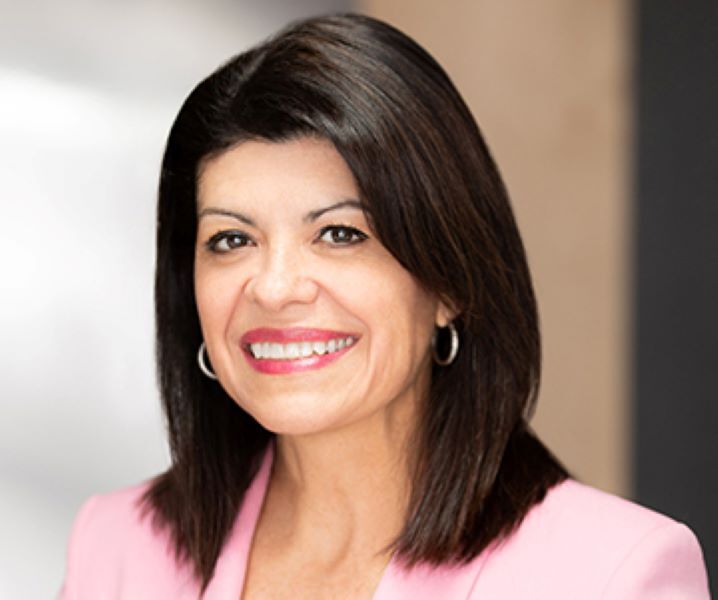
"content": "\u003cp>\u003cem>Caring for an aging parent while raising your own children can be a daunting task. But this is one challenge you don’t have to face alone, as Veronica Sibley reminds us. \u003c/em>\u003c/p>\n\u003cp>In the last couple of years, I found myself in a completely different situation when it came to the relationship with my parents. There was a clear role reversal that took place, where I am now the responsible party. The emotional strain of juggling multiple roles led to fatigue, impacting my mental and physical health over time. Coordinating care with my sibling and navigating family roles created tension among us.\u003c/p>\n\u003cp>One of the most difficult aspects of managing care is an inability of my mother to accept help. She feels she doesn’t need assistance, when in actuality, she could benefit greatly from support as she has been the main caregiver for my stepfather, who suffered a stroke seven years ago.\u003c/p>\n\u003cp>I found the need to hire a care manager to help support their health care plans due to my inability to travel and visit every month. This third-party addition was more acceptable to my mother. As an industry professional I am quite familiar with this scenario and now I’m living the experience myself.\u003c/p>\n\u003cp>Caring for aging parents while raising your own family is one of life’s greatest balancing acts. Known as the “sandwich generation,” millions of adult children are navigating the dual responsibilities of caring for loved ones and their immediate family. This can often lead to emotional, physical and financial stress, as well as the question many find themselves asking: “How do I do this?”\u003c/p>\n\u003cp>[ad fullwidth]\u003c/p>\n\u003cp>The answer is—you don’t have to do it alone, and there is help.\u003c/p>\n\u003cp>Support is available to help us manage the complex challenges of caregiving while ensuring your loved ones receives the things necessary to live a better life.\u003c/p>\n\u003cp>I found help through support groups, our employee assistance program and apps, making it easier to order meals or have supplies delivered to my parent’s home.\u003c/p>\n\u003cp>If you’re feeling uncertain about where to start, consider connecting with a masters-level care manager to assess your family’s specific needs and create a plan that works best for everyone. With the right support and guidance, navigating the challenges of the sandwich generation is much more manageable.\u003c/p>\n\u003cp>With a Perspective, I’m Veronica Sibley.\u003c/p>\n\u003cp>\u003c/p>\n\u003cp>\u003cem>\u003cspan style=\"font-weight: 400\">Veronica Sibley is a marketing executive in the senior health care industry \u003c/span>\u003cspan style=\"font-weight: 400\">and lives in Marin County. \u003c/span>\u003c/em>\u003c/p>\n\n",
"blocks": [],
"excerpt": null,
"status": "publish",
"parent": 0,
"modified": 1739761018,
"stats": {
"hasAudio": false,
"hasVideo": false,
"hasChartOrMap": false,
"iframeSrcs": [],
"hasGoogleForm": false,
"hasGallery": false,
"hasHearkenModule": false,
"hasPolis": false,
"paragraphCount": 13,
"wordCount": 434
},
"headData": {
"title": "Veronica Sibley: The Sandwich Generation | KQED",
"description": "Caring for an aging parent while raising your own children can be a daunting task. But this is one challenge you don’t have to face alone, as Veronica Sibley reminds us. In the last couple of years, I found myself in a completely different situation when it came to the relationship with my parents. There was a clear role reversal that took place, where I am now the responsible party. The emotional strain of juggling multiple roles led to fatigue, impacting my mental and physical health over time. Coordinating care with my sibling and navigating family roles created tension",
"ogTitle": "",
"ogDescription": "",
"ogImgId": "",
"twTitle": "",
"twDescription": "",
"twImgId": "",
"schema": {
"@context": "https://schema.org",
"@type": "Article",
"headline": "Veronica Sibley: The Sandwich Generation",
"datePublished": "2025-02-14T00:01:13-08:00",
"dateModified": "2025-02-16T18:56:58-08:00",
"image": "https://cdn.kqed.org/wp-content/uploads/2020/02/KQED-OG-Image@1x.png"
}
},
"audioUrl": "https://www.podtrac.com/pts/redirect.mp3/pdst.fm/e/chrt.fm/track/G6C7C3/traffic.megaphone.fm/KQINC2820289496.mp3?updated=1739480075",
"sticky": false,
"nprByline": "Veronica Sibley",
"excludeFromSiteSearch": "Include",
"showOnAuthorArchivePages": "No",
"articleAge": "0",
"path": "/perspectives/201601145495/veronica-sibley-script-for-the-sandwich-generation",
"audioTrackLength": null,
"parsedContent": [
{
"type": "contentString",
"content": "\u003cdiv class=\"post-body\">\u003cp>\u003cp>\u003cem>Caring for an aging parent while raising your own children can be a daunting task. But this is one challenge you don’t have to face alone, as Veronica Sibley reminds us. \u003c/em>\u003c/p>\n\u003cp>In the last couple of years, I found myself in a completely different situation when it came to the relationship with my parents. There was a clear role reversal that took place, where I am now the responsible party. The emotional strain of juggling multiple roles led to fatigue, impacting my mental and physical health over time. Coordinating care with my sibling and navigating family roles created tension among us.\u003c/p>\n\u003cp>One of the most difficult aspects of managing care is an inability of my mother to accept help. She feels she doesn’t need assistance, when in actuality, she could benefit greatly from support as she has been the main caregiver for my stepfather, who suffered a stroke seven years ago.\u003c/p>\n\u003cp>I found the need to hire a care manager to help support their health care plans due to my inability to travel and visit every month. This third-party addition was more acceptable to my mother. As an industry professional I am quite familiar with this scenario and now I’m living the experience myself.\u003c/p>\n\u003cp>Caring for aging parents while raising your own family is one of life’s greatest balancing acts. Known as the “sandwich generation,” millions of adult children are navigating the dual responsibilities of caring for loved ones and their immediate family. This can often lead to emotional, physical and financial stress, as well as the question many find themselves asking: “How do I do this?”\u003c/p>\n\u003cp>\u003c/p>\u003c/div>",
"attributes": {
"named": {},
"numeric": []
}
},
{
"type": "component",
"content": "",
"name": "ad",
"attributes": {
"named": {
"label": "fullwidth"
},
"numeric": [
"fullwidth"
]
}
},
{
"type": "contentString",
"content": "\u003cdiv class=\"post-body\">\u003cp>\u003c/p>\n\u003cp>The answer is—you don’t have to do it alone, and there is help.\u003c/p>\n\u003cp>Support is available to help us manage the complex challenges of caregiving while ensuring your loved ones receives the things necessary to live a better life.\u003c/p>\n\u003cp>I found help through support groups, our employee assistance program and apps, making it easier to order meals or have supplies delivered to my parent’s home.\u003c/p>\n\u003cp>If you’re feeling uncertain about where to start, consider connecting with a masters-level care manager to assess your family’s specific needs and create a plan that works best for everyone. With the right support and guidance, navigating the challenges of the sandwich generation is much more manageable.\u003c/p>\n\u003cp>With a Perspective, I’m Veronica Sibley.\u003c/p>\n\u003cp>\u003c/p>\n\u003cp>\u003cem>\u003cspan style=\"font-weight: 400\">Veronica Sibley is a marketing executive in the senior health care industry \u003c/span>\u003cspan style=\"font-weight: 400\">and lives in Marin County. \u003c/span>\u003c/em>\u003c/p>\n\n\u003c/div>\u003c/p>",
"attributes": {
"named": {},
"numeric": []
}
}
],
"link": "/perspectives/201601145495/veronica-sibley-script-for-the-sandwich-generation",
"authors": [
"byline_perspectives_201601145495"
],
"programs": [
"perspectives_3"
],
"series": [
"perspectives_2023"
],
"categories": [
"perspectives_2",
"perspectives_2052"
],
"featImg": "perspectives_201601145496",
"label": "perspectives_3"
},
"perspectives_201601145487": {
"type": "posts",
"id": "perspectives_201601145487",
"meta": {
"index": "posts_1716263798",
"site": "perspectives",
"id": "201601145487",
"score": null,
"sort": [
1739433676000
]
},
"guestAuthors": [],
"slug": "keith-barlow-its-never-too-late",
"title": "Keith Barlow: It's Never Too Late",
"publishDate": 1739433676,
"format": "standard",
"headTitle": "Keith Barlow: It’s Never Too Late | KQED",
"labelTerm": {
"term": 3,
"site": "perspectives"
},
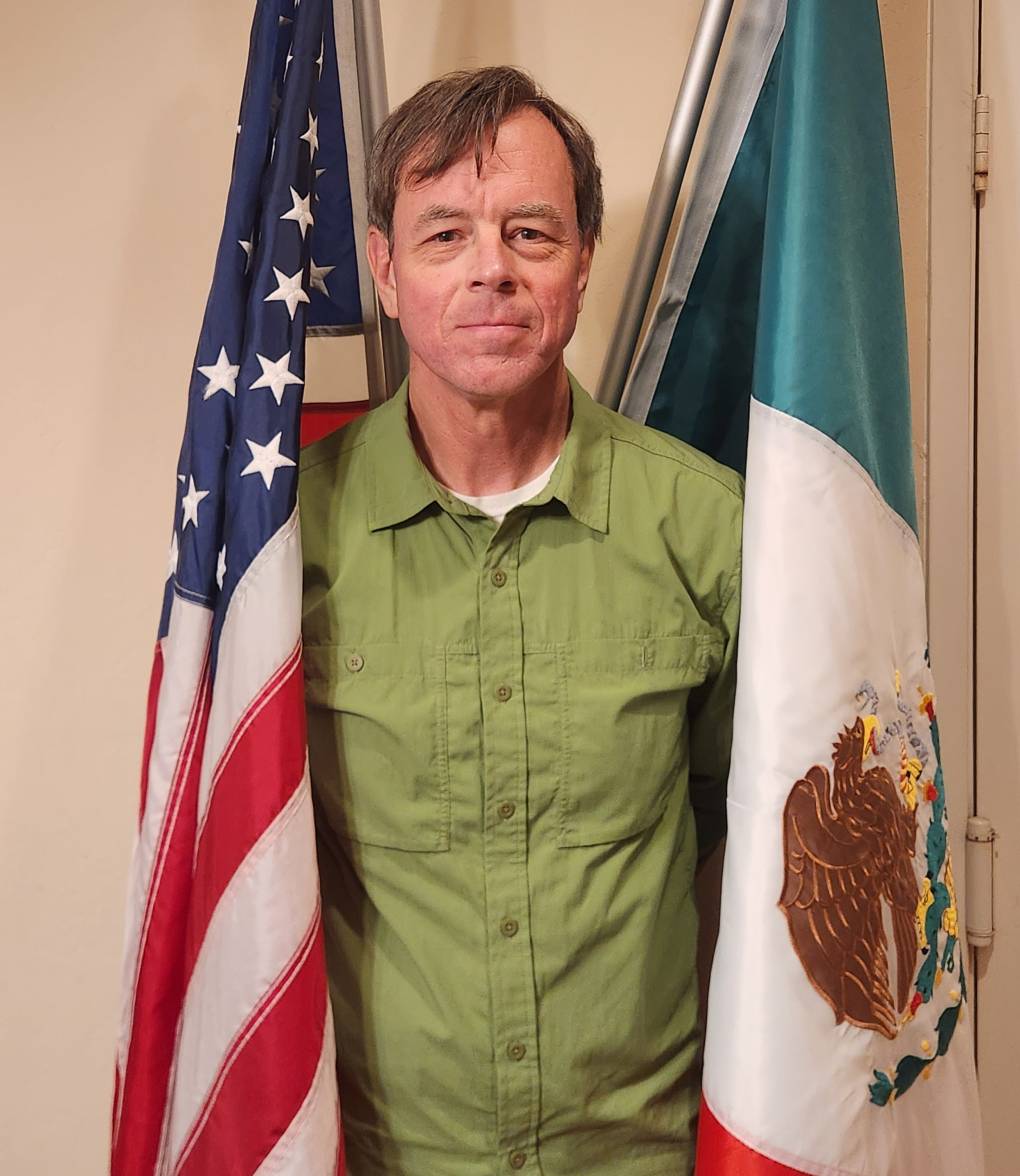
"content": "\u003cp>\u003cem>Keith Barlow shares how learning other languages was embraced by his family.\u003c/em>\u003c/p>\n\u003cp>Growing up in Pleasanton, I was urged by my mother to take Spanish in middle school. Mom learned Spanish as a part of life in south Texas and she recognized the utility of being fluent in Spanish, especially here in California. Despite Mom’s urging, though, I rebelled and I took German because I was the defiant teenager and she was the busy-body parent. Now, almost 50 years on, however, I remember very little of that German.\u003c/p>\n\u003cp>Mom’s urging clicked, though, with my daughter, who did learn Spanish and became an exchange student in the Pleasanton Tulancingo Sister City Association, where our city had established cultural ties with Tulancingo, a city in central Mexico. After just one month in the exchange, my daughter had gained a Mexican family and my Pleasanton children gained a Mexican brother. And in the next year, my daughter fell in love with another son of Tulancingo and they later wed.\u003c/p>\n\u003cp>Spanish language and culture are part of our daily lives in California. Just look around at the street and city names, and our state is an ever-exploding mix of other languages and cultures, too. Though this diversity is welcomed, most immigrants arrive already speaking enough English to get along and then become even more proficient over time, while so many of us native-born citizens remain in stasis, speaking only English.\u003c/p>\n\u003cp>Not following in their father’s footsteps, both of my sons also speak Spanish. And my daughter and her husband are raising their children to be fluent in both English and Spanish.\u003c/p>\n\u003cp>[ad fullwidth]\u003c/p>\n\u003cp>And me? At 61? Who took no Spanish? And barely remembers any German? I never tire of listening to my children and granddaughter flex their fluency, but I feel the parade passing me by. Where I didn’t heed my mother’s prescriptive, top-down urging, I now feel drawn from the bottom up – from my children and grandchildren.\u003c/p>\n\u003cp>And as the adage goes, the best time to plant a tree is 20 years ago — the next best time is now. Entonces, ahora yo aprendo español.\u003c/p>\n\u003cp>With a Perspective, I’m Keith Barlow.\u003c/p>\n\u003cp>\u003c/p>\n\u003cp>\u003cem>Keith Barlow is an IT professional in the East Bay who can exchange pleasantries and order food in español.\u003c/em>\u003c/p>\n\n",
"blocks": [],
"excerpt": null,
"status": "publish",
"parent": 0,
"modified": 1739389800,
"stats": {
"hasAudio": false,
"hasVideo": false,
"hasChartOrMap": false,
"iframeSrcs": [],
"hasGoogleForm": false,
"hasGallery": false,
"hasHearkenModule": false,
"hasPolis": false,
"paragraphCount": 11,
"wordCount": 399
},
"headData": {
"title": "Keith Barlow: It's Never Too Late | KQED",
"description": "Keith Barlow shares how learning other languages was embraced by his family. Growing up in Pleasanton, I was urged by my mother to take Spanish in middle school. Mom learned Spanish as a part of life in south Texas and she recognized the utility of being fluent in Spanish, especially here in California. Despite Mom’s urging, though, I rebelled and I took German because I was the defiant teenager and she was the busy-body parent. Now, almost 50 years on, however, I remember very little of that German. Mom’s urging clicked, though, with my daughter, who did learn Spanish and",
"ogTitle": "",
"ogDescription": "",
"ogImgId": "",
"twTitle": "",
"twDescription": "",
"twImgId": "",
"schema": {
"@context": "https://schema.org",
"@type": "Article",
"headline": "Keith Barlow: It's Never Too Late",
"datePublished": "2025-02-13T00:01:16-08:00",
"dateModified": "2025-02-12T11:50:00-08:00",
"image": "https://cdn.kqed.org/wp-content/uploads/2020/02/KQED-OG-Image@1x.png"
}
},
"audioUrl": "https://www.podtrac.com/pts/redirect.mp3/pdst.fm/e/chrt.fm/track/G6C7C3/traffic.megaphone.fm/KQINC1461961323.mp3?updated=1739389722",
"sticky": false,
"nprByline": "Keith Barlow",
"excludeFromSiteSearch": "Include",
"showOnAuthorArchivePages": "No",
"articleAge": "0",
"path": "/perspectives/201601145487/keith-barlow-its-never-too-late",
"audioTrackLength": null,
"parsedContent": [
{
"type": "contentString",
"content": "\u003cdiv class=\"post-body\">\u003cp>\u003cp>\u003cem>Keith Barlow shares how learning other languages was embraced by his family.\u003c/em>\u003c/p>\n\u003cp>Growing up in Pleasanton, I was urged by my mother to take Spanish in middle school. Mom learned Spanish as a part of life in south Texas and she recognized the utility of being fluent in Spanish, especially here in California. Despite Mom’s urging, though, I rebelled and I took German because I was the defiant teenager and she was the busy-body parent. Now, almost 50 years on, however, I remember very little of that German.\u003c/p>\n\u003cp>Mom’s urging clicked, though, with my daughter, who did learn Spanish and became an exchange student in the Pleasanton Tulancingo Sister City Association, where our city had established cultural ties with Tulancingo, a city in central Mexico. After just one month in the exchange, my daughter had gained a Mexican family and my Pleasanton children gained a Mexican brother. And in the next year, my daughter fell in love with another son of Tulancingo and they later wed.\u003c/p>\n\u003cp>Spanish language and culture are part of our daily lives in California. Just look around at the street and city names, and our state is an ever-exploding mix of other languages and cultures, too. Though this diversity is welcomed, most immigrants arrive already speaking enough English to get along and then become even more proficient over time, while so many of us native-born citizens remain in stasis, speaking only English.\u003c/p>\n\u003cp>Not following in their father’s footsteps, both of my sons also speak Spanish. And my daughter and her husband are raising their children to be fluent in both English and Spanish.\u003c/p>\n\u003cp>\u003c/p>\u003c/div>",
"attributes": {
"named": {},
"numeric": []
}
},
{
"type": "component",
"content": "",
"name": "ad",
"attributes": {
"named": {
"label": "fullwidth"
},
"numeric": [
"fullwidth"
]
}
},
{
"type": "contentString",
"content": "\u003cdiv class=\"post-body\">\u003cp>\u003c/p>\n\u003cp>And me? At 61? Who took no Spanish? And barely remembers any German? I never tire of listening to my children and granddaughter flex their fluency, but I feel the parade passing me by. Where I didn’t heed my mother’s prescriptive, top-down urging, I now feel drawn from the bottom up – from my children and grandchildren.\u003c/p>\n\u003cp>And as the adage goes, the best time to plant a tree is 20 years ago — the next best time is now. Entonces, ahora yo aprendo español.\u003c/p>\n\u003cp>With a Perspective, I’m Keith Barlow.\u003c/p>\n\u003cp>\u003c/p>\n\u003cp>\u003cem>Keith Barlow is an IT professional in the East Bay who can exchange pleasantries and order food in español.\u003c/em>\u003c/p>\n\n\u003c/div>\u003c/p>",
"attributes": {
"named": {},
"numeric": []
}
}
],
"link": "/perspectives/201601145487/keith-barlow-its-never-too-late",
"authors": [
"byline_perspectives_201601145487"
],
"programs": [
"perspectives_3"
],
"series": [
"perspectives_2023"
],
"categories": [
"perspectives_2",
"perspectives_2052"
],
"featImg": "perspectives_201601145492",
"label": "perspectives_3"
},
"perspectives_201601145481": {
"type": "posts",
"id": "perspectives_201601145481",
"meta": {
"index": "posts_1716263798",
"site": "perspectives",
"id": "201601145481",
"score": null,
"sort": [
1739347315000
]
},
"guestAuthors": [],
"slug": "saachi-dhillon-when-friends-change",
"title": "Saachi Dhillon: When Friends Change",
"publishDate": 1739347315,
"format": "standard",
"headTitle": "Saachi Dhillon: When Friends Change | KQED",
"labelTerm": {
"term": 3,
"site": "perspectives"
},
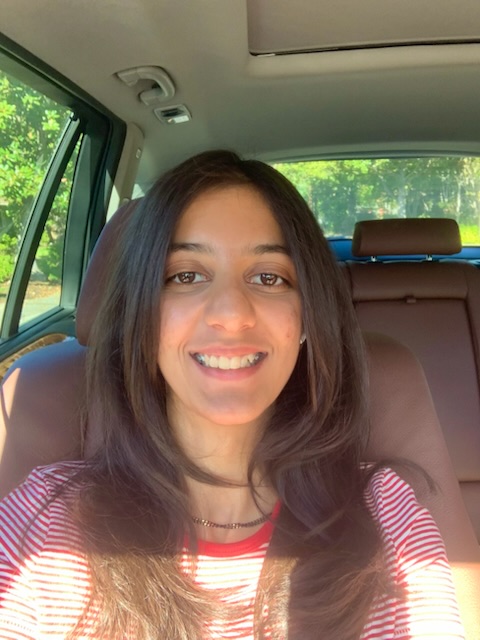
"content": "\u003cp>\u003cem>For Saachi Dhillon, navigating high school came with new changes and challenges, especially with friendships. \u003c/em>\u003c/p>\n\u003cp>I stepped foot onto the large campus with butterflies fluttering in my stomach. It was my first day of high school. Meaning, almost everything is brand new to me. I slowly walked into the lunch area, trying to avoid getting in the way of kids that I don’t know. I looked around, trying to catch a glimpse of my friends from middle school. I then heard someone shouting my name.\u003c/p>\n\u003cp>“Saachi!” I turned around to see my best friends smiling and beckoning me to come over. I rushed over and we immediately began to joke around with each other just like in our middle school days. And as I sat there, face glowing with laughter, I thought to myself, “Our group of friends is never going to break apart from one another.”\u003c/p>\n\u003cp>But, little did I know, I was going to be proven wrong quite soon. Throughout my friendship with these girls, we have always been loyal, supportive and had each other’s backs. However, by the time September comes around, I noticed that two of my closest friends from middle school began to drift away.\u003c/p>\n\u003cp>And slowly but surely, our tight-knit group of five unraveled and became a group of three. They left us so abruptly, that it left my other friends and I feeling as if someone had let us fall from the edge of a cliff. A part of me had a ray of hope that our whole group could be rekindled, but that hope soon vanished.\u003c/p>\n\u003cp>[ad fullwidth]\u003c/p>\n\u003cp>By December, I had come to terms with the loss of two friends, but appreciated the gain of more new friends. With this experience, I realized that in the world, people can change drastically. And that change sometimes ends up being the catalyst for why you have to part ways with people. Despite it being a difficult thing to do, you have to accept and let go of those people because the sooner you learn to come to terms with your losses, the sooner you will be able to move on. With a Perspective, I’m Saachi Dhillon.\u003c/p>\n\u003cp>\u003c/p>\n\u003cp>\u003cem>Saachi Dhillon is a high school student and lives in Menlo Park.\u003c/em>\u003c/p>\n\n",
"blocks": [],
"excerpt": "For Saachi Dhillon, navigating high school came with new changes and challenges, especially with friendships. ",
"status": "publish",
"parent": 0,
"modified": 1739309187,
"stats": {
"hasAudio": false,
"hasVideo": false,
"hasChartOrMap": false,
"iframeSrcs": [],
"hasGoogleForm": false,
"hasGallery": false,
"hasHearkenModule": false,
"hasPolis": false,
"paragraphCount": 9,
"wordCount": 387
},
"headData": {
"title": "Saachi Dhillon: When Friends Change | KQED",
"description": "For Saachi Dhillon, navigating high school came with new changes and challenges, especially with friendships. ",
"ogTitle": "",
"ogDescription": "",
"ogImgId": "",
"twTitle": "",
"twDescription": "",
"twImgId": "",
"schema": {
"@context": "https://schema.org",
"@type": "Article",
"headline": "Saachi Dhillon: When Friends Change",
"datePublished": "2025-02-12T00:01:55-08:00",
"dateModified": "2025-02-11T13:26:27-08:00",
"image": "https://cdn.kqed.org/wp-content/uploads/2020/02/KQED-OG-Image@1x.png"
}
},
"audioUrl": "https://www.podtrac.com/pts/redirect.mp3/pdst.fm/e/chrt.fm/track/G6C7C3/traffic.megaphone.fm/KQINC7417005621.mp3?updated=1739308795",
"sticky": false,
"nprByline": "Saachi Dhillon",
"excludeFromSiteSearch": "Include",
"showOnAuthorArchivePages": "No",
"articleAge": "0",
"path": "/perspectives/201601145481/saachi-dhillon-when-friends-change",
"audioTrackLength": null,
"parsedContent": [
{
"type": "contentString",
"content": "\u003cdiv class=\"post-body\">\u003cp>\u003cp>\u003cem>For Saachi Dhillon, navigating high school came with new changes and challenges, especially with friendships. \u003c/em>\u003c/p>\n\u003cp>I stepped foot onto the large campus with butterflies fluttering in my stomach. It was my first day of high school. Meaning, almost everything is brand new to me. I slowly walked into the lunch area, trying to avoid getting in the way of kids that I don’t know. I looked around, trying to catch a glimpse of my friends from middle school. I then heard someone shouting my name.\u003c/p>\n\u003cp>“Saachi!” I turned around to see my best friends smiling and beckoning me to come over. I rushed over and we immediately began to joke around with each other just like in our middle school days. And as I sat there, face glowing with laughter, I thought to myself, “Our group of friends is never going to break apart from one another.”\u003c/p>\n\u003cp>But, little did I know, I was going to be proven wrong quite soon. Throughout my friendship with these girls, we have always been loyal, supportive and had each other’s backs. However, by the time September comes around, I noticed that two of my closest friends from middle school began to drift away.\u003c/p>\n\u003cp>And slowly but surely, our tight-knit group of five unraveled and became a group of three. They left us so abruptly, that it left my other friends and I feeling as if someone had let us fall from the edge of a cliff. A part of me had a ray of hope that our whole group could be rekindled, but that hope soon vanished.\u003c/p>\n\u003cp>\u003c/p>\u003c/div>",
"attributes": {
"named": {},
"numeric": []
}
},
{
"type": "component",
"content": "",
"name": "ad",
"attributes": {
"named": {
"label": "fullwidth"
},
"numeric": [
"fullwidth"
]
}
},
{
"type": "contentString",
"content": "\u003cdiv class=\"post-body\">\u003cp>\u003c/p>\n\u003cp>By December, I had come to terms with the loss of two friends, but appreciated the gain of more new friends. With this experience, I realized that in the world, people can change drastically. And that change sometimes ends up being the catalyst for why you have to part ways with people. Despite it being a difficult thing to do, you have to accept and let go of those people because the sooner you learn to come to terms with your losses, the sooner you will be able to move on. With a Perspective, I’m Saachi Dhillon.\u003c/p>\n\u003cp>\u003c/p>\n\u003cp>\u003cem>Saachi Dhillon is a high school student and lives in Menlo Park.\u003c/em>\u003c/p>\n\n\u003c/div>\u003c/p>",
"attributes": {
"named": {},
"numeric": []
}
}
],
"link": "/perspectives/201601145481/saachi-dhillon-when-friends-change",
"authors": [
"byline_perspectives_201601145481"
],
"programs": [
"perspectives_3"
],
"series": [
"perspectives_2023"
],
"categories": [
"perspectives_2",
"perspectives_2052"
],
"featImg": "perspectives_201601145483",
"label": "perspectives_3"
},
"perspectives_201601145474": {
"type": "posts",
"id": "perspectives_201601145474",
"meta": {
"index": "posts_1716263798",
"site": "perspectives",
"id": "201601145474",
"score": null,
"sort": [
1739260903000
]
},
"guestAuthors": [],
"slug": "elizabeth-levett-fortier-the-people-on-the-bus",
"title": "Elizabeth Levett Fortier: The People on the Bus",
"publishDate": 1739260903,
"format": "standard",
"headTitle": "Elizabeth Levett Fortier: The People on the Bus | KQED",
"labelTerm": {},
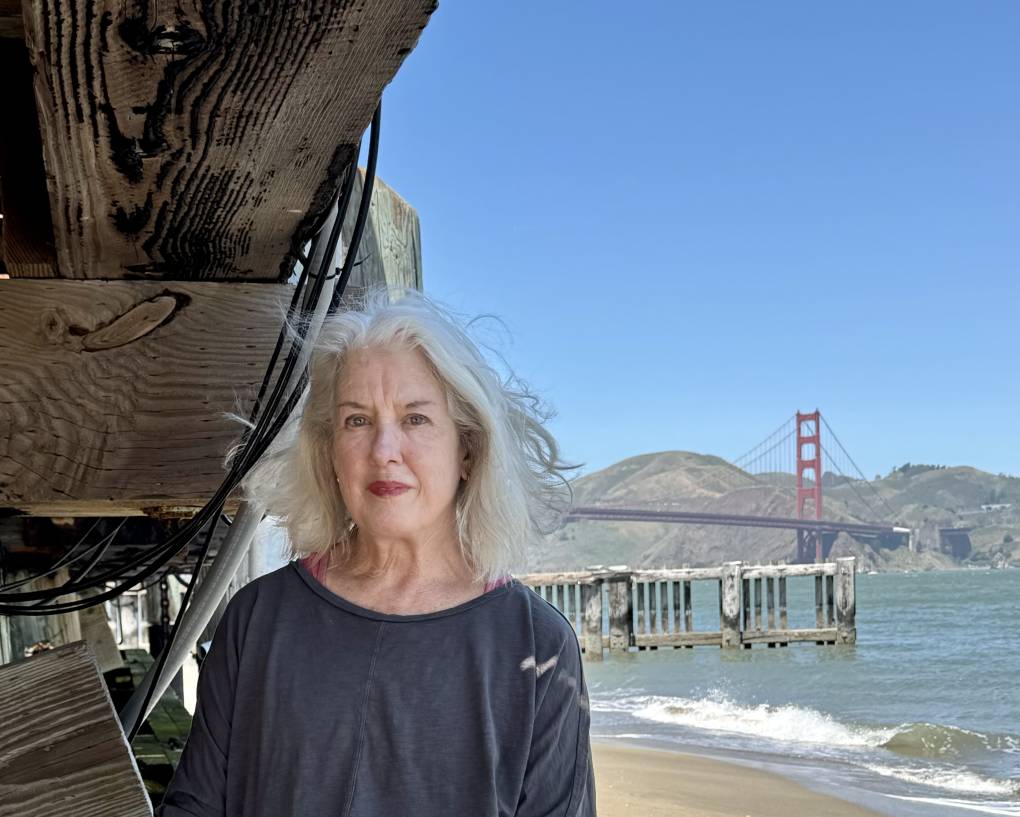
"content": "\u003cp>\u003cem>\u003cspan style=\"font-weight: 400\">Elizabeth Levett Fortier reminds us that the value of a San Francisco Muni ride is often much higher than the fare. \u003c/span>\u003c/em>\u003c/p>\n\u003cp>I was on the #33 Ashbury one day recently, when a man slammed his car into the side of the bus right under my window. Funny thing, people barely reacted. We all just got off and walked to the next stop.\u003c/p>\n\u003cp>This kind of incident happens sometimes, but it doesn’t dissuade me from flashing my Clipper card and finding my spot. It’s all part of the ride. Included in the fare.\u003c/p>\n\u003cp>I feel a strange loyalty to riding Muni and defend my choice when friends insist that they’re happy to pick me up or ask if I’d like them to call an Uber.\u003c/p>\n\u003cp>It’s the people on the bus that I’m drawn to. There’s something about being a witness for the lady navigating a stroller past the phone-fixated person leaning against the door frame or that driver who stopped the 21 Hayes Street bus one morning, leaned out the window and yelled, “How come you’re not in school?” Or that passenger who took the wheel and operated the brakes when a driver had a sudden stroke and lost consciousness. The bus veered off course and ploughed across the panhandle from Oak Street almost all the way to Fell [Street]. A bus full of people is a slice of community, a part of something bigger than itself.\u003c/p>\n\u003cp>[ad fullwidth]\u003c/p>\n\u003cp>There are beautiful babies, folks with well-trained service dogs, cute young couples and old folks with wonderful stories. The people on the bus are our people; good, complicated, everyday people. Inside a cab or behind the wheel, we can become isolated. We forget about our neighbors and whatever they might be going through. This chance for reflection, this too is included in the fare. With a Perspective, I’m Elizabeth Levett Fortier.\u003c/p>\n\u003cp>\u003c/p>\n\u003cp>\u003cem>\u003cspan style=\"font-weight: 400\">Elizabeth Levett Fortier is a teacher, writer, visual artist and vocalist living in San Francisco.\u003c/span>\u003c/em>\u003c/p>\n\n",
"blocks": [],
"excerpt": null,
"status": "publish",
"parent": 0,
"modified": 1739236626,
"stats": {
"hasAudio": false,
"hasVideo": false,
"hasChartOrMap": false,
"iframeSrcs": [],
"hasGoogleForm": false,
"hasGallery": false,
"hasHearkenModule": false,
"hasPolis": false,
"paragraphCount": 9,
"wordCount": 348
},
"headData": {
"title": "Elizabeth Levett Fortier: The People on the Bus | KQED",
"description": "Elizabeth Levett Fortier reminds us that the value of a San Francisco Muni ride is often much higher than the fare. I was on the #33 Ashbury one day recently, when a man slammed his car into the side of the bus right under my window. Funny thing, people barely reacted. We all just got",
"ogTitle": "",
"ogDescription": "",
"ogImgId": "",
"twTitle": "",
"twDescription": "",
"twImgId": "",
"schema": {
"@context": "https://schema.org",
"@type": "Article",
"headline": "Elizabeth Levett Fortier: The People on the Bus",
"datePublished": "2025-02-11T00:01:43-08:00",
"dateModified": "2025-02-10T17:17:06-08:00",
"image": "https://cdn.kqed.org/wp-content/uploads/2020/02/KQED-OG-Image@1x.png"
}
},
"source": "Perspectives",
"sourceUrl": "https://www.kqed.org/perspectives",
"audioUrl": "https://www.podtrac.com/pts/redirect.mp3/pdst.fm/e/chrt.fm/track/G6C7C3/traffic.megaphone.fm/KQINC6490925369.mp3?updated=1739235067",
"sticky": false,
"nprByline": "Elizabeth Levett Fortier",
"excludeFromSiteSearch": "Include",
"showOnAuthorArchivePages": "No",
"articleAge": "0",
"path": "/perspectives/201601145474/elizabeth-levett-fortier-the-people-on-the-bus",
"audioTrackLength": null,
"parsedContent": [
{
"type": "contentString",
"content": "\u003cdiv class=\"post-body\">\u003cp>\u003cp>\u003cem>\u003cspan style=\"font-weight: 400\">Elizabeth Levett Fortier reminds us that the value of a San Francisco Muni ride is often much higher than the fare. \u003c/span>\u003c/em>\u003c/p>\n\u003cp>I was on the #33 Ashbury one day recently, when a man slammed his car into the side of the bus right under my window. Funny thing, people barely reacted. We all just got off and walked to the next stop.\u003c/p>\n\u003cp>This kind of incident happens sometimes, but it doesn’t dissuade me from flashing my Clipper card and finding my spot. It’s all part of the ride. Included in the fare.\u003c/p>\n\u003cp>I feel a strange loyalty to riding Muni and defend my choice when friends insist that they’re happy to pick me up or ask if I’d like them to call an Uber.\u003c/p>\n\u003cp>It’s the people on the bus that I’m drawn to. There’s something about being a witness for the lady navigating a stroller past the phone-fixated person leaning against the door frame or that driver who stopped the 21 Hayes Street bus one morning, leaned out the window and yelled, “How come you’re not in school?” Or that passenger who took the wheel and operated the brakes when a driver had a sudden stroke and lost consciousness. The bus veered off course and ploughed across the panhandle from Oak Street almost all the way to Fell [Street]. A bus full of people is a slice of community, a part of something bigger than itself.\u003c/p>\n\u003cp>\u003c/p>\u003c/div>",
"attributes": {
"named": {},
"numeric": []
}
},
{
"type": "component",
"content": "",
"name": "ad",
"attributes": {
"named": {
"label": "fullwidth"
},
"numeric": [
"fullwidth"
]
}
},
{
"type": "contentString",
"content": "\u003cdiv class=\"post-body\">\u003cp>\u003c/p>\n\u003cp>There are beautiful babies, folks with well-trained service dogs, cute young couples and old folks with wonderful stories. The people on the bus are our people; good, complicated, everyday people. Inside a cab or behind the wheel, we can become isolated. We forget about our neighbors and whatever they might be going through. This chance for reflection, this too is included in the fare. With a Perspective, I’m Elizabeth Levett Fortier.\u003c/p>\n\u003cp>\u003c/p>\n\u003cp>\u003cem>\u003cspan style=\"font-weight: 400\">Elizabeth Levett Fortier is a teacher, writer, visual artist and vocalist living in San Francisco.\u003c/span>\u003c/em>\u003c/p>\n\n\u003c/div>\u003c/p>",
"attributes": {
"named": {},
"numeric": []
}
}
],
"link": "/perspectives/201601145474/elizabeth-levett-fortier-the-people-on-the-bus",
"authors": [
"byline_perspectives_201601145474"
],
"programs": [
"perspectives_3"
],
"series": [
"perspectives_2023"
],
"categories": [
"perspectives_2",
"perspectives_2052"
],
"featImg": "perspectives_201601145478",
"label": "source_perspectives_201601145474"
},
"perspectives_201601145468": {
"type": "posts",
"id": "perspectives_201601145468",
"meta": {
"index": "posts_1716263798",
"site": "perspectives",
"id": "201601145468",
"score": null,
"sort": [
1739174515000
]
},
"guestAuthors": [],
"slug": "disha-zaidi-navigating-sympathy-and-empathy",
"title": "Disha Zaidi: Navigating Sympathy and Empathy",
"publishDate": 1739174515,
"format": "standard",
"headTitle": "Disha Zaidi: Navigating Sympathy and Empathy | KQED",
"labelTerm": {
"term": 3,
"site": "perspectives"
},
"content": "\u003cp>\u003cem>After her father fell ill, Disha Zaidi shares how empathy from friends and family made a big impact.\u003c/em>\u003c/p>\n\u003cp>The phone call I had received from back home in India was one of those dreadful calls that we all fear as immigrants living in a far-away land. “Dad has fallen unconscious and I am taking the next flight from Mumbai to Delhi,” said my younger sister, followed by “He is on [a] ventilator,” and “it’s a stroke.”\u003c/p>\n\u003cp>The next thing I knew, is I was on a flight to Delhi. My father did survive the stroke, but was bed-ridden, and eventually slipped into a coma after a second.\u003c/p>\n\u003cp>I later realized the huge difference between sympathy and empathy later. Several family, friends and colleagues expressed their concern for my father. However, when my colleagues and bosses at work shared their own experiences of parents going through illness and death, it made me realize how compassionate and empathetic some of these people are.\u003c/p>\n\u003cp>I also came to realize the deepness of a parental bond. My father was unable to talk after the stroke, and gave a blank stare to most people who came to see him, which killed me inside. But the only three people he put his hand out to and kissed on the hand were us three kids, his three daughters. That was always his “signature” style of greeting us…a kiss on the hand…be it seeing him after a few hours or a few months. The strength of this bond will stay no matter where the cycles of life or death take us.\u003c/p>\n\u003cp>[ad fullwidth]\u003c/p>\n\u003cp>I learned many things during this tough time. The unwavering support of my husband taught me what a supportive partner is like. My younger sister taught me how to quietly keep doing even if there are no rewards in the end. My mother taught me how to cope with dignity in tough situations, and my friends taught me they will always be there in times of need. My father passed away a few years ago, but my learnings on empathy, parental bonds and giving continue to stay with me. With a Perspective, I’m Disha Zaidi.\u003c/p>\n\u003cp>\u003c/p>\n\u003cp>\u003cem>Disha Zaidi works with an international development agency on poverty reduction projects, and enjoys culinary photography and poetry writing in her spare time. She lives in the San Francisco Bay Area.\u003c/em>\u003c/p>\n\n",
"blocks": [],
"excerpt": "After her father fell ill, Disha Zaidi shares how empathy from friends and family made a big impact.",
"status": "publish",
"parent": 0,
"modified": 1738872748,
"stats": {
"hasAudio": false,
"hasVideo": false,
"hasChartOrMap": false,
"iframeSrcs": [],
"hasGoogleForm": false,
"hasGallery": false,
"hasHearkenModule": false,
"hasPolis": false,
"paragraphCount": 9,
"wordCount": 409
},
"headData": {
"title": "Disha Zaidi: Navigating Sympathy and Empathy | KQED",
"description": "After her father fell ill, Disha Zaidi shares how empathy from friends and family made a big impact.",
"ogTitle": "",
"ogDescription": "",
"ogImgId": "",
"twTitle": "",
"twDescription": "",
"twImgId": "",
"schema": {
"@context": "https://schema.org",
"@type": "Article",
"headline": "Disha Zaidi: Navigating Sympathy and Empathy",
"datePublished": "2025-02-10T00:01:55-08:00",
"dateModified": "2025-02-06T12:12:28-08:00",
"image": "https://cdn.kqed.org/wp-content/uploads/2020/02/KQED-OG-Image@1x.png"
}
},
"audioUrl": "https://www.podtrac.com/pts/redirect.mp3/pdst.fm/e/chrt.fm/track/G6C7C3/traffic.megaphone.fm/KQINC2921418360.mp3?updated=1738873019",
"sticky": false,
"nprByline": "Disha Zaidi",
"excludeFromSiteSearch": "Include",
"showOnAuthorArchivePages": "No",
"articleAge": "0",
"path": "/perspectives/201601145468/disha-zaidi-navigating-sympathy-and-empathy",
"audioTrackLength": null,
"parsedContent": [
{
"type": "contentString",
"content": "\u003cdiv class=\"post-body\">\u003cp>\u003cp>\u003cem>After her father fell ill, Disha Zaidi shares how empathy from friends and family made a big impact.\u003c/em>\u003c/p>\n\u003cp>The phone call I had received from back home in India was one of those dreadful calls that we all fear as immigrants living in a far-away land. “Dad has fallen unconscious and I am taking the next flight from Mumbai to Delhi,” said my younger sister, followed by “He is on [a] ventilator,” and “it’s a stroke.”\u003c/p>\n\u003cp>The next thing I knew, is I was on a flight to Delhi. My father did survive the stroke, but was bed-ridden, and eventually slipped into a coma after a second.\u003c/p>\n\u003cp>I later realized the huge difference between sympathy and empathy later. Several family, friends and colleagues expressed their concern for my father. However, when my colleagues and bosses at work shared their own experiences of parents going through illness and death, it made me realize how compassionate and empathetic some of these people are.\u003c/p>\n\u003cp>I also came to realize the deepness of a parental bond. My father was unable to talk after the stroke, and gave a blank stare to most people who came to see him, which killed me inside. But the only three people he put his hand out to and kissed on the hand were us three kids, his three daughters. That was always his “signature” style of greeting us…a kiss on the hand…be it seeing him after a few hours or a few months. The strength of this bond will stay no matter where the cycles of life or death take us.\u003c/p>\n\u003cp>\u003c/p>\u003c/div>",
"attributes": {
"named": {},
"numeric": []
}
},
{
"type": "component",
"content": "",
"name": "ad",
"attributes": {
"named": {
"label": "fullwidth"
},
"numeric": [
"fullwidth"
]
}
},
{
"type": "contentString",
"content": "\u003cdiv class=\"post-body\">\u003cp>\u003c/p>\n\u003cp>I learned many things during this tough time. The unwavering support of my husband taught me what a supportive partner is like. My younger sister taught me how to quietly keep doing even if there are no rewards in the end. My mother taught me how to cope with dignity in tough situations, and my friends taught me they will always be there in times of need. My father passed away a few years ago, but my learnings on empathy, parental bonds and giving continue to stay with me. With a Perspective, I’m Disha Zaidi.\u003c/p>\n\u003cp>\u003c/p>\n\u003cp>\u003cem>Disha Zaidi works with an international development agency on poverty reduction projects, and enjoys culinary photography and poetry writing in her spare time. She lives in the San Francisco Bay Area.\u003c/em>\u003c/p>\n\n\u003c/div>\u003c/p>",
"attributes": {
"named": {},
"numeric": []
}
}
],
"link": "/perspectives/201601145468/disha-zaidi-navigating-sympathy-and-empathy",
"authors": [
"byline_perspectives_201601145468"
],
"programs": [
"perspectives_3"
],
"series": [
"perspectives_2023"
],
"categories": [
"perspectives_2",
"perspectives_2052"
],
"featImg": "perspectives_201601145469",
"label": "perspectives_3"
},
"perspectives_201601145462": {
"type": "posts",
"id": "perspectives_201601145462",
"meta": {
"index": "posts_1716263798",
"site": "perspectives",
"id": "201601145462",
"score": null,
"sort": [
1738915277000
]
},
"guestAuthors": [],
"slug": "andrea-stryer-the-gingko-tree",
"title": "Andrea Stryer: The Gingko Tree",
"publishDate": 1738915277,
"format": "standard",
"headTitle": "Andrea Stryer: The Gingko Tree | KQED",
"labelTerm": {
"term": 3,
"site": "perspectives"
},
"content": "\u003cp>\u003cem>Andrea Stryer reflects on an exchange she had with a teacher who challenged her work on a school project.\u003c/em>\u003c/p>\n\u003cp>I remember the first time I saw a gingko tree. It was 1946 and I was in the fourth grade. My teacher, Ms. Daly, sat in front, holding her red-and-blue connected pencils, ready to rap the knuckles of any disobedient kid. One day, she told us to bring in a leaf to make an art print. Excited about a new project, I skipped home, picking up leaves, including a sycamore, a maple [and] an elm. Each seemed so ordinary.\u003c/p>\n\u003cp>When I told my father about the assignment and that I want something different, he took me by the hand and led me into the garden, full of the trees he had planted over the years. He walked me over to the ginkgo and said, “Here’s a tree from Asia that dinosaurs may have nibbled.”\u003c/p>\n\u003cp>“Wow,” I said, as he lowered a branch. Each ribbed leaf was like a slice of pie. Perfect. The following day, Ms. Daly strode down the aisles checking that each of us has brought a leaf.\u003c/p>\n\u003cp>She stopped at my desk and snapped, “Where’s yours?” I held up my ginkgo.\u003c/p>\n\u003cp>[ad fullwidth]\u003c/p>\n\u003cp>“Never seen such a leaf. You’ve made this up.” She flipped her pencil and marked a big red X next to my name. I was stunned. My chin quivered, as I held back tears. I thought she would be praising me for such an unusual leaf. Instead, I was told to sit, hands folded, during art.\u003c/p>\n\u003cp>When school ended, I ran all the way home and told my parents what happened. They were furious. The next morning, my mother brought a beautiful, fully-leaved ginkgo branch to school, put it in Ms. Daly’s box and then spoke with the principal. Ms. Daly reluctantly admitted her error. Lying in bed that night, I smiled at the vision of a lumbering brontosaurus leaning over a ginkgo and chewing on an ancestor of my leaf. I realized after that experience that I would never let anyone deny what I know to be true. With a Perspective, I’m Andrea Stryer.\u003c/p>\n\u003cp>\u003c/p>\n\u003cp>\u003cem>Andrea Stryer is a writer, inspired by watching animals in their wild habitats.\u003c/em>\u003c/p>\n\n",
"blocks": [],
"excerpt": "Andrea Stryer reflects on an exchange she had with a teacher who challenged her work on a school project.",
"status": "publish",
"parent": 0,
"modified": 1738869633,
"stats": {
"hasAudio": false,
"hasVideo": false,
"hasChartOrMap": false,
"iframeSrcs": [],
"hasGoogleForm": false,
"hasGallery": false,
"hasHearkenModule": false,
"hasPolis": false,
"paragraphCount": 10,
"wordCount": 394
},
"headData": {
"title": "Andrea Stryer: The Gingko Tree | KQED",
"description": "Andrea Stryer reflects on an exchange she had with a teacher who challenged her work on a school project.",
"ogTitle": "",
"ogDescription": "",
"ogImgId": "",
"twTitle": "",
"twDescription": "",
"twImgId": "",
"schema": {
"@context": "https://schema.org",
"@type": "Article",
"headline": "Andrea Stryer: The Gingko Tree",
"datePublished": "2025-02-07T00:01:17-08:00",
"dateModified": "2025-02-06T11:20:33-08:00",
"image": "https://cdn.kqed.org/wp-content/uploads/2020/02/KQED-OG-Image@1x.png"
}
},
"audioUrl": "https://www.podtrac.com/pts/redirect.mp3/pdst.fm/e/chrt.fm/track/G6C7C3/traffic.megaphone.fm/KQINC6838052654.mp3?updated=1738869903",
"sticky": false,
"nprByline": "Andrea Stryer",
"excludeFromSiteSearch": "Include",
"showOnAuthorArchivePages": "No",
"articleAge": "0",
"path": "/perspectives/201601145462/andrea-stryer-the-gingko-tree",
"audioTrackLength": null,
"parsedContent": [
{
"type": "contentString",
"content": "\u003cdiv class=\"post-body\">\u003cp>\u003cp>\u003cem>Andrea Stryer reflects on an exchange she had with a teacher who challenged her work on a school project.\u003c/em>\u003c/p>\n\u003cp>I remember the first time I saw a gingko tree. It was 1946 and I was in the fourth grade. My teacher, Ms. Daly, sat in front, holding her red-and-blue connected pencils, ready to rap the knuckles of any disobedient kid. One day, she told us to bring in a leaf to make an art print. Excited about a new project, I skipped home, picking up leaves, including a sycamore, a maple [and] an elm. Each seemed so ordinary.\u003c/p>\n\u003cp>When I told my father about the assignment and that I want something different, he took me by the hand and led me into the garden, full of the trees he had planted over the years. He walked me over to the ginkgo and said, “Here’s a tree from Asia that dinosaurs may have nibbled.”\u003c/p>\n\u003cp>“Wow,” I said, as he lowered a branch. Each ribbed leaf was like a slice of pie. Perfect. The following day, Ms. Daly strode down the aisles checking that each of us has brought a leaf.\u003c/p>\n\u003cp>She stopped at my desk and snapped, “Where’s yours?” I held up my ginkgo.\u003c/p>\n\u003cp>\u003c/p>\u003c/div>",
"attributes": {
"named": {},
"numeric": []
}
},
{
"type": "component",
"content": "",
"name": "ad",
"attributes": {
"named": {
"label": "fullwidth"
},
"numeric": [
"fullwidth"
]
}
},
{
"type": "contentString",
"content": "\u003cdiv class=\"post-body\">\u003cp>\u003c/p>\n\u003cp>“Never seen such a leaf. You’ve made this up.” She flipped her pencil and marked a big red X next to my name. I was stunned. My chin quivered, as I held back tears. I thought she would be praising me for such an unusual leaf. Instead, I was told to sit, hands folded, during art.\u003c/p>\n\u003cp>When school ended, I ran all the way home and told my parents what happened. They were furious. The next morning, my mother brought a beautiful, fully-leaved ginkgo branch to school, put it in Ms. Daly’s box and then spoke with the principal. Ms. Daly reluctantly admitted her error. Lying in bed that night, I smiled at the vision of a lumbering brontosaurus leaning over a ginkgo and chewing on an ancestor of my leaf. I realized after that experience that I would never let anyone deny what I know to be true. With a Perspective, I’m Andrea Stryer.\u003c/p>\n\u003cp>\u003c/p>\n\u003cp>\u003cem>Andrea Stryer is a writer, inspired by watching animals in their wild habitats.\u003c/em>\u003c/p>\n\n\u003c/div>\u003c/p>",
"attributes": {
"named": {},
"numeric": []
}
}
],
"link": "/perspectives/201601145462/andrea-stryer-the-gingko-tree",
"authors": [
"byline_perspectives_201601145462"
],
"programs": [
"perspectives_3"
],
"series": [
"perspectives_2023"
],
"categories": [
"perspectives_2",
"perspectives_2052"
],
"featImg": "perspectives_201601145463",
"label": "perspectives_3"
},
"perspectives_201601145456": {
"type": "posts",
"id": "perspectives_201601145456",
"meta": {
"index": "posts_1716263798",
"site": "perspectives",
"id": "201601145456",
"score": null,
"sort": [
1738828878000
]
},
"guestAuthors": [],
"slug": "tim-davern-the-earth-is-a-liver",
"title": "Tim Davern: The Earth is a Liver",
"publishDate": 1738828878,
"format": "standard",
"headTitle": "Tim Davern: The Earth is a Liver | KQED",
"labelTerm": {
"term": 3,
"site": "perspectives"
},
"content": "\u003cp>\u003cem>Tim Davern shares the parallels of repairing liver function and taking care of planet Earth.\u003c/em>\u003c/p>\n\u003cp>I am fascinated by the Greek myth of Prometheus, the Titan who stole fire from the god Zeus and gave it to man in the form of enlightenment. For his crime, he was chained to a rock face atop a mountain and every day, Zeus’ eagle devoured his liver, but every night it grew back, ensuring eternal torment.\u003c/p>\n\u003cp>How did the Greeks know that the liver had an almost divine ability to regenerate and repair itself after injury? This amazing ability is thrown into stark relief when my patients return to the clinic following successful hepatitis C therapy. In many cases, their advanced liver scarring and even early cirrhosis has dramatically improved if not completely resolved. Each time, we celebrate the miracle.\u003c/p>\n\u003cp>But as a rule, if ongoing liver injury is mitigated, the liver’s default seems to be repair, remodel, regenerate and ultimately recover function. Only when the liver injury is unrelenting, does the liver reach a tipping point and begin to fail in a downward spiral without a transplant.\u003c/p>\n\u003cp>Our home, Earth, is much the same. Despite massive injuries by humans over centuries, our planet seems to repair itself. For example, the ocean buffers global warming by absorbing CO2 emissions, coral reefs acquire genetic mutations for heat resistance, and birds, animals and even tree species migrate North to survive as the environment warms.\u003c/p>\n\u003cp>[ad fullwidth]\u003c/p>\n\u003cp>But like a failing liver, our world is showing signs of distress — melting glaciers, extreme weather events and rare species extinctions to name a few. Unlike the situation with a failing liver, we must face the sobering reality that there is no option for transplant here: this tiny, blue, beautiful island floating in space is the only home we get.\u003c/p>\n\u003cp>While hiking recently in the North Bay, I was filled with hope that our resilient little planet can still heal if we take advantage of the selfless gift Prometheus gave us — enlightenment — and help her, together, every way we can. With a Perspective, I’m Tim Davern.\u003c/p>\n\u003cp>\u003c/p>\n\u003cp>\u003cem>Tim Davern is a liver specialist living with his family in Mill Valley. He considers Rodeo Beach hallowed ground.\u003c/em>\u003c/p>\n\n",
"blocks": [],
"excerpt": "Tim Davern shares the parallels of repairing liver function and taking care of planet Earth.",
"status": "publish",
"parent": 0,
"modified": 1738780349,
"stats": {
"hasAudio": false,
"hasVideo": false,
"hasChartOrMap": false,
"iframeSrcs": [],
"hasGoogleForm": false,
"hasGallery": false,
"hasHearkenModule": false,
"hasPolis": false,
"paragraphCount": 10,
"wordCount": 376
},
"headData": {
"title": "Tim Davern: The Earth is a Liver | KQED",
"description": "Tim Davern shares the parallels of repairing liver function and taking care of planet Earth.",
"ogTitle": "",
"ogDescription": "",
"ogImgId": "",
"twTitle": "",
"twDescription": "",
"twImgId": "",
"schema": {
"@context": "https://schema.org",
"@type": "Article",
"headline": "Tim Davern: The Earth is a Liver",
"datePublished": "2025-02-06T00:01:18-08:00",
"dateModified": "2025-02-05T10:32:29-08:00",
"image": "https://cdn.kqed.org/wp-content/uploads/2020/02/KQED-OG-Image@1x.png"
}
},
"audioUrl": "https://www.podtrac.com/pts/redirect.mp3/pdst.fm/e/chrt.fm/track/G6C7C3/traffic.megaphone.fm/KQINC7104838861.mp3?updated=1738780556",
"sticky": false,
"nprByline": "Tim Davern",
"excludeFromSiteSearch": "Include",
"showOnAuthorArchivePages": "No",
"articleAge": "0",
"path": "/perspectives/201601145456/tim-davern-the-earth-is-a-liver",
"audioTrackLength": null,
"parsedContent": [
{
"type": "contentString",
"content": "\u003cdiv class=\"post-body\">\u003cp>\u003cp>\u003cem>Tim Davern shares the parallels of repairing liver function and taking care of planet Earth.\u003c/em>\u003c/p>\n\u003cp>I am fascinated by the Greek myth of Prometheus, the Titan who stole fire from the god Zeus and gave it to man in the form of enlightenment. For his crime, he was chained to a rock face atop a mountain and every day, Zeus’ eagle devoured his liver, but every night it grew back, ensuring eternal torment.\u003c/p>\n\u003cp>How did the Greeks know that the liver had an almost divine ability to regenerate and repair itself after injury? This amazing ability is thrown into stark relief when my patients return to the clinic following successful hepatitis C therapy. In many cases, their advanced liver scarring and even early cirrhosis has dramatically improved if not completely resolved. Each time, we celebrate the miracle.\u003c/p>\n\u003cp>But as a rule, if ongoing liver injury is mitigated, the liver’s default seems to be repair, remodel, regenerate and ultimately recover function. Only when the liver injury is unrelenting, does the liver reach a tipping point and begin to fail in a downward spiral without a transplant.\u003c/p>\n\u003cp>Our home, Earth, is much the same. Despite massive injuries by humans over centuries, our planet seems to repair itself. For example, the ocean buffers global warming by absorbing CO2 emissions, coral reefs acquire genetic mutations for heat resistance, and birds, animals and even tree species migrate North to survive as the environment warms.\u003c/p>\n\u003cp>\u003c/p>\u003c/div>",
"attributes": {
"named": {},
"numeric": []
}
},
{
"type": "component",
"content": "",
"name": "ad",
"attributes": {
"named": {
"label": "fullwidth"
},
"numeric": [
"fullwidth"
]
}
},
{
"type": "contentString",
"content": "\u003cdiv class=\"post-body\">\u003cp>\u003c/p>\n\u003cp>But like a failing liver, our world is showing signs of distress — melting glaciers, extreme weather events and rare species extinctions to name a few. Unlike the situation with a failing liver, we must face the sobering reality that there is no option for transplant here: this tiny, blue, beautiful island floating in space is the only home we get.\u003c/p>\n\u003cp>While hiking recently in the North Bay, I was filled with hope that our resilient little planet can still heal if we take advantage of the selfless gift Prometheus gave us — enlightenment — and help her, together, every way we can. With a Perspective, I’m Tim Davern.\u003c/p>\n\u003cp>\u003c/p>\n\u003cp>\u003cem>Tim Davern is a liver specialist living with his family in Mill Valley. He considers Rodeo Beach hallowed ground.\u003c/em>\u003c/p>\n\n\u003c/div>\u003c/p>",
"attributes": {
"named": {},
"numeric": []
}
}
],
"link": "/perspectives/201601145456/tim-davern-the-earth-is-a-liver",
"authors": [
"byline_perspectives_201601145456"
],
"programs": [
"perspectives_3"
],
"series": [
"perspectives_2023"
],
"categories": [
"perspectives_2",
"perspectives_2052"
],
"featImg": "perspectives_201601145457",
"label": "perspectives_3"
},
"perspectives_201601145452": {
"type": "posts",
"id": "perspectives_201601145452",
"meta": {
"index": "posts_1716263798",
"site": "perspectives",
"id": "201601145452",
"score": null,
"sort": [
1738742504000
]
},
"guestAuthors": [],
"slug": "elizabeth-rynecki-how-oceans-shape-our-lives",
"title": "Elizabeth Rynecki: How Oceans Shape Our Lives",
"publishDate": 1738742504,
"format": "standard",
"headTitle": "Elizabeth Rynecki: How Oceans Shape Our Lives | KQED",
"labelTerm": {
"term": 3,
"site": "perspectives"
},
"content": "\u003cp>\u003cem>Elizabeth Rynecki shares about the important role oceans and trading goods play in our everyday lives.\u003c/em>\u003c/p>\n\u003cp>What does the banana I ate for breakfast, the clothes I put on this morning and the laptop I used to write this all have in common? They all arrived by ship. In fact, many of the products we consume — from beverages and books to cars and condoms — make their way to us via the oceans. But it’s not just physical goods that travel by sea. Our language is also steeped in salt-kissed sayings with maritime origins including “toe the line,” “loose cannon” and “even-keeled.”\u003c/p>\n\u003cp>As the daughter of a ship salvage engineer, I grew up hearing stories of how my dad rescued stranded ships. Once it was a barge at Ocean Beach, but more often they were on waterways halfway around the world. Now when I see cargo ships in the Oakland Estuary, I can’t help but think of the risks of trans-oceanic trade while marveling at the constant flow of ships moving in and out of our ports. It also makes me wish people would pay more attention to the shipping industry.\u003c/p>\n\u003cp>Four years ago, when the “Ever Given” container ship blocked the Suez Canal in Egypt, disrupting global trade for six days, I thought maybe we’d all finally started paying attention. Journalists reported about the fragile economics of shipping and greenhouse gas emissions. Late night comics poked fun at the image of a single ship gumming up the global economy. But once the ship was freed, the world’s attention quickly shifted elsewhere.\u003c/p>\n\u003cp>Given the sheer scale of global trade and the indispensable role cargo ships play in our economies, it’s urgent that we all get smarter about the maritime industry. The next time you sip a cup of imported coffee or relax on your couch (yes, the one that arrived through one of our busy ports), take a moment to consider the vast ocean highways that made it all possible. While tech trends and world politics dominate the conversation, it’s the oceans that truly shape our lives. The sea may be out of sight, but its influence is everywhere. With a Perspective, I’m Elizabeth Rynecki.\u003c/p>\n\u003cp>[ad fullwidth]\u003c/p>\n\u003cp>\u003c/p>\n\u003cp>\u003cem>Elizabeth Rynecki is an author, documentary filmmaker and podcaster. She lives in Oakland with her husband, two sons and three black cats.\u003c/em>\u003c/p>\n\n",
"blocks": [],
"excerpt": "Elizabeth Rynecki shares about the important role oceans and trading goods play in our everyday lives.",
"status": "publish",
"parent": 0,
"modified": 1738703553,
"stats": {
"hasAudio": false,
"hasVideo": false,
"hasChartOrMap": false,
"iframeSrcs": [],
"hasGoogleForm": false,
"hasGallery": false,
"hasHearkenModule": false,
"hasPolis": false,
"paragraphCount": 8,
"wordCount": 415
},
"headData": {
"title": "Elizabeth Rynecki: How Oceans Shape Our Lives | KQED",
"description": "Elizabeth Rynecki shares about the important role oceans and trading goods play in our everyday lives.",
"ogTitle": "",
"ogDescription": "",
"ogImgId": "",
"twTitle": "",
"twDescription": "",
"twImgId": "",
"schema": {
"@context": "https://schema.org",
"@type": "Article",
"headline": "Elizabeth Rynecki: How Oceans Shape Our Lives",
"datePublished": "2025-02-05T00:01:44-08:00",
"dateModified": "2025-02-04T13:12:33-08:00",
"image": "https://cdn.kqed.org/wp-content/uploads/2020/02/KQED-OG-Image@1x.png"
}
},
"audioUrl": "https://www.podtrac.com/pts/redirect.mp3/pdst.fm/e/chrt.fm/track/G6C7C3/traffic.megaphone.fm/KQINC7159938724.mp3?updated=1738697112",
"sticky": false,
"nprByline": "Elizabeth Rynecki",
"excludeFromSiteSearch": "Include",
"showOnAuthorArchivePages": "No",
"articleAge": "0",
"path": "/perspectives/201601145452/elizabeth-rynecki-how-oceans-shape-our-lives",
"audioTrackLength": null,
"parsedContent": [
{
"type": "contentString",
"content": "\u003cdiv class=\"post-body\">\u003cp>\u003cp>\u003cem>Elizabeth Rynecki shares about the important role oceans and trading goods play in our everyday lives.\u003c/em>\u003c/p>\n\u003cp>What does the banana I ate for breakfast, the clothes I put on this morning and the laptop I used to write this all have in common? They all arrived by ship. In fact, many of the products we consume — from beverages and books to cars and condoms — make their way to us via the oceans. But it’s not just physical goods that travel by sea. Our language is also steeped in salt-kissed sayings with maritime origins including “toe the line,” “loose cannon” and “even-keeled.”\u003c/p>\n\u003cp>As the daughter of a ship salvage engineer, I grew up hearing stories of how my dad rescued stranded ships. Once it was a barge at Ocean Beach, but more often they were on waterways halfway around the world. Now when I see cargo ships in the Oakland Estuary, I can’t help but think of the risks of trans-oceanic trade while marveling at the constant flow of ships moving in and out of our ports. It also makes me wish people would pay more attention to the shipping industry.\u003c/p>\n\u003cp>Four years ago, when the “Ever Given” container ship blocked the Suez Canal in Egypt, disrupting global trade for six days, I thought maybe we’d all finally started paying attention. Journalists reported about the fragile economics of shipping and greenhouse gas emissions. Late night comics poked fun at the image of a single ship gumming up the global economy. But once the ship was freed, the world’s attention quickly shifted elsewhere.\u003c/p>\n\u003cp>Given the sheer scale of global trade and the indispensable role cargo ships play in our economies, it’s urgent that we all get smarter about the maritime industry. The next time you sip a cup of imported coffee or relax on your couch (yes, the one that arrived through one of our busy ports), take a moment to consider the vast ocean highways that made it all possible. While tech trends and world politics dominate the conversation, it’s the oceans that truly shape our lives. The sea may be out of sight, but its influence is everywhere. With a Perspective, I’m Elizabeth Rynecki.\u003c/p>\n\u003cp>\u003c/p>\u003c/div>",
"attributes": {
"named": {},
"numeric": []
}
},
{
"type": "component",
"content": "",
"name": "ad",
"attributes": {
"named": {
"label": "fullwidth"
},
"numeric": [
"fullwidth"
]
}
},
{
"type": "contentString",
"content": "\u003cdiv class=\"post-body\">\u003cp>\u003c/p>\n\u003cp>\u003c/p>\n\u003cp>\u003cem>Elizabeth Rynecki is an author, documentary filmmaker and podcaster. She lives in Oakland with her husband, two sons and three black cats.\u003c/em>\u003c/p>\n\n\u003c/div>\u003c/p>",
"attributes": {
"named": {},
"numeric": []
}
}
],
"link": "/perspectives/201601145452/elizabeth-rynecki-how-oceans-shape-our-lives",
"authors": [
"byline_perspectives_201601145452"
],
"programs": [
"perspectives_3"
],
"series": [
"perspectives_2023"
],
"categories": [
"perspectives_2",
"perspectives_2052"
],
"featImg": "perspectives_201601145453",
"label": "perspectives_3"
},
"perspectives_201601145448": {
"type": "posts",
"id": "perspectives_201601145448",
"meta": {
"index": "posts_1716263798",
"site": "perspectives",
"id": "201601145448",
"score": null,
"sort": [
1738656116000
]
},
"guestAuthors": [],
"slug": "ben-friedman-a-grateful-dad",
"title": "Ben Friedman: A Grateful Dad",
"publishDate": 1738656116,
"format": "standard",
"headTitle": "Ben Friedman: A Grateful Dad | KQED",
"labelTerm": {
"term": 3,
"site": "perspectives"
},
"content": "\u003cp>\u003cem>Ben Friedman shares why he appreciates having time to spend with his son.\u003c/em>\u003c/p>\n\u003cp>I welcomed my first child, Mateo, on Nov. 4. He was born at Alta Bates Hospital in Berkeley, where my wife Lauren and I felt sincerely cared for during a challenging week-long stay by an extraordinary all-female team of midwives, nurses and doctors. Mateo is a beautiful, big and healthy boy.\u003c/p>\n\u003cp>The hardest question I get asked these days is “What does it feel like to be a dad?” Where I’ve landed is that I feel like I’ve unlocked something in the universe. Suddenly, after 37 years of not thinking about fate, I feel completely destined to be Mateo’s father.\u003c/p>\n\u003cp>Thank goodness for the timing of Mateo’s arrival — the day before the election. On parental leave, I simply have not had the time, the energy or the number of available hands to “doom scroll” and read the political abomination of the day. I work in government affairs, and while it is my professional duty to fight for outdoor access for all and therefore track the ways in which nature is under threat in California and nationally, my perspective during this time has shifted decidedly locally.\u003c/p>\n\u003cp>These days, nothing is more important than the lively community discussion about reducing traffic in my Rockridge neighborhood. We spend our mornings hiking the different dog-friendly trails of the East Bay Regional Parks District — with our Labrador Lobo off-leash and Mateo strapped on our chests, smiling at the other increasingly recognizable dog folks enjoying the same Redwood-Steam Train-Sibley rotation.\u003c/p>\n\u003cp>[ad fullwidth]\u003c/p>\n\u003cp>I’m back to work in late February, when I rejoin the fight for outdoor access. I’ll be armed with a new generation to fight for, a new sense of affection for my neighborhood and the East Bay Hills and a deeper sense of responsibility. California is one of only a handful of states with paid family leave policies, making this sacred time with my son possible. I am grateful. With a Perspective, I’m Ben Friedman.\u003c/p>\n\u003cp>\u003c/p>\n\u003cp>\u003cem>Ben Friedman works in environmental advocacy. He lives in Oakland.\u003c/em>\u003c/p>\n\n",
"blocks": [],
"excerpt": "Ben Friedman shares why he appreciates having time to spend with his son.",
"status": "publish",
"parent": 0,
"modified": 1738607035,
"stats": {
"hasAudio": false,
"hasVideo": false,
"hasChartOrMap": false,
"iframeSrcs": [],
"hasGoogleForm": false,
"hasGallery": false,
"hasHearkenModule": false,
"hasPolis": false,
"paragraphCount": 9,
"wordCount": 370
},
"headData": {
"title": "Ben Friedman: A Grateful Dad | KQED",
"description": "Ben Friedman shares why he appreciates having time to spend with his son.",
"ogTitle": "",
"ogDescription": "",
"ogImgId": "",
"twTitle": "",
"twDescription": "",
"twImgId": "",
"schema": {
"@context": "https://schema.org",
"@type": "Article",
"headline": "Ben Friedman: A Grateful Dad",
"datePublished": "2025-02-04T00:01:56-08:00",
"dateModified": "2025-02-03T10:23:55-08:00",
"image": "https://cdn.kqed.org/wp-content/uploads/2020/02/KQED-OG-Image@1x.png"
}
},
"audioUrl": "https://www.podtrac.com/pts/redirect.mp3/pdst.fm/e/chrt.fm/track/G6C7C3/traffic.megaphone.fm/KQINC3758996613.mp3?updated=1738607317",
"sticky": false,
"nprByline": "Ben Friedman",
"excludeFromSiteSearch": "Include",
"showOnAuthorArchivePages": "No",
"articleAge": "0",
"path": "/perspectives/201601145448/ben-friedman-a-grateful-dad",
"audioTrackLength": null,
"parsedContent": [
{
"type": "contentString",
"content": "\u003cdiv class=\"post-body\">\u003cp>\u003cp>\u003cem>Ben Friedman shares why he appreciates having time to spend with his son.\u003c/em>\u003c/p>\n\u003cp>I welcomed my first child, Mateo, on Nov. 4. He was born at Alta Bates Hospital in Berkeley, where my wife Lauren and I felt sincerely cared for during a challenging week-long stay by an extraordinary all-female team of midwives, nurses and doctors. Mateo is a beautiful, big and healthy boy.\u003c/p>\n\u003cp>The hardest question I get asked these days is “What does it feel like to be a dad?” Where I’ve landed is that I feel like I’ve unlocked something in the universe. Suddenly, after 37 years of not thinking about fate, I feel completely destined to be Mateo’s father.\u003c/p>\n\u003cp>Thank goodness for the timing of Mateo’s arrival — the day before the election. On parental leave, I simply have not had the time, the energy or the number of available hands to “doom scroll” and read the political abomination of the day. I work in government affairs, and while it is my professional duty to fight for outdoor access for all and therefore track the ways in which nature is under threat in California and nationally, my perspective during this time has shifted decidedly locally.\u003c/p>\n\u003cp>These days, nothing is more important than the lively community discussion about reducing traffic in my Rockridge neighborhood. We spend our mornings hiking the different dog-friendly trails of the East Bay Regional Parks District — with our Labrador Lobo off-leash and Mateo strapped on our chests, smiling at the other increasingly recognizable dog folks enjoying the same Redwood-Steam Train-Sibley rotation.\u003c/p>\n\u003cp>\u003c/p>\u003c/div>",
"attributes": {
"named": {},
"numeric": []
}
},
{
"type": "component",
"content": "",
"name": "ad",
"attributes": {
"named": {
"label": "fullwidth"
},
"numeric": [
"fullwidth"
]
}
},
{
"type": "contentString",
"content": "\u003cdiv class=\"post-body\">\u003cp>\u003c/p>\n\u003cp>I’m back to work in late February, when I rejoin the fight for outdoor access. I’ll be armed with a new generation to fight for, a new sense of affection for my neighborhood and the East Bay Hills and a deeper sense of responsibility. California is one of only a handful of states with paid family leave policies, making this sacred time with my son possible. I am grateful. With a Perspective, I’m Ben Friedman.\u003c/p>\n\u003cp>\u003c/p>\n\u003cp>\u003cem>Ben Friedman works in environmental advocacy. He lives in Oakland.\u003c/em>\u003c/p>\n\n\u003c/div>\u003c/p>",
"attributes": {
"named": {},
"numeric": []
}
}
],
"link": "/perspectives/201601145448/ben-friedman-a-grateful-dad",
"authors": [
"byline_perspectives_201601145448"
],
"programs": [
"perspectives_3"
],
"series": [
"perspectives_2023"
],
"categories": [
"perspectives_2",
"perspectives_2052"
],
"featImg": "perspectives_201601145449",
"label": "perspectives_3"
},
"perspectives_201601145442": {
"type": "posts",
"id": "perspectives_201601145442",
"meta": {
"index": "posts_1716263798",
"site": "perspectives",
"id": "201601145442",
"score": null,
"sort": [
1738569699000
]
},
"guestAuthors": [],
"slug": "cate-steane-everyone-needs-compassion",
"title": "Cate Steane: Everyone Needs Compassion",
"publishDate": 1738569699,
"format": "standard",
"headTitle": "Cate Steane: Everyone Needs Compassion | KQED",
"labelTerm": {
"term": 3,
"site": "perspectives"
},
"content": "\u003cp>\u003cem>While grieving the loss of her best friend, Cate Steane shares why having compassion for others is so important.\u003c/em>\u003c/p>\n\u003cp>Years ago, my best friend died. It was sudden, she was young and I was devastated. I struggled with my grief from her passing over the next year. In every conversation, I told the person I was talking to about my loss so they would understand the periscope through which I was seeing the world.\u003c/p>\n\u003cp>I went through my days passing people on the street, sitting next to people on the train and attending meetings at work. I kept thinking, “These people have no idea that I’m grieving.” And then one day, that coin flipped over and I saw the other side: “…and I have no idea what they’re going through.”\u003c/p>\n\u003cp>In a Buddhist parable, a woman’s young son dies. Distraught, she asked the Buddha if he could help her. He said he could if she could just bring him a mustard seed from the nearby village. “This would be easy,” she thought. “But,” the Buddha told her, “you must get the seed from a house that has not known death.”\u003c/p>\n\u003cp>At the first house where she asked for the mustard seed, it was readily offered. When she asked, “Has there been death in this house?” the villager told her the story of a lost uncle. At the next house, a sister had died. The same happened at the next house, and the next. As she heard story after story, she came to understand that everyone around her was also carrying a loss.\u003c/p>\n\u003cp>[ad fullwidth]\u003c/p>\n\u003cp>If you were to meet my niece, you would see a witty mid-career professional, perhaps someone whose path in life had been smoothed by her good looks. But in fact, every breath she takes is made painful by lungs scarred with multiple blood clots. You would never know it to look at her.\u003c/p>\n\u003cp>Now as I move through the world, I remember that anyone I interact with may be carrying some pain that I cannot see. I let the grief and pain in my own life be my guide to how I understand others. With a Perspective, I’m Cate Steane.\u003c/p>\n\u003cp>\u003c/p>\n\u003cp>\u003cem>Cate Steane is a climate activist who lives and writes in Santa Rosa.\u003c/em>\u003c/p>\n\n",
"blocks": [],
"excerpt": "While grieving the loss of her best friend, Cate Steane shares why having compassion for others is so important.",
"status": "publish",
"parent": 0,
"modified": 1738264497,
"stats": {
"hasAudio": false,
"hasVideo": false,
"hasChartOrMap": false,
"iframeSrcs": [],
"hasGoogleForm": false,
"hasGallery": false,
"hasHearkenModule": false,
"hasPolis": false,
"paragraphCount": 10,
"wordCount": 399
},
"headData": {
"title": "Cate Steane: Everyone Needs Compassion | KQED",
"description": "While grieving the loss of her best friend, Cate Steane shares why having compassion for others is so important.",
"ogTitle": "",
"ogDescription": "",
"ogImgId": "",
"twTitle": "",
"twDescription": "",
"twImgId": "",
"schema": {
"@context": "https://schema.org",
"@type": "Article",
"headline": "Cate Steane: Everyone Needs Compassion",
"datePublished": "2025-02-03T00:01:39-08:00",
"dateModified": "2025-01-30T11:14:57-08:00",
"image": "https://cdn.kqed.org/wp-content/uploads/2020/02/KQED-OG-Image@1x.png"
}
},
"audioUrl": "https://www.podtrac.com/pts/redirect.mp3/pdst.fm/e/chrt.fm/track/G6C7C3/traffic.megaphone.fm/KQINC7572473037.mp3?updated=1738264412",
"sticky": false,
"nprByline": "Cate Steane",
"excludeFromSiteSearch": "Include",
"showOnAuthorArchivePages": "No",
"articleAge": "0",
"path": "/perspectives/201601145442/cate-steane-everyone-needs-compassion",
"audioTrackLength": null,
"parsedContent": [
{
"type": "contentString",
"content": "\u003cdiv class=\"post-body\">\u003cp>\u003cp>\u003cem>While grieving the loss of her best friend, Cate Steane shares why having compassion for others is so important.\u003c/em>\u003c/p>\n\u003cp>Years ago, my best friend died. It was sudden, she was young and I was devastated. I struggled with my grief from her passing over the next year. In every conversation, I told the person I was talking to about my loss so they would understand the periscope through which I was seeing the world.\u003c/p>\n\u003cp>I went through my days passing people on the street, sitting next to people on the train and attending meetings at work. I kept thinking, “These people have no idea that I’m grieving.” And then one day, that coin flipped over and I saw the other side: “…and I have no idea what they’re going through.”\u003c/p>\n\u003cp>In a Buddhist parable, a woman’s young son dies. Distraught, she asked the Buddha if he could help her. He said he could if she could just bring him a mustard seed from the nearby village. “This would be easy,” she thought. “But,” the Buddha told her, “you must get the seed from a house that has not known death.”\u003c/p>\n\u003cp>At the first house where she asked for the mustard seed, it was readily offered. When she asked, “Has there been death in this house?” the villager told her the story of a lost uncle. At the next house, a sister had died. The same happened at the next house, and the next. As she heard story after story, she came to understand that everyone around her was also carrying a loss.\u003c/p>\n\u003cp>\u003c/p>\u003c/div>",
"attributes": {
"named": {},
"numeric": []
}
},
{
"type": "component",
"content": "",
"name": "ad",
"attributes": {
"named": {
"label": "fullwidth"
},
"numeric": [
"fullwidth"
]
}
},
{
"type": "contentString",
"content": "\u003cdiv class=\"post-body\">\u003cp>\u003c/p>\n\u003cp>If you were to meet my niece, you would see a witty mid-career professional, perhaps someone whose path in life had been smoothed by her good looks. But in fact, every breath she takes is made painful by lungs scarred with multiple blood clots. You would never know it to look at her.\u003c/p>\n\u003cp>Now as I move through the world, I remember that anyone I interact with may be carrying some pain that I cannot see. I let the grief and pain in my own life be my guide to how I understand others. With a Perspective, I’m Cate Steane.\u003c/p>\n\u003cp>\u003c/p>\n\u003cp>\u003cem>Cate Steane is a climate activist who lives and writes in Santa Rosa.\u003c/em>\u003c/p>\n\n\u003c/div>\u003c/p>",
"attributes": {
"named": {},
"numeric": []
}
}
],
"link": "/perspectives/201601145442/cate-steane-everyone-needs-compassion",
"authors": [
"byline_perspectives_201601145442"
],
"programs": [
"perspectives_3"
],
"series": [
"perspectives_2023"
],
"categories": [
"perspectives_2",
"perspectives_2052"
],
"featImg": "perspectives_201601145443",
"label": "perspectives_3"
},
"perspectives_201601145434": {
"type": "posts",
"id": "perspectives_201601145434",
"meta": {
"index": "posts_1716263798",
"site": "perspectives",
"id": "201601145434",
"score": null,
"sort": [
1738310468000
]
},
"guestAuthors": [],
"slug": "jenness-hobart-aging-into-things",
"title": "Jenness Hobart: Aging Into Things",
"publishDate": 1738310468,
"format": "standard",
"headTitle": "Jenness Hobart: Aging Into Things | KQED",
"labelTerm": {
"term": 3,
"site": "perspectives"
},
"content": "\u003cp>\u003cem>Jenness Hobart shares how her life experiences have changed as she ages.\u003c/em>\u003c/p>\n\u003cp>“I’m aging out of certain styles,” said my 78-year-old friend. “I’ll never wear three-inch heels again.”\u003c/p>\n\u003cp>I laughed. “Nor cheese cloth smocks. Not that I that ever wore cheesecloth.”\u003c/p>\n\u003cp>Even as we laughed, we know there are many things we’ve aged out of. Clothes are easy. Other things are difficult to come to terms with. For example, I’ll never trek to [Mount] Everest’s base camp again. Or climb Half Dome, which I last did at 60. I’ll never expose myself to a sub-zero spa, even though it “promises” longevity. I’ve aged out of getting another Labrador. As much as I love Labs, my next dog will be small and senior. I’ve aged out of driving on the freeway in the dark, though I still night drive to the small town close to where I live.\u003c/p>\n\u003cp>I’ve aged out of being the youngest person in a yoga class. In truth, I’ve aged into being the oldest and often the only Baby Boomer. I was a mover and shaker in my 50s… a time when I felt invincible. I taught in a community college, cared for my daughters and hosted political meetings.\u003c/p>\n\u003cp>[ad fullwidth]\u003c/p>\n\u003cp>Nowadays, I’m finding other activities to age into. And I’m proud to be inspiring high school students through my nonprofit. A nonprofit that raises awareness about animal issues through a contest of essay writing and making videos, inspiring young people with decades ahead of them.\u003c/p>\n\u003cp>I might only have one more decade left, but the contest inspires me, even as I see what I’m aging out of. But I still hike and I do around eight thousand steps daily. Plus, I take comfort in the fact that my 90-year-old friend plays tennis twice weekly. Although I probably won’t age into twice weekly tennis, I believe in the next decade there are still so many wonderful things for me to age into. With a Perspective, I’m Jenness Hobart.\u003c/p>\n\u003cp>\u003c/p>\n\u003cp>\u003cem>Jenness Hobart runs a nonprofit to raise awareness of animal issues. She lives in Woodside. \u003c/em>\u003c/p>\n\n",
"blocks": [],
"excerpt": "Jenness Hobart shares how her life experiences have changed as she ages.",
"status": "publish",
"parent": 0,
"modified": 1738263052,
"stats": {
"hasAudio": false,
"hasVideo": false,
"hasChartOrMap": false,
"iframeSrcs": [],
"hasGoogleForm": false,
"hasGallery": false,
"hasHearkenModule": false,
"hasPolis": false,
"paragraphCount": 10,
"wordCount": 393
},
"headData": {
"title": "Jenness Hobart: Aging Into Things | KQED",
"description": "Jenness Hobart shares how her life experiences have changed as she ages.",
"ogTitle": "",
"ogDescription": "",
"ogImgId": "",
"twTitle": "",
"twDescription": "",
"twImgId": "",
"schema": {
"@context": "https://schema.org",
"@type": "Article",
"headline": "Jenness Hobart: Aging Into Things",
"datePublished": "2025-01-31T00:01:08-08:00",
"dateModified": "2025-01-30T10:50:52-08:00",
"image": "https://cdn.kqed.org/wp-content/uploads/2020/02/KQED-OG-Image@1x.png"
}
},
"audioUrl": "https://www.podtrac.com/pts/redirect.mp3/pdst.fm/e/chrt.fm/track/G6C7C3/traffic.megaphone.fm/KQINC3185446930.mp3?updated=1738258995",
"sticky": false,
"nprByline": "Jenness Hobart",
"excludeFromSiteSearch": "Include",
"showOnAuthorArchivePages": "No",
"articleAge": "0",
"path": "/perspectives/201601145434/jenness-hobart-aging-into-things",
"audioTrackLength": null,
"parsedContent": [
{
"type": "contentString",
"content": "\u003cdiv class=\"post-body\">\u003cp>\u003cp>\u003cem>Jenness Hobart shares how her life experiences have changed as she ages.\u003c/em>\u003c/p>\n\u003cp>“I’m aging out of certain styles,” said my 78-year-old friend. “I’ll never wear three-inch heels again.”\u003c/p>\n\u003cp>I laughed. “Nor cheese cloth smocks. Not that I that ever wore cheesecloth.”\u003c/p>\n\u003cp>Even as we laughed, we know there are many things we’ve aged out of. Clothes are easy. Other things are difficult to come to terms with. For example, I’ll never trek to [Mount] Everest’s base camp again. Or climb Half Dome, which I last did at 60. I’ll never expose myself to a sub-zero spa, even though it “promises” longevity. I’ve aged out of getting another Labrador. As much as I love Labs, my next dog will be small and senior. I’ve aged out of driving on the freeway in the dark, though I still night drive to the small town close to where I live.\u003c/p>\n\u003cp>I’ve aged out of being the youngest person in a yoga class. In truth, I’ve aged into being the oldest and often the only Baby Boomer. I was a mover and shaker in my 50s… a time when I felt invincible. I taught in a community college, cared for my daughters and hosted political meetings.\u003c/p>\n\u003cp>\u003c/p>\u003c/div>",
"attributes": {
"named": {},
"numeric": []
}
},
{
"type": "component",
"content": "",
"name": "ad",
"attributes": {
"named": {
"label": "fullwidth"
},
"numeric": [
"fullwidth"
]
}
},
{
"type": "contentString",
"content": "\u003cdiv class=\"post-body\">\u003cp>\u003c/p>\n\u003cp>Nowadays, I’m finding other activities to age into. And I’m proud to be inspiring high school students through my nonprofit. A nonprofit that raises awareness about animal issues through a contest of essay writing and making videos, inspiring young people with decades ahead of them.\u003c/p>\n\u003cp>I might only have one more decade left, but the contest inspires me, even as I see what I’m aging out of. But I still hike and I do around eight thousand steps daily. Plus, I take comfort in the fact that my 90-year-old friend plays tennis twice weekly. Although I probably won’t age into twice weekly tennis, I believe in the next decade there are still so many wonderful things for me to age into. With a Perspective, I’m Jenness Hobart.\u003c/p>\n\u003cp>\u003c/p>\n\u003cp>\u003cem>Jenness Hobart runs a nonprofit to raise awareness of animal issues. She lives in Woodside. \u003c/em>\u003c/p>\n\n\u003c/div>\u003c/p>",
"attributes": {
"named": {},
"numeric": []
}
}
],
"link": "/perspectives/201601145434/jenness-hobart-aging-into-things",
"authors": [
"byline_perspectives_201601145434"
],
"programs": [
"perspectives_3"
],
"series": [
"perspectives_2023"
],
"categories": [
"perspectives_2",
"perspectives_2052"
],
"featImg": "perspectives_201601145436",
"label": "perspectives_3"
},
"perspectives_201601145429": {
"type": "posts",
"id": "perspectives_201601145429",
"meta": {
"index": "posts_1716263798",
"site": "perspectives",
"id": "201601145429",
"score": null,
"sort": [
1738224085000
]
},
"guestAuthors": [],
"slug": "whitney-sterten-hall-what-remains",
"title": "Whitney Sterten-Hall: What Remains",
"publishDate": 1738224085,
"format": "standard",
"headTitle": "Whitney Sterten-Hall: What Remains | KQED",
"labelTerm": {
"term": 3,
"site": "perspectives"
},
"content": "\u003cp>\u003cem>Whitney Sterten-Hall shares her memories about the Altadena home she grew up in that was recently devastated by wildfires in Los Angeles.\u003c/em>\u003c/p>\n\u003cp>Ash. It’s what became of the house I grew up in and the homes of many others. Ten days after the Eaton Fire swept through Altadena, Cal Fire posted the photo of the charred, lifeless lot that remains after their damage assessment. It was a house and a yard, so why does it feel like I am grieving a person?\u003c/p>\n\u003cp>Growing up in Altadena, it was a woodland oasis. A winding cobblestone path weaved through a grassy lawn framed by orange trees and pomegranates. A glass greenhouse sat across from a big grapefruit tree I loved to climb, and an avocado tree connected to a hammock. When the Santa Ana winds came each year, I was terrified of how they bent these trees back and forth and shook the walls of the house.\u003c/p>\n\u003cp>The house was where I learned how to grow. I learned to ride a bike in our driveway; I learned to bake in our kitchen. The house had much more than we have to offer our daughter now at our small, simpler townhouse in the Bay Area, and part of me wishes I could offer her that same wildness I had of endless backyard mud pies.\u003c/p>\n\u003cp>No childhood is perfect, and our family faced huge challenges that we still carry with us. When my parents sold it when I was in college, I felt a sense of relief that we were starting over somewhere new — I could let go of the painful memories too. But memories don’t work like that. The fire destroyed the comfort I felt knowing the house was still standing in some semblance to what it was — with the good memories intact.\u003c/p>\n\u003cp>[ad fullwidth]\u003c/p>\n\u003cp>The space the house provided will always be central to my childhood — and the growth, learning and joy that took place. I will cherish the wildness it taught me to hold onto. That was its final lesson. My heart is with so many others facing loss from wildfires, especially children, who have lost their home where they were learning how to grow. Remember what you’ve learned has not been lost — you carry it with you. With a Perspective, I’m Whitney Sterten-Hall.\u003c/p>\n\u003cp>\u003c/p>\n\u003cp>\u003cem>Whitney Sterten-Hall is a mom and works in public health. She lives in Walnut Creek.\u003c/em>\u003c/p>\n\n",
"blocks": [],
"excerpt": "Whitney Sterten-Hall shares her memories about the Altadena home she grew up in that was recently devastated by wildfires in Los Angeles.\r\n",
"status": "publish",
"parent": 0,
"modified": 1738185769,
"stats": {
"hasAudio": false,
"hasVideo": false,
"hasChartOrMap": false,
"iframeSrcs": [],
"hasGoogleForm": false,
"hasGallery": false,
"hasHearkenModule": false,
"hasPolis": false,
"paragraphCount": 9,
"wordCount": 415
},
"headData": {
"title": "Whitney Sterten-Hall: What Remains | KQED",
"description": "Whitney Sterten-Hall shares her memories about the Altadena home she grew up in that was recently devastated by wildfires in Los Angeles.\r\n",
"ogTitle": "",
"ogDescription": "",
"ogImgId": "",
"twTitle": "",
"twDescription": "",
"twImgId": "",
"schema": {
"@context": "https://schema.org",
"@type": "Article",
"headline": "Whitney Sterten-Hall: What Remains",
"datePublished": "2025-01-30T00:01:25-08:00",
"dateModified": "2025-01-29T13:22:49-08:00",
"image": "https://cdn.kqed.org/wp-content/uploads/2020/02/KQED-OG-Image@1x.png"
}
},
"audioUrl": "https://www.podtrac.com/pts/redirect.mp3/pdst.fm/e/chrt.fm/track/G6C7C3/traffic.megaphone.fm/KQINC8023011644.mp3?updated=1738181302",
"sticky": false,
"nprByline": "Whitney Sterten-Hall",
"excludeFromSiteSearch": "Include",
"showOnAuthorArchivePages": "No",
"articleAge": "0",
"path": "/perspectives/201601145429/whitney-sterten-hall-what-remains",
"audioTrackLength": null,
"parsedContent": [
{
"type": "contentString",
"content": "\u003cdiv class=\"post-body\">\u003cp>\u003cp>\u003cem>Whitney Sterten-Hall shares her memories about the Altadena home she grew up in that was recently devastated by wildfires in Los Angeles.\u003c/em>\u003c/p>\n\u003cp>Ash. It’s what became of the house I grew up in and the homes of many others. Ten days after the Eaton Fire swept through Altadena, Cal Fire posted the photo of the charred, lifeless lot that remains after their damage assessment. It was a house and a yard, so why does it feel like I am grieving a person?\u003c/p>\n\u003cp>Growing up in Altadena, it was a woodland oasis. A winding cobblestone path weaved through a grassy lawn framed by orange trees and pomegranates. A glass greenhouse sat across from a big grapefruit tree I loved to climb, and an avocado tree connected to a hammock. When the Santa Ana winds came each year, I was terrified of how they bent these trees back and forth and shook the walls of the house.\u003c/p>\n\u003cp>The house was where I learned how to grow. I learned to ride a bike in our driveway; I learned to bake in our kitchen. The house had much more than we have to offer our daughter now at our small, simpler townhouse in the Bay Area, and part of me wishes I could offer her that same wildness I had of endless backyard mud pies.\u003c/p>\n\u003cp>No childhood is perfect, and our family faced huge challenges that we still carry with us. When my parents sold it when I was in college, I felt a sense of relief that we were starting over somewhere new — I could let go of the painful memories too. But memories don’t work like that. The fire destroyed the comfort I felt knowing the house was still standing in some semblance to what it was — with the good memories intact.\u003c/p>\n\u003cp>\u003c/p>\u003c/div>",
"attributes": {
"named": {},
"numeric": []
}
},
{
"type": "component",
"content": "",
"name": "ad",
"attributes": {
"named": {
"label": "fullwidth"
},
"numeric": [
"fullwidth"
]
}
},
{
"type": "contentString",
"content": "\u003cdiv class=\"post-body\">\u003cp>\u003c/p>\n\u003cp>The space the house provided will always be central to my childhood — and the growth, learning and joy that took place. I will cherish the wildness it taught me to hold onto. That was its final lesson. My heart is with so many others facing loss from wildfires, especially children, who have lost their home where they were learning how to grow. Remember what you’ve learned has not been lost — you carry it with you. With a Perspective, I’m Whitney Sterten-Hall.\u003c/p>\n\u003cp>\u003c/p>\n\u003cp>\u003cem>Whitney Sterten-Hall is a mom and works in public health. She lives in Walnut Creek.\u003c/em>\u003c/p>\n\n\u003c/div>\u003c/p>",
"attributes": {
"named": {},
"numeric": []
}
}
],
"link": "/perspectives/201601145429/whitney-sterten-hall-what-remains",
"authors": [
"byline_perspectives_201601145429"
],
"programs": [
"perspectives_3"
],
"series": [
"perspectives_2023"
],
"categories": [
"perspectives_2",
"perspectives_2052"
],
"featImg": "perspectives_201601145431",
"label": "perspectives_3"
}
},
"podcastsReducer": {
"isFetching": false,
"fetchFailed": false,
"hasFetched": false,
"podcasts": {}
},
"radioProgramsReducer": {
"isFetching": false,
"fetchFailed": false,
"hasFetched": false,
"radioPrograms": {}
},
"radioSearchSegmentsReducer": {},
"programsReducer": {
"all-things-considered": {
"id": "all-things-considered",
"title": "All Things Considered",
"info": "Every weekday, \u003cem>All Things Considered\u003c/em> hosts Robert Siegel, Audie Cornish, Ari Shapiro, and Kelly McEvers present the program's trademark mix of news, interviews, commentaries, reviews, and offbeat features. Michel Martin hosts on the weekends.",
"airtime": "MON-FRI 1pm-2pm, 4:30pm-6:30pm\u003cbr />SAT-SUN 5pm-6pm",
"imageSrc": "https://cdn.kqed.org/wp-content/uploads/2024/04/All-Things-Considered-Podcast-Tile-360x360-1.jpg",
"officialWebsiteLink": "https://www.npr.org/programs/all-things-considered/",
"meta": {
"site": "news",
"source": "npr"
},
"link": "/radio/program/all-things-considered"
},
"american-suburb-podcast": {
"id": "american-suburb-podcast",
"title": "American Suburb: The Podcast",
"tagline": "The flip side of gentrification, told through one town",
"info": "Gentrification is changing cities across America, forcing people from neighborhoods they have long called home. Call them the displaced. Now those priced out of the Bay Area are looking for a better life in an unlikely place. American Suburb follows this migration to one California town along the Delta, 45 miles from San Francisco. But is this once sleepy suburb ready for them?",
"imageSrc": "https://cdn.kqed.org/wp-content/uploads/2024/04/American-Suburb-Podcast-Tile-703x703-1.jpg",
"officialWebsiteLink": "/news/series/american-suburb-podcast",
"meta": {
"site": "news",
"source": "kqed",
"order": 19
},
"link": "/news/series/american-suburb-podcast/",
"subscribe": {
"npr": "https://rpb3r.app.goo.gl/RBrW",
"apple": "https://itunes.apple.com/WebObjects/MZStore.woa/wa/viewPodcast?mt=2&id=1287748328",
"tuneIn": "https://tunein.com/radio/American-Suburb-p1086805/",
"rss": "https://ww2.kqed.org/news/series/american-suburb-podcast/feed/podcast",
"google": "https://podcasts.google.com/feed/aHR0cHM6Ly9mZWVkcy5tZWdhcGhvbmUuZm0vS1FJTkMzMDExODgxNjA5"
}
},
"baycurious": {
"id": "baycurious",
"title": "Bay Curious",
"tagline": "Exploring the Bay Area, one question at a time",
"info": "KQED’s new podcast, Bay Curious, gets to the bottom of the mysteries — both profound and peculiar — that give the Bay Area its unique identity. And we’ll do it with your help! You ask the questions. You decide what Bay Curious investigates. And you join us on the journey to find the answers.",
"imageSrc": "https://cdn.kqed.org/wp-content/uploads/2024/04/Bay-Curious-Podcast-Tile-703x703-1.jpg",
"imageAlt": "KQED Bay Curious",
"officialWebsiteLink": "/news/series/baycurious",
"meta": {
"site": "news",
"source": "kqed",
"order": 3
},
"link": "/podcasts/baycurious",
"subscribe": {
"apple": "https://podcasts.apple.com/us/podcast/bay-curious/id1172473406",
"npr": "https://www.npr.org/podcasts/500557090/bay-curious",
"rss": "https://ww2.kqed.org/news/category/bay-curious-podcast/feed/podcast",
"amazon": "https://music.amazon.com/podcasts/9a90d476-aa04-455d-9a4c-0871ed6216d4/bay-curious",
"stitcher": "https://www.stitcher.com/podcast/kqed/bay-curious",
"spotify": "https://open.spotify.com/show/6O76IdmhixfijmhTZLIJ8k"
}
},
"bbc-world-service": {
"id": "bbc-world-service",
"title": "BBC World Service",
"info": "The day's top stories from BBC News compiled twice daily in the week, once at weekends.",
"airtime": "MON-FRI 9pm-10pm, TUE-FRI 1am-2am",
"imageSrc": "https://cdn.kqed.org/wp-content/uploads/2024/04/BBC-World-Service-Podcast-Tile-360x360-1.jpg",
"officialWebsiteLink": "https://www.bbc.co.uk/sounds/play/live:bbc_world_service",
"meta": {
"site": "news",
"source": "BBC World Service"
},
"link": "/radio/program/bbc-world-service",
"subscribe": {
"apple": "https://itunes.apple.com/us/podcast/global-news-podcast/id135067274?mt=2",
"tuneIn": "https://tunein.com/radio/BBC-World-Service-p455581/",
"rss": "https://podcasts.files.bbci.co.uk/p02nq0gn.rss"
}
},
"californiareport": {
"id": "californiareport",
"title": "The California Report",
"tagline": "California, day by day",
"info": "KQED’s statewide radio news program providing daily coverage of issues, trends and public policy decisions.",
"imageSrc": "https://cdn.kqed.org/wp-content/uploads/2024/04/The-California-Report-Podcast-Tile-703x703-1.jpg",
"imageAlt": "KQED The California Report",
"officialWebsiteLink": "/californiareport",
"meta": {
"site": "news",
"source": "kqed",
"order": 8
},
"link": "/californiareport",
"subscribe": {
"apple": "https://podcasts.apple.com/us/podcast/kqeds-the-california-report/id79681292",
"amazon": "https://music.amazon.com/podcasts/26099305-72af-4542-9dde-ac1807fe36d5/kqed-s-the-california-report",
"npr": "https://www.npr.org/podcasts/432285393/the-california-report",
"stitcher": "https://www.stitcher.com/podcast/kqedfm-kqeds-the-california-report-podcast-8838",
"rss": "https://ww2.kqed.org/news/tag/tcram/feed/podcast"
}
},
"californiareportmagazine": {
"id": "californiareportmagazine",
"title": "The California Report Magazine",
"tagline": "Your state, your stories",
"info": "Every week, The California Report Magazine takes you on a road trip for the ears: to visit the places and meet the people who make California unique. The in-depth storytelling podcast from the California Report.",
"airtime": "FRI 4:30pm-5pm, 6:30pm-7pm, 11pm-11:30pm",
"imageSrc": "https://cdn.kqed.org/wp-content/uploads/2024/04/The-California-Report-Magazine-Podcast-Tile-703x703-1.jpg",
"imageAlt": "KQED The California Report Magazine",
"officialWebsiteLink": "/californiareportmagazine",
"meta": {
"site": "news",
"source": "kqed",
"order": 10
},
"link": "/californiareportmagazine",
"subscribe": {
"apple": "https://podcasts.apple.com/us/podcast/the-california-report-magazine/id1314750545",
"google": "https://podcasts.google.com/feed/aHR0cHM6Ly9mZWVkcy5tZWdhcGhvbmUuZm0vS1FJTkM3NjkwNjk1OTAz",
"npr": "https://www.npr.org/podcasts/564733126/the-california-report-magazine",
"stitcher": "https://www.stitcher.com/podcast/kqed/the-california-report-magazine",
"rss": "https://ww2.kqed.org/news/tag/tcrmag/feed/podcast"
}
},
"city-arts": {
"id": "city-arts",
"title": "City Arts & Lectures",
"info": "A one-hour radio program to hear celebrated writers, artists and thinkers address contemporary ideas and values, often discussing the creative process. Please note: tapes or transcripts are not available",
"imageSrc": "https://ww2.kqed.org/radio/wp-content/uploads/sites/50/2018/05/cityartsandlecture-300x300.jpg",
"officialWebsiteLink": "https://www.cityarts.net/",
"airtime": "SUN 1pm-2pm, TUE 10pm, WED 1am",
"meta": {
"site": "news",
"source": "City Arts & Lectures"
},
"link": "https://www.cityarts.net",
"subscribe": {
"tuneIn": "https://tunein.com/radio/City-Arts-and-Lectures-p692/",
"rss": "https://www.cityarts.net/feed/"
}
},
"closealltabs": {
"id": "closealltabs",
"title": "Close All Tabs",
"tagline": "Your irreverent guide to the trends redefining our world",
"info": "Close All Tabs breaks down how digital culture shapes our world through thoughtful insights and irreverent humor.",
"imageSrc": "https://cdn.kqed.org/wp-content/uploads/2025/02/CAT_2_Tile-scaled.jpg",
"imageAlt": "KQED Close All Tabs",
"officialWebsiteLink": "/podcasts/closealltabs",
"meta": {
"site": "news",
"source": "kqed",
"order": 1
},
"link": "/podcasts/closealltabs",
"subscribe": {
"apple": "https://podcasts.apple.com/us/podcast/close-all-tabs/id214663465",
"rss": "https://feeds.megaphone.fm/KQINC6993880386",
"amazon": "https://music.amazon.com/podcasts/92d9d4ac-67a3-4eed-b10a-fb45d45b1ef2/close-all-tabs",
"spotify": "https://open.spotify.com/show/6LAJFHnGK1pYXYzv6SIol6?si=deb0cae19813417c"
}
},
"code-switch-life-kit": {
"id": "code-switch-life-kit",
"title": "Code Switch / Life Kit",
"info": "\u003cem>Code Switch\u003c/em>, which listeners will hear in the first part of the hour, has fearless and much-needed conversations about race. Hosted by journalists of color, the show tackles the subject of race head-on, exploring how it impacts every part of society — from politics and pop culture to history, sports and more.\u003cbr />\u003cbr />\u003cem>Life Kit\u003c/em>, which will be in the second part of the hour, guides you through spaces and feelings no one prepares you for — from finances to mental health, from workplace microaggressions to imposter syndrome, from relationships to parenting. The show features experts with real world experience and shares their knowledge. Because everyone needs a little help being human.\u003cbr />\u003cbr />\u003ca href=\"https://www.npr.org/podcasts/510312/codeswitch\">\u003cem>Code Switch\u003c/em> offical site and podcast\u003c/a>\u003cbr />\u003ca href=\"https://www.npr.org/lifekit\">\u003cem>Life Kit\u003c/em> offical site and podcast\u003c/a>\u003cbr />",
"airtime": "SUN 9pm-10pm",
"imageSrc": "https://cdn.kqed.org/wp-content/uploads/2024/04/Code-Switch-Life-Kit-Podcast-Tile-360x360-1.jpg",
"meta": {
"site": "radio",
"source": "npr"
},
"link": "/radio/program/code-switch-life-kit",
"subscribe": {
"apple": "https://podcasts.apple.com/podcast/1112190608?mt=2&at=11l79Y&ct=nprdirectory",
"google": "https://podcasts.google.com/feed/aHR0cHM6Ly93d3cubnByLm9yZy9yc3MvcG9kY2FzdC5waHA_aWQ9NTEwMzEy",
"spotify": "https://open.spotify.com/show/3bExJ9JQpkwNhoHvaIIuyV",
"rss": "https://feeds.npr.org/510312/podcast.xml"
}
},
"commonwealth-club": {
"id": "commonwealth-club",
"title": "Commonwealth Club of California Podcast",
"info": "The Commonwealth Club of California is the nation's oldest and largest public affairs forum. As a non-partisan forum, The Club brings to the public airwaves diverse viewpoints on important topics. The Club's weekly radio broadcast - the oldest in the U.S., dating back to 1924 - is carried across the nation on public radio stations and is now podcasting. Our website archive features audio of our recent programs, as well as selected speeches from our long and distinguished history. This podcast feed is usually updated twice a week and is always un-edited.",
"airtime": "THU 10pm, FRI 1am",
"imageSrc": "https://cdn.kqed.org/wp-content/uploads/2024/04/Commonwealth-Club-Podcast-Tile-360x360-1.jpg",
"officialWebsiteLink": "https://www.commonwealthclub.org/podcasts",
"meta": {
"site": "news",
"source": "Commonwealth Club of California"
},
"link": "/radio/program/commonwealth-club",
"subscribe": {
"apple": "https://itunes.apple.com/us/podcast/commonwealth-club-of-california-podcast/id976334034?mt=2",
"google": "https://podcasts.google.com/feed/aHR0cDovL3d3dy5jb21tb253ZWFsdGhjbHViLm9yZy9hdWRpby9wb2RjYXN0L3dlZWtseS54bWw",
"tuneIn": "https://tunein.com/radio/Commonwealth-Club-of-California-p1060/"
}
},
"forum": {
"id": "forum",
"title": "Forum",
"tagline": "The conversation starts here",
"info": "KQED’s live call-in program discussing local, state, national and international issues, as well as in-depth interviews.",
"airtime": "MON-FRI 9am-11am, 10pm-11pm",
"imageSrc": "https://cdn.kqed.org/wp-content/uploads/2024/04/Forum-Podcast-Tile-703x703-1.jpg",
"imageAlt": "KQED Forum with Mina Kim and Alexis Madrigal",
"officialWebsiteLink": "/forum",
"meta": {
"site": "news",
"source": "kqed",
"order": 9
},
"link": "/forum",
"subscribe": {
"apple": "https://podcasts.apple.com/us/podcast/kqeds-forum/id73329719",
"google": "https://podcasts.google.com/feed/aHR0cHM6Ly9mZWVkcy5tZWdhcGhvbmUuZm0vS1FJTkM5NTU3MzgxNjMz",
"npr": "https://www.npr.org/podcasts/432307980/forum",
"stitcher": "https://www.stitcher.com/podcast/kqedfm-kqeds-forum-podcast",
"rss": "https://feeds.megaphone.fm/KQINC9557381633"
}
},
"freakonomics-radio": {
"id": "freakonomics-radio",
"title": "Freakonomics Radio",
"info": "Freakonomics Radio is a one-hour award-winning podcast and public-radio project hosted by Stephen Dubner, with co-author Steve Levitt as a regular guest. It is produced in partnership with WNYC.",
"imageSrc": "https://ww2.kqed.org/news/wp-content/uploads/sites/10/2018/05/freakonomicsRadio.png",
"officialWebsiteLink": "http://freakonomics.com/",
"airtime": "SUN 1am-2am, SAT 3pm-4pm",
"meta": {
"site": "radio",
"source": "WNYC"
},
"link": "/radio/program/freakonomics-radio",
"subscribe": {
"npr": "https://rpb3r.app.goo.gl/4s8b",
"apple": "https://itunes.apple.com/us/podcast/freakonomics-radio/id354668519",
"tuneIn": "https://tunein.com/podcasts/WNYC-Podcasts/Freakonomics-Radio-p272293/",
"rss": "https://feeds.feedburner.com/freakonomicsradio"
}
},
"fresh-air": {
"id": "fresh-air",
"title": "Fresh Air",
"info": "Hosted by Terry Gross, \u003cem>Fresh Air from WHYY\u003c/em> is the Peabody Award-winning weekday magazine of contemporary arts and issues. One of public radio's most popular programs, Fresh Air features intimate conversations with today's biggest luminaries.",
"airtime": "MON-FRI 7pm-8pm",
"imageSrc": "https://cdn.kqed.org/wp-content/uploads/2024/04/Fresh-Air-Podcast-Tile-360x360-1.jpg",
"officialWebsiteLink": "https://www.npr.org/programs/fresh-air/",
"meta": {
"site": "radio",
"source": "npr"
},
"link": "/radio/program/fresh-air",
"subscribe": {
"npr": "https://rpb3r.app.goo.gl/4s8b",
"apple": "https://itunes.apple.com/WebObjects/MZStore.woa/wa/viewPodcast?s=143441&mt=2&id=214089682&at=11l79Y&ct=nprdirectory",
"tuneIn": "https://tunein.com/radio/Fresh-Air-p17/",
"rss": "https://feeds.npr.org/381444908/podcast.xml"
}
},
"here-and-now": {
"id": "here-and-now",
"title": "Here & Now",
"info": "A live production of NPR and WBUR Boston, in collaboration with stations across the country, Here & Now reflects the fluid world of news as it's happening in the middle of the day, with timely, in-depth news, interviews and conversation. Hosted by Robin Young, Jeremy Hobson and Tonya Mosley.",
"airtime": "MON-THU 11am-12pm",
"imageSrc": "https://cdn.kqed.org/wp-content/uploads/2024/04/Here-And-Now-Podcast-Tile-360x360-1.jpg",
"officialWebsiteLink": "http://www.wbur.org/hereandnow",
"meta": {
"site": "news",
"source": "npr"
},
"link": "/radio/program/here-and-now",
"subsdcribe": {
"apple": "https://itunes.apple.com/WebObjects/MZStore.woa/wa/viewPodcast?mt=2&id=426698661",
"tuneIn": "https://tunein.com/radio/Here--Now-p211/",
"rss": "https://feeds.npr.org/510051/podcast.xml"
}
},
"hidden-brain": {
"id": "hidden-brain",
"title": "Hidden Brain",
"info": "Shankar Vedantam uses science and storytelling to reveal the unconscious patterns that drive human behavior, shape our choices and direct our relationships.",
"imageSrc": "https://ww2.kqed.org/radio/wp-content/uploads/sites/50/2018/05/hiddenbrain.jpg",
"officialWebsiteLink": "https://www.npr.org/series/423302056/hidden-brain",
"airtime": "SUN 7pm-8pm",
"meta": {
"site": "news",
"source": "NPR"
},
"link": "/radio/program/hidden-brain",
"subscribe": {
"apple": "https://itunes.apple.com/us/podcast/hidden-brain/id1028908750?mt=2",
"tuneIn": "https://tunein.com/podcasts/Science-Podcasts/Hidden-Brain-p787503/",
"rss": "https://feeds.npr.org/510308/podcast.xml"
}
},
"how-i-built-this": {
"id": "how-i-built-this",
"title": "How I Built This with Guy Raz",
"info": "Guy Raz dives into the stories behind some of the world's best known companies. How I Built This weaves a narrative journey about innovators, entrepreneurs and idealists—and the movements they built.",
"imageSrc": "https://ww2.kqed.org/news/wp-content/uploads/sites/10/2018/05/howIBuiltThis.png",
"officialWebsiteLink": "https://www.npr.org/podcasts/510313/how-i-built-this",
"airtime": "SUN 7:30pm-8pm",
"meta": {
"site": "news",
"source": "npr"
},
"link": "/radio/program/how-i-built-this",
"subscribe": {
"npr": "https://rpb3r.app.goo.gl/3zxy",
"apple": "https://itunes.apple.com/us/podcast/how-i-built-this-with-guy-raz/id1150510297?mt=2",
"tuneIn": "https://tunein.com/podcasts/Arts--Culture-Podcasts/How-I-Built-This-p910896/",
"rss": "https://feeds.npr.org/510313/podcast.xml"
}
},
"hyphenacion": {
"id": "hyphenacion",
"title": "Hyphenación",
"tagline": "Where conversation and cultura meet",
"info": "What kind of no sabo word is Hyphenación? For us, it’s about living within a hyphenation. Like being a third-gen Mexican-American from the Texas border now living that Bay Area Chicano life. Like Xorje! Each week we bring together a couple of hyphenated Latinos to talk all about personal life choices: family, careers, relationships, belonging … everything is on the table. ",
"imageSrc": "https://cdn.kqed.org/wp-content/uploads/2025/03/Hyphenacion_FinalAssets_PodcastTile.png",
"imageAlt": "KQED Hyphenación",
"officialWebsiteLink": "/podcasts/hyphenacion",
"meta": {
"site": "news",
"source": "kqed",
"order": 15
},
"link": "/podcasts/hyphenacion",
"subscribe": {
"apple": "https://podcasts.apple.com/us/podcast/hyphenaci%C3%B3n/id1191591838",
"spotify": "https://open.spotify.com/show/2p3Fifq96nw9BPcmFdIq0o?si=39209f7b25774f38",
"youtube": "https://www.youtube.com/c/kqedarts",
"amazon": "https://music.amazon.com/podcasts/6c3dd23c-93fb-4aab-97ba-1725fa6315f1/hyphenaci%C3%B3n",
"rss": "https://feeds.megaphone.fm/KQINC2275451163"
}
},
"jerrybrown": {
"id": "jerrybrown",
"title": "The Political Mind of Jerry Brown",
"tagline": "Lessons from a lifetime in politics",
"info": "The Political Mind of Jerry Brown brings listeners the wisdom of the former Governor, Mayor, and presidential candidate. Scott Shafer interviewed Brown for more than 40 hours, covering the former governor's life and half-century in the political game – and Brown has some lessons he'd like to share. ",
"imageSrc": "https://cdn.kqed.org/wp-content/uploads/2024/04/The-Political-Mind-of-Jerry-Brown-Podcast-Tile-703x703-1.jpg",
"imageAlt": "KQED The Political Mind of Jerry Brown",
"officialWebsiteLink": "/podcasts/jerrybrown",
"meta": {
"site": "news",
"source": "kqed",
"order": 18
},
"link": "/podcasts/jerrybrown",
"subscribe": {
"npr": "https://www.npr.org/podcasts/790253322/the-political-mind-of-jerry-brown",
"apple": "https://itunes.apple.com/us/podcast/id1492194549",
"rss": "https://ww2.kqed.org/news/series/jerrybrown/feed/podcast/",
"tuneIn": "http://tun.in/pjGcK",
"stitcher": "https://www.stitcher.com/podcast/kqed/the-political-mind-of-jerry-brown",
"spotify": "https://open.spotify.com/show/54C1dmuyFyKMFttY6X2j6r?si=K8SgRCoISNK6ZbjpXrX5-w",
"amazon": "https://music.amazon.com/podcasts/44420f75-3b0e-4301-ab3b-16da6b09e543/the-political-mind-of-jerry-brown"
}
},
"latino-usa": {
"id": "latino-usa",
"title": "Latino USA",
"airtime": "MON 1am-2am, SUN 6pm-7pm",
"info": "Latino USA, the radio journal of news and culture, is the only national, English-language radio program produced from a Latino perspective.",
"imageSrc": "https://ww2.kqed.org/radio/wp-content/uploads/sites/50/2018/04/latinoUsa.jpg",
"officialWebsiteLink": "http://latinousa.org/",
"meta": {
"site": "news",
"source": "npr"
},
"link": "/radio/program/latino-usa",
"subscribe": {
"npr": "https://rpb3r.app.goo.gl/xtTd",
"apple": "https://itunes.apple.com/WebObjects/MZStore.woa/wa/viewPodcast?s=143441&mt=2&id=79681317&at=11l79Y&ct=nprdirectory",
"tuneIn": "https://tunein.com/radio/Latino-USA-p621/",
"rss": "https://feeds.npr.org/510016/podcast.xml"
}
},
"marketplace": {
"id": "marketplace",
"title": "Marketplace",
"info": "Our flagship program, helmed by Kai Ryssdal, examines what the day in money delivered, through stories, conversations, newsworthy numbers and more. Updated Monday through Friday at about 3:30 p.m. PT.",
"airtime": "MON-FRI 4pm-4:30pm, MON-WED 6:30pm-7pm",
"imageSrc": "https://cdn.kqed.org/wp-content/uploads/2024/04/Marketplace-Podcast-Tile-360x360-1.jpg",
"officialWebsiteLink": "https://www.marketplace.org/",
"meta": {
"site": "news",
"source": "American Public Media"
},
"link": "/radio/program/marketplace",
"subscribe": {
"apple": "https://itunes.apple.com/WebObjects/MZStore.woa/wa/viewPodcast?s=143441&mt=2&id=201853034&at=11l79Y&ct=nprdirectory",
"tuneIn": "https://tunein.com/radio/APM-Marketplace-p88/",
"rss": "https://feeds.publicradio.org/public_feeds/marketplace-pm/rss/rss"
}
},
"masters-of-scale": {
"id": "masters-of-scale",
"title": "Masters of Scale",
"info": "Masters of Scale is an original podcast in which LinkedIn co-founder and Greylock Partner Reid Hoffman sets out to describe and prove theories that explain how great entrepreneurs take their companies from zero to a gazillion in ingenious fashion.",
"airtime": "Every other Wednesday June 12 through October 16 at 8pm (repeats Thursdays at 2am)",
"imageSrc": "https://cdn.kqed.org/wp-content/uploads/2024/04/Masters-of-Scale-Podcast-Tile-360x360-1.jpg",
"officialWebsiteLink": "https://mastersofscale.com/",
"meta": {
"site": "radio",
"source": "WaitWhat"
},
"link": "/radio/program/masters-of-scale",
"subscribe": {
"apple": "http://mastersofscale.app.link/",
"rss": "https://rss.art19.com/masters-of-scale"
}
},
"mindshift": {
"id": "mindshift",
"title": "MindShift",
"tagline": "A podcast about the future of learning and how we raise our kids",
"info": "The MindShift podcast explores the innovations in education that are shaping how kids learn. Hosts Ki Sung and Katrina Schwartz introduce listeners to educators, researchers, parents and students who are developing effective ways to improve how kids learn. We cover topics like how fed-up administrators are developing surprising tactics to deal with classroom disruptions; how listening to podcasts are helping kids develop reading skills; the consequences of overparenting; and why interdisciplinary learning can engage students on all ends of the traditional achievement spectrum. This podcast is part of the MindShift education site, a division of KQED News. KQED is an NPR/PBS member station based in San Francisco. You can also visit the MindShift website for episodes and supplemental blog posts or tweet us \u003ca href=\"https://twitter.com/MindShiftKQED\">@MindShiftKQED\u003c/a> or visit us at \u003ca href=\"/mindshift\">MindShift.KQED.org\u003c/a>",
"imageSrc": "https://cdn.kqed.org/wp-content/uploads/2024/04/Mindshift-Podcast-Tile-703x703-1.jpg",
"imageAlt": "KQED MindShift: How We Will Learn",
"officialWebsiteLink": "/mindshift/",
"meta": {
"site": "news",
"source": "kqed",
"order": 12
},
"link": "/podcasts/mindshift",
"subscribe": {
"apple": "https://podcasts.apple.com/us/podcast/mindshift-podcast/id1078765985",
"google": "https://podcasts.google.com/feed/aHR0cHM6Ly9mZWVkcy5tZWdhcGhvbmUuZm0vS1FJTkM1NzY0NjAwNDI5",
"npr": "https://www.npr.org/podcasts/464615685/mind-shift-podcast",
"stitcher": "https://www.stitcher.com/podcast/kqed/stories-teachers-share",
"spotify": "https://open.spotify.com/show/0MxSpNYZKNprFLCl7eEtyx"
}
},
"morning-edition": {
"id": "morning-edition",
"title": "Morning Edition",
"info": "\u003cem>Morning Edition\u003c/em> takes listeners around the country and the world with multi-faceted stories and commentaries every weekday. Hosts Steve Inskeep, David Greene and Rachel Martin bring you the latest breaking news and features to prepare you for the day.",
"airtime": "MON-FRI 3am-9am",
"imageSrc": "https://cdn.kqed.org/wp-content/uploads/2024/04/Morning-Edition-Podcast-Tile-360x360-1.jpg",
"officialWebsiteLink": "https://www.npr.org/programs/morning-edition/",
"meta": {
"site": "news",
"source": "npr"
},
"link": "/radio/program/morning-edition"
},
"onourwatch": {
"id": "onourwatch",
"title": "On Our Watch",
"tagline": "Deeply-reported investigative journalism",
"info": "For decades, the process for how police police themselves has been inconsistent – if not opaque. In some states, like California, these proceedings were completely hidden. After a new police transparency law unsealed scores of internal affairs files, our reporters set out to examine these cases and the shadow world of police discipline. On Our Watch brings listeners into the rooms where officers are questioned and witnesses are interrogated to find out who this system is really protecting. Is it the officers, or the public they've sworn to serve?",
"imageSrc": "https://cdn.kqed.org/wp-content/uploads/2024/04/On-Our-Watch-Podcast-Tile-703x703-1.jpg",
"imageAlt": "On Our Watch from NPR and KQED",
"officialWebsiteLink": "/podcasts/onourwatch",
"meta": {
"site": "news",
"source": "kqed",
"order": 11
},
"link": "/podcasts/onourwatch",
"subscribe": {
"apple": "https://podcasts.apple.com/podcast/id1567098962",
"google": "https://podcasts.google.com/feed/aHR0cHM6Ly9mZWVkcy5ucHIub3JnLzUxMDM2MC9wb2RjYXN0LnhtbD9zYz1nb29nbGVwb2RjYXN0cw",
"npr": "https://rpb3r.app.goo.gl/onourwatch",
"spotify": "https://open.spotify.com/show/0OLWoyizopu6tY1XiuX70x",
"tuneIn": "https://tunein.com/radio/On-Our-Watch-p1436229/",
"stitcher": "https://www.stitcher.com/show/on-our-watch",
"rss": "https://feeds.npr.org/510360/podcast.xml"
}
},
"on-the-media": {
"id": "on-the-media",
"title": "On The Media",
"info": "Our weekly podcast explores how the media 'sausage' is made, casts an incisive eye on fluctuations in the marketplace of ideas, and examines threats to the freedom of information and expression in America and abroad. For one hour a week, the show tries to lift the veil from the process of \"making media,\" especially news media, because it's through that lens that we see the world and the world sees us",
"airtime": "SUN 2pm-3pm, MON 12am-1am",
"imageSrc": "https://ww2.kqed.org/radio/wp-content/uploads/sites/50/2018/04/onTheMedia.png",
"officialWebsiteLink": "https://www.wnycstudios.org/shows/otm",
"meta": {
"site": "news",
"source": "wnyc"
},
"link": "/radio/program/on-the-media",
"subscribe": {
"apple": "https://itunes.apple.com/us/podcast/on-the-media/id73330715?mt=2",
"tuneIn": "https://tunein.com/radio/On-the-Media-p69/",
"rss": "http://feeds.wnyc.org/onthemedia"
}
},
"pbs-newshour": {
"id": "pbs-newshour",
"title": "PBS NewsHour",
"info": "Analysis, background reports and updates from the PBS NewsHour putting today's news in context.",
"airtime": "MON-FRI 3pm-4pm",
"imageSrc": "https://cdn.kqed.org/wp-content/uploads/2024/04/PBS-News-Hour-Podcast-Tile-360x360-1.jpg",
"officialWebsiteLink": "https://www.pbs.org/newshour/",
"meta": {
"site": "news",
"source": "pbs"
},
"link": "/radio/program/pbs-newshour",
"subscribe": {
"apple": "https://itunes.apple.com/us/podcast/pbs-newshour-full-show/id394432287?mt=2",
"tuneIn": "https://tunein.com/radio/PBS-NewsHour---Full-Show-p425698/",
"rss": "https://www.pbs.org/newshour/feeds/rss/podcasts/show"
}
},
"perspectives": {
"id": "perspectives",
"title": "Perspectives",
"tagline": "KQED's series of daily listener commentaries since 1991",
"info": "KQED's series of daily listener commentaries since 1991.",
"imageSrc": "https://cdn.kqed.org/wp-content/uploads/2025/01/Perspectives_Tile_Final.jpg",
"imageAlt": "KQED Perspectives",
"officialWebsiteLink": "/perspectives/",
"meta": {
"site": "radio",
"source": "kqed",
"order": 14
},
"link": "/perspectives",
"subscribe": {
"apple": "https://podcasts.apple.com/us/podcast/id73801135",
"npr": "https://www.npr.org/podcasts/432309616/perspectives",
"rss": "https://ww2.kqed.org/perspectives/category/perspectives/feed/",
"google": "https://podcasts.google.com/feed/aHR0cHM6Ly93dzIua3FlZC5vcmcvcGVyc3BlY3RpdmVzL2NhdGVnb3J5L3BlcnNwZWN0aXZlcy9mZWVkLw"
}
},
"planet-money": {
"id": "planet-money",
"title": "Planet Money",
"info": "The economy explained. Imagine you could call up a friend and say, Meet me at the bar and tell me what's going on with the economy. Now imagine that's actually a fun evening.",
"airtime": "SUN 3pm-4pm",
"imageSrc": "https://ww2.kqed.org/radio/wp-content/uploads/sites/50/2018/04/planetmoney.jpg",
"officialWebsiteLink": "https://www.npr.org/sections/money/",
"meta": {
"site": "news",
"source": "npr"
},
"link": "/radio/program/planet-money",
"subscribe": {
"npr": "https://rpb3r.app.goo.gl/M4f5",
"apple": "https://itunes.apple.com/us/podcast/planet-money/id290783428?mt=2",
"tuneIn": "https://tunein.com/podcasts/Business--Economics-Podcasts/Planet-Money-p164680/",
"rss": "https://feeds.npr.org/510289/podcast.xml"
}
},
"politicalbreakdown": {
"id": "politicalbreakdown",
"title": "Political Breakdown",
"tagline": "Politics from a personal perspective",
"info": "Political Breakdown is a new series that explores the political intersection of California and the nation. Each week hosts Scott Shafer and Marisa Lagos are joined with a new special guest to unpack politics -- with personality — and offer an insider’s glimpse at how politics happens.",
"airtime": "THU 6:30pm-7pm",
"imageSrc": "https://cdn.kqed.org/wp-content/uploads/2024/04/Political-Breakdown-2024-Podcast-Tile-703x703-1.jpg",
"imageAlt": "KQED Political Breakdown",
"officialWebsiteLink": "/podcasts/politicalbreakdown",
"meta": {
"site": "radio",
"source": "kqed",
"order": 5
},
"link": "/podcasts/politicalbreakdown",
"subscribe": {
"apple": "https://podcasts.apple.com/us/podcast/political-breakdown/id1327641087",
"amazon": "https://music.amazon.com/podcasts/e0c2d153-ad36-4c8d-901d-f1da6a724824/political-breakdown",
"npr": "https://www.npr.org/podcasts/572155894/political-breakdown",
"stitcher": "https://www.stitcher.com/podcast/kqed/political-breakdown",
"spotify": "https://open.spotify.com/show/07RVyIjIdk2WDuVehvBMoN",
"rss": "https://ww2.kqed.org/news/tag/political-breakdown/feed/podcast"
}
},
"possible": {
"id": "possible",
"title": "Possible",
"info": "Possible is hosted by entrepreneur Reid Hoffman and writer Aria Finger. Together in Possible, Hoffman and Finger lead enlightening discussions about building a brighter collective future. The show features interviews with visionary guests like Trevor Noah, Sam Altman and Janette Sadik-Khan. Possible paints an optimistic portrait of the world we can create through science, policy, business, art and our shared humanity. It asks: What if everything goes right for once? How can we get there? Each episode also includes a short fiction story generated by advanced AI GPT-4, serving as a thought-provoking springboard to speculate how humanity could leverage technology for good.",
"airtime": "SUN 2pm",
"imageSrc": "https://cdn.kqed.org/wp-content/uploads/2024/04/Possible-Podcast-Tile-360x360-1.jpg",
"officialWebsiteLink": "https://www.possible.fm/",
"meta": {
"site": "news",
"source": "Possible"
},
"link": "/radio/program/possible",
"subscribe": {
"apple": "https://podcasts.apple.com/us/podcast/possible/id1677184070",
"spotify": "https://open.spotify.com/show/730YpdUSNlMyPQwNnyjp4k"
}
},
"pri-the-world": {
"id": "pri-the-world",
"title": "PRI's The World: Latest Edition",
"info": "Each weekday, host Marco Werman and his team of producers bring you the world's most interesting stories in an hour of radio that reminds us just how small our planet really is.",
"airtime": "MON-FRI 2pm-3pm",
"imageSrc": "https://cdn.kqed.org/wp-content/uploads/2024/04/The-World-Podcast-Tile-360x360-1.jpg",
"officialWebsiteLink": "https://www.pri.org/programs/the-world",
"meta": {
"site": "news",
"source": "PRI"
},
"link": "/radio/program/pri-the-world",
"subscribe": {
"apple": "https://itunes.apple.com/us/podcast/pris-the-world-latest-edition/id278196007?mt=2",
"tuneIn": "https://tunein.com/podcasts/News--Politics-Podcasts/PRIs-The-World-p24/",
"rss": "http://feeds.feedburner.com/pri/theworld"
}
},
"radiolab": {
"id": "radiolab",
"title": "Radiolab",
"info": "A two-time Peabody Award-winner, Radiolab is an investigation told through sounds and stories, and centered around one big idea. In the Radiolab world, information sounds like music and science and culture collide. Hosted by Jad Abumrad and Robert Krulwich, the show is designed for listeners who demand skepticism, but appreciate wonder. WNYC Studios is the producer of other leading podcasts including Freakonomics Radio, Death, Sex & Money, On the Media and many more.",
"airtime": "SUN 12am-1am, SAT 2pm-3pm",
"imageSrc": "https://ww2.kqed.org/radio/wp-content/uploads/sites/50/2018/04/radiolab1400.png",
"officialWebsiteLink": "https://www.wnycstudios.org/shows/radiolab/",
"meta": {
"site": "science",
"source": "WNYC"
},
"link": "/radio/program/radiolab",
"subscribe": {
"apple": "https://itunes.apple.com/us/podcast/radiolab/id152249110?mt=2",
"tuneIn": "https://tunein.com/radio/RadioLab-p68032/",
"rss": "https://feeds.wnyc.org/radiolab"
}
},
"reveal": {
"id": "reveal",
"title": "Reveal",
"info": "Created by The Center for Investigative Reporting and PRX, Reveal is public radios first one-hour weekly radio show and podcast dedicated to investigative reporting. Credible, fact based and without a partisan agenda, Reveal combines the power and artistry of driveway moment storytelling with data-rich reporting on critically important issues. The result is stories that inform and inspire, arming our listeners with information to right injustices, hold the powerful accountable and improve lives.Reveal is hosted by Al Letson and showcases the award-winning work of CIR and newsrooms large and small across the nation. In a radio and podcast market crowded with choices, Reveal focuses on important and often surprising stories that illuminate the world for our listeners.",
"airtime": "SAT 4pm-5pm",
"imageSrc": "https://ww2.kqed.org/radio/wp-content/uploads/sites/50/2018/04/reveal300px.png",
"officialWebsiteLink": "https://www.revealnews.org/episodes/",
"meta": {
"site": "news",
"source": "npr"
},
"link": "/radio/program/reveal",
"subscribe": {
"apple": "https://itunes.apple.com/us/podcast/reveal/id886009669",
"tuneIn": "https://tunein.com/radio/Reveal-p679597/",
"rss": "http://feeds.revealradio.org/revealpodcast"
}
},
"rightnowish": {
"id": "rightnowish",
"title": "Rightnowish",
"tagline": "Art is where you find it",
"info": "Rightnowish digs into life in the Bay Area right now… ish. Journalist Pendarvis Harshaw takes us to galleries painted on the sides of liquor stores in West Oakland. We'll dance in warehouses in the Bayview, make smoothies with kids in South Berkeley, and listen to classical music in a 1984 Cutlass Supreme in Richmond. Every week, Pen talks to movers and shakers about how the Bay Area shapes what they create, and how they shape the place we call home.",
"imageSrc": "https://cdn.kqed.org/wp-content/uploads/2024/04/Rightnowish-Podcast-Tile-500x500-1.jpg",
"imageAlt": "KQED Rightnowish with Pendarvis Harshaw",
"officialWebsiteLink": "/podcasts/rightnowish",
"meta": {
"site": "arts",
"source": "kqed",
"order": 16
},
"link": "/podcasts/rightnowish",
"subscribe": {
"npr": "https://www.npr.org/podcasts/721590300/rightnowish",
"rss": "https://ww2.kqed.org/arts/programs/rightnowish/feed/podcast",
"apple": "https://podcasts.apple.com/us/podcast/rightnowish/id1482187648",
"stitcher": "https://www.stitcher.com/podcast/kqed/rightnowish",
"google": "https://podcasts.google.com/feed/aHR0cHM6Ly9mZWVkcy5tZWdhcGhvbmUuZm0vS1FJTkMxMjU5MTY3NDc4",
"spotify": "https://open.spotify.com/show/7kEJuafTzTVan7B78ttz1I"
}
},
"science-friday": {
"id": "science-friday",
"title": "Science Friday",
"info": "Science Friday is a weekly science talk show, broadcast live over public radio stations nationwide. Each week, the show focuses on science topics that are in the news and tries to bring an educated, balanced discussion to bear on the scientific issues at hand. Panels of expert guests join host Ira Flatow, a veteran science journalist, to discuss science and to take questions from listeners during the call-in portion of the program.",
"airtime": "FRI 11am-1pm",
"imageSrc": "https://cdn.kqed.org/wp-content/uploads/2024/04/Science-Friday-Podcast-Tile-360x360-1.jpg",
"officialWebsiteLink": "https://www.wnycstudios.org/shows/science-friday",
"meta": {
"site": "news",
"source": "npr"
},
"link": "/radio/program/science-friday",
"subscribe": {
"apple": "https://itunes.apple.com/WebObjects/MZStore.woa/wa/viewPodcast?s=143441&mt=2&id=73329284&at=11l79Y&ct=nprdirectory",
"tuneIn": "https://tunein.com/radio/Science-Friday-p394/",
"rss": "http://feeds.wnyc.org/science-friday"
}
},
"snap-judgment": {
"id": "snap-judgment",
"title": "Snap Judgment",
"tagline": "Real stories with killer beats",
"info": "The Snap Judgment radio show and podcast mixes real stories with killer beats to produce cinematic, dramatic radio. Snap's musical brand of storytelling dares listeners to see the world through the eyes of another. This is storytelling... with a BEAT!! Snap first aired on public radio stations nationwide in July 2010. Today, Snap Judgment airs on over 450 public radio stations and is brought to the airwaves by KQED & PRX.",
"airtime": "SAT 1pm-2pm, 9pm-10pm",
"imageSrc": "https://cdn.kqed.org/wp-content/uploads/2024/05/Snap-Judgment-Podcast-Tile-703x703-1.jpg",
"imageAlt": "KQED Snap Judgment",
"officialWebsiteLink": "https://snapjudgment.org",
"meta": {
"site": "arts",
"source": "kqed",
"order": 4
},
"link": "https://snapjudgment.org",
"subscribe": {
"apple": "https://podcasts.apple.com/us/podcast/snap-judgment/id283657561",
"npr": "https://www.npr.org/podcasts/449018144/snap-judgment",
"stitcher": "https://www.pandora.com/podcast/snap-judgment/PC:241?source=stitcher-sunset",
"spotify": "https://open.spotify.com/show/3Cct7ZWmxHNAtLgBTqjC5v",
"rss": "https://snap.feed.snapjudgment.org/"
}
},
"soldout": {
"id": "soldout",
"title": "SOLD OUT: Rethinking Housing in America",
"tagline": "A new future for housing",
"info": "Sold Out: Rethinking Housing in America",
"imageSrc": "https://cdn.kqed.org/wp-content/uploads/2024/04/Sold-Out-Podcast-Tile-703x703-1.jpg",
"imageAlt": "KQED Sold Out: Rethinking Housing in America",
"officialWebsiteLink": "/podcasts/soldout",
"meta": {
"site": "news",
"source": "kqed",
"order": 13
},
"link": "/podcasts/soldout",
"subscribe": {
"npr": "https://www.npr.org/podcasts/911586047/s-o-l-d-o-u-t-a-new-future-for-housing",
"apple": "https://podcasts.apple.com/us/podcast/introducing-sold-out-rethinking-housing-in-america/id1531354937",
"rss": "https://feeds.megaphone.fm/soldout",
"spotify": "https://open.spotify.com/show/38dTBSk2ISFoPiyYNoKn1X",
"stitcher": "https://www.stitcher.com/podcast/kqed/sold-out-rethinking-housing-in-america",
"tunein": "https://tunein.com/radio/SOLD-OUT-Rethinking-Housing-in-America-p1365871/"
}
},
"spooked": {
"id": "spooked",
"title": "Spooked",
"tagline": "True-life supernatural stories",
"info": "",
"imageSrc": "https://cdn.kqed.org/wp-content/uploads/2024/10/Spooked-Podcast-Tile-703x703-1.jpg",
"imageAlt": "KQED Spooked",
"officialWebsiteLink": "https://spookedpodcast.org/",
"meta": {
"site": "news",
"source": "kqed",
"order": 7
},
"link": "https://spookedpodcast.org/",
"subscribe": {
"apple": "https://podcasts.apple.com/us/podcast/spooked/id1279361017",
"npr": "https://www.npr.org/podcasts/549547848/snap-judgment-presents-spooked",
"spotify": "https://open.spotify.com/show/76571Rfl3m7PLJQZKQIGCT",
"rss": "https://feeds.simplecast.com/TBotaapn"
}
},
"tech-nation": {
"id": "tech-nation",
"title": "Tech Nation Radio Podcast",
"info": "Tech Nation is a weekly public radio program, hosted by Dr. Moira Gunn. Founded in 1993, it has grown from a simple interview show to a multi-faceted production, featuring conversations with noted technology and science leaders, and a weekly science and technology-related commentary.",
"airtime": "FRI 10pm",
"imageSrc": "https://cdn.kqed.org/wp-content/uploads/2024/04/Tech-Nation-Radio-Podcast-Tile-360x360-1.jpg",
"officialWebsiteLink": "http://technation.podomatic.com/",
"meta": {
"site": "science",
"source": "Tech Nation Media"
},
"link": "/radio/program/tech-nation",
"subscribe": {
"rss": "https://technation.podomatic.com/rss2.xml"
}
},
"ted-radio-hour": {
"id": "ted-radio-hour",
"title": "TED Radio Hour",
"info": "The TED Radio Hour is a journey through fascinating ideas, astonishing inventions, fresh approaches to old problems, and new ways to think and create.",
"airtime": "SUN 3pm-4pm, SAT 10pm-11pm",
"imageSrc": "https://ww2.kqed.org/radio/wp-content/uploads/sites/50/2018/04/tedRadioHour.jpg",
"officialWebsiteLink": "https://www.npr.org/programs/ted-radio-hour/?showDate=2018-06-22",
"meta": {
"site": "news",
"source": "npr"
},
"link": "/radio/program/ted-radio-hour",
"subscribe": {
"npr": "https://rpb3r.app.goo.gl/8vsS",
"apple": "https://itunes.apple.com/WebObjects/MZStore.woa/wa/viewPodcast?s=143441&mt=2&id=523121474&at=11l79Y&ct=nprdirectory",
"tuneIn": "https://tunein.com/radio/TED-Radio-Hour-p418021/",
"rss": "https://feeds.npr.org/510298/podcast.xml"
}
},
"thebay": {
"id": "thebay",
"title": "The Bay",
"tagline": "Local news to keep you rooted",
"info": "Host Devin Katayama walks you through the biggest story of the day with reporters and newsmakers.",
"imageSrc": "https://cdn.kqed.org/wp-content/uploads/2024/04/The-Bay-Podcast-Tile-703x703-1.jpg",
"imageAlt": "KQED The Bay",
"officialWebsiteLink": "/podcasts/thebay",
"meta": {
"site": "radio",
"source": "kqed",
"order": 2
},
"link": "/podcasts/thebay",
"subscribe": {
"apple": "https://podcasts.apple.com/us/podcast/the-bay/id1350043452",
"amazon": "https://music.amazon.com/podcasts/d800ea4c-7a2c-42f2-b861-edaf78a5db0b/the-bay",
"npr": "https://www.npr.org/podcasts/586725995/the-bay",
"stitcher": "https://www.stitcher.com/podcast/kqed/the-bay",
"spotify": "https://open.spotify.com/show/4BIKBKIujizLHlIlBNaAqQ",
"rss": "https://feeds.megaphone.fm/KQINC8259786327"
}
},
"thelatest": {
"id": "thelatest",
"title": "The Latest",
"tagline": "Trusted local news in real time",
"info": "",
"imageSrc": "https://cdn.kqed.org/wp-content/uploads/2025/05/The-Latest-2025-Podcast-Tile-703x703-1.jpg",
"imageAlt": "KQED The Latest",
"officialWebsiteLink": "/thelatest",
"meta": {
"site": "news",
"source": "kqed",
"order": 6
},
"link": "/thelatest",
"subscribe": {
"apple": "https://podcasts.apple.com/us/podcast/the-latest-from-kqed/id1197721799",
"npr": "https://www.npr.org/podcasts/1257949365/the-latest-from-k-q-e-d",
"spotify": "https://open.spotify.com/show/5KIIXMgM9GTi5AepwOYvIZ?si=bd3053fec7244dba",
"rss": "https://feeds.megaphone.fm/KQINC9137121918"
}
},
"theleap": {
"id": "theleap",
"title": "The Leap",
"tagline": "What if you closed your eyes, and jumped?",
"info": "Stories about people making dramatic, risky changes, told by award-winning public radio reporter Judy Campbell.",
"imageSrc": "https://cdn.kqed.org/wp-content/uploads/2024/04/The-Leap-Podcast-Tile-703x703-1.jpg",
"imageAlt": "KQED The Leap",
"officialWebsiteLink": "/podcasts/theleap",
"meta": {
"site": "news",
"source": "kqed",
"order": 17
},
"link": "/podcasts/theleap",
"subscribe": {
"apple": "https://podcasts.apple.com/us/podcast/the-leap/id1046668171",
"npr": "https://www.npr.org/podcasts/447248267/the-leap",
"stitcher": "https://www.stitcher.com/podcast/kqed/the-leap",
"spotify": "https://open.spotify.com/show/3sSlVHHzU0ytLwuGs1SD1U",
"rss": "https://ww2.kqed.org/news/programs/the-leap/feed/podcast"
}
},
"the-moth-radio-hour": {
"id": "the-moth-radio-hour",
"title": "The Moth Radio Hour",
"info": "Since its launch in 1997, The Moth has presented thousands of true stories, told live and without notes, to standing-room-only crowds worldwide. Moth storytellers stand alone, under a spotlight, with only a microphone and a roomful of strangers. The storyteller and the audience embark on a high-wire act of shared experience which is both terrifying and exhilarating. Since 2008, The Moth podcast has featured many of our favorite stories told live on Moth stages around the country. For information on all of our programs and live events, visit themoth.org.",
"airtime": "SAT 8pm-9pm and SUN 11am-12pm",
"imageSrc": "https://ww2.kqed.org/radio/wp-content/uploads/sites/50/2018/04/theMoth.jpg",
"officialWebsiteLink": "https://themoth.org/",
"meta": {
"site": "arts",
"source": "prx"
},
"link": "/radio/program/the-moth-radio-hour",
"subscribe": {
"apple": "https://itunes.apple.com/us/podcast/the-moth-podcast/id275699983?mt=2",
"tuneIn": "https://tunein.com/radio/The-Moth-p273888/",
"rss": "http://feeds.themoth.org/themothpodcast"
}
},
"the-new-yorker-radio-hour": {
"id": "the-new-yorker-radio-hour",
"title": "The New Yorker Radio Hour",
"info": "The New Yorker Radio Hour is a weekly program presented by the magazine's editor, David Remnick, and produced by WNYC Studios and The New Yorker. Each episode features a diverse mix of interviews, profiles, storytelling, and an occasional burst of humor inspired by the magazine, and shaped by its writers, artists, and editors. This isn't a radio version of a magazine, but something all its own, reflecting the rich possibilities of audio storytelling and conversation. Theme music for the show was composed and performed by Merrill Garbus of tUnE-YArDs.",
"airtime": "SAT 10am-11am",
"imageSrc": "https://cdn.kqed.org/wp-content/uploads/2024/04/The-New-Yorker-Podcast-Tile-360x360-1.jpg",
"officialWebsiteLink": "https://www.wnycstudios.org/shows/tnyradiohour",
"meta": {
"site": "arts",
"source": "WNYC"
},
"link": "/radio/program/the-new-yorker-radio-hour",
"subscribe": {
"apple": "https://itunes.apple.com/us/podcast/id1050430296",
"tuneIn": "https://tunein.com/podcasts/WNYC-Podcasts/New-Yorker-Radio-Hour-p803804/",
"rss": "https://feeds.feedburner.com/newyorkerradiohour"
}
},
"the-sam-sanders-show": {
"id": "the-sam-sanders-show",
"title": "The Sam Sanders Show",
"info": "One of public radio's most dynamic voices, Sam Sanders helped launch The NPR Politics Podcast and hosted NPR's hit show It's Been A Minute. Now, the award-winning host returns with something brand new, The Sam Sanders Show. Every week, Sam Sanders and friends dig into the culture that shapes our lives: what's driving the biggest trends, how artists really think, and even the memes you can't stop scrolling past. Sam is beloved for his way of unpacking the world and bringing you up close to fresh currents and engaging conversations. The Sam Sanders Show is smart, funny and always a good time.",
"airtime": "FRI 12-1pm AND SAT 11am-12pm",
"imageSrc": "https://cdn.kqed.org/wp-content/uploads/2025/11/The-Sam-Sanders-Show-Podcast-Tile-400x400-1.jpg",
"officialWebsiteLink": "https://www.kcrw.com/shows/the-sam-sanders-show/latest",
"meta": {
"site": "arts",
"source": "KCRW"
},
"link": "https://www.kcrw.com/shows/the-sam-sanders-show/latest",
"subscribe": {
"rss": "https://feed.cdnstream1.com/zjb/feed/download/ac/28/59/ac28594c-e1d0-4231-8728-61865cdc80e8.xml"
}
},
"the-splendid-table": {
"id": "the-splendid-table",
"title": "The Splendid Table",
"info": "\u003cem>The Splendid Table\u003c/em> hosts our nation's conversations about cooking, sustainability and food culture.",
"imageSrc": "https://cdn.kqed.org/wp-content/uploads/2024/04/The-Splendid-Table-Podcast-Tile-360x360-1.jpg",
"officialWebsiteLink": "https://www.splendidtable.org/",
"airtime": "SUN 10-11 pm",
"meta": {
"site": "radio",
"source": "npr"
},
"link": "/radio/program/the-splendid-table"
},
"this-american-life": {
"id": "this-american-life",
"title": "This American Life",
"info": "This American Life is a weekly public radio show, heard by 2.2 million people on more than 500 stations. Another 2.5 million people download the weekly podcast. It is hosted by Ira Glass, produced in collaboration with Chicago Public Media, delivered to stations by PRX The Public Radio Exchange, and has won all of the major broadcasting awards.",
"airtime": "SAT 12pm-1pm, 7pm-8pm",
"imageSrc": "https://ww2.kqed.org/radio/wp-content/uploads/sites/50/2018/04/thisAmericanLife.png",
"officialWebsiteLink": "https://www.thisamericanlife.org/",
"meta": {
"site": "news",
"source": "wbez"
},
"link": "/radio/program/this-american-life",
"subscribe": {
"apple": "https://itunes.apple.com/WebObjects/MZStore.woa/wa/viewPodcast?s=143441&mt=2&id=201671138&at=11l79Y&ct=nprdirectory",
"rss": "https://www.thisamericanlife.org/podcast/rss.xml"
}
},
"tinydeskradio": {
"id": "tinydeskradio",
"title": "Tiny Desk Radio",
"info": "We're bringing the best of Tiny Desk to the airwaves, only on public radio.",
"airtime": "SUN 8pm and SAT 9pm",
"imageSrc": "https://cdn.kqed.org/wp-content/uploads/2025/04/300x300-For-Member-Station-Logo-Tiny-Desk-Radio-@2x.png",
"officialWebsiteLink": "https://www.npr.org/series/g-s1-52030/tiny-desk-radio",
"meta": {
"site": "news",
"source": "npr"
},
"link": "/radio/program/tinydeskradio",
"subscribe": {
"rss": "https://feeds.npr.org/g-s1-52030/rss.xml"
}
},
"wait-wait-dont-tell-me": {
"id": "wait-wait-dont-tell-me",
"title": "Wait Wait... Don't Tell Me!",
"info": "Peter Sagal and Bill Kurtis host the weekly NPR News quiz show alongside some of the best and brightest news and entertainment personalities.",
"airtime": "SUN 10am-11am, SAT 11am-12pm, SAT 6pm-7pm",
"imageSrc": "https://cdn.kqed.org/wp-content/uploads/2024/04/Wait-Wait-Podcast-Tile-300x300-1.jpg",
"officialWebsiteLink": "https://www.npr.org/programs/wait-wait-dont-tell-me/",
"meta": {
"site": "news",
"source": "npr"
},
"link": "/radio/program/wait-wait-dont-tell-me",
"subscribe": {
"npr": "https://rpb3r.app.goo.gl/Xogv",
"apple": "https://itunes.apple.com/WebObjects/MZStore.woa/wa/viewPodcast?s=143441&mt=2&id=121493804&at=11l79Y&ct=nprdirectory",
"tuneIn": "https://tunein.com/radio/Wait-Wait-Dont-Tell-Me-p46/",
"rss": "https://feeds.npr.org/344098539/podcast.xml"
}
},
"weekend-edition-saturday": {
"id": "weekend-edition-saturday",
"title": "Weekend Edition Saturday",
"info": "Weekend Edition Saturday wraps up the week's news and offers a mix of analysis and features on a wide range of topics, including arts, sports, entertainment, and human interest stories. The two-hour program is hosted by NPR's Peabody Award-winning Scott Simon.",
"airtime": "SAT 5am-10am",
"imageSrc": "https://cdn.kqed.org/wp-content/uploads/2024/04/Weekend-Edition-Podcast-Tile-360x360-1.jpg",
"officialWebsiteLink": "https://www.npr.org/programs/weekend-edition-saturday/",
"meta": {
"site": "news",
"source": "npr"
},
"link": "/radio/program/weekend-edition-saturday"
},
"weekend-edition-sunday": {
"id": "weekend-edition-sunday",
"title": "Weekend Edition Sunday",
"info": "Weekend Edition Sunday features interviews with newsmakers, artists, scientists, politicians, musicians, writers, theologians and historians. The program has covered news events from Nelson Mandela's 1990 release from a South African prison to the capture of Saddam Hussein.",
"airtime": "SUN 5am-10am",
"imageSrc": "https://cdn.kqed.org/wp-content/uploads/2024/04/Weekend-Edition-Podcast-Tile-360x360-1.jpg",
"officialWebsiteLink": "https://www.npr.org/programs/weekend-edition-sunday/",
"meta": {
"site": "news",
"source": "npr"
},
"link": "/radio/program/weekend-edition-sunday"
}
},
"racesReducer": {},
"racesGenElectionReducer": {},
"racesGenElection2026Reducer": {},
"racesGenElection2026PresidentialReducer": {},
"radioSchedulesReducer": {},
"listsReducer": {
"posts/perspectives?category=podcast": {
"isFetching": false,
"latestQuery": {
"from": 384,
"size": 12
},
"vitalsOnly": false,
"totalRequested": 12,
"isLoading": false,
"isLoadingMore": true,
"total": {
"value": 492,
"relation": "eq"
},
"items": [
"perspectives_201601145495",
"perspectives_201601145487",
"perspectives_201601145481",
"perspectives_201601145474",
"perspectives_201601145468",
"perspectives_201601145462",
"perspectives_201601145456",
"perspectives_201601145452",
"perspectives_201601145448",
"perspectives_201601145442",
"perspectives_201601145434",
"perspectives_201601145429"
],
"complete": true
}
},
"recallGuideReducer": {
"intros": {},
"policy": {},
"candidates": {}
},
"savedArticleReducer": {
"articles": [],
"status": {}
},
"newslettersReducer": {
"isFetching": false,
"fetchFailed": false,
"hasFetched": false,
"newsletters": {},
"isSubscribing": false,
"isUnsubscribing": false,
"subscribedNewsletters": {}
},
"termsReducer": {
"about": {
"name": "About",
"type": "terms",
"id": "about",
"slug": "about",
"link": "/about",
"taxonomy": "site"
},
"arts": {
"name": "Arts & Culture",
"grouping": [
"arts",
"pop",
"trulyca"
],
"description": "KQED Arts provides daily in-depth coverage of the Bay Area's music, art, film, performing arts, literature and arts news, as well as cultural commentary and criticism.",
"type": "terms",
"id": "arts",
"slug": "arts",
"link": "/arts",
"taxonomy": "site"
},
"artschool": {
"name": "Art School",
"parent": "arts",
"type": "terms",
"id": "artschool",
"slug": "artschool",
"link": "/artschool",
"taxonomy": "site"
},
"bayareabites": {
"name": "KQED food",
"grouping": [
"food",
"bayareabites",
"checkplease"
],
"parent": "food",
"type": "terms",
"id": "bayareabites",
"slug": "bayareabites",
"link": "/food",
"taxonomy": "site"
},
"bayareahiphop": {
"name": "Bay Area Hiphop",
"type": "terms",
"id": "bayareahiphop",
"slug": "bayareahiphop",
"link": "/bayareahiphop",
"taxonomy": "site"
},
"campaign21": {
"name": "Campaign 21",
"type": "terms",
"id": "campaign21",
"slug": "campaign21",
"link": "/campaign21",
"taxonomy": "site"
},
"careers": {
"name": "Careers",
"type": "terms",
"id": "careers",
"slug": "careers",
"link": "/careers",
"taxonomy": "site"
},
"checkplease": {
"name": "KQED food",
"grouping": [
"food",
"bayareabites",
"checkplease"
],
"parent": "food",
"type": "terms",
"id": "checkplease",
"slug": "checkplease",
"link": "/food",
"taxonomy": "site"
},
"education": {
"name": "Education",
"grouping": [
"education"
],
"type": "terms",
"id": "education",
"slug": "education",
"link": "/education",
"taxonomy": "site"
},
"elections": {
"name": "Elections",
"type": "terms",
"id": "elections",
"slug": "elections",
"link": "/elections",
"taxonomy": "site"
},
"events": {
"name": "Events",
"type": "terms",
"id": "events",
"slug": "events",
"link": "/events",
"taxonomy": "site"
},
"event": {
"name": "Event",
"alias": "events",
"type": "terms",
"id": "event",
"slug": "event",
"link": "/event",
"taxonomy": "site"
},
"filmschoolshorts": {
"name": "Film School Shorts",
"type": "terms",
"id": "filmschoolshorts",
"slug": "filmschoolshorts",
"link": "/filmschoolshorts",
"taxonomy": "site"
},
"food": {
"name": "KQED food",
"grouping": [
"food",
"bayareabites",
"checkplease"
],
"type": "terms",
"id": "food",
"slug": "food",
"link": "/food",
"taxonomy": "site"
},
"forum": {
"name": "Forum",
"relatedContentQuery": "posts/forum?",
"parent": "news",
"type": "terms",
"id": "forum",
"slug": "forum",
"link": "/forum",
"taxonomy": "site"
},
"futureofyou": {
"name": "Future of You",
"grouping": [
"science",
"futureofyou"
],
"parent": "science",
"type": "terms",
"id": "futureofyou",
"slug": "futureofyou",
"link": "/futureofyou",
"taxonomy": "site"
},
"jpepinheart": {
"name": "KQED food",
"relatedContentQuery": "posts/food,bayareabites,checkplease",
"parent": "food",
"type": "terms",
"id": "jpepinheart",
"slug": "jpepinheart",
"link": "/food",
"taxonomy": "site"
},
"liveblog": {
"name": "Live Blog",
"type": "terms",
"id": "liveblog",
"slug": "liveblog",
"link": "/liveblog",
"taxonomy": "site"
},
"livetv": {
"name": "Live TV",
"parent": "tv",
"type": "terms",
"id": "livetv",
"slug": "livetv",
"link": "/livetv",
"taxonomy": "site"
},
"lowdown": {
"name": "The Lowdown",
"relatedContentQuery": "posts/lowdown?",
"parent": "news",
"type": "terms",
"id": "lowdown",
"slug": "lowdown",
"link": "/lowdown",
"taxonomy": "site"
},
"mindshift": {
"name": "Mindshift",
"parent": "news",
"description": "MindShift explores the future of education by highlighting the innovative – and sometimes counterintuitive – ways educators and parents are helping all children succeed.",
"type": "terms",
"id": "mindshift",
"slug": "mindshift",
"link": "/mindshift",
"taxonomy": "site"
},
"news": {
"name": "News",
"grouping": [
"news",
"forum"
],
"type": "terms",
"id": "news",
"slug": "news",
"link": "/news",
"taxonomy": "site"
},
"newsletters": {
"name": "newsletters",
"type": "terms",
"id": "newsletters",
"slug": "newsletters",
"link": "/newsletters",
"taxonomy": "site"
},
"perspectives": {
"name": "Perspectives",
"parent": "radio",
"type": "terms",
"id": "perspectives",
"slug": "perspectives",
"link": "/perspectives",
"taxonomy": "site"
},
"podcasts": {
"name": "Podcasts",
"type": "terms",
"id": "podcasts",
"slug": "podcasts",
"link": "/podcasts",
"taxonomy": "site"
},
"pop": {
"name": "Pop",
"parent": "arts",
"type": "terms",
"id": "pop",
"slug": "pop",
"link": "/pop",
"taxonomy": "site"
},
"pressroom": {
"name": "Pressroom",
"type": "terms",
"id": "pressroom",
"slug": "pressroom",
"link": "/pressroom",
"taxonomy": "site"
},
"quest": {
"name": "Quest",
"parent": "science",
"type": "terms",
"id": "quest",
"slug": "quest",
"link": "/quest",
"taxonomy": "site"
},
"radio": {
"name": "Radio",
"grouping": [
"forum",
"perspectives"
],
"description": "Listen to KQED Public Radio – home of Forum and The California Report – on 88.5 FM in San Francisco, 89.3 FM in Sacramento, 88.3 FM in Santa Rosa and 88.1 FM in Martinez.",
"type": "terms",
"id": "radio",
"slug": "radio",
"link": "/radio",
"taxonomy": "site"
},
"root": {
"name": "KQED",
"image": "https://ww2.kqed.org/app/uploads/2020/02/KQED-OG-Image@1x.png",
"imageWidth": 1200,
"imageHeight": 630,
"headData": {
"title": "KQED | News, Radio, Podcasts, TV | Public Media for Northern California",
"description": "KQED provides public radio, television, and independent reporting on issues that matter to the Bay Area. We’re the NPR and PBS member station for Northern California."
},
"type": "terms",
"id": "root",
"slug": "root",
"link": "/root",
"taxonomy": "site"
},
"science": {
"name": "Science",
"grouping": [
"science",
"futureofyou"
],
"description": "KQED Science brings you award-winning science and environment coverage from the Bay Area and beyond.",
"type": "terms",
"id": "science",
"slug": "science",
"link": "/science",
"taxonomy": "site"
},
"stateofhealth": {
"name": "State of Health",
"parent": "science",
"type": "terms",
"id": "stateofhealth",
"slug": "stateofhealth",
"link": "/stateofhealth",
"taxonomy": "site"
},
"support": {
"name": "Support",
"type": "terms",
"id": "support",
"slug": "support",
"link": "/support",
"taxonomy": "site"
},
"thedolist": {
"name": "The Do List",
"parent": "arts",
"type": "terms",
"id": "thedolist",
"slug": "thedolist",
"link": "/thedolist",
"taxonomy": "site"
},
"trulyca": {
"name": "Truly CA",
"grouping": [
"arts",
"pop",
"trulyca"
],
"parent": "arts",
"type": "terms",
"id": "trulyca",
"slug": "trulyca",
"link": "/trulyca",
"taxonomy": "site"
},
"tv": {
"name": "TV",
"type": "terms",
"id": "tv",
"slug": "tv",
"link": "/tv",
"taxonomy": "site"
},
"voterguide": {
"name": "Voter Guide",
"parent": "elections",
"alias": "elections",
"type": "terms",
"id": "voterguide",
"slug": "voterguide",
"link": "/voterguide",
"taxonomy": "site"
},
"guiaelectoral": {
"name": "Guia Electoral",
"parent": "elections",
"alias": "elections",
"type": "terms",
"id": "guiaelectoral",
"slug": "guiaelectoral",
"link": "/guiaelectoral",
"taxonomy": "site"
},
"perspectives_category_podcast": {
"isLoading": true
},
"perspectives_2052": {
"type": "terms",
"id": "perspectives_2052",
"meta": {
"index": "terms_1716263798",
"site": "perspectives",
"id": "2052",
"found": true
},
"relationships": {},
"name": "podcast",
"slug": "podcast",
"taxonomy": "category",
"description": null,
"featImg": null,
"headData": {
"title": "podcast - Perspectives",
"description": null,
"ogTitle": null,
"ogDescription": null,
"ogImgId": null,
"twTitle": null,
"twDescription": null,
"twImgId": null
},
"ttid": 2052,
"isLoading": false,
"link": "/perspectives/category/podcast"
},
"source_perspectives_201601145474": {
"type": "terms",
"id": "source_perspectives_201601145474",
"meta": {
"override": true
},
"name": "Perspectives",
"link": "https://www.kqed.org/perspectives",
"isLoading": false
},
"perspectives_3": {
"type": "terms",
"id": "perspectives_3",
"meta": {
"index": "terms_1716263798",
"site": "perspectives",
"id": "3",
"found": true
},
"relationships": {},
"featImg": null,
"name": "Perspectives",
"description": null,
"taxonomy": "program",
"headData": {
"twImgId": null,
"twTitle": null,
"ogTitle": null,
"ogImgId": null,
"twDescription": null,
"description": "Read through KQED's Perspectives archives of essays, interviews, and videos from people from all walks of life, as we explore the different ways that people see the world.",
"title": "Perspectives - Archive | KQED",
"ogDescription": null
},
"ttid": 3,
"slug": "perspectives",
"isLoading": false,
"link": "/perspectives/program/perspectives"
},
"perspectives_2023": {
"type": "terms",
"id": "perspectives_2023",
"meta": {
"index": "terms_1716263798",
"site": "perspectives",
"id": "2023",
"found": true
},
"relationships": {},
"featImg": null,
"name": "Perspectives",
"description": null,
"taxonomy": "series",
"headData": {
"twImgId": null,
"twTitle": null,
"ogTitle": null,
"ogImgId": null,
"twDescription": null,
"description": null,
"title": "Perspectives Archives - Perspectives",
"ogDescription": null
},
"ttid": 2023,
"slug": "perspectives",
"isLoading": false,
"link": "/perspectives/series/perspectives"
},
"perspectives_2": {
"type": "terms",
"id": "perspectives_2",
"meta": {
"index": "terms_1716263798",
"site": "perspectives",
"id": "2",
"found": true
},
"relationships": {},
"featImg": null,
"name": "Perspectives",
"description": null,
"taxonomy": "category",
"headData": {
"twImgId": null,
"twTitle": null,
"ogTitle": null,
"ogImgId": null,
"twDescription": null,
"description": null,
"title": "Perspectives Archives | KQED Arts",
"ogDescription": null
},
"ttid": 2,
"slug": "perspectives",
"isLoading": false,
"link": "/perspectives/category/perspectives"
}
},
"userPermissionsReducer": {
"wpLoggedIn": false
},
"eventsReducer": {},
"fssReducer": {},
"tvDailyScheduleReducer": {},
"tvWeeklyScheduleReducer": {},
"tvPrimetimeScheduleReducer": {},
"tvMonthlyScheduleReducer": {},
"userAccountReducer": {
"user": {
"email": null,
"emailStatus": "EMAIL_UNVALIDATED",
"loggedStatus": "LOGGED_OUT",
"loggingChecked": false,
"articles": [],
"firstName": null,
"lastName": null,
"phoneNumber": null,
"fetchingMembership": false,
"membershipError": false,
"memberships": [
{
"id": null,
"startDate": null,
"firstName": null,
"lastName": null,
"familyNumber": null,
"memberNumber": null,
"memberSince": null,
"expirationDate": null,
"pfsEligible": false,
"isSustaining": false,
"membershipLevel": "Prospect",
"membershipStatus": "Non Member",
"lastGiftDate": null,
"renewalDate": null,
"lastDonationAmount": null
}
]
},
"authModal": {
"isOpen": false,
"view": "LANDING_VIEW"
},
"error": null
},
"youthMediaReducer": {},
"checkPleaseReducer": {
"filterData": {
"region": {
"key": "Restaurant Region",
"filters": [
"Any Region"
]
},
"cuisine": {
"key": "Restaurant Cuisine",
"filters": [
"Any Cuisine"
]
}
},
"restaurantDataById": {},
"restaurantIdsSorted": [],
"error": null
},
"userAgentReducer": {
"userAgent": "Mozilla/5.0 AppleWebKit/537.36 (KHTML, like Gecko; compatible; ClaudeBot/1.0; +claudebot@anthropic.com)",
"isBot": true
},
"requestOutcomesReducer": {
"notFound": []
}
}