window.__IS_SSR__=true
window.__INITIAL_STATE__={
"attachmentsReducer": {
"audio_0": {
"type": "attachments",
"id": "audio_0",
"imgSizes": {
"kqedFullSize": {
"file": "https://ww2.kqed.org/news/wp-content/themes/KQED-unified/img/audio_bgs/background0.jpg"
}
}
},
"audio_1": {
"type": "attachments",
"id": "audio_1",
"imgSizes": {
"kqedFullSize": {
"file": "https://ww2.kqed.org/news/wp-content/themes/KQED-unified/img/audio_bgs/background1.jpg"
}
}
},
"audio_2": {
"type": "attachments",
"id": "audio_2",
"imgSizes": {
"kqedFullSize": {
"file": "https://ww2.kqed.org/news/wp-content/themes/KQED-unified/img/audio_bgs/background2.jpg"
}
}
},
"audio_3": {
"type": "attachments",
"id": "audio_3",
"imgSizes": {
"kqedFullSize": {
"file": "https://ww2.kqed.org/news/wp-content/themes/KQED-unified/img/audio_bgs/background3.jpg"
}
}
},
"audio_4": {
"type": "attachments",
"id": "audio_4",
"imgSizes": {
"kqedFullSize": {
"file": "https://ww2.kqed.org/news/wp-content/themes/KQED-unified/img/audio_bgs/background4.jpg"
}
}
},
"placeholder": {
"type": "attachments",
"id": "placeholder",
"imgSizes": {
"thumbnail": {
"file": "https://cdn.kqed.org/wp-content/uploads/2024/12/KQED-Default-Image-816638274-2000x1333-1-160x107.jpg",
"width": 160,
"height": 107,
"mimeType": "image/jpeg"
},
"medium": {
"file": "https://cdn.kqed.org/wp-content/uploads/2024/12/KQED-Default-Image-816638274-2000x1333-1-800x533.jpg",
"width": 800,
"height": 533,
"mimeType": "image/jpeg"
},
"medium_large": {
"file": "https://cdn.kqed.org/wp-content/uploads/2024/12/KQED-Default-Image-816638274-2000x1333-1-768x512.jpg",
"width": 768,
"height": 512,
"mimeType": "image/jpeg"
},
"large": {
"file": "https://cdn.kqed.org/wp-content/uploads/2024/12/KQED-Default-Image-816638274-2000x1333-1-1020x680.jpg",
"width": 1020,
"height": 680,
"mimeType": "image/jpeg"
},
"1536x1536": {
"file": "https://cdn.kqed.org/wp-content/uploads/2024/12/KQED-Default-Image-816638274-2000x1333-1-1536x1024.jpg",
"width": 1536,
"height": 1024,
"mimeType": "image/jpeg"
},
"fd-lrg": {
"file": "https://cdn.kqed.org/wp-content/uploads/2024/12/KQED-Default-Image-816638274-2000x1333-1-1536x1024.jpg",
"width": 1536,
"height": 1024,
"mimeType": "image/jpeg"
},
"fd-med": {
"file": "https://cdn.kqed.org/wp-content/uploads/2024/12/KQED-Default-Image-816638274-2000x1333-1-1020x680.jpg",
"width": 1020,
"height": 680,
"mimeType": "image/jpeg"
},
"fd-sm": {
"file": "https://cdn.kqed.org/wp-content/uploads/2024/12/KQED-Default-Image-816638274-2000x1333-1-800x533.jpg",
"width": 800,
"height": 533,
"mimeType": "image/jpeg"
},
"post-thumbnail": {
"file": "https://cdn.kqed.org/wp-content/uploads/2024/12/KQED-Default-Image-816638274-2000x1333-1-672x372.jpg",
"width": 672,
"height": 372,
"mimeType": "image/jpeg"
},
"twentyfourteen-full-width": {
"file": "https://cdn.kqed.org/wp-content/uploads/2024/12/KQED-Default-Image-816638274-2000x1333-1-1038x576.jpg",
"width": 1038,
"height": 576,
"mimeType": "image/jpeg"
},
"xxsmall": {
"file": "https://cdn.kqed.org/wp-content/uploads/2024/12/KQED-Default-Image-816638274-2000x1333-1-160x107.jpg",
"width": 160,
"height": 107,
"mimeType": "image/jpeg"
},
"xsmall": {
"file": "https://cdn.kqed.org/wp-content/uploads/2024/12/KQED-Default-Image-816638274-2000x1333-1-672x372.jpg",
"width": 672,
"height": 372,
"mimeType": "image/jpeg"
},
"small": {
"file": "https://cdn.kqed.org/wp-content/uploads/2024/12/KQED-Default-Image-816638274-2000x1333-1-672x372.jpg",
"width": 672,
"height": 372,
"mimeType": "image/jpeg"
},
"xlarge": {
"file": "https://cdn.kqed.org/wp-content/uploads/2024/12/KQED-Default-Image-816638274-2000x1333-1-1020x680.jpg",
"width": 1020,
"height": 680,
"mimeType": "image/jpeg"
},
"full-width": {
"file": "https://cdn.kqed.org/wp-content/uploads/2024/12/KQED-Default-Image-816638274-2000x1333-1-1920x1280.jpg",
"width": 1920,
"height": 1280,
"mimeType": "image/jpeg"
},
"guest-author-32": {
"file": "https://cdn.kqed.org/wp-content/uploads/2025/01/KQED-Default-Image-816638274-1333x1333-1-160x160.jpg",
"width": 32,
"height": 32,
"mimeType": "image/jpeg"
},
"guest-author-50": {
"file": "https://cdn.kqed.org/wp-content/uploads/2025/01/KQED-Default-Image-816638274-1333x1333-1-160x160.jpg",
"width": 50,
"height": 50,
"mimeType": "image/jpeg"
},
"guest-author-64": {
"file": "https://cdn.kqed.org/wp-content/uploads/2025/01/KQED-Default-Image-816638274-1333x1333-1-160x160.jpg",
"width": 64,
"height": 64,
"mimeType": "image/jpeg"
},
"guest-author-96": {
"file": "https://cdn.kqed.org/wp-content/uploads/2025/01/KQED-Default-Image-816638274-1333x1333-1-160x160.jpg",
"width": 96,
"height": 96,
"mimeType": "image/jpeg"
},
"guest-author-128": {
"file": "https://cdn.kqed.org/wp-content/uploads/2025/01/KQED-Default-Image-816638274-1333x1333-1-160x160.jpg",
"width": 128,
"height": 128,
"mimeType": "image/jpeg"
},
"detail": {
"file": "https://cdn.kqed.org/wp-content/uploads/2025/01/KQED-Default-Image-816638274-1333x1333-1-160x160.jpg",
"width": 160,
"height": 160,
"mimeType": "image/jpeg"
},
"kqedFullSize": {
"file": "https://cdn.kqed.org/wp-content/uploads/2024/12/KQED-Default-Image-816638274-2000x1333-1.jpg",
"width": 2000,
"height": 1333
}
}
},
"news_11051733": {
"type": "attachments",
"id": "news_11051733",
"meta": {
"index": "attachments_1716263798",
"site": "news",
"id": "11051733",
"found": true
},
"parent": 11051658,
"imgSizes": {
"twentyfourteen-full-width": {
"file": "https://ww2.kqed.org/app/uploads/sites/10/2016/08/IMG_2299-1038x576.jpg",
"width": 1038,
"mimeType": "image/jpeg",
"height": 576
},
"thumbnail": {
"file": "https://ww2.kqed.org/app/uploads/sites/10/2016/08/IMG_2299-400x300.jpg",
"width": 400,
"mimeType": "image/jpeg",
"height": 300
},
"fd-sm": {
"file": "https://ww2.kqed.org/app/uploads/sites/10/2016/08/IMG_2299-960x720.jpg",
"width": 960,
"mimeType": "image/jpeg",
"height": 720
},
"post-thumbnail": {
"file": "https://ww2.kqed.org/app/uploads/sites/10/2016/08/IMG_2299-672x372.jpg",
"width": 672,
"mimeType": "image/jpeg",
"height": 372
},
"kqedFullSize": {
"file": "https://ww2.kqed.org/app/uploads/sites/10/2016/08/IMG_2299.jpg",
"width": 3264,
"height": 2448
},
"large": {
"file": "https://ww2.kqed.org/app/uploads/sites/10/2016/08/IMG_2299-1920x1440.jpg",
"width": 1920,
"mimeType": "image/jpeg",
"height": 1440
},
"guest-author-50": {
"file": "https://ww2.kqed.org/app/uploads/sites/10/2016/08/IMG_2299-50x50.jpg",
"width": 50,
"mimeType": "image/jpeg",
"height": 50
},
"guest-author-96": {
"file": "https://ww2.kqed.org/app/uploads/sites/10/2016/08/IMG_2299-96x96.jpg",
"width": 96,
"mimeType": "image/jpeg",
"height": 96
},
"medium": {
"file": "https://ww2.kqed.org/app/uploads/sites/10/2016/08/IMG_2299-800x600.jpg",
"width": 800,
"mimeType": "image/jpeg",
"height": 600
},
"guest-author-64": {
"file": "https://ww2.kqed.org/app/uploads/sites/10/2016/08/IMG_2299-64x64.jpg",
"width": 64,
"mimeType": "image/jpeg",
"height": 64
},
"guest-author-32": {
"file": "https://ww2.kqed.org/app/uploads/sites/10/2016/08/IMG_2299-32x32.jpg",
"width": 32,
"mimeType": "image/jpeg",
"height": 32
},
"jmtc-small-thumb": {
"file": "https://ww2.kqed.org/app/uploads/sites/10/2016/08/IMG_2299-280x150.jpg",
"width": 280,
"mimeType": "image/jpeg",
"height": 150
},
"fd-lrg": {
"file": "https://ww2.kqed.org/app/uploads/sites/10/2016/08/IMG_2299-1920x1440.jpg",
"width": 1920,
"mimeType": "image/jpeg",
"height": 1440
},
"fd-med": {
"file": "https://ww2.kqed.org/app/uploads/sites/10/2016/08/IMG_2299-1180x885.jpg",
"width": 1180,
"mimeType": "image/jpeg",
"height": 885
},
"detail": {
"file": "https://ww2.kqed.org/app/uploads/sites/10/2016/08/IMG_2299-150x150.jpg",
"width": 150,
"mimeType": "image/jpeg",
"height": 150
},
"guest-author-128": {
"file": "https://ww2.kqed.org/app/uploads/sites/10/2016/08/IMG_2299-128x128.jpg",
"width": 128,
"mimeType": "image/jpeg",
"height": 128
}
},
"publishDate": 1471295437,
"modified": 1471295510,
"caption": "Oakland recyclers wait their turn to cash in on bottles and cans.",
"description": "Oakland recyclers wait their turn to cash in on bottles and cans.",
"title": "IMG_2299",
"credit": "Devin Katayama/KQED",
"status": "inherit",
"isLoading": false,
"fetchFailed": false
},
"news_10953864": {
"type": "attachments",
"id": "news_10953864",
"meta": {
"index": "attachments_1716263798",
"site": "news",
"id": "10953864",
"found": true
},
"parent": 10953646,
"imgSizes": {
"twentyfourteen-full-width": {
"file": "https://ww2.kqed.org/app/uploads/sites/10/2016/05/DOGTOWN-REDEMPTION_filmstill07-1038x576.jpg",
"width": 1038,
"mimeType": "image/jpeg",
"height": 576
},
"thumbnail": {
"file": "https://ww2.kqed.org/app/uploads/sites/10/2016/05/DOGTOWN-REDEMPTION_filmstill07-400x225.jpg",
"width": 400,
"mimeType": "image/jpeg",
"height": 225
},
"fd-sm": {
"file": "https://ww2.kqed.org/app/uploads/sites/10/2016/05/DOGTOWN-REDEMPTION_filmstill07-960x540.jpg",
"width": 960,
"mimeType": "image/jpeg",
"height": 540
},
"post-thumbnail": {
"file": "https://ww2.kqed.org/app/uploads/sites/10/2016/05/DOGTOWN-REDEMPTION_filmstill07-672x372.jpg",
"width": 672,
"mimeType": "image/jpeg",
"height": 372
},
"kqedFullSize": {
"file": "https://ww2.kqed.org/app/uploads/sites/10/2016/05/DOGTOWN-REDEMPTION_filmstill07.jpg",
"width": 1920,
"height": 1080
},
"large": {
"file": "https://ww2.kqed.org/app/uploads/sites/10/2016/05/DOGTOWN-REDEMPTION_filmstill07-1920x1080.jpg",
"width": 1920,
"mimeType": "image/jpeg",
"height": 1080
},
"guest-author-96": {
"file": "https://ww2.kqed.org/app/uploads/sites/10/2016/05/DOGTOWN-REDEMPTION_filmstill07-96x96.jpg",
"width": 96,
"mimeType": "image/jpeg",
"height": 96
},
"medium": {
"file": "https://ww2.kqed.org/app/uploads/sites/10/2016/05/DOGTOWN-REDEMPTION_filmstill07-800x450.jpg",
"width": 800,
"mimeType": "image/jpeg",
"height": 450
},
"guest-author-64": {
"file": "https://ww2.kqed.org/app/uploads/sites/10/2016/05/DOGTOWN-REDEMPTION_filmstill07-64x64.jpg",
"width": 64,
"mimeType": "image/jpeg",
"height": 64
},
"guest-author-32": {
"file": "https://ww2.kqed.org/app/uploads/sites/10/2016/05/DOGTOWN-REDEMPTION_filmstill07-32x32.jpg",
"width": 32,
"mimeType": "image/jpeg",
"height": 32
},
"jmtc-small-thumb": {
"file": "https://ww2.kqed.org/app/uploads/sites/10/2016/05/DOGTOWN-REDEMPTION_filmstill07-280x150.jpg",
"width": 280,
"mimeType": "image/jpeg",
"height": 150
},
"fd-lrg": {
"file": "https://ww2.kqed.org/app/uploads/sites/10/2016/05/DOGTOWN-REDEMPTION_filmstill07-1920x1080.jpg",
"width": 1920,
"mimeType": "image/jpeg",
"height": 1080
},
"fd-med": {
"file": "https://ww2.kqed.org/app/uploads/sites/10/2016/05/DOGTOWN-REDEMPTION_filmstill07-1180x664.jpg",
"width": 1180,
"mimeType": "image/jpeg",
"height": 664
},
"detail": {
"file": "https://ww2.kqed.org/app/uploads/sites/10/2016/05/DOGTOWN-REDEMPTION_filmstill07-150x150.jpg",
"width": 150,
"mimeType": "image/jpeg",
"height": 150
},
"guest-author-128": {
"file": "https://ww2.kqed.org/app/uploads/sites/10/2016/05/DOGTOWN-REDEMPTION_filmstill07-128x128.jpg",
"width": 128,
"mimeType": "image/jpeg",
"height": 128
}
},
"publishDate": 1463095907,
"modified": 1463099862,
"caption": "Landon Goodwin is a former minister who ends up on the streets of Dogtown surviving as a street recycler.\n",
"description": null,
"title": "DOGTOWN-REDEMPTION_filmstill07",
"credit": "Chihiro Wimbush/ Courtesy of ITVS",
"status": "inherit",
"isLoading": false,
"fetchFailed": false
},
"news_10891490": {
"type": "attachments",
"id": "news_10891490",
"meta": {
"index": "attachments_1716263798",
"site": "news",
"id": "10891490",
"found": true
},
"parent": 10891488,
"imgSizes": {
"jmtc-small-thumb": {
"file": "https://ww2.kqed.org/app/uploads/sites/10/2016/03/Peoples-Market3-280x150.jpg",
"width": 280,
"mimeType": "image/jpeg",
"height": 150
},
"thumbnail": {
"file": "https://ww2.kqed.org/app/uploads/sites/10/2016/03/Peoples-Market3-400x181.jpg",
"width": 400,
"mimeType": "image/jpeg",
"height": 181
},
"post-thumbnail": {
"file": "https://ww2.kqed.org/app/uploads/sites/10/2016/03/Peoples-Market3-672x372.jpg",
"width": 672,
"mimeType": "image/jpeg",
"height": 372
},
"kqedFullSize": {
"file": "https://ww2.kqed.org/app/uploads/sites/10/2016/03/Peoples-Market3.jpg",
"width": 835,
"height": 378
},
"guest-author-96": {
"file": "https://ww2.kqed.org/app/uploads/sites/10/2016/03/Peoples-Market3-96x96.jpg",
"width": 96,
"mimeType": "image/jpeg",
"height": 96
},
"medium": {
"file": "https://ww2.kqed.org/app/uploads/sites/10/2016/03/Peoples-Market3-800x362.jpg",
"width": 800,
"mimeType": "image/jpeg",
"height": 362
},
"guest-author-64": {
"file": "https://ww2.kqed.org/app/uploads/sites/10/2016/03/Peoples-Market3-64x64.jpg",
"width": 64,
"mimeType": "image/jpeg",
"height": 64
},
"detail": {
"file": "https://ww2.kqed.org/app/uploads/sites/10/2016/03/Peoples-Market3-75x75.jpg",
"width": 75,
"mimeType": "image/jpeg",
"height": 75
},
"guest-author-32": {
"file": "https://ww2.kqed.org/app/uploads/sites/10/2016/03/Peoples-Market3-32x32.jpg",
"width": 32,
"mimeType": "image/jpeg",
"height": 32
},
"guest-author-128": {
"file": "https://ww2.kqed.org/app/uploads/sites/10/2016/03/Peoples-Market3-128x128.jpg",
"width": 128,
"mimeType": "image/jpeg",
"height": 128
}
},
"publishDate": 1457637085,
"modified": 1457637127,
"caption": "People's Community Market plans to include an event space for community involvement and entertainment.",
"description": null,
"title": "Peoples Market3",
"credit": "Courtesy of Brahm Ahmadi",
"status": "inherit",
"isLoading": false,
"fetchFailed": false
},
"news_10852409": {
"type": "attachments",
"id": "news_10852409",
"meta": {
"index": "attachments_1716263798",
"site": "news",
"id": "10852409",
"found": true
},
"parent": 10852340,
"imgSizes": {
"twentyfourteen-full-width": {
"file": "https://ww2.kqed.org/app/uploads/sites/10/2016/02/California_Hotel-704x576.jpg",
"width": 704,
"mimeType": "image/jpeg",
"height": 576
},
"jmtc-small-thumb": {
"file": "https://ww2.kqed.org/app/uploads/sites/10/2016/02/California_Hotel-280x150.jpg",
"width": 280,
"mimeType": "image/jpeg",
"height": 150
},
"thumbnail": {
"file": "https://ww2.kqed.org/app/uploads/sites/10/2016/02/California_Hotel-400x341.jpg",
"width": 400,
"mimeType": "image/jpeg",
"height": 341
},
"post-thumbnail": {
"file": "https://ww2.kqed.org/app/uploads/sites/10/2016/02/California_Hotel-672x372.jpg",
"width": 672,
"mimeType": "image/jpeg",
"height": 372
},
"kqedFullSize": {
"file": "https://ww2.kqed.org/app/uploads/sites/10/2016/02/California_Hotel.jpg",
"width": 704,
"height": 600
},
"guest-author-96": {
"file": "https://ww2.kqed.org/app/uploads/sites/10/2016/02/California_Hotel-96x96.jpg",
"width": 96,
"mimeType": "image/jpeg",
"height": 96
},
"guest-author-64": {
"file": "https://ww2.kqed.org/app/uploads/sites/10/2016/02/California_Hotel-64x64.jpg",
"width": 64,
"mimeType": "image/jpeg",
"height": 64
},
"detail": {
"file": "https://ww2.kqed.org/app/uploads/sites/10/2016/02/California_Hotel-75x75.jpg",
"width": 75,
"mimeType": "image/jpeg",
"height": 75
},
"guest-author-32": {
"file": "https://ww2.kqed.org/app/uploads/sites/10/2016/02/California_Hotel-32x32.jpg",
"width": 32,
"mimeType": "image/jpeg",
"height": 32
},
"guest-author-128": {
"file": "https://ww2.kqed.org/app/uploads/sites/10/2016/02/California_Hotel-128x128.jpg",
"width": 128,
"mimeType": "image/jpeg",
"height": 128
}
},
"publishDate": 1454437402,
"modified": 1454437553,
"caption": "The California Hotel was bought by EBALDC and renovated in 2012.",
"description": null,
"title": "California_Hotel",
"credit": "Sanfranman59/Wikimedia Commons",
"status": "inherit",
"isLoading": false,
"fetchFailed": false
},
"news_10849196": {
"type": "attachments",
"id": "news_10849196",
"meta": {
"index": "attachments_1716263798",
"site": "news",
"id": "10849196",
"found": true
},
"parent": 10848872,
"imgSizes": {
"twentyfourteen-full-width": {
"file": "https://ww2.kqed.org/app/uploads/sites/10/2016/01/RS18282_IMG_1388-qut-1038x576.jpg",
"width": 1038,
"mimeType": "image/jpeg",
"height": 576
},
"thumbnail": {
"file": "https://ww2.kqed.org/app/uploads/sites/10/2016/01/RS18282_IMG_1388-qut-400x300.jpg",
"width": 400,
"mimeType": "image/jpeg",
"height": 300
},
"fd-sm": {
"file": "https://ww2.kqed.org/app/uploads/sites/10/2016/01/RS18282_IMG_1388-qut-960x720.jpg",
"width": 960,
"mimeType": "image/jpeg",
"height": 720
},
"post-thumbnail": {
"file": "https://ww2.kqed.org/app/uploads/sites/10/2016/01/RS18282_IMG_1388-qut-672x372.jpg",
"width": 672,
"mimeType": "image/jpeg",
"height": 372
},
"kqedFullSize": {
"file": "https://ww2.kqed.org/app/uploads/sites/10/2016/01/RS18282_IMG_1388-qut.jpg",
"width": 1920,
"height": 1440
},
"large": {
"file": "https://ww2.kqed.org/app/uploads/sites/10/2016/01/RS18282_IMG_1388-qut-1440x1080.jpg",
"width": 1440,
"mimeType": "image/jpeg",
"height": 1080
},
"guest-author-96": {
"file": "https://ww2.kqed.org/app/uploads/sites/10/2016/01/RS18282_IMG_1388-qut-96x96.jpg",
"width": 96,
"mimeType": "image/jpeg",
"height": 96
},
"medium": {
"file": "https://ww2.kqed.org/app/uploads/sites/10/2016/01/RS18282_IMG_1388-qut-800x600.jpg",
"width": 800,
"mimeType": "image/jpeg",
"height": 600
},
"guest-author-64": {
"file": "https://ww2.kqed.org/app/uploads/sites/10/2016/01/RS18282_IMG_1388-qut-64x64.jpg",
"width": 64,
"mimeType": "image/jpeg",
"height": 64
},
"guest-author-32": {
"file": "https://ww2.kqed.org/app/uploads/sites/10/2016/01/RS18282_IMG_1388-qut-32x32.jpg",
"width": 32,
"mimeType": "image/jpeg",
"height": 32
},
"jmtc-small-thumb": {
"file": "https://ww2.kqed.org/app/uploads/sites/10/2016/01/RS18282_IMG_1388-qut-280x150.jpg",
"width": 280,
"mimeType": "image/jpeg",
"height": 150
},
"fd-lrg": {
"file": "https://ww2.kqed.org/app/uploads/sites/10/2016/01/RS18282_IMG_1388-qut-1920x1440.jpg",
"width": 1920,
"mimeType": "image/jpeg",
"height": 1440
},
"fd-med": {
"file": "https://ww2.kqed.org/app/uploads/sites/10/2016/01/RS18282_IMG_1388-qut-1180x885.jpg",
"width": 1180,
"mimeType": "image/jpeg",
"height": 885
},
"detail": {
"file": "https://ww2.kqed.org/app/uploads/sites/10/2016/01/RS18282_IMG_1388-qut-75x75.jpg",
"width": 75,
"mimeType": "image/jpeg",
"height": 75
},
"medium_large": {
"file": "https://ww2.kqed.org/app/uploads/sites/10/2016/01/RS18282_IMG_1388-qut-768x576.jpg",
"width": 768,
"mimeType": "image/jpeg",
"height": 576
},
"guest-author-128": {
"file": "https://ww2.kqed.org/app/uploads/sites/10/2016/01/RS18282_IMG_1388-qut-128x128.jpg",
"width": 128,
"mimeType": "image/jpeg",
"height": 128
}
},
"publishDate": 1454119127,
"modified": 1454119144,
"caption": "Terrance Dixon lives in an encampment at 35th and Peralta streets in Oakland.",
"description": "Terrance Dixon lives in an encampment at 35th and Peralta streets in Oakland.",
"title": "RS18282_IMG_1388-qut",
"credit": "Devin Katayama/KQED",
"status": "inherit",
"isLoading": false,
"fetchFailed": false
},
"news_10657452": {
"type": "attachments",
"id": "news_10657452",
"meta": {
"index": "attachments_1716263798",
"site": "news",
"id": "10657452",
"found": true
},
"parent": 10656802,
"imgSizes": {
"twentyfourteen-full-width": {
"file": "https://ww2.kqed.org/app/uploads/sites/10/2015/08/IMG_0502-1038x576.jpg",
"width": 1038,
"mimeType": "image/jpeg",
"height": 576
},
"thumbnail": {
"file": "https://ww2.kqed.org/app/uploads/sites/10/2015/08/IMG_0502-400x300.jpg",
"width": 400,
"mimeType": "image/jpeg",
"height": 300
},
"fd-sm": {
"file": "https://ww2.kqed.org/app/uploads/sites/10/2015/08/IMG_0502-960x720.jpg",
"width": 960,
"mimeType": "image/jpeg",
"height": 720
},
"post-thumbnail": {
"file": "https://ww2.kqed.org/app/uploads/sites/10/2015/08/IMG_0502-672x372.jpg",
"width": 672,
"mimeType": "image/jpeg",
"height": 372
},
"kqedFullSize": {
"file": "https://ww2.kqed.org/app/uploads/sites/10/2015/08/IMG_0502.jpg",
"width": 1632,
"height": 1224
},
"large": {
"file": "https://ww2.kqed.org/app/uploads/sites/10/2015/08/IMG_0502-1440x1080.jpg",
"width": 1440,
"mimeType": "image/jpeg",
"height": 1080
},
"guest-author-96": {
"file": "https://ww2.kqed.org/app/uploads/sites/10/2015/08/IMG_0502-96x96.jpg",
"width": 96,
"mimeType": "image/jpeg",
"height": 96
},
"medium": {
"file": "https://ww2.kqed.org/app/uploads/sites/10/2015/08/IMG_0502-800x600.jpg",
"width": 800,
"mimeType": "image/jpeg",
"height": 600
},
"guest-author-64": {
"file": "https://ww2.kqed.org/app/uploads/sites/10/2015/08/IMG_0502-64x64.jpg",
"width": 64,
"mimeType": "image/jpeg",
"height": 64
},
"guest-author-32": {
"file": "https://ww2.kqed.org/app/uploads/sites/10/2015/08/IMG_0502-32x32.jpg",
"width": 32,
"mimeType": "image/jpeg",
"height": 32
},
"jmtc-small-thumb": {
"file": "https://ww2.kqed.org/app/uploads/sites/10/2015/08/IMG_0502-280x150.jpg",
"width": 280,
"mimeType": "image/jpeg",
"height": 150
},
"fd-med": {
"file": "https://ww2.kqed.org/app/uploads/sites/10/2015/08/IMG_0502-1180x885.jpg",
"width": 1180,
"mimeType": "image/jpeg",
"height": 885
},
"detail": {
"file": "https://ww2.kqed.org/app/uploads/sites/10/2015/08/IMG_0502-75x75.jpg",
"width": 75,
"mimeType": "image/jpeg",
"height": 75
},
"guest-author-128": {
"file": "https://ww2.kqed.org/app/uploads/sites/10/2015/08/IMG_0502-128x128.jpg",
"width": 128,
"mimeType": "image/jpeg",
"height": 128
}
},
"publishDate": 1440616198,
"modified": 1440656956,
"caption": "For decades, West Oakland residents have made do without a major chain grocery. Corner markets and liquor stores are the main local source for groceries.",
"description": null,
"title": "West Oakland-Groceries",
"credit": null,
"status": "inherit",
"isLoading": false,
"fetchFailed": false
},
"news_10656536": {
"type": "attachments",
"id": "news_10656536",
"meta": {
"index": "attachments_1716263798",
"site": "news",
"id": "10656536",
"found": true
},
"parent": 10655135,
"imgSizes": {
"twentyfourteen-full-width": {
"file": "https://ww2.kqed.org/app/uploads/sites/10/2015/08/ALPI-WAREHOUSE-1038x576.png",
"width": 1038,
"mimeType": "image/png",
"height": 576
},
"thumbnail": {
"file": "https://ww2.kqed.org/app/uploads/sites/10/2015/08/ALPI-WAREHOUSE-400x224.png",
"width": 400,
"mimeType": "image/png",
"height": 224
},
"fd-sm": {
"file": "https://ww2.kqed.org/app/uploads/sites/10/2015/08/ALPI-WAREHOUSE-960x538.png",
"width": 960,
"mimeType": "image/png",
"height": 538
},
"post-thumbnail": {
"file": "https://ww2.kqed.org/app/uploads/sites/10/2015/08/ALPI-WAREHOUSE-672x372.png",
"width": 672,
"mimeType": "image/png",
"height": 372
},
"kqedFullSize": {
"file": "https://ww2.kqed.org/app/uploads/sites/10/2015/08/ALPI-WAREHOUSE.png",
"width": 2232,
"height": 1251
},
"large": {
"file": "https://ww2.kqed.org/app/uploads/sites/10/2015/08/ALPI-WAREHOUSE-1440x807.png",
"width": 1440,
"mimeType": "image/png",
"height": 807
},
"guest-author-96": {
"file": "https://ww2.kqed.org/app/uploads/sites/10/2015/08/ALPI-WAREHOUSE-96x96.png",
"width": 96,
"mimeType": "image/png",
"height": 96
},
"medium": {
"file": "https://ww2.kqed.org/app/uploads/sites/10/2015/08/ALPI-WAREHOUSE-800x448.png",
"width": 800,
"mimeType": "image/png",
"height": 448
},
"guest-author-64": {
"file": "https://ww2.kqed.org/app/uploads/sites/10/2015/08/ALPI-WAREHOUSE-64x64.png",
"width": 64,
"mimeType": "image/png",
"height": 64
},
"guest-author-32": {
"file": "https://ww2.kqed.org/app/uploads/sites/10/2015/08/ALPI-WAREHOUSE-32x32.png",
"width": 32,
"mimeType": "image/png",
"height": 32
},
"jmtc-small-thumb": {
"file": "https://ww2.kqed.org/app/uploads/sites/10/2015/08/ALPI-WAREHOUSE-280x150.png",
"width": 280,
"mimeType": "image/png",
"height": 150
},
"fd-lrg": {
"file": "https://ww2.kqed.org/app/uploads/sites/10/2015/08/ALPI-WAREHOUSE-1920x1076.png",
"width": 1920,
"mimeType": "image/png",
"height": 1076
},
"fd-med": {
"file": "https://ww2.kqed.org/app/uploads/sites/10/2015/08/ALPI-WAREHOUSE-1180x661.png",
"width": 1180,
"mimeType": "image/png",
"height": 661
},
"detail": {
"file": "https://ww2.kqed.org/app/uploads/sites/10/2015/08/ALPI-WAREHOUSE-75x75.png",
"width": 75,
"mimeType": "image/png",
"height": 75
},
"guest-author-128": {
"file": "https://ww2.kqed.org/app/uploads/sites/10/2015/08/ALPI-WAREHOUSE-128x128.png",
"width": 128,
"mimeType": "image/png",
"height": 128
}
},
"publishDate": 1440541646,
"modified": 1440542098,
"caption": "The city wants to attract more jobs to these West Oakland industrial spaces, where generations of residents have made their living. ",
"description": "The city wants to attract more jobs to these West Oakland industrial spaces, where generations of residents have made their living. ",
"title": "ALPI WAREHOUSE",
"credit": "Adam Grossberg/KQED",
"status": "inherit",
"isLoading": false,
"fetchFailed": false
},
"news_10655640": {
"type": "attachments",
"id": "news_10655640",
"meta": {
"index": "attachments_1716263798",
"site": "news",
"id": "10655640",
"found": true
},
"parent": 10649760,
"imgSizes": {
"twentyfourteen-full-width": {
"file": "https://ww2.kqed.org/app/uploads/sites/10/2015/08/west-oakland-feature1-1038x576.jpg",
"width": 1038,
"mimeType": "image/jpeg",
"height": 576
},
"thumbnail": {
"file": "https://ww2.kqed.org/app/uploads/sites/10/2015/08/west-oakland-feature1-400x221.jpg",
"width": 400,
"mimeType": "image/jpeg",
"height": 221
},
"fd-sm": {
"file": "https://ww2.kqed.org/app/uploads/sites/10/2015/08/west-oakland-feature1-960x532.jpg",
"width": 960,
"mimeType": "image/jpeg",
"height": 532
},
"post-thumbnail": {
"file": "https://ww2.kqed.org/app/uploads/sites/10/2015/08/west-oakland-feature1-672x372.jpg",
"width": 672,
"mimeType": "image/jpeg",
"height": 372
},
"kqedFullSize": {
"file": "https://ww2.kqed.org/app/uploads/sites/10/2015/08/west-oakland-feature1.jpg",
"width": 2346,
"height": 1299
},
"large": {
"file": "https://ww2.kqed.org/app/uploads/sites/10/2015/08/west-oakland-feature1-1440x797.jpg",
"width": 1440,
"mimeType": "image/jpeg",
"height": 797
},
"guest-author-96": {
"file": "https://ww2.kqed.org/app/uploads/sites/10/2015/08/west-oakland-feature1-96x96.jpg",
"width": 96,
"mimeType": "image/jpeg",
"height": 96
},
"medium": {
"file": "https://ww2.kqed.org/app/uploads/sites/10/2015/08/west-oakland-feature1-800x443.jpg",
"width": 800,
"mimeType": "image/jpeg",
"height": 443
},
"guest-author-64": {
"file": "https://ww2.kqed.org/app/uploads/sites/10/2015/08/west-oakland-feature1-64x64.jpg",
"width": 64,
"mimeType": "image/jpeg",
"height": 64
},
"guest-author-32": {
"file": "https://ww2.kqed.org/app/uploads/sites/10/2015/08/west-oakland-feature1-32x32.jpg",
"width": 32,
"mimeType": "image/jpeg",
"height": 32
},
"jmtc-small-thumb": {
"file": "https://ww2.kqed.org/app/uploads/sites/10/2015/08/west-oakland-feature1-280x150.jpg",
"width": 280,
"mimeType": "image/jpeg",
"height": 150
},
"fd-lrg": {
"file": "https://ww2.kqed.org/app/uploads/sites/10/2015/08/west-oakland-feature1-1920x1063.jpg",
"width": 1920,
"mimeType": "image/jpeg",
"height": 1063
},
"fd-med": {
"file": "https://ww2.kqed.org/app/uploads/sites/10/2015/08/west-oakland-feature1-1180x653.jpg",
"width": 1180,
"mimeType": "image/jpeg",
"height": 653
},
"detail": {
"file": "https://ww2.kqed.org/app/uploads/sites/10/2015/08/west-oakland-feature1-75x75.jpg",
"width": 75,
"mimeType": "image/jpeg",
"height": 75
},
"guest-author-128": {
"file": "https://ww2.kqed.org/app/uploads/sites/10/2015/08/west-oakland-feature1-128x128.jpg",
"width": 128,
"mimeType": "image/jpeg",
"height": 128
}
},
"publishDate": 1440467102,
"modified": 1440467110,
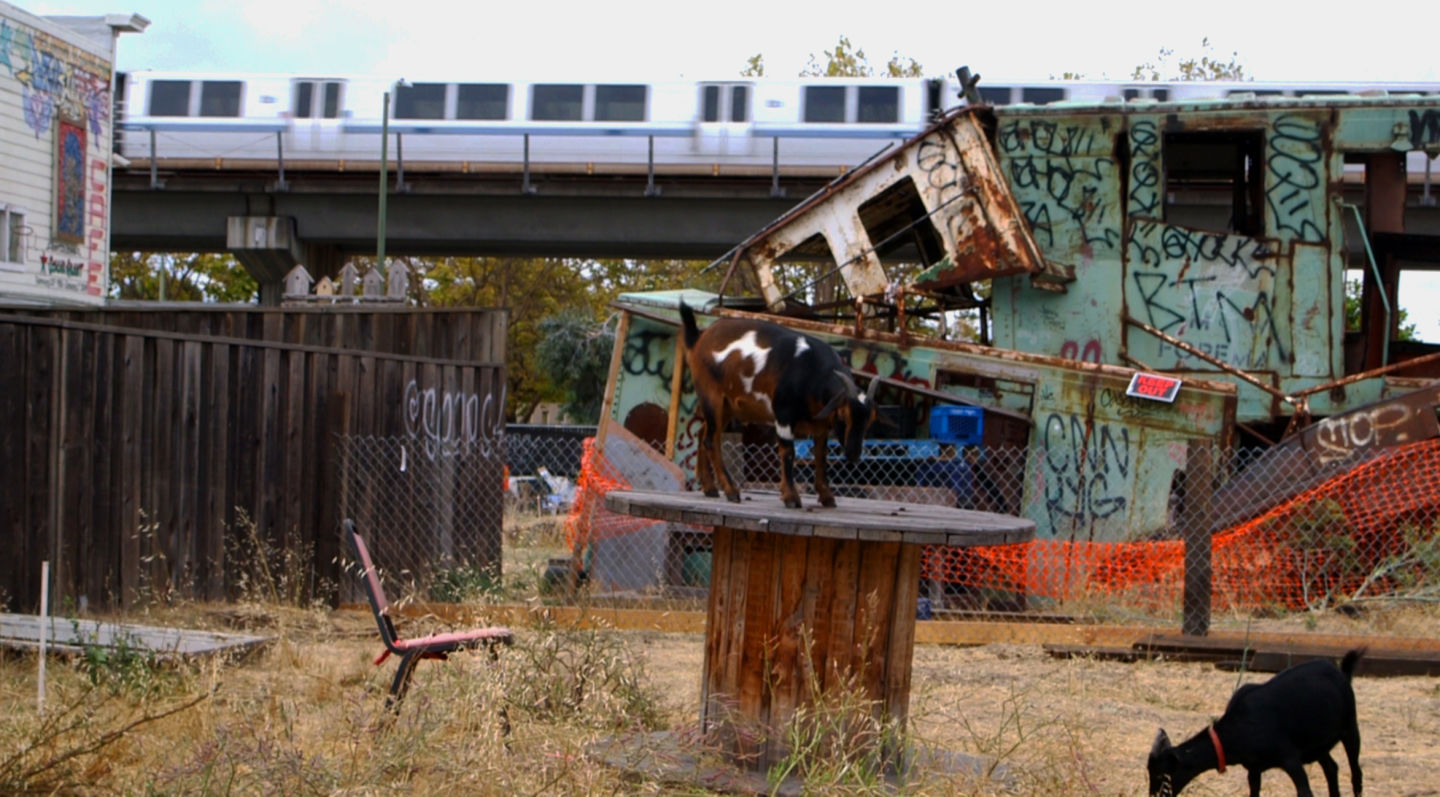
"caption": "Goats mill around an empty lot just off of 7th Street in West Oakland. (Adam Grossberg/KQED)",
"description": null,
"title": "west-oakland-feature",
"credit": null,
"status": "inherit",
"isLoading": false,
"fetchFailed": false
},
"news_10585890": {
"type": "attachments",
"id": "news_10585890",
"meta": {
"index": "attachments_1716263798",
"site": "news",
"id": "10585890",
"found": true
},
"parent": 10585882,
"imgSizes": {
"twentyfourteen-full-width": {
"file": "https://ww2.kqed.org/app/uploads/sites/10/2015/07/RS15923_IMG_0247-qut-1038x576.jpg",
"width": 1038,
"mimeType": "image/jpeg",
"height": 576
},
"thumbnail": {
"file": "https://ww2.kqed.org/app/uploads/sites/10/2015/07/RS15923_IMG_0247-qut-400x267.jpg",
"width": 400,
"mimeType": "image/jpeg",
"height": 267
},
"fd-sm": {
"file": "https://ww2.kqed.org/app/uploads/sites/10/2015/07/RS15923_IMG_0247-qut-960x640.jpg",
"width": 960,
"mimeType": "image/jpeg",
"height": 640
},
"post-thumbnail": {
"file": "https://ww2.kqed.org/app/uploads/sites/10/2015/07/RS15923_IMG_0247-qut-672x372.jpg",
"width": 672,
"mimeType": "image/jpeg",
"height": 372
},
"kqedFullSize": {
"file": "https://ww2.kqed.org/app/uploads/sites/10/2015/07/RS15923_IMG_0247-qut.jpg",
"width": 1920,
"height": 1280
},
"large": {
"file": "https://ww2.kqed.org/app/uploads/sites/10/2015/07/RS15923_IMG_0247-qut-1440x960.jpg",
"width": 1440,
"mimeType": "image/jpeg",
"height": 960
},
"guest-author-96": {
"file": "https://ww2.kqed.org/app/uploads/sites/10/2015/07/RS15923_IMG_0247-qut-96x96.jpg",
"width": 96,
"mimeType": "image/jpeg",
"height": 96
},
"medium": {
"file": "https://ww2.kqed.org/app/uploads/sites/10/2015/07/RS15923_IMG_0247-qut-800x533.jpg",
"width": 800,
"mimeType": "image/jpeg",
"height": 533
},
"guest-author-64": {
"file": "https://ww2.kqed.org/app/uploads/sites/10/2015/07/RS15923_IMG_0247-qut-64x64.jpg",
"width": 64,
"mimeType": "image/jpeg",
"height": 64
},
"guest-author-32": {
"file": "https://ww2.kqed.org/app/uploads/sites/10/2015/07/RS15923_IMG_0247-qut-32x32.jpg",
"width": 32,
"mimeType": "image/jpeg",
"height": 32
},
"jmtc-small-thumb": {
"file": "https://ww2.kqed.org/app/uploads/sites/10/2015/07/RS15923_IMG_0247-qut-280x150.jpg",
"width": 280,
"mimeType": "image/jpeg",
"height": 150
},
"fd-med": {
"file": "https://ww2.kqed.org/app/uploads/sites/10/2015/07/RS15923_IMG_0247-qut-1180x787.jpg",
"width": 1180,
"mimeType": "image/jpeg",
"height": 787
},
"detail": {
"file": "https://ww2.kqed.org/app/uploads/sites/10/2015/07/RS15923_IMG_0247-qut-75x75.jpg",
"width": 75,
"mimeType": "image/jpeg",
"height": 75
},
"guest-author-128": {
"file": "https://ww2.kqed.org/app/uploads/sites/10/2015/07/RS15923_IMG_0247-qut-128x128.jpg",
"width": 128,
"mimeType": "image/jpeg",
"height": 128
}
},
"publishDate": 1435878475,
"modified": 1435878582,
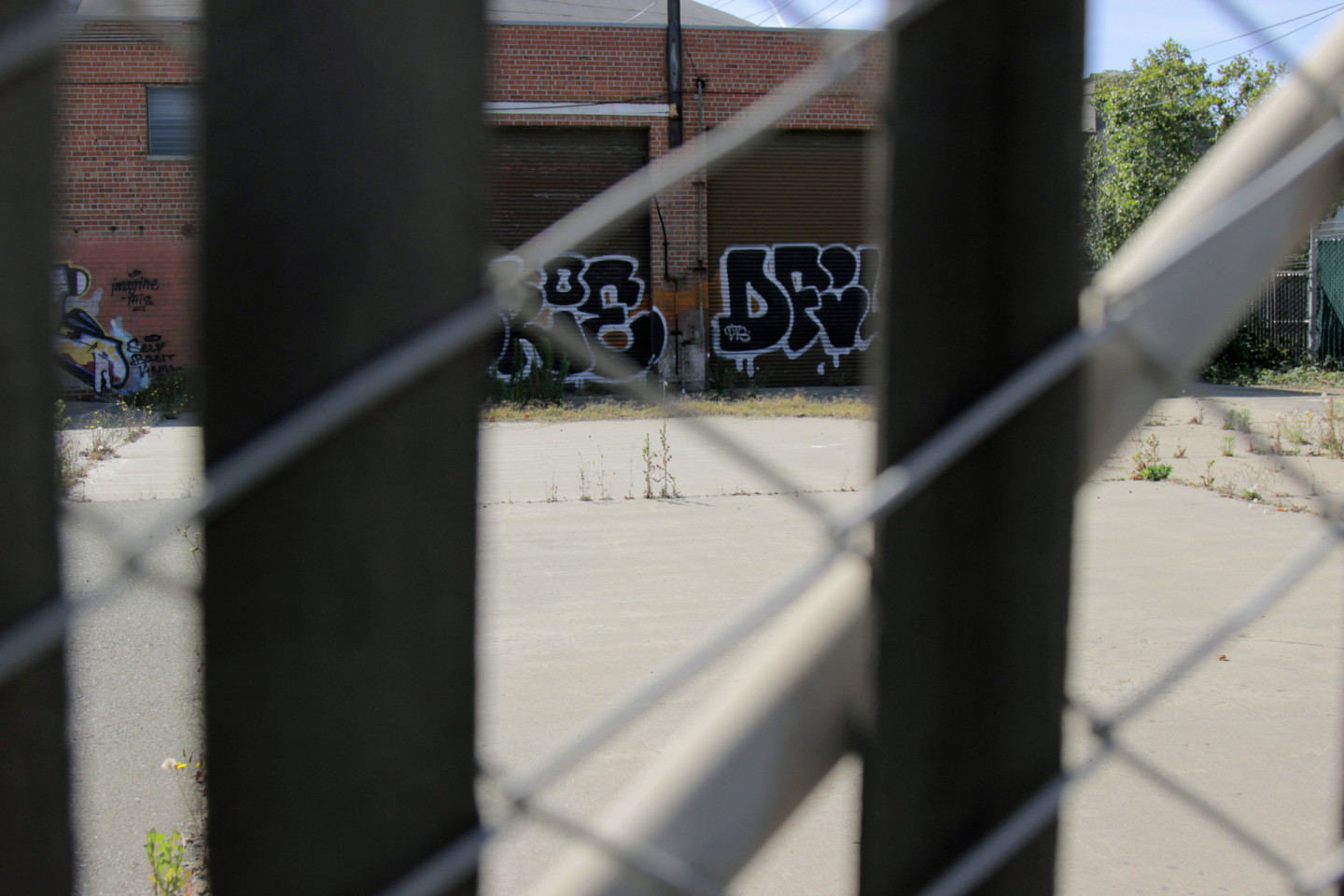
"caption": "Oakland relies on graffiti complaints before citing a business, which is required to clean up the graffiti in 10 days. ",
"description": "Oakland relies on graffiti complaints before citing a business, which is required to clean up the graffiti in 10 days. ",
"title": "RS15923_IMG_0247-qut",
"credit": "Susan Cohen/KQED",
"status": "inherit",
"isLoading": false,
"fetchFailed": false
},
"news_10461458": {
"type": "attachments",
"id": "news_10461458",
"meta": {
"index": "attachments_1716263798",
"site": "news",
"id": "10461458",
"found": true
},
"parent": 10461454,
"imgSizes": {
"twentyfourteen-full-width": {
"file": "https://ww2.kqed.org/app/uploads/sites/10/2015/03/police-1038x576.jpg",
"width": 1038,
"mimeType": "image/jpeg",
"height": 576
},
"thumbnail": {
"file": "https://ww2.kqed.org/app/uploads/sites/10/2015/03/police-400x225.jpg",
"width": 400,
"mimeType": "image/jpeg",
"height": 225
},
"fd-sm": {
"file": "https://ww2.kqed.org/app/uploads/sites/10/2015/03/police-320x180.jpg",
"width": 320,
"mimeType": "image/jpeg",
"height": 180
},
"post-thumbnail": {
"file": "https://ww2.kqed.org/app/uploads/sites/10/2015/03/police-672x372.jpg",
"width": 672,
"mimeType": "image/jpeg",
"height": 372
},
"kqedFullSize": {
"file": "https://ww2.kqed.org/app/uploads/sites/10/2015/03/police.jpg",
"width": 1440,
"height": 810
},
"large": {
"file": "https://ww2.kqed.org/app/uploads/sites/10/2015/03/police-1440x810.jpg",
"width": 1440,
"mimeType": "image/jpeg",
"height": 810
},
"guest-author-96": {
"file": "https://ww2.kqed.org/app/uploads/sites/10/2015/03/police-96x96.jpg",
"width": 96,
"mimeType": "image/jpeg",
"height": 96
},
"medium": {
"file": "https://ww2.kqed.org/app/uploads/sites/10/2015/03/police-800x450.jpg",
"width": 800,
"mimeType": "image/jpeg",
"height": 450
},
"guest-author-64": {
"file": "https://ww2.kqed.org/app/uploads/sites/10/2015/03/police-64x64.jpg",
"width": 64,
"mimeType": "image/jpeg",
"height": 64
},
"guest-author-32": {
"file": "https://ww2.kqed.org/app/uploads/sites/10/2015/03/police-32x32.jpg",
"width": 32,
"mimeType": "image/jpeg",
"height": 32
},
"fd-lrg": {
"file": "https://ww2.kqed.org/app/uploads/sites/10/2015/03/police-1180x664.jpg",
"width": 1180,
"mimeType": "image/jpeg",
"height": 664
},
"fd-med": {
"file": "https://ww2.kqed.org/app/uploads/sites/10/2015/03/police-768x432.jpg",
"width": 768,
"mimeType": "image/jpeg",
"height": 432
},
"detail": {
"file": "https://ww2.kqed.org/app/uploads/sites/10/2015/03/police-75x75.jpg",
"width": 75,
"mimeType": "image/jpeg",
"height": 75
},
"guest-author-128": {
"file": "https://ww2.kqed.org/app/uploads/sites/10/2015/03/police-128x128.jpg",
"width": 128,
"mimeType": "image/jpeg",
"height": 128
}
},
"publishDate": 1426889597,
"modified": 1426889797,
"caption": "The West Oakland Neighborhood Crime Prevention Council met to share their concerns about increased violence with the Oakland Police. ",
"description": " (Daniel Arauz/Flickr)",
"title": "police",
"credit": "Daniel Arauz/Flickr",
"status": "inherit",
"isLoading": false,
"fetchFailed": false
},
"news_141852": {
"type": "attachments",
"id": "news_141852",
"meta": {
"index": "attachments_1716263798",
"site": "news",
"id": "141852",
"found": true
},
"parent": 141740,
"imgSizes": {
"kqedFullSize": {
"file": "https://ww2.kqed.org/app/uploads/sites/10/2015/07/OaklandGentrification-e1405452226686.jpg",
"width": 640,
"height": 480
}
},
"publishDate": 1405452057,
"modified": 1405452057,
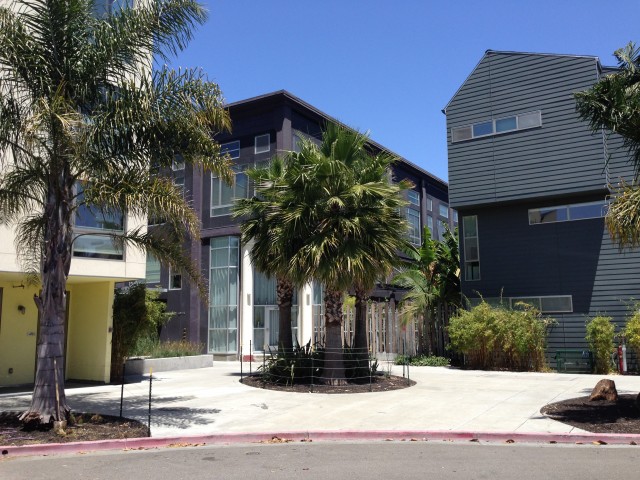
"caption": "Zephyr Gate, a new condo complex several blocks from the West Oakland BART station. (Sam Harnett/KQED)",
"description": null,
"title": "OaklandGentrification",
"credit": null,
"status": "inherit",
"isLoading": false,
"fetchFailed": false
},
"news_141520": {
"type": "attachments",
"id": "news_141520",
"meta": {
"index": "attachments_1716263798",
"site": "news",
"id": "141520",
"found": true
},
"parent": 141519,
"imgSizes": {
"kqedFullSize": {
"file": "https://ww2.kqed.org/app/uploads/sites/10/2014/07/LowerBobs640_2.jpg",
"width": 640,
"height": 360
}
},
"publishDate": 1405028811,
"modified": 1405028811,
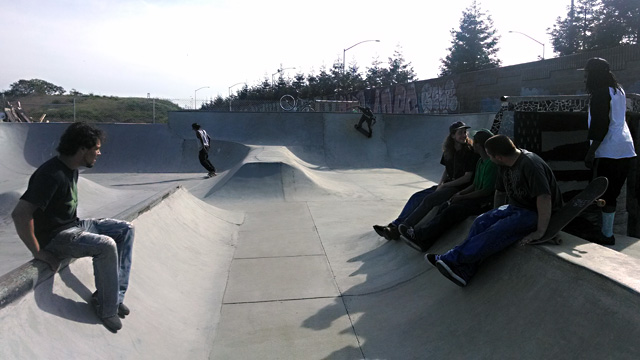
"caption": "Skaters at West Oakland's unsanctioned Lower Bobs skate park. (Andrew Stelzer/KQED)",
"description": "Skaters at West Oakland's unsanctioned Lower Bobs skate park. (Andrew Stelzer/KQED)",
"title": "Oakland-Lower Bobs skate park",
"credit": null,
"status": "inherit",
"isLoading": false,
"fetchFailed": false
}
},
"audioPlayerReducer": {
"postId": "stream_live",
"isPaused": true,
"isPlaying": false,
"pfsActive": false,
"pledgeModalIsOpen": true,
"playerDrawerIsOpen": false,
"liveAudioPlayStartedAt": 0,
"liveAudioPlayContext": ""
},
"authorsReducer": {
"byline_news_10461454": {
"type": "authors",
"id": "byline_news_10461454",
"meta": {
"override": true
},
"slug": "byline_news_10461454",
"name": "\u003ca href=\"http://oaklandlocal.com/author/andrewbolsinger/\">A. Scot Bolsinger\u003c/a>\u003cbr>Oakland Local",
"isLoading": false
},
"agrossberg": {
"type": "authors",
"id": "188",
"meta": {
"index": "authors_1716337520",
"id": "188",
"found": true
},
"name": "Adam Grossberg",
"firstName": "Adam",
"lastName": "Grossberg",
"slug": "agrossberg",
"email": "agrossberg@KQED.org",
"display_author_email": false,
"staff_mastheads": [],
"title": "KQED Contributor",
"bio": "Adam Grossberg is a former video producer at KQED News. Prior to coming to KQED, he produced videos for PBS, The New York Times, Current TV and The Center for Investigative Reporting. His work has received an Excellence in Journalism award from the Society of Professional Journalists, a regional Murrow award and two Northern California Emmy awards. He is a graduate of the UC Berkeley Graduate School of Journalism.",
"avatar": "https://secure.gravatar.com/avatar/8e96dbdaaf98f5959a2c778289e0f9b5?s=600&d=blank&r=g",
"twitter": null,
"facebook": null,
"instagram": null,
"linkedin": null,
"sites": [
{
"site": "arts",
"roles": [
"contributor"
]
},
{
"site": "news",
"roles": [
"subscriber"
]
},
{
"site": "stateofhealth",
"roles": [
"editor"
]
},
{
"site": "science",
"roles": [
"editor"
]
}
],
"headData": {
"title": "Adam Grossberg | KQED",
"description": "KQED Contributor",
"ogImgSrc": "https://secure.gravatar.com/avatar/8e96dbdaaf98f5959a2c778289e0f9b5?s=600&d=blank&r=g",
"twImgSrc": "https://secure.gravatar.com/avatar/8e96dbdaaf98f5959a2c778289e0f9b5?s=600&d=blank&r=g"
},
"isLoading": false,
"link": "/author/agrossberg"
},
"andrewstelzer": {
"type": "authors",
"id": "213",
"meta": {
"index": "authors_1716337520",
"id": "213",
"found": true
},
"name": "Andrew Stelzer",
"firstName": "Andrew",
"lastName": "Stelzer",
"slug": "andrewstelzer",
"email": "andrewstelzer@gmail.com",
"display_author_email": false,
"staff_mastheads": [],
"title": null,
"bio": "Andrew Stelzer has been reporting for KQED since 2010, and is a producer at \u003ca href=\"http://www.radioproject.org\" target=\"_blank\">Making Contact\u003c/a> in Oakland.. His work has been featured on programs including \u003ca href=\"http://www.npr.org/templates/story/story.php?storyId=5010\" target=\"_blank\">NPR’s Weekend Edition\u003c/a>, \u003ca href=\"http://www.theworld.org/\" target=\"_blank\">PRI’s The World\u003c/a>, \u003ca href=\"http://www.studio360.org/\" target=\"_blank\">Studio 360\u003c/a>, \u003ca href=\"http://marketplace.publicradio.org/\" target=\"_blank\">Marketplace\u003c/a>,\u003ca href=\"http://www.loe.org/\" target=\"_blank\">Living on Earth\u003c/a>, \u003ca href=\"http://www.onthemedia.org/\" target=\"_blank\">On the Media\u003c/a>, \u003ca href=\"http://www.latinousa.org/index.html\" target=\"_blank\">Latino USA,\u003c/a> \u003ca href=\"http://www.onlyagame.org/\" rel=\"tag\">Only a Game,\u003c/a> \u003ca href=\"http://www.tswi.org/\" target=\"_blank\">Radio Netherlands,\u003c/a> \u003ca href=\"http://worldradio.ch/index.shtml\" target=\"_blank\">World Radio Switzerland,\u003c/a> and \u003ca href=\"http://www.rfi.fr/langues/statiques/rfi_anglais.asp\" target=\"_blank\">Radio France International\u003c/a>. Andrew has written for publications including \u003ca href=\"http://www.inthesetimes.com/site/about/author/2369\" target=\"_blank\">In These Times\u003c/a>, \u003ca href=\"http://www.progressive.org/\" target=\"_blank\">The Progressive\u003c/a>, \u003ca href=\"http://ipsnews.net/\" target=\"_blank\">Interpress Service\u003c/a>, \u003ca href=\"http://www.tampabay.com/\" target=\"_blank\">The St. Petersburg Times\u003c/a>, and \u003ca href=\"http://www.eastbayexpress.com/ebx/Home\" target=\"_blank\">The East Bay Express\u003c/a>.\r\n\r\nAndrew’s work has received numerous awards from the Society of Professional Journalists, the National Lesbian and Gay Journalists Association, and the National Council on Crime and Delinquency.\r\n\r\nHe previously was a reporter at \u003ca href=\"http://www.wmnf.org/\" target=\"_blank\">WMNF\u003c/a> radio in Tampa, FL, and reporter and youth advocate st \u003ca href=\"http://www.kboo.org/\" target=\"_blank\">KBOO \u003c/a> in Portland, Oregon. Andrew has conducted radio production trainings around the world, from Algeria, to New Orleans, to the desert of Southern Jordan.",
"avatar": "https://secure.gravatar.com/avatar/14c7e75469395cb2468d45c9f6896ca9?s=600&d=blank&r=g",
"twitter": null,
"facebook": null,
"instagram": null,
"linkedin": null,
"sites": [
{
"site": "arts",
"roles": [
"contributor"
]
},
{
"site": "news",
"roles": [
"author"
]
},
{
"site": "stateofhealth",
"roles": [
"author"
]
}
],
"headData": {
"title": "Andrew Stelzer | KQED",
"description": null,
"ogImgSrc": "https://secure.gravatar.com/avatar/14c7e75469395cb2468d45c9f6896ca9?s=600&d=blank&r=g",
"twImgSrc": "https://secure.gravatar.com/avatar/14c7e75469395cb2468d45c9f6896ca9?s=600&d=blank&r=g"
},
"isLoading": false,
"link": "/author/andrewstelzer"
},
"samharnett": {
"type": "authors",
"id": "253",
"meta": {
"index": "authors_1716337520",
"id": "253",
"found": true
},
"name": "Sam Harnett",
"firstName": "Sam",
"lastName": "Harnett",
"slug": "samharnett",
"email": "samharnett@gmail.com",
"display_author_email": false,
"staff_mastheads": [],
"title": "KQED Contributor",
"bio": "Sam Harnett covered tech and work at KQED. He is the co-creator of \u003cem>\u003ca href=\"http://www.theworldaccordingtosound.org\">The World According to Sound\u003c/a>,\u003c/em> a 90-second podcast that features different sounds and the stories behind them.\r\n\r\nBefore coming to KQED, Sam worked as an independent reporter who contributed regularly to \u003cem>The California Report, Marketplace,\u003c/em> \u003cem>The World \u003c/em>and NPR.",
"avatar": "https://secure.gravatar.com/avatar/2538b972ac02f2b9546c7a6c59a0f3d0?s=600&d=blank&r=g",
"twitter": "Samwharnett",
"facebook": null,
"instagram": null,
"linkedin": null,
"sites": [
{
"site": "news",
"roles": [
"edit_others_posts",
"subscriber"
]
},
{
"site": "stateofhealth",
"roles": [
"author"
]
},
{
"site": "science",
"roles": [
"editor"
]
},
{
"site": "quest",
"roles": [
"subscriber"
]
}
],
"headData": {
"title": "Sam Harnett | KQED",
"description": "KQED Contributor",
"ogImgSrc": "https://secure.gravatar.com/avatar/2538b972ac02f2b9546c7a6c59a0f3d0?s=600&d=blank&r=g",
"twImgSrc": "https://secure.gravatar.com/avatar/2538b972ac02f2b9546c7a6c59a0f3d0?s=600&d=blank&r=g"
},
"isLoading": false,
"link": "/author/samharnett"
},
"dkatayama": {
"type": "authors",
"id": "7240",
"meta": {
"index": "authors_1716337520",
"id": "7240",
"found": true
},
"name": "Devin Katayama",
"firstName": "Devin",
"lastName": "Katayama",
"slug": "dkatayama",
"email": "dkatayama@kqed.org",
"display_author_email": true,
"staff_mastheads": [
"news"
],
"title": "Editor of Talent and Development",
"bio": "Devin Katayama is former Editor of Talent and Development for KQED. He supported our internship program and on-call staff by looking for equitable opportunities to improve the newsroom.\r\n\r\nHe previously hosted The Bay and American Suburb podcasts from KQED News. Prior to returning to the Bay Area in 2015, Devin was the education reporter for WFPL in Louisville and worked as a producer with radio stations in Chicago and Portland, OR. His work has appeared on NPR’s \u003cem>Morning Edition, All Things Considered, The Takeaway\u003c/em> and \u003cem>Here and Now.\u003c/em>\r\n\r\nDevin earned his MA in Journalism from Columbia College Chicago, where he was a Follett Fellow and the recipient of the 2011 Studs Terkel Community Media Workshop Scholarship for his story on Chicago's homeless youth. He won WBUR's 2014 Daniel Schorr award and a regional RTNDA Edward R. Murrow Award for his documentary \"At Risk\" that looked at issues facing some of Louisville's students. Devin has also received numerous local awards from the Associated Press and the Society of Professional Journalists.",
"avatar": "https://secure.gravatar.com/avatar/d0d2978a31002fb2de107921a8e18405?s=600&d=blank&r=g",
"twitter": "RadioDevin",
"facebook": null,
"instagram": null,
"linkedin": null,
"sites": [
{
"site": "arts",
"roles": []
},
{
"site": "news",
"roles": [
"author"
]
},
{
"site": "stateofhealth",
"roles": [
"author"
]
},
{
"site": "forum",
"roles": [
"editor"
]
},
{
"site": "perspectives",
"roles": [
"editor"
]
}
],
"headData": {
"title": "Devin Katayama | KQED",
"description": "Editor of Talent and Development",
"ogImgSrc": "https://secure.gravatar.com/avatar/d0d2978a31002fb2de107921a8e18405?s=600&d=blank&r=g",
"twImgSrc": "https://secure.gravatar.com/avatar/d0d2978a31002fb2de107921a8e18405?s=600&d=blank&r=g"
},
"isLoading": false,
"link": "/author/dkatayama"
}
},
"pagesReducer": {
"news_tag_west-oakland": {
"type": "terms",
"id": "news_2318",
"meta": {
"index": "terms_1716263798",
"site": "news",
"id": "2318",
"score": 8.793955
},
"featImg": null,
"name": "West Oakland",
"description": null,
"taxonomy": "tag",
"headData": {
"twImgId": null,
"twTitle": null,
"ogTitle": null,
"ogImgId": null,
"twDescription": null,
"description": null,
"title": "West Oakland Archives | KQED News",
"ogDescription": null
},
"ttid": 2333,
"slug": "west-oakland",
"isLoading": false,
"title": "West Oakland",
"pageMeta": {
"site": "news",
"WpPageTemplate": "page-topic-editorial",
"currentPage": 5
},
"blocks": [
{
"blockName": "kqed/post-list",
"attrs": {
"layout": "cardArticle2",
"query": "posts/news?tag=west-oakland",
"seeMore": false,
"paginated": true,
"page": 5
}
},
{
"blockName": "kqed/ad"
}
]
}
},
"pfsSessionReducer": {},
"postsReducer": {
"stream_live": {
"type": "live",
"id": "stream_live",
"audioUrl": "https://streams.kqed.org/kqedradio",
"title": "Live Stream",
"excerpt": "Live Stream information currently unavailable.",
"link": "/radio",
"featImg": "",
"label": {
"name": "KQED Live",
"link": "/"
}
},
"stream_kqedNewscast": {
"type": "posts",
"id": "stream_kqedNewscast",
"audioUrl": "https://www.kqed.org/.stream/anon/radio/RDnews/newscast.mp3?_=1",
"title": "KQED Newscast",
"featImg": "",
"label": {
"name": "88.5 FM",
"link": "/"
}
},
"news_11051658": {
"type": "posts",
"id": "news_11051658",
"meta": {
"index": "posts_1716263798",
"site": "news",
"id": "11051658",
"score": null,
"sort": [
1471453259000
]
},
"parent": 0,
"labelTerm": {
"site": "news",
"term": 6944
},
"blocks": [],
"publishDate": 1471453259,
"format": "standard",
"disqusTitle": "Advocates Raise Money to Help West Oakland Recyclers",
"title": "Advocates Raise Money to Help West Oakland Recyclers",
"headTitle": "SF Homeless Project | News Fix | KQED News",
"content": "\u003cp>Advocates say they've raised tens of thousands of dollars to help slow the closure of a West Oakland recycling center featured in the 2015 documentary \"\u003ca href=\"http://ww2.kqed.org/news/2016/05/13/finding-redemption-in-west-oakland-one-mans-journey-back-from-the-streets/\">Dogtown Redemption\u003c/a>.\"\u003c/p>\n\u003cp>Alliance Recycling has operated in Oakland's Dogtown neighborhood for decades, serving hundreds of low-income clients who make money from recycling. In 2015, the Oakland City Attorney's Office \u003ca href=\"http://archive.constantcontact.com/fs177/1102467259990/archive/1122427432304.htm\" target=\"_blank\">fined Alliance about $17,000 for more than 40 alleged violations\u003c/a> based on neighbor complaints. The violations included blocking the roadway and leaving trash in the streets.\u003c/p>\n\u003cp>As a result, the new owners who bought Alliance in 2014 and changed the name to Glass King (though it's still widely known as Alliance), agreed to close the facility on Aug. 20. But advocates now say they want a chance, and more time, to find a \"compassionate\" solution.\u003c/p>\n\u003cp>\u003c!-- iframe plugin v.4.3 wordpress.org/plugins/iframe/ -->\u003cbr>\n\u003ciframe width=\"100%\" height=\"166\" scrolling=\"no\" frameborder=\"no\" src=\"https://w.soundcloud.com/player/?url=https%3A//api.soundcloud.com/tracks/278570894&color=ff5500&auto_play=false&hide_related=false&show_comments=true&show_user=true&show_reposts=false\" class=\"iframe-class\">\u003c/iframe>\u003c/p>\n\u003cp>Since the release of \"Dogtown Redemption,\" co-director Amir Soltani has \u003ca href=\"http://www.thestreetspirit.org/oaklands-cruel-attack-on-homeless-recyclers/\">written extensively\u003c/a> about the injustice of closing Alliance, which he says unfairly paints the hundreds of walk-up patrons as criminals.\u003c/p>\n\u003cp>[ad fullwidth]\u003c/p>\n\u003cp>A \u003ca href=\"http://archive.constantcontact.com/fs177/1102467259990/archive/1122427432304.html\">newsletter released\u003c/a> by City Attorney Barbara Parker's office in September 2015 reads, “Neighbors say Alliance accepts stolen metal, encouraging theft of fences, construction materials and other items in the area, and that the thieves use the money they get from Alliance to buy drugs in the park across the street. Blight and trash have been constant problems.”\u003c/p>\n\u003cp>Soltani takes issue with this stance and has created an online petition, which now has more than 1,700 signatures, pleading with city officials to \"protect the economic livelihood of the clients, employees and owners of Alliance recycling.\"\u003c/p>\n\u003cp>Most recently, Soltani has helped raise $70,000 that could potentially keep Alliance open temporarily while helping the neighborhood and recyclers transition through the closing.\u003c/p>\n\u003caside class=\"alignright\">\n\u003ch3>Dogtown Redemption: The Preacher, Landon's Story \u003c/h3>\n\u003cp>\u003c!-- iframe plugin v.4.3 wordpress.org/plugins/iframe/ -->\u003cbr>\n\u003ciframe width=\"350\" height=\"197\" src=\"https://www.youtube.com/embed/U7XFp265GF8?rel=0&showinfo=0\" frameborder=\"0\" scrolling=\"yes\" class=\"iframe-class\">\u003c/iframe>\u003c/p>\n\u003cp>Landon Goodwin, a former minister, found himself living on the streets of West Oakland and relying on \u003ca href=\"http://ww2.kqed.org/news/2016/05/13/finding-redemption-in-west-oakland-one-mans-journey-back-from-the-streets/\" target=\"_blank\">income made from recycling\u003c/a>.\u003c/p>\n\u003c/aside>\n\u003cp>A couple of other recycling centers exist in West Oakland, but none offer the kinds of walk-up services that benefit many Alliance clients. Alliance's current owner Lance Finkel is among those who say closing the recycling center will be disastrous and could actually lead to more crime in the neighborhood, not less.\u003c/p>\n\u003cp>Officials from City Council President Lynette Gibson McElhaney's office met with West Oakland neighbors Monday night to discuss how to serve the recyclers and community moving forward.\u003c/p>\n\u003cp>In a written statement through a spokeswoman, Gibson McElhaney said, “We have deep concern and compassion for the recycling center's clients and workers and have been meeting with advocates and community members to identify ways that we can help minimize the impact of the closure. While we were not a party to the settlement between Glass King and the City of Oakland, my staff continues to explore more sustainable income-generating work and partnerships to connect the center’s users with needed social services as well.\"\u003c/p>\n\u003cp>Ray Kidd, with West Oakland Neighbors, says the group discussed an outreach event tentatively scheduled for Aug. 27 at the park across the street from Alliance. The event would offer services and referrals to some Alliance clients to help them find other work, he says.\u003c/p>\n\u003cp>Any future agreements made with neighbors would likely not include keeping Alliance open permanently in its current location on Peralta Street, Soltani says. Certain neighbors have been clear with the city that they do not want the center operating where it's at, he says.\u003c/p>\n\u003cp>Finkel has his eye on a couple of properties in West Oakland he would like to relocate his recycling center to, but \"at this point the city doesn't want to work with us,\" he says.\u003c/p>\n\u003cp>Over the years, the city added several conditions to Alliance's conditional use permit to address public nuisance issues, a city spokesman says.\u003c/p>\n\u003cp>Attorney Rena Rickles, who represented Alliance, says many of the allegations against the recycling center would have failed in an administrative hearing, but the cost to challenge would have been too high. Plus, the city made it clear the allegations would likely not stop, she says.\u003c/p>\n\u003cp>“We would have been subject to unrelenting allegations, appeals, hearings, a la Groundhog Day.\" Rickles says.\u003c/p>\n\u003cp>The plan for how to spend the money Soltani has helped raise is still being developed and discussed. But he says he knows time is running out, and it won't be the city who needs to be won over first.\u003c/p>\n\u003cp>\u003c/p>\n\u003cp>\"I think the city will OK it if the neighbors come along,\" he says.\u003c/p>\n\n",
"disqusIdentifier": "11051658 http://ww2.kqed.org/news/?p=11051658",
"disqusUrl": "https://ww2.kqed.org/news/2016/08/17/advocates-raise-money-to-help-west-oakland-recyclers/",
"stats": {
"hasVideo": true,
"hasChartOrMap": false,
"hasAudio": true,
"hasPolis": false,
"wordCount": 780,
"hasGoogleForm": false,
"hasGallery": false,
"hasHearkenModule": false,
"iframeSrcs": [],
"paragraphCount": 23
},
"modified": 1471459514,
"excerpt": "Alliance Recycling was fined about $17,000 for more than 40 alleged violations based on neighbor complaints.",
"headData": {
"twImgId": "",
"twTitle": "",
"ogTitle": "",
"ogImgId": "",
"twDescription": "",
"description": "Alliance Recycling was fined about $17,000 for more than 40 alleged violations based on neighbor complaints.",
"title": "Advocates Raise Money to Help West Oakland Recyclers | KQED",
"ogDescription": "",
"schema": {
"@context": "https://schema.org",
"@type": "NewsArticle",
"headline": "Advocates Raise Money to Help West Oakland Recyclers",
"datePublished": "2016-08-17T10:00:59-07:00",
"dateModified": "2016-08-17T11:45:14-07:00",
"image": "https://cdn.kqed.org/wp-content/uploads/2020/02/KQED-OG-Image@1x.png",
"isAccessibleForFree": "True",
"publisher": {
"@type": "NewsMediaOrganization",
"@id": "https://www.kqed.org/#organization",
"name": "KQED",
"logo": "https://cdn.kqed.org/wp-content/uploads/2020/02/KQED-OG-Image@1x.png",
"url": "https://www.kqed.org",
"sameAs": [
"https://www.facebook.com/KQED",
"https://twitter.com/KQED",
"https://www.instagram.com/kqed/",
"https://www.tiktok.com/@kqedofficial",
"https://www.linkedin.com/company/kqed",
"https://www.youtube.com/channel/UCeC0IOo7i1P_61zVUWbJ4nw"
]
}
}
},
"guestAuthors": [],
"slug": "advocates-raise-money-to-help-west-oakland-recyclers",
"status": "publish",
"path": "/news/11051658/advocates-raise-money-to-help-west-oakland-recyclers",
"audioTrackLength": null,
"parsedContent": [
{
"type": "contentString",
"content": "\u003cdiv class=\"post-body\">\u003cp>\u003cp>Advocates say they've raised tens of thousands of dollars to help slow the closure of a West Oakland recycling center featured in the 2015 documentary \"\u003ca href=\"http://ww2.kqed.org/news/2016/05/13/finding-redemption-in-west-oakland-one-mans-journey-back-from-the-streets/\">Dogtown Redemption\u003c/a>.\"\u003c/p>\n\u003cp>Alliance Recycling has operated in Oakland's Dogtown neighborhood for decades, serving hundreds of low-income clients who make money from recycling. In 2015, the Oakland City Attorney's Office \u003ca href=\"http://archive.constantcontact.com/fs177/1102467259990/archive/1122427432304.htm\" target=\"_blank\">fined Alliance about $17,000 for more than 40 alleged violations\u003c/a> based on neighbor complaints. The violations included blocking the roadway and leaving trash in the streets.\u003c/p>\n\u003cp>As a result, the new owners who bought Alliance in 2014 and changed the name to Glass King (though it's still widely known as Alliance), agreed to close the facility on Aug. 20. But advocates now say they want a chance, and more time, to find a \"compassionate\" solution.\u003c/p>\n\u003cp>\u003c!-- iframe plugin v.4.3 wordpress.org/plugins/iframe/ -->\u003cbr>\n\u003ciframe width=\"100%\" height=\"166\" scrolling=\"no\" frameborder=\"no\" src=\"https://w.soundcloud.com/player/?url=https%3A//api.soundcloud.com/tracks/278570894&color=ff5500&auto_play=false&hide_related=false&show_comments=true&show_user=true&show_reposts=false\" class=\"iframe-class\">\u003c/iframe>\u003c/p>\n\u003cp>Since the release of \"Dogtown Redemption,\" co-director Amir Soltani has \u003ca href=\"http://www.thestreetspirit.org/oaklands-cruel-attack-on-homeless-recyclers/\">written extensively\u003c/a> about the injustice of closing Alliance, which he says unfairly paints the hundreds of walk-up patrons as criminals.\u003c/p>\n\u003cp>\u003c/p>\u003c/div>",
"attributes": {
"named": {},
"numeric": []
}
},
{
"type": "component",
"content": "",
"name": "ad",
"attributes": {
"named": {
"label": "fullwidth"
},
"numeric": [
"fullwidth"
]
}
},
{
"type": "contentString",
"content": "\u003cdiv class=\"post-body\">\u003cp>\u003c/p>\n\u003cp>A \u003ca href=\"http://archive.constantcontact.com/fs177/1102467259990/archive/1122427432304.html\">newsletter released\u003c/a> by City Attorney Barbara Parker's office in September 2015 reads, “Neighbors say Alliance accepts stolen metal, encouraging theft of fences, construction materials and other items in the area, and that the thieves use the money they get from Alliance to buy drugs in the park across the street. Blight and trash have been constant problems.”\u003c/p>\n\u003cp>Soltani takes issue with this stance and has created an online petition, which now has more than 1,700 signatures, pleading with city officials to \"protect the economic livelihood of the clients, employees and owners of Alliance recycling.\"\u003c/p>\n\u003cp>Most recently, Soltani has helped raise $70,000 that could potentially keep Alliance open temporarily while helping the neighborhood and recyclers transition through the closing.\u003c/p>\n\u003caside class=\"alignright\">\n\u003ch3>Dogtown Redemption: The Preacher, Landon's Story \u003c/h3>\n\u003cp>\u003c!-- iframe plugin v.4.3 wordpress.org/plugins/iframe/ -->\u003cbr>\n\u003ciframe width=\"350\" height=\"197\" src=\"https://www.youtube.com/embed/U7XFp265GF8?rel=0&showinfo=0\" frameborder=\"0\" scrolling=\"yes\" class=\"iframe-class\">\u003c/iframe>\u003c/p>\n\u003cp>Landon Goodwin, a former minister, found himself living on the streets of West Oakland and relying on \u003ca href=\"http://ww2.kqed.org/news/2016/05/13/finding-redemption-in-west-oakland-one-mans-journey-back-from-the-streets/\" target=\"_blank\">income made from recycling\u003c/a>.\u003c/p>\n\u003c/aside>\n\u003cp>A couple of other recycling centers exist in West Oakland, but none offer the kinds of walk-up services that benefit many Alliance clients. Alliance's current owner Lance Finkel is among those who say closing the recycling center will be disastrous and could actually lead to more crime in the neighborhood, not less.\u003c/p>\n\u003cp>Officials from City Council President Lynette Gibson McElhaney's office met with West Oakland neighbors Monday night to discuss how to serve the recyclers and community moving forward.\u003c/p>\n\u003cp>In a written statement through a spokeswoman, Gibson McElhaney said, “We have deep concern and compassion for the recycling center's clients and workers and have been meeting with advocates and community members to identify ways that we can help minimize the impact of the closure. While we were not a party to the settlement between Glass King and the City of Oakland, my staff continues to explore more sustainable income-generating work and partnerships to connect the center’s users with needed social services as well.\"\u003c/p>\n\u003cp>Ray Kidd, with West Oakland Neighbors, says the group discussed an outreach event tentatively scheduled for Aug. 27 at the park across the street from Alliance. The event would offer services and referrals to some Alliance clients to help them find other work, he says.\u003c/p>\n\u003cp>Any future agreements made with neighbors would likely not include keeping Alliance open permanently in its current location on Peralta Street, Soltani says. Certain neighbors have been clear with the city that they do not want the center operating where it's at, he says.\u003c/p>\n\u003cp>Finkel has his eye on a couple of properties in West Oakland he would like to relocate his recycling center to, but \"at this point the city doesn't want to work with us,\" he says.\u003c/p>\n\u003cp>Over the years, the city added several conditions to Alliance's conditional use permit to address public nuisance issues, a city spokesman says.\u003c/p>\n\u003cp>Attorney Rena Rickles, who represented Alliance, says many of the allegations against the recycling center would have failed in an administrative hearing, but the cost to challenge would have been too high. Plus, the city made it clear the allegations would likely not stop, she says.\u003c/p>\n\u003cp>“We would have been subject to unrelenting allegations, appeals, hearings, a la Groundhog Day.\" Rickles says.\u003c/p>\n\u003cp>The plan for how to spend the money Soltani has helped raise is still being developed and discussed. But he says he knows time is running out, and it won't be the city who needs to be won over first.\u003c/p>\n\u003cp>\u003c/p>\n\u003cp>\"I think the city will OK it if the neighbors come along,\" he says.\u003c/p>\n\n\u003c/div>\u003c/p>",
"attributes": {
"named": {},
"numeric": []
}
}
],
"link": "/news/11051658/advocates-raise-money-to-help-west-oakland-recyclers",
"authors": [
"7240"
],
"programs": [
"news_6944"
],
"series": [
"news_19491"
],
"categories": [
"news_6266",
"news_8"
],
"tags": [
"news_382",
"news_16988",
"news_2318"
],
"featImg": "news_11051733",
"label": "news_6944"
},
"news_10953646": {
"type": "posts",
"id": "news_10953646",
"meta": {
"index": "posts_1716263798",
"site": "news",
"id": "10953646",
"score": null,
"sort": [
1463151685000
]
},
"parent": 0,
"labelTerm": {
"site": "news",
"term": 6944
},
"blocks": [],
"publishDate": 1463151685,
"format": "video",
"disqusTitle": "Finding Redemption in West Oakland: One Man's Journey Back From the Streets",
"title": "Finding Redemption in West Oakland: One Man's Journey Back From the Streets",
"headTitle": "News Fix | KQED News",
"content": "\u003cp>Every year Californians buy about 22 billion beverages in aluminum, glass and plastic containers. Every one of those containers can be redeemed for a few cents each. That means trash can be turned into cash, providing a lifeline for a subculture of marginalized recyclers — the unemployed and underemployed, the elderly, the mentally and physically disabled, former criminals, drug addicts and prostitutes — who, through recycling, earn money and reclaim the pride that comes with having a job.\u003c/p>\n\u003cp>A new documentary, \u003ca href=\"http://www.pbs.org/independentlens/films/dogtown-redemption/\">\"Dogtown Redemption,\"\u003c/a> tells the stories of some of the people who make their living off our nation’s vast river of trash. The film focuses on three central characters living in Oakland, following them over seven years, to give insight into the lives of America’s unseen.\u003c/p>\n\u003cfigure id=\"attachment_10953647\" class=\"wp-caption alignright\" style=\"max-width: 640px\">\u003cimg class=\"size-large wp-image-10953647\" src=\"http://ww2.kqed.org/news/wp-content/uploads/sites/10/2016/05/Landon-Goodwin_dogtown_redemption-press-04-1920x1080.jpg\" alt=\"Landon Goodwin, a former minister who ends up on the streets of Dogtown surviving as a street recycler.\" width=\"640\" height=\"360\" srcset=\"https://ww2.kqed.org/app/uploads/sites/10/2016/05/Landon-Goodwin_dogtown_redemption-press-04.jpg 1920w, https://ww2.kqed.org/app/uploads/sites/10/2016/05/Landon-Goodwin_dogtown_redemption-press-04-400x225.jpg 400w, https://ww2.kqed.org/app/uploads/sites/10/2016/05/Landon-Goodwin_dogtown_redemption-press-04-800x450.jpg 800w, https://ww2.kqed.org/app/uploads/sites/10/2016/05/Landon-Goodwin_dogtown_redemption-press-04-1180x664.jpg 1180w, https://ww2.kqed.org/app/uploads/sites/10/2016/05/Landon-Goodwin_dogtown_redemption-press-04-960x540.jpg 960w\" sizes=\"(max-width: 640px) 100vw, 640px\">\u003cfigcaption class=\"wp-caption-text\">Landon Goodwin, a former minister who ended up on the streets of Dogtown surviving as a street recycler. \u003ccite>(Chihiro Wimbush/ Courtesy of ITVS)\u003c/cite>\u003c/figcaption>\u003c/figure>\n\u003cp>One of those people is Landon Goodwin, a former minister who has struggled with his own fall from grace. He found himself living on the streets of West Oakland and relying on income made from recycling.\u003c/p>\n\u003cp>Among the recyclers, Goodwin is known as “the preacher.” He’s their minister. A gentle, stylish man, he has a warm, generous and gracious smile that conceals his hard times. As he puts it, living on the streets is like being “in my valley of weeping.”\u003c/p>\n\u003cp>The film, which was produced by \u003ca href=\"http://itvs.org/\">ITVS\u003c/a> and will air on \u003ca href=\"http://www.pbs.org/independentlens/watch-video/\">PBS\u003c/a> next week, chronicles Goodwin’s long climb out of that valley, which began after two vicious back-to-back attacks left him feeling unsafe on the streets and in the shack that he used to call home.\u003c/p>\n\u003cp>[ad fullwidth]\u003c/p>\n\u003cp>Landon eventually leaves West Oakland for some tough love: his cousin’s drug rehabilitation center. The film tracks Landon as he leaves behind his friends and community — the recyclers — to return to his position as preacher.\u003c/p>\n\u003cp>Can he serve as the bridge reconnecting the recyclers back to the worlds, the churches, the professions, families and futures they have lost?\u003c/p>\n\u003cfigure id=\"attachment_10953865\" class=\"wp-caption aligncenter\" style=\"max-width: 640px\">\u003cimg class=\"size-large wp-image-10953865\" src=\"http://ww2.kqed.org/news/wp-content/uploads/sites/10/2016/05/dogtown_redemption-press-01-1920x1080.jpg\" alt=\"Jason Witt (right), the Olympic champion of recycling, hauls a shopping cart with his girlfriend, Heather Holloman (left), on top. \" width=\"640\" height=\"360\" srcset=\"https://ww2.kqed.org/app/uploads/sites/10/2016/05/dogtown_redemption-press-01.jpg 1920w, https://ww2.kqed.org/app/uploads/sites/10/2016/05/dogtown_redemption-press-01-400x225.jpg 400w, https://ww2.kqed.org/app/uploads/sites/10/2016/05/dogtown_redemption-press-01-800x450.jpg 800w, https://ww2.kqed.org/app/uploads/sites/10/2016/05/dogtown_redemption-press-01-1180x664.jpg 1180w, https://ww2.kqed.org/app/uploads/sites/10/2016/05/dogtown_redemption-press-01-960x540.jpg 960w\" sizes=\"(max-width: 640px) 100vw, 640px\">\u003cfigcaption class=\"wp-caption-text\">Jason Witt (right), the Olympic champion of recycling, hauls a shopping cart with his girlfriend, Heather Holloman (left), on top. \u003ccite>(Chihiro Wimbush/ Courtesy of ITVS)\u003c/cite>\u003c/figcaption>\u003c/figure>\n\u003cp>\"Dogtown Redemption\" follows Goodwin and the other recyclers through the prism of a single recycling center: Alliance Metals in the Dogtown neighborhood of West Oakland. With annual sales in the millions, Alliance is an anomaly in an otherwise depressed neighborhood that has witnessed the steady flight, erosion and collapse of American industry.\u003c/p>\n\u003cp>Residents of new developments in West Oakland view Alliance Metals as noisy, smelly and dirty — a giant garbage can that attracts scavengers, drug dealers and criminals. The rattle of the shopping carts, missing garbage cans, litter on the streets, public defecation, theft, crime and trespassing are offered as evidence that the recyclers are a blight upon the neighborhood.\u003c/p>\n\u003cp>After years of fighting, Alliance Metals is now slated to close in August.\u003c/p>\n\u003cp>Amir Soltani, the film's director, was recently on \u003cem>KQED Forum\u003c/em>. The entire episode can be heard \u003ca href=\"http://ww2.kqed.org/forum/2016/04/05/dogtown-redemption-spotlights-homeless-recyclers-of-west-oakland/\">here\u003c/a>.\u003c/p>\n\u003cp>\u003c/p>\n\u003cp>\u003cem>\"Dogtown Redemption\" airs nationally on PBS on May 16. The entire film can\u003ca href=\"http://www.pbs.org/independentlens/watch-video/\" target=\"_blank\"> be streamed online\u003c/a> beginning May 15 through August 14. More information about the film can be found \u003ca href=\"http://www.pbs.org/independentlens/films/dogtown-redemption/\" target=\"_blank\">here\u003c/a>.\u003c/em>\u003c/p>\n\n",
"disqusIdentifier": "10953646 http://ww2.kqed.org/news/?p=10953646",
"disqusUrl": "https://ww2.kqed.org/news/2016/05/13/finding-redemption-in-west-oakland-one-mans-journey-back-from-the-streets/",
"stats": {
"hasVideo": false,
"hasChartOrMap": false,
"hasAudio": false,
"hasPolis": false,
"wordCount": 558,
"hasGoogleForm": false,
"hasGallery": false,
"hasHearkenModule": false,
"iframeSrcs": [],
"paragraphCount": 14
},
"modified": 1463158701,
"excerpt": "A new documentary tells the story of Landon Goodwin, a former recycler in West Oakland who found his way off the streets.",
"headData": {
"twImgId": "",
"twTitle": "",
"ogTitle": "",
"ogImgId": "",
"twDescription": "",
"description": "A new documentary tells the story of Landon Goodwin, a former recycler in West Oakland who found his way off the streets.",
"title": "Finding Redemption in West Oakland: One Man's Journey Back From the Streets | KQED",
"ogDescription": "",
"schema": {
"@context": "https://schema.org",
"@type": "NewsArticle",
"headline": "Finding Redemption in West Oakland: One Man's Journey Back From the Streets",
"datePublished": "2016-05-13T08:01:25-07:00",
"dateModified": "2016-05-13T09:58:21-07:00",
"image": "https://cdn.kqed.org/wp-content/uploads/2020/02/KQED-OG-Image@1x.png",
"isAccessibleForFree": "True",
"publisher": {
"@type": "NewsMediaOrganization",
"@id": "https://www.kqed.org/#organization",
"name": "KQED",
"logo": "https://cdn.kqed.org/wp-content/uploads/2020/02/KQED-OG-Image@1x.png",
"url": "https://www.kqed.org",
"sameAs": [
"https://www.facebook.com/KQED",
"https://twitter.com/KQED",
"https://www.instagram.com/kqed/",
"https://www.tiktok.com/@kqedofficial",
"https://www.linkedin.com/company/kqed",
"https://www.youtube.com/channel/UCeC0IOo7i1P_61zVUWbJ4nw"
]
}
}
},
"guestAuthors": [],
"slug": "finding-redemption-in-west-oakland-one-mans-journey-back-from-the-streets",
"status": "publish",
"videoEmbed": "https://youtu.be/U7XFp265GF8",
"nprStoryId": "477948261",
"path": "/news/10953646/finding-redemption-in-west-oakland-one-mans-journey-back-from-the-streets",
"audioTrackLength": null,
"parsedContent": [
{
"type": "contentString",
"content": "\u003cdiv class=\"post-body\">\u003cp>\u003cp>Every year Californians buy about 22 billion beverages in aluminum, glass and plastic containers. Every one of those containers can be redeemed for a few cents each. That means trash can be turned into cash, providing a lifeline for a subculture of marginalized recyclers — the unemployed and underemployed, the elderly, the mentally and physically disabled, former criminals, drug addicts and prostitutes — who, through recycling, earn money and reclaim the pride that comes with having a job.\u003c/p>\n\u003cp>A new documentary, \u003ca href=\"http://www.pbs.org/independentlens/films/dogtown-redemption/\">\"Dogtown Redemption,\"\u003c/a> tells the stories of some of the people who make their living off our nation’s vast river of trash. The film focuses on three central characters living in Oakland, following them over seven years, to give insight into the lives of America’s unseen.\u003c/p>\n\u003cfigure id=\"attachment_10953647\" class=\"wp-caption alignright\" style=\"max-width: 640px\">\u003cimg class=\"size-large wp-image-10953647\" src=\"http://ww2.kqed.org/news/wp-content/uploads/sites/10/2016/05/Landon-Goodwin_dogtown_redemption-press-04-1920x1080.jpg\" alt=\"Landon Goodwin, a former minister who ends up on the streets of Dogtown surviving as a street recycler.\" width=\"640\" height=\"360\" srcset=\"https://ww2.kqed.org/app/uploads/sites/10/2016/05/Landon-Goodwin_dogtown_redemption-press-04.jpg 1920w, https://ww2.kqed.org/app/uploads/sites/10/2016/05/Landon-Goodwin_dogtown_redemption-press-04-400x225.jpg 400w, https://ww2.kqed.org/app/uploads/sites/10/2016/05/Landon-Goodwin_dogtown_redemption-press-04-800x450.jpg 800w, https://ww2.kqed.org/app/uploads/sites/10/2016/05/Landon-Goodwin_dogtown_redemption-press-04-1180x664.jpg 1180w, https://ww2.kqed.org/app/uploads/sites/10/2016/05/Landon-Goodwin_dogtown_redemption-press-04-960x540.jpg 960w\" sizes=\"(max-width: 640px) 100vw, 640px\">\u003cfigcaption class=\"wp-caption-text\">Landon Goodwin, a former minister who ended up on the streets of Dogtown surviving as a street recycler. \u003ccite>(Chihiro Wimbush/ Courtesy of ITVS)\u003c/cite>\u003c/figcaption>\u003c/figure>\n\u003cp>One of those people is Landon Goodwin, a former minister who has struggled with his own fall from grace. He found himself living on the streets of West Oakland and relying on income made from recycling.\u003c/p>\n\u003cp>Among the recyclers, Goodwin is known as “the preacher.” He’s their minister. A gentle, stylish man, he has a warm, generous and gracious smile that conceals his hard times. As he puts it, living on the streets is like being “in my valley of weeping.”\u003c/p>\n\u003cp>The film, which was produced by \u003ca href=\"http://itvs.org/\">ITVS\u003c/a> and will air on \u003ca href=\"http://www.pbs.org/independentlens/watch-video/\">PBS\u003c/a> next week, chronicles Goodwin’s long climb out of that valley, which began after two vicious back-to-back attacks left him feeling unsafe on the streets and in the shack that he used to call home.\u003c/p>\n\u003cp>\u003c/p>\u003c/div>",
"attributes": {
"named": {},
"numeric": []
}
},
{
"type": "component",
"content": "",
"name": "ad",
"attributes": {
"named": {
"label": "fullwidth"
},
"numeric": [
"fullwidth"
]
}
},
{
"type": "contentString",
"content": "\u003cdiv class=\"post-body\">\u003cp>\u003c/p>\n\u003cp>Landon eventually leaves West Oakland for some tough love: his cousin’s drug rehabilitation center. The film tracks Landon as he leaves behind his friends and community — the recyclers — to return to his position as preacher.\u003c/p>\n\u003cp>Can he serve as the bridge reconnecting the recyclers back to the worlds, the churches, the professions, families and futures they have lost?\u003c/p>\n\u003cfigure id=\"attachment_10953865\" class=\"wp-caption aligncenter\" style=\"max-width: 640px\">\u003cimg class=\"size-large wp-image-10953865\" src=\"http://ww2.kqed.org/news/wp-content/uploads/sites/10/2016/05/dogtown_redemption-press-01-1920x1080.jpg\" alt=\"Jason Witt (right), the Olympic champion of recycling, hauls a shopping cart with his girlfriend, Heather Holloman (left), on top. \" width=\"640\" height=\"360\" srcset=\"https://ww2.kqed.org/app/uploads/sites/10/2016/05/dogtown_redemption-press-01.jpg 1920w, https://ww2.kqed.org/app/uploads/sites/10/2016/05/dogtown_redemption-press-01-400x225.jpg 400w, https://ww2.kqed.org/app/uploads/sites/10/2016/05/dogtown_redemption-press-01-800x450.jpg 800w, https://ww2.kqed.org/app/uploads/sites/10/2016/05/dogtown_redemption-press-01-1180x664.jpg 1180w, https://ww2.kqed.org/app/uploads/sites/10/2016/05/dogtown_redemption-press-01-960x540.jpg 960w\" sizes=\"(max-width: 640px) 100vw, 640px\">\u003cfigcaption class=\"wp-caption-text\">Jason Witt (right), the Olympic champion of recycling, hauls a shopping cart with his girlfriend, Heather Holloman (left), on top. \u003ccite>(Chihiro Wimbush/ Courtesy of ITVS)\u003c/cite>\u003c/figcaption>\u003c/figure>\n\u003cp>\"Dogtown Redemption\" follows Goodwin and the other recyclers through the prism of a single recycling center: Alliance Metals in the Dogtown neighborhood of West Oakland. With annual sales in the millions, Alliance is an anomaly in an otherwise depressed neighborhood that has witnessed the steady flight, erosion and collapse of American industry.\u003c/p>\n\u003cp>Residents of new developments in West Oakland view Alliance Metals as noisy, smelly and dirty — a giant garbage can that attracts scavengers, drug dealers and criminals. The rattle of the shopping carts, missing garbage cans, litter on the streets, public defecation, theft, crime and trespassing are offered as evidence that the recyclers are a blight upon the neighborhood.\u003c/p>\n\u003cp>After years of fighting, Alliance Metals is now slated to close in August.\u003c/p>\n\u003cp>Amir Soltani, the film's director, was recently on \u003cem>KQED Forum\u003c/em>. The entire episode can be heard \u003ca href=\"http://ww2.kqed.org/forum/2016/04/05/dogtown-redemption-spotlights-homeless-recyclers-of-west-oakland/\">here\u003c/a>.\u003c/p>\n\u003cp>\u003c/p>\n\u003cp>\u003cem>\"Dogtown Redemption\" airs nationally on PBS on May 16. The entire film can\u003ca href=\"http://www.pbs.org/independentlens/watch-video/\" target=\"_blank\"> be streamed online\u003c/a> beginning May 15 through August 14. More information about the film can be found \u003ca href=\"http://www.pbs.org/independentlens/films/dogtown-redemption/\" target=\"_blank\">here\u003c/a>.\u003c/em>\u003c/p>\n\n\u003c/div>\u003c/p>",
"attributes": {
"named": {},
"numeric": []
}
}
],
"link": "/news/10953646/finding-redemption-in-west-oakland-one-mans-journey-back-from-the-streets",
"authors": [
"188"
],
"programs": [
"news_6944"
],
"categories": [
"news_6266",
"news_8"
],
"tags": [
"news_150",
"news_2318"
],
"featImg": "news_10953864",
"label": "news_6944"
},
"news_10891488": {
"type": "posts",
"id": "news_10891488",
"meta": {
"index": "posts_1716263798",
"site": "news",
"id": "10891488",
"score": null,
"sort": [
1458658827000
]
},
"guestAuthors": [],
"slug": "angel-investor-aids-quest-to-build-new-west-oakland-grocery",
"title": "Angel Investor Aids Quest to Build New West Oakland Grocery",
"publishDate": 1458658827,
"format": "standard",
"headTitle": "Angel Investor Aids Quest to Build New West Oakland Grocery | KQED",
"labelTerm": {
"term": 6944,
"site": "news"
},
"content": "\u003cp>West Oakland is one step closer to getting its first full-service grocery store in a decade.\u003c/p>\n\u003cp>\u003ca href=\"http://ww2.kqed.org/news/2015/08/27/west-oakland-property-prices-peoples-community-market\">As KQED reported last year\u003c/a>, Brahm Ahmadi has been trying to buy land since 2014 in West Oakland — a food desert that has also become a more expensive place to live than it used to be. Ahmadi’s efforts to build People’s Community Market were stalled as land prices shot up. Now an anonymous investor and a well-known nonprofit developer have stepped up to help Ahmadi complete a deal that will allow him to build a market near the San Pablo corridor.\u003c/p>\n\u003cp>“While the primary focus is on access to good food, there’s also a really big focus on community-building,” says Ahmadi, who envisions a grocery store that would also act as a community gathering space.\u003c/p>\n\u003cp>Getting this far has been a struggle for Ahmadi, and his story demonstrates the challenges of getting a deal like this done in Oakland.\u003c/p>\n\u003cp>\u003cstrong>How People’s Community Market Got Here\u003c/strong>\u003c/p>\n\u003cp>[ad fullwidth]\u003c/p>\n\u003cp>Over the last couple of years, Ahmadi has tried to buy several properties in West Oakland to build his store. But the $1.2 million he raised wasn’t enough to buy land near West Grand Avenue and Market Street, where his studies showed a grocery store would have the greatest impact. One landowner told KQED that his offers were “sad.”\u003c/p>\n\u003cp>Ahmadi has received help from East Bay Asian Local Development Corp., a well-known nonprofit developer in Oakland, which has helped Ahmadi search for a location for People’s Community Market and has even negotiated deals with landowners, he says.\u003c/p>\n\u003cp>Still, it was hard to get a deal done.\u003c/p>\n\u003cp>“It was extraordinarily difficult,” says Joshua Simon, executive director of EBALDC. “I have been doing this work for many, many years and I’ve never seen a market heat up this fast.”\u003c/p>\n\u003cfigure id=\"attachment_10891494\" class=\"wp-caption aligncenter\" style=\"max-width: 640px\">\u003cimg loading=\"lazy\" decoding=\"async\" class=\"wp-image-10891494 size-full\" src=\"http://ww2.kqed.org/news/wp-content/uploads/sites/10/2016/03/Ahmadi.jpg\" alt=\"Brahm Ahmadi told KQED in 2015 that he was not be able to develop People's Community Market at his first-choice location near West Grand Avenue and Market Street in Oakland. The prices for land were too high.\" width=\"640\" height=\"480\" srcset=\"https://cdn.kqed.org/wp-content/uploads/sites/10/2016/03/Ahmadi.jpg 640w, https://cdn.kqed.org/wp-content/uploads/sites/10/2016/03/Ahmadi-400x300.jpg 400w\" sizes=\"(max-width: 640px) 100vw, 640px\">\u003cfigcaption class=\"wp-caption-text\">Brahm Ahmadi told KQED in 2015 that he was not able to develop People’s Community Market at his first-choice location near West Grand Avenue and Market Street in Oakland. The prices for land were too high. \u003ccite>(Devin Katayama/KQED)\u003c/cite>\u003c/figcaption>\u003c/figure>\n\u003cp>What hasn’t helped was the elimination of state redevelopment money, which was once used for infrastructure and other projects, like Ahmadi’s, in neighborhoods that needed it the most. That has left a giant hole to fill in financing projects that are meant to uplift certain neighborhoods.\u003c/p>\n\u003cp>“Working with angel investors and creative foundations and alternative funding sources that take a social equity approach to their investment decisions is a critical piece of this,” says Simon.\u003c/p>\n\u003cp>Ahmadi eventually met an Oakland native who was willing to help. Ahmadi won’t name his investor but says he owns several commercial properties in Oakland.\u003c/p>\n\u003cp>“He just believes in this project and in the need in the community,” says Ahmadi.\u003c/p>\n\u003cp>The investor has loaned EBALDC $970,000 so that the nonprofit can purchase the property at 3103 Myrtle St. in the San Pablo corridor. EBALDC will then give People’s Community Market a 30-year lease with little rent, says Ahmadi.\u003c/p>\n\u003cp>\u003cstrong>Two Properties Needed for One Grocery Store\u003c/strong>\u003c/p>\n\u003cp>Another, perhaps more complicated, deal was struck with St. Matthew Missionary Baptist Church, which is adjacent to where the store will be built. The historic black church has been in West Oakland since the mid-1950s. And it’s not for sale, says church financial secretary Altheria Jinks.\u003c/p>\n\u003cp>Gentrification and displacement of longtime Oakland residents is a common conversation at the church, Jinks says. It’s also a conversation that she needed to have with Ahmadi before agreeing to any deals with him, she says.\u003c/p>\n\u003cfigure id=\"attachment_10891497\" class=\"wp-caption alignright\" style=\"max-width: 800px\">\u003cimg loading=\"lazy\" decoding=\"async\" class=\"size-medium wp-image-10891497\" src=\"http://ww2.kqed.org/news/wp-content/uploads/sites/10/2016/03/Peoples-Market-800x368.jpg\" alt=\"Ahmadi says one of the toughest parts of the deal was getting the church to lease its parking lot space.\" width=\"800\" height=\"368\" srcset=\"https://cdn.kqed.org/wp-content/uploads/sites/10/2016/03/Peoples-Market-800x368.jpg 800w, https://cdn.kqed.org/wp-content/uploads/sites/10/2016/03/Peoples-Market-400x184.jpg 400w, https://cdn.kqed.org/wp-content/uploads/sites/10/2016/03/Peoples-Market.jpg 835w\" sizes=\"(max-width: 800px) 100vw, 800px\">\u003cfigcaption class=\"wp-caption-text\">Ahmadi says one of the toughest parts of the deal was getting the church to lease its parking lot space. \u003ccite>(Courtesy of Brahm Ahmadi)\u003c/cite>\u003c/figcaption>\u003c/figure>\n\u003cp>“I had the discussion with Brahm when they first came to us with that offer. I just feel like a lot of areas in Oakland are seeing gentrification,” she says.\u003c/p>\n\u003cp>Ahmadi says he understands the church’s concerns, which is why he would show up on Sundays without “the suits” (his lawyer and broker) before even talking about specific details of the deal, he says.\u003c/p>\n\u003cp>“We knew step one for us was absolutely about trust building,” says Ahmadi.\u003c/p>\n\u003cp>The church has agreed to lease its parking lot to People’s Community Market. Ahmadi says he plans on making improvements like new pavement and lighting. The lease with the church includes a provision in which a certain number of parking spaces are reserved for the church \u003cspan class=\"aBn\">\u003cspan class=\"aQJ\">on Sunday\u003c/span>\u003c/span> mornings, \u003cspan class=\"aBn\">\u003cspan class=\"aQJ\">Wednesday\u003c/span>\u003c/span> and \u003cspan class=\"aBn\">\u003cspan class=\"aQJ\">Friday\u003c/span>\u003c/span> evenings, four \u003cspan class=\"aBn\">\u003cspan class=\"aQJ\">Sunday\u003c/span>\u003c/span> afternoons a year and up to four funerals per year.\u003c/p>\n\u003cp>Jinks says the grocery store could also have a positive impact on the greater community, perhaps bringing new members to the aging church, or at least help clean up an area that has seen plenty of drugs and crime.\u003c/p>\n\u003cp>\u003cstrong>The Developing Neighborhood\u003c/strong>\u003c/p>\n\u003cp>The neighborhood has been starved of investment. That was a major concern Ahmadi had last year when considering whether to even try and develop a grocery store in that part of the city.\u003c/p>\n\u003cp>The city has also been concerned about the crime, blight and drug use in the area — specifically a small triangle park, St. Andrew’s Plaza, which the city has closed and plans to renovate.\u003c/p>\n\u003cp>Once open, Ahmadi hopes People’s Community Market will improve community health and community-building. He envisions the store having a social hall with its own separate entrance that could be a venue for guest speakers, workshops and community activities. By evening, it could be an event space for live music, poetry readings and recreation, he says.\u003c/p>\n\u003cp>There will be a nonprofit arm to the grocery store that will run programs on nutrition and health education, Ahmadi says. The long-term goal would be to create technology that can track customers’ health and to help them monitor what they’re buying and give recommendations and rewards toward achieving healthy outcomes, he says.\u003c/p>\n\u003cp>[ad floatright]\u003c/p>\n\u003cp>But first Ahmadi has to raise even more cash. The store, which he plans to open in late 2017, still needs between $4.5 million to $5.5 million for construction costs. Plus, he plans to raise an additional $800,000 for operating costs after the store opens, through a direct public offering.\u003c/p>\n\n",
"blocks": [],
"excerpt": "'While the primary focus is on access to good food, there’s also a really big focus on community-building,' says Brahm Ahmadi.",
"status": "publish",
"parent": 0,
"modified": 1726009462,
"stats": {
"hasAudio": false,
"hasVideo": false,
"hasChartOrMap": false,
"iframeSrcs": [],
"hasGoogleForm": false,
"hasGallery": false,
"hasHearkenModule": false,
"hasPolis": false,
"paragraphCount": 30,
"wordCount": 1101
},
"headData": {
"title": "Angel Investor Aids Quest to Build New West Oakland Grocery | KQED",
"description": "'While the primary focus is on access to good food, there’s also a really big focus on community-building,' says Brahm Ahmadi.",
"ogTitle": "",
"ogDescription": "",
"ogImgId": "",
"twTitle": "",
"twDescription": "",
"twImgId": "",
"schema": {
"@context": "https://schema.org",
"@type": "NewsArticle",
"headline": "Angel Investor Aids Quest to Build New West Oakland Grocery",
"datePublished": "2016-03-22T08:00:27-07:00",
"dateModified": "2024-09-10T16:04:22-07:00",
"image": "https://cdn.kqed.org/wp-content/uploads/2020/02/KQED-OG-Image@1x.png",
"isAccessibleForFree": "True",
"publisher": {
"@type": "NewsMediaOrganization",
"@id": "https://www.kqed.org/#organization",
"name": "KQED",
"logo": "https://cdn.kqed.org/wp-content/uploads/2020/02/KQED-OG-Image@1x.png",
"url": "https://www.kqed.org",
"sameAs": [
"https://www.facebook.com/KQED",
"https://twitter.com/KQED",
"https://www.instagram.com/kqed/",
"https://www.tiktok.com/@kqedofficial",
"https://www.linkedin.com/company/kqed",
"https://www.youtube.com/channel/UCeC0IOo7i1P_61zVUWbJ4nw"
]
}
}
},
"sticky": false,
"path": "/news/10891488/angel-investor-aids-quest-to-build-new-west-oakland-grocery",
"audioTrackLength": null,
"parsedContent": [
{
"type": "contentString",
"content": "\u003cdiv class=\"post-body\">\u003cp>\u003cp>West Oakland is one step closer to getting its first full-service grocery store in a decade.\u003c/p>\n\u003cp>\u003ca href=\"http://ww2.kqed.org/news/2015/08/27/west-oakland-property-prices-peoples-community-market\">As KQED reported last year\u003c/a>, Brahm Ahmadi has been trying to buy land since 2014 in West Oakland — a food desert that has also become a more expensive place to live than it used to be. Ahmadi’s efforts to build People’s Community Market were stalled as land prices shot up. Now an anonymous investor and a well-known nonprofit developer have stepped up to help Ahmadi complete a deal that will allow him to build a market near the San Pablo corridor.\u003c/p>\n\u003cp>“While the primary focus is on access to good food, there’s also a really big focus on community-building,” says Ahmadi, who envisions a grocery store that would also act as a community gathering space.\u003c/p>\n\u003cp>Getting this far has been a struggle for Ahmadi, and his story demonstrates the challenges of getting a deal like this done in Oakland.\u003c/p>\n\u003cp>\u003cstrong>How People’s Community Market Got Here\u003c/strong>\u003c/p>\n\u003cp>\u003c/p>\u003c/div>",
"attributes": {
"named": {},
"numeric": []
}
},
{
"type": "component",
"content": "",
"name": "ad",
"attributes": {
"named": {
"label": "fullwidth"
},
"numeric": [
"fullwidth"
]
}
},
{
"type": "contentString",
"content": "\u003cdiv class=\"post-body\">\u003cp>\u003c/p>\n\u003cp>Over the last couple of years, Ahmadi has tried to buy several properties in West Oakland to build his store. But the $1.2 million he raised wasn’t enough to buy land near West Grand Avenue and Market Street, where his studies showed a grocery store would have the greatest impact. One landowner told KQED that his offers were “sad.”\u003c/p>\n\u003cp>Ahmadi has received help from East Bay Asian Local Development Corp., a well-known nonprofit developer in Oakland, which has helped Ahmadi search for a location for People’s Community Market and has even negotiated deals with landowners, he says.\u003c/p>\n\u003cp>Still, it was hard to get a deal done.\u003c/p>\n\u003cp>“It was extraordinarily difficult,” says Joshua Simon, executive director of EBALDC. “I have been doing this work for many, many years and I’ve never seen a market heat up this fast.”\u003c/p>\n\u003cfigure id=\"attachment_10891494\" class=\"wp-caption aligncenter\" style=\"max-width: 640px\">\u003cimg loading=\"lazy\" decoding=\"async\" class=\"wp-image-10891494 size-full\" src=\"http://ww2.kqed.org/news/wp-content/uploads/sites/10/2016/03/Ahmadi.jpg\" alt=\"Brahm Ahmadi told KQED in 2015 that he was not be able to develop People's Community Market at his first-choice location near West Grand Avenue and Market Street in Oakland. The prices for land were too high.\" width=\"640\" height=\"480\" srcset=\"https://cdn.kqed.org/wp-content/uploads/sites/10/2016/03/Ahmadi.jpg 640w, https://cdn.kqed.org/wp-content/uploads/sites/10/2016/03/Ahmadi-400x300.jpg 400w\" sizes=\"(max-width: 640px) 100vw, 640px\">\u003cfigcaption class=\"wp-caption-text\">Brahm Ahmadi told KQED in 2015 that he was not able to develop People’s Community Market at his first-choice location near West Grand Avenue and Market Street in Oakland. The prices for land were too high. \u003ccite>(Devin Katayama/KQED)\u003c/cite>\u003c/figcaption>\u003c/figure>\n\u003cp>What hasn’t helped was the elimination of state redevelopment money, which was once used for infrastructure and other projects, like Ahmadi’s, in neighborhoods that needed it the most. That has left a giant hole to fill in financing projects that are meant to uplift certain neighborhoods.\u003c/p>\n\u003cp>“Working with angel investors and creative foundations and alternative funding sources that take a social equity approach to their investment decisions is a critical piece of this,” says Simon.\u003c/p>\n\u003cp>Ahmadi eventually met an Oakland native who was willing to help. Ahmadi won’t name his investor but says he owns several commercial properties in Oakland.\u003c/p>\n\u003cp>“He just believes in this project and in the need in the community,” says Ahmadi.\u003c/p>\n\u003cp>The investor has loaned EBALDC $970,000 so that the nonprofit can purchase the property at 3103 Myrtle St. in the San Pablo corridor. EBALDC will then give People’s Community Market a 30-year lease with little rent, says Ahmadi.\u003c/p>\n\u003cp>\u003cstrong>Two Properties Needed for One Grocery Store\u003c/strong>\u003c/p>\n\u003cp>Another, perhaps more complicated, deal was struck with St. Matthew Missionary Baptist Church, which is adjacent to where the store will be built. The historic black church has been in West Oakland since the mid-1950s. And it’s not for sale, says church financial secretary Altheria Jinks.\u003c/p>\n\u003cp>Gentrification and displacement of longtime Oakland residents is a common conversation at the church, Jinks says. It’s also a conversation that she needed to have with Ahmadi before agreeing to any deals with him, she says.\u003c/p>\n\u003cfigure id=\"attachment_10891497\" class=\"wp-caption alignright\" style=\"max-width: 800px\">\u003cimg loading=\"lazy\" decoding=\"async\" class=\"size-medium wp-image-10891497\" src=\"http://ww2.kqed.org/news/wp-content/uploads/sites/10/2016/03/Peoples-Market-800x368.jpg\" alt=\"Ahmadi says one of the toughest parts of the deal was getting the church to lease its parking lot space.\" width=\"800\" height=\"368\" srcset=\"https://cdn.kqed.org/wp-content/uploads/sites/10/2016/03/Peoples-Market-800x368.jpg 800w, https://cdn.kqed.org/wp-content/uploads/sites/10/2016/03/Peoples-Market-400x184.jpg 400w, https://cdn.kqed.org/wp-content/uploads/sites/10/2016/03/Peoples-Market.jpg 835w\" sizes=\"(max-width: 800px) 100vw, 800px\">\u003cfigcaption class=\"wp-caption-text\">Ahmadi says one of the toughest parts of the deal was getting the church to lease its parking lot space. \u003ccite>(Courtesy of Brahm Ahmadi)\u003c/cite>\u003c/figcaption>\u003c/figure>\n\u003cp>“I had the discussion with Brahm when they first came to us with that offer. I just feel like a lot of areas in Oakland are seeing gentrification,” she says.\u003c/p>\n\u003cp>Ahmadi says he understands the church’s concerns, which is why he would show up on Sundays without “the suits” (his lawyer and broker) before even talking about specific details of the deal, he says.\u003c/p>\n\u003cp>“We knew step one for us was absolutely about trust building,” says Ahmadi.\u003c/p>\n\u003cp>The church has agreed to lease its parking lot to People’s Community Market. Ahmadi says he plans on making improvements like new pavement and lighting. The lease with the church includes a provision in which a certain number of parking spaces are reserved for the church \u003cspan class=\"aBn\">\u003cspan class=\"aQJ\">on Sunday\u003c/span>\u003c/span> mornings, \u003cspan class=\"aBn\">\u003cspan class=\"aQJ\">Wednesday\u003c/span>\u003c/span> and \u003cspan class=\"aBn\">\u003cspan class=\"aQJ\">Friday\u003c/span>\u003c/span> evenings, four \u003cspan class=\"aBn\">\u003cspan class=\"aQJ\">Sunday\u003c/span>\u003c/span> afternoons a year and up to four funerals per year.\u003c/p>\n\u003cp>Jinks says the grocery store could also have a positive impact on the greater community, perhaps bringing new members to the aging church, or at least help clean up an area that has seen plenty of drugs and crime.\u003c/p>\n\u003cp>\u003cstrong>The Developing Neighborhood\u003c/strong>\u003c/p>\n\u003cp>The neighborhood has been starved of investment. That was a major concern Ahmadi had last year when considering whether to even try and develop a grocery store in that part of the city.\u003c/p>\n\u003cp>The city has also been concerned about the crime, blight and drug use in the area — specifically a small triangle park, St. Andrew’s Plaza, which the city has closed and plans to renovate.\u003c/p>\n\u003cp>Once open, Ahmadi hopes People’s Community Market will improve community health and community-building. He envisions the store having a social hall with its own separate entrance that could be a venue for guest speakers, workshops and community activities. By evening, it could be an event space for live music, poetry readings and recreation, he says.\u003c/p>\n\u003cp>There will be a nonprofit arm to the grocery store that will run programs on nutrition and health education, Ahmadi says. The long-term goal would be to create technology that can track customers’ health and to help them monitor what they’re buying and give recommendations and rewards toward achieving healthy outcomes, he says.\u003c/p>\n\u003cp>\u003c/p>\u003c/div>",
"attributes": {
"named": {},
"numeric": []
}
},
{
"type": "component",
"content": "",
"name": "ad",
"attributes": {
"named": {
"label": "floatright"
},
"numeric": [
"floatright"
]
}
},
{
"type": "contentString",
"content": "\u003cdiv class=\"post-body\">\u003cp>\u003c/p>\n\u003cp>But first Ahmadi has to raise even more cash. The store, which he plans to open in late 2017, still needs between $4.5 million to $5.5 million for construction costs. Plus, he plans to raise an additional $800,000 for operating costs after the store opens, through a direct public offering.\u003c/p>\n\n\u003c/div>\u003c/p>",
"attributes": {
"named": {},
"numeric": []
}
}
],
"link": "/news/10891488/angel-investor-aids-quest-to-build-new-west-oakland-grocery",
"authors": [
"7240"
],
"programs": [
"news_6944"
],
"categories": [
"news_1758",
"news_457",
"news_8"
],
"tags": [
"news_4613",
"news_18543",
"news_2318"
],
"featImg": "news_10891490",
"label": "news_6944"
},
"news_10852340": {
"type": "posts",
"id": "news_10852340",
"meta": {
"index": "posts_1716263798",
"site": "news",
"id": "10852340",
"score": null,
"sort": [
1457107241000
]
},
"guestAuthors": [],
"slug": "one-affordable-housing-development-in-oakland-you-need-to-watch",
"title": "One Affordable Housing Development in Oakland You Need to Watch",
"publishDate": 1457107241,
"format": "standard",
"headTitle": "One Affordable Housing Development in Oakland You Need to Watch | KQED",
"labelTerm": {
"term": 6944,
"site": "news"
},
"content": "\u003cp>Kokavulu Lumukanda is a history buff who likes chatting about how his family moved to Oakland from Texas during the first half of the 20th century. First it was his aunt in the ’30s, then his uncle in the ’40s. Lumukanda moved from Dallas to Oakland in 1968 when he was 21 and eventually found himself living in West Oakland — a part of the city that has felt a lot of pressure from gentrification.\u003c/p>\n\u003cp>Given that his family has roots in Oakland, he takes personally the displacement of the city’s African-American population — which has dropped 10 percent in the last decade.\u003c/p>\n\u003cp>“I haven’t found a place I can really call home yet in this American wilderness,” he says.\u003c/p>\n\u003cp>[soundcloud url=”https://api.soundcloud.com/tracks/250047618″ params=”color=ff5500&auto_play=false&hide_related=false&show_comments=true&show_user=true&show_reposts=false” width=”100%” height=’166′ iframe=”true” /]\u003c/p>\n\u003cp>Lumukanda, 68, raised his children in a West Oakland home with the help of housing vouchers and had to leave when his landlord died and the property was sold. Last summer, he moved into the historic California Hotel, an affordable housing building near the Emeryville border. He doesn’t want to leave the neighborhood, a place where he was politically active many years ago, but it’s likely a “foregone conclusion,” he says.\u003c/p>\n\u003cfigure id=\"attachment_10883888\" class=\"wp-caption alignright\" style=\"max-width: 800px\">\u003cimg loading=\"lazy\" decoding=\"async\" class=\"wp-image-10883888 size-medium\" src=\"http://ww2.kqed.org/news/wp-content/uploads/sites/10/2016/03/IMG_0868-800x600.jpg\" alt=\"Kukavulu Lumakanda, once politically active in West Oakland, says he's already lost his battle with gentrification.\" width=\"800\" height=\"600\" srcset=\"https://cdn.kqed.org/wp-content/uploads/sites/10/2016/03/IMG_0868-800x600.jpg 800w, https://cdn.kqed.org/wp-content/uploads/sites/10/2016/03/IMG_0868-400x300.jpg 400w, https://cdn.kqed.org/wp-content/uploads/sites/10/2016/03/IMG_0868-1920x1440.jpg 1920w, https://cdn.kqed.org/wp-content/uploads/sites/10/2016/03/IMG_0868-1180x885.jpg 1180w, https://cdn.kqed.org/wp-content/uploads/sites/10/2016/03/IMG_0868-960x720.jpg 960w\" sizes=\"(max-width: 800px) 100vw, 800px\">\u003cfigcaption class=\"wp-caption-text\">Kukavulu Lumukanda, once politically active in West Oakland, says he’s already lost his battle with gentrification. \u003ccite>(Devin Katayama/KQED)\u003c/cite>\u003c/figcaption>\u003c/figure>\n\u003cp>Oakland talks about keeping longtime residents from moving away, but the city is struggling to find ways to make that happen. The nonprofit in charge of the California Hotel recently bought the vacant lot next door to build more affordable housing, and has been trying to re-engineer the larger neighborhood — a part of town that hasn’t seen the heavy investment and new development going on elsewhere — with the help of numerous partners and the community.\u003c/p>\n\u003cp>[ad fullwidth]\u003c/p>\n\u003cp>But will it work?\u003c/p>\n\u003cp>The California Hotel is an anchor in the corridor that runs along San Pablo Avenue from Emeryville toward downtown. The hotel was once \u003cem>the\u003c/em> place for African-American musicians and entertainers in the ’50s and ’60s, like \u003ca href=\"http://focus.nps.gov/pdfhost/docs/NRHP/Text/88000969.pdf\">Ray Charles and Richard Pryor\u003c/a>. It now serves 149 residents in 137 units through Section 8 housing subsidies.\u003c/p>\n\u003cp>The East Bay Asian Local Development Corp. bought and renovated the hotel in 2012 (it has been used for affordable housing for decades) after its previous owners let it fall into disrepair. The California Hotel now has case managers on hand and psych services, a computer lab and a community garden. Plus , residents in the building can hear live music every third Friday in the hotel lobby.\u003c/p>\n\u003cp>\u003cspan style=\"font-weight: 400\">“That’s what these people need. They need the whole package. Not just one piece of it,” says resident Raymond Maurice Edwards.\u003c/span>\u003c/p>\n\u003cp>“When you look out the window and you walk down the street and you see 20 needles and things like that, that’s not a conducive environment to do constructive things,” he says.\u003c/p>\n\u003cp>Edwards, 48, has noticed dramatic changes in West Oakland, such as new residents. But he hasn’t seen many of the benefits to his neighborhood that are often brought on when big money moves in. That’s why he applauds EBALDC’s commitment to work with the community.\u003c/p>\n\u003cp>Chief Operating Officer Charise Fong points out mounds of fresh dirt and new plants on the San Pablo Avenue median. She says that last summer her organization held a series of community meetings during which it received input from residents and community groups.\u003c/p>\n\u003cfigure id=\"attachment_10884130\" class=\"wp-caption alignright\" style=\"max-width: 800px\">\u003cimg loading=\"lazy\" decoding=\"async\" class=\"size-medium wp-image-10884130\" src=\"http://ww2.kqed.org/news/wp-content/uploads/sites/10/2016/03/IMG_1478-800x600.jpg\" alt=\"EBALDC held community meetings last year and asked residents what type of quick turnaround projects they wanted to see. Improving the street median was one project that came from those meetings.\" width=\"800\" height=\"600\" srcset=\"https://cdn.kqed.org/wp-content/uploads/sites/10/2016/03/IMG_1478-800x600.jpg 800w, https://cdn.kqed.org/wp-content/uploads/sites/10/2016/03/IMG_1478-400x300.jpg 400w, https://cdn.kqed.org/wp-content/uploads/sites/10/2016/03/IMG_1478-1180x885.jpg 1180w, https://cdn.kqed.org/wp-content/uploads/sites/10/2016/03/IMG_1478-960x720.jpg 960w, https://cdn.kqed.org/wp-content/uploads/sites/10/2016/03/IMG_1478.jpg 1632w\" sizes=\"(max-width: 800px) 100vw, 800px\">\u003cfigcaption class=\"wp-caption-text\">EBALDC held community meetings last year and asked residents what type of quick turnaround projects they wanted to see. Improving the street median was one project that came from those meetings. \u003ccite>(Devin Katayama/KQED)\u003c/cite>\u003c/figcaption>\u003c/figure>\n\u003cp>“The residents came together with a design team to think about what are some quick guerrilla-style projects that they could turn around and beautify,” she says.\u003c/p>\n\u003cp>Ray Kidd, co-chair of West Oakland Neighbors, attended a couple of these meetings and was part of the team that helped improve the median.\u003c/p>\n\u003cp>“There was actually more volunteers than there were tools,” he says.\u003c/p>\n\u003cp>Kidd says that EBALDC coming to the neighborhood and buying up the California Hotel was a game changer, but he doesn’t think the hotel alone is enough to prevent market forces and private development from having a larger impact, as it has in other areas of the city.\u003c/p>\n\u003cp>Adjacent to the hotel is the vacant lot where EBALDC plans to build about 55 new low-income apartments, many of which will be for families, Fong says. In the meantime, a $1 million grant from the San Francisco Foundation will help pay for programs and “pop-up” events on the site, she says.\u003c/p>\n\u003cfigure id=\"attachment_10852375\" class=\"wp-caption alignright\" style=\"max-width: 800px\">\u003cimg loading=\"lazy\" decoding=\"async\" class=\"wp-image-10852375 size-medium\" src=\"http://ww2.kqed.org/news/wp-content/uploads/sites/10/2016/02/IMG_0873-800x600.jpg\" alt=\"East Bay Asian Local Development Corporation bought the lot adjacent to the hotel and will build more affordable housing on the site.\" width=\"800\" height=\"600\" srcset=\"https://cdn.kqed.org/wp-content/uploads/sites/10/2016/02/IMG_0873-800x600.jpg 800w, https://cdn.kqed.org/wp-content/uploads/sites/10/2016/02/IMG_0873-400x300.jpg 400w, https://cdn.kqed.org/wp-content/uploads/sites/10/2016/02/IMG_0873-768x576.jpg 768w, https://cdn.kqed.org/wp-content/uploads/sites/10/2016/02/IMG_0873-1440x1080.jpg 1440w, https://cdn.kqed.org/wp-content/uploads/sites/10/2016/02/IMG_0873-1920x1440.jpg 1920w, https://cdn.kqed.org/wp-content/uploads/sites/10/2016/02/IMG_0873-1180x885.jpg 1180w, https://cdn.kqed.org/wp-content/uploads/sites/10/2016/02/IMG_0873-960x720.jpg 960w\" sizes=\"(max-width: 800px) 100vw, 800px\">\u003cfigcaption class=\"wp-caption-text\">East Bay Asian Local Development Corp. bought the lot adjacent to the hotel and will build more affordable housing on the site. \u003ccite>(Devin Katayama/KQED)\u003c/cite>\u003c/figcaption>\u003c/figure>\n\u003cp>“We’re actually going to turn that into a temporary community gathering space,” she says.\u003c/p>\n\u003cp>It’s a place where EBALDC can experiment, Fong says, including having pop-up markets where residents can try out small business ideas. There may be a performance space with a temporary stage when the weather gets nicer, she says.\u003c/p>\n\u003cp>Events will coincide with First Fridays, which are held on Telegraph Avenue, and will have general themes, like the arts or education.\u003c/p>\n\u003cp>EBALDC is also helping lead a larger neighborhood initiative through a partnership called the San Pablo Area Revitalization Collaborative (SPARC), which focuses on improving the health, economy and safety of the area.\u003c/p>\n\u003cp>“I think there is a groundswell frankly in the country — certainly in the Bay Area because of all the pressures on people, particularly in low-income communities — to bring everybody on board to figure it out,” says Fong.\u003c/p>\n\u003cp>Part of the SPARC collaborative includes other nonprofits and public agencies chipping in to provide services. For example, every week Heather Smith serves food in the lobby and sets up a makeshift health care clinic where hotel residents can come and get blood pressure readings.\u003c/p>\n\u003cp>“They can get information here, and we sit down and build relationships and trust in the community,” says Smith.\u003c/p>\n\u003cp>\u003cspan style=\"line-height: 1.5\">Most affordable housing developments have residential services on-site, but this is resident services times 10, says Amber Lamason, EBALDC’s neighborhood and economic development manager.\u003c/span>\u003c/p>\n\u003cp>EBALDC, which has been around since the 1970s, is known mostly for affordable housing. The group was able to pull together to raise the $40 million to renovate the California Hotel apartments. Now the nonprofit will take the next couple of years to raise between $25 million to $30 million to pay for the new development.\u003c/p>\n\u003cp>Lumukanda says what EBALDC is trying to do is good. But he recognizes that everyone who wants to see this part of West Oakland improve for the people who live there now is up against a city grappling with rapid change.\u003c/p>\n\u003cp>“We need two or three more California Hotel-size residential places,” says Lumukanda. “It’s as though these economic pressures will overtake us and our memory of what had gone before will pass.”\u003c/p>\n\u003cp>[ad floatright]\u003c/p>\n\u003cp>If this experiment works, it may represent one of the few models of how an Oakland neighborhood was able to grow from the ground up.\u003c/p>\n\n",
"blocks": [],
"excerpt": "One nonprofit is trying to turn around an Oakland neighborhood with help from others. But will it work?",
"status": "publish",
"parent": 0,
"modified": 1725927712,
"stats": {
"hasAudio": false,
"hasVideo": false,
"hasChartOrMap": false,
"iframeSrcs": [],
"hasGoogleForm": false,
"hasGallery": false,
"hasHearkenModule": false,
"hasPolis": false,
"paragraphCount": 32,
"wordCount": 1303
},
"headData": {
"title": "One Affordable Housing Development in Oakland You Need to Watch | KQED",
"description": "One nonprofit is trying to turn around an Oakland neighborhood with help from others. But will it work?",
"ogTitle": "",
"ogDescription": "",
"ogImgId": "",
"twTitle": "",
"twDescription": "",
"twImgId": "",
"schema": {
"@context": "https://schema.org",
"@type": "NewsArticle",
"headline": "One Affordable Housing Development in Oakland You Need to Watch",
"datePublished": "2016-03-04T08:00:41-08:00",
"dateModified": "2024-09-09T17:21:52-07:00",
"image": "https://cdn.kqed.org/wp-content/uploads/2020/02/KQED-OG-Image@1x.png",
"isAccessibleForFree": "True",
"publisher": {
"@type": "NewsMediaOrganization",
"@id": "https://www.kqed.org/#organization",
"name": "KQED",
"logo": "https://cdn.kqed.org/wp-content/uploads/2020/02/KQED-OG-Image@1x.png",
"url": "https://www.kqed.org",
"sameAs": [
"https://www.facebook.com/KQED",
"https://twitter.com/KQED",
"https://www.instagram.com/kqed/",
"https://www.tiktok.com/@kqedofficial",
"https://www.linkedin.com/company/kqed",
"https://www.youtube.com/channel/UCeC0IOo7i1P_61zVUWbJ4nw"
]
}
}
},
"sticky": false,
"path": "/news/10852340/one-affordable-housing-development-in-oakland-you-need-to-watch",
"audioTrackLength": null,
"parsedContent": [
{
"type": "contentString",
"content": "\u003cdiv class=\"post-body\">\u003cp>\u003cp>Kokavulu Lumukanda is a history buff who likes chatting about how his family moved to Oakland from Texas during the first half of the 20th century. First it was his aunt in the ’30s, then his uncle in the ’40s. Lumukanda moved from Dallas to Oakland in 1968 when he was 21 and eventually found himself living in West Oakland — a part of the city that has felt a lot of pressure from gentrification.\u003c/p>\n\u003cp>Given that his family has roots in Oakland, he takes personally the displacement of the city’s African-American population — which has dropped 10 percent in the last decade.\u003c/p>\n\u003cp>“I haven’t found a place I can really call home yet in this American wilderness,” he says.\u003c/p>\n\u003cp>\u003c/p>\u003cp>\u003cdiv class='utils-parseShortcode-shortcodes-__shortcodes__shortcodeWrapper'>\n \u003ciframe width='”100%”' height='’166′'\n scrolling='no' frameborder='no'\n src='https://w.soundcloud.com/player/?url=”https://api.soundcloud.com/tracks/250047618″&visual=true&”color=ff5500&auto_play=false&hide_related=false&show_comments=true&show_user=true&show_reposts=false”'\n title='”https://api.soundcloud.com/tracks/250047618″'>\n \u003c/iframe>\n \u003c/div>\u003c/p>\u003cp>\u003c/p>\n\u003cp>Lumukanda, 68, raised his children in a West Oakland home with the help of housing vouchers and had to leave when his landlord died and the property was sold. Last summer, he moved into the historic California Hotel, an affordable housing building near the Emeryville border. He doesn’t want to leave the neighborhood, a place where he was politically active many years ago, but it’s likely a “foregone conclusion,” he says.\u003c/p>\n\u003cfigure id=\"attachment_10883888\" class=\"wp-caption alignright\" style=\"max-width: 800px\">\u003cimg loading=\"lazy\" decoding=\"async\" class=\"wp-image-10883888 size-medium\" src=\"http://ww2.kqed.org/news/wp-content/uploads/sites/10/2016/03/IMG_0868-800x600.jpg\" alt=\"Kukavulu Lumakanda, once politically active in West Oakland, says he's already lost his battle with gentrification.\" width=\"800\" height=\"600\" srcset=\"https://cdn.kqed.org/wp-content/uploads/sites/10/2016/03/IMG_0868-800x600.jpg 800w, https://cdn.kqed.org/wp-content/uploads/sites/10/2016/03/IMG_0868-400x300.jpg 400w, https://cdn.kqed.org/wp-content/uploads/sites/10/2016/03/IMG_0868-1920x1440.jpg 1920w, https://cdn.kqed.org/wp-content/uploads/sites/10/2016/03/IMG_0868-1180x885.jpg 1180w, https://cdn.kqed.org/wp-content/uploads/sites/10/2016/03/IMG_0868-960x720.jpg 960w\" sizes=\"(max-width: 800px) 100vw, 800px\">\u003cfigcaption class=\"wp-caption-text\">Kukavulu Lumukanda, once politically active in West Oakland, says he’s already lost his battle with gentrification. \u003ccite>(Devin Katayama/KQED)\u003c/cite>\u003c/figcaption>\u003c/figure>\n\u003cp>Oakland talks about keeping longtime residents from moving away, but the city is struggling to find ways to make that happen. The nonprofit in charge of the California Hotel recently bought the vacant lot next door to build more affordable housing, and has been trying to re-engineer the larger neighborhood — a part of town that hasn’t seen the heavy investment and new development going on elsewhere — with the help of numerous partners and the community.\u003c/p>\n\u003cp>\u003c/p>\u003c/div>",
"attributes": {
"named": {},
"numeric": []
}
},
{
"type": "component",
"content": "",
"name": "ad",
"attributes": {
"named": {
"label": "fullwidth"
},
"numeric": [
"fullwidth"
]
}
},
{
"type": "contentString",
"content": "\u003cdiv class=\"post-body\">\u003cp>\u003c/p>\n\u003cp>But will it work?\u003c/p>\n\u003cp>The California Hotel is an anchor in the corridor that runs along San Pablo Avenue from Emeryville toward downtown. The hotel was once \u003cem>the\u003c/em> place for African-American musicians and entertainers in the ’50s and ’60s, like \u003ca href=\"http://focus.nps.gov/pdfhost/docs/NRHP/Text/88000969.pdf\">Ray Charles and Richard Pryor\u003c/a>. It now serves 149 residents in 137 units through Section 8 housing subsidies.\u003c/p>\n\u003cp>The East Bay Asian Local Development Corp. bought and renovated the hotel in 2012 (it has been used for affordable housing for decades) after its previous owners let it fall into disrepair. The California Hotel now has case managers on hand and psych services, a computer lab and a community garden. Plus , residents in the building can hear live music every third Friday in the hotel lobby.\u003c/p>\n\u003cp>\u003cspan style=\"font-weight: 400\">“That’s what these people need. They need the whole package. Not just one piece of it,” says resident Raymond Maurice Edwards.\u003c/span>\u003c/p>\n\u003cp>“When you look out the window and you walk down the street and you see 20 needles and things like that, that’s not a conducive environment to do constructive things,” he says.\u003c/p>\n\u003cp>Edwards, 48, has noticed dramatic changes in West Oakland, such as new residents. But he hasn’t seen many of the benefits to his neighborhood that are often brought on when big money moves in. That’s why he applauds EBALDC’s commitment to work with the community.\u003c/p>\n\u003cp>Chief Operating Officer Charise Fong points out mounds of fresh dirt and new plants on the San Pablo Avenue median. She says that last summer her organization held a series of community meetings during which it received input from residents and community groups.\u003c/p>\n\u003cfigure id=\"attachment_10884130\" class=\"wp-caption alignright\" style=\"max-width: 800px\">\u003cimg loading=\"lazy\" decoding=\"async\" class=\"size-medium wp-image-10884130\" src=\"http://ww2.kqed.org/news/wp-content/uploads/sites/10/2016/03/IMG_1478-800x600.jpg\" alt=\"EBALDC held community meetings last year and asked residents what type of quick turnaround projects they wanted to see. Improving the street median was one project that came from those meetings.\" width=\"800\" height=\"600\" srcset=\"https://cdn.kqed.org/wp-content/uploads/sites/10/2016/03/IMG_1478-800x600.jpg 800w, https://cdn.kqed.org/wp-content/uploads/sites/10/2016/03/IMG_1478-400x300.jpg 400w, https://cdn.kqed.org/wp-content/uploads/sites/10/2016/03/IMG_1478-1180x885.jpg 1180w, https://cdn.kqed.org/wp-content/uploads/sites/10/2016/03/IMG_1478-960x720.jpg 960w, https://cdn.kqed.org/wp-content/uploads/sites/10/2016/03/IMG_1478.jpg 1632w\" sizes=\"(max-width: 800px) 100vw, 800px\">\u003cfigcaption class=\"wp-caption-text\">EBALDC held community meetings last year and asked residents what type of quick turnaround projects they wanted to see. Improving the street median was one project that came from those meetings. \u003ccite>(Devin Katayama/KQED)\u003c/cite>\u003c/figcaption>\u003c/figure>\n\u003cp>“The residents came together with a design team to think about what are some quick guerrilla-style projects that they could turn around and beautify,” she says.\u003c/p>\n\u003cp>Ray Kidd, co-chair of West Oakland Neighbors, attended a couple of these meetings and was part of the team that helped improve the median.\u003c/p>\n\u003cp>“There was actually more volunteers than there were tools,” he says.\u003c/p>\n\u003cp>Kidd says that EBALDC coming to the neighborhood and buying up the California Hotel was a game changer, but he doesn’t think the hotel alone is enough to prevent market forces and private development from having a larger impact, as it has in other areas of the city.\u003c/p>\n\u003cp>Adjacent to the hotel is the vacant lot where EBALDC plans to build about 55 new low-income apartments, many of which will be for families, Fong says. In the meantime, a $1 million grant from the San Francisco Foundation will help pay for programs and “pop-up” events on the site, she says.\u003c/p>\n\u003cfigure id=\"attachment_10852375\" class=\"wp-caption alignright\" style=\"max-width: 800px\">\u003cimg loading=\"lazy\" decoding=\"async\" class=\"wp-image-10852375 size-medium\" src=\"http://ww2.kqed.org/news/wp-content/uploads/sites/10/2016/02/IMG_0873-800x600.jpg\" alt=\"East Bay Asian Local Development Corporation bought the lot adjacent to the hotel and will build more affordable housing on the site.\" width=\"800\" height=\"600\" srcset=\"https://cdn.kqed.org/wp-content/uploads/sites/10/2016/02/IMG_0873-800x600.jpg 800w, https://cdn.kqed.org/wp-content/uploads/sites/10/2016/02/IMG_0873-400x300.jpg 400w, https://cdn.kqed.org/wp-content/uploads/sites/10/2016/02/IMG_0873-768x576.jpg 768w, https://cdn.kqed.org/wp-content/uploads/sites/10/2016/02/IMG_0873-1440x1080.jpg 1440w, https://cdn.kqed.org/wp-content/uploads/sites/10/2016/02/IMG_0873-1920x1440.jpg 1920w, https://cdn.kqed.org/wp-content/uploads/sites/10/2016/02/IMG_0873-1180x885.jpg 1180w, https://cdn.kqed.org/wp-content/uploads/sites/10/2016/02/IMG_0873-960x720.jpg 960w\" sizes=\"(max-width: 800px) 100vw, 800px\">\u003cfigcaption class=\"wp-caption-text\">East Bay Asian Local Development Corp. bought the lot adjacent to the hotel and will build more affordable housing on the site. \u003ccite>(Devin Katayama/KQED)\u003c/cite>\u003c/figcaption>\u003c/figure>\n\u003cp>“We’re actually going to turn that into a temporary community gathering space,” she says.\u003c/p>\n\u003cp>It’s a place where EBALDC can experiment, Fong says, including having pop-up markets where residents can try out small business ideas. There may be a performance space with a temporary stage when the weather gets nicer, she says.\u003c/p>\n\u003cp>Events will coincide with First Fridays, which are held on Telegraph Avenue, and will have general themes, like the arts or education.\u003c/p>\n\u003cp>EBALDC is also helping lead a larger neighborhood initiative through a partnership called the San Pablo Area Revitalization Collaborative (SPARC), which focuses on improving the health, economy and safety of the area.\u003c/p>\n\u003cp>“I think there is a groundswell frankly in the country — certainly in the Bay Area because of all the pressures on people, particularly in low-income communities — to bring everybody on board to figure it out,” says Fong.\u003c/p>\n\u003cp>Part of the SPARC collaborative includes other nonprofits and public agencies chipping in to provide services. For example, every week Heather Smith serves food in the lobby and sets up a makeshift health care clinic where hotel residents can come and get blood pressure readings.\u003c/p>\n\u003cp>“They can get information here, and we sit down and build relationships and trust in the community,” says Smith.\u003c/p>\n\u003cp>\u003cspan style=\"line-height: 1.5\">Most affordable housing developments have residential services on-site, but this is resident services times 10, says Amber Lamason, EBALDC’s neighborhood and economic development manager.\u003c/span>\u003c/p>\n\u003cp>EBALDC, which has been around since the 1970s, is known mostly for affordable housing. The group was able to pull together to raise the $40 million to renovate the California Hotel apartments. Now the nonprofit will take the next couple of years to raise between $25 million to $30 million to pay for the new development.\u003c/p>\n\u003cp>Lumukanda says what EBALDC is trying to do is good. But he recognizes that everyone who wants to see this part of West Oakland improve for the people who live there now is up against a city grappling with rapid change.\u003c/p>\n\u003cp>“We need two or three more California Hotel-size residential places,” says Lumukanda. “It’s as though these economic pressures will overtake us and our memory of what had gone before will pass.”\u003c/p>\n\u003cp>\u003c/p>\u003c/div>",
"attributes": {
"named": {},
"numeric": []
}
},
{
"type": "component",
"content": "",
"name": "ad",
"attributes": {
"named": {
"label": "floatright"
},
"numeric": [
"floatright"
]
}
},
{
"type": "contentString",
"content": "\u003cdiv class=\"post-body\">\u003cp>\u003c/p>\n\u003cp>If this experiment works, it may represent one of the few models of how an Oakland neighborhood was able to grow from the ground up.\u003c/p>\n\n\u003c/div>\u003c/p>",
"attributes": {
"named": {},
"numeric": []
}
}
],
"link": "/news/10852340/one-affordable-housing-development-in-oakland-you-need-to-watch",
"authors": [
"7240"
],
"programs": [
"news_6944"
],
"categories": [
"news_6266",
"news_8"
],
"tags": [
"news_3921",
"news_4613",
"news_2318"
],
"featImg": "news_10852409",
"label": "news_6944"
},
"news_10848872": {
"type": "posts",
"id": "news_10848872",
"meta": {
"index": "posts_1716263798",
"site": "news",
"id": "10848872",
"score": null,
"sort": [
1454338856000
]
},
"parent": 0,
"labelTerm": {
"site": "news",
"term": 6944
},
"blocks": [],
"publishDate": 1454338856,
"format": "standard",
"disqusTitle": "Can Oakland Better Support Residents Living in Homeless Encampments?",
"title": "Can Oakland Better Support Residents Living in Homeless Encampments?",
"headTitle": "SF Homeless Project | News Fix | KQED News",
"content": "\u003cp>Milton Murphy crowds in with a small group under the freeway at 35th and Peralta streets in West Oakland on a recent Wednesday morning. Several people who have been living in this camp over the past few months are standing around, some sweeping their spaces, while the sidewalks fill with stacks of their belongings ready to be picked up and either stored or thrown away by the city.\u003c/p>\n\u003cp>It's the scene of a homeless encampment about to be cleared.\u003c/p>\n\u003cp>“We have scouts going out to figure out the best place that would be comfortable and suitable for us as homeless people,” said Murphy, who says he's been living on the streets for about 12 years.\u003c/p>\n\u003cp>[soundcloud url=\"https://api.soundcloud.com/tracks/244505475\" params=\"color=ff5500&auto_play=false&hide_related=false&show_comments=true&show_user=true&show_reposts=false\" width=\"100%\" height=\"166\" iframe=\"true\" /]\u003c/p>\n\u003caside class=\"pullquote alignright\">'It only took about a month for everybody to get here.'\u003ccite>Milton Murphy,\u003cbr>\ncamp resident\u003c/cite>\u003c/aside>\n\u003cp>A paper sign on a nearby concrete pillar says, “Notice to Vacate: Illegal Encampment,” in stark all-caps lettering.\u003c/p>\n\u003cp>[ad fullwidth]\u003c/p>\n\u003cp>In the last eight months of 2015, Oakland cleared homeless encampments 162 times, according to the city. The residents, who often seek shelter under overpasses or in areas tucked away from view, pick up their things and move what they can. Many of them won’t use services offered by the city and nonprofits to find housing, and housing in the East Bay is increasingly hard to come by.\u003c/p>\n\u003cp>San Francisco and other major cities are \u003ca href=\"http://ww2.kqed.org/news/2016/01/25/s-f-supervisor-scott-wiener-city-needs-fast-response-to-homeless-tent-camps\" target=\"_blank\">seeing more homeless encampments\u003c/a>. There are an estimated 2,100 homeless people in Oakland, according to a recent count conducted throughout Alameda County.\u003c/p>\n\u003cp>And as the Bay Area's housing crisis creates more scarcity in Oakland, the city is considering what other options it has.\u003c/p>\n\u003cp>[soundcloud url=\"https://api.soundcloud.com/tracks/244478583\" params=\"color=ff5500&auto_play=false&hide_related=false&show_comments=true&show_user=true&show_reposts=false\" width=\"100%\" height='166' iframe=\"true\" /]\u003c/p>\n\u003cp>\u003cstrong>Camps Often Come Back\u003c/strong>\u003c/p>\n\u003cp>Homeless encampments in Oakland often begin with just one tent, Murphy tells me. Then they grow and grow. On the morning last week when Murphy and others were cleared from 35th and Peralta, around a dozen tents were still standing, while others had been taken down, their owners in the process of leaving.\u003c/p>\n\u003cp>“It only took about a month for everybody to get here,” he said.\u003c/p>\n\u003caside class=\"pullquote alignright\">'There is a certain level of housekeeping that we have to do, or it’s just going to get out of control.'\u003ccite>Joe DeVries,\u003cbr>\nAssistant to the Oakland city manager\u003c/cite>\u003c/aside>\n\u003cp>Camp clearing is driven by complaints that get funneled through the city’s Public Works Department. The city will alert an encampment 72 hours before crews clean the site, sometimes with the help of police, said Joe DeVries, the Oakland staffer who receives the complaints. DeVries takes offense when people say the city “closes” homeless encampments.\u003c/p>\n\u003cp>“We’re really providing a cleaning,” he said. “We have rat infestations, human waste, feces.”\u003c/p>\n\u003cp>Depending on where the encampment is located, the previous inhabitants will often resettle in the same spot a day later, he said.\u003c/p>\n\u003cp>So clearing a camp isn't a permanent answer to the city’s homelessness problem.\u003c/p>\n\u003cp>“We do want to provide something different and better than what we’re doing now,” DeVries said. “But there is a certain level of housekeeping that we have to do, or it’s just going to get out of control.”\u003c/p>\n\u003cp>\u003cstrong>Berkeley Students Challenge 'Status Quo'\u003c/strong>\u003c/p>\n\u003cfigure id=\"attachment_10585950\" class=\"wp-caption alignright\" style=\"max-width: 800px\">\u003cimg class=\"wp-image-10585950 size-medium\" src=\"http://ww2.kqed.org/news/wp-content/uploads/sites/10/2015/07/RS15949_IMG_0024-qut-800x600.jpg\" alt=\"Oakland staffer Joe Devries has visited many homeless encampments. He says clearing camps helps maintain the health and safety of residents, and after an area is cleaned it's often quickly repopulated.\" width=\"800\" height=\"600\" srcset=\"https://ww2.kqed.org/app/uploads/sites/10/2015/07/RS15949_IMG_0024-qut-800x600.jpg 800w, https://ww2.kqed.org/app/uploads/sites/10/2015/07/RS15949_IMG_0024-qut-400x300.jpg 400w, https://ww2.kqed.org/app/uploads/sites/10/2015/07/RS15949_IMG_0024-qut-1440x1080.jpg 1440w, https://ww2.kqed.org/app/uploads/sites/10/2015/07/RS15949_IMG_0024-qut-1180x885.jpg 1180w, https://ww2.kqed.org/app/uploads/sites/10/2015/07/RS15949_IMG_0024-qut-960x720.jpg 960w, https://ww2.kqed.org/app/uploads/sites/10/2015/07/RS15949_IMG_0024-qut.jpg 1920w\" sizes=\"(max-width: 800px) 100vw, 800px\">\u003cfigcaption class=\"wp-caption-text\">Oakland staffer Joe DeVries has visited many homeless encampments. He says clearing camps helps maintain the health and safety of residents, and after an area is cleaned it's often quickly repopulated.\u003c/figcaption>\u003c/figure>\n\u003cp>Oakland is currently considering alternative solutions that would better serve the growing number of people living on the streets. The city spends around $240,000 annually on its homeless outreach to try and connect homeless people with services, according to DeVries.\u003c/p>\n\u003cp>But sometimes that outreach doesn't work, or people don't want to use the services. Plus, some of the encampments have really intricate home designs made out of very little.\u003c/p>\n\u003cp>“If we could provide an area for people where they could live temporarily while we navigated them into a permanent supportive housing -- I do believe that would be really helpful,” DeVries said.\u003c/p>\n\u003cp>Legalizing homeless encampments was one recommendation in a report written by students at UC Berkeley’s Goldman School of Public Policy, which concluded that “the status quo [regarding the camp-clearing process] serves as a cyclical disruption for camp residents and creates an additional barrier on their pathway to housing.”\u003c/p>\n\u003cp>People who work with the homeless, whether through the city or a network of nonprofits, are currently committed to finding housing for homeless individuals first, said Peter Radu, one of the five students who co-authored the report for the city’s Human Services Department.\u003c/p>\n\u003cp>“The problem now is that the East Bay housing market is just so tight and so expensive,” he said.\u003c/p>\n\u003cp>[contextly_sidebar id=\"T4z9JeYT0FikBEKhZkqmElWMWEXS6eSX\"]\u003c/p>\n\u003cp>Even with outreach and case managers striving to provide one-on-one help for homeless people, it’s \u003ca href=\"http://ww2.kqed.org/news/2015/11/17/for-one-man-looking-for-housing-means-putting-fatherhood-on-hold\" target=\"_blank\">still hard\u003c/a> to find permanent housing.\u003c/p>\n\u003cp>“In the meantime, there are folks on the street tonight with nowhere to go,” Radu said. “There are not enough shelter beds. And even if there were shelter beds, a lot of folks are unable or unwilling to use those shelter beds because of a lot of personal issues.”\u003c/p>\n\u003cp>Legalizing homeless encampments wasn’t among the \u003ca href=\"https://oakland.legistar.com/LegislationDetail.aspx?ID=2545922&GUID=434AAC04-C98E-4D9C-A2A9-AB95B964308E&Options=&Search=\" target=\"_blank\">six possible investments\u003c/a> to respond to homelessness proposed to the City Council last week. There were, however, other ideas with “low barriers to entry,\" including creating tiny homes, converting shipping containers into interim housing or modifying a large warehouse for shelter.\u003c/p>\n\u003cp>“The spirit of our recommendation is definitely being met and we’re very excited,” Radu said.\u003c/p>\n\u003cp>The council plans to vote this week on spending $180,000 more on emergency winter shelters, which could double the number of beds currently available in the city. But funding a larger system, which could provide better accommodations for unsheltered people and also lead to permanent housing, is a more complicated feat.\u003c/p>\n\u003cp>\u003cstrong>More Respect on the Streets\u003c/strong>\u003c/p>\n\u003cp>[soundcloud url=\"https://api.soundcloud.com/tracks/244479286\" params=\"color=ff5500&auto_play=false&hide_related=false&show_comments=true&show_user=true&show_reposts=false\" width=\"100%\" height='166' iframe=\"true\" /]\u003c/p>\n\u003cp>Within two days, a dozen tents have already reappeared under the overpass at 35th and Peralta streets. The sidewalks have been swept and the belongings that lay around just a couple of days ago are gone.\u003c/p>\n\u003cp>When I approach Terrance Dixon, he is lying in his tent, speaking to a friend who sits on a chair right outside the flap. Dixon tells me he is an ex-felon who is addicted to drugs. He's been homeless for a couple of years by choice.\u003c/p>\n\u003cp>He points out the tents down the street and says his cousin and friend live down the sidewalk from him. It's a community.\u003c/p>\n\u003cp>“We all out here,\" he said, \"and we’re struggling together out here.”\u003c/p>\n\u003cp>Dixon shows me bags of donated food supplies. The bags have soap, a blanket, toothpaste, Kleenex, hand wipes and a toothbrush. He says that he’d rather live on the streets than have to compete for housing and income in the ways society expects him to.\u003c/p>\n\u003cp>“Even though I’m in a tent, I get more respect than an average man who has got a house got,” he says.\u003c/p>\n\u003cp>[ad floatright]\u003c/p>\n\u003cp>As Dixon begins to tear up, his wife comes over and gives him a hug, telling him it's all right.\u003c/p>\n\n",
"disqusIdentifier": "10848872 http://ww2.kqed.org/news/?p=10848872",
"disqusUrl": "https://ww2.kqed.org/news/2016/02/01/can-oakland-better-support-residents-living-in-homeless-encampments/",
"stats": {
"hasVideo": false,
"hasChartOrMap": false,
"hasAudio": false,
"hasPolis": false,
"wordCount": 1340,
"hasGoogleForm": false,
"hasGallery": false,
"hasHearkenModule": false,
"iframeSrcs": [],
"paragraphCount": 41
},
"modified": 1466550747,
"excerpt": "Following the cycle of a homeless camp cleared by the city, then re-spawned over the course of a week.",
"headData": {
"twImgId": "",
"twTitle": "",
"ogTitle": "",
"ogImgId": "",
"twDescription": "",
"description": "Following the cycle of a homeless camp cleared by the city, then re-spawned over the course of a week.",
"title": "Can Oakland Better Support Residents Living in Homeless Encampments? | KQED",
"ogDescription": "",
"schema": {
"@context": "https://schema.org",
"@type": "NewsArticle",
"headline": "Can Oakland Better Support Residents Living in Homeless Encampments?",
"datePublished": "2016-02-01T07:00:56-08:00",
"dateModified": "2016-06-21T16:12:27-07:00",
"image": "https://cdn.kqed.org/wp-content/uploads/2020/02/KQED-OG-Image@1x.png",
"isAccessibleForFree": "True",
"publisher": {
"@type": "NewsMediaOrganization",
"@id": "https://www.kqed.org/#organization",
"name": "KQED",
"logo": "https://cdn.kqed.org/wp-content/uploads/2020/02/KQED-OG-Image@1x.png",
"url": "https://www.kqed.org",
"sameAs": [
"https://www.facebook.com/KQED",
"https://twitter.com/KQED",
"https://www.instagram.com/kqed/",
"https://www.tiktok.com/@kqedofficial",
"https://www.linkedin.com/company/kqed",
"https://www.youtube.com/channel/UCeC0IOo7i1P_61zVUWbJ4nw"
]
}
}
},
"guestAuthors": [],
"slug": "can-oakland-better-support-residents-living-in-homeless-encampments",
"status": "publish",
"nprStoryId": "465135499",
"path": "/news/10848872/can-oakland-better-support-residents-living-in-homeless-encampments",
"audioTrackLength": null,
"parsedContent": [
{
"type": "contentString",
"content": "\u003cdiv class=\"post-body\">\u003cp>\u003cp>Milton Murphy crowds in with a small group under the freeway at 35th and Peralta streets in West Oakland on a recent Wednesday morning. Several people who have been living in this camp over the past few months are standing around, some sweeping their spaces, while the sidewalks fill with stacks of their belongings ready to be picked up and either stored or thrown away by the city.\u003c/p>\n\u003cp>It's the scene of a homeless encampment about to be cleared.\u003c/p>\n\u003cp>“We have scouts going out to figure out the best place that would be comfortable and suitable for us as homeless people,” said Murphy, who says he's been living on the streets for about 12 years.\u003c/p>\n\u003cp>\u003c/p>\u003cp>\u003cdiv class='utils-parseShortcode-shortcodes-__shortcodes__shortcodeWrapper'>\n \u003ciframe width='100%' height='166'\n scrolling='no' frameborder='no'\n src='https://w.soundcloud.com/player/?url=https://api.soundcloud.com/tracks/244505475&visual=true&color=ff5500&auto_play=false&hide_related=false&show_comments=true&show_user=true&show_reposts=false'\n title='https://api.soundcloud.com/tracks/244505475'>\n \u003c/iframe>\n \u003c/div>\u003c/p>\u003cp>\u003c/p>\n\u003caside class=\"pullquote alignright\">'It only took about a month for everybody to get here.'\u003ccite>Milton Murphy,\u003cbr>\ncamp resident\u003c/cite>\u003c/aside>\n\u003cp>A paper sign on a nearby concrete pillar says, “Notice to Vacate: Illegal Encampment,” in stark all-caps lettering.\u003c/p>\n\u003cp>\u003c/p>\u003c/div>",
"attributes": {
"named": {},
"numeric": []
}
},
{
"type": "component",
"content": "",
"name": "ad",
"attributes": {
"named": {
"label": "fullwidth"
},
"numeric": [
"fullwidth"
]
}
},
{
"type": "contentString",
"content": "\u003cdiv class=\"post-body\">\u003cp>\u003c/p>\n\u003cp>In the last eight months of 2015, Oakland cleared homeless encampments 162 times, according to the city. The residents, who often seek shelter under overpasses or in areas tucked away from view, pick up their things and move what they can. Many of them won’t use services offered by the city and nonprofits to find housing, and housing in the East Bay is increasingly hard to come by.\u003c/p>\n\u003cp>San Francisco and other major cities are \u003ca href=\"http://ww2.kqed.org/news/2016/01/25/s-f-supervisor-scott-wiener-city-needs-fast-response-to-homeless-tent-camps\" target=\"_blank\">seeing more homeless encampments\u003c/a>. There are an estimated 2,100 homeless people in Oakland, according to a recent count conducted throughout Alameda County.\u003c/p>\n\u003cp>And as the Bay Area's housing crisis creates more scarcity in Oakland, the city is considering what other options it has.\u003c/p>\n\u003cp>\u003c/p>\u003cp>\u003cdiv class='utils-parseShortcode-shortcodes-__shortcodes__shortcodeWrapper'>\n \u003ciframe width='100%' height='166'\n scrolling='no' frameborder='no'\n src='https://w.soundcloud.com/player/?url=https://api.soundcloud.com/tracks/244478583&visual=true&color=ff5500&auto_play=false&hide_related=false&show_comments=true&show_user=true&show_reposts=false'\n title='https://api.soundcloud.com/tracks/244478583'>\n \u003c/iframe>\n \u003c/div>\u003c/p>\u003cp>\u003c/p>\n\u003cp>\u003cstrong>Camps Often Come Back\u003c/strong>\u003c/p>\n\u003cp>Homeless encampments in Oakland often begin with just one tent, Murphy tells me. Then they grow and grow. On the morning last week when Murphy and others were cleared from 35th and Peralta, around a dozen tents were still standing, while others had been taken down, their owners in the process of leaving.\u003c/p>\n\u003cp>“It only took about a month for everybody to get here,” he said.\u003c/p>\n\u003caside class=\"pullquote alignright\">'There is a certain level of housekeeping that we have to do, or it’s just going to get out of control.'\u003ccite>Joe DeVries,\u003cbr>\nAssistant to the Oakland city manager\u003c/cite>\u003c/aside>\n\u003cp>Camp clearing is driven by complaints that get funneled through the city’s Public Works Department. The city will alert an encampment 72 hours before crews clean the site, sometimes with the help of police, said Joe DeVries, the Oakland staffer who receives the complaints. DeVries takes offense when people say the city “closes” homeless encampments.\u003c/p>\n\u003cp>“We’re really providing a cleaning,” he said. “We have rat infestations, human waste, feces.”\u003c/p>\n\u003cp>Depending on where the encampment is located, the previous inhabitants will often resettle in the same spot a day later, he said.\u003c/p>\n\u003cp>So clearing a camp isn't a permanent answer to the city’s homelessness problem.\u003c/p>\n\u003cp>“We do want to provide something different and better than what we’re doing now,” DeVries said. “But there is a certain level of housekeeping that we have to do, or it’s just going to get out of control.”\u003c/p>\n\u003cp>\u003cstrong>Berkeley Students Challenge 'Status Quo'\u003c/strong>\u003c/p>\n\u003cfigure id=\"attachment_10585950\" class=\"wp-caption alignright\" style=\"max-width: 800px\">\u003cimg class=\"wp-image-10585950 size-medium\" src=\"http://ww2.kqed.org/news/wp-content/uploads/sites/10/2015/07/RS15949_IMG_0024-qut-800x600.jpg\" alt=\"Oakland staffer Joe Devries has visited many homeless encampments. He says clearing camps helps maintain the health and safety of residents, and after an area is cleaned it's often quickly repopulated.\" width=\"800\" height=\"600\" srcset=\"https://ww2.kqed.org/app/uploads/sites/10/2015/07/RS15949_IMG_0024-qut-800x600.jpg 800w, https://ww2.kqed.org/app/uploads/sites/10/2015/07/RS15949_IMG_0024-qut-400x300.jpg 400w, https://ww2.kqed.org/app/uploads/sites/10/2015/07/RS15949_IMG_0024-qut-1440x1080.jpg 1440w, https://ww2.kqed.org/app/uploads/sites/10/2015/07/RS15949_IMG_0024-qut-1180x885.jpg 1180w, https://ww2.kqed.org/app/uploads/sites/10/2015/07/RS15949_IMG_0024-qut-960x720.jpg 960w, https://ww2.kqed.org/app/uploads/sites/10/2015/07/RS15949_IMG_0024-qut.jpg 1920w\" sizes=\"(max-width: 800px) 100vw, 800px\">\u003cfigcaption class=\"wp-caption-text\">Oakland staffer Joe DeVries has visited many homeless encampments. He says clearing camps helps maintain the health and safety of residents, and after an area is cleaned it's often quickly repopulated.\u003c/figcaption>\u003c/figure>\n\u003cp>Oakland is currently considering alternative solutions that would better serve the growing number of people living on the streets. The city spends around $240,000 annually on its homeless outreach to try and connect homeless people with services, according to DeVries.\u003c/p>\n\u003cp>But sometimes that outreach doesn't work, or people don't want to use the services. Plus, some of the encampments have really intricate home designs made out of very little.\u003c/p>\n\u003cp>“If we could provide an area for people where they could live temporarily while we navigated them into a permanent supportive housing -- I do believe that would be really helpful,” DeVries said.\u003c/p>\n\u003cp>Legalizing homeless encampments was one recommendation in a report written by students at UC Berkeley’s Goldman School of Public Policy, which concluded that “the status quo [regarding the camp-clearing process] serves as a cyclical disruption for camp residents and creates an additional barrier on their pathway to housing.”\u003c/p>\n\u003cp>People who work with the homeless, whether through the city or a network of nonprofits, are currently committed to finding housing for homeless individuals first, said Peter Radu, one of the five students who co-authored the report for the city’s Human Services Department.\u003c/p>\n\u003cp>“The problem now is that the East Bay housing market is just so tight and so expensive,” he said.\u003c/p>\n\u003cp>\u003c/p>\u003cp>\u003c/p>\u003cp>\u003c/p>\n\u003cp>Even with outreach and case managers striving to provide one-on-one help for homeless people, it’s \u003ca href=\"http://ww2.kqed.org/news/2015/11/17/for-one-man-looking-for-housing-means-putting-fatherhood-on-hold\" target=\"_blank\">still hard\u003c/a> to find permanent housing.\u003c/p>\n\u003cp>“In the meantime, there are folks on the street tonight with nowhere to go,” Radu said. “There are not enough shelter beds. And even if there were shelter beds, a lot of folks are unable or unwilling to use those shelter beds because of a lot of personal issues.”\u003c/p>\n\u003cp>Legalizing homeless encampments wasn’t among the \u003ca href=\"https://oakland.legistar.com/LegislationDetail.aspx?ID=2545922&GUID=434AAC04-C98E-4D9C-A2A9-AB95B964308E&Options=&Search=\" target=\"_blank\">six possible investments\u003c/a> to respond to homelessness proposed to the City Council last week. There were, however, other ideas with “low barriers to entry,\" including creating tiny homes, converting shipping containers into interim housing or modifying a large warehouse for shelter.\u003c/p>\n\u003cp>“The spirit of our recommendation is definitely being met and we’re very excited,” Radu said.\u003c/p>\n\u003cp>The council plans to vote this week on spending $180,000 more on emergency winter shelters, which could double the number of beds currently available in the city. But funding a larger system, which could provide better accommodations for unsheltered people and also lead to permanent housing, is a more complicated feat.\u003c/p>\n\u003cp>\u003cstrong>More Respect on the Streets\u003c/strong>\u003c/p>\n\u003cp>\u003c/p>\u003cp>\u003cdiv class='utils-parseShortcode-shortcodes-__shortcodes__shortcodeWrapper'>\n \u003ciframe width='100%' height='166'\n scrolling='no' frameborder='no'\n src='https://w.soundcloud.com/player/?url=https://api.soundcloud.com/tracks/244479286&visual=true&color=ff5500&auto_play=false&hide_related=false&show_comments=true&show_user=true&show_reposts=false'\n title='https://api.soundcloud.com/tracks/244479286'>\n \u003c/iframe>\n \u003c/div>\u003c/p>\u003cp>\u003c/p>\n\u003cp>Within two days, a dozen tents have already reappeared under the overpass at 35th and Peralta streets. The sidewalks have been swept and the belongings that lay around just a couple of days ago are gone.\u003c/p>\n\u003cp>When I approach Terrance Dixon, he is lying in his tent, speaking to a friend who sits on a chair right outside the flap. Dixon tells me he is an ex-felon who is addicted to drugs. He's been homeless for a couple of years by choice.\u003c/p>\n\u003cp>He points out the tents down the street and says his cousin and friend live down the sidewalk from him. It's a community.\u003c/p>\n\u003cp>“We all out here,\" he said, \"and we’re struggling together out here.”\u003c/p>\n\u003cp>Dixon shows me bags of donated food supplies. The bags have soap, a blanket, toothpaste, Kleenex, hand wipes and a toothbrush. He says that he’d rather live on the streets than have to compete for housing and income in the ways society expects him to.\u003c/p>\n\u003cp>“Even though I’m in a tent, I get more respect than an average man who has got a house got,” he says.\u003c/p>\n\u003cp>\u003c/p>\u003c/div>",
"attributes": {
"named": {},
"numeric": []
}
},
{
"type": "component",
"content": "",
"name": "ad",
"attributes": {
"named": {
"label": "floatright"
},
"numeric": [
"floatright"
]
}
},
{
"type": "contentString",
"content": "\u003cdiv class=\"post-body\">\u003cp>\u003c/p>\n\u003cp>As Dixon begins to tear up, his wife comes over and gives him a hug, telling him it's all right.\u003c/p>\n\n\u003c/div>\u003c/p>",
"attributes": {
"named": {},
"numeric": []
}
}
],
"link": "/news/10848872/can-oakland-better-support-residents-living-in-homeless-encampments",
"authors": [
"7240"
],
"programs": [
"news_6944"
],
"series": [
"news_19491"
],
"categories": [
"news_6266",
"news_8"
],
"tags": [
"news_4020",
"news_2318"
],
"featImg": "news_10849196",
"label": "news_6944"
},
"news_10656802": {
"type": "posts",
"id": "news_10656802",
"meta": {
"index": "posts_1716263798",
"site": "news",
"id": "10656802",
"score": null,
"sort": [
1440680428000
]
},
"parent": 0,
"labelTerm": {
"site": "news",
"term": 6944
},
"blocks": [],
"publishDate": 1440680428,
"format": "image",
"disqusTitle": "West Oakland Property Prices Threaten a Food Activist's Dream",
"title": "West Oakland Property Prices Threaten a Food Activist's Dream",
"headTitle": "Priced Out | News Fix | KQED News",
"content": "\u003cp>[dropcap]T[/dropcap]he property market in West Oakland is booming, but from the corner of West Grand Avenue and Market Street you can't tell that.\u003c/p>\n\u003cp>\"We looked at that site. That one. That one. The one that’s now been demolished,\" says Brahm Ahmadi. There are seven sites he points to, all of which he's failed to purchase. The cost is just too high, he says.\u003c/p>\n\u003cp>Ahmadi has worked for years to bring a full-service grocery store to West Oakland -- where most food sales in the neighborhood are apparently at liquor and corner stores. Meanwhile, wealthier people are moving in, causing rents and property prices to rise.\u003c/p>\n\u003cfigure id=\"attachment_10657451\" class=\"wp-caption aligncenter\" style=\"max-width: 800px\">\u003ca href=\"http://ww2.kqed.org/news/wp-content/uploads/sites/10/2015/08/IMG_0461.jpg\">\u003cimg class=\"wp-image-10657451 size-medium\" src=\"http://ww2.kqed.org/news/wp-content/uploads/sites/10/2015/08/IMG_0461-800x600.jpg\" alt=\"Brahm Ahmadi says he will not be able to develop a grocery store at his first choice location at West Grand Avenue and Market Street in Oakland.\" width=\"800\" height=\"600\">\u003c/a>\u003cfigcaption class=\"wp-caption-text\">Brahm Ahmadi says he will not be able to develop a grocery store at his first-choice location at West Grand Avenue and Market Street in Oakland. \u003ccite>(Devin Katayama/KQED)\u003c/cite>\u003c/figcaption>\u003c/figure>\n\u003cp>Ahmadi says West Grand and Market would be ideal for the market he envisions. It's one of West Oakland's major intersections, is served by public transportation and already has plenty of potential customers living nearby. But Ahmadi hasn't been able to swing a deal with potential sellers.\u003c/p>\n\u003cp>\"We were almost every time floored by the counteroffer and how dramatically more they were asking for their properties,\" he says.\u003c/p>\n\u003caside class=\"pullquote alignright\">Opening a full-service grocery store looked like a promising venture in 2011.\u003c/aside>\n\u003cp>Some land in the area is going for three times the amount he offered -- well above its assessed value, he says.\u003c/p>\n\u003cp>[ad fullwidth]\u003c/p>\n\u003cp>Ahmadi’s offers were sad, says George Kim, who helps manage the West Grand Shopping Center owned by his parents -- one of the seven properties Ahmadi tried and failed to purchase.\u003c/p>\n\u003cp>Kim sympathizes with Ahmadi and agrees that the neighborhood needs a grocery store, but Ahmadi's offers weren't even close to what Kim wanted, he says. Recently, he says he was offered more than $9 million for the land. Ahmadi couldn’t offer even half of that.\u003c/p>\n\u003cp>A housing development is going up across the street from his shopping center, and Kim says he will probably wait until it's finished before deciding whether to sell.\u003c/p>\n\u003cp>Ahmadi says he doesn't blame property owners for holding out for more cash. He says that's the \"American way.\"\u003c/p>\n\u003cp>\"The problem is, it has a greater negative impact on the community,\" he says.\u003c/p>\n\u003ch2>It Seemed Like a Good Idea at the Time\u003c/h2>\n\u003cp>The idea for \u003ca href=\"http://peoplescommunitymarket.com/\" target=\"_blank\">Ahmadi's People's Community Market\u003c/a> spun off of a West Oakland community food organization he founded called \u003ca href=\"http://www.peoplesgrocery.org/\" target=\"_blank\">People's Grocery\u003c/a>. The organization focuses on food justice programs and has brought cooking classes, produce deliveries and a community garden to West Oakland.\u003c/p>\n\u003cfigure id=\"attachment_10657496\" class=\"wp-caption aligncenter\" style=\"max-width: 800px\">\u003ca href=\"http://ww2.kqed.org/news/wp-content/uploads/sites/10/2015/08/IMG_0491.jpg\">\u003cimg class=\"wp-image-10657496 size-medium\" src=\"http://ww2.kqed.org/news/wp-content/uploads/sites/10/2015/08/IMG_0491-800x600.jpg\" alt=\"People's Grocery has offered West Oakland food justice programs, including this community garden. Ahmadi says the next obvious step, to him, was to open a full-service grocery store.\" width=\"800\" height=\"600\" srcset=\"https://ww2.kqed.org/app/uploads/sites/10/2015/08/IMG_0491-800x600.jpg 800w, https://ww2.kqed.org/app/uploads/sites/10/2015/08/IMG_0491-400x300.jpg 400w, https://ww2.kqed.org/app/uploads/sites/10/2015/08/IMG_0491-1440x1080.jpg 1440w, https://ww2.kqed.org/app/uploads/sites/10/2015/08/IMG_0491-1920x1440.jpg 1920w, https://ww2.kqed.org/app/uploads/sites/10/2015/08/IMG_0491-1180x885.jpg 1180w, https://ww2.kqed.org/app/uploads/sites/10/2015/08/IMG_0491-960x720.jpg 960w\" sizes=\"(max-width: 800px) 100vw, 800px\">\u003c/a>\u003cfigcaption class=\"wp-caption-text\">People's Grocery has offered West Oakland food justice programs, including this community garden. Ahmadi says the next obvious step, to him, was to open a full-service grocery store. \u003ccite>(Devin Katayama/KQED)\u003c/cite>\u003c/figcaption>\u003c/figure>\n\u003cp>Opening a full-service grocery store looked like a promising venture in 2011. Ahmadi raised $1.2 million from nearly 400 Californians, most of whom were East Bay residents, he says. His efforts were even featured in the\u003ca href=\"http://www.nytimes.com/2013/08/01/business/smallbusiness/seeking-capital-some-companies-turn-to-do-it-yourself-ipos.html?_r=0\"> New York Times.\u003c/a>\u003c/p>\n\u003cp>The Times article was written in the summer of 2013. Ahmadi's fundraising campaign successfully ended later that year, around the time West Oakland property prices and rents were just taking off. Ahmadi has been trying for the last 18 months to find property to buy or lease, but he has failed. It was just bad timing, he says.\u003c/p>\n\u003cp>\"What we did was shift to accepting that we’re going to have to pay an exorbitant price to get a piece of land in this neighborhood,\" he says.\u003c/p>\n\u003ch2>The City's Role\u003c/h2>\n\u003cp>The city could help pay for a site. But that would be controversial, says Renee Roy Elias, a volunteer with the \u003ca href=\"http://oaklandfood.org/\">Oakland Food Policy Council\u003c/a>.\u003c/p>\n\u003cp>\"Do we want taxpayer dollars to go towards this very, very overpriced piece of land?\" she asked.\u003c/p>\n\u003cp>Elias would like to see the city get creative with how it supports equitable access to food and possibly offer more incentives, like tax breaks, to local healthy food projects.\u003c/p>\n\u003caside class=\"alignright\">\n\u003ch3>More: A Changing Oakland\u003c/h3>\n\u003cfigure>\u003ca href=\"http://ww2.kqed.org/news/2015/08/19/oaklands-sobrante-park-fights-to-resurrect-a-neighborhood-jewel\">\u003cimg src=\"http://ww2.kqed.org/news/wp-content/uploads/sites/10/2015/08/RS16397_IMG_7457.JPG-qut.jpg\" alt=\"\">\u003c/a>\u003c/figure>\n\u003cli>\u003ca href=\"http://ww2.kqed.org/news/2015/08/25/west-oakland-activist-wants-to-create-a-cafe-for-everyone\" target=\"_blank\">Activists, Entrepreneurs Fight for a Place in West Oakland’s Future\u003c/a>\u003c/li>\n\u003cli>\u003ca href=\"http://ww2.kqed.org/news/2015/08/26/can-west-oakland-change-and-stay-the-same-all-at-once\" target=\"_blank\">Can West Oakland Change and Stay the Same All at Once?\u003c/a>\u003c/li>\n\u003cli>\u003ca href=\"http://ww2.kqed.org/news/2015/08/18/sideshows-the-birth-of-oaklands-hyphy-culture\">Sideshows: The Birth of Oakland’s Hyphy Culture\u003c/a>\u003c/li>\n\u003c/aside>\n\u003cp>\"That would set an amazing precedent for future projects like Brahm’s project,\" she says.\u003c/p>\n\u003cp>The city could also assume a stronger role as mediator between entrepreneurs and property owners, says Elias. A few years ago the city worked aggressively to get a large Foods Co. store to move into West Oakland. The City Council even voted to use \u003ca href=\"http://blogs.kqed.org/ourxperience/2011/02/08/locals-seem-to-support-city-plans-for-new-grocery-store/\">eminent domain\u003c/a> to secure property from owners who wouldn't sell. The deal never panned out. But Ahmadi says he would like the city to work just as hard to help his project.\u003c/p>\n\u003ch2>If Not the Government, Then Who?\u003c/h2>\n\u003cp>The city has to be careful about what steps it takes to help local businesses and can’t take too many risks, says Ben Mangan, who teaches at UC Berkeley’s Haas School of Business.\u003c/p>\n\u003cp>\"That’s good sometimes and that’s deeply frustrating at other times,\" he says.\u003c/p>\n\u003cp>Mangan has researched the types of people who do take these risks. They’re called impact investors, and they're usually philanthropists or others willing to put their money on the line for the public good, even though it could involve making a risky investment.\u003c/p>\n\u003cp>\"You’re often competing in a marketplace where you may be the only one seeking that extra bottom line, and you have to work harder to achieve social impact while your competitors are just looking for a return on investment,\" says Mangan.\u003c/p>\n\u003cp>Ahmadi says he thinks he's found his impact investor -- a former Oakland resident who went to Wall Street, made some cash, retired young and now is back and wants to help. Ahmadi won’t name him, but he says this potential partner, who would act as landlord until he's repaid, is willing to pay well above market rate for land the grocery store needs. But it would be in a cheaper location than Ahmadi's dream spot at West Grand and Market.\u003c/p>\n\u003cp>About a half-mile from that ideal location, at San Pablo Avenue and 32nd Street, Ahmadi is looking at a couple of properties where his market might be built.\u003c/p>\n\u003cp>But the area comes with more risk. Across the street, there's St. Andrews Plaza, a compact concrete triangle sporting a few eucalyptus trees. Ahmadi says there is drug use, prostitution and violence around the park. Community groups have been trying to work with the city to find a solution to clean up the area, he says.\u003c/p>\n\u003cp>\"I feel if this problem is here and we try to open our doors, the sense of a lack of safety will be a major deterrent to a lot of people shopping here,\" he says.\u003c/p>\n\u003cp>Still, this is his best shot, he says. There are two property owners he needs to convince to sell in order to have enough space for his grocery store. One deal may be signed this week, he says.\u003c/p>\n\u003cp>[ad floatright]\u003c/p>\n\u003cp>The second property hasn’t been easy. He’s had no luck contacting the owner, and the city isn’t helping out, he says. If he fails to secure the second property, Ahmadi says, his longtime campaign to bring a full-service grocery to a community that badly needs one could be over.\u003c/p>\n\n",
"disqusIdentifier": "10656802 http://ww2.kqed.org/news/?p=10656802",
"disqusUrl": "https://ww2.kqed.org/news/2015/08/27/how-west-oaklands-popularity-is-preventing-progress-and-a-grocery-store/",
"stats": {
"hasVideo": false,
"hasChartOrMap": false,
"hasAudio": false,
"hasPolis": false,
"wordCount": 1286,
"hasGoogleForm": false,
"hasGallery": false,
"hasHearkenModule": false,
"iframeSrcs": [],
"paragraphCount": 32
},
"modified": 1440689774,
"excerpt": "High prices for desirable real-estate are thwarting one man's quest to build a full-service grocery in a food desert.",
"headData": {
"twImgId": "",
"twTitle": "",
"ogTitle": "",
"ogImgId": "",
"twDescription": "",
"description": "High prices for desirable real-estate are thwarting one man's quest to build a full-service grocery in a food desert.",
"title": "West Oakland Property Prices Threaten a Food Activist's Dream | KQED",
"ogDescription": "",
"schema": {
"@context": "https://schema.org",
"@type": "NewsArticle",
"headline": "West Oakland Property Prices Threaten a Food Activist's Dream",
"datePublished": "2015-08-27T06:00:28-07:00",
"dateModified": "2015-08-27T08:36:14-07:00",
"image": "https://cdn.kqed.org/wp-content/uploads/2020/02/KQED-OG-Image@1x.png",
"isAccessibleForFree": "True",
"publisher": {
"@type": "NewsMediaOrganization",
"@id": "https://www.kqed.org/#organization",
"name": "KQED",
"logo": "https://cdn.kqed.org/wp-content/uploads/2020/02/KQED-OG-Image@1x.png",
"url": "https://www.kqed.org",
"sameAs": [
"https://www.facebook.com/KQED",
"https://twitter.com/KQED",
"https://www.instagram.com/kqed/",
"https://www.tiktok.com/@kqedofficial",
"https://www.linkedin.com/company/kqed",
"https://www.youtube.com/channel/UCeC0IOo7i1P_61zVUWbJ4nw"
]
}
}
},
"guestAuthors": [],
"slug": "how-west-oaklands-popularity-is-preventing-progress-and-a-grocery-store",
"status": "publish",
"customPermalink": "2015/08/27/west-oakland-property-prices-peoples-community-market/",
"path": "/news/10656802/how-west-oaklands-popularity-is-preventing-progress-and-a-grocery-store",
"audioTrackLength": null,
"parsedContent": [
{
"type": "contentString",
"content": "\u003cdiv class=\"post-body\">\u003cp>\u003cp>\u003c/p>\u003cp>\u003cspan class=\"utils-parseShortcode-shortcodes-__dropcapShortcode__dropcap\">T\u003c/span>\u003c/p>\u003cp>he property market in West Oakland is booming, but from the corner of West Grand Avenue and Market Street you can't tell that.\u003c/p>\n\u003cp>\"We looked at that site. That one. That one. The one that’s now been demolished,\" says Brahm Ahmadi. There are seven sites he points to, all of which he's failed to purchase. The cost is just too high, he says.\u003c/p>\n\u003cp>Ahmadi has worked for years to bring a full-service grocery store to West Oakland -- where most food sales in the neighborhood are apparently at liquor and corner stores. Meanwhile, wealthier people are moving in, causing rents and property prices to rise.\u003c/p>\n\u003cfigure id=\"attachment_10657451\" class=\"wp-caption aligncenter\" style=\"max-width: 800px\">\u003ca href=\"http://ww2.kqed.org/news/wp-content/uploads/sites/10/2015/08/IMG_0461.jpg\">\u003cimg class=\"wp-image-10657451 size-medium\" src=\"http://ww2.kqed.org/news/wp-content/uploads/sites/10/2015/08/IMG_0461-800x600.jpg\" alt=\"Brahm Ahmadi says he will not be able to develop a grocery store at his first choice location at West Grand Avenue and Market Street in Oakland.\" width=\"800\" height=\"600\">\u003c/a>\u003cfigcaption class=\"wp-caption-text\">Brahm Ahmadi says he will not be able to develop a grocery store at his first-choice location at West Grand Avenue and Market Street in Oakland. \u003ccite>(Devin Katayama/KQED)\u003c/cite>\u003c/figcaption>\u003c/figure>\n\u003cp>Ahmadi says West Grand and Market would be ideal for the market he envisions. It's one of West Oakland's major intersections, is served by public transportation and already has plenty of potential customers living nearby. But Ahmadi hasn't been able to swing a deal with potential sellers.\u003c/p>\n\u003cp>\"We were almost every time floored by the counteroffer and how dramatically more they were asking for their properties,\" he says.\u003c/p>\n\u003caside class=\"pullquote alignright\">Opening a full-service grocery store looked like a promising venture in 2011.\u003c/aside>\n\u003cp>Some land in the area is going for three times the amount he offered -- well above its assessed value, he says.\u003c/p>\n\u003cp>\u003c/p>\u003c/div>",
"attributes": {
"named": {},
"numeric": []
}
},
{
"type": "component",
"content": "",
"name": "ad",
"attributes": {
"named": {
"label": "fullwidth"
},
"numeric": [
"fullwidth"
]
}
},
{
"type": "contentString",
"content": "\u003cdiv class=\"post-body\">\u003cp>\u003c/p>\n\u003cp>Ahmadi’s offers were sad, says George Kim, who helps manage the West Grand Shopping Center owned by his parents -- one of the seven properties Ahmadi tried and failed to purchase.\u003c/p>\n\u003cp>Kim sympathizes with Ahmadi and agrees that the neighborhood needs a grocery store, but Ahmadi's offers weren't even close to what Kim wanted, he says. Recently, he says he was offered more than $9 million for the land. Ahmadi couldn’t offer even half of that.\u003c/p>\n\u003cp>A housing development is going up across the street from his shopping center, and Kim says he will probably wait until it's finished before deciding whether to sell.\u003c/p>\n\u003cp>Ahmadi says he doesn't blame property owners for holding out for more cash. He says that's the \"American way.\"\u003c/p>\n\u003cp>\"The problem is, it has a greater negative impact on the community,\" he says.\u003c/p>\n\u003ch2>It Seemed Like a Good Idea at the Time\u003c/h2>\n\u003cp>The idea for \u003ca href=\"http://peoplescommunitymarket.com/\" target=\"_blank\">Ahmadi's People's Community Market\u003c/a> spun off of a West Oakland community food organization he founded called \u003ca href=\"http://www.peoplesgrocery.org/\" target=\"_blank\">People's Grocery\u003c/a>. The organization focuses on food justice programs and has brought cooking classes, produce deliveries and a community garden to West Oakland.\u003c/p>\n\u003cfigure id=\"attachment_10657496\" class=\"wp-caption aligncenter\" style=\"max-width: 800px\">\u003ca href=\"http://ww2.kqed.org/news/wp-content/uploads/sites/10/2015/08/IMG_0491.jpg\">\u003cimg class=\"wp-image-10657496 size-medium\" src=\"http://ww2.kqed.org/news/wp-content/uploads/sites/10/2015/08/IMG_0491-800x600.jpg\" alt=\"People's Grocery has offered West Oakland food justice programs, including this community garden. Ahmadi says the next obvious step, to him, was to open a full-service grocery store.\" width=\"800\" height=\"600\" srcset=\"https://ww2.kqed.org/app/uploads/sites/10/2015/08/IMG_0491-800x600.jpg 800w, https://ww2.kqed.org/app/uploads/sites/10/2015/08/IMG_0491-400x300.jpg 400w, https://ww2.kqed.org/app/uploads/sites/10/2015/08/IMG_0491-1440x1080.jpg 1440w, https://ww2.kqed.org/app/uploads/sites/10/2015/08/IMG_0491-1920x1440.jpg 1920w, https://ww2.kqed.org/app/uploads/sites/10/2015/08/IMG_0491-1180x885.jpg 1180w, https://ww2.kqed.org/app/uploads/sites/10/2015/08/IMG_0491-960x720.jpg 960w\" sizes=\"(max-width: 800px) 100vw, 800px\">\u003c/a>\u003cfigcaption class=\"wp-caption-text\">People's Grocery has offered West Oakland food justice programs, including this community garden. Ahmadi says the next obvious step, to him, was to open a full-service grocery store. \u003ccite>(Devin Katayama/KQED)\u003c/cite>\u003c/figcaption>\u003c/figure>\n\u003cp>Opening a full-service grocery store looked like a promising venture in 2011. Ahmadi raised $1.2 million from nearly 400 Californians, most of whom were East Bay residents, he says. His efforts were even featured in the\u003ca href=\"http://www.nytimes.com/2013/08/01/business/smallbusiness/seeking-capital-some-companies-turn-to-do-it-yourself-ipos.html?_r=0\"> New York Times.\u003c/a>\u003c/p>\n\u003cp>The Times article was written in the summer of 2013. Ahmadi's fundraising campaign successfully ended later that year, around the time West Oakland property prices and rents were just taking off. Ahmadi has been trying for the last 18 months to find property to buy or lease, but he has failed. It was just bad timing, he says.\u003c/p>\n\u003cp>\"What we did was shift to accepting that we’re going to have to pay an exorbitant price to get a piece of land in this neighborhood,\" he says.\u003c/p>\n\u003ch2>The City's Role\u003c/h2>\n\u003cp>The city could help pay for a site. But that would be controversial, says Renee Roy Elias, a volunteer with the \u003ca href=\"http://oaklandfood.org/\">Oakland Food Policy Council\u003c/a>.\u003c/p>\n\u003cp>\"Do we want taxpayer dollars to go towards this very, very overpriced piece of land?\" she asked.\u003c/p>\n\u003cp>Elias would like to see the city get creative with how it supports equitable access to food and possibly offer more incentives, like tax breaks, to local healthy food projects.\u003c/p>\n\u003caside class=\"alignright\">\n\u003ch3>More: A Changing Oakland\u003c/h3>\n\u003cfigure>\u003ca href=\"http://ww2.kqed.org/news/2015/08/19/oaklands-sobrante-park-fights-to-resurrect-a-neighborhood-jewel\">\u003cimg src=\"http://ww2.kqed.org/news/wp-content/uploads/sites/10/2015/08/RS16397_IMG_7457.JPG-qut.jpg\" alt=\"\">\u003c/a>\u003c/figure>\n\u003cli>\u003ca href=\"http://ww2.kqed.org/news/2015/08/25/west-oakland-activist-wants-to-create-a-cafe-for-everyone\" target=\"_blank\">Activists, Entrepreneurs Fight for a Place in West Oakland’s Future\u003c/a>\u003c/li>\n\u003cli>\u003ca href=\"http://ww2.kqed.org/news/2015/08/26/can-west-oakland-change-and-stay-the-same-all-at-once\" target=\"_blank\">Can West Oakland Change and Stay the Same All at Once?\u003c/a>\u003c/li>\n\u003cli>\u003ca href=\"http://ww2.kqed.org/news/2015/08/18/sideshows-the-birth-of-oaklands-hyphy-culture\">Sideshows: The Birth of Oakland’s Hyphy Culture\u003c/a>\u003c/li>\n\u003c/aside>\n\u003cp>\"That would set an amazing precedent for future projects like Brahm’s project,\" she says.\u003c/p>\n\u003cp>The city could also assume a stronger role as mediator between entrepreneurs and property owners, says Elias. A few years ago the city worked aggressively to get a large Foods Co. store to move into West Oakland. The City Council even voted to use \u003ca href=\"http://blogs.kqed.org/ourxperience/2011/02/08/locals-seem-to-support-city-plans-for-new-grocery-store/\">eminent domain\u003c/a> to secure property from owners who wouldn't sell. The deal never panned out. But Ahmadi says he would like the city to work just as hard to help his project.\u003c/p>\n\u003ch2>If Not the Government, Then Who?\u003c/h2>\n\u003cp>The city has to be careful about what steps it takes to help local businesses and can’t take too many risks, says Ben Mangan, who teaches at UC Berkeley’s Haas School of Business.\u003c/p>\n\u003cp>\"That’s good sometimes and that’s deeply frustrating at other times,\" he says.\u003c/p>\n\u003cp>Mangan has researched the types of people who do take these risks. They’re called impact investors, and they're usually philanthropists or others willing to put their money on the line for the public good, even though it could involve making a risky investment.\u003c/p>\n\u003cp>\"You’re often competing in a marketplace where you may be the only one seeking that extra bottom line, and you have to work harder to achieve social impact while your competitors are just looking for a return on investment,\" says Mangan.\u003c/p>\n\u003cp>Ahmadi says he thinks he's found his impact investor -- a former Oakland resident who went to Wall Street, made some cash, retired young and now is back and wants to help. Ahmadi won’t name him, but he says this potential partner, who would act as landlord until he's repaid, is willing to pay well above market rate for land the grocery store needs. But it would be in a cheaper location than Ahmadi's dream spot at West Grand and Market.\u003c/p>\n\u003cp>About a half-mile from that ideal location, at San Pablo Avenue and 32nd Street, Ahmadi is looking at a couple of properties where his market might be built.\u003c/p>\n\u003cp>But the area comes with more risk. Across the street, there's St. Andrews Plaza, a compact concrete triangle sporting a few eucalyptus trees. Ahmadi says there is drug use, prostitution and violence around the park. Community groups have been trying to work with the city to find a solution to clean up the area, he says.\u003c/p>\n\u003cp>\"I feel if this problem is here and we try to open our doors, the sense of a lack of safety will be a major deterrent to a lot of people shopping here,\" he says.\u003c/p>\n\u003cp>Still, this is his best shot, he says. There are two property owners he needs to convince to sell in order to have enough space for his grocery store. One deal may be signed this week, he says.\u003c/p>\n\u003cp>\u003c/p>\u003c/div>",
"attributes": {
"named": {},
"numeric": []
}
},
{
"type": "component",
"content": "",
"name": "ad",
"attributes": {
"named": {
"label": "floatright"
},
"numeric": [
"floatright"
]
}
},
{
"type": "contentString",
"content": "\u003cdiv class=\"post-body\">\u003cp>\u003c/p>\n\u003cp>The second property hasn’t been easy. He’s had no luck contacting the owner, and the city isn’t helping out, he says. If he fails to secure the second property, Ahmadi says, his longtime campaign to bring a full-service grocery to a community that badly needs one could be over.\u003c/p>\n\n\u003c/div>\u003c/p>",
"attributes": {
"named": {},
"numeric": []
}
}
],
"link": "/news/10656802/how-west-oaklands-popularity-is-preventing-progress-and-a-grocery-store",
"authors": [
"7240"
],
"programs": [
"news_6944"
],
"series": [
"news_17411",
"news_18549"
],
"categories": [
"news_1758",
"news_8"
],
"tags": [
"news_18",
"news_2318"
],
"featImg": "news_10657452",
"label": "news_6944"
},
"news_10655135": {
"type": "posts",
"id": "news_10655135",
"meta": {
"index": "posts_1716263798",
"site": "news",
"id": "10655135",
"score": null,
"sort": [
1440606526000
]
},
"parent": 0,
"labelTerm": {
"site": "news",
"term": 6944
},
"blocks": [],
"publishDate": 1440606526,
"format": "image",
"disqusTitle": "Can West Oakland Change and Stay the Same All at Once?",
"title": "Can West Oakland Change and Stay the Same All at Once?",
"headTitle": "News Fix | KQED News",
"content": "\u003cp>[dropcap]I[/dropcap]nside a warehouse in West Oakland, a child swings upside down in the air, attached to a harness and a rope that’s hooked onto metal rafters. A man shouts to the girl, “Kick your legs up,” encouraging her to complete a trapeze routine.\u003c/p>\n\u003cp>Decades ago this space was a “company of machines that made machines,” said Lili Gaudreau, owner of \u003ca href=\"http://www.trapezearts.com/\">Trapeze Arts\u003c/a>.\u003c/p>\n\u003cp>Now it’s a school for circus arts.\u003c/p>\n\u003cp>The building is in the southwest corner of West Oakland. You’d almost have to be lost to find it, even though it’s located right near the Bay Bridge.\u003c/p>\n\u003cp>“It couldn’t be in a better place, but it’s like the forgotten stepsister,” Gaudreau said.\u003c/p>\n\u003cfigure id=\"attachment_10656277\" class=\"wp-caption aligncenter\" style=\"max-width: 800px\">\u003ca href=\"http://ww2.kqed.org/news/wp-content/uploads/sites/10/2015/08/IMG_0327.jpg\">\u003cimg class=\"wp-image-10656277 size-medium\" src=\"http://ww2.kqed.org/news/wp-content/uploads/sites/10/2015/08/IMG_0327-800x600.jpg\" alt=\"The building occupied by Trapeze Arts was once a used by a heavy manufacturing company.\" width=\"800\" height=\"600\" srcset=\"https://ww2.kqed.org/app/uploads/sites/10/2015/08/IMG_0327-800x600.jpg 800w, https://ww2.kqed.org/app/uploads/sites/10/2015/08/IMG_0327-400x300.jpg 400w, https://ww2.kqed.org/app/uploads/sites/10/2015/08/IMG_0327-1440x1080.jpg 1440w, https://ww2.kqed.org/app/uploads/sites/10/2015/08/IMG_0327-1920x1440.jpg 1920w, https://ww2.kqed.org/app/uploads/sites/10/2015/08/IMG_0327-1180x885.jpg 1180w, https://ww2.kqed.org/app/uploads/sites/10/2015/08/IMG_0327-960x720.jpg 960w\" sizes=\"(max-width: 800px) 100vw, 800px\">\u003c/a>\u003cfigcaption class=\"wp-caption-text\">The building occupied by Trapeze Arts was once used by a heavy manufacturing company. \u003ccite>(Devin Katayama/KQED)\u003c/cite>\u003c/figcaption>\u003c/figure>\n\u003cp>To some, that has been the story of West Oakland, once a hub for World War II shipbuilding and manufacturing, where people migrated from the South to live and work. At its height, around 1950, there were 40,000 residents in the neighborhood. Today roughly 25,000 people live there.\u003c/p>\n\u003cp>[ad fullwidth]\u003c/p>\n\u003cp>\u003c!-- iframe plugin v.4.3 wordpress.org/plugins/iframe/ -->\u003cbr>\n\u003ciframe width=\"100%\" height=\"166\" scrolling=\"no\" frameborder=\"no\" src=\"https://w.soundcloud.com/player/?url=https%3A//api.soundcloud.com/tracks/220998621&color=ff5500&auto_play=false&hide_related=false&show_comments=true&show_user=true&show_reposts=false\" class=\"iframe-class\">\u003c/iframe>\u003c/p>\n\u003caside class=\"pullquote alignright\">Some are concerned that the speed at which West Oakland is changing is leaving behind economic equity and human dignity.\u003c/aside>\n\u003cp>After the war, thousands of people and jobs left for the suburbs, and several public projects destroyed parts of West Oakland. Decades of blight and crime followed, with little revitalization.\u003c/p>\n\u003cp>Now West Oakland is experiencing an influx of new money and people, driven by the demand for space in the Bay Area. Rents and home prices have soared. It's been hard for the city to keep up, and some are concerned that the speed at which West Oakland is changing is leaving behind economic equity and human dignity.\u003c/p>\n\u003ch3>Industrial Spaces Could Play a Role in Creating Economic Equity\u003c/h3>\n\u003cp>Achieving a new neighborhood can be done in a lot of different ways, said Brian Beveridge, co-director of \u003ca href=\"http://www.woeip.org/\">West Oakland Environmental Indicators Project\u003c/a>, a nonprofit.\u003c/p>\n\u003cp>“I think leadership and public policy need to use a different lens,” he said.\u003c/p>\n\u003cp>Most of the redevelopment happening now is focused on big developments and projects with strong capital, leaving out a portion of the population that has been underserved for years, said Beveridge.\u003c/p>\n\u003cp>Other critics say many of the people who have been struggling in West Oakland for decades are being displaced, rather than lifted, by this new tide of money.\u003c/p>\n\u003cp>\u003c!-- iframe plugin v.4.3 wordpress.org/plugins/iframe/ -->\u003cbr>\n\u003ciframe src=\"https://player.vimeo.com/video/137309375?title=0&byline=0\" width=\"750\" height=\"422\" frameborder=\"0\" scrolling=\"yes\" class=\"iframe-class\">\u003c/iframe>\u003c/p>\n\u003cp>\"I mean, you want to deal with racism, then deal with racism,\" Beveridge said. \"Racism is an economic issue. People are shut out of the economy.\"\u003c/p>\n\u003cp>There needs to be more innovative thinking in government and more “handholding” for local entrepreneurs to create more economic opportunities for them to succeed, he said.\u003c/p>\n\u003cfigure id=\"attachment_10656541\" class=\"wp-caption alignleft\" style=\"max-width: 400px\">\u003ca href=\"http://ww2.kqed.org/news/wp-content/uploads/sites/10/2015/08/2646498376_66bccac51c_b.jpg\">\u003cimg class=\"size-thumbnail wp-image-10656541\" src=\"http://ww2.kqed.org/news/wp-content/uploads/sites/10/2015/08/2646498376_66bccac51c_b-400x533.jpg\" alt=\"Some space in Emeryville's Public Market is leased by small food, retail and health-related businesses.\" width=\"400\" height=\"533\" srcset=\"https://ww2.kqed.org/app/uploads/sites/10/2015/08/2646498376_66bccac51c_b-400x533.jpg 400w, https://ww2.kqed.org/app/uploads/sites/10/2015/08/2646498376_66bccac51c_b.jpg 768w\" sizes=\"(max-width: 400px) 100vw, 400px\">\u003c/a>\u003cfigcaption class=\"wp-caption-text\">Some space in Emeryville's Public Market is leased by small food, retail and health-related businesses. \u003ccite>(\u003ca href=\"https://www.flickr.com/photos/jasonholmberg/2646498376/in/photolist-5Nb1tf-rfHCiM-a4eGG-rfHFk8-ryQfX5-wtnv1Q-wHEUVJ-otxA4T-uPgwTs-92qXmV-5Fav1R-3fHppm-5FeMXq-5Nb37J-87P5qP-dKUq3H-j9PB56-do5tPp-j9N8hM-dKUpst-73P5Lj-5cYfii-5d3zJf-dYNTaL-dYHc5R-c3e2DA-bWZk1G-bWZkSu-7oaryc-gkiqjX-edouet-5Nb5vW-sfoPa-5N6P3D-aPXcnp-85kn8o-52RZLm-52RZuL-dHWyey-52MKzB-qvtiH9-rqHPZG-rHc7Xa-4RKdN9-qtQusW-4RF3en-4RF4ue-a4cVC-MQvi5-5GrPKb\" target=\"_blank\">Flickred!\u003c/a>/Flickr)\u003c/cite>\u003c/figcaption>\u003c/figure>\n\u003cp>Beveridge likes the idea of creating a large space -- perhaps the size of a Costco -- that could accommodate lots of smaller vendors.\u003c/p>\n\u003cp>“Why couldn’t we take a warehouse and do that effectively with 30 or 40 small businesses?” said Beveridge.\u003c/p>\n\u003cp>The space could be a destination spot, like the Public Market in Emeryville or Market Hall in Rockridge, he said. But in West Oakland, it would look and feel like the local businesses in that community.\u003c/p>\n\u003cp>This would give the city a chance to live up to the values it preaches, such as equity and integrity, said Beveridge.\u003c/p>\n\u003ch3>Oakland Lacks Resources to Support All Kinds of Business\u003c/h3>\n\u003cp>The city doesn’t have the staff that would support such a project, said Margot Lederer-Prado, with the city's economic development office. She is also the person at City Hall who knows the most about the current and future status of industrial properties in Oakland. Her job is find space for new or expanding businesses, but not necessarily the microbusinesses that Beveridge is talking about.\u003c/p>\n\u003cp>“We need someone like me, who rolls up the sleeves and writes the grants,” she said. Someone who can spend the time and energy to see a project through, she said.\u003c/p>\n\u003caside class=\"alignright\">\n\u003ch3>More: A Changing Oakland\u003c/h3>\n\u003cfigure>\u003ca href=\"http://ww2.kqed.org/news/2015/08/19/oaklands-sobrante-park-fights-to-resurrect-a-neighborhood-jewel\">\u003cimg src=\"http://ww2.kqed.org/news/wp-content/uploads/sites/10/2015/08/RS16397_IMG_7457.JPG-qut.jpg\" alt=\"\">\u003c/a>\u003c/figure>\n\u003cli>\u003ca href=\"http://ww2.kqed.org/news/2015/08/25/west-oakland-activist-wants-to-create-a-cafe-for-everyone\" target=\"_blank\">Activists, Entrepreneurs Fight for a Place in West Oakland’s Future\u003c/a>\u003c/li>\n\u003cli>\u003ca href=\"http://ww2.kqed.org/news/2015/08/18/sideshows-the-birth-of-oaklands-hyphy-culture\">Sideshows: The Birth of Oakland’s Hyphy Culture\u003c/a>\u003c/li>\n\u003cli>\u003ca href=\"http://ww2.kqed.org/news/2015/08/19/oaklands-sobrante-park-fights-to-resurrect-a-neighborhood-jewel\">Oakland’s Sobrante Park Fights to Resurrect a Neighborhood Jewel\u003c/a>\u003c/li>\n\u003c/aside>\n\u003cp>Some have criticized the\u003ca href=\"http://www2.oaklandnet.com/Government/o/PBN/OurOrganization/PlanningZoning/OAK028334\"> West Oakland Specific Plan\u003c/a>, adopted by the city in 2014, for not including enough direction on how to equal the playing field for current residents. The plan itself states that it's important to retain and preserve West Oakland's industrial land and the job base that it supports. And in that document, Lederer-Prado asks how the city can court new industries while preserving \"existing quality jobs that have provided generations of Oakland residents with a decent living wage.\"\u003c/p>\n\u003cp>But Oakland doesn’t really get to decide which businesses move in and which move out on private property, said Lederer-Prado. And the city is not prepared to buy property to develop because of what it costs, she said.\u003c/p>\n\u003cp>Meanwhile, the plan acknowledges that there is a skills gap between residents and the kinds of jobs that are expected to grow in the region, such as tech, life sciences and green energy.\u003c/p>\n\u003cp>“Those with families who may have been unemployed for one or two generations -- it is hard to relate,” said Lederer-Prado.\u003c/p>\n\u003ch3>Providing Jobs is About Human Dignity\u003c/h3>\n\u003cp>Some businesses moving into the area are providing good entry-level jobs for locals while trying to improve the area. If you pass Ocho Candy on Adeline Street, you might see Rich Turner taking a break. His apron is covered in organic chocolate.\u003c/p>\n\u003cp>“A lot of the people in the community out here come by and knock on the door,\" he said. \"And they are constantly looking for work. It’s hit and miss.\"\u003c/p>\n\u003cp>Turner will tell you he’s come a long way. Last year, he was living in a halfway house in downtown Oakland.\u003c/p>\n\u003cp>“Fresh out of prison, you don’t really have much to fall back on,\" he said. \"And I did 10 years, so I didn’t have too much waiting for me.”\u003c/p>\n\u003cp>Last year, Turner was given a chance to work at Ocho Candy.\u003c/p>\n\u003cp>“It was the best thing next to sliced bread,” he said.\u003c/p>\n\u003cfigure id=\"attachment_10656278\" class=\"wp-caption aligncenter\" style=\"max-width: 800px\">\u003ca href=\"http://ww2.kqed.org/news/wp-content/uploads/sites/10/2015/08/IMG_0369.jpg\">\u003cimg class=\"size-medium wp-image-10656278\" src=\"http://ww2.kqed.org/news/wp-content/uploads/sites/10/2015/08/IMG_0369-800x600.jpg\" alt=\"Rich Turner, 32, says Ocho Candy has helped improve the safety of the neighborhood.\" width=\"800\" height=\"600\" srcset=\"https://ww2.kqed.org/app/uploads/sites/10/2015/08/IMG_0369-800x600.jpg 800w, https://ww2.kqed.org/app/uploads/sites/10/2015/08/IMG_0369-400x300.jpg 400w, https://ww2.kqed.org/app/uploads/sites/10/2015/08/IMG_0369-1440x1080.jpg 1440w, https://ww2.kqed.org/app/uploads/sites/10/2015/08/IMG_0369-1920x1440.jpg 1920w, https://ww2.kqed.org/app/uploads/sites/10/2015/08/IMG_0369-1180x885.jpg 1180w, https://ww2.kqed.org/app/uploads/sites/10/2015/08/IMG_0369-960x720.jpg 960w\" sizes=\"(max-width: 800px) 100vw, 800px\">\u003c/a>\u003cfigcaption class=\"wp-caption-text\">Rich Turner, 32, says Ocho Candy has helped improve the safety of the neighborhood. \u003ccite>(Devin Katayama/KQED )\u003c/cite>\u003c/figcaption>\u003c/figure>\n\u003cp>The owner, Denis Ring, said he tries to hire locally. But he estimates Ocho retains around 20 percent of local hires, adding that some employees just don’t have the simple skills -- such as showing up -- to stay with the job.\u003c/p>\n\u003cp>[ad floatright]\u003c/p>\n\u003cp>But he gives them a chance. He said it’s about human dignity -- and that for a neighborhood like West Oakland, providing jobs is one of the best things any business can do.\u003c/p>\n\n",
"disqusIdentifier": "10655135 http://ww2.kqed.org/news/?p=10655135",
"disqusUrl": "https://ww2.kqed.org/news/2015/08/26/can-west-oakland-change-and-stay-the-same-all-at-once/",
"stats": {
"hasVideo": true,
"hasChartOrMap": false,
"hasAudio": true,
"hasPolis": false,
"wordCount": 1201,
"hasGoogleForm": false,
"hasGallery": false,
"hasHearkenModule": false,
"iframeSrcs": [],
"paragraphCount": 36
},
"modified": 1440611456,
"excerpt": "Many want to keep longtime residents working in West Oakland, but the economic realities can be tricky.",
"headData": {
"twImgId": "",
"twTitle": "",
"ogTitle": "",
"ogImgId": "",
"twDescription": "",
"description": "Many want to keep longtime residents working in West Oakland, but the economic realities can be tricky.",
"title": "Can West Oakland Change and Stay the Same All at Once? | KQED",
"ogDescription": "",
"schema": {
"@context": "https://schema.org",
"@type": "NewsArticle",
"headline": "Can West Oakland Change and Stay the Same All at Once?",
"datePublished": "2015-08-26T09:28:46-07:00",
"dateModified": "2015-08-26T10:50:56-07:00",
"image": "https://cdn.kqed.org/wp-content/uploads/2020/02/KQED-OG-Image@1x.png",
"isAccessibleForFree": "True",
"publisher": {
"@type": "NewsMediaOrganization",
"@id": "https://www.kqed.org/#organization",
"name": "KQED",
"logo": "https://cdn.kqed.org/wp-content/uploads/2020/02/KQED-OG-Image@1x.png",
"url": "https://www.kqed.org",
"sameAs": [
"https://www.facebook.com/KQED",
"https://twitter.com/KQED",
"https://www.instagram.com/kqed/",
"https://www.tiktok.com/@kqedofficial",
"https://www.linkedin.com/company/kqed",
"https://www.youtube.com/channel/UCeC0IOo7i1P_61zVUWbJ4nw"
]
}
}
},
"guestAuthors": [],
"slug": "can-west-oakland-change-and-stay-the-same-all-at-once",
"status": "publish",
"path": "/news/10655135/can-west-oakland-change-and-stay-the-same-all-at-once",
"audioTrackLength": null,
"parsedContent": [
{
"type": "contentString",
"content": "\u003cdiv class=\"post-body\">\u003cp>\u003cp>\u003c/p>\u003cp>\u003cspan class=\"utils-parseShortcode-shortcodes-__dropcapShortcode__dropcap\">I\u003c/span>\u003c/p>\u003cp>nside a warehouse in West Oakland, a child swings upside down in the air, attached to a harness and a rope that’s hooked onto metal rafters. A man shouts to the girl, “Kick your legs up,” encouraging her to complete a trapeze routine.\u003c/p>\n\u003cp>Decades ago this space was a “company of machines that made machines,” said Lili Gaudreau, owner of \u003ca href=\"http://www.trapezearts.com/\">Trapeze Arts\u003c/a>.\u003c/p>\n\u003cp>Now it’s a school for circus arts.\u003c/p>\n\u003cp>The building is in the southwest corner of West Oakland. You’d almost have to be lost to find it, even though it’s located right near the Bay Bridge.\u003c/p>\n\u003cp>“It couldn’t be in a better place, but it’s like the forgotten stepsister,” Gaudreau said.\u003c/p>\n\u003cfigure id=\"attachment_10656277\" class=\"wp-caption aligncenter\" style=\"max-width: 800px\">\u003ca href=\"http://ww2.kqed.org/news/wp-content/uploads/sites/10/2015/08/IMG_0327.jpg\">\u003cimg class=\"wp-image-10656277 size-medium\" src=\"http://ww2.kqed.org/news/wp-content/uploads/sites/10/2015/08/IMG_0327-800x600.jpg\" alt=\"The building occupied by Trapeze Arts was once a used by a heavy manufacturing company.\" width=\"800\" height=\"600\" srcset=\"https://ww2.kqed.org/app/uploads/sites/10/2015/08/IMG_0327-800x600.jpg 800w, https://ww2.kqed.org/app/uploads/sites/10/2015/08/IMG_0327-400x300.jpg 400w, https://ww2.kqed.org/app/uploads/sites/10/2015/08/IMG_0327-1440x1080.jpg 1440w, https://ww2.kqed.org/app/uploads/sites/10/2015/08/IMG_0327-1920x1440.jpg 1920w, https://ww2.kqed.org/app/uploads/sites/10/2015/08/IMG_0327-1180x885.jpg 1180w, https://ww2.kqed.org/app/uploads/sites/10/2015/08/IMG_0327-960x720.jpg 960w\" sizes=\"(max-width: 800px) 100vw, 800px\">\u003c/a>\u003cfigcaption class=\"wp-caption-text\">The building occupied by Trapeze Arts was once used by a heavy manufacturing company. \u003ccite>(Devin Katayama/KQED)\u003c/cite>\u003c/figcaption>\u003c/figure>\n\u003cp>To some, that has been the story of West Oakland, once a hub for World War II shipbuilding and manufacturing, where people migrated from the South to live and work. At its height, around 1950, there were 40,000 residents in the neighborhood. Today roughly 25,000 people live there.\u003c/p>\n\u003cp>\u003c/p>\u003c/div>",
"attributes": {
"named": {},
"numeric": []
}
},
{
"type": "component",
"content": "",
"name": "ad",
"attributes": {
"named": {
"label": "fullwidth"
},
"numeric": [
"fullwidth"
]
}
},
{
"type": "contentString",
"content": "\u003cdiv class=\"post-body\">\u003cp>\u003c/p>\n\u003cp>\u003c!-- iframe plugin v.4.3 wordpress.org/plugins/iframe/ -->\u003cbr>\n\u003ciframe width=\"100%\" height=\"166\" scrolling=\"no\" frameborder=\"no\" src=\"https://w.soundcloud.com/player/?url=https%3A//api.soundcloud.com/tracks/220998621&color=ff5500&auto_play=false&hide_related=false&show_comments=true&show_user=true&show_reposts=false\" class=\"iframe-class\">\u003c/iframe>\u003c/p>\n\u003caside class=\"pullquote alignright\">Some are concerned that the speed at which West Oakland is changing is leaving behind economic equity and human dignity.\u003c/aside>\n\u003cp>After the war, thousands of people and jobs left for the suburbs, and several public projects destroyed parts of West Oakland. Decades of blight and crime followed, with little revitalization.\u003c/p>\n\u003cp>Now West Oakland is experiencing an influx of new money and people, driven by the demand for space in the Bay Area. Rents and home prices have soared. It's been hard for the city to keep up, and some are concerned that the speed at which West Oakland is changing is leaving behind economic equity and human dignity.\u003c/p>\n\u003ch3>Industrial Spaces Could Play a Role in Creating Economic Equity\u003c/h3>\n\u003cp>Achieving a new neighborhood can be done in a lot of different ways, said Brian Beveridge, co-director of \u003ca href=\"http://www.woeip.org/\">West Oakland Environmental Indicators Project\u003c/a>, a nonprofit.\u003c/p>\n\u003cp>“I think leadership and public policy need to use a different lens,” he said.\u003c/p>\n\u003cp>Most of the redevelopment happening now is focused on big developments and projects with strong capital, leaving out a portion of the population that has been underserved for years, said Beveridge.\u003c/p>\n\u003cp>Other critics say many of the people who have been struggling in West Oakland for decades are being displaced, rather than lifted, by this new tide of money.\u003c/p>\n\u003cp>\u003c!-- iframe plugin v.4.3 wordpress.org/plugins/iframe/ -->\u003cbr>\n\u003ciframe src=\"https://player.vimeo.com/video/137309375?title=0&byline=0\" width=\"750\" height=\"422\" frameborder=\"0\" scrolling=\"yes\" class=\"iframe-class\">\u003c/iframe>\u003c/p>\n\u003cp>\"I mean, you want to deal with racism, then deal with racism,\" Beveridge said. \"Racism is an economic issue. People are shut out of the economy.\"\u003c/p>\n\u003cp>There needs to be more innovative thinking in government and more “handholding” for local entrepreneurs to create more economic opportunities for them to succeed, he said.\u003c/p>\n\u003cfigure id=\"attachment_10656541\" class=\"wp-caption alignleft\" style=\"max-width: 400px\">\u003ca href=\"http://ww2.kqed.org/news/wp-content/uploads/sites/10/2015/08/2646498376_66bccac51c_b.jpg\">\u003cimg class=\"size-thumbnail wp-image-10656541\" src=\"http://ww2.kqed.org/news/wp-content/uploads/sites/10/2015/08/2646498376_66bccac51c_b-400x533.jpg\" alt=\"Some space in Emeryville's Public Market is leased by small food, retail and health-related businesses.\" width=\"400\" height=\"533\" srcset=\"https://ww2.kqed.org/app/uploads/sites/10/2015/08/2646498376_66bccac51c_b-400x533.jpg 400w, https://ww2.kqed.org/app/uploads/sites/10/2015/08/2646498376_66bccac51c_b.jpg 768w\" sizes=\"(max-width: 400px) 100vw, 400px\">\u003c/a>\u003cfigcaption class=\"wp-caption-text\">Some space in Emeryville's Public Market is leased by small food, retail and health-related businesses. \u003ccite>(\u003ca href=\"https://www.flickr.com/photos/jasonholmberg/2646498376/in/photolist-5Nb1tf-rfHCiM-a4eGG-rfHFk8-ryQfX5-wtnv1Q-wHEUVJ-otxA4T-uPgwTs-92qXmV-5Fav1R-3fHppm-5FeMXq-5Nb37J-87P5qP-dKUq3H-j9PB56-do5tPp-j9N8hM-dKUpst-73P5Lj-5cYfii-5d3zJf-dYNTaL-dYHc5R-c3e2DA-bWZk1G-bWZkSu-7oaryc-gkiqjX-edouet-5Nb5vW-sfoPa-5N6P3D-aPXcnp-85kn8o-52RZLm-52RZuL-dHWyey-52MKzB-qvtiH9-rqHPZG-rHc7Xa-4RKdN9-qtQusW-4RF3en-4RF4ue-a4cVC-MQvi5-5GrPKb\" target=\"_blank\">Flickred!\u003c/a>/Flickr)\u003c/cite>\u003c/figcaption>\u003c/figure>\n\u003cp>Beveridge likes the idea of creating a large space -- perhaps the size of a Costco -- that could accommodate lots of smaller vendors.\u003c/p>\n\u003cp>“Why couldn’t we take a warehouse and do that effectively with 30 or 40 small businesses?” said Beveridge.\u003c/p>\n\u003cp>The space could be a destination spot, like the Public Market in Emeryville or Market Hall in Rockridge, he said. But in West Oakland, it would look and feel like the local businesses in that community.\u003c/p>\n\u003cp>This would give the city a chance to live up to the values it preaches, such as equity and integrity, said Beveridge.\u003c/p>\n\u003ch3>Oakland Lacks Resources to Support All Kinds of Business\u003c/h3>\n\u003cp>The city doesn’t have the staff that would support such a project, said Margot Lederer-Prado, with the city's economic development office. She is also the person at City Hall who knows the most about the current and future status of industrial properties in Oakland. Her job is find space for new or expanding businesses, but not necessarily the microbusinesses that Beveridge is talking about.\u003c/p>\n\u003cp>“We need someone like me, who rolls up the sleeves and writes the grants,” she said. Someone who can spend the time and energy to see a project through, she said.\u003c/p>\n\u003caside class=\"alignright\">\n\u003ch3>More: A Changing Oakland\u003c/h3>\n\u003cfigure>\u003ca href=\"http://ww2.kqed.org/news/2015/08/19/oaklands-sobrante-park-fights-to-resurrect-a-neighborhood-jewel\">\u003cimg src=\"http://ww2.kqed.org/news/wp-content/uploads/sites/10/2015/08/RS16397_IMG_7457.JPG-qut.jpg\" alt=\"\">\u003c/a>\u003c/figure>\n\u003cli>\u003ca href=\"http://ww2.kqed.org/news/2015/08/25/west-oakland-activist-wants-to-create-a-cafe-for-everyone\" target=\"_blank\">Activists, Entrepreneurs Fight for a Place in West Oakland’s Future\u003c/a>\u003c/li>\n\u003cli>\u003ca href=\"http://ww2.kqed.org/news/2015/08/18/sideshows-the-birth-of-oaklands-hyphy-culture\">Sideshows: The Birth of Oakland’s Hyphy Culture\u003c/a>\u003c/li>\n\u003cli>\u003ca href=\"http://ww2.kqed.org/news/2015/08/19/oaklands-sobrante-park-fights-to-resurrect-a-neighborhood-jewel\">Oakland’s Sobrante Park Fights to Resurrect a Neighborhood Jewel\u003c/a>\u003c/li>\n\u003c/aside>\n\u003cp>Some have criticized the\u003ca href=\"http://www2.oaklandnet.com/Government/o/PBN/OurOrganization/PlanningZoning/OAK028334\"> West Oakland Specific Plan\u003c/a>, adopted by the city in 2014, for not including enough direction on how to equal the playing field for current residents. The plan itself states that it's important to retain and preserve West Oakland's industrial land and the job base that it supports. And in that document, Lederer-Prado asks how the city can court new industries while preserving \"existing quality jobs that have provided generations of Oakland residents with a decent living wage.\"\u003c/p>\n\u003cp>But Oakland doesn’t really get to decide which businesses move in and which move out on private property, said Lederer-Prado. And the city is not prepared to buy property to develop because of what it costs, she said.\u003c/p>\n\u003cp>Meanwhile, the plan acknowledges that there is a skills gap between residents and the kinds of jobs that are expected to grow in the region, such as tech, life sciences and green energy.\u003c/p>\n\u003cp>“Those with families who may have been unemployed for one or two generations -- it is hard to relate,” said Lederer-Prado.\u003c/p>\n\u003ch3>Providing Jobs is About Human Dignity\u003c/h3>\n\u003cp>Some businesses moving into the area are providing good entry-level jobs for locals while trying to improve the area. If you pass Ocho Candy on Adeline Street, you might see Rich Turner taking a break. His apron is covered in organic chocolate.\u003c/p>\n\u003cp>“A lot of the people in the community out here come by and knock on the door,\" he said. \"And they are constantly looking for work. It’s hit and miss.\"\u003c/p>\n\u003cp>Turner will tell you he’s come a long way. Last year, he was living in a halfway house in downtown Oakland.\u003c/p>\n\u003cp>“Fresh out of prison, you don’t really have much to fall back on,\" he said. \"And I did 10 years, so I didn’t have too much waiting for me.”\u003c/p>\n\u003cp>Last year, Turner was given a chance to work at Ocho Candy.\u003c/p>\n\u003cp>“It was the best thing next to sliced bread,” he said.\u003c/p>\n\u003cfigure id=\"attachment_10656278\" class=\"wp-caption aligncenter\" style=\"max-width: 800px\">\u003ca href=\"http://ww2.kqed.org/news/wp-content/uploads/sites/10/2015/08/IMG_0369.jpg\">\u003cimg class=\"size-medium wp-image-10656278\" src=\"http://ww2.kqed.org/news/wp-content/uploads/sites/10/2015/08/IMG_0369-800x600.jpg\" alt=\"Rich Turner, 32, says Ocho Candy has helped improve the safety of the neighborhood.\" width=\"800\" height=\"600\" srcset=\"https://ww2.kqed.org/app/uploads/sites/10/2015/08/IMG_0369-800x600.jpg 800w, https://ww2.kqed.org/app/uploads/sites/10/2015/08/IMG_0369-400x300.jpg 400w, https://ww2.kqed.org/app/uploads/sites/10/2015/08/IMG_0369-1440x1080.jpg 1440w, https://ww2.kqed.org/app/uploads/sites/10/2015/08/IMG_0369-1920x1440.jpg 1920w, https://ww2.kqed.org/app/uploads/sites/10/2015/08/IMG_0369-1180x885.jpg 1180w, https://ww2.kqed.org/app/uploads/sites/10/2015/08/IMG_0369-960x720.jpg 960w\" sizes=\"(max-width: 800px) 100vw, 800px\">\u003c/a>\u003cfigcaption class=\"wp-caption-text\">Rich Turner, 32, says Ocho Candy has helped improve the safety of the neighborhood. \u003ccite>(Devin Katayama/KQED )\u003c/cite>\u003c/figcaption>\u003c/figure>\n\u003cp>The owner, Denis Ring, said he tries to hire locally. But he estimates Ocho retains around 20 percent of local hires, adding that some employees just don’t have the simple skills -- such as showing up -- to stay with the job.\u003c/p>\n\u003cp>\u003c/p>\u003c/div>",
"attributes": {
"named": {},
"numeric": []
}
},
{
"type": "component",
"content": "",
"name": "ad",
"attributes": {
"named": {
"label": "floatright"
},
"numeric": [
"floatright"
]
}
},
{
"type": "contentString",
"content": "\u003cdiv class=\"post-body\">\u003cp>\u003c/p>\n\u003cp>But he gives them a chance. He said it’s about human dignity -- and that for a neighborhood like West Oakland, providing jobs is one of the best things any business can do.\u003c/p>\n\n\u003c/div>\u003c/p>",
"attributes": {
"named": {},
"numeric": []
}
}
],
"link": "/news/10655135/can-west-oakland-change-and-stay-the-same-all-at-once",
"authors": [
"7240"
],
"programs": [
"news_6944"
],
"categories": [
"news_1758",
"news_8"
],
"tags": [
"news_18",
"news_150",
"news_2318"
],
"featImg": "news_10656536",
"label": "news_6944"
},
"news_10649760": {
"type": "posts",
"id": "news_10649760",
"meta": {
"index": "posts_1716263798",
"site": "news",
"id": "10649760",
"score": null,
"sort": [
1440507652000
]
},
"parent": 0,
"labelTerm": {
"site": "news",
"term": 6944
},
"blocks": [],
"publishDate": 1440507652,
"format": "image",
"disqusTitle": "Activists, Entrepreneurs Fight for a Place in West Oakland's Future",
"title": "Activists, Entrepreneurs Fight for a Place in West Oakland's Future",
"headTitle": "News Fix | KQED News",
"content": "\u003cp>[dropcap]I[/dropcap]nside a cafe on West Oakland's Seventh Street, a patron plays an untuned piano. A volunteer sits on a couch, while others tend a coffee bar. Occasionally a customer walks in, but not often.\u003c/p>\n\u003cp>The proprietor, Tony Coleman, says he's on a mission to turn this still-unnamed establishment into a place where old and new residents get involved. He sees a place for people from the community to come up with their own solutions to their problems.\u003c/p>\n\u003cp>“It was once called the Revolution Cafe,” he says. “It was like a community hub, and we plan to bring it back.”\u003c/p>\n\u003cp>In West Oakland, a lot of conversations could start with that phrase: “It was once ...”\u003c/p>\n\u003cp>Decades ago, before freeways, BART and a sprawling post office complex shattered what was already a fragile neighborhood, Seventh Street boasted clubs that drew the biggest names in jazz and blues. You can see hints of that history in the faded Esther's Orbit Room and in Slim Jenkins Court, an affordable housing complex named after the owner of a long-gone Seventh Street supper club.\u003c/p>\n\u003cp>[ad fullwidth]\u003c/p>\n\u003cp>West Oakland has never fully recovered.\u003c/p>\n\u003chr>\n\u003ch3>Welcome to West Oakland: A Changing Neighborhood\u003c/h3>\n\u003cp>\u003cem>Meet those working to improve the lives of all in the community -- the newcomers and long-time residents.\u003c/em>\u003c/p>\n\u003cp>\u003c!-- iframe plugin v.4.3 wordpress.org/plugins/iframe/ -->\u003cbr>\n\u003ciframe src=\"https://player.vimeo.com/video/137198857?title=0&byline=0\" width=\"775\" height=\"436\" frameborder=\"0\" scrolling=\"yes\" class=\"iframe-class\">\u003c/iframe>\u003c/p>\n\u003chr>\n\u003cp>The neighborhood has long struggled with crime and blight, and much of the area has been under heavy gentrification pressure as the recovery, tech boom and displacement of San Francisco workers have gained momentum. And neighborhood activists complain that city officials haven't offered much leadership in addressing the area's issues, let alone managing them.\u003c/p>\n\u003caside class=\"pullquote alignleft\">“It was like a community hub, and we plan to bring it back.”\u003cbr>\n\u003ccite>Tony Coleman\u003c/cite>\u003c/aside>\n\u003cp>“They’re going to get it ready. But who are they getting ready for?” he says.\u003cbr>\nThe neighborhood is simmering with activity and more development is coming. The writing is on the wall, Coleman says.\u003c/p>\n\u003cp>Coleman says he's a community activist at heart, not a businessman. But he acknowledges that it may take the same aggressive business-savvy sense that's being deployed around the neighborhood to create the kind of establishment he dreams of -- a place that will serve everyone in the community. Even then, a lack of property ownership and a lack of adequate resources mean that small-business owners like Coleman will have to find more creative ways to stay.\u003c/p>\n\u003cp>\u003cstrong>You Have to Make Your Rents Affordable\u003c/strong>\u003c/p>\n\u003cp>Several years ago, Coleman was searching for a space that could serve his vision. But he didn't have a lot of money or a line of credit. He walked up and down Seventh Street. Rents were too high, he says. Then he found the property owned by Lucy Lequin.\u003c/p>\n\u003cp>“You have to make your rents affordable,” she says. “I made it affordable.”\u003c/p>\n\u003cfigure id=\"attachment_10655376\" class=\"wp-caption alignright\" style=\"max-width: 660px\">\u003ca href=\"http://ww2.kqed.org/news/wp-content/uploads/sites/10/2015/08/tony-headshot.jpg\">\u003cimg class=\"wp-image-10655376\" src=\"http://ww2.kqed.org/news/wp-content/uploads/sites/10/2015/08/tony-headshot-1440x810.jpg\" alt=\"Tony Coleman says he wants long-term residents to have a stake in West Oakland as it improves.\" width=\"660\" height=\"371\" srcset=\"https://ww2.kqed.org/app/uploads/sites/10/2015/08/tony-headshot-1440x810.jpg 1440w, https://ww2.kqed.org/app/uploads/sites/10/2015/08/tony-headshot-400x225.jpg 400w, https://ww2.kqed.org/app/uploads/sites/10/2015/08/tony-headshot-800x450.jpg 800w, https://ww2.kqed.org/app/uploads/sites/10/2015/08/tony-headshot-1920x1080.jpg 1920w, https://ww2.kqed.org/app/uploads/sites/10/2015/08/tony-headshot-1180x664.jpg 1180w, https://ww2.kqed.org/app/uploads/sites/10/2015/08/tony-headshot-960x540.jpg 960w\" sizes=\"(max-width: 660px) 100vw, 660px\">\u003c/a>\u003cfigcaption class=\"wp-caption-text\">Tony Coleman says he wants long-term residents to have a stake in West Oakland as it improves. \u003ccite>(Devin Katayama/KQED)\u003c/cite>\u003c/figcaption>\u003c/figure>\n\u003cp>In 1995, Lequin helped convince the city to create a historic district around several properties she owns on the block of Seventh between Peralta and Campbell streets. Since then, there have been numerous entrepreneurs who have leased her properties. But most have failed, she says.\u003c/p>\n\u003cp>Coleman, whose cafe had a soft opening about a month ago, is the latest to give it a shot. He owns a bike shop at Seventh and Peralta called \u003ca href=\"http://www.bikes4life.com/\" target=\"_blank\">Bikes 4 Life\u003c/a>, which he opened around five years ago. He has now leased four of Lequin's properties, including the cafe space.\u003c/p>\n\u003cp>“I liked his vision,” says Lequin. “I liked what he wanted to do in the community. He’s been a great asset.”\u003c/p>\n\u003cp>[soundcloud url=\"https://api.soundcloud.com/tracks/220818690\" params=\"color=ff5500&auto_play=false&hide_related=false&show_comments=true&show_user=true&show_reposts=false\" width=\"100%\" height=\"166\" iframe=\"true\" /]\u003c/p>\n\u003cp>Like many property owners in the neighborhood, Lequin doesn’t hide her frustration at city bureaucracy. She says it’s hard for small businesses to comply with Oakland’s rules and regulations. And she echoes what others have said -- that the city is too focused on large development and doesn't focus enough on smaller businesses.\u003c/p>\n\u003cp>Lequin has since moved out of Oakland, and after 20 years she’s ready to sell her property.\u003c/p>\n\u003cp>“I have kind of surrendered to the fact that I am not the one that’s going to be able to see to move forward,” she says.\u003c/p>\n\u003cp>\u003cstrong>West Oakland Has Very Little Money \u003c/strong>\u003c/p>\n\u003cp>There isn’t a lot of cash in West Oakland for businesses or neighborhood improvements, says Patrick Lane, who works in neighborhood investment in the Office of the City Administrator. In the past, the largest stream of city funds came from West Oakland's designation as a redevelopment area, which made property tax revenue available for some local projects.\u003c/p>\n\u003caside class=\"alignright\">\n\u003ch3>More: A Changing Oakland\u003c/h3>\n\u003cfigure>\u003ca href=\"http://ww2.kqed.org/news/2015/08/19/oaklands-sobrante-park-fights-to-resurrect-a-neighborhood-jewel\">\u003cimg src=\"http://ww2.kqed.org/news/wp-content/uploads/sites/10/2015/08/RS16397_IMG_7457.JPG-qut.jpg\" alt=\"\">\u003c/a>\u003c/figure>\n\u003cli>\u003ca href=\"http://ww2.kqed.org/news/2015/08/18/sideshows-the-birth-of-oaklands-hyphy-culture\">Sideshows: The Birth of Oakland’s Hyphy Culture\u003c/a>\u003c/li>\n\u003cli>\u003ca href=\"http://ww2.kqed.org/news/2015/08/19/oaklands-sobrante-park-fights-to-resurrect-a-neighborhood-jewel\">Oakland’s Sobrante Park Fights to Resurrect a Neighborhood Jewel\u003c/a>\u003c/li>\n\u003c/aside>\n\u003cp>That money could be used to pay for parks, facade improvements and smaller neighborhood efforts.\u003c/p>\n\u003cp>But it took West Oakland awhile to accept working with the city's redevelopment agency. That's partly because residents in West Oakland were weary of the city's involvement in development, Lane says.\u003c/p>\n\u003cp>“There is very little funds in West Oakland at this point,” he says.\u003c/p>\n\u003cp>The state abolished redevelopment agencies several years ago to help balance its budget. Lane estimates that West Oakland lost out on roughly $7 million in redevelopment funds, an amount that was likely to grow substantially.\u003c/p>\n\u003cp>The loss of funds has made it harder for the city to offer support to would-be small business owners like Coleman, Lane says. But if the area becomes more affluent, Lane says, Coleman will have to adapt his business model. That could mean higher cafe prices, which would make it more difficult to serve lower-income residents, he said. If Coleman can't adapt, and he doesn't have a landlord who keeps the rent low, the outlook isn't so good, says Lane.\u003c/p>\n\u003cp>“The cafe by itself probably won’t be able to pay its rent when it gets [to be] a successful neighborhood,” he says.\u003c/p>\n\u003cp>\u003cstrong>How Some on Seventh Street Have Made It Work\u003c/strong>\u003c/p>\n\u003cp>If you walk a few blocks from Coleman's cafe and toward the West Oakland BART Station, you’ll reach the \u003ca href=\"http://www.mandelafoods.com/\" target=\"_blank\">Mandela Foods Cooperative\u003c/a>. When you walk inside, one of the first things you notice is the bright display case where you can purchase an assortment of drinks. The store also stocks organic foods, candy made by local makers and fresh produce.\u003c/p>\n\u003cfigure id=\"attachment_10655639\" class=\"wp-caption alignright\" style=\"max-width: 800px\">\u003ca href=\"http://ww2.kqed.org/news/wp-content/uploads/sites/10/2015/08/fike_wide1.jpg\">\u003cimg class=\"wp-image-10655639 size-medium\" src=\"http://ww2.kqed.org/news/wp-content/uploads/sites/10/2015/08/fike_wide1-800x470.jpg\" alt=\"Mandela Food Co-op owner/worker, Adrionna Fike. (Adam Grossberg/KQED)\" width=\"800\" height=\"470\" srcset=\"https://ww2.kqed.org/app/uploads/sites/10/2015/08/fike_wide1-800x470.jpg 800w, https://ww2.kqed.org/app/uploads/sites/10/2015/08/fike_wide1-400x235.jpg 400w, https://ww2.kqed.org/app/uploads/sites/10/2015/08/fike_wide1-1440x846.jpg 1440w, https://ww2.kqed.org/app/uploads/sites/10/2015/08/fike_wide1-1920x1129.jpg 1920w, https://ww2.kqed.org/app/uploads/sites/10/2015/08/fike_wide1-1180x694.jpg 1180w, https://ww2.kqed.org/app/uploads/sites/10/2015/08/fike_wide1-960x564.jpg 960w\" sizes=\"(max-width: 800px) 100vw, 800px\">\u003c/a>\u003cfigcaption class=\"wp-caption-text\">Mandela Food Co-op owner/worker, Adrionna Fike. (Adam Grossberg/KQED)\u003c/figcaption>\u003c/figure>\n\u003cp>The cooperative's mission is food justice, but the store serves everyone, says Mariela Cedeno, director of social enterprise and microfinance at Mandela Marketplace -- the co-op’s nonprofit arm. When wealthier customers purchase the higher-priced goods, it allows the store to keep the markup of fresh healthy produce lower, she says.\u003c/p>\n\u003cp>The store has become an anchor business for the neighborhood, Cedeno says.\u003c/p>\n\u003cp>\"When new residents come in they're spending their money there, and the native residents have business ownership,\" she says. \"What makes Oakland great is lifting up the culture of Oakland. And the culture of Oakland are the native residents.\"\u003c/p>\n\u003cp>It took cooperation and collaboration to make the co-op work.\u003c/p>\n\u003cp>At the beginning, $200,000 in redevelopment funds helped build the grocery store. The co-op is also leasing its space on Seventh Street from another nonprofit, Bridge Housing. Even with all the help, it took three years for the co-op to break even, Cedeno says.\u003c/p>\n\u003cp>\u003cstrong>'He's Going To Have To Trust Somebody'\u003c/strong>\u003c/p>\n\u003cp>There are plenty of people who want to collaborate in West Oakland. Take Seneca Scott, a former official with the Service Employees International Union who volunteers at the Bottoms Up Community Garden. The garden is on a vacant lot that Tony Coleman rents from Lucy Lequin, and Scott had what he thought was a great idea for the neighborhood: a beer garden. He even had an investor lined up, he says.\u003c/p>\n\u003cfigure id=\"attachment_10655378\" class=\"wp-caption alignleft\" style=\"max-width: 640px\">\u003ca href=\"http://ww2.kqed.org/news/wp-content/uploads/sites/10/2015/08/IMG_0241.jpg\">\u003cimg class=\"wp-image-10655378 size-large\" src=\"http://ww2.kqed.org/news/wp-content/uploads/sites/10/2015/08/IMG_0241-1440x1080.jpg\" alt=\"Thelma Williams is a volunteer chef who says she helps out, free of charge, because she wants her neighborhood to improve.\" width=\"640\" height=\"480\" srcset=\"https://ww2.kqed.org/app/uploads/sites/10/2015/08/IMG_0241-1440x1080.jpg 1440w, https://ww2.kqed.org/app/uploads/sites/10/2015/08/IMG_0241-400x300.jpg 400w, https://ww2.kqed.org/app/uploads/sites/10/2015/08/IMG_0241-800x600.jpg 800w, https://ww2.kqed.org/app/uploads/sites/10/2015/08/IMG_0241-1920x1440.jpg 1920w, https://ww2.kqed.org/app/uploads/sites/10/2015/08/IMG_0241-1180x885.jpg 1180w, https://ww2.kqed.org/app/uploads/sites/10/2015/08/IMG_0241-960x720.jpg 960w\" sizes=\"(max-width: 640px) 100vw, 640px\">\u003c/a>\u003cfigcaption class=\"wp-caption-text\">Volunteer chef Thelma Williams is making spaghetti to sell for $5 a plate. She will also make beans and rice for people who don't have much money, she says. \u003ccite>(Devin Katayama/KQED News)\u003c/cite>\u003c/figcaption>\u003c/figure>\n\u003cp>But Scott couldn't persuade Coleman to go along.\u003c/p>\n\u003cp>“He’s going to have to trust somebody,” Scott says. “And if you’re not willing to do that it’s not going to work.”\u003c/p>\n\u003cp>Scott says he's moved on and is now trying to collaborate with neighborhood groups to bring a farmers market to West Oakland.\u003c/p>\n\u003cp>“We don’t have a lot of time here,\" Scott says. \"Things are getting expensive by the month. Rents going up by the month. And we do have some really good opportunities to act right now, and so we’re just going to act.\"\u003c/p>\n\u003cp>Coleman says he's more of a \"free spirit\" than Scott is -- and that he's trying to take action with the property he's renting, too.\u003c/p>\n\u003cp>[ad floatright]\u003c/p>\n\u003cp>“I’m just trying to make good with it while I got it, and then try to do as much good as I can during the time that I have it,” he says.\u003c/p>\n\n",
"disqusIdentifier": "10649760 http://ww2.kqed.org/news/?p=10649760",
"disqusUrl": "https://ww2.kqed.org/news/2015/08/25/west-oakland-activist-wants-to-create-a-cafe-for-everyone/",
"stats": {
"hasVideo": true,
"hasChartOrMap": false,
"hasAudio": false,
"hasPolis": false,
"wordCount": 1619,
"hasGoogleForm": false,
"hasGallery": false,
"hasHearkenModule": false,
"iframeSrcs": [],
"paragraphCount": 46
},
"modified": 1440545019,
"excerpt": "Longtime residents and their advocates seek ways to benefit from seismic changes coming to neighborhood.",
"headData": {
"twImgId": "",
"twTitle": "",
"ogTitle": "",
"ogImgId": "",
"twDescription": "",
"description": "Longtime residents and their advocates seek ways to benefit from seismic changes coming to neighborhood.",
"title": "Activists, Entrepreneurs Fight for a Place in West Oakland's Future | KQED",
"ogDescription": "",
"schema": {
"@context": "https://schema.org",
"@type": "NewsArticle",
"headline": "Activists, Entrepreneurs Fight for a Place in West Oakland's Future",
"datePublished": "2015-08-25T06:00:52-07:00",
"dateModified": "2015-08-25T16:23:39-07:00",
"image": "https://cdn.kqed.org/wp-content/uploads/2020/02/KQED-OG-Image@1x.png",
"isAccessibleForFree": "True",
"publisher": {
"@type": "NewsMediaOrganization",
"@id": "https://www.kqed.org/#organization",
"name": "KQED",
"logo": "https://cdn.kqed.org/wp-content/uploads/2020/02/KQED-OG-Image@1x.png",
"url": "https://www.kqed.org",
"sameAs": [
"https://www.facebook.com/KQED",
"https://twitter.com/KQED",
"https://www.instagram.com/kqed/",
"https://www.tiktok.com/@kqedofficial",
"https://www.linkedin.com/company/kqed",
"https://www.youtube.com/channel/UCeC0IOo7i1P_61zVUWbJ4nw"
]
}
}
},
"guestAuthors": [],
"slug": "west-oakland-activist-wants-to-create-a-cafe-for-everyone",
"status": "publish",
"path": "/news/10649760/west-oakland-activist-wants-to-create-a-cafe-for-everyone",
"audioTrackLength": null,
"parsedContent": [
{
"type": "contentString",
"content": "\u003cdiv class=\"post-body\">\u003cp>\u003cp>\u003c/p>\u003cp>\u003cspan class=\"utils-parseShortcode-shortcodes-__dropcapShortcode__dropcap\">I\u003c/span>\u003c/p>\u003cp>nside a cafe on West Oakland's Seventh Street, a patron plays an untuned piano. A volunteer sits on a couch, while others tend a coffee bar. Occasionally a customer walks in, but not often.\u003c/p>\n\u003cp>The proprietor, Tony Coleman, says he's on a mission to turn this still-unnamed establishment into a place where old and new residents get involved. He sees a place for people from the community to come up with their own solutions to their problems.\u003c/p>\n\u003cp>“It was once called the Revolution Cafe,” he says. “It was like a community hub, and we plan to bring it back.”\u003c/p>\n\u003cp>In West Oakland, a lot of conversations could start with that phrase: “It was once ...”\u003c/p>\n\u003cp>Decades ago, before freeways, BART and a sprawling post office complex shattered what was already a fragile neighborhood, Seventh Street boasted clubs that drew the biggest names in jazz and blues. You can see hints of that history in the faded Esther's Orbit Room and in Slim Jenkins Court, an affordable housing complex named after the owner of a long-gone Seventh Street supper club.\u003c/p>\n\u003cp>\u003c/p>\u003c/div>",
"attributes": {
"named": {},
"numeric": []
}
},
{
"type": "component",
"content": "",
"name": "ad",
"attributes": {
"named": {
"label": "fullwidth"
},
"numeric": [
"fullwidth"
]
}
},
{
"type": "contentString",
"content": "\u003cdiv class=\"post-body\">\u003cp>\u003c/p>\n\u003cp>West Oakland has never fully recovered.\u003c/p>\n\u003chr>\n\u003ch3>Welcome to West Oakland: A Changing Neighborhood\u003c/h3>\n\u003cp>\u003cem>Meet those working to improve the lives of all in the community -- the newcomers and long-time residents.\u003c/em>\u003c/p>\n\u003cp>\u003c!-- iframe plugin v.4.3 wordpress.org/plugins/iframe/ -->\u003cbr>\n\u003ciframe src=\"https://player.vimeo.com/video/137198857?title=0&byline=0\" width=\"775\" height=\"436\" frameborder=\"0\" scrolling=\"yes\" class=\"iframe-class\">\u003c/iframe>\u003c/p>\n\u003chr>\n\u003cp>The neighborhood has long struggled with crime and blight, and much of the area has been under heavy gentrification pressure as the recovery, tech boom and displacement of San Francisco workers have gained momentum. And neighborhood activists complain that city officials haven't offered much leadership in addressing the area's issues, let alone managing them.\u003c/p>\n\u003caside class=\"pullquote alignleft\">“It was like a community hub, and we plan to bring it back.”\u003cbr>\n\u003ccite>Tony Coleman\u003c/cite>\u003c/aside>\n\u003cp>“They’re going to get it ready. But who are they getting ready for?” he says.\u003cbr>\nThe neighborhood is simmering with activity and more development is coming. The writing is on the wall, Coleman says.\u003c/p>\n\u003cp>Coleman says he's a community activist at heart, not a businessman. But he acknowledges that it may take the same aggressive business-savvy sense that's being deployed around the neighborhood to create the kind of establishment he dreams of -- a place that will serve everyone in the community. Even then, a lack of property ownership and a lack of adequate resources mean that small-business owners like Coleman will have to find more creative ways to stay.\u003c/p>\n\u003cp>\u003cstrong>You Have to Make Your Rents Affordable\u003c/strong>\u003c/p>\n\u003cp>Several years ago, Coleman was searching for a space that could serve his vision. But he didn't have a lot of money or a line of credit. He walked up and down Seventh Street. Rents were too high, he says. Then he found the property owned by Lucy Lequin.\u003c/p>\n\u003cp>“You have to make your rents affordable,” she says. “I made it affordable.”\u003c/p>\n\u003cfigure id=\"attachment_10655376\" class=\"wp-caption alignright\" style=\"max-width: 660px\">\u003ca href=\"http://ww2.kqed.org/news/wp-content/uploads/sites/10/2015/08/tony-headshot.jpg\">\u003cimg class=\"wp-image-10655376\" src=\"http://ww2.kqed.org/news/wp-content/uploads/sites/10/2015/08/tony-headshot-1440x810.jpg\" alt=\"Tony Coleman says he wants long-term residents to have a stake in West Oakland as it improves.\" width=\"660\" height=\"371\" srcset=\"https://ww2.kqed.org/app/uploads/sites/10/2015/08/tony-headshot-1440x810.jpg 1440w, https://ww2.kqed.org/app/uploads/sites/10/2015/08/tony-headshot-400x225.jpg 400w, https://ww2.kqed.org/app/uploads/sites/10/2015/08/tony-headshot-800x450.jpg 800w, https://ww2.kqed.org/app/uploads/sites/10/2015/08/tony-headshot-1920x1080.jpg 1920w, https://ww2.kqed.org/app/uploads/sites/10/2015/08/tony-headshot-1180x664.jpg 1180w, https://ww2.kqed.org/app/uploads/sites/10/2015/08/tony-headshot-960x540.jpg 960w\" sizes=\"(max-width: 660px) 100vw, 660px\">\u003c/a>\u003cfigcaption class=\"wp-caption-text\">Tony Coleman says he wants long-term residents to have a stake in West Oakland as it improves. \u003ccite>(Devin Katayama/KQED)\u003c/cite>\u003c/figcaption>\u003c/figure>\n\u003cp>In 1995, Lequin helped convince the city to create a historic district around several properties she owns on the block of Seventh between Peralta and Campbell streets. Since then, there have been numerous entrepreneurs who have leased her properties. But most have failed, she says.\u003c/p>\n\u003cp>Coleman, whose cafe had a soft opening about a month ago, is the latest to give it a shot. He owns a bike shop at Seventh and Peralta called \u003ca href=\"http://www.bikes4life.com/\" target=\"_blank\">Bikes 4 Life\u003c/a>, which he opened around five years ago. He has now leased four of Lequin's properties, including the cafe space.\u003c/p>\n\u003cp>“I liked his vision,” says Lequin. “I liked what he wanted to do in the community. He’s been a great asset.”\u003c/p>\n\u003cp>\u003c/p>\u003cp>\u003cdiv class='utils-parseShortcode-shortcodes-__shortcodes__shortcodeWrapper'>\n \u003ciframe width='100%' height='166'\n scrolling='no' frameborder='no'\n src='https://w.soundcloud.com/player/?url=https://api.soundcloud.com/tracks/220818690&visual=true&color=ff5500&auto_play=false&hide_related=false&show_comments=true&show_user=true&show_reposts=false'\n title='https://api.soundcloud.com/tracks/220818690'>\n \u003c/iframe>\n \u003c/div>\u003c/p>\u003cp>\u003c/p>\n\u003cp>Like many property owners in the neighborhood, Lequin doesn’t hide her frustration at city bureaucracy. She says it’s hard for small businesses to comply with Oakland’s rules and regulations. And she echoes what others have said -- that the city is too focused on large development and doesn't focus enough on smaller businesses.\u003c/p>\n\u003cp>Lequin has since moved out of Oakland, and after 20 years she’s ready to sell her property.\u003c/p>\n\u003cp>“I have kind of surrendered to the fact that I am not the one that’s going to be able to see to move forward,” she says.\u003c/p>\n\u003cp>\u003cstrong>West Oakland Has Very Little Money \u003c/strong>\u003c/p>\n\u003cp>There isn’t a lot of cash in West Oakland for businesses or neighborhood improvements, says Patrick Lane, who works in neighborhood investment in the Office of the City Administrator. In the past, the largest stream of city funds came from West Oakland's designation as a redevelopment area, which made property tax revenue available for some local projects.\u003c/p>\n\u003caside class=\"alignright\">\n\u003ch3>More: A Changing Oakland\u003c/h3>\n\u003cfigure>\u003ca href=\"http://ww2.kqed.org/news/2015/08/19/oaklands-sobrante-park-fights-to-resurrect-a-neighborhood-jewel\">\u003cimg src=\"http://ww2.kqed.org/news/wp-content/uploads/sites/10/2015/08/RS16397_IMG_7457.JPG-qut.jpg\" alt=\"\">\u003c/a>\u003c/figure>\n\u003cli>\u003ca href=\"http://ww2.kqed.org/news/2015/08/18/sideshows-the-birth-of-oaklands-hyphy-culture\">Sideshows: The Birth of Oakland’s Hyphy Culture\u003c/a>\u003c/li>\n\u003cli>\u003ca href=\"http://ww2.kqed.org/news/2015/08/19/oaklands-sobrante-park-fights-to-resurrect-a-neighborhood-jewel\">Oakland’s Sobrante Park Fights to Resurrect a Neighborhood Jewel\u003c/a>\u003c/li>\n\u003c/aside>\n\u003cp>That money could be used to pay for parks, facade improvements and smaller neighborhood efforts.\u003c/p>\n\u003cp>But it took West Oakland awhile to accept working with the city's redevelopment agency. That's partly because residents in West Oakland were weary of the city's involvement in development, Lane says.\u003c/p>\n\u003cp>“There is very little funds in West Oakland at this point,” he says.\u003c/p>\n\u003cp>The state abolished redevelopment agencies several years ago to help balance its budget. Lane estimates that West Oakland lost out on roughly $7 million in redevelopment funds, an amount that was likely to grow substantially.\u003c/p>\n\u003cp>The loss of funds has made it harder for the city to offer support to would-be small business owners like Coleman, Lane says. But if the area becomes more affluent, Lane says, Coleman will have to adapt his business model. That could mean higher cafe prices, which would make it more difficult to serve lower-income residents, he said. If Coleman can't adapt, and he doesn't have a landlord who keeps the rent low, the outlook isn't so good, says Lane.\u003c/p>\n\u003cp>“The cafe by itself probably won’t be able to pay its rent when it gets [to be] a successful neighborhood,” he says.\u003c/p>\n\u003cp>\u003cstrong>How Some on Seventh Street Have Made It Work\u003c/strong>\u003c/p>\n\u003cp>If you walk a few blocks from Coleman's cafe and toward the West Oakland BART Station, you’ll reach the \u003ca href=\"http://www.mandelafoods.com/\" target=\"_blank\">Mandela Foods Cooperative\u003c/a>. When you walk inside, one of the first things you notice is the bright display case where you can purchase an assortment of drinks. The store also stocks organic foods, candy made by local makers and fresh produce.\u003c/p>\n\u003cfigure id=\"attachment_10655639\" class=\"wp-caption alignright\" style=\"max-width: 800px\">\u003ca href=\"http://ww2.kqed.org/news/wp-content/uploads/sites/10/2015/08/fike_wide1.jpg\">\u003cimg class=\"wp-image-10655639 size-medium\" src=\"http://ww2.kqed.org/news/wp-content/uploads/sites/10/2015/08/fike_wide1-800x470.jpg\" alt=\"Mandela Food Co-op owner/worker, Adrionna Fike. (Adam Grossberg/KQED)\" width=\"800\" height=\"470\" srcset=\"https://ww2.kqed.org/app/uploads/sites/10/2015/08/fike_wide1-800x470.jpg 800w, https://ww2.kqed.org/app/uploads/sites/10/2015/08/fike_wide1-400x235.jpg 400w, https://ww2.kqed.org/app/uploads/sites/10/2015/08/fike_wide1-1440x846.jpg 1440w, https://ww2.kqed.org/app/uploads/sites/10/2015/08/fike_wide1-1920x1129.jpg 1920w, https://ww2.kqed.org/app/uploads/sites/10/2015/08/fike_wide1-1180x694.jpg 1180w, https://ww2.kqed.org/app/uploads/sites/10/2015/08/fike_wide1-960x564.jpg 960w\" sizes=\"(max-width: 800px) 100vw, 800px\">\u003c/a>\u003cfigcaption class=\"wp-caption-text\">Mandela Food Co-op owner/worker, Adrionna Fike. (Adam Grossberg/KQED)\u003c/figcaption>\u003c/figure>\n\u003cp>The cooperative's mission is food justice, but the store serves everyone, says Mariela Cedeno, director of social enterprise and microfinance at Mandela Marketplace -- the co-op’s nonprofit arm. When wealthier customers purchase the higher-priced goods, it allows the store to keep the markup of fresh healthy produce lower, she says.\u003c/p>\n\u003cp>The store has become an anchor business for the neighborhood, Cedeno says.\u003c/p>\n\u003cp>\"When new residents come in they're spending their money there, and the native residents have business ownership,\" she says. \"What makes Oakland great is lifting up the culture of Oakland. And the culture of Oakland are the native residents.\"\u003c/p>\n\u003cp>It took cooperation and collaboration to make the co-op work.\u003c/p>\n\u003cp>At the beginning, $200,000 in redevelopment funds helped build the grocery store. The co-op is also leasing its space on Seventh Street from another nonprofit, Bridge Housing. Even with all the help, it took three years for the co-op to break even, Cedeno says.\u003c/p>\n\u003cp>\u003cstrong>'He's Going To Have To Trust Somebody'\u003c/strong>\u003c/p>\n\u003cp>There are plenty of people who want to collaborate in West Oakland. Take Seneca Scott, a former official with the Service Employees International Union who volunteers at the Bottoms Up Community Garden. The garden is on a vacant lot that Tony Coleman rents from Lucy Lequin, and Scott had what he thought was a great idea for the neighborhood: a beer garden. He even had an investor lined up, he says.\u003c/p>\n\u003cfigure id=\"attachment_10655378\" class=\"wp-caption alignleft\" style=\"max-width: 640px\">\u003ca href=\"http://ww2.kqed.org/news/wp-content/uploads/sites/10/2015/08/IMG_0241.jpg\">\u003cimg class=\"wp-image-10655378 size-large\" src=\"http://ww2.kqed.org/news/wp-content/uploads/sites/10/2015/08/IMG_0241-1440x1080.jpg\" alt=\"Thelma Williams is a volunteer chef who says she helps out, free of charge, because she wants her neighborhood to improve.\" width=\"640\" height=\"480\" srcset=\"https://ww2.kqed.org/app/uploads/sites/10/2015/08/IMG_0241-1440x1080.jpg 1440w, https://ww2.kqed.org/app/uploads/sites/10/2015/08/IMG_0241-400x300.jpg 400w, https://ww2.kqed.org/app/uploads/sites/10/2015/08/IMG_0241-800x600.jpg 800w, https://ww2.kqed.org/app/uploads/sites/10/2015/08/IMG_0241-1920x1440.jpg 1920w, https://ww2.kqed.org/app/uploads/sites/10/2015/08/IMG_0241-1180x885.jpg 1180w, https://ww2.kqed.org/app/uploads/sites/10/2015/08/IMG_0241-960x720.jpg 960w\" sizes=\"(max-width: 640px) 100vw, 640px\">\u003c/a>\u003cfigcaption class=\"wp-caption-text\">Volunteer chef Thelma Williams is making spaghetti to sell for $5 a plate. She will also make beans and rice for people who don't have much money, she says. \u003ccite>(Devin Katayama/KQED News)\u003c/cite>\u003c/figcaption>\u003c/figure>\n\u003cp>But Scott couldn't persuade Coleman to go along.\u003c/p>\n\u003cp>“He’s going to have to trust somebody,” Scott says. “And if you’re not willing to do that it’s not going to work.”\u003c/p>\n\u003cp>Scott says he's moved on and is now trying to collaborate with neighborhood groups to bring a farmers market to West Oakland.\u003c/p>\n\u003cp>“We don’t have a lot of time here,\" Scott says. \"Things are getting expensive by the month. Rents going up by the month. And we do have some really good opportunities to act right now, and so we’re just going to act.\"\u003c/p>\n\u003cp>Coleman says he's more of a \"free spirit\" than Scott is -- and that he's trying to take action with the property he's renting, too.\u003c/p>\n\u003cp>\u003c/p>\u003c/div>",
"attributes": {
"named": {},
"numeric": []
}
},
{
"type": "component",
"content": "",
"name": "ad",
"attributes": {
"named": {
"label": "floatright"
},
"numeric": [
"floatright"
]
}
},
{
"type": "contentString",
"content": "\u003cdiv class=\"post-body\">\u003cp>\u003c/p>\n\u003cp>“I’m just trying to make good with it while I got it, and then try to do as much good as I can during the time that I have it,” he says.\u003c/p>\n\n\u003c/div>\u003c/p>",
"attributes": {
"named": {},
"numeric": []
}
}
],
"link": "/news/10649760/west-oakland-activist-wants-to-create-a-cafe-for-everyone",
"authors": [
"7240"
],
"programs": [
"news_6944"
],
"categories": [
"news_8"
],
"tags": [
"news_17611",
"news_150",
"news_2318"
],
"featImg": "news_10655640",
"label": "news_6944"
},
"news_10585882": {
"type": "posts",
"id": "news_10585882",
"meta": {
"index": "posts_1716263798",
"site": "news",
"id": "10585882",
"score": null,
"sort": [
1436198901000
]
},
"guestAuthors": [],
"slug": "oakland-struggles-to-keep-pace-with-changing-graffiti-culture",
"title": "Oakland Struggles to Keep Pace With Changing Graffiti Culture",
"publishDate": 1436198901,
"format": "standard",
"headTitle": "Oakland Struggles to Keep Pace With Changing Graffiti Culture | KQED",
"labelTerm": {
"term": 6944,
"site": "news"
},
"content": "\u003cp>In West Oakland, mint-green paint covers up a large swath of letters on the side of a concrete wall. Lauren Westreich has already brought out the paint four times since relocating her business here in February. She remembers helping paint her neighbor’s wall, too, which was hit by graffiti 30 feet high.\u003c/p>\n\u003cp>“Somebody came in literally the next day and took a spray can of paint and just scribbled on the wall every inch of freshly painted surface,” said Westreich.\u003c/p>\n\u003cp>The city’s cost of cleaning up graffiti has been increasing, not including the dollars spent by private business owners like Westreich. While the city is hungry to keep and grow business in areas like West Oakland, a new task force with limited resources is trying to address an old symbol of urban grit in the face of a changing Oakland.\u003c/p>\n\u003cp>The suspects are not from around here, says Assistant to the City Administrator Joe DeVries.\u003c/p>\n\u003cp>“I caught a couple of guys with spray paint in their back pockets taking pictures of their work and they had Washington plates. I caught another guy doing this, taking pictures of the graffiti art, with Oregon plates over in West Oakland,” said DeVries, who is a member of the city’s new graffiti task force.\u003c/p>\n\u003cp>[ad fullwidth]\u003c/p>\n\u003cp>On a Wednesday morning, DeVries looks through a green book that has pictures of Oakland graffiti. Colorful monikers fill the pages; he calls them “criminal vandals.” The task force he’s a part of is trying to track who is tagging what and how much money each name has cost the city and private business.\u003c/p>\n\u003cfigure id=\"attachment_10585950\" class=\"wp-caption alignnone\" style=\"max-width: 800px\">\u003ca href=\"http://ww2.kqed.org/news/wp-content/uploads/sites/10/2015/07/RS15949_IMG_0024-qut.jpg\">\u003cimg loading=\"lazy\" decoding=\"async\" class=\"wp-image-10585950 size-medium\" src=\"http://ww2.kqed.org/news/wp-content/uploads/sites/10/2015/07/RS15949_IMG_0024-qut-800x600.jpg\" alt=\"City administrator Joe DeVries say Oakland is trying to build cases against illegal graffiti writers.\" width=\"800\" height=\"600\" srcset=\"https://cdn.kqed.org/wp-content/uploads/sites/10/2015/07/RS15949_IMG_0024-qut-800x600.jpg 800w, https://cdn.kqed.org/wp-content/uploads/sites/10/2015/07/RS15949_IMG_0024-qut-400x300.jpg 400w, https://cdn.kqed.org/wp-content/uploads/sites/10/2015/07/RS15949_IMG_0024-qut-1440x1080.jpg 1440w, https://cdn.kqed.org/wp-content/uploads/sites/10/2015/07/RS15949_IMG_0024-qut-1180x885.jpg 1180w, https://cdn.kqed.org/wp-content/uploads/sites/10/2015/07/RS15949_IMG_0024-qut-960x720.jpg 960w, https://cdn.kqed.org/wp-content/uploads/sites/10/2015/07/RS15949_IMG_0024-qut.jpg 1920w\" sizes=\"(max-width: 800px) 100vw, 800px\">\u003c/a>\u003cfigcaption class=\"wp-caption-text\">City staffer Joe DeVries say Oakland is trying to build cases against illegal graffiti writers.\u003c/figcaption>\u003c/figure>\n\u003cp>In 2013, Oakland passed a law that allowed the city to fine people caught tagging or defacing property without the owner’s consent. The idea is to help the city recoup costs without sending the case to court, where the level of proof is higher, said DeVries. The city hasn’t fined anyone under the law yet, he said, but there are two major cases that the task force is working on.\u003c/p>\n\u003cp>DeVries said Oakland has had success with its illegal dumping task force, which has caught around 150 people and gathered about $50,000 in fines over the past year. But it’s easy for people to take a snapshot of a license plate from a phone, he said. With graffiti, it’s harder to identify people in pictures and prove their guilt.\u003c/p>\n\u003cp>\u003cstrong>Graffiti Costs Increasing\u003c/strong>\u003c/p>\n\u003cp>Meanwhile, Oakland saw an increase of more than 50 percent in costs for graffiti cleanup between 2012 and 2014. Last year, the city spent $1.2 million on graffiti. Caltrans is also cleaning up more graffiti on state-owned property in the city. In fiscal year 2012, that totaled 339,985 square feet (roughly six football fields). But the real costs, to private businesses, can’t be calculated, DeVries said.\u003c/p>\n\u003cfigure id=\"attachment_10586027\" class=\"wp-caption alignright\" style=\"max-width: 800px\">\u003ca href=\"http://ww2.kqed.org/news/wp-content/uploads/sites/10/2015/07/RS15929_IMG_0323.jpg\">\u003cimg loading=\"lazy\" decoding=\"async\" class=\"size-medium wp-image-10586027\" src=\"http://ww2.kqed.org/news/wp-content/uploads/sites/10/2015/07/RS15929_IMG_0323-800x533.jpg\" alt=\"If cited, an Oakland business owner has 10 days to clean up graffiti.\" width=\"800\" height=\"533\" srcset=\"https://cdn.kqed.org/wp-content/uploads/sites/10/2015/07/RS15929_IMG_0323-800x533.jpg 800w, https://cdn.kqed.org/wp-content/uploads/sites/10/2015/07/RS15929_IMG_0323-400x267.jpg 400w, https://cdn.kqed.org/wp-content/uploads/sites/10/2015/07/RS15929_IMG_0323-1440x960.jpg 1440w, https://cdn.kqed.org/wp-content/uploads/sites/10/2015/07/RS15929_IMG_0323-1180x787.jpg 1180w, https://cdn.kqed.org/wp-content/uploads/sites/10/2015/07/RS15929_IMG_0323-960x640.jpg 960w\" sizes=\"(max-width: 800px) 100vw, 800px\">\u003c/a>\u003cfigcaption class=\"wp-caption-text\">If cited, an Oakland business owner has 10 days to clean up graffiti. \u003ccite>(Susan Cohen/KQED)\u003c/cite>\u003c/figcaption>\u003c/figure>\n\u003cp>Oakland requires businesses to remove graffiti on their own. DeVries said the city doesn’t have the resources to provide paint each time a building is defaced. But he said city officials also don’t drive around picking out buildings to cite. Oakland relies on complaints to the Public Works call center and the city’s \u003ca href=\"http://en.seeclickfix.com/oakland\" target=\"_blank\" rel=\"noopener\">SeeClickFix website\u003c/a>, which allows anyone to report blight and other problems directly. There were more than 6,000 graffiti complaints last year, according to the city’s open data website.\u003c/p>\n\u003cp>“The perpetrators of the graffiti know this is a low-level crime,” said Michael Herling, chairman of the group West Oakland Business Alert, which has identified graffiti as one of nine obstacles to keeping and growing business in the neighborhood.\u003c/p>\n\u003cp>Herling’s West Oakland janitorial company faces a concrete wall that’s part of the recycling center across the street. While not a fan of graffiti, Herling admits there’s a big difference between the type of colorful pieces on that wall, called burners, and the “throw-ups” right next door to him.\u003c/p>\n\u003cp>\u003cem>(\u003c/em>\u003ca href=\"https://www.youtube.com/watch?v=d2hgKsrOvkk\">\u003cem>Click here to see a video explaining the different types of graffit\u003c/em>i\u003c/a>)\u003c/p>\n\u003cp>“One side is actually kind of cool art and the other side is graffiti,” he said.\u003c/p>\n\u003cfigure id=\"attachment_10587933\" class=\"wp-caption alignright\" style=\"max-width: 800px\">\u003ca href=\"http://ww2.kqed.org/news/wp-content/uploads/sites/10/2015/07/RS15953_IMG_0219.jpg\">\u003cimg loading=\"lazy\" decoding=\"async\" class=\"wp-image-10587933 size-medium\" src=\"http://ww2.kqed.org/news/wp-content/uploads/sites/10/2015/07/RS15953_IMG_0219-800x600.jpg\" alt=\"Across the street from Michael Herling's business in West Oakland is the 'cool art.'\" width=\"800\" height=\"600\" srcset=\"https://cdn.kqed.org/wp-content/uploads/sites/10/2015/07/RS15953_IMG_0219-800x600.jpg 800w, https://cdn.kqed.org/wp-content/uploads/sites/10/2015/07/RS15953_IMG_0219-400x300.jpg 400w, https://cdn.kqed.org/wp-content/uploads/sites/10/2015/07/RS15953_IMG_0219-1440x1080.jpg 1440w, https://cdn.kqed.org/wp-content/uploads/sites/10/2015/07/RS15953_IMG_0219-1180x885.jpg 1180w, https://cdn.kqed.org/wp-content/uploads/sites/10/2015/07/RS15953_IMG_0219-960x720.jpg 960w\" sizes=\"(max-width: 800px) 100vw, 800px\">\u003c/a>\u003cfigcaption class=\"wp-caption-text\">Across the street from Michael Herling’s business in West Oakland is the ‘cool art.’ \u003ccite>(Devin Katayama/KQED)\u003c/cite>\u003c/figcaption>\u003c/figure>\n\u003cfigure id=\"attachment_10587934\" class=\"wp-caption alignright\" style=\"max-width: 800px\">\u003ca href=\"http://ww2.kqed.org/news/wp-content/uploads/sites/10/2015/07/RS15955_IMG_0222.jpg\">\u003cimg loading=\"lazy\" decoding=\"async\" class=\"wp-image-10587934 size-medium\" src=\"http://ww2.kqed.org/news/wp-content/uploads/sites/10/2015/07/RS15955_IMG_0222-800x600.jpg\" alt='Across from the \"cool art\" is the more typical graffiti that business argue leads to blight and other problems.' width=\"800\" height=\"600\" srcset=\"https://cdn.kqed.org/wp-content/uploads/sites/10/2015/07/RS15955_IMG_0222-800x600.jpg 800w, https://cdn.kqed.org/wp-content/uploads/sites/10/2015/07/RS15955_IMG_0222-400x300.jpg 400w, https://cdn.kqed.org/wp-content/uploads/sites/10/2015/07/RS15955_IMG_0222-1440x1080.jpg 1440w, https://cdn.kqed.org/wp-content/uploads/sites/10/2015/07/RS15955_IMG_0222-1180x885.jpg 1180w, https://cdn.kqed.org/wp-content/uploads/sites/10/2015/07/RS15955_IMG_0222-960x720.jpg 960w\" sizes=\"(max-width: 800px) 100vw, 800px\">\u003c/a>\u003cfigcaption class=\"wp-caption-text\">On Herling’s side of the street is the more typical graffiti that West Oakland business owners say hurts business growth. \u003ccite>(Devin Katayama/KQED)\u003c/cite>\u003c/figcaption>\u003c/figure>\n\u003cp>\u003cstrong>Murals as Solution\u003c/strong>\u003c/p>\n\u003cp>\u003ca href=\"http://ww2.kqed.org/news/2015/05/19/why-dont-murals-get-covered-by-graffiti-in-the-mission\">As KQED reported\u003c/a> in its Bay Curious series, some street art gets more respect from graffiti writers than others. Herling said that he hasn’t seen any tags on the tops of the large, more artistic pieces across the street. That’s why some cities see value in spending money on murals. In the 2013-14 city budget, $400,000 was allocated for graffiti abatement, with a concentration on murals.\u003c/p>\n\u003cp>But getting that money has been like “pulling teeth,” said Desi Mundo, founder of Community Rejuvenation Project, which has painted more than 100 murals around the city. The allocation for murals has been the only proactive step the city has taken to address graffiti, he said, and Oakland’s new law that allows the city to fine people caught writing graffiti isn’t going to help.\u003c/p>\n\u003cp>“It’s a waste of time, a waste of funds,” he said.\u003c/p>\n\u003cp>Mundo says the only solution is supporting more public art like murals, \u003ca href=\"http://www.contracostatimes.com/news/ci_24389671/extortion-art-oakland-grapples-graffiti\">which have also been controversial\u003c/a> for some business owners who fear retaliation if they don’t allow graffiti artists the right to use their buildings. Mundo dismisses that, but he also knows some illegal graffiti writers don’t respect private owners.\u003c/p>\n\u003cp>To them, “a blank wall is a blank wall,” he said.\u003c/p>\n\u003cp>Mundo says murals offer a way to connect with communities where they’re at. One of his most recent projects is the Alice Street mural downtown, which pays tribute to community leaders and the city’s culture.\u003c/p>\n\u003cp>“We want to see community-led projects that reflect back on the history,” Mundo said.\u003c/p>\n\u003cfigure id=\"attachment_10587986\" class=\"wp-caption aligncenter\" style=\"max-width: 800px\">\u003ca href=\"http://ww2.kqed.org/news/wp-content/uploads/sites/10/2015/07/RS15957_IMG_02091.jpg\">\u003cimg loading=\"lazy\" decoding=\"async\" class=\"wp-image-10587986 size-medium\" src=\"http://ww2.kqed.org/news/wp-content/uploads/sites/10/2015/07/RS15957_IMG_02091-800x600.jpg\" alt=\"\" width=\"800\" height=\"600\" srcset=\"https://cdn.kqed.org/wp-content/uploads/sites/10/2015/07/RS15957_IMG_02091-800x600.jpg 800w, https://cdn.kqed.org/wp-content/uploads/sites/10/2015/07/RS15957_IMG_02091-400x300.jpg 400w, https://cdn.kqed.org/wp-content/uploads/sites/10/2015/07/RS15957_IMG_02091-1440x1080.jpg 1440w, https://cdn.kqed.org/wp-content/uploads/sites/10/2015/07/RS15957_IMG_02091-1180x885.jpg 1180w, https://cdn.kqed.org/wp-content/uploads/sites/10/2015/07/RS15957_IMG_02091-960x720.jpg 960w\" sizes=\"(max-width: 800px) 100vw, 800px\">\u003c/a>\u003cfigcaption class=\"wp-caption-text\">Desi Mundo says murals should reflect the communities they are in. \u003ccite>(Devin Katayama/KQED)\u003c/cite>\u003c/figcaption>\u003c/figure>\n\u003cp>But Mundo recognizes that there has been a shift in the demographics of graffiti writers in Oakland and that “there’s definitely a greater disconnection between the neighborhood and the people who are going out and painting illegally.” At the same time, what’s making Oakland attractive to these outsiders is the city’s vibrant arts and culture scene, he said.\u003c/p>\n\u003cp>“Oakland is capitalizing on the very thing they’re trying to destroy.”\u003c/p>\n\u003cp>DeVries said he would support property owners and graffiti writers who want to work harmoniously to find more community spaces for graffiti art. But the city’s resources are thin, he said, and the conversation would have to begin with graffiti writers.\u003c/p>\n\u003cp>“We would likely embrace it if the community embraced it. But if the community is feeling literally vandalized and terrorized by this, we’re not going to embrace that,” he said.\u003c/p>\n\u003cp> \u003c/p>\n\u003cfigure id=\"attachment_10585968\" class=\"wp-caption aligncenter\" style=\"max-width: 800px\">\u003ca href=\"http://ww2.kqed.org/news/wp-content/uploads/sites/10/2015/07/RS15951_IMG_0027.jpg\">\u003cimg loading=\"lazy\" decoding=\"async\" class=\"wp-image-10585968 size-medium\" src=\"http://ww2.kqed.org/news/wp-content/uploads/sites/10/2015/07/RS15951_IMG_0027-800x600.jpg\" alt=\"West Oakland business owner Lauren Westreich says her business has been hit by graffiti four times since opening in February. \" width=\"800\" height=\"600\" srcset=\"https://cdn.kqed.org/wp-content/uploads/sites/10/2015/07/RS15951_IMG_0027-800x600.jpg 800w, https://cdn.kqed.org/wp-content/uploads/sites/10/2015/07/RS15951_IMG_0027-400x300.jpg 400w, https://cdn.kqed.org/wp-content/uploads/sites/10/2015/07/RS15951_IMG_0027-1440x1080.jpg 1440w, https://cdn.kqed.org/wp-content/uploads/sites/10/2015/07/RS15951_IMG_0027-1180x885.jpg 1180w, https://cdn.kqed.org/wp-content/uploads/sites/10/2015/07/RS15951_IMG_0027-960x720.jpg 960w\" sizes=\"(max-width: 800px) 100vw, 800px\">\u003c/a>\u003cfigcaption class=\"wp-caption-text\">West Oakland business owner Lauren Westreich says her business has been hit by graffiti four times since opening in February. (Devin Katayama/KQED)\u003c/figcaption>\u003c/figure>\n\u003cp>Right now, businesses are feeling vandalized, and they’re not getting very far addressing the problem. If a business is cited, it has 10 days to clean up the graffiti, but some have said they can’t paint over it quickly enough.\u003c/p>\n\u003cp>Business owners like Lauren Westreich continue to report and paint out graffiti immediately.\u003c/p>\n\u003cp>“It’s very difficult to continue to do it when it feels like there isn’t a robust response because of limited resources and time,” she said.\u003c/p>\n\u003cp>[ad floatright]\u003c/p>\n\u003cp>Westreich said spending time and money on problems like graffiti and illegal dumping detracts attention and resources from much larger problems Oakland faces, like economic and social justice.\u003c/p>\n\n",
"blocks": [],
"excerpt": "As the costs of cleaning up graffiti have increased, a new task force is trying to fix an age-old problem.",
"status": "publish",
"parent": 0,
"modified": 1721150638,
"stats": {
"hasAudio": false,
"hasVideo": false,
"hasChartOrMap": false,
"iframeSrcs": [],
"hasGoogleForm": false,
"hasGallery": false,
"hasHearkenModule": false,
"hasPolis": false,
"paragraphCount": 33,
"wordCount": 1403
},
"headData": {
"title": "Oakland Struggles to Keep Pace With Changing Graffiti Culture | KQED",
"description": "As the costs of cleaning up graffiti have increased, a new task force is trying to fix an age-old problem.",
"ogTitle": "",
"ogDescription": "",
"ogImgId": "",
"twTitle": "",
"twDescription": "",
"twImgId": "",
"schema": {
"@context": "https://schema.org",
"@type": "NewsArticle",
"headline": "Oakland Struggles to Keep Pace With Changing Graffiti Culture",
"datePublished": "2015-07-06T09:08:21-07:00",
"dateModified": "2024-07-16T10:23:58-07:00",
"image": "https://cdn.kqed.org/wp-content/uploads/2020/02/KQED-OG-Image@1x.png",
"isAccessibleForFree": "True",
"publisher": {
"@type": "NewsMediaOrganization",
"@id": "https://www.kqed.org/#organization",
"name": "KQED",
"logo": "https://cdn.kqed.org/wp-content/uploads/2020/02/KQED-OG-Image@1x.png",
"url": "https://www.kqed.org",
"sameAs": [
"https://www.facebook.com/KQED",
"https://twitter.com/KQED",
"https://www.instagram.com/kqed/",
"https://www.tiktok.com/@kqedofficial",
"https://www.linkedin.com/company/kqed",
"https://www.youtube.com/channel/UCeC0IOo7i1P_61zVUWbJ4nw"
]
}
}
},
"sticky": false,
"path": "/news/10585882/oakland-struggles-to-keep-pace-with-changing-graffiti-culture",
"audioTrackLength": null,
"parsedContent": [
{
"type": "contentString",
"content": "\u003cdiv class=\"post-body\">\u003cp>\u003cp>In West Oakland, mint-green paint covers up a large swath of letters on the side of a concrete wall. Lauren Westreich has already brought out the paint four times since relocating her business here in February. She remembers helping paint her neighbor’s wall, too, which was hit by graffiti 30 feet high.\u003c/p>\n\u003cp>“Somebody came in literally the next day and took a spray can of paint and just scribbled on the wall every inch of freshly painted surface,” said Westreich.\u003c/p>\n\u003cp>The city’s cost of cleaning up graffiti has been increasing, not including the dollars spent by private business owners like Westreich. While the city is hungry to keep and grow business in areas like West Oakland, a new task force with limited resources is trying to address an old symbol of urban grit in the face of a changing Oakland.\u003c/p>\n\u003cp>The suspects are not from around here, says Assistant to the City Administrator Joe DeVries.\u003c/p>\n\u003cp>“I caught a couple of guys with spray paint in their back pockets taking pictures of their work and they had Washington plates. I caught another guy doing this, taking pictures of the graffiti art, with Oregon plates over in West Oakland,” said DeVries, who is a member of the city’s new graffiti task force.\u003c/p>\n\u003cp>\u003c/p>\u003c/div>",
"attributes": {
"named": {},
"numeric": []
}
},
{
"type": "component",
"content": "",
"name": "ad",
"attributes": {
"named": {
"label": "fullwidth"
},
"numeric": [
"fullwidth"
]
}
},
{
"type": "contentString",
"content": "\u003cdiv class=\"post-body\">\u003cp>\u003c/p>\n\u003cp>On a Wednesday morning, DeVries looks through a green book that has pictures of Oakland graffiti. Colorful monikers fill the pages; he calls them “criminal vandals.” The task force he’s a part of is trying to track who is tagging what and how much money each name has cost the city and private business.\u003c/p>\n\u003cfigure id=\"attachment_10585950\" class=\"wp-caption alignnone\" style=\"max-width: 800px\">\u003ca href=\"http://ww2.kqed.org/news/wp-content/uploads/sites/10/2015/07/RS15949_IMG_0024-qut.jpg\">\u003cimg loading=\"lazy\" decoding=\"async\" class=\"wp-image-10585950 size-medium\" src=\"http://ww2.kqed.org/news/wp-content/uploads/sites/10/2015/07/RS15949_IMG_0024-qut-800x600.jpg\" alt=\"City administrator Joe DeVries say Oakland is trying to build cases against illegal graffiti writers.\" width=\"800\" height=\"600\" srcset=\"https://cdn.kqed.org/wp-content/uploads/sites/10/2015/07/RS15949_IMG_0024-qut-800x600.jpg 800w, https://cdn.kqed.org/wp-content/uploads/sites/10/2015/07/RS15949_IMG_0024-qut-400x300.jpg 400w, https://cdn.kqed.org/wp-content/uploads/sites/10/2015/07/RS15949_IMG_0024-qut-1440x1080.jpg 1440w, https://cdn.kqed.org/wp-content/uploads/sites/10/2015/07/RS15949_IMG_0024-qut-1180x885.jpg 1180w, https://cdn.kqed.org/wp-content/uploads/sites/10/2015/07/RS15949_IMG_0024-qut-960x720.jpg 960w, https://cdn.kqed.org/wp-content/uploads/sites/10/2015/07/RS15949_IMG_0024-qut.jpg 1920w\" sizes=\"(max-width: 800px) 100vw, 800px\">\u003c/a>\u003cfigcaption class=\"wp-caption-text\">City staffer Joe DeVries say Oakland is trying to build cases against illegal graffiti writers.\u003c/figcaption>\u003c/figure>\n\u003cp>In 2013, Oakland passed a law that allowed the city to fine people caught tagging or defacing property without the owner’s consent. The idea is to help the city recoup costs without sending the case to court, where the level of proof is higher, said DeVries. The city hasn’t fined anyone under the law yet, he said, but there are two major cases that the task force is working on.\u003c/p>\n\u003cp>DeVries said Oakland has had success with its illegal dumping task force, which has caught around 150 people and gathered about $50,000 in fines over the past year. But it’s easy for people to take a snapshot of a license plate from a phone, he said. With graffiti, it’s harder to identify people in pictures and prove their guilt.\u003c/p>\n\u003cp>\u003cstrong>Graffiti Costs Increasing\u003c/strong>\u003c/p>\n\u003cp>Meanwhile, Oakland saw an increase of more than 50 percent in costs for graffiti cleanup between 2012 and 2014. Last year, the city spent $1.2 million on graffiti. Caltrans is also cleaning up more graffiti on state-owned property in the city. In fiscal year 2012, that totaled 339,985 square feet (roughly six football fields). But the real costs, to private businesses, can’t be calculated, DeVries said.\u003c/p>\n\u003cfigure id=\"attachment_10586027\" class=\"wp-caption alignright\" style=\"max-width: 800px\">\u003ca href=\"http://ww2.kqed.org/news/wp-content/uploads/sites/10/2015/07/RS15929_IMG_0323.jpg\">\u003cimg loading=\"lazy\" decoding=\"async\" class=\"size-medium wp-image-10586027\" src=\"http://ww2.kqed.org/news/wp-content/uploads/sites/10/2015/07/RS15929_IMG_0323-800x533.jpg\" alt=\"If cited, an Oakland business owner has 10 days to clean up graffiti.\" width=\"800\" height=\"533\" srcset=\"https://cdn.kqed.org/wp-content/uploads/sites/10/2015/07/RS15929_IMG_0323-800x533.jpg 800w, https://cdn.kqed.org/wp-content/uploads/sites/10/2015/07/RS15929_IMG_0323-400x267.jpg 400w, https://cdn.kqed.org/wp-content/uploads/sites/10/2015/07/RS15929_IMG_0323-1440x960.jpg 1440w, https://cdn.kqed.org/wp-content/uploads/sites/10/2015/07/RS15929_IMG_0323-1180x787.jpg 1180w, https://cdn.kqed.org/wp-content/uploads/sites/10/2015/07/RS15929_IMG_0323-960x640.jpg 960w\" sizes=\"(max-width: 800px) 100vw, 800px\">\u003c/a>\u003cfigcaption class=\"wp-caption-text\">If cited, an Oakland business owner has 10 days to clean up graffiti. \u003ccite>(Susan Cohen/KQED)\u003c/cite>\u003c/figcaption>\u003c/figure>\n\u003cp>Oakland requires businesses to remove graffiti on their own. DeVries said the city doesn’t have the resources to provide paint each time a building is defaced. But he said city officials also don’t drive around picking out buildings to cite. Oakland relies on complaints to the Public Works call center and the city’s \u003ca href=\"http://en.seeclickfix.com/oakland\" target=\"_blank\" rel=\"noopener\">SeeClickFix website\u003c/a>, which allows anyone to report blight and other problems directly. There were more than 6,000 graffiti complaints last year, according to the city’s open data website.\u003c/p>\n\u003cp>“The perpetrators of the graffiti know this is a low-level crime,” said Michael Herling, chairman of the group West Oakland Business Alert, which has identified graffiti as one of nine obstacles to keeping and growing business in the neighborhood.\u003c/p>\n\u003cp>Herling’s West Oakland janitorial company faces a concrete wall that’s part of the recycling center across the street. While not a fan of graffiti, Herling admits there’s a big difference between the type of colorful pieces on that wall, called burners, and the “throw-ups” right next door to him.\u003c/p>\n\u003cp>\u003cem>(\u003c/em>\u003ca href=\"https://www.youtube.com/watch?v=d2hgKsrOvkk\">\u003cem>Click here to see a video explaining the different types of graffit\u003c/em>i\u003c/a>)\u003c/p>\n\u003cp>“One side is actually kind of cool art and the other side is graffiti,” he said.\u003c/p>\n\u003cfigure id=\"attachment_10587933\" class=\"wp-caption alignright\" style=\"max-width: 800px\">\u003ca href=\"http://ww2.kqed.org/news/wp-content/uploads/sites/10/2015/07/RS15953_IMG_0219.jpg\">\u003cimg loading=\"lazy\" decoding=\"async\" class=\"wp-image-10587933 size-medium\" src=\"http://ww2.kqed.org/news/wp-content/uploads/sites/10/2015/07/RS15953_IMG_0219-800x600.jpg\" alt=\"Across the street from Michael Herling's business in West Oakland is the 'cool art.'\" width=\"800\" height=\"600\" srcset=\"https://cdn.kqed.org/wp-content/uploads/sites/10/2015/07/RS15953_IMG_0219-800x600.jpg 800w, https://cdn.kqed.org/wp-content/uploads/sites/10/2015/07/RS15953_IMG_0219-400x300.jpg 400w, https://cdn.kqed.org/wp-content/uploads/sites/10/2015/07/RS15953_IMG_0219-1440x1080.jpg 1440w, https://cdn.kqed.org/wp-content/uploads/sites/10/2015/07/RS15953_IMG_0219-1180x885.jpg 1180w, https://cdn.kqed.org/wp-content/uploads/sites/10/2015/07/RS15953_IMG_0219-960x720.jpg 960w\" sizes=\"(max-width: 800px) 100vw, 800px\">\u003c/a>\u003cfigcaption class=\"wp-caption-text\">Across the street from Michael Herling’s business in West Oakland is the ‘cool art.’ \u003ccite>(Devin Katayama/KQED)\u003c/cite>\u003c/figcaption>\u003c/figure>\n\u003cfigure id=\"attachment_10587934\" class=\"wp-caption alignright\" style=\"max-width: 800px\">\u003ca href=\"http://ww2.kqed.org/news/wp-content/uploads/sites/10/2015/07/RS15955_IMG_0222.jpg\">\u003cimg loading=\"lazy\" decoding=\"async\" class=\"wp-image-10587934 size-medium\" src=\"http://ww2.kqed.org/news/wp-content/uploads/sites/10/2015/07/RS15955_IMG_0222-800x600.jpg\" alt='Across from the \"cool art\" is the more typical graffiti that business argue leads to blight and other problems.' width=\"800\" height=\"600\" srcset=\"https://cdn.kqed.org/wp-content/uploads/sites/10/2015/07/RS15955_IMG_0222-800x600.jpg 800w, https://cdn.kqed.org/wp-content/uploads/sites/10/2015/07/RS15955_IMG_0222-400x300.jpg 400w, https://cdn.kqed.org/wp-content/uploads/sites/10/2015/07/RS15955_IMG_0222-1440x1080.jpg 1440w, https://cdn.kqed.org/wp-content/uploads/sites/10/2015/07/RS15955_IMG_0222-1180x885.jpg 1180w, https://cdn.kqed.org/wp-content/uploads/sites/10/2015/07/RS15955_IMG_0222-960x720.jpg 960w\" sizes=\"(max-width: 800px) 100vw, 800px\">\u003c/a>\u003cfigcaption class=\"wp-caption-text\">On Herling’s side of the street is the more typical graffiti that West Oakland business owners say hurts business growth. \u003ccite>(Devin Katayama/KQED)\u003c/cite>\u003c/figcaption>\u003c/figure>\n\u003cp>\u003cstrong>Murals as Solution\u003c/strong>\u003c/p>\n\u003cp>\u003ca href=\"http://ww2.kqed.org/news/2015/05/19/why-dont-murals-get-covered-by-graffiti-in-the-mission\">As KQED reported\u003c/a> in its Bay Curious series, some street art gets more respect from graffiti writers than others. Herling said that he hasn’t seen any tags on the tops of the large, more artistic pieces across the street. That’s why some cities see value in spending money on murals. In the 2013-14 city budget, $400,000 was allocated for graffiti abatement, with a concentration on murals.\u003c/p>\n\u003cp>But getting that money has been like “pulling teeth,” said Desi Mundo, founder of Community Rejuvenation Project, which has painted more than 100 murals around the city. The allocation for murals has been the only proactive step the city has taken to address graffiti, he said, and Oakland’s new law that allows the city to fine people caught writing graffiti isn’t going to help.\u003c/p>\n\u003cp>“It’s a waste of time, a waste of funds,” he said.\u003c/p>\n\u003cp>Mundo says the only solution is supporting more public art like murals, \u003ca href=\"http://www.contracostatimes.com/news/ci_24389671/extortion-art-oakland-grapples-graffiti\">which have also been controversial\u003c/a> for some business owners who fear retaliation if they don’t allow graffiti artists the right to use their buildings. Mundo dismisses that, but he also knows some illegal graffiti writers don’t respect private owners.\u003c/p>\n\u003cp>To them, “a blank wall is a blank wall,” he said.\u003c/p>\n\u003cp>Mundo says murals offer a way to connect with communities where they’re at. One of his most recent projects is the Alice Street mural downtown, which pays tribute to community leaders and the city’s culture.\u003c/p>\n\u003cp>“We want to see community-led projects that reflect back on the history,” Mundo said.\u003c/p>\n\u003cfigure id=\"attachment_10587986\" class=\"wp-caption aligncenter\" style=\"max-width: 800px\">\u003ca href=\"http://ww2.kqed.org/news/wp-content/uploads/sites/10/2015/07/RS15957_IMG_02091.jpg\">\u003cimg loading=\"lazy\" decoding=\"async\" class=\"wp-image-10587986 size-medium\" src=\"http://ww2.kqed.org/news/wp-content/uploads/sites/10/2015/07/RS15957_IMG_02091-800x600.jpg\" alt=\"\" width=\"800\" height=\"600\" srcset=\"https://cdn.kqed.org/wp-content/uploads/sites/10/2015/07/RS15957_IMG_02091-800x600.jpg 800w, https://cdn.kqed.org/wp-content/uploads/sites/10/2015/07/RS15957_IMG_02091-400x300.jpg 400w, https://cdn.kqed.org/wp-content/uploads/sites/10/2015/07/RS15957_IMG_02091-1440x1080.jpg 1440w, https://cdn.kqed.org/wp-content/uploads/sites/10/2015/07/RS15957_IMG_02091-1180x885.jpg 1180w, https://cdn.kqed.org/wp-content/uploads/sites/10/2015/07/RS15957_IMG_02091-960x720.jpg 960w\" sizes=\"(max-width: 800px) 100vw, 800px\">\u003c/a>\u003cfigcaption class=\"wp-caption-text\">Desi Mundo says murals should reflect the communities they are in. \u003ccite>(Devin Katayama/KQED)\u003c/cite>\u003c/figcaption>\u003c/figure>\n\u003cp>But Mundo recognizes that there has been a shift in the demographics of graffiti writers in Oakland and that “there’s definitely a greater disconnection between the neighborhood and the people who are going out and painting illegally.” At the same time, what’s making Oakland attractive to these outsiders is the city’s vibrant arts and culture scene, he said.\u003c/p>\n\u003cp>“Oakland is capitalizing on the very thing they’re trying to destroy.”\u003c/p>\n\u003cp>DeVries said he would support property owners and graffiti writers who want to work harmoniously to find more community spaces for graffiti art. But the city’s resources are thin, he said, and the conversation would have to begin with graffiti writers.\u003c/p>\n\u003cp>“We would likely embrace it if the community embraced it. But if the community is feeling literally vandalized and terrorized by this, we’re not going to embrace that,” he said.\u003c/p>\n\u003cp> \u003c/p>\n\u003cfigure id=\"attachment_10585968\" class=\"wp-caption aligncenter\" style=\"max-width: 800px\">\u003ca href=\"http://ww2.kqed.org/news/wp-content/uploads/sites/10/2015/07/RS15951_IMG_0027.jpg\">\u003cimg loading=\"lazy\" decoding=\"async\" class=\"wp-image-10585968 size-medium\" src=\"http://ww2.kqed.org/news/wp-content/uploads/sites/10/2015/07/RS15951_IMG_0027-800x600.jpg\" alt=\"West Oakland business owner Lauren Westreich says her business has been hit by graffiti four times since opening in February. \" width=\"800\" height=\"600\" srcset=\"https://cdn.kqed.org/wp-content/uploads/sites/10/2015/07/RS15951_IMG_0027-800x600.jpg 800w, https://cdn.kqed.org/wp-content/uploads/sites/10/2015/07/RS15951_IMG_0027-400x300.jpg 400w, https://cdn.kqed.org/wp-content/uploads/sites/10/2015/07/RS15951_IMG_0027-1440x1080.jpg 1440w, https://cdn.kqed.org/wp-content/uploads/sites/10/2015/07/RS15951_IMG_0027-1180x885.jpg 1180w, https://cdn.kqed.org/wp-content/uploads/sites/10/2015/07/RS15951_IMG_0027-960x720.jpg 960w\" sizes=\"(max-width: 800px) 100vw, 800px\">\u003c/a>\u003cfigcaption class=\"wp-caption-text\">West Oakland business owner Lauren Westreich says her business has been hit by graffiti four times since opening in February. (Devin Katayama/KQED)\u003c/figcaption>\u003c/figure>\n\u003cp>Right now, businesses are feeling vandalized, and they’re not getting very far addressing the problem. If a business is cited, it has 10 days to clean up the graffiti, but some have said they can’t paint over it quickly enough.\u003c/p>\n\u003cp>Business owners like Lauren Westreich continue to report and paint out graffiti immediately.\u003c/p>\n\u003cp>“It’s very difficult to continue to do it when it feels like there isn’t a robust response because of limited resources and time,” she said.\u003c/p>\n\u003cp>\u003c/p>\u003c/div>",
"attributes": {
"named": {},
"numeric": []
}
},
{
"type": "component",
"content": "",
"name": "ad",
"attributes": {
"named": {
"label": "floatright"
},
"numeric": [
"floatright"
]
}
},
{
"type": "contentString",
"content": "\u003cdiv class=\"post-body\">\u003cp>\u003c/p>\n\u003cp>Westreich said spending time and money on problems like graffiti and illegal dumping detracts attention and resources from much larger problems Oakland faces, like economic and social justice.\u003c/p>\n\n\u003c/div>\u003c/p>",
"attributes": {
"named": {},
"numeric": []
}
}
],
"link": "/news/10585882/oakland-struggles-to-keep-pace-with-changing-graffiti-culture",
"authors": [
"7240"
],
"programs": [
"news_6944"
],
"categories": [
"news_223",
"news_8"
],
"tags": [
"news_2318"
],
"featImg": "news_10585890",
"label": "news_6944"
},
"news_10461454": {
"type": "posts",
"id": "news_10461454",
"meta": {
"index": "posts_1716263798",
"site": "news",
"id": "10461454",
"score": null,
"sort": [
1426950025000
]
},
"parent": 0,
"labelTerm": {
"site": "news",
"term": 6944
},
"blocks": [],
"publishDate": 1426950025,
"format": "standard",
"disqusTitle": "West Oakland Residents Voice Frustration Over Continued Violence",
"title": "West Oakland Residents Voice Frustration Over Continued Violence",
"headTitle": "News Fix | KQED News",
"content": "\u003cp>West Oakland residents filled a room in the Willie Keys Community Center to standing room capacity Thursday night, March 19, to voice frustration over violence on their streets.\u003c/p>\n\u003cp>The scheduled bi-monthly meeting of the Neighborhood Crime Prevention Council, Beat 7x, turned into a reaction to the death of third-generation West Oaklander \u003ca href=\"http://www.insidebayarea.com/news/ci_27730216/two-more-charged-in-shooting-death-of-oakland-mother\" target=\"_blank\">Chyemil Pierce\u003c/a> on March 9. Pierce was killed by a stray bullet while trying to usher her children to safety. A photo of Pierce was on display.\u003c/p>\n\u003cp>Much of the back-and-forth between those in attendance and the Oakland Police officials focused on response time and consistency with community policing efforts. At one point Oakland Police Chief Sean Whent tried to explain over rising complaints from the audience that dispatch decisions are not about sending an officer with nothing to do, but taking an officer from one call to go to another.\u003c/p>\n\u003caside class=\"pullquote alignright\">\"I'm beyond frustrated… It's the same thing over and over.\"\u003c/aside>\n\u003cp>As if to illustrate the point midway through the meeting, five Oakland police officers in attendance rushed out to a shooting on 40th street, the border between West Oakland and Emeryville.\u003c/p>\n\u003cp>Whent said issues of response time and dispatch decisions that have drawn criticism since the shooting are under constant need of improvement.\u003c/p>\n\u003cp>[ad fullwidth]\u003c/p>\n\u003cp>“Answering 911 calls and sending officers out to the scene is our number one complaint citywide,” he said. “We are nowhere near where we should be. I’d be the first to admit it.”\u003c/p>\n\u003cp>Oakland police did offer solutions. Four of the people involved in the shooting that killed Pierce had been arrested. The crime house where the shooting had taken place had been cleared out. And three problem areas, including the 800 block of Mead, 32nd and San Pablo, and 34th and Peralta, would be addressed in future Neighborhood Crime Prevention Council meetings.\u003c/p>\n\u003cp>Police are forming a committee, including civilian neighbors, to change the St. Andrews Plaza at 32nd and San Pablo. Police Capt. Drennon Lindsey said the area needed environmental changes.\u003c/p>\n\u003cp>“We are seeking long-lasting solutions so we don’t have to deal with the same reoccurring problems,” Lindsey said.\u003c/p>\n\u003cp>[contextly_sidebar id=\"VRAJTLnurU8GkGyIcjC7jsMkMp7HQlaZ\"]\u003c/p>\n\u003cp>Residents weren’t impressed. They want more police walking the streets who stick around longer on the beat. They want dispatchers sending police before shots are fired. The police, many insisted, don’t know the area, the crime, the drug trade and the criminals like they did.\u003c/p>\n\u003cp>“I’m beyond frustrated… It’s the same thing over and over,” Doug Taylor said, while another, Sennix Sams, shouted virtually identical words addressing Oakland police officials.\u003c/p>\n\u003cp>“Same thing. Same people. Same corner,” Sams shouted, despite appeals to keep civil.\u003c/p>\n\u003cp>Applause broke out.\u003c/p>\n\u003cp>“It’s just dumb luck my neighbors haven’t been killed like [Chyemil Pierce] was,” Thomas said.\u003c/p>\n\u003cp>Whent said the department would work to ensure the institutional knowledge would be better passed from those working the beat to new officers being assigned. He also said funding from newly passed Measure Z could provide more officers patrolling on foot and on bikes, which helps make them more accessible to the community.\u003c/p>\n\u003cp>“This helps build these relationships, which is certainly the cornerstone of community policing,” Whent said.\u003c/p>\n\u003cp>Tempers continued to rise, however. Moderator Natalie Thomas, chair of the NCPC, had her hands full keeping the meeting in order. She worked the room to calm tempers, even rubbing the shoulders of Sams when he grew so irate he rose and yelled across the room. Others, frustrated that questions were pre-arranged, shouted from the back.\u003c/p>\n\u003cp>“Nobody knows what’s going on,” one resident shouted about the police officers, dispatch and others tasked with keeping the neighborhood safe.\u003c/p>\n\u003cp>Councilwoman Lynette Gibson rose to spoke at the height of verbal jarring.\u003c/p>\n\u003cp>“I want to recognize there is a lot of pain,” she said, reminding her constituents that she entered office highly critical of Oakland police. “There is room to be critical.”\u003c/p>\n\u003cp>She also reminded them that these meetings must lead to solutions that will be both long-term and short.\u003c/p>\n\u003cp>“I am a West Oakland mother,” she said, citing her children and grandchildren live in the same community. “Let’s get that very clear. This is not esoteric for any one of us in this room because we are all aware it could have been one of our children.”\u003c/p>\n\u003cp>\u003ca href=\"http://oaklandlocal.com/2015/03/street-outreach-makes-anti-violence-presence-felt-violent-streets/\" target=\"_blank\">West Oakland Street Outreach\u003c/a> worker Victor Pouncil, out walking the streets on his usual beat, attended the meeting. Street Outreach Team Leader Akil Truso encouraged people to reach out to those involved in crime on their streets.\u003c/p>\n\u003cp>“You have to deal with the street outreach team so we can help build a relationship with the guys you are complaining about,” Truso said.\u003c/p>\n\u003cp>Amid the growing emotional outbursts and overspilling frustration, Thomas urged the audience to rise in a show of support and a willingness to volunteer to help with genuine solutions. Nearly everyone rose.\u003c/p>\n\u003cp>\u003c/p>\n\u003cp>“I hear you all acting as if there is no hope,” Truso said. “I’m stitting here. That’s me out there for 20 years. If I can stop doing it, then so can they.”\u003c/p>\n\n",
"disqusIdentifier": "10461454 http://ww2.kqed.org/news/?p=10461454",
"disqusUrl": "https://ww2.kqed.org/news/2015/03/21/west-oakland-residents-voice-frustration-over-continued-violence/",
"stats": {
"hasVideo": false,
"hasChartOrMap": false,
"hasAudio": false,
"hasPolis": false,
"wordCount": 896,
"hasGoogleForm": false,
"hasGallery": false,
"hasHearkenModule": false,
"iframeSrcs": [],
"paragraphCount": 29
},
"modified": 1426891969,
"excerpt": "Residents want more police walking the streets and who stick around longer on the beat. ",
"headData": {
"twImgId": "",
"twTitle": "",
"ogTitle": "",
"ogImgId": "",
"twDescription": "",
"description": "Residents want more police walking the streets and who stick around longer on the beat. ",
"title": "West Oakland Residents Voice Frustration Over Continued Violence | KQED",
"ogDescription": "",
"schema": {
"@context": "https://schema.org",
"@type": "NewsArticle",
"headline": "West Oakland Residents Voice Frustration Over Continued Violence",
"datePublished": "2015-03-21T08:00:25-07:00",
"dateModified": "2015-03-20T15:52:49-07:00",
"image": "https://cdn.kqed.org/wp-content/uploads/2020/02/KQED-OG-Image@1x.png",
"isAccessibleForFree": "True",
"publisher": {
"@type": "NewsMediaOrganization",
"@id": "https://www.kqed.org/#organization",
"name": "KQED",
"logo": "https://cdn.kqed.org/wp-content/uploads/2020/02/KQED-OG-Image@1x.png",
"url": "https://www.kqed.org",
"sameAs": [
"https://www.facebook.com/KQED",
"https://twitter.com/KQED",
"https://www.instagram.com/kqed/",
"https://www.tiktok.com/@kqedofficial",
"https://www.linkedin.com/company/kqed",
"https://www.youtube.com/channel/UCeC0IOo7i1P_61zVUWbJ4nw"
]
}
}
},
"guestAuthors": [],
"slug": "west-oakland-residents-voice-frustration-over-continued-violence",
"status": "publish",
"nprByline": "\u003ca href=\"http://oaklandlocal.com/author/andrewbolsinger/\">A. Scot Bolsinger\u003c/a>\u003cbr>Oakland Local",
"path": "/news/10461454/west-oakland-residents-voice-frustration-over-continued-violence",
"audioTrackLength": null,
"parsedContent": [
{
"type": "contentString",
"content": "\u003cdiv class=\"post-body\">\u003cp>\u003cp>West Oakland residents filled a room in the Willie Keys Community Center to standing room capacity Thursday night, March 19, to voice frustration over violence on their streets.\u003c/p>\n\u003cp>The scheduled bi-monthly meeting of the Neighborhood Crime Prevention Council, Beat 7x, turned into a reaction to the death of third-generation West Oaklander \u003ca href=\"http://www.insidebayarea.com/news/ci_27730216/two-more-charged-in-shooting-death-of-oakland-mother\" target=\"_blank\">Chyemil Pierce\u003c/a> on March 9. Pierce was killed by a stray bullet while trying to usher her children to safety. A photo of Pierce was on display.\u003c/p>\n\u003cp>Much of the back-and-forth between those in attendance and the Oakland Police officials focused on response time and consistency with community policing efforts. At one point Oakland Police Chief Sean Whent tried to explain over rising complaints from the audience that dispatch decisions are not about sending an officer with nothing to do, but taking an officer from one call to go to another.\u003c/p>\n\u003caside class=\"pullquote alignright\">\"I'm beyond frustrated… It's the same thing over and over.\"\u003c/aside>\n\u003cp>As if to illustrate the point midway through the meeting, five Oakland police officers in attendance rushed out to a shooting on 40th street, the border between West Oakland and Emeryville.\u003c/p>\n\u003cp>Whent said issues of response time and dispatch decisions that have drawn criticism since the shooting are under constant need of improvement.\u003c/p>\n\u003cp>\u003c/p>\u003c/div>",
"attributes": {
"named": {},
"numeric": []
}
},
{
"type": "component",
"content": "",
"name": "ad",
"attributes": {
"named": {
"label": "fullwidth"
},
"numeric": [
"fullwidth"
]
}
},
{
"type": "contentString",
"content": "\u003cdiv class=\"post-body\">\u003cp>\u003c/p>\n\u003cp>“Answering 911 calls and sending officers out to the scene is our number one complaint citywide,” he said. “We are nowhere near where we should be. I’d be the first to admit it.”\u003c/p>\n\u003cp>Oakland police did offer solutions. Four of the people involved in the shooting that killed Pierce had been arrested. The crime house where the shooting had taken place had been cleared out. And three problem areas, including the 800 block of Mead, 32nd and San Pablo, and 34th and Peralta, would be addressed in future Neighborhood Crime Prevention Council meetings.\u003c/p>\n\u003cp>Police are forming a committee, including civilian neighbors, to change the St. Andrews Plaza at 32nd and San Pablo. Police Capt. Drennon Lindsey said the area needed environmental changes.\u003c/p>\n\u003cp>“We are seeking long-lasting solutions so we don’t have to deal with the same reoccurring problems,” Lindsey said.\u003c/p>\n\u003cp>\u003c/p>\u003cp>\u003c/p>\u003cp>\u003c/p>\n\u003cp>Residents weren’t impressed. They want more police walking the streets who stick around longer on the beat. They want dispatchers sending police before shots are fired. The police, many insisted, don’t know the area, the crime, the drug trade and the criminals like they did.\u003c/p>\n\u003cp>“I’m beyond frustrated… It’s the same thing over and over,” Doug Taylor said, while another, Sennix Sams, shouted virtually identical words addressing Oakland police officials.\u003c/p>\n\u003cp>“Same thing. Same people. Same corner,” Sams shouted, despite appeals to keep civil.\u003c/p>\n\u003cp>Applause broke out.\u003c/p>\n\u003cp>“It’s just dumb luck my neighbors haven’t been killed like [Chyemil Pierce] was,” Thomas said.\u003c/p>\n\u003cp>Whent said the department would work to ensure the institutional knowledge would be better passed from those working the beat to new officers being assigned. He also said funding from newly passed Measure Z could provide more officers patrolling on foot and on bikes, which helps make them more accessible to the community.\u003c/p>\n\u003cp>“This helps build these relationships, which is certainly the cornerstone of community policing,” Whent said.\u003c/p>\n\u003cp>Tempers continued to rise, however. Moderator Natalie Thomas, chair of the NCPC, had her hands full keeping the meeting in order. She worked the room to calm tempers, even rubbing the shoulders of Sams when he grew so irate he rose and yelled across the room. Others, frustrated that questions were pre-arranged, shouted from the back.\u003c/p>\n\u003cp>“Nobody knows what’s going on,” one resident shouted about the police officers, dispatch and others tasked with keeping the neighborhood safe.\u003c/p>\n\u003cp>Councilwoman Lynette Gibson rose to spoke at the height of verbal jarring.\u003c/p>\n\u003cp>“I want to recognize there is a lot of pain,” she said, reminding her constituents that she entered office highly critical of Oakland police. “There is room to be critical.”\u003c/p>\n\u003cp>She also reminded them that these meetings must lead to solutions that will be both long-term and short.\u003c/p>\n\u003cp>“I am a West Oakland mother,” she said, citing her children and grandchildren live in the same community. “Let’s get that very clear. This is not esoteric for any one of us in this room because we are all aware it could have been one of our children.”\u003c/p>\n\u003cp>\u003ca href=\"http://oaklandlocal.com/2015/03/street-outreach-makes-anti-violence-presence-felt-violent-streets/\" target=\"_blank\">West Oakland Street Outreach\u003c/a> worker Victor Pouncil, out walking the streets on his usual beat, attended the meeting. Street Outreach Team Leader Akil Truso encouraged people to reach out to those involved in crime on their streets.\u003c/p>\n\u003cp>“You have to deal with the street outreach team so we can help build a relationship with the guys you are complaining about,” Truso said.\u003c/p>\n\u003cp>Amid the growing emotional outbursts and overspilling frustration, Thomas urged the audience to rise in a show of support and a willingness to volunteer to help with genuine solutions. Nearly everyone rose.\u003c/p>\n\u003cp>\u003c/p>\n\u003cp>“I hear you all acting as if there is no hope,” Truso said. “I’m stitting here. That’s me out there for 20 years. If I can stop doing it, then so can they.”\u003c/p>\n\n\u003c/div>\u003c/p>",
"attributes": {
"named": {},
"numeric": []
}
}
],
"link": "/news/10461454/west-oakland-residents-voice-frustration-over-continued-violence",
"authors": [
"byline_news_10461454"
],
"programs": [
"news_6944"
],
"categories": [
"news_6188"
],
"tags": [
"news_1102",
"news_2318"
],
"affiliates": [
"news_1983"
],
"featImg": "news_10461458",
"label": "news_6944"
},
"news_141740": {
"type": "posts",
"id": "news_141740",
"meta": {
"index": "posts_1716263798",
"site": "news",
"id": "141740",
"score": null,
"sort": [
1405461653000
]
},
"guestAuthors": [],
"slug": "tech-boom-spurs-changes-in-west-oakland",
"title": "Tech Boom Spurs Changes in West Oakland",
"publishDate": 1405461653,
"format": "aside",
"headTitle": "Tech Boom Spurs Changes in West Oakland | KQED",
"labelTerm": {
"term": 6944,
"site": "news"
},
"content": "\u003cfigure id=\"attachment_141852\" class=\"wp-caption aligncenter\" style=\"max-width: 640px\">\u003cimg loading=\"lazy\" decoding=\"async\" class=\"size-medium wp-image-141852\" src=\"http://ww2.kqed.org/news/wp-content/uploads/sites/10/2015/07/OaklandGentrification-640x480.jpg\" alt=\"Zephyr Gate, a new condo complex several blocks from the West Oakland BART station. (Sam Harnett/KQED)\" width=\"640\" height=\"480\">\u003cfigcaption class=\"wp-caption-text\">A new condo complex several blocks from the West Oakland BART station. (Sam Harnett/KQED)\u003c/figcaption>\u003c/figure>\n\u003cp>[soundcloud url=”https://api.soundcloud.com/tracks/158872548″ params=”color=ff5500&inverse=false&auto_play=false” width=”100%” height=”20″ iframe=”true” /]\u003c/p>\n\u003cp>Once, you may have gone to West Oakland to hear James Brown or Aretha Franklin play the clubs on Seventh Street. The street was the center of a neighborhood rich in African-American history. NBA legend Bill Russell lived in West Oakland, and the Black Panthers had an office on Peralta Street.\u003c/p>\n\u003cp>But the clubs closed decades ago and Bill Russell is long gone. In their wake, a new wave of residents are sweeping into the neighborhood — many of them white, and many of them coming from San Francisco because of the tech boom.\u003c/p>\n\u003cp>According to the 2010 census, Oakland has more white inhabitants than black residents for the first time since the 1970s. Neighborhoods have been changing for decades, but the expanding tech industry is speeding up the process.\u003c/p>\n\u003cp>Meanwhile, sky-high rents are pushing people out of San Francisco, with many ending up in West Oakland, the first BART stop on the east side of the bay.\u003c/p>\n\u003cp>[ad fullwidth]\u003c/p>\n\u003cp>Over the last few decades, West Oakland has seen an increase of abandoned factories and shuttered businesses. Danita Robinson, a member of the Center Street Baptist Church on Tenth Street, says for a long time nobody would invest in West Oakland. But she says there is now more development in the neighborhood.\u003c/p>\n\u003cfigure id=\"attachment_141920\" class=\"wp-caption alignright\" style=\"max-width: 378px\">\u003cimg loading=\"lazy\" decoding=\"async\" class=\"wp-image-141920\" src=\"http://ww2.kqed.org/news/wp-content/uploads/sites/10/2014/07/EsthersOrbitRoom-640x593.jpg\" alt=\"Esther's Orbit Room\" width=\"378\" height=\"351\">\u003cfigcaption class=\"wp-caption-text\">The now-defunct Esther’s Orbit Room on Seventh Street in West Oakland. The unassuming club played host to many greats of jazz, blues and R&B, including Etta James, Al Green, B.B. King and Tina Turner. (Photo: RadioNicole/Flickr)\u003c/figcaption>\u003c/figure>\n\u003cp>For instance, developers recently built a high-end condo complex in West Oakland called Zephyr Gate. It’s a couple of blocks long and within walking distance from the West Oakland BART stop.\u003c/p>\n\u003cp>“That was so abandoned for such a long time,” Robinson says. “Now it is all nice over there and Mr. Google and Mr. Doctor are living there.”\u003c/p>\n\u003cp>Referring to to an old nickname for one section of the neighborhood, she asks, “What could we have put back there outside of these condos that would have been beneficial to the West Oakland area, especially what we call the lower bottoms down here?”\u003c/p>\n\u003cp>Kenna Stormwell-Gougis lives in a Victorian across from the Center Street Baptist Church. She bought the house a decade ago.\u003c/p>\n\u003cp>“I was the only white person on this block 10 years ago,” she says, “and now, I would say the block is 40 percent white.” She says lots of new people are riding by on bikes and popping in and out of old Victorian houses.\u003c/p>\n\u003cp>Danita Robinson doesn’t think of the newcomers as West Oaklanders.\u003c/p>\n\u003cp>“I call them San Franciscans,” she says. “Why else would you be moving to this area and not another area of Oakland? Because it’s three blocks from the BART station.”\u003c/p>\n\u003cp>[contextly_sidebar id=”jYESxOMr9ASis6f6knorcmBnwUnzx4Ye”]\u003c/p>\n\u003cp>Dawn Phillips is the program co-director at Causa Justa::Just Cause. His organization published a report that shows some market-rate rents in West Oakland to be higher than in Rockridge and the Oakland Hills — two of the most affluent areas in the city.\u003c/p>\n\u003cp>“When we looked at that data it blew us away,” Phillips says. “We did not know that.”\u003c/p>\n\u003cp>Rent is rising throughout Oakland. The real estate company Trulia says rents increased 10.8 percent in May from the year before. That is the third highest rent hike in the country behind San Diego and San Francisco. The median price for a two-bedroom is now $2,450 a month.\u003c/p>\n\u003cp>“This is a regional pressure that is being created,” Phillips says. “It is rippling out from San Francisco.” Soon he says, it will hit neighborhoods farther out in the Bay Area.\u003c/p>\n\u003cp>In gathering data for their report, Causa Justa::Just Cause found an increase in the eviction and displacement of Africans-Americans from Oakland. Phillips says the current demographic change is just the final stage after decades of disinvestment in the area: “We understand gentrification to be pretty long-term, long-evolving historic process that is actually very systematic in nature.”\u003c/p>\n\u003cfigure id=\"attachment_141922\" class=\"wp-caption alignright\" style=\"max-width: 340px\">\u003cimg loading=\"lazy\" decoding=\"async\" class=\"wp-image-141922\" src=\"http://ww2.kqed.org/news/wp-content/uploads/sites/10/2014/07/10thWood-640x570.jpg\" alt=\"10th and Wood\" width=\"340\" height=\"302\">\u003cfigcaption class=\"wp-caption-text\">10th and Wood, a new sandwich shop near the Zephyr Gate condo complex. (Photo: Sam Harnett/KQED)\u003c/figcaption>\u003c/figure>\n\u003cp>Ron Lindsey can tell you first-hand how the long-term process played out in West Oakland, where he grew up. His father and uncle worked at the Navy shipyard. He saw that get shut down and the factory jobs shipped overseas. Then the businesses on Seventh Street started closing. He can still point out where they all were — a clothing store, a shoe shine parlor, barber shops, candy shops and night clubs. “All of these were black businesses,” Lindsey says.\u003c/p>\n\u003cp>After companies outsourced the neighborhood’s factory jobs, the tax base eroded and social services were cut. Unemployment and violence spiked. Lindsey watched as highways and train lines carved up the neighborhood. The elevated BART rails got built right over Seventh Street. Now where there was once music, there is the screech of trains, drowning out everything below. People left. Eventually, so did Lindsey.\u003c/p>\n\u003cp>Phillips says gentrification is this whole progression, from job loss to neighborhood decay to redevelopment.\u003c/p>\n\u003cp>Danita Robinson says even though things are changing, there is no way for her to move up.\u003c/p>\n\u003cp>“I don’t want to be low-rent,” Robinson says. “I don’t want to be low-income. I would like to move up. I can’t afford that condo. It looks nice. I want to be in that condo. But you killed all my jobs, so how am I gonna get in that condo?”\u003c/p>\n\u003cp>Robinson cleans houses for a living, and her husband works two jobs. The couple is expecting a baby, so she hopes they can find better employment soon.\u003c/p>\n\u003cp>[ad floatright]\u003c/p>\n\u003cp>\u003cem>Note: The caption for the top photo in this post has been updated. The original caption identified the condo displayed as part of Zephyr Gate, which KQED has not been able to confirm.\u003c/em>\u003c/p>\n\n",
"blocks": [],
"excerpt": "Sky-high rents are pushing people out of San Francisco, with many ending up in West Oakland.",
"status": "publish",
"parent": 0,
"modified": 1729029855,
"stats": {
"hasAudio": false,
"hasVideo": false,
"hasChartOrMap": false,
"iframeSrcs": [],
"hasGoogleForm": false,
"hasGallery": false,
"hasHearkenModule": false,
"hasPolis": false,
"paragraphCount": 28,
"wordCount": 1077
},
"headData": {
"title": "Tech Boom Spurs Changes in West Oakland | KQED",
"description": "Sky-high rents are pushing people out of San Francisco, with many ending up in West Oakland.",
"ogTitle": "",
"ogDescription": "",
"ogImgId": "",
"twTitle": "",
"twDescription": "",
"twImgId": "",
"schema": {
"@context": "https://schema.org",
"@type": "NewsArticle",
"headline": "Tech Boom Spurs Changes in West Oakland",
"datePublished": "2014-07-15T15:00:53-07:00",
"dateModified": "2024-10-15T15:04:15-07:00",
"image": "https://cdn.kqed.org/wp-content/uploads/2020/02/KQED-OG-Image@1x.png",
"isAccessibleForFree": "True",
"publisher": {
"@type": "NewsMediaOrganization",
"@id": "https://www.kqed.org/#organization",
"name": "KQED",
"logo": "https://cdn.kqed.org/wp-content/uploads/2020/02/KQED-OG-Image@1x.png",
"url": "https://www.kqed.org",
"sameAs": [
"https://www.facebook.com/KQED",
"https://twitter.com/KQED",
"https://www.instagram.com/kqed/",
"https://www.tiktok.com/@kqedofficial",
"https://www.linkedin.com/company/kqed",
"https://www.youtube.com/channel/UCeC0IOo7i1P_61zVUWbJ4nw"
]
}
}
},
"sticky": false,
"customPermalink": "2014/07/15/tech-boom-west-oakland/",
"path": "/news/141740/tech-boom-spurs-changes-in-west-oakland",
"audioTrackLength": null,
"parsedContent": [
{
"type": "contentString",
"content": "\u003cdiv class=\"post-body\">\u003cp>\u003cfigure id=\"attachment_141852\" class=\"wp-caption aligncenter\" style=\"max-width: 640px\">\u003cimg loading=\"lazy\" decoding=\"async\" class=\"size-medium wp-image-141852\" src=\"http://ww2.kqed.org/news/wp-content/uploads/sites/10/2015/07/OaklandGentrification-640x480.jpg\" alt=\"Zephyr Gate, a new condo complex several blocks from the West Oakland BART station. (Sam Harnett/KQED)\" width=\"640\" height=\"480\">\u003cfigcaption class=\"wp-caption-text\">A new condo complex several blocks from the West Oakland BART station. (Sam Harnett/KQED)\u003c/figcaption>\u003c/figure>\n\u003cp>\u003c/p>\u003cp>\u003cdiv class='utils-parseShortcode-shortcodes-__shortcodes__shortcodeWrapper'>\n \u003ciframe width='”100%”' height='”20″'\n scrolling='no' frameborder='no'\n src='https://w.soundcloud.com/player/?url=”https://api.soundcloud.com/tracks/158872548″&visual=true&”color=ff5500&inverse=false&auto_play=false”'\n title='”https://api.soundcloud.com/tracks/158872548″'>\n \u003c/iframe>\n \u003c/div>\u003c/p>\u003cp>\u003c/p>\n\u003cp>Once, you may have gone to West Oakland to hear James Brown or Aretha Franklin play the clubs on Seventh Street. The street was the center of a neighborhood rich in African-American history. NBA legend Bill Russell lived in West Oakland, and the Black Panthers had an office on Peralta Street.\u003c/p>\n\u003cp>But the clubs closed decades ago and Bill Russell is long gone. In their wake, a new wave of residents are sweeping into the neighborhood — many of them white, and many of them coming from San Francisco because of the tech boom.\u003c/p>\n\u003cp>According to the 2010 census, Oakland has more white inhabitants than black residents for the first time since the 1970s. Neighborhoods have been changing for decades, but the expanding tech industry is speeding up the process.\u003c/p>\n\u003cp>Meanwhile, sky-high rents are pushing people out of San Francisco, with many ending up in West Oakland, the first BART stop on the east side of the bay.\u003c/p>\n\u003cp>\u003c/p>\u003c/div>",
"attributes": {
"named": {},
"numeric": []
}
},
{
"type": "component",
"content": "",
"name": "ad",
"attributes": {
"named": {
"label": "fullwidth"
},
"numeric": [
"fullwidth"
]
}
},
{
"type": "contentString",
"content": "\u003cdiv class=\"post-body\">\u003cp>\u003c/p>\n\u003cp>Over the last few decades, West Oakland has seen an increase of abandoned factories and shuttered businesses. Danita Robinson, a member of the Center Street Baptist Church on Tenth Street, says for a long time nobody would invest in West Oakland. But she says there is now more development in the neighborhood.\u003c/p>\n\u003cfigure id=\"attachment_141920\" class=\"wp-caption alignright\" style=\"max-width: 378px\">\u003cimg loading=\"lazy\" decoding=\"async\" class=\"wp-image-141920\" src=\"http://ww2.kqed.org/news/wp-content/uploads/sites/10/2014/07/EsthersOrbitRoom-640x593.jpg\" alt=\"Esther's Orbit Room\" width=\"378\" height=\"351\">\u003cfigcaption class=\"wp-caption-text\">The now-defunct Esther’s Orbit Room on Seventh Street in West Oakland. The unassuming club played host to many greats of jazz, blues and R&B, including Etta James, Al Green, B.B. King and Tina Turner. (Photo: RadioNicole/Flickr)\u003c/figcaption>\u003c/figure>\n\u003cp>For instance, developers recently built a high-end condo complex in West Oakland called Zephyr Gate. It’s a couple of blocks long and within walking distance from the West Oakland BART stop.\u003c/p>\n\u003cp>“That was so abandoned for such a long time,” Robinson says. “Now it is all nice over there and Mr. Google and Mr. Doctor are living there.”\u003c/p>\n\u003cp>Referring to to an old nickname for one section of the neighborhood, she asks, “What could we have put back there outside of these condos that would have been beneficial to the West Oakland area, especially what we call the lower bottoms down here?”\u003c/p>\n\u003cp>Kenna Stormwell-Gougis lives in a Victorian across from the Center Street Baptist Church. She bought the house a decade ago.\u003c/p>\n\u003cp>“I was the only white person on this block 10 years ago,” she says, “and now, I would say the block is 40 percent white.” She says lots of new people are riding by on bikes and popping in and out of old Victorian houses.\u003c/p>\n\u003cp>Danita Robinson doesn’t think of the newcomers as West Oaklanders.\u003c/p>\n\u003cp>“I call them San Franciscans,” she says. “Why else would you be moving to this area and not another area of Oakland? Because it’s three blocks from the BART station.”\u003c/p>\n\u003cp>\u003c/p>\u003cp>\u003c/p>\u003cp>\u003c/p>\n\u003cp>Dawn Phillips is the program co-director at Causa Justa::Just Cause. His organization published a report that shows some market-rate rents in West Oakland to be higher than in Rockridge and the Oakland Hills — two of the most affluent areas in the city.\u003c/p>\n\u003cp>“When we looked at that data it blew us away,” Phillips says. “We did not know that.”\u003c/p>\n\u003cp>Rent is rising throughout Oakland. The real estate company Trulia says rents increased 10.8 percent in May from the year before. That is the third highest rent hike in the country behind San Diego and San Francisco. The median price for a two-bedroom is now $2,450 a month.\u003c/p>\n\u003cp>“This is a regional pressure that is being created,” Phillips says. “It is rippling out from San Francisco.” Soon he says, it will hit neighborhoods farther out in the Bay Area.\u003c/p>\n\u003cp>In gathering data for their report, Causa Justa::Just Cause found an increase in the eviction and displacement of Africans-Americans from Oakland. Phillips says the current demographic change is just the final stage after decades of disinvestment in the area: “We understand gentrification to be pretty long-term, long-evolving historic process that is actually very systematic in nature.”\u003c/p>\n\u003cfigure id=\"attachment_141922\" class=\"wp-caption alignright\" style=\"max-width: 340px\">\u003cimg loading=\"lazy\" decoding=\"async\" class=\"wp-image-141922\" src=\"http://ww2.kqed.org/news/wp-content/uploads/sites/10/2014/07/10thWood-640x570.jpg\" alt=\"10th and Wood\" width=\"340\" height=\"302\">\u003cfigcaption class=\"wp-caption-text\">10th and Wood, a new sandwich shop near the Zephyr Gate condo complex. (Photo: Sam Harnett/KQED)\u003c/figcaption>\u003c/figure>\n\u003cp>Ron Lindsey can tell you first-hand how the long-term process played out in West Oakland, where he grew up. His father and uncle worked at the Navy shipyard. He saw that get shut down and the factory jobs shipped overseas. Then the businesses on Seventh Street started closing. He can still point out where they all were — a clothing store, a shoe shine parlor, barber shops, candy shops and night clubs. “All of these were black businesses,” Lindsey says.\u003c/p>\n\u003cp>After companies outsourced the neighborhood’s factory jobs, the tax base eroded and social services were cut. Unemployment and violence spiked. Lindsey watched as highways and train lines carved up the neighborhood. The elevated BART rails got built right over Seventh Street. Now where there was once music, there is the screech of trains, drowning out everything below. People left. Eventually, so did Lindsey.\u003c/p>\n\u003cp>Phillips says gentrification is this whole progression, from job loss to neighborhood decay to redevelopment.\u003c/p>\n\u003cp>Danita Robinson says even though things are changing, there is no way for her to move up.\u003c/p>\n\u003cp>“I don’t want to be low-rent,” Robinson says. “I don’t want to be low-income. I would like to move up. I can’t afford that condo. It looks nice. I want to be in that condo. But you killed all my jobs, so how am I gonna get in that condo?”\u003c/p>\n\u003cp>Robinson cleans houses for a living, and her husband works two jobs. The couple is expecting a baby, so she hopes they can find better employment soon.\u003c/p>\n\u003cp>\u003c/p>\u003c/div>",
"attributes": {
"named": {},
"numeric": []
}
},
{
"type": "component",
"content": "",
"name": "ad",
"attributes": {
"named": {
"label": "floatright"
},
"numeric": [
"floatright"
]
}
},
{
"type": "contentString",
"content": "\u003cdiv class=\"post-body\">\u003cp>\u003c/p>\n\u003cp>\u003cem>Note: The caption for the top photo in this post has been updated. The original caption identified the condo displayed as part of Zephyr Gate, which KQED has not been able to confirm.\u003c/em>\u003c/p>\n\n\u003c/div>\u003c/p>",
"attributes": {
"named": {},
"numeric": []
}
}
],
"link": "/news/141740/tech-boom-spurs-changes-in-west-oakland",
"authors": [
"253"
],
"programs": [
"news_6944"
],
"categories": [
"news_18540",
"news_6266",
"news_248"
],
"tags": [
"news_20013",
"news_5008",
"news_23370",
"news_1631",
"news_2318"
],
"featImg": "news_141852",
"label": "news_6944"
},
"news_141519": {
"type": "posts",
"id": "news_141519",
"meta": {
"index": "posts_1716263798",
"site": "news",
"id": "141519",
"score": null,
"sort": [
1405112446000
]
},
"parent": 0,
"labelTerm": {
"site": "news",
"term": 6944
},
"blocks": [],
"publishDate": 1405112446,
"format": "aside",
"disqusTitle": "Skaters Want to Legalize Abandoned West Oakland Skatepark",
"title": "Skaters Want to Legalize Abandoned West Oakland Skatepark",
"headTitle": "News Fix | KQED News",
"content": "\u003cfigure id=\"attachment_141520\" class=\"wp-caption aligncenter\" style=\"max-width: 640px\">\u003ca href=\"http://ww2.kqed.org/news/wp-content/uploads/sites/10/2014/07/LowerBobs640_2.jpg\">\u003cimg class=\"size-full wp-image-141520\" src=\"http://ww2.kqed.org/news/wp-content/uploads/sites/10/2014/07/LowerBobs640_2.jpg\" alt=\"Skaters at West Oakland's unsanctioned Lower Bobs skatepark. (Andrew Stelzer/KQED)\" width=\"640\" height=\"360\">\u003c/a>\u003cfigcaption class=\"wp-caption-text\">Skaters at West Oakland's unsanctioned Lower Bobs skate park. (Andrew Stelzer/KQED)\u003c/figcaption>\u003c/figure>\n\u003cp>\u003cspan style=\"font-size: 4.6875em;float: left;line-height: 0.733em;padding: 0.05em 0.1em 0 0;font-family: times, serif, georgia\">A\u003c/span> dead-end street in West Oakland’s Lower Bottoms neighborhood runs right into a sidewall of Interstate 880. For years, this was a vacant patch of concrete, with an enormous pile of illegally dumped dirt filling a lot next door. For a time, it became the scene of laughter, ollies and kick flips.\u003c/p>\n\u003cp>A group of skateboarders decided to create an oasis in this impoverished corner of the city late last year, but recently agreed to abandon the site.\u003c/p>\n\u003cp>“I feel happy here,” Kevin Jenkins said when the park was still open. He’s one of the dozens of skaters and supporters who built the Lower Bobs skate park, which takes its name from the Lower Bottoms neighborhood and the business next door, Bob’s Warehouse.\u003c/p>\n\u003cp>“Nobody’s bothering me,” he said. “I’m not doing drugs. I’m not on the corner wasting my time doing some other stuff I shouldn’t be doing in the first place.”\u003c/p>\n\u003cp>With school out for the summer and a shortage of resources for sports and other activities, Jenkins says a volunteer-built skate park in a neglected part of Oakland is just what the neighborhood needs.\u003c/p>\n\u003cp>[ad fullwidth]\u003c/p>\n\u003cp>“We stopped graffiti,” he said. “We cleaned up a dump. We gave kids skateboards. I’ve never built a skate park in my life. I built one — I wanna keep it.”\u003c/p>\n\u003cp>But keeping Lower Bobs might not be so easy. It was built without permission and in the face of numerous warnings to stop, said Joe DeVries, assistant to Oakland’s city administrator.\u003c/p>\n\u003cp>“I came out when it was just a really small berm and I said, ‘You guys really need to stop. I’ll try to help you on the inside; we’ll try to make it legal,’ ” DeVries said.\u003c/p>\n\u003cp>He thought he had the Lower Bobs skaters’ agreement, but when he drove by a few days later, “They were fully going at it, construction,” DeVries said.\u003c/p>\n\u003cp>\"No trespassing\" signs were erected, and ignored. A fence was put up, and torn down. A skate park organization called Gauntlet stepped in to negotiate with city officials, which led to a neighborhood meeting in April. The majority of community members at that meeting expressed support for what they see as a bright spot in a neighborhood plagued by violent crime and blighted by illegal dumping.\u003c/p>\n\u003caside class=\"pullquote alignleft\">'We cleaned up a dump. We gave kids skateboards. I’ve never built a skate park in my life. I built one — I wanna keep it.'\u003ccite>— Kevin Jenkins\u003c/cite>\u003c/aside>\n\u003cp>“I believe that it makes my community safer,” said Vlad Levitansky, who owns 10th & Wood, a cafe around the corner.\u003c/p>\n\u003cp>“It has been an incredibly positive addition to the community, because they’re creating something, be it illegally,” he added. “But you have all sorts of people who are coming together working on something.”\u003c/p>\n\u003cp>\u003cstrong>City-Skater Cooperation in San Diego\u003c/strong>\u003c/p>\n\u003cp>A video posted online chronicles the construction of Lower Bobs. The park is the latest in a tradition of DIY skate parks, some of which have been legalized in other parts of California.\u003c/p>\n\u003cp>San Diego’s Washington Street Skatepark was created in 1999, and after forming a nonprofit and negotiating with the city, it now draws skaters from across the U.S. The Channel Street Skatepark in San Pedro was constructed in 2002. Skater Andy Harris, president of the San Pedro Skatepark Association, says then-Los Angeles City Councilwoman Janice Hahn was an important ally.\u003c/p>\n\u003cp>With moms dropping off minivans full of kids at Channel Street, it was clear the skaters had created a safe and important space.\u003c/p>\n\u003cp>“I really think the thing that saved us from the get-go was just a really good working relationship with local government,” Harris said of Hahn, who is now a U.S. congresswoman (D-Los Angeles). “[Hahn] saw the benefit of community members coming together to build something that the city had completely failed to do.”\u003c/p>\n\u003cp>Keith Williams, or K-Dub, spearheaded the construction of Town Park, a legitimate skate park in West Oakland that opened in 2008. The well-known skater and community activist told those at the neighborhood meeting that government bodies need to be more open to working with skaters, or they leave them with few options.\u003c/p>\n\u003cp>“Oakland is about seven parks underserved,” Williams said. He added that people who need a place to skate are likely to take matters into their own hands.\u003c/p>\n\u003cp>“So when you don’t serve that recreation, then you get folks who have access to trucks and concrete and skills, wood and labor, to just do,” he said.\u003c/p>\n\u003cp>But most Oakland skaters have yet to find their champion inside the system. Two other illegally constructed Oakland skate parks have been demolished in recent years, although both were on land owned by Caltrans, not the city. Oakland City Councilwoman Lynette Gibson McElhaney, who represents the neighborhood where Lower Bobs was built, said she’s willing to work with the skaters — but they need to change their approach.\u003c/p>\n\u003cp>“There’s a way you come into a community respectfully, but this isn’t it,” Gibson McElhaney said. “No matter how beautiful it is, this isn’t a respectful way to arrive.”\u003c/p>\n\u003cp>\u003c/p>\n\u003cp>The skaters who built the park have agreed to stay away for now. But with no one managing the area, vandalism, drug use and a homeless encampment have all appeared. In the meantime, Gauntlet is working to obtain insurance, inspections and money to buy or lease the site.\u003c/p>\n\n",
"disqusIdentifier": "141519 http://ww2.kqed.org/news/?p=141519",
"disqusUrl": "https://ww2.kqed.org/news/2014/07/11/skaters-want-to-legalize-abandoned-west-oakland-skatepark/",
"stats": {
"hasVideo": false,
"hasChartOrMap": false,
"hasAudio": false,
"hasPolis": false,
"wordCount": 983,
"hasGoogleForm": false,
"hasGallery": false,
"hasHearkenModule": false,
"iframeSrcs": [],
"paragraphCount": 25
},
"modified": 1405121428,
"excerpt": "Volunteer-built haven on a dead-end street sits unused in midst of dispute between skateboarders, city.",
"headData": {
"twImgId": "",
"twTitle": "",
"ogTitle": "",
"ogImgId": "",
"twDescription": "",
"description": "Volunteer-built haven on a dead-end street sits unused in midst of dispute between skateboarders, city.",
"title": "Skaters Want to Legalize Abandoned West Oakland Skatepark | KQED",
"ogDescription": "",
"schema": {
"@context": "https://schema.org",
"@type": "NewsArticle",
"headline": "Skaters Want to Legalize Abandoned West Oakland Skatepark",
"datePublished": "2014-07-11T14:00:46-07:00",
"dateModified": "2014-07-11T16:30:28-07:00",
"image": "https://cdn.kqed.org/wp-content/uploads/2020/02/KQED-OG-Image@1x.png",
"isAccessibleForFree": "True",
"publisher": {
"@type": "NewsMediaOrganization",
"@id": "https://www.kqed.org/#organization",
"name": "KQED",
"logo": "https://cdn.kqed.org/wp-content/uploads/2020/02/KQED-OG-Image@1x.png",
"url": "https://www.kqed.org",
"sameAs": [
"https://www.facebook.com/KQED",
"https://twitter.com/KQED",
"https://www.instagram.com/kqed/",
"https://www.tiktok.com/@kqedofficial",
"https://www.linkedin.com/company/kqed",
"https://www.youtube.com/channel/UCeC0IOo7i1P_61zVUWbJ4nw"
]
}
}
},
"guestAuthors": [],
"slug": "skaters-want-to-legalize-abandoned-west-oakland-skatepark",
"status": "publish",
"path": "/news/141519/skaters-want-to-legalize-abandoned-west-oakland-skatepark",
"audioTrackLength": null,
"parsedContent": [
{
"type": "contentString",
"content": "\u003cdiv class=\"post-body\">\u003cp>\u003cfigure id=\"attachment_141520\" class=\"wp-caption aligncenter\" style=\"max-width: 640px\">\u003ca href=\"http://ww2.kqed.org/news/wp-content/uploads/sites/10/2014/07/LowerBobs640_2.jpg\">\u003cimg class=\"size-full wp-image-141520\" src=\"http://ww2.kqed.org/news/wp-content/uploads/sites/10/2014/07/LowerBobs640_2.jpg\" alt=\"Skaters at West Oakland's unsanctioned Lower Bobs skatepark. (Andrew Stelzer/KQED)\" width=\"640\" height=\"360\">\u003c/a>\u003cfigcaption class=\"wp-caption-text\">Skaters at West Oakland's unsanctioned Lower Bobs skate park. (Andrew Stelzer/KQED)\u003c/figcaption>\u003c/figure>\n\u003cp>\u003cspan style=\"font-size: 4.6875em;float: left;line-height: 0.733em;padding: 0.05em 0.1em 0 0;font-family: times, serif, georgia\">A\u003c/span> dead-end street in West Oakland’s Lower Bottoms neighborhood runs right into a sidewall of Interstate 880. For years, this was a vacant patch of concrete, with an enormous pile of illegally dumped dirt filling a lot next door. For a time, it became the scene of laughter, ollies and kick flips.\u003c/p>\n\u003cp>A group of skateboarders decided to create an oasis in this impoverished corner of the city late last year, but recently agreed to abandon the site.\u003c/p>\n\u003cp>“I feel happy here,” Kevin Jenkins said when the park was still open. He’s one of the dozens of skaters and supporters who built the Lower Bobs skate park, which takes its name from the Lower Bottoms neighborhood and the business next door, Bob’s Warehouse.\u003c/p>\n\u003cp>“Nobody’s bothering me,” he said. “I’m not doing drugs. I’m not on the corner wasting my time doing some other stuff I shouldn’t be doing in the first place.”\u003c/p>\n\u003cp>With school out for the summer and a shortage of resources for sports and other activities, Jenkins says a volunteer-built skate park in a neglected part of Oakland is just what the neighborhood needs.\u003c/p>\n\u003cp>\u003c/p>\u003c/div>",
"attributes": {
"named": {},
"numeric": []
}
},
{
"type": "component",
"content": "",
"name": "ad",
"attributes": {
"named": {
"label": "fullwidth"
},
"numeric": [
"fullwidth"
]
}
},
{
"type": "contentString",
"content": "\u003cdiv class=\"post-body\">\u003cp>\u003c/p>\n\u003cp>“We stopped graffiti,” he said. “We cleaned up a dump. We gave kids skateboards. I’ve never built a skate park in my life. I built one — I wanna keep it.”\u003c/p>\n\u003cp>But keeping Lower Bobs might not be so easy. It was built without permission and in the face of numerous warnings to stop, said Joe DeVries, assistant to Oakland’s city administrator.\u003c/p>\n\u003cp>“I came out when it was just a really small berm and I said, ‘You guys really need to stop. I’ll try to help you on the inside; we’ll try to make it legal,’ ” DeVries said.\u003c/p>\n\u003cp>He thought he had the Lower Bobs skaters’ agreement, but when he drove by a few days later, “They were fully going at it, construction,” DeVries said.\u003c/p>\n\u003cp>\"No trespassing\" signs were erected, and ignored. A fence was put up, and torn down. A skate park organization called Gauntlet stepped in to negotiate with city officials, which led to a neighborhood meeting in April. The majority of community members at that meeting expressed support for what they see as a bright spot in a neighborhood plagued by violent crime and blighted by illegal dumping.\u003c/p>\n\u003caside class=\"pullquote alignleft\">'We cleaned up a dump. We gave kids skateboards. I’ve never built a skate park in my life. I built one — I wanna keep it.'\u003ccite>— Kevin Jenkins\u003c/cite>\u003c/aside>\n\u003cp>“I believe that it makes my community safer,” said Vlad Levitansky, who owns 10th & Wood, a cafe around the corner.\u003c/p>\n\u003cp>“It has been an incredibly positive addition to the community, because they’re creating something, be it illegally,” he added. “But you have all sorts of people who are coming together working on something.”\u003c/p>\n\u003cp>\u003cstrong>City-Skater Cooperation in San Diego\u003c/strong>\u003c/p>\n\u003cp>A video posted online chronicles the construction of Lower Bobs. The park is the latest in a tradition of DIY skate parks, some of which have been legalized in other parts of California.\u003c/p>\n\u003cp>San Diego’s Washington Street Skatepark was created in 1999, and after forming a nonprofit and negotiating with the city, it now draws skaters from across the U.S. The Channel Street Skatepark in San Pedro was constructed in 2002. Skater Andy Harris, president of the San Pedro Skatepark Association, says then-Los Angeles City Councilwoman Janice Hahn was an important ally.\u003c/p>\n\u003cp>With moms dropping off minivans full of kids at Channel Street, it was clear the skaters had created a safe and important space.\u003c/p>\n\u003cp>“I really think the thing that saved us from the get-go was just a really good working relationship with local government,” Harris said of Hahn, who is now a U.S. congresswoman (D-Los Angeles). “[Hahn] saw the benefit of community members coming together to build something that the city had completely failed to do.”\u003c/p>\n\u003cp>Keith Williams, or K-Dub, spearheaded the construction of Town Park, a legitimate skate park in West Oakland that opened in 2008. The well-known skater and community activist told those at the neighborhood meeting that government bodies need to be more open to working with skaters, or they leave them with few options.\u003c/p>\n\u003cp>“Oakland is about seven parks underserved,” Williams said. He added that people who need a place to skate are likely to take matters into their own hands.\u003c/p>\n\u003cp>“So when you don’t serve that recreation, then you get folks who have access to trucks and concrete and skills, wood and labor, to just do,” he said.\u003c/p>\n\u003cp>But most Oakland skaters have yet to find their champion inside the system. Two other illegally constructed Oakland skate parks have been demolished in recent years, although both were on land owned by Caltrans, not the city. Oakland City Councilwoman Lynette Gibson McElhaney, who represents the neighborhood where Lower Bobs was built, said she’s willing to work with the skaters — but they need to change their approach.\u003c/p>\n\u003cp>“There’s a way you come into a community respectfully, but this isn’t it,” Gibson McElhaney said. “No matter how beautiful it is, this isn’t a respectful way to arrive.”\u003c/p>\n\u003cp>\u003c/p>\n\u003cp>The skaters who built the park have agreed to stay away for now. But with no one managing the area, vandalism, drug use and a homeless encampment have all appeared. In the meantime, Gauntlet is working to obtain insurance, inspections and money to buy or lease the site.\u003c/p>\n\n\u003c/div>\u003c/p>",
"attributes": {
"named": {},
"numeric": []
}
}
],
"link": "/news/141519/skaters-want-to-legalize-abandoned-west-oakland-skatepark",
"authors": [
"213"
],
"programs": [
"news_6944"
],
"categories": [
"news_8",
"news_10"
],
"tags": [
"news_6601",
"news_18",
"news_6576",
"news_6602",
"news_2318"
],
"featImg": "news_141520",
"label": "news_6944"
}
},
"podcastsReducer": {
"isFetching": false,
"fetchFailed": false,
"hasFetched": false,
"podcasts": {}
},
"radioProgramsReducer": {
"isFetching": false,
"fetchFailed": false,
"hasFetched": false,
"radioPrograms": {}
},
"radioSearchSegmentsReducer": {},
"programsReducer": {
"all-things-considered": {
"id": "all-things-considered",
"title": "All Things Considered",
"info": "Every weekday, \u003cem>All Things Considered\u003c/em> hosts Robert Siegel, Audie Cornish, Ari Shapiro, and Kelly McEvers present the program's trademark mix of news, interviews, commentaries, reviews, and offbeat features. Michel Martin hosts on the weekends.",
"airtime": "MON-FRI 1pm-2pm, 4:30pm-6:30pm\u003cbr />SAT-SUN 5pm-6pm",
"imageSrc": "https://cdn.kqed.org/wp-content/uploads/2024/04/All-Things-Considered-Podcast-Tile-360x360-1.jpg",
"officialWebsiteLink": "https://www.npr.org/programs/all-things-considered/",
"meta": {
"site": "news",
"source": "npr"
},
"link": "/radio/program/all-things-considered"
},
"american-suburb-podcast": {
"id": "american-suburb-podcast",
"title": "American Suburb: The Podcast",
"tagline": "The flip side of gentrification, told through one town",
"info": "Gentrification is changing cities across America, forcing people from neighborhoods they have long called home. Call them the displaced. Now those priced out of the Bay Area are looking for a better life in an unlikely place. American Suburb follows this migration to one California town along the Delta, 45 miles from San Francisco. But is this once sleepy suburb ready for them?",
"imageSrc": "https://cdn.kqed.org/wp-content/uploads/2024/04/American-Suburb-Podcast-Tile-703x703-1.jpg",
"officialWebsiteLink": "/news/series/american-suburb-podcast",
"meta": {
"site": "news",
"source": "kqed",
"order": 19
},
"link": "/news/series/american-suburb-podcast/",
"subscribe": {
"npr": "https://rpb3r.app.goo.gl/RBrW",
"apple": "https://itunes.apple.com/WebObjects/MZStore.woa/wa/viewPodcast?mt=2&id=1287748328",
"tuneIn": "https://tunein.com/radio/American-Suburb-p1086805/",
"rss": "https://ww2.kqed.org/news/series/american-suburb-podcast/feed/podcast",
"google": "https://podcasts.google.com/feed/aHR0cHM6Ly9mZWVkcy5tZWdhcGhvbmUuZm0vS1FJTkMzMDExODgxNjA5"
}
},
"baycurious": {
"id": "baycurious",
"title": "Bay Curious",
"tagline": "Exploring the Bay Area, one question at a time",
"info": "KQED’s new podcast, Bay Curious, gets to the bottom of the mysteries — both profound and peculiar — that give the Bay Area its unique identity. And we’ll do it with your help! You ask the questions. You decide what Bay Curious investigates. And you join us on the journey to find the answers.",
"imageSrc": "https://cdn.kqed.org/wp-content/uploads/2024/04/Bay-Curious-Podcast-Tile-703x703-1.jpg",
"imageAlt": "KQED Bay Curious",
"officialWebsiteLink": "/news/series/baycurious",
"meta": {
"site": "news",
"source": "kqed",
"order": 3
},
"link": "/podcasts/baycurious",
"subscribe": {
"apple": "https://podcasts.apple.com/us/podcast/bay-curious/id1172473406",
"npr": "https://www.npr.org/podcasts/500557090/bay-curious",
"rss": "https://ww2.kqed.org/news/category/bay-curious-podcast/feed/podcast",
"amazon": "https://music.amazon.com/podcasts/9a90d476-aa04-455d-9a4c-0871ed6216d4/bay-curious",
"stitcher": "https://www.stitcher.com/podcast/kqed/bay-curious",
"spotify": "https://open.spotify.com/show/6O76IdmhixfijmhTZLIJ8k"
}
},
"bbc-world-service": {
"id": "bbc-world-service",
"title": "BBC World Service",
"info": "The day's top stories from BBC News compiled twice daily in the week, once at weekends.",
"airtime": "MON-FRI 9pm-10pm, TUE-FRI 1am-2am",
"imageSrc": "https://cdn.kqed.org/wp-content/uploads/2024/04/BBC-World-Service-Podcast-Tile-360x360-1.jpg",
"officialWebsiteLink": "https://www.bbc.co.uk/sounds/play/live:bbc_world_service",
"meta": {
"site": "news",
"source": "BBC World Service"
},
"link": "/radio/program/bbc-world-service",
"subscribe": {
"apple": "https://itunes.apple.com/us/podcast/global-news-podcast/id135067274?mt=2",
"tuneIn": "https://tunein.com/radio/BBC-World-Service-p455581/",
"rss": "https://podcasts.files.bbci.co.uk/p02nq0gn.rss"
}
},
"californiareport": {
"id": "californiareport",
"title": "The California Report",
"tagline": "California, day by day",
"info": "KQED’s statewide radio news program providing daily coverage of issues, trends and public policy decisions.",
"imageSrc": "https://cdn.kqed.org/wp-content/uploads/2024/04/The-California-Report-Podcast-Tile-703x703-1.jpg",
"imageAlt": "KQED The California Report",
"officialWebsiteLink": "/californiareport",
"meta": {
"site": "news",
"source": "kqed",
"order": 8
},
"link": "/californiareport",
"subscribe": {
"apple": "https://podcasts.apple.com/us/podcast/kqeds-the-california-report/id79681292",
"amazon": "https://music.amazon.com/podcasts/26099305-72af-4542-9dde-ac1807fe36d5/kqed-s-the-california-report",
"npr": "https://www.npr.org/podcasts/432285393/the-california-report",
"stitcher": "https://www.stitcher.com/podcast/kqedfm-kqeds-the-california-report-podcast-8838",
"rss": "https://ww2.kqed.org/news/tag/tcram/feed/podcast"
}
},
"californiareportmagazine": {
"id": "californiareportmagazine",
"title": "The California Report Magazine",
"tagline": "Your state, your stories",
"info": "Every week, The California Report Magazine takes you on a road trip for the ears: to visit the places and meet the people who make California unique. The in-depth storytelling podcast from the California Report.",
"airtime": "FRI 4:30pm-5pm, 6:30pm-7pm, 11pm-11:30pm",
"imageSrc": "https://cdn.kqed.org/wp-content/uploads/2024/04/The-California-Report-Magazine-Podcast-Tile-703x703-1.jpg",
"imageAlt": "KQED The California Report Magazine",
"officialWebsiteLink": "/californiareportmagazine",
"meta": {
"site": "news",
"source": "kqed",
"order": 10
},
"link": "/californiareportmagazine",
"subscribe": {
"apple": "https://podcasts.apple.com/us/podcast/the-california-report-magazine/id1314750545",
"google": "https://podcasts.google.com/feed/aHR0cHM6Ly9mZWVkcy5tZWdhcGhvbmUuZm0vS1FJTkM3NjkwNjk1OTAz",
"npr": "https://www.npr.org/podcasts/564733126/the-california-report-magazine",
"stitcher": "https://www.stitcher.com/podcast/kqed/the-california-report-magazine",
"rss": "https://ww2.kqed.org/news/tag/tcrmag/feed/podcast"
}
},
"city-arts": {
"id": "city-arts",
"title": "City Arts & Lectures",
"info": "A one-hour radio program to hear celebrated writers, artists and thinkers address contemporary ideas and values, often discussing the creative process. Please note: tapes or transcripts are not available",
"imageSrc": "https://ww2.kqed.org/radio/wp-content/uploads/sites/50/2018/05/cityartsandlecture-300x300.jpg",
"officialWebsiteLink": "https://www.cityarts.net/",
"airtime": "SUN 1pm-2pm, TUE 10pm, WED 1am",
"meta": {
"site": "news",
"source": "City Arts & Lectures"
},
"link": "https://www.cityarts.net",
"subscribe": {
"tuneIn": "https://tunein.com/radio/City-Arts-and-Lectures-p692/",
"rss": "https://www.cityarts.net/feed/"
}
},
"closealltabs": {
"id": "closealltabs",
"title": "Close All Tabs",
"tagline": "Your irreverent guide to the trends redefining our world",
"info": "Close All Tabs breaks down how digital culture shapes our world through thoughtful insights and irreverent humor.",
"imageSrc": "https://cdn.kqed.org/wp-content/uploads/2025/02/CAT_2_Tile-scaled.jpg",
"imageAlt": "KQED Close All Tabs",
"officialWebsiteLink": "/podcasts/closealltabs",
"meta": {
"site": "news",
"source": "kqed",
"order": 1
},
"link": "/podcasts/closealltabs",
"subscribe": {
"apple": "https://podcasts.apple.com/us/podcast/close-all-tabs/id214663465",
"rss": "https://feeds.megaphone.fm/KQINC6993880386",
"amazon": "https://music.amazon.com/podcasts/92d9d4ac-67a3-4eed-b10a-fb45d45b1ef2/close-all-tabs",
"spotify": "https://open.spotify.com/show/6LAJFHnGK1pYXYzv6SIol6?si=deb0cae19813417c"
}
},
"code-switch-life-kit": {
"id": "code-switch-life-kit",
"title": "Code Switch / Life Kit",
"info": "\u003cem>Code Switch\u003c/em>, which listeners will hear in the first part of the hour, has fearless and much-needed conversations about race. Hosted by journalists of color, the show tackles the subject of race head-on, exploring how it impacts every part of society — from politics and pop culture to history, sports and more.\u003cbr />\u003cbr />\u003cem>Life Kit\u003c/em>, which will be in the second part of the hour, guides you through spaces and feelings no one prepares you for — from finances to mental health, from workplace microaggressions to imposter syndrome, from relationships to parenting. The show features experts with real world experience and shares their knowledge. Because everyone needs a little help being human.\u003cbr />\u003cbr />\u003ca href=\"https://www.npr.org/podcasts/510312/codeswitch\">\u003cem>Code Switch\u003c/em> offical site and podcast\u003c/a>\u003cbr />\u003ca href=\"https://www.npr.org/lifekit\">\u003cem>Life Kit\u003c/em> offical site and podcast\u003c/a>\u003cbr />",
"airtime": "SUN 9pm-10pm",
"imageSrc": "https://cdn.kqed.org/wp-content/uploads/2024/04/Code-Switch-Life-Kit-Podcast-Tile-360x360-1.jpg",
"meta": {
"site": "radio",
"source": "npr"
},
"link": "/radio/program/code-switch-life-kit",
"subscribe": {
"apple": "https://podcasts.apple.com/podcast/1112190608?mt=2&at=11l79Y&ct=nprdirectory",
"google": "https://podcasts.google.com/feed/aHR0cHM6Ly93d3cubnByLm9yZy9yc3MvcG9kY2FzdC5waHA_aWQ9NTEwMzEy",
"spotify": "https://open.spotify.com/show/3bExJ9JQpkwNhoHvaIIuyV",
"rss": "https://feeds.npr.org/510312/podcast.xml"
}
},
"commonwealth-club": {
"id": "commonwealth-club",
"title": "Commonwealth Club of California Podcast",
"info": "The Commonwealth Club of California is the nation's oldest and largest public affairs forum. As a non-partisan forum, The Club brings to the public airwaves diverse viewpoints on important topics. The Club's weekly radio broadcast - the oldest in the U.S., dating back to 1924 - is carried across the nation on public radio stations and is now podcasting. Our website archive features audio of our recent programs, as well as selected speeches from our long and distinguished history. This podcast feed is usually updated twice a week and is always un-edited.",
"airtime": "THU 10pm, FRI 1am",
"imageSrc": "https://cdn.kqed.org/wp-content/uploads/2024/04/Commonwealth-Club-Podcast-Tile-360x360-1.jpg",
"officialWebsiteLink": "https://www.commonwealthclub.org/podcasts",
"meta": {
"site": "news",
"source": "Commonwealth Club of California"
},
"link": "/radio/program/commonwealth-club",
"subscribe": {
"apple": "https://itunes.apple.com/us/podcast/commonwealth-club-of-california-podcast/id976334034?mt=2",
"google": "https://podcasts.google.com/feed/aHR0cDovL3d3dy5jb21tb253ZWFsdGhjbHViLm9yZy9hdWRpby9wb2RjYXN0L3dlZWtseS54bWw",
"tuneIn": "https://tunein.com/radio/Commonwealth-Club-of-California-p1060/"
}
},
"forum": {
"id": "forum",
"title": "Forum",
"tagline": "The conversation starts here",
"info": "KQED’s live call-in program discussing local, state, national and international issues, as well as in-depth interviews.",
"airtime": "MON-FRI 9am-11am, 10pm-11pm",
"imageSrc": "https://cdn.kqed.org/wp-content/uploads/2024/04/Forum-Podcast-Tile-703x703-1.jpg",
"imageAlt": "KQED Forum with Mina Kim and Alexis Madrigal",
"officialWebsiteLink": "/forum",
"meta": {
"site": "news",
"source": "kqed",
"order": 9
},
"link": "/forum",
"subscribe": {
"apple": "https://podcasts.apple.com/us/podcast/kqeds-forum/id73329719",
"google": "https://podcasts.google.com/feed/aHR0cHM6Ly9mZWVkcy5tZWdhcGhvbmUuZm0vS1FJTkM5NTU3MzgxNjMz",
"npr": "https://www.npr.org/podcasts/432307980/forum",
"stitcher": "https://www.stitcher.com/podcast/kqedfm-kqeds-forum-podcast",
"rss": "https://feeds.megaphone.fm/KQINC9557381633"
}
},
"freakonomics-radio": {
"id": "freakonomics-radio",
"title": "Freakonomics Radio",
"info": "Freakonomics Radio is a one-hour award-winning podcast and public-radio project hosted by Stephen Dubner, with co-author Steve Levitt as a regular guest. It is produced in partnership with WNYC.",
"imageSrc": "https://ww2.kqed.org/news/wp-content/uploads/sites/10/2018/05/freakonomicsRadio.png",
"officialWebsiteLink": "http://freakonomics.com/",
"airtime": "SUN 1am-2am, SAT 3pm-4pm",
"meta": {
"site": "radio",
"source": "WNYC"
},
"link": "/radio/program/freakonomics-radio",
"subscribe": {
"npr": "https://rpb3r.app.goo.gl/4s8b",
"apple": "https://itunes.apple.com/us/podcast/freakonomics-radio/id354668519",
"tuneIn": "https://tunein.com/podcasts/WNYC-Podcasts/Freakonomics-Radio-p272293/",
"rss": "https://feeds.feedburner.com/freakonomicsradio"
}
},
"fresh-air": {
"id": "fresh-air",
"title": "Fresh Air",
"info": "Hosted by Terry Gross, \u003cem>Fresh Air from WHYY\u003c/em> is the Peabody Award-winning weekday magazine of contemporary arts and issues. One of public radio's most popular programs, Fresh Air features intimate conversations with today's biggest luminaries.",
"airtime": "MON-FRI 7pm-8pm",
"imageSrc": "https://cdn.kqed.org/wp-content/uploads/2024/04/Fresh-Air-Podcast-Tile-360x360-1.jpg",
"officialWebsiteLink": "https://www.npr.org/programs/fresh-air/",
"meta": {
"site": "radio",
"source": "npr"
},
"link": "/radio/program/fresh-air",
"subscribe": {
"npr": "https://rpb3r.app.goo.gl/4s8b",
"apple": "https://itunes.apple.com/WebObjects/MZStore.woa/wa/viewPodcast?s=143441&mt=2&id=214089682&at=11l79Y&ct=nprdirectory",
"tuneIn": "https://tunein.com/radio/Fresh-Air-p17/",
"rss": "https://feeds.npr.org/381444908/podcast.xml"
}
},
"here-and-now": {
"id": "here-and-now",
"title": "Here & Now",
"info": "A live production of NPR and WBUR Boston, in collaboration with stations across the country, Here & Now reflects the fluid world of news as it's happening in the middle of the day, with timely, in-depth news, interviews and conversation. Hosted by Robin Young, Jeremy Hobson and Tonya Mosley.",
"airtime": "MON-THU 11am-12pm",
"imageSrc": "https://cdn.kqed.org/wp-content/uploads/2024/04/Here-And-Now-Podcast-Tile-360x360-1.jpg",
"officialWebsiteLink": "http://www.wbur.org/hereandnow",
"meta": {
"site": "news",
"source": "npr"
},
"link": "/radio/program/here-and-now",
"subsdcribe": {
"apple": "https://itunes.apple.com/WebObjects/MZStore.woa/wa/viewPodcast?mt=2&id=426698661",
"tuneIn": "https://tunein.com/radio/Here--Now-p211/",
"rss": "https://feeds.npr.org/510051/podcast.xml"
}
},
"hidden-brain": {
"id": "hidden-brain",
"title": "Hidden Brain",
"info": "Shankar Vedantam uses science and storytelling to reveal the unconscious patterns that drive human behavior, shape our choices and direct our relationships.",
"imageSrc": "https://ww2.kqed.org/radio/wp-content/uploads/sites/50/2018/05/hiddenbrain.jpg",
"officialWebsiteLink": "https://www.npr.org/series/423302056/hidden-brain",
"airtime": "SUN 7pm-8pm",
"meta": {
"site": "news",
"source": "NPR"
},
"link": "/radio/program/hidden-brain",
"subscribe": {
"apple": "https://itunes.apple.com/us/podcast/hidden-brain/id1028908750?mt=2",
"tuneIn": "https://tunein.com/podcasts/Science-Podcasts/Hidden-Brain-p787503/",
"rss": "https://feeds.npr.org/510308/podcast.xml"
}
},
"how-i-built-this": {
"id": "how-i-built-this",
"title": "How I Built This with Guy Raz",
"info": "Guy Raz dives into the stories behind some of the world's best known companies. How I Built This weaves a narrative journey about innovators, entrepreneurs and idealists—and the movements they built.",
"imageSrc": "https://ww2.kqed.org/news/wp-content/uploads/sites/10/2018/05/howIBuiltThis.png",
"officialWebsiteLink": "https://www.npr.org/podcasts/510313/how-i-built-this",
"airtime": "SUN 7:30pm-8pm",
"meta": {
"site": "news",
"source": "npr"
},
"link": "/radio/program/how-i-built-this",
"subscribe": {
"npr": "https://rpb3r.app.goo.gl/3zxy",
"apple": "https://itunes.apple.com/us/podcast/how-i-built-this-with-guy-raz/id1150510297?mt=2",
"tuneIn": "https://tunein.com/podcasts/Arts--Culture-Podcasts/How-I-Built-This-p910896/",
"rss": "https://feeds.npr.org/510313/podcast.xml"
}
},
"hyphenacion": {
"id": "hyphenacion",
"title": "Hyphenación",
"tagline": "Where conversation and cultura meet",
"info": "What kind of no sabo word is Hyphenación? For us, it’s about living within a hyphenation. Like being a third-gen Mexican-American from the Texas border now living that Bay Area Chicano life. Like Xorje! Each week we bring together a couple of hyphenated Latinos to talk all about personal life choices: family, careers, relationships, belonging … everything is on the table. ",
"imageSrc": "https://cdn.kqed.org/wp-content/uploads/2025/03/Hyphenacion_FinalAssets_PodcastTile.png",
"imageAlt": "KQED Hyphenación",
"officialWebsiteLink": "/podcasts/hyphenacion",
"meta": {
"site": "news",
"source": "kqed",
"order": 15
},
"link": "/podcasts/hyphenacion",
"subscribe": {
"apple": "https://podcasts.apple.com/us/podcast/hyphenaci%C3%B3n/id1191591838",
"spotify": "https://open.spotify.com/show/2p3Fifq96nw9BPcmFdIq0o?si=39209f7b25774f38",
"youtube": "https://www.youtube.com/c/kqedarts",
"amazon": "https://music.amazon.com/podcasts/6c3dd23c-93fb-4aab-97ba-1725fa6315f1/hyphenaci%C3%B3n",
"rss": "https://feeds.megaphone.fm/KQINC2275451163"
}
},
"jerrybrown": {
"id": "jerrybrown",
"title": "The Political Mind of Jerry Brown",
"tagline": "Lessons from a lifetime in politics",
"info": "The Political Mind of Jerry Brown brings listeners the wisdom of the former Governor, Mayor, and presidential candidate. Scott Shafer interviewed Brown for more than 40 hours, covering the former governor's life and half-century in the political game – and Brown has some lessons he'd like to share. ",
"imageSrc": "https://cdn.kqed.org/wp-content/uploads/2024/04/The-Political-Mind-of-Jerry-Brown-Podcast-Tile-703x703-1.jpg",
"imageAlt": "KQED The Political Mind of Jerry Brown",
"officialWebsiteLink": "/podcasts/jerrybrown",
"meta": {
"site": "news",
"source": "kqed",
"order": 18
},
"link": "/podcasts/jerrybrown",
"subscribe": {
"npr": "https://www.npr.org/podcasts/790253322/the-political-mind-of-jerry-brown",
"apple": "https://itunes.apple.com/us/podcast/id1492194549",
"rss": "https://ww2.kqed.org/news/series/jerrybrown/feed/podcast/",
"tuneIn": "http://tun.in/pjGcK",
"stitcher": "https://www.stitcher.com/podcast/kqed/the-political-mind-of-jerry-brown",
"spotify": "https://open.spotify.com/show/54C1dmuyFyKMFttY6X2j6r?si=K8SgRCoISNK6ZbjpXrX5-w",
"amazon": "https://music.amazon.com/podcasts/44420f75-3b0e-4301-ab3b-16da6b09e543/the-political-mind-of-jerry-brown"
}
},
"latino-usa": {
"id": "latino-usa",
"title": "Latino USA",
"airtime": "MON 1am-2am, SUN 6pm-7pm",
"info": "Latino USA, the radio journal of news and culture, is the only national, English-language radio program produced from a Latino perspective.",
"imageSrc": "https://ww2.kqed.org/radio/wp-content/uploads/sites/50/2018/04/latinoUsa.jpg",
"officialWebsiteLink": "http://latinousa.org/",
"meta": {
"site": "news",
"source": "npr"
},
"link": "/radio/program/latino-usa",
"subscribe": {
"npr": "https://rpb3r.app.goo.gl/xtTd",
"apple": "https://itunes.apple.com/WebObjects/MZStore.woa/wa/viewPodcast?s=143441&mt=2&id=79681317&at=11l79Y&ct=nprdirectory",
"tuneIn": "https://tunein.com/radio/Latino-USA-p621/",
"rss": "https://feeds.npr.org/510016/podcast.xml"
}
},
"marketplace": {
"id": "marketplace",
"title": "Marketplace",
"info": "Our flagship program, helmed by Kai Ryssdal, examines what the day in money delivered, through stories, conversations, newsworthy numbers and more. Updated Monday through Friday at about 3:30 p.m. PT.",
"airtime": "MON-FRI 4pm-4:30pm, MON-WED 6:30pm-7pm",
"imageSrc": "https://cdn.kqed.org/wp-content/uploads/2024/04/Marketplace-Podcast-Tile-360x360-1.jpg",
"officialWebsiteLink": "https://www.marketplace.org/",
"meta": {
"site": "news",
"source": "American Public Media"
},
"link": "/radio/program/marketplace",
"subscribe": {
"apple": "https://itunes.apple.com/WebObjects/MZStore.woa/wa/viewPodcast?s=143441&mt=2&id=201853034&at=11l79Y&ct=nprdirectory",
"tuneIn": "https://tunein.com/radio/APM-Marketplace-p88/",
"rss": "https://feeds.publicradio.org/public_feeds/marketplace-pm/rss/rss"
}
},
"masters-of-scale": {
"id": "masters-of-scale",
"title": "Masters of Scale",
"info": "Masters of Scale is an original podcast in which LinkedIn co-founder and Greylock Partner Reid Hoffman sets out to describe and prove theories that explain how great entrepreneurs take their companies from zero to a gazillion in ingenious fashion.",
"airtime": "Every other Wednesday June 12 through October 16 at 8pm (repeats Thursdays at 2am)",
"imageSrc": "https://cdn.kqed.org/wp-content/uploads/2024/04/Masters-of-Scale-Podcast-Tile-360x360-1.jpg",
"officialWebsiteLink": "https://mastersofscale.com/",
"meta": {
"site": "radio",
"source": "WaitWhat"
},
"link": "/radio/program/masters-of-scale",
"subscribe": {
"apple": "http://mastersofscale.app.link/",
"rss": "https://rss.art19.com/masters-of-scale"
}
},
"mindshift": {
"id": "mindshift",
"title": "MindShift",
"tagline": "A podcast about the future of learning and how we raise our kids",
"info": "The MindShift podcast explores the innovations in education that are shaping how kids learn. Hosts Ki Sung and Katrina Schwartz introduce listeners to educators, researchers, parents and students who are developing effective ways to improve how kids learn. We cover topics like how fed-up administrators are developing surprising tactics to deal with classroom disruptions; how listening to podcasts are helping kids develop reading skills; the consequences of overparenting; and why interdisciplinary learning can engage students on all ends of the traditional achievement spectrum. This podcast is part of the MindShift education site, a division of KQED News. KQED is an NPR/PBS member station based in San Francisco. You can also visit the MindShift website for episodes and supplemental blog posts or tweet us \u003ca href=\"https://twitter.com/MindShiftKQED\">@MindShiftKQED\u003c/a> or visit us at \u003ca href=\"/mindshift\">MindShift.KQED.org\u003c/a>",
"imageSrc": "https://cdn.kqed.org/wp-content/uploads/2024/04/Mindshift-Podcast-Tile-703x703-1.jpg",
"imageAlt": "KQED MindShift: How We Will Learn",
"officialWebsiteLink": "/mindshift/",
"meta": {
"site": "news",
"source": "kqed",
"order": 12
},
"link": "/podcasts/mindshift",
"subscribe": {
"apple": "https://podcasts.apple.com/us/podcast/mindshift-podcast/id1078765985",
"google": "https://podcasts.google.com/feed/aHR0cHM6Ly9mZWVkcy5tZWdhcGhvbmUuZm0vS1FJTkM1NzY0NjAwNDI5",
"npr": "https://www.npr.org/podcasts/464615685/mind-shift-podcast",
"stitcher": "https://www.stitcher.com/podcast/kqed/stories-teachers-share",
"spotify": "https://open.spotify.com/show/0MxSpNYZKNprFLCl7eEtyx"
}
},
"morning-edition": {
"id": "morning-edition",
"title": "Morning Edition",
"info": "\u003cem>Morning Edition\u003c/em> takes listeners around the country and the world with multi-faceted stories and commentaries every weekday. Hosts Steve Inskeep, David Greene and Rachel Martin bring you the latest breaking news and features to prepare you for the day.",
"airtime": "MON-FRI 3am-9am",
"imageSrc": "https://cdn.kqed.org/wp-content/uploads/2024/04/Morning-Edition-Podcast-Tile-360x360-1.jpg",
"officialWebsiteLink": "https://www.npr.org/programs/morning-edition/",
"meta": {
"site": "news",
"source": "npr"
},
"link": "/radio/program/morning-edition"
},
"onourwatch": {
"id": "onourwatch",
"title": "On Our Watch",
"tagline": "Deeply-reported investigative journalism",
"info": "For decades, the process for how police police themselves has been inconsistent – if not opaque. In some states, like California, these proceedings were completely hidden. After a new police transparency law unsealed scores of internal affairs files, our reporters set out to examine these cases and the shadow world of police discipline. On Our Watch brings listeners into the rooms where officers are questioned and witnesses are interrogated to find out who this system is really protecting. Is it the officers, or the public they've sworn to serve?",
"imageSrc": "https://cdn.kqed.org/wp-content/uploads/2024/04/On-Our-Watch-Podcast-Tile-703x703-1.jpg",
"imageAlt": "On Our Watch from NPR and KQED",
"officialWebsiteLink": "/podcasts/onourwatch",
"meta": {
"site": "news",
"source": "kqed",
"order": 11
},
"link": "/podcasts/onourwatch",
"subscribe": {
"apple": "https://podcasts.apple.com/podcast/id1567098962",
"google": "https://podcasts.google.com/feed/aHR0cHM6Ly9mZWVkcy5ucHIub3JnLzUxMDM2MC9wb2RjYXN0LnhtbD9zYz1nb29nbGVwb2RjYXN0cw",
"npr": "https://rpb3r.app.goo.gl/onourwatch",
"spotify": "https://open.spotify.com/show/0OLWoyizopu6tY1XiuX70x",
"tuneIn": "https://tunein.com/radio/On-Our-Watch-p1436229/",
"stitcher": "https://www.stitcher.com/show/on-our-watch",
"rss": "https://feeds.npr.org/510360/podcast.xml"
}
},
"on-the-media": {
"id": "on-the-media",
"title": "On The Media",
"info": "Our weekly podcast explores how the media 'sausage' is made, casts an incisive eye on fluctuations in the marketplace of ideas, and examines threats to the freedom of information and expression in America and abroad. For one hour a week, the show tries to lift the veil from the process of \"making media,\" especially news media, because it's through that lens that we see the world and the world sees us",
"airtime": "SUN 2pm-3pm, MON 12am-1am",
"imageSrc": "https://ww2.kqed.org/radio/wp-content/uploads/sites/50/2018/04/onTheMedia.png",
"officialWebsiteLink": "https://www.wnycstudios.org/shows/otm",
"meta": {
"site": "news",
"source": "wnyc"
},
"link": "/radio/program/on-the-media",
"subscribe": {
"apple": "https://itunes.apple.com/us/podcast/on-the-media/id73330715?mt=2",
"tuneIn": "https://tunein.com/radio/On-the-Media-p69/",
"rss": "http://feeds.wnyc.org/onthemedia"
}
},
"pbs-newshour": {
"id": "pbs-newshour",
"title": "PBS NewsHour",
"info": "Analysis, background reports and updates from the PBS NewsHour putting today's news in context.",
"airtime": "MON-FRI 3pm-4pm",
"imageSrc": "https://cdn.kqed.org/wp-content/uploads/2024/04/PBS-News-Hour-Podcast-Tile-360x360-1.jpg",
"officialWebsiteLink": "https://www.pbs.org/newshour/",
"meta": {
"site": "news",
"source": "pbs"
},
"link": "/radio/program/pbs-newshour",
"subscribe": {
"apple": "https://itunes.apple.com/us/podcast/pbs-newshour-full-show/id394432287?mt=2",
"tuneIn": "https://tunein.com/radio/PBS-NewsHour---Full-Show-p425698/",
"rss": "https://www.pbs.org/newshour/feeds/rss/podcasts/show"
}
},
"perspectives": {
"id": "perspectives",
"title": "Perspectives",
"tagline": "KQED's series of daily listener commentaries since 1991",
"info": "KQED's series of daily listener commentaries since 1991.",
"imageSrc": "https://cdn.kqed.org/wp-content/uploads/2025/01/Perspectives_Tile_Final.jpg",
"imageAlt": "KQED Perspectives",
"officialWebsiteLink": "/perspectives/",
"meta": {
"site": "radio",
"source": "kqed",
"order": 14
},
"link": "/perspectives",
"subscribe": {
"apple": "https://podcasts.apple.com/us/podcast/id73801135",
"npr": "https://www.npr.org/podcasts/432309616/perspectives",
"rss": "https://ww2.kqed.org/perspectives/category/perspectives/feed/",
"google": "https://podcasts.google.com/feed/aHR0cHM6Ly93dzIua3FlZC5vcmcvcGVyc3BlY3RpdmVzL2NhdGVnb3J5L3BlcnNwZWN0aXZlcy9mZWVkLw"
}
},
"planet-money": {
"id": "planet-money",
"title": "Planet Money",
"info": "The economy explained. Imagine you could call up a friend and say, Meet me at the bar and tell me what's going on with the economy. Now imagine that's actually a fun evening.",
"airtime": "SUN 3pm-4pm",
"imageSrc": "https://ww2.kqed.org/radio/wp-content/uploads/sites/50/2018/04/planetmoney.jpg",
"officialWebsiteLink": "https://www.npr.org/sections/money/",
"meta": {
"site": "news",
"source": "npr"
},
"link": "/radio/program/planet-money",
"subscribe": {
"npr": "https://rpb3r.app.goo.gl/M4f5",
"apple": "https://itunes.apple.com/us/podcast/planet-money/id290783428?mt=2",
"tuneIn": "https://tunein.com/podcasts/Business--Economics-Podcasts/Planet-Money-p164680/",
"rss": "https://feeds.npr.org/510289/podcast.xml"
}
},
"politicalbreakdown": {
"id": "politicalbreakdown",
"title": "Political Breakdown",
"tagline": "Politics from a personal perspective",
"info": "Political Breakdown is a new series that explores the political intersection of California and the nation. Each week hosts Scott Shafer and Marisa Lagos are joined with a new special guest to unpack politics -- with personality — and offer an insider’s glimpse at how politics happens.",
"airtime": "THU 6:30pm-7pm",
"imageSrc": "https://cdn.kqed.org/wp-content/uploads/2024/04/Political-Breakdown-2024-Podcast-Tile-703x703-1.jpg",
"imageAlt": "KQED Political Breakdown",
"officialWebsiteLink": "/podcasts/politicalbreakdown",
"meta": {
"site": "radio",
"source": "kqed",
"order": 5
},
"link": "/podcasts/politicalbreakdown",
"subscribe": {
"apple": "https://podcasts.apple.com/us/podcast/political-breakdown/id1327641087",
"amazon": "https://music.amazon.com/podcasts/e0c2d153-ad36-4c8d-901d-f1da6a724824/political-breakdown",
"npr": "https://www.npr.org/podcasts/572155894/political-breakdown",
"stitcher": "https://www.stitcher.com/podcast/kqed/political-breakdown",
"spotify": "https://open.spotify.com/show/07RVyIjIdk2WDuVehvBMoN",
"rss": "https://ww2.kqed.org/news/tag/political-breakdown/feed/podcast"
}
},
"possible": {
"id": "possible",
"title": "Possible",
"info": "Possible is hosted by entrepreneur Reid Hoffman and writer Aria Finger. Together in Possible, Hoffman and Finger lead enlightening discussions about building a brighter collective future. The show features interviews with visionary guests like Trevor Noah, Sam Altman and Janette Sadik-Khan. Possible paints an optimistic portrait of the world we can create through science, policy, business, art and our shared humanity. It asks: What if everything goes right for once? How can we get there? Each episode also includes a short fiction story generated by advanced AI GPT-4, serving as a thought-provoking springboard to speculate how humanity could leverage technology for good.",
"airtime": "SUN 2pm",
"imageSrc": "https://cdn.kqed.org/wp-content/uploads/2024/04/Possible-Podcast-Tile-360x360-1.jpg",
"officialWebsiteLink": "https://www.possible.fm/",
"meta": {
"site": "news",
"source": "Possible"
},
"link": "/radio/program/possible",
"subscribe": {
"apple": "https://podcasts.apple.com/us/podcast/possible/id1677184070",
"spotify": "https://open.spotify.com/show/730YpdUSNlMyPQwNnyjp4k"
}
},
"pri-the-world": {
"id": "pri-the-world",
"title": "PRI's The World: Latest Edition",
"info": "Each weekday, host Marco Werman and his team of producers bring you the world's most interesting stories in an hour of radio that reminds us just how small our planet really is.",
"airtime": "MON-FRI 2pm-3pm",
"imageSrc": "https://cdn.kqed.org/wp-content/uploads/2024/04/The-World-Podcast-Tile-360x360-1.jpg",
"officialWebsiteLink": "https://www.pri.org/programs/the-world",
"meta": {
"site": "news",
"source": "PRI"
},
"link": "/radio/program/pri-the-world",
"subscribe": {
"apple": "https://itunes.apple.com/us/podcast/pris-the-world-latest-edition/id278196007?mt=2",
"tuneIn": "https://tunein.com/podcasts/News--Politics-Podcasts/PRIs-The-World-p24/",
"rss": "http://feeds.feedburner.com/pri/theworld"
}
},
"radiolab": {
"id": "radiolab",
"title": "Radiolab",
"info": "A two-time Peabody Award-winner, Radiolab is an investigation told through sounds and stories, and centered around one big idea. In the Radiolab world, information sounds like music and science and culture collide. Hosted by Jad Abumrad and Robert Krulwich, the show is designed for listeners who demand skepticism, but appreciate wonder. WNYC Studios is the producer of other leading podcasts including Freakonomics Radio, Death, Sex & Money, On the Media and many more.",
"airtime": "SUN 12am-1am, SAT 2pm-3pm",
"imageSrc": "https://ww2.kqed.org/radio/wp-content/uploads/sites/50/2018/04/radiolab1400.png",
"officialWebsiteLink": "https://www.wnycstudios.org/shows/radiolab/",
"meta": {
"site": "science",
"source": "WNYC"
},
"link": "/radio/program/radiolab",
"subscribe": {
"apple": "https://itunes.apple.com/us/podcast/radiolab/id152249110?mt=2",
"tuneIn": "https://tunein.com/radio/RadioLab-p68032/",
"rss": "https://feeds.wnyc.org/radiolab"
}
},
"reveal": {
"id": "reveal",
"title": "Reveal",
"info": "Created by The Center for Investigative Reporting and PRX, Reveal is public radios first one-hour weekly radio show and podcast dedicated to investigative reporting. Credible, fact based and without a partisan agenda, Reveal combines the power and artistry of driveway moment storytelling with data-rich reporting on critically important issues. The result is stories that inform and inspire, arming our listeners with information to right injustices, hold the powerful accountable and improve lives.Reveal is hosted by Al Letson and showcases the award-winning work of CIR and newsrooms large and small across the nation. In a radio and podcast market crowded with choices, Reveal focuses on important and often surprising stories that illuminate the world for our listeners.",
"airtime": "SAT 4pm-5pm",
"imageSrc": "https://ww2.kqed.org/radio/wp-content/uploads/sites/50/2018/04/reveal300px.png",
"officialWebsiteLink": "https://www.revealnews.org/episodes/",
"meta": {
"site": "news",
"source": "npr"
},
"link": "/radio/program/reveal",
"subscribe": {
"apple": "https://itunes.apple.com/us/podcast/reveal/id886009669",
"tuneIn": "https://tunein.com/radio/Reveal-p679597/",
"rss": "http://feeds.revealradio.org/revealpodcast"
}
},
"rightnowish": {
"id": "rightnowish",
"title": "Rightnowish",
"tagline": "Art is where you find it",
"info": "Rightnowish digs into life in the Bay Area right now… ish. Journalist Pendarvis Harshaw takes us to galleries painted on the sides of liquor stores in West Oakland. We'll dance in warehouses in the Bayview, make smoothies with kids in South Berkeley, and listen to classical music in a 1984 Cutlass Supreme in Richmond. Every week, Pen talks to movers and shakers about how the Bay Area shapes what they create, and how they shape the place we call home.",
"imageSrc": "https://cdn.kqed.org/wp-content/uploads/2024/04/Rightnowish-Podcast-Tile-500x500-1.jpg",
"imageAlt": "KQED Rightnowish with Pendarvis Harshaw",
"officialWebsiteLink": "/podcasts/rightnowish",
"meta": {
"site": "arts",
"source": "kqed",
"order": 16
},
"link": "/podcasts/rightnowish",
"subscribe": {
"npr": "https://www.npr.org/podcasts/721590300/rightnowish",
"rss": "https://ww2.kqed.org/arts/programs/rightnowish/feed/podcast",
"apple": "https://podcasts.apple.com/us/podcast/rightnowish/id1482187648",
"stitcher": "https://www.stitcher.com/podcast/kqed/rightnowish",
"google": "https://podcasts.google.com/feed/aHR0cHM6Ly9mZWVkcy5tZWdhcGhvbmUuZm0vS1FJTkMxMjU5MTY3NDc4",
"spotify": "https://open.spotify.com/show/7kEJuafTzTVan7B78ttz1I"
}
},
"science-friday": {
"id": "science-friday",
"title": "Science Friday",
"info": "Science Friday is a weekly science talk show, broadcast live over public radio stations nationwide. Each week, the show focuses on science topics that are in the news and tries to bring an educated, balanced discussion to bear on the scientific issues at hand. Panels of expert guests join host Ira Flatow, a veteran science journalist, to discuss science and to take questions from listeners during the call-in portion of the program.",
"airtime": "FRI 11am-1pm",
"imageSrc": "https://cdn.kqed.org/wp-content/uploads/2024/04/Science-Friday-Podcast-Tile-360x360-1.jpg",
"officialWebsiteLink": "https://www.wnycstudios.org/shows/science-friday",
"meta": {
"site": "news",
"source": "npr"
},
"link": "/radio/program/science-friday",
"subscribe": {
"apple": "https://itunes.apple.com/WebObjects/MZStore.woa/wa/viewPodcast?s=143441&mt=2&id=73329284&at=11l79Y&ct=nprdirectory",
"tuneIn": "https://tunein.com/radio/Science-Friday-p394/",
"rss": "http://feeds.wnyc.org/science-friday"
}
},
"snap-judgment": {
"id": "snap-judgment",
"title": "Snap Judgment",
"tagline": "Real stories with killer beats",
"info": "The Snap Judgment radio show and podcast mixes real stories with killer beats to produce cinematic, dramatic radio. Snap's musical brand of storytelling dares listeners to see the world through the eyes of another. This is storytelling... with a BEAT!! Snap first aired on public radio stations nationwide in July 2010. Today, Snap Judgment airs on over 450 public radio stations and is brought to the airwaves by KQED & PRX.",
"airtime": "SAT 1pm-2pm, 9pm-10pm",
"imageSrc": "https://cdn.kqed.org/wp-content/uploads/2024/05/Snap-Judgment-Podcast-Tile-703x703-1.jpg",
"imageAlt": "KQED Snap Judgment",
"officialWebsiteLink": "https://snapjudgment.org",
"meta": {
"site": "arts",
"source": "kqed",
"order": 4
},
"link": "https://snapjudgment.org",
"subscribe": {
"apple": "https://podcasts.apple.com/us/podcast/snap-judgment/id283657561",
"npr": "https://www.npr.org/podcasts/449018144/snap-judgment",
"stitcher": "https://www.pandora.com/podcast/snap-judgment/PC:241?source=stitcher-sunset",
"spotify": "https://open.spotify.com/show/3Cct7ZWmxHNAtLgBTqjC5v",
"rss": "https://snap.feed.snapjudgment.org/"
}
},
"soldout": {
"id": "soldout",
"title": "SOLD OUT: Rethinking Housing in America",
"tagline": "A new future for housing",
"info": "Sold Out: Rethinking Housing in America",
"imageSrc": "https://cdn.kqed.org/wp-content/uploads/2024/04/Sold-Out-Podcast-Tile-703x703-1.jpg",
"imageAlt": "KQED Sold Out: Rethinking Housing in America",
"officialWebsiteLink": "/podcasts/soldout",
"meta": {
"site": "news",
"source": "kqed",
"order": 13
},
"link": "/podcasts/soldout",
"subscribe": {
"npr": "https://www.npr.org/podcasts/911586047/s-o-l-d-o-u-t-a-new-future-for-housing",
"apple": "https://podcasts.apple.com/us/podcast/introducing-sold-out-rethinking-housing-in-america/id1531354937",
"rss": "https://feeds.megaphone.fm/soldout",
"spotify": "https://open.spotify.com/show/38dTBSk2ISFoPiyYNoKn1X",
"stitcher": "https://www.stitcher.com/podcast/kqed/sold-out-rethinking-housing-in-america",
"tunein": "https://tunein.com/radio/SOLD-OUT-Rethinking-Housing-in-America-p1365871/"
}
},
"spooked": {
"id": "spooked",
"title": "Spooked",
"tagline": "True-life supernatural stories",
"info": "",
"imageSrc": "https://cdn.kqed.org/wp-content/uploads/2024/10/Spooked-Podcast-Tile-703x703-1.jpg",
"imageAlt": "KQED Spooked",
"officialWebsiteLink": "https://spookedpodcast.org/",
"meta": {
"site": "news",
"source": "kqed",
"order": 7
},
"link": "https://spookedpodcast.org/",
"subscribe": {
"apple": "https://podcasts.apple.com/us/podcast/spooked/id1279361017",
"npr": "https://www.npr.org/podcasts/549547848/snap-judgment-presents-spooked",
"spotify": "https://open.spotify.com/show/76571Rfl3m7PLJQZKQIGCT",
"rss": "https://feeds.simplecast.com/TBotaapn"
}
},
"tech-nation": {
"id": "tech-nation",
"title": "Tech Nation Radio Podcast",
"info": "Tech Nation is a weekly public radio program, hosted by Dr. Moira Gunn. Founded in 1993, it has grown from a simple interview show to a multi-faceted production, featuring conversations with noted technology and science leaders, and a weekly science and technology-related commentary.",
"airtime": "FRI 10pm",
"imageSrc": "https://cdn.kqed.org/wp-content/uploads/2024/04/Tech-Nation-Radio-Podcast-Tile-360x360-1.jpg",
"officialWebsiteLink": "http://technation.podomatic.com/",
"meta": {
"site": "science",
"source": "Tech Nation Media"
},
"link": "/radio/program/tech-nation",
"subscribe": {
"rss": "https://technation.podomatic.com/rss2.xml"
}
},
"ted-radio-hour": {
"id": "ted-radio-hour",
"title": "TED Radio Hour",
"info": "The TED Radio Hour is a journey through fascinating ideas, astonishing inventions, fresh approaches to old problems, and new ways to think and create.",
"airtime": "SUN 3pm-4pm, SAT 10pm-11pm",
"imageSrc": "https://ww2.kqed.org/radio/wp-content/uploads/sites/50/2018/04/tedRadioHour.jpg",
"officialWebsiteLink": "https://www.npr.org/programs/ted-radio-hour/?showDate=2018-06-22",
"meta": {
"site": "news",
"source": "npr"
},
"link": "/radio/program/ted-radio-hour",
"subscribe": {
"npr": "https://rpb3r.app.goo.gl/8vsS",
"apple": "https://itunes.apple.com/WebObjects/MZStore.woa/wa/viewPodcast?s=143441&mt=2&id=523121474&at=11l79Y&ct=nprdirectory",
"tuneIn": "https://tunein.com/radio/TED-Radio-Hour-p418021/",
"rss": "https://feeds.npr.org/510298/podcast.xml"
}
},
"thebay": {
"id": "thebay",
"title": "The Bay",
"tagline": "Local news to keep you rooted",
"info": "Host Devin Katayama walks you through the biggest story of the day with reporters and newsmakers.",
"imageSrc": "https://cdn.kqed.org/wp-content/uploads/2024/04/The-Bay-Podcast-Tile-703x703-1.jpg",
"imageAlt": "KQED The Bay",
"officialWebsiteLink": "/podcasts/thebay",
"meta": {
"site": "radio",
"source": "kqed",
"order": 2
},
"link": "/podcasts/thebay",
"subscribe": {
"apple": "https://podcasts.apple.com/us/podcast/the-bay/id1350043452",
"amazon": "https://music.amazon.com/podcasts/d800ea4c-7a2c-42f2-b861-edaf78a5db0b/the-bay",
"npr": "https://www.npr.org/podcasts/586725995/the-bay",
"stitcher": "https://www.stitcher.com/podcast/kqed/the-bay",
"spotify": "https://open.spotify.com/show/4BIKBKIujizLHlIlBNaAqQ",
"rss": "https://feeds.megaphone.fm/KQINC8259786327"
}
},
"thelatest": {
"id": "thelatest",
"title": "The Latest",
"tagline": "Trusted local news in real time",
"info": "",
"imageSrc": "https://cdn.kqed.org/wp-content/uploads/2025/05/The-Latest-2025-Podcast-Tile-703x703-1.jpg",
"imageAlt": "KQED The Latest",
"officialWebsiteLink": "/thelatest",
"meta": {
"site": "news",
"source": "kqed",
"order": 6
},
"link": "/thelatest",
"subscribe": {
"apple": "https://podcasts.apple.com/us/podcast/the-latest-from-kqed/id1197721799",
"npr": "https://www.npr.org/podcasts/1257949365/the-latest-from-k-q-e-d",
"spotify": "https://open.spotify.com/show/5KIIXMgM9GTi5AepwOYvIZ?si=bd3053fec7244dba",
"rss": "https://feeds.megaphone.fm/KQINC9137121918"
}
},
"theleap": {
"id": "theleap",
"title": "The Leap",
"tagline": "What if you closed your eyes, and jumped?",
"info": "Stories about people making dramatic, risky changes, told by award-winning public radio reporter Judy Campbell.",
"imageSrc": "https://cdn.kqed.org/wp-content/uploads/2024/04/The-Leap-Podcast-Tile-703x703-1.jpg",
"imageAlt": "KQED The Leap",
"officialWebsiteLink": "/podcasts/theleap",
"meta": {
"site": "news",
"source": "kqed",
"order": 17
},
"link": "/podcasts/theleap",
"subscribe": {
"apple": "https://podcasts.apple.com/us/podcast/the-leap/id1046668171",
"npr": "https://www.npr.org/podcasts/447248267/the-leap",
"stitcher": "https://www.stitcher.com/podcast/kqed/the-leap",
"spotify": "https://open.spotify.com/show/3sSlVHHzU0ytLwuGs1SD1U",
"rss": "https://ww2.kqed.org/news/programs/the-leap/feed/podcast"
}
},
"the-moth-radio-hour": {
"id": "the-moth-radio-hour",
"title": "The Moth Radio Hour",
"info": "Since its launch in 1997, The Moth has presented thousands of true stories, told live and without notes, to standing-room-only crowds worldwide. Moth storytellers stand alone, under a spotlight, with only a microphone and a roomful of strangers. The storyteller and the audience embark on a high-wire act of shared experience which is both terrifying and exhilarating. Since 2008, The Moth podcast has featured many of our favorite stories told live on Moth stages around the country. For information on all of our programs and live events, visit themoth.org.",
"airtime": "SAT 8pm-9pm and SUN 11am-12pm",
"imageSrc": "https://ww2.kqed.org/radio/wp-content/uploads/sites/50/2018/04/theMoth.jpg",
"officialWebsiteLink": "https://themoth.org/",
"meta": {
"site": "arts",
"source": "prx"
},
"link": "/radio/program/the-moth-radio-hour",
"subscribe": {
"apple": "https://itunes.apple.com/us/podcast/the-moth-podcast/id275699983?mt=2",
"tuneIn": "https://tunein.com/radio/The-Moth-p273888/",
"rss": "http://feeds.themoth.org/themothpodcast"
}
},
"the-new-yorker-radio-hour": {
"id": "the-new-yorker-radio-hour",
"title": "The New Yorker Radio Hour",
"info": "The New Yorker Radio Hour is a weekly program presented by the magazine's editor, David Remnick, and produced by WNYC Studios and The New Yorker. Each episode features a diverse mix of interviews, profiles, storytelling, and an occasional burst of humor inspired by the magazine, and shaped by its writers, artists, and editors. This isn't a radio version of a magazine, but something all its own, reflecting the rich possibilities of audio storytelling and conversation. Theme music for the show was composed and performed by Merrill Garbus of tUnE-YArDs.",
"airtime": "SAT 10am-11am",
"imageSrc": "https://cdn.kqed.org/wp-content/uploads/2024/04/The-New-Yorker-Podcast-Tile-360x360-1.jpg",
"officialWebsiteLink": "https://www.wnycstudios.org/shows/tnyradiohour",
"meta": {
"site": "arts",
"source": "WNYC"
},
"link": "/radio/program/the-new-yorker-radio-hour",
"subscribe": {
"apple": "https://itunes.apple.com/us/podcast/id1050430296",
"tuneIn": "https://tunein.com/podcasts/WNYC-Podcasts/New-Yorker-Radio-Hour-p803804/",
"rss": "https://feeds.feedburner.com/newyorkerradiohour"
}
},
"the-sam-sanders-show": {
"id": "the-sam-sanders-show",
"title": "The Sam Sanders Show",
"info": "One of public radio's most dynamic voices, Sam Sanders helped launch The NPR Politics Podcast and hosted NPR's hit show It's Been A Minute. Now, the award-winning host returns with something brand new, The Sam Sanders Show. Every week, Sam Sanders and friends dig into the culture that shapes our lives: what's driving the biggest trends, how artists really think, and even the memes you can't stop scrolling past. Sam is beloved for his way of unpacking the world and bringing you up close to fresh currents and engaging conversations. The Sam Sanders Show is smart, funny and always a good time.",
"airtime": "FRI 12-1pm AND SAT 11am-12pm",
"imageSrc": "https://cdn.kqed.org/wp-content/uploads/2025/11/The-Sam-Sanders-Show-Podcast-Tile-400x400-1.jpg",
"officialWebsiteLink": "https://www.kcrw.com/shows/the-sam-sanders-show/latest",
"meta": {
"site": "arts",
"source": "KCRW"
},
"link": "https://www.kcrw.com/shows/the-sam-sanders-show/latest",
"subscribe": {
"rss": "https://feed.cdnstream1.com/zjb/feed/download/ac/28/59/ac28594c-e1d0-4231-8728-61865cdc80e8.xml"
}
},
"the-splendid-table": {
"id": "the-splendid-table",
"title": "The Splendid Table",
"info": "\u003cem>The Splendid Table\u003c/em> hosts our nation's conversations about cooking, sustainability and food culture.",
"imageSrc": "https://cdn.kqed.org/wp-content/uploads/2024/04/The-Splendid-Table-Podcast-Tile-360x360-1.jpg",
"officialWebsiteLink": "https://www.splendidtable.org/",
"airtime": "SUN 10-11 pm",
"meta": {
"site": "radio",
"source": "npr"
},
"link": "/radio/program/the-splendid-table"
},
"this-american-life": {
"id": "this-american-life",
"title": "This American Life",
"info": "This American Life is a weekly public radio show, heard by 2.2 million people on more than 500 stations. Another 2.5 million people download the weekly podcast. It is hosted by Ira Glass, produced in collaboration with Chicago Public Media, delivered to stations by PRX The Public Radio Exchange, and has won all of the major broadcasting awards.",
"airtime": "SAT 12pm-1pm, 7pm-8pm",
"imageSrc": "https://ww2.kqed.org/radio/wp-content/uploads/sites/50/2018/04/thisAmericanLife.png",
"officialWebsiteLink": "https://www.thisamericanlife.org/",
"meta": {
"site": "news",
"source": "wbez"
},
"link": "/radio/program/this-american-life",
"subscribe": {
"apple": "https://itunes.apple.com/WebObjects/MZStore.woa/wa/viewPodcast?s=143441&mt=2&id=201671138&at=11l79Y&ct=nprdirectory",
"rss": "https://www.thisamericanlife.org/podcast/rss.xml"
}
},
"tinydeskradio": {
"id": "tinydeskradio",
"title": "Tiny Desk Radio",
"info": "We're bringing the best of Tiny Desk to the airwaves, only on public radio.",
"airtime": "SUN 8pm and SAT 9pm",
"imageSrc": "https://cdn.kqed.org/wp-content/uploads/2025/04/300x300-For-Member-Station-Logo-Tiny-Desk-Radio-@2x.png",
"officialWebsiteLink": "https://www.npr.org/series/g-s1-52030/tiny-desk-radio",
"meta": {
"site": "news",
"source": "npr"
},
"link": "/radio/program/tinydeskradio",
"subscribe": {
"rss": "https://feeds.npr.org/g-s1-52030/rss.xml"
}
},
"wait-wait-dont-tell-me": {
"id": "wait-wait-dont-tell-me",
"title": "Wait Wait... Don't Tell Me!",
"info": "Peter Sagal and Bill Kurtis host the weekly NPR News quiz show alongside some of the best and brightest news and entertainment personalities.",
"airtime": "SUN 10am-11am, SAT 11am-12pm, SAT 6pm-7pm",
"imageSrc": "https://cdn.kqed.org/wp-content/uploads/2024/04/Wait-Wait-Podcast-Tile-300x300-1.jpg",
"officialWebsiteLink": "https://www.npr.org/programs/wait-wait-dont-tell-me/",
"meta": {
"site": "news",
"source": "npr"
},
"link": "/radio/program/wait-wait-dont-tell-me",
"subscribe": {
"npr": "https://rpb3r.app.goo.gl/Xogv",
"apple": "https://itunes.apple.com/WebObjects/MZStore.woa/wa/viewPodcast?s=143441&mt=2&id=121493804&at=11l79Y&ct=nprdirectory",
"tuneIn": "https://tunein.com/radio/Wait-Wait-Dont-Tell-Me-p46/",
"rss": "https://feeds.npr.org/344098539/podcast.xml"
}
},
"weekend-edition-saturday": {
"id": "weekend-edition-saturday",
"title": "Weekend Edition Saturday",
"info": "Weekend Edition Saturday wraps up the week's news and offers a mix of analysis and features on a wide range of topics, including arts, sports, entertainment, and human interest stories. The two-hour program is hosted by NPR's Peabody Award-winning Scott Simon.",
"airtime": "SAT 5am-10am",
"imageSrc": "https://cdn.kqed.org/wp-content/uploads/2024/04/Weekend-Edition-Podcast-Tile-360x360-1.jpg",
"officialWebsiteLink": "https://www.npr.org/programs/weekend-edition-saturday/",
"meta": {
"site": "news",
"source": "npr"
},
"link": "/radio/program/weekend-edition-saturday"
},
"weekend-edition-sunday": {
"id": "weekend-edition-sunday",
"title": "Weekend Edition Sunday",
"info": "Weekend Edition Sunday features interviews with newsmakers, artists, scientists, politicians, musicians, writers, theologians and historians. The program has covered news events from Nelson Mandela's 1990 release from a South African prison to the capture of Saddam Hussein.",
"airtime": "SUN 5am-10am",
"imageSrc": "https://cdn.kqed.org/wp-content/uploads/2024/04/Weekend-Edition-Podcast-Tile-360x360-1.jpg",
"officialWebsiteLink": "https://www.npr.org/programs/weekend-edition-sunday/",
"meta": {
"site": "news",
"source": "npr"
},
"link": "/radio/program/weekend-edition-sunday"
}
},
"racesReducer": {},
"racesGenElectionReducer": {},
"racesGenElection2026Reducer": {},
"radioSchedulesReducer": {},
"listsReducer": {
"posts/news?tag=west-oakland": {
"isFetching": false,
"latestQuery": {
"from": 48,
"size": 12
},
"vitalsOnly": false,
"totalRequested": 12,
"isLoading": false,
"isLoadingMore": true,
"total": {
"value": 66,
"relation": "eq"
},
"items": [
"news_11051658",
"news_10953646",
"news_10891488",
"news_10852340",
"news_10848872",
"news_10656802",
"news_10655135",
"news_10649760",
"news_10585882",
"news_10461454",
"news_141740",
"news_141519"
],
"complete": true
}
},
"recallGuideReducer": {
"intros": {},
"policy": {},
"candidates": {}
},
"savedArticleReducer": {
"articles": [],
"status": {}
},
"newslettersReducer": {
"isFetching": false,
"fetchFailed": false,
"hasFetched": false,
"newsletters": {},
"isSubscribing": false,
"isUnsubscribing": false,
"subscribedNewsletters": {}
},
"termsReducer": {
"about": {
"name": "About",
"type": "terms",
"id": "about",
"slug": "about",
"link": "/about",
"taxonomy": "site"
},
"arts": {
"name": "Arts & Culture",
"grouping": [
"arts",
"pop",
"trulyca"
],
"description": "KQED Arts provides daily in-depth coverage of the Bay Area's music, art, film, performing arts, literature and arts news, as well as cultural commentary and criticism.",
"type": "terms",
"id": "arts",
"slug": "arts",
"link": "/arts",
"taxonomy": "site"
},
"artschool": {
"name": "Art School",
"parent": "arts",
"type": "terms",
"id": "artschool",
"slug": "artschool",
"link": "/artschool",
"taxonomy": "site"
},
"bayareabites": {
"name": "KQED food",
"grouping": [
"food",
"bayareabites",
"checkplease"
],
"parent": "food",
"type": "terms",
"id": "bayareabites",
"slug": "bayareabites",
"link": "/food",
"taxonomy": "site"
},
"bayareahiphop": {
"name": "Bay Area Hiphop",
"type": "terms",
"id": "bayareahiphop",
"slug": "bayareahiphop",
"link": "/bayareahiphop",
"taxonomy": "site"
},
"campaign21": {
"name": "Campaign 21",
"type": "terms",
"id": "campaign21",
"slug": "campaign21",
"link": "/campaign21",
"taxonomy": "site"
},
"careers": {
"name": "Careers",
"type": "terms",
"id": "careers",
"slug": "careers",
"link": "/careers",
"taxonomy": "site"
},
"checkplease": {
"name": "KQED food",
"grouping": [
"food",
"bayareabites",
"checkplease"
],
"parent": "food",
"type": "terms",
"id": "checkplease",
"slug": "checkplease",
"link": "/food",
"taxonomy": "site"
},
"education": {
"name": "Education",
"grouping": [
"education"
],
"type": "terms",
"id": "education",
"slug": "education",
"link": "/education",
"taxonomy": "site"
},
"elections": {
"name": "Elections",
"type": "terms",
"id": "elections",
"slug": "elections",
"link": "/elections",
"taxonomy": "site"
},
"events": {
"name": "Events",
"type": "terms",
"id": "events",
"slug": "events",
"link": "/events",
"taxonomy": "site"
},
"event": {
"name": "Event",
"alias": "events",
"type": "terms",
"id": "event",
"slug": "event",
"link": "/event",
"taxonomy": "site"
},
"filmschoolshorts": {
"name": "Film School Shorts",
"type": "terms",
"id": "filmschoolshorts",
"slug": "filmschoolshorts",
"link": "/filmschoolshorts",
"taxonomy": "site"
},
"food": {
"name": "KQED food",
"grouping": [
"food",
"bayareabites",
"checkplease"
],
"type": "terms",
"id": "food",
"slug": "food",
"link": "/food",
"taxonomy": "site"
},
"forum": {
"name": "Forum",
"relatedContentQuery": "posts/forum?",
"parent": "news",
"type": "terms",
"id": "forum",
"slug": "forum",
"link": "/forum",
"taxonomy": "site"
},
"futureofyou": {
"name": "Future of You",
"grouping": [
"science",
"futureofyou"
],
"parent": "science",
"type": "terms",
"id": "futureofyou",
"slug": "futureofyou",
"link": "/futureofyou",
"taxonomy": "site"
},
"jpepinheart": {
"name": "KQED food",
"relatedContentQuery": "posts/food,bayareabites,checkplease",
"parent": "food",
"type": "terms",
"id": "jpepinheart",
"slug": "jpepinheart",
"link": "/food",
"taxonomy": "site"
},
"liveblog": {
"name": "Live Blog",
"type": "terms",
"id": "liveblog",
"slug": "liveblog",
"link": "/liveblog",
"taxonomy": "site"
},
"livetv": {
"name": "Live TV",
"parent": "tv",
"type": "terms",
"id": "livetv",
"slug": "livetv",
"link": "/livetv",
"taxonomy": "site"
},
"lowdown": {
"name": "The Lowdown",
"relatedContentQuery": "posts/lowdown?",
"parent": "news",
"type": "terms",
"id": "lowdown",
"slug": "lowdown",
"link": "/lowdown",
"taxonomy": "site"
},
"mindshift": {
"name": "Mindshift",
"parent": "news",
"description": "MindShift explores the future of education by highlighting the innovative – and sometimes counterintuitive – ways educators and parents are helping all children succeed.",
"type": "terms",
"id": "mindshift",
"slug": "mindshift",
"link": "/mindshift",
"taxonomy": "site"
},
"news": {
"name": "News",
"grouping": [
"news",
"forum"
],
"type": "terms",
"id": "news",
"slug": "news",
"link": "/news",
"taxonomy": "site"
},
"newsletters": {
"name": "newsletters",
"type": "terms",
"id": "newsletters",
"slug": "newsletters",
"link": "/newsletters",
"taxonomy": "site"
},
"perspectives": {
"name": "Perspectives",
"parent": "radio",
"type": "terms",
"id": "perspectives",
"slug": "perspectives",
"link": "/perspectives",
"taxonomy": "site"
},
"podcasts": {
"name": "Podcasts",
"type": "terms",
"id": "podcasts",
"slug": "podcasts",
"link": "/podcasts",
"taxonomy": "site"
},
"pop": {
"name": "Pop",
"parent": "arts",
"type": "terms",
"id": "pop",
"slug": "pop",
"link": "/pop",
"taxonomy": "site"
},
"pressroom": {
"name": "Pressroom",
"type": "terms",
"id": "pressroom",
"slug": "pressroom",
"link": "/pressroom",
"taxonomy": "site"
},
"quest": {
"name": "Quest",
"parent": "science",
"type": "terms",
"id": "quest",
"slug": "quest",
"link": "/quest",
"taxonomy": "site"
},
"radio": {
"name": "Radio",
"grouping": [
"forum",
"perspectives"
],
"description": "Listen to KQED Public Radio – home of Forum and The California Report – on 88.5 FM in San Francisco, 89.3 FM in Sacramento, 88.3 FM in Santa Rosa and 88.1 FM in Martinez.",
"type": "terms",
"id": "radio",
"slug": "radio",
"link": "/radio",
"taxonomy": "site"
},
"root": {
"name": "KQED",
"image": "https://ww2.kqed.org/app/uploads/2020/02/KQED-OG-Image@1x.png",
"imageWidth": 1200,
"imageHeight": 630,
"headData": {
"title": "KQED | News, Radio, Podcasts, TV | Public Media for Northern California",
"description": "KQED provides public radio, television, and independent reporting on issues that matter to the Bay Area. We’re the NPR and PBS member station for Northern California."
},
"type": "terms",
"id": "root",
"slug": "root",
"link": "/root",
"taxonomy": "site"
},
"science": {
"name": "Science",
"grouping": [
"science",
"futureofyou"
],
"description": "KQED Science brings you award-winning science and environment coverage from the Bay Area and beyond.",
"type": "terms",
"id": "science",
"slug": "science",
"link": "/science",
"taxonomy": "site"
},
"stateofhealth": {
"name": "State of Health",
"parent": "science",
"type": "terms",
"id": "stateofhealth",
"slug": "stateofhealth",
"link": "/stateofhealth",
"taxonomy": "site"
},
"support": {
"name": "Support",
"type": "terms",
"id": "support",
"slug": "support",
"link": "/support",
"taxonomy": "site"
},
"thedolist": {
"name": "The Do List",
"parent": "arts",
"type": "terms",
"id": "thedolist",
"slug": "thedolist",
"link": "/thedolist",
"taxonomy": "site"
},
"trulyca": {
"name": "Truly CA",
"grouping": [
"arts",
"pop",
"trulyca"
],
"parent": "arts",
"type": "terms",
"id": "trulyca",
"slug": "trulyca",
"link": "/trulyca",
"taxonomy": "site"
},
"tv": {
"name": "TV",
"type": "terms",
"id": "tv",
"slug": "tv",
"link": "/tv",
"taxonomy": "site"
},
"voterguide": {
"name": "Voter Guide",
"parent": "elections",
"alias": "elections",
"type": "terms",
"id": "voterguide",
"slug": "voterguide",
"link": "/voterguide",
"taxonomy": "site"
},
"guiaelectoral": {
"name": "Guia Electoral",
"parent": "elections",
"alias": "elections",
"type": "terms",
"id": "guiaelectoral",
"slug": "guiaelectoral",
"link": "/guiaelectoral",
"taxonomy": "site"
},
"news_tag_west-oakland": {
"isLoading": true
},
"news_2318": {
"type": "terms",
"id": "news_2318",
"meta": {
"index": "terms_1716263798",
"site": "news",
"id": "2318",
"found": true
},
"relationships": {},
"featImg": null,
"name": "West Oakland",
"description": null,
"taxonomy": "tag",
"headData": {
"twImgId": null,
"twTitle": null,
"ogTitle": null,
"ogImgId": null,
"twDescription": null,
"description": null,
"title": "West Oakland Archives | KQED News",
"ogDescription": null
},
"ttid": 2333,
"slug": "west-oakland",
"isLoading": false,
"link": "/news/tag/west-oakland"
},
"news_6944": {
"type": "terms",
"id": "news_6944",
"meta": {
"index": "terms_1716263798",
"site": "news",
"id": "6944",
"found": true
},
"relationships": {},
"featImg": "https://ww2.kqed.org/app/uploads/sites/10/2014/10/News-Fix-Logo-Web-Banners-04.png",
"name": "News Fix",
"description": null,
"taxonomy": "program",
"headData": {
"twImgId": null,
"twTitle": null,
"ogTitle": null,
"ogImgId": null,
"twDescription": null,
"description": "The News Fix is a daily news podcast from KQED that breaks down the latest headlines and provides in-depth analysis of the stories that matter to the Bay Area.",
"title": "News Fix - Daily Dose of Bay Area News | KQED",
"ogDescription": null
},
"ttid": 6968,
"slug": "news-fix",
"isLoading": false,
"link": "/news/program/news-fix"
},
"news_19491": {
"type": "terms",
"id": "news_19491",
"meta": {
"index": "terms_1716263798",
"site": "news",
"id": "19491",
"found": true
},
"relationships": {},
"featImg": "https://ww2.kqed.org/app/uploads/sites/10/2016/06/SFHomeless_long_Horizontal-02-e1467163328567.png",
"name": "SF Homeless Project",
"description": "Thousands of people are homeless in San Francisco, and even more throughout the Bay Area. Despite years of concern and millions of dollars of investment, the problem persists.\r\n\r\nWho are the people who live on the streets and on the edge of homelessness? Why have we failed to create lasting change? And are there solutions that offer hope for the future? \u003cstrong>As part of a collaboration with dozens of Bay Area news organizations, KQED is exploring these questions, and more.\u003c/strong>",
"taxonomy": "series",
"headData": {
"twImgId": null,
"twTitle": null,
"ogTitle": null,
"ogImgId": null,
"twDescription": null,
"description": "KQED's SF Homeless Project is an in-depth look at homelessness in SF. We explore the causes, the challenges, and the efforts being made to address this crisis.",
"title": "SF Homeless Project: Diving into Homelessness in SF | KQED",
"ogDescription": null
},
"ttid": 19508,
"slug": "sf-homeless-project",
"isLoading": false,
"link": "/news/series/sf-homeless-project"
},
"news_6266": {
"type": "terms",
"id": "news_6266",
"meta": {
"index": "terms_1716263798",
"site": "news",
"id": "6266",
"found": true
},
"relationships": {},
"featImg": null,
"name": "Housing",
"description": null,
"taxonomy": "category",
"headData": {
"twImgId": null,
"twTitle": null,
"ogTitle": null,
"ogImgId": null,
"twDescription": null,
"description": null,
"title": "Housing Archives | KQED News",
"ogDescription": null
},
"ttid": 6290,
"slug": "housing",
"isLoading": false,
"link": "/news/category/housing"
},
"news_8": {
"type": "terms",
"id": "news_8",
"meta": {
"index": "terms_1716263798",
"site": "news",
"id": "8",
"found": true
},
"relationships": {},
"featImg": null,
"name": "News",
"description": null,
"taxonomy": "category",
"headData": {
"twImgId": null,
"twTitle": null,
"ogTitle": null,
"ogImgId": null,
"twDescription": null,
"description": null,
"title": "News Archives | KQED News",
"ogDescription": null
},
"ttid": 8,
"slug": "news",
"isLoading": false,
"link": "/news/category/news"
},
"news_382": {
"type": "terms",
"id": "news_382",
"meta": {
"index": "terms_1716263798",
"site": "news",
"id": "382",
"found": true
},
"relationships": {},
"featImg": null,
"name": "recycling",
"description": null,
"taxonomy": "tag",
"headData": {
"twImgId": null,
"twTitle": null,
"ogTitle": null,
"ogImgId": null,
"twDescription": null,
"description": null,
"title": "recycling Archives | KQED News",
"ogDescription": null
},
"ttid": 390,
"slug": "recycling",
"isLoading": false,
"link": "/news/tag/recycling"
},
"news_16988": {
"type": "terms",
"id": "news_16988",
"meta": {
"index": "terms_1716263798",
"site": "news",
"id": "16988",
"found": true
},
"relationships": {},
"featImg": null,
"name": "social justice",
"description": null,
"taxonomy": "tag",
"headData": {
"twImgId": null,
"twTitle": null,
"ogTitle": null,
"ogImgId": null,
"twDescription": null,
"description": null,
"title": "social justice Archives | KQED News",
"ogDescription": null
},
"ttid": 17014,
"slug": "social-justice",
"isLoading": false,
"link": "/news/tag/social-justice"
},
"news_150": {
"type": "terms",
"id": "news_150",
"meta": {
"index": "terms_1716263798",
"site": "news",
"id": "150",
"found": true
},
"relationships": {},
"featImg": null,
"name": "video",
"description": null,
"taxonomy": "tag",
"headData": {
"twImgId": null,
"twTitle": null,
"ogTitle": null,
"ogImgId": null,
"twDescription": null,
"description": null,
"title": "video Archives | KQED News",
"ogDescription": null
},
"ttid": 157,
"slug": "video",
"isLoading": false,
"link": "/news/tag/video"
},
"news_1758": {
"type": "terms",
"id": "news_1758",
"meta": {
"index": "terms_1716263798",
"site": "news",
"id": "1758",
"found": true
},
"relationships": {},
"featImg": null,
"name": "Economy",
"description": null,
"taxonomy": "category",
"headData": {
"twImgId": null,
"twTitle": null,
"ogTitle": null,
"ogImgId": null,
"twDescription": null,
"description": "Full coverage of the economy",
"title": "Economy Archives | KQED News",
"ogDescription": null
},
"ttid": 2648,
"slug": "economy",
"isLoading": false,
"link": "/news/category/economy"
},
"news_457": {
"type": "terms",
"id": "news_457",
"meta": {
"index": "terms_1716263798",
"site": "news",
"id": "457",
"found": true
},
"relationships": {},
"featImg": null,
"name": "Health",
"description": null,
"taxonomy": "category",
"headData": {
"twImgId": null,
"twTitle": null,
"ogTitle": null,
"ogImgId": null,
"twDescription": null,
"description": null,
"title": "Health Archives | KQED News",
"ogDescription": null
},
"ttid": 16998,
"slug": "health",
"isLoading": false,
"link": "/news/category/health"
},
"news_4613": {
"type": "terms",
"id": "news_4613",
"meta": {
"index": "terms_1716263798",
"site": "news",
"id": "4613",
"found": true
},
"relationships": {},
"featImg": null,
"name": "gentrification",
"description": null,
"taxonomy": "tag",
"headData": {
"twImgId": null,
"twTitle": null,
"ogTitle": null,
"ogImgId": null,
"twDescription": null,
"description": null,
"title": "gentrification Archives | KQED News",
"ogDescription": null
},
"ttid": 4632,
"slug": "gentrification",
"isLoading": false,
"link": "/news/tag/gentrification"
},
"news_18543": {
"type": "terms",
"id": "news_18543",
"meta": {
"index": "terms_1716263798",
"site": "news",
"id": "18543",
"found": true
},
"relationships": {},
"featImg": null,
"name": "Health",
"description": null,
"taxonomy": "tag",
"headData": {
"twImgId": null,
"twTitle": null,
"ogTitle": null,
"ogImgId": null,
"twDescription": null,
"description": null,
"title": "Health Archives | KQED News",
"ogDescription": null
},
"ttid": 466,
"slug": "health",
"isLoading": false,
"link": "/news/tag/health"
},
"news_3921": {
"type": "terms",
"id": "news_3921",
"meta": {
"index": "terms_1716263798",
"site": "news",
"id": "3921",
"found": true
},
"relationships": {},
"featImg": null,
"name": "affordable housing",
"description": null,
"taxonomy": "tag",
"headData": {
"twImgId": null,
"twTitle": null,
"ogTitle": null,
"ogImgId": null,
"twDescription": null,
"description": null,
"title": "affordable housing Archives | KQED News",
"ogDescription": null
},
"ttid": 3940,
"slug": "affordable-housing",
"isLoading": false,
"link": "/news/tag/affordable-housing"
},
"news_4020": {
"type": "terms",
"id": "news_4020",
"meta": {
"index": "terms_1716263798",
"site": "news",
"id": "4020",
"found": true
},
"relationships": {},
"name": "Homelessness",
"slug": "homelessness",
"taxonomy": "tag",
"description": null,
"featImg": null,
"headData": {
"title": "Homelessness | KQED News",
"description": null,
"ogTitle": null,
"ogDescription": null,
"ogImgId": null,
"twTitle": null,
"twDescription": null,
"twImgId": null,
"metaRobotsNoIndex": "index"
},
"ttid": 4039,
"isLoading": false,
"link": "/news/tag/homelessness"
},
"news_17411": {
"type": "terms",
"id": "news_17411",
"meta": {
"index": "terms_1716263798",
"site": "news",
"id": "17411",
"found": true
},
"relationships": {},
"featImg": "https://ww2.kqed.org/app/uploads/sites/10/2014/12/boomtown-logo-series.jpg",
"name": "Boomtown",
"description": "Boom-bust. Starting with the Gold Rush in 1849, the Bay Area has experienced dramatic up-and-down cycles that generate tremendous new wealth for some and trouble for others. Exhibit A is the current tech boom.\r\n\r\nKQED’s “Boomtown” series seeks to identify not only what is happening in real time in this boom but drawing out the causes and possible solutions to the conflicts and pressures between the old and the new.",
"taxonomy": "series",
"headData": {
"twImgId": null,
"twTitle": null,
"ogTitle": null,
"ogImgId": null,
"twDescription": null,
"description": "Boom-bust. Starting with the Gold Rush in 1849, the Bay Area has experienced dramatic up-and-down cycles that generate tremendous new wealth for some and trouble for others. Exhibit A is the current tech boom. KQED’s “Boomtown” series seeks to identify not only what is happening in real time in this boom but drawing out the causes and possible solutions to the conflicts and pressures between the old and the new.",
"title": "Boomtown Archives | KQED News",
"ogDescription": null
},
"ttid": 17444,
"slug": "boomtown",
"isLoading": false,
"link": "/news/series/boomtown"
},
"news_18549": {
"type": "terms",
"id": "news_18549",
"meta": {
"index": "terms_1716263798",
"site": "news",
"id": "18549",
"found": true
},
"relationships": {},
"featImg": null,
"name": "Priced Out",
"description": "It seems that almost everyone in the Bay Area has a housing horror story to tell. Anecdotes abound of renters spending months looking for a new place, and the pound of flesh extracted when they do find one. Equally scary are the stories from aspiring, seemingly qualified homeowners who are turned away by banks. \r\n \r\nThroughout 2014, KQED brought out the facts and stories behind the Bay Area housing crisis as part of our series called ‘Priced Out.’ We told the stories of people struggling and surviving amidst the increasing cost of living. We examined the changing neighborhoods and cities in the Bay Area, looked at who is getting evicted and why, as well as the potential solutions that have emerged.",
"taxonomy": "series",
"headData": {
"twImgId": null,
"twTitle": null,
"ogTitle": null,
"ogImgId": null,
"twDescription": null,
"description": "It seems that almost everyone in the Bay Area has a housing horror story to tell. Anecdotes abound of renters spending months looking for a new place, and the pound of flesh extracted when they do find one. Equally scary are the stories from aspiring, seemingly qualified homeowners who are turned away by banks. Throughout 2014, KQED brought out the facts and stories behind the Bay Area housing crisis as part of our series called ‘Priced Out.’ We told the stories of people struggling and surviving amidst the increasing cost of living. We examined the changing neighborhoods and cities in the Bay Area, looked at who is getting evicted and why, as well as the potential solutions that have emerged.",
"title": "Priced Out Archives | KQED News",
"ogDescription": null
},
"ttid": 5066,
"slug": "priced-out",
"isLoading": false,
"link": "/news/series/priced-out"
},
"news_17611": {
"type": "terms",
"id": "news_17611",
"meta": {
"index": "terms_1716263798",
"site": "news",
"id": "17611",
"found": true
},
"relationships": {},
"featImg": null,
"name": "business",
"description": null,
"taxonomy": "tag",
"headData": {
"twImgId": null,
"twTitle": null,
"ogTitle": null,
"ogImgId": null,
"twDescription": null,
"description": null,
"title": "business Archives | KQED News",
"ogDescription": null
},
"ttid": 17645,
"slug": "business",
"isLoading": false,
"link": "/news/tag/business"
},
"news_223": {
"type": "terms",
"id": "news_223",
"meta": {
"index": "terms_1716263798",
"site": "news",
"id": "223",
"found": true
},
"relationships": {},
"featImg": null,
"name": "Arts and Culture",
"description": null,
"taxonomy": "category",
"headData": {
"twImgId": null,
"twTitle": null,
"ogTitle": null,
"ogImgId": null,
"twDescription": null,
"description": null,
"title": "Arts and Culture Archives | KQED News",
"ogDescription": null
},
"ttid": 231,
"slug": "arts-and-culture",
"isLoading": false,
"link": "/news/category/arts-and-culture"
},
"news_6188": {
"type": "terms",
"id": "news_6188",
"meta": {
"index": "terms_1716263798",
"site": "news",
"id": "6188",
"found": true
},
"relationships": {},
"featImg": null,
"name": "Law and Justice",
"description": null,
"taxonomy": "category",
"headData": {
"twImgId": null,
"twTitle": null,
"ogTitle": null,
"ogImgId": null,
"twDescription": null,
"description": null,
"title": "Law and Justice Archives | KQED News",
"ogDescription": null
},
"ttid": 6212,
"slug": "law-and-justice",
"isLoading": false,
"link": "/news/category/law-and-justice"
},
"news_1102": {
"type": "terms",
"id": "news_1102",
"meta": {
"index": "terms_1716263798",
"site": "news",
"id": "1102",
"found": true
},
"relationships": {},
"featImg": null,
"name": "shooting",
"description": null,
"taxonomy": "tag",
"headData": {
"twImgId": null,
"twTitle": null,
"ogTitle": null,
"ogImgId": null,
"twDescription": null,
"description": null,
"title": "shooting Archives | KQED News",
"ogDescription": null
},
"ttid": 1113,
"slug": "shooting",
"isLoading": false,
"link": "/news/tag/shooting"
},
"news_1983": {
"type": "terms",
"id": "news_1983",
"meta": {
"index": "terms_1716263798",
"site": "news",
"id": "1983",
"found": true
},
"relationships": {},
"featImg": null,
"name": "Oakland Local",
"description": null,
"taxonomy": "affiliate",
"headData": {
"twImgId": null,
"twTitle": null,
"ogTitle": null,
"ogImgId": null,
"twDescription": null,
"description": null,
"title": "Oakland Local Archives | KQED Arts",
"ogDescription": null
},
"ttid": 5255,
"slug": "oakland-local",
"isLoading": false,
"link": "/news/affiliate/oakland-local"
},
"news_18540": {
"type": "terms",
"id": "news_18540",
"meta": {
"index": "terms_1716263798",
"site": "news",
"id": "18540",
"found": true
},
"relationships": {},
"featImg": null,
"name": "Education",
"description": null,
"taxonomy": "category",
"headData": {
"twImgId": null,
"twTitle": null,
"ogTitle": null,
"ogImgId": null,
"twDescription": null,
"description": null,
"title": "Education Archives | KQED News",
"ogDescription": null
},
"ttid": 2595,
"slug": "education",
"isLoading": false,
"link": "/news/category/education"
},
"news_248": {
"type": "terms",
"id": "news_248",
"meta": {
"index": "terms_1716263798",
"site": "news",
"id": "248",
"found": true
},
"relationships": {},
"featImg": null,
"name": "Technology",
"description": null,
"taxonomy": "category",
"headData": {
"twImgId": null,
"twTitle": null,
"ogTitle": null,
"ogImgId": null,
"twDescription": null,
"description": null,
"title": "Technology Archives | KQED News",
"ogDescription": null
},
"ttid": 256,
"slug": "technology",
"isLoading": false,
"link": "/news/category/technology"
},
"news_20013": {
"type": "terms",
"id": "news_20013",
"meta": {
"index": "terms_1716263798",
"site": "news",
"id": "20013",
"found": true
},
"relationships": {},
"featImg": null,
"name": "education",
"description": null,
"taxonomy": "tag",
"headData": {
"twImgId": null,
"twTitle": null,
"ogTitle": null,
"ogImgId": null,
"twDescription": null,
"description": null,
"title": "education Archives | KQED News",
"ogDescription": null
},
"ttid": 20030,
"slug": "education",
"isLoading": false,
"link": "/news/tag/education"
},
"news_5008": {
"type": "terms",
"id": "news_5008",
"meta": {
"index": "terms_1716263798",
"site": "news",
"id": "5008",
"found": true
},
"relationships": {},
"featImg": null,
"name": "Priced Out",
"description": "\u003cimg src=\"http://u.s.kqed.net/2013/10/30/pricedoutlogo.jpg\" width=\"640\" height=\"200\" alt=\" Priced Out logo\" border=\"0\">\r\n\r\n\u003cp>It seems that almost everyone in the Bay Area has a housing horror story to tell. Anecdotes abound of renters spending months looking for a new place, and the pound of flesh extracted when they do find one. Equally scary are the stories from aspiring, seemingly qualified homeowners who are turned away by banks.\u003c/p>\r\n\r\n\u003cp>Over the coming months KQED will bring you the facts and stories of the Bay Area housing crisis. We'll tell the stories of people struggling and surviving amidst the increasing cost of living. We'll take you into changing neighborhoods and cities, look at who is getting evicted and why, as well as show you what possible solutions look like.\u003c/p>",
"taxonomy": "tag",
"headData": {
"twImgId": null,
"twTitle": null,
"ogTitle": null,
"ogImgId": null,
"twDescription": null,
"description": "It seems that almost everyone in the Bay Area has a housing horror story to tell. Anecdotes abound of renters spending months looking for a new place, and the pound of flesh extracted when they do find one. Equally scary are the stories from aspiring, seemingly qualified homeowners who are turned away by banks. Over the coming months KQED will bring you the facts and stories of the Bay Area housing crisis. We'll tell the stories of people struggling and surviving amidst the increasing cost of living. We'll take you into changing neighborhoods and cities, look at who is getting evicted and why, as well as show you what possible solutions look like.",
"title": "Priced Out Archives | KQED News",
"ogDescription": null
},
"ttid": 5027,
"slug": "priced-out",
"isLoading": false,
"link": "/news/tag/priced-out"
},
"news_23370": {
"type": "terms",
"id": "news_23370",
"meta": {
"index": "terms_1716263798",
"site": "news",
"id": "23370",
"found": true
},
"relationships": {},
"featImg": null,
"name": "SVidentity",
"description": null,
"taxonomy": "tag",
"headData": {
"twImgId": null,
"twTitle": null,
"ogTitle": null,
"ogImgId": null,
"twDescription": null,
"description": null,
"title": "SVidentity Archives | KQED News",
"ogDescription": null
},
"ttid": 23387,
"slug": "svidentity",
"isLoading": false,
"link": "/news/tag/svidentity"
},
"news_1631": {
"type": "terms",
"id": "news_1631",
"meta": {
"index": "terms_1716263798",
"site": "news",
"id": "1631",
"found": true
},
"relationships": {},
"name": "Technology",
"slug": "technology",
"taxonomy": "tag",
"description": null,
"featImg": null,
"headData": {
"title": "Technology | KQED News",
"description": null,
"ogTitle": null,
"ogDescription": null,
"ogImgId": null,
"twTitle": null,
"twDescription": null,
"twImgId": null
},
"ttid": 1643,
"isLoading": false,
"link": "/news/tag/technology"
},
"news_10": {
"type": "terms",
"id": "news_10",
"meta": {
"index": "terms_1716263798",
"site": "news",
"id": "10",
"found": true
},
"relationships": {},
"featImg": null,
"name": "Sports",
"description": null,
"taxonomy": "category",
"headData": {
"twImgId": null,
"twTitle": null,
"ogTitle": null,
"ogImgId": null,
"twDescription": null,
"description": null,
"title": "Sports Archives | KQED News",
"ogDescription": null
},
"ttid": 10,
"slug": "sports",
"isLoading": false,
"link": "/news/category/sports"
},
"news_6601": {
"type": "terms",
"id": "news_6601",
"meta": {
"index": "terms_1716263798",
"site": "news",
"id": "6601",
"found": true
},
"relationships": {},
"featImg": null,
"name": "Lower Bobs",
"description": null,
"taxonomy": "tag",
"headData": {
"twImgId": null,
"twTitle": null,
"ogTitle": null,
"ogImgId": null,
"twDescription": null,
"description": null,
"title": "Lower Bobs Archives | KQED News",
"ogDescription": null
},
"ttid": 6625,
"slug": "lower-bobs",
"isLoading": false,
"link": "/news/tag/lower-bobs"
},
"news_6576": {
"type": "terms",
"id": "news_6576",
"meta": {
"index": "terms_1716263798",
"site": "news",
"id": "6576",
"found": true
},
"relationships": {},
"featImg": null,
"name": "skateboarding",
"description": null,
"taxonomy": "tag",
"headData": {
"twImgId": null,
"twTitle": null,
"ogTitle": null,
"ogImgId": null,
"twDescription": null,
"description": null,
"title": "skateboarding Archives | KQED News",
"ogDescription": null
},
"ttid": 6600,
"slug": "skateboarding",
"isLoading": false,
"link": "/news/tag/skateboarding"
},
"news_6602": {
"type": "terms",
"id": "news_6602",
"meta": {
"index": "terms_1716263798",
"site": "news",
"id": "6602",
"found": true
},
"relationships": {},
"featImg": null,
"name": "skateparks",
"description": null,
"taxonomy": "tag",
"headData": {
"twImgId": null,
"twTitle": null,
"ogTitle": null,
"ogImgId": null,
"twDescription": null,
"description": null,
"title": "skateparks Archives | KQED News",
"ogDescription": null
},
"ttid": 6626,
"slug": "skateparks",
"isLoading": false,
"link": "/news/tag/skateparks"
}
},
"userPermissionsReducer": {
"wpLoggedIn": false
},
"eventsReducer": {},
"fssReducer": {},
"tvDailyScheduleReducer": {},
"tvWeeklyScheduleReducer": {},
"tvPrimetimeScheduleReducer": {},
"tvMonthlyScheduleReducer": {},
"userAccountReducer": {
"user": {
"email": null,
"emailStatus": "EMAIL_UNVALIDATED",
"loggedStatus": "LOGGED_OUT",
"loggingChecked": false,
"articles": [],
"firstName": null,
"lastName": null,
"phoneNumber": null,
"fetchingMembership": false,
"membershipError": false,
"memberships": [
{
"id": null,
"startDate": null,
"firstName": null,
"lastName": null,
"familyNumber": null,
"memberNumber": null,
"memberSince": null,
"expirationDate": null,
"pfsEligible": false,
"isSustaining": false,
"membershipLevel": "Prospect",
"membershipStatus": "Non Member",
"lastGiftDate": null,
"renewalDate": null,
"lastDonationAmount": null
}
]
},
"authModal": {
"isOpen": false,
"view": "LANDING_VIEW"
},
"error": null
},
"youthMediaReducer": {},
"checkPleaseReducer": {
"filterData": {
"region": {
"key": "Restaurant Region",
"filters": [
"Any Region"
]
},
"cuisine": {
"key": "Restaurant Cuisine",
"filters": [
"Any Cuisine"
]
}
},
"restaurantDataById": {},
"restaurantIdsSorted": [],
"error": null
},
"userAgentReducer": {
"userAgent": "Mozilla/5.0 AppleWebKit/537.36 (KHTML, like Gecko; compatible; ClaudeBot/1.0; +claudebot@anthropic.com)",
"isBot": true
},
"requestOutcomesReducer": {
"notFound": []
}
}