window.__IS_SSR__=true
window.__INITIAL_STATE__={
"attachmentsReducer": {
"audio_0": {
"type": "attachments",
"id": "audio_0",
"imgSizes": {
"kqedFullSize": {
"file": "https://ww2.kqed.org/news/wp-content/themes/KQED-unified/img/audio_bgs/background0.jpg"
}
}
},
"audio_1": {
"type": "attachments",
"id": "audio_1",
"imgSizes": {
"kqedFullSize": {
"file": "https://ww2.kqed.org/news/wp-content/themes/KQED-unified/img/audio_bgs/background1.jpg"
}
}
},
"audio_2": {
"type": "attachments",
"id": "audio_2",
"imgSizes": {
"kqedFullSize": {
"file": "https://ww2.kqed.org/news/wp-content/themes/KQED-unified/img/audio_bgs/background2.jpg"
}
}
},
"audio_3": {
"type": "attachments",
"id": "audio_3",
"imgSizes": {
"kqedFullSize": {
"file": "https://ww2.kqed.org/news/wp-content/themes/KQED-unified/img/audio_bgs/background3.jpg"
}
}
},
"audio_4": {
"type": "attachments",
"id": "audio_4",
"imgSizes": {
"kqedFullSize": {
"file": "https://ww2.kqed.org/news/wp-content/themes/KQED-unified/img/audio_bgs/background4.jpg"
}
}
},
"placeholder": {
"type": "attachments",
"id": "placeholder",
"imgSizes": {
"thumbnail": {
"file": "https://cdn.kqed.org/wp-content/uploads/2024/12/KQED-Default-Image-816638274-2000x1333-1-160x107.jpg",
"width": 160,
"height": 107,
"mimeType": "image/jpeg"
},
"medium": {
"file": "https://cdn.kqed.org/wp-content/uploads/2024/12/KQED-Default-Image-816638274-2000x1333-1-800x533.jpg",
"width": 800,
"height": 533,
"mimeType": "image/jpeg"
},
"medium_large": {
"file": "https://cdn.kqed.org/wp-content/uploads/2024/12/KQED-Default-Image-816638274-2000x1333-1-768x512.jpg",
"width": 768,
"height": 512,
"mimeType": "image/jpeg"
},
"large": {
"file": "https://cdn.kqed.org/wp-content/uploads/2024/12/KQED-Default-Image-816638274-2000x1333-1-1020x680.jpg",
"width": 1020,
"height": 680,
"mimeType": "image/jpeg"
},
"1536x1536": {
"file": "https://cdn.kqed.org/wp-content/uploads/2024/12/KQED-Default-Image-816638274-2000x1333-1-1536x1024.jpg",
"width": 1536,
"height": 1024,
"mimeType": "image/jpeg"
},
"fd-lrg": {
"file": "https://cdn.kqed.org/wp-content/uploads/2024/12/KQED-Default-Image-816638274-2000x1333-1-1536x1024.jpg",
"width": 1536,
"height": 1024,
"mimeType": "image/jpeg"
},
"fd-med": {
"file": "https://cdn.kqed.org/wp-content/uploads/2024/12/KQED-Default-Image-816638274-2000x1333-1-1020x680.jpg",
"width": 1020,
"height": 680,
"mimeType": "image/jpeg"
},
"fd-sm": {
"file": "https://cdn.kqed.org/wp-content/uploads/2024/12/KQED-Default-Image-816638274-2000x1333-1-800x533.jpg",
"width": 800,
"height": 533,
"mimeType": "image/jpeg"
},
"post-thumbnail": {
"file": "https://cdn.kqed.org/wp-content/uploads/2024/12/KQED-Default-Image-816638274-2000x1333-1-672x372.jpg",
"width": 672,
"height": 372,
"mimeType": "image/jpeg"
},
"twentyfourteen-full-width": {
"file": "https://cdn.kqed.org/wp-content/uploads/2024/12/KQED-Default-Image-816638274-2000x1333-1-1038x576.jpg",
"width": 1038,
"height": 576,
"mimeType": "image/jpeg"
},
"xxsmall": {
"file": "https://cdn.kqed.org/wp-content/uploads/2024/12/KQED-Default-Image-816638274-2000x1333-1-160x107.jpg",
"width": 160,
"height": 107,
"mimeType": "image/jpeg"
},
"xsmall": {
"file": "https://cdn.kqed.org/wp-content/uploads/2024/12/KQED-Default-Image-816638274-2000x1333-1-672x372.jpg",
"width": 672,
"height": 372,
"mimeType": "image/jpeg"
},
"small": {
"file": "https://cdn.kqed.org/wp-content/uploads/2024/12/KQED-Default-Image-816638274-2000x1333-1-672x372.jpg",
"width": 672,
"height": 372,
"mimeType": "image/jpeg"
},
"xlarge": {
"file": "https://cdn.kqed.org/wp-content/uploads/2024/12/KQED-Default-Image-816638274-2000x1333-1-1020x680.jpg",
"width": 1020,
"height": 680,
"mimeType": "image/jpeg"
},
"full-width": {
"file": "https://cdn.kqed.org/wp-content/uploads/2024/12/KQED-Default-Image-816638274-2000x1333-1-1920x1280.jpg",
"width": 1920,
"height": 1280,
"mimeType": "image/jpeg"
},
"guest-author-32": {
"file": "https://cdn.kqed.org/wp-content/uploads/2025/01/KQED-Default-Image-816638274-1333x1333-1-160x160.jpg",
"width": 32,
"height": 32,
"mimeType": "image/jpeg"
},
"guest-author-50": {
"file": "https://cdn.kqed.org/wp-content/uploads/2025/01/KQED-Default-Image-816638274-1333x1333-1-160x160.jpg",
"width": 50,
"height": 50,
"mimeType": "image/jpeg"
},
"guest-author-64": {
"file": "https://cdn.kqed.org/wp-content/uploads/2025/01/KQED-Default-Image-816638274-1333x1333-1-160x160.jpg",
"width": 64,
"height": 64,
"mimeType": "image/jpeg"
},
"guest-author-96": {
"file": "https://cdn.kqed.org/wp-content/uploads/2025/01/KQED-Default-Image-816638274-1333x1333-1-160x160.jpg",
"width": 96,
"height": 96,
"mimeType": "image/jpeg"
},
"guest-author-128": {
"file": "https://cdn.kqed.org/wp-content/uploads/2025/01/KQED-Default-Image-816638274-1333x1333-1-160x160.jpg",
"width": 128,
"height": 128,
"mimeType": "image/jpeg"
},
"detail": {
"file": "https://cdn.kqed.org/wp-content/uploads/2025/01/KQED-Default-Image-816638274-1333x1333-1-160x160.jpg",
"width": 160,
"height": 160,
"mimeType": "image/jpeg"
},
"kqedFullSize": {
"file": "https://cdn.kqed.org/wp-content/uploads/2024/12/KQED-Default-Image-816638274-2000x1333-1.jpg",
"width": 2000,
"height": 1333
}
}
},
"news_11902406": {
"type": "attachments",
"id": "news_11902406",
"meta": {
"index": "attachments_1716263798",
"site": "news",
"id": "11902406",
"found": true
},
"parent": 11902396,
"imgSizes": {
"twentyfourteen-full-width": {
"file": "https://ww2.kqed.org/app/uploads/sites/10/2022/01/RS53036_023_Richmond_HighSchoolStudents_01132022-qut-1038x576.jpg",
"width": 1038,
"mimeType": "image/jpeg",
"height": 576
},
"thumbnail": {
"file": "https://ww2.kqed.org/app/uploads/sites/10/2022/01/RS53036_023_Richmond_HighSchoolStudents_01132022-qut-160x107.jpg",
"width": 160,
"mimeType": "image/jpeg",
"height": 107
},
"post-thumbnail": {
"file": "https://ww2.kqed.org/app/uploads/sites/10/2022/01/RS53036_023_Richmond_HighSchoolStudents_01132022-qut-672x372.jpg",
"width": 672,
"mimeType": "image/jpeg",
"height": 372
},
"kqedFullSize": {
"file": "https://ww2.kqed.org/app/uploads/sites/10/2022/01/RS53036_023_Richmond_HighSchoolStudents_01132022-qut.jpg",
"width": 1920,
"height": 1280
},
"large": {
"file": "https://ww2.kqed.org/app/uploads/sites/10/2022/01/RS53036_023_Richmond_HighSchoolStudents_01132022-qut-1020x680.jpg",
"width": 1020,
"mimeType": "image/jpeg",
"height": 680
},
"1536x1536": {
"file": "https://ww2.kqed.org/app/uploads/sites/10/2022/01/RS53036_023_Richmond_HighSchoolStudents_01132022-qut-1536x1024.jpg",
"width": 1536,
"mimeType": "image/jpeg",
"height": 1024
},
"medium": {
"file": "https://ww2.kqed.org/app/uploads/sites/10/2022/01/RS53036_023_Richmond_HighSchoolStudents_01132022-qut-800x533.jpg",
"width": 800,
"mimeType": "image/jpeg",
"height": 533
}
},
"publishDate": 1642814384,
"modified": 1643653046,
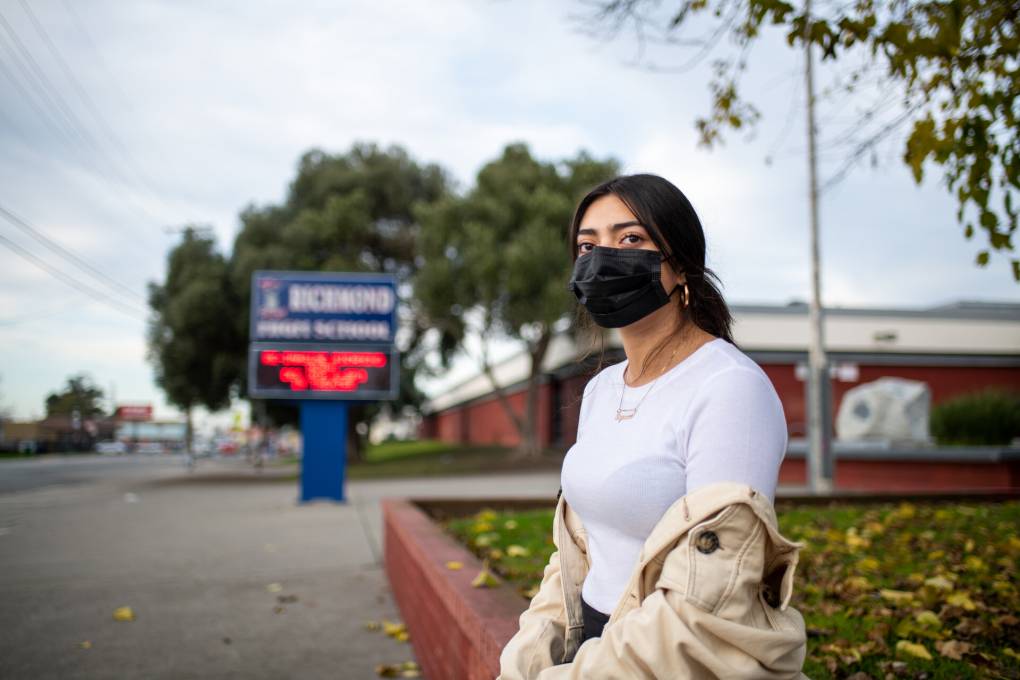
"caption": "Dayanara Mendoza, 16, a sophomore at Richmond High School, sits outside the school on Jan. 14, 2022. She said on a recent school day, three of her five teachers were out. Thousands of students and dozens of teachers in West Contra Costa Unified School District haven't attended school over the past three weeks, saying they don't feel safe returning to in-person instruction.",
"description": null,
"title": "RS53036_023_Richmond_HighSchoolStudents_01132022-qut",
"credit": "Beth LaBerge/KQED",
"status": "inherit",
"altTag": "Teenage girl wearing mask looks toward camera, with sign reading Richmond High School in background",
"isLoading": false,
"fetchFailed": false
},
"news_11890916": {
"type": "attachments",
"id": "news_11890916",
"meta": {
"index": "attachments_1716263798",
"site": "news",
"id": "11890916",
"found": true
},
"parent": 11890914,
"imgSizes": {
"twentyfourteen-full-width": {
"file": "https://ww2.kqed.org/app/uploads/sites/10/2021/10/Betty-Reid-2-1200x750-1-1038x576.jpg",
"width": 1038,
"mimeType": "image/jpeg",
"height": 576
},
"thumbnail": {
"file": "https://ww2.kqed.org/app/uploads/sites/10/2021/10/Betty-Reid-2-1200x750-1-160x100.jpg",
"width": 160,
"mimeType": "image/jpeg",
"height": 100
},
"post-thumbnail": {
"file": "https://ww2.kqed.org/app/uploads/sites/10/2021/10/Betty-Reid-2-1200x750-1-672x372.jpg",
"width": 672,
"mimeType": "image/jpeg",
"height": 372
},
"kqedFullSize": {
"file": "https://ww2.kqed.org/app/uploads/sites/10/2021/10/Betty-Reid-2-1200x750-1.jpg",
"width": 1200,
"height": 750
},
"large": {
"file": "https://ww2.kqed.org/app/uploads/sites/10/2021/10/Betty-Reid-2-1200x750-1-1020x638.jpg",
"width": 1020,
"mimeType": "image/jpeg",
"height": 638
},
"medium": {
"file": "https://ww2.kqed.org/app/uploads/sites/10/2021/10/Betty-Reid-2-1200x750-1-800x500.jpg",
"width": 800,
"mimeType": "image/jpeg",
"height": 500
}
},
"publishDate": 1633369375,
"modified": 1633392346,
"caption": "Dorcas Sims leads her fifth grade class at Richmond's Nystrom Elementary in a circle activity in which students said their names accompanied by a gesture, which the rest of the class would then repeat.",
"description": "Dorcas Sims leads her fifth grade class at Richmond's Nystrom Elementary in a circle activity in which students said their names accompanied by a gesture, which the rest of the class would then repeat.",
"title": "Betty-Reid-2-1200x750",
"credit": "Ali Tadayon/EdSource",
"status": "inherit",
"altTag": "A woman flanked by kids in both directions stands at the front of a classroom against a whiteboard.",
"isLoading": false,
"fetchFailed": false
},
"news_11636069": {
"type": "attachments",
"id": "news_11636069",
"meta": {
"index": "attachments_1716263798",
"site": "news",
"id": "11636069",
"found": true
},
"parent": 11635902,
"imgSizes": {
"small": {
"file": "https://ww2.kqed.org/app/uploads/sites/10/2017/12/iStock-637549016-520x347.jpg",
"width": 520,
"mimeType": "image/jpeg",
"height": 347
},
"twentyfourteen-full-width": {
"file": "https://ww2.kqed.org/app/uploads/sites/10/2017/12/iStock-637549016-1038x576.jpg",
"width": 1038,
"mimeType": "image/jpeg",
"height": 576
},
"thumbnail": {
"file": "https://ww2.kqed.org/app/uploads/sites/10/2017/12/iStock-637549016-160x107.jpg",
"width": 160,
"mimeType": "image/jpeg",
"height": 107
},
"fd-sm": {
"file": "https://ww2.kqed.org/app/uploads/sites/10/2017/12/iStock-637549016-960x640.jpg",
"width": 960,
"mimeType": "image/jpeg",
"height": 640
},
"post-thumbnail": {
"file": "https://ww2.kqed.org/app/uploads/sites/10/2017/12/iStock-637549016-672x372.jpg",
"width": 672,
"mimeType": "image/jpeg",
"height": 372
},
"xsmall": {
"file": "https://ww2.kqed.org/app/uploads/sites/10/2017/12/iStock-637549016-375x250.jpg",
"width": 375,
"mimeType": "image/jpeg",
"height": 250
},
"kqedFullSize": {
"file": "https://ww2.kqed.org/app/uploads/sites/10/2017/12/iStock-637549016-e1512855407477.jpg",
"width": 1920,
"height": 1280
},
"large": {
"file": "https://ww2.kqed.org/app/uploads/sites/10/2017/12/iStock-637549016-1020x680.jpg",
"width": 1020,
"mimeType": "image/jpeg",
"height": 680
},
"xlarge": {
"file": "https://ww2.kqed.org/app/uploads/sites/10/2017/12/iStock-637549016-1180x787.jpg",
"width": 1180,
"mimeType": "image/jpeg",
"height": 787
},
"guest-author-50": {
"file": "https://ww2.kqed.org/app/uploads/sites/10/2017/12/iStock-637549016-50x50.jpg",
"width": 50,
"mimeType": "image/jpeg",
"height": 50
},
"guest-author-96": {
"file": "https://ww2.kqed.org/app/uploads/sites/10/2017/12/iStock-637549016-96x96.jpg",
"width": 96,
"mimeType": "image/jpeg",
"height": 96
},
"medium": {
"file": "https://ww2.kqed.org/app/uploads/sites/10/2017/12/iStock-637549016-800x533.jpg",
"width": 800,
"mimeType": "image/jpeg",
"height": 533
},
"guest-author-64": {
"file": "https://ww2.kqed.org/app/uploads/sites/10/2017/12/iStock-637549016-64x64.jpg",
"width": 64,
"mimeType": "image/jpeg",
"height": 64
},
"guest-author-32": {
"file": "https://ww2.kqed.org/app/uploads/sites/10/2017/12/iStock-637549016-32x32.jpg",
"width": 32,
"mimeType": "image/jpeg",
"height": 32
},
"fd-lrg": {
"file": "https://ww2.kqed.org/app/uploads/sites/10/2017/12/iStock-637549016-1920x1280.jpg",
"width": 1920,
"mimeType": "image/jpeg",
"height": 1280
},
"fd-med": {
"file": "https://ww2.kqed.org/app/uploads/sites/10/2017/12/iStock-637549016-1180x787.jpg",
"width": 1180,
"mimeType": "image/jpeg",
"height": 787
},
"full-width": {
"file": "https://ww2.kqed.org/app/uploads/sites/10/2017/12/iStock-637549016-1920x1280.jpg",
"width": 1920,
"mimeType": "image/jpeg",
"height": 1280
},
"detail": {
"file": "https://ww2.kqed.org/app/uploads/sites/10/2017/12/iStock-637549016-150x150.jpg",
"width": 150,
"mimeType": "image/jpeg",
"height": 150
},
"guest-author-128": {
"file": "https://ww2.kqed.org/app/uploads/sites/10/2017/12/iStock-637549016-128x128.jpg",
"width": 128,
"mimeType": "image/jpeg",
"height": 128
},
"xxsmall": {
"file": "https://ww2.kqed.org/app/uploads/sites/10/2017/12/iStock-637549016-240x160.jpg",
"width": 240,
"mimeType": "image/jpeg",
"height": 160
}
},
"publishDate": 1512855382,
"modified": 1588275628,
"caption": "Social distancing would be one challenge facing schools should they reopen.",
"description": null,
"title": "School classroom with blackboard",
"credit": "Maroke/iStock",
"status": "inherit",
"isLoading": false,
"fetchFailed": false
},
"news_11806749": {
"type": "attachments",
"id": "news_11806749",
"meta": {
"index": "attachments_1716263798",
"site": "news",
"id": "11806749",
"found": true
},
"parent": 11806638,
"imgSizes": {
"apple_news_ca_landscape_5_5": {
"file": "https://ww2.kqed.org/app/uploads/sites/10/2020/03/RS42012_iStock-831613730-qut-1044x783.jpg",
"width": 1044,
"mimeType": "image/jpeg",
"height": 783
},
"apple_news_ca_square_4_0": {
"file": "https://ww2.kqed.org/app/uploads/sites/10/2020/03/RS42012_iStock-831613730-qut-470x470.jpg",
"width": 470,
"mimeType": "image/jpeg",
"height": 470
},
"twentyfourteen-full-width": {
"file": "https://ww2.kqed.org/app/uploads/sites/10/2020/03/RS42012_iStock-831613730-qut-1038x576.jpg",
"width": 1038,
"mimeType": "image/jpeg",
"height": 576
},
"thumbnail": {
"file": "https://ww2.kqed.org/app/uploads/sites/10/2020/03/RS42012_iStock-831613730-qut-160x90.jpg",
"width": 160,
"mimeType": "image/jpeg",
"height": 90
},
"post-thumbnail": {
"file": "https://ww2.kqed.org/app/uploads/sites/10/2020/03/RS42012_iStock-831613730-qut-672x372.jpg",
"width": 672,
"mimeType": "image/jpeg",
"height": 372
},
"kqedFullSize": {
"file": "https://ww2.kqed.org/app/uploads/sites/10/2020/03/RS42012_iStock-831613730-qut.jpg",
"width": 1920,
"height": 1080
},
"apple_news_ca_landscape_4_7": {
"file": "https://ww2.kqed.org/app/uploads/sites/10/2020/03/RS42012_iStock-831613730-qut-632x474.jpg",
"width": 632,
"mimeType": "image/jpeg",
"height": 474
},
"large": {
"file": "https://ww2.kqed.org/app/uploads/sites/10/2020/03/RS42012_iStock-831613730-qut-1020x574.jpg",
"width": 1020,
"mimeType": "image/jpeg",
"height": 574
},
"apple_news_ca_landscape_4_0": {
"file": "https://ww2.kqed.org/app/uploads/sites/10/2020/03/RS42012_iStock-831613730-qut-536x402.jpg",
"width": 536,
"mimeType": "image/jpeg",
"height": 402
},
"apple_news_ca_portrait_12_9": {
"file": "https://ww2.kqed.org/app/uploads/sites/10/2020/03/RS42012_iStock-831613730-qut-1122x1080.jpg",
"width": 1122,
"mimeType": "image/jpeg",
"height": 1080
},
"medium": {
"file": "https://ww2.kqed.org/app/uploads/sites/10/2020/03/RS42012_iStock-831613730-qut-800x450.jpg",
"width": 800,
"mimeType": "image/jpeg",
"height": 450
},
"apple_news_ca_portrait_4_0": {
"file": "https://ww2.kqed.org/app/uploads/sites/10/2020/03/RS42012_iStock-831613730-qut-354x472.jpg",
"width": 354,
"mimeType": "image/jpeg",
"height": 472
},
"apple_news_ca_portrait_9_7": {
"file": "https://ww2.kqed.org/app/uploads/sites/10/2020/03/RS42012_iStock-831613730-qut-840x1080.jpg",
"width": 840,
"mimeType": "image/jpeg",
"height": 1080
},
"apple_news_ca_landscape_12_9": {
"file": "https://ww2.kqed.org/app/uploads/sites/10/2020/03/RS42012_iStock-831613730-qut-1832x1080.jpg",
"width": 1832,
"mimeType": "image/jpeg",
"height": 1080
},
"apple_news_ca_square_9_7": {
"file": "https://ww2.kqed.org/app/uploads/sites/10/2020/03/RS42012_iStock-831613730-qut-1104x1080.jpg",
"width": 1104,
"mimeType": "image/jpeg",
"height": 1080
},
"apple_news_ca_portrait_4_7": {
"file": "https://ww2.kqed.org/app/uploads/sites/10/2020/03/RS42012_iStock-831613730-qut-414x552.jpg",
"width": 414,
"mimeType": "image/jpeg",
"height": 552
},
"apple_news_ca_square_12_9": {
"file": "https://ww2.kqed.org/app/uploads/sites/10/2020/03/RS42012_iStock-831613730-qut-1472x1080.jpg",
"width": 1472,
"mimeType": "image/jpeg",
"height": 1080
},
"apple_news_ca_portrait_5_5": {
"file": "https://ww2.kqed.org/app/uploads/sites/10/2020/03/RS42012_iStock-831613730-qut-687x916.jpg",
"width": 687,
"mimeType": "image/jpeg",
"height": 916
},
"full-width": {
"file": "https://ww2.kqed.org/app/uploads/sites/10/2020/03/RS42012_iStock-831613730-qut-1920x1080.jpg",
"width": 1920,
"mimeType": "image/jpeg",
"height": 1080
},
"apple_news_ca_square_4_7": {
"file": "https://ww2.kqed.org/app/uploads/sites/10/2020/03/RS42012_iStock-831613730-qut-550x550.jpg",
"width": 550,
"mimeType": "image/jpeg",
"height": 550
},
"apple_news_ca_landscape_9_7": {
"file": "https://ww2.kqed.org/app/uploads/sites/10/2020/03/RS42012_iStock-831613730-qut-1376x1032.jpg",
"width": 1376,
"mimeType": "image/jpeg",
"height": 1032
},
"apple_news_ca_square_5_5": {
"file": "https://ww2.kqed.org/app/uploads/sites/10/2020/03/RS42012_iStock-831613730-qut-912x912.jpg",
"width": 912,
"mimeType": "image/jpeg",
"height": 912
}
},
"publishDate": 1584141964,
"modified": 1628812185,
"caption": null,
"description": null,
"title": "Student_Laptop",
"credit": "gorodenkoff/iStock",
"status": "inherit",
"altTag": "West Contra Costa Unified is closing all schools and moving to remote learning starting Monday, March 16, 2020.",
"isLoading": false,
"fetchFailed": false
},
"news_11800728": {
"type": "attachments",
"id": "news_11800728",
"meta": {
"index": "attachments_1716263798",
"site": "news",
"id": "11800728",
"found": true
},
"parent": 11800722,
"imgSizes": {
"apple_news_ca_landscape_5_5": {
"file": "https://ww2.kqed.org/app/uploads/sites/10/2020/02/layoffs_020720_final_MF-1044x783.png",
"width": 1044,
"mimeType": "image/png",
"height": 783
},
"apple_news_ca_square_4_0": {
"file": "https://ww2.kqed.org/app/uploads/sites/10/2020/02/layoffs_020720_final_MF-470x470.png",
"width": 470,
"mimeType": "image/png",
"height": 470
},
"twentyfourteen-full-width": {
"file": "https://ww2.kqed.org/app/uploads/sites/10/2020/02/layoffs_020720_final_MF-1038x576.png",
"width": 1038,
"mimeType": "image/png",
"height": 576
},
"thumbnail": {
"file": "https://ww2.kqed.org/app/uploads/sites/10/2020/02/layoffs_020720_final_MF-160x102.png",
"width": 160,
"mimeType": "image/png",
"height": 102
},
"post-thumbnail": {
"file": "https://ww2.kqed.org/app/uploads/sites/10/2020/02/layoffs_020720_final_MF-672x372.png",
"width": 672,
"mimeType": "image/png",
"height": 372
},
"kqedFullSize": {
"file": "https://ww2.kqed.org/app/uploads/sites/10/2020/02/layoffs_020720_final_MF.png",
"width": 1920,
"height": 1222
},
"apple_news_ca_landscape_4_7": {
"file": "https://ww2.kqed.org/app/uploads/sites/10/2020/02/layoffs_020720_final_MF-632x474.png",
"width": 632,
"mimeType": "image/png",
"height": 474
},
"large": {
"file": "https://ww2.kqed.org/app/uploads/sites/10/2020/02/layoffs_020720_final_MF-1020x649.png",
"width": 1020,
"mimeType": "image/png",
"height": 649
},
"apple_news_ca_landscape_4_0": {
"file": "https://ww2.kqed.org/app/uploads/sites/10/2020/02/layoffs_020720_final_MF-536x402.png",
"width": 536,
"mimeType": "image/png",
"height": 402
},
"apple_news_ca_portrait_12_9": {
"file": "https://ww2.kqed.org/app/uploads/sites/10/2020/02/layoffs_020720_final_MF-1122x1222.png",
"width": 1122,
"mimeType": "image/png",
"height": 1222
},
"medium": {
"file": "https://ww2.kqed.org/app/uploads/sites/10/2020/02/layoffs_020720_final_MF-800x509.png",
"width": 800,
"mimeType": "image/png",
"height": 509
},
"apple_news_ca_portrait_4_0": {
"file": "https://ww2.kqed.org/app/uploads/sites/10/2020/02/layoffs_020720_final_MF-354x472.png",
"width": 354,
"mimeType": "image/png",
"height": 472
},
"apple_news_ca_portrait_9_7": {
"file": "https://ww2.kqed.org/app/uploads/sites/10/2020/02/layoffs_020720_final_MF-840x1120.png",
"width": 840,
"mimeType": "image/png",
"height": 1120
},
"apple_news_ca_landscape_12_9": {
"file": "https://ww2.kqed.org/app/uploads/sites/10/2020/02/layoffs_020720_final_MF-1832x1222.png",
"width": 1832,
"mimeType": "image/png",
"height": 1222
},
"apple_news_ca_square_9_7": {
"file": "https://ww2.kqed.org/app/uploads/sites/10/2020/02/layoffs_020720_final_MF-1104x1104.png",
"width": 1104,
"mimeType": "image/png",
"height": 1104
},
"apple_news_ca_portrait_4_7": {
"file": "https://ww2.kqed.org/app/uploads/sites/10/2020/02/layoffs_020720_final_MF-414x552.png",
"width": 414,
"mimeType": "image/png",
"height": 552
},
"apple_news_ca_square_12_9": {
"file": "https://ww2.kqed.org/app/uploads/sites/10/2020/02/layoffs_020720_final_MF-1472x1222.png",
"width": 1472,
"mimeType": "image/png",
"height": 1222
},
"apple_news_ca_portrait_5_5": {
"file": "https://ww2.kqed.org/app/uploads/sites/10/2020/02/layoffs_020720_final_MF-687x916.png",
"width": 687,
"mimeType": "image/png",
"height": 916
},
"full-width": {
"file": "https://ww2.kqed.org/app/uploads/sites/10/2020/02/layoffs_020720_final_MF-1920x1222.png",
"width": 1920,
"mimeType": "image/png",
"height": 1222
},
"apple_news_ca_square_4_7": {
"file": "https://ww2.kqed.org/app/uploads/sites/10/2020/02/layoffs_020720_final_MF-550x550.png",
"width": 550,
"mimeType": "image/png",
"height": 550
},
"apple_news_ca_landscape_9_7": {
"file": "https://ww2.kqed.org/app/uploads/sites/10/2020/02/layoffs_020720_final_MF-1376x1032.png",
"width": 1376,
"mimeType": "image/png",
"height": 1032
},
"apple_news_ca_square_5_5": {
"file": "https://ww2.kqed.org/app/uploads/sites/10/2020/02/layoffs_020720_final_MF-912x912.png",
"width": 912,
"mimeType": "image/png",
"height": 912
}
},
"publishDate": 1581120438,
"modified": 1581120493,
"caption": null,
"description": null,
"title": "layoffs_020720_final_MF",
"credit": null,
"status": "inherit",
"isLoading": false,
"fetchFailed": false
},
"news_11800513": {
"type": "attachments",
"id": "news_11800513",
"meta": {
"index": "attachments_1716263798",
"site": "news",
"id": "11800513",
"found": true
},
"parent": 11800507,
"imgSizes": {
"apple_news_ca_landscape_5_5": {
"file": "https://ww2.kqed.org/app/uploads/sites/10/2020/02/Richmond-Teachers-Union-Members-1044x783.jpg",
"width": 1044,
"mimeType": "image/jpeg",
"height": 783
},
"apple_news_ca_square_4_0": {
"file": "https://ww2.kqed.org/app/uploads/sites/10/2020/02/Richmond-Teachers-Union-Members-470x470.jpg",
"width": 470,
"mimeType": "image/jpeg",
"height": 470
},
"twentyfourteen-full-width": {
"file": "https://ww2.kqed.org/app/uploads/sites/10/2020/02/Richmond-Teachers-Union-Members-1038x576.jpg",
"width": 1038,
"mimeType": "image/jpeg",
"height": 576
},
"thumbnail": {
"file": "https://ww2.kqed.org/app/uploads/sites/10/2020/02/Richmond-Teachers-Union-Members-160x100.jpg",
"width": 160,
"mimeType": "image/jpeg",
"height": 100
},
"post-thumbnail": {
"file": "https://ww2.kqed.org/app/uploads/sites/10/2020/02/Richmond-Teachers-Union-Members-672x372.jpg",
"width": 672,
"mimeType": "image/jpeg",
"height": 372
},
"kqedFullSize": {
"file": "https://ww2.kqed.org/app/uploads/sites/10/2020/02/Richmond-Teachers-Union-Members.jpg",
"width": 1920,
"height": 1200
},
"apple_news_ca_landscape_4_7": {
"file": "https://ww2.kqed.org/app/uploads/sites/10/2020/02/Richmond-Teachers-Union-Members-632x474.jpg",
"width": 632,
"mimeType": "image/jpeg",
"height": 474
},
"large": {
"file": "https://ww2.kqed.org/app/uploads/sites/10/2020/02/Richmond-Teachers-Union-Members-1020x638.jpg",
"width": 1020,
"mimeType": "image/jpeg",
"height": 638
},
"apple_news_ca_landscape_4_0": {
"file": "https://ww2.kqed.org/app/uploads/sites/10/2020/02/Richmond-Teachers-Union-Members-536x402.jpg",
"width": 536,
"mimeType": "image/jpeg",
"height": 402
},
"apple_news_ca_portrait_12_9": {
"file": "https://ww2.kqed.org/app/uploads/sites/10/2020/02/Richmond-Teachers-Union-Members-1122x1200.jpg",
"width": 1122,
"mimeType": "image/jpeg",
"height": 1200
},
"medium": {
"file": "https://ww2.kqed.org/app/uploads/sites/10/2020/02/Richmond-Teachers-Union-Members-800x500.jpg",
"width": 800,
"mimeType": "image/jpeg",
"height": 500
},
"apple_news_ca_portrait_4_0": {
"file": "https://ww2.kqed.org/app/uploads/sites/10/2020/02/Richmond-Teachers-Union-Members-354x472.jpg",
"width": 354,
"mimeType": "image/jpeg",
"height": 472
},
"apple_news_ca_portrait_9_7": {
"file": "https://ww2.kqed.org/app/uploads/sites/10/2020/02/Richmond-Teachers-Union-Members-840x1120.jpg",
"width": 840,
"mimeType": "image/jpeg",
"height": 1120
},
"apple_news_ca_landscape_12_9": {
"file": "https://ww2.kqed.org/app/uploads/sites/10/2020/02/Richmond-Teachers-Union-Members-1832x1200.jpg",
"width": 1832,
"mimeType": "image/jpeg",
"height": 1200
},
"apple_news_ca_square_9_7": {
"file": "https://ww2.kqed.org/app/uploads/sites/10/2020/02/Richmond-Teachers-Union-Members-1104x1104.jpg",
"width": 1104,
"mimeType": "image/jpeg",
"height": 1104
},
"apple_news_ca_portrait_4_7": {
"file": "https://ww2.kqed.org/app/uploads/sites/10/2020/02/Richmond-Teachers-Union-Members-414x552.jpg",
"width": 414,
"mimeType": "image/jpeg",
"height": 552
},
"apple_news_ca_square_12_9": {
"file": "https://ww2.kqed.org/app/uploads/sites/10/2020/02/Richmond-Teachers-Union-Members-1472x1200.jpg",
"width": 1472,
"mimeType": "image/jpeg",
"height": 1200
},
"apple_news_ca_portrait_5_5": {
"file": "https://ww2.kqed.org/app/uploads/sites/10/2020/02/Richmond-Teachers-Union-Members-687x916.jpg",
"width": 687,
"mimeType": "image/jpeg",
"height": 916
},
"full-width": {
"file": "https://ww2.kqed.org/app/uploads/sites/10/2020/02/Richmond-Teachers-Union-Members-1920x1200.jpg",
"width": 1920,
"mimeType": "image/jpeg",
"height": 1200
},
"apple_news_ca_square_4_7": {
"file": "https://ww2.kqed.org/app/uploads/sites/10/2020/02/Richmond-Teachers-Union-Members-550x550.jpg",
"width": 550,
"mimeType": "image/jpeg",
"height": 550
},
"apple_news_ca_landscape_9_7": {
"file": "https://ww2.kqed.org/app/uploads/sites/10/2020/02/Richmond-Teachers-Union-Members-1376x1032.jpg",
"width": 1376,
"mimeType": "image/jpeg",
"height": 1032
},
"apple_news_ca_square_5_5": {
"file": "https://ww2.kqed.org/app/uploads/sites/10/2020/02/Richmond-Teachers-Union-Members-912x912.jpg",
"width": 912,
"mimeType": "image/jpeg",
"height": 912
}
},
"publishDate": 1581026868,
"modified": 1581026994,
"caption": "Demetrio Gonzalez-Hoy, president of the United Teachers of Richmond union (left) is flanked by other union representatives as he speaks to the West Contra Costa School Board about budget cuts on Dec. 11, 2019.",
"description": "Demetrio Gonzalez-Hoy, president of the United Teachers of Richmond union (left) is flanked by other union representatives as he speaks to the West Contra Costa School Board about budget cuts on Dec. 11, 2019.",
"title": "Richmond-Teachers-Union-Members",
"credit": "Theresa Harrington/EdSource",
"status": "inherit",
"isLoading": false,
"fetchFailed": false
}
},
"audioPlayerReducer": {
"postId": "stream_live",
"isPaused": true,
"isPlaying": false,
"pfsActive": false,
"pledgeModalIsOpen": true,
"playerDrawerIsOpen": false,
"liveAudioPlayStartedAt": 0,
"liveAudioPlayContext": ""
},
"authorsReducer": {
"byline_news_11890914": {
"type": "authors",
"id": "byline_news_11890914",
"meta": {
"override": true
},
"slug": "byline_news_11890914",
"name": "Ali Tadayon\u003cbr>EdSource",
"isLoading": false
},
"byline_news_11800507": {
"type": "authors",
"id": "byline_news_11800507",
"meta": {
"override": true
},
"slug": "byline_news_11800507",
"name": "\u003cstrong>\u003ca href=\"https://edsource.org/author/tharrington\">Theresa Harrington\u003c/a>\u003c/strong>",
"isLoading": false
},
"jmcevoy": {
"type": "authors",
"id": "231",
"meta": {
"index": "authors_1716337520",
"id": "231",
"found": true
},
"name": "Julia McEvoy",
"firstName": "Julia",
"lastName": "McEvoy",
"slug": "jmcevoy",
"email": "jmcevoy@KQED.org",
"display_author_email": true,
"staff_mastheads": [
"news"
],
"title": "KQED Senior Editor",
"bio": "Julia McEvoy is KQED's Senior Editor, Education Equity.\r\n\r\nJulia heads KQED’s education coverage examining inequities students face in Bay Area and California schools, and reports on what it will take to educate the next generation.\r\n\r\nJulia's editorial work has received a Peabody Award, a Casey Medal for Coverage of Children and Families, several Edward R. Murrow awards, as well as awards from the Public Radio News Directors Inc. and the Society for Professional Journalists.",
"avatar": "https://secure.gravatar.com/avatar/aec3ce21abe02b302fd33638abd56a22?s=600&d=blank&r=g",
"twitter": "juliamcevoy1",
"facebook": null,
"instagram": null,
"linkedin": null,
"sites": [
{
"site": "news",
"roles": []
},
{
"site": "stateofhealth",
"roles": [
"author"
]
}
],
"headData": {
"title": "Julia McEvoy | KQED",
"description": "KQED Senior Editor",
"ogImgSrc": "https://secure.gravatar.com/avatar/aec3ce21abe02b302fd33638abd56a22?s=600&d=blank&r=g",
"twImgSrc": "https://secure.gravatar.com/avatar/aec3ce21abe02b302fd33638abd56a22?s=600&d=blank&r=g"
},
"isLoading": false,
"link": "/author/jmcevoy"
},
"markfiore": {
"type": "authors",
"id": "3236",
"meta": {
"index": "authors_1716337520",
"id": "3236",
"found": true
},
"name": "Mark Fiore",
"firstName": "Mark",
"lastName": "Fiore",
"slug": "markfiore",
"email": "mark@markfiore.com",
"display_author_email": false,
"staff_mastheads": [
"news"
],
"title": "KQED News Cartoonist",
"bio": "\u003ca href=\"http://www.MarkFiore.com\">MarkFiore.com\u003c/a> | \u003ca href=\"https://twitter.com/markfiore\">Follow on Twitter\u003c/a> | \u003ca href=\"https://www.facebook.com/pages/Mark-Fiore-Animated-Political-Cartoons/94451707396?ref=bookmarks\">Facebook\u003c/a> | \u003ca href=\"mailto:mark@markfiore.com\">email\u003c/a>\r\n\r\nPulitzer Prize-winner, Mark Fiore, who the Wall Street Journal has called “the undisputed guru of the form,” creates animated political cartoons in San Francisco, where his work has been featured regularly on the San Francisco Chronicle’s web site, SFGate.com. His work has appeared on Newsweek.com, Slate.com, CBSNews.com, MotherJones.com, DailyKos.com and NPR’s web site. Fiore’s political animation has appeared on CNN, Frontline, Bill Moyers Journal, Salon.com and cable and broadcast outlets across the globe.\r\n\r\nBeginning his professional life by drawing traditional political cartoons for newspapers, Fiore’s work appeared in publications ranging from the Washington Post to the Los Angeles Times. In the late 1990s, he began to experiment with animating political cartoons and, after a short stint at the San Jose Mercury News as their staff cartoonist, Fiore devoted all his energies to animation.\r\nGrowing up in California, Fiore also spent a good portion of his life in the backwoods of Idaho. It was this combination that shaped him politically. Mark majored in political science at Colorado College, where, in a perfect send-off for a cartoonist, he received his diploma in 1991 as commencement speaker Dick Cheney smiled approvingly.\r\nMark Fiore was awarded the Pulitzer Prize for political cartooning in 2010, a Robert F. Kennedy Journalism Award in 2004 and has twice received an Online Journalism Award for commentary from the Online News Association (2002, 2008). Fiore has received two awards for his work in new media from the National Cartoonists Society (2001, 2002), and in 2006 received The James Madison Freedom of Information Award from The Society of Professional Journalists.",
"avatar": "https://secure.gravatar.com/avatar/fc4e2a612b15b67bad0c6f0e1db4ca9b?s=600&d=blank&r=g",
"twitter": "MarkFiore",
"facebook": null,
"instagram": "https://www.instagram.com/markfiore/?hl=en",
"linkedin": null,
"sites": [
{
"site": "arts",
"roles": [
"contributor"
]
},
{
"site": "news",
"roles": [
"editor"
]
},
{
"site": "futureofyou",
"roles": [
"editor"
]
},
{
"site": "science",
"roles": [
"editor"
]
}
],
"headData": {
"title": "Mark Fiore | KQED",
"description": "KQED News Cartoonist",
"ogImgSrc": "https://secure.gravatar.com/avatar/fc4e2a612b15b67bad0c6f0e1db4ca9b?s=600&d=blank&r=g",
"twImgSrc": "https://secure.gravatar.com/avatar/fc4e2a612b15b67bad0c6f0e1db4ca9b?s=600&d=blank&r=g"
},
"isLoading": false,
"link": "/author/markfiore"
}
},
"pagesReducer": {
"news_tag_west-contra-costa-unified-school-district": {
"type": "terms",
"id": "news_27458",
"meta": {
"index": "terms_1716263798",
"site": "news",
"id": "27458",
"score": 10.403188
},
"featImg": null,
"name": "West Contra Costa Unified School District",
"description": null,
"taxonomy": "tag",
"headData": {
"twImgId": null,
"twTitle": null,
"ogTitle": null,
"ogImgId": null,
"twDescription": null,
"description": null,
"title": "West Contra Costa Unified School District Archives | KQED News",
"ogDescription": null
},
"ttid": 27475,
"slug": "west-contra-costa-unified-school-district",
"isLoading": false,
"title": "West Contra Costa Unified School District",
"pageMeta": {
"site": "news",
"WpPageTemplate": "page-topic-editorial",
"currentPage": 2
},
"blocks": [
{
"blockName": "kqed/post-list",
"attrs": {
"layout": "cardArticle2",
"query": "posts/news?tag=west-contra-costa-unified-school-district",
"seeMore": false,
"paginated": true,
"page": 2
}
},
{
"blockName": "kqed/ad"
}
]
}
},
"pfsSessionReducer": {},
"postsReducer": {
"stream_live": {
"type": "live",
"id": "stream_live",
"audioUrl": "https://streams.kqed.org/kqedradio",
"title": "Live Stream",
"excerpt": "Live Stream information currently unavailable.",
"link": "/radio",
"featImg": "",
"label": {
"name": "KQED Live",
"link": "/"
}
},
"stream_kqedNewscast": {
"type": "posts",
"id": "stream_kqedNewscast",
"audioUrl": "https://www.kqed.org/.stream/anon/radio/RDnews/newscast.mp3?_=1",
"title": "KQED Newscast",
"featImg": "",
"label": {
"name": "88.5 FM",
"link": "/"
}
},
"news_11902396": {
"type": "posts",
"id": "news_11902396",
"meta": {
"index": "posts_1716263798",
"site": "news",
"id": "11902396",
"score": null,
"sort": [
1642860107000
]
},
"guestAuthors": [],
"slug": "shouldnt-have-to-make-this-decision-thousands-of-contra-costa-students-stay-home-citing-omicron-fears",
"title": "'Shouldn't Have to Make This Decision': Thousands of Contra Costa Students Stay Home, Citing Omicron Fears",
"publishDate": 1642860107,
"format": "standard",
"headTitle": "‘Shouldn’t Have to Make This Decision’: Thousands of Contra Costa Students Stay Home, Citing Omicron Fears | KQED",
"labelTerm": {
"site": "news"
},
"content": "\u003cp>Nearly one-third of students in West Contra Costa Unified have not been attending school over the past three weeks, creating a crisis for the East Bay school district.\u003c/p>\n\u003cp>The district — which covers the cities of Richmond, San Pablo, El Cerrito, Pinole and Hercules and enrolls some 27,000 students — reported 737 student and 70 staff COVID cases from Jan. 11-14. But even students who are not positive or quarantining are choosing to remain at home, out of fear they will be next to get the virus. On Jan. 14, for example, district attendance figures show 8,820 students were absent, while 17,440 attended.\u003c/p>\n\u003cp>“This entire week, I feel like I am choosing between my health, the health of my family versus my education. I shouldn’t have to make this decision,” student school board delegate Justin Trujillo, a senior at Pinole Valley High School, told the board at a Jan. 13 safety meeting in Richmond.\u003c/p>\n\u003cp>[pullquote size=\"medium\" align=\"right\" citation=\"Irene Kou, student delegate to the West Contra Costa County Unified School District board\"]‘It is a joke that the district believes that in-person learning in these conditions is better for all of us.’[/pullquote]\u003c/p>\n\u003cp>While the district says few of these positive cases are linked to in-school transmission, students like Trujillo aren’t buying it.\u003c/p>\n\u003cp>Both Trujillo and De Anza High senior Irene Kou, the other student delegate to the board, believe it is past time for the district to offer a temporary return to online learning for students who feel vulnerable.\u003c/p>\n\u003cp>“It is a joke that the district believes that in-person learning in these conditions is better for all of us,” said Kou. “Having our county health officials determine it is safe to go to school when they have not visited our school sites or interviewed students or staff members to understand what it is truly like on campus is just another slap in the face for us.”\u003c/p>\n\u003cp>[ad fullwidth]\u003c/p>\n\u003cp>County health officials and county education officials confirmed they had not made any visits to schools in the West Contra Costa Unified School District since the most recent omicron surge began.\u003c/p>\n\u003cp>A Contra Costa Health Services spokesperson said in an email that infections diagnosed in students and school staff are not necessarily the result of exposure at school, and COVID-19 transmission remains much more likely to occur among people living in the same household or participating in other non-school activities, which they attributed to the California Department of Public Health.\u003c/p>\n\u003cp>At Richmond High, where 53 students tested positive for COVID during the week of Jan. 11-14 (a short week after students had Monday off) and where hundreds of kids have been sent home to quarantine, 32 teachers stayed home Wednesday as part of a single-day “sick-out” action by teachers and students protesting safety conditions at the school.\u003c/p>\n\u003cp>[pullquote size=\"medium\" align=\"right\" citation=\"Lorenzo Morotti, teacher, Richmond High\"]‘Latino students and families were hit so hard last year with COVID. They’ve seen family members die because of COVID, they’ve had family members lose jobs … There’s a huge disconnect between the district and the reality that’s on the ground.’[/pullquote]Richmond High journalism teacher Lorenzo Morotti, who did show up to teach, said hundreds of students are without teachers, and are being sent to the auditorium or gym to spend their seven class periods. “There is no learning going on in these classrooms. All there is is anxiety and the spread of COVID,” said Morotti.\u003c/p>\n\u003cp>Dayanara Mendoza, a 16-year-old sophomore at Richmond High, said that on a recent school day three of her five teachers were out.\u003c/p>\n\u003cp>“They either put us in the theater or they give us subs because a lot of teachers are absent and they have to put, like, other kids in the theater as well,” she said.\u003c/p>\n\u003cp>Morotti supports the teacher’s sick-out, calling it absurd to think COVID isn’t being transmitted inside the school. During the Jan. 19 board meeting, the district said it has little evidence of in-school transmission. However, Morotti said after kids returned from winter break, eight of his students were sent home on a single day, all of them in class with a student who tested positive.\u003c/p>\n\u003cp>In this majority-Latino district, Morotti said families have a right to be concerned.\u003c/p>\n\u003cp>“Latino students and families were hit so hard last year with COVID. They’ve seen family members die because of COVID, \u003ca href=\"https://www.kqed.org/mindshift/58972/how-teens-are-experiencing-their-version-of-the-great-resignation\">they’ve had family members lose jobs because of COVID\u003c/a>. There’s a huge disconnect between the district and the reality that’s on the ground,” Morotti said.\u003c/p>\n\u003cfigure id=\"attachment_11902413\" class=\"wp-caption aligncenter\" style=\"max-width: 1920px\">\u003cimg loading=\"lazy\" decoding=\"async\" class=\"size-full wp-image-11902413\" src=\"https://ww2.kqed.org/app/uploads/sites/10/2022/01/RS53039_026_Richmond_HighSchoolStudents_01132022-qut.jpg\" alt=\"male high school senior wearing mask and white t shirt stands with a backpack in front of high school entrance\" width=\"1920\" height=\"1280\" srcset=\"https://cdn.kqed.org/wp-content/uploads/sites/10/2022/01/RS53039_026_Richmond_HighSchoolStudents_01132022-qut.jpg 1920w, https://cdn.kqed.org/wp-content/uploads/sites/10/2022/01/RS53039_026_Richmond_HighSchoolStudents_01132022-qut-800x533.jpg 800w, https://cdn.kqed.org/wp-content/uploads/sites/10/2022/01/RS53039_026_Richmond_HighSchoolStudents_01132022-qut-1020x680.jpg 1020w, https://cdn.kqed.org/wp-content/uploads/sites/10/2022/01/RS53039_026_Richmond_HighSchoolStudents_01132022-qut-160x107.jpg 160w, https://cdn.kqed.org/wp-content/uploads/sites/10/2022/01/RS53039_026_Richmond_HighSchoolStudents_01132022-qut-1536x1024.jpg 1536w\" sizes=\"(max-width: 1920px) 100vw, 1920px\">\u003cfigcaption class=\"wp-caption-text\">Adrian Revuelta, 18, a senior at Richmond High School, stands outside the school on Jan. 14, 2021. ‘With the uprising of COVID cases … you see everyone keeping their distance, being scared,’ he said. \u003ccite>(Beth LaBerge/KQED)\u003c/cite>\u003c/figcaption>\u003c/figure>\n\u003cp>Richmond High’s student body is 85.4% Latino with 40.7% English-language learners, and many teachers have voiced concerns to the board about the difficulty many of their non-native English-speaking parents are having navigating the school district’s online portal needed to reserve COVID testing appointments, where even the translation option is hard to see, according to those who spoke during public comment.\u003c/p>\n\u003cp>Although senior Adrian Revuelta said the fear of catching COVID at school is real, he remains reluctant to return to distance learning. Revuelta said the hallways feel different.\u003c/p>\n\u003cp>“At lunch, you usually see people up on the lockers, people chitchatting … With the uprising of COVID cases … you see everyone keeping their distance, being scared, you know?”\u003c/p>\n\u003cp>But Revuelta had just returned from four days in quarantine himself (he tested negative) and said he’s having a hard time catching up. The only silver lining of fewer classmates, he said, is that his class sizes are smaller and teachers who are there can give him more individualized instruction.\u003c/p>\n\u003cp>With so many teachers out, and a shortage of substitutes to step in, sophomore Luz Ruiz said the staffing shortage is affecting learning.\u003c/p>\n\u003cp>“It is a little difficult for me right now since there’s finals, and I really wanted my teacher’s opinions on what to do, and they’re not here, so I can’t really ask them,” she said. Ruiz thinks a temporary pause on in-person classes makes sense.\u003c/p>\n\u003cfigure id=\"attachment_11902418\" class=\"wp-caption aligncenter\" style=\"max-width: 1920px\">\u003cimg loading=\"lazy\" decoding=\"async\" class=\"size-full wp-image-11902418\" src=\"https://ww2.kqed.org/app/uploads/sites/10/2022/01/RS53026_013_Richmond_HighSchoolStudents_01132022-qut.jpg\" alt=\"young girl wearing mask sits with pensive look outside an entrance to her high school\" width=\"1920\" height=\"1280\" srcset=\"https://cdn.kqed.org/wp-content/uploads/sites/10/2022/01/RS53026_013_Richmond_HighSchoolStudents_01132022-qut.jpg 1920w, https://cdn.kqed.org/wp-content/uploads/sites/10/2022/01/RS53026_013_Richmond_HighSchoolStudents_01132022-qut-800x533.jpg 800w, https://cdn.kqed.org/wp-content/uploads/sites/10/2022/01/RS53026_013_Richmond_HighSchoolStudents_01132022-qut-1020x680.jpg 1020w, https://cdn.kqed.org/wp-content/uploads/sites/10/2022/01/RS53026_013_Richmond_HighSchoolStudents_01132022-qut-160x107.jpg 160w, https://cdn.kqed.org/wp-content/uploads/sites/10/2022/01/RS53026_013_Richmond_HighSchoolStudents_01132022-qut-1536x1024.jpg 1536w\" sizes=\"(max-width: 1920px) 100vw, 1920px\">\u003cfigcaption class=\"wp-caption-text\">Luz Ruiz, 15, a sophomore at Richmond High, sits outside the school on Jan. 14, 2022. \u003ccite>(Beth LaBerge/KQED)\u003c/cite>\u003c/figcaption>\u003c/figure>\n\u003cp>During the Jan. 19 school board meeting, board member Leslie Reckler called the situation across the district “desperate.” But safety concerns were not even part of the board agenda.\u003c/p>\n\u003cp>Following public comment during which parents questioned the lack of focus on safety concerns, district Superintendent Kenneth “Chris” Hurst announced he had amended his presentation to include an update on safety, admitting this was not typically done.\u003c/p>\n\u003cp>“We are certainly listening. The message by some that’s being shared that we are not listening is simply not accurate,” said Hurst, as he began a lengthy presentation on the district’s future strategic plan.\u003c/p>\n\u003cp>While some teachers and students are calling for allowing some schools to shift over to online learning, that’s not an option being endorsed by the district. The district’s only virtual school is already at capacity with 316 students, in part because they cannot fill the 24 positions needed to staff the online school. Meanwhile, some 400 parents are on the waitlist, trying to get their kids in.\u003c/p>\n\u003cp>[aside label='More Education Coverage' tag='education']It is not just a problem of hiring teachers — \u003ca href=\"https://www.kqed.org/news/11900220/state-slow-to-approve-substitute-teachers-districts-use-new-tactics-to-fill-the-gap\">like many other Bay Area districts, WCCUSD is also struggling to find substitutes\u003c/a>. District data shows it pays the lowest daily rate for substitutes in the Bay Area: $190 compared with $300 in San Francisco. Board member Demetrio Gonzales-Hoy pleaded for the district to do what it can to attract more substitute educators who could help fill in for teachers. “That is on us, that there are hundreds of students who are not learning,” Gonzalez-Hoy lamented.\u003c/p>\n\u003cp>This week the district \u003ca href=\"https://www.mercurynews.com/2022/01/12/here-come-the-parents-to-help-palo-alto-schools-stay-open-amid-covid-surge/\">followed others\u003c/a> in launching a public campaign calling on community members for help. So far, 11 have come forward; the district’s goal is to get 100.\u003c/p>\n\u003cp>When asked at last week’s special board meeting about learning loss for the thousands of students who are missing classes, the district’s Chief Academic Officer LaResha Martin didn’t have an answer for elementary school kids. For middle and high school kids, she said, grading deadlines would be extended.\u003c/p>\n\u003cp>“And so that’s really to help all those students who’ve been out, to give them an extra eight to 10 days to get in any missing work, especially for our students who have been out on quarantine because of COVID, and to give our staff additional time to enter grades,” Martin said.\u003c/p>\n\u003cfigure id=\"attachment_11902420\" class=\"wp-caption aligncenter\" style=\"max-width: 1920px\">\u003cimg loading=\"lazy\" decoding=\"async\" class=\"size-full wp-image-11902420\" src=\"https://ww2.kqed.org/app/uploads/sites/10/2022/01/RS53017_004_Richmond_HighSchoolStudents_01132022-qut-1.jpg\" alt=\"young high school student wearing wearing mask sits beneath a tree on green grass with bright red school wall behind her\" width=\"1920\" height=\"1280\" srcset=\"https://cdn.kqed.org/wp-content/uploads/sites/10/2022/01/RS53017_004_Richmond_HighSchoolStudents_01132022-qut-1.jpg 1920w, https://cdn.kqed.org/wp-content/uploads/sites/10/2022/01/RS53017_004_Richmond_HighSchoolStudents_01132022-qut-1-800x533.jpg 800w, https://cdn.kqed.org/wp-content/uploads/sites/10/2022/01/RS53017_004_Richmond_HighSchoolStudents_01132022-qut-1-1020x680.jpg 1020w, https://cdn.kqed.org/wp-content/uploads/sites/10/2022/01/RS53017_004_Richmond_HighSchoolStudents_01132022-qut-1-160x107.jpg 160w, https://cdn.kqed.org/wp-content/uploads/sites/10/2022/01/RS53017_004_Richmond_HighSchoolStudents_01132022-qut-1-1536x1024.jpg 1536w\" sizes=\"(max-width: 1920px) 100vw, 1920px\">\u003cfigcaption class=\"wp-caption-text\">Cincia Valiente, 17, a junior at Richmond High School, sits outside the school on Jan. 14, 2022. \u003ccite>(Beth LaBerge/KQED)\u003c/cite>\u003c/figcaption>\u003c/figure>\n\u003cp>Extra time to turn assignments in should help Richmond High junior Cincia Valiente. She stayed home Wednesday in part, she said, because the school has only been distributing cloth masks, which she considers inadequate.\u003c/p>\n\u003cp>“They are not giving out the disposable kind. I asked multiple times, actually,” Valiente said.\u003c/p>\n\u003cp>The district says it is now distributing N95s for teachers and surgical masks for students. It has requested 200,000 from the state. But at Richmond High, it feels a bit late since during the week of Jan 11, over half the student body was out.\u003c/p>\n\u003cp>District staff said more take-home testing kits have been ordered and it is trying to get the county to help it schedule more vaccine clinics. Just 52% of West Contra Costa Unified’s students are vaccinated, fewer than in other Bay Area districts, such as Oakland Unified (62%) and Berkeley Unified (80%).\u003c/p>\n\u003cp>Meanwhile, the county office of education has said it will help the district speed up its contact tracing.\u003c/p>\n\u003cp>“I’m actually really scared that we might have to leave school again,” said Valiente. ”It’s really hard to work at home. There’s so many distractions.”\u003c/p>\n\u003cp>Valiente said she doesn’t want to return to learning from home — she just wants schools to be safer.\u003c/p>\n\u003cp>[ad floatright]\u003c/p>\n",
"blocks": [],
"excerpt": "Nearly one-third of students in West Contra Costa Unified — covering Richmond, San Pablo, El Cerrito, Pinole and Hercules — haven't attended school over the past three weeks, saying they don't feel safe returning to in-person instruction, and that the district is failing them by not providing better online learning options.",
"status": "publish",
"parent": 0,
"modified": 1721115835,
"stats": {
"hasAudio": false,
"hasVideo": false,
"hasChartOrMap": false,
"iframeSrcs": [],
"hasGoogleForm": false,
"hasGallery": false,
"hasHearkenModule": false,
"hasPolis": false,
"paragraphCount": 39,
"wordCount": 1801
},
"headData": {
"title": "'Shouldn't Have to Make This Decision': Thousands of Contra Costa Students Stay Home, Citing Omicron Fears | KQED",
"description": "Nearly one-third of students in West Contra Costa Unified — covering Richmond, San Pablo, El Cerrito, Pinole and Hercules — haven't attended school over the past three weeks, saying they don't feel safe returning to in-person instruction, and that the district is failing them by not providing better online learning options.",
"ogTitle": "",
"ogDescription": "",
"ogImgId": "",
"twTitle": "",
"twDescription": "",
"twImgId": "",
"schema": {
"@context": "https://schema.org",
"@type": "NewsArticle",
"headline": "'Shouldn't Have to Make This Decision': Thousands of Contra Costa Students Stay Home, Citing Omicron Fears",
"datePublished": "2022-01-22T06:01:47-08:00",
"dateModified": "2024-07-16T00:43:55-07:00",
"image": "https://cdn.kqed.org/wp-content/uploads/2020/02/KQED-OG-Image@1x.png",
"isAccessibleForFree": "True",
"publisher": {
"@type": "NewsMediaOrganization",
"@id": "https://www.kqed.org/#organization",
"name": "KQED",
"logo": "https://cdn.kqed.org/wp-content/uploads/2020/02/KQED-OG-Image@1x.png",
"url": "https://www.kqed.org",
"sameAs": [
"https://www.facebook.com/KQED",
"https://twitter.com/KQED",
"https://www.instagram.com/kqed/",
"https://www.tiktok.com/@kqedofficial",
"https://www.linkedin.com/company/kqed",
"https://www.youtube.com/channel/UCeC0IOo7i1P_61zVUWbJ4nw"
]
}
}
},
"audioUrl": "https://traffic.omny.fm/d/clips/0af137ef-751e-4b19-a055-aaef00d2d578/ffca7e9f-6831-4[…]f-aaef00f5a073/d5df789a-1725-48fd-80aa-ae24000dce76/audio.mp3",
"sticky": false,
"excludeFromSiteSearch": "Include",
"path": "/news/11902396/shouldnt-have-to-make-this-decision-thousands-of-contra-costa-students-stay-home-citing-omicron-fears",
"audioTrackLength": null,
"parsedContent": [
{
"type": "contentString",
"content": "\u003cdiv class=\"post-body\">\u003cp>\u003cp>Nearly one-third of students in West Contra Costa Unified have not been attending school over the past three weeks, creating a crisis for the East Bay school district.\u003c/p>\n\u003cp>The district — which covers the cities of Richmond, San Pablo, El Cerrito, Pinole and Hercules and enrolls some 27,000 students — reported 737 student and 70 staff COVID cases from Jan. 11-14. But even students who are not positive or quarantining are choosing to remain at home, out of fear they will be next to get the virus. On Jan. 14, for example, district attendance figures show 8,820 students were absent, while 17,440 attended.\u003c/p>\n\u003cp>“This entire week, I feel like I am choosing between my health, the health of my family versus my education. I shouldn’t have to make this decision,” student school board delegate Justin Trujillo, a senior at Pinole Valley High School, told the board at a Jan. 13 safety meeting in Richmond.\u003c/p>\n\u003cp>\u003c/p>\u003c/div>",
"attributes": {
"named": {},
"numeric": []
}
},
{
"type": "component",
"content": "‘It is a joke that the district believes that in-person learning in these conditions is better for all of us.’",
"name": "pullquote",
"attributes": {
"named": {
"size": "medium",
"align": "right",
"citation": "Irene Kou, student delegate to the West Contra Costa County Unified School District board",
"label": ""
},
"numeric": []
}
},
{
"type": "contentString",
"content": "\u003cdiv class=\"post-body\">\u003cp>\u003c/p>\n\u003cp>While the district says few of these positive cases are linked to in-school transmission, students like Trujillo aren’t buying it.\u003c/p>\n\u003cp>Both Trujillo and De Anza High senior Irene Kou, the other student delegate to the board, believe it is past time for the district to offer a temporary return to online learning for students who feel vulnerable.\u003c/p>\n\u003cp>“It is a joke that the district believes that in-person learning in these conditions is better for all of us,” said Kou. “Having our county health officials determine it is safe to go to school when they have not visited our school sites or interviewed students or staff members to understand what it is truly like on campus is just another slap in the face for us.”\u003c/p>\n\u003cp>\u003c/p>\u003c/div>",
"attributes": {
"named": {},
"numeric": []
}
},
{
"type": "component",
"content": "",
"name": "ad",
"attributes": {
"named": {
"label": "fullwidth"
},
"numeric": [
"fullwidth"
]
}
},
{
"type": "contentString",
"content": "\u003cdiv class=\"post-body\">\u003cp>\u003c/p>\n\u003cp>County health officials and county education officials confirmed they had not made any visits to schools in the West Contra Costa Unified School District since the most recent omicron surge began.\u003c/p>\n\u003cp>A Contra Costa Health Services spokesperson said in an email that infections diagnosed in students and school staff are not necessarily the result of exposure at school, and COVID-19 transmission remains much more likely to occur among people living in the same household or participating in other non-school activities, which they attributed to the California Department of Public Health.\u003c/p>\n\u003cp>At Richmond High, where 53 students tested positive for COVID during the week of Jan. 11-14 (a short week after students had Monday off) and where hundreds of kids have been sent home to quarantine, 32 teachers stayed home Wednesday as part of a single-day “sick-out” action by teachers and students protesting safety conditions at the school.\u003c/p>\n\u003cp>\u003c/p>\u003c/div>",
"attributes": {
"named": {},
"numeric": []
}
},
{
"type": "component",
"content": "‘Latino students and families were hit so hard last year with COVID. They’ve seen family members die because of COVID, they’ve had family members lose jobs … There’s a huge disconnect between the district and the reality that’s on the ground.’",
"name": "pullquote",
"attributes": {
"named": {
"size": "medium",
"align": "right",
"citation": "Lorenzo Morotti, teacher, Richmond High",
"label": ""
},
"numeric": []
}
},
{
"type": "contentString",
"content": "\u003cdiv class=\"post-body\">\u003cp>Richmond High journalism teacher Lorenzo Morotti, who did show up to teach, said hundreds of students are without teachers, and are being sent to the auditorium or gym to spend their seven class periods. “There is no learning going on in these classrooms. All there is is anxiety and the spread of COVID,” said Morotti.\u003c/p>\n\u003cp>Dayanara Mendoza, a 16-year-old sophomore at Richmond High, said that on a recent school day three of her five teachers were out.\u003c/p>\n\u003cp>“They either put us in the theater or they give us subs because a lot of teachers are absent and they have to put, like, other kids in the theater as well,” she said.\u003c/p>\n\u003cp>Morotti supports the teacher’s sick-out, calling it absurd to think COVID isn’t being transmitted inside the school. During the Jan. 19 board meeting, the district said it has little evidence of in-school transmission. However, Morotti said after kids returned from winter break, eight of his students were sent home on a single day, all of them in class with a student who tested positive.\u003c/p>\n\u003cp>In this majority-Latino district, Morotti said families have a right to be concerned.\u003c/p>\n\u003cp>“Latino students and families were hit so hard last year with COVID. They’ve seen family members die because of COVID, \u003ca href=\"https://www.kqed.org/mindshift/58972/how-teens-are-experiencing-their-version-of-the-great-resignation\">they’ve had family members lose jobs because of COVID\u003c/a>. There’s a huge disconnect between the district and the reality that’s on the ground,” Morotti said.\u003c/p>\n\u003cfigure id=\"attachment_11902413\" class=\"wp-caption aligncenter\" style=\"max-width: 1920px\">\u003cimg loading=\"lazy\" decoding=\"async\" class=\"size-full wp-image-11902413\" src=\"https://ww2.kqed.org/app/uploads/sites/10/2022/01/RS53039_026_Richmond_HighSchoolStudents_01132022-qut.jpg\" alt=\"male high school senior wearing mask and white t shirt stands with a backpack in front of high school entrance\" width=\"1920\" height=\"1280\" srcset=\"https://cdn.kqed.org/wp-content/uploads/sites/10/2022/01/RS53039_026_Richmond_HighSchoolStudents_01132022-qut.jpg 1920w, https://cdn.kqed.org/wp-content/uploads/sites/10/2022/01/RS53039_026_Richmond_HighSchoolStudents_01132022-qut-800x533.jpg 800w, https://cdn.kqed.org/wp-content/uploads/sites/10/2022/01/RS53039_026_Richmond_HighSchoolStudents_01132022-qut-1020x680.jpg 1020w, https://cdn.kqed.org/wp-content/uploads/sites/10/2022/01/RS53039_026_Richmond_HighSchoolStudents_01132022-qut-160x107.jpg 160w, https://cdn.kqed.org/wp-content/uploads/sites/10/2022/01/RS53039_026_Richmond_HighSchoolStudents_01132022-qut-1536x1024.jpg 1536w\" sizes=\"(max-width: 1920px) 100vw, 1920px\">\u003cfigcaption class=\"wp-caption-text\">Adrian Revuelta, 18, a senior at Richmond High School, stands outside the school on Jan. 14, 2021. ‘With the uprising of COVID cases … you see everyone keeping their distance, being scared,’ he said. \u003ccite>(Beth LaBerge/KQED)\u003c/cite>\u003c/figcaption>\u003c/figure>\n\u003cp>Richmond High’s student body is 85.4% Latino with 40.7% English-language learners, and many teachers have voiced concerns to the board about the difficulty many of their non-native English-speaking parents are having navigating the school district’s online portal needed to reserve COVID testing appointments, where even the translation option is hard to see, according to those who spoke during public comment.\u003c/p>\n\u003cp>Although senior Adrian Revuelta said the fear of catching COVID at school is real, he remains reluctant to return to distance learning. Revuelta said the hallways feel different.\u003c/p>\n\u003cp>“At lunch, you usually see people up on the lockers, people chitchatting … With the uprising of COVID cases … you see everyone keeping their distance, being scared, you know?”\u003c/p>\n\u003cp>But Revuelta had just returned from four days in quarantine himself (he tested negative) and said he’s having a hard time catching up. The only silver lining of fewer classmates, he said, is that his class sizes are smaller and teachers who are there can give him more individualized instruction.\u003c/p>\n\u003cp>With so many teachers out, and a shortage of substitutes to step in, sophomore Luz Ruiz said the staffing shortage is affecting learning.\u003c/p>\n\u003cp>“It is a little difficult for me right now since there’s finals, and I really wanted my teacher’s opinions on what to do, and they’re not here, so I can’t really ask them,” she said. Ruiz thinks a temporary pause on in-person classes makes sense.\u003c/p>\n\u003cfigure id=\"attachment_11902418\" class=\"wp-caption aligncenter\" style=\"max-width: 1920px\">\u003cimg loading=\"lazy\" decoding=\"async\" class=\"size-full wp-image-11902418\" src=\"https://ww2.kqed.org/app/uploads/sites/10/2022/01/RS53026_013_Richmond_HighSchoolStudents_01132022-qut.jpg\" alt=\"young girl wearing mask sits with pensive look outside an entrance to her high school\" width=\"1920\" height=\"1280\" srcset=\"https://cdn.kqed.org/wp-content/uploads/sites/10/2022/01/RS53026_013_Richmond_HighSchoolStudents_01132022-qut.jpg 1920w, https://cdn.kqed.org/wp-content/uploads/sites/10/2022/01/RS53026_013_Richmond_HighSchoolStudents_01132022-qut-800x533.jpg 800w, https://cdn.kqed.org/wp-content/uploads/sites/10/2022/01/RS53026_013_Richmond_HighSchoolStudents_01132022-qut-1020x680.jpg 1020w, https://cdn.kqed.org/wp-content/uploads/sites/10/2022/01/RS53026_013_Richmond_HighSchoolStudents_01132022-qut-160x107.jpg 160w, https://cdn.kqed.org/wp-content/uploads/sites/10/2022/01/RS53026_013_Richmond_HighSchoolStudents_01132022-qut-1536x1024.jpg 1536w\" sizes=\"(max-width: 1920px) 100vw, 1920px\">\u003cfigcaption class=\"wp-caption-text\">Luz Ruiz, 15, a sophomore at Richmond High, sits outside the school on Jan. 14, 2022. \u003ccite>(Beth LaBerge/KQED)\u003c/cite>\u003c/figcaption>\u003c/figure>\n\u003cp>During the Jan. 19 school board meeting, board member Leslie Reckler called the situation across the district “desperate.” But safety concerns were not even part of the board agenda.\u003c/p>\n\u003cp>Following public comment during which parents questioned the lack of focus on safety concerns, district Superintendent Kenneth “Chris” Hurst announced he had amended his presentation to include an update on safety, admitting this was not typically done.\u003c/p>\n\u003cp>“We are certainly listening. The message by some that’s being shared that we are not listening is simply not accurate,” said Hurst, as he began a lengthy presentation on the district’s future strategic plan.\u003c/p>\n\u003cp>While some teachers and students are calling for allowing some schools to shift over to online learning, that’s not an option being endorsed by the district. The district’s only virtual school is already at capacity with 316 students, in part because they cannot fill the 24 positions needed to staff the online school. Meanwhile, some 400 parents are on the waitlist, trying to get their kids in.\u003c/p>\n\u003cp>\u003c/p>\u003c/div>",
"attributes": {
"named": {},
"numeric": []
}
},
{
"type": "component",
"content": "",
"name": "aside",
"attributes": {
"named": {
"label": "More Education Coverage ",
"tag": "education"
},
"numeric": []
}
},
{
"type": "contentString",
"content": "\u003cdiv class=\"post-body\">\u003cp>It is not just a problem of hiring teachers — \u003ca href=\"https://www.kqed.org/news/11900220/state-slow-to-approve-substitute-teachers-districts-use-new-tactics-to-fill-the-gap\">like many other Bay Area districts, WCCUSD is also struggling to find substitutes\u003c/a>. District data shows it pays the lowest daily rate for substitutes in the Bay Area: $190 compared with $300 in San Francisco. Board member Demetrio Gonzales-Hoy pleaded for the district to do what it can to attract more substitute educators who could help fill in for teachers. “That is on us, that there are hundreds of students who are not learning,” Gonzalez-Hoy lamented.\u003c/p>\n\u003cp>This week the district \u003ca href=\"https://www.mercurynews.com/2022/01/12/here-come-the-parents-to-help-palo-alto-schools-stay-open-amid-covid-surge/\">followed others\u003c/a> in launching a public campaign calling on community members for help. So far, 11 have come forward; the district’s goal is to get 100.\u003c/p>\n\u003cp>When asked at last week’s special board meeting about learning loss for the thousands of students who are missing classes, the district’s Chief Academic Officer LaResha Martin didn’t have an answer for elementary school kids. For middle and high school kids, she said, grading deadlines would be extended.\u003c/p>\n\u003cp>“And so that’s really to help all those students who’ve been out, to give them an extra eight to 10 days to get in any missing work, especially for our students who have been out on quarantine because of COVID, and to give our staff additional time to enter grades,” Martin said.\u003c/p>\n\u003cfigure id=\"attachment_11902420\" class=\"wp-caption aligncenter\" style=\"max-width: 1920px\">\u003cimg loading=\"lazy\" decoding=\"async\" class=\"size-full wp-image-11902420\" src=\"https://ww2.kqed.org/app/uploads/sites/10/2022/01/RS53017_004_Richmond_HighSchoolStudents_01132022-qut-1.jpg\" alt=\"young high school student wearing wearing mask sits beneath a tree on green grass with bright red school wall behind her\" width=\"1920\" height=\"1280\" srcset=\"https://cdn.kqed.org/wp-content/uploads/sites/10/2022/01/RS53017_004_Richmond_HighSchoolStudents_01132022-qut-1.jpg 1920w, https://cdn.kqed.org/wp-content/uploads/sites/10/2022/01/RS53017_004_Richmond_HighSchoolStudents_01132022-qut-1-800x533.jpg 800w, https://cdn.kqed.org/wp-content/uploads/sites/10/2022/01/RS53017_004_Richmond_HighSchoolStudents_01132022-qut-1-1020x680.jpg 1020w, https://cdn.kqed.org/wp-content/uploads/sites/10/2022/01/RS53017_004_Richmond_HighSchoolStudents_01132022-qut-1-160x107.jpg 160w, https://cdn.kqed.org/wp-content/uploads/sites/10/2022/01/RS53017_004_Richmond_HighSchoolStudents_01132022-qut-1-1536x1024.jpg 1536w\" sizes=\"(max-width: 1920px) 100vw, 1920px\">\u003cfigcaption class=\"wp-caption-text\">Cincia Valiente, 17, a junior at Richmond High School, sits outside the school on Jan. 14, 2022. \u003ccite>(Beth LaBerge/KQED)\u003c/cite>\u003c/figcaption>\u003c/figure>\n\u003cp>Extra time to turn assignments in should help Richmond High junior Cincia Valiente. She stayed home Wednesday in part, she said, because the school has only been distributing cloth masks, which she considers inadequate.\u003c/p>\n\u003cp>“They are not giving out the disposable kind. I asked multiple times, actually,” Valiente said.\u003c/p>\n\u003cp>The district says it is now distributing N95s for teachers and surgical masks for students. It has requested 200,000 from the state. But at Richmond High, it feels a bit late since during the week of Jan 11, over half the student body was out.\u003c/p>\n\u003cp>District staff said more take-home testing kits have been ordered and it is trying to get the county to help it schedule more vaccine clinics. Just 52% of West Contra Costa Unified’s students are vaccinated, fewer than in other Bay Area districts, such as Oakland Unified (62%) and Berkeley Unified (80%).\u003c/p>\n\u003cp>Meanwhile, the county office of education has said it will help the district speed up its contact tracing.\u003c/p>\n\u003cp>“I’m actually really scared that we might have to leave school again,” said Valiente. ”It’s really hard to work at home. There’s so many distractions.”\u003c/p>\n\u003cp>Valiente said she doesn’t want to return to learning from home — she just wants schools to be safer.\u003c/p>\n\u003cp>\u003c/p>\u003c/div>",
"attributes": {
"named": {},
"numeric": []
}
},
{
"type": "component",
"content": "",
"name": "ad",
"attributes": {
"named": {
"label": "floatright"
},
"numeric": [
"floatright"
]
}
},
{
"type": "contentString",
"content": "\u003cdiv class=\"post-body\">\u003cp>\u003c/p>\n\u003c/div>\u003c/p>",
"attributes": {
"named": {},
"numeric": []
}
}
],
"link": "/news/11902396/shouldnt-have-to-make-this-decision-thousands-of-contra-costa-students-stay-home-citing-omicron-fears",
"authors": [
"231"
],
"categories": [
"news_18540",
"news_8"
],
"tags": [
"news_27350",
"news_27989",
"news_20013",
"news_27626",
"news_579",
"news_27458"
],
"featImg": "news_11902406",
"label": "news"
},
"news_11890914": {
"type": "posts",
"id": "news_11890914",
"meta": {
"index": "posts_1716263798",
"site": "news",
"id": "11890914",
"score": null,
"sort": [
1633375909000
]
},
"parent": 0,
"labelTerm": {},
"blocks": [],
"publishDate": 1633375909,
"format": "standard",
"disqusTitle": "Reading as a Civil Right: Inside a Richmond Elementary School's Approach",
"title": "Reading as a Civil Right: Inside a Richmond Elementary School's Approach",
"headTitle": "KQED News",
"content": "\u003cp>For Richmond’s Nystrom Elementary School, students’ longstanding struggle with reading is not only an academic issue but one about civil rights.\u003c/p>\n\u003cp>The Bay Area school began the year with a \u003ca href=\"https://sites.google.com/wccusd.net/nystrom/reading-is-a-civil-right\">proclamation that acknowledges that systemic racism has led to disproportionate outcomes in reading skills for children of color\u003c/a> for generations. It asserts that every student is capable of reading and that it’s the school’s responsibility to ensure every child leaves Nystrom a skilled reader. The school committed to overhauling its literacy program with a new curriculum and research-based classroom practices in an effort to bring every student to grade-level reading.\u003c/p>\n\u003cp>“When you think about equity, reading and literacy instruction has to be tied to that,” said Jamie Allardice, principal of the school, which comprises mostly \u003ca href=\"http://www.ed-data.org/school/Contra-Costa/West-Contra-Costa-Unified/Nystrom-Elementary\">Black and Latino students\u003c/a> in one of the Bay Area’s \u003ca href=\"https://www.mercurynews.com/2019/12/08/the-bay-areas-10-poorest-neighborhoods/\">lowest-income ZIP codes\u003c/a>. “If we are having kids leave Nystrom unable to read or read at grade level, we need to do our job better.”\u003c/p>\n\u003cp>The school’s plan this year has a greater emphasis on phonics in lessons and one-on-one intervention, as well as in classroom discussions and culturally relevant texts.\u003c/p>\n\u003cp>[pullquote size=\"medium\" align=\"right\" citation=\"Jamie Allardice, Nystrom Elementary School principal\"]'When you think about equity, reading and literacy instruction has to be tied to that. If we are having kids leave Nystrom unable to read or read at grade level, we need to do our job better.'[/pullquote]\u003c/p>\n\u003cp>During the 2018-2019 school year, only 19.34% of Nystrom’s third through sixth grade students tested at grade level or above in English language arts on the state’s \u003ca href=\"https://caaspp-elpac.cde.ca.gov/caaspp/DashViewReport?ps=true&lstTestYear=2019&lstTestType=B&lstGroup=1&lstSubGroup=1&lstGrade=13&lstSchoolType=A&lstCounty=07&lstDistrict=61796-000&lstSchool=6004881\">Smarter Balanced\u003c/a> tests. That was up from 13.34% in 2017-2018. But it was still far below the average for California, where 51.1% of students in third through 11th grade tested at or above grade level for English language arts in 2018-2019. West Contra Costa Unified School District, as a whole, only had 35% of students testing at grade level or above in English language arts that year.\u003c/p>\n\u003cp>[ad fullwidth]\u003c/p>\n\u003cp>California has long been challenged by its low reading scores, as well as with \u003ca href=\"https://edsource.org/2016/higher-test-scores-yes-but-no-narrowing-of-achievement-gaps-in-california/568467\">disparities between students from lower-income families and Black and Latino students and their classmates who are white and from higher-income families\u003c/a>. The latest effort to change this inequality is \u003ca href=\"https://edsource.org/2021/state-superintendent-sets-goal-get-every-california-third-grade-student-reading-by-2026/661411\">an initiative by State Superintendent of Public Instruction Tony Thurmond and lawmakers to get every third grade student reading by 2026\u003c/a>. Research shows that \u003ca href=\"https://edsource.org/2021/what-impact-will-the-pandemic-have-on-early-literacy/659758\">students who aren’t reading at grade level by the third grade will struggle to catch up throughout their educational career\u003c/a>.\u003c/p>\n\u003cp>How Thurmond’s lofty goal will be accomplished is yet to be determined. He’s forming a task force of educators, parents and education experts that will make policy recommendations, which Assemblymember Mia Bonta, D-Alameda, will propose in a bill for the upcoming legislative cycle.\u003c/p>\n\u003cp>Because Nystrom’s reading performance lagged prior to the pandemic, Allardice said he’s shying away from the “learning loss mindset,” or the idea that students’ academic progress slowed or reversed during the pandemic.\u003c/p>\n\u003cp>“I feel like the learning loss terminology puts the onus on the kids,” Allardice said. “They’re saying the kids have lost something, but in many cases, it’s not the kids, it’s we as adults who need to do better for our kids.”\u003c/p>\n\u003cp>Allardice said teachers conducted \u003ca href=\"https://dibels.uoregon.edu/\">DIBELS\u003c/a> assessments to determine students’ literacy skills. DIBELS stands for Dynamic Indicators of Basic Early Literacy Skills and consists of grade-specific assessments, such as naming letters for kindergartners and reading aloud for sixth graders.\u003c/p>\n\u003cp>The results of the assessment, Allardice said, showed a clear need for more “explicit and systematic foundational skills instruction” than the school was previously providing. Foundational reading skills include phonics, the ability to decode words by correlating sounds with letters or groups of letters, as well as to derive meaning from them through language comprehension. Teachers will up their instruction and practice opportunities for foundational skills from 10-12 minutes a day to 30 minutes a day, Allardice said.\u003c/p>\n\u003cp>[pullquote size=\"medium\" align=\"right\" citation=\"Jamie Allardice, Nystrom Elementary School principal\"]'I feel like the learning loss terminology puts the onus on the kids. They're saying the kids have lost something, but in many cases, it's not the kids, it's we as adults who need to do better for our kids.'[/pullquote]\u003c/p>\n\u003cp>Teachers will also be doing “targeted work” to help build students’ reading skills, which are often “discreet” and require one-on-one attention.\u003c/p>\n\u003cp>The assessments will continue at the end of each trimester to measure growth and identify whether adjustments need to be made, he said.\u003c/p>\n\u003cp>One of the biggest changes the school has made was switching English language arts curriculums from McGraw Hill’s Treasures — now available as Wonders — to EL Education. A major difference between the two curriculums is that EL Education has students reading high-quality books every day; whereas, the Treasures curriculum had students reading portions of books within an anthology. Each week was a new story, Allardice said, instead of “building knowledge of the world through meaningful texts and discussion.”\u003c/p>\n\u003cp>EL Education is open source, meaning its instruction guides are available for free online — the only cost is for printed reading material. Four other West Contra Costa Unified elementary schools also have switched to EL Education, Allardice said.\u003c/p>\n\u003cp>EL Education takes the “\u003ca href=\"https://www.whatisthescienceofreading.org/science-of-reading-guide\">science of reading\u003c/a>” approach, which refers to a growing body of research on how children learn to read that calls for a phonics-heavy program. Nystrom will focus its literacy program on this approach, as are a growing number of schools seeking to move away from the “whole language” strategy, which focuses on growing a child’s love for literature. The decades-old disagreement between the two camps has been referred to as the “\u003ca href=\"https://www.edweek.org/teaching-learning/opinion-we-have-a-national-reading-crisis/2019/03\">reading wars\u003c/a>.”\u003c/p>\n\u003cp>The “science of reading” approach centers on the idea that learning to read is not a natural process like learning to talk. Instead, it comes from explicitly teaching children how to connect letters and words. The ability to decode words through phonics, as well as to derive meaning from them through language comprehension, is what makes a skilled reader.\u003c/p>\n\u003cp>Another benefit of EL Education, Allardice said, is its “content modules,” which have students reading grade-level texts while also doing activities that help build phonics skills through classroom discussion. He said the discussion aspect is particularly important for English learners, who make up 56% of the school’s students.\u003c/p>\n\u003cp>“Those opportunities to use and apply language are particularly important for English learners,” Allardice said. “We are a school with a lot of English learners, and we know that creating language-rich classrooms will increase their proficiency in English and develop biliteracy.\"\u003c/p>\n\u003cp>In light of calls across the country to focus more on phonics, \u003ca href=\"https://edsource.org/2021/why-phonics-instruction-is-not-enough-for-english-learners/661487\">researchers and advocates for students who are learning English as a second language have recommended\u003c/a> that teachers also give English learners experience reading aloud, vocabulary lessons and lots of practice speaking.\u003c/p>\n\u003cp>[aside tag=\"education\" label=\"More Education Posts\"]\u003c/p>\n\u003cp>Allardice said “it’s not an either/or” with phonics or language development; teachers will need to vary the amount of both according to student need.\u003c/p>\n\u003cp>Providing all students with grade-level texts on a daily basis will also be critical to getting students to grade-level standards during the next year, Allardice said. For example, he said, if a fourth grade student is reading at a second grade level, if they are only provided with second grade level texts, “that doesn’t do much to catch them up.”\u003c/p>\n\u003cp>“If we give students access to grade-level content, that will accelerate them more than the idea of remediation,” Allardice said.\u003c/p>\n\u003cp>Allardice said the school plans to feature “\u003ca href=\"https://www.avid.org/cultural-relevance\">culturally relevant and responsive\u003c/a>” reading materials during the year, courtesy of \u003ca href=\"https://achievethecore.org/\">Student Achievement Partners\u003c/a>, a national provider of classroom resources. Gloria Ladson-Billings coined the term \"culturally relevant teaching\" in 1994 as a teaching style that uses “cultural knowledge, prior experiences, frames of reference and performance styles of ethnically diverse students to make learning more relevant and effective.”\u003c/p>\n\u003cp>Third graders will start the year with a module that teaches them about what school looks like in different parts of the world. They will read “Waiting for the Biblioburro,” which takes place in Colombia, and “Nasreen’s Secret School,” which is about a girl in Afghanistan, Allardice said.\u003c/p>\n\u003cp>Fifth graders, for example, will read “Esperanza Rising” — an award-winning novel about a Mexican girl who immigrated to California to work in a farm labor camp during the Great Depression — alongside the United Nations’ Universal Declaration of Human Rights.\u003c/p>\n\u003cp>“To see the kids analyze two texts and apply a novel like ‘Esperanza Rising’ to the UDHR is amazing to see, and the type of learning experiences I want for my kid,” Allardice said.\u003c/p>\n\u003cp>[ad floatright]\u003c/p>\n\u003cp>\u003cem>\u003ca href=\"https://edsource.org/2021/districts-anticipate-major-hits-to-their-2022-23-budgets-as-enrollments-drop/662448\">This story originally appeared in EdSource.\u003c/a>\u003c/em>\u003c/p>\n\n",
"disqusIdentifier": "11890914 https://ww2.kqed.org/news/?p=11890914",
"disqusUrl": "https://ww2.kqed.org/news/2021/10/04/reading-as-a-civil-right-inside-a-richmond-elementary-schools-approach/",
"stats": {
"hasVideo": false,
"hasChartOrMap": false,
"hasAudio": false,
"hasPolis": false,
"wordCount": 1571,
"hasGoogleForm": false,
"hasGallery": false,
"hasHearkenModule": false,
"iframeSrcs": [],
"paragraphCount": 33
},
"modified": 1636051227,
"excerpt": "Nystrom Elementary School in Richmond is revamping its literacy program this year with a greater emphasis on phonics both in lessons and one-on-one intervention, as well as on classroom discussion and grade-level, culturally relevant texts.",
"headData": {
"twImgId": "",
"twTitle": "",
"ogTitle": "",
"ogImgId": "",
"twDescription": "",
"description": "Nystrom Elementary School in Richmond is revamping its literacy program this year with a greater emphasis on phonics both in lessons and one-on-one intervention, as well as on classroom discussion and grade-level, culturally relevant texts.",
"title": "Reading as a Civil Right: Inside a Richmond Elementary School's Approach | KQED",
"ogDescription": "",
"schema": {
"@context": "https://schema.org",
"@type": "NewsArticle",
"headline": "Reading as a Civil Right: Inside a Richmond Elementary School's Approach",
"datePublished": "2021-10-04T12:31:49-07:00",
"dateModified": "2021-11-04T11:40:27-07:00",
"image": "https://cdn.kqed.org/wp-content/uploads/2020/02/KQED-OG-Image@1x.png",
"isAccessibleForFree": "True",
"publisher": {
"@type": "NewsMediaOrganization",
"@id": "https://www.kqed.org/#organization",
"name": "KQED",
"logo": "https://cdn.kqed.org/wp-content/uploads/2020/02/KQED-OG-Image@1x.png",
"url": "https://www.kqed.org",
"sameAs": [
"https://www.facebook.com/KQED",
"https://twitter.com/KQED",
"https://www.instagram.com/kqed/",
"https://www.tiktok.com/@kqedofficial",
"https://www.linkedin.com/company/kqed",
"https://www.youtube.com/channel/UCeC0IOo7i1P_61zVUWbJ4nw"
]
}
}
},
"guestAuthors": [],
"slug": "reading-as-a-civil-right-inside-a-richmond-elementary-schools-approach",
"status": "publish",
"sourceUrl": "https://edsource.org/",
"nprByline": "Ali Tadayon\u003cbr>EdSource",
"excludeFromSiteSearch": "Include",
"source": "EdSource",
"path": "/news/11890914/reading-as-a-civil-right-inside-a-richmond-elementary-schools-approach",
"audioTrackLength": null,
"parsedContent": [
{
"type": "contentString",
"content": "\u003cdiv class=\"post-body\">\u003cp>\u003cp>For Richmond’s Nystrom Elementary School, students’ longstanding struggle with reading is not only an academic issue but one about civil rights.\u003c/p>\n\u003cp>The Bay Area school began the year with a \u003ca href=\"https://sites.google.com/wccusd.net/nystrom/reading-is-a-civil-right\">proclamation that acknowledges that systemic racism has led to disproportionate outcomes in reading skills for children of color\u003c/a> for generations. It asserts that every student is capable of reading and that it’s the school’s responsibility to ensure every child leaves Nystrom a skilled reader. The school committed to overhauling its literacy program with a new curriculum and research-based classroom practices in an effort to bring every student to grade-level reading.\u003c/p>\n\u003cp>“When you think about equity, reading and literacy instruction has to be tied to that,” said Jamie Allardice, principal of the school, which comprises mostly \u003ca href=\"http://www.ed-data.org/school/Contra-Costa/West-Contra-Costa-Unified/Nystrom-Elementary\">Black and Latino students\u003c/a> in one of the Bay Area’s \u003ca href=\"https://www.mercurynews.com/2019/12/08/the-bay-areas-10-poorest-neighborhoods/\">lowest-income ZIP codes\u003c/a>. “If we are having kids leave Nystrom unable to read or read at grade level, we need to do our job better.”\u003c/p>\n\u003cp>The school’s plan this year has a greater emphasis on phonics in lessons and one-on-one intervention, as well as in classroom discussions and culturally relevant texts.\u003c/p>\n\u003cp>\u003c/p>\u003c/div>",
"attributes": {
"named": {},
"numeric": []
}
},
{
"type": "component",
"content": "'When you think about equity, reading and literacy instruction has to be tied to that. If we are having kids leave Nystrom unable to read or read at grade level, we need to do our job better.'",
"name": "pullquote",
"attributes": {
"named": {
"size": "medium",
"align": "right",
"citation": "Jamie Allardice, Nystrom Elementary School principal",
"label": ""
},
"numeric": []
}
},
{
"type": "contentString",
"content": "\u003cdiv class=\"post-body\">\u003cp>\u003c/p>\n\u003cp>During the 2018-2019 school year, only 19.34% of Nystrom’s third through sixth grade students tested at grade level or above in English language arts on the state’s \u003ca href=\"https://caaspp-elpac.cde.ca.gov/caaspp/DashViewReport?ps=true&lstTestYear=2019&lstTestType=B&lstGroup=1&lstSubGroup=1&lstGrade=13&lstSchoolType=A&lstCounty=07&lstDistrict=61796-000&lstSchool=6004881\">Smarter Balanced\u003c/a> tests. That was up from 13.34% in 2017-2018. But it was still far below the average for California, where 51.1% of students in third through 11th grade tested at or above grade level for English language arts in 2018-2019. West Contra Costa Unified School District, as a whole, only had 35% of students testing at grade level or above in English language arts that year.\u003c/p>\n\u003cp>\u003c/p>\u003c/div>",
"attributes": {
"named": {},
"numeric": []
}
},
{
"type": "component",
"content": "",
"name": "ad",
"attributes": {
"named": {
"label": "fullwidth"
},
"numeric": [
"fullwidth"
]
}
},
{
"type": "contentString",
"content": "\u003cdiv class=\"post-body\">\u003cp>\u003c/p>\n\u003cp>California has long been challenged by its low reading scores, as well as with \u003ca href=\"https://edsource.org/2016/higher-test-scores-yes-but-no-narrowing-of-achievement-gaps-in-california/568467\">disparities between students from lower-income families and Black and Latino students and their classmates who are white and from higher-income families\u003c/a>. The latest effort to change this inequality is \u003ca href=\"https://edsource.org/2021/state-superintendent-sets-goal-get-every-california-third-grade-student-reading-by-2026/661411\">an initiative by State Superintendent of Public Instruction Tony Thurmond and lawmakers to get every third grade student reading by 2026\u003c/a>. Research shows that \u003ca href=\"https://edsource.org/2021/what-impact-will-the-pandemic-have-on-early-literacy/659758\">students who aren’t reading at grade level by the third grade will struggle to catch up throughout their educational career\u003c/a>.\u003c/p>\n\u003cp>How Thurmond’s lofty goal will be accomplished is yet to be determined. He’s forming a task force of educators, parents and education experts that will make policy recommendations, which Assemblymember Mia Bonta, D-Alameda, will propose in a bill for the upcoming legislative cycle.\u003c/p>\n\u003cp>Because Nystrom’s reading performance lagged prior to the pandemic, Allardice said he’s shying away from the “learning loss mindset,” or the idea that students’ academic progress slowed or reversed during the pandemic.\u003c/p>\n\u003cp>“I feel like the learning loss terminology puts the onus on the kids,” Allardice said. “They’re saying the kids have lost something, but in many cases, it’s not the kids, it’s we as adults who need to do better for our kids.”\u003c/p>\n\u003cp>Allardice said teachers conducted \u003ca href=\"https://dibels.uoregon.edu/\">DIBELS\u003c/a> assessments to determine students’ literacy skills. DIBELS stands for Dynamic Indicators of Basic Early Literacy Skills and consists of grade-specific assessments, such as naming letters for kindergartners and reading aloud for sixth graders.\u003c/p>\n\u003cp>The results of the assessment, Allardice said, showed a clear need for more “explicit and systematic foundational skills instruction” than the school was previously providing. Foundational reading skills include phonics, the ability to decode words by correlating sounds with letters or groups of letters, as well as to derive meaning from them through language comprehension. Teachers will up their instruction and practice opportunities for foundational skills from 10-12 minutes a day to 30 minutes a day, Allardice said.\u003c/p>\n\u003cp>\u003c/p>\u003c/div>",
"attributes": {
"named": {},
"numeric": []
}
},
{
"type": "component",
"content": "'I feel like the learning loss terminology puts the onus on the kids. They're saying the kids have lost something, but in many cases, it's not the kids, it's we as adults who need to do better for our kids.'",
"name": "pullquote",
"attributes": {
"named": {
"size": "medium",
"align": "right",
"citation": "Jamie Allardice, Nystrom Elementary School principal",
"label": ""
},
"numeric": []
}
},
{
"type": "contentString",
"content": "\u003cdiv class=\"post-body\">\u003cp>\u003c/p>\n\u003cp>Teachers will also be doing “targeted work” to help build students’ reading skills, which are often “discreet” and require one-on-one attention.\u003c/p>\n\u003cp>The assessments will continue at the end of each trimester to measure growth and identify whether adjustments need to be made, he said.\u003c/p>\n\u003cp>One of the biggest changes the school has made was switching English language arts curriculums from McGraw Hill’s Treasures — now available as Wonders — to EL Education. A major difference between the two curriculums is that EL Education has students reading high-quality books every day; whereas, the Treasures curriculum had students reading portions of books within an anthology. Each week was a new story, Allardice said, instead of “building knowledge of the world through meaningful texts and discussion.”\u003c/p>\n\u003cp>EL Education is open source, meaning its instruction guides are available for free online — the only cost is for printed reading material. Four other West Contra Costa Unified elementary schools also have switched to EL Education, Allardice said.\u003c/p>\n\u003cp>EL Education takes the “\u003ca href=\"https://www.whatisthescienceofreading.org/science-of-reading-guide\">science of reading\u003c/a>” approach, which refers to a growing body of research on how children learn to read that calls for a phonics-heavy program. Nystrom will focus its literacy program on this approach, as are a growing number of schools seeking to move away from the “whole language” strategy, which focuses on growing a child’s love for literature. The decades-old disagreement between the two camps has been referred to as the “\u003ca href=\"https://www.edweek.org/teaching-learning/opinion-we-have-a-national-reading-crisis/2019/03\">reading wars\u003c/a>.”\u003c/p>\n\u003cp>The “science of reading” approach centers on the idea that learning to read is not a natural process like learning to talk. Instead, it comes from explicitly teaching children how to connect letters and words. The ability to decode words through phonics, as well as to derive meaning from them through language comprehension, is what makes a skilled reader.\u003c/p>\n\u003cp>Another benefit of EL Education, Allardice said, is its “content modules,” which have students reading grade-level texts while also doing activities that help build phonics skills through classroom discussion. He said the discussion aspect is particularly important for English learners, who make up 56% of the school’s students.\u003c/p>\n\u003cp>“Those opportunities to use and apply language are particularly important for English learners,” Allardice said. “We are a school with a lot of English learners, and we know that creating language-rich classrooms will increase their proficiency in English and develop biliteracy.\"\u003c/p>\n\u003cp>In light of calls across the country to focus more on phonics, \u003ca href=\"https://edsource.org/2021/why-phonics-instruction-is-not-enough-for-english-learners/661487\">researchers and advocates for students who are learning English as a second language have recommended\u003c/a> that teachers also give English learners experience reading aloud, vocabulary lessons and lots of practice speaking.\u003c/p>\n\u003cp>\u003c/p>\u003c/div>",
"attributes": {
"named": {},
"numeric": []
}
},
{
"type": "component",
"content": "",
"name": "aside",
"attributes": {
"named": {
"tag": "education",
"label": "More Education Posts "
},
"numeric": []
}
},
{
"type": "contentString",
"content": "\u003cdiv class=\"post-body\">\u003cp>\u003c/p>\n\u003cp>Allardice said “it’s not an either/or” with phonics or language development; teachers will need to vary the amount of both according to student need.\u003c/p>\n\u003cp>Providing all students with grade-level texts on a daily basis will also be critical to getting students to grade-level standards during the next year, Allardice said. For example, he said, if a fourth grade student is reading at a second grade level, if they are only provided with second grade level texts, “that doesn’t do much to catch them up.”\u003c/p>\n\u003cp>“If we give students access to grade-level content, that will accelerate them more than the idea of remediation,” Allardice said.\u003c/p>\n\u003cp>Allardice said the school plans to feature “\u003ca href=\"https://www.avid.org/cultural-relevance\">culturally relevant and responsive\u003c/a>” reading materials during the year, courtesy of \u003ca href=\"https://achievethecore.org/\">Student Achievement Partners\u003c/a>, a national provider of classroom resources. Gloria Ladson-Billings coined the term \"culturally relevant teaching\" in 1994 as a teaching style that uses “cultural knowledge, prior experiences, frames of reference and performance styles of ethnically diverse students to make learning more relevant and effective.”\u003c/p>\n\u003cp>Third graders will start the year with a module that teaches them about what school looks like in different parts of the world. They will read “Waiting for the Biblioburro,” which takes place in Colombia, and “Nasreen’s Secret School,” which is about a girl in Afghanistan, Allardice said.\u003c/p>\n\u003cp>Fifth graders, for example, will read “Esperanza Rising” — an award-winning novel about a Mexican girl who immigrated to California to work in a farm labor camp during the Great Depression — alongside the United Nations’ Universal Declaration of Human Rights.\u003c/p>\n\u003cp>“To see the kids analyze two texts and apply a novel like ‘Esperanza Rising’ to the UDHR is amazing to see, and the type of learning experiences I want for my kid,” Allardice said.\u003c/p>\n\u003cp>\u003c/p>\u003c/div>",
"attributes": {
"named": {},
"numeric": []
}
},
{
"type": "component",
"content": "",
"name": "ad",
"attributes": {
"named": {
"label": "floatright"
},
"numeric": [
"floatright"
]
}
},
{
"type": "contentString",
"content": "\u003cdiv class=\"post-body\">\u003cp>\u003c/p>\n\u003cp>\u003cem>\u003ca href=\"https://edsource.org/2021/districts-anticipate-major-hits-to-their-2022-23-budgets-as-enrollments-drop/662448\">This story originally appeared in EdSource.\u003c/a>\u003c/em>\u003c/p>\n\n\u003c/div>\u003c/p>",
"attributes": {
"named": {},
"numeric": []
}
}
],
"link": "/news/11890914/reading-as-a-civil-right-inside-a-richmond-elementary-schools-approach",
"authors": [
"byline_news_11890914"
],
"categories": [
"news_18540",
"news_8"
],
"tags": [
"news_20013",
"news_29985",
"news_579",
"news_27458"
],
"featImg": "news_11890916",
"label": "source_news_11890914"
},
"news_11815020": {
"type": "posts",
"id": "news_11815020",
"meta": {
"index": "posts_1716263798",
"site": "news",
"id": "11815020",
"score": null,
"sort": [
1588287144000
]
},
"parent": 0,
"labelTerm": {},
"blocks": [],
"publishDate": 1588287144,
"format": "standard",
"disqusTitle": "Schools Reopening in July? The Concerns Over How Gov. Newsom's Idea Will Work",
"title": "Schools Reopening in July? The Concerns Over How Gov. Newsom's Idea Will Work",
"headTitle": "KQED News",
"content": "\u003cp>Gov. Gavin Newsom’s \u003ca href=\"https://www.kqed.org/news/11814720/beginning-of-california-reopening-businesses-is-weeks-away-says-newsom\">suggestion on Tuesday that schools could reopen\u003c/a> for the next academic year as soon as late July or early August drew mixed reaction from parents, teachers and education officials — raising questions about safety, what classrooms will look like and whether schools have the money to pull it off.\u003c/p>\n\u003cp>Newsom indicated he would like schools to push to bring students back, if it can be done safely, due to concern about students falling behind and the inequities some are experiencing while learning at home.\u003c/p>\n\u003cp>The state does not have the power to tell school districts when to reopen, but it can provide guidelines. And district leaders have vastly different thoughts on reopening based on their communities.\u003c/p>\n\u003ch3>\u003cstrong>Can Schools Reopen Safely?\u003c/strong>\u003c/h3>\n\u003cp>Educators have floated \u003ca href=\"https://www.kqed.org/mindshift/55790/what-it-might-look-like-to-safely-reopen-schools\">several ideas\u003c/a> for how social distancing might continue in school settings — from staggering school days or start times, to smaller class sizes with desks spaced 6 feet apart.\u003c/p>\n\u003cp>Newsom spoke of preparing schools physically, which may mean equipping schools for more hand washing during the day, for example.\u003c/p>\n\u003cp>[pullquote size=\"medium\" align=\"right\" citation=\"Tony Thurmond, state superintendent of public instruction\"]'If this is going to work, there are some major questions we will have to answer. First and foremost: Can this be done in a way that protects the health and safety of our students, teachers, and school staff?'[/pullquote]\u003c/p>\n\u003cp>California Superintendent of Public Instruction Tony Thurmond seemed surprised by the news of a potential reopening of schools in his initial response.\u003c/p>\n\u003cp>He moved quickly to convene a working group Wednesday, including superintendents from across the state, to try and address what must take place before schools can reopen.\u003c/p>\n\u003cp>“If this is going to work, there are some major questions we will have to answer. First and foremost: Can this be done in a way that protects the health and safety of our students, teachers and school staff?\" Thurmond asked.\u003c/p>\n\u003cp>Some leaders of Bay Area teachers unions echoed these concerns.\u003c/p>\n\u003cp>Demetrio Gonzalez, president of the United Teachers of Richmond, which represents teachers in West Contra Costa Unified School District, said the idea has not been discussed at all in the district.\u003c/p>\n\u003cp>“If the Governor's comments made you feel uneasy, please remember that this idea is an item subject to bargaining,” Gonzalez wrote to his members.\u003c/p>\n\u003cp>Many Bay Area school districts with individual labor agreements would need to renegotiate to accommodate summer learning. “Ultimately UTR and our community would have to agree with these ideas,” Gonzalez wrote.\u003c/p>\n\u003cp>[ad fullwidth]\u003c/p>\n\u003ch3>\u003cstrong>A Need for Funding \u003c/strong>\u003c/h3>\n\u003cp>Meanwhile, fear about the state's budgeting for schools was the focus of a state Assembly subcommittee meeting Tuesday.\u003c/p>\n\u003cp>[aside postID=\"education_533204,mindshift_55790\" label=\"Education Resources\" hero=\"https://cdn.kqed.org/wp-content/uploads/sites/38/2020/03/PBSLM_Resources-Landing-Page-1020x574.png\"]\u003c/p>\n\u003cp>Districts are facing looming financial concerns because tax revenues have been slashed because of the pandemic. That could lead to program cuts, layoffs or even bankruptcy for some. In January, Newsom proposed boosting school funding by $1.2 billion, but with revenues tumbling and expenses mounting, he's likely to introduce a radically different proposal next month.\u003c/p>\n\u003cp>Legislators, educators and budget officials discussed what a revised budget from the governor might mean for education, specifically when it comes to helping students make up for lost learning time during the pandemic.\u003c/p>\n\u003cp>Though concerned about students’ learning loss during the pandemic, Assemblymember Monique Limón, D-Santa Barbara, cautioned, “It is not clear we will be able to have a discussion about any added funding. So it’s important for all of us to try and transition to what the new realities are, being a state with tens of billions of dollars in a deficit we didn’t expect to have.”\u003c/p>\n\u003ch3>\u003cstrong>Learning Loss: An Equity Issue\u003c/strong>\u003c/h3>\n\u003cp>The concern about learning loss is at the forefront for Newsom and others who are hopeful school will reopen early this year.\u003c/p>\n\u003cp>But even if students were to reenter school buildings in late July, some variation of online learning would likely need to continue, and for the \u003ca href=\"https://www.kqed.org/news/11813045/no-home-wifi-no-virtual-classroom-how-low-income-students-lose-out-during-a-pandemic\">2.1 million students who still lack internet\u003c/a> across the state, that experience would need to improve.\u003c/p>\n\u003cp>[aside postID=\"mindshift_55608\" label=\"Student Resources\" hero=\"https://cdn.kqed.org/wp-content/uploads/sites/23/2020/03/iStock-1084854150-1020x680.jpg\"]\u003c/p>\n\u003cp>Any reopening of schools would need to begin with assessing students, several educators told the state Assembly subcommittee Tuesday.\u003c/p>\n\u003cp>Elisha Smith Arrillaga, \u003ca href=\"https://west.edtrust.org/ca-parent-poll-covid-19-and-school-closures/\">executive director of The Education Trust-West\u003c/a>, a nonprofit focusing on education equity, said her biggest concern is students who were on the margins academically before the pandemic hit.\u003c/p>\n\u003cp>“As we move into recovery, one of the most important things to do is going to be really centering how we engage those students and build the rest of the recovery mechanisms around those students,” Arrillaga said.\u003c/p>\n\u003cp>Linda Darling-Hammond, president of the State Board of Education, took a more hopeful tone, telling the subcommittee there are proven ways to target resources and instruction to accelerate learning for students who have fallen behind.\u003c/p>\n\u003cp>An additional red flag is the emotional trauma students may be experiencing, which makes this pandemic different from the traditional summer break.\u003c/p>\n\u003cp>Researchers Megan Kufeld and Beth Tarasawa, with the Northwest Evaluation Association, \u003ca href=\"https://www.nwea.org/content/uploads/2020/04/Collaborative-Brief_Covid19-Slide-APR20.pdf\">looked at data from summer learning loss and applied it to the pandemic\u003c/a>. They estimate students experiencing the pandemic will return in the fall with “roughly 70% of the learning gains in reading, relative to a typical school year.” In math, they find students in some grades could show up a full year behind.\u003c/p>\n\u003cp>[pullquote size=\"medium\" align=\"right\" citation=\"Elisha Smith Arrillaga, executive director of The Educaiton Trust-West\"]'Ultimately students need to know that they and their families are cared for in order to ground the academic work that is to come.'[/pullquote]\u003c/p>\n\u003cp>Even weeks into this current distance learning experiment, there is much work to be done to ensure students are participating while at home. In West Contra Costa Unified, thousands are still not logging into the district’s attendance platform, PowerSchool, according to Gonzalez, the president of UTR.\u003c/p>\n\u003cp>“Last week, we had an average of about 14,000 logins daily,” Gonzalez said. “We’ll have more accurate data this week now that teachers are tracking engagement in PowerSchool.\"\u003c/p>\n\u003cp>He said the district was working with the Teamsters, who represent the district's classified employees, to help reach more of the district's 32,000 students.\u003c/p>\n\u003cp>Smith Arrillaga said this is exactly what needs to be happening in the months approaching any return to classes in person.\u003c/p>\n\u003cp>“That kind of herculean effort to connect with students and understand what was going on with their families, the payoff for that in the long run is going to be huge,” she said. “Because ultimately students need to know that they and their families are cared for in order to ground the academic work that is to come.”\u003c/p>\n\u003cp>\u003cem>The Associated Press contributed to this report.\u003c/em>\u003c/p>\n\u003cp>[ad floatright]\u003c/p>\n",
"disqusIdentifier": "11815020 https://ww2.kqed.org/news/?p=11815020",
"disqusUrl": "https://ww2.kqed.org/news/2020/04/30/schools-reopening-in-july-the-concerns-over-how-gov-newsoms-idea-will-work/",
"stats": {
"hasVideo": false,
"hasChartOrMap": false,
"hasAudio": false,
"hasPolis": false,
"wordCount": 1190,
"hasGoogleForm": false,
"hasGallery": false,
"hasHearkenModule": false,
"iframeSrcs": [],
"paragraphCount": 36
},
"modified": 1588287144,
"excerpt": "Gov. Gavin Newsom's suggestion to reopen schools as early as late July is raising questions about safety, what classrooms will look like and whether schools have the money to pull it off. ",
"headData": {
"twImgId": "",
"twTitle": "",
"ogTitle": "",
"ogImgId": "",
"twDescription": "",
"description": "Gov. Gavin Newsom's suggestion to reopen schools as early as late July is raising questions about safety, what classrooms will look like and whether schools have the money to pull it off. ",
"title": "Schools Reopening in July? The Concerns Over How Gov. Newsom's Idea Will Work | KQED",
"ogDescription": "",
"schema": {
"@context": "https://schema.org",
"@type": "NewsArticle",
"headline": "Schools Reopening in July? The Concerns Over How Gov. Newsom's Idea Will Work",
"datePublished": "2020-04-30T15:52:24-07:00",
"dateModified": "2020-04-30T15:52:24-07:00",
"image": "https://cdn.kqed.org/wp-content/uploads/2020/02/KQED-OG-Image@1x.png",
"isAccessibleForFree": "True",
"publisher": {
"@type": "NewsMediaOrganization",
"@id": "https://www.kqed.org/#organization",
"name": "KQED",
"logo": "https://cdn.kqed.org/wp-content/uploads/2020/02/KQED-OG-Image@1x.png",
"url": "https://www.kqed.org",
"sameAs": [
"https://www.facebook.com/KQED",
"https://twitter.com/KQED",
"https://www.instagram.com/kqed/",
"https://www.tiktok.com/@kqedofficial",
"https://www.linkedin.com/company/kqed",
"https://www.youtube.com/channel/UCeC0IOo7i1P_61zVUWbJ4nw"
]
}
}
},
"guestAuthors": [],
"slug": "schools-reopening-in-july-the-concerns-over-how-gov-newsoms-idea-will-work",
"status": "publish",
"sourceUrl": "https://www.kqed.org/coronavirus",
"source": "Coronavirus",
"path": "/news/11815020/schools-reopening-in-july-the-concerns-over-how-gov-newsoms-idea-will-work",
"audioTrackLength": null,
"parsedContent": [
{
"type": "contentString",
"content": "\u003cdiv class=\"post-body\">\u003cp>\u003cp>Gov. Gavin Newsom’s \u003ca href=\"https://www.kqed.org/news/11814720/beginning-of-california-reopening-businesses-is-weeks-away-says-newsom\">suggestion on Tuesday that schools could reopen\u003c/a> for the next academic year as soon as late July or early August drew mixed reaction from parents, teachers and education officials — raising questions about safety, what classrooms will look like and whether schools have the money to pull it off.\u003c/p>\n\u003cp>Newsom indicated he would like schools to push to bring students back, if it can be done safely, due to concern about students falling behind and the inequities some are experiencing while learning at home.\u003c/p>\n\u003cp>The state does not have the power to tell school districts when to reopen, but it can provide guidelines. And district leaders have vastly different thoughts on reopening based on their communities.\u003c/p>\n\u003ch3>\u003cstrong>Can Schools Reopen Safely?\u003c/strong>\u003c/h3>\n\u003cp>Educators have floated \u003ca href=\"https://www.kqed.org/mindshift/55790/what-it-might-look-like-to-safely-reopen-schools\">several ideas\u003c/a> for how social distancing might continue in school settings — from staggering school days or start times, to smaller class sizes with desks spaced 6 feet apart.\u003c/p>\n\u003cp>Newsom spoke of preparing schools physically, which may mean equipping schools for more hand washing during the day, for example.\u003c/p>\n\u003cp>\u003c/p>\u003c/div>",
"attributes": {
"named": {},
"numeric": []
}
},
{
"type": "component",
"content": "'If this is going to work, there are some major questions we will have to answer. First and foremost: Can this be done in a way that protects the health and safety of our students, teachers, and school staff?'",
"name": "pullquote",
"attributes": {
"named": {
"size": "medium",
"align": "right",
"citation": "Tony Thurmond, state superintendent of public instruction",
"label": ""
},
"numeric": []
}
},
{
"type": "contentString",
"content": "\u003cdiv class=\"post-body\">\u003cp>\u003c/p>\n\u003cp>California Superintendent of Public Instruction Tony Thurmond seemed surprised by the news of a potential reopening of schools in his initial response.\u003c/p>\n\u003cp>He moved quickly to convene a working group Wednesday, including superintendents from across the state, to try and address what must take place before schools can reopen.\u003c/p>\n\u003cp>“If this is going to work, there are some major questions we will have to answer. First and foremost: Can this be done in a way that protects the health and safety of our students, teachers and school staff?\" Thurmond asked.\u003c/p>\n\u003cp>Some leaders of Bay Area teachers unions echoed these concerns.\u003c/p>\n\u003cp>Demetrio Gonzalez, president of the United Teachers of Richmond, which represents teachers in West Contra Costa Unified School District, said the idea has not been discussed at all in the district.\u003c/p>\n\u003cp>“If the Governor's comments made you feel uneasy, please remember that this idea is an item subject to bargaining,” Gonzalez wrote to his members.\u003c/p>\n\u003cp>Many Bay Area school districts with individual labor agreements would need to renegotiate to accommodate summer learning. “Ultimately UTR and our community would have to agree with these ideas,” Gonzalez wrote.\u003c/p>\n\u003cp>\u003c/p>\u003c/div>",
"attributes": {
"named": {},
"numeric": []
}
},
{
"type": "component",
"content": "",
"name": "ad",
"attributes": {
"named": {
"label": "fullwidth"
},
"numeric": [
"fullwidth"
]
}
},
{
"type": "contentString",
"content": "\u003cdiv class=\"post-body\">\u003cp>\u003c/p>\n\u003ch3>\u003cstrong>A Need for Funding \u003c/strong>\u003c/h3>\n\u003cp>Meanwhile, fear about the state's budgeting for schools was the focus of a state Assembly subcommittee meeting Tuesday.\u003c/p>\n\u003cp>\u003c/p>\u003c/div>",
"attributes": {
"named": {},
"numeric": []
}
},
{
"type": "component",
"content": "",
"name": "aside",
"attributes": {
"named": {
"postid": "education_533204,mindshift_55790",
"label": "Education Resources ",
"hero": "https://cdn.kqed.org/wp-content/uploads/sites/38/2020/03/PBSLM_Resources-Landing-Page-1020x574.png"
},
"numeric": []
}
},
{
"type": "contentString",
"content": "\u003cdiv class=\"post-body\">\u003cp>\u003c/p>\n\u003cp>Districts are facing looming financial concerns because tax revenues have been slashed because of the pandemic. That could lead to program cuts, layoffs or even bankruptcy for some. In January, Newsom proposed boosting school funding by $1.2 billion, but with revenues tumbling and expenses mounting, he's likely to introduce a radically different proposal next month.\u003c/p>\n\u003cp>Legislators, educators and budget officials discussed what a revised budget from the governor might mean for education, specifically when it comes to helping students make up for lost learning time during the pandemic.\u003c/p>\n\u003cp>Though concerned about students’ learning loss during the pandemic, Assemblymember Monique Limón, D-Santa Barbara, cautioned, “It is not clear we will be able to have a discussion about any added funding. So it’s important for all of us to try and transition to what the new realities are, being a state with tens of billions of dollars in a deficit we didn’t expect to have.”\u003c/p>\n\u003ch3>\u003cstrong>Learning Loss: An Equity Issue\u003c/strong>\u003c/h3>\n\u003cp>The concern about learning loss is at the forefront for Newsom and others who are hopeful school will reopen early this year.\u003c/p>\n\u003cp>But even if students were to reenter school buildings in late July, some variation of online learning would likely need to continue, and for the \u003ca href=\"https://www.kqed.org/news/11813045/no-home-wifi-no-virtual-classroom-how-low-income-students-lose-out-during-a-pandemic\">2.1 million students who still lack internet\u003c/a> across the state, that experience would need to improve.\u003c/p>\n\u003cp>\u003c/p>\u003c/div>",
"attributes": {
"named": {},
"numeric": []
}
},
{
"type": "component",
"content": "",
"name": "aside",
"attributes": {
"named": {
"postid": "mindshift_55608",
"label": "Student Resources ",
"hero": "https://cdn.kqed.org/wp-content/uploads/sites/23/2020/03/iStock-1084854150-1020x680.jpg"
},
"numeric": []
}
},
{
"type": "contentString",
"content": "\u003cdiv class=\"post-body\">\u003cp>\u003c/p>\n\u003cp>Any reopening of schools would need to begin with assessing students, several educators told the state Assembly subcommittee Tuesday.\u003c/p>\n\u003cp>Elisha Smith Arrillaga, \u003ca href=\"https://west.edtrust.org/ca-parent-poll-covid-19-and-school-closures/\">executive director of The Education Trust-West\u003c/a>, a nonprofit focusing on education equity, said her biggest concern is students who were on the margins academically before the pandemic hit.\u003c/p>\n\u003cp>“As we move into recovery, one of the most important things to do is going to be really centering how we engage those students and build the rest of the recovery mechanisms around those students,” Arrillaga said.\u003c/p>\n\u003cp>Linda Darling-Hammond, president of the State Board of Education, took a more hopeful tone, telling the subcommittee there are proven ways to target resources and instruction to accelerate learning for students who have fallen behind.\u003c/p>\n\u003cp>An additional red flag is the emotional trauma students may be experiencing, which makes this pandemic different from the traditional summer break.\u003c/p>\n\u003cp>Researchers Megan Kufeld and Beth Tarasawa, with the Northwest Evaluation Association, \u003ca href=\"https://www.nwea.org/content/uploads/2020/04/Collaborative-Brief_Covid19-Slide-APR20.pdf\">looked at data from summer learning loss and applied it to the pandemic\u003c/a>. They estimate students experiencing the pandemic will return in the fall with “roughly 70% of the learning gains in reading, relative to a typical school year.” In math, they find students in some grades could show up a full year behind.\u003c/p>\n\u003cp>\u003c/p>\u003c/div>",
"attributes": {
"named": {},
"numeric": []
}
},
{
"type": "component",
"content": "'Ultimately students need to know that they and their families are cared for in order to ground the academic work that is to come.'",
"name": "pullquote",
"attributes": {
"named": {
"size": "medium",
"align": "right",
"citation": "Elisha Smith Arrillaga, executive director of The Educaiton Trust-West",
"label": ""
},
"numeric": []
}
},
{
"type": "contentString",
"content": "\u003cdiv class=\"post-body\">\u003cp>\u003c/p>\n\u003cp>Even weeks into this current distance learning experiment, there is much work to be done to ensure students are participating while at home. In West Contra Costa Unified, thousands are still not logging into the district’s attendance platform, PowerSchool, according to Gonzalez, the president of UTR.\u003c/p>\n\u003cp>“Last week, we had an average of about 14,000 logins daily,” Gonzalez said. “We’ll have more accurate data this week now that teachers are tracking engagement in PowerSchool.\"\u003c/p>\n\u003cp>He said the district was working with the Teamsters, who represent the district's classified employees, to help reach more of the district's 32,000 students.\u003c/p>\n\u003cp>Smith Arrillaga said this is exactly what needs to be happening in the months approaching any return to classes in person.\u003c/p>\n\u003cp>“That kind of herculean effort to connect with students and understand what was going on with their families, the payoff for that in the long run is going to be huge,” she said. “Because ultimately students need to know that they and their families are cared for in order to ground the academic work that is to come.”\u003c/p>\n\u003cp>\u003cem>The Associated Press contributed to this report.\u003c/em>\u003c/p>\n\u003cp>\u003c/p>\u003c/div>",
"attributes": {
"named": {},
"numeric": []
}
},
{
"type": "component",
"content": "",
"name": "ad",
"attributes": {
"named": {
"label": "floatright"
},
"numeric": [
"floatright"
]
}
},
{
"type": "contentString",
"content": "\u003cdiv class=\"post-body\">\u003cp>\u003c/p>\n\u003c/div>\u003c/p>",
"attributes": {
"named": {},
"numeric": []
}
}
],
"link": "/news/11815020/schools-reopening-in-july-the-concerns-over-how-gov-newsoms-idea-will-work",
"authors": [
"231"
],
"categories": [
"news_18540",
"news_8"
],
"tags": [
"news_18538",
"news_20013",
"news_16",
"news_24539",
"news_2998",
"news_23313",
"news_27458"
],
"featImg": "news_11636069",
"label": "source_news_11815020"
},
"news_11806638": {
"type": "posts",
"id": "news_11806638",
"meta": {
"index": "posts_1716263798",
"site": "news",
"id": "11806638",
"score": null,
"sort": [
1584144216000
]
},
"parent": 0,
"labelTerm": {
"site": "news"
},
"blocks": [],
"publishDate": 1584144216,
"format": "standard",
"disqusTitle": "West Contra Costa Unified Grapples with Remote Lesson Plans for School Shutdowns",
"title": "West Contra Costa Unified Grapples with Remote Lesson Plans for School Shutdowns",
"headTitle": "KQED News",
"content": "\u003cp>\u003cem>Updated March 15. This story contains a correction.\u003c/em>\u003c/p>\n\u003cp>Starting Monday, March 16, all West Contra Costa Unified schools are asking teachers to voluntarily move to digital learning platforms for second through 12th grades in its first large-scale experiment in remote teaching and learning.\u003c/p>\n\u003cp>The decision to close all WCC Unified district schools for the next three weeks is one many other Bay Area districts have also made to slow the spread of the coronavirus.\u003c/p>\n\u003cp>The move to tackle remote learning is one that West Contra Costa district officials have been anticipating.\u003c/p>\n\u003cp>\"No district is 100% ready for this, but fortunately we are ahead of the game, we were preparing,\" said Demetrio Gonzalez, president of the United Teachers of Richmond, the teachers union.\u003c/p>\n\u003cp>[ad fullwidth]\u003c/p>\n\u003cp>On Friday, students took home Chromebook laptops, while staff took part in a video training on how to manage attendance and assignments through digital platforms, said Gonzalez.\u003c/p>\n\u003cp>\"It's difficult, but we know we can get through it,\" he said. \"And most important, our students are still going to be served and our teachers still supported during this time.\"\u003c/p>\n\u003cp>Initially district officials and union leaders agreed teachers would adopt a modified teaching schedule, providing a 50-minute lesson plan to students, making assignments, and verifying that students had completed those assignments, said Gonzalez.\u003c/p>\n\u003cp>But that plan changed by Friday evening: The district now encourages families and staff to engage with students in remote learning, \u003ca href=\"https://sites.google.com/wccusd.net/wcc-elearning/teachers/elementary?authuser=0\">uploading a structured plan\u003c/a> for teachers to use, but calls the effort voluntary.\u003c/p>\n\u003cp>Superintendent Matthew Duffy posted a message over the weekend, saying, \"Because we cannot ensure access to every student in our district, we will not mandate the distance learning as a required instructional program for the next two weeks.\"\u003c/p>\n\u003cp>Gov. Gavin Newsom on Friday told schools they would not lose state funding when they close, and he directed schools to use the funds for \"distance learning and high quality educational opportunities,\" along with providing meals and arranging supervision for children during school hours.\u003c/p>\n\u003cp>Jennifer Walden, an English teacher at Pinole Valley High School, said she sent her students home Friday with a book about inventions called \"How We Got to Now\" by Steven Johnson. She plans to send her students questions and assign reading logs next week.\u003c/p>\n\u003cp>\"A lot of reading assignments in English are writing and submitted online anyway,\" Walden said. \"But I don’t know what the science teachers are going to do.”\u003c/p>\n\u003cp>Walden said the big question is whether teachers will try and teach in real time on platforms like Google Meet, which she said Pinole Valley High's Spanish teachers were experimenting with.\u003c/p>\n\u003cp>Other school districts, like Burlingame School District, have been planning for closure by identifying special education students who may need special assistance, developing translated messages for families of English learners and considering ways to support parents of younger children with child care options.\u003c/p>\n\u003cp>Math educators at San Francisco Unified School District are \u003ca href=\"http://www.sfusdmath.org/\">sharing\u003c/a> elementary school lessons they've created for use during the school closures.\u003c/p>\n\u003cp>https://twitter.com/SFUSDMath/status/1238235471601262592\u003c/p>\n\u003cp>At Summit Tamalpais charter school in Richmond, which has not yet announced closure, ninth grader Amya Contarero said she didn't like the idea of video classes.\u003c/p>\n\u003cp>\"My house is too noisy,\" said Contarero, who shares a one-bedroom home with her parents and four siblings, including two toddlers.\u003c/p>\n\u003cp>[aside tag=\"coronavirus\" label=\"more coronavirus coverage\"]\u003c/p>\n\u003cp>For the lower grades in Gonzalez's district, teachers prepared paper packets to send home Friday, something Gonzalez said was too difficult to scale for the higher grade levels.\u003c/p>\n\u003cp>Gonzalez said the lack of testing for the coronavirus, an issue that has caused concern across the country, pushed teachers to call for the closures.\u003c/p>\n\u003cp>\"Even people we knew were potentially exposed couldn't get tested,\" he said. \"We knew teachers were being exposed and could spread it.\"\u003c/p>\n\u003cp>A concern for all districts that are closing is how to continue providing free breakfasts and lunches for the students who rely on school meals: In West Contra Costa, lunches can be picked up at nine different school sites everyday between 11 am and 1 pm. Many other districts across the Bay Area are setting up similar meal pick-up plans for families with children under 18.\u003c/p>\n\u003cp>In San Francisco Unified, the district has put together emergency childcare options for parents who are \"on the front lines of the COVID-19 outbreak and low-income families.\" Those sites will be run by the city's Recreation and Parks Department and the San Francisco Public Library.\u003c/p>\n\u003cp>\u003c/p>\n\u003cp>\u003cem>This story was updated to include information made available after the time of publication. West Contra Costa Unified Schools said they were no longer requiring that teachers teach remotely, but were encouraging it when possible.\u003c/em>\u003c/p>\n\n",
"disqusIdentifier": "11806638 https://ww2.kqed.org/news/?p=11806638",
"disqusUrl": "https://ww2.kqed.org/news/2020/03/13/west-contra-costa-already-has-a-lesson-plan-for-school-shutdowns/",
"stats": {
"hasVideo": false,
"hasChartOrMap": false,
"hasAudio": false,
"hasPolis": false,
"wordCount": 795,
"hasGoogleForm": false,
"hasGallery": false,
"hasHearkenModule": false,
"iframeSrcs": [],
"paragraphCount": 27
},
"modified": 1588171749,
"excerpt": "Second through 12th graders took home Chromebook laptops, while teachers prepared lesson plans to teach while working from home.",
"headData": {
"twImgId": "",
"twTitle": "",
"ogTitle": "",
"ogImgId": "",
"twDescription": "",
"description": "Second through 12th graders took home Chromebook laptops, while teachers prepared lesson plans to teach while working from home.",
"title": "West Contra Costa Unified Grapples with Remote Lesson Plans for School Shutdowns | KQED",
"ogDescription": "",
"schema": {
"@context": "https://schema.org",
"@type": "NewsArticle",
"headline": "West Contra Costa Unified Grapples with Remote Lesson Plans for School Shutdowns",
"datePublished": "2020-03-13T17:03:36-07:00",
"dateModified": "2020-04-29T07:49:09-07:00",
"image": "https://cdn.kqed.org/wp-content/uploads/2020/02/KQED-OG-Image@1x.png",
"isAccessibleForFree": "True",
"publisher": {
"@type": "NewsMediaOrganization",
"@id": "https://www.kqed.org/#organization",
"name": "KQED",
"logo": "https://cdn.kqed.org/wp-content/uploads/2020/02/KQED-OG-Image@1x.png",
"url": "https://www.kqed.org",
"sameAs": [
"https://www.facebook.com/KQED",
"https://twitter.com/KQED",
"https://www.instagram.com/kqed/",
"https://www.tiktok.com/@kqedofficial",
"https://www.linkedin.com/company/kqed",
"https://www.youtube.com/channel/UCeC0IOo7i1P_61zVUWbJ4nw"
]
}
}
},
"guestAuthors": [],
"slug": "west-contra-costa-already-has-a-lesson-plan-for-school-shutdowns",
"status": "publish",
"path": "/news/11806638/west-contra-costa-already-has-a-lesson-plan-for-school-shutdowns",
"audioTrackLength": null,
"parsedContent": [
{
"type": "contentString",
"content": "\u003cdiv class=\"post-body\">\u003cp>\u003cp>\u003cem>Updated March 15. This story contains a correction.\u003c/em>\u003c/p>\n\u003cp>Starting Monday, March 16, all West Contra Costa Unified schools are asking teachers to voluntarily move to digital learning platforms for second through 12th grades in its first large-scale experiment in remote teaching and learning.\u003c/p>\n\u003cp>The decision to close all WCC Unified district schools for the next three weeks is one many other Bay Area districts have also made to slow the spread of the coronavirus.\u003c/p>\n\u003cp>The move to tackle remote learning is one that West Contra Costa district officials have been anticipating.\u003c/p>\n\u003cp>\"No district is 100% ready for this, but fortunately we are ahead of the game, we were preparing,\" said Demetrio Gonzalez, president of the United Teachers of Richmond, the teachers union.\u003c/p>\n\u003cp>\u003c/p>\u003c/div>",
"attributes": {
"named": {},
"numeric": []
}
},
{
"type": "component",
"content": "",
"name": "ad",
"attributes": {
"named": {
"label": "fullwidth"
},
"numeric": [
"fullwidth"
]
}
},
{
"type": "contentString",
"content": "\u003cdiv class=\"post-body\">\u003cp>\u003c/p>\n\u003cp>On Friday, students took home Chromebook laptops, while staff took part in a video training on how to manage attendance and assignments through digital platforms, said Gonzalez.\u003c/p>\n\u003cp>\"It's difficult, but we know we can get through it,\" he said. \"And most important, our students are still going to be served and our teachers still supported during this time.\"\u003c/p>\n\u003cp>Initially district officials and union leaders agreed teachers would adopt a modified teaching schedule, providing a 50-minute lesson plan to students, making assignments, and verifying that students had completed those assignments, said Gonzalez.\u003c/p>\n\u003cp>But that plan changed by Friday evening: The district now encourages families and staff to engage with students in remote learning, \u003ca href=\"https://sites.google.com/wccusd.net/wcc-elearning/teachers/elementary?authuser=0\">uploading a structured plan\u003c/a> for teachers to use, but calls the effort voluntary.\u003c/p>\n\u003cp>Superintendent Matthew Duffy posted a message over the weekend, saying, \"Because we cannot ensure access to every student in our district, we will not mandate the distance learning as a required instructional program for the next two weeks.\"\u003c/p>\n\u003cp>Gov. Gavin Newsom on Friday told schools they would not lose state funding when they close, and he directed schools to use the funds for \"distance learning and high quality educational opportunities,\" along with providing meals and arranging supervision for children during school hours.\u003c/p>\n\u003cp>Jennifer Walden, an English teacher at Pinole Valley High School, said she sent her students home Friday with a book about inventions called \"How We Got to Now\" by Steven Johnson. She plans to send her students questions and assign reading logs next week.\u003c/p>\n\u003cp>\"A lot of reading assignments in English are writing and submitted online anyway,\" Walden said. \"But I don’t know what the science teachers are going to do.”\u003c/p>\n\u003cp>Walden said the big question is whether teachers will try and teach in real time on platforms like Google Meet, which she said Pinole Valley High's Spanish teachers were experimenting with.\u003c/p>\n\u003cp>Other school districts, like Burlingame School District, have been planning for closure by identifying special education students who may need special assistance, developing translated messages for families of English learners and considering ways to support parents of younger children with child care options.\u003c/p>\n\u003cp>Math educators at San Francisco Unified School District are \u003ca href=\"http://www.sfusdmath.org/\">sharing\u003c/a> elementary school lessons they've created for use during the school closures.\u003c/p>\u003c/p>\u003c/div>",
"attributes": {
"named": {},
"numeric": []
}
},
{
"type": "component",
"content": "",
"name": "singleTwitterStatus",
"attributes": {
"named": {
"id": "1238235471601262592"
},
"numeric": []
}
},
{
"type": "contentString",
"content": "\u003cdiv class=\"post-body\">\u003cp>\n\u003cp>At Summit Tamalpais charter school in Richmond, which has not yet announced closure, ninth grader Amya Contarero said she didn't like the idea of video classes.\u003c/p>\n\u003cp>\"My house is too noisy,\" said Contarero, who shares a one-bedroom home with her parents and four siblings, including two toddlers.\u003c/p>\n\u003cp>\u003c/p>\u003c/div>",
"attributes": {
"named": {},
"numeric": []
}
},
{
"type": "component",
"content": "",
"name": "aside",
"attributes": {
"named": {
"tag": "coronavirus",
"label": "more coronavirus coverage "
},
"numeric": []
}
},
{
"type": "contentString",
"content": "\u003cdiv class=\"post-body\">\u003cp>\u003c/p>\n\u003cp>For the lower grades in Gonzalez's district, teachers prepared paper packets to send home Friday, something Gonzalez said was too difficult to scale for the higher grade levels.\u003c/p>\n\u003cp>Gonzalez said the lack of testing for the coronavirus, an issue that has caused concern across the country, pushed teachers to call for the closures.\u003c/p>\n\u003cp>\"Even people we knew were potentially exposed couldn't get tested,\" he said. \"We knew teachers were being exposed and could spread it.\"\u003c/p>\n\u003cp>A concern for all districts that are closing is how to continue providing free breakfasts and lunches for the students who rely on school meals: In West Contra Costa, lunches can be picked up at nine different school sites everyday between 11 am and 1 pm. Many other districts across the Bay Area are setting up similar meal pick-up plans for families with children under 18.\u003c/p>\n\u003cp>In San Francisco Unified, the district has put together emergency childcare options for parents who are \"on the front lines of the COVID-19 outbreak and low-income families.\" Those sites will be run by the city's Recreation and Parks Department and the San Francisco Public Library.\u003c/p>\n\u003cp>\u003c/p>\n\u003cp>\u003cem>This story was updated to include information made available after the time of publication. West Contra Costa Unified Schools said they were no longer requiring that teachers teach remotely, but were encouraging it when possible.\u003c/em>\u003c/p>\n\n\u003c/div>\u003c/p>",
"attributes": {
"named": {},
"numeric": []
}
}
],
"link": "/news/11806638/west-contra-costa-already-has-a-lesson-plan-for-school-shutdowns",
"authors": [
"231"
],
"categories": [
"news_18540",
"news_457",
"news_8"
],
"tags": [
"news_27350",
"news_27504",
"news_20013",
"news_27458"
],
"featImg": "news_11806749",
"label": "news"
},
"news_11800722": {
"type": "posts",
"id": "news_11800722",
"meta": {
"index": "posts_1716263798",
"site": "news",
"id": "11800722",
"score": null,
"sort": [
1581123293000
]
},
"parent": 0,
"labelTerm": {
"site": "news",
"term": 18515
},
"blocks": [],
"publishDate": 1581123293,
"format": "standard",
"disqusTitle": "Layoffs and Budget Cuts Amid the Boom?",
"title": "Layoffs and Budget Cuts Amid the Boom?",
"headTitle": "Mark Fiore: Drawn to the Bay | KQED News",
"content": "\u003cp>250 teachers in the West Contra Costa Unified School District \u003ca href=\"http://bit.ly/fioreteacherlayoffs\" target=\"_blank\" rel=\"noopener noreferrer\">may be laid off\u003c/a> as part of a plan to close a $32 million budget shortfall.\u003c/p>\n\u003cp>Wait, what?\u003c/p>\n\u003cp>In this time of \u003ca href=\"https://www.bizjournals.com/sanfrancisco/news/2019/05/06/pacific-heights-mansion-most-expensive-sold-2019.html\" target=\"_blank\" rel=\"noopener noreferrer\">glory\u003c/a>, \u003ca href=\"https://abc.xyz/investor/static/pdf/2019Q4_alphabet_earnings_release.pdf?cache=05bd9fe\" target=\"_blank\" rel=\"noopener noreferrer\">wealth\u003c/a> and \u003ca href=\"https://www.bizjournals.com/sanjose/news/2019/12/18/bay-area-venture-funding-report-crunchbase.html\" target=\"_blank\" rel=\"noopener noreferrer\">abundance\u003c/a>, we're actually talking about laying off teachers in the Richmond-based district?\u003c/p>\n\u003cp>The president of the United Teachers of Richmond union said that, after non-teaching staff is included, the district may lay off a total of 400 people.\u003c/p>\n\u003cp>Class sizes may increase and millions more may be cut from school budgets.\u003c/p>\n\u003cp>Isn't this the kind of thing that happens in a recession, not when the economy is going bonkers?\u003c/p>\n\u003cp>[ad fullwidth]\u003c/p>\n\u003cp>\u003c/p>\n",
"disqusIdentifier": "11800722 https://ww2.kqed.org/news/?p=11800722",
"disqusUrl": "https://ww2.kqed.org/news/2020/02/07/layoffs-and-budget-cuts-amid-the-boom/",
"stats": {
"hasVideo": false,
"hasChartOrMap": false,
"hasAudio": false,
"hasPolis": false,
"wordCount": 111,
"hasGoogleForm": false,
"hasGallery": false,
"hasHearkenModule": false,
"iframeSrcs": [],
"paragraphCount": 8
},
"modified": 1582144478,
"excerpt": "250 teachers in an East Bay school district may be laid off as part of a plan to close a $32 million budget shortfall.",
"headData": {
"twImgId": "",
"twTitle": "",
"ogTitle": "",
"ogImgId": "",
"twDescription": "",
"description": "250 teachers in an East Bay school district may be laid off as part of a plan to close a $32 million budget shortfall.",
"title": "Layoffs and Budget Cuts Amid the Boom? | KQED",
"ogDescription": "",
"schema": {
"@context": "https://schema.org",
"@type": "NewsArticle",
"headline": "Layoffs and Budget Cuts Amid the Boom?",
"datePublished": "2020-02-07T16:54:53-08:00",
"dateModified": "2020-02-19T12:34:38-08:00",
"image": "https://cdn.kqed.org/wp-content/uploads/2020/02/KQED-OG-Image@1x.png",
"isAccessibleForFree": "True",
"publisher": {
"@type": "NewsMediaOrganization",
"@id": "https://www.kqed.org/#organization",
"name": "KQED",
"logo": "https://cdn.kqed.org/wp-content/uploads/2020/02/KQED-OG-Image@1x.png",
"url": "https://www.kqed.org",
"sameAs": [
"https://www.facebook.com/KQED",
"https://twitter.com/KQED",
"https://www.instagram.com/kqed/",
"https://www.tiktok.com/@kqedofficial",
"https://www.linkedin.com/company/kqed",
"https://www.youtube.com/channel/UCeC0IOo7i1P_61zVUWbJ4nw"
]
}
}
},
"guestAuthors": [],
"slug": "layoffs-and-budget-cuts-amid-the-boom",
"status": "publish",
"path": "/news/11800722/layoffs-and-budget-cuts-amid-the-boom",
"audioTrackLength": null,
"parsedContent": [
{
"type": "contentString",
"content": "\u003cdiv class=\"post-body\">\u003cp>\u003cp>250 teachers in the West Contra Costa Unified School District \u003ca href=\"http://bit.ly/fioreteacherlayoffs\" target=\"_blank\" rel=\"noopener noreferrer\">may be laid off\u003c/a> as part of a plan to close a $32 million budget shortfall.\u003c/p>\n\u003cp>Wait, what?\u003c/p>\n\u003cp>In this time of \u003ca href=\"https://www.bizjournals.com/sanfrancisco/news/2019/05/06/pacific-heights-mansion-most-expensive-sold-2019.html\" target=\"_blank\" rel=\"noopener noreferrer\">glory\u003c/a>, \u003ca href=\"https://abc.xyz/investor/static/pdf/2019Q4_alphabet_earnings_release.pdf?cache=05bd9fe\" target=\"_blank\" rel=\"noopener noreferrer\">wealth\u003c/a> and \u003ca href=\"https://www.bizjournals.com/sanjose/news/2019/12/18/bay-area-venture-funding-report-crunchbase.html\" target=\"_blank\" rel=\"noopener noreferrer\">abundance\u003c/a>, we're actually talking about laying off teachers in the Richmond-based district?\u003c/p>\n\u003cp>The president of the United Teachers of Richmond union said that, after non-teaching staff is included, the district may lay off a total of 400 people.\u003c/p>\n\u003cp>Class sizes may increase and millions more may be cut from school budgets.\u003c/p>\n\u003cp>Isn't this the kind of thing that happens in a recession, not when the economy is going bonkers?\u003c/p>\n\u003cp>\u003c/p>\u003c/div>",
"attributes": {
"named": {},
"numeric": []
}
},
{
"type": "component",
"content": "",
"name": "ad",
"attributes": {
"named": {
"label": "fullwidth"
},
"numeric": [
"fullwidth"
]
}
},
{
"type": "contentString",
"content": "\u003cdiv class=\"post-body\">\u003cp>\u003c/p>\n\u003cp>\u003c/p>\n\u003c/div>\u003c/p>",
"attributes": {
"named": {},
"numeric": []
}
}
],
"link": "/news/11800722/layoffs-and-budget-cuts-amid-the-boom",
"authors": [
"3236"
],
"series": [
"news_18515"
],
"categories": [
"news_1758",
"news_18540",
"news_6266",
"news_8",
"news_248"
],
"tags": [
"news_20013",
"news_22285",
"news_1468",
"news_1775",
"news_352",
"news_20949",
"news_26225",
"news_579",
"news_23011",
"news_2044",
"news_27458"
],
"featImg": "news_11800728",
"label": "news_18515"
},
"news_11800507": {
"type": "posts",
"id": "news_11800507",
"meta": {
"index": "posts_1716263798",
"site": "news",
"id": "11800507",
"score": null,
"sort": [
1581031069000
]
},
"guestAuthors": [],
"slug": "east-bay-school-district-weighs-laying-off-250-teachers",
"title": "East Bay School District Weighs Laying Off 250 Teachers",
"publishDate": 1581031069,
"format": "standard",
"headTitle": "East Bay School District Weighs Laying Off 250 Teachers | KQED",
"labelTerm": {},
"content": "\u003cp>Laying off 250 teachers and increasing class sizes are among the potentially unavoidable budget-cutting options facing West Contra Costa Unified School District, the district’s superintendent said.\u003c/p>\n\u003cp>The Richmond-based district covers the cities of El Cerrito, San Pablo, Pinole, and Hercules and the unincorporated areas of East Richmond Heights, El Sobrante, Kensington, North Richmond, Bayview-Montalvin Manor and Tara Hills. \u003c/p>\n\u003cp>To come up with cuts totaling $32 million for 2020-21, “layoffs may be an unavoidable part of the solution,” said Superintendent Matthew Duffy in a \u003ca href=\"https://www.wccusd.net/site/default.aspx?PageType=3&DomainID=1&ModuleInstanceID=21184&ViewID=6446EE88-D30C-497E-9316-3F8874B3E108&RenderLoc=0&FlexDataID=65075&PageID=1\">recent budget update\u003c/a>, adding that cuts to central office administrators “sadly will be severe.”\u003c/p>\n\u003cp>In a message to the community that includes Richmond and surrounding areas, Duffy wrote: “All of the reductions that will be made are painful and will in some way change the way this district provides services. As we tackle this problem and search for solutions, I want you to know that we are keenly aware of the potential impact these decisions will have on the programs and services the district provides to students and families.”\u003c/p>\n\u003cp>The district and teachers’ union met Wednesday to negotiate the teacher cuts, as well as alternative cost-cutting options, which are expected to save $16 million.\u003c/p>\n\u003cp>“They have indicated that if we don’t come to some sort of agreement, they will be laying off 250 members and that doesn’t include other (non-teaching) staff,” said Demetrio Gonzalez-Hoy, president of the United Teachers of Richmond union. “So, we believe they could actually lay off about 400 employees.”\u003c/p>\n\u003cp>[ad fullwidth]\u003c/p>\n\u003cp>In addition to the teacher layoffs, the district proposes other cuts: $6 million in contracts, $2 million in school site funds, $2 million by eliminating the positions of 10 high-level administrators, and negotiating the remaining $6 million with its three other unions that represent non-teaching workers such as instructional assistants, as well as supervisors and administrators.\u003c/p>\n\u003cp>The district needs to make the cuts to balance its budget in the wake of ballooning deficits that the district has been grappling with since June.\u003c/p>\n\u003cp>“It is important for the community to know that the central office will sacrifice enormously in order to help balance our budget,” Duffy said, explaining that these reductions are being made “to keep cuts away from the classrooms.”\u003c/p>\n\u003cp>However, classrooms are also expected to be deeply affected, said Gonzalez-Hoy. He and officials from the district’s other unions are trying to hammer out one-year agreements with the district for cuts, in the hopes that they could be reinstated the following year.\u003c/p>\n\u003cp>\u003cimg loading=\"lazy\" decoding=\"async\" src=\"https://ww2.kqed.org/app/uploads/sites/10/2020/02/West-Contra-Costa-Unified-Map-800x512.jpg\" alt=\"A map of the West Contra Costa Unified School District\" width=\"800\" height=\"512\" class=\"aligncenter size-medium wp-image-11800543\" srcset=\"https://cdn.kqed.org/wp-content/uploads/sites/10/2020/02/West-Contra-Costa-Unified-Map.jpg 800w, https://cdn.kqed.org/wp-content/uploads/sites/10/2020/02/West-Contra-Costa-Unified-Map-160x102.jpg 160w\" sizes=\"(max-width: 800px) 100vw, 800px\">\u003c/p>\n\u003cp>Expressing shock and dismay, teachers’ union leaders said they did not agree with anything the district laid out in its \u003ca href=\"https://drive.google.com/file/d/1FTe1a1TUUJSRlvkj3cqHh54ebv7-sgD-/view\">initial proposal\u003c/a>, which included the elimination of stipends for teachers who attend special education and other extra meetings, and a school-wide class-size average of 28, with an average of 34 in grades 7-8, 39 in secondary core classes and 55 in physical education and some performing arts courses. The district also proposed increasing counselor loads to 700 students to eliminate about 16 counselor positions and eliminating stipends for special credentials and degrees, as well as for leading departments or training.\u003c/p>\n\u003cp>“The class sizes they were proposing were egregious,” Gonzalez-Hoy said. “We haven’t had them that high in over 16 years.”\u003c/p>\n\u003cp>To emphasize the union’s priorities and concerns, its site rep council — which includes representatives from each of the district’s 55 schools — adopted a \u003ca href=\"https://drive.google.com/file/d/1UBUA0ITwBl4NJRAXrBTNaLJTUIcfgUsB/view\">resolution\u003c/a> that blamed the budget problem on “gross fiscal mismanagement” of funds that it predicted would disproportionately affect students of color, English learners and special education students and teachers, “consequently intensifying structural racism on historically targeted communities and exacerbating social justice, the opportunity gap and racial wealth gap.”\u003c/p>\n\u003cp>Tony Wold, the district’s associate superintendent for business services, said he is optimistic that the district will be able to come up with cuts collaboratively with the unions. He also said no special education services will be cut.\u003c/p>\n\u003cp>“These cuts will hurt,” he said. “But we need to make them. We need to move forward.”\u003c/p>\n\u003cp>[aside label='Related Coverage' tag='teachers']\u003c/p>\n\u003cp>Besides the teachers’ union, Wold is trying to negotiate cuts of $2 million with the Teamsters Union that represents non-teaching positions such as instructional assistants, $1.25 million with the School Supervisors Association that represents managers who do not oversee teachers and $3.25 million with the West Contra Costa Administrators Association that represents principals and other administrators who oversee educational programs.\u003c/p>\n\u003cp>The board expects to vote on the first $8 million in cuts Feb. 12 and to finalize cuts by Feb. 26 or March 11, before it issues preliminary layoff notices to teachers and certificated management by March 15. In an effort to reduce the number of layoffs, the district is offering a $2,000 bonus to all permanent certificated union employees and $1,500 to all non-teaching union employees who notify it by Feb. 14 if they intend to resign or retire at the end of the school year.\u003c/p>\n\u003cp>If the unions do not come to agreement before March 15, Wold said the district will need to send preliminary layoff notices to all teachers who may lose their jobs, but added that those would not be finalized until May. He said layoff notices for non-teaching staff members must be approved by April 11.\u003c/p>\n\u003cp>Both Wold and Gonzalez-Hoy said they are hoping that voters will approve a ballot measure proposed in November that would provide more funding to schools statewide, which could ease the district’s budget concerns for 2021-22, when it anticipates it will need to cut another $16 million. Wold pointed out that other districts such as Oakland Unified and San Diego Unified are also having to make cuts, but Gonzalez-Hoy said West Contra Costa’s fiscal problems are in part due to overspending and lax fiscal controls over the past few years.\u003c/p>\n\u003cp>Wold, who was hired in August, agreed that the district has made budgeting mistakes in the past. Now, he said the district is cutting as much as possible by figuring out the base level of staffing that it needs at every school, then it hopes to “rebuild” based on district priorities, which include focusing special attention on high-needs students such as those who are low-income, English learners, foster youth and African American.\u003c/p>\n\u003cp>“Not everyone’s going to get everything they want,” he said, referring to union negotiations, as well as community feedback. “But everyone’s invested in solutions.”\u003c/p>\n\u003cp>\u003cem>Editor’s Note: As a special project, \u003ca href=\"https://edsource.org/\">EdSource\u003c/a> is tracking developments this year in the Oakland Unified and West Contra Costa Unified School districts as a way to illustrate some of the most urgent challenges facing many urban districts in California. West Contra Costa Unified includes Richmond, El Cerrito and several other East Bay communities.\u003c/em>\u003c/p>\n\u003cp>[ad floatright]\u003c/p>\n",
"blocks": [],
"excerpt": "The Richmond-based West Contra Costa Unified School District says it needs to cut $32 million from next year's budget, including $16 million from teacher positions.",
"status": "publish",
"parent": 0,
"modified": 1721120740,
"stats": {
"hasAudio": false,
"hasVideo": false,
"hasChartOrMap": false,
"iframeSrcs": [],
"hasGoogleForm": false,
"hasGallery": false,
"hasHearkenModule": false,
"hasPolis": false,
"paragraphCount": 26,
"wordCount": 1194
},
"headData": {
"title": "East Bay School District Weighs Laying Off 250 Teachers | KQED",
"description": "The Richmond-based West Contra Costa Unified School District says it needs to cut $32 million from next year's budget, including $16 million from teacher positions.",
"ogTitle": "",
"ogDescription": "",
"ogImgId": "",
"twTitle": "",
"twDescription": "",
"twImgId": "",
"schema": {
"@context": "https://schema.org",
"@type": "NewsArticle",
"headline": "East Bay School District Weighs Laying Off 250 Teachers",
"datePublished": "2020-02-06T15:17:49-08:00",
"dateModified": "2024-07-16T02:05:40-07:00",
"image": "https://cdn.kqed.org/wp-content/uploads/2020/02/KQED-OG-Image@1x.png",
"isAccessibleForFree": "True",
"publisher": {
"@type": "NewsMediaOrganization",
"@id": "https://www.kqed.org/#organization",
"name": "KQED",
"logo": "https://cdn.kqed.org/wp-content/uploads/2020/02/KQED-OG-Image@1x.png",
"url": "https://www.kqed.org",
"sameAs": [
"https://www.facebook.com/KQED",
"https://twitter.com/KQED",
"https://www.instagram.com/kqed/",
"https://www.tiktok.com/@kqedofficial",
"https://www.linkedin.com/company/kqed",
"https://www.youtube.com/channel/UCeC0IOo7i1P_61zVUWbJ4nw"
]
}
}
},
"source": "EdSource",
"sourceUrl": "https://edsource.org/",
"sticky": false,
"nprByline": "\u003cstrong>\u003ca href=\"https://edsource.org/author/tharrington\">Theresa Harrington\u003c/a>\u003c/strong>",
"path": "/news/11800507/east-bay-school-district-weighs-laying-off-250-teachers",
"audioTrackLength": null,
"parsedContent": [
{
"type": "contentString",
"content": "\u003cdiv class=\"post-body\">\u003cp>\u003cp>Laying off 250 teachers and increasing class sizes are among the potentially unavoidable budget-cutting options facing West Contra Costa Unified School District, the district’s superintendent said.\u003c/p>\n\u003cp>The Richmond-based district covers the cities of El Cerrito, San Pablo, Pinole, and Hercules and the unincorporated areas of East Richmond Heights, El Sobrante, Kensington, North Richmond, Bayview-Montalvin Manor and Tara Hills. \u003c/p>\n\u003cp>To come up with cuts totaling $32 million for 2020-21, “layoffs may be an unavoidable part of the solution,” said Superintendent Matthew Duffy in a \u003ca href=\"https://www.wccusd.net/site/default.aspx?PageType=3&DomainID=1&ModuleInstanceID=21184&ViewID=6446EE88-D30C-497E-9316-3F8874B3E108&RenderLoc=0&FlexDataID=65075&PageID=1\">recent budget update\u003c/a>, adding that cuts to central office administrators “sadly will be severe.”\u003c/p>\n\u003cp>In a message to the community that includes Richmond and surrounding areas, Duffy wrote: “All of the reductions that will be made are painful and will in some way change the way this district provides services. As we tackle this problem and search for solutions, I want you to know that we are keenly aware of the potential impact these decisions will have on the programs and services the district provides to students and families.”\u003c/p>\n\u003cp>The district and teachers’ union met Wednesday to negotiate the teacher cuts, as well as alternative cost-cutting options, which are expected to save $16 million.\u003c/p>\n\u003cp>“They have indicated that if we don’t come to some sort of agreement, they will be laying off 250 members and that doesn’t include other (non-teaching) staff,” said Demetrio Gonzalez-Hoy, president of the United Teachers of Richmond union. “So, we believe they could actually lay off about 400 employees.”\u003c/p>\n\u003cp>\u003c/p>\u003c/div>",
"attributes": {
"named": {},
"numeric": []
}
},
{
"type": "component",
"content": "",
"name": "ad",
"attributes": {
"named": {
"label": "fullwidth"
},
"numeric": [
"fullwidth"
]
}
},
{
"type": "contentString",
"content": "\u003cdiv class=\"post-body\">\u003cp>\u003c/p>\n\u003cp>In addition to the teacher layoffs, the district proposes other cuts: $6 million in contracts, $2 million in school site funds, $2 million by eliminating the positions of 10 high-level administrators, and negotiating the remaining $6 million with its three other unions that represent non-teaching workers such as instructional assistants, as well as supervisors and administrators.\u003c/p>\n\u003cp>The district needs to make the cuts to balance its budget in the wake of ballooning deficits that the district has been grappling with since June.\u003c/p>\n\u003cp>“It is important for the community to know that the central office will sacrifice enormously in order to help balance our budget,” Duffy said, explaining that these reductions are being made “to keep cuts away from the classrooms.”\u003c/p>\n\u003cp>However, classrooms are also expected to be deeply affected, said Gonzalez-Hoy. He and officials from the district’s other unions are trying to hammer out one-year agreements with the district for cuts, in the hopes that they could be reinstated the following year.\u003c/p>\n\u003cp>\u003cimg loading=\"lazy\" decoding=\"async\" src=\"https://ww2.kqed.org/app/uploads/sites/10/2020/02/West-Contra-Costa-Unified-Map-800x512.jpg\" alt=\"A map of the West Contra Costa Unified School District\" width=\"800\" height=\"512\" class=\"aligncenter size-medium wp-image-11800543\" srcset=\"https://cdn.kqed.org/wp-content/uploads/sites/10/2020/02/West-Contra-Costa-Unified-Map.jpg 800w, https://cdn.kqed.org/wp-content/uploads/sites/10/2020/02/West-Contra-Costa-Unified-Map-160x102.jpg 160w\" sizes=\"(max-width: 800px) 100vw, 800px\">\u003c/p>\n\u003cp>Expressing shock and dismay, teachers’ union leaders said they did not agree with anything the district laid out in its \u003ca href=\"https://drive.google.com/file/d/1FTe1a1TUUJSRlvkj3cqHh54ebv7-sgD-/view\">initial proposal\u003c/a>, which included the elimination of stipends for teachers who attend special education and other extra meetings, and a school-wide class-size average of 28, with an average of 34 in grades 7-8, 39 in secondary core classes and 55 in physical education and some performing arts courses. The district also proposed increasing counselor loads to 700 students to eliminate about 16 counselor positions and eliminating stipends for special credentials and degrees, as well as for leading departments or training.\u003c/p>\n\u003cp>“The class sizes they were proposing were egregious,” Gonzalez-Hoy said. “We haven’t had them that high in over 16 years.”\u003c/p>\n\u003cp>To emphasize the union’s priorities and concerns, its site rep council — which includes representatives from each of the district’s 55 schools — adopted a \u003ca href=\"https://drive.google.com/file/d/1UBUA0ITwBl4NJRAXrBTNaLJTUIcfgUsB/view\">resolution\u003c/a> that blamed the budget problem on “gross fiscal mismanagement” of funds that it predicted would disproportionately affect students of color, English learners and special education students and teachers, “consequently intensifying structural racism on historically targeted communities and exacerbating social justice, the opportunity gap and racial wealth gap.”\u003c/p>\n\u003cp>Tony Wold, the district’s associate superintendent for business services, said he is optimistic that the district will be able to come up with cuts collaboratively with the unions. He also said no special education services will be cut.\u003c/p>\n\u003cp>“These cuts will hurt,” he said. “But we need to make them. We need to move forward.”\u003c/p>\n\u003cp>\u003c/p>\u003c/div>",
"attributes": {
"named": {},
"numeric": []
}
},
{
"type": "component",
"content": "",
"name": "aside",
"attributes": {
"named": {
"label": "Related Coverage ",
"tag": "teachers"
},
"numeric": []
}
},
{
"type": "contentString",
"content": "\u003cdiv class=\"post-body\">\u003cp>\u003c/p>\n\u003cp>Besides the teachers’ union, Wold is trying to negotiate cuts of $2 million with the Teamsters Union that represents non-teaching positions such as instructional assistants, $1.25 million with the School Supervisors Association that represents managers who do not oversee teachers and $3.25 million with the West Contra Costa Administrators Association that represents principals and other administrators who oversee educational programs.\u003c/p>\n\u003cp>The board expects to vote on the first $8 million in cuts Feb. 12 and to finalize cuts by Feb. 26 or March 11, before it issues preliminary layoff notices to teachers and certificated management by March 15. In an effort to reduce the number of layoffs, the district is offering a $2,000 bonus to all permanent certificated union employees and $1,500 to all non-teaching union employees who notify it by Feb. 14 if they intend to resign or retire at the end of the school year.\u003c/p>\n\u003cp>If the unions do not come to agreement before March 15, Wold said the district will need to send preliminary layoff notices to all teachers who may lose their jobs, but added that those would not be finalized until May. He said layoff notices for non-teaching staff members must be approved by April 11.\u003c/p>\n\u003cp>Both Wold and Gonzalez-Hoy said they are hoping that voters will approve a ballot measure proposed in November that would provide more funding to schools statewide, which could ease the district’s budget concerns for 2021-22, when it anticipates it will need to cut another $16 million. Wold pointed out that other districts such as Oakland Unified and San Diego Unified are also having to make cuts, but Gonzalez-Hoy said West Contra Costa’s fiscal problems are in part due to overspending and lax fiscal controls over the past few years.\u003c/p>\n\u003cp>Wold, who was hired in August, agreed that the district has made budgeting mistakes in the past. Now, he said the district is cutting as much as possible by figuring out the base level of staffing that it needs at every school, then it hopes to “rebuild” based on district priorities, which include focusing special attention on high-needs students such as those who are low-income, English learners, foster youth and African American.\u003c/p>\n\u003cp>“Not everyone’s going to get everything they want,” he said, referring to union negotiations, as well as community feedback. “But everyone’s invested in solutions.”\u003c/p>\n\u003cp>\u003cem>Editor’s Note: As a special project, \u003ca href=\"https://edsource.org/\">EdSource\u003c/a> is tracking developments this year in the Oakland Unified and West Contra Costa Unified School districts as a way to illustrate some of the most urgent challenges facing many urban districts in California. West Contra Costa Unified includes Richmond, El Cerrito and several other East Bay communities.\u003c/em>\u003c/p>\n\u003cp>\u003c/p>\u003c/div>",
"attributes": {
"named": {},
"numeric": []
}
},
{
"type": "component",
"content": "",
"name": "ad",
"attributes": {
"named": {
"label": "floatright"
},
"numeric": [
"floatright"
]
}
},
{
"type": "contentString",
"content": "\u003cdiv class=\"post-body\">\u003cp>\u003c/p>\n\u003c/div>\u003c/p>",
"attributes": {
"named": {},
"numeric": []
}
}
],
"link": "/news/11800507/east-bay-school-district-weighs-laying-off-250-teachers",
"authors": [
"byline_news_11800507"
],
"categories": [
"news_18540",
"news_8"
],
"tags": [
"news_2043",
"news_20013",
"news_19904",
"news_352",
"news_579",
"news_2044",
"news_794",
"news_27458"
],
"featImg": "news_11800513",
"label": "source_news_11800507"
}
},
"podcastsReducer": {
"isFetching": false,
"fetchFailed": false,
"hasFetched": false,
"podcasts": {}
},
"radioProgramsReducer": {
"isFetching": false,
"fetchFailed": false,
"hasFetched": false,
"radioPrograms": {}
},
"radioSearchSegmentsReducer": {},
"programsReducer": {
"all-things-considered": {
"id": "all-things-considered",
"title": "All Things Considered",
"info": "Every weekday, \u003cem>All Things Considered\u003c/em> hosts Robert Siegel, Audie Cornish, Ari Shapiro, and Kelly McEvers present the program's trademark mix of news, interviews, commentaries, reviews, and offbeat features. Michel Martin hosts on the weekends.",
"airtime": "MON-FRI 1pm-2pm, 4:30pm-6:30pm\u003cbr />SAT-SUN 5pm-6pm",
"imageSrc": "https://cdn.kqed.org/wp-content/uploads/2024/04/All-Things-Considered-Podcast-Tile-360x360-1.jpg",
"officialWebsiteLink": "https://www.npr.org/programs/all-things-considered/",
"meta": {
"site": "news",
"source": "npr"
},
"link": "/radio/program/all-things-considered"
},
"american-suburb-podcast": {
"id": "american-suburb-podcast",
"title": "American Suburb: The Podcast",
"tagline": "The flip side of gentrification, told through one town",
"info": "Gentrification is changing cities across America, forcing people from neighborhoods they have long called home. Call them the displaced. Now those priced out of the Bay Area are looking for a better life in an unlikely place. American Suburb follows this migration to one California town along the Delta, 45 miles from San Francisco. But is this once sleepy suburb ready for them?",
"imageSrc": "https://cdn.kqed.org/wp-content/uploads/2024/04/American-Suburb-Podcast-Tile-703x703-1.jpg",
"officialWebsiteLink": "/news/series/american-suburb-podcast",
"meta": {
"site": "news",
"source": "kqed",
"order": 19
},
"link": "/news/series/american-suburb-podcast/",
"subscribe": {
"npr": "https://rpb3r.app.goo.gl/RBrW",
"apple": "https://itunes.apple.com/WebObjects/MZStore.woa/wa/viewPodcast?mt=2&id=1287748328",
"tuneIn": "https://tunein.com/radio/American-Suburb-p1086805/",
"rss": "https://ww2.kqed.org/news/series/american-suburb-podcast/feed/podcast",
"google": "https://podcasts.google.com/feed/aHR0cHM6Ly9mZWVkcy5tZWdhcGhvbmUuZm0vS1FJTkMzMDExODgxNjA5"
}
},
"baycurious": {
"id": "baycurious",
"title": "Bay Curious",
"tagline": "Exploring the Bay Area, one question at a time",
"info": "KQED’s new podcast, Bay Curious, gets to the bottom of the mysteries — both profound and peculiar — that give the Bay Area its unique identity. And we’ll do it with your help! You ask the questions. You decide what Bay Curious investigates. And you join us on the journey to find the answers.",
"imageSrc": "https://cdn.kqed.org/wp-content/uploads/2024/04/Bay-Curious-Podcast-Tile-703x703-1.jpg",
"imageAlt": "KQED Bay Curious",
"officialWebsiteLink": "/news/series/baycurious",
"meta": {
"site": "news",
"source": "kqed",
"order": 3
},
"link": "/podcasts/baycurious",
"subscribe": {
"apple": "https://podcasts.apple.com/us/podcast/bay-curious/id1172473406",
"npr": "https://www.npr.org/podcasts/500557090/bay-curious",
"rss": "https://ww2.kqed.org/news/category/bay-curious-podcast/feed/podcast",
"amazon": "https://music.amazon.com/podcasts/9a90d476-aa04-455d-9a4c-0871ed6216d4/bay-curious",
"stitcher": "https://www.stitcher.com/podcast/kqed/bay-curious",
"spotify": "https://open.spotify.com/show/6O76IdmhixfijmhTZLIJ8k"
}
},
"bbc-world-service": {
"id": "bbc-world-service",
"title": "BBC World Service",
"info": "The day's top stories from BBC News compiled twice daily in the week, once at weekends.",
"airtime": "MON-FRI 9pm-10pm, TUE-FRI 1am-2am",
"imageSrc": "https://cdn.kqed.org/wp-content/uploads/2024/04/BBC-World-Service-Podcast-Tile-360x360-1.jpg",
"officialWebsiteLink": "https://www.bbc.co.uk/sounds/play/live:bbc_world_service",
"meta": {
"site": "news",
"source": "BBC World Service"
},
"link": "/radio/program/bbc-world-service",
"subscribe": {
"apple": "https://itunes.apple.com/us/podcast/global-news-podcast/id135067274?mt=2",
"tuneIn": "https://tunein.com/radio/BBC-World-Service-p455581/",
"rss": "https://podcasts.files.bbci.co.uk/p02nq0gn.rss"
}
},
"californiareport": {
"id": "californiareport",
"title": "The California Report",
"tagline": "California, day by day",
"info": "KQED’s statewide radio news program providing daily coverage of issues, trends and public policy decisions.",
"imageSrc": "https://cdn.kqed.org/wp-content/uploads/2024/04/The-California-Report-Podcast-Tile-703x703-1.jpg",
"imageAlt": "KQED The California Report",
"officialWebsiteLink": "/californiareport",
"meta": {
"site": "news",
"source": "kqed",
"order": 8
},
"link": "/californiareport",
"subscribe": {
"apple": "https://podcasts.apple.com/us/podcast/kqeds-the-california-report/id79681292",
"amazon": "https://music.amazon.com/podcasts/26099305-72af-4542-9dde-ac1807fe36d5/kqed-s-the-california-report",
"npr": "https://www.npr.org/podcasts/432285393/the-california-report",
"stitcher": "https://www.stitcher.com/podcast/kqedfm-kqeds-the-california-report-podcast-8838",
"rss": "https://ww2.kqed.org/news/tag/tcram/feed/podcast"
}
},
"californiareportmagazine": {
"id": "californiareportmagazine",
"title": "The California Report Magazine",
"tagline": "Your state, your stories",
"info": "Every week, The California Report Magazine takes you on a road trip for the ears: to visit the places and meet the people who make California unique. The in-depth storytelling podcast from the California Report.",
"airtime": "FRI 4:30pm-5pm, 6:30pm-7pm, 11pm-11:30pm",
"imageSrc": "https://cdn.kqed.org/wp-content/uploads/2024/04/The-California-Report-Magazine-Podcast-Tile-703x703-1.jpg",
"imageAlt": "KQED The California Report Magazine",
"officialWebsiteLink": "/californiareportmagazine",
"meta": {
"site": "news",
"source": "kqed",
"order": 10
},
"link": "/californiareportmagazine",
"subscribe": {
"apple": "https://podcasts.apple.com/us/podcast/the-california-report-magazine/id1314750545",
"google": "https://podcasts.google.com/feed/aHR0cHM6Ly9mZWVkcy5tZWdhcGhvbmUuZm0vS1FJTkM3NjkwNjk1OTAz",
"npr": "https://www.npr.org/podcasts/564733126/the-california-report-magazine",
"stitcher": "https://www.stitcher.com/podcast/kqed/the-california-report-magazine",
"rss": "https://ww2.kqed.org/news/tag/tcrmag/feed/podcast"
}
},
"city-arts": {
"id": "city-arts",
"title": "City Arts & Lectures",
"info": "A one-hour radio program to hear celebrated writers, artists and thinkers address contemporary ideas and values, often discussing the creative process. Please note: tapes or transcripts are not available",
"imageSrc": "https://ww2.kqed.org/radio/wp-content/uploads/sites/50/2018/05/cityartsandlecture-300x300.jpg",
"officialWebsiteLink": "https://www.cityarts.net/",
"airtime": "SUN 1pm-2pm, TUE 10pm, WED 1am",
"meta": {
"site": "news",
"source": "City Arts & Lectures"
},
"link": "https://www.cityarts.net",
"subscribe": {
"tuneIn": "https://tunein.com/radio/City-Arts-and-Lectures-p692/",
"rss": "https://www.cityarts.net/feed/"
}
},
"closealltabs": {
"id": "closealltabs",
"title": "Close All Tabs",
"tagline": "Your irreverent guide to the trends redefining our world",
"info": "Close All Tabs breaks down how digital culture shapes our world through thoughtful insights and irreverent humor.",
"imageSrc": "https://cdn.kqed.org/wp-content/uploads/2025/02/CAT_2_Tile-scaled.jpg",
"imageAlt": "KQED Close All Tabs",
"officialWebsiteLink": "/podcasts/closealltabs",
"meta": {
"site": "news",
"source": "kqed",
"order": 1
},
"link": "/podcasts/closealltabs",
"subscribe": {
"apple": "https://podcasts.apple.com/us/podcast/close-all-tabs/id214663465",
"rss": "https://feeds.megaphone.fm/KQINC6993880386",
"amazon": "https://music.amazon.com/podcasts/92d9d4ac-67a3-4eed-b10a-fb45d45b1ef2/close-all-tabs",
"spotify": "https://open.spotify.com/show/6LAJFHnGK1pYXYzv6SIol6?si=deb0cae19813417c"
}
},
"code-switch-life-kit": {
"id": "code-switch-life-kit",
"title": "Code Switch / Life Kit",
"info": "\u003cem>Code Switch\u003c/em>, which listeners will hear in the first part of the hour, has fearless and much-needed conversations about race. Hosted by journalists of color, the show tackles the subject of race head-on, exploring how it impacts every part of society — from politics and pop culture to history, sports and more.\u003cbr />\u003cbr />\u003cem>Life Kit\u003c/em>, which will be in the second part of the hour, guides you through spaces and feelings no one prepares you for — from finances to mental health, from workplace microaggressions to imposter syndrome, from relationships to parenting. The show features experts with real world experience and shares their knowledge. Because everyone needs a little help being human.\u003cbr />\u003cbr />\u003ca href=\"https://www.npr.org/podcasts/510312/codeswitch\">\u003cem>Code Switch\u003c/em> offical site and podcast\u003c/a>\u003cbr />\u003ca href=\"https://www.npr.org/lifekit\">\u003cem>Life Kit\u003c/em> offical site and podcast\u003c/a>\u003cbr />",
"airtime": "SUN 9pm-10pm",
"imageSrc": "https://cdn.kqed.org/wp-content/uploads/2024/04/Code-Switch-Life-Kit-Podcast-Tile-360x360-1.jpg",
"meta": {
"site": "radio",
"source": "npr"
},
"link": "/radio/program/code-switch-life-kit",
"subscribe": {
"apple": "https://podcasts.apple.com/podcast/1112190608?mt=2&at=11l79Y&ct=nprdirectory",
"google": "https://podcasts.google.com/feed/aHR0cHM6Ly93d3cubnByLm9yZy9yc3MvcG9kY2FzdC5waHA_aWQ9NTEwMzEy",
"spotify": "https://open.spotify.com/show/3bExJ9JQpkwNhoHvaIIuyV",
"rss": "https://feeds.npr.org/510312/podcast.xml"
}
},
"commonwealth-club": {
"id": "commonwealth-club",
"title": "Commonwealth Club of California Podcast",
"info": "The Commonwealth Club of California is the nation's oldest and largest public affairs forum. As a non-partisan forum, The Club brings to the public airwaves diverse viewpoints on important topics. The Club's weekly radio broadcast - the oldest in the U.S., dating back to 1924 - is carried across the nation on public radio stations and is now podcasting. Our website archive features audio of our recent programs, as well as selected speeches from our long and distinguished history. This podcast feed is usually updated twice a week and is always un-edited.",
"airtime": "THU 10pm, FRI 1am",
"imageSrc": "https://cdn.kqed.org/wp-content/uploads/2024/04/Commonwealth-Club-Podcast-Tile-360x360-1.jpg",
"officialWebsiteLink": "https://www.commonwealthclub.org/podcasts",
"meta": {
"site": "news",
"source": "Commonwealth Club of California"
},
"link": "/radio/program/commonwealth-club",
"subscribe": {
"apple": "https://itunes.apple.com/us/podcast/commonwealth-club-of-california-podcast/id976334034?mt=2",
"google": "https://podcasts.google.com/feed/aHR0cDovL3d3dy5jb21tb253ZWFsdGhjbHViLm9yZy9hdWRpby9wb2RjYXN0L3dlZWtseS54bWw",
"tuneIn": "https://tunein.com/radio/Commonwealth-Club-of-California-p1060/"
}
},
"forum": {
"id": "forum",
"title": "Forum",
"tagline": "The conversation starts here",
"info": "KQED’s live call-in program discussing local, state, national and international issues, as well as in-depth interviews.",
"airtime": "MON-FRI 9am-11am, 10pm-11pm",
"imageSrc": "https://cdn.kqed.org/wp-content/uploads/2024/04/Forum-Podcast-Tile-703x703-1.jpg",
"imageAlt": "KQED Forum with Mina Kim and Alexis Madrigal",
"officialWebsiteLink": "/forum",
"meta": {
"site": "news",
"source": "kqed",
"order": 9
},
"link": "/forum",
"subscribe": {
"apple": "https://podcasts.apple.com/us/podcast/kqeds-forum/id73329719",
"google": "https://podcasts.google.com/feed/aHR0cHM6Ly9mZWVkcy5tZWdhcGhvbmUuZm0vS1FJTkM5NTU3MzgxNjMz",
"npr": "https://www.npr.org/podcasts/432307980/forum",
"stitcher": "https://www.stitcher.com/podcast/kqedfm-kqeds-forum-podcast",
"rss": "https://feeds.megaphone.fm/KQINC9557381633"
}
},
"freakonomics-radio": {
"id": "freakonomics-radio",
"title": "Freakonomics Radio",
"info": "Freakonomics Radio is a one-hour award-winning podcast and public-radio project hosted by Stephen Dubner, with co-author Steve Levitt as a regular guest. It is produced in partnership with WNYC.",
"imageSrc": "https://ww2.kqed.org/news/wp-content/uploads/sites/10/2018/05/freakonomicsRadio.png",
"officialWebsiteLink": "http://freakonomics.com/",
"airtime": "SUN 1am-2am, SAT 3pm-4pm",
"meta": {
"site": "radio",
"source": "WNYC"
},
"link": "/radio/program/freakonomics-radio",
"subscribe": {
"npr": "https://rpb3r.app.goo.gl/4s8b",
"apple": "https://itunes.apple.com/us/podcast/freakonomics-radio/id354668519",
"tuneIn": "https://tunein.com/podcasts/WNYC-Podcasts/Freakonomics-Radio-p272293/",
"rss": "https://feeds.feedburner.com/freakonomicsradio"
}
},
"fresh-air": {
"id": "fresh-air",
"title": "Fresh Air",
"info": "Hosted by Terry Gross, \u003cem>Fresh Air from WHYY\u003c/em> is the Peabody Award-winning weekday magazine of contemporary arts and issues. One of public radio's most popular programs, Fresh Air features intimate conversations with today's biggest luminaries.",
"airtime": "MON-FRI 7pm-8pm",
"imageSrc": "https://cdn.kqed.org/wp-content/uploads/2024/04/Fresh-Air-Podcast-Tile-360x360-1.jpg",
"officialWebsiteLink": "https://www.npr.org/programs/fresh-air/",
"meta": {
"site": "radio",
"source": "npr"
},
"link": "/radio/program/fresh-air",
"subscribe": {
"npr": "https://rpb3r.app.goo.gl/4s8b",
"apple": "https://itunes.apple.com/WebObjects/MZStore.woa/wa/viewPodcast?s=143441&mt=2&id=214089682&at=11l79Y&ct=nprdirectory",
"tuneIn": "https://tunein.com/radio/Fresh-Air-p17/",
"rss": "https://feeds.npr.org/381444908/podcast.xml"
}
},
"here-and-now": {
"id": "here-and-now",
"title": "Here & Now",
"info": "A live production of NPR and WBUR Boston, in collaboration with stations across the country, Here & Now reflects the fluid world of news as it's happening in the middle of the day, with timely, in-depth news, interviews and conversation. Hosted by Robin Young, Jeremy Hobson and Tonya Mosley.",
"airtime": "MON-THU 11am-12pm",
"imageSrc": "https://cdn.kqed.org/wp-content/uploads/2024/04/Here-And-Now-Podcast-Tile-360x360-1.jpg",
"officialWebsiteLink": "http://www.wbur.org/hereandnow",
"meta": {
"site": "news",
"source": "npr"
},
"link": "/radio/program/here-and-now",
"subsdcribe": {
"apple": "https://itunes.apple.com/WebObjects/MZStore.woa/wa/viewPodcast?mt=2&id=426698661",
"tuneIn": "https://tunein.com/radio/Here--Now-p211/",
"rss": "https://feeds.npr.org/510051/podcast.xml"
}
},
"hidden-brain": {
"id": "hidden-brain",
"title": "Hidden Brain",
"info": "Shankar Vedantam uses science and storytelling to reveal the unconscious patterns that drive human behavior, shape our choices and direct our relationships.",
"imageSrc": "https://ww2.kqed.org/radio/wp-content/uploads/sites/50/2018/05/hiddenbrain.jpg",
"officialWebsiteLink": "https://www.npr.org/series/423302056/hidden-brain",
"airtime": "SUN 7pm-8pm",
"meta": {
"site": "news",
"source": "NPR"
},
"link": "/radio/program/hidden-brain",
"subscribe": {
"apple": "https://itunes.apple.com/us/podcast/hidden-brain/id1028908750?mt=2",
"tuneIn": "https://tunein.com/podcasts/Science-Podcasts/Hidden-Brain-p787503/",
"rss": "https://feeds.npr.org/510308/podcast.xml"
}
},
"how-i-built-this": {
"id": "how-i-built-this",
"title": "How I Built This with Guy Raz",
"info": "Guy Raz dives into the stories behind some of the world's best known companies. How I Built This weaves a narrative journey about innovators, entrepreneurs and idealists—and the movements they built.",
"imageSrc": "https://ww2.kqed.org/news/wp-content/uploads/sites/10/2018/05/howIBuiltThis.png",
"officialWebsiteLink": "https://www.npr.org/podcasts/510313/how-i-built-this",
"airtime": "SUN 7:30pm-8pm",
"meta": {
"site": "news",
"source": "npr"
},
"link": "/radio/program/how-i-built-this",
"subscribe": {
"npr": "https://rpb3r.app.goo.gl/3zxy",
"apple": "https://itunes.apple.com/us/podcast/how-i-built-this-with-guy-raz/id1150510297?mt=2",
"tuneIn": "https://tunein.com/podcasts/Arts--Culture-Podcasts/How-I-Built-This-p910896/",
"rss": "https://feeds.npr.org/510313/podcast.xml"
}
},
"hyphenacion": {
"id": "hyphenacion",
"title": "Hyphenación",
"tagline": "Where conversation and cultura meet",
"info": "What kind of no sabo word is Hyphenación? For us, it’s about living within a hyphenation. Like being a third-gen Mexican-American from the Texas border now living that Bay Area Chicano life. Like Xorje! Each week we bring together a couple of hyphenated Latinos to talk all about personal life choices: family, careers, relationships, belonging … everything is on the table. ",
"imageSrc": "https://cdn.kqed.org/wp-content/uploads/2025/03/Hyphenacion_FinalAssets_PodcastTile.png",
"imageAlt": "KQED Hyphenación",
"officialWebsiteLink": "/podcasts/hyphenacion",
"meta": {
"site": "news",
"source": "kqed",
"order": 15
},
"link": "/podcasts/hyphenacion",
"subscribe": {
"apple": "https://podcasts.apple.com/us/podcast/hyphenaci%C3%B3n/id1191591838",
"spotify": "https://open.spotify.com/show/2p3Fifq96nw9BPcmFdIq0o?si=39209f7b25774f38",
"youtube": "https://www.youtube.com/c/kqedarts",
"amazon": "https://music.amazon.com/podcasts/6c3dd23c-93fb-4aab-97ba-1725fa6315f1/hyphenaci%C3%B3n",
"rss": "https://feeds.megaphone.fm/KQINC2275451163"
}
},
"jerrybrown": {
"id": "jerrybrown",
"title": "The Political Mind of Jerry Brown",
"tagline": "Lessons from a lifetime in politics",
"info": "The Political Mind of Jerry Brown brings listeners the wisdom of the former Governor, Mayor, and presidential candidate. Scott Shafer interviewed Brown for more than 40 hours, covering the former governor's life and half-century in the political game – and Brown has some lessons he'd like to share. ",
"imageSrc": "https://cdn.kqed.org/wp-content/uploads/2024/04/The-Political-Mind-of-Jerry-Brown-Podcast-Tile-703x703-1.jpg",
"imageAlt": "KQED The Political Mind of Jerry Brown",
"officialWebsiteLink": "/podcasts/jerrybrown",
"meta": {
"site": "news",
"source": "kqed",
"order": 18
},
"link": "/podcasts/jerrybrown",
"subscribe": {
"npr": "https://www.npr.org/podcasts/790253322/the-political-mind-of-jerry-brown",
"apple": "https://itunes.apple.com/us/podcast/id1492194549",
"rss": "https://ww2.kqed.org/news/series/jerrybrown/feed/podcast/",
"tuneIn": "http://tun.in/pjGcK",
"stitcher": "https://www.stitcher.com/podcast/kqed/the-political-mind-of-jerry-brown",
"spotify": "https://open.spotify.com/show/54C1dmuyFyKMFttY6X2j6r?si=K8SgRCoISNK6ZbjpXrX5-w",
"amazon": "https://music.amazon.com/podcasts/44420f75-3b0e-4301-ab3b-16da6b09e543/the-political-mind-of-jerry-brown"
}
},
"latino-usa": {
"id": "latino-usa",
"title": "Latino USA",
"airtime": "MON 1am-2am, SUN 6pm-7pm",
"info": "Latino USA, the radio journal of news and culture, is the only national, English-language radio program produced from a Latino perspective.",
"imageSrc": "https://ww2.kqed.org/radio/wp-content/uploads/sites/50/2018/04/latinoUsa.jpg",
"officialWebsiteLink": "http://latinousa.org/",
"meta": {
"site": "news",
"source": "npr"
},
"link": "/radio/program/latino-usa",
"subscribe": {
"npr": "https://rpb3r.app.goo.gl/xtTd",
"apple": "https://itunes.apple.com/WebObjects/MZStore.woa/wa/viewPodcast?s=143441&mt=2&id=79681317&at=11l79Y&ct=nprdirectory",
"tuneIn": "https://tunein.com/radio/Latino-USA-p621/",
"rss": "https://feeds.npr.org/510016/podcast.xml"
}
},
"marketplace": {
"id": "marketplace",
"title": "Marketplace",
"info": "Our flagship program, helmed by Kai Ryssdal, examines what the day in money delivered, through stories, conversations, newsworthy numbers and more. Updated Monday through Friday at about 3:30 p.m. PT.",
"airtime": "MON-FRI 4pm-4:30pm, MON-WED 6:30pm-7pm",
"imageSrc": "https://cdn.kqed.org/wp-content/uploads/2024/04/Marketplace-Podcast-Tile-360x360-1.jpg",
"officialWebsiteLink": "https://www.marketplace.org/",
"meta": {
"site": "news",
"source": "American Public Media"
},
"link": "/radio/program/marketplace",
"subscribe": {
"apple": "https://itunes.apple.com/WebObjects/MZStore.woa/wa/viewPodcast?s=143441&mt=2&id=201853034&at=11l79Y&ct=nprdirectory",
"tuneIn": "https://tunein.com/radio/APM-Marketplace-p88/",
"rss": "https://feeds.publicradio.org/public_feeds/marketplace-pm/rss/rss"
}
},
"masters-of-scale": {
"id": "masters-of-scale",
"title": "Masters of Scale",
"info": "Masters of Scale is an original podcast in which LinkedIn co-founder and Greylock Partner Reid Hoffman sets out to describe and prove theories that explain how great entrepreneurs take their companies from zero to a gazillion in ingenious fashion.",
"airtime": "Every other Wednesday June 12 through October 16 at 8pm (repeats Thursdays at 2am)",
"imageSrc": "https://cdn.kqed.org/wp-content/uploads/2024/04/Masters-of-Scale-Podcast-Tile-360x360-1.jpg",
"officialWebsiteLink": "https://mastersofscale.com/",
"meta": {
"site": "radio",
"source": "WaitWhat"
},
"link": "/radio/program/masters-of-scale",
"subscribe": {
"apple": "http://mastersofscale.app.link/",
"rss": "https://rss.art19.com/masters-of-scale"
}
},
"mindshift": {
"id": "mindshift",
"title": "MindShift",
"tagline": "A podcast about the future of learning and how we raise our kids",
"info": "The MindShift podcast explores the innovations in education that are shaping how kids learn. Hosts Ki Sung and Katrina Schwartz introduce listeners to educators, researchers, parents and students who are developing effective ways to improve how kids learn. We cover topics like how fed-up administrators are developing surprising tactics to deal with classroom disruptions; how listening to podcasts are helping kids develop reading skills; the consequences of overparenting; and why interdisciplinary learning can engage students on all ends of the traditional achievement spectrum. This podcast is part of the MindShift education site, a division of KQED News. KQED is an NPR/PBS member station based in San Francisco. You can also visit the MindShift website for episodes and supplemental blog posts or tweet us \u003ca href=\"https://twitter.com/MindShiftKQED\">@MindShiftKQED\u003c/a> or visit us at \u003ca href=\"/mindshift\">MindShift.KQED.org\u003c/a>",
"imageSrc": "https://cdn.kqed.org/wp-content/uploads/2024/04/Mindshift-Podcast-Tile-703x703-1.jpg",
"imageAlt": "KQED MindShift: How We Will Learn",
"officialWebsiteLink": "/mindshift/",
"meta": {
"site": "news",
"source": "kqed",
"order": 12
},
"link": "/podcasts/mindshift",
"subscribe": {
"apple": "https://podcasts.apple.com/us/podcast/mindshift-podcast/id1078765985",
"google": "https://podcasts.google.com/feed/aHR0cHM6Ly9mZWVkcy5tZWdhcGhvbmUuZm0vS1FJTkM1NzY0NjAwNDI5",
"npr": "https://www.npr.org/podcasts/464615685/mind-shift-podcast",
"stitcher": "https://www.stitcher.com/podcast/kqed/stories-teachers-share",
"spotify": "https://open.spotify.com/show/0MxSpNYZKNprFLCl7eEtyx"
}
},
"morning-edition": {
"id": "morning-edition",
"title": "Morning Edition",
"info": "\u003cem>Morning Edition\u003c/em> takes listeners around the country and the world with multi-faceted stories and commentaries every weekday. Hosts Steve Inskeep, David Greene and Rachel Martin bring you the latest breaking news and features to prepare you for the day.",
"airtime": "MON-FRI 3am-9am",
"imageSrc": "https://cdn.kqed.org/wp-content/uploads/2024/04/Morning-Edition-Podcast-Tile-360x360-1.jpg",
"officialWebsiteLink": "https://www.npr.org/programs/morning-edition/",
"meta": {
"site": "news",
"source": "npr"
},
"link": "/radio/program/morning-edition"
},
"onourwatch": {
"id": "onourwatch",
"title": "On Our Watch",
"tagline": "Deeply-reported investigative journalism",
"info": "For decades, the process for how police police themselves has been inconsistent – if not opaque. In some states, like California, these proceedings were completely hidden. After a new police transparency law unsealed scores of internal affairs files, our reporters set out to examine these cases and the shadow world of police discipline. On Our Watch brings listeners into the rooms where officers are questioned and witnesses are interrogated to find out who this system is really protecting. Is it the officers, or the public they've sworn to serve?",
"imageSrc": "https://cdn.kqed.org/wp-content/uploads/2024/04/On-Our-Watch-Podcast-Tile-703x703-1.jpg",
"imageAlt": "On Our Watch from NPR and KQED",
"officialWebsiteLink": "/podcasts/onourwatch",
"meta": {
"site": "news",
"source": "kqed",
"order": 11
},
"link": "/podcasts/onourwatch",
"subscribe": {
"apple": "https://podcasts.apple.com/podcast/id1567098962",
"google": "https://podcasts.google.com/feed/aHR0cHM6Ly9mZWVkcy5ucHIub3JnLzUxMDM2MC9wb2RjYXN0LnhtbD9zYz1nb29nbGVwb2RjYXN0cw",
"npr": "https://rpb3r.app.goo.gl/onourwatch",
"spotify": "https://open.spotify.com/show/0OLWoyizopu6tY1XiuX70x",
"tuneIn": "https://tunein.com/radio/On-Our-Watch-p1436229/",
"stitcher": "https://www.stitcher.com/show/on-our-watch",
"rss": "https://feeds.npr.org/510360/podcast.xml"
}
},
"on-the-media": {
"id": "on-the-media",
"title": "On The Media",
"info": "Our weekly podcast explores how the media 'sausage' is made, casts an incisive eye on fluctuations in the marketplace of ideas, and examines threats to the freedom of information and expression in America and abroad. For one hour a week, the show tries to lift the veil from the process of \"making media,\" especially news media, because it's through that lens that we see the world and the world sees us",
"airtime": "SUN 2pm-3pm, MON 12am-1am",
"imageSrc": "https://ww2.kqed.org/radio/wp-content/uploads/sites/50/2018/04/onTheMedia.png",
"officialWebsiteLink": "https://www.wnycstudios.org/shows/otm",
"meta": {
"site": "news",
"source": "wnyc"
},
"link": "/radio/program/on-the-media",
"subscribe": {
"apple": "https://itunes.apple.com/us/podcast/on-the-media/id73330715?mt=2",
"tuneIn": "https://tunein.com/radio/On-the-Media-p69/",
"rss": "http://feeds.wnyc.org/onthemedia"
}
},
"pbs-newshour": {
"id": "pbs-newshour",
"title": "PBS NewsHour",
"info": "Analysis, background reports and updates from the PBS NewsHour putting today's news in context.",
"airtime": "MON-FRI 3pm-4pm",
"imageSrc": "https://cdn.kqed.org/wp-content/uploads/2024/04/PBS-News-Hour-Podcast-Tile-360x360-1.jpg",
"officialWebsiteLink": "https://www.pbs.org/newshour/",
"meta": {
"site": "news",
"source": "pbs"
},
"link": "/radio/program/pbs-newshour",
"subscribe": {
"apple": "https://itunes.apple.com/us/podcast/pbs-newshour-full-show/id394432287?mt=2",
"tuneIn": "https://tunein.com/radio/PBS-NewsHour---Full-Show-p425698/",
"rss": "https://www.pbs.org/newshour/feeds/rss/podcasts/show"
}
},
"perspectives": {
"id": "perspectives",
"title": "Perspectives",
"tagline": "KQED's series of daily listener commentaries since 1991",
"info": "KQED's series of daily listener commentaries since 1991.",
"imageSrc": "https://cdn.kqed.org/wp-content/uploads/2025/01/Perspectives_Tile_Final.jpg",
"imageAlt": "KQED Perspectives",
"officialWebsiteLink": "/perspectives/",
"meta": {
"site": "radio",
"source": "kqed",
"order": 14
},
"link": "/perspectives",
"subscribe": {
"apple": "https://podcasts.apple.com/us/podcast/id73801135",
"npr": "https://www.npr.org/podcasts/432309616/perspectives",
"rss": "https://ww2.kqed.org/perspectives/category/perspectives/feed/",
"google": "https://podcasts.google.com/feed/aHR0cHM6Ly93dzIua3FlZC5vcmcvcGVyc3BlY3RpdmVzL2NhdGVnb3J5L3BlcnNwZWN0aXZlcy9mZWVkLw"
}
},
"planet-money": {
"id": "planet-money",
"title": "Planet Money",
"info": "The economy explained. Imagine you could call up a friend and say, Meet me at the bar and tell me what's going on with the economy. Now imagine that's actually a fun evening.",
"airtime": "SUN 3pm-4pm",
"imageSrc": "https://ww2.kqed.org/radio/wp-content/uploads/sites/50/2018/04/planetmoney.jpg",
"officialWebsiteLink": "https://www.npr.org/sections/money/",
"meta": {
"site": "news",
"source": "npr"
},
"link": "/radio/program/planet-money",
"subscribe": {
"npr": "https://rpb3r.app.goo.gl/M4f5",
"apple": "https://itunes.apple.com/us/podcast/planet-money/id290783428?mt=2",
"tuneIn": "https://tunein.com/podcasts/Business--Economics-Podcasts/Planet-Money-p164680/",
"rss": "https://feeds.npr.org/510289/podcast.xml"
}
},
"politicalbreakdown": {
"id": "politicalbreakdown",
"title": "Political Breakdown",
"tagline": "Politics from a personal perspective",
"info": "Political Breakdown is a new series that explores the political intersection of California and the nation. Each week hosts Scott Shafer and Marisa Lagos are joined with a new special guest to unpack politics -- with personality — and offer an insider’s glimpse at how politics happens.",
"airtime": "THU 6:30pm-7pm",
"imageSrc": "https://cdn.kqed.org/wp-content/uploads/2024/04/Political-Breakdown-2024-Podcast-Tile-703x703-1.jpg",
"imageAlt": "KQED Political Breakdown",
"officialWebsiteLink": "/podcasts/politicalbreakdown",
"meta": {
"site": "radio",
"source": "kqed",
"order": 5
},
"link": "/podcasts/politicalbreakdown",
"subscribe": {
"apple": "https://podcasts.apple.com/us/podcast/political-breakdown/id1327641087",
"amazon": "https://music.amazon.com/podcasts/e0c2d153-ad36-4c8d-901d-f1da6a724824/political-breakdown",
"npr": "https://www.npr.org/podcasts/572155894/political-breakdown",
"stitcher": "https://www.stitcher.com/podcast/kqed/political-breakdown",
"spotify": "https://open.spotify.com/show/07RVyIjIdk2WDuVehvBMoN",
"rss": "https://ww2.kqed.org/news/tag/political-breakdown/feed/podcast"
}
},
"possible": {
"id": "possible",
"title": "Possible",
"info": "Possible is hosted by entrepreneur Reid Hoffman and writer Aria Finger. Together in Possible, Hoffman and Finger lead enlightening discussions about building a brighter collective future. The show features interviews with visionary guests like Trevor Noah, Sam Altman and Janette Sadik-Khan. Possible paints an optimistic portrait of the world we can create through science, policy, business, art and our shared humanity. It asks: What if everything goes right for once? How can we get there? Each episode also includes a short fiction story generated by advanced AI GPT-4, serving as a thought-provoking springboard to speculate how humanity could leverage technology for good.",
"airtime": "SUN 2pm",
"imageSrc": "https://cdn.kqed.org/wp-content/uploads/2024/04/Possible-Podcast-Tile-360x360-1.jpg",
"officialWebsiteLink": "https://www.possible.fm/",
"meta": {
"site": "news",
"source": "Possible"
},
"link": "/radio/program/possible",
"subscribe": {
"apple": "https://podcasts.apple.com/us/podcast/possible/id1677184070",
"spotify": "https://open.spotify.com/show/730YpdUSNlMyPQwNnyjp4k"
}
},
"pri-the-world": {
"id": "pri-the-world",
"title": "PRI's The World: Latest Edition",
"info": "Each weekday, host Marco Werman and his team of producers bring you the world's most interesting stories in an hour of radio that reminds us just how small our planet really is.",
"airtime": "MON-FRI 2pm-3pm",
"imageSrc": "https://cdn.kqed.org/wp-content/uploads/2024/04/The-World-Podcast-Tile-360x360-1.jpg",
"officialWebsiteLink": "https://www.pri.org/programs/the-world",
"meta": {
"site": "news",
"source": "PRI"
},
"link": "/radio/program/pri-the-world",
"subscribe": {
"apple": "https://itunes.apple.com/us/podcast/pris-the-world-latest-edition/id278196007?mt=2",
"tuneIn": "https://tunein.com/podcasts/News--Politics-Podcasts/PRIs-The-World-p24/",
"rss": "http://feeds.feedburner.com/pri/theworld"
}
},
"radiolab": {
"id": "radiolab",
"title": "Radiolab",
"info": "A two-time Peabody Award-winner, Radiolab is an investigation told through sounds and stories, and centered around one big idea. In the Radiolab world, information sounds like music and science and culture collide. Hosted by Jad Abumrad and Robert Krulwich, the show is designed for listeners who demand skepticism, but appreciate wonder. WNYC Studios is the producer of other leading podcasts including Freakonomics Radio, Death, Sex & Money, On the Media and many more.",
"airtime": "SUN 12am-1am, SAT 2pm-3pm",
"imageSrc": "https://ww2.kqed.org/radio/wp-content/uploads/sites/50/2018/04/radiolab1400.png",
"officialWebsiteLink": "https://www.wnycstudios.org/shows/radiolab/",
"meta": {
"site": "science",
"source": "WNYC"
},
"link": "/radio/program/radiolab",
"subscribe": {
"apple": "https://itunes.apple.com/us/podcast/radiolab/id152249110?mt=2",
"tuneIn": "https://tunein.com/radio/RadioLab-p68032/",
"rss": "https://feeds.wnyc.org/radiolab"
}
},
"reveal": {
"id": "reveal",
"title": "Reveal",
"info": "Created by The Center for Investigative Reporting and PRX, Reveal is public radios first one-hour weekly radio show and podcast dedicated to investigative reporting. Credible, fact based and without a partisan agenda, Reveal combines the power and artistry of driveway moment storytelling with data-rich reporting on critically important issues. The result is stories that inform and inspire, arming our listeners with information to right injustices, hold the powerful accountable and improve lives.Reveal is hosted by Al Letson and showcases the award-winning work of CIR and newsrooms large and small across the nation. In a radio and podcast market crowded with choices, Reveal focuses on important and often surprising stories that illuminate the world for our listeners.",
"airtime": "SAT 4pm-5pm",
"imageSrc": "https://ww2.kqed.org/radio/wp-content/uploads/sites/50/2018/04/reveal300px.png",
"officialWebsiteLink": "https://www.revealnews.org/episodes/",
"meta": {
"site": "news",
"source": "npr"
},
"link": "/radio/program/reveal",
"subscribe": {
"apple": "https://itunes.apple.com/us/podcast/reveal/id886009669",
"tuneIn": "https://tunein.com/radio/Reveal-p679597/",
"rss": "http://feeds.revealradio.org/revealpodcast"
}
},
"rightnowish": {
"id": "rightnowish",
"title": "Rightnowish",
"tagline": "Art is where you find it",
"info": "Rightnowish digs into life in the Bay Area right now… ish. Journalist Pendarvis Harshaw takes us to galleries painted on the sides of liquor stores in West Oakland. We'll dance in warehouses in the Bayview, make smoothies with kids in South Berkeley, and listen to classical music in a 1984 Cutlass Supreme in Richmond. Every week, Pen talks to movers and shakers about how the Bay Area shapes what they create, and how they shape the place we call home.",
"imageSrc": "https://cdn.kqed.org/wp-content/uploads/2024/04/Rightnowish-Podcast-Tile-500x500-1.jpg",
"imageAlt": "KQED Rightnowish with Pendarvis Harshaw",
"officialWebsiteLink": "/podcasts/rightnowish",
"meta": {
"site": "arts",
"source": "kqed",
"order": 16
},
"link": "/podcasts/rightnowish",
"subscribe": {
"npr": "https://www.npr.org/podcasts/721590300/rightnowish",
"rss": "https://ww2.kqed.org/arts/programs/rightnowish/feed/podcast",
"apple": "https://podcasts.apple.com/us/podcast/rightnowish/id1482187648",
"stitcher": "https://www.stitcher.com/podcast/kqed/rightnowish",
"google": "https://podcasts.google.com/feed/aHR0cHM6Ly9mZWVkcy5tZWdhcGhvbmUuZm0vS1FJTkMxMjU5MTY3NDc4",
"spotify": "https://open.spotify.com/show/7kEJuafTzTVan7B78ttz1I"
}
},
"science-friday": {
"id": "science-friday",
"title": "Science Friday",
"info": "Science Friday is a weekly science talk show, broadcast live over public radio stations nationwide. Each week, the show focuses on science topics that are in the news and tries to bring an educated, balanced discussion to bear on the scientific issues at hand. Panels of expert guests join host Ira Flatow, a veteran science journalist, to discuss science and to take questions from listeners during the call-in portion of the program.",
"airtime": "FRI 11am-1pm",
"imageSrc": "https://cdn.kqed.org/wp-content/uploads/2024/04/Science-Friday-Podcast-Tile-360x360-1.jpg",
"officialWebsiteLink": "https://www.wnycstudios.org/shows/science-friday",
"meta": {
"site": "news",
"source": "npr"
},
"link": "/radio/program/science-friday",
"subscribe": {
"apple": "https://itunes.apple.com/WebObjects/MZStore.woa/wa/viewPodcast?s=143441&mt=2&id=73329284&at=11l79Y&ct=nprdirectory",
"tuneIn": "https://tunein.com/radio/Science-Friday-p394/",
"rss": "http://feeds.wnyc.org/science-friday"
}
},
"snap-judgment": {
"id": "snap-judgment",
"title": "Snap Judgment",
"tagline": "Real stories with killer beats",
"info": "The Snap Judgment radio show and podcast mixes real stories with killer beats to produce cinematic, dramatic radio. Snap's musical brand of storytelling dares listeners to see the world through the eyes of another. This is storytelling... with a BEAT!! Snap first aired on public radio stations nationwide in July 2010. Today, Snap Judgment airs on over 450 public radio stations and is brought to the airwaves by KQED & PRX.",
"airtime": "SAT 1pm-2pm, 9pm-10pm",
"imageSrc": "https://cdn.kqed.org/wp-content/uploads/2024/05/Snap-Judgment-Podcast-Tile-703x703-1.jpg",
"imageAlt": "KQED Snap Judgment",
"officialWebsiteLink": "https://snapjudgment.org",
"meta": {
"site": "arts",
"source": "kqed",
"order": 4
},
"link": "https://snapjudgment.org",
"subscribe": {
"apple": "https://podcasts.apple.com/us/podcast/snap-judgment/id283657561",
"npr": "https://www.npr.org/podcasts/449018144/snap-judgment",
"stitcher": "https://www.pandora.com/podcast/snap-judgment/PC:241?source=stitcher-sunset",
"spotify": "https://open.spotify.com/show/3Cct7ZWmxHNAtLgBTqjC5v",
"rss": "https://snap.feed.snapjudgment.org/"
}
},
"soldout": {
"id": "soldout",
"title": "SOLD OUT: Rethinking Housing in America",
"tagline": "A new future for housing",
"info": "Sold Out: Rethinking Housing in America",
"imageSrc": "https://cdn.kqed.org/wp-content/uploads/2024/04/Sold-Out-Podcast-Tile-703x703-1.jpg",
"imageAlt": "KQED Sold Out: Rethinking Housing in America",
"officialWebsiteLink": "/podcasts/soldout",
"meta": {
"site": "news",
"source": "kqed",
"order": 13
},
"link": "/podcasts/soldout",
"subscribe": {
"npr": "https://www.npr.org/podcasts/911586047/s-o-l-d-o-u-t-a-new-future-for-housing",
"apple": "https://podcasts.apple.com/us/podcast/introducing-sold-out-rethinking-housing-in-america/id1531354937",
"rss": "https://feeds.megaphone.fm/soldout",
"spotify": "https://open.spotify.com/show/38dTBSk2ISFoPiyYNoKn1X",
"stitcher": "https://www.stitcher.com/podcast/kqed/sold-out-rethinking-housing-in-america",
"tunein": "https://tunein.com/radio/SOLD-OUT-Rethinking-Housing-in-America-p1365871/"
}
},
"spooked": {
"id": "spooked",
"title": "Spooked",
"tagline": "True-life supernatural stories",
"info": "",
"imageSrc": "https://cdn.kqed.org/wp-content/uploads/2024/10/Spooked-Podcast-Tile-703x703-1.jpg",
"imageAlt": "KQED Spooked",
"officialWebsiteLink": "https://spookedpodcast.org/",
"meta": {
"site": "news",
"source": "kqed",
"order": 7
},
"link": "https://spookedpodcast.org/",
"subscribe": {
"apple": "https://podcasts.apple.com/us/podcast/spooked/id1279361017",
"npr": "https://www.npr.org/podcasts/549547848/snap-judgment-presents-spooked",
"spotify": "https://open.spotify.com/show/76571Rfl3m7PLJQZKQIGCT",
"rss": "https://feeds.simplecast.com/TBotaapn"
}
},
"tech-nation": {
"id": "tech-nation",
"title": "Tech Nation Radio Podcast",
"info": "Tech Nation is a weekly public radio program, hosted by Dr. Moira Gunn. Founded in 1993, it has grown from a simple interview show to a multi-faceted production, featuring conversations with noted technology and science leaders, and a weekly science and technology-related commentary.",
"airtime": "FRI 10pm",
"imageSrc": "https://cdn.kqed.org/wp-content/uploads/2024/04/Tech-Nation-Radio-Podcast-Tile-360x360-1.jpg",
"officialWebsiteLink": "http://technation.podomatic.com/",
"meta": {
"site": "science",
"source": "Tech Nation Media"
},
"link": "/radio/program/tech-nation",
"subscribe": {
"rss": "https://technation.podomatic.com/rss2.xml"
}
},
"ted-radio-hour": {
"id": "ted-radio-hour",
"title": "TED Radio Hour",
"info": "The TED Radio Hour is a journey through fascinating ideas, astonishing inventions, fresh approaches to old problems, and new ways to think and create.",
"airtime": "SUN 3pm-4pm, SAT 10pm-11pm",
"imageSrc": "https://ww2.kqed.org/radio/wp-content/uploads/sites/50/2018/04/tedRadioHour.jpg",
"officialWebsiteLink": "https://www.npr.org/programs/ted-radio-hour/?showDate=2018-06-22",
"meta": {
"site": "news",
"source": "npr"
},
"link": "/radio/program/ted-radio-hour",
"subscribe": {
"npr": "https://rpb3r.app.goo.gl/8vsS",
"apple": "https://itunes.apple.com/WebObjects/MZStore.woa/wa/viewPodcast?s=143441&mt=2&id=523121474&at=11l79Y&ct=nprdirectory",
"tuneIn": "https://tunein.com/radio/TED-Radio-Hour-p418021/",
"rss": "https://feeds.npr.org/510298/podcast.xml"
}
},
"thebay": {
"id": "thebay",
"title": "The Bay",
"tagline": "Local news to keep you rooted",
"info": "Host Devin Katayama walks you through the biggest story of the day with reporters and newsmakers.",
"imageSrc": "https://cdn.kqed.org/wp-content/uploads/2024/04/The-Bay-Podcast-Tile-703x703-1.jpg",
"imageAlt": "KQED The Bay",
"officialWebsiteLink": "/podcasts/thebay",
"meta": {
"site": "radio",
"source": "kqed",
"order": 2
},
"link": "/podcasts/thebay",
"subscribe": {
"apple": "https://podcasts.apple.com/us/podcast/the-bay/id1350043452",
"amazon": "https://music.amazon.com/podcasts/d800ea4c-7a2c-42f2-b861-edaf78a5db0b/the-bay",
"npr": "https://www.npr.org/podcasts/586725995/the-bay",
"stitcher": "https://www.stitcher.com/podcast/kqed/the-bay",
"spotify": "https://open.spotify.com/show/4BIKBKIujizLHlIlBNaAqQ",
"rss": "https://feeds.megaphone.fm/KQINC8259786327"
}
},
"thelatest": {
"id": "thelatest",
"title": "The Latest",
"tagline": "Trusted local news in real time",
"info": "",
"imageSrc": "https://cdn.kqed.org/wp-content/uploads/2025/05/The-Latest-2025-Podcast-Tile-703x703-1.jpg",
"imageAlt": "KQED The Latest",
"officialWebsiteLink": "/thelatest",
"meta": {
"site": "news",
"source": "kqed",
"order": 6
},
"link": "/thelatest",
"subscribe": {
"apple": "https://podcasts.apple.com/us/podcast/the-latest-from-kqed/id1197721799",
"npr": "https://www.npr.org/podcasts/1257949365/the-latest-from-k-q-e-d",
"spotify": "https://open.spotify.com/show/5KIIXMgM9GTi5AepwOYvIZ?si=bd3053fec7244dba",
"rss": "https://feeds.megaphone.fm/KQINC9137121918"
}
},
"theleap": {
"id": "theleap",
"title": "The Leap",
"tagline": "What if you closed your eyes, and jumped?",
"info": "Stories about people making dramatic, risky changes, told by award-winning public radio reporter Judy Campbell.",
"imageSrc": "https://cdn.kqed.org/wp-content/uploads/2024/04/The-Leap-Podcast-Tile-703x703-1.jpg",
"imageAlt": "KQED The Leap",
"officialWebsiteLink": "/podcasts/theleap",
"meta": {
"site": "news",
"source": "kqed",
"order": 17
},
"link": "/podcasts/theleap",
"subscribe": {
"apple": "https://podcasts.apple.com/us/podcast/the-leap/id1046668171",
"npr": "https://www.npr.org/podcasts/447248267/the-leap",
"stitcher": "https://www.stitcher.com/podcast/kqed/the-leap",
"spotify": "https://open.spotify.com/show/3sSlVHHzU0ytLwuGs1SD1U",
"rss": "https://ww2.kqed.org/news/programs/the-leap/feed/podcast"
}
},
"the-moth-radio-hour": {
"id": "the-moth-radio-hour",
"title": "The Moth Radio Hour",
"info": "Since its launch in 1997, The Moth has presented thousands of true stories, told live and without notes, to standing-room-only crowds worldwide. Moth storytellers stand alone, under a spotlight, with only a microphone and a roomful of strangers. The storyteller and the audience embark on a high-wire act of shared experience which is both terrifying and exhilarating. Since 2008, The Moth podcast has featured many of our favorite stories told live on Moth stages around the country. For information on all of our programs and live events, visit themoth.org.",
"airtime": "SAT 8pm-9pm and SUN 11am-12pm",
"imageSrc": "https://ww2.kqed.org/radio/wp-content/uploads/sites/50/2018/04/theMoth.jpg",
"officialWebsiteLink": "https://themoth.org/",
"meta": {
"site": "arts",
"source": "prx"
},
"link": "/radio/program/the-moth-radio-hour",
"subscribe": {
"apple": "https://itunes.apple.com/us/podcast/the-moth-podcast/id275699983?mt=2",
"tuneIn": "https://tunein.com/radio/The-Moth-p273888/",
"rss": "http://feeds.themoth.org/themothpodcast"
}
},
"the-new-yorker-radio-hour": {
"id": "the-new-yorker-radio-hour",
"title": "The New Yorker Radio Hour",
"info": "The New Yorker Radio Hour is a weekly program presented by the magazine's editor, David Remnick, and produced by WNYC Studios and The New Yorker. Each episode features a diverse mix of interviews, profiles, storytelling, and an occasional burst of humor inspired by the magazine, and shaped by its writers, artists, and editors. This isn't a radio version of a magazine, but something all its own, reflecting the rich possibilities of audio storytelling and conversation. Theme music for the show was composed and performed by Merrill Garbus of tUnE-YArDs.",
"airtime": "SAT 10am-11am",
"imageSrc": "https://cdn.kqed.org/wp-content/uploads/2024/04/The-New-Yorker-Podcast-Tile-360x360-1.jpg",
"officialWebsiteLink": "https://www.wnycstudios.org/shows/tnyradiohour",
"meta": {
"site": "arts",
"source": "WNYC"
},
"link": "/radio/program/the-new-yorker-radio-hour",
"subscribe": {
"apple": "https://itunes.apple.com/us/podcast/id1050430296",
"tuneIn": "https://tunein.com/podcasts/WNYC-Podcasts/New-Yorker-Radio-Hour-p803804/",
"rss": "https://feeds.feedburner.com/newyorkerradiohour"
}
},
"the-sam-sanders-show": {
"id": "the-sam-sanders-show",
"title": "The Sam Sanders Show",
"info": "One of public radio's most dynamic voices, Sam Sanders helped launch The NPR Politics Podcast and hosted NPR's hit show It's Been A Minute. Now, the award-winning host returns with something brand new, The Sam Sanders Show. Every week, Sam Sanders and friends dig into the culture that shapes our lives: what's driving the biggest trends, how artists really think, and even the memes you can't stop scrolling past. Sam is beloved for his way of unpacking the world and bringing you up close to fresh currents and engaging conversations. The Sam Sanders Show is smart, funny and always a good time.",
"airtime": "FRI 12-1pm AND SAT 11am-12pm",
"imageSrc": "https://cdn.kqed.org/wp-content/uploads/2025/11/The-Sam-Sanders-Show-Podcast-Tile-400x400-1.jpg",
"officialWebsiteLink": "https://www.kcrw.com/shows/the-sam-sanders-show/latest",
"meta": {
"site": "arts",
"source": "KCRW"
},
"link": "https://www.kcrw.com/shows/the-sam-sanders-show/latest",
"subscribe": {
"rss": "https://feed.cdnstream1.com/zjb/feed/download/ac/28/59/ac28594c-e1d0-4231-8728-61865cdc80e8.xml"
}
},
"the-splendid-table": {
"id": "the-splendid-table",
"title": "The Splendid Table",
"info": "\u003cem>The Splendid Table\u003c/em> hosts our nation's conversations about cooking, sustainability and food culture.",
"imageSrc": "https://cdn.kqed.org/wp-content/uploads/2024/04/The-Splendid-Table-Podcast-Tile-360x360-1.jpg",
"officialWebsiteLink": "https://www.splendidtable.org/",
"airtime": "SUN 10-11 pm",
"meta": {
"site": "radio",
"source": "npr"
},
"link": "/radio/program/the-splendid-table"
},
"this-american-life": {
"id": "this-american-life",
"title": "This American Life",
"info": "This American Life is a weekly public radio show, heard by 2.2 million people on more than 500 stations. Another 2.5 million people download the weekly podcast. It is hosted by Ira Glass, produced in collaboration with Chicago Public Media, delivered to stations by PRX The Public Radio Exchange, and has won all of the major broadcasting awards.",
"airtime": "SAT 12pm-1pm, 7pm-8pm",
"imageSrc": "https://ww2.kqed.org/radio/wp-content/uploads/sites/50/2018/04/thisAmericanLife.png",
"officialWebsiteLink": "https://www.thisamericanlife.org/",
"meta": {
"site": "news",
"source": "wbez"
},
"link": "/radio/program/this-american-life",
"subscribe": {
"apple": "https://itunes.apple.com/WebObjects/MZStore.woa/wa/viewPodcast?s=143441&mt=2&id=201671138&at=11l79Y&ct=nprdirectory",
"rss": "https://www.thisamericanlife.org/podcast/rss.xml"
}
},
"tinydeskradio": {
"id": "tinydeskradio",
"title": "Tiny Desk Radio",
"info": "We're bringing the best of Tiny Desk to the airwaves, only on public radio.",
"airtime": "SUN 8pm and SAT 9pm",
"imageSrc": "https://cdn.kqed.org/wp-content/uploads/2025/04/300x300-For-Member-Station-Logo-Tiny-Desk-Radio-@2x.png",
"officialWebsiteLink": "https://www.npr.org/series/g-s1-52030/tiny-desk-radio",
"meta": {
"site": "news",
"source": "npr"
},
"link": "/radio/program/tinydeskradio",
"subscribe": {
"rss": "https://feeds.npr.org/g-s1-52030/rss.xml"
}
},
"wait-wait-dont-tell-me": {
"id": "wait-wait-dont-tell-me",
"title": "Wait Wait... Don't Tell Me!",
"info": "Peter Sagal and Bill Kurtis host the weekly NPR News quiz show alongside some of the best and brightest news and entertainment personalities.",
"airtime": "SUN 10am-11am, SAT 11am-12pm, SAT 6pm-7pm",
"imageSrc": "https://cdn.kqed.org/wp-content/uploads/2024/04/Wait-Wait-Podcast-Tile-300x300-1.jpg",
"officialWebsiteLink": "https://www.npr.org/programs/wait-wait-dont-tell-me/",
"meta": {
"site": "news",
"source": "npr"
},
"link": "/radio/program/wait-wait-dont-tell-me",
"subscribe": {
"npr": "https://rpb3r.app.goo.gl/Xogv",
"apple": "https://itunes.apple.com/WebObjects/MZStore.woa/wa/viewPodcast?s=143441&mt=2&id=121493804&at=11l79Y&ct=nprdirectory",
"tuneIn": "https://tunein.com/radio/Wait-Wait-Dont-Tell-Me-p46/",
"rss": "https://feeds.npr.org/344098539/podcast.xml"
}
},
"weekend-edition-saturday": {
"id": "weekend-edition-saturday",
"title": "Weekend Edition Saturday",
"info": "Weekend Edition Saturday wraps up the week's news and offers a mix of analysis and features on a wide range of topics, including arts, sports, entertainment, and human interest stories. The two-hour program is hosted by NPR's Peabody Award-winning Scott Simon.",
"airtime": "SAT 5am-10am",
"imageSrc": "https://cdn.kqed.org/wp-content/uploads/2024/04/Weekend-Edition-Podcast-Tile-360x360-1.jpg",
"officialWebsiteLink": "https://www.npr.org/programs/weekend-edition-saturday/",
"meta": {
"site": "news",
"source": "npr"
},
"link": "/radio/program/weekend-edition-saturday"
},
"weekend-edition-sunday": {
"id": "weekend-edition-sunday",
"title": "Weekend Edition Sunday",
"info": "Weekend Edition Sunday features interviews with newsmakers, artists, scientists, politicians, musicians, writers, theologians and historians. The program has covered news events from Nelson Mandela's 1990 release from a South African prison to the capture of Saddam Hussein.",
"airtime": "SUN 5am-10am",
"imageSrc": "https://cdn.kqed.org/wp-content/uploads/2024/04/Weekend-Edition-Podcast-Tile-360x360-1.jpg",
"officialWebsiteLink": "https://www.npr.org/programs/weekend-edition-sunday/",
"meta": {
"site": "news",
"source": "npr"
},
"link": "/radio/program/weekend-edition-sunday"
}
},
"racesReducer": {},
"racesGenElectionReducer": {},
"racesGenElection2026Reducer": {},
"radioSchedulesReducer": {},
"listsReducer": {
"posts/news?tag=west-contra-costa-unified-school-district": {
"isFetching": false,
"latestQuery": {
"from": 12,
"size": 12
},
"vitalsOnly": false,
"totalRequested": 6,
"isLoading": false,
"isLoadingMore": true,
"total": {
"value": 18,
"relation": "eq"
},
"items": [
"news_11902396",
"news_11890914",
"news_11815020",
"news_11806638",
"news_11800722",
"news_11800507"
],
"complete": true
}
},
"recallGuideReducer": {
"intros": {},
"policy": {},
"candidates": {}
},
"savedArticleReducer": {
"articles": [],
"status": {}
},
"newslettersReducer": {
"isFetching": false,
"fetchFailed": false,
"hasFetched": false,
"newsletters": {},
"isSubscribing": false,
"isUnsubscribing": false,
"subscribedNewsletters": {}
},
"termsReducer": {
"about": {
"name": "About",
"type": "terms",
"id": "about",
"slug": "about",
"link": "/about",
"taxonomy": "site"
},
"arts": {
"name": "Arts & Culture",
"grouping": [
"arts",
"pop",
"trulyca"
],
"description": "KQED Arts provides daily in-depth coverage of the Bay Area's music, art, film, performing arts, literature and arts news, as well as cultural commentary and criticism.",
"type": "terms",
"id": "arts",
"slug": "arts",
"link": "/arts",
"taxonomy": "site"
},
"artschool": {
"name": "Art School",
"parent": "arts",
"type": "terms",
"id": "artschool",
"slug": "artschool",
"link": "/artschool",
"taxonomy": "site"
},
"bayareabites": {
"name": "KQED food",
"grouping": [
"food",
"bayareabites",
"checkplease"
],
"parent": "food",
"type": "terms",
"id": "bayareabites",
"slug": "bayareabites",
"link": "/food",
"taxonomy": "site"
},
"bayareahiphop": {
"name": "Bay Area Hiphop",
"type": "terms",
"id": "bayareahiphop",
"slug": "bayareahiphop",
"link": "/bayareahiphop",
"taxonomy": "site"
},
"campaign21": {
"name": "Campaign 21",
"type": "terms",
"id": "campaign21",
"slug": "campaign21",
"link": "/campaign21",
"taxonomy": "site"
},
"careers": {
"name": "Careers",
"type": "terms",
"id": "careers",
"slug": "careers",
"link": "/careers",
"taxonomy": "site"
},
"checkplease": {
"name": "KQED food",
"grouping": [
"food",
"bayareabites",
"checkplease"
],
"parent": "food",
"type": "terms",
"id": "checkplease",
"slug": "checkplease",
"link": "/food",
"taxonomy": "site"
},
"education": {
"name": "Education",
"grouping": [
"education"
],
"type": "terms",
"id": "education",
"slug": "education",
"link": "/education",
"taxonomy": "site"
},
"elections": {
"name": "Elections",
"type": "terms",
"id": "elections",
"slug": "elections",
"link": "/elections",
"taxonomy": "site"
},
"events": {
"name": "Events",
"type": "terms",
"id": "events",
"slug": "events",
"link": "/events",
"taxonomy": "site"
},
"event": {
"name": "Event",
"alias": "events",
"type": "terms",
"id": "event",
"slug": "event",
"link": "/event",
"taxonomy": "site"
},
"filmschoolshorts": {
"name": "Film School Shorts",
"type": "terms",
"id": "filmschoolshorts",
"slug": "filmschoolshorts",
"link": "/filmschoolshorts",
"taxonomy": "site"
},
"food": {
"name": "KQED food",
"grouping": [
"food",
"bayareabites",
"checkplease"
],
"type": "terms",
"id": "food",
"slug": "food",
"link": "/food",
"taxonomy": "site"
},
"forum": {
"name": "Forum",
"relatedContentQuery": "posts/forum?",
"parent": "news",
"type": "terms",
"id": "forum",
"slug": "forum",
"link": "/forum",
"taxonomy": "site"
},
"futureofyou": {
"name": "Future of You",
"grouping": [
"science",
"futureofyou"
],
"parent": "science",
"type": "terms",
"id": "futureofyou",
"slug": "futureofyou",
"link": "/futureofyou",
"taxonomy": "site"
},
"jpepinheart": {
"name": "KQED food",
"relatedContentQuery": "posts/food,bayareabites,checkplease",
"parent": "food",
"type": "terms",
"id": "jpepinheart",
"slug": "jpepinheart",
"link": "/food",
"taxonomy": "site"
},
"liveblog": {
"name": "Live Blog",
"type": "terms",
"id": "liveblog",
"slug": "liveblog",
"link": "/liveblog",
"taxonomy": "site"
},
"livetv": {
"name": "Live TV",
"parent": "tv",
"type": "terms",
"id": "livetv",
"slug": "livetv",
"link": "/livetv",
"taxonomy": "site"
},
"lowdown": {
"name": "The Lowdown",
"relatedContentQuery": "posts/lowdown?",
"parent": "news",
"type": "terms",
"id": "lowdown",
"slug": "lowdown",
"link": "/lowdown",
"taxonomy": "site"
},
"mindshift": {
"name": "Mindshift",
"parent": "news",
"description": "MindShift explores the future of education by highlighting the innovative – and sometimes counterintuitive – ways educators and parents are helping all children succeed.",
"type": "terms",
"id": "mindshift",
"slug": "mindshift",
"link": "/mindshift",
"taxonomy": "site"
},
"news": {
"name": "News",
"grouping": [
"news",
"forum"
],
"type": "terms",
"id": "news",
"slug": "news",
"link": "/news",
"taxonomy": "site"
},
"newsletters": {
"name": "newsletters",
"type": "terms",
"id": "newsletters",
"slug": "newsletters",
"link": "/newsletters",
"taxonomy": "site"
},
"perspectives": {
"name": "Perspectives",
"parent": "radio",
"type": "terms",
"id": "perspectives",
"slug": "perspectives",
"link": "/perspectives",
"taxonomy": "site"
},
"podcasts": {
"name": "Podcasts",
"type": "terms",
"id": "podcasts",
"slug": "podcasts",
"link": "/podcasts",
"taxonomy": "site"
},
"pop": {
"name": "Pop",
"parent": "arts",
"type": "terms",
"id": "pop",
"slug": "pop",
"link": "/pop",
"taxonomy": "site"
},
"pressroom": {
"name": "Pressroom",
"type": "terms",
"id": "pressroom",
"slug": "pressroom",
"link": "/pressroom",
"taxonomy": "site"
},
"quest": {
"name": "Quest",
"parent": "science",
"type": "terms",
"id": "quest",
"slug": "quest",
"link": "/quest",
"taxonomy": "site"
},
"radio": {
"name": "Radio",
"grouping": [
"forum",
"perspectives"
],
"description": "Listen to KQED Public Radio – home of Forum and The California Report – on 88.5 FM in San Francisco, 89.3 FM in Sacramento, 88.3 FM in Santa Rosa and 88.1 FM in Martinez.",
"type": "terms",
"id": "radio",
"slug": "radio",
"link": "/radio",
"taxonomy": "site"
},
"root": {
"name": "KQED",
"image": "https://ww2.kqed.org/app/uploads/2020/02/KQED-OG-Image@1x.png",
"imageWidth": 1200,
"imageHeight": 630,
"headData": {
"title": "KQED | News, Radio, Podcasts, TV | Public Media for Northern California",
"description": "KQED provides public radio, television, and independent reporting on issues that matter to the Bay Area. We’re the NPR and PBS member station for Northern California."
},
"type": "terms",
"id": "root",
"slug": "root",
"link": "/root",
"taxonomy": "site"
},
"science": {
"name": "Science",
"grouping": [
"science",
"futureofyou"
],
"description": "KQED Science brings you award-winning science and environment coverage from the Bay Area and beyond.",
"type": "terms",
"id": "science",
"slug": "science",
"link": "/science",
"taxonomy": "site"
},
"stateofhealth": {
"name": "State of Health",
"parent": "science",
"type": "terms",
"id": "stateofhealth",
"slug": "stateofhealth",
"link": "/stateofhealth",
"taxonomy": "site"
},
"support": {
"name": "Support",
"type": "terms",
"id": "support",
"slug": "support",
"link": "/support",
"taxonomy": "site"
},
"thedolist": {
"name": "The Do List",
"parent": "arts",
"type": "terms",
"id": "thedolist",
"slug": "thedolist",
"link": "/thedolist",
"taxonomy": "site"
},
"trulyca": {
"name": "Truly CA",
"grouping": [
"arts",
"pop",
"trulyca"
],
"parent": "arts",
"type": "terms",
"id": "trulyca",
"slug": "trulyca",
"link": "/trulyca",
"taxonomy": "site"
},
"tv": {
"name": "TV",
"type": "terms",
"id": "tv",
"slug": "tv",
"link": "/tv",
"taxonomy": "site"
},
"voterguide": {
"name": "Voter Guide",
"parent": "elections",
"alias": "elections",
"type": "terms",
"id": "voterguide",
"slug": "voterguide",
"link": "/voterguide",
"taxonomy": "site"
},
"guiaelectoral": {
"name": "Guia Electoral",
"parent": "elections",
"alias": "elections",
"type": "terms",
"id": "guiaelectoral",
"slug": "guiaelectoral",
"link": "/guiaelectoral",
"taxonomy": "site"
},
"news_tag_west-contra-costa-unified-school-district": {
"isLoading": true
},
"news_27458": {
"type": "terms",
"id": "news_27458",
"meta": {
"index": "terms_1716263798",
"site": "news",
"id": "27458",
"found": true
},
"relationships": {},
"featImg": null,
"name": "West Contra Costa Unified School District",
"description": null,
"taxonomy": "tag",
"headData": {
"twImgId": null,
"twTitle": null,
"ogTitle": null,
"ogImgId": null,
"twDescription": null,
"description": null,
"title": "West Contra Costa Unified School District Archives | KQED News",
"ogDescription": null
},
"ttid": 27475,
"slug": "west-contra-costa-unified-school-district",
"isLoading": false,
"link": "/news/tag/west-contra-costa-unified-school-district"
},
"source_news_11890914": {
"type": "terms",
"id": "source_news_11890914",
"meta": {
"override": true
},
"name": "EdSource",
"link": "https://edsource.org/",
"isLoading": false
},
"source_news_11815020": {
"type": "terms",
"id": "source_news_11815020",
"meta": {
"override": true
},
"name": "Coronavirus",
"link": "https://www.kqed.org/coronavirus",
"isLoading": false
},
"source_news_11800507": {
"type": "terms",
"id": "source_news_11800507",
"meta": {
"override": true
},
"name": "EdSource",
"link": "https://edsource.org/",
"isLoading": false
},
"news_18540": {
"type": "terms",
"id": "news_18540",
"meta": {
"index": "terms_1716263798",
"site": "news",
"id": "18540",
"found": true
},
"relationships": {},
"featImg": null,
"name": "Education",
"description": null,
"taxonomy": "category",
"headData": {
"twImgId": null,
"twTitle": null,
"ogTitle": null,
"ogImgId": null,
"twDescription": null,
"description": null,
"title": "Education Archives | KQED News",
"ogDescription": null
},
"ttid": 2595,
"slug": "education",
"isLoading": false,
"link": "/news/category/education"
},
"news_8": {
"type": "terms",
"id": "news_8",
"meta": {
"index": "terms_1716263798",
"site": "news",
"id": "8",
"found": true
},
"relationships": {},
"featImg": null,
"name": "News",
"description": null,
"taxonomy": "category",
"headData": {
"twImgId": null,
"twTitle": null,
"ogTitle": null,
"ogImgId": null,
"twDescription": null,
"description": null,
"title": "News Archives | KQED News",
"ogDescription": null
},
"ttid": 8,
"slug": "news",
"isLoading": false,
"link": "/news/category/news"
},
"news_27350": {
"type": "terms",
"id": "news_27350",
"meta": {
"index": "terms_1716263798",
"site": "news",
"id": "27350",
"found": true
},
"relationships": {},
"featImg": null,
"name": "coronavirus",
"description": null,
"taxonomy": "tag",
"headData": {
"twImgId": null,
"twTitle": null,
"ogTitle": null,
"ogImgId": null,
"twDescription": null,
"description": null,
"title": "coronavirus Archives | KQED News",
"ogDescription": null
},
"ttid": 27367,
"slug": "coronavirus",
"isLoading": false,
"link": "/news/tag/coronavirus"
},
"news_27989": {
"type": "terms",
"id": "news_27989",
"meta": {
"index": "terms_1716263798",
"site": "news",
"id": "27989",
"found": true
},
"relationships": {},
"featImg": null,
"name": "covid",
"description": null,
"taxonomy": "tag",
"headData": {
"twImgId": null,
"twTitle": null,
"ogTitle": null,
"ogImgId": null,
"twDescription": null,
"description": null,
"title": "covid Archives | KQED News",
"ogDescription": null
},
"ttid": 28006,
"slug": "covid",
"isLoading": false,
"link": "/news/tag/covid"
},
"news_20013": {
"type": "terms",
"id": "news_20013",
"meta": {
"index": "terms_1716263798",
"site": "news",
"id": "20013",
"found": true
},
"relationships": {},
"featImg": null,
"name": "education",
"description": null,
"taxonomy": "tag",
"headData": {
"twImgId": null,
"twTitle": null,
"ogTitle": null,
"ogImgId": null,
"twDescription": null,
"description": null,
"title": "education Archives | KQED News",
"ogDescription": null
},
"ttid": 20030,
"slug": "education",
"isLoading": false,
"link": "/news/tag/education"
},
"news_27626": {
"type": "terms",
"id": "news_27626",
"meta": {
"index": "terms_1716263798",
"site": "news",
"id": "27626",
"found": true
},
"relationships": {},
"featImg": null,
"name": "featured-news",
"description": null,
"taxonomy": "tag",
"headData": {
"twImgId": null,
"twTitle": null,
"ogTitle": null,
"ogImgId": null,
"twDescription": null,
"description": null,
"title": "featured-news Archives | KQED News",
"ogDescription": null
},
"ttid": 27643,
"slug": "featured-news",
"isLoading": false,
"link": "/news/tag/featured-news"
},
"news_579": {
"type": "terms",
"id": "news_579",
"meta": {
"index": "terms_1716263798",
"site": "news",
"id": "579",
"found": true
},
"relationships": {},
"featImg": null,
"name": "Richmond",
"description": null,
"taxonomy": "tag",
"headData": {
"twImgId": null,
"twTitle": null,
"ogTitle": null,
"ogImgId": null,
"twDescription": null,
"description": null,
"title": "Richmond Archives | KQED News",
"ogDescription": null
},
"ttid": 2717,
"slug": "richmond",
"isLoading": false,
"link": "/news/tag/richmond"
},
"news_18538": {
"type": "terms",
"id": "news_18538",
"meta": {
"index": "terms_1716263798",
"site": "news",
"id": "18538",
"found": true
},
"relationships": {},
"featImg": null,
"name": "California",
"description": null,
"taxonomy": "tag",
"headData": {
"twImgId": null,
"twTitle": null,
"ogTitle": null,
"ogImgId": null,
"twDescription": null,
"description": null,
"title": "California Archives | KQED News",
"ogDescription": null
},
"ttid": 31,
"slug": "california",
"isLoading": false,
"link": "/news/tag/california"
},
"news_16": {
"type": "terms",
"id": "news_16",
"meta": {
"index": "terms_1716263798",
"site": "news",
"id": "16",
"found": true
},
"relationships": {},
"featImg": null,
"name": "Gavin Newsom",
"description": null,
"taxonomy": "tag",
"headData": {
"twImgId": null,
"twTitle": null,
"ogTitle": null,
"ogImgId": null,
"twDescription": null,
"description": null,
"title": "Gavin Newsom Archives | KQED News",
"ogDescription": null
},
"ttid": 16,
"slug": "gavin-newsom",
"isLoading": false,
"link": "/news/tag/gavin-newsom"
},
"news_24539": {
"type": "terms",
"id": "news_24539",
"meta": {
"index": "terms_1716263798",
"site": "news",
"id": "24539",
"found": true
},
"relationships": {},
"featImg": null,
"name": "Julia McEvoy",
"description": null,
"taxonomy": "tag",
"headData": {
"twImgId": null,
"twTitle": null,
"ogTitle": null,
"ogImgId": null,
"twDescription": null,
"description": null,
"title": "Julia McEvoy Archives | KQED News",
"ogDescription": null
},
"ttid": 24556,
"slug": "julia-mcevoy",
"isLoading": false,
"link": "/news/tag/julia-mcevoy"
},
"news_2998": {
"type": "terms",
"id": "news_2998",
"meta": {
"index": "terms_1716263798",
"site": "news",
"id": "2998",
"found": true
},
"relationships": {},
"featImg": null,
"name": "schools",
"description": null,
"taxonomy": "tag",
"headData": {
"twImgId": null,
"twTitle": null,
"ogTitle": null,
"ogImgId": null,
"twDescription": null,
"description": null,
"title": "schools Archives | KQED News",
"ogDescription": null
},
"ttid": 3016,
"slug": "schools",
"isLoading": false,
"link": "/news/tag/schools"
},
"news_23313": {
"type": "terms",
"id": "news_23313",
"meta": {
"index": "terms_1716263798",
"site": "news",
"id": "23313",
"found": true
},
"relationships": {},
"featImg": null,
"name": "Tony Thurmond",
"description": null,
"taxonomy": "tag",
"headData": {
"twImgId": null,
"twTitle": null,
"ogTitle": null,
"ogImgId": null,
"twDescription": null,
"description": null,
"title": "Tony Thurmond Archives | KQED News",
"ogDescription": null
},
"ttid": 23330,
"slug": "tony-thurmond",
"isLoading": false,
"link": "/news/tag/tony-thurmond"
},
"news_457": {
"type": "terms",
"id": "news_457",
"meta": {
"index": "terms_1716263798",
"site": "news",
"id": "457",
"found": true
},
"relationships": {},
"featImg": null,
"name": "Health",
"description": null,
"taxonomy": "category",
"headData": {
"twImgId": null,
"twTitle": null,
"ogTitle": null,
"ogImgId": null,
"twDescription": null,
"description": null,
"title": "Health Archives | KQED News",
"ogDescription": null
},
"ttid": 16998,
"slug": "health",
"isLoading": false,
"link": "/news/category/health"
},
"news_27504": {
"type": "terms",
"id": "news_27504",
"meta": {
"index": "terms_1716263798",
"site": "news",
"id": "27504",
"found": true
},
"relationships": {},
"featImg": null,
"name": "covid-19",
"description": null,
"taxonomy": "tag",
"headData": {
"twImgId": null,
"twTitle": null,
"ogTitle": null,
"ogImgId": null,
"twDescription": null,
"description": null,
"title": "covid-19 Archives | KQED News",
"ogDescription": null
},
"ttid": 27521,
"slug": "covid-19",
"isLoading": false,
"link": "/news/tag/covid-19"
},
"news_18515": {
"type": "terms",
"id": "news_18515",
"meta": {
"index": "terms_1716263798",
"site": "news",
"id": "18515",
"found": true
},
"relationships": {},
"featImg": "https://ww2.kqed.org/app/uploads/sites/10/2015/09/DrawnBayHeader.jpg",
"name": "Mark Fiore: Drawn to the Bay",
"description": "\"Mark Fiore: Drawn to the Bay\" is a look at the Bay Area through the eyes of a longtime local cartoonist. Sometimes current, sometimes quirky, always interesting and engaging, you can find Drawn to the Bay here and on KQED’s Facebook, Twitter and Instagram feeds Monday through Friday. Mark Fiore is a Pulitzer Prize-winning political animator and cartoonist who hatched in California before the Intertubes were even invented.\r\n",
"taxonomy": "series",
"headData": {
"twImgId": null,
"twTitle": null,
"ogTitle": null,
"ogImgId": null,
"twDescription": null,
"description": "\"Mark Fiore: Drawn to the Bay\" is a look at the Bay Area through the eyes of a longtime local cartoonist. Sometimes current, sometimes quirky, always interesting and engaging, you can find Drawn to the Bay here and on KQED’s Facebook, Twitter and Instagram feeds Monday through Friday. Mark Fiore is a Pulitzer Prize-winning political animator and cartoonist who hatched in California before the Intertubes were even invented.",
"title": "Mark Fiore: Drawn to the Bay Archives | KQED News",
"ogDescription": null
},
"ttid": 18549,
"slug": "mark-fiore-drawn-to-the-bay",
"isLoading": false,
"link": "/news/series/mark-fiore-drawn-to-the-bay"
},
"news_1758": {
"type": "terms",
"id": "news_1758",
"meta": {
"index": "terms_1716263798",
"site": "news",
"id": "1758",
"found": true
},
"relationships": {},
"featImg": null,
"name": "Economy",
"description": null,
"taxonomy": "category",
"headData": {
"twImgId": null,
"twTitle": null,
"ogTitle": null,
"ogImgId": null,
"twDescription": null,
"description": "Full coverage of the economy",
"title": "Economy Archives | KQED News",
"ogDescription": null
},
"ttid": 2648,
"slug": "economy",
"isLoading": false,
"link": "/news/category/economy"
},
"news_6266": {
"type": "terms",
"id": "news_6266",
"meta": {
"index": "terms_1716263798",
"site": "news",
"id": "6266",
"found": true
},
"relationships": {},
"featImg": null,
"name": "Housing",
"description": null,
"taxonomy": "category",
"headData": {
"twImgId": null,
"twTitle": null,
"ogTitle": null,
"ogImgId": null,
"twDescription": null,
"description": null,
"title": "Housing Archives | KQED News",
"ogDescription": null
},
"ttid": 6290,
"slug": "housing",
"isLoading": false,
"link": "/news/category/housing"
},
"news_248": {
"type": "terms",
"id": "news_248",
"meta": {
"index": "terms_1716263798",
"site": "news",
"id": "248",
"found": true
},
"relationships": {},
"featImg": null,
"name": "Technology",
"description": null,
"taxonomy": "category",
"headData": {
"twImgId": null,
"twTitle": null,
"ogTitle": null,
"ogImgId": null,
"twDescription": null,
"description": null,
"title": "Technology Archives | KQED News",
"ogDescription": null
},
"ttid": 256,
"slug": "technology",
"isLoading": false,
"link": "/news/category/technology"
},
"news_22285": {
"type": "terms",
"id": "news_22285",
"meta": {
"index": "terms_1716263798",
"site": "news",
"id": "22285",
"found": true
},
"relationships": {},
"featImg": null,
"name": "El Cerrito",
"description": null,
"taxonomy": "tag",
"headData": {
"twImgId": null,
"twTitle": null,
"ogTitle": null,
"ogImgId": null,
"twDescription": null,
"description": null,
"title": "El Cerrito Archives | KQED News",
"ogDescription": null
},
"ttid": 22302,
"slug": "el-cerrito",
"isLoading": false,
"link": "/news/tag/el-cerrito"
},
"news_1468": {
"type": "terms",
"id": "news_1468",
"meta": {
"index": "terms_1716263798",
"site": "news",
"id": "1468",
"found": true
},
"relationships": {},
"name": "hercules",
"slug": "hercules",
"taxonomy": "tag",
"description": null,
"featImg": null,
"headData": {
"title": "hercules | KQED News",
"description": null,
"ogTitle": null,
"ogDescription": null,
"ogImgId": null,
"twTitle": null,
"twDescription": null,
"twImgId": null,
"metaRobotsNoIndex": "noindex"
},
"ttid": 1480,
"isLoading": false,
"link": "/news/tag/hercules"
},
"news_1775": {
"type": "terms",
"id": "news_1775",
"meta": {
"index": "terms_1716263798",
"site": "news",
"id": "1775",
"found": true
},
"relationships": {},
"featImg": null,
"name": "housing",
"description": null,
"taxonomy": "tag",
"headData": {
"twImgId": null,
"twTitle": null,
"ogTitle": null,
"ogImgId": null,
"twDescription": null,
"description": null,
"title": "housing Archives | KQED News",
"ogDescription": null
},
"ttid": 1790,
"slug": "housing",
"isLoading": false,
"link": "/news/tag/housing"
},
"news_352": {
"type": "terms",
"id": "news_352",
"meta": {
"index": "terms_1716263798",
"site": "news",
"id": "352",
"found": true
},
"relationships": {},
"featImg": null,
"name": "layoffs",
"description": null,
"taxonomy": "tag",
"headData": {
"twImgId": null,
"twTitle": null,
"ogTitle": null,
"ogImgId": null,
"twDescription": null,
"description": null,
"title": "layoffs Archives | KQED News",
"ogDescription": null
},
"ttid": 360,
"slug": "layoffs",
"isLoading": false,
"link": "/news/tag/layoffs"
},
"news_20949": {
"type": "terms",
"id": "news_20949",
"meta": {
"index": "terms_1716263798",
"site": "news",
"id": "20949",
"found": true
},
"relationships": {},
"featImg": null,
"name": "mark-fiore-drawn-to-the-bay-featured",
"description": null,
"taxonomy": "tag",
"headData": {
"twImgId": null,
"twTitle": null,
"ogTitle": null,
"ogImgId": null,
"twDescription": null,
"description": null,
"title": "mark-fiore-drawn-to-the-bay-featured Archives | KQED News",
"ogDescription": null
},
"ttid": 20966,
"slug": "mark-fiore-drawn-to-the-bay-featured",
"isLoading": false,
"link": "/news/tag/mark-fiore-drawn-to-the-bay-featured"
},
"news_26225": {
"type": "terms",
"id": "news_26225",
"meta": {
"index": "terms_1716263798",
"site": "news",
"id": "26225",
"found": true
},
"relationships": {},
"name": "Pinole",
"slug": "pinole",
"taxonomy": "tag",
"description": null,
"featImg": null,
"headData": {
"title": "Pinole | KQED News",
"description": null,
"ogTitle": null,
"ogDescription": null,
"ogImgId": null,
"twTitle": null,
"twDescription": null,
"twImgId": null,
"metaRobotsNoIndex": "noindex"
},
"ttid": 26242,
"isLoading": false,
"link": "/news/tag/pinole"
},
"news_23011": {
"type": "terms",
"id": "news_23011",
"meta": {
"index": "terms_1716263798",
"site": "news",
"id": "23011",
"found": true
},
"relationships": {},
"featImg": null,
"name": "San Pablo",
"description": null,
"taxonomy": "tag",
"headData": {
"twImgId": null,
"twTitle": null,
"ogTitle": null,
"ogImgId": null,
"twDescription": null,
"description": null,
"title": "San Pablo Archives | KQED News",
"ogDescription": null
},
"ttid": 23028,
"slug": "san-pablo",
"isLoading": false,
"link": "/news/tag/san-pablo"
},
"news_2044": {
"type": "terms",
"id": "news_2044",
"meta": {
"index": "terms_1716263798",
"site": "news",
"id": "2044",
"found": true
},
"relationships": {},
"featImg": null,
"name": "teachers",
"description": null,
"taxonomy": "tag",
"headData": {
"twImgId": null,
"twTitle": null,
"ogTitle": null,
"ogImgId": null,
"twDescription": null,
"description": null,
"title": "teachers Archives | KQED News",
"ogDescription": null
},
"ttid": 2059,
"slug": "teachers",
"isLoading": false,
"link": "/news/tag/teachers"
},
"news_2043": {
"type": "terms",
"id": "news_2043",
"meta": {
"index": "terms_1716263798",
"site": "news",
"id": "2043",
"found": true
},
"relationships": {},
"featImg": null,
"name": "children",
"description": null,
"taxonomy": "tag",
"headData": {
"twImgId": null,
"twTitle": null,
"ogTitle": null,
"ogImgId": null,
"twDescription": null,
"description": null,
"title": "children Archives | KQED News",
"ogDescription": null
},
"ttid": 2058,
"slug": "children",
"isLoading": false,
"link": "/news/tag/children"
},
"news_19904": {
"type": "terms",
"id": "news_19904",
"meta": {
"index": "terms_1716263798",
"site": "news",
"id": "19904",
"found": true
},
"relationships": {},
"name": "Labor",
"slug": "labor",
"taxonomy": "tag",
"description": null,
"featImg": null,
"headData": {
"title": "Labor | KQED News",
"description": null,
"ogTitle": null,
"ogDescription": null,
"ogImgId": null,
"twTitle": null,
"twDescription": null,
"twImgId": null
},
"ttid": 19921,
"isLoading": false,
"link": "/news/tag/labor"
},
"news_794": {
"type": "terms",
"id": "news_794",
"meta": {
"index": "terms_1716263798",
"site": "news",
"id": "794",
"found": true
},
"relationships": {},
"name": "Unions",
"slug": "unions",
"taxonomy": "tag",
"description": null,
"featImg": null,
"headData": {
"title": "Unions | KQED News",
"description": null,
"ogTitle": null,
"ogDescription": null,
"ogImgId": null,
"twTitle": null,
"twDescription": null,
"twImgId": null
},
"ttid": 804,
"isLoading": false,
"link": "/news/tag/unions"
}
},
"userPermissionsReducer": {
"wpLoggedIn": false
},
"eventsReducer": {},
"fssReducer": {},
"tvDailyScheduleReducer": {},
"tvWeeklyScheduleReducer": {},
"tvPrimetimeScheduleReducer": {},
"tvMonthlyScheduleReducer": {},
"userAccountReducer": {
"user": {
"email": null,
"emailStatus": "EMAIL_UNVALIDATED",
"loggedStatus": "LOGGED_OUT",
"loggingChecked": false,
"articles": [],
"firstName": null,
"lastName": null,
"phoneNumber": null,
"fetchingMembership": false,
"membershipError": false,
"memberships": [
{
"id": null,
"startDate": null,
"firstName": null,
"lastName": null,
"familyNumber": null,
"memberNumber": null,
"memberSince": null,
"expirationDate": null,
"pfsEligible": false,
"isSustaining": false,
"membershipLevel": "Prospect",
"membershipStatus": "Non Member",
"lastGiftDate": null,
"renewalDate": null,
"lastDonationAmount": null
}
]
},
"authModal": {
"isOpen": false,
"view": "LANDING_VIEW"
},
"error": null
},
"youthMediaReducer": {},
"checkPleaseReducer": {
"filterData": {
"region": {
"key": "Restaurant Region",
"filters": [
"Any Region"
]
},
"cuisine": {
"key": "Restaurant Cuisine",
"filters": [
"Any Cuisine"
]
}
},
"restaurantDataById": {},
"restaurantIdsSorted": [],
"error": null
},
"userAgentReducer": {
"userAgent": "Mozilla/5.0 AppleWebKit/537.36 (KHTML, like Gecko; compatible; ClaudeBot/1.0; +claudebot@anthropic.com)",
"isBot": true
},
"requestOutcomesReducer": {
"notFound": []
}
}