window.__IS_SSR__=true
window.__INITIAL_STATE__={
"attachmentsReducer": {
"audio_0": {
"type": "attachments",
"id": "audio_0",
"imgSizes": {
"kqedFullSize": {
"file": "https://ww2.kqed.org/news/wp-content/themes/KQED-unified/img/audio_bgs/background0.jpg"
}
}
},
"audio_1": {
"type": "attachments",
"id": "audio_1",
"imgSizes": {
"kqedFullSize": {
"file": "https://ww2.kqed.org/news/wp-content/themes/KQED-unified/img/audio_bgs/background1.jpg"
}
}
},
"audio_2": {
"type": "attachments",
"id": "audio_2",
"imgSizes": {
"kqedFullSize": {
"file": "https://ww2.kqed.org/news/wp-content/themes/KQED-unified/img/audio_bgs/background2.jpg"
}
}
},
"audio_3": {
"type": "attachments",
"id": "audio_3",
"imgSizes": {
"kqedFullSize": {
"file": "https://ww2.kqed.org/news/wp-content/themes/KQED-unified/img/audio_bgs/background3.jpg"
}
}
},
"audio_4": {
"type": "attachments",
"id": "audio_4",
"imgSizes": {
"kqedFullSize": {
"file": "https://ww2.kqed.org/news/wp-content/themes/KQED-unified/img/audio_bgs/background4.jpg"
}
}
},
"placeholder": {
"type": "attachments",
"id": "placeholder",
"imgSizes": {
"thumbnail": {
"file": "https://cdn.kqed.org/wp-content/uploads/2024/12/KQED-Default-Image-816638274-2000x1333-1-160x107.jpg",
"width": 160,
"height": 107,
"mimeType": "image/jpeg"
},
"medium": {
"file": "https://cdn.kqed.org/wp-content/uploads/2024/12/KQED-Default-Image-816638274-2000x1333-1-800x533.jpg",
"width": 800,
"height": 533,
"mimeType": "image/jpeg"
},
"medium_large": {
"file": "https://cdn.kqed.org/wp-content/uploads/2024/12/KQED-Default-Image-816638274-2000x1333-1-768x512.jpg",
"width": 768,
"height": 512,
"mimeType": "image/jpeg"
},
"large": {
"file": "https://cdn.kqed.org/wp-content/uploads/2024/12/KQED-Default-Image-816638274-2000x1333-1-1020x680.jpg",
"width": 1020,
"height": 680,
"mimeType": "image/jpeg"
},
"1536x1536": {
"file": "https://cdn.kqed.org/wp-content/uploads/2024/12/KQED-Default-Image-816638274-2000x1333-1-1536x1024.jpg",
"width": 1536,
"height": 1024,
"mimeType": "image/jpeg"
},
"fd-lrg": {
"file": "https://cdn.kqed.org/wp-content/uploads/2024/12/KQED-Default-Image-816638274-2000x1333-1-1536x1024.jpg",
"width": 1536,
"height": 1024,
"mimeType": "image/jpeg"
},
"fd-med": {
"file": "https://cdn.kqed.org/wp-content/uploads/2024/12/KQED-Default-Image-816638274-2000x1333-1-1020x680.jpg",
"width": 1020,
"height": 680,
"mimeType": "image/jpeg"
},
"fd-sm": {
"file": "https://cdn.kqed.org/wp-content/uploads/2024/12/KQED-Default-Image-816638274-2000x1333-1-800x533.jpg",
"width": 800,
"height": 533,
"mimeType": "image/jpeg"
},
"post-thumbnail": {
"file": "https://cdn.kqed.org/wp-content/uploads/2024/12/KQED-Default-Image-816638274-2000x1333-1-672x372.jpg",
"width": 672,
"height": 372,
"mimeType": "image/jpeg"
},
"twentyfourteen-full-width": {
"file": "https://cdn.kqed.org/wp-content/uploads/2024/12/KQED-Default-Image-816638274-2000x1333-1-1038x576.jpg",
"width": 1038,
"height": 576,
"mimeType": "image/jpeg"
},
"xxsmall": {
"file": "https://cdn.kqed.org/wp-content/uploads/2024/12/KQED-Default-Image-816638274-2000x1333-1-160x107.jpg",
"width": 160,
"height": 107,
"mimeType": "image/jpeg"
},
"xsmall": {
"file": "https://cdn.kqed.org/wp-content/uploads/2024/12/KQED-Default-Image-816638274-2000x1333-1-672x372.jpg",
"width": 672,
"height": 372,
"mimeType": "image/jpeg"
},
"small": {
"file": "https://cdn.kqed.org/wp-content/uploads/2024/12/KQED-Default-Image-816638274-2000x1333-1-672x372.jpg",
"width": 672,
"height": 372,
"mimeType": "image/jpeg"
},
"xlarge": {
"file": "https://cdn.kqed.org/wp-content/uploads/2024/12/KQED-Default-Image-816638274-2000x1333-1-1020x680.jpg",
"width": 1020,
"height": 680,
"mimeType": "image/jpeg"
},
"full-width": {
"file": "https://cdn.kqed.org/wp-content/uploads/2024/12/KQED-Default-Image-816638274-2000x1333-1-1920x1280.jpg",
"width": 1920,
"height": 1280,
"mimeType": "image/jpeg"
},
"guest-author-32": {
"file": "https://cdn.kqed.org/wp-content/uploads/2025/01/KQED-Default-Image-816638274-1333x1333-1-160x160.jpg",
"width": 32,
"height": 32,
"mimeType": "image/jpeg"
},
"guest-author-50": {
"file": "https://cdn.kqed.org/wp-content/uploads/2025/01/KQED-Default-Image-816638274-1333x1333-1-160x160.jpg",
"width": 50,
"height": 50,
"mimeType": "image/jpeg"
},
"guest-author-64": {
"file": "https://cdn.kqed.org/wp-content/uploads/2025/01/KQED-Default-Image-816638274-1333x1333-1-160x160.jpg",
"width": 64,
"height": 64,
"mimeType": "image/jpeg"
},
"guest-author-96": {
"file": "https://cdn.kqed.org/wp-content/uploads/2025/01/KQED-Default-Image-816638274-1333x1333-1-160x160.jpg",
"width": 96,
"height": 96,
"mimeType": "image/jpeg"
},
"guest-author-128": {
"file": "https://cdn.kqed.org/wp-content/uploads/2025/01/KQED-Default-Image-816638274-1333x1333-1-160x160.jpg",
"width": 128,
"height": 128,
"mimeType": "image/jpeg"
},
"detail": {
"file": "https://cdn.kqed.org/wp-content/uploads/2025/01/KQED-Default-Image-816638274-1333x1333-1-160x160.jpg",
"width": 160,
"height": 160,
"mimeType": "image/jpeg"
},
"kqedFullSize": {
"file": "https://cdn.kqed.org/wp-content/uploads/2024/12/KQED-Default-Image-816638274-2000x1333-1.jpg",
"width": 2000,
"height": 1333
}
}
},
"news_12044809": {
"type": "attachments",
"id": "news_12044809",
"meta": {
"index": "attachments_1716263798",
"site": "news",
"id": "12044809",
"found": true
},
"title": "250617-FOODBANKS-JG-06_qed",
"publishDate": 1750200928,
"status": "inherit",
"parent": 12044713,
"modified": 1750200944,
"caption": "Volunteers pack potatoes and carrots into food boxes inside the Second Harvest of Silicon Valley warehouse in San José on June 17, 2025.",
"credit": "Joseph Geha/KQED",
"altTag": null,
"description": null,
"imgSizes": {
"thumbnail": {
"file": "https://cdn.kqed.org/wp-content/uploads/sites/10/2025/06/250617-FOODBANKS-JG-06_qed-160x107.jpg",
"width": 160,
"height": 107,
"mimeType": "image/jpeg"
},
"1536x1536": {
"file": "https://cdn.kqed.org/wp-content/uploads/sites/10/2025/06/250617-FOODBANKS-JG-06_qed-1536x1024.jpg",
"width": 1536,
"height": 1024,
"mimeType": "image/jpeg"
},
"post-thumbnail": {
"file": "https://cdn.kqed.org/wp-content/uploads/sites/10/2025/06/250617-FOODBANKS-JG-06_qed-672x372.jpg",
"width": 672,
"height": 372,
"mimeType": "image/jpeg"
},
"twentyfourteen-full-width": {
"file": "https://cdn.kqed.org/wp-content/uploads/sites/10/2025/06/250617-FOODBANKS-JG-06_qed-1038x576.jpg",
"width": 1038,
"height": 576,
"mimeType": "image/jpeg"
},
"kqedFullSize": {
"file": "https://cdn.kqed.org/wp-content/uploads/sites/10/2025/06/250617-FOODBANKS-JG-06_qed.jpg",
"width": 1999,
"height": 1333
}
},
"isLoading": false,
"fetchFailed": false
},
"news_12059953": {
"type": "attachments",
"id": "news_12059953",
"meta": {
"index": "attachments_1716263798",
"site": "news",
"id": "12059953",
"found": true
},
"title": "uber-driver-68efa0e2b31b4",
"publishDate": 1760534784,
"status": "inherit",
"parent": 12059952,
"modified": 1760534848,
"caption": "Oscar Cordero waits in his car for customers at LAX. He's driven 15,000 miles over nine years working full-time for Uber and Lyft. ",
"credit": "Megan Jamerson/KCRW",
"altTag": null,
"description": null,
"imgSizes": {
"medium": {
"file": "https://cdn.kqed.org/wp-content/uploads/sites/10/2025/10/uber-driver-68efa0e2b31b4-2000x1500.jpg",
"width": 2000,
"height": 1500,
"mimeType": "image/jpeg"
},
"large": {
"file": "https://cdn.kqed.org/wp-content/uploads/sites/10/2025/10/uber-driver-68efa0e2b31b4-2000x1500.jpg",
"width": 2000,
"height": 1500,
"mimeType": "image/jpeg"
},
"thumbnail": {
"file": "https://cdn.kqed.org/wp-content/uploads/sites/10/2025/10/uber-driver-68efa0e2b31b4-160x120.jpg",
"width": 160,
"height": 120,
"mimeType": "image/jpeg"
},
"1536x1536": {
"file": "https://cdn.kqed.org/wp-content/uploads/sites/10/2025/10/uber-driver-68efa0e2b31b4-1536x1152.jpg",
"width": 1536,
"height": 1152,
"mimeType": "image/jpeg"
},
"2048x2048": {
"file": "https://cdn.kqed.org/wp-content/uploads/sites/10/2025/10/uber-driver-68efa0e2b31b4-2048x1536.jpg",
"width": 2048,
"height": 1536,
"mimeType": "image/jpeg"
},
"post-thumbnail": {
"file": "https://cdn.kqed.org/wp-content/uploads/sites/10/2025/10/uber-driver-68efa0e2b31b4-672x372.jpg",
"width": 672,
"height": 372,
"mimeType": "image/jpeg"
},
"twentyfourteen-full-width": {
"file": "https://cdn.kqed.org/wp-content/uploads/sites/10/2025/10/uber-driver-68efa0e2b31b4-1038x576.jpg",
"width": 1038,
"height": 576,
"mimeType": "image/jpeg"
},
"full-width": {
"file": "https://cdn.kqed.org/wp-content/uploads/sites/10/2025/10/uber-driver-68efa0e2b31b4-2000x1500.jpg",
"width": 2000,
"height": 1500,
"mimeType": "image/jpeg"
},
"kqedFullSize": {
"file": "https://cdn.kqed.org/wp-content/uploads/sites/10/2025/10/uber-driver-68efa0e2b31b4-scaled.jpg",
"width": 2560,
"height": 1920
}
},
"isLoading": false,
"fetchFailed": false
},
"news_12056098": {
"type": "attachments",
"id": "news_12056098",
"meta": {
"index": "attachments_1716263798",
"site": "news",
"id": "12056098",
"found": true
},
"title": "The UC Berkeley Campus in Berkeley on Aug. 17, 2023.",
"publishDate": 1758043376,
"status": "inherit",
"parent": 12056089,
"modified": 1758043405,
"caption": "The UC Berkeley Campus in Berkeley on Aug. 17, 2023.",
"credit": "Martin do Nascimento/KQED",
"altTag": null,
"description": null,
"imgSizes": {
"thumbnail": {
"file": "https://cdn.kqed.org/wp-content/uploads/sites/10/2025/09/230817-UC-BERKELEY-CAMPUS-MD-02_qed-160x107.jpg",
"width": 160,
"height": 107,
"mimeType": "image/jpeg"
},
"1536x1536": {
"file": "https://cdn.kqed.org/wp-content/uploads/sites/10/2025/09/230817-UC-BERKELEY-CAMPUS-MD-02_qed-1536x1024.jpg",
"width": 1536,
"height": 1024,
"mimeType": "image/jpeg"
},
"post-thumbnail": {
"file": "https://cdn.kqed.org/wp-content/uploads/sites/10/2025/09/230817-UC-BERKELEY-CAMPUS-MD-02_qed-672x372.jpg",
"width": 672,
"height": 372,
"mimeType": "image/jpeg"
},
"twentyfourteen-full-width": {
"file": "https://cdn.kqed.org/wp-content/uploads/sites/10/2025/09/230817-UC-BERKELEY-CAMPUS-MD-02_qed-1038x576.jpg",
"width": 1038,
"height": 576,
"mimeType": "image/jpeg"
},
"kqedFullSize": {
"file": "https://cdn.kqed.org/wp-content/uploads/sites/10/2025/09/230817-UC-BERKELEY-CAMPUS-MD-02_qed.jpg",
"width": 2000,
"height": 1333
}
},
"isLoading": false,
"fetchFailed": false
},
"news_12040902": {
"type": "attachments",
"id": "news_12040902",
"meta": {
"index": "attachments_1716263798",
"site": "news",
"id": "12040902",
"found": true
},
"title": "US-AUTOMOBILE-LIFESTYLE-WAYMO",
"publishDate": 1747762015,
"status": "inherit",
"parent": 12074861,
"modified": 1772219111,
"caption": "A Waymo autonomous vehicle on Steiner Street in San Francisco on Nov. 17, 2023. ",
"credit": "Jason Henry/AFP via Getty Images",
"altTag": null,
"description": null,
"imgSizes": {
"medium": {
"file": "https://cdn.kqed.org/wp-content/uploads/sites/10/2025/05/GETTYIMAGES-1788126569-KQED-800x533.jpg",
"width": 800,
"height": 533,
"mimeType": "image/jpeg"
},
"large": {
"file": "https://cdn.kqed.org/wp-content/uploads/sites/10/2025/05/GETTYIMAGES-1788126569-KQED-1020x680.jpg",
"width": 1020,
"height": 680,
"mimeType": "image/jpeg"
},
"thumbnail": {
"file": "https://cdn.kqed.org/wp-content/uploads/sites/10/2025/05/GETTYIMAGES-1788126569-KQED-160x107.jpg",
"width": 160,
"height": 107,
"mimeType": "image/jpeg"
},
"1536x1536": {
"file": "https://cdn.kqed.org/wp-content/uploads/sites/10/2025/05/GETTYIMAGES-1788126569-KQED-1536x1024.jpg",
"width": 1536,
"height": 1024,
"mimeType": "image/jpeg"
},
"post-thumbnail": {
"file": "https://cdn.kqed.org/wp-content/uploads/sites/10/2025/05/GETTYIMAGES-1788126569-KQED-672x372.jpg",
"width": 672,
"height": 372,
"mimeType": "image/jpeg"
},
"twentyfourteen-full-width": {
"file": "https://cdn.kqed.org/wp-content/uploads/sites/10/2025/05/GETTYIMAGES-1788126569-KQED-1038x576.jpg",
"width": 1038,
"height": 576,
"mimeType": "image/jpeg"
},
"full-width": {
"file": "https://cdn.kqed.org/wp-content/uploads/sites/10/2025/05/GETTYIMAGES-1788126569-KQED-1920x1280.jpg",
"width": 1920,
"height": 1280,
"mimeType": "image/jpeg"
},
"kqedFullSize": {
"file": "https://cdn.kqed.org/wp-content/uploads/sites/10/2025/05/GETTYIMAGES-1788126569-KQED.jpg",
"width": 2000,
"height": 1333
}
},
"isLoading": false,
"fetchFailed": false
},
"news_11897653": {
"type": "attachments",
"id": "news_11897653",
"meta": {
"index": "attachments_1716263798",
"site": "news",
"id": "11897653",
"found": true
},
"title": "Waymo-car",
"publishDate": 1638234660,
"status": "inherit",
"parent": 11897647,
"modified": 1747702021,
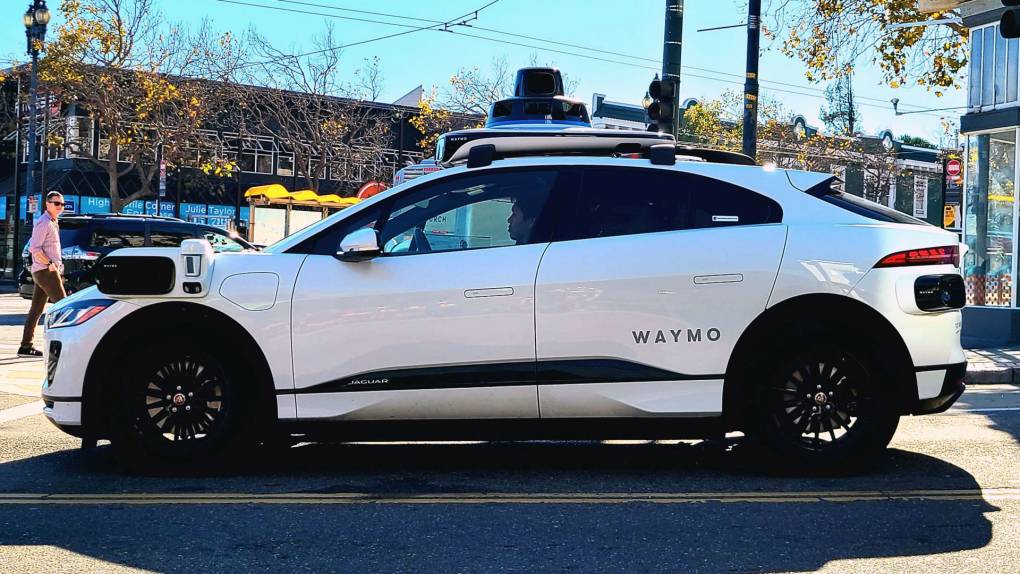
"caption": "A Waymo-brand car sits at an intersection in San Francisco's Castro neighborhood.",
"credit": "Christopher Beale/KQED",
"altTag": "A white SUV with tech gadgets and cameras sticking out from the sides and roof waits at a stoplight in San Francisco's Castro neighborhood.",
"description": null,
"imgSizes": {
"medium": {
"file": "https://cdn.kqed.org/wp-content/uploads/sites/10/2021/11/Waymo-car-800x450.jpg",
"width": 800,
"height": 450,
"mimeType": "image/jpeg"
},
"large": {
"file": "https://cdn.kqed.org/wp-content/uploads/sites/10/2021/11/Waymo-car-1020x574.jpg",
"width": 1020,
"height": 574,
"mimeType": "image/jpeg"
},
"thumbnail": {
"file": "https://cdn.kqed.org/wp-content/uploads/sites/10/2021/11/Waymo-car-160x90.jpg",
"width": 160,
"height": 90,
"mimeType": "image/jpeg"
},
"1536x1536": {
"file": "https://cdn.kqed.org/wp-content/uploads/sites/10/2021/11/Waymo-car-1536x864.jpg",
"width": 1536,
"height": 864,
"mimeType": "image/jpeg"
},
"post-thumbnail": {
"file": "https://cdn.kqed.org/wp-content/uploads/sites/10/2021/11/Waymo-car-672x372.jpg",
"width": 672,
"height": 372,
"mimeType": "image/jpeg"
},
"twentyfourteen-full-width": {
"file": "https://cdn.kqed.org/wp-content/uploads/sites/10/2021/11/Waymo-car-1038x576.jpg",
"width": 1038,
"height": 576,
"mimeType": "image/jpeg"
},
"kqedFullSize": {
"file": "https://cdn.kqed.org/wp-content/uploads/sites/10/2021/11/Waymo-car.jpg",
"width": 1920,
"height": 1080
}
},
"isLoading": false,
"fetchFailed": false
},
"news_12053307": {
"type": "attachments",
"id": "news_12053307",
"meta": {
"index": "attachments_1716263798",
"site": "news",
"id": "12053307",
"found": true
},
"title": "231102-DriverlessTaxi-15-BL_qed",
"publishDate": 1755882911,
"status": "inherit",
"parent": 12053305,
"modified": 1755882945,
"caption": "A Waymo driverless taxi drives through Downtown San Francisco, California, on Nov. 2, 2023.",
"credit": "Carlos Avila Gonzalez/SF Chronicle ",
"altTag": null,
"description": null,
"imgSizes": {
"thumbnail": {
"file": "https://cdn.kqed.org/wp-content/uploads/sites/10/2025/08/231102-DriverlessTaxi-15-BL_qed-160x107.jpg",
"width": 160,
"height": 107,
"mimeType": "image/jpeg"
},
"1536x1536": {
"file": "https://cdn.kqed.org/wp-content/uploads/sites/10/2025/08/231102-DriverlessTaxi-15-BL_qed-1536x1024.jpg",
"width": 1536,
"height": 1024,
"mimeType": "image/jpeg"
},
"post-thumbnail": {
"file": "https://cdn.kqed.org/wp-content/uploads/sites/10/2025/08/231102-DriverlessTaxi-15-BL_qed-672x372.jpg",
"width": 672,
"height": 372,
"mimeType": "image/jpeg"
},
"twentyfourteen-full-width": {
"file": "https://cdn.kqed.org/wp-content/uploads/sites/10/2025/08/231102-DriverlessTaxi-15-BL_qed-1038x576.jpg",
"width": 1038,
"height": 576,
"mimeType": "image/jpeg"
},
"kqedFullSize": {
"file": "https://cdn.kqed.org/wp-content/uploads/sites/10/2025/08/231102-DriverlessTaxi-15-BL_qed.jpg",
"width": 2000,
"height": 1333
}
},
"isLoading": false,
"fetchFailed": false
},
"news_12043717": {
"type": "attachments",
"id": "news_12043717",
"meta": {
"index": "attachments_1716263798",
"site": "news",
"id": "12043717",
"found": true
},
"title": "elon crashout_web img",
"publishDate": 1749614067,
"status": "inherit",
"parent": 12043716,
"modified": 1749616804,
"caption": "Composite image: Elon Musk with President Trump at the White House on May 30, 2025 (left), and anti-ICE protesters facing police on the 101 Freeway in Los Angeles on June 8, 2025 (right).",
"credit": "Photos by Tom Brenner/The Washington Post via Getty Images; Benjamin Hanson/Middle East Images/AFP via Getty Images",
"altTag": "A composite of two images, diagonally split down the middle. On the left, Elon Musk stands beside Donald Trump in the Oval Office. Musk is speaking while Trump sits behind the Resolute Desk, with American flags behind and a bronze bust of Abraham Lincoln in the foreground. On the right, several California Highway Patrol officers in riot gear stand in formation facing a group of protesters on a freeway. One protester wears a mask and holds a sign.",
"description": null,
"imgSizes": {
"thumbnail": {
"file": "https://cdn.kqed.org/wp-content/uploads/sites/10/2025/06/elon-crashout_web-img-160x90.png",
"width": 160,
"height": 90,
"mimeType": "image/png"
},
"1536x1536": {
"file": "https://cdn.kqed.org/wp-content/uploads/sites/10/2025/06/elon-crashout_web-img-1536x864.png",
"width": 1536,
"height": 864,
"mimeType": "image/png"
},
"post-thumbnail": {
"file": "https://cdn.kqed.org/wp-content/uploads/sites/10/2025/06/elon-crashout_web-img-672x372.png",
"width": 672,
"height": 372,
"mimeType": "image/png"
},
"twentyfourteen-full-width": {
"file": "https://cdn.kqed.org/wp-content/uploads/sites/10/2025/06/elon-crashout_web-img-1038x576.png",
"width": 1038,
"height": 576,
"mimeType": "image/png"
},
"kqedFullSize": {
"file": "https://cdn.kqed.org/wp-content/uploads/sites/10/2025/06/elon-crashout_web-img.png",
"width": 1920,
"height": 1080
}
},
"isLoading": false,
"fetchFailed": false
},
"news_11983293": {
"type": "attachments",
"id": "news_11983293",
"meta": {
"index": "attachments_1716263798",
"site": "news",
"id": "11983293",
"found": true
},
"title": "A Waymo vehicle drives through Downtown San Francisco, Calif., on Nov. 2, 2023.",
"publishDate": 1713395304,
"status": "inherit",
"parent": 11983284,
"modified": 1757024795,
"caption": "A Waymo vehicle drives through Downtown San Francisco, Calif., on Nov. 2, 2023.",
"credit": "Carlos Avila Gonzalez/SF Chronicle/POOL",
"altTag": null,
"description": null,
"imgSizes": {
"medium": {
"file": "https://cdn.kqed.org/wp-content/uploads/sites/10/2024/04/231102-DriverlessTaxi-18-BL_qut-800x533.jpg",
"width": 800,
"height": 533,
"mimeType": "image/jpeg"
},
"large": {
"file": "https://cdn.kqed.org/wp-content/uploads/sites/10/2024/04/231102-DriverlessTaxi-18-BL_qut-1020x680.jpg",
"width": 1020,
"height": 680,
"mimeType": "image/jpeg"
},
"thumbnail": {
"file": "https://cdn.kqed.org/wp-content/uploads/sites/10/2024/04/231102-DriverlessTaxi-18-BL_qut-160x107.jpg",
"width": 160,
"height": 107,
"mimeType": "image/jpeg"
},
"1536x1536": {
"file": "https://cdn.kqed.org/wp-content/uploads/sites/10/2024/04/231102-DriverlessTaxi-18-BL_qut-1536x1024.jpg",
"width": 1536,
"height": 1024,
"mimeType": "image/jpeg"
},
"post-thumbnail": {
"file": "https://cdn.kqed.org/wp-content/uploads/sites/10/2024/04/231102-DriverlessTaxi-18-BL_qut-672x372.jpg",
"width": 672,
"height": 372,
"mimeType": "image/jpeg"
},
"twentyfourteen-full-width": {
"file": "https://cdn.kqed.org/wp-content/uploads/sites/10/2024/04/231102-DriverlessTaxi-18-BL_qut-1038x576.jpg",
"width": 1038,
"height": 576,
"mimeType": "image/jpeg"
},
"kqedFullSize": {
"file": "https://cdn.kqed.org/wp-content/uploads/sites/10/2024/04/231102-DriverlessTaxi-18-BL_qut.jpg",
"width": 1920,
"height": 1280
}
},
"isLoading": false,
"fetchFailed": false
},
"news_11966666": {
"type": "attachments",
"id": "news_11966666",
"meta": {
"index": "attachments_1716263798",
"site": "news",
"id": "11966666",
"found": true
},
"parent": 11966517,
"imgSizes": {
"twentyfourteen-full-width": {
"file": "https://cdn.kqed.org/wp-content/uploads/sites/10/2023/11/230921-TaxiDriver-10-BL-1038x576.jpg",
"width": 1038,
"mimeType": "image/jpeg",
"height": 576
},
"thumbnail": {
"file": "https://cdn.kqed.org/wp-content/uploads/sites/10/2023/11/230921-TaxiDriver-10-BL-160x107.jpg",
"width": 160,
"mimeType": "image/jpeg",
"height": 107
},
"post-thumbnail": {
"file": "https://cdn.kqed.org/wp-content/uploads/sites/10/2023/11/230921-TaxiDriver-10-BL-672x372.jpg",
"width": 672,
"mimeType": "image/jpeg",
"height": 372
},
"kqedFullSize": {
"file": "https://cdn.kqed.org/wp-content/uploads/sites/10/2023/11/230921-TaxiDriver-10-BL.jpg",
"width": 1920,
"height": 1280
},
"large": {
"file": "https://cdn.kqed.org/wp-content/uploads/sites/10/2023/11/230921-TaxiDriver-10-BL-1020x680.jpg",
"width": 1020,
"mimeType": "image/jpeg",
"height": 680
},
"1536x1536": {
"file": "https://cdn.kqed.org/wp-content/uploads/sites/10/2023/11/230921-TaxiDriver-10-BL-1536x1024.jpg",
"width": 1536,
"mimeType": "image/jpeg",
"height": 1024
},
"medium": {
"file": "https://cdn.kqed.org/wp-content/uploads/sites/10/2023/11/230921-TaxiDriver-10-BL-800x533.jpg",
"width": 800,
"mimeType": "image/jpeg",
"height": 533
}
},
"publishDate": 1699389847,
"modified": 1706648308,
"caption": "A Waymo vehicle drives through downtown San Francisco on Nov. 2, 2023.",
"description": null,
"title": "231102-TaxiDriver-BethLaBerge-11",
"credit": "Beth LaBerge/KQED",
"status": "inherit",
"altTag": "A white driverless vehicle drives on a city street.",
"isLoading": false,
"fetchFailed": false
},
"news_12030874": {
"type": "attachments",
"id": "news_12030874",
"meta": {
"index": "attachments_1716263798",
"site": "news",
"id": "12030874",
"found": true
},
"title": "Waymo problems_web final",
"publishDate": 1741738881,
"status": "inherit",
"parent": 12030860,
"modified": 1741745629,
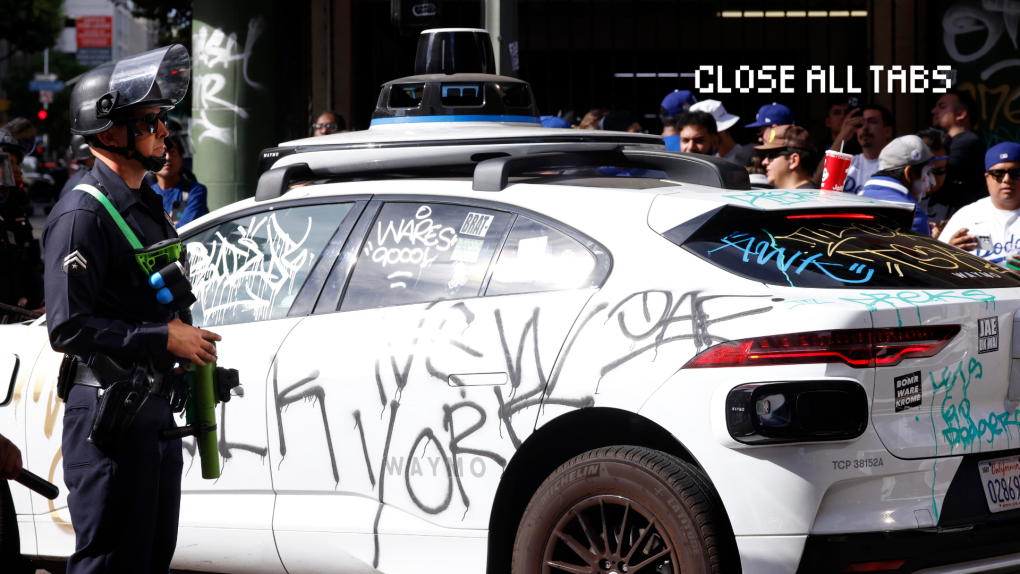
"caption": "An LAPD officer stands next to a Waymo car that was tagged during a sideshow on Flower Street in downtown Los Angeles, after the Dodgers parade on November 1, 2024. (Genaro Molina/Los Angeles Times via Getty Images)",
"credit": null,
"altTag": "A man wearing a police uniform and a riot face shield stands next to a white Waymo vehicle that is covered in multicolor graffiti tags. A crowd of people wearing Dodgers paraphernalia surrounds the car.",
"description": null,
"imgSizes": {
"medium": {
"file": "https://cdn.kqed.org/wp-content/uploads/sites/10/2025/03/Waymo-problems_web-final-800x450.png",
"width": 800,
"height": 450,
"mimeType": "image/png"
},
"large": {
"file": "https://cdn.kqed.org/wp-content/uploads/sites/10/2025/03/Waymo-problems_web-final-1020x574.png",
"width": 1020,
"height": 574,
"mimeType": "image/png"
},
"thumbnail": {
"file": "https://cdn.kqed.org/wp-content/uploads/sites/10/2025/03/Waymo-problems_web-final-160x90.png",
"width": 160,
"height": 90,
"mimeType": "image/png"
},
"1536x1536": {
"file": "https://cdn.kqed.org/wp-content/uploads/sites/10/2025/03/Waymo-problems_web-final-1536x864.png",
"width": 1536,
"height": 864,
"mimeType": "image/png"
},
"post-thumbnail": {
"file": "https://cdn.kqed.org/wp-content/uploads/sites/10/2025/03/Waymo-problems_web-final-672x372.png",
"width": 672,
"height": 372,
"mimeType": "image/png"
},
"twentyfourteen-full-width": {
"file": "https://cdn.kqed.org/wp-content/uploads/sites/10/2025/03/Waymo-problems_web-final-1038x576.png",
"width": 1038,
"height": 576,
"mimeType": "image/png"
},
"kqedFullSize": {
"file": "https://cdn.kqed.org/wp-content/uploads/sites/10/2025/03/Waymo-problems_web-final.png",
"width": 1920,
"height": 1080
}
},
"isLoading": false,
"fetchFailed": false
}
},
"audioPlayerReducer": {
"postId": "stream_live",
"isPaused": true,
"isPlaying": false,
"pfsActive": false,
"pledgeModalIsOpen": true,
"playerDrawerIsOpen": false,
"liveAudioPlayStartedAt": 0,
"liveAudioPlayContext": ""
},
"authorsReducer": {
"danbrekke": {
"type": "authors",
"id": "222",
"meta": {
"index": "authors_1716337520",
"id": "222",
"found": true
},
"name": "Dan Brekke",
"firstName": "Dan",
"lastName": "Brekke",
"slug": "danbrekke",
"email": "dbrekke@kqed.org",
"display_author_email": true,
"staff_mastheads": [
"news",
"science"
],
"title": "KQED Editor and Reporter",
"bio": "Dan Brekke is a reporter and editor for KQED News, responsible for coverage of topics ranging from California water issues to the Bay Area's transportation challenges. In a newsroom career that began in Chicago in 1972, Dan has worked for \u003cem>The San Francisco Examiner,\u003c/em> Wired and TechTV and has been published in The New York Times, The New York Times Magazine, Business 2.0, Salon and elsewhere.\r\n\r\nSince joining KQED in 2007, Dan has reported, edited and produced both radio and online features and breaking news pieces. He has shared as both editor and reporter in four Society of Professional Journalists Norcal Excellence in Journalism awards and one Edward R. Murrow regional award. He was chosen for a spring 2017 residency at the Mesa Refuge to advance his research on California salmon.\r\n\r\nEmail Dan at: \u003ca href=\"mailto:dbrekke@kqed.org\">dbrekke@kqed.org\u003c/a>\r\n\r\n\u003cstrong>Twitter:\u003c/strong> \u003ca href=\"https://twitter.com/danbrekke\" rel=\"noopener noreferrer\">twitter.com/danbrekke\u003c/a>\r\n\u003cstrong>Facebook:\u003c/strong> \u003ca href=\"https://www.facebook.com/danbrekke\" rel=\"noopener noreferrer\">www.facebook.com/danbrekke\u003c/a>\r\n\u003cstrong>LinkedIn:\u003c/strong> \u003ca href=\"https://www.linkedin.com/in/danbrekke\" rel=\"noopener noreferrer\">www.linkedin.com/in/danbrekke\u003c/a>",
"avatar": "https://secure.gravatar.com/avatar/8f1f0d2a978fb3b23426c922c7e2af558fa36905b49c4ce76a97dc3c72d27226?s=600&d=mm&r=g",
"twitter": "danbrekke",
"bluesky": null,
"facebook": null,
"instagram": "https://www.instagram.com/dan.brekke/",
"linkedin": "https://www.linkedin.com/in/danbrekke/",
"sites": [
{
"site": "news",
"roles": [
"administrator",
"create_posts"
]
},
{
"site": "stateofhealth",
"roles": [
"editor"
]
},
{
"site": "science",
"roles": [
"editor"
]
},
{
"site": "quest",
"roles": [
"contributor"
]
},
{
"site": "food",
"roles": [
"contributor"
]
},
{
"site": "forum",
"roles": [
"contributor"
]
},
{
"site": "elections",
"roles": [
"editor"
]
},
{
"site": "liveblog",
"roles": [
"editor"
]
}
],
"headData": {
"title": "Dan Brekke | KQED",
"description": "KQED Editor and Reporter",
"ogImgSrc": "https://secure.gravatar.com/avatar/8f1f0d2a978fb3b23426c922c7e2af558fa36905b49c4ce76a97dc3c72d27226?s=600&d=mm&r=g",
"twImgSrc": "https://secure.gravatar.com/avatar/8f1f0d2a978fb3b23426c922c7e2af558fa36905b49c4ce76a97dc3c72d27226?s=600&d=mm&r=g"
},
"isLoading": false,
"link": "/author/danbrekke"
},
"gmarzorati": {
"type": "authors",
"id": "227",
"meta": {
"index": "authors_1716337520",
"id": "227",
"found": true
},
"name": "Guy Marzorati",
"firstName": "Guy",
"lastName": "Marzorati",
"slug": "gmarzorati",
"email": "gmarzorati@KQED.org",
"display_author_email": true,
"staff_mastheads": [
"news"
],
"title": "Correspondent",
"bio": "Guy Marzorati is a correspondent on KQED's California Politics and Government Desk, based in San Jose. A graduate of Santa Clara University, Guy joined KQED in 2013. He reports on state and local politics and produces KQED's digital voter guide.",
"avatar": "https://secure.gravatar.com/avatar/e7038b8dbfd55b104369b76b1cd0b9de?s=600&d=blank&r=g",
"twitter": "guymarzorati",
"facebook": null,
"instagram": null,
"linkedin": null,
"sites": [
{
"site": "",
"roles": [
"editor"
]
},
{
"site": "news",
"roles": [
"editor"
]
},
{
"site": "science",
"roles": [
"editor"
]
},
{
"site": "forum",
"roles": [
"editor"
]
},
{
"site": "elections",
"roles": [
"editor"
]
},
{
"site": "liveblog",
"roles": [
"editor"
]
}
],
"headData": {
"title": "Guy Marzorati | KQED",
"description": "Correspondent",
"ogImgSrc": "https://secure.gravatar.com/avatar/e7038b8dbfd55b104369b76b1cd0b9de?s=600&d=blank&r=g",
"twImgSrc": "https://secure.gravatar.com/avatar/e7038b8dbfd55b104369b76b1cd0b9de?s=600&d=blank&r=g"
},
"isLoading": false,
"link": "/author/gmarzorati"
},
"ecruzguevarra": {
"type": "authors",
"id": "8654",
"meta": {
"index": "authors_1716337520",
"id": "8654",
"found": true
},
"name": "Ericka Cruz Guevarra",
"firstName": "Ericka",
"lastName": "Cruz Guevarra",
"slug": "ecruzguevarra",
"email": "ecruzguevarra@kqed.org",
"display_author_email": true,
"staff_mastheads": [
"news"
],
"title": "Producer, The Bay Podcast",
"bio": "Ericka Cruz Guevarra is host of \u003ca href=\"https://www.kqed.org/podcasts/thebay\">\u003cem>The Bay\u003c/em>\u003c/a> podcast at KQED. Before host, she was the show’s producer. Her work in that capacity includes a three-part reported series on policing in Vallejo, which won a 2020 excellence in journalism award from the Society of Professional Journalists. Ericka has worked as a breaking news reporter at Oregon Public Broadcasting, helped produce the Code Switch podcast, and was KQED’s inaugural Raul Ramirez Diversity Fund intern. She’s also an alumna of NPR’s Next Generation Radio program. Send her an email if you have strong feelings about whether Fairfield and Suisun City are the Bay. Ericka is represented by SAG-AFTRA.",
"avatar": "https://secure.gravatar.com/avatar/accefc1de4bafc7e234b69bcb9b6f6536c130fd84709bc3069ef11a78787e1bb?s=600&d=blank&r=g",
"twitter": "NotoriousECG",
"bluesky": null,
"facebook": null,
"instagram": null,
"linkedin": null,
"sites": [
{
"site": "arts",
"roles": [
"subscriber"
]
},
{
"site": "news",
"roles": [
"editor",
"manage_categories"
]
},
{
"site": "futureofyou",
"roles": [
"subscriber"
]
},
{
"site": "stateofhealth",
"roles": [
"subscriber"
]
},
{
"site": "science",
"roles": [
"editor"
]
},
{
"site": "forum",
"roles": [
"subscriber"
]
}
],
"headData": {
"title": "Ericka Cruz Guevarra | KQED",
"description": "Producer, The Bay Podcast",
"ogImgSrc": "https://secure.gravatar.com/avatar/accefc1de4bafc7e234b69bcb9b6f6536c130fd84709bc3069ef11a78787e1bb?s=600&d=blank&r=g",
"twImgSrc": "https://secure.gravatar.com/avatar/accefc1de4bafc7e234b69bcb9b6f6536c130fd84709bc3069ef11a78787e1bb?s=600&d=blank&r=g"
},
"isLoading": false,
"link": "/author/ecruzguevarra"
},
"amontecillo": {
"type": "authors",
"id": "11649",
"meta": {
"index": "authors_1716337520",
"id": "11649",
"found": true
},
"name": "Alan Montecillo",
"firstName": "Alan",
"lastName": "Montecillo",
"slug": "amontecillo",
"email": "amontecillo@kqed.org",
"display_author_email": false,
"staff_mastheads": [
"news"
],
"title": "KQED Contributor",
"bio": "Alan Montecillo is the senior editor of \u003cem>\u003ca href=\"http://kqed.org/thebay\">The Bay\u003c/a>, \u003c/em> KQED's local news podcast. Before moving to the Bay Area, he worked as a senior talk show producer for WILL in Champaign-Urbana, Illinois and at Oregon Public Broadcasting in Portland, Oregon. He has won journalism awards from the Society of Professional Journalists Northern California, the Public Media Journalists Association, The Signal Awards, and has also received a regional Edward R. Murrow award. Alan is a Filipino American from Hong Kong and a graduate of Reed College.",
"avatar": "https://secure.gravatar.com/avatar/268f53a2066899ea9efdd8a5900218b17c822d9862cbc9326cccec53ef41d349?s=600&d=blank&r=g",
"twitter": "alanmontecillo",
"bluesky": null,
"facebook": null,
"instagram": null,
"linkedin": null,
"sites": [
{
"site": "",
"roles": [
"editor"
]
},
{
"site": "news",
"roles": [
"editor",
"manage_categories"
]
}
],
"headData": {
"title": "Alan Montecillo | KQED",
"description": "KQED Contributor",
"ogImgSrc": "https://secure.gravatar.com/avatar/268f53a2066899ea9efdd8a5900218b17c822d9862cbc9326cccec53ef41d349?s=600&d=blank&r=g",
"twImgSrc": "https://secure.gravatar.com/avatar/268f53a2066899ea9efdd8a5900218b17c822d9862cbc9326cccec53ef41d349?s=600&d=blank&r=g"
},
"isLoading": false,
"link": "/author/amontecillo"
},
"kmizuguchi": {
"type": "authors",
"id": "11739",
"meta": {
"index": "authors_1716337520",
"id": "11739",
"found": true
},
"name": "Keith Mizuguchi",
"firstName": "Keith",
"lastName": "Mizuguchi",
"slug": "kmizuguchi",
"email": "kmizuguchi@kqed.org",
"display_author_email": false,
"staff_mastheads": [],
"title": "KQED Contributor",
"bio": null,
"avatar": "https://secure.gravatar.com/avatar/64d8a7de0723d4099b9fe4e915136103febcc20809abce228ee4415bcb237023?s=600&d=blank&r=g",
"twitter": null,
"bluesky": null,
"facebook": null,
"instagram": null,
"linkedin": null,
"sites": [
{
"site": "news",
"roles": [
"editor"
]
},
{
"site": "science",
"roles": [
"editor"
]
}
],
"headData": {
"title": "Keith Mizuguchi | KQED",
"description": "KQED Contributor",
"ogImgSrc": "https://secure.gravatar.com/avatar/64d8a7de0723d4099b9fe4e915136103febcc20809abce228ee4415bcb237023?s=600&d=blank&r=g",
"twImgSrc": "https://secure.gravatar.com/avatar/64d8a7de0723d4099b9fe4e915136103febcc20809abce228ee4415bcb237023?s=600&d=blank&r=g"
},
"isLoading": false,
"link": "/author/kmizuguchi"
},
"jessicakariisa": {
"type": "authors",
"id": "11831",
"meta": {
"index": "authors_1716337520",
"id": "11831",
"found": true
},
"name": "Jessica Kariisa",
"firstName": "Jessica",
"lastName": "Kariisa",
"slug": "jessicakariisa",
"email": "jkariisa@kqed.org",
"display_author_email": false,
"staff_mastheads": [],
"title": "Producer, The Bay",
"bio": "Jessica Kariisa is the producer of The Bay. She first joined KQED as an intern for The California Report Magazine, after which she became an on-call producer. She reported a Bay Curious episode on the use of rap lyrics in criminal trials which won a Society of Professional Journalists award in 2023 for Excellence in Features Journalism and the 2023 Signal Award for Best Conversation Starter. She’s worked on podcasts for Snap Judgment and American Public Media. Before embarking on her audio career, she was a music journalist.\r\n\r\nJessica Kariisa is represented by SAG-AFTRA.",
"avatar": "https://secure.gravatar.com/avatar/522e97b28ac0b3d411621c0fde8f3419c7b71ea2c5c262c57c4bb600963f328c?s=600&d=blank&r=g",
"twitter": null,
"bluesky": null,
"facebook": null,
"instagram": null,
"linkedin": null,
"sites": [
{
"site": "arts",
"roles": [
"author"
]
},
{
"site": "news",
"roles": [
"editor",
"manage_categories"
]
}
],
"headData": {
"title": "Jessica Kariisa | KQED",
"description": "Producer, The Bay",
"ogImgSrc": "https://secure.gravatar.com/avatar/522e97b28ac0b3d411621c0fde8f3419c7b71ea2c5c262c57c4bb600963f328c?s=600&d=blank&r=g",
"twImgSrc": "https://secure.gravatar.com/avatar/522e97b28ac0b3d411621c0fde8f3419c7b71ea2c5c262c57c4bb600963f328c?s=600&d=blank&r=g"
},
"isLoading": false,
"link": "/author/jessicakariisa"
},
"cegusa": {
"type": "authors",
"id": "11869",
"meta": {
"index": "authors_1716337520",
"id": "11869",
"found": true
},
"name": "Chris Egusa",
"firstName": "Chris",
"lastName": "Egusa",
"slug": "cegusa",
"email": "cegusa@kqed.org",
"display_author_email": false,
"staff_mastheads": [],
"title": "KQED Contributor",
"bio": null,
"avatar": "https://secure.gravatar.com/avatar/3562ed52747313a4c94017da88ea89f9e85cd901f63ebc056a7d5e0adf4a03da?s=600&d=blank&r=g",
"twitter": null,
"bluesky": null,
"facebook": null,
"instagram": null,
"linkedin": null,
"sites": [
{
"site": "arts",
"roles": [
"editor"
]
},
{
"site": "news",
"roles": [
"editor"
]
}
],
"headData": {
"title": "Chris Egusa | KQED",
"description": "KQED Contributor",
"ogImgSrc": "https://secure.gravatar.com/avatar/3562ed52747313a4c94017da88ea89f9e85cd901f63ebc056a7d5e0adf4a03da?s=600&d=blank&r=g",
"twImgSrc": "https://secure.gravatar.com/avatar/3562ed52747313a4c94017da88ea89f9e85cd901f63ebc056a7d5e0adf4a03da?s=600&d=blank&r=g"
},
"isLoading": false,
"link": "/author/cegusa"
},
"jgeha": {
"type": "authors",
"id": "11906",
"meta": {
"index": "authors_1716337520",
"id": "11906",
"found": true
},
"name": "Joseph Geha",
"firstName": "Joseph",
"lastName": "Geha",
"slug": "jgeha",
"email": "jgeha@kqed.org",
"display_author_email": false,
"staff_mastheads": [
"news",
"science"
],
"title": "KQED Contributor",
"bio": null,
"avatar": "https://secure.gravatar.com/avatar/ea84d2b6dd93d6369d453edf19dd583f117cd1759d2d9c9c92f9de77017354fe?s=600&d=blank&r=g",
"twitter": null,
"bluesky": null,
"facebook": null,
"instagram": null,
"linkedin": null,
"sites": [
{
"site": "news",
"roles": [
"editor"
]
},
{
"site": "liveblog",
"roles": [
"author"
]
}
],
"headData": {
"title": "Joseph Geha | KQED",
"description": "KQED Contributor",
"ogImgSrc": "https://secure.gravatar.com/avatar/ea84d2b6dd93d6369d453edf19dd583f117cd1759d2d9c9c92f9de77017354fe?s=600&d=blank&r=g",
"twImgSrc": "https://secure.gravatar.com/avatar/ea84d2b6dd93d6369d453edf19dd583f117cd1759d2d9c9c92f9de77017354fe?s=600&d=blank&r=g"
},
"isLoading": false,
"link": "/author/jgeha"
},
"kdebenedetti": {
"type": "authors",
"id": "11913",
"meta": {
"index": "authors_1716337520",
"id": "11913",
"found": true
},
"name": "Katie DeBenedetti",
"firstName": "Katie",
"lastName": "DeBenedetti",
"slug": "kdebenedetti",
"email": "kdebenedetti@kqed.org",
"display_author_email": false,
"staff_mastheads": [
"news",
"science"
],
"title": "KQED Contributor",
"bio": "Katie DeBenedetti is a digital reporter covering daily news for the Express Desk. Prior to joining KQED as a culture reporting intern in January 2024, she covered education and city government for the Napa Valley Register.",
"avatar": "https://secure.gravatar.com/avatar/6e31073cb8f7e4214ab03f42771d0f45?s=600&d=blank&r=g",
"twitter": null,
"facebook": null,
"instagram": null,
"linkedin": null,
"sites": [
{
"site": "news",
"roles": [
"author"
]
},
{
"site": "science",
"roles": [
"author"
]
},
{
"site": "liveblog",
"roles": [
"author"
]
}
],
"headData": {
"title": "Katie DeBenedetti | KQED",
"description": "KQED Contributor",
"ogImgSrc": "https://secure.gravatar.com/avatar/6e31073cb8f7e4214ab03f42771d0f45?s=600&d=blank&r=g",
"twImgSrc": "https://secure.gravatar.com/avatar/6e31073cb8f7e4214ab03f42771d0f45?s=600&d=blank&r=g"
},
"isLoading": false,
"link": "/author/kdebenedetti"
},
"mcueva": {
"type": "authors",
"id": "11943",
"meta": {
"index": "authors_1716337520",
"id": "11943",
"found": true
},
"name": "Maya Cueva",
"firstName": "Maya",
"lastName": "Cueva",
"slug": "mcueva",
"email": "mcueva@kqed.org",
"display_author_email": false,
"staff_mastheads": [],
"title": "KQED Contributor",
"bio": null,
"avatar": "https://secure.gravatar.com/avatar/238c7aba67c4b6b7b891965ba8cc9e9a4928b5dbdeaf4bde6a81c13e87f49b49?s=600&d=blank&r=g",
"twitter": null,
"bluesky": null,
"facebook": null,
"instagram": null,
"linkedin": null,
"sites": [
{
"site": "news",
"roles": [
"editor"
]
}
],
"headData": {
"title": "Maya Cueva | KQED",
"description": "KQED Contributor",
"ogImgSrc": "https://secure.gravatar.com/avatar/238c7aba67c4b6b7b891965ba8cc9e9a4928b5dbdeaf4bde6a81c13e87f49b49?s=600&d=blank&r=g",
"twImgSrc": "https://secure.gravatar.com/avatar/238c7aba67c4b6b7b891965ba8cc9e9a4928b5dbdeaf4bde6a81c13e87f49b49?s=600&d=blank&r=g"
},
"isLoading": false,
"link": "/author/mcueva"
},
"msung": {
"type": "authors",
"id": "11944",
"meta": {
"index": "authors_1716337520",
"id": "11944",
"found": true
},
"name": "Morgan Sung",
"firstName": "Morgan",
"lastName": "Sung",
"slug": "msung",
"email": "msung@kqed.org",
"display_author_email": false,
"staff_mastheads": [],
"title": "Close All Tabs Host",
"bio": null,
"avatar": "https://secure.gravatar.com/avatar/34033b8d232ee6c987ca6f0a1a28f0e5?s=600&d=blank&r=g",
"twitter": null,
"facebook": null,
"instagram": null,
"linkedin": null,
"sites": [
{
"site": "news",
"roles": [
"editor"
]
}
],
"headData": {
"title": "Morgan Sung | KQED",
"description": "Close All Tabs Host",
"ogImgSrc": "https://secure.gravatar.com/avatar/34033b8d232ee6c987ca6f0a1a28f0e5?s=600&d=blank&r=g",
"twImgSrc": "https://secure.gravatar.com/avatar/34033b8d232ee6c987ca6f0a1a28f0e5?s=600&d=blank&r=g"
},
"isLoading": false,
"link": "/author/msung"
}
},
"pagesReducer": {
"news_tag_waymo": {
"type": "terms",
"id": "news_20576",
"meta": {
"index": "terms_1716263798",
"site": "news",
"id": "20576",
"score": 9.557308
},
"featImg": null,
"name": "Waymo",
"description": null,
"taxonomy": "tag",
"headData": {
"twImgId": null,
"twTitle": null,
"ogTitle": null,
"ogImgId": null,
"twDescription": null,
"description": null,
"title": "Waymo Archives | KQED News",
"ogDescription": null
},
"ttid": 20593,
"slug": "waymo",
"isLoading": false,
"title": "Waymo",
"pageMeta": {
"site": "news",
"WpPageTemplate": "page-topic-editorial",
"currentPage": 2
},
"blocks": [
{
"blockName": "kqed/post-list",
"attrs": {
"layout": "cardArticle2",
"query": "posts/news?tag=waymo",
"seeMore": false,
"paginated": true,
"page": 2
}
},
{
"blockName": "kqed/ad"
}
]
}
},
"pfsSessionReducer": {},
"postsReducer": {
"stream_live": {
"type": "live",
"id": "stream_live",
"audioUrl": "https://streams.kqed.org/kqedradio",
"title": "Live Stream",
"excerpt": "Live Stream information currently unavailable.",
"link": "/radio",
"featImg": "",
"label": {
"name": "KQED Live",
"link": "/"
}
},
"stream_kqedNewscast": {
"type": "posts",
"id": "stream_kqedNewscast",
"audioUrl": "https://www.kqed.org/.stream/anon/radio/RDnews/newscast.mp3?_=1",
"title": "KQED Newscast",
"featImg": "",
"label": {
"name": "88.5 FM",
"link": "/"
}
},
"news_12062314": {
"type": "posts",
"id": "news_12062314",
"meta": {
"index": "posts_1716263798",
"site": "news",
"id": "12062314",
"score": null,
"sort": [
1761904844000
]
},
"guestAuthors": [],
"slug": "snap-benefits-uber-enters-the-robotaxi-race-and-the-condor-comeback",
"title": "SNAP Benefits, Uber Enters the Robotaxi Race, and the Condor Comeback",
"publishDate": 1761904844,
"format": "audio",
"headTitle": "SNAP Benefits, Uber Enters the Robotaxi Race, and the Condor Comeback | KQED",
"labelTerm": {},
"content": "\u003cp>In this October edition of The Bay’s monthly news roundup, we discuss the impact of the federal government shutdown on hunger in the Bay Area, and how local governments are responding. We also discuss Uber’s plans to enter the driverless vehicle market, and how the California condor is making a comeback after near-extinction. \u003cspan data-slate-fragment=\"JTVCJTdCJTIydHlwZSUyMiUzQSUyMnBhcmFncmFwaCUyMiUyQyUyMmNoaWxkcmVuJTIyJTNBJTVCJTdCJTIydGV4dCUyMiUzQSUyMlBsdXMlMkMlMjB3ZSUyMHBheSUyMHRyaWJ1dGUlMjB0byUyMEtRRUQlMjB0cmFuc3BvcnRhdGlvbiUyMGVkaXRvciUyMERhbiUyMEJyZWtrZSUyQyUyMHdobyUyMGlzJTIwcmV0aXJpbmclMjBhZnRlciUyMG5lYXJseSUyMDUwJTIweWVhcnMlMjBpbiUyMEJheSUyMEFyZWElMjBqb3VybmFsaXNtLiUyMiU3RCU1RCU3RCU1RA==\">Plus, we pay tribute to KQED transportation editor Dan Brekke, who is retiring after nearly 50 years in Bay Area journalism.\u003c/span>\u003c/p>\n\u003cp>\u003c!-- iframe plugin v.4.3 wordpress.org/plugins/iframe/ -->\u003cbr>\n\u003ciframe loading=\"lazy\" frameborder=\"0\" height=\"200\" scrolling=\"no\" src=\"https://playlist.megaphone.fm?e=KQINC5978954594\" width=\"100%\" class=\"iframe-class\">\u003c/iframe>\u003c/p>\n\u003cp>\u003cstrong>Links:\u003c/strong>\u003c/p>\n\u003cul>\n\u003cli>\u003ca href=\"https://richmondside.org/2025/10/29/contra-costa-food-bank-calfresh-snap-benefit-cuts/\">Contra Costa County plans to give CalFresh recipients food money if SNAP is paused\u003c/a>\u003c/li>\n\u003cli>\u003ca href=\"https://www.kqed.org/news/12062034/san-francisco-will-cover-full-snap-benefits-for-november-amid-federal-shutdown\">San Francisco Will Cover SNAP Benefits for November Amid Federal Shutdown\u003c/a>\u003c/li>\n\u003cli>\u003ca href=\"https://www.kqed.org/arts/13982957/snap-calfresh-ebt-november-shutdown-meals-food-assistance-san-francisco-bay-area\">With SNAP Benefits Delayed, Restaurants Step Up to Feed Bay Area Families\u003c/a>\u003c/li>\n\u003cli>\u003ca href=\"https://www.theverge.com/news/808743/uber-lucid-nuro-robotaxi-san-francisco-2026\">Uber will challenge Waymo’s robotaxi dominance in San Francisco\u003c/a>\u003c/li>\n\u003cli>\u003ca href=\"https://www.mercurynews.com/2025/10/20/for-a-century-they-were-gone-but-california-condors-are-making-a-comeback-in-these-parts-of-the-bay-area/?campaign=sjmnbreakingnews&utm_email=A4A5B403457285D525DA14E7D1&active=no&lctg=A4A5B403457285D525DA14E7D1\">For a century, they were gone. But California condors are making a comeback in these parts of the Bay Area\u003c/a>\u003c/li>\n\u003c/ul>\n\u003cp>\u003ci>Some members of the KQED podcast team are represented by The Screen Actors Guild, American Federation of Television and Radio Artists, San Francisco-Northern California Local.\u003c/i>\u003c/p>\n\u003cp>\u003cem>This is a computer-generated transcript. While our team has reviewed it, there may be errors.\u003c/em>\u003c/p>\n\u003cp>[ad fullwidth]\u003c/p>\n\u003cp>\u003cstrong>Ericka Cruz Guevarra \u003c/strong>[00:00:02] I’m Ericka Cruz Guevarra and welcome to The Bay local news to keep you rooted and welcome to our October news roundup. I’m joined today by The Bay senior editor, Alan Montecillo. What’s up, Alan?\u003c/p>\n\u003cp>\u003cstrong>Alan Montecillo \u003c/strong>[00:00:14] Hey, good morning.\u003c/p>\n\u003cp>\u003cstrong>Ericka Cruz Guevarra \u003c/strong>[00:00:15] And our very, very special guest this month, transportation editor Dan Brekke.\u003c/p>\n\u003cp>\u003cstrong>Dan Brekke \u003c/strong>[00:00:22] Hi Ericka.\u003c/p>\n\u003cp>\u003cstrong>Ericka Cruz Guevarra \u003c/strong>[00:00:23] Hi! Happy Halloween!\u003c/p>\n\u003cp>\u003cstrong>Dan Brekke \u003c/strong>[00:00:26] Is it Halloween already? Oh yeah, it is.\u003c/p>\n\u003cp>\u003cstrong>Ericka Cruz Guevarra \u003c/strong>[00:00:28] Yeah, spooky season. Actually, we wanted to have you on as our guest for this month because you are retiring. And I want to take it back a little bit because I feel like for longtime listeners of The Bay, they’re probably familiar with you, but maybe not so much of your backstory. Can you talk a little about how long you’ve been a reporter here in the Bay Area?\u003c/p>\n\u003cp>\u003cstrong>Dan Brekke \u003c/strong>[00:00:52] In the Bay Area, I’ve been doing some media or other since about 1980. And I am going to include the Daily Cal. Daily Cal, of course, is the student newspaper at UC Berkeley. And before that, I had been lucky enough to actually get a newsroom job in Chicago, my hometown, right out of high school. And so I was impressionable. And the impression that the newsroom laid down on me was this is a really fun thing to do. You wanna keep coming back and doing this. And here we are today.\u003c/p>\n\u003cp>\u003cstrong>Ericka Cruz Guevarra \u003c/strong>[00:01:27] 50 years later. Yeah on your last day at KQED.\u003c/p>\n\u003cp>\u003cstrong>Alan Montecillo \u003c/strong>[00:01:32] Listeners of the show know you for your knowledge of transportation, especially public transit. Have you been covering transit this whole time or how did your passion for transit begin?\u003c/p>\n\u003cp>\u003cstrong>Dan Brekke \u003c/strong>[00:01:42] It’s always been present in my life. I grew up in the suburbs mostly in Chicago, a town called Park Forest. Even out there in the suburb, we had a bus line, South Suburban Safeway Lines, and I believe that it cost us a nickel. And that first job I had that I was talking about, I got to commute all the way to the other end in downtown Chicago. I mean, I thought that was the greatest thing ever, that you didn’t have to drive. And you could sleep. And then it just kind of grew from there. First time I came out to the Bay Area in 1973 was on Amtrak, you know, landed at the 16th Street Station in West Oakland, and that was really cool. And yeah, so the rest is history.\u003c/p>\n\u003cp>\u003cstrong>Alan Montecillo \u003c/strong>[00:02:31] So, I mean, you’ve covered the Bay Area for a long time. Are there any Bay Area stories you’ve covered that really stand out to you?\u003c/p>\n\u003cp>\u003cstrong>Dan Brekke \u003c/strong>[00:02:39] Two of the epic occurrences in the Bay Area during my career, one was the earthquake in 1989, which was a terribly traumatic incident. And then just two years later, almost to the day, there was a terrible fire in the Oakland Hills. And yeah, if you worked in a daily newsroom, as I did then, I was at the San Francisco Examiner with a bunch of really good people. You find yourself right in the middle of it.\u003c/p>\n\u003cp>\u003cstrong>Ericka Cruz Guevarra \u003c/strong>[00:03:09] Wow, I mean, it’s incredible to think about all the stories you’ve witnessed and lived through in the Bay Area in the last 50 years as a journalist. Dan and I, just to transition, imagine you’ve probably seen many a government shutdown in your lifetime as well. Of course, it’s been almost a month now since the government shutdown first began, and Alan, I want to stick with you and the shutdown impacts. You’re bringing a story today about the end of the month, and that means SNAP recipients won’t be getting any money next month as a result of the shutdown, right?\u003c/p>\n\u003cp>\u003cstrong>Alan Montecillo \u003c/strong>[00:03:46] Yeah, I mean, I feel like, at least in my life, this is all anyone’s talking about. This episode comes out a day before SNAP benefits are supposed to begin being dispersed for the month of November. But roughly 5.5 million Californians, about 42 million residents in the U.S. are set to not receive those benefits for actually the first time in the program’s history. So this is really, I mean, this is really code red in terms of food insecurity, in terms of people just struggling to get by. We’ve seen huge spikes in demand at food banks, lots of efforts to sort of help and fill in the gaps, but there’s really no substitute for the federal government with a program like SNAP.\u003c/p>\n\u003cp>\u003cstrong>Dan Brekke \u003c/strong>[00:04:27] There are visible signs of this in either people’s lives or out on the street. In Berkeley, we live around the corner from a food pantry. And there was a long line outside there yesterday. And so, I mean, that’s one sign. We know that there’s a record demand for a lot of food banks. And this is another sign of that. And I’ll also say, just on a personal level, we have a family member who sent us a text. And he and his family are dependent on SNAP, and his message to us a couple days ago was, we’re effed, and people are afraid. And then there’s some efforts on the local government front, which have far fewer resources of course than the federal government, to try to answer the need.\u003c/p>\n\u003cp>\u003cstrong>Alan Montecillo \u003c/strong>[00:05:13] That’s right. We are seeing efforts from local businesses, local governments, KQED and other news outlets have stories up listing the many restaurants that have volunteered to provide either free or discounted meals to the public. And then in terms of local government, San Francisco is actually going to cover the cost of SNAP benefits for. San Francisco residents only, for the month of November. Costs about $18 million, half of that coming from city money, half of it coming from private foundation money. The Alameda County Board of Supervisors has approved about 10 million extra dollars for the Alamedo County Community Food Bank. But, you know, I think everyone’s scrambling here and trying to do what they can.\u003c/p>\n\u003cp>\u003cstrong>Ericka Cruz Guevarra \u003c/strong>[00:05:57] Yeah, I mean, as you said, there’s no real replacement to these benefits at the federal level, but it seems like some stuff is happening locally. And I know Contra Costa County is also planning to give CalFresh recipients some food money if SNAP is paused as well. But I mean is there any sort of relief in sight at the dederal level for SNAP recipients?\u003c/p>\n\u003cp>\u003cstrong>Alan Montecillo \u003c/strong>[00:06:23] Well, the most straightforward way is for the shutdown to end. As of this taping, there is no indication that that is going to happen soon. There is currently a lawsuit. I mean, even as we’re taping this, there is a hearing in the US District Court in Boston. About two dozen states have sued the Trump administration, accusing them essentially of illegally withholding funds for SNAP in November. There is about $5 billion in contingency funds that the USDA has. Basically, these states are saying you can and should spend this money. The Trump administration actually originally said they would use these funds for the continuation of SNAP, but now says they can only be used for natural disasters. So that hearing is happening as we’re taping this, and obviously it’s coming down to the wire here with November 1st coming very, very soon.\u003c/p>\n\u003cp>\u003cstrong>Ericka Cruz Guevarra \u003c/strong>[00:07:13] Well, I’m sure many people will be watching what happens with that very closely. Thanks so much for bringing that story, Alan. And we’re gonna take a quick break, but when we come back, we’re going to get into the stories that Dan and I have been following this month. We’ll be right back.\u003c/p>\n\u003cp>\u003cstrong>Ericka Cruz Guevarra \u003c/strong>[00:07:38] Welcome back to the Bay’s October News Roundup, where we talk about some of the other stories that we’ve been following this month. And we’re gonna turn to you and your story now, Dan, which is about robo-taxis and driverless cars, which I feel like we’ve talked a lot about here on the show, but your story is about even more driverless vehicles coming to the bay area potentially.\u003c/p>\n\u003cp>\u003cstrong>Dan Brekke \u003c/strong>[00:08:01] You know, if you are in the KQED neighborhood anytime soon, any day of the week, you see a lot of these things, right? Waymo is going around the block, it seems like, all the time. But Uber and a couple of other companies announced that they are going to bring sort of a Uber-branded robotaxi to the San Francisco Bay Area. There’s a lot that’s not known about this, but we know who the partners are. It’s a company called Neuro. Which is down on the peninsula, and the other company is Lucid, and Lucid may not be a really familiar name, but we’ve seen their cars on the streets. They are kind of cool-looking electric cars, and Uber has a deal with them to deliver as many as 20,000 new vehicles, which will have this driving system, autonomous driving system from Neuro. And put them on the street in various markets. And we know that their plan first is to come to the San Francisco Bay Area. We don’t know exactly where yet, but that’ll come out probably over the next year.\u003c/p>\n\u003cp>\u003cstrong>Alan Montecillo \u003c/strong>[00:09:10] Uber has talked about robotaxis forever through multiple CEOs. This has been a dream of theirs, of the companies to have robotaxis and tech giants make pronouncements all the time. We’re going to do this. We’re gonna shake things up. We’re to change everything. So why is this announcement significant?\u003c/p>\n\u003cp>\u003cstrong>Dan Brekke \u003c/strong>[00:09:28] Well, I think there are a couple of reasons. I think one, it shows that the technology has matured to the point where it could actually be adopted on a much wider basis than it has in the past. When Uber is starting to talk about putting 20,000 cars on the street and Waymo is always talking about expanding, and they are expanding, throughout the United States, I mean, these are all demonstrations that this is becoming a much more widely adopted thing that customers are ready for. But the other thing is it raises a lot of questions about what’s happening to the Uber and Lyft drivers, the humans who have joined this workforce by the hundreds of thousands. There’s an estimate that there are 800,000 Uber and lyft drivers in California. What happens to them? And most of these people are doing gig work to fill in sort of a mosaic of employment. Roles that they have that they’re really depending on. To me, those are sort of the major issues that are raised by the increasingly rapid adoption of autonomous taxi services.\u003c/p>\n\u003cp>\u003cstrong>Ericka Cruz Guevarra \u003c/strong>[00:10:39] So what has to happen before these Uber-Robo taxis can hit the streets?\u003c/p>\n\u003cp>\u003cstrong>Dan Brekke \u003c/strong>[00:10:44] It may be a year or two before this actually is in business. They have all sorts of regulatory stuff to get passed first, right? The DMV actually has to look at the vehicle. They have to look the driving system and they have to sort of assign what they call an operational design domain. These are the areas that a company is actually allowed to operate within. So, you know, this venture by Uber we’ll still need to get you know, that kind of clearance before they can move on and then get permission to carry paying passengers in a driverless vehicle from the California Public Utilities Commission. Those approvals can take time, but the technology has matured and that there’s more market acceptance is one level of importance. And I also think that this is pointing the way toward the future of transportation in cities. We’ll see many, many more autonomous vehicles on the street over the next 10 years.\u003c/p>\n\u003cp>\u003cstrong>Ericka Cruz Guevarra \u003c/strong>[00:11:47] Well, Dan, thank you so much for bringing that story.\u003c/p>\n\u003cp>\u003cstrong>Dan Brekke \u003c/strong>[00:11:49] You’re welcome, my pleasure.\u003c/p>\n\u003cp>\u003cstrong>Ericka Cruz Guevarra \u003c/strong>[00:11:57] And we’ll finish up with my story about the comeback of the California condor, which is sort of a spooky Halloween-y resurrection story, if you will. After facing near extinction, the California Condor is making a comeback in the Bay Area. These birds are really important to the ecosystem. You know, they’re the ones who pick at dead carcasses and clean up the streets of-\u003c/p>\n\u003cp>\u003cstrong>Dan Brekke \u003c/strong>[00:12:30] They’re scavenger birds.\u003c/p>\n\u003cp>\u003cstrong>Alan Montecillo \u003c/strong>[00:12:32] It is gross, but it’s important.\u003c/p>\n\u003cp>\u003cstrong>Ericka Cruz Guevarra \u003c/strong>[00:12:34] And about a century ago, the proliferation of poisons for wolves and grizzly bears and other predators by sort of early pioneers led to higher death rates among these condors, who would eat these dead carcasses that were filled with poison. Have any of you seen what these birds look like, by the way?\u003c/p>\n\u003cp>\u003cstrong>Dan Brekke \u003c/strong>[00:12:58] I’ve seen them in the wild.\u003c/p>\n\u003cp>\u003cstrong>Ericka Cruz Guevarra \u003c/strong>[00:12:59] Really? Yeah. That’s very rare, I hear.\u003c/p>\n\u003cp>\u003cstrong>Dan Brekke \u003c/strong>[00:13:02] Well, maybe the best place to see them, relatively close to the Bay Area, is Pinnacles National Park, which is about 100 miles straight south of San Francisco.\u003c/p>\n\u003cp>\u003cstrong>Ericka Cruz Guevarra \u003c/strong>[00:13:12] But you gotta be pretty up there to see them, right?\u003c/p>\n\u003cp>\u003cstrong>Dan Brekke \u003c/strong>[00:13:14] Well, yes and no. I mean, the one time I saw them there, I was, we visited and we were in the parking lot and there were six really big birds circling slowly, slowly, slowly going up into the air. And they are pretty, as you described them, sort of Halloweeny, kind of spooky looking birds. You have this naked pink head and a big kind of ugly hook beak and… You’re really seeing a very old piece of history when you see these things.\u003c/p>\n\u003cp>\u003cstrong>Alan Montecillo \u003c/strong>[00:13:45] I have not seen the California condor, Ericka, can you explain why they’re coming back?\u003c/p>\n\u003cp>\u003cstrong>Ericka Cruz Guevarra \u003c/strong>[00:13:52] Yes, so I mean these are very, very rare birds to catch a glimpse of nowadays and they haven’t been seen in the Bay Area for more than a century now, but an effort to bring them back seems to have been working. There is a group called the Ventana Wildlife Society based in Monterey and they focus on trapping and breeding. And rehabbing these condors for release. So far, the Ventana Wildlife Society has tracked 30 different condors that took multiple trips to parts of Alameda and Contra Costa County in the last two years. And I mean, these are the first sort of movements of these condor in the Bay Area documented in over 100 years, if you can believe it.\u003c/p>\n\u003cp>\u003cstrong>Alan Montecillo \u003c/strong>[00:14:44] How does one rehab condors?\u003c/p>\n\u003cp>\u003cstrong>Ericka Cruz Guevarra \u003c/strong>[00:14:47] It’s really hard to do, actually, because these condors reproduce notoriously slow compared to other animals, actually. One condor will lay a single egg roughly every two years, and then they spend a year hatching and raising that chick before hatching another.\u003c/p>\n\u003cp>\u003cstrong>Dan Brekke \u003c/strong>[00:15:10] You know, this is one of the great come back stories, as you’ve said. I mean, there were, I mean I’ve heard different numbers, but there were about 17 condors left in the wild in the 1980s and they were brought in. They were all captured and brought in and subject to a captive breeding program. And now we have about 400 that are free flying. That Ventana group you talked about, they’ve been releasing condors and managing condors down there along the Big Sur coast. Sometimes I’ve heard, I haven’t seen this, you’re driving down highway one and there’ll be a condor sitting on the guard rail looking at you. Anyway, just the fact that they survived and the fact they’re still very, very fragile I think makes this a really cool story that they’ve made it back here.\u003c/p>\n\u003cp>\u003cstrong>Ericka Cruz Guevarra \u003c/strong>[00:15:56] And it definitely is a challenge keeping them alive. And while their return to the Bay is, I mean, really exciting because it hasn’t happened for so long, biologists believe that until their population grows substantially bigger, their work is really cut out for them.\u003c/p>\n\u003cp>\u003cstrong>Dan Brekke \u003c/strong>[00:16:13] You know, one of the threats to them ongoing has been the presence of lead in the environment. And one of sources of lead is a shot that hunters use. So there’s been an effort to sort of replace lead ammunition and shot with steel or copper. And so places like the Ventana Society are, they actually, you know, try to give them a smorgasbord to pick apart, instead of let them go out and. And get into a carcass that might be contaminated.\u003c/p>\n\u003cp>\u003cstrong>Ericka Cruz Guevarra \u003c/strong>[00:16:46] I will say, I just found out actually this morning that the Ventana Society has live camera, did you know this Dan? They have live streamed cameras of condors eating the dead carcasses of baby calves.\u003c/p>\n\u003cp>\u003cstrong>Dan Brekke \u003c/strong>[00:17:03] Yes, they’re being fed, right, you know, the circle of life.\u003c/p>\n\u003cp>\u003cstrong>Ericka Cruz Guevarra \u003c/strong>[00:17:11] Well, I guess if you need anything to watch this Halloween, check out that live stream. That’s it for my story and that’s also it for this edition of the Bay’s Monthly News Roundup. Before we let you go, Dan, any retirement plans for you?\u003c/p>\n\u003cp>\u003cstrong>Dan Brekke \u003c/strong>[00:17:32] Well, you know, I’m not sure journalists can ever retire. So I feel like I’m going to still be involved in journalism in some way. And because I’m a transportation editor, I’m gonna be using modes of transportation to travel. We’ll see where, maybe up to the Sierra right soon. I’m go to visit the Dallas area for Thanksgiving and then maybe, you now, visit these islands I’ve heard are out in the middle of the Pacific Ocean. Of 50th state, I think, and maybe we’ll see what’s happening out there.\u003c/p>\n\u003cp>\u003cstrong>Alan Montecillo \u003c/strong>[00:18:06] I went back and counted the number of times you were on the bay. I did not ask AI for this, I went and checked. And I believe this is your 21st appearance on the Bay. I don’t know if that’s the most appearances, it’s got to be in the top three. And I know how much you hate receiving direct praise on mic, but we’ve so appreciated your work with us. Every time you come on, we always learn so much. And I know our listeners appreciate it too.\u003c/p>\n\u003cp>\u003cstrong>Dan Brekke \u003c/strong>[00:18:31] Well, you know, 21 is a great number in Las Vegas, okay, I’ll say that, and for my part, I’ll just say that I really appreciate how seriously you’ve taken the mission of serving our audience and really getting into aspects of stories that sometimes we can’t tell as completely as we want to. And I absolutely love the way you can turn sometimes a halting account of something from somebody like me into something that sounds like such good radio, and you’re also really nice folks.\u003c/p>\n\u003cp>\u003cstrong>Ericka Cruz Guevarra \u003c/strong>[00:19:13] Well, our show is nothing without reporters like you, Dan. So, thank you so much for everything.\u003c/p>\n\u003cp>[ad floatright]\u003c/p>\n\u003cp>\u003cstrong>Dan Brekke \u003c/strong>[00:19:19] You’re very, very welcome.\u003c/p>\n\n",
"blocks": [],
"excerpt": "In this October edition of The Bay’s monthly news roundup, we discuss the looming lapse in SNAP benefits, Uber’s plans to enter the driverless vehicle market, and how the California condor is making a comeback.",
"status": "publish",
"parent": 0,
"modified": 1761935271,
"stats": {
"hasAudio": true,
"hasVideo": false,
"hasChartOrMap": false,
"iframeSrcs": [],
"hasGoogleForm": false,
"hasGallery": false,
"hasHearkenModule": false,
"hasPolis": false,
"paragraphCount": 59,
"wordCount": 3716
},
"headData": {
"title": "SNAP Benefits, Uber Enters the Robotaxi Race, and the Condor Comeback | KQED",
"description": "In this October edition of The Bay’s monthly news roundup, we discuss the looming lapse in SNAP benefits, Uber’s plans to enter the driverless vehicle market, and how the California condor is making a comeback.",
"ogTitle": "",
"ogDescription": "",
"ogImgId": "",
"twTitle": "",
"twDescription": "",
"twImgId": "",
"schema": {
"@context": "https://schema.org",
"@type": "NewsArticle",
"headline": "SNAP Benefits, Uber Enters the Robotaxi Race, and the Condor Comeback",
"datePublished": "2025-10-31T03:00:44-07:00",
"dateModified": "2025-10-31T11:27:51-07:00",
"image": "https://cdn.kqed.org/wp-content/uploads/2020/02/KQED-OG-Image@1x.png",
"isAccessibleForFree": "True",
"publisher": {
"@type": "NewsMediaOrganization",
"@id": "https://www.kqed.org/#organization",
"name": "KQED",
"logo": "https://cdn.kqed.org/wp-content/uploads/2020/02/KQED-OG-Image@1x.png",
"url": "https://www.kqed.org",
"sameAs": [
"https://www.facebook.com/KQED",
"https://twitter.com/KQED",
"https://www.instagram.com/kqed/",
"https://www.tiktok.com/@kqedofficial",
"https://www.linkedin.com/company/kqed",
"https://www.youtube.com/channel/UCeC0IOo7i1P_61zVUWbJ4nw"
]
}
}
},
"primaryCategory": {
"termId": 8,
"slug": "news",
"name": "News"
},
"source": "The Bay",
"sourceUrl": "https://www.kqed.org/podcasts/thebay",
"audioUrl": "https://www.podtrac.com/pts/redirect.mp3/chrt.fm/track/G6C7C3/traffic.megaphone.fm/KQINC5978954594.mp3",
"sticky": false,
"nprStoryId": "kqed-12062314",
"templateType": "standard",
"featuredImageType": "standard",
"excludeFromSiteSearch": "Include",
"articleAge": "0",
"path": "/news/12062314/snap-benefits-uber-enters-the-robotaxi-race-and-the-condor-comeback",
"audioTrackLength": null,
"parsedContent": [
{
"type": "contentString",
"content": "\u003cdiv class=\"post-body\">\u003cp>\u003cp>In this October edition of The Bay’s monthly news roundup, we discuss the impact of the federal government shutdown on hunger in the Bay Area, and how local governments are responding. We also discuss Uber’s plans to enter the driverless vehicle market, and how the California condor is making a comeback after near-extinction. \u003cspan data-slate-fragment=\"JTVCJTdCJTIydHlwZSUyMiUzQSUyMnBhcmFncmFwaCUyMiUyQyUyMmNoaWxkcmVuJTIyJTNBJTVCJTdCJTIydGV4dCUyMiUzQSUyMlBsdXMlMkMlMjB3ZSUyMHBheSUyMHRyaWJ1dGUlMjB0byUyMEtRRUQlMjB0cmFuc3BvcnRhdGlvbiUyMGVkaXRvciUyMERhbiUyMEJyZWtrZSUyQyUyMHdobyUyMGlzJTIwcmV0aXJpbmclMjBhZnRlciUyMG5lYXJseSUyMDUwJTIweWVhcnMlMjBpbiUyMEJheSUyMEFyZWElMjBqb3VybmFsaXNtLiUyMiU3RCU1RCU3RCU1RA==\">Plus, we pay tribute to KQED transportation editor Dan Brekke, who is retiring after nearly 50 years in Bay Area journalism.\u003c/span>\u003c/p>\n\u003cp>\u003c!-- iframe plugin v.4.3 wordpress.org/plugins/iframe/ -->\u003cbr>\n\u003ciframe loading=\"lazy\" frameborder=\"0\" height=\"200\" scrolling=\"no\" src=\"https://playlist.megaphone.fm?e=KQINC5978954594\" width=\"100%\" class=\"iframe-class\">\u003c/iframe>\u003c/p>\n\u003cp>\u003cstrong>Links:\u003c/strong>\u003c/p>\n\u003cul>\n\u003cli>\u003ca href=\"https://richmondside.org/2025/10/29/contra-costa-food-bank-calfresh-snap-benefit-cuts/\">Contra Costa County plans to give CalFresh recipients food money if SNAP is paused\u003c/a>\u003c/li>\n\u003cli>\u003ca href=\"https://www.kqed.org/news/12062034/san-francisco-will-cover-full-snap-benefits-for-november-amid-federal-shutdown\">San Francisco Will Cover SNAP Benefits for November Amid Federal Shutdown\u003c/a>\u003c/li>\n\u003cli>\u003ca href=\"https://www.kqed.org/arts/13982957/snap-calfresh-ebt-november-shutdown-meals-food-assistance-san-francisco-bay-area\">With SNAP Benefits Delayed, Restaurants Step Up to Feed Bay Area Families\u003c/a>\u003c/li>\n\u003cli>\u003ca href=\"https://www.theverge.com/news/808743/uber-lucid-nuro-robotaxi-san-francisco-2026\">Uber will challenge Waymo’s robotaxi dominance in San Francisco\u003c/a>\u003c/li>\n\u003cli>\u003ca href=\"https://www.mercurynews.com/2025/10/20/for-a-century-they-were-gone-but-california-condors-are-making-a-comeback-in-these-parts-of-the-bay-area/?campaign=sjmnbreakingnews&utm_email=A4A5B403457285D525DA14E7D1&active=no&lctg=A4A5B403457285D525DA14E7D1\">For a century, they were gone. But California condors are making a comeback in these parts of the Bay Area\u003c/a>\u003c/li>\n\u003c/ul>\n\u003cp>\u003ci>Some members of the KQED podcast team are represented by The Screen Actors Guild, American Federation of Television and Radio Artists, San Francisco-Northern California Local.\u003c/i>\u003c/p>\n\u003cp>\u003cem>This is a computer-generated transcript. While our team has reviewed it, there may be errors.\u003c/em>\u003c/p>\n\u003cp>\u003c/p>\u003c/div>",
"attributes": {
"named": {},
"numeric": []
}
},
{
"type": "component",
"content": "",
"name": "ad",
"attributes": {
"named": {
"label": "fullwidth"
},
"numeric": [
"fullwidth"
]
}
},
{
"type": "contentString",
"content": "\u003cdiv class=\"post-body\">\u003cp>\u003c/p>\n\u003cp>\u003cstrong>Ericka Cruz Guevarra \u003c/strong>[00:00:02] I’m Ericka Cruz Guevarra and welcome to The Bay local news to keep you rooted and welcome to our October news roundup. I’m joined today by The Bay senior editor, Alan Montecillo. What’s up, Alan?\u003c/p>\n\u003cp>\u003cstrong>Alan Montecillo \u003c/strong>[00:00:14] Hey, good morning.\u003c/p>\n\u003cp>\u003cstrong>Ericka Cruz Guevarra \u003c/strong>[00:00:15] And our very, very special guest this month, transportation editor Dan Brekke.\u003c/p>\n\u003cp>\u003cstrong>Dan Brekke \u003c/strong>[00:00:22] Hi Ericka.\u003c/p>\n\u003cp>\u003cstrong>Ericka Cruz Guevarra \u003c/strong>[00:00:23] Hi! Happy Halloween!\u003c/p>\n\u003cp>\u003cstrong>Dan Brekke \u003c/strong>[00:00:26] Is it Halloween already? Oh yeah, it is.\u003c/p>\n\u003cp>\u003cstrong>Ericka Cruz Guevarra \u003c/strong>[00:00:28] Yeah, spooky season. Actually, we wanted to have you on as our guest for this month because you are retiring. And I want to take it back a little bit because I feel like for longtime listeners of The Bay, they’re probably familiar with you, but maybe not so much of your backstory. Can you talk a little about how long you’ve been a reporter here in the Bay Area?\u003c/p>\n\u003cp>\u003cstrong>Dan Brekke \u003c/strong>[00:00:52] In the Bay Area, I’ve been doing some media or other since about 1980. And I am going to include the Daily Cal. Daily Cal, of course, is the student newspaper at UC Berkeley. And before that, I had been lucky enough to actually get a newsroom job in Chicago, my hometown, right out of high school. And so I was impressionable. And the impression that the newsroom laid down on me was this is a really fun thing to do. You wanna keep coming back and doing this. And here we are today.\u003c/p>\n\u003cp>\u003cstrong>Ericka Cruz Guevarra \u003c/strong>[00:01:27] 50 years later. Yeah on your last day at KQED.\u003c/p>\n\u003cp>\u003cstrong>Alan Montecillo \u003c/strong>[00:01:32] Listeners of the show know you for your knowledge of transportation, especially public transit. Have you been covering transit this whole time or how did your passion for transit begin?\u003c/p>\n\u003cp>\u003cstrong>Dan Brekke \u003c/strong>[00:01:42] It’s always been present in my life. I grew up in the suburbs mostly in Chicago, a town called Park Forest. Even out there in the suburb, we had a bus line, South Suburban Safeway Lines, and I believe that it cost us a nickel. And that first job I had that I was talking about, I got to commute all the way to the other end in downtown Chicago. I mean, I thought that was the greatest thing ever, that you didn’t have to drive. And you could sleep. And then it just kind of grew from there. First time I came out to the Bay Area in 1973 was on Amtrak, you know, landed at the 16th Street Station in West Oakland, and that was really cool. And yeah, so the rest is history.\u003c/p>\n\u003cp>\u003cstrong>Alan Montecillo \u003c/strong>[00:02:31] So, I mean, you’ve covered the Bay Area for a long time. Are there any Bay Area stories you’ve covered that really stand out to you?\u003c/p>\n\u003cp>\u003cstrong>Dan Brekke \u003c/strong>[00:02:39] Two of the epic occurrences in the Bay Area during my career, one was the earthquake in 1989, which was a terribly traumatic incident. And then just two years later, almost to the day, there was a terrible fire in the Oakland Hills. And yeah, if you worked in a daily newsroom, as I did then, I was at the San Francisco Examiner with a bunch of really good people. You find yourself right in the middle of it.\u003c/p>\n\u003cp>\u003cstrong>Ericka Cruz Guevarra \u003c/strong>[00:03:09] Wow, I mean, it’s incredible to think about all the stories you’ve witnessed and lived through in the Bay Area in the last 50 years as a journalist. Dan and I, just to transition, imagine you’ve probably seen many a government shutdown in your lifetime as well. Of course, it’s been almost a month now since the government shutdown first began, and Alan, I want to stick with you and the shutdown impacts. You’re bringing a story today about the end of the month, and that means SNAP recipients won’t be getting any money next month as a result of the shutdown, right?\u003c/p>\n\u003cp>\u003cstrong>Alan Montecillo \u003c/strong>[00:03:46] Yeah, I mean, I feel like, at least in my life, this is all anyone’s talking about. This episode comes out a day before SNAP benefits are supposed to begin being dispersed for the month of November. But roughly 5.5 million Californians, about 42 million residents in the U.S. are set to not receive those benefits for actually the first time in the program’s history. So this is really, I mean, this is really code red in terms of food insecurity, in terms of people just struggling to get by. We’ve seen huge spikes in demand at food banks, lots of efforts to sort of help and fill in the gaps, but there’s really no substitute for the federal government with a program like SNAP.\u003c/p>\n\u003cp>\u003cstrong>Dan Brekke \u003c/strong>[00:04:27] There are visible signs of this in either people’s lives or out on the street. In Berkeley, we live around the corner from a food pantry. And there was a long line outside there yesterday. And so, I mean, that’s one sign. We know that there’s a record demand for a lot of food banks. And this is another sign of that. And I’ll also say, just on a personal level, we have a family member who sent us a text. And he and his family are dependent on SNAP, and his message to us a couple days ago was, we’re effed, and people are afraid. And then there’s some efforts on the local government front, which have far fewer resources of course than the federal government, to try to answer the need.\u003c/p>\n\u003cp>\u003cstrong>Alan Montecillo \u003c/strong>[00:05:13] That’s right. We are seeing efforts from local businesses, local governments, KQED and other news outlets have stories up listing the many restaurants that have volunteered to provide either free or discounted meals to the public. And then in terms of local government, San Francisco is actually going to cover the cost of SNAP benefits for. San Francisco residents only, for the month of November. Costs about $18 million, half of that coming from city money, half of it coming from private foundation money. The Alameda County Board of Supervisors has approved about 10 million extra dollars for the Alamedo County Community Food Bank. But, you know, I think everyone’s scrambling here and trying to do what they can.\u003c/p>\n\u003cp>\u003cstrong>Ericka Cruz Guevarra \u003c/strong>[00:05:57] Yeah, I mean, as you said, there’s no real replacement to these benefits at the federal level, but it seems like some stuff is happening locally. And I know Contra Costa County is also planning to give CalFresh recipients some food money if SNAP is paused as well. But I mean is there any sort of relief in sight at the dederal level for SNAP recipients?\u003c/p>\n\u003cp>\u003cstrong>Alan Montecillo \u003c/strong>[00:06:23] Well, the most straightforward way is for the shutdown to end. As of this taping, there is no indication that that is going to happen soon. There is currently a lawsuit. I mean, even as we’re taping this, there is a hearing in the US District Court in Boston. About two dozen states have sued the Trump administration, accusing them essentially of illegally withholding funds for SNAP in November. There is about $5 billion in contingency funds that the USDA has. Basically, these states are saying you can and should spend this money. The Trump administration actually originally said they would use these funds for the continuation of SNAP, but now says they can only be used for natural disasters. So that hearing is happening as we’re taping this, and obviously it’s coming down to the wire here with November 1st coming very, very soon.\u003c/p>\n\u003cp>\u003cstrong>Ericka Cruz Guevarra \u003c/strong>[00:07:13] Well, I’m sure many people will be watching what happens with that very closely. Thanks so much for bringing that story, Alan. And we’re gonna take a quick break, but when we come back, we’re going to get into the stories that Dan and I have been following this month. We’ll be right back.\u003c/p>\n\u003cp>\u003cstrong>Ericka Cruz Guevarra \u003c/strong>[00:07:38] Welcome back to the Bay’s October News Roundup, where we talk about some of the other stories that we’ve been following this month. And we’re gonna turn to you and your story now, Dan, which is about robo-taxis and driverless cars, which I feel like we’ve talked a lot about here on the show, but your story is about even more driverless vehicles coming to the bay area potentially.\u003c/p>\n\u003cp>\u003cstrong>Dan Brekke \u003c/strong>[00:08:01] You know, if you are in the KQED neighborhood anytime soon, any day of the week, you see a lot of these things, right? Waymo is going around the block, it seems like, all the time. But Uber and a couple of other companies announced that they are going to bring sort of a Uber-branded robotaxi to the San Francisco Bay Area. There’s a lot that’s not known about this, but we know who the partners are. It’s a company called Neuro. Which is down on the peninsula, and the other company is Lucid, and Lucid may not be a really familiar name, but we’ve seen their cars on the streets. They are kind of cool-looking electric cars, and Uber has a deal with them to deliver as many as 20,000 new vehicles, which will have this driving system, autonomous driving system from Neuro. And put them on the street in various markets. And we know that their plan first is to come to the San Francisco Bay Area. We don’t know exactly where yet, but that’ll come out probably over the next year.\u003c/p>\n\u003cp>\u003cstrong>Alan Montecillo \u003c/strong>[00:09:10] Uber has talked about robotaxis forever through multiple CEOs. This has been a dream of theirs, of the companies to have robotaxis and tech giants make pronouncements all the time. We’re going to do this. We’re gonna shake things up. We’re to change everything. So why is this announcement significant?\u003c/p>\n\u003cp>\u003cstrong>Dan Brekke \u003c/strong>[00:09:28] Well, I think there are a couple of reasons. I think one, it shows that the technology has matured to the point where it could actually be adopted on a much wider basis than it has in the past. When Uber is starting to talk about putting 20,000 cars on the street and Waymo is always talking about expanding, and they are expanding, throughout the United States, I mean, these are all demonstrations that this is becoming a much more widely adopted thing that customers are ready for. But the other thing is it raises a lot of questions about what’s happening to the Uber and Lyft drivers, the humans who have joined this workforce by the hundreds of thousands. There’s an estimate that there are 800,000 Uber and lyft drivers in California. What happens to them? And most of these people are doing gig work to fill in sort of a mosaic of employment. Roles that they have that they’re really depending on. To me, those are sort of the major issues that are raised by the increasingly rapid adoption of autonomous taxi services.\u003c/p>\n\u003cp>\u003cstrong>Ericka Cruz Guevarra \u003c/strong>[00:10:39] So what has to happen before these Uber-Robo taxis can hit the streets?\u003c/p>\n\u003cp>\u003cstrong>Dan Brekke \u003c/strong>[00:10:44] It may be a year or two before this actually is in business. They have all sorts of regulatory stuff to get passed first, right? The DMV actually has to look at the vehicle. They have to look the driving system and they have to sort of assign what they call an operational design domain. These are the areas that a company is actually allowed to operate within. So, you know, this venture by Uber we’ll still need to get you know, that kind of clearance before they can move on and then get permission to carry paying passengers in a driverless vehicle from the California Public Utilities Commission. Those approvals can take time, but the technology has matured and that there’s more market acceptance is one level of importance. And I also think that this is pointing the way toward the future of transportation in cities. We’ll see many, many more autonomous vehicles on the street over the next 10 years.\u003c/p>\n\u003cp>\u003cstrong>Ericka Cruz Guevarra \u003c/strong>[00:11:47] Well, Dan, thank you so much for bringing that story.\u003c/p>\n\u003cp>\u003cstrong>Dan Brekke \u003c/strong>[00:11:49] You’re welcome, my pleasure.\u003c/p>\n\u003cp>\u003cstrong>Ericka Cruz Guevarra \u003c/strong>[00:11:57] And we’ll finish up with my story about the comeback of the California condor, which is sort of a spooky Halloween-y resurrection story, if you will. After facing near extinction, the California Condor is making a comeback in the Bay Area. These birds are really important to the ecosystem. You know, they’re the ones who pick at dead carcasses and clean up the streets of-\u003c/p>\n\u003cp>\u003cstrong>Dan Brekke \u003c/strong>[00:12:30] They’re scavenger birds.\u003c/p>\n\u003cp>\u003cstrong>Alan Montecillo \u003c/strong>[00:12:32] It is gross, but it’s important.\u003c/p>\n\u003cp>\u003cstrong>Ericka Cruz Guevarra \u003c/strong>[00:12:34] And about a century ago, the proliferation of poisons for wolves and grizzly bears and other predators by sort of early pioneers led to higher death rates among these condors, who would eat these dead carcasses that were filled with poison. Have any of you seen what these birds look like, by the way?\u003c/p>\n\u003cp>\u003cstrong>Dan Brekke \u003c/strong>[00:12:58] I’ve seen them in the wild.\u003c/p>\n\u003cp>\u003cstrong>Ericka Cruz Guevarra \u003c/strong>[00:12:59] Really? Yeah. That’s very rare, I hear.\u003c/p>\n\u003cp>\u003cstrong>Dan Brekke \u003c/strong>[00:13:02] Well, maybe the best place to see them, relatively close to the Bay Area, is Pinnacles National Park, which is about 100 miles straight south of San Francisco.\u003c/p>\n\u003cp>\u003cstrong>Ericka Cruz Guevarra \u003c/strong>[00:13:12] But you gotta be pretty up there to see them, right?\u003c/p>\n\u003cp>\u003cstrong>Dan Brekke \u003c/strong>[00:13:14] Well, yes and no. I mean, the one time I saw them there, I was, we visited and we were in the parking lot and there were six really big birds circling slowly, slowly, slowly going up into the air. And they are pretty, as you described them, sort of Halloweeny, kind of spooky looking birds. You have this naked pink head and a big kind of ugly hook beak and… You’re really seeing a very old piece of history when you see these things.\u003c/p>\n\u003cp>\u003cstrong>Alan Montecillo \u003c/strong>[00:13:45] I have not seen the California condor, Ericka, can you explain why they’re coming back?\u003c/p>\n\u003cp>\u003cstrong>Ericka Cruz Guevarra \u003c/strong>[00:13:52] Yes, so I mean these are very, very rare birds to catch a glimpse of nowadays and they haven’t been seen in the Bay Area for more than a century now, but an effort to bring them back seems to have been working. There is a group called the Ventana Wildlife Society based in Monterey and they focus on trapping and breeding. And rehabbing these condors for release. So far, the Ventana Wildlife Society has tracked 30 different condors that took multiple trips to parts of Alameda and Contra Costa County in the last two years. And I mean, these are the first sort of movements of these condor in the Bay Area documented in over 100 years, if you can believe it.\u003c/p>\n\u003cp>\u003cstrong>Alan Montecillo \u003c/strong>[00:14:44] How does one rehab condors?\u003c/p>\n\u003cp>\u003cstrong>Ericka Cruz Guevarra \u003c/strong>[00:14:47] It’s really hard to do, actually, because these condors reproduce notoriously slow compared to other animals, actually. One condor will lay a single egg roughly every two years, and then they spend a year hatching and raising that chick before hatching another.\u003c/p>\n\u003cp>\u003cstrong>Dan Brekke \u003c/strong>[00:15:10] You know, this is one of the great come back stories, as you’ve said. I mean, there were, I mean I’ve heard different numbers, but there were about 17 condors left in the wild in the 1980s and they were brought in. They were all captured and brought in and subject to a captive breeding program. And now we have about 400 that are free flying. That Ventana group you talked about, they’ve been releasing condors and managing condors down there along the Big Sur coast. Sometimes I’ve heard, I haven’t seen this, you’re driving down highway one and there’ll be a condor sitting on the guard rail looking at you. Anyway, just the fact that they survived and the fact they’re still very, very fragile I think makes this a really cool story that they’ve made it back here.\u003c/p>\n\u003cp>\u003cstrong>Ericka Cruz Guevarra \u003c/strong>[00:15:56] And it definitely is a challenge keeping them alive. And while their return to the Bay is, I mean, really exciting because it hasn’t happened for so long, biologists believe that until their population grows substantially bigger, their work is really cut out for them.\u003c/p>\n\u003cp>\u003cstrong>Dan Brekke \u003c/strong>[00:16:13] You know, one of the threats to them ongoing has been the presence of lead in the environment. And one of sources of lead is a shot that hunters use. So there’s been an effort to sort of replace lead ammunition and shot with steel or copper. And so places like the Ventana Society are, they actually, you know, try to give them a smorgasbord to pick apart, instead of let them go out and. And get into a carcass that might be contaminated.\u003c/p>\n\u003cp>\u003cstrong>Ericka Cruz Guevarra \u003c/strong>[00:16:46] I will say, I just found out actually this morning that the Ventana Society has live camera, did you know this Dan? They have live streamed cameras of condors eating the dead carcasses of baby calves.\u003c/p>\n\u003cp>\u003cstrong>Dan Brekke \u003c/strong>[00:17:03] Yes, they’re being fed, right, you know, the circle of life.\u003c/p>\n\u003cp>\u003cstrong>Ericka Cruz Guevarra \u003c/strong>[00:17:11] Well, I guess if you need anything to watch this Halloween, check out that live stream. That’s it for my story and that’s also it for this edition of the Bay’s Monthly News Roundup. Before we let you go, Dan, any retirement plans for you?\u003c/p>\n\u003cp>\u003cstrong>Dan Brekke \u003c/strong>[00:17:32] Well, you know, I’m not sure journalists can ever retire. So I feel like I’m going to still be involved in journalism in some way. And because I’m a transportation editor, I’m gonna be using modes of transportation to travel. We’ll see where, maybe up to the Sierra right soon. I’m go to visit the Dallas area for Thanksgiving and then maybe, you now, visit these islands I’ve heard are out in the middle of the Pacific Ocean. Of 50th state, I think, and maybe we’ll see what’s happening out there.\u003c/p>\n\u003cp>\u003cstrong>Alan Montecillo \u003c/strong>[00:18:06] I went back and counted the number of times you were on the bay. I did not ask AI for this, I went and checked. And I believe this is your 21st appearance on the Bay. I don’t know if that’s the most appearances, it’s got to be in the top three. And I know how much you hate receiving direct praise on mic, but we’ve so appreciated your work with us. Every time you come on, we always learn so much. And I know our listeners appreciate it too.\u003c/p>\n\u003cp>\u003cstrong>Dan Brekke \u003c/strong>[00:18:31] Well, you know, 21 is a great number in Las Vegas, okay, I’ll say that, and for my part, I’ll just say that I really appreciate how seriously you’ve taken the mission of serving our audience and really getting into aspects of stories that sometimes we can’t tell as completely as we want to. And I absolutely love the way you can turn sometimes a halting account of something from somebody like me into something that sounds like such good radio, and you’re also really nice folks.\u003c/p>\n\u003cp>\u003cstrong>Ericka Cruz Guevarra \u003c/strong>[00:19:13] Well, our show is nothing without reporters like you, Dan. So, thank you so much for everything.\u003c/p>\n\u003cp>\u003c/p>\u003c/div>",
"attributes": {
"named": {},
"numeric": []
}
},
{
"type": "component",
"content": "",
"name": "ad",
"attributes": {
"named": {
"label": "floatright"
},
"numeric": [
"floatright"
]
}
},
{
"type": "contentString",
"content": "\u003cdiv class=\"post-body\">\u003cp>\u003c/p>\n\u003cp>\u003cstrong>Dan Brekke \u003c/strong>[00:19:19] You’re very, very welcome.\u003c/p>\n\n\u003c/div>\u003c/p>",
"attributes": {
"named": {},
"numeric": []
}
}
],
"link": "/news/12062314/snap-benefits-uber-enters-the-robotaxi-race-and-the-condor-comeback",
"authors": [
"8654",
"222",
"11649",
"11831"
],
"categories": [
"news_8"
],
"tags": [
"news_34043",
"news_2426",
"news_1323",
"news_33010",
"news_21602",
"news_19994",
"news_1204",
"news_21161",
"news_33812",
"news_21950",
"news_33028",
"news_22992",
"news_1631",
"news_22598",
"news_20517",
"news_4523",
"news_20576"
],
"featImg": "news_12044809",
"label": "source_news_12062314"
},
"news_12059952": {
"type": "posts",
"id": "news_12059952",
"meta": {
"index": "posts_1716263798",
"site": "news",
"id": "12059952",
"score": null,
"sort": [
1760547620000
]
},
"guestAuthors": [],
"slug": "waymo-continues-to-increase-its-footprint-in-los-angeles",
"title": "Waymo Continues To Increase Its Footprint In Los Angeles",
"publishDate": 1760547620,
"format": "audio",
"headTitle": "Waymo Continues To Increase Its Footprint In Los Angeles | KQED",
"labelTerm": {},
"content": "\u003cp>\u003cb>Here are the morning’s top stories on Wednesday, October 15, 2025…\u003c/b>\u003c/p>\n\u003cul>\n\u003cli style=\"font-weight: 400\">\u003cspan style=\"font-weight: 400\">In San Francisco, more people are now ordering Waymo robotaxis than Lyfts with human drivers. People are getting more comfortable using driverless cars. This got us thinking – is the same thing \u003c/span>\u003ca href=\"https://www.kcrw.com/shows/kcrw-reports/stories/waymo-uber-lyft\">\u003cspan style=\"font-weight: 400\">about to happen in LA?\u003c/span>\u003c/a>\u003cspan style=\"font-weight: 400\"> And how do human Uber and Lyft drivers feel about it? \u003c/span>\u003c/li>\n\u003cli style=\"font-weight: 400\">\u003cspan style=\"font-weight: 400\">A \u003c/span>\u003ca href=\"https://www.auditor.ca.gov/reports/2024-111/\">\u003cspan style=\"font-weight: 400\">new state audit\u003c/span>\u003c/a>\u003cspan style=\"font-weight: 400\"> released this week finds that California’s public college systems aren’t doing enough to meet the need for student housing.\u003c/span>\u003c/li>\n\u003c/ul>\n\u003ch2>\u003ca href=\"https://www.kcrw.com/shows/kcrw-reports/stories/waymo-uber-lyft\">\u003cstrong>How Increase In Driverless Vehicles In Los Angeles Could Impact Rideshare Drivers \u003c/strong>\u003c/a>\u003c/h2>\n\u003cp>If you live in San Francisco, you see them everywhere. Waymo driverless vehicles have already taken a huge market share in the city, as more and more people seem to be more comfortable taking the autonomous vehicles. But what about other markets like Los Angeles?\u003c/p>\n\u003cp>There’s still one place in L.A. where you are guaranteed to find tons of rideshare drivers, and no robotaxis – LAX. That’s because they’re not allowed there yet. But it may be where you find Oscar Cordero. He’s a nine year veteran of Uber and Lyft with 15,000 rides under his belt. He’s keeping an eye on all of those white driverless Jaguars. “They’re everywhere,” he said.\u003c/p>\n\u003cp>In two years, Waymo has expanded quickly in Los Angeles. The company now operates over 600 vehicles across more than 120 square miles. They’re even testing their robotaxis on L.A.’s freeways. And there are other dozens of other companies looking to test their driverless vehicles in the state as well. Mark Giarelli is a stock researcher at Morningstar. He’s been keeping an eye on Waymo and how much its cutting into Uber and Lyft. “Just how close are we to autonomous vehicle or AV dominance? Put simply, it’s not imminent, but it’s starting to feel tangible,” he said.\u003c/p>\n\u003cp>Giarelli says today, autonomous vehicles nationally are doing less than 1% of total trips. He predicts that autonomous vehicles will be approximately half of U.S. and Canadian ride hail in ten years.\u003c/p>\n\u003ch2>\u003cstrong>Audit Finds CA Colleges Aren’t Doing Enough To Address Student Housing \u003c/strong>\u003c/h2>\n\u003cp>\u003cspan style=\"font-weight: 400\">A \u003ca href=\"https://www.auditor.ca.gov/reports/2024-111/\">new state audit released this week\u003c/a> finds that California’s public college systems aren’t doing enough to measure or meet the need for student housing.\u003c/span>\u003c/p>\n\u003cp>[ad fullwidth]\u003c/p>\n\u003cp>\u003c/p>\n\u003cp>The report found that despite state investments aimed at increasing student housing, the University of California, California State University, and state community college system each lack a centralized strategy for doing so. The audit recommended administrations take a stronger leadership role. That includes tracking basic data, such as how many students need a place to live, and ensuring schools provide clear information for students on housing costs and assistance programs.\u003c/p>\n\n",
"blocks": [],
"excerpt": "Waymo now operates over 600 vehicles across more than 120 square miles.",
"status": "publish",
"parent": 0,
"modified": 1760702900,
"stats": {
"hasAudio": false,
"hasVideo": false,
"hasChartOrMap": false,
"iframeSrcs": [],
"hasGoogleForm": false,
"hasGallery": false,
"hasHearkenModule": false,
"hasPolis": false,
"paragraphCount": 9,
"wordCount": 492
},
"headData": {
"title": "Waymo Continues To Increase Its Footprint In Los Angeles | KQED",
"description": "Waymo now operates over 600 vehicles across more than 120 square miles.",
"ogTitle": "",
"ogDescription": "",
"ogImgId": "",
"twTitle": "",
"twDescription": "",
"twImgId": "",
"schema": {
"@context": "https://schema.org",
"@type": "NewsArticle",
"headline": "Waymo Continues To Increase Its Footprint In Los Angeles",
"datePublished": "2025-10-15T10:00:20-07:00",
"dateModified": "2025-10-17T05:08:20-07:00",
"image": "https://cdn.kqed.org/wp-content/uploads/2020/02/KQED-OG-Image@1x.png",
"isAccessibleForFree": "True",
"publisher": {
"@type": "NewsMediaOrganization",
"@id": "https://www.kqed.org/#organization",
"name": "KQED",
"logo": "https://cdn.kqed.org/wp-content/uploads/2020/02/KQED-OG-Image@1x.png",
"url": "https://www.kqed.org",
"sameAs": [
"https://www.facebook.com/KQED",
"https://twitter.com/KQED",
"https://www.instagram.com/kqed/",
"https://www.tiktok.com/@kqedofficial",
"https://www.linkedin.com/company/kqed",
"https://www.youtube.com/channel/UCeC0IOo7i1P_61zVUWbJ4nw"
]
}
}
},
"primaryCategory": {
"termId": 33520,
"slug": "podcast",
"name": "Podcast"
},
"source": "The California Report",
"sourceUrl": "https://www.kqed.org/news/tag/tcrarchive/",
"audioUrl": "https://www.podtrac.com/pts/redirect.mp3/chrt.fm/track/G6C7C3/traffic.megaphone.fm/KQINC6368922577.mp3?updated=1760537493",
"sticky": false,
"nprStoryId": "kqed-12059952",
"templateType": "standard",
"featuredImageType": "standard",
"excludeFromSiteSearch": "Include",
"articleAge": "0",
"path": "/news/12059952/waymo-continues-to-increase-its-footprint-in-los-angeles",
"audioTrackLength": null,
"parsedContent": [
{
"type": "contentString",
"content": "\u003cdiv class=\"post-body\">\u003cp>\u003cp>\u003cb>Here are the morning’s top stories on Wednesday, October 15, 2025…\u003c/b>\u003c/p>\n\u003cul>\n\u003cli style=\"font-weight: 400\">\u003cspan style=\"font-weight: 400\">In San Francisco, more people are now ordering Waymo robotaxis than Lyfts with human drivers. People are getting more comfortable using driverless cars. This got us thinking – is the same thing \u003c/span>\u003ca href=\"https://www.kcrw.com/shows/kcrw-reports/stories/waymo-uber-lyft\">\u003cspan style=\"font-weight: 400\">about to happen in LA?\u003c/span>\u003c/a>\u003cspan style=\"font-weight: 400\"> And how do human Uber and Lyft drivers feel about it? \u003c/span>\u003c/li>\n\u003cli style=\"font-weight: 400\">\u003cspan style=\"font-weight: 400\">A \u003c/span>\u003ca href=\"https://www.auditor.ca.gov/reports/2024-111/\">\u003cspan style=\"font-weight: 400\">new state audit\u003c/span>\u003c/a>\u003cspan style=\"font-weight: 400\"> released this week finds that California’s public college systems aren’t doing enough to meet the need for student housing.\u003c/span>\u003c/li>\n\u003c/ul>\n\u003ch2>\u003ca href=\"https://www.kcrw.com/shows/kcrw-reports/stories/waymo-uber-lyft\">\u003cstrong>How Increase In Driverless Vehicles In Los Angeles Could Impact Rideshare Drivers \u003c/strong>\u003c/a>\u003c/h2>\n\u003cp>If you live in San Francisco, you see them everywhere. Waymo driverless vehicles have already taken a huge market share in the city, as more and more people seem to be more comfortable taking the autonomous vehicles. But what about other markets like Los Angeles?\u003c/p>\n\u003cp>There’s still one place in L.A. where you are guaranteed to find tons of rideshare drivers, and no robotaxis – LAX. That’s because they’re not allowed there yet. But it may be where you find Oscar Cordero. He’s a nine year veteran of Uber and Lyft with 15,000 rides under his belt. He’s keeping an eye on all of those white driverless Jaguars. “They’re everywhere,” he said.\u003c/p>\n\u003cp>In two years, Waymo has expanded quickly in Los Angeles. The company now operates over 600 vehicles across more than 120 square miles. They’re even testing their robotaxis on L.A.’s freeways. And there are other dozens of other companies looking to test their driverless vehicles in the state as well. Mark Giarelli is a stock researcher at Morningstar. He’s been keeping an eye on Waymo and how much its cutting into Uber and Lyft. “Just how close are we to autonomous vehicle or AV dominance? Put simply, it’s not imminent, but it’s starting to feel tangible,” he said.\u003c/p>\n\u003cp>Giarelli says today, autonomous vehicles nationally are doing less than 1% of total trips. He predicts that autonomous vehicles will be approximately half of U.S. and Canadian ride hail in ten years.\u003c/p>\n\u003ch2>\u003cstrong>Audit Finds CA Colleges Aren’t Doing Enough To Address Student Housing \u003c/strong>\u003c/h2>\n\u003cp>\u003cspan style=\"font-weight: 400\">A \u003ca href=\"https://www.auditor.ca.gov/reports/2024-111/\">new state audit released this week\u003c/a> finds that California’s public college systems aren’t doing enough to measure or meet the need for student housing.\u003c/span>\u003c/p>\n\u003cp>\u003c/p>\u003c/div>",
"attributes": {
"named": {},
"numeric": []
}
},
{
"type": "component",
"content": "",
"name": "ad",
"attributes": {
"named": {
"label": "fullwidth"
},
"numeric": [
"fullwidth"
]
}
},
{
"type": "contentString",
"content": "\u003cdiv class=\"post-body\">\u003cp>\u003c/p>\n\u003cp>\u003c/p>\n\u003cp>The report found that despite state investments aimed at increasing student housing, the University of California, California State University, and state community college system each lack a centralized strategy for doing so. The audit recommended administrations take a stronger leadership role. That includes tracking basic data, such as how many students need a place to live, and ensuring schools provide clear information for students on housing costs and assistance programs.\u003c/p>\n\n\u003c/div>\u003c/p>",
"attributes": {
"named": {},
"numeric": []
}
}
],
"link": "/news/12059952/waymo-continues-to-increase-its-footprint-in-los-angeles",
"authors": [
"11739"
],
"programs": [
"news_72"
],
"categories": [
"news_33520",
"news_34018"
],
"tags": [
"news_34420",
"news_33638",
"news_25675",
"news_35985",
"news_21998",
"news_21268",
"news_20576"
],
"featImg": "news_12059953",
"label": "source_news_12059952"
},
"news_12057775": {
"type": "posts",
"id": "news_12057775",
"meta": {
"index": "posts_1716263798",
"site": "news",
"id": "12057775",
"score": null,
"sort": [
1759140023000
]
},
"guestAuthors": [],
"slug": "uc-berkeley-gives-names-to-the-feds-valeros-benicia-refinery-closing-and-waymos-at-the-airport",
"title": "UC Berkeley Gives Names to the Feds, Valero's Benicia Refinery Closing, and Robotaxis at the Airport",
"publishDate": 1759140023,
"format": "audio",
"headTitle": "UC Berkeley Gives Names to the Feds, Valero’s Benicia Refinery Closing, and Robotaxis at the Airport | KQED",
"labelTerm": {},
"content": "\u003cp class=\"e-91036-text encore-text-body-medium\" data-encore-id=\"text\" data-slate-node=\"element\">\u003cspan data-slate-node=\"text\">\u003cspan class=\"sc-kAyceB grEoze\" data-slate-leaf=\"true\">In this edition of The Bay’s news roundup, Ericka, Jessica, and KQED political correspondent Guy Marzorati discuss UC Berkeley’s decision to hand over more than 150 names to the Trump administration as part of a federal investigation into antisemitism. Plus, the Valero refinery in Benicia is on track to close, and Waymo driverless cars could be en route to the San Francisco and San José airports soon.\u003c/span>\u003c/span>\u003c/p>\n\u003cp data-encore-id=\"text\" data-slate-node=\"element\">\n\u003c!-- iframe plugin v.4.3 wordpress.org/plugins/iframe/ -->\u003cbr>\n\u003ciframe loading=\"lazy\" frameborder=\"0\" height=\"200\" scrolling=\"no\" src=\"https://playlist.megaphone.fm?e=KQINC3550539483\" width=\"100%\" class=\"iframe-class\">\u003c/iframe>\n\u003c/p>\n\u003cp class=\"e-91036-text encore-text-body-medium\" data-encore-id=\"text\" data-slate-node=\"element\">\u003cspan data-slate-node=\"text\">\u003cspan class=\"sc-kAyceB grEoze\" data-slate-leaf=\"true\">\u003cstrong>Links:\u003c/strong>\u003c/span>\u003c/span>\u003c/p>\n\u003cul class=\"sc-gsFSXq jSVEKt\" data-slate-node=\"element\" data-slate-fragment=\"JTVCJTdCJTIydHlwZSUyMiUzQSUyMnBhcmFncmFwaCUyMiUyQyUyMmNoaWxkcmVuJTIyJTNBJTVCJTdCJTIydGV4dCUyMiUzQSUyMkluJTIwdGhpcyUyMGVkaXRpb24lMjBvZiUyMFRoZSUyMEJheSVFMiU4MCU5OXMlMjBuZXdzJTIwcm91bmR1cCUyQyUyMEVyaWNrYSUyQyUyMEplc3NpY2ElMkMlMjBhbmQlMjBLUUVEJTIwcG9saXRpY2FsJTIwY29ycmVzcG9uZGVudCUyMEd1eSUyME1hcnpvcmF0aSUyMGRpc2N1c3MlMjBVQyUyMEJlcmtlbGV5JUUyJTgwJTk5cyUyMGRlY2lzaW9uJTIwdG8lMjBoYW5kJTIwb3ZlciUyMG1vcmUlMjB0aGFuJTIwMTUwJTIwbmFtZXMlMjB0byUyMHRoZSUyMFRydW1wJTIwYWRtaW5pc3RyYXRpb24lMjBhcyUyMHBhcnQlMjBvZiUyMGElMjBmZWRlcmFsJTIwaW52ZXN0aWdhdGlvbiUyMGludG8lMjBhbnRpc2VtaXRpc20uJTIwUGx1cyUyQyUyMHRoZSUyMFZhbGVybyUyMHJlZmluZXJ5JTIwaW4lMjBCZW5pY2lhJTIwaXMlMjBvbiUyMHRyYWNrJTIwdG8lMjBjbG9zZSUyQyUyMGFuZCUyMFdheW1vcyUyMGNvdWxkJTIwYmUlMjBlbiUyMHJvdXRlJTIwdG8lMjB0aGUlMjBTYW4lMjBGcmFuY2lzY28lMjBhbmQlMjBTYW4lMjBKb3NlJTIwYWlycG9ydHMlMjBzb29uLiUyMiU3RCU1RCU3RCUyQyU3QiUyMnR5cGUlMjIlM0ElMjJwYXJhZ3JhcGglMjIlMkMlMjJjaGlsZHJlbiUyMiUzQSU1QiU3QiUyMnRleHQlMjIlM0ElMjJMaW5rcyUzQSUyMiUyQyUyMmJvbGQlMjIlM0F0cnVlJTdEJTVEJTdEJTJDJTdCJTIydHlwZSUyMiUzQSUyMmJ1bGxldGVkLWxpc3QlMjIlMkMlMjJjaGlsZHJlbiUyMiUzQSU1QiU3QiUyMnR5cGUlMjIlM0ElMjJsaXN0LWl0ZW0lMjIlMkMlMjJjaGlsZHJlbiUyMiUzQSU1QiU3QiUyMnR5cGUlMjIlM0ElMjJsaW5rJTIyJTJDJTIydXJsJTIyJTNBJTIyaHR0cHMlM0ElMkYlMkZ3d3cuZGFpbHljYWwub3JnJTJGbmV3cyUyRmNhbXB1cyUyRnVjLWJlcmtlbGV5LXR1cm5zLW92ZXItcGVyc29uYWwtaW5mb3JtYXRpb24tb2YtbW9yZS10aGFuLTE1MC1zdHVkZW50cy1hbmQtc3RhZmYtdG8tZmVkZXJhbCUyRmFydGljbGVfYTRhYWQzZTEtYmJiYS00MmNjLTkyZDctYTc5NjRkOTY0MWM1Lmh0bWwlMjIlMkMlMjJ0YXJnZXQlMjIlM0FudWxsJTJDJTIycmVsJTIyJTNBbnVsbCUyQyUyMmNoaWxkcmVuJTIyJTNBJTVCJTdCJTIydGV4dCUyMiUzQSUyMlVDJTIwQmVya2VsZXklMjB0dXJucyUyMG92ZXIlMjBwZXJzb25hbCUyMGluZm9ybWF0aW9uJTIwb2YlMjBtb3JlJTIwdGhhbiUyMDE1MCUyMHN0dWRlbnRzJTIwYW5kJTIwc3RhZmYlMjB0byUyMGZlZGVyYWwlMjBnb3Zlcm5tZW50JTIyJTdEJTVEJTdEJTVEJTdEJTJDJTdCJTIydHlwZSUyMiUzQSUyMmxpc3QtaXRlbSUyMiUyQyUyMmNoaWxkcmVuJTIyJTNBJTVCJTdCJTIydHlwZSUyMiUzQSUyMmxpbmslMjIlMkMlMjJ1cmwlMjIlM0ElMjJodHRwcyUzQSUyRiUyRnd3dy5zZmNocm9uaWNsZS5jb20lMkZiYXlhcmVhJTJGYXJ0aWNsZSUyRmJlbmljaWFsLXZhbGVyby1yZWZpbmVyeS0yMTA1MTIyOS5waHAlMjIlMkMlMjJ0YXJnZXQlMjIlM0FudWxsJTJDJTIycmVsJTIyJTNBbnVsbCUyQyUyMmNoaWxkcmVuJTIyJTNBJTVCJTdCJTIydGV4dCUyMiUzQSUyMk1ham9yJTIwQmF5JTIwQXJlYSUyMHJlZmluZXJ5JTIwb24lMjB0cmFjayUyMHRvJTIwY2xvc2UlMkMlMjBjaXR5JTIwb2ZmaWNpYWwlMjBzYXlzJTIyJTdEJTVEJTdEJTVEJTdEJTJDJTdCJTIydHlwZSUyMiUzQSUyMmxpc3QtaXRlbSUyMiUyQyUyMmNoaWxkcmVuJTIyJTNBJTVCJTdCJTIydHlwZSUyMiUzQSUyMmxpbmslMjIlMkMlMjJ1cmwlMjIlM0ElMjJodHRwcyUzQSUyRiUyRnd3dy5zZmNocm9uaWNsZS5jb20lMkZzZiUyRmFydGljbGUlMkZ3YXltby1zZm8tcm9ib3RheGktZmxlZXQtMjEwNTAwMTkucGhwJTIyJTJDJTIydGFyZ2V0JTIyJTNBbnVsbCUyQyUyMnJlbCUyMiUzQW51bGwlMkMlMjJjaGlsZHJlbiUyMiUzQSU1QiU3QiUyMnRleHQlMjIlM0ElMjJXYXltbyUyMHdpbnMlMjBhcHByb3ZhbCUyMHRvJTIwcGljayUyMHVwJTIwcGFzc2VuZ2VycyUyMGF0JTIwU0ZPJTJDJTIwaXRzJTIwcm9ib3RheGlzJTIwd2lsbCUyMHN0YXJ0JTIwd2l0aCUyMGh1bWFuJTIwZHJpdmVycyUyMiU3RCU1RCU3RCU1RCU3RCU1RCU3RCU1RA==\">\n\u003cli data-slate-node=\"element\">\u003ca class=\"e-91036-text-link e-91036-baseline e-91036-overflow-wrap-anywhere encore-internal-color-text-announcement e-91036-text-link--use-focus sc-kpDqfm ejcycC\" href=\"https://www.dailycal.org/news/campus/uc-berkeley-turns-over-personal-information-of-more-than-150-students-and-staff-to-federal/article_a4aad3e1-bbba-42cc-92d7-a7964d9641c5.html\" data-encore-id=\"textLink\" data-slate-node=\"element\" data-slate-inline=\"true\">\u003cspan data-slate-node=\"text\">\u003cspan class=\"sc-kAyceB grEoze\" data-slate-leaf=\"true\">UC Berkeley turns over personal information of more than 150 students and staff to federal government\u003c/span>\u003c/span>\u003c/a>\u003c/li>\n\u003cli data-slate-node=\"element\">\u003ca class=\"e-91036-text-link e-91036-baseline e-91036-overflow-wrap-anywhere encore-internal-color-text-announcement e-91036-text-link--use-focus sc-kpDqfm ejcycC\" href=\"https://www.sfchronicle.com/bayarea/article/benicial-valero-refinery-21051229.php\" data-encore-id=\"textLink\" data-slate-node=\"element\" data-slate-inline=\"true\">\u003cspan data-slate-node=\"text\">\u003cspan class=\"sc-kAyceB grEoze\" data-slate-leaf=\"true\">Major Bay Area refinery on track to close, city official says\u003c/span>\u003c/span>\u003c/a>\u003c/li>\n\u003cli data-slate-node=\"element\">\u003ca class=\"e-91036-text-link e-91036-baseline e-91036-overflow-wrap-anywhere encore-internal-color-text-announcement e-91036-text-link--use-focus sc-kpDqfm ejcycC\" href=\"https://www.sfchronicle.com/sf/article/waymo-sfo-robotaxi-fleet-21050019.php\" data-encore-id=\"textLink\" data-slate-node=\"element\" data-slate-inline=\"true\">\u003cspan data-slate-node=\"text\">\u003cspan class=\"sc-kAyceB grEoze\" data-slate-leaf=\"true\">Waymo wins approval to pick up passengers at SFO, its robotaxis will start with human drivers\u003c/span>\u003c/span>\u003c/a>\u003c/li>\n\u003c/ul>\n\u003cp>\u003cem>\u003ci>Some members of the KQED podcast team are represented by The Screen Actors Guild, American Federation of Television and Radio Artists. San Francisco Northern California Local.\u003c/i>\u003c/em>\u003c/p>\n\u003cp>\u003cem>This is a computer-generated transcript. While our team has reviewed it, there may be errors.\u003c/em>\u003c/p>\n\u003cp>[ad fullwidth]\u003c/p>\n\u003cp>\u003cb>Ericka Cruz Guevarra: \u003c/b>\u003cem>[00:00:38] \u003c/em>I’m Ericka Cruz Guevara, and welcome to the Bay Local News to keep you rooted. And welcome to our September news roundup, where we talk about some of the other stories that we’ve been following this month. I am joined by Jessica Kariisa, our producer. Hey, Jessica.\u003c/p>\n\u003cp>\u003cb>Jessica Kariisa: \u003c/b>\u003cem>[00:00:54] \u003c/em>Hey, Ericka.\u003c/p>\n\u003cp>\u003cb>Ericka Cruz Guevarra: \u003c/b>\u003cem>[00:00:55] \u003c/em>And our very special guest this month, Guy Marzorotti, politics and government correspondent for KQED. What’s up, Guy?\u003c/p>\n\u003cp>\u003cb>Guy Marzorati: \u003c/b>\u003cem>[00:01:02] \u003c/em>Hey, thanks for having me\u003c/p>\n\u003cp>\u003cb>Ericka Cruz Guevarra: \u003c/b>\u003cem>[00:01:03] \u003c/em>Thank you so much for being here. I am sitting here with two San Jose folks, South Bay folks. I take it you guys didn’t feel the earthquake, which had its epicenter in Berkeley. No, I definitely didn’t fell it.\u003c/p>\n\u003cp>\u003cb>Guy Marzorati: \u003c/b>\u003cem>[00:01:21] \u003c/em>No, that was a fantastic night of sleep.\u003c/p>\n\u003cp>\u003cb>Ericka Cruz Guevarra: \u003c/b>\u003cem>[00:01:24] \u003c/em>I am curious. So I felt it, and I feel like a lot of people in my circles are just talking about it and freaking out about it. Are people in your orbits talking about the earthquake?\u003c/p>\n\u003cp>\u003cb>Guy Marzorati: \u003c/b>\u003cem>[00:01:35] \u003c/em>I was in the office the next day and there was a lot of buzz about it. It didn’t stand out to me statistically as like, oh, this is a massive number. But yeah, maybe it was just, you know, when it landed, people were talking about it\u003c/p>\n\u003cp>\u003cb>Ericka Cruz Guevarra: \u003c/b>\u003cem>[00:01:50] \u003c/em>Yeah, Jessica, you and I on Wednesday picked up emergency kits. So is it, it was on your mind, it seems like.\u003c/p>\n\u003cp>\u003cb>Jessica Kariisa: \u003c/b>\u003cem>[00:01:58] \u003c/em>It’s always been on my mind since I moved to California, to be honest with you, I just was aware of earthquakes being a possibility. So even though living in San Jose, I haven’t really felt much. I think there was one that was like really, really tiny. I just wanna be prepared. So I did pick up that go bag and it’s underneath my bed, ready to go.\u003c/p>\n\u003cp>\u003cb>Ericka Cruz Guevarra: \u003c/b>\u003cem>[00:02:18] \u003c/em>Yeah, I have to say that even though I felt the earthquake, I definitely woke up and then immediately went back to sleep.\u003c/p>\n\u003cp>\u003cb>Guy Marzorati: \u003c/b>\u003cem>[00:02:28] \u003c/em>Yeah, no, I feel like that you have that like sense as working in news of like, okay, is this, does this meet the scale if I need to fully get out of bed? Like I remember that about the Napa earthquake. It was like, okay, this is not just a like roll back over type of shake. So yeah, your senses were on.\u003c/p>\n\u003cp>\u003cb>Ericka Cruz Guevarra: \u003c/b>\u003cem>[00:02:44] \u003c/em>But definitely a California girl a little too used to it. I guess we could just dive right into the stories that we’ve been following this month. I’m gonna stick here in Berkeley with my story actually, which is a story about UC Berkeley where earlier this month, the university confirmed that it sent the names of 160 students, staff and faculty members over to the federal government for its investigation into anti-Semitism on campus. Individuals were notified that their personal info was shared with the Department of Education’s Office for Civil Rights earlier this month. And it’s drawn, as you can imagine, lots of criticism from folks who say that this is a violation of academic freedom and puts a lot of people at risk.\u003c/p>\n\u003cp>\u003cb>Jessica Kariisa: \u003c/b>\u003cem>[00:03:45] \u003c/em>So why is this happening? Could you tell us a bit more about this investigation?\u003c/p>\n\u003cp>\u003cb>Ericka Cruz Guevarra: \u003c/b>\u003cem>[00:03:50] \u003c/em>Yeah, so Cal is the subject of several federal investigations right now. It’s one of 60 universities facing a civil rights investigation into how the university handles complaints and allegations of anti-Semitism and or discrimination on campus. And these investigations really came out of the campus protests that we saw last summer over Israel’s war in Gaza. The university spokesperson said that its decision to share these names was really just in compliance with this federal investigation and its legal obligation to do so.\u003c/p>\n\u003cp>\u003cb>Guy Marzorati: \u003c/b>\u003cem>[00:04:29] \u003c/em>So why these specific people? What was the federal government looking for about these specific folks?\u003c/p>\n\u003cp>\u003cb>Ericka Cruz Guevarra: \u003c/b>\u003cem>[00:04:37] \u003c/em>So the San Francisco Chronicle got a hold of this letter that had been shared with each person whose name and information had been with the federal government. And the letter notes that the Federal Office of Civil Rights quote, required production of comprehensive documents, including files and reports related to alleged anti-Semitic incidents, unquote. There isn’t a ton of information about why these specific people had their names given to the federal government, but one grad student who got one of these letters from the university told the Daily Cal that they feel like the move seems to be targeting Arab and Muslim individuals who had expressed support for Palestine. If you recall, there were these protests on campus last summer. And there’s a feeling that many of the folks involved in that were among those targeted by this investigation.\u003c/p>\n\u003cp>\u003cb>Jessica Kariisa: \u003c/b>\u003cem>[00:05:44] \u003c/em>Yeah, I mean, I think a lot of us know the history of UC Berkeley as this center of student protests and just a lot of activism. What’s been the response? I can’t imagine that people are just sort of taking this lying down.\u003c/p>\n\u003cp>\u003cb>Ericka Cruz Guevarra: \u003c/b>\u003cem>[00:06:01] \u003c/em>Yeah, I mean, you’re hearing a lot of folks saying that this effectively represses folks’ First Amendment rights. There’s petitions circulating, including one that’s been signed by 600 university professors from around the world and professors who have worked with faculty at Cal saying that they’re truly concerned about the decision to share these names, these professors. Acknowledge that Berkeley has an obligation to comply with this federal investigation. But they criticized how those names were shared, specifically that the folks whose names were shared didn’t really have a chance to dispute the information that the university had collected on them.\u003c/p>\n\u003cp>\u003cb>Guy Marzorati: \u003c/b>\u003cem>[00:06:49] \u003c/em>OK, so I know UC has a new president. How has he been kind of factoring into all this?\u003c/p>\n\u003cp>\u003cb>Ericka Cruz Guevarra: \u003c/b>\u003cem>[00:06:55] \u003c/em>So I will say that UC Berkeley said that their decision to comply with these federal investigations was made by the University of California’s system-wide office of the general counsel. And so now there is a national coalition that’s calling for the removal of the head of the UC. That’s President James Millikan. And the petition is basically describing the UC’s move as a violation of academic freedom. And so some folks are looking to hold someone accountable for this.\u003c/p>\n\u003cp>\u003cb>Guy Marzorati: \u003c/b>\u003cem>[00:07:30] \u003c/em>Wow, just a few months in already on the hot seat.\u003c/p>\n\u003cp>\u003cb>Ericka Cruz Guevarra: \u003c/b>\u003cem>[00:07:33] \u003c/em>Right, intense time to run colleges, I guess, for anyone in that job. Well, that is it for my story this month. We’re going to take a quick break. But when we come back, we’ll talk about some of the other stories that we’ve been following this month Stay with us.\u003c/p>\n\u003cp>\u003cb>Ericka Cruz Guevarra: \u003c/b>\u003cem>[00:08:46] \u003c/em>And welcome back to the Bay September News Roundup where we talk about some of the other stories that we’ve been following this month. Our special guest, Guy, we’re gonna turn to you. I know you got a story on the biggest economic driver in Benicia closing down for good.\u003c/p>\n\u003cp>\u003cb>Guy Marzorati: \u003c/b>\u003cem>[00:09:03] \u003c/em>Yes. So this is, you know, we’ve been following the saga I know you have on the Bay about the closure announcement from the Valero refinery in Benicia. And there’s a reporting in the San Francisco Chronicle by Julie Johnson that this refinery in Benisia is on track to close. There has been a lot of effort since Valero made this announcement to like keep the refinery open. Because when you combine that refinery closing with another refinery and LA closing, there could be like 20% of the state’s fuel refining capacity just gone overnight. So there’s been a lot of efforts to counteract that. There were some bills signed by the governor earlier this month to increase oil drilling in the state. But then we have this reporting in the San Francisco Chronicle where the city manager of Benicia said, quote, it seems there is now no path that remains for Valero to remain.\u003c/p>\n\u003cp>\u003cb>Ericka Cruz Guevarra: \u003c/b>\u003cem>[00:09:55] \u003c/em>I mean, why is that guy after all that effort, after all this hubbub around trying to keep this thing open, the worries about the impact on Benicia, why couldn’t they make it happen?\u003c/p>\n\u003cp>\u003cb>Guy Marzorati: \u003c/b>\u003cem>[00:10:07] \u003c/em>I think this is something very immediate, right? This is a company that decided dollars and cents is not working for us. We’re gonna close our doors. I’ve heard about there have been some efforts to literally do like a bailout package, like literally have the state just give money to Valero to keep their refinery open because we are talking about jobs, talking about impact to the local city economy. That never came to fruition. And I think in absence of that, Valero made the decision, look, this still just doesn’t work for us and we’re gonna, you know. Close up our doors.\u003c/p>\n\u003cp>\u003cb>Jessica Kariisa: \u003c/b>\u003cem>[00:10:38] \u003c/em>I mean, with two refineries in the state closing, does that mean that our gas is gonna get more expensive?\u003c/p>\n\u003cp>\u003cb>Guy Marzorati: \u003c/b>\u003cem>[00:10:45] \u003c/em>I think that’s the big fear, right? To counteract that, I think there is more and more conversation about bringing in fuel from elsewhere, right. Like, you know, California, it’s often described as like islands for fuel production because we have these really strict standards. We can’t necessarily import from other states. And so as you see the decline in actual like oil being drilled in California, it has to come from somewhere because even as there’s less demand for fuel in the state, people are still driving, right. California is still a state where people drive a lot. So I think the conversation might turn to like, can we import more of this? The thing that I’m really curious about is the impact on like the local city economies.\u003c/p>\n\u003cp>\u003cb>Ericka Cruz Guevarra: \u003c/b>\u003cem>[00:11:26] \u003c/em>Mm.\u003c/p>\n\u003cp>\u003cb>Guy Marzorati: \u003c/b>\u003cem>[00:11:27] \u003c/em>Because I think it’s often like, okay, well, what about the people that are gonna work at the refineries, you know, what’s gonna happen to their jobs? I read this interview with the head of the refinery in LA and he’s like, oh, basically everyone from this refinery can find a job pretty easily. Like they’re getting new employment. But this Chronicle story says that Benicia will lose more than $10 million in taxes out of a $60 million budget when Valero closes.\u003c/p>\n\u003cp>\u003cb>Ericka Cruz Guevarra: \u003c/b>\u003cem>[00:11:53] \u003c/em>Yeah, I was gonna ask about that guy because I know that Valera was a major economic engine in the city of Benicia. I mean, what has the reaction from the local community been?\u003c/p>\n\u003cp>\u003cb>Guy Marzorati: \u003c/b>\u003cem>[00:12:06] \u003c/em>Yeah, I mean, it really seems like a scramble right now. Like there’s work being done to try to figure out, okay, how to, you know, prop up local businesses. But one city council member who’s quoted in this story said, we have a lot of businesses in Venetia where Valero is their only client. They might make a specific piece or part or some complicated refining equipment that’s really only built to serve Valero. So what is that business supposed to do right now? And when you talk about like the budget impact, yeah, you lose that much money overnight. Like how are you gonna pay the police, the fire, the like, you know, clean up people’s streets, fix the roads, all of that I think suddenly becomes like a really urgent question for the city.\u003c/p>\n\u003cp>\u003cb>Jessica Kariisa: \u003c/b>\u003cem>[00:12:49] \u003c/em>I’m curious too though, like at a statewide level, knowing that we’re a state that wants to move away from fossil fuels, how does the closing of this refinery like square with that? Like, does that get us closer to the goal in a weird way?\u003c/p>\n\u003cp>\u003cb>Guy Marzorati: \u003c/b>\u003cem>[00:13:06] \u003c/em>Yeah, I think it’s like, it’s a really delicate dance that the state is doing because they are pushing away from petroleum and they’re pushing towards like clean energy. At the same time, we still have a demand for those products and we still have, you know, people who are driving up to the pump every day and looking at the price and that’s affecting, you who they might vote for. So I think that when people say like, California is in mid-transition, like we are literally. In the middle of this transition and nowhere else is experiencing it like we are. Like people talk about, oh, climate change is coming, like we’re living it with wildfires and everything. We’re also living like what it means to transition away from fossil fuels. And it’s, you know, it’s kind of crazy being like living in the middle an experiment.\u003c/p>\n\u003cp>\u003cb>Ericka Cruz Guevarra: \u003c/b>\u003cem>[00:13:53] \u003c/em>Crazy way to think about it, guy. But it’s true and I guess it means that like whatever happens in Benicia over the next few months and years is gonna be something to like really watch closely.\u003c/p>\n\u003cp>\u003cb>Guy Marzorati: \u003c/b>\u003cem>[00:14:06] \u003c/em>And I feel like there’s gonna be thousands of Benicas across the country in the next like few decades. So yeah, what happens here is important.\u003c/p>\n\u003cp>\u003cb>Ericka Cruz Guevarra: \u003c/b>\u003cem>[00:14:14] \u003c/em>Well, guy, thank you so much for bringing that story.\u003c/p>\n\u003cp>\u003cb>Guy Marzorati: \u003c/b>\u003cem>[00:14:16] \u003c/em>Yeah, absolutely.\u003c/p>\n\u003cp>\u003cb>Ericka Cruz Guevarra: \u003c/b>\u003cem>[00:14:22] \u003c/em>And last but not least, producer Jessica Kariisa, you brought a story about Waymo coming to an airport near you real soon.\u003c/p>\n\u003cp>\u003cb>Jessica Kariisa: \u003c/b>\u003cem>[00:14:31] \u003c/em>Yes, living in San Jose, I don’t see a lot of Waymos, but I’m about to see Waymo. I thought about that on the train and I delivered. Yes. I wasn’t ready. Anyways, yes, Waymos are coming to the airport. They were first approved at San Jose’s airport, my airport of choice earlier this month. And then soon after SFO followed up. And so there isn’t an exact date, but. Waymos will be coming to the airports in the Bay Area.\u003c/p>\n\u003cp>\u003cb>Ericka Cruz Guevarra: \u003c/b>\u003cem>[00:15:04] \u003c/em>Why exactly. Is this happening?\u003c/p>\n\u003cp>\u003cb>\u003c/b>\u003cem>[00:15:08] \u003c/em>Well, I mean, yeah. Like around KQED, we’re in the mission. We see Waymos all the time. We know that it’s a thing here. It’s become like a tourist attraction. And I think with a lot of big events coming to the Bay Area next year, namely the Super Bowl and the World Cup, San Jose and San Francisco want to capitalize on like another tourist experience for people coming into the city. And also Waymo was always gonna roll out across the Bay Area. Its plan is to expand in general. And so I think, you know, this is one step as they get closer to more penetration in other parts of the Bay area.\u003c/p>\n\u003cp>\u003cb>Guy Marzorati: \u003c/b>\u003cem>[00:15:46] \u003c/em>I remember when Uber and Lyft, like when they were first trying to go to SFO and go to airports, it was like a huge deal. And it was a big fight with all the taxi drivers, a lot of the unions. Is there any opposition now this time around to these companies trying to create a foothold at the airports?\u003c/p>\n\u003cp>\u003cb>Jessica Kariisa: \u003c/b>\u003cem>[00:16:03] \u003c/em>According to the reporting that I’ve seen in the Standard and the Chronicle, I haven’t heard of any opposition. There’s already rideshare options at the airport. This will just be an addition to that. And Waymo released a report back in March saying that there were over 13,000 searches for SFO in their app. And also there were 700 people that downloaded the app while at the airports. So, you know, it almost just kind of feels inevitable. I think we had the big sort of push and opposition when rideshare first emerged. But with Waymo, it’s just another option, you now. So just pick which one you prefer.\u003c/p>\n\u003cp>\u003cb>Ericka Cruz Guevarra: \u003c/b>\u003cem>[00:16:44] \u003c/em>Yeah, I remember that guy. Like it doesn’t feel that long ago when we were talking about like taxi medallions and people feeling really upset about, you know, paying a ton of money to have those and be able to drive folks from the airport. And now we’re talking about driverless cars at the airport, what is the timeline here, Jessica? Like how soon, I guess, are people gonna see Waymo’s at the airports?\u003c/p>\n\u003cp>\u003cb>Jessica Kariisa: \u003c/b>\u003cem>[00:17:13] \u003c/em>Yeah, so we just know that it’s gonna be this year. At San Jose, they did testing last summer. At SFO, they’re gonna start off with a testing phase where there’ll be a human in the car, a safety driver is what they call it. And then after that, they are gonna open up the rides to Waymo employees and airport staff. And then, after that it’ll open up to everybody else. We don’t have an exact date yet, but that’s the process.\u003c/p>\n\u003cp>\u003cb>Ericka Cruz Guevarra: \u003c/b>\u003cem>[00:17:42] \u003c/em>Well, Jessica, thank you so much for bringing that story. Thank you so. And that is it for our September news roundup. Thank you so much to producer Jessica Kariisa for joining me.\u003c/p>\n\u003cp>\u003cb>Jessica Kariisa: \u003c/b>\u003cem>[00:17:55] \u003c/em>Thank you, Ericka.\u003c/p>\n\u003cp>\u003cb>Jessica Kariisa: \u003c/b>\u003cem>[00:17:57] \u003c/em>And Guy Marzorati, politics and government correspondent for KQED.\u003c/p>\n\u003cp>[ad floatright]\u003c/p>\n\u003cp>\u003cb>Guy Marzorati: \u003c/b>\u003cem>[00:18:00] \u003c/em>Thanks for having me.\u003c/p>\n\n",
"blocks": [],
"excerpt": "In this edition of The Bay’s news roundup, KQED political correspondent Guy Marzorati joins The Bay host Ericka Cruz Guevarra and producer Jessica Kariisa.",
"status": "publish",
"parent": 0,
"modified": 1759262356,
"stats": {
"hasAudio": true,
"hasVideo": false,
"hasChartOrMap": false,
"iframeSrcs": [],
"hasGoogleForm": false,
"hasGallery": false,
"hasHearkenModule": false,
"hasPolis": false,
"paragraphCount": 55,
"wordCount": 3313
},
"headData": {
"title": "UC Berkeley Gives Names to the Feds, Valero's Benicia Refinery Closing, and Robotaxis at the Airport | KQED",
"description": "In this edition of The Bay’s news roundup, KQED political correspondent Guy Marzorati joins The Bay host Ericka Cruz Guevarra and producer Jessica Kariisa.",
"ogTitle": "",
"ogDescription": "",
"ogImgId": "",
"twTitle": "",
"twDescription": "",
"twImgId": "",
"schema": {
"@context": "https://schema.org",
"@type": "NewsArticle",
"headline": "UC Berkeley Gives Names to the Feds, Valero's Benicia Refinery Closing, and Robotaxis at the Airport",
"datePublished": "2025-09-29T03:00:23-07:00",
"dateModified": "2025-09-30T12:59:16-07:00",
"image": "https://cdn.kqed.org/wp-content/uploads/2020/02/KQED-OG-Image@1x.png",
"isAccessibleForFree": "True",
"publisher": {
"@type": "NewsMediaOrganization",
"@id": "https://www.kqed.org/#organization",
"name": "KQED",
"logo": "https://cdn.kqed.org/wp-content/uploads/2020/02/KQED-OG-Image@1x.png",
"url": "https://www.kqed.org",
"sameAs": [
"https://www.facebook.com/KQED",
"https://twitter.com/KQED",
"https://www.instagram.com/kqed/",
"https://www.tiktok.com/@kqedofficial",
"https://www.linkedin.com/company/kqed",
"https://www.youtube.com/channel/UCeC0IOo7i1P_61zVUWbJ4nw"
]
}
}
},
"primaryCategory": {
"termId": 8,
"slug": "news",
"name": "News"
},
"source": "The Bay",
"sourceUrl": "https://www.kqed.org/podcasts/thebay",
"audioUrl": "https://www.podtrac.com/pts/redirect.mp3/chrt.fm/track/G6C7C3/traffic.megaphone.fm/KQINC3550539483.mp3",
"sticky": false,
"nprStoryId": "kqed-12057775",
"templateType": "standard",
"featuredImageType": "standard",
"excludeFromSiteSearch": "Include",
"articleAge": "0",
"path": "/news/12057775/uc-berkeley-gives-names-to-the-feds-valeros-benicia-refinery-closing-and-waymos-at-the-airport",
"audioTrackLength": null,
"parsedContent": [
{
"type": "contentString",
"content": "\u003cdiv class=\"post-body\">\u003cp>\u003cp class=\"e-91036-text encore-text-body-medium\" data-encore-id=\"text\" data-slate-node=\"element\">\u003cspan data-slate-node=\"text\">\u003cspan class=\"sc-kAyceB grEoze\" data-slate-leaf=\"true\">In this edition of The Bay’s news roundup, Ericka, Jessica, and KQED political correspondent Guy Marzorati discuss UC Berkeley’s decision to hand over more than 150 names to the Trump administration as part of a federal investigation into antisemitism. Plus, the Valero refinery in Benicia is on track to close, and Waymo driverless cars could be en route to the San Francisco and San José airports soon.\u003c/span>\u003c/span>\u003c/p>\n\u003cp data-encore-id=\"text\" data-slate-node=\"element\">\n\u003c!-- iframe plugin v.4.3 wordpress.org/plugins/iframe/ -->\u003cbr>\n\u003ciframe loading=\"lazy\" frameborder=\"0\" height=\"200\" scrolling=\"no\" src=\"https://playlist.megaphone.fm?e=KQINC3550539483\" width=\"100%\" class=\"iframe-class\">\u003c/iframe>\n\u003c/p>\n\u003cp class=\"e-91036-text encore-text-body-medium\" data-encore-id=\"text\" data-slate-node=\"element\">\u003cspan data-slate-node=\"text\">\u003cspan class=\"sc-kAyceB grEoze\" data-slate-leaf=\"true\">\u003cstrong>Links:\u003c/strong>\u003c/span>\u003c/span>\u003c/p>\n\u003cul class=\"sc-gsFSXq jSVEKt\" data-slate-node=\"element\" data-slate-fragment=\"JTVCJTdCJTIydHlwZSUyMiUzQSUyMnBhcmFncmFwaCUyMiUyQyUyMmNoaWxkcmVuJTIyJTNBJTVCJTdCJTIydGV4dCUyMiUzQSUyMkluJTIwdGhpcyUyMGVkaXRpb24lMjBvZiUyMFRoZSUyMEJheSVFMiU4MCU5OXMlMjBuZXdzJTIwcm91bmR1cCUyQyUyMEVyaWNrYSUyQyUyMEplc3NpY2ElMkMlMjBhbmQlMjBLUUVEJTIwcG9saXRpY2FsJTIwY29ycmVzcG9uZGVudCUyMEd1eSUyME1hcnpvcmF0aSUyMGRpc2N1c3MlMjBVQyUyMEJlcmtlbGV5JUUyJTgwJTk5cyUyMGRlY2lzaW9uJTIwdG8lMjBoYW5kJTIwb3ZlciUyMG1vcmUlMjB0aGFuJTIwMTUwJTIwbmFtZXMlMjB0byUyMHRoZSUyMFRydW1wJTIwYWRtaW5pc3RyYXRpb24lMjBhcyUyMHBhcnQlMjBvZiUyMGElMjBmZWRlcmFsJTIwaW52ZXN0aWdhdGlvbiUyMGludG8lMjBhbnRpc2VtaXRpc20uJTIwUGx1cyUyQyUyMHRoZSUyMFZhbGVybyUyMHJlZmluZXJ5JTIwaW4lMjBCZW5pY2lhJTIwaXMlMjBvbiUyMHRyYWNrJTIwdG8lMjBjbG9zZSUyQyUyMGFuZCUyMFdheW1vcyUyMGNvdWxkJTIwYmUlMjBlbiUyMHJvdXRlJTIwdG8lMjB0aGUlMjBTYW4lMjBGcmFuY2lzY28lMjBhbmQlMjBTYW4lMjBKb3NlJTIwYWlycG9ydHMlMjBzb29uLiUyMiU3RCU1RCU3RCUyQyU3QiUyMnR5cGUlMjIlM0ElMjJwYXJhZ3JhcGglMjIlMkMlMjJjaGlsZHJlbiUyMiUzQSU1QiU3QiUyMnRleHQlMjIlM0ElMjJMaW5rcyUzQSUyMiUyQyUyMmJvbGQlMjIlM0F0cnVlJTdEJTVEJTdEJTJDJTdCJTIydHlwZSUyMiUzQSUyMmJ1bGxldGVkLWxpc3QlMjIlMkMlMjJjaGlsZHJlbiUyMiUzQSU1QiU3QiUyMnR5cGUlMjIlM0ElMjJsaXN0LWl0ZW0lMjIlMkMlMjJjaGlsZHJlbiUyMiUzQSU1QiU3QiUyMnR5cGUlMjIlM0ElMjJsaW5rJTIyJTJDJTIydXJsJTIyJTNBJTIyaHR0cHMlM0ElMkYlMkZ3d3cuZGFpbHljYWwub3JnJTJGbmV3cyUyRmNhbXB1cyUyRnVjLWJlcmtlbGV5LXR1cm5zLW92ZXItcGVyc29uYWwtaW5mb3JtYXRpb24tb2YtbW9yZS10aGFuLTE1MC1zdHVkZW50cy1hbmQtc3RhZmYtdG8tZmVkZXJhbCUyRmFydGljbGVfYTRhYWQzZTEtYmJiYS00MmNjLTkyZDctYTc5NjRkOTY0MWM1Lmh0bWwlMjIlMkMlMjJ0YXJnZXQlMjIlM0FudWxsJTJDJTIycmVsJTIyJTNBbnVsbCUyQyUyMmNoaWxkcmVuJTIyJTNBJTVCJTdCJTIydGV4dCUyMiUzQSUyMlVDJTIwQmVya2VsZXklMjB0dXJucyUyMG92ZXIlMjBwZXJzb25hbCUyMGluZm9ybWF0aW9uJTIwb2YlMjBtb3JlJTIwdGhhbiUyMDE1MCUyMHN0dWRlbnRzJTIwYW5kJTIwc3RhZmYlMjB0byUyMGZlZGVyYWwlMjBnb3Zlcm5tZW50JTIyJTdEJTVEJTdEJTVEJTdEJTJDJTdCJTIydHlwZSUyMiUzQSUyMmxpc3QtaXRlbSUyMiUyQyUyMmNoaWxkcmVuJTIyJTNBJTVCJTdCJTIydHlwZSUyMiUzQSUyMmxpbmslMjIlMkMlMjJ1cmwlMjIlM0ElMjJodHRwcyUzQSUyRiUyRnd3dy5zZmNocm9uaWNsZS5jb20lMkZiYXlhcmVhJTJGYXJ0aWNsZSUyRmJlbmljaWFsLXZhbGVyby1yZWZpbmVyeS0yMTA1MTIyOS5waHAlMjIlMkMlMjJ0YXJnZXQlMjIlM0FudWxsJTJDJTIycmVsJTIyJTNBbnVsbCUyQyUyMmNoaWxkcmVuJTIyJTNBJTVCJTdCJTIydGV4dCUyMiUzQSUyMk1ham9yJTIwQmF5JTIwQXJlYSUyMHJlZmluZXJ5JTIwb24lMjB0cmFjayUyMHRvJTIwY2xvc2UlMkMlMjBjaXR5JTIwb2ZmaWNpYWwlMjBzYXlzJTIyJTdEJTVEJTdEJTVEJTdEJTJDJTdCJTIydHlwZSUyMiUzQSUyMmxpc3QtaXRlbSUyMiUyQyUyMmNoaWxkcmVuJTIyJTNBJTVCJTdCJTIydHlwZSUyMiUzQSUyMmxpbmslMjIlMkMlMjJ1cmwlMjIlM0ElMjJodHRwcyUzQSUyRiUyRnd3dy5zZmNocm9uaWNsZS5jb20lMkZzZiUyRmFydGljbGUlMkZ3YXltby1zZm8tcm9ib3RheGktZmxlZXQtMjEwNTAwMTkucGhwJTIyJTJDJTIydGFyZ2V0JTIyJTNBbnVsbCUyQyUyMnJlbCUyMiUzQW51bGwlMkMlMjJjaGlsZHJlbiUyMiUzQSU1QiU3QiUyMnRleHQlMjIlM0ElMjJXYXltbyUyMHdpbnMlMjBhcHByb3ZhbCUyMHRvJTIwcGljayUyMHVwJTIwcGFzc2VuZ2VycyUyMGF0JTIwU0ZPJTJDJTIwaXRzJTIwcm9ib3RheGlzJTIwd2lsbCUyMHN0YXJ0JTIwd2l0aCUyMGh1bWFuJTIwZHJpdmVycyUyMiU3RCU1RCU3RCU1RCU3RCU1RCU3RCU1RA==\">\n\u003cli data-slate-node=\"element\">\u003ca class=\"e-91036-text-link e-91036-baseline e-91036-overflow-wrap-anywhere encore-internal-color-text-announcement e-91036-text-link--use-focus sc-kpDqfm ejcycC\" href=\"https://www.dailycal.org/news/campus/uc-berkeley-turns-over-personal-information-of-more-than-150-students-and-staff-to-federal/article_a4aad3e1-bbba-42cc-92d7-a7964d9641c5.html\" data-encore-id=\"textLink\" data-slate-node=\"element\" data-slate-inline=\"true\">\u003cspan data-slate-node=\"text\">\u003cspan class=\"sc-kAyceB grEoze\" data-slate-leaf=\"true\">UC Berkeley turns over personal information of more than 150 students and staff to federal government\u003c/span>\u003c/span>\u003c/a>\u003c/li>\n\u003cli data-slate-node=\"element\">\u003ca class=\"e-91036-text-link e-91036-baseline e-91036-overflow-wrap-anywhere encore-internal-color-text-announcement e-91036-text-link--use-focus sc-kpDqfm ejcycC\" href=\"https://www.sfchronicle.com/bayarea/article/benicial-valero-refinery-21051229.php\" data-encore-id=\"textLink\" data-slate-node=\"element\" data-slate-inline=\"true\">\u003cspan data-slate-node=\"text\">\u003cspan class=\"sc-kAyceB grEoze\" data-slate-leaf=\"true\">Major Bay Area refinery on track to close, city official says\u003c/span>\u003c/span>\u003c/a>\u003c/li>\n\u003cli data-slate-node=\"element\">\u003ca class=\"e-91036-text-link e-91036-baseline e-91036-overflow-wrap-anywhere encore-internal-color-text-announcement e-91036-text-link--use-focus sc-kpDqfm ejcycC\" href=\"https://www.sfchronicle.com/sf/article/waymo-sfo-robotaxi-fleet-21050019.php\" data-encore-id=\"textLink\" data-slate-node=\"element\" data-slate-inline=\"true\">\u003cspan data-slate-node=\"text\">\u003cspan class=\"sc-kAyceB grEoze\" data-slate-leaf=\"true\">Waymo wins approval to pick up passengers at SFO, its robotaxis will start with human drivers\u003c/span>\u003c/span>\u003c/a>\u003c/li>\n\u003c/ul>\n\u003cp>\u003cem>\u003ci>Some members of the KQED podcast team are represented by The Screen Actors Guild, American Federation of Television and Radio Artists. San Francisco Northern California Local.\u003c/i>\u003c/em>\u003c/p>\n\u003cp>\u003cem>This is a computer-generated transcript. While our team has reviewed it, there may be errors.\u003c/em>\u003c/p>\n\u003cp>\u003c/p>\u003c/div>",
"attributes": {
"named": {},
"numeric": []
}
},
{
"type": "component",
"content": "",
"name": "ad",
"attributes": {
"named": {
"label": "fullwidth"
},
"numeric": [
"fullwidth"
]
}
},
{
"type": "contentString",
"content": "\u003cdiv class=\"post-body\">\u003cp>\u003c/p>\n\u003cp>\u003cb>Ericka Cruz Guevarra: \u003c/b>\u003cem>[00:00:38] \u003c/em>I’m Ericka Cruz Guevara, and welcome to the Bay Local News to keep you rooted. And welcome to our September news roundup, where we talk about some of the other stories that we’ve been following this month. I am joined by Jessica Kariisa, our producer. Hey, Jessica.\u003c/p>\n\u003cp>\u003cb>Jessica Kariisa: \u003c/b>\u003cem>[00:00:54] \u003c/em>Hey, Ericka.\u003c/p>\n\u003cp>\u003cb>Ericka Cruz Guevarra: \u003c/b>\u003cem>[00:00:55] \u003c/em>And our very special guest this month, Guy Marzorotti, politics and government correspondent for KQED. What’s up, Guy?\u003c/p>\n\u003cp>\u003cb>Guy Marzorati: \u003c/b>\u003cem>[00:01:02] \u003c/em>Hey, thanks for having me\u003c/p>\n\u003cp>\u003cb>Ericka Cruz Guevarra: \u003c/b>\u003cem>[00:01:03] \u003c/em>Thank you so much for being here. I am sitting here with two San Jose folks, South Bay folks. I take it you guys didn’t feel the earthquake, which had its epicenter in Berkeley. No, I definitely didn’t fell it.\u003c/p>\n\u003cp>\u003cb>Guy Marzorati: \u003c/b>\u003cem>[00:01:21] \u003c/em>No, that was a fantastic night of sleep.\u003c/p>\n\u003cp>\u003cb>Ericka Cruz Guevarra: \u003c/b>\u003cem>[00:01:24] \u003c/em>I am curious. So I felt it, and I feel like a lot of people in my circles are just talking about it and freaking out about it. Are people in your orbits talking about the earthquake?\u003c/p>\n\u003cp>\u003cb>Guy Marzorati: \u003c/b>\u003cem>[00:01:35] \u003c/em>I was in the office the next day and there was a lot of buzz about it. It didn’t stand out to me statistically as like, oh, this is a massive number. But yeah, maybe it was just, you know, when it landed, people were talking about it\u003c/p>\n\u003cp>\u003cb>Ericka Cruz Guevarra: \u003c/b>\u003cem>[00:01:50] \u003c/em>Yeah, Jessica, you and I on Wednesday picked up emergency kits. So is it, it was on your mind, it seems like.\u003c/p>\n\u003cp>\u003cb>Jessica Kariisa: \u003c/b>\u003cem>[00:01:58] \u003c/em>It’s always been on my mind since I moved to California, to be honest with you, I just was aware of earthquakes being a possibility. So even though living in San Jose, I haven’t really felt much. I think there was one that was like really, really tiny. I just wanna be prepared. So I did pick up that go bag and it’s underneath my bed, ready to go.\u003c/p>\n\u003cp>\u003cb>Ericka Cruz Guevarra: \u003c/b>\u003cem>[00:02:18] \u003c/em>Yeah, I have to say that even though I felt the earthquake, I definitely woke up and then immediately went back to sleep.\u003c/p>\n\u003cp>\u003cb>Guy Marzorati: \u003c/b>\u003cem>[00:02:28] \u003c/em>Yeah, no, I feel like that you have that like sense as working in news of like, okay, is this, does this meet the scale if I need to fully get out of bed? Like I remember that about the Napa earthquake. It was like, okay, this is not just a like roll back over type of shake. So yeah, your senses were on.\u003c/p>\n\u003cp>\u003cb>Ericka Cruz Guevarra: \u003c/b>\u003cem>[00:02:44] \u003c/em>But definitely a California girl a little too used to it. I guess we could just dive right into the stories that we’ve been following this month. I’m gonna stick here in Berkeley with my story actually, which is a story about UC Berkeley where earlier this month, the university confirmed that it sent the names of 160 students, staff and faculty members over to the federal government for its investigation into anti-Semitism on campus. Individuals were notified that their personal info was shared with the Department of Education’s Office for Civil Rights earlier this month. And it’s drawn, as you can imagine, lots of criticism from folks who say that this is a violation of academic freedom and puts a lot of people at risk.\u003c/p>\n\u003cp>\u003cb>Jessica Kariisa: \u003c/b>\u003cem>[00:03:45] \u003c/em>So why is this happening? Could you tell us a bit more about this investigation?\u003c/p>\n\u003cp>\u003cb>Ericka Cruz Guevarra: \u003c/b>\u003cem>[00:03:50] \u003c/em>Yeah, so Cal is the subject of several federal investigations right now. It’s one of 60 universities facing a civil rights investigation into how the university handles complaints and allegations of anti-Semitism and or discrimination on campus. And these investigations really came out of the campus protests that we saw last summer over Israel’s war in Gaza. The university spokesperson said that its decision to share these names was really just in compliance with this federal investigation and its legal obligation to do so.\u003c/p>\n\u003cp>\u003cb>Guy Marzorati: \u003c/b>\u003cem>[00:04:29] \u003c/em>So why these specific people? What was the federal government looking for about these specific folks?\u003c/p>\n\u003cp>\u003cb>Ericka Cruz Guevarra: \u003c/b>\u003cem>[00:04:37] \u003c/em>So the San Francisco Chronicle got a hold of this letter that had been shared with each person whose name and information had been with the federal government. And the letter notes that the Federal Office of Civil Rights quote, required production of comprehensive documents, including files and reports related to alleged anti-Semitic incidents, unquote. There isn’t a ton of information about why these specific people had their names given to the federal government, but one grad student who got one of these letters from the university told the Daily Cal that they feel like the move seems to be targeting Arab and Muslim individuals who had expressed support for Palestine. If you recall, there were these protests on campus last summer. And there’s a feeling that many of the folks involved in that were among those targeted by this investigation.\u003c/p>\n\u003cp>\u003cb>Jessica Kariisa: \u003c/b>\u003cem>[00:05:44] \u003c/em>Yeah, I mean, I think a lot of us know the history of UC Berkeley as this center of student protests and just a lot of activism. What’s been the response? I can’t imagine that people are just sort of taking this lying down.\u003c/p>\n\u003cp>\u003cb>Ericka Cruz Guevarra: \u003c/b>\u003cem>[00:06:01] \u003c/em>Yeah, I mean, you’re hearing a lot of folks saying that this effectively represses folks’ First Amendment rights. There’s petitions circulating, including one that’s been signed by 600 university professors from around the world and professors who have worked with faculty at Cal saying that they’re truly concerned about the decision to share these names, these professors. Acknowledge that Berkeley has an obligation to comply with this federal investigation. But they criticized how those names were shared, specifically that the folks whose names were shared didn’t really have a chance to dispute the information that the university had collected on them.\u003c/p>\n\u003cp>\u003cb>Guy Marzorati: \u003c/b>\u003cem>[00:06:49] \u003c/em>OK, so I know UC has a new president. How has he been kind of factoring into all this?\u003c/p>\n\u003cp>\u003cb>Ericka Cruz Guevarra: \u003c/b>\u003cem>[00:06:55] \u003c/em>So I will say that UC Berkeley said that their decision to comply with these federal investigations was made by the University of California’s system-wide office of the general counsel. And so now there is a national coalition that’s calling for the removal of the head of the UC. That’s President James Millikan. And the petition is basically describing the UC’s move as a violation of academic freedom. And so some folks are looking to hold someone accountable for this.\u003c/p>\n\u003cp>\u003cb>Guy Marzorati: \u003c/b>\u003cem>[00:07:30] \u003c/em>Wow, just a few months in already on the hot seat.\u003c/p>\n\u003cp>\u003cb>Ericka Cruz Guevarra: \u003c/b>\u003cem>[00:07:33] \u003c/em>Right, intense time to run colleges, I guess, for anyone in that job. Well, that is it for my story this month. We’re going to take a quick break. But when we come back, we’ll talk about some of the other stories that we’ve been following this month Stay with us.\u003c/p>\n\u003cp>\u003cb>Ericka Cruz Guevarra: \u003c/b>\u003cem>[00:08:46] \u003c/em>And welcome back to the Bay September News Roundup where we talk about some of the other stories that we’ve been following this month. Our special guest, Guy, we’re gonna turn to you. I know you got a story on the biggest economic driver in Benicia closing down for good.\u003c/p>\n\u003cp>\u003cb>Guy Marzorati: \u003c/b>\u003cem>[00:09:03] \u003c/em>Yes. So this is, you know, we’ve been following the saga I know you have on the Bay about the closure announcement from the Valero refinery in Benicia. And there’s a reporting in the San Francisco Chronicle by Julie Johnson that this refinery in Benisia is on track to close. There has been a lot of effort since Valero made this announcement to like keep the refinery open. Because when you combine that refinery closing with another refinery and LA closing, there could be like 20% of the state’s fuel refining capacity just gone overnight. So there’s been a lot of efforts to counteract that. There were some bills signed by the governor earlier this month to increase oil drilling in the state. But then we have this reporting in the San Francisco Chronicle where the city manager of Benicia said, quote, it seems there is now no path that remains for Valero to remain.\u003c/p>\n\u003cp>\u003cb>Ericka Cruz Guevarra: \u003c/b>\u003cem>[00:09:55] \u003c/em>I mean, why is that guy after all that effort, after all this hubbub around trying to keep this thing open, the worries about the impact on Benicia, why couldn’t they make it happen?\u003c/p>\n\u003cp>\u003cb>Guy Marzorati: \u003c/b>\u003cem>[00:10:07] \u003c/em>I think this is something very immediate, right? This is a company that decided dollars and cents is not working for us. We’re gonna close our doors. I’ve heard about there have been some efforts to literally do like a bailout package, like literally have the state just give money to Valero to keep their refinery open because we are talking about jobs, talking about impact to the local city economy. That never came to fruition. And I think in absence of that, Valero made the decision, look, this still just doesn’t work for us and we’re gonna, you know. Close up our doors.\u003c/p>\n\u003cp>\u003cb>Jessica Kariisa: \u003c/b>\u003cem>[00:10:38] \u003c/em>I mean, with two refineries in the state closing, does that mean that our gas is gonna get more expensive?\u003c/p>\n\u003cp>\u003cb>Guy Marzorati: \u003c/b>\u003cem>[00:10:45] \u003c/em>I think that’s the big fear, right? To counteract that, I think there is more and more conversation about bringing in fuel from elsewhere, right. Like, you know, California, it’s often described as like islands for fuel production because we have these really strict standards. We can’t necessarily import from other states. And so as you see the decline in actual like oil being drilled in California, it has to come from somewhere because even as there’s less demand for fuel in the state, people are still driving, right. California is still a state where people drive a lot. So I think the conversation might turn to like, can we import more of this? The thing that I’m really curious about is the impact on like the local city economies.\u003c/p>\n\u003cp>\u003cb>Ericka Cruz Guevarra: \u003c/b>\u003cem>[00:11:26] \u003c/em>Mm.\u003c/p>\n\u003cp>\u003cb>Guy Marzorati: \u003c/b>\u003cem>[00:11:27] \u003c/em>Because I think it’s often like, okay, well, what about the people that are gonna work at the refineries, you know, what’s gonna happen to their jobs? I read this interview with the head of the refinery in LA and he’s like, oh, basically everyone from this refinery can find a job pretty easily. Like they’re getting new employment. But this Chronicle story says that Benicia will lose more than $10 million in taxes out of a $60 million budget when Valero closes.\u003c/p>\n\u003cp>\u003cb>Ericka Cruz Guevarra: \u003c/b>\u003cem>[00:11:53] \u003c/em>Yeah, I was gonna ask about that guy because I know that Valera was a major economic engine in the city of Benicia. I mean, what has the reaction from the local community been?\u003c/p>\n\u003cp>\u003cb>Guy Marzorati: \u003c/b>\u003cem>[00:12:06] \u003c/em>Yeah, I mean, it really seems like a scramble right now. Like there’s work being done to try to figure out, okay, how to, you know, prop up local businesses. But one city council member who’s quoted in this story said, we have a lot of businesses in Venetia where Valero is their only client. They might make a specific piece or part or some complicated refining equipment that’s really only built to serve Valero. So what is that business supposed to do right now? And when you talk about like the budget impact, yeah, you lose that much money overnight. Like how are you gonna pay the police, the fire, the like, you know, clean up people’s streets, fix the roads, all of that I think suddenly becomes like a really urgent question for the city.\u003c/p>\n\u003cp>\u003cb>Jessica Kariisa: \u003c/b>\u003cem>[00:12:49] \u003c/em>I’m curious too though, like at a statewide level, knowing that we’re a state that wants to move away from fossil fuels, how does the closing of this refinery like square with that? Like, does that get us closer to the goal in a weird way?\u003c/p>\n\u003cp>\u003cb>Guy Marzorati: \u003c/b>\u003cem>[00:13:06] \u003c/em>Yeah, I think it’s like, it’s a really delicate dance that the state is doing because they are pushing away from petroleum and they’re pushing towards like clean energy. At the same time, we still have a demand for those products and we still have, you know, people who are driving up to the pump every day and looking at the price and that’s affecting, you who they might vote for. So I think that when people say like, California is in mid-transition, like we are literally. In the middle of this transition and nowhere else is experiencing it like we are. Like people talk about, oh, climate change is coming, like we’re living it with wildfires and everything. We’re also living like what it means to transition away from fossil fuels. And it’s, you know, it’s kind of crazy being like living in the middle an experiment.\u003c/p>\n\u003cp>\u003cb>Ericka Cruz Guevarra: \u003c/b>\u003cem>[00:13:53] \u003c/em>Crazy way to think about it, guy. But it’s true and I guess it means that like whatever happens in Benicia over the next few months and years is gonna be something to like really watch closely.\u003c/p>\n\u003cp>\u003cb>Guy Marzorati: \u003c/b>\u003cem>[00:14:06] \u003c/em>And I feel like there’s gonna be thousands of Benicas across the country in the next like few decades. So yeah, what happens here is important.\u003c/p>\n\u003cp>\u003cb>Ericka Cruz Guevarra: \u003c/b>\u003cem>[00:14:14] \u003c/em>Well, guy, thank you so much for bringing that story.\u003c/p>\n\u003cp>\u003cb>Guy Marzorati: \u003c/b>\u003cem>[00:14:16] \u003c/em>Yeah, absolutely.\u003c/p>\n\u003cp>\u003cb>Ericka Cruz Guevarra: \u003c/b>\u003cem>[00:14:22] \u003c/em>And last but not least, producer Jessica Kariisa, you brought a story about Waymo coming to an airport near you real soon.\u003c/p>\n\u003cp>\u003cb>Jessica Kariisa: \u003c/b>\u003cem>[00:14:31] \u003c/em>Yes, living in San Jose, I don’t see a lot of Waymos, but I’m about to see Waymo. I thought about that on the train and I delivered. Yes. I wasn’t ready. Anyways, yes, Waymos are coming to the airport. They were first approved at San Jose’s airport, my airport of choice earlier this month. And then soon after SFO followed up. And so there isn’t an exact date, but. Waymos will be coming to the airports in the Bay Area.\u003c/p>\n\u003cp>\u003cb>Ericka Cruz Guevarra: \u003c/b>\u003cem>[00:15:04] \u003c/em>Why exactly. Is this happening?\u003c/p>\n\u003cp>\u003cb>\u003c/b>\u003cem>[00:15:08] \u003c/em>Well, I mean, yeah. Like around KQED, we’re in the mission. We see Waymos all the time. We know that it’s a thing here. It’s become like a tourist attraction. And I think with a lot of big events coming to the Bay Area next year, namely the Super Bowl and the World Cup, San Jose and San Francisco want to capitalize on like another tourist experience for people coming into the city. And also Waymo was always gonna roll out across the Bay Area. Its plan is to expand in general. And so I think, you know, this is one step as they get closer to more penetration in other parts of the Bay area.\u003c/p>\n\u003cp>\u003cb>Guy Marzorati: \u003c/b>\u003cem>[00:15:46] \u003c/em>I remember when Uber and Lyft, like when they were first trying to go to SFO and go to airports, it was like a huge deal. And it was a big fight with all the taxi drivers, a lot of the unions. Is there any opposition now this time around to these companies trying to create a foothold at the airports?\u003c/p>\n\u003cp>\u003cb>Jessica Kariisa: \u003c/b>\u003cem>[00:16:03] \u003c/em>According to the reporting that I’ve seen in the Standard and the Chronicle, I haven’t heard of any opposition. There’s already rideshare options at the airport. This will just be an addition to that. And Waymo released a report back in March saying that there were over 13,000 searches for SFO in their app. And also there were 700 people that downloaded the app while at the airports. So, you know, it almost just kind of feels inevitable. I think we had the big sort of push and opposition when rideshare first emerged. But with Waymo, it’s just another option, you now. So just pick which one you prefer.\u003c/p>\n\u003cp>\u003cb>Ericka Cruz Guevarra: \u003c/b>\u003cem>[00:16:44] \u003c/em>Yeah, I remember that guy. Like it doesn’t feel that long ago when we were talking about like taxi medallions and people feeling really upset about, you know, paying a ton of money to have those and be able to drive folks from the airport. And now we’re talking about driverless cars at the airport, what is the timeline here, Jessica? Like how soon, I guess, are people gonna see Waymo’s at the airports?\u003c/p>\n\u003cp>\u003cb>Jessica Kariisa: \u003c/b>\u003cem>[00:17:13] \u003c/em>Yeah, so we just know that it’s gonna be this year. At San Jose, they did testing last summer. At SFO, they’re gonna start off with a testing phase where there’ll be a human in the car, a safety driver is what they call it. And then after that, they are gonna open up the rides to Waymo employees and airport staff. And then, after that it’ll open up to everybody else. We don’t have an exact date yet, but that’s the process.\u003c/p>\n\u003cp>\u003cb>Ericka Cruz Guevarra: \u003c/b>\u003cem>[00:17:42] \u003c/em>Well, Jessica, thank you so much for bringing that story. Thank you so. And that is it for our September news roundup. Thank you so much to producer Jessica Kariisa for joining me.\u003c/p>\n\u003cp>\u003cb>Jessica Kariisa: \u003c/b>\u003cem>[00:17:55] \u003c/em>Thank you, Ericka.\u003c/p>\n\u003cp>\u003cb>Jessica Kariisa: \u003c/b>\u003cem>[00:17:57] \u003c/em>And Guy Marzorati, politics and government correspondent for KQED.\u003c/p>\n\u003cp>\u003c/p>\u003c/div>",
"attributes": {
"named": {},
"numeric": []
}
},
{
"type": "component",
"content": "",
"name": "ad",
"attributes": {
"named": {
"label": "floatright"
},
"numeric": [
"floatright"
]
}
},
{
"type": "contentString",
"content": "\u003cdiv class=\"post-body\">\u003cp>\u003c/p>\n\u003cp>\u003cb>Guy Marzorati: \u003c/b>\u003cem>[00:18:00] \u003c/em>Thanks for having me.\u003c/p>\n\n\u003c/div>\u003c/p>",
"attributes": {
"named": {},
"numeric": []
}
}
],
"link": "/news/12057775/uc-berkeley-gives-names-to-the-feds-valeros-benicia-refinery-closing-and-waymos-at-the-airport",
"authors": [
"8654",
"227",
"11831",
"11649"
],
"categories": [
"news_8"
],
"tags": [
"news_20902",
"news_21826",
"news_19204",
"news_21973",
"news_20023",
"news_4843",
"news_33812",
"news_3111",
"news_4198",
"news_38",
"news_508",
"news_18541",
"news_20112",
"news_18078",
"news_22598",
"news_20517",
"news_35256",
"news_21567",
"news_17597",
"news_20022",
"news_21030",
"news_20576"
],
"featImg": "news_12056098",
"label": "source_news_12057775"
},
"news_12056134": {
"type": "posts",
"id": "news_12056134",
"meta": {
"index": "posts_1716263798",
"site": "news",
"id": "12056134",
"score": null,
"sort": [
1758063674000
]
},
"guestAuthors": [],
"slug": "lurie-gives-waymo-green-light-to-prepare-for-service-to-sfo",
"title": "Lurie Gives Waymo Green Light to Prepare for Service to SFO",
"publishDate": 1758063674,
"format": "standard",
"headTitle": "Lurie Gives Waymo Green Light to Prepare for Service to SFO | KQED",
"labelTerm": {
"site": "news"
},
"content": "\u003cp>San Francisco Mayor \u003ca href=\"https://www.kqed.org/news/tag/daniel-lurie\">Daniel Lurie\u003c/a> and \u003ca href=\"https://www.kqed.org/news/tag/waymo\">Waymo\u003c/a> announced Tuesday the company would begin a testing process that would soon lead to a fully autonomous taxi service at San Francisco International Airport.\u003c/p>\n\u003cp>In the announcement, Lurie hailed the move as the city’s latest step to boost its tourist industry and bolster its economic recovery.\u003c/p>\n\u003cp>Waymo already operates at the main airport in Phoenix and announced earlier this month \u003ca href=\"https://www.kqed.org/news/12054705/waymo-knows-the-way-to-san-jose-airport\">it would soon begin\u003c/a> fully autonomous operations at San José Mineta International Airport. The company, owned by Google parent Alphabet, said its SFO service would provide “a safe, reliable, magical way for Bay Area residents and global visitors to connect” with the city.\u003c/p>\n\u003cp>[ad fullwidth]\u003c/p>\n\u003cp>Under the newly granted testing and operations permit, the robotaxi company will prepare for service to SFO in three steps, with human safety drivers behind the wheel at first.\u003c/p>\n\u003cp>Fully autonomous operations will begin with only Waymo and airport staff as passengers, eventually leading to paid autonomous service for the general public.\u003c/p>\n\u003cp>Exactly when airport customers might get to experience this “magical” service is unclear. In an email response to KQED’s questions about when public service will roll out, Waymo declined to offer a timeline, saying only that its initial testing phase will begin soon.[aside postID=news_12054705 hero='https://cdn.kqed.org/wp-content/uploads/sites/10/2021/11/Waymo-car-1020x574.jpg']The company said in \u003ca href=\"https://waymo.com/blog?modal=short-waymo-at-sjc#short-all-systems-go-at-sfo-waymo-has-received-our-pilot-permit\">a statement\u003c/a> that when public service begins, it will make pickups and dropoffs at SFO’s Kiss & Fly area adjacent to the airport’s rental car center. From there, passengers can ride SFO’s AirTrain to terminals. The company said it will explore other locations at the airport in the future.\u003c/p>\n\u003cp>The mayor’s office said the SFO permit will require Waymo to operate within strict safety and reporting conditions “to ensure dependable service for trips to and from SFO.” Among other things, \u003ca href=\"https://www.documentcloud.org/documents/26099418-waymo-sfo-av-testing-and-operating-pilot-permit-final-sept2025/\">the permit\u003c/a> will require Waymo to get a further OK from airport officials before it begins paid service.\u003c/p>\n\u003cp>The move is the latest step Lurie has taken to help Waymo expand operations in the city. In March, he granted permission for the company to map SFO.\u003c/p>\n\u003cp>In April, he announced his intention to allow Waymo’s autonomous Jaguar SUVs to \u003ca href=\"https://www.kqed.org/news/12035348/mayor-lurie-allows-waymo-on-sfs-car-free-market-street\">use a portion of Market Street\u003c/a> that had been off-limits to private vehicles since 2020. \u003ca href=\"https://www.kqed.org/news/12053305/advocates-warn-of-dangerous-and-chaotic-market-st-as-it-reopens-to-some-cars\">Waymo launched service\u003c/a> on the city’s principal commercial boulevard last month.\u003c/p>\n\u003cp>\u003c/p>\n",
"blocks": [],
"excerpt": "Under new city permit, the Alphabet-owned robotaxi operator will begin testing ahead of service from San Francisco International Airport. ",
"status": "publish",
"parent": 0,
"modified": 1758072011,
"stats": {
"hasAudio": false,
"hasVideo": false,
"hasChartOrMap": false,
"iframeSrcs": [],
"hasGoogleForm": false,
"hasGallery": false,
"hasHearkenModule": false,
"hasPolis": false,
"paragraphCount": 11,
"wordCount": 419
},
"headData": {
"title": "Lurie Gives Waymo Green Light to Prepare for Service to SFO | KQED",
"description": "Under new city permit, the Alphabet-owned robotaxi operator will begin testing ahead of service from San Francisco International Airport. ",
"ogTitle": "",
"ogDescription": "",
"ogImgId": "",
"twTitle": "",
"twDescription": "",
"twImgId": "",
"schema": {
"@context": "https://schema.org",
"@type": "NewsArticle",
"headline": "Lurie Gives Waymo Green Light to Prepare for Service to SFO",
"datePublished": "2025-09-16T16:01:14-07:00",
"dateModified": "2025-09-16T18:20:11-07:00",
"image": "https://cdn.kqed.org/wp-content/uploads/2020/02/KQED-OG-Image@1x.png",
"isAccessibleForFree": "True",
"publisher": {
"@type": "NewsMediaOrganization",
"@id": "https://www.kqed.org/#organization",
"name": "KQED",
"logo": "https://cdn.kqed.org/wp-content/uploads/2020/02/KQED-OG-Image@1x.png",
"url": "https://www.kqed.org",
"sameAs": [
"https://www.facebook.com/KQED",
"https://twitter.com/KQED",
"https://www.instagram.com/kqed/",
"https://www.tiktok.com/@kqedofficial",
"https://www.linkedin.com/company/kqed",
"https://www.youtube.com/channel/UCeC0IOo7i1P_61zVUWbJ4nw"
]
}
}
},
"primaryCategory": {
"termId": 1397,
"slug": "transportation",
"name": "Transportation"
},
"sticky": false,
"nprStoryId": "kqed-12056134",
"templateType": "standard",
"featuredImageType": "standard",
"excludeFromSiteSearch": "Include",
"articleAge": "0",
"path": "/news/12056134/lurie-gives-waymo-green-light-to-prepare-for-service-to-sfo",
"audioTrackLength": null,
"parsedContent": [
{
"type": "contentString",
"content": "\u003cdiv class=\"post-body\">\u003cp>\u003cp>San Francisco Mayor \u003ca href=\"https://www.kqed.org/news/tag/daniel-lurie\">Daniel Lurie\u003c/a> and \u003ca href=\"https://www.kqed.org/news/tag/waymo\">Waymo\u003c/a> announced Tuesday the company would begin a testing process that would soon lead to a fully autonomous taxi service at San Francisco International Airport.\u003c/p>\n\u003cp>In the announcement, Lurie hailed the move as the city’s latest step to boost its tourist industry and bolster its economic recovery.\u003c/p>\n\u003cp>Waymo already operates at the main airport in Phoenix and announced earlier this month \u003ca href=\"https://www.kqed.org/news/12054705/waymo-knows-the-way-to-san-jose-airport\">it would soon begin\u003c/a> fully autonomous operations at San José Mineta International Airport. The company, owned by Google parent Alphabet, said its SFO service would provide “a safe, reliable, magical way for Bay Area residents and global visitors to connect” with the city.\u003c/p>\n\u003cp>\u003c/p>\u003c/div>",
"attributes": {
"named": {},
"numeric": []
}
},
{
"type": "component",
"content": "",
"name": "ad",
"attributes": {
"named": {
"label": "fullwidth"
},
"numeric": [
"fullwidth"
]
}
},
{
"type": "contentString",
"content": "\u003cdiv class=\"post-body\">\u003cp>\u003c/p>\n\u003cp>Under the newly granted testing and operations permit, the robotaxi company will prepare for service to SFO in three steps, with human safety drivers behind the wheel at first.\u003c/p>\n\u003cp>Fully autonomous operations will begin with only Waymo and airport staff as passengers, eventually leading to paid autonomous service for the general public.\u003c/p>\n\u003cp>Exactly when airport customers might get to experience this “magical” service is unclear. In an email response to KQED’s questions about when public service will roll out, Waymo declined to offer a timeline, saying only that its initial testing phase will begin soon.\u003c/p>\u003c/div>",
"attributes": {
"named": {},
"numeric": []
}
},
{
"type": "component",
"content": "",
"name": "aside",
"attributes": {
"named": {
"postid": "news_12054705",
"hero": "https://cdn.kqed.org/wp-content/uploads/sites/10/2021/11/Waymo-car-1020x574.jpg",
"label": ""
},
"numeric": []
}
},
{
"type": "contentString",
"content": "\u003cdiv class=\"post-body\">\u003cp>The company said in \u003ca href=\"https://waymo.com/blog?modal=short-waymo-at-sjc#short-all-systems-go-at-sfo-waymo-has-received-our-pilot-permit\">a statement\u003c/a> that when public service begins, it will make pickups and dropoffs at SFO’s Kiss & Fly area adjacent to the airport’s rental car center. From there, passengers can ride SFO’s AirTrain to terminals. The company said it will explore other locations at the airport in the future.\u003c/p>\n\u003cp>The mayor’s office said the SFO permit will require Waymo to operate within strict safety and reporting conditions “to ensure dependable service for trips to and from SFO.” Among other things, \u003ca href=\"https://www.documentcloud.org/documents/26099418-waymo-sfo-av-testing-and-operating-pilot-permit-final-sept2025/\">the permit\u003c/a> will require Waymo to get a further OK from airport officials before it begins paid service.\u003c/p>\n\u003cp>The move is the latest step Lurie has taken to help Waymo expand operations in the city. In March, he granted permission for the company to map SFO.\u003c/p>\n\u003cp>In April, he announced his intention to allow Waymo’s autonomous Jaguar SUVs to \u003ca href=\"https://www.kqed.org/news/12035348/mayor-lurie-allows-waymo-on-sfs-car-free-market-street\">use a portion of Market Street\u003c/a> that had been off-limits to private vehicles since 2020. \u003ca href=\"https://www.kqed.org/news/12053305/advocates-warn-of-dangerous-and-chaotic-market-st-as-it-reopens-to-some-cars\">Waymo launched service\u003c/a> on the city’s principal commercial boulevard last month.\u003c/p>\n\u003cp>\u003c/p>\n\u003c/div>\u003c/p>",
"attributes": {
"named": {},
"numeric": []
}
}
],
"link": "/news/12056134/lurie-gives-waymo-green-light-to-prepare-for-service-to-sfo",
"authors": [
"222"
],
"categories": [
"news_28250",
"news_8",
"news_248",
"news_1397"
],
"tags": [
"news_34043",
"news_1386",
"news_38",
"news_2767",
"news_18078",
"news_451",
"news_1631",
"news_20517",
"news_20576"
],
"featImg": "news_12040902",
"label": "news"
},
"news_12054705": {
"type": "posts",
"id": "news_12054705",
"meta": {
"index": "posts_1716263798",
"site": "news",
"id": "12054705",
"score": null,
"sort": [
1757025524000
]
},
"guestAuthors": [],
"slug": "waymo-knows-the-way-to-san-jose-airport",
"title": "Waymo Knows the Way to San José (Airport)",
"publishDate": 1757025524,
"format": "standard",
"headTitle": "Waymo Knows the Way to San José (Airport) | KQED",
"labelTerm": {
"site": "news"
},
"content": "\u003cp>Waymo’s driverless taxis are expected to begin offering rides to and from \u003ca href=\"https://www.kqed.org/news/tag/san-jose\">San José\u003c/a> Mineta International Airport later this year, making the South Bay hub the first commercial airport in the state where the cars will roam.\u003c/p>\n\u003cp>Airport officials and the Google-owned company announced Thursday that Waymo’s autonomous vehicles gained approval to operate commercially on airport premises. Phoenix’s Sky Harbor International Airport was the first commercial hub to include the service.\u003c/p>\n\u003cp>The company plans to begin testing at SJC in the fall and offer rides to customers via its app later in the year, Waymo said in a statement.\u003c/p>\n\u003cp>[ad fullwidth]\u003c/p>\n\u003cp>“SJC couldn’t be happier that Waymo has received its official permit to operate here in San José, and we’re pleased that Waymo chose our Airport as only the second major airport in the world to offer its services to travelers,” Mookie Patel, the airport’s director of aviation, said in a statement.\u003c/p>\n\u003cp>The company \u003ca href=\"https://www.kqed.org/news/12040828/waymo-gets-green-light-for-driverless-taxis-in-san-jose\">announced in May\u003c/a> that it got a green light from state regulators to begin commercial service in San José, as well as Los Gatos, Milpitas and larger portions of the Peninsula, but the company and city officials at the time didn’t share details on when service would begin.\u003c/p>\n\u003cp>A Waymo spokesperson told KQED on Thursday in an email that when commercial service begins at SJC later this year, “riders will be able to ride across an expanded territory from San José to San Francisco,” but didn’t offer specifics about what portions of the South Bay will be accessible via the service.[aside postID=news_12040828 hero='https://cdn.kqed.org/wp-content/uploads/sites/10/2025/05/GETTYIMAGES-1788126569-KQED-1020x680.jpg']“It’s the perfect time for Waymo’s autonomous vehicles to begin to roll into San José, the Capital of Silicon Valley,” San José Mayor Matt Mahan said in a statement. “For decades, our region has shaped the future — and Waymo embodies our region’s spirit of innovation. With San José at the epicenter of the biggest sporting events of 2026, Waymo is an ideal mode of transportation that will help visitors move around the area smoothly and safely.”\u003c/p>\n\u003cp>Santa Clara’s Levi’s Stadium will be hosting Super Bowl LX in February, as well as some FIFA World Cup matches in the summer of 2026, and the SAP Center in downtown San José will host NCAA Men’s Basketball Tournament West Regional matches in March.\u003c/p>\n\u003cp>“Waymo was born in Silicon Valley, and our testing and eventual commercial deployment at the airport will help us offer a valuable service to travelers in San José and more of the Bay Area, as we help keep innovation on the move,” Annabel Chang, Waymo’s head of U.S. state and local public policy, said in the company statement.\u003c/p>\n\u003cp>San Francisco International Airport has also been working toward authorizing Waymo service recently, with Mayor Daniel Lurie’s office \u003ca href=\"https://www.sf.gov/news-mayor-lurie-gives-waymo-green-light-to-map-roadways-around-san-francisco-international-airport\">announcing\u003c/a> in March an agreement allowing the company to map SFO’s roadways.\u003c/p>\n\u003cp>“We continue to meet with Waymo on the terms of a permit for operations at SFO,” Doug Yakel, a spokesperson for SFO, said in an email. “No set timeline for this, but we are meeting actively on this.”\u003c/p>\n\u003cp>Waymo’s service area already includes the Palo Alto Airport, a publicly-owned, non-commercial single runway airport on the edge of the Baylands.\u003c/p>\n\u003cp>\u003c/p>\n",
"blocks": [],
"excerpt": "Ahead of next year’s Super Bowl and World Cup games in the South Bay, San José Mineta International Airport will become the second commercial hub in the world with Waymo service.",
"status": "publish",
"parent": 0,
"modified": 1757026606,
"stats": {
"hasAudio": false,
"hasVideo": false,
"hasChartOrMap": false,
"iframeSrcs": [],
"hasGoogleForm": false,
"hasGallery": false,
"hasHearkenModule": false,
"hasPolis": false,
"paragraphCount": 13,
"wordCount": 606
},
"headData": {
"title": "Waymo Knows the Way to San José (Airport) | KQED",
"description": "Ahead of next year’s Super Bowl and World Cup games in the South Bay, San José Mineta International Airport will become the second commercial hub in the world with Waymo service.",
"ogTitle": "",
"ogDescription": "",
"ogImgId": "",
"twTitle": "",
"twDescription": "",
"twImgId": "",
"schema": {
"@context": "https://schema.org",
"@type": "NewsArticle",
"headline": "Waymo Knows the Way to San José (Airport)",
"datePublished": "2025-09-04T15:38:44-07:00",
"dateModified": "2025-09-04T15:56:46-07:00",
"image": "https://cdn.kqed.org/wp-content/uploads/2020/02/KQED-OG-Image@1x.png",
"isAccessibleForFree": "True",
"publisher": {
"@type": "NewsMediaOrganization",
"@id": "https://www.kqed.org/#organization",
"name": "KQED",
"logo": "https://cdn.kqed.org/wp-content/uploads/2020/02/KQED-OG-Image@1x.png",
"url": "https://www.kqed.org",
"sameAs": [
"https://www.facebook.com/KQED",
"https://twitter.com/KQED",
"https://www.instagram.com/kqed/",
"https://www.tiktok.com/@kqedofficial",
"https://www.linkedin.com/company/kqed",
"https://www.youtube.com/channel/UCeC0IOo7i1P_61zVUWbJ4nw"
]
}
}
},
"primaryCategory": {
"termId": 1397,
"slug": "transportation",
"name": "Transportation"
},
"sticky": false,
"nprStoryId": "kqed-12054705",
"templateType": "standard",
"featuredImageType": "standard",
"excludeFromSiteSearch": "Include",
"articleAge": "0",
"path": "/news/12054705/waymo-knows-the-way-to-san-jose-airport",
"audioTrackLength": null,
"parsedContent": [
{
"type": "contentString",
"content": "\u003cdiv class=\"post-body\">\u003cp>\u003cp>Waymo’s driverless taxis are expected to begin offering rides to and from \u003ca href=\"https://www.kqed.org/news/tag/san-jose\">San José\u003c/a> Mineta International Airport later this year, making the South Bay hub the first commercial airport in the state where the cars will roam.\u003c/p>\n\u003cp>Airport officials and the Google-owned company announced Thursday that Waymo’s autonomous vehicles gained approval to operate commercially on airport premises. Phoenix’s Sky Harbor International Airport was the first commercial hub to include the service.\u003c/p>\n\u003cp>The company plans to begin testing at SJC in the fall and offer rides to customers via its app later in the year, Waymo said in a statement.\u003c/p>\n\u003cp>\u003c/p>\u003c/div>",
"attributes": {
"named": {},
"numeric": []
}
},
{
"type": "component",
"content": "",
"name": "ad",
"attributes": {
"named": {
"label": "fullwidth"
},
"numeric": [
"fullwidth"
]
}
},
{
"type": "contentString",
"content": "\u003cdiv class=\"post-body\">\u003cp>\u003c/p>\n\u003cp>“SJC couldn’t be happier that Waymo has received its official permit to operate here in San José, and we’re pleased that Waymo chose our Airport as only the second major airport in the world to offer its services to travelers,” Mookie Patel, the airport’s director of aviation, said in a statement.\u003c/p>\n\u003cp>The company \u003ca href=\"https://www.kqed.org/news/12040828/waymo-gets-green-light-for-driverless-taxis-in-san-jose\">announced in May\u003c/a> that it got a green light from state regulators to begin commercial service in San José, as well as Los Gatos, Milpitas and larger portions of the Peninsula, but the company and city officials at the time didn’t share details on when service would begin.\u003c/p>\n\u003cp>A Waymo spokesperson told KQED on Thursday in an email that when commercial service begins at SJC later this year, “riders will be able to ride across an expanded territory from San José to San Francisco,” but didn’t offer specifics about what portions of the South Bay will be accessible via the service.\u003c/p>\u003c/div>",
"attributes": {
"named": {},
"numeric": []
}
},
{
"type": "component",
"content": "",
"name": "aside",
"attributes": {
"named": {
"postid": "news_12040828",
"hero": "https://cdn.kqed.org/wp-content/uploads/sites/10/2025/05/GETTYIMAGES-1788126569-KQED-1020x680.jpg",
"label": ""
},
"numeric": []
}
},
{
"type": "contentString",
"content": "\u003cdiv class=\"post-body\">\u003cp>“It’s the perfect time for Waymo’s autonomous vehicles to begin to roll into San José, the Capital of Silicon Valley,” San José Mayor Matt Mahan said in a statement. “For decades, our region has shaped the future — and Waymo embodies our region’s spirit of innovation. With San José at the epicenter of the biggest sporting events of 2026, Waymo is an ideal mode of transportation that will help visitors move around the area smoothly and safely.”\u003c/p>\n\u003cp>Santa Clara’s Levi’s Stadium will be hosting Super Bowl LX in February, as well as some FIFA World Cup matches in the summer of 2026, and the SAP Center in downtown San José will host NCAA Men’s Basketball Tournament West Regional matches in March.\u003c/p>\n\u003cp>“Waymo was born in Silicon Valley, and our testing and eventual commercial deployment at the airport will help us offer a valuable service to travelers in San José and more of the Bay Area, as we help keep innovation on the move,” Annabel Chang, Waymo’s head of U.S. state and local public policy, said in the company statement.\u003c/p>\n\u003cp>San Francisco International Airport has also been working toward authorizing Waymo service recently, with Mayor Daniel Lurie’s office \u003ca href=\"https://www.sf.gov/news-mayor-lurie-gives-waymo-green-light-to-map-roadways-around-san-francisco-international-airport\">announcing\u003c/a> in March an agreement allowing the company to map SFO’s roadways.\u003c/p>\n\u003cp>“We continue to meet with Waymo on the terms of a permit for operations at SFO,” Doug Yakel, a spokesperson for SFO, said in an email. “No set timeline for this, but we are meeting actively on this.”\u003c/p>\n\u003cp>Waymo’s service area already includes the Palo Alto Airport, a publicly-owned, non-commercial single runway airport on the edge of the Baylands.\u003c/p>\n\u003cp>\u003c/p>\n\u003c/div>\u003c/p>",
"attributes": {
"named": {},
"numeric": []
}
}
],
"link": "/news/12054705/waymo-knows-the-way-to-san-jose-airport",
"authors": [
"11906"
],
"categories": [
"news_28250",
"news_8",
"news_1397"
],
"tags": [
"news_33010",
"news_18541",
"news_20112",
"news_21285",
"news_20517",
"news_20576"
],
"featImg": "news_11897653",
"label": "news"
},
"news_12053305": {
"type": "posts",
"id": "news_12053305",
"meta": {
"index": "posts_1716263798",
"site": "news",
"id": "12053305",
"score": null,
"sort": [
1755893059000
]
},
"guestAuthors": [],
"slug": "advocates-warn-of-dangerous-and-chaotic-market-st-as-it-reopens-to-some-cars",
"title": "Advocates Warn of ‘Dangerous and Chaotic’ Market St. as It Reopens to Some Cars",
"publishDate": 1755893059,
"format": "standard",
"headTitle": "Advocates Warn of ‘Dangerous and Chaotic’ Market St. as It Reopens to Some Cars | KQED",
"labelTerm": {
"site": "news"
},
"content": "\u003cp>\u003cem>Updated 1:57 p.m. Friday\u003c/em>\u003c/p>\n\u003cp>Five years after safe street advocates celebrated San Francisco’s decision to \u003ca href=\"https://www.kqed.org/news/11797529/san-franciscos-market-street-is-going-car-free-next-week-7-things-you-need-to-know\">make Market Street \u003c/a>car-free, cars — both with and \u003ca href=\"https://www.kqed.org/news/12035348/mayor-lurie-allows-waymo-on-sfs-car-free-market-street\">without drivers\u003c/a> — will begin rolling down the thoroughfare on Tuesday.\u003c/p>\n\u003cp>Mayor Daniel Lurie said Wednesday that his office was granting Waymo autonomous vehicles and some Uber and Lyft cars access to the two-mile vehicle-free span of the street as part of his push to revitalize downtown. But Robin Pam, the executive director of Streets for All San Francisco, says the limited, and likely expensive, vehicle expansion will only harm the corridor’s long-desired transformation.\u003c/p>\n\u003cp>“Putting cars back on Market is really a big step backwards, and it’s going to prevent us from making progress toward that vision of a more vibrant people-first space that really will attract more people to come downtown and want to be there,” she told KQED.\u003c/p>\n\u003cp>[ad fullwidth]\u003c/p>\n\u003cp>The pilot phase that the San Francisco Municipal Transportation Agency starts Tuesday will test the impact of Waymo and some Uber and Lyft operations on Market Street outside peak commute hours.\u003c/p>\n\u003cp>The move comes after Lurie gave Waymo permission to begin mapping the street for an expansion in April, which was met with opposition from other ride-hail companies. Since Waymos, as well as Uber and Lyft’s black cars, are categorized as commercial vehicles, they’ve not been legally obligated to stay off the car-free section of Market Street under SFMTA traffic regulations. Waymo confirmed in April that it had voluntarily refrained from operating there.\u003c/p>\n\u003cfigure id=\"attachment_12053385\" class=\"wp-caption aligncenter\" style=\"max-width: 2000px\">\u003cimg loading=\"lazy\" decoding=\"async\" class=\"size-full wp-image-12053385\" src=\"https://cdn.kqed.org/wp-content/uploads/sites/10/2025/08/IMG_0527_qed.jpg\" alt=\"\" width=\"2000\" height=\"1333\" srcset=\"https://cdn.kqed.org/wp-content/uploads/sites/10/2025/08/IMG_0527_qed.jpg 2000w, https://cdn.kqed.org/wp-content/uploads/sites/10/2025/08/IMG_0527_qed-160x107.jpg 160w, https://cdn.kqed.org/wp-content/uploads/sites/10/2025/08/IMG_0527_qed-1536x1024.jpg 1536w\" sizes=\"auto, (max-width: 2000px) 100vw, 2000px\">\u003cfigcaption class=\"wp-caption-text\">An Uber and Lyft driver drops off a customer in San Francisco’s downtown neighborhood on Aug. 31, 2015. \u003ccite>(Ericka Cruz Guevarra/KQED)\u003c/cite>\u003c/figcaption>\u003c/figure>\n\u003cp>Between 9 a.m. and 4 p.m., and overnight from 7 p.m. to 6 a.m., Waymo can drop off and pick up passengers at seven locations along Market Street, between 5th and 8th streets. They’ll be allowed to run on the two-mile strip between Van Ness Avenue and Steuart Street, where cars are barred, according to SFMTA Director Julie Kirschbaum.\u003c/p>\n\u003cp>Uber and Lyft black cars, the apps’ top-line rides that offer a more luxurious experience at a higher price tag, will be allowed to pick up passengers at those locations during the evening and night hours, from 7 p.m. to 6 a.m. Both apps require drivers to meet certain car standards: the cars have to be black, and Lyft prohibits vehicles older than 2018, while Uber requires them to be models made within the last five years.\u003c/p>\n\u003cp>The area where these vehicles will begin operating is a sector of Market Street that has been closed to cars since January 2020, following more than a decade of advocacy to remove cars from the busy downtown road.[aside postID=news_12035348 hero='https://cdn.kqed.org/wp-content/uploads/sites/10/2023/11/230921-TaxiDriver-10-BL-1020x680.jpg']In a statement, Lurie said, “The city will monitor Muni performance, traffic conditions, safety incidents, and Waymo, Uber Black, and Lyft Black’s performance through shared data and street traffic observations,” to decide how best to increase safe transportation through all modes in the future.\u003c/p>\n\u003cp>But Pam said data shows banning cars from the road has already benefited non-drivers. Since 2020, she said, SFMTA found that traffic collisions on the road \u003ca href=\"https://www.sfmta.com/sites/default/files/reports-and-documents/2023/05/san_francisco_collisions_report_2017_2022.pdf\">fell by 40%\u003c/a>.\u003c/p>\n\u003cp>“The people who are going to lose are the hundreds of thousands of people who take Muni, who walk and bike downtown every day, versus a couple dozen people traveling in these luxury vehicles,” she told KQED.\u003c/p>\n\u003cp>Those reliant on Muni to get downtown are already adjusting to \u003ca href=\"https://www.kqed.org/news/12021178/sf-muni-reducing-bus-light-rail-service-amid-fiscal-crisis-more-cuts-loom\">service cuts along Market\u003c/a> that went into effect in June. As the city agency struggles to recover from a plummet in ridership during the COVID-19 pandemic, it’s \u003ca href=\"https://www.kqed.org/news/12014573/sf-muni-dire-need-funding-without-cuts-could-be-devastating\">facing a dire financial crisis\u003c/a> that \u003ca href=\"https://www.kqed.org/news/12041824/bay-area-transit-faces-a-fiscal-crisis-newsoms-budget-plan-could-make-it-worse\">threatens to force even more cuts\u003c/a> in future years.\u003c/p>\n\u003cp>For the last two months, three lines that used to run all the way down to the Embarcadero from various city neighborhoods have begun turning back when they reach Market Street. Two other routes headed toward the Bay from the Inner Sunset and the northeast edge of Golden Gate Park were combined into a new Muni line, which also now ends when it hits the street. After feedback from residents, Muni is \u003ca href=\"https://www.sfmta.com/blog/supporting-trips-school-and-work-muni-service-changes-start-aug-30\">restoring two morning trips\u003c/a> on the 1X California Express and adding one trip on the 30X Marina Express into downtown on Aug. 30.\u003c/p>\n\u003cfigure id=\"attachment_11734349\" class=\"wp-caption aligncenter\" style=\"max-width: 1920px\">\u003cimg loading=\"lazy\" decoding=\"async\" class=\"size-full wp-image-11734349\" src=\"https://cdn.kqed.org/wp-content/uploads/sites/10/2019/03/lyft-getty.jpg\" alt=\"An SUV in San Francisco displaying the Lyft logo in its back window.\" width=\"1920\" height=\"1280\" srcset=\"https://cdn.kqed.org/wp-content/uploads/sites/10/2019/03/lyft-getty.jpg 1920w, https://cdn.kqed.org/wp-content/uploads/sites/10/2019/03/lyft-getty-160x107.jpg 160w, https://cdn.kqed.org/wp-content/uploads/sites/10/2019/03/lyft-getty-800x533.jpg 800w, https://cdn.kqed.org/wp-content/uploads/sites/10/2019/03/lyft-getty-1020x680.jpg 1020w, https://cdn.kqed.org/wp-content/uploads/sites/10/2019/03/lyft-getty-1200x800.jpg 1200w\" sizes=\"auto, (max-width: 1920px) 100vw, 1920px\">\u003cfigcaption class=\"wp-caption-text\">An SUV in San Francisco displays the Lyft logo. \u003ccite>(Justin Sullivan/Getty Images)\u003c/cite>\u003c/figcaption>\u003c/figure>\n\u003cp>“At a time when Muni is facing an enormous fiscal crisis and we’re already cutting service, to make Market more congested with vehicles and slow down Muni and make it less efficient is really not the direction the city needs to go in,” Pam said.\u003c/p>\n\u003cp>While Market Street has wide sidewalks designated for foot traffic, Marta Lindsey, WalkSF’s communications director, said increased vehicle traffic will increase collision risks for pedestrians, especially in crosswalks.\u003c/p>\n\u003cp>“When you’re crossing the street one of the biggest risks is turning vehicles,” she said. “Bringing back vehicles is less of a risk to someone walking on the sidewalk, but it’s bringing back all this intersection chaos and maneuvers that really put pedestrians at risk.”[aside postID=news_12050242 hero='https://cdn.kqed.org/wp-content/uploads/sites/10/2025/08/250805-MARINEBIKES-03-KQED-1.jpg']She said people entering and exiting buses will also have to navigate more cars on the road, and even walking on the sidewalk could become more risky if more bikers migrate off the street.\u003c/p>\n\u003cp>While cycling groups have done copious work to ensure bicyclists don’t use pedestrian-only sidewalks, Christopher White, who heads the San Francisco Bicycle Coalition, said it’s much more difficult when there aren’t designated spaces for people on bikes.\u003c/p>\n\u003cp>East of 8th Street, which accounts for much of the area that’s been car-free, there aren’t separate biking lanes, he said.\u003c/p>\n\u003cp>“We have invested an enormous amount of resources trying to teach people that [the sidewalk] is not where bikes and scooters belong, but it is also the rational choice when people don’t have protected infrastructure,” he said. “More cars will cause people to feel less safe on their bikes and scooters. That is going to drive them onto the sidewalk, and that is going to put in danger people who are walking, particularly seniors, people with disabilities, and children.”\u003c/p>\n\u003cp>The current expansion is fairly limited and doesn’t actually change any city law. Both banning the commercial vehicles outright or allowing all private vehicles back onto the road would need to go through more rigorous channels, but many of the advocates who’ve formed the Keep Market Street Moving coalition to oppose the expansion fear it will only be a matter of time before the road is hopping with cars.\u003c/p>\n\u003cp>Multiple advocates told KQED they already see private vehicles on prohibited parts of the street fairly often, and with some Uber and Lyft operators in standard cars allowed to operate, enforcement of the rules will only become more difficult.\u003c/p>\n\u003cp>“I think people have forgotten how chaotic and dangerous Market was,” Lindsey said. “We cannot go back to how dangerous and chaotic it was, and these changes are opening up the door to going back.”\u003c/p>\n\u003cp>[ad floatright]\u003c/p>\n",
"blocks": [],
"excerpt": "Limited passenger trips by Waymo, Uber and Lyft are set to begin along the two-mile stretch on Tuesday.\r\n",
"status": "publish",
"parent": 0,
"modified": 1755896289,
"stats": {
"hasAudio": false,
"hasVideo": false,
"hasChartOrMap": false,
"iframeSrcs": [],
"hasGoogleForm": false,
"hasGallery": false,
"hasHearkenModule": false,
"hasPolis": false,
"paragraphCount": 24,
"wordCount": 1276
},
"headData": {
"title": "Advocates Warn of ‘Dangerous and Chaotic’ Market St. as It Reopens to Some Cars | KQED",
"description": "Limited passenger trips by Waymo, Uber and Lyft are set to begin along the two-mile stretch on Tuesday.\r\n",
"ogTitle": "",
"ogDescription": "",
"ogImgId": "",
"twTitle": "",
"twDescription": "",
"twImgId": "",
"schema": {
"@context": "https://schema.org",
"@type": "NewsArticle",
"headline": "Advocates Warn of ‘Dangerous and Chaotic’ Market St. as It Reopens to Some Cars",
"datePublished": "2025-08-22T13:04:19-07:00",
"dateModified": "2025-08-22T13:58:09-07:00",
"image": "https://cdn.kqed.org/wp-content/uploads/2020/02/KQED-OG-Image@1x.png",
"isAccessibleForFree": "True",
"publisher": {
"@type": "NewsMediaOrganization",
"@id": "https://www.kqed.org/#organization",
"name": "KQED",
"logo": "https://cdn.kqed.org/wp-content/uploads/2020/02/KQED-OG-Image@1x.png",
"url": "https://www.kqed.org",
"sameAs": [
"https://www.facebook.com/KQED",
"https://twitter.com/KQED",
"https://www.instagram.com/kqed/",
"https://www.tiktok.com/@kqedofficial",
"https://www.linkedin.com/company/kqed",
"https://www.youtube.com/channel/UCeC0IOo7i1P_61zVUWbJ4nw"
]
}
}
},
"primaryCategory": {
"termId": 8,
"slug": "news",
"name": "News"
},
"sticky": false,
"nprStoryId": "kqed-12053305",
"templateType": "standard",
"featuredImageType": "standard",
"excludeFromSiteSearch": "Include",
"articleAge": "0",
"path": "/news/12053305/advocates-warn-of-dangerous-and-chaotic-market-st-as-it-reopens-to-some-cars",
"audioTrackLength": null,
"parsedContent": [
{
"type": "contentString",
"content": "\u003cdiv class=\"post-body\">\u003cp>\u003cp>\u003cem>Updated 1:57 p.m. Friday\u003c/em>\u003c/p>\n\u003cp>Five years after safe street advocates celebrated San Francisco’s decision to \u003ca href=\"https://www.kqed.org/news/11797529/san-franciscos-market-street-is-going-car-free-next-week-7-things-you-need-to-know\">make Market Street \u003c/a>car-free, cars — both with and \u003ca href=\"https://www.kqed.org/news/12035348/mayor-lurie-allows-waymo-on-sfs-car-free-market-street\">without drivers\u003c/a> — will begin rolling down the thoroughfare on Tuesday.\u003c/p>\n\u003cp>Mayor Daniel Lurie said Wednesday that his office was granting Waymo autonomous vehicles and some Uber and Lyft cars access to the two-mile vehicle-free span of the street as part of his push to revitalize downtown. But Robin Pam, the executive director of Streets for All San Francisco, says the limited, and likely expensive, vehicle expansion will only harm the corridor’s long-desired transformation.\u003c/p>\n\u003cp>“Putting cars back on Market is really a big step backwards, and it’s going to prevent us from making progress toward that vision of a more vibrant people-first space that really will attract more people to come downtown and want to be there,” she told KQED.\u003c/p>\n\u003cp>\u003c/p>\u003c/div>",
"attributes": {
"named": {},
"numeric": []
}
},
{
"type": "component",
"content": "",
"name": "ad",
"attributes": {
"named": {
"label": "fullwidth"
},
"numeric": [
"fullwidth"
]
}
},
{
"type": "contentString",
"content": "\u003cdiv class=\"post-body\">\u003cp>\u003c/p>\n\u003cp>The pilot phase that the San Francisco Municipal Transportation Agency starts Tuesday will test the impact of Waymo and some Uber and Lyft operations on Market Street outside peak commute hours.\u003c/p>\n\u003cp>The move comes after Lurie gave Waymo permission to begin mapping the street for an expansion in April, which was met with opposition from other ride-hail companies. Since Waymos, as well as Uber and Lyft’s black cars, are categorized as commercial vehicles, they’ve not been legally obligated to stay off the car-free section of Market Street under SFMTA traffic regulations. Waymo confirmed in April that it had voluntarily refrained from operating there.\u003c/p>\n\u003cfigure id=\"attachment_12053385\" class=\"wp-caption aligncenter\" style=\"max-width: 2000px\">\u003cimg loading=\"lazy\" decoding=\"async\" class=\"size-full wp-image-12053385\" src=\"https://cdn.kqed.org/wp-content/uploads/sites/10/2025/08/IMG_0527_qed.jpg\" alt=\"\" width=\"2000\" height=\"1333\" srcset=\"https://cdn.kqed.org/wp-content/uploads/sites/10/2025/08/IMG_0527_qed.jpg 2000w, https://cdn.kqed.org/wp-content/uploads/sites/10/2025/08/IMG_0527_qed-160x107.jpg 160w, https://cdn.kqed.org/wp-content/uploads/sites/10/2025/08/IMG_0527_qed-1536x1024.jpg 1536w\" sizes=\"auto, (max-width: 2000px) 100vw, 2000px\">\u003cfigcaption class=\"wp-caption-text\">An Uber and Lyft driver drops off a customer in San Francisco’s downtown neighborhood on Aug. 31, 2015. \u003ccite>(Ericka Cruz Guevarra/KQED)\u003c/cite>\u003c/figcaption>\u003c/figure>\n\u003cp>Between 9 a.m. and 4 p.m., and overnight from 7 p.m. to 6 a.m., Waymo can drop off and pick up passengers at seven locations along Market Street, between 5th and 8th streets. They’ll be allowed to run on the two-mile strip between Van Ness Avenue and Steuart Street, where cars are barred, according to SFMTA Director Julie Kirschbaum.\u003c/p>\n\u003cp>Uber and Lyft black cars, the apps’ top-line rides that offer a more luxurious experience at a higher price tag, will be allowed to pick up passengers at those locations during the evening and night hours, from 7 p.m. to 6 a.m. Both apps require drivers to meet certain car standards: the cars have to be black, and Lyft prohibits vehicles older than 2018, while Uber requires them to be models made within the last five years.\u003c/p>\n\u003cp>The area where these vehicles will begin operating is a sector of Market Street that has been closed to cars since January 2020, following more than a decade of advocacy to remove cars from the busy downtown road.\u003c/p>\u003c/div>",
"attributes": {
"named": {},
"numeric": []
}
},
{
"type": "component",
"content": "",
"name": "aside",
"attributes": {
"named": {
"postid": "news_12035348",
"hero": "https://cdn.kqed.org/wp-content/uploads/sites/10/2023/11/230921-TaxiDriver-10-BL-1020x680.jpg",
"label": ""
},
"numeric": []
}
},
{
"type": "contentString",
"content": "\u003cdiv class=\"post-body\">\u003cp>In a statement, Lurie said, “The city will monitor Muni performance, traffic conditions, safety incidents, and Waymo, Uber Black, and Lyft Black’s performance through shared data and street traffic observations,” to decide how best to increase safe transportation through all modes in the future.\u003c/p>\n\u003cp>But Pam said data shows banning cars from the road has already benefited non-drivers. Since 2020, she said, SFMTA found that traffic collisions on the road \u003ca href=\"https://www.sfmta.com/sites/default/files/reports-and-documents/2023/05/san_francisco_collisions_report_2017_2022.pdf\">fell by 40%\u003c/a>.\u003c/p>\n\u003cp>“The people who are going to lose are the hundreds of thousands of people who take Muni, who walk and bike downtown every day, versus a couple dozen people traveling in these luxury vehicles,” she told KQED.\u003c/p>\n\u003cp>Those reliant on Muni to get downtown are already adjusting to \u003ca href=\"https://www.kqed.org/news/12021178/sf-muni-reducing-bus-light-rail-service-amid-fiscal-crisis-more-cuts-loom\">service cuts along Market\u003c/a> that went into effect in June. As the city agency struggles to recover from a plummet in ridership during the COVID-19 pandemic, it’s \u003ca href=\"https://www.kqed.org/news/12014573/sf-muni-dire-need-funding-without-cuts-could-be-devastating\">facing a dire financial crisis\u003c/a> that \u003ca href=\"https://www.kqed.org/news/12041824/bay-area-transit-faces-a-fiscal-crisis-newsoms-budget-plan-could-make-it-worse\">threatens to force even more cuts\u003c/a> in future years.\u003c/p>\n\u003cp>For the last two months, three lines that used to run all the way down to the Embarcadero from various city neighborhoods have begun turning back when they reach Market Street. Two other routes headed toward the Bay from the Inner Sunset and the northeast edge of Golden Gate Park were combined into a new Muni line, which also now ends when it hits the street. After feedback from residents, Muni is \u003ca href=\"https://www.sfmta.com/blog/supporting-trips-school-and-work-muni-service-changes-start-aug-30\">restoring two morning trips\u003c/a> on the 1X California Express and adding one trip on the 30X Marina Express into downtown on Aug. 30.\u003c/p>\n\u003cfigure id=\"attachment_11734349\" class=\"wp-caption aligncenter\" style=\"max-width: 1920px\">\u003cimg loading=\"lazy\" decoding=\"async\" class=\"size-full wp-image-11734349\" src=\"https://cdn.kqed.org/wp-content/uploads/sites/10/2019/03/lyft-getty.jpg\" alt=\"An SUV in San Francisco displaying the Lyft logo in its back window.\" width=\"1920\" height=\"1280\" srcset=\"https://cdn.kqed.org/wp-content/uploads/sites/10/2019/03/lyft-getty.jpg 1920w, https://cdn.kqed.org/wp-content/uploads/sites/10/2019/03/lyft-getty-160x107.jpg 160w, https://cdn.kqed.org/wp-content/uploads/sites/10/2019/03/lyft-getty-800x533.jpg 800w, https://cdn.kqed.org/wp-content/uploads/sites/10/2019/03/lyft-getty-1020x680.jpg 1020w, https://cdn.kqed.org/wp-content/uploads/sites/10/2019/03/lyft-getty-1200x800.jpg 1200w\" sizes=\"auto, (max-width: 1920px) 100vw, 1920px\">\u003cfigcaption class=\"wp-caption-text\">An SUV in San Francisco displays the Lyft logo. \u003ccite>(Justin Sullivan/Getty Images)\u003c/cite>\u003c/figcaption>\u003c/figure>\n\u003cp>“At a time when Muni is facing an enormous fiscal crisis and we’re already cutting service, to make Market more congested with vehicles and slow down Muni and make it less efficient is really not the direction the city needs to go in,” Pam said.\u003c/p>\n\u003cp>While Market Street has wide sidewalks designated for foot traffic, Marta Lindsey, WalkSF’s communications director, said increased vehicle traffic will increase collision risks for pedestrians, especially in crosswalks.\u003c/p>\n\u003cp>“When you’re crossing the street one of the biggest risks is turning vehicles,” she said. “Bringing back vehicles is less of a risk to someone walking on the sidewalk, but it’s bringing back all this intersection chaos and maneuvers that really put pedestrians at risk.”\u003c/p>\u003c/div>",
"attributes": {
"named": {},
"numeric": []
}
},
{
"type": "component",
"content": "",
"name": "aside",
"attributes": {
"named": {
"postid": "news_12050242",
"hero": "https://cdn.kqed.org/wp-content/uploads/sites/10/2025/08/250805-MARINEBIKES-03-KQED-1.jpg",
"label": ""
},
"numeric": []
}
},
{
"type": "contentString",
"content": "\u003cdiv class=\"post-body\">\u003cp>She said people entering and exiting buses will also have to navigate more cars on the road, and even walking on the sidewalk could become more risky if more bikers migrate off the street.\u003c/p>\n\u003cp>While cycling groups have done copious work to ensure bicyclists don’t use pedestrian-only sidewalks, Christopher White, who heads the San Francisco Bicycle Coalition, said it’s much more difficult when there aren’t designated spaces for people on bikes.\u003c/p>\n\u003cp>East of 8th Street, which accounts for much of the area that’s been car-free, there aren’t separate biking lanes, he said.\u003c/p>\n\u003cp>“We have invested an enormous amount of resources trying to teach people that [the sidewalk] is not where bikes and scooters belong, but it is also the rational choice when people don’t have protected infrastructure,” he said. “More cars will cause people to feel less safe on their bikes and scooters. That is going to drive them onto the sidewalk, and that is going to put in danger people who are walking, particularly seniors, people with disabilities, and children.”\u003c/p>\n\u003cp>The current expansion is fairly limited and doesn’t actually change any city law. Both banning the commercial vehicles outright or allowing all private vehicles back onto the road would need to go through more rigorous channels, but many of the advocates who’ve formed the Keep Market Street Moving coalition to oppose the expansion fear it will only be a matter of time before the road is hopping with cars.\u003c/p>\n\u003cp>Multiple advocates told KQED they already see private vehicles on prohibited parts of the street fairly often, and with some Uber and Lyft operators in standard cars allowed to operate, enforcement of the rules will only become more difficult.\u003c/p>\n\u003cp>“I think people have forgotten how chaotic and dangerous Market was,” Lindsey said. “We cannot go back to how dangerous and chaotic it was, and these changes are opening up the door to going back.”\u003c/p>\n\u003cp>\u003c/p>\u003c/div>",
"attributes": {
"named": {},
"numeric": []
}
},
{
"type": "component",
"content": "",
"name": "ad",
"attributes": {
"named": {
"label": "floatright"
},
"numeric": [
"floatright"
]
}
},
{
"type": "contentString",
"content": "\u003cdiv class=\"post-body\">\u003cp>\u003c/p>\n\u003c/div>\u003c/p>",
"attributes": {
"named": {},
"numeric": []
}
}
],
"link": "/news/12053305/advocates-warn-of-dangerous-and-chaotic-market-st-as-it-reopens-to-some-cars",
"authors": [
"11913"
],
"categories": [
"news_28250",
"news_8",
"news_1397"
],
"tags": [
"news_34043",
"news_1386",
"news_34055",
"news_33010",
"news_27626",
"news_4524",
"news_1533",
"news_38",
"news_20517",
"news_4523",
"news_20576"
],
"featImg": "news_12053307",
"label": "news"
},
"news_12043716": {
"type": "posts",
"id": "news_12043716",
"meta": {
"index": "posts_1716263798",
"site": "news",
"id": "12043716",
"score": null,
"sort": [
1749636005000
]
},
"guestAuthors": [],
"slug": "elons-great-crash-out-unmasked-in-la",
"title": "Elon's Great Crash-Out / Unmasked in LA",
"publishDate": 1749636005,
"format": "audio",
"headTitle": "Elon’s Great Crash-Out / Unmasked in LA | KQED",
"labelTerm": {},
"content": "\u003cp>\u003cspan style=\"font-weight: 400\">Elon Musk and President Trump breaking up? LA protesters clashing with law enforcement? Waymos on fire (again)? Things have been moving fast the last few days — and like you, our feeds are on overload. Today, we’re bringing you a quick reaction episode to catch you up on a couple stories we’ve covered before that are suddenly back in the news. \u003c/span>\u003ci>\u003cspan style=\"font-weight: 400\">Close All Tabs\u003c/span>\u003c/i>\u003cspan style=\"font-weight: 400\"> producer Maya Cueva joins Morgan to break it all down.\u003c/span>\u003c/p>\n\u003cp>\u003c!-- iframe plugin v.4.3 wordpress.org/plugins/iframe/ -->\u003cbr>\n\u003ciframe loading=\"lazy\" frameborder=\"0\" height=\"200\" scrolling=\"no\" src=\"https://playlist.megaphone.fm/?e=KQINC1677724333\" width=\"100%\" class=\"iframe-class\">\u003c/iframe>\u003c/p>\n\u003cp>We’ve talked about a few of these stories before — if you want to go deeper, here are some past episodes to check out:\u003c/p>\n\u003cul>\n\u003cli>\u003ca href=\"https://www.kqed.org/news/12033066/the-broligarchy-pt-1-chronicles-of-the-paypal-mafia\">\u003cspan style=\"font-weight: 400\">The Broligarchy Pt 1: Chronicles of the PayPal Mafia | KQED\u003c/span>\u003c/a>\u003c/li>\n\u003cli>\u003ca href=\"https://www.kqed.org/news/12038910/the-surveillance-machine-pt-1-how-we-got-here\">The Surveillance Machine, Pt. 1: How We Got Here | KQED\u003c/a>\u003c/li>\n\u003cli>\u003ca href=\"https://www.kqed.org/news/12030860/waymo-problems\">Waymo Robotaxis – Uneasiness and Vandalism | KQED\u003c/a>\u003c/li>\n\u003c/ul>\n\u003cp>\u003cspan style=\"font-weight: 400\">Further reading:\u003c/span>\u003c/p>\n\u003cul>\n\u003cli>\u003ca href=\"https://www.nbcnews.com/politics/donald-trump/trump-musk-summary-timeline-political-relationship-rcna211453\">\u003cspan style=\"font-weight: 400\">A timeline of the twists and turns in the Trump-Musk relationship\u003c/span>\u003c/a>\u003cspan style=\"font-weight: 400\"> — Nnamdi Egwuonwu, \u003c/span>\u003ci>\u003cspan style=\"font-weight: 400\">NBC News \u003c/span>\u003c/i>\u003c/li>\n\u003cli>\u003ca href=\"https://www.newyorker.com/news/the-lede/immigration-protests-threaten-to-boil-over-in-los-angeles\">\u003cspan style=\"font-weight: 400\">Immigration Protests Threaten to Boil Over in Los Angeles \u003c/span>\u003c/a>\u003cspan style=\"font-weight: 400\">— E. Tammy Kim, \u003c/span>\u003ci>\u003cspan style=\"font-weight: 400\">The New Yorker\u003c/span>\u003c/i>\u003c/li>\n\u003cli>\u003ca href=\"https://lapublicpress.org/2025/06/ice-raids-separate-families-but-bring-los-angeles-together/\">\u003cspan style=\"font-weight: 400\">ICE raids tried to split LA apart, but might have made it stronger\u003c/span>\u003c/a>\u003cspan style=\"font-weight: 400\"> — Michael Lozano, \u003c/span>\u003ci>\u003cspan style=\"font-weight: 400\">LA Public Press \u003c/span>\u003c/i>\u003c/li>\n\u003cli>\u003ca href=\"https://www.fastcompany.com/91348960/how-waymo-got-caught-in-the-crossfire-of-los-angeles-ice-protests\">\u003cspan style=\"font-weight: 400\">How Waymo got caught in the crossfire of Los Angeles ICE protests\u003c/span>\u003c/a>\u003cspan style=\"font-weight: 400\"> — \u003c/span>Joe Berkowitz, \u003ci>Fast Company\u003cbr>\n\u003c/i>\u003c/li>\n\u003c/ul>\n\u003cp>Want to give us feedback on the show? Shoot us an email at \u003ca href=\"mailto:CloseAllTabs@KQED.org\">CloseAllTabs@KQED.org\u003c/a>\u003c/p>\n\u003cp>\u003ca href=\"https://www.instagram.com/closealltabspod/\">Follow us on Instagram\u003c/a>\u003c/p>\n\u003cp>[ad fullwidth]\u003c/p>\n\u003cp> \u003c/p>\n\u003ch2 id=\"episode-transcript\">Episode Transcript\u003c/h2>\n\u003cp>\u003ci data-stringify-type=\"italic\">This is a computer-generated transcript. While our team has reviewed it, there may be errors.\u003c/i>\u003c/p>\n\u003cp>\u003cb>Morgan Sung: \u003c/b>\u003cspan style=\"font-weight: 400\">Hey guys, welcome to Close All Tabs. We had planned to bring you part two of our Spotify deep dive today. And don’t worry, we’ll get back to that next week. But there have been some developments over the past week. Basically, the last few days have been so wild that we need to talk about it. We’re actually following up on three of our previous episodes today. And joining me to help sort through all of it is our producer, Maya Cueva. \u003c/span>\u003c/p>\n\u003cp>\u003cspan style=\"font-weight: 400\">\u003cb>Maya Cueva: \u003c/b>Hey Morgan!\u003c/span>\u003c/p>\n\u003cp>\u003cspan style=\"font-weight: 400\">\u003cb>Morgan Sung: \u003c/b>Hey Maya. So this will be a bit of a speed round. Two quick tabs today. And as a side quest, I am going to try to make the case to you, Maya, for why I’ve stayed on Twitter, or as we now call it, X. \u003c/span>\u003c/p>\n\u003cp>\u003cb>Maya Cueva: \u003c/b>\u003cspan style=\"font-weight: 400\">Yeah, please make your case, because it’s hard for me to get why anyone would want to stay on X, but I do want to understand. \u003c/span>\u003c/p>\n\u003cp>\u003cb>Morgan Sung: \u003c/b>\u003cspan style=\"font-weight: 400\">I will try my best. Okay, we’ve got a few things to cover today, including what’s happening with Waymos and protest surveillance in LA. But before we get to that, we have to talk about something that happened last week. Elon Musk and Donald Trump finally broke up. \u003c/span>\u003c/p>\n\u003cp>\u003cb>Morgan Sung: \u003c/b>\u003cspan style=\"font-weight: 400\">This is Close All Tabs. I’m Morgan Sung, tech journalist, and your chronically online friend, here to open as many browser tabs as it takes to help you understand how the digital world affects our real lives. Let’s get into it. \u003c/span>\u003c/p>\n\u003cp>\u003cb>Morgan Sung: \u003c/b>\u003cspan style=\"font-weight: 400\">Maya, are you ready? \u003c/span>\u003c/p>\n\u003cp>\u003cb>Maya Cueva: \u003c/b>\u003cspan style=\"font-weight: 400\">Yeah, Morgan. Let’s open a new tab. \u003c/span>\u003c/p>\n\u003cp>\u003cb>Morgan Sung: \u003c/b>\u003cspan style=\"font-weight: 400\">The Great Elon Crash Out. Back in March, we did a series on “the Broligarchy,” and more specifically, the ideology that drives tech titans like Elon Musk as they accumulate political power. \u003c/span>\u003c/p>\n\u003cp>\u003cb>Maya Cueva: \u003c/b>\u003cspan style=\"font-weight: 400\">And how they might use that power to influence U.S. Policy. \u003c/span>\u003c/p>\n\u003cp>\u003cb>News Anchor 1: \u003c/b>\u003cspan style=\"font-weight: 400\">We’re seeing a rise in what I guess we’ll call the “Broligarchy”. \u003c/span>\u003c/p>\n\u003cp>\u003cb>News Anchor 2: \u003c/b>\u003cspan style=\"font-weight: 400\">The “Broligarchs” really have an explicit political agenda. \u003c/span>\u003c/p>\n\u003cp>\u003cb>News Anchor 3: \u003c/b>\u003cspan style=\"font-weight: 400\">How do you survive the “Broligarchy”? \u003c/span>\u003c/p>\n\u003cp>\u003cb>Morgan Sung: \u003c/b>\u003cspan style=\"font-weight: 400\">And nothing embodied the Broligarchy quite like the relationship between Elon Musk and President Donald Trump. And I just want to say up front, this stuff is really serious, right? Like the fact that these two men control so many levers of power and the ripple effects of their decisions have already had massive and sometimes devastating consequences — that should be a source of concern for us all. But at the same time, their personal relationship, what many have called a bromance, there’s something kind of funny about it. Like it has high school vibes. And social media has really eaten that up. \u003c/span>\u003c/p>\n\u003cp>\u003cb>Maya Cueva: \u003c/b>\u003cspan style=\"font-weight: 400\">But it seems like that relationship is over, right? \u003c/span>\u003c/p>\n\u003cp>\u003cb>Morgan Sung: \u003c/b>\u003cspan style=\"font-weight: 400\">It’s true. At least it is as of when we’re recording this, on Monday afternoon. After less than a year since Musk publicly endorsed Trump, the bromance is dead. Okay, let’s start right after Election Day. They were still pretty cozy back then. This was Trump in his victory speech right after winning the election. \u003c/span>\u003c/p>\n\u003cp>\u003cb>Donald Trump: \u003c/b>\u003cspan style=\"font-weight: 400\">Let me tell you, we have a new star. A star is born, Elon. \u003c/span>\u003c/p>\n\u003cp>\u003cb>Maya Cueva: \u003c/b>\u003cspan style=\"font-weight: 400\">And then Elon starts overseeing DOGE, right? \u003c/span>\u003c/p>\n\u003cp>\u003cb>Morgan Sung: \u003c/b>\u003cspan style=\"font-weight: 400\">Right. He’s the face of the Department of Government Efficiency. And under his de facto leadership, DOGE is slashing government agencies left and right. We see mass layoffs and the dismantling of aid programs. And it’s an accounting and privacy disaster. Obviously, Trump and Musk are getting a lot of backlash over this. And we start to see cracks in the relationship. \u003c/span>\u003c/p>\n\u003cp>\u003cb>Maya Cueva: \u003c/b>\u003cspan style=\"font-weight: 400\">Right, yeah, and didn’t that bizarre White House Tesla showcase happen during all of this? \u003c/span>\u003c/p>\n\u003cp>\u003cb>Morgan Sung: \u003c/b>\u003cspan style=\"font-weight: 400\">Yeah, by March, Tesla stock was down by like 45%. So while Tesla is slumping as a company, Trump and Musk turned the White House lawn into a Tesla showroom. They live stream it on X and Trump makes a show of wanting to buy one. He really talks up the Cybertruck. \u003c/span>\u003c/p>\n\u003cp>\u003cb>Donald Trump: \u003c/b>\u003cspan style=\"font-weight: 400\">Who else but this guy would design this, and everybody on the road is looking at it. It’s amazing, actually. As soon as I saw it, I said, that is the coolest design. \u003c/span>\u003c/p>\n\u003cp>\u003cb>Morgan Sung: \u003c/b>\u003cspan style=\"font-weight: 400\">So you know how there’s always that one couple on Instagram that you know is not doing well, but they overcompensate by posting really, like, lovey-dovey captions and all that? \u003c/span>\u003c/p>\n\u003cp>\u003cb>Maya Cueva: \u003c/b>\u003cspan style=\"font-weight: 400\">Ugh, yes, it’s like, why are you pretending? You’re not fooling anyone. \u003c/span>\u003c/p>\n\u003cp>\u003cb>Morgan Sung: \u003c/b>\u003cspan style=\"font-weight: 400\">Okay, so I think this Tesla showcase is kind of like that. That same month, as the White House gets heat for DOGE’s actions, Trump goes on Truth Social and says that the agency heads are in charge of staffing, not Musk and DOGE. This is when the president starts to rein Musk in. \u003c/span>\u003c/p>\n\u003cp>\u003cb>Maya Cueva: \u003c/b>\u003cspan style=\"font-weight: 400\">Okay, so we’ve heard that Trump and Musk are getting backlash for a lot of the actions they’re taking, especially DOGE, and Musk’s companies are suffering. And all of this seems to be creating tension, right? So when did the actual breakup happen? \u003c/span>\u003c/p>\n\u003cp>\u003cb>Morgan Sung: \u003c/b>\u003cspan style=\"font-weight: 400\">Well, at the start of last month, Musk says he’s stepping back from DOGE to focus on his own companies like Tesla and SpaceX. A few weeks later, Musk goes on CBS and bashes the president’s budget proposal, what Trump calls his “Big, Beautiful Bill.” Musk says that bill increases the budget deficit and undermines DOGE’s work. \u003c/span>\u003c/p>\n\u003cp>\u003cb>Elon Musk: \u003c/b>\u003cspan style=\"font-weight: 400\">I think a bill can be big or it can be beautiful, but I don’t know if it could be both. \u003c/span>\u003c/p>\n\u003cp>\u003cb>Morgan Sung: \u003c/b>\u003cspan style=\"font-weight: 400\">And by the end of the month, the White House announces that Musk’s temporary role as a special government employee has ended. They host a ceremony, and the president makes this grand gesture of gifting Musk a gold key to the White house. \u003c/span>\u003c/p>\n\u003cp>\u003cb>Donald Trump: \u003c/b>\u003cspan style=\"font-weight: 400\">I have given it to some, but it goes to very special people, and I thought I’d give it to Elon as a presentation from our country. Thank you, Elon. Take care. Thank you \u003c/span>\u003c/p>\n\u003cp>\u003cb>Maya Cueva: \u003c/b>\u003cspan style=\"font-weight: 400\">Okay, so this seems pretty cordial to me. \u003c/span>\u003c/p>\n\u003cp>\u003cb>Morgan Sung: \u003c/b>\u003cspan style=\"font-weight: 400\">You know, it’s like that part of a breakup where you tell people you’re still on good terms and you wish each other the best and you’re going to be in each other’s lives, all that. But like, we know what happens. \u003c/span>\u003c/p>\n\u003cp>\u003cb>Maya Cueva: \u003c/b>\u003cspan style=\"font-weight: 400\">Oh yeah, we’ve all been there before. \u003c/span>\u003c/p>\n\u003cp>\u003cb>Morgan Sung: \u003c/b>\u003cspan style=\"font-weight: 400\">Right, except these are two exceptionally powerful men. So this is where it gets really juicy. \u003c/span>\u003c/p>\n\u003cp>\u003cb>Maya Cueva: \u003c/b>\u003cspan style=\"font-weight: 400\">Okay, tell me. \u003c/span>\u003c/p>\n\u003cp>\u003cb>Morgan Sung: \u003c/b>\u003cspan style=\"font-weight: 400\">So a couple of days ago, Musk goes on X and starts tearing apart the bill. He says, hold on, let me pull it up. “This massive, outrageous, pork-filled congressional spending bill is a disgusting abomination. Shame on those who voted for it. You know you did wrong. You KNOW it.” And Trump tells reporters that Musk is upset because the bill would end tax credits for electric vehicles. And then these guys just start going at it. \u003c/span>\u003c/p>\n\u003cp>\u003cb>Maya Cueva: \u003c/b>\u003cspan style=\"font-weight: 400\">Wait, so what happened? Can you break it down for me? \u003c/span>\u003c/p>\n\u003cp>\u003cb>Morgan Sung: \u003c/b>\u003cspan style=\"font-weight: 400\">This is why I say I will never leave the app, because as bad as it gets, there are still days when everyone comes out of hibernation and just starts posting. And this includes Elon Musk. So he starts firing off at Trump on X. First, he says that Trump would have lost the election without him. Trump goes to Truth Social, and he says Musk went crazy after he was asked to leave the White House. He threatens to cut Musk’s government subsidies and contracts. \u003c/span>\u003c/p>\n\u003cp>\u003cb>Maya Cueva: \u003c/b>\u003cspan style=\"font-weight: 400\">And I’m guessing Elon Musk didn’t take that well. \u003c/span>\u003c/p>\n\u003cp>\u003cb>Morgan Sung: \u003c/b>\u003cspan style=\"font-weight: 400\">Oh, not at all. Musk goes nuclear. He runs back to X and posts something that makes everyone’s jaw drop. He claims that the president is in the Epstein files. \u003c/span>\u003c/p>\n\u003cp>\u003cb>Maya Cueva: \u003c/b>\u003cspan style=\"font-weight: 400\">What? \u003c/span>\u003c/p>\n\u003cp>\u003cb>Morgan Sung: \u003c/b>\u003cspan style=\"font-weight: 400\">Yeah. So it’s worth noting that Trump was once publicly friends with the pedophile and sex trafficker, Jeffrey Epstein. But he hasn’t been implicated in any of the investigations into Epstein or his accomplices. \u003c/span>\u003c/p>\n\u003cp>\u003cb>Maya Cueva: \u003c/b>\u003cspan style=\"font-weight: 400\">So it can’t get worse than that, right? \u003c/span>\u003c/p>\n\u003cp>\u003cb>Morgan Sung: \u003c/b>\u003cspan style=\"font-weight: 400\">He kept going. In another post, Musk says that the tariffs will cause a recession. And then he reposts someone else who says that Trump should be impeached and replaced with JD Vance. So this is all what people are calling a “generational crash out.” Were you seeing any of this? \u003c/span>\u003c/p>\n\u003cp>\u003cb>Maya Cueva: \u003c/b>\u003cspan style=\"font-weight: 400\">Honestly, Morgan, not the full back and forth. Like I got the condensed version from IG Reels, reacting to them fighting. And I saw some funny responses like when AOC quoted Azealea Banks. \u003c/span>\u003c/p>\n\u003cp>\u003cb>Reporter: \u003c/b>\u003cspan style=\"font-weight: 400\">Any quick reaction on what’s going on with Elon Musk and President Trump on Twitter right now. \u003c/span>\u003c/p>\n\u003cp>\u003cb>Alexandria Ocasio-Cortez: \u003c/b>\u003cspan style=\"font-weight: 400\">Oh man, the girls are fighting, aren’t they? \u003c/span>\u003c/p>\n\u003cp>\u003cb>Morgan Sung: \u003c/b>\u003cspan style=\"font-weight: 400\">This is the reason I’m still on this hellish app. There were so many good memes about this breakup. Like there’s this one where someone posted a picture of Trump and Musk together and then captioned it with the lyrics from the Bon Iver song, Skinny Love, classic breakup song. We’ve all been there. \u003c/span>\u003c/p>\n\u003cp>\u003cb>Maya Cueva: \u003c/b>\u003cspan style=\"font-weight: 400\">Yeah. \u003c/span>\u003c/p>\n\u003cp>\u003cb>Morgan Sung: \u003c/b>\u003cspan style=\"font-weight: 400\">Or someone else posted this edit mashing up a scene from the Diary of a Wimpy Kid Movie, and Driver’s License by Olivia Rodrigo. \u003c/span>\u003c/p>\n\u003cp>\u003cb>Diary of a Wimpy Kid Movie: \u003c/b>\u003cspan style=\"font-weight: 400\">You broke my hand and you didn’t even seem sorry. That broken hand was the best thing that ever happened to you. \u003c/span>\u003c/p>\n\u003cp>\u003cb>Morgan Sung: \u003c/b>\u003cspan style=\"font-weight: 400\">And they captioned it, “the two most powerful men in the country on a random Thursday.”. \u003c/span>\u003c/p>\n\u003cp>\u003cb>Maya Cueva: \u003c/b>\u003cspan style=\"font-weight: 400\">That’s hilarious. \u003c/span>\u003c/p>\n\u003cp>\u003cb>Morgan Sung: \u003c/b>\u003cspan style=\"font-weight: 400\">I’ll tell you about one example that really sent me. Maya, are you familiar with old man yaoi? \u003c/span>\u003c/p>\n\u003cp>\u003cb>Maya Cueva: \u003c/b>\u003cspan style=\"font-weight: 400\">Wait no, what is that? \u003c/span>\u003c/p>\n\u003cp>\u003cb>Morgan Sung: \u003c/b>\u003cspan style=\"font-weight: 400\">So this is one of those very online, deep internet things, so just stay with me here. Old man yaoi is kind of like a jokey fan fiction trope. Yaoi is this Japanese term that refers to gay male relationships in manga and anime. Sometimes it’s called BL, or boy’s love, and people will also tag fan fiction as yaoi. \u003c/span>\u003c/p>\n\u003cp>\u003cspan style=\"font-weight: 400\">Old man yaoi is this term for older male characters, and naturally, Because the internet is the way it is, there is a lot of tongue-in-cheek old man yaoi about Trump. Wait, really? Last year, there was a lot of enemies-to-lovers old man yaoi about Trump and former President Joe Biden. And now, there is old man yaoi about Trump and Musk. Can I read you an excerpt that I saw on X during the great crash out? \u003c/span>\u003c/p>\n\u003cp>\u003cb>Maya Cueva: \u003c/b>\u003cspan style=\"font-weight: 400\">I guess. I don’t think I have a choice here. \u003c/span>\u003c/p>\n\u003cp>\u003cb>Morgan Sung: \u003c/b>\u003cspan style=\"font-weight: 400\">Sorry, you do not. Okay. So here’s a dramatic reading of some old man yaoi posted by X user. Aegonism. Aegonism, thank you for making my day. “Donald, please, let’s just talk about this,” Elon pleads, attempting to catch the other man’s eyes. But Donald rolls over in bed, presenting his back to him. The tension in the bedroom is suffocating, and Elon tries to take a deep breath, but it feels like he can barely get any air. \u003c/span>\u003c/p>\n\u003cp>\u003cspan style=\"font-weight: 400\">“There’s nothing to talk about,” Donald finally responds, flatly, and Elon is taken aback by his tone. He sounds so cold and distant. He doesn’t want to fight. He can feel tears welling up and he takes a moment to wipe his face before continuing, hoping Donald won’t notice his red rimmed eyes. “Don, this bill is bad for Tesla. You have to understand that.” Donald sighs heavily. \u003c/span>\u003c/p>\n\u003cp>\u003cb>Maya Cueva: \u003c/b>\u003cspan style=\"font-weight: 400\">Oh my God, I literally have no words. I do admire the creativity though. \u003c/span>\u003c/p>\n\u003cp>\u003cb>Morgan Sung: \u003c/b>\u003cspan style=\"font-weight: 400\">Again, one of the top 10 days on Twitter. This app is terrible, but there’s nothing that’s really taken its place for me. I get a lot of news from Reddit and Bluesky, funny posts from Tumblr, and Instagram is great for organizing and sharing resources, and honestly, good shitpost accounts. TikTok is up there with good content too, but there is nothing that quite has the same real-time, super fast memeability like Twitter does, and you’re definitely not getting the stuff on threads. \u003c/span>\u003c/p>\n\u003cp>\u003cb>Maya Cueva: \u003c/b>\u003cspan style=\"font-weight: 400\">Okay, I feel like I am convinced now. So what are some of the other top meme days on Twitter? \u003c/span>\u003c/p>\n\u003cp>\u003cb>Morgan Sung: \u003c/b>\u003cspan style=\"font-weight: 400\">Okay, just a recent years, Luigi. \u003c/span>\u003c/p>\n\u003cp>\u003cb>Maya Cueva: \u003c/b>Right.\u003c/p>\n\u003cp>\u003cb>Speaker 1: \u003c/b>\u003cspan style=\"font-weight: 400\">I do want to give a credit to Luigi Mangione \u003c/span>\u003c/p>\n\u003cp>\u003cb>Morgan Sung: \u003c/b>\u003cspan style=\"font-weight: 400\">The Will Smith Oscar slap. \u003c/span>\u003c/p>\n\u003cp>\u003cb>Chris Rock: \u003c/b>\u003cspan style=\"font-weight: 400\">Will Smith just smacked the shit out of me. \u003c/span>\u003c/p>\n\u003cp>\u003cb>Morgan Sung: \u003c/b>\u003cspan style=\"font-weight: 400\">You remember that time that ship got stuck in the Suez Canal? \u003c/span>\u003c/p>\n\u003cp>\u003cb>Maya Cueva: \u003c/b>\u003cspan style=\"font-weight: 400\">Oh yeah. \u003c/span>\u003c/p>\n\u003cp>\u003cb>News Anchor 4: \u003c/b>\u003cspan style=\"font-weight: 400\">A giant container ship ran aground in the Suez Canal after losing power. \u003c/span>\u003c/p>\n\u003cp>\u003cb>Morgan Sung: \u003c/b>\u003cspan style=\"font-weight: 400\">Or when President Biden dropped out of the presidential race. \u003c/span>\u003c/p>\n\u003cp>\u003cb>Maya Cueva: \u003c/b>\u003cspan style=\"font-weight: 400\">Yeah. \u003c/span>\u003c/p>\n\u003cp>\u003cb>News Anchor 5: \u003c/b>\u003cspan style=\"font-weight: 400\">President Joe Biden’s decision not to run for re-election. \u003c/span>\u003c/p>\n\u003cp>\u003cb>Morgan Sung: \u003c/b>\u003cspan style=\"font-weight: 400\">Or JD Vance couch rumors, we remember that. \u003c/span>\u003c/p>\n\u003cp>\u003cb>Youtuber \u003c/b>\u003cspan style=\"font-weight: 400\">You may be wondering why you’re seeing a ton of memes and posts about Donald Trump’s VP pick, JD vance, and his sectional relationship with his couch. \u003c/span>\u003c/p>\n\u003cp>\u003cb>Maya Cueva: \u003c/b>\u003cspan style=\"font-weight: 400\">I do remember that and we did a story about it. \u003c/span>\u003c/p>\n\u003cp>\u003cb>Morgan Sung: \u003c/b>\u003cspan style=\"font-weight: 400\">But my personal favorite day is right after the election back in 2020 when Rudy Giuliani hosted a press conference at Four Seasons Total Landscaping instead of the Four Seasons Hotel. \u003c/span>\u003c/p>\n\u003cp>\u003cb>Chris Hayes: \u003c/b>\u003cspan style=\"font-weight: 400\">Now, there is, of course, a mystery that hangs over all this, which is how the press conference came to be held at Four Seasons Total Landscaping in the first place. \u003c/span>\u003c/p>\n\u003cp>\u003cb>Maya Cueva: \u003c/b>\u003cspan style=\"font-weight: 400\">Oh my God, yes, I remember this! Okay, so I feel like I kind of get it. It’s the immediacy, right? But let’s get back to the bromance breakup, our Trump and Musk done for good? \u003c/span>\u003c/p>\n\u003cp>\u003cb>Morgan Sung: \u003c/b>\u003cspan style=\"font-weight: 400\">Well, like any good breakup, it’s complicated. Musk actually ended up deleting some of his more incendiary posts, including the one about the Epstein files. Over the weekend, Trump told NBC News that their relationship was over and that he has no desire to repair it. \u003c/span>\u003c/p>\n\u003cp>\u003cb>Maya Cueva: \u003c/b>Ooof. \u003cspan style=\"font-weight: 400\">Classic breakup. But it looks like Elon is the one missing Trump, but Trump is the one over it. And we’re all watching their reality TV show. \u003c/span>\u003c/p>\n\u003cp>\u003cb>Morgan Sung: \u003c/b>\u003cspan style=\"font-weight: 400\">Yeah, exactly. Except, unlike Love Island-. \u003c/span>\u003c/p>\n\u003cp>\u003cb>Love Island: \u003c/b>\u003cspan style=\"font-weight: 400\">Welcome to Love Island! \u003c/span>\u003c/p>\n\u003cp>\u003cb>Morgan Sung: \u003c/b>\u003cspan style=\"font-weight: 400\">This reality show also has massive real world ripple effects, which are affecting real people. The state of democracy kind of rests on the whims of these two very powerful, very egotistical guys. But I will say that the tone has changed recently. Musk is screenshotting some of Trump’s Truth Social posts and reposting them on X, appearing to agree with him. So it seems like he’s trying to make amends. \u003c/span>\u003c/p>\n\u003cp>\u003cb>Maya Cueva: \u003c/b>\u003cspan style=\"font-weight: 400\">Yeah, I think I did see that he was agreeing with Trump’s post condemning the protests against ICE raids in LA. I feel like we should get into that Morgan, right? In a new tab? \u003c/span>\u003c/p>\n\u003cp>\u003cb>Morgan Sung: \u003c/b>\u003cspan style=\"font-weight: 400\">We definitely will. But before we do that, let’s take a quick break.\u003c/span>\u003c/p>\n\u003cp>\u003cb>Morgan Sung: \u003c/b>\u003cspan style=\"font-weight: 400\">Okay, we’re back. New tab. \u003c/span>\u003c/p>\n\u003cp>\u003cb>Morgan Sung: \u003c/b>\u003cspan style=\"font-weight: 400\">What’s happening in LA ?? \u003c/span>\u003c/p>\n\u003cp>\u003cb>Maya Cueva: \u003c/b>\u003cspan style=\"font-weight: 400\">Okay, so last month we did a two-part episode on the Surveillance State and how protesters and organizers are being identified and targeted. \u003c/span>\u003c/p>\n\u003cp>\u003cb>News Anchor 1: \u003c/b>\u003cspan style=\"font-weight: 400\">30-Year-old Rumeysa Ozturk was on her way to break her Ramadan fast when six plain-clothed officers approached her. \u003c/span>\u003c/p>\n\u003cp>\u003cb>Maya Cueva: \u003c/b>\u003cspan style=\"font-weight: 400\">But Morgan, what’s going on where you are in Los Angeles? \u003c/span>\u003c/p>\n\u003cp>\u003cb>Morgan Sung: \u003c/b>\u003cspan style=\"font-weight: 400\">If you hear any background noise right now, it’s probably the helicopters flying over my apartment. I’m not too far from the protests, and LAPD has been circling over the city all weekend. We’re recording this on Monday evening, and the protests are still going strong. But aside from where those demonstrations are happening, at least in the neighborhood I’m in, LA is unsettlingly quiet. It’s like people are afraid to go outside, especially as ICE continues to patrol the city. But again, this is why I’m still on Twitter. There’s a pretty well-established network of mutual aid groups and organizers sharing resources and information over there. A lot of it is on Instagram, but real-time updates are coming from Twitter. \u003c/span>\u003c/p>\n\u003cp>\u003cb>Maya Cueva: \u003c/b>\u003cspan style=\"font-weight: 400\">Yeah, I’m seeing it all over my IG feed as well, but when did this all start? \u003c/span>\u003c/p>\n\u003cp>\u003cb>Morgan Sung: \u003c/b>\u003cspan style=\"font-weight: 400\">So, it all started with a string of immigration raids on Friday, from a Home Depot to a clothing store downtown. And then people who appeared for their immigration check-ins were detained and taken to unknown locations. \u003c/span>\u003c/p>\n\u003cp>\u003cb>News Anchor 2: \u003c/b>\u003cspan style=\"font-weight: 400\">The FBI, Homeland Security, and ICE agents performed a raid a couple of hours ago. We’re just now seeing some people that are being detained. \u003c/span>\u003c/p>\n\u003cp>\u003cb>Morgan Sung: \u003c/b>\u003cspan style=\"font-weight: 400\">And remember, Los Angeles is a sanctuary city. City resources cannot be used for federal immigration enforcement, and the city is prohibited from sharing data with immigration authorities. It’s also worth noting that Los Angeles is a city of immigrants, something that a lot of the community takes pride in. So protests started that night, one outside an immigration detention center downtown and another in the fashion district where one of the ICE raids happened. At some point, they converged. \u003c/span>\u003c/p>\n\u003cp>\u003cb>Protesters: \u003c/b>\u003cspan style=\"font-weight: 400\">Let them free, let them stay! \u003c/span>\u003c/p>\n\u003cp>\u003cb>Morgan Sung: \u003c/b>\u003cspan style=\"font-weight: 400\">Law enforcement showed up in riot gear to disperse the crowds. But the protests spread on Saturday across downtown LA, Compton, and Paramount. Trump deployed at least 2,000 National Guard troops in Los Angeles, which Governor Newsom has called unlawful and a serious breach of state sovereignty. Law enforcement has used tear gas and pepper spray and flashbang grenades to try to disperse the crowds. \u003c/span>\u003c/p>\n\u003cp>\u003cb>News Anchor 3: \u003c/b>\u003cspan style=\"font-weight: 400\">You told me you got caught up in the tear gas as well? Describe what happened to you.\u003c/span>\u003c/p>\n\u003cp>\u003cb>Man on the street: \u003c/b>\u003cspan style=\"font-weight: 400\">Oh, just, uh, tasted a little tear gas. Tasted like fascism. \u003c/span>\u003c/p>\n\u003cp>\u003cb>Morgan Sung: \u003c/b>\u003cspan style=\"font-weight: 400\">But it all really escalated on Sunday afternoon, which coincided with LA Pride. People were literally going straight from Pride events to the protests, demanding an end to ICE raids. \u003c/span>\u003c/p>\n\u003cp>\u003cb>Protesters: \u003c/b>\u003cspan style=\"font-weight: 400\">Who’s got the power? We’ve got the power! What kind of power? People Power! \u003c/span>\u003c/p>\n\u003cp>\u003cb>Morgan Sung: \u003c/b>\u003cspan style=\"font-weight: 400\">They even managed to shut down the freeway. \u003c/span>\u003c/p>\n\u003cp>\u003cb>Protesters: \u003c/b>\u003cspan style=\"font-weight: 400\">Weirdo! Weirdos! Weirdo! \u003c/span>\u003c/p>\n\u003cp>\u003cb>Morgan Sung: \u003c/b>\u003cspan style=\"font-weight: 400\">So the LAPD has deployed rubber bullets and surveillance drones in addition to the tear gas and flashbang grenades. \u003c/span>\u003c/p>\n\u003cp>\u003cb>News Anchor 1: \u003c/b>\u003cspan style=\"font-weight: 400\">I think they’re going to push in from this side of the road. \u003c/span>\u003c/p>\n\u003cp>\u003cb>Morgan Sung: \u003c/b>\u003cspan style=\"font-weight: 400\">And then there’s everything with Waymos. \u003c/span>\u003c/p>\n\u003cp>\u003cb>Maya Cueva: \u003c/b>\u003cspan style=\"font-weight: 400\">Right, like a few months ago, we did an episode on the recent uptick in Waymo vandalism. And as a reminder, Waymos are the autonomous self-driving cars that operate in a few cities like San Francisco and Los Angeles. But Morgan, why don’t you walk us through what Waymos have to do with the protests? \u003c/span>\u003c/p>\n\u003cp>\u003cb>Morgan Sung: \u003c/b>\u003cspan style=\"font-weight: 400\">Well, a bunch of Waymos happened to be nearby during the protests downtown. And amid the confrontation between law enforcement and protestors, those Waymos were tagged with anti-ICE messages and then set on fire, which went super viral. So there’s been a lot of discourse around Waymo vandalism and property damage during these protests. But I think it’s important to remember that Waymos have become representative of encroaching big tech, especially here in LA. There’s a lot of anger at the way that tech companies like Palantir are helping immigration enforcement. \u003c/span>\u003c/p>\n\u003cp>\u003cb>Maya Cueva: \u003c/b>\u003cspan style=\"font-weight: 400\">Right, and plus there’s speculation that Waymos might be used as surveillance tools. \u003c/span>\u003c/p>\n\u003cp>\u003cb>Morgan Sung: \u003c/b>\u003cspan style=\"font-weight: 400\">Exactly. 404 media recently reported that the LAPD has used footage obtained from a Waymo to investigate crimes. So a lot people are suspicious of autonomous vehicles right now. \u003c/span>\u003c/p>\n\u003cp>\u003cb>Maya Cueva: \u003c/b>\u003cspan style=\"font-weight: 400\"> Yeah, so what else is happening in LA? \u003c/span>\u003c/p>\n\u003cp>\u003cb>Morgan Sung: \u003c/b>\u003cspan style=\"font-weight: 400\">Well, now the latest escalation is that the Trump administration is sending Marines to LA? \u003c/span>\u003c/p>\n\u003cp>\u003cb>Maya Cueva: \u003c/b>\u003cspan style=\"font-weight: 400\">Yeah, I saw that. It really looks like a war zone. \u003c/span>\u003c/p>\n\u003cp>\u003cb>Morgan Sung: \u003c/b>\u003cspan style=\"font-weight: 400\">Yeah, only around certain parts of L.A. But the president is posting through it on Truth Social. He’s called the protests “a riot.” \u003c/span>\u003c/p>\n\u003cp>\u003cb>Maya Cueva: \u003c/b>\u003cspan style=\"font-weight: 400\">Wow, I haven’t seen any of that because I’m not on Truth Social, but does this bring us back to Elon Musk? \u003c/span>\u003c/p>\n\u003cp>\u003cb>Morgan Sung: \u003c/b>\u003cspan style=\"font-weight: 400\">Also not on Truth Social, but I did see screenshots on Twitter. And yes, one of the posts that Musk shared on Twitter, or X, calls for a ban on masks at protests. \u003c/span>\u003c/p>\n\u003cp>\u003cb>Maya Cueva: \u003c/b>\u003cspan style=\"font-weight: 400\">And like we talked about in our surveillance series a few weeks ago, masks have become a staple at protests to avoid facial recognition. \u003c/span>\u003c/p>\n\u003cp>\u003cb>Maya Cueva: \u003c/b>\u003cspan style=\"font-weight: 400\">That and also to reduce exposure to tear gas, pepper spray, and airborne viruses like COVID. \u003c/span>\u003c/p>\n\u003cp>\u003cb>Maya Cueva: \u003c/b>\u003cspan style=\"font-weight: 400\">Yeah, but like we’ve seen in the student protests for Palestine over the last year, there’s been an effort to make protesters easier to identify. \u003c/span>\u003c/p>\n\u003cp>\u003cb>Morgan Sung: \u003c/b>\u003cspan style=\"font-weight: 400\">Exactly. On Truth Social, Trump has also called for the arrest of anyone wearing a mask. So masking has become a real point of contention in these protests as activists demand that ICE agents and LAPD and other law enforcement officials also unmask when showing up to protests. This is a thing in Los Angeles especially. Activists have made an effort to identify ICE agents and publicize their names and faces so that anyone at risk of deportation knows who to avoid. \u003c/span>\u003c/p>\n\u003cp>\u003cspan style=\"font-weight: 400\">But now some conservative lawmakers are trying to penalize anyone who identifies a law enforcement officer. Republican Senator Marsha Blackburn recently proposed legislation that would punish people with up to five years in prison for identifying ICE agents. But, we’ll have to see how the protests unfold throughout the rest of the month. ICE operations in LA are supposed to continue for the next 30 days. But it is worth noting that the president’s social media posts aren’t like legal powers enshrined in the Constitution. They can’t enforce a mask ban just because he posted about it. \u003c/span>\u003c/p>\n\u003cp>\u003cb>Maya Cueva: \u003c/b>\u003cspan style=\"font-weight: 400\">They can’t legally enforce that. But we’ve seen this administration do plenty of things they’re not supposed to do. \u003c/span>\u003c/p>\n\u003cp>\u003cb>Morgan Sung: \u003c/b>\u003cspan style=\"font-weight: 400\">So true. \u003c/span>\u003c/p>\n\u003cp>\u003cb>Maya Cueva: \u003c/b>\u003cspan style=\"font-weight: 400\">Right. Executive orders are quick to enact, and the justice system is really slow. And those things have real consequences for all of us. So, while Twitter memes are a nice distraction, let’s remember how serious this is. \u003c/span>\u003c/p>\n\u003cp>\u003cb>Morgan Sung: \u003c/b>\u003cspan style=\"font-weight: 400\">Absolutely. I mean, I’m trying to curb my Twitter addiction, but between the memes and the important protest information, it’s just really hard to leave. Anyway, those were all our updates. \u003c/span>\u003c/p>\n\u003cp>\u003cb>Morgan Sung: \u003c/b>\u003cspan style=\"font-weight: 400\">Thanks for joining, Maya. \u003c/span>\u003c/p>\n\u003cp>\u003cb>Maya Cueva: \u003c/b>\u003cspan style=\"font-weight: 400\">Anytime Morgan, because I literally work here. \u003c/span>\u003c/p>\n\u003cp>\u003cb>Morgan Sung: \u003c/b>\u003cspan style=\"font-weight: 400\">Speaking of protest information, if you do find yourself in a protest zone, stay safe. We’ll leave some links about protecting your digital privacy in the show notes. And it might be worth going back and listening to our two-part series called The Surveillance Machine. We’ll be back next week with part two of our series on Spotify. For now, let’s close all these tabs. \u003c/span>\u003c/p>\n\u003cp>\u003cb>Morgan Sung: \u003c/b>\u003cspan style=\"font-weight: 400\">Close All Tabs is a production of KQED Studios and is reported and hosted by me, Morgan Sung. Our producer is Maya Cueva. Chris Egusa is our Senior Editor. Jen Chien is KQED’s Director of Podcasts and helps edit the show. Sound design by Maya Cueva. Original music by Chris Egusa. Additional music by APM. Mixing and mastering by Brendan Willard. \u003c/span>\u003c/p>\n\u003cp>\u003cspan style=\"font-weight: 400\">Audience engagement support from Maha Sanad and Alana Walker. Katie Sprenger is our Podcast Operations Manager. And Holly Kernan is our Chief Content Officer. Support for this program comes from Birong Hu and supporters of the KQED Studios Fund. Some members of the KQED podcast team are represented by the Screen Actors Guild, American Federation of Television and Radio Artists, San Francisco Northern California Local. \u003c/span>\u003c/p>\n\u003cp>\u003cspan style=\"font-weight: 400\">Keyboard sounds were recorded on my purple and pink Dustsilver K-84 wired mechanical keyboard with Gateron Red switches. \u003c/span>\u003c/p>\n\u003cp>\u003cspan style=\"font-weight: 400\">If you have feedback, or a topic you think we should cover, hit us up at CloseAllTabs@kqed.org. Follow us on instagram at “close all tabs pod.” Or drop it on Discord — we’re in the Close All Tabs channel at discord.gg/KQED. And if you’re enjoying the show, give us a rating on Apple podcasts or whatever platform you use. \u003c/span>\u003c/p>\n\u003cp>\u003cspan style=\"font-weight: 400\">Thanks for listening!\u003c/span>\u003c/p>\n\u003cp>[ad floatright]\u003c/p>\n",
"blocks": [],
"excerpt": " Elon and Trump, burning Waymos, and LA protests—Morgan and Producer Maya Cueva give a quick reaction to the chaos. ",
"status": "publish",
"parent": 0,
"modified": 1749674430,
"stats": {
"hasAudio": true,
"hasVideo": false,
"hasChartOrMap": false,
"iframeSrcs": [],
"hasGoogleForm": false,
"hasGallery": false,
"hasHearkenModule": false,
"hasPolis": false,
"paragraphCount": 144,
"wordCount": 4776
},
"headData": {
"title": "Elon's Great Crash-Out / Unmasked in LA | KQED",
"description": "Elon Musk and President Trump breaking up? LA protesters clashing with law enforcement? Waymos on fire (again)? Things have been moving fast the last few days — and like you, our feeds are on overload. Today, we’re bringing you a quick reaction episode to catch you up on a couple stories we’ve covered before that are suddenly back in the news. Close All Tabs producer Maya Cueva joins Morgan to break it all down.",
"ogTitle": "",
"ogDescription": "",
"ogImgId": "",
"twTitle": "",
"twDescription": "",
"twImgId": "",
"socialDescription": "Elon Musk and President Trump breaking up? LA protesters clashing with law enforcement? Waymos on fire (again)? Things have been moving fast the last few days — and like you, our feeds are on overload. Today, we’re bringing you a quick reaction episode to catch you up on a couple stories we’ve covered before that are suddenly back in the news. Close All Tabs producer Maya Cueva joins Morgan to break it all down.",
"schema": {
"@context": "https://schema.org",
"@type": "NewsArticle",
"headline": "Elon's Great Crash-Out / Unmasked in LA",
"datePublished": "2025-06-11T03:00:05-07:00",
"dateModified": "2025-06-11T13:40:30-07:00",
"image": "https://cdn.kqed.org/wp-content/uploads/2020/02/KQED-OG-Image@1x.png",
"isAccessibleForFree": "True",
"publisher": {
"@type": "NewsMediaOrganization",
"@id": "https://www.kqed.org/#organization",
"name": "KQED",
"logo": "https://cdn.kqed.org/wp-content/uploads/2020/02/KQED-OG-Image@1x.png",
"url": "https://www.kqed.org",
"sameAs": [
"https://www.facebook.com/KQED",
"https://twitter.com/KQED",
"https://www.instagram.com/kqed/",
"https://www.tiktok.com/@kqedofficial",
"https://www.linkedin.com/company/kqed",
"https://www.youtube.com/channel/UCeC0IOo7i1P_61zVUWbJ4nw"
]
}
}
},
"source": "Close All Tabs",
"sourceUrl": "https://www.kqed.org/podcasts/closealltabs",
"audioUrl": "https://chrt.fm/track/G6C7C3/traffic.megaphone.fm/KQINC1677724333.mp3?updated=1749615521",
"sticky": false,
"nprStoryId": "kqed-12043716",
"templateType": "standard",
"featuredImageType": "standard",
"excludeFromSiteSearch": "Include",
"articleAge": "0",
"path": "/news/12043716/elons-great-crash-out-unmasked-in-la",
"audioTrackLength": null,
"parsedContent": [
{
"type": "contentString",
"content": "\u003cdiv class=\"post-body\">\u003cp>\u003cp>\u003cspan style=\"font-weight: 400\">Elon Musk and President Trump breaking up? LA protesters clashing with law enforcement? Waymos on fire (again)? Things have been moving fast the last few days — and like you, our feeds are on overload. Today, we’re bringing you a quick reaction episode to catch you up on a couple stories we’ve covered before that are suddenly back in the news. \u003c/span>\u003ci>\u003cspan style=\"font-weight: 400\">Close All Tabs\u003c/span>\u003c/i>\u003cspan style=\"font-weight: 400\"> producer Maya Cueva joins Morgan to break it all down.\u003c/span>\u003c/p>\n\u003cp>\u003c!-- iframe plugin v.4.3 wordpress.org/plugins/iframe/ -->\u003cbr>\n\u003ciframe loading=\"lazy\" frameborder=\"0\" height=\"200\" scrolling=\"no\" src=\"https://playlist.megaphone.fm/?e=KQINC1677724333\" width=\"100%\" class=\"iframe-class\">\u003c/iframe>\u003c/p>\n\u003cp>We’ve talked about a few of these stories before — if you want to go deeper, here are some past episodes to check out:\u003c/p>\n\u003cul>\n\u003cli>\u003ca href=\"https://www.kqed.org/news/12033066/the-broligarchy-pt-1-chronicles-of-the-paypal-mafia\">\u003cspan style=\"font-weight: 400\">The Broligarchy Pt 1: Chronicles of the PayPal Mafia | KQED\u003c/span>\u003c/a>\u003c/li>\n\u003cli>\u003ca href=\"https://www.kqed.org/news/12038910/the-surveillance-machine-pt-1-how-we-got-here\">The Surveillance Machine, Pt. 1: How We Got Here | KQED\u003c/a>\u003c/li>\n\u003cli>\u003ca href=\"https://www.kqed.org/news/12030860/waymo-problems\">Waymo Robotaxis – Uneasiness and Vandalism | KQED\u003c/a>\u003c/li>\n\u003c/ul>\n\u003cp>\u003cspan style=\"font-weight: 400\">Further reading:\u003c/span>\u003c/p>\n\u003cul>\n\u003cli>\u003ca href=\"https://www.nbcnews.com/politics/donald-trump/trump-musk-summary-timeline-political-relationship-rcna211453\">\u003cspan style=\"font-weight: 400\">A timeline of the twists and turns in the Trump-Musk relationship\u003c/span>\u003c/a>\u003cspan style=\"font-weight: 400\"> — Nnamdi Egwuonwu, \u003c/span>\u003ci>\u003cspan style=\"font-weight: 400\">NBC News \u003c/span>\u003c/i>\u003c/li>\n\u003cli>\u003ca href=\"https://www.newyorker.com/news/the-lede/immigration-protests-threaten-to-boil-over-in-los-angeles\">\u003cspan style=\"font-weight: 400\">Immigration Protests Threaten to Boil Over in Los Angeles \u003c/span>\u003c/a>\u003cspan style=\"font-weight: 400\">— E. Tammy Kim, \u003c/span>\u003ci>\u003cspan style=\"font-weight: 400\">The New Yorker\u003c/span>\u003c/i>\u003c/li>\n\u003cli>\u003ca href=\"https://lapublicpress.org/2025/06/ice-raids-separate-families-but-bring-los-angeles-together/\">\u003cspan style=\"font-weight: 400\">ICE raids tried to split LA apart, but might have made it stronger\u003c/span>\u003c/a>\u003cspan style=\"font-weight: 400\"> — Michael Lozano, \u003c/span>\u003ci>\u003cspan style=\"font-weight: 400\">LA Public Press \u003c/span>\u003c/i>\u003c/li>\n\u003cli>\u003ca href=\"https://www.fastcompany.com/91348960/how-waymo-got-caught-in-the-crossfire-of-los-angeles-ice-protests\">\u003cspan style=\"font-weight: 400\">How Waymo got caught in the crossfire of Los Angeles ICE protests\u003c/span>\u003c/a>\u003cspan style=\"font-weight: 400\"> — \u003c/span>Joe Berkowitz, \u003ci>Fast Company\u003cbr>\n\u003c/i>\u003c/li>\n\u003c/ul>\n\u003cp>Want to give us feedback on the show? Shoot us an email at \u003ca href=\"mailto:CloseAllTabs@KQED.org\">CloseAllTabs@KQED.org\u003c/a>\u003c/p>\n\u003cp>\u003ca href=\"https://www.instagram.com/closealltabspod/\">Follow us on Instagram\u003c/a>\u003c/p>\n\u003cp>\u003c/p>\u003c/div>",
"attributes": {
"named": {},
"numeric": []
}
},
{
"type": "component",
"content": "",
"name": "ad",
"attributes": {
"named": {
"label": "fullwidth"
},
"numeric": [
"fullwidth"
]
}
},
{
"type": "contentString",
"content": "\u003cdiv class=\"post-body\">\u003c/div>",
"attributes": {
"named": {},
"numeric": []
}
},
{
"type": "contentString",
"content": "\u003cdiv class=\"post-content post-body\">\u003ch2 id=\"episode-transcript\">Episode Transcript\u003c/h2>\n\u003cp>\u003ci data-stringify-type=\"italic\">This is a computer-generated transcript. While our team has reviewed it, there may be errors.\u003c/i>\u003c/p>\n\u003cp>\u003cb>Morgan Sung: \u003c/b>\u003cspan style=\"font-weight: 400\">Hey guys, welcome to Close All Tabs. We had planned to bring you part two of our Spotify deep dive today. And don’t worry, we’ll get back to that next week. But there have been some developments over the past week. Basically, the last few days have been so wild that we need to talk about it. We’re actually following up on three of our previous episodes today. And joining me to help sort through all of it is our producer, Maya Cueva. \u003c/span>\u003c/p>\n\u003cp>\u003cspan style=\"font-weight: 400\">\u003cb>Maya Cueva: \u003c/b>Hey Morgan!\u003c/span>\u003c/p>\n\u003cp>\u003cspan style=\"font-weight: 400\">\u003cb>Morgan Sung: \u003c/b>Hey Maya. So this will be a bit of a speed round. Two quick tabs today. And as a side quest, I am going to try to make the case to you, Maya, for why I’ve stayed on Twitter, or as we now call it, X. \u003c/span>\u003c/p>\n\u003cp>\u003cb>Maya Cueva: \u003c/b>\u003cspan style=\"font-weight: 400\">Yeah, please make your case, because it’s hard for me to get why anyone would want to stay on X, but I do want to understand. \u003c/span>\u003c/p>\n\u003cp>\u003cb>Morgan Sung: \u003c/b>\u003cspan style=\"font-weight: 400\">I will try my best. Okay, we’ve got a few things to cover today, including what’s happening with Waymos and protest surveillance in LA. But before we get to that, we have to talk about something that happened last week. Elon Musk and Donald Trump finally broke up. \u003c/span>\u003c/p>\n\u003cp>\u003cb>Morgan Sung: \u003c/b>\u003cspan style=\"font-weight: 400\">This is Close All Tabs. I’m Morgan Sung, tech journalist, and your chronically online friend, here to open as many browser tabs as it takes to help you understand how the digital world affects our real lives. Let’s get into it. \u003c/span>\u003c/p>\n\u003cp>\u003cb>Morgan Sung: \u003c/b>\u003cspan style=\"font-weight: 400\">Maya, are you ready? \u003c/span>\u003c/p>\n\u003cp>\u003cb>Maya Cueva: \u003c/b>\u003cspan style=\"font-weight: 400\">Yeah, Morgan. Let’s open a new tab. \u003c/span>\u003c/p>\n\u003cp>\u003cb>Morgan Sung: \u003c/b>\u003cspan style=\"font-weight: 400\">The Great Elon Crash Out. Back in March, we did a series on “the Broligarchy,” and more specifically, the ideology that drives tech titans like Elon Musk as they accumulate political power. \u003c/span>\u003c/p>\n\u003cp>\u003cb>Maya Cueva: \u003c/b>\u003cspan style=\"font-weight: 400\">And how they might use that power to influence U.S. Policy. \u003c/span>\u003c/p>\n\u003cp>\u003cb>News Anchor 1: \u003c/b>\u003cspan style=\"font-weight: 400\">We’re seeing a rise in what I guess we’ll call the “Broligarchy”. \u003c/span>\u003c/p>\n\u003cp>\u003cb>News Anchor 2: \u003c/b>\u003cspan style=\"font-weight: 400\">The “Broligarchs” really have an explicit political agenda. \u003c/span>\u003c/p>\n\u003cp>\u003cb>News Anchor 3: \u003c/b>\u003cspan style=\"font-weight: 400\">How do you survive the “Broligarchy”? \u003c/span>\u003c/p>\n\u003cp>\u003cb>Morgan Sung: \u003c/b>\u003cspan style=\"font-weight: 400\">And nothing embodied the Broligarchy quite like the relationship between Elon Musk and President Donald Trump. And I just want to say up front, this stuff is really serious, right? Like the fact that these two men control so many levers of power and the ripple effects of their decisions have already had massive and sometimes devastating consequences — that should be a source of concern for us all. But at the same time, their personal relationship, what many have called a bromance, there’s something kind of funny about it. Like it has high school vibes. And social media has really eaten that up. \u003c/span>\u003c/p>\n\u003cp>\u003cb>Maya Cueva: \u003c/b>\u003cspan style=\"font-weight: 400\">But it seems like that relationship is over, right? \u003c/span>\u003c/p>\n\u003cp>\u003cb>Morgan Sung: \u003c/b>\u003cspan style=\"font-weight: 400\">It’s true. At least it is as of when we’re recording this, on Monday afternoon. After less than a year since Musk publicly endorsed Trump, the bromance is dead. Okay, let’s start right after Election Day. They were still pretty cozy back then. This was Trump in his victory speech right after winning the election. \u003c/span>\u003c/p>\n\u003cp>\u003cb>Donald Trump: \u003c/b>\u003cspan style=\"font-weight: 400\">Let me tell you, we have a new star. A star is born, Elon. \u003c/span>\u003c/p>\n\u003cp>\u003cb>Maya Cueva: \u003c/b>\u003cspan style=\"font-weight: 400\">And then Elon starts overseeing DOGE, right? \u003c/span>\u003c/p>\n\u003cp>\u003cb>Morgan Sung: \u003c/b>\u003cspan style=\"font-weight: 400\">Right. He’s the face of the Department of Government Efficiency. And under his de facto leadership, DOGE is slashing government agencies left and right. We see mass layoffs and the dismantling of aid programs. And it’s an accounting and privacy disaster. Obviously, Trump and Musk are getting a lot of backlash over this. And we start to see cracks in the relationship. \u003c/span>\u003c/p>\n\u003cp>\u003cb>Maya Cueva: \u003c/b>\u003cspan style=\"font-weight: 400\">Right, yeah, and didn’t that bizarre White House Tesla showcase happen during all of this? \u003c/span>\u003c/p>\n\u003cp>\u003cb>Morgan Sung: \u003c/b>\u003cspan style=\"font-weight: 400\">Yeah, by March, Tesla stock was down by like 45%. So while Tesla is slumping as a company, Trump and Musk turned the White House lawn into a Tesla showroom. They live stream it on X and Trump makes a show of wanting to buy one. He really talks up the Cybertruck. \u003c/span>\u003c/p>\n\u003cp>\u003cb>Donald Trump: \u003c/b>\u003cspan style=\"font-weight: 400\">Who else but this guy would design this, and everybody on the road is looking at it. It’s amazing, actually. As soon as I saw it, I said, that is the coolest design. \u003c/span>\u003c/p>\n\u003cp>\u003cb>Morgan Sung: \u003c/b>\u003cspan style=\"font-weight: 400\">So you know how there’s always that one couple on Instagram that you know is not doing well, but they overcompensate by posting really, like, lovey-dovey captions and all that? \u003c/span>\u003c/p>\n\u003cp>\u003cb>Maya Cueva: \u003c/b>\u003cspan style=\"font-weight: 400\">Ugh, yes, it’s like, why are you pretending? You’re not fooling anyone. \u003c/span>\u003c/p>\n\u003cp>\u003cb>Morgan Sung: \u003c/b>\u003cspan style=\"font-weight: 400\">Okay, so I think this Tesla showcase is kind of like that. That same month, as the White House gets heat for DOGE’s actions, Trump goes on Truth Social and says that the agency heads are in charge of staffing, not Musk and DOGE. This is when the president starts to rein Musk in. \u003c/span>\u003c/p>\n\u003cp>\u003cb>Maya Cueva: \u003c/b>\u003cspan style=\"font-weight: 400\">Okay, so we’ve heard that Trump and Musk are getting backlash for a lot of the actions they’re taking, especially DOGE, and Musk’s companies are suffering. And all of this seems to be creating tension, right? So when did the actual breakup happen? \u003c/span>\u003c/p>\n\u003cp>\u003cb>Morgan Sung: \u003c/b>\u003cspan style=\"font-weight: 400\">Well, at the start of last month, Musk says he’s stepping back from DOGE to focus on his own companies like Tesla and SpaceX. A few weeks later, Musk goes on CBS and bashes the president’s budget proposal, what Trump calls his “Big, Beautiful Bill.” Musk says that bill increases the budget deficit and undermines DOGE’s work. \u003c/span>\u003c/p>\n\u003cp>\u003cb>Elon Musk: \u003c/b>\u003cspan style=\"font-weight: 400\">I think a bill can be big or it can be beautiful, but I don’t know if it could be both. \u003c/span>\u003c/p>\n\u003cp>\u003cb>Morgan Sung: \u003c/b>\u003cspan style=\"font-weight: 400\">And by the end of the month, the White House announces that Musk’s temporary role as a special government employee has ended. They host a ceremony, and the president makes this grand gesture of gifting Musk a gold key to the White house. \u003c/span>\u003c/p>\n\u003cp>\u003cb>Donald Trump: \u003c/b>\u003cspan style=\"font-weight: 400\">I have given it to some, but it goes to very special people, and I thought I’d give it to Elon as a presentation from our country. Thank you, Elon. Take care. Thank you \u003c/span>\u003c/p>\n\u003cp>\u003cb>Maya Cueva: \u003c/b>\u003cspan style=\"font-weight: 400\">Okay, so this seems pretty cordial to me. \u003c/span>\u003c/p>\n\u003cp>\u003cb>Morgan Sung: \u003c/b>\u003cspan style=\"font-weight: 400\">You know, it’s like that part of a breakup where you tell people you’re still on good terms and you wish each other the best and you’re going to be in each other’s lives, all that. But like, we know what happens. \u003c/span>\u003c/p>\n\u003cp>\u003cb>Maya Cueva: \u003c/b>\u003cspan style=\"font-weight: 400\">Oh yeah, we’ve all been there before. \u003c/span>\u003c/p>\n\u003cp>\u003cb>Morgan Sung: \u003c/b>\u003cspan style=\"font-weight: 400\">Right, except these are two exceptionally powerful men. So this is where it gets really juicy. \u003c/span>\u003c/p>\n\u003cp>\u003cb>Maya Cueva: \u003c/b>\u003cspan style=\"font-weight: 400\">Okay, tell me. \u003c/span>\u003c/p>\n\u003cp>\u003cb>Morgan Sung: \u003c/b>\u003cspan style=\"font-weight: 400\">So a couple of days ago, Musk goes on X and starts tearing apart the bill. He says, hold on, let me pull it up. “This massive, outrageous, pork-filled congressional spending bill is a disgusting abomination. Shame on those who voted for it. You know you did wrong. You KNOW it.” And Trump tells reporters that Musk is upset because the bill would end tax credits for electric vehicles. And then these guys just start going at it. \u003c/span>\u003c/p>\n\u003cp>\u003cb>Maya Cueva: \u003c/b>\u003cspan style=\"font-weight: 400\">Wait, so what happened? Can you break it down for me? \u003c/span>\u003c/p>\n\u003cp>\u003cb>Morgan Sung: \u003c/b>\u003cspan style=\"font-weight: 400\">This is why I say I will never leave the app, because as bad as it gets, there are still days when everyone comes out of hibernation and just starts posting. And this includes Elon Musk. So he starts firing off at Trump on X. First, he says that Trump would have lost the election without him. Trump goes to Truth Social, and he says Musk went crazy after he was asked to leave the White House. He threatens to cut Musk’s government subsidies and contracts. \u003c/span>\u003c/p>\n\u003cp>\u003cb>Maya Cueva: \u003c/b>\u003cspan style=\"font-weight: 400\">And I’m guessing Elon Musk didn’t take that well. \u003c/span>\u003c/p>\n\u003cp>\u003cb>Morgan Sung: \u003c/b>\u003cspan style=\"font-weight: 400\">Oh, not at all. Musk goes nuclear. He runs back to X and posts something that makes everyone’s jaw drop. He claims that the president is in the Epstein files. \u003c/span>\u003c/p>\n\u003cp>\u003cb>Maya Cueva: \u003c/b>\u003cspan style=\"font-weight: 400\">What? \u003c/span>\u003c/p>\n\u003cp>\u003cb>Morgan Sung: \u003c/b>\u003cspan style=\"font-weight: 400\">Yeah. So it’s worth noting that Trump was once publicly friends with the pedophile and sex trafficker, Jeffrey Epstein. But he hasn’t been implicated in any of the investigations into Epstein or his accomplices. \u003c/span>\u003c/p>\n\u003cp>\u003cb>Maya Cueva: \u003c/b>\u003cspan style=\"font-weight: 400\">So it can’t get worse than that, right? \u003c/span>\u003c/p>\n\u003cp>\u003cb>Morgan Sung: \u003c/b>\u003cspan style=\"font-weight: 400\">He kept going. In another post, Musk says that the tariffs will cause a recession. And then he reposts someone else who says that Trump should be impeached and replaced with JD Vance. So this is all what people are calling a “generational crash out.” Were you seeing any of this? \u003c/span>\u003c/p>\n\u003cp>\u003cb>Maya Cueva: \u003c/b>\u003cspan style=\"font-weight: 400\">Honestly, Morgan, not the full back and forth. Like I got the condensed version from IG Reels, reacting to them fighting. And I saw some funny responses like when AOC quoted Azealea Banks. \u003c/span>\u003c/p>\n\u003cp>\u003cb>Reporter: \u003c/b>\u003cspan style=\"font-weight: 400\">Any quick reaction on what’s going on with Elon Musk and President Trump on Twitter right now. \u003c/span>\u003c/p>\n\u003cp>\u003cb>Alexandria Ocasio-Cortez: \u003c/b>\u003cspan style=\"font-weight: 400\">Oh man, the girls are fighting, aren’t they? \u003c/span>\u003c/p>\n\u003cp>\u003cb>Morgan Sung: \u003c/b>\u003cspan style=\"font-weight: 400\">This is the reason I’m still on this hellish app. There were so many good memes about this breakup. Like there’s this one where someone posted a picture of Trump and Musk together and then captioned it with the lyrics from the Bon Iver song, Skinny Love, classic breakup song. We’ve all been there. \u003c/span>\u003c/p>\n\u003cp>\u003cb>Maya Cueva: \u003c/b>\u003cspan style=\"font-weight: 400\">Yeah. \u003c/span>\u003c/p>\n\u003cp>\u003cb>Morgan Sung: \u003c/b>\u003cspan style=\"font-weight: 400\">Or someone else posted this edit mashing up a scene from the Diary of a Wimpy Kid Movie, and Driver’s License by Olivia Rodrigo. \u003c/span>\u003c/p>\n\u003cp>\u003cb>Diary of a Wimpy Kid Movie: \u003c/b>\u003cspan style=\"font-weight: 400\">You broke my hand and you didn’t even seem sorry. That broken hand was the best thing that ever happened to you. \u003c/span>\u003c/p>\n\u003cp>\u003cb>Morgan Sung: \u003c/b>\u003cspan style=\"font-weight: 400\">And they captioned it, “the two most powerful men in the country on a random Thursday.”. \u003c/span>\u003c/p>\n\u003cp>\u003cb>Maya Cueva: \u003c/b>\u003cspan style=\"font-weight: 400\">That’s hilarious. \u003c/span>\u003c/p>\n\u003cp>\u003cb>Morgan Sung: \u003c/b>\u003cspan style=\"font-weight: 400\">I’ll tell you about one example that really sent me. Maya, are you familiar with old man yaoi? \u003c/span>\u003c/p>\n\u003cp>\u003cb>Maya Cueva: \u003c/b>\u003cspan style=\"font-weight: 400\">Wait no, what is that? \u003c/span>\u003c/p>\n\u003cp>\u003cb>Morgan Sung: \u003c/b>\u003cspan style=\"font-weight: 400\">So this is one of those very online, deep internet things, so just stay with me here. Old man yaoi is kind of like a jokey fan fiction trope. Yaoi is this Japanese term that refers to gay male relationships in manga and anime. Sometimes it’s called BL, or boy’s love, and people will also tag fan fiction as yaoi. \u003c/span>\u003c/p>\n\u003cp>\u003cspan style=\"font-weight: 400\">Old man yaoi is this term for older male characters, and naturally, Because the internet is the way it is, there is a lot of tongue-in-cheek old man yaoi about Trump. Wait, really? Last year, there was a lot of enemies-to-lovers old man yaoi about Trump and former President Joe Biden. And now, there is old man yaoi about Trump and Musk. Can I read you an excerpt that I saw on X during the great crash out? \u003c/span>\u003c/p>\n\u003cp>\u003cb>Maya Cueva: \u003c/b>\u003cspan style=\"font-weight: 400\">I guess. I don’t think I have a choice here. \u003c/span>\u003c/p>\n\u003cp>\u003cb>Morgan Sung: \u003c/b>\u003cspan style=\"font-weight: 400\">Sorry, you do not. Okay. So here’s a dramatic reading of some old man yaoi posted by X user. Aegonism. Aegonism, thank you for making my day. “Donald, please, let’s just talk about this,” Elon pleads, attempting to catch the other man’s eyes. But Donald rolls over in bed, presenting his back to him. The tension in the bedroom is suffocating, and Elon tries to take a deep breath, but it feels like he can barely get any air. \u003c/span>\u003c/p>\n\u003cp>\u003cspan style=\"font-weight: 400\">“There’s nothing to talk about,” Donald finally responds, flatly, and Elon is taken aback by his tone. He sounds so cold and distant. He doesn’t want to fight. He can feel tears welling up and he takes a moment to wipe his face before continuing, hoping Donald won’t notice his red rimmed eyes. “Don, this bill is bad for Tesla. You have to understand that.” Donald sighs heavily. \u003c/span>\u003c/p>\n\u003cp>\u003cb>Maya Cueva: \u003c/b>\u003cspan style=\"font-weight: 400\">Oh my God, I literally have no words. I do admire the creativity though. \u003c/span>\u003c/p>\n\u003cp>\u003cb>Morgan Sung: \u003c/b>\u003cspan style=\"font-weight: 400\">Again, one of the top 10 days on Twitter. This app is terrible, but there’s nothing that’s really taken its place for me. I get a lot of news from Reddit and Bluesky, funny posts from Tumblr, and Instagram is great for organizing and sharing resources, and honestly, good shitpost accounts. TikTok is up there with good content too, but there is nothing that quite has the same real-time, super fast memeability like Twitter does, and you’re definitely not getting the stuff on threads. \u003c/span>\u003c/p>\n\u003cp>\u003cb>Maya Cueva: \u003c/b>\u003cspan style=\"font-weight: 400\">Okay, I feel like I am convinced now. So what are some of the other top meme days on Twitter? \u003c/span>\u003c/p>\n\u003cp>\u003cb>Morgan Sung: \u003c/b>\u003cspan style=\"font-weight: 400\">Okay, just a recent years, Luigi. \u003c/span>\u003c/p>\n\u003cp>\u003cb>Maya Cueva: \u003c/b>Right.\u003c/p>\n\u003cp>\u003cb>Speaker 1: \u003c/b>\u003cspan style=\"font-weight: 400\">I do want to give a credit to Luigi Mangione \u003c/span>\u003c/p>\n\u003cp>\u003cb>Morgan Sung: \u003c/b>\u003cspan style=\"font-weight: 400\">The Will Smith Oscar slap. \u003c/span>\u003c/p>\n\u003cp>\u003cb>Chris Rock: \u003c/b>\u003cspan style=\"font-weight: 400\">Will Smith just smacked the shit out of me. \u003c/span>\u003c/p>\n\u003cp>\u003cb>Morgan Sung: \u003c/b>\u003cspan style=\"font-weight: 400\">You remember that time that ship got stuck in the Suez Canal? \u003c/span>\u003c/p>\n\u003cp>\u003cb>Maya Cueva: \u003c/b>\u003cspan style=\"font-weight: 400\">Oh yeah. \u003c/span>\u003c/p>\n\u003cp>\u003cb>News Anchor 4: \u003c/b>\u003cspan style=\"font-weight: 400\">A giant container ship ran aground in the Suez Canal after losing power. \u003c/span>\u003c/p>\n\u003cp>\u003cb>Morgan Sung: \u003c/b>\u003cspan style=\"font-weight: 400\">Or when President Biden dropped out of the presidential race. \u003c/span>\u003c/p>\n\u003cp>\u003cb>Maya Cueva: \u003c/b>\u003cspan style=\"font-weight: 400\">Yeah. \u003c/span>\u003c/p>\n\u003cp>\u003cb>News Anchor 5: \u003c/b>\u003cspan style=\"font-weight: 400\">President Joe Biden’s decision not to run for re-election. \u003c/span>\u003c/p>\n\u003cp>\u003cb>Morgan Sung: \u003c/b>\u003cspan style=\"font-weight: 400\">Or JD Vance couch rumors, we remember that. \u003c/span>\u003c/p>\n\u003cp>\u003cb>Youtuber \u003c/b>\u003cspan style=\"font-weight: 400\">You may be wondering why you’re seeing a ton of memes and posts about Donald Trump’s VP pick, JD vance, and his sectional relationship with his couch. \u003c/span>\u003c/p>\n\u003cp>\u003cb>Maya Cueva: \u003c/b>\u003cspan style=\"font-weight: 400\">I do remember that and we did a story about it. \u003c/span>\u003c/p>\n\u003cp>\u003cb>Morgan Sung: \u003c/b>\u003cspan style=\"font-weight: 400\">But my personal favorite day is right after the election back in 2020 when Rudy Giuliani hosted a press conference at Four Seasons Total Landscaping instead of the Four Seasons Hotel. \u003c/span>\u003c/p>\n\u003cp>\u003cb>Chris Hayes: \u003c/b>\u003cspan style=\"font-weight: 400\">Now, there is, of course, a mystery that hangs over all this, which is how the press conference came to be held at Four Seasons Total Landscaping in the first place. \u003c/span>\u003c/p>\n\u003cp>\u003cb>Maya Cueva: \u003c/b>\u003cspan style=\"font-weight: 400\">Oh my God, yes, I remember this! Okay, so I feel like I kind of get it. It’s the immediacy, right? But let’s get back to the bromance breakup, our Trump and Musk done for good? \u003c/span>\u003c/p>\n\u003cp>\u003cb>Morgan Sung: \u003c/b>\u003cspan style=\"font-weight: 400\">Well, like any good breakup, it’s complicated. Musk actually ended up deleting some of his more incendiary posts, including the one about the Epstein files. Over the weekend, Trump told NBC News that their relationship was over and that he has no desire to repair it. \u003c/span>\u003c/p>\n\u003cp>\u003cb>Maya Cueva: \u003c/b>Ooof. \u003cspan style=\"font-weight: 400\">Classic breakup. But it looks like Elon is the one missing Trump, but Trump is the one over it. And we’re all watching their reality TV show. \u003c/span>\u003c/p>\n\u003cp>\u003cb>Morgan Sung: \u003c/b>\u003cspan style=\"font-weight: 400\">Yeah, exactly. Except, unlike Love Island-. \u003c/span>\u003c/p>\n\u003cp>\u003cb>Love Island: \u003c/b>\u003cspan style=\"font-weight: 400\">Welcome to Love Island! \u003c/span>\u003c/p>\n\u003cp>\u003cb>Morgan Sung: \u003c/b>\u003cspan style=\"font-weight: 400\">This reality show also has massive real world ripple effects, which are affecting real people. The state of democracy kind of rests on the whims of these two very powerful, very egotistical guys. But I will say that the tone has changed recently. Musk is screenshotting some of Trump’s Truth Social posts and reposting them on X, appearing to agree with him. So it seems like he’s trying to make amends. \u003c/span>\u003c/p>\n\u003cp>\u003cb>Maya Cueva: \u003c/b>\u003cspan style=\"font-weight: 400\">Yeah, I think I did see that he was agreeing with Trump’s post condemning the protests against ICE raids in LA. I feel like we should get into that Morgan, right? In a new tab? \u003c/span>\u003c/p>\n\u003cp>\u003cb>Morgan Sung: \u003c/b>\u003cspan style=\"font-weight: 400\">We definitely will. But before we do that, let’s take a quick break.\u003c/span>\u003c/p>\n\u003cp>\u003cb>Morgan Sung: \u003c/b>\u003cspan style=\"font-weight: 400\">Okay, we’re back. New tab. \u003c/span>\u003c/p>\n\u003cp>\u003cb>Morgan Sung: \u003c/b>\u003cspan style=\"font-weight: 400\">What’s happening in LA ?? \u003c/span>\u003c/p>\n\u003cp>\u003cb>Maya Cueva: \u003c/b>\u003cspan style=\"font-weight: 400\">Okay, so last month we did a two-part episode on the Surveillance State and how protesters and organizers are being identified and targeted. \u003c/span>\u003c/p>\n\u003cp>\u003cb>News Anchor 1: \u003c/b>\u003cspan style=\"font-weight: 400\">30-Year-old Rumeysa Ozturk was on her way to break her Ramadan fast when six plain-clothed officers approached her. \u003c/span>\u003c/p>\n\u003cp>\u003cb>Maya Cueva: \u003c/b>\u003cspan style=\"font-weight: 400\">But Morgan, what’s going on where you are in Los Angeles? \u003c/span>\u003c/p>\n\u003cp>\u003cb>Morgan Sung: \u003c/b>\u003cspan style=\"font-weight: 400\">If you hear any background noise right now, it’s probably the helicopters flying over my apartment. I’m not too far from the protests, and LAPD has been circling over the city all weekend. We’re recording this on Monday evening, and the protests are still going strong. But aside from where those demonstrations are happening, at least in the neighborhood I’m in, LA is unsettlingly quiet. It’s like people are afraid to go outside, especially as ICE continues to patrol the city. But again, this is why I’m still on Twitter. There’s a pretty well-established network of mutual aid groups and organizers sharing resources and information over there. A lot of it is on Instagram, but real-time updates are coming from Twitter. \u003c/span>\u003c/p>\n\u003cp>\u003cb>Maya Cueva: \u003c/b>\u003cspan style=\"font-weight: 400\">Yeah, I’m seeing it all over my IG feed as well, but when did this all start? \u003c/span>\u003c/p>\n\u003cp>\u003cb>Morgan Sung: \u003c/b>\u003cspan style=\"font-weight: 400\">So, it all started with a string of immigration raids on Friday, from a Home Depot to a clothing store downtown. And then people who appeared for their immigration check-ins were detained and taken to unknown locations. \u003c/span>\u003c/p>\n\u003cp>\u003cb>News Anchor 2: \u003c/b>\u003cspan style=\"font-weight: 400\">The FBI, Homeland Security, and ICE agents performed a raid a couple of hours ago. We’re just now seeing some people that are being detained. \u003c/span>\u003c/p>\n\u003cp>\u003cb>Morgan Sung: \u003c/b>\u003cspan style=\"font-weight: 400\">And remember, Los Angeles is a sanctuary city. City resources cannot be used for federal immigration enforcement, and the city is prohibited from sharing data with immigration authorities. It’s also worth noting that Los Angeles is a city of immigrants, something that a lot of the community takes pride in. So protests started that night, one outside an immigration detention center downtown and another in the fashion district where one of the ICE raids happened. At some point, they converged. \u003c/span>\u003c/p>\n\u003cp>\u003cb>Protesters: \u003c/b>\u003cspan style=\"font-weight: 400\">Let them free, let them stay! \u003c/span>\u003c/p>\n\u003cp>\u003cb>Morgan Sung: \u003c/b>\u003cspan style=\"font-weight: 400\">Law enforcement showed up in riot gear to disperse the crowds. But the protests spread on Saturday across downtown LA, Compton, and Paramount. Trump deployed at least 2,000 National Guard troops in Los Angeles, which Governor Newsom has called unlawful and a serious breach of state sovereignty. Law enforcement has used tear gas and pepper spray and flashbang grenades to try to disperse the crowds. \u003c/span>\u003c/p>\n\u003cp>\u003cb>News Anchor 3: \u003c/b>\u003cspan style=\"font-weight: 400\">You told me you got caught up in the tear gas as well? Describe what happened to you.\u003c/span>\u003c/p>\n\u003cp>\u003cb>Man on the street: \u003c/b>\u003cspan style=\"font-weight: 400\">Oh, just, uh, tasted a little tear gas. Tasted like fascism. \u003c/span>\u003c/p>\n\u003cp>\u003cb>Morgan Sung: \u003c/b>\u003cspan style=\"font-weight: 400\">But it all really escalated on Sunday afternoon, which coincided with LA Pride. People were literally going straight from Pride events to the protests, demanding an end to ICE raids. \u003c/span>\u003c/p>\n\u003cp>\u003cb>Protesters: \u003c/b>\u003cspan style=\"font-weight: 400\">Who’s got the power? We’ve got the power! What kind of power? People Power! \u003c/span>\u003c/p>\n\u003cp>\u003cb>Morgan Sung: \u003c/b>\u003cspan style=\"font-weight: 400\">They even managed to shut down the freeway. \u003c/span>\u003c/p>\n\u003cp>\u003cb>Protesters: \u003c/b>\u003cspan style=\"font-weight: 400\">Weirdo! Weirdos! Weirdo! \u003c/span>\u003c/p>\n\u003cp>\u003cb>Morgan Sung: \u003c/b>\u003cspan style=\"font-weight: 400\">So the LAPD has deployed rubber bullets and surveillance drones in addition to the tear gas and flashbang grenades. \u003c/span>\u003c/p>\n\u003cp>\u003cb>News Anchor 1: \u003c/b>\u003cspan style=\"font-weight: 400\">I think they’re going to push in from this side of the road. \u003c/span>\u003c/p>\n\u003cp>\u003cb>Morgan Sung: \u003c/b>\u003cspan style=\"font-weight: 400\">And then there’s everything with Waymos. \u003c/span>\u003c/p>\n\u003cp>\u003cb>Maya Cueva: \u003c/b>\u003cspan style=\"font-weight: 400\">Right, like a few months ago, we did an episode on the recent uptick in Waymo vandalism. And as a reminder, Waymos are the autonomous self-driving cars that operate in a few cities like San Francisco and Los Angeles. But Morgan, why don’t you walk us through what Waymos have to do with the protests? \u003c/span>\u003c/p>\n\u003cp>\u003cb>Morgan Sung: \u003c/b>\u003cspan style=\"font-weight: 400\">Well, a bunch of Waymos happened to be nearby during the protests downtown. And amid the confrontation between law enforcement and protestors, those Waymos were tagged with anti-ICE messages and then set on fire, which went super viral. So there’s been a lot of discourse around Waymo vandalism and property damage during these protests. But I think it’s important to remember that Waymos have become representative of encroaching big tech, especially here in LA. There’s a lot of anger at the way that tech companies like Palantir are helping immigration enforcement. \u003c/span>\u003c/p>\n\u003cp>\u003cb>Maya Cueva: \u003c/b>\u003cspan style=\"font-weight: 400\">Right, and plus there’s speculation that Waymos might be used as surveillance tools. \u003c/span>\u003c/p>\n\u003cp>\u003cb>Morgan Sung: \u003c/b>\u003cspan style=\"font-weight: 400\">Exactly. 404 media recently reported that the LAPD has used footage obtained from a Waymo to investigate crimes. So a lot people are suspicious of autonomous vehicles right now. \u003c/span>\u003c/p>\n\u003cp>\u003cb>Maya Cueva: \u003c/b>\u003cspan style=\"font-weight: 400\"> Yeah, so what else is happening in LA? \u003c/span>\u003c/p>\n\u003cp>\u003cb>Morgan Sung: \u003c/b>\u003cspan style=\"font-weight: 400\">Well, now the latest escalation is that the Trump administration is sending Marines to LA? \u003c/span>\u003c/p>\n\u003cp>\u003cb>Maya Cueva: \u003c/b>\u003cspan style=\"font-weight: 400\">Yeah, I saw that. It really looks like a war zone. \u003c/span>\u003c/p>\n\u003cp>\u003cb>Morgan Sung: \u003c/b>\u003cspan style=\"font-weight: 400\">Yeah, only around certain parts of L.A. But the president is posting through it on Truth Social. He’s called the protests “a riot.” \u003c/span>\u003c/p>\n\u003cp>\u003cb>Maya Cueva: \u003c/b>\u003cspan style=\"font-weight: 400\">Wow, I haven’t seen any of that because I’m not on Truth Social, but does this bring us back to Elon Musk? \u003c/span>\u003c/p>\n\u003cp>\u003cb>Morgan Sung: \u003c/b>\u003cspan style=\"font-weight: 400\">Also not on Truth Social, but I did see screenshots on Twitter. And yes, one of the posts that Musk shared on Twitter, or X, calls for a ban on masks at protests. \u003c/span>\u003c/p>\n\u003cp>\u003cb>Maya Cueva: \u003c/b>\u003cspan style=\"font-weight: 400\">And like we talked about in our surveillance series a few weeks ago, masks have become a staple at protests to avoid facial recognition. \u003c/span>\u003c/p>\n\u003cp>\u003cb>Maya Cueva: \u003c/b>\u003cspan style=\"font-weight: 400\">That and also to reduce exposure to tear gas, pepper spray, and airborne viruses like COVID. \u003c/span>\u003c/p>\n\u003cp>\u003cb>Maya Cueva: \u003c/b>\u003cspan style=\"font-weight: 400\">Yeah, but like we’ve seen in the student protests for Palestine over the last year, there’s been an effort to make protesters easier to identify. \u003c/span>\u003c/p>\n\u003cp>\u003cb>Morgan Sung: \u003c/b>\u003cspan style=\"font-weight: 400\">Exactly. On Truth Social, Trump has also called for the arrest of anyone wearing a mask. So masking has become a real point of contention in these protests as activists demand that ICE agents and LAPD and other law enforcement officials also unmask when showing up to protests. This is a thing in Los Angeles especially. Activists have made an effort to identify ICE agents and publicize their names and faces so that anyone at risk of deportation knows who to avoid. \u003c/span>\u003c/p>\n\u003cp>\u003cspan style=\"font-weight: 400\">But now some conservative lawmakers are trying to penalize anyone who identifies a law enforcement officer. Republican Senator Marsha Blackburn recently proposed legislation that would punish people with up to five years in prison for identifying ICE agents. But, we’ll have to see how the protests unfold throughout the rest of the month. ICE operations in LA are supposed to continue for the next 30 days. But it is worth noting that the president’s social media posts aren’t like legal powers enshrined in the Constitution. They can’t enforce a mask ban just because he posted about it. \u003c/span>\u003c/p>\n\u003cp>\u003cb>Maya Cueva: \u003c/b>\u003cspan style=\"font-weight: 400\">They can’t legally enforce that. But we’ve seen this administration do plenty of things they’re not supposed to do. \u003c/span>\u003c/p>\n\u003cp>\u003cb>Morgan Sung: \u003c/b>\u003cspan style=\"font-weight: 400\">So true. \u003c/span>\u003c/p>\n\u003cp>\u003cb>Maya Cueva: \u003c/b>\u003cspan style=\"font-weight: 400\">Right. Executive orders are quick to enact, and the justice system is really slow. And those things have real consequences for all of us. So, while Twitter memes are a nice distraction, let’s remember how serious this is. \u003c/span>\u003c/p>\n\u003cp>\u003cb>Morgan Sung: \u003c/b>\u003cspan style=\"font-weight: 400\">Absolutely. I mean, I’m trying to curb my Twitter addiction, but between the memes and the important protest information, it’s just really hard to leave. Anyway, those were all our updates. \u003c/span>\u003c/p>\n\u003cp>\u003cb>Morgan Sung: \u003c/b>\u003cspan style=\"font-weight: 400\">Thanks for joining, Maya. \u003c/span>\u003c/p>\n\u003cp>\u003cb>Maya Cueva: \u003c/b>\u003cspan style=\"font-weight: 400\">Anytime Morgan, because I literally work here. \u003c/span>\u003c/p>\n\u003cp>\u003cb>Morgan Sung: \u003c/b>\u003cspan style=\"font-weight: 400\">Speaking of protest information, if you do find yourself in a protest zone, stay safe. We’ll leave some links about protecting your digital privacy in the show notes. And it might be worth going back and listening to our two-part series called The Surveillance Machine. We’ll be back next week with part two of our series on Spotify. For now, let’s close all these tabs. \u003c/span>\u003c/p>\n\u003cp>\u003cb>Morgan Sung: \u003c/b>\u003cspan style=\"font-weight: 400\">Close All Tabs is a production of KQED Studios and is reported and hosted by me, Morgan Sung. Our producer is Maya Cueva. Chris Egusa is our Senior Editor. Jen Chien is KQED’s Director of Podcasts and helps edit the show. Sound design by Maya Cueva. Original music by Chris Egusa. Additional music by APM. Mixing and mastering by Brendan Willard. \u003c/span>\u003c/p>\n\u003cp>\u003cspan style=\"font-weight: 400\">Audience engagement support from Maha Sanad and Alana Walker. Katie Sprenger is our Podcast Operations Manager. And Holly Kernan is our Chief Content Officer. Support for this program comes from Birong Hu and supporters of the KQED Studios Fund. Some members of the KQED podcast team are represented by the Screen Actors Guild, American Federation of Television and Radio Artists, San Francisco Northern California Local. \u003c/span>\u003c/p>\n\u003cp>\u003cspan style=\"font-weight: 400\">Keyboard sounds were recorded on my purple and pink Dustsilver K-84 wired mechanical keyboard with Gateron Red switches. \u003c/span>\u003c/p>\n\u003cp>\u003cspan style=\"font-weight: 400\">If you have feedback, or a topic you think we should cover, hit us up at CloseAllTabs@kqed.org. Follow us on instagram at “close all tabs pod.” Or drop it on Discord — we’re in the Close All Tabs channel at discord.gg/KQED. And if you’re enjoying the show, give us a rating on Apple podcasts or whatever platform you use. \u003c/span>\u003c/p>\n\u003cp>\u003cspan style=\"font-weight: 400\">Thanks for listening!\u003c/span>\u003c/p>\n\u003cp>\u003c/p>\n\u003c/div>"
}
],
"link": "/news/12043716/elons-great-crash-out-unmasked-in-la",
"authors": [
"11944",
"11943",
"11869"
],
"programs": [
"news_35082"
],
"categories": [
"news_33520"
],
"tags": [
"news_22973",
"news_1323",
"news_3897",
"news_3137",
"news_34646",
"news_4",
"news_745",
"news_1631",
"news_20576"
],
"featImg": "news_12043717",
"label": "source_news_12043716"
},
"news_12040828": {
"type": "posts",
"id": "news_12040828",
"meta": {
"index": "posts_1716263798",
"site": "news",
"id": "12040828",
"score": null,
"sort": [
1747701278000
]
},
"guestAuthors": [],
"slug": "waymo-gets-green-light-for-driverless-taxis-in-san-jose",
"title": "Waymo Gets Green Light for Driverless Taxis in San José",
"publishDate": 1747701278,
"format": "standard",
"headTitle": "Waymo Gets Green Light for Driverless Taxis in San José | KQED",
"labelTerm": {
"site": "news"
},
"content": "\u003cp>They’re coming.\u003c/p>\n\u003cp>Waymo, the driverless taxi company owned by Google, has received approvals from a state regulator allowing its autonomous vehicles to begin operating in \u003ca href=\"https://www.kqed.org/news/tag/san-jose\">San José\u003c/a> and other nearby cities.\u003c/p>\n\u003cp>The California Public Utilities Commission, which regulates power, telecommunication and transportation industries, gave the green light for the robotaxis that have \u003ca href=\"https://www.kqed.org/news/12035725/waymo-robotaxis-are-everywhere-how-do-we-feel-about-that\">flooded San Francisco’s streets\u003c/a> to begin rolling in the South Bay, according to a letter from the state to the company.\u003c/p>\n\u003cp>[ad fullwidth]\u003c/p>\n\u003cp>Mayor Matt Mahan, in a statement, said it’s about time robotaxis came to San José.\u003c/p>\n\u003cp>“For decades, our region has shaped the future — and now, the ride to work is as forward-thinking as the breakthroughs happening at the office,” Mahan said.\u003c/p>\n\u003cfigure id=\"attachment_12040834\" class=\"wp-caption aligncenter\" style=\"max-width: 1593px\">\u003ca href=\"https://cdn.kqed.org/wp-content/uploads/sites/10/2025/05/Waymo-map-2025-.jpeg\">\u003cimg loading=\"lazy\" decoding=\"async\" class=\"size-full wp-image-12040834\" src=\"https://cdn.kqed.org/wp-content/uploads/sites/10/2025/05/Waymo-map-2025-.jpeg\" alt=\"\" width=\"1593\" height=\"1427\" srcset=\"https://cdn.kqed.org/wp-content/uploads/sites/10/2025/05/Waymo-map-2025-.jpeg 1593w, https://cdn.kqed.org/wp-content/uploads/sites/10/2025/05/Waymo-map-2025--800x717.jpeg 800w, https://cdn.kqed.org/wp-content/uploads/sites/10/2025/05/Waymo-map-2025--1020x914.jpeg 1020w, https://cdn.kqed.org/wp-content/uploads/sites/10/2025/05/Waymo-map-2025--160x143.jpeg 160w, https://cdn.kqed.org/wp-content/uploads/sites/10/2025/05/Waymo-map-2025--1536x1376.jpeg 1536w\" sizes=\"auto, (max-width: 1593px) 100vw, 1593px\">\u003c/a>\u003cfigcaption class=\"wp-caption-text\">This map shows an expansion area where Waymo is now cleared to operate its autonomous taxis in more of the Bay Area, including nearly all of San José. \u003ccite>(Courtesy of Waymo/CPUC)\u003c/cite>\u003c/figcaption>\u003c/figure>\n\u003cp>Mahan also posted on the social media platform \u003ca href=\"https://x.com/MattMahanSJ/status/1901815502571466825\">X\u003c/a> that Waymo will “fit right in” as the company “embodies our region’s spirit of innovation.” However, it’s unclear when the driverless taxis will arrive in the South Bay.\u003c/p>\n\u003cp>“While this won’t change our operations in the near-term, we’re looking forward to bringing the benefits of Waymo One to more of the Bay Area in the future,” Waymo said on \u003ca href=\"https://x.com/Waymo/status/1924595146089496654\">X\u003c/a> on Monday afternoon.\u003c/p>\n\u003cp>A company spokesperson told KQED in an email on Monday that there is no timeline to share.\u003c/p>\n\u003cp>“Any expansion of our service will happen methodically over time, and as we grow, we’ll work with local communities, officials, and first responders every step of the way,” the statement said.\u003c/p>\n\u003cp>[aside postID=news_12035348 hero='https://cdn.kqed.org/wp-content/uploads/sites/10/2023/11/230921-TaxiDriver-10-BL-1020x680.jpg']\u003c/p>\n\u003cp>The company received approval for the South Bay expansion from the DMV, which regulates the operation of autonomous vehicles on public roads, on March 17.\u003c/p>\n\u003cp>Waymo applied for an amendment to its current CPUC permit in late March, including an updated passenger safety plan, to gain approval to sell rides to passengers. Waymo is providing “more than one million driverless rides each quarter across the San Francisco Peninsula and in the greater Los Angeles area,” the company said in its application letter.\u003c/p>\n\u003cp>Waymo’s Bay Area service boundary previously extended from San Francisco south to parts of Sunnyvale. With Monday’s approval, the company will be allowed to operate in nearly all of San José, as well as Los Gatos, Milpitas and larger portions of the Peninsula.\u003c/p>\n\u003cp>The company’s application to the CPUC for a permit amendment was supported by 23 individuals and organizations, including Rep. Sam Liccardo, D-Santa Clara, the San José Sharks, the Hispanic Foundation of Silicon Valley and the San José Downtown Association.\u003c/p>\n\u003cp>\u003c/p>\n",
"blocks": [],
"excerpt": "Waymo’s driverless taxis will soon be able to operate in San José and other South Bay cities after a state regulator approved the expansion.\r\n",
"status": "publish",
"parent": 0,
"modified": 1747762142,
"stats": {
"hasAudio": false,
"hasVideo": false,
"hasChartOrMap": false,
"iframeSrcs": [],
"hasGoogleForm": false,
"hasGallery": false,
"hasHearkenModule": false,
"hasPolis": false,
"paragraphCount": 16,
"wordCount": 497
},
"headData": {
"title": "Waymo Gets Green Light for Driverless Taxis in San José | KQED",
"description": "Waymo’s driverless taxis will soon be able to operate in San José and other South Bay cities after a state regulator approved the expansion.\r\n",
"ogTitle": "",
"ogDescription": "",
"ogImgId": "",
"twTitle": "",
"twDescription": "",
"twImgId": "",
"schema": {
"@context": "https://schema.org",
"@type": "NewsArticle",
"headline": "Waymo Gets Green Light for Driverless Taxis in San José",
"datePublished": "2025-05-19T17:34:38-07:00",
"dateModified": "2025-05-20T10:29:02-07:00",
"image": "https://cdn.kqed.org/wp-content/uploads/2020/02/KQED-OG-Image@1x.png",
"isAccessibleForFree": "True",
"publisher": {
"@type": "NewsMediaOrganization",
"@id": "https://www.kqed.org/#organization",
"name": "KQED",
"logo": "https://cdn.kqed.org/wp-content/uploads/2020/02/KQED-OG-Image@1x.png",
"url": "https://www.kqed.org",
"sameAs": [
"https://www.facebook.com/KQED",
"https://twitter.com/KQED",
"https://www.instagram.com/kqed/",
"https://www.tiktok.com/@kqedofficial",
"https://www.linkedin.com/company/kqed",
"https://www.youtube.com/channel/UCeC0IOo7i1P_61zVUWbJ4nw"
]
}
}
},
"sticky": false,
"nprStoryId": "kqed-12040828",
"templateType": "standard",
"featuredImageType": "standard",
"excludeFromSiteSearch": "Include",
"articleAge": "0",
"path": "/news/12040828/waymo-gets-green-light-for-driverless-taxis-in-san-jose",
"audioTrackLength": null,
"parsedContent": [
{
"type": "contentString",
"content": "\u003cdiv class=\"post-body\">\u003cp>\u003cp>They’re coming.\u003c/p>\n\u003cp>Waymo, the driverless taxi company owned by Google, has received approvals from a state regulator allowing its autonomous vehicles to begin operating in \u003ca href=\"https://www.kqed.org/news/tag/san-jose\">San José\u003c/a> and other nearby cities.\u003c/p>\n\u003cp>The California Public Utilities Commission, which regulates power, telecommunication and transportation industries, gave the green light for the robotaxis that have \u003ca href=\"https://www.kqed.org/news/12035725/waymo-robotaxis-are-everywhere-how-do-we-feel-about-that\">flooded San Francisco’s streets\u003c/a> to begin rolling in the South Bay, according to a letter from the state to the company.\u003c/p>\n\u003cp>\u003c/p>\u003c/div>",
"attributes": {
"named": {},
"numeric": []
}
},
{
"type": "component",
"content": "",
"name": "ad",
"attributes": {
"named": {
"label": "fullwidth"
},
"numeric": [
"fullwidth"
]
}
},
{
"type": "contentString",
"content": "\u003cdiv class=\"post-body\">\u003cp>\u003c/p>\n\u003cp>Mayor Matt Mahan, in a statement, said it’s about time robotaxis came to San José.\u003c/p>\n\u003cp>“For decades, our region has shaped the future — and now, the ride to work is as forward-thinking as the breakthroughs happening at the office,” Mahan said.\u003c/p>\n\u003cfigure id=\"attachment_12040834\" class=\"wp-caption aligncenter\" style=\"max-width: 1593px\">\u003ca href=\"https://cdn.kqed.org/wp-content/uploads/sites/10/2025/05/Waymo-map-2025-.jpeg\">\u003cimg loading=\"lazy\" decoding=\"async\" class=\"size-full wp-image-12040834\" src=\"https://cdn.kqed.org/wp-content/uploads/sites/10/2025/05/Waymo-map-2025-.jpeg\" alt=\"\" width=\"1593\" height=\"1427\" srcset=\"https://cdn.kqed.org/wp-content/uploads/sites/10/2025/05/Waymo-map-2025-.jpeg 1593w, https://cdn.kqed.org/wp-content/uploads/sites/10/2025/05/Waymo-map-2025--800x717.jpeg 800w, https://cdn.kqed.org/wp-content/uploads/sites/10/2025/05/Waymo-map-2025--1020x914.jpeg 1020w, https://cdn.kqed.org/wp-content/uploads/sites/10/2025/05/Waymo-map-2025--160x143.jpeg 160w, https://cdn.kqed.org/wp-content/uploads/sites/10/2025/05/Waymo-map-2025--1536x1376.jpeg 1536w\" sizes=\"auto, (max-width: 1593px) 100vw, 1593px\">\u003c/a>\u003cfigcaption class=\"wp-caption-text\">This map shows an expansion area where Waymo is now cleared to operate its autonomous taxis in more of the Bay Area, including nearly all of San José. \u003ccite>(Courtesy of Waymo/CPUC)\u003c/cite>\u003c/figcaption>\u003c/figure>\n\u003cp>Mahan also posted on the social media platform \u003ca href=\"https://x.com/MattMahanSJ/status/1901815502571466825\">X\u003c/a> that Waymo will “fit right in” as the company “embodies our region’s spirit of innovation.” However, it’s unclear when the driverless taxis will arrive in the South Bay.\u003c/p>\n\u003cp>“While this won’t change our operations in the near-term, we’re looking forward to bringing the benefits of Waymo One to more of the Bay Area in the future,” Waymo said on \u003ca href=\"https://x.com/Waymo/status/1924595146089496654\">X\u003c/a> on Monday afternoon.\u003c/p>\n\u003cp>A company spokesperson told KQED in an email on Monday that there is no timeline to share.\u003c/p>\n\u003cp>“Any expansion of our service will happen methodically over time, and as we grow, we’ll work with local communities, officials, and first responders every step of the way,” the statement said.\u003c/p>\n\u003cp>\u003c/p>\u003c/div>",
"attributes": {
"named": {},
"numeric": []
}
},
{
"type": "component",
"content": "",
"name": "aside",
"attributes": {
"named": {
"postid": "news_12035348",
"hero": "https://cdn.kqed.org/wp-content/uploads/sites/10/2023/11/230921-TaxiDriver-10-BL-1020x680.jpg",
"label": ""
},
"numeric": []
}
},
{
"type": "contentString",
"content": "\u003cdiv class=\"post-body\">\u003cp>\u003c/p>\n\u003cp>The company received approval for the South Bay expansion from the DMV, which regulates the operation of autonomous vehicles on public roads, on March 17.\u003c/p>\n\u003cp>Waymo applied for an amendment to its current CPUC permit in late March, including an updated passenger safety plan, to gain approval to sell rides to passengers. Waymo is providing “more than one million driverless rides each quarter across the San Francisco Peninsula and in the greater Los Angeles area,” the company said in its application letter.\u003c/p>\n\u003cp>Waymo’s Bay Area service boundary previously extended from San Francisco south to parts of Sunnyvale. With Monday’s approval, the company will be allowed to operate in nearly all of San José, as well as Los Gatos, Milpitas and larger portions of the Peninsula.\u003c/p>\n\u003cp>The company’s application to the CPUC for a permit amendment was supported by 23 individuals and organizations, including Rep. Sam Liccardo, D-Santa Clara, the San José Sharks, the Hispanic Foundation of Silicon Valley and the San José Downtown Association.\u003c/p>\n\u003cp>\u003c/p>\n\u003c/div>\u003c/p>",
"attributes": {
"named": {},
"numeric": []
}
}
],
"link": "/news/12040828/waymo-gets-green-light-for-driverless-taxis-in-san-jose",
"authors": [
"11906"
],
"categories": [
"news_28250",
"news_8",
"news_1397"
],
"tags": [
"news_34043",
"news_1386",
"news_33010",
"news_27626",
"news_18541",
"news_34586",
"news_21285",
"news_1631",
"news_20517",
"news_20576"
],
"featImg": "news_12040902",
"label": "news"
},
"news_12035725": {
"type": "posts",
"id": "news_12035725",
"meta": {
"index": "posts_1716263798",
"site": "news",
"id": "12035725",
"score": null,
"sort": [
1744624805000
]
},
"guestAuthors": [],
"slug": "waymo-robotaxis-are-everywhere-how-do-we-feel-about-that",
"title": "Waymo Robotaxis Are Everywhere. How Do We Feel About That?",
"publishDate": 1744624805,
"format": "audio",
"headTitle": "Waymo Robotaxis Are Everywhere. How Do We Feel About That? | KQED",
"labelTerm": {},
"content": "\u003cp>\u003cspan style=\"font-weight: 400\">Self-driving Waymo robotaxis are now commonplace on the streets of San Francisco. Feelings about these autonomous vehicles vary — from excitement, to amusement, to downright hostility. Some have even gone \u003c/span>\u003ca href=\"https://www.latimes.com/california/story/2025-01-25/group-vandalizes-waymo-robotaxi-in-beverly-grove-police-say\">\u003cspan style=\"font-weight: 400\">so far as to vandalize the cars.\u003c/span>\u003c/a>\u003c/p>\n\u003cp>\u003cspan style=\"font-weight: 400\">In this episode from KQED’s Close All Tabs podcast, Morgan Sung speaks with Bloomberg journalist Ellen Huet and law professor Ryan Calo to explore the rise of Waymo vandalism, and its roots in our collective anxiety over AI.\u003c/span>\u003c/p>\n\u003cp>\u003c!-- iframe plugin v.4.3 wordpress.org/plugins/iframe/ -->\u003cbr>\n\u003ciframe loading=\"lazy\" frameborder=\"0\" height=\"200\" scrolling=\"no\" src=\"https://playlist.megaphone.fm?e=KQINC7876316056&light=true\" width=\"100%\" class=\"iframe-class\">\u003c/iframe>\u003c/p>\n\u003cp>\u003cb>Links:\u003c/b>\u003c/p>\n\u003cul>\n\u003cli style=\"font-weight: 400\">\u003ca href=\"https://www.bloomberg.com/news/newsletters/2024-12-06/waymo-s-expansion-spurs-some-rage-against-the-self-driving-cars\">\u003cspan style=\"font-weight: 400\">Waymo’s Expansion Provokes Anxieties of AI Takeover\u003c/span>\u003c/a>\u003cspan style=\"font-weight: 400\"> – Ellen Huet, \u003c/span>\u003ci>\u003cspan style=\"font-weight: 400\">Bloomberg\u003c/span>\u003c/i>\u003c/li>\n\u003cli style=\"font-weight: 400\">\u003ca href=\"https://qz.com/robotaxi-tesla-uber-lyft-waymo-mobileye-texas-1851759608\">\u003cspan style=\"font-weight: 400\">The next big robotaxi push is almost here\u003c/span>\u003c/a>\u003cspan style=\"font-weight: 400\"> — Harri Weber, \u003c/span>\u003ci>\u003cspan style=\"font-weight: 400\">Quartz \u003c/span>\u003c/i>\u003c/li>\n\u003cli style=\"font-weight: 400\">\u003ca href=\"https://slate.com/technology/2018/03/the-deadly-uber-self-driving-car-crash-is-just-the-beginning.html\">\u003cspan style=\"font-weight: 400\">The Courts Can Handle the Deadly Uber Self-Driving Car Crash. But that doesn’t mean the law is ready for autonomous vehicles.\u003c/span>\u003c/a>\u003cspan style=\"font-weight: 400\"> — Ryan Calo, \u003c/span>\u003ci>\u003cspan style=\"font-weight: 400\">Slate\u003c/span>\u003c/i>\u003c/li>\n\u003cli style=\"font-weight: 400\">\u003ca href=\"https://www.barnesandnoble.com/w/good-robot-bad-robot-jo-ann-oravec/1141932639\">\u003cspan style=\"font-weight: 400\">Good Robot, Bad Robot: Dark and Creepy Sides of Robotics, Autonomous Vehicles, and AI\u003c/span>\u003c/a>\u003cspan style=\"font-weight: 400\"> — Jo Ann Oravec, Professor at the University of Wisconsin\u003c/span>\u003c/li>\n\u003c/ul>\n\u003cp>[ad fullwidth]\u003c/p>\u003cp>\u003c/p>\n",
"blocks": [],
"excerpt": "The rise of Waymo vandalism, and its roots in our collective anxiety over AI.",
"status": "publish",
"parent": 0,
"modified": 1744407109,
"stats": {
"hasAudio": true,
"hasVideo": false,
"hasChartOrMap": false,
"iframeSrcs": [],
"hasGoogleForm": false,
"hasGallery": false,
"hasHearkenModule": false,
"hasPolis": false,
"paragraphCount": 6,
"wordCount": 159
},
"headData": {
"title": "Waymo Robotaxis Are Everywhere. How Do We Feel About That? | KQED",
"description": "The rise of Waymo vandalism, and its roots in our collective anxiety over AI.",
"ogTitle": "",
"ogDescription": "",
"ogImgId": "",
"twTitle": "",
"twDescription": "",
"twImgId": "",
"schema": {
"@context": "https://schema.org",
"@type": "NewsArticle",
"headline": "Waymo Robotaxis Are Everywhere. How Do We Feel About That?",
"datePublished": "2025-04-14T03:00:05-07:00",
"dateModified": "2025-04-11T14:31:49-07:00",
"image": "https://cdn.kqed.org/wp-content/uploads/2020/02/KQED-OG-Image@1x.png",
"isAccessibleForFree": "True",
"publisher": {
"@type": "NewsMediaOrganization",
"@id": "https://www.kqed.org/#organization",
"name": "KQED",
"logo": "https://cdn.kqed.org/wp-content/uploads/2020/02/KQED-OG-Image@1x.png",
"url": "https://www.kqed.org",
"sameAs": [
"https://www.facebook.com/KQED",
"https://twitter.com/KQED",
"https://www.instagram.com/kqed/",
"https://www.tiktok.com/@kqedofficial",
"https://www.linkedin.com/company/kqed",
"https://www.youtube.com/channel/UCeC0IOo7i1P_61zVUWbJ4nw"
]
}
}
},
"source": "The Bay",
"sourceUrl": "https://www.kqed.org/podcasts/thebay",
"audioUrl": "https://www.podtrac.com/pts/redirect.mp3/chrt.fm/track/G6C7C3/traffic.megaphone.fm/KQINC7876316056.mp3?updated=1744407355",
"sticky": false,
"templateType": "standard",
"featuredImageType": "standard",
"excludeFromSiteSearch": "Include",
"articleAge": "0",
"path": "/news/12035725/waymo-robotaxis-are-everywhere-how-do-we-feel-about-that",
"audioTrackLength": null,
"parsedContent": [
{
"type": "contentString",
"content": "\u003cdiv class=\"post-body\">\u003cp>\u003cp>\u003cspan style=\"font-weight: 400\">Self-driving Waymo robotaxis are now commonplace on the streets of San Francisco. Feelings about these autonomous vehicles vary — from excitement, to amusement, to downright hostility. Some have even gone \u003c/span>\u003ca href=\"https://www.latimes.com/california/story/2025-01-25/group-vandalizes-waymo-robotaxi-in-beverly-grove-police-say\">\u003cspan style=\"font-weight: 400\">so far as to vandalize the cars.\u003c/span>\u003c/a>\u003c/p>\n\u003cp>\u003cspan style=\"font-weight: 400\">In this episode from KQED’s Close All Tabs podcast, Morgan Sung speaks with Bloomberg journalist Ellen Huet and law professor Ryan Calo to explore the rise of Waymo vandalism, and its roots in our collective anxiety over AI.\u003c/span>\u003c/p>\n\u003cp>\u003c!-- iframe plugin v.4.3 wordpress.org/plugins/iframe/ -->\u003cbr>\n\u003ciframe loading=\"lazy\" frameborder=\"0\" height=\"200\" scrolling=\"no\" src=\"https://playlist.megaphone.fm?e=KQINC7876316056&light=true\" width=\"100%\" class=\"iframe-class\">\u003c/iframe>\u003c/p>\n\u003cp>\u003cb>Links:\u003c/b>\u003c/p>\n\u003cul>\n\u003cli style=\"font-weight: 400\">\u003ca href=\"https://www.bloomberg.com/news/newsletters/2024-12-06/waymo-s-expansion-spurs-some-rage-against-the-self-driving-cars\">\u003cspan style=\"font-weight: 400\">Waymo’s Expansion Provokes Anxieties of AI Takeover\u003c/span>\u003c/a>\u003cspan style=\"font-weight: 400\"> – Ellen Huet, \u003c/span>\u003ci>\u003cspan style=\"font-weight: 400\">Bloomberg\u003c/span>\u003c/i>\u003c/li>\n\u003cli style=\"font-weight: 400\">\u003ca href=\"https://qz.com/robotaxi-tesla-uber-lyft-waymo-mobileye-texas-1851759608\">\u003cspan style=\"font-weight: 400\">The next big robotaxi push is almost here\u003c/span>\u003c/a>\u003cspan style=\"font-weight: 400\"> — Harri Weber, \u003c/span>\u003ci>\u003cspan style=\"font-weight: 400\">Quartz \u003c/span>\u003c/i>\u003c/li>\n\u003cli style=\"font-weight: 400\">\u003ca href=\"https://slate.com/technology/2018/03/the-deadly-uber-self-driving-car-crash-is-just-the-beginning.html\">\u003cspan style=\"font-weight: 400\">The Courts Can Handle the Deadly Uber Self-Driving Car Crash. But that doesn’t mean the law is ready for autonomous vehicles.\u003c/span>\u003c/a>\u003cspan style=\"font-weight: 400\"> — Ryan Calo, \u003c/span>\u003ci>\u003cspan style=\"font-weight: 400\">Slate\u003c/span>\u003c/i>\u003c/li>\n\u003cli style=\"font-weight: 400\">\u003ca href=\"https://www.barnesandnoble.com/w/good-robot-bad-robot-jo-ann-oravec/1141932639\">\u003cspan style=\"font-weight: 400\">Good Robot, Bad Robot: Dark and Creepy Sides of Robotics, Autonomous Vehicles, and AI\u003c/span>\u003c/a>\u003cspan style=\"font-weight: 400\"> — Jo Ann Oravec, Professor at the University of Wisconsin\u003c/span>\u003c/li>\n\u003c/ul>\n\u003cp>\u003c/p>\u003c/div>",
"attributes": {
"named": {},
"numeric": []
}
},
{
"type": "component",
"content": "",
"name": "ad",
"attributes": {
"named": {
"label": "fullwidth"
},
"numeric": [
"fullwidth"
]
}
},
{
"type": "contentString",
"content": "\u003cdiv class=\"post-body\">\u003cp>\u003c/p>\u003cp>\u003c/p>\n\u003c/div>\u003c/p>",
"attributes": {
"named": {},
"numeric": []
}
}
],
"link": "/news/12035725/waymo-robotaxis-are-everywhere-how-do-we-feel-about-that",
"authors": [
"11649"
],
"categories": [
"news_8"
],
"tags": [
"news_33812",
"news_22598",
"news_20576"
],
"featImg": "news_11983293",
"label": "source_news_12035725"
},
"news_12035348": {
"type": "posts",
"id": "news_12035348",
"meta": {
"index": "posts_1716263798",
"site": "news",
"id": "12035348",
"score": null,
"sort": [
1744311099000
]
},
"guestAuthors": [],
"slug": "mayor-lurie-allows-waymo-on-sfs-car-free-market-street",
"title": "Mayor Lurie Allows Waymo on SF’s Car-Free Market Street",
"publishDate": 1744311099,
"format": "standard",
"headTitle": "Mayor Lurie Allows Waymo on SF’s Car-Free Market Street | KQED",
"labelTerm": {
"site": "news"
},
"content": "\u003cp>Fewer buses and \u003ca href=\"https://www.kqed.org/news/12030860/waymo-problems\">Waymo\u003c/a> cars — that’s the plan for San Francisco’s Market Street, coming this summer.\u003c/p>\n\u003cp>On Thursday, \u003ca href=\"https://www.kqed.org/news/tag/daniel-lurie\">Mayor Daniel Lurie\u003c/a> announced that the autonomous vehicle company would begin operating on the city’s main downtown thoroughfare, which has been \u003ca href=\"https://www.kqed.org/news/11798594/market-street-is-now-car-free-your-questions-answered\">car-free for five years\u003c/a>, as part of his ongoing revitalization efforts there. But transit and pedestrian advocates say the move will hurt downtown, upending progress made to Muni services and pedestrian and bike safety on the road.\u003c/p>\n\u003cp>“Undoing those successes, the result of two decades of work by city agencies, elected officials, and advocates, moves San Francisco in the wrong direction,” SF Transit Riders, WalkSF, SF Bicycle Coalition and Kid Safe SF said in a joint statement. “It is a step backward to a chaotic, dangerous Market Street that serves no one’s purposes, including businesses.”\u003c/p>\n\u003cp>[ad fullwidth]\u003c/p>\n\u003cp>Since taking office, Lurie has been focused on reviving the city’s \u003ca href=\"https://www.kqed.org/forum/2010101908655/how-can-san-francisco-fill-up-empty-offices-and-stores\">vacancy-riddled downtown\u003c/a>. He’s \u003ca href=\"https://www.kqed.org/news/12021879/sf-mayor-lurie-launches-1st-legislative-push-fentanyl-emergency-response\">increased police presence\u003c/a> around Union Square, launched monthly “First Thursdays” block parties on Second Street and most recently, announced that a \u003ca href=\"https://www.kqed.org/news/12034942/billionaire-backed-nonprofit-fund-san-franciscos-downtown-recovery-projects\">nonprofit formed by some of his high-powered supporters\u003c/a> will raise private funds to beautify the neighborhood.\u003c/p>\n\u003cp>“By welcoming Waymo, we’re adding another safe and sustainable way to access shopping, theaters, hotels and restaurants,” Lurie said in a statement. “This is about revitalizing downtown and making it easier for everyone, locals and visitors alike, to enjoy everything our city has to offer.”\u003c/p>\n\u003cp>Waymo — which is owned by Google’s parent company, Alphabet — plans to begin mapping the street in the coming days and driving passengers up and down Market as soon as this summer, according to Lurie’s office. The announcement comes on the heels of a San Francisco Municipal Transportation Agency’s board of directors vote last week to reduce services on five routes that traverse the road in the face of the agency’s \u003ca href=\"https://www.kqed.org/news/12021178/sf-muni-reducing-bus-light-rail-service-amid-fiscal-crisis-more-cuts-loom\">massive budget deficit,\u003c/a> which could top more than $300 million by 2026.\u003c/p>\n\u003cp>Julie Kirschbaum, SFMTA’s Director of Transportation, said the agency will work with Lurie and Waymo to ensure that all transportation operations move “safely, reliably and efficiently” along the corridor. However, public transit advocates say that prioritizing privately owned vehicles on public roadways will stunt Muni’s post-pandemic rebound and compound disruptions as the city cuts bus services.\u003c/p>\n\u003cp>[aside postID=forum_2010101908873 hero='https://cdn.kqed.org/wp-content/uploads/sites/43/2025/02/250128-SFImmigration-33-BL-1-1020x574.jpg']\u003c/p>\n\u003cp>Muni ridership dropped by nearly 90% between February and April 2020 but has hit its highest numbers over the past year.\u003c/p>\n\u003cp>“Transit riders will now not only need to deal with increased transfers and delays brought on by upcoming service cuts, but also the delays and hazards caused by a fleet of new Waymo vehicles flooding Market Street,” SF Transit Riders community and policy manager Dylan Fabris said in a statement.\u003c/p>\n\u003cp>Since banning cars, Muni buses and streetcars have been able to increase speed and efficiency by 14% along Market Street, Fabrissaid. Last year, ridership reached 75% of pre-pandemic numbers and appears on track to continue increasing.\u003c/p>\n\u003cp>It’s unclear if the move is a first step toward allowing more vehicles back onto the road since, technically, Waymo has already been permitted to operate in much of the corridor under the SFMTA traffic regulations adopted at the inception of the car ban.\u003c/p>\n\u003cp>Unlike Uber and Lyft, the self-driving cars are considered commercial vehicles. Waymo confirmed that until now, it has voluntarily refrained from operating on Market Street despite being legally allowed to do so.\u003c/p>\n\u003cp>Still, advocates urged Lurie to rescind the decision and instead focus on increasing business and foot traffic in the downtown sector.\u003c/p>\n\u003cp>“If we want Market Street to reclaim its rightful place as a commercial and cultural destination, it should be safe and welcoming to people,” SFBike’s Executive Director Christopher White said. “Prioritizing safe, affordable ways of traveling, like walking, biking and transit, achieves that aim. Handing the street over to a single private company flies in the face of San Francisco’s values and goals.”\u003c/p>\n\u003cp>\u003cem>KQED’s \u003c/em>\u003ca href=\"https://www.kqed.org/author/danbrekke\">\u003cem>Dan Brekke\u003c/em>\u003c/a>\u003cem> contributed to this report. \u003c/em>\u003c/p>\n\u003cp>\u003c/p>\n",
"blocks": [],
"excerpt": "Transit advocates urged Lurie to reconsider a plan to allow Google-owned robotaxis on San Francisco’s largest car-free roadway.",
"status": "publish",
"parent": 0,
"modified": 1744315245,
"stats": {
"hasAudio": false,
"hasVideo": false,
"hasChartOrMap": false,
"iframeSrcs": [],
"hasGoogleForm": false,
"hasGallery": false,
"hasHearkenModule": false,
"hasPolis": false,
"paragraphCount": 18,
"wordCount": 727
},
"headData": {
"title": "Mayor Lurie Allows Waymo on SF’s Car-Free Market Street | KQED",
"description": "Transit advocates urged Lurie to reconsider a plan to allow Google-owned robotaxis on San Francisco’s largest car-free roadway.",
"ogTitle": "",
"ogDescription": "",
"ogImgId": "",
"twTitle": "",
"twDescription": "",
"twImgId": "",
"schema": {
"@context": "https://schema.org",
"@type": "NewsArticle",
"headline": "Mayor Lurie Allows Waymo on SF’s Car-Free Market Street",
"datePublished": "2025-04-10T11:51:39-07:00",
"dateModified": "2025-04-10T13:00:45-07:00",
"image": "https://cdn.kqed.org/wp-content/uploads/2020/02/KQED-OG-Image@1x.png",
"isAccessibleForFree": "True",
"publisher": {
"@type": "NewsMediaOrganization",
"@id": "https://www.kqed.org/#organization",
"name": "KQED",
"logo": "https://cdn.kqed.org/wp-content/uploads/2020/02/KQED-OG-Image@1x.png",
"url": "https://www.kqed.org",
"sameAs": [
"https://www.facebook.com/KQED",
"https://twitter.com/KQED",
"https://www.instagram.com/kqed/",
"https://www.tiktok.com/@kqedofficial",
"https://www.linkedin.com/company/kqed",
"https://www.youtube.com/channel/UCeC0IOo7i1P_61zVUWbJ4nw"
]
}
}
},
"sticky": false,
"nprStoryId": "kqed-12035348",
"templateType": "standard",
"featuredImageType": "standard",
"excludeFromSiteSearch": "Include",
"articleAge": "0",
"path": "/news/12035348/mayor-lurie-allows-waymo-on-sfs-car-free-market-street",
"audioTrackLength": null,
"parsedContent": [
{
"type": "contentString",
"content": "\u003cdiv class=\"post-body\">\u003cp>\u003cp>Fewer buses and \u003ca href=\"https://www.kqed.org/news/12030860/waymo-problems\">Waymo\u003c/a> cars — that’s the plan for San Francisco’s Market Street, coming this summer.\u003c/p>\n\u003cp>On Thursday, \u003ca href=\"https://www.kqed.org/news/tag/daniel-lurie\">Mayor Daniel Lurie\u003c/a> announced that the autonomous vehicle company would begin operating on the city’s main downtown thoroughfare, which has been \u003ca href=\"https://www.kqed.org/news/11798594/market-street-is-now-car-free-your-questions-answered\">car-free for five years\u003c/a>, as part of his ongoing revitalization efforts there. But transit and pedestrian advocates say the move will hurt downtown, upending progress made to Muni services and pedestrian and bike safety on the road.\u003c/p>\n\u003cp>“Undoing those successes, the result of two decades of work by city agencies, elected officials, and advocates, moves San Francisco in the wrong direction,” SF Transit Riders, WalkSF, SF Bicycle Coalition and Kid Safe SF said in a joint statement. “It is a step backward to a chaotic, dangerous Market Street that serves no one’s purposes, including businesses.”\u003c/p>\n\u003cp>\u003c/p>\u003c/div>",
"attributes": {
"named": {},
"numeric": []
}
},
{
"type": "component",
"content": "",
"name": "ad",
"attributes": {
"named": {
"label": "fullwidth"
},
"numeric": [
"fullwidth"
]
}
},
{
"type": "contentString",
"content": "\u003cdiv class=\"post-body\">\u003cp>\u003c/p>\n\u003cp>Since taking office, Lurie has been focused on reviving the city’s \u003ca href=\"https://www.kqed.org/forum/2010101908655/how-can-san-francisco-fill-up-empty-offices-and-stores\">vacancy-riddled downtown\u003c/a>. He’s \u003ca href=\"https://www.kqed.org/news/12021879/sf-mayor-lurie-launches-1st-legislative-push-fentanyl-emergency-response\">increased police presence\u003c/a> around Union Square, launched monthly “First Thursdays” block parties on Second Street and most recently, announced that a \u003ca href=\"https://www.kqed.org/news/12034942/billionaire-backed-nonprofit-fund-san-franciscos-downtown-recovery-projects\">nonprofit formed by some of his high-powered supporters\u003c/a> will raise private funds to beautify the neighborhood.\u003c/p>\n\u003cp>“By welcoming Waymo, we’re adding another safe and sustainable way to access shopping, theaters, hotels and restaurants,” Lurie said in a statement. “This is about revitalizing downtown and making it easier for everyone, locals and visitors alike, to enjoy everything our city has to offer.”\u003c/p>\n\u003cp>Waymo — which is owned by Google’s parent company, Alphabet — plans to begin mapping the street in the coming days and driving passengers up and down Market as soon as this summer, according to Lurie’s office. The announcement comes on the heels of a San Francisco Municipal Transportation Agency’s board of directors vote last week to reduce services on five routes that traverse the road in the face of the agency’s \u003ca href=\"https://www.kqed.org/news/12021178/sf-muni-reducing-bus-light-rail-service-amid-fiscal-crisis-more-cuts-loom\">massive budget deficit,\u003c/a> which could top more than $300 million by 2026.\u003c/p>\n\u003cp>Julie Kirschbaum, SFMTA’s Director of Transportation, said the agency will work with Lurie and Waymo to ensure that all transportation operations move “safely, reliably and efficiently” along the corridor. However, public transit advocates say that prioritizing privately owned vehicles on public roadways will stunt Muni’s post-pandemic rebound and compound disruptions as the city cuts bus services.\u003c/p>\n\u003cp>\u003c/p>\u003c/div>",
"attributes": {
"named": {},
"numeric": []
}
},
{
"type": "component",
"content": "",
"name": "aside",
"attributes": {
"named": {
"postid": "forum_2010101908873",
"hero": "https://cdn.kqed.org/wp-content/uploads/sites/43/2025/02/250128-SFImmigration-33-BL-1-1020x574.jpg",
"label": ""
},
"numeric": []
}
},
{
"type": "contentString",
"content": "\u003cdiv class=\"post-body\">\u003cp>\u003c/p>\n\u003cp>Muni ridership dropped by nearly 90% between February and April 2020 but has hit its highest numbers over the past year.\u003c/p>\n\u003cp>“Transit riders will now not only need to deal with increased transfers and delays brought on by upcoming service cuts, but also the delays and hazards caused by a fleet of new Waymo vehicles flooding Market Street,” SF Transit Riders community and policy manager Dylan Fabris said in a statement.\u003c/p>\n\u003cp>Since banning cars, Muni buses and streetcars have been able to increase speed and efficiency by 14% along Market Street, Fabrissaid. Last year, ridership reached 75% of pre-pandemic numbers and appears on track to continue increasing.\u003c/p>\n\u003cp>It’s unclear if the move is a first step toward allowing more vehicles back onto the road since, technically, Waymo has already been permitted to operate in much of the corridor under the SFMTA traffic regulations adopted at the inception of the car ban.\u003c/p>\n\u003cp>Unlike Uber and Lyft, the self-driving cars are considered commercial vehicles. Waymo confirmed that until now, it has voluntarily refrained from operating on Market Street despite being legally allowed to do so.\u003c/p>\n\u003cp>Still, advocates urged Lurie to rescind the decision and instead focus on increasing business and foot traffic in the downtown sector.\u003c/p>\n\u003cp>“If we want Market Street to reclaim its rightful place as a commercial and cultural destination, it should be safe and welcoming to people,” SFBike’s Executive Director Christopher White said. “Prioritizing safe, affordable ways of traveling, like walking, biking and transit, achieves that aim. Handing the street over to a single private company flies in the face of San Francisco’s values and goals.”\u003c/p>\n\u003cp>\u003cem>KQED’s \u003c/em>\u003ca href=\"https://www.kqed.org/author/danbrekke\">\u003cem>Dan Brekke\u003c/em>\u003c/a>\u003cem> contributed to this report. \u003c/em>\u003c/p>\n\u003cp>\u003c/p>\n\u003c/div>\u003c/p>",
"attributes": {
"named": {},
"numeric": []
}
}
],
"link": "/news/12035348/mayor-lurie-allows-waymo-on-sfs-car-free-market-street",
"authors": [
"11913"
],
"categories": [
"news_28250",
"news_8",
"news_1397"
],
"tags": [
"news_34043",
"news_1386",
"news_34055",
"news_33010",
"news_38",
"news_20576"
],
"featImg": "news_11966666",
"label": "news"
},
"news_12030860": {
"type": "posts",
"id": "news_12030860",
"meta": {
"index": "posts_1716263798",
"site": "news",
"id": "12030860",
"score": null,
"sort": [
1741773658000
]
},
"guestAuthors": [],
"slug": "waymo-problems",
"title": "Waymo Robotaxis - Uneasiness and Vandalism",
"publishDate": 1741773658,
"format": "audio",
"headTitle": "Waymo Robotaxis – Uneasiness and Vandalism | KQED",
"labelTerm": {},
"content": "\u003cp>\u003cspan style=\"font-weight: 400;\">Self-driving Waymo robotaxis have become a familiar sight in cities like San Francisco and Los Angeles, but not everyone is happy about that. \u003c/span>\u003cspan style=\"font-weight: 400;\">These “ghost-like” autonomous vehicles have made a lot of people uneasy, some even going as far as to vandalize the cars. But what’s behind this hostility? In this episode, Morgan speaks with \u003c/span>\u003ci>\u003cspan style=\"font-weight: 400;\">Bloomberg\u003c/span>\u003c/i>\u003cspan style=\"font-weight: 400;\"> journalist Ellen Huet and robot law professor Ryan Calo to explore the rise of Waymo vandalism and its roots in our collective anxiety over artificial intelligence. \u003c/span>\u003c/p>\n\u003cp>\u003c!-- iframe plugin v.4.3 wordpress.org/plugins/iframe/ -->\u003cbr>\n\u003ciframe loading=\"lazy\" frameborder=\"0\" height=\"200\" scrolling=\"no\" src=\"https://playlist.megaphone.fm/?e=KQINC7694102813\" width=\"100%\" class=\"iframe-class\">\u003c/iframe>\u003c/p>\n\u003cp>\u003cspan style=\"font-weight: 400;\">Guests:\u003c/span>\u003c/p>\n\u003cul>\n\u003cli style=\"font-weight: 400;\">\u003cspan style=\"font-weight: 400;\">\u003ca href=\"https://www.ellenhuet.com/\">Ellen Huet\u003c/a>, Features writer at Bloomberg News\u003c/span>\u003c/li>\n\u003cli style=\"font-weight: 400;\">\u003cspan style=\"font-weight: 400;\">\u003ca href=\"https://ischool.uw.edu/people/faculty/profile/rcalo\">Ryan Calo\u003c/a>, Professor of Law at University of Washington\u003c/span>\u003c/li>\n\u003c/ul>\n\u003cp>\u003cspan style=\"font-weight: 400;\">Further reading:\u003c/span>\u003c/p>\n\u003cul>\n\u003cli style=\"font-weight: 400;\">\u003ca href=\"https://www.bloomberg.com/news/newsletters/2024-12-06/waymo-s-expansion-spurs-some-rage-against-the-self-driving-cars\">\u003cspan style=\"font-weight: 400;\">Waymo’s Expansion Provokes Anxieties of AI Takeover\u003c/span>\u003c/a>\u003cspan style=\"font-weight: 400;\"> – Ellen Huet, \u003c/span>\u003ci>\u003cspan style=\"font-weight: 400;\">Bloomberg\u003c/span>\u003c/i>\u003c/li>\n\u003cli style=\"font-weight: 400;\">\u003ca href=\"https://qz.com/robotaxi-tesla-uber-lyft-waymo-mobileye-texas-1851759608\">\u003cspan style=\"font-weight: 400;\">The next big robotaxi push is almost here\u003c/span>\u003c/a>\u003cspan style=\"font-weight: 400;\"> — Harri Weber, \u003c/span>\u003ci>\u003cspan style=\"font-weight: 400;\">Quartz \u003c/span>\u003c/i>\u003c/li>\n\u003cli style=\"font-weight: 400;\">\u003ca href=\"https://slate.com/technology/2018/03/the-deadly-uber-self-driving-car-crash-is-just-the-beginning.html\">\u003cspan style=\"font-weight: 400;\">The Courts Can Handle the Deadly Uber Self-Driving Car Crash. But that doesn’t mean the law is ready for autonomous vehicles.\u003c/span>\u003c/a>\u003cspan style=\"font-weight: 400;\"> — Ryan Calo, \u003c/span>\u003ci>\u003cspan style=\"font-weight: 400;\">Slate\u003c/span>\u003c/i>\u003c/li>\n\u003cli style=\"font-weight: 400;\">\u003ca href=\"https://www.barnesandnoble.com/w/good-robot-bad-robot-jo-ann-oravec/1141932639\">Good Robot, Bad Robot: Dark and Creepy Sides of Robotics, Autonomous Vehicles, and AI\u003c/a> — Jo Ann Oravec, Professor at the University of Wisconsin\u003c/li>\n\u003c/ul>\n\u003cp>Want to give us feedback on the show? Shoot us an email at \u003ca href=\"mailto:CloseAllTabs@KQED.org\">CloseAllTabs@KQED.org\u003c/a>\u003c/p>\n\u003cp>\u003ca href=\"https://www.instagram.com/closealltabspod/\">Follow us on Instagram\u003c/a>\u003c/p>\n\u003cp>[ad fullwidth]\u003c/p>\n\u003ch2>\u003c/h2>\n\u003ch2 id=\"episode-transcript\">Episode Transcript\u003c/h2>\n\u003cp>\u003ci data-stringify-type=\"italic\">This is a computer-generated transcript. While our team has reviewed it, there may be errors.\u003c/i>\u003c/p>\n\u003cp>\u003cb>Harri Weber:\u003c/b> \u003cspan style=\"font-weight: 400;\">Do we look like influencers right now? Is this embarrassing to be walking up to a Waymo? \u003c/span>\u003c/p>\n\u003cp>\u003cb>Morgan Sung:\u003c/b> \u003cspan style=\"font-weight: 400;\">This is me and my friend \u003c/span>\u003cspan style=\"font-weight: 400;\">Harri Weber\u003c/span>\u003cspan style=\"font-weight: 400;\"> booking my first ride in a Waymo. It’s a self -driving car service. Some people also call them robo-taxis. Wait, I think I have to unlock it. \u003c/span>\u003c/p>\n\u003cp>\u003cb>Harri Weber:\u003c/b> \u003cspan style=\"font-weight: 400;\">Oh, there we go. \u003c/span>\u003c/p>\n\u003cp>\u003cb>Morgan Sung:\u003c/b> \u003cspan style=\"font-weight: 400;\">For Morgan? No one’s going to respond. Waymo’s are, again, totally self -driving. There’s no human in the front seat. Hello from Waymo. As we get going, just give us one minute to cover a few… \u003c/span>\u003c/p>\n\u003cp>\u003cb>Harri Weber:\u003c/b> \u003cspan style=\"font-weight: 400;\">Oh god. \u003c/span>\u003c/p>\n\u003cp>\u003cspan style=\"font-weight: 400;\">I invited Harry because she’s also a tech journalist and she covers the future of cars. She recently wrote about the expansion of robo -taxis for courts. And also, we both had a craving for deli sandwiches from this one spot with terrible street parking. So why not take a Waymo? \u003c/span>\u003c/p>\n\u003cp>\u003cb>Harri Weber:\u003c/b> \u003cspan style=\"font-weight: 400;\">There’s no one behind the wheel. \u003c/span>\u003c/p>\n\u003cp>\u003cb>Morgan Sung:\u003c/b> \u003cspan style=\"font-weight: 400;\">Is there a real need for the steering wheel? \u003c/span>\u003c/p>\n\u003cp>\u003cb>Harri Weber:\u003c/b> \u003cspan style=\"font-weight: 400;\">Literally, I don’t see any purpose for it, but for whatever reason, there’s, you know, national laws require this steering wheel to still be there. It’s a little ghostly though, right? It’s nudging us around, it’s keeping us in the lane. \u003c/span>\u003c/p>\n\u003cp>\u003cb>Morgan Sung:\u003c/b> \u003cspan style=\"font-weight: 400;\">Waymo’s are something of a tourist attraction in California. My cousins always wanna take one whenever they come to visit me. But honestly, ever since Waymo’s launch a few months ago in Los Angeles, where Harri and I live, I’ve been pretty hesitant to take them. Part of it is, yeah, I don’t really trust a robot to drive me around, especially not through a very busy intersection in Koreatown during rush hour. But that’s where this car picked us up. \u003c/span>\u003c/p>\n\u003cp>\u003cb>Harri Weber:\u003c/b> \u003cspan style=\"font-weight: 400;\">These things aren’t perfect. Something could go wrong while we’re driving or while it’s moving us around. But Waymo’s claim based on its own data is that it is a lot safer than a human driver. I think that you’re probably more likely to find that they’re a nuisance than they are dangerous. \u003c/span>\u003c/p>\n\u003cp>\u003cb>Morgan Sung:\u003c/b> \u003cspan style=\"font-weight: 400;\">But despite their great track record when it comes to safety, I feel like Waymo mishaps are always going viral. Like a couple of weeks ago, there was a video of a Waymo in San Francisco, ignoring a public works crew and driving straight through a sinkhole. And then there was a video of a guy in Arizona who called a Waymo to take him to the airport, but got stuck in a parking lot. \u003c/span>\u003c/p>\n\u003cp>\u003cb>Video Clip 1: \u003c/b>\u003cspan style=\"font-weight: 400;\">I’m in a Waymo car. This car is just going in circles. I got my seatbelt on, I can’t get out the car. Has this been hacked? What’s going on? I feel like I’m in the movies. \u003c/span>\u003c/p>\n\u003cp>\u003cb>Morgan Sung:\u003c/b> \u003cspan style=\"font-weight: 400;\">Waymos make me feel a little uneasy, but it’s really other people’s reactions to Waymos that makes me nervous about being in one. Even getting in, in front of that coffee shop, did you feel self -conscious? \u003c/span>\u003c/p>\n\u003cp>\u003cb>Harri Weber:\u003c/b> \u003cspan style=\"font-weight: 400;\">Yeah, yeah, it felt a little uncool. \u003c/span>\u003c/p>\n\u003cp>\u003cb>Morgan Sung:\u003c/b> \u003cspan style=\"font-weight: 400;\">I felt so deeply uncool getting in. \u003c/span>\u003c/p>\n\u003cp>\u003cb>Harri Weber:\u003c/b> \u003cspan style=\"font-weight: 400;\">I think something flipped when Google was first developing a driverless car. I think there was actually like a cool factor going, or maybe I was just that uncool that I thought it was cool. But tech criticism has evolved a lot since then. And so now we’re in this car and it does feel a little bit like we are maybe class traitors. \u003c/span>\u003c/p>\n\u003cp>\u003cb>Morgan Sung:\u003c/b> \u003cspan style=\"font-weight: 400;\">And it’s not just the uncool factor. Public reaction to Waymos has turned violent. Like this incident in San Francisco, where a bunch of guys started spray painting a Waymo while a group of women was inside. \u003c/span>\u003c/p>\n\u003cp>\u003cb>Video Clip 2: \u003c/b>\u003cspan style=\"font-weight: 400;\">Why are you attacking us? Connecting to writer support. Call may be recorded. Oh my God. Oh my god! Holy shit! \u003c/span>\u003c/p>\n\u003cp>\u003cb>Morgan Sung:\u003c/b> \u003cspan style=\"font-weight: 400;\">There is also a recent viral video of people swarming a Waymo in Los Angeles. One of the guys in the video so gracefully leaps into the air and drop kicks the passenger door right off the hinges, while another person beats the Waymo’s windshield with a ripped off piece of its own front bumper. To be clear, it doesn’t seem like any living person has been hurt in any of these incidents, unless you count getting a little car sick. \u003c/span>\u003c/p>\n\u003cp>\u003cb>Video Clip 1: \u003c/b>\u003cspan style=\"font-weight: 400;\">Yeah, I got a flight to catch. Why is this thing going in a circle? I’m getting dizzy. \u003c/span>\u003c/p>\n\u003cp>\u003cb>Morgan Sung:\u003c/b> \u003cspan style=\"font-weight: 400;\">But to a lot of people, including myself, I’ll be honest, something about seeing robots do a human task just does not feel right. And clearly, it triggers some deep-seated instinct to attack. So what is behind this recent outburst of aggression against Waymos? Is it just that destroying them makes really good content that’s bound to go viral? Or is it our collective anxiety over the state of tech right now? This is Close All Tabs. I’m \u003c/span>\u003cspan style=\"font-weight: 400;\">Morgan Sung\u003c/span>\u003cspan style=\"font-weight: 400;\">, tech journalist and your chronically online friend, here to open as many browser tabs as it takes to help you understand how the digital world affects our real lives. Let’s get into it. People are justifiably jaded against Silicon Valley and the idea of a robot takeover would make anyone nervous. But why take it out on Waymo? All right, we’re gonna kick this off like we usually do. A new tab, Waymo Vandalism. We’re gonna talk to \u003c/span>\u003cspan style=\"font-weight: 400;\">Ellen Huet\u003c/span>\u003cspan style=\"font-weight: 400;\">. She covers technology and Silicon Valley and startup culture for Bloomberg, or as she puts it, all things at the intersection of tech and humans. And she wrote about how Waymo’s recent expansion provoked so -called AI anxiety. \u003c/span>\u003c/p>\n\u003cp>\u003cb>Ellen Huet:\u003c/b> \u003cspan style=\"font-weight: 400;\">as long as these cars have been around in their various iterations, so probably over the last decade or so, people have reacted to them with suspicion and at times with violence. Like even back in 2018 when early Waymo vehicles were being tested in Arizona, people threw rocks at them, people like attacked the cars. Even if these cases are rare, it has been somewhat consistent that people react to robot cars at times with anger or violence or like attempting to kind of outsmart them. You know, there are early stories of people who figured out that you could confuse autonomous cars by putting a traffic cone on the hood of the car. Right, I’ve seen that. And I – Yeah, and like, there’s clearly some human impulse to try to almost like assert agency or control over this vehicle that, you know, in some existential sense is kind of a threat. \u003c/span>\u003c/p>\n\u003cp>\u003cb>Morgan Sung:\u003c/b> \u003cspan style=\"font-weight: 400;\">I have to wonder how much product design plays a role in ensuring that people are more receptive to these cars. I mean, I’m thinking of, you know, that 2000s movie, Herbie Fully Loaded, how it’s like a cutesy little buggy. And if I saw that driving around, I wouldn’t want to, like, beat that up. But when I see, like, a Cybertruck, I’m like, oh, fight or flight, activated. \u003c/span>\u003c/p>\n\u003cp>\u003cb>Ellen Huet:\u003c/b> \u003cspan style=\"font-weight: 400;\">I guarantee lots of designers have spent a lot of time and energy thinking about this question. I remember, it must have been a decade ago, you know, I was a tech reporter, I was working at Forbes and I was invited to take a test drive in an early autonomous car. And what I remember most is that those early cars were designed to look so cute. Like it was like a little gumdrop shaped car and it was white and like its headlights We’re kind of that like. oval shape to make it look like, you know, like these cute little cartoon eyes. And yeah, I guarantee that designers and engineers spent a lot of time thinking about how to make this threatening-ish technology seem as cute and approachable as possible. But yeah, Waymo’s are obviously like kind of just like a normal-looking car. My guess is it’s not coincidence that they’re all white. maybe people associate that with, like, sort of angelic energy or something. \u003c/span>\u003c/p>\n\u003cp>\u003cb>Morgan Sung:\u003c/b> \u003cspan style=\"font-weight: 400;\">But let’s talk about what’s at the root of this feeling that a lot of people have when confronted with a robot doing a human job. That is a new tab. Ready? Waymo and AI anxiety. Okay, so a lot of this anger against Waymo’s is due to the very real risk of job loss as robo-taxis begin replacing human drivers. But it’s also bigger than that. AI is moving into a lot of areas besides cars. In her story about this spike in Waymo vandalism, Ellen cited University of Wisconsin professor Jo Anne Oravec, who said that a lot of people are just not really comfortable with the realization that something else is intelligent. \u003c/span>\u003c/p>\n\u003cp>\u003cb>Ellen Huet:\u003c/b> \u003cspan style=\"font-weight: 400;\">I think people sometimes direct their general anxiety about, like, job displacement from AI toward Waymos just because these are objects that exist in the physical world and that you can actually smash the windshield of a Waymo car in the way that you can’t quite attack ChatGPT, right? Like, I think in some sense they’re at a disadvantage by simply being, like, a physical object. And something that you are reminded of every time, you know, one drives by. \u003c/span>\u003c/p>\n\u003cp>\u003cspan style=\"font-weight: 400;\">And the cars have also done things that are genuinely annoying. Like in San Francisco, there was this cluster of Waymo cars that had gotten trapped in a honking war with each other. So they were like up at the middle of the night, you know, it’s like 4:30 in the morning. And neighbors who were trying to sleep near wherever these cars are gathered were being woken up at night by the sound of all of these cars honking at each other. And like in the most nonsensical way. \u003c/span>\u003c/p>\n\u003cp>\u003cb>Morgan Sung:\u003c/b> \u003cspan style=\"font-weight: 400;\">The term AI can mean a lot of different things. Autonomous vehicles like Waymo do use artificial intelligence. They use cameras to see, they’re trained to recognize objects and calculate the distance between them. But it’s pretty different from how a generative AI tool like ChatGPT works, or how other AI generators work to produce images, videos, and music. But to a lot of people, the anxiety is the same. \u003c/span>\u003c/p>\n\u003cp>\u003cb>Ellen Huet:\u003c/b> \u003cspan style=\"font-weight: 400;\">I think what makes people have this reaction, regardless of what type of AI it is, is that these products are being designed to do actions and take on jobs and responsibilities that used to be solely the jurisdiction of humans, right? So it used to be like only people could see and drive and manipulate a car and now we can see that a human is not needed to do that. And it used to be that a human was needed to provide half of a conversation, you couldn’t have that, you know, without another person on the other side of the line. Now, that’s no longer true. So I think what we’re seeing is, even though the technology is different, in some cases and in some ways, the human reaction to it is the same. Because I think it’s provoking the same question of, well, where do I belong in this world where this thing that I used to do can be done by a non-human entity. \u003c/span>\u003c/p>\n\u003cp>\u003cb>Morgan Sung:\u003c/b> \u003cspan style=\"font-weight: 400;\">There’s a Waymo ad. \u003c/span>\u003c/p>\n\u003cp>\u003cb>Waymo Advertisement: \u003c/b>\u003cspan style=\"font-weight: 400;\">Well, it’s finally happening. The robots, they’re coming. Maybe that’s a good thing. \u003c/span>\u003c/p>\n\u003cp>\u003cb>Morgan Sung:\u003c/b> \u003cspan style=\"font-weight: 400;\">And like, Waymo’s clearly playing into people’s concerns about the robots, but putting like this positive spin on it. What do you think? \u003c/span>\u003c/p>\n\u003cp>\u003cb>Ellen Huet:\u003c/b> \u003cspan style=\"font-weight: 400;\">I mean, an ad like that makes me laugh because I just imagine, I wish I could be a fly on the wall in the marketing discussions that led to that copy because I’m sure they were like, guys, we have to address the fact that some people are scared of this, but let’s make it cheeky, let’s make it funny. There are researchers out there who study human-robot relations and some of the things that they explained to me were like these human-like. objects that can move with some intelligence in our world feel existentially unsettling to us because we don’t know where we fall in the pecking order anymore. \u003c/span>\u003c/p>\n\u003cp>\u003cb>Morgan Sung:\u003c/b> \u003cspan style=\"font-weight: 400;\">And don’t forget, we’ve been consuming so much sci-fi about how super advanced robots can totally disrupt our way of life. \u003c/span>\u003c/p>\n\u003cp>\u003cb>I, Robot: \u003c/b>\u003cspan style=\"font-weight: 400;\">Robots don’t feel fear. They don’t feel anything. They don’t get hungry. They don’t sleep. I do. \u003c/span>\u003c/p>\n\u003cp>\u003cb>M3gan: \u003c/b>\u003cspan style=\"font-weight: 400;\">Megan, turn off. Are you sure? \u003c/span>\u003c/p>\n\u003cp>\u003cb>2001: A Space Odyssey: \u003c/b>\u003cspan style=\"font-weight: 400;\">Open the pod bay doors, Hal. I’m sorry, Dave. I’m afraid I can’t do that. \u003c/span>\u003c/p>\n\u003cp>\u003cb>Morgan Sung: \u003c/b>\u003cspan style=\"font-weight: 400;\">This pop culture fear of artificial intelligence and robots taking over has been around for a while, but it hasn’t been limited to the screen. Physical attacks on robots have been happening for over a decade. \u003c/span>\u003c/p>\n\u003cp>\u003cb>Ellen Huet:\u003c/b> \u003cspan style=\"font-weight: 400;\">A classic example is the story of Hitchbot. And the story of Hitchbot starts back in 2013 when a group of researchers decided they wanted to try to answer the question, can robots trust humans? \u003c/span>\u003c/p>\n\u003cp>\u003cb>News Anchor: \u003c/b>\u003cspan style=\"font-weight: 400;\">Hitchbot will be depending on the kindness and the curiosity of strangers. \u003c/span>\u003c/p>\n\u003cp>\u003cb>Morgan Sung:\u003c/b> \u003cspan style=\"font-weight: 400;\">So Hitchbot was this little humanoid robot that couldn’t really do much, but it was on a mission to hitchhike across Canada. It had a stocky, cylindrical body and goofy arms and legs made out of pool noodles. Its head had an LED panel with a little smiley face. Hitchbot couldn’t move on its own. It could only recognize human speech and engage in basic conversations, mostly to ask bystanders for help. It also had a GPS and took pictures of its surroundings every 20 minutes so that researchers could keep tabs on it. I mean, it was pretty adorable. \u003c/span>\u003c/p>\n\u003cp>\u003cb>Ellen Huet:\u003c/b> \u003cspan style=\"font-weight: 400;\">And on its first few journeys, everything went fine. Like, people really got excited about this idea and wanted to contribute to helping the robot get from point A to point B. So Hitchbot traveled across Canada and traveled around Europe. And then in 2015, Hitchbot tried to do a cross-country trip across the United States and started in Boston. \u003c/span>\u003c/p>\n\u003cp>\u003cb>Morgan Sung:\u003c/b> \u003cspan style=\"font-weight: 400;\">But Hitchbot only made it to Philadelphia, where it was tragically attacked and decapitated. \u003c/span>\u003c/p>\n\u003cp>\u003cb>Philly Man 1: \u003c/b>\u003cspan style=\"font-weight: 400;\">This is the bench Hitchbot was killed on. \u003c/span>\u003c/p>\n\u003cp>\u003cb>Philly Man 2: \u003c/b>\u003cspan style=\"font-weight: 400;\">Oh really? \u003c/span>\u003c/p>\n\u003cp>\u003cb>Philly Man 1: \u003c/b>\u003cspan style=\"font-weight: 400;\">You know the story of Hitchbot? \u003c/span>\u003c/p>\n\u003cp>\u003cb>Philly Man 2: \u003c/b>\u003cspan style=\"font-weight: 400;\">Yeah, yeah, it made it around the world and it died.\u003c/span>\u003c/p>\n\u003cp>\u003cb>Philly Man 1: \u003c/b>\u003cspan style=\"font-weight: 400;\">It didn’t make it around the world because it died in Philadelphia. \u003c/span>\u003c/p>\n\u003cp>\u003cb>Ellen Huet:\u003c/b> \u003cspan style=\"font-weight: 400;\">Maybe they wanted to reassert their power or dominance over a human-like object and feel secure in their place as humans. But yeah, I think the story of Hitchbot tells us a lot about the psychology of humans versus robots. \u003c/span>\u003c/p>\n\u003cp>\u003cb>Morgan Sung:\u003c/b> \u003cspan style=\"font-weight: 400;\">Right. And that Waymos may not be ready for Philly yet. \u003c/span>\u003c/p>\n\u003cp>\u003cb>Ellen Huet:\u003c/b> \u003cspan style=\"font-weight: 400;\">Seems possible. \u003c/span>\u003c/p>\n\u003cp>\u003cb>Morgan Sung:\u003c/b> \u003cspan style=\"font-weight: 400;\">OK, clearly, there’s something here about robots that makes us uncomfortable. People don’t always respond well to things that look a little too human or act kind of human, but aren’t quite human. So aside from making the cars cuter in hopes that people won’t attack them, is there anything else Waymo can do? When I scroll past one of these videos of someone spray painting one of the cars…\u003c/span>\u003c/p>\n\u003cp>\u003cb>Video Clip 3: \u003c/b>\u003cspan style=\"font-weight: 400;\">Why are you attacking us? \u003c/span>\u003c/p>\n\u003cp>\u003cb>Morgan Sung:\u003c/b> \u003cspan style=\"font-weight: 400;\">Or blocking its way. \u003c/span>\u003c/p>\n\u003cp>\u003cb>Video Clip 4: \u003c/b>\u003cspan style=\"font-weight: 400;\">Get out of the way! Move! \u003c/span>\u003c/p>\n\u003cp>\u003cb>Morgan Sung:\u003c/b> \u003cspan style=\"font-weight: 400;\">Or, worst case scenario, harassing someone inside, which did happen in San Francisco. With these videos, I’ve always wondered, why can’t the car just back up and drive away? Any human driver would. We’ll get into that and some other very thorny questions after this break. As this technology progresses, what are the implications of robots making their own decisions in these very high-stakes situations? \u003c/span>\u003c/p>\n\u003cp>\u003cspan style=\"font-weight: 400;\">But that is a new tab. “The ethics of self-driving cars.” \u003c/span>\u003c/p>\n\u003cp>\u003cspan style=\"font-weight: 400;\">To dig into this, I called up \u003c/span>\u003cspan style=\"font-weight: 400;\">Ryan Calo\u003c/span>\u003cspan style=\"font-weight: 400;\">. He’s a legal scholar and a professor at the University of Washington School of Law. And his specialty? Robot law. So he had his own theory about what makes Waymo’s so attractive to vandalize. \u003c/span>\u003c/p>\n\u003cp>\u003cb>Ryan Calo:\u003c/b> \u003cspan style=\"font-weight: 400;\">It’s the fact that they’re doing something transgressive where they’re, you know, they are of course vandalizing like an entity, an agent, but very much falls short of doing violence to a human being. Obviously these same people wouldn’t run up to a human being or a human cab driver and spray paint them. But the point of the matter is that, you know, there is this unease about these technologies, has to do with their novelty, has to do with their being too close to being these anthropomorphic agents. \u003c/span>\u003c/p>\n\u003cp>\u003cb>Morgan Sung:\u003c/b> \u003cspan style=\"font-weight: 400;\">By anthropomorphic, Ryan means having human -like characteristics, even if it isn’t actually human. Yeah, I live in L.A., which has horrendous traffic, and so I watch a Waymo, try to make a U-turn, and get cut off at every possible opportunity, and I feel bad for it. What’s going on with that? \u003c/span>\u003c/p>\n\u003cp>\u003cb>Ryan Calo:\u003c/b> \u003cspan style=\"font-weight: 400;\">It’s hard not to empathize, right? The fact is, is that human beings are quite bad at categorizing robots as either things or people. And the more anthropomorphic a technology is, the harder that is. So what’s really interesting about Waymo is, apparently, it’s associated as much with being a car as it is with being an entity. I always thought that if the vandalism were occurring inside the car, right? So sometimes people vandalize the interior of a Waymo because they’re just there by themselves, seemingly, Right? And it’s one thing to put a camera there, but if you were to put like an anthropomorphic robot driver in the Waymo that looked back at you when you get in to say, “Hey, where can I take you?” And also could be, was visible. Like when you saw the Waymo trying to make a U -turn, you saw like a person in there. \u003c/span>\u003c/p>\n\u003cp>\u003cb>Morgan Sung:\u003c/b> \u003cspan style=\"font-weight: 400;\">It’s struggling. \u003c/span>\u003c/p>\n\u003cp>\u003cb>Ryan Calo:\u003c/b> \u003cspan style=\"font-weight: 400;\">Whatever it was, it’s struggling. Or when somebody went to vandalize this thing, cause it to crash, you know, cause it to shut down, like vandalize it. And there’s this android in there looking at you that looks like a person. I think the outcome would be different. \u003c/span>\u003c/p>\n\u003cp>\u003cb>Morgan Sung:\u003c/b> \u003cspan style=\"font-weight: 400;\">Ryan’s theory is that because Waymo’s don’t resemble any living thing, it’s easier to justify being violent. And sure, passengers would probably be creeped out by a robot doll in the driver’s seat, but maybe people would be discouraged from attacking it because there’s another human-ish thing there. \u003c/span>\u003c/p>\n\u003cp>\u003cb>Ryan Calo:\u003c/b> \u003cspan style=\"font-weight: 400;\">There’s this concept called the uncanny valley. The deal is, it’s a valley, is that appreciation of the robot goes up and up and up and up and up and up and up, the more anthropomorphic it becomes, but then suddenly when it gets super close to actually like a human, it precipitously drops before coming back if it’s completely like a human, right? That’s the valley. Now, Waymo cars… They do not look like people, right? So they really are very far down on that curve. They’re more thrilling to vandalize than a mailbox. I just don’t see it happening with something that felt more like a person. \u003c/span>\u003c/p>\n\u003cp>\u003cb>Morgan Sung:\u003c/b> \u003cspan style=\"font-weight: 400;\">Yeah. You have written about the legal quandaries of self-driving cars, and when they first started hitting the road about five or so years ago, people were mostly worried about passenger safety and crashes. And it seems like companies like Waymo were maybe not so prepared for, like, the irate protesters?\u003c/span>\u003c/p>\n\u003cp>\u003cb>Ryan Calo:\u003c/b> \u003cspan style=\"font-weight: 400;\">If you want to talk specifically about vandalism, this has messed up people working in AI and robotics for a long time, and so it shouldn’t really have surprised Waymo. I don’t know how one guards against it, right? Think about, Morgan, do you recall the time when Microsoft released that chatbot called Tay? \u003c/span>\u003c/p>\n\u003cp>\u003cb>Morgan Sung:\u003c/b> \u003cspan style=\"font-weight: 400;\">Oh my god. Yeah. \u003c/span>\u003c/p>\n\u003cp>\u003cb>Ryan Calo:\u003c/b> \u003cspan style=\"font-weight: 400;\">Microsoft trains this chatbot early. This is pre-OpenAI and so on, and they released this Twitter-based chatbot that’s supposed to learn how to interact. Within an hour, there are these people, trolls on the Internet, getting it to say all kinds of racist and terrible things. They end up having to take the chatbot down. When the company was asked about “Why did this happen?” They’re like, “Well, we just didn’t anticipate that folks would do this,” unfortunately. The truth is about technology, especially like new emerging technology, you just don’t know how it’s going to play out in society. In fact, this leads some law professors like myself, to conclude that technology is a particularly difficult thing to regulate, because you don’t know how it’s going to play out in advance. \u003c/span>\u003c/p>\n\u003cp>\u003cb>Morgan Sung:\u003c/b> \u003cspan style=\"font-weight: 400;\">Back in 2018, Ryan wrote an essay in Slate about whether the law was ready for self-driving cars. And in it, he refutes a common critique of this technology that has to do with the old philosophical dilemma known as the trolley problem. \u003c/span>\u003c/p>\n\u003cp>\u003cspan style=\"font-weight: 400;\">The trolley problem is this thought experiment about making decisions. You’ve got a train chugging along a track and it’s heading toward five people. But you, the decision maker, can flip a switch and direct the train to another track. Here’s the twist. There’s another single person stuck to that other track. So do you flip the switch? Save five people, but by making that decision, kill another? \u003c/span>\u003c/p>\n\u003cp>\u003cspan style=\"font-weight: 400;\">This is the kind of thought experiment people love to refer to when puzzling over the morality of autonomous vehicles and other forms of AI. It’s the assumption that self -driving cars will have to make the same kinds of moral decisions. But Ryan says the engineers of these vehicles, and we as a public, should worry less about these philosophical hypotheticals and more about the practical real-life situations that these cars might face. Programming a moral compass is still up for debate. But programming object recognition is way more realistic. \u003c/span>\u003c/p>\n\u003cp>\u003cb>Ryan Calo:\u003c/b> \u003cspan style=\"font-weight: 400;\">Just imagine that a driverless car is always gonna be better than a person at avoiding a stroller in a parking lot. Always better because it’s better sensors, better response times, whatever. And the driverless car is also always gonna be better than a human being in avoiding a shopping cart, okay? But what happens if a driverless car encounters a shopping cart and a stroller at the same time. Imagine that the car confused about what to do and not able to differentiate between these two objects ends up making the wrong decision. Well, the headline reads, “Robot car kills baby to save groceries.” That’s the end of driverless cars in America, if that happens. So the thing that’s fascinating, with driverless car liability is it actually really matters the fact that driverless cars are going to mess up in ways that humans wouldn’t, even if they mess up less overall. \u003c/span>\u003c/p>\n\u003cp>\u003cb>Morgan Sung:\u003c/b> \u003cspan style=\"font-weight: 400;\">So, Ryan, as an expert in robot law, do you think driverless cars will have rights at some point, the way that humans do when they get into an accident? \u003c/span>\u003c/p>\n\u003cp>\u003cb>Ryan Calo:\u003c/b> \u003cspan style=\"font-weight: 400;\">What I will say is that we are very far from a situation where AI or robots will be able to claim rights the way that people have them. And even though some doomsayers claim that AI is going to wake up and kill everybody, you know, like the first time I see a presentation where like PowerPoint works perfectly, that will be when I worry about, you know, AV before AI. Like we’re just very far away from getting to that level of sophistication. Yeah but one day maybe, and at that time we’re really going to have to have an overhaul or a sea change in the law because suddenly there will be an entity that has rights and responsibilities but is not like us. \u003c/span>\u003c/p>\n\u003cp>\u003cb>Morgan Sung:\u003c/b> \u003cspan style=\"font-weight: 400;\">The robot takeover is not going to happen anytime soon, but the friction between humans and these non-human counterparts, that’s only going to increase as AI creeps more and more into our lives. I’m gonna be honest, I thought that ride I took with my friend Harry was actually really nice. It was a nice temperature in there, the AC was going, there were lo -fi beats playing at such a reasonable volume. It didn’t smell weird. \u003c/span>\u003c/p>\n\u003cp>\u003cb>Harri Weber:\u003c/b> \u003cspan style=\"font-weight: 400;\">There’s part of me that’s a little disappointed because, you know, I’m a little bit of a hater and so I want, I want to drive through cement. I want that to, I want to be the one who gets to, gets to like roll their eyes at these things that are sort of just. \u003c/span>\u003c/p>\n\u003cp>\u003cb>Morgan Sung:\u003c/b> \u003cspan style=\"font-weight: 400;\">I know! \u003c/span>\u003c/p>\n\u003cp>\u003cb>Harri Weber:\u003c/b> \u003cspan style=\"font-weight: 400;\">Inexplicably irksome. \u003c/span>\u003c/p>\n\u003cp>\u003cb>Morgan Sung:\u003c/b> \u003cspan style=\"font-weight: 400;\">Are we getting Waymo pilled? \u003c/span>\u003c/p>\n\u003cp>\u003cb>Harri Weber:\u003c/b> \u003cspan style=\"font-weight: 400;\">We’re getting Waymo pilled. \u003c/span>\u003c/p>\n\u003cp>\u003cb>Morgan Sung:\u003c/b> \u003cspan style=\"font-weight: 400;\">Oh god. \u003c/span>\u003c/p>\n\u003cp>\u003cb>Harri Weber:\u003c/b> \u003cspan style=\"font-weight: 400;\">I just don’t, I don’t wanna give in. \u003c/span>\u003c/p>\n\u003cp>\u003cb>Waymo Voice: \u003c/b>\u003cspan style=\"font-weight: 400;\">Pull the handle twice to exit. The first pull unlocks. The second opens the door. \u003c/span>\u003c/p>\n\u003cp>\u003cb>Morgan Sung:\u003c/b> \u003cspan style=\"font-weight: 400;\">Okay, we’re pulling up to the curb now. There’s an older man at the crosswalk kind of just glaring this Waymo down and I feel really weird. \u003c/span>\u003c/p>\n\u003cp>\u003cb>Harri Weber:\u003c/b> \u003cspan style=\"font-weight: 400;\">The deep shame, the shame! \u003c/span>\u003c/p>\n\u003cp>\u003cb>Morgan Sung: \u003c/b>\u003cspan style=\"font-weight: 400;\">I have to admit, it would have been great content if something wild did happen during my first Waymo ride. But like the majority of rides, it was pretty uneventful. It almost felt normal. And maybe that’s the real robot takeover. It’s the gradual, boring replacement of our everyday human interactions. For now, let’s close all these tabs. \u003c/span>\u003c/p>\n\u003cp>\u003cspan style=\"font-weight: 400;\">Close All Tabs is a production of KQED Studios and is reported and hosted by me, \u003c/span>\u003cspan style=\"font-weight: 400;\">Morgan Sung\u003c/span>\u003cspan style=\"font-weight: 400;\">. Our producer is Maya Cueva. Chris Egusa is our senior editor. Jen Chien is KQED’s director of podcasts and helps edit the show. Sound Design by Maya Cueva. Original music by Chris Egusa with additional music by APM. Mixing and mastering by Brendan Willard. Audience engagement support from Maha Sanad and Alana Walker. Katie Sprenger is our Podcast Operations Manager, and Holly Kernan is our Chief Content Officer. \u003c/span>\u003c/p>\n\u003cp>\u003cspan style=\"font-weight: 400;\">Support for this program comes from Birong Hu and supporters of the KQED Studios Fund. Some members of the KQED Podcast team are represented by the Screen Actors Guild, American Federation of Television and Radio Artists, San Francisco Northern California Local. Keyboard sounds were recorded on my purple and pink Dust Silver K84 wired mechanical keyboard with Gateron Red switches. If you have feedback or a topic you think we should cover, hit us up at closealltabs@kqed.org. Follow us on Instagram at CloseAllTabsPod. And if you’re enjoying the show, give us a rating on Apple Podcasts or whatever platform you use. Thanks for listening. \u003c/span>\u003c/p>\n\u003cp>[ad floatright]\u003c/p>\n",
"blocks": [],
"excerpt": "Self-driving Waymo robotaxis have become a familiar sight in cities like San Francisco and Los Angeles, but not everyone is happy about that. These “ghost-like” autonomous vehicles have made a lot of people uneasy, some even going as far as to vandalize the cars.",
"status": "publish",
"parent": 0,
"modified": 1742588472,
"stats": {
"hasAudio": true,
"hasVideo": false,
"hasChartOrMap": false,
"iframeSrcs": [],
"hasGoogleForm": false,
"hasGallery": false,
"hasHearkenModule": false,
"hasPolis": false,
"paragraphCount": 99,
"wordCount": 5144
},
"headData": {
"title": "Waymo Robotaxis - Uneasiness and Vandalism | KQED",
"description": "Self-driving Waymo robotaxis have become a familiar sight in cities like San Francisco and Los Angeles, but not everyone is happy about that. These “ghost-like” autonomous vehicles have made a lot of people uneasy, some even going as far as to vandalize the cars. But what’s behind this hostility? In this episode, Morgan speaks with Bloomberg journalist Ellen Huet and robot law professor Ryan Calo to explore the rise of Waymo vandalism and its roots in our collective anxiety over artificial intelligence. ",
"ogTitle": "",
"ogDescription": "",
"ogImgId": "",
"twTitle": "",
"twDescription": "",
"twImgId": "",
"socialTitle": "Waymo Robotaxis - Uneasiness and Vandalism %%page%% %%sep%% KQED",
"socialDescription": "Self-driving Waymo robotaxis have become a familiar sight in cities like San Francisco and Los Angeles, but not everyone is happy about that. These “ghost-like” autonomous vehicles have made a lot of people uneasy, some even going as far as to vandalize the cars. But what’s behind this hostility? In this episode, Morgan speaks with Bloomberg journalist Ellen Huet and robot law professor Ryan Calo to explore the rise of Waymo vandalism and its roots in our collective anxiety over artificial intelligence. ",
"schema": {
"@context": "https://schema.org",
"@type": "NewsArticle",
"headline": "Waymo Robotaxis - Uneasiness and Vandalism",
"datePublished": "2025-03-12T03:00:58-07:00",
"dateModified": "2025-03-21T13:21:12-07:00",
"image": "https://cdn.kqed.org/wp-content/uploads/2020/02/KQED-OG-Image@1x.png",
"isAccessibleForFree": "True",
"publisher": {
"@type": "NewsMediaOrganization",
"@id": "https://www.kqed.org/#organization",
"name": "KQED",
"logo": "https://cdn.kqed.org/wp-content/uploads/2020/02/KQED-OG-Image@1x.png",
"url": "https://www.kqed.org",
"sameAs": [
"https://www.facebook.com/KQED",
"https://twitter.com/KQED",
"https://www.instagram.com/kqed/",
"https://www.tiktok.com/@kqedofficial",
"https://www.linkedin.com/company/kqed",
"https://www.youtube.com/channel/UCeC0IOo7i1P_61zVUWbJ4nw"
]
}
}
},
"source": "Close All Tabs",
"sourceUrl": "https://www.kqed.org/podcasts/closealltabs",
"audioUrl": "https://chrt.fm/track/G6C7C3/traffic.megaphone.fm/KQINC7694102813.mp3?updated=1741737756",
"sticky": false,
"nprStoryId": "kqed-12030860",
"templateType": "standard",
"featuredImageType": "standard",
"excludeFromSiteSearch": "Include",
"articleAge": "0",
"path": "/news/12030860/waymo-problems",
"audioTrackLength": null,
"parsedContent": [
{
"type": "contentString",
"content": "\u003cdiv class=\"post-body\">\u003cp>\u003cp>\u003cspan style=\"font-weight: 400;\">Self-driving Waymo robotaxis have become a familiar sight in cities like San Francisco and Los Angeles, but not everyone is happy about that. \u003c/span>\u003cspan style=\"font-weight: 400;\">These “ghost-like” autonomous vehicles have made a lot of people uneasy, some even going as far as to vandalize the cars. But what’s behind this hostility? In this episode, Morgan speaks with \u003c/span>\u003ci>\u003cspan style=\"font-weight: 400;\">Bloomberg\u003c/span>\u003c/i>\u003cspan style=\"font-weight: 400;\"> journalist Ellen Huet and robot law professor Ryan Calo to explore the rise of Waymo vandalism and its roots in our collective anxiety over artificial intelligence. \u003c/span>\u003c/p>\n\u003cp>\u003c!-- iframe plugin v.4.3 wordpress.org/plugins/iframe/ -->\u003cbr>\n\u003ciframe loading=\"lazy\" frameborder=\"0\" height=\"200\" scrolling=\"no\" src=\"https://playlist.megaphone.fm/?e=KQINC7694102813\" width=\"100%\" class=\"iframe-class\">\u003c/iframe>\u003c/p>\n\u003cp>\u003cspan style=\"font-weight: 400;\">Guests:\u003c/span>\u003c/p>\n\u003cul>\n\u003cli style=\"font-weight: 400;\">\u003cspan style=\"font-weight: 400;\">\u003ca href=\"https://www.ellenhuet.com/\">Ellen Huet\u003c/a>, Features writer at Bloomberg News\u003c/span>\u003c/li>\n\u003cli style=\"font-weight: 400;\">\u003cspan style=\"font-weight: 400;\">\u003ca href=\"https://ischool.uw.edu/people/faculty/profile/rcalo\">Ryan Calo\u003c/a>, Professor of Law at University of Washington\u003c/span>\u003c/li>\n\u003c/ul>\n\u003cp>\u003cspan style=\"font-weight: 400;\">Further reading:\u003c/span>\u003c/p>\n\u003cul>\n\u003cli style=\"font-weight: 400;\">\u003ca href=\"https://www.bloomberg.com/news/newsletters/2024-12-06/waymo-s-expansion-spurs-some-rage-against-the-self-driving-cars\">\u003cspan style=\"font-weight: 400;\">Waymo’s Expansion Provokes Anxieties of AI Takeover\u003c/span>\u003c/a>\u003cspan style=\"font-weight: 400;\"> – Ellen Huet, \u003c/span>\u003ci>\u003cspan style=\"font-weight: 400;\">Bloomberg\u003c/span>\u003c/i>\u003c/li>\n\u003cli style=\"font-weight: 400;\">\u003ca href=\"https://qz.com/robotaxi-tesla-uber-lyft-waymo-mobileye-texas-1851759608\">\u003cspan style=\"font-weight: 400;\">The next big robotaxi push is almost here\u003c/span>\u003c/a>\u003cspan style=\"font-weight: 400;\"> — Harri Weber, \u003c/span>\u003ci>\u003cspan style=\"font-weight: 400;\">Quartz \u003c/span>\u003c/i>\u003c/li>\n\u003cli style=\"font-weight: 400;\">\u003ca href=\"https://slate.com/technology/2018/03/the-deadly-uber-self-driving-car-crash-is-just-the-beginning.html\">\u003cspan style=\"font-weight: 400;\">The Courts Can Handle the Deadly Uber Self-Driving Car Crash. But that doesn’t mean the law is ready for autonomous vehicles.\u003c/span>\u003c/a>\u003cspan style=\"font-weight: 400;\"> — Ryan Calo, \u003c/span>\u003ci>\u003cspan style=\"font-weight: 400;\">Slate\u003c/span>\u003c/i>\u003c/li>\n\u003cli style=\"font-weight: 400;\">\u003ca href=\"https://www.barnesandnoble.com/w/good-robot-bad-robot-jo-ann-oravec/1141932639\">Good Robot, Bad Robot: Dark and Creepy Sides of Robotics, Autonomous Vehicles, and AI\u003c/a> — Jo Ann Oravec, Professor at the University of Wisconsin\u003c/li>\n\u003c/ul>\n\u003cp>Want to give us feedback on the show? Shoot us an email at \u003ca href=\"mailto:CloseAllTabs@KQED.org\">CloseAllTabs@KQED.org\u003c/a>\u003c/p>\n\u003cp>\u003ca href=\"https://www.instagram.com/closealltabspod/\">Follow us on Instagram\u003c/a>\u003c/p>\n\u003cp>\u003c/p>\u003c/div>",
"attributes": {
"named": {},
"numeric": []
}
},
{
"type": "component",
"content": "",
"name": "ad",
"attributes": {
"named": {
"label": "fullwidth"
},
"numeric": [
"fullwidth"
]
}
},
{
"type": "contentString",
"content": "\u003cdiv class=\"post-body\">\u003cp>\u003c/p>\n\u003ch2>\u003c/h2>\u003c/div>",
"attributes": {
"named": {},
"numeric": []
}
},
{
"type": "contentString",
"content": "\u003cdiv class=\"post-content post-body\">\u003ch2 id=\"episode-transcript\">Episode Transcript\u003c/h2>\n\u003cp>\u003ci data-stringify-type=\"italic\">This is a computer-generated transcript. While our team has reviewed it, there may be errors.\u003c/i>\u003c/p>\n\u003cp>\u003cb>Harri Weber:\u003c/b> \u003cspan style=\"font-weight: 400;\">Do we look like influencers right now? Is this embarrassing to be walking up to a Waymo? \u003c/span>\u003c/p>\n\u003cp>\u003cb>Morgan Sung:\u003c/b> \u003cspan style=\"font-weight: 400;\">This is me and my friend \u003c/span>\u003cspan style=\"font-weight: 400;\">Harri Weber\u003c/span>\u003cspan style=\"font-weight: 400;\"> booking my first ride in a Waymo. It’s a self -driving car service. Some people also call them robo-taxis. Wait, I think I have to unlock it. \u003c/span>\u003c/p>\n\u003cp>\u003cb>Harri Weber:\u003c/b> \u003cspan style=\"font-weight: 400;\">Oh, there we go. \u003c/span>\u003c/p>\n\u003cp>\u003cb>Morgan Sung:\u003c/b> \u003cspan style=\"font-weight: 400;\">For Morgan? No one’s going to respond. Waymo’s are, again, totally self -driving. There’s no human in the front seat. Hello from Waymo. As we get going, just give us one minute to cover a few… \u003c/span>\u003c/p>\n\u003cp>\u003cb>Harri Weber:\u003c/b> \u003cspan style=\"font-weight: 400;\">Oh god. \u003c/span>\u003c/p>\n\u003cp>\u003cspan style=\"font-weight: 400;\">I invited Harry because she’s also a tech journalist and she covers the future of cars. She recently wrote about the expansion of robo -taxis for courts. And also, we both had a craving for deli sandwiches from this one spot with terrible street parking. So why not take a Waymo? \u003c/span>\u003c/p>\n\u003cp>\u003cb>Harri Weber:\u003c/b> \u003cspan style=\"font-weight: 400;\">There’s no one behind the wheel. \u003c/span>\u003c/p>\n\u003cp>\u003cb>Morgan Sung:\u003c/b> \u003cspan style=\"font-weight: 400;\">Is there a real need for the steering wheel? \u003c/span>\u003c/p>\n\u003cp>\u003cb>Harri Weber:\u003c/b> \u003cspan style=\"font-weight: 400;\">Literally, I don’t see any purpose for it, but for whatever reason, there’s, you know, national laws require this steering wheel to still be there. It’s a little ghostly though, right? It’s nudging us around, it’s keeping us in the lane. \u003c/span>\u003c/p>\n\u003cp>\u003cb>Morgan Sung:\u003c/b> \u003cspan style=\"font-weight: 400;\">Waymo’s are something of a tourist attraction in California. My cousins always wanna take one whenever they come to visit me. But honestly, ever since Waymo’s launch a few months ago in Los Angeles, where Harri and I live, I’ve been pretty hesitant to take them. Part of it is, yeah, I don’t really trust a robot to drive me around, especially not through a very busy intersection in Koreatown during rush hour. But that’s where this car picked us up. \u003c/span>\u003c/p>\n\u003cp>\u003cb>Harri Weber:\u003c/b> \u003cspan style=\"font-weight: 400;\">These things aren’t perfect. Something could go wrong while we’re driving or while it’s moving us around. But Waymo’s claim based on its own data is that it is a lot safer than a human driver. I think that you’re probably more likely to find that they’re a nuisance than they are dangerous. \u003c/span>\u003c/p>\n\u003cp>\u003cb>Morgan Sung:\u003c/b> \u003cspan style=\"font-weight: 400;\">But despite their great track record when it comes to safety, I feel like Waymo mishaps are always going viral. Like a couple of weeks ago, there was a video of a Waymo in San Francisco, ignoring a public works crew and driving straight through a sinkhole. And then there was a video of a guy in Arizona who called a Waymo to take him to the airport, but got stuck in a parking lot. \u003c/span>\u003c/p>\n\u003cp>\u003cb>Video Clip 1: \u003c/b>\u003cspan style=\"font-weight: 400;\">I’m in a Waymo car. This car is just going in circles. I got my seatbelt on, I can’t get out the car. Has this been hacked? What’s going on? I feel like I’m in the movies. \u003c/span>\u003c/p>\n\u003cp>\u003cb>Morgan Sung:\u003c/b> \u003cspan style=\"font-weight: 400;\">Waymos make me feel a little uneasy, but it’s really other people’s reactions to Waymos that makes me nervous about being in one. Even getting in, in front of that coffee shop, did you feel self -conscious? \u003c/span>\u003c/p>\n\u003cp>\u003cb>Harri Weber:\u003c/b> \u003cspan style=\"font-weight: 400;\">Yeah, yeah, it felt a little uncool. \u003c/span>\u003c/p>\n\u003cp>\u003cb>Morgan Sung:\u003c/b> \u003cspan style=\"font-weight: 400;\">I felt so deeply uncool getting in. \u003c/span>\u003c/p>\n\u003cp>\u003cb>Harri Weber:\u003c/b> \u003cspan style=\"font-weight: 400;\">I think something flipped when Google was first developing a driverless car. I think there was actually like a cool factor going, or maybe I was just that uncool that I thought it was cool. But tech criticism has evolved a lot since then. And so now we’re in this car and it does feel a little bit like we are maybe class traitors. \u003c/span>\u003c/p>\n\u003cp>\u003cb>Morgan Sung:\u003c/b> \u003cspan style=\"font-weight: 400;\">And it’s not just the uncool factor. Public reaction to Waymos has turned violent. Like this incident in San Francisco, where a bunch of guys started spray painting a Waymo while a group of women was inside. \u003c/span>\u003c/p>\n\u003cp>\u003cb>Video Clip 2: \u003c/b>\u003cspan style=\"font-weight: 400;\">Why are you attacking us? Connecting to writer support. Call may be recorded. Oh my God. Oh my god! Holy shit! \u003c/span>\u003c/p>\n\u003cp>\u003cb>Morgan Sung:\u003c/b> \u003cspan style=\"font-weight: 400;\">There is also a recent viral video of people swarming a Waymo in Los Angeles. One of the guys in the video so gracefully leaps into the air and drop kicks the passenger door right off the hinges, while another person beats the Waymo’s windshield with a ripped off piece of its own front bumper. To be clear, it doesn’t seem like any living person has been hurt in any of these incidents, unless you count getting a little car sick. \u003c/span>\u003c/p>\n\u003cp>\u003cb>Video Clip 1: \u003c/b>\u003cspan style=\"font-weight: 400;\">Yeah, I got a flight to catch. Why is this thing going in a circle? I’m getting dizzy. \u003c/span>\u003c/p>\n\u003cp>\u003cb>Morgan Sung:\u003c/b> \u003cspan style=\"font-weight: 400;\">But to a lot of people, including myself, I’ll be honest, something about seeing robots do a human task just does not feel right. And clearly, it triggers some deep-seated instinct to attack. So what is behind this recent outburst of aggression against Waymos? Is it just that destroying them makes really good content that’s bound to go viral? Or is it our collective anxiety over the state of tech right now? This is Close All Tabs. I’m \u003c/span>\u003cspan style=\"font-weight: 400;\">Morgan Sung\u003c/span>\u003cspan style=\"font-weight: 400;\">, tech journalist and your chronically online friend, here to open as many browser tabs as it takes to help you understand how the digital world affects our real lives. Let’s get into it. People are justifiably jaded against Silicon Valley and the idea of a robot takeover would make anyone nervous. But why take it out on Waymo? All right, we’re gonna kick this off like we usually do. A new tab, Waymo Vandalism. We’re gonna talk to \u003c/span>\u003cspan style=\"font-weight: 400;\">Ellen Huet\u003c/span>\u003cspan style=\"font-weight: 400;\">. She covers technology and Silicon Valley and startup culture for Bloomberg, or as she puts it, all things at the intersection of tech and humans. And she wrote about how Waymo’s recent expansion provoked so -called AI anxiety. \u003c/span>\u003c/p>\n\u003cp>\u003cb>Ellen Huet:\u003c/b> \u003cspan style=\"font-weight: 400;\">as long as these cars have been around in their various iterations, so probably over the last decade or so, people have reacted to them with suspicion and at times with violence. Like even back in 2018 when early Waymo vehicles were being tested in Arizona, people threw rocks at them, people like attacked the cars. Even if these cases are rare, it has been somewhat consistent that people react to robot cars at times with anger or violence or like attempting to kind of outsmart them. You know, there are early stories of people who figured out that you could confuse autonomous cars by putting a traffic cone on the hood of the car. Right, I’ve seen that. And I – Yeah, and like, there’s clearly some human impulse to try to almost like assert agency or control over this vehicle that, you know, in some existential sense is kind of a threat. \u003c/span>\u003c/p>\n\u003cp>\u003cb>Morgan Sung:\u003c/b> \u003cspan style=\"font-weight: 400;\">I have to wonder how much product design plays a role in ensuring that people are more receptive to these cars. I mean, I’m thinking of, you know, that 2000s movie, Herbie Fully Loaded, how it’s like a cutesy little buggy. And if I saw that driving around, I wouldn’t want to, like, beat that up. But when I see, like, a Cybertruck, I’m like, oh, fight or flight, activated. \u003c/span>\u003c/p>\n\u003cp>\u003cb>Ellen Huet:\u003c/b> \u003cspan style=\"font-weight: 400;\">I guarantee lots of designers have spent a lot of time and energy thinking about this question. I remember, it must have been a decade ago, you know, I was a tech reporter, I was working at Forbes and I was invited to take a test drive in an early autonomous car. And what I remember most is that those early cars were designed to look so cute. Like it was like a little gumdrop shaped car and it was white and like its headlights We’re kind of that like. oval shape to make it look like, you know, like these cute little cartoon eyes. And yeah, I guarantee that designers and engineers spent a lot of time thinking about how to make this threatening-ish technology seem as cute and approachable as possible. But yeah, Waymo’s are obviously like kind of just like a normal-looking car. My guess is it’s not coincidence that they’re all white. maybe people associate that with, like, sort of angelic energy or something. \u003c/span>\u003c/p>\n\u003cp>\u003cb>Morgan Sung:\u003c/b> \u003cspan style=\"font-weight: 400;\">But let’s talk about what’s at the root of this feeling that a lot of people have when confronted with a robot doing a human job. That is a new tab. Ready? Waymo and AI anxiety. Okay, so a lot of this anger against Waymo’s is due to the very real risk of job loss as robo-taxis begin replacing human drivers. But it’s also bigger than that. AI is moving into a lot of areas besides cars. In her story about this spike in Waymo vandalism, Ellen cited University of Wisconsin professor Jo Anne Oravec, who said that a lot of people are just not really comfortable with the realization that something else is intelligent. \u003c/span>\u003c/p>\n\u003cp>\u003cb>Ellen Huet:\u003c/b> \u003cspan style=\"font-weight: 400;\">I think people sometimes direct their general anxiety about, like, job displacement from AI toward Waymos just because these are objects that exist in the physical world and that you can actually smash the windshield of a Waymo car in the way that you can’t quite attack ChatGPT, right? Like, I think in some sense they’re at a disadvantage by simply being, like, a physical object. And something that you are reminded of every time, you know, one drives by. \u003c/span>\u003c/p>\n\u003cp>\u003cspan style=\"font-weight: 400;\">And the cars have also done things that are genuinely annoying. Like in San Francisco, there was this cluster of Waymo cars that had gotten trapped in a honking war with each other. So they were like up at the middle of the night, you know, it’s like 4:30 in the morning. And neighbors who were trying to sleep near wherever these cars are gathered were being woken up at night by the sound of all of these cars honking at each other. And like in the most nonsensical way. \u003c/span>\u003c/p>\n\u003cp>\u003cb>Morgan Sung:\u003c/b> \u003cspan style=\"font-weight: 400;\">The term AI can mean a lot of different things. Autonomous vehicles like Waymo do use artificial intelligence. They use cameras to see, they’re trained to recognize objects and calculate the distance between them. But it’s pretty different from how a generative AI tool like ChatGPT works, or how other AI generators work to produce images, videos, and music. But to a lot of people, the anxiety is the same. \u003c/span>\u003c/p>\n\u003cp>\u003cb>Ellen Huet:\u003c/b> \u003cspan style=\"font-weight: 400;\">I think what makes people have this reaction, regardless of what type of AI it is, is that these products are being designed to do actions and take on jobs and responsibilities that used to be solely the jurisdiction of humans, right? So it used to be like only people could see and drive and manipulate a car and now we can see that a human is not needed to do that. And it used to be that a human was needed to provide half of a conversation, you couldn’t have that, you know, without another person on the other side of the line. Now, that’s no longer true. So I think what we’re seeing is, even though the technology is different, in some cases and in some ways, the human reaction to it is the same. Because I think it’s provoking the same question of, well, where do I belong in this world where this thing that I used to do can be done by a non-human entity. \u003c/span>\u003c/p>\n\u003cp>\u003cb>Morgan Sung:\u003c/b> \u003cspan style=\"font-weight: 400;\">There’s a Waymo ad. \u003c/span>\u003c/p>\n\u003cp>\u003cb>Waymo Advertisement: \u003c/b>\u003cspan style=\"font-weight: 400;\">Well, it’s finally happening. The robots, they’re coming. Maybe that’s a good thing. \u003c/span>\u003c/p>\n\u003cp>\u003cb>Morgan Sung:\u003c/b> \u003cspan style=\"font-weight: 400;\">And like, Waymo’s clearly playing into people’s concerns about the robots, but putting like this positive spin on it. What do you think? \u003c/span>\u003c/p>\n\u003cp>\u003cb>Ellen Huet:\u003c/b> \u003cspan style=\"font-weight: 400;\">I mean, an ad like that makes me laugh because I just imagine, I wish I could be a fly on the wall in the marketing discussions that led to that copy because I’m sure they were like, guys, we have to address the fact that some people are scared of this, but let’s make it cheeky, let’s make it funny. There are researchers out there who study human-robot relations and some of the things that they explained to me were like these human-like. objects that can move with some intelligence in our world feel existentially unsettling to us because we don’t know where we fall in the pecking order anymore. \u003c/span>\u003c/p>\n\u003cp>\u003cb>Morgan Sung:\u003c/b> \u003cspan style=\"font-weight: 400;\">And don’t forget, we’ve been consuming so much sci-fi about how super advanced robots can totally disrupt our way of life. \u003c/span>\u003c/p>\n\u003cp>\u003cb>I, Robot: \u003c/b>\u003cspan style=\"font-weight: 400;\">Robots don’t feel fear. They don’t feel anything. They don’t get hungry. They don’t sleep. I do. \u003c/span>\u003c/p>\n\u003cp>\u003cb>M3gan: \u003c/b>\u003cspan style=\"font-weight: 400;\">Megan, turn off. Are you sure? \u003c/span>\u003c/p>\n\u003cp>\u003cb>2001: A Space Odyssey: \u003c/b>\u003cspan style=\"font-weight: 400;\">Open the pod bay doors, Hal. I’m sorry, Dave. I’m afraid I can’t do that. \u003c/span>\u003c/p>\n\u003cp>\u003cb>Morgan Sung: \u003c/b>\u003cspan style=\"font-weight: 400;\">This pop culture fear of artificial intelligence and robots taking over has been around for a while, but it hasn’t been limited to the screen. Physical attacks on robots have been happening for over a decade. \u003c/span>\u003c/p>\n\u003cp>\u003cb>Ellen Huet:\u003c/b> \u003cspan style=\"font-weight: 400;\">A classic example is the story of Hitchbot. And the story of Hitchbot starts back in 2013 when a group of researchers decided they wanted to try to answer the question, can robots trust humans? \u003c/span>\u003c/p>\n\u003cp>\u003cb>News Anchor: \u003c/b>\u003cspan style=\"font-weight: 400;\">Hitchbot will be depending on the kindness and the curiosity of strangers. \u003c/span>\u003c/p>\n\u003cp>\u003cb>Morgan Sung:\u003c/b> \u003cspan style=\"font-weight: 400;\">So Hitchbot was this little humanoid robot that couldn’t really do much, but it was on a mission to hitchhike across Canada. It had a stocky, cylindrical body and goofy arms and legs made out of pool noodles. Its head had an LED panel with a little smiley face. Hitchbot couldn’t move on its own. It could only recognize human speech and engage in basic conversations, mostly to ask bystanders for help. It also had a GPS and took pictures of its surroundings every 20 minutes so that researchers could keep tabs on it. I mean, it was pretty adorable. \u003c/span>\u003c/p>\n\u003cp>\u003cb>Ellen Huet:\u003c/b> \u003cspan style=\"font-weight: 400;\">And on its first few journeys, everything went fine. Like, people really got excited about this idea and wanted to contribute to helping the robot get from point A to point B. So Hitchbot traveled across Canada and traveled around Europe. And then in 2015, Hitchbot tried to do a cross-country trip across the United States and started in Boston. \u003c/span>\u003c/p>\n\u003cp>\u003cb>Morgan Sung:\u003c/b> \u003cspan style=\"font-weight: 400;\">But Hitchbot only made it to Philadelphia, where it was tragically attacked and decapitated. \u003c/span>\u003c/p>\n\u003cp>\u003cb>Philly Man 1: \u003c/b>\u003cspan style=\"font-weight: 400;\">This is the bench Hitchbot was killed on. \u003c/span>\u003c/p>\n\u003cp>\u003cb>Philly Man 2: \u003c/b>\u003cspan style=\"font-weight: 400;\">Oh really? \u003c/span>\u003c/p>\n\u003cp>\u003cb>Philly Man 1: \u003c/b>\u003cspan style=\"font-weight: 400;\">You know the story of Hitchbot? \u003c/span>\u003c/p>\n\u003cp>\u003cb>Philly Man 2: \u003c/b>\u003cspan style=\"font-weight: 400;\">Yeah, yeah, it made it around the world and it died.\u003c/span>\u003c/p>\n\u003cp>\u003cb>Philly Man 1: \u003c/b>\u003cspan style=\"font-weight: 400;\">It didn’t make it around the world because it died in Philadelphia. \u003c/span>\u003c/p>\n\u003cp>\u003cb>Ellen Huet:\u003c/b> \u003cspan style=\"font-weight: 400;\">Maybe they wanted to reassert their power or dominance over a human-like object and feel secure in their place as humans. But yeah, I think the story of Hitchbot tells us a lot about the psychology of humans versus robots. \u003c/span>\u003c/p>\n\u003cp>\u003cb>Morgan Sung:\u003c/b> \u003cspan style=\"font-weight: 400;\">Right. And that Waymos may not be ready for Philly yet. \u003c/span>\u003c/p>\n\u003cp>\u003cb>Ellen Huet:\u003c/b> \u003cspan style=\"font-weight: 400;\">Seems possible. \u003c/span>\u003c/p>\n\u003cp>\u003cb>Morgan Sung:\u003c/b> \u003cspan style=\"font-weight: 400;\">OK, clearly, there’s something here about robots that makes us uncomfortable. People don’t always respond well to things that look a little too human or act kind of human, but aren’t quite human. So aside from making the cars cuter in hopes that people won’t attack them, is there anything else Waymo can do? When I scroll past one of these videos of someone spray painting one of the cars…\u003c/span>\u003c/p>\n\u003cp>\u003cb>Video Clip 3: \u003c/b>\u003cspan style=\"font-weight: 400;\">Why are you attacking us? \u003c/span>\u003c/p>\n\u003cp>\u003cb>Morgan Sung:\u003c/b> \u003cspan style=\"font-weight: 400;\">Or blocking its way. \u003c/span>\u003c/p>\n\u003cp>\u003cb>Video Clip 4: \u003c/b>\u003cspan style=\"font-weight: 400;\">Get out of the way! Move! \u003c/span>\u003c/p>\n\u003cp>\u003cb>Morgan Sung:\u003c/b> \u003cspan style=\"font-weight: 400;\">Or, worst case scenario, harassing someone inside, which did happen in San Francisco. With these videos, I’ve always wondered, why can’t the car just back up and drive away? Any human driver would. We’ll get into that and some other very thorny questions after this break. As this technology progresses, what are the implications of robots making their own decisions in these very high-stakes situations? \u003c/span>\u003c/p>\n\u003cp>\u003cspan style=\"font-weight: 400;\">But that is a new tab. “The ethics of self-driving cars.” \u003c/span>\u003c/p>\n\u003cp>\u003cspan style=\"font-weight: 400;\">To dig into this, I called up \u003c/span>\u003cspan style=\"font-weight: 400;\">Ryan Calo\u003c/span>\u003cspan style=\"font-weight: 400;\">. He’s a legal scholar and a professor at the University of Washington School of Law. And his specialty? Robot law. So he had his own theory about what makes Waymo’s so attractive to vandalize. \u003c/span>\u003c/p>\n\u003cp>\u003cb>Ryan Calo:\u003c/b> \u003cspan style=\"font-weight: 400;\">It’s the fact that they’re doing something transgressive where they’re, you know, they are of course vandalizing like an entity, an agent, but very much falls short of doing violence to a human being. Obviously these same people wouldn’t run up to a human being or a human cab driver and spray paint them. But the point of the matter is that, you know, there is this unease about these technologies, has to do with their novelty, has to do with their being too close to being these anthropomorphic agents. \u003c/span>\u003c/p>\n\u003cp>\u003cb>Morgan Sung:\u003c/b> \u003cspan style=\"font-weight: 400;\">By anthropomorphic, Ryan means having human -like characteristics, even if it isn’t actually human. Yeah, I live in L.A., which has horrendous traffic, and so I watch a Waymo, try to make a U-turn, and get cut off at every possible opportunity, and I feel bad for it. What’s going on with that? \u003c/span>\u003c/p>\n\u003cp>\u003cb>Ryan Calo:\u003c/b> \u003cspan style=\"font-weight: 400;\">It’s hard not to empathize, right? The fact is, is that human beings are quite bad at categorizing robots as either things or people. And the more anthropomorphic a technology is, the harder that is. So what’s really interesting about Waymo is, apparently, it’s associated as much with being a car as it is with being an entity. I always thought that if the vandalism were occurring inside the car, right? So sometimes people vandalize the interior of a Waymo because they’re just there by themselves, seemingly, Right? And it’s one thing to put a camera there, but if you were to put like an anthropomorphic robot driver in the Waymo that looked back at you when you get in to say, “Hey, where can I take you?” And also could be, was visible. Like when you saw the Waymo trying to make a U -turn, you saw like a person in there. \u003c/span>\u003c/p>\n\u003cp>\u003cb>Morgan Sung:\u003c/b> \u003cspan style=\"font-weight: 400;\">It’s struggling. \u003c/span>\u003c/p>\n\u003cp>\u003cb>Ryan Calo:\u003c/b> \u003cspan style=\"font-weight: 400;\">Whatever it was, it’s struggling. Or when somebody went to vandalize this thing, cause it to crash, you know, cause it to shut down, like vandalize it. And there’s this android in there looking at you that looks like a person. I think the outcome would be different. \u003c/span>\u003c/p>\n\u003cp>\u003cb>Morgan Sung:\u003c/b> \u003cspan style=\"font-weight: 400;\">Ryan’s theory is that because Waymo’s don’t resemble any living thing, it’s easier to justify being violent. And sure, passengers would probably be creeped out by a robot doll in the driver’s seat, but maybe people would be discouraged from attacking it because there’s another human-ish thing there. \u003c/span>\u003c/p>\n\u003cp>\u003cb>Ryan Calo:\u003c/b> \u003cspan style=\"font-weight: 400;\">There’s this concept called the uncanny valley. The deal is, it’s a valley, is that appreciation of the robot goes up and up and up and up and up and up and up, the more anthropomorphic it becomes, but then suddenly when it gets super close to actually like a human, it precipitously drops before coming back if it’s completely like a human, right? That’s the valley. Now, Waymo cars… They do not look like people, right? So they really are very far down on that curve. They’re more thrilling to vandalize than a mailbox. I just don’t see it happening with something that felt more like a person. \u003c/span>\u003c/p>\n\u003cp>\u003cb>Morgan Sung:\u003c/b> \u003cspan style=\"font-weight: 400;\">Yeah. You have written about the legal quandaries of self-driving cars, and when they first started hitting the road about five or so years ago, people were mostly worried about passenger safety and crashes. And it seems like companies like Waymo were maybe not so prepared for, like, the irate protesters?\u003c/span>\u003c/p>\n\u003cp>\u003cb>Ryan Calo:\u003c/b> \u003cspan style=\"font-weight: 400;\">If you want to talk specifically about vandalism, this has messed up people working in AI and robotics for a long time, and so it shouldn’t really have surprised Waymo. I don’t know how one guards against it, right? Think about, Morgan, do you recall the time when Microsoft released that chatbot called Tay? \u003c/span>\u003c/p>\n\u003cp>\u003cb>Morgan Sung:\u003c/b> \u003cspan style=\"font-weight: 400;\">Oh my god. Yeah. \u003c/span>\u003c/p>\n\u003cp>\u003cb>Ryan Calo:\u003c/b> \u003cspan style=\"font-weight: 400;\">Microsoft trains this chatbot early. This is pre-OpenAI and so on, and they released this Twitter-based chatbot that’s supposed to learn how to interact. Within an hour, there are these people, trolls on the Internet, getting it to say all kinds of racist and terrible things. They end up having to take the chatbot down. When the company was asked about “Why did this happen?” They’re like, “Well, we just didn’t anticipate that folks would do this,” unfortunately. The truth is about technology, especially like new emerging technology, you just don’t know how it’s going to play out in society. In fact, this leads some law professors like myself, to conclude that technology is a particularly difficult thing to regulate, because you don’t know how it’s going to play out in advance. \u003c/span>\u003c/p>\n\u003cp>\u003cb>Morgan Sung:\u003c/b> \u003cspan style=\"font-weight: 400;\">Back in 2018, Ryan wrote an essay in Slate about whether the law was ready for self-driving cars. And in it, he refutes a common critique of this technology that has to do with the old philosophical dilemma known as the trolley problem. \u003c/span>\u003c/p>\n\u003cp>\u003cspan style=\"font-weight: 400;\">The trolley problem is this thought experiment about making decisions. You’ve got a train chugging along a track and it’s heading toward five people. But you, the decision maker, can flip a switch and direct the train to another track. Here’s the twist. There’s another single person stuck to that other track. So do you flip the switch? Save five people, but by making that decision, kill another? \u003c/span>\u003c/p>\n\u003cp>\u003cspan style=\"font-weight: 400;\">This is the kind of thought experiment people love to refer to when puzzling over the morality of autonomous vehicles and other forms of AI. It’s the assumption that self -driving cars will have to make the same kinds of moral decisions. But Ryan says the engineers of these vehicles, and we as a public, should worry less about these philosophical hypotheticals and more about the practical real-life situations that these cars might face. Programming a moral compass is still up for debate. But programming object recognition is way more realistic. \u003c/span>\u003c/p>\n\u003cp>\u003cb>Ryan Calo:\u003c/b> \u003cspan style=\"font-weight: 400;\">Just imagine that a driverless car is always gonna be better than a person at avoiding a stroller in a parking lot. Always better because it’s better sensors, better response times, whatever. And the driverless car is also always gonna be better than a human being in avoiding a shopping cart, okay? But what happens if a driverless car encounters a shopping cart and a stroller at the same time. Imagine that the car confused about what to do and not able to differentiate between these two objects ends up making the wrong decision. Well, the headline reads, “Robot car kills baby to save groceries.” That’s the end of driverless cars in America, if that happens. So the thing that’s fascinating, with driverless car liability is it actually really matters the fact that driverless cars are going to mess up in ways that humans wouldn’t, even if they mess up less overall. \u003c/span>\u003c/p>\n\u003cp>\u003cb>Morgan Sung:\u003c/b> \u003cspan style=\"font-weight: 400;\">So, Ryan, as an expert in robot law, do you think driverless cars will have rights at some point, the way that humans do when they get into an accident? \u003c/span>\u003c/p>\n\u003cp>\u003cb>Ryan Calo:\u003c/b> \u003cspan style=\"font-weight: 400;\">What I will say is that we are very far from a situation where AI or robots will be able to claim rights the way that people have them. And even though some doomsayers claim that AI is going to wake up and kill everybody, you know, like the first time I see a presentation where like PowerPoint works perfectly, that will be when I worry about, you know, AV before AI. Like we’re just very far away from getting to that level of sophistication. Yeah but one day maybe, and at that time we’re really going to have to have an overhaul or a sea change in the law because suddenly there will be an entity that has rights and responsibilities but is not like us. \u003c/span>\u003c/p>\n\u003cp>\u003cb>Morgan Sung:\u003c/b> \u003cspan style=\"font-weight: 400;\">The robot takeover is not going to happen anytime soon, but the friction between humans and these non-human counterparts, that’s only going to increase as AI creeps more and more into our lives. I’m gonna be honest, I thought that ride I took with my friend Harry was actually really nice. It was a nice temperature in there, the AC was going, there were lo -fi beats playing at such a reasonable volume. It didn’t smell weird. \u003c/span>\u003c/p>\n\u003cp>\u003cb>Harri Weber:\u003c/b> \u003cspan style=\"font-weight: 400;\">There’s part of me that’s a little disappointed because, you know, I’m a little bit of a hater and so I want, I want to drive through cement. I want that to, I want to be the one who gets to, gets to like roll their eyes at these things that are sort of just. \u003c/span>\u003c/p>\n\u003cp>\u003cb>Morgan Sung:\u003c/b> \u003cspan style=\"font-weight: 400;\">I know! \u003c/span>\u003c/p>\n\u003cp>\u003cb>Harri Weber:\u003c/b> \u003cspan style=\"font-weight: 400;\">Inexplicably irksome. \u003c/span>\u003c/p>\n\u003cp>\u003cb>Morgan Sung:\u003c/b> \u003cspan style=\"font-weight: 400;\">Are we getting Waymo pilled? \u003c/span>\u003c/p>\n\u003cp>\u003cb>Harri Weber:\u003c/b> \u003cspan style=\"font-weight: 400;\">We’re getting Waymo pilled. \u003c/span>\u003c/p>\n\u003cp>\u003cb>Morgan Sung:\u003c/b> \u003cspan style=\"font-weight: 400;\">Oh god. \u003c/span>\u003c/p>\n\u003cp>\u003cb>Harri Weber:\u003c/b> \u003cspan style=\"font-weight: 400;\">I just don’t, I don’t wanna give in. \u003c/span>\u003c/p>\n\u003cp>\u003cb>Waymo Voice: \u003c/b>\u003cspan style=\"font-weight: 400;\">Pull the handle twice to exit. The first pull unlocks. The second opens the door. \u003c/span>\u003c/p>\n\u003cp>\u003cb>Morgan Sung:\u003c/b> \u003cspan style=\"font-weight: 400;\">Okay, we’re pulling up to the curb now. There’s an older man at the crosswalk kind of just glaring this Waymo down and I feel really weird. \u003c/span>\u003c/p>\n\u003cp>\u003cb>Harri Weber:\u003c/b> \u003cspan style=\"font-weight: 400;\">The deep shame, the shame! \u003c/span>\u003c/p>\n\u003cp>\u003cb>Morgan Sung: \u003c/b>\u003cspan style=\"font-weight: 400;\">I have to admit, it would have been great content if something wild did happen during my first Waymo ride. But like the majority of rides, it was pretty uneventful. It almost felt normal. And maybe that’s the real robot takeover. It’s the gradual, boring replacement of our everyday human interactions. For now, let’s close all these tabs. \u003c/span>\u003c/p>\n\u003cp>\u003cspan style=\"font-weight: 400;\">Close All Tabs is a production of KQED Studios and is reported and hosted by me, \u003c/span>\u003cspan style=\"font-weight: 400;\">Morgan Sung\u003c/span>\u003cspan style=\"font-weight: 400;\">. Our producer is Maya Cueva. Chris Egusa is our senior editor. Jen Chien is KQED’s director of podcasts and helps edit the show. Sound Design by Maya Cueva. Original music by Chris Egusa with additional music by APM. Mixing and mastering by Brendan Willard. Audience engagement support from Maha Sanad and Alana Walker. Katie Sprenger is our Podcast Operations Manager, and Holly Kernan is our Chief Content Officer. \u003c/span>\u003c/p>\n\u003cp>\u003cspan style=\"font-weight: 400;\">Support for this program comes from Birong Hu and supporters of the KQED Studios Fund. Some members of the KQED Podcast team are represented by the Screen Actors Guild, American Federation of Television and Radio Artists, San Francisco Northern California Local. Keyboard sounds were recorded on my purple and pink Dust Silver K84 wired mechanical keyboard with Gateron Red switches. If you have feedback or a topic you think we should cover, hit us up at closealltabs@kqed.org. Follow us on Instagram at CloseAllTabsPod. And if you’re enjoying the show, give us a rating on Apple Podcasts or whatever platform you use. Thanks for listening. \u003c/span>\u003c/p>\n\u003cp>\u003c/p>\n\u003c/div>"
}
],
"link": "/news/12030860/waymo-problems",
"authors": [
"11944",
"11943",
"11869"
],
"programs": [
"news_35082"
],
"categories": [
"news_8",
"news_33520"
],
"tags": [
"news_25184",
"news_34755",
"news_35092",
"news_22973",
"news_3137",
"news_1631",
"news_20576"
],
"featImg": "news_12030874",
"label": "source_news_12030860"
},
"news_12007471": {
"type": "posts",
"id": "news_12007471",
"meta": {
"index": "posts_1716263798",
"site": "news",
"id": "12007471",
"score": null,
"sort": [
1727900378000
]
},
"guestAuthors": [],
"slug": "sf-waymo-riders-viral-video-shows-men-blocking-her-car-to-demand-her-number",
"title": "SF Waymo Rider’s Viral Video Shows Men Blocking Her Car to Demand Her Number",
"publishDate": 1727900378,
"format": "standard",
"headTitle": "SF Waymo Rider’s Viral Video Shows Men Blocking Her Car to Demand Her Number | KQED",
"labelTerm": {
"site": "news"
},
"content": "\u003cp>San Franciscans have gotten fairly used to seeing driverless vehicles cruising in the lane next to them, but a viral video of a woman trapped in a Waymo by two men demanding her phone number is raising new concerns about passenger safety in the \u003ca href=\"https://www.kqed.org/news/tag/autonomous-vehicles\">autonomous vehicles\u003c/a>.\u003c/p>\n\u003cp>The woman, who identified herself as Amina V., posted the video of her frightening experience in the front passenger seat of a Waymo stalled on Mission Street after a man approached it at a red light.\u003c/p>\n\u003cp>“Warning to women in SF,” she wrote Monday in a \u003ca href=\"https://x.com/Amina_io/status/1840759345354809414\">post on social media platform X\u003c/a> accompanying the minute-long video, which shows two men standing in front of the car and gesturing to her, requesting her phone number. Amina asks them to move repeatedly, saying, “Get out of the way” and “Please stop. You’re holding traffic.”\u003c/p>\n\u003cp>[ad fullwidth]\u003c/p>\n\u003cp>She said via email that the whole exchange lasted a few minutes, during which a message appeared on the vehicle’s internal display that said something along the lines of “We will help you shortly.”\u003c/p>\n\u003cp>Amina said Waymo’s team reached out to her numerous times during and following the incident.\u003c/p>\n\u003cp>https://twitter.com/Amina_io/status/1840759345354809414\u003c/p>\n\u003cp>Waymo said in an email that “the trust and safety of our riders and community is our top priority, and we promptly connected with the rider to ensure their well-being.”\u003c/p>\n\u003cp>“In an instance like this, our riders have 24/7 access to Rider Support agents who will help them navigate the situation in real-time and coordinate closely with law enforcement officers to provide further assistance as needed,” Waymo said.\u003c/p>\n\u003cp>The company added that these situations are “exceedingly rare,” noting that it records about 100,000 rides a week in San Francisco, Los Angeles and Phoenix.\u003c/p>\n\u003cp>Amina’s experience is the second video of a San Francisco Waymo ride gone wrong to circulate in the past few weeks. Another video picked up by TikTok users \u003ca href=\"https://www.tiktok.com/@2urbangirls/video/7418298419674008875?q=waymo%20grafitti&t=1727882742484\">shows a man and his dog\u003c/a> in a stalled Waymo as two people tag the vehicle with markers.\u003c/p>\n\u003cp>Amina said that before she started filming, one of the two men in her video approached the vehicle and stood in front of it while she was stopped at a red light. He left and returned with a second man, and the two of them demanded her number.\u003c/p>\n\u003cp>[aside postID=news_12001637 hero='https://cdn.kqed.org/wp-content/uploads/sites/10/2024/08/231214-CRUISE-MD-06_qed-1020x680.jpg']\u003c/p>\n\u003cp>She said she was “afraid more men would crowd around, which thankfully didn’t happen.”\u003c/p>\n\u003cp>After the men moved, the car remained stalled, and Amina clicked an “in-car support” button.\u003c/p>\n\u003cp>“They seemed to be aware of the issue. They asked if I was OK, and the car began to drive towards my location. They asked if I needed police support, and I said no,” she said.\u003c/p>\n\u003cp>When she was nearing her destination, the support team called again to ask her if she was OK. She said she was in a rush to get to her hair appointment, which she was now running late to because of the incident, but assured them that she was fine. They reached out again hours later and let her know she would receive at least one free ride.\u003c/p>\n\u003cp>Amina said she is a fan of autonomous vehicles and might ride in one again despite the experience. She said she has anxiety about driving due to a serious car accident as a child and has been looking forward to this kind of technology for years.\u003c/p>\n\u003cp>How Waymo and other autonomous vehicle companies deal with “the human factor,” though, could be difficult, she told KQED.\u003c/p>\n\u003cp>“On Waymo’s side of things — they can encourage the cars to avoid driving in the Tenderloin or certain areas of SOMA. Having lived in SF for a while, I know that certain areas have a higher amount of people running in the streets, which would probably increase incidents like this happening,” she said.\u003c/p>\n\u003cp>\u003c/p>\n",
"blocks": [],
"excerpt": "The San Francisco woman’s video raises new concerns about passenger safety in driverless vehicles when they’re blocked.",
"status": "publish",
"parent": 0,
"modified": 1727901949,
"stats": {
"hasAudio": false,
"hasVideo": false,
"hasChartOrMap": false,
"iframeSrcs": [],
"hasGoogleForm": false,
"hasGallery": false,
"hasHearkenModule": false,
"hasPolis": false,
"paragraphCount": 20,
"wordCount": 696
},
"headData": {
"title": "SF Waymo Rider’s Viral Video Shows Men Blocking Her Car to Demand Her Number | KQED",
"description": "The San Francisco woman’s video raises new concerns about passenger safety in driverless vehicles when they’re blocked.",
"ogTitle": "",
"ogDescription": "",
"ogImgId": "",
"twTitle": "",
"twDescription": "",
"twImgId": "",
"schema": {
"@context": "https://schema.org",
"@type": "NewsArticle",
"headline": "SF Waymo Rider’s Viral Video Shows Men Blocking Her Car to Demand Her Number",
"datePublished": "2024-10-02T13:19:38-07:00",
"dateModified": "2024-10-02T13:45:49-07:00",
"image": "https://cdn.kqed.org/wp-content/uploads/2020/02/KQED-OG-Image@1x.png",
"isAccessibleForFree": "True",
"publisher": {
"@type": "NewsMediaOrganization",
"@id": "https://www.kqed.org/#organization",
"name": "KQED",
"logo": "https://cdn.kqed.org/wp-content/uploads/2020/02/KQED-OG-Image@1x.png",
"url": "https://www.kqed.org",
"sameAs": [
"https://www.facebook.com/KQED",
"https://twitter.com/KQED",
"https://www.instagram.com/kqed/",
"https://www.tiktok.com/@kqedofficial",
"https://www.linkedin.com/company/kqed",
"https://www.youtube.com/channel/UCeC0IOo7i1P_61zVUWbJ4nw"
]
}
}
},
"sticky": false,
"nprStoryId": "kqed-12007471",
"excludeFromSiteSearch": "Include",
"articleAge": "0",
"path": "/news/12007471/sf-waymo-riders-viral-video-shows-men-blocking-her-car-to-demand-her-number",
"audioTrackLength": null,
"parsedContent": [
{
"type": "contentString",
"content": "\u003cdiv class=\"post-body\">\u003cp>\u003cp>San Franciscans have gotten fairly used to seeing driverless vehicles cruising in the lane next to them, but a viral video of a woman trapped in a Waymo by two men demanding her phone number is raising new concerns about passenger safety in the \u003ca href=\"https://www.kqed.org/news/tag/autonomous-vehicles\">autonomous vehicles\u003c/a>.\u003c/p>\n\u003cp>The woman, who identified herself as Amina V., posted the video of her frightening experience in the front passenger seat of a Waymo stalled on Mission Street after a man approached it at a red light.\u003c/p>\n\u003cp>“Warning to women in SF,” she wrote Monday in a \u003ca href=\"https://x.com/Amina_io/status/1840759345354809414\">post on social media platform X\u003c/a> accompanying the minute-long video, which shows two men standing in front of the car and gesturing to her, requesting her phone number. Amina asks them to move repeatedly, saying, “Get out of the way” and “Please stop. You’re holding traffic.”\u003c/p>\n\u003cp>\u003c/p>\u003c/div>",
"attributes": {
"named": {},
"numeric": []
}
},
{
"type": "component",
"content": "",
"name": "ad",
"attributes": {
"named": {
"label": "fullwidth"
},
"numeric": [
"fullwidth"
]
}
},
{
"type": "contentString",
"content": "\u003cdiv class=\"post-body\">\u003cp>\u003c/p>\n\u003cp>She said via email that the whole exchange lasted a few minutes, during which a message appeared on the vehicle’s internal display that said something along the lines of “We will help you shortly.”\u003c/p>\n\u003cp>Amina said Waymo’s team reached out to her numerous times during and following the incident.\u003c/p>\u003c/p>\u003c/div>",
"attributes": {
"named": {},
"numeric": []
}
},
{
"type": "component",
"content": "",
"name": "singleTwitterStatus",
"attributes": {
"named": {
"id": "1840759345354809414"
},
"numeric": []
}
},
{
"type": "contentString",
"content": "\u003cdiv class=\"post-body\">\u003cp>\n\u003cp>Waymo said in an email that “the trust and safety of our riders and community is our top priority, and we promptly connected with the rider to ensure their well-being.”\u003c/p>\n\u003cp>“In an instance like this, our riders have 24/7 access to Rider Support agents who will help them navigate the situation in real-time and coordinate closely with law enforcement officers to provide further assistance as needed,” Waymo said.\u003c/p>\n\u003cp>The company added that these situations are “exceedingly rare,” noting that it records about 100,000 rides a week in San Francisco, Los Angeles and Phoenix.\u003c/p>\n\u003cp>Amina’s experience is the second video of a San Francisco Waymo ride gone wrong to circulate in the past few weeks. Another video picked up by TikTok users \u003ca href=\"https://www.tiktok.com/@2urbangirls/video/7418298419674008875?q=waymo%20grafitti&t=1727882742484\">shows a man and his dog\u003c/a> in a stalled Waymo as two people tag the vehicle with markers.\u003c/p>\n\u003cp>Amina said that before she started filming, one of the two men in her video approached the vehicle and stood in front of it while she was stopped at a red light. He left and returned with a second man, and the two of them demanded her number.\u003c/p>\n\u003cp>\u003c/p>\u003c/div>",
"attributes": {
"named": {},
"numeric": []
}
},
{
"type": "component",
"content": "",
"name": "aside",
"attributes": {
"named": {
"postid": "news_12001637",
"hero": "https://cdn.kqed.org/wp-content/uploads/sites/10/2024/08/231214-CRUISE-MD-06_qed-1020x680.jpg",
"label": ""
},
"numeric": []
}
},
{
"type": "contentString",
"content": "\u003cdiv class=\"post-body\">\u003cp>\u003c/p>\n\u003cp>She said she was “afraid more men would crowd around, which thankfully didn’t happen.”\u003c/p>\n\u003cp>After the men moved, the car remained stalled, and Amina clicked an “in-car support” button.\u003c/p>\n\u003cp>“They seemed to be aware of the issue. They asked if I was OK, and the car began to drive towards my location. They asked if I needed police support, and I said no,” she said.\u003c/p>\n\u003cp>When she was nearing her destination, the support team called again to ask her if she was OK. She said she was in a rush to get to her hair appointment, which she was now running late to because of the incident, but assured them that she was fine. They reached out again hours later and let her know she would receive at least one free ride.\u003c/p>\n\u003cp>Amina said she is a fan of autonomous vehicles and might ride in one again despite the experience. She said she has anxiety about driving due to a serious car accident as a child and has been looking forward to this kind of technology for years.\u003c/p>\n\u003cp>How Waymo and other autonomous vehicle companies deal with “the human factor,” though, could be difficult, she told KQED.\u003c/p>\n\u003cp>“On Waymo’s side of things — they can encourage the cars to avoid driving in the Tenderloin or certain areas of SOMA. Having lived in SF for a while, I know that certain areas have a higher amount of people running in the streets, which would probably increase incidents like this happening,” she said.\u003c/p>\n\u003cp>\u003c/p>\n\u003c/div>\u003c/p>",
"attributes": {
"named": {},
"numeric": []
}
}
],
"link": "/news/12007471/sf-waymo-riders-viral-video-shows-men-blocking-her-car-to-demand-her-number",
"authors": [
"11913"
],
"categories": [
"news_31795",
"news_8",
"news_248"
],
"tags": [
"news_34043",
"news_1386",
"news_18538",
"news_22456",
"news_34535",
"news_38",
"news_1631",
"news_20576"
],
"featImg": "news_11966666",
"label": "news"
}
},
"podcastsReducer": {
"isFetching": false,
"fetchFailed": false,
"hasFetched": false,
"podcasts": {}
},
"radioProgramsReducer": {
"isFetching": false,
"fetchFailed": false,
"hasFetched": false,
"radioPrograms": {}
},
"radioSearchSegmentsReducer": {},
"programsReducer": {
"all-things-considered": {
"id": "all-things-considered",
"title": "All Things Considered",
"info": "Every weekday, \u003cem>All Things Considered\u003c/em> hosts Robert Siegel, Audie Cornish, Ari Shapiro, and Kelly McEvers present the program's trademark mix of news, interviews, commentaries, reviews, and offbeat features. Michel Martin hosts on the weekends.",
"airtime": "MON-FRI 1pm-2pm, 4:30pm-6:30pm\u003cbr />SAT-SUN 5pm-6pm",
"imageSrc": "https://cdn.kqed.org/wp-content/uploads/2024/04/All-Things-Considered-Podcast-Tile-360x360-1.jpg",
"officialWebsiteLink": "https://www.npr.org/programs/all-things-considered/",
"meta": {
"site": "news",
"source": "npr"
},
"link": "/radio/program/all-things-considered"
},
"american-suburb-podcast": {
"id": "american-suburb-podcast",
"title": "American Suburb: The Podcast",
"tagline": "The flip side of gentrification, told through one town",
"info": "Gentrification is changing cities across America, forcing people from neighborhoods they have long called home. Call them the displaced. Now those priced out of the Bay Area are looking for a better life in an unlikely place. American Suburb follows this migration to one California town along the Delta, 45 miles from San Francisco. But is this once sleepy suburb ready for them?",
"imageSrc": "https://cdn.kqed.org/wp-content/uploads/2024/04/American-Suburb-Podcast-Tile-703x703-1.jpg",
"officialWebsiteLink": "/news/series/american-suburb-podcast",
"meta": {
"site": "news",
"source": "kqed",
"order": 19
},
"link": "/news/series/american-suburb-podcast/",
"subscribe": {
"npr": "https://rpb3r.app.goo.gl/RBrW",
"apple": "https://itunes.apple.com/WebObjects/MZStore.woa/wa/viewPodcast?mt=2&id=1287748328",
"tuneIn": "https://tunein.com/radio/American-Suburb-p1086805/",
"rss": "https://ww2.kqed.org/news/series/american-suburb-podcast/feed/podcast",
"google": "https://podcasts.google.com/feed/aHR0cHM6Ly9mZWVkcy5tZWdhcGhvbmUuZm0vS1FJTkMzMDExODgxNjA5"
}
},
"baycurious": {
"id": "baycurious",
"title": "Bay Curious",
"tagline": "Exploring the Bay Area, one question at a time",
"info": "KQED’s new podcast, Bay Curious, gets to the bottom of the mysteries — both profound and peculiar — that give the Bay Area its unique identity. And we’ll do it with your help! You ask the questions. You decide what Bay Curious investigates. And you join us on the journey to find the answers.",
"imageSrc": "https://cdn.kqed.org/wp-content/uploads/2024/04/Bay-Curious-Podcast-Tile-703x703-1.jpg",
"imageAlt": "KQED Bay Curious",
"officialWebsiteLink": "/news/series/baycurious",
"meta": {
"site": "news",
"source": "kqed",
"order": 3
},
"link": "/podcasts/baycurious",
"subscribe": {
"apple": "https://podcasts.apple.com/us/podcast/bay-curious/id1172473406",
"npr": "https://www.npr.org/podcasts/500557090/bay-curious",
"rss": "https://ww2.kqed.org/news/category/bay-curious-podcast/feed/podcast",
"amazon": "https://music.amazon.com/podcasts/9a90d476-aa04-455d-9a4c-0871ed6216d4/bay-curious",
"stitcher": "https://www.stitcher.com/podcast/kqed/bay-curious",
"spotify": "https://open.spotify.com/show/6O76IdmhixfijmhTZLIJ8k"
}
},
"bbc-world-service": {
"id": "bbc-world-service",
"title": "BBC World Service",
"info": "The day's top stories from BBC News compiled twice daily in the week, once at weekends.",
"airtime": "MON-FRI 9pm-10pm, TUE-FRI 1am-2am",
"imageSrc": "https://cdn.kqed.org/wp-content/uploads/2024/04/BBC-World-Service-Podcast-Tile-360x360-1.jpg",
"officialWebsiteLink": "https://www.bbc.co.uk/sounds/play/live:bbc_world_service",
"meta": {
"site": "news",
"source": "BBC World Service"
},
"link": "/radio/program/bbc-world-service",
"subscribe": {
"apple": "https://itunes.apple.com/us/podcast/global-news-podcast/id135067274?mt=2",
"tuneIn": "https://tunein.com/radio/BBC-World-Service-p455581/",
"rss": "https://podcasts.files.bbci.co.uk/p02nq0gn.rss"
}
},
"californiareport": {
"id": "californiareport",
"title": "The California Report",
"tagline": "California, day by day",
"info": "KQED’s statewide radio news program providing daily coverage of issues, trends and public policy decisions.",
"imageSrc": "https://cdn.kqed.org/wp-content/uploads/2024/04/The-California-Report-Podcast-Tile-703x703-1.jpg",
"imageAlt": "KQED The California Report",
"officialWebsiteLink": "/californiareport",
"meta": {
"site": "news",
"source": "kqed",
"order": 8
},
"link": "/californiareport",
"subscribe": {
"apple": "https://podcasts.apple.com/us/podcast/kqeds-the-california-report/id79681292",
"amazon": "https://music.amazon.com/podcasts/26099305-72af-4542-9dde-ac1807fe36d5/kqed-s-the-california-report",
"npr": "https://www.npr.org/podcasts/432285393/the-california-report",
"stitcher": "https://www.stitcher.com/podcast/kqedfm-kqeds-the-california-report-podcast-8838",
"rss": "https://ww2.kqed.org/news/tag/tcram/feed/podcast"
}
},
"californiareportmagazine": {
"id": "californiareportmagazine",
"title": "The California Report Magazine",
"tagline": "Your state, your stories",
"info": "Every week, The California Report Magazine takes you on a road trip for the ears: to visit the places and meet the people who make California unique. The in-depth storytelling podcast from the California Report.",
"airtime": "FRI 4:30pm-5pm, 6:30pm-7pm, 11pm-11:30pm",
"imageSrc": "https://cdn.kqed.org/wp-content/uploads/2024/04/The-California-Report-Magazine-Podcast-Tile-703x703-1.jpg",
"imageAlt": "KQED The California Report Magazine",
"officialWebsiteLink": "/californiareportmagazine",
"meta": {
"site": "news",
"source": "kqed",
"order": 10
},
"link": "/californiareportmagazine",
"subscribe": {
"apple": "https://podcasts.apple.com/us/podcast/the-california-report-magazine/id1314750545",
"google": "https://podcasts.google.com/feed/aHR0cHM6Ly9mZWVkcy5tZWdhcGhvbmUuZm0vS1FJTkM3NjkwNjk1OTAz",
"npr": "https://www.npr.org/podcasts/564733126/the-california-report-magazine",
"stitcher": "https://www.stitcher.com/podcast/kqed/the-california-report-magazine",
"rss": "https://ww2.kqed.org/news/tag/tcrmag/feed/podcast"
}
},
"city-arts": {
"id": "city-arts",
"title": "City Arts & Lectures",
"info": "A one-hour radio program to hear celebrated writers, artists and thinkers address contemporary ideas and values, often discussing the creative process. Please note: tapes or transcripts are not available",
"imageSrc": "https://ww2.kqed.org/radio/wp-content/uploads/sites/50/2018/05/cityartsandlecture-300x300.jpg",
"officialWebsiteLink": "https://www.cityarts.net/",
"airtime": "SUN 1pm-2pm, TUE 10pm, WED 1am",
"meta": {
"site": "news",
"source": "City Arts & Lectures"
},
"link": "https://www.cityarts.net",
"subscribe": {
"tuneIn": "https://tunein.com/radio/City-Arts-and-Lectures-p692/",
"rss": "https://www.cityarts.net/feed/"
}
},
"closealltabs": {
"id": "closealltabs",
"title": "Close All Tabs",
"tagline": "Your irreverent guide to the trends redefining our world",
"info": "Close All Tabs breaks down how digital culture shapes our world through thoughtful insights and irreverent humor.",
"imageSrc": "https://cdn.kqed.org/wp-content/uploads/2025/02/CAT_2_Tile-scaled.jpg",
"imageAlt": "KQED Close All Tabs",
"officialWebsiteLink": "/podcasts/closealltabs",
"meta": {
"site": "news",
"source": "kqed",
"order": 1
},
"link": "/podcasts/closealltabs",
"subscribe": {
"apple": "https://podcasts.apple.com/us/podcast/close-all-tabs/id214663465",
"rss": "https://feeds.megaphone.fm/KQINC6993880386",
"amazon": "https://music.amazon.com/podcasts/92d9d4ac-67a3-4eed-b10a-fb45d45b1ef2/close-all-tabs",
"spotify": "https://open.spotify.com/show/6LAJFHnGK1pYXYzv6SIol6?si=deb0cae19813417c"
}
},
"code-switch-life-kit": {
"id": "code-switch-life-kit",
"title": "Code Switch / Life Kit",
"info": "\u003cem>Code Switch\u003c/em>, which listeners will hear in the first part of the hour, has fearless and much-needed conversations about race. Hosted by journalists of color, the show tackles the subject of race head-on, exploring how it impacts every part of society — from politics and pop culture to history, sports and more.\u003cbr />\u003cbr />\u003cem>Life Kit\u003c/em>, which will be in the second part of the hour, guides you through spaces and feelings no one prepares you for — from finances to mental health, from workplace microaggressions to imposter syndrome, from relationships to parenting. The show features experts with real world experience and shares their knowledge. Because everyone needs a little help being human.\u003cbr />\u003cbr />\u003ca href=\"https://www.npr.org/podcasts/510312/codeswitch\">\u003cem>Code Switch\u003c/em> offical site and podcast\u003c/a>\u003cbr />\u003ca href=\"https://www.npr.org/lifekit\">\u003cem>Life Kit\u003c/em> offical site and podcast\u003c/a>\u003cbr />",
"airtime": "SUN 9pm-10pm",
"imageSrc": "https://cdn.kqed.org/wp-content/uploads/2024/04/Code-Switch-Life-Kit-Podcast-Tile-360x360-1.jpg",
"meta": {
"site": "radio",
"source": "npr"
},
"link": "/radio/program/code-switch-life-kit",
"subscribe": {
"apple": "https://podcasts.apple.com/podcast/1112190608?mt=2&at=11l79Y&ct=nprdirectory",
"google": "https://podcasts.google.com/feed/aHR0cHM6Ly93d3cubnByLm9yZy9yc3MvcG9kY2FzdC5waHA_aWQ9NTEwMzEy",
"spotify": "https://open.spotify.com/show/3bExJ9JQpkwNhoHvaIIuyV",
"rss": "https://feeds.npr.org/510312/podcast.xml"
}
},
"commonwealth-club": {
"id": "commonwealth-club",
"title": "Commonwealth Club of California Podcast",
"info": "The Commonwealth Club of California is the nation's oldest and largest public affairs forum. As a non-partisan forum, The Club brings to the public airwaves diverse viewpoints on important topics. The Club's weekly radio broadcast - the oldest in the U.S., dating back to 1924 - is carried across the nation on public radio stations and is now podcasting. Our website archive features audio of our recent programs, as well as selected speeches from our long and distinguished history. This podcast feed is usually updated twice a week and is always un-edited.",
"airtime": "THU 10pm, FRI 1am",
"imageSrc": "https://cdn.kqed.org/wp-content/uploads/2024/04/Commonwealth-Club-Podcast-Tile-360x360-1.jpg",
"officialWebsiteLink": "https://www.commonwealthclub.org/podcasts",
"meta": {
"site": "news",
"source": "Commonwealth Club of California"
},
"link": "/radio/program/commonwealth-club",
"subscribe": {
"apple": "https://itunes.apple.com/us/podcast/commonwealth-club-of-california-podcast/id976334034?mt=2",
"google": "https://podcasts.google.com/feed/aHR0cDovL3d3dy5jb21tb253ZWFsdGhjbHViLm9yZy9hdWRpby9wb2RjYXN0L3dlZWtseS54bWw",
"tuneIn": "https://tunein.com/radio/Commonwealth-Club-of-California-p1060/"
}
},
"forum": {
"id": "forum",
"title": "Forum",
"tagline": "The conversation starts here",
"info": "KQED’s live call-in program discussing local, state, national and international issues, as well as in-depth interviews.",
"airtime": "MON-FRI 9am-11am, 10pm-11pm",
"imageSrc": "https://cdn.kqed.org/wp-content/uploads/2024/04/Forum-Podcast-Tile-703x703-1.jpg",
"imageAlt": "KQED Forum with Mina Kim and Alexis Madrigal",
"officialWebsiteLink": "/forum",
"meta": {
"site": "news",
"source": "kqed",
"order": 9
},
"link": "/forum",
"subscribe": {
"apple": "https://podcasts.apple.com/us/podcast/kqeds-forum/id73329719",
"google": "https://podcasts.google.com/feed/aHR0cHM6Ly9mZWVkcy5tZWdhcGhvbmUuZm0vS1FJTkM5NTU3MzgxNjMz",
"npr": "https://www.npr.org/podcasts/432307980/forum",
"stitcher": "https://www.stitcher.com/podcast/kqedfm-kqeds-forum-podcast",
"rss": "https://feeds.megaphone.fm/KQINC9557381633"
}
},
"freakonomics-radio": {
"id": "freakonomics-radio",
"title": "Freakonomics Radio",
"info": "Freakonomics Radio is a one-hour award-winning podcast and public-radio project hosted by Stephen Dubner, with co-author Steve Levitt as a regular guest. It is produced in partnership with WNYC.",
"imageSrc": "https://ww2.kqed.org/news/wp-content/uploads/sites/10/2018/05/freakonomicsRadio.png",
"officialWebsiteLink": "http://freakonomics.com/",
"airtime": "SUN 1am-2am, SAT 3pm-4pm",
"meta": {
"site": "radio",
"source": "WNYC"
},
"link": "/radio/program/freakonomics-radio",
"subscribe": {
"npr": "https://rpb3r.app.goo.gl/4s8b",
"apple": "https://itunes.apple.com/us/podcast/freakonomics-radio/id354668519",
"tuneIn": "https://tunein.com/podcasts/WNYC-Podcasts/Freakonomics-Radio-p272293/",
"rss": "https://feeds.feedburner.com/freakonomicsradio"
}
},
"fresh-air": {
"id": "fresh-air",
"title": "Fresh Air",
"info": "Hosted by Terry Gross, \u003cem>Fresh Air from WHYY\u003c/em> is the Peabody Award-winning weekday magazine of contemporary arts and issues. One of public radio's most popular programs, Fresh Air features intimate conversations with today's biggest luminaries.",
"airtime": "MON-FRI 7pm-8pm",
"imageSrc": "https://cdn.kqed.org/wp-content/uploads/2024/04/Fresh-Air-Podcast-Tile-360x360-1.jpg",
"officialWebsiteLink": "https://www.npr.org/programs/fresh-air/",
"meta": {
"site": "radio",
"source": "npr"
},
"link": "/radio/program/fresh-air",
"subscribe": {
"npr": "https://rpb3r.app.goo.gl/4s8b",
"apple": "https://itunes.apple.com/WebObjects/MZStore.woa/wa/viewPodcast?s=143441&mt=2&id=214089682&at=11l79Y&ct=nprdirectory",
"tuneIn": "https://tunein.com/radio/Fresh-Air-p17/",
"rss": "https://feeds.npr.org/381444908/podcast.xml"
}
},
"here-and-now": {
"id": "here-and-now",
"title": "Here & Now",
"info": "A live production of NPR and WBUR Boston, in collaboration with stations across the country, Here & Now reflects the fluid world of news as it's happening in the middle of the day, with timely, in-depth news, interviews and conversation. Hosted by Robin Young, Jeremy Hobson and Tonya Mosley.",
"airtime": "MON-THU 11am-12pm",
"imageSrc": "https://cdn.kqed.org/wp-content/uploads/2024/04/Here-And-Now-Podcast-Tile-360x360-1.jpg",
"officialWebsiteLink": "http://www.wbur.org/hereandnow",
"meta": {
"site": "news",
"source": "npr"
},
"link": "/radio/program/here-and-now",
"subsdcribe": {
"apple": "https://itunes.apple.com/WebObjects/MZStore.woa/wa/viewPodcast?mt=2&id=426698661",
"tuneIn": "https://tunein.com/radio/Here--Now-p211/",
"rss": "https://feeds.npr.org/510051/podcast.xml"
}
},
"hidden-brain": {
"id": "hidden-brain",
"title": "Hidden Brain",
"info": "Shankar Vedantam uses science and storytelling to reveal the unconscious patterns that drive human behavior, shape our choices and direct our relationships.",
"imageSrc": "https://ww2.kqed.org/radio/wp-content/uploads/sites/50/2018/05/hiddenbrain.jpg",
"officialWebsiteLink": "https://www.npr.org/series/423302056/hidden-brain",
"airtime": "SUN 7pm-8pm",
"meta": {
"site": "news",
"source": "NPR"
},
"link": "/radio/program/hidden-brain",
"subscribe": {
"apple": "https://itunes.apple.com/us/podcast/hidden-brain/id1028908750?mt=2",
"tuneIn": "https://tunein.com/podcasts/Science-Podcasts/Hidden-Brain-p787503/",
"rss": "https://feeds.npr.org/510308/podcast.xml"
}
},
"how-i-built-this": {
"id": "how-i-built-this",
"title": "How I Built This with Guy Raz",
"info": "Guy Raz dives into the stories behind some of the world's best known companies. How I Built This weaves a narrative journey about innovators, entrepreneurs and idealists—and the movements they built.",
"imageSrc": "https://ww2.kqed.org/news/wp-content/uploads/sites/10/2018/05/howIBuiltThis.png",
"officialWebsiteLink": "https://www.npr.org/podcasts/510313/how-i-built-this",
"airtime": "SUN 7:30pm-8pm",
"meta": {
"site": "news",
"source": "npr"
},
"link": "/radio/program/how-i-built-this",
"subscribe": {
"npr": "https://rpb3r.app.goo.gl/3zxy",
"apple": "https://itunes.apple.com/us/podcast/how-i-built-this-with-guy-raz/id1150510297?mt=2",
"tuneIn": "https://tunein.com/podcasts/Arts--Culture-Podcasts/How-I-Built-This-p910896/",
"rss": "https://feeds.npr.org/510313/podcast.xml"
}
},
"hyphenacion": {
"id": "hyphenacion",
"title": "Hyphenación",
"tagline": "Where conversation and cultura meet",
"info": "What kind of no sabo word is Hyphenación? For us, it’s about living within a hyphenation. Like being a third-gen Mexican-American from the Texas border now living that Bay Area Chicano life. Like Xorje! Each week we bring together a couple of hyphenated Latinos to talk all about personal life choices: family, careers, relationships, belonging … everything is on the table. ",
"imageSrc": "https://cdn.kqed.org/wp-content/uploads/2025/03/Hyphenacion_FinalAssets_PodcastTile.png",
"imageAlt": "KQED Hyphenación",
"officialWebsiteLink": "/podcasts/hyphenacion",
"meta": {
"site": "news",
"source": "kqed",
"order": 15
},
"link": "/podcasts/hyphenacion",
"subscribe": {
"apple": "https://podcasts.apple.com/us/podcast/hyphenaci%C3%B3n/id1191591838",
"spotify": "https://open.spotify.com/show/2p3Fifq96nw9BPcmFdIq0o?si=39209f7b25774f38",
"youtube": "https://www.youtube.com/c/kqedarts",
"amazon": "https://music.amazon.com/podcasts/6c3dd23c-93fb-4aab-97ba-1725fa6315f1/hyphenaci%C3%B3n",
"rss": "https://feeds.megaphone.fm/KQINC2275451163"
}
},
"jerrybrown": {
"id": "jerrybrown",
"title": "The Political Mind of Jerry Brown",
"tagline": "Lessons from a lifetime in politics",
"info": "The Political Mind of Jerry Brown brings listeners the wisdom of the former Governor, Mayor, and presidential candidate. Scott Shafer interviewed Brown for more than 40 hours, covering the former governor's life and half-century in the political game – and Brown has some lessons he'd like to share. ",
"imageSrc": "https://cdn.kqed.org/wp-content/uploads/2024/04/The-Political-Mind-of-Jerry-Brown-Podcast-Tile-703x703-1.jpg",
"imageAlt": "KQED The Political Mind of Jerry Brown",
"officialWebsiteLink": "/podcasts/jerrybrown",
"meta": {
"site": "news",
"source": "kqed",
"order": 18
},
"link": "/podcasts/jerrybrown",
"subscribe": {
"npr": "https://www.npr.org/podcasts/790253322/the-political-mind-of-jerry-brown",
"apple": "https://itunes.apple.com/us/podcast/id1492194549",
"rss": "https://ww2.kqed.org/news/series/jerrybrown/feed/podcast/",
"tuneIn": "http://tun.in/pjGcK",
"stitcher": "https://www.stitcher.com/podcast/kqed/the-political-mind-of-jerry-brown",
"spotify": "https://open.spotify.com/show/54C1dmuyFyKMFttY6X2j6r?si=K8SgRCoISNK6ZbjpXrX5-w",
"amazon": "https://music.amazon.com/podcasts/44420f75-3b0e-4301-ab3b-16da6b09e543/the-political-mind-of-jerry-brown"
}
},
"latino-usa": {
"id": "latino-usa",
"title": "Latino USA",
"airtime": "MON 1am-2am, SUN 6pm-7pm",
"info": "Latino USA, the radio journal of news and culture, is the only national, English-language radio program produced from a Latino perspective.",
"imageSrc": "https://ww2.kqed.org/radio/wp-content/uploads/sites/50/2018/04/latinoUsa.jpg",
"officialWebsiteLink": "http://latinousa.org/",
"meta": {
"site": "news",
"source": "npr"
},
"link": "/radio/program/latino-usa",
"subscribe": {
"npr": "https://rpb3r.app.goo.gl/xtTd",
"apple": "https://itunes.apple.com/WebObjects/MZStore.woa/wa/viewPodcast?s=143441&mt=2&id=79681317&at=11l79Y&ct=nprdirectory",
"tuneIn": "https://tunein.com/radio/Latino-USA-p621/",
"rss": "https://feeds.npr.org/510016/podcast.xml"
}
},
"marketplace": {
"id": "marketplace",
"title": "Marketplace",
"info": "Our flagship program, helmed by Kai Ryssdal, examines what the day in money delivered, through stories, conversations, newsworthy numbers and more. Updated Monday through Friday at about 3:30 p.m. PT.",
"airtime": "MON-FRI 4pm-4:30pm, MON-WED 6:30pm-7pm",
"imageSrc": "https://cdn.kqed.org/wp-content/uploads/2024/04/Marketplace-Podcast-Tile-360x360-1.jpg",
"officialWebsiteLink": "https://www.marketplace.org/",
"meta": {
"site": "news",
"source": "American Public Media"
},
"link": "/radio/program/marketplace",
"subscribe": {
"apple": "https://itunes.apple.com/WebObjects/MZStore.woa/wa/viewPodcast?s=143441&mt=2&id=201853034&at=11l79Y&ct=nprdirectory",
"tuneIn": "https://tunein.com/radio/APM-Marketplace-p88/",
"rss": "https://feeds.publicradio.org/public_feeds/marketplace-pm/rss/rss"
}
},
"masters-of-scale": {
"id": "masters-of-scale",
"title": "Masters of Scale",
"info": "Masters of Scale is an original podcast in which LinkedIn co-founder and Greylock Partner Reid Hoffman sets out to describe and prove theories that explain how great entrepreneurs take their companies from zero to a gazillion in ingenious fashion.",
"airtime": "Every other Wednesday June 12 through October 16 at 8pm (repeats Thursdays at 2am)",
"imageSrc": "https://cdn.kqed.org/wp-content/uploads/2024/04/Masters-of-Scale-Podcast-Tile-360x360-1.jpg",
"officialWebsiteLink": "https://mastersofscale.com/",
"meta": {
"site": "radio",
"source": "WaitWhat"
},
"link": "/radio/program/masters-of-scale",
"subscribe": {
"apple": "http://mastersofscale.app.link/",
"rss": "https://rss.art19.com/masters-of-scale"
}
},
"mindshift": {
"id": "mindshift",
"title": "MindShift",
"tagline": "A podcast about the future of learning and how we raise our kids",
"info": "The MindShift podcast explores the innovations in education that are shaping how kids learn. Hosts Ki Sung and Katrina Schwartz introduce listeners to educators, researchers, parents and students who are developing effective ways to improve how kids learn. We cover topics like how fed-up administrators are developing surprising tactics to deal with classroom disruptions; how listening to podcasts are helping kids develop reading skills; the consequences of overparenting; and why interdisciplinary learning can engage students on all ends of the traditional achievement spectrum. This podcast is part of the MindShift education site, a division of KQED News. KQED is an NPR/PBS member station based in San Francisco. You can also visit the MindShift website for episodes and supplemental blog posts or tweet us \u003ca href=\"https://twitter.com/MindShiftKQED\">@MindShiftKQED\u003c/a> or visit us at \u003ca href=\"/mindshift\">MindShift.KQED.org\u003c/a>",
"imageSrc": "https://cdn.kqed.org/wp-content/uploads/2024/04/Mindshift-Podcast-Tile-703x703-1.jpg",
"imageAlt": "KQED MindShift: How We Will Learn",
"officialWebsiteLink": "/mindshift/",
"meta": {
"site": "news",
"source": "kqed",
"order": 12
},
"link": "/podcasts/mindshift",
"subscribe": {
"apple": "https://podcasts.apple.com/us/podcast/mindshift-podcast/id1078765985",
"google": "https://podcasts.google.com/feed/aHR0cHM6Ly9mZWVkcy5tZWdhcGhvbmUuZm0vS1FJTkM1NzY0NjAwNDI5",
"npr": "https://www.npr.org/podcasts/464615685/mind-shift-podcast",
"stitcher": "https://www.stitcher.com/podcast/kqed/stories-teachers-share",
"spotify": "https://open.spotify.com/show/0MxSpNYZKNprFLCl7eEtyx"
}
},
"morning-edition": {
"id": "morning-edition",
"title": "Morning Edition",
"info": "\u003cem>Morning Edition\u003c/em> takes listeners around the country and the world with multi-faceted stories and commentaries every weekday. Hosts Steve Inskeep, David Greene and Rachel Martin bring you the latest breaking news and features to prepare you for the day.",
"airtime": "MON-FRI 3am-9am",
"imageSrc": "https://cdn.kqed.org/wp-content/uploads/2024/04/Morning-Edition-Podcast-Tile-360x360-1.jpg",
"officialWebsiteLink": "https://www.npr.org/programs/morning-edition/",
"meta": {
"site": "news",
"source": "npr"
},
"link": "/radio/program/morning-edition"
},
"onourwatch": {
"id": "onourwatch",
"title": "On Our Watch",
"tagline": "Deeply-reported investigative journalism",
"info": "For decades, the process for how police police themselves has been inconsistent – if not opaque. In some states, like California, these proceedings were completely hidden. After a new police transparency law unsealed scores of internal affairs files, our reporters set out to examine these cases and the shadow world of police discipline. On Our Watch brings listeners into the rooms where officers are questioned and witnesses are interrogated to find out who this system is really protecting. Is it the officers, or the public they've sworn to serve?",
"imageSrc": "https://cdn.kqed.org/wp-content/uploads/2024/04/On-Our-Watch-Podcast-Tile-703x703-1.jpg",
"imageAlt": "On Our Watch from NPR and KQED",
"officialWebsiteLink": "/podcasts/onourwatch",
"meta": {
"site": "news",
"source": "kqed",
"order": 11
},
"link": "/podcasts/onourwatch",
"subscribe": {
"apple": "https://podcasts.apple.com/podcast/id1567098962",
"google": "https://podcasts.google.com/feed/aHR0cHM6Ly9mZWVkcy5ucHIub3JnLzUxMDM2MC9wb2RjYXN0LnhtbD9zYz1nb29nbGVwb2RjYXN0cw",
"npr": "https://rpb3r.app.goo.gl/onourwatch",
"spotify": "https://open.spotify.com/show/0OLWoyizopu6tY1XiuX70x",
"tuneIn": "https://tunein.com/radio/On-Our-Watch-p1436229/",
"stitcher": "https://www.stitcher.com/show/on-our-watch",
"rss": "https://feeds.npr.org/510360/podcast.xml"
}
},
"on-the-media": {
"id": "on-the-media",
"title": "On The Media",
"info": "Our weekly podcast explores how the media 'sausage' is made, casts an incisive eye on fluctuations in the marketplace of ideas, and examines threats to the freedom of information and expression in America and abroad. For one hour a week, the show tries to lift the veil from the process of \"making media,\" especially news media, because it's through that lens that we see the world and the world sees us",
"airtime": "SUN 2pm-3pm, MON 12am-1am",
"imageSrc": "https://ww2.kqed.org/radio/wp-content/uploads/sites/50/2018/04/onTheMedia.png",
"officialWebsiteLink": "https://www.wnycstudios.org/shows/otm",
"meta": {
"site": "news",
"source": "wnyc"
},
"link": "/radio/program/on-the-media",
"subscribe": {
"apple": "https://itunes.apple.com/us/podcast/on-the-media/id73330715?mt=2",
"tuneIn": "https://tunein.com/radio/On-the-Media-p69/",
"rss": "http://feeds.wnyc.org/onthemedia"
}
},
"pbs-newshour": {
"id": "pbs-newshour",
"title": "PBS NewsHour",
"info": "Analysis, background reports and updates from the PBS NewsHour putting today's news in context.",
"airtime": "MON-FRI 3pm-4pm",
"imageSrc": "https://cdn.kqed.org/wp-content/uploads/2024/04/PBS-News-Hour-Podcast-Tile-360x360-1.jpg",
"officialWebsiteLink": "https://www.pbs.org/newshour/",
"meta": {
"site": "news",
"source": "pbs"
},
"link": "/radio/program/pbs-newshour",
"subscribe": {
"apple": "https://itunes.apple.com/us/podcast/pbs-newshour-full-show/id394432287?mt=2",
"tuneIn": "https://tunein.com/radio/PBS-NewsHour---Full-Show-p425698/",
"rss": "https://www.pbs.org/newshour/feeds/rss/podcasts/show"
}
},
"perspectives": {
"id": "perspectives",
"title": "Perspectives",
"tagline": "KQED's series of daily listener commentaries since 1991",
"info": "KQED's series of daily listener commentaries since 1991.",
"imageSrc": "https://cdn.kqed.org/wp-content/uploads/2025/01/Perspectives_Tile_Final.jpg",
"imageAlt": "KQED Perspectives",
"officialWebsiteLink": "/perspectives/",
"meta": {
"site": "radio",
"source": "kqed",
"order": 14
},
"link": "/perspectives",
"subscribe": {
"apple": "https://podcasts.apple.com/us/podcast/id73801135",
"npr": "https://www.npr.org/podcasts/432309616/perspectives",
"rss": "https://ww2.kqed.org/perspectives/category/perspectives/feed/",
"google": "https://podcasts.google.com/feed/aHR0cHM6Ly93dzIua3FlZC5vcmcvcGVyc3BlY3RpdmVzL2NhdGVnb3J5L3BlcnNwZWN0aXZlcy9mZWVkLw"
}
},
"planet-money": {
"id": "planet-money",
"title": "Planet Money",
"info": "The economy explained. Imagine you could call up a friend and say, Meet me at the bar and tell me what's going on with the economy. Now imagine that's actually a fun evening.",
"airtime": "SUN 3pm-4pm",
"imageSrc": "https://ww2.kqed.org/radio/wp-content/uploads/sites/50/2018/04/planetmoney.jpg",
"officialWebsiteLink": "https://www.npr.org/sections/money/",
"meta": {
"site": "news",
"source": "npr"
},
"link": "/radio/program/planet-money",
"subscribe": {
"npr": "https://rpb3r.app.goo.gl/M4f5",
"apple": "https://itunes.apple.com/us/podcast/planet-money/id290783428?mt=2",
"tuneIn": "https://tunein.com/podcasts/Business--Economics-Podcasts/Planet-Money-p164680/",
"rss": "https://feeds.npr.org/510289/podcast.xml"
}
},
"politicalbreakdown": {
"id": "politicalbreakdown",
"title": "Political Breakdown",
"tagline": "Politics from a personal perspective",
"info": "Political Breakdown is a new series that explores the political intersection of California and the nation. Each week hosts Scott Shafer and Marisa Lagos are joined with a new special guest to unpack politics -- with personality — and offer an insider’s glimpse at how politics happens.",
"airtime": "THU 6:30pm-7pm",
"imageSrc": "https://cdn.kqed.org/wp-content/uploads/2024/04/Political-Breakdown-2024-Podcast-Tile-703x703-1.jpg",
"imageAlt": "KQED Political Breakdown",
"officialWebsiteLink": "/podcasts/politicalbreakdown",
"meta": {
"site": "radio",
"source": "kqed",
"order": 5
},
"link": "/podcasts/politicalbreakdown",
"subscribe": {
"apple": "https://podcasts.apple.com/us/podcast/political-breakdown/id1327641087",
"amazon": "https://music.amazon.com/podcasts/e0c2d153-ad36-4c8d-901d-f1da6a724824/political-breakdown",
"npr": "https://www.npr.org/podcasts/572155894/political-breakdown",
"stitcher": "https://www.stitcher.com/podcast/kqed/political-breakdown",
"spotify": "https://open.spotify.com/show/07RVyIjIdk2WDuVehvBMoN",
"rss": "https://ww2.kqed.org/news/tag/political-breakdown/feed/podcast"
}
},
"possible": {
"id": "possible",
"title": "Possible",
"info": "Possible is hosted by entrepreneur Reid Hoffman and writer Aria Finger. Together in Possible, Hoffman and Finger lead enlightening discussions about building a brighter collective future. The show features interviews with visionary guests like Trevor Noah, Sam Altman and Janette Sadik-Khan. Possible paints an optimistic portrait of the world we can create through science, policy, business, art and our shared humanity. It asks: What if everything goes right for once? How can we get there? Each episode also includes a short fiction story generated by advanced AI GPT-4, serving as a thought-provoking springboard to speculate how humanity could leverage technology for good.",
"airtime": "SUN 2pm",
"imageSrc": "https://cdn.kqed.org/wp-content/uploads/2024/04/Possible-Podcast-Tile-360x360-1.jpg",
"officialWebsiteLink": "https://www.possible.fm/",
"meta": {
"site": "news",
"source": "Possible"
},
"link": "/radio/program/possible",
"subscribe": {
"apple": "https://podcasts.apple.com/us/podcast/possible/id1677184070",
"spotify": "https://open.spotify.com/show/730YpdUSNlMyPQwNnyjp4k"
}
},
"pri-the-world": {
"id": "pri-the-world",
"title": "PRI's The World: Latest Edition",
"info": "Each weekday, host Marco Werman and his team of producers bring you the world's most interesting stories in an hour of radio that reminds us just how small our planet really is.",
"airtime": "MON-FRI 2pm-3pm",
"imageSrc": "https://cdn.kqed.org/wp-content/uploads/2024/04/The-World-Podcast-Tile-360x360-1.jpg",
"officialWebsiteLink": "https://www.pri.org/programs/the-world",
"meta": {
"site": "news",
"source": "PRI"
},
"link": "/radio/program/pri-the-world",
"subscribe": {
"apple": "https://itunes.apple.com/us/podcast/pris-the-world-latest-edition/id278196007?mt=2",
"tuneIn": "https://tunein.com/podcasts/News--Politics-Podcasts/PRIs-The-World-p24/",
"rss": "http://feeds.feedburner.com/pri/theworld"
}
},
"radiolab": {
"id": "radiolab",
"title": "Radiolab",
"info": "A two-time Peabody Award-winner, Radiolab is an investigation told through sounds and stories, and centered around one big idea. In the Radiolab world, information sounds like music and science and culture collide. Hosted by Jad Abumrad and Robert Krulwich, the show is designed for listeners who demand skepticism, but appreciate wonder. WNYC Studios is the producer of other leading podcasts including Freakonomics Radio, Death, Sex & Money, On the Media and many more.",
"airtime": "SUN 12am-1am, SAT 2pm-3pm",
"imageSrc": "https://ww2.kqed.org/radio/wp-content/uploads/sites/50/2018/04/radiolab1400.png",
"officialWebsiteLink": "https://www.wnycstudios.org/shows/radiolab/",
"meta": {
"site": "science",
"source": "WNYC"
},
"link": "/radio/program/radiolab",
"subscribe": {
"apple": "https://itunes.apple.com/us/podcast/radiolab/id152249110?mt=2",
"tuneIn": "https://tunein.com/radio/RadioLab-p68032/",
"rss": "https://feeds.wnyc.org/radiolab"
}
},
"reveal": {
"id": "reveal",
"title": "Reveal",
"info": "Created by The Center for Investigative Reporting and PRX, Reveal is public radios first one-hour weekly radio show and podcast dedicated to investigative reporting. Credible, fact based and without a partisan agenda, Reveal combines the power and artistry of driveway moment storytelling with data-rich reporting on critically important issues. The result is stories that inform and inspire, arming our listeners with information to right injustices, hold the powerful accountable and improve lives.Reveal is hosted by Al Letson and showcases the award-winning work of CIR and newsrooms large and small across the nation. In a radio and podcast market crowded with choices, Reveal focuses on important and often surprising stories that illuminate the world for our listeners.",
"airtime": "SAT 4pm-5pm",
"imageSrc": "https://ww2.kqed.org/radio/wp-content/uploads/sites/50/2018/04/reveal300px.png",
"officialWebsiteLink": "https://www.revealnews.org/episodes/",
"meta": {
"site": "news",
"source": "npr"
},
"link": "/radio/program/reveal",
"subscribe": {
"apple": "https://itunes.apple.com/us/podcast/reveal/id886009669",
"tuneIn": "https://tunein.com/radio/Reveal-p679597/",
"rss": "http://feeds.revealradio.org/revealpodcast"
}
},
"rightnowish": {
"id": "rightnowish",
"title": "Rightnowish",
"tagline": "Art is where you find it",
"info": "Rightnowish digs into life in the Bay Area right now… ish. Journalist Pendarvis Harshaw takes us to galleries painted on the sides of liquor stores in West Oakland. We'll dance in warehouses in the Bayview, make smoothies with kids in South Berkeley, and listen to classical music in a 1984 Cutlass Supreme in Richmond. Every week, Pen talks to movers and shakers about how the Bay Area shapes what they create, and how they shape the place we call home.",
"imageSrc": "https://cdn.kqed.org/wp-content/uploads/2024/04/Rightnowish-Podcast-Tile-500x500-1.jpg",
"imageAlt": "KQED Rightnowish with Pendarvis Harshaw",
"officialWebsiteLink": "/podcasts/rightnowish",
"meta": {
"site": "arts",
"source": "kqed",
"order": 16
},
"link": "/podcasts/rightnowish",
"subscribe": {
"npr": "https://www.npr.org/podcasts/721590300/rightnowish",
"rss": "https://ww2.kqed.org/arts/programs/rightnowish/feed/podcast",
"apple": "https://podcasts.apple.com/us/podcast/rightnowish/id1482187648",
"stitcher": "https://www.stitcher.com/podcast/kqed/rightnowish",
"google": "https://podcasts.google.com/feed/aHR0cHM6Ly9mZWVkcy5tZWdhcGhvbmUuZm0vS1FJTkMxMjU5MTY3NDc4",
"spotify": "https://open.spotify.com/show/7kEJuafTzTVan7B78ttz1I"
}
},
"science-friday": {
"id": "science-friday",
"title": "Science Friday",
"info": "Science Friday is a weekly science talk show, broadcast live over public radio stations nationwide. Each week, the show focuses on science topics that are in the news and tries to bring an educated, balanced discussion to bear on the scientific issues at hand. Panels of expert guests join host Ira Flatow, a veteran science journalist, to discuss science and to take questions from listeners during the call-in portion of the program.",
"airtime": "FRI 11am-1pm",
"imageSrc": "https://cdn.kqed.org/wp-content/uploads/2024/04/Science-Friday-Podcast-Tile-360x360-1.jpg",
"officialWebsiteLink": "https://www.wnycstudios.org/shows/science-friday",
"meta": {
"site": "news",
"source": "npr"
},
"link": "/radio/program/science-friday",
"subscribe": {
"apple": "https://itunes.apple.com/WebObjects/MZStore.woa/wa/viewPodcast?s=143441&mt=2&id=73329284&at=11l79Y&ct=nprdirectory",
"tuneIn": "https://tunein.com/radio/Science-Friday-p394/",
"rss": "http://feeds.wnyc.org/science-friday"
}
},
"snap-judgment": {
"id": "snap-judgment",
"title": "Snap Judgment",
"tagline": "Real stories with killer beats",
"info": "The Snap Judgment radio show and podcast mixes real stories with killer beats to produce cinematic, dramatic radio. Snap's musical brand of storytelling dares listeners to see the world through the eyes of another. This is storytelling... with a BEAT!! Snap first aired on public radio stations nationwide in July 2010. Today, Snap Judgment airs on over 450 public radio stations and is brought to the airwaves by KQED & PRX.",
"airtime": "SAT 1pm-2pm, 9pm-10pm",
"imageSrc": "https://cdn.kqed.org/wp-content/uploads/2024/05/Snap-Judgment-Podcast-Tile-703x703-1.jpg",
"imageAlt": "KQED Snap Judgment",
"officialWebsiteLink": "https://snapjudgment.org",
"meta": {
"site": "arts",
"source": "kqed",
"order": 4
},
"link": "https://snapjudgment.org",
"subscribe": {
"apple": "https://podcasts.apple.com/us/podcast/snap-judgment/id283657561",
"npr": "https://www.npr.org/podcasts/449018144/snap-judgment",
"stitcher": "https://www.pandora.com/podcast/snap-judgment/PC:241?source=stitcher-sunset",
"spotify": "https://open.spotify.com/show/3Cct7ZWmxHNAtLgBTqjC5v",
"rss": "https://snap.feed.snapjudgment.org/"
}
},
"soldout": {
"id": "soldout",
"title": "SOLD OUT: Rethinking Housing in America",
"tagline": "A new future for housing",
"info": "Sold Out: Rethinking Housing in America",
"imageSrc": "https://cdn.kqed.org/wp-content/uploads/2024/04/Sold-Out-Podcast-Tile-703x703-1.jpg",
"imageAlt": "KQED Sold Out: Rethinking Housing in America",
"officialWebsiteLink": "/podcasts/soldout",
"meta": {
"site": "news",
"source": "kqed",
"order": 13
},
"link": "/podcasts/soldout",
"subscribe": {
"npr": "https://www.npr.org/podcasts/911586047/s-o-l-d-o-u-t-a-new-future-for-housing",
"apple": "https://podcasts.apple.com/us/podcast/introducing-sold-out-rethinking-housing-in-america/id1531354937",
"rss": "https://feeds.megaphone.fm/soldout",
"spotify": "https://open.spotify.com/show/38dTBSk2ISFoPiyYNoKn1X",
"stitcher": "https://www.stitcher.com/podcast/kqed/sold-out-rethinking-housing-in-america",
"tunein": "https://tunein.com/radio/SOLD-OUT-Rethinking-Housing-in-America-p1365871/"
}
},
"spooked": {
"id": "spooked",
"title": "Spooked",
"tagline": "True-life supernatural stories",
"info": "",
"imageSrc": "https://cdn.kqed.org/wp-content/uploads/2024/10/Spooked-Podcast-Tile-703x703-1.jpg",
"imageAlt": "KQED Spooked",
"officialWebsiteLink": "https://spookedpodcast.org/",
"meta": {
"site": "news",
"source": "kqed",
"order": 7
},
"link": "https://spookedpodcast.org/",
"subscribe": {
"apple": "https://podcasts.apple.com/us/podcast/spooked/id1279361017",
"npr": "https://www.npr.org/podcasts/549547848/snap-judgment-presents-spooked",
"spotify": "https://open.spotify.com/show/76571Rfl3m7PLJQZKQIGCT",
"rss": "https://feeds.simplecast.com/TBotaapn"
}
},
"tech-nation": {
"id": "tech-nation",
"title": "Tech Nation Radio Podcast",
"info": "Tech Nation is a weekly public radio program, hosted by Dr. Moira Gunn. Founded in 1993, it has grown from a simple interview show to a multi-faceted production, featuring conversations with noted technology and science leaders, and a weekly science and technology-related commentary.",
"airtime": "FRI 10pm",
"imageSrc": "https://cdn.kqed.org/wp-content/uploads/2024/04/Tech-Nation-Radio-Podcast-Tile-360x360-1.jpg",
"officialWebsiteLink": "http://technation.podomatic.com/",
"meta": {
"site": "science",
"source": "Tech Nation Media"
},
"link": "/radio/program/tech-nation",
"subscribe": {
"rss": "https://technation.podomatic.com/rss2.xml"
}
},
"ted-radio-hour": {
"id": "ted-radio-hour",
"title": "TED Radio Hour",
"info": "The TED Radio Hour is a journey through fascinating ideas, astonishing inventions, fresh approaches to old problems, and new ways to think and create.",
"airtime": "SUN 3pm-4pm, SAT 10pm-11pm",
"imageSrc": "https://ww2.kqed.org/radio/wp-content/uploads/sites/50/2018/04/tedRadioHour.jpg",
"officialWebsiteLink": "https://www.npr.org/programs/ted-radio-hour/?showDate=2018-06-22",
"meta": {
"site": "news",
"source": "npr"
},
"link": "/radio/program/ted-radio-hour",
"subscribe": {
"npr": "https://rpb3r.app.goo.gl/8vsS",
"apple": "https://itunes.apple.com/WebObjects/MZStore.woa/wa/viewPodcast?s=143441&mt=2&id=523121474&at=11l79Y&ct=nprdirectory",
"tuneIn": "https://tunein.com/radio/TED-Radio-Hour-p418021/",
"rss": "https://feeds.npr.org/510298/podcast.xml"
}
},
"thebay": {
"id": "thebay",
"title": "The Bay",
"tagline": "Local news to keep you rooted",
"info": "Host Devin Katayama walks you through the biggest story of the day with reporters and newsmakers.",
"imageSrc": "https://cdn.kqed.org/wp-content/uploads/2024/04/The-Bay-Podcast-Tile-703x703-1.jpg",
"imageAlt": "KQED The Bay",
"officialWebsiteLink": "/podcasts/thebay",
"meta": {
"site": "radio",
"source": "kqed",
"order": 2
},
"link": "/podcasts/thebay",
"subscribe": {
"apple": "https://podcasts.apple.com/us/podcast/the-bay/id1350043452",
"amazon": "https://music.amazon.com/podcasts/d800ea4c-7a2c-42f2-b861-edaf78a5db0b/the-bay",
"npr": "https://www.npr.org/podcasts/586725995/the-bay",
"stitcher": "https://www.stitcher.com/podcast/kqed/the-bay",
"spotify": "https://open.spotify.com/show/4BIKBKIujizLHlIlBNaAqQ",
"rss": "https://feeds.megaphone.fm/KQINC8259786327"
}
},
"thelatest": {
"id": "thelatest",
"title": "The Latest",
"tagline": "Trusted local news in real time",
"info": "",
"imageSrc": "https://cdn.kqed.org/wp-content/uploads/2025/05/The-Latest-2025-Podcast-Tile-703x703-1.jpg",
"imageAlt": "KQED The Latest",
"officialWebsiteLink": "/thelatest",
"meta": {
"site": "news",
"source": "kqed",
"order": 6
},
"link": "/thelatest",
"subscribe": {
"apple": "https://podcasts.apple.com/us/podcast/the-latest-from-kqed/id1197721799",
"npr": "https://www.npr.org/podcasts/1257949365/the-latest-from-k-q-e-d",
"spotify": "https://open.spotify.com/show/5KIIXMgM9GTi5AepwOYvIZ?si=bd3053fec7244dba",
"rss": "https://feeds.megaphone.fm/KQINC9137121918"
}
},
"theleap": {
"id": "theleap",
"title": "The Leap",
"tagline": "What if you closed your eyes, and jumped?",
"info": "Stories about people making dramatic, risky changes, told by award-winning public radio reporter Judy Campbell.",
"imageSrc": "https://cdn.kqed.org/wp-content/uploads/2024/04/The-Leap-Podcast-Tile-703x703-1.jpg",
"imageAlt": "KQED The Leap",
"officialWebsiteLink": "/podcasts/theleap",
"meta": {
"site": "news",
"source": "kqed",
"order": 17
},
"link": "/podcasts/theleap",
"subscribe": {
"apple": "https://podcasts.apple.com/us/podcast/the-leap/id1046668171",
"npr": "https://www.npr.org/podcasts/447248267/the-leap",
"stitcher": "https://www.stitcher.com/podcast/kqed/the-leap",
"spotify": "https://open.spotify.com/show/3sSlVHHzU0ytLwuGs1SD1U",
"rss": "https://ww2.kqed.org/news/programs/the-leap/feed/podcast"
}
},
"the-moth-radio-hour": {
"id": "the-moth-radio-hour",
"title": "The Moth Radio Hour",
"info": "Since its launch in 1997, The Moth has presented thousands of true stories, told live and without notes, to standing-room-only crowds worldwide. Moth storytellers stand alone, under a spotlight, with only a microphone and a roomful of strangers. The storyteller and the audience embark on a high-wire act of shared experience which is both terrifying and exhilarating. Since 2008, The Moth podcast has featured many of our favorite stories told live on Moth stages around the country. For information on all of our programs and live events, visit themoth.org.",
"airtime": "SAT 8pm-9pm and SUN 11am-12pm",
"imageSrc": "https://ww2.kqed.org/radio/wp-content/uploads/sites/50/2018/04/theMoth.jpg",
"officialWebsiteLink": "https://themoth.org/",
"meta": {
"site": "arts",
"source": "prx"
},
"link": "/radio/program/the-moth-radio-hour",
"subscribe": {
"apple": "https://itunes.apple.com/us/podcast/the-moth-podcast/id275699983?mt=2",
"tuneIn": "https://tunein.com/radio/The-Moth-p273888/",
"rss": "http://feeds.themoth.org/themothpodcast"
}
},
"the-new-yorker-radio-hour": {
"id": "the-new-yorker-radio-hour",
"title": "The New Yorker Radio Hour",
"info": "The New Yorker Radio Hour is a weekly program presented by the magazine's editor, David Remnick, and produced by WNYC Studios and The New Yorker. Each episode features a diverse mix of interviews, profiles, storytelling, and an occasional burst of humor inspired by the magazine, and shaped by its writers, artists, and editors. This isn't a radio version of a magazine, but something all its own, reflecting the rich possibilities of audio storytelling and conversation. Theme music for the show was composed and performed by Merrill Garbus of tUnE-YArDs.",
"airtime": "SAT 10am-11am",
"imageSrc": "https://cdn.kqed.org/wp-content/uploads/2024/04/The-New-Yorker-Podcast-Tile-360x360-1.jpg",
"officialWebsiteLink": "https://www.wnycstudios.org/shows/tnyradiohour",
"meta": {
"site": "arts",
"source": "WNYC"
},
"link": "/radio/program/the-new-yorker-radio-hour",
"subscribe": {
"apple": "https://itunes.apple.com/us/podcast/id1050430296",
"tuneIn": "https://tunein.com/podcasts/WNYC-Podcasts/New-Yorker-Radio-Hour-p803804/",
"rss": "https://feeds.feedburner.com/newyorkerradiohour"
}
},
"the-sam-sanders-show": {
"id": "the-sam-sanders-show",
"title": "The Sam Sanders Show",
"info": "One of public radio's most dynamic voices, Sam Sanders helped launch The NPR Politics Podcast and hosted NPR's hit show It's Been A Minute. Now, the award-winning host returns with something brand new, The Sam Sanders Show. Every week, Sam Sanders and friends dig into the culture that shapes our lives: what's driving the biggest trends, how artists really think, and even the memes you can't stop scrolling past. Sam is beloved for his way of unpacking the world and bringing you up close to fresh currents and engaging conversations. The Sam Sanders Show is smart, funny and always a good time.",
"airtime": "FRI 12-1pm AND SAT 11am-12pm",
"imageSrc": "https://cdn.kqed.org/wp-content/uploads/2025/11/The-Sam-Sanders-Show-Podcast-Tile-400x400-1.jpg",
"officialWebsiteLink": "https://www.kcrw.com/shows/the-sam-sanders-show/latest",
"meta": {
"site": "arts",
"source": "KCRW"
},
"link": "https://www.kcrw.com/shows/the-sam-sanders-show/latest",
"subscribe": {
"rss": "https://feed.cdnstream1.com/zjb/feed/download/ac/28/59/ac28594c-e1d0-4231-8728-61865cdc80e8.xml"
}
},
"the-splendid-table": {
"id": "the-splendid-table",
"title": "The Splendid Table",
"info": "\u003cem>The Splendid Table\u003c/em> hosts our nation's conversations about cooking, sustainability and food culture.",
"imageSrc": "https://cdn.kqed.org/wp-content/uploads/2024/04/The-Splendid-Table-Podcast-Tile-360x360-1.jpg",
"officialWebsiteLink": "https://www.splendidtable.org/",
"airtime": "SUN 10-11 pm",
"meta": {
"site": "radio",
"source": "npr"
},
"link": "/radio/program/the-splendid-table"
},
"this-american-life": {
"id": "this-american-life",
"title": "This American Life",
"info": "This American Life is a weekly public radio show, heard by 2.2 million people on more than 500 stations. Another 2.5 million people download the weekly podcast. It is hosted by Ira Glass, produced in collaboration with Chicago Public Media, delivered to stations by PRX The Public Radio Exchange, and has won all of the major broadcasting awards.",
"airtime": "SAT 12pm-1pm, 7pm-8pm",
"imageSrc": "https://ww2.kqed.org/radio/wp-content/uploads/sites/50/2018/04/thisAmericanLife.png",
"officialWebsiteLink": "https://www.thisamericanlife.org/",
"meta": {
"site": "news",
"source": "wbez"
},
"link": "/radio/program/this-american-life",
"subscribe": {
"apple": "https://itunes.apple.com/WebObjects/MZStore.woa/wa/viewPodcast?s=143441&mt=2&id=201671138&at=11l79Y&ct=nprdirectory",
"rss": "https://www.thisamericanlife.org/podcast/rss.xml"
}
},
"tinydeskradio": {
"id": "tinydeskradio",
"title": "Tiny Desk Radio",
"info": "We're bringing the best of Tiny Desk to the airwaves, only on public radio.",
"airtime": "SUN 8pm and SAT 9pm",
"imageSrc": "https://cdn.kqed.org/wp-content/uploads/2025/04/300x300-For-Member-Station-Logo-Tiny-Desk-Radio-@2x.png",
"officialWebsiteLink": "https://www.npr.org/series/g-s1-52030/tiny-desk-radio",
"meta": {
"site": "news",
"source": "npr"
},
"link": "/radio/program/tinydeskradio",
"subscribe": {
"rss": "https://feeds.npr.org/g-s1-52030/rss.xml"
}
},
"wait-wait-dont-tell-me": {
"id": "wait-wait-dont-tell-me",
"title": "Wait Wait... Don't Tell Me!",
"info": "Peter Sagal and Bill Kurtis host the weekly NPR News quiz show alongside some of the best and brightest news and entertainment personalities.",
"airtime": "SUN 10am-11am, SAT 11am-12pm, SAT 6pm-7pm",
"imageSrc": "https://cdn.kqed.org/wp-content/uploads/2024/04/Wait-Wait-Podcast-Tile-300x300-1.jpg",
"officialWebsiteLink": "https://www.npr.org/programs/wait-wait-dont-tell-me/",
"meta": {
"site": "news",
"source": "npr"
},
"link": "/radio/program/wait-wait-dont-tell-me",
"subscribe": {
"npr": "https://rpb3r.app.goo.gl/Xogv",
"apple": "https://itunes.apple.com/WebObjects/MZStore.woa/wa/viewPodcast?s=143441&mt=2&id=121493804&at=11l79Y&ct=nprdirectory",
"tuneIn": "https://tunein.com/radio/Wait-Wait-Dont-Tell-Me-p46/",
"rss": "https://feeds.npr.org/344098539/podcast.xml"
}
},
"weekend-edition-saturday": {
"id": "weekend-edition-saturday",
"title": "Weekend Edition Saturday",
"info": "Weekend Edition Saturday wraps up the week's news and offers a mix of analysis and features on a wide range of topics, including arts, sports, entertainment, and human interest stories. The two-hour program is hosted by NPR's Peabody Award-winning Scott Simon.",
"airtime": "SAT 5am-10am",
"imageSrc": "https://cdn.kqed.org/wp-content/uploads/2024/04/Weekend-Edition-Podcast-Tile-360x360-1.jpg",
"officialWebsiteLink": "https://www.npr.org/programs/weekend-edition-saturday/",
"meta": {
"site": "news",
"source": "npr"
},
"link": "/radio/program/weekend-edition-saturday"
},
"weekend-edition-sunday": {
"id": "weekend-edition-sunday",
"title": "Weekend Edition Sunday",
"info": "Weekend Edition Sunday features interviews with newsmakers, artists, scientists, politicians, musicians, writers, theologians and historians. The program has covered news events from Nelson Mandela's 1990 release from a South African prison to the capture of Saddam Hussein.",
"airtime": "SUN 5am-10am",
"imageSrc": "https://cdn.kqed.org/wp-content/uploads/2024/04/Weekend-Edition-Podcast-Tile-360x360-1.jpg",
"officialWebsiteLink": "https://www.npr.org/programs/weekend-edition-sunday/",
"meta": {
"site": "news",
"source": "npr"
},
"link": "/radio/program/weekend-edition-sunday"
}
},
"racesReducer": {},
"racesGenElectionReducer": {},
"racesGenElection2026Reducer": {},
"racesGenElection2026PresidentialReducer": {},
"radioSchedulesReducer": {},
"listsReducer": {
"posts/news?tag=waymo": {
"isFetching": false,
"latestQuery": {
"from": 12,
"size": 12
},
"vitalsOnly": false,
"totalRequested": 12,
"isLoading": false,
"isLoadingMore": true,
"total": {
"value": 43,
"relation": "eq"
},
"items": [
"news_12062314",
"news_12059952",
"news_12057775",
"news_12056134",
"news_12054705",
"news_12053305",
"news_12043716",
"news_12040828",
"news_12035725",
"news_12035348",
"news_12030860",
"news_12007471"
],
"complete": true
}
},
"recallGuideReducer": {
"intros": {},
"policy": {},
"candidates": {}
},
"savedArticleReducer": {
"articles": [],
"status": {}
},
"newslettersReducer": {
"isFetching": false,
"fetchFailed": false,
"hasFetched": false,
"newsletters": {},
"isSubscribing": false,
"isUnsubscribing": false,
"subscribedNewsletters": {}
},
"termsReducer": {
"about": {
"name": "About",
"type": "terms",
"id": "about",
"slug": "about",
"link": "/about",
"taxonomy": "site"
},
"arts": {
"name": "Arts & Culture",
"grouping": [
"arts",
"pop",
"trulyca"
],
"description": "KQED Arts provides daily in-depth coverage of the Bay Area's music, art, film, performing arts, literature and arts news, as well as cultural commentary and criticism.",
"type": "terms",
"id": "arts",
"slug": "arts",
"link": "/arts",
"taxonomy": "site"
},
"artschool": {
"name": "Art School",
"parent": "arts",
"type": "terms",
"id": "artschool",
"slug": "artschool",
"link": "/artschool",
"taxonomy": "site"
},
"bayareabites": {
"name": "KQED food",
"grouping": [
"food",
"bayareabites",
"checkplease"
],
"parent": "food",
"type": "terms",
"id": "bayareabites",
"slug": "bayareabites",
"link": "/food",
"taxonomy": "site"
},
"bayareahiphop": {
"name": "Bay Area Hiphop",
"type": "terms",
"id": "bayareahiphop",
"slug": "bayareahiphop",
"link": "/bayareahiphop",
"taxonomy": "site"
},
"campaign21": {
"name": "Campaign 21",
"type": "terms",
"id": "campaign21",
"slug": "campaign21",
"link": "/campaign21",
"taxonomy": "site"
},
"careers": {
"name": "Careers",
"type": "terms",
"id": "careers",
"slug": "careers",
"link": "/careers",
"taxonomy": "site"
},
"checkplease": {
"name": "KQED food",
"grouping": [
"food",
"bayareabites",
"checkplease"
],
"parent": "food",
"type": "terms",
"id": "checkplease",
"slug": "checkplease",
"link": "/food",
"taxonomy": "site"
},
"education": {
"name": "Education",
"grouping": [
"education"
],
"type": "terms",
"id": "education",
"slug": "education",
"link": "/education",
"taxonomy": "site"
},
"elections": {
"name": "Elections",
"type": "terms",
"id": "elections",
"slug": "elections",
"link": "/elections",
"taxonomy": "site"
},
"events": {
"name": "Events",
"type": "terms",
"id": "events",
"slug": "events",
"link": "/events",
"taxonomy": "site"
},
"event": {
"name": "Event",
"alias": "events",
"type": "terms",
"id": "event",
"slug": "event",
"link": "/event",
"taxonomy": "site"
},
"filmschoolshorts": {
"name": "Film School Shorts",
"type": "terms",
"id": "filmschoolshorts",
"slug": "filmschoolshorts",
"link": "/filmschoolshorts",
"taxonomy": "site"
},
"food": {
"name": "KQED food",
"grouping": [
"food",
"bayareabites",
"checkplease"
],
"type": "terms",
"id": "food",
"slug": "food",
"link": "/food",
"taxonomy": "site"
},
"forum": {
"name": "Forum",
"relatedContentQuery": "posts/forum?",
"parent": "news",
"type": "terms",
"id": "forum",
"slug": "forum",
"link": "/forum",
"taxonomy": "site"
},
"futureofyou": {
"name": "Future of You",
"grouping": [
"science",
"futureofyou"
],
"parent": "science",
"type": "terms",
"id": "futureofyou",
"slug": "futureofyou",
"link": "/futureofyou",
"taxonomy": "site"
},
"jpepinheart": {
"name": "KQED food",
"relatedContentQuery": "posts/food,bayareabites,checkplease",
"parent": "food",
"type": "terms",
"id": "jpepinheart",
"slug": "jpepinheart",
"link": "/food",
"taxonomy": "site"
},
"liveblog": {
"name": "Live Blog",
"type": "terms",
"id": "liveblog",
"slug": "liveblog",
"link": "/liveblog",
"taxonomy": "site"
},
"livetv": {
"name": "Live TV",
"parent": "tv",
"type": "terms",
"id": "livetv",
"slug": "livetv",
"link": "/livetv",
"taxonomy": "site"
},
"lowdown": {
"name": "The Lowdown",
"relatedContentQuery": "posts/lowdown?",
"parent": "news",
"type": "terms",
"id": "lowdown",
"slug": "lowdown",
"link": "/lowdown",
"taxonomy": "site"
},
"mindshift": {
"name": "Mindshift",
"parent": "news",
"description": "MindShift explores the future of education by highlighting the innovative – and sometimes counterintuitive – ways educators and parents are helping all children succeed.",
"type": "terms",
"id": "mindshift",
"slug": "mindshift",
"link": "/mindshift",
"taxonomy": "site"
},
"news": {
"name": "News",
"grouping": [
"news",
"forum"
],
"type": "terms",
"id": "news",
"slug": "news",
"link": "/news",
"taxonomy": "site"
},
"newsletters": {
"name": "newsletters",
"type": "terms",
"id": "newsletters",
"slug": "newsletters",
"link": "/newsletters",
"taxonomy": "site"
},
"perspectives": {
"name": "Perspectives",
"parent": "radio",
"type": "terms",
"id": "perspectives",
"slug": "perspectives",
"link": "/perspectives",
"taxonomy": "site"
},
"podcasts": {
"name": "Podcasts",
"type": "terms",
"id": "podcasts",
"slug": "podcasts",
"link": "/podcasts",
"taxonomy": "site"
},
"pop": {
"name": "Pop",
"parent": "arts",
"type": "terms",
"id": "pop",
"slug": "pop",
"link": "/pop",
"taxonomy": "site"
},
"pressroom": {
"name": "Pressroom",
"type": "terms",
"id": "pressroom",
"slug": "pressroom",
"link": "/pressroom",
"taxonomy": "site"
},
"quest": {
"name": "Quest",
"parent": "science",
"type": "terms",
"id": "quest",
"slug": "quest",
"link": "/quest",
"taxonomy": "site"
},
"radio": {
"name": "Radio",
"grouping": [
"forum",
"perspectives"
],
"description": "Listen to KQED Public Radio – home of Forum and The California Report – on 88.5 FM in San Francisco, 89.3 FM in Sacramento, 88.3 FM in Santa Rosa and 88.1 FM in Martinez.",
"type": "terms",
"id": "radio",
"slug": "radio",
"link": "/radio",
"taxonomy": "site"
},
"root": {
"name": "KQED",
"image": "https://ww2.kqed.org/app/uploads/2020/02/KQED-OG-Image@1x.png",
"imageWidth": 1200,
"imageHeight": 630,
"headData": {
"title": "KQED | News, Radio, Podcasts, TV | Public Media for Northern California",
"description": "KQED provides public radio, television, and independent reporting on issues that matter to the Bay Area. We’re the NPR and PBS member station for Northern California."
},
"type": "terms",
"id": "root",
"slug": "root",
"link": "/root",
"taxonomy": "site"
},
"science": {
"name": "Science",
"grouping": [
"science",
"futureofyou"
],
"description": "KQED Science brings you award-winning science and environment coverage from the Bay Area and beyond.",
"type": "terms",
"id": "science",
"slug": "science",
"link": "/science",
"taxonomy": "site"
},
"stateofhealth": {
"name": "State of Health",
"parent": "science",
"type": "terms",
"id": "stateofhealth",
"slug": "stateofhealth",
"link": "/stateofhealth",
"taxonomy": "site"
},
"support": {
"name": "Support",
"type": "terms",
"id": "support",
"slug": "support",
"link": "/support",
"taxonomy": "site"
},
"thedolist": {
"name": "The Do List",
"parent": "arts",
"type": "terms",
"id": "thedolist",
"slug": "thedolist",
"link": "/thedolist",
"taxonomy": "site"
},
"trulyca": {
"name": "Truly CA",
"grouping": [
"arts",
"pop",
"trulyca"
],
"parent": "arts",
"type": "terms",
"id": "trulyca",
"slug": "trulyca",
"link": "/trulyca",
"taxonomy": "site"
},
"tv": {
"name": "TV",
"type": "terms",
"id": "tv",
"slug": "tv",
"link": "/tv",
"taxonomy": "site"
},
"voterguide": {
"name": "Voter Guide",
"parent": "elections",
"alias": "elections",
"type": "terms",
"id": "voterguide",
"slug": "voterguide",
"link": "/voterguide",
"taxonomy": "site"
},
"guiaelectoral": {
"name": "Guia Electoral",
"parent": "elections",
"alias": "elections",
"type": "terms",
"id": "guiaelectoral",
"slug": "guiaelectoral",
"link": "/guiaelectoral",
"taxonomy": "site"
},
"news_tag_waymo": {
"isLoading": true
},
"news_20576": {
"type": "terms",
"id": "news_20576",
"meta": {
"index": "terms_1716263798",
"site": "news",
"id": "20576",
"found": true
},
"relationships": {},
"featImg": null,
"name": "Waymo",
"description": null,
"taxonomy": "tag",
"headData": {
"twImgId": null,
"twTitle": null,
"ogTitle": null,
"ogImgId": null,
"twDescription": null,
"description": null,
"title": "Waymo Archives | KQED News",
"ogDescription": null
},
"ttid": 20593,
"slug": "waymo",
"isLoading": false,
"link": "/news/tag/waymo"
},
"source_news_12062314": {
"type": "terms",
"id": "source_news_12062314",
"meta": {
"override": true
},
"name": "The Bay",
"link": "https://www.kqed.org/podcasts/thebay",
"isLoading": false
},
"source_news_12059952": {
"type": "terms",
"id": "source_news_12059952",
"meta": {
"override": true
},
"name": "The California Report",
"link": "https://www.kqed.org/news/tag/tcrarchive/",
"isLoading": false
},
"source_news_12057775": {
"type": "terms",
"id": "source_news_12057775",
"meta": {
"override": true
},
"name": "The Bay",
"link": "https://www.kqed.org/podcasts/thebay",
"isLoading": false
},
"source_news_12043716": {
"type": "terms",
"id": "source_news_12043716",
"meta": {
"override": true
},
"name": "Close All Tabs",
"link": "https://www.kqed.org/podcasts/closealltabs",
"isLoading": false
},
"source_news_12035725": {
"type": "terms",
"id": "source_news_12035725",
"meta": {
"override": true
},
"name": "The Bay",
"link": "https://www.kqed.org/podcasts/thebay",
"isLoading": false
},
"source_news_12030860": {
"type": "terms",
"id": "source_news_12030860",
"meta": {
"override": true
},
"name": "Close All Tabs",
"link": "https://www.kqed.org/podcasts/closealltabs",
"isLoading": false
},
"news_8": {
"type": "terms",
"id": "news_8",
"meta": {
"index": "terms_1716263798",
"site": "news",
"id": "8",
"found": true
},
"relationships": {},
"featImg": null,
"name": "News",
"description": null,
"taxonomy": "category",
"headData": {
"twImgId": null,
"twTitle": null,
"ogTitle": null,
"ogImgId": null,
"twDescription": null,
"description": null,
"title": "News Archives | KQED News",
"ogDescription": null
},
"ttid": 8,
"slug": "news",
"isLoading": false,
"link": "/news/category/news"
},
"news_34043": {
"type": "terms",
"id": "news_34043",
"meta": {
"index": "terms_1716263798",
"site": "news",
"id": "34043",
"found": true
},
"relationships": {},
"featImg": null,
"name": "autonomous vehicles",
"description": null,
"taxonomy": "tag",
"headData": {
"twImgId": null,
"twTitle": null,
"ogTitle": null,
"ogImgId": null,
"twDescription": null,
"description": null,
"title": "autonomous vehicles Archives | KQED News",
"ogDescription": null
},
"ttid": 34060,
"slug": "autonomous-vehicles",
"isLoading": false,
"link": "/news/tag/autonomous-vehicles"
},
"news_2426": {
"type": "terms",
"id": "news_2426",
"meta": {
"index": "terms_1716263798",
"site": "news",
"id": "2426",
"found": true
},
"relationships": {},
"featImg": null,
"name": "birds",
"description": null,
"taxonomy": "tag",
"headData": {
"twImgId": null,
"twTitle": null,
"ogTitle": null,
"ogImgId": null,
"twDescription": null,
"description": null,
"title": "birds Archives | KQED News",
"ogDescription": null
},
"ttid": 2441,
"slug": "birds",
"isLoading": false,
"link": "/news/tag/birds"
},
"news_1323": {
"type": "terms",
"id": "news_1323",
"meta": {
"index": "terms_1716263798",
"site": "news",
"id": "1323",
"found": true
},
"relationships": {},
"featImg": null,
"name": "Donald Trump",
"description": null,
"taxonomy": "tag",
"headData": {
"twImgId": null,
"twTitle": null,
"ogTitle": null,
"ogImgId": null,
"twDescription": null,
"description": null,
"title": "Donald Trump Archives | KQED News",
"ogDescription": null
},
"ttid": 1335,
"slug": "donald-trump",
"isLoading": false,
"link": "/news/tag/donald-trump"
},
"news_33010": {
"type": "terms",
"id": "news_33010",
"meta": {
"index": "terms_1716263798",
"site": "news",
"id": "33010",
"found": true
},
"relationships": {},
"featImg": null,
"name": "driverless taxis",
"description": null,
"taxonomy": "tag",
"headData": {
"twImgId": null,
"twTitle": null,
"ogTitle": null,
"ogImgId": null,
"twDescription": null,
"description": null,
"title": "driverless taxis Archives | KQED News",
"ogDescription": null
},
"ttid": 33027,
"slug": "driverless-taxis",
"isLoading": false,
"link": "/news/tag/driverless-taxis"
},
"news_21602": {
"type": "terms",
"id": "news_21602",
"meta": {
"index": "terms_1716263798",
"site": "news",
"id": "21602",
"found": true
},
"relationships": {},
"featImg": null,
"name": "food insecurity",
"description": null,
"taxonomy": "tag",
"headData": {
"twImgId": null,
"twTitle": null,
"ogTitle": null,
"ogImgId": null,
"twDescription": null,
"description": null,
"title": "food insecurity Archives | KQED News",
"ogDescription": null
},
"ttid": 21619,
"slug": "food-insecurity",
"isLoading": false,
"link": "/news/tag/food-insecurity"
},
"news_19994": {
"type": "terms",
"id": "news_19994",
"meta": {
"index": "terms_1716263798",
"site": "news",
"id": "19994",
"found": true
},
"relationships": {},
"featImg": null,
"name": "food stamps",
"description": null,
"taxonomy": "tag",
"headData": {
"twImgId": null,
"twTitle": null,
"ogTitle": null,
"ogImgId": null,
"twDescription": null,
"description": null,
"title": "food stamps Archives | KQED News",
"ogDescription": null
},
"ttid": 20011,
"slug": "food-stamps",
"isLoading": false,
"link": "/news/tag/food-stamps"
},
"news_1204": {
"type": "terms",
"id": "news_1204",
"meta": {
"index": "terms_1716263798",
"site": "news",
"id": "1204",
"found": true
},
"relationships": {},
"featImg": null,
"name": "government shutdown",
"description": null,
"taxonomy": "tag",
"headData": {
"twImgId": null,
"twTitle": null,
"ogTitle": null,
"ogImgId": null,
"twDescription": null,
"description": null,
"title": "government shutdown Archives | KQED News",
"ogDescription": null
},
"ttid": 1216,
"slug": "government-shutdown",
"isLoading": false,
"link": "/news/tag/government-shutdown"
},
"news_21161": {
"type": "terms",
"id": "news_21161",
"meta": {
"index": "terms_1716263798",
"site": "news",
"id": "21161",
"found": true
},
"relationships": {},
"featImg": null,
"name": "hunger",
"description": null,
"taxonomy": "tag",
"headData": {
"twImgId": null,
"twTitle": null,
"ogTitle": null,
"ogImgId": null,
"twDescription": null,
"description": null,
"title": "hunger Archives | KQED News",
"ogDescription": null
},
"ttid": 21178,
"slug": "hunger",
"isLoading": false,
"link": "/news/tag/hunger"
},
"news_33812": {
"type": "terms",
"id": "news_33812",
"meta": {
"index": "terms_1716263798",
"site": "news",
"id": "33812",
"found": true
},
"relationships": {},
"featImg": null,
"name": "Interests",
"description": null,
"taxonomy": "tag",
"headData": {
"twImgId": null,
"twTitle": null,
"ogTitle": null,
"ogImgId": null,
"twDescription": null,
"description": null,
"title": "Interests Archives | KQED News",
"ogDescription": null
},
"ttid": 33829,
"slug": "interests",
"isLoading": false,
"link": "/news/tag/interests"
},
"news_21950": {
"type": "terms",
"id": "news_21950",
"meta": {
"index": "terms_1716263798",
"site": "news",
"id": "21950",
"found": true
},
"relationships": {},
"featImg": null,
"name": "nature",
"description": null,
"taxonomy": "tag",
"headData": {
"twImgId": null,
"twTitle": null,
"ogTitle": null,
"ogImgId": null,
"twDescription": null,
"description": null,
"title": "nature Archives | KQED News",
"ogDescription": null
},
"ttid": 21967,
"slug": "nature",
"isLoading": false,
"link": "/news/tag/nature"
},
"news_33028": {
"type": "terms",
"id": "news_33028",
"meta": {
"index": "terms_1716263798",
"site": "news",
"id": "33028",
"found": true
},
"relationships": {},
"featImg": null,
"name": "robotaxis",
"description": null,
"taxonomy": "tag",
"headData": {
"twImgId": null,
"twTitle": null,
"ogTitle": null,
"ogImgId": null,
"twDescription": null,
"description": null,
"title": "robotaxis Archives | KQED News",
"ogDescription": null
},
"ttid": 33045,
"slug": "robotaxis",
"isLoading": false,
"link": "/news/tag/robotaxis"
},
"news_22992": {
"type": "terms",
"id": "news_22992",
"meta": {
"index": "terms_1716263798",
"site": "news",
"id": "22992",
"found": true
},
"relationships": {},
"featImg": null,
"name": "snap",
"description": null,
"taxonomy": "tag",
"headData": {
"twImgId": null,
"twTitle": null,
"ogTitle": null,
"ogImgId": null,
"twDescription": null,
"description": null,
"title": "snap Archives | KQED News",
"ogDescription": null
},
"ttid": 23009,
"slug": "snap",
"isLoading": false,
"link": "/news/tag/snap"
},
"news_1631": {
"type": "terms",
"id": "news_1631",
"meta": {
"index": "terms_1716263798",
"site": "news",
"id": "1631",
"found": true
},
"relationships": {},
"name": "Technology",
"slug": "technology",
"taxonomy": "tag",
"description": null,
"featImg": null,
"headData": {
"title": "Technology | KQED News",
"description": null,
"ogTitle": null,
"ogDescription": null,
"ogImgId": null,
"twTitle": null,
"twDescription": null,
"twImgId": null
},
"ttid": 1643,
"isLoading": false,
"link": "/news/tag/technology"
},
"news_22598": {
"type": "terms",
"id": "news_22598",
"meta": {
"index": "terms_1716263798",
"site": "news",
"id": "22598",
"found": true
},
"relationships": {},
"featImg": null,
"name": "The Bay",
"description": "\u003cimg class=\"alignnone size-medium wp-image-11638190\" src=\"https://ww2.kqed.org/news/wp-content/uploads/sites/10/2018/02/TheBay_1200x6301.png\" alt=\"\" />\r\n\u003cbr/>\r\n\r\nEvery good story starts local. So that’s where we start. \u003ci>The Bay\u003c/i> is storytelling for daily news. KQED host Devin Katayama talks with reporters to help us make sense of what’s happening in the Bay Area. One story. One conversation. One idea.\r\n\r\n\u003cstrong>Subscribe to The Bay:\u003c/strong>\r\n\r\n\u003ca href=\"https://itunes.apple.com/us/podcast/the-bay/id1350043452?mt=2\">\u003cimg src=\"https://ww2.kqed.org/news/wp-content/uploads/sites/10/2018/01/Listen_on_Apple_Podcasts_sRGB_US-e1515635079510.png\" />\u003c/a>",
"taxonomy": "tag",
"headData": {
"twImgId": null,
"twTitle": null,
"ogTitle": null,
"ogImgId": null,
"twDescription": null,
"description": "Every good story starts local. So that’s where we start. The Bay is storytelling for daily news. KQED host Devin Katayama talks with reporters to help us make sense of what’s happening in the Bay Area. One story. One conversation. One idea. Subscribe to The Bay:",
"title": "The Bay Archives | KQED News",
"ogDescription": null
},
"ttid": 22615,
"slug": "the-bay",
"isLoading": false,
"link": "/news/tag/the-bay"
},
"news_20517": {
"type": "terms",
"id": "news_20517",
"meta": {
"index": "terms_1716263798",
"site": "news",
"id": "20517",
"found": true
},
"relationships": {},
"featImg": null,
"name": "transportation",
"description": null,
"taxonomy": "tag",
"headData": {
"twImgId": null,
"twTitle": null,
"ogTitle": null,
"ogImgId": null,
"twDescription": null,
"description": null,
"title": "transportation Archives | KQED News",
"ogDescription": null
},
"ttid": 20534,
"slug": "transportation",
"isLoading": false,
"link": "/news/tag/transportation"
},
"news_4523": {
"type": "terms",
"id": "news_4523",
"meta": {
"index": "terms_1716263798",
"site": "news",
"id": "4523",
"found": true
},
"relationships": {},
"featImg": null,
"name": "Uber",
"description": null,
"taxonomy": "tag",
"headData": {
"twImgId": null,
"twTitle": null,
"ogTitle": null,
"ogImgId": null,
"twDescription": null,
"description": null,
"title": "Uber Archives | KQED News",
"ogDescription": null
},
"ttid": 4542,
"slug": "uber",
"isLoading": false,
"link": "/news/tag/uber"
},
"news_72": {
"type": "terms",
"id": "news_72",
"meta": {
"index": "terms_1716263798",
"site": "news",
"id": "72",
"found": true
},
"relationships": {},
"featImg": "https://ww2.kqed.org/app/uploads/sites/10/2014/10/TCR-2-Logo-Web-Banners-03.png",
"name": "The California Report",
"description": null,
"taxonomy": "program",
"headData": {
"twImgId": null,
"twTitle": null,
"ogTitle": null,
"ogImgId": null,
"twDescription": null,
"description": null,
"title": "The California Report Archives | KQED News",
"ogDescription": null
},
"ttid": 6969,
"slug": "the-california-report",
"isLoading": false,
"link": "/news/program/the-california-report"
},
"news_33520": {
"type": "terms",
"id": "news_33520",
"meta": {
"index": "terms_1716263798",
"site": "news",
"id": "33520",
"found": true
},
"relationships": {},
"featImg": null,
"name": "Podcast",
"description": null,
"taxonomy": "category",
"headData": {
"twImgId": null,
"twTitle": null,
"ogTitle": null,
"ogImgId": null,
"twDescription": null,
"description": null,
"title": "Podcast Archives | KQED News",
"ogDescription": null
},
"ttid": 33537,
"slug": "podcast",
"isLoading": false,
"link": "/news/category/podcast"
},
"news_34018": {
"type": "terms",
"id": "news_34018",
"meta": {
"index": "terms_1716263798",
"site": "news",
"id": "34018",
"found": true
},
"relationships": {},
"featImg": null,
"name": "tcr",
"description": null,
"taxonomy": "category",
"headData": {
"twImgId": null,
"twTitle": null,
"ogTitle": null,
"ogImgId": null,
"twDescription": null,
"description": null,
"title": "tcr Archives | KQED News",
"ogDescription": null
},
"ttid": 34035,
"slug": "tcr",
"isLoading": false,
"link": "/news/category/tcr"
},
"news_34420": {
"type": "terms",
"id": "news_34420",
"meta": {
"index": "terms_1716263798",
"site": "news",
"id": "34420",
"found": true
},
"relationships": {},
"name": "audit",
"slug": "audit",
"taxonomy": "tag",
"description": null,
"featImg": null,
"headData": {
"title": "audit | KQED News",
"description": null,
"ogTitle": null,
"ogDescription": null,
"ogImgId": null,
"twTitle": null,
"twDescription": null,
"twImgId": null
},
"ttid": 34437,
"isLoading": false,
"link": "/news/tag/audit"
},
"news_33638": {
"type": "terms",
"id": "news_33638",
"meta": {
"index": "terms_1716263798",
"site": "news",
"id": "33638",
"found": true
},
"relationships": {},
"featImg": null,
"name": "california colleges",
"description": null,
"taxonomy": "tag",
"headData": {
"twImgId": null,
"twTitle": null,
"ogTitle": null,
"ogImgId": null,
"twDescription": null,
"description": null,
"title": "california colleges Archives | KQED News",
"ogDescription": null
},
"ttid": 33655,
"slug": "california-colleges",
"isLoading": false,
"link": "/news/tag/california-colleges"
},
"news_25675": {
"type": "terms",
"id": "news_25675",
"meta": {
"index": "terms_1716263798",
"site": "news",
"id": "25675",
"found": true
},
"relationships": {},
"featImg": null,
"name": "rideshare",
"description": null,
"taxonomy": "tag",
"headData": {
"twImgId": null,
"twTitle": null,
"ogTitle": null,
"ogImgId": null,
"twDescription": null,
"description": null,
"title": "rideshare Archives | KQED News",
"ogDescription": null
},
"ttid": 25692,
"slug": "rideshare",
"isLoading": false,
"link": "/news/tag/rideshare"
},
"news_35985": {
"type": "terms",
"id": "news_35985",
"meta": {
"index": "terms_1716263798",
"site": "news",
"id": "35985",
"found": true
},
"relationships": {},
"name": "student housing",
"slug": "student-housing",
"taxonomy": "tag",
"description": null,
"featImg": null,
"headData": {
"title": "student housing | KQED News",
"description": null,
"ogTitle": null,
"ogDescription": null,
"ogImgId": null,
"twTitle": null,
"twDescription": null,
"twImgId": null
},
"ttid": 36002,
"isLoading": false,
"link": "/news/tag/student-housing"
},
"news_21998": {
"type": "terms",
"id": "news_21998",
"meta": {
"index": "terms_1716263798",
"site": "news",
"id": "21998",
"found": true
},
"relationships": {},
"featImg": null,
"name": "TCRAM",
"description": null,
"taxonomy": "tag",
"headData": {
"twImgId": null,
"twTitle": null,
"ogTitle": null,
"ogImgId": null,
"twDescription": null,
"description": null,
"title": "TCRAM Archives | KQED News",
"ogDescription": null
},
"ttid": 22015,
"slug": "tcram",
"isLoading": false,
"link": "/news/tag/tcram"
},
"news_21268": {
"type": "terms",
"id": "news_21268",
"meta": {
"index": "terms_1716263798",
"site": "news",
"id": "21268",
"found": true
},
"relationships": {},
"featImg": null,
"name": "tcrarchive",
"description": null,
"taxonomy": "tag",
"headData": {
"twImgId": null,
"twTitle": null,
"ogTitle": null,
"ogImgId": null,
"twDescription": null,
"description": null,
"title": "tcrarchive Archives | KQED News",
"ogDescription": null
},
"ttid": 21285,
"slug": "tcrarchive",
"isLoading": false,
"link": "/news/tag/tcrarchive"
},
"news_20902": {
"type": "terms",
"id": "news_20902",
"meta": {
"index": "terms_1716263798",
"site": "news",
"id": "20902",
"found": true
},
"relationships": {},
"featImg": null,
"name": "Benicia",
"description": null,
"taxonomy": "tag",
"headData": {
"twImgId": null,
"twTitle": null,
"ogTitle": null,
"ogImgId": null,
"twDescription": null,
"description": null,
"title": "Benicia Archives | KQED News",
"ogDescription": null
},
"ttid": 20919,
"slug": "benicia",
"isLoading": false,
"link": "/news/tag/benicia"
},
"news_21826": {
"type": "terms",
"id": "news_21826",
"meta": {
"index": "terms_1716263798",
"site": "news",
"id": "21826",
"found": true
},
"relationships": {},
"featImg": null,
"name": "Benicia Refinery",
"description": null,
"taxonomy": "tag",
"headData": {
"twImgId": null,
"twTitle": null,
"ogTitle": null,
"ogImgId": null,
"twDescription": null,
"description": null,
"title": "Benicia Refinery Archives | KQED News",
"ogDescription": null
},
"ttid": 21843,
"slug": "benicia-refinery",
"isLoading": false,
"link": "/news/tag/benicia-refinery"
},
"news_19204": {
"type": "terms",
"id": "news_19204",
"meta": {
"index": "terms_1716263798",
"site": "news",
"id": "19204",
"found": true
},
"relationships": {},
"featImg": null,
"name": "climate",
"description": null,
"taxonomy": "tag",
"headData": {
"twImgId": null,
"twTitle": null,
"ogTitle": null,
"ogImgId": null,
"twDescription": null,
"description": null,
"title": "climate Archives | KQED News",
"ogDescription": null
},
"ttid": 19221,
"slug": "climate",
"isLoading": false,
"link": "/news/tag/climate"
},
"news_21973": {
"type": "terms",
"id": "news_21973",
"meta": {
"index": "terms_1716263798",
"site": "news",
"id": "21973",
"found": true
},
"relationships": {},
"featImg": null,
"name": "energy",
"description": null,
"taxonomy": "tag",
"headData": {
"twImgId": null,
"twTitle": null,
"ogTitle": null,
"ogImgId": null,
"twDescription": null,
"description": null,
"title": "energy Archives | KQED News",
"ogDescription": null
},
"ttid": 21990,
"slug": "energy",
"isLoading": false,
"link": "/news/tag/energy"
},
"news_20023": {
"type": "terms",
"id": "news_20023",
"meta": {
"index": "terms_1716263798",
"site": "news",
"id": "20023",
"found": true
},
"relationships": {},
"featImg": null,
"name": "environment",
"description": null,
"taxonomy": "tag",
"headData": {
"twImgId": null,
"twTitle": null,
"ogTitle": null,
"ogImgId": null,
"twDescription": null,
"description": null,
"title": "environment Archives | KQED News",
"ogDescription": null
},
"ttid": 20040,
"slug": "environment",
"isLoading": false,
"link": "/news/tag/environment"
},
"news_4843": {
"type": "terms",
"id": "news_4843",
"meta": {
"index": "terms_1716263798",
"site": "news",
"id": "4843",
"found": true
},
"relationships": {},
"featImg": null,
"name": "higher education",
"description": null,
"taxonomy": "tag",
"headData": {
"twImgId": null,
"twTitle": null,
"ogTitle": null,
"ogImgId": null,
"twDescription": null,
"description": null,
"title": "higher education Archives | KQED News",
"ogDescription": null
},
"ttid": 4862,
"slug": "higher-education",
"isLoading": false,
"link": "/news/tag/higher-education"
},
"news_3111": {
"type": "terms",
"id": "news_3111",
"meta": {
"index": "terms_1716263798",
"site": "news",
"id": "3111",
"found": true
},
"relationships": {},
"featImg": null,
"name": "oil",
"description": null,
"taxonomy": "tag",
"headData": {
"twImgId": null,
"twTitle": null,
"ogTitle": null,
"ogImgId": null,
"twDescription": null,
"description": null,
"title": "oil Archives | KQED News",
"ogDescription": null
},
"ttid": 3129,
"slug": "oil",
"isLoading": false,
"link": "/news/tag/oil"
},
"news_4198": {
"type": "terms",
"id": "news_4198",
"meta": {
"index": "terms_1716263798",
"site": "news",
"id": "4198",
"found": true
},
"relationships": {},
"featImg": null,
"name": "oil and gas",
"description": null,
"taxonomy": "tag",
"headData": {
"twImgId": null,
"twTitle": null,
"ogTitle": null,
"ogImgId": null,
"twDescription": null,
"description": null,
"title": "oil and gas Archives | KQED News",
"ogDescription": null
},
"ttid": 4217,
"slug": "oil-and-gas",
"isLoading": false,
"link": "/news/tag/oil-and-gas"
},
"news_38": {
"type": "terms",
"id": "news_38",
"meta": {
"index": "terms_1716263798",
"site": "news",
"id": "38",
"found": true
},
"relationships": {},
"featImg": null,
"name": "San Francisco",
"description": null,
"taxonomy": "tag",
"headData": {
"twImgId": null,
"twTitle": null,
"ogTitle": null,
"ogImgId": null,
"twDescription": null,
"description": null,
"title": "San Francisco Archives | KQED News",
"ogDescription": null
},
"ttid": 58,
"slug": "san-francisco",
"isLoading": false,
"link": "/news/tag/san-francisco"
},
"news_508": {
"type": "terms",
"id": "news_508",
"meta": {
"index": "terms_1716263798",
"site": "news",
"id": "508",
"found": true
},
"relationships": {},
"featImg": null,
"name": "San Francisco Airport",
"description": null,
"taxonomy": "tag",
"headData": {
"twImgId": null,
"twTitle": null,
"ogTitle": null,
"ogImgId": null,
"twDescription": null,
"description": null,
"title": "San Francisco Airport Archives | KQED News",
"ogDescription": null
},
"ttid": 517,
"slug": "san-francisco-airport",
"isLoading": false,
"link": "/news/tag/san-francisco-airport"
},
"news_18541": {
"type": "terms",
"id": "news_18541",
"meta": {
"index": "terms_1716263798",
"site": "news",
"id": "18541",
"found": true
},
"relationships": {},
"featImg": null,
"name": "San Jose",
"description": null,
"taxonomy": "tag",
"headData": {
"twImgId": null,
"twTitle": null,
"ogTitle": null,
"ogImgId": null,
"twDescription": null,
"description": null,
"title": "San Jose Archives | KQED News",
"ogDescription": null
},
"ttid": 91,
"slug": "san-jose",
"isLoading": false,
"link": "/news/tag/san-jose"
},
"news_20112": {
"type": "terms",
"id": "news_20112",
"meta": {
"index": "terms_1716263798",
"site": "news",
"id": "20112",
"found": true
},
"relationships": {},
"name": "San Jose International Airport",
"slug": "san-jose-international-airport",
"taxonomy": "tag",
"description": null,
"featImg": null,
"headData": {
"title": "San Jose International Airport | KQED News",
"description": null,
"ogTitle": null,
"ogDescription": null,
"ogImgId": null,
"twTitle": null,
"twDescription": null,
"twImgId": null,
"metaRobotsNoIndex": "noindex"
},
"ttid": 20129,
"isLoading": false,
"link": "/news/tag/san-jose-international-airport"
},
"news_18078": {
"type": "terms",
"id": "news_18078",
"meta": {
"index": "terms_1716263798",
"site": "news",
"id": "18078",
"found": true
},
"relationships": {},
"featImg": null,
"name": "self-driving cars",
"description": null,
"taxonomy": "tag",
"headData": {
"twImgId": null,
"twTitle": null,
"ogTitle": null,
"ogImgId": null,
"twDescription": null,
"description": null,
"title": "self-driving cars Archives | KQED News",
"ogDescription": null
},
"ttid": 18112,
"slug": "self-driving-cars",
"isLoading": false,
"link": "/news/tag/self-driving-cars"
},
"news_35256": {
"type": "terms",
"id": "news_35256",
"meta": {
"index": "terms_1716263798",
"site": "news",
"id": "35256",
"found": true
},
"relationships": {},
"name": "Trump Administration",
"slug": "trump-administration",
"taxonomy": "tag",
"description": null,
"featImg": null,
"headData": {
"title": "Trump Administration | KQED News",
"description": null,
"ogTitle": null,
"ogDescription": null,
"ogImgId": null,
"twTitle": null,
"twDescription": null,
"twImgId": null
},
"ttid": 35273,
"isLoading": false,
"link": "/news/tag/trump-administration"
},
"news_21567": {
"type": "terms",
"id": "news_21567",
"meta": {
"index": "terms_1716263798",
"site": "news",
"id": "21567",
"found": true
},
"relationships": {},
"featImg": null,
"name": "U.S. Department of Education",
"description": null,
"taxonomy": "tag",
"headData": {
"twImgId": null,
"twTitle": null,
"ogTitle": null,
"ogImgId": null,
"twDescription": null,
"description": null,
"title": "U.S. Department of Education Archives | KQED News",
"ogDescription": null
},
"ttid": 21584,
"slug": "u-s-department-of-education",
"isLoading": false,
"link": "/news/tag/u-s-department-of-education"
},
"news_17597": {
"type": "terms",
"id": "news_17597",
"meta": {
"index": "terms_1716263798",
"site": "news",
"id": "17597",
"found": true
},
"relationships": {},
"featImg": null,
"name": "UC Berkeley",
"description": null,
"taxonomy": "tag",
"headData": {
"twImgId": null,
"twTitle": null,
"ogTitle": null,
"ogImgId": null,
"twDescription": null,
"description": null,
"title": "UC Berkeley Archives | KQED News",
"ogDescription": null
},
"ttid": 17631,
"slug": "uc-berkeley",
"isLoading": false,
"link": "/news/tag/uc-berkeley"
},
"news_20022": {
"type": "terms",
"id": "news_20022",
"meta": {
"index": "terms_1716263798",
"site": "news",
"id": "20022",
"found": true
},
"relationships": {},
"featImg": null,
"name": "Valero",
"description": null,
"taxonomy": "tag",
"headData": {
"twImgId": null,
"twTitle": null,
"ogTitle": null,
"ogImgId": null,
"twDescription": null,
"description": null,
"title": "Valero Archives | KQED News",
"ogDescription": null
},
"ttid": 20039,
"slug": "valero",
"isLoading": false,
"link": "/news/tag/valero"
},
"news_21030": {
"type": "terms",
"id": "news_21030",
"meta": {
"index": "terms_1716263798",
"site": "news",
"id": "21030",
"found": true
},
"relationships": {},
"featImg": null,
"name": "Valero Refinery",
"description": null,
"taxonomy": "tag",
"headData": {
"twImgId": null,
"twTitle": null,
"ogTitle": null,
"ogImgId": null,
"twDescription": null,
"description": null,
"title": "Valero Refinery Archives | KQED News",
"ogDescription": null
},
"ttid": 21047,
"slug": "valero-refinery",
"isLoading": false,
"link": "/news/tag/valero-refinery"
},
"news_28250": {
"type": "terms",
"id": "news_28250",
"meta": {
"index": "terms_1716263798",
"site": "news",
"id": "28250",
"found": true
},
"relationships": {},
"featImg": null,
"name": "Local",
"description": null,
"taxonomy": "category",
"headData": {
"twImgId": null,
"twTitle": null,
"ogTitle": null,
"ogImgId": null,
"twDescription": null,
"description": null,
"title": "Local Archives | KQED News",
"ogDescription": null
},
"ttid": 28267,
"slug": "local",
"isLoading": false,
"link": "/news/category/local"
},
"news_248": {
"type": "terms",
"id": "news_248",
"meta": {
"index": "terms_1716263798",
"site": "news",
"id": "248",
"found": true
},
"relationships": {},
"featImg": null,
"name": "Technology",
"description": null,
"taxonomy": "category",
"headData": {
"twImgId": null,
"twTitle": null,
"ogTitle": null,
"ogImgId": null,
"twDescription": null,
"description": null,
"title": "Technology Archives | KQED News",
"ogDescription": null
},
"ttid": 256,
"slug": "technology",
"isLoading": false,
"link": "/news/category/technology"
},
"news_1397": {
"type": "terms",
"id": "news_1397",
"meta": {
"index": "terms_1716263798",
"site": "news",
"id": "1397",
"found": true
},
"relationships": {},
"featImg": null,
"name": "Transportation",
"description": null,
"taxonomy": "category",
"headData": {
"twImgId": null,
"twTitle": null,
"ogTitle": null,
"ogImgId": null,
"twDescription": null,
"description": null,
"title": "Transportation Archives | KQED News",
"ogDescription": null
},
"ttid": 1409,
"slug": "transportation",
"isLoading": false,
"link": "/news/category/transportation"
},
"news_1386": {
"type": "terms",
"id": "news_1386",
"meta": {
"index": "terms_1716263798",
"site": "news",
"id": "1386",
"found": true
},
"relationships": {},
"featImg": null,
"name": "Bay Area",
"description": null,
"taxonomy": "tag",
"headData": {
"twImgId": null,
"twTitle": null,
"ogTitle": null,
"ogImgId": null,
"twDescription": null,
"description": null,
"title": "Bay Area Archives | KQED News",
"ogDescription": null
},
"ttid": 1398,
"slug": "bay-area",
"isLoading": false,
"link": "/news/tag/bay-area"
},
"news_2767": {
"type": "terms",
"id": "news_2767",
"meta": {
"index": "terms_1716263798",
"site": "news",
"id": "2767",
"found": true
},
"relationships": {},
"featImg": null,
"name": "San Francisco international Airport",
"description": null,
"taxonomy": "tag",
"headData": {
"twImgId": null,
"twTitle": null,
"ogTitle": null,
"ogImgId": null,
"twDescription": null,
"description": null,
"title": "San Francisco international Airport Archives | KQED News",
"ogDescription": null
},
"ttid": 2785,
"slug": "san-francisco-international-airport",
"isLoading": false,
"link": "/news/tag/san-francisco-international-airport"
},
"news_451": {
"type": "terms",
"id": "news_451",
"meta": {
"index": "terms_1716263798",
"site": "news",
"id": "451",
"found": true
},
"relationships": {},
"featImg": null,
"name": "SFO",
"description": null,
"taxonomy": "tag",
"headData": {
"twImgId": null,
"twTitle": null,
"ogTitle": null,
"ogImgId": null,
"twDescription": null,
"description": null,
"title": "SFO Archives | KQED News",
"ogDescription": null
},
"ttid": 460,
"slug": "sfo",
"isLoading": false,
"link": "/news/tag/sfo"
},
"news_33733": {
"type": "terms",
"id": "news_33733",
"meta": {
"index": "terms_1716263798",
"site": "news",
"id": "33733",
"found": true
},
"relationships": {},
"featImg": null,
"name": "News",
"description": null,
"taxonomy": "interest",
"headData": {
"twImgId": null,
"twTitle": null,
"ogTitle": null,
"ogImgId": null,
"twDescription": null,
"description": null,
"title": "News Archives | KQED News",
"ogDescription": null
},
"ttid": 33750,
"slug": "news",
"isLoading": false,
"link": "/news/interest/news"
},
"news_33729": {
"type": "terms",
"id": "news_33729",
"meta": {
"index": "terms_1716263798",
"site": "news",
"id": "33729",
"found": true
},
"relationships": {},
"featImg": null,
"name": "San Francisco",
"description": null,
"taxonomy": "interest",
"headData": {
"twImgId": null,
"twTitle": null,
"ogTitle": null,
"ogImgId": null,
"twDescription": null,
"description": null,
"title": "San Francisco Archives | KQED News",
"ogDescription": null
},
"ttid": 33746,
"slug": "san-francisco",
"isLoading": false,
"link": "/news/interest/san-francisco"
},
"news_21285": {
"type": "terms",
"id": "news_21285",
"meta": {
"index": "terms_1716263798",
"site": "news",
"id": "21285",
"found": true
},
"relationships": {},
"featImg": null,
"name": "South Bay",
"description": null,
"taxonomy": "tag",
"headData": {
"twImgId": null,
"twTitle": null,
"ogTitle": null,
"ogImgId": null,
"twDescription": null,
"description": null,
"title": "South Bay Archives | KQED News",
"ogDescription": null
},
"ttid": 21302,
"slug": "south-bay",
"isLoading": false,
"link": "/news/tag/south-bay"
},
"news_33731": {
"type": "terms",
"id": "news_33731",
"meta": {
"index": "terms_1716263798",
"site": "news",
"id": "33731",
"found": true
},
"relationships": {},
"featImg": null,
"name": "South Bay",
"description": null,
"taxonomy": "interest",
"headData": {
"twImgId": null,
"twTitle": null,
"ogTitle": null,
"ogImgId": null,
"twDescription": null,
"description": null,
"title": "South Bay Archives | KQED News",
"ogDescription": null
},
"ttid": 33748,
"slug": "south-bay",
"isLoading": false,
"link": "/news/interest/south-bay"
},
"news_33732": {
"type": "terms",
"id": "news_33732",
"meta": {
"index": "terms_1716263798",
"site": "news",
"id": "33732",
"found": true
},
"relationships": {},
"featImg": null,
"name": "Technology",
"description": null,
"taxonomy": "interest",
"headData": {
"twImgId": null,
"twTitle": null,
"ogTitle": null,
"ogImgId": null,
"twDescription": null,
"description": null,
"title": "Technology Archives | KQED News",
"ogDescription": null
},
"ttid": 33749,
"slug": "technology",
"isLoading": false,
"link": "/news/interest/technology"
},
"news_34055": {
"type": "terms",
"id": "news_34055",
"meta": {
"index": "terms_1716263798",
"site": "news",
"id": "34055",
"found": true
},
"relationships": {},
"name": "Daniel Lurie",
"slug": "daniel-lurie",
"taxonomy": "tag",
"description": null,
"featImg": null,
"headData": {
"title": "Daniel Lurie | KQED News",
"description": null,
"ogTitle": null,
"ogDescription": null,
"ogImgId": null,
"twTitle": null,
"twDescription": null,
"twImgId": null
},
"ttid": 34072,
"isLoading": false,
"link": "/news/tag/daniel-lurie"
},
"news_27626": {
"type": "terms",
"id": "news_27626",
"meta": {
"index": "terms_1716263798",
"site": "news",
"id": "27626",
"found": true
},
"relationships": {},
"featImg": null,
"name": "featured-news",
"description": null,
"taxonomy": "tag",
"headData": {
"twImgId": null,
"twTitle": null,
"ogTitle": null,
"ogImgId": null,
"twDescription": null,
"description": null,
"title": "featured-news Archives | KQED News",
"ogDescription": null
},
"ttid": 27643,
"slug": "featured-news",
"isLoading": false,
"link": "/news/tag/featured-news"
},
"news_4524": {
"type": "terms",
"id": "news_4524",
"meta": {
"index": "terms_1716263798",
"site": "news",
"id": "4524",
"found": true
},
"relationships": {},
"featImg": null,
"name": "Lyft",
"description": null,
"taxonomy": "tag",
"headData": {
"twImgId": null,
"twTitle": null,
"ogTitle": null,
"ogImgId": null,
"twDescription": null,
"description": null,
"title": "Lyft Archives | KQED News",
"ogDescription": null
},
"ttid": 4543,
"slug": "lyft",
"isLoading": false,
"link": "/news/tag/lyft"
},
"news_1533": {
"type": "terms",
"id": "news_1533",
"meta": {
"index": "terms_1716263798",
"site": "news",
"id": "1533",
"found": true
},
"relationships": {},
"featImg": null,
"name": "public transportation",
"description": null,
"taxonomy": "tag",
"headData": {
"twImgId": null,
"twTitle": null,
"ogTitle": null,
"ogImgId": null,
"twDescription": null,
"description": null,
"title": "public transportation Archives | KQED News",
"ogDescription": null
},
"ttid": 1545,
"slug": "public-transportation",
"isLoading": false,
"link": "/news/tag/public-transportation"
},
"news_35082": {
"type": "terms",
"id": "news_35082",
"meta": {
"index": "terms_1716263798",
"site": "news",
"id": "35082",
"found": true
},
"relationships": {},
"name": "Close All Tabs",
"slug": "close-all-tabs",
"taxonomy": "program",
"description": null,
"featImg": null,
"headData": {
"title": "Close All Tabs | KQED News",
"description": null,
"ogTitle": null,
"ogDescription": null,
"ogImgId": null,
"twTitle": null,
"twDescription": null,
"twImgId": null
},
"ttid": 35099,
"isLoading": false,
"link": "/news/program/close-all-tabs"
},
"news_22973": {
"type": "terms",
"id": "news_22973",
"meta": {
"index": "terms_1716263798",
"site": "news",
"id": "22973",
"found": true
},
"relationships": {},
"featImg": null,
"name": "culture",
"description": null,
"taxonomy": "tag",
"headData": {
"twImgId": null,
"twTitle": null,
"ogTitle": null,
"ogImgId": null,
"twDescription": null,
"description": null,
"title": "culture Archives | KQED News",
"ogDescription": null
},
"ttid": 22990,
"slug": "culture",
"isLoading": false,
"link": "/news/tag/culture"
},
"news_3897": {
"type": "terms",
"id": "news_3897",
"meta": {
"index": "terms_1716263798",
"site": "news",
"id": "3897",
"found": true
},
"relationships": {},
"featImg": null,
"name": "Elon Musk",
"description": null,
"taxonomy": "tag",
"headData": {
"twImgId": null,
"twTitle": null,
"ogTitle": null,
"ogImgId": null,
"twDescription": null,
"description": null,
"title": "Elon Musk Archives | KQED News",
"ogDescription": null
},
"ttid": 3916,
"slug": "elon-musk",
"isLoading": false,
"link": "/news/tag/elon-musk"
},
"news_3137": {
"type": "terms",
"id": "news_3137",
"meta": {
"index": "terms_1716263798",
"site": "news",
"id": "3137",
"found": true
},
"relationships": {},
"featImg": null,
"name": "internet",
"description": null,
"taxonomy": "tag",
"headData": {
"twImgId": null,
"twTitle": null,
"ogTitle": null,
"ogImgId": null,
"twDescription": null,
"description": null,
"title": "internet Archives | KQED News",
"ogDescription": null
},
"ttid": 3155,
"slug": "internet",
"isLoading": false,
"link": "/news/tag/internet"
},
"news_34646": {
"type": "terms",
"id": "news_34646",
"meta": {
"index": "terms_1716263798",
"site": "news",
"id": "34646",
"found": true
},
"relationships": {},
"name": "internet culture",
"slug": "internet-culture",
"taxonomy": "tag",
"description": null,
"featImg": null,
"headData": {
"title": "internet culture | KQED News",
"description": null,
"ogTitle": null,
"ogDescription": null,
"ogImgId": null,
"twTitle": null,
"twDescription": null,
"twImgId": null
},
"ttid": 34663,
"isLoading": false,
"link": "/news/tag/internet-culture"
},
"news_4": {
"type": "terms",
"id": "news_4",
"meta": {
"index": "terms_1716263798",
"site": "news",
"id": "4",
"found": true
},
"relationships": {},
"featImg": null,
"name": "los angeles",
"description": null,
"taxonomy": "tag",
"headData": {
"twImgId": null,
"twTitle": null,
"ogTitle": null,
"ogImgId": null,
"twDescription": null,
"description": null,
"title": "los angeles Archives | KQED News",
"ogDescription": null
},
"ttid": 4,
"slug": "los-angeles",
"isLoading": false,
"link": "/news/tag/los-angeles"
},
"news_745": {
"type": "terms",
"id": "news_745",
"meta": {
"index": "terms_1716263798",
"site": "news",
"id": "745",
"found": true
},
"relationships": {},
"featImg": null,
"name": "protests",
"description": null,
"taxonomy": "tag",
"headData": {
"twImgId": null,
"twTitle": null,
"ogTitle": null,
"ogImgId": null,
"twDescription": null,
"description": null,
"title": "protests Archives | KQED News",
"ogDescription": null
},
"ttid": 754,
"slug": "protests",
"isLoading": false,
"link": "/news/tag/protests"
},
"news_34586": {
"type": "terms",
"id": "news_34586",
"meta": {
"index": "terms_1716263798",
"site": "news",
"id": "34586",
"found": true
},
"relationships": {},
"name": "Silicon Valley",
"slug": "silicon-valley",
"taxonomy": "tag",
"description": null,
"featImg": null,
"headData": {
"title": "Silicon Valley | KQED News",
"description": null,
"ogTitle": null,
"ogDescription": null,
"ogImgId": null,
"twTitle": null,
"twDescription": null,
"twImgId": null
},
"ttid": 34603,
"isLoading": false,
"link": "/news/tag/silicon-valley"
},
"news_25184": {
"type": "terms",
"id": "news_25184",
"meta": {
"index": "terms_1716263798",
"site": "news",
"id": "25184",
"found": true
},
"relationships": {},
"featImg": null,
"name": "AI",
"description": null,
"taxonomy": "tag",
"headData": {
"twImgId": null,
"twTitle": null,
"ogTitle": null,
"ogImgId": null,
"twDescription": null,
"description": null,
"title": "AI Archives | KQED News",
"ogDescription": null
},
"ttid": 25201,
"slug": "ai",
"isLoading": false,
"link": "/news/tag/ai"
},
"news_34755": {
"type": "terms",
"id": "news_34755",
"meta": {
"index": "terms_1716263798",
"site": "news",
"id": "34755",
"found": true
},
"relationships": {},
"name": "artificial intelligence",
"slug": "artificial-intelligence",
"taxonomy": "tag",
"description": null,
"featImg": null,
"headData": {
"title": "artificial intelligence | KQED News",
"description": null,
"ogTitle": null,
"ogDescription": null,
"ogImgId": null,
"twTitle": null,
"twDescription": null,
"twImgId": null
},
"ttid": 34772,
"isLoading": false,
"link": "/news/tag/artificial-intelligence"
},
"news_35092": {
"type": "terms",
"id": "news_35092",
"meta": {
"index": "terms_1716263798",
"site": "news",
"id": "35092",
"found": true
},
"relationships": {},
"name": "closealltabs",
"slug": "closealltabs",
"taxonomy": "tag",
"description": null,
"featImg": null,
"headData": {
"title": "closealltabs | KQED News",
"description": null,
"ogTitle": null,
"ogDescription": null,
"ogImgId": null,
"twTitle": null,
"twDescription": null,
"twImgId": null
},
"ttid": 35109,
"isLoading": false,
"link": "/news/tag/closealltabs"
},
"news_31795": {
"type": "terms",
"id": "news_31795",
"meta": {
"index": "terms_1716263798",
"site": "news",
"id": "31795",
"found": true
},
"relationships": {},
"featImg": null,
"name": "California",
"description": null,
"taxonomy": "category",
"headData": {
"twImgId": null,
"twTitle": null,
"ogTitle": null,
"ogImgId": null,
"twDescription": null,
"description": null,
"title": "California Archives | KQED News",
"ogDescription": null
},
"ttid": 31812,
"slug": "california",
"isLoading": false,
"link": "/news/category/california"
},
"news_18538": {
"type": "terms",
"id": "news_18538",
"meta": {
"index": "terms_1716263798",
"site": "news",
"id": "18538",
"found": true
},
"relationships": {},
"featImg": null,
"name": "California",
"description": null,
"taxonomy": "tag",
"headData": {
"twImgId": null,
"twTitle": null,
"ogTitle": null,
"ogImgId": null,
"twDescription": null,
"description": null,
"title": "California Archives | KQED News",
"ogDescription": null
},
"ttid": 31,
"slug": "california",
"isLoading": false,
"link": "/news/tag/california"
},
"news_22456": {
"type": "terms",
"id": "news_22456",
"meta": {
"index": "terms_1716263798",
"site": "news",
"id": "22456",
"found": true
},
"relationships": {},
"featImg": null,
"name": "public safety",
"description": null,
"taxonomy": "tag",
"headData": {
"twImgId": null,
"twTitle": null,
"ogTitle": null,
"ogImgId": null,
"twDescription": null,
"description": null,
"title": "public safety Archives | KQED News",
"ogDescription": null
},
"ttid": 22473,
"slug": "public-safety",
"isLoading": false,
"link": "/news/tag/public-safety"
},
"news_34535": {
"type": "terms",
"id": "news_34535",
"meta": {
"index": "terms_1716263798",
"site": "news",
"id": "34535",
"found": true
},
"relationships": {},
"name": "road safety",
"slug": "road-safety",
"taxonomy": "tag",
"description": null,
"featImg": null,
"headData": {
"title": "road safety | KQED News",
"description": null,
"ogTitle": null,
"ogDescription": null,
"ogImgId": null,
"twTitle": null,
"twDescription": null,
"twImgId": null,
"metaRobotsNoIndex": "noindex"
},
"ttid": 34552,
"isLoading": false,
"link": "/news/tag/road-safety"
}
},
"userPermissionsReducer": {
"wpLoggedIn": false
},
"eventsReducer": {},
"fssReducer": {},
"tvDailyScheduleReducer": {},
"tvWeeklyScheduleReducer": {},
"tvPrimetimeScheduleReducer": {},
"tvMonthlyScheduleReducer": {},
"userAccountReducer": {
"user": {
"email": null,
"emailStatus": "EMAIL_UNVALIDATED",
"loggedStatus": "LOGGED_OUT",
"loggingChecked": false,
"articles": [],
"firstName": null,
"lastName": null,
"phoneNumber": null,
"fetchingMembership": false,
"membershipError": false,
"memberships": [
{
"id": null,
"startDate": null,
"firstName": null,
"lastName": null,
"familyNumber": null,
"memberNumber": null,
"memberSince": null,
"expirationDate": null,
"pfsEligible": false,
"isSustaining": false,
"membershipLevel": "Prospect",
"membershipStatus": "Non Member",
"lastGiftDate": null,
"renewalDate": null,
"lastDonationAmount": null
}
]
},
"authModal": {
"isOpen": false,
"view": "LANDING_VIEW"
},
"error": null
},
"youthMediaReducer": {},
"checkPleaseReducer": {
"filterData": {
"region": {
"key": "Restaurant Region",
"filters": [
"Any Region"
]
},
"cuisine": {
"key": "Restaurant Cuisine",
"filters": [
"Any Cuisine"
]
}
},
"restaurantDataById": {},
"restaurantIdsSorted": [],
"error": null
},
"userAgentReducer": {
"userAgent": "Mozilla/5.0 AppleWebKit/537.36 (KHTML, like Gecko; compatible; ClaudeBot/1.0; +claudebot@anthropic.com)",
"isBot": true
},
"requestOutcomesReducer": {
"notFound": []
}
}