window.__IS_SSR__=true
window.__INITIAL_STATE__={
"attachmentsReducer": {
"audio_0": {
"type": "attachments",
"id": "audio_0",
"imgSizes": {
"kqedFullSize": {
"file": "https://ww2.kqed.org/news/wp-content/themes/KQED-unified/img/audio_bgs/background0.jpg"
}
}
},
"audio_1": {
"type": "attachments",
"id": "audio_1",
"imgSizes": {
"kqedFullSize": {
"file": "https://ww2.kqed.org/news/wp-content/themes/KQED-unified/img/audio_bgs/background1.jpg"
}
}
},
"audio_2": {
"type": "attachments",
"id": "audio_2",
"imgSizes": {
"kqedFullSize": {
"file": "https://ww2.kqed.org/news/wp-content/themes/KQED-unified/img/audio_bgs/background2.jpg"
}
}
},
"audio_3": {
"type": "attachments",
"id": "audio_3",
"imgSizes": {
"kqedFullSize": {
"file": "https://ww2.kqed.org/news/wp-content/themes/KQED-unified/img/audio_bgs/background3.jpg"
}
}
},
"audio_4": {
"type": "attachments",
"id": "audio_4",
"imgSizes": {
"kqedFullSize": {
"file": "https://ww2.kqed.org/news/wp-content/themes/KQED-unified/img/audio_bgs/background4.jpg"
}
}
},
"placeholder": {
"type": "attachments",
"id": "placeholder",
"imgSizes": {
"thumbnail": {
"file": "https://cdn.kqed.org/wp-content/uploads/2024/12/KQED-Default-Image-816638274-2000x1333-1-160x107.jpg",
"width": 160,
"height": 107,
"mimeType": "image/jpeg"
},
"medium": {
"file": "https://cdn.kqed.org/wp-content/uploads/2024/12/KQED-Default-Image-816638274-2000x1333-1-800x533.jpg",
"width": 800,
"height": 533,
"mimeType": "image/jpeg"
},
"medium_large": {
"file": "https://cdn.kqed.org/wp-content/uploads/2024/12/KQED-Default-Image-816638274-2000x1333-1-768x512.jpg",
"width": 768,
"height": 512,
"mimeType": "image/jpeg"
},
"large": {
"file": "https://cdn.kqed.org/wp-content/uploads/2024/12/KQED-Default-Image-816638274-2000x1333-1-1020x680.jpg",
"width": 1020,
"height": 680,
"mimeType": "image/jpeg"
},
"1536x1536": {
"file": "https://cdn.kqed.org/wp-content/uploads/2024/12/KQED-Default-Image-816638274-2000x1333-1-1536x1024.jpg",
"width": 1536,
"height": 1024,
"mimeType": "image/jpeg"
},
"fd-lrg": {
"file": "https://cdn.kqed.org/wp-content/uploads/2024/12/KQED-Default-Image-816638274-2000x1333-1-1536x1024.jpg",
"width": 1536,
"height": 1024,
"mimeType": "image/jpeg"
},
"fd-med": {
"file": "https://cdn.kqed.org/wp-content/uploads/2024/12/KQED-Default-Image-816638274-2000x1333-1-1020x680.jpg",
"width": 1020,
"height": 680,
"mimeType": "image/jpeg"
},
"fd-sm": {
"file": "https://cdn.kqed.org/wp-content/uploads/2024/12/KQED-Default-Image-816638274-2000x1333-1-800x533.jpg",
"width": 800,
"height": 533,
"mimeType": "image/jpeg"
},
"post-thumbnail": {
"file": "https://cdn.kqed.org/wp-content/uploads/2024/12/KQED-Default-Image-816638274-2000x1333-1-672x372.jpg",
"width": 672,
"height": 372,
"mimeType": "image/jpeg"
},
"twentyfourteen-full-width": {
"file": "https://cdn.kqed.org/wp-content/uploads/2024/12/KQED-Default-Image-816638274-2000x1333-1-1038x576.jpg",
"width": 1038,
"height": 576,
"mimeType": "image/jpeg"
},
"xxsmall": {
"file": "https://cdn.kqed.org/wp-content/uploads/2024/12/KQED-Default-Image-816638274-2000x1333-1-160x107.jpg",
"width": 160,
"height": 107,
"mimeType": "image/jpeg"
},
"xsmall": {
"file": "https://cdn.kqed.org/wp-content/uploads/2024/12/KQED-Default-Image-816638274-2000x1333-1-672x372.jpg",
"width": 672,
"height": 372,
"mimeType": "image/jpeg"
},
"small": {
"file": "https://cdn.kqed.org/wp-content/uploads/2024/12/KQED-Default-Image-816638274-2000x1333-1-672x372.jpg",
"width": 672,
"height": 372,
"mimeType": "image/jpeg"
},
"xlarge": {
"file": "https://cdn.kqed.org/wp-content/uploads/2024/12/KQED-Default-Image-816638274-2000x1333-1-1020x680.jpg",
"width": 1020,
"height": 680,
"mimeType": "image/jpeg"
},
"full-width": {
"file": "https://cdn.kqed.org/wp-content/uploads/2024/12/KQED-Default-Image-816638274-2000x1333-1-1920x1280.jpg",
"width": 1920,
"height": 1280,
"mimeType": "image/jpeg"
},
"guest-author-32": {
"file": "https://cdn.kqed.org/wp-content/uploads/2025/01/KQED-Default-Image-816638274-1333x1333-1-160x160.jpg",
"width": 32,
"height": 32,
"mimeType": "image/jpeg"
},
"guest-author-50": {
"file": "https://cdn.kqed.org/wp-content/uploads/2025/01/KQED-Default-Image-816638274-1333x1333-1-160x160.jpg",
"width": 50,
"height": 50,
"mimeType": "image/jpeg"
},
"guest-author-64": {
"file": "https://cdn.kqed.org/wp-content/uploads/2025/01/KQED-Default-Image-816638274-1333x1333-1-160x160.jpg",
"width": 64,
"height": 64,
"mimeType": "image/jpeg"
},
"guest-author-96": {
"file": "https://cdn.kqed.org/wp-content/uploads/2025/01/KQED-Default-Image-816638274-1333x1333-1-160x160.jpg",
"width": 96,
"height": 96,
"mimeType": "image/jpeg"
},
"guest-author-128": {
"file": "https://cdn.kqed.org/wp-content/uploads/2025/01/KQED-Default-Image-816638274-1333x1333-1-160x160.jpg",
"width": 128,
"height": 128,
"mimeType": "image/jpeg"
},
"detail": {
"file": "https://cdn.kqed.org/wp-content/uploads/2025/01/KQED-Default-Image-816638274-1333x1333-1-160x160.jpg",
"width": 160,
"height": 160,
"mimeType": "image/jpeg"
},
"kqedFullSize": {
"file": "https://cdn.kqed.org/wp-content/uploads/2024/12/KQED-Default-Image-816638274-2000x1333-1.jpg",
"width": 2000,
"height": 1333
}
}
},
"news_11650314": {
"type": "attachments",
"id": "news_11650314",
"meta": {
"index": "attachments_1716263798",
"site": "news",
"id": "11650314",
"found": true
},
"parent": 11649871,
"imgSizes": {
"small": {
"file": "https://ww2.kqed.org/app/uploads/sites/10/2018/02/AGENTS-OF-CHANGE-TRAILER-FEB-2015.mp4_.01_01_10_16.Still003-520x293.jpg",
"width": 520,
"mimeType": "image/jpeg",
"height": 293
},
"twentyfourteen-full-width": {
"file": "https://ww2.kqed.org/app/uploads/sites/10/2018/02/AGENTS-OF-CHANGE-TRAILER-FEB-2015.mp4_.01_01_10_16.Still003-1038x576.jpg",
"width": 1038,
"mimeType": "image/jpeg",
"height": 576
},
"thumbnail": {
"file": "https://ww2.kqed.org/app/uploads/sites/10/2018/02/AGENTS-OF-CHANGE-TRAILER-FEB-2015.mp4_.01_01_10_16.Still003-160x90.jpg",
"width": 160,
"mimeType": "image/jpeg",
"height": 90
},
"fd-sm": {
"file": "https://ww2.kqed.org/app/uploads/sites/10/2018/02/AGENTS-OF-CHANGE-TRAILER-FEB-2015.mp4_.01_01_10_16.Still003-960x540.jpg",
"width": 960,
"mimeType": "image/jpeg",
"height": 540
},
"post-thumbnail": {
"file": "https://ww2.kqed.org/app/uploads/sites/10/2018/02/AGENTS-OF-CHANGE-TRAILER-FEB-2015.mp4_.01_01_10_16.Still003-672x372.jpg",
"width": 672,
"mimeType": "image/jpeg",
"height": 372
},
"xsmall": {
"file": "https://ww2.kqed.org/app/uploads/sites/10/2018/02/AGENTS-OF-CHANGE-TRAILER-FEB-2015.mp4_.01_01_10_16.Still003-375x211.jpg",
"width": 375,
"mimeType": "image/jpeg",
"height": 211
},
"kqedFullSize": {
"file": "https://ww2.kqed.org/app/uploads/sites/10/2018/02/AGENTS-OF-CHANGE-TRAILER-FEB-2015.mp4_.01_01_10_16.Still003.jpg",
"width": 1920,
"height": 1080
},
"large": {
"file": "https://ww2.kqed.org/app/uploads/sites/10/2018/02/AGENTS-OF-CHANGE-TRAILER-FEB-2015.mp4_.01_01_10_16.Still003-1020x574.jpg",
"width": 1020,
"mimeType": "image/jpeg",
"height": 574
},
"xlarge": {
"file": "https://ww2.kqed.org/app/uploads/sites/10/2018/02/AGENTS-OF-CHANGE-TRAILER-FEB-2015.mp4_.01_01_10_16.Still003-1180x664.jpg",
"width": 1180,
"mimeType": "image/jpeg",
"height": 664
},
"guest-author-50": {
"file": "https://ww2.kqed.org/app/uploads/sites/10/2018/02/AGENTS-OF-CHANGE-TRAILER-FEB-2015.mp4_.01_01_10_16.Still003-50x50.jpg",
"width": 50,
"mimeType": "image/jpeg",
"height": 50
},
"guest-author-96": {
"file": "https://ww2.kqed.org/app/uploads/sites/10/2018/02/AGENTS-OF-CHANGE-TRAILER-FEB-2015.mp4_.01_01_10_16.Still003-96x96.jpg",
"width": 96,
"mimeType": "image/jpeg",
"height": 96
},
"medium": {
"file": "https://ww2.kqed.org/app/uploads/sites/10/2018/02/AGENTS-OF-CHANGE-TRAILER-FEB-2015.mp4_.01_01_10_16.Still003-800x450.jpg",
"width": 800,
"mimeType": "image/jpeg",
"height": 450
},
"guest-author-64": {
"file": "https://ww2.kqed.org/app/uploads/sites/10/2018/02/AGENTS-OF-CHANGE-TRAILER-FEB-2015.mp4_.01_01_10_16.Still003-64x64.jpg",
"width": 64,
"mimeType": "image/jpeg",
"height": 64
},
"guest-author-32": {
"file": "https://ww2.kqed.org/app/uploads/sites/10/2018/02/AGENTS-OF-CHANGE-TRAILER-FEB-2015.mp4_.01_01_10_16.Still003-32x32.jpg",
"width": 32,
"mimeType": "image/jpeg",
"height": 32
},
"fd-lrg": {
"file": "https://ww2.kqed.org/app/uploads/sites/10/2018/02/AGENTS-OF-CHANGE-TRAILER-FEB-2015.mp4_.01_01_10_16.Still003-1920x1080.jpg",
"width": 1920,
"mimeType": "image/jpeg",
"height": 1080
},
"fd-med": {
"file": "https://ww2.kqed.org/app/uploads/sites/10/2018/02/AGENTS-OF-CHANGE-TRAILER-FEB-2015.mp4_.01_01_10_16.Still003-1180x664.jpg",
"width": 1180,
"mimeType": "image/jpeg",
"height": 664
},
"full-width": {
"file": "https://ww2.kqed.org/app/uploads/sites/10/2018/02/AGENTS-OF-CHANGE-TRAILER-FEB-2015.mp4_.01_01_10_16.Still003-1920x1080.jpg",
"width": 1920,
"mimeType": "image/jpeg",
"height": 1080
},
"detail": {
"file": "https://ww2.kqed.org/app/uploads/sites/10/2018/02/AGENTS-OF-CHANGE-TRAILER-FEB-2015.mp4_.01_01_10_16.Still003-150x150.jpg",
"width": 150,
"mimeType": "image/jpeg",
"height": 150
},
"guest-author-128": {
"file": "https://ww2.kqed.org/app/uploads/sites/10/2018/02/AGENTS-OF-CHANGE-TRAILER-FEB-2015.mp4_.01_01_10_16.Still003-128x128.jpg",
"width": 128,
"mimeType": "image/jpeg",
"height": 128
},
"xxsmall": {
"file": "https://ww2.kqed.org/app/uploads/sites/10/2018/02/AGENTS-OF-CHANGE-TRAILER-FEB-2015.mp4_.01_01_10_16.Still003-240x135.jpg",
"width": 240,
"mimeType": "image/jpeg",
"height": 135
}
},
"publishDate": 1518726612,
"modified": 1518737456,
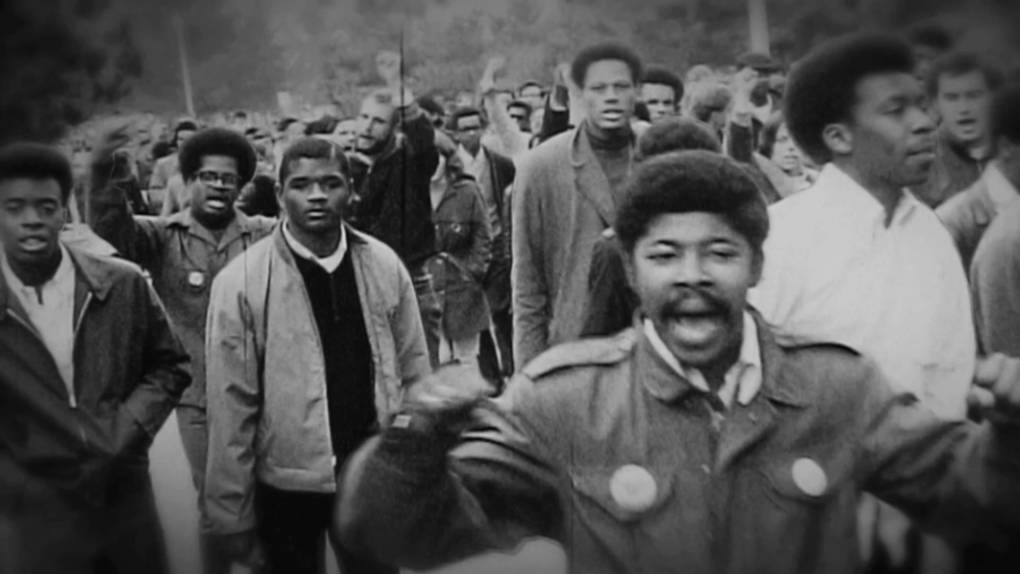
"caption": "A screen shot from the documentary \"Agents of Change\" shows students demonstrating on the S.F. State campus in 1968. ",
"description": null,
"title": "AGENTS OF CHANGE TRAILER (FEB 2015).mp4.01_01_10_16.Still003",
"credit": "Courtesy of Abby Ginzberg and Frank Dawson",
"status": "inherit",
"isLoading": false,
"fetchFailed": false
},
"news_11652451": {
"type": "attachments",
"id": "news_11652451",
"meta": {
"index": "attachments_1716263798",
"site": "news",
"id": "11652451",
"found": true
},
"parent": 11638989,
"imgSizes": {
"small": {
"file": "https://ww2.kqed.org/app/uploads/sites/10/2018/02/SanFranciscoWasOnceAglowWithNeon-520x292.jpg",
"width": 520,
"mimeType": "image/jpeg",
"height": 292
},
"twentyfourteen-full-width": {
"file": "https://ww2.kqed.org/app/uploads/sites/10/2018/02/SanFranciscoWasOnceAglowWithNeon-1038x576.jpg",
"width": 1038,
"mimeType": "image/jpeg",
"height": 576
},
"thumbnail": {
"file": "https://ww2.kqed.org/app/uploads/sites/10/2018/02/SanFranciscoWasOnceAglowWithNeon-160x90.jpg",
"width": 160,
"mimeType": "image/jpeg",
"height": 90
},
"fd-sm": {
"file": "https://ww2.kqed.org/app/uploads/sites/10/2018/02/SanFranciscoWasOnceAglowWithNeon-960x540.jpg",
"width": 960,
"mimeType": "image/jpeg",
"height": 540
},
"post-thumbnail": {
"file": "https://ww2.kqed.org/app/uploads/sites/10/2018/02/SanFranciscoWasOnceAglowWithNeon-672x372.jpg",
"width": 672,
"mimeType": "image/jpeg",
"height": 372
},
"xsmall": {
"file": "https://ww2.kqed.org/app/uploads/sites/10/2018/02/SanFranciscoWasOnceAglowWithNeon-375x211.jpg",
"width": 375,
"mimeType": "image/jpeg",
"height": 211
},
"kqedFullSize": {
"file": "https://ww2.kqed.org/app/uploads/sites/10/2018/02/SanFranciscoWasOnceAglowWithNeon.jpg",
"width": 1423,
"height": 800
},
"large": {
"file": "https://ww2.kqed.org/app/uploads/sites/10/2018/02/SanFranciscoWasOnceAglowWithNeon-1020x573.jpg",
"width": 1020,
"mimeType": "image/jpeg",
"height": 573
},
"xlarge": {
"file": "https://ww2.kqed.org/app/uploads/sites/10/2018/02/SanFranciscoWasOnceAglowWithNeon-1180x663.jpg",
"width": 1180,
"mimeType": "image/jpeg",
"height": 663
},
"guest-author-50": {
"file": "https://ww2.kqed.org/app/uploads/sites/10/2018/02/SanFranciscoWasOnceAglowWithNeon-50x50.jpg",
"width": 50,
"mimeType": "image/jpeg",
"height": 50
},
"guest-author-96": {
"file": "https://ww2.kqed.org/app/uploads/sites/10/2018/02/SanFranciscoWasOnceAglowWithNeon-96x96.jpg",
"width": 96,
"mimeType": "image/jpeg",
"height": 96
},
"medium": {
"file": "https://ww2.kqed.org/app/uploads/sites/10/2018/02/SanFranciscoWasOnceAglowWithNeon-800x450.jpg",
"width": 800,
"mimeType": "image/jpeg",
"height": 450
},
"guest-author-64": {
"file": "https://ww2.kqed.org/app/uploads/sites/10/2018/02/SanFranciscoWasOnceAglowWithNeon-64x64.jpg",
"width": 64,
"mimeType": "image/jpeg",
"height": 64
},
"guest-author-32": {
"file": "https://ww2.kqed.org/app/uploads/sites/10/2018/02/SanFranciscoWasOnceAglowWithNeon-32x32.jpg",
"width": 32,
"mimeType": "image/jpeg",
"height": 32
},
"fd-med": {
"file": "https://ww2.kqed.org/app/uploads/sites/10/2018/02/SanFranciscoWasOnceAglowWithNeon-1180x663.jpg",
"width": 1180,
"mimeType": "image/jpeg",
"height": 663
},
"detail": {
"file": "https://ww2.kqed.org/app/uploads/sites/10/2018/02/SanFranciscoWasOnceAglowWithNeon-150x150.jpg",
"width": 150,
"mimeType": "image/jpeg",
"height": 150
},
"guest-author-128": {
"file": "https://ww2.kqed.org/app/uploads/sites/10/2018/02/SanFranciscoWasOnceAglowWithNeon-128x128.jpg",
"width": 128,
"mimeType": "image/jpeg",
"height": 128
},
"xxsmall": {
"file": "https://ww2.kqed.org/app/uploads/sites/10/2018/02/SanFranciscoWasOnceAglowWithNeon-240x135.jpg",
"width": 240,
"mimeType": "image/jpeg",
"height": 135
}
},
"publishDate": 1519749474,
"modified": 1519749474,
"caption": null,
"description": null,
"title": "SanFranciscoWasOnceAglowWithNeon",
"credit": null,
"status": "inherit",
"isLoading": false,
"fetchFailed": false
},
"news_11652478": {
"type": "attachments",
"id": "news_11652478",
"meta": {
"index": "attachments_1716263798",
"site": "news",
"id": "11652478",
"found": true
},
"parent": 11637875,
"imgSizes": {
"small": {
"file": "https://ww2.kqed.org/app/uploads/sites/10/2017/12/tiny_homes-520x293.jpg",
"width": 520,
"mimeType": "image/jpeg",
"height": 293
},
"twentyfourteen-full-width": {
"file": "https://ww2.kqed.org/app/uploads/sites/10/2017/12/tiny_homes-1038x576.jpg",
"width": 1038,
"mimeType": "image/jpeg",
"height": 576
},
"thumbnail": {
"file": "https://ww2.kqed.org/app/uploads/sites/10/2017/12/tiny_homes-160x90.jpg",
"width": 160,
"mimeType": "image/jpeg",
"height": 90
},
"fd-sm": {
"file": "https://ww2.kqed.org/app/uploads/sites/10/2017/12/tiny_homes-960x540.jpg",
"width": 960,
"mimeType": "image/jpeg",
"height": 540
},
"post-thumbnail": {
"file": "https://ww2.kqed.org/app/uploads/sites/10/2017/12/tiny_homes-672x372.jpg",
"width": 672,
"mimeType": "image/jpeg",
"height": 372
},
"xsmall": {
"file": "https://ww2.kqed.org/app/uploads/sites/10/2017/12/tiny_homes-375x211.jpg",
"width": 375,
"mimeType": "image/jpeg",
"height": 211
},
"kqedFullSize": {
"file": "https://ww2.kqed.org/app/uploads/sites/10/2017/12/tiny_homes.jpg",
"width": 1920,
"height": 1080
},
"large": {
"file": "https://ww2.kqed.org/app/uploads/sites/10/2017/12/tiny_homes-1020x574.jpg",
"width": 1020,
"mimeType": "image/jpeg",
"height": 574
},
"xlarge": {
"file": "https://ww2.kqed.org/app/uploads/sites/10/2017/12/tiny_homes-1180x664.jpg",
"width": 1180,
"mimeType": "image/jpeg",
"height": 664
},
"guest-author-50": {
"file": "https://ww2.kqed.org/app/uploads/sites/10/2017/12/tiny_homes-50x50.jpg",
"width": 50,
"mimeType": "image/jpeg",
"height": 50
},
"guest-author-96": {
"file": "https://ww2.kqed.org/app/uploads/sites/10/2017/12/tiny_homes-96x96.jpg",
"width": 96,
"mimeType": "image/jpeg",
"height": 96
},
"medium": {
"file": "https://ww2.kqed.org/app/uploads/sites/10/2017/12/tiny_homes-800x450.jpg",
"width": 800,
"mimeType": "image/jpeg",
"height": 450
},
"guest-author-64": {
"file": "https://ww2.kqed.org/app/uploads/sites/10/2017/12/tiny_homes-64x64.jpg",
"width": 64,
"mimeType": "image/jpeg",
"height": 64
},
"guest-author-32": {
"file": "https://ww2.kqed.org/app/uploads/sites/10/2017/12/tiny_homes-32x32.jpg",
"width": 32,
"mimeType": "image/jpeg",
"height": 32
},
"fd-lrg": {
"file": "https://ww2.kqed.org/app/uploads/sites/10/2017/12/tiny_homes-1920x1080.jpg",
"width": 1920,
"mimeType": "image/jpeg",
"height": 1080
},
"fd-med": {
"file": "https://ww2.kqed.org/app/uploads/sites/10/2017/12/tiny_homes-1180x664.jpg",
"width": 1180,
"mimeType": "image/jpeg",
"height": 664
},
"full-width": {
"file": "https://ww2.kqed.org/app/uploads/sites/10/2017/12/tiny_homes-1920x1080.jpg",
"width": 1920,
"mimeType": "image/jpeg",
"height": 1080
},
"detail": {
"file": "https://ww2.kqed.org/app/uploads/sites/10/2017/12/tiny_homes-150x150.jpg",
"width": 150,
"mimeType": "image/jpeg",
"height": 150
},
"guest-author-128": {
"file": "https://ww2.kqed.org/app/uploads/sites/10/2017/12/tiny_homes-128x128.jpg",
"width": 128,
"mimeType": "image/jpeg",
"height": 128
},
"xxsmall": {
"file": "https://ww2.kqed.org/app/uploads/sites/10/2017/12/tiny_homes-240x135.jpg",
"width": 240,
"mimeType": "image/jpeg",
"height": 135
}
},
"publishDate": 1519754534,
"modified": 1519754534,
"caption": null,
"description": null,
"title": "tiny_homes",
"credit": null,
"status": "inherit",
"isLoading": false,
"fetchFailed": false
},
"news_11621269": {
"type": "attachments",
"id": "news_11621269",
"meta": {
"index": "attachments_1716263798",
"site": "news",
"id": "11621269",
"found": true
},
"parent": 11621122,
"imgSizes": {
"small": {
"file": "https://ww2.kqed.org/app/uploads/sites/10/2017/10/RS27183_IMG_3292-2-qut-520x293.jpg",
"width": 520,
"mimeType": "image/jpeg",
"height": 293
},
"twentyfourteen-full-width": {
"file": "https://ww2.kqed.org/app/uploads/sites/10/2017/10/RS27183_IMG_3292-2-qut-1038x576.jpg",
"width": 1038,
"mimeType": "image/jpeg",
"height": 576
},
"thumbnail": {
"file": "https://ww2.kqed.org/app/uploads/sites/10/2017/10/RS27183_IMG_3292-2-qut-160x90.jpg",
"width": 160,
"mimeType": "image/jpeg",
"height": 90
},
"fd-sm": {
"file": "https://ww2.kqed.org/app/uploads/sites/10/2017/10/RS27183_IMG_3292-2-qut-960x540.jpg",
"width": 960,
"mimeType": "image/jpeg",
"height": 540
},
"post-thumbnail": {
"file": "https://ww2.kqed.org/app/uploads/sites/10/2017/10/RS27183_IMG_3292-2-qut-672x372.jpg",
"width": 672,
"mimeType": "image/jpeg",
"height": 372
},
"xsmall": {
"file": "https://ww2.kqed.org/app/uploads/sites/10/2017/10/RS27183_IMG_3292-2-qut-375x211.jpg",
"width": 375,
"mimeType": "image/jpeg",
"height": 211
},
"kqedFullSize": {
"file": "https://ww2.kqed.org/app/uploads/sites/10/2017/10/RS27183_IMG_3292-2-qut.jpg",
"width": 1920,
"height": 1080
},
"large": {
"file": "https://ww2.kqed.org/app/uploads/sites/10/2017/10/RS27183_IMG_3292-2-qut-1020x574.jpg",
"width": 1020,
"mimeType": "image/jpeg",
"height": 574
},
"xlarge": {
"file": "https://ww2.kqed.org/app/uploads/sites/10/2017/10/RS27183_IMG_3292-2-qut-1180x664.jpg",
"width": 1180,
"mimeType": "image/jpeg",
"height": 664
},
"guest-author-50": {
"file": "https://ww2.kqed.org/app/uploads/sites/10/2017/10/RS27183_IMG_3292-2-qut-50x50.jpg",
"width": 50,
"mimeType": "image/jpeg",
"height": 50
},
"guest-author-96": {
"file": "https://ww2.kqed.org/app/uploads/sites/10/2017/10/RS27183_IMG_3292-2-qut-96x96.jpg",
"width": 96,
"mimeType": "image/jpeg",
"height": 96
},
"medium": {
"file": "https://ww2.kqed.org/app/uploads/sites/10/2017/10/RS27183_IMG_3292-2-qut-800x450.jpg",
"width": 800,
"mimeType": "image/jpeg",
"height": 450
},
"guest-author-64": {
"file": "https://ww2.kqed.org/app/uploads/sites/10/2017/10/RS27183_IMG_3292-2-qut-64x64.jpg",
"width": 64,
"mimeType": "image/jpeg",
"height": 64
},
"guest-author-32": {
"file": "https://ww2.kqed.org/app/uploads/sites/10/2017/10/RS27183_IMG_3292-2-qut-32x32.jpg",
"width": 32,
"mimeType": "image/jpeg",
"height": 32
},
"fd-lrg": {
"file": "https://ww2.kqed.org/app/uploads/sites/10/2017/10/RS27183_IMG_3292-2-qut-1920x1080.jpg",
"width": 1920,
"mimeType": "image/jpeg",
"height": 1080
},
"fd-med": {
"file": "https://ww2.kqed.org/app/uploads/sites/10/2017/10/RS27183_IMG_3292-2-qut-1180x664.jpg",
"width": 1180,
"mimeType": "image/jpeg",
"height": 664
},
"full-width": {
"file": "https://ww2.kqed.org/app/uploads/sites/10/2017/10/RS27183_IMG_3292-2-qut-1920x1080.jpg",
"width": 1920,
"mimeType": "image/jpeg",
"height": 1080
},
"detail": {
"file": "https://ww2.kqed.org/app/uploads/sites/10/2017/10/RS27183_IMG_3292-2-qut-150x150.jpg",
"width": 150,
"mimeType": "image/jpeg",
"height": 150
},
"guest-author-128": {
"file": "https://ww2.kqed.org/app/uploads/sites/10/2017/10/RS27183_IMG_3292-2-qut-128x128.jpg",
"width": 128,
"mimeType": "image/jpeg",
"height": 128
},
"xxsmall": {
"file": "https://ww2.kqed.org/app/uploads/sites/10/2017/10/RS27183_IMG_3292-2-qut-240x135.jpg",
"width": 240,
"mimeType": "image/jpeg",
"height": 135
}
},
"publishDate": 1507237153,
"modified": 1509584316,
"caption": "Mission Santa Clara was originally built in 1777. This is the 1928 restoration, located on the grounds of what is now Santa Clara University. This is the only Spanish-era mission in the San Francisco Bay Area remotely proximate to a street called El Camino Real. ",
"description": "Mission Santa Clara was originally built in 1777. This is the 1928 restoration, located on the grounds of what is now Santa Clara University. This is the only Spanish era mission in the San Francisco Bay Area remotely proximate to a street called El Camino Real. ",
"title": "RS27183_IMG_3292 2-qut",
"credit": "Rachael Myrow/KQED",
"status": "inherit",
"isLoading": false,
"fetchFailed": false
},
"news_11624750": {
"type": "attachments",
"id": "news_11624750",
"meta": {
"index": "attachments_1716263798",
"site": "news",
"id": "11624750",
"found": true
},
"parent": 11624732,
"imgSizes": {
"small": {
"file": "https://ww2.kqed.org/app/uploads/sites/10/2017/10/ahmet_kayak4-1-520x292.jpg",
"width": 520,
"mimeType": "image/jpeg",
"height": 292
},
"twentyfourteen-full-width": {
"file": "https://ww2.kqed.org/app/uploads/sites/10/2017/10/ahmet_kayak4-1-1038x576.jpg",
"width": 1038,
"mimeType": "image/jpeg",
"height": 576
},
"thumbnail": {
"file": "https://ww2.kqed.org/app/uploads/sites/10/2017/10/ahmet_kayak4-1-160x90.jpg",
"width": 160,
"mimeType": "image/jpeg",
"height": 90
},
"fd-sm": {
"file": "https://ww2.kqed.org/app/uploads/sites/10/2017/10/ahmet_kayak4-1-960x540.jpg",
"width": 960,
"mimeType": "image/jpeg",
"height": 540
},
"post-thumbnail": {
"file": "https://ww2.kqed.org/app/uploads/sites/10/2017/10/ahmet_kayak4-1-672x372.jpg",
"width": 672,
"mimeType": "image/jpeg",
"height": 372
},
"xsmall": {
"file": "https://ww2.kqed.org/app/uploads/sites/10/2017/10/ahmet_kayak4-1-375x211.jpg",
"width": 375,
"mimeType": "image/jpeg",
"height": 211
},
"kqedFullSize": {
"file": "https://ww2.kqed.org/app/uploads/sites/10/2017/10/ahmet_kayak4-1.jpg",
"width": 1645,
"height": 925
},
"large": {
"file": "https://ww2.kqed.org/app/uploads/sites/10/2017/10/ahmet_kayak4-1-1020x574.jpg",
"width": 1020,
"mimeType": "image/jpeg",
"height": 574
},
"xlarge": {
"file": "https://ww2.kqed.org/app/uploads/sites/10/2017/10/ahmet_kayak4-1-1180x664.jpg",
"width": 1180,
"mimeType": "image/jpeg",
"height": 664
},
"guest-author-50": {
"file": "https://ww2.kqed.org/app/uploads/sites/10/2017/10/ahmet_kayak4-1-50x50.jpg",
"width": 50,
"mimeType": "image/jpeg",
"height": 50
},
"guest-author-96": {
"file": "https://ww2.kqed.org/app/uploads/sites/10/2017/10/ahmet_kayak4-1-96x96.jpg",
"width": 96,
"mimeType": "image/jpeg",
"height": 96
},
"medium": {
"file": "https://ww2.kqed.org/app/uploads/sites/10/2017/10/ahmet_kayak4-1-800x450.jpg",
"width": 800,
"mimeType": "image/jpeg",
"height": 450
},
"guest-author-64": {
"file": "https://ww2.kqed.org/app/uploads/sites/10/2017/10/ahmet_kayak4-1-64x64.jpg",
"width": 64,
"mimeType": "image/jpeg",
"height": 64
},
"guest-author-32": {
"file": "https://ww2.kqed.org/app/uploads/sites/10/2017/10/ahmet_kayak4-1-32x32.jpg",
"width": 32,
"mimeType": "image/jpeg",
"height": 32
},
"fd-med": {
"file": "https://ww2.kqed.org/app/uploads/sites/10/2017/10/ahmet_kayak4-1-1180x664.jpg",
"width": 1180,
"mimeType": "image/jpeg",
"height": 664
},
"detail": {
"file": "https://ww2.kqed.org/app/uploads/sites/10/2017/10/ahmet_kayak4-1-150x150.jpg",
"width": 150,
"mimeType": "image/jpeg",
"height": 150
},
"guest-author-128": {
"file": "https://ww2.kqed.org/app/uploads/sites/10/2017/10/ahmet_kayak4-1-128x128.jpg",
"width": 128,
"mimeType": "image/jpeg",
"height": 128
},
"xxsmall": {
"file": "https://ww2.kqed.org/app/uploads/sites/10/2017/10/ahmet_kayak4-1-240x135.jpg",
"width": 240,
"mimeType": "image/jpeg",
"height": 135
}
},
"publishDate": 1508452362,
"modified": 1509145539,
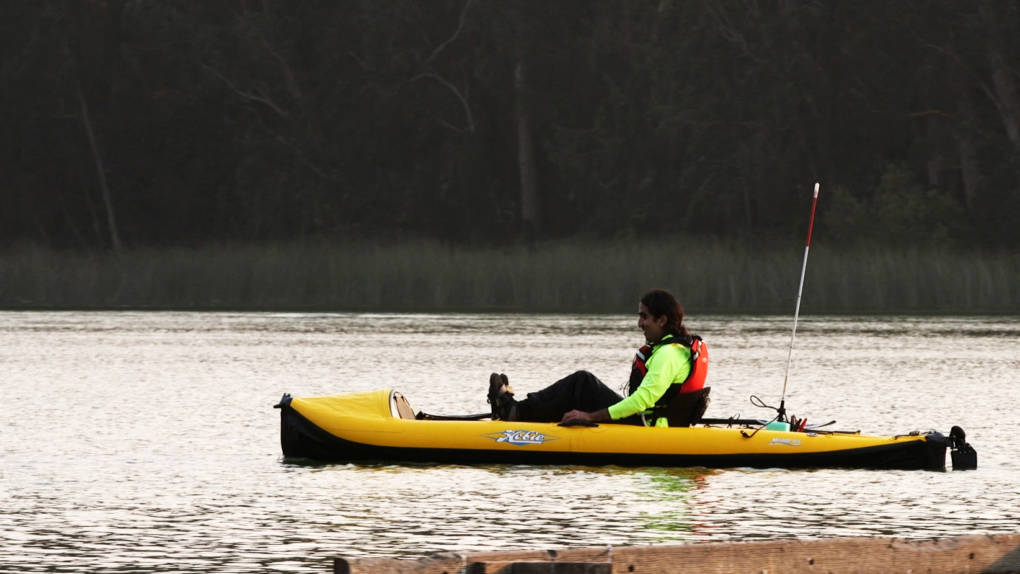
"caption": "Ahmet Ustunel takes his new kayak out on Lake Merced in San Francisco. The white-and-red cane he uses to navigate stands upright in the back of his kayak. It's a symbol that he is blind.",
"description": "Ahmet Ustunel takes his new kayak out on Lake Merced in San Francisco. The white and red cane he uses to navigate stands upright in the back of his kayak. It's a symbol that he is blind.",
"title": "ahmet_kayak4",
"credit": "Adam Grossberg/KQED",
"status": "inherit",
"isLoading": false,
"fetchFailed": false
},
"news_11625918": {
"type": "attachments",
"id": "news_11625918",
"meta": {
"index": "attachments_1716263798",
"site": "news",
"id": "11625918",
"found": true
},
"parent": 11625887,
"imgSizes": {
"small": {
"file": "https://ww2.kqed.org/app/uploads/sites/10/2017/10/Screen-Shot-2017-10-25-at-11.56.27-AM-520x286.png",
"width": 520,
"mimeType": "image/png",
"height": 286
},
"twentyfourteen-full-width": {
"file": "https://ww2.kqed.org/app/uploads/sites/10/2017/10/Screen-Shot-2017-10-25-at-11.56.27-AM-1038x576.png",
"width": 1038,
"mimeType": "image/png",
"height": 576
},
"thumbnail": {
"file": "https://ww2.kqed.org/app/uploads/sites/10/2017/10/Screen-Shot-2017-10-25-at-11.56.27-AM-160x88.png",
"width": 160,
"mimeType": "image/png",
"height": 88
},
"fd-sm": {
"file": "https://ww2.kqed.org/app/uploads/sites/10/2017/10/Screen-Shot-2017-10-25-at-11.56.27-AM-960x527.png",
"width": 960,
"mimeType": "image/png",
"height": 527
},
"post-thumbnail": {
"file": "https://ww2.kqed.org/app/uploads/sites/10/2017/10/Screen-Shot-2017-10-25-at-11.56.27-AM-672x372.png",
"width": 672,
"mimeType": "image/png",
"height": 372
},
"xsmall": {
"file": "https://ww2.kqed.org/app/uploads/sites/10/2017/10/Screen-Shot-2017-10-25-at-11.56.27-AM-375x206.png",
"width": 375,
"mimeType": "image/png",
"height": 206
},
"kqedFullSize": {
"file": "https://ww2.kqed.org/app/uploads/sites/10/2017/10/Screen-Shot-2017-10-25-at-11.56.27-AM.png",
"width": 3810,
"height": 2092
},
"large": {
"file": "https://ww2.kqed.org/app/uploads/sites/10/2017/10/Screen-Shot-2017-10-25-at-11.56.27-AM-1020x560.png",
"width": 1020,
"mimeType": "image/png",
"height": 560
},
"xlarge": {
"file": "https://ww2.kqed.org/app/uploads/sites/10/2017/10/Screen-Shot-2017-10-25-at-11.56.27-AM-1180x648.png",
"width": 1180,
"mimeType": "image/png",
"height": 648
},
"guest-author-50": {
"file": "https://ww2.kqed.org/app/uploads/sites/10/2017/10/Screen-Shot-2017-10-25-at-11.56.27-AM-50x50.png",
"width": 50,
"mimeType": "image/png",
"height": 50
},
"guest-author-96": {
"file": "https://ww2.kqed.org/app/uploads/sites/10/2017/10/Screen-Shot-2017-10-25-at-11.56.27-AM-96x96.png",
"width": 96,
"mimeType": "image/png",
"height": 96
},
"medium": {
"file": "https://ww2.kqed.org/app/uploads/sites/10/2017/10/Screen-Shot-2017-10-25-at-11.56.27-AM-800x439.png",
"width": 800,
"mimeType": "image/png",
"height": 439
},
"guest-author-64": {
"file": "https://ww2.kqed.org/app/uploads/sites/10/2017/10/Screen-Shot-2017-10-25-at-11.56.27-AM-64x64.png",
"width": 64,
"mimeType": "image/png",
"height": 64
},
"guest-author-32": {
"file": "https://ww2.kqed.org/app/uploads/sites/10/2017/10/Screen-Shot-2017-10-25-at-11.56.27-AM-32x32.png",
"width": 32,
"mimeType": "image/png",
"height": 32
},
"fd-lrg": {
"file": "https://ww2.kqed.org/app/uploads/sites/10/2017/10/Screen-Shot-2017-10-25-at-11.56.27-AM-1920x1054.png",
"width": 1920,
"mimeType": "image/png",
"height": 1054
},
"fd-med": {
"file": "https://ww2.kqed.org/app/uploads/sites/10/2017/10/Screen-Shot-2017-10-25-at-11.56.27-AM-1180x648.png",
"width": 1180,
"mimeType": "image/png",
"height": 648
},
"full-width": {
"file": "https://ww2.kqed.org/app/uploads/sites/10/2017/10/Screen-Shot-2017-10-25-at-11.56.27-AM-1920x1054.png",
"width": 1920,
"mimeType": "image/png",
"height": 1054
},
"detail": {
"file": "https://ww2.kqed.org/app/uploads/sites/10/2017/10/Screen-Shot-2017-10-25-at-11.56.27-AM-150x150.png",
"width": 150,
"mimeType": "image/png",
"height": 150
},
"guest-author-128": {
"file": "https://ww2.kqed.org/app/uploads/sites/10/2017/10/Screen-Shot-2017-10-25-at-11.56.27-AM-128x128.png",
"width": 128,
"mimeType": "image/png",
"height": 128
},
"xxsmall": {
"file": "https://ww2.kqed.org/app/uploads/sites/10/2017/10/Screen-Shot-2017-10-25-at-11.56.27-AM-240x132.png",
"width": 240,
"mimeType": "image/png",
"height": 132
}
},
"publishDate": 1508957832,
"modified": 1633997047,
"caption": "A participant of the Indigenous Peoples Day sunrise ceremony on Alcatraz Island prepares for a sacred dance, Oct. 9, 2017. ",
"description": "A participant of the Indigenous Peoples Day sunrise ceremony on Alcatraz Island in the San Francisco Bay prepares for a sacred dance.",
"title": "Alcatraz Indigenous Peoples Day",
"credit": "Arash Malekzadeh/KQED",
"status": "inherit",
"altTag": "A person wearing an elaborate feathered headdress, plumage sprouting from a headband, also wearing blue face paint and a brightly colored top.",
"isLoading": false,
"fetchFailed": false
},
"news_11622460": {
"type": "attachments",
"id": "news_11622460",
"meta": {
"index": "attachments_1716263798",
"site": "news",
"id": "11622460",
"found": true
},
"parent": 11622421,
"imgSizes": {
"small": {
"file": "https://ww2.kqed.org/app/uploads/sites/10/2017/10/dan-kanights-520x293.jpg",
"width": 520,
"mimeType": "image/jpeg",
"height": 293
},
"twentyfourteen-full-width": {
"file": "https://ww2.kqed.org/app/uploads/sites/10/2017/10/dan-kanights-1038x576.jpg",
"width": 1038,
"mimeType": "image/jpeg",
"height": 576
},
"thumbnail": {
"file": "https://ww2.kqed.org/app/uploads/sites/10/2017/10/dan-kanights-160x90.jpg",
"width": 160,
"mimeType": "image/jpeg",
"height": 90
},
"fd-sm": {
"file": "https://ww2.kqed.org/app/uploads/sites/10/2017/10/dan-kanights-960x540.jpg",
"width": 960,
"mimeType": "image/jpeg",
"height": 540
},
"post-thumbnail": {
"file": "https://ww2.kqed.org/app/uploads/sites/10/2017/10/dan-kanights-672x372.jpg",
"width": 672,
"mimeType": "image/jpeg",
"height": 372
},
"xsmall": {
"file": "https://ww2.kqed.org/app/uploads/sites/10/2017/10/dan-kanights-375x211.jpg",
"width": 375,
"mimeType": "image/jpeg",
"height": 211
},
"kqedFullSize": {
"file": "https://ww2.kqed.org/app/uploads/sites/10/2017/10/dan-kanights.jpg",
"width": 1920,
"height": 1080
},
"large": {
"file": "https://ww2.kqed.org/app/uploads/sites/10/2017/10/dan-kanights-1020x574.jpg",
"width": 1020,
"mimeType": "image/jpeg",
"height": 574
},
"xlarge": {
"file": "https://ww2.kqed.org/app/uploads/sites/10/2017/10/dan-kanights-1180x664.jpg",
"width": 1180,
"mimeType": "image/jpeg",
"height": 664
},
"guest-author-50": {
"file": "https://ww2.kqed.org/app/uploads/sites/10/2017/10/dan-kanights-50x50.jpg",
"width": 50,
"mimeType": "image/jpeg",
"height": 50
},
"guest-author-96": {
"file": "https://ww2.kqed.org/app/uploads/sites/10/2017/10/dan-kanights-96x96.jpg",
"width": 96,
"mimeType": "image/jpeg",
"height": 96
},
"medium": {
"file": "https://ww2.kqed.org/app/uploads/sites/10/2017/10/dan-kanights-800x450.jpg",
"width": 800,
"mimeType": "image/jpeg",
"height": 450
},
"guest-author-64": {
"file": "https://ww2.kqed.org/app/uploads/sites/10/2017/10/dan-kanights-64x64.jpg",
"width": 64,
"mimeType": "image/jpeg",
"height": 64
},
"guest-author-32": {
"file": "https://ww2.kqed.org/app/uploads/sites/10/2017/10/dan-kanights-32x32.jpg",
"width": 32,
"mimeType": "image/jpeg",
"height": 32
},
"fd-lrg": {
"file": "https://ww2.kqed.org/app/uploads/sites/10/2017/10/dan-kanights-1920x1080.jpg",
"width": 1920,
"mimeType": "image/jpeg",
"height": 1080
},
"fd-med": {
"file": "https://ww2.kqed.org/app/uploads/sites/10/2017/10/dan-kanights-1180x664.jpg",
"width": 1180,
"mimeType": "image/jpeg",
"height": 664
},
"full-width": {
"file": "https://ww2.kqed.org/app/uploads/sites/10/2017/10/dan-kanights-1920x1080.jpg",
"width": 1920,
"mimeType": "image/jpeg",
"height": 1080
},
"detail": {
"file": "https://ww2.kqed.org/app/uploads/sites/10/2017/10/dan-kanights-150x150.jpg",
"width": 150,
"mimeType": "image/jpeg",
"height": 150
},
"guest-author-128": {
"file": "https://ww2.kqed.org/app/uploads/sites/10/2017/10/dan-kanights-128x128.jpg",
"width": 128,
"mimeType": "image/jpeg",
"height": 128
},
"xxsmall": {
"file": "https://ww2.kqed.org/app/uploads/sites/10/2017/10/dan-kanights-240x135.jpg",
"width": 240,
"mimeType": "image/jpeg",
"height": 135
}
},
"publishDate": 1507746120,
"modified": 1507763251,
"caption": "Dan Kanights lives at Coddington Mobile Home Park in Santa Rosa directly across the street from 12 homes that were destroyed in the Tubbs Fire.",
"description": null,
"title": "dan kanights",
"credit": "Adam Grossberg/KQED",
"status": "inherit",
"isLoading": false,
"fetchFailed": false
},
"news_11619530": {
"type": "attachments",
"id": "news_11619530",
"meta": {
"index": "attachments_1716263798",
"site": "news",
"id": "11619530",
"found": true
},
"parent": 11619520,
"imgSizes": {
"small": {
"file": "https://ww2.kqed.org/app/uploads/sites/10/2017/09/feature_2-520x293.jpg",
"width": 520,
"mimeType": "image/jpeg",
"height": 293
},
"twentyfourteen-full-width": {
"file": "https://ww2.kqed.org/app/uploads/sites/10/2017/09/feature_2-1038x576.jpg",
"width": 1038,
"mimeType": "image/jpeg",
"height": 576
},
"thumbnail": {
"file": "https://ww2.kqed.org/app/uploads/sites/10/2017/09/feature_2-160x90.jpg",
"width": 160,
"mimeType": "image/jpeg",
"height": 90
},
"fd-sm": {
"file": "https://ww2.kqed.org/app/uploads/sites/10/2017/09/feature_2-960x540.jpg",
"width": 960,
"mimeType": "image/jpeg",
"height": 540
},
"post-thumbnail": {
"file": "https://ww2.kqed.org/app/uploads/sites/10/2017/09/feature_2-672x372.jpg",
"width": 672,
"mimeType": "image/jpeg",
"height": 372
},
"xsmall": {
"file": "https://ww2.kqed.org/app/uploads/sites/10/2017/09/feature_2-375x211.jpg",
"width": 375,
"mimeType": "image/jpeg",
"height": 211
},
"kqedFullSize": {
"file": "https://ww2.kqed.org/app/uploads/sites/10/2017/09/feature_2.jpg",
"width": 1920,
"height": 1080
},
"large": {
"file": "https://ww2.kqed.org/app/uploads/sites/10/2017/09/feature_2-1020x574.jpg",
"width": 1020,
"mimeType": "image/jpeg",
"height": 574
},
"xlarge": {
"file": "https://ww2.kqed.org/app/uploads/sites/10/2017/09/feature_2-1180x664.jpg",
"width": 1180,
"mimeType": "image/jpeg",
"height": 664
},
"guest-author-50": {
"file": "https://ww2.kqed.org/app/uploads/sites/10/2017/09/feature_2-50x50.jpg",
"width": 50,
"mimeType": "image/jpeg",
"height": 50
},
"guest-author-96": {
"file": "https://ww2.kqed.org/app/uploads/sites/10/2017/09/feature_2-96x96.jpg",
"width": 96,
"mimeType": "image/jpeg",
"height": 96
},
"medium": {
"file": "https://ww2.kqed.org/app/uploads/sites/10/2017/09/feature_2-800x450.jpg",
"width": 800,
"mimeType": "image/jpeg",
"height": 450
},
"guest-author-64": {
"file": "https://ww2.kqed.org/app/uploads/sites/10/2017/09/feature_2-64x64.jpg",
"width": 64,
"mimeType": "image/jpeg",
"height": 64
},
"guest-author-32": {
"file": "https://ww2.kqed.org/app/uploads/sites/10/2017/09/feature_2-32x32.jpg",
"width": 32,
"mimeType": "image/jpeg",
"height": 32
},
"fd-lrg": {
"file": "https://ww2.kqed.org/app/uploads/sites/10/2017/09/feature_2-1920x1080.jpg",
"width": 1920,
"mimeType": "image/jpeg",
"height": 1080
},
"fd-med": {
"file": "https://ww2.kqed.org/app/uploads/sites/10/2017/09/feature_2-1180x664.jpg",
"width": 1180,
"mimeType": "image/jpeg",
"height": 664
},
"full-width": {
"file": "https://ww2.kqed.org/app/uploads/sites/10/2017/09/feature_2-1920x1080.jpg",
"width": 1920,
"mimeType": "image/jpeg",
"height": 1080
},
"detail": {
"file": "https://ww2.kqed.org/app/uploads/sites/10/2017/09/feature_2-150x150.jpg",
"width": 150,
"mimeType": "image/jpeg",
"height": 150
},
"guest-author-128": {
"file": "https://ww2.kqed.org/app/uploads/sites/10/2017/09/feature_2-128x128.jpg",
"width": 128,
"mimeType": "image/jpeg",
"height": 128
},
"xxsmall": {
"file": "https://ww2.kqed.org/app/uploads/sites/10/2017/09/feature_2-240x135.jpg",
"width": 240,
"mimeType": "image/jpeg",
"height": 135
}
},
"publishDate": 1506549703,
"modified": 1541464969,
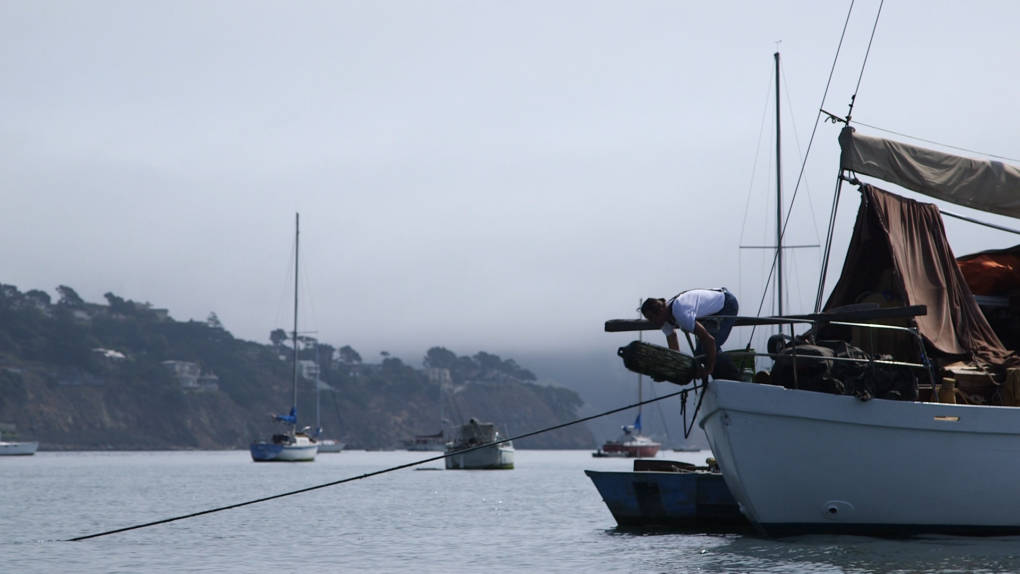
"caption": "An anchor-out community member throws a buoy into Richardson Bay. ",
"description": "An anchor-out community member throws a buoy into Richardson Bay. ",
"title": "Anchor-outs",
"credit": "Arash Malekzadeh/KQED",
"status": "inherit",
"isLoading": false,
"fetchFailed": false
},
"news_11275326": {
"type": "attachments",
"id": "news_11275326",
"meta": {
"index": "attachments_1716263798",
"site": "news",
"id": "11275326",
"found": true
},
"parent": 11275325,
"imgSizes": {
"small": {
"file": "https://ww2.kqed.org/app/uploads/sites/10/2017/01/AmericanSuburb_PageImage_014-520x200.jpg",
"width": 520,
"mimeType": "image/jpeg",
"height": 200
},
"twentyfourteen-full-width": {
"file": "https://ww2.kqed.org/app/uploads/sites/10/2017/01/AmericanSuburb_PageImage_014-1038x576.jpg",
"width": 1038,
"mimeType": "image/jpeg",
"height": 576
},
"thumbnail": {
"file": "https://ww2.kqed.org/app/uploads/sites/10/2017/01/AmericanSuburb_PageImage_014-160x62.jpg",
"width": 160,
"mimeType": "image/jpeg",
"height": 62
},
"fd-sm": {
"file": "https://ww2.kqed.org/app/uploads/sites/10/2017/01/AmericanSuburb_PageImage_014-960x369.jpg",
"width": 960,
"mimeType": "image/jpeg",
"height": 369
},
"post-thumbnail": {
"file": "https://ww2.kqed.org/app/uploads/sites/10/2017/01/AmericanSuburb_PageImage_014-672x372.jpg",
"width": 672,
"mimeType": "image/jpeg",
"height": 372
},
"xsmall": {
"file": "https://ww2.kqed.org/app/uploads/sites/10/2017/01/AmericanSuburb_PageImage_014-375x144.jpg",
"width": 375,
"mimeType": "image/jpeg",
"height": 144
},
"kqedFullSize": {
"file": "https://ww2.kqed.org/app/uploads/sites/10/2017/01/AmericanSuburb_PageImage_014.jpg",
"width": 1920,
"height": 738
},
"large": {
"file": "https://ww2.kqed.org/app/uploads/sites/10/2017/01/AmericanSuburb_PageImage_014-1020x392.jpg",
"width": 1020,
"mimeType": "image/jpeg",
"height": 392
},
"xlarge": {
"file": "https://ww2.kqed.org/app/uploads/sites/10/2017/01/AmericanSuburb_PageImage_014-1180x454.jpg",
"width": 1180,
"mimeType": "image/jpeg",
"height": 454
},
"guest-author-50": {
"file": "https://ww2.kqed.org/app/uploads/sites/10/2017/01/AmericanSuburb_PageImage_014-50x50.jpg",
"width": 50,
"mimeType": "image/jpeg",
"height": 50
},
"guest-author-96": {
"file": "https://ww2.kqed.org/app/uploads/sites/10/2017/01/AmericanSuburb_PageImage_014-96x96.jpg",
"width": 96,
"mimeType": "image/jpeg",
"height": 96
},
"medium": {
"file": "https://ww2.kqed.org/app/uploads/sites/10/2017/01/AmericanSuburb_PageImage_014-800x308.jpg",
"width": 800,
"mimeType": "image/jpeg",
"height": 308
},
"guest-author-64": {
"file": "https://ww2.kqed.org/app/uploads/sites/10/2017/01/AmericanSuburb_PageImage_014-64x64.jpg",
"width": 64,
"mimeType": "image/jpeg",
"height": 64
},
"guest-author-32": {
"file": "https://ww2.kqed.org/app/uploads/sites/10/2017/01/AmericanSuburb_PageImage_014-32x32.jpg",
"width": 32,
"mimeType": "image/jpeg",
"height": 32
},
"jmtc-small-thumb": {
"file": "https://ww2.kqed.org/app/uploads/sites/10/2017/01/AmericanSuburb_PageImage_014-280x150.jpg",
"width": 280,
"mimeType": "image/jpeg",
"height": 150
},
"fd-lrg": {
"file": "https://ww2.kqed.org/app/uploads/sites/10/2017/01/AmericanSuburb_PageImage_014-1920x738.jpg",
"width": 1920,
"mimeType": "image/jpeg",
"height": 738
},
"fd-med": {
"file": "https://ww2.kqed.org/app/uploads/sites/10/2017/01/AmericanSuburb_PageImage_014-1180x454.jpg",
"width": 1180,
"mimeType": "image/jpeg",
"height": 454
},
"full-width": {
"file": "https://ww2.kqed.org/app/uploads/sites/10/2017/01/AmericanSuburb_PageImage_014-1920x738.jpg",
"width": 1920,
"mimeType": "image/jpeg",
"height": 738
},
"detail": {
"file": "https://ww2.kqed.org/app/uploads/sites/10/2017/01/AmericanSuburb_PageImage_014-150x150.jpg",
"width": 150,
"mimeType": "image/jpeg",
"height": 150
},
"guest-author-128": {
"file": "https://ww2.kqed.org/app/uploads/sites/10/2017/01/AmericanSuburb_PageImage_014-128x128.jpg",
"width": 128,
"mimeType": "image/jpeg",
"height": 128
},
"xxsmall": {
"file": "https://ww2.kqed.org/app/uploads/sites/10/2017/01/AmericanSuburb_PageImage_014-240x92.jpg",
"width": 240,
"mimeType": "image/jpeg",
"height": 92
}
},
"publishDate": 1484769362,
"modified": 1506117528,
"caption": "American Suburb podcast",
"description": "American Suburb Podcast Suburban Antioch.",
"title": "AmericanSuburb_PageImage_01[4]",
"credit": null,
"status": "inherit",
"isLoading": false,
"fetchFailed": false
},
"news_11612072": {
"type": "attachments",
"id": "news_11612072",
"meta": {
"index": "attachments_1716263798",
"site": "news",
"id": "11612072",
"found": true
},
"parent": 11611906,
"imgSizes": {
"small": {
"file": "https://ww2.kqed.org/app/uploads/sites/10/2017/08/Featured-trump-whitehouse-520x282.jpg",
"width": 520,
"mimeType": "image/jpeg",
"height": 282
},
"twentyfourteen-full-width": {
"file": "https://ww2.kqed.org/app/uploads/sites/10/2017/08/Featured-trump-whitehouse-1038x576.jpg",
"width": 1038,
"mimeType": "image/jpeg",
"height": 576
},
"thumbnail": {
"file": "https://ww2.kqed.org/app/uploads/sites/10/2017/08/Featured-trump-whitehouse-160x87.jpg",
"width": 160,
"mimeType": "image/jpeg",
"height": 87
},
"fd-sm": {
"file": "https://ww2.kqed.org/app/uploads/sites/10/2017/08/Featured-trump-whitehouse-960x522.jpg",
"width": 960,
"mimeType": "image/jpeg",
"height": 522
},
"post-thumbnail": {
"file": "https://ww2.kqed.org/app/uploads/sites/10/2017/08/Featured-trump-whitehouse-672x372.jpg",
"width": 672,
"mimeType": "image/jpeg",
"height": 372
},
"xsmall": {
"file": "https://ww2.kqed.org/app/uploads/sites/10/2017/08/Featured-trump-whitehouse-375x204.jpg",
"width": 375,
"mimeType": "image/jpeg",
"height": 204
},
"kqedFullSize": {
"file": "https://ww2.kqed.org/app/uploads/sites/10/2017/08/Featured-trump-whitehouse.jpg",
"width": 1920,
"height": 1043
},
"large": {
"file": "https://ww2.kqed.org/app/uploads/sites/10/2017/08/Featured-trump-whitehouse-1020x554.jpg",
"width": 1020,
"mimeType": "image/jpeg",
"height": 554
},
"xlarge": {
"file": "https://ww2.kqed.org/app/uploads/sites/10/2017/08/Featured-trump-whitehouse-1180x641.jpg",
"width": 1180,
"mimeType": "image/jpeg",
"height": 641
},
"guest-author-50": {
"file": "https://ww2.kqed.org/app/uploads/sites/10/2017/08/Featured-trump-whitehouse-50x50.jpg",
"width": 50,
"mimeType": "image/jpeg",
"height": 50
},
"guest-author-96": {
"file": "https://ww2.kqed.org/app/uploads/sites/10/2017/08/Featured-trump-whitehouse-96x96.jpg",
"width": 96,
"mimeType": "image/jpeg",
"height": 96
},
"medium": {
"file": "https://ww2.kqed.org/app/uploads/sites/10/2017/08/Featured-trump-whitehouse-800x435.jpg",
"width": 800,
"mimeType": "image/jpeg",
"height": 435
},
"guest-author-64": {
"file": "https://ww2.kqed.org/app/uploads/sites/10/2017/08/Featured-trump-whitehouse-64x64.jpg",
"width": 64,
"mimeType": "image/jpeg",
"height": 64
},
"guest-author-32": {
"file": "https://ww2.kqed.org/app/uploads/sites/10/2017/08/Featured-trump-whitehouse-32x32.jpg",
"width": 32,
"mimeType": "image/jpeg",
"height": 32
},
"fd-lrg": {
"file": "https://ww2.kqed.org/app/uploads/sites/10/2017/08/Featured-trump-whitehouse-1920x1043.jpg",
"width": 1920,
"mimeType": "image/jpeg",
"height": 1043
},
"fd-med": {
"file": "https://ww2.kqed.org/app/uploads/sites/10/2017/08/Featured-trump-whitehouse-1180x641.jpg",
"width": 1180,
"mimeType": "image/jpeg",
"height": 641
},
"full-width": {
"file": "https://ww2.kqed.org/app/uploads/sites/10/2017/08/Featured-trump-whitehouse-1920x1043.jpg",
"width": 1920,
"mimeType": "image/jpeg",
"height": 1043
},
"detail": {
"file": "https://ww2.kqed.org/app/uploads/sites/10/2017/08/Featured-trump-whitehouse-150x150.jpg",
"width": 150,
"mimeType": "image/jpeg",
"height": 150
},
"guest-author-128": {
"file": "https://ww2.kqed.org/app/uploads/sites/10/2017/08/Featured-trump-whitehouse-128x128.jpg",
"width": 128,
"mimeType": "image/jpeg",
"height": 128
},
"xxsmall": {
"file": "https://ww2.kqed.org/app/uploads/sites/10/2017/08/Featured-trump-whitehouse-240x130.jpg",
"width": 240,
"mimeType": "image/jpeg",
"height": 130
}
},
"publishDate": 1502828103,
"modified": 1502828225,
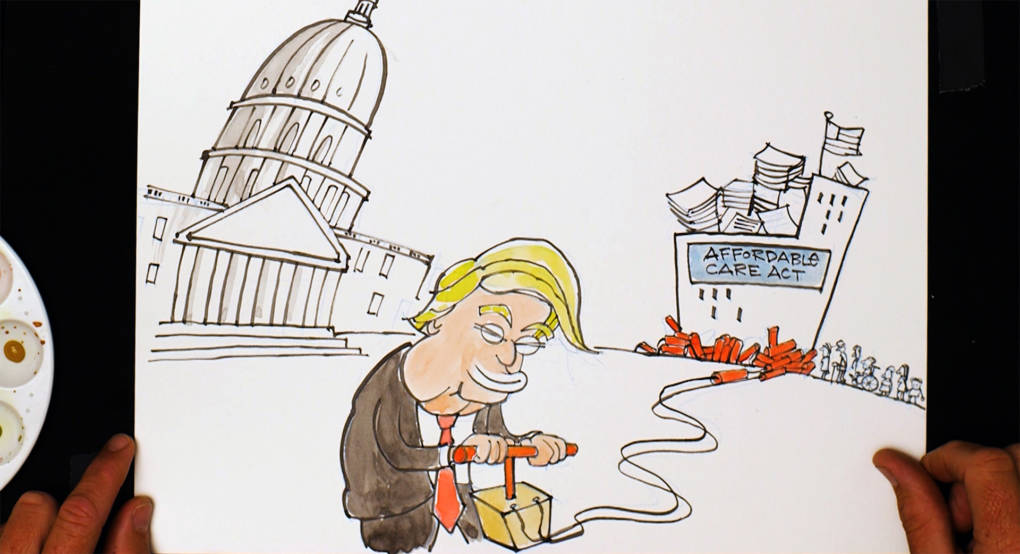
"caption": "President Trump has made it clear that he \"wants Obamacare to explode.\"",
"description": null,
"title": "Featured--trump-whitehouse",
"credit": "Mark Fiore/KQED",
"status": "inherit",
"isLoading": false,
"fetchFailed": false
},
"news_11610703": {
"type": "attachments",
"id": "news_11610703",
"meta": {
"index": "attachments_1716263798",
"site": "news",
"id": "11610703",
"found": true
},
"parent": 11610345,
"imgSizes": {
"small": {
"file": "https://ww2.kqed.org/app/uploads/sites/10/2017/08/dog-surfing-feature-520x293.jpg",
"width": 520,
"mimeType": "image/jpeg",
"height": 293
},
"twentyfourteen-full-width": {
"file": "https://ww2.kqed.org/app/uploads/sites/10/2017/08/dog-surfing-feature-1038x576.jpg",
"width": 1038,
"mimeType": "image/jpeg",
"height": 576
},
"thumbnail": {
"file": "https://ww2.kqed.org/app/uploads/sites/10/2017/08/dog-surfing-feature-160x90.jpg",
"width": 160,
"mimeType": "image/jpeg",
"height": 90
},
"fd-sm": {
"file": "https://ww2.kqed.org/app/uploads/sites/10/2017/08/dog-surfing-feature-960x540.jpg",
"width": 960,
"mimeType": "image/jpeg",
"height": 540
},
"post-thumbnail": {
"file": "https://ww2.kqed.org/app/uploads/sites/10/2017/08/dog-surfing-feature-672x372.jpg",
"width": 672,
"mimeType": "image/jpeg",
"height": 372
},
"xsmall": {
"file": "https://ww2.kqed.org/app/uploads/sites/10/2017/08/dog-surfing-feature-375x211.jpg",
"width": 375,
"mimeType": "image/jpeg",
"height": 211
},
"kqedFullSize": {
"file": "https://ww2.kqed.org/app/uploads/sites/10/2017/08/dog-surfing-feature.jpg",
"width": 5120,
"height": 2880
},
"large": {
"file": "https://ww2.kqed.org/app/uploads/sites/10/2017/08/dog-surfing-feature-1020x574.jpg",
"width": 1020,
"mimeType": "image/jpeg",
"height": 574
},
"xlarge": {
"file": "https://ww2.kqed.org/app/uploads/sites/10/2017/08/dog-surfing-feature-1180x664.jpg",
"width": 1180,
"mimeType": "image/jpeg",
"height": 664
},
"guest-author-50": {
"file": "https://ww2.kqed.org/app/uploads/sites/10/2017/08/dog-surfing-feature-50x50.jpg",
"width": 50,
"mimeType": "image/jpeg",
"height": 50
},
"guest-author-96": {
"file": "https://ww2.kqed.org/app/uploads/sites/10/2017/08/dog-surfing-feature-96x96.jpg",
"width": 96,
"mimeType": "image/jpeg",
"height": 96
},
"medium": {
"file": "https://ww2.kqed.org/app/uploads/sites/10/2017/08/dog-surfing-feature-800x450.jpg",
"width": 800,
"mimeType": "image/jpeg",
"height": 450
},
"guest-author-64": {
"file": "https://ww2.kqed.org/app/uploads/sites/10/2017/08/dog-surfing-feature-64x64.jpg",
"width": 64,
"mimeType": "image/jpeg",
"height": 64
},
"guest-author-32": {
"file": "https://ww2.kqed.org/app/uploads/sites/10/2017/08/dog-surfing-feature-32x32.jpg",
"width": 32,
"mimeType": "image/jpeg",
"height": 32
},
"fd-lrg": {
"file": "https://ww2.kqed.org/app/uploads/sites/10/2017/08/dog-surfing-feature-1920x1080.jpg",
"width": 1920,
"mimeType": "image/jpeg",
"height": 1080
},
"fd-med": {
"file": "https://ww2.kqed.org/app/uploads/sites/10/2017/08/dog-surfing-feature-1180x664.jpg",
"width": 1180,
"mimeType": "image/jpeg",
"height": 664
},
"full-width": {
"file": "https://ww2.kqed.org/app/uploads/sites/10/2017/08/dog-surfing-feature-1920x1080.jpg",
"width": 1920,
"mimeType": "image/jpeg",
"height": 1080
},
"detail": {
"file": "https://ww2.kqed.org/app/uploads/sites/10/2017/08/dog-surfing-feature-150x150.jpg",
"width": 150,
"mimeType": "image/jpeg",
"height": 150
},
"guest-author-128": {
"file": "https://ww2.kqed.org/app/uploads/sites/10/2017/08/dog-surfing-feature-128x128.jpg",
"width": 128,
"mimeType": "image/jpeg",
"height": 128
},
"xxsmall": {
"file": "https://ww2.kqed.org/app/uploads/sites/10/2017/08/dog-surfing-feature-240x135.jpg",
"width": 240,
"mimeType": "image/jpeg",
"height": 135
}
},
"publishDate": 1502234887,
"modified": 1502235781,
"caption": "Derby California mellows out before hitting the waves in the World Dog Surfing Championships.",
"description": "Derby California mellows out before hitting the waves in the World Dog Surfing Championships.",
"title": "dog surfing feature",
"credit": "Serginho Roosblad/KQED",
"status": "inherit",
"isLoading": false,
"fetchFailed": false
},
"news_11608369": {
"type": "attachments",
"id": "news_11608369",
"meta": {
"index": "attachments_1716263798",
"site": "news",
"id": "11608369",
"found": true
},
"parent": 11608244,
"imgSizes": {
"small": {
"file": "https://ww2.kqed.org/app/uploads/sites/10/2017/08/John-Smith-outside-520x293.jpg",
"width": 520,
"mimeType": "image/jpeg",
"height": 293
},
"twentyfourteen-full-width": {
"file": "https://ww2.kqed.org/app/uploads/sites/10/2017/08/John-Smith-outside-1038x576.jpg",
"width": 1038,
"mimeType": "image/jpeg",
"height": 576
},
"thumbnail": {
"file": "https://ww2.kqed.org/app/uploads/sites/10/2017/08/John-Smith-outside-160x90.jpg",
"width": 160,
"mimeType": "image/jpeg",
"height": 90
},
"fd-sm": {
"file": "https://ww2.kqed.org/app/uploads/sites/10/2017/08/John-Smith-outside-960x540.jpg",
"width": 960,
"mimeType": "image/jpeg",
"height": 540
},
"post-thumbnail": {
"file": "https://ww2.kqed.org/app/uploads/sites/10/2017/08/John-Smith-outside-672x372.jpg",
"width": 672,
"mimeType": "image/jpeg",
"height": 372
},
"xsmall": {
"file": "https://ww2.kqed.org/app/uploads/sites/10/2017/08/John-Smith-outside-375x211.jpg",
"width": 375,
"mimeType": "image/jpeg",
"height": 211
},
"kqedFullSize": {
"file": "https://ww2.kqed.org/app/uploads/sites/10/2017/08/John-Smith-outside.jpg",
"width": 2560,
"height": 1440
},
"large": {
"file": "https://ww2.kqed.org/app/uploads/sites/10/2017/08/John-Smith-outside-1020x574.jpg",
"width": 1020,
"mimeType": "image/jpeg",
"height": 574
},
"xlarge": {
"file": "https://ww2.kqed.org/app/uploads/sites/10/2017/08/John-Smith-outside-1180x664.jpg",
"width": 1180,
"mimeType": "image/jpeg",
"height": 664
},
"guest-author-50": {
"file": "https://ww2.kqed.org/app/uploads/sites/10/2017/08/John-Smith-outside-50x50.jpg",
"width": 50,
"mimeType": "image/jpeg",
"height": 50
},
"guest-author-96": {
"file": "https://ww2.kqed.org/app/uploads/sites/10/2017/08/John-Smith-outside-96x96.jpg",
"width": 96,
"mimeType": "image/jpeg",
"height": 96
},
"medium": {
"file": "https://ww2.kqed.org/app/uploads/sites/10/2017/08/John-Smith-outside-800x450.jpg",
"width": 800,
"mimeType": "image/jpeg",
"height": 450
},
"guest-author-64": {
"file": "https://ww2.kqed.org/app/uploads/sites/10/2017/08/John-Smith-outside-64x64.jpg",
"width": 64,
"mimeType": "image/jpeg",
"height": 64
},
"guest-author-32": {
"file": "https://ww2.kqed.org/app/uploads/sites/10/2017/08/John-Smith-outside-32x32.jpg",
"width": 32,
"mimeType": "image/jpeg",
"height": 32
},
"fd-lrg": {
"file": "https://ww2.kqed.org/app/uploads/sites/10/2017/08/John-Smith-outside-1920x1080.jpg",
"width": 1920,
"mimeType": "image/jpeg",
"height": 1080
},
"fd-med": {
"file": "https://ww2.kqed.org/app/uploads/sites/10/2017/08/John-Smith-outside-1180x664.jpg",
"width": 1180,
"mimeType": "image/jpeg",
"height": 664
},
"full-width": {
"file": "https://ww2.kqed.org/app/uploads/sites/10/2017/08/John-Smith-outside-1920x1080.jpg",
"width": 1920,
"mimeType": "image/jpeg",
"height": 1080
},
"detail": {
"file": "https://ww2.kqed.org/app/uploads/sites/10/2017/08/John-Smith-outside-150x150.jpg",
"width": 150,
"mimeType": "image/jpeg",
"height": 150
},
"guest-author-128": {
"file": "https://ww2.kqed.org/app/uploads/sites/10/2017/08/John-Smith-outside-128x128.jpg",
"width": 128,
"mimeType": "image/jpeg",
"height": 128
},
"xxsmall": {
"file": "https://ww2.kqed.org/app/uploads/sites/10/2017/08/John-Smith-outside-240x135.jpg",
"width": 240,
"mimeType": "image/jpeg",
"height": 135
}
},
"publishDate": 1501714277,
"modified": 1501717793,
"caption": "John W. Smith Jr. doesn't know what the new Potrero Hill development means for him in the future.",
"description": null,
"title": "John Smith outside",
"credit": "Margaret Katcher/KQED",
"status": "inherit",
"isLoading": false,
"fetchFailed": false
}
},
"audioPlayerReducer": {
"postId": "stream_live",
"isPaused": true,
"isPlaying": false,
"pfsActive": false,
"pledgeModalIsOpen": true,
"playerDrawerIsOpen": false,
"liveAudioPlayStartedAt": 0,
"liveAudioPlayContext": ""
},
"authorsReducer": {
"byline_news_11638989": {
"type": "authors",
"id": "byline_news_11638989",
"meta": {
"override": true
},
"slug": "byline_news_11638989",
"name": "\u003cstrong>Serginho Roosblad\u003c/strong>",
"isLoading": false
},
"byline_news_11619520": {
"type": "authors",
"id": "byline_news_11619520",
"meta": {
"override": true
},
"slug": "byline_news_11619520",
"name": "Arash Malekzadeh",
"isLoading": false
},
"byline_news_11611906": {
"type": "authors",
"id": "byline_news_11611906",
"meta": {
"override": true
},
"slug": "byline_news_11611906",
"name": "\u003cstrong>April Dembosky, Mark Fiore and Adam Grossberg\u003c/strong>",
"isLoading": false
},
"agrossberg": {
"type": "authors",
"id": "188",
"meta": {
"index": "authors_1716337520",
"id": "188",
"found": true
},
"name": "Adam Grossberg",
"firstName": "Adam",
"lastName": "Grossberg",
"slug": "agrossberg",
"email": "agrossberg@KQED.org",
"display_author_email": false,
"staff_mastheads": [],
"title": "KQED Contributor",
"bio": "Adam Grossberg is a former video producer at KQED News. Prior to coming to KQED, he produced videos for PBS, The New York Times, Current TV and The Center for Investigative Reporting. His work has received an Excellence in Journalism award from the Society of Professional Journalists, a regional Murrow award and two Northern California Emmy awards. He is a graduate of the UC Berkeley Graduate School of Journalism.",
"avatar": "https://secure.gravatar.com/avatar/8e96dbdaaf98f5959a2c778289e0f9b5?s=600&d=blank&r=g",
"twitter": null,
"facebook": null,
"instagram": null,
"linkedin": null,
"sites": [
{
"site": "arts",
"roles": [
"contributor"
]
},
{
"site": "news",
"roles": [
"subscriber"
]
},
{
"site": "stateofhealth",
"roles": [
"editor"
]
},
{
"site": "science",
"roles": [
"editor"
]
}
],
"headData": {
"title": "Adam Grossberg | KQED",
"description": "KQED Contributor",
"ogImgSrc": "https://secure.gravatar.com/avatar/8e96dbdaaf98f5959a2c778289e0f9b5?s=600&d=blank&r=g",
"twImgSrc": "https://secure.gravatar.com/avatar/8e96dbdaaf98f5959a2c778289e0f9b5?s=600&d=blank&r=g"
},
"isLoading": false,
"link": "/author/agrossberg"
},
"rachael-myrow": {
"type": "authors",
"id": "251",
"meta": {
"index": "authors_1716337520",
"id": "251",
"found": true
},
"name": "Rachael Myrow",
"firstName": "Rachael",
"lastName": "Myrow",
"slug": "rachael-myrow",
"email": "rmyrow@kqed.org",
"display_author_email": true,
"staff_mastheads": [
"news"
],
"title": "Senior Editor of KQED's Silicon Valley News Desk",
"bio": "• I write and edit stories about how Silicon Valley power and policies shape everyday life in California. I’m also passionate about making Bay Area history and culture more accessible to a broad public. • I’ve been a journalist for most of my life, starting in high school with The Franklin Press in Los Angeles, where I grew up. While earning my first degree in English at UC Berkeley, I got my start in public radio at KALX-FM. After completing a second degree in journalism at Cal, I landed my first professional job at Marketplace, then moved on to KPCC (now LAist), and then KQED, where I hosted The California Report for more than seven years. • My reporting has appeared on NPR, The World, WBUR’s \u003ci>Here & Now\u003c/i>, and the BBC. I also guest host for KQED’s \u003ci>Forum\u003c/i>, as well as the Commonwealth Club in San Francisco. • I speak periodically on media, democracy and technology issues, and do voiceover work for documentaries and educational video projects. • Outside of the studio, you'll find me hiking Bay Area trails and whipping up Insta-ready meals in my kitchen. • I do not accept gifts, money, or favors from anyone connected to my reporting, I don't pay people for information, and I do not support or donate to political causes. • I strive to treat the people I report on with fairness, honesty, and respect. I also recognize there are often multiple sides to a story and work to verify information through multiple sources and documentation. If I get something wrong, I correct it.",
"avatar": "https://secure.gravatar.com/avatar/3ed8a3c5f26025e4a805ba634cda8cd764906b97438a6d9ce216b044e340da4e?s=600&d=blank&r=g",
"twitter": "rachaelmyrow",
"bluesky": null,
"facebook": null,
"instagram": null,
"linkedin": "https://www.linkedin.com/in/rachaelmyrow/",
"sites": [
{
"site": "arts",
"roles": [
"administrator"
]
},
{
"site": "news",
"roles": [
"edit_others_posts",
"editor"
]
},
{
"site": "futureofyou",
"roles": [
"editor"
]
},
{
"site": "bayareabites",
"roles": [
"editor"
]
},
{
"site": "stateofhealth",
"roles": [
"editor"
]
},
{
"site": "science",
"roles": [
"editor"
]
},
{
"site": "food",
"roles": [
"editor"
]
},
{
"site": "forum",
"roles": [
"editor"
]
},
{
"site": "liveblog",
"roles": [
"author"
]
}
],
"headData": {
"title": "Rachael Myrow | KQED",
"description": "Senior Editor of KQED's Silicon Valley News Desk",
"ogImgSrc": "https://secure.gravatar.com/avatar/3ed8a3c5f26025e4a805ba634cda8cd764906b97438a6d9ce216b044e340da4e?s=600&d=blank&r=g",
"twImgSrc": "https://secure.gravatar.com/avatar/3ed8a3c5f26025e4a805ba634cda8cd764906b97438a6d9ce216b044e340da4e?s=600&d=blank&r=g"
},
"isLoading": false,
"link": "/author/rachael-myrow"
},
"dkatayama": {
"type": "authors",
"id": "7240",
"meta": {
"index": "authors_1716337520",
"id": "7240",
"found": true
},
"name": "Devin Katayama",
"firstName": "Devin",
"lastName": "Katayama",
"slug": "dkatayama",
"email": "dkatayama@kqed.org",
"display_author_email": true,
"staff_mastheads": [
"news"
],
"title": "Editor of Talent and Development",
"bio": "Devin Katayama is former Editor of Talent and Development for KQED. He supported our internship program and on-call staff by looking for equitable opportunities to improve the newsroom.\r\n\r\nHe previously hosted The Bay and American Suburb podcasts from KQED News. Prior to returning to the Bay Area in 2015, Devin was the education reporter for WFPL in Louisville and worked as a producer with radio stations in Chicago and Portland, OR. His work has appeared on NPR’s \u003cem>Morning Edition, All Things Considered, The Takeaway\u003c/em> and \u003cem>Here and Now.\u003c/em>\r\n\r\nDevin earned his MA in Journalism from Columbia College Chicago, where he was a Follett Fellow and the recipient of the 2011 Studs Terkel Community Media Workshop Scholarship for his story on Chicago's homeless youth. He won WBUR's 2014 Daniel Schorr award and a regional RTNDA Edward R. Murrow Award for his documentary \"At Risk\" that looked at issues facing some of Louisville's students. Devin has also received numerous local awards from the Associated Press and the Society of Professional Journalists.",
"avatar": "https://secure.gravatar.com/avatar/d0d2978a31002fb2de107921a8e18405?s=600&d=blank&r=g",
"twitter": "RadioDevin",
"facebook": null,
"instagram": null,
"linkedin": null,
"sites": [
{
"site": "arts",
"roles": []
},
{
"site": "news",
"roles": [
"author"
]
},
{
"site": "stateofhealth",
"roles": [
"author"
]
},
{
"site": "forum",
"roles": [
"editor"
]
},
{
"site": "perspectives",
"roles": [
"editor"
]
}
],
"headData": {
"title": "Devin Katayama | KQED",
"description": "Editor of Talent and Development",
"ogImgSrc": "https://secure.gravatar.com/avatar/d0d2978a31002fb2de107921a8e18405?s=600&d=blank&r=g",
"twImgSrc": "https://secure.gravatar.com/avatar/d0d2978a31002fb2de107921a8e18405?s=600&d=blank&r=g"
},
"isLoading": false,
"link": "/author/dkatayama"
},
"lklivans": {
"type": "authors",
"id": "8648",
"meta": {
"index": "authors_1716337520",
"id": "8648",
"found": true
},
"name": "Laura Klivans",
"firstName": "Laura",
"lastName": "Klivans",
"slug": "lklivans",
"email": "lklivans@kqed.org",
"display_author_email": true,
"staff_mastheads": [
"news",
"science"
],
"title": "Reporter",
"bio": "Laura Klivans is an award-winning science reporter for KQED News, where she covers climate change with an eye on both groundbreaking progress and gaps in action. She is the former host of KQED's blockbuster video series about tiny, amazing animals, \u003cem>Deep Look\u003c/em>. Her work reaches national audiences through NPR, \u003cem>Here & Now, \u003c/em>PRI, and other major outlets. \r\n\r\nLaura’s won five Northern California Area Emmy Awards for Deep Look and First Place in the Greater Bay Area Journalism Awards for a podcast exploring how one Oakland neighborhood teamed up to reduce planet-heating pollution.\r\n\r\nBeyond her reporting, she hosts and moderates events. In the past, she taught audio storytelling at the UC Berkeley Graduate School of Journalism, led international education programs, worked with immigrants and refugees along the Thai-Burmese border, taught high schoolers sex ed, and was an actress. \r\n\r\nShe's a former UC Berkeley Human Rights Fellow, USC Center for Health Journalism's California Fellow and Coro Fellow in Public Affairs. Laura has a master’s in journalism from UC Berkeley, a master’s in education from Harvard, and an undergraduate degree from Northwestern University.\r\n\r\nShe loves trying to riddle the meaning out of vanity license plates.",
"avatar": "https://secure.gravatar.com/avatar/2d2ecd1550a494cc10ad4a503406965585902124739e775a9b3817eebf1d88be?s=600&d=blank&r=g",
"twitter": "lauraklivans",
"bluesky": null,
"facebook": null,
"instagram": null,
"linkedin": null,
"sites": [
{
"site": "news",
"roles": [
"editor"
]
},
{
"site": "stateofhealth",
"roles": [
"contributor",
"editor"
]
},
{
"site": "science",
"roles": [
"editor"
]
},
{
"site": "forum",
"roles": [
"editor"
]
}
],
"headData": {
"title": "Laura Klivans | KQED",
"description": "Reporter",
"ogImgSrc": "https://secure.gravatar.com/avatar/2d2ecd1550a494cc10ad4a503406965585902124739e775a9b3817eebf1d88be?s=600&d=blank&r=g",
"twImgSrc": "https://secure.gravatar.com/avatar/2d2ecd1550a494cc10ad4a503406965585902124739e775a9b3817eebf1d88be?s=600&d=blank&r=g"
},
"isLoading": false,
"link": "/author/lklivans"
},
"amalekzadeh": {
"type": "authors",
"id": "11366",
"meta": {
"index": "authors_1716337520",
"id": "11366",
"found": true
},
"name": "Arash Malekzadeh",
"firstName": "Arash",
"lastName": "Malekzadeh",
"slug": "amalekzadeh",
"email": "amalekzadeh@KQED.org",
"display_author_email": false,
"staff_mastheads": [],
"title": "KQED Contributor",
"bio": "Arash Malekzadeh is a former KQED News visual journalism intern. He majored in journalism at San Francisco State University with a minor in Race and Resistance Studies.",
"avatar": "https://secure.gravatar.com/avatar/2fc11096822ff9c12d035256a8ff0536?s=600&d=blank&r=g",
"twitter": null,
"facebook": null,
"instagram": null,
"linkedin": null,
"sites": [
{
"site": "news",
"roles": [
"edit_others_posts",
"subscriber"
]
}
],
"headData": {
"title": "Arash Malekzadeh | KQED",
"description": "KQED Contributor",
"ogImgSrc": "https://secure.gravatar.com/avatar/2fc11096822ff9c12d035256a8ff0536?s=600&d=blank&r=g",
"twImgSrc": "https://secure.gravatar.com/avatar/2fc11096822ff9c12d035256a8ff0536?s=600&d=blank&r=g"
},
"isLoading": false,
"link": "/author/amalekzadeh"
}
},
"pagesReducer": {
"news_tag_video": {
"type": "terms",
"id": "news_150",
"meta": {
"index": "terms_1716263798",
"site": "news",
"id": "150",
"score": 8.135803
},
"featImg": null,
"name": "video",
"description": null,
"taxonomy": "tag",
"headData": {
"twImgId": null,
"twTitle": null,
"ogTitle": null,
"ogImgId": null,
"twDescription": null,
"description": null,
"title": "video Archives | KQED News",
"ogDescription": null
},
"ttid": 157,
"slug": "video",
"isLoading": false,
"title": "video",
"pageMeta": {
"site": "news",
"WpPageTemplate": "page-topic-editorial",
"currentPage": 3
},
"blocks": [
{
"blockName": "kqed/post-list",
"attrs": {
"layout": "cardArticle2",
"query": "posts/news?tag=video",
"seeMore": false,
"paginated": true,
"page": 3
}
},
{
"blockName": "kqed/ad"
}
]
}
},
"pfsSessionReducer": {},
"postsReducer": {
"stream_live": {
"type": "live",
"id": "stream_live",
"audioUrl": "https://streams.kqed.org/kqedradio",
"title": "Live Stream",
"excerpt": "Live Stream information currently unavailable.",
"link": "/radio",
"featImg": "",
"label": {
"name": "KQED Live",
"link": "/"
}
},
"stream_kqedNewscast": {
"type": "posts",
"id": "stream_kqedNewscast",
"audioUrl": "https://www.kqed.org/.stream/anon/radio/RDnews/newscast.mp3?_=1",
"title": "KQED Newscast",
"featImg": "",
"label": {
"name": "88.5 FM",
"link": "/"
}
},
"news_11649871": {
"type": "posts",
"id": "news_11649871",
"meta": {
"index": "posts_1716263798",
"site": "news",
"id": "11649871",
"score": null,
"sort": [
1518733638000
]
},
"parent": 0,
"labelTerm": {
"site": "news",
"term": 6944
},
"blocks": [],
"publishDate": 1518733638,
"format": "video",
"disqusTitle": "New Documentary Looks Back At S.F. State Strike on 50th Anniversary",
"title": "New Documentary Looks Back At S.F. State Strike on 50th Anniversary",
"headTitle": "News Fix | KQED News",
"content": "\u003cp>During the fall semester of 1968, the Black Student Union at what was then called San Francisco State College presented a list of 10 “non-negotiable” demands to administrators, focusing on the creation of a black studies department and increasing black access to the university. College officials did not grant the demands.\u003c/p>\n\u003cp>So the BSU, along with other student groups organized as the Third World Liberation Front, launched what would become the longest campus strike in U.S. history.\u003c/p>\n\u003cp>The 115-day strike, lasting into late March 1969, led to repeated clashes between students and the hundreds of police officers summoned to campus to impose order. More than 700 students were arrested and scores injured during the strike’s first two months. The standoff led to headline-grabbing confrontations between students on one side and Gov. Ronald Reagan and S.F. State’s acting president on the other.\u003c/p>\n\u003cp>In the end, the strike resulted in the creation of San Francisco State’s College of Ethnic Studies, and touched off a nationwide movement to increase minority access and representation on college campuses.\u003c/p>\n\u003cp>https://vimeo.com/119820421\u003c/p>\n\u003cp>[ad fullwidth]\u003c/p>\n\u003cp>On the 50th anniversary of the 1968 student strike, a new documentary film, \u003ca href=\"http://www.agentsofchangefilm.com/\" target=\"_blank\" rel=\"noopener\">\"Agents of\u003c/a>\u003ca href=\"http://www.agentsofchangefilm.com/\" target=\"_blank\" rel=\"noopener\"> Change,\"\u003c/a> looks back at this defining moment in U.S. history where civil rights, black power and anti-war movements converged to explore the pivotal role that black student activists played in reforming the American university system.\u003c/p>\n\u003cp>KQED News spoke with \u003ca href=\"http://www.agentsofchangefilm.com/producers/\" target=\"_blank\" rel=\"noopener\">filmmakers Frank Dawson and Abby Ginzberg\u003c/a>.\u003c/p>\n\u003cp>\u003cstrong>KQED: The 50th anniversary is a nice round number. But looking back at the San Francisco State student strike feels particularly relevant today. Why is it important to look back at these events now?\u003c/strong>\u003c/p>\n\u003cp>Frank Dawson: We are at a critical time in our nation’s history. How we respond is clearly a defining moment. Students have power, but that power is meaningless unless it is exercised in a thoughtful, inclusive, selfless manner. Looking back, there are countless examples from the civil rights and Black Power movements in which students on college campuses across the country risked their educations, future employment and lives for causes they fiercely believed in. Their stories have barely been told, and knowing more about these stories is empowering to students today. Students can effect change, and during the past year as we have shared our film on numerous campuses, Abby and I have seen firsthand how important these historic stories can be.\u003c/p>\n\u003cp>Abby Ginzberg: It is important to reflect on the little-known history that gave rise to the creation of black and ethnic studies programs across the country in the late 1960s because many of these programs have come under attack or are being weakened through the withdrawal of funding. The most poignant example occurred at S.F. State in 2016 when the \u003ca href=\"https://ww2.kqed.org/news/2016/02/24/s-f-states-historic-ethnic-studies-college-may-have-to-cut-courses-faculty/\" target=\"_blank\" rel=\"noopener\">College of Ethnic Studies was facing cuts\u003c/a> that would have resulted in the loss of two faculty positions. What was most inspiring is there was an outcry from the student body, across all disciplines and not solely from ethnic studies majors, that demonstrated how important this program was to everyone.\u003c/p>\n\u003cp>The protests were successful and the cuts were not implemented. It was obvious to me at the time that the importance of the program had burrowed deep into the DNA of the university.\u003c/p>\n\u003cp>\u003cstrong>The S.F. State events of 1968-69 are just part of your film. You also tell the story of protests on the Cornell University campus, where you both were. Give us a brief overview of what unfolded at Cornell and how those events were tied to the S.F. State protests.\u003c/strong>\u003c/p>\n\u003cp>Dawson: James Perkins came to Cornell as president in the early 1960s and was appalled by the minuscule number of black students at the Ithaca campus. To remedy that low enrollment, he established the Committee On Special Educational Projects (COSEP), with a responsibility to identify and enroll Negro and other ethnically underrepresented students whose secondary school performance and entrance exam scores indicated the potential for success at Cornell.\u003c/p>\n\u003cp>By 1968, that population of students included an increasing number of students from densely populated urban areas who had experienced or witnessed urban rebellion in their decaying inner-city streets and were committed to insuring that their own education would benefit their communities. Black students at Cornell increased their demands to include the establishment of a Black Studies Program, which mirrored what was happening at S.F. State and more than 1,000 college campuses across the nation.\u003c/p>\n\u003cp>\u003cstrong>What was it like being on campus in the middle of what turned out to be such historic times? Did it have any lasting impacts on your lives or careers?\u003c/strong>\u003c/p>\n\u003cp>Ginzberg: At the time, it was not obvious we were part of a historical movement. It was just a turbulent time in America and we knew we needed to raise our voices. I was part of SDS (Students for a Democratic Society) when I was a student at Cornell and was involved in the anti-war movement, as well as part of the support group for the black students before, during and after the building takeover. My commitment to fighting for justice came into focus during my time at Cornell and has influenced me throughout the rest of my life. First as a lawyer in San Francisco and then as a \u003ca href=\"http://filmsforjustice.net/\" target=\"_blank\" rel=\"noopener\">documentary filmmaker for the past 30-plus years\u003c/a>, my work has been devoted to issues of race and social justice. I have tried to tell stories about unsung heroes such as federal judge Thelton Henderson, the first African-American lawyer in the Civil Rights Division of the U.S. Justice Department; Cruz Reynoso, the first Latino appointed to the California Supreme Court, and South African anti-apartheid activist and Constitutional Court judge, Albie Sachs. These films have all aired on KQED.\u003c/p>\n\u003cp>\u003cstrong>The title of the film, “Agents of Change,” captures the idea of citizens becoming politically and civically engaged. Do you see any similarities between the turbulent times of the '60s and contemporary movements like Black Lives Matter, Resistance, Women’s March, etc?\u003c/strong>\u003c/p>\n\u003cp>Ginzberg: We are seeing renewed activism at this moment and we all have the potential to be \"agents of change.\" It is heartening to see so many young people in the streets, speaking out against anti-black, anti-women and anti-immigrant sentiments. Each generation has to find their own way of making themselves heard, and today we are seeing a resurgence of activism that is heartwarming to the those of us who have remained fighters for social change since we were in our early 20s. We hope the film will inspire people to see themselves as agents of change.\u003c/p>\n\u003cp>\u003cstrong>What is the biggest lesson that can be learned from the campus civil rights protests 50 years later? \u003c/strong>\u003c/p>\n\u003cp>Ginzberg: The main lesson, I believe, is to not take any of these successes for granted and to understand that each generation may have to fight for these gains all over again. Black and ethnic studies programs are now taken for granted by many students on campuses around the country. Learning that they were forged in struggle by students, not only at S.F. State and Cornell but at over 1,000 campuses in the late 1960s and early 1970s, is critical to efforts to preserve them.\u003c/p>\n\u003cp>Another part of the S.F. State legacy is that in spite of the intervening 50 years, racism is still present on college campuses. Inclusion is still a distant goal, and many campuses are experiencing some of the same issues that led to the protests at S,F. State and Cornell. So in a word, we still have a long way to go.\u003c/p>\n\u003cp>[ad floatright]\u003c/p>\n\u003cp>\u003cem>\u003ca href=\"http://www.agentsofchangefilm.com/\" target=\"_blank\" rel=\"noopener\">Agents of Change\u003c/a> will be broadcast as part of \u003ca href=\"http://worldchannel.org/programs/episode/arf-s6-603-agents-change/\" target=\"_blank\" rel=\"noopener\">America ReFramed\u003c/a> on Tuesday, Feb. 20, airing on KQED at 5 p.m. \u003c/em>\u003c/p>\n\n",
"disqusIdentifier": "11649871 https://ww2.kqed.org/news/?p=11649871",
"disqusUrl": "https://ww2.kqed.org/news/2018/02/15/new-documentary-looks-back-at-sf-state-strike-on-50th-anniversary/",
"stats": {
"hasVideo": false,
"hasChartOrMap": false,
"hasAudio": false,
"hasPolis": false,
"wordCount": 1320,
"hasGoogleForm": false,
"hasGallery": false,
"hasHearkenModule": false,
"iframeSrcs": [],
"paragraphCount": 23
},
"modified": 1525998447,
"excerpt": "'Agents of Change' explores the role black student activists played in reforming the American university system.",
"headData": {
"twImgId": "",
"twTitle": "",
"ogTitle": "",
"ogImgId": "",
"twDescription": "",
"description": "'Agents of Change' explores the role black student activists played in reforming the American university system.",
"title": "New Documentary Looks Back At S.F. State Strike on 50th Anniversary | KQED",
"ogDescription": "",
"schema": {
"@context": "https://schema.org",
"@type": "NewsArticle",
"headline": "New Documentary Looks Back At S.F. State Strike on 50th Anniversary",
"datePublished": "2018-02-15T14:27:18-08:00",
"dateModified": "2018-05-10T17:27:27-07:00",
"image": "https://cdn.kqed.org/wp-content/uploads/2020/02/KQED-OG-Image@1x.png",
"isAccessibleForFree": "True",
"publisher": {
"@type": "NewsMediaOrganization",
"@id": "https://www.kqed.org/#organization",
"name": "KQED",
"logo": "https://cdn.kqed.org/wp-content/uploads/2020/02/KQED-OG-Image@1x.png",
"url": "https://www.kqed.org",
"sameAs": [
"https://www.facebook.com/KQED",
"https://twitter.com/KQED",
"https://www.instagram.com/kqed/",
"https://www.tiktok.com/@kqedofficial",
"https://www.linkedin.com/company/kqed",
"https://www.youtube.com/channel/UCeC0IOo7i1P_61zVUWbJ4nw"
]
}
}
},
"guestAuthors": [],
"slug": "new-documentary-looks-back-at-sf-state-strike-on-50th-anniversary",
"status": "publish",
"videoEmbed": "https://youtu.be/As_P3DueKrY",
"path": "/news/11649871/new-documentary-looks-back-at-sf-state-strike-on-50th-anniversary",
"audioTrackLength": null,
"parsedContent": [
{
"type": "contentString",
"content": "\u003cdiv class=\"post-body\">\u003cp>\u003cp>During the fall semester of 1968, the Black Student Union at what was then called San Francisco State College presented a list of 10 “non-negotiable” demands to administrators, focusing on the creation of a black studies department and increasing black access to the university. College officials did not grant the demands.\u003c/p>\n\u003cp>So the BSU, along with other student groups organized as the Third World Liberation Front, launched what would become the longest campus strike in U.S. history.\u003c/p>\n\u003cp>The 115-day strike, lasting into late March 1969, led to repeated clashes between students and the hundreds of police officers summoned to campus to impose order. More than 700 students were arrested and scores injured during the strike’s first two months. The standoff led to headline-grabbing confrontations between students on one side and Gov. Ronald Reagan and S.F. State’s acting president on the other.\u003c/p>\n\u003cp>In the end, the strike resulted in the creation of San Francisco State’s College of Ethnic Studies, and touched off a nationwide movement to increase minority access and representation on college campuses.\u003c/p>\u003c/p>\u003c/div>",
"attributes": {
"named": {},
"numeric": []
}
},
{
"type": "component",
"content": "",
"name": "vimeoLink",
"attributes": {
"named": {
"vimeoId": "119820421"
},
"numeric": []
}
},
{
"type": "contentString",
"content": "\u003cdiv class=\"post-body\">\u003cp>\u003cp>\u003c/p>\u003c/div>",
"attributes": {
"named": {},
"numeric": []
}
},
{
"type": "component",
"content": "",
"name": "ad",
"attributes": {
"named": {
"label": "fullwidth"
},
"numeric": [
"fullwidth"
]
}
},
{
"type": "contentString",
"content": "\u003cdiv class=\"post-body\">\u003cp>\u003c/p>\n\u003cp>On the 50th anniversary of the 1968 student strike, a new documentary film, \u003ca href=\"http://www.agentsofchangefilm.com/\" target=\"_blank\" rel=\"noopener\">\"Agents of\u003c/a>\u003ca href=\"http://www.agentsofchangefilm.com/\" target=\"_blank\" rel=\"noopener\"> Change,\"\u003c/a> looks back at this defining moment in U.S. history where civil rights, black power and anti-war movements converged to explore the pivotal role that black student activists played in reforming the American university system.\u003c/p>\n\u003cp>KQED News spoke with \u003ca href=\"http://www.agentsofchangefilm.com/producers/\" target=\"_blank\" rel=\"noopener\">filmmakers Frank Dawson and Abby Ginzberg\u003c/a>.\u003c/p>\n\u003cp>\u003cstrong>KQED: The 50th anniversary is a nice round number. But looking back at the San Francisco State student strike feels particularly relevant today. Why is it important to look back at these events now?\u003c/strong>\u003c/p>\n\u003cp>Frank Dawson: We are at a critical time in our nation’s history. How we respond is clearly a defining moment. Students have power, but that power is meaningless unless it is exercised in a thoughtful, inclusive, selfless manner. Looking back, there are countless examples from the civil rights and Black Power movements in which students on college campuses across the country risked their educations, future employment and lives for causes they fiercely believed in. Their stories have barely been told, and knowing more about these stories is empowering to students today. Students can effect change, and during the past year as we have shared our film on numerous campuses, Abby and I have seen firsthand how important these historic stories can be.\u003c/p>\n\u003cp>Abby Ginzberg: It is important to reflect on the little-known history that gave rise to the creation of black and ethnic studies programs across the country in the late 1960s because many of these programs have come under attack or are being weakened through the withdrawal of funding. The most poignant example occurred at S.F. State in 2016 when the \u003ca href=\"https://ww2.kqed.org/news/2016/02/24/s-f-states-historic-ethnic-studies-college-may-have-to-cut-courses-faculty/\" target=\"_blank\" rel=\"noopener\">College of Ethnic Studies was facing cuts\u003c/a> that would have resulted in the loss of two faculty positions. What was most inspiring is there was an outcry from the student body, across all disciplines and not solely from ethnic studies majors, that demonstrated how important this program was to everyone.\u003c/p>\n\u003cp>The protests were successful and the cuts were not implemented. It was obvious to me at the time that the importance of the program had burrowed deep into the DNA of the university.\u003c/p>\n\u003cp>\u003cstrong>The S.F. State events of 1968-69 are just part of your film. You also tell the story of protests on the Cornell University campus, where you both were. Give us a brief overview of what unfolded at Cornell and how those events were tied to the S.F. State protests.\u003c/strong>\u003c/p>\n\u003cp>Dawson: James Perkins came to Cornell as president in the early 1960s and was appalled by the minuscule number of black students at the Ithaca campus. To remedy that low enrollment, he established the Committee On Special Educational Projects (COSEP), with a responsibility to identify and enroll Negro and other ethnically underrepresented students whose secondary school performance and entrance exam scores indicated the potential for success at Cornell.\u003c/p>\n\u003cp>By 1968, that population of students included an increasing number of students from densely populated urban areas who had experienced or witnessed urban rebellion in their decaying inner-city streets and were committed to insuring that their own education would benefit their communities. Black students at Cornell increased their demands to include the establishment of a Black Studies Program, which mirrored what was happening at S.F. State and more than 1,000 college campuses across the nation.\u003c/p>\n\u003cp>\u003cstrong>What was it like being on campus in the middle of what turned out to be such historic times? Did it have any lasting impacts on your lives or careers?\u003c/strong>\u003c/p>\n\u003cp>Ginzberg: At the time, it was not obvious we were part of a historical movement. It was just a turbulent time in America and we knew we needed to raise our voices. I was part of SDS (Students for a Democratic Society) when I was a student at Cornell and was involved in the anti-war movement, as well as part of the support group for the black students before, during and after the building takeover. My commitment to fighting for justice came into focus during my time at Cornell and has influenced me throughout the rest of my life. First as a lawyer in San Francisco and then as a \u003ca href=\"http://filmsforjustice.net/\" target=\"_blank\" rel=\"noopener\">documentary filmmaker for the past 30-plus years\u003c/a>, my work has been devoted to issues of race and social justice. I have tried to tell stories about unsung heroes such as federal judge Thelton Henderson, the first African-American lawyer in the Civil Rights Division of the U.S. Justice Department; Cruz Reynoso, the first Latino appointed to the California Supreme Court, and South African anti-apartheid activist and Constitutional Court judge, Albie Sachs. These films have all aired on KQED.\u003c/p>\n\u003cp>\u003cstrong>The title of the film, “Agents of Change,” captures the idea of citizens becoming politically and civically engaged. Do you see any similarities between the turbulent times of the '60s and contemporary movements like Black Lives Matter, Resistance, Women’s March, etc?\u003c/strong>\u003c/p>\n\u003cp>Ginzberg: We are seeing renewed activism at this moment and we all have the potential to be \"agents of change.\" It is heartening to see so many young people in the streets, speaking out against anti-black, anti-women and anti-immigrant sentiments. Each generation has to find their own way of making themselves heard, and today we are seeing a resurgence of activism that is heartwarming to the those of us who have remained fighters for social change since we were in our early 20s. We hope the film will inspire people to see themselves as agents of change.\u003c/p>\n\u003cp>\u003cstrong>What is the biggest lesson that can be learned from the campus civil rights protests 50 years later? \u003c/strong>\u003c/p>\n\u003cp>Ginzberg: The main lesson, I believe, is to not take any of these successes for granted and to understand that each generation may have to fight for these gains all over again. Black and ethnic studies programs are now taken for granted by many students on campuses around the country. Learning that they were forged in struggle by students, not only at S.F. State and Cornell but at over 1,000 campuses in the late 1960s and early 1970s, is critical to efforts to preserve them.\u003c/p>\n\u003cp>Another part of the S.F. State legacy is that in spite of the intervening 50 years, racism is still present on college campuses. Inclusion is still a distant goal, and many campuses are experiencing some of the same issues that led to the protests at S,F. State and Cornell. So in a word, we still have a long way to go.\u003c/p>\n\u003cp>\u003c/p>\u003c/div>",
"attributes": {
"named": {},
"numeric": []
}
},
{
"type": "component",
"content": "",
"name": "ad",
"attributes": {
"named": {
"label": "floatright"
},
"numeric": [
"floatright"
]
}
},
{
"type": "contentString",
"content": "\u003cdiv class=\"post-body\">\u003cp>\u003c/p>\n\u003cp>\u003cem>\u003ca href=\"http://www.agentsofchangefilm.com/\" target=\"_blank\" rel=\"noopener\">Agents of Change\u003c/a> will be broadcast as part of \u003ca href=\"http://worldchannel.org/programs/episode/arf-s6-603-agents-change/\" target=\"_blank\" rel=\"noopener\">America ReFramed\u003c/a> on Tuesday, Feb. 20, airing on KQED at 5 p.m. \u003c/em>\u003c/p>\n\n\u003c/div>\u003c/p>",
"attributes": {
"named": {},
"numeric": []
}
}
],
"link": "/news/11649871/new-documentary-looks-back-at-sf-state-strike-on-50th-anniversary",
"authors": [
"188",
"8612"
],
"programs": [
"news_6944"
],
"categories": [
"news_18540",
"news_8"
],
"tags": [
"news_4750",
"news_19374",
"news_1100",
"news_2200",
"news_150"
],
"featImg": "news_11650314",
"label": "news_6944"
},
"news_11638989": {
"type": "posts",
"id": "news_11638989",
"meta": {
"index": "posts_1716263798",
"site": "news",
"id": "11638989",
"score": null,
"sort": [
1518087615000
]
},
"parent": 0,
"labelTerm": {},
"blocks": [],
"publishDate": 1518087615,
"format": "video",
"title": "San Francisco Was Once Aglow With Neon",
"headTitle": "San Francisco Was Once Aglow With Neon | KQED",
"content": "\u003cp>San Francisco has some seriously iconic signs — like the grand marquee above the \u003ca href=\"https://www.flickr.com/photos/timothysallenphotos/15425403366/in/photolist-pv6e1s-S2TQCi-byMZqm-nLYrNm-reCtLa-ec4nmW-hP8mJe-5f73Nb-fmgBXC-hP7NFE-bouLXo-WbprYk-7UNNUX-4MwFkG-hP7Rrj-87P5qP-77A9NR-qYSPDB-qvTbxi-22L5HVa-jNBcdr-ck2ebU-4d2tt8-UWW7cp-hP8qac-bsJda-km21Wu-nHtaAC-agT8hS-5dUhiP-7S1Tji-qLDbhj-WdYxc-doTxpS-5dUgGi-e2VXYP-6pMR3Q-oRbsWY-dT4pmP-hp3cEg-eWAPwG-qmiDzR-ah7aAf-5vpnaQ-rjxLfv-5P4j4x-7H7U2J-iSX49-pTZeLd-5TbhPt\" target=\"_blank\" rel=\"noopener\">Castro Theatre\u003c/a>, the impossible-to-miss martini outside the \u003ca href=\"https://www.flickr.com/photos/inkvision/2592275580/in/photolist-4X56dy-N2P8wr-Mc4xsw-N2P8xt-Mp59x9-7oSNFL-69JJmx-crySMs-7CLYie-okPBjN-5Fkxya-a44392-a77MdT-7h49x-72PBu6-aw2FTz-6xX5k1-b32HvP-fH52GK-72PQRg-82GXmb-7CLYen-7CLXWz-qsywy6-72PR2F-bDBGpp-61utay-3d5yDB-8vJayc-4u5Qvn-7NWVfN-72PB86-8cB6hk-72PAQ4-72PQEn-bDBG2R-72TzAo-5QsRSr-r8czt7-aaHScm-72PADp-2o8PWA-2Eam27-7NSWog-4WZNfe-dNw5AZ-2E5TaK-2Ea1X7-dNw5tz-vGeWPH\">500 Club\u003c/a> or the \u003ca href=\"https://www.flickr.com/photos/brianstechschulte/4374010321/in/photolist-7EvWT4-7dBcRs-9cL63U-7NrwdN-ehKbQw-btfad6-oQPbrW-bheR5T-8BaA7V-4LijgG-i5RhA-e7jfud-dFXHP-4nRTRD-81nqoA-f4Ghhi-eCW3hJ-cQ8kq-8wCeRc-nrxFky-2Sh89-6Tj8YK-CRRYEw-iSrzWg-oWUV3e-cQ8d5-CRSdNm-v4MPNZ-UZDdMo-bJDYiT-DdMHmY-iSvrcA-dwWCM7-Tdb74Q-nAAmjr-nWja9b-rS173-nWj5X5-cQ6NY-fv98tB-ox9epA-8qJECs-bX5cx-zFa2L-72UZVX-7UKQA-cQ8ir-mPx86-5uVuje-6ivnxf\" target=\"_blank\" rel=\"noopener\">Port of San Francisco sign\u003c/a> glowing above the Ferry Building. These signs have one thing in common — they’re all neon.\u003c/p>\n\u003cp>[baycuriouspodcastinfo]\u003c/p>\n\u003cp>It may be hard to imagine today, but San Francisco was once full of neon signs. The city was right up there with places like New York, Los Angeles and even Las Vegas when it came to neon. Market Street alone had hundreds of signs lighting up the night.\u003c/p>\n\u003cp>“Every commercial corridor was just studded with neon,” says art historian and neon aficionado Al Barna. “It’s just amazing the amount of neon that San Francisco had.”\u003c/p>\n\u003cfigure id=\"attachment_11639023\" class=\"wp-caption aligncenter\" style=\"max-width: 800px\">\u003cimg decoding=\"async\" loading=\"lazy\" class=\"wp-image-11639023 size-medium\" src=\"https://ww2.kqed.org/news/wp-content/uploads/sites/10/2017/12/Market-St-1960s-800x450.jpg\" alt=\"\" width=\"800\" height=\"450\" srcset=\"https://ww2.kqed.org/app/uploads/sites/10/2017/12/Market-St-1960s-800x450.jpg 800w, https://ww2.kqed.org/app/uploads/sites/10/2017/12/Market-St-1960s-160x90.jpg 160w, https://ww2.kqed.org/app/uploads/sites/10/2017/12/Market-St-1960s-1020x574.jpg 1020w, https://ww2.kqed.org/app/uploads/sites/10/2017/12/Market-St-1960s.jpg 1920w, https://ww2.kqed.org/app/uploads/sites/10/2017/12/Market-St-1960s-1180x664.jpg 1180w, https://ww2.kqed.org/app/uploads/sites/10/2017/12/Market-St-1960s-960x540.jpg 960w, https://ww2.kqed.org/app/uploads/sites/10/2017/12/Market-St-1960s-240x135.jpg 240w, https://ww2.kqed.org/app/uploads/sites/10/2017/12/Market-St-1960s-375x211.jpg 375w, https://ww2.kqed.org/app/uploads/sites/10/2017/12/Market-St-1960s-520x293.jpg 520w\" sizes=\"(max-width: 800px) 100vw, 800px\">\u003cfigcaption class=\"wp-caption-text\">Market Street in the 1960s. (Getty Images)\u003c/figcaption>\u003c/figure>\n\u003cp>Barna and his wife, Randall Ann Homan, are the authors of \u003ca href=\"http://neonbook.xyz/\">“San Francisco Neon: Survivors and Lost Icons,”\u003c/a> a photo book dedicated to the city’s neon heritage.\u003c/p>\n\u003cp>[ad fullwidth]\u003c/p>\n\u003cp>“A lot of the signs were designed for pedestrian traffic, whereas in Los Angeles, they were designed to be seen from automobiles,” says Barna. “So there’s a little more intimacy.”\u003c/p>\n\u003cp>Within the San Francisco city limits, signs in each neighborhood had a distinct look.\u003c/p>\n\u003cp>[audio src=\"https://www.kqed.org/.stream/anon/radio/bay-curious/2018/02/san-francisco-neon.mp3\" Image=\"https://ww2.kqed.org/news/wp-content/uploads/sites/10/2018/02/Roxie-neon-sign_compressed.jpg\" Title=\"LISTEN: San Francisco Was Once Aglow With Neon\" program=\"Bay Curious\"]\u003c/p>\n\u003cp>“In the Mission, the signs are bigger,” Homan explains. “You have the Mission Theater, the Roxie and the 500 Club.”\u003c/p>\n\u003cp>Cow Hollow and the Marina district are on the opposite end of the spectrum, with small signs.\u003c/p>\n\u003cp>“They fit the scale of the neighborhood and buildings there,” Barna adds.\u003c/p>\n\u003ch2>Lights Out\u003c/h2>\n\u003cp>In the late 1960s, interest in neon began to dim.\u003c/p>\n\u003cp>“Neon came to be seen as blight,” Homan says.\u003c/p>\n\u003cp>Movies of the era used neon signs to highlight danger. It became associated with gangsters, crime, dodgy bars and strip clubs.\u003c/p>\n\u003cp>“You always think of the man standing by the window, desperate and alone, with the neon sign flashing in his face,” says Homan.\u003c/p>\n\u003cp>Not only was neon seen as the light source of seedy places, but it was also viewed as expensive and polluting.\u003c/p>\n\u003caside class=\"pullquote alignright\">It was in 1898 when British scientists William Ramsay and Morris Travers filled the first glass tubes with neon gas and lit it with a small electrode. Their invention would go on to give cities around the globe a special glow.\u003c/aside>\n\u003cp>“But that’s far from the truth,” says neon artist Shawna Peterson. “If you properly dispose it, it’s not more toxic than other lights, such as fluorescent lamps.”\u003c/p>\n\u003cp>Peterson is one of the few remaining neon artists left in the Bay Area. In the past decade, she and her colleagues have had a hard time accessing the materials they need.\u003c/p>\n\u003cp>“We are buying up old shops that people put on eBay … their old glass stock and equipment. We’re turning into hoarders of neon,” she says. “Our local distributors, that we used to buy everything from, they’re not carrying neon anymore.”\u003c/p>\n\u003cfigure id=\"attachment_11648700\" class=\"wp-caption aligncenter\" style=\"max-width: 800px\">\u003cimg decoding=\"async\" loading=\"lazy\" class=\"size-medium wp-image-11648700\" src=\"https://ww2.kqed.org/news/wp-content/uploads/sites/10/2018/02/neonsmallish-800x450.jpg\" alt=\"Shawna Peterson in her Oakland workshop.\" width=\"800\" height=\"450\" srcset=\"https://ww2.kqed.org/app/uploads/sites/10/2018/02/neonsmallish-800x450.jpg 800w, https://ww2.kqed.org/app/uploads/sites/10/2018/02/neonsmallish-160x90.jpg 160w, https://ww2.kqed.org/app/uploads/sites/10/2018/02/neonsmallish-1020x574.jpg 1020w, https://ww2.kqed.org/app/uploads/sites/10/2018/02/neonsmallish-1920x1080.jpg 1920w, https://ww2.kqed.org/app/uploads/sites/10/2018/02/neonsmallish-1180x664.jpg 1180w, https://ww2.kqed.org/app/uploads/sites/10/2018/02/neonsmallish-960x540.jpg 960w, https://ww2.kqed.org/app/uploads/sites/10/2018/02/neonsmallish-240x135.jpg 240w, https://ww2.kqed.org/app/uploads/sites/10/2018/02/neonsmallish-375x211.jpg 375w, https://ww2.kqed.org/app/uploads/sites/10/2018/02/neonsmallish-520x293.jpg 520w, https://ww2.kqed.org/app/uploads/sites/10/2018/02/neonsmallish.jpg 1950w\" sizes=\"(max-width: 800px) 100vw, 800px\">\u003cfigcaption class=\"wp-caption-text\">Shawna Peterson in her Oakland workshop. \u003ccite>(Serginho Roosblad/KQED)\u003c/cite>\u003c/figcaption>\u003c/figure>\n\u003cp>This is even more frustrating to Peterson, as neon is slowing making a comeback and business is picking up.\u003c/p>\n\u003cp>“Everyone is reverting to a historical look, a vintage look. It’s very popular now, but there’s less of us doing it, and we’re all swamped,” she says.\u003c/p>\n\u003cp>The city has changed its tune on neon signs, too. The tenant facade improvement program that once gave businesses money to remove their neon signs now gives out grants to restore signs.\u003c/p>\n\u003cfigure id=\"attachment_11639020\" class=\"wp-caption aligncenter\" style=\"max-width: 800px\">\u003cimg decoding=\"async\" loading=\"lazy\" class=\"wp-image-11639020 size-medium\" src=\"https://ww2.kqed.org/news/wp-content/uploads/sites/10/2017/12/Black-Blue-tattoo-sign-800x450.jpg\" alt=\"\" width=\"800\" height=\"450\" srcset=\"https://ww2.kqed.org/app/uploads/sites/10/2017/12/Black-Blue-tattoo-sign-800x450.jpg 800w, https://ww2.kqed.org/app/uploads/sites/10/2017/12/Black-Blue-tattoo-sign-160x90.jpg 160w, https://ww2.kqed.org/app/uploads/sites/10/2017/12/Black-Blue-tattoo-sign-1020x574.jpg 1020w, https://ww2.kqed.org/app/uploads/sites/10/2017/12/Black-Blue-tattoo-sign.jpg 1920w, https://ww2.kqed.org/app/uploads/sites/10/2017/12/Black-Blue-tattoo-sign-1180x664.jpg 1180w, https://ww2.kqed.org/app/uploads/sites/10/2017/12/Black-Blue-tattoo-sign-960x540.jpg 960w, https://ww2.kqed.org/app/uploads/sites/10/2017/12/Black-Blue-tattoo-sign-240x135.jpg 240w, https://ww2.kqed.org/app/uploads/sites/10/2017/12/Black-Blue-tattoo-sign-375x211.jpg 375w, https://ww2.kqed.org/app/uploads/sites/10/2017/12/Black-Blue-tattoo-sign-520x293.jpg 520w\" sizes=\"(max-width: 800px) 100vw, 800px\">\u003cfigcaption class=\"wp-caption-text\">Black & Blue Tattoo on Guerrero Street in the Mission has a smaller neon sign behind its window. (Serginho Roosblad/KQED)\u003c/figcaption>\u003c/figure>\n\u003cp>Market Street will probably never again look like it did in the 1950s and ’60s, but with more businesses opting to go neon, some of that old glow is returning to San Francisco.\u003c/p>\n\u003cp>\u003c/p>\n\u003cp>[baycuriousquestion]\u003c/p>\n\n",
"stats": {
"hasVideo": false,
"hasChartOrMap": false,
"hasAudio": true,
"hasPolis": false,
"wordCount": 723,
"hasGoogleForm": false,
"hasGallery": false,
"hasHearkenModule": true,
"iframeSrcs": [],
"paragraphCount": 25
},
"modified": 1700597047,
"excerpt": "The city was right up there with places like New York, Los Angeles and even Las Vegas. Market Street alone had hundreds of signs lighting up the night.",
"headData": {
"twImgId": "",
"twTitle": "",
"ogTitle": "",
"ogImgId": "",
"twDescription": "",
"description": "The city was right up there with places like New York, Los Angeles and even Las Vegas. Market Street alone had hundreds of signs lighting up the night.",
"title": "San Francisco Was Once Aglow With Neon | KQED",
"ogDescription": "",
"schema": {
"@context": "https://schema.org",
"@type": "NewsArticle",
"headline": "San Francisco Was Once Aglow With Neon",
"datePublished": "2018-02-08T03:00:15-08:00",
"dateModified": "2023-11-21T12:04:07-08:00",
"image": "https://cdn.kqed.org/wp-content/uploads/2020/02/KQED-OG-Image@1x.png",
"isAccessibleForFree": "True",
"publisher": {
"@type": "NewsMediaOrganization",
"@id": "https://www.kqed.org/#organization",
"name": "KQED",
"logo": "https://cdn.kqed.org/wp-content/uploads/2020/02/KQED-OG-Image@1x.png",
"url": "https://www.kqed.org",
"sameAs": [
"https://www.facebook.com/KQED",
"https://twitter.com/KQED",
"https://www.instagram.com/kqed/",
"https://www.tiktok.com/@kqedofficial",
"https://www.linkedin.com/company/kqed",
"https://www.youtube.com/channel/UCeC0IOo7i1P_61zVUWbJ4nw"
]
}
}
},
"guestAuthors": [],
"slug": "san-francisco-was-once-aglow-with-neon",
"status": "publish",
"videoEmbed": "https://youtu.be/xUonRTHi9iY",
"nprByline": "\u003cstrong>Serginho Roosblad\u003c/strong>",
"source": "Bay Curious",
"path": "/news/11638989/san-francisco-was-once-aglow-with-neon",
"audioUrl": "https://www.kqed.org/.stream/anon/radio/bay-curious/2018/02/san-francisco-neon.mp3",
"audioDuration": 407000,
"audioTrackLength": null,
"parsedContent": [
{
"type": "contentString",
"content": "\u003cdiv class=\"post-body\">\u003cp>\u003cp>San Francisco has some seriously iconic signs — like the grand marquee above the \u003ca href=\"https://www.flickr.com/photos/timothysallenphotos/15425403366/in/photolist-pv6e1s-S2TQCi-byMZqm-nLYrNm-reCtLa-ec4nmW-hP8mJe-5f73Nb-fmgBXC-hP7NFE-bouLXo-WbprYk-7UNNUX-4MwFkG-hP7Rrj-87P5qP-77A9NR-qYSPDB-qvTbxi-22L5HVa-jNBcdr-ck2ebU-4d2tt8-UWW7cp-hP8qac-bsJda-km21Wu-nHtaAC-agT8hS-5dUhiP-7S1Tji-qLDbhj-WdYxc-doTxpS-5dUgGi-e2VXYP-6pMR3Q-oRbsWY-dT4pmP-hp3cEg-eWAPwG-qmiDzR-ah7aAf-5vpnaQ-rjxLfv-5P4j4x-7H7U2J-iSX49-pTZeLd-5TbhPt\" target=\"_blank\" rel=\"noopener\">Castro Theatre\u003c/a>, the impossible-to-miss martini outside the \u003ca href=\"https://www.flickr.com/photos/inkvision/2592275580/in/photolist-4X56dy-N2P8wr-Mc4xsw-N2P8xt-Mp59x9-7oSNFL-69JJmx-crySMs-7CLYie-okPBjN-5Fkxya-a44392-a77MdT-7h49x-72PBu6-aw2FTz-6xX5k1-b32HvP-fH52GK-72PQRg-82GXmb-7CLYen-7CLXWz-qsywy6-72PR2F-bDBGpp-61utay-3d5yDB-8vJayc-4u5Qvn-7NWVfN-72PB86-8cB6hk-72PAQ4-72PQEn-bDBG2R-72TzAo-5QsRSr-r8czt7-aaHScm-72PADp-2o8PWA-2Eam27-7NSWog-4WZNfe-dNw5AZ-2E5TaK-2Ea1X7-dNw5tz-vGeWPH\">500 Club\u003c/a> or the \u003ca href=\"https://www.flickr.com/photos/brianstechschulte/4374010321/in/photolist-7EvWT4-7dBcRs-9cL63U-7NrwdN-ehKbQw-btfad6-oQPbrW-bheR5T-8BaA7V-4LijgG-i5RhA-e7jfud-dFXHP-4nRTRD-81nqoA-f4Ghhi-eCW3hJ-cQ8kq-8wCeRc-nrxFky-2Sh89-6Tj8YK-CRRYEw-iSrzWg-oWUV3e-cQ8d5-CRSdNm-v4MPNZ-UZDdMo-bJDYiT-DdMHmY-iSvrcA-dwWCM7-Tdb74Q-nAAmjr-nWja9b-rS173-nWj5X5-cQ6NY-fv98tB-ox9epA-8qJECs-bX5cx-zFa2L-72UZVX-7UKQA-cQ8ir-mPx86-5uVuje-6ivnxf\" target=\"_blank\" rel=\"noopener\">Port of San Francisco sign\u003c/a> glowing above the Ferry Building. These signs have one thing in common — they’re all neon.\u003c/p>\n\u003cp>\u003c/p>\u003cp>\u003caside class=\"alignleft utils-parseShortcode-shortcodes-__bayCuriousPodcastShortcode__bayCurious\">\u003cimg src=https://cdn.kqed.org/wp-content/uploads/2023/02/bayCuriousLogo.png alt=\"Bay Curious Podcast\" loading=\"lazy\" />\n \u003ca href=\"/news/series/baycurious\">Bay Curious\u003c/a> is a podcast that answers your questions about the Bay Area.\n Subscribe on \u003ca href=\"https://itunes.apple.com/us/podcast/bay-curious/id1172473406\" target=\"_blank\" rel=\"noopener noreferrer\">Apple Podcasts\u003c/a>,\n \u003ca href=\"http://www.npr.org/podcasts/500557090/bay-curious\" target=\"_blank\" rel=\"noopener noreferrer\">NPR One\u003c/a> or your favorite podcast platform.\u003c/aside>\u003c/p>\u003cp>\u003c/p>\n\u003cp>It may be hard to imagine today, but San Francisco was once full of neon signs. The city was right up there with places like New York, Los Angeles and even Las Vegas when it came to neon. Market Street alone had hundreds of signs lighting up the night.\u003c/p>\n\u003cp>“Every commercial corridor was just studded with neon,” says art historian and neon aficionado Al Barna. “It’s just amazing the amount of neon that San Francisco had.”\u003c/p>\n\u003cfigure id=\"attachment_11639023\" class=\"wp-caption aligncenter\" style=\"max-width: 800px\">\u003cimg decoding=\"async\" loading=\"lazy\" class=\"wp-image-11639023 size-medium\" src=\"https://ww2.kqed.org/news/wp-content/uploads/sites/10/2017/12/Market-St-1960s-800x450.jpg\" alt=\"\" width=\"800\" height=\"450\" srcset=\"https://ww2.kqed.org/app/uploads/sites/10/2017/12/Market-St-1960s-800x450.jpg 800w, https://ww2.kqed.org/app/uploads/sites/10/2017/12/Market-St-1960s-160x90.jpg 160w, https://ww2.kqed.org/app/uploads/sites/10/2017/12/Market-St-1960s-1020x574.jpg 1020w, https://ww2.kqed.org/app/uploads/sites/10/2017/12/Market-St-1960s.jpg 1920w, https://ww2.kqed.org/app/uploads/sites/10/2017/12/Market-St-1960s-1180x664.jpg 1180w, https://ww2.kqed.org/app/uploads/sites/10/2017/12/Market-St-1960s-960x540.jpg 960w, https://ww2.kqed.org/app/uploads/sites/10/2017/12/Market-St-1960s-240x135.jpg 240w, https://ww2.kqed.org/app/uploads/sites/10/2017/12/Market-St-1960s-375x211.jpg 375w, https://ww2.kqed.org/app/uploads/sites/10/2017/12/Market-St-1960s-520x293.jpg 520w\" sizes=\"(max-width: 800px) 100vw, 800px\">\u003cfigcaption class=\"wp-caption-text\">Market Street in the 1960s. (Getty Images)\u003c/figcaption>\u003c/figure>\n\u003cp>Barna and his wife, Randall Ann Homan, are the authors of \u003ca href=\"http://neonbook.xyz/\">“San Francisco Neon: Survivors and Lost Icons,”\u003c/a> a photo book dedicated to the city’s neon heritage.\u003c/p>\n\u003cp>\u003c/p>\u003c/div>",
"attributes": {
"named": {},
"numeric": []
}
},
{
"type": "component",
"content": "",
"name": "ad",
"attributes": {
"named": {
"label": "fullwidth"
},
"numeric": [
"fullwidth"
]
}
},
{
"type": "contentString",
"content": "\u003cdiv class=\"post-body\">\u003cp>\u003c/p>\n\u003cp>“A lot of the signs were designed for pedestrian traffic, whereas in Los Angeles, they were designed to be seen from automobiles,” says Barna. “So there’s a little more intimacy.”\u003c/p>\n\u003cp>Within the San Francisco city limits, signs in each neighborhood had a distinct look.\u003c/p>\n\u003cp>\u003c/p>\u003c/div>",
"attributes": {
"named": {},
"numeric": []
}
},
{
"type": "component",
"content": "",
"name": "audio",
"attributes": {
"named": {
"src": "https://www.kqed.org/.stream/anon/radio/bay-curious/2018/02/san-francisco-neon.mp3",
"image": "https://ww2.kqed.org/news/wp-content/uploads/sites/10/2018/02/Roxie-neon-sign_compressed.jpg",
"title": "LISTEN: San Francisco Was Once Aglow With Neon",
"program": "Bay Curious",
"label": ""
},
"numeric": []
}
},
{
"type": "contentString",
"content": "\u003cdiv class=\"post-body\">\u003cp>\u003c/p>\n\u003cp>“In the Mission, the signs are bigger,” Homan explains. “You have the Mission Theater, the Roxie and the 500 Club.”\u003c/p>\n\u003cp>Cow Hollow and the Marina district are on the opposite end of the spectrum, with small signs.\u003c/p>\n\u003cp>“They fit the scale of the neighborhood and buildings there,” Barna adds.\u003c/p>\n\u003ch2>Lights Out\u003c/h2>\n\u003cp>In the late 1960s, interest in neon began to dim.\u003c/p>\n\u003cp>“Neon came to be seen as blight,” Homan says.\u003c/p>\n\u003cp>Movies of the era used neon signs to highlight danger. It became associated with gangsters, crime, dodgy bars and strip clubs.\u003c/p>\n\u003cp>“You always think of the man standing by the window, desperate and alone, with the neon sign flashing in his face,” says Homan.\u003c/p>\n\u003cp>Not only was neon seen as the light source of seedy places, but it was also viewed as expensive and polluting.\u003c/p>\n\u003caside class=\"pullquote alignright\">It was in 1898 when British scientists William Ramsay and Morris Travers filled the first glass tubes with neon gas and lit it with a small electrode. Their invention would go on to give cities around the globe a special glow.\u003c/aside>\n\u003cp>“But that’s far from the truth,” says neon artist Shawna Peterson. “If you properly dispose it, it’s not more toxic than other lights, such as fluorescent lamps.”\u003c/p>\n\u003cp>Peterson is one of the few remaining neon artists left in the Bay Area. In the past decade, she and her colleagues have had a hard time accessing the materials they need.\u003c/p>\n\u003cp>“We are buying up old shops that people put on eBay … their old glass stock and equipment. We’re turning into hoarders of neon,” she says. “Our local distributors, that we used to buy everything from, they’re not carrying neon anymore.”\u003c/p>\n\u003cfigure id=\"attachment_11648700\" class=\"wp-caption aligncenter\" style=\"max-width: 800px\">\u003cimg decoding=\"async\" loading=\"lazy\" class=\"size-medium wp-image-11648700\" src=\"https://ww2.kqed.org/news/wp-content/uploads/sites/10/2018/02/neonsmallish-800x450.jpg\" alt=\"Shawna Peterson in her Oakland workshop.\" width=\"800\" height=\"450\" srcset=\"https://ww2.kqed.org/app/uploads/sites/10/2018/02/neonsmallish-800x450.jpg 800w, https://ww2.kqed.org/app/uploads/sites/10/2018/02/neonsmallish-160x90.jpg 160w, https://ww2.kqed.org/app/uploads/sites/10/2018/02/neonsmallish-1020x574.jpg 1020w, https://ww2.kqed.org/app/uploads/sites/10/2018/02/neonsmallish-1920x1080.jpg 1920w, https://ww2.kqed.org/app/uploads/sites/10/2018/02/neonsmallish-1180x664.jpg 1180w, https://ww2.kqed.org/app/uploads/sites/10/2018/02/neonsmallish-960x540.jpg 960w, https://ww2.kqed.org/app/uploads/sites/10/2018/02/neonsmallish-240x135.jpg 240w, https://ww2.kqed.org/app/uploads/sites/10/2018/02/neonsmallish-375x211.jpg 375w, https://ww2.kqed.org/app/uploads/sites/10/2018/02/neonsmallish-520x293.jpg 520w, https://ww2.kqed.org/app/uploads/sites/10/2018/02/neonsmallish.jpg 1950w\" sizes=\"(max-width: 800px) 100vw, 800px\">\u003cfigcaption class=\"wp-caption-text\">Shawna Peterson in her Oakland workshop. \u003ccite>(Serginho Roosblad/KQED)\u003c/cite>\u003c/figcaption>\u003c/figure>\n\u003cp>This is even more frustrating to Peterson, as neon is slowing making a comeback and business is picking up.\u003c/p>\n\u003cp>“Everyone is reverting to a historical look, a vintage look. It’s very popular now, but there’s less of us doing it, and we’re all swamped,” she says.\u003c/p>\n\u003cp>The city has changed its tune on neon signs, too. The tenant facade improvement program that once gave businesses money to remove their neon signs now gives out grants to restore signs.\u003c/p>\n\u003cfigure id=\"attachment_11639020\" class=\"wp-caption aligncenter\" style=\"max-width: 800px\">\u003cimg decoding=\"async\" loading=\"lazy\" class=\"wp-image-11639020 size-medium\" src=\"https://ww2.kqed.org/news/wp-content/uploads/sites/10/2017/12/Black-Blue-tattoo-sign-800x450.jpg\" alt=\"\" width=\"800\" height=\"450\" srcset=\"https://ww2.kqed.org/app/uploads/sites/10/2017/12/Black-Blue-tattoo-sign-800x450.jpg 800w, https://ww2.kqed.org/app/uploads/sites/10/2017/12/Black-Blue-tattoo-sign-160x90.jpg 160w, https://ww2.kqed.org/app/uploads/sites/10/2017/12/Black-Blue-tattoo-sign-1020x574.jpg 1020w, https://ww2.kqed.org/app/uploads/sites/10/2017/12/Black-Blue-tattoo-sign.jpg 1920w, https://ww2.kqed.org/app/uploads/sites/10/2017/12/Black-Blue-tattoo-sign-1180x664.jpg 1180w, https://ww2.kqed.org/app/uploads/sites/10/2017/12/Black-Blue-tattoo-sign-960x540.jpg 960w, https://ww2.kqed.org/app/uploads/sites/10/2017/12/Black-Blue-tattoo-sign-240x135.jpg 240w, https://ww2.kqed.org/app/uploads/sites/10/2017/12/Black-Blue-tattoo-sign-375x211.jpg 375w, https://ww2.kqed.org/app/uploads/sites/10/2017/12/Black-Blue-tattoo-sign-520x293.jpg 520w\" sizes=\"(max-width: 800px) 100vw, 800px\">\u003cfigcaption class=\"wp-caption-text\">Black & Blue Tattoo on Guerrero Street in the Mission has a smaller neon sign behind its window. (Serginho Roosblad/KQED)\u003c/figcaption>\u003c/figure>\n\u003cp>Market Street will probably never again look like it did in the 1950s and ’60s, but with more businesses opting to go neon, some of that old glow is returning to San Francisco.\u003c/p>\n\u003cp>\u003c/p>\n\u003cp>\u003c/p>\u003c/div>",
"attributes": {
"named": {},
"numeric": []
}
},
{
"type": "component",
"content": "",
"name": "baycuriousquestion",
"attributes": {
"named": {
"label": ""
},
"numeric": []
}
},
{
"type": "contentString",
"content": "\u003cdiv class=\"post-body\">\u003cp>\u003c/p>\n\n\u003c/div>\u003c/p>",
"attributes": {
"named": {},
"numeric": []
}
}
],
"link": "/news/11638989/san-francisco-was-once-aglow-with-neon",
"authors": [
"byline_news_11638989"
],
"programs": [
"news_6944",
"news_33523"
],
"series": [
"news_17986"
],
"categories": [
"news_223",
"news_8",
"news_33520"
],
"tags": [
"news_18426",
"news_23201",
"news_150"
],
"featImg": "news_11652451",
"label": "source_news_11638989"
},
"news_11637875": {
"type": "posts",
"id": "news_11637875",
"meta": {
"index": "posts_1716263798",
"site": "news",
"id": "11637875",
"score": null,
"sort": [
1513812207000
]
},
"guestAuthors": [],
"slug": "new-program-pitches-tiny-homes-as-solution-to-s-f-homelessness",
"title": "New Program Pitches Tiny Homes as Solution to S.F. Homelessness",
"publishDate": 1513812207,
"format": "video",
"headTitle": "New Program Pitches Tiny Homes as Solution to S.F. Homelessness | KQED",
"labelTerm": {
"term": 6944,
"site": "news"
},
"content": "\u003cp>In San Francisco’s Mission District, there is a dirt lot that stands out from the many vacant properties scattered throughout the city. In the gated parking lot behind \u003ca href=\"https://sanfrancisco.impacthub.net/\">Impact Hub SF\u003c/a>, a co-working and event space at 15th and Mission streets, two colorful 5-by-8-foot structures fill the otherwise empty space.\u003c/p>\n\u003cp>These tiny homes are “transitional shelters,” the start of a program aimed at helping to house the city’s growing homeless population.\u003c/p>\n\u003cfigure id=\"attachment_11638198\" class=\"wp-caption aligncenter\" style=\"max-width: 640px\">\u003cimg loading=\"lazy\" decoding=\"async\" class=\"wp-image-11638198 size-large\" src=\"https://ww2.kqed.org/news/wp-content/uploads/sites/10/2017/12/Tiny-homes-1020x574.jpg\" alt=\"\" width=\"640\" height=\"360\" srcset=\"https://cdn.kqed.org/wp-content/uploads/sites/10/2017/12/Tiny-homes-1020x574.jpg 1020w, https://cdn.kqed.org/wp-content/uploads/sites/10/2017/12/Tiny-homes-160x90.jpg 160w, https://cdn.kqed.org/wp-content/uploads/sites/10/2017/12/Tiny-homes-800x450.jpg 800w, https://cdn.kqed.org/wp-content/uploads/sites/10/2017/12/Tiny-homes.jpg 1920w, https://cdn.kqed.org/wp-content/uploads/sites/10/2017/12/Tiny-homes-1180x664.jpg 1180w, https://cdn.kqed.org/wp-content/uploads/sites/10/2017/12/Tiny-homes-960x540.jpg 960w, https://cdn.kqed.org/wp-content/uploads/sites/10/2017/12/Tiny-homes-240x135.jpg 240w, https://cdn.kqed.org/wp-content/uploads/sites/10/2017/12/Tiny-homes-375x211.jpg 375w, https://cdn.kqed.org/wp-content/uploads/sites/10/2017/12/Tiny-homes-520x293.jpg 520w\" sizes=\"auto, (max-width: 640px) 100vw, 640px\">\u003cfigcaption class=\"wp-caption-text\">Two of Saint Francis Homelessness Challenge’s “transitional shelters,” hosted in the parking lot behind Impact Hub SF in the Mission District. \u003ccite>(Arash Malakzadeh/KQED)\u003c/cite>\u003c/figcaption>\u003c/figure>\n\u003cp>For the past four months, Couper Orona, a 44-year-old retired firefighter, has taken refuge in one of the small wooden dwellings as part of the Saint Francis Homelessness Challenge’s (SFHC) \u003ca href=\"http://www.saintfrancischallenge.org/transitionalsleepandstorage/\">Transitional Sleep and Storage Shelter pilot program\u003c/a>. Orona moved into the unit after living in tent encampments and leaving the city’s \u003ca href=\"http://www.ecs-sf.org/programs/navcenter.html\">Navigation Center\u003c/a>, which limited her stay to 60 days.\u003c/p>\n\u003cp>“This is sturdy and strong,” Orona says. “It gives me stability, it gives me security.”\u003c/p>\n\u003cp>This new program affords her basic housing — a roof over her head, a bed to sleep in and a secure place to keep her possessions — allowing her to work and stay indefinitely while pursuing more permanent housing options.\u003c/p>\n\u003cp>[ad fullwidth]\u003c/p>\n\u003cp>According to the 2017 \u003ca href=\"http://hsh.sfgov.org/wp-content/uploads/2017/06/2017SanFrancisco-PIT-FINAL.pdf\">Homeless Count and Survey\u003c/a>, 3,134 people currently live outdoors in San Francisco. The city spends nearly $30 million responding to encampments. Amy Farah Weiss founded the nonprofit SFHC in response to the city’s growing number of tent encampments.\u003c/p>\n\u003cp>“There wasn’t enough being done to treat the encampment crisis like a true crisis,” Weiss says. “So we’re addressing those real needs of people needing a place to sleep and store their belongings. People need a place to go to the bathroom and collect trash, today.”\u003c/p>\n\u003cp>Weiss imagines a future where tiny villages of transitional shelters, like this first one, will be integrated into San Francisco neighborhoods with the most encampments.\u003c/p>\n\u003cp>According to Weiss, the current pilot program is a community effort involving a neighborhood integration team and a site-specific agreement with Impact Hub SF, which agreed to have transitional homes on their property and offered Orona free use of their entire facility — including a kitchen, shower and restrooms inside the building.\u003c/p>\n\u003cp>“The neighbors accepted me wholeheartedly,” Orona says. “It felt good to belong to normal society again.”\u003c/p>\n\u003cfigure id=\"attachment_11638197\" class=\"wp-caption aligncenter\" style=\"max-width: 640px\">\u003cimg loading=\"lazy\" decoding=\"async\" class=\"wp-image-11638197 size-large\" src=\"https://ww2.kqed.org/news/wp-content/uploads/sites/10/2017/12/Couper-1020x574.jpg\" alt=\"\" width=\"640\" height=\"360\" srcset=\"https://cdn.kqed.org/wp-content/uploads/sites/10/2017/12/Couper-1020x574.jpg 1020w, https://cdn.kqed.org/wp-content/uploads/sites/10/2017/12/Couper-160x90.jpg 160w, https://cdn.kqed.org/wp-content/uploads/sites/10/2017/12/Couper-800x450.jpg 800w, https://cdn.kqed.org/wp-content/uploads/sites/10/2017/12/Couper.jpg 1920w, https://cdn.kqed.org/wp-content/uploads/sites/10/2017/12/Couper-1180x664.jpg 1180w, https://cdn.kqed.org/wp-content/uploads/sites/10/2017/12/Couper-960x540.jpg 960w, https://cdn.kqed.org/wp-content/uploads/sites/10/2017/12/Couper-240x135.jpg 240w, https://cdn.kqed.org/wp-content/uploads/sites/10/2017/12/Couper-375x211.jpg 375w, https://cdn.kqed.org/wp-content/uploads/sites/10/2017/12/Couper-520x293.jpg 520w\" sizes=\"auto, (max-width: 640px) 100vw, 640px\">\u003cfigcaption class=\"wp-caption-text\">Couper Orona sits on her bed in her 5-by-8-foot transitional shelter. \u003ccite>(Arash Malakzadeh/KQED)\u003c/cite>\u003c/figcaption>\u003c/figure>\n\u003cp>Lisa Haut lives in a condo overlooking the transitional shelters. She joined SFHC as part of Orona’s neighborhood integration team, providing such things as emotional support and accompaniment to appointments around the city.\u003c/p>\n\u003cp>Haut was initially involved with a separate initiative to help clean up the neighborhood and remove nearby encampments, but shifted her mission when joining the SFHC.\u003c/p>\n\u003cp>“It’s one thing to want to enhance the neighborhood. It’s another thing to kick people out that have no place to go,” Haut says. “So I ended up joining Saint Francis Homelessness Challenge to try to provide a sense of community.”\u003c/p>\n\u003cp>The transitional shelter pilot program is the beginning of a larger model that Weiss envisions scaling up to 50 transitional villages. If the program receives enough political support, she believes the project could house 1,000 people in transitional shelters complete with support services at an estimated cost of $8.7 million. However, the program depends on the participation of residents, local businesses and the city to host the shelters on their land.\u003c/p>\n\u003cp>“We have a backyard that’s underutilized. We can give the space,” says Impact Hub community experience manager Brandon Harrell Roybal about his arrangement with the SFHC. “It takes the willingness to see someone else’s struggle and want to help them along that journey, given the resources that you have.”\u003c/p>\n\u003cp>San Francisco has yet to sanction any homeless camp proposals or microshelter projects, but for now, Orona hopes her involvement is a step in solving the city’s homelessness crisis as the program’s first “resident-in-transition.”\u003c/p>\n\u003cp>\u003c/p>\n\u003cp>“Whatever I do … is going to be nothing but positive and something that is going to be amazing,” Orona says. “All I know is that I am smiling now because I’ll be smiling then.”\u003c/p>\n\n",
"blocks": [],
"excerpt": "A San Francisco nonprofit is creating tiny transitional shelters with the hope of building \"box cities\" to house the city's homeless population. ",
"status": "publish",
"parent": 0,
"modified": 1740517712,
"stats": {
"hasAudio": false,
"hasVideo": false,
"hasChartOrMap": false,
"iframeSrcs": [],
"hasGoogleForm": false,
"hasGallery": false,
"hasHearkenModule": false,
"hasPolis": false,
"paragraphCount": 19,
"wordCount": 779
},
"headData": {
"title": "New Program Pitches Tiny Homes as Solution to S.F. Homelessness | KQED",
"description": "A San Francisco nonprofit is creating tiny transitional shelters with the hope of building "box cities" to house the city's homeless population. ",
"ogTitle": "",
"ogDescription": "",
"ogImgId": "",
"twTitle": "",
"twDescription": "",
"twImgId": "",
"schema": {
"@context": "https://schema.org",
"@type": "NewsArticle",
"headline": "New Program Pitches Tiny Homes as Solution to S.F. Homelessness",
"datePublished": "2017-12-20T15:23:27-08:00",
"dateModified": "2025-02-25T13:08:32-08:00",
"image": "https://cdn.kqed.org/wp-content/uploads/2020/02/KQED-OG-Image@1x.png",
"isAccessibleForFree": "True",
"publisher": {
"@type": "NewsMediaOrganization",
"@id": "https://www.kqed.org/#organization",
"name": "KQED",
"logo": "https://cdn.kqed.org/wp-content/uploads/2020/02/KQED-OG-Image@1x.png",
"url": "https://www.kqed.org",
"sameAs": [
"https://www.facebook.com/KQED",
"https://twitter.com/KQED",
"https://www.instagram.com/kqed/",
"https://www.tiktok.com/@kqedofficial",
"https://www.linkedin.com/company/kqed",
"https://www.youtube.com/channel/UCeC0IOo7i1P_61zVUWbJ4nw"
]
}
}
},
"videoEmbed": "https://youtu.be/smFMopA-JSI",
"sticky": false,
"path": "/news/11637875/new-program-pitches-tiny-homes-as-solution-to-s-f-homelessness",
"audioTrackLength": null,
"parsedContent": [
{
"type": "contentString",
"content": "\u003cdiv class=\"post-body\">\u003cp>\u003cp>In San Francisco’s Mission District, there is a dirt lot that stands out from the many vacant properties scattered throughout the city. In the gated parking lot behind \u003ca href=\"https://sanfrancisco.impacthub.net/\">Impact Hub SF\u003c/a>, a co-working and event space at 15th and Mission streets, two colorful 5-by-8-foot structures fill the otherwise empty space.\u003c/p>\n\u003cp>These tiny homes are “transitional shelters,” the start of a program aimed at helping to house the city’s growing homeless population.\u003c/p>\n\u003cfigure id=\"attachment_11638198\" class=\"wp-caption aligncenter\" style=\"max-width: 640px\">\u003cimg loading=\"lazy\" decoding=\"async\" class=\"wp-image-11638198 size-large\" src=\"https://ww2.kqed.org/news/wp-content/uploads/sites/10/2017/12/Tiny-homes-1020x574.jpg\" alt=\"\" width=\"640\" height=\"360\" srcset=\"https://cdn.kqed.org/wp-content/uploads/sites/10/2017/12/Tiny-homes-1020x574.jpg 1020w, https://cdn.kqed.org/wp-content/uploads/sites/10/2017/12/Tiny-homes-160x90.jpg 160w, https://cdn.kqed.org/wp-content/uploads/sites/10/2017/12/Tiny-homes-800x450.jpg 800w, https://cdn.kqed.org/wp-content/uploads/sites/10/2017/12/Tiny-homes.jpg 1920w, https://cdn.kqed.org/wp-content/uploads/sites/10/2017/12/Tiny-homes-1180x664.jpg 1180w, https://cdn.kqed.org/wp-content/uploads/sites/10/2017/12/Tiny-homes-960x540.jpg 960w, https://cdn.kqed.org/wp-content/uploads/sites/10/2017/12/Tiny-homes-240x135.jpg 240w, https://cdn.kqed.org/wp-content/uploads/sites/10/2017/12/Tiny-homes-375x211.jpg 375w, https://cdn.kqed.org/wp-content/uploads/sites/10/2017/12/Tiny-homes-520x293.jpg 520w\" sizes=\"auto, (max-width: 640px) 100vw, 640px\">\u003cfigcaption class=\"wp-caption-text\">Two of Saint Francis Homelessness Challenge’s “transitional shelters,” hosted in the parking lot behind Impact Hub SF in the Mission District. \u003ccite>(Arash Malakzadeh/KQED)\u003c/cite>\u003c/figcaption>\u003c/figure>\n\u003cp>For the past four months, Couper Orona, a 44-year-old retired firefighter, has taken refuge in one of the small wooden dwellings as part of the Saint Francis Homelessness Challenge’s (SFHC) \u003ca href=\"http://www.saintfrancischallenge.org/transitionalsleepandstorage/\">Transitional Sleep and Storage Shelter pilot program\u003c/a>. Orona moved into the unit after living in tent encampments and leaving the city’s \u003ca href=\"http://www.ecs-sf.org/programs/navcenter.html\">Navigation Center\u003c/a>, which limited her stay to 60 days.\u003c/p>\n\u003cp>“This is sturdy and strong,” Orona says. “It gives me stability, it gives me security.”\u003c/p>\n\u003cp>This new program affords her basic housing — a roof over her head, a bed to sleep in and a secure place to keep her possessions — allowing her to work and stay indefinitely while pursuing more permanent housing options.\u003c/p>\n\u003cp>\u003c/p>\u003c/div>",
"attributes": {
"named": {},
"numeric": []
}
},
{
"type": "component",
"content": "",
"name": "ad",
"attributes": {
"named": {
"label": "fullwidth"
},
"numeric": [
"fullwidth"
]
}
},
{
"type": "contentString",
"content": "\u003cdiv class=\"post-body\">\u003cp>\u003c/p>\n\u003cp>According to the 2017 \u003ca href=\"http://hsh.sfgov.org/wp-content/uploads/2017/06/2017SanFrancisco-PIT-FINAL.pdf\">Homeless Count and Survey\u003c/a>, 3,134 people currently live outdoors in San Francisco. The city spends nearly $30 million responding to encampments. Amy Farah Weiss founded the nonprofit SFHC in response to the city’s growing number of tent encampments.\u003c/p>\n\u003cp>“There wasn’t enough being done to treat the encampment crisis like a true crisis,” Weiss says. “So we’re addressing those real needs of people needing a place to sleep and store their belongings. People need a place to go to the bathroom and collect trash, today.”\u003c/p>\n\u003cp>Weiss imagines a future where tiny villages of transitional shelters, like this first one, will be integrated into San Francisco neighborhoods with the most encampments.\u003c/p>\n\u003cp>According to Weiss, the current pilot program is a community effort involving a neighborhood integration team and a site-specific agreement with Impact Hub SF, which agreed to have transitional homes on their property and offered Orona free use of their entire facility — including a kitchen, shower and restrooms inside the building.\u003c/p>\n\u003cp>“The neighbors accepted me wholeheartedly,” Orona says. “It felt good to belong to normal society again.”\u003c/p>\n\u003cfigure id=\"attachment_11638197\" class=\"wp-caption aligncenter\" style=\"max-width: 640px\">\u003cimg loading=\"lazy\" decoding=\"async\" class=\"wp-image-11638197 size-large\" src=\"https://ww2.kqed.org/news/wp-content/uploads/sites/10/2017/12/Couper-1020x574.jpg\" alt=\"\" width=\"640\" height=\"360\" srcset=\"https://cdn.kqed.org/wp-content/uploads/sites/10/2017/12/Couper-1020x574.jpg 1020w, https://cdn.kqed.org/wp-content/uploads/sites/10/2017/12/Couper-160x90.jpg 160w, https://cdn.kqed.org/wp-content/uploads/sites/10/2017/12/Couper-800x450.jpg 800w, https://cdn.kqed.org/wp-content/uploads/sites/10/2017/12/Couper.jpg 1920w, https://cdn.kqed.org/wp-content/uploads/sites/10/2017/12/Couper-1180x664.jpg 1180w, https://cdn.kqed.org/wp-content/uploads/sites/10/2017/12/Couper-960x540.jpg 960w, https://cdn.kqed.org/wp-content/uploads/sites/10/2017/12/Couper-240x135.jpg 240w, https://cdn.kqed.org/wp-content/uploads/sites/10/2017/12/Couper-375x211.jpg 375w, https://cdn.kqed.org/wp-content/uploads/sites/10/2017/12/Couper-520x293.jpg 520w\" sizes=\"auto, (max-width: 640px) 100vw, 640px\">\u003cfigcaption class=\"wp-caption-text\">Couper Orona sits on her bed in her 5-by-8-foot transitional shelter. \u003ccite>(Arash Malakzadeh/KQED)\u003c/cite>\u003c/figcaption>\u003c/figure>\n\u003cp>Lisa Haut lives in a condo overlooking the transitional shelters. She joined SFHC as part of Orona’s neighborhood integration team, providing such things as emotional support and accompaniment to appointments around the city.\u003c/p>\n\u003cp>Haut was initially involved with a separate initiative to help clean up the neighborhood and remove nearby encampments, but shifted her mission when joining the SFHC.\u003c/p>\n\u003cp>“It’s one thing to want to enhance the neighborhood. It’s another thing to kick people out that have no place to go,” Haut says. “So I ended up joining Saint Francis Homelessness Challenge to try to provide a sense of community.”\u003c/p>\n\u003cp>The transitional shelter pilot program is the beginning of a larger model that Weiss envisions scaling up to 50 transitional villages. If the program receives enough political support, she believes the project could house 1,000 people in transitional shelters complete with support services at an estimated cost of $8.7 million. However, the program depends on the participation of residents, local businesses and the city to host the shelters on their land.\u003c/p>\n\u003cp>“We have a backyard that’s underutilized. We can give the space,” says Impact Hub community experience manager Brandon Harrell Roybal about his arrangement with the SFHC. “It takes the willingness to see someone else’s struggle and want to help them along that journey, given the resources that you have.”\u003c/p>\n\u003cp>San Francisco has yet to sanction any homeless camp proposals or microshelter projects, but for now, Orona hopes her involvement is a step in solving the city’s homelessness crisis as the program’s first “resident-in-transition.”\u003c/p>\n\u003cp>\u003c/p>\n\u003cp>“Whatever I do … is going to be nothing but positive and something that is going to be amazing,” Orona says. “All I know is that I am smiling now because I’ll be smiling then.”\u003c/p>\n\n\u003c/div>\u003c/p>",
"attributes": {
"named": {},
"numeric": []
}
}
],
"link": "/news/11637875/new-program-pitches-tiny-homes-as-solution-to-s-f-homelessness",
"authors": [
"11366"
],
"programs": [
"news_6944"
],
"categories": [
"news_6266",
"news_8"
],
"tags": [
"news_4020",
"news_150"
],
"featImg": "news_11652478",
"label": "news_6944"
},
"news_11621122": {
"type": "posts",
"id": "news_11621122",
"meta": {
"index": "posts_1716263798",
"site": "news",
"id": "11621122",
"score": null,
"sort": [
1509616843000
]
},
"parent": 0,
"labelTerm": {
"site": "news",
"term": 33523
},
"blocks": [],
"publishDate": 1509616843,
"format": "video",
"title": "El Camino Not-So-Real: The True Story of the 'Ancient Road'",
"headTitle": "El Camino Not-So-Real: The True Story of the ‘Ancient Road’ | KQED",
"content": "\u003cp>El Camino Real — originally part of 101 — runs the length of the Peninsula between San Francisco and San Jose. Its very name implies a regal history. Translated from the Spanish, it means “The King’s Highway.”\u003c/p>\n\u003cp>Legend has it that El Camino Real in Silicon Valley is part of the historic Mission Trail, an ancient road that connects the Spanish missions, which stretch like a string of pearls along the California coast.\u003c/p>\n\u003cp>But is that true?\u003c/p>\n\u003cp>[audio src=\"https://www.kqed.org/.stream/anon/radio/bay-curious/2017/11/ElCaminoNotSoRealpodcastmastered.mp3\" Image=\"https://ww2.kqed.org/news/wp-content/uploads/sites/10/2017/10/RS27183_IMG_3292-2-qut.jpg\" Title=\"LISTEN: El Camino Not-So-Real: The True Story of the 'Ancient Road'\" program=\"Bay Curious\"]\u003c/p>\n\u003cp>Debbie Torrey of Campbell asked Bay Curious the question “What can you find about The El Camino Real history?”\u003c/p>\n\u003cp>[ad fullwidth]\u003c/p>\n\u003cp>We met up with American History professor\u003ca href=\"https://www.scu.edu/cas/history/faculty-and-staff/robert-m-senkewicz/\" target=\"_blank\" rel=\"noopener\"> Robert Senkewicz\u003c/a> of Santa Clara University, which happens to host one of the Bay Area’s five Spanish missions, \u003ca href=\"https://www.scu.edu/missionchurch/\" target=\"_blank\" rel=\"noopener\">Mission Santa Clara\u003c/a>.\u003c/p>\n\u003cfigure id=\"attachment_11621270\" class=\"wp-caption aligncenter\" style=\"max-width: 800px\">\u003cimg decoding=\"async\" loading=\"lazy\" class=\"size-medium wp-image-11621270\" src=\"https://ww2.kqed.org/news/wp-content/uploads/sites/10/2017/10/RS27184_IMG_3295-2-qut-800x450.jpg\" alt=\"Debbie Torrey of Campbell grew up in the San Francisco Bay Area. In fourth grade, she received a heavily abbreviated and overly rosy history of Spanish era California. \" width=\"800\" height=\"450\" srcset=\"https://ww2.kqed.org/app/uploads/sites/10/2017/10/RS27184_IMG_3295-2-qut-800x450.jpg 800w, https://ww2.kqed.org/app/uploads/sites/10/2017/10/RS27184_IMG_3295-2-qut-160x90.jpg 160w, https://ww2.kqed.org/app/uploads/sites/10/2017/10/RS27184_IMG_3295-2-qut-1020x573.jpg 1020w, https://ww2.kqed.org/app/uploads/sites/10/2017/10/RS27184_IMG_3295-2-qut.jpg 1920w, https://ww2.kqed.org/app/uploads/sites/10/2017/10/RS27184_IMG_3295-2-qut-1180x663.jpg 1180w, https://ww2.kqed.org/app/uploads/sites/10/2017/10/RS27184_IMG_3295-2-qut-960x540.jpg 960w, https://ww2.kqed.org/app/uploads/sites/10/2017/10/RS27184_IMG_3295-2-qut-240x135.jpg 240w, https://ww2.kqed.org/app/uploads/sites/10/2017/10/RS27184_IMG_3295-2-qut-375x211.jpg 375w, https://ww2.kqed.org/app/uploads/sites/10/2017/10/RS27184_IMG_3295-2-qut-520x292.jpg 520w\" sizes=\"(max-width: 800px) 100vw, 800px\">\u003cfigcaption class=\"wp-caption-text\">Debbie Torrey of Campbell grew up in the San Francisco Bay Area. In fourth grade, she received a heavily abbreviated and overly rosy history of Spanish-era California. \u003ccite>(Rachael Myrow/KQED)\u003c/cite>\u003c/figcaption>\u003c/figure>\n\u003cp>There, Senkewicz began to unravel a series of falsehoods that have been “common wisdom,” starting with the surprising truth that there were many El Camino Reals all over the land that Spain used to control in the New World, from 1769 to 1821.\u003c/p>\n\u003cp>“Technically, all of this belonged to the King of Spain,” Senkewicz says, and many major roads would have been called El Camino Real.\u003c/p>\n\u003cp>Then he makes a left turn I was not expecting.\u003c/p>\n\u003cp>[baycuriouspodcastinfo]\u003c/p>\n\u003cp>“What happened in terms of the El Camino Real has more to do with Southern California than it does with Northern California,” Senkewicz says. “By about the 1870s, you get more and more Anglos, Americans, coming into Southern California. And the Anglo population really increases with the arrival of the railroads in Los Angeles in the 1880s.”\u003c/p>\n\u003cp>In America, there’s a rich tradition of just-got-here-yesterday people concocting romantic origin myths, and a number of influential Southern Californians wanted one of their own. They looked around and saw crumbling Spanish missions: 21 of them, from the Mexican border all the way north to Sonoma.\u003c/p>\n\u003cfigure id=\"attachment_11621283\" class=\"wp-caption aligncenter\" style=\"max-width: 800px\">\u003cimg decoding=\"async\" loading=\"lazy\" class=\"size-medium wp-image-11621283\" src=\"https://ww2.kqed.org/news/wp-content/uploads/sites/10/2017/10/RS27185_IMG_3301-2-qut-800x450.jpg\" alt=\"Professor Robert Senkewicz of Santa Clara University in Mission Santa Clara. Originally built in 1777, this mission was restored in 1822 and again in 1928.\" width=\"800\" height=\"450\" srcset=\"https://ww2.kqed.org/app/uploads/sites/10/2017/10/RS27185_IMG_3301-2-qut-800x450.jpg 800w, https://ww2.kqed.org/app/uploads/sites/10/2017/10/RS27185_IMG_3301-2-qut-160x90.jpg 160w, https://ww2.kqed.org/app/uploads/sites/10/2017/10/RS27185_IMG_3301-2-qut-1020x574.jpg 1020w, https://ww2.kqed.org/app/uploads/sites/10/2017/10/RS27185_IMG_3301-2-qut.jpg 1920w, https://ww2.kqed.org/app/uploads/sites/10/2017/10/RS27185_IMG_3301-2-qut-1180x664.jpg 1180w, https://ww2.kqed.org/app/uploads/sites/10/2017/10/RS27185_IMG_3301-2-qut-960x540.jpg 960w, https://ww2.kqed.org/app/uploads/sites/10/2017/10/RS27185_IMG_3301-2-qut-240x135.jpg 240w, https://ww2.kqed.org/app/uploads/sites/10/2017/10/RS27185_IMG_3301-2-qut-375x211.jpg 375w, https://ww2.kqed.org/app/uploads/sites/10/2017/10/RS27185_IMG_3301-2-qut-520x293.jpg 520w\" sizes=\"(max-width: 800px) 100vw, 800px\">\u003cfigcaption class=\"wp-caption-text\">Professor Robert Senkewicz of Santa Clara University in Mission Santa Clara. Originally built in 1777, this mission was restored in 1822 and again in 1928. \u003ccite>(Rachael Myrow/KQED)\u003c/cite>\u003c/figcaption>\u003c/figure>\n\u003cp>“The mission past that they construct was a fantasy past: heroic missionaries, happy, contented Indians, fandangos all over the place,” Senkewicz says.\u003c/p>\n\u003cp>Of course, what was really going on here was the enslavement of local tribespeople, who were reeling under the impact of European diseases, forced religious conversion and the destruction of their entire way of life.\u003c/p>\n\u003cp>Not that our question asker Debbie Torrey — or I — learned much of this in the fourth grade, which is when a lot of California schoolchildren study the subject.\u003c/p>\n\u003cp>“You’re right,” Torrey says. “They did glamorize it, thinking it was all wonderful.”\u003c/p>\n\u003cp>There were a number of ways the Spanish were given credit for things they didn’t do.\u003c/p>\n\u003cp>“Often enough you read in textbooks that they blazed trails,” Senkewicz says. “They didn’t blaze trails. They followed trails that had already been developed by indigenous people up and down the California coast.”\u003c/p>\n\u003cp>[baycuriousbug]\u003c/p>\n\u003cp>But at the turn of the 20th century, as Phoebe S. Kropp details in her excellent book, \u003ca href=\"https://books.google.com/books/about/California_Vieja.html?id=TYW7u_wDsHUC\">“California\u003c/a>\u003ca href=\"https://books.google.com/books/about/California_Vieja.html?id=TYW7u_wDsHUC\"> Vieja,”\u003c/a> few people wanted \u003ci>that\u003c/i> version of history. They wanted something fun, happy and exotic. Groups like the Landmarks Club, led by the Los Angeles historian Charles Lummis, and the Native Daughters of the Golden West pushed to reframe a collection of dirt roads into a “rediscovered” king’s highway.\u003c/p>\n\u003cp>In many ways, they were inspired by works of fiction like Helen Hunt Jackson’s 1884 novel, “Ramona.” Although Jackson meant to expose the mistreatment of the “Mission Indians,” the book fed the public’s desire for a romanticized vision of Spanish California.\u003c/p>\n\u003cfigure id=\"attachment_11621286\" class=\"wp-caption aligncenter\" style=\"max-width: 800px\">\u003cimg decoding=\"async\" loading=\"lazy\" class=\"wp-image-11621286 size-medium\" src=\"https://ww2.kqed.org/news/wp-content/uploads/sites/10/2017/10/RS27186_IMG_3334-2-qut-800x450.jpg\" alt=\"Mission San Jose in Fremont once controlled a huge expanse of what we now know as the East Bay. An on-site museum tells the story of how the mission fulfilled its purpose of securing Spain's claim to the land and compelling local native peoples to convert to the Spanish way of life.\" width=\"800\" height=\"450\" srcset=\"https://ww2.kqed.org/app/uploads/sites/10/2017/10/RS27186_IMG_3334-2-qut-800x450.jpg 800w, https://ww2.kqed.org/app/uploads/sites/10/2017/10/RS27186_IMG_3334-2-qut-160x90.jpg 160w, https://ww2.kqed.org/app/uploads/sites/10/2017/10/RS27186_IMG_3334-2-qut-1020x574.jpg 1020w, https://ww2.kqed.org/app/uploads/sites/10/2017/10/RS27186_IMG_3334-2-qut.jpg 1920w, https://ww2.kqed.org/app/uploads/sites/10/2017/10/RS27186_IMG_3334-2-qut-1180x664.jpg 1180w, https://ww2.kqed.org/app/uploads/sites/10/2017/10/RS27186_IMG_3334-2-qut-960x540.jpg 960w, https://ww2.kqed.org/app/uploads/sites/10/2017/10/RS27186_IMG_3334-2-qut-240x135.jpg 240w, https://ww2.kqed.org/app/uploads/sites/10/2017/10/RS27186_IMG_3334-2-qut-375x211.jpg 375w, https://ww2.kqed.org/app/uploads/sites/10/2017/10/RS27186_IMG_3334-2-qut-520x293.jpg 520w\" sizes=\"(max-width: 800px) 100vw, 800px\">\u003cfigcaption class=\"wp-caption-text\">Mission San Jose in Fremont once controlled a huge expanse of what we now know as the East Bay. An on-site museum tells the story of how the mission fulfilled its purpose of securing Spain’s claim to the land and compelling local native peoples to convert to the Spanish way of life. \u003ccite>(Rachael Myrow/KQED)\u003c/cite>\u003c/figcaption>\u003c/figure>\n\u003cp>The myth spread further when the Automobile Club of Southern California decided that this fantasy past was a great way of getting people to buy and drive automobiles.\u003c/p>\n\u003cp>“They begin to push the notion that there was one central road, which they named the El Camino Real, that connected the missions. They began to push the notion that the missions were located a day’s journey from each other,” Senkewicz says. “Which kind of, when you kind of think about it, makes them motels, rather than what they actually were: agents of assimilation of the native peoples.”\u003c/p>\n\u003cp>If you think about it, the walk between Mission Dolores in San Francisco and Mission Santa Clara would make for a really long day.\u003c/p>\n\u003cfigure id=\"attachment_11621296\" class=\"wp-caption alignright\" style=\"max-width: 200px\">\u003cimg decoding=\"async\" loading=\"lazy\" class=\"wp-image-11621296\" src=\"https://ww2.kqed.org/news/wp-content/uploads/sites/10/2017/10/RS27187_default-qut-160x428.jpg\" alt=\"This 1915 map from the Automobile Club of Southern California is one of three maps designed to show Spanish-era missions laid out as an appealing road trip, each a day's journey from each other. \" width=\"200\" height=\"535\" srcset=\"https://ww2.kqed.org/app/uploads/sites/10/2017/10/RS27187_default-qut-160x428.jpg 160w, https://ww2.kqed.org/app/uploads/sites/10/2017/10/RS27187_default-qut-800x2138.jpg 800w, https://ww2.kqed.org/app/uploads/sites/10/2017/10/RS27187_default-qut-960x2566.jpg 960w, https://ww2.kqed.org/app/uploads/sites/10/2017/10/RS27187_default-qut-240x642.jpg 240w, https://ww2.kqed.org/app/uploads/sites/10/2017/10/RS27187_default-qut-375x1002.jpg 375w, https://ww2.kqed.org/app/uploads/sites/10/2017/10/RS27187_default-qut-520x1390.jpg 520w, https://ww2.kqed.org/app/uploads/sites/10/2017/10/RS27187_default-qut.jpg 1000w\" sizes=\"(max-width: 200px) 100vw, 200px\">\u003cfigcaption class=\"wp-caption-text\">This 1915 map from the Automobile Club of Southern California is one of three maps designed to show Spanish-era missions laid out as an appealing road trip, each a day’s journey from each other. \u003ccite>(Photo: Courtesy of Stanford University's Warren Heckrotte Map Collection)\u003c/cite>\u003c/figcaption>\u003c/figure>\n\u003cp>Also, look at this 1915 map from the Automobile Club of Southern California. Once you get north of Central California, it becomes much less clear how Bay Area missions are one day’s drive apart. (Also, the mapmaker got the name of the mission in modern-day Fremont wrong. It’s \u003ca href=\"http://www.missionsanjose.org/history.html\" target=\"_blank\" rel=\"noopener\">Mission San Jose\u003c/a>.)\u003c/p>\n\u003cp>So why did Northern California play along with this Southern California fantasy? Senkewicz says the concept caught on with wealthy Californians like Jane Stanford, wife of the railroad baron Leland Stanford, and prominent Catholics like San Francisco Mayor James Phelan. They wanted the Spanish missions restored to something like their former glory.\u003c/p>\n\u003cp>“A lot of them were really in sad shape,” Senkewicz says. “If you look at pictures from the 1860s and the 1870s, the missions are crumbling!”\u003c/p>\n\u003cp>Consider this: If the Spanish Revival movement had not happened, we might be looking at a string of ruins along the California coast.\u003c/p>\n\u003cp>Years ago, Debbie Torrey took her kids on a multi-mission tour, but told them a lot of stuff that turns out to be bunk.\u003c/p>\n\u003cp>Now she plans to take her grandkids. They’ll get the truth.\u003c/p>\n\u003cp>\u003cem>Special thanks to the Philharmonia Baroque Orchestra for use of \u003ci>the last movement, Grave–Tempo di Fandango, of \u003c/i>\u003c/em>\u003ci>Boccherini’s String Quintet in D major, G 341. It was recorded in 2005, with Jordi Savall conducting and Tanya Tomkins playing the cello solo.\u003c/i>\u003c/p>\n\u003cp>[ad floatright]\u003c/p>\n\u003cp>[baycuriousquestion]\u003c/p>\n\n",
"stats": {
"hasVideo": false,
"hasChartOrMap": false,
"hasAudio": true,
"hasPolis": false,
"wordCount": 1212,
"hasGoogleForm": false,
"hasGallery": false,
"hasHearkenModule": true,
"iframeSrcs": [],
"paragraphCount": 33
},
"modified": 1700597394,
"excerpt": "Legend has it that El Camino Real is an ancient road that connects the Spanish missions. But is it true?",
"headData": {
"twImgId": "",
"twTitle": "",
"ogTitle": "",
"ogImgId": "",
"twDescription": "",
"description": "Legend has it that El Camino Real is an ancient road that connects the Spanish missions. But is it true?",
"title": "El Camino Not-So-Real: The True Story of the 'Ancient Road' | KQED",
"ogDescription": "",
"schema": {
"@context": "https://schema.org",
"@type": "NewsArticle",
"headline": "El Camino Not-So-Real: The True Story of the 'Ancient Road'",
"datePublished": "2017-11-02T03:00:43-07:00",
"dateModified": "2023-11-21T12:09:54-08:00",
"image": "https://cdn.kqed.org/wp-content/uploads/2020/02/KQED-OG-Image@1x.png",
"isAccessibleForFree": "True",
"publisher": {
"@type": "NewsMediaOrganization",
"@id": "https://www.kqed.org/#organization",
"name": "KQED",
"logo": "https://cdn.kqed.org/wp-content/uploads/2020/02/KQED-OG-Image@1x.png",
"url": "https://www.kqed.org",
"sameAs": [
"https://www.facebook.com/KQED",
"https://twitter.com/KQED",
"https://www.instagram.com/kqed/",
"https://www.tiktok.com/@kqedofficial",
"https://www.linkedin.com/company/kqed",
"https://www.youtube.com/channel/UCeC0IOo7i1P_61zVUWbJ4nw"
]
}
}
},
"guestAuthors": [],
"slug": "el-camino-not-so-real-the-true-story-of-the-ancient-road",
"status": "publish",
"videoEmbed": "https://www.youtube.com/watch?time_continue=5&v=ntvWwsaUSQc",
"audioUrl": "https://www.kqed.org/.stream/anon/radio/bay-curious/2017/11/ElCaminoNotSoRealpodcastmastered.mp3",
"path": "/news/11621122/el-camino-not-so-real-the-true-story-of-the-ancient-road",
"audioDuration": 520000,
"audioTrackLength": null,
"parsedContent": [
{
"type": "contentString",
"content": "\u003cdiv class=\"post-body\">\u003cp>\u003cp>El Camino Real — originally part of 101 — runs the length of the Peninsula between San Francisco and San Jose. Its very name implies a regal history. Translated from the Spanish, it means “The King’s Highway.”\u003c/p>\n\u003cp>Legend has it that El Camino Real in Silicon Valley is part of the historic Mission Trail, an ancient road that connects the Spanish missions, which stretch like a string of pearls along the California coast.\u003c/p>\n\u003cp>But is that true?\u003c/p>\n\u003cp>\u003c/p>\u003c/div>",
"attributes": {
"named": {},
"numeric": []
}
},
{
"type": "component",
"content": "",
"name": "audio",
"attributes": {
"named": {
"src": "https://www.kqed.org/.stream/anon/radio/bay-curious/2017/11/ElCaminoNotSoRealpodcastmastered.mp3",
"image": "https://ww2.kqed.org/news/wp-content/uploads/sites/10/2017/10/RS27183_IMG_3292-2-qut.jpg",
"title": "LISTEN: El Camino Not-So-Real: The True Story of the 'Ancient Road'",
"program": "Bay Curious",
"label": ""
},
"numeric": []
}
},
{
"type": "contentString",
"content": "\u003cdiv class=\"post-body\">\u003cp>\u003c/p>\n\u003cp>Debbie Torrey of Campbell asked Bay Curious the question “What can you find about The El Camino Real history?”\u003c/p>\n\u003cp>\u003c/p>\u003c/div>",
"attributes": {
"named": {},
"numeric": []
}
},
{
"type": "component",
"content": "",
"name": "ad",
"attributes": {
"named": {
"label": "fullwidth"
},
"numeric": [
"fullwidth"
]
}
},
{
"type": "contentString",
"content": "\u003cdiv class=\"post-body\">\u003cp>\u003c/p>\n\u003cp>We met up with American History professor\u003ca href=\"https://www.scu.edu/cas/history/faculty-and-staff/robert-m-senkewicz/\" target=\"_blank\" rel=\"noopener\"> Robert Senkewicz\u003c/a> of Santa Clara University, which happens to host one of the Bay Area’s five Spanish missions, \u003ca href=\"https://www.scu.edu/missionchurch/\" target=\"_blank\" rel=\"noopener\">Mission Santa Clara\u003c/a>.\u003c/p>\n\u003cfigure id=\"attachment_11621270\" class=\"wp-caption aligncenter\" style=\"max-width: 800px\">\u003cimg decoding=\"async\" loading=\"lazy\" class=\"size-medium wp-image-11621270\" src=\"https://ww2.kqed.org/news/wp-content/uploads/sites/10/2017/10/RS27184_IMG_3295-2-qut-800x450.jpg\" alt=\"Debbie Torrey of Campbell grew up in the San Francisco Bay Area. In fourth grade, she received a heavily abbreviated and overly rosy history of Spanish era California. \" width=\"800\" height=\"450\" srcset=\"https://ww2.kqed.org/app/uploads/sites/10/2017/10/RS27184_IMG_3295-2-qut-800x450.jpg 800w, https://ww2.kqed.org/app/uploads/sites/10/2017/10/RS27184_IMG_3295-2-qut-160x90.jpg 160w, https://ww2.kqed.org/app/uploads/sites/10/2017/10/RS27184_IMG_3295-2-qut-1020x573.jpg 1020w, https://ww2.kqed.org/app/uploads/sites/10/2017/10/RS27184_IMG_3295-2-qut.jpg 1920w, https://ww2.kqed.org/app/uploads/sites/10/2017/10/RS27184_IMG_3295-2-qut-1180x663.jpg 1180w, https://ww2.kqed.org/app/uploads/sites/10/2017/10/RS27184_IMG_3295-2-qut-960x540.jpg 960w, https://ww2.kqed.org/app/uploads/sites/10/2017/10/RS27184_IMG_3295-2-qut-240x135.jpg 240w, https://ww2.kqed.org/app/uploads/sites/10/2017/10/RS27184_IMG_3295-2-qut-375x211.jpg 375w, https://ww2.kqed.org/app/uploads/sites/10/2017/10/RS27184_IMG_3295-2-qut-520x292.jpg 520w\" sizes=\"(max-width: 800px) 100vw, 800px\">\u003cfigcaption class=\"wp-caption-text\">Debbie Torrey of Campbell grew up in the San Francisco Bay Area. In fourth grade, she received a heavily abbreviated and overly rosy history of Spanish-era California. \u003ccite>(Rachael Myrow/KQED)\u003c/cite>\u003c/figcaption>\u003c/figure>\n\u003cp>There, Senkewicz began to unravel a series of falsehoods that have been “common wisdom,” starting with the surprising truth that there were many El Camino Reals all over the land that Spain used to control in the New World, from 1769 to 1821.\u003c/p>\n\u003cp>“Technically, all of this belonged to the King of Spain,” Senkewicz says, and many major roads would have been called El Camino Real.\u003c/p>\n\u003cp>Then he makes a left turn I was not expecting.\u003c/p>\n\u003cp>\u003c/p>\u003cp>\u003caside class=\"alignleft utils-parseShortcode-shortcodes-__bayCuriousPodcastShortcode__bayCurious\">\u003cimg src=https://cdn.kqed.org/wp-content/uploads/2023/02/bayCuriousLogo.png alt=\"Bay Curious Podcast\" loading=\"lazy\" />\n \u003ca href=\"/news/series/baycurious\">Bay Curious\u003c/a> is a podcast that answers your questions about the Bay Area.\n Subscribe on \u003ca href=\"https://itunes.apple.com/us/podcast/bay-curious/id1172473406\" target=\"_blank\" rel=\"noopener noreferrer\">Apple Podcasts\u003c/a>,\n \u003ca href=\"http://www.npr.org/podcasts/500557090/bay-curious\" target=\"_blank\" rel=\"noopener noreferrer\">NPR One\u003c/a> or your favorite podcast platform.\u003c/aside>\u003c/p>\u003cp>\u003c/p>\n\u003cp>“What happened in terms of the El Camino Real has more to do with Southern California than it does with Northern California,” Senkewicz says. “By about the 1870s, you get more and more Anglos, Americans, coming into Southern California. And the Anglo population really increases with the arrival of the railroads in Los Angeles in the 1880s.”\u003c/p>\n\u003cp>In America, there’s a rich tradition of just-got-here-yesterday people concocting romantic origin myths, and a number of influential Southern Californians wanted one of their own. They looked around and saw crumbling Spanish missions: 21 of them, from the Mexican border all the way north to Sonoma.\u003c/p>\n\u003cfigure id=\"attachment_11621283\" class=\"wp-caption aligncenter\" style=\"max-width: 800px\">\u003cimg decoding=\"async\" loading=\"lazy\" class=\"size-medium wp-image-11621283\" src=\"https://ww2.kqed.org/news/wp-content/uploads/sites/10/2017/10/RS27185_IMG_3301-2-qut-800x450.jpg\" alt=\"Professor Robert Senkewicz of Santa Clara University in Mission Santa Clara. Originally built in 1777, this mission was restored in 1822 and again in 1928.\" width=\"800\" height=\"450\" srcset=\"https://ww2.kqed.org/app/uploads/sites/10/2017/10/RS27185_IMG_3301-2-qut-800x450.jpg 800w, https://ww2.kqed.org/app/uploads/sites/10/2017/10/RS27185_IMG_3301-2-qut-160x90.jpg 160w, https://ww2.kqed.org/app/uploads/sites/10/2017/10/RS27185_IMG_3301-2-qut-1020x574.jpg 1020w, https://ww2.kqed.org/app/uploads/sites/10/2017/10/RS27185_IMG_3301-2-qut.jpg 1920w, https://ww2.kqed.org/app/uploads/sites/10/2017/10/RS27185_IMG_3301-2-qut-1180x664.jpg 1180w, https://ww2.kqed.org/app/uploads/sites/10/2017/10/RS27185_IMG_3301-2-qut-960x540.jpg 960w, https://ww2.kqed.org/app/uploads/sites/10/2017/10/RS27185_IMG_3301-2-qut-240x135.jpg 240w, https://ww2.kqed.org/app/uploads/sites/10/2017/10/RS27185_IMG_3301-2-qut-375x211.jpg 375w, https://ww2.kqed.org/app/uploads/sites/10/2017/10/RS27185_IMG_3301-2-qut-520x293.jpg 520w\" sizes=\"(max-width: 800px) 100vw, 800px\">\u003cfigcaption class=\"wp-caption-text\">Professor Robert Senkewicz of Santa Clara University in Mission Santa Clara. Originally built in 1777, this mission was restored in 1822 and again in 1928. \u003ccite>(Rachael Myrow/KQED)\u003c/cite>\u003c/figcaption>\u003c/figure>\n\u003cp>“The mission past that they construct was a fantasy past: heroic missionaries, happy, contented Indians, fandangos all over the place,” Senkewicz says.\u003c/p>\n\u003cp>Of course, what was really going on here was the enslavement of local tribespeople, who were reeling under the impact of European diseases, forced religious conversion and the destruction of their entire way of life.\u003c/p>\n\u003cp>Not that our question asker Debbie Torrey — or I — learned much of this in the fourth grade, which is when a lot of California schoolchildren study the subject.\u003c/p>\n\u003cp>“You’re right,” Torrey says. “They did glamorize it, thinking it was all wonderful.”\u003c/p>\n\u003cp>There were a number of ways the Spanish were given credit for things they didn’t do.\u003c/p>\n\u003cp>“Often enough you read in textbooks that they blazed trails,” Senkewicz says. “They didn’t blaze trails. They followed trails that had already been developed by indigenous people up and down the California coast.”\u003c/p>\n\u003cp>\u003c/p>\u003cp>\u003caside class=\"alignleft utils-parseShortcode-shortcodes-__bayCuriousPodcastShortcode__bayCurious\">\u003cimg src=https://cdn.kqed.org/wp-content/uploads/2023/02/bayCuriousLogo.png alt=\"Bay Curious Podcast\" loading=\"lazy\" />\n What do you wonder about the Bay Area, its culture or people that you want KQED to investigate?\n \u003ca href=\"/news/series/baycurious\">Ask Bay Curious.\u003c/a>\u003c/aside>\u003c/p>\u003cp>\u003c/p>\n\u003cp>But at the turn of the 20th century, as Phoebe S. Kropp details in her excellent book, \u003ca href=\"https://books.google.com/books/about/California_Vieja.html?id=TYW7u_wDsHUC\">“California\u003c/a>\u003ca href=\"https://books.google.com/books/about/California_Vieja.html?id=TYW7u_wDsHUC\"> Vieja,”\u003c/a> few people wanted \u003ci>that\u003c/i> version of history. They wanted something fun, happy and exotic. Groups like the Landmarks Club, led by the Los Angeles historian Charles Lummis, and the Native Daughters of the Golden West pushed to reframe a collection of dirt roads into a “rediscovered” king’s highway.\u003c/p>\n\u003cp>In many ways, they were inspired by works of fiction like Helen Hunt Jackson’s 1884 novel, “Ramona.” Although Jackson meant to expose the mistreatment of the “Mission Indians,” the book fed the public’s desire for a romanticized vision of Spanish California.\u003c/p>\n\u003cfigure id=\"attachment_11621286\" class=\"wp-caption aligncenter\" style=\"max-width: 800px\">\u003cimg decoding=\"async\" loading=\"lazy\" class=\"wp-image-11621286 size-medium\" src=\"https://ww2.kqed.org/news/wp-content/uploads/sites/10/2017/10/RS27186_IMG_3334-2-qut-800x450.jpg\" alt=\"Mission San Jose in Fremont once controlled a huge expanse of what we now know as the East Bay. An on-site museum tells the story of how the mission fulfilled its purpose of securing Spain's claim to the land and compelling local native peoples to convert to the Spanish way of life.\" width=\"800\" height=\"450\" srcset=\"https://ww2.kqed.org/app/uploads/sites/10/2017/10/RS27186_IMG_3334-2-qut-800x450.jpg 800w, https://ww2.kqed.org/app/uploads/sites/10/2017/10/RS27186_IMG_3334-2-qut-160x90.jpg 160w, https://ww2.kqed.org/app/uploads/sites/10/2017/10/RS27186_IMG_3334-2-qut-1020x574.jpg 1020w, https://ww2.kqed.org/app/uploads/sites/10/2017/10/RS27186_IMG_3334-2-qut.jpg 1920w, https://ww2.kqed.org/app/uploads/sites/10/2017/10/RS27186_IMG_3334-2-qut-1180x664.jpg 1180w, https://ww2.kqed.org/app/uploads/sites/10/2017/10/RS27186_IMG_3334-2-qut-960x540.jpg 960w, https://ww2.kqed.org/app/uploads/sites/10/2017/10/RS27186_IMG_3334-2-qut-240x135.jpg 240w, https://ww2.kqed.org/app/uploads/sites/10/2017/10/RS27186_IMG_3334-2-qut-375x211.jpg 375w, https://ww2.kqed.org/app/uploads/sites/10/2017/10/RS27186_IMG_3334-2-qut-520x293.jpg 520w\" sizes=\"(max-width: 800px) 100vw, 800px\">\u003cfigcaption class=\"wp-caption-text\">Mission San Jose in Fremont once controlled a huge expanse of what we now know as the East Bay. An on-site museum tells the story of how the mission fulfilled its purpose of securing Spain’s claim to the land and compelling local native peoples to convert to the Spanish way of life. \u003ccite>(Rachael Myrow/KQED)\u003c/cite>\u003c/figcaption>\u003c/figure>\n\u003cp>The myth spread further when the Automobile Club of Southern California decided that this fantasy past was a great way of getting people to buy and drive automobiles.\u003c/p>\n\u003cp>“They begin to push the notion that there was one central road, which they named the El Camino Real, that connected the missions. They began to push the notion that the missions were located a day’s journey from each other,” Senkewicz says. “Which kind of, when you kind of think about it, makes them motels, rather than what they actually were: agents of assimilation of the native peoples.”\u003c/p>\n\u003cp>If you think about it, the walk between Mission Dolores in San Francisco and Mission Santa Clara would make for a really long day.\u003c/p>\n\u003cfigure id=\"attachment_11621296\" class=\"wp-caption alignright\" style=\"max-width: 200px\">\u003cimg decoding=\"async\" loading=\"lazy\" class=\"wp-image-11621296\" src=\"https://ww2.kqed.org/news/wp-content/uploads/sites/10/2017/10/RS27187_default-qut-160x428.jpg\" alt=\"This 1915 map from the Automobile Club of Southern California is one of three maps designed to show Spanish-era missions laid out as an appealing road trip, each a day's journey from each other. \" width=\"200\" height=\"535\" srcset=\"https://ww2.kqed.org/app/uploads/sites/10/2017/10/RS27187_default-qut-160x428.jpg 160w, https://ww2.kqed.org/app/uploads/sites/10/2017/10/RS27187_default-qut-800x2138.jpg 800w, https://ww2.kqed.org/app/uploads/sites/10/2017/10/RS27187_default-qut-960x2566.jpg 960w, https://ww2.kqed.org/app/uploads/sites/10/2017/10/RS27187_default-qut-240x642.jpg 240w, https://ww2.kqed.org/app/uploads/sites/10/2017/10/RS27187_default-qut-375x1002.jpg 375w, https://ww2.kqed.org/app/uploads/sites/10/2017/10/RS27187_default-qut-520x1390.jpg 520w, https://ww2.kqed.org/app/uploads/sites/10/2017/10/RS27187_default-qut.jpg 1000w\" sizes=\"(max-width: 200px) 100vw, 200px\">\u003cfigcaption class=\"wp-caption-text\">This 1915 map from the Automobile Club of Southern California is one of three maps designed to show Spanish-era missions laid out as an appealing road trip, each a day’s journey from each other. \u003ccite>(Photo: Courtesy of Stanford University's Warren Heckrotte Map Collection)\u003c/cite>\u003c/figcaption>\u003c/figure>\n\u003cp>Also, look at this 1915 map from the Automobile Club of Southern California. Once you get north of Central California, it becomes much less clear how Bay Area missions are one day’s drive apart. (Also, the mapmaker got the name of the mission in modern-day Fremont wrong. It’s \u003ca href=\"http://www.missionsanjose.org/history.html\" target=\"_blank\" rel=\"noopener\">Mission San Jose\u003c/a>.)\u003c/p>\n\u003cp>So why did Northern California play along with this Southern California fantasy? Senkewicz says the concept caught on with wealthy Californians like Jane Stanford, wife of the railroad baron Leland Stanford, and prominent Catholics like San Francisco Mayor James Phelan. They wanted the Spanish missions restored to something like their former glory.\u003c/p>\n\u003cp>“A lot of them were really in sad shape,” Senkewicz says. “If you look at pictures from the 1860s and the 1870s, the missions are crumbling!”\u003c/p>\n\u003cp>Consider this: If the Spanish Revival movement had not happened, we might be looking at a string of ruins along the California coast.\u003c/p>\n\u003cp>Years ago, Debbie Torrey took her kids on a multi-mission tour, but told them a lot of stuff that turns out to be bunk.\u003c/p>\n\u003cp>Now she plans to take her grandkids. They’ll get the truth.\u003c/p>\n\u003cp>\u003cem>Special thanks to the Philharmonia Baroque Orchestra for use of \u003ci>the last movement, Grave–Tempo di Fandango, of \u003c/i>\u003c/em>\u003ci>Boccherini’s String Quintet in D major, G 341. It was recorded in 2005, with Jordi Savall conducting and Tanya Tomkins playing the cello solo.\u003c/i>\u003c/p>\n\u003cp>\u003c/p>\u003c/div>",
"attributes": {
"named": {},
"numeric": []
}
},
{
"type": "component",
"content": "",
"name": "ad",
"attributes": {
"named": {
"label": "floatright"
},
"numeric": [
"floatright"
]
}
},
{
"type": "contentString",
"content": "\u003cdiv class=\"post-body\">\u003cp>\u003c/p>\n\u003cp>\u003c/p>\u003c/div>",
"attributes": {
"named": {},
"numeric": []
}
},
{
"type": "component",
"content": "",
"name": "baycuriousquestion",
"attributes": {
"named": {
"label": ""
},
"numeric": []
}
},
{
"type": "contentString",
"content": "\u003cdiv class=\"post-body\">\u003cp>\u003c/p>\n\n\u003c/div>\u003c/p>",
"attributes": {
"named": {},
"numeric": []
}
}
],
"link": "/news/11621122/el-camino-not-so-real-the-true-story-of-the-ancient-road",
"authors": [
"251"
],
"programs": [
"news_6944",
"news_33523"
],
"series": [
"news_17986"
],
"categories": [
"news_223",
"news_33520"
],
"tags": [
"news_23201",
"news_1177",
"news_150"
],
"featImg": "news_11621269",
"label": "news_33523"
},
"news_11624732": {
"type": "posts",
"id": "news_11624732",
"meta": {
"index": "posts_1716263798",
"site": "news",
"id": "11624732",
"score": null,
"sort": [
1509139837000
]
},
"guestAuthors": [],
"slug": "the-water-belongs-to-everyone-and-this-blind-kayaker-will-prove-it",
"title": "The Water Belongs to Everyone, and This Blind Kayaker Will Prove It",
"publishDate": 1509139837,
"format": "video",
"headTitle": "The Water Belongs to Everyone, and This Blind Kayaker Will Prove It | KQED",
"labelTerm": {
"term": 72,
"site": "news"
},
"content": "\u003cp>Ahmet Ustunel remembers his daily commute to high school well. He’d wake up at home, on the Asian side of Istanbul, Turkey, a city that straddles two continents. Then he would take a ferry across the Bosphorus Strait to the European side of the city.\u003c/p>\n\u003cp>After boarding the ferry, Ustunel liked to buy tea and sesame bread, and take it outside on the deck. He’d stand at the railing, feeling the spray of the water on his face and listening for nearby boats. Ustunel has been blind since he was 3 years old.\u003c/p>\n\u003cp>“And I used to think one day, this strait, Bosphorus, should be more accessible to blind swimmers, blind surfers or sailors,” Ustunel said. “People should be able to see blind people using boats.”\u003c/p>\n\u003cp>For the last 11 years, Ustunel has lived in the U.S., and finally he’s making good on that high school aspiration. He plans to return to his homeland next summer, to be one of those blind people using a boat on the waters off Turkey. His goal is to kayak solo across the Bosphorus Strait.\u003c/p>\n\u003ch2>A ‘Blind Captain,’ Inspired by a Mythological Blind Navigator\u003c/h2>\n\u003cp>[audio src=\"https://www.kqed.org/.stream/anon/radio/tcrmag/2017/10/BlindKayaker.mp3\" Image=\"https://ww2.kqed.org/news/wp-content/uploads/sites/10/2017/10/Ahmet1-1180x637.jpg\" Title=\"The Water Belongs to Everyone, and This Blind Kayaker Will Prove It\" program=\"The California Report\"]\u003c/p>\n\u003cp>Ustunel lost his sight because of eye cancer when he was a child, but that never kept him away from the water. He spent afternoons fishing with his father, and summers swimming in the Black Sea, where his grandmother had a house.\u003c/p>\n\u003cp>[ad fullwidth]\u003c/p>\n\u003cp>Now, he’s 37 and still loves being on the water. But instead of going out in another person’s boat, Ustunel wants to go out on his own.\u003c/p>\n\u003cp>Ustunel first became inspired to captain his own boat in high school, while studying Greek mythology. Ustunel remembers one myth about a blind navigator.\u003c/p>\n\u003cp>“There was this blind king called Phineus, and he used to live on the north side of the Bosphorus,” he recalled. “His mission was guiding sailors in the dark safely to the Black Sea from the Mediterranean.”\u003c/p>\n\u003cp>Phineus, although mythical, became a role model.\u003c/p>\n\u003cp>When he was in college, Ustunel met an American woman whom he eventually married. After moving to the U.S. so the couple could be together, they decided to leave his wife’s Midwestern hometown and settle in San Francisco, in part because of Ustunel’s love of the ocean.\u003c/p>\n\u003cp>The pair started kayaking in a two-person boat, and his wife would steer. Sometimes, Ustunel would kayak solo, but he’d go along with a group, and ask a sighted friend to wear bells so Ustunel could hear and follow as they paddled across the water. But his desire to kayak independently persisted.\u003c/p>\n\u003cfigure id=\"attachment_11626481\" class=\"wp-caption aligncenter\" style=\"max-width: 800px\">\u003cimg loading=\"lazy\" decoding=\"async\" class=\"size-medium wp-image-11626481\" src=\"https://ww2.kqed.org/news/wp-content/uploads/sites/10/2017/10/AhmetonKayak-800x445.jpg\" alt=\"Ustunel paddles his kayak solo on San Francisco's Lake Merced.\" width=\"800\" height=\"445\" srcset=\"https://cdn.kqed.org/wp-content/uploads/sites/10/2017/10/AhmetonKayak-800x445.jpg 800w, https://cdn.kqed.org/wp-content/uploads/sites/10/2017/10/AhmetonKayak-160x89.jpg 160w, https://cdn.kqed.org/wp-content/uploads/sites/10/2017/10/AhmetonKayak-1020x567.jpg 1020w, https://cdn.kqed.org/wp-content/uploads/sites/10/2017/10/AhmetonKayak.jpg 1920w, https://cdn.kqed.org/wp-content/uploads/sites/10/2017/10/AhmetonKayak-1180x656.jpg 1180w, https://cdn.kqed.org/wp-content/uploads/sites/10/2017/10/AhmetonKayak-960x534.jpg 960w, https://cdn.kqed.org/wp-content/uploads/sites/10/2017/10/AhmetonKayak-1038x576.jpg 1038w, https://cdn.kqed.org/wp-content/uploads/sites/10/2017/10/AhmetonKayak-240x134.jpg 240w, https://cdn.kqed.org/wp-content/uploads/sites/10/2017/10/AhmetonKayak-375x209.jpg 375w, https://cdn.kqed.org/wp-content/uploads/sites/10/2017/10/AhmetonKayak-520x289.jpg 520w\" sizes=\"(max-width: 800px) 100vw, 800px\">\u003cfigcaption class=\"wp-caption-text\">Ustunel paddles his kayak solo on San Francisco’s Lake Merced. \u003ccite>(Adam Grossberg/KQED)\u003c/cite>\u003c/figcaption>\u003c/figure>\n\u003cp>Earlier this year, he saw an opportunity that could make this possible: A nonprofit launched a new award to fund blind and visually impaired people undertaking adventures. \u003ca href=\"https://www.holmanprize.org/\" target=\"_blank\" rel=\"noopener\">The Holman Prize for Blind Ambition\u003c/a> offers grants of up to $25,000 to accomplish a bold project.\u003c/p>\n\u003cp>The organization behind the prize,\u003ca href=\"http://lighthouse-sf.org/\" target=\"_blank\" rel=\"noopener\"> LightHouse for the Blind and Visually Impaired\u003c/a>, received over 200 applications from 27 countries. They finally whittled down the winners to three individuals. In addition to Ustunel, the other prize recipients were a Ugandan beekeeper hoping to expand job opportunities for other visually impaired people, and a British baker hoping to travel with her prize money and connect people across cultures through food.\u003c/p>\n\u003cp>LightHouse has been able to fund these creative projects after receiving an unexpected gift of $125 million from a Seattle businessman upon his death.\u003c/p>\n\u003cp>For Ustunel, the money will help him buy the right kind of kayak and the instruments he will use to navigate. He’s documenting his training process on his \u003ca href=\"http://theblindcaptain.com/\">website\u003c/a>, where he calls himself “The Blind Captain.”\u003c/p>\n\u003ch2>How do you kayak if you can’t see?\u003c/h2>\n\u003cp>Ustunel says the first thing is to use your other senses, which can convey lots of information. When he nears the shore, Ustunel smells plants or flowers. If it’s rained recently, the land produces an earthy scent from the soil, called petrichor. If Ustunel is out on the open water, he will sometimes sense a smell similar to watermelon. He thinks this might be a kind of seaweed scent.\u003c/p>\n\u003cp>Ustunel also uses his ears to locate people, construction or cars. These sounds mean he’s close to shore. When he’s out farther in the water, he mostly just hears birds.\u003c/p>\n\u003cp>But to cross the Bosphorus, Ustunel will need more than just his senses. His journey will be just over 3 miles, but the strait is one of the busiest shipping channels in the world: the waters are dangerously crowded with huge freighters and tankers, alongside small ferries and fishing boats. And the currents are strong.\u003c/p>\n\u003cp>So Ustunel will need gadgets that can tell him exactly where he is and what’s around him.\u003c/p>\n\u003cfigure id=\"attachment_11626483\" class=\"wp-caption aligncenter\" style=\"max-width: 800px\">\u003cimg loading=\"lazy\" decoding=\"async\" class=\"size-medium wp-image-11626483\" src=\"https://ww2.kqed.org/news/wp-content/uploads/sites/10/2017/10/Bosphorous-800x547.jpg\" alt=\"Ferry boats criss-cross the Bosphorus Strait off Istanbul, one of the world's busiest shipping channels. Crossing it safely is a huge challenge for a blind kayaker.\" width=\"800\" height=\"547\" srcset=\"https://cdn.kqed.org/wp-content/uploads/sites/10/2017/10/Bosphorous-800x547.jpg 800w, https://cdn.kqed.org/wp-content/uploads/sites/10/2017/10/Bosphorous-160x109.jpg 160w, https://cdn.kqed.org/wp-content/uploads/sites/10/2017/10/Bosphorous-1020x698.jpg 1020w, https://cdn.kqed.org/wp-content/uploads/sites/10/2017/10/Bosphorous.jpg 1920w, https://cdn.kqed.org/wp-content/uploads/sites/10/2017/10/Bosphorous-1180x807.jpg 1180w, https://cdn.kqed.org/wp-content/uploads/sites/10/2017/10/Bosphorous-960x657.jpg 960w, https://cdn.kqed.org/wp-content/uploads/sites/10/2017/10/Bosphorous-240x164.jpg 240w, https://cdn.kqed.org/wp-content/uploads/sites/10/2017/10/Bosphorous-375x256.jpg 375w, https://cdn.kqed.org/wp-content/uploads/sites/10/2017/10/Bosphorous-520x356.jpg 520w\" sizes=\"(max-width: 800px) 100vw, 800px\">\u003cfigcaption class=\"wp-caption-text\">Ferries criss-cross the Bosphorus Strait off Istanbul, one of the world’s busiest shipping channels. Crossing it safely is a huge challenge for a blind kayaker. \u003ccite>(OZAN KOSE/AFP/Getty Images)\u003c/cite>\u003c/figcaption>\u003c/figure>\n\u003cp>To prepare, Ustunel is training in a variety of waterways, including Tomales Bay, San Francisco Bay and Lake Merritt in Oakland. And he’s testing new technology every time he goes out.\u003c/p>\n\u003cp>On a recent Tuesday, he launched on the calm waters of San Francisco’s tiny Lake Merced. He got there by taking a public city bus for people with disabilities. Once at the lake, he rolled his suitcase to the end of the dock and popped it open. Inside, he had a black-and-yellow kayak, neatly folded up.\u003c/p>\n\u003cp>After inflating the boat, Ustunel took his white-and-red cane and stuck it on the back, like a flagpole. This cane is a symbol, he said.\u003c/p>\n\u003cp>“I’m a blind guy kayaking, raising awareness,” Ustunel said.\u003c/p>\n\u003cfigure id=\"attachment_11626407\" class=\"wp-caption aligncenter\" style=\"max-width: 800px\">\u003cimg loading=\"lazy\" decoding=\"async\" class=\"size-medium wp-image-11626407\" src=\"https://ww2.kqed.org/news/wp-content/uploads/sites/10/2017/10/RS27757_IMG_7449-qut-800x600.jpg\" alt=\"Ahmet Ustunel sets up his kayak with many gadgets to help him navigate the water. He attaches his white cane to his boat to indicate that he is blind.\" width=\"800\" height=\"600\" srcset=\"https://cdn.kqed.org/wp-content/uploads/sites/10/2017/10/RS27757_IMG_7449-qut-800x600.jpg 800w, https://cdn.kqed.org/wp-content/uploads/sites/10/2017/10/RS27757_IMG_7449-qut-160x120.jpg 160w, https://cdn.kqed.org/wp-content/uploads/sites/10/2017/10/RS27757_IMG_7449-qut-1020x765.jpg 1020w, https://cdn.kqed.org/wp-content/uploads/sites/10/2017/10/RS27757_IMG_7449-qut.jpg 1920w, https://cdn.kqed.org/wp-content/uploads/sites/10/2017/10/RS27757_IMG_7449-qut-1180x885.jpg 1180w, https://cdn.kqed.org/wp-content/uploads/sites/10/2017/10/RS27757_IMG_7449-qut-960x720.jpg 960w, https://cdn.kqed.org/wp-content/uploads/sites/10/2017/10/RS27757_IMG_7449-qut-240x180.jpg 240w, https://cdn.kqed.org/wp-content/uploads/sites/10/2017/10/RS27757_IMG_7449-qut-375x281.jpg 375w, https://cdn.kqed.org/wp-content/uploads/sites/10/2017/10/RS27757_IMG_7449-qut-520x390.jpg 520w\" sizes=\"(max-width: 800px) 100vw, 800px\">\u003cfigcaption class=\"wp-caption-text\">Ahmet Ustunel sets up his kayak with many gadgets to help him navigate the water. He attaches his white cane to his boat to indicate that he is blind. \u003ccite>(Laura Klivans/KQED)\u003c/cite>\u003c/figcaption>\u003c/figure>\n\u003cp>With his red life jacket zipped up, he climbed into his boat and pushed off.\u003c/p>\n\u003cp>On the other side of the lake, there was a loud road, which Ustunel used as a landmark, steering toward the sound.\u003c/p>\n\u003cp>Then he pulled out his smartphone. Like all his devices, he has it set to play at double speed for maximum efficiency. In a fast, robotic tone, the GPS device on his phone told him his coordinates, and Ustunel decided to head south.\u003c/p>\n\u003cp>In addition to the GPS on his phone, Ustunel placed another on the back of his kayak, just behind his seat. He refers to that one as “Mr. Beep.” It beeped slowly and steadily when Ustunel was correctly following a pre-programmed route, and quickly to alert him if he drifted.\u003c/p>\n\u003cfigure id=\"attachment_11626486\" class=\"wp-caption aligncenter\" style=\"max-width: 800px\">\u003cimg loading=\"lazy\" decoding=\"async\" class=\"size-medium wp-image-11626486\" src=\"https://ww2.kqed.org/news/wp-content/uploads/sites/10/2017/10/AhmetonNav-800x436.jpg\" alt=\"Ustunel uses an app that connects him to a sighted volunteer who can look through the camera on his phone and tell him what's around him.\" width=\"800\" height=\"436\" srcset=\"https://cdn.kqed.org/wp-content/uploads/sites/10/2017/10/AhmetonNav-800x436.jpg 800w, https://cdn.kqed.org/wp-content/uploads/sites/10/2017/10/AhmetonNav-160x87.jpg 160w, https://cdn.kqed.org/wp-content/uploads/sites/10/2017/10/AhmetonNav-1020x556.jpg 1020w, https://cdn.kqed.org/wp-content/uploads/sites/10/2017/10/AhmetonNav.jpg 1920w, https://cdn.kqed.org/wp-content/uploads/sites/10/2017/10/AhmetonNav-1180x643.jpg 1180w, https://cdn.kqed.org/wp-content/uploads/sites/10/2017/10/AhmetonNav-960x523.jpg 960w, https://cdn.kqed.org/wp-content/uploads/sites/10/2017/10/AhmetonNav-240x131.jpg 240w, https://cdn.kqed.org/wp-content/uploads/sites/10/2017/10/AhmetonNav-375x204.jpg 375w, https://cdn.kqed.org/wp-content/uploads/sites/10/2017/10/AhmetonNav-520x283.jpg 520w\" sizes=\"(max-width: 800px) 100vw, 800px\">\u003cfigcaption class=\"wp-caption-text\">Ustunel uses an app that connects him to a sighted volunteer who can look through the camera on his phone and tell him what’s around him. \u003ccite>(Adam Grossberg/KQED)\u003c/cite>\u003c/figcaption>\u003c/figure>\n\u003cp>Ustunel’s kayak is powered by foot pedals, which allow him to keep his hands free.\u003c/p>\n\u003cp>On the water, he also tested a sonar used by fishers to find fish. Ustunel instead used this to scan the water in front of him for objects or debris.\u003c/p>\n\u003cp>And when he wanted even more information, Ustunel opened an app on his phone that connected him to a sighted person, a volunteer who could be anywhere in the world, who could look through the camera on his phone and see for him.\u003c/p>\n\u003cp>This particular volunteer was in Texas.\u003c/p>\n\u003cp>“Hello?” a female voice said.\u003c/p>\n\u003cp>“Hi,” responded Ustunel. “I am on a kayak on a lake and I want to know what’s around me. I hear a street on my right. Can you see the street?”\u003c/p>\n\u003cp>The tools Ustunel uses are prototypes. He is providing feedback to engineers who will tweak the devices so that other people who are blind can use them, too.\u003c/p>\n\u003cp>Ustunel is not a stranger to helping other blind and visually impaired people access opportunities. This is what he does in his day job as a teacher of visually impaired students in San Francisco public schools.\u003c/p>\n\u003cp>On a recent school day he met privately with Ethan, a 15-year-old who Ustunel was helping write a letter to the city about an intersection that’s not accessible for blind people. Together Ustunel and his student went over a draft of the letter. A computer program read it out loud. The pair made tweaks and spell-checked the document. Then, they agreed, it was ready to send.\u003c/p>\n\u003cp>In part, Ustunel says he teaches because when he was young, he had trouble finding role models. He took whatever he could get — even mythological Greek kings.\u003c/p>\n\u003cp>[ad floatright]\u003c/p>\n\u003cp>Now times have changed, and it’s much easier to find blind heroes, because they’re walking around us every day. Or maybe they’re kayaking on a nearby lake. Just look for the white-tipped cane jutting out the back.\u003c/p>\n\n",
"blocks": [],
"excerpt": "Ahmet Ustunel plans to cross Turkey's Bosphorus Strait next summer alone by kayak. And he's blind.",
"status": "publish",
"parent": 0,
"modified": 1726009301,
"stats": {
"hasAudio": true,
"hasVideo": false,
"hasChartOrMap": false,
"iframeSrcs": [],
"hasGoogleForm": false,
"hasGallery": false,
"hasHearkenModule": false,
"hasPolis": false,
"paragraphCount": 40,
"wordCount": 1599
},
"headData": {
"title": "The Water Belongs to Everyone, and This Blind Kayaker Will Prove It | KQED",
"description": "Ahmet Ustunel plans to cross Turkey's Bosphorus Strait next summer alone by kayak. And he's blind.",
"ogTitle": "",
"ogDescription": "",
"ogImgId": "",
"twTitle": "",
"twDescription": "",
"twImgId": "",
"schema": {
"@context": "https://schema.org",
"@type": "NewsArticle",
"headline": "The Water Belongs to Everyone, and This Blind Kayaker Will Prove It",
"datePublished": "2017-10-27T14:30:37-07:00",
"dateModified": "2024-09-10T16:01:41-07:00",
"image": "https://cdn.kqed.org/wp-content/uploads/2020/02/KQED-OG-Image@1x.png",
"isAccessibleForFree": "True",
"publisher": {
"@type": "NewsMediaOrganization",
"@id": "https://www.kqed.org/#organization",
"name": "KQED",
"logo": "https://cdn.kqed.org/wp-content/uploads/2020/02/KQED-OG-Image@1x.png",
"url": "https://www.kqed.org",
"sameAs": [
"https://www.facebook.com/KQED",
"https://twitter.com/KQED",
"https://www.instagram.com/kqed/",
"https://www.tiktok.com/@kqedofficial",
"https://www.linkedin.com/company/kqed",
"https://www.youtube.com/channel/UCeC0IOo7i1P_61zVUWbJ4nw"
]
}
}
},
"videoEmbed": "https://youtu.be/mDI9K5o3598",
"sticky": false,
"path": "/news/11624732/the-water-belongs-to-everyone-and-this-blind-kayaker-will-prove-it",
"audioUrl": "https://www.kqed.org/.stream/anon/radio/tcrmag/2017/10/BlindKayaker.mp3",
"audioDuration": 439000,
"audioTrackLength": null,
"parsedContent": [
{
"type": "contentString",
"content": "\u003cdiv class=\"post-body\">\u003cp>\u003cp>Ahmet Ustunel remembers his daily commute to high school well. He’d wake up at home, on the Asian side of Istanbul, Turkey, a city that straddles two continents. Then he would take a ferry across the Bosphorus Strait to the European side of the city.\u003c/p>\n\u003cp>After boarding the ferry, Ustunel liked to buy tea and sesame bread, and take it outside on the deck. He’d stand at the railing, feeling the spray of the water on his face and listening for nearby boats. Ustunel has been blind since he was 3 years old.\u003c/p>\n\u003cp>“And I used to think one day, this strait, Bosphorus, should be more accessible to blind swimmers, blind surfers or sailors,” Ustunel said. “People should be able to see blind people using boats.”\u003c/p>\n\u003cp>For the last 11 years, Ustunel has lived in the U.S., and finally he’s making good on that high school aspiration. He plans to return to his homeland next summer, to be one of those blind people using a boat on the waters off Turkey. His goal is to kayak solo across the Bosphorus Strait.\u003c/p>\n\u003ch2>A ‘Blind Captain,’ Inspired by a Mythological Blind Navigator\u003c/h2>\n\u003cp>\u003c/p>\u003c/div>",
"attributes": {
"named": {},
"numeric": []
}
},
{
"type": "component",
"content": "",
"name": "audio",
"attributes": {
"named": {
"src": "https://www.kqed.org/.stream/anon/radio/tcrmag/2017/10/BlindKayaker.mp3",
"image": "https://ww2.kqed.org/news/wp-content/uploads/sites/10/2017/10/Ahmet1-1180x637.jpg",
"title": "The Water Belongs to Everyone, and This Blind Kayaker Will Prove It",
"program": "The California Report",
"label": ""
},
"numeric": []
}
},
{
"type": "contentString",
"content": "\u003cdiv class=\"post-body\">\u003cp>\u003c/p>\n\u003cp>Ustunel lost his sight because of eye cancer when he was a child, but that never kept him away from the water. He spent afternoons fishing with his father, and summers swimming in the Black Sea, where his grandmother had a house.\u003c/p>\n\u003cp>\u003c/p>\u003c/div>",
"attributes": {
"named": {},
"numeric": []
}
},
{
"type": "component",
"content": "",
"name": "ad",
"attributes": {
"named": {
"label": "fullwidth"
},
"numeric": [
"fullwidth"
]
}
},
{
"type": "contentString",
"content": "\u003cdiv class=\"post-body\">\u003cp>\u003c/p>\n\u003cp>Now, he’s 37 and still loves being on the water. But instead of going out in another person’s boat, Ustunel wants to go out on his own.\u003c/p>\n\u003cp>Ustunel first became inspired to captain his own boat in high school, while studying Greek mythology. Ustunel remembers one myth about a blind navigator.\u003c/p>\n\u003cp>“There was this blind king called Phineus, and he used to live on the north side of the Bosphorus,” he recalled. “His mission was guiding sailors in the dark safely to the Black Sea from the Mediterranean.”\u003c/p>\n\u003cp>Phineus, although mythical, became a role model.\u003c/p>\n\u003cp>When he was in college, Ustunel met an American woman whom he eventually married. After moving to the U.S. so the couple could be together, they decided to leave his wife’s Midwestern hometown and settle in San Francisco, in part because of Ustunel’s love of the ocean.\u003c/p>\n\u003cp>The pair started kayaking in a two-person boat, and his wife would steer. Sometimes, Ustunel would kayak solo, but he’d go along with a group, and ask a sighted friend to wear bells so Ustunel could hear and follow as they paddled across the water. But his desire to kayak independently persisted.\u003c/p>\n\u003cfigure id=\"attachment_11626481\" class=\"wp-caption aligncenter\" style=\"max-width: 800px\">\u003cimg loading=\"lazy\" decoding=\"async\" class=\"size-medium wp-image-11626481\" src=\"https://ww2.kqed.org/news/wp-content/uploads/sites/10/2017/10/AhmetonKayak-800x445.jpg\" alt=\"Ustunel paddles his kayak solo on San Francisco's Lake Merced.\" width=\"800\" height=\"445\" srcset=\"https://cdn.kqed.org/wp-content/uploads/sites/10/2017/10/AhmetonKayak-800x445.jpg 800w, https://cdn.kqed.org/wp-content/uploads/sites/10/2017/10/AhmetonKayak-160x89.jpg 160w, https://cdn.kqed.org/wp-content/uploads/sites/10/2017/10/AhmetonKayak-1020x567.jpg 1020w, https://cdn.kqed.org/wp-content/uploads/sites/10/2017/10/AhmetonKayak.jpg 1920w, https://cdn.kqed.org/wp-content/uploads/sites/10/2017/10/AhmetonKayak-1180x656.jpg 1180w, https://cdn.kqed.org/wp-content/uploads/sites/10/2017/10/AhmetonKayak-960x534.jpg 960w, https://cdn.kqed.org/wp-content/uploads/sites/10/2017/10/AhmetonKayak-1038x576.jpg 1038w, https://cdn.kqed.org/wp-content/uploads/sites/10/2017/10/AhmetonKayak-240x134.jpg 240w, https://cdn.kqed.org/wp-content/uploads/sites/10/2017/10/AhmetonKayak-375x209.jpg 375w, https://cdn.kqed.org/wp-content/uploads/sites/10/2017/10/AhmetonKayak-520x289.jpg 520w\" sizes=\"(max-width: 800px) 100vw, 800px\">\u003cfigcaption class=\"wp-caption-text\">Ustunel paddles his kayak solo on San Francisco’s Lake Merced. \u003ccite>(Adam Grossberg/KQED)\u003c/cite>\u003c/figcaption>\u003c/figure>\n\u003cp>Earlier this year, he saw an opportunity that could make this possible: A nonprofit launched a new award to fund blind and visually impaired people undertaking adventures. \u003ca href=\"https://www.holmanprize.org/\" target=\"_blank\" rel=\"noopener\">The Holman Prize for Blind Ambition\u003c/a> offers grants of up to $25,000 to accomplish a bold project.\u003c/p>\n\u003cp>The organization behind the prize,\u003ca href=\"http://lighthouse-sf.org/\" target=\"_blank\" rel=\"noopener\"> LightHouse for the Blind and Visually Impaired\u003c/a>, received over 200 applications from 27 countries. They finally whittled down the winners to three individuals. In addition to Ustunel, the other prize recipients were a Ugandan beekeeper hoping to expand job opportunities for other visually impaired people, and a British baker hoping to travel with her prize money and connect people across cultures through food.\u003c/p>\n\u003cp>LightHouse has been able to fund these creative projects after receiving an unexpected gift of $125 million from a Seattle businessman upon his death.\u003c/p>\n\u003cp>For Ustunel, the money will help him buy the right kind of kayak and the instruments he will use to navigate. He’s documenting his training process on his \u003ca href=\"http://theblindcaptain.com/\">website\u003c/a>, where he calls himself “The Blind Captain.”\u003c/p>\n\u003ch2>How do you kayak if you can’t see?\u003c/h2>\n\u003cp>Ustunel says the first thing is to use your other senses, which can convey lots of information. When he nears the shore, Ustunel smells plants or flowers. If it’s rained recently, the land produces an earthy scent from the soil, called petrichor. If Ustunel is out on the open water, he will sometimes sense a smell similar to watermelon. He thinks this might be a kind of seaweed scent.\u003c/p>\n\u003cp>Ustunel also uses his ears to locate people, construction or cars. These sounds mean he’s close to shore. When he’s out farther in the water, he mostly just hears birds.\u003c/p>\n\u003cp>But to cross the Bosphorus, Ustunel will need more than just his senses. His journey will be just over 3 miles, but the strait is one of the busiest shipping channels in the world: the waters are dangerously crowded with huge freighters and tankers, alongside small ferries and fishing boats. And the currents are strong.\u003c/p>\n\u003cp>So Ustunel will need gadgets that can tell him exactly where he is and what’s around him.\u003c/p>\n\u003cfigure id=\"attachment_11626483\" class=\"wp-caption aligncenter\" style=\"max-width: 800px\">\u003cimg loading=\"lazy\" decoding=\"async\" class=\"size-medium wp-image-11626483\" src=\"https://ww2.kqed.org/news/wp-content/uploads/sites/10/2017/10/Bosphorous-800x547.jpg\" alt=\"Ferry boats criss-cross the Bosphorus Strait off Istanbul, one of the world's busiest shipping channels. Crossing it safely is a huge challenge for a blind kayaker.\" width=\"800\" height=\"547\" srcset=\"https://cdn.kqed.org/wp-content/uploads/sites/10/2017/10/Bosphorous-800x547.jpg 800w, https://cdn.kqed.org/wp-content/uploads/sites/10/2017/10/Bosphorous-160x109.jpg 160w, https://cdn.kqed.org/wp-content/uploads/sites/10/2017/10/Bosphorous-1020x698.jpg 1020w, https://cdn.kqed.org/wp-content/uploads/sites/10/2017/10/Bosphorous.jpg 1920w, https://cdn.kqed.org/wp-content/uploads/sites/10/2017/10/Bosphorous-1180x807.jpg 1180w, https://cdn.kqed.org/wp-content/uploads/sites/10/2017/10/Bosphorous-960x657.jpg 960w, https://cdn.kqed.org/wp-content/uploads/sites/10/2017/10/Bosphorous-240x164.jpg 240w, https://cdn.kqed.org/wp-content/uploads/sites/10/2017/10/Bosphorous-375x256.jpg 375w, https://cdn.kqed.org/wp-content/uploads/sites/10/2017/10/Bosphorous-520x356.jpg 520w\" sizes=\"(max-width: 800px) 100vw, 800px\">\u003cfigcaption class=\"wp-caption-text\">Ferries criss-cross the Bosphorus Strait off Istanbul, one of the world’s busiest shipping channels. Crossing it safely is a huge challenge for a blind kayaker. \u003ccite>(OZAN KOSE/AFP/Getty Images)\u003c/cite>\u003c/figcaption>\u003c/figure>\n\u003cp>To prepare, Ustunel is training in a variety of waterways, including Tomales Bay, San Francisco Bay and Lake Merritt in Oakland. And he’s testing new technology every time he goes out.\u003c/p>\n\u003cp>On a recent Tuesday, he launched on the calm waters of San Francisco’s tiny Lake Merced. He got there by taking a public city bus for people with disabilities. Once at the lake, he rolled his suitcase to the end of the dock and popped it open. Inside, he had a black-and-yellow kayak, neatly folded up.\u003c/p>\n\u003cp>After inflating the boat, Ustunel took his white-and-red cane and stuck it on the back, like a flagpole. This cane is a symbol, he said.\u003c/p>\n\u003cp>“I’m a blind guy kayaking, raising awareness,” Ustunel said.\u003c/p>\n\u003cfigure id=\"attachment_11626407\" class=\"wp-caption aligncenter\" style=\"max-width: 800px\">\u003cimg loading=\"lazy\" decoding=\"async\" class=\"size-medium wp-image-11626407\" src=\"https://ww2.kqed.org/news/wp-content/uploads/sites/10/2017/10/RS27757_IMG_7449-qut-800x600.jpg\" alt=\"Ahmet Ustunel sets up his kayak with many gadgets to help him navigate the water. He attaches his white cane to his boat to indicate that he is blind.\" width=\"800\" height=\"600\" srcset=\"https://cdn.kqed.org/wp-content/uploads/sites/10/2017/10/RS27757_IMG_7449-qut-800x600.jpg 800w, https://cdn.kqed.org/wp-content/uploads/sites/10/2017/10/RS27757_IMG_7449-qut-160x120.jpg 160w, https://cdn.kqed.org/wp-content/uploads/sites/10/2017/10/RS27757_IMG_7449-qut-1020x765.jpg 1020w, https://cdn.kqed.org/wp-content/uploads/sites/10/2017/10/RS27757_IMG_7449-qut.jpg 1920w, https://cdn.kqed.org/wp-content/uploads/sites/10/2017/10/RS27757_IMG_7449-qut-1180x885.jpg 1180w, https://cdn.kqed.org/wp-content/uploads/sites/10/2017/10/RS27757_IMG_7449-qut-960x720.jpg 960w, https://cdn.kqed.org/wp-content/uploads/sites/10/2017/10/RS27757_IMG_7449-qut-240x180.jpg 240w, https://cdn.kqed.org/wp-content/uploads/sites/10/2017/10/RS27757_IMG_7449-qut-375x281.jpg 375w, https://cdn.kqed.org/wp-content/uploads/sites/10/2017/10/RS27757_IMG_7449-qut-520x390.jpg 520w\" sizes=\"(max-width: 800px) 100vw, 800px\">\u003cfigcaption class=\"wp-caption-text\">Ahmet Ustunel sets up his kayak with many gadgets to help him navigate the water. He attaches his white cane to his boat to indicate that he is blind. \u003ccite>(Laura Klivans/KQED)\u003c/cite>\u003c/figcaption>\u003c/figure>\n\u003cp>With his red life jacket zipped up, he climbed into his boat and pushed off.\u003c/p>\n\u003cp>On the other side of the lake, there was a loud road, which Ustunel used as a landmark, steering toward the sound.\u003c/p>\n\u003cp>Then he pulled out his smartphone. Like all his devices, he has it set to play at double speed for maximum efficiency. In a fast, robotic tone, the GPS device on his phone told him his coordinates, and Ustunel decided to head south.\u003c/p>\n\u003cp>In addition to the GPS on his phone, Ustunel placed another on the back of his kayak, just behind his seat. He refers to that one as “Mr. Beep.” It beeped slowly and steadily when Ustunel was correctly following a pre-programmed route, and quickly to alert him if he drifted.\u003c/p>\n\u003cfigure id=\"attachment_11626486\" class=\"wp-caption aligncenter\" style=\"max-width: 800px\">\u003cimg loading=\"lazy\" decoding=\"async\" class=\"size-medium wp-image-11626486\" src=\"https://ww2.kqed.org/news/wp-content/uploads/sites/10/2017/10/AhmetonNav-800x436.jpg\" alt=\"Ustunel uses an app that connects him to a sighted volunteer who can look through the camera on his phone and tell him what's around him.\" width=\"800\" height=\"436\" srcset=\"https://cdn.kqed.org/wp-content/uploads/sites/10/2017/10/AhmetonNav-800x436.jpg 800w, https://cdn.kqed.org/wp-content/uploads/sites/10/2017/10/AhmetonNav-160x87.jpg 160w, https://cdn.kqed.org/wp-content/uploads/sites/10/2017/10/AhmetonNav-1020x556.jpg 1020w, https://cdn.kqed.org/wp-content/uploads/sites/10/2017/10/AhmetonNav.jpg 1920w, https://cdn.kqed.org/wp-content/uploads/sites/10/2017/10/AhmetonNav-1180x643.jpg 1180w, https://cdn.kqed.org/wp-content/uploads/sites/10/2017/10/AhmetonNav-960x523.jpg 960w, https://cdn.kqed.org/wp-content/uploads/sites/10/2017/10/AhmetonNav-240x131.jpg 240w, https://cdn.kqed.org/wp-content/uploads/sites/10/2017/10/AhmetonNav-375x204.jpg 375w, https://cdn.kqed.org/wp-content/uploads/sites/10/2017/10/AhmetonNav-520x283.jpg 520w\" sizes=\"(max-width: 800px) 100vw, 800px\">\u003cfigcaption class=\"wp-caption-text\">Ustunel uses an app that connects him to a sighted volunteer who can look through the camera on his phone and tell him what’s around him. \u003ccite>(Adam Grossberg/KQED)\u003c/cite>\u003c/figcaption>\u003c/figure>\n\u003cp>Ustunel’s kayak is powered by foot pedals, which allow him to keep his hands free.\u003c/p>\n\u003cp>On the water, he also tested a sonar used by fishers to find fish. Ustunel instead used this to scan the water in front of him for objects or debris.\u003c/p>\n\u003cp>And when he wanted even more information, Ustunel opened an app on his phone that connected him to a sighted person, a volunteer who could be anywhere in the world, who could look through the camera on his phone and see for him.\u003c/p>\n\u003cp>This particular volunteer was in Texas.\u003c/p>\n\u003cp>“Hello?” a female voice said.\u003c/p>\n\u003cp>“Hi,” responded Ustunel. “I am on a kayak on a lake and I want to know what’s around me. I hear a street on my right. Can you see the street?”\u003c/p>\n\u003cp>The tools Ustunel uses are prototypes. He is providing feedback to engineers who will tweak the devices so that other people who are blind can use them, too.\u003c/p>\n\u003cp>Ustunel is not a stranger to helping other blind and visually impaired people access opportunities. This is what he does in his day job as a teacher of visually impaired students in San Francisco public schools.\u003c/p>\n\u003cp>On a recent school day he met privately with Ethan, a 15-year-old who Ustunel was helping write a letter to the city about an intersection that’s not accessible for blind people. Together Ustunel and his student went over a draft of the letter. A computer program read it out loud. The pair made tweaks and spell-checked the document. Then, they agreed, it was ready to send.\u003c/p>\n\u003cp>In part, Ustunel says he teaches because when he was young, he had trouble finding role models. He took whatever he could get — even mythological Greek kings.\u003c/p>\n\u003cp>\u003c/p>\u003c/div>",
"attributes": {
"named": {},
"numeric": []
}
},
{
"type": "component",
"content": "",
"name": "ad",
"attributes": {
"named": {
"label": "floatright"
},
"numeric": [
"floatright"
]
}
},
{
"type": "contentString",
"content": "\u003cdiv class=\"post-body\">\u003cp>\u003c/p>\n\u003cp>Now times have changed, and it’s much easier to find blind heroes, because they’re walking around us every day. Or maybe they’re kayaking on a nearby lake. Just look for the white-tipped cane jutting out the back.\u003c/p>\n\n\u003c/div>\u003c/p>",
"attributes": {
"named": {},
"numeric": []
}
}
],
"link": "/news/11624732/the-water-belongs-to-everyone-and-this-blind-kayaker-will-prove-it",
"authors": [
"8648"
],
"programs": [
"news_6944",
"news_72"
],
"categories": [
"news_457",
"news_8",
"news_248"
],
"tags": [
"news_21855",
"news_18543",
"news_34078",
"news_17286",
"news_17041",
"news_150"
],
"featImg": "news_11624750",
"label": "news_72"
},
"news_11625887": {
"type": "posts",
"id": "news_11625887",
"meta": {
"index": "posts_1716263798",
"site": "news",
"id": "11625887",
"score": null,
"sort": [
1508967503000
]
},
"parent": 0,
"labelTerm": {
"site": "news",
"term": 6944
},
"blocks": [],
"publishDate": 1508967503,
"format": "video",
"disqusTitle": "Video: Commemorating Indigenous History on Alcatraz Island",
"title": "Video: Commemorating Indigenous History on Alcatraz Island",
"headTitle": "News Fix | KQED News",
"content": "\u003cp>On an average day, Alcatraz Island bustles with visitors taking tours of the former federal prison. Twice a year, however, people adorned with colorful feathered headdresses and instruments in hand board the ferry hours before dawn and travel to the historic site in the middle of San Francisco Bay.\u003c/p>\n\u003cp>On Oct. 9, a crowd of early risers visited Alcatraz on Indigenous Peoples Day to celebrate the history and culture of native peoples.\u003c/p>\n\u003cp>Before the sunrise broke through the fog, people quietly circled around a fire to honor their ancestors with a sunrise ceremony, commemorating \u003ca href=\"https://ww2.kqed.org/arts/2017/05/22/richard-oakes-who-occupied-alcatraz-for-native-rights-gets-a-birthday-honor/\">the occupation of Alcatraz Island \u003c/a>from November 1969 to June 1971 by \"Indians of All Tribes,\" a pan-tribal group of Native American leaders and activists.\u003c/p>\n\u003cp>On that day, 46 years after the original occupation, Alcatraz pulsed with energy once again. The sound of a conch shell initiating the ceremony interrupted the silent morning. As the drumming intensified, indigenous people from across the country danced to sacred songs, moving around their elders who tended to the flames in the center of the crowd.\u003c/p>\n\u003cp>\"I come out here because it's who I am,\" said Desiree Adams, an indigenous woman of Navajo descent. \"It's in my blood to be here and stand for my ancestors and to keep our tradition and culture alive.\"\u003c/p>\n\u003cp>[ad fullwidth]\u003c/p>\n\u003cp>\u003c/p>\n\u003cp>On Nov. 23, another sunrise ceremony will be held for the annual \"Unthanksgiving Day\" celebration.\u003c/p>\n\n",
"disqusIdentifier": "11625887 https://ww2.kqed.org/news/?p=11625887",
"disqusUrl": "https://ww2.kqed.org/news/2017/10/25/video-commemorating-indigenous-history-on-alcatraz-island/",
"stats": {
"hasVideo": false,
"hasChartOrMap": false,
"hasAudio": false,
"hasPolis": false,
"wordCount": 234,
"hasGoogleForm": false,
"hasGallery": false,
"hasHearkenModule": false,
"iframeSrcs": [],
"paragraphCount": 8
},
"modified": 1508967503,
"excerpt": "See the sights and sounds of the Indigenous Peoples Day sunrise celebration.",
"headData": {
"twImgId": "",
"twTitle": "",
"ogTitle": "",
"ogImgId": "",
"twDescription": "",
"description": "See the sights and sounds of the Indigenous Peoples Day sunrise celebration.",
"title": "Video: Commemorating Indigenous History on Alcatraz Island | KQED",
"ogDescription": "",
"schema": {
"@context": "https://schema.org",
"@type": "NewsArticle",
"headline": "Video: Commemorating Indigenous History on Alcatraz Island",
"datePublished": "2017-10-25T14:38:23-07:00",
"dateModified": "2017-10-25T14:38:23-07:00",
"image": "https://cdn.kqed.org/wp-content/uploads/2020/02/KQED-OG-Image@1x.png",
"isAccessibleForFree": "True",
"publisher": {
"@type": "NewsMediaOrganization",
"@id": "https://www.kqed.org/#organization",
"name": "KQED",
"logo": "https://cdn.kqed.org/wp-content/uploads/2020/02/KQED-OG-Image@1x.png",
"url": "https://www.kqed.org",
"sameAs": [
"https://www.facebook.com/KQED",
"https://twitter.com/KQED",
"https://www.instagram.com/kqed/",
"https://www.tiktok.com/@kqedofficial",
"https://www.linkedin.com/company/kqed",
"https://www.youtube.com/channel/UCeC0IOo7i1P_61zVUWbJ4nw"
]
}
}
},
"guestAuthors": [],
"slug": "video-commemorating-indigenous-history-on-alcatraz-island",
"status": "publish",
"videoEmbed": "https://youtu.be/5JYZu9oCVjw",
"path": "/news/11625887/video-commemorating-indigenous-history-on-alcatraz-island",
"audioTrackLength": null,
"parsedContent": [
{
"type": "contentString",
"content": "\u003cdiv class=\"post-body\">\u003cp>\u003cp>On an average day, Alcatraz Island bustles with visitors taking tours of the former federal prison. Twice a year, however, people adorned with colorful feathered headdresses and instruments in hand board the ferry hours before dawn and travel to the historic site in the middle of San Francisco Bay.\u003c/p>\n\u003cp>On Oct. 9, a crowd of early risers visited Alcatraz on Indigenous Peoples Day to celebrate the history and culture of native peoples.\u003c/p>\n\u003cp>Before the sunrise broke through the fog, people quietly circled around a fire to honor their ancestors with a sunrise ceremony, commemorating \u003ca href=\"https://ww2.kqed.org/arts/2017/05/22/richard-oakes-who-occupied-alcatraz-for-native-rights-gets-a-birthday-honor/\">the occupation of Alcatraz Island \u003c/a>from November 1969 to June 1971 by \"Indians of All Tribes,\" a pan-tribal group of Native American leaders and activists.\u003c/p>\n\u003cp>On that day, 46 years after the original occupation, Alcatraz pulsed with energy once again. The sound of a conch shell initiating the ceremony interrupted the silent morning. As the drumming intensified, indigenous people from across the country danced to sacred songs, moving around their elders who tended to the flames in the center of the crowd.\u003c/p>\n\u003cp>\"I come out here because it's who I am,\" said Desiree Adams, an indigenous woman of Navajo descent. \"It's in my blood to be here and stand for my ancestors and to keep our tradition and culture alive.\"\u003c/p>\n\u003cp>\u003c/p>\u003c/div>",
"attributes": {
"named": {},
"numeric": []
}
},
{
"type": "component",
"content": "",
"name": "ad",
"attributes": {
"named": {
"label": "fullwidth"
},
"numeric": [
"fullwidth"
]
}
},
{
"type": "contentString",
"content": "\u003cdiv class=\"post-body\">\u003cp>\u003c/p>\n\u003cp>\u003c/p>\n\u003cp>On Nov. 23, another sunrise ceremony will be held for the annual \"Unthanksgiving Day\" celebration.\u003c/p>\n\n\u003c/div>\u003c/p>",
"attributes": {
"named": {},
"numeric": []
}
}
],
"link": "/news/11625887/video-commemorating-indigenous-history-on-alcatraz-island",
"authors": [
"11366"
],
"programs": [
"news_6944"
],
"categories": [
"news_8"
],
"tags": [
"news_165",
"news_150"
],
"featImg": "news_11625918",
"label": "news_6944"
},
"news_11622421": {
"type": "posts",
"id": "news_11622421",
"meta": {
"index": "posts_1716263798",
"site": "news",
"id": "11622421",
"score": null,
"sort": [
1507746250000
]
},
"guestAuthors": [],
"slug": "video-santa-rosa-reeling-from-devastating-tubbs-fire",
"title": "Video: Santa Rosa Reeling From Devastating Tubbs Fire",
"publishDate": 1507746250,
"format": "video",
"headTitle": "Video: Santa Rosa Reeling From Devastating Tubbs Fire | KQED",
"labelTerm": {
"term": 72,
"site": "news"
},
"content": "\u003cp>Santa Rosa residents woke up early Monday morning to a blazing red sky and ash-filled air. The night before, howling winds began spreading smoldering ashes through the city, \u003ca href=\"https://ww2.kqed.org/news/2017/10/09/wind-whipped-wildfires-forcing-evacuations-in-napa-and-sonoma-counties/\" target=\"_blank\" rel=\"noopener\">causing untold devastation\u003c/a>.\u003c/p>\n\u003cp>“Blocks of homes burned down. Major businesses burned down. Infrastructure has burned down and is damaged,” Santa Rosa Mayor Chris Coursey said. “This is a very serious fire like nothing we’ve seen here before.”\u003c/p>\n\u003cp>The Tubbs Fire leveled the \u003ca href=\"https://ww2.kqed.org/science/2017/10/10/santa-rosa-residents-face-neighborhoods-destroyed-by-fire/\" target=\"_blank\" rel=\"noopener\">Coffey Park neighborhood\u003c/a> in northwest Santa Rosa, almost completed wiped out the Journey’s End mobile home park just east of Highway 101 and left dozens of businesses gutted.\u003c/p>\n\u003cp>“Nothing left, nothing left,” muttered Robert Attubato, a resident at Journey’s End, as he returned to find his former home in ashes.\u003c/p>\n\u003cp>[ad fullwidth]\u003c/p>\u003cp>\u003c/p>\n",
"blocks": [],
"excerpt": " 'This is a very serious fire like nothing we've seen here before,' says the city's mayor.",
"status": "publish",
"parent": 0,
"modified": 1722638739,
"stats": {
"hasAudio": false,
"hasVideo": false,
"hasChartOrMap": false,
"iframeSrcs": [],
"hasGoogleForm": false,
"hasGallery": false,
"hasHearkenModule": false,
"hasPolis": false,
"paragraphCount": 6,
"wordCount": 135
},
"headData": {
"title": "Video: Santa Rosa Reeling From Devastating Tubbs Fire | KQED",
"description": " 'This is a very serious fire like nothing we've seen here before,' says the city's mayor.",
"ogTitle": "",
"ogDescription": "",
"ogImgId": "",
"twTitle": "",
"twDescription": "",
"twImgId": "",
"schema": {
"@context": "https://schema.org",
"@type": "NewsArticle",
"headline": "Video: Santa Rosa Reeling From Devastating Tubbs Fire",
"datePublished": "2017-10-11T11:24:10-07:00",
"dateModified": "2024-08-02T15:45:39-07:00",
"image": "https://cdn.kqed.org/wp-content/uploads/2020/02/KQED-OG-Image@1x.png",
"isAccessibleForFree": "True",
"publisher": {
"@type": "NewsMediaOrganization",
"@id": "https://www.kqed.org/#organization",
"name": "KQED",
"logo": "https://cdn.kqed.org/wp-content/uploads/2020/02/KQED-OG-Image@1x.png",
"url": "https://www.kqed.org",
"sameAs": [
"https://www.facebook.com/KQED",
"https://twitter.com/KQED",
"https://www.instagram.com/kqed/",
"https://www.tiktok.com/@kqedofficial",
"https://www.linkedin.com/company/kqed",
"https://www.youtube.com/channel/UCeC0IOo7i1P_61zVUWbJ4nw"
]
}
}
},
"videoEmbed": "https://youtu.be/5C0feQ4UWAA",
"sticky": false,
"path": "/news/11622421/video-santa-rosa-reeling-from-devastating-tubbs-fire",
"audioTrackLength": null,
"parsedContent": [
{
"type": "contentString",
"content": "\u003cdiv class=\"post-body\">\u003cp>\u003cp>Santa Rosa residents woke up early Monday morning to a blazing red sky and ash-filled air. The night before, howling winds began spreading smoldering ashes through the city, \u003ca href=\"https://ww2.kqed.org/news/2017/10/09/wind-whipped-wildfires-forcing-evacuations-in-napa-and-sonoma-counties/\" target=\"_blank\" rel=\"noopener\">causing untold devastation\u003c/a>.\u003c/p>\n\u003cp>“Blocks of homes burned down. Major businesses burned down. Infrastructure has burned down and is damaged,” Santa Rosa Mayor Chris Coursey said. “This is a very serious fire like nothing we’ve seen here before.”\u003c/p>\n\u003cp>The Tubbs Fire leveled the \u003ca href=\"https://ww2.kqed.org/science/2017/10/10/santa-rosa-residents-face-neighborhoods-destroyed-by-fire/\" target=\"_blank\" rel=\"noopener\">Coffey Park neighborhood\u003c/a> in northwest Santa Rosa, almost completed wiped out the Journey’s End mobile home park just east of Highway 101 and left dozens of businesses gutted.\u003c/p>\n\u003cp>“Nothing left, nothing left,” muttered Robert Attubato, a resident at Journey’s End, as he returned to find his former home in ashes.\u003c/p>\n\u003cp>\u003c/p>\u003c/div>",
"attributes": {
"named": {},
"numeric": []
}
},
{
"type": "component",
"content": "",
"name": "ad",
"attributes": {
"named": {
"label": "fullwidth"
},
"numeric": [
"fullwidth"
]
}
},
{
"type": "contentString",
"content": "\u003cdiv class=\"post-body\">\u003cp>\u003c/p>\u003cp>\u003c/p>\n\u003c/div>\u003c/p>",
"attributes": {
"named": {},
"numeric": []
}
}
],
"link": "/news/11622421/video-santa-rosa-reeling-from-devastating-tubbs-fire",
"authors": [
"188"
],
"programs": [
"news_6944",
"news_72"
],
"categories": [
"news_8"
],
"tags": [
"news_474",
"news_4981",
"news_21760",
"news_150",
"news_4463"
],
"featImg": "news_11622460",
"label": "news_72"
},
"news_11619520": {
"type": "posts",
"id": "news_11619520",
"meta": {
"index": "posts_1716263798",
"site": "news",
"id": "11619520",
"score": null,
"sort": [
1506700801000
]
},
"guestAuthors": [],
"slug": "anchor-outs-life-aboard-sausalitos-floating-community",
"title": "Anchor-Outs: Life Aboard Sausalito's Floating Community",
"publishDate": 1506700801,
"format": "video",
"headTitle": "Anchor-Outs: Life Aboard Sausalito’s Floating Community | KQED",
"labelTerm": {
"term": 6944,
"site": "news"
},
"content": "\u003cp>In Sausalito, multiple communities coexist. There are the people who live in homes scattered across the rolling hillside, and another floating population of mariners anchored indefinitely in Richardson Bay. The \u003ca href=\"https://ww2.kqed.org/news/2017/06/30/life-on-the-hook/\" target=\"_blank\" rel=\"noopener noreferrer\">“anchor-out”\u003c/a> community, as the latter is called, live predominantly rent-free, escaping the high prices of Bay Area housing for a more calm and autonomous lifestyle.\u003c/p>\n\u003cp>Randy Bonney, a 67-year-old anchor-out, has lived on the water for the past several years. As a former Sausalito business owner for three decades, Bonney took up a nautical life after retiring, which has allowed him to remain in the Bay Area on a fixed income.\u003c/p>\n\u003cp>“A number of people have chosen to become anchor-outs or have been forced to become anchor-outs,” Bonney says. “It’s not easy, but I am very content having my own space. I am one of those salty dogs, I guess.”\u003c/p>\n\u003cp>There are roughly 200 vessels — from cluttered, deteriorating sailboats to pristine cruisers — anchored off the Sausalito waterfront. Some of them serve as homes for the area’s homeless. According to the 2015 biennial Marin County homeless count, \u003ca href=\"https://www.marinhhs.org/sites/default/files/files/servicepages/2015_06/marincounty_homelessreport_2015_final-6.23review.pdf\" target=\"_blank\" rel=\"noopener noreferrer\">14 percent of the county’s homeless population lives on boats.\u003c/a>\u003c/p>\n\u003cfigure id=\"attachment_11619530\" class=\"wp-caption aligncenter\" style=\"max-width: 800px\">\u003ca href=\"https://ww2.kqed.org/news/wp-content/uploads/sites/10/2017/09/feature_2.jpg\">\u003cimg loading=\"lazy\" decoding=\"async\" class=\"size-large wp-image-11619530\" src=\"https://ww2.kqed.org/news/wp-content/uploads/sites/10/2017/09/feature_2-1020x574.jpg\" alt=\"anchor-out\" width=\"640\" height=\"360\" srcset=\"https://cdn.kqed.org/wp-content/uploads/sites/10/2017/09/feature_2-1020x574.jpg 1020w, https://cdn.kqed.org/wp-content/uploads/sites/10/2017/09/feature_2-160x90.jpg 160w, https://cdn.kqed.org/wp-content/uploads/sites/10/2017/09/feature_2-800x450.jpg 800w, https://cdn.kqed.org/wp-content/uploads/sites/10/2017/09/feature_2.jpg 1920w, https://cdn.kqed.org/wp-content/uploads/sites/10/2017/09/feature_2-1180x664.jpg 1180w, https://cdn.kqed.org/wp-content/uploads/sites/10/2017/09/feature_2-960x540.jpg 960w, https://cdn.kqed.org/wp-content/uploads/sites/10/2017/09/feature_2-240x135.jpg 240w, https://cdn.kqed.org/wp-content/uploads/sites/10/2017/09/feature_2-375x211.jpg 375w, https://cdn.kqed.org/wp-content/uploads/sites/10/2017/09/feature_2-520x293.jpg 520w\" sizes=\"(max-width: 640px) 100vw, 640px\">\u003c/a>\u003cfigcaption class=\"wp-caption-text\">An anchor-out community member throws a buoy into Richardson Bay. \u003ccite>(Arash Malekzadeh/KQED)\u003c/cite>\u003c/figcaption>\u003c/figure>\n\u003cp>[ad fullwidth]\u003c/p>\n\u003cp>However, as the anchor-out population grows, tensions are rising on land.\u003c/p>\n\u003cp>Some in Sausalito are \u003ca href=\"http://www.sfchronicle.com/opinion/openforum/article/Protect-Richardson-Bay-remove-anchor-outs-11115436.php\" target=\"_blank\" rel=\"noopener noreferrer\">concerned that the anchor-outs are responsible\u003c/a> for polluting the environment, overcrowding the harbor and drug-related activities out on the water. Earlier this year, the Sausalito City Council passed a policy limiting vessels to anchoring-out for more than 72 hours before risking impoundment.\u003c/p>\n\u003cp>Yet the mariners\u003ca href=\"http://www.marinscope.com/sausalito_marin_scope/opinion/guest_editorials/anchor-out-community-good-for-the-environment-good-for-the/article_ba84ea92-373c-11e7-a410-bbfa6bf948aa.html\" target=\"_blank\" rel=\"noopener noreferrer\"> resist these claims\u003c/a> and are working to assert their nautical rights in lieu of the restrictive laws.\u003c/p>\n\u003cp>“The anchor-out community itself has chosen to get its own organization together and become a little active politically,” Bonney says, “and is also trying to become proactive in taking care of our own issues and problems and taking that burden off of the state.”\u003c/p>\n\u003cp>Among the oldest of the anchor-outs is Greg Baker, 78. Having come from a long line of seamen, he’s lived on the water intermittently for the past 50 years and is helping to organize the anchor-out community in hopes of legitimizing their way of life.\u003c/p>\n\u003cp>“Most people out here are quiet, unassuming folks that are no different from the people living ashore,” Baker says. “But in general, it’s a very benign community and we’re trying to work it on our own.”\u003c/p>\n\u003cp>Since the 1950s, the anchor-out community has solidified their nautical lifestyle \u003ca href=\"http://www.sfchronicle.com/thetake/article/Sausalito-s-houseboat-wars-Decades-of-bay-9198568.php#photo-10846862\" target=\"_blank\" rel=\"noopener noreferrer\">in the face of opposition from those on land\u003c/a>. Despite the growing controversy, the anchor-out community persists on the glassy waters off the Sausalito shore.\u003c/p>\n\u003cp>“Sausalito has always had an aura and a reality of accepting unusual, artistic existences here,” Bonney says. “Most of that has gone away, there is very little left. But it still has a flavor here that Sausalito likes to brag about and the people on the hill like to brag about. And I like that, and I think the anchor-outs are a good part of that.”\u003c/p>\n\u003cp>\u003c/p>\n",
"blocks": [],
"excerpt": "Richardson Bay, off the Sausalito coast, is getting crowded as more and more people are taking to living on their boats.",
"status": "publish",
"parent": 0,
"modified": 1721110696,
"stats": {
"hasAudio": false,
"hasVideo": false,
"hasChartOrMap": false,
"iframeSrcs": [],
"hasGoogleForm": false,
"hasGallery": false,
"hasHearkenModule": false,
"hasPolis": false,
"paragraphCount": 14,
"wordCount": 557
},
"headData": {
"title": "Anchor-Outs: Life Aboard Sausalito's Floating Community | KQED",
"description": "Richardson Bay, off the Sausalito coast, is getting crowded as more and more people are taking to living on their boats.",
"ogTitle": "",
"ogDescription": "",
"ogImgId": "",
"twTitle": "",
"twDescription": "",
"twImgId": "",
"schema": {
"@context": "https://schema.org",
"@type": "NewsArticle",
"headline": "Anchor-Outs: Life Aboard Sausalito's Floating Community",
"datePublished": "2017-09-29T09:00:01-07:00",
"dateModified": "2024-07-15T23:18:16-07:00",
"image": "https://cdn.kqed.org/wp-content/uploads/2020/02/KQED-OG-Image@1x.png",
"isAccessibleForFree": "True",
"publisher": {
"@type": "NewsMediaOrganization",
"@id": "https://www.kqed.org/#organization",
"name": "KQED",
"logo": "https://cdn.kqed.org/wp-content/uploads/2020/02/KQED-OG-Image@1x.png",
"url": "https://www.kqed.org",
"sameAs": [
"https://www.facebook.com/KQED",
"https://twitter.com/KQED",
"https://www.instagram.com/kqed/",
"https://www.tiktok.com/@kqedofficial",
"https://www.linkedin.com/company/kqed",
"https://www.youtube.com/channel/UCeC0IOo7i1P_61zVUWbJ4nw"
]
}
}
},
"videoEmbed": "https://youtu.be/DBlUnKzdEME",
"sticky": false,
"nprByline": "Arash Malekzadeh",
"path": "/news/11619520/anchor-outs-life-aboard-sausalitos-floating-community",
"audioTrackLength": null,
"parsedContent": [
{
"type": "contentString",
"content": "\u003cdiv class=\"post-body\">\u003cp>\u003cp>In Sausalito, multiple communities coexist. There are the people who live in homes scattered across the rolling hillside, and another floating population of mariners anchored indefinitely in Richardson Bay. The \u003ca href=\"https://ww2.kqed.org/news/2017/06/30/life-on-the-hook/\" target=\"_blank\" rel=\"noopener noreferrer\">“anchor-out”\u003c/a> community, as the latter is called, live predominantly rent-free, escaping the high prices of Bay Area housing for a more calm and autonomous lifestyle.\u003c/p>\n\u003cp>Randy Bonney, a 67-year-old anchor-out, has lived on the water for the past several years. As a former Sausalito business owner for three decades, Bonney took up a nautical life after retiring, which has allowed him to remain in the Bay Area on a fixed income.\u003c/p>\n\u003cp>“A number of people have chosen to become anchor-outs or have been forced to become anchor-outs,” Bonney says. “It’s not easy, but I am very content having my own space. I am one of those salty dogs, I guess.”\u003c/p>\n\u003cp>There are roughly 200 vessels — from cluttered, deteriorating sailboats to pristine cruisers — anchored off the Sausalito waterfront. Some of them serve as homes for the area’s homeless. According to the 2015 biennial Marin County homeless count, \u003ca href=\"https://www.marinhhs.org/sites/default/files/files/servicepages/2015_06/marincounty_homelessreport_2015_final-6.23review.pdf\" target=\"_blank\" rel=\"noopener noreferrer\">14 percent of the county’s homeless population lives on boats.\u003c/a>\u003c/p>\n\u003cfigure id=\"attachment_11619530\" class=\"wp-caption aligncenter\" style=\"max-width: 800px\">\u003ca href=\"https://ww2.kqed.org/news/wp-content/uploads/sites/10/2017/09/feature_2.jpg\">\u003cimg loading=\"lazy\" decoding=\"async\" class=\"size-large wp-image-11619530\" src=\"https://ww2.kqed.org/news/wp-content/uploads/sites/10/2017/09/feature_2-1020x574.jpg\" alt=\"anchor-out\" width=\"640\" height=\"360\" srcset=\"https://cdn.kqed.org/wp-content/uploads/sites/10/2017/09/feature_2-1020x574.jpg 1020w, https://cdn.kqed.org/wp-content/uploads/sites/10/2017/09/feature_2-160x90.jpg 160w, https://cdn.kqed.org/wp-content/uploads/sites/10/2017/09/feature_2-800x450.jpg 800w, https://cdn.kqed.org/wp-content/uploads/sites/10/2017/09/feature_2.jpg 1920w, https://cdn.kqed.org/wp-content/uploads/sites/10/2017/09/feature_2-1180x664.jpg 1180w, https://cdn.kqed.org/wp-content/uploads/sites/10/2017/09/feature_2-960x540.jpg 960w, https://cdn.kqed.org/wp-content/uploads/sites/10/2017/09/feature_2-240x135.jpg 240w, https://cdn.kqed.org/wp-content/uploads/sites/10/2017/09/feature_2-375x211.jpg 375w, https://cdn.kqed.org/wp-content/uploads/sites/10/2017/09/feature_2-520x293.jpg 520w\" sizes=\"(max-width: 640px) 100vw, 640px\">\u003c/a>\u003cfigcaption class=\"wp-caption-text\">An anchor-out community member throws a buoy into Richardson Bay. \u003ccite>(Arash Malekzadeh/KQED)\u003c/cite>\u003c/figcaption>\u003c/figure>\n\u003cp>\u003c/p>\u003c/div>",
"attributes": {
"named": {},
"numeric": []
}
},
{
"type": "component",
"content": "",
"name": "ad",
"attributes": {
"named": {
"label": "fullwidth"
},
"numeric": [
"fullwidth"
]
}
},
{
"type": "contentString",
"content": "\u003cdiv class=\"post-body\">\u003cp>\u003c/p>\n\u003cp>However, as the anchor-out population grows, tensions are rising on land.\u003c/p>\n\u003cp>Some in Sausalito are \u003ca href=\"http://www.sfchronicle.com/opinion/openforum/article/Protect-Richardson-Bay-remove-anchor-outs-11115436.php\" target=\"_blank\" rel=\"noopener noreferrer\">concerned that the anchor-outs are responsible\u003c/a> for polluting the environment, overcrowding the harbor and drug-related activities out on the water. Earlier this year, the Sausalito City Council passed a policy limiting vessels to anchoring-out for more than 72 hours before risking impoundment.\u003c/p>\n\u003cp>Yet the mariners\u003ca href=\"http://www.marinscope.com/sausalito_marin_scope/opinion/guest_editorials/anchor-out-community-good-for-the-environment-good-for-the/article_ba84ea92-373c-11e7-a410-bbfa6bf948aa.html\" target=\"_blank\" rel=\"noopener noreferrer\"> resist these claims\u003c/a> and are working to assert their nautical rights in lieu of the restrictive laws.\u003c/p>\n\u003cp>“The anchor-out community itself has chosen to get its own organization together and become a little active politically,” Bonney says, “and is also trying to become proactive in taking care of our own issues and problems and taking that burden off of the state.”\u003c/p>\n\u003cp>Among the oldest of the anchor-outs is Greg Baker, 78. Having come from a long line of seamen, he’s lived on the water intermittently for the past 50 years and is helping to organize the anchor-out community in hopes of legitimizing their way of life.\u003c/p>\n\u003cp>“Most people out here are quiet, unassuming folks that are no different from the people living ashore,” Baker says. “But in general, it’s a very benign community and we’re trying to work it on our own.”\u003c/p>\n\u003cp>Since the 1950s, the anchor-out community has solidified their nautical lifestyle \u003ca href=\"http://www.sfchronicle.com/thetake/article/Sausalito-s-houseboat-wars-Decades-of-bay-9198568.php#photo-10846862\" target=\"_blank\" rel=\"noopener noreferrer\">in the face of opposition from those on land\u003c/a>. Despite the growing controversy, the anchor-out community persists on the glassy waters off the Sausalito shore.\u003c/p>\n\u003cp>“Sausalito has always had an aura and a reality of accepting unusual, artistic existences here,” Bonney says. “Most of that has gone away, there is very little left. But it still has a flavor here that Sausalito likes to brag about and the people on the hill like to brag about. And I like that, and I think the anchor-outs are a good part of that.”\u003c/p>\n\u003cp>\u003c/p>\n\u003c/div>\u003c/p>",
"attributes": {
"named": {},
"numeric": []
}
}
],
"link": "/news/11619520/anchor-outs-life-aboard-sausalitos-floating-community",
"authors": [
"byline_news_11619520"
],
"programs": [
"news_6944"
],
"categories": [
"news_6266",
"news_8"
],
"tags": [
"news_655",
"news_150"
],
"featImg": "news_11619530",
"label": "news_6944"
},
"news_11618703": {
"type": "posts",
"id": "news_11618703",
"meta": {
"index": "posts_1716263798",
"site": "news",
"id": "11618703",
"score": null,
"sort": [
1506118996000
]
},
"guestAuthors": [],
"slug": "chapter-zero-welcome-to-american-suburb",
"title": "Chapter 0: Welcome to American Suburb",
"publishDate": 1506118996,
"format": "audio",
"headTitle": "Chapter 0: Welcome to American Suburb | KQED",
"labelTerm": {
"term": 33547,
"site": "news"
},
"content": "\u003cp>Gentrification is changing cities across America, forcing people from neighborhoods they have long called home. Call them the displaced. Now those priced out of the Bay Area are looking for a better life in an unlikely place. American Suburb follows this migration to one California town along the Delta, 45 miles from San Francisco. But is this once sleepy suburb ready for them?\u003c/p>\n\u003cp>KQED’s Devin Katayama and Sandhya Dirks explore that question, taking us into the ordinary spaces of suburban life to find extraordinary stories about race, poverty and belonging.\u003c/p>\n\u003cp>[ad fullwidth]\u003c/p>\u003cp>\u003c/p>\n",
"blocks": [],
"excerpt": null,
"status": "publish",
"parent": 0,
"modified": 1727132343,
"stats": {
"hasAudio": false,
"hasVideo": false,
"hasChartOrMap": false,
"iframeSrcs": [],
"hasGoogleForm": false,
"hasGallery": false,
"hasHearkenModule": false,
"hasPolis": false,
"paragraphCount": 4,
"wordCount": 94
},
"headData": {
"title": "Chapter 0: Welcome to American Suburb | KQED",
"description": "Gentrification is changing cities across America, forcing people from neighborhoods they have long called home. Call them the displaced. Now those priced out of the Bay Area are looking for a better life in an unlikely place. American Suburb follows this migration to one California town along the Delta, 45 miles from San Francisco. But is this once sleepy suburb ready for them? KQED’s Devin Katayama and Sandhya Dirks explore that question, taking us into the ordinary spaces of suburban life to find extraordinary stories about race, poverty and belonging.",
"ogTitle": "",
"ogDescription": "",
"ogImgId": "",
"twTitle": "",
"twDescription": "",
"twImgId": "",
"schema": {
"@context": "https://schema.org",
"@type": "NewsArticle",
"headline": "Chapter 0: Welcome to American Suburb",
"datePublished": "2017-09-22T15:23:16-07:00",
"dateModified": "2024-09-23T15:59:03-07:00",
"image": "https://cdn.kqed.org/wp-content/uploads/2020/02/KQED-OG-Image@1x.png",
"isAccessibleForFree": "True",
"publisher": {
"@type": "NewsMediaOrganization",
"@id": "https://www.kqed.org/#organization",
"name": "KQED",
"logo": "https://cdn.kqed.org/wp-content/uploads/2020/02/KQED-OG-Image@1x.png",
"url": "https://www.kqed.org",
"sameAs": [
"https://www.facebook.com/KQED",
"https://twitter.com/KQED",
"https://www.instagram.com/kqed/",
"https://www.tiktok.com/@kqedofficial",
"https://www.linkedin.com/company/kqed",
"https://www.youtube.com/channel/UCeC0IOo7i1P_61zVUWbJ4nw"
]
}
}
},
"videoEmbed": "https://vimeo.com/243380065",
"audioUrl": "https://www.kqed.org/.stream/mp3splice/radio/american-suburb/2017/09/episode_zero_final.mp3",
"sticky": false,
"path": "/news/11618703/chapter-zero-welcome-to-american-suburb",
"audioDuration": 201000,
"audioTrackLength": null,
"parsedContent": [
{
"type": "contentString",
"content": "\u003cdiv class=\"post-body\">\u003cp>\u003cp>Gentrification is changing cities across America, forcing people from neighborhoods they have long called home. Call them the displaced. Now those priced out of the Bay Area are looking for a better life in an unlikely place. American Suburb follows this migration to one California town along the Delta, 45 miles from San Francisco. But is this once sleepy suburb ready for them?\u003c/p>\n\u003cp>KQED’s Devin Katayama and Sandhya Dirks explore that question, taking us into the ordinary spaces of suburban life to find extraordinary stories about race, poverty and belonging.\u003c/p>\n\u003cp>\u003c/p>\u003c/div>",
"attributes": {
"named": {},
"numeric": []
}
},
{
"type": "component",
"content": "",
"name": "ad",
"attributes": {
"named": {
"label": "fullwidth"
},
"numeric": [
"fullwidth"
]
}
},
{
"type": "contentString",
"content": "\u003cdiv class=\"post-body\">\u003cp>\u003c/p>\u003cp>\u003c/p>\n\u003c/div>\u003c/p>",
"attributes": {
"named": {},
"numeric": []
}
}
],
"link": "/news/11618703/chapter-zero-welcome-to-american-suburb",
"authors": [
"7240"
],
"programs": [
"news_33547"
],
"series": [
"news_21576"
],
"categories": [
"news_8",
"news_33520"
],
"tags": [
"news_20150",
"news_150"
],
"featImg": "news_11275326",
"label": "news_33547"
},
"news_11611906": {
"type": "posts",
"id": "news_11611906",
"meta": {
"index": "posts_1716263798",
"site": "news",
"id": "11611906",
"score": null,
"sort": [
1502846122000
]
},
"guestAuthors": [],
"slug": "three-ways-trump-is-helping-the-affordable-care-act-explode",
"title": "Three Ways Trump Is Helping the Affordable Care Act Explode",
"publishDate": 1502846122,
"format": "video",
"headTitle": "Three Ways Trump Is Helping the Affordable Care Act Explode | KQED",
"labelTerm": {
"term": 72,
"site": "news"
},
"content": "\u003cp>From the day he was inaugurated through today, President Trump has had it in for the Affordable Care Act.\u003c/p>\n\u003cp>After months of trying to repeal and replace Obamacare, Congress has moved on to other issues. But there are still things the administration can do — and is doing — to undermine the health insurance markets.\u003c/p>\n\u003cp>Indeed, Trump has said multiple times he wants to “let Obamacare explode.”\u003c/p>\n\u003cp>There are three ways his administration is helping things along, and three ways California is trying to counteract the federal moves (see video).\u003c/p>\n\u003cp>On Tuesday, the Congressional Budget Office released \u003ca href=\"https://www.cbo.gov/publication/53009\" target=\"_blank\" rel=\"noopener noreferrer\">a report\u003c/a> showing how one of the administration’s strategies would impact consumers and taxpayers: a 20 percent rise in premium costs and a $194 billion increase in the federal deficit over the next decade.\u003c/p>\n\u003cp>[ad fullwidth]\u003c/p>\n\u003cp>This would be the result if Trump follows through on threats to cut off key payments to health insurers, called cost-sharing subsidies. The money is used to give consumers discounts on co-pays and deductibles, which insurers are required to do under the Affordable Care Act. Without the money, insurers would pass on those costs to customers, causing premiums to rise.\u003c/p>\n\u003cp>But most consumers wouldn’t feel that, because the way the health law is written, they would get extra tax credits to match the increased cost.\u003c/p>\n\u003cp>\u003c/p>\n\u003cp>So even if Trump cuts the payments to insurers, the overall cost to taxpayers would actually be higher.\u003c/p>\n\n",
"blocks": [],
"excerpt": "How can the Trump administration undermine Obamacare? And what can California do to resist?",
"status": "publish",
"parent": 0,
"modified": 1727476347,
"stats": {
"hasAudio": false,
"hasVideo": false,
"hasChartOrMap": false,
"iframeSrcs": [],
"hasGoogleForm": false,
"hasGallery": false,
"hasHearkenModule": false,
"hasPolis": false,
"paragraphCount": 10,
"wordCount": 251
},
"headData": {
"title": "Three Ways Trump Is Helping the Affordable Care Act Explode | KQED",
"description": "How can the Trump administration undermine Obamacare? And what can California do to resist?",
"ogTitle": "",
"ogDescription": "",
"ogImgId": "",
"twTitle": "",
"twDescription": "",
"twImgId": "",
"schema": {
"@context": "https://schema.org",
"@type": "NewsArticle",
"headline": "Three Ways Trump Is Helping the Affordable Care Act Explode",
"datePublished": "2017-08-15T18:15:22-07:00",
"dateModified": "2024-09-27T15:32:27-07:00",
"image": "https://cdn.kqed.org/wp-content/uploads/2020/02/KQED-OG-Image@1x.png",
"isAccessibleForFree": "True",
"publisher": {
"@type": "NewsMediaOrganization",
"@id": "https://www.kqed.org/#organization",
"name": "KQED",
"logo": "https://cdn.kqed.org/wp-content/uploads/2020/02/KQED-OG-Image@1x.png",
"url": "https://www.kqed.org",
"sameAs": [
"https://www.facebook.com/KQED",
"https://twitter.com/KQED",
"https://www.instagram.com/kqed/",
"https://www.tiktok.com/@kqedofficial",
"https://www.linkedin.com/company/kqed",
"https://www.youtube.com/channel/UCeC0IOo7i1P_61zVUWbJ4nw"
]
}
}
},
"videoEmbed": "https://youtu.be/FAJfWfzKSxs",
"sticky": false,
"nprByline": "\u003cstrong>April Dembosky, Mark Fiore and Adam Grossberg\u003c/strong>",
"path": "/news/11611906/three-ways-trump-is-helping-the-affordable-care-act-explode",
"audioTrackLength": null,
"parsedContent": [
{
"type": "contentString",
"content": "\u003cdiv class=\"post-body\">\u003cp>\u003cp>From the day he was inaugurated through today, President Trump has had it in for the Affordable Care Act.\u003c/p>\n\u003cp>After months of trying to repeal and replace Obamacare, Congress has moved on to other issues. But there are still things the administration can do — and is doing — to undermine the health insurance markets.\u003c/p>\n\u003cp>Indeed, Trump has said multiple times he wants to “let Obamacare explode.”\u003c/p>\n\u003cp>There are three ways his administration is helping things along, and three ways California is trying to counteract the federal moves (see video).\u003c/p>\n\u003cp>On Tuesday, the Congressional Budget Office released \u003ca href=\"https://www.cbo.gov/publication/53009\" target=\"_blank\" rel=\"noopener noreferrer\">a report\u003c/a> showing how one of the administration’s strategies would impact consumers and taxpayers: a 20 percent rise in premium costs and a $194 billion increase in the federal deficit over the next decade.\u003c/p>\n\u003cp>\u003c/p>\u003c/div>",
"attributes": {
"named": {},
"numeric": []
}
},
{
"type": "component",
"content": "",
"name": "ad",
"attributes": {
"named": {
"label": "fullwidth"
},
"numeric": [
"fullwidth"
]
}
},
{
"type": "contentString",
"content": "\u003cdiv class=\"post-body\">\u003cp>\u003c/p>\n\u003cp>This would be the result if Trump follows through on threats to cut off key payments to health insurers, called cost-sharing subsidies. The money is used to give consumers discounts on co-pays and deductibles, which insurers are required to do under the Affordable Care Act. Without the money, insurers would pass on those costs to customers, causing premiums to rise.\u003c/p>\n\u003cp>But most consumers wouldn’t feel that, because the way the health law is written, they would get extra tax credits to match the increased cost.\u003c/p>\n\u003cp>\u003c/p>\n\u003cp>So even if Trump cuts the payments to insurers, the overall cost to taxpayers would actually be higher.\u003c/p>\n\n\u003c/div>\u003c/p>",
"attributes": {
"named": {},
"numeric": []
}
}
],
"link": "/news/11611906/three-ways-trump-is-helping-the-affordable-care-act-explode",
"authors": [
"byline_news_11611906"
],
"programs": [
"news_6944",
"news_72"
],
"categories": [
"news_457",
"news_8",
"news_33520",
"news_13"
],
"tags": [
"news_1323",
"news_19542",
"news_18543",
"news_3890",
"news_17286",
"news_150"
],
"featImg": "news_11612072",
"label": "news_72"
},
"news_11610345": {
"type": "posts",
"id": "news_11610345",
"meta": {
"index": "posts_1716263798",
"site": "news",
"id": "11610345",
"score": null,
"sort": [
1502129849000
]
},
"parent": 0,
"labelTerm": {
"site": "news",
"term": 72
},
"blocks": [],
"publishDate": 1502129849,
"format": "video",
"disqusTitle": "VIDEO: Pups Go for Top Dog at World Dog Surfing Championships",
"title": "VIDEO: Pups Go for Top Dog at World Dog Surfing Championships",
"headTitle": "The California Report | KQED News",
"content": "\u003cp>Dozens of dogs -- and more than 1,000 people -- showed up for the second annual World Dog Surfing Championships Saturday in Pacifica.\u003c/p>\n\u003cp>Dog surfing is relatively new -- the first competition was in San Diego 12 years ago.\u003c/p>\n\u003cp>And while the event might seem silly, competitive dog surfing is growing quickly, with contests in Hawaii, Florida, Texas and as far away as Australia.\u003c/p>\n\u003cfigure id=\"attachment_11610350\" class=\"wp-caption alignnone\" style=\"max-width: 800px\">\u003cimg class=\"size-medium wp-image-11610350\" src=\"https://ww2.kqed.org/news/wp-content/uploads/sites/10/2017/08/IMG_6919-800x600.jpg\" alt=\"\" width=\"800\" height=\"600\" srcset=\"https://ww2.kqed.org/app/uploads/sites/10/2017/08/IMG_6919-800x600.jpg 800w, https://ww2.kqed.org/app/uploads/sites/10/2017/08/IMG_6919-160x120.jpg 160w, https://ww2.kqed.org/app/uploads/sites/10/2017/08/IMG_6919-1020x765.jpg 1020w, https://ww2.kqed.org/app/uploads/sites/10/2017/08/IMG_6919-960x720.jpg 960w, https://ww2.kqed.org/app/uploads/sites/10/2017/08/IMG_6919-240x180.jpg 240w, https://ww2.kqed.org/app/uploads/sites/10/2017/08/IMG_6919-375x281.jpg 375w, https://ww2.kqed.org/app/uploads/sites/10/2017/08/IMG_6919-520x390.jpg 520w, https://ww2.kqed.org/app/uploads/sites/10/2017/08/IMG_6919.jpg 1152w\" sizes=\"(max-width: 800px) 100vw, 800px\">\u003cfigcaption class=\"wp-caption-text\">Thousands showed up to Pacifica State Beach for the second annual World Dog Surfing Championships. \u003ccite>(Laura Klivans/KQED)\u003c/cite>\u003c/figcaption>\u003c/figure>\n\u003cp>Dogs compete solo, just dog and board, or tandem, with either a person or with another dog.\u003c/p>\n\u003cp>The dogs are scored by three judges.\u003c/p>\n\u003cp>[ad fullwidth]\u003c/p>\n\u003cp>\"Number one is stay on the board. And number two is looking happy,\" explained Sam Stahl, one of the judges. \"No one wants to see a dog terrified at the end of a surfboard.\"\u003c/p>\n\u003cp>http://www.kqed.org/.stream/anon/radio/tcr/2017/08/20170807etcr.mp3\u003c/p>\n\u003cp>At the event, an Australian Kelpie named Abbie Girl not only stayed on her board but maneuvered it, too.\u003c/p>\n\u003cfigure id=\"attachment_11610347\" class=\"wp-caption alignnone\" style=\"max-width: 800px\">\u003cimg class=\"size-medium wp-image-11610347\" src=\"https://ww2.kqed.org/news/wp-content/uploads/sites/10/2017/08/IMG_69431-800x600.jpg\" alt=\"\" width=\"800\" height=\"600\" srcset=\"https://ww2.kqed.org/app/uploads/sites/10/2017/08/IMG_69431-800x600.jpg 800w, https://ww2.kqed.org/app/uploads/sites/10/2017/08/IMG_69431-160x120.jpg 160w, https://ww2.kqed.org/app/uploads/sites/10/2017/08/IMG_69431-1020x765.jpg 1020w, https://ww2.kqed.org/app/uploads/sites/10/2017/08/IMG_69431-1180x885.jpg 1180w, https://ww2.kqed.org/app/uploads/sites/10/2017/08/IMG_69431-960x720.jpg 960w, https://ww2.kqed.org/app/uploads/sites/10/2017/08/IMG_69431-240x180.jpg 240w, https://ww2.kqed.org/app/uploads/sites/10/2017/08/IMG_69431-375x281.jpg 375w, https://ww2.kqed.org/app/uploads/sites/10/2017/08/IMG_69431-520x390.jpg 520w, https://ww2.kqed.org/app/uploads/sites/10/2017/08/IMG_69431.jpg 1280w\" sizes=\"(max-width: 800px) 100vw, 800px\">\u003cfigcaption class=\"wp-caption-text\">Abbie Girl took home top prize in the World Dog Surfing Championships in Pacifica. \u003ccite>(Laura Klivans/KQED)\u003c/cite>\u003c/figcaption>\u003c/figure>\n\u003cp>Michael Uy is her owner. He started surfing with her after he adopted her from a rescue organization. He’d take her to the beach to mellow her out and socialize her.\u003c/p>\n\u003cp>\"One time we put her on a surfboard to rest. And she stood up on the board and we thought, 'Well, why don’t we put her on a wave and see what happens,' and she just rode it all the way into shore,\" Uy said.\u003c/p>\n\u003cp>\u003c/p>\n\u003cp>Abbie Girl took home the prize for top dog -- she's now the two-time reigning champion of the event.\u003c/p>\n\n",
"disqusIdentifier": "11610345 https://ww2.kqed.org/news/?p=11610345",
"disqusUrl": "https://ww2.kqed.org/news/2017/08/07/hang-20-thousands-show-up-for-world-dog-surfing-championships/",
"stats": {
"hasVideo": false,
"hasChartOrMap": false,
"hasAudio": true,
"hasPolis": false,
"wordCount": 290,
"hasGoogleForm": false,
"hasGallery": false,
"hasHearkenModule": false,
"iframeSrcs": [],
"paragraphCount": 12
},
"modified": 1502406258,
"excerpt": "Competitive dog surfing is growing quickly, with competitions in Hawaii, Florida, Texas and even Australia. ",
"headData": {
"twImgId": "",
"twTitle": "",
"ogTitle": "",
"ogImgId": "",
"twDescription": "",
"description": "Competitive dog surfing is growing quickly, with competitions in Hawaii, Florida, Texas and even Australia. ",
"title": "VIDEO: Pups Go for Top Dog at World Dog Surfing Championships | KQED",
"ogDescription": "",
"schema": {
"@context": "https://schema.org",
"@type": "NewsArticle",
"headline": "VIDEO: Pups Go for Top Dog at World Dog Surfing Championships",
"datePublished": "2017-08-07T11:17:29-07:00",
"dateModified": "2017-08-10T16:04:18-07:00",
"image": "https://cdn.kqed.org/wp-content/uploads/2020/02/KQED-OG-Image@1x.png",
"isAccessibleForFree": "True",
"publisher": {
"@type": "NewsMediaOrganization",
"@id": "https://www.kqed.org/#organization",
"name": "KQED",
"logo": "https://cdn.kqed.org/wp-content/uploads/2020/02/KQED-OG-Image@1x.png",
"url": "https://www.kqed.org",
"sameAs": [
"https://www.facebook.com/KQED",
"https://twitter.com/KQED",
"https://www.instagram.com/kqed/",
"https://www.tiktok.com/@kqedofficial",
"https://www.linkedin.com/company/kqed",
"https://www.youtube.com/channel/UCeC0IOo7i1P_61zVUWbJ4nw"
]
}
}
},
"guestAuthors": [],
"slug": "hang-20-thousands-show-up-for-world-dog-surfing-championships",
"status": "publish",
"videoEmbed": "https://youtu.be/IgWGodApLVs",
"path": "/news/11610345/hang-20-thousands-show-up-for-world-dog-surfing-championships",
"audioTrackLength": null,
"parsedContent": [
{
"type": "contentString",
"content": "\u003cdiv class=\"post-body\">\u003cp>\u003cp>Dozens of dogs -- and more than 1,000 people -- showed up for the second annual World Dog Surfing Championships Saturday in Pacifica.\u003c/p>\n\u003cp>Dog surfing is relatively new -- the first competition was in San Diego 12 years ago.\u003c/p>\n\u003cp>And while the event might seem silly, competitive dog surfing is growing quickly, with contests in Hawaii, Florida, Texas and as far away as Australia.\u003c/p>\n\u003cfigure id=\"attachment_11610350\" class=\"wp-caption alignnone\" style=\"max-width: 800px\">\u003cimg class=\"size-medium wp-image-11610350\" src=\"https://ww2.kqed.org/news/wp-content/uploads/sites/10/2017/08/IMG_6919-800x600.jpg\" alt=\"\" width=\"800\" height=\"600\" srcset=\"https://ww2.kqed.org/app/uploads/sites/10/2017/08/IMG_6919-800x600.jpg 800w, https://ww2.kqed.org/app/uploads/sites/10/2017/08/IMG_6919-160x120.jpg 160w, https://ww2.kqed.org/app/uploads/sites/10/2017/08/IMG_6919-1020x765.jpg 1020w, https://ww2.kqed.org/app/uploads/sites/10/2017/08/IMG_6919-960x720.jpg 960w, https://ww2.kqed.org/app/uploads/sites/10/2017/08/IMG_6919-240x180.jpg 240w, https://ww2.kqed.org/app/uploads/sites/10/2017/08/IMG_6919-375x281.jpg 375w, https://ww2.kqed.org/app/uploads/sites/10/2017/08/IMG_6919-520x390.jpg 520w, https://ww2.kqed.org/app/uploads/sites/10/2017/08/IMG_6919.jpg 1152w\" sizes=\"(max-width: 800px) 100vw, 800px\">\u003cfigcaption class=\"wp-caption-text\">Thousands showed up to Pacifica State Beach for the second annual World Dog Surfing Championships. \u003ccite>(Laura Klivans/KQED)\u003c/cite>\u003c/figcaption>\u003c/figure>\n\u003cp>Dogs compete solo, just dog and board, or tandem, with either a person or with another dog.\u003c/p>\n\u003cp>The dogs are scored by three judges.\u003c/p>\n\u003cp>\u003c/p>\u003c/div>",
"attributes": {
"named": {},
"numeric": []
}
},
{
"type": "component",
"content": "",
"name": "ad",
"attributes": {
"named": {
"label": "fullwidth"
},
"numeric": [
"fullwidth"
]
}
},
{
"type": "contentString",
"content": "\u003cdiv class=\"post-body\">\u003cp>\u003c/p>\n\u003cp>\"Number one is stay on the board. And number two is looking happy,\" explained Sam Stahl, one of the judges. \"No one wants to see a dog terrified at the end of a surfboard.\"\u003c/p>\u003c/p>\u003c/div>",
"attributes": {
"named": {},
"numeric": []
}
},
{
"type": "component",
"content": "",
"name": "audioLink",
"attributes": {
"named": {
"src": "http://www.kqed.org/.stream/anon/radio/tcr/2017/08/20170807etcr.mp3"
},
"numeric": []
}
},
{
"type": "contentString",
"content": "\u003cdiv class=\"post-body\">\u003cp>\u003cp>At the event, an Australian Kelpie named Abbie Girl not only stayed on her board but maneuvered it, too.\u003c/p>\n\u003cfigure id=\"attachment_11610347\" class=\"wp-caption alignnone\" style=\"max-width: 800px\">\u003cimg class=\"size-medium wp-image-11610347\" src=\"https://ww2.kqed.org/news/wp-content/uploads/sites/10/2017/08/IMG_69431-800x600.jpg\" alt=\"\" width=\"800\" height=\"600\" srcset=\"https://ww2.kqed.org/app/uploads/sites/10/2017/08/IMG_69431-800x600.jpg 800w, https://ww2.kqed.org/app/uploads/sites/10/2017/08/IMG_69431-160x120.jpg 160w, https://ww2.kqed.org/app/uploads/sites/10/2017/08/IMG_69431-1020x765.jpg 1020w, https://ww2.kqed.org/app/uploads/sites/10/2017/08/IMG_69431-1180x885.jpg 1180w, https://ww2.kqed.org/app/uploads/sites/10/2017/08/IMG_69431-960x720.jpg 960w, https://ww2.kqed.org/app/uploads/sites/10/2017/08/IMG_69431-240x180.jpg 240w, https://ww2.kqed.org/app/uploads/sites/10/2017/08/IMG_69431-375x281.jpg 375w, https://ww2.kqed.org/app/uploads/sites/10/2017/08/IMG_69431-520x390.jpg 520w, https://ww2.kqed.org/app/uploads/sites/10/2017/08/IMG_69431.jpg 1280w\" sizes=\"(max-width: 800px) 100vw, 800px\">\u003cfigcaption class=\"wp-caption-text\">Abbie Girl took home top prize in the World Dog Surfing Championships in Pacifica. \u003ccite>(Laura Klivans/KQED)\u003c/cite>\u003c/figcaption>\u003c/figure>\n\u003cp>Michael Uy is her owner. He started surfing with her after he adopted her from a rescue organization. He’d take her to the beach to mellow her out and socialize her.\u003c/p>\n\u003cp>\"One time we put her on a surfboard to rest. And she stood up on the board and we thought, 'Well, why don’t we put her on a wave and see what happens,' and she just rode it all the way into shore,\" Uy said.\u003c/p>\n\u003cp>\u003c/p>\n\u003cp>Abbie Girl took home the prize for top dog -- she's now the two-time reigning champion of the event.\u003c/p>\n\n\u003c/div>\u003c/p>",
"attributes": {
"named": {},
"numeric": []
}
}
],
"link": "/news/11610345/hang-20-thousands-show-up-for-world-dog-surfing-championships",
"authors": [
"8648"
],
"programs": [
"news_6944",
"news_72"
],
"categories": [
"news_8",
"news_10"
],
"tags": [
"news_19201",
"news_1071",
"news_150"
],
"featImg": "news_11610703",
"label": "news_72"
},
"news_11608244": {
"type": "posts",
"id": "news_11608244",
"meta": {
"index": "posts_1716263798",
"site": "news",
"id": "11608244",
"score": null,
"sort": [
1501772453000
]
},
"parent": 0,
"labelTerm": {
"site": "news",
"term": 6944
},
"blocks": [],
"publishDate": 1501772453,
"format": "video",
"disqusTitle": "New Plan for Potrero Projects Has Residents Worried About the Future",
"title": "New Plan for Potrero Projects Has Residents Worried About the Future",
"headTitle": "News Fix | KQED News",
"content": "\u003cp>San Francisco is changing.\u003c/p>\n\u003cp>As the bubble inflates and the housing market continues to surge, marquee developments and luxury complexes get most of the headlines. But the other end of the market is also undergoing a radical transformation. Faced with market-driven realities, San Francisco is changing its approach to public housing.\u003c/p>\n\u003caside class=\"pullquote alignleft\">“They say they’re going to mix us up with teachers, doctors and all that. I doubt it.”\u003cbr>\n\u003ccite>Antoinette Cowden, Potrero Hill resident\u003c/cite>\u003c/aside>\n\u003cp>After decades of planning, construction began in January on a project that will completely transform the Potrero Hill housing projects, some of the oldest public housing in the city. Faced with an uncertain future, current residents are skeptical about their place in the new plans.\u003c/p>\n\u003cp>“It’s frustrating because I don’t know what they’re going to do with me, and we don’t have a choice. We don’t,\" said Antoinette Cowden, a Potrero Hill resident, about the new development.\u003c/p>\n\u003cp>Built in the 1940s, the Potrero projects are home to roughly 1,200 people divided into two sections, Potrero Terrace and Potrero Annex. Residents are isolated, and the buildings are run-down and neglected. It is the essence of the old public housing model.\u003c/p>\n\u003cfigure id=\"attachment_11608429\" class=\"wp-caption alignright\" style=\"max-width: 800px\">\u003cimg class=\"wp-image-11608429 size-medium\" src=\"https://ww2.kqed.org/news/wp-content/uploads/sites/10/2017/08/Aerial-Perspectives_before-and-after-1-800x540.jpg\" alt=\"\" width=\"800\" height=\"540\" srcset=\"https://ww2.kqed.org/app/uploads/sites/10/2017/08/Aerial-Perspectives_before-and-after-1-800x540.jpg 800w, https://ww2.kqed.org/app/uploads/sites/10/2017/08/Aerial-Perspectives_before-and-after-1-160x108.jpg 160w, https://ww2.kqed.org/app/uploads/sites/10/2017/08/Aerial-Perspectives_before-and-after-1-1020x689.jpg 1020w, https://ww2.kqed.org/app/uploads/sites/10/2017/08/Aerial-Perspectives_before-and-after-1-1920x1296.jpg 1920w, https://ww2.kqed.org/app/uploads/sites/10/2017/08/Aerial-Perspectives_before-and-after-1-1180x797.jpg 1180w, https://ww2.kqed.org/app/uploads/sites/10/2017/08/Aerial-Perspectives_before-and-after-1-960x648.jpg 960w, https://ww2.kqed.org/app/uploads/sites/10/2017/08/Aerial-Perspectives_before-and-after-1-240x162.jpg 240w, https://ww2.kqed.org/app/uploads/sites/10/2017/08/Aerial-Perspectives_before-and-after-1-375x253.jpg 375w, https://ww2.kqed.org/app/uploads/sites/10/2017/08/Aerial-Perspectives_before-and-after-1-520x351.jpg 520w, https://ww2.kqed.org/app/uploads/sites/10/2017/08/Aerial-Perspectives_before-and-after-1.jpg 2000w\" sizes=\"(max-width: 800px) 100vw, 800px\">\u003cfigcaption class=\"wp-caption-text\">A rendering of the new, mixed-income Hope SF Potrero Hill development. \u003ccite>(Courtesy of Bridge Housing)\u003c/cite>\u003c/figcaption>\u003c/figure>\n\u003cp>The \u003ca href=\"http://www.bridgehousing.com/what-we-do/potrero-terrace-annex\" target=\"_blank\" rel=\"noopener noreferrer\">ambitious Potrero Hill development\u003c/a>, the third project in the citywide \u003ca href=\"http://www.hope-sf.org/\" target=\"_blank\" rel=\"noopener noreferrer\">Hope SF\u003c/a> initiative, will completely replace all 600 public housing units, as part of a denser, integrated mixed-income community that will also include market-rate housing and retail space. The other three Hope SF developments are in Hunters View, Alice Griffith and Sunnydale. Construction on both Hunters View and Alice Griffith is underway, and phase one of Sunnydale is expected to break ground soon.\u003c/p>\n\u003cp>[ad fullwidth]\u003c/p>\n\u003cp>The plan to integrate public, affordable and market-rate housing is a main tenet of Hope SF and a national trend in public housing redevelopment. The Potrero plan calls for the sale of land to private developers who will build 817 market-rate units -- both rentals and condos -- and roughly 200 low-income or below-market units, in addition to replacing and maintaining the 600 public housing units.\u003c/p>\n\u003cp>Integrating market-rate and public housing is a way to “solve the chronic underfunding of public housing by bringing in new resources,” according to Dan Adams, director of Bridge Potrero, the master developer in charge of the project. “Market-rate housing is essentially subsidizing public housing.”\u003c/p>\n\u003cp>One downside of this approach: Similar projects throughout the country have seen a net decrease in the amount of public housing units, according to Adams, as developers obviously prefer the highly profitable market-rate housing.\u003c/p>\n\u003cp>[gallery columns=\"2\" size=\"medium\" ids=\"11608371,11608436\"]\u003cbr>\n“They say they’re going to mix us up with teachers, doctors and all that. I doubt it,” Cowden said. “We’re losing everything, because this condominium will go to the rich people.”\u003c/p>\n\u003cp>The skepticism of current residents is rooted in San Francisco’s long history of displacing black communities.\u003c/p>\n\u003cp>“This has been done over the centuries. This ain’t nothing new,” said John W. Smith Jr., president of the Potrero Hill Tenants Association.\u003c/p>\n\u003cp>After World War II, the city undertook an \u003ca href=\"http://hoodline.com/2016/01/how-urban-renewal-destroyed-the-fillmore-in-order-to-save-it\" target=\"_blank\" rel=\"noopener noreferrer\">extensive redevelopment of the Fillmore district\u003c/a> that resulted in the displacement of tens of thousands of African-Americans residents. More recently, Bayview-Hunters Point has seen a spate of new construction that has driven a large chunk of the African-American population out of the historically black neighborhood.\u003c/p>\n\u003cp>“Hunters Point had a lot of black community, same with the Fillmore. A lot of people were displaced, gone or not able to move back. So, the whole texture of the community changed. They don’t give a damn because it’s all about the profit,” Smith said.\u003c/p>\n\u003cfigure id=\"attachment_11608369\" class=\"wp-caption alignright\" style=\"max-width: 800px\">\u003cimg class=\"wp-image-11608369 size-medium\" src=\"https://ww2.kqed.org/news/wp-content/uploads/sites/10/2017/08/John-Smith-outside-800x450.jpg\" alt=\"\" width=\"800\" height=\"450\" srcset=\"https://ww2.kqed.org/app/uploads/sites/10/2017/08/John-Smith-outside-800x450.jpg 800w, https://ww2.kqed.org/app/uploads/sites/10/2017/08/John-Smith-outside-160x90.jpg 160w, https://ww2.kqed.org/app/uploads/sites/10/2017/08/John-Smith-outside-1020x574.jpg 1020w, https://ww2.kqed.org/app/uploads/sites/10/2017/08/John-Smith-outside-1920x1080.jpg 1920w, https://ww2.kqed.org/app/uploads/sites/10/2017/08/John-Smith-outside-1180x664.jpg 1180w, https://ww2.kqed.org/app/uploads/sites/10/2017/08/John-Smith-outside-960x540.jpg 960w, https://ww2.kqed.org/app/uploads/sites/10/2017/08/John-Smith-outside-240x135.jpg 240w, https://ww2.kqed.org/app/uploads/sites/10/2017/08/John-Smith-outside-375x211.jpg 375w, https://ww2.kqed.org/app/uploads/sites/10/2017/08/John-Smith-outside-520x293.jpg 520w\" sizes=\"(max-width: 800px) 100vw, 800px\">\u003cfigcaption class=\"wp-caption-text\">John W. Smith Jr. doesn't know what the new Potrero Hill development means for him in the future. \u003ccite>(Margaret Katcher/KQED)\u003c/cite>\u003c/figcaption>\u003c/figure>\n\u003cp>“I understand where the skepticism comes from. People have showed up over time and said things that are not true,” Adams said. “These communities have been neglected by the public sector for a long time. When programs or projects come about and say, 'Hey, we’re going to make your life better,' there’s an inherit skepticism on the part of residents.\"\u003c/p>\n\u003cp>Another difference in the new Hope SF public housing approach: Residents are being told that they won’t have to move out of the neighborhood while they wait for construction to be completed. The plan calls for parts of the development to be completed in phases, allowing for residents to move into new housing before the next phase is torn down.\u003c/p>\n\u003cp>Construction on phase one began in January on a vacant parcel of land and is expected to be finished by fall 2018. At that point, residents currently living in phase two will move out of their current units and into the new units of phase one.\u003c/p>\n\u003cp>The logistics make sense on paper, but in practice the math isn't quite one-to-one. For example, some residents, about 25 percent of phase one residences or just under 20 families, will have to either move into current vacant units elsewhere in the Potrero projects or volunteer to move to comparable housing elsewhere in the city, before being able to then move back into a new unit after additional phases have been completed.\u003c/p>\n\u003cp>The complexities of the process are difficult to communicate, resulting in confusion and yet more skepticism.\u003c/p>\n\u003cp>Despite the positive ethos of these new approaches to integrate public housing and decrease displacement, the uncertainty for many residents is real.\u003c/p>\n\u003cp>“There is anxiety that comes with change,” Adams said. “The process is challenging, but I believe over time the skepticism will start to diminish.”\u003c/p>\n\u003cp>The entire Potrero Hill redevelopment isn't estimated to be fully complete until 2026. For now, all residents can do is wait.\u003c/p>\n\u003cp>\u003c/p>\n\u003cp>\u003cem>Margaret Katcher and Rachel Cassandra contributed to the reporting of this story and co-produced the above video.\u003c/em>\u003c/p>\n\n",
"disqusIdentifier": "11608244 https://ww2.kqed.org/news/?p=11608244",
"disqusUrl": "https://ww2.kqed.org/news/2017/08/03/new-plan-for-potrero-housing-projects-have-residents-worried-about-the-future/",
"stats": {
"hasVideo": false,
"hasChartOrMap": false,
"hasAudio": false,
"hasPolis": false,
"wordCount": 1036,
"hasGoogleForm": false,
"hasGallery": true,
"hasHearkenModule": false,
"iframeSrcs": [],
"paragraphCount": 25
},
"modified": 1501794506,
"excerpt": "Those living in two public housing projects in S.F. fear displacement as construction of a large mixed-housing development gets under way.",
"headData": {
"twImgId": "",
"twTitle": "",
"ogTitle": "",
"ogImgId": "",
"twDescription": "",
"description": "Those living in two public housing projects in S.F. fear displacement as construction of a large mixed-housing development gets under way.",
"title": "New Plan for Potrero Projects Has Residents Worried About the Future | KQED",
"ogDescription": "",
"schema": {
"@context": "https://schema.org",
"@type": "NewsArticle",
"headline": "New Plan for Potrero Projects Has Residents Worried About the Future",
"datePublished": "2017-08-03T08:00:53-07:00",
"dateModified": "2017-08-03T14:08:26-07:00",
"image": "https://cdn.kqed.org/wp-content/uploads/2020/02/KQED-OG-Image@1x.png",
"isAccessibleForFree": "True",
"publisher": {
"@type": "NewsMediaOrganization",
"@id": "https://www.kqed.org/#organization",
"name": "KQED",
"logo": "https://cdn.kqed.org/wp-content/uploads/2020/02/KQED-OG-Image@1x.png",
"url": "https://www.kqed.org",
"sameAs": [
"https://www.facebook.com/KQED",
"https://twitter.com/KQED",
"https://www.instagram.com/kqed/",
"https://www.tiktok.com/@kqedofficial",
"https://www.linkedin.com/company/kqed",
"https://www.youtube.com/channel/UCeC0IOo7i1P_61zVUWbJ4nw"
]
}
}
},
"guestAuthors": [],
"slug": "new-plan-for-potrero-housing-projects-have-residents-worried-about-the-future",
"status": "publish",
"videoEmbed": "https://youtu.be/pKzDdRQ6xSI",
"path": "/news/11608244/new-plan-for-potrero-housing-projects-have-residents-worried-about-the-future",
"audioTrackLength": null,
"parsedContent": [
{
"type": "contentString",
"content": "\u003cdiv class=\"post-body\">\u003cp>\u003cp>San Francisco is changing.\u003c/p>\n\u003cp>As the bubble inflates and the housing market continues to surge, marquee developments and luxury complexes get most of the headlines. But the other end of the market is also undergoing a radical transformation. Faced with market-driven realities, San Francisco is changing its approach to public housing.\u003c/p>\n\u003caside class=\"pullquote alignleft\">“They say they’re going to mix us up with teachers, doctors and all that. I doubt it.”\u003cbr>\n\u003ccite>Antoinette Cowden, Potrero Hill resident\u003c/cite>\u003c/aside>\n\u003cp>After decades of planning, construction began in January on a project that will completely transform the Potrero Hill housing projects, some of the oldest public housing in the city. Faced with an uncertain future, current residents are skeptical about their place in the new plans.\u003c/p>\n\u003cp>“It’s frustrating because I don’t know what they’re going to do with me, and we don’t have a choice. We don’t,\" said Antoinette Cowden, a Potrero Hill resident, about the new development.\u003c/p>\n\u003cp>Built in the 1940s, the Potrero projects are home to roughly 1,200 people divided into two sections, Potrero Terrace and Potrero Annex. Residents are isolated, and the buildings are run-down and neglected. It is the essence of the old public housing model.\u003c/p>\n\u003cfigure id=\"attachment_11608429\" class=\"wp-caption alignright\" style=\"max-width: 800px\">\u003cimg class=\"wp-image-11608429 size-medium\" src=\"https://ww2.kqed.org/news/wp-content/uploads/sites/10/2017/08/Aerial-Perspectives_before-and-after-1-800x540.jpg\" alt=\"\" width=\"800\" height=\"540\" srcset=\"https://ww2.kqed.org/app/uploads/sites/10/2017/08/Aerial-Perspectives_before-and-after-1-800x540.jpg 800w, https://ww2.kqed.org/app/uploads/sites/10/2017/08/Aerial-Perspectives_before-and-after-1-160x108.jpg 160w, https://ww2.kqed.org/app/uploads/sites/10/2017/08/Aerial-Perspectives_before-and-after-1-1020x689.jpg 1020w, https://ww2.kqed.org/app/uploads/sites/10/2017/08/Aerial-Perspectives_before-and-after-1-1920x1296.jpg 1920w, https://ww2.kqed.org/app/uploads/sites/10/2017/08/Aerial-Perspectives_before-and-after-1-1180x797.jpg 1180w, https://ww2.kqed.org/app/uploads/sites/10/2017/08/Aerial-Perspectives_before-and-after-1-960x648.jpg 960w, https://ww2.kqed.org/app/uploads/sites/10/2017/08/Aerial-Perspectives_before-and-after-1-240x162.jpg 240w, https://ww2.kqed.org/app/uploads/sites/10/2017/08/Aerial-Perspectives_before-and-after-1-375x253.jpg 375w, https://ww2.kqed.org/app/uploads/sites/10/2017/08/Aerial-Perspectives_before-and-after-1-520x351.jpg 520w, https://ww2.kqed.org/app/uploads/sites/10/2017/08/Aerial-Perspectives_before-and-after-1.jpg 2000w\" sizes=\"(max-width: 800px) 100vw, 800px\">\u003cfigcaption class=\"wp-caption-text\">A rendering of the new, mixed-income Hope SF Potrero Hill development. \u003ccite>(Courtesy of Bridge Housing)\u003c/cite>\u003c/figcaption>\u003c/figure>\n\u003cp>The \u003ca href=\"http://www.bridgehousing.com/what-we-do/potrero-terrace-annex\" target=\"_blank\" rel=\"noopener noreferrer\">ambitious Potrero Hill development\u003c/a>, the third project in the citywide \u003ca href=\"http://www.hope-sf.org/\" target=\"_blank\" rel=\"noopener noreferrer\">Hope SF\u003c/a> initiative, will completely replace all 600 public housing units, as part of a denser, integrated mixed-income community that will also include market-rate housing and retail space. The other three Hope SF developments are in Hunters View, Alice Griffith and Sunnydale. Construction on both Hunters View and Alice Griffith is underway, and phase one of Sunnydale is expected to break ground soon.\u003c/p>\n\u003cp>\u003c/p>\u003c/div>",
"attributes": {
"named": {},
"numeric": []
}
},
{
"type": "component",
"content": "",
"name": "ad",
"attributes": {
"named": {
"label": "fullwidth"
},
"numeric": [
"fullwidth"
]
}
},
{
"type": "contentString",
"content": "\u003cdiv class=\"post-body\">\u003cp>\u003c/p>\n\u003cp>The plan to integrate public, affordable and market-rate housing is a main tenet of Hope SF and a national trend in public housing redevelopment. The Potrero plan calls for the sale of land to private developers who will build 817 market-rate units -- both rentals and condos -- and roughly 200 low-income or below-market units, in addition to replacing and maintaining the 600 public housing units.\u003c/p>\n\u003cp>Integrating market-rate and public housing is a way to “solve the chronic underfunding of public housing by bringing in new resources,” according to Dan Adams, director of Bridge Potrero, the master developer in charge of the project. “Market-rate housing is essentially subsidizing public housing.”\u003c/p>\n\u003cp>One downside of this approach: Similar projects throughout the country have seen a net decrease in the amount of public housing units, according to Adams, as developers obviously prefer the highly profitable market-rate housing.\u003c/p>\n\u003cp>\u003c/p>\u003c/div>",
"attributes": {
"named": {},
"numeric": []
}
},
{
"type": "component",
"content": "",
"name": "gallery",
"attributes": {
"named": {
"columns": "2",
"size": "medium",
"ids": "11608371,11608436",
"label": ""
},
"numeric": []
}
},
{
"type": "contentString",
"content": "\u003cdiv class=\"post-body\">\u003cp>\u003cbr>\n“They say they’re going to mix us up with teachers, doctors and all that. I doubt it,” Cowden said. “We’re losing everything, because this condominium will go to the rich people.”\u003c/p>\n\u003cp>The skepticism of current residents is rooted in San Francisco’s long history of displacing black communities.\u003c/p>\n\u003cp>“This has been done over the centuries. This ain’t nothing new,” said John W. Smith Jr., president of the Potrero Hill Tenants Association.\u003c/p>\n\u003cp>After World War II, the city undertook an \u003ca href=\"http://hoodline.com/2016/01/how-urban-renewal-destroyed-the-fillmore-in-order-to-save-it\" target=\"_blank\" rel=\"noopener noreferrer\">extensive redevelopment of the Fillmore district\u003c/a> that resulted in the displacement of tens of thousands of African-Americans residents. More recently, Bayview-Hunters Point has seen a spate of new construction that has driven a large chunk of the African-American population out of the historically black neighborhood.\u003c/p>\n\u003cp>“Hunters Point had a lot of black community, same with the Fillmore. A lot of people were displaced, gone or not able to move back. So, the whole texture of the community changed. They don’t give a damn because it’s all about the profit,” Smith said.\u003c/p>\n\u003cfigure id=\"attachment_11608369\" class=\"wp-caption alignright\" style=\"max-width: 800px\">\u003cimg class=\"wp-image-11608369 size-medium\" src=\"https://ww2.kqed.org/news/wp-content/uploads/sites/10/2017/08/John-Smith-outside-800x450.jpg\" alt=\"\" width=\"800\" height=\"450\" srcset=\"https://ww2.kqed.org/app/uploads/sites/10/2017/08/John-Smith-outside-800x450.jpg 800w, https://ww2.kqed.org/app/uploads/sites/10/2017/08/John-Smith-outside-160x90.jpg 160w, https://ww2.kqed.org/app/uploads/sites/10/2017/08/John-Smith-outside-1020x574.jpg 1020w, https://ww2.kqed.org/app/uploads/sites/10/2017/08/John-Smith-outside-1920x1080.jpg 1920w, https://ww2.kqed.org/app/uploads/sites/10/2017/08/John-Smith-outside-1180x664.jpg 1180w, https://ww2.kqed.org/app/uploads/sites/10/2017/08/John-Smith-outside-960x540.jpg 960w, https://ww2.kqed.org/app/uploads/sites/10/2017/08/John-Smith-outside-240x135.jpg 240w, https://ww2.kqed.org/app/uploads/sites/10/2017/08/John-Smith-outside-375x211.jpg 375w, https://ww2.kqed.org/app/uploads/sites/10/2017/08/John-Smith-outside-520x293.jpg 520w\" sizes=\"(max-width: 800px) 100vw, 800px\">\u003cfigcaption class=\"wp-caption-text\">John W. Smith Jr. doesn't know what the new Potrero Hill development means for him in the future. \u003ccite>(Margaret Katcher/KQED)\u003c/cite>\u003c/figcaption>\u003c/figure>\n\u003cp>“I understand where the skepticism comes from. People have showed up over time and said things that are not true,” Adams said. “These communities have been neglected by the public sector for a long time. When programs or projects come about and say, 'Hey, we’re going to make your life better,' there’s an inherit skepticism on the part of residents.\"\u003c/p>\n\u003cp>Another difference in the new Hope SF public housing approach: Residents are being told that they won’t have to move out of the neighborhood while they wait for construction to be completed. The plan calls for parts of the development to be completed in phases, allowing for residents to move into new housing before the next phase is torn down.\u003c/p>\n\u003cp>Construction on phase one began in January on a vacant parcel of land and is expected to be finished by fall 2018. At that point, residents currently living in phase two will move out of their current units and into the new units of phase one.\u003c/p>\n\u003cp>The logistics make sense on paper, but in practice the math isn't quite one-to-one. For example, some residents, about 25 percent of phase one residences or just under 20 families, will have to either move into current vacant units elsewhere in the Potrero projects or volunteer to move to comparable housing elsewhere in the city, before being able to then move back into a new unit after additional phases have been completed.\u003c/p>\n\u003cp>The complexities of the process are difficult to communicate, resulting in confusion and yet more skepticism.\u003c/p>\n\u003cp>Despite the positive ethos of these new approaches to integrate public housing and decrease displacement, the uncertainty for many residents is real.\u003c/p>\n\u003cp>“There is anxiety that comes with change,” Adams said. “The process is challenging, but I believe over time the skepticism will start to diminish.”\u003c/p>\n\u003cp>The entire Potrero Hill redevelopment isn't estimated to be fully complete until 2026. For now, all residents can do is wait.\u003c/p>\n\u003cp>\u003c/p>\n\u003cp>\u003cem>Margaret Katcher and Rachel Cassandra contributed to the reporting of this story and co-produced the above video.\u003c/em>\u003c/p>\n\n\u003c/div>\u003c/p>",
"attributes": {
"named": {},
"numeric": []
}
}
],
"link": "/news/11608244/new-plan-for-potrero-housing-projects-have-residents-worried-about-the-future",
"authors": [
"188"
],
"programs": [
"news_6944"
],
"categories": [
"news_6266",
"news_8"
],
"tags": [
"news_19542",
"news_1775",
"news_5813",
"news_150"
],
"featImg": "news_11608369",
"label": "news_6944"
}
},
"podcastsReducer": {
"isFetching": false,
"fetchFailed": false,
"hasFetched": false,
"podcasts": {}
},
"radioProgramsReducer": {
"isFetching": false,
"fetchFailed": false,
"hasFetched": false,
"radioPrograms": {}
},
"radioSearchSegmentsReducer": {},
"programsReducer": {
"all-things-considered": {
"id": "all-things-considered",
"title": "All Things Considered",
"info": "Every weekday, \u003cem>All Things Considered\u003c/em> hosts Robert Siegel, Audie Cornish, Ari Shapiro, and Kelly McEvers present the program's trademark mix of news, interviews, commentaries, reviews, and offbeat features. Michel Martin hosts on the weekends.",
"airtime": "MON-FRI 1pm-2pm, 4:30pm-6:30pm\u003cbr />SAT-SUN 5pm-6pm",
"imageSrc": "https://cdn.kqed.org/wp-content/uploads/2024/04/All-Things-Considered-Podcast-Tile-360x360-1.jpg",
"officialWebsiteLink": "https://www.npr.org/programs/all-things-considered/",
"meta": {
"site": "news",
"source": "npr"
},
"link": "/radio/program/all-things-considered"
},
"american-suburb-podcast": {
"id": "american-suburb-podcast",
"title": "American Suburb: The Podcast",
"tagline": "The flip side of gentrification, told through one town",
"info": "Gentrification is changing cities across America, forcing people from neighborhoods they have long called home. Call them the displaced. Now those priced out of the Bay Area are looking for a better life in an unlikely place. American Suburb follows this migration to one California town along the Delta, 45 miles from San Francisco. But is this once sleepy suburb ready for them?",
"imageSrc": "https://cdn.kqed.org/wp-content/uploads/2024/04/American-Suburb-Podcast-Tile-703x703-1.jpg",
"officialWebsiteLink": "/news/series/american-suburb-podcast",
"meta": {
"site": "news",
"source": "kqed",
"order": 19
},
"link": "/news/series/american-suburb-podcast/",
"subscribe": {
"npr": "https://rpb3r.app.goo.gl/RBrW",
"apple": "https://itunes.apple.com/WebObjects/MZStore.woa/wa/viewPodcast?mt=2&id=1287748328",
"tuneIn": "https://tunein.com/radio/American-Suburb-p1086805/",
"rss": "https://ww2.kqed.org/news/series/american-suburb-podcast/feed/podcast",
"google": "https://podcasts.google.com/feed/aHR0cHM6Ly9mZWVkcy5tZWdhcGhvbmUuZm0vS1FJTkMzMDExODgxNjA5"
}
},
"baycurious": {
"id": "baycurious",
"title": "Bay Curious",
"tagline": "Exploring the Bay Area, one question at a time",
"info": "KQED’s new podcast, Bay Curious, gets to the bottom of the mysteries — both profound and peculiar — that give the Bay Area its unique identity. And we’ll do it with your help! You ask the questions. You decide what Bay Curious investigates. And you join us on the journey to find the answers.",
"imageSrc": "https://cdn.kqed.org/wp-content/uploads/2024/04/Bay-Curious-Podcast-Tile-703x703-1.jpg",
"imageAlt": "KQED Bay Curious",
"officialWebsiteLink": "/news/series/baycurious",
"meta": {
"site": "news",
"source": "kqed",
"order": 3
},
"link": "/podcasts/baycurious",
"subscribe": {
"apple": "https://podcasts.apple.com/us/podcast/bay-curious/id1172473406",
"npr": "https://www.npr.org/podcasts/500557090/bay-curious",
"rss": "https://ww2.kqed.org/news/category/bay-curious-podcast/feed/podcast",
"amazon": "https://music.amazon.com/podcasts/9a90d476-aa04-455d-9a4c-0871ed6216d4/bay-curious",
"stitcher": "https://www.stitcher.com/podcast/kqed/bay-curious",
"spotify": "https://open.spotify.com/show/6O76IdmhixfijmhTZLIJ8k"
}
},
"bbc-world-service": {
"id": "bbc-world-service",
"title": "BBC World Service",
"info": "The day's top stories from BBC News compiled twice daily in the week, once at weekends.",
"airtime": "MON-FRI 9pm-10pm, TUE-FRI 1am-2am",
"imageSrc": "https://cdn.kqed.org/wp-content/uploads/2024/04/BBC-World-Service-Podcast-Tile-360x360-1.jpg",
"officialWebsiteLink": "https://www.bbc.co.uk/sounds/play/live:bbc_world_service",
"meta": {
"site": "news",
"source": "BBC World Service"
},
"link": "/radio/program/bbc-world-service",
"subscribe": {
"apple": "https://itunes.apple.com/us/podcast/global-news-podcast/id135067274?mt=2",
"tuneIn": "https://tunein.com/radio/BBC-World-Service-p455581/",
"rss": "https://podcasts.files.bbci.co.uk/p02nq0gn.rss"
}
},
"californiareport": {
"id": "californiareport",
"title": "The California Report",
"tagline": "California, day by day",
"info": "KQED’s statewide radio news program providing daily coverage of issues, trends and public policy decisions.",
"imageSrc": "https://cdn.kqed.org/wp-content/uploads/2024/04/The-California-Report-Podcast-Tile-703x703-1.jpg",
"imageAlt": "KQED The California Report",
"officialWebsiteLink": "/californiareport",
"meta": {
"site": "news",
"source": "kqed",
"order": 8
},
"link": "/californiareport",
"subscribe": {
"apple": "https://podcasts.apple.com/us/podcast/kqeds-the-california-report/id79681292",
"amazon": "https://music.amazon.com/podcasts/26099305-72af-4542-9dde-ac1807fe36d5/kqed-s-the-california-report",
"npr": "https://www.npr.org/podcasts/432285393/the-california-report",
"stitcher": "https://www.stitcher.com/podcast/kqedfm-kqeds-the-california-report-podcast-8838",
"rss": "https://ww2.kqed.org/news/tag/tcram/feed/podcast"
}
},
"californiareportmagazine": {
"id": "californiareportmagazine",
"title": "The California Report Magazine",
"tagline": "Your state, your stories",
"info": "Every week, The California Report Magazine takes you on a road trip for the ears: to visit the places and meet the people who make California unique. The in-depth storytelling podcast from the California Report.",
"airtime": "FRI 4:30pm-5pm, 6:30pm-7pm, 11pm-11:30pm",
"imageSrc": "https://cdn.kqed.org/wp-content/uploads/2024/04/The-California-Report-Magazine-Podcast-Tile-703x703-1.jpg",
"imageAlt": "KQED The California Report Magazine",
"officialWebsiteLink": "/californiareportmagazine",
"meta": {
"site": "news",
"source": "kqed",
"order": 10
},
"link": "/californiareportmagazine",
"subscribe": {
"apple": "https://podcasts.apple.com/us/podcast/the-california-report-magazine/id1314750545",
"google": "https://podcasts.google.com/feed/aHR0cHM6Ly9mZWVkcy5tZWdhcGhvbmUuZm0vS1FJTkM3NjkwNjk1OTAz",
"npr": "https://www.npr.org/podcasts/564733126/the-california-report-magazine",
"stitcher": "https://www.stitcher.com/podcast/kqed/the-california-report-magazine",
"rss": "https://ww2.kqed.org/news/tag/tcrmag/feed/podcast"
}
},
"city-arts": {
"id": "city-arts",
"title": "City Arts & Lectures",
"info": "A one-hour radio program to hear celebrated writers, artists and thinkers address contemporary ideas and values, often discussing the creative process. Please note: tapes or transcripts are not available",
"imageSrc": "https://ww2.kqed.org/radio/wp-content/uploads/sites/50/2018/05/cityartsandlecture-300x300.jpg",
"officialWebsiteLink": "https://www.cityarts.net/",
"airtime": "SUN 1pm-2pm, TUE 10pm, WED 1am",
"meta": {
"site": "news",
"source": "City Arts & Lectures"
},
"link": "https://www.cityarts.net",
"subscribe": {
"tuneIn": "https://tunein.com/radio/City-Arts-and-Lectures-p692/",
"rss": "https://www.cityarts.net/feed/"
}
},
"closealltabs": {
"id": "closealltabs",
"title": "Close All Tabs",
"tagline": "Your irreverent guide to the trends redefining our world",
"info": "Close All Tabs breaks down how digital culture shapes our world through thoughtful insights and irreverent humor.",
"imageSrc": "https://cdn.kqed.org/wp-content/uploads/2025/02/CAT_2_Tile-scaled.jpg",
"imageAlt": "KQED Close All Tabs",
"officialWebsiteLink": "/podcasts/closealltabs",
"meta": {
"site": "news",
"source": "kqed",
"order": 1
},
"link": "/podcasts/closealltabs",
"subscribe": {
"apple": "https://podcasts.apple.com/us/podcast/close-all-tabs/id214663465",
"rss": "https://feeds.megaphone.fm/KQINC6993880386",
"amazon": "https://music.amazon.com/podcasts/92d9d4ac-67a3-4eed-b10a-fb45d45b1ef2/close-all-tabs",
"spotify": "https://open.spotify.com/show/6LAJFHnGK1pYXYzv6SIol6?si=deb0cae19813417c"
}
},
"code-switch-life-kit": {
"id": "code-switch-life-kit",
"title": "Code Switch / Life Kit",
"info": "\u003cem>Code Switch\u003c/em>, which listeners will hear in the first part of the hour, has fearless and much-needed conversations about race. Hosted by journalists of color, the show tackles the subject of race head-on, exploring how it impacts every part of society — from politics and pop culture to history, sports and more.\u003cbr />\u003cbr />\u003cem>Life Kit\u003c/em>, which will be in the second part of the hour, guides you through spaces and feelings no one prepares you for — from finances to mental health, from workplace microaggressions to imposter syndrome, from relationships to parenting. The show features experts with real world experience and shares their knowledge. Because everyone needs a little help being human.\u003cbr />\u003cbr />\u003ca href=\"https://www.npr.org/podcasts/510312/codeswitch\">\u003cem>Code Switch\u003c/em> offical site and podcast\u003c/a>\u003cbr />\u003ca href=\"https://www.npr.org/lifekit\">\u003cem>Life Kit\u003c/em> offical site and podcast\u003c/a>\u003cbr />",
"airtime": "SUN 9pm-10pm",
"imageSrc": "https://cdn.kqed.org/wp-content/uploads/2024/04/Code-Switch-Life-Kit-Podcast-Tile-360x360-1.jpg",
"meta": {
"site": "radio",
"source": "npr"
},
"link": "/radio/program/code-switch-life-kit",
"subscribe": {
"apple": "https://podcasts.apple.com/podcast/1112190608?mt=2&at=11l79Y&ct=nprdirectory",
"google": "https://podcasts.google.com/feed/aHR0cHM6Ly93d3cubnByLm9yZy9yc3MvcG9kY2FzdC5waHA_aWQ9NTEwMzEy",
"spotify": "https://open.spotify.com/show/3bExJ9JQpkwNhoHvaIIuyV",
"rss": "https://feeds.npr.org/510312/podcast.xml"
}
},
"commonwealth-club": {
"id": "commonwealth-club",
"title": "Commonwealth Club of California Podcast",
"info": "The Commonwealth Club of California is the nation's oldest and largest public affairs forum. As a non-partisan forum, The Club brings to the public airwaves diverse viewpoints on important topics. The Club's weekly radio broadcast - the oldest in the U.S., dating back to 1924 - is carried across the nation on public radio stations and is now podcasting. Our website archive features audio of our recent programs, as well as selected speeches from our long and distinguished history. This podcast feed is usually updated twice a week and is always un-edited.",
"airtime": "THU 10pm, FRI 1am",
"imageSrc": "https://cdn.kqed.org/wp-content/uploads/2024/04/Commonwealth-Club-Podcast-Tile-360x360-1.jpg",
"officialWebsiteLink": "https://www.commonwealthclub.org/podcasts",
"meta": {
"site": "news",
"source": "Commonwealth Club of California"
},
"link": "/radio/program/commonwealth-club",
"subscribe": {
"apple": "https://itunes.apple.com/us/podcast/commonwealth-club-of-california-podcast/id976334034?mt=2",
"google": "https://podcasts.google.com/feed/aHR0cDovL3d3dy5jb21tb253ZWFsdGhjbHViLm9yZy9hdWRpby9wb2RjYXN0L3dlZWtseS54bWw",
"tuneIn": "https://tunein.com/radio/Commonwealth-Club-of-California-p1060/"
}
},
"forum": {
"id": "forum",
"title": "Forum",
"tagline": "The conversation starts here",
"info": "KQED’s live call-in program discussing local, state, national and international issues, as well as in-depth interviews.",
"airtime": "MON-FRI 9am-11am, 10pm-11pm",
"imageSrc": "https://cdn.kqed.org/wp-content/uploads/2024/04/Forum-Podcast-Tile-703x703-1.jpg",
"imageAlt": "KQED Forum with Mina Kim and Alexis Madrigal",
"officialWebsiteLink": "/forum",
"meta": {
"site": "news",
"source": "kqed",
"order": 9
},
"link": "/forum",
"subscribe": {
"apple": "https://podcasts.apple.com/us/podcast/kqeds-forum/id73329719",
"google": "https://podcasts.google.com/feed/aHR0cHM6Ly9mZWVkcy5tZWdhcGhvbmUuZm0vS1FJTkM5NTU3MzgxNjMz",
"npr": "https://www.npr.org/podcasts/432307980/forum",
"stitcher": "https://www.stitcher.com/podcast/kqedfm-kqeds-forum-podcast",
"rss": "https://feeds.megaphone.fm/KQINC9557381633"
}
},
"freakonomics-radio": {
"id": "freakonomics-radio",
"title": "Freakonomics Radio",
"info": "Freakonomics Radio is a one-hour award-winning podcast and public-radio project hosted by Stephen Dubner, with co-author Steve Levitt as a regular guest. It is produced in partnership with WNYC.",
"imageSrc": "https://ww2.kqed.org/news/wp-content/uploads/sites/10/2018/05/freakonomicsRadio.png",
"officialWebsiteLink": "http://freakonomics.com/",
"airtime": "SUN 1am-2am, SAT 3pm-4pm",
"meta": {
"site": "radio",
"source": "WNYC"
},
"link": "/radio/program/freakonomics-radio",
"subscribe": {
"npr": "https://rpb3r.app.goo.gl/4s8b",
"apple": "https://itunes.apple.com/us/podcast/freakonomics-radio/id354668519",
"tuneIn": "https://tunein.com/podcasts/WNYC-Podcasts/Freakonomics-Radio-p272293/",
"rss": "https://feeds.feedburner.com/freakonomicsradio"
}
},
"fresh-air": {
"id": "fresh-air",
"title": "Fresh Air",
"info": "Hosted by Terry Gross, \u003cem>Fresh Air from WHYY\u003c/em> is the Peabody Award-winning weekday magazine of contemporary arts and issues. One of public radio's most popular programs, Fresh Air features intimate conversations with today's biggest luminaries.",
"airtime": "MON-FRI 7pm-8pm",
"imageSrc": "https://cdn.kqed.org/wp-content/uploads/2024/04/Fresh-Air-Podcast-Tile-360x360-1.jpg",
"officialWebsiteLink": "https://www.npr.org/programs/fresh-air/",
"meta": {
"site": "radio",
"source": "npr"
},
"link": "/radio/program/fresh-air",
"subscribe": {
"npr": "https://rpb3r.app.goo.gl/4s8b",
"apple": "https://itunes.apple.com/WebObjects/MZStore.woa/wa/viewPodcast?s=143441&mt=2&id=214089682&at=11l79Y&ct=nprdirectory",
"tuneIn": "https://tunein.com/radio/Fresh-Air-p17/",
"rss": "https://feeds.npr.org/381444908/podcast.xml"
}
},
"here-and-now": {
"id": "here-and-now",
"title": "Here & Now",
"info": "A live production of NPR and WBUR Boston, in collaboration with stations across the country, Here & Now reflects the fluid world of news as it's happening in the middle of the day, with timely, in-depth news, interviews and conversation. Hosted by Robin Young, Jeremy Hobson and Tonya Mosley.",
"airtime": "MON-THU 11am-12pm",
"imageSrc": "https://cdn.kqed.org/wp-content/uploads/2024/04/Here-And-Now-Podcast-Tile-360x360-1.jpg",
"officialWebsiteLink": "http://www.wbur.org/hereandnow",
"meta": {
"site": "news",
"source": "npr"
},
"link": "/radio/program/here-and-now",
"subsdcribe": {
"apple": "https://itunes.apple.com/WebObjects/MZStore.woa/wa/viewPodcast?mt=2&id=426698661",
"tuneIn": "https://tunein.com/radio/Here--Now-p211/",
"rss": "https://feeds.npr.org/510051/podcast.xml"
}
},
"hidden-brain": {
"id": "hidden-brain",
"title": "Hidden Brain",
"info": "Shankar Vedantam uses science and storytelling to reveal the unconscious patterns that drive human behavior, shape our choices and direct our relationships.",
"imageSrc": "https://ww2.kqed.org/radio/wp-content/uploads/sites/50/2018/05/hiddenbrain.jpg",
"officialWebsiteLink": "https://www.npr.org/series/423302056/hidden-brain",
"airtime": "SUN 7pm-8pm",
"meta": {
"site": "news",
"source": "NPR"
},
"link": "/radio/program/hidden-brain",
"subscribe": {
"apple": "https://itunes.apple.com/us/podcast/hidden-brain/id1028908750?mt=2",
"tuneIn": "https://tunein.com/podcasts/Science-Podcasts/Hidden-Brain-p787503/",
"rss": "https://feeds.npr.org/510308/podcast.xml"
}
},
"how-i-built-this": {
"id": "how-i-built-this",
"title": "How I Built This with Guy Raz",
"info": "Guy Raz dives into the stories behind some of the world's best known companies. How I Built This weaves a narrative journey about innovators, entrepreneurs and idealists—and the movements they built.",
"imageSrc": "https://ww2.kqed.org/news/wp-content/uploads/sites/10/2018/05/howIBuiltThis.png",
"officialWebsiteLink": "https://www.npr.org/podcasts/510313/how-i-built-this",
"airtime": "SUN 7:30pm-8pm",
"meta": {
"site": "news",
"source": "npr"
},
"link": "/radio/program/how-i-built-this",
"subscribe": {
"npr": "https://rpb3r.app.goo.gl/3zxy",
"apple": "https://itunes.apple.com/us/podcast/how-i-built-this-with-guy-raz/id1150510297?mt=2",
"tuneIn": "https://tunein.com/podcasts/Arts--Culture-Podcasts/How-I-Built-This-p910896/",
"rss": "https://feeds.npr.org/510313/podcast.xml"
}
},
"hyphenacion": {
"id": "hyphenacion",
"title": "Hyphenación",
"tagline": "Where conversation and cultura meet",
"info": "What kind of no sabo word is Hyphenación? For us, it’s about living within a hyphenation. Like being a third-gen Mexican-American from the Texas border now living that Bay Area Chicano life. Like Xorje! Each week we bring together a couple of hyphenated Latinos to talk all about personal life choices: family, careers, relationships, belonging … everything is on the table. ",
"imageSrc": "https://cdn.kqed.org/wp-content/uploads/2025/03/Hyphenacion_FinalAssets_PodcastTile.png",
"imageAlt": "KQED Hyphenación",
"officialWebsiteLink": "/podcasts/hyphenacion",
"meta": {
"site": "news",
"source": "kqed",
"order": 15
},
"link": "/podcasts/hyphenacion",
"subscribe": {
"apple": "https://podcasts.apple.com/us/podcast/hyphenaci%C3%B3n/id1191591838",
"spotify": "https://open.spotify.com/show/2p3Fifq96nw9BPcmFdIq0o?si=39209f7b25774f38",
"youtube": "https://www.youtube.com/c/kqedarts",
"amazon": "https://music.amazon.com/podcasts/6c3dd23c-93fb-4aab-97ba-1725fa6315f1/hyphenaci%C3%B3n",
"rss": "https://feeds.megaphone.fm/KQINC2275451163"
}
},
"jerrybrown": {
"id": "jerrybrown",
"title": "The Political Mind of Jerry Brown",
"tagline": "Lessons from a lifetime in politics",
"info": "The Political Mind of Jerry Brown brings listeners the wisdom of the former Governor, Mayor, and presidential candidate. Scott Shafer interviewed Brown for more than 40 hours, covering the former governor's life and half-century in the political game – and Brown has some lessons he'd like to share. ",
"imageSrc": "https://cdn.kqed.org/wp-content/uploads/2024/04/The-Political-Mind-of-Jerry-Brown-Podcast-Tile-703x703-1.jpg",
"imageAlt": "KQED The Political Mind of Jerry Brown",
"officialWebsiteLink": "/podcasts/jerrybrown",
"meta": {
"site": "news",
"source": "kqed",
"order": 18
},
"link": "/podcasts/jerrybrown",
"subscribe": {
"npr": "https://www.npr.org/podcasts/790253322/the-political-mind-of-jerry-brown",
"apple": "https://itunes.apple.com/us/podcast/id1492194549",
"rss": "https://ww2.kqed.org/news/series/jerrybrown/feed/podcast/",
"tuneIn": "http://tun.in/pjGcK",
"stitcher": "https://www.stitcher.com/podcast/kqed/the-political-mind-of-jerry-brown",
"spotify": "https://open.spotify.com/show/54C1dmuyFyKMFttY6X2j6r?si=K8SgRCoISNK6ZbjpXrX5-w",
"amazon": "https://music.amazon.com/podcasts/44420f75-3b0e-4301-ab3b-16da6b09e543/the-political-mind-of-jerry-brown"
}
},
"latino-usa": {
"id": "latino-usa",
"title": "Latino USA",
"airtime": "MON 1am-2am, SUN 6pm-7pm",
"info": "Latino USA, the radio journal of news and culture, is the only national, English-language radio program produced from a Latino perspective.",
"imageSrc": "https://ww2.kqed.org/radio/wp-content/uploads/sites/50/2018/04/latinoUsa.jpg",
"officialWebsiteLink": "http://latinousa.org/",
"meta": {
"site": "news",
"source": "npr"
},
"link": "/radio/program/latino-usa",
"subscribe": {
"npr": "https://rpb3r.app.goo.gl/xtTd",
"apple": "https://itunes.apple.com/WebObjects/MZStore.woa/wa/viewPodcast?s=143441&mt=2&id=79681317&at=11l79Y&ct=nprdirectory",
"tuneIn": "https://tunein.com/radio/Latino-USA-p621/",
"rss": "https://feeds.npr.org/510016/podcast.xml"
}
},
"marketplace": {
"id": "marketplace",
"title": "Marketplace",
"info": "Our flagship program, helmed by Kai Ryssdal, examines what the day in money delivered, through stories, conversations, newsworthy numbers and more. Updated Monday through Friday at about 3:30 p.m. PT.",
"airtime": "MON-FRI 4pm-4:30pm, MON-WED 6:30pm-7pm",
"imageSrc": "https://cdn.kqed.org/wp-content/uploads/2024/04/Marketplace-Podcast-Tile-360x360-1.jpg",
"officialWebsiteLink": "https://www.marketplace.org/",
"meta": {
"site": "news",
"source": "American Public Media"
},
"link": "/radio/program/marketplace",
"subscribe": {
"apple": "https://itunes.apple.com/WebObjects/MZStore.woa/wa/viewPodcast?s=143441&mt=2&id=201853034&at=11l79Y&ct=nprdirectory",
"tuneIn": "https://tunein.com/radio/APM-Marketplace-p88/",
"rss": "https://feeds.publicradio.org/public_feeds/marketplace-pm/rss/rss"
}
},
"masters-of-scale": {
"id": "masters-of-scale",
"title": "Masters of Scale",
"info": "Masters of Scale is an original podcast in which LinkedIn co-founder and Greylock Partner Reid Hoffman sets out to describe and prove theories that explain how great entrepreneurs take their companies from zero to a gazillion in ingenious fashion.",
"airtime": "Every other Wednesday June 12 through October 16 at 8pm (repeats Thursdays at 2am)",
"imageSrc": "https://cdn.kqed.org/wp-content/uploads/2024/04/Masters-of-Scale-Podcast-Tile-360x360-1.jpg",
"officialWebsiteLink": "https://mastersofscale.com/",
"meta": {
"site": "radio",
"source": "WaitWhat"
},
"link": "/radio/program/masters-of-scale",
"subscribe": {
"apple": "http://mastersofscale.app.link/",
"rss": "https://rss.art19.com/masters-of-scale"
}
},
"mindshift": {
"id": "mindshift",
"title": "MindShift",
"tagline": "A podcast about the future of learning and how we raise our kids",
"info": "The MindShift podcast explores the innovations in education that are shaping how kids learn. Hosts Ki Sung and Katrina Schwartz introduce listeners to educators, researchers, parents and students who are developing effective ways to improve how kids learn. We cover topics like how fed-up administrators are developing surprising tactics to deal with classroom disruptions; how listening to podcasts are helping kids develop reading skills; the consequences of overparenting; and why interdisciplinary learning can engage students on all ends of the traditional achievement spectrum. This podcast is part of the MindShift education site, a division of KQED News. KQED is an NPR/PBS member station based in San Francisco. You can also visit the MindShift website for episodes and supplemental blog posts or tweet us \u003ca href=\"https://twitter.com/MindShiftKQED\">@MindShiftKQED\u003c/a> or visit us at \u003ca href=\"/mindshift\">MindShift.KQED.org\u003c/a>",
"imageSrc": "https://cdn.kqed.org/wp-content/uploads/2024/04/Mindshift-Podcast-Tile-703x703-1.jpg",
"imageAlt": "KQED MindShift: How We Will Learn",
"officialWebsiteLink": "/mindshift/",
"meta": {
"site": "news",
"source": "kqed",
"order": 12
},
"link": "/podcasts/mindshift",
"subscribe": {
"apple": "https://podcasts.apple.com/us/podcast/mindshift-podcast/id1078765985",
"google": "https://podcasts.google.com/feed/aHR0cHM6Ly9mZWVkcy5tZWdhcGhvbmUuZm0vS1FJTkM1NzY0NjAwNDI5",
"npr": "https://www.npr.org/podcasts/464615685/mind-shift-podcast",
"stitcher": "https://www.stitcher.com/podcast/kqed/stories-teachers-share",
"spotify": "https://open.spotify.com/show/0MxSpNYZKNprFLCl7eEtyx"
}
},
"morning-edition": {
"id": "morning-edition",
"title": "Morning Edition",
"info": "\u003cem>Morning Edition\u003c/em> takes listeners around the country and the world with multi-faceted stories and commentaries every weekday. Hosts Steve Inskeep, David Greene and Rachel Martin bring you the latest breaking news and features to prepare you for the day.",
"airtime": "MON-FRI 3am-9am",
"imageSrc": "https://cdn.kqed.org/wp-content/uploads/2024/04/Morning-Edition-Podcast-Tile-360x360-1.jpg",
"officialWebsiteLink": "https://www.npr.org/programs/morning-edition/",
"meta": {
"site": "news",
"source": "npr"
},
"link": "/radio/program/morning-edition"
},
"onourwatch": {
"id": "onourwatch",
"title": "On Our Watch",
"tagline": "Deeply-reported investigative journalism",
"info": "For decades, the process for how police police themselves has been inconsistent – if not opaque. In some states, like California, these proceedings were completely hidden. After a new police transparency law unsealed scores of internal affairs files, our reporters set out to examine these cases and the shadow world of police discipline. On Our Watch brings listeners into the rooms where officers are questioned and witnesses are interrogated to find out who this system is really protecting. Is it the officers, or the public they've sworn to serve?",
"imageSrc": "https://cdn.kqed.org/wp-content/uploads/2024/04/On-Our-Watch-Podcast-Tile-703x703-1.jpg",
"imageAlt": "On Our Watch from NPR and KQED",
"officialWebsiteLink": "/podcasts/onourwatch",
"meta": {
"site": "news",
"source": "kqed",
"order": 11
},
"link": "/podcasts/onourwatch",
"subscribe": {
"apple": "https://podcasts.apple.com/podcast/id1567098962",
"google": "https://podcasts.google.com/feed/aHR0cHM6Ly9mZWVkcy5ucHIub3JnLzUxMDM2MC9wb2RjYXN0LnhtbD9zYz1nb29nbGVwb2RjYXN0cw",
"npr": "https://rpb3r.app.goo.gl/onourwatch",
"spotify": "https://open.spotify.com/show/0OLWoyizopu6tY1XiuX70x",
"tuneIn": "https://tunein.com/radio/On-Our-Watch-p1436229/",
"stitcher": "https://www.stitcher.com/show/on-our-watch",
"rss": "https://feeds.npr.org/510360/podcast.xml"
}
},
"on-the-media": {
"id": "on-the-media",
"title": "On The Media",
"info": "Our weekly podcast explores how the media 'sausage' is made, casts an incisive eye on fluctuations in the marketplace of ideas, and examines threats to the freedom of information and expression in America and abroad. For one hour a week, the show tries to lift the veil from the process of \"making media,\" especially news media, because it's through that lens that we see the world and the world sees us",
"airtime": "SUN 2pm-3pm, MON 12am-1am",
"imageSrc": "https://ww2.kqed.org/radio/wp-content/uploads/sites/50/2018/04/onTheMedia.png",
"officialWebsiteLink": "https://www.wnycstudios.org/shows/otm",
"meta": {
"site": "news",
"source": "wnyc"
},
"link": "/radio/program/on-the-media",
"subscribe": {
"apple": "https://itunes.apple.com/us/podcast/on-the-media/id73330715?mt=2",
"tuneIn": "https://tunein.com/radio/On-the-Media-p69/",
"rss": "http://feeds.wnyc.org/onthemedia"
}
},
"pbs-newshour": {
"id": "pbs-newshour",
"title": "PBS NewsHour",
"info": "Analysis, background reports and updates from the PBS NewsHour putting today's news in context.",
"airtime": "MON-FRI 3pm-4pm",
"imageSrc": "https://cdn.kqed.org/wp-content/uploads/2024/04/PBS-News-Hour-Podcast-Tile-360x360-1.jpg",
"officialWebsiteLink": "https://www.pbs.org/newshour/",
"meta": {
"site": "news",
"source": "pbs"
},
"link": "/radio/program/pbs-newshour",
"subscribe": {
"apple": "https://itunes.apple.com/us/podcast/pbs-newshour-full-show/id394432287?mt=2",
"tuneIn": "https://tunein.com/radio/PBS-NewsHour---Full-Show-p425698/",
"rss": "https://www.pbs.org/newshour/feeds/rss/podcasts/show"
}
},
"perspectives": {
"id": "perspectives",
"title": "Perspectives",
"tagline": "KQED's series of daily listener commentaries since 1991",
"info": "KQED's series of daily listener commentaries since 1991.",
"imageSrc": "https://cdn.kqed.org/wp-content/uploads/2025/01/Perspectives_Tile_Final.jpg",
"imageAlt": "KQED Perspectives",
"officialWebsiteLink": "/perspectives/",
"meta": {
"site": "radio",
"source": "kqed",
"order": 14
},
"link": "/perspectives",
"subscribe": {
"apple": "https://podcasts.apple.com/us/podcast/id73801135",
"npr": "https://www.npr.org/podcasts/432309616/perspectives",
"rss": "https://ww2.kqed.org/perspectives/category/perspectives/feed/",
"google": "https://podcasts.google.com/feed/aHR0cHM6Ly93dzIua3FlZC5vcmcvcGVyc3BlY3RpdmVzL2NhdGVnb3J5L3BlcnNwZWN0aXZlcy9mZWVkLw"
}
},
"planet-money": {
"id": "planet-money",
"title": "Planet Money",
"info": "The economy explained. Imagine you could call up a friend and say, Meet me at the bar and tell me what's going on with the economy. Now imagine that's actually a fun evening.",
"airtime": "SUN 3pm-4pm",
"imageSrc": "https://ww2.kqed.org/radio/wp-content/uploads/sites/50/2018/04/planetmoney.jpg",
"officialWebsiteLink": "https://www.npr.org/sections/money/",
"meta": {
"site": "news",
"source": "npr"
},
"link": "/radio/program/planet-money",
"subscribe": {
"npr": "https://rpb3r.app.goo.gl/M4f5",
"apple": "https://itunes.apple.com/us/podcast/planet-money/id290783428?mt=2",
"tuneIn": "https://tunein.com/podcasts/Business--Economics-Podcasts/Planet-Money-p164680/",
"rss": "https://feeds.npr.org/510289/podcast.xml"
}
},
"politicalbreakdown": {
"id": "politicalbreakdown",
"title": "Political Breakdown",
"tagline": "Politics from a personal perspective",
"info": "Political Breakdown is a new series that explores the political intersection of California and the nation. Each week hosts Scott Shafer and Marisa Lagos are joined with a new special guest to unpack politics -- with personality — and offer an insider’s glimpse at how politics happens.",
"airtime": "THU 6:30pm-7pm",
"imageSrc": "https://cdn.kqed.org/wp-content/uploads/2024/04/Political-Breakdown-2024-Podcast-Tile-703x703-1.jpg",
"imageAlt": "KQED Political Breakdown",
"officialWebsiteLink": "/podcasts/politicalbreakdown",
"meta": {
"site": "radio",
"source": "kqed",
"order": 5
},
"link": "/podcasts/politicalbreakdown",
"subscribe": {
"apple": "https://podcasts.apple.com/us/podcast/political-breakdown/id1327641087",
"amazon": "https://music.amazon.com/podcasts/e0c2d153-ad36-4c8d-901d-f1da6a724824/political-breakdown",
"npr": "https://www.npr.org/podcasts/572155894/political-breakdown",
"stitcher": "https://www.stitcher.com/podcast/kqed/political-breakdown",
"spotify": "https://open.spotify.com/show/07RVyIjIdk2WDuVehvBMoN",
"rss": "https://ww2.kqed.org/news/tag/political-breakdown/feed/podcast"
}
},
"possible": {
"id": "possible",
"title": "Possible",
"info": "Possible is hosted by entrepreneur Reid Hoffman and writer Aria Finger. Together in Possible, Hoffman and Finger lead enlightening discussions about building a brighter collective future. The show features interviews with visionary guests like Trevor Noah, Sam Altman and Janette Sadik-Khan. Possible paints an optimistic portrait of the world we can create through science, policy, business, art and our shared humanity. It asks: What if everything goes right for once? How can we get there? Each episode also includes a short fiction story generated by advanced AI GPT-4, serving as a thought-provoking springboard to speculate how humanity could leverage technology for good.",
"airtime": "SUN 2pm",
"imageSrc": "https://cdn.kqed.org/wp-content/uploads/2024/04/Possible-Podcast-Tile-360x360-1.jpg",
"officialWebsiteLink": "https://www.possible.fm/",
"meta": {
"site": "news",
"source": "Possible"
},
"link": "/radio/program/possible",
"subscribe": {
"apple": "https://podcasts.apple.com/us/podcast/possible/id1677184070",
"spotify": "https://open.spotify.com/show/730YpdUSNlMyPQwNnyjp4k"
}
},
"pri-the-world": {
"id": "pri-the-world",
"title": "PRI's The World: Latest Edition",
"info": "Each weekday, host Marco Werman and his team of producers bring you the world's most interesting stories in an hour of radio that reminds us just how small our planet really is.",
"airtime": "MON-FRI 2pm-3pm",
"imageSrc": "https://cdn.kqed.org/wp-content/uploads/2024/04/The-World-Podcast-Tile-360x360-1.jpg",
"officialWebsiteLink": "https://www.pri.org/programs/the-world",
"meta": {
"site": "news",
"source": "PRI"
},
"link": "/radio/program/pri-the-world",
"subscribe": {
"apple": "https://itunes.apple.com/us/podcast/pris-the-world-latest-edition/id278196007?mt=2",
"tuneIn": "https://tunein.com/podcasts/News--Politics-Podcasts/PRIs-The-World-p24/",
"rss": "http://feeds.feedburner.com/pri/theworld"
}
},
"radiolab": {
"id": "radiolab",
"title": "Radiolab",
"info": "A two-time Peabody Award-winner, Radiolab is an investigation told through sounds and stories, and centered around one big idea. In the Radiolab world, information sounds like music and science and culture collide. Hosted by Jad Abumrad and Robert Krulwich, the show is designed for listeners who demand skepticism, but appreciate wonder. WNYC Studios is the producer of other leading podcasts including Freakonomics Radio, Death, Sex & Money, On the Media and many more.",
"airtime": "SUN 12am-1am, SAT 2pm-3pm",
"imageSrc": "https://ww2.kqed.org/radio/wp-content/uploads/sites/50/2018/04/radiolab1400.png",
"officialWebsiteLink": "https://www.wnycstudios.org/shows/radiolab/",
"meta": {
"site": "science",
"source": "WNYC"
},
"link": "/radio/program/radiolab",
"subscribe": {
"apple": "https://itunes.apple.com/us/podcast/radiolab/id152249110?mt=2",
"tuneIn": "https://tunein.com/radio/RadioLab-p68032/",
"rss": "https://feeds.wnyc.org/radiolab"
}
},
"reveal": {
"id": "reveal",
"title": "Reveal",
"info": "Created by The Center for Investigative Reporting and PRX, Reveal is public radios first one-hour weekly radio show and podcast dedicated to investigative reporting. Credible, fact based and without a partisan agenda, Reveal combines the power and artistry of driveway moment storytelling with data-rich reporting on critically important issues. The result is stories that inform and inspire, arming our listeners with information to right injustices, hold the powerful accountable and improve lives.Reveal is hosted by Al Letson and showcases the award-winning work of CIR and newsrooms large and small across the nation. In a radio and podcast market crowded with choices, Reveal focuses on important and often surprising stories that illuminate the world for our listeners.",
"airtime": "SAT 4pm-5pm",
"imageSrc": "https://ww2.kqed.org/radio/wp-content/uploads/sites/50/2018/04/reveal300px.png",
"officialWebsiteLink": "https://www.revealnews.org/episodes/",
"meta": {
"site": "news",
"source": "npr"
},
"link": "/radio/program/reveal",
"subscribe": {
"apple": "https://itunes.apple.com/us/podcast/reveal/id886009669",
"tuneIn": "https://tunein.com/radio/Reveal-p679597/",
"rss": "http://feeds.revealradio.org/revealpodcast"
}
},
"rightnowish": {
"id": "rightnowish",
"title": "Rightnowish",
"tagline": "Art is where you find it",
"info": "Rightnowish digs into life in the Bay Area right now… ish. Journalist Pendarvis Harshaw takes us to galleries painted on the sides of liquor stores in West Oakland. We'll dance in warehouses in the Bayview, make smoothies with kids in South Berkeley, and listen to classical music in a 1984 Cutlass Supreme in Richmond. Every week, Pen talks to movers and shakers about how the Bay Area shapes what they create, and how they shape the place we call home.",
"imageSrc": "https://cdn.kqed.org/wp-content/uploads/2024/04/Rightnowish-Podcast-Tile-500x500-1.jpg",
"imageAlt": "KQED Rightnowish with Pendarvis Harshaw",
"officialWebsiteLink": "/podcasts/rightnowish",
"meta": {
"site": "arts",
"source": "kqed",
"order": 16
},
"link": "/podcasts/rightnowish",
"subscribe": {
"npr": "https://www.npr.org/podcasts/721590300/rightnowish",
"rss": "https://ww2.kqed.org/arts/programs/rightnowish/feed/podcast",
"apple": "https://podcasts.apple.com/us/podcast/rightnowish/id1482187648",
"stitcher": "https://www.stitcher.com/podcast/kqed/rightnowish",
"google": "https://podcasts.google.com/feed/aHR0cHM6Ly9mZWVkcy5tZWdhcGhvbmUuZm0vS1FJTkMxMjU5MTY3NDc4",
"spotify": "https://open.spotify.com/show/7kEJuafTzTVan7B78ttz1I"
}
},
"science-friday": {
"id": "science-friday",
"title": "Science Friday",
"info": "Science Friday is a weekly science talk show, broadcast live over public radio stations nationwide. Each week, the show focuses on science topics that are in the news and tries to bring an educated, balanced discussion to bear on the scientific issues at hand. Panels of expert guests join host Ira Flatow, a veteran science journalist, to discuss science and to take questions from listeners during the call-in portion of the program.",
"airtime": "FRI 11am-1pm",
"imageSrc": "https://cdn.kqed.org/wp-content/uploads/2024/04/Science-Friday-Podcast-Tile-360x360-1.jpg",
"officialWebsiteLink": "https://www.wnycstudios.org/shows/science-friday",
"meta": {
"site": "news",
"source": "npr"
},
"link": "/radio/program/science-friday",
"subscribe": {
"apple": "https://itunes.apple.com/WebObjects/MZStore.woa/wa/viewPodcast?s=143441&mt=2&id=73329284&at=11l79Y&ct=nprdirectory",
"tuneIn": "https://tunein.com/radio/Science-Friday-p394/",
"rss": "http://feeds.wnyc.org/science-friday"
}
},
"snap-judgment": {
"id": "snap-judgment",
"title": "Snap Judgment",
"tagline": "Real stories with killer beats",
"info": "The Snap Judgment radio show and podcast mixes real stories with killer beats to produce cinematic, dramatic radio. Snap's musical brand of storytelling dares listeners to see the world through the eyes of another. This is storytelling... with a BEAT!! Snap first aired on public radio stations nationwide in July 2010. Today, Snap Judgment airs on over 450 public radio stations and is brought to the airwaves by KQED & PRX.",
"airtime": "SAT 1pm-2pm, 9pm-10pm",
"imageSrc": "https://cdn.kqed.org/wp-content/uploads/2024/05/Snap-Judgment-Podcast-Tile-703x703-1.jpg",
"imageAlt": "KQED Snap Judgment",
"officialWebsiteLink": "https://snapjudgment.org",
"meta": {
"site": "arts",
"source": "kqed",
"order": 4
},
"link": "https://snapjudgment.org",
"subscribe": {
"apple": "https://podcasts.apple.com/us/podcast/snap-judgment/id283657561",
"npr": "https://www.npr.org/podcasts/449018144/snap-judgment",
"stitcher": "https://www.pandora.com/podcast/snap-judgment/PC:241?source=stitcher-sunset",
"spotify": "https://open.spotify.com/show/3Cct7ZWmxHNAtLgBTqjC5v",
"rss": "https://snap.feed.snapjudgment.org/"
}
},
"soldout": {
"id": "soldout",
"title": "SOLD OUT: Rethinking Housing in America",
"tagline": "A new future for housing",
"info": "Sold Out: Rethinking Housing in America",
"imageSrc": "https://cdn.kqed.org/wp-content/uploads/2024/04/Sold-Out-Podcast-Tile-703x703-1.jpg",
"imageAlt": "KQED Sold Out: Rethinking Housing in America",
"officialWebsiteLink": "/podcasts/soldout",
"meta": {
"site": "news",
"source": "kqed",
"order": 13
},
"link": "/podcasts/soldout",
"subscribe": {
"npr": "https://www.npr.org/podcasts/911586047/s-o-l-d-o-u-t-a-new-future-for-housing",
"apple": "https://podcasts.apple.com/us/podcast/introducing-sold-out-rethinking-housing-in-america/id1531354937",
"rss": "https://feeds.megaphone.fm/soldout",
"spotify": "https://open.spotify.com/show/38dTBSk2ISFoPiyYNoKn1X",
"stitcher": "https://www.stitcher.com/podcast/kqed/sold-out-rethinking-housing-in-america",
"tunein": "https://tunein.com/radio/SOLD-OUT-Rethinking-Housing-in-America-p1365871/"
}
},
"spooked": {
"id": "spooked",
"title": "Spooked",
"tagline": "True-life supernatural stories",
"info": "",
"imageSrc": "https://cdn.kqed.org/wp-content/uploads/2024/10/Spooked-Podcast-Tile-703x703-1.jpg",
"imageAlt": "KQED Spooked",
"officialWebsiteLink": "https://spookedpodcast.org/",
"meta": {
"site": "news",
"source": "kqed",
"order": 7
},
"link": "https://spookedpodcast.org/",
"subscribe": {
"apple": "https://podcasts.apple.com/us/podcast/spooked/id1279361017",
"npr": "https://www.npr.org/podcasts/549547848/snap-judgment-presents-spooked",
"spotify": "https://open.spotify.com/show/76571Rfl3m7PLJQZKQIGCT",
"rss": "https://feeds.simplecast.com/TBotaapn"
}
},
"tech-nation": {
"id": "tech-nation",
"title": "Tech Nation Radio Podcast",
"info": "Tech Nation is a weekly public radio program, hosted by Dr. Moira Gunn. Founded in 1993, it has grown from a simple interview show to a multi-faceted production, featuring conversations with noted technology and science leaders, and a weekly science and technology-related commentary.",
"airtime": "FRI 10pm",
"imageSrc": "https://cdn.kqed.org/wp-content/uploads/2024/04/Tech-Nation-Radio-Podcast-Tile-360x360-1.jpg",
"officialWebsiteLink": "http://technation.podomatic.com/",
"meta": {
"site": "science",
"source": "Tech Nation Media"
},
"link": "/radio/program/tech-nation",
"subscribe": {
"rss": "https://technation.podomatic.com/rss2.xml"
}
},
"ted-radio-hour": {
"id": "ted-radio-hour",
"title": "TED Radio Hour",
"info": "The TED Radio Hour is a journey through fascinating ideas, astonishing inventions, fresh approaches to old problems, and new ways to think and create.",
"airtime": "SUN 3pm-4pm, SAT 10pm-11pm",
"imageSrc": "https://ww2.kqed.org/radio/wp-content/uploads/sites/50/2018/04/tedRadioHour.jpg",
"officialWebsiteLink": "https://www.npr.org/programs/ted-radio-hour/?showDate=2018-06-22",
"meta": {
"site": "news",
"source": "npr"
},
"link": "/radio/program/ted-radio-hour",
"subscribe": {
"npr": "https://rpb3r.app.goo.gl/8vsS",
"apple": "https://itunes.apple.com/WebObjects/MZStore.woa/wa/viewPodcast?s=143441&mt=2&id=523121474&at=11l79Y&ct=nprdirectory",
"tuneIn": "https://tunein.com/radio/TED-Radio-Hour-p418021/",
"rss": "https://feeds.npr.org/510298/podcast.xml"
}
},
"thebay": {
"id": "thebay",
"title": "The Bay",
"tagline": "Local news to keep you rooted",
"info": "Host Devin Katayama walks you through the biggest story of the day with reporters and newsmakers.",
"imageSrc": "https://cdn.kqed.org/wp-content/uploads/2024/04/The-Bay-Podcast-Tile-703x703-1.jpg",
"imageAlt": "KQED The Bay",
"officialWebsiteLink": "/podcasts/thebay",
"meta": {
"site": "radio",
"source": "kqed",
"order": 2
},
"link": "/podcasts/thebay",
"subscribe": {
"apple": "https://podcasts.apple.com/us/podcast/the-bay/id1350043452",
"amazon": "https://music.amazon.com/podcasts/d800ea4c-7a2c-42f2-b861-edaf78a5db0b/the-bay",
"npr": "https://www.npr.org/podcasts/586725995/the-bay",
"stitcher": "https://www.stitcher.com/podcast/kqed/the-bay",
"spotify": "https://open.spotify.com/show/4BIKBKIujizLHlIlBNaAqQ",
"rss": "https://feeds.megaphone.fm/KQINC8259786327"
}
},
"thelatest": {
"id": "thelatest",
"title": "The Latest",
"tagline": "Trusted local news in real time",
"info": "",
"imageSrc": "https://cdn.kqed.org/wp-content/uploads/2025/05/The-Latest-2025-Podcast-Tile-703x703-1.jpg",
"imageAlt": "KQED The Latest",
"officialWebsiteLink": "/thelatest",
"meta": {
"site": "news",
"source": "kqed",
"order": 6
},
"link": "/thelatest",
"subscribe": {
"apple": "https://podcasts.apple.com/us/podcast/the-latest-from-kqed/id1197721799",
"npr": "https://www.npr.org/podcasts/1257949365/the-latest-from-k-q-e-d",
"spotify": "https://open.spotify.com/show/5KIIXMgM9GTi5AepwOYvIZ?si=bd3053fec7244dba",
"rss": "https://feeds.megaphone.fm/KQINC9137121918"
}
},
"theleap": {
"id": "theleap",
"title": "The Leap",
"tagline": "What if you closed your eyes, and jumped?",
"info": "Stories about people making dramatic, risky changes, told by award-winning public radio reporter Judy Campbell.",
"imageSrc": "https://cdn.kqed.org/wp-content/uploads/2024/04/The-Leap-Podcast-Tile-703x703-1.jpg",
"imageAlt": "KQED The Leap",
"officialWebsiteLink": "/podcasts/theleap",
"meta": {
"site": "news",
"source": "kqed",
"order": 17
},
"link": "/podcasts/theleap",
"subscribe": {
"apple": "https://podcasts.apple.com/us/podcast/the-leap/id1046668171",
"npr": "https://www.npr.org/podcasts/447248267/the-leap",
"stitcher": "https://www.stitcher.com/podcast/kqed/the-leap",
"spotify": "https://open.spotify.com/show/3sSlVHHzU0ytLwuGs1SD1U",
"rss": "https://ww2.kqed.org/news/programs/the-leap/feed/podcast"
}
},
"the-moth-radio-hour": {
"id": "the-moth-radio-hour",
"title": "The Moth Radio Hour",
"info": "Since its launch in 1997, The Moth has presented thousands of true stories, told live and without notes, to standing-room-only crowds worldwide. Moth storytellers stand alone, under a spotlight, with only a microphone and a roomful of strangers. The storyteller and the audience embark on a high-wire act of shared experience which is both terrifying and exhilarating. Since 2008, The Moth podcast has featured many of our favorite stories told live on Moth stages around the country. For information on all of our programs and live events, visit themoth.org.",
"airtime": "SAT 8pm-9pm and SUN 11am-12pm",
"imageSrc": "https://ww2.kqed.org/radio/wp-content/uploads/sites/50/2018/04/theMoth.jpg",
"officialWebsiteLink": "https://themoth.org/",
"meta": {
"site": "arts",
"source": "prx"
},
"link": "/radio/program/the-moth-radio-hour",
"subscribe": {
"apple": "https://itunes.apple.com/us/podcast/the-moth-podcast/id275699983?mt=2",
"tuneIn": "https://tunein.com/radio/The-Moth-p273888/",
"rss": "http://feeds.themoth.org/themothpodcast"
}
},
"the-new-yorker-radio-hour": {
"id": "the-new-yorker-radio-hour",
"title": "The New Yorker Radio Hour",
"info": "The New Yorker Radio Hour is a weekly program presented by the magazine's editor, David Remnick, and produced by WNYC Studios and The New Yorker. Each episode features a diverse mix of interviews, profiles, storytelling, and an occasional burst of humor inspired by the magazine, and shaped by its writers, artists, and editors. This isn't a radio version of a magazine, but something all its own, reflecting the rich possibilities of audio storytelling and conversation. Theme music for the show was composed and performed by Merrill Garbus of tUnE-YArDs.",
"airtime": "SAT 10am-11am",
"imageSrc": "https://cdn.kqed.org/wp-content/uploads/2024/04/The-New-Yorker-Podcast-Tile-360x360-1.jpg",
"officialWebsiteLink": "https://www.wnycstudios.org/shows/tnyradiohour",
"meta": {
"site": "arts",
"source": "WNYC"
},
"link": "/radio/program/the-new-yorker-radio-hour",
"subscribe": {
"apple": "https://itunes.apple.com/us/podcast/id1050430296",
"tuneIn": "https://tunein.com/podcasts/WNYC-Podcasts/New-Yorker-Radio-Hour-p803804/",
"rss": "https://feeds.feedburner.com/newyorkerradiohour"
}
},
"the-sam-sanders-show": {
"id": "the-sam-sanders-show",
"title": "The Sam Sanders Show",
"info": "One of public radio's most dynamic voices, Sam Sanders helped launch The NPR Politics Podcast and hosted NPR's hit show It's Been A Minute. Now, the award-winning host returns with something brand new, The Sam Sanders Show. Every week, Sam Sanders and friends dig into the culture that shapes our lives: what's driving the biggest trends, how artists really think, and even the memes you can't stop scrolling past. Sam is beloved for his way of unpacking the world and bringing you up close to fresh currents and engaging conversations. The Sam Sanders Show is smart, funny and always a good time.",
"airtime": "FRI 12-1pm AND SAT 11am-12pm",
"imageSrc": "https://cdn.kqed.org/wp-content/uploads/2025/11/The-Sam-Sanders-Show-Podcast-Tile-400x400-1.jpg",
"officialWebsiteLink": "https://www.kcrw.com/shows/the-sam-sanders-show/latest",
"meta": {
"site": "arts",
"source": "KCRW"
},
"link": "https://www.kcrw.com/shows/the-sam-sanders-show/latest",
"subscribe": {
"rss": "https://feed.cdnstream1.com/zjb/feed/download/ac/28/59/ac28594c-e1d0-4231-8728-61865cdc80e8.xml"
}
},
"the-splendid-table": {
"id": "the-splendid-table",
"title": "The Splendid Table",
"info": "\u003cem>The Splendid Table\u003c/em> hosts our nation's conversations about cooking, sustainability and food culture.",
"imageSrc": "https://cdn.kqed.org/wp-content/uploads/2024/04/The-Splendid-Table-Podcast-Tile-360x360-1.jpg",
"officialWebsiteLink": "https://www.splendidtable.org/",
"airtime": "SUN 10-11 pm",
"meta": {
"site": "radio",
"source": "npr"
},
"link": "/radio/program/the-splendid-table"
},
"this-american-life": {
"id": "this-american-life",
"title": "This American Life",
"info": "This American Life is a weekly public radio show, heard by 2.2 million people on more than 500 stations. Another 2.5 million people download the weekly podcast. It is hosted by Ira Glass, produced in collaboration with Chicago Public Media, delivered to stations by PRX The Public Radio Exchange, and has won all of the major broadcasting awards.",
"airtime": "SAT 12pm-1pm, 7pm-8pm",
"imageSrc": "https://ww2.kqed.org/radio/wp-content/uploads/sites/50/2018/04/thisAmericanLife.png",
"officialWebsiteLink": "https://www.thisamericanlife.org/",
"meta": {
"site": "news",
"source": "wbez"
},
"link": "/radio/program/this-american-life",
"subscribe": {
"apple": "https://itunes.apple.com/WebObjects/MZStore.woa/wa/viewPodcast?s=143441&mt=2&id=201671138&at=11l79Y&ct=nprdirectory",
"rss": "https://www.thisamericanlife.org/podcast/rss.xml"
}
},
"tinydeskradio": {
"id": "tinydeskradio",
"title": "Tiny Desk Radio",
"info": "We're bringing the best of Tiny Desk to the airwaves, only on public radio.",
"airtime": "SUN 8pm and SAT 9pm",
"imageSrc": "https://cdn.kqed.org/wp-content/uploads/2025/04/300x300-For-Member-Station-Logo-Tiny-Desk-Radio-@2x.png",
"officialWebsiteLink": "https://www.npr.org/series/g-s1-52030/tiny-desk-radio",
"meta": {
"site": "news",
"source": "npr"
},
"link": "/radio/program/tinydeskradio",
"subscribe": {
"rss": "https://feeds.npr.org/g-s1-52030/rss.xml"
}
},
"wait-wait-dont-tell-me": {
"id": "wait-wait-dont-tell-me",
"title": "Wait Wait... Don't Tell Me!",
"info": "Peter Sagal and Bill Kurtis host the weekly NPR News quiz show alongside some of the best and brightest news and entertainment personalities.",
"airtime": "SUN 10am-11am, SAT 11am-12pm, SAT 6pm-7pm",
"imageSrc": "https://cdn.kqed.org/wp-content/uploads/2024/04/Wait-Wait-Podcast-Tile-300x300-1.jpg",
"officialWebsiteLink": "https://www.npr.org/programs/wait-wait-dont-tell-me/",
"meta": {
"site": "news",
"source": "npr"
},
"link": "/radio/program/wait-wait-dont-tell-me",
"subscribe": {
"npr": "https://rpb3r.app.goo.gl/Xogv",
"apple": "https://itunes.apple.com/WebObjects/MZStore.woa/wa/viewPodcast?s=143441&mt=2&id=121493804&at=11l79Y&ct=nprdirectory",
"tuneIn": "https://tunein.com/radio/Wait-Wait-Dont-Tell-Me-p46/",
"rss": "https://feeds.npr.org/344098539/podcast.xml"
}
},
"weekend-edition-saturday": {
"id": "weekend-edition-saturday",
"title": "Weekend Edition Saturday",
"info": "Weekend Edition Saturday wraps up the week's news and offers a mix of analysis and features on a wide range of topics, including arts, sports, entertainment, and human interest stories. The two-hour program is hosted by NPR's Peabody Award-winning Scott Simon.",
"airtime": "SAT 5am-10am",
"imageSrc": "https://cdn.kqed.org/wp-content/uploads/2024/04/Weekend-Edition-Podcast-Tile-360x360-1.jpg",
"officialWebsiteLink": "https://www.npr.org/programs/weekend-edition-saturday/",
"meta": {
"site": "news",
"source": "npr"
},
"link": "/radio/program/weekend-edition-saturday"
},
"weekend-edition-sunday": {
"id": "weekend-edition-sunday",
"title": "Weekend Edition Sunday",
"info": "Weekend Edition Sunday features interviews with newsmakers, artists, scientists, politicians, musicians, writers, theologians and historians. The program has covered news events from Nelson Mandela's 1990 release from a South African prison to the capture of Saddam Hussein.",
"airtime": "SUN 5am-10am",
"imageSrc": "https://cdn.kqed.org/wp-content/uploads/2024/04/Weekend-Edition-Podcast-Tile-360x360-1.jpg",
"officialWebsiteLink": "https://www.npr.org/programs/weekend-edition-sunday/",
"meta": {
"site": "news",
"source": "npr"
},
"link": "/radio/program/weekend-edition-sunday"
}
},
"racesReducer": {},
"racesGenElectionReducer": {},
"racesGenElection2026Reducer": {},
"racesGenElection2026PresidentialReducer": {},
"radioSchedulesReducer": {},
"listsReducer": {
"posts/news?tag=video": {
"isFetching": false,
"latestQuery": {
"from": 24,
"size": 12
},
"vitalsOnly": false,
"totalRequested": 12,
"isLoading": false,
"isLoadingMore": true,
"total": {
"value": 112,
"relation": "eq"
},
"items": [
"news_11649871",
"news_11638989",
"news_11637875",
"news_11621122",
"news_11624732",
"news_11625887",
"news_11622421",
"news_11619520",
"news_11618703",
"news_11611906",
"news_11610345",
"news_11608244"
],
"complete": true
}
},
"recallGuideReducer": {
"intros": {},
"policy": {},
"candidates": {}
},
"savedArticleReducer": {
"articles": [],
"status": {}
},
"newslettersReducer": {
"isFetching": false,
"fetchFailed": false,
"hasFetched": false,
"newsletters": {},
"isSubscribing": false,
"isUnsubscribing": false,
"subscribedNewsletters": {}
},
"termsReducer": {
"about": {
"name": "About",
"type": "terms",
"id": "about",
"slug": "about",
"link": "/about",
"taxonomy": "site"
},
"arts": {
"name": "Arts & Culture",
"grouping": [
"arts",
"pop",
"trulyca"
],
"description": "KQED Arts provides daily in-depth coverage of the Bay Area's music, art, film, performing arts, literature and arts news, as well as cultural commentary and criticism.",
"type": "terms",
"id": "arts",
"slug": "arts",
"link": "/arts",
"taxonomy": "site"
},
"artschool": {
"name": "Art School",
"parent": "arts",
"type": "terms",
"id": "artschool",
"slug": "artschool",
"link": "/artschool",
"taxonomy": "site"
},
"bayareabites": {
"name": "KQED food",
"grouping": [
"food",
"bayareabites",
"checkplease"
],
"parent": "food",
"type": "terms",
"id": "bayareabites",
"slug": "bayareabites",
"link": "/food",
"taxonomy": "site"
},
"bayareahiphop": {
"name": "Bay Area Hiphop",
"type": "terms",
"id": "bayareahiphop",
"slug": "bayareahiphop",
"link": "/bayareahiphop",
"taxonomy": "site"
},
"campaign21": {
"name": "Campaign 21",
"type": "terms",
"id": "campaign21",
"slug": "campaign21",
"link": "/campaign21",
"taxonomy": "site"
},
"careers": {
"name": "Careers",
"type": "terms",
"id": "careers",
"slug": "careers",
"link": "/careers",
"taxonomy": "site"
},
"checkplease": {
"name": "KQED food",
"grouping": [
"food",
"bayareabites",
"checkplease"
],
"parent": "food",
"type": "terms",
"id": "checkplease",
"slug": "checkplease",
"link": "/food",
"taxonomy": "site"
},
"education": {
"name": "Education",
"grouping": [
"education"
],
"type": "terms",
"id": "education",
"slug": "education",
"link": "/education",
"taxonomy": "site"
},
"elections": {
"name": "Elections",
"type": "terms",
"id": "elections",
"slug": "elections",
"link": "/elections",
"taxonomy": "site"
},
"events": {
"name": "Events",
"type": "terms",
"id": "events",
"slug": "events",
"link": "/events",
"taxonomy": "site"
},
"event": {
"name": "Event",
"alias": "events",
"type": "terms",
"id": "event",
"slug": "event",
"link": "/event",
"taxonomy": "site"
},
"filmschoolshorts": {
"name": "Film School Shorts",
"type": "terms",
"id": "filmschoolshorts",
"slug": "filmschoolshorts",
"link": "/filmschoolshorts",
"taxonomy": "site"
},
"food": {
"name": "KQED food",
"grouping": [
"food",
"bayareabites",
"checkplease"
],
"type": "terms",
"id": "food",
"slug": "food",
"link": "/food",
"taxonomy": "site"
},
"forum": {
"name": "Forum",
"relatedContentQuery": "posts/forum?",
"parent": "news",
"type": "terms",
"id": "forum",
"slug": "forum",
"link": "/forum",
"taxonomy": "site"
},
"futureofyou": {
"name": "Future of You",
"grouping": [
"science",
"futureofyou"
],
"parent": "science",
"type": "terms",
"id": "futureofyou",
"slug": "futureofyou",
"link": "/futureofyou",
"taxonomy": "site"
},
"jpepinheart": {
"name": "KQED food",
"relatedContentQuery": "posts/food,bayareabites,checkplease",
"parent": "food",
"type": "terms",
"id": "jpepinheart",
"slug": "jpepinheart",
"link": "/food",
"taxonomy": "site"
},
"liveblog": {
"name": "Live Blog",
"type": "terms",
"id": "liveblog",
"slug": "liveblog",
"link": "/liveblog",
"taxonomy": "site"
},
"livetv": {
"name": "Live TV",
"parent": "tv",
"type": "terms",
"id": "livetv",
"slug": "livetv",
"link": "/livetv",
"taxonomy": "site"
},
"lowdown": {
"name": "The Lowdown",
"relatedContentQuery": "posts/lowdown?",
"parent": "news",
"type": "terms",
"id": "lowdown",
"slug": "lowdown",
"link": "/lowdown",
"taxonomy": "site"
},
"mindshift": {
"name": "Mindshift",
"parent": "news",
"description": "MindShift explores the future of education by highlighting the innovative – and sometimes counterintuitive – ways educators and parents are helping all children succeed.",
"type": "terms",
"id": "mindshift",
"slug": "mindshift",
"link": "/mindshift",
"taxonomy": "site"
},
"news": {
"name": "News",
"grouping": [
"news",
"forum"
],
"type": "terms",
"id": "news",
"slug": "news",
"link": "/news",
"taxonomy": "site"
},
"newsletters": {
"name": "newsletters",
"type": "terms",
"id": "newsletters",
"slug": "newsletters",
"link": "/newsletters",
"taxonomy": "site"
},
"perspectives": {
"name": "Perspectives",
"parent": "radio",
"type": "terms",
"id": "perspectives",
"slug": "perspectives",
"link": "/perspectives",
"taxonomy": "site"
},
"podcasts": {
"name": "Podcasts",
"type": "terms",
"id": "podcasts",
"slug": "podcasts",
"link": "/podcasts",
"taxonomy": "site"
},
"pop": {
"name": "Pop",
"parent": "arts",
"type": "terms",
"id": "pop",
"slug": "pop",
"link": "/pop",
"taxonomy": "site"
},
"pressroom": {
"name": "Pressroom",
"type": "terms",
"id": "pressroom",
"slug": "pressroom",
"link": "/pressroom",
"taxonomy": "site"
},
"quest": {
"name": "Quest",
"parent": "science",
"type": "terms",
"id": "quest",
"slug": "quest",
"link": "/quest",
"taxonomy": "site"
},
"radio": {
"name": "Radio",
"grouping": [
"forum",
"perspectives"
],
"description": "Listen to KQED Public Radio – home of Forum and The California Report – on 88.5 FM in San Francisco, 89.3 FM in Sacramento, 88.3 FM in Santa Rosa and 88.1 FM in Martinez.",
"type": "terms",
"id": "radio",
"slug": "radio",
"link": "/radio",
"taxonomy": "site"
},
"root": {
"name": "KQED",
"image": "https://ww2.kqed.org/app/uploads/2020/02/KQED-OG-Image@1x.png",
"imageWidth": 1200,
"imageHeight": 630,
"headData": {
"title": "KQED | News, Radio, Podcasts, TV | Public Media for Northern California",
"description": "KQED provides public radio, television, and independent reporting on issues that matter to the Bay Area. We’re the NPR and PBS member station for Northern California."
},
"type": "terms",
"id": "root",
"slug": "root",
"link": "/root",
"taxonomy": "site"
},
"science": {
"name": "Science",
"grouping": [
"science",
"futureofyou"
],
"description": "KQED Science brings you award-winning science and environment coverage from the Bay Area and beyond.",
"type": "terms",
"id": "science",
"slug": "science",
"link": "/science",
"taxonomy": "site"
},
"stateofhealth": {
"name": "State of Health",
"parent": "science",
"type": "terms",
"id": "stateofhealth",
"slug": "stateofhealth",
"link": "/stateofhealth",
"taxonomy": "site"
},
"support": {
"name": "Support",
"type": "terms",
"id": "support",
"slug": "support",
"link": "/support",
"taxonomy": "site"
},
"thedolist": {
"name": "The Do List",
"parent": "arts",
"type": "terms",
"id": "thedolist",
"slug": "thedolist",
"link": "/thedolist",
"taxonomy": "site"
},
"trulyca": {
"name": "Truly CA",
"grouping": [
"arts",
"pop",
"trulyca"
],
"parent": "arts",
"type": "terms",
"id": "trulyca",
"slug": "trulyca",
"link": "/trulyca",
"taxonomy": "site"
},
"tv": {
"name": "TV",
"type": "terms",
"id": "tv",
"slug": "tv",
"link": "/tv",
"taxonomy": "site"
},
"voterguide": {
"name": "Voter Guide",
"parent": "elections",
"alias": "elections",
"type": "terms",
"id": "voterguide",
"slug": "voterguide",
"link": "/voterguide",
"taxonomy": "site"
},
"guiaelectoral": {
"name": "Guia Electoral",
"parent": "elections",
"alias": "elections",
"type": "terms",
"id": "guiaelectoral",
"slug": "guiaelectoral",
"link": "/guiaelectoral",
"taxonomy": "site"
},
"news_tag_video": {
"isLoading": true
},
"news_150": {
"type": "terms",
"id": "news_150",
"meta": {
"index": "terms_1716263798",
"site": "news",
"id": "150",
"found": true
},
"relationships": {},
"featImg": null,
"name": "video",
"description": null,
"taxonomy": "tag",
"headData": {
"twImgId": null,
"twTitle": null,
"ogTitle": null,
"ogImgId": null,
"twDescription": null,
"description": null,
"title": "video Archives | KQED News",
"ogDescription": null
},
"ttid": 157,
"slug": "video",
"isLoading": false,
"link": "/news/tag/video"
},
"source_news_11638989": {
"type": "terms",
"id": "source_news_11638989",
"meta": {
"override": true
},
"name": "Bay Curious",
"isLoading": false
},
"news_6944": {
"type": "terms",
"id": "news_6944",
"meta": {
"index": "terms_1716263798",
"site": "news",
"id": "6944",
"found": true
},
"relationships": {},
"featImg": "https://ww2.kqed.org/app/uploads/sites/10/2014/10/News-Fix-Logo-Web-Banners-04.png",
"name": "News Fix",
"description": null,
"taxonomy": "program",
"headData": {
"twImgId": null,
"twTitle": null,
"ogTitle": null,
"ogImgId": null,
"twDescription": null,
"description": "The News Fix is a daily news podcast from KQED that breaks down the latest headlines and provides in-depth analysis of the stories that matter to the Bay Area.",
"title": "News Fix - Daily Dose of Bay Area News | KQED",
"ogDescription": null
},
"ttid": 6968,
"slug": "news-fix",
"isLoading": false,
"link": "/news/program/news-fix"
},
"news_18540": {
"type": "terms",
"id": "news_18540",
"meta": {
"index": "terms_1716263798",
"site": "news",
"id": "18540",
"found": true
},
"relationships": {},
"featImg": null,
"name": "Education",
"description": null,
"taxonomy": "category",
"headData": {
"twImgId": null,
"twTitle": null,
"ogTitle": null,
"ogImgId": null,
"twDescription": null,
"description": null,
"title": "Education Archives | KQED News",
"ogDescription": null
},
"ttid": 2595,
"slug": "education",
"isLoading": false,
"link": "/news/category/education"
},
"news_8": {
"type": "terms",
"id": "news_8",
"meta": {
"index": "terms_1716263798",
"site": "news",
"id": "8",
"found": true
},
"relationships": {},
"featImg": null,
"name": "News",
"description": null,
"taxonomy": "category",
"headData": {
"twImgId": null,
"twTitle": null,
"ogTitle": null,
"ogImgId": null,
"twDescription": null,
"description": null,
"title": "News Archives | KQED News",
"ogDescription": null
},
"ttid": 8,
"slug": "news",
"isLoading": false,
"link": "/news/category/news"
},
"news_4750": {
"type": "terms",
"id": "news_4750",
"meta": {
"index": "terms_1716263798",
"site": "news",
"id": "4750",
"found": true
},
"relationships": {},
"featImg": null,
"name": "civil rights",
"description": null,
"taxonomy": "tag",
"headData": {
"twImgId": null,
"twTitle": null,
"ogTitle": null,
"ogImgId": null,
"twDescription": null,
"description": null,
"title": "civil rights Archives | KQED News",
"ogDescription": null
},
"ttid": 4769,
"slug": "civil-rights",
"isLoading": false,
"link": "/news/tag/civil-rights"
},
"news_19374": {
"type": "terms",
"id": "news_19374",
"meta": {
"index": "terms_1716263798",
"site": "news",
"id": "19374",
"found": true
},
"relationships": {},
"featImg": null,
"name": "documentary film",
"description": null,
"taxonomy": "tag",
"headData": {
"twImgId": null,
"twTitle": null,
"ogTitle": null,
"ogImgId": null,
"twDescription": null,
"description": null,
"title": "documentary film Archives | KQED News",
"ogDescription": null
},
"ttid": 19391,
"slug": "documentary-film",
"isLoading": false,
"link": "/news/tag/documentary-film"
},
"news_1100": {
"type": "terms",
"id": "news_1100",
"meta": {
"index": "terms_1716263798",
"site": "news",
"id": "1100",
"found": true
},
"relationships": {},
"featImg": null,
"name": "protest",
"description": null,
"taxonomy": "tag",
"headData": {
"twImgId": null,
"twTitle": null,
"ogTitle": null,
"ogImgId": null,
"twDescription": null,
"description": null,
"title": "protest Archives | KQED News",
"ogDescription": null
},
"ttid": 1111,
"slug": "protest",
"isLoading": false,
"link": "/news/tag/protest"
},
"news_2200": {
"type": "terms",
"id": "news_2200",
"meta": {
"index": "terms_1716263798",
"site": "news",
"id": "2200",
"found": true
},
"relationships": {},
"featImg": null,
"name": "San Francisco State University",
"description": null,
"taxonomy": "tag",
"headData": {
"twImgId": null,
"twTitle": null,
"ogTitle": null,
"ogImgId": null,
"twDescription": null,
"description": null,
"title": "San Francisco State University Archives | KQED News",
"ogDescription": null
},
"ttid": 2215,
"slug": "san-francisco-state-university",
"isLoading": false,
"link": "/news/tag/san-francisco-state-university"
},
"news_33523": {
"type": "terms",
"id": "news_33523",
"meta": {
"index": "terms_1716263798",
"site": "news",
"id": "33523",
"found": true
},
"relationships": {},
"featImg": null,
"name": "Bay Curious",
"description": null,
"taxonomy": "program",
"headData": {
"twImgId": null,
"twTitle": null,
"ogTitle": null,
"ogImgId": null,
"twDescription": null,
"description": null,
"title": "Bay Curious Archives | KQED News",
"ogDescription": null
},
"ttid": 33540,
"slug": "bay-curious",
"isLoading": false,
"link": "/news/program/bay-curious"
},
"news_17986": {
"type": "terms",
"id": "news_17986",
"meta": {
"index": "terms_1716263798",
"site": "news",
"id": "17986",
"found": true
},
"relationships": {},
"featImg": "https://ww2.kqed.org/app/uploads/sites/10/2016/11/BayCuriousLogoFinal01-e1493662037229.png",
"name": "Bay Curious",
"description": "\u003ch2>A podcast exploring the Bay Area one question at a time\u003c/h2>\r\n\r\n\u003caside>\r\n\u003cdiv style=\"width: 100%; padding-right: 20px;\">\r\n\r\nKQED’s \u003cstrong>Bay Curious\u003c/strong> gets to the bottom of the mysteries — both profound and peculiar — that give the Bay Area its unique identity. And we’ll do it with your help! You ask the questions. You decide what Bay Curious investigates. And you join us on the journey to find the answers.\r\n\u003cbr />\r\n\u003cspan class=\"alignleft\">\u003ca href=\"https://itunes.apple.com/us/podcast/id1172473406\">\u003cimg width=\"75px\" src=\"https://ww2.kqed.org/news/wp-content/uploads/sites/10/2016/11/DownloadOniTunes_100x100.png\">\u003c/a> \u003ca href=\"https://goo.gl/app/playmusic?ibi=com.google.PlayMusic&isi=691797987&ius=googleplaymusic&link=https://play.google.com/music/m/Ipi2mc5aqfen4nr2daayiziiyuy?t%3DBay_Curious\">\u003cimg width=\"75px\" src=\"https://ww2.kqed.org/news/wp-content/uploads/sites/10/2016/11/Google_Play_100x100.png\">\u003c/a>\u003c/span>\u003c/div>\r\n\u003c/aside> \r\n\u003ch2>What's your question?\u003c/h2>\r\n\u003cdiv id=\"huxq6\" class=\"curiosity-module\" data-pym-src=\"//modules.wearehearken.com/kqed/curiosity_modules/133\">\u003c/div>\r\n\u003cscript src=\"//assets.wearehearken.com/production/thirdparty/p.m.js\">\u003c/script>\r\n\u003ch2>Bay Curious monthly newsletter\u003c/h2>\r\nWe're launching it soon! \u003ca href=\"https://docs.google.com/forms/d/e/1FAIpQLSdEtzbyNbSQkRHCCAkKhoGiAl3Bd0zWxhk0ZseJ1KH_o_ZDjQ/viewform\" target=\"_blank\">Sign up\u003c/a> so you don't miss it when it drops.\r\n",
"taxonomy": "series",
"headData": {
"twImgId": null,
"twTitle": null,
"ogTitle": null,
"ogImgId": null,
"twDescription": null,
"description": "A podcast exploring the Bay Area one question at a time KQED’s Bay Curious gets to the bottom of the mysteries — both profound and peculiar — that give the Bay Area its unique identity. And we’ll do it with your help! You ask the questions. You decide what Bay Curious investigates. And you join us on the journey to find the answers. What's your question? Bay Curious monthly newsletter We're launching it soon! Sign up so you don't miss it when it drops.",
"title": "Bay Curious Archives | KQED News",
"ogDescription": null
},
"ttid": 18020,
"slug": "baycurious",
"isLoading": false,
"link": "/news/series/baycurious"
},
"news_223": {
"type": "terms",
"id": "news_223",
"meta": {
"index": "terms_1716263798",
"site": "news",
"id": "223",
"found": true
},
"relationships": {},
"featImg": null,
"name": "Arts and Culture",
"description": null,
"taxonomy": "category",
"headData": {
"twImgId": null,
"twTitle": null,
"ogTitle": null,
"ogImgId": null,
"twDescription": null,
"description": null,
"title": "Arts and Culture Archives | KQED News",
"ogDescription": null
},
"ttid": 231,
"slug": "arts-and-culture",
"isLoading": false,
"link": "/news/category/arts-and-culture"
},
"news_33520": {
"type": "terms",
"id": "news_33520",
"meta": {
"index": "terms_1716263798",
"site": "news",
"id": "33520",
"found": true
},
"relationships": {},
"featImg": null,
"name": "Podcast",
"description": null,
"taxonomy": "category",
"headData": {
"twImgId": null,
"twTitle": null,
"ogTitle": null,
"ogImgId": null,
"twDescription": null,
"description": null,
"title": "Podcast Archives | KQED News",
"ogDescription": null
},
"ttid": 33537,
"slug": "podcast",
"isLoading": false,
"link": "/news/category/podcast"
},
"news_18426": {
"type": "terms",
"id": "news_18426",
"meta": {
"index": "terms_1716263798",
"site": "news",
"id": "18426",
"found": true
},
"relationships": {},
"featImg": null,
"name": "Bay Curious",
"description": null,
"taxonomy": "tag",
"headData": {
"twImgId": null,
"twTitle": null,
"ogTitle": null,
"ogImgId": null,
"twDescription": null,
"description": null,
"title": "Bay Curious Archives | KQED News",
"ogDescription": null
},
"ttid": 18460,
"slug": "bay-curious",
"isLoading": false,
"link": "/news/tag/bay-curious"
},
"news_23201": {
"type": "terms",
"id": "news_23201",
"meta": {
"index": "terms_1716263798",
"site": "news",
"id": "23201",
"found": true
},
"relationships": {},
"featImg": null,
"name": "Bay Curious Video",
"description": null,
"taxonomy": "tag",
"headData": {
"twImgId": null,
"twTitle": null,
"ogTitle": null,
"ogImgId": null,
"twDescription": null,
"description": null,
"title": "Bay Curious Video Archives | KQED News",
"ogDescription": null
},
"ttid": 23218,
"slug": "bay-curious-video",
"isLoading": false,
"link": "/news/tag/bay-curious-video"
},
"news_6266": {
"type": "terms",
"id": "news_6266",
"meta": {
"index": "terms_1716263798",
"site": "news",
"id": "6266",
"found": true
},
"relationships": {},
"featImg": null,
"name": "Housing",
"description": null,
"taxonomy": "category",
"headData": {
"twImgId": null,
"twTitle": null,
"ogTitle": null,
"ogImgId": null,
"twDescription": null,
"description": null,
"title": "Housing Archives | KQED News",
"ogDescription": null
},
"ttid": 6290,
"slug": "housing",
"isLoading": false,
"link": "/news/category/housing"
},
"news_4020": {
"type": "terms",
"id": "news_4020",
"meta": {
"index": "terms_1716263798",
"site": "news",
"id": "4020",
"found": true
},
"relationships": {},
"name": "Homelessness",
"slug": "homelessness",
"taxonomy": "tag",
"description": null,
"featImg": null,
"headData": {
"title": "Homelessness | KQED News",
"description": null,
"ogTitle": null,
"ogDescription": null,
"ogImgId": null,
"twTitle": null,
"twDescription": null,
"twImgId": null,
"metaRobotsNoIndex": "index"
},
"ttid": 4039,
"isLoading": false,
"link": "/news/tag/homelessness"
},
"news_1177": {
"type": "terms",
"id": "news_1177",
"meta": {
"index": "terms_1716263798",
"site": "news",
"id": "1177",
"found": true
},
"relationships": {},
"featImg": null,
"name": "Catholic Church",
"description": null,
"taxonomy": "tag",
"headData": {
"twImgId": null,
"twTitle": null,
"ogTitle": null,
"ogImgId": null,
"twDescription": null,
"description": null,
"title": "Catholic Church Archives | KQED News",
"ogDescription": null
},
"ttid": 1188,
"slug": "catholic-church",
"isLoading": false,
"link": "/news/tag/catholic-church"
},
"news_72": {
"type": "terms",
"id": "news_72",
"meta": {
"index": "terms_1716263798",
"site": "news",
"id": "72",
"found": true
},
"relationships": {},
"featImg": "https://ww2.kqed.org/app/uploads/sites/10/2014/10/TCR-2-Logo-Web-Banners-03.png",
"name": "The California Report",
"description": null,
"taxonomy": "program",
"headData": {
"twImgId": null,
"twTitle": null,
"ogTitle": null,
"ogImgId": null,
"twDescription": null,
"description": null,
"title": "The California Report Archives | KQED News",
"ogDescription": null
},
"ttid": 6969,
"slug": "the-california-report",
"isLoading": false,
"link": "/news/program/the-california-report"
},
"news_457": {
"type": "terms",
"id": "news_457",
"meta": {
"index": "terms_1716263798",
"site": "news",
"id": "457",
"found": true
},
"relationships": {},
"featImg": null,
"name": "Health",
"description": null,
"taxonomy": "category",
"headData": {
"twImgId": null,
"twTitle": null,
"ogTitle": null,
"ogImgId": null,
"twDescription": null,
"description": null,
"title": "Health Archives | KQED News",
"ogDescription": null
},
"ttid": 16998,
"slug": "health",
"isLoading": false,
"link": "/news/category/health"
},
"news_248": {
"type": "terms",
"id": "news_248",
"meta": {
"index": "terms_1716263798",
"site": "news",
"id": "248",
"found": true
},
"relationships": {},
"featImg": null,
"name": "Technology",
"description": null,
"taxonomy": "category",
"headData": {
"twImgId": null,
"twTitle": null,
"ogTitle": null,
"ogImgId": null,
"twDescription": null,
"description": null,
"title": "Technology Archives | KQED News",
"ogDescription": null
},
"ttid": 256,
"slug": "technology",
"isLoading": false,
"link": "/news/category/technology"
},
"news_21855": {
"type": "terms",
"id": "news_21855",
"meta": {
"index": "terms_1716263798",
"site": "news",
"id": "21855",
"found": true
},
"relationships": {},
"featImg": null,
"name": "blind",
"description": null,
"taxonomy": "tag",
"headData": {
"twImgId": null,
"twTitle": null,
"ogTitle": null,
"ogImgId": null,
"twDescription": null,
"description": null,
"title": "blind Archives | KQED News",
"ogDescription": null
},
"ttid": 21872,
"slug": "blind",
"isLoading": false,
"link": "/news/tag/blind"
},
"news_18543": {
"type": "terms",
"id": "news_18543",
"meta": {
"index": "terms_1716263798",
"site": "news",
"id": "18543",
"found": true
},
"relationships": {},
"featImg": null,
"name": "Health",
"description": null,
"taxonomy": "tag",
"headData": {
"twImgId": null,
"twTitle": null,
"ogTitle": null,
"ogImgId": null,
"twDescription": null,
"description": null,
"title": "Health Archives | KQED News",
"ogDescription": null
},
"ttid": 466,
"slug": "health",
"isLoading": false,
"link": "/news/tag/health"
},
"news_34078": {
"type": "terms",
"id": "news_34078",
"meta": {
"index": "terms_1716263798",
"site": "news",
"id": "34078",
"found": true
},
"relationships": {},
"featImg": null,
"name": "sports",
"description": null,
"taxonomy": "tag",
"headData": {
"twImgId": null,
"twTitle": null,
"ogTitle": null,
"ogImgId": null,
"twDescription": null,
"description": null,
"title": "sports Archives | KQED News",
"ogDescription": null
},
"ttid": 34095,
"slug": "sports",
"isLoading": false,
"link": "/news/tag/sports"
},
"news_17286": {
"type": "terms",
"id": "news_17286",
"meta": {
"index": "terms_1716263798",
"site": "news",
"id": "17286",
"found": true
},
"relationships": {},
"featImg": null,
"name": "tcr",
"description": null,
"taxonomy": "tag",
"headData": {
"twImgId": null,
"twTitle": null,
"ogTitle": null,
"ogImgId": null,
"twDescription": null,
"description": null,
"title": "tcr Archives | KQED News",
"ogDescription": null
},
"ttid": 17318,
"slug": "tcr",
"isLoading": false,
"link": "/news/tag/tcr"
},
"news_17041": {
"type": "terms",
"id": "news_17041",
"meta": {
"index": "terms_1716263798",
"site": "news",
"id": "17041",
"found": true
},
"relationships": {},
"featImg": null,
"name": "the-california-report-featured",
"description": null,
"taxonomy": "tag",
"headData": {
"twImgId": null,
"twTitle": null,
"ogTitle": null,
"ogImgId": null,
"twDescription": null,
"description": null,
"title": "the-california-report-featured Archives | KQED News",
"ogDescription": null
},
"ttid": 17067,
"slug": "the-california-report-featured",
"isLoading": false,
"link": "/news/tag/the-california-report-featured"
},
"news_165": {
"type": "terms",
"id": "news_165",
"meta": {
"index": "terms_1716263798",
"site": "news",
"id": "165",
"found": true
},
"relationships": {},
"name": "Alcatraz",
"slug": "alcatraz",
"taxonomy": "tag",
"description": null,
"featImg": null,
"headData": {
"title": "Alcatraz | KQED News",
"description": null,
"ogTitle": null,
"ogDescription": null,
"ogImgId": null,
"twTitle": null,
"twDescription": null,
"twImgId": null,
"metaRobotsNoIndex": "noindex"
},
"ttid": 172,
"isLoading": false,
"link": "/news/tag/alcatraz"
},
"news_474": {
"type": "terms",
"id": "news_474",
"meta": {
"index": "terms_1716263798",
"site": "news",
"id": "474",
"found": true
},
"relationships": {},
"featImg": null,
"name": "Santa Rosa",
"description": null,
"taxonomy": "tag",
"headData": {
"twImgId": null,
"twTitle": null,
"ogTitle": null,
"ogImgId": null,
"twDescription": null,
"description": null,
"title": "Santa Rosa Archives | KQED News",
"ogDescription": null
},
"ttid": 483,
"slug": "santa-rosa",
"isLoading": false,
"link": "/news/tag/santa-rosa"
},
"news_4981": {
"type": "terms",
"id": "news_4981",
"meta": {
"index": "terms_1716263798",
"site": "news",
"id": "4981",
"found": true
},
"relationships": {},
"featImg": null,
"name": "Sonoma County",
"description": null,
"taxonomy": "tag",
"headData": {
"twImgId": null,
"twTitle": null,
"ogTitle": null,
"ogImgId": null,
"twDescription": null,
"description": null,
"title": "Sonoma County Archives | KQED News",
"ogDescription": null
},
"ttid": 5000,
"slug": "sonoma-county",
"isLoading": false,
"link": "/news/tag/sonoma-county"
},
"news_21760": {
"type": "terms",
"id": "news_21760",
"meta": {
"index": "terms_1716263798",
"site": "news",
"id": "21760",
"found": true
},
"relationships": {},
"featImg": null,
"name": "Tubbs Fire",
"description": null,
"taxonomy": "tag",
"headData": {
"twImgId": null,
"twTitle": null,
"ogTitle": null,
"ogImgId": null,
"twDescription": null,
"description": null,
"title": "Tubbs Fire Archives | KQED News",
"ogDescription": null
},
"ttid": 21777,
"slug": "tubbs-fire",
"isLoading": false,
"link": "/news/tag/tubbs-fire"
},
"news_4463": {
"type": "terms",
"id": "news_4463",
"meta": {
"index": "terms_1716263798",
"site": "news",
"id": "4463",
"found": true
},
"relationships": {},
"featImg": null,
"name": "wildfires",
"description": null,
"taxonomy": "tag",
"headData": {
"twImgId": null,
"twTitle": null,
"ogTitle": null,
"ogImgId": null,
"twDescription": null,
"description": null,
"title": "wildfires Archives | KQED News",
"ogDescription": null
},
"ttid": 4482,
"slug": "wildfires",
"isLoading": false,
"link": "/news/tag/wildfires"
},
"news_655": {
"type": "terms",
"id": "news_655",
"meta": {
"index": "terms_1716263798",
"site": "news",
"id": "655",
"found": true
},
"relationships": {},
"featImg": null,
"name": "Sausalito",
"description": null,
"taxonomy": "tag",
"headData": {
"twImgId": null,
"twTitle": null,
"ogTitle": null,
"ogImgId": null,
"twDescription": null,
"description": null,
"title": "Sausalito Archives | KQED News",
"ogDescription": null
},
"ttid": 664,
"slug": "sausalito",
"isLoading": false,
"link": "/news/tag/sausalito"
},
"news_33547": {
"type": "terms",
"id": "news_33547",
"meta": {
"index": "terms_1716263798",
"site": "news",
"id": "33547",
"found": true
},
"relationships": {},
"featImg": null,
"name": "American Suburb",
"description": null,
"taxonomy": "program",
"headData": {
"twImgId": null,
"twTitle": null,
"ogTitle": null,
"ogImgId": null,
"twDescription": null,
"description": null,
"title": "American Suburb Archives | KQED News",
"ogDescription": null
},
"ttid": 33564,
"slug": "american-suburb",
"isLoading": false,
"link": "/news/program/american-suburb"
},
"news_21576": {
"type": "terms",
"id": "news_21576",
"meta": {
"index": "terms_1716263798",
"site": "news",
"id": "21576",
"found": true
},
"relationships": {},
"featImg": "https://ww2.kqed.org/app/uploads/sites/10/2017/09/AmericanSuburb_LandingPageImage_01-1.jpg",
"name": "American Suburb: The Podcast",
"description": "Gentrification is changing cities across America, forcing people from neighborhoods they have long called home. Call them the displaced. Now those priced out of the Bay Area are looking for a better life in an unlikely place. American Suburb follows this migration to one California town along the Delta, 45 miles from San Francisco. But is this once sleepy suburb ready for them?\r\n\r\n\u003ca href=\"https://itunes.apple.com/WebObjects/MZStore.woa/wa/viewPodcast?mt=2&id=1287748328\">\u003cimg src=\"https://ww2.kqed.org/news/wp-content/uploads/sites/10/2016/11/DownloadOniTunes_100x100.png\" width=\"75px\" />\u003c/a>\u003ca href=\"https://play.google.com/music/listen?u=0#/ps/Iwsknw544wnn7npbw7m4cdtul5u\">\u003cimg src=\"https://ww2.kqed.org/news/wp-content/uploads/sites/10/2016/11/Google_Play_100x100.png\" width=\"75px\" />\u003c/a>",
"taxonomy": "series",
"headData": {
"twImgId": null,
"twTitle": null,
"ogTitle": null,
"ogImgId": null,
"twDescription": null,
"description": "Explore the impact of gentrification and migration in the series \"American Suburb.\" Witness how displaced individuals seek new life in surburban California towns.",
"title": "American Suburb: A Podcast on Gentrification and Migration | KQED",
"ogDescription": null
},
"ttid": 21593,
"slug": "american-suburb-podcast",
"isLoading": false,
"link": "/news/series/american-suburb-podcast"
},
"news_20150": {
"type": "terms",
"id": "news_20150",
"meta": {
"index": "terms_1716263798",
"site": "news",
"id": "20150",
"found": true
},
"relationships": {},
"featImg": null,
"name": "exclude",
"description": null,
"taxonomy": "tag",
"headData": {
"twImgId": null,
"twTitle": null,
"ogTitle": null,
"ogImgId": null,
"twDescription": null,
"description": null,
"title": "exclude Archives | KQED News",
"ogDescription": null
},
"ttid": 20167,
"slug": "exclude",
"isLoading": false,
"link": "/news/tag/exclude"
},
"news_13": {
"type": "terms",
"id": "news_13",
"meta": {
"index": "terms_1716263798",
"site": "news",
"id": "13",
"found": true
},
"relationships": {},
"name": "Politics",
"slug": "politics",
"taxonomy": "category",
"description": null,
"featImg": null,
"headData": {
"title": "Politics | KQED News",
"description": null,
"ogTitle": null,
"ogDescription": null,
"ogImgId": null,
"twTitle": null,
"twDescription": null,
"twImgId": null
},
"ttid": 13,
"isLoading": false,
"link": "/news/category/politics"
},
"news_1323": {
"type": "terms",
"id": "news_1323",
"meta": {
"index": "terms_1716263798",
"site": "news",
"id": "1323",
"found": true
},
"relationships": {},
"featImg": null,
"name": "Donald Trump",
"description": null,
"taxonomy": "tag",
"headData": {
"twImgId": null,
"twTitle": null,
"ogTitle": null,
"ogImgId": null,
"twDescription": null,
"description": null,
"title": "Donald Trump Archives | KQED News",
"ogDescription": null
},
"ttid": 1335,
"slug": "donald-trump",
"isLoading": false,
"link": "/news/tag/donald-trump"
},
"news_19542": {
"type": "terms",
"id": "news_19542",
"meta": {
"index": "terms_1716263798",
"site": "news",
"id": "19542",
"found": true
},
"relationships": {},
"featImg": null,
"name": "featured",
"description": null,
"taxonomy": "tag",
"headData": {
"twImgId": null,
"twTitle": null,
"ogTitle": null,
"ogImgId": null,
"twDescription": null,
"description": null,
"title": "featured Archives | KQED News",
"ogDescription": null
},
"ttid": 19559,
"slug": "featured",
"isLoading": false,
"link": "/news/tag/featured"
},
"news_3890": {
"type": "terms",
"id": "news_3890",
"meta": {
"index": "terms_1716263798",
"site": "news",
"id": "3890",
"found": true
},
"relationships": {},
"featImg": null,
"name": "Obamacare",
"description": null,
"taxonomy": "tag",
"headData": {
"twImgId": null,
"twTitle": null,
"ogTitle": null,
"ogImgId": null,
"twDescription": null,
"description": null,
"title": "Obamacare Archives | KQED News",
"ogDescription": null
},
"ttid": 3909,
"slug": "obamacare",
"isLoading": false,
"link": "/news/tag/obamacare"
},
"news_10": {
"type": "terms",
"id": "news_10",
"meta": {
"index": "terms_1716263798",
"site": "news",
"id": "10",
"found": true
},
"relationships": {},
"featImg": null,
"name": "Sports",
"description": null,
"taxonomy": "category",
"headData": {
"twImgId": null,
"twTitle": null,
"ogTitle": null,
"ogImgId": null,
"twDescription": null,
"description": null,
"title": "Sports Archives | KQED News",
"ogDescription": null
},
"ttid": 10,
"slug": "sports",
"isLoading": false,
"link": "/news/category/sports"
},
"news_19201": {
"type": "terms",
"id": "news_19201",
"meta": {
"index": "terms_1716263798",
"site": "news",
"id": "19201",
"found": true
},
"relationships": {},
"featImg": null,
"name": "Dogs",
"description": null,
"taxonomy": "tag",
"headData": {
"twImgId": null,
"twTitle": null,
"ogTitle": null,
"ogImgId": null,
"twDescription": null,
"description": null,
"title": "Dogs Archives | KQED News",
"ogDescription": null
},
"ttid": 19218,
"slug": "dogs",
"isLoading": false,
"link": "/news/tag/dogs"
},
"news_1071": {
"type": "terms",
"id": "news_1071",
"meta": {
"index": "terms_1716263798",
"site": "news",
"id": "1071",
"found": true
},
"relationships": {},
"featImg": null,
"name": "surfing",
"description": null,
"taxonomy": "tag",
"headData": {
"twImgId": null,
"twTitle": null,
"ogTitle": null,
"ogImgId": null,
"twDescription": null,
"description": null,
"title": "surfing Archives | KQED News",
"ogDescription": null
},
"ttid": 1082,
"slug": "surfing",
"isLoading": false,
"link": "/news/tag/surfing"
},
"news_1775": {
"type": "terms",
"id": "news_1775",
"meta": {
"index": "terms_1716263798",
"site": "news",
"id": "1775",
"found": true
},
"relationships": {},
"featImg": null,
"name": "housing",
"description": null,
"taxonomy": "tag",
"headData": {
"twImgId": null,
"twTitle": null,
"ogTitle": null,
"ogImgId": null,
"twDescription": null,
"description": null,
"title": "housing Archives | KQED News",
"ogDescription": null
},
"ttid": 1790,
"slug": "housing",
"isLoading": false,
"link": "/news/tag/housing"
},
"news_5813": {
"type": "terms",
"id": "news_5813",
"meta": {
"index": "terms_1716263798",
"site": "news",
"id": "5813",
"found": true
},
"relationships": {},
"featImg": null,
"name": "Public Housing",
"description": null,
"taxonomy": "tag",
"headData": {
"twImgId": null,
"twTitle": null,
"ogTitle": null,
"ogImgId": null,
"twDescription": null,
"description": null,
"title": "Public Housing Archives | KQED News",
"ogDescription": null
},
"ttid": 5837,
"slug": "public-housing",
"isLoading": false,
"link": "/news/tag/public-housing"
}
},
"userPermissionsReducer": {
"wpLoggedIn": false
},
"eventsReducer": {},
"fssReducer": {},
"tvDailyScheduleReducer": {},
"tvWeeklyScheduleReducer": {},
"tvPrimetimeScheduleReducer": {},
"tvMonthlyScheduleReducer": {},
"userAccountReducer": {
"user": {
"email": null,
"emailStatus": "EMAIL_UNVALIDATED",
"loggedStatus": "LOGGED_OUT",
"loggingChecked": false,
"articles": [],
"firstName": null,
"lastName": null,
"phoneNumber": null,
"fetchingMembership": false,
"membershipError": false,
"memberships": [
{
"id": null,
"startDate": null,
"firstName": null,
"lastName": null,
"familyNumber": null,
"memberNumber": null,
"memberSince": null,
"expirationDate": null,
"pfsEligible": false,
"isSustaining": false,
"membershipLevel": "Prospect",
"membershipStatus": "Non Member",
"lastGiftDate": null,
"renewalDate": null,
"lastDonationAmount": null
}
]
},
"authModal": {
"isOpen": false,
"view": "LANDING_VIEW"
},
"error": null
},
"youthMediaReducer": {},
"checkPleaseReducer": {
"filterData": {
"region": {
"key": "Restaurant Region",
"filters": [
"Any Region"
]
},
"cuisine": {
"key": "Restaurant Cuisine",
"filters": [
"Any Cuisine"
]
}
},
"restaurantDataById": {},
"restaurantIdsSorted": [],
"error": null
},
"userAgentReducer": {
"userAgent": "Mozilla/5.0 AppleWebKit/537.36 (KHTML, like Gecko; compatible; ClaudeBot/1.0; +claudebot@anthropic.com)",
"isBot": true
},
"requestOutcomesReducer": {
"notFound": []
}
}