window.__IS_SSR__=true
window.__INITIAL_STATE__={
"attachmentsReducer": {
"audio_0": {
"type": "attachments",
"id": "audio_0",
"imgSizes": {
"kqedFullSize": {
"file": "https://ww2.kqed.org/news/wp-content/themes/KQED-unified/img/audio_bgs/background0.jpg"
}
}
},
"audio_1": {
"type": "attachments",
"id": "audio_1",
"imgSizes": {
"kqedFullSize": {
"file": "https://ww2.kqed.org/news/wp-content/themes/KQED-unified/img/audio_bgs/background1.jpg"
}
}
},
"audio_2": {
"type": "attachments",
"id": "audio_2",
"imgSizes": {
"kqedFullSize": {
"file": "https://ww2.kqed.org/news/wp-content/themes/KQED-unified/img/audio_bgs/background2.jpg"
}
}
},
"audio_3": {
"type": "attachments",
"id": "audio_3",
"imgSizes": {
"kqedFullSize": {
"file": "https://ww2.kqed.org/news/wp-content/themes/KQED-unified/img/audio_bgs/background3.jpg"
}
}
},
"audio_4": {
"type": "attachments",
"id": "audio_4",
"imgSizes": {
"kqedFullSize": {
"file": "https://ww2.kqed.org/news/wp-content/themes/KQED-unified/img/audio_bgs/background4.jpg"
}
}
},
"placeholder": {
"type": "attachments",
"id": "placeholder",
"imgSizes": {
"thumbnail": {
"file": "https://cdn.kqed.org/wp-content/uploads/2024/12/KQED-Default-Image-816638274-2000x1333-1-160x107.jpg",
"width": 160,
"height": 107,
"mimeType": "image/jpeg"
},
"medium": {
"file": "https://cdn.kqed.org/wp-content/uploads/2024/12/KQED-Default-Image-816638274-2000x1333-1-800x533.jpg",
"width": 800,
"height": 533,
"mimeType": "image/jpeg"
},
"medium_large": {
"file": "https://cdn.kqed.org/wp-content/uploads/2024/12/KQED-Default-Image-816638274-2000x1333-1-768x512.jpg",
"width": 768,
"height": 512,
"mimeType": "image/jpeg"
},
"large": {
"file": "https://cdn.kqed.org/wp-content/uploads/2024/12/KQED-Default-Image-816638274-2000x1333-1-1020x680.jpg",
"width": 1020,
"height": 680,
"mimeType": "image/jpeg"
},
"1536x1536": {
"file": "https://cdn.kqed.org/wp-content/uploads/2024/12/KQED-Default-Image-816638274-2000x1333-1-1536x1024.jpg",
"width": 1536,
"height": 1024,
"mimeType": "image/jpeg"
},
"fd-lrg": {
"file": "https://cdn.kqed.org/wp-content/uploads/2024/12/KQED-Default-Image-816638274-2000x1333-1-1536x1024.jpg",
"width": 1536,
"height": 1024,
"mimeType": "image/jpeg"
},
"fd-med": {
"file": "https://cdn.kqed.org/wp-content/uploads/2024/12/KQED-Default-Image-816638274-2000x1333-1-1020x680.jpg",
"width": 1020,
"height": 680,
"mimeType": "image/jpeg"
},
"fd-sm": {
"file": "https://cdn.kqed.org/wp-content/uploads/2024/12/KQED-Default-Image-816638274-2000x1333-1-800x533.jpg",
"width": 800,
"height": 533,
"mimeType": "image/jpeg"
},
"post-thumbnail": {
"file": "https://cdn.kqed.org/wp-content/uploads/2024/12/KQED-Default-Image-816638274-2000x1333-1-672x372.jpg",
"width": 672,
"height": 372,
"mimeType": "image/jpeg"
},
"twentyfourteen-full-width": {
"file": "https://cdn.kqed.org/wp-content/uploads/2024/12/KQED-Default-Image-816638274-2000x1333-1-1038x576.jpg",
"width": 1038,
"height": 576,
"mimeType": "image/jpeg"
},
"xxsmall": {
"file": "https://cdn.kqed.org/wp-content/uploads/2024/12/KQED-Default-Image-816638274-2000x1333-1-160x107.jpg",
"width": 160,
"height": 107,
"mimeType": "image/jpeg"
},
"xsmall": {
"file": "https://cdn.kqed.org/wp-content/uploads/2024/12/KQED-Default-Image-816638274-2000x1333-1-672x372.jpg",
"width": 672,
"height": 372,
"mimeType": "image/jpeg"
},
"small": {
"file": "https://cdn.kqed.org/wp-content/uploads/2024/12/KQED-Default-Image-816638274-2000x1333-1-672x372.jpg",
"width": 672,
"height": 372,
"mimeType": "image/jpeg"
},
"xlarge": {
"file": "https://cdn.kqed.org/wp-content/uploads/2024/12/KQED-Default-Image-816638274-2000x1333-1-1020x680.jpg",
"width": 1020,
"height": 680,
"mimeType": "image/jpeg"
},
"full-width": {
"file": "https://cdn.kqed.org/wp-content/uploads/2024/12/KQED-Default-Image-816638274-2000x1333-1-1920x1280.jpg",
"width": 1920,
"height": 1280,
"mimeType": "image/jpeg"
},
"guest-author-32": {
"file": "https://cdn.kqed.org/wp-content/uploads/2025/01/KQED-Default-Image-816638274-1333x1333-1-160x160.jpg",
"width": 32,
"height": 32,
"mimeType": "image/jpeg"
},
"guest-author-50": {
"file": "https://cdn.kqed.org/wp-content/uploads/2025/01/KQED-Default-Image-816638274-1333x1333-1-160x160.jpg",
"width": 50,
"height": 50,
"mimeType": "image/jpeg"
},
"guest-author-64": {
"file": "https://cdn.kqed.org/wp-content/uploads/2025/01/KQED-Default-Image-816638274-1333x1333-1-160x160.jpg",
"width": 64,
"height": 64,
"mimeType": "image/jpeg"
},
"guest-author-96": {
"file": "https://cdn.kqed.org/wp-content/uploads/2025/01/KQED-Default-Image-816638274-1333x1333-1-160x160.jpg",
"width": 96,
"height": 96,
"mimeType": "image/jpeg"
},
"guest-author-128": {
"file": "https://cdn.kqed.org/wp-content/uploads/2025/01/KQED-Default-Image-816638274-1333x1333-1-160x160.jpg",
"width": 128,
"height": 128,
"mimeType": "image/jpeg"
},
"detail": {
"file": "https://cdn.kqed.org/wp-content/uploads/2025/01/KQED-Default-Image-816638274-1333x1333-1-160x160.jpg",
"width": 160,
"height": 160,
"mimeType": "image/jpeg"
},
"kqedFullSize": {
"file": "https://cdn.kqed.org/wp-content/uploads/2024/12/KQED-Default-Image-816638274-2000x1333-1.jpg",
"width": 2000,
"height": 1333
}
}
},
"news_11688299": {
"type": "attachments",
"id": "news_11688299",
"meta": {
"index": "attachments_1716263798",
"site": "news",
"id": "11688299",
"found": true
},
"parent": 11688190,
"imgSizes": {
"small": {
"file": "https://ww2.kqed.org/app/uploads/sites/10/2018/08/danharberts-e1534970873980-520x378.jpg",
"width": 520,
"mimeType": "image/jpeg",
"height": 378
},
"twentyfourteen-full-width": {
"file": "https://ww2.kqed.org/app/uploads/sites/10/2018/08/danharberts-e1534970873980-996x576.jpg",
"width": 996,
"mimeType": "image/jpeg",
"height": 576
},
"thumbnail": {
"file": "https://ww2.kqed.org/app/uploads/sites/10/2018/08/danharberts-e1534970873980-160x116.jpg",
"width": 160,
"mimeType": "image/jpeg",
"height": 116
},
"fd-sm": {
"file": "https://ww2.kqed.org/app/uploads/sites/10/2018/08/danharberts-e1534970873980-960x698.jpg",
"width": 960,
"mimeType": "image/jpeg",
"height": 698
},
"post-thumbnail": {
"file": "https://ww2.kqed.org/app/uploads/sites/10/2018/08/danharberts-e1534970873980-672x372.jpg",
"width": 672,
"mimeType": "image/jpeg",
"height": 372
},
"xsmall": {
"file": "https://ww2.kqed.org/app/uploads/sites/10/2018/08/danharberts-e1534970873980-375x273.jpg",
"width": 375,
"mimeType": "image/jpeg",
"height": 273
},
"kqedFullSize": {
"file": "https://ww2.kqed.org/app/uploads/sites/10/2018/08/danharberts-e1534970873980.jpg",
"width": 996,
"height": 724
},
"large": {
"file": "https://ww2.kqed.org/app/uploads/sites/10/2018/08/danharberts-1020x574.jpg",
"width": 1020,
"mimeType": "image/jpeg",
"height": 574
},
"xlarge": {
"file": "https://ww2.kqed.org/app/uploads/sites/10/2018/08/danharberts-1180x664.jpg",
"width": 1180,
"mimeType": "image/jpeg",
"height": 664
},
"complete_open_graph": {
"file": "https://ww2.kqed.org/app/uploads/sites/10/2018/08/danharberts-1200x675.jpg",
"width": 1200,
"mimeType": "image/jpeg",
"height": 675
},
"guest-author-50": {
"file": "https://ww2.kqed.org/app/uploads/sites/10/2018/08/danharberts-e1534970873980-50x50.jpg",
"width": 50,
"mimeType": "image/jpeg",
"height": 50
},
"guest-author-96": {
"file": "https://ww2.kqed.org/app/uploads/sites/10/2018/08/danharberts-e1534970873980-96x96.jpg",
"width": 96,
"mimeType": "image/jpeg",
"height": 96
},
"medium": {
"file": "https://ww2.kqed.org/app/uploads/sites/10/2018/08/danharberts-e1534970873980-800x582.jpg",
"width": 800,
"mimeType": "image/jpeg",
"height": 582
},
"guest-author-64": {
"file": "https://ww2.kqed.org/app/uploads/sites/10/2018/08/danharberts-e1534970873980-64x64.jpg",
"width": 64,
"mimeType": "image/jpeg",
"height": 64
},
"guest-author-32": {
"file": "https://ww2.kqed.org/app/uploads/sites/10/2018/08/danharberts-e1534970873980-32x32.jpg",
"width": 32,
"mimeType": "image/jpeg",
"height": 32
},
"fd-med": {
"file": "https://ww2.kqed.org/app/uploads/sites/10/2018/08/danharberts-1180x664.jpg",
"width": 1180,
"mimeType": "image/jpeg",
"height": 664
},
"detail": {
"file": "https://ww2.kqed.org/app/uploads/sites/10/2018/08/danharberts-e1534970873980-150x150.jpg",
"width": 150,
"mimeType": "image/jpeg",
"height": 150
},
"guest-author-128": {
"file": "https://ww2.kqed.org/app/uploads/sites/10/2018/08/danharberts-e1534970873980-128x128.jpg",
"width": 128,
"mimeType": "image/jpeg",
"height": 128
},
"xxsmall": {
"file": "https://ww2.kqed.org/app/uploads/sites/10/2018/08/danharberts-e1534970873980-240x174.jpg",
"width": 240,
"mimeType": "image/jpeg",
"height": 174
}
},
"publishDate": 1534970774,
"modified": 1534979172,
"caption": "Dan Harberts on a tour of his Bubbling Well Pet Memorial Park, a Napa-area pet cemetery damaged in last October's Atlas Peak fire. ",
"description": null,
"title": "Dan Harberts-Bubbling Well",
"credit": "Adam Grossberg/KQED",
"status": "inherit",
"isLoading": false,
"fetchFailed": false
},
"news_11686202": {
"type": "attachments",
"id": "news_11686202",
"meta": {
"index": "attachments_1716263798",
"site": "news",
"id": "11686202",
"found": true
},
"parent": 0,
"imgSizes": {
"small": {
"file": "https://ww2.kqed.org/app/uploads/sites/10/2018/08/final-moments-520x293.jpg",
"width": 520,
"mimeType": "image/jpeg",
"height": 293
},
"twentyfourteen-full-width": {
"file": "https://ww2.kqed.org/app/uploads/sites/10/2018/08/final-moments-1038x576.jpg",
"width": 1038,
"mimeType": "image/jpeg",
"height": 576
},
"thumbnail": {
"file": "https://ww2.kqed.org/app/uploads/sites/10/2018/08/final-moments-160x90.jpg",
"width": 160,
"mimeType": "image/jpeg",
"height": 90
},
"fd-sm": {
"file": "https://ww2.kqed.org/app/uploads/sites/10/2018/08/final-moments-960x540.jpg",
"width": 960,
"mimeType": "image/jpeg",
"height": 540
},
"post-thumbnail": {
"file": "https://ww2.kqed.org/app/uploads/sites/10/2018/08/final-moments-672x372.jpg",
"width": 672,
"mimeType": "image/jpeg",
"height": 372
},
"xsmall": {
"file": "https://ww2.kqed.org/app/uploads/sites/10/2018/08/final-moments-375x211.jpg",
"width": 375,
"mimeType": "image/jpeg",
"height": 211
},
"kqedFullSize": {
"file": "https://ww2.kqed.org/app/uploads/sites/10/2018/08/final-moments.jpg",
"width": 1920,
"height": 1080
},
"large": {
"file": "https://ww2.kqed.org/app/uploads/sites/10/2018/08/final-moments-1020x574.jpg",
"width": 1020,
"mimeType": "image/jpeg",
"height": 574
},
"xlarge": {
"file": "https://ww2.kqed.org/app/uploads/sites/10/2018/08/final-moments-1180x664.jpg",
"width": 1180,
"mimeType": "image/jpeg",
"height": 664
},
"complete_open_graph": {
"file": "https://ww2.kqed.org/app/uploads/sites/10/2018/08/final-moments-1200x675.jpg",
"width": 1200,
"mimeType": "image/jpeg",
"height": 675
},
"guest-author-50": {
"file": "https://ww2.kqed.org/app/uploads/sites/10/2018/08/final-moments-50x50.jpg",
"width": 50,
"mimeType": "image/jpeg",
"height": 50
},
"guest-author-96": {
"file": "https://ww2.kqed.org/app/uploads/sites/10/2018/08/final-moments-96x96.jpg",
"width": 96,
"mimeType": "image/jpeg",
"height": 96
},
"medium": {
"file": "https://ww2.kqed.org/app/uploads/sites/10/2018/08/final-moments-800x450.jpg",
"width": 800,
"mimeType": "image/jpeg",
"height": 450
},
"guest-author-64": {
"file": "https://ww2.kqed.org/app/uploads/sites/10/2018/08/final-moments-64x64.jpg",
"width": 64,
"mimeType": "image/jpeg",
"height": 64
},
"guest-author-32": {
"file": "https://ww2.kqed.org/app/uploads/sites/10/2018/08/final-moments-32x32.jpg",
"width": 32,
"mimeType": "image/jpeg",
"height": 32
},
"fd-lrg": {
"file": "https://ww2.kqed.org/app/uploads/sites/10/2018/08/final-moments-1920x1080.jpg",
"width": 1920,
"mimeType": "image/jpeg",
"height": 1080
},
"fd-med": {
"file": "https://ww2.kqed.org/app/uploads/sites/10/2018/08/final-moments-1180x664.jpg",
"width": 1180,
"mimeType": "image/jpeg",
"height": 664
},
"full-width": {
"file": "https://ww2.kqed.org/app/uploads/sites/10/2018/08/final-moments-1920x1080.jpg",
"width": 1920,
"mimeType": "image/jpeg",
"height": 1080
},
"detail": {
"file": "https://ww2.kqed.org/app/uploads/sites/10/2018/08/final-moments-150x150.jpg",
"width": 150,
"mimeType": "image/jpeg",
"height": 150
},
"guest-author-128": {
"file": "https://ww2.kqed.org/app/uploads/sites/10/2018/08/final-moments-128x128.jpg",
"width": 128,
"mimeType": "image/jpeg",
"height": 128
},
"xxsmall": {
"file": "https://ww2.kqed.org/app/uploads/sites/10/2018/08/final-moments-240x135.jpg",
"width": 240,
"mimeType": "image/jpeg",
"height": 135
}
},
"publishDate": 1533925353,
"modified": 1533925754,
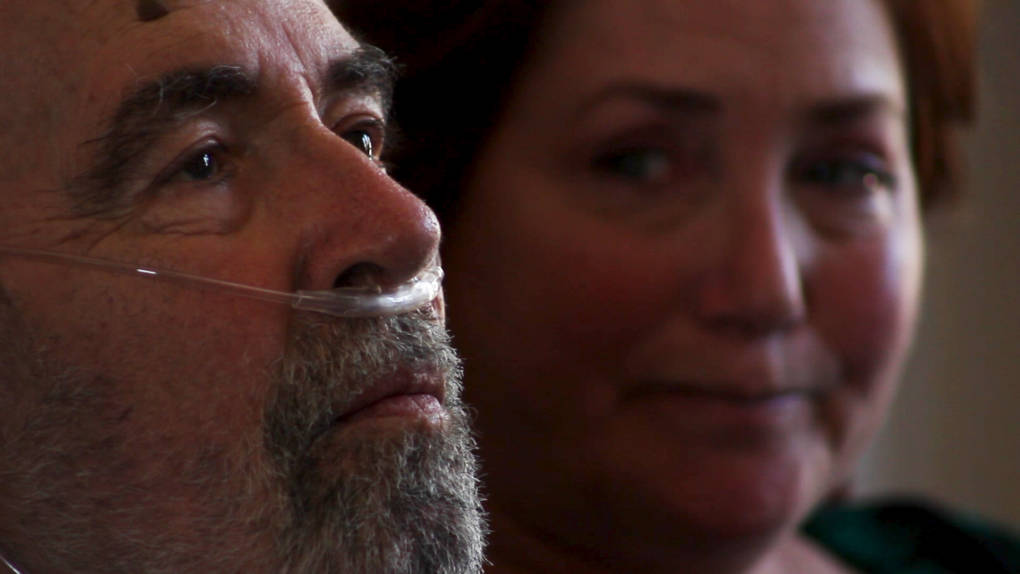
"caption": "Kelly Johnson, with his daughter Leda Meredith, in his final moments.",
"description": null,
"title": "final moments",
"credit": "Arash Malekzadeh",
"status": "inherit",
"isLoading": false,
"fetchFailed": false
},
"news_11679809": {
"type": "attachments",
"id": "news_11679809",
"meta": {
"index": "attachments_1716263798",
"site": "news",
"id": "11679809",
"found": true
},
"parent": 11679167,
"imgSizes": {
"small": {
"file": "https://ww2.kqed.org/app/uploads/sites/10/2018/07/1_Dr.-Carson4-520x293.jpg",
"width": 520,
"mimeType": "image/jpeg",
"height": 293
},
"twentyfourteen-full-width": {
"file": "https://ww2.kqed.org/app/uploads/sites/10/2018/07/1_Dr.-Carson4-1038x576.jpg",
"width": 1038,
"mimeType": "image/jpeg",
"height": 576
},
"thumbnail": {
"file": "https://ww2.kqed.org/app/uploads/sites/10/2018/07/1_Dr.-Carson4-160x90.jpg",
"width": 160,
"mimeType": "image/jpeg",
"height": 90
},
"fd-sm": {
"file": "https://ww2.kqed.org/app/uploads/sites/10/2018/07/1_Dr.-Carson4-960x540.jpg",
"width": 960,
"mimeType": "image/jpeg",
"height": 540
},
"post-thumbnail": {
"file": "https://ww2.kqed.org/app/uploads/sites/10/2018/07/1_Dr.-Carson4-672x372.jpg",
"width": 672,
"mimeType": "image/jpeg",
"height": 372
},
"xsmall": {
"file": "https://ww2.kqed.org/app/uploads/sites/10/2018/07/1_Dr.-Carson4-375x211.jpg",
"width": 375,
"mimeType": "image/jpeg",
"height": 211
},
"kqedFullSize": {
"file": "https://ww2.kqed.org/app/uploads/sites/10/2018/07/1_Dr.-Carson4.jpg",
"width": 1920,
"height": 1080
},
"large": {
"file": "https://ww2.kqed.org/app/uploads/sites/10/2018/07/1_Dr.-Carson4-1020x574.jpg",
"width": 1020,
"mimeType": "image/jpeg",
"height": 574
},
"xlarge": {
"file": "https://ww2.kqed.org/app/uploads/sites/10/2018/07/1_Dr.-Carson4-1180x664.jpg",
"width": 1180,
"mimeType": "image/jpeg",
"height": 664
},
"complete_open_graph": {
"file": "https://ww2.kqed.org/app/uploads/sites/10/2018/07/1_Dr.-Carson4-1200x675.jpg",
"width": 1200,
"mimeType": "image/jpeg",
"height": 675
},
"guest-author-50": {
"file": "https://ww2.kqed.org/app/uploads/sites/10/2018/07/1_Dr.-Carson4-50x50.jpg",
"width": 50,
"mimeType": "image/jpeg",
"height": 50
},
"guest-author-96": {
"file": "https://ww2.kqed.org/app/uploads/sites/10/2018/07/1_Dr.-Carson4-96x96.jpg",
"width": 96,
"mimeType": "image/jpeg",
"height": 96
},
"medium": {
"file": "https://ww2.kqed.org/app/uploads/sites/10/2018/07/1_Dr.-Carson4-800x450.jpg",
"width": 800,
"mimeType": "image/jpeg",
"height": 450
},
"guest-author-64": {
"file": "https://ww2.kqed.org/app/uploads/sites/10/2018/07/1_Dr.-Carson4-64x64.jpg",
"width": 64,
"mimeType": "image/jpeg",
"height": 64
},
"guest-author-32": {
"file": "https://ww2.kqed.org/app/uploads/sites/10/2018/07/1_Dr.-Carson4-32x32.jpg",
"width": 32,
"mimeType": "image/jpeg",
"height": 32
},
"fd-lrg": {
"file": "https://ww2.kqed.org/app/uploads/sites/10/2018/07/1_Dr.-Carson4-1920x1080.jpg",
"width": 1920,
"mimeType": "image/jpeg",
"height": 1080
},
"fd-med": {
"file": "https://ww2.kqed.org/app/uploads/sites/10/2018/07/1_Dr.-Carson4-1180x664.jpg",
"width": 1180,
"mimeType": "image/jpeg",
"height": 664
},
"full-width": {
"file": "https://ww2.kqed.org/app/uploads/sites/10/2018/07/1_Dr.-Carson4-1920x1080.jpg",
"width": 1920,
"mimeType": "image/jpeg",
"height": 1080
},
"detail": {
"file": "https://ww2.kqed.org/app/uploads/sites/10/2018/07/1_Dr.-Carson4-150x150.jpg",
"width": 150,
"mimeType": "image/jpeg",
"height": 150
},
"guest-author-128": {
"file": "https://ww2.kqed.org/app/uploads/sites/10/2018/07/1_Dr.-Carson4-128x128.jpg",
"width": 128,
"mimeType": "image/jpeg",
"height": 128
},
"xxsmall": {
"file": "https://ww2.kqed.org/app/uploads/sites/10/2018/07/1_Dr.-Carson4-240x135.jpg",
"width": 240,
"mimeType": "image/jpeg",
"height": 135
}
},
"publishDate": 1531246800,
"modified": 1531435511,
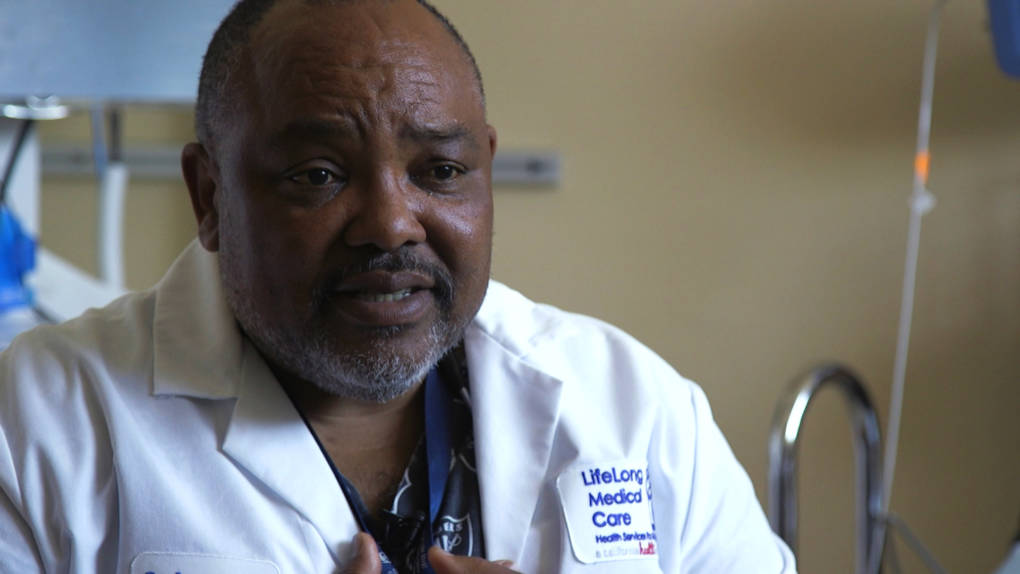
"caption": "Dr. Desmond Carson is a physician at Lifelong Medical Care in San Pablo. ",
"description": null,
"title": "1_Dr.-Carson4",
"credit": "Bo Kovitz",
"status": "inherit",
"isLoading": false,
"fetchFailed": false
},
"news_11679459": {
"type": "attachments",
"id": "news_11679459",
"meta": {
"index": "attachments_1716263798",
"site": "news",
"id": "11679459",
"found": true
},
"parent": 11679230,
"imgSizes": {
"small": {
"file": "https://ww2.kqed.org/app/uploads/sites/10/2018/07/therethere-520x347.jpg",
"width": 520,
"mimeType": "image/jpeg",
"height": 347
},
"twentyfourteen-full-width": {
"file": "https://ww2.kqed.org/app/uploads/sites/10/2018/07/therethere-1038x576.jpg",
"width": 1038,
"mimeType": "image/jpeg",
"height": 576
},
"thumbnail": {
"file": "https://ww2.kqed.org/app/uploads/sites/10/2018/07/therethere-160x107.jpg",
"width": 160,
"mimeType": "image/jpeg",
"height": 107
},
"fd-sm": {
"file": "https://ww2.kqed.org/app/uploads/sites/10/2018/07/therethere-960x640.jpg",
"width": 960,
"mimeType": "image/jpeg",
"height": 640
},
"post-thumbnail": {
"file": "https://ww2.kqed.org/app/uploads/sites/10/2018/07/therethere-672x372.jpg",
"width": 672,
"mimeType": "image/jpeg",
"height": 372
},
"xsmall": {
"file": "https://ww2.kqed.org/app/uploads/sites/10/2018/07/therethere-375x250.jpg",
"width": 375,
"mimeType": "image/jpeg",
"height": 250
},
"kqedFullSize": {
"file": "https://ww2.kqed.org/app/uploads/sites/10/2018/07/therethere-e1530998322524.jpg",
"width": 1920,
"height": 1280
},
"large": {
"file": "https://ww2.kqed.org/app/uploads/sites/10/2018/07/therethere-1020x680.jpg",
"width": 1020,
"mimeType": "image/jpeg",
"height": 680
},
"xlarge": {
"file": "https://ww2.kqed.org/app/uploads/sites/10/2018/07/therethere-1180x787.jpg",
"width": 1180,
"mimeType": "image/jpeg",
"height": 787
},
"complete_open_graph": {
"file": "https://ww2.kqed.org/app/uploads/sites/10/2018/07/therethere-1200x800.jpg",
"width": 1200,
"mimeType": "image/jpeg",
"height": 800
},
"guest-author-50": {
"file": "https://ww2.kqed.org/app/uploads/sites/10/2018/07/therethere-50x50.jpg",
"width": 50,
"mimeType": "image/jpeg",
"height": 50
},
"guest-author-96": {
"file": "https://ww2.kqed.org/app/uploads/sites/10/2018/07/therethere-96x96.jpg",
"width": 96,
"mimeType": "image/jpeg",
"height": 96
},
"medium": {
"file": "https://ww2.kqed.org/app/uploads/sites/10/2018/07/therethere-800x533.jpg",
"width": 800,
"mimeType": "image/jpeg",
"height": 533
},
"guest-author-64": {
"file": "https://ww2.kqed.org/app/uploads/sites/10/2018/07/therethere-64x64.jpg",
"width": 64,
"mimeType": "image/jpeg",
"height": 64
},
"guest-author-32": {
"file": "https://ww2.kqed.org/app/uploads/sites/10/2018/07/therethere-32x32.jpg",
"width": 32,
"mimeType": "image/jpeg",
"height": 32
},
"fd-lrg": {
"file": "https://ww2.kqed.org/app/uploads/sites/10/2018/07/therethere-1920x1280.jpg",
"width": 1920,
"mimeType": "image/jpeg",
"height": 1280
},
"fd-med": {
"file": "https://ww2.kqed.org/app/uploads/sites/10/2018/07/therethere-1180x787.jpg",
"width": 1180,
"mimeType": "image/jpeg",
"height": 787
},
"full-width": {
"file": "https://ww2.kqed.org/app/uploads/sites/10/2018/07/therethere-1920x1280.jpg",
"width": 1920,
"mimeType": "image/jpeg",
"height": 1280
},
"detail": {
"file": "https://ww2.kqed.org/app/uploads/sites/10/2018/07/therethere-150x150.jpg",
"width": 150,
"mimeType": "image/jpeg",
"height": 150
},
"guest-author-128": {
"file": "https://ww2.kqed.org/app/uploads/sites/10/2018/07/therethere-128x128.jpg",
"width": 128,
"mimeType": "image/jpeg",
"height": 128
},
"xxsmall": {
"file": "https://ww2.kqed.org/app/uploads/sites/10/2018/07/therethere-240x160.jpg",
"width": 240,
"mimeType": "image/jpeg",
"height": 160
}
},
"publishDate": 1530998272,
"modified": 1530998459,
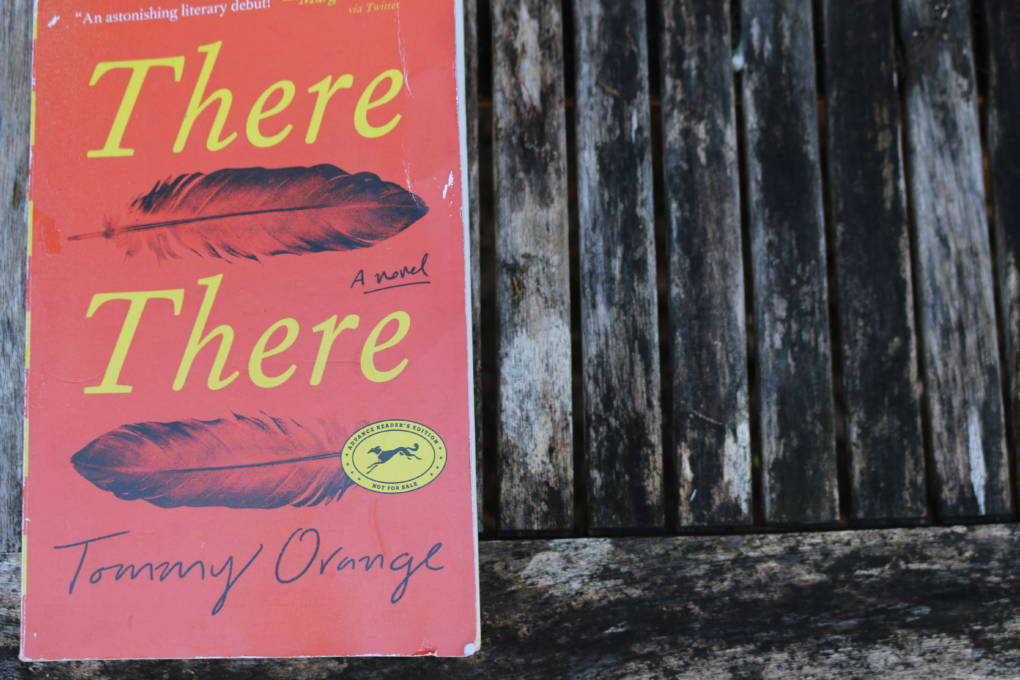
"caption": "A copy of Tommy Orange's \"There There,\" a first novel from the author, which has been on the New York Times Best Sellers list for the past month.",
"description": "A copy of Tommy Orange's \"There There,\" a first novel from the author, which has been on the New York Times Best Sellers list for the past month.",
"title": "therethere",
"credit": "Sandhya Dirks/KQED",
"status": "inherit",
"isLoading": false,
"fetchFailed": false
},
"news_11671745": {
"type": "attachments",
"id": "news_11671745",
"meta": {
"index": "attachments_1716263798",
"site": "news",
"id": "11671745",
"found": true
},
"parent": 11671736,
"imgSizes": {
"small": {
"file": "https://ww2.kqed.org/app/uploads/sites/10/2018/05/TenderloinKidsMain-520x351.jpg",
"width": 520,
"mimeType": "image/jpeg",
"height": 351
},
"twentyfourteen-full-width": {
"file": "https://ww2.kqed.org/app/uploads/sites/10/2018/05/TenderloinKidsMain-1038x576.jpg",
"width": 1038,
"mimeType": "image/jpeg",
"height": 576
},
"thumbnail": {
"file": "https://ww2.kqed.org/app/uploads/sites/10/2018/05/TenderloinKidsMain-160x108.jpg",
"width": 160,
"mimeType": "image/jpeg",
"height": 108
},
"fd-sm": {
"file": "https://ww2.kqed.org/app/uploads/sites/10/2018/05/TenderloinKidsMain-960x648.jpg",
"width": 960,
"mimeType": "image/jpeg",
"height": 648
},
"post-thumbnail": {
"file": "https://ww2.kqed.org/app/uploads/sites/10/2018/05/TenderloinKidsMain-672x372.jpg",
"width": 672,
"mimeType": "image/jpeg",
"height": 372
},
"xsmall": {
"file": "https://ww2.kqed.org/app/uploads/sites/10/2018/05/TenderloinKidsMain-375x253.jpg",
"width": 375,
"mimeType": "image/jpeg",
"height": 253
},
"kqedFullSize": {
"file": "https://ww2.kqed.org/app/uploads/sites/10/2018/05/TenderloinKidsMain.jpg",
"width": 1920,
"height": 1296
},
"large": {
"file": "https://ww2.kqed.org/app/uploads/sites/10/2018/05/TenderloinKidsMain-1020x689.jpg",
"width": 1020,
"mimeType": "image/jpeg",
"height": 689
},
"xlarge": {
"file": "https://ww2.kqed.org/app/uploads/sites/10/2018/05/TenderloinKidsMain-1180x797.jpg",
"width": 1180,
"mimeType": "image/jpeg",
"height": 797
},
"complete_open_graph": {
"file": "https://ww2.kqed.org/app/uploads/sites/10/2018/05/TenderloinKidsMain-1200x810.jpg",
"width": 1200,
"mimeType": "image/jpeg",
"height": 810
},
"guest-author-50": {
"file": "https://ww2.kqed.org/app/uploads/sites/10/2018/05/TenderloinKidsMain-50x50.jpg",
"width": 50,
"mimeType": "image/jpeg",
"height": 50
},
"guest-author-96": {
"file": "https://ww2.kqed.org/app/uploads/sites/10/2018/05/TenderloinKidsMain-96x96.jpg",
"width": 96,
"mimeType": "image/jpeg",
"height": 96
},
"medium": {
"file": "https://ww2.kqed.org/app/uploads/sites/10/2018/05/TenderloinKidsMain-800x540.jpg",
"width": 800,
"mimeType": "image/jpeg",
"height": 540
},
"guest-author-64": {
"file": "https://ww2.kqed.org/app/uploads/sites/10/2018/05/TenderloinKidsMain-64x64.jpg",
"width": 64,
"mimeType": "image/jpeg",
"height": 64
},
"guest-author-32": {
"file": "https://ww2.kqed.org/app/uploads/sites/10/2018/05/TenderloinKidsMain-32x32.jpg",
"width": 32,
"mimeType": "image/jpeg",
"height": 32
},
"fd-lrg": {
"file": "https://ww2.kqed.org/app/uploads/sites/10/2018/05/TenderloinKidsMain-1920x1296.jpg",
"width": 1920,
"mimeType": "image/jpeg",
"height": 1296
},
"fd-med": {
"file": "https://ww2.kqed.org/app/uploads/sites/10/2018/05/TenderloinKidsMain-1180x797.jpg",
"width": 1180,
"mimeType": "image/jpeg",
"height": 797
},
"full-width": {
"file": "https://ww2.kqed.org/app/uploads/sites/10/2018/05/TenderloinKidsMain-1920x1296.jpg",
"width": 1920,
"mimeType": "image/jpeg",
"height": 1296
},
"detail": {
"file": "https://ww2.kqed.org/app/uploads/sites/10/2018/05/TenderloinKidsMain-150x150.jpg",
"width": 150,
"mimeType": "image/jpeg",
"height": 150
},
"guest-author-128": {
"file": "https://ww2.kqed.org/app/uploads/sites/10/2018/05/TenderloinKidsMain-128x128.jpg",
"width": 128,
"mimeType": "image/jpeg",
"height": 128
},
"xxsmall": {
"file": "https://ww2.kqed.org/app/uploads/sites/10/2018/05/TenderloinKidsMain-240x162.jpg",
"width": 240,
"mimeType": "image/jpeg",
"height": 162
}
},
"publishDate": 1527800343,
"modified": 1554155976,
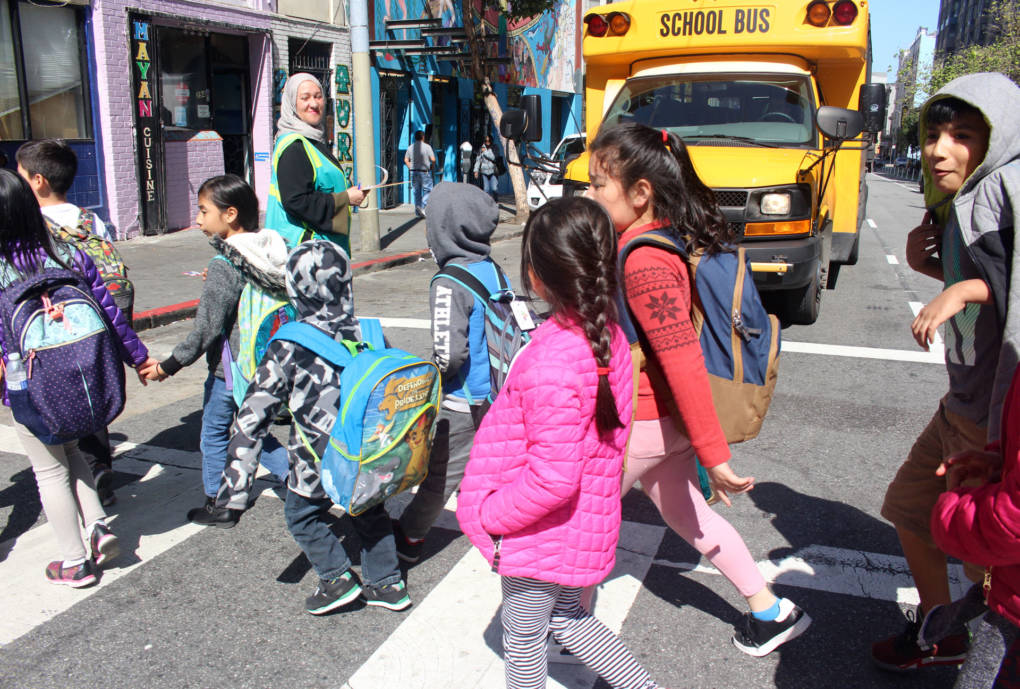
"caption": "Elementary school students cross Turk Street in San Francisco as Safe Passage volunteer Tatiana Alabsi observes them on April 24, 2018. ",
"description": "Elementary school students cross Turk Street in San Francisco as Safe Passage volunteer Tatiana Alabsi observes them on April 24, 2018. ",
"title": "TenderloinKidsMain",
"credit": "Farida Jhabvala Romero/KQED",
"status": "inherit",
"isLoading": false,
"fetchFailed": false
},
"news_10953906": {
"type": "attachments",
"id": "news_10953906",
"meta": {
"index": "attachments_1716263798",
"site": "news",
"id": "10953906",
"found": true
},
"parent": 10953904,
"imgSizes": {
"twentyfourteen-full-width": {
"file": "https://ww2.kqed.org/app/uploads/sites/10/2016/05/Voting_United_States-1038x576.jpg",
"width": 1038,
"mimeType": "image/jpeg",
"height": 576
},
"thumbnail": {
"file": "https://ww2.kqed.org/app/uploads/sites/10/2016/05/Voting_United_States-400x266.jpg",
"width": 400,
"mimeType": "image/jpeg",
"height": 266
},
"fd-sm": {
"file": "https://ww2.kqed.org/app/uploads/sites/10/2016/05/Voting_United_States-960x638.jpg",
"width": 960,
"mimeType": "image/jpeg",
"height": 638
},
"post-thumbnail": {
"file": "https://ww2.kqed.org/app/uploads/sites/10/2016/05/Voting_United_States-672x372.jpg",
"width": 672,
"mimeType": "image/jpeg",
"height": 372
},
"kqedFullSize": {
"file": "https://ww2.kqed.org/app/uploads/sites/10/2016/05/Voting_United_States.jpg",
"width": 1919,
"height": 1275
},
"guest-author-96": {
"file": "https://ww2.kqed.org/app/uploads/sites/10/2016/05/Voting_United_States-96x96.jpg",
"width": 96,
"mimeType": "image/jpeg",
"height": 96
},
"medium": {
"file": "https://ww2.kqed.org/app/uploads/sites/10/2016/05/Voting_United_States-800x532.jpg",
"width": 800,
"mimeType": "image/jpeg",
"height": 532
},
"guest-author-64": {
"file": "https://ww2.kqed.org/app/uploads/sites/10/2016/05/Voting_United_States-64x64.jpg",
"width": 64,
"mimeType": "image/jpeg",
"height": 64
},
"guest-author-32": {
"file": "https://ww2.kqed.org/app/uploads/sites/10/2016/05/Voting_United_States-32x32.jpg",
"width": 32,
"mimeType": "image/jpeg",
"height": 32
},
"jmtc-small-thumb": {
"file": "https://ww2.kqed.org/app/uploads/sites/10/2016/05/Voting_United_States-280x150.jpg",
"width": 280,
"mimeType": "image/jpeg",
"height": 150
},
"fd-med": {
"file": "https://ww2.kqed.org/app/uploads/sites/10/2016/05/Voting_United_States-1180x784.jpg",
"width": 1180,
"mimeType": "image/jpeg",
"height": 784
},
"detail": {
"file": "https://ww2.kqed.org/app/uploads/sites/10/2016/05/Voting_United_States-150x150.jpg",
"width": 150,
"mimeType": "image/jpeg",
"height": 150
},
"guest-author-128": {
"file": "https://ww2.kqed.org/app/uploads/sites/10/2016/05/Voting_United_States-128x128.jpg",
"width": 128,
"mimeType": "image/jpeg",
"height": 128
}
},
"publishDate": 1463097610,
"modified": 1463097619,
"caption": null,
"description": null,
"title": "Voting_United_States",
"credit": "Wikipedia Commons",
"status": "inherit",
"isLoading": false,
"fetchFailed": false
},
"news_11667467": {
"type": "attachments",
"id": "news_11667467",
"meta": {
"index": "attachments_1716263798",
"site": "news",
"id": "11667467",
"found": true
},
"parent": 0,
"imgSizes": {
"small": {
"file": "https://ww2.kqed.org/app/uploads/sites/10/2018/05/SF-Mint-exterior_1920-520x293.jpg",
"width": 520,
"mimeType": "image/jpeg",
"height": 293
},
"twentyfourteen-full-width": {
"file": "https://ww2.kqed.org/app/uploads/sites/10/2018/05/SF-Mint-exterior_1920-1038x576.jpg",
"width": 1038,
"mimeType": "image/jpeg",
"height": 576
},
"thumbnail": {
"file": "https://ww2.kqed.org/app/uploads/sites/10/2018/05/SF-Mint-exterior_1920-160x90.jpg",
"width": 160,
"mimeType": "image/jpeg",
"height": 90
},
"fd-sm": {
"file": "https://ww2.kqed.org/app/uploads/sites/10/2018/05/SF-Mint-exterior_1920-960x540.jpg",
"width": 960,
"mimeType": "image/jpeg",
"height": 540
},
"post-thumbnail": {
"file": "https://ww2.kqed.org/app/uploads/sites/10/2018/05/SF-Mint-exterior_1920-672x372.jpg",
"width": 672,
"mimeType": "image/jpeg",
"height": 372
},
"xsmall": {
"file": "https://ww2.kqed.org/app/uploads/sites/10/2018/05/SF-Mint-exterior_1920-375x211.jpg",
"width": 375,
"mimeType": "image/jpeg",
"height": 211
},
"kqedFullSize": {
"file": "https://ww2.kqed.org/app/uploads/sites/10/2018/05/SF-Mint-exterior_1920.jpg",
"width": 1920,
"height": 1080
},
"large": {
"file": "https://ww2.kqed.org/app/uploads/sites/10/2018/05/SF-Mint-exterior_1920-1020x574.jpg",
"width": 1020,
"mimeType": "image/jpeg",
"height": 574
},
"xlarge": {
"file": "https://ww2.kqed.org/app/uploads/sites/10/2018/05/SF-Mint-exterior_1920-1180x664.jpg",
"width": 1180,
"mimeType": "image/jpeg",
"height": 664
},
"complete_open_graph": {
"file": "https://ww2.kqed.org/app/uploads/sites/10/2018/05/SF-Mint-exterior_1920-1200x675.jpg",
"width": 1200,
"mimeType": "image/jpeg",
"height": 675
},
"guest-author-50": {
"file": "https://ww2.kqed.org/app/uploads/sites/10/2018/05/SF-Mint-exterior_1920-50x50.jpg",
"width": 50,
"mimeType": "image/jpeg",
"height": 50
},
"guest-author-96": {
"file": "https://ww2.kqed.org/app/uploads/sites/10/2018/05/SF-Mint-exterior_1920-96x96.jpg",
"width": 96,
"mimeType": "image/jpeg",
"height": 96
},
"medium": {
"file": "https://ww2.kqed.org/app/uploads/sites/10/2018/05/SF-Mint-exterior_1920-800x450.jpg",
"width": 800,
"mimeType": "image/jpeg",
"height": 450
},
"guest-author-64": {
"file": "https://ww2.kqed.org/app/uploads/sites/10/2018/05/SF-Mint-exterior_1920-64x64.jpg",
"width": 64,
"mimeType": "image/jpeg",
"height": 64
},
"guest-author-32": {
"file": "https://ww2.kqed.org/app/uploads/sites/10/2018/05/SF-Mint-exterior_1920-32x32.jpg",
"width": 32,
"mimeType": "image/jpeg",
"height": 32
},
"fd-lrg": {
"file": "https://ww2.kqed.org/app/uploads/sites/10/2018/05/SF-Mint-exterior_1920-1920x1080.jpg",
"width": 1920,
"mimeType": "image/jpeg",
"height": 1080
},
"fd-med": {
"file": "https://ww2.kqed.org/app/uploads/sites/10/2018/05/SF-Mint-exterior_1920-1180x664.jpg",
"width": 1180,
"mimeType": "image/jpeg",
"height": 664
},
"full-width": {
"file": "https://ww2.kqed.org/app/uploads/sites/10/2018/05/SF-Mint-exterior_1920-1920x1080.jpg",
"width": 1920,
"mimeType": "image/jpeg",
"height": 1080
},
"detail": {
"file": "https://ww2.kqed.org/app/uploads/sites/10/2018/05/SF-Mint-exterior_1920-150x150.jpg",
"width": 150,
"mimeType": "image/jpeg",
"height": 150
},
"guest-author-128": {
"file": "https://ww2.kqed.org/app/uploads/sites/10/2018/05/SF-Mint-exterior_1920-128x128.jpg",
"width": 128,
"mimeType": "image/jpeg",
"height": 128
},
"xxsmall": {
"file": "https://ww2.kqed.org/app/uploads/sites/10/2018/05/SF-Mint-exterior_1920-240x135.jpg",
"width": 240,
"mimeType": "image/jpeg",
"height": 135
}
},
"publishDate": 1525914360,
"modified": 1525914388,
"caption": "The new San Francisco Mint",
"description": null,
"title": "SF-Mint-exterior_1920",
"credit": "Adam Grossberg/KQED",
"status": "inherit",
"isLoading": false,
"fetchFailed": false
},
"news_11667226": {
"type": "attachments",
"id": "news_11667226",
"meta": {
"index": "attachments_1716263798",
"site": "news",
"id": "11667226",
"found": true
},
"parent": 11667218,
"imgSizes": {
"small": {
"file": "https://ww2.kqed.org/app/uploads/sites/10/2018/05/UCSFstrike180508-e1525827408194-520x389.jpg",
"width": 520,
"mimeType": "image/jpeg",
"height": 389
},
"twentyfourteen-full-width": {
"file": "https://ww2.kqed.org/app/uploads/sites/10/2018/05/UCSFstrike180508-e1525827408194-1038x576.jpg",
"width": 1038,
"mimeType": "image/jpeg",
"height": 576
},
"thumbnail": {
"file": "https://ww2.kqed.org/app/uploads/sites/10/2018/05/UCSFstrike180508-e1525827408194-160x120.jpg",
"width": 160,
"mimeType": "image/jpeg",
"height": 120
},
"fd-sm": {
"file": "https://ww2.kqed.org/app/uploads/sites/10/2018/05/UCSFstrike180508-e1525827408194-960x719.jpg",
"width": 960,
"mimeType": "image/jpeg",
"height": 719
},
"post-thumbnail": {
"file": "https://ww2.kqed.org/app/uploads/sites/10/2018/05/UCSFstrike180508-e1525827408194-672x372.jpg",
"width": 672,
"mimeType": "image/jpeg",
"height": 372
},
"xsmall": {
"file": "https://ww2.kqed.org/app/uploads/sites/10/2018/05/UCSFstrike180508-e1525827408194-375x281.jpg",
"width": 375,
"mimeType": "image/jpeg",
"height": 281
},
"kqedFullSize": {
"file": "https://ww2.kqed.org/app/uploads/sites/10/2018/05/UCSFstrike180508-e1525828664400.jpg",
"width": 1920,
"height": 1437
},
"large": {
"file": "https://ww2.kqed.org/app/uploads/sites/10/2018/05/UCSFstrike180508-e1525827408194-1020x764.jpg",
"width": 1020,
"mimeType": "image/jpeg",
"height": 764
},
"xlarge": {
"file": "https://ww2.kqed.org/app/uploads/sites/10/2018/05/UCSFstrike180508-e1525827408194-1180x883.jpg",
"width": 1180,
"mimeType": "image/jpeg",
"height": 883
},
"complete_open_graph": {
"file": "https://ww2.kqed.org/app/uploads/sites/10/2018/05/UCSFstrike180508-e1525827408194-1200x898.jpg",
"width": 1200,
"mimeType": "image/jpeg",
"height": 898
},
"guest-author-50": {
"file": "https://ww2.kqed.org/app/uploads/sites/10/2018/05/UCSFstrike180508-e1525827408194-50x50.jpg",
"width": 50,
"mimeType": "image/jpeg",
"height": 50
},
"guest-author-96": {
"file": "https://ww2.kqed.org/app/uploads/sites/10/2018/05/UCSFstrike180508-e1525827408194-96x96.jpg",
"width": 96,
"mimeType": "image/jpeg",
"height": 96
},
"medium": {
"file": "https://ww2.kqed.org/app/uploads/sites/10/2018/05/UCSFstrike180508-e1525827408194-800x599.jpg",
"width": 800,
"mimeType": "image/jpeg",
"height": 599
},
"guest-author-64": {
"file": "https://ww2.kqed.org/app/uploads/sites/10/2018/05/UCSFstrike180508-e1525827408194-64x64.jpg",
"width": 64,
"mimeType": "image/jpeg",
"height": 64
},
"guest-author-32": {
"file": "https://ww2.kqed.org/app/uploads/sites/10/2018/05/UCSFstrike180508-e1525827408194-32x32.jpg",
"width": 32,
"mimeType": "image/jpeg",
"height": 32
},
"fd-lrg": {
"file": "https://ww2.kqed.org/app/uploads/sites/10/2018/05/UCSFstrike180508-e1525827408194-1920x1437.jpg",
"width": 1920,
"mimeType": "image/jpeg",
"height": 1437
},
"fd-med": {
"file": "https://ww2.kqed.org/app/uploads/sites/10/2018/05/UCSFstrike180508-e1525827408194-1180x883.jpg",
"width": 1180,
"mimeType": "image/jpeg",
"height": 883
},
"full-width": {
"file": "https://ww2.kqed.org/app/uploads/sites/10/2018/05/UCSFstrike180508-e1525827408194-1920x1437.jpg",
"width": 1920,
"mimeType": "image/jpeg",
"height": 1437
},
"detail": {
"file": "https://ww2.kqed.org/app/uploads/sites/10/2018/05/UCSFstrike180508-e1525827408194-150x150.jpg",
"width": 150,
"mimeType": "image/jpeg",
"height": 150
},
"guest-author-128": {
"file": "https://ww2.kqed.org/app/uploads/sites/10/2018/05/UCSFstrike180508-e1525827408194-128x128.jpg",
"width": 128,
"mimeType": "image/jpeg",
"height": 128
},
"xxsmall": {
"file": "https://ww2.kqed.org/app/uploads/sites/10/2018/05/UCSFstrike180508-e1525827408194-240x180.jpg",
"width": 240,
"mimeType": "image/jpeg",
"height": 180
}
},
"publishDate": 1525827263,
"modified": 1525828657,
"caption": "UCSF nurses Alicia Thomas, Al Davies, and Nalinee Tan carry signs and drum outside UCSF Parnassus Hospital on Tuesday, May 8, 2018.",
"description": "UCSF nurses Alicia Thomas, Al Davies, and Nalinee Tan carry signs and drum outside UCSF Parnassus Hospital on Tuesday, May 8, 2018.",
"title": "UCSFstrike180508",
"credit": "Laura Klivans/KQED",
"status": "inherit",
"isLoading": false,
"fetchFailed": false
},
"news_11656722": {
"type": "attachments",
"id": "news_11656722",
"meta": {
"index": "attachments_1716263798",
"site": "news",
"id": "11656722",
"found": true
},
"parent": 11656710,
"imgSizes": {
"small": {
"file": "https://ww2.kqed.org/app/uploads/sites/10/2018/03/RS29997_untitled-6-qut-520x347.jpg",
"width": 520,
"mimeType": "image/jpeg",
"height": 347
},
"twentyfourteen-full-width": {
"file": "https://ww2.kqed.org/app/uploads/sites/10/2018/03/RS29997_untitled-6-qut-1038x576.jpg",
"width": 1038,
"mimeType": "image/jpeg",
"height": 576
},
"thumbnail": {
"file": "https://ww2.kqed.org/app/uploads/sites/10/2018/03/RS29997_untitled-6-qut-160x107.jpg",
"width": 160,
"mimeType": "image/jpeg",
"height": 107
},
"fd-sm": {
"file": "https://ww2.kqed.org/app/uploads/sites/10/2018/03/RS29997_untitled-6-qut-960x640.jpg",
"width": 960,
"mimeType": "image/jpeg",
"height": 640
},
"post-thumbnail": {
"file": "https://ww2.kqed.org/app/uploads/sites/10/2018/03/RS29997_untitled-6-qut-672x372.jpg",
"width": 672,
"mimeType": "image/jpeg",
"height": 372
},
"xsmall": {
"file": "https://ww2.kqed.org/app/uploads/sites/10/2018/03/RS29997_untitled-6-qut-375x250.jpg",
"width": 375,
"mimeType": "image/jpeg",
"height": 250
},
"kqedFullSize": {
"file": "https://ww2.kqed.org/app/uploads/sites/10/2018/03/RS29997_untitled-6-qut.jpg",
"width": 1920,
"height": 1280
},
"large": {
"file": "https://ww2.kqed.org/app/uploads/sites/10/2018/03/RS29997_untitled-6-qut-1020x680.jpg",
"width": 1020,
"mimeType": "image/jpeg",
"height": 680
},
"xlarge": {
"file": "https://ww2.kqed.org/app/uploads/sites/10/2018/03/RS29997_untitled-6-qut-1180x787.jpg",
"width": 1180,
"mimeType": "image/jpeg",
"height": 787
},
"guest-author-50": {
"file": "https://ww2.kqed.org/app/uploads/sites/10/2018/03/RS29997_untitled-6-qut-50x50.jpg",
"width": 50,
"mimeType": "image/jpeg",
"height": 50
},
"guest-author-96": {
"file": "https://ww2.kqed.org/app/uploads/sites/10/2018/03/RS29997_untitled-6-qut-96x96.jpg",
"width": 96,
"mimeType": "image/jpeg",
"height": 96
},
"medium": {
"file": "https://ww2.kqed.org/app/uploads/sites/10/2018/03/RS29997_untitled-6-qut-800x533.jpg",
"width": 800,
"mimeType": "image/jpeg",
"height": 533
},
"guest-author-64": {
"file": "https://ww2.kqed.org/app/uploads/sites/10/2018/03/RS29997_untitled-6-qut-64x64.jpg",
"width": 64,
"mimeType": "image/jpeg",
"height": 64
},
"guest-author-32": {
"file": "https://ww2.kqed.org/app/uploads/sites/10/2018/03/RS29997_untitled-6-qut-32x32.jpg",
"width": 32,
"mimeType": "image/jpeg",
"height": 32
},
"fd-lrg": {
"file": "https://ww2.kqed.org/app/uploads/sites/10/2018/03/RS29997_untitled-6-qut-1920x1280.jpg",
"width": 1920,
"mimeType": "image/jpeg",
"height": 1280
},
"fd-med": {
"file": "https://ww2.kqed.org/app/uploads/sites/10/2018/03/RS29997_untitled-6-qut-1180x787.jpg",
"width": 1180,
"mimeType": "image/jpeg",
"height": 787
},
"full-width": {
"file": "https://ww2.kqed.org/app/uploads/sites/10/2018/03/RS29997_untitled-6-qut-1920x1280.jpg",
"width": 1920,
"mimeType": "image/jpeg",
"height": 1280
},
"detail": {
"file": "https://ww2.kqed.org/app/uploads/sites/10/2018/03/RS29997_untitled-6-qut-150x150.jpg",
"width": 150,
"mimeType": "image/jpeg",
"height": 150
},
"guest-author-128": {
"file": "https://ww2.kqed.org/app/uploads/sites/10/2018/03/RS29997_untitled-6-qut-128x128.jpg",
"width": 128,
"mimeType": "image/jpeg",
"height": 128
},
"xxsmall": {
"file": "https://ww2.kqed.org/app/uploads/sites/10/2018/03/RS29997_untitled-6-qut-240x160.jpg",
"width": 240,
"mimeType": "image/jpeg",
"height": 160
}
},
"publishDate": 1521526977,
"modified": 1521940785,
"caption": "San Francisco mayoral candidates Angela Alioto, London Breed, Richie Greenberg, Jane Kim and Amy Farah Weiss at a debate in the Castro Theater in San Francisco on March 19, 2018.",
"description": "San Francisco mayoral candidates Angela Alioto, London Breed, Richie Greenberg, Jane Kim and Amy Farah Weiss at a debate in the Castro Theater in San Francisco on March 19, 2018.",
"title": "RS29997_untitled-6-qut",
"credit": "Samantha Shanahan/KQED",
"status": "inherit",
"isLoading": false,
"fetchFailed": false
},
"news_11655721": {
"type": "attachments",
"id": "news_11655721",
"meta": {
"index": "attachments_1716263798",
"site": "news",
"id": "11655721",
"found": true
},
"parent": 11655297,
"imgSizes": {
"small": {
"file": "https://ww2.kqed.org/app/uploads/sites/10/2018/03/RS29866_untitled-qut-1-520x347.jpg",
"width": 520,
"mimeType": "image/jpeg",
"height": 347
},
"twentyfourteen-full-width": {
"file": "https://ww2.kqed.org/app/uploads/sites/10/2018/03/RS29866_untitled-qut-1-1038x576.jpg",
"width": 1038,
"mimeType": "image/jpeg",
"height": 576
},
"thumbnail": {
"file": "https://ww2.kqed.org/app/uploads/sites/10/2018/03/RS29866_untitled-qut-1-160x107.jpg",
"width": 160,
"mimeType": "image/jpeg",
"height": 107
},
"fd-sm": {
"file": "https://ww2.kqed.org/app/uploads/sites/10/2018/03/RS29866_untitled-qut-1-960x640.jpg",
"width": 960,
"mimeType": "image/jpeg",
"height": 640
},
"post-thumbnail": {
"file": "https://ww2.kqed.org/app/uploads/sites/10/2018/03/RS29866_untitled-qut-1-672x372.jpg",
"width": 672,
"mimeType": "image/jpeg",
"height": 372
},
"xsmall": {
"file": "https://ww2.kqed.org/app/uploads/sites/10/2018/03/RS29866_untitled-qut-1-375x250.jpg",
"width": 375,
"mimeType": "image/jpeg",
"height": 250
},
"kqedFullSize": {
"file": "https://ww2.kqed.org/app/uploads/sites/10/2018/03/RS29866_untitled-qut-1.jpg",
"width": 1920,
"height": 1280
},
"large": {
"file": "https://ww2.kqed.org/app/uploads/sites/10/2018/03/RS29866_untitled-qut-1-1020x680.jpg",
"width": 1020,
"mimeType": "image/jpeg",
"height": 680
},
"xlarge": {
"file": "https://ww2.kqed.org/app/uploads/sites/10/2018/03/RS29866_untitled-qut-1-1180x787.jpg",
"width": 1180,
"mimeType": "image/jpeg",
"height": 787
},
"guest-author-50": {
"file": "https://ww2.kqed.org/app/uploads/sites/10/2018/03/RS29866_untitled-qut-1-50x50.jpg",
"width": 50,
"mimeType": "image/jpeg",
"height": 50
},
"guest-author-96": {
"file": "https://ww2.kqed.org/app/uploads/sites/10/2018/03/RS29866_untitled-qut-1-96x96.jpg",
"width": 96,
"mimeType": "image/jpeg",
"height": 96
},
"medium": {
"file": "https://ww2.kqed.org/app/uploads/sites/10/2018/03/RS29866_untitled-qut-1-800x533.jpg",
"width": 800,
"mimeType": "image/jpeg",
"height": 533
},
"guest-author-64": {
"file": "https://ww2.kqed.org/app/uploads/sites/10/2018/03/RS29866_untitled-qut-1-64x64.jpg",
"width": 64,
"mimeType": "image/jpeg",
"height": 64
},
"guest-author-32": {
"file": "https://ww2.kqed.org/app/uploads/sites/10/2018/03/RS29866_untitled-qut-1-32x32.jpg",
"width": 32,
"mimeType": "image/jpeg",
"height": 32
},
"fd-lrg": {
"file": "https://ww2.kqed.org/app/uploads/sites/10/2018/03/RS29866_untitled-qut-1-1920x1280.jpg",
"width": 1920,
"mimeType": "image/jpeg",
"height": 1280
},
"fd-med": {
"file": "https://ww2.kqed.org/app/uploads/sites/10/2018/03/RS29866_untitled-qut-1-1180x787.jpg",
"width": 1180,
"mimeType": "image/jpeg",
"height": 787
},
"full-width": {
"file": "https://ww2.kqed.org/app/uploads/sites/10/2018/03/RS29866_untitled-qut-1-1920x1280.jpg",
"width": 1920,
"mimeType": "image/jpeg",
"height": 1280
},
"detail": {
"file": "https://ww2.kqed.org/app/uploads/sites/10/2018/03/RS29866_untitled-qut-1-150x150.jpg",
"width": 150,
"mimeType": "image/jpeg",
"height": 150
},
"guest-author-128": {
"file": "https://ww2.kqed.org/app/uploads/sites/10/2018/03/RS29866_untitled-qut-1-128x128.jpg",
"width": 128,
"mimeType": "image/jpeg",
"height": 128
},
"xxsmall": {
"file": "https://ww2.kqed.org/app/uploads/sites/10/2018/03/RS29866_untitled-qut-1-240x160.jpg",
"width": 240,
"mimeType": "image/jpeg",
"height": 160
}
},
"publishDate": 1521059043,
"modified": 1521138583,
"caption": "Students from Oakland Technical High School stand up against gun violence on March 14, 2018, one month after the school shooting in Parkland, Florida, killed 17.",
"description": null,
"title": "RS29866_untitled-qut (1)",
"credit": "Samantha Shanahan/KQED",
"status": "inherit",
"isLoading": false,
"fetchFailed": false
},
"news_11654377": {
"type": "attachments",
"id": "news_11654377",
"meta": {
"index": "attachments_1716263798",
"site": "news",
"id": "11654377",
"found": true
},
"parent": 11653959,
"imgSizes": {
"small": {
"file": "https://ww2.kqed.org/app/uploads/sites/10/2018/03/RS29609_alt_699-520x292.png",
"width": 520,
"mimeType": "image/png",
"height": 292
},
"twentyfourteen-full-width": {
"file": "https://ww2.kqed.org/app/uploads/sites/10/2018/03/RS29609_alt_699-1038x576.png",
"width": 1038,
"mimeType": "image/png",
"height": 576
},
"thumbnail": {
"file": "https://ww2.kqed.org/app/uploads/sites/10/2018/03/RS29609_alt_699-160x90.png",
"width": 160,
"mimeType": "image/png",
"height": 90
},
"fd-sm": {
"file": "https://ww2.kqed.org/app/uploads/sites/10/2018/03/RS29609_alt_699-960x540.png",
"width": 960,
"mimeType": "image/png",
"height": 540
},
"post-thumbnail": {
"file": "https://ww2.kqed.org/app/uploads/sites/10/2018/03/RS29609_alt_699-672x372.png",
"width": 672,
"mimeType": "image/png",
"height": 372
},
"xsmall": {
"file": "https://ww2.kqed.org/app/uploads/sites/10/2018/03/RS29609_alt_699-375x211.png",
"width": 375,
"mimeType": "image/png",
"height": 211
},
"kqedFullSize": {
"file": "https://ww2.kqed.org/app/uploads/sites/10/2018/03/RS29609_alt_699-e1520451584149.png",
"width": 1920,
"height": 1079
},
"large": {
"file": "https://ww2.kqed.org/app/uploads/sites/10/2018/03/RS29609_alt_699-1020x573.png",
"width": 1020,
"mimeType": "image/png",
"height": 573
},
"xlarge": {
"file": "https://ww2.kqed.org/app/uploads/sites/10/2018/03/RS29609_alt_699-1180x663.png",
"width": 1180,
"mimeType": "image/png",
"height": 663
},
"guest-author-50": {
"file": "https://ww2.kqed.org/app/uploads/sites/10/2018/03/RS29609_alt_699-50x50.png",
"width": 50,
"mimeType": "image/png",
"height": 50
},
"guest-author-96": {
"file": "https://ww2.kqed.org/app/uploads/sites/10/2018/03/RS29609_alt_699-96x96.png",
"width": 96,
"mimeType": "image/png",
"height": 96
},
"medium": {
"file": "https://ww2.kqed.org/app/uploads/sites/10/2018/03/RS29609_alt_699-800x450.png",
"width": 800,
"mimeType": "image/png",
"height": 450
},
"guest-author-64": {
"file": "https://ww2.kqed.org/app/uploads/sites/10/2018/03/RS29609_alt_699-64x64.png",
"width": 64,
"mimeType": "image/png",
"height": 64
},
"guest-author-32": {
"file": "https://ww2.kqed.org/app/uploads/sites/10/2018/03/RS29609_alt_699-32x32.png",
"width": 32,
"mimeType": "image/png",
"height": 32
},
"fd-lrg": {
"file": "https://ww2.kqed.org/app/uploads/sites/10/2018/03/RS29609_alt_699-1920x1079.png",
"width": 1920,
"mimeType": "image/png",
"height": 1079
},
"fd-med": {
"file": "https://ww2.kqed.org/app/uploads/sites/10/2018/03/RS29609_alt_699-1180x663.png",
"width": 1180,
"mimeType": "image/png",
"height": 663
},
"full-width": {
"file": "https://ww2.kqed.org/app/uploads/sites/10/2018/03/RS29609_alt_699-1920x1079.png",
"width": 1920,
"mimeType": "image/png",
"height": 1079
},
"detail": {
"file": "https://ww2.kqed.org/app/uploads/sites/10/2018/03/RS29609_alt_699-150x150.png",
"width": 150,
"mimeType": "image/png",
"height": 150
},
"guest-author-128": {
"file": "https://ww2.kqed.org/app/uploads/sites/10/2018/03/RS29609_alt_699-128x128.png",
"width": 128,
"mimeType": "image/png",
"height": 128
},
"xxsmall": {
"file": "https://ww2.kqed.org/app/uploads/sites/10/2018/03/RS29609_alt_699-240x135.png",
"width": 240,
"mimeType": "image/png",
"height": 135
}
},
"publishDate": 1520451522,
"modified": 1520451575,
"caption": "California Highway Patrol pilot Pete Gavitte (pictured) and his flight officer, Whitney Lowe, rescued 26 people off of Atlas Peak in Napa County on the night of Oct. 8, 2017.",
"description": "California Highway Patrol pilot Pete Gavitte (pictured) and his flight officer, Whitney Lowe, rescued 26 people off of Atlas Peak in Napa County on the night of Oct. 8, 2017.",
"title": "RS29609_alt_699",
"credit": null,
"status": "inherit",
"isLoading": false,
"fetchFailed": false
},
"news_11652466": {
"type": "attachments",
"id": "news_11652466",
"meta": {
"index": "attachments_1716263798",
"site": "news",
"id": "11652466",
"found": true
},
"parent": 11652431,
"imgSizes": {
"small": {
"file": "https://ww2.kqed.org/app/uploads/sites/10/2018/02/TheBay_1200x630-520x273.jpg",
"width": 520,
"mimeType": "image/jpeg",
"height": 273
},
"twentyfourteen-full-width": {
"file": "https://ww2.kqed.org/app/uploads/sites/10/2018/02/TheBay_1200x630-1038x576.jpg",
"width": 1038,
"mimeType": "image/jpeg",
"height": 576
},
"thumbnail": {
"file": "https://ww2.kqed.org/app/uploads/sites/10/2018/02/TheBay_1200x630-160x84.jpg",
"width": 160,
"mimeType": "image/jpeg",
"height": 84
},
"fd-sm": {
"file": "https://ww2.kqed.org/app/uploads/sites/10/2018/02/TheBay_1200x630-960x504.jpg",
"width": 960,
"mimeType": "image/jpeg",
"height": 504
},
"post-thumbnail": {
"file": "https://ww2.kqed.org/app/uploads/sites/10/2018/02/TheBay_1200x630-672x372.jpg",
"width": 672,
"mimeType": "image/jpeg",
"height": 372
},
"xsmall": {
"file": "https://ww2.kqed.org/app/uploads/sites/10/2018/02/TheBay_1200x630-375x197.jpg",
"width": 375,
"mimeType": "image/jpeg",
"height": 197
},
"kqedFullSize": {
"file": "https://ww2.kqed.org/app/uploads/sites/10/2018/02/TheBay_1200x630.jpg",
"width": 1200,
"height": 630
},
"large": {
"file": "https://ww2.kqed.org/app/uploads/sites/10/2018/02/TheBay_1200x630-1020x536.jpg",
"width": 1020,
"mimeType": "image/jpeg",
"height": 536
},
"xlarge": {
"file": "https://ww2.kqed.org/app/uploads/sites/10/2018/02/TheBay_1200x630-1180x620.jpg",
"width": 1180,
"mimeType": "image/jpeg",
"height": 620
},
"guest-author-50": {
"file": "https://ww2.kqed.org/app/uploads/sites/10/2018/02/TheBay_1200x630-50x50.jpg",
"width": 50,
"mimeType": "image/jpeg",
"height": 50
},
"guest-author-96": {
"file": "https://ww2.kqed.org/app/uploads/sites/10/2018/02/TheBay_1200x630-96x96.jpg",
"width": 96,
"mimeType": "image/jpeg",
"height": 96
},
"medium": {
"file": "https://ww2.kqed.org/app/uploads/sites/10/2018/02/TheBay_1200x630-800x420.jpg",
"width": 800,
"mimeType": "image/jpeg",
"height": 420
},
"guest-author-64": {
"file": "https://ww2.kqed.org/app/uploads/sites/10/2018/02/TheBay_1200x630-64x64.jpg",
"width": 64,
"mimeType": "image/jpeg",
"height": 64
},
"guest-author-32": {
"file": "https://ww2.kqed.org/app/uploads/sites/10/2018/02/TheBay_1200x630-32x32.jpg",
"width": 32,
"mimeType": "image/jpeg",
"height": 32
},
"fd-med": {
"file": "https://ww2.kqed.org/app/uploads/sites/10/2018/02/TheBay_1200x630-1180x620.jpg",
"width": 1180,
"mimeType": "image/jpeg",
"height": 620
},
"detail": {
"file": "https://ww2.kqed.org/app/uploads/sites/10/2018/02/TheBay_1200x630-150x150.jpg",
"width": 150,
"mimeType": "image/jpeg",
"height": 150
},
"guest-author-128": {
"file": "https://ww2.kqed.org/app/uploads/sites/10/2018/02/TheBay_1200x630-128x128.jpg",
"width": 128,
"mimeType": "image/jpeg",
"height": 128
},
"xxsmall": {
"file": "https://ww2.kqed.org/app/uploads/sites/10/2018/02/TheBay_1200x630-240x126.jpg",
"width": 240,
"mimeType": "image/jpeg",
"height": 126
}
},
"publishDate": 1519750457,
"modified": 1519750457,
"caption": null,
"description": null,
"title": "TheBay_1200x630",
"credit": null,
"status": "inherit",
"isLoading": false,
"fetchFailed": false
}
},
"audioPlayerReducer": {
"postId": "stream_live",
"isPaused": true,
"isPlaying": false,
"pfsActive": false,
"pledgeModalIsOpen": true,
"playerDrawerIsOpen": false,
"liveAudioPlayStartedAt": 0,
"liveAudioPlayContext": ""
},
"authorsReducer": {
"byline_news_11679167": {
"type": "authors",
"id": "byline_news_11679167",
"meta": {
"override": true
},
"slug": "byline_news_11679167",
"name": "\u003ca href=\"https://www.bokovitz.com/\" rel=\"noopener\" target=\"_blank\">Bo Kovitz\u003c/a> and \u003ca href=\"https://journalism.berkeley.edu/person/hao_guo/\" rel=\"noopener\" target=\"_blank\">Hao Guo\u003c/a>",
"isLoading": false
},
"dclyde": {
"type": "authors",
"id": "104",
"meta": {
"index": "authors_1716337520",
"id": "104",
"found": true
},
"name": "Don Clyde",
"firstName": "Don",
"lastName": "Clyde",
"slug": "dclyde",
"email": "dclyde@kqed.org",
"display_author_email": false,
"staff_mastheads": [],
"title": "KQED Contributor",
"bio": "Don Clyde is an online producer, reporter and copy editor for KQED News. Before venturing into journalism, he worked as a medical device engineer and scientist for nearly a decade after earning a degree in physics from UC Berkeley. He loves travel, reading, living in Oakland, and most importantly, a good walk. Email him at dclyde@kqed.org or follow him @clydedon.",
"avatar": "https://secure.gravatar.com/avatar/decd3e640c3eedbd0a574275aebb2d19?s=600&d=blank&r=g",
"twitter": "clydedon",
"facebook": null,
"instagram": null,
"linkedin": null,
"sites": [
{
"site": "artschool",
"roles": [
"editor"
]
},
{
"site": "news",
"roles": [
"administrator"
]
},
{
"site": "futureofyou",
"roles": [
"editor"
]
},
{
"site": "about",
"roles": [
"editor"
]
},
{
"site": "mindshift",
"roles": [
"contributor"
]
},
{
"site": "bayareabites",
"roles": [
"contributor"
]
},
{
"site": "lowdown",
"roles": [
"editor"
]
},
{
"site": "stateofhealth",
"roles": [
"administrator"
]
},
{
"site": "spark",
"roles": [
"administrator"
]
},
{
"site": "trulyca",
"roles": [
"administrator"
]
},
{
"site": "imagemakers",
"roles": [
"administrator"
]
},
{
"site": "science",
"roles": []
},
{
"site": "education",
"roles": [
"editor"
]
},
{
"site": "quest",
"roles": [
"subscriber"
]
},
{
"site": "checkplease",
"roles": [
"subscriber"
]
},
{
"site": "forum",
"roles": [
"editor"
]
},
{
"site": "perspectives",
"roles": [
"editor"
]
}
],
"headData": {
"title": "Don Clyde | KQED",
"description": "KQED Contributor",
"ogImgSrc": "https://secure.gravatar.com/avatar/decd3e640c3eedbd0a574275aebb2d19?s=600&d=blank&r=g",
"twImgSrc": "https://secure.gravatar.com/avatar/decd3e640c3eedbd0a574275aebb2d19?s=600&d=blank&r=g"
},
"isLoading": false,
"link": "/author/dclyde"
},
"danbrekke": {
"type": "authors",
"id": "222",
"meta": {
"index": "authors_1716337520",
"id": "222",
"found": true
},
"name": "Dan Brekke",
"firstName": "Dan",
"lastName": "Brekke",
"slug": "danbrekke",
"email": "dbrekke@kqed.org",
"display_author_email": true,
"staff_mastheads": [
"news",
"science"
],
"title": "KQED Editor and Reporter",
"bio": "Dan Brekke is a reporter and editor for KQED News, responsible for coverage of topics ranging from California water issues to the Bay Area's transportation challenges. In a newsroom career that began in Chicago in 1972, Dan has worked for \u003cem>The San Francisco Examiner,\u003c/em> Wired and TechTV and has been published in The New York Times, The New York Times Magazine, Business 2.0, Salon and elsewhere.\r\n\r\nSince joining KQED in 2007, Dan has reported, edited and produced both radio and online features and breaking news pieces. He has shared as both editor and reporter in four Society of Professional Journalists Norcal Excellence in Journalism awards and one Edward R. Murrow regional award. He was chosen for a spring 2017 residency at the Mesa Refuge to advance his research on California salmon.\r\n\r\nEmail Dan at: \u003ca href=\"mailto:dbrekke@kqed.org\">dbrekke@kqed.org\u003c/a>\r\n\r\n\u003cstrong>Twitter:\u003c/strong> \u003ca href=\"https://twitter.com/danbrekke\" rel=\"noopener noreferrer\">twitter.com/danbrekke\u003c/a>\r\n\u003cstrong>Facebook:\u003c/strong> \u003ca href=\"https://www.facebook.com/danbrekke\" rel=\"noopener noreferrer\">www.facebook.com/danbrekke\u003c/a>\r\n\u003cstrong>LinkedIn:\u003c/strong> \u003ca href=\"https://www.linkedin.com/in/danbrekke\" rel=\"noopener noreferrer\">www.linkedin.com/in/danbrekke\u003c/a>",
"avatar": "https://secure.gravatar.com/avatar/8f1f0d2a978fb3b23426c922c7e2af558fa36905b49c4ce76a97dc3c72d27226?s=600&d=mm&r=g",
"twitter": "danbrekke",
"bluesky": null,
"facebook": null,
"instagram": "https://www.instagram.com/dan.brekke/",
"linkedin": "https://www.linkedin.com/in/danbrekke/",
"sites": [
{
"site": "news",
"roles": [
"administrator",
"create_posts"
]
},
{
"site": "stateofhealth",
"roles": [
"editor"
]
},
{
"site": "science",
"roles": [
"editor"
]
},
{
"site": "quest",
"roles": [
"contributor"
]
},
{
"site": "food",
"roles": [
"contributor"
]
},
{
"site": "forum",
"roles": [
"contributor"
]
},
{
"site": "elections",
"roles": [
"editor"
]
},
{
"site": "liveblog",
"roles": [
"editor"
]
}
],
"headData": {
"title": "Dan Brekke | KQED",
"description": "KQED Editor and Reporter",
"ogImgSrc": "https://secure.gravatar.com/avatar/8f1f0d2a978fb3b23426c922c7e2af558fa36905b49c4ce76a97dc3c72d27226?s=600&d=mm&r=g",
"twImgSrc": "https://secure.gravatar.com/avatar/8f1f0d2a978fb3b23426c922c7e2af558fa36905b49c4ce76a97dc3c72d27226?s=600&d=mm&r=g"
},
"isLoading": false,
"link": "/author/danbrekke"
},
"scottshafer": {
"type": "authors",
"id": "255",
"meta": {
"index": "authors_1716337520",
"id": "255",
"found": true
},
"name": "Scott Shafer",
"firstName": "Scott",
"lastName": "Shafer",
"slug": "scottshafer",
"email": "sshafer@kqed.org",
"display_author_email": false,
"staff_mastheads": [
"news"
],
"title": "KQED Contributor",
"bio": "Scott Shafer is a senior editor with the KQED Politics and Government desk. He is co-host of Political Breakdown, the award-winning radio show and podcast with a personal take on the world of politics. Scott came to KQED in 1998 to host the statewide\u003cem> California Report\u003c/em>. Prior to that he had extended stints in politics and government\u003cem>.\u003c/em> He uses that inside experience at KQED in his, reporting, hosting and analysis for the politics desk. Scott collaborated \u003cem>Political Breakdown a\u003c/em>nd on \u003cem>The Political Mind of Jerry Brown, \u003c/em>an eight-part series about the life and extraordinary political career of the former governor. For fun, he plays water polo with the San Francisco Tsunami.",
"avatar": "https://secure.gravatar.com/avatar/a62ebae45b79d7aed1a39a0e3bf68104?s=600&d=blank&r=g",
"twitter": "scottshafer",
"bluesky": null,
"facebook": null,
"instagram": null,
"linkedin": null,
"sites": [
{
"site": "news",
"roles": [
"editor"
]
},
{
"site": "stateofhealth",
"roles": [
"author"
]
},
{
"site": "science",
"roles": [
"author"
]
},
{
"site": "forum",
"roles": [
"subscriber"
]
},
{
"site": "liveblog",
"roles": [
"author"
]
}
],
"headData": {
"title": "Scott Shafer | KQED",
"description": "KQED Contributor",
"ogImgSrc": "https://secure.gravatar.com/avatar/a62ebae45b79d7aed1a39a0e3bf68104?s=600&d=blank&r=g",
"twImgSrc": "https://secure.gravatar.com/avatar/a62ebae45b79d7aed1a39a0e3bf68104?s=600&d=blank&r=g"
},
"isLoading": false,
"link": "/author/scottshafer"
},
"mlagos": {
"type": "authors",
"id": "3239",
"meta": {
"index": "authors_1716337520",
"id": "3239",
"found": true
},
"name": "Marisa Lagos",
"firstName": "Marisa",
"lastName": "Lagos",
"slug": "mlagos",
"email": "mlagos@kqed.org",
"display_author_email": false,
"staff_mastheads": [
"news"
],
"title": "KQED Contributor",
"bio": "Marisa Lagos is a correspondent for KQED’s California Politics and Government Desk and co-hosts the award-winning show and podcast, Political Breakdown. At KQED, Lagos also conducts reporting, analysis and investigations into state, local and national politics for radio, TV, online and onstage. In 2022, she and co-host, Scott Shafer, moderated the only gubernatorial debate in California. In 2020, the \u003ci>Washington Post\u003c/i> named her one of the top political journalists in California; she was nominated for a Peabody and won several other awards for her work investigating the 2017 California wildfires. She has worked at the \u003ci>San Francisco Chronicle\u003c/i>, \u003ci>San Francisco Examiner\u003c/i> and \u003ci>Los Angeles Times\u003c/i>. A UC Santa Barbara graduate, she lives in San Francisco with her two sons and husband.",
"avatar": "https://secure.gravatar.com/avatar/a261a0d3696fc066871ef96b85b5e7d2?s=600&d=blank&r=g",
"twitter": "@mlagos",
"facebook": null,
"instagram": null,
"linkedin": null,
"sites": [
{
"site": "arts",
"roles": [
"author"
]
},
{
"site": "news",
"roles": [
"editor"
]
},
{
"site": "science",
"roles": [
"editor"
]
},
{
"site": "forum",
"roles": [
"author"
]
},
{
"site": "liveblog",
"roles": [
"author"
]
}
],
"headData": {
"title": "Marisa Lagos | KQED",
"description": "KQED Contributor",
"ogImgSrc": "https://secure.gravatar.com/avatar/a261a0d3696fc066871ef96b85b5e7d2?s=600&d=blank&r=g",
"twImgSrc": "https://secure.gravatar.com/avatar/a261a0d3696fc066871ef96b85b5e7d2?s=600&d=blank&r=g"
},
"isLoading": false,
"link": "/author/mlagos"
},
"sdirks": {
"type": "authors",
"id": "7239",
"meta": {
"index": "authors_1716337520",
"id": "7239",
"found": true
},
"name": "Sandhya Dirks",
"firstName": "Sandhya",
"lastName": "Dirks",
"slug": "sdirks",
"email": "sdirks@kqed.org",
"display_author_email": true,
"staff_mastheads": [],
"title": null,
"bio": "Sandhya Dirks was the race and equity reporter at KQED. She approaches race and equity not as a beat, but as a fundamental lens for all investigative and explanatory reporting.\r\n\r\nSandhya covered policing, housing, social justice movements, and the shifting demographics of cities and suburbs.\r\n\r\nShe was the creator and co-host of the podcast American Suburb, about the transformation of suburbia into the most diverse space in American life. She was the editor for Truth Be Told, an advice show for and by people of color. \r\n\r\nHer stories about race, space, and belonging were part of KQED's So Well Spoken project, which won RNDTA's Kaleidoscope award, honoring outstanding achievements in the coverage of diversity.\r\n\r\nPrior to joining KQED in 2015, Sandhya covered the 2012 presidential election from the swing state of Iowa for Iowa Public Radio. At KPBS in San Diego, she broke the story of a sexual harassment scandal that led to the mayor's resignation.\r\n\r\nShe got her start in radio working on documentaries about Oakland that investigated the high drop-out rate in public schools and mistrust between the police and the community.\r\n\r\nSandhya lives in Oakland and believes all stories are stories about power.",
"avatar": "https://secure.gravatar.com/avatar/c0247cb15929cd4c197672fd73d45300?s=600&d=blank&r=g",
"twitter": "audiosand",
"facebook": null,
"instagram": null,
"linkedin": null,
"sites": [
{
"site": "news",
"roles": [
"subscriber"
]
},
{
"site": "stateofhealth",
"roles": [
"author"
]
}
],
"headData": {
"title": "Sandhya Dirks | KQED",
"description": null,
"ogImgSrc": "https://secure.gravatar.com/avatar/c0247cb15929cd4c197672fd73d45300?s=600&d=blank&r=g",
"twImgSrc": "https://secure.gravatar.com/avatar/c0247cb15929cd4c197672fd73d45300?s=600&d=blank&r=g"
},
"isLoading": false,
"link": "/author/sdirks"
},
"afont": {
"type": "authors",
"id": "8637",
"meta": {
"index": "authors_1716337520",
"id": "8637",
"found": true
},
"name": "Amanda Font",
"firstName": "Amanda",
"lastName": "Font",
"slug": "afont",
"email": "afont@kqed.org",
"display_author_email": false,
"staff_mastheads": [],
"title": "KQED Contributor",
"bio": "Amanda Font is a producer on \u003cem>The Latest\u003c/em> podcast, and the host and co-producer of the series \u003cem>Audible Cosmos\u003c/em>. She has previously worked as a producer and reporter on the \u003cem>Bay Curious\u003c/em> podcast, and director of \u003cem>The California Report Magazine\u003c/em>. She grew up in the deserts of Southern California and moved north for the trees. Amanda earned a B.A. from the BECA program at San Francisco State, where she worked in the university's radio station. Amanda Font is represented by SAG-AFTRA.",
"avatar": "https://secure.gravatar.com/avatar/d9e81cf0117d5849b9cfb7ab4b1422f1?s=600&d=blank&r=g",
"twitter": null,
"facebook": null,
"instagram": null,
"linkedin": null,
"sites": [
{
"site": "news",
"roles": [
"add_users",
"create_users"
]
},
{
"site": "science",
"roles": []
},
{
"site": "forum",
"roles": [
"administrator"
]
},
{
"site": "perspectives",
"roles": [
"administrator"
]
},
{
"site": "radio",
"roles": [
"administrator"
]
}
],
"headData": {
"title": "Amanda Font | KQED",
"description": "KQED Contributor",
"ogImgSrc": "https://secure.gravatar.com/avatar/d9e81cf0117d5849b9cfb7ab4b1422f1?s=600&d=blank&r=g",
"twImgSrc": "https://secure.gravatar.com/avatar/d9e81cf0117d5849b9cfb7ab4b1422f1?s=600&d=blank&r=g"
},
"isLoading": false,
"link": "/author/afont"
},
"fjhabvala": {
"type": "authors",
"id": "8659",
"meta": {
"index": "authors_1716337520",
"id": "8659",
"found": true
},
"name": "Farida Jhabvala Romero",
"firstName": "Farida",
"lastName": "Jhabvala Romero",
"slug": "fjhabvala",
"email": "fjhabvala@kqed.org",
"display_author_email": true,
"staff_mastheads": [
"news"
],
"title": "KQED Contributor",
"bio": "Farida Jhabvala Romero is a Labor Correspondent for KQED. She previously covered immigration. Farida was \u003ca href=\"https://www.ccnma.org/2022-most-influential-latina-journalists\">named\u003c/a> one of the 10 Most Influential Latina Journalists in California in 2022 by the California Chicano News Media Association. Her work has won awards from the Society of Professional Journalists (Northern California), as well as a national and regional Edward M. Murrow Award for the collaborative reporting projects “Dangerous Air” and “Graying California.” Before joining KQED, Farida worked as a producer at Radio Bilingüe, a national public radio network. Farida earned her master’s degree in journalism from Stanford University.",
"avatar": "https://secure.gravatar.com/avatar/f9f022d4e2609741874222a1e9d41f48fea74011aa7c615eef91d9a50c944ebe?s=600&d=blank&r=g",
"twitter": "FaridaJhabvala",
"bluesky": null,
"facebook": null,
"instagram": null,
"linkedin": "https://www.linkedin.com/in/faridajhabvala/",
"sites": [
{
"site": "news",
"roles": [
"editor"
]
},
{
"site": "stateofhealth",
"roles": [
"author"
]
},
{
"site": "liveblog",
"roles": [
"author"
]
}
],
"headData": {
"title": "Farida Jhabvala Romero | KQED",
"description": "KQED Contributor",
"ogImgSrc": "https://secure.gravatar.com/avatar/f9f022d4e2609741874222a1e9d41f48fea74011aa7c615eef91d9a50c944ebe?s=600&d=blank&r=g",
"twImgSrc": "https://secure.gravatar.com/avatar/f9f022d4e2609741874222a1e9d41f48fea74011aa7c615eef91d9a50c944ebe?s=600&d=blank&r=g"
},
"isLoading": false,
"link": "/author/fjhabvala"
},
"slewis": {
"type": "authors",
"id": "8676",
"meta": {
"index": "authors_1716337520",
"id": "8676",
"found": true
},
"name": "Sukey Lewis",
"firstName": "Sukey",
"lastName": "Lewis",
"slug": "slewis",
"email": "slewis@kqed.org",
"display_author_email": true,
"staff_mastheads": [
"news"
],
"title": "KQED Contributor",
"bio": "Sukey Lewis is a criminal justice reporter and host of \u003cem>On Our Watch\u003c/em>, a new podcast from NPR and KQED about the shadow world of police discipline. In 2018, she co-founded the California Reporting Project, a coalition of newsrooms across the state focused on obtaining previously sealed internal affairs records from law enforcement. In addition to her reporting on police accountability, Sukey has investigated the bail bonds industry, California's wildfires and the high cost of prison phone calls. Sukey earned a master's degree in journalism from the University of California at Berkeley. Send news tips to slewis@kqed.org.",
"avatar": "https://secure.gravatar.com/avatar/03fd6b21024f99d8b0a1966654586de7?s=600&d=blank&r=g",
"twitter": "SukeyLewis",
"facebook": null,
"instagram": null,
"linkedin": null,
"sites": [
{
"site": "news",
"roles": [
"author",
"edit_others_posts"
]
}
],
"headData": {
"title": "Sukey Lewis | KQED",
"description": "KQED Contributor",
"ogImgSrc": "https://secure.gravatar.com/avatar/03fd6b21024f99d8b0a1966654586de7?s=600&d=blank&r=g",
"twImgSrc": "https://secure.gravatar.com/avatar/03fd6b21024f99d8b0a1966654586de7?s=600&d=blank&r=g"
},
"isLoading": false,
"link": "/author/slewis"
},
"amalekzadeh": {
"type": "authors",
"id": "11366",
"meta": {
"index": "authors_1716337520",
"id": "11366",
"found": true
},
"name": "Arash Malekzadeh",
"firstName": "Arash",
"lastName": "Malekzadeh",
"slug": "amalekzadeh",
"email": "amalekzadeh@KQED.org",
"display_author_email": false,
"staff_mastheads": [],
"title": "KQED Contributor",
"bio": "Arash Malekzadeh is a former KQED News visual journalism intern. He majored in journalism at San Francisco State University with a minor in Race and Resistance Studies.",
"avatar": "https://secure.gravatar.com/avatar/2fc11096822ff9c12d035256a8ff0536?s=600&d=blank&r=g",
"twitter": null,
"facebook": null,
"instagram": null,
"linkedin": null,
"sites": [
{
"site": "news",
"roles": [
"edit_others_posts",
"subscriber"
]
}
],
"headData": {
"title": "Arash Malekzadeh | KQED",
"description": "KQED Contributor",
"ogImgSrc": "https://secure.gravatar.com/avatar/2fc11096822ff9c12d035256a8ff0536?s=600&d=blank&r=g",
"twImgSrc": "https://secure.gravatar.com/avatar/2fc11096822ff9c12d035256a8ff0536?s=600&d=blank&r=g"
},
"isLoading": false,
"link": "/author/amalekzadeh"
},
"eaguilar": {
"type": "authors",
"id": "11382",
"meta": {
"index": "authors_1716337520",
"id": "11382",
"found": true
},
"name": "Erika Aguilar",
"firstName": "Erika",
"lastName": "Aguilar",
"slug": "eaguilar",
"email": "eaa712@gmail.com",
"display_author_email": false,
"staff_mastheads": [],
"title": "KQED Contributor",
"bio": "Erika Aguilar was the director of podcasts at KQED. She was in charge of KQED's portfolio of original podcasts and teams, and sets strategic plans for production and engagement.\r\n\r\nErika helped establish KQED's new housing affordability desk as senior editor. She was also a producer and editor for KQED's local news podcast called \u003cem>The Bay, \u003c/em>and wrote stories about housing in the Bay Area as a reporter for KQED News.\r\n\r\nErika joined KQED in 2017 after producing independent audio projects and podcasts in Southern California. She spent more than a dozen years reporting stories about law enforcement, breaking news, homelessness, government and the environment for KPCC in Los Angeles and KUT in Austin. She also volunteers as an editor and mentor for various journalism training programs.\r\n\r\nErika Aguilar is a proud Tejana from San Antonio. She believes in compromise, optimism and Selena.",
"avatar": "https://secure.gravatar.com/avatar/85bf7bb8dd9af4136525d94cef00f026?s=600&d=blank&r=g",
"twitter": "erikaaaguilar",
"facebook": null,
"instagram": null,
"linkedin": null,
"sites": [
{
"site": "",
"roles": [
"editor"
]
},
{
"site": "news",
"roles": [
"subscriber"
]
},
{
"site": "podcasts",
"roles": [
"editor"
]
}
],
"headData": {
"title": "Erika Aguilar | KQED",
"description": "KQED Contributor",
"ogImgSrc": "https://secure.gravatar.com/avatar/85bf7bb8dd9af4136525d94cef00f026?s=600&d=blank&r=g",
"twImgSrc": "https://secure.gravatar.com/avatar/85bf7bb8dd9af4136525d94cef00f026?s=600&d=blank&r=g"
},
"isLoading": false,
"link": "/author/eaguilar"
},
"rdillon": {
"type": "authors",
"id": "11495",
"meta": {
"index": "authors_1716337520",
"id": "11495",
"found": true
},
"name": "Raquel Maria Dillon",
"firstName": "Raquel Maria",
"lastName": "Dillon",
"slug": "rdillon",
"email": "rdillon@kqed.org",
"display_author_email": false,
"staff_mastheads": [],
"title": null,
"bio": "Raquel Maria Dillon was a reporter and host for KQED News. Previously, she produced the daily statewide California Report, edited newscasts, and covered health and education stories. Before returning to the Bay Area in 2016, she worked in Los Angeles as a wire reporter and one-woman-band video journalist for the Associated Press, where she shot, edited and reported breaking news and features across the West. Her work has appeared online and in print around the globe, and also on NPR’s Morning Edition, All Things Considered, Here and Now, Marketplace, On The Media, and Studio 360. She previously edited and mentored up-and-coming reporters at KALW, produced social videos for Timeline.com, and was a local TV news videographer for KTVU and digital producer for KNTV. She got her start as a Radio News Trainee at KQED, produced a weekly public affairs roundtable show for OPB, and covered health and politics at New Hampshire Public Radio. She has a BA in political science from Barnard College and a MA in video journalism from UC Berkeley, where she was awarded the Faith Fancher Scholarship and a Student Emmy. She has received numerous local awards from the Associated Press and the Society of Professional Journalists.",
"avatar": "https://secure.gravatar.com/avatar/b8e02ae982913d0950df605910267c1b?s=600&d=blank&r=g",
"twitter": "RaquelMDillon",
"facebook": null,
"instagram": null,
"linkedin": null,
"sites": [
{
"site": "news",
"roles": [
"subscriber"
]
},
{
"site": "stateofhealth",
"roles": [
"editor"
]
},
{
"site": "science",
"roles": [
"editor"
]
},
{
"site": "forum",
"roles": [
"editor"
]
}
],
"headData": {
"title": "Raquel Maria Dillon | KQED",
"description": null,
"ogImgSrc": "https://secure.gravatar.com/avatar/b8e02ae982913d0950df605910267c1b?s=600&d=blank&r=g",
"twImgSrc": "https://secure.gravatar.com/avatar/b8e02ae982913d0950df605910267c1b?s=600&d=blank&r=g"
},
"isLoading": false,
"link": "/author/rdillon"
}
},
"pagesReducer": {
"news_tag_video": {
"type": "terms",
"id": "news_150",
"meta": {
"index": "terms_1716263798",
"site": "news",
"id": "150",
"score": 8.135803
},
"featImg": null,
"name": "video",
"description": null,
"taxonomy": "tag",
"headData": {
"twImgId": null,
"twTitle": null,
"ogTitle": null,
"ogImgId": null,
"twDescription": null,
"description": null,
"title": "video Archives | KQED News",
"ogDescription": null
},
"ttid": 157,
"slug": "video",
"isLoading": false,
"title": "video",
"pageMeta": {
"site": "news",
"WpPageTemplate": "page-topic-editorial",
"currentPage": 2
},
"blocks": [
{
"blockName": "kqed/post-list",
"attrs": {
"layout": "cardArticle2",
"query": "posts/news?tag=video",
"seeMore": false,
"paginated": true,
"page": 2
}
},
{
"blockName": "kqed/ad"
}
]
}
},
"pfsSessionReducer": {},
"postsReducer": {
"stream_live": {
"type": "live",
"id": "stream_live",
"audioUrl": "https://streams.kqed.org/kqedradio",
"title": "Live Stream",
"excerpt": "Live Stream information currently unavailable.",
"link": "/radio",
"featImg": "",
"label": {
"name": "KQED Live",
"link": "/"
}
},
"stream_kqedNewscast": {
"type": "posts",
"id": "stream_kqedNewscast",
"audioUrl": "https://www.kqed.org/.stream/anon/radio/RDnews/newscast.mp3?_=1",
"title": "KQED Newscast",
"featImg": "",
"label": {
"name": "88.5 FM",
"link": "/"
}
},
"news_11688190": {
"type": "posts",
"id": "news_11688190",
"meta": {
"index": "posts_1716263798",
"site": "news",
"id": "11688190",
"score": null,
"sort": [
1534981201000
]
},
"guestAuthors": [],
"slug": "atlas-fire-bubbling-well-pet-memorial-park",
"title": "A Long Recovery for Iconic Napa Pet Cemetery Swept by October Fire",
"publishDate": 1534981201,
"format": "image",
"headTitle": "A Long Recovery for Iconic Napa Pet Cemetery Swept by October Fire | KQED",
"labelTerm": {
"site": "news"
},
"content": "\u003cp>[dropcap]F[/dropcap]irst, Dan Harberts heard the wind.\u003c/p>\n\u003cp>At home on Atlas Peak Road, on a hillside overlooking the Napa Valley, he noticed the breeze rising all evening after a beautiful October day.\u003c/p>\n\u003cp>“It started picking up to the point where as we got into bed, branches were falling on the roof and making a racket,” Harberts says.\u003c/p>\n\u003cp>An hour or so later, for no reason he can explain, Harberts climbed out of bed to take a look outside.\u003c/p>\n\u003cp>“I didn’t hear anything, I didn’t see anything,” he says. “I just got up. I walked to the front of our bedroom, and I looked out over the valley, and there was a wall of fire that was coming.”\u003c/p>\n\u003cp>[ad fullwidth]\u003c/p>\n\u003cp>Harberts says one thought leapt to mind: “That I better be making very good decisions because this is a critical situation.” He called to his wife, Peggy, ” ‘Honey, get up, we have got to get out \u003cem>now\u003c/em>.’ ”\u003c/p>\n\u003cp>Harberts had to make sure other people got out, too, including two tenants on the property and his 97-year-old mother and her caregiver.\u003c/p>\n\u003cp>And one other family member: his son’s dog, a black Labrador retriever named Drake.\u003c/p>\n\u003cp>But by the time Harberts and his family were moving, there was no way to get off of Atlas Peak Road — a steep, winding, narrow ribbon of asphalt with just one way in and out.\u003c/p>\n\u003cp>Harberts knew the fire was climbing the slope from the valley, so he tried to drive uphill. But he immediately encountered neighbors who said the fire was blocking the road in that direction.\u003c/p>\n\u003cp>For an anxious hour or so, Harberts and his family wondered whether help would come.\u003c/p>\n\u003cfigure id=\"attachment_11688343\" class=\"wp-caption alignright\" style=\"max-width: 640px\">\u003ca href=\"https://ww2.kqed.org/news/wp-content/uploads/sites/10/2018/08/danharberts1.jpg\">\u003cimg loading=\"lazy\" decoding=\"async\" class=\"size-large wp-image-11688343\" src=\"https://ww2.kqed.org/news/wp-content/uploads/sites/10/2018/08/danharberts1-1020x574.jpg\" alt=\"\" width=\"640\" height=\"360\" srcset=\"https://cdn.kqed.org/wp-content/uploads/sites/10/2018/08/danharberts1-1020x574.jpg 1020w, https://cdn.kqed.org/wp-content/uploads/sites/10/2018/08/danharberts1-160x90.jpg 160w, https://cdn.kqed.org/wp-content/uploads/sites/10/2018/08/danharberts1-800x450.jpg 800w, https://cdn.kqed.org/wp-content/uploads/sites/10/2018/08/danharberts1-1200x675.jpg 1200w, https://cdn.kqed.org/wp-content/uploads/sites/10/2018/08/danharberts1.jpg 1920w, https://cdn.kqed.org/wp-content/uploads/sites/10/2018/08/danharberts1-1180x664.jpg 1180w, https://cdn.kqed.org/wp-content/uploads/sites/10/2018/08/danharberts1-960x540.jpg 960w, https://cdn.kqed.org/wp-content/uploads/sites/10/2018/08/danharberts1-240x135.jpg 240w, https://cdn.kqed.org/wp-content/uploads/sites/10/2018/08/danharberts1-375x211.jpg 375w, https://cdn.kqed.org/wp-content/uploads/sites/10/2018/08/danharberts1-520x293.jpg 520w\" sizes=\"(max-width: 640px) 100vw, 640px\">\u003c/a>\u003cfigcaption class=\"wp-caption-text\">Bubbling Well Pet Memorial Park owner Dan Harberts. \u003ccite>(Adam Grossberg/KQED)\u003c/cite>\u003c/figcaption>\u003c/figure>\n\u003cp>Then, a man in a California Highway Patrol flight suit appeared, seemingly out of nowhere.\u003c/p>\n\u003cp>“And I got out of my car,” Harberts says. “I ran up to him and said, ‘I’ve got a 97-year-old mother. Do you have a plan? We gotta get out of here.’ ”\u003c/p>\n\u003cp>The man was part of a two-person CHP helicopter crew that had landed \u003ca href=\"https://vimeo.com/258335788\" target=\"_blank\" rel=\"noopener\">to try to rescue people\u003c/a> trapped by the advancing flames.\u003c/p>\n\u003cp>“He said, ‘You know, right up the street there, right up the road, there is a field, and we have a helicopter and we can get you out.’ ”\u003c/p>\n\u003cp>But the chopper was already full when Harberts arrived with his family. After another wait, the helicopter crew returned for more evacuees.\u003c/p>\n\u003cp>“He said, ‘You guys get in,’ ” Harberts recalls. “So there was four of us: my mom, her caregiver, my wife. And when we had loaded them up I said, ‘I’ve got my dog.’ I told the pilot we’ve got our dog. And he said, ‘No dogs.’ ”\u003c/p>\n\u003cp>So, Drake, the black Lab, was left behind in a pickup truck. The next morning, a family friend made it through police lines — and found the truck intact and the dog waiting.\u003c/p>\n\u003cp>“He looked in the window, and there’s Drake, saying, ‘Why did you leave me?’ ” Harberts says. “And he was perfectly fine. Perfectly fine.”\u003c/p>\n\u003cp>https://youtu.be/PrA5mCFRcgg\u003c/p>\n\u003cp>[dropcap]T[/dropcap]hat happy ending has an extra poignancy in Harberts’ case. He has spent the better part of his 66 years attending to the special needs of thousands and thousands of Bay Area pet owners.\u003c/p>\n\u003cp>He owns and runs Bubbling Well Pet Memorial Park — yes, a pet cemetery.\u003c/p>\n\u003cp>If you’re a documentary film fanatic, the name might be familiar. That’s because Bubbling Well was featured in the widely celebrated “\u003ca href=\"http://www.errolmorris.com/film/gates.html\" target=\"_blank\" rel=\"noopener\">Gates of Heaven\u003c/a>,” the first feature by filmmaker Errol Morris, released 40 years ago this year.\u003c/p>\n\u003cp>The movie captures Bubbling Well and the Harberts family in the park’s early years. The cemetery was created by Dan’s father, the late John Calvin Harberts, an entrepreneur who thought he detected a new need in a society that was placing a new importance on four-legged family members.\u003c/p>\n\u003cp>Dan Harberts says he was a student at Chico State in the early 1970s when he got a phone call from his father.\u003c/p>\n\u003cp>“And he said, ‘Son, I’ve got an idea. We’re going to start a pet cemetery up on the hill.’ And I said, ‘Dad, I don’t think that’s the greatest idea in the world.’ But he was a visionary.”\u003c/p>\n\u003cp>Morris’ documentary took its title from a Cal Harberts soliloquy near the end of the film in which he explains his project’s spiritual dimension.\u003c/p>\n\u003cp>“God is supposed to know when the sparrow falls, when the lilies of the field bloom,” the elder Harberts told Morris. “So surely, at the gates of heaven, an all-compassionate god … is surely not going to say, ‘Well, you’re walking in on two legs, you can go in; you’re walking in on four legs, we can’t take you.”\u003c/p>\n\u003cp>[dropcap]C[/dropcap]al Harberts also spoke confidently about the promise of Bubbling Well. He expected it to continue long into the future, and it has.\u003c/p>\n\u003cp>Even immediately after the Atlas Peak fire, the pet cemetery’s well-watered landscaping was verdant and looked largely untouched.\u003c/p>\n\u003cp>But as Dan Harberts pointed out on a recent tour of the grounds, whatever could burn at Bubbling Well, did. The cemetery’s business office, chapel and workshop were all destroyed. So was Harberts’ home, along with two other residences on the property.\u003c/p>\n\u003cfigure id=\"attachment_11688345\" class=\"wp-caption alignleft\" style=\"max-width: 640px\">\u003ca href=\"https://ww2.kqed.org/news/wp-content/uploads/sites/10/2018/08/41491428445_39ea9ce81c_k-e1534980821124.jpg\">\u003cimg loading=\"lazy\" decoding=\"async\" class=\"size-large wp-image-11688345\" src=\"https://ww2.kqed.org/news/wp-content/uploads/sites/10/2018/08/41491428445_39ea9ce81c_k-1020x1289.jpg\" alt=\"\" width=\"640\" height=\"809\">\u003c/a>\u003cfigcaption class=\"wp-caption-text\">A sculpture at Napa’s Bubbling Well Pet Memorial Park, which suffered damage from the Atlas Peak fire in October 2017. \u003ccite>(Dan Brekke/KQED)\u003c/cite>\u003c/figcaption>\u003c/figure>\n\u003cp>But the cemetery, which works with more than three hundred veterinarians and clinics in Northern California to handle recently deceased dogs, cats and other pets, has continued to operate from a temporary office several miles away in Napa.\u003c/p>\n\u003cp>“We have a lot of pet owners who have pre-need arrangements where they have burial sites that they’ve already purchased,” Harberts says. “We have people who want to bury their pets here, so we’re having to drive back and forth to do the business up here.”\u003c/p>\n\u003cp>Rebuilding has been slow. Harberts says preliminary work like grading the property for construction probably won’t begin until the end of the summer.\u003c/p>\n\u003cp>Much of the fire debris has been hauled away. But the areas around the park’s entrance and home sites are raw, still marked by blackened foundations and charred trees.\u003c/p>\n\u003cp>“I’m sure once we start grading and start actually having activity — I know I’m going to feel a lot better when I start seeing things happen,” he says. “But to see it in this state, it’s really a kind of depressing thing for me.”\u003c/p>\n\u003cp>But Harberts also says he’s looking ahead. He says he expects the business to continue to grow and that his son David, 29, plans to take over some day.\u003c/p>\n\u003cp>[ad floatright]\u003c/p>\n\u003cp>“We are third generation. Our location is premier; there is nothing like it in the United States,” Harberts says. “I fully expected to keep on keeping on.”\u003c/p>\n\n",
"blocks": [],
"excerpt": "The Bubbling Well Pet Memorial Park -- a place of solace for pet lovers and a cult-film landmark -- is among many North Bay businesses still trying to get back to normal. ",
"status": "publish",
"parent": 0,
"modified": 1722634525,
"stats": {
"hasAudio": false,
"hasVideo": false,
"hasChartOrMap": false,
"iframeSrcs": [],
"hasGoogleForm": false,
"hasGallery": false,
"hasHearkenModule": false,
"hasPolis": false,
"paragraphCount": 39,
"wordCount": 1279
},
"headData": {
"title": "A Long Recovery for Iconic Napa Pet Cemetery Swept by October Fire | KQED",
"description": "The Bubbling Well Pet Memorial Park -- a place of solace for pet lovers and a cult-film landmark -- is among many North Bay businesses still trying to get back to normal. ",
"ogTitle": "",
"ogDescription": "",
"ogImgId": "",
"twTitle": "",
"twDescription": "",
"twImgId": "",
"schema": {
"@context": "https://schema.org",
"@type": "NewsArticle",
"headline": "A Long Recovery for Iconic Napa Pet Cemetery Swept by October Fire",
"datePublished": "2018-08-22T16:40:01-07:00",
"dateModified": "2024-08-02T14:35:25-07:00",
"image": "https://cdn.kqed.org/wp-content/uploads/2020/02/KQED-OG-Image@1x.png",
"isAccessibleForFree": "True",
"publisher": {
"@type": "NewsMediaOrganization",
"@id": "https://www.kqed.org/#organization",
"name": "KQED",
"logo": "https://cdn.kqed.org/wp-content/uploads/2020/02/KQED-OG-Image@1x.png",
"url": "https://www.kqed.org",
"sameAs": [
"https://www.facebook.com/KQED",
"https://twitter.com/KQED",
"https://www.instagram.com/kqed/",
"https://www.tiktok.com/@kqedofficial",
"https://www.linkedin.com/company/kqed",
"https://www.youtube.com/channel/UCeC0IOo7i1P_61zVUWbJ4nw"
]
}
}
},
"audioUrl": "https://www.kqed.org/.stream/anon/radio/RDnews/2018/08/BrekkePetCemetery.mp3",
"sticky": false,
"audioTrackLength": 284,
"path": "/news/11688190/atlas-fire-bubbling-well-pet-memorial-park",
"parsedContent": [
{
"type": "contentString",
"content": "\u003cdiv class=\"post-body\">\u003cp>\u003cp>\u003c/p>\u003cp>\u003cspan class=\"utils-parseShortcode-shortcodes-__dropcapShortcode__dropcap\">F\u003c/span>\u003c/p>\u003cp>irst, Dan Harberts heard the wind.\u003c/p>\n\u003cp>At home on Atlas Peak Road, on a hillside overlooking the Napa Valley, he noticed the breeze rising all evening after a beautiful October day.\u003c/p>\n\u003cp>“It started picking up to the point where as we got into bed, branches were falling on the roof and making a racket,” Harberts says.\u003c/p>\n\u003cp>An hour or so later, for no reason he can explain, Harberts climbed out of bed to take a look outside.\u003c/p>\n\u003cp>“I didn’t hear anything, I didn’t see anything,” he says. “I just got up. I walked to the front of our bedroom, and I looked out over the valley, and there was a wall of fire that was coming.”\u003c/p>\n\u003cp>\u003c/p>\u003c/div>",
"attributes": {
"named": {},
"numeric": []
}
},
{
"type": "component",
"content": "",
"name": "ad",
"attributes": {
"named": {
"label": "fullwidth"
},
"numeric": [
"fullwidth"
]
}
},
{
"type": "contentString",
"content": "\u003cdiv class=\"post-body\">\u003cp>\u003c/p>\n\u003cp>Harberts says one thought leapt to mind: “That I better be making very good decisions because this is a critical situation.” He called to his wife, Peggy, ” ‘Honey, get up, we have got to get out \u003cem>now\u003c/em>.’ ”\u003c/p>\n\u003cp>Harberts had to make sure other people got out, too, including two tenants on the property and his 97-year-old mother and her caregiver.\u003c/p>\n\u003cp>And one other family member: his son’s dog, a black Labrador retriever named Drake.\u003c/p>\n\u003cp>But by the time Harberts and his family were moving, there was no way to get off of Atlas Peak Road — a steep, winding, narrow ribbon of asphalt with just one way in and out.\u003c/p>\n\u003cp>Harberts knew the fire was climbing the slope from the valley, so he tried to drive uphill. But he immediately encountered neighbors who said the fire was blocking the road in that direction.\u003c/p>\n\u003cp>For an anxious hour or so, Harberts and his family wondered whether help would come.\u003c/p>\n\u003cfigure id=\"attachment_11688343\" class=\"wp-caption alignright\" style=\"max-width: 640px\">\u003ca href=\"https://ww2.kqed.org/news/wp-content/uploads/sites/10/2018/08/danharberts1.jpg\">\u003cimg loading=\"lazy\" decoding=\"async\" class=\"size-large wp-image-11688343\" src=\"https://ww2.kqed.org/news/wp-content/uploads/sites/10/2018/08/danharberts1-1020x574.jpg\" alt=\"\" width=\"640\" height=\"360\" srcset=\"https://cdn.kqed.org/wp-content/uploads/sites/10/2018/08/danharberts1-1020x574.jpg 1020w, https://cdn.kqed.org/wp-content/uploads/sites/10/2018/08/danharberts1-160x90.jpg 160w, https://cdn.kqed.org/wp-content/uploads/sites/10/2018/08/danharberts1-800x450.jpg 800w, https://cdn.kqed.org/wp-content/uploads/sites/10/2018/08/danharberts1-1200x675.jpg 1200w, https://cdn.kqed.org/wp-content/uploads/sites/10/2018/08/danharberts1.jpg 1920w, https://cdn.kqed.org/wp-content/uploads/sites/10/2018/08/danharberts1-1180x664.jpg 1180w, https://cdn.kqed.org/wp-content/uploads/sites/10/2018/08/danharberts1-960x540.jpg 960w, https://cdn.kqed.org/wp-content/uploads/sites/10/2018/08/danharberts1-240x135.jpg 240w, https://cdn.kqed.org/wp-content/uploads/sites/10/2018/08/danharberts1-375x211.jpg 375w, https://cdn.kqed.org/wp-content/uploads/sites/10/2018/08/danharberts1-520x293.jpg 520w\" sizes=\"(max-width: 640px) 100vw, 640px\">\u003c/a>\u003cfigcaption class=\"wp-caption-text\">Bubbling Well Pet Memorial Park owner Dan Harberts. \u003ccite>(Adam Grossberg/KQED)\u003c/cite>\u003c/figcaption>\u003c/figure>\n\u003cp>Then, a man in a California Highway Patrol flight suit appeared, seemingly out of nowhere.\u003c/p>\n\u003cp>“And I got out of my car,” Harberts says. “I ran up to him and said, ‘I’ve got a 97-year-old mother. Do you have a plan? We gotta get out of here.’ ”\u003c/p>\n\u003cp>The man was part of a two-person CHP helicopter crew that had landed \u003ca href=\"https://vimeo.com/258335788\" target=\"_blank\" rel=\"noopener\">to try to rescue people\u003c/a> trapped by the advancing flames.\u003c/p>\n\u003cp>“He said, ‘You know, right up the street there, right up the road, there is a field, and we have a helicopter and we can get you out.’ ”\u003c/p>\n\u003cp>But the chopper was already full when Harberts arrived with his family. After another wait, the helicopter crew returned for more evacuees.\u003c/p>\n\u003cp>“He said, ‘You guys get in,’ ” Harberts recalls. “So there was four of us: my mom, her caregiver, my wife. And when we had loaded them up I said, ‘I’ve got my dog.’ I told the pilot we’ve got our dog. And he said, ‘No dogs.’ ”\u003c/p>\n\u003cp>So, Drake, the black Lab, was left behind in a pickup truck. The next morning, a family friend made it through police lines — and found the truck intact and the dog waiting.\u003c/p>\n\u003cp>“He looked in the window, and there’s Drake, saying, ‘Why did you leave me?’ ” Harberts says. “And he was perfectly fine. Perfectly fine.”\u003c/p>\u003c/p>\u003cp>\u003cspan class='utils-parseShortcode-shortcodes-__youtubeShortcode__embedYoutube'>\n \u003cspan class='utils-parseShortcode-shortcodes-__youtubeShortcode__embedYoutubeInside'>\n \u003ciframe\n loading='lazy'\n class='utils-parseShortcode-shortcodes-__youtubeShortcode__youtubePlayer'\n type='text/html'\n src='//www.youtube.com/embed/PrA5mCFRcgg'\n title='//www.youtube.com/embed/PrA5mCFRcgg'\n allowfullscreen='true'\n style='border:0;'>\u003c/iframe>\n \u003c/span>\n \u003c/span>\u003c/p>\u003cp>\u003cp>\u003c/p>\u003cp>\u003cspan class=\"utils-parseShortcode-shortcodes-__dropcapShortcode__dropcap\">T\u003c/span>\u003c/p>\u003cp>hat happy ending has an extra poignancy in Harberts’ case. He has spent the better part of his 66 years attending to the special needs of thousands and thousands of Bay Area pet owners.\u003c/p>\n\u003cp>He owns and runs Bubbling Well Pet Memorial Park — yes, a pet cemetery.\u003c/p>\n\u003cp>If you’re a documentary film fanatic, the name might be familiar. That’s because Bubbling Well was featured in the widely celebrated “\u003ca href=\"http://www.errolmorris.com/film/gates.html\" target=\"_blank\" rel=\"noopener\">Gates of Heaven\u003c/a>,” the first feature by filmmaker Errol Morris, released 40 years ago this year.\u003c/p>\n\u003cp>The movie captures Bubbling Well and the Harberts family in the park’s early years. The cemetery was created by Dan’s father, the late John Calvin Harberts, an entrepreneur who thought he detected a new need in a society that was placing a new importance on four-legged family members.\u003c/p>\n\u003cp>Dan Harberts says he was a student at Chico State in the early 1970s when he got a phone call from his father.\u003c/p>\n\u003cp>“And he said, ‘Son, I’ve got an idea. We’re going to start a pet cemetery up on the hill.’ And I said, ‘Dad, I don’t think that’s the greatest idea in the world.’ But he was a visionary.”\u003c/p>\n\u003cp>Morris’ documentary took its title from a Cal Harberts soliloquy near the end of the film in which he explains his project’s spiritual dimension.\u003c/p>\n\u003cp>“God is supposed to know when the sparrow falls, when the lilies of the field bloom,” the elder Harberts told Morris. “So surely, at the gates of heaven, an all-compassionate god … is surely not going to say, ‘Well, you’re walking in on two legs, you can go in; you’re walking in on four legs, we can’t take you.”\u003c/p>\n\u003cp>\u003c/p>\u003cp>\u003cspan class=\"utils-parseShortcode-shortcodes-__dropcapShortcode__dropcap\">C\u003c/span>\u003c/p>\u003cp>al Harberts also spoke confidently about the promise of Bubbling Well. He expected it to continue long into the future, and it has.\u003c/p>\n\u003cp>Even immediately after the Atlas Peak fire, the pet cemetery’s well-watered landscaping was verdant and looked largely untouched.\u003c/p>\n\u003cp>But as Dan Harberts pointed out on a recent tour of the grounds, whatever could burn at Bubbling Well, did. The cemetery’s business office, chapel and workshop were all destroyed. So was Harberts’ home, along with two other residences on the property.\u003c/p>\n\u003cfigure id=\"attachment_11688345\" class=\"wp-caption alignleft\" style=\"max-width: 640px\">\u003ca href=\"https://ww2.kqed.org/news/wp-content/uploads/sites/10/2018/08/41491428445_39ea9ce81c_k-e1534980821124.jpg\">\u003cimg loading=\"lazy\" decoding=\"async\" class=\"size-large wp-image-11688345\" src=\"https://ww2.kqed.org/news/wp-content/uploads/sites/10/2018/08/41491428445_39ea9ce81c_k-1020x1289.jpg\" alt=\"\" width=\"640\" height=\"809\">\u003c/a>\u003cfigcaption class=\"wp-caption-text\">A sculpture at Napa’s Bubbling Well Pet Memorial Park, which suffered damage from the Atlas Peak fire in October 2017. \u003ccite>(Dan Brekke/KQED)\u003c/cite>\u003c/figcaption>\u003c/figure>\n\u003cp>But the cemetery, which works with more than three hundred veterinarians and clinics in Northern California to handle recently deceased dogs, cats and other pets, has continued to operate from a temporary office several miles away in Napa.\u003c/p>\n\u003cp>“We have a lot of pet owners who have pre-need arrangements where they have burial sites that they’ve already purchased,” Harberts says. “We have people who want to bury their pets here, so we’re having to drive back and forth to do the business up here.”\u003c/p>\n\u003cp>Rebuilding has been slow. Harberts says preliminary work like grading the property for construction probably won’t begin until the end of the summer.\u003c/p>\n\u003cp>Much of the fire debris has been hauled away. But the areas around the park’s entrance and home sites are raw, still marked by blackened foundations and charred trees.\u003c/p>\n\u003cp>“I’m sure once we start grading and start actually having activity — I know I’m going to feel a lot better when I start seeing things happen,” he says. “But to see it in this state, it’s really a kind of depressing thing for me.”\u003c/p>\n\u003cp>But Harberts also says he’s looking ahead. He says he expects the business to continue to grow and that his son David, 29, plans to take over some day.\u003c/p>\n\u003cp>\u003c/p>\u003c/div>",
"attributes": {
"named": {},
"numeric": []
}
},
{
"type": "component",
"content": "",
"name": "ad",
"attributes": {
"named": {
"label": "floatright"
},
"numeric": [
"floatright"
]
}
},
{
"type": "contentString",
"content": "\u003cdiv class=\"post-body\">\u003cp>\u003c/p>\n\u003cp>“We are third generation. Our location is premier; there is nothing like it in the United States,” Harberts says. “I fully expected to keep on keeping on.”\u003c/p>\n\n\u003c/div>\u003c/p>",
"attributes": {
"named": {},
"numeric": []
}
}
],
"link": "/news/11688190/atlas-fire-bubbling-well-pet-memorial-park",
"authors": [
"222"
],
"categories": [
"news_223",
"news_8"
],
"tags": [
"news_21759",
"news_24620",
"news_150",
"news_4463"
],
"featImg": "news_11688299",
"label": "news"
},
"news_11686072": {
"type": "posts",
"id": "news_11686072",
"meta": {
"index": "posts_1716263798",
"site": "news",
"id": "11686072",
"score": null,
"sort": [
1534177809000
]
},
"parent": 0,
"labelTerm": {
"site": "news"
},
"blocks": [],
"publishDate": 1534177809,
"format": "video",
"disqusTitle": "A Dance With Death: The Final Days of Kelly Johnson [Video]",
"title": "A Dance With Death: The Final Days of Kelly Johnson [Video]",
"headTitle": "KQED News",
"content": "\u003cp>A few months ago, I was offered the opportunity to film the \u003ca href=\"https://www.kqed.org/arts/13831648/kelly-johnson-former-berkeley-symphony-director-chooses-to-end-life\" target=\"_blank\" rel=\"noopener\">last days\u003c/a> of Kelly Johnson’s life. I did not know him. I did not know how or why the date of his death was predetermined.\u003c/p>\n\u003cp>I was told to show up the next morning at Peet’s in The Fillmore. Then I’d walk half a block with my equipment to a beautiful blue Victorian overlooking Fillmore Street where he’d lived since 1969. After climbing two flights of stairs, each step creaking with antiquity, I entered the top flat. I followed an oxygen tube strewn across the carpet.\u003c/p>\n\u003caside class=\"pullquote alignright\">'I look back at my life and I’ve choreographed an extraordinary dance. It’s over. Strike a pose! Bring the curtain down!'\u003cbr>\n\u003ccite>Kelly Johnson\u003c/cite>\u003c/aside>\n\u003cp>Kelly Johnson sat on his red couch, calmly staring out the window, as I approached with my camera in hand. A smile stretched across his face as he greeted me. He was ready for his close up.\u003c/p>\n\u003cp>I only met Kelly during the last two weeks of his life, but came to feel as if I had known him longer than I’ve been alive. His spirit was unrestrained. But his body was incapacitated, tethered to his oxygen concentrator and restricted to a walker and, at the end, a wheelchair.\u003c/p>\n\u003cp>“My body has given out,” he said. “You take away my medication, my oxygen, and I’ll be dead by sundown.”\u003c/p>\n\u003cp>[ad fullwidth]\u003c/p>\n\u003cp>At 75 years old, Kelly's breathing was labored and his body wracked with arthritis. He was terminally ill with pulmonary disease. After several years of declining health, barely able to leave his apartment, he began planning his death. On May 7 of this year, Kelly Johnson died after invoking California’s aid-in-dying law — a memory I cannot erase.\u003c/p>\n\u003caside class=\"alignright\">\n\u003ch3>\u003ca href=\"https://www.facebook.com/events/412308225924469/\">Screening of 'A Dance With Death'\u003c/a>\u003c/h3>\n\u003cfigure id=\"attachment_11686097\" class=\"wp-caption alignnone\" style=\"max-width: 300px\">\u003cimg class=\"wp-image-11686097\" src=\"https://ww2.kqed.org/news/wp-content/uploads/sites/10/2018/08/Screen-Shot-2018-08-09-at-5.18.20-PM-2-1020x574.png\" alt=\"\" width=\"300\" height=\"169\" srcset=\"https://ww2.kqed.org/app/uploads/sites/10/2018/08/Screen-Shot-2018-08-09-at-5.18.20-PM-2-1020x574.png 1020w, https://ww2.kqed.org/app/uploads/sites/10/2018/08/Screen-Shot-2018-08-09-at-5.18.20-PM-2-160x90.png 160w, https://ww2.kqed.org/app/uploads/sites/10/2018/08/Screen-Shot-2018-08-09-at-5.18.20-PM-2-800x450.png 800w, https://ww2.kqed.org/app/uploads/sites/10/2018/08/Screen-Shot-2018-08-09-at-5.18.20-PM-2-1200x675.png 1200w, https://ww2.kqed.org/app/uploads/sites/10/2018/08/Screen-Shot-2018-08-09-at-5.18.20-PM-2-1920x1080.png 1920w, https://ww2.kqed.org/app/uploads/sites/10/2018/08/Screen-Shot-2018-08-09-at-5.18.20-PM-2-1180x664.png 1180w, https://ww2.kqed.org/app/uploads/sites/10/2018/08/Screen-Shot-2018-08-09-at-5.18.20-PM-2-960x540.png 960w, https://ww2.kqed.org/app/uploads/sites/10/2018/08/Screen-Shot-2018-08-09-at-5.18.20-PM-2-240x135.png 240w, https://ww2.kqed.org/app/uploads/sites/10/2018/08/Screen-Shot-2018-08-09-at-5.18.20-PM-2-375x211.png 375w, https://ww2.kqed.org/app/uploads/sites/10/2018/08/Screen-Shot-2018-08-09-at-5.18.20-PM-2-520x293.png 520w\" sizes=\"(max-width: 300px) 100vw, 300px\">\u003cfigcaption class=\"wp-caption-text\">A poster for the 24-minute film by Arash Malekzadeh.\u003c/figcaption>\u003c/figure>\n\u003cp>A screening of a longer version of \"A Dance With Death\" will be held on \u003cstrong>Wednesday, August 15th at 7 p.m. at Landmark's Clay Theatre\u003c/strong>, followed by a discussion with filmmaker Arash Malekzadeh and Kelly Johnson's daughter Leda Meredith. Kim Nalley and Tammy Hall will perform.\u003c/p>\n\u003cul>\n\u003cli style=\"list-style-type: none\">\n\u003cul>\n\u003cli>Tickets available \u003ca href=\"https://www.landmarktheatres.com/san-francisco/clay-theatre/film-info/a-dance-with-death?attributes=165\" target=\"_blank\" rel=\"noopener\">here\u003c/a>\u003ca href=\"#\">.\u003c/a>\u003c/li>\n\u003cli>\u003ca href=\"https://www.kqed.org/news/11686334/a-lesson-in-how-to-die\" target=\"_blank\" rel=\"noopener\">Hear a conversation\u003c/a> with filmmaker Arash Malekzadeh on \u003ca href=\"https://www.kqed.org/news/tag/the-bay\" target=\"_blank\" rel=\"noopener\">'The Bay'\u003c/a>.\u003c/li>\n\u003c/ul>\n\u003c/li>\n\u003c/ul>\n\u003c/aside>\n\u003cp>California’s End of Life Option Act went into effect on June 9, 2016, allowing terminally ill adults to be prescribed aid-in-dying medication under certain conditions. Patients must have the capacity to make medical decisions for themselves and self-administer the drug, either by eating, drinking or swallowing it. Pharmacies and physicians can opt out at any point.\u003c/p>\n\u003cp>In May, about a week after Kelly passed, the \u003ca href=\"https://www.kqed.org/news/11669924/california-moves-to-defend-law-allowing-life-ending-drugs\" target=\"_blank\" rel=\"noopener\">law was temporarily halted\u003c/a> by legal challenges. On June 15, a California appeals court reinstated the End of Life Option Act while those challenges make their way through the courts.\u003c/p>\n\u003cp>Kelly came to his decision on the way to Peet’s, a community hub on the corner of Fillmore and Sacramento. He \u003ca href=\"http://newfillmore.com/2017/01/02/kellys-corner/\" target=\"_blank\" rel=\"noopener\">was a regular there\u003c/a>, having spent countless mornings and afternoons cultivating friendships over cups of coffee and conversation.\u003c/p>\n\u003cp>“I reached a point where people were coming and dragging me down to Peet’s, and I was just gasping for breath,” Kelly said. “There was nothing left of me.” He realized his patronage at Peet’s would soon come to a halt. “I got about three or four steps from my house and I just wanted to die,” he said. “I wanted it to be over.”\u003c/p>\n\u003cp>As a child, Kelly performed with his sister on the vaudeville circuit in Chicago as a contortionist and tap dancer. When he moved to California as an adult in the late 1960s, he and his wife started the San Francisco Dance Theater on Fillmore Street — and changed the face of Bay Area dance in the decades that followed.\u003c/p>\n\u003cp>In the 1980s, he shifted his focus after becoming executive director of the Berkeley Symphony, working alongside international greats such as conductor Kent Nagano, until his diminishing health pushed him toward retirement. In the final stretch of his career, he became a concert pianist, embarking on a tour of retirement communities in Northern California, playing classical piano concerts and composing original music of his own. Earlier this year, he issued a final album of ballet music he wrote and performed.\u003c/p>\n\u003cfigure id=\"attachment_11686196\" class=\"wp-caption alignright\" style=\"max-width: 640px\">\u003cimg class=\"wp-image-11686196 size-large\" src=\"https://ww2.kqed.org/news/wp-content/uploads/sites/10/2018/08/youngkelly-1020x776.jpg\" alt=\"\" width=\"640\" height=\"487\" srcset=\"https://ww2.kqed.org/app/uploads/sites/10/2018/08/youngkelly-1020x776.jpg 1020w, https://ww2.kqed.org/app/uploads/sites/10/2018/08/youngkelly-160x122.jpg 160w, https://ww2.kqed.org/app/uploads/sites/10/2018/08/youngkelly-800x609.jpg 800w, https://ww2.kqed.org/app/uploads/sites/10/2018/08/youngkelly-1200x914.jpg 1200w, https://ww2.kqed.org/app/uploads/sites/10/2018/08/youngkelly-1180x898.jpg 1180w, https://ww2.kqed.org/app/uploads/sites/10/2018/08/youngkelly-960x731.jpg 960w, https://ww2.kqed.org/app/uploads/sites/10/2018/08/youngkelly-240x183.jpg 240w, https://ww2.kqed.org/app/uploads/sites/10/2018/08/youngkelly-375x285.jpg 375w, https://ww2.kqed.org/app/uploads/sites/10/2018/08/youngkelly-520x396.jpg 520w, https://ww2.kqed.org/app/uploads/sites/10/2018/08/youngkelly.jpg 1910w\" sizes=\"(max-width: 640px) 100vw, 640px\">\u003cfigcaption class=\"wp-caption-text\">Kelly Johnson in 1970. \u003ccite>(Courtesy Kelly Johnson)\u003c/cite>\u003c/figcaption>\u003c/figure>\n\u003cp>“I’ve managed to produce something that I’ve loved until the very end,” he said.\u003c/p>\n\u003cp>Kelly Johnson was\u003ca href=\"https://www.kellyjohnson.com/\" target=\"_blank\" rel=\"noopener\"> an entertainer at heart\u003c/a>. He’d arranged countless performances throughout his life and was determined to orchestrate his own death — the grand finale.\u003c/p>\n\u003cp>“I look back at my life and I’ve choreographed an extraordinary dance,” he said. “It’s over. Strike a pose! Bring the curtain down!”\u003c/p>\n\u003cp>As I documented his final weeks, I witnessed a person truly coming to peace with the end of his life. Kelly spent his evenings in the intimate company of his friends, listening to private performances from various musical guests. The sounds of the piano and B3 organ, vocal melodies and clinking glasses floated through his living room window out into the night air.\u003c/p>\n\u003cp>“I’m in my home, I’ve got live music, I’ve got a lot of people,” he said. “I can go to a nursing home and I’d have a chest at the end of my bed with all my belongings in it, with someone who’s prolonging my life in misery. But you don’t have to have a black period in your life. I don’t, and I’m very fortunate.”\u003c/p>\n\u003cp>At first, I felt intrusive — following his final moments with a camera, recording private conversations and interactions. Yet Kelly didn’t mind. He wanted the world to hear his story and to know about the end-of-life option.\u003c/p>\n\u003cp>Kelly acknowledged that he could let his life naturally take its course, or take his chances by quitting the medication that was keeping him alive. But he was determined to choreograph exactly how he would leave the world.\u003c/p>\n\u003cp>“I’m happy he can go the way he wants to,” said Leda Meredith, his daughter. “What the rest of us have to deal with, as far as grieving after the fact, is not his problem.”\u003c/p>\n\u003cp>On his last day, seven hours before his death, I followed Kelly on his final trip down to Peet’s. He was surrounded by his eclectic community of longtime companions and neighborhood friends, all eager to say their final goodbyes. On the wall was a newly hung portrait of him. He read from a brass plaque attached to the place where he often sat, engraved with the words “Kelly’s Corner.”\u003c/p>\n\u003cfigure id=\"attachment_11686203\" class=\"wp-caption aligncenter\" style=\"max-width: 800px\">\u003cimg class=\"size-medium wp-image-11686203\" src=\"https://ww2.kqed.org/news/wp-content/uploads/sites/10/2018/08/Peets-800x450.jpg\" alt=\"\" width=\"800\" height=\"450\" srcset=\"https://ww2.kqed.org/app/uploads/sites/10/2018/08/Peets-800x450.jpg 800w, https://ww2.kqed.org/app/uploads/sites/10/2018/08/Peets-160x90.jpg 160w, https://ww2.kqed.org/app/uploads/sites/10/2018/08/Peets-1020x574.jpg 1020w, https://ww2.kqed.org/app/uploads/sites/10/2018/08/Peets-1200x675.jpg 1200w, https://ww2.kqed.org/app/uploads/sites/10/2018/08/Peets.jpg 1920w, https://ww2.kqed.org/app/uploads/sites/10/2018/08/Peets-1180x664.jpg 1180w, https://ww2.kqed.org/app/uploads/sites/10/2018/08/Peets-960x540.jpg 960w, https://ww2.kqed.org/app/uploads/sites/10/2018/08/Peets-240x135.jpg 240w, https://ww2.kqed.org/app/uploads/sites/10/2018/08/Peets-375x211.jpg 375w, https://ww2.kqed.org/app/uploads/sites/10/2018/08/Peets-520x293.jpg 520w\" sizes=\"(max-width: 800px) 100vw, 800px\">\u003cfigcaption class=\"wp-caption-text\">On his last day, Kelly Johnson was surrounded by friends at his favorite spot, the Peet's in The Fillmore. \u003ccite>(Arash Malekzadeh)\u003c/cite>\u003c/figcaption>\u003c/figure>\n\u003cp>“'In loving remembrance of Kelly Johnson, Mayor of Peet’s and friend to all,'” he read aloud before the emotional crowd erupted in applause. After an hour of goodbyes, he retreated back to his home to prepare to die.\u003c/p>\n\u003cp>I set up my tripod next to his baby grand piano. My lens peeked around the corner of the archway leading into his living room. I knew what to expect, although I couldn’t say I was ready. But Kelly was.\u003c/p>\n\u003cp>He took his anti-nausea medication in preparation for the aid-in-dying drug. He sat with his daughter on his left and his best friend and neighbor on his right. He drank a rare tequila from India as he listened to a recording of himself playing Scriabin’s 24 Preludes, Opus 11. His hands jolted as his muscle memory played along.\u003c/p>\n\u003cp>“They’re not perfect, but I love those pieces,” he said. “If anything musically is me, it’s those pieces.”\u003c/p>\n\u003cfigure id=\"attachment_11686197\" class=\"wp-caption alignright\" style=\"max-width: 800px\">\u003cimg class=\"size-medium wp-image-11686197\" src=\"https://ww2.kqed.org/news/wp-content/uploads/sites/10/2018/08/isaacson-a-c-800x805.jpg\" alt=\"\" width=\"800\" height=\"805\" srcset=\"https://ww2.kqed.org/app/uploads/sites/10/2018/08/isaacson-a-c-800x805.jpg 800w, https://ww2.kqed.org/app/uploads/sites/10/2018/08/isaacson-a-c-160x161.jpg 160w, https://ww2.kqed.org/app/uploads/sites/10/2018/08/isaacson-a-c-1020x1026.jpg 1020w, https://ww2.kqed.org/app/uploads/sites/10/2018/08/isaacson-a-c-1192x1200.jpg 1192w, https://ww2.kqed.org/app/uploads/sites/10/2018/08/isaacson-a-c-1920x1932.jpg 1920w, https://ww2.kqed.org/app/uploads/sites/10/2018/08/isaacson-a-c-1180x1187.jpg 1180w, https://ww2.kqed.org/app/uploads/sites/10/2018/08/isaacson-a-c-960x966.jpg 960w, https://ww2.kqed.org/app/uploads/sites/10/2018/08/isaacson-a-c-240x242.jpg 240w, https://ww2.kqed.org/app/uploads/sites/10/2018/08/isaacson-a-c-375x377.jpg 375w, https://ww2.kqed.org/app/uploads/sites/10/2018/08/isaacson-a-c-520x523.jpg 520w, https://ww2.kqed.org/app/uploads/sites/10/2018/08/isaacson-a-c-32x32.jpg 32w, https://ww2.kqed.org/app/uploads/sites/10/2018/08/isaacson-a-c-50x50.jpg 50w, https://ww2.kqed.org/app/uploads/sites/10/2018/08/isaacson-a-c-64x64.jpg 64w, https://ww2.kqed.org/app/uploads/sites/10/2018/08/isaacson-a-c-96x96.jpg 96w, https://ww2.kqed.org/app/uploads/sites/10/2018/08/isaacson-a-c-128x128.jpg 128w, https://ww2.kqed.org/app/uploads/sites/10/2018/08/isaacson-a-c-150x150.jpg 150w\" sizes=\"(max-width: 800px) 100vw, 800px\">\u003cfigcaption class=\"wp-caption-text\">\"Kelly on Fillmore\" by Anne Ruth Isaacson \u003ccite>(Anne Ruth Isaacson)\u003c/cite>\u003c/figcaption>\u003c/figure>\n\u003cp>After the 40-minute composition ended, he was handed the aid-in-dying medication — 90 capsules of powder mixed with orange juice. He had two minutes before the concoction turned to sludge.\u003c/p>\n\u003cp>“I think now my brain is telling me it’ll fade away peacefully and leave me with my friends,” Kelly said. “That’s my everlasting life. And I’m very happy, just very happy.”\u003c/p>\n\u003cp>On his cue, the room filled with his most recent recording, Chopin’s Nocturne 21 B. With no hesitation, he quickly sipped the cocktail through an oversized straw. As the music fluttered through the speakers, his eyes settled shut in the embrace of his most beloved.\u003c/p>\n\u003cp>\u003cem>A version of this story was previously published in \u003ca href=\"http://newfillmore.com/2018/05/31/the-final-days-of-kelly-johnson/\" target=\"_blank\" rel=\"noopener\">The New Fillmore\u003c/a>. \u003c/em>\u003c/p>\n\u003cp>\u003cem>A screening of a longer version of\u003c/em> A Dance With Death \u003cem>will be held on Wednesday, August 15th at 7 p.m. at Landmark's Clay Theatre. More information can be \u003ca href=\"https://www.facebook.com/events/412308225924469/\" target=\"_blank\" rel=\"noopener\">found here\u003c/a>\u003c/em>.\u003c/p>\n\u003cp>[ad floatright]\u003c/p>\n\u003cp>\u003cem>Filmmaker Arash Malekzadeh appeared on the \u003ca href=\"https://www.kqed.org/news/11686334/a-lesson-in-how-to-die\" target=\"_blank\" rel=\"noopener\">August 13th episode of The Bay\u003c/a> to discuss his time spent with Kelly Johnson.\u003c/em>\u003c/p>\n\n",
"disqusIdentifier": "11686072 https://ww2.kqed.org/news/?p=11686072",
"disqusUrl": "https://ww2.kqed.org/news/2018/08/13/a-dance-with-death-the-final-days-of-kelly-johnson-video/",
"stats": {
"hasVideo": false,
"hasChartOrMap": false,
"hasAudio": false,
"hasPolis": false,
"wordCount": 1573,
"hasGoogleForm": false,
"hasGallery": false,
"hasHearkenModule": false,
"iframeSrcs": [],
"paragraphCount": 34
},
"modified": 1534622941,
"excerpt": "A California law gave Fillmore fixture Kelly Johnson the option to end his life as he wished. He took it.",
"headData": {
"twImgId": "",
"twTitle": "",
"ogTitle": "",
"ogImgId": "",
"twDescription": "",
"description": "A California law gave Fillmore fixture Kelly Johnson the option to end his life as he wished. He took it.",
"title": "A Dance With Death: The Final Days of Kelly Johnson [Video] | KQED",
"ogDescription": "",
"schema": {
"@context": "https://schema.org",
"@type": "NewsArticle",
"headline": "A Dance With Death: The Final Days of Kelly Johnson [Video]",
"datePublished": "2018-08-13T09:30:09-07:00",
"dateModified": "2018-08-18T13:09:01-07:00",
"image": "https://cdn.kqed.org/wp-content/uploads/2020/02/KQED-OG-Image@1x.png",
"isAccessibleForFree": "True",
"publisher": {
"@type": "NewsMediaOrganization",
"@id": "https://www.kqed.org/#organization",
"name": "KQED",
"logo": "https://cdn.kqed.org/wp-content/uploads/2020/02/KQED-OG-Image@1x.png",
"url": "https://www.kqed.org",
"sameAs": [
"https://www.facebook.com/KQED",
"https://twitter.com/KQED",
"https://www.instagram.com/kqed/",
"https://www.tiktok.com/@kqedofficial",
"https://www.linkedin.com/company/kqed",
"https://www.youtube.com/channel/UCeC0IOo7i1P_61zVUWbJ4nw"
]
}
}
},
"guestAuthors": [],
"slug": "a-dance-with-death-the-final-days-of-kelly-johnson-video",
"status": "publish",
"videoEmbed": "https://vimeo.com/284403404",
"path": "/news/11686072/a-dance-with-death-the-final-days-of-kelly-johnson-video",
"audioTrackLength": null,
"parsedContent": [
{
"type": "contentString",
"content": "\u003cdiv class=\"post-body\">\u003cp>\u003cp>A few months ago, I was offered the opportunity to film the \u003ca href=\"https://www.kqed.org/arts/13831648/kelly-johnson-former-berkeley-symphony-director-chooses-to-end-life\" target=\"_blank\" rel=\"noopener\">last days\u003c/a> of Kelly Johnson’s life. I did not know him. I did not know how or why the date of his death was predetermined.\u003c/p>\n\u003cp>I was told to show up the next morning at Peet’s in The Fillmore. Then I’d walk half a block with my equipment to a beautiful blue Victorian overlooking Fillmore Street where he’d lived since 1969. After climbing two flights of stairs, each step creaking with antiquity, I entered the top flat. I followed an oxygen tube strewn across the carpet.\u003c/p>\n\u003caside class=\"pullquote alignright\">'I look back at my life and I’ve choreographed an extraordinary dance. It’s over. Strike a pose! Bring the curtain down!'\u003cbr>\n\u003ccite>Kelly Johnson\u003c/cite>\u003c/aside>\n\u003cp>Kelly Johnson sat on his red couch, calmly staring out the window, as I approached with my camera in hand. A smile stretched across his face as he greeted me. He was ready for his close up.\u003c/p>\n\u003cp>I only met Kelly during the last two weeks of his life, but came to feel as if I had known him longer than I’ve been alive. His spirit was unrestrained. But his body was incapacitated, tethered to his oxygen concentrator and restricted to a walker and, at the end, a wheelchair.\u003c/p>\n\u003cp>“My body has given out,” he said. “You take away my medication, my oxygen, and I’ll be dead by sundown.”\u003c/p>\n\u003cp>\u003c/p>\u003c/div>",
"attributes": {
"named": {},
"numeric": []
}
},
{
"type": "component",
"content": "",
"name": "ad",
"attributes": {
"named": {
"label": "fullwidth"
},
"numeric": [
"fullwidth"
]
}
},
{
"type": "contentString",
"content": "\u003cdiv class=\"post-body\">\u003cp>\u003c/p>\n\u003cp>At 75 years old, Kelly's breathing was labored and his body wracked with arthritis. He was terminally ill with pulmonary disease. After several years of declining health, barely able to leave his apartment, he began planning his death. On May 7 of this year, Kelly Johnson died after invoking California’s aid-in-dying law — a memory I cannot erase.\u003c/p>\n\u003caside class=\"alignright\">\n\u003ch3>\u003ca href=\"https://www.facebook.com/events/412308225924469/\">Screening of 'A Dance With Death'\u003c/a>\u003c/h3>\n\u003cfigure id=\"attachment_11686097\" class=\"wp-caption alignnone\" style=\"max-width: 300px\">\u003cimg class=\"wp-image-11686097\" src=\"https://ww2.kqed.org/news/wp-content/uploads/sites/10/2018/08/Screen-Shot-2018-08-09-at-5.18.20-PM-2-1020x574.png\" alt=\"\" width=\"300\" height=\"169\" srcset=\"https://ww2.kqed.org/app/uploads/sites/10/2018/08/Screen-Shot-2018-08-09-at-5.18.20-PM-2-1020x574.png 1020w, https://ww2.kqed.org/app/uploads/sites/10/2018/08/Screen-Shot-2018-08-09-at-5.18.20-PM-2-160x90.png 160w, https://ww2.kqed.org/app/uploads/sites/10/2018/08/Screen-Shot-2018-08-09-at-5.18.20-PM-2-800x450.png 800w, https://ww2.kqed.org/app/uploads/sites/10/2018/08/Screen-Shot-2018-08-09-at-5.18.20-PM-2-1200x675.png 1200w, https://ww2.kqed.org/app/uploads/sites/10/2018/08/Screen-Shot-2018-08-09-at-5.18.20-PM-2-1920x1080.png 1920w, https://ww2.kqed.org/app/uploads/sites/10/2018/08/Screen-Shot-2018-08-09-at-5.18.20-PM-2-1180x664.png 1180w, https://ww2.kqed.org/app/uploads/sites/10/2018/08/Screen-Shot-2018-08-09-at-5.18.20-PM-2-960x540.png 960w, https://ww2.kqed.org/app/uploads/sites/10/2018/08/Screen-Shot-2018-08-09-at-5.18.20-PM-2-240x135.png 240w, https://ww2.kqed.org/app/uploads/sites/10/2018/08/Screen-Shot-2018-08-09-at-5.18.20-PM-2-375x211.png 375w, https://ww2.kqed.org/app/uploads/sites/10/2018/08/Screen-Shot-2018-08-09-at-5.18.20-PM-2-520x293.png 520w\" sizes=\"(max-width: 300px) 100vw, 300px\">\u003cfigcaption class=\"wp-caption-text\">A poster for the 24-minute film by Arash Malekzadeh.\u003c/figcaption>\u003c/figure>\n\u003cp>A screening of a longer version of \"A Dance With Death\" will be held on \u003cstrong>Wednesday, August 15th at 7 p.m. at Landmark's Clay Theatre\u003c/strong>, followed by a discussion with filmmaker Arash Malekzadeh and Kelly Johnson's daughter Leda Meredith. Kim Nalley and Tammy Hall will perform.\u003c/p>\n\u003cul>\n\u003cli style=\"list-style-type: none\">\n\u003cul>\n\u003cli>Tickets available \u003ca href=\"https://www.landmarktheatres.com/san-francisco/clay-theatre/film-info/a-dance-with-death?attributes=165\" target=\"_blank\" rel=\"noopener\">here\u003c/a>\u003ca href=\"#\">.\u003c/a>\u003c/li>\n\u003cli>\u003ca href=\"https://www.kqed.org/news/11686334/a-lesson-in-how-to-die\" target=\"_blank\" rel=\"noopener\">Hear a conversation\u003c/a> with filmmaker Arash Malekzadeh on \u003ca href=\"https://www.kqed.org/news/tag/the-bay\" target=\"_blank\" rel=\"noopener\">'The Bay'\u003c/a>.\u003c/li>\n\u003c/ul>\n\u003c/li>\n\u003c/ul>\n\u003c/aside>\n\u003cp>California’s End of Life Option Act went into effect on June 9, 2016, allowing terminally ill adults to be prescribed aid-in-dying medication under certain conditions. Patients must have the capacity to make medical decisions for themselves and self-administer the drug, either by eating, drinking or swallowing it. Pharmacies and physicians can opt out at any point.\u003c/p>\n\u003cp>In May, about a week after Kelly passed, the \u003ca href=\"https://www.kqed.org/news/11669924/california-moves-to-defend-law-allowing-life-ending-drugs\" target=\"_blank\" rel=\"noopener\">law was temporarily halted\u003c/a> by legal challenges. On June 15, a California appeals court reinstated the End of Life Option Act while those challenges make their way through the courts.\u003c/p>\n\u003cp>Kelly came to his decision on the way to Peet’s, a community hub on the corner of Fillmore and Sacramento. He \u003ca href=\"http://newfillmore.com/2017/01/02/kellys-corner/\" target=\"_blank\" rel=\"noopener\">was a regular there\u003c/a>, having spent countless mornings and afternoons cultivating friendships over cups of coffee and conversation.\u003c/p>\n\u003cp>“I reached a point where people were coming and dragging me down to Peet’s, and I was just gasping for breath,” Kelly said. “There was nothing left of me.” He realized his patronage at Peet’s would soon come to a halt. “I got about three or four steps from my house and I just wanted to die,” he said. “I wanted it to be over.”\u003c/p>\n\u003cp>As a child, Kelly performed with his sister on the vaudeville circuit in Chicago as a contortionist and tap dancer. When he moved to California as an adult in the late 1960s, he and his wife started the San Francisco Dance Theater on Fillmore Street — and changed the face of Bay Area dance in the decades that followed.\u003c/p>\n\u003cp>In the 1980s, he shifted his focus after becoming executive director of the Berkeley Symphony, working alongside international greats such as conductor Kent Nagano, until his diminishing health pushed him toward retirement. In the final stretch of his career, he became a concert pianist, embarking on a tour of retirement communities in Northern California, playing classical piano concerts and composing original music of his own. Earlier this year, he issued a final album of ballet music he wrote and performed.\u003c/p>\n\u003cfigure id=\"attachment_11686196\" class=\"wp-caption alignright\" style=\"max-width: 640px\">\u003cimg class=\"wp-image-11686196 size-large\" src=\"https://ww2.kqed.org/news/wp-content/uploads/sites/10/2018/08/youngkelly-1020x776.jpg\" alt=\"\" width=\"640\" height=\"487\" srcset=\"https://ww2.kqed.org/app/uploads/sites/10/2018/08/youngkelly-1020x776.jpg 1020w, https://ww2.kqed.org/app/uploads/sites/10/2018/08/youngkelly-160x122.jpg 160w, https://ww2.kqed.org/app/uploads/sites/10/2018/08/youngkelly-800x609.jpg 800w, https://ww2.kqed.org/app/uploads/sites/10/2018/08/youngkelly-1200x914.jpg 1200w, https://ww2.kqed.org/app/uploads/sites/10/2018/08/youngkelly-1180x898.jpg 1180w, https://ww2.kqed.org/app/uploads/sites/10/2018/08/youngkelly-960x731.jpg 960w, https://ww2.kqed.org/app/uploads/sites/10/2018/08/youngkelly-240x183.jpg 240w, https://ww2.kqed.org/app/uploads/sites/10/2018/08/youngkelly-375x285.jpg 375w, https://ww2.kqed.org/app/uploads/sites/10/2018/08/youngkelly-520x396.jpg 520w, https://ww2.kqed.org/app/uploads/sites/10/2018/08/youngkelly.jpg 1910w\" sizes=\"(max-width: 640px) 100vw, 640px\">\u003cfigcaption class=\"wp-caption-text\">Kelly Johnson in 1970. \u003ccite>(Courtesy Kelly Johnson)\u003c/cite>\u003c/figcaption>\u003c/figure>\n\u003cp>“I’ve managed to produce something that I’ve loved until the very end,” he said.\u003c/p>\n\u003cp>Kelly Johnson was\u003ca href=\"https://www.kellyjohnson.com/\" target=\"_blank\" rel=\"noopener\"> an entertainer at heart\u003c/a>. He’d arranged countless performances throughout his life and was determined to orchestrate his own death — the grand finale.\u003c/p>\n\u003cp>“I look back at my life and I’ve choreographed an extraordinary dance,” he said. “It’s over. Strike a pose! Bring the curtain down!”\u003c/p>\n\u003cp>As I documented his final weeks, I witnessed a person truly coming to peace with the end of his life. Kelly spent his evenings in the intimate company of his friends, listening to private performances from various musical guests. The sounds of the piano and B3 organ, vocal melodies and clinking glasses floated through his living room window out into the night air.\u003c/p>\n\u003cp>“I’m in my home, I’ve got live music, I’ve got a lot of people,” he said. “I can go to a nursing home and I’d have a chest at the end of my bed with all my belongings in it, with someone who’s prolonging my life in misery. But you don’t have to have a black period in your life. I don’t, and I’m very fortunate.”\u003c/p>\n\u003cp>At first, I felt intrusive — following his final moments with a camera, recording private conversations and interactions. Yet Kelly didn’t mind. He wanted the world to hear his story and to know about the end-of-life option.\u003c/p>\n\u003cp>Kelly acknowledged that he could let his life naturally take its course, or take his chances by quitting the medication that was keeping him alive. But he was determined to choreograph exactly how he would leave the world.\u003c/p>\n\u003cp>“I’m happy he can go the way he wants to,” said Leda Meredith, his daughter. “What the rest of us have to deal with, as far as grieving after the fact, is not his problem.”\u003c/p>\n\u003cp>On his last day, seven hours before his death, I followed Kelly on his final trip down to Peet’s. He was surrounded by his eclectic community of longtime companions and neighborhood friends, all eager to say their final goodbyes. On the wall was a newly hung portrait of him. He read from a brass plaque attached to the place where he often sat, engraved with the words “Kelly’s Corner.”\u003c/p>\n\u003cfigure id=\"attachment_11686203\" class=\"wp-caption aligncenter\" style=\"max-width: 800px\">\u003cimg class=\"size-medium wp-image-11686203\" src=\"https://ww2.kqed.org/news/wp-content/uploads/sites/10/2018/08/Peets-800x450.jpg\" alt=\"\" width=\"800\" height=\"450\" srcset=\"https://ww2.kqed.org/app/uploads/sites/10/2018/08/Peets-800x450.jpg 800w, https://ww2.kqed.org/app/uploads/sites/10/2018/08/Peets-160x90.jpg 160w, https://ww2.kqed.org/app/uploads/sites/10/2018/08/Peets-1020x574.jpg 1020w, https://ww2.kqed.org/app/uploads/sites/10/2018/08/Peets-1200x675.jpg 1200w, https://ww2.kqed.org/app/uploads/sites/10/2018/08/Peets.jpg 1920w, https://ww2.kqed.org/app/uploads/sites/10/2018/08/Peets-1180x664.jpg 1180w, https://ww2.kqed.org/app/uploads/sites/10/2018/08/Peets-960x540.jpg 960w, https://ww2.kqed.org/app/uploads/sites/10/2018/08/Peets-240x135.jpg 240w, https://ww2.kqed.org/app/uploads/sites/10/2018/08/Peets-375x211.jpg 375w, https://ww2.kqed.org/app/uploads/sites/10/2018/08/Peets-520x293.jpg 520w\" sizes=\"(max-width: 800px) 100vw, 800px\">\u003cfigcaption class=\"wp-caption-text\">On his last day, Kelly Johnson was surrounded by friends at his favorite spot, the Peet's in The Fillmore. \u003ccite>(Arash Malekzadeh)\u003c/cite>\u003c/figcaption>\u003c/figure>\n\u003cp>“'In loving remembrance of Kelly Johnson, Mayor of Peet’s and friend to all,'” he read aloud before the emotional crowd erupted in applause. After an hour of goodbyes, he retreated back to his home to prepare to die.\u003c/p>\n\u003cp>I set up my tripod next to his baby grand piano. My lens peeked around the corner of the archway leading into his living room. I knew what to expect, although I couldn’t say I was ready. But Kelly was.\u003c/p>\n\u003cp>He took his anti-nausea medication in preparation for the aid-in-dying drug. He sat with his daughter on his left and his best friend and neighbor on his right. He drank a rare tequila from India as he listened to a recording of himself playing Scriabin’s 24 Preludes, Opus 11. His hands jolted as his muscle memory played along.\u003c/p>\n\u003cp>“They’re not perfect, but I love those pieces,” he said. “If anything musically is me, it’s those pieces.”\u003c/p>\n\u003cfigure id=\"attachment_11686197\" class=\"wp-caption alignright\" style=\"max-width: 800px\">\u003cimg class=\"size-medium wp-image-11686197\" src=\"https://ww2.kqed.org/news/wp-content/uploads/sites/10/2018/08/isaacson-a-c-800x805.jpg\" alt=\"\" width=\"800\" height=\"805\" srcset=\"https://ww2.kqed.org/app/uploads/sites/10/2018/08/isaacson-a-c-800x805.jpg 800w, https://ww2.kqed.org/app/uploads/sites/10/2018/08/isaacson-a-c-160x161.jpg 160w, https://ww2.kqed.org/app/uploads/sites/10/2018/08/isaacson-a-c-1020x1026.jpg 1020w, https://ww2.kqed.org/app/uploads/sites/10/2018/08/isaacson-a-c-1192x1200.jpg 1192w, https://ww2.kqed.org/app/uploads/sites/10/2018/08/isaacson-a-c-1920x1932.jpg 1920w, https://ww2.kqed.org/app/uploads/sites/10/2018/08/isaacson-a-c-1180x1187.jpg 1180w, https://ww2.kqed.org/app/uploads/sites/10/2018/08/isaacson-a-c-960x966.jpg 960w, https://ww2.kqed.org/app/uploads/sites/10/2018/08/isaacson-a-c-240x242.jpg 240w, https://ww2.kqed.org/app/uploads/sites/10/2018/08/isaacson-a-c-375x377.jpg 375w, https://ww2.kqed.org/app/uploads/sites/10/2018/08/isaacson-a-c-520x523.jpg 520w, https://ww2.kqed.org/app/uploads/sites/10/2018/08/isaacson-a-c-32x32.jpg 32w, https://ww2.kqed.org/app/uploads/sites/10/2018/08/isaacson-a-c-50x50.jpg 50w, https://ww2.kqed.org/app/uploads/sites/10/2018/08/isaacson-a-c-64x64.jpg 64w, https://ww2.kqed.org/app/uploads/sites/10/2018/08/isaacson-a-c-96x96.jpg 96w, https://ww2.kqed.org/app/uploads/sites/10/2018/08/isaacson-a-c-128x128.jpg 128w, https://ww2.kqed.org/app/uploads/sites/10/2018/08/isaacson-a-c-150x150.jpg 150w\" sizes=\"(max-width: 800px) 100vw, 800px\">\u003cfigcaption class=\"wp-caption-text\">\"Kelly on Fillmore\" by Anne Ruth Isaacson \u003ccite>(Anne Ruth Isaacson)\u003c/cite>\u003c/figcaption>\u003c/figure>\n\u003cp>After the 40-minute composition ended, he was handed the aid-in-dying medication — 90 capsules of powder mixed with orange juice. He had two minutes before the concoction turned to sludge.\u003c/p>\n\u003cp>“I think now my brain is telling me it’ll fade away peacefully and leave me with my friends,” Kelly said. “That’s my everlasting life. And I’m very happy, just very happy.”\u003c/p>\n\u003cp>On his cue, the room filled with his most recent recording, Chopin’s Nocturne 21 B. With no hesitation, he quickly sipped the cocktail through an oversized straw. As the music fluttered through the speakers, his eyes settled shut in the embrace of his most beloved.\u003c/p>\n\u003cp>\u003cem>A version of this story was previously published in \u003ca href=\"http://newfillmore.com/2018/05/31/the-final-days-of-kelly-johnson/\" target=\"_blank\" rel=\"noopener\">The New Fillmore\u003c/a>. \u003c/em>\u003c/p>\n\u003cp>\u003cem>A screening of a longer version of\u003c/em> A Dance With Death \u003cem>will be held on Wednesday, August 15th at 7 p.m. at Landmark's Clay Theatre. More information can be \u003ca href=\"https://www.facebook.com/events/412308225924469/\" target=\"_blank\" rel=\"noopener\">found here\u003c/a>\u003c/em>.\u003c/p>\n\u003cp>\u003c/p>\u003c/div>",
"attributes": {
"named": {},
"numeric": []
}
},
{
"type": "component",
"content": "",
"name": "ad",
"attributes": {
"named": {
"label": "floatright"
},
"numeric": [
"floatright"
]
}
},
{
"type": "contentString",
"content": "\u003cdiv class=\"post-body\">\u003cp>\u003c/p>\n\u003cp>\u003cem>Filmmaker Arash Malekzadeh appeared on the \u003ca href=\"https://www.kqed.org/news/11686334/a-lesson-in-how-to-die\" target=\"_blank\" rel=\"noopener\">August 13th episode of The Bay\u003c/a> to discuss his time spent with Kelly Johnson.\u003c/em>\u003c/p>\n\n\u003c/div>\u003c/p>",
"attributes": {
"named": {},
"numeric": []
}
}
],
"link": "/news/11686072/a-dance-with-death-the-final-days-of-kelly-johnson-video",
"authors": [
"11366"
],
"categories": [
"news_223",
"news_457",
"news_8"
],
"tags": [
"news_22434",
"news_1930",
"news_150"
],
"featImg": "news_11686202",
"label": "news"
},
"news_11679167": {
"type": "posts",
"id": "news_11679167",
"meta": {
"index": "posts_1716263798",
"site": "news",
"id": "11679167",
"score": null,
"sort": [
1531494037000
]
},
"guestAuthors": [],
"slug": "video-emergency-care-options-dwindle-in-the-east-bay",
"title": "Video: Emergency Care Options Dwindle in the East Bay",
"publishDate": 1531494037,
"format": "video",
"headTitle": "Video: Emergency Care Options Dwindle in the East Bay | KQED",
"labelTerm": {
"term": 72,
"site": "news"
},
"content": "\u003cp>In a cramped office in San Pablo, a group of health care providers work as fast as they can to treat a growing line of people seeking treatment. Already, at the break of dawn on this April morning, the line is spilling down the hall and out the front door.\u003c/p>\n\u003cp>Since LifeLong Medical Care opened in April 2015, the staff has grown used to long lines. The facility opened the same week that neighboring Doctors Medical Center (DMC), one of West Contra Costa County’s most relied-upon hospitals, closed its doors after years of financial strife.\u003c/p>\n\u003caside class=\"pullquote alignright\">‘If there’s a Nordstrom, there’ll be health care. Health care follows the dollar, simple as that.’\u003cbr>\n\u003ccite>Dr. Desmond Carson, LifeLong Medical Care\u003c/cite>\u003c/aside>\n\u003cp>Located directly across the street from the now-shuttered DMC, LifeLong is one of the few urgent care facilities left to serve more than 400,000 residents in Richmond and surrounding cities.\u003c/p>\n\u003cp>Unlike DMC, LifeLong provides only urgent care, is not a full-service hospital and does not have an emergency department. When patients come in with life-threatening emergencies, LifeLong’s staff does their best to connect them to services elsewhere. But there aren’t many options nearby.\u003c/p>\n\u003cp>Alta Bates in Berkeley is 11 miles south and the Contra Costa Regional Medical Center in Martinez is 16 miles to the east. The only other high-volume emergency option is John Muir Medical Center in Walnut Creek, more than 20 miles away. Add in rush-hour traffic, and travel times from West Contra Costa County increase dramatically.\u003c/p>\n\u003cfigure id=\"attachment_11679813\" class=\"wp-caption aligncenter\" style=\"max-width: 640px\">\u003cimg loading=\"lazy\" decoding=\"async\" class=\"wp-image-11679813 size-large\" src=\"https://ww2.kqed.org/news/wp-content/uploads/sites/10/2018/07/2_map-of-ERs-1020x574.jpg\" alt=\"\" width=\"640\" height=\"360\" srcset=\"https://cdn.kqed.org/wp-content/uploads/sites/10/2018/07/2_map-of-ERs-1020x574.jpg 1020w, https://cdn.kqed.org/wp-content/uploads/sites/10/2018/07/2_map-of-ERs-160x90.jpg 160w, https://cdn.kqed.org/wp-content/uploads/sites/10/2018/07/2_map-of-ERs-800x450.jpg 800w, https://cdn.kqed.org/wp-content/uploads/sites/10/2018/07/2_map-of-ERs-1200x675.jpg 1200w, https://cdn.kqed.org/wp-content/uploads/sites/10/2018/07/2_map-of-ERs.jpg 1920w, https://cdn.kqed.org/wp-content/uploads/sites/10/2018/07/2_map-of-ERs-1180x664.jpg 1180w, https://cdn.kqed.org/wp-content/uploads/sites/10/2018/07/2_map-of-ERs-960x540.jpg 960w, https://cdn.kqed.org/wp-content/uploads/sites/10/2018/07/2_map-of-ERs-240x135.jpg 240w, https://cdn.kqed.org/wp-content/uploads/sites/10/2018/07/2_map-of-ERs-375x211.jpg 375w, https://cdn.kqed.org/wp-content/uploads/sites/10/2018/07/2_map-of-ERs-520x293.jpg 520w\" sizes=\"auto, (max-width: 640px) 100vw, 640px\">\u003cfigcaption class=\"wp-caption-text\">(Graphic by Hao Guo)\u003c/figcaption>\u003c/figure>\n\u003cp>Now that DMC is closed, the only emergency room left in the Richmond/San Pablo area is Kaiser’s Richmond Medical Center, a 50-bed hospital. In a statement, Kaiser reported a 50 percent increase in ER visits since DMC closed in 2015.\u003c/p>\n\u003cp>[ad fullwidth]\u003c/p>\n\u003cp>“Time is muscle,” said Dr. Desmond Carson, an urgent care physician at LifeLong. The farther that residents have to travel, Carson said, the worse their chances are of surviving.\u003c/p>\n\u003cp>For East Bay residents, access to emergency care might soon be getting even harder to come by. In 2016, Sutter Health, which owns Alta Bates Medical Center in Berkeley, announced it will close the emergency room and consolidate those services into its Oakland location at an unspecified time in the future. The Oakland facility is located 2.6 miles south of the Berkeley facility.\u003c/p>\n\u003cp>In a statement, Sutter Health explained that California’s seismic regulations require the Alta Bates campus to cease operating as a hospital by 2030. Aware of the community’s concerns, Sutter also assured that this transition won’t be abrupt either.\u003c/p>\n\u003cfigure id=\"attachment_11679810\" class=\"wp-caption aligncenter\" style=\"max-width: 640px\">\u003cimg loading=\"lazy\" decoding=\"async\" class=\"size-large wp-image-11679810\" src=\"https://ww2.kqed.org/news/wp-content/uploads/sites/10/2018/07/3_DMC-closed2-1020x574.jpg\" alt=\"\" width=\"640\" height=\"360\" srcset=\"https://cdn.kqed.org/wp-content/uploads/sites/10/2018/07/3_DMC-closed2-1020x574.jpg 1020w, https://cdn.kqed.org/wp-content/uploads/sites/10/2018/07/3_DMC-closed2-160x90.jpg 160w, https://cdn.kqed.org/wp-content/uploads/sites/10/2018/07/3_DMC-closed2-800x450.jpg 800w, https://cdn.kqed.org/wp-content/uploads/sites/10/2018/07/3_DMC-closed2-1200x675.jpg 1200w, https://cdn.kqed.org/wp-content/uploads/sites/10/2018/07/3_DMC-closed2.jpg 1920w, https://cdn.kqed.org/wp-content/uploads/sites/10/2018/07/3_DMC-closed2-1180x664.jpg 1180w, https://cdn.kqed.org/wp-content/uploads/sites/10/2018/07/3_DMC-closed2-960x540.jpg 960w, https://cdn.kqed.org/wp-content/uploads/sites/10/2018/07/3_DMC-closed2-240x135.jpg 240w, https://cdn.kqed.org/wp-content/uploads/sites/10/2018/07/3_DMC-closed2-375x211.jpg 375w, https://cdn.kqed.org/wp-content/uploads/sites/10/2018/07/3_DMC-closed2-520x293.jpg 520w\" sizes=\"auto, (max-width: 640px) 100vw, 640px\">\u003cfigcaption class=\"wp-caption-text\">Doctors Medical Center in San Pablo closed in 2015. (Bo Kovitz)\u003c/figcaption>\u003c/figure>\n\u003cp>According to Dr. Brian Potts, who runs the emergency department at Alta Bates, a planned transition that could take as long as 10 years will allow enough time to build the infrastructure necessary for what he projects to be the biggest emergency room in the East Bay.\u003c/p>\n\u003cp>And the transition will be worth it, said Potts, explaining that consolidating services under one roof, rather than having two separate emergency rooms miles apart, will improve quality of care.\u003c/p>\n\u003cp>Many in the community fear the closure of Alta Bates’ emergency department is part of a similar story: hospital leaders more concerned with cost efficiency than providing care, no matter the cost. As a result, East Bay residents are facing life in a hospital desert. Gunshot wounds, delivering babies and heart attacks could become even more life-threatening when the move does happen.\u003c/p>\n\u003cp>“The harder you make it to get to that care, the more difficult it’s going to be and the more of a need it’s going to be,” said Marty Lynch, LifeLong’s CEO. “There’s no question that folks in Richmond and folks in San Pablo need a good system of emergency care.”\u003c/p>\n\u003cfigure id=\"attachment_11679816\" class=\"wp-caption aligncenter\" style=\"max-width: 640px\">\u003cimg loading=\"lazy\" decoding=\"async\" class=\"wp-image-11679816 size-large\" src=\"https://ww2.kqed.org/news/wp-content/uploads/sites/10/2018/07/5_Lifelong-1020x574.jpg\" alt=\"\" width=\"640\" height=\"360\" srcset=\"https://cdn.kqed.org/wp-content/uploads/sites/10/2018/07/5_Lifelong-1020x574.jpg 1020w, https://cdn.kqed.org/wp-content/uploads/sites/10/2018/07/5_Lifelong-160x90.jpg 160w, https://cdn.kqed.org/wp-content/uploads/sites/10/2018/07/5_Lifelong-800x450.jpg 800w, https://cdn.kqed.org/wp-content/uploads/sites/10/2018/07/5_Lifelong-1200x675.jpg 1200w, https://cdn.kqed.org/wp-content/uploads/sites/10/2018/07/5_Lifelong.jpg 1920w, https://cdn.kqed.org/wp-content/uploads/sites/10/2018/07/5_Lifelong-1180x664.jpg 1180w, https://cdn.kqed.org/wp-content/uploads/sites/10/2018/07/5_Lifelong-960x540.jpg 960w, https://cdn.kqed.org/wp-content/uploads/sites/10/2018/07/5_Lifelong-240x135.jpg 240w, https://cdn.kqed.org/wp-content/uploads/sites/10/2018/07/5_Lifelong-375x211.jpg 375w, https://cdn.kqed.org/wp-content/uploads/sites/10/2018/07/5_Lifelong-520x293.jpg 520w\" sizes=\"auto, (max-width: 640px) 100vw, 640px\">\u003cfigcaption class=\"wp-caption-text\">LifeLong Medical Care in San Pablo is one of the few urgent care facilities remaining in West Contra Costa County. (Bo Kovitz)\u003c/figcaption>\u003c/figure>\n\u003cp>Kathleen Sullivan, a community leader in Richmond who fought to keep DMC open, found herself rushing her husband to the emergency room when he was shot in the streets last year. Doctors at Kaiser’s Richmond facility, she said, couldn’t operate on him and spent about 30 minutes determining which hospital to send him to. They finally came to the decision to send him to John Muir Medical Center, over 20 miles away in Walnut Creek.\u003c/p>\n\u003cp>By that time, it was 5 p.m. It was bumper-to-bumper traffic, all the way there.\u003c/p>\n\u003cp>But Sullivan’s husband was lucky. If the bullet had pierced just a quarter of an inch in either direction, it would have hit a major artery, and he would have died long before they left town. Sullivan calls it a death sentence to be shot or hurt in Richmond. She said residents often don’t even bother to call the ambulance. “What’s the point?”\u003c/p>\n\u003cp>“Look at other cities that have a hospital that’s sitting in their town. They’ve found the resources to go in and renovate the hospital and keep it there,” said Sullivan. “Hospitals lose the incentive to work through alternatives because it’s not financially lucrative to try to meet halfway for communities who are primarily Medi-Cal.”\u003c/p>\n\u003cp>DMC, whose medical base was about 80 percent Medi-Cal recipients, closed after years of financial crisis brought on, in part, by this reimbursement model.\u003c/p>\n\u003cfigure id=\"attachment_11679809\" class=\"wp-caption alignleft\" style=\"max-width: 800px\">\u003cimg loading=\"lazy\" decoding=\"async\" class=\"wp-image-11679809 size-medium\" src=\"https://ww2.kqed.org/news/wp-content/uploads/sites/10/2018/07/1_Dr.-Carson4-800x450.jpg\" alt=\"\" width=\"800\" height=\"450\" srcset=\"https://cdn.kqed.org/wp-content/uploads/sites/10/2018/07/1_Dr.-Carson4-800x450.jpg 800w, https://cdn.kqed.org/wp-content/uploads/sites/10/2018/07/1_Dr.-Carson4-160x90.jpg 160w, https://cdn.kqed.org/wp-content/uploads/sites/10/2018/07/1_Dr.-Carson4-1020x574.jpg 1020w, https://cdn.kqed.org/wp-content/uploads/sites/10/2018/07/1_Dr.-Carson4-1200x675.jpg 1200w, https://cdn.kqed.org/wp-content/uploads/sites/10/2018/07/1_Dr.-Carson4.jpg 1920w, https://cdn.kqed.org/wp-content/uploads/sites/10/2018/07/1_Dr.-Carson4-1180x664.jpg 1180w, https://cdn.kqed.org/wp-content/uploads/sites/10/2018/07/1_Dr.-Carson4-960x540.jpg 960w, https://cdn.kqed.org/wp-content/uploads/sites/10/2018/07/1_Dr.-Carson4-240x135.jpg 240w, https://cdn.kqed.org/wp-content/uploads/sites/10/2018/07/1_Dr.-Carson4-375x211.jpg 375w, https://cdn.kqed.org/wp-content/uploads/sites/10/2018/07/1_Dr.-Carson4-520x293.jpg 520w\" sizes=\"auto, (max-width: 800px) 100vw, 800px\">\u003cfigcaption class=\"wp-caption-text\">Dr. Desmond Carson is a physician at LifeLong Medical Care in San Pablo. (Bo Kovitz) \u003ccite>(Bo Kovitz)\u003c/cite>\u003c/figcaption>\u003c/figure>\n\u003cp>Dr. Desmond Carson, who worked at DMC for 15 years, said the hospital closed for a reason.\u003c/p>\n\u003cp>“If there’s a Nordstrom, there’ll be health care. Health care follows the dollar, simple as that,” he said. It’s not profitable, he added, to serve struggling black and brown communities.\u003c/p>\n\u003cp>Mariana Moore, a director at the nonprofit Richmond Community Foundation, agreed.\u003c/p>\n\u003cp>“If you look at the reimbursement model from the federal level down to local hospitals that serve primarily Medi-Cal patients, it’s not a sustainable financial model,” said Moore. “These closures happen in communities that are people of color, that are low income, that have less political power, and it’s just the story of our country, as well as the story [Contra Costa County] in this time.”\u003c/p>\n\u003cp>To LifeLong CEO Lynch and his staff, the memory of the DMC closure lingers every day at the urgent care.\u003c/p>\n\u003cp>“There’s a long history of feeling that the community did not necessarily get served as it needed to be served,” Lynch said. “There’s a long history of feeling like, ‘Well, why was the county medical center built in Martinez (in 1998), far away from West Contra Costa.’ The community felt that was both a mistake and a conscious disregard for the needs of poor communities.’”\u003c/p>\n\u003cp>Lynch remembers what DMC meant to this high-need community. Every day, he sees reminders of what the community lost: not just in the number of people crowded into his waiting room, but in the feeling that the community is not being heard.\u003c/p>\n\u003cp>\u003cem>Additional reporting by Nuria Marquez Martinez.\u003c/em>\u003c/p>\n\u003cp>[ad floatright]\u003c/p>\n\u003cp>\u003cem>This story was updated to include the distance between the Alta Bates Berkeley facility and the Oakland facility. \u003c/em>\u003c/p>\n\n",
"blocks": [],
"excerpt": "Doctors Medical Center closed in 2015 and Alta Bates is closing its Berkeley ER. For East Bay residents, access to emergency care might soon be getting even harder to come by.",
"status": "publish",
"parent": 0,
"modified": 1738186957,
"stats": {
"hasAudio": false,
"hasVideo": false,
"hasChartOrMap": false,
"iframeSrcs": [],
"hasGoogleForm": false,
"hasGallery": false,
"hasHearkenModule": false,
"hasPolis": false,
"paragraphCount": 29,
"wordCount": 1273
},
"headData": {
"title": "Video: Emergency Care Options Dwindle in the East Bay | KQED",
"description": "Doctors Medical Center closed in 2015 and Alta Bates is closing its Berkeley ER. For East Bay residents, access to emergency care might soon be getting even harder to come by.",
"ogTitle": "",
"ogDescription": "",
"ogImgId": "",
"twTitle": "",
"twDescription": "",
"twImgId": "",
"schema": {
"@context": "https://schema.org",
"@type": "NewsArticle",
"headline": "Video: Emergency Care Options Dwindle in the East Bay",
"datePublished": "2018-07-13T08:00:37-07:00",
"dateModified": "2025-01-29T13:42:37-08:00",
"image": "https://cdn.kqed.org/wp-content/uploads/2020/02/KQED-OG-Image@1x.png",
"isAccessibleForFree": "True",
"publisher": {
"@type": "NewsMediaOrganization",
"@id": "https://www.kqed.org/#organization",
"name": "KQED",
"logo": "https://cdn.kqed.org/wp-content/uploads/2020/02/KQED-OG-Image@1x.png",
"url": "https://www.kqed.org",
"sameAs": [
"https://www.facebook.com/KQED",
"https://twitter.com/KQED",
"https://www.instagram.com/kqed/",
"https://www.tiktok.com/@kqedofficial",
"https://www.linkedin.com/company/kqed",
"https://www.youtube.com/channel/UCeC0IOo7i1P_61zVUWbJ4nw"
]
}
}
},
"videoEmbed": "https://youtu.be/yo-KnQPahas",
"sticky": false,
"nprByline": "\u003ca href=\"https://www.bokovitz.com/\" rel=\"noopener\" target=\"_blank\">Bo Kovitz\u003c/a> and \u003ca href=\"https://journalism.berkeley.edu/person/hao_guo/\" rel=\"noopener\" target=\"_blank\">Hao Guo\u003c/a>",
"path": "/news/11679167/video-emergency-care-options-dwindle-in-the-east-bay",
"audioTrackLength": null,
"parsedContent": [
{
"type": "contentString",
"content": "\u003cdiv class=\"post-body\">\u003cp>\u003cp>In a cramped office in San Pablo, a group of health care providers work as fast as they can to treat a growing line of people seeking treatment. Already, at the break of dawn on this April morning, the line is spilling down the hall and out the front door.\u003c/p>\n\u003cp>Since LifeLong Medical Care opened in April 2015, the staff has grown used to long lines. The facility opened the same week that neighboring Doctors Medical Center (DMC), one of West Contra Costa County’s most relied-upon hospitals, closed its doors after years of financial strife.\u003c/p>\n\u003caside class=\"pullquote alignright\">‘If there’s a Nordstrom, there’ll be health care. Health care follows the dollar, simple as that.’\u003cbr>\n\u003ccite>Dr. Desmond Carson, LifeLong Medical Care\u003c/cite>\u003c/aside>\n\u003cp>Located directly across the street from the now-shuttered DMC, LifeLong is one of the few urgent care facilities left to serve more than 400,000 residents in Richmond and surrounding cities.\u003c/p>\n\u003cp>Unlike DMC, LifeLong provides only urgent care, is not a full-service hospital and does not have an emergency department. When patients come in with life-threatening emergencies, LifeLong’s staff does their best to connect them to services elsewhere. But there aren’t many options nearby.\u003c/p>\n\u003cp>Alta Bates in Berkeley is 11 miles south and the Contra Costa Regional Medical Center in Martinez is 16 miles to the east. The only other high-volume emergency option is John Muir Medical Center in Walnut Creek, more than 20 miles away. Add in rush-hour traffic, and travel times from West Contra Costa County increase dramatically.\u003c/p>\n\u003cfigure id=\"attachment_11679813\" class=\"wp-caption aligncenter\" style=\"max-width: 640px\">\u003cimg loading=\"lazy\" decoding=\"async\" class=\"wp-image-11679813 size-large\" src=\"https://ww2.kqed.org/news/wp-content/uploads/sites/10/2018/07/2_map-of-ERs-1020x574.jpg\" alt=\"\" width=\"640\" height=\"360\" srcset=\"https://cdn.kqed.org/wp-content/uploads/sites/10/2018/07/2_map-of-ERs-1020x574.jpg 1020w, https://cdn.kqed.org/wp-content/uploads/sites/10/2018/07/2_map-of-ERs-160x90.jpg 160w, https://cdn.kqed.org/wp-content/uploads/sites/10/2018/07/2_map-of-ERs-800x450.jpg 800w, https://cdn.kqed.org/wp-content/uploads/sites/10/2018/07/2_map-of-ERs-1200x675.jpg 1200w, https://cdn.kqed.org/wp-content/uploads/sites/10/2018/07/2_map-of-ERs.jpg 1920w, https://cdn.kqed.org/wp-content/uploads/sites/10/2018/07/2_map-of-ERs-1180x664.jpg 1180w, https://cdn.kqed.org/wp-content/uploads/sites/10/2018/07/2_map-of-ERs-960x540.jpg 960w, https://cdn.kqed.org/wp-content/uploads/sites/10/2018/07/2_map-of-ERs-240x135.jpg 240w, https://cdn.kqed.org/wp-content/uploads/sites/10/2018/07/2_map-of-ERs-375x211.jpg 375w, https://cdn.kqed.org/wp-content/uploads/sites/10/2018/07/2_map-of-ERs-520x293.jpg 520w\" sizes=\"auto, (max-width: 640px) 100vw, 640px\">\u003cfigcaption class=\"wp-caption-text\">(Graphic by Hao Guo)\u003c/figcaption>\u003c/figure>\n\u003cp>Now that DMC is closed, the only emergency room left in the Richmond/San Pablo area is Kaiser’s Richmond Medical Center, a 50-bed hospital. In a statement, Kaiser reported a 50 percent increase in ER visits since DMC closed in 2015.\u003c/p>\n\u003cp>\u003c/p>\u003c/div>",
"attributes": {
"named": {},
"numeric": []
}
},
{
"type": "component",
"content": "",
"name": "ad",
"attributes": {
"named": {
"label": "fullwidth"
},
"numeric": [
"fullwidth"
]
}
},
{
"type": "contentString",
"content": "\u003cdiv class=\"post-body\">\u003cp>\u003c/p>\n\u003cp>“Time is muscle,” said Dr. Desmond Carson, an urgent care physician at LifeLong. The farther that residents have to travel, Carson said, the worse their chances are of surviving.\u003c/p>\n\u003cp>For East Bay residents, access to emergency care might soon be getting even harder to come by. In 2016, Sutter Health, which owns Alta Bates Medical Center in Berkeley, announced it will close the emergency room and consolidate those services into its Oakland location at an unspecified time in the future. The Oakland facility is located 2.6 miles south of the Berkeley facility.\u003c/p>\n\u003cp>In a statement, Sutter Health explained that California’s seismic regulations require the Alta Bates campus to cease operating as a hospital by 2030. Aware of the community’s concerns, Sutter also assured that this transition won’t be abrupt either.\u003c/p>\n\u003cfigure id=\"attachment_11679810\" class=\"wp-caption aligncenter\" style=\"max-width: 640px\">\u003cimg loading=\"lazy\" decoding=\"async\" class=\"size-large wp-image-11679810\" src=\"https://ww2.kqed.org/news/wp-content/uploads/sites/10/2018/07/3_DMC-closed2-1020x574.jpg\" alt=\"\" width=\"640\" height=\"360\" srcset=\"https://cdn.kqed.org/wp-content/uploads/sites/10/2018/07/3_DMC-closed2-1020x574.jpg 1020w, https://cdn.kqed.org/wp-content/uploads/sites/10/2018/07/3_DMC-closed2-160x90.jpg 160w, https://cdn.kqed.org/wp-content/uploads/sites/10/2018/07/3_DMC-closed2-800x450.jpg 800w, https://cdn.kqed.org/wp-content/uploads/sites/10/2018/07/3_DMC-closed2-1200x675.jpg 1200w, https://cdn.kqed.org/wp-content/uploads/sites/10/2018/07/3_DMC-closed2.jpg 1920w, https://cdn.kqed.org/wp-content/uploads/sites/10/2018/07/3_DMC-closed2-1180x664.jpg 1180w, https://cdn.kqed.org/wp-content/uploads/sites/10/2018/07/3_DMC-closed2-960x540.jpg 960w, https://cdn.kqed.org/wp-content/uploads/sites/10/2018/07/3_DMC-closed2-240x135.jpg 240w, https://cdn.kqed.org/wp-content/uploads/sites/10/2018/07/3_DMC-closed2-375x211.jpg 375w, https://cdn.kqed.org/wp-content/uploads/sites/10/2018/07/3_DMC-closed2-520x293.jpg 520w\" sizes=\"auto, (max-width: 640px) 100vw, 640px\">\u003cfigcaption class=\"wp-caption-text\">Doctors Medical Center in San Pablo closed in 2015. (Bo Kovitz)\u003c/figcaption>\u003c/figure>\n\u003cp>According to Dr. Brian Potts, who runs the emergency department at Alta Bates, a planned transition that could take as long as 10 years will allow enough time to build the infrastructure necessary for what he projects to be the biggest emergency room in the East Bay.\u003c/p>\n\u003cp>And the transition will be worth it, said Potts, explaining that consolidating services under one roof, rather than having two separate emergency rooms miles apart, will improve quality of care.\u003c/p>\n\u003cp>Many in the community fear the closure of Alta Bates’ emergency department is part of a similar story: hospital leaders more concerned with cost efficiency than providing care, no matter the cost. As a result, East Bay residents are facing life in a hospital desert. Gunshot wounds, delivering babies and heart attacks could become even more life-threatening when the move does happen.\u003c/p>\n\u003cp>“The harder you make it to get to that care, the more difficult it’s going to be and the more of a need it’s going to be,” said Marty Lynch, LifeLong’s CEO. “There’s no question that folks in Richmond and folks in San Pablo need a good system of emergency care.”\u003c/p>\n\u003cfigure id=\"attachment_11679816\" class=\"wp-caption aligncenter\" style=\"max-width: 640px\">\u003cimg loading=\"lazy\" decoding=\"async\" class=\"wp-image-11679816 size-large\" src=\"https://ww2.kqed.org/news/wp-content/uploads/sites/10/2018/07/5_Lifelong-1020x574.jpg\" alt=\"\" width=\"640\" height=\"360\" srcset=\"https://cdn.kqed.org/wp-content/uploads/sites/10/2018/07/5_Lifelong-1020x574.jpg 1020w, https://cdn.kqed.org/wp-content/uploads/sites/10/2018/07/5_Lifelong-160x90.jpg 160w, https://cdn.kqed.org/wp-content/uploads/sites/10/2018/07/5_Lifelong-800x450.jpg 800w, https://cdn.kqed.org/wp-content/uploads/sites/10/2018/07/5_Lifelong-1200x675.jpg 1200w, https://cdn.kqed.org/wp-content/uploads/sites/10/2018/07/5_Lifelong.jpg 1920w, https://cdn.kqed.org/wp-content/uploads/sites/10/2018/07/5_Lifelong-1180x664.jpg 1180w, https://cdn.kqed.org/wp-content/uploads/sites/10/2018/07/5_Lifelong-960x540.jpg 960w, https://cdn.kqed.org/wp-content/uploads/sites/10/2018/07/5_Lifelong-240x135.jpg 240w, https://cdn.kqed.org/wp-content/uploads/sites/10/2018/07/5_Lifelong-375x211.jpg 375w, https://cdn.kqed.org/wp-content/uploads/sites/10/2018/07/5_Lifelong-520x293.jpg 520w\" sizes=\"auto, (max-width: 640px) 100vw, 640px\">\u003cfigcaption class=\"wp-caption-text\">LifeLong Medical Care in San Pablo is one of the few urgent care facilities remaining in West Contra Costa County. (Bo Kovitz)\u003c/figcaption>\u003c/figure>\n\u003cp>Kathleen Sullivan, a community leader in Richmond who fought to keep DMC open, found herself rushing her husband to the emergency room when he was shot in the streets last year. Doctors at Kaiser’s Richmond facility, she said, couldn’t operate on him and spent about 30 minutes determining which hospital to send him to. They finally came to the decision to send him to John Muir Medical Center, over 20 miles away in Walnut Creek.\u003c/p>\n\u003cp>By that time, it was 5 p.m. It was bumper-to-bumper traffic, all the way there.\u003c/p>\n\u003cp>But Sullivan’s husband was lucky. If the bullet had pierced just a quarter of an inch in either direction, it would have hit a major artery, and he would have died long before they left town. Sullivan calls it a death sentence to be shot or hurt in Richmond. She said residents often don’t even bother to call the ambulance. “What’s the point?”\u003c/p>\n\u003cp>“Look at other cities that have a hospital that’s sitting in their town. They’ve found the resources to go in and renovate the hospital and keep it there,” said Sullivan. “Hospitals lose the incentive to work through alternatives because it’s not financially lucrative to try to meet halfway for communities who are primarily Medi-Cal.”\u003c/p>\n\u003cp>DMC, whose medical base was about 80 percent Medi-Cal recipients, closed after years of financial crisis brought on, in part, by this reimbursement model.\u003c/p>\n\u003cfigure id=\"attachment_11679809\" class=\"wp-caption alignleft\" style=\"max-width: 800px\">\u003cimg loading=\"lazy\" decoding=\"async\" class=\"wp-image-11679809 size-medium\" src=\"https://ww2.kqed.org/news/wp-content/uploads/sites/10/2018/07/1_Dr.-Carson4-800x450.jpg\" alt=\"\" width=\"800\" height=\"450\" srcset=\"https://cdn.kqed.org/wp-content/uploads/sites/10/2018/07/1_Dr.-Carson4-800x450.jpg 800w, https://cdn.kqed.org/wp-content/uploads/sites/10/2018/07/1_Dr.-Carson4-160x90.jpg 160w, https://cdn.kqed.org/wp-content/uploads/sites/10/2018/07/1_Dr.-Carson4-1020x574.jpg 1020w, https://cdn.kqed.org/wp-content/uploads/sites/10/2018/07/1_Dr.-Carson4-1200x675.jpg 1200w, https://cdn.kqed.org/wp-content/uploads/sites/10/2018/07/1_Dr.-Carson4.jpg 1920w, https://cdn.kqed.org/wp-content/uploads/sites/10/2018/07/1_Dr.-Carson4-1180x664.jpg 1180w, https://cdn.kqed.org/wp-content/uploads/sites/10/2018/07/1_Dr.-Carson4-960x540.jpg 960w, https://cdn.kqed.org/wp-content/uploads/sites/10/2018/07/1_Dr.-Carson4-240x135.jpg 240w, https://cdn.kqed.org/wp-content/uploads/sites/10/2018/07/1_Dr.-Carson4-375x211.jpg 375w, https://cdn.kqed.org/wp-content/uploads/sites/10/2018/07/1_Dr.-Carson4-520x293.jpg 520w\" sizes=\"auto, (max-width: 800px) 100vw, 800px\">\u003cfigcaption class=\"wp-caption-text\">Dr. Desmond Carson is a physician at LifeLong Medical Care in San Pablo. (Bo Kovitz) \u003ccite>(Bo Kovitz)\u003c/cite>\u003c/figcaption>\u003c/figure>\n\u003cp>Dr. Desmond Carson, who worked at DMC for 15 years, said the hospital closed for a reason.\u003c/p>\n\u003cp>“If there’s a Nordstrom, there’ll be health care. Health care follows the dollar, simple as that,” he said. It’s not profitable, he added, to serve struggling black and brown communities.\u003c/p>\n\u003cp>Mariana Moore, a director at the nonprofit Richmond Community Foundation, agreed.\u003c/p>\n\u003cp>“If you look at the reimbursement model from the federal level down to local hospitals that serve primarily Medi-Cal patients, it’s not a sustainable financial model,” said Moore. “These closures happen in communities that are people of color, that are low income, that have less political power, and it’s just the story of our country, as well as the story [Contra Costa County] in this time.”\u003c/p>\n\u003cp>To LifeLong CEO Lynch and his staff, the memory of the DMC closure lingers every day at the urgent care.\u003c/p>\n\u003cp>“There’s a long history of feeling that the community did not necessarily get served as it needed to be served,” Lynch said. “There’s a long history of feeling like, ‘Well, why was the county medical center built in Martinez (in 1998), far away from West Contra Costa.’ The community felt that was both a mistake and a conscious disregard for the needs of poor communities.’”\u003c/p>\n\u003cp>Lynch remembers what DMC meant to this high-need community. Every day, he sees reminders of what the community lost: not just in the number of people crowded into his waiting room, but in the feeling that the community is not being heard.\u003c/p>\n\u003cp>\u003cem>Additional reporting by Nuria Marquez Martinez.\u003c/em>\u003c/p>\n\u003cp>\u003c/p>\u003c/div>",
"attributes": {
"named": {},
"numeric": []
}
},
{
"type": "component",
"content": "",
"name": "ad",
"attributes": {
"named": {
"label": "floatright"
},
"numeric": [
"floatright"
]
}
},
{
"type": "contentString",
"content": "\u003cdiv class=\"post-body\">\u003cp>\u003c/p>\n\u003cp>\u003cem>This story was updated to include the distance between the Alta Bates Berkeley facility and the Oakland facility. \u003c/em>\u003c/p>\n\n\u003c/div>\u003c/p>",
"attributes": {
"named": {},
"numeric": []
}
}
],
"link": "/news/11679167/video-emergency-care-options-dwindle-in-the-east-bay",
"authors": [
"byline_news_11679167"
],
"programs": [
"news_72"
],
"categories": [
"news_457",
"news_8",
"news_33520"
],
"tags": [
"news_19542",
"news_18543",
"news_21770",
"news_17041",
"news_150"
],
"featImg": "news_11679809",
"label": "news_72"
},
"news_11679230": {
"type": "posts",
"id": "news_11679230",
"meta": {
"index": "posts_1716263798",
"site": "news",
"id": "11679230",
"score": null,
"sort": [
1531000011000
]
},
"guestAuthors": [],
"slug": "boots-riley-tommy-orange-and-the-summer-of-the-oakland-artist",
"title": "Boots Riley, Tommy Orange and the Summer of the Oakland Artist",
"publishDate": 1531000011,
"format": "video",
"headTitle": "Boots Riley, Tommy Orange and the Summer of the Oakland Artist | KQED",
"labelTerm": {
"term": 72,
"site": "news"
},
"content": "\u003cp>\u003cem>“What was the use of my having come from Oakland it was not natural to have come from there yes write about it if I like or any-thing if I like but not there, there is no there there.”\u003c/em>\u003c/p>\n\u003cp>— Gertrude Stein, 1937, “Everybody’s Autobiography”\u003c/p>\n\u003cp>That quote, much abused and shortened, taken out of context and misunderstood, has long been misapplied to Oakland. You’ve probably heard it, maybe even said it yourself, “there is no there there.” But Stein wasn’t talking about some lacunae at the heart of the town. She was talking about her own childhood home, her own neighborhood, that feeling we have when we return to the place where we were young only to find it no longer there.\u003c/p>\n\u003cp>“She was talking nostalgically, that the Oakland she knew no longer existed,” Ishmael Reed, the prolific \u003ca href=\"http://ishmaelreed.org/\" target=\"_blank\" rel=\"noopener\">Oakland-based novelist\u003c/a>, said, “a lot of people have taken that as a put down.”\u003c/p>\n\u003cp>Other writers have been clearly insulting in their takes on Oakland. “Bret Harte, when the earthquake hit, he said it didn’t do much damage in Oakland, because there are some places even the earth won’t swallow,” Reed said. “I mean that’s the kind of hit you get on Oakland.”\u003c/p>\n\u003cp>[ad fullwidth]\u003c/p>\n\u003cp>Reed has written around a dozen novels, and that does not include his \u003ca href=\"https://www.poetryfoundation.org/poets/ishmael-reed\" target=\"_blank\" rel=\"noopener\">countless books\u003c/a> of history, poems, criticism and plays. His latest, \u003ca href=\"https://africasacountry.com/2018/06/soul-brother-krishna\" target=\"_blank\" rel=\"noopener\">“Conjugating Hindi”\u003c/a>, set in part in California and Oakland, was published this year.\u003c/p>\n\u003cp>Writer Tommy Orange has also just published a book, his first novel, “There There.” It’s been heaped with praise by reviewers and has been on the \u003ca href=\"https://www.nytimes.com/2018/05/31/books/tommy-orange-there-there-native-american.html\" target=\"_blank\" rel=\"noopener\">New York Times\u003c/a> Best Sellers list for the past month.\u003c/p>\n\u003cp>https://twitter.com/AAKnopf/status/1007274371923234816\u003c/p>\n\u003cp>Orange said he set out to write an Oakland novel, a novel that contained the city he grew up in, which is why he picked the Stein quote. “’There, there’ has been used to say it doesn’t have culture. Or it doesn’t have place, or it doesn’t have a feel to it,” Orange said.\u003c/p>\n\u003cp>“It’s a very convenient quote if you’re gentrifying some place, to be like ‘there’s no place there anyway,’ or ‘nobodys from Oakland’,” Orange said. “All the new people here, all the new white people gentrifying, it’s very convenient to have that feeling.”\u003c/p>\n\u003cp>That feeling, Orange said, is just wrong.\u003c/p>\n\u003cp>This summer, Oakland artists are pushing back against the narrative of an invisible city, for all the world to see. They are portraying the place and the people from here with spectacular and sweeping visions, from a film that uses satirical science fiction to take on capitalism, racism and gentrification, to a story spanning the intertwining lives of urban Native Americans and their deep history in Oakland.\u003c/p>\n\u003cp>\u003cstrong>Sorry To Bother You\u003c/strong>\u003c/p>\n\u003cp>Boots Riley, musician with The Coup, \u003ca href=\"https://www.nytimes.com/2018/05/22/magazine/how-boots-riley-infiltrated-hollywood.html\" target=\"_blank\" rel=\"noopener\">activist, local intellectual and man-about-The-Town\u003c/a>, filmed his movie “Sorry To Bother You” over 28 days last summer in Oakland. Now, after getting attention on the festival circuit, it’s opening nationally.\u003c/p>\n\u003cp>https://www.youtube.com/watch?v=XeISaoQDh2g\u003c/p>\n\u003cp>Riley said growing up in Oakland, he would endlessly \u003ca href=\"https://www.vanityfair.com/hollywood/2018/07/sorry-to-bother-you-boots-riley-oakland\" target=\"_blank\" rel=\"noopener\">ride the bus back and forth through the flatlands of the city\u003c/a>. From San Leandro, through East Oakland, all the way down Telegraph Avenue and into Berkeley.\u003c/p>\n\u003cp>“The Oakland that I grew up in was one in which we were constantly wanting to be engaged with something bigger than us,” Riley said. “We felt like there was nothing to do, we felt like there weren’t things available to us.”\u003c/p>\n\u003cp>Later, when they got older, they would drive in cars, “we didn’t get on the freeway because that trip was what it was all about, looking for signs of life.”\u003c/p>\n\u003cp>On those long car rides, they would pass boarded up buildings, neighborhoods abandoned by infrastructure, places and people in which the city did not invest. They would also find others like them, say hello while stopped at red lights, whole streams of young people driving in cars, looking for life and each other. It sounds like a scene out of “American Graffiti,” or any of our childhoods, before social media. But Riley said because these were black teenagers, Oakland passed anti-cruising laws, making what for so many was a rite of passage into an illegal activity.\u003c/p>\n\u003cp>That didn’t stop culture and creativity from creeping up through cracks in the concrete. The young people of Oakland made music, \u003ca href=\"https://www.kqed.org/news/11668394/spinning-rims-spinning-cars-the-history-of-the-oakland-sideshow\" target=\"_blank\" rel=\"noopener\">staged sideshows\u003c/a>, invented \u003ca href=\"https://www.youtube.com/watch?v=JQRRnAhmB58\" target=\"_blank\" rel=\"noopener\">turfing\u003c/a>, a specific style of street dancing known for its fluid and hypnotic movements, and created a new genre of hip-hop that came to be called hyphy.\u003c/p>\n\u003cp>Riley said the city and local businesses continually put up bars to access and inclusion. Even when they had the artists and wanted to set up shows, the city wouldn’t approve permits for them, or would make them prohibitively expensive to put on. There was a fear of black people gathering en masse, he said. It wasn’t just the anti-cruising laws, it was also clamp downs on events like Festival at The Lake.\u003c/p>\n\u003cp>“Refusing access to places, has been a big part of my growing up,” Riley said. He said that was especially true when it came to music.\u003c/p>\n\u003cp>The most glaring example for Riley is \u003ca href=\"https://www.sfgate.com/news/article/Oakland-Pulls-Plug-on-Rap-Concert-City-rejects-2983526.php\" target=\"_blank\" rel=\"noopener\">Tupac Shakur\u003c/a>, who many claim as Oakland’s own. “Tupac couldn’t perform in Oakland,” Riley said. “They wouldn’t let it happen. The venues that existed in Oakland, wouldn’t do hip-hop.”\u003c/p>\n\u003cp>It was not that there was “no there there” for Riley, it was that systems of power and economic forces were working very hard against people being anywhere. If they were black.\u003c/p>\n\u003cp>https://youtu.be/X3mUlxpeLUg\u003c/p>\n\u003cp>\u003cstrong>Fighting Cliched Representation \u003c/strong>\u003c/p>\n\u003cp>Boots Riley’s film is now available to audiences across the country, representing Oakland to the world at large.\u003c/p>\n\u003cp>Feeling represented, feeling seen, is important, Riley said. He remembers when Sheila E. came back to her high school, Oakland High, where Riley was a student, to pass out tickets to her new movie, \u003ca href=\"https://www.youtube.com/watch?v=yjEJ5UqH0pY\" target=\"_blank\" rel=\"noopener\">Krush Groove\u003c/a>.\u003c/p>\n\u003cp>“She came to the school in her full Prince-style regalia,” he said. “It seemed like there was a light around her as she walked through the hall, like of your high school!”\u003c/p>\n\u003cp>“That meant that we meant something,” he said. “We were told so much that we are insignificant. Through life, and what we see on television or in the movies.”\u003c/p>\n\u003cp>Representation is important, but for Riley making this movie is about more than reflecting Oakland back to the people who live here. Representation is also about how Oakland appears to the outside world. Not just with images of the city and its residents, but the radical politics that thrive here, from the Black Panthers to Occupy Oakland to Black Lives Matter.\u003c/p>\n\u003cp>“I’m fighting cliche,” Riley said. “Usually when we make something, we tend to fall into the conventions of the people that have done it before.”\u003c/p>\n\u003cp>Representation on the left has problems of its own, Riley said. For him, diversifying representation is not enough. “Even on the left, we’ve moved away from class struggle in the last 50 years and started talking about things in terms of people’s personalities,” he said. “As an effect of the McCarthy era, even in places like public radio, people won’t put out an idea that makes them look like they might be a communist. So they water down their philosophy so much, that we lie to people, we tell each other that the way to change things is by letting our voice be heard.” This perpetuates a myth that representation — that ‘\u003ca href=\"http://www.pulitzer.org/article/not-giving-voice-voiceless\">giving voice to the voiceless\u003c/a>‘ as the cliche has it — is enough. For Riley, representation without rigorous class analysis, without tools for reshaping the power dynamics that cage the working class from the ruling class, can never be enough.\u003c/p>\n\u003cp>Art, Riley said, has the power to reshape our conceptions, even to spread the message that power structures can be dismantled by the withholding of labor. “Much of what we believe about the world, like what we envision of the world, is formed by works of art: Movies, TV.”\u003c/p>\n\u003cp>And yes, sometimes that does start with the way we see places. “Like I’ve never been to Delhi,” Riley said. “I’ve a picture in my head of what it looks like and that picture is not even from the news, it’s probably from James Bond movies, with really racist ideas about it.”\u003c/p>\n\u003cp>Oakland has not been immune from these kinds of racist, outsider representations. When President Donald Trump was a candidate, he was asked by the \u003ca href=\"https://www.nytimes.com/2016/05/22/magazine/donald-trump-primary-win.html?_r=1\" target=\"_blank\" rel=\"noopener\">New York Times where the most dangerous place he had ever been to was\u003c/a>:\u003c/p>\n\u003cblockquote>\u003cp>“There are places in America that are among the most dangerous in the world,” Trump responded. “You go to places like Oakland. Or Ferguson. The crime numbers are worse. Seriously.”\u003c/p>\u003c/blockquote>\n\u003cp>Oakland did have a high crime rate in the 1990’s and in the 2000’s, but the crime, and murder rate, has dropped significantly in recent years. It is not, by these statistics, one of the most dangerous cities in the United States, let alone the entire world.\u003c/p>\n\u003cp>But those broad brush strokes have shaped Oakland’s image for a long time, often erasing the culture, political and artistic, of people here.\u003c/p>\n\u003cp>Writer Tommy Orange is all too familiar with that myth of Oakland. “People know of Oakland, but it was like the murder capital in the 90’s and sort of has that representation,” he said.\u003c/p>\n\u003cp>Orange wanted to find different representations of his hometown. He searched for Oakland novels while writing his book, and was surprised to find so few.\u003c/p>\n\u003cp>“A lot of writing this,” Orange said, “came from the native invisibility, and then the Oakland invisibility thing.”\u003c/p>\n\u003cp>\u003cstrong>There There\u003c/strong>\u003c/p>\n\u003cp>For Orange, the Gertrude Stein quote speaks not just to the invisibility of Oakland, but the invisibility of native people, especially in cities. “For native people, similarly, we live on land that has been changed from what it was,” Orange said. “The novel is about identity and native identity, and figuring out how we make sense of living in the city.”\u003c/p>\n\u003cp>Orange came into an understanding of his identity, as what he calls an urban Indian, over time. Urban Indian is a term that has come to refer to native people who have moved and relocated, whether by force or choice, to cities and metropolitan areas.\u003c/p>\n\u003cp>“I would always say I’m native, but I’d probably say I’m half,” he said. “Because as a native person you’re constantly have to qualify yourself, or how much, or you’re actually being directly asked how much you are.”\u003c/p>\n\u003cp>“I knew my mom was white and my dad was Indian,” he said. “It was a conflict in the house to some extent, and I knew it was a deep conflict based on history, and that was just something that I always knew.”\u003c/p>\n\u003cp>But what he didn’t always know was where he fit. “There’s a difference identity-wise, if you were born on the rez, and you’re part of…” he pauses. “If you’re from a reservation you’re surrounded by people of your same tribe. People from the city, who grew up in the city, not only are you not around your tribe, you’re around a lot of non-Indian people.”\u003c/p>\n\u003cp>Orange’s parents divorced when he was 13-years-old, and he said his teenage years were hard. But in 2005, he got a job at the \u003ca href=\"http://www.nativehealth.org/\" target=\"_blank\" rel=\"noopener\">Native American Health Center\u003c/a> in Oakland, and found the urban Indian community here, “I felt that sense of belonging again, and belonging to a community of people that were like me,” he said. “I didn’t even know that community existed.”\u003c/p>\n\u003cp>“It definitely changed me in a big way to feel like, oh there’s other people like me here, and there’s a long history of us being here,” he said.\u003c/p>\n\u003cfigure id=\"attachment_11679459\" class=\"wp-caption aligncenter\" style=\"max-width: 800px\">\u003cimg loading=\"lazy\" decoding=\"async\" class=\"size-medium wp-image-11679459\" src=\"https://ww2.kqed.org/news/wp-content/uploads/sites/10/2018/07/therethere-800x533.jpg\" alt=\"A copy of Tommy Orange's "There There," a first novel from the author, which has been on the New York Times Best Sellers list for the past month.\" width=\"800\" height=\"533\">\u003cfigcaption class=\"wp-caption-text\">A copy of Tommy Orange’s “There There,” a first novel from the author, which has been on the New York Times Best Sellers list for the past month. \u003ccite>(Sandhya Dirks/KQED)\u003c/cite>\u003c/figcaption>\u003c/figure>\n\u003cp>He writes of that community in “There There”:\u003c/p>\n\u003cp>“We bought and rented homes, slept on the streets, under freeways, we went to school, joined the armed forces, populated Indian bars in the Fruitvale in Oakland, and in the Mission in San Francisco. We lived in boxcar villages in Richmond. We made art and we made babies and we made way for our people to go back and forth between reservation and city. We did not move to cities to die. The sidewalks and streets, the concrete absorbed our heaviness. The glass, metal, rubber and wires, the speed, the hurtling masses—the city took us in.”\u003c/p>\n\u003cp>Giving representation to the urban Indian, Orange said, is a big part of why he wrote this book. “It’s a totally different experience being an urban Indian than it is being a rez Indian, and so much of representation is based on reservation Indians or historical Indians,” he said.\u003c/p>\n\u003cp>“It risks being erased, if all you can refer to as self is historical — then you’re basically already gone.”\u003c/p>\n\u003cp>Gone, as in not there at all.\u003c/p>\n\u003cp>\u003cstrong>Here, Here\u003c/strong>\u003c/p>\n\u003cp>There are these subtle parallels between the experiences of exclusion and the search for significance and belonging in both Riley’s and Orange’s childhoods, and in their paths to storytelling.\u003c/p>\n\u003cp>But of course, the biggest parallel, is that they are both telling stories grounded in their Oaklands, which both are, and are not, the same place. Maybe it is a coincidence, that in the same summer, their work is finding acclaim before a national audience. Oakland seems to be having a moment in the zeitgeist.\u003c/p>\n\u003cp>Riley said that isn’t just happening in books and movies. His socialist and communist ideologies, of dismantling capitalism through withholding labor, are finding a foothold in national politics. Which is why Riley said despite everything that is happening in American politics right now, he is hopeful. “The population is much more radical than the democratic party,” Riley said. “There was a right wing think tank that did this study of millennials and they were \u003ca href=\"http://www.foxnews.com/us/2017/11/03/millennials-think-socialism-would-create-great-safe-space-study-finds.html\">up in arms\u003c/a> at the results,” Riley said. “The results were that \u003ca href=\"https://www.theguardian.com/us-news/2017/sep/02/socialism-young-americans-bernie-sanders\">one in two millennials think this should be a socialist society\u003c/a>, and that gives me hope.”\u003c/p>\n\u003cfigure id=\"attachment_11679334\" class=\"wp-caption aligncenter\" style=\"max-width: 800px\">\u003cimg loading=\"lazy\" decoding=\"async\" class=\"size-medium wp-image-11679334\" src=\"https://ww2.kqed.org/news/wp-content/uploads/sites/10/2018/07/GettyImages-986802002-800x533.jpg\" alt=\"Director Boots Riley attends the Film Independent At LACMA Presents Screening And Q&A Of 'Sorry To Bother You' at Bing Theater At LACMA on June 28, 2018 in Los Angeles, California.\" width=\"800\" height=\"533\">\u003cfigcaption class=\"wp-caption-text\">Director Boots Riley attends the Film Independent At LACMA Presents Screening And Q&A Of ‘Sorry To Bother You’ at Bing Theater At LACMA on June 28, 2018 in Los Angeles, California. \u003ccite>(Tommaso Boddi/Getty Images)\u003c/cite>\u003c/figcaption>\u003c/figure>\n\u003cp>Riley sees artists like himself being embraced as part of a deeper change in radical representation. Tommy Orange also sees his success as part of a larger phenomenon, both of Native writers, and of the city he is from.\u003c/p>\n\u003cp>“Oakland’s having a great year,” Orange said. He’s referring not only to Riley and himself, but also a certain hometown basketball team. “And hopefully that will not be a wave that comes and goes and recedes.”\u003c/p>\n\u003cp>Recently Orange had his own Gertrude Stein moment, going back to the street he grew up on. But unlike with Stein, his house was still there. He took his wife and son, and they had a picnic near his childhood home.\u003c/p>\n\u003cp>“It looked totally small, because when you go back to things from your childhood you just feel big, because you are bigger,” he said. “But there’s also something about memory and the way size and scope changes.”\u003c/p>\n\u003cp>There was another change he noticed too, “the money that has come into Oakland, has changed the street. It was a lot nicer than I remember it,” he laughed.\u003c/p>\n\u003cp>Orange said the people still felt very much the same. But that isn’t true for everyone.\u003c/p>\n\u003cp>Oakland writer Ishmael Reed said he doesn’t recognize his neighborhood anymore. “This used to be a black neighborhood,” he said. “It’s now, no longer that. Everybody knew everybody, it was like more of a family neighborhood. But now, people seem to be alienated.”\u003c/p>\n\u003cp>Here comes the classic moment in any Oakland story, that always turns the knife. The city in which both Riley and Orange were raised is changing. And for many Native and black people, it is no longer affordable. At the same moment that these storytellers are gaining national attention for their work about diverse and complicated Oakland, it has become less and less possible for black and Native people to afford to live here. In the glow of all this representation, of them showing the \u003cem>there\u003c/em> that is \u003cem>here\u003c/em>, the people that have been here all along, can’t always stay.\u003c/p>\n\u003cp>Tommy Orange and his family do not live in Oakland, because he has not been able to afford the steadily rising rents.\u003c/p>\n\u003cp>“We’re currently live out in Angels Camp,” he said. “Were thinking of moving back in the fall, because now we can afford it. And we haven’t been able to move back, because we haven’t been able to afford it.”\u003c/p>\n\u003cp>Now, with the success of his new book, he may just be able to come back. Writing a book about his beloved Oakland, may have provided him the resources to return home.\u003c/p>\n\u003cp>[ad floatright]\u003c/p>\n\u003cp>“If we make it back in the fall,” Orange said, “I’ll think of it like that. Like Oakland allowed me to come back.”\u003c/p>\n\n",
"blocks": [],
"excerpt": "Oakland is ready for its closeup. We take a little tour through Oakland's cinematic and literary history to see how the summer of 2018 is different.",
"status": "publish",
"parent": 0,
"modified": 1721115139,
"stats": {
"hasAudio": false,
"hasVideo": true,
"hasChartOrMap": false,
"iframeSrcs": [],
"hasGoogleForm": false,
"hasGallery": false,
"hasHearkenModule": false,
"hasPolis": false,
"paragraphCount": 70,
"wordCount": 3138
},
"headData": {
"title": "Boots Riley, Tommy Orange and the Summer of the Oakland Artist | KQED",
"description": "Oakland is ready for its closeup. We take a little tour through Oakland's cinematic and literary history to see how the summer of 2018 is different.",
"ogTitle": "",
"ogDescription": "",
"ogImgId": "",
"twTitle": "",
"twDescription": "",
"twImgId": "",
"schema": {
"@context": "https://schema.org",
"@type": "NewsArticle",
"headline": "Boots Riley, Tommy Orange and the Summer of the Oakland Artist",
"datePublished": "2018-07-07T14:46:51-07:00",
"dateModified": "2024-07-16T00:32:19-07:00",
"image": "https://cdn.kqed.org/wp-content/uploads/2020/02/KQED-OG-Image@1x.png",
"isAccessibleForFree": "True",
"publisher": {
"@type": "NewsMediaOrganization",
"@id": "https://www.kqed.org/#organization",
"name": "KQED",
"logo": "https://cdn.kqed.org/wp-content/uploads/2020/02/KQED-OG-Image@1x.png",
"url": "https://www.kqed.org",
"sameAs": [
"https://www.facebook.com/KQED",
"https://twitter.com/KQED",
"https://www.instagram.com/kqed/",
"https://www.tiktok.com/@kqedofficial",
"https://www.linkedin.com/company/kqed",
"https://www.youtube.com/channel/UCeC0IOo7i1P_61zVUWbJ4nw"
]
}
}
},
"videoEmbed": "https://vimeo.com/278727750",
"sticky": false,
"audioTrackLength": 447,
"path": "/news/11679230/boots-riley-tommy-orange-and-the-summer-of-the-oakland-artist",
"audioUrl": "https://www.kqed.org/.stream/anon/radio/RDnews/2018/07/DirksOaklandCreative.mp3",
"audioDuration": 448000,
"parsedContent": [
{
"type": "contentString",
"content": "\u003cdiv class=\"post-body\">\u003cp>\u003cp>\u003cem>“What was the use of my having come from Oakland it was not natural to have come from there yes write about it if I like or any-thing if I like but not there, there is no there there.”\u003c/em>\u003c/p>\n\u003cp>— Gertrude Stein, 1937, “Everybody’s Autobiography”\u003c/p>\n\u003cp>That quote, much abused and shortened, taken out of context and misunderstood, has long been misapplied to Oakland. You’ve probably heard it, maybe even said it yourself, “there is no there there.” But Stein wasn’t talking about some lacunae at the heart of the town. She was talking about her own childhood home, her own neighborhood, that feeling we have when we return to the place where we were young only to find it no longer there.\u003c/p>\n\u003cp>“She was talking nostalgically, that the Oakland she knew no longer existed,” Ishmael Reed, the prolific \u003ca href=\"http://ishmaelreed.org/\" target=\"_blank\" rel=\"noopener\">Oakland-based novelist\u003c/a>, said, “a lot of people have taken that as a put down.”\u003c/p>\n\u003cp>Other writers have been clearly insulting in their takes on Oakland. “Bret Harte, when the earthquake hit, he said it didn’t do much damage in Oakland, because there are some places even the earth won’t swallow,” Reed said. “I mean that’s the kind of hit you get on Oakland.”\u003c/p>\n\u003cp>\u003c/p>\u003c/div>",
"attributes": {
"named": {},
"numeric": []
}
},
{
"type": "component",
"content": "",
"name": "ad",
"attributes": {
"named": {
"label": "fullwidth"
},
"numeric": [
"fullwidth"
]
}
},
{
"type": "contentString",
"content": "\u003cdiv class=\"post-body\">\u003cp>\u003c/p>\n\u003cp>Reed has written around a dozen novels, and that does not include his \u003ca href=\"https://www.poetryfoundation.org/poets/ishmael-reed\" target=\"_blank\" rel=\"noopener\">countless books\u003c/a> of history, poems, criticism and plays. His latest, \u003ca href=\"https://africasacountry.com/2018/06/soul-brother-krishna\" target=\"_blank\" rel=\"noopener\">“Conjugating Hindi”\u003c/a>, set in part in California and Oakland, was published this year.\u003c/p>\n\u003cp>Writer Tommy Orange has also just published a book, his first novel, “There There.” It’s been heaped with praise by reviewers and has been on the \u003ca href=\"https://www.nytimes.com/2018/05/31/books/tommy-orange-there-there-native-american.html\" target=\"_blank\" rel=\"noopener\">New York Times\u003c/a> Best Sellers list for the past month.\u003c/p>\u003c/p>\u003c/div>",
"attributes": {
"named": {},
"numeric": []
}
},
{
"type": "component",
"content": "",
"name": "singleTwitterStatus",
"attributes": {
"named": {
"id": "1007274371923234816"
},
"numeric": []
}
},
{
"type": "contentString",
"content": "\u003cdiv class=\"post-body\">\u003cp>\n\u003cp>Orange said he set out to write an Oakland novel, a novel that contained the city he grew up in, which is why he picked the Stein quote. “’There, there’ has been used to say it doesn’t have culture. Or it doesn’t have place, or it doesn’t have a feel to it,” Orange said.\u003c/p>\n\u003cp>“It’s a very convenient quote if you’re gentrifying some place, to be like ‘there’s no place there anyway,’ or ‘nobodys from Oakland’,” Orange said. “All the new people here, all the new white people gentrifying, it’s very convenient to have that feeling.”\u003c/p>\n\u003cp>That feeling, Orange said, is just wrong.\u003c/p>\n\u003cp>This summer, Oakland artists are pushing back against the narrative of an invisible city, for all the world to see. They are portraying the place and the people from here with spectacular and sweeping visions, from a film that uses satirical science fiction to take on capitalism, racism and gentrification, to a story spanning the intertwining lives of urban Native Americans and their deep history in Oakland.\u003c/p>\n\u003cp>\u003cstrong>Sorry To Bother You\u003c/strong>\u003c/p>\n\u003cp>Boots Riley, musician with The Coup, \u003ca href=\"https://www.nytimes.com/2018/05/22/magazine/how-boots-riley-infiltrated-hollywood.html\" target=\"_blank\" rel=\"noopener\">activist, local intellectual and man-about-The-Town\u003c/a>, filmed his movie “Sorry To Bother You” over 28 days last summer in Oakland. Now, after getting attention on the festival circuit, it’s opening nationally.\u003c/p>\u003c/p>\u003cp>\u003cspan class='utils-parseShortcode-shortcodes-__youtubeShortcode__embedYoutube'>\n \u003cspan class='utils-parseShortcode-shortcodes-__youtubeShortcode__embedYoutubeInside'>\n \u003ciframe\n loading='lazy'\n class='utils-parseShortcode-shortcodes-__youtubeShortcode__youtubePlayer'\n type='text/html'\n src='//www.youtube.com/embed/XeISaoQDh2g'\n title='//www.youtube.com/embed/XeISaoQDh2g'\n allowfullscreen='true'\n style='border:0;'>\u003c/iframe>\n \u003c/span>\n \u003c/span>\u003c/p>\u003cp>\u003cp>Riley said growing up in Oakland, he would endlessly \u003ca href=\"https://www.vanityfair.com/hollywood/2018/07/sorry-to-bother-you-boots-riley-oakland\" target=\"_blank\" rel=\"noopener\">ride the bus back and forth through the flatlands of the city\u003c/a>. From San Leandro, through East Oakland, all the way down Telegraph Avenue and into Berkeley.\u003c/p>\n\u003cp>“The Oakland that I grew up in was one in which we were constantly wanting to be engaged with something bigger than us,” Riley said. “We felt like there was nothing to do, we felt like there weren’t things available to us.”\u003c/p>\n\u003cp>Later, when they got older, they would drive in cars, “we didn’t get on the freeway because that trip was what it was all about, looking for signs of life.”\u003c/p>\n\u003cp>On those long car rides, they would pass boarded up buildings, neighborhoods abandoned by infrastructure, places and people in which the city did not invest. They would also find others like them, say hello while stopped at red lights, whole streams of young people driving in cars, looking for life and each other. It sounds like a scene out of “American Graffiti,” or any of our childhoods, before social media. But Riley said because these were black teenagers, Oakland passed anti-cruising laws, making what for so many was a rite of passage into an illegal activity.\u003c/p>\n\u003cp>That didn’t stop culture and creativity from creeping up through cracks in the concrete. The young people of Oakland made music, \u003ca href=\"https://www.kqed.org/news/11668394/spinning-rims-spinning-cars-the-history-of-the-oakland-sideshow\" target=\"_blank\" rel=\"noopener\">staged sideshows\u003c/a>, invented \u003ca href=\"https://www.youtube.com/watch?v=JQRRnAhmB58\" target=\"_blank\" rel=\"noopener\">turfing\u003c/a>, a specific style of street dancing known for its fluid and hypnotic movements, and created a new genre of hip-hop that came to be called hyphy.\u003c/p>\n\u003cp>Riley said the city and local businesses continually put up bars to access and inclusion. Even when they had the artists and wanted to set up shows, the city wouldn’t approve permits for them, or would make them prohibitively expensive to put on. There was a fear of black people gathering en masse, he said. It wasn’t just the anti-cruising laws, it was also clamp downs on events like Festival at The Lake.\u003c/p>\n\u003cp>“Refusing access to places, has been a big part of my growing up,” Riley said. He said that was especially true when it came to music.\u003c/p>\n\u003cp>The most glaring example for Riley is \u003ca href=\"https://www.sfgate.com/news/article/Oakland-Pulls-Plug-on-Rap-Concert-City-rejects-2983526.php\" target=\"_blank\" rel=\"noopener\">Tupac Shakur\u003c/a>, who many claim as Oakland’s own. “Tupac couldn’t perform in Oakland,” Riley said. “They wouldn’t let it happen. The venues that existed in Oakland, wouldn’t do hip-hop.”\u003c/p>\n\u003cp>It was not that there was “no there there” for Riley, it was that systems of power and economic forces were working very hard against people being anywhere. If they were black.\u003c/p>\u003c/p>\u003cp>\u003cspan class='utils-parseShortcode-shortcodes-__youtubeShortcode__embedYoutube'>\n \u003cspan class='utils-parseShortcode-shortcodes-__youtubeShortcode__embedYoutubeInside'>\n \u003ciframe\n loading='lazy'\n class='utils-parseShortcode-shortcodes-__youtubeShortcode__youtubePlayer'\n type='text/html'\n src='//www.youtube.com/embed/X3mUlxpeLUg'\n title='//www.youtube.com/embed/X3mUlxpeLUg'\n allowfullscreen='true'\n style='border:0;'>\u003c/iframe>\n \u003c/span>\n \u003c/span>\u003c/p>\u003cp>\u003cp>\u003cstrong>Fighting Cliched Representation \u003c/strong>\u003c/p>\n\u003cp>Boots Riley’s film is now available to audiences across the country, representing Oakland to the world at large.\u003c/p>\n\u003cp>Feeling represented, feeling seen, is important, Riley said. He remembers when Sheila E. came back to her high school, Oakland High, where Riley was a student, to pass out tickets to her new movie, \u003ca href=\"https://www.youtube.com/watch?v=yjEJ5UqH0pY\" target=\"_blank\" rel=\"noopener\">Krush Groove\u003c/a>.\u003c/p>\n\u003cp>“She came to the school in her full Prince-style regalia,” he said. “It seemed like there was a light around her as she walked through the hall, like of your high school!”\u003c/p>\n\u003cp>“That meant that we meant something,” he said. “We were told so much that we are insignificant. Through life, and what we see on television or in the movies.”\u003c/p>\n\u003cp>Representation is important, but for Riley making this movie is about more than reflecting Oakland back to the people who live here. Representation is also about how Oakland appears to the outside world. Not just with images of the city and its residents, but the radical politics that thrive here, from the Black Panthers to Occupy Oakland to Black Lives Matter.\u003c/p>\n\u003cp>“I’m fighting cliche,” Riley said. “Usually when we make something, we tend to fall into the conventions of the people that have done it before.”\u003c/p>\n\u003cp>Representation on the left has problems of its own, Riley said. For him, diversifying representation is not enough. “Even on the left, we’ve moved away from class struggle in the last 50 years and started talking about things in terms of people’s personalities,” he said. “As an effect of the McCarthy era, even in places like public radio, people won’t put out an idea that makes them look like they might be a communist. So they water down their philosophy so much, that we lie to people, we tell each other that the way to change things is by letting our voice be heard.” This perpetuates a myth that representation — that ‘\u003ca href=\"http://www.pulitzer.org/article/not-giving-voice-voiceless\">giving voice to the voiceless\u003c/a>‘ as the cliche has it — is enough. For Riley, representation without rigorous class analysis, without tools for reshaping the power dynamics that cage the working class from the ruling class, can never be enough.\u003c/p>\n\u003cp>Art, Riley said, has the power to reshape our conceptions, even to spread the message that power structures can be dismantled by the withholding of labor. “Much of what we believe about the world, like what we envision of the world, is formed by works of art: Movies, TV.”\u003c/p>\n\u003cp>And yes, sometimes that does start with the way we see places. “Like I’ve never been to Delhi,” Riley said. “I’ve a picture in my head of what it looks like and that picture is not even from the news, it’s probably from James Bond movies, with really racist ideas about it.”\u003c/p>\n\u003cp>Oakland has not been immune from these kinds of racist, outsider representations. When President Donald Trump was a candidate, he was asked by the \u003ca href=\"https://www.nytimes.com/2016/05/22/magazine/donald-trump-primary-win.html?_r=1\" target=\"_blank\" rel=\"noopener\">New York Times where the most dangerous place he had ever been to was\u003c/a>:\u003c/p>\n\u003cblockquote>\u003cp>“There are places in America that are among the most dangerous in the world,” Trump responded. “You go to places like Oakland. Or Ferguson. The crime numbers are worse. Seriously.”\u003c/p>\u003c/blockquote>\n\u003cp>Oakland did have a high crime rate in the 1990’s and in the 2000’s, but the crime, and murder rate, has dropped significantly in recent years. It is not, by these statistics, one of the most dangerous cities in the United States, let alone the entire world.\u003c/p>\n\u003cp>But those broad brush strokes have shaped Oakland’s image for a long time, often erasing the culture, political and artistic, of people here.\u003c/p>\n\u003cp>Writer Tommy Orange is all too familiar with that myth of Oakland. “People know of Oakland, but it was like the murder capital in the 90’s and sort of has that representation,” he said.\u003c/p>\n\u003cp>Orange wanted to find different representations of his hometown. He searched for Oakland novels while writing his book, and was surprised to find so few.\u003c/p>\n\u003cp>“A lot of writing this,” Orange said, “came from the native invisibility, and then the Oakland invisibility thing.”\u003c/p>\n\u003cp>\u003cstrong>There There\u003c/strong>\u003c/p>\n\u003cp>For Orange, the Gertrude Stein quote speaks not just to the invisibility of Oakland, but the invisibility of native people, especially in cities. “For native people, similarly, we live on land that has been changed from what it was,” Orange said. “The novel is about identity and native identity, and figuring out how we make sense of living in the city.”\u003c/p>\n\u003cp>Orange came into an understanding of his identity, as what he calls an urban Indian, over time. Urban Indian is a term that has come to refer to native people who have moved and relocated, whether by force or choice, to cities and metropolitan areas.\u003c/p>\n\u003cp>“I would always say I’m native, but I’d probably say I’m half,” he said. “Because as a native person you’re constantly have to qualify yourself, or how much, or you’re actually being directly asked how much you are.”\u003c/p>\n\u003cp>“I knew my mom was white and my dad was Indian,” he said. “It was a conflict in the house to some extent, and I knew it was a deep conflict based on history, and that was just something that I always knew.”\u003c/p>\n\u003cp>But what he didn’t always know was where he fit. “There’s a difference identity-wise, if you were born on the rez, and you’re part of…” he pauses. “If you’re from a reservation you’re surrounded by people of your same tribe. People from the city, who grew up in the city, not only are you not around your tribe, you’re around a lot of non-Indian people.”\u003c/p>\n\u003cp>Orange’s parents divorced when he was 13-years-old, and he said his teenage years were hard. But in 2005, he got a job at the \u003ca href=\"http://www.nativehealth.org/\" target=\"_blank\" rel=\"noopener\">Native American Health Center\u003c/a> in Oakland, and found the urban Indian community here, “I felt that sense of belonging again, and belonging to a community of people that were like me,” he said. “I didn’t even know that community existed.”\u003c/p>\n\u003cp>“It definitely changed me in a big way to feel like, oh there’s other people like me here, and there’s a long history of us being here,” he said.\u003c/p>\n\u003cfigure id=\"attachment_11679459\" class=\"wp-caption aligncenter\" style=\"max-width: 800px\">\u003cimg loading=\"lazy\" decoding=\"async\" class=\"size-medium wp-image-11679459\" src=\"https://ww2.kqed.org/news/wp-content/uploads/sites/10/2018/07/therethere-800x533.jpg\" alt=\"A copy of Tommy Orange's "There There," a first novel from the author, which has been on the New York Times Best Sellers list for the past month.\" width=\"800\" height=\"533\">\u003cfigcaption class=\"wp-caption-text\">A copy of Tommy Orange’s “There There,” a first novel from the author, which has been on the New York Times Best Sellers list for the past month. \u003ccite>(Sandhya Dirks/KQED)\u003c/cite>\u003c/figcaption>\u003c/figure>\n\u003cp>He writes of that community in “There There”:\u003c/p>\n\u003cp>“We bought and rented homes, slept on the streets, under freeways, we went to school, joined the armed forces, populated Indian bars in the Fruitvale in Oakland, and in the Mission in San Francisco. We lived in boxcar villages in Richmond. We made art and we made babies and we made way for our people to go back and forth between reservation and city. We did not move to cities to die. The sidewalks and streets, the concrete absorbed our heaviness. The glass, metal, rubber and wires, the speed, the hurtling masses—the city took us in.”\u003c/p>\n\u003cp>Giving representation to the urban Indian, Orange said, is a big part of why he wrote this book. “It’s a totally different experience being an urban Indian than it is being a rez Indian, and so much of representation is based on reservation Indians or historical Indians,” he said.\u003c/p>\n\u003cp>“It risks being erased, if all you can refer to as self is historical — then you’re basically already gone.”\u003c/p>\n\u003cp>Gone, as in not there at all.\u003c/p>\n\u003cp>\u003cstrong>Here, Here\u003c/strong>\u003c/p>\n\u003cp>There are these subtle parallels between the experiences of exclusion and the search for significance and belonging in both Riley’s and Orange’s childhoods, and in their paths to storytelling.\u003c/p>\n\u003cp>But of course, the biggest parallel, is that they are both telling stories grounded in their Oaklands, which both are, and are not, the same place. Maybe it is a coincidence, that in the same summer, their work is finding acclaim before a national audience. Oakland seems to be having a moment in the zeitgeist.\u003c/p>\n\u003cp>Riley said that isn’t just happening in books and movies. His socialist and communist ideologies, of dismantling capitalism through withholding labor, are finding a foothold in national politics. Which is why Riley said despite everything that is happening in American politics right now, he is hopeful. “The population is much more radical than the democratic party,” Riley said. “There was a right wing think tank that did this study of millennials and they were \u003ca href=\"http://www.foxnews.com/us/2017/11/03/millennials-think-socialism-would-create-great-safe-space-study-finds.html\">up in arms\u003c/a> at the results,” Riley said. “The results were that \u003ca href=\"https://www.theguardian.com/us-news/2017/sep/02/socialism-young-americans-bernie-sanders\">one in two millennials think this should be a socialist society\u003c/a>, and that gives me hope.”\u003c/p>\n\u003cfigure id=\"attachment_11679334\" class=\"wp-caption aligncenter\" style=\"max-width: 800px\">\u003cimg loading=\"lazy\" decoding=\"async\" class=\"size-medium wp-image-11679334\" src=\"https://ww2.kqed.org/news/wp-content/uploads/sites/10/2018/07/GettyImages-986802002-800x533.jpg\" alt=\"Director Boots Riley attends the Film Independent At LACMA Presents Screening And Q&A Of 'Sorry To Bother You' at Bing Theater At LACMA on June 28, 2018 in Los Angeles, California.\" width=\"800\" height=\"533\">\u003cfigcaption class=\"wp-caption-text\">Director Boots Riley attends the Film Independent At LACMA Presents Screening And Q&A Of ‘Sorry To Bother You’ at Bing Theater At LACMA on June 28, 2018 in Los Angeles, California. \u003ccite>(Tommaso Boddi/Getty Images)\u003c/cite>\u003c/figcaption>\u003c/figure>\n\u003cp>Riley sees artists like himself being embraced as part of a deeper change in radical representation. Tommy Orange also sees his success as part of a larger phenomenon, both of Native writers, and of the city he is from.\u003c/p>\n\u003cp>“Oakland’s having a great year,” Orange said. He’s referring not only to Riley and himself, but also a certain hometown basketball team. “And hopefully that will not be a wave that comes and goes and recedes.”\u003c/p>\n\u003cp>Recently Orange had his own Gertrude Stein moment, going back to the street he grew up on. But unlike with Stein, his house was still there. He took his wife and son, and they had a picnic near his childhood home.\u003c/p>\n\u003cp>“It looked totally small, because when you go back to things from your childhood you just feel big, because you are bigger,” he said. “But there’s also something about memory and the way size and scope changes.”\u003c/p>\n\u003cp>There was another change he noticed too, “the money that has come into Oakland, has changed the street. It was a lot nicer than I remember it,” he laughed.\u003c/p>\n\u003cp>Orange said the people still felt very much the same. But that isn’t true for everyone.\u003c/p>\n\u003cp>Oakland writer Ishmael Reed said he doesn’t recognize his neighborhood anymore. “This used to be a black neighborhood,” he said. “It’s now, no longer that. Everybody knew everybody, it was like more of a family neighborhood. But now, people seem to be alienated.”\u003c/p>\n\u003cp>Here comes the classic moment in any Oakland story, that always turns the knife. The city in which both Riley and Orange were raised is changing. And for many Native and black people, it is no longer affordable. At the same moment that these storytellers are gaining national attention for their work about diverse and complicated Oakland, it has become less and less possible for black and Native people to afford to live here. In the glow of all this representation, of them showing the \u003cem>there\u003c/em> that is \u003cem>here\u003c/em>, the people that have been here all along, can’t always stay.\u003c/p>\n\u003cp>Tommy Orange and his family do not live in Oakland, because he has not been able to afford the steadily rising rents.\u003c/p>\n\u003cp>“We’re currently live out in Angels Camp,” he said. “Were thinking of moving back in the fall, because now we can afford it. And we haven’t been able to move back, because we haven’t been able to afford it.”\u003c/p>\n\u003cp>Now, with the success of his new book, he may just be able to come back. Writing a book about his beloved Oakland, may have provided him the resources to return home.\u003c/p>\n\u003cp>\u003c/p>\u003c/div>",
"attributes": {
"named": {},
"numeric": []
}
},
{
"type": "component",
"content": "",
"name": "ad",
"attributes": {
"named": {
"label": "floatright"
},
"numeric": [
"floatright"
]
}
},
{
"type": "contentString",
"content": "\u003cdiv class=\"post-body\">\u003cp>\u003c/p>\n\u003cp>“If we make it back in the fall,” Orange said, “I’ll think of it like that. Like Oakland allowed me to come back.”\u003c/p>\n\n\u003c/div>\u003c/p>",
"attributes": {
"named": {},
"numeric": []
}
}
],
"link": "/news/11679230/boots-riley-tommy-orange-and-the-summer-of-the-oakland-artist",
"authors": [
"7239"
],
"programs": [
"news_72"
],
"categories": [
"news_223",
"news_8"
],
"tags": [
"news_21334",
"news_19133",
"news_22872",
"news_20013",
"news_19542",
"news_17041",
"news_150"
],
"featImg": "news_11679459",
"label": "news_72"
},
"news_11671736": {
"type": "posts",
"id": "news_11671736",
"meta": {
"index": "posts_1716263798",
"site": "news",
"id": "11671736",
"score": null,
"sort": [
1527808424000
]
},
"parent": 0,
"labelTerm": {
"site": "news",
"term": 72
},
"blocks": [],
"publishDate": 1527808424,
"format": "video",
"disqusTitle": "Creating a Safe Passage for Kids in San Francisco's Gritty Tenderloin",
"title": "Creating a Safe Passage for Kids in San Francisco's Gritty Tenderloin",
"headTitle": "The California Dream | The California Report | KQED News",
"content": "\u003cp>On a wet sidewalk in San Francisco’s Tenderloin, Michael Cameron approached a middle-aged man snorting a white powder cupped in his hands. Cameron, a 65-year-old volunteer in the neighborhood, asked the drug user to move across the street. He knew hundreds of schoolchildren soon would be walking by.\u003c/p>\n\u003cp>“Guys were sitting there snorting coke and smoking dope and didn't want to move,” said Cameron, who grew up in the Tenderloin. “You know, they want time. But we got these babies coming by!”\u003c/p>\n\u003cp>Cameron is one of about two dozen volunteers with Safe Passage, a citizens’ effort that transforms the Tenderloin’s sidewalks into a more kid-friendly environment a couple of hours every schoolday.\u003c/p>\n\u003cp>[audio src=\"https://www.kqed.org/.stream/anon/radio/RDnews/2018/06/RomeroSafePassageTenderloin.mp3\" Image=\"https://ww2.kqed.org/news/wp-content/uploads/sites/10/2018/05/MenaTL-800x528.jpg\" Title=\"Creating a Safe Passage for Kids in San Francisco's Gritty Tenderloin\" program=\"The California Report\"] \u003c/p>\n\u003cp>The Tenderloin is notorious for the homelessness on its streets and open drug use and sales. But it is also one of the few affordable neighborhoods left in one of the most expensive cities in the nation, and is home to hundreds of low-income and immigrant families.\u003c/p>\n\u003cp>[ad fullwidth]\u003c/p>\n\u003cp>U.S. census figures report 2,200 children live in the Tenderloin, but local nonprofits estimate there are \u003ca href=\"https://www.bawcc.org/pdf/Survey_of_TL_Family_and_Children's_Issues_2016.pdf\">more than 3,000 \u003c/a>\u003ca href=\"https://www.bawcc.org/pdf/Survey_of_TL_Family_and_Children's_Issues_2016.pdf\">kids\u003c/a> in that neighborhood, between Union Square and the Civic Center.\u003c/p>\n\u003cp>For decades, the Tenderloin has attracted immigrant families and workers because of its high density of affordable housing. In a city where median rents have skyrocketed to \u003ca href=\"https://www.zillow.com/san-francisco-ca/home-values/\">nearly $4,200\u003c/a> a month, the Tenderloin represents an island of affordable studios, one-bedroom apartments and residential hotels.\u003c/p>\n\u003cp>“It’s a whole different world than the rest of San Francisco,” said Randy Shaw, who directs the nonprofit Tenderloin Housing Clinic and has worked in the neighborhood for about 40 years.\u003c/p>\n\u003cp>About 80 percent of the housing units in the neighborhood are under rent control or permanently affordable, according to \u003ca href=\"http://www.tndc.org/wp-content/uploads/TLDWDI-Action-Plan-June-2017.pdf\">a report\u003c/a> by the Tenderloin Neighborhood Development Corp.\u003c/p>\n\u003cfigure id=\"attachment_11671750\" class=\"wp-caption aligncenter\" style=\"max-width: 800px\">\u003cimg class=\"size-medium wp-image-11671750\" src=\"https://ww2.kqed.org/news/wp-content/uploads/sites/10/2018/05/MenaTL-800x528.jpg\" alt=\"Margarita Mena, 60, stops traffic for pedestrians in San Francisco’s Tenderloin neighborhood on April 24, 2018. Mena, a Tenderloin resident, helped start the Safe Passage program.\" width=\"800\" height=\"528\" srcset=\"https://ww2.kqed.org/app/uploads/sites/10/2018/05/MenaTL-800x528.jpg 800w, https://ww2.kqed.org/app/uploads/sites/10/2018/05/MenaTL-160x106.jpg 160w, https://ww2.kqed.org/app/uploads/sites/10/2018/05/MenaTL-1020x673.jpg 1020w, https://ww2.kqed.org/app/uploads/sites/10/2018/05/MenaTL-1200x791.jpg 1200w, https://ww2.kqed.org/app/uploads/sites/10/2018/05/MenaTL.jpg 1920w, https://ww2.kqed.org/app/uploads/sites/10/2018/05/MenaTL-1180x778.jpg 1180w, https://ww2.kqed.org/app/uploads/sites/10/2018/05/MenaTL-960x633.jpg 960w, https://ww2.kqed.org/app/uploads/sites/10/2018/05/MenaTL-240x158.jpg 240w, https://ww2.kqed.org/app/uploads/sites/10/2018/05/MenaTL-375x247.jpg 375w, https://ww2.kqed.org/app/uploads/sites/10/2018/05/MenaTL-520x343.jpg 520w\" sizes=\"(max-width: 800px) 100vw, 800px\">\u003cfigcaption class=\"wp-caption-text\">Margarita Mena, 60, stops traffic for pedestrians in San Francisco’s Tenderloin neighborhood on April 24, 2018. Mena, a Tenderloin resident, helped start the Safe Passage program. \u003ccite>(Farida Jhabvala Romero/KQED)\u003c/cite>\u003c/figcaption>\u003c/figure>\n\u003cp>Working-class families worried about safety in the Tenderloin have few options to move to other parts of the city where rents are higher.\u003c/p>\n\u003cp>“It’s hard for an adult to live here, and I don’t recommend it for kids,” said Margarita Mena, 60, who lives with three grandchildren in an apartment building for low-income families. “Children see people shooting up, people lying on the street, and syringes thrown out.”\u003c/p>\n\u003cp>Over 10 years ago, Mena and other moms in the Tenderloin began meeting with the goal of making streets safer for kids walking to and from three schools in the neighborhood. That push became Safe Passage.\u003c/p>\n\u003caside class=\"pullquote alignright\">'It's been fantastic. I've seen improvement in the cleanliness of the street. I've noticed that there's less crime and calls for service.'\u003ccite>Eric Robinson, SFPD\u003c/cite>\u003c/aside>\n\u003cp>“We said, ‘We need to do something!’ ” said Mena, who has lived in the Tenderloin since she immigrated to the United States from Mexico. “We need for somebody to be on the corners when kids are off school, helping them cross the street.”\u003c/p>\n\u003cp>During morning and afternoon shifts, Mena, Cameron and other volunteers head out in pairs to their assigned corners. The walkie-talkies they carry frequently crackle with short messages about what’s happening on their route -- if human waste litters sidewalks, or if people hanging out on the corners need medical attention.\u003c/p>\n\u003cp>The “corner captains” are easily recognizable because of the neon-green vests they wear as they hold up stop signs and help kids cross the busy intersections.\u003c/p>\n\u003cp>Safe Passage volunteers, most of whom are Tenderloin residents and parents, are now familiar faces to 8-year old Diana Eusebio.\u003c/p>\n\u003cp>“We always say hi because they are nice and because they're helping us not to be crushed by a car,” said Diana, a student at Tenderloin Community Elementary School. “They actually really make the streets nicer.”\u003c/p>\n\u003cfigure id=\"attachment_11671789\" class=\"wp-caption aligncenter\" style=\"max-width: 800px\">\u003cimg class=\"size-medium wp-image-11671789\" src=\"https://ww2.kqed.org/news/wp-content/uploads/sites/10/2018/05/Tenderloin4-800x566.jpg\" alt=\"Kate Robinson (R) greets school children after Safe Passage volunteers cleared the Tenderloin sidewalk of people openly using drugs on April 24, 2018.\" width=\"800\" height=\"566\" srcset=\"https://ww2.kqed.org/app/uploads/sites/10/2018/05/Tenderloin4-800x566.jpg 800w, https://ww2.kqed.org/app/uploads/sites/10/2018/05/Tenderloin4-160x113.jpg 160w, https://ww2.kqed.org/app/uploads/sites/10/2018/05/Tenderloin4-1020x721.jpg 1020w, https://ww2.kqed.org/app/uploads/sites/10/2018/05/Tenderloin4-1200x849.jpg 1200w, https://ww2.kqed.org/app/uploads/sites/10/2018/05/Tenderloin4.jpg 1920w, https://ww2.kqed.org/app/uploads/sites/10/2018/05/Tenderloin4-1180x835.jpg 1180w, https://ww2.kqed.org/app/uploads/sites/10/2018/05/Tenderloin4-960x679.jpg 960w, https://ww2.kqed.org/app/uploads/sites/10/2018/05/Tenderloin4-240x170.jpg 240w, https://ww2.kqed.org/app/uploads/sites/10/2018/05/Tenderloin4-375x265.jpg 375w, https://ww2.kqed.org/app/uploads/sites/10/2018/05/Tenderloin4-520x368.jpg 520w\" sizes=\"(max-width: 800px) 100vw, 800px\">\u003cfigcaption class=\"wp-caption-text\">Kate Robinson (R) greets schoolchildren after Safe Passage volunteers cleared the Tenderloin sidewalk of people openly using drugs on April 24, 2018. \u003ccite>(Farida Jhabvala Romero/KQED)\u003c/cite>\u003c/figcaption>\u003c/figure>\n\u003cp>Some of the Tenderloin streets that Diana and her classmates walk on are considered some of San Francisco’s biggest \u003ca href=\"https://www.documentcloud.org/documents/4489309-LEAD-BaselineCrimeAnalysis-PolicyCommittee-5-22-17.html\">“drug hotspots”\u003c/a> by city agencies. But when Safe Passage volunteers are out there, the community sees improved safety, said San Francisco police Officer Eric Robinson.\u003c/p>\n\u003cp>“I think it's been fantastic. I've seen improvement in the cleanliness of the street. I've noticed that there's less crime and calls for service,” said Robinson, who walks the Tenderloin beat.\u003c/p>\n\u003cp>Often, a couple of SFPD officers are visible along the Safe Passage route to help keep “a positive atmosphere,” said Kate Robinson, who directs Safe Passage and has no relation to Officer Robinson. It’s an example of the many collaborations people in the program have built over the years to be effective in the neighborhood.\u003c/p>\n\u003caside class=\"alignright\">\n\u003ch3>\u003ca href=\"https://www.kqed.org/news/11665527/why-hasnt-the-tenderloin-gentrified-like-the-rest-of-san-francisco\">Why Hasn't the Tenderloin Gentrified Like the Rest of San Francisco?\u003c/a>\u003c/h3>\n\u003cfigure>\u003ca href=\"https://www.kqed.org/news/11665527/why-hasnt-the-tenderloin-gentrified-like-the-rest-of-san-francisco\">\u003cimg src=\"https://ww2.kqed.org/news/wp-content/uploads/sites/10/2018/04/20171217_113056-e1525128581450-1180x885.jpg\" alt=\"\">\u003c/a>\u003c/figure>\n\u003c/aside>\n\u003cp>“A lot of people who don't spend time in the Tenderloin, they only see trash on the ground or people openly shooting up. And yes, we do grapple with that,” said Kate Robinson, who has worked in the area for over a decade. “But it has amazed me, you know, just how much community is here and how amazing the people who live here are.”\u003c/p>\n\u003cp>The experience of standing at the same corner for about six years has shown her a different side of the Tenderloin. She points to the time she witnessed a child falling out of a fourth-floor window.\u003c/p>\n\u003cp>“A group of drug dealers caught her and saved her life and nobody would know that story. We were standing there and we saw this happen,” she said.\u003c/p>\n\u003cp>Throughout its history, the Tenderloin has welcomed working people and, since the 1970s, many immigrant families. The neighborhood has also been an area for vice, said Katie Conry, executive director of the nonprofit Tenderloin Museum.\u003c/p>\n\u003cp>“That looked really different in the ’20s, ’30s and ’40s. It was more glitzy. The primary underground economy was gambling, but it’s still a vice area in a lot of ways,” said Conry.\u003c/p>\n\u003cfigure id=\"attachment_11671791\" class=\"wp-caption aligncenter\" style=\"max-width: 800px\">\u003cimg class=\"size-medium wp-image-11671791\" src=\"https://ww2.kqed.org/news/wp-content/uploads/sites/10/2018/05/Tenderloin5-800x485.jpg\" alt=\"\" width=\"800\" height=\"485\" srcset=\"https://ww2.kqed.org/app/uploads/sites/10/2018/05/Tenderloin5-800x485.jpg 800w, https://ww2.kqed.org/app/uploads/sites/10/2018/05/Tenderloin5-160x97.jpg 160w, https://ww2.kqed.org/app/uploads/sites/10/2018/05/Tenderloin5-1020x619.jpg 1020w, https://ww2.kqed.org/app/uploads/sites/10/2018/05/Tenderloin5-1200x728.jpg 1200w, https://ww2.kqed.org/app/uploads/sites/10/2018/05/Tenderloin5-1180x716.jpg 1180w, https://ww2.kqed.org/app/uploads/sites/10/2018/05/Tenderloin5-960x583.jpg 960w, https://ww2.kqed.org/app/uploads/sites/10/2018/05/Tenderloin5-240x146.jpg 240w, https://ww2.kqed.org/app/uploads/sites/10/2018/05/Tenderloin5-375x228.jpg 375w, https://ww2.kqed.org/app/uploads/sites/10/2018/05/Tenderloin5-520x316.jpg 520w, https://ww2.kqed.org/app/uploads/sites/10/2018/05/Tenderloin5.jpg 1648w\" sizes=\"(max-width: 800px) 100vw, 800px\">\u003cfigcaption class=\"wp-caption-text\">Safe Passage volunteer Michael Cameron takes pride in helping children navigate the Tenderloin. “I love what I do, and I really feel like I make a difference,” said Cameron, 65. \u003ccite>(Adam Grossberg/KQED)\u003c/cite>\u003c/figcaption>\u003c/figure>\n\u003cp>An often misunderstood or ignored neighborhood, the Tenderloin is an area where larger issues collide, such as income inequality and the housing crisis, said Conry.\u003c/p>\n\u003cp>About half of the \u003ca href=\"http://hsh.sfgov.org/research-reports/san-francisco-homeless-point-in-time-count-reports/\">city’s homeless population\u003c/a> -- and services for them -- are concentrated in the Tenderloin and a neighboring area.\u003c/p>\n\u003cp>“The Tenderloin is this place that’s really empathetic and supportive that didn’t cause all these issues to happen,” said Conry.\u003c/p>\n\u003cp>As San Francisco and the state wrestle with those huge problems, Margarita Mena said she’s proud of what she and other residents have accomplished with Safe Passage, which is now part of the nonprofit Tenderloin Community Benefit District. She will continue volunteering for the program as long as she lives in the Tenderloin.\u003c/p>\n\u003cp>“It makes you feel good, because you are doing something good for children and for your community,” she said.\u003c/p>\n\u003cp>\u003cem>Farida Jhabvala Romero reports on immigration, economic opportunity, and race and ethnicity for KQED.\u003c/em>\u003c/p>\n\u003cp>\u003cem>\u003ca href=\"https://www.kqed.org/news/series/californiadream/\" target=\"_blank\" rel=\"noopener\">The California Dream series\u003c/a> is a statewide media collaboration of CALmatters, KPBS, KPCC, KQED and Capital Public Radio with support from the Corporation for Public Broadcasting, the James Irvine Foundation and the College Futures Foundation.\u003c/em>\u003c/p>\n\u003cp>[ad floatright]\u003c/p>\n\u003cp>\u003cimg class=\"aligncenter size-full wp-image-11660142\" src=\"https://ww2.kqed.org/news/wp-content/uploads/sites/10/2018/04/CADreamBanner.jpg\" alt=\"\" width=\"1867\" height=\"512\" srcset=\"https://ww2.kqed.org/app/uploads/sites/10/2018/04/CADreamBanner.jpg 1867w, https://ww2.kqed.org/app/uploads/sites/10/2018/04/CADreamBanner-160x44.jpg 160w, https://ww2.kqed.org/app/uploads/sites/10/2018/04/CADreamBanner-800x219.jpg 800w, https://ww2.kqed.org/app/uploads/sites/10/2018/04/CADreamBanner-1020x280.jpg 1020w, https://ww2.kqed.org/app/uploads/sites/10/2018/04/CADreamBanner-1180x324.jpg 1180w, https://ww2.kqed.org/app/uploads/sites/10/2018/04/CADreamBanner-960x263.jpg 960w, https://ww2.kqed.org/app/uploads/sites/10/2018/04/CADreamBanner-240x66.jpg 240w, https://ww2.kqed.org/app/uploads/sites/10/2018/04/CADreamBanner-375x103.jpg 375w, https://ww2.kqed.org/app/uploads/sites/10/2018/04/CADreamBanner-520x143.jpg 520w\" sizes=\"(max-width: 1867px) 100vw, 1867px\">\u003c/p>\n\n",
"disqusIdentifier": "11671736 https://ww2.kqed.org/news/?p=11671736",
"disqusUrl": "https://ww2.kqed.org/news/2018/05/31/creating-a-safe-passage-for-kids-in-san-franciscos-gritty-tenderloin/",
"stats": {
"hasVideo": false,
"hasChartOrMap": false,
"hasAudio": true,
"hasPolis": false,
"wordCount": 1361,
"hasGoogleForm": false,
"hasGallery": false,
"hasHearkenModule": false,
"iframeSrcs": [],
"paragraphCount": 34
},
"modified": 1528475499,
"excerpt": "The Tenderloin is notorious for drug use and sales on its streets. But it's also one of the few affordable neighborhoods left in one of the nation’s most expensive cities.",
"headData": {
"twImgId": "",
"twTitle": "",
"ogTitle": "",
"ogImgId": "",
"twDescription": "",
"description": "The Tenderloin is notorious for drug use and sales on its streets. But it's also one of the few affordable neighborhoods left in one of the nation’s most expensive cities.",
"title": "Creating a Safe Passage for Kids in San Francisco's Gritty Tenderloin | KQED",
"ogDescription": "",
"schema": {
"@context": "https://schema.org",
"@type": "NewsArticle",
"headline": "Creating a Safe Passage for Kids in San Francisco's Gritty Tenderloin",
"datePublished": "2018-05-31T16:13:44-07:00",
"dateModified": "2018-06-08T09:31:39-07:00",
"image": "https://cdn.kqed.org/wp-content/uploads/2020/02/KQED-OG-Image@1x.png",
"isAccessibleForFree": "True",
"publisher": {
"@type": "NewsMediaOrganization",
"@id": "https://www.kqed.org/#organization",
"name": "KQED",
"logo": "https://cdn.kqed.org/wp-content/uploads/2020/02/KQED-OG-Image@1x.png",
"url": "https://www.kqed.org",
"sameAs": [
"https://www.facebook.com/KQED",
"https://twitter.com/KQED",
"https://www.instagram.com/kqed/",
"https://www.tiktok.com/@kqedofficial",
"https://www.linkedin.com/company/kqed",
"https://www.youtube.com/channel/UCeC0IOo7i1P_61zVUWbJ4nw"
]
}
}
},
"guestAuthors": [],
"slug": "creating-a-safe-passage-for-kids-in-san-franciscos-gritty-tenderloin",
"status": "publish",
"videoEmbed": "https://www.youtube.com/watch?v=Bse6fppF3e4",
"path": "/news/11671736/creating-a-safe-passage-for-kids-in-san-franciscos-gritty-tenderloin",
"audioTrackLength": null,
"parsedContent": [
{
"type": "contentString",
"content": "\u003cdiv class=\"post-body\">\u003cp>\u003cp>On a wet sidewalk in San Francisco’s Tenderloin, Michael Cameron approached a middle-aged man snorting a white powder cupped in his hands. Cameron, a 65-year-old volunteer in the neighborhood, asked the drug user to move across the street. He knew hundreds of schoolchildren soon would be walking by.\u003c/p>\n\u003cp>“Guys were sitting there snorting coke and smoking dope and didn't want to move,” said Cameron, who grew up in the Tenderloin. “You know, they want time. But we got these babies coming by!”\u003c/p>\n\u003cp>Cameron is one of about two dozen volunteers with Safe Passage, a citizens’ effort that transforms the Tenderloin’s sidewalks into a more kid-friendly environment a couple of hours every schoolday.\u003c/p>\n\u003cp>\u003c/p>\u003c/div>",
"attributes": {
"named": {},
"numeric": []
}
},
{
"type": "component",
"content": "",
"name": "audio",
"attributes": {
"named": {
"src": "https://www.kqed.org/.stream/anon/radio/RDnews/2018/06/RomeroSafePassageTenderloin.mp3",
"image": "https://ww2.kqed.org/news/wp-content/uploads/sites/10/2018/05/MenaTL-800x528.jpg",
"title": "Creating a Safe Passage for Kids in San Francisco's Gritty Tenderloin",
"program": "The California Report",
"label": ""
},
"numeric": []
}
},
{
"type": "contentString",
"content": "\u003cdiv class=\"post-body\">\u003cp> \u003c/p>\n\u003cp>The Tenderloin is notorious for the homelessness on its streets and open drug use and sales. But it is also one of the few affordable neighborhoods left in one of the most expensive cities in the nation, and is home to hundreds of low-income and immigrant families.\u003c/p>\n\u003cp>\u003c/p>\u003c/div>",
"attributes": {
"named": {},
"numeric": []
}
},
{
"type": "component",
"content": "",
"name": "ad",
"attributes": {
"named": {
"label": "fullwidth"
},
"numeric": [
"fullwidth"
]
}
},
{
"type": "contentString",
"content": "\u003cdiv class=\"post-body\">\u003cp>\u003c/p>\n\u003cp>U.S. census figures report 2,200 children live in the Tenderloin, but local nonprofits estimate there are \u003ca href=\"https://www.bawcc.org/pdf/Survey_of_TL_Family_and_Children's_Issues_2016.pdf\">more than 3,000 \u003c/a>\u003ca href=\"https://www.bawcc.org/pdf/Survey_of_TL_Family_and_Children's_Issues_2016.pdf\">kids\u003c/a> in that neighborhood, between Union Square and the Civic Center.\u003c/p>\n\u003cp>For decades, the Tenderloin has attracted immigrant families and workers because of its high density of affordable housing. In a city where median rents have skyrocketed to \u003ca href=\"https://www.zillow.com/san-francisco-ca/home-values/\">nearly $4,200\u003c/a> a month, the Tenderloin represents an island of affordable studios, one-bedroom apartments and residential hotels.\u003c/p>\n\u003cp>“It’s a whole different world than the rest of San Francisco,” said Randy Shaw, who directs the nonprofit Tenderloin Housing Clinic and has worked in the neighborhood for about 40 years.\u003c/p>\n\u003cp>About 80 percent of the housing units in the neighborhood are under rent control or permanently affordable, according to \u003ca href=\"http://www.tndc.org/wp-content/uploads/TLDWDI-Action-Plan-June-2017.pdf\">a report\u003c/a> by the Tenderloin Neighborhood Development Corp.\u003c/p>\n\u003cfigure id=\"attachment_11671750\" class=\"wp-caption aligncenter\" style=\"max-width: 800px\">\u003cimg class=\"size-medium wp-image-11671750\" src=\"https://ww2.kqed.org/news/wp-content/uploads/sites/10/2018/05/MenaTL-800x528.jpg\" alt=\"Margarita Mena, 60, stops traffic for pedestrians in San Francisco’s Tenderloin neighborhood on April 24, 2018. Mena, a Tenderloin resident, helped start the Safe Passage program.\" width=\"800\" height=\"528\" srcset=\"https://ww2.kqed.org/app/uploads/sites/10/2018/05/MenaTL-800x528.jpg 800w, https://ww2.kqed.org/app/uploads/sites/10/2018/05/MenaTL-160x106.jpg 160w, https://ww2.kqed.org/app/uploads/sites/10/2018/05/MenaTL-1020x673.jpg 1020w, https://ww2.kqed.org/app/uploads/sites/10/2018/05/MenaTL-1200x791.jpg 1200w, https://ww2.kqed.org/app/uploads/sites/10/2018/05/MenaTL.jpg 1920w, https://ww2.kqed.org/app/uploads/sites/10/2018/05/MenaTL-1180x778.jpg 1180w, https://ww2.kqed.org/app/uploads/sites/10/2018/05/MenaTL-960x633.jpg 960w, https://ww2.kqed.org/app/uploads/sites/10/2018/05/MenaTL-240x158.jpg 240w, https://ww2.kqed.org/app/uploads/sites/10/2018/05/MenaTL-375x247.jpg 375w, https://ww2.kqed.org/app/uploads/sites/10/2018/05/MenaTL-520x343.jpg 520w\" sizes=\"(max-width: 800px) 100vw, 800px\">\u003cfigcaption class=\"wp-caption-text\">Margarita Mena, 60, stops traffic for pedestrians in San Francisco’s Tenderloin neighborhood on April 24, 2018. Mena, a Tenderloin resident, helped start the Safe Passage program. \u003ccite>(Farida Jhabvala Romero/KQED)\u003c/cite>\u003c/figcaption>\u003c/figure>\n\u003cp>Working-class families worried about safety in the Tenderloin have few options to move to other parts of the city where rents are higher.\u003c/p>\n\u003cp>“It’s hard for an adult to live here, and I don’t recommend it for kids,” said Margarita Mena, 60, who lives with three grandchildren in an apartment building for low-income families. “Children see people shooting up, people lying on the street, and syringes thrown out.”\u003c/p>\n\u003cp>Over 10 years ago, Mena and other moms in the Tenderloin began meeting with the goal of making streets safer for kids walking to and from three schools in the neighborhood. That push became Safe Passage.\u003c/p>\n\u003caside class=\"pullquote alignright\">'It's been fantastic. I've seen improvement in the cleanliness of the street. I've noticed that there's less crime and calls for service.'\u003ccite>Eric Robinson, SFPD\u003c/cite>\u003c/aside>\n\u003cp>“We said, ‘We need to do something!’ ” said Mena, who has lived in the Tenderloin since she immigrated to the United States from Mexico. “We need for somebody to be on the corners when kids are off school, helping them cross the street.”\u003c/p>\n\u003cp>During morning and afternoon shifts, Mena, Cameron and other volunteers head out in pairs to their assigned corners. The walkie-talkies they carry frequently crackle with short messages about what’s happening on their route -- if human waste litters sidewalks, or if people hanging out on the corners need medical attention.\u003c/p>\n\u003cp>The “corner captains” are easily recognizable because of the neon-green vests they wear as they hold up stop signs and help kids cross the busy intersections.\u003c/p>\n\u003cp>Safe Passage volunteers, most of whom are Tenderloin residents and parents, are now familiar faces to 8-year old Diana Eusebio.\u003c/p>\n\u003cp>“We always say hi because they are nice and because they're helping us not to be crushed by a car,” said Diana, a student at Tenderloin Community Elementary School. “They actually really make the streets nicer.”\u003c/p>\n\u003cfigure id=\"attachment_11671789\" class=\"wp-caption aligncenter\" style=\"max-width: 800px\">\u003cimg class=\"size-medium wp-image-11671789\" src=\"https://ww2.kqed.org/news/wp-content/uploads/sites/10/2018/05/Tenderloin4-800x566.jpg\" alt=\"Kate Robinson (R) greets school children after Safe Passage volunteers cleared the Tenderloin sidewalk of people openly using drugs on April 24, 2018.\" width=\"800\" height=\"566\" srcset=\"https://ww2.kqed.org/app/uploads/sites/10/2018/05/Tenderloin4-800x566.jpg 800w, https://ww2.kqed.org/app/uploads/sites/10/2018/05/Tenderloin4-160x113.jpg 160w, https://ww2.kqed.org/app/uploads/sites/10/2018/05/Tenderloin4-1020x721.jpg 1020w, https://ww2.kqed.org/app/uploads/sites/10/2018/05/Tenderloin4-1200x849.jpg 1200w, https://ww2.kqed.org/app/uploads/sites/10/2018/05/Tenderloin4.jpg 1920w, https://ww2.kqed.org/app/uploads/sites/10/2018/05/Tenderloin4-1180x835.jpg 1180w, https://ww2.kqed.org/app/uploads/sites/10/2018/05/Tenderloin4-960x679.jpg 960w, https://ww2.kqed.org/app/uploads/sites/10/2018/05/Tenderloin4-240x170.jpg 240w, https://ww2.kqed.org/app/uploads/sites/10/2018/05/Tenderloin4-375x265.jpg 375w, https://ww2.kqed.org/app/uploads/sites/10/2018/05/Tenderloin4-520x368.jpg 520w\" sizes=\"(max-width: 800px) 100vw, 800px\">\u003cfigcaption class=\"wp-caption-text\">Kate Robinson (R) greets schoolchildren after Safe Passage volunteers cleared the Tenderloin sidewalk of people openly using drugs on April 24, 2018. \u003ccite>(Farida Jhabvala Romero/KQED)\u003c/cite>\u003c/figcaption>\u003c/figure>\n\u003cp>Some of the Tenderloin streets that Diana and her classmates walk on are considered some of San Francisco’s biggest \u003ca href=\"https://www.documentcloud.org/documents/4489309-LEAD-BaselineCrimeAnalysis-PolicyCommittee-5-22-17.html\">“drug hotspots”\u003c/a> by city agencies. But when Safe Passage volunteers are out there, the community sees improved safety, said San Francisco police Officer Eric Robinson.\u003c/p>\n\u003cp>“I think it's been fantastic. I've seen improvement in the cleanliness of the street. I've noticed that there's less crime and calls for service,” said Robinson, who walks the Tenderloin beat.\u003c/p>\n\u003cp>Often, a couple of SFPD officers are visible along the Safe Passage route to help keep “a positive atmosphere,” said Kate Robinson, who directs Safe Passage and has no relation to Officer Robinson. It’s an example of the many collaborations people in the program have built over the years to be effective in the neighborhood.\u003c/p>\n\u003caside class=\"alignright\">\n\u003ch3>\u003ca href=\"https://www.kqed.org/news/11665527/why-hasnt-the-tenderloin-gentrified-like-the-rest-of-san-francisco\">Why Hasn't the Tenderloin Gentrified Like the Rest of San Francisco?\u003c/a>\u003c/h3>\n\u003cfigure>\u003ca href=\"https://www.kqed.org/news/11665527/why-hasnt-the-tenderloin-gentrified-like-the-rest-of-san-francisco\">\u003cimg src=\"https://ww2.kqed.org/news/wp-content/uploads/sites/10/2018/04/20171217_113056-e1525128581450-1180x885.jpg\" alt=\"\">\u003c/a>\u003c/figure>\n\u003c/aside>\n\u003cp>“A lot of people who don't spend time in the Tenderloin, they only see trash on the ground or people openly shooting up. And yes, we do grapple with that,” said Kate Robinson, who has worked in the area for over a decade. “But it has amazed me, you know, just how much community is here and how amazing the people who live here are.”\u003c/p>\n\u003cp>The experience of standing at the same corner for about six years has shown her a different side of the Tenderloin. She points to the time she witnessed a child falling out of a fourth-floor window.\u003c/p>\n\u003cp>“A group of drug dealers caught her and saved her life and nobody would know that story. We were standing there and we saw this happen,” she said.\u003c/p>\n\u003cp>Throughout its history, the Tenderloin has welcomed working people and, since the 1970s, many immigrant families. The neighborhood has also been an area for vice, said Katie Conry, executive director of the nonprofit Tenderloin Museum.\u003c/p>\n\u003cp>“That looked really different in the ’20s, ’30s and ’40s. It was more glitzy. The primary underground economy was gambling, but it’s still a vice area in a lot of ways,” said Conry.\u003c/p>\n\u003cfigure id=\"attachment_11671791\" class=\"wp-caption aligncenter\" style=\"max-width: 800px\">\u003cimg class=\"size-medium wp-image-11671791\" src=\"https://ww2.kqed.org/news/wp-content/uploads/sites/10/2018/05/Tenderloin5-800x485.jpg\" alt=\"\" width=\"800\" height=\"485\" srcset=\"https://ww2.kqed.org/app/uploads/sites/10/2018/05/Tenderloin5-800x485.jpg 800w, https://ww2.kqed.org/app/uploads/sites/10/2018/05/Tenderloin5-160x97.jpg 160w, https://ww2.kqed.org/app/uploads/sites/10/2018/05/Tenderloin5-1020x619.jpg 1020w, https://ww2.kqed.org/app/uploads/sites/10/2018/05/Tenderloin5-1200x728.jpg 1200w, https://ww2.kqed.org/app/uploads/sites/10/2018/05/Tenderloin5-1180x716.jpg 1180w, https://ww2.kqed.org/app/uploads/sites/10/2018/05/Tenderloin5-960x583.jpg 960w, https://ww2.kqed.org/app/uploads/sites/10/2018/05/Tenderloin5-240x146.jpg 240w, https://ww2.kqed.org/app/uploads/sites/10/2018/05/Tenderloin5-375x228.jpg 375w, https://ww2.kqed.org/app/uploads/sites/10/2018/05/Tenderloin5-520x316.jpg 520w, https://ww2.kqed.org/app/uploads/sites/10/2018/05/Tenderloin5.jpg 1648w\" sizes=\"(max-width: 800px) 100vw, 800px\">\u003cfigcaption class=\"wp-caption-text\">Safe Passage volunteer Michael Cameron takes pride in helping children navigate the Tenderloin. “I love what I do, and I really feel like I make a difference,” said Cameron, 65. \u003ccite>(Adam Grossberg/KQED)\u003c/cite>\u003c/figcaption>\u003c/figure>\n\u003cp>An often misunderstood or ignored neighborhood, the Tenderloin is an area where larger issues collide, such as income inequality and the housing crisis, said Conry.\u003c/p>\n\u003cp>About half of the \u003ca href=\"http://hsh.sfgov.org/research-reports/san-francisco-homeless-point-in-time-count-reports/\">city’s homeless population\u003c/a> -- and services for them -- are concentrated in the Tenderloin and a neighboring area.\u003c/p>\n\u003cp>“The Tenderloin is this place that’s really empathetic and supportive that didn’t cause all these issues to happen,” said Conry.\u003c/p>\n\u003cp>As San Francisco and the state wrestle with those huge problems, Margarita Mena said she’s proud of what she and other residents have accomplished with Safe Passage, which is now part of the nonprofit Tenderloin Community Benefit District. She will continue volunteering for the program as long as she lives in the Tenderloin.\u003c/p>\n\u003cp>“It makes you feel good, because you are doing something good for children and for your community,” she said.\u003c/p>\n\u003cp>\u003cem>Farida Jhabvala Romero reports on immigration, economic opportunity, and race and ethnicity for KQED.\u003c/em>\u003c/p>\n\u003cp>\u003cem>\u003ca href=\"https://www.kqed.org/news/series/californiadream/\" target=\"_blank\" rel=\"noopener\">The California Dream series\u003c/a> is a statewide media collaboration of CALmatters, KPBS, KPCC, KQED and Capital Public Radio with support from the Corporation for Public Broadcasting, the James Irvine Foundation and the College Futures Foundation.\u003c/em>\u003c/p>\n\u003cp>\u003c/p>\u003c/div>",
"attributes": {
"named": {},
"numeric": []
}
},
{
"type": "component",
"content": "",
"name": "ad",
"attributes": {
"named": {
"label": "floatright"
},
"numeric": [
"floatright"
]
}
},
{
"type": "contentString",
"content": "\u003cdiv class=\"post-body\">\u003cp>\u003c/p>\n\u003cp>\u003cimg class=\"aligncenter size-full wp-image-11660142\" src=\"https://ww2.kqed.org/news/wp-content/uploads/sites/10/2018/04/CADreamBanner.jpg\" alt=\"\" width=\"1867\" height=\"512\" srcset=\"https://ww2.kqed.org/app/uploads/sites/10/2018/04/CADreamBanner.jpg 1867w, https://ww2.kqed.org/app/uploads/sites/10/2018/04/CADreamBanner-160x44.jpg 160w, https://ww2.kqed.org/app/uploads/sites/10/2018/04/CADreamBanner-800x219.jpg 800w, https://ww2.kqed.org/app/uploads/sites/10/2018/04/CADreamBanner-1020x280.jpg 1020w, https://ww2.kqed.org/app/uploads/sites/10/2018/04/CADreamBanner-1180x324.jpg 1180w, https://ww2.kqed.org/app/uploads/sites/10/2018/04/CADreamBanner-960x263.jpg 960w, https://ww2.kqed.org/app/uploads/sites/10/2018/04/CADreamBanner-240x66.jpg 240w, https://ww2.kqed.org/app/uploads/sites/10/2018/04/CADreamBanner-375x103.jpg 375w, https://ww2.kqed.org/app/uploads/sites/10/2018/04/CADreamBanner-520x143.jpg 520w\" sizes=\"(max-width: 1867px) 100vw, 1867px\">\u003c/p>\n\n\u003c/div>\u003c/p>",
"attributes": {
"named": {},
"numeric": []
}
}
],
"link": "/news/11671736/creating-a-safe-passage-for-kids-in-san-franciscos-gritty-tenderloin",
"authors": [
"8659"
],
"programs": [
"news_72"
],
"series": [
"news_21879"
],
"categories": [
"news_1758",
"news_457",
"news_6266",
"news_1169",
"news_8"
],
"tags": [
"news_21434",
"news_2043",
"news_2587",
"news_4020",
"news_1585",
"news_22456",
"news_38",
"news_3181",
"news_150"
],
"featImg": "news_11671745",
"label": "news_72"
},
"news_11668435": {
"type": "posts",
"id": "news_11668435",
"meta": {
"index": "posts_1716263798",
"site": "news",
"id": "11668435",
"score": null,
"sort": [
1526468450000
]
},
"guestAuthors": [],
"slug": "love-it-or-hate-it-ranked-choice-voting-will-determine-san-franciscos-next-mayor",
"title": "Love It or Hate It, Ranked Choice Voting Will Determine San Francisco's Next Mayor",
"publishDate": 1526468450,
"format": "video",
"headTitle": "Love It or Hate It, Ranked Choice Voting Will Determine San Francisco’s Next Mayor | KQED",
"labelTerm": {
"term": 72,
"site": "news"
},
"content": "\u003cp>San Francisco’s new mayor will be chosen in June by a system few voters can fully explain, much less understand. It’s a process even the guy who runs the city’s elections struggles to describe.\u003c/p>\n\u003cp>Ranked choice voting (RCV) — sometimes called “instant runoff” — was approved by city voters in 2002.\u003c/p>\n\u003cp>For offices decided by RCV, voters rank their first, second and third choices. Through a complicated system of algorithms, if no candidate gets 50 percent-plus-one after counting all the first-place votes, the last-place candidates are eliminated one by one, and their voters’ second-choice votes are redistributed.\u003c/p>\n\u003cp>The first time it was used in a San Francisco election was 2004. It didn’t go well.\u003c/p>\n\u003cp>“We went to push the button and we had a lot of media attention and all the campaigns were there — and it didn’t work,” San Francisco Elections Director John Arntz recalled. The winners were eventually figured out.\u003c/p>\n\u003cp>[ad fullwidth]\u003c/p>\n\u003cp>After that disaster, the city modified the voting machine software used to allocate and count second- and third-place votes. The new “improved” system was rolled out in 2008. It didn’t work either.\u003c/p>\n\u003cp>Now there’s more trust that the RCV system works the way it’s supposed to, said Arntz, adding that “it’s not as much of a mystery to people.”\u003c/p>\n\u003cp>Still, in describing recently how RCV votes are counted and reported out to the public, Arntz got a little tongue-twisted and soon acknowledged how complicated it was to explain.\u003c/p>\n\u003cp>“Wow — try writing a memo about this stuff, man!” he said.\u003c/p>\n\u003cp>Proponents of RCV say it avoids costly runoff elections with low turnout and encourages more civilized campaigning as candidates avoid alienating their opponents’ supporters in hopes of winning their second-place vote.\u003c/p>\n\u003cp>Political consultant Eric Jaye, who’s running Supervisor Jane Kim’s campaign for mayor, wouldn’t say whether he likes RCV or not, but he acknowledges that it deprives voters of a one-on-one comparison that existed under the old system.\u003c/p>\n\u003cp>“It removes that intense runoff where the candidates get vetted and tested by a campaign,” Jaye said, adding that “we’re running under the system we have. It’s not the time to criticize it.”\u003c/p>\n\u003cfigure id=\"attachment_11668493\" class=\"wp-caption aligncenter\" style=\"max-width: 800px\">\u003cimg loading=\"lazy\" decoding=\"async\" class=\"wp-image-11668493 size-medium\" src=\"https://ww2.kqed.org/news/wp-content/uploads/sites/10/2018/05/leno-kim-e1526423485228-800x600.jpg\" alt=\"\" width=\"800\" height=\"600\" srcset=\"https://cdn.kqed.org/wp-content/uploads/sites/10/2018/05/leno-kim-e1526423485228-800x600.jpg 800w, https://cdn.kqed.org/wp-content/uploads/sites/10/2018/05/leno-kim-e1526423485228-160x120.jpg 160w, https://cdn.kqed.org/wp-content/uploads/sites/10/2018/05/leno-kim-e1526423485228-1020x765.jpg 1020w, https://cdn.kqed.org/wp-content/uploads/sites/10/2018/05/leno-kim-e1526423485228-1200x900.jpg 1200w, https://cdn.kqed.org/wp-content/uploads/sites/10/2018/05/leno-kim-e1526423485228-1920x1440.jpg 1920w, https://cdn.kqed.org/wp-content/uploads/sites/10/2018/05/leno-kim-e1526423485228-1180x885.jpg 1180w, https://cdn.kqed.org/wp-content/uploads/sites/10/2018/05/leno-kim-e1526423485228-960x720.jpg 960w, https://cdn.kqed.org/wp-content/uploads/sites/10/2018/05/leno-kim-e1526423485228-240x180.jpg 240w, https://cdn.kqed.org/wp-content/uploads/sites/10/2018/05/leno-kim-e1526423485228-375x281.jpg 375w, https://cdn.kqed.org/wp-content/uploads/sites/10/2018/05/leno-kim-e1526423485228-520x390.jpg 520w\" sizes=\"(max-width: 800px) 100vw, 800px\">\u003cfigcaption class=\"wp-caption-text\">S.F. mayoral candidates Mark Leno and Jane Kim recently endorsed each other in hopes of winning second-place votes. \u003ccite>(Guy Marzorati/KQED)\u003c/cite>\u003c/figcaption>\u003c/figure>\n\u003cp>Jaye’s candidate Kim recently teamed up with former state Sen. Mark Leno, the other leading progressive candidate for mayor, creating a \u003ca href=\"https://www.youtube.com/watch?v=9ZWlTxYUjJE&feature=youtu.be&utm_source=newsletter&utm_medium=email&utm_content=here&utm_campaign=060517\" target=\"_blank\" rel=\"noopener\">video ad\u003c/a> with each saying they support the other as their second-place vote.\u003c/p>\n\u003cp>With most polls showing Board of Supervisors President London Breed in first place, collecting a large number of second-place votes may be the only way for Kim or Leno to finish first.\u003c/p>\n\u003cp>It’s a strategy that was used in the Oakland mayor’s race in 2010.\u003c/p>\n\u003cp>City Supervisors Jean Quan and Rebecca Kaplan teamed up against the favorite — former state Sen. Don Perata — with an “anybody but Don” message. While Perata was on top after all the first-place votes were counted, Quan edged him out 51 to 49 percent after second- and third-choice votes were added.\u003c/p>\n\u003cp>Perata’s political consultant at the time, John Whitehurst, called it “a travesty,” noting that his candidate won 78 percent of the city’s precincts but ended up losing. He called ranked-choice voting “an injustice.”\u003c/p>\n\u003cp>Today, Whitehurst — who is not helping any candidate in the San Francisco mayoral election — says RCV tends to create candidates with broader appeal and fewer sharp differences.\u003c/p>\n\u003cp>“I believe that ranked choice voting still does not provide voters with a good, clear choice at the end of an election cycle,” Whitehurst says.\u003c/p>\n\u003cp>In an effort to win second-place votes, he says the candidates “want to be all things to all people,” adding “there are very few who can explain how the tabulation of ranked choice voting works.”\u003c/p>\n\u003cp>The name “instant runoff” is a bit of a misnomer.\u003c/p>\n\u003cp>\u003c/p>\n\u003cp>San Francisco elections chief Arntz says it could be the weekend after the June 5 primary before a winner of the ranked choice voting contest is known.\u003c/p>\n\n",
"blocks": [],
"excerpt": "Ranked choice voting has its supporters and opponents — but most agree it's complicated and hard to explain. So we tried.",
"status": "publish",
"parent": 0,
"modified": 1723499572,
"stats": {
"hasAudio": false,
"hasVideo": false,
"hasChartOrMap": false,
"iframeSrcs": [],
"hasGoogleForm": false,
"hasGallery": false,
"hasHearkenModule": false,
"hasPolis": false,
"paragraphCount": 24,
"wordCount": 755
},
"headData": {
"title": "Love It or Hate It, Ranked Choice Voting Will Determine San Francisco's Next Mayor | KQED",
"description": "Ranked choice voting has its supporters and opponents — but most agree it's complicated and hard to explain. So we tried.",
"ogTitle": "",
"ogDescription": "",
"ogImgId": "",
"twTitle": "",
"twDescription": "",
"twImgId": "",
"schema": {
"@context": "https://schema.org",
"@type": "NewsArticle",
"headline": "Love It or Hate It, Ranked Choice Voting Will Determine San Francisco's Next Mayor",
"datePublished": "2018-05-16T04:00:50-07:00",
"dateModified": "2024-08-12T14:52:52-07:00",
"image": "https://cdn.kqed.org/wp-content/uploads/2020/02/KQED-OG-Image@1x.png",
"isAccessibleForFree": "True",
"publisher": {
"@type": "NewsMediaOrganization",
"@id": "https://www.kqed.org/#organization",
"name": "KQED",
"logo": "https://cdn.kqed.org/wp-content/uploads/2020/02/KQED-OG-Image@1x.png",
"url": "https://www.kqed.org",
"sameAs": [
"https://www.facebook.com/KQED",
"https://twitter.com/KQED",
"https://www.instagram.com/kqed/",
"https://www.tiktok.com/@kqedofficial",
"https://www.linkedin.com/company/kqed",
"https://www.youtube.com/channel/UCeC0IOo7i1P_61zVUWbJ4nw"
]
}
}
},
"videoEmbed": "https://www.youtube.com/watch?v=P10PFuBFVL8",
"sticky": false,
"path": "/news/11668435/love-it-or-hate-it-ranked-choice-voting-will-determine-san-franciscos-next-mayor",
"audioTrackLength": null,
"parsedContent": [
{
"type": "contentString",
"content": "\u003cdiv class=\"post-body\">\u003cp>\u003cp>San Francisco’s new mayor will be chosen in June by a system few voters can fully explain, much less understand. It’s a process even the guy who runs the city’s elections struggles to describe.\u003c/p>\n\u003cp>Ranked choice voting (RCV) — sometimes called “instant runoff” — was approved by city voters in 2002.\u003c/p>\n\u003cp>For offices decided by RCV, voters rank their first, second and third choices. Through a complicated system of algorithms, if no candidate gets 50 percent-plus-one after counting all the first-place votes, the last-place candidates are eliminated one by one, and their voters’ second-choice votes are redistributed.\u003c/p>\n\u003cp>The first time it was used in a San Francisco election was 2004. It didn’t go well.\u003c/p>\n\u003cp>“We went to push the button and we had a lot of media attention and all the campaigns were there — and it didn’t work,” San Francisco Elections Director John Arntz recalled. The winners were eventually figured out.\u003c/p>\n\u003cp>\u003c/p>\u003c/div>",
"attributes": {
"named": {},
"numeric": []
}
},
{
"type": "component",
"content": "",
"name": "ad",
"attributes": {
"named": {
"label": "fullwidth"
},
"numeric": [
"fullwidth"
]
}
},
{
"type": "contentString",
"content": "\u003cdiv class=\"post-body\">\u003cp>\u003c/p>\n\u003cp>After that disaster, the city modified the voting machine software used to allocate and count second- and third-place votes. The new “improved” system was rolled out in 2008. It didn’t work either.\u003c/p>\n\u003cp>Now there’s more trust that the RCV system works the way it’s supposed to, said Arntz, adding that “it’s not as much of a mystery to people.”\u003c/p>\n\u003cp>Still, in describing recently how RCV votes are counted and reported out to the public, Arntz got a little tongue-twisted and soon acknowledged how complicated it was to explain.\u003c/p>\n\u003cp>“Wow — try writing a memo about this stuff, man!” he said.\u003c/p>\n\u003cp>Proponents of RCV say it avoids costly runoff elections with low turnout and encourages more civilized campaigning as candidates avoid alienating their opponents’ supporters in hopes of winning their second-place vote.\u003c/p>\n\u003cp>Political consultant Eric Jaye, who’s running Supervisor Jane Kim’s campaign for mayor, wouldn’t say whether he likes RCV or not, but he acknowledges that it deprives voters of a one-on-one comparison that existed under the old system.\u003c/p>\n\u003cp>“It removes that intense runoff where the candidates get vetted and tested by a campaign,” Jaye said, adding that “we’re running under the system we have. It’s not the time to criticize it.”\u003c/p>\n\u003cfigure id=\"attachment_11668493\" class=\"wp-caption aligncenter\" style=\"max-width: 800px\">\u003cimg loading=\"lazy\" decoding=\"async\" class=\"wp-image-11668493 size-medium\" src=\"https://ww2.kqed.org/news/wp-content/uploads/sites/10/2018/05/leno-kim-e1526423485228-800x600.jpg\" alt=\"\" width=\"800\" height=\"600\" srcset=\"https://cdn.kqed.org/wp-content/uploads/sites/10/2018/05/leno-kim-e1526423485228-800x600.jpg 800w, https://cdn.kqed.org/wp-content/uploads/sites/10/2018/05/leno-kim-e1526423485228-160x120.jpg 160w, https://cdn.kqed.org/wp-content/uploads/sites/10/2018/05/leno-kim-e1526423485228-1020x765.jpg 1020w, https://cdn.kqed.org/wp-content/uploads/sites/10/2018/05/leno-kim-e1526423485228-1200x900.jpg 1200w, https://cdn.kqed.org/wp-content/uploads/sites/10/2018/05/leno-kim-e1526423485228-1920x1440.jpg 1920w, https://cdn.kqed.org/wp-content/uploads/sites/10/2018/05/leno-kim-e1526423485228-1180x885.jpg 1180w, https://cdn.kqed.org/wp-content/uploads/sites/10/2018/05/leno-kim-e1526423485228-960x720.jpg 960w, https://cdn.kqed.org/wp-content/uploads/sites/10/2018/05/leno-kim-e1526423485228-240x180.jpg 240w, https://cdn.kqed.org/wp-content/uploads/sites/10/2018/05/leno-kim-e1526423485228-375x281.jpg 375w, https://cdn.kqed.org/wp-content/uploads/sites/10/2018/05/leno-kim-e1526423485228-520x390.jpg 520w\" sizes=\"(max-width: 800px) 100vw, 800px\">\u003cfigcaption class=\"wp-caption-text\">S.F. mayoral candidates Mark Leno and Jane Kim recently endorsed each other in hopes of winning second-place votes. \u003ccite>(Guy Marzorati/KQED)\u003c/cite>\u003c/figcaption>\u003c/figure>\n\u003cp>Jaye’s candidate Kim recently teamed up with former state Sen. Mark Leno, the other leading progressive candidate for mayor, creating a \u003ca href=\"https://www.youtube.com/watch?v=9ZWlTxYUjJE&feature=youtu.be&utm_source=newsletter&utm_medium=email&utm_content=here&utm_campaign=060517\" target=\"_blank\" rel=\"noopener\">video ad\u003c/a> with each saying they support the other as their second-place vote.\u003c/p>\n\u003cp>With most polls showing Board of Supervisors President London Breed in first place, collecting a large number of second-place votes may be the only way for Kim or Leno to finish first.\u003c/p>\n\u003cp>It’s a strategy that was used in the Oakland mayor’s race in 2010.\u003c/p>\n\u003cp>City Supervisors Jean Quan and Rebecca Kaplan teamed up against the favorite — former state Sen. Don Perata — with an “anybody but Don” message. While Perata was on top after all the first-place votes were counted, Quan edged him out 51 to 49 percent after second- and third-choice votes were added.\u003c/p>\n\u003cp>Perata’s political consultant at the time, John Whitehurst, called it “a travesty,” noting that his candidate won 78 percent of the city’s precincts but ended up losing. He called ranked-choice voting “an injustice.”\u003c/p>\n\u003cp>Today, Whitehurst — who is not helping any candidate in the San Francisco mayoral election — says RCV tends to create candidates with broader appeal and fewer sharp differences.\u003c/p>\n\u003cp>“I believe that ranked choice voting still does not provide voters with a good, clear choice at the end of an election cycle,” Whitehurst says.\u003c/p>\n\u003cp>In an effort to win second-place votes, he says the candidates “want to be all things to all people,” adding “there are very few who can explain how the tabulation of ranked choice voting works.”\u003c/p>\n\u003cp>The name “instant runoff” is a bit of a misnomer.\u003c/p>\n\u003cp>\u003c/p>\n\u003cp>San Francisco elections chief Arntz says it could be the weekend after the June 5 primary before a winner of the ranked choice voting contest is known.\u003c/p>\n\n\u003c/div>\u003c/p>",
"attributes": {
"named": {},
"numeric": []
}
}
],
"link": "/news/11668435/love-it-or-hate-it-ranked-choice-voting-will-determine-san-franciscos-next-mayor",
"authors": [
"255"
],
"programs": [
"news_72"
],
"categories": [
"news_8",
"news_13"
],
"tags": [
"news_20191",
"news_19542",
"news_17968",
"news_211",
"news_34371",
"news_150",
"news_2027"
],
"featImg": "news_10953906",
"label": "news_72"
},
"news_11667314": {
"type": "posts",
"id": "news_11667314",
"meta": {
"index": "posts_1716263798",
"site": "news",
"id": "11667314",
"score": null,
"sort": [
1525946432000
]
},
"guestAuthors": [],
"slug": "this-s-f-fortress-is-full-of-money-that-will-never-be-spent",
"title": "This S.F. Fortress Is Full of Money That Will Never Be Spent",
"publishDate": 1525946432,
"format": "audio",
"headTitle": "This S.F. Fortress Is Full of Money That Will Never Be Spent | KQED",
"labelTerm": {},
"content": "\u003cp>[baycuriouspodcastinfo]\u003c/p>\n\u003cp>The Transamerica Pyramid, the Ferry Building, the Palace of Fine Arts — these buildings are iconic San Francisco architecture. But there’s one imposing building you might have passed without taking much time to admire.\u003c/p>\n\u003cp>It’s a big, gray building sitting up on a hill behind the Safeway at Church and Market Streets. The building is surrounded by high fences, topped with barbed wire and cameras. Bay Curious listener Spencer Barton sees it on his way to work. “It has very small windows,” he says. “It definitely looks government.”\u003c/p>\n\u003cp>Spencer wants to know: What is that big gray building?\u003c/p>\n\u003ch3>That Makes Cents\u003c/h3>\n\u003cp>It’s a U.S. Mint.\u003c/p>\n\u003cp>There are six U.S. Mint facilities in the U.S., and each branch has its own role. The Washington, D.C. Mint is the Mint headquarters, the West Point Mint makes gold bullion coins, and the Fort Knox Mint has vast, heavily guarded gold reserves. The Denver and Philadelphia Mints make the circulation coins you’d find in your pocket. San Francisco used to make circulation coins, but not anymore.\u003c/p>\n\u003cp>\u003ciframe loading=\"lazy\" title=\"The San Francisco Mint: A Fortress Full of Money That Will Never Be Spent | Bay Curious\" width=\"500\" height=\"281\" src=\"https://www.youtube.com/embed/_v_ci4g0rss?feature=oembed\" frameborder=\"0\" allow=\"accelerometer; autoplay; clipboard-write; encrypted-media; gyroscope; picture-in-picture; web-share\" referrerpolicy=\"strict-origin-when-cross-origin\" allowfullscreen>\u003c/iframe>\u003c/p>\n\u003ch3>Manufacturing Perfection\u003c/h3>\n\u003cp>These days, the San Francisco Mint manufactures and packages commemorative coins and medals, as well as collector-quality clad and silver proof coins. Proof coins are the highest-quality coins made. They have a mirror finish and frosted details.\u003c/p>\n\u003cp>There are four main steps to creating this kind of coin:\u003c/p>\n\u003ch4>Coining\u003c/h4>\n\u003cp>Pre-cut metal discs, called blanks, arrive at the facility and go through inspection. The blanks that pass inspection are heated to 1500 °F to soften the metal, and are then washed and polished to give them a mirror finish.\u003c/p>\n\u003ch4>Die Preparation\u003c/h4>\n\u003cp>The stamps (called dies) used to press images onto the coins arrive unfinished from the Denver facility. The final product must have a mirror finish background, so the artwork is carefully protected before the dies are put into a polishing machine. Frosted details are laser-etched onto the image, and then the die is put into a machine that bonds a thin layer of chrome to strengthen the die.\u003c/p>\n\u003ch4>The Pressroom\u003c/h4>\n\u003cp>This is where the coins are actually stamped. The machines can be adjusted to apply the appropriate pressure to mint every coin denomination. A penny needs 54 metric tons of pressure, whereas larger coins can require up to 110 metric tons of pressure. Each coin is stamped one at a time.\u003c/p>\n\u003ch4>Packaging\u003c/h4>\n\u003cp>A series of 13 robotic arms and eyes inspect and package the coins. Human hands will not mar the gloss of these perfect coins.\u003c/p>\n\u003cp>Coin collectors, also known as numismatists, can purchase the coins on the U.S. Mint website.\u003c/p>\n\u003cp>[gallery ids=\"11667433,11667431,11667435,11667432,11667436,11667439,11667481\"]\u003c/p>\n\u003ch3>Moving On Up\u003c/h3>\n\u003cp>The big gray building on Market St. was not always the location of the San Francisco Mint. It’s actually the third location. The first building, called the Branch Mint, opened in 1854 in response to the California Gold Rush. The discovery of the Nevada Comstock Lode and a growing population increased demand on this Mint, and so a new one was constructed.\u003c/p>\n\u003cp>In 1874, the Mint moved into a larger building on Fifth Street in the city’s South of Market neighborhood. This location is now called the “Old Mint” or the “Granite Lady.”\u003c/p>\n\u003cp>When the 1906 earthquake struck, the Old Mint was the only financial institution to survive. It became integral to the reconstruction of the city.\u003c/p>\n\u003cp>In 1937 the Mint moved to its present location. It made circulating coins up until 1974, with a special run of Susan B. Anthony dollar coins produced between 1979 and 1981. If you dig through your change jar, you may be able to find some coins made in the city. They’ll have a small “S” mint mark on the front. Coins with a “D” were manufactured in Denver, and those with a “P” or no mint mark were manufactured in Philadelphia.\u003c/p>\n\u003cfigure id=\"attachment_11667474\" class=\"wp-caption alignnone\" style=\"max-width: 800px\">\u003cimg loading=\"lazy\" decoding=\"async\" class=\"size-medium wp-image-11667474\" src=\"https://ww2.kqed.org/news/wp-content/uploads/sites/10/2018/05/Mint-Marks-800x869.jpg\" alt=\"\" width=\"800\" height=\"869\" srcset=\"https://cdn.kqed.org/wp-content/uploads/sites/10/2018/05/Mint-Marks-800x869.jpg 800w, https://cdn.kqed.org/wp-content/uploads/sites/10/2018/05/Mint-Marks-160x174.jpg 160w, https://cdn.kqed.org/wp-content/uploads/sites/10/2018/05/Mint-Marks-1020x1108.jpg 1020w, https://cdn.kqed.org/wp-content/uploads/sites/10/2018/05/Mint-Marks-1105x1200.jpg 1105w, https://cdn.kqed.org/wp-content/uploads/sites/10/2018/05/Mint-Marks.jpg 1920w, https://cdn.kqed.org/wp-content/uploads/sites/10/2018/05/Mint-Marks-1180x1282.jpg 1180w, https://cdn.kqed.org/wp-content/uploads/sites/10/2018/05/Mint-Marks-960x1043.jpg 960w, https://cdn.kqed.org/wp-content/uploads/sites/10/2018/05/Mint-Marks-240x261.jpg 240w, https://cdn.kqed.org/wp-content/uploads/sites/10/2018/05/Mint-Marks-375x407.jpg 375w, https://cdn.kqed.org/wp-content/uploads/sites/10/2018/05/Mint-Marks-520x565.jpg 520w\" sizes=\"(max-width: 800px) 100vw, 800px\">\u003cfigcaption class=\"wp-caption-text\">Mint marks: A Philadelphia quarter, Denver dime, and a penny made right in San Francisco. \u003ccite>(Amanda Font/KQED)\u003c/cite>\u003c/figcaption>\u003c/figure>\n\u003cp>[baycuriousquestion]\u003c/p>\n\u003cp>[ad fullwidth]\u003c/p>\n\u003cp>\u003c/p>\n",
"blocks": [],
"excerpt": "The prettiest pennies are made in San Francisco. Take a trip inside the S.F. Mint.",
"status": "publish",
"parent": 0,
"modified": 1721116247,
"stats": {
"hasAudio": false,
"hasVideo": true,
"hasChartOrMap": false,
"iframeSrcs": [],
"hasGoogleForm": false,
"hasGallery": true,
"hasHearkenModule": true,
"hasPolis": false,
"paragraphCount": 22,
"wordCount": 695
},
"headData": {
"title": "This S.F. Fortress Is Full of Money That Will Never Be Spent | KQED",
"description": "The prettiest pennies are made in San Francisco. Take a trip inside the S.F. Mint.",
"ogTitle": "",
"ogDescription": "",
"ogImgId": "",
"twTitle": "",
"twDescription": "",
"twImgId": "",
"schema": {
"@context": "https://schema.org",
"@type": "NewsArticle",
"headline": "This S.F. Fortress Is Full of Money That Will Never Be Spent",
"datePublished": "2018-05-10T03:00:32-07:00",
"dateModified": "2024-07-16T00:50:47-07:00",
"image": "https://cdn.kqed.org/wp-content/uploads/2020/02/KQED-OG-Image@1x.png",
"isAccessibleForFree": "True",
"publisher": {
"@type": "NewsMediaOrganization",
"@id": "https://www.kqed.org/#organization",
"name": "KQED",
"logo": "https://cdn.kqed.org/wp-content/uploads/2020/02/KQED-OG-Image@1x.png",
"url": "https://www.kqed.org",
"sameAs": [
"https://www.facebook.com/KQED",
"https://twitter.com/KQED",
"https://www.instagram.com/kqed/",
"https://www.tiktok.com/@kqedofficial",
"https://www.linkedin.com/company/kqed",
"https://www.youtube.com/channel/UCeC0IOo7i1P_61zVUWbJ4nw"
]
}
}
},
"videoEmbed": "https://youtu.be/_v_ci4g0rss",
"source": "Bay Curious",
"sourceUrl": "https://www.kqed.org/news/series/baycurious",
"sticky": false,
"audioTrackLength": 646,
"path": "/news/11667314/this-s-f-fortress-is-full-of-money-that-will-never-be-spent",
"audioUrl": "https://www.kqed.org/.stream/anon/radio/new-bay-curious/2018/05/BCMint.mp3",
"audioDuration": 649000,
"parsedContent": [
{
"type": "contentString",
"content": "\u003cdiv class=\"post-body\">\u003cp>\u003cp>\u003c/p>\u003cp>\u003caside class=\"alignleft utils-parseShortcode-shortcodes-__bayCuriousPodcastShortcode__bayCurious\">\u003cimg src=https://cdn.kqed.org/wp-content/uploads/2023/02/bayCuriousLogo.png alt=\"Bay Curious Podcast\" loading=\"lazy\" />\n \u003ca href=\"/news/series/baycurious\">Bay Curious\u003c/a> is a podcast that answers your questions about the Bay Area.\n Subscribe on \u003ca href=\"https://itunes.apple.com/us/podcast/bay-curious/id1172473406\" target=\"_blank\" rel=\"noopener noreferrer\">Apple Podcasts\u003c/a>,\n \u003ca href=\"http://www.npr.org/podcasts/500557090/bay-curious\" target=\"_blank\" rel=\"noopener noreferrer\">NPR One\u003c/a> or your favorite podcast platform.\u003c/aside>\u003c/p>\u003cp>\u003c/p>\n\u003cp>The Transamerica Pyramid, the Ferry Building, the Palace of Fine Arts — these buildings are iconic San Francisco architecture. But there’s one imposing building you might have passed without taking much time to admire.\u003c/p>\n\u003cp>It’s a big, gray building sitting up on a hill behind the Safeway at Church and Market Streets. The building is surrounded by high fences, topped with barbed wire and cameras. Bay Curious listener Spencer Barton sees it on his way to work. “It has very small windows,” he says. “It definitely looks government.”\u003c/p>\n\u003cp>Spencer wants to know: What is that big gray building?\u003c/p>\n\u003ch3>That Makes Cents\u003c/h3>\n\u003cp>It’s a U.S. Mint.\u003c/p>\n\u003cp>There are six U.S. Mint facilities in the U.S., and each branch has its own role. The Washington, D.C. Mint is the Mint headquarters, the West Point Mint makes gold bullion coins, and the Fort Knox Mint has vast, heavily guarded gold reserves. The Denver and Philadelphia Mints make the circulation coins you’d find in your pocket. San Francisco used to make circulation coins, but not anymore.\u003c/p>\n\u003cp>\u003ciframe loading=\"lazy\" title=\"The San Francisco Mint: A Fortress Full of Money That Will Never Be Spent | Bay Curious\" width=\"500\" height=\"281\" src=\"https://www.youtube.com/embed/_v_ci4g0rss?feature=oembed\" frameborder=\"0\" allow=\"accelerometer; autoplay; clipboard-write; encrypted-media; gyroscope; picture-in-picture; web-share\" referrerpolicy=\"strict-origin-when-cross-origin\" allowfullscreen>\u003c/iframe>\u003c/p>\n\u003ch3>Manufacturing Perfection\u003c/h3>\n\u003cp>These days, the San Francisco Mint manufactures and packages commemorative coins and medals, as well as collector-quality clad and silver proof coins. Proof coins are the highest-quality coins made. They have a mirror finish and frosted details.\u003c/p>\n\u003cp>There are four main steps to creating this kind of coin:\u003c/p>\n\u003ch4>Coining\u003c/h4>\n\u003cp>Pre-cut metal discs, called blanks, arrive at the facility and go through inspection. The blanks that pass inspection are heated to 1500 °F to soften the metal, and are then washed and polished to give them a mirror finish.\u003c/p>\n\u003ch4>Die Preparation\u003c/h4>\n\u003cp>The stamps (called dies) used to press images onto the coins arrive unfinished from the Denver facility. The final product must have a mirror finish background, so the artwork is carefully protected before the dies are put into a polishing machine. Frosted details are laser-etched onto the image, and then the die is put into a machine that bonds a thin layer of chrome to strengthen the die.\u003c/p>\n\u003ch4>The Pressroom\u003c/h4>\n\u003cp>This is where the coins are actually stamped. The machines can be adjusted to apply the appropriate pressure to mint every coin denomination. A penny needs 54 metric tons of pressure, whereas larger coins can require up to 110 metric tons of pressure. Each coin is stamped one at a time.\u003c/p>\n\u003ch4>Packaging\u003c/h4>\n\u003cp>A series of 13 robotic arms and eyes inspect and package the coins. Human hands will not mar the gloss of these perfect coins.\u003c/p>\n\u003cp>Coin collectors, also known as numismatists, can purchase the coins on the U.S. Mint website.\u003c/p>\n\u003cp>\u003c/p>\u003c/div>",
"attributes": {
"named": {},
"numeric": []
}
},
{
"type": "component",
"content": "",
"name": "gallery",
"attributes": {
"named": {
"ids": "11667433,11667431,11667435,11667432,11667436,11667439,11667481",
"label": ""
},
"numeric": []
}
},
{
"type": "contentString",
"content": "\u003cdiv class=\"post-body\">\u003cp>\u003c/p>\n\u003ch3>Moving On Up\u003c/h3>\n\u003cp>The big gray building on Market St. was not always the location of the San Francisco Mint. It’s actually the third location. The first building, called the Branch Mint, opened in 1854 in response to the California Gold Rush. The discovery of the Nevada Comstock Lode and a growing population increased demand on this Mint, and so a new one was constructed.\u003c/p>\n\u003cp>In 1874, the Mint moved into a larger building on Fifth Street in the city’s South of Market neighborhood. This location is now called the “Old Mint” or the “Granite Lady.”\u003c/p>\n\u003cp>When the 1906 earthquake struck, the Old Mint was the only financial institution to survive. It became integral to the reconstruction of the city.\u003c/p>\n\u003cp>In 1937 the Mint moved to its present location. It made circulating coins up until 1974, with a special run of Susan B. Anthony dollar coins produced between 1979 and 1981. If you dig through your change jar, you may be able to find some coins made in the city. They’ll have a small “S” mint mark on the front. Coins with a “D” were manufactured in Denver, and those with a “P” or no mint mark were manufactured in Philadelphia.\u003c/p>\n\u003cfigure id=\"attachment_11667474\" class=\"wp-caption alignnone\" style=\"max-width: 800px\">\u003cimg loading=\"lazy\" decoding=\"async\" class=\"size-medium wp-image-11667474\" src=\"https://ww2.kqed.org/news/wp-content/uploads/sites/10/2018/05/Mint-Marks-800x869.jpg\" alt=\"\" width=\"800\" height=\"869\" srcset=\"https://cdn.kqed.org/wp-content/uploads/sites/10/2018/05/Mint-Marks-800x869.jpg 800w, https://cdn.kqed.org/wp-content/uploads/sites/10/2018/05/Mint-Marks-160x174.jpg 160w, https://cdn.kqed.org/wp-content/uploads/sites/10/2018/05/Mint-Marks-1020x1108.jpg 1020w, https://cdn.kqed.org/wp-content/uploads/sites/10/2018/05/Mint-Marks-1105x1200.jpg 1105w, https://cdn.kqed.org/wp-content/uploads/sites/10/2018/05/Mint-Marks.jpg 1920w, https://cdn.kqed.org/wp-content/uploads/sites/10/2018/05/Mint-Marks-1180x1282.jpg 1180w, https://cdn.kqed.org/wp-content/uploads/sites/10/2018/05/Mint-Marks-960x1043.jpg 960w, https://cdn.kqed.org/wp-content/uploads/sites/10/2018/05/Mint-Marks-240x261.jpg 240w, https://cdn.kqed.org/wp-content/uploads/sites/10/2018/05/Mint-Marks-375x407.jpg 375w, https://cdn.kqed.org/wp-content/uploads/sites/10/2018/05/Mint-Marks-520x565.jpg 520w\" sizes=\"(max-width: 800px) 100vw, 800px\">\u003cfigcaption class=\"wp-caption-text\">Mint marks: A Philadelphia quarter, Denver dime, and a penny made right in San Francisco. \u003ccite>(Amanda Font/KQED)\u003c/cite>\u003c/figcaption>\u003c/figure>\n\u003cp>\u003c/p>\u003c/div>",
"attributes": {
"named": {},
"numeric": []
}
},
{
"type": "component",
"content": "",
"name": "baycuriousquestion",
"attributes": {
"named": {
"label": ""
},
"numeric": []
}
},
{
"type": "contentString",
"content": "\u003cdiv class=\"post-body\">\u003cp>\u003c/p>\n\u003cp>\u003c/p>\u003c/div>",
"attributes": {
"named": {},
"numeric": []
}
},
{
"type": "component",
"content": "",
"name": "ad",
"attributes": {
"named": {
"label": "fullwidth"
},
"numeric": [
"fullwidth"
]
}
},
{
"type": "contentString",
"content": "\u003cdiv class=\"post-body\">\u003cp>\u003c/p>\n\u003cp>\u003c/p>\n\u003c/div>\u003c/p>",
"attributes": {
"named": {},
"numeric": []
}
}
],
"link": "/news/11667314/this-s-f-fortress-is-full-of-money-that-will-never-be-spent",
"authors": [
"8637"
],
"programs": [
"news_33523"
],
"series": [
"news_17986"
],
"categories": [
"news_223",
"news_8",
"news_33520"
],
"tags": [
"news_18426",
"news_23201",
"news_19542",
"news_2619",
"news_150"
],
"featImg": "news_11667467",
"label": "source_news_11667314"
},
"news_11667218": {
"type": "posts",
"id": "news_11667218",
"meta": {
"index": "posts_1716263798",
"site": "news",
"id": "11667218",
"score": null,
"sort": [
1525829141000
]
},
"parent": 0,
"labelTerm": {
"site": "news",
"term": 72
},
"blocks": [],
"publishDate": 1525829141,
"format": "video",
"disqusTitle": "UC Nurses, Hospital Staff Join Service Workers' Strike",
"title": "UC Nurses, Hospital Staff Join Service Workers' Strike",
"headTitle": "The California Report | KQED News",
"content": "\u003cp>Striking University of California service workers got reinforcements Tuesday, as nurses and technical staffers joined them on the picket lines outside medical centers around the state.\u003c/p>\n\u003cp>Outside UCSF’s Parnassus campus in San Francisco, union members beat drums, shouted through megaphones and chanted throughout the day.\u003c/p>\n\u003cp>Negotiations between the university system and American Federation of State, County and Municipal Employees (AFSCME) Local 3299 broke down after more than a year of bargaining.\u003c/p>\n\u003cp>The two parties failed to agree on wage increases, outsourcing jobs to non-union contractors and the minimum retirement age.\u003c/p>\n\u003cp>Maricruz Manzanarez, an AFSCME member who cleans dorms at UC Berkeley, says workers like her struggle to support their families due to the high cost of living in the Bay Area.\u003c/p>\n\u003cp>[ad fullwidth]\u003c/p>\n\u003cp>“For us it’s the fight of our lives. If the university was doing the right thing from the get-go, we don’t have to go through this,” Manzanarez said.\u003c/p>\n\u003cp>About 25,000 AFSCME workers -- mostly custodians, cafeteria workers and gardeners -- \u003ca href=\"https://www.kqed.org/news/11666919/university-of-california-workers-start-3-day-strike-over-pay\" target=\"_blank\" rel=\"noopener\">walked off the job Monday\u003c/a>.\u003c/p>\n\u003cp>The California Nurses’ Association and the University Professional and Technical Employees, which are also in contract negotiations with UC, called a sympathy strike for Tuesday and Wednesday.\u003c/p>\n\u003cp>“Our hearts are torn. We want to be inside taking care of patients but we know that we need to be outside supporting our brothers and sisters from AFSCME,” said UCSF recovery nurse Erin Carrera.\u003c/p>\n\u003cp>UCSF’s Chief Operating Officer Sheila Antrum said the hospital hired about 350 temporary registered nurses to staff its facilities around the San Francisco Bay Area.\u003c/p>\n\u003cp>Antrum said UCSF will deliver essential patient care services, but hundreds of surgeries and thousands of appointments have been rescheduled.\u003c/p>\n\u003cp>The union wants annual pay increases of 6 percent, a freeze on health care premiums and an end to outsourcing jobs to low-paid, non-union contractors. AFSCME rejected the university's latest offer of 3 percent.\u003c/p>\n\u003cp>University officials have said service workers are already earning market-rate wages, and that it cannot afford the raises the unions are demanding.\u003c/p>\n\u003cp>The average striking worker earns $40,000 a year and can't keep up with the high cost of living in the Bay Area, said union spokesman Todd Stenhouse.\u003c/p>\n\u003cp>The labor action comes during finals week at UC Berkeley.\u003c/p>\n\u003cp>Sen. Kamala Harris announced Monday that she would not deliver the keynote speech at Berkeley’s commencement ceremony on Saturday as planned. Instead, UC Berkeley Chancellor Carol Christ will deliver the keynote address.\u003c/p>\n\u003cp>AFSCME has called on speakers to boycott UC campuses.\u003c/p>\n\u003cp>\u003c/p>\n\u003cp>The UC system, which includes five medical centers and three national laboratories, has 190,000 faculty and staff and 238,000 students.\u003c/p>\n\n",
"disqusIdentifier": "11667218 https://ww2.kqed.org/news/?p=11667218",
"disqusUrl": "https://ww2.kqed.org/news/2018/05/08/uc-nurses-hospital-staff-join-service-workers-strike/",
"stats": {
"hasVideo": false,
"hasChartOrMap": false,
"hasAudio": false,
"hasPolis": false,
"wordCount": 453,
"hasGoogleForm": false,
"hasGallery": false,
"hasHearkenModule": false,
"iframeSrcs": [],
"paragraphCount": 20
},
"modified": 1525989778,
"excerpt": "University of California service workers, who began striking on Monday, got reinforcements Tuesday as nurses and other hospital staffers joined them on picket lines.",
"headData": {
"twImgId": "",
"twTitle": "",
"ogTitle": "",
"ogImgId": "",
"twDescription": "",
"description": "University of California service workers, who began striking on Monday, got reinforcements Tuesday as nurses and other hospital staffers joined them on picket lines.",
"title": "UC Nurses, Hospital Staff Join Service Workers' Strike | KQED",
"ogDescription": "",
"schema": {
"@context": "https://schema.org",
"@type": "NewsArticle",
"headline": "UC Nurses, Hospital Staff Join Service Workers' Strike",
"datePublished": "2018-05-08T18:25:41-07:00",
"dateModified": "2018-05-10T15:02:58-07:00",
"image": "https://cdn.kqed.org/wp-content/uploads/2020/02/KQED-OG-Image@1x.png",
"isAccessibleForFree": "True",
"publisher": {
"@type": "NewsMediaOrganization",
"@id": "https://www.kqed.org/#organization",
"name": "KQED",
"logo": "https://cdn.kqed.org/wp-content/uploads/2020/02/KQED-OG-Image@1x.png",
"url": "https://www.kqed.org",
"sameAs": [
"https://www.facebook.com/KQED",
"https://twitter.com/KQED",
"https://www.instagram.com/kqed/",
"https://www.tiktok.com/@kqedofficial",
"https://www.linkedin.com/company/kqed",
"https://www.youtube.com/channel/UCeC0IOo7i1P_61zVUWbJ4nw"
]
}
}
},
"guestAuthors": [],
"slug": "uc-nurses-hospital-staff-join-service-workers-strike",
"status": "publish",
"videoEmbed": "https://youtu.be/QNwGF3AXppM",
"path": "/news/11667218/uc-nurses-hospital-staff-join-service-workers-strike",
"audioUrl": "https://www.kqed.org/.stream/anon/radio/tcr/2018/05/KlivansUCNursesStrike.mp3",
"audioDuration": 107000,
"audioTrackLength": null,
"parsedContent": [
{
"type": "contentString",
"content": "\u003cdiv class=\"post-body\">\u003cp>\u003cp>Striking University of California service workers got reinforcements Tuesday, as nurses and technical staffers joined them on the picket lines outside medical centers around the state.\u003c/p>\n\u003cp>Outside UCSF’s Parnassus campus in San Francisco, union members beat drums, shouted through megaphones and chanted throughout the day.\u003c/p>\n\u003cp>Negotiations between the university system and American Federation of State, County and Municipal Employees (AFSCME) Local 3299 broke down after more than a year of bargaining.\u003c/p>\n\u003cp>The two parties failed to agree on wage increases, outsourcing jobs to non-union contractors and the minimum retirement age.\u003c/p>\n\u003cp>Maricruz Manzanarez, an AFSCME member who cleans dorms at UC Berkeley, says workers like her struggle to support their families due to the high cost of living in the Bay Area.\u003c/p>\n\u003cp>\u003c/p>\u003c/div>",
"attributes": {
"named": {},
"numeric": []
}
},
{
"type": "component",
"content": "",
"name": "ad",
"attributes": {
"named": {
"label": "fullwidth"
},
"numeric": [
"fullwidth"
]
}
},
{
"type": "contentString",
"content": "\u003cdiv class=\"post-body\">\u003cp>\u003c/p>\n\u003cp>“For us it’s the fight of our lives. If the university was doing the right thing from the get-go, we don’t have to go through this,” Manzanarez said.\u003c/p>\n\u003cp>About 25,000 AFSCME workers -- mostly custodians, cafeteria workers and gardeners -- \u003ca href=\"https://www.kqed.org/news/11666919/university-of-california-workers-start-3-day-strike-over-pay\" target=\"_blank\" rel=\"noopener\">walked off the job Monday\u003c/a>.\u003c/p>\n\u003cp>The California Nurses’ Association and the University Professional and Technical Employees, which are also in contract negotiations with UC, called a sympathy strike for Tuesday and Wednesday.\u003c/p>\n\u003cp>“Our hearts are torn. We want to be inside taking care of patients but we know that we need to be outside supporting our brothers and sisters from AFSCME,” said UCSF recovery nurse Erin Carrera.\u003c/p>\n\u003cp>UCSF’s Chief Operating Officer Sheila Antrum said the hospital hired about 350 temporary registered nurses to staff its facilities around the San Francisco Bay Area.\u003c/p>\n\u003cp>Antrum said UCSF will deliver essential patient care services, but hundreds of surgeries and thousands of appointments have been rescheduled.\u003c/p>\n\u003cp>The union wants annual pay increases of 6 percent, a freeze on health care premiums and an end to outsourcing jobs to low-paid, non-union contractors. AFSCME rejected the university's latest offer of 3 percent.\u003c/p>\n\u003cp>University officials have said service workers are already earning market-rate wages, and that it cannot afford the raises the unions are demanding.\u003c/p>\n\u003cp>The average striking worker earns $40,000 a year and can't keep up with the high cost of living in the Bay Area, said union spokesman Todd Stenhouse.\u003c/p>\n\u003cp>The labor action comes during finals week at UC Berkeley.\u003c/p>\n\u003cp>Sen. Kamala Harris announced Monday that she would not deliver the keynote speech at Berkeley’s commencement ceremony on Saturday as planned. Instead, UC Berkeley Chancellor Carol Christ will deliver the keynote address.\u003c/p>\n\u003cp>AFSCME has called on speakers to boycott UC campuses.\u003c/p>\n\u003cp>\u003c/p>\n\u003cp>The UC system, which includes five medical centers and three national laboratories, has 190,000 faculty and staff and 238,000 students.\u003c/p>\n\n\u003c/div>\u003c/p>",
"attributes": {
"named": {},
"numeric": []
}
}
],
"link": "/news/11667218/uc-nurses-hospital-staff-join-service-workers-strike",
"authors": [
"11495"
],
"programs": [
"news_72"
],
"categories": [
"news_457",
"news_8"
],
"tags": [
"news_19904",
"news_17597",
"news_922",
"news_206",
"news_150"
],
"featImg": "news_11667226",
"label": "news_72"
},
"news_11656710": {
"type": "posts",
"id": "news_11656710",
"meta": {
"index": "posts_1716263798",
"site": "news",
"id": "11656710",
"score": null,
"sort": [
1521527090000
]
},
"guestAuthors": [],
"slug": "san-francisco-mayoral-candidates-spar-at-lively-castro-debate",
"title": "San Francisco Mayoral Candidates Spar at Lively Castro Debate",
"publishDate": 1521527090,
"format": "audio",
"headTitle": "San Francisco Mayoral Candidates Spar at Lively Castro Debate | KQED",
"labelTerm": {
"term": 72,
"site": "news"
},
"content": "\u003cp>Housing and homelessness dominated a spirited debate among five mayoral hopefuls Monday night at the Castro Theatre, where the audience was more aggressive at times than the candidates.\u003c/p>\n\u003cp>The event, sponsored by KQED, Horizons Foundation and the Bay Area Reporter, was billed as an LGBT-themed discussion among the top five mayoral candidates, as decided by recent polls. But there was a last-minute shakeup when former state Sen. Mark Leno bowed out, citing a health issue, about 90 minutes before the debate was scheduled to start.\u003c/p>\n\u003cp>That left former Supervisor Angela Alioto, Board of Supervisors President London Breed, businessman and lone Republican Richie Greenberg and Supervisor Jane Kim on stage with KQED politics editor Scott Shafer as moderator.\u003c/p>\n\u003cp>But as the event got underway, candidate Amy Farah Weiss fought her way onto stage and demanded she be allowed to participate. After security tried — and failed — to stop her, Weiss was ultimately allowed to stay.\u003c/p>\n\u003cp>The drama stayed high from then on. The audience heckled, booed and drowned out nearly every candidate at some point as they worked their way through four rounds of questions. There were few surprises — but a lot of drama and some laughs — as most of the candidates stuck to their long-standing positions on issues.\u003c/p>\n\u003cfigure id=\"attachment_11656725\" class=\"wp-caption aligncenter\" style=\"max-width: 1273px\">\u003cimg loading=\"lazy\" decoding=\"async\" class=\"size-full wp-image-11656725\" src=\"https://ww2.kqed.org/news/wp-content/uploads/sites/10/2018/03/mayor-debate-20180319.png\" alt=\"\" width=\"1273\" height=\"712\" srcset=\"https://cdn.kqed.org/wp-content/uploads/sites/10/2018/03/mayor-debate-20180319.png 1273w, https://cdn.kqed.org/wp-content/uploads/sites/10/2018/03/mayor-debate-20180319-160x89.png 160w, https://cdn.kqed.org/wp-content/uploads/sites/10/2018/03/mayor-debate-20180319-800x447.png 800w, https://cdn.kqed.org/wp-content/uploads/sites/10/2018/03/mayor-debate-20180319-1020x570.png 1020w, https://cdn.kqed.org/wp-content/uploads/sites/10/2018/03/mayor-debate-20180319-1180x660.png 1180w, https://cdn.kqed.org/wp-content/uploads/sites/10/2018/03/mayor-debate-20180319-960x537.png 960w, https://cdn.kqed.org/wp-content/uploads/sites/10/2018/03/mayor-debate-20180319-240x134.png 240w, https://cdn.kqed.org/wp-content/uploads/sites/10/2018/03/mayor-debate-20180319-375x210.png 375w, https://cdn.kqed.org/wp-content/uploads/sites/10/2018/03/mayor-debate-20180319-520x291.png 520w\" sizes=\"(max-width: 1273px) 100vw, 1273px\">\u003cfigcaption class=\"wp-caption-text\">Security attempts to remove San Francisco mayoral candidate Amy Farah Weiss from the stage at the Castro Theatre on March 19, 2018 after she demanded to be allowed to participate in the debate. Farah Weiss was allowed to partake in the debate. \u003ccite>(KQED News)\u003c/cite>\u003c/figcaption>\u003c/figure>\n\u003cp>Angela Alioto won cheers for her one-liners and insistence that the city needs to compassionately house homeless people and clean the streets. She was light on policy details for accomplishing those goals, repeatedly insisting that the plan she worked on with former Mayor Gavin Newsom, known as Care Not Cash, was working, but was defunded when Newsom left the mayor’s office.\u003c/p>\n\u003cp>[ad fullwidth]\u003c/p>\n\u003cp>Breed, a San Francisco native who grew up in public housing, pushed back when asked about criticism that she is too close to tech executives and former Mayor Willie Brown — and whether they have too much power.\u003c/p>\n\u003cfigure id=\"attachment_11656795\" class=\"wp-caption alignright\" style=\"max-width: 1920px\">\u003cimg loading=\"lazy\" decoding=\"async\" class=\"size-full wp-image-11656795\" src=\"https://ww2.kqed.org/news/wp-content/uploads/sites/10/2018/03/alioto-20180319.jpg\" alt=\"\" width=\"1920\" height=\"1280\" srcset=\"https://cdn.kqed.org/wp-content/uploads/sites/10/2018/03/alioto-20180319.jpg 1920w, https://cdn.kqed.org/wp-content/uploads/sites/10/2018/03/alioto-20180319-160x107.jpg 160w, https://cdn.kqed.org/wp-content/uploads/sites/10/2018/03/alioto-20180319-800x533.jpg 800w, https://cdn.kqed.org/wp-content/uploads/sites/10/2018/03/alioto-20180319-1020x680.jpg 1020w, https://cdn.kqed.org/wp-content/uploads/sites/10/2018/03/alioto-20180319-1180x787.jpg 1180w, https://cdn.kqed.org/wp-content/uploads/sites/10/2018/03/alioto-20180319-960x640.jpg 960w, https://cdn.kqed.org/wp-content/uploads/sites/10/2018/03/alioto-20180319-240x160.jpg 240w, https://cdn.kqed.org/wp-content/uploads/sites/10/2018/03/alioto-20180319-375x250.jpg 375w, https://cdn.kqed.org/wp-content/uploads/sites/10/2018/03/alioto-20180319-520x347.jpg 520w\" sizes=\"(max-width: 1920px) 100vw, 1920px\">\u003cfigcaption class=\"wp-caption-text\">Former San Francisco Supervisor Angela Alioto speaks at a mayoral debate on March 19, 2018 in San Francisco. \u003ccite>(Samantha Shanahan/KQED)\u003c/cite>\u003c/figcaption>\u003c/figure>\n\u003cp>“Every time I get this kind of question I think about everything I experienced in my life. I find it really offensive when every single time someone like me ends up succeeding in a position it’s attributed to someone else,” Breed said.\u003c/p>\n\u003cp>Asked whether the tech community is too powerful, Breed struck a moderate tone, saying there needs to be a better relationship between the industry and San Franciscans.\u003c/p>\n\u003cp>Greenberg, in a clearly hostile room, attempted to paint his right-of-San Francisco viewpoints as at least more moderate than the national GOP.\u003c/p>\n\u003cfigure id=\"attachment_11656796\" class=\"wp-caption alignright\" style=\"max-width: 1920px\">\u003cimg loading=\"lazy\" decoding=\"async\" class=\"size-full wp-image-11656796\" src=\"https://ww2.kqed.org/news/wp-content/uploads/sites/10/2018/03/breed-20180319.jpg\" alt=\"\" width=\"1920\" height=\"1280\" srcset=\"https://cdn.kqed.org/wp-content/uploads/sites/10/2018/03/breed-20180319.jpg 1920w, https://cdn.kqed.org/wp-content/uploads/sites/10/2018/03/breed-20180319-160x107.jpg 160w, https://cdn.kqed.org/wp-content/uploads/sites/10/2018/03/breed-20180319-800x533.jpg 800w, https://cdn.kqed.org/wp-content/uploads/sites/10/2018/03/breed-20180319-1020x680.jpg 1020w, https://cdn.kqed.org/wp-content/uploads/sites/10/2018/03/breed-20180319-1180x787.jpg 1180w, https://cdn.kqed.org/wp-content/uploads/sites/10/2018/03/breed-20180319-960x640.jpg 960w, https://cdn.kqed.org/wp-content/uploads/sites/10/2018/03/breed-20180319-240x160.jpg 240w, https://cdn.kqed.org/wp-content/uploads/sites/10/2018/03/breed-20180319-375x250.jpg 375w, https://cdn.kqed.org/wp-content/uploads/sites/10/2018/03/breed-20180319-520x347.jpg 520w\" sizes=\"(max-width: 1920px) 100vw, 1920px\">\u003cfigcaption class=\"wp-caption-text\">San Francisco Board of Supervisors President London Breed speaks at a mayoral debate on March 19, 2018. \u003ccite>(Samantha Shanahan/KQED)\u003c/cite>\u003c/figcaption>\u003c/figure>\n\u003cp>But he stumbled — and garnered boos — several times, including when he said he would greet President Trump at the airport if he was mayor, and when he insisted that the San Francisco Republican party is a “cross section of San Francisco” and includes gay, African-American and Asian members along with “several Jews.”\u003c/p>\n\u003cp>Greenberg also drew fire from the other candidates, including when he suggested that the city’s homeless problem is the result of liberal policies that are drawing people here from other cities.\u003c/p>\n\u003cp>Weiss pushed back, noting that 70 percent of the people on the streets of San Francisco became homeless in the city and endorsing a measure on the June ballot that would guarantee legal representation to people facing eviction. She also expressed support for a change to state law limiting rent control.\u003c/p>\n\u003cfigure id=\"attachment_11656797\" class=\"wp-caption alignright\" style=\"max-width: 1920px\">\u003cimg loading=\"lazy\" decoding=\"async\" class=\"size-full wp-image-11656797\" src=\"https://ww2.kqed.org/news/wp-content/uploads/sites/10/2018/03/Greenberg-20180319.jpg\" alt=\"\" width=\"1920\" height=\"1280\" srcset=\"https://cdn.kqed.org/wp-content/uploads/sites/10/2018/03/Greenberg-20180319.jpg 1920w, https://cdn.kqed.org/wp-content/uploads/sites/10/2018/03/Greenberg-20180319-160x107.jpg 160w, https://cdn.kqed.org/wp-content/uploads/sites/10/2018/03/Greenberg-20180319-800x533.jpg 800w, https://cdn.kqed.org/wp-content/uploads/sites/10/2018/03/Greenberg-20180319-1020x680.jpg 1020w, https://cdn.kqed.org/wp-content/uploads/sites/10/2018/03/Greenberg-20180319-1180x787.jpg 1180w, https://cdn.kqed.org/wp-content/uploads/sites/10/2018/03/Greenberg-20180319-960x640.jpg 960w, https://cdn.kqed.org/wp-content/uploads/sites/10/2018/03/Greenberg-20180319-240x160.jpg 240w, https://cdn.kqed.org/wp-content/uploads/sites/10/2018/03/Greenberg-20180319-375x250.jpg 375w, https://cdn.kqed.org/wp-content/uploads/sites/10/2018/03/Greenberg-20180319-520x347.jpg 520w\" sizes=\"(max-width: 1920px) 100vw, 1920px\">\u003cfigcaption class=\"wp-caption-text\">Businessman and lone Republican Richie Greenberg at a San Francisco mayoral debate on March 19, 2018. \u003ccite>(Samantha Shanahan/KQED)\u003c/cite>\u003c/figcaption>\u003c/figure>\n\u003cp>“This is a manageable crisis. I want everybody in the room to believe that,” Weiss said.\u003c/p>\n\u003cp>Kim spent much of her time recounting her legislative wins around affordable housing and stressing the need for regional and statewide solutions to the city’s homeless crisis.\u003c/p>\n\u003cp>“When counties like Marin refuse to have a 365-day shelter system, that’s a problem,” she said.\u003c/p>\n\u003cp>Kim also got into a memorable back-and-forth with Greenberg when he interrupted her to note that the free City College of San Francisco program Kim helped create isn’t free for home sellers paying a higher transfer tax, which funds the initiative.\u003c/p>\n\u003cfigure id=\"attachment_11656798\" class=\"wp-caption alignright\" style=\"max-width: 1920px\">\u003cimg loading=\"lazy\" decoding=\"async\" class=\"size-full wp-image-11656798\" src=\"https://ww2.kqed.org/news/wp-content/uploads/sites/10/2018/03/kim-20180319.jpg\" alt=\"\" width=\"1920\" height=\"1280\" srcset=\"https://cdn.kqed.org/wp-content/uploads/sites/10/2018/03/kim-20180319.jpg 1920w, https://cdn.kqed.org/wp-content/uploads/sites/10/2018/03/kim-20180319-160x107.jpg 160w, https://cdn.kqed.org/wp-content/uploads/sites/10/2018/03/kim-20180319-800x533.jpg 800w, https://cdn.kqed.org/wp-content/uploads/sites/10/2018/03/kim-20180319-1020x680.jpg 1020w, https://cdn.kqed.org/wp-content/uploads/sites/10/2018/03/kim-20180319-1180x787.jpg 1180w, https://cdn.kqed.org/wp-content/uploads/sites/10/2018/03/kim-20180319-960x640.jpg 960w, https://cdn.kqed.org/wp-content/uploads/sites/10/2018/03/kim-20180319-240x160.jpg 240w, https://cdn.kqed.org/wp-content/uploads/sites/10/2018/03/kim-20180319-375x250.jpg 375w, https://cdn.kqed.org/wp-content/uploads/sites/10/2018/03/kim-20180319-520x347.jpg 520w\" sizes=\"(max-width: 1920px) 100vw, 1920px\">\u003cfigcaption class=\"wp-caption-text\">San Francisco Supervisor Jane Kim at a mayoral debate on March 19, 2018. \u003ccite>(Samantha Shanahan/KQED)\u003c/cite>\u003c/figcaption>\u003c/figure>\n\u003cp>“I know Richie, it was a tax on the ultra-luxury property owners in the city,” Kim said to applause.\u003c/p>\n\u003cp>The issues of homelessness and affordable housing dominated the conversation throughout.\u003c/p>\n\u003cp>Breed said the city needs to get more creative providing support services for people before they lose their homes and aggressively helping people on the streets with substance abuse and mental health issues. She’s endorsed a plan to change state law so that counties have more leverage to force people into conservatorship programs.\u003c/p>\n\u003cp>“We have to treat this like a crisis,” she said.\u003c/p>\n\u003cp>\u003cem>An edited version of the debate will run Wednesday at 8 p.m. on KQED Public Radio 88.5 FM.\u003c/em>\u003c/p>\n\u003cp>\u003c/p>\n\u003cp>https://youtu.be/4zuQTfnVXh0\u003c/p>\n\n",
"blocks": [],
"excerpt": "Five San Francisco mayoral hopefuls clashed at a Castro Theatre debate hosted by KQED.",
"status": "publish",
"parent": 0,
"modified": 1723499600,
"stats": {
"hasAudio": false,
"hasVideo": false,
"hasChartOrMap": false,
"iframeSrcs": [],
"hasGoogleForm": false,
"hasGallery": false,
"hasHearkenModule": false,
"hasPolis": false,
"paragraphCount": 24,
"wordCount": 919
},
"headData": {
"title": "San Francisco Mayoral Candidates Spar at Lively Castro Debate | KQED",
"description": "Five San Francisco mayoral hopefuls clashed at a Castro Theatre debate hosted by KQED.",
"ogTitle": "",
"ogDescription": "",
"ogImgId": "",
"twTitle": "",
"twDescription": "",
"twImgId": "",
"schema": {
"@context": "https://schema.org",
"@type": "NewsArticle",
"headline": "San Francisco Mayoral Candidates Spar at Lively Castro Debate",
"datePublished": "2018-03-19T23:24:50-07:00",
"dateModified": "2024-08-12T14:53:20-07:00",
"image": "https://cdn.kqed.org/wp-content/uploads/2020/02/KQED-OG-Image@1x.png",
"isAccessibleForFree": "True",
"publisher": {
"@type": "NewsMediaOrganization",
"@id": "https://www.kqed.org/#organization",
"name": "KQED",
"logo": "https://cdn.kqed.org/wp-content/uploads/2020/02/KQED-OG-Image@1x.png",
"url": "https://www.kqed.org",
"sameAs": [
"https://www.facebook.com/KQED",
"https://twitter.com/KQED",
"https://www.instagram.com/kqed/",
"https://www.tiktok.com/@kqedofficial",
"https://www.linkedin.com/company/kqed",
"https://www.youtube.com/channel/UCeC0IOo7i1P_61zVUWbJ4nw"
]
}
}
},
"videoEmbed": "https://youtu.be/4zuQTfnVXh0",
"audioUrl": "https://www.kqed.org/.stream/anon/radio/RDnews/2018/03/MarzoratiHomelessMayorForum.mp3",
"sticky": false,
"path": "/news/11656710/san-francisco-mayoral-candidates-spar-at-lively-castro-debate",
"audioTrackLength": null,
"parsedContent": [
{
"type": "contentString",
"content": "\u003cdiv class=\"post-body\">\u003cp>\u003cp>Housing and homelessness dominated a spirited debate among five mayoral hopefuls Monday night at the Castro Theatre, where the audience was more aggressive at times than the candidates.\u003c/p>\n\u003cp>The event, sponsored by KQED, Horizons Foundation and the Bay Area Reporter, was billed as an LGBT-themed discussion among the top five mayoral candidates, as decided by recent polls. But there was a last-minute shakeup when former state Sen. Mark Leno bowed out, citing a health issue, about 90 minutes before the debate was scheduled to start.\u003c/p>\n\u003cp>That left former Supervisor Angela Alioto, Board of Supervisors President London Breed, businessman and lone Republican Richie Greenberg and Supervisor Jane Kim on stage with KQED politics editor Scott Shafer as moderator.\u003c/p>\n\u003cp>But as the event got underway, candidate Amy Farah Weiss fought her way onto stage and demanded she be allowed to participate. After security tried — and failed — to stop her, Weiss was ultimately allowed to stay.\u003c/p>\n\u003cp>The drama stayed high from then on. The audience heckled, booed and drowned out nearly every candidate at some point as they worked their way through four rounds of questions. There were few surprises — but a lot of drama and some laughs — as most of the candidates stuck to their long-standing positions on issues.\u003c/p>\n\u003cfigure id=\"attachment_11656725\" class=\"wp-caption aligncenter\" style=\"max-width: 1273px\">\u003cimg loading=\"lazy\" decoding=\"async\" class=\"size-full wp-image-11656725\" src=\"https://ww2.kqed.org/news/wp-content/uploads/sites/10/2018/03/mayor-debate-20180319.png\" alt=\"\" width=\"1273\" height=\"712\" srcset=\"https://cdn.kqed.org/wp-content/uploads/sites/10/2018/03/mayor-debate-20180319.png 1273w, https://cdn.kqed.org/wp-content/uploads/sites/10/2018/03/mayor-debate-20180319-160x89.png 160w, https://cdn.kqed.org/wp-content/uploads/sites/10/2018/03/mayor-debate-20180319-800x447.png 800w, https://cdn.kqed.org/wp-content/uploads/sites/10/2018/03/mayor-debate-20180319-1020x570.png 1020w, https://cdn.kqed.org/wp-content/uploads/sites/10/2018/03/mayor-debate-20180319-1180x660.png 1180w, https://cdn.kqed.org/wp-content/uploads/sites/10/2018/03/mayor-debate-20180319-960x537.png 960w, https://cdn.kqed.org/wp-content/uploads/sites/10/2018/03/mayor-debate-20180319-240x134.png 240w, https://cdn.kqed.org/wp-content/uploads/sites/10/2018/03/mayor-debate-20180319-375x210.png 375w, https://cdn.kqed.org/wp-content/uploads/sites/10/2018/03/mayor-debate-20180319-520x291.png 520w\" sizes=\"(max-width: 1273px) 100vw, 1273px\">\u003cfigcaption class=\"wp-caption-text\">Security attempts to remove San Francisco mayoral candidate Amy Farah Weiss from the stage at the Castro Theatre on March 19, 2018 after she demanded to be allowed to participate in the debate. Farah Weiss was allowed to partake in the debate. \u003ccite>(KQED News)\u003c/cite>\u003c/figcaption>\u003c/figure>\n\u003cp>Angela Alioto won cheers for her one-liners and insistence that the city needs to compassionately house homeless people and clean the streets. She was light on policy details for accomplishing those goals, repeatedly insisting that the plan she worked on with former Mayor Gavin Newsom, known as Care Not Cash, was working, but was defunded when Newsom left the mayor’s office.\u003c/p>\n\u003cp>\u003c/p>\u003c/div>",
"attributes": {
"named": {},
"numeric": []
}
},
{
"type": "component",
"content": "",
"name": "ad",
"attributes": {
"named": {
"label": "fullwidth"
},
"numeric": [
"fullwidth"
]
}
},
{
"type": "contentString",
"content": "\u003cdiv class=\"post-body\">\u003cp>\u003c/p>\n\u003cp>Breed, a San Francisco native who grew up in public housing, pushed back when asked about criticism that she is too close to tech executives and former Mayor Willie Brown — and whether they have too much power.\u003c/p>\n\u003cfigure id=\"attachment_11656795\" class=\"wp-caption alignright\" style=\"max-width: 1920px\">\u003cimg loading=\"lazy\" decoding=\"async\" class=\"size-full wp-image-11656795\" src=\"https://ww2.kqed.org/news/wp-content/uploads/sites/10/2018/03/alioto-20180319.jpg\" alt=\"\" width=\"1920\" height=\"1280\" srcset=\"https://cdn.kqed.org/wp-content/uploads/sites/10/2018/03/alioto-20180319.jpg 1920w, https://cdn.kqed.org/wp-content/uploads/sites/10/2018/03/alioto-20180319-160x107.jpg 160w, https://cdn.kqed.org/wp-content/uploads/sites/10/2018/03/alioto-20180319-800x533.jpg 800w, https://cdn.kqed.org/wp-content/uploads/sites/10/2018/03/alioto-20180319-1020x680.jpg 1020w, https://cdn.kqed.org/wp-content/uploads/sites/10/2018/03/alioto-20180319-1180x787.jpg 1180w, https://cdn.kqed.org/wp-content/uploads/sites/10/2018/03/alioto-20180319-960x640.jpg 960w, https://cdn.kqed.org/wp-content/uploads/sites/10/2018/03/alioto-20180319-240x160.jpg 240w, https://cdn.kqed.org/wp-content/uploads/sites/10/2018/03/alioto-20180319-375x250.jpg 375w, https://cdn.kqed.org/wp-content/uploads/sites/10/2018/03/alioto-20180319-520x347.jpg 520w\" sizes=\"(max-width: 1920px) 100vw, 1920px\">\u003cfigcaption class=\"wp-caption-text\">Former San Francisco Supervisor Angela Alioto speaks at a mayoral debate on March 19, 2018 in San Francisco. \u003ccite>(Samantha Shanahan/KQED)\u003c/cite>\u003c/figcaption>\u003c/figure>\n\u003cp>“Every time I get this kind of question I think about everything I experienced in my life. I find it really offensive when every single time someone like me ends up succeeding in a position it’s attributed to someone else,” Breed said.\u003c/p>\n\u003cp>Asked whether the tech community is too powerful, Breed struck a moderate tone, saying there needs to be a better relationship between the industry and San Franciscans.\u003c/p>\n\u003cp>Greenberg, in a clearly hostile room, attempted to paint his right-of-San Francisco viewpoints as at least more moderate than the national GOP.\u003c/p>\n\u003cfigure id=\"attachment_11656796\" class=\"wp-caption alignright\" style=\"max-width: 1920px\">\u003cimg loading=\"lazy\" decoding=\"async\" class=\"size-full wp-image-11656796\" src=\"https://ww2.kqed.org/news/wp-content/uploads/sites/10/2018/03/breed-20180319.jpg\" alt=\"\" width=\"1920\" height=\"1280\" srcset=\"https://cdn.kqed.org/wp-content/uploads/sites/10/2018/03/breed-20180319.jpg 1920w, https://cdn.kqed.org/wp-content/uploads/sites/10/2018/03/breed-20180319-160x107.jpg 160w, https://cdn.kqed.org/wp-content/uploads/sites/10/2018/03/breed-20180319-800x533.jpg 800w, https://cdn.kqed.org/wp-content/uploads/sites/10/2018/03/breed-20180319-1020x680.jpg 1020w, https://cdn.kqed.org/wp-content/uploads/sites/10/2018/03/breed-20180319-1180x787.jpg 1180w, https://cdn.kqed.org/wp-content/uploads/sites/10/2018/03/breed-20180319-960x640.jpg 960w, https://cdn.kqed.org/wp-content/uploads/sites/10/2018/03/breed-20180319-240x160.jpg 240w, https://cdn.kqed.org/wp-content/uploads/sites/10/2018/03/breed-20180319-375x250.jpg 375w, https://cdn.kqed.org/wp-content/uploads/sites/10/2018/03/breed-20180319-520x347.jpg 520w\" sizes=\"(max-width: 1920px) 100vw, 1920px\">\u003cfigcaption class=\"wp-caption-text\">San Francisco Board of Supervisors President London Breed speaks at a mayoral debate on March 19, 2018. \u003ccite>(Samantha Shanahan/KQED)\u003c/cite>\u003c/figcaption>\u003c/figure>\n\u003cp>But he stumbled — and garnered boos — several times, including when he said he would greet President Trump at the airport if he was mayor, and when he insisted that the San Francisco Republican party is a “cross section of San Francisco” and includes gay, African-American and Asian members along with “several Jews.”\u003c/p>\n\u003cp>Greenberg also drew fire from the other candidates, including when he suggested that the city’s homeless problem is the result of liberal policies that are drawing people here from other cities.\u003c/p>\n\u003cp>Weiss pushed back, noting that 70 percent of the people on the streets of San Francisco became homeless in the city and endorsing a measure on the June ballot that would guarantee legal representation to people facing eviction. She also expressed support for a change to state law limiting rent control.\u003c/p>\n\u003cfigure id=\"attachment_11656797\" class=\"wp-caption alignright\" style=\"max-width: 1920px\">\u003cimg loading=\"lazy\" decoding=\"async\" class=\"size-full wp-image-11656797\" src=\"https://ww2.kqed.org/news/wp-content/uploads/sites/10/2018/03/Greenberg-20180319.jpg\" alt=\"\" width=\"1920\" height=\"1280\" srcset=\"https://cdn.kqed.org/wp-content/uploads/sites/10/2018/03/Greenberg-20180319.jpg 1920w, https://cdn.kqed.org/wp-content/uploads/sites/10/2018/03/Greenberg-20180319-160x107.jpg 160w, https://cdn.kqed.org/wp-content/uploads/sites/10/2018/03/Greenberg-20180319-800x533.jpg 800w, https://cdn.kqed.org/wp-content/uploads/sites/10/2018/03/Greenberg-20180319-1020x680.jpg 1020w, https://cdn.kqed.org/wp-content/uploads/sites/10/2018/03/Greenberg-20180319-1180x787.jpg 1180w, https://cdn.kqed.org/wp-content/uploads/sites/10/2018/03/Greenberg-20180319-960x640.jpg 960w, https://cdn.kqed.org/wp-content/uploads/sites/10/2018/03/Greenberg-20180319-240x160.jpg 240w, https://cdn.kqed.org/wp-content/uploads/sites/10/2018/03/Greenberg-20180319-375x250.jpg 375w, https://cdn.kqed.org/wp-content/uploads/sites/10/2018/03/Greenberg-20180319-520x347.jpg 520w\" sizes=\"(max-width: 1920px) 100vw, 1920px\">\u003cfigcaption class=\"wp-caption-text\">Businessman and lone Republican Richie Greenberg at a San Francisco mayoral debate on March 19, 2018. \u003ccite>(Samantha Shanahan/KQED)\u003c/cite>\u003c/figcaption>\u003c/figure>\n\u003cp>“This is a manageable crisis. I want everybody in the room to believe that,” Weiss said.\u003c/p>\n\u003cp>Kim spent much of her time recounting her legislative wins around affordable housing and stressing the need for regional and statewide solutions to the city’s homeless crisis.\u003c/p>\n\u003cp>“When counties like Marin refuse to have a 365-day shelter system, that’s a problem,” she said.\u003c/p>\n\u003cp>Kim also got into a memorable back-and-forth with Greenberg when he interrupted her to note that the free City College of San Francisco program Kim helped create isn’t free for home sellers paying a higher transfer tax, which funds the initiative.\u003c/p>\n\u003cfigure id=\"attachment_11656798\" class=\"wp-caption alignright\" style=\"max-width: 1920px\">\u003cimg loading=\"lazy\" decoding=\"async\" class=\"size-full wp-image-11656798\" src=\"https://ww2.kqed.org/news/wp-content/uploads/sites/10/2018/03/kim-20180319.jpg\" alt=\"\" width=\"1920\" height=\"1280\" srcset=\"https://cdn.kqed.org/wp-content/uploads/sites/10/2018/03/kim-20180319.jpg 1920w, https://cdn.kqed.org/wp-content/uploads/sites/10/2018/03/kim-20180319-160x107.jpg 160w, https://cdn.kqed.org/wp-content/uploads/sites/10/2018/03/kim-20180319-800x533.jpg 800w, https://cdn.kqed.org/wp-content/uploads/sites/10/2018/03/kim-20180319-1020x680.jpg 1020w, https://cdn.kqed.org/wp-content/uploads/sites/10/2018/03/kim-20180319-1180x787.jpg 1180w, https://cdn.kqed.org/wp-content/uploads/sites/10/2018/03/kim-20180319-960x640.jpg 960w, https://cdn.kqed.org/wp-content/uploads/sites/10/2018/03/kim-20180319-240x160.jpg 240w, https://cdn.kqed.org/wp-content/uploads/sites/10/2018/03/kim-20180319-375x250.jpg 375w, https://cdn.kqed.org/wp-content/uploads/sites/10/2018/03/kim-20180319-520x347.jpg 520w\" sizes=\"(max-width: 1920px) 100vw, 1920px\">\u003cfigcaption class=\"wp-caption-text\">San Francisco Supervisor Jane Kim at a mayoral debate on March 19, 2018. \u003ccite>(Samantha Shanahan/KQED)\u003c/cite>\u003c/figcaption>\u003c/figure>\n\u003cp>“I know Richie, it was a tax on the ultra-luxury property owners in the city,” Kim said to applause.\u003c/p>\n\u003cp>The issues of homelessness and affordable housing dominated the conversation throughout.\u003c/p>\n\u003cp>Breed said the city needs to get more creative providing support services for people before they lose their homes and aggressively helping people on the streets with substance abuse and mental health issues. She’s endorsed a plan to change state law so that counties have more leverage to force people into conservatorship programs.\u003c/p>\n\u003cp>“We have to treat this like a crisis,” she said.\u003c/p>\n\u003cp>\u003cem>An edited version of the debate will run Wednesday at 8 p.m. on KQED Public Radio 88.5 FM.\u003c/em>\u003c/p>\n\u003cp>\u003c/p>\u003c/p>\u003cp>\u003cspan class='utils-parseShortcode-shortcodes-__youtubeShortcode__embedYoutube'>\n \u003cspan class='utils-parseShortcode-shortcodes-__youtubeShortcode__embedYoutubeInside'>\n \u003ciframe\n loading='lazy'\n class='utils-parseShortcode-shortcodes-__youtubeShortcode__youtubePlayer'\n type='text/html'\n src='//www.youtube.com/embed/4zuQTfnVXh0'\n title='//www.youtube.com/embed/4zuQTfnVXh0'\n allowfullscreen='true'\n style='border:0;'>\u003c/iframe>\n \u003c/span>\n \u003c/span>\u003c/p>\u003cp>\n\u003c/div>\u003c/p>",
"attributes": {
"named": {},
"numeric": []
}
}
],
"link": "/news/11656710/san-francisco-mayoral-candidates-spar-at-lively-castro-debate",
"authors": [
"3239"
],
"programs": [
"news_72"
],
"categories": [
"news_6266",
"news_8",
"news_13"
],
"tags": [
"news_20191",
"news_19542",
"news_38",
"news_34371",
"news_17286",
"news_150"
],
"featImg": "news_11656722",
"label": "news_72"
},
"news_11655297": {
"type": "posts",
"id": "news_11655297",
"meta": {
"index": "posts_1716263798",
"site": "news",
"id": "11655297",
"score": null,
"sort": [
1521048045000
]
},
"parent": 0,
"labelTerm": {
"site": "news",
"term": 72
},
"blocks": [],
"publishDate": 1521048045,
"format": "standard",
"disqusTitle": "Thousands of Bay Area Students Join National Walkout to End Gun Violence",
"title": "Thousands of Bay Area Students Join National Walkout to End Gun Violence",
"headTitle": "The California Report | KQED News",
"content": "\u003cp>\u003cem>Updated at 2:40 p.m.\u003c/em>\u003c/p>\n\u003cp>Thousands of students across the Bay Area and California joined a nationwide school walkout Wednesday to protest gun violence and to press for stricter gun laws, exactly one month after a mass shooting at a Parkland, Florida, high school \u003ca href=\"https://www.npr.org/sections/thetwo-way/2018/02/15/586095587/17-people-died-in-the-parkland-shooting-here-are-their-names\" target=\"_blank\" rel=\"noopener\">left 17 dead\u003c/a>.\u003c/p>\n\u003cp>Organizers estimate nearly 3,000 walkouts, sit-ins and other forms of protest were planned across the U.S. following the Valentine's Day massacre of 17 at Marjory Stoneman Douglas High School.\u003c/p>\n\u003cp>Students at Oakland Technical High School began to gather on the front lawn of the campus as early as 8:30 a.m., organizing and making signs. Hundreds began streaming out of the school at 10 a.m.\u003c/p>\n\u003cp>https://youtu.be/umH3-Y5kuKU\u003c/p>\n\u003cp>[ad fullwidth]\u003c/p>\n\u003cp>Following 17 minutes of remembrance for the 17 Parkland victims, student activists led chants of \"Enough is enough.\"\u003c/p>\n\u003cp>\"Youth happen at the forefront of almost every social movement in American history, and real change starts with young people. Gun violence is a youth issue, a youth injustice, and it is a human rights issue,\" said 14-year-old Oakland Tech freshman and walkout organizer Maxwell Stern.\u003c/p>\n\u003cp>\"Our politicians in Washington and across the country have perpetuated a vicious cycle of lip service and inaction,\" Stern said to the crowd. \"Thoughts and prayers are no longer good enough. Action must be taken on stricter gun control.\"\u003c/p>\n\u003cp>The Oakland Unified School District \u003ca href=\"https://www.facebook.com/KQEDnews/videos/1836960639711658/\" target=\"_blank\" rel=\"noopener\">wrote on KQED News' Facebook page\u003c/a>, \"We are so proud of these Tech students and OUSD students across the city for organizing, taking action and using their collective voice to create change!\"\u003c/p>\n\u003cp>https://twitter.com/vanessarancano/status/973968936663375872\u003c/p>\n\u003cp>Students at Encinal High School in Alameda stood side by side, holding signs that spelled out \"Never Again.\" Protesters chanted \"No more silence, end gun violence\" and \"We want change.\" Others carried signs reading \"Too many empty promises. Stop the bullets. Save the kids\" and \"Do not underestimate our generation.\"\u003c/p>\n\u003cp>“I’m participating because how many students have to die before the NRA and Congress realize that nobody should be able to buy military-style assault rifles,\" said 18-year-old Encinal High School senior Gabby Gustafsson. \"We can’t wait around anymore on empty promises.”\u003c/p>\n\u003cp>https://twitter.com/KQEDnews/status/973967711658164224\u003c/p>\n\u003cp>https://twitter.com/CConsaul/status/973968943780999169\u003c/p>\n\u003cp>At Lowell High School in San Francisco, students left campus and began a march to Civic Center, where they met up with hundreds of other students from around the city.\u003c/p>\n\u003cp>\"Older generations think that we're desensitized with all the technology, which to a certain extent may be true,\" Lowell High School student Devyn Gallagher said. \"But I think with this specific movement, we're really proving ourselves and showing that our generation isn't desensitized and we're actually making a difference.\"\u003c/p>\n\u003cp>https://twitter.com/erikaaaguilar/status/974002291547168769\u003c/p>\n\u003cp>In the Central Valley, more than 200 students walked out of Delano High School. Students not only spoke about gun violence and gun safety, but also about the importance of mental health services at the school.\u003c/p>\n\u003cp>\"Change is coming, and we want to be a part of it,\" senior Adrian Torres said.\u003c/p>\n\u003cp>https://twitter.com/chalexhall/status/973970772350783488\u003c/p>\n\u003cp>In Los Angeles, several hundred high school students from the Miguel Contreras Learning Center joined the national protest in support of tighter gun control regulations. Contreras is just blocks away from Salvador Castro Middle School where a 12-year-old girl brought a handgun to campus last month. The gun accidentally discharged, injuring two teenagers. A smaller group of students broke off from the rally and took to the streets. But they only marched around the school. A spokesperson for the school confirmed that the students came back to class -- as did the hundreds who joined today’s rally.\u003c/p>\n\u003cp>Twenty California Assembly members also joined in solidarity with students at the state Capitol and walked out. \"Assemblymembers participating in this event will join the thousands of other supporters walking out to honor the victims and support the student-led efforts for change,\" a media release said.\u003c/p>\n\u003cp>The coordinated walkout was organized by Empower, the youth wing of the Women's March, which brought thousands to Washington, D.C., last year. The group urged students to leave class at 10 a.m. local time for 17 minutes -- one minute for each victim in the Florida shooting.\u003c/p>\n\u003cp>\u003cstrong>A Mixed Reaction From School Administrators Across the U.S.\u003c/strong>\u003c/p>\n\u003cp>The planned protests drew mixed reactions from school administrators across the nation. While some applauded the students for taking a stand, others threatened discipline.\u003c/p>\n\u003cp>Oakland Technical High School supported the student protest, and Principals Staci Ross-Morrison and Josue Diaz \u003ca href=\"http://oaklandtech.com/staff/blog/2018/03/principal-letter-re-student-led-ot-day-of-action-march-14/\" target=\"_blank\" rel=\"noopener\">posted to the school's website\u003c/a>: \"Here at Oakland Tech we fully support our students’ First Amendment rights, and we will be helping amplify their voices on March 14.\"\u003c/p>\n\u003cp>They encouraged students at the school to stay on campus and to sit in on the school's front lawn for the 17-minute moment of silence. They said they would encourage students to register to vote, write letters to the nation's officials and listen to community members speak about gun violence.\u003c/p>\n\u003cp>West Contra Costa Unified School District Superintendent Matthew Duffy left a voicemail message with parents Tuesday night that he wanted students to stay in school.\u003c/p>\n\u003cp>\"We are encouraging students to stay on campus. The safety of our students is our utmost importance and the safest place for our students to engage civically around gun violence is on campus,\" Duffy's message said.\u003c/p>\n\u003cp>\"We will encourage our students to stay on campus and use their voice in spaces, events, and actions at school. Principals, teachers, and school staff are working to provide safe spaces for our students to observe the 17 minutes of action at 10 am to honor of the 17 Parkland victims,\" Duffy also wrote in an email.\u003c/p>\n\u003cp>But districts in Sayreville, New Jersey, and Maryland's Harford County drew criticism this week when they said students could face punishment for leaving class.\u003c/p>\n\u003cp>In suburban Atlanta, one of Georgia's largest school systems announced that students who participate might face unspecified consequences.\u003c/p>\n\u003cp>But some vowed to walk out anyway.\u003c/p>\n\u003cp>Other schools sought a middle ground, offering \"teach-ins\" or group discussions on gun violence. Some worked with students to arrange protests in safe locations on campus. Officials at Boston Public Schools said they arranged a day of observance Wednesday with a variety of activities \"to provide healthy and safe opportunities for students to express their views, feelings and concerns.\" Students who didn't want to participate could bring a note from a parent to opt out.\u003c/p>\n\u003cp>Meanwhile, free speech advocates geared up for a battle. The American Civil Liberties Union issued advice for students who walked out, saying schools can't legally punish them more harshly because of the political nature of their message. In Pennsylvania, Wisconsin and Texas, some lawyers said they would provide free legal help to students who are punished.\u003c/p>\n\u003cp>Wednesday's walkout is just one of several protests planned for the coming weeks. The March for Our Lives rally for school safety is expected to draw hundreds of thousands to Washington, D.C., on March 24, its organizers said. And another round of school walkouts is planned for April 20, the 19th anniversary of the Columbine High School shooting in Colorado.\u003c/p>\n\u003cp>\u003cem>We will continue to update this story.\u003c/em>\u003c/p>\n\u003cp>[ad floatright]\u003c/p>\n\u003cp>\u003cem>KQED's Vanessa Rancaño, Devin Katayama, Crystal Consaul, Alex Hall, Steven Cuevas, Erika Aguilar and the Associated Press contributed to this report.\u003c/em>\u003c/p>\n\n",
"disqusIdentifier": "11655297 https://ww2.kqed.org/news/?p=11655297",
"disqusUrl": "https://ww2.kqed.org/news/2018/03/14/thousands-of-bay-area-students-join-national-walkout-to-end-gun-violence/",
"stats": {
"hasVideo": false,
"hasChartOrMap": false,
"hasAudio": false,
"hasPolis": false,
"wordCount": 1261,
"hasGoogleForm": false,
"hasGallery": false,
"hasHearkenModule": false,
"iframeSrcs": [],
"paragraphCount": 34
},
"modified": 1525997330,
"excerpt": "The school protests come one month after 17 were killed at Marjory Stoneman Douglas High School in Parkland, Florida.",
"headData": {
"twImgId": "",
"twTitle": "",
"ogTitle": "",
"ogImgId": "",
"twDescription": "",
"description": "The school protests come one month after 17 were killed at Marjory Stoneman Douglas High School in Parkland, Florida.",
"title": "Thousands of Bay Area Students Join National Walkout to End Gun Violence | KQED",
"ogDescription": "",
"schema": {
"@context": "https://schema.org",
"@type": "NewsArticle",
"headline": "Thousands of Bay Area Students Join National Walkout to End Gun Violence",
"datePublished": "2018-03-14T10:20:45-07:00",
"dateModified": "2018-05-10T17:08:50-07:00",
"image": "https://cdn.kqed.org/wp-content/uploads/2020/02/KQED-OG-Image@1x.png",
"isAccessibleForFree": "True",
"publisher": {
"@type": "NewsMediaOrganization",
"@id": "https://www.kqed.org/#organization",
"name": "KQED",
"logo": "https://cdn.kqed.org/wp-content/uploads/2020/02/KQED-OG-Image@1x.png",
"url": "https://www.kqed.org",
"sameAs": [
"https://www.facebook.com/KQED",
"https://twitter.com/KQED",
"https://www.instagram.com/kqed/",
"https://www.tiktok.com/@kqedofficial",
"https://www.linkedin.com/company/kqed",
"https://www.youtube.com/channel/UCeC0IOo7i1P_61zVUWbJ4nw"
]
}
}
},
"guestAuthors": [],
"slug": "thousands-of-bay-area-students-join-national-walkout-to-end-gun-violence",
"status": "publish",
"videoEmbed": "https://youtu.be/umH3-Y5kuKU",
"path": "/news/11655297/thousands-of-bay-area-students-join-national-walkout-to-end-gun-violence",
"audioTrackLength": null,
"parsedContent": [
{
"type": "contentString",
"content": "\u003cdiv class=\"post-body\">\u003cp>\u003cp>\u003cem>Updated at 2:40 p.m.\u003c/em>\u003c/p>\n\u003cp>Thousands of students across the Bay Area and California joined a nationwide school walkout Wednesday to protest gun violence and to press for stricter gun laws, exactly one month after a mass shooting at a Parkland, Florida, high school \u003ca href=\"https://www.npr.org/sections/thetwo-way/2018/02/15/586095587/17-people-died-in-the-parkland-shooting-here-are-their-names\" target=\"_blank\" rel=\"noopener\">left 17 dead\u003c/a>.\u003c/p>\n\u003cp>Organizers estimate nearly 3,000 walkouts, sit-ins and other forms of protest were planned across the U.S. following the Valentine's Day massacre of 17 at Marjory Stoneman Douglas High School.\u003c/p>\n\u003cp>Students at Oakland Technical High School began to gather on the front lawn of the campus as early as 8:30 a.m., organizing and making signs. Hundreds began streaming out of the school at 10 a.m.\u003c/p>\u003c/p>\u003cp>\u003cspan class='utils-parseShortcode-shortcodes-__youtubeShortcode__embedYoutube'>\n \u003cspan class='utils-parseShortcode-shortcodes-__youtubeShortcode__embedYoutubeInside'>\n \u003ciframe\n loading='lazy'\n class='utils-parseShortcode-shortcodes-__youtubeShortcode__youtubePlayer'\n type='text/html'\n src='//www.youtube.com/embed/umH3-Y5kuKU'\n title='//www.youtube.com/embed/umH3-Y5kuKU'\n allowfullscreen='true'\n style='border:0;'>\u003c/iframe>\n \u003c/span>\n \u003c/span>\u003c/p>\u003cp>\u003cp>\u003c/p>\u003c/div>",
"attributes": {
"named": {},
"numeric": []
}
},
{
"type": "component",
"content": "",
"name": "ad",
"attributes": {
"named": {
"label": "fullwidth"
},
"numeric": [
"fullwidth"
]
}
},
{
"type": "contentString",
"content": "\u003cdiv class=\"post-body\">\u003cp>\u003c/p>\n\u003cp>Following 17 minutes of remembrance for the 17 Parkland victims, student activists led chants of \"Enough is enough.\"\u003c/p>\n\u003cp>\"Youth happen at the forefront of almost every social movement in American history, and real change starts with young people. Gun violence is a youth issue, a youth injustice, and it is a human rights issue,\" said 14-year-old Oakland Tech freshman and walkout organizer Maxwell Stern.\u003c/p>\n\u003cp>\"Our politicians in Washington and across the country have perpetuated a vicious cycle of lip service and inaction,\" Stern said to the crowd. \"Thoughts and prayers are no longer good enough. Action must be taken on stricter gun control.\"\u003c/p>\n\u003cp>The Oakland Unified School District \u003ca href=\"https://www.facebook.com/KQEDnews/videos/1836960639711658/\" target=\"_blank\" rel=\"noopener\">wrote on KQED News' Facebook page\u003c/a>, \"We are so proud of these Tech students and OUSD students across the city for organizing, taking action and using their collective voice to create change!\"\u003c/p>\u003c/p>\u003c/div>",
"attributes": {
"named": {},
"numeric": []
}
},
{
"type": "component",
"content": "",
"name": "singleTwitterStatus",
"attributes": {
"named": {
"id": "973968936663375872"
},
"numeric": []
}
},
{
"type": "contentString",
"content": "\u003cdiv class=\"post-body\">\u003cp>\n\u003cp>Students at Encinal High School in Alameda stood side by side, holding signs that spelled out \"Never Again.\" Protesters chanted \"No more silence, end gun violence\" and \"We want change.\" Others carried signs reading \"Too many empty promises. Stop the bullets. Save the kids\" and \"Do not underestimate our generation.\"\u003c/p>\n\u003cp>“I’m participating because how many students have to die before the NRA and Congress realize that nobody should be able to buy military-style assault rifles,\" said 18-year-old Encinal High School senior Gabby Gustafsson. \"We can’t wait around anymore on empty promises.”\u003c/p>\u003c/p>\u003c/div>",
"attributes": {
"named": {},
"numeric": []
}
},
{
"type": "component",
"content": "",
"name": "singleTwitterStatus",
"attributes": {
"named": {
"id": "973967711658164224"
},
"numeric": []
}
},
{
"type": "contentString",
"content": "\u003cdiv class=\"post-body\">\u003cp>\u003c/p>\u003c/div>",
"attributes": {
"named": {},
"numeric": []
}
},
{
"type": "component",
"content": "",
"name": "singleTwitterStatus",
"attributes": {
"named": {
"id": "973968943780999169"
},
"numeric": []
}
},
{
"type": "contentString",
"content": "\u003cdiv class=\"post-body\">\u003cp>\n\u003cp>At Lowell High School in San Francisco, students left campus and began a march to Civic Center, where they met up with hundreds of other students from around the city.\u003c/p>\n\u003cp>\"Older generations think that we're desensitized with all the technology, which to a certain extent may be true,\" Lowell High School student Devyn Gallagher said. \"But I think with this specific movement, we're really proving ourselves and showing that our generation isn't desensitized and we're actually making a difference.\"\u003c/p>\u003c/p>\u003c/div>",
"attributes": {
"named": {},
"numeric": []
}
},
{
"type": "component",
"content": "",
"name": "singleTwitterStatus",
"attributes": {
"named": {
"id": "974002291547168769"
},
"numeric": []
}
},
{
"type": "contentString",
"content": "\u003cdiv class=\"post-body\">\u003cp>\n\u003cp>In the Central Valley, more than 200 students walked out of Delano High School. Students not only spoke about gun violence and gun safety, but also about the importance of mental health services at the school.\u003c/p>\n\u003cp>\"Change is coming, and we want to be a part of it,\" senior Adrian Torres said.\u003c/p>\u003c/p>\u003c/div>",
"attributes": {
"named": {},
"numeric": []
}
},
{
"type": "component",
"content": "",
"name": "singleTwitterStatus",
"attributes": {
"named": {
"id": "973970772350783488"
},
"numeric": []
}
},
{
"type": "contentString",
"content": "\u003cdiv class=\"post-body\">\u003cp>\n\u003cp>In Los Angeles, several hundred high school students from the Miguel Contreras Learning Center joined the national protest in support of tighter gun control regulations. Contreras is just blocks away from Salvador Castro Middle School where a 12-year-old girl brought a handgun to campus last month. The gun accidentally discharged, injuring two teenagers. A smaller group of students broke off from the rally and took to the streets. But they only marched around the school. A spokesperson for the school confirmed that the students came back to class -- as did the hundreds who joined today’s rally.\u003c/p>\n\u003cp>Twenty California Assembly members also joined in solidarity with students at the state Capitol and walked out. \"Assemblymembers participating in this event will join the thousands of other supporters walking out to honor the victims and support the student-led efforts for change,\" a media release said.\u003c/p>\n\u003cp>The coordinated walkout was organized by Empower, the youth wing of the Women's March, which brought thousands to Washington, D.C., last year. The group urged students to leave class at 10 a.m. local time for 17 minutes -- one minute for each victim in the Florida shooting.\u003c/p>\n\u003cp>\u003cstrong>A Mixed Reaction From School Administrators Across the U.S.\u003c/strong>\u003c/p>\n\u003cp>The planned protests drew mixed reactions from school administrators across the nation. While some applauded the students for taking a stand, others threatened discipline.\u003c/p>\n\u003cp>Oakland Technical High School supported the student protest, and Principals Staci Ross-Morrison and Josue Diaz \u003ca href=\"http://oaklandtech.com/staff/blog/2018/03/principal-letter-re-student-led-ot-day-of-action-march-14/\" target=\"_blank\" rel=\"noopener\">posted to the school's website\u003c/a>: \"Here at Oakland Tech we fully support our students’ First Amendment rights, and we will be helping amplify their voices on March 14.\"\u003c/p>\n\u003cp>They encouraged students at the school to stay on campus and to sit in on the school's front lawn for the 17-minute moment of silence. They said they would encourage students to register to vote, write letters to the nation's officials and listen to community members speak about gun violence.\u003c/p>\n\u003cp>West Contra Costa Unified School District Superintendent Matthew Duffy left a voicemail message with parents Tuesday night that he wanted students to stay in school.\u003c/p>\n\u003cp>\"We are encouraging students to stay on campus. The safety of our students is our utmost importance and the safest place for our students to engage civically around gun violence is on campus,\" Duffy's message said.\u003c/p>\n\u003cp>\"We will encourage our students to stay on campus and use their voice in spaces, events, and actions at school. Principals, teachers, and school staff are working to provide safe spaces for our students to observe the 17 minutes of action at 10 am to honor of the 17 Parkland victims,\" Duffy also wrote in an email.\u003c/p>\n\u003cp>But districts in Sayreville, New Jersey, and Maryland's Harford County drew criticism this week when they said students could face punishment for leaving class.\u003c/p>\n\u003cp>In suburban Atlanta, one of Georgia's largest school systems announced that students who participate might face unspecified consequences.\u003c/p>\n\u003cp>But some vowed to walk out anyway.\u003c/p>\n\u003cp>Other schools sought a middle ground, offering \"teach-ins\" or group discussions on gun violence. Some worked with students to arrange protests in safe locations on campus. Officials at Boston Public Schools said they arranged a day of observance Wednesday with a variety of activities \"to provide healthy and safe opportunities for students to express their views, feelings and concerns.\" Students who didn't want to participate could bring a note from a parent to opt out.\u003c/p>\n\u003cp>Meanwhile, free speech advocates geared up for a battle. The American Civil Liberties Union issued advice for students who walked out, saying schools can't legally punish them more harshly because of the political nature of their message. In Pennsylvania, Wisconsin and Texas, some lawyers said they would provide free legal help to students who are punished.\u003c/p>\n\u003cp>Wednesday's walkout is just one of several protests planned for the coming weeks. The March for Our Lives rally for school safety is expected to draw hundreds of thousands to Washington, D.C., on March 24, its organizers said. And another round of school walkouts is planned for April 20, the 19th anniversary of the Columbine High School shooting in Colorado.\u003c/p>\n\u003cp>\u003cem>We will continue to update this story.\u003c/em>\u003c/p>\n\u003cp>\u003c/p>\u003c/div>",
"attributes": {
"named": {},
"numeric": []
}
},
{
"type": "component",
"content": "",
"name": "ad",
"attributes": {
"named": {
"label": "floatright"
},
"numeric": [
"floatright"
]
}
},
{
"type": "contentString",
"content": "\u003cdiv class=\"post-body\">\u003cp>\u003c/p>\n\u003cp>\u003cem>KQED's Vanessa Rancaño, Devin Katayama, Crystal Consaul, Alex Hall, Steven Cuevas, Erika Aguilar and the Associated Press contributed to this report.\u003c/em>\u003c/p>\n\n\u003c/div>\u003c/p>",
"attributes": {
"named": {},
"numeric": []
}
}
],
"link": "/news/11655297/thousands-of-bay-area-students-join-national-walkout-to-end-gun-violence",
"authors": [
"104"
],
"programs": [
"news_6944",
"news_72"
],
"categories": [
"news_6188",
"news_8",
"news_13"
],
"tags": [
"news_19542",
"news_18246",
"news_22610",
"news_22756",
"news_17041",
"news_150"
],
"featImg": "news_11655721",
"label": "news_72"
},
"news_11653959": {
"type": "posts",
"id": "news_11653959",
"meta": {
"index": "posts_1716263798",
"site": "news",
"id": "11653959",
"score": null,
"sort": [
1520345133000
]
},
"guestAuthors": [],
"slug": "inside-the-chp-helicopter-that-rescued-dozens-from-the-atlas-peak-fire",
"title": "Inside the CHP Helicopter That Rescued 26 People From the Atlas Peak Fire",
"publishDate": 1520345133,
"format": "audio",
"headTitle": "Inside the CHP Helicopter That Rescued 26 People From the Atlas Peak Fire | KQED",
"labelTerm": {},
"content": "\u003cp>California Highway Patrol pilot Pete Gavitte and his flight officer, Whitney Lowe, were flying their helicopter over the North Bay on the night of Oct. 8, 2017, when they heard chatter on their radio about a fire growing on Atlas Peak.\u003c/p>\n\u003cp>Within minutes they were over the Napa County fire. “I had night vision goggles on and just said, ‘Holy cow.’ Looked like a nuke had gone off, you know, on the mountains up there,” Gavitte recalled. “Huge smoke plume, huge orange glow.”\u003c/p>\n\u003cp>They saw a long line of cars trapped on a road blocked by downed trees and power lines. The officers landed their helicopter in a field on the peak and began ferrying people to safety.\u003c/p>\n\u003cp>They returned again and again, even as powerful winds hammered their helicopter. By the end of the night, Gavitte and Lowe would fly 26 people off Atlas Peak, and 42 total would be rescued with help from another helicopter.\u003cbr>\n[vimeo 258335788 w=2000 h=600]\u003c/p>\n\u003caside class=\"aligncenter\">\n\u003ch3>Read More From KQED’s North Bay Fire Investigation\u003c/h3>\n\u003cul>\n\u003cli>\u003ca href=\"https://www.kqed.org/news/11654027/my-world-was-burning-the-north-bay-fires-and-what-went-wrong\" target=\"_blank\" rel=\"noopener\">‘My World Was Burning’: The North Bay Fires and What Went Wrong\u003c/a>\u003c/li>\n\u003cli>\u003ca href=\"https://www.kqed.org/news/tag/north-bay-fires\" target=\"_blank\" rel=\"noopener\">Follow All the Stories\u003c/a>\u003c/li>\n\u003c/ul>\n\u003c/aside>\n\u003cp>[ad fullwidth]\u003c/p>\u003cp>\u003c/p>\n",
"blocks": [],
"excerpt": "While systems broke down during the fires on the night of Oct. 8, many individuals acted heroically.",
"status": "publish",
"parent": 0,
"modified": 1722634663,
"stats": {
"hasAudio": false,
"hasVideo": true,
"hasChartOrMap": false,
"iframeSrcs": [],
"hasGoogleForm": false,
"hasGallery": false,
"hasHearkenModule": false,
"hasPolis": false,
"paragraphCount": 6,
"wordCount": 200
},
"headData": {
"title": "Inside the CHP Helicopter That Rescued 26 People From the Atlas Peak Fire | KQED",
"description": "While systems broke down during the fires on the night of Oct. 8, many individuals acted heroically.",
"ogTitle": "",
"ogDescription": "",
"ogImgId": "",
"twTitle": "",
"twDescription": "",
"twImgId": "",
"schema": {
"@context": "https://schema.org",
"@type": "NewsArticle",
"headline": "Inside the CHP Helicopter That Rescued 26 People From the Atlas Peak Fire",
"datePublished": "2018-03-06T06:05:33-08:00",
"dateModified": "2024-08-02T14:37:43-07:00",
"image": "https://cdn.kqed.org/wp-content/uploads/2020/02/KQED-OG-Image@1x.png",
"isAccessibleForFree": "True",
"publisher": {
"@type": "NewsMediaOrganization",
"@id": "https://www.kqed.org/#organization",
"name": "KQED",
"logo": "https://cdn.kqed.org/wp-content/uploads/2020/02/KQED-OG-Image@1x.png",
"url": "https://www.kqed.org",
"sameAs": [
"https://www.facebook.com/KQED",
"https://twitter.com/KQED",
"https://www.instagram.com/kqed/",
"https://www.tiktok.com/@kqedofficial",
"https://www.linkedin.com/company/kqed",
"https://www.youtube.com/channel/UCeC0IOo7i1P_61zVUWbJ4nw"
]
}
}
},
"videoEmbed": "https://vimeo.com/258335788",
"source": "North Bay Fire Investigation",
"audioUrl": "https://www.kqed.org/.stream/anon/radio/RDnews/2018/03/LewisAtlasPeakFireRescue.mp3",
"sticky": false,
"path": "/news/11653959/inside-the-chp-helicopter-that-rescued-dozens-from-the-atlas-peak-fire",
"audioTrackLength": null,
"parsedContent": [
{
"type": "contentString",
"content": "\u003cdiv class=\"post-body\">\u003cp>\u003cp>California Highway Patrol pilot Pete Gavitte and his flight officer, Whitney Lowe, were flying their helicopter over the North Bay on the night of Oct. 8, 2017, when they heard chatter on their radio about a fire growing on Atlas Peak.\u003c/p>\n\u003cp>Within minutes they were over the Napa County fire. “I had night vision goggles on and just said, ‘Holy cow.’ Looked like a nuke had gone off, you know, on the mountains up there,” Gavitte recalled. “Huge smoke plume, huge orange glow.”\u003c/p>\n\u003cp>They saw a long line of cars trapped on a road blocked by downed trees and power lines. The officers landed their helicopter in a field on the peak and began ferrying people to safety.\u003c/p>\n\u003cp>They returned again and again, even as powerful winds hammered their helicopter. By the end of the night, Gavitte and Lowe would fly 26 people off Atlas Peak, and 42 total would be rescued with help from another helicopter.\u003cbr>\n\u003c/p>\u003c/div>",
"attributes": {
"named": {},
"numeric": []
}
},
{
"type": "component",
"content": "",
"name": "vimeo",
"attributes": {
"named": {
"w": "2000",
"h": "600",
"label": "258335788"
},
"numeric": [
"258335788"
]
}
},
{
"type": "contentString",
"content": "\u003cdiv class=\"post-body\">\u003cp>\u003c/p>\n\u003caside class=\"aligncenter\">\n\u003ch3>Read More From KQED’s North Bay Fire Investigation\u003c/h3>\n\u003cul>\n\u003cli>\u003ca href=\"https://www.kqed.org/news/11654027/my-world-was-burning-the-north-bay-fires-and-what-went-wrong\" target=\"_blank\" rel=\"noopener\">‘My World Was Burning’: The North Bay Fires and What Went Wrong\u003c/a>\u003c/li>\n\u003cli>\u003ca href=\"https://www.kqed.org/news/tag/north-bay-fires\" target=\"_blank\" rel=\"noopener\">Follow All the Stories\u003c/a>\u003c/li>\n\u003c/ul>\n\u003c/aside>\n\u003cp>\u003c/p>\u003c/div>",
"attributes": {
"named": {},
"numeric": []
}
},
{
"type": "component",
"content": "",
"name": "ad",
"attributes": {
"named": {
"label": "fullwidth"
},
"numeric": [
"fullwidth"
]
}
},
{
"type": "contentString",
"content": "\u003cdiv class=\"post-body\">\u003cp>\u003c/p>\u003cp>\u003c/p>\n\u003c/div>\u003c/p>",
"attributes": {
"named": {},
"numeric": []
}
}
],
"link": "/news/11653959/inside-the-chp-helicopter-that-rescued-dozens-from-the-atlas-peak-fire",
"authors": [
"8676"
],
"programs": [
"news_6944",
"news_72"
],
"categories": [
"news_19906",
"news_8"
],
"tags": [
"news_21546",
"news_20023",
"news_22673",
"news_150",
"news_4463"
],
"featImg": "news_11654377",
"label": "source_news_11653959"
},
"news_11652431": {
"type": "posts",
"id": "news_11652431",
"meta": {
"index": "posts_1716263798",
"site": "news",
"id": "11652431",
"score": null,
"sort": [
1519729220000
]
},
"parent": 0,
"labelTerm": {
"site": "news",
"term": 28779
},
"blocks": [],
"publishDate": 1519729220,
"format": "audio",
"title": "Two Types of Homeless",
"headTitle": "Two Types of Homeless | KQED",
"content": "\u003cp>The Tubbs Fire in the North Bay created a whole new group of homelessness in Santa Rosa. Since October, those who lost their homes have received most of the attention but many people were already living on the streets.\u003c/p>\n\u003cp>Guest: Jennielynn Holmes, Director of Shelter & Housing at Catholic Charities of the Diocese of Santa Rosa.\u003c/p>\n\u003cp>https://youtu.be/QH3EuKbgn7g\u003c/p>\n\u003cp> \u003c/p>\n\u003cp>[ad fullwidth]\u003c/p>\u003cp>\u003c/p>\n",
"stats": {
"hasVideo": false,
"hasChartOrMap": false,
"hasAudio": false,
"hasPolis": false,
"wordCount": 65,
"hasGoogleForm": false,
"hasGallery": false,
"hasHearkenModule": false,
"iframeSrcs": [],
"paragraphCount": 4
},
"modified": 1700701186,
"excerpt": null,
"headData": {
"twImgId": "",
"twTitle": "",
"ogTitle": "",
"ogImgId": "",
"twDescription": "",
"description": "The Tubbs Fire in the North Bay created a whole new group of homelessness in Santa Rosa. Since October, those who lost their homes have received most of the attention but many people were already living on the streets. Guest: Jennielynn Holmes, Director of Shelter & Housing at Catholic Charities of the Diocese of Santa Rosa. https://youtu.be/QH3EuKbgn7g",
"title": "Two Types of Homeless | KQED",
"ogDescription": "",
"schema": {
"@context": "https://schema.org",
"@type": "NewsArticle",
"headline": "Two Types of Homeless",
"datePublished": "2018-02-27T03:00:20-08:00",
"dateModified": "2023-11-22T16:59:46-08:00",
"image": "https://cdn.kqed.org/wp-content/uploads/2020/02/KQED-OG-Image@1x.png",
"isAccessibleForFree": "True",
"publisher": {
"@type": "NewsMediaOrganization",
"@id": "https://www.kqed.org/#organization",
"name": "KQED",
"logo": "https://cdn.kqed.org/wp-content/uploads/2020/02/KQED-OG-Image@1x.png",
"url": "https://www.kqed.org",
"sameAs": [
"https://www.facebook.com/KQED",
"https://twitter.com/KQED",
"https://www.instagram.com/kqed/",
"https://www.tiktok.com/@kqedofficial",
"https://www.linkedin.com/company/kqed",
"https://www.youtube.com/channel/UCeC0IOo7i1P_61zVUWbJ4nw"
]
}
}
},
"guestAuthors": [],
"slug": "two-types-of-homeless",
"status": "publish",
"videoEmbed": "https://youtu.be/QH3EuKbgn7g",
"audioUrl": "https://od1.kqed.org/anon.kqed/radio/thebay/2018/02/TwoTypesofHomeless.mp3",
"audioTrackLength": 602,
"path": "/news/11652431/two-types-of-homeless",
"audioDuration": 602000,
"parsedContent": [
{
"type": "contentString",
"content": "\u003cdiv class=\"post-body\">\u003cp>\u003cp>The Tubbs Fire in the North Bay created a whole new group of homelessness in Santa Rosa. Since October, those who lost their homes have received most of the attention but many people were already living on the streets.\u003c/p>\n\u003cp>Guest: Jennielynn Holmes, Director of Shelter & Housing at Catholic Charities of the Diocese of Santa Rosa.\u003c/p>\u003c/p>\u003cp>\u003cspan class='utils-parseShortcode-shortcodes-__youtubeShortcode__embedYoutube'>\n \u003cspan class='utils-parseShortcode-shortcodes-__youtubeShortcode__embedYoutubeInside'>\n \u003ciframe\n loading='lazy'\n class='utils-parseShortcode-shortcodes-__youtubeShortcode__youtubePlayer'\n type='text/html'\n src='//www.youtube.com/embed/QH3EuKbgn7g'\n title='//www.youtube.com/embed/QH3EuKbgn7g'\n allowfullscreen='true'\n style='border:0;'>\u003c/iframe>\n \u003c/span>\n \u003c/span>\u003c/p>\u003cp>\u003cp> \u003c/p>\n\u003cp>\u003c/p>\u003c/div>",
"attributes": {
"named": {},
"numeric": []
}
},
{
"type": "component",
"content": "",
"name": "ad",
"attributes": {
"named": {
"label": "fullwidth"
},
"numeric": [
"fullwidth"
]
}
},
{
"type": "contentString",
"content": "\u003cdiv class=\"post-body\">\u003cp>\u003c/p>\u003cp>\u003c/p>\n\u003c/div>\u003c/p>",
"attributes": {
"named": {},
"numeric": []
}
}
],
"link": "/news/11652431/two-types-of-homeless",
"authors": [
"11382"
],
"programs": [
"news_28779"
],
"categories": [
"news_8",
"news_33520"
],
"tags": [
"news_22598",
"news_150"
],
"featImg": "news_11652466",
"label": "news_28779"
}
},
"podcastsReducer": {
"isFetching": false,
"fetchFailed": false,
"hasFetched": false,
"podcasts": {}
},
"radioProgramsReducer": {
"isFetching": false,
"fetchFailed": false,
"hasFetched": false,
"radioPrograms": {}
},
"radioSearchSegmentsReducer": {},
"programsReducer": {
"all-things-considered": {
"id": "all-things-considered",
"title": "All Things Considered",
"info": "Every weekday, \u003cem>All Things Considered\u003c/em> hosts Robert Siegel, Audie Cornish, Ari Shapiro, and Kelly McEvers present the program's trademark mix of news, interviews, commentaries, reviews, and offbeat features. Michel Martin hosts on the weekends.",
"airtime": "MON-FRI 1pm-2pm, 4:30pm-6:30pm\u003cbr />SAT-SUN 5pm-6pm",
"imageSrc": "https://cdn.kqed.org/wp-content/uploads/2024/04/All-Things-Considered-Podcast-Tile-360x360-1.jpg",
"officialWebsiteLink": "https://www.npr.org/programs/all-things-considered/",
"meta": {
"site": "news",
"source": "npr"
},
"link": "/radio/program/all-things-considered"
},
"american-suburb-podcast": {
"id": "american-suburb-podcast",
"title": "American Suburb: The Podcast",
"tagline": "The flip side of gentrification, told through one town",
"info": "Gentrification is changing cities across America, forcing people from neighborhoods they have long called home. Call them the displaced. Now those priced out of the Bay Area are looking for a better life in an unlikely place. American Suburb follows this migration to one California town along the Delta, 45 miles from San Francisco. But is this once sleepy suburb ready for them?",
"imageSrc": "https://cdn.kqed.org/wp-content/uploads/2024/04/American-Suburb-Podcast-Tile-703x703-1.jpg",
"officialWebsiteLink": "/news/series/american-suburb-podcast",
"meta": {
"site": "news",
"source": "kqed",
"order": 19
},
"link": "/news/series/american-suburb-podcast/",
"subscribe": {
"npr": "https://rpb3r.app.goo.gl/RBrW",
"apple": "https://itunes.apple.com/WebObjects/MZStore.woa/wa/viewPodcast?mt=2&id=1287748328",
"tuneIn": "https://tunein.com/radio/American-Suburb-p1086805/",
"rss": "https://ww2.kqed.org/news/series/american-suburb-podcast/feed/podcast",
"google": "https://podcasts.google.com/feed/aHR0cHM6Ly9mZWVkcy5tZWdhcGhvbmUuZm0vS1FJTkMzMDExODgxNjA5"
}
},
"baycurious": {
"id": "baycurious",
"title": "Bay Curious",
"tagline": "Exploring the Bay Area, one question at a time",
"info": "KQED’s new podcast, Bay Curious, gets to the bottom of the mysteries — both profound and peculiar — that give the Bay Area its unique identity. And we’ll do it with your help! You ask the questions. You decide what Bay Curious investigates. And you join us on the journey to find the answers.",
"imageSrc": "https://cdn.kqed.org/wp-content/uploads/2024/04/Bay-Curious-Podcast-Tile-703x703-1.jpg",
"imageAlt": "KQED Bay Curious",
"officialWebsiteLink": "/news/series/baycurious",
"meta": {
"site": "news",
"source": "kqed",
"order": 3
},
"link": "/podcasts/baycurious",
"subscribe": {
"apple": "https://podcasts.apple.com/us/podcast/bay-curious/id1172473406",
"npr": "https://www.npr.org/podcasts/500557090/bay-curious",
"rss": "https://ww2.kqed.org/news/category/bay-curious-podcast/feed/podcast",
"amazon": "https://music.amazon.com/podcasts/9a90d476-aa04-455d-9a4c-0871ed6216d4/bay-curious",
"stitcher": "https://www.stitcher.com/podcast/kqed/bay-curious",
"spotify": "https://open.spotify.com/show/6O76IdmhixfijmhTZLIJ8k"
}
},
"bbc-world-service": {
"id": "bbc-world-service",
"title": "BBC World Service",
"info": "The day's top stories from BBC News compiled twice daily in the week, once at weekends.",
"airtime": "MON-FRI 9pm-10pm, TUE-FRI 1am-2am",
"imageSrc": "https://cdn.kqed.org/wp-content/uploads/2024/04/BBC-World-Service-Podcast-Tile-360x360-1.jpg",
"officialWebsiteLink": "https://www.bbc.co.uk/sounds/play/live:bbc_world_service",
"meta": {
"site": "news",
"source": "BBC World Service"
},
"link": "/radio/program/bbc-world-service",
"subscribe": {
"apple": "https://itunes.apple.com/us/podcast/global-news-podcast/id135067274?mt=2",
"tuneIn": "https://tunein.com/radio/BBC-World-Service-p455581/",
"rss": "https://podcasts.files.bbci.co.uk/p02nq0gn.rss"
}
},
"californiareport": {
"id": "californiareport",
"title": "The California Report",
"tagline": "California, day by day",
"info": "KQED’s statewide radio news program providing daily coverage of issues, trends and public policy decisions.",
"imageSrc": "https://cdn.kqed.org/wp-content/uploads/2024/04/The-California-Report-Podcast-Tile-703x703-1.jpg",
"imageAlt": "KQED The California Report",
"officialWebsiteLink": "/californiareport",
"meta": {
"site": "news",
"source": "kqed",
"order": 8
},
"link": "/californiareport",
"subscribe": {
"apple": "https://podcasts.apple.com/us/podcast/kqeds-the-california-report/id79681292",
"amazon": "https://music.amazon.com/podcasts/26099305-72af-4542-9dde-ac1807fe36d5/kqed-s-the-california-report",
"npr": "https://www.npr.org/podcasts/432285393/the-california-report",
"stitcher": "https://www.stitcher.com/podcast/kqedfm-kqeds-the-california-report-podcast-8838",
"rss": "https://ww2.kqed.org/news/tag/tcram/feed/podcast"
}
},
"californiareportmagazine": {
"id": "californiareportmagazine",
"title": "The California Report Magazine",
"tagline": "Your state, your stories",
"info": "Every week, The California Report Magazine takes you on a road trip for the ears: to visit the places and meet the people who make California unique. The in-depth storytelling podcast from the California Report.",
"airtime": "FRI 4:30pm-5pm, 6:30pm-7pm, 11pm-11:30pm",
"imageSrc": "https://cdn.kqed.org/wp-content/uploads/2024/04/The-California-Report-Magazine-Podcast-Tile-703x703-1.jpg",
"imageAlt": "KQED The California Report Magazine",
"officialWebsiteLink": "/californiareportmagazine",
"meta": {
"site": "news",
"source": "kqed",
"order": 10
},
"link": "/californiareportmagazine",
"subscribe": {
"apple": "https://podcasts.apple.com/us/podcast/the-california-report-magazine/id1314750545",
"google": "https://podcasts.google.com/feed/aHR0cHM6Ly9mZWVkcy5tZWdhcGhvbmUuZm0vS1FJTkM3NjkwNjk1OTAz",
"npr": "https://www.npr.org/podcasts/564733126/the-california-report-magazine",
"stitcher": "https://www.stitcher.com/podcast/kqed/the-california-report-magazine",
"rss": "https://ww2.kqed.org/news/tag/tcrmag/feed/podcast"
}
},
"city-arts": {
"id": "city-arts",
"title": "City Arts & Lectures",
"info": "A one-hour radio program to hear celebrated writers, artists and thinkers address contemporary ideas and values, often discussing the creative process. Please note: tapes or transcripts are not available",
"imageSrc": "https://ww2.kqed.org/radio/wp-content/uploads/sites/50/2018/05/cityartsandlecture-300x300.jpg",
"officialWebsiteLink": "https://www.cityarts.net/",
"airtime": "SUN 1pm-2pm, TUE 10pm, WED 1am",
"meta": {
"site": "news",
"source": "City Arts & Lectures"
},
"link": "https://www.cityarts.net",
"subscribe": {
"tuneIn": "https://tunein.com/radio/City-Arts-and-Lectures-p692/",
"rss": "https://www.cityarts.net/feed/"
}
},
"closealltabs": {
"id": "closealltabs",
"title": "Close All Tabs",
"tagline": "Your irreverent guide to the trends redefining our world",
"info": "Close All Tabs breaks down how digital culture shapes our world through thoughtful insights and irreverent humor.",
"imageSrc": "https://cdn.kqed.org/wp-content/uploads/2025/02/CAT_2_Tile-scaled.jpg",
"imageAlt": "KQED Close All Tabs",
"officialWebsiteLink": "/podcasts/closealltabs",
"meta": {
"site": "news",
"source": "kqed",
"order": 1
},
"link": "/podcasts/closealltabs",
"subscribe": {
"apple": "https://podcasts.apple.com/us/podcast/close-all-tabs/id214663465",
"rss": "https://feeds.megaphone.fm/KQINC6993880386",
"amazon": "https://music.amazon.com/podcasts/92d9d4ac-67a3-4eed-b10a-fb45d45b1ef2/close-all-tabs",
"spotify": "https://open.spotify.com/show/6LAJFHnGK1pYXYzv6SIol6?si=deb0cae19813417c"
}
},
"code-switch-life-kit": {
"id": "code-switch-life-kit",
"title": "Code Switch / Life Kit",
"info": "\u003cem>Code Switch\u003c/em>, which listeners will hear in the first part of the hour, has fearless and much-needed conversations about race. Hosted by journalists of color, the show tackles the subject of race head-on, exploring how it impacts every part of society — from politics and pop culture to history, sports and more.\u003cbr />\u003cbr />\u003cem>Life Kit\u003c/em>, which will be in the second part of the hour, guides you through spaces and feelings no one prepares you for — from finances to mental health, from workplace microaggressions to imposter syndrome, from relationships to parenting. The show features experts with real world experience and shares their knowledge. Because everyone needs a little help being human.\u003cbr />\u003cbr />\u003ca href=\"https://www.npr.org/podcasts/510312/codeswitch\">\u003cem>Code Switch\u003c/em> offical site and podcast\u003c/a>\u003cbr />\u003ca href=\"https://www.npr.org/lifekit\">\u003cem>Life Kit\u003c/em> offical site and podcast\u003c/a>\u003cbr />",
"airtime": "SUN 9pm-10pm",
"imageSrc": "https://cdn.kqed.org/wp-content/uploads/2024/04/Code-Switch-Life-Kit-Podcast-Tile-360x360-1.jpg",
"meta": {
"site": "radio",
"source": "npr"
},
"link": "/radio/program/code-switch-life-kit",
"subscribe": {
"apple": "https://podcasts.apple.com/podcast/1112190608?mt=2&at=11l79Y&ct=nprdirectory",
"google": "https://podcasts.google.com/feed/aHR0cHM6Ly93d3cubnByLm9yZy9yc3MvcG9kY2FzdC5waHA_aWQ9NTEwMzEy",
"spotify": "https://open.spotify.com/show/3bExJ9JQpkwNhoHvaIIuyV",
"rss": "https://feeds.npr.org/510312/podcast.xml"
}
},
"commonwealth-club": {
"id": "commonwealth-club",
"title": "Commonwealth Club of California Podcast",
"info": "The Commonwealth Club of California is the nation's oldest and largest public affairs forum. As a non-partisan forum, The Club brings to the public airwaves diverse viewpoints on important topics. The Club's weekly radio broadcast - the oldest in the U.S., dating back to 1924 - is carried across the nation on public radio stations and is now podcasting. Our website archive features audio of our recent programs, as well as selected speeches from our long and distinguished history. This podcast feed is usually updated twice a week and is always un-edited.",
"airtime": "THU 10pm, FRI 1am",
"imageSrc": "https://cdn.kqed.org/wp-content/uploads/2024/04/Commonwealth-Club-Podcast-Tile-360x360-1.jpg",
"officialWebsiteLink": "https://www.commonwealthclub.org/podcasts",
"meta": {
"site": "news",
"source": "Commonwealth Club of California"
},
"link": "/radio/program/commonwealth-club",
"subscribe": {
"apple": "https://itunes.apple.com/us/podcast/commonwealth-club-of-california-podcast/id976334034?mt=2",
"google": "https://podcasts.google.com/feed/aHR0cDovL3d3dy5jb21tb253ZWFsdGhjbHViLm9yZy9hdWRpby9wb2RjYXN0L3dlZWtseS54bWw",
"tuneIn": "https://tunein.com/radio/Commonwealth-Club-of-California-p1060/"
}
},
"forum": {
"id": "forum",
"title": "Forum",
"tagline": "The conversation starts here",
"info": "KQED’s live call-in program discussing local, state, national and international issues, as well as in-depth interviews.",
"airtime": "MON-FRI 9am-11am, 10pm-11pm",
"imageSrc": "https://cdn.kqed.org/wp-content/uploads/2024/04/Forum-Podcast-Tile-703x703-1.jpg",
"imageAlt": "KQED Forum with Mina Kim and Alexis Madrigal",
"officialWebsiteLink": "/forum",
"meta": {
"site": "news",
"source": "kqed",
"order": 9
},
"link": "/forum",
"subscribe": {
"apple": "https://podcasts.apple.com/us/podcast/kqeds-forum/id73329719",
"google": "https://podcasts.google.com/feed/aHR0cHM6Ly9mZWVkcy5tZWdhcGhvbmUuZm0vS1FJTkM5NTU3MzgxNjMz",
"npr": "https://www.npr.org/podcasts/432307980/forum",
"stitcher": "https://www.stitcher.com/podcast/kqedfm-kqeds-forum-podcast",
"rss": "https://feeds.megaphone.fm/KQINC9557381633"
}
},
"freakonomics-radio": {
"id": "freakonomics-radio",
"title": "Freakonomics Radio",
"info": "Freakonomics Radio is a one-hour award-winning podcast and public-radio project hosted by Stephen Dubner, with co-author Steve Levitt as a regular guest. It is produced in partnership with WNYC.",
"imageSrc": "https://ww2.kqed.org/news/wp-content/uploads/sites/10/2018/05/freakonomicsRadio.png",
"officialWebsiteLink": "http://freakonomics.com/",
"airtime": "SUN 1am-2am, SAT 3pm-4pm",
"meta": {
"site": "radio",
"source": "WNYC"
},
"link": "/radio/program/freakonomics-radio",
"subscribe": {
"npr": "https://rpb3r.app.goo.gl/4s8b",
"apple": "https://itunes.apple.com/us/podcast/freakonomics-radio/id354668519",
"tuneIn": "https://tunein.com/podcasts/WNYC-Podcasts/Freakonomics-Radio-p272293/",
"rss": "https://feeds.feedburner.com/freakonomicsradio"
}
},
"fresh-air": {
"id": "fresh-air",
"title": "Fresh Air",
"info": "Hosted by Terry Gross, \u003cem>Fresh Air from WHYY\u003c/em> is the Peabody Award-winning weekday magazine of contemporary arts and issues. One of public radio's most popular programs, Fresh Air features intimate conversations with today's biggest luminaries.",
"airtime": "MON-FRI 7pm-8pm",
"imageSrc": "https://cdn.kqed.org/wp-content/uploads/2024/04/Fresh-Air-Podcast-Tile-360x360-1.jpg",
"officialWebsiteLink": "https://www.npr.org/programs/fresh-air/",
"meta": {
"site": "radio",
"source": "npr"
},
"link": "/radio/program/fresh-air",
"subscribe": {
"npr": "https://rpb3r.app.goo.gl/4s8b",
"apple": "https://itunes.apple.com/WebObjects/MZStore.woa/wa/viewPodcast?s=143441&mt=2&id=214089682&at=11l79Y&ct=nprdirectory",
"tuneIn": "https://tunein.com/radio/Fresh-Air-p17/",
"rss": "https://feeds.npr.org/381444908/podcast.xml"
}
},
"here-and-now": {
"id": "here-and-now",
"title": "Here & Now",
"info": "A live production of NPR and WBUR Boston, in collaboration with stations across the country, Here & Now reflects the fluid world of news as it's happening in the middle of the day, with timely, in-depth news, interviews and conversation. Hosted by Robin Young, Jeremy Hobson and Tonya Mosley.",
"airtime": "MON-THU 11am-12pm",
"imageSrc": "https://cdn.kqed.org/wp-content/uploads/2024/04/Here-And-Now-Podcast-Tile-360x360-1.jpg",
"officialWebsiteLink": "http://www.wbur.org/hereandnow",
"meta": {
"site": "news",
"source": "npr"
},
"link": "/radio/program/here-and-now",
"subsdcribe": {
"apple": "https://itunes.apple.com/WebObjects/MZStore.woa/wa/viewPodcast?mt=2&id=426698661",
"tuneIn": "https://tunein.com/radio/Here--Now-p211/",
"rss": "https://feeds.npr.org/510051/podcast.xml"
}
},
"hidden-brain": {
"id": "hidden-brain",
"title": "Hidden Brain",
"info": "Shankar Vedantam uses science and storytelling to reveal the unconscious patterns that drive human behavior, shape our choices and direct our relationships.",
"imageSrc": "https://ww2.kqed.org/radio/wp-content/uploads/sites/50/2018/05/hiddenbrain.jpg",
"officialWebsiteLink": "https://www.npr.org/series/423302056/hidden-brain",
"airtime": "SUN 7pm-8pm",
"meta": {
"site": "news",
"source": "NPR"
},
"link": "/radio/program/hidden-brain",
"subscribe": {
"apple": "https://itunes.apple.com/us/podcast/hidden-brain/id1028908750?mt=2",
"tuneIn": "https://tunein.com/podcasts/Science-Podcasts/Hidden-Brain-p787503/",
"rss": "https://feeds.npr.org/510308/podcast.xml"
}
},
"how-i-built-this": {
"id": "how-i-built-this",
"title": "How I Built This with Guy Raz",
"info": "Guy Raz dives into the stories behind some of the world's best known companies. How I Built This weaves a narrative journey about innovators, entrepreneurs and idealists—and the movements they built.",
"imageSrc": "https://ww2.kqed.org/news/wp-content/uploads/sites/10/2018/05/howIBuiltThis.png",
"officialWebsiteLink": "https://www.npr.org/podcasts/510313/how-i-built-this",
"airtime": "SUN 7:30pm-8pm",
"meta": {
"site": "news",
"source": "npr"
},
"link": "/radio/program/how-i-built-this",
"subscribe": {
"npr": "https://rpb3r.app.goo.gl/3zxy",
"apple": "https://itunes.apple.com/us/podcast/how-i-built-this-with-guy-raz/id1150510297?mt=2",
"tuneIn": "https://tunein.com/podcasts/Arts--Culture-Podcasts/How-I-Built-This-p910896/",
"rss": "https://feeds.npr.org/510313/podcast.xml"
}
},
"hyphenacion": {
"id": "hyphenacion",
"title": "Hyphenación",
"tagline": "Where conversation and cultura meet",
"info": "What kind of no sabo word is Hyphenación? For us, it’s about living within a hyphenation. Like being a third-gen Mexican-American from the Texas border now living that Bay Area Chicano life. Like Xorje! Each week we bring together a couple of hyphenated Latinos to talk all about personal life choices: family, careers, relationships, belonging … everything is on the table. ",
"imageSrc": "https://cdn.kqed.org/wp-content/uploads/2025/03/Hyphenacion_FinalAssets_PodcastTile.png",
"imageAlt": "KQED Hyphenación",
"officialWebsiteLink": "/podcasts/hyphenacion",
"meta": {
"site": "news",
"source": "kqed",
"order": 15
},
"link": "/podcasts/hyphenacion",
"subscribe": {
"apple": "https://podcasts.apple.com/us/podcast/hyphenaci%C3%B3n/id1191591838",
"spotify": "https://open.spotify.com/show/2p3Fifq96nw9BPcmFdIq0o?si=39209f7b25774f38",
"youtube": "https://www.youtube.com/c/kqedarts",
"amazon": "https://music.amazon.com/podcasts/6c3dd23c-93fb-4aab-97ba-1725fa6315f1/hyphenaci%C3%B3n",
"rss": "https://feeds.megaphone.fm/KQINC2275451163"
}
},
"jerrybrown": {
"id": "jerrybrown",
"title": "The Political Mind of Jerry Brown",
"tagline": "Lessons from a lifetime in politics",
"info": "The Political Mind of Jerry Brown brings listeners the wisdom of the former Governor, Mayor, and presidential candidate. Scott Shafer interviewed Brown for more than 40 hours, covering the former governor's life and half-century in the political game – and Brown has some lessons he'd like to share. ",
"imageSrc": "https://cdn.kqed.org/wp-content/uploads/2024/04/The-Political-Mind-of-Jerry-Brown-Podcast-Tile-703x703-1.jpg",
"imageAlt": "KQED The Political Mind of Jerry Brown",
"officialWebsiteLink": "/podcasts/jerrybrown",
"meta": {
"site": "news",
"source": "kqed",
"order": 18
},
"link": "/podcasts/jerrybrown",
"subscribe": {
"npr": "https://www.npr.org/podcasts/790253322/the-political-mind-of-jerry-brown",
"apple": "https://itunes.apple.com/us/podcast/id1492194549",
"rss": "https://ww2.kqed.org/news/series/jerrybrown/feed/podcast/",
"tuneIn": "http://tun.in/pjGcK",
"stitcher": "https://www.stitcher.com/podcast/kqed/the-political-mind-of-jerry-brown",
"spotify": "https://open.spotify.com/show/54C1dmuyFyKMFttY6X2j6r?si=K8SgRCoISNK6ZbjpXrX5-w",
"amazon": "https://music.amazon.com/podcasts/44420f75-3b0e-4301-ab3b-16da6b09e543/the-political-mind-of-jerry-brown"
}
},
"latino-usa": {
"id": "latino-usa",
"title": "Latino USA",
"airtime": "MON 1am-2am, SUN 6pm-7pm",
"info": "Latino USA, the radio journal of news and culture, is the only national, English-language radio program produced from a Latino perspective.",
"imageSrc": "https://ww2.kqed.org/radio/wp-content/uploads/sites/50/2018/04/latinoUsa.jpg",
"officialWebsiteLink": "http://latinousa.org/",
"meta": {
"site": "news",
"source": "npr"
},
"link": "/radio/program/latino-usa",
"subscribe": {
"npr": "https://rpb3r.app.goo.gl/xtTd",
"apple": "https://itunes.apple.com/WebObjects/MZStore.woa/wa/viewPodcast?s=143441&mt=2&id=79681317&at=11l79Y&ct=nprdirectory",
"tuneIn": "https://tunein.com/radio/Latino-USA-p621/",
"rss": "https://feeds.npr.org/510016/podcast.xml"
}
},
"marketplace": {
"id": "marketplace",
"title": "Marketplace",
"info": "Our flagship program, helmed by Kai Ryssdal, examines what the day in money delivered, through stories, conversations, newsworthy numbers and more. Updated Monday through Friday at about 3:30 p.m. PT.",
"airtime": "MON-FRI 4pm-4:30pm, MON-WED 6:30pm-7pm",
"imageSrc": "https://cdn.kqed.org/wp-content/uploads/2024/04/Marketplace-Podcast-Tile-360x360-1.jpg",
"officialWebsiteLink": "https://www.marketplace.org/",
"meta": {
"site": "news",
"source": "American Public Media"
},
"link": "/radio/program/marketplace",
"subscribe": {
"apple": "https://itunes.apple.com/WebObjects/MZStore.woa/wa/viewPodcast?s=143441&mt=2&id=201853034&at=11l79Y&ct=nprdirectory",
"tuneIn": "https://tunein.com/radio/APM-Marketplace-p88/",
"rss": "https://feeds.publicradio.org/public_feeds/marketplace-pm/rss/rss"
}
},
"masters-of-scale": {
"id": "masters-of-scale",
"title": "Masters of Scale",
"info": "Masters of Scale is an original podcast in which LinkedIn co-founder and Greylock Partner Reid Hoffman sets out to describe and prove theories that explain how great entrepreneurs take their companies from zero to a gazillion in ingenious fashion.",
"airtime": "Every other Wednesday June 12 through October 16 at 8pm (repeats Thursdays at 2am)",
"imageSrc": "https://cdn.kqed.org/wp-content/uploads/2024/04/Masters-of-Scale-Podcast-Tile-360x360-1.jpg",
"officialWebsiteLink": "https://mastersofscale.com/",
"meta": {
"site": "radio",
"source": "WaitWhat"
},
"link": "/radio/program/masters-of-scale",
"subscribe": {
"apple": "http://mastersofscale.app.link/",
"rss": "https://rss.art19.com/masters-of-scale"
}
},
"mindshift": {
"id": "mindshift",
"title": "MindShift",
"tagline": "A podcast about the future of learning and how we raise our kids",
"info": "The MindShift podcast explores the innovations in education that are shaping how kids learn. Hosts Ki Sung and Katrina Schwartz introduce listeners to educators, researchers, parents and students who are developing effective ways to improve how kids learn. We cover topics like how fed-up administrators are developing surprising tactics to deal with classroom disruptions; how listening to podcasts are helping kids develop reading skills; the consequences of overparenting; and why interdisciplinary learning can engage students on all ends of the traditional achievement spectrum. This podcast is part of the MindShift education site, a division of KQED News. KQED is an NPR/PBS member station based in San Francisco. You can also visit the MindShift website for episodes and supplemental blog posts or tweet us \u003ca href=\"https://twitter.com/MindShiftKQED\">@MindShiftKQED\u003c/a> or visit us at \u003ca href=\"/mindshift\">MindShift.KQED.org\u003c/a>",
"imageSrc": "https://cdn.kqed.org/wp-content/uploads/2024/04/Mindshift-Podcast-Tile-703x703-1.jpg",
"imageAlt": "KQED MindShift: How We Will Learn",
"officialWebsiteLink": "/mindshift/",
"meta": {
"site": "news",
"source": "kqed",
"order": 12
},
"link": "/podcasts/mindshift",
"subscribe": {
"apple": "https://podcasts.apple.com/us/podcast/mindshift-podcast/id1078765985",
"google": "https://podcasts.google.com/feed/aHR0cHM6Ly9mZWVkcy5tZWdhcGhvbmUuZm0vS1FJTkM1NzY0NjAwNDI5",
"npr": "https://www.npr.org/podcasts/464615685/mind-shift-podcast",
"stitcher": "https://www.stitcher.com/podcast/kqed/stories-teachers-share",
"spotify": "https://open.spotify.com/show/0MxSpNYZKNprFLCl7eEtyx"
}
},
"morning-edition": {
"id": "morning-edition",
"title": "Morning Edition",
"info": "\u003cem>Morning Edition\u003c/em> takes listeners around the country and the world with multi-faceted stories and commentaries every weekday. Hosts Steve Inskeep, David Greene and Rachel Martin bring you the latest breaking news and features to prepare you for the day.",
"airtime": "MON-FRI 3am-9am",
"imageSrc": "https://cdn.kqed.org/wp-content/uploads/2024/04/Morning-Edition-Podcast-Tile-360x360-1.jpg",
"officialWebsiteLink": "https://www.npr.org/programs/morning-edition/",
"meta": {
"site": "news",
"source": "npr"
},
"link": "/radio/program/morning-edition"
},
"onourwatch": {
"id": "onourwatch",
"title": "On Our Watch",
"tagline": "Deeply-reported investigative journalism",
"info": "For decades, the process for how police police themselves has been inconsistent – if not opaque. In some states, like California, these proceedings were completely hidden. After a new police transparency law unsealed scores of internal affairs files, our reporters set out to examine these cases and the shadow world of police discipline. On Our Watch brings listeners into the rooms where officers are questioned and witnesses are interrogated to find out who this system is really protecting. Is it the officers, or the public they've sworn to serve?",
"imageSrc": "https://cdn.kqed.org/wp-content/uploads/2024/04/On-Our-Watch-Podcast-Tile-703x703-1.jpg",
"imageAlt": "On Our Watch from NPR and KQED",
"officialWebsiteLink": "/podcasts/onourwatch",
"meta": {
"site": "news",
"source": "kqed",
"order": 11
},
"link": "/podcasts/onourwatch",
"subscribe": {
"apple": "https://podcasts.apple.com/podcast/id1567098962",
"google": "https://podcasts.google.com/feed/aHR0cHM6Ly9mZWVkcy5ucHIub3JnLzUxMDM2MC9wb2RjYXN0LnhtbD9zYz1nb29nbGVwb2RjYXN0cw",
"npr": "https://rpb3r.app.goo.gl/onourwatch",
"spotify": "https://open.spotify.com/show/0OLWoyizopu6tY1XiuX70x",
"tuneIn": "https://tunein.com/radio/On-Our-Watch-p1436229/",
"stitcher": "https://www.stitcher.com/show/on-our-watch",
"rss": "https://feeds.npr.org/510360/podcast.xml"
}
},
"on-the-media": {
"id": "on-the-media",
"title": "On The Media",
"info": "Our weekly podcast explores how the media 'sausage' is made, casts an incisive eye on fluctuations in the marketplace of ideas, and examines threats to the freedom of information and expression in America and abroad. For one hour a week, the show tries to lift the veil from the process of \"making media,\" especially news media, because it's through that lens that we see the world and the world sees us",
"airtime": "SUN 2pm-3pm, MON 12am-1am",
"imageSrc": "https://ww2.kqed.org/radio/wp-content/uploads/sites/50/2018/04/onTheMedia.png",
"officialWebsiteLink": "https://www.wnycstudios.org/shows/otm",
"meta": {
"site": "news",
"source": "wnyc"
},
"link": "/radio/program/on-the-media",
"subscribe": {
"apple": "https://itunes.apple.com/us/podcast/on-the-media/id73330715?mt=2",
"tuneIn": "https://tunein.com/radio/On-the-Media-p69/",
"rss": "http://feeds.wnyc.org/onthemedia"
}
},
"pbs-newshour": {
"id": "pbs-newshour",
"title": "PBS NewsHour",
"info": "Analysis, background reports and updates from the PBS NewsHour putting today's news in context.",
"airtime": "MON-FRI 3pm-4pm",
"imageSrc": "https://cdn.kqed.org/wp-content/uploads/2024/04/PBS-News-Hour-Podcast-Tile-360x360-1.jpg",
"officialWebsiteLink": "https://www.pbs.org/newshour/",
"meta": {
"site": "news",
"source": "pbs"
},
"link": "/radio/program/pbs-newshour",
"subscribe": {
"apple": "https://itunes.apple.com/us/podcast/pbs-newshour-full-show/id394432287?mt=2",
"tuneIn": "https://tunein.com/radio/PBS-NewsHour---Full-Show-p425698/",
"rss": "https://www.pbs.org/newshour/feeds/rss/podcasts/show"
}
},
"perspectives": {
"id": "perspectives",
"title": "Perspectives",
"tagline": "KQED's series of daily listener commentaries since 1991",
"info": "KQED's series of daily listener commentaries since 1991.",
"imageSrc": "https://cdn.kqed.org/wp-content/uploads/2025/01/Perspectives_Tile_Final.jpg",
"imageAlt": "KQED Perspectives",
"officialWebsiteLink": "/perspectives/",
"meta": {
"site": "radio",
"source": "kqed",
"order": 14
},
"link": "/perspectives",
"subscribe": {
"apple": "https://podcasts.apple.com/us/podcast/id73801135",
"npr": "https://www.npr.org/podcasts/432309616/perspectives",
"rss": "https://ww2.kqed.org/perspectives/category/perspectives/feed/",
"google": "https://podcasts.google.com/feed/aHR0cHM6Ly93dzIua3FlZC5vcmcvcGVyc3BlY3RpdmVzL2NhdGVnb3J5L3BlcnNwZWN0aXZlcy9mZWVkLw"
}
},
"planet-money": {
"id": "planet-money",
"title": "Planet Money",
"info": "The economy explained. Imagine you could call up a friend and say, Meet me at the bar and tell me what's going on with the economy. Now imagine that's actually a fun evening.",
"airtime": "SUN 3pm-4pm",
"imageSrc": "https://ww2.kqed.org/radio/wp-content/uploads/sites/50/2018/04/planetmoney.jpg",
"officialWebsiteLink": "https://www.npr.org/sections/money/",
"meta": {
"site": "news",
"source": "npr"
},
"link": "/radio/program/planet-money",
"subscribe": {
"npr": "https://rpb3r.app.goo.gl/M4f5",
"apple": "https://itunes.apple.com/us/podcast/planet-money/id290783428?mt=2",
"tuneIn": "https://tunein.com/podcasts/Business--Economics-Podcasts/Planet-Money-p164680/",
"rss": "https://feeds.npr.org/510289/podcast.xml"
}
},
"politicalbreakdown": {
"id": "politicalbreakdown",
"title": "Political Breakdown",
"tagline": "Politics from a personal perspective",
"info": "Political Breakdown is a new series that explores the political intersection of California and the nation. Each week hosts Scott Shafer and Marisa Lagos are joined with a new special guest to unpack politics -- with personality — and offer an insider’s glimpse at how politics happens.",
"airtime": "THU 6:30pm-7pm",
"imageSrc": "https://cdn.kqed.org/wp-content/uploads/2024/04/Political-Breakdown-2024-Podcast-Tile-703x703-1.jpg",
"imageAlt": "KQED Political Breakdown",
"officialWebsiteLink": "/podcasts/politicalbreakdown",
"meta": {
"site": "radio",
"source": "kqed",
"order": 5
},
"link": "/podcasts/politicalbreakdown",
"subscribe": {
"apple": "https://podcasts.apple.com/us/podcast/political-breakdown/id1327641087",
"amazon": "https://music.amazon.com/podcasts/e0c2d153-ad36-4c8d-901d-f1da6a724824/political-breakdown",
"npr": "https://www.npr.org/podcasts/572155894/political-breakdown",
"stitcher": "https://www.stitcher.com/podcast/kqed/political-breakdown",
"spotify": "https://open.spotify.com/show/07RVyIjIdk2WDuVehvBMoN",
"rss": "https://ww2.kqed.org/news/tag/political-breakdown/feed/podcast"
}
},
"possible": {
"id": "possible",
"title": "Possible",
"info": "Possible is hosted by entrepreneur Reid Hoffman and writer Aria Finger. Together in Possible, Hoffman and Finger lead enlightening discussions about building a brighter collective future. The show features interviews with visionary guests like Trevor Noah, Sam Altman and Janette Sadik-Khan. Possible paints an optimistic portrait of the world we can create through science, policy, business, art and our shared humanity. It asks: What if everything goes right for once? How can we get there? Each episode also includes a short fiction story generated by advanced AI GPT-4, serving as a thought-provoking springboard to speculate how humanity could leverage technology for good.",
"airtime": "SUN 2pm",
"imageSrc": "https://cdn.kqed.org/wp-content/uploads/2024/04/Possible-Podcast-Tile-360x360-1.jpg",
"officialWebsiteLink": "https://www.possible.fm/",
"meta": {
"site": "news",
"source": "Possible"
},
"link": "/radio/program/possible",
"subscribe": {
"apple": "https://podcasts.apple.com/us/podcast/possible/id1677184070",
"spotify": "https://open.spotify.com/show/730YpdUSNlMyPQwNnyjp4k"
}
},
"pri-the-world": {
"id": "pri-the-world",
"title": "PRI's The World: Latest Edition",
"info": "Each weekday, host Marco Werman and his team of producers bring you the world's most interesting stories in an hour of radio that reminds us just how small our planet really is.",
"airtime": "MON-FRI 2pm-3pm",
"imageSrc": "https://cdn.kqed.org/wp-content/uploads/2024/04/The-World-Podcast-Tile-360x360-1.jpg",
"officialWebsiteLink": "https://www.pri.org/programs/the-world",
"meta": {
"site": "news",
"source": "PRI"
},
"link": "/radio/program/pri-the-world",
"subscribe": {
"apple": "https://itunes.apple.com/us/podcast/pris-the-world-latest-edition/id278196007?mt=2",
"tuneIn": "https://tunein.com/podcasts/News--Politics-Podcasts/PRIs-The-World-p24/",
"rss": "http://feeds.feedburner.com/pri/theworld"
}
},
"radiolab": {
"id": "radiolab",
"title": "Radiolab",
"info": "A two-time Peabody Award-winner, Radiolab is an investigation told through sounds and stories, and centered around one big idea. In the Radiolab world, information sounds like music and science and culture collide. Hosted by Jad Abumrad and Robert Krulwich, the show is designed for listeners who demand skepticism, but appreciate wonder. WNYC Studios is the producer of other leading podcasts including Freakonomics Radio, Death, Sex & Money, On the Media and many more.",
"airtime": "SUN 12am-1am, SAT 2pm-3pm",
"imageSrc": "https://ww2.kqed.org/radio/wp-content/uploads/sites/50/2018/04/radiolab1400.png",
"officialWebsiteLink": "https://www.wnycstudios.org/shows/radiolab/",
"meta": {
"site": "science",
"source": "WNYC"
},
"link": "/radio/program/radiolab",
"subscribe": {
"apple": "https://itunes.apple.com/us/podcast/radiolab/id152249110?mt=2",
"tuneIn": "https://tunein.com/radio/RadioLab-p68032/",
"rss": "https://feeds.wnyc.org/radiolab"
}
},
"reveal": {
"id": "reveal",
"title": "Reveal",
"info": "Created by The Center for Investigative Reporting and PRX, Reveal is public radios first one-hour weekly radio show and podcast dedicated to investigative reporting. Credible, fact based and without a partisan agenda, Reveal combines the power and artistry of driveway moment storytelling with data-rich reporting on critically important issues. The result is stories that inform and inspire, arming our listeners with information to right injustices, hold the powerful accountable and improve lives.Reveal is hosted by Al Letson and showcases the award-winning work of CIR and newsrooms large and small across the nation. In a radio and podcast market crowded with choices, Reveal focuses on important and often surprising stories that illuminate the world for our listeners.",
"airtime": "SAT 4pm-5pm",
"imageSrc": "https://ww2.kqed.org/radio/wp-content/uploads/sites/50/2018/04/reveal300px.png",
"officialWebsiteLink": "https://www.revealnews.org/episodes/",
"meta": {
"site": "news",
"source": "npr"
},
"link": "/radio/program/reveal",
"subscribe": {
"apple": "https://itunes.apple.com/us/podcast/reveal/id886009669",
"tuneIn": "https://tunein.com/radio/Reveal-p679597/",
"rss": "http://feeds.revealradio.org/revealpodcast"
}
},
"rightnowish": {
"id": "rightnowish",
"title": "Rightnowish",
"tagline": "Art is where you find it",
"info": "Rightnowish digs into life in the Bay Area right now… ish. Journalist Pendarvis Harshaw takes us to galleries painted on the sides of liquor stores in West Oakland. We'll dance in warehouses in the Bayview, make smoothies with kids in South Berkeley, and listen to classical music in a 1984 Cutlass Supreme in Richmond. Every week, Pen talks to movers and shakers about how the Bay Area shapes what they create, and how they shape the place we call home.",
"imageSrc": "https://cdn.kqed.org/wp-content/uploads/2024/04/Rightnowish-Podcast-Tile-500x500-1.jpg",
"imageAlt": "KQED Rightnowish with Pendarvis Harshaw",
"officialWebsiteLink": "/podcasts/rightnowish",
"meta": {
"site": "arts",
"source": "kqed",
"order": 16
},
"link": "/podcasts/rightnowish",
"subscribe": {
"npr": "https://www.npr.org/podcasts/721590300/rightnowish",
"rss": "https://ww2.kqed.org/arts/programs/rightnowish/feed/podcast",
"apple": "https://podcasts.apple.com/us/podcast/rightnowish/id1482187648",
"stitcher": "https://www.stitcher.com/podcast/kqed/rightnowish",
"google": "https://podcasts.google.com/feed/aHR0cHM6Ly9mZWVkcy5tZWdhcGhvbmUuZm0vS1FJTkMxMjU5MTY3NDc4",
"spotify": "https://open.spotify.com/show/7kEJuafTzTVan7B78ttz1I"
}
},
"science-friday": {
"id": "science-friday",
"title": "Science Friday",
"info": "Science Friday is a weekly science talk show, broadcast live over public radio stations nationwide. Each week, the show focuses on science topics that are in the news and tries to bring an educated, balanced discussion to bear on the scientific issues at hand. Panels of expert guests join host Ira Flatow, a veteran science journalist, to discuss science and to take questions from listeners during the call-in portion of the program.",
"airtime": "FRI 11am-1pm",
"imageSrc": "https://cdn.kqed.org/wp-content/uploads/2024/04/Science-Friday-Podcast-Tile-360x360-1.jpg",
"officialWebsiteLink": "https://www.wnycstudios.org/shows/science-friday",
"meta": {
"site": "news",
"source": "npr"
},
"link": "/radio/program/science-friday",
"subscribe": {
"apple": "https://itunes.apple.com/WebObjects/MZStore.woa/wa/viewPodcast?s=143441&mt=2&id=73329284&at=11l79Y&ct=nprdirectory",
"tuneIn": "https://tunein.com/radio/Science-Friday-p394/",
"rss": "http://feeds.wnyc.org/science-friday"
}
},
"snap-judgment": {
"id": "snap-judgment",
"title": "Snap Judgment",
"tagline": "Real stories with killer beats",
"info": "The Snap Judgment radio show and podcast mixes real stories with killer beats to produce cinematic, dramatic radio. Snap's musical brand of storytelling dares listeners to see the world through the eyes of another. This is storytelling... with a BEAT!! Snap first aired on public radio stations nationwide in July 2010. Today, Snap Judgment airs on over 450 public radio stations and is brought to the airwaves by KQED & PRX.",
"airtime": "SAT 1pm-2pm, 9pm-10pm",
"imageSrc": "https://cdn.kqed.org/wp-content/uploads/2024/05/Snap-Judgment-Podcast-Tile-703x703-1.jpg",
"imageAlt": "KQED Snap Judgment",
"officialWebsiteLink": "https://snapjudgment.org",
"meta": {
"site": "arts",
"source": "kqed",
"order": 4
},
"link": "https://snapjudgment.org",
"subscribe": {
"apple": "https://podcasts.apple.com/us/podcast/snap-judgment/id283657561",
"npr": "https://www.npr.org/podcasts/449018144/snap-judgment",
"stitcher": "https://www.pandora.com/podcast/snap-judgment/PC:241?source=stitcher-sunset",
"spotify": "https://open.spotify.com/show/3Cct7ZWmxHNAtLgBTqjC5v",
"rss": "https://snap.feed.snapjudgment.org/"
}
},
"soldout": {
"id": "soldout",
"title": "SOLD OUT: Rethinking Housing in America",
"tagline": "A new future for housing",
"info": "Sold Out: Rethinking Housing in America",
"imageSrc": "https://cdn.kqed.org/wp-content/uploads/2024/04/Sold-Out-Podcast-Tile-703x703-1.jpg",
"imageAlt": "KQED Sold Out: Rethinking Housing in America",
"officialWebsiteLink": "/podcasts/soldout",
"meta": {
"site": "news",
"source": "kqed",
"order": 13
},
"link": "/podcasts/soldout",
"subscribe": {
"npr": "https://www.npr.org/podcasts/911586047/s-o-l-d-o-u-t-a-new-future-for-housing",
"apple": "https://podcasts.apple.com/us/podcast/introducing-sold-out-rethinking-housing-in-america/id1531354937",
"rss": "https://feeds.megaphone.fm/soldout",
"spotify": "https://open.spotify.com/show/38dTBSk2ISFoPiyYNoKn1X",
"stitcher": "https://www.stitcher.com/podcast/kqed/sold-out-rethinking-housing-in-america",
"tunein": "https://tunein.com/radio/SOLD-OUT-Rethinking-Housing-in-America-p1365871/"
}
},
"spooked": {
"id": "spooked",
"title": "Spooked",
"tagline": "True-life supernatural stories",
"info": "",
"imageSrc": "https://cdn.kqed.org/wp-content/uploads/2024/10/Spooked-Podcast-Tile-703x703-1.jpg",
"imageAlt": "KQED Spooked",
"officialWebsiteLink": "https://spookedpodcast.org/",
"meta": {
"site": "news",
"source": "kqed",
"order": 7
},
"link": "https://spookedpodcast.org/",
"subscribe": {
"apple": "https://podcasts.apple.com/us/podcast/spooked/id1279361017",
"npr": "https://www.npr.org/podcasts/549547848/snap-judgment-presents-spooked",
"spotify": "https://open.spotify.com/show/76571Rfl3m7PLJQZKQIGCT",
"rss": "https://feeds.simplecast.com/TBotaapn"
}
},
"tech-nation": {
"id": "tech-nation",
"title": "Tech Nation Radio Podcast",
"info": "Tech Nation is a weekly public radio program, hosted by Dr. Moira Gunn. Founded in 1993, it has grown from a simple interview show to a multi-faceted production, featuring conversations with noted technology and science leaders, and a weekly science and technology-related commentary.",
"airtime": "FRI 10pm",
"imageSrc": "https://cdn.kqed.org/wp-content/uploads/2024/04/Tech-Nation-Radio-Podcast-Tile-360x360-1.jpg",
"officialWebsiteLink": "http://technation.podomatic.com/",
"meta": {
"site": "science",
"source": "Tech Nation Media"
},
"link": "/radio/program/tech-nation",
"subscribe": {
"rss": "https://technation.podomatic.com/rss2.xml"
}
},
"ted-radio-hour": {
"id": "ted-radio-hour",
"title": "TED Radio Hour",
"info": "The TED Radio Hour is a journey through fascinating ideas, astonishing inventions, fresh approaches to old problems, and new ways to think and create.",
"airtime": "SUN 3pm-4pm, SAT 10pm-11pm",
"imageSrc": "https://ww2.kqed.org/radio/wp-content/uploads/sites/50/2018/04/tedRadioHour.jpg",
"officialWebsiteLink": "https://www.npr.org/programs/ted-radio-hour/?showDate=2018-06-22",
"meta": {
"site": "news",
"source": "npr"
},
"link": "/radio/program/ted-radio-hour",
"subscribe": {
"npr": "https://rpb3r.app.goo.gl/8vsS",
"apple": "https://itunes.apple.com/WebObjects/MZStore.woa/wa/viewPodcast?s=143441&mt=2&id=523121474&at=11l79Y&ct=nprdirectory",
"tuneIn": "https://tunein.com/radio/TED-Radio-Hour-p418021/",
"rss": "https://feeds.npr.org/510298/podcast.xml"
}
},
"thebay": {
"id": "thebay",
"title": "The Bay",
"tagline": "Local news to keep you rooted",
"info": "Host Devin Katayama walks you through the biggest story of the day with reporters and newsmakers.",
"imageSrc": "https://cdn.kqed.org/wp-content/uploads/2024/04/The-Bay-Podcast-Tile-703x703-1.jpg",
"imageAlt": "KQED The Bay",
"officialWebsiteLink": "/podcasts/thebay",
"meta": {
"site": "radio",
"source": "kqed",
"order": 2
},
"link": "/podcasts/thebay",
"subscribe": {
"apple": "https://podcasts.apple.com/us/podcast/the-bay/id1350043452",
"amazon": "https://music.amazon.com/podcasts/d800ea4c-7a2c-42f2-b861-edaf78a5db0b/the-bay",
"npr": "https://www.npr.org/podcasts/586725995/the-bay",
"stitcher": "https://www.stitcher.com/podcast/kqed/the-bay",
"spotify": "https://open.spotify.com/show/4BIKBKIujizLHlIlBNaAqQ",
"rss": "https://feeds.megaphone.fm/KQINC8259786327"
}
},
"thelatest": {
"id": "thelatest",
"title": "The Latest",
"tagline": "Trusted local news in real time",
"info": "",
"imageSrc": "https://cdn.kqed.org/wp-content/uploads/2025/05/The-Latest-2025-Podcast-Tile-703x703-1.jpg",
"imageAlt": "KQED The Latest",
"officialWebsiteLink": "/thelatest",
"meta": {
"site": "news",
"source": "kqed",
"order": 6
},
"link": "/thelatest",
"subscribe": {
"apple": "https://podcasts.apple.com/us/podcast/the-latest-from-kqed/id1197721799",
"npr": "https://www.npr.org/podcasts/1257949365/the-latest-from-k-q-e-d",
"spotify": "https://open.spotify.com/show/5KIIXMgM9GTi5AepwOYvIZ?si=bd3053fec7244dba",
"rss": "https://feeds.megaphone.fm/KQINC9137121918"
}
},
"theleap": {
"id": "theleap",
"title": "The Leap",
"tagline": "What if you closed your eyes, and jumped?",
"info": "Stories about people making dramatic, risky changes, told by award-winning public radio reporter Judy Campbell.",
"imageSrc": "https://cdn.kqed.org/wp-content/uploads/2024/04/The-Leap-Podcast-Tile-703x703-1.jpg",
"imageAlt": "KQED The Leap",
"officialWebsiteLink": "/podcasts/theleap",
"meta": {
"site": "news",
"source": "kqed",
"order": 17
},
"link": "/podcasts/theleap",
"subscribe": {
"apple": "https://podcasts.apple.com/us/podcast/the-leap/id1046668171",
"npr": "https://www.npr.org/podcasts/447248267/the-leap",
"stitcher": "https://www.stitcher.com/podcast/kqed/the-leap",
"spotify": "https://open.spotify.com/show/3sSlVHHzU0ytLwuGs1SD1U",
"rss": "https://ww2.kqed.org/news/programs/the-leap/feed/podcast"
}
},
"the-moth-radio-hour": {
"id": "the-moth-radio-hour",
"title": "The Moth Radio Hour",
"info": "Since its launch in 1997, The Moth has presented thousands of true stories, told live and without notes, to standing-room-only crowds worldwide. Moth storytellers stand alone, under a spotlight, with only a microphone and a roomful of strangers. The storyteller and the audience embark on a high-wire act of shared experience which is both terrifying and exhilarating. Since 2008, The Moth podcast has featured many of our favorite stories told live on Moth stages around the country. For information on all of our programs and live events, visit themoth.org.",
"airtime": "SAT 8pm-9pm and SUN 11am-12pm",
"imageSrc": "https://ww2.kqed.org/radio/wp-content/uploads/sites/50/2018/04/theMoth.jpg",
"officialWebsiteLink": "https://themoth.org/",
"meta": {
"site": "arts",
"source": "prx"
},
"link": "/radio/program/the-moth-radio-hour",
"subscribe": {
"apple": "https://itunes.apple.com/us/podcast/the-moth-podcast/id275699983?mt=2",
"tuneIn": "https://tunein.com/radio/The-Moth-p273888/",
"rss": "http://feeds.themoth.org/themothpodcast"
}
},
"the-new-yorker-radio-hour": {
"id": "the-new-yorker-radio-hour",
"title": "The New Yorker Radio Hour",
"info": "The New Yorker Radio Hour is a weekly program presented by the magazine's editor, David Remnick, and produced by WNYC Studios and The New Yorker. Each episode features a diverse mix of interviews, profiles, storytelling, and an occasional burst of humor inspired by the magazine, and shaped by its writers, artists, and editors. This isn't a radio version of a magazine, but something all its own, reflecting the rich possibilities of audio storytelling and conversation. Theme music for the show was composed and performed by Merrill Garbus of tUnE-YArDs.",
"airtime": "SAT 10am-11am",
"imageSrc": "https://cdn.kqed.org/wp-content/uploads/2024/04/The-New-Yorker-Podcast-Tile-360x360-1.jpg",
"officialWebsiteLink": "https://www.wnycstudios.org/shows/tnyradiohour",
"meta": {
"site": "arts",
"source": "WNYC"
},
"link": "/radio/program/the-new-yorker-radio-hour",
"subscribe": {
"apple": "https://itunes.apple.com/us/podcast/id1050430296",
"tuneIn": "https://tunein.com/podcasts/WNYC-Podcasts/New-Yorker-Radio-Hour-p803804/",
"rss": "https://feeds.feedburner.com/newyorkerradiohour"
}
},
"the-sam-sanders-show": {
"id": "the-sam-sanders-show",
"title": "The Sam Sanders Show",
"info": "One of public radio's most dynamic voices, Sam Sanders helped launch The NPR Politics Podcast and hosted NPR's hit show It's Been A Minute. Now, the award-winning host returns with something brand new, The Sam Sanders Show. Every week, Sam Sanders and friends dig into the culture that shapes our lives: what's driving the biggest trends, how artists really think, and even the memes you can't stop scrolling past. Sam is beloved for his way of unpacking the world and bringing you up close to fresh currents and engaging conversations. The Sam Sanders Show is smart, funny and always a good time.",
"airtime": "FRI 12-1pm AND SAT 11am-12pm",
"imageSrc": "https://cdn.kqed.org/wp-content/uploads/2025/11/The-Sam-Sanders-Show-Podcast-Tile-400x400-1.jpg",
"officialWebsiteLink": "https://www.kcrw.com/shows/the-sam-sanders-show/latest",
"meta": {
"site": "arts",
"source": "KCRW"
},
"link": "https://www.kcrw.com/shows/the-sam-sanders-show/latest",
"subscribe": {
"rss": "https://feed.cdnstream1.com/zjb/feed/download/ac/28/59/ac28594c-e1d0-4231-8728-61865cdc80e8.xml"
}
},
"the-splendid-table": {
"id": "the-splendid-table",
"title": "The Splendid Table",
"info": "\u003cem>The Splendid Table\u003c/em> hosts our nation's conversations about cooking, sustainability and food culture.",
"imageSrc": "https://cdn.kqed.org/wp-content/uploads/2024/04/The-Splendid-Table-Podcast-Tile-360x360-1.jpg",
"officialWebsiteLink": "https://www.splendidtable.org/",
"airtime": "SUN 10-11 pm",
"meta": {
"site": "radio",
"source": "npr"
},
"link": "/radio/program/the-splendid-table"
},
"this-american-life": {
"id": "this-american-life",
"title": "This American Life",
"info": "This American Life is a weekly public radio show, heard by 2.2 million people on more than 500 stations. Another 2.5 million people download the weekly podcast. It is hosted by Ira Glass, produced in collaboration with Chicago Public Media, delivered to stations by PRX The Public Radio Exchange, and has won all of the major broadcasting awards.",
"airtime": "SAT 12pm-1pm, 7pm-8pm",
"imageSrc": "https://ww2.kqed.org/radio/wp-content/uploads/sites/50/2018/04/thisAmericanLife.png",
"officialWebsiteLink": "https://www.thisamericanlife.org/",
"meta": {
"site": "news",
"source": "wbez"
},
"link": "/radio/program/this-american-life",
"subscribe": {
"apple": "https://itunes.apple.com/WebObjects/MZStore.woa/wa/viewPodcast?s=143441&mt=2&id=201671138&at=11l79Y&ct=nprdirectory",
"rss": "https://www.thisamericanlife.org/podcast/rss.xml"
}
},
"tinydeskradio": {
"id": "tinydeskradio",
"title": "Tiny Desk Radio",
"info": "We're bringing the best of Tiny Desk to the airwaves, only on public radio.",
"airtime": "SUN 8pm and SAT 9pm",
"imageSrc": "https://cdn.kqed.org/wp-content/uploads/2025/04/300x300-For-Member-Station-Logo-Tiny-Desk-Radio-@2x.png",
"officialWebsiteLink": "https://www.npr.org/series/g-s1-52030/tiny-desk-radio",
"meta": {
"site": "news",
"source": "npr"
},
"link": "/radio/program/tinydeskradio",
"subscribe": {
"rss": "https://feeds.npr.org/g-s1-52030/rss.xml"
}
},
"wait-wait-dont-tell-me": {
"id": "wait-wait-dont-tell-me",
"title": "Wait Wait... Don't Tell Me!",
"info": "Peter Sagal and Bill Kurtis host the weekly NPR News quiz show alongside some of the best and brightest news and entertainment personalities.",
"airtime": "SUN 10am-11am, SAT 11am-12pm, SAT 6pm-7pm",
"imageSrc": "https://cdn.kqed.org/wp-content/uploads/2024/04/Wait-Wait-Podcast-Tile-300x300-1.jpg",
"officialWebsiteLink": "https://www.npr.org/programs/wait-wait-dont-tell-me/",
"meta": {
"site": "news",
"source": "npr"
},
"link": "/radio/program/wait-wait-dont-tell-me",
"subscribe": {
"npr": "https://rpb3r.app.goo.gl/Xogv",
"apple": "https://itunes.apple.com/WebObjects/MZStore.woa/wa/viewPodcast?s=143441&mt=2&id=121493804&at=11l79Y&ct=nprdirectory",
"tuneIn": "https://tunein.com/radio/Wait-Wait-Dont-Tell-Me-p46/",
"rss": "https://feeds.npr.org/344098539/podcast.xml"
}
},
"weekend-edition-saturday": {
"id": "weekend-edition-saturday",
"title": "Weekend Edition Saturday",
"info": "Weekend Edition Saturday wraps up the week's news and offers a mix of analysis and features on a wide range of topics, including arts, sports, entertainment, and human interest stories. The two-hour program is hosted by NPR's Peabody Award-winning Scott Simon.",
"airtime": "SAT 5am-10am",
"imageSrc": "https://cdn.kqed.org/wp-content/uploads/2024/04/Weekend-Edition-Podcast-Tile-360x360-1.jpg",
"officialWebsiteLink": "https://www.npr.org/programs/weekend-edition-saturday/",
"meta": {
"site": "news",
"source": "npr"
},
"link": "/radio/program/weekend-edition-saturday"
},
"weekend-edition-sunday": {
"id": "weekend-edition-sunday",
"title": "Weekend Edition Sunday",
"info": "Weekend Edition Sunday features interviews with newsmakers, artists, scientists, politicians, musicians, writers, theologians and historians. The program has covered news events from Nelson Mandela's 1990 release from a South African prison to the capture of Saddam Hussein.",
"airtime": "SUN 5am-10am",
"imageSrc": "https://cdn.kqed.org/wp-content/uploads/2024/04/Weekend-Edition-Podcast-Tile-360x360-1.jpg",
"officialWebsiteLink": "https://www.npr.org/programs/weekend-edition-sunday/",
"meta": {
"site": "news",
"source": "npr"
},
"link": "/radio/program/weekend-edition-sunday"
}
},
"racesReducer": {},
"racesGenElectionReducer": {},
"racesGenElection2026Reducer": {},
"racesGenElection2026PresidentialReducer": {},
"radioSchedulesReducer": {},
"listsReducer": {
"posts/news?tag=video": {
"isFetching": false,
"latestQuery": {
"from": 12,
"size": 12
},
"vitalsOnly": false,
"totalRequested": 12,
"isLoading": false,
"isLoadingMore": true,
"total": {
"value": 112,
"relation": "eq"
},
"items": [
"news_11688190",
"news_11686072",
"news_11679167",
"news_11679230",
"news_11671736",
"news_11668435",
"news_11667314",
"news_11667218",
"news_11656710",
"news_11655297",
"news_11653959",
"news_11652431"
],
"complete": true
}
},
"recallGuideReducer": {
"intros": {},
"policy": {},
"candidates": {}
},
"savedArticleReducer": {
"articles": [],
"status": {}
},
"newslettersReducer": {
"isFetching": false,
"fetchFailed": false,
"hasFetched": false,
"newsletters": {},
"isSubscribing": false,
"isUnsubscribing": false,
"subscribedNewsletters": {}
},
"termsReducer": {
"about": {
"name": "About",
"type": "terms",
"id": "about",
"slug": "about",
"link": "/about",
"taxonomy": "site"
},
"arts": {
"name": "Arts & Culture",
"grouping": [
"arts",
"pop",
"trulyca"
],
"description": "KQED Arts provides daily in-depth coverage of the Bay Area's music, art, film, performing arts, literature and arts news, as well as cultural commentary and criticism.",
"type": "terms",
"id": "arts",
"slug": "arts",
"link": "/arts",
"taxonomy": "site"
},
"artschool": {
"name": "Art School",
"parent": "arts",
"type": "terms",
"id": "artschool",
"slug": "artschool",
"link": "/artschool",
"taxonomy": "site"
},
"bayareabites": {
"name": "KQED food",
"grouping": [
"food",
"bayareabites",
"checkplease"
],
"parent": "food",
"type": "terms",
"id": "bayareabites",
"slug": "bayareabites",
"link": "/food",
"taxonomy": "site"
},
"bayareahiphop": {
"name": "Bay Area Hiphop",
"type": "terms",
"id": "bayareahiphop",
"slug": "bayareahiphop",
"link": "/bayareahiphop",
"taxonomy": "site"
},
"campaign21": {
"name": "Campaign 21",
"type": "terms",
"id": "campaign21",
"slug": "campaign21",
"link": "/campaign21",
"taxonomy": "site"
},
"careers": {
"name": "Careers",
"type": "terms",
"id": "careers",
"slug": "careers",
"link": "/careers",
"taxonomy": "site"
},
"checkplease": {
"name": "KQED food",
"grouping": [
"food",
"bayareabites",
"checkplease"
],
"parent": "food",
"type": "terms",
"id": "checkplease",
"slug": "checkplease",
"link": "/food",
"taxonomy": "site"
},
"education": {
"name": "Education",
"grouping": [
"education"
],
"type": "terms",
"id": "education",
"slug": "education",
"link": "/education",
"taxonomy": "site"
},
"elections": {
"name": "Elections",
"type": "terms",
"id": "elections",
"slug": "elections",
"link": "/elections",
"taxonomy": "site"
},
"events": {
"name": "Events",
"type": "terms",
"id": "events",
"slug": "events",
"link": "/events",
"taxonomy": "site"
},
"event": {
"name": "Event",
"alias": "events",
"type": "terms",
"id": "event",
"slug": "event",
"link": "/event",
"taxonomy": "site"
},
"filmschoolshorts": {
"name": "Film School Shorts",
"type": "terms",
"id": "filmschoolshorts",
"slug": "filmschoolshorts",
"link": "/filmschoolshorts",
"taxonomy": "site"
},
"food": {
"name": "KQED food",
"grouping": [
"food",
"bayareabites",
"checkplease"
],
"type": "terms",
"id": "food",
"slug": "food",
"link": "/food",
"taxonomy": "site"
},
"forum": {
"name": "Forum",
"relatedContentQuery": "posts/forum?",
"parent": "news",
"type": "terms",
"id": "forum",
"slug": "forum",
"link": "/forum",
"taxonomy": "site"
},
"futureofyou": {
"name": "Future of You",
"grouping": [
"science",
"futureofyou"
],
"parent": "science",
"type": "terms",
"id": "futureofyou",
"slug": "futureofyou",
"link": "/futureofyou",
"taxonomy": "site"
},
"jpepinheart": {
"name": "KQED food",
"relatedContentQuery": "posts/food,bayareabites,checkplease",
"parent": "food",
"type": "terms",
"id": "jpepinheart",
"slug": "jpepinheart",
"link": "/food",
"taxonomy": "site"
},
"liveblog": {
"name": "Live Blog",
"type": "terms",
"id": "liveblog",
"slug": "liveblog",
"link": "/liveblog",
"taxonomy": "site"
},
"livetv": {
"name": "Live TV",
"parent": "tv",
"type": "terms",
"id": "livetv",
"slug": "livetv",
"link": "/livetv",
"taxonomy": "site"
},
"lowdown": {
"name": "The Lowdown",
"relatedContentQuery": "posts/lowdown?",
"parent": "news",
"type": "terms",
"id": "lowdown",
"slug": "lowdown",
"link": "/lowdown",
"taxonomy": "site"
},
"mindshift": {
"name": "Mindshift",
"parent": "news",
"description": "MindShift explores the future of education by highlighting the innovative – and sometimes counterintuitive – ways educators and parents are helping all children succeed.",
"type": "terms",
"id": "mindshift",
"slug": "mindshift",
"link": "/mindshift",
"taxonomy": "site"
},
"news": {
"name": "News",
"grouping": [
"news",
"forum"
],
"type": "terms",
"id": "news",
"slug": "news",
"link": "/news",
"taxonomy": "site"
},
"newsletters": {
"name": "newsletters",
"type": "terms",
"id": "newsletters",
"slug": "newsletters",
"link": "/newsletters",
"taxonomy": "site"
},
"perspectives": {
"name": "Perspectives",
"parent": "radio",
"type": "terms",
"id": "perspectives",
"slug": "perspectives",
"link": "/perspectives",
"taxonomy": "site"
},
"podcasts": {
"name": "Podcasts",
"type": "terms",
"id": "podcasts",
"slug": "podcasts",
"link": "/podcasts",
"taxonomy": "site"
},
"pop": {
"name": "Pop",
"parent": "arts",
"type": "terms",
"id": "pop",
"slug": "pop",
"link": "/pop",
"taxonomy": "site"
},
"pressroom": {
"name": "Pressroom",
"type": "terms",
"id": "pressroom",
"slug": "pressroom",
"link": "/pressroom",
"taxonomy": "site"
},
"quest": {
"name": "Quest",
"parent": "science",
"type": "terms",
"id": "quest",
"slug": "quest",
"link": "/quest",
"taxonomy": "site"
},
"radio": {
"name": "Radio",
"grouping": [
"forum",
"perspectives"
],
"description": "Listen to KQED Public Radio – home of Forum and The California Report – on 88.5 FM in San Francisco, 89.3 FM in Sacramento, 88.3 FM in Santa Rosa and 88.1 FM in Martinez.",
"type": "terms",
"id": "radio",
"slug": "radio",
"link": "/radio",
"taxonomy": "site"
},
"root": {
"name": "KQED",
"image": "https://ww2.kqed.org/app/uploads/2020/02/KQED-OG-Image@1x.png",
"imageWidth": 1200,
"imageHeight": 630,
"headData": {
"title": "KQED | News, Radio, Podcasts, TV | Public Media for Northern California",
"description": "KQED provides public radio, television, and independent reporting on issues that matter to the Bay Area. We’re the NPR and PBS member station for Northern California."
},
"type": "terms",
"id": "root",
"slug": "root",
"link": "/root",
"taxonomy": "site"
},
"science": {
"name": "Science",
"grouping": [
"science",
"futureofyou"
],
"description": "KQED Science brings you award-winning science and environment coverage from the Bay Area and beyond.",
"type": "terms",
"id": "science",
"slug": "science",
"link": "/science",
"taxonomy": "site"
},
"stateofhealth": {
"name": "State of Health",
"parent": "science",
"type": "terms",
"id": "stateofhealth",
"slug": "stateofhealth",
"link": "/stateofhealth",
"taxonomy": "site"
},
"support": {
"name": "Support",
"type": "terms",
"id": "support",
"slug": "support",
"link": "/support",
"taxonomy": "site"
},
"thedolist": {
"name": "The Do List",
"parent": "arts",
"type": "terms",
"id": "thedolist",
"slug": "thedolist",
"link": "/thedolist",
"taxonomy": "site"
},
"trulyca": {
"name": "Truly CA",
"grouping": [
"arts",
"pop",
"trulyca"
],
"parent": "arts",
"type": "terms",
"id": "trulyca",
"slug": "trulyca",
"link": "/trulyca",
"taxonomy": "site"
},
"tv": {
"name": "TV",
"type": "terms",
"id": "tv",
"slug": "tv",
"link": "/tv",
"taxonomy": "site"
},
"voterguide": {
"name": "Voter Guide",
"parent": "elections",
"alias": "elections",
"type": "terms",
"id": "voterguide",
"slug": "voterguide",
"link": "/voterguide",
"taxonomy": "site"
},
"guiaelectoral": {
"name": "Guia Electoral",
"parent": "elections",
"alias": "elections",
"type": "terms",
"id": "guiaelectoral",
"slug": "guiaelectoral",
"link": "/guiaelectoral",
"taxonomy": "site"
},
"news_tag_video": {
"isLoading": true
},
"news_150": {
"type": "terms",
"id": "news_150",
"meta": {
"index": "terms_1716263798",
"site": "news",
"id": "150",
"found": true
},
"relationships": {},
"featImg": null,
"name": "video",
"description": null,
"taxonomy": "tag",
"headData": {
"twImgId": null,
"twTitle": null,
"ogTitle": null,
"ogImgId": null,
"twDescription": null,
"description": null,
"title": "video Archives | KQED News",
"ogDescription": null
},
"ttid": 157,
"slug": "video",
"isLoading": false,
"link": "/news/tag/video"
},
"source_news_11667314": {
"type": "terms",
"id": "source_news_11667314",
"meta": {
"override": true
},
"name": "Bay Curious",
"link": "https://www.kqed.org/news/series/baycurious",
"isLoading": false
},
"source_news_11653959": {
"type": "terms",
"id": "source_news_11653959",
"meta": {
"override": true
},
"name": "North Bay Fire Investigation",
"isLoading": false
},
"news_223": {
"type": "terms",
"id": "news_223",
"meta": {
"index": "terms_1716263798",
"site": "news",
"id": "223",
"found": true
},
"relationships": {},
"featImg": null,
"name": "Arts and Culture",
"description": null,
"taxonomy": "category",
"headData": {
"twImgId": null,
"twTitle": null,
"ogTitle": null,
"ogImgId": null,
"twDescription": null,
"description": null,
"title": "Arts and Culture Archives | KQED News",
"ogDescription": null
},
"ttid": 231,
"slug": "arts-and-culture",
"isLoading": false,
"link": "/news/category/arts-and-culture"
},
"news_8": {
"type": "terms",
"id": "news_8",
"meta": {
"index": "terms_1716263798",
"site": "news",
"id": "8",
"found": true
},
"relationships": {},
"featImg": null,
"name": "News",
"description": null,
"taxonomy": "category",
"headData": {
"twImgId": null,
"twTitle": null,
"ogTitle": null,
"ogImgId": null,
"twDescription": null,
"description": null,
"title": "News Archives | KQED News",
"ogDescription": null
},
"ttid": 8,
"slug": "news",
"isLoading": false,
"link": "/news/category/news"
},
"news_21759": {
"type": "terms",
"id": "news_21759",
"meta": {
"index": "terms_1716263798",
"site": "news",
"id": "21759",
"found": true
},
"relationships": {},
"featImg": null,
"name": "Atlas Peak Fire",
"description": null,
"taxonomy": "tag",
"headData": {
"twImgId": null,
"twTitle": null,
"ogTitle": null,
"ogImgId": null,
"twDescription": null,
"description": null,
"title": "Atlas Peak Fire Archives | KQED News",
"ogDescription": null
},
"ttid": 21776,
"slug": "atlas-peak-fire",
"isLoading": false,
"link": "/news/tag/atlas-peak-fire"
},
"news_24620": {
"type": "terms",
"id": "news_24620",
"meta": {
"index": "terms_1716263798",
"site": "news",
"id": "24620",
"found": true
},
"relationships": {},
"featImg": null,
"name": "Dan Brekke",
"description": null,
"taxonomy": "tag",
"headData": {
"twImgId": null,
"twTitle": null,
"ogTitle": null,
"ogImgId": null,
"twDescription": null,
"description": null,
"title": "Dan Brekke Archives | KQED News",
"ogDescription": null
},
"ttid": 24637,
"slug": "dan-brekke",
"isLoading": false,
"link": "/news/tag/dan-brekke"
},
"news_4463": {
"type": "terms",
"id": "news_4463",
"meta": {
"index": "terms_1716263798",
"site": "news",
"id": "4463",
"found": true
},
"relationships": {},
"featImg": null,
"name": "wildfires",
"description": null,
"taxonomy": "tag",
"headData": {
"twImgId": null,
"twTitle": null,
"ogTitle": null,
"ogImgId": null,
"twDescription": null,
"description": null,
"title": "wildfires Archives | KQED News",
"ogDescription": null
},
"ttid": 4482,
"slug": "wildfires",
"isLoading": false,
"link": "/news/tag/wildfires"
},
"news_457": {
"type": "terms",
"id": "news_457",
"meta": {
"index": "terms_1716263798",
"site": "news",
"id": "457",
"found": true
},
"relationships": {},
"featImg": null,
"name": "Health",
"description": null,
"taxonomy": "category",
"headData": {
"twImgId": null,
"twTitle": null,
"ogTitle": null,
"ogImgId": null,
"twDescription": null,
"description": null,
"title": "Health Archives | KQED News",
"ogDescription": null
},
"ttid": 16998,
"slug": "health",
"isLoading": false,
"link": "/news/category/health"
},
"news_22434": {
"type": "terms",
"id": "news_22434",
"meta": {
"index": "terms_1716263798",
"site": "news",
"id": "22434",
"found": true
},
"relationships": {},
"featImg": null,
"name": "death",
"description": null,
"taxonomy": "tag",
"headData": {
"twImgId": null,
"twTitle": null,
"ogTitle": null,
"ogImgId": null,
"twDescription": null,
"description": null,
"title": "death Archives | KQED News",
"ogDescription": null
},
"ttid": 22451,
"slug": "death",
"isLoading": false,
"link": "/news/tag/death"
},
"news_72": {
"type": "terms",
"id": "news_72",
"meta": {
"index": "terms_1716263798",
"site": "news",
"id": "72",
"found": true
},
"relationships": {},
"featImg": "https://ww2.kqed.org/app/uploads/sites/10/2014/10/TCR-2-Logo-Web-Banners-03.png",
"name": "The California Report",
"description": null,
"taxonomy": "program",
"headData": {
"twImgId": null,
"twTitle": null,
"ogTitle": null,
"ogImgId": null,
"twDescription": null,
"description": null,
"title": "The California Report Archives | KQED News",
"ogDescription": null
},
"ttid": 6969,
"slug": "the-california-report",
"isLoading": false,
"link": "/news/program/the-california-report"
},
"news_33520": {
"type": "terms",
"id": "news_33520",
"meta": {
"index": "terms_1716263798",
"site": "news",
"id": "33520",
"found": true
},
"relationships": {},
"featImg": null,
"name": "Podcast",
"description": null,
"taxonomy": "category",
"headData": {
"twImgId": null,
"twTitle": null,
"ogTitle": null,
"ogImgId": null,
"twDescription": null,
"description": null,
"title": "Podcast Archives | KQED News",
"ogDescription": null
},
"ttid": 33537,
"slug": "podcast",
"isLoading": false,
"link": "/news/category/podcast"
},
"news_19542": {
"type": "terms",
"id": "news_19542",
"meta": {
"index": "terms_1716263798",
"site": "news",
"id": "19542",
"found": true
},
"relationships": {},
"featImg": null,
"name": "featured",
"description": null,
"taxonomy": "tag",
"headData": {
"twImgId": null,
"twTitle": null,
"ogTitle": null,
"ogImgId": null,
"twDescription": null,
"description": null,
"title": "featured Archives | KQED News",
"ogDescription": null
},
"ttid": 19559,
"slug": "featured",
"isLoading": false,
"link": "/news/tag/featured"
},
"news_18543": {
"type": "terms",
"id": "news_18543",
"meta": {
"index": "terms_1716263798",
"site": "news",
"id": "18543",
"found": true
},
"relationships": {},
"featImg": null,
"name": "Health",
"description": null,
"taxonomy": "tag",
"headData": {
"twImgId": null,
"twTitle": null,
"ogTitle": null,
"ogImgId": null,
"twDescription": null,
"description": null,
"title": "Health Archives | KQED News",
"ogDescription": null
},
"ttid": 466,
"slug": "health",
"isLoading": false,
"link": "/news/tag/health"
},
"news_21770": {
"type": "terms",
"id": "news_21770",
"meta": {
"index": "terms_1716263798",
"site": "news",
"id": "21770",
"found": true
},
"relationships": {},
"featImg": null,
"name": "hospital",
"description": null,
"taxonomy": "tag",
"headData": {
"twImgId": null,
"twTitle": null,
"ogTitle": null,
"ogImgId": null,
"twDescription": null,
"description": null,
"title": "hospital Archives | KQED News",
"ogDescription": null
},
"ttid": 21787,
"slug": "hospital",
"isLoading": false,
"link": "/news/tag/hospital"
},
"news_17041": {
"type": "terms",
"id": "news_17041",
"meta": {
"index": "terms_1716263798",
"site": "news",
"id": "17041",
"found": true
},
"relationships": {},
"featImg": null,
"name": "the-california-report-featured",
"description": null,
"taxonomy": "tag",
"headData": {
"twImgId": null,
"twTitle": null,
"ogTitle": null,
"ogImgId": null,
"twDescription": null,
"description": null,
"title": "the-california-report-featured Archives | KQED News",
"ogDescription": null
},
"ttid": 17067,
"slug": "the-california-report-featured",
"isLoading": false,
"link": "/news/tag/the-california-report-featured"
},
"news_21334": {
"type": "terms",
"id": "news_21334",
"meta": {
"index": "terms_1716263798",
"site": "news",
"id": "21334",
"found": true
},
"relationships": {},
"featImg": null,
"name": "artists",
"description": null,
"taxonomy": "tag",
"headData": {
"twImgId": null,
"twTitle": null,
"ogTitle": null,
"ogImgId": null,
"twDescription": null,
"description": null,
"title": "artists Archives | KQED News",
"ogDescription": null
},
"ttid": 21351,
"slug": "artists",
"isLoading": false,
"link": "/news/tag/artists"
},
"news_19133": {
"type": "terms",
"id": "news_19133",
"meta": {
"index": "terms_1716263798",
"site": "news",
"id": "19133",
"found": true
},
"relationships": {},
"featImg": null,
"name": "Arts",
"description": null,
"taxonomy": "tag",
"headData": {
"twImgId": null,
"twTitle": null,
"ogTitle": null,
"ogImgId": null,
"twDescription": null,
"description": null,
"title": "Arts Archives | KQED News",
"ogDescription": null
},
"ttid": 19150,
"slug": "arts",
"isLoading": false,
"link": "/news/tag/arts"
},
"news_22872": {
"type": "terms",
"id": "news_22872",
"meta": {
"index": "terms_1716263798",
"site": "news",
"id": "22872",
"found": true
},
"relationships": {},
"name": "boots riley",
"slug": "boots-riley",
"taxonomy": "tag",
"description": null,
"featImg": null,
"headData": {
"title": "boots riley | KQED News",
"description": null,
"ogTitle": null,
"ogDescription": null,
"ogImgId": null,
"twTitle": null,
"twDescription": null,
"twImgId": null,
"metaRobotsNoIndex": "noindex"
},
"ttid": 22889,
"isLoading": false,
"link": "/news/tag/boots-riley"
},
"news_20013": {
"type": "terms",
"id": "news_20013",
"meta": {
"index": "terms_1716263798",
"site": "news",
"id": "20013",
"found": true
},
"relationships": {},
"featImg": null,
"name": "education",
"description": null,
"taxonomy": "tag",
"headData": {
"twImgId": null,
"twTitle": null,
"ogTitle": null,
"ogImgId": null,
"twDescription": null,
"description": null,
"title": "education Archives | KQED News",
"ogDescription": null
},
"ttid": 20030,
"slug": "education",
"isLoading": false,
"link": "/news/tag/education"
},
"news_21879": {
"type": "terms",
"id": "news_21879",
"meta": {
"index": "terms_1716263798",
"site": "news",
"id": "21879",
"found": true
},
"relationships": {},
"featImg": "https://ww2.kqed.org/app/uploads/sites/10/2017/10/interstate-1920x1080-tight-crop.jpg",
"name": "The California Dream",
"description": "\u003ch1>The California Dream\u003c/h1>\r\nYou became a Californian because someone in your family believed in a dream. A strong public education. The promise of a job. The weather. (Ahhh, the weather.) In its long history, the California Dream has meant different things to different people. Today, the state’s identity is in marked contrast to the rest of the country. The dream may still be alive, but it’s challenged at every corner.\r\n\r\nWhat does it mean today?\r\n\r\nKQED and mission-driven media organizations around the state will explore the California Dream starting this year. Reporters and producers will tell the personal stories and discuss the ideas that make up the history, future and current state of the California Dream.\r\n\r\nIs the dream still attainable for most people who live here? \u003ca href=\"https://www.kqed.org/news/11671006/what-was-your-familys-california-dream\">\u003cstrong>Tell us your California Dream story\u003c/strong>\u003c/a>.\r\n\r\n\u003ca href=\"https://www.kqed.org/news/11671006/what-was-your-familys-california-dream\">\u003cimg class=\"aligncenter size-medium wp-image-11660152\" src=\"https://ww2.kqed.org/news/wp-content/uploads/sites/10/2018/04/CADreamBanner-1-800x219.jpg\" alt=\"\" width=\"800\" height=\"219\" />\u003c/a>",
"taxonomy": "series",
"headData": {
"twImgId": null,
"twTitle": null,
"ogTitle": null,
"ogImgId": null,
"twDescription": null,
"description": "The California Dream You became a Californian because someone in your family believed in a dream. A strong public education. The promise of a job. The weather. (Ahhh, the weather.) In its long history, the California Dream has meant different things to different people. Today, the state’s identity is in marked contrast to the rest of the country. The dream may still be alive, but it’s challenged at every corner. What does it mean today? KQED and mission-driven media organizations around the state will explore the California Dream starting this year. Reporters and producers will tell the personal stories and discuss the ideas that make up the history, future and current state of the California Dream. Is the dream still attainable for most people who live here? Tell us your California Dream story.",
"title": "The California Dream Archives | KQED News",
"ogDescription": null
},
"ttid": 21896,
"slug": "californiadream",
"isLoading": false,
"link": "/news/series/californiadream"
},
"news_1758": {
"type": "terms",
"id": "news_1758",
"meta": {
"index": "terms_1716263798",
"site": "news",
"id": "1758",
"found": true
},
"relationships": {},
"featImg": null,
"name": "Economy",
"description": null,
"taxonomy": "category",
"headData": {
"twImgId": null,
"twTitle": null,
"ogTitle": null,
"ogImgId": null,
"twDescription": null,
"description": "Full coverage of the economy",
"title": "Economy Archives | KQED News",
"ogDescription": null
},
"ttid": 2648,
"slug": "economy",
"isLoading": false,
"link": "/news/category/economy"
},
"news_6266": {
"type": "terms",
"id": "news_6266",
"meta": {
"index": "terms_1716263798",
"site": "news",
"id": "6266",
"found": true
},
"relationships": {},
"featImg": null,
"name": "Housing",
"description": null,
"taxonomy": "category",
"headData": {
"twImgId": null,
"twTitle": null,
"ogTitle": null,
"ogImgId": null,
"twDescription": null,
"description": null,
"title": "Housing Archives | KQED News",
"ogDescription": null
},
"ttid": 6290,
"slug": "housing",
"isLoading": false,
"link": "/news/category/housing"
},
"news_1169": {
"type": "terms",
"id": "news_1169",
"meta": {
"index": "terms_1716263798",
"site": "news",
"id": "1169",
"found": true
},
"relationships": {},
"featImg": null,
"name": "Immigration",
"description": null,
"taxonomy": "category",
"headData": {
"twImgId": null,
"twTitle": null,
"ogTitle": null,
"ogImgId": null,
"twDescription": null,
"description": null,
"title": "Immigration Archives | KQED News",
"ogDescription": null
},
"ttid": 1180,
"slug": "immigration",
"isLoading": false,
"link": "/news/category/immigration"
},
"news_21434": {
"type": "terms",
"id": "news_21434",
"meta": {
"index": "terms_1716263798",
"site": "news",
"id": "21434",
"found": true
},
"relationships": {},
"featImg": null,
"name": "addiction",
"description": null,
"taxonomy": "tag",
"headData": {
"twImgId": null,
"twTitle": null,
"ogTitle": null,
"ogImgId": null,
"twDescription": null,
"description": null,
"title": "addiction Archives | KQED News",
"ogDescription": null
},
"ttid": 21451,
"slug": "addiction",
"isLoading": false,
"link": "/news/tag/addiction"
},
"news_2043": {
"type": "terms",
"id": "news_2043",
"meta": {
"index": "terms_1716263798",
"site": "news",
"id": "2043",
"found": true
},
"relationships": {},
"featImg": null,
"name": "children",
"description": null,
"taxonomy": "tag",
"headData": {
"twImgId": null,
"twTitle": null,
"ogTitle": null,
"ogImgId": null,
"twDescription": null,
"description": null,
"title": "children Archives | KQED News",
"ogDescription": null
},
"ttid": 2058,
"slug": "children",
"isLoading": false,
"link": "/news/tag/children"
},
"news_2587": {
"type": "terms",
"id": "news_2587",
"meta": {
"index": "terms_1716263798",
"site": "news",
"id": "2587",
"found": true
},
"relationships": {},
"featImg": null,
"name": "drugs",
"description": null,
"taxonomy": "tag",
"headData": {
"twImgId": null,
"twTitle": null,
"ogTitle": null,
"ogImgId": null,
"twDescription": null,
"description": null,
"title": "drugs Archives | KQED News",
"ogDescription": null
},
"ttid": 2603,
"slug": "drugs",
"isLoading": false,
"link": "/news/tag/drugs"
},
"news_4020": {
"type": "terms",
"id": "news_4020",
"meta": {
"index": "terms_1716263798",
"site": "news",
"id": "4020",
"found": true
},
"relationships": {},
"name": "Homelessness",
"slug": "homelessness",
"taxonomy": "tag",
"description": null,
"featImg": null,
"headData": {
"title": "Homelessness | KQED News",
"description": null,
"ogTitle": null,
"ogDescription": null,
"ogImgId": null,
"twTitle": null,
"twDescription": null,
"twImgId": null,
"metaRobotsNoIndex": "index"
},
"ttid": 4039,
"isLoading": false,
"link": "/news/tag/homelessness"
},
"news_1585": {
"type": "terms",
"id": "news_1585",
"meta": {
"index": "terms_1716263798",
"site": "news",
"id": "1585",
"found": true
},
"relationships": {},
"featImg": null,
"name": "poverty",
"description": null,
"taxonomy": "tag",
"headData": {
"twImgId": null,
"twTitle": null,
"ogTitle": null,
"ogImgId": null,
"twDescription": null,
"description": null,
"title": "poverty Archives | KQED News",
"ogDescription": null
},
"ttid": 1597,
"slug": "poverty",
"isLoading": false,
"link": "/news/tag/poverty"
},
"news_22456": {
"type": "terms",
"id": "news_22456",
"meta": {
"index": "terms_1716263798",
"site": "news",
"id": "22456",
"found": true
},
"relationships": {},
"featImg": null,
"name": "public safety",
"description": null,
"taxonomy": "tag",
"headData": {
"twImgId": null,
"twTitle": null,
"ogTitle": null,
"ogImgId": null,
"twDescription": null,
"description": null,
"title": "public safety Archives | KQED News",
"ogDescription": null
},
"ttid": 22473,
"slug": "public-safety",
"isLoading": false,
"link": "/news/tag/public-safety"
},
"news_38": {
"type": "terms",
"id": "news_38",
"meta": {
"index": "terms_1716263798",
"site": "news",
"id": "38",
"found": true
},
"relationships": {},
"featImg": null,
"name": "San Francisco",
"description": null,
"taxonomy": "tag",
"headData": {
"twImgId": null,
"twTitle": null,
"ogTitle": null,
"ogImgId": null,
"twDescription": null,
"description": null,
"title": "San Francisco Archives | KQED News",
"ogDescription": null
},
"ttid": 58,
"slug": "san-francisco",
"isLoading": false,
"link": "/news/tag/san-francisco"
},
"news_3181": {
"type": "terms",
"id": "news_3181",
"meta": {
"index": "terms_1716263798",
"site": "news",
"id": "3181",
"found": true
},
"relationships": {},
"featImg": null,
"name": "Tenderloin",
"description": null,
"taxonomy": "tag",
"headData": {
"twImgId": null,
"twTitle": null,
"ogTitle": null,
"ogImgId": null,
"twDescription": null,
"description": null,
"title": "Tenderloin Archives | KQED News",
"ogDescription": null
},
"ttid": 3199,
"slug": "tenderloin",
"isLoading": false,
"link": "/news/tag/tenderloin"
},
"news_13": {
"type": "terms",
"id": "news_13",
"meta": {
"index": "terms_1716263798",
"site": "news",
"id": "13",
"found": true
},
"relationships": {},
"name": "Politics",
"slug": "politics",
"taxonomy": "category",
"description": null,
"featImg": null,
"headData": {
"title": "Politics | KQED News",
"description": null,
"ogTitle": null,
"ogDescription": null,
"ogImgId": null,
"twTitle": null,
"twDescription": null,
"twImgId": null
},
"ttid": 13,
"isLoading": false,
"link": "/news/category/politics"
},
"news_20191": {
"type": "terms",
"id": "news_20191",
"meta": {
"index": "terms_1716263798",
"site": "news",
"id": "20191",
"found": true
},
"relationships": {},
"featImg": null,
"name": "election 2018",
"description": null,
"taxonomy": "tag",
"headData": {
"twImgId": null,
"twTitle": null,
"ogTitle": null,
"ogImgId": null,
"twDescription": null,
"description": null,
"title": "election 2018 Archives | KQED News",
"ogDescription": null
},
"ttid": 20208,
"slug": "election-2018",
"isLoading": false,
"link": "/news/tag/election-2018"
},
"news_17968": {
"type": "terms",
"id": "news_17968",
"meta": {
"index": "terms_1716263798",
"site": "news",
"id": "17968",
"found": true
},
"relationships": {},
"name": "Politics",
"slug": "politics",
"taxonomy": "tag",
"description": null,
"featImg": null,
"headData": {
"title": "Politics | KQED News",
"description": null,
"ogTitle": null,
"ogDescription": null,
"ogImgId": null,
"twTitle": null,
"twDescription": null,
"twImgId": null
},
"ttid": 18002,
"isLoading": false,
"link": "/news/tag/politics"
},
"news_211": {
"type": "terms",
"id": "news_211",
"meta": {
"index": "terms_1716263798",
"site": "news",
"id": "211",
"found": true
},
"relationships": {},
"featImg": null,
"name": "Ranked-Choice Voting",
"description": null,
"taxonomy": "tag",
"headData": {
"twImgId": null,
"twTitle": null,
"ogTitle": null,
"ogImgId": null,
"twDescription": null,
"description": null,
"title": "Ranked-Choice Voting Archives | KQED News",
"ogDescription": null
},
"ttid": 219,
"slug": "ranked-choice-voting",
"isLoading": false,
"link": "/news/tag/ranked-choice-voting"
},
"news_34371": {
"type": "terms",
"id": "news_34371",
"meta": {
"index": "terms_1716263798",
"site": "news",
"id": "34371",
"found": true
},
"relationships": {},
"name": "San Francisco Mayor Election",
"slug": "san-francisco-mayor-election",
"taxonomy": "tag",
"description": null,
"featImg": null,
"headData": {
"title": "San Francisco Mayor Election Archives | KQED News",
"description": null,
"ogTitle": null,
"ogDescription": null,
"ogImgId": null,
"twTitle": null,
"twDescription": null,
"twImgId": null
},
"ttid": 34388,
"isLoading": false,
"link": "/news/tag/san-francisco-mayor-election"
},
"news_2027": {
"type": "terms",
"id": "news_2027",
"meta": {
"index": "terms_1716263798",
"site": "news",
"id": "2027",
"found": true
},
"relationships": {},
"featImg": null,
"name": "voting",
"description": null,
"taxonomy": "tag",
"headData": {
"twImgId": null,
"twTitle": null,
"ogTitle": null,
"ogImgId": null,
"twDescription": null,
"description": null,
"title": "voting Archives | KQED News",
"ogDescription": null
},
"ttid": 2042,
"slug": "voting",
"isLoading": false,
"link": "/news/tag/voting"
},
"news_33523": {
"type": "terms",
"id": "news_33523",
"meta": {
"index": "terms_1716263798",
"site": "news",
"id": "33523",
"found": true
},
"relationships": {},
"featImg": null,
"name": "Bay Curious",
"description": null,
"taxonomy": "program",
"headData": {
"twImgId": null,
"twTitle": null,
"ogTitle": null,
"ogImgId": null,
"twDescription": null,
"description": null,
"title": "Bay Curious Archives | KQED News",
"ogDescription": null
},
"ttid": 33540,
"slug": "bay-curious",
"isLoading": false,
"link": "/news/program/bay-curious"
},
"news_17986": {
"type": "terms",
"id": "news_17986",
"meta": {
"index": "terms_1716263798",
"site": "news",
"id": "17986",
"found": true
},
"relationships": {},
"featImg": "https://ww2.kqed.org/app/uploads/sites/10/2016/11/BayCuriousLogoFinal01-e1493662037229.png",
"name": "Bay Curious",
"description": "\u003ch2>A podcast exploring the Bay Area one question at a time\u003c/h2>\r\n\r\n\u003caside>\r\n\u003cdiv style=\"width: 100%; padding-right: 20px;\">\r\n\r\nKQED’s \u003cstrong>Bay Curious\u003c/strong> gets to the bottom of the mysteries — both profound and peculiar — that give the Bay Area its unique identity. And we’ll do it with your help! You ask the questions. You decide what Bay Curious investigates. And you join us on the journey to find the answers.\r\n\u003cbr />\r\n\u003cspan class=\"alignleft\">\u003ca href=\"https://itunes.apple.com/us/podcast/id1172473406\">\u003cimg width=\"75px\" src=\"https://ww2.kqed.org/news/wp-content/uploads/sites/10/2016/11/DownloadOniTunes_100x100.png\">\u003c/a> \u003ca href=\"https://goo.gl/app/playmusic?ibi=com.google.PlayMusic&isi=691797987&ius=googleplaymusic&link=https://play.google.com/music/m/Ipi2mc5aqfen4nr2daayiziiyuy?t%3DBay_Curious\">\u003cimg width=\"75px\" src=\"https://ww2.kqed.org/news/wp-content/uploads/sites/10/2016/11/Google_Play_100x100.png\">\u003c/a>\u003c/span>\u003c/div>\r\n\u003c/aside> \r\n\u003ch2>What's your question?\u003c/h2>\r\n\u003cdiv id=\"huxq6\" class=\"curiosity-module\" data-pym-src=\"//modules.wearehearken.com/kqed/curiosity_modules/133\">\u003c/div>\r\n\u003cscript src=\"//assets.wearehearken.com/production/thirdparty/p.m.js\">\u003c/script>\r\n\u003ch2>Bay Curious monthly newsletter\u003c/h2>\r\nWe're launching it soon! \u003ca href=\"https://docs.google.com/forms/d/e/1FAIpQLSdEtzbyNbSQkRHCCAkKhoGiAl3Bd0zWxhk0ZseJ1KH_o_ZDjQ/viewform\" target=\"_blank\">Sign up\u003c/a> so you don't miss it when it drops.\r\n",
"taxonomy": "series",
"headData": {
"twImgId": null,
"twTitle": null,
"ogTitle": null,
"ogImgId": null,
"twDescription": null,
"description": "A podcast exploring the Bay Area one question at a time KQED’s Bay Curious gets to the bottom of the mysteries — both profound and peculiar — that give the Bay Area its unique identity. And we’ll do it with your help! You ask the questions. You decide what Bay Curious investigates. And you join us on the journey to find the answers. What's your question? Bay Curious monthly newsletter We're launching it soon! Sign up so you don't miss it when it drops.",
"title": "Bay Curious Archives | KQED News",
"ogDescription": null
},
"ttid": 18020,
"slug": "baycurious",
"isLoading": false,
"link": "/news/series/baycurious"
},
"news_18426": {
"type": "terms",
"id": "news_18426",
"meta": {
"index": "terms_1716263798",
"site": "news",
"id": "18426",
"found": true
},
"relationships": {},
"featImg": null,
"name": "Bay Curious",
"description": null,
"taxonomy": "tag",
"headData": {
"twImgId": null,
"twTitle": null,
"ogTitle": null,
"ogImgId": null,
"twDescription": null,
"description": null,
"title": "Bay Curious Archives | KQED News",
"ogDescription": null
},
"ttid": 18460,
"slug": "bay-curious",
"isLoading": false,
"link": "/news/tag/bay-curious"
},
"news_23201": {
"type": "terms",
"id": "news_23201",
"meta": {
"index": "terms_1716263798",
"site": "news",
"id": "23201",
"found": true
},
"relationships": {},
"featImg": null,
"name": "Bay Curious Video",
"description": null,
"taxonomy": "tag",
"headData": {
"twImgId": null,
"twTitle": null,
"ogTitle": null,
"ogImgId": null,
"twDescription": null,
"description": null,
"title": "Bay Curious Video Archives | KQED News",
"ogDescription": null
},
"ttid": 23218,
"slug": "bay-curious-video",
"isLoading": false,
"link": "/news/tag/bay-curious-video"
},
"news_2619": {
"type": "terms",
"id": "news_2619",
"meta": {
"index": "terms_1716263798",
"site": "news",
"id": "2619",
"found": true
},
"relationships": {},
"featImg": null,
"name": "finance",
"description": null,
"taxonomy": "tag",
"headData": {
"twImgId": null,
"twTitle": null,
"ogTitle": null,
"ogImgId": null,
"twDescription": null,
"description": null,
"title": "finance Archives | KQED News",
"ogDescription": null
},
"ttid": 2635,
"slug": "finance",
"isLoading": false,
"link": "/news/tag/finance"
},
"news_19904": {
"type": "terms",
"id": "news_19904",
"meta": {
"index": "terms_1716263798",
"site": "news",
"id": "19904",
"found": true
},
"relationships": {},
"name": "Labor",
"slug": "labor",
"taxonomy": "tag",
"description": null,
"featImg": null,
"headData": {
"title": "Labor | KQED News",
"description": null,
"ogTitle": null,
"ogDescription": null,
"ogImgId": null,
"twTitle": null,
"twDescription": null,
"twImgId": null
},
"ttid": 19921,
"isLoading": false,
"link": "/news/tag/labor"
},
"news_17597": {
"type": "terms",
"id": "news_17597",
"meta": {
"index": "terms_1716263798",
"site": "news",
"id": "17597",
"found": true
},
"relationships": {},
"featImg": null,
"name": "UC Berkeley",
"description": null,
"taxonomy": "tag",
"headData": {
"twImgId": null,
"twTitle": null,
"ogTitle": null,
"ogImgId": null,
"twDescription": null,
"description": null,
"title": "UC Berkeley Archives | KQED News",
"ogDescription": null
},
"ttid": 17631,
"slug": "uc-berkeley",
"isLoading": false,
"link": "/news/tag/uc-berkeley"
},
"news_922": {
"type": "terms",
"id": "news_922",
"meta": {
"index": "terms_1716263798",
"site": "news",
"id": "922",
"found": true
},
"relationships": {},
"featImg": null,
"name": "ucsf",
"description": null,
"taxonomy": "tag",
"headData": {
"twImgId": null,
"twTitle": null,
"ogTitle": null,
"ogImgId": null,
"twDescription": null,
"description": null,
"title": "ucsf Archives | KQED News",
"ogDescription": null
},
"ttid": 932,
"slug": "ucsf",
"isLoading": false,
"link": "/news/tag/ucsf"
},
"news_206": {
"type": "terms",
"id": "news_206",
"meta": {
"index": "terms_1716263798",
"site": "news",
"id": "206",
"found": true
},
"relationships": {},
"featImg": null,
"name": "University of California",
"description": null,
"taxonomy": "tag",
"headData": {
"twImgId": null,
"twTitle": null,
"ogTitle": null,
"ogImgId": null,
"twDescription": null,
"description": null,
"title": "University of California Archives | KQED News",
"ogDescription": null
},
"ttid": 214,
"slug": "university-of-california",
"isLoading": false,
"link": "/news/tag/university-of-california"
},
"news_17286": {
"type": "terms",
"id": "news_17286",
"meta": {
"index": "terms_1716263798",
"site": "news",
"id": "17286",
"found": true
},
"relationships": {},
"featImg": null,
"name": "tcr",
"description": null,
"taxonomy": "tag",
"headData": {
"twImgId": null,
"twTitle": null,
"ogTitle": null,
"ogImgId": null,
"twDescription": null,
"description": null,
"title": "tcr Archives | KQED News",
"ogDescription": null
},
"ttid": 17318,
"slug": "tcr",
"isLoading": false,
"link": "/news/tag/tcr"
},
"news_6944": {
"type": "terms",
"id": "news_6944",
"meta": {
"index": "terms_1716263798",
"site": "news",
"id": "6944",
"found": true
},
"relationships": {},
"featImg": "https://ww2.kqed.org/app/uploads/sites/10/2014/10/News-Fix-Logo-Web-Banners-04.png",
"name": "News Fix",
"description": null,
"taxonomy": "program",
"headData": {
"twImgId": null,
"twTitle": null,
"ogTitle": null,
"ogImgId": null,
"twDescription": null,
"description": "The News Fix is a daily news podcast from KQED that breaks down the latest headlines and provides in-depth analysis of the stories that matter to the Bay Area.",
"title": "News Fix - Daily Dose of Bay Area News | KQED",
"ogDescription": null
},
"ttid": 6968,
"slug": "news-fix",
"isLoading": false,
"link": "/news/program/news-fix"
},
"news_6188": {
"type": "terms",
"id": "news_6188",
"meta": {
"index": "terms_1716263798",
"site": "news",
"id": "6188",
"found": true
},
"relationships": {},
"featImg": null,
"name": "Law and Justice",
"description": null,
"taxonomy": "category",
"headData": {
"twImgId": null,
"twTitle": null,
"ogTitle": null,
"ogImgId": null,
"twDescription": null,
"description": null,
"title": "Law and Justice Archives | KQED News",
"ogDescription": null
},
"ttid": 6212,
"slug": "law-and-justice",
"isLoading": false,
"link": "/news/category/law-and-justice"
},
"news_22610": {
"type": "terms",
"id": "news_22610",
"meta": {
"index": "terms_1716263798",
"site": "news",
"id": "22610",
"found": true
},
"relationships": {},
"featImg": null,
"name": "National Rifle Association",
"description": null,
"taxonomy": "tag",
"headData": {
"twImgId": null,
"twTitle": null,
"ogTitle": null,
"ogImgId": null,
"twDescription": null,
"description": null,
"title": "National Rifle Association Archives | KQED News",
"ogDescription": null
},
"ttid": 22627,
"slug": "national-rifle-association",
"isLoading": false,
"link": "/news/tag/national-rifle-association"
},
"news_22756": {
"type": "terms",
"id": "news_22756",
"meta": {
"index": "terms_1716263798",
"site": "news",
"id": "22756",
"found": true
},
"relationships": {},
"featImg": null,
"name": "National School Walkout",
"description": null,
"taxonomy": "tag",
"headData": {
"twImgId": null,
"twTitle": null,
"ogTitle": null,
"ogImgId": null,
"twDescription": null,
"description": null,
"title": "National School Walkout Archives | KQED News",
"ogDescription": null
},
"ttid": 22773,
"slug": "national-school-walkout",
"isLoading": false,
"link": "/news/tag/national-school-walkout"
},
"news_19906": {
"type": "terms",
"id": "news_19906",
"meta": {
"index": "terms_1716263798",
"site": "news",
"id": "19906",
"found": true
},
"relationships": {},
"featImg": null,
"name": "Environment",
"description": null,
"taxonomy": "category",
"headData": {
"twImgId": null,
"twTitle": null,
"ogTitle": null,
"ogImgId": null,
"twDescription": null,
"description": null,
"title": "Environment Archives | KQED News",
"ogDescription": null
},
"ttid": 19923,
"slug": "environment",
"isLoading": false,
"link": "/news/category/environment"
},
"news_21546": {
"type": "terms",
"id": "news_21546",
"meta": {
"index": "terms_1716263798",
"site": "news",
"id": "21546",
"found": true
},
"relationships": {},
"featImg": null,
"name": "California Highway Patrol",
"description": null,
"taxonomy": "tag",
"headData": {
"twImgId": null,
"twTitle": null,
"ogTitle": null,
"ogImgId": null,
"twDescription": null,
"description": null,
"title": "California Highway Patrol Archives | KQED News",
"ogDescription": null
},
"ttid": 21563,
"slug": "california-highway-patrol",
"isLoading": false,
"link": "/news/tag/california-highway-patrol"
},
"news_20023": {
"type": "terms",
"id": "news_20023",
"meta": {
"index": "terms_1716263798",
"site": "news",
"id": "20023",
"found": true
},
"relationships": {},
"featImg": null,
"name": "environment",
"description": null,
"taxonomy": "tag",
"headData": {
"twImgId": null,
"twTitle": null,
"ogTitle": null,
"ogImgId": null,
"twDescription": null,
"description": null,
"title": "environment Archives | KQED News",
"ogDescription": null
},
"ttid": 20040,
"slug": "environment",
"isLoading": false,
"link": "/news/tag/environment"
},
"news_22673": {
"type": "terms",
"id": "news_22673",
"meta": {
"index": "terms_1716263798",
"site": "news",
"id": "22673",
"found": true
},
"relationships": {},
"featImg": null,
"name": "North Bay Fire Investigation",
"description": "A five-month KQED investigation into what happened that first night of the fires in October reveals communication failures, system breakdowns and delays in evacuation orders.",
"taxonomy": "tag",
"headData": {
"twImgId": null,
"twTitle": null,
"ogTitle": null,
"ogImgId": null,
"twDescription": null,
"description": "A five-month KQED investigation into what happened that first night of the fires in October reveals communication failures, system breakdowns and delays in evacuation orders.",
"title": "North Bay Fire Investigation Archives | KQED News",
"ogDescription": null
},
"ttid": 22690,
"slug": "fire-investigation",
"isLoading": false,
"link": "/news/tag/fire-investigation"
},
"news_28779": {
"type": "terms",
"id": "news_28779",
"meta": {
"index": "terms_1716263798",
"site": "news",
"id": "28779",
"found": true
},
"relationships": {},
"featImg": null,
"name": "The Bay",
"description": null,
"taxonomy": "program",
"headData": {
"twImgId": null,
"twTitle": null,
"ogTitle": null,
"ogImgId": null,
"twDescription": null,
"description": "The Bay is a daily news and culture program from KQED that covers the latest headlines, trends, and stories that matter to the Bay Area.",
"title": "The Bay Area Archives | KQED",
"ogDescription": null
},
"ttid": 28796,
"slug": "the-bay",
"isLoading": false,
"link": "/news/program/the-bay"
},
"news_22598": {
"type": "terms",
"id": "news_22598",
"meta": {
"index": "terms_1716263798",
"site": "news",
"id": "22598",
"found": true
},
"relationships": {},
"featImg": null,
"name": "The Bay",
"description": "\u003cimg class=\"alignnone size-medium wp-image-11638190\" src=\"https://ww2.kqed.org/news/wp-content/uploads/sites/10/2018/02/TheBay_1200x6301.png\" alt=\"\" />\r\n\u003cbr/>\r\n\r\nEvery good story starts local. So that’s where we start. \u003ci>The Bay\u003c/i> is storytelling for daily news. KQED host Devin Katayama talks with reporters to help us make sense of what’s happening in the Bay Area. One story. One conversation. One idea.\r\n\r\n\u003cstrong>Subscribe to The Bay:\u003c/strong>\r\n\r\n\u003ca href=\"https://itunes.apple.com/us/podcast/the-bay/id1350043452?mt=2\">\u003cimg src=\"https://ww2.kqed.org/news/wp-content/uploads/sites/10/2018/01/Listen_on_Apple_Podcasts_sRGB_US-e1515635079510.png\" />\u003c/a>",
"taxonomy": "tag",
"headData": {
"twImgId": null,
"twTitle": null,
"ogTitle": null,
"ogImgId": null,
"twDescription": null,
"description": "Every good story starts local. So that’s where we start. The Bay is storytelling for daily news. KQED host Devin Katayama talks with reporters to help us make sense of what’s happening in the Bay Area. One story. One conversation. One idea. Subscribe to The Bay:",
"title": "The Bay Archives | KQED News",
"ogDescription": null
},
"ttid": 22615,
"slug": "the-bay",
"isLoading": false,
"link": "/news/tag/the-bay"
}
},
"userPermissionsReducer": {
"wpLoggedIn": false
},
"eventsReducer": {},
"fssReducer": {},
"tvDailyScheduleReducer": {},
"tvWeeklyScheduleReducer": {},
"tvPrimetimeScheduleReducer": {},
"tvMonthlyScheduleReducer": {},
"userAccountReducer": {
"user": {
"email": null,
"emailStatus": "EMAIL_UNVALIDATED",
"loggedStatus": "LOGGED_OUT",
"loggingChecked": false,
"articles": [],
"firstName": null,
"lastName": null,
"phoneNumber": null,
"fetchingMembership": false,
"membershipError": false,
"memberships": [
{
"id": null,
"startDate": null,
"firstName": null,
"lastName": null,
"familyNumber": null,
"memberNumber": null,
"memberSince": null,
"expirationDate": null,
"pfsEligible": false,
"isSustaining": false,
"membershipLevel": "Prospect",
"membershipStatus": "Non Member",
"lastGiftDate": null,
"renewalDate": null,
"lastDonationAmount": null
}
]
},
"authModal": {
"isOpen": false,
"view": "LANDING_VIEW"
},
"error": null
},
"youthMediaReducer": {},
"checkPleaseReducer": {
"filterData": {
"region": {
"key": "Restaurant Region",
"filters": [
"Any Region"
]
},
"cuisine": {
"key": "Restaurant Cuisine",
"filters": [
"Any Cuisine"
]
}
},
"restaurantDataById": {},
"restaurantIdsSorted": [],
"error": null
},
"userAgentReducer": {
"userAgent": "Mozilla/5.0 AppleWebKit/537.36 (KHTML, like Gecko; compatible; ClaudeBot/1.0; +claudebot@anthropic.com)",
"isBot": true
},
"requestOutcomesReducer": {
"notFound": []
}
}