window.__IS_SSR__=true
window.__INITIAL_STATE__={
"attachmentsReducer": {
"audio_0": {
"type": "attachments",
"id": "audio_0",
"imgSizes": {
"kqedFullSize": {
"file": "https://ww2.kqed.org/news/wp-content/themes/KQED-unified/img/audio_bgs/background0.jpg"
}
}
},
"audio_1": {
"type": "attachments",
"id": "audio_1",
"imgSizes": {
"kqedFullSize": {
"file": "https://ww2.kqed.org/news/wp-content/themes/KQED-unified/img/audio_bgs/background1.jpg"
}
}
},
"audio_2": {
"type": "attachments",
"id": "audio_2",
"imgSizes": {
"kqedFullSize": {
"file": "https://ww2.kqed.org/news/wp-content/themes/KQED-unified/img/audio_bgs/background2.jpg"
}
}
},
"audio_3": {
"type": "attachments",
"id": "audio_3",
"imgSizes": {
"kqedFullSize": {
"file": "https://ww2.kqed.org/news/wp-content/themes/KQED-unified/img/audio_bgs/background3.jpg"
}
}
},
"audio_4": {
"type": "attachments",
"id": "audio_4",
"imgSizes": {
"kqedFullSize": {
"file": "https://ww2.kqed.org/news/wp-content/themes/KQED-unified/img/audio_bgs/background4.jpg"
}
}
},
"placeholder": {
"type": "attachments",
"id": "placeholder",
"imgSizes": {
"thumbnail": {
"file": "https://cdn.kqed.org/wp-content/uploads/2024/12/KQED-Default-Image-816638274-2000x1333-1-160x107.jpg",
"width": 160,
"height": 107,
"mimeType": "image/jpeg"
},
"medium": {
"file": "https://cdn.kqed.org/wp-content/uploads/2024/12/KQED-Default-Image-816638274-2000x1333-1-800x533.jpg",
"width": 800,
"height": 533,
"mimeType": "image/jpeg"
},
"medium_large": {
"file": "https://cdn.kqed.org/wp-content/uploads/2024/12/KQED-Default-Image-816638274-2000x1333-1-768x512.jpg",
"width": 768,
"height": 512,
"mimeType": "image/jpeg"
},
"large": {
"file": "https://cdn.kqed.org/wp-content/uploads/2024/12/KQED-Default-Image-816638274-2000x1333-1-1020x680.jpg",
"width": 1020,
"height": 680,
"mimeType": "image/jpeg"
},
"1536x1536": {
"file": "https://cdn.kqed.org/wp-content/uploads/2024/12/KQED-Default-Image-816638274-2000x1333-1-1536x1024.jpg",
"width": 1536,
"height": 1024,
"mimeType": "image/jpeg"
},
"fd-lrg": {
"file": "https://cdn.kqed.org/wp-content/uploads/2024/12/KQED-Default-Image-816638274-2000x1333-1-1536x1024.jpg",
"width": 1536,
"height": 1024,
"mimeType": "image/jpeg"
},
"fd-med": {
"file": "https://cdn.kqed.org/wp-content/uploads/2024/12/KQED-Default-Image-816638274-2000x1333-1-1020x680.jpg",
"width": 1020,
"height": 680,
"mimeType": "image/jpeg"
},
"fd-sm": {
"file": "https://cdn.kqed.org/wp-content/uploads/2024/12/KQED-Default-Image-816638274-2000x1333-1-800x533.jpg",
"width": 800,
"height": 533,
"mimeType": "image/jpeg"
},
"post-thumbnail": {
"file": "https://cdn.kqed.org/wp-content/uploads/2024/12/KQED-Default-Image-816638274-2000x1333-1-672x372.jpg",
"width": 672,
"height": 372,
"mimeType": "image/jpeg"
},
"twentyfourteen-full-width": {
"file": "https://cdn.kqed.org/wp-content/uploads/2024/12/KQED-Default-Image-816638274-2000x1333-1-1038x576.jpg",
"width": 1038,
"height": 576,
"mimeType": "image/jpeg"
},
"xxsmall": {
"file": "https://cdn.kqed.org/wp-content/uploads/2024/12/KQED-Default-Image-816638274-2000x1333-1-160x107.jpg",
"width": 160,
"height": 107,
"mimeType": "image/jpeg"
},
"xsmall": {
"file": "https://cdn.kqed.org/wp-content/uploads/2024/12/KQED-Default-Image-816638274-2000x1333-1-672x372.jpg",
"width": 672,
"height": 372,
"mimeType": "image/jpeg"
},
"small": {
"file": "https://cdn.kqed.org/wp-content/uploads/2024/12/KQED-Default-Image-816638274-2000x1333-1-672x372.jpg",
"width": 672,
"height": 372,
"mimeType": "image/jpeg"
},
"xlarge": {
"file": "https://cdn.kqed.org/wp-content/uploads/2024/12/KQED-Default-Image-816638274-2000x1333-1-1020x680.jpg",
"width": 1020,
"height": 680,
"mimeType": "image/jpeg"
},
"full-width": {
"file": "https://cdn.kqed.org/wp-content/uploads/2024/12/KQED-Default-Image-816638274-2000x1333-1-1920x1280.jpg",
"width": 1920,
"height": 1280,
"mimeType": "image/jpeg"
},
"guest-author-32": {
"file": "https://cdn.kqed.org/wp-content/uploads/2025/01/KQED-Default-Image-816638274-1333x1333-1-160x160.jpg",
"width": 32,
"height": 32,
"mimeType": "image/jpeg"
},
"guest-author-50": {
"file": "https://cdn.kqed.org/wp-content/uploads/2025/01/KQED-Default-Image-816638274-1333x1333-1-160x160.jpg",
"width": 50,
"height": 50,
"mimeType": "image/jpeg"
},
"guest-author-64": {
"file": "https://cdn.kqed.org/wp-content/uploads/2025/01/KQED-Default-Image-816638274-1333x1333-1-160x160.jpg",
"width": 64,
"height": 64,
"mimeType": "image/jpeg"
},
"guest-author-96": {
"file": "https://cdn.kqed.org/wp-content/uploads/2025/01/KQED-Default-Image-816638274-1333x1333-1-160x160.jpg",
"width": 96,
"height": 96,
"mimeType": "image/jpeg"
},
"guest-author-128": {
"file": "https://cdn.kqed.org/wp-content/uploads/2025/01/KQED-Default-Image-816638274-1333x1333-1-160x160.jpg",
"width": 128,
"height": 128,
"mimeType": "image/jpeg"
},
"detail": {
"file": "https://cdn.kqed.org/wp-content/uploads/2025/01/KQED-Default-Image-816638274-1333x1333-1-160x160.jpg",
"width": 160,
"height": 160,
"mimeType": "image/jpeg"
},
"kqedFullSize": {
"file": "https://cdn.kqed.org/wp-content/uploads/2024/12/KQED-Default-Image-816638274-2000x1333-1.jpg",
"width": 2000,
"height": 1333
}
}
},
"news_11561842": {
"type": "attachments",
"id": "news_11561842",
"meta": {
"index": "attachments_1716263798",
"site": "news",
"id": "11561842",
"found": true
},
"parent": 11549263,
"imgSizes": {
"small": {
"file": "https://ww2.kqed.org/app/uploads/sites/10/2017/07/Screen-Shot-2017-07-11-at-11.30.16-AM-520x375.png",
"width": 520,
"mimeType": "image/png",
"height": 375
},
"thumbnail": {
"file": "https://ww2.kqed.org/app/uploads/sites/10/2017/07/Screen-Shot-2017-07-11-at-11.30.16-AM-160x115.png",
"width": 160,
"mimeType": "image/png",
"height": 115
},
"post-thumbnail": {
"file": "https://ww2.kqed.org/app/uploads/sites/10/2017/07/Screen-Shot-2017-07-11-at-11.30.16-AM-672x372.png",
"width": 672,
"mimeType": "image/png",
"height": 372
},
"xsmall": {
"file": "https://ww2.kqed.org/app/uploads/sites/10/2017/07/Screen-Shot-2017-07-11-at-11.30.16-AM-375x270.png",
"width": 375,
"mimeType": "image/png",
"height": 270
},
"kqedFullSize": {
"file": "https://ww2.kqed.org/app/uploads/sites/10/2017/07/Screen-Shot-2017-07-11-at-11.30.16-AM.png",
"width": 796,
"height": 574
},
"guest-author-50": {
"file": "https://ww2.kqed.org/app/uploads/sites/10/2017/07/Screen-Shot-2017-07-11-at-11.30.16-AM-50x50.png",
"width": 50,
"mimeType": "image/png",
"height": 50
},
"guest-author-96": {
"file": "https://ww2.kqed.org/app/uploads/sites/10/2017/07/Screen-Shot-2017-07-11-at-11.30.16-AM-96x96.png",
"width": 96,
"mimeType": "image/png",
"height": 96
},
"guest-author-64": {
"file": "https://ww2.kqed.org/app/uploads/sites/10/2017/07/Screen-Shot-2017-07-11-at-11.30.16-AM-64x64.png",
"width": 64,
"mimeType": "image/png",
"height": 64
},
"detail": {
"file": "https://ww2.kqed.org/app/uploads/sites/10/2017/07/Screen-Shot-2017-07-11-at-11.30.16-AM-150x150.png",
"width": 150,
"mimeType": "image/png",
"height": 150
},
"guest-author-32": {
"file": "https://ww2.kqed.org/app/uploads/sites/10/2017/07/Screen-Shot-2017-07-11-at-11.30.16-AM-32x32.png",
"width": 32,
"mimeType": "image/png",
"height": 32
},
"guest-author-128": {
"file": "https://ww2.kqed.org/app/uploads/sites/10/2017/07/Screen-Shot-2017-07-11-at-11.30.16-AM-128x128.png",
"width": 128,
"mimeType": "image/png",
"height": 128
},
"xxsmall": {
"file": "https://ww2.kqed.org/app/uploads/sites/10/2017/07/Screen-Shot-2017-07-11-at-11.30.16-AM-240x173.png",
"width": 240,
"mimeType": "image/png",
"height": 173
}
},
"publishDate": 1499797857,
"modified": 1499797934,
"caption": null,
"description": null,
"title": null,
"credit": "Courtesy of U.S. Fish & Wildlife Service",
"status": "inherit",
"isLoading": false,
"fetchFailed": false
},
"news_11512140": {
"type": "attachments",
"id": "news_11512140",
"meta": {
"index": "attachments_1716263798",
"site": "news",
"id": "11512140",
"found": true
},
"parent": 11510018,
"imgSizes": {
"small": {
"file": "https://ww2.kqed.org/app/uploads/sites/10/2017/06/GettyImages-696030500-520x350.jpg",
"width": 520,
"mimeType": "image/jpeg",
"height": 350
},
"twentyfourteen-full-width": {
"file": "https://ww2.kqed.org/app/uploads/sites/10/2017/06/GettyImages-696030500-1038x576.jpg",
"width": 1038,
"mimeType": "image/jpeg",
"height": 576
},
"thumbnail": {
"file": "https://ww2.kqed.org/app/uploads/sites/10/2017/06/GettyImages-696030500-160x108.jpg",
"width": 160,
"mimeType": "image/jpeg",
"height": 108
},
"fd-sm": {
"file": "https://ww2.kqed.org/app/uploads/sites/10/2017/06/GettyImages-696030500-960x646.jpg",
"width": 960,
"mimeType": "image/jpeg",
"height": 646
},
"post-thumbnail": {
"file": "https://ww2.kqed.org/app/uploads/sites/10/2017/06/GettyImages-696030500-672x372.jpg",
"width": 672,
"mimeType": "image/jpeg",
"height": 372
},
"xsmall": {
"file": "https://ww2.kqed.org/app/uploads/sites/10/2017/06/GettyImages-696030500-375x252.jpg",
"width": 375,
"mimeType": "image/jpeg",
"height": 252
},
"kqedFullSize": {
"file": "https://ww2.kqed.org/app/uploads/sites/10/2017/06/GettyImages-696030500-e1497541373678.jpg",
"width": 1920,
"height": 1292
},
"large": {
"file": "https://ww2.kqed.org/app/uploads/sites/10/2017/06/GettyImages-696030500-1020x686.jpg",
"width": 1020,
"mimeType": "image/jpeg",
"height": 686
},
"xlarge": {
"file": "https://ww2.kqed.org/app/uploads/sites/10/2017/06/GettyImages-696030500-1180x794.jpg",
"width": 1180,
"mimeType": "image/jpeg",
"height": 794
},
"guest-author-50": {
"file": "https://ww2.kqed.org/app/uploads/sites/10/2017/06/GettyImages-696030500-50x50.jpg",
"width": 50,
"mimeType": "image/jpeg",
"height": 50
},
"guest-author-96": {
"file": "https://ww2.kqed.org/app/uploads/sites/10/2017/06/GettyImages-696030500-96x96.jpg",
"width": 96,
"mimeType": "image/jpeg",
"height": 96
},
"medium": {
"file": "https://ww2.kqed.org/app/uploads/sites/10/2017/06/GettyImages-696030500-800x538.jpg",
"width": 800,
"mimeType": "image/jpeg",
"height": 538
},
"guest-author-64": {
"file": "https://ww2.kqed.org/app/uploads/sites/10/2017/06/GettyImages-696030500-64x64.jpg",
"width": 64,
"mimeType": "image/jpeg",
"height": 64
},
"guest-author-32": {
"file": "https://ww2.kqed.org/app/uploads/sites/10/2017/06/GettyImages-696030500-32x32.jpg",
"width": 32,
"mimeType": "image/jpeg",
"height": 32
},
"fd-lrg": {
"file": "https://ww2.kqed.org/app/uploads/sites/10/2017/06/GettyImages-696030500-1920x1292.jpg",
"width": 1920,
"mimeType": "image/jpeg",
"height": 1292
},
"fd-med": {
"file": "https://ww2.kqed.org/app/uploads/sites/10/2017/06/GettyImages-696030500-1180x794.jpg",
"width": 1180,
"mimeType": "image/jpeg",
"height": 794
},
"full-width": {
"file": "https://ww2.kqed.org/app/uploads/sites/10/2017/06/GettyImages-696030500-1920x1292.jpg",
"width": 1920,
"mimeType": "image/jpeg",
"height": 1292
},
"detail": {
"file": "https://ww2.kqed.org/app/uploads/sites/10/2017/06/GettyImages-696030500-150x150.jpg",
"width": 150,
"mimeType": "image/jpeg",
"height": 150
},
"guest-author-128": {
"file": "https://ww2.kqed.org/app/uploads/sites/10/2017/06/GettyImages-696030500-128x128.jpg",
"width": 128,
"mimeType": "image/jpeg",
"height": 128
},
"xxsmall": {
"file": "https://ww2.kqed.org/app/uploads/sites/10/2017/06/GettyImages-696030500-240x162.jpg",
"width": 240,
"mimeType": "image/jpeg",
"height": 162
}
},
"publishDate": 1497541158,
"modified": 1497564263,
"caption": "San Francisco UPS workers outside the facility where a fellow driver shot and killed three co-workers.",
"description": null,
"title": "UPS Shooting",
"credit": "Josh Edelson/AFP-Getty Images",
"status": "inherit",
"isLoading": false,
"fetchFailed": false
},
"news_11475643": {
"type": "attachments",
"id": "news_11475643",
"meta": {
"index": "attachments_1716263798",
"site": "news",
"id": "11475643",
"found": true
},
"parent": 11461237,
"imgSizes": {
"small": {
"file": "https://ww2.kqed.org/app/uploads/sites/10/2017/05/marvin2-520x351.jpg",
"width": 520,
"mimeType": "image/jpeg",
"height": 351
},
"twentyfourteen-full-width": {
"file": "https://ww2.kqed.org/app/uploads/sites/10/2017/05/marvin2-1038x576.jpg",
"width": 1038,
"mimeType": "image/jpeg",
"height": 576
},
"thumbnail": {
"file": "https://ww2.kqed.org/app/uploads/sites/10/2017/05/marvin2-160x108.jpg",
"width": 160,
"mimeType": "image/jpeg",
"height": 108
},
"fd-sm": {
"file": "https://ww2.kqed.org/app/uploads/sites/10/2017/05/marvin2-960x649.jpg",
"width": 960,
"mimeType": "image/jpeg",
"height": 649
},
"post-thumbnail": {
"file": "https://ww2.kqed.org/app/uploads/sites/10/2017/05/marvin2-672x372.jpg",
"width": 672,
"mimeType": "image/jpeg",
"height": 372
},
"xsmall": {
"file": "https://ww2.kqed.org/app/uploads/sites/10/2017/05/marvin2-375x253.jpg",
"width": 375,
"mimeType": "image/jpeg",
"height": 253
},
"kqedFullSize": {
"file": "https://ww2.kqed.org/app/uploads/sites/10/2017/05/marvin2.jpg",
"width": 1665,
"height": 1125
},
"large": {
"file": "https://ww2.kqed.org/app/uploads/sites/10/2017/05/marvin2-1020x689.jpg",
"width": 1020,
"mimeType": "image/jpeg",
"height": 689
},
"xlarge": {
"file": "https://ww2.kqed.org/app/uploads/sites/10/2017/05/marvin2-1180x797.jpg",
"width": 1180,
"mimeType": "image/jpeg",
"height": 797
},
"guest-author-50": {
"file": "https://ww2.kqed.org/app/uploads/sites/10/2017/05/marvin2-50x50.jpg",
"width": 50,
"mimeType": "image/jpeg",
"height": 50
},
"guest-author-96": {
"file": "https://ww2.kqed.org/app/uploads/sites/10/2017/05/marvin2-96x96.jpg",
"width": 96,
"mimeType": "image/jpeg",
"height": 96
},
"medium": {
"file": "https://ww2.kqed.org/app/uploads/sites/10/2017/05/marvin2-800x541.jpg",
"width": 800,
"mimeType": "image/jpeg",
"height": 541
},
"guest-author-64": {
"file": "https://ww2.kqed.org/app/uploads/sites/10/2017/05/marvin2-64x64.jpg",
"width": 64,
"mimeType": "image/jpeg",
"height": 64
},
"guest-author-32": {
"file": "https://ww2.kqed.org/app/uploads/sites/10/2017/05/marvin2-32x32.jpg",
"width": 32,
"mimeType": "image/jpeg",
"height": 32
},
"fd-med": {
"file": "https://ww2.kqed.org/app/uploads/sites/10/2017/05/marvin2-1180x797.jpg",
"width": 1180,
"mimeType": "image/jpeg",
"height": 797
},
"detail": {
"file": "https://ww2.kqed.org/app/uploads/sites/10/2017/05/marvin2-150x150.jpg",
"width": 150,
"mimeType": "image/jpeg",
"height": 150
},
"guest-author-128": {
"file": "https://ww2.kqed.org/app/uploads/sites/10/2017/05/marvin2-128x128.jpg",
"width": 128,
"mimeType": "image/jpeg",
"height": 128
},
"xxsmall": {
"file": "https://ww2.kqed.org/app/uploads/sites/10/2017/05/marvin2-240x162.jpg",
"width": 240,
"mimeType": "image/jpeg",
"height": 162
}
},
"publishDate": 1495656973,
"modified": 1495656973,
"caption": null,
"description": null,
"title": "marvin2",
"credit": null,
"status": "inherit",
"isLoading": false,
"fetchFailed": false
},
"news_10608967": {
"type": "attachments",
"id": "news_10608967",
"meta": {
"index": "attachments_1716263798",
"site": "news",
"id": "10608967",
"found": true
},
"parent": 0,
"imgSizes": {
"twentyfourteen-full-width": {
"file": "https://ww2.kqed.org/app/uploads/sites/10/2015/07/att-feature-1038x576.jpg",
"width": 1038,
"mimeType": "image/jpeg",
"height": 576
},
"thumbnail": {
"file": "https://ww2.kqed.org/app/uploads/sites/10/2015/07/att-feature-400x225.jpg",
"width": 400,
"mimeType": "image/jpeg",
"height": 225
},
"fd-sm": {
"file": "https://ww2.kqed.org/app/uploads/sites/10/2015/07/att-feature-960x540.jpg",
"width": 960,
"mimeType": "image/jpeg",
"height": 540
},
"post-thumbnail": {
"file": "https://ww2.kqed.org/app/uploads/sites/10/2015/07/att-feature-672x372.jpg",
"width": 672,
"mimeType": "image/jpeg",
"height": 372
},
"kqedFullSize": {
"file": "https://ww2.kqed.org/app/uploads/sites/10/2015/07/att-feature.jpg",
"width": 2560,
"height": 1440
},
"large": {
"file": "https://ww2.kqed.org/app/uploads/sites/10/2015/07/att-feature-1440x810.jpg",
"width": 1440,
"mimeType": "image/jpeg",
"height": 810
},
"guest-author-96": {
"file": "https://ww2.kqed.org/app/uploads/sites/10/2015/07/att-feature-96x96.jpg",
"width": 96,
"mimeType": "image/jpeg",
"height": 96
},
"medium": {
"file": "https://ww2.kqed.org/app/uploads/sites/10/2015/07/att-feature-800x450.jpg",
"width": 800,
"mimeType": "image/jpeg",
"height": 450
},
"guest-author-64": {
"file": "https://ww2.kqed.org/app/uploads/sites/10/2015/07/att-feature-64x64.jpg",
"width": 64,
"mimeType": "image/jpeg",
"height": 64
},
"guest-author-32": {
"file": "https://ww2.kqed.org/app/uploads/sites/10/2015/07/att-feature-32x32.jpg",
"width": 32,
"mimeType": "image/jpeg",
"height": 32
},
"jmtc-small-thumb": {
"file": "https://ww2.kqed.org/app/uploads/sites/10/2015/07/att-feature-280x150.jpg",
"width": 280,
"mimeType": "image/jpeg",
"height": 150
},
"fd-lrg": {
"file": "https://ww2.kqed.org/app/uploads/sites/10/2015/07/att-feature-1400x788.jpg",
"width": 1400,
"mimeType": "image/jpeg",
"height": 788
},
"fd-med": {
"file": "https://ww2.kqed.org/app/uploads/sites/10/2015/07/att-feature-1180x664.jpg",
"width": 1180,
"mimeType": "image/jpeg",
"height": 664
},
"detail": {
"file": "https://ww2.kqed.org/app/uploads/sites/10/2015/07/att-feature-75x75.jpg",
"width": 75,
"mimeType": "image/jpeg",
"height": 75
},
"guest-author-128": {
"file": "https://ww2.kqed.org/app/uploads/sites/10/2015/07/att-feature-128x128.jpg",
"width": 128,
"mimeType": "image/jpeg",
"height": 128
}
},
"publishDate": 1437442360,
"modified": 1437523533,
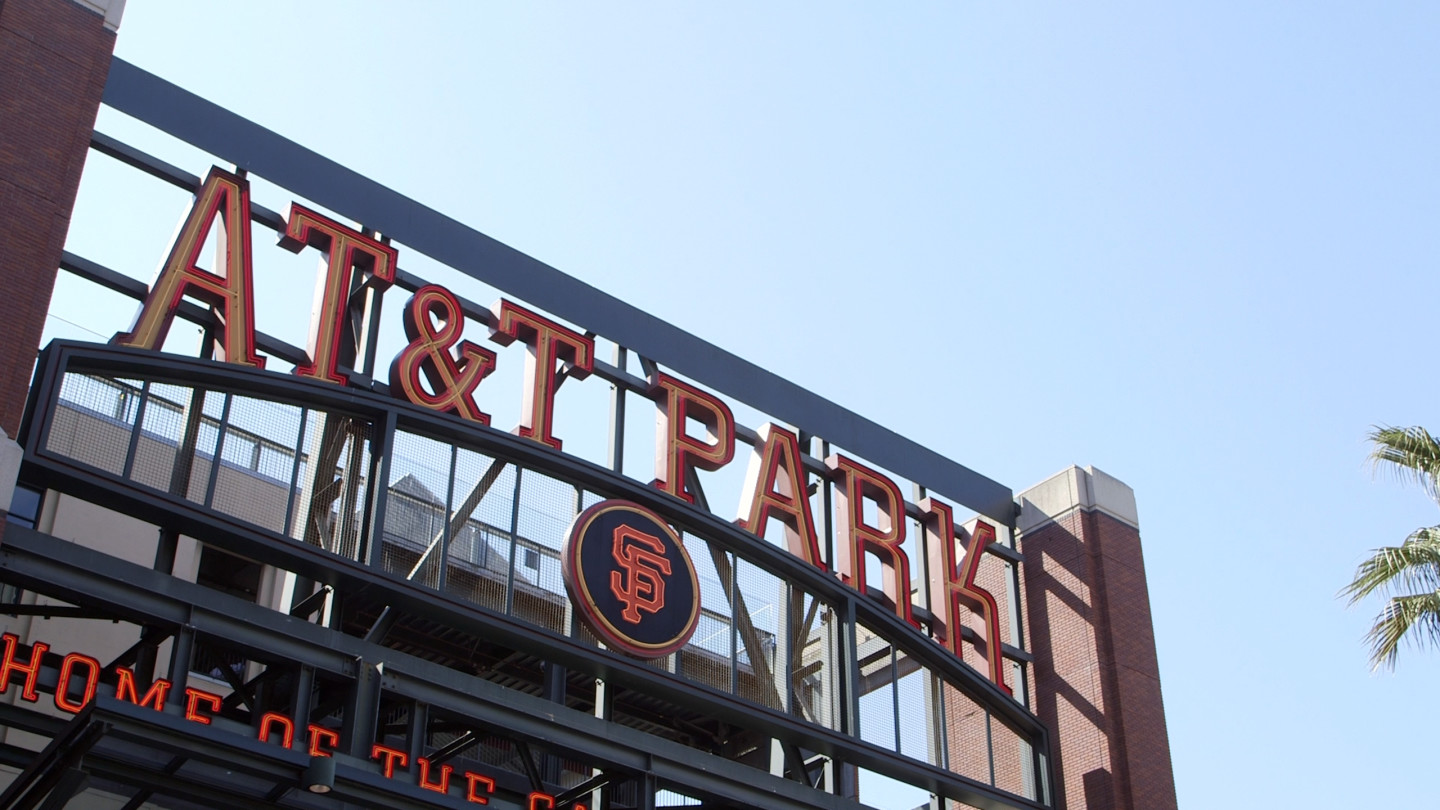
"caption": "AT&T Park inherited an unofficial wave ban from Candlestick Park. ",
"description": "AT&T Park inherited an unofficial wave ban from Candlestick Park. ",
"title": "att-feature",
"credit": "Adam Grossberg/KQED",
"status": "inherit",
"isLoading": false,
"fetchFailed": false
},
"news_11382181": {
"type": "attachments",
"id": "news_11382181",
"meta": {
"index": "attachments_1716263798",
"site": "news",
"id": "11382181",
"found": true
},
"parent": 11381791,
"imgSizes": {
"small": {
"file": "https://ww2.kqed.org/app/uploads/sites/10/2017/03/Meet-A-Muslim_1-520x293.jpg",
"width": 520,
"mimeType": "image/jpeg",
"height": 293
},
"twentyfourteen-full-width": {
"file": "https://ww2.kqed.org/app/uploads/sites/10/2017/03/Meet-A-Muslim_1-1038x576.jpg",
"width": 1038,
"mimeType": "image/jpeg",
"height": 576
},
"thumbnail": {
"file": "https://ww2.kqed.org/app/uploads/sites/10/2017/03/Meet-A-Muslim_1-160x90.jpg",
"width": 160,
"mimeType": "image/jpeg",
"height": 90
},
"fd-sm": {
"file": "https://ww2.kqed.org/app/uploads/sites/10/2017/03/Meet-A-Muslim_1-960x540.jpg",
"width": 960,
"mimeType": "image/jpeg",
"height": 540
},
"post-thumbnail": {
"file": "https://ww2.kqed.org/app/uploads/sites/10/2017/03/Meet-A-Muslim_1-672x372.jpg",
"width": 672,
"mimeType": "image/jpeg",
"height": 372
},
"xsmall": {
"file": "https://ww2.kqed.org/app/uploads/sites/10/2017/03/Meet-A-Muslim_1-375x211.jpg",
"width": 375,
"mimeType": "image/jpeg",
"height": 211
},
"kqedFullSize": {
"file": "https://ww2.kqed.org/app/uploads/sites/10/2017/03/Meet-A-Muslim_1.jpg",
"width": 1920,
"height": 1080
},
"large": {
"file": "https://ww2.kqed.org/app/uploads/sites/10/2017/03/Meet-A-Muslim_1-1020x574.jpg",
"width": 1020,
"mimeType": "image/jpeg",
"height": 574
},
"xlarge": {
"file": "https://ww2.kqed.org/app/uploads/sites/10/2017/03/Meet-A-Muslim_1-1180x664.jpg",
"width": 1180,
"mimeType": "image/jpeg",
"height": 664
},
"guest-author-50": {
"file": "https://ww2.kqed.org/app/uploads/sites/10/2017/03/Meet-A-Muslim_1-50x50.jpg",
"width": 50,
"mimeType": "image/jpeg",
"height": 50
},
"guest-author-96": {
"file": "https://ww2.kqed.org/app/uploads/sites/10/2017/03/Meet-A-Muslim_1-96x96.jpg",
"width": 96,
"mimeType": "image/jpeg",
"height": 96
},
"medium": {
"file": "https://ww2.kqed.org/app/uploads/sites/10/2017/03/Meet-A-Muslim_1-800x450.jpg",
"width": 800,
"mimeType": "image/jpeg",
"height": 450
},
"guest-author-64": {
"file": "https://ww2.kqed.org/app/uploads/sites/10/2017/03/Meet-A-Muslim_1-64x64.jpg",
"width": 64,
"mimeType": "image/jpeg",
"height": 64
},
"guest-author-32": {
"file": "https://ww2.kqed.org/app/uploads/sites/10/2017/03/Meet-A-Muslim_1-32x32.jpg",
"width": 32,
"mimeType": "image/jpeg",
"height": 32
},
"fd-lrg": {
"file": "https://ww2.kqed.org/app/uploads/sites/10/2017/03/Meet-A-Muslim_1-1920x1080.jpg",
"width": 1920,
"mimeType": "image/jpeg",
"height": 1080
},
"fd-med": {
"file": "https://ww2.kqed.org/app/uploads/sites/10/2017/03/Meet-A-Muslim_1-1180x664.jpg",
"width": 1180,
"mimeType": "image/jpeg",
"height": 664
},
"full-width": {
"file": "https://ww2.kqed.org/app/uploads/sites/10/2017/03/Meet-A-Muslim_1-1920x1080.jpg",
"width": 1920,
"mimeType": "image/jpeg",
"height": 1080
},
"detail": {
"file": "https://ww2.kqed.org/app/uploads/sites/10/2017/03/Meet-A-Muslim_1-150x150.jpg",
"width": 150,
"mimeType": "image/jpeg",
"height": 150
},
"guest-author-128": {
"file": "https://ww2.kqed.org/app/uploads/sites/10/2017/03/Meet-A-Muslim_1-128x128.jpg",
"width": 128,
"mimeType": "image/jpeg",
"height": 128
},
"xxsmall": {
"file": "https://ww2.kqed.org/app/uploads/sites/10/2017/03/Meet-A-Muslim_1-240x135.jpg",
"width": 240,
"mimeType": "image/jpeg",
"height": 135
}
},
"publishDate": 1490825223,
"modified": 1490827099,
"caption": "Members of the Congregation Shir Ami speak with Moina Shaiq at a synagouge in Castro Valley on March 19, 2017. The event is part of Shaiq's Meet a Muslim events.",
"description": "Members of the Congregation Shir Ami speak with Moina Shaiq at a synagouge in Castro Valley on March 19, 2017. The event is part of Shaiq's Meet a Muslim events.",
"title": "Meet A Muslim_2",
"credit": "Erasmo Martinez/KQED",
"status": "inherit",
"isLoading": false,
"fetchFailed": false
},
"news_10900611": {
"type": "attachments",
"id": "news_10900611",
"meta": {
"index": "attachments_1716263798",
"site": "news",
"id": "10900611",
"found": true
},
"parent": 10900605,
"imgSizes": {
"twentyfourteen-full-width": {
"file": "https://ww2.kqed.org/app/uploads/sites/10/2016/03/Screen-Shot-2016-03-17-at-3.56.55-PM-1038x576.png",
"width": 1038,
"mimeType": "image/png",
"height": 576
},
"thumbnail": {
"file": "https://ww2.kqed.org/app/uploads/sites/10/2016/03/Screen-Shot-2016-03-17-at-3.56.55-PM-400x225.png",
"width": 400,
"mimeType": "image/png",
"height": 225
},
"fd-sm": {
"file": "https://ww2.kqed.org/app/uploads/sites/10/2016/03/Screen-Shot-2016-03-17-at-3.56.55-PM-960x540.png",
"width": 960,
"mimeType": "image/png",
"height": 540
},
"post-thumbnail": {
"file": "https://ww2.kqed.org/app/uploads/sites/10/2016/03/Screen-Shot-2016-03-17-at-3.56.55-PM-672x372.png",
"width": 672,
"mimeType": "image/png",
"height": 372
},
"kqedFullSize": {
"file": "https://ww2.kqed.org/app/uploads/sites/10/2016/03/Screen-Shot-2016-03-17-at-3.56.55-PM.png",
"width": 2560,
"height": 1440
},
"large": {
"file": "https://ww2.kqed.org/app/uploads/sites/10/2016/03/Screen-Shot-2016-03-17-at-3.56.55-PM-1920x1080.png",
"width": 1920,
"mimeType": "image/png",
"height": 1080
},
"guest-author-96": {
"file": "https://ww2.kqed.org/app/uploads/sites/10/2016/03/Screen-Shot-2016-03-17-at-3.56.55-PM-96x96.png",
"width": 96,
"mimeType": "image/png",
"height": 96
},
"medium": {
"file": "https://ww2.kqed.org/app/uploads/sites/10/2016/03/Screen-Shot-2016-03-17-at-3.56.55-PM-800x450.png",
"width": 800,
"mimeType": "image/png",
"height": 450
},
"guest-author-64": {
"file": "https://ww2.kqed.org/app/uploads/sites/10/2016/03/Screen-Shot-2016-03-17-at-3.56.55-PM-64x64.png",
"width": 64,
"mimeType": "image/png",
"height": 64
},
"guest-author-32": {
"file": "https://ww2.kqed.org/app/uploads/sites/10/2016/03/Screen-Shot-2016-03-17-at-3.56.55-PM-32x32.png",
"width": 32,
"mimeType": "image/png",
"height": 32
},
"jmtc-small-thumb": {
"file": "https://ww2.kqed.org/app/uploads/sites/10/2016/03/Screen-Shot-2016-03-17-at-3.56.55-PM-280x150.png",
"width": 280,
"mimeType": "image/png",
"height": 150
},
"fd-lrg": {
"file": "https://ww2.kqed.org/app/uploads/sites/10/2016/03/Screen-Shot-2016-03-17-at-3.56.55-PM-1920x1080.png",
"width": 1920,
"mimeType": "image/png",
"height": 1080
},
"fd-med": {
"file": "https://ww2.kqed.org/app/uploads/sites/10/2016/03/Screen-Shot-2016-03-17-at-3.56.55-PM-1180x664.png",
"width": 1180,
"mimeType": "image/png",
"height": 664
},
"detail": {
"file": "https://ww2.kqed.org/app/uploads/sites/10/2016/03/Screen-Shot-2016-03-17-at-3.56.55-PM-75x75.png",
"width": 75,
"mimeType": "image/png",
"height": 75
},
"guest-author-128": {
"file": "https://ww2.kqed.org/app/uploads/sites/10/2016/03/Screen-Shot-2016-03-17-at-3.56.55-PM-128x128.png",
"width": 128,
"mimeType": "image/png",
"height": 128
}
},
"publishDate": 1458333466,
"modified": 1458685110,
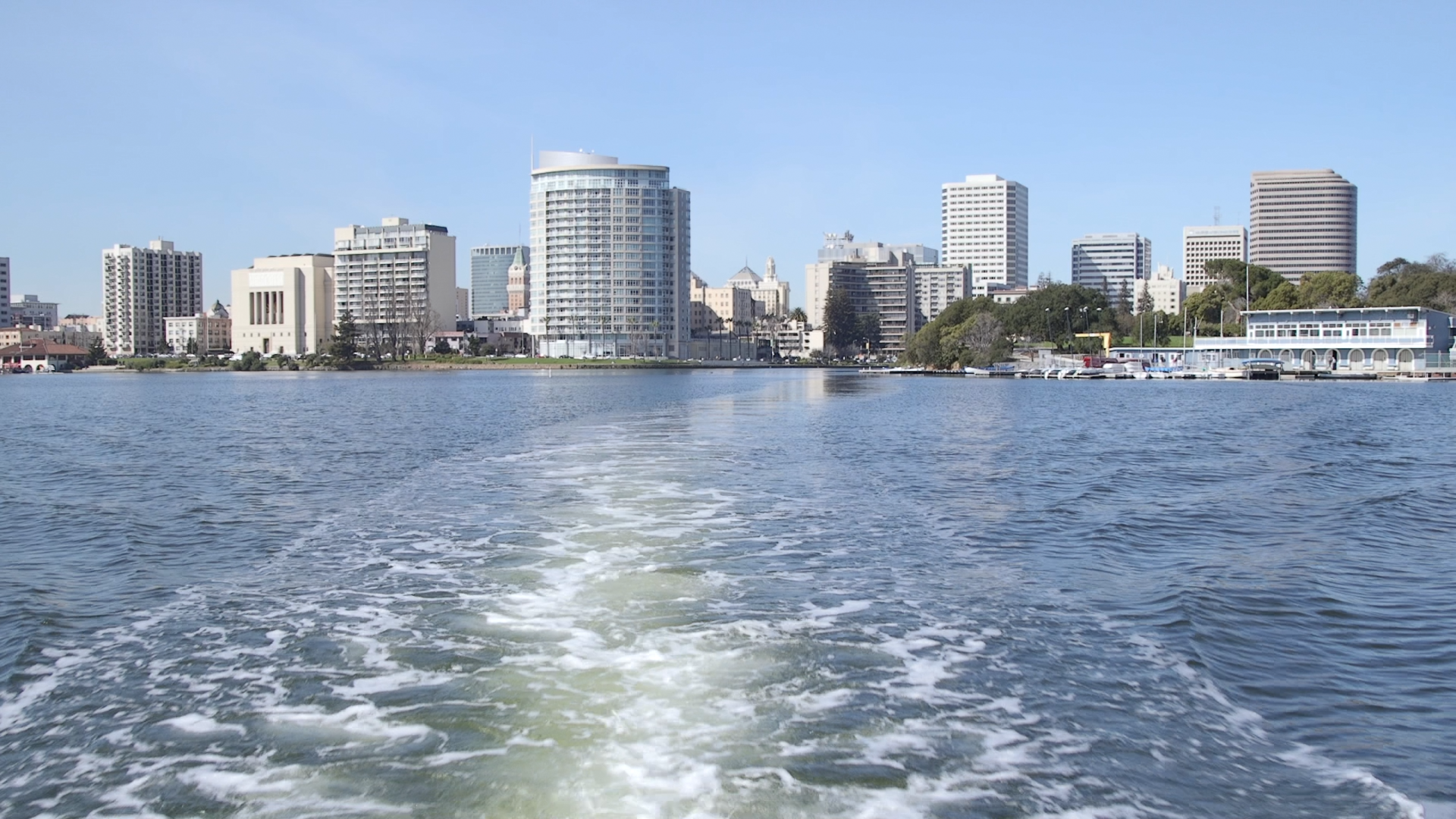
"caption": "A view of Oakland from Lake Merritt.",
"description": null,
"title": "Screen-Shot-2016-03-17-at-3.56.55-PM",
"credit": "Adam Grossberg/KQED",
"status": "inherit",
"isLoading": false,
"fetchFailed": false
},
"news_11305755": {
"type": "attachments",
"id": "news_11305755",
"meta": {
"index": "attachments_1716263798",
"site": "news",
"id": "11305755",
"found": true
},
"parent": 11305576,
"imgSizes": {
"small": {
"file": "https://ww2.kqed.org/app/uploads/sites/10/2017/02/march-520x292.jpg",
"width": 520,
"mimeType": "image/jpeg",
"height": 292
},
"twentyfourteen-full-width": {
"file": "https://ww2.kqed.org/app/uploads/sites/10/2017/02/march-1038x576.jpg",
"width": 1038,
"mimeType": "image/jpeg",
"height": 576
},
"thumbnail": {
"file": "https://ww2.kqed.org/app/uploads/sites/10/2017/02/march-160x90.jpg",
"width": 160,
"mimeType": "image/jpeg",
"height": 90
},
"fd-sm": {
"file": "https://ww2.kqed.org/app/uploads/sites/10/2017/02/march-960x540.jpg",
"width": 960,
"mimeType": "image/jpeg",
"height": 540
},
"post-thumbnail": {
"file": "https://ww2.kqed.org/app/uploads/sites/10/2017/02/march-672x372.jpg",
"width": 672,
"mimeType": "image/jpeg",
"height": 372
},
"xsmall": {
"file": "https://ww2.kqed.org/app/uploads/sites/10/2017/02/march-375x211.jpg",
"width": 375,
"mimeType": "image/jpeg",
"height": 211
},
"kqedFullSize": {
"file": "https://ww2.kqed.org/app/uploads/sites/10/2017/02/march.jpg",
"width": 1920,
"height": 1079
},
"large": {
"file": "https://ww2.kqed.org/app/uploads/sites/10/2017/02/march-1020x573.jpg",
"width": 1020,
"mimeType": "image/jpeg",
"height": 573
},
"xlarge": {
"file": "https://ww2.kqed.org/app/uploads/sites/10/2017/02/march-1180x663.jpg",
"width": 1180,
"mimeType": "image/jpeg",
"height": 663
},
"guest-author-50": {
"file": "https://ww2.kqed.org/app/uploads/sites/10/2017/02/march-50x50.jpg",
"width": 50,
"mimeType": "image/jpeg",
"height": 50
},
"guest-author-96": {
"file": "https://ww2.kqed.org/app/uploads/sites/10/2017/02/march-96x96.jpg",
"width": 96,
"mimeType": "image/jpeg",
"height": 96
},
"medium": {
"file": "https://ww2.kqed.org/app/uploads/sites/10/2017/02/march-800x450.jpg",
"width": 800,
"mimeType": "image/jpeg",
"height": 450
},
"guest-author-64": {
"file": "https://ww2.kqed.org/app/uploads/sites/10/2017/02/march-64x64.jpg",
"width": 64,
"mimeType": "image/jpeg",
"height": 64
},
"guest-author-32": {
"file": "https://ww2.kqed.org/app/uploads/sites/10/2017/02/march-32x32.jpg",
"width": 32,
"mimeType": "image/jpeg",
"height": 32
},
"fd-lrg": {
"file": "https://ww2.kqed.org/app/uploads/sites/10/2017/02/march-1920x1079.jpg",
"width": 1920,
"mimeType": "image/jpeg",
"height": 1079
},
"fd-med": {
"file": "https://ww2.kqed.org/app/uploads/sites/10/2017/02/march-1180x663.jpg",
"width": 1180,
"mimeType": "image/jpeg",
"height": 663
},
"full-width": {
"file": "https://ww2.kqed.org/app/uploads/sites/10/2017/02/march-1920x1079.jpg",
"width": 1920,
"mimeType": "image/jpeg",
"height": 1079
},
"detail": {
"file": "https://ww2.kqed.org/app/uploads/sites/10/2017/02/march-150x150.jpg",
"width": 150,
"mimeType": "image/jpeg",
"height": 150
},
"guest-author-128": {
"file": "https://ww2.kqed.org/app/uploads/sites/10/2017/02/march-128x128.jpg",
"width": 128,
"mimeType": "image/jpeg",
"height": 128
},
"xxsmall": {
"file": "https://ww2.kqed.org/app/uploads/sites/10/2017/02/march-240x135.jpg",
"width": 240,
"mimeType": "image/jpeg",
"height": 135
}
},
"publishDate": 1486499694,
"modified": 1486499745,
"caption": "Students at Caliber: Beta Academy take part in the \"March for Kindness.\" ",
"description": null,
"title": "march",
"credit": "Courtesy of Caliber: Beta Academy",
"status": "inherit",
"isLoading": false,
"fetchFailed": false
},
"news_11300091": {
"type": "attachments",
"id": "news_11300091",
"meta": {
"index": "attachments_1716263798",
"site": "news",
"id": "11300091",
"found": true
},
"parent": 11299819,
"imgSizes": {
"small": {
"file": "https://ww2.kqed.org/app/uploads/sites/10/2017/02/red-1920-520x293.jpg",
"width": 520,
"mimeType": "image/jpeg",
"height": 293
},
"twentyfourteen-full-width": {
"file": "https://ww2.kqed.org/app/uploads/sites/10/2017/02/red-1920-1038x576.jpg",
"width": 1038,
"mimeType": "image/jpeg",
"height": 576
},
"thumbnail": {
"file": "https://ww2.kqed.org/app/uploads/sites/10/2017/02/red-1920-160x90.jpg",
"width": 160,
"mimeType": "image/jpeg",
"height": 90
},
"fd-sm": {
"file": "https://ww2.kqed.org/app/uploads/sites/10/2017/02/red-1920-960x540.jpg",
"width": 960,
"mimeType": "image/jpeg",
"height": 540
},
"post-thumbnail": {
"file": "https://ww2.kqed.org/app/uploads/sites/10/2017/02/red-1920-672x372.jpg",
"width": 672,
"mimeType": "image/jpeg",
"height": 372
},
"xsmall": {
"file": "https://ww2.kqed.org/app/uploads/sites/10/2017/02/red-1920-375x211.jpg",
"width": 375,
"mimeType": "image/jpeg",
"height": 211
},
"kqedFullSize": {
"file": "https://ww2.kqed.org/app/uploads/sites/10/2017/02/red-1920.jpg",
"width": 1920,
"height": 1080
},
"large": {
"file": "https://ww2.kqed.org/app/uploads/sites/10/2017/02/red-1920-1020x574.jpg",
"width": 1020,
"mimeType": "image/jpeg",
"height": 574
},
"xlarge": {
"file": "https://ww2.kqed.org/app/uploads/sites/10/2017/02/red-1920-1180x664.jpg",
"width": 1180,
"mimeType": "image/jpeg",
"height": 664
},
"guest-author-50": {
"file": "https://ww2.kqed.org/app/uploads/sites/10/2017/02/red-1920-50x50.jpg",
"width": 50,
"mimeType": "image/jpeg",
"height": 50
},
"guest-author-96": {
"file": "https://ww2.kqed.org/app/uploads/sites/10/2017/02/red-1920-96x96.jpg",
"width": 96,
"mimeType": "image/jpeg",
"height": 96
},
"medium": {
"file": "https://ww2.kqed.org/app/uploads/sites/10/2017/02/red-1920-800x450.jpg",
"width": 800,
"mimeType": "image/jpeg",
"height": 450
},
"guest-author-64": {
"file": "https://ww2.kqed.org/app/uploads/sites/10/2017/02/red-1920-64x64.jpg",
"width": 64,
"mimeType": "image/jpeg",
"height": 64
},
"guest-author-32": {
"file": "https://ww2.kqed.org/app/uploads/sites/10/2017/02/red-1920-32x32.jpg",
"width": 32,
"mimeType": "image/jpeg",
"height": 32
},
"jmtc-small-thumb": {
"file": "https://ww2.kqed.org/app/uploads/sites/10/2017/02/red-1920-280x150.jpg",
"width": 280,
"mimeType": "image/jpeg",
"height": 150
},
"fd-lrg": {
"file": "https://ww2.kqed.org/app/uploads/sites/10/2017/02/red-1920-1920x1080.jpg",
"width": 1920,
"mimeType": "image/jpeg",
"height": 1080
},
"fd-med": {
"file": "https://ww2.kqed.org/app/uploads/sites/10/2017/02/red-1920-1180x664.jpg",
"width": 1180,
"mimeType": "image/jpeg",
"height": 664
},
"full-width": {
"file": "https://ww2.kqed.org/app/uploads/sites/10/2017/02/red-1920-1920x1080.jpg",
"width": 1920,
"mimeType": "image/jpeg",
"height": 1080
},
"detail": {
"file": "https://ww2.kqed.org/app/uploads/sites/10/2017/02/red-1920-150x150.jpg",
"width": 150,
"mimeType": "image/jpeg",
"height": 150
},
"guest-author-128": {
"file": "https://ww2.kqed.org/app/uploads/sites/10/2017/02/red-1920-128x128.jpg",
"width": 128,
"mimeType": "image/jpeg",
"height": 128
},
"xxsmall": {
"file": "https://ww2.kqed.org/app/uploads/sites/10/2017/02/red-1920-240x135.jpg",
"width": 240,
"mimeType": "image/jpeg",
"height": 135
}
},
"publishDate": 1486167200,
"modified": 1486170943,
"caption": "Red, a former resident of \"The Village,\" worked on the second floor of his shelter one day before Oakland officials tore down the encampment.",
"description": null,
"title": "red-1920",
"credit": "Erasmo Martinez/KQED",
"status": "inherit",
"isLoading": false,
"fetchFailed": false
},
"news_11242021": {
"type": "attachments",
"id": "news_11242021",
"meta": {
"index": "attachments_1716263798",
"site": "news",
"id": "11242021",
"found": true
},
"parent": 11242010,
"imgSizes": {
"small": {
"file": "https://ww2.kqed.org/app/uploads/sites/10/2016/12/aama-still-520x293.png",
"width": 520,
"mimeType": "image/png",
"height": 293
},
"twentyfourteen-full-width": {
"file": "https://ww2.kqed.org/app/uploads/sites/10/2016/12/aama-still-1038x576.png",
"width": 1038,
"mimeType": "image/png",
"height": 576
},
"thumbnail": {
"file": "https://ww2.kqed.org/app/uploads/sites/10/2016/12/aama-still-160x90.png",
"width": 160,
"mimeType": "image/png",
"height": 90
},
"fd-sm": {
"file": "https://ww2.kqed.org/app/uploads/sites/10/2016/12/aama-still-960x540.png",
"width": 960,
"mimeType": "image/png",
"height": 540
},
"post-thumbnail": {
"file": "https://ww2.kqed.org/app/uploads/sites/10/2016/12/aama-still-672x372.png",
"width": 672,
"mimeType": "image/png",
"height": 372
},
"xsmall": {
"file": "https://ww2.kqed.org/app/uploads/sites/10/2016/12/aama-still-375x211.png",
"width": 375,
"mimeType": "image/png",
"height": 211
},
"kqedFullSize": {
"file": "https://ww2.kqed.org/app/uploads/sites/10/2016/12/aama-still.png",
"width": 2560,
"height": 1440
},
"large": {
"file": "https://ww2.kqed.org/app/uploads/sites/10/2016/12/aama-still-1020x574.png",
"width": 1020,
"mimeType": "image/png",
"height": 574
},
"xlarge": {
"file": "https://ww2.kqed.org/app/uploads/sites/10/2016/12/aama-still-1180x664.png",
"width": 1180,
"mimeType": "image/png",
"height": 664
},
"guest-author-50": {
"file": "https://ww2.kqed.org/app/uploads/sites/10/2016/12/aama-still-50x50.png",
"width": 50,
"mimeType": "image/png",
"height": 50
},
"guest-author-96": {
"file": "https://ww2.kqed.org/app/uploads/sites/10/2016/12/aama-still-96x96.png",
"width": 96,
"mimeType": "image/png",
"height": 96
},
"medium": {
"file": "https://ww2.kqed.org/app/uploads/sites/10/2016/12/aama-still-800x450.png",
"width": 800,
"mimeType": "image/png",
"height": 450
},
"guest-author-64": {
"file": "https://ww2.kqed.org/app/uploads/sites/10/2016/12/aama-still-64x64.png",
"width": 64,
"mimeType": "image/png",
"height": 64
},
"guest-author-32": {
"file": "https://ww2.kqed.org/app/uploads/sites/10/2016/12/aama-still-32x32.png",
"width": 32,
"mimeType": "image/png",
"height": 32
},
"jmtc-small-thumb": {
"file": "https://ww2.kqed.org/app/uploads/sites/10/2016/12/aama-still-280x150.png",
"width": 280,
"mimeType": "image/png",
"height": 150
},
"fd-lrg": {
"file": "https://ww2.kqed.org/app/uploads/sites/10/2016/12/aama-still-1920x1080.png",
"width": 1920,
"mimeType": "image/png",
"height": 1080
},
"fd-med": {
"file": "https://ww2.kqed.org/app/uploads/sites/10/2016/12/aama-still-1180x664.png",
"width": 1180,
"mimeType": "image/png",
"height": 664
},
"full-width": {
"file": "https://ww2.kqed.org/app/uploads/sites/10/2016/12/aama-still-1920x1080.png",
"width": 1920,
"mimeType": "image/png",
"height": 1080
},
"detail": {
"file": "https://ww2.kqed.org/app/uploads/sites/10/2016/12/aama-still-150x150.png",
"width": 150,
"mimeType": "image/png",
"height": 150
},
"guest-author-128": {
"file": "https://ww2.kqed.org/app/uploads/sites/10/2016/12/aama-still-128x128.png",
"width": 128,
"mimeType": "image/png",
"height": 128
},
"xxsmall": {
"file": "https://ww2.kqed.org/app/uploads/sites/10/2016/12/aama-still-240x135.png",
"width": 240,
"mimeType": "image/png",
"height": 135
}
},
"publishDate": 1482964643,
"modified": 1483037093,
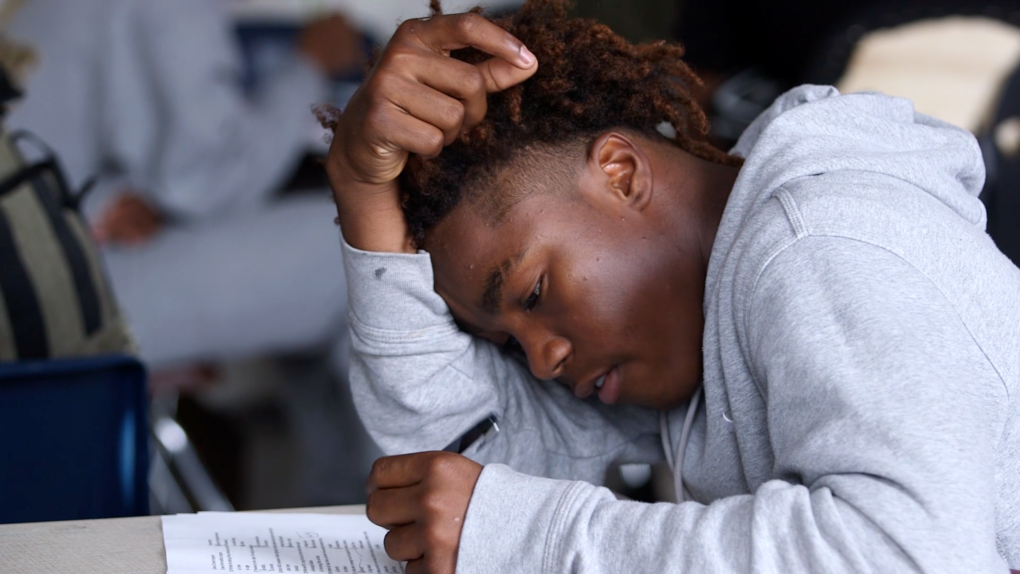
"caption": "A Mission High School student takes part in the African American Male Achievement program.",
"description": null,
"title": "aama-still",
"credit": "Nailah Morgan/KQED",
"status": "inherit",
"isLoading": false,
"fetchFailed": false
},
"news_11209480": {
"type": "attachments",
"id": "news_11209480",
"meta": {
"index": "attachments_1716263798",
"site": "news",
"id": "11209480",
"found": true
},
"parent": 11208050,
"imgSizes": {
"small": {
"file": "https://ww2.kqed.org/app/uploads/sites/10/2016/12/Dian-Blue-SUmmers-520x293.jpg",
"width": 520,
"mimeType": "image/jpeg",
"height": 293
},
"twentyfourteen-full-width": {
"file": "https://ww2.kqed.org/app/uploads/sites/10/2016/12/Dian-Blue-SUmmers-1038x576.jpg",
"width": 1038,
"mimeType": "image/jpeg",
"height": 576
},
"thumbnail": {
"file": "https://ww2.kqed.org/app/uploads/sites/10/2016/12/Dian-Blue-SUmmers-160x90.jpg",
"width": 160,
"mimeType": "image/jpeg",
"height": 90
},
"fd-sm": {
"file": "https://ww2.kqed.org/app/uploads/sites/10/2016/12/Dian-Blue-SUmmers-960x540.jpg",
"width": 960,
"mimeType": "image/jpeg",
"height": 540
},
"post-thumbnail": {
"file": "https://ww2.kqed.org/app/uploads/sites/10/2016/12/Dian-Blue-SUmmers-672x372.jpg",
"width": 672,
"mimeType": "image/jpeg",
"height": 372
},
"xsmall": {
"file": "https://ww2.kqed.org/app/uploads/sites/10/2016/12/Dian-Blue-SUmmers-375x211.jpg",
"width": 375,
"mimeType": "image/jpeg",
"height": 211
},
"kqedFullSize": {
"file": "https://ww2.kqed.org/app/uploads/sites/10/2016/12/Dian-Blue-SUmmers.jpg",
"width": 1920,
"height": 1080
},
"large": {
"file": "https://ww2.kqed.org/app/uploads/sites/10/2016/12/Dian-Blue-SUmmers-1020x574.jpg",
"width": 1020,
"mimeType": "image/jpeg",
"height": 574
},
"xlarge": {
"file": "https://ww2.kqed.org/app/uploads/sites/10/2016/12/Dian-Blue-SUmmers-1180x664.jpg",
"width": 1180,
"mimeType": "image/jpeg",
"height": 664
},
"guest-author-50": {
"file": "https://ww2.kqed.org/app/uploads/sites/10/2016/12/Dian-Blue-SUmmers-50x50.jpg",
"width": 50,
"mimeType": "image/jpeg",
"height": 50
},
"guest-author-96": {
"file": "https://ww2.kqed.org/app/uploads/sites/10/2016/12/Dian-Blue-SUmmers-96x96.jpg",
"width": 96,
"mimeType": "image/jpeg",
"height": 96
},
"medium": {
"file": "https://ww2.kqed.org/app/uploads/sites/10/2016/12/Dian-Blue-SUmmers-800x450.jpg",
"width": 800,
"mimeType": "image/jpeg",
"height": 450
},
"guest-author-64": {
"file": "https://ww2.kqed.org/app/uploads/sites/10/2016/12/Dian-Blue-SUmmers-64x64.jpg",
"width": 64,
"mimeType": "image/jpeg",
"height": 64
},
"guest-author-32": {
"file": "https://ww2.kqed.org/app/uploads/sites/10/2016/12/Dian-Blue-SUmmers-32x32.jpg",
"width": 32,
"mimeType": "image/jpeg",
"height": 32
},
"jmtc-small-thumb": {
"file": "https://ww2.kqed.org/app/uploads/sites/10/2016/12/Dian-Blue-SUmmers-280x150.jpg",
"width": 280,
"mimeType": "image/jpeg",
"height": 150
},
"fd-lrg": {
"file": "https://ww2.kqed.org/app/uploads/sites/10/2016/12/Dian-Blue-SUmmers-1920x1080.jpg",
"width": 1920,
"mimeType": "image/jpeg",
"height": 1080
},
"fd-med": {
"file": "https://ww2.kqed.org/app/uploads/sites/10/2016/12/Dian-Blue-SUmmers-1180x664.jpg",
"width": 1180,
"mimeType": "image/jpeg",
"height": 664
},
"full-width": {
"file": "https://ww2.kqed.org/app/uploads/sites/10/2016/12/Dian-Blue-SUmmers-1920x1080.jpg",
"width": 1920,
"mimeType": "image/jpeg",
"height": 1080
},
"detail": {
"file": "https://ww2.kqed.org/app/uploads/sites/10/2016/12/Dian-Blue-SUmmers-150x150.jpg",
"width": 150,
"mimeType": "image/jpeg",
"height": 150
},
"guest-author-128": {
"file": "https://ww2.kqed.org/app/uploads/sites/10/2016/12/Dian-Blue-SUmmers-128x128.jpg",
"width": 128,
"mimeType": "image/jpeg",
"height": 128
},
"xxsmall": {
"file": "https://ww2.kqed.org/app/uploads/sites/10/2016/12/Dian-Blue-SUmmers-240x135.jpg",
"width": 240,
"mimeType": "image/jpeg",
"height": 135
}
},
"publishDate": 1481134195,
"modified": 1481134314,
"caption": "Dian Blue Summers was able to find housing through a Larkin Street Youth Center program for LGBTQ students.",
"description": null,
"title": "dian-blue-summers",
"credit": "Nailah Morgan",
"status": "inherit",
"isLoading": false,
"fetchFailed": false
},
"news_11207329": {
"type": "attachments",
"id": "news_11207329",
"meta": {
"index": "attachments_1716263798",
"site": "news",
"id": "11207329",
"found": true
},
"parent": 11207317,
"imgSizes": {
"small": {
"file": "https://ww2.kqed.org/app/uploads/sites/10/2016/12/161205_oaklandfirevigil_bhs13-520x347.jpg",
"width": 520,
"mimeType": "image/jpeg",
"height": 347
},
"twentyfourteen-full-width": {
"file": "https://ww2.kqed.org/app/uploads/sites/10/2016/12/161205_oaklandfirevigil_bhs13-1038x576.jpg",
"width": 1038,
"mimeType": "image/jpeg",
"height": 576
},
"thumbnail": {
"file": "https://ww2.kqed.org/app/uploads/sites/10/2016/12/161205_oaklandfirevigil_bhs13-160x107.jpg",
"width": 160,
"mimeType": "image/jpeg",
"height": 107
},
"fd-sm": {
"file": "https://ww2.kqed.org/app/uploads/sites/10/2016/12/161205_oaklandfirevigil_bhs13-960x640.jpg",
"width": 960,
"mimeType": "image/jpeg",
"height": 640
},
"post-thumbnail": {
"file": "https://ww2.kqed.org/app/uploads/sites/10/2016/12/161205_oaklandfirevigil_bhs13-672x372.jpg",
"width": 672,
"mimeType": "image/jpeg",
"height": 372
},
"xsmall": {
"file": "https://ww2.kqed.org/app/uploads/sites/10/2016/12/161205_oaklandfirevigil_bhs13-375x250.jpg",
"width": 375,
"mimeType": "image/jpeg",
"height": 250
},
"kqedFullSize": {
"file": "https://ww2.kqed.org/app/uploads/sites/10/2016/12/161205_oaklandfirevigil_bhs13.jpg",
"width": 1920,
"height": 1280
},
"large": {
"file": "https://ww2.kqed.org/app/uploads/sites/10/2016/12/161205_oaklandfirevigil_bhs13-1020x680.jpg",
"width": 1020,
"mimeType": "image/jpeg",
"height": 680
},
"xlarge": {
"file": "https://ww2.kqed.org/app/uploads/sites/10/2016/12/161205_oaklandfirevigil_bhs13-1180x787.jpg",
"width": 1180,
"mimeType": "image/jpeg",
"height": 787
},
"guest-author-50": {
"file": "https://ww2.kqed.org/app/uploads/sites/10/2016/12/161205_oaklandfirevigil_bhs13-50x50.jpg",
"width": 50,
"mimeType": "image/jpeg",
"height": 50
},
"guest-author-96": {
"file": "https://ww2.kqed.org/app/uploads/sites/10/2016/12/161205_oaklandfirevigil_bhs13-96x96.jpg",
"width": 96,
"mimeType": "image/jpeg",
"height": 96
},
"medium": {
"file": "https://ww2.kqed.org/app/uploads/sites/10/2016/12/161205_oaklandfirevigil_bhs13-800x533.jpg",
"width": 800,
"mimeType": "image/jpeg",
"height": 533
},
"guest-author-64": {
"file": "https://ww2.kqed.org/app/uploads/sites/10/2016/12/161205_oaklandfirevigil_bhs13-64x64.jpg",
"width": 64,
"mimeType": "image/jpeg",
"height": 64
},
"guest-author-32": {
"file": "https://ww2.kqed.org/app/uploads/sites/10/2016/12/161205_oaklandfirevigil_bhs13-32x32.jpg",
"width": 32,
"mimeType": "image/jpeg",
"height": 32
},
"jmtc-small-thumb": {
"file": "https://ww2.kqed.org/app/uploads/sites/10/2016/12/161205_oaklandfirevigil_bhs13-280x150.jpg",
"width": 280,
"mimeType": "image/jpeg",
"height": 150
},
"fd-lrg": {
"file": "https://ww2.kqed.org/app/uploads/sites/10/2016/12/161205_oaklandfirevigil_bhs13-1920x1280.jpg",
"width": 1920,
"mimeType": "image/jpeg",
"height": 1280
},
"fd-med": {
"file": "https://ww2.kqed.org/app/uploads/sites/10/2016/12/161205_oaklandfirevigil_bhs13-1180x787.jpg",
"width": 1180,
"mimeType": "image/jpeg",
"height": 787
},
"full-width": {
"file": "https://ww2.kqed.org/app/uploads/sites/10/2016/12/161205_oaklandfirevigil_bhs13-1920x1280.jpg",
"width": 1920,
"mimeType": "image/jpeg",
"height": 1280
},
"detail": {
"file": "https://ww2.kqed.org/app/uploads/sites/10/2016/12/161205_oaklandfirevigil_bhs13-150x150.jpg",
"width": 150,
"mimeType": "image/jpeg",
"height": 150
},
"guest-author-128": {
"file": "https://ww2.kqed.org/app/uploads/sites/10/2016/12/161205_oaklandfirevigil_bhs13-128x128.jpg",
"width": 128,
"mimeType": "image/jpeg",
"height": 128
},
"xxsmall": {
"file": "https://ww2.kqed.org/app/uploads/sites/10/2016/12/161205_oaklandfirevigil_bhs13-240x160.jpg",
"width": 240,
"mimeType": "image/jpeg",
"height": 160
}
},
"publishDate": 1481017183,
"modified": 1481064406,
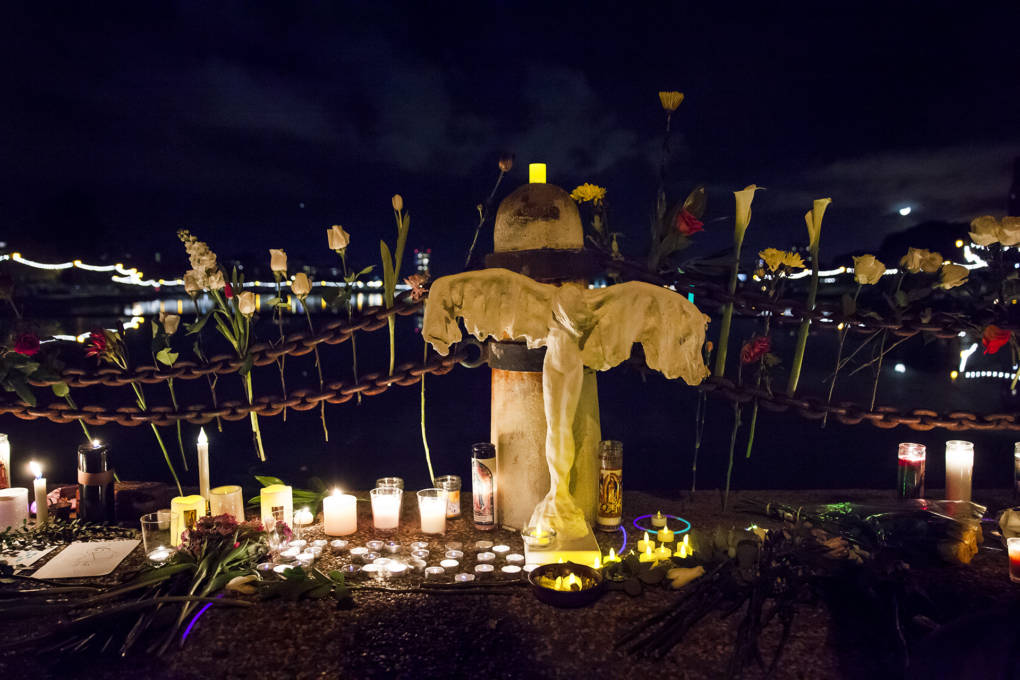
"caption": "Mourners left out works of art at the memorial in honor of the 36 victims who died while gathered at the Ghost Ship artists' collective.",
"description": "Flowers, candles and works of art were left as a memorial to the victims of the fire.",
"title": "161205_oaklandfirevigil_bhs13",
"credit": "Brittany Hosea-Small/KQED",
"status": "inherit",
"isLoading": false,
"fetchFailed": false
},
"news_11136676": {
"type": "attachments",
"id": "news_11136676",
"meta": {
"index": "attachments_1716263798",
"site": "news",
"id": "11136676",
"found": true
},
"parent": 11136672,
"imgSizes": {
"small": {
"file": "https://ww2.kqed.org/app/uploads/sites/10/2016/10/Group-Selfie-1-of-1-copy-520x390.jpg",
"width": 520,
"mimeType": "image/jpeg",
"height": 390
},
"twentyfourteen-full-width": {
"file": "https://ww2.kqed.org/app/uploads/sites/10/2016/10/Group-Selfie-1-of-1-copy-1038x576.jpg",
"width": 1038,
"mimeType": "image/jpeg",
"height": 576
},
"thumbnail": {
"file": "https://ww2.kqed.org/app/uploads/sites/10/2016/10/Group-Selfie-1-of-1-copy-160x120.jpg",
"width": 160,
"mimeType": "image/jpeg",
"height": 120
},
"fd-sm": {
"file": "https://ww2.kqed.org/app/uploads/sites/10/2016/10/Group-Selfie-1-of-1-copy-960x720.jpg",
"width": 960,
"mimeType": "image/jpeg",
"height": 720
},
"post-thumbnail": {
"file": "https://ww2.kqed.org/app/uploads/sites/10/2016/10/Group-Selfie-1-of-1-copy-672x372.jpg",
"width": 672,
"mimeType": "image/jpeg",
"height": 372
},
"xsmall": {
"file": "https://ww2.kqed.org/app/uploads/sites/10/2016/10/Group-Selfie-1-of-1-copy-375x281.jpg",
"width": 375,
"mimeType": "image/jpeg",
"height": 281
},
"kqedFullSize": {
"file": "https://ww2.kqed.org/app/uploads/sites/10/2016/10/Group-Selfie-1-of-1-copy.jpg",
"width": 1280,
"height": 960
},
"large": {
"file": "https://ww2.kqed.org/app/uploads/sites/10/2016/10/Group-Selfie-1-of-1-copy-1020x765.jpg",
"width": 1020,
"mimeType": "image/jpeg",
"height": 765
},
"xlarge": {
"file": "https://ww2.kqed.org/app/uploads/sites/10/2016/10/Group-Selfie-1-of-1-copy-1180x885.jpg",
"width": 1180,
"mimeType": "image/jpeg",
"height": 885
},
"guest-author-50": {
"file": "https://ww2.kqed.org/app/uploads/sites/10/2016/10/Group-Selfie-1-of-1-copy-50x50.jpg",
"width": 50,
"mimeType": "image/jpeg",
"height": 50
},
"guest-author-96": {
"file": "https://ww2.kqed.org/app/uploads/sites/10/2016/10/Group-Selfie-1-of-1-copy-96x96.jpg",
"width": 96,
"mimeType": "image/jpeg",
"height": 96
},
"medium": {
"file": "https://ww2.kqed.org/app/uploads/sites/10/2016/10/Group-Selfie-1-of-1-copy-800x600.jpg",
"width": 800,
"mimeType": "image/jpeg",
"height": 600
},
"guest-author-64": {
"file": "https://ww2.kqed.org/app/uploads/sites/10/2016/10/Group-Selfie-1-of-1-copy-64x64.jpg",
"width": 64,
"mimeType": "image/jpeg",
"height": 64
},
"guest-author-32": {
"file": "https://ww2.kqed.org/app/uploads/sites/10/2016/10/Group-Selfie-1-of-1-copy-32x32.jpg",
"width": 32,
"mimeType": "image/jpeg",
"height": 32
},
"jmtc-small-thumb": {
"file": "https://ww2.kqed.org/app/uploads/sites/10/2016/10/Group-Selfie-1-of-1-copy-280x150.jpg",
"width": 280,
"mimeType": "image/jpeg",
"height": 150
},
"fd-med": {
"file": "https://ww2.kqed.org/app/uploads/sites/10/2016/10/Group-Selfie-1-of-1-copy-1180x885.jpg",
"width": 1180,
"mimeType": "image/jpeg",
"height": 885
},
"detail": {
"file": "https://ww2.kqed.org/app/uploads/sites/10/2016/10/Group-Selfie-1-of-1-copy-150x150.jpg",
"width": 150,
"mimeType": "image/jpeg",
"height": 150
},
"guest-author-128": {
"file": "https://ww2.kqed.org/app/uploads/sites/10/2016/10/Group-Selfie-1-of-1-copy-128x128.jpg",
"width": 128,
"mimeType": "image/jpeg",
"height": 128
},
"xxsmall": {
"file": "https://ww2.kqed.org/app/uploads/sites/10/2016/10/Group-Selfie-1-of-1-copy-240x180.jpg",
"width": 240,
"mimeType": "image/jpeg",
"height": 180
}
},
"publishDate": 1476901425,
"modified": 1476924189,
"caption": "A group of women pose for a selfie at a recent Bay Area Bald Girls group meeting. ",
"description": null,
"title": "Group-Selfie-(1-of-1)-copy",
"credit": "Courtesy of Lisa Lefkowitz",
"status": "inherit",
"isLoading": false,
"fetchFailed": false
}
},
"audioPlayerReducer": {
"postId": "stream_live",
"isPaused": true,
"isPlaying": false,
"pfsActive": false,
"pledgeModalIsOpen": true,
"playerDrawerIsOpen": false,
"liveAudioPlayStartedAt": 0,
"liveAudioPlayContext": ""
},
"authorsReducer": {
"byline_news_11305576": {
"type": "authors",
"id": "byline_news_11305576",
"meta": {
"override": true
},
"slug": "byline_news_11305576",
"name": "\u003ca href=\"http://www.angelicacasas.com/\" target=\"_blank\">Angélica M. Casas\u003c/a>",
"isLoading": false
},
"byline_news_11299819": {
"type": "authors",
"id": "byline_news_11299819",
"meta": {
"override": true
},
"slug": "byline_news_11299819",
"name": "\u003cstrong>\u003ca href=\"http://kalw.org/people/ali-budner#stream/0\">Ali Budner\u003c/a>\u003c/strong>",
"isLoading": false
},
"byline_news_11242010": {
"type": "authors",
"id": "byline_news_11242010",
"meta": {
"override": true
},
"slug": "byline_news_11242010",
"name": "Nailah Morgan",
"isLoading": false
},
"byline_news_11208050": {
"type": "authors",
"id": "byline_news_11208050",
"meta": {
"override": true
},
"slug": "byline_news_11208050",
"name": "\u003cstrong>Nailah Morgan\u003c/strong>",
"isLoading": false
},
"ohubertallen": {
"type": "authors",
"id": "102",
"meta": {
"index": "authors_1716337520",
"id": "102",
"found": true
},
"name": "Olivia Allen-Price",
"firstName": "Olivia",
"lastName": "Allen-Price",
"slug": "ohubertallen",
"email": "oallenprice@kqed.org",
"display_author_email": false,
"staff_mastheads": [
"news"
],
"title": "Senior Editor",
"bio": "Olivia Allen-Price is senior editor and host of the award-winning Bay Curious podcast. Prior to joining KQED in 2013, Olivia worked at The Baltimore Sun and The Virginian-Pilot in Norfolk, Va. She holds degrees in journalism and political science from Elon University. Her work has earned awards from the Society of Professional Journalists, the Hearst Foundation and Hearken. She loves to talk about running and curly hair.\r\n\r\nFollow: \u003ca href=\"https://twitter.com/oallenprice\">@oallenprice\u003c/a>\r\nEmail: \u003ca href=\"mailto:oallenprice@kqed.org\">oallenprice@kqed.org\u003c/a>",
"avatar": "https://secure.gravatar.com/avatar/07f7803c1f6be56f3be58ef276dfa64dce898502e0554408ef4858451a8294f7?s=600&d=blank&r=g",
"twitter": "oallenprice",
"bluesky": null,
"facebook": null,
"instagram": null,
"linkedin": null,
"sites": [
{
"site": "",
"roles": [
"editor"
]
},
{
"site": "arts",
"roles": [
"subscriber"
]
},
{
"site": "news",
"roles": [
"administrator"
]
},
{
"site": "pop",
"roles": [
"administrator"
]
},
{
"site": "bayareabites",
"roles": [
"contributor"
]
},
{
"site": "stateofhealth",
"roles": [
"administrator"
]
},
{
"site": "science",
"roles": [
"editor"
]
}
],
"headData": {
"title": "Olivia Allen-Price | KQED",
"description": "Senior Editor",
"ogImgSrc": "https://secure.gravatar.com/avatar/07f7803c1f6be56f3be58ef276dfa64dce898502e0554408ef4858451a8294f7?s=600&d=blank&r=g",
"twImgSrc": "https://secure.gravatar.com/avatar/07f7803c1f6be56f3be58ef276dfa64dce898502e0554408ef4858451a8294f7?s=600&d=blank&r=g"
},
"isLoading": false,
"link": "/author/ohubertallen"
},
"agrossberg": {
"type": "authors",
"id": "188",
"meta": {
"index": "authors_1716337520",
"id": "188",
"found": true
},
"name": "Adam Grossberg",
"firstName": "Adam",
"lastName": "Grossberg",
"slug": "agrossberg",
"email": "agrossberg@KQED.org",
"display_author_email": false,
"staff_mastheads": [],
"title": "KQED Contributor",
"bio": "Adam Grossberg is a former video producer at KQED News. Prior to coming to KQED, he produced videos for PBS, The New York Times, Current TV and The Center for Investigative Reporting. His work has received an Excellence in Journalism award from the Society of Professional Journalists, a regional Murrow award and two Northern California Emmy awards. He is a graduate of the UC Berkeley Graduate School of Journalism.",
"avatar": "https://secure.gravatar.com/avatar/8e96dbdaaf98f5959a2c778289e0f9b5?s=600&d=blank&r=g",
"twitter": null,
"facebook": null,
"instagram": null,
"linkedin": null,
"sites": [
{
"site": "arts",
"roles": [
"contributor"
]
},
{
"site": "news",
"roles": [
"subscriber"
]
},
{
"site": "stateofhealth",
"roles": [
"editor"
]
},
{
"site": "science",
"roles": [
"editor"
]
}
],
"headData": {
"title": "Adam Grossberg | KQED",
"description": "KQED Contributor",
"ogImgSrc": "https://secure.gravatar.com/avatar/8e96dbdaaf98f5959a2c778289e0f9b5?s=600&d=blank&r=g",
"twImgSrc": "https://secure.gravatar.com/avatar/8e96dbdaaf98f5959a2c778289e0f9b5?s=600&d=blank&r=g"
},
"isLoading": false,
"link": "/author/agrossberg"
},
"danbrekke": {
"type": "authors",
"id": "222",
"meta": {
"index": "authors_1716337520",
"id": "222",
"found": true
},
"name": "Dan Brekke",
"firstName": "Dan",
"lastName": "Brekke",
"slug": "danbrekke",
"email": "dbrekke@kqed.org",
"display_author_email": true,
"staff_mastheads": [
"news",
"science"
],
"title": "KQED Editor and Reporter",
"bio": "Dan Brekke is a reporter and editor for KQED News, responsible for coverage of topics ranging from California water issues to the Bay Area's transportation challenges. In a newsroom career that began in Chicago in 1972, Dan has worked for \u003cem>The San Francisco Examiner,\u003c/em> Wired and TechTV and has been published in The New York Times, The New York Times Magazine, Business 2.0, Salon and elsewhere.\r\n\r\nSince joining KQED in 2007, Dan has reported, edited and produced both radio and online features and breaking news pieces. He has shared as both editor and reporter in four Society of Professional Journalists Norcal Excellence in Journalism awards and one Edward R. Murrow regional award. He was chosen for a spring 2017 residency at the Mesa Refuge to advance his research on California salmon.\r\n\r\nEmail Dan at: \u003ca href=\"mailto:dbrekke@kqed.org\">dbrekke@kqed.org\u003c/a>\r\n\r\n\u003cstrong>Twitter:\u003c/strong> \u003ca href=\"https://twitter.com/danbrekke\" rel=\"noopener noreferrer\">twitter.com/danbrekke\u003c/a>\r\n\u003cstrong>Facebook:\u003c/strong> \u003ca href=\"https://www.facebook.com/danbrekke\" rel=\"noopener noreferrer\">www.facebook.com/danbrekke\u003c/a>\r\n\u003cstrong>LinkedIn:\u003c/strong> \u003ca href=\"https://www.linkedin.com/in/danbrekke\" rel=\"noopener noreferrer\">www.linkedin.com/in/danbrekke\u003c/a>",
"avatar": "https://secure.gravatar.com/avatar/8f1f0d2a978fb3b23426c922c7e2af558fa36905b49c4ce76a97dc3c72d27226?s=600&d=mm&r=g",
"twitter": "danbrekke",
"bluesky": null,
"facebook": null,
"instagram": "https://www.instagram.com/dan.brekke/",
"linkedin": "https://www.linkedin.com/in/danbrekke/",
"sites": [
{
"site": "news",
"roles": [
"administrator",
"create_posts"
]
},
{
"site": "stateofhealth",
"roles": [
"editor"
]
},
{
"site": "science",
"roles": [
"editor"
]
},
{
"site": "quest",
"roles": [
"contributor"
]
},
{
"site": "food",
"roles": [
"contributor"
]
},
{
"site": "forum",
"roles": [
"contributor"
]
},
{
"site": "elections",
"roles": [
"editor"
]
},
{
"site": "liveblog",
"roles": [
"editor"
]
}
],
"headData": {
"title": "Dan Brekke | KQED",
"description": "KQED Editor and Reporter",
"ogImgSrc": "https://secure.gravatar.com/avatar/8f1f0d2a978fb3b23426c922c7e2af558fa36905b49c4ce76a97dc3c72d27226?s=600&d=mm&r=g",
"twImgSrc": "https://secure.gravatar.com/avatar/8f1f0d2a978fb3b23426c922c7e2af558fa36905b49c4ce76a97dc3c72d27226?s=600&d=mm&r=g"
},
"isLoading": false,
"link": "/author/danbrekke"
},
"debsvoboda": {
"type": "authors",
"id": "224",
"meta": {
"index": "authors_1716337520",
"id": "224",
"found": true
},
"name": "Deborah Svoboda",
"firstName": "Deborah",
"lastName": "Svoboda",
"slug": "debsvoboda",
"email": "dsvoboda@kqed.org",
"display_author_email": false,
"staff_mastheads": [],
"title": null,
"bio": null,
"avatar": "https://secure.gravatar.com/avatar/ce59ff8d39d790bb9555c87545056b6d?s=600&d=blank&r=g",
"twitter": null,
"facebook": null,
"instagram": null,
"linkedin": null,
"sites": [
{
"site": "news",
"roles": [
"contributor"
]
},
{
"site": "stateofhealth",
"roles": [
"author"
]
}
],
"headData": {
"title": "Deborah Svoboda | KQED",
"description": null,
"ogImgSrc": "https://secure.gravatar.com/avatar/ce59ff8d39d790bb9555c87545056b6d?s=600&d=blank&r=g",
"twImgSrc": "https://secure.gravatar.com/avatar/ce59ff8d39d790bb9555c87545056b6d?s=600&d=blank&r=g"
},
"isLoading": false,
"link": "/author/debsvoboda"
},
"aemslie": {
"type": "authors",
"id": "3206",
"meta": {
"index": "authors_1716337520",
"id": "3206",
"found": true
},
"name": "Alex Emslie",
"firstName": "Alex",
"lastName": "Emslie",
"slug": "aemslie",
"email": "aemslie@kqed.org",
"display_author_email": true,
"staff_mastheads": [
"news"
],
"title": "KQED Senior Editor",
"bio": "Alex Emslie is senior editor of talent and development at KQED, where he manages dozens of early career journalists and oversees news department internships.\r\n\r\nHe is a former carpenter and proud graduate of City College of San Francisco and San Francisco State University, where he studied journalism and criminal justice before joining KQED in 2013.\r\n\r\nAlex produced investigative journalism focused on \u003ca href=\"https://www.kqed.org/news/11667594/the-trials-of-marvin-mutch-video\">criminal justice\u003c/a> and policing for most of a decade. He has broken major stories about \u003ca href=\"https://www.kqed.org/news/135682/amid-a-series-of-vallejo-police-shootings-one-officers-name-stands-out\">police use of deadly force\u003c/a>, \u003ca href=\"https://www.kqed.org/news/10454955/racist-texts-prompt-sfpd-internal-investigation\">officer misconduct\u003c/a> and \u003ca href=\"https://www.kqed.org/news/11712239/terrorist-or-troll-judge-to-weigh-whether-oakland-man-really-intended-to-attack-bay-area\">other\u003c/a> \u003ca href=\"https://www.kqed.org/news/11221414/hayward-paid-159000-to-husband-of-retired-police-chief-documents-show\">high\u003c/a>-\u003ca href=\"https://www.kqed.org/news/10622762/the-forgotten-tracking-two-homicides-in-san-francisco-public-housing\">profile\u003c/a> \u003ca href=\"https://www.kqed.org/news/11624516/federal-agency-promoted-ranger-just-months-after-his-gun-was-stolen-and-used-in-steinle-killing\">cases\u003c/a>. He co-founded the \u003ca href=\"https://projects.scpr.org/california-reporting-project/\">California Reporting Project\u003c/a> in 2019 to obtain and report on previously confidential police internal investigations. The effort produced well over 100 original stories and changed the course of multiple criminal cases.\r\n\r\nHis work has been recognized with numerous journalism awards, including a national Edward R. Murrow award for several years of \u003ca href=\"https://www.kqed.org/news/11688481/sfpd-officers-in-mario-woods-case-recount-shooting-in-newly-filed-depositions\">reporting\u003c/a> on the San Francisco Police shooting of Mario Woods. His \u003ca href=\"https://www.kqed.org/news/147854/half-of-those-killed-by-san-francisco-police-are-mentally-ill\">reporting\u003c/a> on police killings of people in psychiatric crisis was cited in amicus briefs before the U.S. Supreme Court.\r\n\r\nAlex now enjoys mentoring the next generation of journalists at KQED.",
"avatar": "https://secure.gravatar.com/avatar/e691e65209f20e9da202bd730ead5663?s=600&d=blank&r=g",
"twitter": "SFNewsReporter",
"facebook": null,
"instagram": null,
"linkedin": null,
"sites": [
{
"site": "arts",
"roles": [
"editor"
]
},
{
"site": "news",
"roles": [
"editor"
]
},
{
"site": "mindshift",
"roles": [
"editor"
]
},
{
"site": "stateofhealth",
"roles": [
"editor"
]
},
{
"site": "science",
"roles": [
"administrator"
]
}
],
"headData": {
"title": "Alex Emslie | KQED",
"description": "KQED Senior Editor",
"ogImgSrc": "https://secure.gravatar.com/avatar/e691e65209f20e9da202bd730ead5663?s=600&d=blank&r=g",
"twImgSrc": "https://secure.gravatar.com/avatar/e691e65209f20e9da202bd730ead5663?s=600&d=blank&r=g"
},
"isLoading": false,
"link": "/author/aemslie"
},
"jplaczek": {
"type": "authors",
"id": "8606",
"meta": {
"index": "authors_1716337520",
"id": "8606",
"found": true
},
"name": "Jessica Placzek",
"firstName": "Jessica",
"lastName": "Placzek",
"slug": "jplaczek",
"email": "jessicalplaczek@gmail.com",
"display_author_email": false,
"staff_mastheads": [
"news"
],
"title": "KQED Contributor",
"bio": "Jessica Placzek is a former senior editor of podcasts at KQED where she served as the editorial lead of the podcast department. She worked with shows like MindShift, Rightnowish, Consider This, SOLD OUT, Bay Curious and The Bay. She’s also been a reporter and audio producer at KQED, KPFA, and KALW. She taught audio production to men incarcerated at California State Prison Solano and edited pieces they produced for the Uncuffed podcast through KALW. In 2018 she co-hosted and produced the third season of Raw Material for SFMOMA. In New Orleans she wrote for the Nola Defender. Her work has also appeared on Marketplace, All Things Considered, The California Report, and Vice. You can find more at jessicaplaczek.com",
"avatar": "https://secure.gravatar.com/avatar/5ead103b5880f672eceb84ce75eecd1b4b6f74a47edc457684a73ad5b8b158e9?s=600&d=blank&r=g",
"twitter": null,
"bluesky": null,
"facebook": null,
"instagram": null,
"linkedin": null,
"sites": [
{
"site": "arts",
"roles": [
"subscriber"
]
},
{
"site": "news",
"roles": [
"subscriber"
]
},
{
"site": "stateofhealth",
"roles": [
"editor"
]
},
{
"site": "forum",
"roles": [
"editor"
]
}
],
"headData": {
"title": "Jessica Placzek | KQED",
"description": "KQED Contributor",
"ogImgSrc": "https://secure.gravatar.com/avatar/5ead103b5880f672eceb84ce75eecd1b4b6f74a47edc457684a73ad5b8b158e9?s=600&d=blank&r=g",
"twImgSrc": "https://secure.gravatar.com/avatar/5ead103b5880f672eceb84ce75eecd1b4b6f74a47edc457684a73ad5b8b158e9?s=600&d=blank&r=g"
},
"isLoading": false,
"link": "/author/jplaczek"
},
"bhoseasmall": {
"type": "authors",
"id": "11256",
"meta": {
"index": "authors_1716337520",
"id": "11256",
"found": true
},
"name": "Brittany Hosea-Small",
"firstName": "Brittany",
"lastName": "Hosea-Small",
"slug": "bhoseasmall",
"email": "bhoseasmall@KQED.org",
"display_author_email": false,
"staff_mastheads": [],
"title": "KQED Contributor",
"bio": "Brittany Hosea-Small is a former KQED News visual journalism intern focusing on photography and videography. Brittany started her journalism career at UC Berkeley’s Graduate school of Journalism, where she is specializing in Photojournalism and will be graduating in May of 2017. Prior to coming to KQED Brittany worked as a photography intern for the San Francisco Chronicle where she covered news stories ranging from local bay area celebrations, to the arrival of President Barack Obama on Airforce One in San Francisco. Recently Brittany was awarded the 2016 Bob Schmidt Scholarship from the Sacramento Press Club. You can reach her by email at bhoseasmall@kqed.org or follow her on Instragram (@brittanykirstinphoto) and Twitter (@brittanykirstin).",
"avatar": "https://secure.gravatar.com/avatar/84f2bbcb9d027b6db40e86c761c8ff65?s=600&d=blank&r=g",
"twitter": "@BrittanyKirstin",
"facebook": null,
"instagram": null,
"linkedin": null,
"sites": [
{
"site": "news",
"roles": [
"subscriber"
]
}
],
"headData": {
"title": "Brittany Hosea-Small | KQED",
"description": "KQED Contributor",
"ogImgSrc": "https://secure.gravatar.com/avatar/84f2bbcb9d027b6db40e86c761c8ff65?s=600&d=blank&r=g",
"twImgSrc": "https://secure.gravatar.com/avatar/84f2bbcb9d027b6db40e86c761c8ff65?s=600&d=blank&r=g"
},
"isLoading": false,
"link": "/author/bhoseasmall"
},
"emartinez": {
"type": "authors",
"id": "11329",
"meta": {
"index": "authors_1716337520",
"id": "11329",
"found": true
},
"name": "Erasmo Martinez",
"firstName": "Erasmo",
"lastName": "Martinez",
"slug": "emartinez",
"email": "emartinez@KQED.org",
"display_author_email": false,
"staff_mastheads": [],
"title": null,
"bio": "Erasmo Martinez is a Visual Intern at KQED. His work has appeared in Hoodline, the Sacramento Bee and El Tecolote. The San Francisco native can be found on Twitter @ErasmoJMartinez. His email is erasmo@kqed.org.",
"avatar": "https://secure.gravatar.com/avatar/d3422eaf573c1f6c5c7c766efcff162c?s=600&d=blank&r=g",
"twitter": null,
"facebook": null,
"instagram": null,
"linkedin": null,
"sites": [
{
"site": "news",
"roles": [
"contributor"
]
}
],
"headData": {
"title": "Erasmo Martinez | KQED",
"description": null,
"ogImgSrc": "https://secure.gravatar.com/avatar/d3422eaf573c1f6c5c7c766efcff162c?s=600&d=blank&r=g",
"twImgSrc": "https://secure.gravatar.com/avatar/d3422eaf573c1f6c5c7c766efcff162c?s=600&d=blank&r=g"
},
"isLoading": false,
"link": "/author/emartinez"
}
},
"pagesReducer": {
"news_tag_video": {
"type": "terms",
"id": "news_150",
"meta": {
"index": "terms_1716263798",
"site": "news",
"id": "150",
"score": 8.135822
},
"featImg": null,
"name": "video",
"description": null,
"taxonomy": "tag",
"headData": {
"twImgId": null,
"twTitle": null,
"ogTitle": null,
"ogImgId": null,
"twDescription": null,
"description": null,
"title": "video Archives | KQED News",
"ogDescription": null
},
"ttid": 157,
"slug": "video",
"isLoading": false,
"title": "video",
"pageMeta": {
"site": "news",
"WpPageTemplate": "page-topic-editorial",
"currentPage": 4
},
"blocks": [
{
"blockName": "kqed/post-list",
"attrs": {
"layout": "cardArticle2",
"query": "posts/news?tag=video",
"seeMore": false,
"paginated": true,
"page": 4
}
},
{
"blockName": "kqed/ad"
}
]
}
},
"pfsSessionReducer": {},
"postsReducer": {
"stream_live": {
"type": "live",
"id": "stream_live",
"audioUrl": "https://streams.kqed.org/kqedradio",
"title": "Live Stream",
"excerpt": "Live Stream information currently unavailable.",
"link": "/radio",
"featImg": "",
"label": {
"name": "KQED Live",
"link": "/"
}
},
"stream_kqedNewscast": {
"type": "posts",
"id": "stream_kqedNewscast",
"audioUrl": "https://www.kqed.org/.stream/anon/radio/RDnews/newscast.mp3?_=1",
"title": "KQED Newscast",
"featImg": "",
"label": {
"name": "88.5 FM",
"link": "/"
}
},
"news_11549263": {
"type": "posts",
"id": "news_11549263",
"meta": {
"index": "posts_1716263798",
"site": "news",
"id": "11549263",
"score": null,
"sort": [
1500544845000
]
},
"parent": 0,
"labelTerm": {
"site": "news",
"term": 33523
},
"blocks": [],
"publishDate": 1500544845,
"format": "video",
"title": "The Island Ghost Town in the Middle of San Francisco Bay",
"headTitle": "The Island Ghost Town in the Middle of San Francisco Bay | KQED",
"content": "\u003cp>[dropcap]O[/dropcap]n an island in the middle of San Francisco Bay sits a series of abandoned wooden buildings, slumped over and sinking into the ground. They’re all that remain of the town called Drawbridge — often referred to as the last ghost town left in the Bay Area.\u003c/p>\n\u003cfigure id=\"attachment_11560074\" class=\"wp-caption alignright\" style=\"max-width: 640px\">\u003cimg decoding=\"async\" loading=\"lazy\" class=\"size-large wp-image-11560074\" src=\"https://ww2.kqed.org/news/wp-content/uploads/sites/10/2017/07/IMG_0178.JPG-1020x765.jpeg\" alt=\"Bay Curious listener John Aird. Behind him is the bridge leading to Drawbridge.\" width=\"640\" height=\"480\" srcset=\"https://ww2.kqed.org/app/uploads/sites/10/2017/07/IMG_0178.JPG-1020x765.jpeg 1020w, https://ww2.kqed.org/app/uploads/sites/10/2017/07/IMG_0178.JPG-160x120.jpeg 160w, https://ww2.kqed.org/app/uploads/sites/10/2017/07/IMG_0178.JPG-800x600.jpeg 800w, https://ww2.kqed.org/app/uploads/sites/10/2017/07/IMG_0178.JPG-1920x1440.jpeg 1920w, https://ww2.kqed.org/app/uploads/sites/10/2017/07/IMG_0178.JPG-1180x885.jpeg 1180w, https://ww2.kqed.org/app/uploads/sites/10/2017/07/IMG_0178.JPG-960x720.jpeg 960w, https://ww2.kqed.org/app/uploads/sites/10/2017/07/IMG_0178.JPG-240x180.jpeg 240w, https://ww2.kqed.org/app/uploads/sites/10/2017/07/IMG_0178.JPG-375x281.jpeg 375w, https://ww2.kqed.org/app/uploads/sites/10/2017/07/IMG_0178.JPG-520x390.jpeg 520w\" sizes=\"(max-width: 640px) 100vw, 640px\">\u003cfigcaption class=\"wp-caption-text\">Bay Curious listener John Aird. Behind him is the bridge leading to Drawbridge. \u003ccite>(Jessica Placzek/KQED)\u003c/cite>\u003c/figcaption>\u003c/figure>\n\u003cp>Bay Curious listener John Aird is a fifth-generation Californian who lives in Santa Cruz. Decades ago he visited the town when a few people were still living there. Now he’s back and curious about its history.\u003c/p>\n\u003cp>\u003cstrong>“I’d like to know more about Drawbridge. Anything about the history and when and why it was created and when it became a ghost town,” he says.\u003c/strong>\u003c/p>\n\u003ch2>The Beginning\u003c/h2>\n\u003cp>In the late 1800s, San Francisco was growing and its inhabitants found themselves with free time and a desire to go on vacation. Even back then, the beautiful beaches of Santa Cruz were an attractive destination for fogged-in city dwellers — though it took a lot of effort to get there.\u003c/p>\n\u003cp>[baycuriouspodcastinfo]\u003c/p>\n\u003cp>“If they went by stagecoach, it would take them a couple days down through the peninsula,” says Ceal Craig, president of the San Francisco Bay Wildlife Society and co-author of an upcoming book about Drawbridge titled, “Sinking Underwater: A Ghost Town’s Amazing Legacy.”\u003c/p>\n\u003cp>[ad fullwidth]\u003c/p>\n\u003cp>[audio src=\"https://dts.podtrac.com/redirect.mp3/www.kqed.org/.stream/mp3splice/radio/bay-curious/2017/07/Drawbridge_convert.mp3\" Image=\"https://ww2.kqed.org/news/wp-content/uploads/sites/10/2017/07/Drawbridge.png\" Title=\"LISTEN: The Island Ghost Town in the Middle of San Francisco Bay\" program=\"Bay Curious\"]\u003c/p>\n\u003cp>The long journey could cost more than $40 at the time, which today would be more than $900. All that to go about 75 miles to Santa Cruz!\u003c/p>\n\u003cp>Two men saw all this money changing hands and thought they could build a good business catering to the vacationers.\u003c/p>\n\u003caside class=\"alignright\">\n\u003c!-- iframe plugin v.4.3 wordpress.org/plugins/iframe/ -->\u003cbr>\n\u003ciframe loading=\"lazy\" src=\"https://www.google.com/maps/d/u/0/embed?mid=1ezG5Gf0mNbu0yem6g1hfe-mNvrE\" width=\"300\" height=\"300\" scrolling=\"yes\" class=\"iframe-class\" frameborder=\"0\">\u003c/iframe>\u003cbr>\n\u003c/aside>\n\u003cp>“Slippery” Jim Fair was a politician and Alfred “Hog” Davis owned a meatpacking plant. Together they formed a railroad company called the South Pacific Coast Railroad. In several hours it could ferry San Franciscans to Alameda and then put them on a train down to Santa Cruz.\u003c/p>\n\u003cp>“They had this challenge because if they went all the way on land, that makes a very long railroad,” Craig said.\u003c/p>\n\u003cp>To make the trip shorter, they laid tracks across some marshlands at the south end of the bay. At one section, the tracks cross a small island that’s less than a mile long. The island is flanked by two major waterways, Coyote Creek and Warm Springs Slough, that got a lot of boat traffic.\u003c/p>\n\u003cfigure id=\"attachment_11559976\" class=\"wp-caption alignright\" style=\"max-width: 500px\">\u003cimg decoding=\"async\" loading=\"lazy\" class=\"wp-image-11559976\" src=\"https://ww2.kqed.org/news/wp-content/uploads/sites/10/2017/07/Screen-Shot-2017-07-10-at-1.31.14-PM-800x537.png\" alt=\"This photograph of the bridge over Coyote Creek was taken around 1903. Notice the double set of rails. These were installed as a safety measure in case the train derailed while crossing the creek. This bridge has since been removed and replaced by a trestle. The young lady in the picture in Ann Byrnes.\" width=\"500\" height=\"335\" srcset=\"https://ww2.kqed.org/app/uploads/sites/10/2017/07/Screen-Shot-2017-07-10-at-1.31.14-PM-800x537.png 800w, https://ww2.kqed.org/app/uploads/sites/10/2017/07/Screen-Shot-2017-07-10-at-1.31.14-PM-160x107.png 160w, https://ww2.kqed.org/app/uploads/sites/10/2017/07/Screen-Shot-2017-07-10-at-1.31.14-PM-1020x684.png 1020w, https://ww2.kqed.org/app/uploads/sites/10/2017/07/Screen-Shot-2017-07-10-at-1.31.14-PM-1180x791.png 1180w, https://ww2.kqed.org/app/uploads/sites/10/2017/07/Screen-Shot-2017-07-10-at-1.31.14-PM-960x644.png 960w, https://ww2.kqed.org/app/uploads/sites/10/2017/07/Screen-Shot-2017-07-10-at-1.31.14-PM-240x161.png 240w, https://ww2.kqed.org/app/uploads/sites/10/2017/07/Screen-Shot-2017-07-10-at-1.31.14-PM-375x252.png 375w, https://ww2.kqed.org/app/uploads/sites/10/2017/07/Screen-Shot-2017-07-10-at-1.31.14-PM-520x349.png 520w, https://ww2.kqed.org/app/uploads/sites/10/2017/07/Screen-Shot-2017-07-10-at-1.31.14-PM.png 1628w\" sizes=\"(max-width: 500px) 100vw, 500px\">\u003cfigcaption class=\"wp-caption-text\">This photograph of the bridge over Coyote Creek was taken around 1903. This bridge has since been removed and replaced by a trestle. The young lady in the picture in Ann Byrnes. \u003ccite>(Courtesy of U.S. Fish & Wildlife Service)\u003c/cite>\u003c/figcaption>\u003c/figure>\n\u003cp>To get past the water, the railroad company built swing bridges that were completed in 1876. A swing bridge is designed to turn at the center of the waterway.\u003c/p>\n\u003cp>“Drawbridge is a misnomer,” Craig says. “The town should be called Swing Bridge.”\u003c/p>\n\u003cp>The bridges needed to be opened manually, and the first bridge tender was George Mundershietz. When he moved to the island, his cabin was the only building there.\u003c/p>\n\u003cp>Though there were no other people, Mundershietz was surrounded by plenty of wildlife. Fish and shrimp thrived in the muddy waters, and thousands of birds hid in the pristine marshlands and high grasses. Passengers on trains passing through noticed. Before long, hunters began abandoning their trips to Santa Cruz to get off the train early and shoot ducks. When they got too tired to make it home, they’d pay Mundershietz 50 cents to spend the night in his cabin.\u003c/p>\n\u003ch2>A Bustling Town\u003c/h2>\n\u003cp>From there, Drawbridge grew. Outdoorsmen started coming to Drawbridge in droves. Trains started making regular stops in town, and hunting cabins popped up all over the island.\u003c/p>\n\u003cfigure id=\"attachment_11559964\" class=\"wp-caption alignright\" style=\"max-width: 448px\">\u003cimg decoding=\"async\" loading=\"lazy\" class=\"wp-image-11559964\" src=\"https://ww2.kqed.org/news/wp-content/uploads/sites/10/2017/07/Screen-Shot-2017-07-05-at-3.35.11-PM.png\" alt=\"Dining inside the front porch at the Sprung Hotel. Mrs. Sprung second from right.\" width=\"448\" height=\"626\" srcset=\"https://ww2.kqed.org/app/uploads/sites/10/2017/07/Screen-Shot-2017-07-05-at-3.35.11-PM.png 528w, https://ww2.kqed.org/app/uploads/sites/10/2017/07/Screen-Shot-2017-07-05-at-3.35.11-PM-160x224.png 160w, https://ww2.kqed.org/app/uploads/sites/10/2017/07/Screen-Shot-2017-07-05-at-3.35.11-PM-240x335.png 240w, https://ww2.kqed.org/app/uploads/sites/10/2017/07/Screen-Shot-2017-07-05-at-3.35.11-PM-375x524.png 375w, https://ww2.kqed.org/app/uploads/sites/10/2017/07/Screen-Shot-2017-07-05-at-3.35.11-PM-520x727.png 520w\" sizes=\"(max-width: 448px) 100vw, 448px\">\u003cfigcaption class=\"wp-caption-text\">Dining inside the front porch at the Sprung Hotel. Mrs. Sprung second from right. \u003ccite>(Courtesy of U.S. Fish & Wildlife Service)\u003c/cite>\u003c/figcaption>\u003c/figure>\n\u003cp>Around 1900, the Sprung Hotel opened and became a fixture. The hotel served duck dinners and provided the town with water, which was pumped from the ground daily. Joe Sprung and his wife, Hedwig, ran the hotel. When all the rooms were full, Mrs. Sprung would rent out her room and sleep in the bathtub.\u003c/p>\n\u003cp>“There were no police, no mayor, no city council — nothing like that,” Craig says.\u003c/p>\n\u003cp>With little government oversight, the town developed a reputation as a place to go for prostitution and gambling. But former residents didn’t talk about that in interviews. Instead they waxed on about idyllic rural living and hunting.\u003c/p>\n\u003cp>Before limits were imposed, hunters would fill small cannons with shot, nails and chains to kill hundreds of birds in a single go.\u003c/p>\n\u003cfigure id=\"attachment_11559965\" class=\"wp-caption alignleft\" style=\"max-width: 349px\">\u003cimg decoding=\"async\" loading=\"lazy\" class=\"wp-image-11559965\" src=\"https://ww2.kqed.org/news/wp-content/uploads/sites/10/2017/07/Screen-Shot-2017-07-05-at-3.34.50-PM-800x1147.png\" alt=\"Ed Smith, a long time Drawbridge resident.\" width=\"349\" height=\"500\" srcset=\"https://ww2.kqed.org/app/uploads/sites/10/2017/07/Screen-Shot-2017-07-05-at-3.34.50-PM-800x1147.png 800w, https://ww2.kqed.org/app/uploads/sites/10/2017/07/Screen-Shot-2017-07-05-at-3.34.50-PM-160x229.png 160w, https://ww2.kqed.org/app/uploads/sites/10/2017/07/Screen-Shot-2017-07-05-at-3.34.50-PM-240x344.png 240w, https://ww2.kqed.org/app/uploads/sites/10/2017/07/Screen-Shot-2017-07-05-at-3.34.50-PM-375x538.png 375w, https://ww2.kqed.org/app/uploads/sites/10/2017/07/Screen-Shot-2017-07-05-at-3.34.50-PM-520x746.png 520w, https://ww2.kqed.org/app/uploads/sites/10/2017/07/Screen-Shot-2017-07-05-at-3.34.50-PM.png 880w\" sizes=\"(max-width: 349px) 100vw, 349px\">\u003cfigcaption class=\"wp-caption-text\">Ed Smith, a longtime Drawbridge resident. \u003ccite>(Courtesy of U.S. Fish & Wildlife Service)\u003c/cite>\u003c/figcaption>\u003c/figure>\n\u003cp>The town reached its heyday in the 1920s. There were about 80 or 90 houses, many on stilts and with their own rowboats. Five trains a day stopped at Drawbridge, bringing visitors to shoot, fish, relax and drink. Despite Prohibition, Mrs. Sprung brewed her own dark beer and sold it to hotel visitors for 25 cents. On the weekends the small island’s population would swell to 600.\u003c/p>\n\u003cp>Even in a town this small, former residents remember a strong class divide. The south end of town was where most full-time residents lived. They included hunters, fishermen, and employees of the hotel and railroad. To get to school, the children of workers would walk along the 3 miles of track to the nearby town of Alviso. Meanwhile, the north end was mostly for part-timers in town on vacation.\u003c/p>\n\u003cfigure id=\"attachment_11559969\" class=\"wp-caption aligncenter\" style=\"max-width: 1308px\">\u003cimg decoding=\"async\" loading=\"lazy\" class=\"wp-image-11559969 size-full\" src=\"https://ww2.kqed.org/news/wp-content/uploads/sites/10/2017/07/Screen-Shot-2017-07-05-at-3.33.45-PM.png\" alt=\"Posing in front of the Recreation cabin.\" width=\"1308\" height=\"908\" srcset=\"https://ww2.kqed.org/app/uploads/sites/10/2017/07/Screen-Shot-2017-07-05-at-3.33.45-PM.png 1308w, https://ww2.kqed.org/app/uploads/sites/10/2017/07/Screen-Shot-2017-07-05-at-3.33.45-PM-160x111.png 160w, https://ww2.kqed.org/app/uploads/sites/10/2017/07/Screen-Shot-2017-07-05-at-3.33.45-PM-800x555.png 800w, https://ww2.kqed.org/app/uploads/sites/10/2017/07/Screen-Shot-2017-07-05-at-3.33.45-PM-1020x708.png 1020w, https://ww2.kqed.org/app/uploads/sites/10/2017/07/Screen-Shot-2017-07-05-at-3.33.45-PM-1180x819.png 1180w, https://ww2.kqed.org/app/uploads/sites/10/2017/07/Screen-Shot-2017-07-05-at-3.33.45-PM-960x666.png 960w, https://ww2.kqed.org/app/uploads/sites/10/2017/07/Screen-Shot-2017-07-05-at-3.33.45-PM-240x167.png 240w, https://ww2.kqed.org/app/uploads/sites/10/2017/07/Screen-Shot-2017-07-05-at-3.33.45-PM-375x260.png 375w, https://ww2.kqed.org/app/uploads/sites/10/2017/07/Screen-Shot-2017-07-05-at-3.33.45-PM-520x361.png 520w\" sizes=\"(max-width: 1308px) 100vw, 1308px\">\u003cfigcaption class=\"wp-caption-text\">Posing in front of the Recreation cabin. \u003ccite>(Courtesy of U.S. Fish & Wildlife Service)\u003c/cite>\u003c/figcaption>\u003c/figure>\n\u003ch2>Becoming a Ghost Town\u003c/h2>\n\u003cp>Not long after Drawbridge’s rise came its fall.\u003c/p>\n\u003cp>The South Bay was industrializing and its population was growing. Nearby cities like San Jose and Fremont started pouring industrial waste and untreated human sewage into the bay, which harmed the creeks around Drawbridge. It was unpleasant for both humans and wildlife.\u003c/p>\n\u003cp>[contextly_sidebar id=”kibNuTq6wOcgojqGuH5MzFVmknUDioqO”]\u003c/p>\n\u003cp>Salt manufacturing in the South Bay also expanded. By the 1930s, half of the marshland had been converted into salt ponds, destroying the habitat of many birds.\u003c/p>\n\u003cp>With polluted water and fewer birds to hunt, Drawbridge lost its luster and visitors came less frequently.\u003c/p>\n\u003cp>By the 1950s, more South Bay residents meant more demand for water, and they began tapping the aquifer. The deep wells in Drawbridge ran dry and the town began to sink into the bay.\u003c/p>\n\u003cp>When the tides rose, sometimes they’d rise a little too high. The documentary film “Drawbridge” tells of a woman cooking in galoshes, as she watched a fish swim in and out of her kitchen.\u003c/p>\n\u003cfigure id=\"attachment_11559992\" class=\"wp-caption alignright\" style=\"max-width: 300px\">\u003cimg decoding=\"async\" loading=\"lazy\" class=\"wp-image-11559992\" src=\"https://ww2.kqed.org/news/wp-content/uploads/sites/10/2017/07/Screen-Shot-2017-07-10-at-1.50.03-PM-160x114.png\" alt=\"Nellie Dollin's house as it appeared in 1961.\" width=\"300\" height=\"214\">\u003cfigcaption class=\"wp-caption-text\">Nellie Dollin’s house as it appeared in 1961. \u003ccite>(Courtesy of U.S. Fish & Wildlife Service.)\u003c/cite>\u003c/figcaption>\u003c/figure>\n\u003cfigure id=\"attachment_11559995\" class=\"wp-caption alignright\" style=\"max-width: 300px\">\u003cimg decoding=\"async\" loading=\"lazy\" class=\"wp-image-11559995\" src=\"https://ww2.kqed.org/news/wp-content/uploads/sites/10/2017/07/Screen-Shot-2017-07-10-at-1.50.13-PM-160x111.png\" alt=\"Nellie Dollin's house after Drawbridge was a ghost town. \" width=\"300\" height=\"207\" srcset=\"https://ww2.kqed.org/app/uploads/sites/10/2017/07/Screen-Shot-2017-07-10-at-1.50.13-PM-160x111.png 160w, https://ww2.kqed.org/app/uploads/sites/10/2017/07/Screen-Shot-2017-07-10-at-1.50.13-PM-800x553.png 800w, https://ww2.kqed.org/app/uploads/sites/10/2017/07/Screen-Shot-2017-07-10-at-1.50.13-PM-1020x705.png 1020w, https://ww2.kqed.org/app/uploads/sites/10/2017/07/Screen-Shot-2017-07-10-at-1.50.13-PM-1180x815.png 1180w, https://ww2.kqed.org/app/uploads/sites/10/2017/07/Screen-Shot-2017-07-10-at-1.50.13-PM-960x663.png 960w, https://ww2.kqed.org/app/uploads/sites/10/2017/07/Screen-Shot-2017-07-10-at-1.50.13-PM-240x166.png 240w, https://ww2.kqed.org/app/uploads/sites/10/2017/07/Screen-Shot-2017-07-10-at-1.50.13-PM-375x259.png 375w, https://ww2.kqed.org/app/uploads/sites/10/2017/07/Screen-Shot-2017-07-10-at-1.50.13-PM-520x359.png 520w, https://ww2.kqed.org/app/uploads/sites/10/2017/07/Screen-Shot-2017-07-10-at-1.50.13-PM.png 1210w\" sizes=\"(max-width: 300px) 100vw, 300px\">\u003cfigcaption class=\"wp-caption-text\">Nellie Dollin’s house after Drawbridge was a ghost town. \u003ccite>(Courtesy of U.S. Fish & Wildlife Service.)\u003c/cite>\u003c/figcaption>\u003c/figure>\n\u003cp>By 1963, fewer than five residents were left.\u003c/p>\n\u003cp>Life got harder for those who stayed, as local newspapers began writing about Drawbridge as if it were already a ghost town. This attracted some unsavory characters.\u003c/p>\n\u003cp>“People would come out and do inappropriate things,” Craig says. “Theft, vandalism, going through people’s houses, things like that, burning them down. So it just became a little dangerous.”\u003c/p>\n\u003cp>The remaining residents felt unsafe, and all but one left.\u003c/p>\n\u003cp>Charles Luce was the last resident of Drawbridge, and lived alone out there for years.\u003c/p>\n\u003cp>“One character, he came in there. He broke the door, I was inside,” Luce said in an interview for the “Drawbridge” documentary. “And that’s when I put the shotgun right between his shoulder blades. … Don’t move. … Made him lay down on the floor, what went through my mind at that particular time is, ‘What if he won’t lie down? Will I shoot him?’ That’d be murder!”\u003c/p>\n\u003cp>Luce finally left in 1979. By then, the town had been designated as a wildlife refuge. Drawbridge was just for the birds. No hunting allowed.\u003c/p>\n\u003cp>[baycuriousbug]\u003c/p>\n\u003cp>Nowadays the only way to get to the town is on a train that doesn’t stop. Riding through, you can see the two dozen remaining structures. They’re in bad shape. A few are covered in graffiti, and others are nothing but the bones of the buildings they once were. They’ve been left to the elements and, year by year, they sink deeper into the mud.\u003c/p>\n\u003cfigure id=\"attachment_11559972\" class=\"wp-caption aligncenter\" style=\"max-width: 1200px\">\u003cimg decoding=\"async\" loading=\"lazy\" class=\"wp-image-11559972 size-full\" src=\"https://ww2.kqed.org/news/wp-content/uploads/sites/10/2017/07/2010-0524-DB-View-entire-length-from-north-KAP-Cris-4648097034_27def54245_o.jpg\" alt=\"Aerial view of Drawbridge.\" width=\"1200\" height=\"800\" srcset=\"https://ww2.kqed.org/app/uploads/sites/10/2017/07/2010-0524-DB-View-entire-length-from-north-KAP-Cris-4648097034_27def54245_o.jpg 1200w, https://ww2.kqed.org/app/uploads/sites/10/2017/07/2010-0524-DB-View-entire-length-from-north-KAP-Cris-4648097034_27def54245_o-160x107.jpg 160w, https://ww2.kqed.org/app/uploads/sites/10/2017/07/2010-0524-DB-View-entire-length-from-north-KAP-Cris-4648097034_27def54245_o-800x533.jpg 800w, https://ww2.kqed.org/app/uploads/sites/10/2017/07/2010-0524-DB-View-entire-length-from-north-KAP-Cris-4648097034_27def54245_o-1020x680.jpg 1020w, https://ww2.kqed.org/app/uploads/sites/10/2017/07/2010-0524-DB-View-entire-length-from-north-KAP-Cris-4648097034_27def54245_o-1180x787.jpg 1180w, https://ww2.kqed.org/app/uploads/sites/10/2017/07/2010-0524-DB-View-entire-length-from-north-KAP-Cris-4648097034_27def54245_o-960x640.jpg 960w, https://ww2.kqed.org/app/uploads/sites/10/2017/07/2010-0524-DB-View-entire-length-from-north-KAP-Cris-4648097034_27def54245_o-240x160.jpg 240w, https://ww2.kqed.org/app/uploads/sites/10/2017/07/2010-0524-DB-View-entire-length-from-north-KAP-Cris-4648097034_27def54245_o-375x250.jpg 375w, https://ww2.kqed.org/app/uploads/sites/10/2017/07/2010-0524-DB-View-entire-length-from-north-KAP-Cris-4648097034_27def54245_o-520x347.jpg 520w\" sizes=\"(max-width: 1200px) 100vw, 1200px\">\u003cfigcaption class=\"wp-caption-text\">Aerial view of Drawbridge. \u003ccite>( Cris Benton)\u003c/cite>\u003c/figcaption>\u003c/figure>\n\u003cp>[ad floatright]\u003c/p>\n\u003cp>[baycuriousquestion]\u003c/p>\n\n",
"stats": {
"hasVideo": false,
"hasChartOrMap": true,
"hasAudio": true,
"hasPolis": false,
"wordCount": 1536,
"hasGoogleForm": false,
"hasGallery": false,
"hasHearkenModule": true,
"iframeSrcs": [
"https://www.google.com/maps/d/u/0/embed"
],
"paragraphCount": 41
},
"modified": 1700597539,
"excerpt": "It's illegal to step foot in this Bay Area ghost town ... so we visited for you.",
"headData": {
"twImgId": "",
"twTitle": "",
"ogTitle": "",
"ogImgId": "",
"twDescription": "",
"description": "It's illegal to step foot in this Bay Area ghost town ... so we visited for you.",
"title": "The Island Ghost Town in the Middle of San Francisco Bay | KQED",
"ogDescription": "",
"schema": {
"@context": "https://schema.org",
"@type": "NewsArticle",
"headline": "The Island Ghost Town in the Middle of San Francisco Bay",
"datePublished": "2017-07-20T03:00:45-07:00",
"dateModified": "2023-11-21T12:12:19-08:00",
"image": "https://cdn.kqed.org/wp-content/uploads/2020/02/KQED-OG-Image@1x.png",
"isAccessibleForFree": "True",
"publisher": {
"@type": "NewsMediaOrganization",
"@id": "https://www.kqed.org/#organization",
"name": "KQED",
"logo": "https://cdn.kqed.org/wp-content/uploads/2020/02/KQED-OG-Image@1x.png",
"url": "https://www.kqed.org",
"sameAs": [
"https://www.facebook.com/KQED",
"https://twitter.com/KQED",
"https://www.instagram.com/kqed/",
"https://www.tiktok.com/@kqedofficial",
"https://www.linkedin.com/company/kqed",
"https://www.youtube.com/channel/UCeC0IOo7i1P_61zVUWbJ4nw"
]
}
}
},
"guestAuthors": [],
"slug": "the-island-ghost-town-in-the-middle-of-san-francisco-bay",
"status": "publish",
"videoEmbed": "https://youtu.be/ttGi9F2MeWA",
"path": "/news/11549263/the-island-ghost-town-in-the-middle-of-san-francisco-bay",
"audioUrl": "https://www.kqed.org/.stream/mp3splice/radio/bay-curious/2017/07/Drawbridge_convert.mp3",
"audioDuration": 619000,
"audioTrackLength": null,
"parsedContent": [
{
"type": "contentString",
"content": "\u003cdiv class=\"post-body\">\u003cp>\u003cp>\u003c/p>\u003cp>\u003cspan class=\"utils-parseShortcode-shortcodes-__dropcapShortcode__dropcap\">O\u003c/span>\u003c/p>\u003cp>n an island in the middle of San Francisco Bay sits a series of abandoned wooden buildings, slumped over and sinking into the ground. They’re all that remain of the town called Drawbridge — often referred to as the last ghost town left in the Bay Area.\u003c/p>\n\u003cfigure id=\"attachment_11560074\" class=\"wp-caption alignright\" style=\"max-width: 640px\">\u003cimg decoding=\"async\" loading=\"lazy\" class=\"size-large wp-image-11560074\" src=\"https://ww2.kqed.org/news/wp-content/uploads/sites/10/2017/07/IMG_0178.JPG-1020x765.jpeg\" alt=\"Bay Curious listener John Aird. Behind him is the bridge leading to Drawbridge.\" width=\"640\" height=\"480\" srcset=\"https://ww2.kqed.org/app/uploads/sites/10/2017/07/IMG_0178.JPG-1020x765.jpeg 1020w, https://ww2.kqed.org/app/uploads/sites/10/2017/07/IMG_0178.JPG-160x120.jpeg 160w, https://ww2.kqed.org/app/uploads/sites/10/2017/07/IMG_0178.JPG-800x600.jpeg 800w, https://ww2.kqed.org/app/uploads/sites/10/2017/07/IMG_0178.JPG-1920x1440.jpeg 1920w, https://ww2.kqed.org/app/uploads/sites/10/2017/07/IMG_0178.JPG-1180x885.jpeg 1180w, https://ww2.kqed.org/app/uploads/sites/10/2017/07/IMG_0178.JPG-960x720.jpeg 960w, https://ww2.kqed.org/app/uploads/sites/10/2017/07/IMG_0178.JPG-240x180.jpeg 240w, https://ww2.kqed.org/app/uploads/sites/10/2017/07/IMG_0178.JPG-375x281.jpeg 375w, https://ww2.kqed.org/app/uploads/sites/10/2017/07/IMG_0178.JPG-520x390.jpeg 520w\" sizes=\"(max-width: 640px) 100vw, 640px\">\u003cfigcaption class=\"wp-caption-text\">Bay Curious listener John Aird. Behind him is the bridge leading to Drawbridge. \u003ccite>(Jessica Placzek/KQED)\u003c/cite>\u003c/figcaption>\u003c/figure>\n\u003cp>Bay Curious listener John Aird is a fifth-generation Californian who lives in Santa Cruz. Decades ago he visited the town when a few people were still living there. Now he’s back and curious about its history.\u003c/p>\n\u003cp>\u003cstrong>“I’d like to know more about Drawbridge. Anything about the history and when and why it was created and when it became a ghost town,” he says.\u003c/strong>\u003c/p>\n\u003ch2>The Beginning\u003c/h2>\n\u003cp>In the late 1800s, San Francisco was growing and its inhabitants found themselves with free time and a desire to go on vacation. Even back then, the beautiful beaches of Santa Cruz were an attractive destination for fogged-in city dwellers — though it took a lot of effort to get there.\u003c/p>\n\u003cp>\u003c/p>\u003cp>\u003caside class=\"alignleft utils-parseShortcode-shortcodes-__bayCuriousPodcastShortcode__bayCurious\">\u003cimg src=https://cdn.kqed.org/wp-content/uploads/2023/02/bayCuriousLogo.png alt=\"Bay Curious Podcast\" loading=\"lazy\" />\n \u003ca href=\"/news/series/baycurious\">Bay Curious\u003c/a> is a podcast that answers your questions about the Bay Area.\n Subscribe on \u003ca href=\"https://itunes.apple.com/us/podcast/bay-curious/id1172473406\" target=\"_blank\" rel=\"noopener noreferrer\">Apple Podcasts\u003c/a>,\n \u003ca href=\"http://www.npr.org/podcasts/500557090/bay-curious\" target=\"_blank\" rel=\"noopener noreferrer\">NPR One\u003c/a> or your favorite podcast platform.\u003c/aside>\u003c/p>\u003cp>\u003c/p>\n\u003cp>“If they went by stagecoach, it would take them a couple days down through the peninsula,” says Ceal Craig, president of the San Francisco Bay Wildlife Society and co-author of an upcoming book about Drawbridge titled, “Sinking Underwater: A Ghost Town’s Amazing Legacy.”\u003c/p>\n\u003cp>\u003c/p>\u003c/div>",
"attributes": {
"named": {},
"numeric": []
}
},
{
"type": "component",
"content": "",
"name": "ad",
"attributes": {
"named": {
"label": "fullwidth"
},
"numeric": [
"fullwidth"
]
}
},
{
"type": "contentString",
"content": "\u003cdiv class=\"post-body\">\u003cp>\u003c/p>\n\u003cp>\u003c/p>\u003c/div>",
"attributes": {
"named": {},
"numeric": []
}
},
{
"type": "component",
"content": "",
"name": "audio",
"attributes": {
"named": {
"src": "https://dts.podtrac.com/redirect.mp3/www.kqed.org/.stream/mp3splice/radio/bay-curious/2017/07/Drawbridge_convert.mp3",
"image": "https://ww2.kqed.org/news/wp-content/uploads/sites/10/2017/07/Drawbridge.png",
"title": "LISTEN: The Island Ghost Town in the Middle of San Francisco Bay",
"program": "Bay Curious",
"label": ""
},
"numeric": []
}
},
{
"type": "contentString",
"content": "\u003cdiv class=\"post-body\">\u003cp>\u003c/p>\n\u003cp>The long journey could cost more than $40 at the time, which today would be more than $900. All that to go about 75 miles to Santa Cruz!\u003c/p>\n\u003cp>Two men saw all this money changing hands and thought they could build a good business catering to the vacationers.\u003c/p>\n\u003caside class=\"alignright\">\n\u003c!-- iframe plugin v.4.3 wordpress.org/plugins/iframe/ -->\u003cbr>\n\u003ciframe loading=\"lazy\" src=\"https://www.google.com/maps/d/u/0/embed?mid=1ezG5Gf0mNbu0yem6g1hfe-mNvrE\" width=\"300\" height=\"300\" scrolling=\"yes\" class=\"iframe-class\" frameborder=\"0\">\u003c/iframe>\u003cbr>\n\u003c/aside>\n\u003cp>“Slippery” Jim Fair was a politician and Alfred “Hog” Davis owned a meatpacking plant. Together they formed a railroad company called the South Pacific Coast Railroad. In several hours it could ferry San Franciscans to Alameda and then put them on a train down to Santa Cruz.\u003c/p>\n\u003cp>“They had this challenge because if they went all the way on land, that makes a very long railroad,” Craig said.\u003c/p>\n\u003cp>To make the trip shorter, they laid tracks across some marshlands at the south end of the bay. At one section, the tracks cross a small island that’s less than a mile long. The island is flanked by two major waterways, Coyote Creek and Warm Springs Slough, that got a lot of boat traffic.\u003c/p>\n\u003cfigure id=\"attachment_11559976\" class=\"wp-caption alignright\" style=\"max-width: 500px\">\u003cimg decoding=\"async\" loading=\"lazy\" class=\"wp-image-11559976\" src=\"https://ww2.kqed.org/news/wp-content/uploads/sites/10/2017/07/Screen-Shot-2017-07-10-at-1.31.14-PM-800x537.png\" alt=\"This photograph of the bridge over Coyote Creek was taken around 1903. Notice the double set of rails. These were installed as a safety measure in case the train derailed while crossing the creek. This bridge has since been removed and replaced by a trestle. The young lady in the picture in Ann Byrnes.\" width=\"500\" height=\"335\" srcset=\"https://ww2.kqed.org/app/uploads/sites/10/2017/07/Screen-Shot-2017-07-10-at-1.31.14-PM-800x537.png 800w, https://ww2.kqed.org/app/uploads/sites/10/2017/07/Screen-Shot-2017-07-10-at-1.31.14-PM-160x107.png 160w, https://ww2.kqed.org/app/uploads/sites/10/2017/07/Screen-Shot-2017-07-10-at-1.31.14-PM-1020x684.png 1020w, https://ww2.kqed.org/app/uploads/sites/10/2017/07/Screen-Shot-2017-07-10-at-1.31.14-PM-1180x791.png 1180w, https://ww2.kqed.org/app/uploads/sites/10/2017/07/Screen-Shot-2017-07-10-at-1.31.14-PM-960x644.png 960w, https://ww2.kqed.org/app/uploads/sites/10/2017/07/Screen-Shot-2017-07-10-at-1.31.14-PM-240x161.png 240w, https://ww2.kqed.org/app/uploads/sites/10/2017/07/Screen-Shot-2017-07-10-at-1.31.14-PM-375x252.png 375w, https://ww2.kqed.org/app/uploads/sites/10/2017/07/Screen-Shot-2017-07-10-at-1.31.14-PM-520x349.png 520w, https://ww2.kqed.org/app/uploads/sites/10/2017/07/Screen-Shot-2017-07-10-at-1.31.14-PM.png 1628w\" sizes=\"(max-width: 500px) 100vw, 500px\">\u003cfigcaption class=\"wp-caption-text\">This photograph of the bridge over Coyote Creek was taken around 1903. This bridge has since been removed and replaced by a trestle. The young lady in the picture in Ann Byrnes. \u003ccite>(Courtesy of U.S. Fish & Wildlife Service)\u003c/cite>\u003c/figcaption>\u003c/figure>\n\u003cp>To get past the water, the railroad company built swing bridges that were completed in 1876. A swing bridge is designed to turn at the center of the waterway.\u003c/p>\n\u003cp>“Drawbridge is a misnomer,” Craig says. “The town should be called Swing Bridge.”\u003c/p>\n\u003cp>The bridges needed to be opened manually, and the first bridge tender was George Mundershietz. When he moved to the island, his cabin was the only building there.\u003c/p>\n\u003cp>Though there were no other people, Mundershietz was surrounded by plenty of wildlife. Fish and shrimp thrived in the muddy waters, and thousands of birds hid in the pristine marshlands and high grasses. Passengers on trains passing through noticed. Before long, hunters began abandoning their trips to Santa Cruz to get off the train early and shoot ducks. When they got too tired to make it home, they’d pay Mundershietz 50 cents to spend the night in his cabin.\u003c/p>\n\u003ch2>A Bustling Town\u003c/h2>\n\u003cp>From there, Drawbridge grew. Outdoorsmen started coming to Drawbridge in droves. Trains started making regular stops in town, and hunting cabins popped up all over the island.\u003c/p>\n\u003cfigure id=\"attachment_11559964\" class=\"wp-caption alignright\" style=\"max-width: 448px\">\u003cimg decoding=\"async\" loading=\"lazy\" class=\"wp-image-11559964\" src=\"https://ww2.kqed.org/news/wp-content/uploads/sites/10/2017/07/Screen-Shot-2017-07-05-at-3.35.11-PM.png\" alt=\"Dining inside the front porch at the Sprung Hotel. Mrs. Sprung second from right.\" width=\"448\" height=\"626\" srcset=\"https://ww2.kqed.org/app/uploads/sites/10/2017/07/Screen-Shot-2017-07-05-at-3.35.11-PM.png 528w, https://ww2.kqed.org/app/uploads/sites/10/2017/07/Screen-Shot-2017-07-05-at-3.35.11-PM-160x224.png 160w, https://ww2.kqed.org/app/uploads/sites/10/2017/07/Screen-Shot-2017-07-05-at-3.35.11-PM-240x335.png 240w, https://ww2.kqed.org/app/uploads/sites/10/2017/07/Screen-Shot-2017-07-05-at-3.35.11-PM-375x524.png 375w, https://ww2.kqed.org/app/uploads/sites/10/2017/07/Screen-Shot-2017-07-05-at-3.35.11-PM-520x727.png 520w\" sizes=\"(max-width: 448px) 100vw, 448px\">\u003cfigcaption class=\"wp-caption-text\">Dining inside the front porch at the Sprung Hotel. Mrs. Sprung second from right. \u003ccite>(Courtesy of U.S. Fish & Wildlife Service)\u003c/cite>\u003c/figcaption>\u003c/figure>\n\u003cp>Around 1900, the Sprung Hotel opened and became a fixture. The hotel served duck dinners and provided the town with water, which was pumped from the ground daily. Joe Sprung and his wife, Hedwig, ran the hotel. When all the rooms were full, Mrs. Sprung would rent out her room and sleep in the bathtub.\u003c/p>\n\u003cp>“There were no police, no mayor, no city council — nothing like that,” Craig says.\u003c/p>\n\u003cp>With little government oversight, the town developed a reputation as a place to go for prostitution and gambling. But former residents didn’t talk about that in interviews. Instead they waxed on about idyllic rural living and hunting.\u003c/p>\n\u003cp>Before limits were imposed, hunters would fill small cannons with shot, nails and chains to kill hundreds of birds in a single go.\u003c/p>\n\u003cfigure id=\"attachment_11559965\" class=\"wp-caption alignleft\" style=\"max-width: 349px\">\u003cimg decoding=\"async\" loading=\"lazy\" class=\"wp-image-11559965\" src=\"https://ww2.kqed.org/news/wp-content/uploads/sites/10/2017/07/Screen-Shot-2017-07-05-at-3.34.50-PM-800x1147.png\" alt=\"Ed Smith, a long time Drawbridge resident.\" width=\"349\" height=\"500\" srcset=\"https://ww2.kqed.org/app/uploads/sites/10/2017/07/Screen-Shot-2017-07-05-at-3.34.50-PM-800x1147.png 800w, https://ww2.kqed.org/app/uploads/sites/10/2017/07/Screen-Shot-2017-07-05-at-3.34.50-PM-160x229.png 160w, https://ww2.kqed.org/app/uploads/sites/10/2017/07/Screen-Shot-2017-07-05-at-3.34.50-PM-240x344.png 240w, https://ww2.kqed.org/app/uploads/sites/10/2017/07/Screen-Shot-2017-07-05-at-3.34.50-PM-375x538.png 375w, https://ww2.kqed.org/app/uploads/sites/10/2017/07/Screen-Shot-2017-07-05-at-3.34.50-PM-520x746.png 520w, https://ww2.kqed.org/app/uploads/sites/10/2017/07/Screen-Shot-2017-07-05-at-3.34.50-PM.png 880w\" sizes=\"(max-width: 349px) 100vw, 349px\">\u003cfigcaption class=\"wp-caption-text\">Ed Smith, a longtime Drawbridge resident. \u003ccite>(Courtesy of U.S. Fish & Wildlife Service)\u003c/cite>\u003c/figcaption>\u003c/figure>\n\u003cp>The town reached its heyday in the 1920s. There were about 80 or 90 houses, many on stilts and with their own rowboats. Five trains a day stopped at Drawbridge, bringing visitors to shoot, fish, relax and drink. Despite Prohibition, Mrs. Sprung brewed her own dark beer and sold it to hotel visitors for 25 cents. On the weekends the small island’s population would swell to 600.\u003c/p>\n\u003cp>Even in a town this small, former residents remember a strong class divide. The south end of town was where most full-time residents lived. They included hunters, fishermen, and employees of the hotel and railroad. To get to school, the children of workers would walk along the 3 miles of track to the nearby town of Alviso. Meanwhile, the north end was mostly for part-timers in town on vacation.\u003c/p>\n\u003cfigure id=\"attachment_11559969\" class=\"wp-caption aligncenter\" style=\"max-width: 1308px\">\u003cimg decoding=\"async\" loading=\"lazy\" class=\"wp-image-11559969 size-full\" src=\"https://ww2.kqed.org/news/wp-content/uploads/sites/10/2017/07/Screen-Shot-2017-07-05-at-3.33.45-PM.png\" alt=\"Posing in front of the Recreation cabin.\" width=\"1308\" height=\"908\" srcset=\"https://ww2.kqed.org/app/uploads/sites/10/2017/07/Screen-Shot-2017-07-05-at-3.33.45-PM.png 1308w, https://ww2.kqed.org/app/uploads/sites/10/2017/07/Screen-Shot-2017-07-05-at-3.33.45-PM-160x111.png 160w, https://ww2.kqed.org/app/uploads/sites/10/2017/07/Screen-Shot-2017-07-05-at-3.33.45-PM-800x555.png 800w, https://ww2.kqed.org/app/uploads/sites/10/2017/07/Screen-Shot-2017-07-05-at-3.33.45-PM-1020x708.png 1020w, https://ww2.kqed.org/app/uploads/sites/10/2017/07/Screen-Shot-2017-07-05-at-3.33.45-PM-1180x819.png 1180w, https://ww2.kqed.org/app/uploads/sites/10/2017/07/Screen-Shot-2017-07-05-at-3.33.45-PM-960x666.png 960w, https://ww2.kqed.org/app/uploads/sites/10/2017/07/Screen-Shot-2017-07-05-at-3.33.45-PM-240x167.png 240w, https://ww2.kqed.org/app/uploads/sites/10/2017/07/Screen-Shot-2017-07-05-at-3.33.45-PM-375x260.png 375w, https://ww2.kqed.org/app/uploads/sites/10/2017/07/Screen-Shot-2017-07-05-at-3.33.45-PM-520x361.png 520w\" sizes=\"(max-width: 1308px) 100vw, 1308px\">\u003cfigcaption class=\"wp-caption-text\">Posing in front of the Recreation cabin. \u003ccite>(Courtesy of U.S. Fish & Wildlife Service)\u003c/cite>\u003c/figcaption>\u003c/figure>\n\u003ch2>Becoming a Ghost Town\u003c/h2>\n\u003cp>Not long after Drawbridge’s rise came its fall.\u003c/p>\n\u003cp>The South Bay was industrializing and its population was growing. Nearby cities like San Jose and Fremont started pouring industrial waste and untreated human sewage into the bay, which harmed the creeks around Drawbridge. It was unpleasant for both humans and wildlife.\u003c/p>\n\u003cp>\u003c/p>\u003cp>\u003c/p>\u003cp>\u003c/p>\n\u003cp>Salt manufacturing in the South Bay also expanded. By the 1930s, half of the marshland had been converted into salt ponds, destroying the habitat of many birds.\u003c/p>\n\u003cp>With polluted water and fewer birds to hunt, Drawbridge lost its luster and visitors came less frequently.\u003c/p>\n\u003cp>By the 1950s, more South Bay residents meant more demand for water, and they began tapping the aquifer. The deep wells in Drawbridge ran dry and the town began to sink into the bay.\u003c/p>\n\u003cp>When the tides rose, sometimes they’d rise a little too high. The documentary film “Drawbridge” tells of a woman cooking in galoshes, as she watched a fish swim in and out of her kitchen.\u003c/p>\n\u003cfigure id=\"attachment_11559992\" class=\"wp-caption alignright\" style=\"max-width: 300px\">\u003cimg decoding=\"async\" loading=\"lazy\" class=\"wp-image-11559992\" src=\"https://ww2.kqed.org/news/wp-content/uploads/sites/10/2017/07/Screen-Shot-2017-07-10-at-1.50.03-PM-160x114.png\" alt=\"Nellie Dollin's house as it appeared in 1961.\" width=\"300\" height=\"214\">\u003cfigcaption class=\"wp-caption-text\">Nellie Dollin’s house as it appeared in 1961. \u003ccite>(Courtesy of U.S. Fish & Wildlife Service.)\u003c/cite>\u003c/figcaption>\u003c/figure>\n\u003cfigure id=\"attachment_11559995\" class=\"wp-caption alignright\" style=\"max-width: 300px\">\u003cimg decoding=\"async\" loading=\"lazy\" class=\"wp-image-11559995\" src=\"https://ww2.kqed.org/news/wp-content/uploads/sites/10/2017/07/Screen-Shot-2017-07-10-at-1.50.13-PM-160x111.png\" alt=\"Nellie Dollin's house after Drawbridge was a ghost town. \" width=\"300\" height=\"207\" srcset=\"https://ww2.kqed.org/app/uploads/sites/10/2017/07/Screen-Shot-2017-07-10-at-1.50.13-PM-160x111.png 160w, https://ww2.kqed.org/app/uploads/sites/10/2017/07/Screen-Shot-2017-07-10-at-1.50.13-PM-800x553.png 800w, https://ww2.kqed.org/app/uploads/sites/10/2017/07/Screen-Shot-2017-07-10-at-1.50.13-PM-1020x705.png 1020w, https://ww2.kqed.org/app/uploads/sites/10/2017/07/Screen-Shot-2017-07-10-at-1.50.13-PM-1180x815.png 1180w, https://ww2.kqed.org/app/uploads/sites/10/2017/07/Screen-Shot-2017-07-10-at-1.50.13-PM-960x663.png 960w, https://ww2.kqed.org/app/uploads/sites/10/2017/07/Screen-Shot-2017-07-10-at-1.50.13-PM-240x166.png 240w, https://ww2.kqed.org/app/uploads/sites/10/2017/07/Screen-Shot-2017-07-10-at-1.50.13-PM-375x259.png 375w, https://ww2.kqed.org/app/uploads/sites/10/2017/07/Screen-Shot-2017-07-10-at-1.50.13-PM-520x359.png 520w, https://ww2.kqed.org/app/uploads/sites/10/2017/07/Screen-Shot-2017-07-10-at-1.50.13-PM.png 1210w\" sizes=\"(max-width: 300px) 100vw, 300px\">\u003cfigcaption class=\"wp-caption-text\">Nellie Dollin’s house after Drawbridge was a ghost town. \u003ccite>(Courtesy of U.S. Fish & Wildlife Service.)\u003c/cite>\u003c/figcaption>\u003c/figure>\n\u003cp>By 1963, fewer than five residents were left.\u003c/p>\n\u003cp>Life got harder for those who stayed, as local newspapers began writing about Drawbridge as if it were already a ghost town. This attracted some unsavory characters.\u003c/p>\n\u003cp>“People would come out and do inappropriate things,” Craig says. “Theft, vandalism, going through people’s houses, things like that, burning them down. So it just became a little dangerous.”\u003c/p>\n\u003cp>The remaining residents felt unsafe, and all but one left.\u003c/p>\n\u003cp>Charles Luce was the last resident of Drawbridge, and lived alone out there for years.\u003c/p>\n\u003cp>“One character, he came in there. He broke the door, I was inside,” Luce said in an interview for the “Drawbridge” documentary. “And that’s when I put the shotgun right between his shoulder blades. … Don’t move. … Made him lay down on the floor, what went through my mind at that particular time is, ‘What if he won’t lie down? Will I shoot him?’ That’d be murder!”\u003c/p>\n\u003cp>Luce finally left in 1979. By then, the town had been designated as a wildlife refuge. Drawbridge was just for the birds. No hunting allowed.\u003c/p>\n\u003cp>\u003c/p>\u003cp>\u003caside class=\"alignleft utils-parseShortcode-shortcodes-__bayCuriousPodcastShortcode__bayCurious\">\u003cimg src=https://cdn.kqed.org/wp-content/uploads/2023/02/bayCuriousLogo.png alt=\"Bay Curious Podcast\" loading=\"lazy\" />\n What do you wonder about the Bay Area, its culture or people that you want KQED to investigate?\n \u003ca href=\"/news/series/baycurious\">Ask Bay Curious.\u003c/a>\u003c/aside>\u003c/p>\u003cp>\u003c/p>\n\u003cp>Nowadays the only way to get to the town is on a train that doesn’t stop. Riding through, you can see the two dozen remaining structures. They’re in bad shape. A few are covered in graffiti, and others are nothing but the bones of the buildings they once were. They’ve been left to the elements and, year by year, they sink deeper into the mud.\u003c/p>\n\u003cfigure id=\"attachment_11559972\" class=\"wp-caption aligncenter\" style=\"max-width: 1200px\">\u003cimg decoding=\"async\" loading=\"lazy\" class=\"wp-image-11559972 size-full\" src=\"https://ww2.kqed.org/news/wp-content/uploads/sites/10/2017/07/2010-0524-DB-View-entire-length-from-north-KAP-Cris-4648097034_27def54245_o.jpg\" alt=\"Aerial view of Drawbridge.\" width=\"1200\" height=\"800\" srcset=\"https://ww2.kqed.org/app/uploads/sites/10/2017/07/2010-0524-DB-View-entire-length-from-north-KAP-Cris-4648097034_27def54245_o.jpg 1200w, https://ww2.kqed.org/app/uploads/sites/10/2017/07/2010-0524-DB-View-entire-length-from-north-KAP-Cris-4648097034_27def54245_o-160x107.jpg 160w, https://ww2.kqed.org/app/uploads/sites/10/2017/07/2010-0524-DB-View-entire-length-from-north-KAP-Cris-4648097034_27def54245_o-800x533.jpg 800w, https://ww2.kqed.org/app/uploads/sites/10/2017/07/2010-0524-DB-View-entire-length-from-north-KAP-Cris-4648097034_27def54245_o-1020x680.jpg 1020w, https://ww2.kqed.org/app/uploads/sites/10/2017/07/2010-0524-DB-View-entire-length-from-north-KAP-Cris-4648097034_27def54245_o-1180x787.jpg 1180w, https://ww2.kqed.org/app/uploads/sites/10/2017/07/2010-0524-DB-View-entire-length-from-north-KAP-Cris-4648097034_27def54245_o-960x640.jpg 960w, https://ww2.kqed.org/app/uploads/sites/10/2017/07/2010-0524-DB-View-entire-length-from-north-KAP-Cris-4648097034_27def54245_o-240x160.jpg 240w, https://ww2.kqed.org/app/uploads/sites/10/2017/07/2010-0524-DB-View-entire-length-from-north-KAP-Cris-4648097034_27def54245_o-375x250.jpg 375w, https://ww2.kqed.org/app/uploads/sites/10/2017/07/2010-0524-DB-View-entire-length-from-north-KAP-Cris-4648097034_27def54245_o-520x347.jpg 520w\" sizes=\"(max-width: 1200px) 100vw, 1200px\">\u003cfigcaption class=\"wp-caption-text\">Aerial view of Drawbridge. \u003ccite>( Cris Benton)\u003c/cite>\u003c/figcaption>\u003c/figure>\n\u003cp>\u003c/p>\u003c/div>",
"attributes": {
"named": {},
"numeric": []
}
},
{
"type": "component",
"content": "",
"name": "ad",
"attributes": {
"named": {
"label": "floatright"
},
"numeric": [
"floatright"
]
}
},
{
"type": "contentString",
"content": "\u003cdiv class=\"post-body\">\u003cp>\u003c/p>\n\u003cp>\u003c/p>\u003c/div>",
"attributes": {
"named": {},
"numeric": []
}
},
{
"type": "component",
"content": "",
"name": "baycuriousquestion",
"attributes": {
"named": {
"label": ""
},
"numeric": []
}
},
{
"type": "contentString",
"content": "\u003cdiv class=\"post-body\">\u003cp>\u003c/p>\n\n\u003c/div>\u003c/p>",
"attributes": {
"named": {},
"numeric": []
}
}
],
"link": "/news/11549263/the-island-ghost-town-in-the-middle-of-san-francisco-bay",
"authors": [
"8606"
],
"programs": [
"news_6944",
"news_33523"
],
"series": [
"news_17986"
],
"categories": [
"news_8",
"news_33520"
],
"tags": [
"news_23201",
"news_150"
],
"featImg": "news_11561842",
"label": "news_33523"
},
"news_11510018": {
"type": "posts",
"id": "news_11510018",
"meta": {
"index": "posts_1716263798",
"site": "news",
"id": "11510018",
"score": null,
"sort": [
1497540928000
]
},
"parent": 0,
"labelTerm": {
"site": "news",
"term": 72
},
"blocks": [],
"publishDate": 1497540928,
"format": "standard",
"disqusTitle": "S.F. Police Identify Victims, Attacker in UPS Shooting",
"title": "S.F. Police Identify Victims, Attacker in UPS Shooting",
"headTitle": "The California Report | KQED News",
"content": "\u003cp>\u003cstrong>Update, 8:35 a.m. Thursday, June 15:\u003c/strong> San Francisco police have identified the victims and gunman in Wednesday's attack at the UPS shipping facility at 16th Street and San Bruno Avenue.\u003c/p>\n\u003cp>Those who died, all UPS drivers, were:\u003c/p>\n\u003cul>\n\u003cli>Wayne Chan, 56, San Francisco.\u003c/li>\n\u003cli>Michael Lefiti, 46, of Hercules. In a profile, the San Francisco Chronicle says family and friends remember Lefiti as a man who \"\u003ca href=\"http://www.sfgate.com/bayarea/article/UPS-shooting-victim-Mike-Lefiti-was-always-11220588.php\">was always there\u003c/a>\" for others.\u003c/li>\n\u003cli>Benson Louie, 50, San Francisco. The Chronicle profiles Louie as a \"\u003ca href=\"http://www.sfgate.com/bayarea/article/UPS-shooting-victim-Benson-Louie-was-beloved-11222400.php\" target=\"_blank\" rel=\"noopener noreferrer\">beloved volleyball coach\u003c/a>.\"\u003c/li>\n\u003c/ul>\n\u003cp>Police identified the attacker, also a UPS driver, as Jimmy Lam, 38, of San Francisco. Lam \u003ca href=\"http://abcnews.go.com/US/wireStory/shooting-san-francisco-ups-center-police-48036518\" target=\"_blank\" rel=\"noopener noreferrer\">reportedly\u003c/a> filed a recent grievance citing excessive overtime. A union official familiar with Lam said, \"I never knew Jimmy to not get along with people.\"\u003c/p>\n\u003cp>\u003cstrong>Original post (last updated 2:20 p.m. Wednesday, June 14):\u003c/strong> A UPS employee shot and killed three co-workers at the company's main shipping facility in San Francisco Wednesday morning before turning his gun on himself and taking his own life. Two others, also UPS workers, were wounded.\u003c/p>\n\u003cp>In a late-morning media briefing, San Francisco Police Department Assistant Chief Toney Chaplin said officers sped to the scene after receiving reports of gunfire at 8:55 a.m. at the UPS building -- which covers the block between 16th and 17th streets and Utah Street and San Bruno Avenue.\u003c/p>\n\u003cp>[ad fullwidth]\u003c/p>\n\u003cp>Chaplin said one police response team encountered the gunman, whom he said was armed with an assault pistol. When officers confronted the attacker, Chaplin said, he shot himself in the head. The man died after being taken to San Francisco General Hospital.\u003c/p>\n\u003cp>UPS spokesman Steve Gaut told The Associated Press the gunman was an employee who opened fire before drivers were sent out to do their normal daily deliveries.\u003c/p>\n\u003cp>Police said they had not determined a motive for the attack, but that it was not considered a terrorist incident.\u003c/p>\n\u003cp>The conditions of the two surviving victims, who were also UPS employees, was not immediately known.\u003c/p>\n\u003cfigure id=\"attachment_11510223\" class=\"wp-caption aligncenter\" style=\"max-width: 800px\">\u003ca href=\"https://ww2.kqed.org/news/wp-content/uploads/sites/10/2017/06/0M6A0607.jpg\">\u003cimg class=\"size-medium wp-image-11510223\" src=\"https://ww2.kqed.org/news/wp-content/uploads/sites/10/2017/06/0M6A0607-800x533.jpg\" alt=\"\" width=\"800\" height=\"533\" srcset=\"https://ww2.kqed.org/app/uploads/sites/10/2017/06/0M6A0607-800x533.jpg 800w, https://ww2.kqed.org/app/uploads/sites/10/2017/06/0M6A0607-160x107.jpg 160w, https://ww2.kqed.org/app/uploads/sites/10/2017/06/0M6A0607-1020x680.jpg 1020w, https://ww2.kqed.org/app/uploads/sites/10/2017/06/0M6A0607-1920x1280.jpg 1920w, https://ww2.kqed.org/app/uploads/sites/10/2017/06/0M6A0607-1180x787.jpg 1180w, https://ww2.kqed.org/app/uploads/sites/10/2017/06/0M6A0607-960x640.jpg 960w, https://ww2.kqed.org/app/uploads/sites/10/2017/06/0M6A0607-240x160.jpg 240w, https://ww2.kqed.org/app/uploads/sites/10/2017/06/0M6A0607-375x250.jpg 375w, https://ww2.kqed.org/app/uploads/sites/10/2017/06/0M6A0607-520x347.jpg 520w\" sizes=\"(max-width: 800px) 100vw, 800px\">\u003c/a>\u003cfigcaption class=\"wp-caption-text\">UPS workers cross 16th Street shortly after a shooting at the companies' facility at 17th and Utah Street. \u003ccite>(Adam Grossberg/KQED)\u003c/cite>\u003c/figcaption>\u003c/figure>\n\u003cp>Officer Tracy Green of SFPD's Bayview Station told KQED just after the incident unfolded that an active shooter was \"down\" at the scene and that officers were sweeping the UPS shipping facility.\u003c/p>\n\u003cp>Green said the shooter was found with a self-inflicted wound.\u003c/p>\n\u003cp>Dozens of police officers, including members of the SFPD's SWAT team armed with semi-automatic rifles, swarmed the area just before 9 a.m.\u003c/p>\n\u003cp>A UPS employee who asked that her name be withheld told KQED's John Sepulvado that she was in a break room when the shooting started.\u003c/p>\n\u003cp>“I heard 'boom, boom, boom, boom, boom,' and I’m thinking, 'OK, it’s either boxes falling or gunshots,' \" she said. \"And then I heard another boom, and then I hear someone screaming, 'Everybody run, everybody run.' ”\u003c/p>\n\u003cp>UPS driver Marvin Calderon said he was at his truck when he heard a series of shots. He told reporters he didn't see the shooting because his vehicle was between the shooter and him.\u003c/p>\n\u003cp>\"I just started screaming, 'Get out! Get out! There's gunfire, gunshots. Go! Go!'\" Calderon said. \"And then everyone started running. It was too quick. Less than 30 seconds.\"\u003c/p>\n\u003cp>Calderon estimated he heard seven shots in an initial round of firing and that the gunman fired another five or six shots near the corner of 17th Street and San Bruno Avenue. In the hours immediately after the shooting, two bodies lay under yellow tarps at that corner.\u003c/p>\n\u003cp>Robert Kim, who runs an auto repair shop in the neighborhood, told the AP he heard at least five gunshots and saw UPS drivers running down the street screaming \"shooter, shooter.\"\u003c/p>\n\u003cp>Hayward Cook, who described himself as a UPS human resources manager, told KQED he was interviewing people in a conference room when he heard five gunshots.\u003c/p>\n\u003cp>He said that as the shots came closer, he moved people into nearby offices to \"hunker down.\"\u003c/p>\n\u003cp>Cook said he heard another series of five shots before the area fell silent and he escaped from the building with others.\u003c/p>\n\u003cp>In \u003ca href=\"https://www.pressroom.ups.com/pressroom/ContentDetailsViewer.page?ConceptType=PressReleases&id=1497461182413-836\">a statement\u003c/a>, UPS said: \"The company is saddened and deeply concerned about affected employees, family members and the community we share. Our thoughts and prayers are with all those touched by this incident. To assist our employees during this time, UPS has made professional counseling available.\"\u003c/p>\n\u003cfigure id=\"attachment_11510313\" class=\"wp-caption aligncenter\" style=\"max-width: 800px\">\u003ca href=\"https://ww2.kqed.org/news/wp-content/uploads/sites/10/2017/06/GettyImages-696000642.jpg\">\u003cimg class=\"size-medium wp-image-11510313\" src=\"https://ww2.kqed.org/news/wp-content/uploads/sites/10/2017/06/GettyImages-696000642-800x554.jpg\" alt=\"\" width=\"800\" height=\"554\" srcset=\"https://ww2.kqed.org/app/uploads/sites/10/2017/06/GettyImages-696000642-800x554.jpg 800w, https://ww2.kqed.org/app/uploads/sites/10/2017/06/GettyImages-696000642-160x111.jpg 160w, https://ww2.kqed.org/app/uploads/sites/10/2017/06/GettyImages-696000642-1020x706.jpg 1020w, https://ww2.kqed.org/app/uploads/sites/10/2017/06/GettyImages-696000642-1920x1329.jpg 1920w, https://ww2.kqed.org/app/uploads/sites/10/2017/06/GettyImages-696000642-1180x817.jpg 1180w, https://ww2.kqed.org/app/uploads/sites/10/2017/06/GettyImages-696000642-960x664.jpg 960w, https://ww2.kqed.org/app/uploads/sites/10/2017/06/GettyImages-696000642-240x166.jpg 240w, https://ww2.kqed.org/app/uploads/sites/10/2017/06/GettyImages-696000642-375x260.jpg 375w, https://ww2.kqed.org/app/uploads/sites/10/2017/06/GettyImages-696000642-520x360.jpg 520w\" sizes=\"(max-width: 800px) 100vw, 800px\">\u003c/a>\u003cfigcaption class=\"wp-caption-text\">UPS workers leaving the company shipping facility where a fellow employee opened fire early Wednesday. Four people, including the gunman, were killed and two others wounded. \u003ccite>(Justin Sullivan/Getty Images)\u003c/cite>\u003c/figcaption>\u003c/figure>\n\u003cp>Sen. Dianne Feinstein also issued a statement late Wednesday morning, one that recalled San Francisco's worst mass shooting -- 1993's 1\u003ca href=\"http://www.sfgate.com/entertainment/article/101-California-shooting-shocked-S-F-1993-4097305.php\" target=\"_blank\" rel=\"noopener noreferrer\">01 California Street attack\u003c/a>, in which nine people died.\u003c/p>\n\u003cp>“I was heartbroken to learn that yet another senseless act of gun violence has marred our wonderful city,\" Feinstein said. \"My heart goes out to the victims and their families, and to everyone affected by this despicable act. I can’t help but recall the 101 California Street shooting in 1993, when eight people lost their lives. Violence is never the answer, but the continuing scourge of gun violence is particularly disheartening.\"\u003c/p>\n\u003cp>https://youtu.be/egB1ceOgBHY\u003c/p>\n\u003cfigure id=\"attachment_11510218\" class=\"wp-caption aligncenter\" style=\"max-width: 800px\">\u003ca href=\"https://ww2.kqed.org/news/wp-content/uploads/sites/10/2017/06/0M6A0568-e1497469236381.jpg\">\u003cimg class=\"size-medium wp-image-11510218\" src=\"https://ww2.kqed.org/news/wp-content/uploads/sites/10/2017/06/0M6A0568-800x533.jpg\" alt=\"\" width=\"800\" height=\"533\">\u003c/a>\u003cfigcaption class=\"wp-caption-text\">SFPD officers and emergency responders outside of the UPS facility at 17th and Utah streets shortly after a shooting at the facility on Wednesday morning. \u003ccite>(Adam Grossberg/KQED)\u003c/cite>\u003c/figcaption>\u003c/figure>\n\u003cp>\u003c/p>\n\u003cp>\u003cem>This post will be updated. KQED's Holly Kernan, Ted Goldberg, Ryan Levi, John Sepulvado, Miranda Leitsinger and Adam Grossberg contributed to this report. \u003c/em>\u003c/p>\n\n",
"disqusIdentifier": "11510018 https://ww2.kqed.org/news/?p=11510018",
"disqusUrl": "https://ww2.kqed.org/news/2017/06/15/casualties-reported-in-shooting-at-ups-facility-in-san-francisco/",
"stats": {
"hasVideo": false,
"hasChartOrMap": false,
"hasAudio": false,
"hasPolis": false,
"wordCount": 937,
"hasGoogleForm": false,
"hasGallery": false,
"hasHearkenModule": false,
"iframeSrcs": [],
"paragraphCount": 27
},
"modified": 1525998652,
"excerpt": "As work resumes in shipping facility, police continue to investigate what led a driver to open fire on coworkers. ",
"headData": {
"twImgId": "",
"twTitle": "",
"ogTitle": "",
"ogImgId": "",
"twDescription": "",
"description": "As work resumes in shipping facility, police continue to investigate what led a driver to open fire on coworkers. ",
"title": "S.F. Police Identify Victims, Attacker in UPS Shooting | KQED",
"ogDescription": "",
"schema": {
"@context": "https://schema.org",
"@type": "NewsArticle",
"headline": "S.F. Police Identify Victims, Attacker in UPS Shooting",
"datePublished": "2017-06-15T08:35:28-07:00",
"dateModified": "2018-05-10T17:30:52-07:00",
"image": "https://cdn.kqed.org/wp-content/uploads/2020/02/KQED-OG-Image@1x.png",
"isAccessibleForFree": "True",
"publisher": {
"@type": "NewsMediaOrganization",
"@id": "https://www.kqed.org/#organization",
"name": "KQED",
"logo": "https://cdn.kqed.org/wp-content/uploads/2020/02/KQED-OG-Image@1x.png",
"url": "https://www.kqed.org",
"sameAs": [
"https://www.facebook.com/KQED",
"https://twitter.com/KQED",
"https://www.instagram.com/kqed/",
"https://www.tiktok.com/@kqedofficial",
"https://www.linkedin.com/company/kqed",
"https://www.youtube.com/channel/UCeC0IOo7i1P_61zVUWbJ4nw"
]
}
}
},
"guestAuthors": [],
"slug": "casualties-reported-in-shooting-at-ups-facility-in-san-francisco",
"status": "publish",
"customPermalink": "2017/06/14/casualties-reported-in-shooting-at-ups-facility-in-san-francisco/",
"videoEmbed": "https://youtu.be/egB1ceOgBHY",
"path": "/news/11510018/casualties-reported-in-shooting-at-ups-facility-in-san-francisco",
"audioTrackLength": null,
"parsedContent": [
{
"type": "contentString",
"content": "\u003cdiv class=\"post-body\">\u003cp>\u003cp>\u003cstrong>Update, 8:35 a.m. Thursday, June 15:\u003c/strong> San Francisco police have identified the victims and gunman in Wednesday's attack at the UPS shipping facility at 16th Street and San Bruno Avenue.\u003c/p>\n\u003cp>Those who died, all UPS drivers, were:\u003c/p>\n\u003cul>\n\u003cli>Wayne Chan, 56, San Francisco.\u003c/li>\n\u003cli>Michael Lefiti, 46, of Hercules. In a profile, the San Francisco Chronicle says family and friends remember Lefiti as a man who \"\u003ca href=\"http://www.sfgate.com/bayarea/article/UPS-shooting-victim-Mike-Lefiti-was-always-11220588.php\">was always there\u003c/a>\" for others.\u003c/li>\n\u003cli>Benson Louie, 50, San Francisco. The Chronicle profiles Louie as a \"\u003ca href=\"http://www.sfgate.com/bayarea/article/UPS-shooting-victim-Benson-Louie-was-beloved-11222400.php\" target=\"_blank\" rel=\"noopener noreferrer\">beloved volleyball coach\u003c/a>.\"\u003c/li>\n\u003c/ul>\n\u003cp>Police identified the attacker, also a UPS driver, as Jimmy Lam, 38, of San Francisco. Lam \u003ca href=\"http://abcnews.go.com/US/wireStory/shooting-san-francisco-ups-center-police-48036518\" target=\"_blank\" rel=\"noopener noreferrer\">reportedly\u003c/a> filed a recent grievance citing excessive overtime. A union official familiar with Lam said, \"I never knew Jimmy to not get along with people.\"\u003c/p>\n\u003cp>\u003cstrong>Original post (last updated 2:20 p.m. Wednesday, June 14):\u003c/strong> A UPS employee shot and killed three co-workers at the company's main shipping facility in San Francisco Wednesday morning before turning his gun on himself and taking his own life. Two others, also UPS workers, were wounded.\u003c/p>\n\u003cp>In a late-morning media briefing, San Francisco Police Department Assistant Chief Toney Chaplin said officers sped to the scene after receiving reports of gunfire at 8:55 a.m. at the UPS building -- which covers the block between 16th and 17th streets and Utah Street and San Bruno Avenue.\u003c/p>\n\u003cp>\u003c/p>\u003c/div>",
"attributes": {
"named": {},
"numeric": []
}
},
{
"type": "component",
"content": "",
"name": "ad",
"attributes": {
"named": {
"label": "fullwidth"
},
"numeric": [
"fullwidth"
]
}
},
{
"type": "contentString",
"content": "\u003cdiv class=\"post-body\">\u003cp>\u003c/p>\n\u003cp>Chaplin said one police response team encountered the gunman, whom he said was armed with an assault pistol. When officers confronted the attacker, Chaplin said, he shot himself in the head. The man died after being taken to San Francisco General Hospital.\u003c/p>\n\u003cp>UPS spokesman Steve Gaut told The Associated Press the gunman was an employee who opened fire before drivers were sent out to do their normal daily deliveries.\u003c/p>\n\u003cp>Police said they had not determined a motive for the attack, but that it was not considered a terrorist incident.\u003c/p>\n\u003cp>The conditions of the two surviving victims, who were also UPS employees, was not immediately known.\u003c/p>\n\u003cfigure id=\"attachment_11510223\" class=\"wp-caption aligncenter\" style=\"max-width: 800px\">\u003ca href=\"https://ww2.kqed.org/news/wp-content/uploads/sites/10/2017/06/0M6A0607.jpg\">\u003cimg class=\"size-medium wp-image-11510223\" src=\"https://ww2.kqed.org/news/wp-content/uploads/sites/10/2017/06/0M6A0607-800x533.jpg\" alt=\"\" width=\"800\" height=\"533\" srcset=\"https://ww2.kqed.org/app/uploads/sites/10/2017/06/0M6A0607-800x533.jpg 800w, https://ww2.kqed.org/app/uploads/sites/10/2017/06/0M6A0607-160x107.jpg 160w, https://ww2.kqed.org/app/uploads/sites/10/2017/06/0M6A0607-1020x680.jpg 1020w, https://ww2.kqed.org/app/uploads/sites/10/2017/06/0M6A0607-1920x1280.jpg 1920w, https://ww2.kqed.org/app/uploads/sites/10/2017/06/0M6A0607-1180x787.jpg 1180w, https://ww2.kqed.org/app/uploads/sites/10/2017/06/0M6A0607-960x640.jpg 960w, https://ww2.kqed.org/app/uploads/sites/10/2017/06/0M6A0607-240x160.jpg 240w, https://ww2.kqed.org/app/uploads/sites/10/2017/06/0M6A0607-375x250.jpg 375w, https://ww2.kqed.org/app/uploads/sites/10/2017/06/0M6A0607-520x347.jpg 520w\" sizes=\"(max-width: 800px) 100vw, 800px\">\u003c/a>\u003cfigcaption class=\"wp-caption-text\">UPS workers cross 16th Street shortly after a shooting at the companies' facility at 17th and Utah Street. \u003ccite>(Adam Grossberg/KQED)\u003c/cite>\u003c/figcaption>\u003c/figure>\n\u003cp>Officer Tracy Green of SFPD's Bayview Station told KQED just after the incident unfolded that an active shooter was \"down\" at the scene and that officers were sweeping the UPS shipping facility.\u003c/p>\n\u003cp>Green said the shooter was found with a self-inflicted wound.\u003c/p>\n\u003cp>Dozens of police officers, including members of the SFPD's SWAT team armed with semi-automatic rifles, swarmed the area just before 9 a.m.\u003c/p>\n\u003cp>A UPS employee who asked that her name be withheld told KQED's John Sepulvado that she was in a break room when the shooting started.\u003c/p>\n\u003cp>“I heard 'boom, boom, boom, boom, boom,' and I’m thinking, 'OK, it’s either boxes falling or gunshots,' \" she said. \"And then I heard another boom, and then I hear someone screaming, 'Everybody run, everybody run.' ”\u003c/p>\n\u003cp>UPS driver Marvin Calderon said he was at his truck when he heard a series of shots. He told reporters he didn't see the shooting because his vehicle was between the shooter and him.\u003c/p>\n\u003cp>\"I just started screaming, 'Get out! Get out! There's gunfire, gunshots. Go! Go!'\" Calderon said. \"And then everyone started running. It was too quick. Less than 30 seconds.\"\u003c/p>\n\u003cp>Calderon estimated he heard seven shots in an initial round of firing and that the gunman fired another five or six shots near the corner of 17th Street and San Bruno Avenue. In the hours immediately after the shooting, two bodies lay under yellow tarps at that corner.\u003c/p>\n\u003cp>Robert Kim, who runs an auto repair shop in the neighborhood, told the AP he heard at least five gunshots and saw UPS drivers running down the street screaming \"shooter, shooter.\"\u003c/p>\n\u003cp>Hayward Cook, who described himself as a UPS human resources manager, told KQED he was interviewing people in a conference room when he heard five gunshots.\u003c/p>\n\u003cp>He said that as the shots came closer, he moved people into nearby offices to \"hunker down.\"\u003c/p>\n\u003cp>Cook said he heard another series of five shots before the area fell silent and he escaped from the building with others.\u003c/p>\n\u003cp>In \u003ca href=\"https://www.pressroom.ups.com/pressroom/ContentDetailsViewer.page?ConceptType=PressReleases&id=1497461182413-836\">a statement\u003c/a>, UPS said: \"The company is saddened and deeply concerned about affected employees, family members and the community we share. Our thoughts and prayers are with all those touched by this incident. To assist our employees during this time, UPS has made professional counseling available.\"\u003c/p>\n\u003cfigure id=\"attachment_11510313\" class=\"wp-caption aligncenter\" style=\"max-width: 800px\">\u003ca href=\"https://ww2.kqed.org/news/wp-content/uploads/sites/10/2017/06/GettyImages-696000642.jpg\">\u003cimg class=\"size-medium wp-image-11510313\" src=\"https://ww2.kqed.org/news/wp-content/uploads/sites/10/2017/06/GettyImages-696000642-800x554.jpg\" alt=\"\" width=\"800\" height=\"554\" srcset=\"https://ww2.kqed.org/app/uploads/sites/10/2017/06/GettyImages-696000642-800x554.jpg 800w, https://ww2.kqed.org/app/uploads/sites/10/2017/06/GettyImages-696000642-160x111.jpg 160w, https://ww2.kqed.org/app/uploads/sites/10/2017/06/GettyImages-696000642-1020x706.jpg 1020w, https://ww2.kqed.org/app/uploads/sites/10/2017/06/GettyImages-696000642-1920x1329.jpg 1920w, https://ww2.kqed.org/app/uploads/sites/10/2017/06/GettyImages-696000642-1180x817.jpg 1180w, https://ww2.kqed.org/app/uploads/sites/10/2017/06/GettyImages-696000642-960x664.jpg 960w, https://ww2.kqed.org/app/uploads/sites/10/2017/06/GettyImages-696000642-240x166.jpg 240w, https://ww2.kqed.org/app/uploads/sites/10/2017/06/GettyImages-696000642-375x260.jpg 375w, https://ww2.kqed.org/app/uploads/sites/10/2017/06/GettyImages-696000642-520x360.jpg 520w\" sizes=\"(max-width: 800px) 100vw, 800px\">\u003c/a>\u003cfigcaption class=\"wp-caption-text\">UPS workers leaving the company shipping facility where a fellow employee opened fire early Wednesday. Four people, including the gunman, were killed and two others wounded. \u003ccite>(Justin Sullivan/Getty Images)\u003c/cite>\u003c/figcaption>\u003c/figure>\n\u003cp>Sen. Dianne Feinstein also issued a statement late Wednesday morning, one that recalled San Francisco's worst mass shooting -- 1993's 1\u003ca href=\"http://www.sfgate.com/entertainment/article/101-California-shooting-shocked-S-F-1993-4097305.php\" target=\"_blank\" rel=\"noopener noreferrer\">01 California Street attack\u003c/a>, in which nine people died.\u003c/p>\n\u003cp>“I was heartbroken to learn that yet another senseless act of gun violence has marred our wonderful city,\" Feinstein said. \"My heart goes out to the victims and their families, and to everyone affected by this despicable act. I can’t help but recall the 101 California Street shooting in 1993, when eight people lost their lives. Violence is never the answer, but the continuing scourge of gun violence is particularly disheartening.\"\u003c/p>\u003c/p>\u003cp>\u003cspan class='utils-parseShortcode-shortcodes-__youtubeShortcode__embedYoutube'>\n \u003cspan class='utils-parseShortcode-shortcodes-__youtubeShortcode__embedYoutubeInside'>\n \u003ciframe\n loading='lazy'\n class='utils-parseShortcode-shortcodes-__youtubeShortcode__youtubePlayer'\n type='text/html'\n src='//www.youtube.com/embed/egB1ceOgBHY'\n title='//www.youtube.com/embed/egB1ceOgBHY'\n allowfullscreen='true'\n style='border:0;'>\u003c/iframe>\n \u003c/span>\n \u003c/span>\u003c/p>\u003cp>\u003cfigure id=\"attachment_11510218\" class=\"wp-caption aligncenter\" style=\"max-width: 800px\">\u003ca href=\"https://ww2.kqed.org/news/wp-content/uploads/sites/10/2017/06/0M6A0568-e1497469236381.jpg\">\u003cimg class=\"size-medium wp-image-11510218\" src=\"https://ww2.kqed.org/news/wp-content/uploads/sites/10/2017/06/0M6A0568-800x533.jpg\" alt=\"\" width=\"800\" height=\"533\">\u003c/a>\u003cfigcaption class=\"wp-caption-text\">SFPD officers and emergency responders outside of the UPS facility at 17th and Utah streets shortly after a shooting at the facility on Wednesday morning. \u003ccite>(Adam Grossberg/KQED)\u003c/cite>\u003c/figcaption>\u003c/figure>\n\u003cp>\u003c/p>\n\u003cp>\u003cem>This post will be updated. KQED's Holly Kernan, Ted Goldberg, Ryan Levi, John Sepulvado, Miranda Leitsinger and Adam Grossberg contributed to this report. \u003c/em>\u003c/p>\n\n\u003c/div>\u003c/p>",
"attributes": {
"named": {},
"numeric": []
}
}
],
"link": "/news/11510018/casualties-reported-in-shooting-at-ups-facility-in-san-francisco",
"authors": [
"222"
],
"programs": [
"news_6944",
"news_72"
],
"categories": [
"news_6188",
"news_8"
],
"tags": [
"news_19542",
"news_18939",
"news_545",
"news_17041",
"news_150"
],
"featImg": "news_11512140",
"label": "news_72"
},
"news_11667594": {
"type": "posts",
"id": "news_11667594",
"meta": {
"index": "posts_1716263798",
"site": "news",
"id": "11667594",
"score": null,
"sort": [
1494520757000
]
},
"parent": 0,
"labelTerm": {
"site": "news"
},
"blocks": [],
"publishDate": 1494520757,
"format": "video",
"disqusTitle": "The Trials of Marvin Mutch Video",
"title": "The Trials of Marvin Mutch Video",
"headTitle": "KQED News",
"content": "\u003cp>Marvin Mutch is a former California lifer inmate, one of thousands of men recently paroled as the state strains to reduce its prison population. Incarcerated when he was 18 years old, Mutch spent 41 years in prison for a murder he says he did not commit.\u003c/p>\n\u003cp>Convicted in 1975 solely on circumstantial evidence and questionable tactics by the prosecution, Mutch was never able to prove his innocence. Instead, his only hope for release became parole. By the time he was eligible in the early 1980s, California was embarking on a massive tough-on-crime prison expansion, and lifers effectively lost any hope for release.\u003c/p>\n\u003cp>\"The Trials of Marvin Mutch\" re-investigates Mutch's murder conviction and tracks four decades of prison policy through the story of one man. Now, 60 years old, he's suddenly faced with freedom.\u003c/p>\n\u003cp>[ad fullwidth]\u003c/p>\u003cp>\u003c/p>\n",
"disqusIdentifier": "11667594 https://ww2.kqed.org/news/?p=11667594",
"disqusUrl": "https://ww2.kqed.org/news/2017/05/11/the-trials-of-marvin-mutch-video/",
"stats": {
"hasVideo": false,
"hasChartOrMap": false,
"hasAudio": false,
"hasPolis": false,
"wordCount": 140,
"hasGoogleForm": false,
"hasGallery": false,
"hasHearkenModule": false,
"iframeSrcs": [],
"paragraphCount": 5
},
"modified": 1526061772,
"excerpt": null,
"headData": {
"twImgId": "",
"twTitle": "",
"ogTitle": "",
"ogImgId": "",
"twDescription": "",
"description": "Marvin Mutch is a former California lifer inmate, one of thousands of men recently paroled as the state strains to reduce its prison population. Incarcerated when he was 18 years old, Mutch spent 41 years in prison for a murder he says he did not commit. Convicted in 1975 solely on circumstantial evidence and questionable",
"title": "The Trials of Marvin Mutch Video | KQED",
"ogDescription": "",
"schema": {
"@context": "https://schema.org",
"@type": "NewsArticle",
"headline": "The Trials of Marvin Mutch Video",
"datePublished": "2017-05-11T09:39:17-07:00",
"dateModified": "2018-05-11T11:02:52-07:00",
"image": "https://cdn.kqed.org/wp-content/uploads/2020/02/KQED-OG-Image@1x.png",
"isAccessibleForFree": "True",
"publisher": {
"@type": "NewsMediaOrganization",
"@id": "https://www.kqed.org/#organization",
"name": "KQED",
"logo": "https://cdn.kqed.org/wp-content/uploads/2020/02/KQED-OG-Image@1x.png",
"url": "https://www.kqed.org",
"sameAs": [
"https://www.facebook.com/KQED",
"https://twitter.com/KQED",
"https://www.instagram.com/kqed/",
"https://www.tiktok.com/@kqedofficial",
"https://www.linkedin.com/company/kqed",
"https://www.youtube.com/channel/UCeC0IOo7i1P_61zVUWbJ4nw"
]
}
}
},
"guestAuthors": [],
"slug": "the-trials-of-marvin-mutch-video",
"status": "publish",
"videoEmbed": "https://vimeo.com/218367252",
"path": "/news/11667594/the-trials-of-marvin-mutch-video",
"audioTrackLength": null,
"parsedContent": [
{
"type": "contentString",
"content": "\u003cdiv class=\"post-body\">\u003cp>\u003cp>Marvin Mutch is a former California lifer inmate, one of thousands of men recently paroled as the state strains to reduce its prison population. Incarcerated when he was 18 years old, Mutch spent 41 years in prison for a murder he says he did not commit.\u003c/p>\n\u003cp>Convicted in 1975 solely on circumstantial evidence and questionable tactics by the prosecution, Mutch was never able to prove his innocence. Instead, his only hope for release became parole. By the time he was eligible in the early 1980s, California was embarking on a massive tough-on-crime prison expansion, and lifers effectively lost any hope for release.\u003c/p>\n\u003cp>\"The Trials of Marvin Mutch\" re-investigates Mutch's murder conviction and tracks four decades of prison policy through the story of one man. Now, 60 years old, he's suddenly faced with freedom.\u003c/p>\n\u003cp>\u003c/p>\u003c/div>",
"attributes": {
"named": {},
"numeric": []
}
},
{
"type": "component",
"content": "",
"name": "ad",
"attributes": {
"named": {
"label": "fullwidth"
},
"numeric": [
"fullwidth"
]
}
},
{
"type": "contentString",
"content": "\u003cdiv class=\"post-body\">\u003cp>\u003c/p>\u003cp>\u003c/p>\n\u003c/div>\u003c/p>",
"attributes": {
"named": {},
"numeric": []
}
}
],
"link": "/news/11667594/the-trials-of-marvin-mutch-video",
"authors": [
"188",
"3206"
],
"categories": [
"news_8"
],
"tags": [
"news_20150",
"news_150"
],
"featImg": "news_11475643",
"label": "news"
},
"news_10608660": {
"type": "posts",
"id": "news_10608660",
"meta": {
"index": "posts_1716263798",
"site": "news",
"id": "10608660",
"score": null,
"sort": [
1492066903000
]
},
"guestAuthors": [],
"slug": "the-wave-was-born-in-oakland-and-some-giants-fans-want-it-dead",
"title": "Why Do Giants Fans Hate the Wave? Oakland Started It.",
"publishDate": 1492066903,
"format": "audio",
"headTitle": "Why Do Giants Fans Hate the Wave? Oakland Started It. | KQED",
"labelTerm": {
"term": 33523,
"site": "news"
},
"content": "\u003cp>KQED listener Chris Thompson is an avid A’s fan who recently found himself at a Giants game with work colleagues. He noticed fans a few rows away trying to get the wave started, but saw they were quickly booed by other Giants fans. Eventually ushers came over and told the group trying to start the wave to simmer down.\u003c/p>\n\u003cp>[baycuriouspodcastinfo]\u003c/p>\n\u003cp>Thompson wrote to Bay Curious asking:\u003c/p>\n\u003cp>\u003cstrong>Why don’t they allow people to do the wave at Giants stadium?\u003c/strong>\u003c/p>\n\u003cp>First thing we have to get cleared up right away — there is no \u003cem>official\u003c/em> policy against the wave at Giants games. It’s a self-imposed ban that has been a part of Giants fan culture for decades.\u003c/p>\n\u003cp>[ad fullwidth]\u003c/p>\n\u003cp>But why? I mean, it’s\u003cem> the wave. \u003c/em>At many stadiums, it’s as much a part of baseball as hot dogs and beer.\u003c/p>\n\u003ch3>The Oakland Athletics Started It\u003c/h3>\n\u003cfigure id=\"attachment_10608965\" class=\"wp-caption alignright\" style=\"max-width: 800px\">\u003ca href=\"http://ww2.kqed.org/news/wp-content/uploads/sites/10/2015/07/chris-and-george.jpg\">\u003cimg loading=\"lazy\" decoding=\"async\" class=\"wp-image-10608965 size-medium\" src=\"http://ww2.kqed.org/news/wp-content/uploads/sites/10/2015/07/chris-and-george-800x450.jpg\" alt=\"Krazy George Henderson tells KQED listener Christopher about the very first wave. (Adam Grossberg/KQED)\" width=\"800\" height=\"450\" srcset=\"https://cdn.kqed.org/wp-content/uploads/sites/10/2015/07/chris-and-george-800x450.jpg 800w, https://cdn.kqed.org/wp-content/uploads/sites/10/2015/07/chris-and-george-400x225.jpg 400w, https://cdn.kqed.org/wp-content/uploads/sites/10/2015/07/chris-and-george-1440x810.jpg 1440w, https://cdn.kqed.org/wp-content/uploads/sites/10/2015/07/chris-and-george-1400x787.jpg 1400w, https://cdn.kqed.org/wp-content/uploads/sites/10/2015/07/chris-and-george-1180x664.jpg 1180w, https://cdn.kqed.org/wp-content/uploads/sites/10/2015/07/chris-and-george-960x540.jpg 960w\" sizes=\"(max-width: 800px) 100vw, 800px\">\u003c/a>\u003cfigcaption class=\"wp-caption-text\">Krazy George Henderson tells KQED listener Chris Thompson about the very first wave. (Adam Grossberg/KQED)\u003c/figcaption>\u003c/figure>\n\u003cp>Some Giants fans point back to the origins of the wave on Oct. 15, 1981, as the reason they developed a no-wave tradition.\u003c/p>\n\u003cp>The Athletics were battling the Yankees for the American League Championship, and things were not going well for Oakland. The A’s were down by two games in a best-of-five series, and were scoreless five innings into the game.\u003c/p>\n\u003cp>That’s when a professional cheerleader called \u003ca href=\"http://www.krazygeorge.com/\" target=\"_blank\" rel=\"noopener\">Krazy George\u003c/a> decided to unveil a cheer he’d been developing at local high school pep rallies.\u003c/p>\n\u003cp>Watch our video of Krazy George Henderson reliving the very first wave:\u003cbr>\n\u003c!-- iframe plugin v.4.3 wordpress.org/plugins/iframe/ -->\u003cbr>\n\u003ciframe loading=\"lazy\" src=\"https://player.vimeo.com/video/134024146?title=0&byline=0\" width=\"700\" height=\"393\" frameborder=\"0\" scrolling=\"yes\" class=\"iframe-class\">\u003c/iframe>\u003c/p>\n\u003cp>There is \u003ca href=\"https://en.wikipedia.org/wiki/Wave_(audience)\" target=\"_blank\" rel=\"noopener\">some dispute\u003c/a> about whether or not Krazy George’s ’81 Oakland wave was in fact the first wave in history. Other claims point to the University of Washington or international soccer matches. But if you ask Krazy George, all of those other claims were either later than October 1981, or lack the proper supporting evidence of his nationally televised wave at the Oakland Coliseum.\u003c/p>\n\u003cp>“I say, ‘I don’t \u003cem>claim\u003c/em> to have invented the wave. I DID INVENT THE WAVE.’ ”\u003c/p>\n\u003cp>Whether that’s definitive or not, the wave’s early connection to Oakland and the A’s is enough to turn some San Francisco Giants fans against it.\u003c/p>\n\u003cp>Bennett Dake came to a recent Giants game wearing a T-shirt he got in the ’80s. The back says: “Top 10 Reasons Real Fans Go to the ’Stick.” One reason? No wave.\u003c/p>\n\u003cp>“That’s Oakland,” he says. “We’re San Francisco. It’s always been like that. We don’t do the wave here.”\u003c/p>\n\u003cfigure id=\"attachment_10608966\" class=\"wp-caption alignleft\" style=\"max-width: 800px\">\u003ca href=\"http://ww2.kqed.org/news/wp-content/uploads/sites/10/2015/07/t-shirt.jpg\">\u003cimg loading=\"lazy\" decoding=\"async\" class=\"wp-image-10608966 size-medium\" src=\"http://ww2.kqed.org/news/wp-content/uploads/sites/10/2015/07/t-shirt-800x450.jpg\" alt=\"Bennett Dake shows of his "Late Night at the 'Stick" shirt from the '80s. Number 9 reads: "No Wave." (Adam Grossberg/KQED)\" width=\"800\" height=\"450\" srcset=\"https://cdn.kqed.org/wp-content/uploads/sites/10/2015/07/t-shirt-800x450.jpg 800w, https://cdn.kqed.org/wp-content/uploads/sites/10/2015/07/t-shirt-400x225.jpg 400w, https://cdn.kqed.org/wp-content/uploads/sites/10/2015/07/t-shirt-1440x810.jpg 1440w, https://cdn.kqed.org/wp-content/uploads/sites/10/2015/07/t-shirt-1400x788.jpg 1400w, https://cdn.kqed.org/wp-content/uploads/sites/10/2015/07/t-shirt-1180x664.jpg 1180w, https://cdn.kqed.org/wp-content/uploads/sites/10/2015/07/t-shirt-960x540.jpg 960w\" sizes=\"(max-width: 800px) 100vw, 800px\">\u003c/a>\u003cfigcaption class=\"wp-caption-text\">Bennett Dake shows off his ‘Late Night at the ‘Stick’ shirt from the ’80s. Number 9 reads: ‘No Wave.’ (Adam Grossberg/KQED)\u003c/figcaption>\u003c/figure>\n\u003ch3>The Wave Was Associated With Los Angeles (and Thus, the Dodgers)\u003c/h3>\n\u003cp>Though the wave might have started in Oakland, it was broadcast internationally for the first time during the 1984 Olympics in Los Angeles. Television sets across the world showed images of the crowd doing the wave at the soccer final — in many minds forever linking the cheer with that city.\u003c/p>\n\u003cp>“I think the wave is seen as something really Los Angeles, and it was San Francisco reacting to that,” says \u003ca href=\"http://www.danfost.com/\" target=\"_blank\" rel=\"noopener\">Dan Fost\u003c/a>, author of \u003ca href=\"http://www.amazon.com/Dan-Fost/e/B0030CEFRE/ref=dp_byline_cont_book_1\" target=\"_blank\" rel=\"noopener\">two books about the Giants.\u003c/a> “[The Dodgers fan] experience is all about beating the traffic, getting to the game late, leaving early and throwing beach balls around in the stands. And the wave is just such an L.A. part of that.”\u003c/p>\n\u003ch3>It’s Too Mainstream\u003c/h3>\n\u003cp>One identity trait that came up repeatedly during interviews with Giants fans was their feeling of uniqueness.\u003c/p>\n\u003cp>“Giants fans sort of think that they’re a little different, so we would never stoop to something as pedestrian as doing the wave,” says Pat Gallagher, who worked as the team’s director of marketing for nearly 33 years.\u003c/p>\n\u003cp>And let’s be honest, this identity goes beyond the baseball diamond. The San Francisco Bay Area as a whole has a long history of reveling in the ways it stands apart from the rest of America.\u003c/p>\n\u003cp>“Not doing the wave is a way of saying, ‘San Francisco is different and we don’t do that here,’ ” says Fost.\u003c/p>\n\u003cp>Need another example? Look no further than the \u003ca href=\"http://sanfrancisco.giants.mlb.com/sf/history/sf_history_timeline_article.jsp?article=31\" target=\"_blank\" rel=\"noopener\">Crazy Crab\u003c/a>. At a time when baseball teams around the country were eagerly bringing cheery mascots into the mix, the Giants introduced an anti-mascot. The crustacean was a walking mascot parody, and fans were encouraged to boo, hiss and sometimes throw things at the poor schmuck stuck inside the costume.\u003c/p>\n\u003ch3>Real Serious Fans Are Real Serious\u003c/h3>\n\u003cp>Beyond tradition and perception, what is it about the wave that Giants fans dislike so much?\u003c/p>\n\u003cp>To put it simply, some people think that “real baseball fans” don’t do it. It’s seen as yet another frivolous ballpark novelty that detracts from their beloved pastime. Right up there with the Kiss Cam.\u003c/p>\n\u003cp>One Giants fan we spoke with says, “It’s an obnoxious response to fan excitement. I don’t like it. I think it’s silly.”\u003c/p>\n\u003cp>Real fans chart every pitch and obsess over fundamentals. Everyone else does the wave and eats cotton candy.\u003c/p>\n\u003cp>“Giants fans don’t do the wave because they are serious about baseball,” Fost says. “They love the game, they’re paying attention to the game, and they don’t want to take themselves out of the game.”\u003c/p>\n\u003ch3>How the Tradition is Passed On\u003c/h3>\n\u003cp>The Giants anti-wave philosophy is carried on as a sort of oral tradition. That is, via hearty “BOOOOOs.”\u003c/p>\n\u003cp>[baycuriousbug]\u003c/p>\n\u003cp>Gallagher says that when the team played at Candlestick, you’d often hear hardcore fans boo when anyone tried to start the wave.\u003c/p>\n\u003cp>“They weren’t booing the players, they were actually booing other fans,” he says.\u003c/p>\n\u003cp>It appears this tradition has made the trip from the ’Stick to AT&T Park.\u003c/p>\n\u003cp>Giants fan Dalton Hurst had a rude awakening at one of his childhood games.\u003c/p>\n\u003cp>“When I was a kid, I tried to start [the wave] and someone yelled at me,” says Hurst. “I don’t know why they don’t do it.”\u003c/p>\n\u003ch3>But New Fans Doing The Wave?\u003c/h3>\n\u003cp>Despite the booing, long-standing tradition and ’80s T-shirts — sacrilege — the wave has been spotted circling AT&T park recently. It may be that the team’s success is attracting new fans who just don’t know the rules yet.\u003c/p>\n\u003cp>Several die-hard fans blamed these bandwagon fans, (or “hipsters,” as one Giants fan called them) for bringing this abhorred tradition into their no-wave stadium.\u003c/p>\n\u003cfigure id=\"attachment_10608969\" class=\"wp-caption alignright\" style=\"max-width: 337px\">\u003ca href=\"http://ww2.kqed.org/news/wp-content/uploads/sites/10/2015/07/Screen-Shot-2015-07-20-at-6.51.10-PM.png\">\u003cimg loading=\"lazy\" decoding=\"async\" class=\"size-full wp-image-10608969\" src=\"http://ww2.kqed.org/news/wp-content/uploads/sites/10/2015/07/Screen-Shot-2015-07-20-at-6.51.10-PM.png\" alt=\"YouTube Comments on a video titled, "The Wae at AT&T Park (Giants vs. A's).\" width=\"337\" height=\"227\">\u003c/a>\u003cfigcaption class=\"wp-caption-text\">YouTube Comments on a video titled, “The Wave at AT&T Park (Giants vs. A’s).\u003c/figcaption>\u003c/figure>\n\u003cp>On one \u003ca href=\"https://www.youtube.com/watch?v=17NxEykL2c8\" target=\"_blank\" rel=\"noopener\">YouTube video of an AT&T Park wave\u003c/a>, the comments section spells out this argument.\u003c/p>\n\u003ch3>Sharing our Findings\u003c/h3>\n\u003cp>We took our findings back to Chris Thompson, the question-asker for this Bay Curious story. He couldn’t help but laugh.\u003c/p>\n\u003cp>“Are they proud to be that bourgeois?” he says of Giants fans. “This is baseball. … It’s waves and hot dogs and beers.”\u003c/p>\n\u003cp>To wave or not to wave? Sound off in the comments below.\u003c/p>\n\u003cp>[ad floatright]\u003c/p>\n\u003cp>\u003cem>Got a question you want to see the Bay Curious team take on? \u003ca href=\"http://ww2.kqed.org/news/series/baycurious\" target=\"_blank\" rel=\"noopener\">Submit it!\u003c/a>\u003c/em>\u003c/p>\n\n",
"blocks": [],
"excerpt": "San Francisco fans have had an unofficial no-wave policy forever. Why do they reject a cheer so many embrace?",
"status": "publish",
"parent": 0,
"modified": 1727383491,
"stats": {
"hasAudio": false,
"hasVideo": true,
"hasChartOrMap": false,
"iframeSrcs": [],
"hasGoogleForm": false,
"hasGallery": false,
"hasHearkenModule": false,
"hasPolis": false,
"paragraphCount": 43,
"wordCount": 1338
},
"headData": {
"title": "Why Do Giants Fans Hate the Wave? Oakland Started It. | KQED",
"description": "San Francisco fans have had an unofficial no-wave policy forever. Why do they reject a cheer so many embrace?",
"ogTitle": "",
"ogDescription": "",
"ogImgId": "",
"twTitle": "",
"twDescription": "",
"twImgId": "",
"schema": {
"@context": "https://schema.org",
"@type": "NewsArticle",
"headline": "Why Do Giants Fans Hate the Wave? Oakland Started It.",
"datePublished": "2017-04-13T00:01:43-07:00",
"dateModified": "2024-09-26T13:44:51-07:00",
"image": "https://cdn.kqed.org/wp-content/uploads/2020/02/KQED-OG-Image@1x.png",
"isAccessibleForFree": "True",
"publisher": {
"@type": "NewsMediaOrganization",
"@id": "https://www.kqed.org/#organization",
"name": "KQED",
"logo": "https://cdn.kqed.org/wp-content/uploads/2020/02/KQED-OG-Image@1x.png",
"url": "https://www.kqed.org",
"sameAs": [
"https://www.facebook.com/KQED",
"https://twitter.com/KQED",
"https://www.instagram.com/kqed/",
"https://www.tiktok.com/@kqedofficial",
"https://www.linkedin.com/company/kqed",
"https://www.youtube.com/channel/UCeC0IOo7i1P_61zVUWbJ4nw"
]
}
}
},
"audioUrl": "https://www.kqed.org/.stream/anon/radio/bay-curious/2017/04/The-Wave.mp3",
"sticky": false,
"customPermalink": "2015/07/21/the-wave-was-born-in-oakland-and-some-giants-fans-want-it-dead/",
"path": "/news/10608660/the-wave-was-born-in-oakland-and-some-giants-fans-want-it-dead",
"audioDuration": 358000,
"audioTrackLength": null,
"parsedContent": [
{
"type": "contentString",
"content": "\u003cdiv class=\"post-body\">\u003cp>\u003cp>KQED listener Chris Thompson is an avid A’s fan who recently found himself at a Giants game with work colleagues. He noticed fans a few rows away trying to get the wave started, but saw they were quickly booed by other Giants fans. Eventually ushers came over and told the group trying to start the wave to simmer down.\u003c/p>\n\u003cp>\u003c/p>\u003cp>\u003caside class=\"alignleft utils-parseShortcode-shortcodes-__bayCuriousPodcastShortcode__bayCurious\">\u003cimg src=https://cdn.kqed.org/wp-content/uploads/2023/02/bayCuriousLogo.png alt=\"Bay Curious Podcast\" loading=\"lazy\" />\n \u003ca href=\"/news/series/baycurious\">Bay Curious\u003c/a> is a podcast that answers your questions about the Bay Area.\n Subscribe on \u003ca href=\"https://itunes.apple.com/us/podcast/bay-curious/id1172473406\" target=\"_blank\" rel=\"noopener noreferrer\">Apple Podcasts\u003c/a>,\n \u003ca href=\"http://www.npr.org/podcasts/500557090/bay-curious\" target=\"_blank\" rel=\"noopener noreferrer\">NPR One\u003c/a> or your favorite podcast platform.\u003c/aside>\u003c/p>\u003cp>\u003c/p>\n\u003cp>Thompson wrote to Bay Curious asking:\u003c/p>\n\u003cp>\u003cstrong>Why don’t they allow people to do the wave at Giants stadium?\u003c/strong>\u003c/p>\n\u003cp>First thing we have to get cleared up right away — there is no \u003cem>official\u003c/em> policy against the wave at Giants games. It’s a self-imposed ban that has been a part of Giants fan culture for decades.\u003c/p>\n\u003cp>\u003c/p>\u003c/div>",
"attributes": {
"named": {},
"numeric": []
}
},
{
"type": "component",
"content": "",
"name": "ad",
"attributes": {
"named": {
"label": "fullwidth"
},
"numeric": [
"fullwidth"
]
}
},
{
"type": "contentString",
"content": "\u003cdiv class=\"post-body\">\u003cp>\u003c/p>\n\u003cp>But why? I mean, it’s\u003cem> the wave. \u003c/em>At many stadiums, it’s as much a part of baseball as hot dogs and beer.\u003c/p>\n\u003ch3>The Oakland Athletics Started It\u003c/h3>\n\u003cfigure id=\"attachment_10608965\" class=\"wp-caption alignright\" style=\"max-width: 800px\">\u003ca href=\"http://ww2.kqed.org/news/wp-content/uploads/sites/10/2015/07/chris-and-george.jpg\">\u003cimg loading=\"lazy\" decoding=\"async\" class=\"wp-image-10608965 size-medium\" src=\"http://ww2.kqed.org/news/wp-content/uploads/sites/10/2015/07/chris-and-george-800x450.jpg\" alt=\"Krazy George Henderson tells KQED listener Christopher about the very first wave. (Adam Grossberg/KQED)\" width=\"800\" height=\"450\" srcset=\"https://cdn.kqed.org/wp-content/uploads/sites/10/2015/07/chris-and-george-800x450.jpg 800w, https://cdn.kqed.org/wp-content/uploads/sites/10/2015/07/chris-and-george-400x225.jpg 400w, https://cdn.kqed.org/wp-content/uploads/sites/10/2015/07/chris-and-george-1440x810.jpg 1440w, https://cdn.kqed.org/wp-content/uploads/sites/10/2015/07/chris-and-george-1400x787.jpg 1400w, https://cdn.kqed.org/wp-content/uploads/sites/10/2015/07/chris-and-george-1180x664.jpg 1180w, https://cdn.kqed.org/wp-content/uploads/sites/10/2015/07/chris-and-george-960x540.jpg 960w\" sizes=\"(max-width: 800px) 100vw, 800px\">\u003c/a>\u003cfigcaption class=\"wp-caption-text\">Krazy George Henderson tells KQED listener Chris Thompson about the very first wave. (Adam Grossberg/KQED)\u003c/figcaption>\u003c/figure>\n\u003cp>Some Giants fans point back to the origins of the wave on Oct. 15, 1981, as the reason they developed a no-wave tradition.\u003c/p>\n\u003cp>The Athletics were battling the Yankees for the American League Championship, and things were not going well for Oakland. The A’s were down by two games in a best-of-five series, and were scoreless five innings into the game.\u003c/p>\n\u003cp>That’s when a professional cheerleader called \u003ca href=\"http://www.krazygeorge.com/\" target=\"_blank\" rel=\"noopener\">Krazy George\u003c/a> decided to unveil a cheer he’d been developing at local high school pep rallies.\u003c/p>\n\u003cp>Watch our video of Krazy George Henderson reliving the very first wave:\u003cbr>\n\u003c!-- iframe plugin v.4.3 wordpress.org/plugins/iframe/ -->\u003cbr>\n\u003ciframe loading=\"lazy\" src=\"https://player.vimeo.com/video/134024146?title=0&byline=0\" width=\"700\" height=\"393\" frameborder=\"0\" scrolling=\"yes\" class=\"iframe-class\">\u003c/iframe>\u003c/p>\n\u003cp>There is \u003ca href=\"https://en.wikipedia.org/wiki/Wave_(audience)\" target=\"_blank\" rel=\"noopener\">some dispute\u003c/a> about whether or not Krazy George’s ’81 Oakland wave was in fact the first wave in history. Other claims point to the University of Washington or international soccer matches. But if you ask Krazy George, all of those other claims were either later than October 1981, or lack the proper supporting evidence of his nationally televised wave at the Oakland Coliseum.\u003c/p>\n\u003cp>“I say, ‘I don’t \u003cem>claim\u003c/em> to have invented the wave. I DID INVENT THE WAVE.’ ”\u003c/p>\n\u003cp>Whether that’s definitive or not, the wave’s early connection to Oakland and the A’s is enough to turn some San Francisco Giants fans against it.\u003c/p>\n\u003cp>Bennett Dake came to a recent Giants game wearing a T-shirt he got in the ’80s. The back says: “Top 10 Reasons Real Fans Go to the ’Stick.” One reason? No wave.\u003c/p>\n\u003cp>“That’s Oakland,” he says. “We’re San Francisco. It’s always been like that. We don’t do the wave here.”\u003c/p>\n\u003cfigure id=\"attachment_10608966\" class=\"wp-caption alignleft\" style=\"max-width: 800px\">\u003ca href=\"http://ww2.kqed.org/news/wp-content/uploads/sites/10/2015/07/t-shirt.jpg\">\u003cimg loading=\"lazy\" decoding=\"async\" class=\"wp-image-10608966 size-medium\" src=\"http://ww2.kqed.org/news/wp-content/uploads/sites/10/2015/07/t-shirt-800x450.jpg\" alt=\"Bennett Dake shows of his "Late Night at the 'Stick" shirt from the '80s. Number 9 reads: "No Wave." (Adam Grossberg/KQED)\" width=\"800\" height=\"450\" srcset=\"https://cdn.kqed.org/wp-content/uploads/sites/10/2015/07/t-shirt-800x450.jpg 800w, https://cdn.kqed.org/wp-content/uploads/sites/10/2015/07/t-shirt-400x225.jpg 400w, https://cdn.kqed.org/wp-content/uploads/sites/10/2015/07/t-shirt-1440x810.jpg 1440w, https://cdn.kqed.org/wp-content/uploads/sites/10/2015/07/t-shirt-1400x788.jpg 1400w, https://cdn.kqed.org/wp-content/uploads/sites/10/2015/07/t-shirt-1180x664.jpg 1180w, https://cdn.kqed.org/wp-content/uploads/sites/10/2015/07/t-shirt-960x540.jpg 960w\" sizes=\"(max-width: 800px) 100vw, 800px\">\u003c/a>\u003cfigcaption class=\"wp-caption-text\">Bennett Dake shows off his ‘Late Night at the ‘Stick’ shirt from the ’80s. Number 9 reads: ‘No Wave.’ (Adam Grossberg/KQED)\u003c/figcaption>\u003c/figure>\n\u003ch3>The Wave Was Associated With Los Angeles (and Thus, the Dodgers)\u003c/h3>\n\u003cp>Though the wave might have started in Oakland, it was broadcast internationally for the first time during the 1984 Olympics in Los Angeles. Television sets across the world showed images of the crowd doing the wave at the soccer final — in many minds forever linking the cheer with that city.\u003c/p>\n\u003cp>“I think the wave is seen as something really Los Angeles, and it was San Francisco reacting to that,” says \u003ca href=\"http://www.danfost.com/\" target=\"_blank\" rel=\"noopener\">Dan Fost\u003c/a>, author of \u003ca href=\"http://www.amazon.com/Dan-Fost/e/B0030CEFRE/ref=dp_byline_cont_book_1\" target=\"_blank\" rel=\"noopener\">two books about the Giants.\u003c/a> “[The Dodgers fan] experience is all about beating the traffic, getting to the game late, leaving early and throwing beach balls around in the stands. And the wave is just such an L.A. part of that.”\u003c/p>\n\u003ch3>It’s Too Mainstream\u003c/h3>\n\u003cp>One identity trait that came up repeatedly during interviews with Giants fans was their feeling of uniqueness.\u003c/p>\n\u003cp>“Giants fans sort of think that they’re a little different, so we would never stoop to something as pedestrian as doing the wave,” says Pat Gallagher, who worked as the team’s director of marketing for nearly 33 years.\u003c/p>\n\u003cp>And let’s be honest, this identity goes beyond the baseball diamond. The San Francisco Bay Area as a whole has a long history of reveling in the ways it stands apart from the rest of America.\u003c/p>\n\u003cp>“Not doing the wave is a way of saying, ‘San Francisco is different and we don’t do that here,’ ” says Fost.\u003c/p>\n\u003cp>Need another example? Look no further than the \u003ca href=\"http://sanfrancisco.giants.mlb.com/sf/history/sf_history_timeline_article.jsp?article=31\" target=\"_blank\" rel=\"noopener\">Crazy Crab\u003c/a>. At a time when baseball teams around the country were eagerly bringing cheery mascots into the mix, the Giants introduced an anti-mascot. The crustacean was a walking mascot parody, and fans were encouraged to boo, hiss and sometimes throw things at the poor schmuck stuck inside the costume.\u003c/p>\n\u003ch3>Real Serious Fans Are Real Serious\u003c/h3>\n\u003cp>Beyond tradition and perception, what is it about the wave that Giants fans dislike so much?\u003c/p>\n\u003cp>To put it simply, some people think that “real baseball fans” don’t do it. It’s seen as yet another frivolous ballpark novelty that detracts from their beloved pastime. Right up there with the Kiss Cam.\u003c/p>\n\u003cp>One Giants fan we spoke with says, “It’s an obnoxious response to fan excitement. I don’t like it. I think it’s silly.”\u003c/p>\n\u003cp>Real fans chart every pitch and obsess over fundamentals. Everyone else does the wave and eats cotton candy.\u003c/p>\n\u003cp>“Giants fans don’t do the wave because they are serious about baseball,” Fost says. “They love the game, they’re paying attention to the game, and they don’t want to take themselves out of the game.”\u003c/p>\n\u003ch3>How the Tradition is Passed On\u003c/h3>\n\u003cp>The Giants anti-wave philosophy is carried on as a sort of oral tradition. That is, via hearty “BOOOOOs.”\u003c/p>\n\u003cp>\u003c/p>\u003cp>\u003caside class=\"alignleft utils-parseShortcode-shortcodes-__bayCuriousPodcastShortcode__bayCurious\">\u003cimg src=https://cdn.kqed.org/wp-content/uploads/2023/02/bayCuriousLogo.png alt=\"Bay Curious Podcast\" loading=\"lazy\" />\n What do you wonder about the Bay Area, its culture or people that you want KQED to investigate?\n \u003ca href=\"/news/series/baycurious\">Ask Bay Curious.\u003c/a>\u003c/aside>\u003c/p>\u003cp>\u003c/p>\n\u003cp>Gallagher says that when the team played at Candlestick, you’d often hear hardcore fans boo when anyone tried to start the wave.\u003c/p>\n\u003cp>“They weren’t booing the players, they were actually booing other fans,” he says.\u003c/p>\n\u003cp>It appears this tradition has made the trip from the ’Stick to AT&T Park.\u003c/p>\n\u003cp>Giants fan Dalton Hurst had a rude awakening at one of his childhood games.\u003c/p>\n\u003cp>“When I was a kid, I tried to start [the wave] and someone yelled at me,” says Hurst. “I don’t know why they don’t do it.”\u003c/p>\n\u003ch3>But New Fans Doing The Wave?\u003c/h3>\n\u003cp>Despite the booing, long-standing tradition and ’80s T-shirts — sacrilege — the wave has been spotted circling AT&T park recently. It may be that the team’s success is attracting new fans who just don’t know the rules yet.\u003c/p>\n\u003cp>Several die-hard fans blamed these bandwagon fans, (or “hipsters,” as one Giants fan called them) for bringing this abhorred tradition into their no-wave stadium.\u003c/p>\n\u003cfigure id=\"attachment_10608969\" class=\"wp-caption alignright\" style=\"max-width: 337px\">\u003ca href=\"http://ww2.kqed.org/news/wp-content/uploads/sites/10/2015/07/Screen-Shot-2015-07-20-at-6.51.10-PM.png\">\u003cimg loading=\"lazy\" decoding=\"async\" class=\"size-full wp-image-10608969\" src=\"http://ww2.kqed.org/news/wp-content/uploads/sites/10/2015/07/Screen-Shot-2015-07-20-at-6.51.10-PM.png\" alt=\"YouTube Comments on a video titled, "The Wae at AT&T Park (Giants vs. A's).\" width=\"337\" height=\"227\">\u003c/a>\u003cfigcaption class=\"wp-caption-text\">YouTube Comments on a video titled, “The Wave at AT&T Park (Giants vs. A’s).\u003c/figcaption>\u003c/figure>\n\u003cp>On one \u003ca href=\"https://www.youtube.com/watch?v=17NxEykL2c8\" target=\"_blank\" rel=\"noopener\">YouTube video of an AT&T Park wave\u003c/a>, the comments section spells out this argument.\u003c/p>\n\u003ch3>Sharing our Findings\u003c/h3>\n\u003cp>We took our findings back to Chris Thompson, the question-asker for this Bay Curious story. He couldn’t help but laugh.\u003c/p>\n\u003cp>“Are they proud to be that bourgeois?” he says of Giants fans. “This is baseball. … It’s waves and hot dogs and beers.”\u003c/p>\n\u003cp>To wave or not to wave? Sound off in the comments below.\u003c/p>\n\u003cp>\u003c/p>\u003c/div>",
"attributes": {
"named": {},
"numeric": []
}
},
{
"type": "component",
"content": "",
"name": "ad",
"attributes": {
"named": {
"label": "floatright"
},
"numeric": [
"floatright"
]
}
},
{
"type": "contentString",
"content": "\u003cdiv class=\"post-body\">\u003cp>\u003c/p>\n\u003cp>\u003cem>Got a question you want to see the Bay Curious team take on? \u003ca href=\"http://ww2.kqed.org/news/series/baycurious\" target=\"_blank\" rel=\"noopener\">Submit it!\u003c/a>\u003c/em>\u003c/p>\n\n\u003c/div>\u003c/p>",
"attributes": {
"named": {},
"numeric": []
}
}
],
"link": "/news/10608660/the-wave-was-born-in-oakland-and-some-giants-fans-want-it-dead",
"authors": [
"102",
"188"
],
"programs": [
"news_28779",
"news_34552",
"news_6944",
"news_33523"
],
"series": [
"news_17986"
],
"categories": [
"news_8",
"news_33520",
"news_10"
],
"tags": [
"news_18203",
"news_27",
"news_161",
"news_17152",
"news_150"
],
"featImg": "news_10608967",
"label": "news_33523"
},
"news_11381791": {
"type": "posts",
"id": "news_11381791",
"meta": {
"index": "posts_1716263798",
"site": "news",
"id": "11381791",
"score": null,
"sort": [
1491060645000
]
},
"parent": 0,
"labelTerm": {
"site": "news",
"term": 72
},
"blocks": [],
"publishDate": 1491060645,
"format": "video",
"disqusTitle": "Muslim Woman Tackles Islamophobia With Open Dialogue",
"title": "Muslim Woman Tackles Islamophobia With Open Dialogue",
"headTitle": "The California Report | KQED News",
"content": "\u003cp>After the December 2015 \u003ca href=\"https://ww2.kqed.org/news/2015/12/03/police-say-san-bernardino-attackers-stockpiled-ammo-home-made-bombs-before-assault/\" target=\"_blank\">San Bernardino mass shooting\u003c/a> that killed 14 and injured another 22, Moina Shaiq started to question her role as a Muslim.\u003c/p>\n\u003cp>Originally from Pakistan, Shaiq has lived in Fremont since 1987. For years, she has been a part of several interfaith groups that connect people from various religions to engage in conversations about their faith. She says that members in her groups had a general understanding of Islam, and she always felt welcome.\u003c/p>\n\u003cp>But after the 2015 attack committed by a married Muslim couple who pledged allegiance to the Islamic State, Shaiq wanted to reach a wider group of people -- particularly those without much awareness of her religion.\u003c/p>\n\u003cfigure id=\"attachment_11382181\" class=\"wp-caption alignnone\" style=\"max-width: 800px\">\u003cimg class=\"wp-image-11382181 size-medium\" src=\"https://ww2.kqed.org/news/wp-content/uploads/sites/10/2017/03/Meet-A-Muslim_1-800x450.jpg\" alt=\"Members of the Congregation Shir Ami speak with Moina Shaiq at a synagogue in Castro Valley on March 19, 2017. The event is part of Shaiq's Meet a Muslim events.\" width=\"800\" height=\"450\" srcset=\"https://ww2.kqed.org/app/uploads/sites/10/2017/03/Meet-A-Muslim_1-800x450.jpg 800w, https://ww2.kqed.org/app/uploads/sites/10/2017/03/Meet-A-Muslim_1-160x90.jpg 160w, https://ww2.kqed.org/app/uploads/sites/10/2017/03/Meet-A-Muslim_1-1020x574.jpg 1020w, https://ww2.kqed.org/app/uploads/sites/10/2017/03/Meet-A-Muslim_1.jpg 1920w, https://ww2.kqed.org/app/uploads/sites/10/2017/03/Meet-A-Muslim_1-1180x664.jpg 1180w, https://ww2.kqed.org/app/uploads/sites/10/2017/03/Meet-A-Muslim_1-960x540.jpg 960w, https://ww2.kqed.org/app/uploads/sites/10/2017/03/Meet-A-Muslim_1-240x135.jpg 240w, https://ww2.kqed.org/app/uploads/sites/10/2017/03/Meet-A-Muslim_1-375x211.jpg 375w, https://ww2.kqed.org/app/uploads/sites/10/2017/03/Meet-A-Muslim_1-520x293.jpg 520w\" sizes=\"(max-width: 800px) 100vw, 800px\">\u003cfigcaption class=\"wp-caption-text\">Members of the Congregation Shir Ami speak with Moina Shaiq at a synagogue in Castro Valley on March 19, 2017. The event is part of Shaiq's Meet a Muslim events. \u003ccite>(Erasmo Martinez/KQED)\u003c/cite>\u003c/figcaption>\u003c/figure>\n\u003cp>In January 2016, about a month after the San Bernardino shootings, she placed an ad in several newspapers and on social media inviting the general public to come have coffee with her in Fremont as a way to chat and learn more about Islam. She figured maybe a few people would show up.\u003c/p>\n\u003cp>\"The first event drew over a hundred people,\" she said. \"I hadn't envisioned that this many people would come out to ask me questions about my faith and about the things that they hear in the news.\"\u003c/p>\n\u003cp>[ad fullwidth]\u003c/p>\n\u003cp>The attendees came with a lot of questions. Normally, she said, \"they don't know where to get answers.\"\u003c/p>\n\u003cp>Since then, Shaiq has held about 60 events, mostly in the Bay Area. She's replaced the coffee shop with trips to synagogues, churches, retirement centers, grade schools and neighborhood associations. She's even been invited to other states, like Arizona and Massachusetts.\u003c/p>\n\u003cfigure id=\"attachment_11382177\" class=\"wp-caption alignnone\" style=\"max-width: 800px\">\u003cimg class=\"size-medium wp-image-11382177\" src=\"https://ww2.kqed.org/news/wp-content/uploads/sites/10/2017/03/Meet-a-Muslim_4-800x450.jpg\" alt=\"Moina Shaiq talks with communities and individuals to combat Islamophobia. She started the work early last year and travels the nation to speak to people who have questions about her faith.\" width=\"800\" height=\"450\" srcset=\"https://ww2.kqed.org/app/uploads/sites/10/2017/03/Meet-a-Muslim_4-800x450.jpg 800w, https://ww2.kqed.org/app/uploads/sites/10/2017/03/Meet-a-Muslim_4-160x90.jpg 160w, https://ww2.kqed.org/app/uploads/sites/10/2017/03/Meet-a-Muslim_4-1020x574.jpg 1020w, https://ww2.kqed.org/app/uploads/sites/10/2017/03/Meet-a-Muslim_4.jpg 1920w, https://ww2.kqed.org/app/uploads/sites/10/2017/03/Meet-a-Muslim_4-1180x664.jpg 1180w, https://ww2.kqed.org/app/uploads/sites/10/2017/03/Meet-a-Muslim_4-960x540.jpg 960w, https://ww2.kqed.org/app/uploads/sites/10/2017/03/Meet-a-Muslim_4-240x135.jpg 240w, https://ww2.kqed.org/app/uploads/sites/10/2017/03/Meet-a-Muslim_4-375x211.jpg 375w, https://ww2.kqed.org/app/uploads/sites/10/2017/03/Meet-a-Muslim_4-520x293.jpg 520w\" sizes=\"(max-width: 800px) 100vw, 800px\">\u003cfigcaption class=\"wp-caption-text\">Moina Shaiq talks with communities and individuals to combat Islamophobia. She started the work early last year and travels the nation to speak to people who have questions about her faith.\u003c/figcaption>\u003c/figure>\n\u003cp>Shaiq relies heavily on Facebook to publicize her events. She started a page called \u003ca href=\"https://www.facebook.com/MeetAMuslimCommunity/\" target=\"_blank\">\"Meet a Muslim,\"\u003c/a> where she posts event information and photos and videos of herself out in the community.\u003c/p>\n\u003cp>Shaiq says she is on edge whenever a terrorist attack appears in the news.\u003c/p>\n\u003cp>\"Today, when anything happens, the first thing that comes to our minds is, 'Oh God, I hope it's not a Muslim,\" she said.\u003c/p>\n\u003cp>Since President Trump's election, \u003ca href=\"https://www.washingtonpost.com/news/acts-of-faith/wp/2016/11/27/trump-will-do-to-you-muslims-what-hitler-did-to-the-jews-mosques-get-threatening-letters/?utm_term=.0067b1863158\" target=\"_blank\">hate crimes \u003c/a>against Muslim-Americans have increased. The president's controversial \u003ca href=\"https://ww2.kqed.org/news/2017/03/13/california-joins-legal-fight-over-second-trump-travel-ban/\" target=\"_blank\">travel bans\u003c/a> on several Muslim countries has also generated widespread debate. Shaiq says the requests for her to speak has increased after these events, and she now holds at least three talks a week.\u003c/p>\n\u003cp>In the Bay Area, a more liberal audience appear open and accepting. But she is no stranger to people expressing Islamophobic ideas.\u003c/p>\n\u003cp>At one event, a man listened to her speak and left halfway through. Shaiq chased after him and asked why he left. The man said Shaiq did not answer his questions and said he hated Muslims. She invited him to stay and ask his questions. He did, and after the event ended, the man thanked Shaiq for providing a better understanding of the Muslim community.\u003c/p>\n\u003cp>\u003c/p>\n\u003cp>\"Those kinds of things make my day and validate the work that I'm doing,\" she said with a smile.\u003c/p>\n\n",
"disqusIdentifier": "11381791 https://ww2.kqed.org/news/?p=11381791",
"disqusUrl": "https://ww2.kqed.org/news/2017/04/01/muslim-woman-tackles-islamophobia-with-open-dialogue/",
"stats": {
"hasVideo": false,
"hasChartOrMap": false,
"hasAudio": false,
"hasPolis": false,
"wordCount": 569,
"hasGoogleForm": false,
"hasGallery": false,
"hasHearkenModule": false,
"iframeSrcs": [],
"paragraphCount": 16
},
"modified": 1490984506,
"excerpt": "Fremont resident Moina Shaiq tackles questions about Islam by hosting Q-and-A events around the Bay Area.",
"headData": {
"twImgId": "",
"twTitle": "",
"ogTitle": "",
"ogImgId": "",
"twDescription": "",
"description": "Fremont resident Moina Shaiq tackles questions about Islam by hosting Q-and-A events around the Bay Area.",
"title": "Muslim Woman Tackles Islamophobia With Open Dialogue | KQED",
"ogDescription": "",
"schema": {
"@context": "https://schema.org",
"@type": "NewsArticle",
"headline": "Muslim Woman Tackles Islamophobia With Open Dialogue",
"datePublished": "2017-04-01T08:30:45-07:00",
"dateModified": "2017-03-31T11:21:46-07:00",
"image": "https://cdn.kqed.org/wp-content/uploads/2020/02/KQED-OG-Image@1x.png",
"isAccessibleForFree": "True",
"publisher": {
"@type": "NewsMediaOrganization",
"@id": "https://www.kqed.org/#organization",
"name": "KQED",
"logo": "https://cdn.kqed.org/wp-content/uploads/2020/02/KQED-OG-Image@1x.png",
"url": "https://www.kqed.org",
"sameAs": [
"https://www.facebook.com/KQED",
"https://twitter.com/KQED",
"https://www.instagram.com/kqed/",
"https://www.tiktok.com/@kqedofficial",
"https://www.linkedin.com/company/kqed",
"https://www.youtube.com/channel/UCeC0IOo7i1P_61zVUWbJ4nw"
]
}
}
},
"guestAuthors": [],
"slug": "muslim-woman-tackles-islamophobia-with-open-dialogue",
"status": "publish",
"videoEmbed": "https://youtu.be/hmL2Ua0CIXg",
"path": "/news/11381791/muslim-woman-tackles-islamophobia-with-open-dialogue",
"audioTrackLength": null,
"parsedContent": [
{
"type": "contentString",
"content": "\u003cdiv class=\"post-body\">\u003cp>\u003cp>After the December 2015 \u003ca href=\"https://ww2.kqed.org/news/2015/12/03/police-say-san-bernardino-attackers-stockpiled-ammo-home-made-bombs-before-assault/\" target=\"_blank\">San Bernardino mass shooting\u003c/a> that killed 14 and injured another 22, Moina Shaiq started to question her role as a Muslim.\u003c/p>\n\u003cp>Originally from Pakistan, Shaiq has lived in Fremont since 1987. For years, she has been a part of several interfaith groups that connect people from various religions to engage in conversations about their faith. She says that members in her groups had a general understanding of Islam, and she always felt welcome.\u003c/p>\n\u003cp>But after the 2015 attack committed by a married Muslim couple who pledged allegiance to the Islamic State, Shaiq wanted to reach a wider group of people -- particularly those without much awareness of her religion.\u003c/p>\n\u003cfigure id=\"attachment_11382181\" class=\"wp-caption alignnone\" style=\"max-width: 800px\">\u003cimg class=\"wp-image-11382181 size-medium\" src=\"https://ww2.kqed.org/news/wp-content/uploads/sites/10/2017/03/Meet-A-Muslim_1-800x450.jpg\" alt=\"Members of the Congregation Shir Ami speak with Moina Shaiq at a synagogue in Castro Valley on March 19, 2017. The event is part of Shaiq's Meet a Muslim events.\" width=\"800\" height=\"450\" srcset=\"https://ww2.kqed.org/app/uploads/sites/10/2017/03/Meet-A-Muslim_1-800x450.jpg 800w, https://ww2.kqed.org/app/uploads/sites/10/2017/03/Meet-A-Muslim_1-160x90.jpg 160w, https://ww2.kqed.org/app/uploads/sites/10/2017/03/Meet-A-Muslim_1-1020x574.jpg 1020w, https://ww2.kqed.org/app/uploads/sites/10/2017/03/Meet-A-Muslim_1.jpg 1920w, https://ww2.kqed.org/app/uploads/sites/10/2017/03/Meet-A-Muslim_1-1180x664.jpg 1180w, https://ww2.kqed.org/app/uploads/sites/10/2017/03/Meet-A-Muslim_1-960x540.jpg 960w, https://ww2.kqed.org/app/uploads/sites/10/2017/03/Meet-A-Muslim_1-240x135.jpg 240w, https://ww2.kqed.org/app/uploads/sites/10/2017/03/Meet-A-Muslim_1-375x211.jpg 375w, https://ww2.kqed.org/app/uploads/sites/10/2017/03/Meet-A-Muslim_1-520x293.jpg 520w\" sizes=\"(max-width: 800px) 100vw, 800px\">\u003cfigcaption class=\"wp-caption-text\">Members of the Congregation Shir Ami speak with Moina Shaiq at a synagogue in Castro Valley on March 19, 2017. The event is part of Shaiq's Meet a Muslim events. \u003ccite>(Erasmo Martinez/KQED)\u003c/cite>\u003c/figcaption>\u003c/figure>\n\u003cp>In January 2016, about a month after the San Bernardino shootings, she placed an ad in several newspapers and on social media inviting the general public to come have coffee with her in Fremont as a way to chat and learn more about Islam. She figured maybe a few people would show up.\u003c/p>\n\u003cp>\"The first event drew over a hundred people,\" she said. \"I hadn't envisioned that this many people would come out to ask me questions about my faith and about the things that they hear in the news.\"\u003c/p>\n\u003cp>\u003c/p>\u003c/div>",
"attributes": {
"named": {},
"numeric": []
}
},
{
"type": "component",
"content": "",
"name": "ad",
"attributes": {
"named": {
"label": "fullwidth"
},
"numeric": [
"fullwidth"
]
}
},
{
"type": "contentString",
"content": "\u003cdiv class=\"post-body\">\u003cp>\u003c/p>\n\u003cp>The attendees came with a lot of questions. Normally, she said, \"they don't know where to get answers.\"\u003c/p>\n\u003cp>Since then, Shaiq has held about 60 events, mostly in the Bay Area. She's replaced the coffee shop with trips to synagogues, churches, retirement centers, grade schools and neighborhood associations. She's even been invited to other states, like Arizona and Massachusetts.\u003c/p>\n\u003cfigure id=\"attachment_11382177\" class=\"wp-caption alignnone\" style=\"max-width: 800px\">\u003cimg class=\"size-medium wp-image-11382177\" src=\"https://ww2.kqed.org/news/wp-content/uploads/sites/10/2017/03/Meet-a-Muslim_4-800x450.jpg\" alt=\"Moina Shaiq talks with communities and individuals to combat Islamophobia. She started the work early last year and travels the nation to speak to people who have questions about her faith.\" width=\"800\" height=\"450\" srcset=\"https://ww2.kqed.org/app/uploads/sites/10/2017/03/Meet-a-Muslim_4-800x450.jpg 800w, https://ww2.kqed.org/app/uploads/sites/10/2017/03/Meet-a-Muslim_4-160x90.jpg 160w, https://ww2.kqed.org/app/uploads/sites/10/2017/03/Meet-a-Muslim_4-1020x574.jpg 1020w, https://ww2.kqed.org/app/uploads/sites/10/2017/03/Meet-a-Muslim_4.jpg 1920w, https://ww2.kqed.org/app/uploads/sites/10/2017/03/Meet-a-Muslim_4-1180x664.jpg 1180w, https://ww2.kqed.org/app/uploads/sites/10/2017/03/Meet-a-Muslim_4-960x540.jpg 960w, https://ww2.kqed.org/app/uploads/sites/10/2017/03/Meet-a-Muslim_4-240x135.jpg 240w, https://ww2.kqed.org/app/uploads/sites/10/2017/03/Meet-a-Muslim_4-375x211.jpg 375w, https://ww2.kqed.org/app/uploads/sites/10/2017/03/Meet-a-Muslim_4-520x293.jpg 520w\" sizes=\"(max-width: 800px) 100vw, 800px\">\u003cfigcaption class=\"wp-caption-text\">Moina Shaiq talks with communities and individuals to combat Islamophobia. She started the work early last year and travels the nation to speak to people who have questions about her faith.\u003c/figcaption>\u003c/figure>\n\u003cp>Shaiq relies heavily on Facebook to publicize her events. She started a page called \u003ca href=\"https://www.facebook.com/MeetAMuslimCommunity/\" target=\"_blank\">\"Meet a Muslim,\"\u003c/a> where she posts event information and photos and videos of herself out in the community.\u003c/p>\n\u003cp>Shaiq says she is on edge whenever a terrorist attack appears in the news.\u003c/p>\n\u003cp>\"Today, when anything happens, the first thing that comes to our minds is, 'Oh God, I hope it's not a Muslim,\" she said.\u003c/p>\n\u003cp>Since President Trump's election, \u003ca href=\"https://www.washingtonpost.com/news/acts-of-faith/wp/2016/11/27/trump-will-do-to-you-muslims-what-hitler-did-to-the-jews-mosques-get-threatening-letters/?utm_term=.0067b1863158\" target=\"_blank\">hate crimes \u003c/a>against Muslim-Americans have increased. The president's controversial \u003ca href=\"https://ww2.kqed.org/news/2017/03/13/california-joins-legal-fight-over-second-trump-travel-ban/\" target=\"_blank\">travel bans\u003c/a> on several Muslim countries has also generated widespread debate. Shaiq says the requests for her to speak has increased after these events, and she now holds at least three talks a week.\u003c/p>\n\u003cp>In the Bay Area, a more liberal audience appear open and accepting. But she is no stranger to people expressing Islamophobic ideas.\u003c/p>\n\u003cp>At one event, a man listened to her speak and left halfway through. Shaiq chased after him and asked why he left. The man said Shaiq did not answer his questions and said he hated Muslims. She invited him to stay and ask his questions. He did, and after the event ended, the man thanked Shaiq for providing a better understanding of the Muslim community.\u003c/p>\n\u003cp>\u003c/p>\n\u003cp>\"Those kinds of things make my day and validate the work that I'm doing,\" she said with a smile.\u003c/p>\n\n\u003c/div>\u003c/p>",
"attributes": {
"named": {},
"numeric": []
}
}
],
"link": "/news/11381791/muslim-woman-tackles-islamophobia-with-open-dialogue",
"authors": [
"11329"
],
"programs": [
"news_6944",
"news_72"
],
"categories": [
"news_8"
],
"tags": [
"news_1768",
"news_856",
"news_150"
],
"featImg": "news_11382181",
"label": "news_72"
},
"news_10900605": {
"type": "posts",
"id": "news_10900605",
"meta": {
"index": "posts_1716263798",
"site": "news",
"id": "10900605",
"score": null,
"sort": [
1490281240000
]
},
"parent": 0,
"labelTerm": {
"site": "news",
"term": 33523
},
"blocks": [],
"publishDate": 1490281240,
"format": "audio",
"title": "What Would It Take to Make Lake Merritt Swimmable?",
"headTitle": "What Would It Take to Make Lake Merritt Swimmable? | KQED",
"content": "\u003cp>\u003ci>This week’s \u003ca href=\"https://itunes.apple.com/us/podcast/bay-curious/id1172473406\" target=\"_blank\" rel=\"noopener\">Bay Curious podcast\u003c/a> tackles a question from the 7-year-old daughter of KQED’s Judy Campbell. Her name is Violet. She visits Lake Merritt a lot and she wants to know: \u003c/i>\u003c/p>\n\u003cp>\u003cb>What would it take to make Lake Merritt swimmable? \u003c/b>\u003c/p>\n\u003cp>Today, Lake Merritt is known as the Crown Jewel of Oakland, but it used to be called by a different name: the Lake of 1,000 Smells. To figure how to make it a swimming lake, it’d be good to know how it became un-swimmable in the first place.\u003c/p>\n\u003ch2>Before Lake Merritt Was A Lake\u003c/h2>\n\u003cp>Once upon a time, tides from the bay flowed freely in and out of Lake Merritt. In fact, Lake Merritt wasn’t a lake at all, but a tidal marsh, a slough. Water from the surrounding creeks flowed into the slough. During high tide, salt water filled the area. At low tide, when the water rushed back to the ocean, it left behind shimmering mudflats.\u003c/p>\n\u003cp>[baycuriouspodcastinfo]\u003c/p>\n\u003cp>In 1852, the city of Oakland was founded and its new residents took advantage of the tidal flow.\u003c/p>\n\u003cp>[ad fullwidth]\u003c/p>\n\u003cp>“Back then, putting sewage in Lake Merritt was somewhat reasonable … it flushed twice a day!” says Chris Read, museum docent and researcher of \u003ca href=\"http://www.cshouse.org/\" target=\"_blank\" rel=\"noopener\">the Camron-Stanford House\u003c/a> exhibition, “Slough, Cesspool, City Jewel: the Evolution of Lake Merritt.”\u003c/p>\n\u003cp>“Originally, the population was very small. In 1850, there were about 70 permanent residents. By 1860, there were about 1,500 residents,” says Read. “As the population grew, they continued to throw sewage into the slough.”\u003c/p>\n\u003cfigure id=\"attachment_10900608\" class=\"wp-caption alignnone\" style=\"max-width: 800px\">\u003cimg decoding=\"async\" loading=\"lazy\" class=\"size-medium wp-image-10900608\" src=\"http://ww2.kqed.org/news/wp-content/uploads/sites/10/2016/03/1857_U.S._Coast_Survey_Map_of_San_Antonio_Creek_and_Oakland_California_near_San_Francisco_-_Geographicus_-_SanAntonioCreek-uscs-1857-800x576.jpg\" alt=\"A map from 1957, back when Lake Merritt was known as the San Antonio Creek.\" width=\"800\" height=\"576\" srcset=\"https://ww2.kqed.org/app/uploads/sites/10/2016/03/1857_U.S._Coast_Survey_Map_of_San_Antonio_Creek_and_Oakland_California_near_San_Francisco_-_Geographicus_-_SanAntonioCreek-uscs-1857-800x576.jpg 800w, https://ww2.kqed.org/app/uploads/sites/10/2016/03/1857_U.S._Coast_Survey_Map_of_San_Antonio_Creek_and_Oakland_California_near_San_Francisco_-_Geographicus_-_SanAntonioCreek-uscs-1857-400x288.jpg 400w, https://ww2.kqed.org/app/uploads/sites/10/2016/03/1857_U.S._Coast_Survey_Map_of_San_Antonio_Creek_and_Oakland_California_near_San_Francisco_-_Geographicus_-_SanAntonioCreek-uscs-1857-1920x1382.jpg 1920w, https://ww2.kqed.org/app/uploads/sites/10/2016/03/1857_U.S._Coast_Survey_Map_of_San_Antonio_Creek_and_Oakland_California_near_San_Francisco_-_Geographicus_-_SanAntonioCreek-uscs-1857-1180x849.jpg 1180w, https://ww2.kqed.org/app/uploads/sites/10/2016/03/1857_U.S._Coast_Survey_Map_of_San_Antonio_Creek_and_Oakland_California_near_San_Francisco_-_Geographicus_-_SanAntonioCreek-uscs-1857-960x691.jpg 960w\" sizes=\"(max-width: 800px) 100vw, 800px\">\u003cfigcaption class=\"wp-caption-text\">A map from 1957, back when Lake Merritt was known as the San Antonio Creek.\u003c/figcaption>\u003c/figure>\n\u003cp>Around this time, Dr. Samuel Merritt, the 13th mayor of Oakland, began building homes near the marsh. “He thought the real estate would be better if the slough was instead a lake,” says Linda Nack, a Camron-Stanford House docent. A weir — a kind of barrier across a river — was built in 1869 to control tidal flow and create Merritt’s Lake.\u003c/p>\n\u003cp>“That led to problems. If you reduce the flow of water, oxygen is reduced and the water gets more polluted,” says Read.\u003c/p>\n\u003cp>The next year Lake Merritt was declared the first wildlife refuge in the country, although motivations were not purely conservational.\u003c/p>\n\u003cp>“Dr. Merritt had a big home along the lake and he had his window shot out by a hunter,” says Nack. “His neighbor’s cow was also killed by the hunters.”\u003c/p>\n\u003cp>https://www.youtube.com/watch?v=W3PkzIB7efk\u003c/p>\n\u003cp>Gradually, the duck poo began to build up and the water quality worsened.\u003c/p>\n\u003cp>“The lake did smell, but people tolerated it,” Nack says.\u003c/p>\n\u003cp>In 1897, swimming at Lake Merritt became illegal. Despite the ban, newspaper clippings from the time show a few sanctioned swim events even after it was outlawed.\u003c/p>\n\u003cfigure id=\"attachment_10900609\" class=\"wp-caption alignnone\" style=\"max-width: 800px\">\u003cimg decoding=\"async\" loading=\"lazy\" class=\"size-medium wp-image-10900609\" src=\"http://ww2.kqed.org/news/wp-content/uploads/sites/10/2016/03/ladies-rocks-800x489.jpg\" alt=\"Ladies throwing rocks along the Lake Merritt waterfront.\" width=\"800\" height=\"489\" srcset=\"https://ww2.kqed.org/app/uploads/sites/10/2016/03/ladies-rocks-800x489.jpg 800w, https://ww2.kqed.org/app/uploads/sites/10/2016/03/ladies-rocks-400x245.jpg 400w, https://ww2.kqed.org/app/uploads/sites/10/2016/03/ladies-rocks-1920x1175.jpg 1920w, https://ww2.kqed.org/app/uploads/sites/10/2016/03/ladies-rocks-1180x722.jpg 1180w, https://ww2.kqed.org/app/uploads/sites/10/2016/03/ladies-rocks-960x587.jpg 960w\" sizes=\"(max-width: 800px) 100vw, 800px\">\u003cfigcaption class=\"wp-caption-text\">Ladies throwing rocks along the Lake Merritt waterfront. (Prelinger Archives)\u003c/figcaption>\u003c/figure>\n\u003cp>Over the years, there have been various projects to improve the lake’s water quality. Human waste was diverted into sewer treatment systems and the lake was dredged a few times. However, smelly algae blooms, and trash and pollution issues plagued the lake throughout the 20th century.\u003c/p>\n\u003cp>By the 1960s, Lake Merritt had picked up its nickname: the Lake of a 1,000 Smells.\u003c/p>\n\u003ch2>The Lake Merritt of Today\u003c/h2>\n\u003cp>Lake Merritt is now a far cry from the poop swamp of yesteryear. Funds from Measure DD, passed in 2002, have been used to clean up the waterfront and restore the creek. This has increased the flow of water between Lake Merritt and the San Francisco Bay. Still, there’s a lot left to be done. The EPA has listed Lake Merritt as an impaired water body, citing low dissolved oxygen levels and trash.\u003c/p>\n\u003cfigure id=\"attachment_10900610\" class=\"wp-caption alignnone\" style=\"max-width: 800px\">\u003cimg decoding=\"async\" loading=\"lazy\" class=\"size-medium wp-image-10900610\" src=\"http://ww2.kqed.org/news/wp-content/uploads/sites/10/2016/03/Screen-Shot-2016-03-17-at-4.04.15-PM-800x450.png\" alt=\"Jessica Placzek talks to volunteers from the Lake Merritt Institute.\" width=\"800\" height=\"450\" srcset=\"https://ww2.kqed.org/app/uploads/sites/10/2016/03/Screen-Shot-2016-03-17-at-4.04.15-PM-800x450.png 800w, https://ww2.kqed.org/app/uploads/sites/10/2016/03/Screen-Shot-2016-03-17-at-4.04.15-PM-400x225.png 400w, https://ww2.kqed.org/app/uploads/sites/10/2016/03/Screen-Shot-2016-03-17-at-4.04.15-PM-1920x1080.png 1920w, https://ww2.kqed.org/app/uploads/sites/10/2016/03/Screen-Shot-2016-03-17-at-4.04.15-PM-1180x664.png 1180w, https://ww2.kqed.org/app/uploads/sites/10/2016/03/Screen-Shot-2016-03-17-at-4.04.15-PM-960x540.png 960w\" sizes=\"(max-width: 800px) 100vw, 800px\">\u003cfigcaption class=\"wp-caption-text\">Jessica Placzek talks to volunteers from the Lake Merritt Institute. \u003ccite>(Adam Grossberg/KQED)\u003c/cite>\u003c/figcaption>\u003c/figure>\n\u003cp>“We have 62-plus storm drains that drain into Lake Merritt, and the urban runoff from 7 square miles. It’s a lot,” says James Robinson, co-director of \u003ca href=\"http://www.lakemerrittinstitute.org/\" target=\"_blank\" rel=\"noopener\">the Lake Merritt Institute\u003c/a>, who helps organize volunteers to pick up trash around the lake.\u003c/p>\n\u003cp>In drier summer months, volunteers can pull 560 pounds of trash from the lake. But during wetter months crews pull out much, much more. In December 2015, 3,220 pounds of trash were pulled from the lake, says Robinson.\u003c/p>\n\u003cp>Lake Merritt Institute volunteers find all kinds of debris in the lake. The oddest items? A probation anklet, a bowling ball, a gerbil in a casket and a bag full of jewelry.\u003c/p>\n\u003cp>More commonly, volunteers pick up plastic bags, food, cigarette butts, children’s toys, used condoms, bottles and furniture.\u003c/p>\n\u003cfigure id=\"attachment_10900612\" class=\"wp-caption alignnone\" style=\"max-width: 800px\">\u003cimg decoding=\"async\" loading=\"lazy\" class=\"size-medium wp-image-10900612\" src=\"http://ww2.kqed.org/news/wp-content/uploads/sites/10/2016/03/Screen-Shot-2016-03-17-at-3.54.14-PM-800x450.png\" alt=\"A needle collected by volunteers at Lake Merritt.\" width=\"800\" height=\"450\" srcset=\"https://ww2.kqed.org/app/uploads/sites/10/2016/03/Screen-Shot-2016-03-17-at-3.54.14-PM-800x450.png 800w, https://ww2.kqed.org/app/uploads/sites/10/2016/03/Screen-Shot-2016-03-17-at-3.54.14-PM-400x225.png 400w, https://ww2.kqed.org/app/uploads/sites/10/2016/03/Screen-Shot-2016-03-17-at-3.54.14-PM-1920x1080.png 1920w, https://ww2.kqed.org/app/uploads/sites/10/2016/03/Screen-Shot-2016-03-17-at-3.54.14-PM-1180x664.png 1180w, https://ww2.kqed.org/app/uploads/sites/10/2016/03/Screen-Shot-2016-03-17-at-3.54.14-PM-960x540.png 960w\" sizes=\"(max-width: 800px) 100vw, 800px\">\u003cfigcaption class=\"wp-caption-text\">A needle collected by volunteers at Lake Merritt. \u003ccite>(Adam Grossberg/KQED)\u003c/cite>\u003c/figcaption>\u003c/figure>\n\u003cp>Oakland officials are currently working toward the goal of no visible trash in the lake by 2022.\u003c/p>\n\u003cp>But it’s more than just the visible trash that is harming the lake. Some of the worst pollutants are cleaning chemicals, pesticides, leaked gas and pet feces. Birds also poop directly into the lake and volunteers have even caught people using the lake as a toilet.\u003c/p>\n\u003cp>Part of the problem, though, is that even when people aren’t using the lake as a bathroom, their toilets can still cause sewage to end up in the water.\u003c/p>\n\u003cp>[contextly_sidebar id=”IFqngkyQqJWkmCCLWxaforsAvecAhKf1″]\u003c/p>\n\u003cp>“Our sewer lines go to a treatment plant, but our pipes are old. And, as systems get overloaded and overwhelmed, they can have leaks or spills underground. And that could end up in Lake Merritt,” says Kristine Shaff, from the Oakland Public Works Department.\u003c/p>\n\u003cp>Fecal matter is the biggest public health concern stopping swimmers in Lake Merritt. Human feces spread disease, and in order for the lake to be designated for swimming, there can’t be more than a minuscule amount of fecal matter in the water.\u003c/p>\n\u003cp>Since the lake is not currently open for swimmers, water quality tests are not regularly required, but are taken during special circumstances. One bacteria test, ordered after a sewage break, found that disease-causing pathogens were 20 times what is considered acceptable for swimming.\u003c/p>\n\u003cp>[baycuriousbug]\u003c/p>\n\u003cp>Even if testing were done more regularly, testing for feces is difficult. The lake is big and the water moves. A water sample collected next to Fairyland could be safe one minute, but five minutes later it could be bacteria-ridden.\u003c/p>\n\u003cp>While \u003cem>most\u003c/em> of the water in the lake likely would not make you sick, there is a risk. And so far that’s a risk that the city, and most people, are not willing to take.\u003c/p>\n\u003cfigure id=\"attachment_10900611\" class=\"wp-caption alignnone\" style=\"max-width: 800px\">\u003cimg decoding=\"async\" loading=\"lazy\" class=\"size-medium wp-image-10900611\" src=\"http://ww2.kqed.org/news/wp-content/uploads/sites/10/2016/03/Screen-Shot-2016-03-17-at-3.56.55-PM-800x450.png\" alt=\"A view of Oakland from Lake Merritt.\" width=\"800\" height=\"450\" srcset=\"https://ww2.kqed.org/app/uploads/sites/10/2016/03/Screen-Shot-2016-03-17-at-3.56.55-PM-800x450.png 800w, https://ww2.kqed.org/app/uploads/sites/10/2016/03/Screen-Shot-2016-03-17-at-3.56.55-PM-400x225.png 400w, https://ww2.kqed.org/app/uploads/sites/10/2016/03/Screen-Shot-2016-03-17-at-3.56.55-PM-1920x1080.png 1920w, https://ww2.kqed.org/app/uploads/sites/10/2016/03/Screen-Shot-2016-03-17-at-3.56.55-PM-1180x664.png 1180w, https://ww2.kqed.org/app/uploads/sites/10/2016/03/Screen-Shot-2016-03-17-at-3.56.55-PM-960x540.png 960w\" sizes=\"(max-width: 800px) 100vw, 800px\">\u003cfigcaption class=\"wp-caption-text\">A view of Oakland from Lake Merritt. \u003ccite>(Adam Grossberg/KQED)\u003c/cite>\u003c/figcaption>\u003c/figure>\n\u003ch2>Into the Realm of the Theoretical\u003c/h2>\n\u003cp>Shaff, from the Oakland Public Works Department, says there are no plans to create a swimming beach at Lake Merritt.\u003c/p>\n\u003cp>“There are \u003ca href=\"http://www2.oaklandnet.com/Government/o/opr/s/aquatics/index.htm\" target=\"_blank\" rel=\"noopener\">six city swimming pools run by Oakland Parks and Recreation\u003c/a>. One of them, \u003ca href=\"http://eastoaklandsportscenter.org/\" target=\"_blank\" rel=\"noopener\">the East Oakland Sports Center\u003c/a>, is a fabulous swimming venue, so take your kids there right away,” she says.\u003c/p>\n\u003cp>So from here on, our Bay Curious answer becomes purely theoretical.\u003c/p>\n\u003cp>“To make it a swimming lake, we would have to close off all of the pipes that drain into the lake,” says Shaff. “Then we’d be tearing up all kinds of streets, so that’s not really feasible.”\u003c/p>\n\u003cp>The second option would be to chlorinate the lake, or at least part of it. A similar project was done at \u003ca href=\"http://www.ebparks.org/parks/cull_canyon#about\" target=\"_blank\" rel=\"noopener\">Cull Canyon in Castro Valley\u003c/a>, where the park built a chlorinated swim lagoon.\u003c/p>\n\u003caside class=\"alignright\">\n\u003ch2>Take A Gondola Ride on Lake Merritt\u003c/h2>\n\u003cp>Make the video below fullscreen and use your mouse to click and drag around the 360-degree scene. (\u003ca href=\"https://support.google.com/youtube/answer/6178631?hl=en\" target=\"_blank\" rel=\"noopener\">See if your browser is compatible\u003c/a>.)\u003cbr>\nhttps://www.youtube.com/watch?v=2QgMw3CTJ8A&feature=youtu.be\u003c/p>\n\u003c/aside>\n\u003cp>But chlorine comes with its own environmental problems. While it kills bacteria, chlorine also kills other living things in the water. Lake Merritt is first and foremost a wildlife refuge, so chlorination wouldn’t fly.\u003c/p>\n\u003cp>The third option — and likely the most realistic — would be to build a few acres of wetlands.\u003c/p>\n\u003cp>“You can pump the water through a wetland and let the wetland remove the bacteria. In fact, you could clean it down to whatever level you want,” says Dr. Alex Horne, professor emeritus of ecological engineering at UC Berkeley. Horne has helped build wetlands around the world.\u003c/p>\n\u003cp>“It’s easy. You get wildlife; it can look good. People would want to live there, because it looks like little lakes and islands,” he says.\u003c/p>\n\u003cp>A small pilot wetland was built a few years ago, but failed due to lack of funding. Horne says a high-quality wetland might cost up to $75,000 an acre. Money would also be needed to pump the water, maintain the wetland, get regular water-quality tests and employ lifeguards.\u003c/p>\n\u003cp>All this being said, and despite the dangers, people do still end up swimming in the lake. Boats capsize and people fall in all the time.\u003c/p>\n\u003cp>[ad floatright]\u003c/p>\n\u003cp>\u003cem>Got a question you want the Bay Curious team to investigate? \u003ca href=\"http://ww2.kqed.org/news/series/baycurious\" target=\"_blank\" rel=\"noopener\">Ask!\u003c/a>\u003c/em>\u003c/p>\n\n",
"stats": {
"hasVideo": true,
"hasChartOrMap": false,
"hasAudio": false,
"hasPolis": false,
"wordCount": 1578,
"hasGoogleForm": false,
"hasGallery": false,
"hasHearkenModule": false,
"iframeSrcs": [],
"paragraphCount": 47
},
"modified": 1700597714,
"excerpt": "It would take a lot of money, work and imagination to turn Lake Merritt into a swimmable body of water.",
"headData": {
"twImgId": "",
"twTitle": "",
"ogTitle": "",
"ogImgId": "",
"twDescription": "",
"description": "It would take a lot of money, work and imagination to turn Lake Merritt into a swimmable body of water.",
"title": "What Would It Take to Make Lake Merritt Swimmable? | KQED",
"ogDescription": "",
"schema": {
"@context": "https://schema.org",
"@type": "NewsArticle",
"headline": "What Would It Take to Make Lake Merritt Swimmable?",
"datePublished": "2017-03-23T08:00:40-07:00",
"dateModified": "2023-11-21T12:15:14-08:00",
"image": "https://cdn.kqed.org/wp-content/uploads/2020/02/KQED-OG-Image@1x.png",
"isAccessibleForFree": "True",
"publisher": {
"@type": "NewsMediaOrganization",
"@id": "https://www.kqed.org/#organization",
"name": "KQED",
"logo": "https://cdn.kqed.org/wp-content/uploads/2020/02/KQED-OG-Image@1x.png",
"url": "https://www.kqed.org",
"sameAs": [
"https://www.facebook.com/KQED",
"https://twitter.com/KQED",
"https://www.instagram.com/kqed/",
"https://www.tiktok.com/@kqedofficial",
"https://www.linkedin.com/company/kqed",
"https://www.youtube.com/channel/UCeC0IOo7i1P_61zVUWbJ4nw"
]
}
}
},
"guestAuthors": [],
"slug": "what-would-it-take-to-make-lake-merritt-swimmable",
"status": "publish",
"customPermalink": "2016/03/22/what-would-it-take-to-make-lake-merritt-swimmable/",
"videoEmbed": "https://www.youtube.com/watch?v=W3PkzIB7efk&feature=youtu.be",
"audioUrl": "https://www.kqed.org/.stream/anon/radio/bay-curious/2017/03/LakeMerritt.mp3",
"path": "/news/10900605/what-would-it-take-to-make-lake-merritt-swimmable",
"audioDuration": 422000,
"audioTrackLength": null,
"parsedContent": [
{
"type": "contentString",
"content": "\u003cdiv class=\"post-body\">\u003cp>\u003cp>\u003ci>This week’s \u003ca href=\"https://itunes.apple.com/us/podcast/bay-curious/id1172473406\" target=\"_blank\" rel=\"noopener\">Bay Curious podcast\u003c/a> tackles a question from the 7-year-old daughter of KQED’s Judy Campbell. Her name is Violet. She visits Lake Merritt a lot and she wants to know: \u003c/i>\u003c/p>\n\u003cp>\u003cb>What would it take to make Lake Merritt swimmable? \u003c/b>\u003c/p>\n\u003cp>Today, Lake Merritt is known as the Crown Jewel of Oakland, but it used to be called by a different name: the Lake of 1,000 Smells. To figure how to make it a swimming lake, it’d be good to know how it became un-swimmable in the first place.\u003c/p>\n\u003ch2>Before Lake Merritt Was A Lake\u003c/h2>\n\u003cp>Once upon a time, tides from the bay flowed freely in and out of Lake Merritt. In fact, Lake Merritt wasn’t a lake at all, but a tidal marsh, a slough. Water from the surrounding creeks flowed into the slough. During high tide, salt water filled the area. At low tide, when the water rushed back to the ocean, it left behind shimmering mudflats.\u003c/p>\n\u003cp>\u003c/p>\u003cp>\u003caside class=\"alignleft utils-parseShortcode-shortcodes-__bayCuriousPodcastShortcode__bayCurious\">\u003cimg src=https://cdn.kqed.org/wp-content/uploads/2023/02/bayCuriousLogo.png alt=\"Bay Curious Podcast\" loading=\"lazy\" />\n \u003ca href=\"/news/series/baycurious\">Bay Curious\u003c/a> is a podcast that answers your questions about the Bay Area.\n Subscribe on \u003ca href=\"https://itunes.apple.com/us/podcast/bay-curious/id1172473406\" target=\"_blank\" rel=\"noopener noreferrer\">Apple Podcasts\u003c/a>,\n \u003ca href=\"http://www.npr.org/podcasts/500557090/bay-curious\" target=\"_blank\" rel=\"noopener noreferrer\">NPR One\u003c/a> or your favorite podcast platform.\u003c/aside>\u003c/p>\u003cp>\u003c/p>\n\u003cp>In 1852, the city of Oakland was founded and its new residents took advantage of the tidal flow.\u003c/p>\n\u003cp>\u003c/p>\u003c/div>",
"attributes": {
"named": {},
"numeric": []
}
},
{
"type": "component",
"content": "",
"name": "ad",
"attributes": {
"named": {
"label": "fullwidth"
},
"numeric": [
"fullwidth"
]
}
},
{
"type": "contentString",
"content": "\u003cdiv class=\"post-body\">\u003cp>\u003c/p>\n\u003cp>“Back then, putting sewage in Lake Merritt was somewhat reasonable … it flushed twice a day!” says Chris Read, museum docent and researcher of \u003ca href=\"http://www.cshouse.org/\" target=\"_blank\" rel=\"noopener\">the Camron-Stanford House\u003c/a> exhibition, “Slough, Cesspool, City Jewel: the Evolution of Lake Merritt.”\u003c/p>\n\u003cp>“Originally, the population was very small. In 1850, there were about 70 permanent residents. By 1860, there were about 1,500 residents,” says Read. “As the population grew, they continued to throw sewage into the slough.”\u003c/p>\n\u003cfigure id=\"attachment_10900608\" class=\"wp-caption alignnone\" style=\"max-width: 800px\">\u003cimg decoding=\"async\" loading=\"lazy\" class=\"size-medium wp-image-10900608\" src=\"http://ww2.kqed.org/news/wp-content/uploads/sites/10/2016/03/1857_U.S._Coast_Survey_Map_of_San_Antonio_Creek_and_Oakland_California_near_San_Francisco_-_Geographicus_-_SanAntonioCreek-uscs-1857-800x576.jpg\" alt=\"A map from 1957, back when Lake Merritt was known as the San Antonio Creek.\" width=\"800\" height=\"576\" srcset=\"https://ww2.kqed.org/app/uploads/sites/10/2016/03/1857_U.S._Coast_Survey_Map_of_San_Antonio_Creek_and_Oakland_California_near_San_Francisco_-_Geographicus_-_SanAntonioCreek-uscs-1857-800x576.jpg 800w, https://ww2.kqed.org/app/uploads/sites/10/2016/03/1857_U.S._Coast_Survey_Map_of_San_Antonio_Creek_and_Oakland_California_near_San_Francisco_-_Geographicus_-_SanAntonioCreek-uscs-1857-400x288.jpg 400w, https://ww2.kqed.org/app/uploads/sites/10/2016/03/1857_U.S._Coast_Survey_Map_of_San_Antonio_Creek_and_Oakland_California_near_San_Francisco_-_Geographicus_-_SanAntonioCreek-uscs-1857-1920x1382.jpg 1920w, https://ww2.kqed.org/app/uploads/sites/10/2016/03/1857_U.S._Coast_Survey_Map_of_San_Antonio_Creek_and_Oakland_California_near_San_Francisco_-_Geographicus_-_SanAntonioCreek-uscs-1857-1180x849.jpg 1180w, https://ww2.kqed.org/app/uploads/sites/10/2016/03/1857_U.S._Coast_Survey_Map_of_San_Antonio_Creek_and_Oakland_California_near_San_Francisco_-_Geographicus_-_SanAntonioCreek-uscs-1857-960x691.jpg 960w\" sizes=\"(max-width: 800px) 100vw, 800px\">\u003cfigcaption class=\"wp-caption-text\">A map from 1957, back when Lake Merritt was known as the San Antonio Creek.\u003c/figcaption>\u003c/figure>\n\u003cp>Around this time, Dr. Samuel Merritt, the 13th mayor of Oakland, began building homes near the marsh. “He thought the real estate would be better if the slough was instead a lake,” says Linda Nack, a Camron-Stanford House docent. A weir — a kind of barrier across a river — was built in 1869 to control tidal flow and create Merritt’s Lake.\u003c/p>\n\u003cp>“That led to problems. If you reduce the flow of water, oxygen is reduced and the water gets more polluted,” says Read.\u003c/p>\n\u003cp>The next year Lake Merritt was declared the first wildlife refuge in the country, although motivations were not purely conservational.\u003c/p>\n\u003cp>“Dr. Merritt had a big home along the lake and he had his window shot out by a hunter,” says Nack. “His neighbor’s cow was also killed by the hunters.”\u003c/p>\u003c/p>\u003cp>\u003cspan class='utils-parseShortcode-shortcodes-__youtubeShortcode__embedYoutube'>\n \u003cspan class='utils-parseShortcode-shortcodes-__youtubeShortcode__embedYoutubeInside'>\n \u003ciframe\n loading='lazy'\n class='utils-parseShortcode-shortcodes-__youtubeShortcode__youtubePlayer'\n type='text/html'\n src='//www.youtube.com/embed/W3PkzIB7efk'\n title='//www.youtube.com/embed/W3PkzIB7efk'\n allowfullscreen='true'\n style='border:0;'>\u003c/iframe>\n \u003c/span>\n \u003c/span>\u003c/p>\u003cp>\u003cp>Gradually, the duck poo began to build up and the water quality worsened.\u003c/p>\n\u003cp>“The lake did smell, but people tolerated it,” Nack says.\u003c/p>\n\u003cp>In 1897, swimming at Lake Merritt became illegal. Despite the ban, newspaper clippings from the time show a few sanctioned swim events even after it was outlawed.\u003c/p>\n\u003cfigure id=\"attachment_10900609\" class=\"wp-caption alignnone\" style=\"max-width: 800px\">\u003cimg decoding=\"async\" loading=\"lazy\" class=\"size-medium wp-image-10900609\" src=\"http://ww2.kqed.org/news/wp-content/uploads/sites/10/2016/03/ladies-rocks-800x489.jpg\" alt=\"Ladies throwing rocks along the Lake Merritt waterfront.\" width=\"800\" height=\"489\" srcset=\"https://ww2.kqed.org/app/uploads/sites/10/2016/03/ladies-rocks-800x489.jpg 800w, https://ww2.kqed.org/app/uploads/sites/10/2016/03/ladies-rocks-400x245.jpg 400w, https://ww2.kqed.org/app/uploads/sites/10/2016/03/ladies-rocks-1920x1175.jpg 1920w, https://ww2.kqed.org/app/uploads/sites/10/2016/03/ladies-rocks-1180x722.jpg 1180w, https://ww2.kqed.org/app/uploads/sites/10/2016/03/ladies-rocks-960x587.jpg 960w\" sizes=\"(max-width: 800px) 100vw, 800px\">\u003cfigcaption class=\"wp-caption-text\">Ladies throwing rocks along the Lake Merritt waterfront. (Prelinger Archives)\u003c/figcaption>\u003c/figure>\n\u003cp>Over the years, there have been various projects to improve the lake’s water quality. Human waste was diverted into sewer treatment systems and the lake was dredged a few times. However, smelly algae blooms, and trash and pollution issues plagued the lake throughout the 20th century.\u003c/p>\n\u003cp>By the 1960s, Lake Merritt had picked up its nickname: the Lake of a 1,000 Smells.\u003c/p>\n\u003ch2>The Lake Merritt of Today\u003c/h2>\n\u003cp>Lake Merritt is now a far cry from the poop swamp of yesteryear. Funds from Measure DD, passed in 2002, have been used to clean up the waterfront and restore the creek. This has increased the flow of water between Lake Merritt and the San Francisco Bay. Still, there’s a lot left to be done. The EPA has listed Lake Merritt as an impaired water body, citing low dissolved oxygen levels and trash.\u003c/p>\n\u003cfigure id=\"attachment_10900610\" class=\"wp-caption alignnone\" style=\"max-width: 800px\">\u003cimg decoding=\"async\" loading=\"lazy\" class=\"size-medium wp-image-10900610\" src=\"http://ww2.kqed.org/news/wp-content/uploads/sites/10/2016/03/Screen-Shot-2016-03-17-at-4.04.15-PM-800x450.png\" alt=\"Jessica Placzek talks to volunteers from the Lake Merritt Institute.\" width=\"800\" height=\"450\" srcset=\"https://ww2.kqed.org/app/uploads/sites/10/2016/03/Screen-Shot-2016-03-17-at-4.04.15-PM-800x450.png 800w, https://ww2.kqed.org/app/uploads/sites/10/2016/03/Screen-Shot-2016-03-17-at-4.04.15-PM-400x225.png 400w, https://ww2.kqed.org/app/uploads/sites/10/2016/03/Screen-Shot-2016-03-17-at-4.04.15-PM-1920x1080.png 1920w, https://ww2.kqed.org/app/uploads/sites/10/2016/03/Screen-Shot-2016-03-17-at-4.04.15-PM-1180x664.png 1180w, https://ww2.kqed.org/app/uploads/sites/10/2016/03/Screen-Shot-2016-03-17-at-4.04.15-PM-960x540.png 960w\" sizes=\"(max-width: 800px) 100vw, 800px\">\u003cfigcaption class=\"wp-caption-text\">Jessica Placzek talks to volunteers from the Lake Merritt Institute. \u003ccite>(Adam Grossberg/KQED)\u003c/cite>\u003c/figcaption>\u003c/figure>\n\u003cp>“We have 62-plus storm drains that drain into Lake Merritt, and the urban runoff from 7 square miles. It’s a lot,” says James Robinson, co-director of \u003ca href=\"http://www.lakemerrittinstitute.org/\" target=\"_blank\" rel=\"noopener\">the Lake Merritt Institute\u003c/a>, who helps organize volunteers to pick up trash around the lake.\u003c/p>\n\u003cp>In drier summer months, volunteers can pull 560 pounds of trash from the lake. But during wetter months crews pull out much, much more. In December 2015, 3,220 pounds of trash were pulled from the lake, says Robinson.\u003c/p>\n\u003cp>Lake Merritt Institute volunteers find all kinds of debris in the lake. The oddest items? A probation anklet, a bowling ball, a gerbil in a casket and a bag full of jewelry.\u003c/p>\n\u003cp>More commonly, volunteers pick up plastic bags, food, cigarette butts, children’s toys, used condoms, bottles and furniture.\u003c/p>\n\u003cfigure id=\"attachment_10900612\" class=\"wp-caption alignnone\" style=\"max-width: 800px\">\u003cimg decoding=\"async\" loading=\"lazy\" class=\"size-medium wp-image-10900612\" src=\"http://ww2.kqed.org/news/wp-content/uploads/sites/10/2016/03/Screen-Shot-2016-03-17-at-3.54.14-PM-800x450.png\" alt=\"A needle collected by volunteers at Lake Merritt.\" width=\"800\" height=\"450\" srcset=\"https://ww2.kqed.org/app/uploads/sites/10/2016/03/Screen-Shot-2016-03-17-at-3.54.14-PM-800x450.png 800w, https://ww2.kqed.org/app/uploads/sites/10/2016/03/Screen-Shot-2016-03-17-at-3.54.14-PM-400x225.png 400w, https://ww2.kqed.org/app/uploads/sites/10/2016/03/Screen-Shot-2016-03-17-at-3.54.14-PM-1920x1080.png 1920w, https://ww2.kqed.org/app/uploads/sites/10/2016/03/Screen-Shot-2016-03-17-at-3.54.14-PM-1180x664.png 1180w, https://ww2.kqed.org/app/uploads/sites/10/2016/03/Screen-Shot-2016-03-17-at-3.54.14-PM-960x540.png 960w\" sizes=\"(max-width: 800px) 100vw, 800px\">\u003cfigcaption class=\"wp-caption-text\">A needle collected by volunteers at Lake Merritt. \u003ccite>(Adam Grossberg/KQED)\u003c/cite>\u003c/figcaption>\u003c/figure>\n\u003cp>Oakland officials are currently working toward the goal of no visible trash in the lake by 2022.\u003c/p>\n\u003cp>But it’s more than just the visible trash that is harming the lake. Some of the worst pollutants are cleaning chemicals, pesticides, leaked gas and pet feces. Birds also poop directly into the lake and volunteers have even caught people using the lake as a toilet.\u003c/p>\n\u003cp>Part of the problem, though, is that even when people aren’t using the lake as a bathroom, their toilets can still cause sewage to end up in the water.\u003c/p>\n\u003cp>\u003c/p>\u003cp>\u003c/p>\u003cp>\u003c/p>\n\u003cp>“Our sewer lines go to a treatment plant, but our pipes are old. And, as systems get overloaded and overwhelmed, they can have leaks or spills underground. And that could end up in Lake Merritt,” says Kristine Shaff, from the Oakland Public Works Department.\u003c/p>\n\u003cp>Fecal matter is the biggest public health concern stopping swimmers in Lake Merritt. Human feces spread disease, and in order for the lake to be designated for swimming, there can’t be more than a minuscule amount of fecal matter in the water.\u003c/p>\n\u003cp>Since the lake is not currently open for swimmers, water quality tests are not regularly required, but are taken during special circumstances. One bacteria test, ordered after a sewage break, found that disease-causing pathogens were 20 times what is considered acceptable for swimming.\u003c/p>\n\u003cp>\u003c/p>\u003cp>\u003caside class=\"alignleft utils-parseShortcode-shortcodes-__bayCuriousPodcastShortcode__bayCurious\">\u003cimg src=https://cdn.kqed.org/wp-content/uploads/2023/02/bayCuriousLogo.png alt=\"Bay Curious Podcast\" loading=\"lazy\" />\n What do you wonder about the Bay Area, its culture or people that you want KQED to investigate?\n \u003ca href=\"/news/series/baycurious\">Ask Bay Curious.\u003c/a>\u003c/aside>\u003c/p>\u003cp>\u003c/p>\n\u003cp>Even if testing were done more regularly, testing for feces is difficult. The lake is big and the water moves. A water sample collected next to Fairyland could be safe one minute, but five minutes later it could be bacteria-ridden.\u003c/p>\n\u003cp>While \u003cem>most\u003c/em> of the water in the lake likely would not make you sick, there is a risk. And so far that’s a risk that the city, and most people, are not willing to take.\u003c/p>\n\u003cfigure id=\"attachment_10900611\" class=\"wp-caption alignnone\" style=\"max-width: 800px\">\u003cimg decoding=\"async\" loading=\"lazy\" class=\"size-medium wp-image-10900611\" src=\"http://ww2.kqed.org/news/wp-content/uploads/sites/10/2016/03/Screen-Shot-2016-03-17-at-3.56.55-PM-800x450.png\" alt=\"A view of Oakland from Lake Merritt.\" width=\"800\" height=\"450\" srcset=\"https://ww2.kqed.org/app/uploads/sites/10/2016/03/Screen-Shot-2016-03-17-at-3.56.55-PM-800x450.png 800w, https://ww2.kqed.org/app/uploads/sites/10/2016/03/Screen-Shot-2016-03-17-at-3.56.55-PM-400x225.png 400w, https://ww2.kqed.org/app/uploads/sites/10/2016/03/Screen-Shot-2016-03-17-at-3.56.55-PM-1920x1080.png 1920w, https://ww2.kqed.org/app/uploads/sites/10/2016/03/Screen-Shot-2016-03-17-at-3.56.55-PM-1180x664.png 1180w, https://ww2.kqed.org/app/uploads/sites/10/2016/03/Screen-Shot-2016-03-17-at-3.56.55-PM-960x540.png 960w\" sizes=\"(max-width: 800px) 100vw, 800px\">\u003cfigcaption class=\"wp-caption-text\">A view of Oakland from Lake Merritt. \u003ccite>(Adam Grossberg/KQED)\u003c/cite>\u003c/figcaption>\u003c/figure>\n\u003ch2>Into the Realm of the Theoretical\u003c/h2>\n\u003cp>Shaff, from the Oakland Public Works Department, says there are no plans to create a swimming beach at Lake Merritt.\u003c/p>\n\u003cp>“There are \u003ca href=\"http://www2.oaklandnet.com/Government/o/opr/s/aquatics/index.htm\" target=\"_blank\" rel=\"noopener\">six city swimming pools run by Oakland Parks and Recreation\u003c/a>. One of them, \u003ca href=\"http://eastoaklandsportscenter.org/\" target=\"_blank\" rel=\"noopener\">the East Oakland Sports Center\u003c/a>, is a fabulous swimming venue, so take your kids there right away,” she says.\u003c/p>\n\u003cp>So from here on, our Bay Curious answer becomes purely theoretical.\u003c/p>\n\u003cp>“To make it a swimming lake, we would have to close off all of the pipes that drain into the lake,” says Shaff. “Then we’d be tearing up all kinds of streets, so that’s not really feasible.”\u003c/p>\n\u003cp>The second option would be to chlorinate the lake, or at least part of it. A similar project was done at \u003ca href=\"http://www.ebparks.org/parks/cull_canyon#about\" target=\"_blank\" rel=\"noopener\">Cull Canyon in Castro Valley\u003c/a>, where the park built a chlorinated swim lagoon.\u003c/p>\n\u003caside class=\"alignright\">\n\u003ch2>Take A Gondola Ride on Lake Merritt\u003c/h2>\n\u003cp>Make the video below fullscreen and use your mouse to click and drag around the 360-degree scene. (\u003ca href=\"https://support.google.com/youtube/answer/6178631?hl=en\" target=\"_blank\" rel=\"noopener\">See if your browser is compatible\u003c/a>.)\u003cbr>\u003c/p>\u003cp>\u003cspan class='utils-parseShortcode-shortcodes-__youtubeShortcode__embedYoutube'>\n \u003cspan class='utils-parseShortcode-shortcodes-__youtubeShortcode__embedYoutubeInside'>\n \u003ciframe\n loading='lazy'\n class='utils-parseShortcode-shortcodes-__youtubeShortcode__youtubePlayer'\n type='text/html'\n src='//www.youtube.com/embed/2QgMw3CTJ8A'\n title='//www.youtube.com/embed/2QgMw3CTJ8A'\n allowfullscreen='true'\n style='border:0;'>\u003c/iframe>\n \u003c/span>\n \u003c/span>\u003c/p>\u003cp>\u003c/aside>\n\u003cp>But chlorine comes with its own environmental problems. While it kills bacteria, chlorine also kills other living things in the water. Lake Merritt is first and foremost a wildlife refuge, so chlorination wouldn’t fly.\u003c/p>\n\u003cp>The third option — and likely the most realistic — would be to build a few acres of wetlands.\u003c/p>\n\u003cp>“You can pump the water through a wetland and let the wetland remove the bacteria. In fact, you could clean it down to whatever level you want,” says Dr. Alex Horne, professor emeritus of ecological engineering at UC Berkeley. Horne has helped build wetlands around the world.\u003c/p>\n\u003cp>“It’s easy. You get wildlife; it can look good. People would want to live there, because it looks like little lakes and islands,” he says.\u003c/p>\n\u003cp>A small pilot wetland was built a few years ago, but failed due to lack of funding. Horne says a high-quality wetland might cost up to $75,000 an acre. Money would also be needed to pump the water, maintain the wetland, get regular water-quality tests and employ lifeguards.\u003c/p>\n\u003cp>All this being said, and despite the dangers, people do still end up swimming in the lake. Boats capsize and people fall in all the time.\u003c/p>\n\u003cp>\u003c/p>\u003c/div>",
"attributes": {
"named": {},
"numeric": []
}
},
{
"type": "component",
"content": "",
"name": "ad",
"attributes": {
"named": {
"label": "floatright"
},
"numeric": [
"floatright"
]
}
},
{
"type": "contentString",
"content": "\u003cdiv class=\"post-body\">\u003cp>\u003c/p>\n\u003cp>\u003cem>Got a question you want the Bay Curious team to investigate? \u003ca href=\"http://ww2.kqed.org/news/series/baycurious\" target=\"_blank\" rel=\"noopener\">Ask!\u003c/a>\u003c/em>\u003c/p>\n\n\u003c/div>\u003c/p>",
"attributes": {
"named": {},
"numeric": []
}
}
],
"link": "/news/10900605/what-would-it-take-to-make-lake-merritt-swimmable",
"authors": [
"8606"
],
"programs": [
"news_6944",
"news_33523"
],
"series": [
"news_17986"
],
"categories": [
"news_8",
"news_33520"
],
"tags": [
"news_23201",
"news_1604",
"news_18",
"news_18743",
"news_150"
],
"featImg": "news_10900611",
"label": "news_33523"
},
"news_11305576": {
"type": "posts",
"id": "news_11305576",
"meta": {
"index": "posts_1716263798",
"site": "news",
"id": "11305576",
"score": null,
"sort": [
1486500277000
]
},
"parent": 0,
"labelTerm": {
"site": "news",
"term": 6944
},
"blocks": [],
"publishDate": 1486500277,
"format": "video",
"disqusTitle": "'March for Kindness': Richmond Kindergartners Make Voices Heard [Video]",
"title": "'March for Kindness': Richmond Kindergartners Make Voices Heard [Video]",
"headTitle": "News Fix | KQED News",
"content": "\u003cp>Inspired by recent marches around the country, Richmond’s \u003ca href=\"http://www.caliberbetaacademy.org/\" target=\"_blank\">Caliber: Beta Academy\u003c/a> held its own “March for Kindness” late last month.\u003c/p>\n\u003cp>The idea was born in the kindergarten classroom of Tracy Kimball. She had talked to her students about the Women’s March that became a worldwide movement, telling them that marchers wanted peace and kindness. The young kindergartners said that they wanted those things, too.\u003c/p>\n\u003cp>Holding signs with handwritten verses of love, friendship and peace, close to 750 students walked around the school chanting, “We want kindness, we want peace.”\u003c/p>\n\u003cp>Despite their young age, the students have a solid grasp of the meaning of the word \"kindness.\"\u003c/p>\n\u003cfigure id=\"attachment_11305757\" class=\"wp-caption alignright\" style=\"max-width: 640px\">\u003cimg class=\"wp-image-11305757 size-large\" src=\"https://ww2.kqed.org/news/wp-content/uploads/sites/10/2017/02/signs-1020x574.png\" alt=\"Some of the handmade students' signs. \" width=\"640\" height=\"360\" srcset=\"https://ww2.kqed.org/app/uploads/sites/10/2017/02/signs-1020x574.png 1020w, https://ww2.kqed.org/app/uploads/sites/10/2017/02/signs-160x90.png 160w, https://ww2.kqed.org/app/uploads/sites/10/2017/02/signs-800x450.png 800w, https://ww2.kqed.org/app/uploads/sites/10/2017/02/signs.png 1920w, https://ww2.kqed.org/app/uploads/sites/10/2017/02/signs-1180x664.png 1180w, https://ww2.kqed.org/app/uploads/sites/10/2017/02/signs-960x540.png 960w, https://ww2.kqed.org/app/uploads/sites/10/2017/02/signs-240x135.png 240w, https://ww2.kqed.org/app/uploads/sites/10/2017/02/signs-375x211.png 375w, https://ww2.kqed.org/app/uploads/sites/10/2017/02/signs-520x293.png 520w\" sizes=\"(max-width: 640px) 100vw, 640px\">\u003cfigcaption class=\"wp-caption-text\">Some of the signs made by the students. \u003ccite>(Angélica Casas and Pablo De La Hoya/ KQED)\u003c/cite>\u003c/figcaption>\u003c/figure>\n\u003cp>“Kindness means everybody gets along and loves each other, and be nice to everyone,” said Noelle Carter, a 6-year-old in Kimball’s class.\u003c/p>\n\u003cp>[ad fullwidth]\u003c/p>\n\u003cp>Sanai Brooks, also 6, first suggested the campus march. She provided an analogy as to what kindness means. “Never push anybody in the water,” Brooks said. “And then when someone pushes you in the water, somebody’s going to help you.\"\u003c/p>\n\u003cp>“They have a lot to say,” said kindergarten teacher Olivia Thomas, whose class also participated in the march. “They should be empowered to say it and take ownership of what they believe.”\u003c/p>\n\u003cp>The schoolwide event took place on Friday, Jan. 27.\u003c/p>\n\u003cp>\u003c/p>\n\u003cp>\u003cem>Video produced by Angélica M. Casas and Pablo De La Hoya.\u003c/em>\u003c/p>\n\n",
"disqusIdentifier": "11305576 https://ww2.kqed.org/news/?p=11305576",
"disqusUrl": "https://ww2.kqed.org/news/2017/02/07/march-for-kindness-richmond-kindergarteners-make-voices-heard-video/",
"stats": {
"hasVideo": false,
"hasChartOrMap": false,
"hasAudio": false,
"hasPolis": false,
"wordCount": 265,
"hasGoogleForm": false,
"hasGallery": false,
"hasHearkenModule": false,
"iframeSrcs": [],
"paragraphCount": 11
},
"modified": 1486512331,
"excerpt": "Students chanted, \"We want kindness, we want peace\" and held signs, like \"Love is love.\" ",
"headData": {
"twImgId": "",
"twTitle": "",
"ogTitle": "",
"ogImgId": "",
"twDescription": "",
"description": "Students chanted, "We want kindness, we want peace" and held signs, like "Love is love." ",
"title": "'March for Kindness': Richmond Kindergartners Make Voices Heard [Video] | KQED",
"ogDescription": "",
"schema": {
"@context": "https://schema.org",
"@type": "NewsArticle",
"headline": "'March for Kindness': Richmond Kindergartners Make Voices Heard [Video]",
"datePublished": "2017-02-07T12:44:37-08:00",
"dateModified": "2017-02-07T16:05:31-08:00",
"image": "https://cdn.kqed.org/wp-content/uploads/2020/02/KQED-OG-Image@1x.png",
"isAccessibleForFree": "True",
"publisher": {
"@type": "NewsMediaOrganization",
"@id": "https://www.kqed.org/#organization",
"name": "KQED",
"logo": "https://cdn.kqed.org/wp-content/uploads/2020/02/KQED-OG-Image@1x.png",
"url": "https://www.kqed.org",
"sameAs": [
"https://www.facebook.com/KQED",
"https://twitter.com/KQED",
"https://www.instagram.com/kqed/",
"https://www.tiktok.com/@kqedofficial",
"https://www.linkedin.com/company/kqed",
"https://www.youtube.com/channel/UCeC0IOo7i1P_61zVUWbJ4nw"
]
}
}
},
"guestAuthors": [],
"slug": "march-for-kindness-richmond-kindergarteners-make-voices-heard-video",
"status": "publish",
"videoEmbed": "https://youtu.be/SIWBFvLtHuQ",
"nprByline": "\u003ca href=\"http://www.angelicacasas.com/\" target=\"_blank\">Angélica M. Casas\u003c/a>",
"path": "/news/11305576/march-for-kindness-richmond-kindergarteners-make-voices-heard-video",
"audioTrackLength": null,
"parsedContent": [
{
"type": "contentString",
"content": "\u003cdiv class=\"post-body\">\u003cp>\u003cp>Inspired by recent marches around the country, Richmond’s \u003ca href=\"http://www.caliberbetaacademy.org/\" target=\"_blank\">Caliber: Beta Academy\u003c/a> held its own “March for Kindness” late last month.\u003c/p>\n\u003cp>The idea was born in the kindergarten classroom of Tracy Kimball. She had talked to her students about the Women’s March that became a worldwide movement, telling them that marchers wanted peace and kindness. The young kindergartners said that they wanted those things, too.\u003c/p>\n\u003cp>Holding signs with handwritten verses of love, friendship and peace, close to 750 students walked around the school chanting, “We want kindness, we want peace.”\u003c/p>\n\u003cp>Despite their young age, the students have a solid grasp of the meaning of the word \"kindness.\"\u003c/p>\n\u003cfigure id=\"attachment_11305757\" class=\"wp-caption alignright\" style=\"max-width: 640px\">\u003cimg class=\"wp-image-11305757 size-large\" src=\"https://ww2.kqed.org/news/wp-content/uploads/sites/10/2017/02/signs-1020x574.png\" alt=\"Some of the handmade students' signs. \" width=\"640\" height=\"360\" srcset=\"https://ww2.kqed.org/app/uploads/sites/10/2017/02/signs-1020x574.png 1020w, https://ww2.kqed.org/app/uploads/sites/10/2017/02/signs-160x90.png 160w, https://ww2.kqed.org/app/uploads/sites/10/2017/02/signs-800x450.png 800w, https://ww2.kqed.org/app/uploads/sites/10/2017/02/signs.png 1920w, https://ww2.kqed.org/app/uploads/sites/10/2017/02/signs-1180x664.png 1180w, https://ww2.kqed.org/app/uploads/sites/10/2017/02/signs-960x540.png 960w, https://ww2.kqed.org/app/uploads/sites/10/2017/02/signs-240x135.png 240w, https://ww2.kqed.org/app/uploads/sites/10/2017/02/signs-375x211.png 375w, https://ww2.kqed.org/app/uploads/sites/10/2017/02/signs-520x293.png 520w\" sizes=\"(max-width: 640px) 100vw, 640px\">\u003cfigcaption class=\"wp-caption-text\">Some of the signs made by the students. \u003ccite>(Angélica Casas and Pablo De La Hoya/ KQED)\u003c/cite>\u003c/figcaption>\u003c/figure>\n\u003cp>“Kindness means everybody gets along and loves each other, and be nice to everyone,” said Noelle Carter, a 6-year-old in Kimball’s class.\u003c/p>\n\u003cp>\u003c/p>\u003c/div>",
"attributes": {
"named": {},
"numeric": []
}
},
{
"type": "component",
"content": "",
"name": "ad",
"attributes": {
"named": {
"label": "fullwidth"
},
"numeric": [
"fullwidth"
]
}
},
{
"type": "contentString",
"content": "\u003cdiv class=\"post-body\">\u003cp>\u003c/p>\n\u003cp>Sanai Brooks, also 6, first suggested the campus march. She provided an analogy as to what kindness means. “Never push anybody in the water,” Brooks said. “And then when someone pushes you in the water, somebody’s going to help you.\"\u003c/p>\n\u003cp>“They have a lot to say,” said kindergarten teacher Olivia Thomas, whose class also participated in the march. “They should be empowered to say it and take ownership of what they believe.”\u003c/p>\n\u003cp>The schoolwide event took place on Friday, Jan. 27.\u003c/p>\n\u003cp>\u003c/p>\n\u003cp>\u003cem>Video produced by Angélica M. Casas and Pablo De La Hoya.\u003c/em>\u003c/p>\n\n\u003c/div>\u003c/p>",
"attributes": {
"named": {},
"numeric": []
}
}
],
"link": "/news/11305576/march-for-kindness-richmond-kindergarteners-make-voices-heard-video",
"authors": [
"byline_news_11305576"
],
"programs": [
"news_6944"
],
"categories": [
"news_18540",
"news_8"
],
"tags": [
"news_150"
],
"featImg": "news_11305755",
"label": "news_6944"
},
"news_11299819": {
"type": "posts",
"id": "news_11299819",
"meta": {
"index": "posts_1716263798",
"site": "news",
"id": "11299819",
"score": null,
"sort": [
1486169183000
]
},
"guestAuthors": [],
"slug": "oakland-dismantles-tiny-houses-at-homeless-village",
"title": "Oakland Dismantles Tiny Houses at Homeless 'Village'",
"publishDate": 1486169183,
"format": "video",
"headTitle": "Oakland Dismantles Tiny Houses at Homeless ‘Village’ | KQED",
"labelTerm": {
"term": 72,
"site": "news"
},
"content": "\u003cp>On Thursday morning, scores of Oakland police officers in tandem with the Department of Public works, showed up to clear a unique homeless encampment called “The Village” at 36th Street and Martin Luther King Jr. Way, near the MacArthur BART Station. The camp had been a grassroots partnership between homeless residents, local neighbors, and activist groups like Feed the People and Asians for Black Lives. \u003c/p>\n\u003cp>On inauguration weekend, they had begun building tiny homes and other amenities here in a public park, which they say the city had neglected for decades. They say this camp was in direct response to the homelessness crisis in the Bay Area and that around 16 people had taken up full-time residence here.\u003c/p>\n\u003cp>For nearly two weeks, scores of volunteers had helped build four tiny homes from pallets and plywood. Others had served hot meals from a makeshift kitchen, spread mulch over muddy grass to prepare for edible landscaping and provided 24/7 security for the dozen or so homeless people they say were residing there full time. They had also pulled together a donations tent, an information tent and a medical tent — all run by volunteers. Some had started calling it “The Promised Land.”\u003c/p>\n\u003cp>So when police and city workers arrived to vacate and demolish it, they were met by a passionate crowd of nearly 100 of the encampment’s supporters — some wearing neon-green “legal observer” caps from the National Lawyers Guild and others chanting and carrying signs that said “homelessness is not a crime.”\u003c/p>\n\u003cp>One of the camp’s regular volunteers is Linda Grant. She’s an Oakland-born mother of six children. She said she’s been homeless before and understands how hard it is to survive on the street.\u003c/p>\n\u003cp>[ad fullwidth]\u003c/p>\n\u003cp>“For the city to say we can’t make this type of village … well, what else are you guys doing with it? You turned it into a dog park. Dogs before humans?” she said, referring to the dog run that borders one edge of the park. “I don’t get it.”\u003c/p>\n\u003cfigure id=\"attachment_11300091\" class=\"wp-caption aligncenter\" style=\"max-width: 800px\">\u003cimg loading=\"lazy\" decoding=\"async\" class=\"wp-image-11300091 size-medium\" src=\"https://ww2.kqed.org/news/wp-content/uploads/sites/10/2017/02/red-1920-800x450.jpg\" alt='Red, a former resident of \"The Village,\" works on the second floor of his shelter one day before Oakland officials tore down the encampment.' width=\"800\" height=\"450\" srcset=\"https://cdn.kqed.org/wp-content/uploads/sites/10/2017/02/red-1920-800x450.jpg 800w, https://cdn.kqed.org/wp-content/uploads/sites/10/2017/02/red-1920-160x90.jpg 160w, https://cdn.kqed.org/wp-content/uploads/sites/10/2017/02/red-1920-1020x574.jpg 1020w, https://cdn.kqed.org/wp-content/uploads/sites/10/2017/02/red-1920.jpg 1920w, https://cdn.kqed.org/wp-content/uploads/sites/10/2017/02/red-1920-1180x664.jpg 1180w, https://cdn.kqed.org/wp-content/uploads/sites/10/2017/02/red-1920-960x540.jpg 960w, https://cdn.kqed.org/wp-content/uploads/sites/10/2017/02/red-1920-240x135.jpg 240w, https://cdn.kqed.org/wp-content/uploads/sites/10/2017/02/red-1920-375x211.jpg 375w, https://cdn.kqed.org/wp-content/uploads/sites/10/2017/02/red-1920-520x293.jpg 520w\" sizes=\"(max-width: 800px) 100vw, 800px\">\u003cfigcaption class=\"wp-caption-text\">Red, a former resident of “The Village,” worked on the second floor of his shelter one day before Oakland officials tore down the encampment. \u003ccite>(Erasmo Martinez/KQED)\u003c/cite>\u003c/figcaption>\u003c/figure>\n\u003cp>Oakland spokeswoman Karen Boyd said the encampment was in violation of 18 health, safety and fire codes. She said the city had also received several complaints from neighbors.\u003c/p>\n\u003cp>Boyd was on-site as Oakland police working with the Department of Public Works dismantled The Village with large machines Thursday. She said the solution to homelessness is permanent housing. But taking over public parks without permission is not the way to go about it.\u003c/p>\n\u003cp>“Had they come to us with ideas and said, ‘We have money for porta-potties. What can we do? Where can we do it? Where would be a safe place?’ That would have been different,” Boyd said.\u003c/p>\n\u003cp>She pointed out that the city has a pilot program called Compassionate Communities, which has sanctioned a homeless encampment at 35th and Peralta streets for a six-month trial period, sending in sanitation and social service workers to get people into housing.\u003c/p>\n\u003cp>But residents of the now-destroyed Promised Land said other homeless encampments, including the one at 35th and Peralta streets, are plagued by drugs and violence. This one, many of them said, was the best home they had found in a long time because it was founded on principles of self-determination, love and mutual respect.\u003c/p>\n\u003cp>One Village resident named Red, who didn’t want to give his last name, said he’s been homeless since 2010. He was building his own tiny home in the far corner of the park.\u003c/p>\n\u003cp>“You can always replace the wood,” Red said. “But you can’t replace the people and the hearts.”\u003c/p>\n\u003cp>As the Bay Area heads into more than a week of forecast rains, most of the homeless residents here, several sitting on the sidewalk with their few belongings stacked up beside them, said they have no idea where they will go to find shelter.\u003c/p>\n\u003cp>\u003c/p>\n\u003cp>\u003cem>Above video produced by Erasmo Martinez.\u003c/em>\u003c/p>\n\n",
"blocks": [],
"excerpt": "The encampment, alternately referred to as 'The Village' or 'The Promised Land,' sprang up in Oakland’s Grove Shafter Park over inauguration weekend nearly two weeks ago.",
"status": "publish",
"parent": 0,
"modified": 1721152080,
"stats": {
"hasAudio": false,
"hasVideo": false,
"hasChartOrMap": false,
"iframeSrcs": [],
"hasGoogleForm": false,
"hasGallery": false,
"hasHearkenModule": false,
"hasPolis": false,
"paragraphCount": 17,
"wordCount": 715
},
"headData": {
"title": "Oakland Dismantles Tiny Houses at Homeless 'Village' | KQED",
"description": "The encampment, alternately referred to as 'The Village' or 'The Promised Land,' sprang up in Oakland’s Grove Shafter Park over inauguration weekend nearly two weeks ago.",
"ogTitle": "",
"ogDescription": "",
"ogImgId": "",
"twTitle": "",
"twDescription": "",
"twImgId": "",
"schema": {
"@context": "https://schema.org",
"@type": "NewsArticle",
"headline": "Oakland Dismantles Tiny Houses at Homeless 'Village'",
"datePublished": "2017-02-03T16:46:23-08:00",
"dateModified": "2024-07-16T10:48:00-07:00",
"image": "https://cdn.kqed.org/wp-content/uploads/2020/02/KQED-OG-Image@1x.png",
"isAccessibleForFree": "True",
"publisher": {
"@type": "NewsMediaOrganization",
"@id": "https://www.kqed.org/#organization",
"name": "KQED",
"logo": "https://cdn.kqed.org/wp-content/uploads/2020/02/KQED-OG-Image@1x.png",
"url": "https://www.kqed.org",
"sameAs": [
"https://www.facebook.com/KQED",
"https://twitter.com/KQED",
"https://www.instagram.com/kqed/",
"https://www.tiktok.com/@kqedofficial",
"https://www.linkedin.com/company/kqed",
"https://www.youtube.com/channel/UCeC0IOo7i1P_61zVUWbJ4nw"
]
}
}
},
"videoEmbed": "https://youtu.be/W8uZShe8mxY",
"sticky": false,
"nprByline": "\u003cstrong>\u003ca href=\"http://kalw.org/people/ali-budner#stream/0\">Ali Budner\u003c/a>\u003c/strong>",
"path": "/news/11299819/oakland-dismantles-tiny-houses-at-homeless-village",
"audioTrackLength": null,
"parsedContent": [
{
"type": "contentString",
"content": "\u003cdiv class=\"post-body\">\u003cp>\u003cp>On Thursday morning, scores of Oakland police officers in tandem with the Department of Public works, showed up to clear a unique homeless encampment called “The Village” at 36th Street and Martin Luther King Jr. Way, near the MacArthur BART Station. The camp had been a grassroots partnership between homeless residents, local neighbors, and activist groups like Feed the People and Asians for Black Lives. \u003c/p>\n\u003cp>On inauguration weekend, they had begun building tiny homes and other amenities here in a public park, which they say the city had neglected for decades. They say this camp was in direct response to the homelessness crisis in the Bay Area and that around 16 people had taken up full-time residence here.\u003c/p>\n\u003cp>For nearly two weeks, scores of volunteers had helped build four tiny homes from pallets and plywood. Others had served hot meals from a makeshift kitchen, spread mulch over muddy grass to prepare for edible landscaping and provided 24/7 security for the dozen or so homeless people they say were residing there full time. They had also pulled together a donations tent, an information tent and a medical tent — all run by volunteers. Some had started calling it “The Promised Land.”\u003c/p>\n\u003cp>So when police and city workers arrived to vacate and demolish it, they were met by a passionate crowd of nearly 100 of the encampment’s supporters — some wearing neon-green “legal observer” caps from the National Lawyers Guild and others chanting and carrying signs that said “homelessness is not a crime.”\u003c/p>\n\u003cp>One of the camp’s regular volunteers is Linda Grant. She’s an Oakland-born mother of six children. She said she’s been homeless before and understands how hard it is to survive on the street.\u003c/p>\n\u003cp>\u003c/p>\u003c/div>",
"attributes": {
"named": {},
"numeric": []
}
},
{
"type": "component",
"content": "",
"name": "ad",
"attributes": {
"named": {
"label": "fullwidth"
},
"numeric": [
"fullwidth"
]
}
},
{
"type": "contentString",
"content": "\u003cdiv class=\"post-body\">\u003cp>\u003c/p>\n\u003cp>“For the city to say we can’t make this type of village … well, what else are you guys doing with it? You turned it into a dog park. Dogs before humans?” she said, referring to the dog run that borders one edge of the park. “I don’t get it.”\u003c/p>\n\u003cfigure id=\"attachment_11300091\" class=\"wp-caption aligncenter\" style=\"max-width: 800px\">\u003cimg loading=\"lazy\" decoding=\"async\" class=\"wp-image-11300091 size-medium\" src=\"https://ww2.kqed.org/news/wp-content/uploads/sites/10/2017/02/red-1920-800x450.jpg\" alt='Red, a former resident of \"The Village,\" works on the second floor of his shelter one day before Oakland officials tore down the encampment.' width=\"800\" height=\"450\" srcset=\"https://cdn.kqed.org/wp-content/uploads/sites/10/2017/02/red-1920-800x450.jpg 800w, https://cdn.kqed.org/wp-content/uploads/sites/10/2017/02/red-1920-160x90.jpg 160w, https://cdn.kqed.org/wp-content/uploads/sites/10/2017/02/red-1920-1020x574.jpg 1020w, https://cdn.kqed.org/wp-content/uploads/sites/10/2017/02/red-1920.jpg 1920w, https://cdn.kqed.org/wp-content/uploads/sites/10/2017/02/red-1920-1180x664.jpg 1180w, https://cdn.kqed.org/wp-content/uploads/sites/10/2017/02/red-1920-960x540.jpg 960w, https://cdn.kqed.org/wp-content/uploads/sites/10/2017/02/red-1920-240x135.jpg 240w, https://cdn.kqed.org/wp-content/uploads/sites/10/2017/02/red-1920-375x211.jpg 375w, https://cdn.kqed.org/wp-content/uploads/sites/10/2017/02/red-1920-520x293.jpg 520w\" sizes=\"(max-width: 800px) 100vw, 800px\">\u003cfigcaption class=\"wp-caption-text\">Red, a former resident of “The Village,” worked on the second floor of his shelter one day before Oakland officials tore down the encampment. \u003ccite>(Erasmo Martinez/KQED)\u003c/cite>\u003c/figcaption>\u003c/figure>\n\u003cp>Oakland spokeswoman Karen Boyd said the encampment was in violation of 18 health, safety and fire codes. She said the city had also received several complaints from neighbors.\u003c/p>\n\u003cp>Boyd was on-site as Oakland police working with the Department of Public Works dismantled The Village with large machines Thursday. She said the solution to homelessness is permanent housing. But taking over public parks without permission is not the way to go about it.\u003c/p>\n\u003cp>“Had they come to us with ideas and said, ‘We have money for porta-potties. What can we do? Where can we do it? Where would be a safe place?’ That would have been different,” Boyd said.\u003c/p>\n\u003cp>She pointed out that the city has a pilot program called Compassionate Communities, which has sanctioned a homeless encampment at 35th and Peralta streets for a six-month trial period, sending in sanitation and social service workers to get people into housing.\u003c/p>\n\u003cp>But residents of the now-destroyed Promised Land said other homeless encampments, including the one at 35th and Peralta streets, are plagued by drugs and violence. This one, many of them said, was the best home they had found in a long time because it was founded on principles of self-determination, love and mutual respect.\u003c/p>\n\u003cp>One Village resident named Red, who didn’t want to give his last name, said he’s been homeless since 2010. He was building his own tiny home in the far corner of the park.\u003c/p>\n\u003cp>“You can always replace the wood,” Red said. “But you can’t replace the people and the hearts.”\u003c/p>\n\u003cp>As the Bay Area heads into more than a week of forecast rains, most of the homeless residents here, several sitting on the sidewalk with their few belongings stacked up beside them, said they have no idea where they will go to find shelter.\u003c/p>\n\u003cp>\u003c/p>\n\u003cp>\u003cem>Above video produced by Erasmo Martinez.\u003c/em>\u003c/p>\n\n\u003c/div>\u003c/p>",
"attributes": {
"named": {},
"numeric": []
}
}
],
"link": "/news/11299819/oakland-dismantles-tiny-houses-at-homeless-village",
"authors": [
"byline_news_11299819"
],
"programs": [
"news_6944",
"news_72"
],
"series": [
"news_19491"
],
"categories": [
"news_6266",
"news_8"
],
"tags": [
"news_20013",
"news_150"
],
"featImg": "news_11300091",
"label": "news_72"
},
"news_11242010": {
"type": "posts",
"id": "news_11242010",
"meta": {
"index": "posts_1716263798",
"site": "news",
"id": "11242010",
"score": null,
"sort": [
1483286427000
]
},
"guestAuthors": [],
"slug": "program-aimed-at-african-american-males-comes-to-mission-high-school-in-s-f",
"title": "Program Aimed at African-American Males Comes to Mission High School in S.F.",
"publishDate": 1483286427,
"format": "video",
"headTitle": "Program Aimed at African-American Males Comes to Mission High School in S.F. | KQED",
"labelTerm": {
"term": 6944,
"site": "news"
},
"content": "\u003cp>Launched by the Oakland Unified School District in 2010, the African American Male Achievement program wrapped up its first semester at Mission High School in San Francisco this month.\u003c/p>\n\u003cp>According to the \u003ca href=\"http://www.ousd.org/Page/495\" target=\"_blank\" rel=\"noopener\">OUSD website\u003c/a>, the program’s stated goal is to “stop the epidemic failure of African American male students” and is designed to improve their academic and life outcomes. After several academic years in Oakland, the program expanded across the bay to San Francisco for the first time this fall.\u003c/p>\n\u003cp>Written on a whiteboard in a classroom at Mission High School, the first and only S.F. high school to launch the program, the objective is written simply: “Engage. Encourage. Empower.”\u003c/p>\n\u003cp>The program’s curriculum places an emphasis on African-American history that empowers young men. Through unconventional methods of teaching like chanting and music, students receive lessons on major civil rights leaders, such as Malcolm X and the Black Panther Party, and not on history lessons that focus on slavery or oppression of blacks.\u003c/p>\n\u003cp>“[Students can] finally come into a space they own. They can challenge the status quo,” said Jeremy Vasquez, a Mission High School teacher who leads the African American Male Achievement program there. “They’re able to come into [an academic environment] that is known to be institutionally racist and speak on it. ‘Like, we’re doing the slavery [topic] again? Again? I’ve heard this every single year I’ve been in school. Can we change the narrative?’ ”\u003c/p>\n\u003cfigure id=\"attachment_11242021\" class=\"wp-caption alignright\" style=\"max-width: 800px\">\u003cimg loading=\"lazy\" decoding=\"async\" class=\"size-medium wp-image-11242021\" src=\"http://ww2.kqed.org/news/wp-content/uploads/sites/10/2016/12/aama-still-800x450.png\" alt=\"A Mission High School student takes part in the African American Male Achievement program.\" width=\"800\" height=\"450\" srcset=\"https://cdn.kqed.org/wp-content/uploads/sites/10/2016/12/aama-still-800x450.png 800w, https://cdn.kqed.org/wp-content/uploads/sites/10/2016/12/aama-still-160x90.png 160w, https://cdn.kqed.org/wp-content/uploads/sites/10/2016/12/aama-still-1020x574.png 1020w, https://cdn.kqed.org/wp-content/uploads/sites/10/2016/12/aama-still-1920x1080.png 1920w, https://cdn.kqed.org/wp-content/uploads/sites/10/2016/12/aama-still-1180x664.png 1180w, https://cdn.kqed.org/wp-content/uploads/sites/10/2016/12/aama-still-960x540.png 960w, https://cdn.kqed.org/wp-content/uploads/sites/10/2016/12/aama-still-240x135.png 240w, https://cdn.kqed.org/wp-content/uploads/sites/10/2016/12/aama-still-375x211.png 375w, https://cdn.kqed.org/wp-content/uploads/sites/10/2016/12/aama-still-520x293.png 520w\" sizes=\"(max-width: 800px) 100vw, 800px\">\u003cfigcaption class=\"wp-caption-text\">A Mission High School student takes part in the African American Male Achievement program. \u003ccite>(Nailah Morgan/KQED)\u003c/cite>\u003c/figcaption>\u003c/figure>\n\u003cp>In addition to teaching African-American males about their cultural identity, the program encourages students to address each other using the term “king.” Vasquez says there has been backlash from certain Mission High School teachers who say the program is divisive, even crossing out the word “king” when students write it before their name on homework and tests.\u003c/p>\n\u003cp>[ad fullwidth]\u003c/p>\n\u003cp>“When [Mr. Vasquez] calls us kings, and keeps saying it and saying it, we start to believe it. We start to act like it and we become better people,” said Benjamin Knight, a 15-year-old Mission High School student.\u003c/p>\n\u003cp>Several students who finished the fall semester said their lives have been forever changed by the program. Students will continue the class during the spring semester.\u003c/p>\n\u003cp>“Jeremy teaches us real things, like what’s actually happening. But in other classes they don’t talk about it. They just go to a different topic. Professors talked about the election more than Black Lives Matter or someone being killed,” said Jamarion Speed, a 15-year-old Mission High School student.\u003c/p>\n\u003cp>“I truly believe that every community needs this program,” said Vasquez.\u003c/p>\n\u003cp>The project’s San Francisco pilot program also debuted in three middle schools this year: Willie L. Brown Jr., Martin Luther King Jr. and Visitacion Valley.\u003c/p>\n\u003cp>Also during the 2017 spring semester, Mission High School will launch its first \u003ca href=\"http://www.ousd.org/site/default.aspx?PageType=3&DomainID=7&ModuleInstanceID=19272&ViewID=6446EE88-D30C-497E-9316-3F8874B3E108&RenderLoc=0&FlexDataID=17138&PageID=13526\">African American Girls and Young Women Achievement program\u003c/a>.\u003c/p>\n\u003cp>\u003c/p>\n\u003cp>\u003cem>Correction: The program is an elective class that all male African American students are encouraged to take. It is not a mandatory requirement. \u003c/em>\u003c/p>\n\n",
"blocks": [],
"excerpt": "Launched by OUSD in 2010, the program completed its first semester in San Francisco this month.",
"status": "publish",
"parent": 0,
"modified": 1721102840,
"stats": {
"hasAudio": false,
"hasVideo": false,
"hasChartOrMap": false,
"iframeSrcs": [],
"hasGoogleForm": false,
"hasGallery": false,
"hasHearkenModule": false,
"hasPolis": false,
"paragraphCount": 15,
"wordCount": 555
},
"headData": {
"title": "Program Aimed at African-American Males Comes to Mission High School in S.F. | KQED",
"description": "Launched by OUSD in 2010, the program completed its first semester in San Francisco this month.",
"ogTitle": "",
"ogDescription": "",
"ogImgId": "",
"twTitle": "",
"twDescription": "",
"twImgId": "",
"schema": {
"@context": "https://schema.org",
"@type": "NewsArticle",
"headline": "Program Aimed at African-American Males Comes to Mission High School in S.F.",
"datePublished": "2017-01-01T08:00:27-08:00",
"dateModified": "2024-07-15T21:07:20-07:00",
"image": "https://cdn.kqed.org/wp-content/uploads/2020/02/KQED-OG-Image@1x.png",
"isAccessibleForFree": "True",
"publisher": {
"@type": "NewsMediaOrganization",
"@id": "https://www.kqed.org/#organization",
"name": "KQED",
"logo": "https://cdn.kqed.org/wp-content/uploads/2020/02/KQED-OG-Image@1x.png",
"url": "https://www.kqed.org",
"sameAs": [
"https://www.facebook.com/KQED",
"https://twitter.com/KQED",
"https://www.instagram.com/kqed/",
"https://www.tiktok.com/@kqedofficial",
"https://www.linkedin.com/company/kqed",
"https://www.youtube.com/channel/UCeC0IOo7i1P_61zVUWbJ4nw"
]
}
}
},
"videoEmbed": "https://youtu.be/ehCCsbs7y1I",
"sticky": false,
"nprByline": "Nailah Morgan",
"path": "/news/11242010/program-aimed-at-african-american-males-comes-to-mission-high-school-in-s-f",
"audioTrackLength": null,
"parsedContent": [
{
"type": "contentString",
"content": "\u003cdiv class=\"post-body\">\u003cp>\u003cp>Launched by the Oakland Unified School District in 2010, the African American Male Achievement program wrapped up its first semester at Mission High School in San Francisco this month.\u003c/p>\n\u003cp>According to the \u003ca href=\"http://www.ousd.org/Page/495\" target=\"_blank\" rel=\"noopener\">OUSD website\u003c/a>, the program’s stated goal is to “stop the epidemic failure of African American male students” and is designed to improve their academic and life outcomes. After several academic years in Oakland, the program expanded across the bay to San Francisco for the first time this fall.\u003c/p>\n\u003cp>Written on a whiteboard in a classroom at Mission High School, the first and only S.F. high school to launch the program, the objective is written simply: “Engage. Encourage. Empower.”\u003c/p>\n\u003cp>The program’s curriculum places an emphasis on African-American history that empowers young men. Through unconventional methods of teaching like chanting and music, students receive lessons on major civil rights leaders, such as Malcolm X and the Black Panther Party, and not on history lessons that focus on slavery or oppression of blacks.\u003c/p>\n\u003cp>“[Students can] finally come into a space they own. They can challenge the status quo,” said Jeremy Vasquez, a Mission High School teacher who leads the African American Male Achievement program there. “They’re able to come into [an academic environment] that is known to be institutionally racist and speak on it. ‘Like, we’re doing the slavery [topic] again? Again? I’ve heard this every single year I’ve been in school. Can we change the narrative?’ ”\u003c/p>\n\u003cfigure id=\"attachment_11242021\" class=\"wp-caption alignright\" style=\"max-width: 800px\">\u003cimg loading=\"lazy\" decoding=\"async\" class=\"size-medium wp-image-11242021\" src=\"http://ww2.kqed.org/news/wp-content/uploads/sites/10/2016/12/aama-still-800x450.png\" alt=\"A Mission High School student takes part in the African American Male Achievement program.\" width=\"800\" height=\"450\" srcset=\"https://cdn.kqed.org/wp-content/uploads/sites/10/2016/12/aama-still-800x450.png 800w, https://cdn.kqed.org/wp-content/uploads/sites/10/2016/12/aama-still-160x90.png 160w, https://cdn.kqed.org/wp-content/uploads/sites/10/2016/12/aama-still-1020x574.png 1020w, https://cdn.kqed.org/wp-content/uploads/sites/10/2016/12/aama-still-1920x1080.png 1920w, https://cdn.kqed.org/wp-content/uploads/sites/10/2016/12/aama-still-1180x664.png 1180w, https://cdn.kqed.org/wp-content/uploads/sites/10/2016/12/aama-still-960x540.png 960w, https://cdn.kqed.org/wp-content/uploads/sites/10/2016/12/aama-still-240x135.png 240w, https://cdn.kqed.org/wp-content/uploads/sites/10/2016/12/aama-still-375x211.png 375w, https://cdn.kqed.org/wp-content/uploads/sites/10/2016/12/aama-still-520x293.png 520w\" sizes=\"(max-width: 800px) 100vw, 800px\">\u003cfigcaption class=\"wp-caption-text\">A Mission High School student takes part in the African American Male Achievement program. \u003ccite>(Nailah Morgan/KQED)\u003c/cite>\u003c/figcaption>\u003c/figure>\n\u003cp>In addition to teaching African-American males about their cultural identity, the program encourages students to address each other using the term “king.” Vasquez says there has been backlash from certain Mission High School teachers who say the program is divisive, even crossing out the word “king” when students write it before their name on homework and tests.\u003c/p>\n\u003cp>\u003c/p>\u003c/div>",
"attributes": {
"named": {},
"numeric": []
}
},
{
"type": "component",
"content": "",
"name": "ad",
"attributes": {
"named": {
"label": "fullwidth"
},
"numeric": [
"fullwidth"
]
}
},
{
"type": "contentString",
"content": "\u003cdiv class=\"post-body\">\u003cp>\u003c/p>\n\u003cp>“When [Mr. Vasquez] calls us kings, and keeps saying it and saying it, we start to believe it. We start to act like it and we become better people,” said Benjamin Knight, a 15-year-old Mission High School student.\u003c/p>\n\u003cp>Several students who finished the fall semester said their lives have been forever changed by the program. Students will continue the class during the spring semester.\u003c/p>\n\u003cp>“Jeremy teaches us real things, like what’s actually happening. But in other classes they don’t talk about it. They just go to a different topic. Professors talked about the election more than Black Lives Matter or someone being killed,” said Jamarion Speed, a 15-year-old Mission High School student.\u003c/p>\n\u003cp>“I truly believe that every community needs this program,” said Vasquez.\u003c/p>\n\u003cp>The project’s San Francisco pilot program also debuted in three middle schools this year: Willie L. Brown Jr., Martin Luther King Jr. and Visitacion Valley.\u003c/p>\n\u003cp>Also during the 2017 spring semester, Mission High School will launch its first \u003ca href=\"http://www.ousd.org/site/default.aspx?PageType=3&DomainID=7&ModuleInstanceID=19272&ViewID=6446EE88-D30C-497E-9316-3F8874B3E108&RenderLoc=0&FlexDataID=17138&PageID=13526\">African American Girls and Young Women Achievement program\u003c/a>.\u003c/p>\n\u003cp>\u003c/p>\n\u003cp>\u003cem>Correction: The program is an elective class that all male African American students are encouraged to take. It is not a mandatory requirement. \u003c/em>\u003c/p>\n\n\u003c/div>\u003c/p>",
"attributes": {
"named": {},
"numeric": []
}
}
],
"link": "/news/11242010/program-aimed-at-african-american-males-comes-to-mission-high-school-in-s-f",
"authors": [
"byline_news_11242010"
],
"programs": [
"news_6944"
],
"categories": [
"news_18540",
"news_8"
],
"tags": [
"news_20013",
"news_150"
],
"featImg": "news_11242021",
"label": "news_6944"
},
"news_11208050": {
"type": "posts",
"id": "news_11208050",
"meta": {
"index": "posts_1716263798",
"site": "news",
"id": "11208050",
"score": null,
"sort": [
1481134757000
]
},
"parent": 0,
"labelTerm": {
"site": "news",
"term": 72
},
"blocks": [],
"publishDate": 1481134757,
"format": "video",
"disqusTitle": "Homeless Students Struggle To Find Housing in S.F. Without Support",
"title": "Homeless Students Struggle To Find Housing in S.F. Without Support",
"headTitle": "SF Homeless Project | The California Report | KQED News",
"content": "\u003cp>\u003cspan style=\"font-weight: 400\">The phrase “starving student” has become so well accepted in the college vernacular that California State University (CSU) campuses have done little to no research into how many of their enrolled students are homeless, according to a report from earlier this year.\u003c/span>\u003c/p>\n\u003cp>\u003cspan style=\"font-weight: 400\">But, more than 10,000 students in California labeled themselves as “independent homeless youth” on their Free Application for Federal Student Aid in 2013-2014. \u003c/span>\u003c/p>\n\u003cp>\u003cspan style=\"font-weight: 400\">According to the most recent \u003c/span>\u003ca href=\"https://presspage-production-content.s3.amazonaws.com/uploads/1487/cohomelessstudy.pdf?10000\">\u003cspan style=\"font-weight: 400\">California State University report\u003c/span>\u003c/a>\u003cspan style=\"font-weight: 400\">, only one out of 23 CSU campuses have launched a program to help displaced youth. The report also states that CSU campuses need funding just to extend research on student homelessness and food insecurity. \u003c/span>\u003c/p>\n\u003cp>\u003cspan style=\"font-weight: 400\">One of those campuses, San Francisco State University (SFSU), has yet to directly address student displacement, despite an increasingly expensive housing market. The school \u003c/span>\u003ca href=\"https://ww2.kqed.org/news/2016/04/28/housing-shortage-for-college-students-in-san-francisco/\">\u003cspan style=\"font-weight: 400\">provides housing for 4,000 of its nearly 30,000 students\u003c/span>\u003c/a>\u003cspan style=\"font-weight: 400\">. Room and board cost between \u003c/span>\u003ca href=\"https://housing.sfsu.edu/sites/default/files/assets/forms/FeeSchedule.pdf\">\u003cspan style=\"font-weight: 400\">$9,000 to $17,000\u003c/span>\u003c/a>\u003cspan style=\"font-weight: 400\"> a year to live on campus, while the median rent for a \u003c/span>\u003ca href=\"https://www.rentjungle.com/average-rent-in-san-francisco-rent-trends/\">\u003cspan style=\"font-weight: 400\">one-bedroom in San Francisco is close to $4,000\u003c/span>\u003c/a>\u003cspan style=\"font-weight: 400\"> a month. To address the scarcity of student housing, the school has proposed a project that will provide beds for over 400 additional students by 2018. \u003c/span>\u003c/p>\n\u003cp>\u003cspan style=\"font-weight: 400\">Homeless students must access resources outside campus. \u003c/span>\u003ca href=\"http://larkinstreetyouth.org/\">\u003cspan style=\"font-weight: 400\">Larkin Street Youth Center\u003c/span>\u003c/a>\u003cspan style=\"font-weight: 400\"> is one of the largest nonprofit groups serving homeless youth in San Francisco. The most prominent population they serve is the LGBTQ community.\u003c/span>\u003c/p>\n\u003cp>[ad fullwidth]\u003c/p>\n\u003cp>\u003cspan style=\"font-weight: 400\">“Homeless youth are disproportionately students of color, queer and trans students,” said Vanessa Raditz, an instructor for Bridge Academy, a Larkin Street class for homeless youth who are preparing for college.\u003c/span>\u003c/p>\n\u003cfigure id=\"attachment_11209481\" class=\"wp-caption alignleft\" style=\"max-width: 640px\">\u003cimg class=\"size-large wp-image-11209481\" src=\"http://ww2.kqed.org/news/wp-content/uploads/sites/10/2016/12/Alexis-Moran-1020x574.jpg\" alt=\"SFSU student Alexis Moran was homeless after moving to S.F. for school.\" width=\"640\" height=\"360\" srcset=\"https://ww2.kqed.org/app/uploads/sites/10/2016/12/Alexis-Moran-1020x574.jpg 1020w, https://ww2.kqed.org/app/uploads/sites/10/2016/12/Alexis-Moran-160x90.jpg 160w, https://ww2.kqed.org/app/uploads/sites/10/2016/12/Alexis-Moran-800x450.jpg 800w, https://ww2.kqed.org/app/uploads/sites/10/2016/12/Alexis-Moran.jpg 1920w, https://ww2.kqed.org/app/uploads/sites/10/2016/12/Alexis-Moran-1180x664.jpg 1180w, https://ww2.kqed.org/app/uploads/sites/10/2016/12/Alexis-Moran-960x541.jpg 960w, https://ww2.kqed.org/app/uploads/sites/10/2016/12/Alexis-Moran-240x135.jpg 240w, https://ww2.kqed.org/app/uploads/sites/10/2016/12/Alexis-Moran-375x211.jpg 375w, https://ww2.kqed.org/app/uploads/sites/10/2016/12/Alexis-Moran-520x293.jpg 520w\" sizes=\"(max-width: 640px) 100vw, 640px\">\u003cfigcaption class=\"wp-caption-text\">SFSU student Alexis Moran was homeless after moving to S.F. for school. \u003ccite>(Nailah Morgan/KQED)\u003c/cite>\u003c/figcaption>\u003c/figure>\n\u003cp>\u003cspan style=\"font-weight: 400\">Alexis Moran, 25, is one of hundreds of LGBT displaced youth in San Francisco. She was homeless when she started her college career.\u003c/span>\u003c/p>\n\u003cp>\u003cspan style=\"font-weight: 400\">“I took a risk coming [to San Francisco] honestly ... I had no idea of where I was going to live. I was afraid of living on the streets,” said Moran.\u003c/span>\u003c/p>\n\u003cp>\u003cspan style=\"font-weight: 400\">Moran is from Bakersfield and is finishing her fourth semester at San Francisco State University. When she first arrived, Moran slept on friends’ couches before seeking help from Larkin. The group helped her to bridge moving from motel to shelter, until she finally qualified for a more stable housing program through Larkin. \u003c/span>\u003c/p>\n\u003cp>\u003cspan style=\"font-weight: 400\">“They helped me so much. They helped me get housing,\" she said. \"They helped me get books. ... They have helped me keep my stability out here.\"\u003c/span>\u003c/p>\n\u003cp>\u003cspan style=\"font-weight: 400\">Like other homeless youth, campus housing wasn't a realistic choice for Moran because she says it was too expensive. She received a scholarship that covered only tuition. Moran hopes that SFSU creates more of a dialogue around displaced youth. \u003c/span>\u003c/p>\n\u003cp>\u003cspan style=\"font-weight: 400\">“I didn’t feel like I got any support from [San Francisco State University]. ... I didn’t know where to go for resources.”\u003c/span>\u003c/p>\n\u003cp>\u003cspan style=\"font-weight: 400\">According to the \u003c/span>\u003cspan style=\"font-weight: 400\">\u003ca href=\"https://presspage-production-content.s3.amazonaws.com/uploads/1487/cohomelessstudy.pdf?10000\">California State University report\u003c/a>,\u003c/span>\u003cspan style=\"font-weight: 400\"> 79 percent of displaced youth don’t know how to navigate resources and available services. In addition, 49 percent of CSU staff said “they were in need of more information about how to appropriately support students facing these social issues.”\u003c/span>\u003c/p>\n\u003cp>\u003cspan style=\"font-weight: 400\">Dian Blue Summers, 20, is from the Bay Area and is non-gender binary, meaning they don’t identify with male or female pronouns. Summers was kicked out of their parent’s house at age 17 after coming out to their father. Summers found solace at Larkin’s LGBT shelter shortly after. \u003c/span>\u003c/p>\n\u003cp>\u003cspan style=\"font-weight: 400\">Summers now attends the City College of San Francisco and hopes to enroll at SFSU next fall, and continue living in Larkin Street housing. \u003c/span>\u003c/p>\n\u003cp>\u003cspan style=\"font-weight: 400\">There is no state funding for student housing, and the U.S. Housing Department doesn’t offer\u003c/span>\u003ca href=\"http://portal.hud.gov/hudportal/documents/huddoc?id=DOC_20482.pdf\">\u003cspan style=\"font-weight: 400\"> Section 8 housing\u003c/span>\u003c/a>\u003cspan style=\"font-weight: 400\"> for independent homeless students. \u003c/span>\u003c/p>\n\u003cp>\u003cspan style=\"font-weight: 400\">The major factors leading to homelessness are poverty and a lack of affordable housing and access to public assistance. Students experiencing displacement are found to have lower educational outcomes and poorer overall health. Also, only \u003c/span>\u003cspan style=\"font-weight: 400\">\u003ca href=\"http://commons.emich.edu/cgi/viewcontent.cgi?article=1093&context=mcnair\">12 percent of low-income students will graduate from college by the age of 24\u003c/a>, according to a report published last year\u003c/span>\u003cspan style=\"font-weight: 400\">.\u003c/span>\u003c/p>\n\u003cp>\u003cspan style=\"font-weight: 400\">Though some may consider student loans a quick fix, Summers and Moran both decided they didn't want to go into debt. The average debt of San Francisco State University graduates \u003c/span>\u003ca href=\"http://ticas.org/posd/state-state-data-2015#overlay=posd/state_data/2015/ca\">\u003cspan style=\"font-weight: 400\">was $22,441 in 2014\u003c/span>\u003c/a>\u003cspan style=\"font-weight: 400\">. Over the past decade, aggregate student debt has quintupled, rising from $250 billion to about $1 trillion. \u003c/span>\u003c/p>\n\u003cp>\u003c/p>\n\u003cp>\u003cspan style=\"font-weight: 400\">“It seems like this super simple basic thing: shelter for a person to live in. But for some reason, it’s something people just can’t have,” said Summers. “You have to pull yourself up by your own bootstraps when you don't have a boot and you don't have the stuff you need to make a boot.”\u003c/span>\u003c/p>\n\n",
"disqusIdentifier": "11208050 http://ww2.kqed.org/news/?p=11208050",
"disqusUrl": "https://ww2.kqed.org/news/2016/12/07/homeless-students-struggle-to-find-housing-in-s-f-without-support/",
"stats": {
"hasVideo": false,
"hasChartOrMap": false,
"hasAudio": false,
"hasPolis": false,
"wordCount": 841,
"hasGoogleForm": false,
"hasGallery": false,
"hasHearkenModule": false,
"iframeSrcs": [],
"paragraphCount": 21
},
"modified": 1481934313,
"excerpt": " Larkin Street Youth Center is one of the largest nonprofit groups serving homeless youth in San Francisco. The most prominent population they serve is the LGBTQ community.",
"headData": {
"twImgId": "",
"twTitle": "",
"ogTitle": "",
"ogImgId": "",
"twDescription": "",
"description": " Larkin Street Youth Center is one of the largest nonprofit groups serving homeless youth in San Francisco. The most prominent population they serve is the LGBTQ community.",
"title": "Homeless Students Struggle To Find Housing in S.F. Without Support | KQED",
"ogDescription": "",
"schema": {
"@context": "https://schema.org",
"@type": "NewsArticle",
"headline": "Homeless Students Struggle To Find Housing in S.F. Without Support",
"datePublished": "2016-12-07T10:19:17-08:00",
"dateModified": "2016-12-16T16:25:13-08:00",
"image": "https://cdn.kqed.org/wp-content/uploads/2020/02/KQED-OG-Image@1x.png",
"isAccessibleForFree": "True",
"publisher": {
"@type": "NewsMediaOrganization",
"@id": "https://www.kqed.org/#organization",
"name": "KQED",
"logo": "https://cdn.kqed.org/wp-content/uploads/2020/02/KQED-OG-Image@1x.png",
"url": "https://www.kqed.org",
"sameAs": [
"https://www.facebook.com/KQED",
"https://twitter.com/KQED",
"https://www.instagram.com/kqed/",
"https://www.tiktok.com/@kqedofficial",
"https://www.linkedin.com/company/kqed",
"https://www.youtube.com/channel/UCeC0IOo7i1P_61zVUWbJ4nw"
]
}
}
},
"guestAuthors": [],
"slug": "homeless-students-struggle-to-find-housing-in-s-f-without-support",
"status": "publish",
"videoEmbed": "https://youtu.be/mS2pMjw0q5w",
"nprByline": "\u003cstrong>Nailah Morgan\u003c/strong>",
"path": "/news/11208050/homeless-students-struggle-to-find-housing-in-s-f-without-support",
"audioTrackLength": null,
"parsedContent": [
{
"type": "contentString",
"content": "\u003cdiv class=\"post-body\">\u003cp>\u003cp>\u003cspan style=\"font-weight: 400\">The phrase “starving student” has become so well accepted in the college vernacular that California State University (CSU) campuses have done little to no research into how many of their enrolled students are homeless, according to a report from earlier this year.\u003c/span>\u003c/p>\n\u003cp>\u003cspan style=\"font-weight: 400\">But, more than 10,000 students in California labeled themselves as “independent homeless youth” on their Free Application for Federal Student Aid in 2013-2014. \u003c/span>\u003c/p>\n\u003cp>\u003cspan style=\"font-weight: 400\">According to the most recent \u003c/span>\u003ca href=\"https://presspage-production-content.s3.amazonaws.com/uploads/1487/cohomelessstudy.pdf?10000\">\u003cspan style=\"font-weight: 400\">California State University report\u003c/span>\u003c/a>\u003cspan style=\"font-weight: 400\">, only one out of 23 CSU campuses have launched a program to help displaced youth. The report also states that CSU campuses need funding just to extend research on student homelessness and food insecurity. \u003c/span>\u003c/p>\n\u003cp>\u003cspan style=\"font-weight: 400\">One of those campuses, San Francisco State University (SFSU), has yet to directly address student displacement, despite an increasingly expensive housing market. The school \u003c/span>\u003ca href=\"https://ww2.kqed.org/news/2016/04/28/housing-shortage-for-college-students-in-san-francisco/\">\u003cspan style=\"font-weight: 400\">provides housing for 4,000 of its nearly 30,000 students\u003c/span>\u003c/a>\u003cspan style=\"font-weight: 400\">. Room and board cost between \u003c/span>\u003ca href=\"https://housing.sfsu.edu/sites/default/files/assets/forms/FeeSchedule.pdf\">\u003cspan style=\"font-weight: 400\">$9,000 to $17,000\u003c/span>\u003c/a>\u003cspan style=\"font-weight: 400\"> a year to live on campus, while the median rent for a \u003c/span>\u003ca href=\"https://www.rentjungle.com/average-rent-in-san-francisco-rent-trends/\">\u003cspan style=\"font-weight: 400\">one-bedroom in San Francisco is close to $4,000\u003c/span>\u003c/a>\u003cspan style=\"font-weight: 400\"> a month. To address the scarcity of student housing, the school has proposed a project that will provide beds for over 400 additional students by 2018. \u003c/span>\u003c/p>\n\u003cp>\u003cspan style=\"font-weight: 400\">Homeless students must access resources outside campus. \u003c/span>\u003ca href=\"http://larkinstreetyouth.org/\">\u003cspan style=\"font-weight: 400\">Larkin Street Youth Center\u003c/span>\u003c/a>\u003cspan style=\"font-weight: 400\"> is one of the largest nonprofit groups serving homeless youth in San Francisco. The most prominent population they serve is the LGBTQ community.\u003c/span>\u003c/p>\n\u003cp>\u003c/p>\u003c/div>",
"attributes": {
"named": {},
"numeric": []
}
},
{
"type": "component",
"content": "",
"name": "ad",
"attributes": {
"named": {
"label": "fullwidth"
},
"numeric": [
"fullwidth"
]
}
},
{
"type": "contentString",
"content": "\u003cdiv class=\"post-body\">\u003cp>\u003c/p>\n\u003cp>\u003cspan style=\"font-weight: 400\">“Homeless youth are disproportionately students of color, queer and trans students,” said Vanessa Raditz, an instructor for Bridge Academy, a Larkin Street class for homeless youth who are preparing for college.\u003c/span>\u003c/p>\n\u003cfigure id=\"attachment_11209481\" class=\"wp-caption alignleft\" style=\"max-width: 640px\">\u003cimg class=\"size-large wp-image-11209481\" src=\"http://ww2.kqed.org/news/wp-content/uploads/sites/10/2016/12/Alexis-Moran-1020x574.jpg\" alt=\"SFSU student Alexis Moran was homeless after moving to S.F. for school.\" width=\"640\" height=\"360\" srcset=\"https://ww2.kqed.org/app/uploads/sites/10/2016/12/Alexis-Moran-1020x574.jpg 1020w, https://ww2.kqed.org/app/uploads/sites/10/2016/12/Alexis-Moran-160x90.jpg 160w, https://ww2.kqed.org/app/uploads/sites/10/2016/12/Alexis-Moran-800x450.jpg 800w, https://ww2.kqed.org/app/uploads/sites/10/2016/12/Alexis-Moran.jpg 1920w, https://ww2.kqed.org/app/uploads/sites/10/2016/12/Alexis-Moran-1180x664.jpg 1180w, https://ww2.kqed.org/app/uploads/sites/10/2016/12/Alexis-Moran-960x541.jpg 960w, https://ww2.kqed.org/app/uploads/sites/10/2016/12/Alexis-Moran-240x135.jpg 240w, https://ww2.kqed.org/app/uploads/sites/10/2016/12/Alexis-Moran-375x211.jpg 375w, https://ww2.kqed.org/app/uploads/sites/10/2016/12/Alexis-Moran-520x293.jpg 520w\" sizes=\"(max-width: 640px) 100vw, 640px\">\u003cfigcaption class=\"wp-caption-text\">SFSU student Alexis Moran was homeless after moving to S.F. for school. \u003ccite>(Nailah Morgan/KQED)\u003c/cite>\u003c/figcaption>\u003c/figure>\n\u003cp>\u003cspan style=\"font-weight: 400\">Alexis Moran, 25, is one of hundreds of LGBT displaced youth in San Francisco. She was homeless when she started her college career.\u003c/span>\u003c/p>\n\u003cp>\u003cspan style=\"font-weight: 400\">“I took a risk coming [to San Francisco] honestly ... I had no idea of where I was going to live. I was afraid of living on the streets,” said Moran.\u003c/span>\u003c/p>\n\u003cp>\u003cspan style=\"font-weight: 400\">Moran is from Bakersfield and is finishing her fourth semester at San Francisco State University. When she first arrived, Moran slept on friends’ couches before seeking help from Larkin. The group helped her to bridge moving from motel to shelter, until she finally qualified for a more stable housing program through Larkin. \u003c/span>\u003c/p>\n\u003cp>\u003cspan style=\"font-weight: 400\">“They helped me so much. They helped me get housing,\" she said. \"They helped me get books. ... They have helped me keep my stability out here.\"\u003c/span>\u003c/p>\n\u003cp>\u003cspan style=\"font-weight: 400\">Like other homeless youth, campus housing wasn't a realistic choice for Moran because she says it was too expensive. She received a scholarship that covered only tuition. Moran hopes that SFSU creates more of a dialogue around displaced youth. \u003c/span>\u003c/p>\n\u003cp>\u003cspan style=\"font-weight: 400\">“I didn’t feel like I got any support from [San Francisco State University]. ... I didn’t know where to go for resources.”\u003c/span>\u003c/p>\n\u003cp>\u003cspan style=\"font-weight: 400\">According to the \u003c/span>\u003cspan style=\"font-weight: 400\">\u003ca href=\"https://presspage-production-content.s3.amazonaws.com/uploads/1487/cohomelessstudy.pdf?10000\">California State University report\u003c/a>,\u003c/span>\u003cspan style=\"font-weight: 400\"> 79 percent of displaced youth don’t know how to navigate resources and available services. In addition, 49 percent of CSU staff said “they were in need of more information about how to appropriately support students facing these social issues.”\u003c/span>\u003c/p>\n\u003cp>\u003cspan style=\"font-weight: 400\">Dian Blue Summers, 20, is from the Bay Area and is non-gender binary, meaning they don’t identify with male or female pronouns. Summers was kicked out of their parent’s house at age 17 after coming out to their father. Summers found solace at Larkin’s LGBT shelter shortly after. \u003c/span>\u003c/p>\n\u003cp>\u003cspan style=\"font-weight: 400\">Summers now attends the City College of San Francisco and hopes to enroll at SFSU next fall, and continue living in Larkin Street housing. \u003c/span>\u003c/p>\n\u003cp>\u003cspan style=\"font-weight: 400\">There is no state funding for student housing, and the U.S. Housing Department doesn’t offer\u003c/span>\u003ca href=\"http://portal.hud.gov/hudportal/documents/huddoc?id=DOC_20482.pdf\">\u003cspan style=\"font-weight: 400\"> Section 8 housing\u003c/span>\u003c/a>\u003cspan style=\"font-weight: 400\"> for independent homeless students. \u003c/span>\u003c/p>\n\u003cp>\u003cspan style=\"font-weight: 400\">The major factors leading to homelessness are poverty and a lack of affordable housing and access to public assistance. Students experiencing displacement are found to have lower educational outcomes and poorer overall health. Also, only \u003c/span>\u003cspan style=\"font-weight: 400\">\u003ca href=\"http://commons.emich.edu/cgi/viewcontent.cgi?article=1093&context=mcnair\">12 percent of low-income students will graduate from college by the age of 24\u003c/a>, according to a report published last year\u003c/span>\u003cspan style=\"font-weight: 400\">.\u003c/span>\u003c/p>\n\u003cp>\u003cspan style=\"font-weight: 400\">Though some may consider student loans a quick fix, Summers and Moran both decided they didn't want to go into debt. The average debt of San Francisco State University graduates \u003c/span>\u003ca href=\"http://ticas.org/posd/state-state-data-2015#overlay=posd/state_data/2015/ca\">\u003cspan style=\"font-weight: 400\">was $22,441 in 2014\u003c/span>\u003c/a>\u003cspan style=\"font-weight: 400\">. Over the past decade, aggregate student debt has quintupled, rising from $250 billion to about $1 trillion. \u003c/span>\u003c/p>\n\u003cp>\u003c/p>\n\u003cp>\u003cspan style=\"font-weight: 400\">“It seems like this super simple basic thing: shelter for a person to live in. But for some reason, it’s something people just can’t have,” said Summers. “You have to pull yourself up by your own bootstraps when you don't have a boot and you don't have the stuff you need to make a boot.”\u003c/span>\u003c/p>\n\n\u003c/div>\u003c/p>",
"attributes": {
"named": {},
"numeric": []
}
}
],
"link": "/news/11208050/homeless-students-struggle-to-find-housing-in-s-f-without-support",
"authors": [
"byline_news_11208050"
],
"programs": [
"news_6944",
"news_72"
],
"series": [
"news_20295",
"news_19491"
],
"categories": [
"news_6266",
"news_8"
],
"tags": [
"news_4020",
"news_17041",
"news_150"
],
"featImg": "news_11209480",
"label": "news_72"
},
"news_11207317": {
"type": "posts",
"id": "news_11207317",
"meta": {
"index": "posts_1716263798",
"site": "news",
"id": "11207317",
"score": null,
"sort": [
1481051199000
]
},
"parent": 0,
"labelTerm": {
"site": "news",
"term": 72
},
"blocks": [],
"publishDate": 1481051199,
"format": "video",
"disqusTitle": "VIDEO: Mourners Gather at Candlelight Vigil to Honor Victims of Oakland Fire",
"title": "VIDEO: Mourners Gather at Candlelight Vigil to Honor Victims of Oakland Fire",
"headTitle": "The California Report | KQED News",
"content": "\u003cp>Hundreds of people holding candles and flowers gathered at Lake Merritt in Oakland Monday night to honor the 36 victims of a \u003ca href=\"https://ww2.kqed.org/news/2016/12/03/at-least-nine-people-dead-in-large-fire-at-oakland-party/\" target=\"_blank\">fire that tore through the Ghost Ship warehouse\u003c/a> in the Fruitvale neighborhood on Dec. 2. Mourners in the crowd embraced each other or held up candles as they said aloud the names of those lost in the blaze.\u003c/p>\n\u003cp>Several people in the crowd held signs offering \"free hugs.\"\u003c/p>\n\u003cp>\"We have to pull closer together,\" said Tex Allen, who was holding a \"hugs here\" sign. \"There's no choice but to bombard this situation with love.\"\u003c/p>\n\u003cp>Here are some photos from the vigil honoring those lost in the most lethal building fire in the U.S. in more than a decade.\u003c/p>\n\u003cp>\u003cem>Kelly Whalen and Isara Krieger contributed to the video above.\u003c/em>\u003c/p>\n\u003cfigure id=\"attachment_11207318\" class=\"wp-caption aligncenter\" style=\"max-width: 800px\">\u003cimg class=\"size-medium wp-image-11207318\" src=\"http://ww2.kqed.org/news/wp-content/uploads/sites/10/2016/12/161205_oaklandfirevigil_bhs19-800x600.jpg\" alt=\"Parents and children lit candles during the vigil in honor of those lost in the fire.\" width=\"800\" height=\"600\" srcset=\"https://ww2.kqed.org/app/uploads/sites/10/2016/12/161205_oaklandfirevigil_bhs19-800x600.jpg 800w, https://ww2.kqed.org/app/uploads/sites/10/2016/12/161205_oaklandfirevigil_bhs19-160x120.jpg 160w, https://ww2.kqed.org/app/uploads/sites/10/2016/12/161205_oaklandfirevigil_bhs19-1020x766.jpg 1020w, https://ww2.kqed.org/app/uploads/sites/10/2016/12/161205_oaklandfirevigil_bhs19.jpg 1920w, https://ww2.kqed.org/app/uploads/sites/10/2016/12/161205_oaklandfirevigil_bhs19-1180x886.jpg 1180w, https://ww2.kqed.org/app/uploads/sites/10/2016/12/161205_oaklandfirevigil_bhs19-960x721.jpg 960w, https://ww2.kqed.org/app/uploads/sites/10/2016/12/161205_oaklandfirevigil_bhs19-240x180.jpg 240w, https://ww2.kqed.org/app/uploads/sites/10/2016/12/161205_oaklandfirevigil_bhs19-375x281.jpg 375w, https://ww2.kqed.org/app/uploads/sites/10/2016/12/161205_oaklandfirevigil_bhs19-520x390.jpg 520w\" sizes=\"(max-width: 800px) 100vw, 800px\">\u003cfigcaption class=\"wp-caption-text\">Parents and children light candles during the vigil in honor of those lost in the fire. \u003ccite>(Brittany Hosea-Small/KQED)\u003c/cite>\u003c/figcaption>\u003c/figure>\n\u003cfigure id=\"attachment_11207319\" class=\"wp-caption aligncenter\" style=\"max-width: 800px\">\u003cimg class=\"wp-image-11207319 size-medium\" src=\"http://ww2.kqed.org/news/wp-content/uploads/sites/10/2016/12/161205_oaklandfirevigil_bhs02-800x533.jpg\" alt=\"Holi Barahati lights a candle during the candlelight vigil at Lake Merritt on Tuesday, December 5, 2016 in Oakland California. Barahati lost three friends in the Ghost Ship fire. “I’m just still processing,” say Barahati.\" width=\"800\" height=\"533\" srcset=\"https://ww2.kqed.org/app/uploads/sites/10/2016/12/161205_oaklandfirevigil_bhs02-800x533.jpg 800w, https://ww2.kqed.org/app/uploads/sites/10/2016/12/161205_oaklandfirevigil_bhs02-160x107.jpg 160w, https://ww2.kqed.org/app/uploads/sites/10/2016/12/161205_oaklandfirevigil_bhs02-1020x680.jpg 1020w, https://ww2.kqed.org/app/uploads/sites/10/2016/12/161205_oaklandfirevigil_bhs02.jpg 1920w, https://ww2.kqed.org/app/uploads/sites/10/2016/12/161205_oaklandfirevigil_bhs02-1180x787.jpg 1180w, https://ww2.kqed.org/app/uploads/sites/10/2016/12/161205_oaklandfirevigil_bhs02-960x640.jpg 960w, https://ww2.kqed.org/app/uploads/sites/10/2016/12/161205_oaklandfirevigil_bhs02-240x160.jpg 240w, https://ww2.kqed.org/app/uploads/sites/10/2016/12/161205_oaklandfirevigil_bhs02-375x250.jpg 375w, https://ww2.kqed.org/app/uploads/sites/10/2016/12/161205_oaklandfirevigil_bhs02-520x347.jpg 520w\" sizes=\"(max-width: 800px) 100vw, 800px\">\u003cfigcaption class=\"wp-caption-text\">Holi Barahati lights a candle during the candlelight vigil at Lake Merritt on Dec. 5, 2016. Barahati lost three friends in the Ghost Ship fire. 'I’m just still processing,' Barahati said. \u003ccite>(Brittany Hosea-Small/KQED)\u003c/cite>\u003c/figcaption>\u003c/figure>\n\u003cfigure id=\"attachment_11207320\" class=\"wp-caption aligncenter\" style=\"max-width: 800px\">\u003cimg class=\"wp-image-11207320 size-medium\" src=\"http://ww2.kqed.org/news/wp-content/uploads/sites/10/2016/12/161205_oaklandfirevigil_bhs05-800x533.jpg\" alt=\" Candles are laid out next columns at the Lake Merritt Pergola during the candle light vigil in memory of those lost in the Oakland Ghost Ship fire.\" width=\"800\" height=\"533\" srcset=\"https://ww2.kqed.org/app/uploads/sites/10/2016/12/161205_oaklandfirevigil_bhs05-800x533.jpg 800w, https://ww2.kqed.org/app/uploads/sites/10/2016/12/161205_oaklandfirevigil_bhs05-160x107.jpg 160w, https://ww2.kqed.org/app/uploads/sites/10/2016/12/161205_oaklandfirevigil_bhs05-1020x680.jpg 1020w, https://ww2.kqed.org/app/uploads/sites/10/2016/12/161205_oaklandfirevigil_bhs05.jpg 1920w, https://ww2.kqed.org/app/uploads/sites/10/2016/12/161205_oaklandfirevigil_bhs05-1180x787.jpg 1180w, https://ww2.kqed.org/app/uploads/sites/10/2016/12/161205_oaklandfirevigil_bhs05-960x640.jpg 960w, https://ww2.kqed.org/app/uploads/sites/10/2016/12/161205_oaklandfirevigil_bhs05-240x160.jpg 240w, https://ww2.kqed.org/app/uploads/sites/10/2016/12/161205_oaklandfirevigil_bhs05-375x250.jpg 375w, https://ww2.kqed.org/app/uploads/sites/10/2016/12/161205_oaklandfirevigil_bhs05-520x347.jpg 520w\" sizes=\"(max-width: 800px) 100vw, 800px\">\u003cfigcaption class=\"wp-caption-text\">Candles stand next to columns at the Lake Merritt Pergola. \u003ccite>(Brittany Hosea-Small/KQED)\u003c/cite>\u003c/figcaption>\u003c/figure>\n\u003cfigure id=\"attachment_11207321\" class=\"wp-caption aligncenter\" style=\"max-width: 800px\">\u003cimg class=\"size-medium wp-image-11207321\" src=\"http://ww2.kqed.org/news/wp-content/uploads/sites/10/2016/12/161205_oaklandfirevigil_bhs06-800x533.jpg\" alt=\"Mourners share candle flames during the vigil at Lake Merritt in honor of the victims of the Oakland warehouse fire on December 2.\" width=\"800\" height=\"533\" srcset=\"https://ww2.kqed.org/app/uploads/sites/10/2016/12/161205_oaklandfirevigil_bhs06-800x533.jpg 800w, https://ww2.kqed.org/app/uploads/sites/10/2016/12/161205_oaklandfirevigil_bhs06-160x107.jpg 160w, https://ww2.kqed.org/app/uploads/sites/10/2016/12/161205_oaklandfirevigil_bhs06-1020x680.jpg 1020w, https://ww2.kqed.org/app/uploads/sites/10/2016/12/161205_oaklandfirevigil_bhs06.jpg 1920w, https://ww2.kqed.org/app/uploads/sites/10/2016/12/161205_oaklandfirevigil_bhs06-1180x787.jpg 1180w, https://ww2.kqed.org/app/uploads/sites/10/2016/12/161205_oaklandfirevigil_bhs06-960x640.jpg 960w, https://ww2.kqed.org/app/uploads/sites/10/2016/12/161205_oaklandfirevigil_bhs06-240x160.jpg 240w, https://ww2.kqed.org/app/uploads/sites/10/2016/12/161205_oaklandfirevigil_bhs06-375x250.jpg 375w, https://ww2.kqed.org/app/uploads/sites/10/2016/12/161205_oaklandfirevigil_bhs06-520x347.jpg 520w\" sizes=\"(max-width: 800px) 100vw, 800px\">\u003cfigcaption class=\"wp-caption-text\">Mourners share candle flames during the vigil in honor of the victims. \u003ccite>(Brittany Hosea-Small/KQED)\u003c/cite>\u003c/figcaption>\u003c/figure>\n\u003cfigure id=\"attachment_11207322\" class=\"wp-caption aligncenter\" style=\"max-width: 800px\">\u003cimg class=\"size-medium wp-image-11207322\" src=\"http://ww2.kqed.org/news/wp-content/uploads/sites/10/2016/12/161205_oaklandfirevigil_bhs07-800x533.jpg\" alt=\"A mourner protects a candle-flame from the elements during a candle light vigil at Lake Merritt on December 5, 2016.\" width=\"800\" height=\"533\" srcset=\"https://ww2.kqed.org/app/uploads/sites/10/2016/12/161205_oaklandfirevigil_bhs07-800x533.jpg 800w, https://ww2.kqed.org/app/uploads/sites/10/2016/12/161205_oaklandfirevigil_bhs07-160x107.jpg 160w, https://ww2.kqed.org/app/uploads/sites/10/2016/12/161205_oaklandfirevigil_bhs07-1020x680.jpg 1020w, https://ww2.kqed.org/app/uploads/sites/10/2016/12/161205_oaklandfirevigil_bhs07.jpg 1920w, https://ww2.kqed.org/app/uploads/sites/10/2016/12/161205_oaklandfirevigil_bhs07-1180x787.jpg 1180w, https://ww2.kqed.org/app/uploads/sites/10/2016/12/161205_oaklandfirevigil_bhs07-960x640.jpg 960w, https://ww2.kqed.org/app/uploads/sites/10/2016/12/161205_oaklandfirevigil_bhs07-240x160.jpg 240w, https://ww2.kqed.org/app/uploads/sites/10/2016/12/161205_oaklandfirevigil_bhs07-375x250.jpg 375w, https://ww2.kqed.org/app/uploads/sites/10/2016/12/161205_oaklandfirevigil_bhs07-520x347.jpg 520w\" sizes=\"(max-width: 800px) 100vw, 800px\">\u003cfigcaption class=\"wp-caption-text\">A mourner protects a candle flame from the elements. \u003ccite>(Brittany Hosea-Small/KQED)\u003c/cite>\u003c/figcaption>\u003c/figure>\n\u003cfigure id=\"attachment_11207323\" class=\"wp-caption aligncenter\" style=\"max-width: 800px\">\u003cimg class=\"wp-image-11207323 size-medium\" src=\"http://ww2.kqed.org/news/wp-content/uploads/sites/10/2016/12/161205_oaklandfirevigil_bhs08-800x533.jpg\" alt=\"Whitney (left) and Simi console each other during the candlelight vigil in Oakland in honor of the victims of the Oakland Ghost Ship fire. \" width=\"800\" height=\"533\" srcset=\"https://ww2.kqed.org/app/uploads/sites/10/2016/12/161205_oaklandfirevigil_bhs08-800x533.jpg 800w, https://ww2.kqed.org/app/uploads/sites/10/2016/12/161205_oaklandfirevigil_bhs08-160x107.jpg 160w, https://ww2.kqed.org/app/uploads/sites/10/2016/12/161205_oaklandfirevigil_bhs08-1020x680.jpg 1020w, https://ww2.kqed.org/app/uploads/sites/10/2016/12/161205_oaklandfirevigil_bhs08.jpg 1920w, https://ww2.kqed.org/app/uploads/sites/10/2016/12/161205_oaklandfirevigil_bhs08-1180x787.jpg 1180w, https://ww2.kqed.org/app/uploads/sites/10/2016/12/161205_oaklandfirevigil_bhs08-960x640.jpg 960w, https://ww2.kqed.org/app/uploads/sites/10/2016/12/161205_oaklandfirevigil_bhs08-240x160.jpg 240w, https://ww2.kqed.org/app/uploads/sites/10/2016/12/161205_oaklandfirevigil_bhs08-375x250.jpg 375w, https://ww2.kqed.org/app/uploads/sites/10/2016/12/161205_oaklandfirevigil_bhs08-520x347.jpg 520w\" sizes=\"(max-width: 800px) 100vw, 800px\">\u003cfigcaption class=\"wp-caption-text\">Whitney (left) and Simi (right) console each other during the candlelight vigil at Oakland's Lake Merritt. \u003ccite>(Brittany Hosea-Small/KQED)\u003c/cite>\u003c/figcaption>\u003c/figure>\n\u003cfigure id=\"attachment_11207324\" class=\"wp-caption aligncenter\" style=\"max-width: 800px\">\u003cimg class=\"size-medium wp-image-11207324\" src=\"http://ww2.kqed.org/news/wp-content/uploads/sites/10/2016/12/161205_oaklandfirevigil_bhs04-800x535.jpg\" alt=\"Some mourners carried large fabric-wrapped crosses with pictures of the Oakland fire victims on them.\" width=\"800\" height=\"535\" srcset=\"https://ww2.kqed.org/app/uploads/sites/10/2016/12/161205_oaklandfirevigil_bhs04-800x535.jpg 800w, https://ww2.kqed.org/app/uploads/sites/10/2016/12/161205_oaklandfirevigil_bhs04-160x107.jpg 160w, https://ww2.kqed.org/app/uploads/sites/10/2016/12/161205_oaklandfirevigil_bhs04-1020x682.jpg 1020w, https://ww2.kqed.org/app/uploads/sites/10/2016/12/161205_oaklandfirevigil_bhs04.jpg 1920w, https://ww2.kqed.org/app/uploads/sites/10/2016/12/161205_oaklandfirevigil_bhs04-1180x789.jpg 1180w, https://ww2.kqed.org/app/uploads/sites/10/2016/12/161205_oaklandfirevigil_bhs04-960x642.jpg 960w, https://ww2.kqed.org/app/uploads/sites/10/2016/12/161205_oaklandfirevigil_bhs04-240x160.jpg 240w, https://ww2.kqed.org/app/uploads/sites/10/2016/12/161205_oaklandfirevigil_bhs04-375x251.jpg 375w, https://ww2.kqed.org/app/uploads/sites/10/2016/12/161205_oaklandfirevigil_bhs04-520x347.jpg 520w\" sizes=\"(max-width: 800px) 100vw, 800px\">\u003cfigcaption class=\"wp-caption-text\">Some mourners carried large fabric-wrapped crosses with pictures of the Oakland fire victims on them. \u003ccite>(Brittany Hosea-Small/KQED)\u003c/cite>\u003c/figcaption>\u003c/figure>\n\u003cfigure id=\"attachment_11207326\" class=\"wp-caption aligncenter\" style=\"max-width: 800px\">\u003cimg class=\"wp-image-11207326 size-medium\" src=\"http://ww2.kqed.org/news/wp-content/uploads/sites/10/2016/12/161205_oaklandfirevigil_bhs12-800x533.jpg\" alt=\"Tex Allen attended the vigil holding a free hugs sign in an effort to comfort those attending.\" width=\"800\" height=\"533\" srcset=\"https://ww2.kqed.org/app/uploads/sites/10/2016/12/161205_oaklandfirevigil_bhs12-800x533.jpg 800w, https://ww2.kqed.org/app/uploads/sites/10/2016/12/161205_oaklandfirevigil_bhs12-160x107.jpg 160w, https://ww2.kqed.org/app/uploads/sites/10/2016/12/161205_oaklandfirevigil_bhs12-1020x680.jpg 1020w, https://ww2.kqed.org/app/uploads/sites/10/2016/12/161205_oaklandfirevigil_bhs12.jpg 1920w, https://ww2.kqed.org/app/uploads/sites/10/2016/12/161205_oaklandfirevigil_bhs12-1180x787.jpg 1180w, https://ww2.kqed.org/app/uploads/sites/10/2016/12/161205_oaklandfirevigil_bhs12-960x640.jpg 960w, https://ww2.kqed.org/app/uploads/sites/10/2016/12/161205_oaklandfirevigil_bhs12-240x160.jpg 240w, https://ww2.kqed.org/app/uploads/sites/10/2016/12/161205_oaklandfirevigil_bhs12-375x250.jpg 375w, https://ww2.kqed.org/app/uploads/sites/10/2016/12/161205_oaklandfirevigil_bhs12-520x347.jpg 520w\" sizes=\"(max-width: 800px) 100vw, 800px\">\u003cfigcaption class=\"wp-caption-text\">Tex Allen attended the vigil holding a free hugs sign in an effort to comfort those attending. 'A hug is the most immediate human contact, loving, compassionate, direct connection thing you can do when you're hurting,' Allen said. \u003ccite>(Brittany Hosea-Small/KQED)\u003c/cite>\u003c/figcaption>\u003c/figure>\n\u003cfigure id=\"attachment_11207325\" class=\"wp-caption aligncenter\" style=\"max-width: 800px\">\u003cimg class=\"wp-image-11207325 size-medium\" src=\"http://ww2.kqed.org/news/wp-content/uploads/sites/10/2016/12/161205_oaklandfirevigil_bhs09-800x533.jpg\" alt=\"Hundreds attended the Lake Merritt candlelight vigil in honor of the victims of the Oakland warehouse fire that occurred on December 2, 2016.\" width=\"800\" height=\"533\" srcset=\"https://ww2.kqed.org/app/uploads/sites/10/2016/12/161205_oaklandfirevigil_bhs09-800x533.jpg 800w, https://ww2.kqed.org/app/uploads/sites/10/2016/12/161205_oaklandfirevigil_bhs09-160x107.jpg 160w, https://ww2.kqed.org/app/uploads/sites/10/2016/12/161205_oaklandfirevigil_bhs09-1020x680.jpg 1020w, https://ww2.kqed.org/app/uploads/sites/10/2016/12/161205_oaklandfirevigil_bhs09.jpg 1920w, https://ww2.kqed.org/app/uploads/sites/10/2016/12/161205_oaklandfirevigil_bhs09-1180x787.jpg 1180w, https://ww2.kqed.org/app/uploads/sites/10/2016/12/161205_oaklandfirevigil_bhs09-960x640.jpg 960w, https://ww2.kqed.org/app/uploads/sites/10/2016/12/161205_oaklandfirevigil_bhs09-240x160.jpg 240w, https://ww2.kqed.org/app/uploads/sites/10/2016/12/161205_oaklandfirevigil_bhs09-375x250.jpg 375w, https://ww2.kqed.org/app/uploads/sites/10/2016/12/161205_oaklandfirevigil_bhs09-520x347.jpg 520w\" sizes=\"(max-width: 800px) 100vw, 800px\">\u003cfigcaption class=\"wp-caption-text\">Hundreds attended the Lake Merritt candlelight vigil in honor of the victims of the Oakland warehouse fire that killed 36 people on Dec. 2, 2016. \u003ccite>(Brittany Hosea-Small/KQED)\u003c/cite>\u003c/figcaption>\u003c/figure>\n\u003cfigure id=\"attachment_11207327\" class=\"wp-caption aligncenter\" style=\"max-width: 800px\">\u003cimg class=\"size-medium wp-image-11207327\" src=\"http://ww2.kqed.org/news/wp-content/uploads/sites/10/2016/12/161205_oaklandfirevigil_bhs10-800x533.jpg\" alt=\"Several mourners hold candles at a vigil for the victims of the Oakland fire.\" width=\"800\" height=\"533\" srcset=\"https://ww2.kqed.org/app/uploads/sites/10/2016/12/161205_oaklandfirevigil_bhs10-800x533.jpg 800w, https://ww2.kqed.org/app/uploads/sites/10/2016/12/161205_oaklandfirevigil_bhs10-160x107.jpg 160w, https://ww2.kqed.org/app/uploads/sites/10/2016/12/161205_oaklandfirevigil_bhs10-1020x680.jpg 1020w, https://ww2.kqed.org/app/uploads/sites/10/2016/12/161205_oaklandfirevigil_bhs10.jpg 1920w, https://ww2.kqed.org/app/uploads/sites/10/2016/12/161205_oaklandfirevigil_bhs10-1180x787.jpg 1180w, https://ww2.kqed.org/app/uploads/sites/10/2016/12/161205_oaklandfirevigil_bhs10-960x640.jpg 960w, https://ww2.kqed.org/app/uploads/sites/10/2016/12/161205_oaklandfirevigil_bhs10-240x160.jpg 240w, https://ww2.kqed.org/app/uploads/sites/10/2016/12/161205_oaklandfirevigil_bhs10-375x250.jpg 375w, https://ww2.kqed.org/app/uploads/sites/10/2016/12/161205_oaklandfirevigil_bhs10-520x347.jpg 520w\" sizes=\"(max-width: 800px) 100vw, 800px\">\u003cfigcaption class=\"wp-caption-text\">Several mourners hold candles at a vigil for the victims of the Oakland fire. \u003ccite>(Brittany Hosea-Small/KQED)\u003c/cite>\u003c/figcaption>\u003c/figure>\n\u003cfigure id=\"attachment_11207328\" class=\"wp-caption aligncenter\" style=\"max-width: 800px\">\u003cimg class=\"size-medium wp-image-11207328\" src=\"http://ww2.kqed.org/news/wp-content/uploads/sites/10/2016/12/161205_oaklandfirevigil_bhs14-800x533.jpg\" alt=\"Small drawings were left at the memorial, tucked among candles and flowers.\" width=\"800\" height=\"533\" srcset=\"https://ww2.kqed.org/app/uploads/sites/10/2016/12/161205_oaklandfirevigil_bhs14-800x533.jpg 800w, https://ww2.kqed.org/app/uploads/sites/10/2016/12/161205_oaklandfirevigil_bhs14-160x107.jpg 160w, https://ww2.kqed.org/app/uploads/sites/10/2016/12/161205_oaklandfirevigil_bhs14-1020x680.jpg 1020w, https://ww2.kqed.org/app/uploads/sites/10/2016/12/161205_oaklandfirevigil_bhs14.jpg 1920w, https://ww2.kqed.org/app/uploads/sites/10/2016/12/161205_oaklandfirevigil_bhs14-1180x787.jpg 1180w, https://ww2.kqed.org/app/uploads/sites/10/2016/12/161205_oaklandfirevigil_bhs14-960x640.jpg 960w, https://ww2.kqed.org/app/uploads/sites/10/2016/12/161205_oaklandfirevigil_bhs14-240x160.jpg 240w, https://ww2.kqed.org/app/uploads/sites/10/2016/12/161205_oaklandfirevigil_bhs14-375x250.jpg 375w, https://ww2.kqed.org/app/uploads/sites/10/2016/12/161205_oaklandfirevigil_bhs14-520x347.jpg 520w\" sizes=\"(max-width: 800px) 100vw, 800px\">\u003cfigcaption class=\"wp-caption-text\">Small drawings were left at the memorial, tucked among candles and flowers. \u003ccite>(Brittany Hosea-Small/KQED)\u003c/cite>\u003c/figcaption>\u003c/figure>\n\u003cfigure id=\"attachment_11207818\" class=\"wp-caption aligncenter\" style=\"max-width: 800px\">\u003cimg class=\"size-medium wp-image-11207818\" src=\"http://ww2.kqed.org/news/wp-content/uploads/sites/10/2016/12/RS23093_161205_oaklandfirevigil_bhs11-800x533.jpg\" alt=\"Several members of the community spoke at the vigil about those who where lost and the current state of the Oakland community.\" width=\"800\" height=\"533\" srcset=\"https://ww2.kqed.org/app/uploads/sites/10/2016/12/RS23093_161205_oaklandfirevigil_bhs11-800x533.jpg 800w, https://ww2.kqed.org/app/uploads/sites/10/2016/12/RS23093_161205_oaklandfirevigil_bhs11-160x107.jpg 160w, https://ww2.kqed.org/app/uploads/sites/10/2016/12/RS23093_161205_oaklandfirevigil_bhs11-1020x680.jpg 1020w, https://ww2.kqed.org/app/uploads/sites/10/2016/12/RS23093_161205_oaklandfirevigil_bhs11.jpg 1920w, https://ww2.kqed.org/app/uploads/sites/10/2016/12/RS23093_161205_oaklandfirevigil_bhs11-1180x787.jpg 1180w, https://ww2.kqed.org/app/uploads/sites/10/2016/12/RS23093_161205_oaklandfirevigil_bhs11-960x640.jpg 960w, https://ww2.kqed.org/app/uploads/sites/10/2016/12/RS23093_161205_oaklandfirevigil_bhs11-240x160.jpg 240w, https://ww2.kqed.org/app/uploads/sites/10/2016/12/RS23093_161205_oaklandfirevigil_bhs11-375x250.jpg 375w, https://ww2.kqed.org/app/uploads/sites/10/2016/12/RS23093_161205_oaklandfirevigil_bhs11-520x347.jpg 520w\" sizes=\"(max-width: 800px) 100vw, 800px\">\u003cfigcaption class=\"wp-caption-text\">Several members of the community spoke at the vigil about those who were lost and the current state of the Oakland community. \u003ccite>(Brittany Hosea-Small/KQED)\u003c/cite>\u003c/figcaption>\u003c/figure>\n\u003cfigure id=\"attachment_11207331\" class=\"wp-caption aligncenter\" style=\"max-width: 800px\">\u003cimg class=\"size-medium wp-image-11207331\" src=\"http://ww2.kqed.org/news/wp-content/uploads/sites/10/2016/12/161205_oaklandfirevigil_bhs18-800x587.jpg\" alt=\"Candles were laid out along the edge of Lake Merritt during the vigil, while flower were tucked into chain railings and layered among the candles.\" width=\"800\" height=\"587\" srcset=\"https://ww2.kqed.org/app/uploads/sites/10/2016/12/161205_oaklandfirevigil_bhs18-800x587.jpg 800w, https://ww2.kqed.org/app/uploads/sites/10/2016/12/161205_oaklandfirevigil_bhs18-160x117.jpg 160w, https://ww2.kqed.org/app/uploads/sites/10/2016/12/161205_oaklandfirevigil_bhs18-1020x748.jpg 1020w, https://ww2.kqed.org/app/uploads/sites/10/2016/12/161205_oaklandfirevigil_bhs18.jpg 1920w, https://ww2.kqed.org/app/uploads/sites/10/2016/12/161205_oaklandfirevigil_bhs18-1180x865.jpg 1180w, https://ww2.kqed.org/app/uploads/sites/10/2016/12/161205_oaklandfirevigil_bhs18-960x704.jpg 960w, https://ww2.kqed.org/app/uploads/sites/10/2016/12/161205_oaklandfirevigil_bhs18-240x176.jpg 240w, https://ww2.kqed.org/app/uploads/sites/10/2016/12/161205_oaklandfirevigil_bhs18-375x275.jpg 375w, https://ww2.kqed.org/app/uploads/sites/10/2016/12/161205_oaklandfirevigil_bhs18-520x381.jpg 520w\" sizes=\"(max-width: 800px) 100vw, 800px\">\u003cfigcaption class=\"wp-caption-text\">Candles were laid out along the edge of Lake Merritt during the vigil, while flowers were tucked into chain railings and layered among the candles. \u003ccite>(Brittany Hosea-Small/KQED)\u003c/cite>\u003c/figcaption>\u003c/figure>\n\u003cp>[ad fullwidth]\u003c/p>\u003cp>\u003c/p>\n",
"disqusIdentifier": "11207317 http://ww2.kqed.org/news/?p=11207317",
"disqusUrl": "https://ww2.kqed.org/news/2016/12/06/video-mourners-gather-at-candlelight-vigil-to-honor-victims-of-oakland-fire/",
"stats": {
"hasVideo": false,
"hasChartOrMap": false,
"hasAudio": false,
"hasPolis": false,
"wordCount": 438,
"hasGoogleForm": false,
"hasGallery": false,
"hasHearkenModule": false,
"iframeSrcs": [],
"paragraphCount": 7
},
"modified": 1481068913,
"excerpt": "Hundreds gathered to mourn and say, 'I love you, Oakland.'",
"headData": {
"twImgId": "",
"twTitle": "",
"ogTitle": "",
"ogImgId": "",
"twDescription": "",
"description": "Hundreds gathered to mourn and say, 'I love you, Oakland.'",
"title": "VIDEO: Mourners Gather at Candlelight Vigil to Honor Victims of Oakland Fire | KQED",
"ogDescription": "",
"schema": {
"@context": "https://schema.org",
"@type": "NewsArticle",
"headline": "VIDEO: Mourners Gather at Candlelight Vigil to Honor Victims of Oakland Fire",
"datePublished": "2016-12-06T11:06:39-08:00",
"dateModified": "2016-12-06T16:01:53-08:00",
"image": "https://cdn.kqed.org/wp-content/uploads/2020/02/KQED-OG-Image@1x.png",
"isAccessibleForFree": "True",
"publisher": {
"@type": "NewsMediaOrganization",
"@id": "https://www.kqed.org/#organization",
"name": "KQED",
"logo": "https://cdn.kqed.org/wp-content/uploads/2020/02/KQED-OG-Image@1x.png",
"url": "https://www.kqed.org",
"sameAs": [
"https://www.facebook.com/KQED",
"https://twitter.com/KQED",
"https://www.instagram.com/kqed/",
"https://www.tiktok.com/@kqedofficial",
"https://www.linkedin.com/company/kqed",
"https://www.youtube.com/channel/UCeC0IOo7i1P_61zVUWbJ4nw"
]
}
}
},
"guestAuthors": [],
"slug": "video-mourners-gather-at-candlelight-vigil-to-honor-victims-of-oakland-fire",
"status": "publish",
"videoEmbed": "https://youtu.be/g7zIdDeRVjU",
"path": "/news/11207317/video-mourners-gather-at-candlelight-vigil-to-honor-victims-of-oakland-fire",
"audioTrackLength": null,
"parsedContent": [
{
"type": "contentString",
"content": "\u003cdiv class=\"post-body\">\u003cp>\u003cp>Hundreds of people holding candles and flowers gathered at Lake Merritt in Oakland Monday night to honor the 36 victims of a \u003ca href=\"https://ww2.kqed.org/news/2016/12/03/at-least-nine-people-dead-in-large-fire-at-oakland-party/\" target=\"_blank\">fire that tore through the Ghost Ship warehouse\u003c/a> in the Fruitvale neighborhood on Dec. 2. Mourners in the crowd embraced each other or held up candles as they said aloud the names of those lost in the blaze.\u003c/p>\n\u003cp>Several people in the crowd held signs offering \"free hugs.\"\u003c/p>\n\u003cp>\"We have to pull closer together,\" said Tex Allen, who was holding a \"hugs here\" sign. \"There's no choice but to bombard this situation with love.\"\u003c/p>\n\u003cp>Here are some photos from the vigil honoring those lost in the most lethal building fire in the U.S. in more than a decade.\u003c/p>\n\u003cp>\u003cem>Kelly Whalen and Isara Krieger contributed to the video above.\u003c/em>\u003c/p>\n\u003cfigure id=\"attachment_11207318\" class=\"wp-caption aligncenter\" style=\"max-width: 800px\">\u003cimg class=\"size-medium wp-image-11207318\" src=\"http://ww2.kqed.org/news/wp-content/uploads/sites/10/2016/12/161205_oaklandfirevigil_bhs19-800x600.jpg\" alt=\"Parents and children lit candles during the vigil in honor of those lost in the fire.\" width=\"800\" height=\"600\" srcset=\"https://ww2.kqed.org/app/uploads/sites/10/2016/12/161205_oaklandfirevigil_bhs19-800x600.jpg 800w, https://ww2.kqed.org/app/uploads/sites/10/2016/12/161205_oaklandfirevigil_bhs19-160x120.jpg 160w, https://ww2.kqed.org/app/uploads/sites/10/2016/12/161205_oaklandfirevigil_bhs19-1020x766.jpg 1020w, https://ww2.kqed.org/app/uploads/sites/10/2016/12/161205_oaklandfirevigil_bhs19.jpg 1920w, https://ww2.kqed.org/app/uploads/sites/10/2016/12/161205_oaklandfirevigil_bhs19-1180x886.jpg 1180w, https://ww2.kqed.org/app/uploads/sites/10/2016/12/161205_oaklandfirevigil_bhs19-960x721.jpg 960w, https://ww2.kqed.org/app/uploads/sites/10/2016/12/161205_oaklandfirevigil_bhs19-240x180.jpg 240w, https://ww2.kqed.org/app/uploads/sites/10/2016/12/161205_oaklandfirevigil_bhs19-375x281.jpg 375w, https://ww2.kqed.org/app/uploads/sites/10/2016/12/161205_oaklandfirevigil_bhs19-520x390.jpg 520w\" sizes=\"(max-width: 800px) 100vw, 800px\">\u003cfigcaption class=\"wp-caption-text\">Parents and children light candles during the vigil in honor of those lost in the fire. \u003ccite>(Brittany Hosea-Small/KQED)\u003c/cite>\u003c/figcaption>\u003c/figure>\n\u003cfigure id=\"attachment_11207319\" class=\"wp-caption aligncenter\" style=\"max-width: 800px\">\u003cimg class=\"wp-image-11207319 size-medium\" src=\"http://ww2.kqed.org/news/wp-content/uploads/sites/10/2016/12/161205_oaklandfirevigil_bhs02-800x533.jpg\" alt=\"Holi Barahati lights a candle during the candlelight vigil at Lake Merritt on Tuesday, December 5, 2016 in Oakland California. Barahati lost three friends in the Ghost Ship fire. “I’m just still processing,” say Barahati.\" width=\"800\" height=\"533\" srcset=\"https://ww2.kqed.org/app/uploads/sites/10/2016/12/161205_oaklandfirevigil_bhs02-800x533.jpg 800w, https://ww2.kqed.org/app/uploads/sites/10/2016/12/161205_oaklandfirevigil_bhs02-160x107.jpg 160w, https://ww2.kqed.org/app/uploads/sites/10/2016/12/161205_oaklandfirevigil_bhs02-1020x680.jpg 1020w, https://ww2.kqed.org/app/uploads/sites/10/2016/12/161205_oaklandfirevigil_bhs02.jpg 1920w, https://ww2.kqed.org/app/uploads/sites/10/2016/12/161205_oaklandfirevigil_bhs02-1180x787.jpg 1180w, https://ww2.kqed.org/app/uploads/sites/10/2016/12/161205_oaklandfirevigil_bhs02-960x640.jpg 960w, https://ww2.kqed.org/app/uploads/sites/10/2016/12/161205_oaklandfirevigil_bhs02-240x160.jpg 240w, https://ww2.kqed.org/app/uploads/sites/10/2016/12/161205_oaklandfirevigil_bhs02-375x250.jpg 375w, https://ww2.kqed.org/app/uploads/sites/10/2016/12/161205_oaklandfirevigil_bhs02-520x347.jpg 520w\" sizes=\"(max-width: 800px) 100vw, 800px\">\u003cfigcaption class=\"wp-caption-text\">Holi Barahati lights a candle during the candlelight vigil at Lake Merritt on Dec. 5, 2016. Barahati lost three friends in the Ghost Ship fire. 'I’m just still processing,' Barahati said. \u003ccite>(Brittany Hosea-Small/KQED)\u003c/cite>\u003c/figcaption>\u003c/figure>\n\u003cfigure id=\"attachment_11207320\" class=\"wp-caption aligncenter\" style=\"max-width: 800px\">\u003cimg class=\"wp-image-11207320 size-medium\" src=\"http://ww2.kqed.org/news/wp-content/uploads/sites/10/2016/12/161205_oaklandfirevigil_bhs05-800x533.jpg\" alt=\" Candles are laid out next columns at the Lake Merritt Pergola during the candle light vigil in memory of those lost in the Oakland Ghost Ship fire.\" width=\"800\" height=\"533\" srcset=\"https://ww2.kqed.org/app/uploads/sites/10/2016/12/161205_oaklandfirevigil_bhs05-800x533.jpg 800w, https://ww2.kqed.org/app/uploads/sites/10/2016/12/161205_oaklandfirevigil_bhs05-160x107.jpg 160w, https://ww2.kqed.org/app/uploads/sites/10/2016/12/161205_oaklandfirevigil_bhs05-1020x680.jpg 1020w, https://ww2.kqed.org/app/uploads/sites/10/2016/12/161205_oaklandfirevigil_bhs05.jpg 1920w, https://ww2.kqed.org/app/uploads/sites/10/2016/12/161205_oaklandfirevigil_bhs05-1180x787.jpg 1180w, https://ww2.kqed.org/app/uploads/sites/10/2016/12/161205_oaklandfirevigil_bhs05-960x640.jpg 960w, https://ww2.kqed.org/app/uploads/sites/10/2016/12/161205_oaklandfirevigil_bhs05-240x160.jpg 240w, https://ww2.kqed.org/app/uploads/sites/10/2016/12/161205_oaklandfirevigil_bhs05-375x250.jpg 375w, https://ww2.kqed.org/app/uploads/sites/10/2016/12/161205_oaklandfirevigil_bhs05-520x347.jpg 520w\" sizes=\"(max-width: 800px) 100vw, 800px\">\u003cfigcaption class=\"wp-caption-text\">Candles stand next to columns at the Lake Merritt Pergola. \u003ccite>(Brittany Hosea-Small/KQED)\u003c/cite>\u003c/figcaption>\u003c/figure>\n\u003cfigure id=\"attachment_11207321\" class=\"wp-caption aligncenter\" style=\"max-width: 800px\">\u003cimg class=\"size-medium wp-image-11207321\" src=\"http://ww2.kqed.org/news/wp-content/uploads/sites/10/2016/12/161205_oaklandfirevigil_bhs06-800x533.jpg\" alt=\"Mourners share candle flames during the vigil at Lake Merritt in honor of the victims of the Oakland warehouse fire on December 2.\" width=\"800\" height=\"533\" srcset=\"https://ww2.kqed.org/app/uploads/sites/10/2016/12/161205_oaklandfirevigil_bhs06-800x533.jpg 800w, https://ww2.kqed.org/app/uploads/sites/10/2016/12/161205_oaklandfirevigil_bhs06-160x107.jpg 160w, https://ww2.kqed.org/app/uploads/sites/10/2016/12/161205_oaklandfirevigil_bhs06-1020x680.jpg 1020w, https://ww2.kqed.org/app/uploads/sites/10/2016/12/161205_oaklandfirevigil_bhs06.jpg 1920w, https://ww2.kqed.org/app/uploads/sites/10/2016/12/161205_oaklandfirevigil_bhs06-1180x787.jpg 1180w, https://ww2.kqed.org/app/uploads/sites/10/2016/12/161205_oaklandfirevigil_bhs06-960x640.jpg 960w, https://ww2.kqed.org/app/uploads/sites/10/2016/12/161205_oaklandfirevigil_bhs06-240x160.jpg 240w, https://ww2.kqed.org/app/uploads/sites/10/2016/12/161205_oaklandfirevigil_bhs06-375x250.jpg 375w, https://ww2.kqed.org/app/uploads/sites/10/2016/12/161205_oaklandfirevigil_bhs06-520x347.jpg 520w\" sizes=\"(max-width: 800px) 100vw, 800px\">\u003cfigcaption class=\"wp-caption-text\">Mourners share candle flames during the vigil in honor of the victims. \u003ccite>(Brittany Hosea-Small/KQED)\u003c/cite>\u003c/figcaption>\u003c/figure>\n\u003cfigure id=\"attachment_11207322\" class=\"wp-caption aligncenter\" style=\"max-width: 800px\">\u003cimg class=\"size-medium wp-image-11207322\" src=\"http://ww2.kqed.org/news/wp-content/uploads/sites/10/2016/12/161205_oaklandfirevigil_bhs07-800x533.jpg\" alt=\"A mourner protects a candle-flame from the elements during a candle light vigil at Lake Merritt on December 5, 2016.\" width=\"800\" height=\"533\" srcset=\"https://ww2.kqed.org/app/uploads/sites/10/2016/12/161205_oaklandfirevigil_bhs07-800x533.jpg 800w, https://ww2.kqed.org/app/uploads/sites/10/2016/12/161205_oaklandfirevigil_bhs07-160x107.jpg 160w, https://ww2.kqed.org/app/uploads/sites/10/2016/12/161205_oaklandfirevigil_bhs07-1020x680.jpg 1020w, https://ww2.kqed.org/app/uploads/sites/10/2016/12/161205_oaklandfirevigil_bhs07.jpg 1920w, https://ww2.kqed.org/app/uploads/sites/10/2016/12/161205_oaklandfirevigil_bhs07-1180x787.jpg 1180w, https://ww2.kqed.org/app/uploads/sites/10/2016/12/161205_oaklandfirevigil_bhs07-960x640.jpg 960w, https://ww2.kqed.org/app/uploads/sites/10/2016/12/161205_oaklandfirevigil_bhs07-240x160.jpg 240w, https://ww2.kqed.org/app/uploads/sites/10/2016/12/161205_oaklandfirevigil_bhs07-375x250.jpg 375w, https://ww2.kqed.org/app/uploads/sites/10/2016/12/161205_oaklandfirevigil_bhs07-520x347.jpg 520w\" sizes=\"(max-width: 800px) 100vw, 800px\">\u003cfigcaption class=\"wp-caption-text\">A mourner protects a candle flame from the elements. \u003ccite>(Brittany Hosea-Small/KQED)\u003c/cite>\u003c/figcaption>\u003c/figure>\n\u003cfigure id=\"attachment_11207323\" class=\"wp-caption aligncenter\" style=\"max-width: 800px\">\u003cimg class=\"wp-image-11207323 size-medium\" src=\"http://ww2.kqed.org/news/wp-content/uploads/sites/10/2016/12/161205_oaklandfirevigil_bhs08-800x533.jpg\" alt=\"Whitney (left) and Simi console each other during the candlelight vigil in Oakland in honor of the victims of the Oakland Ghost Ship fire. \" width=\"800\" height=\"533\" srcset=\"https://ww2.kqed.org/app/uploads/sites/10/2016/12/161205_oaklandfirevigil_bhs08-800x533.jpg 800w, https://ww2.kqed.org/app/uploads/sites/10/2016/12/161205_oaklandfirevigil_bhs08-160x107.jpg 160w, https://ww2.kqed.org/app/uploads/sites/10/2016/12/161205_oaklandfirevigil_bhs08-1020x680.jpg 1020w, https://ww2.kqed.org/app/uploads/sites/10/2016/12/161205_oaklandfirevigil_bhs08.jpg 1920w, https://ww2.kqed.org/app/uploads/sites/10/2016/12/161205_oaklandfirevigil_bhs08-1180x787.jpg 1180w, https://ww2.kqed.org/app/uploads/sites/10/2016/12/161205_oaklandfirevigil_bhs08-960x640.jpg 960w, https://ww2.kqed.org/app/uploads/sites/10/2016/12/161205_oaklandfirevigil_bhs08-240x160.jpg 240w, https://ww2.kqed.org/app/uploads/sites/10/2016/12/161205_oaklandfirevigil_bhs08-375x250.jpg 375w, https://ww2.kqed.org/app/uploads/sites/10/2016/12/161205_oaklandfirevigil_bhs08-520x347.jpg 520w\" sizes=\"(max-width: 800px) 100vw, 800px\">\u003cfigcaption class=\"wp-caption-text\">Whitney (left) and Simi (right) console each other during the candlelight vigil at Oakland's Lake Merritt. \u003ccite>(Brittany Hosea-Small/KQED)\u003c/cite>\u003c/figcaption>\u003c/figure>\n\u003cfigure id=\"attachment_11207324\" class=\"wp-caption aligncenter\" style=\"max-width: 800px\">\u003cimg class=\"size-medium wp-image-11207324\" src=\"http://ww2.kqed.org/news/wp-content/uploads/sites/10/2016/12/161205_oaklandfirevigil_bhs04-800x535.jpg\" alt=\"Some mourners carried large fabric-wrapped crosses with pictures of the Oakland fire victims on them.\" width=\"800\" height=\"535\" srcset=\"https://ww2.kqed.org/app/uploads/sites/10/2016/12/161205_oaklandfirevigil_bhs04-800x535.jpg 800w, https://ww2.kqed.org/app/uploads/sites/10/2016/12/161205_oaklandfirevigil_bhs04-160x107.jpg 160w, https://ww2.kqed.org/app/uploads/sites/10/2016/12/161205_oaklandfirevigil_bhs04-1020x682.jpg 1020w, https://ww2.kqed.org/app/uploads/sites/10/2016/12/161205_oaklandfirevigil_bhs04.jpg 1920w, https://ww2.kqed.org/app/uploads/sites/10/2016/12/161205_oaklandfirevigil_bhs04-1180x789.jpg 1180w, https://ww2.kqed.org/app/uploads/sites/10/2016/12/161205_oaklandfirevigil_bhs04-960x642.jpg 960w, https://ww2.kqed.org/app/uploads/sites/10/2016/12/161205_oaklandfirevigil_bhs04-240x160.jpg 240w, https://ww2.kqed.org/app/uploads/sites/10/2016/12/161205_oaklandfirevigil_bhs04-375x251.jpg 375w, https://ww2.kqed.org/app/uploads/sites/10/2016/12/161205_oaklandfirevigil_bhs04-520x347.jpg 520w\" sizes=\"(max-width: 800px) 100vw, 800px\">\u003cfigcaption class=\"wp-caption-text\">Some mourners carried large fabric-wrapped crosses with pictures of the Oakland fire victims on them. \u003ccite>(Brittany Hosea-Small/KQED)\u003c/cite>\u003c/figcaption>\u003c/figure>\n\u003cfigure id=\"attachment_11207326\" class=\"wp-caption aligncenter\" style=\"max-width: 800px\">\u003cimg class=\"wp-image-11207326 size-medium\" src=\"http://ww2.kqed.org/news/wp-content/uploads/sites/10/2016/12/161205_oaklandfirevigil_bhs12-800x533.jpg\" alt=\"Tex Allen attended the vigil holding a free hugs sign in an effort to comfort those attending.\" width=\"800\" height=\"533\" srcset=\"https://ww2.kqed.org/app/uploads/sites/10/2016/12/161205_oaklandfirevigil_bhs12-800x533.jpg 800w, https://ww2.kqed.org/app/uploads/sites/10/2016/12/161205_oaklandfirevigil_bhs12-160x107.jpg 160w, https://ww2.kqed.org/app/uploads/sites/10/2016/12/161205_oaklandfirevigil_bhs12-1020x680.jpg 1020w, https://ww2.kqed.org/app/uploads/sites/10/2016/12/161205_oaklandfirevigil_bhs12.jpg 1920w, https://ww2.kqed.org/app/uploads/sites/10/2016/12/161205_oaklandfirevigil_bhs12-1180x787.jpg 1180w, https://ww2.kqed.org/app/uploads/sites/10/2016/12/161205_oaklandfirevigil_bhs12-960x640.jpg 960w, https://ww2.kqed.org/app/uploads/sites/10/2016/12/161205_oaklandfirevigil_bhs12-240x160.jpg 240w, https://ww2.kqed.org/app/uploads/sites/10/2016/12/161205_oaklandfirevigil_bhs12-375x250.jpg 375w, https://ww2.kqed.org/app/uploads/sites/10/2016/12/161205_oaklandfirevigil_bhs12-520x347.jpg 520w\" sizes=\"(max-width: 800px) 100vw, 800px\">\u003cfigcaption class=\"wp-caption-text\">Tex Allen attended the vigil holding a free hugs sign in an effort to comfort those attending. 'A hug is the most immediate human contact, loving, compassionate, direct connection thing you can do when you're hurting,' Allen said. \u003ccite>(Brittany Hosea-Small/KQED)\u003c/cite>\u003c/figcaption>\u003c/figure>\n\u003cfigure id=\"attachment_11207325\" class=\"wp-caption aligncenter\" style=\"max-width: 800px\">\u003cimg class=\"wp-image-11207325 size-medium\" src=\"http://ww2.kqed.org/news/wp-content/uploads/sites/10/2016/12/161205_oaklandfirevigil_bhs09-800x533.jpg\" alt=\"Hundreds attended the Lake Merritt candlelight vigil in honor of the victims of the Oakland warehouse fire that occurred on December 2, 2016.\" width=\"800\" height=\"533\" srcset=\"https://ww2.kqed.org/app/uploads/sites/10/2016/12/161205_oaklandfirevigil_bhs09-800x533.jpg 800w, https://ww2.kqed.org/app/uploads/sites/10/2016/12/161205_oaklandfirevigil_bhs09-160x107.jpg 160w, https://ww2.kqed.org/app/uploads/sites/10/2016/12/161205_oaklandfirevigil_bhs09-1020x680.jpg 1020w, https://ww2.kqed.org/app/uploads/sites/10/2016/12/161205_oaklandfirevigil_bhs09.jpg 1920w, https://ww2.kqed.org/app/uploads/sites/10/2016/12/161205_oaklandfirevigil_bhs09-1180x787.jpg 1180w, https://ww2.kqed.org/app/uploads/sites/10/2016/12/161205_oaklandfirevigil_bhs09-960x640.jpg 960w, https://ww2.kqed.org/app/uploads/sites/10/2016/12/161205_oaklandfirevigil_bhs09-240x160.jpg 240w, https://ww2.kqed.org/app/uploads/sites/10/2016/12/161205_oaklandfirevigil_bhs09-375x250.jpg 375w, https://ww2.kqed.org/app/uploads/sites/10/2016/12/161205_oaklandfirevigil_bhs09-520x347.jpg 520w\" sizes=\"(max-width: 800px) 100vw, 800px\">\u003cfigcaption class=\"wp-caption-text\">Hundreds attended the Lake Merritt candlelight vigil in honor of the victims of the Oakland warehouse fire that killed 36 people on Dec. 2, 2016. \u003ccite>(Brittany Hosea-Small/KQED)\u003c/cite>\u003c/figcaption>\u003c/figure>\n\u003cfigure id=\"attachment_11207327\" class=\"wp-caption aligncenter\" style=\"max-width: 800px\">\u003cimg class=\"size-medium wp-image-11207327\" src=\"http://ww2.kqed.org/news/wp-content/uploads/sites/10/2016/12/161205_oaklandfirevigil_bhs10-800x533.jpg\" alt=\"Several mourners hold candles at a vigil for the victims of the Oakland fire.\" width=\"800\" height=\"533\" srcset=\"https://ww2.kqed.org/app/uploads/sites/10/2016/12/161205_oaklandfirevigil_bhs10-800x533.jpg 800w, https://ww2.kqed.org/app/uploads/sites/10/2016/12/161205_oaklandfirevigil_bhs10-160x107.jpg 160w, https://ww2.kqed.org/app/uploads/sites/10/2016/12/161205_oaklandfirevigil_bhs10-1020x680.jpg 1020w, https://ww2.kqed.org/app/uploads/sites/10/2016/12/161205_oaklandfirevigil_bhs10.jpg 1920w, https://ww2.kqed.org/app/uploads/sites/10/2016/12/161205_oaklandfirevigil_bhs10-1180x787.jpg 1180w, https://ww2.kqed.org/app/uploads/sites/10/2016/12/161205_oaklandfirevigil_bhs10-960x640.jpg 960w, https://ww2.kqed.org/app/uploads/sites/10/2016/12/161205_oaklandfirevigil_bhs10-240x160.jpg 240w, https://ww2.kqed.org/app/uploads/sites/10/2016/12/161205_oaklandfirevigil_bhs10-375x250.jpg 375w, https://ww2.kqed.org/app/uploads/sites/10/2016/12/161205_oaklandfirevigil_bhs10-520x347.jpg 520w\" sizes=\"(max-width: 800px) 100vw, 800px\">\u003cfigcaption class=\"wp-caption-text\">Several mourners hold candles at a vigil for the victims of the Oakland fire. \u003ccite>(Brittany Hosea-Small/KQED)\u003c/cite>\u003c/figcaption>\u003c/figure>\n\u003cfigure id=\"attachment_11207328\" class=\"wp-caption aligncenter\" style=\"max-width: 800px\">\u003cimg class=\"size-medium wp-image-11207328\" src=\"http://ww2.kqed.org/news/wp-content/uploads/sites/10/2016/12/161205_oaklandfirevigil_bhs14-800x533.jpg\" alt=\"Small drawings were left at the memorial, tucked among candles and flowers.\" width=\"800\" height=\"533\" srcset=\"https://ww2.kqed.org/app/uploads/sites/10/2016/12/161205_oaklandfirevigil_bhs14-800x533.jpg 800w, https://ww2.kqed.org/app/uploads/sites/10/2016/12/161205_oaklandfirevigil_bhs14-160x107.jpg 160w, https://ww2.kqed.org/app/uploads/sites/10/2016/12/161205_oaklandfirevigil_bhs14-1020x680.jpg 1020w, https://ww2.kqed.org/app/uploads/sites/10/2016/12/161205_oaklandfirevigil_bhs14.jpg 1920w, https://ww2.kqed.org/app/uploads/sites/10/2016/12/161205_oaklandfirevigil_bhs14-1180x787.jpg 1180w, https://ww2.kqed.org/app/uploads/sites/10/2016/12/161205_oaklandfirevigil_bhs14-960x640.jpg 960w, https://ww2.kqed.org/app/uploads/sites/10/2016/12/161205_oaklandfirevigil_bhs14-240x160.jpg 240w, https://ww2.kqed.org/app/uploads/sites/10/2016/12/161205_oaklandfirevigil_bhs14-375x250.jpg 375w, https://ww2.kqed.org/app/uploads/sites/10/2016/12/161205_oaklandfirevigil_bhs14-520x347.jpg 520w\" sizes=\"(max-width: 800px) 100vw, 800px\">\u003cfigcaption class=\"wp-caption-text\">Small drawings were left at the memorial, tucked among candles and flowers. \u003ccite>(Brittany Hosea-Small/KQED)\u003c/cite>\u003c/figcaption>\u003c/figure>\n\u003cfigure id=\"attachment_11207818\" class=\"wp-caption aligncenter\" style=\"max-width: 800px\">\u003cimg class=\"size-medium wp-image-11207818\" src=\"http://ww2.kqed.org/news/wp-content/uploads/sites/10/2016/12/RS23093_161205_oaklandfirevigil_bhs11-800x533.jpg\" alt=\"Several members of the community spoke at the vigil about those who where lost and the current state of the Oakland community.\" width=\"800\" height=\"533\" srcset=\"https://ww2.kqed.org/app/uploads/sites/10/2016/12/RS23093_161205_oaklandfirevigil_bhs11-800x533.jpg 800w, https://ww2.kqed.org/app/uploads/sites/10/2016/12/RS23093_161205_oaklandfirevigil_bhs11-160x107.jpg 160w, https://ww2.kqed.org/app/uploads/sites/10/2016/12/RS23093_161205_oaklandfirevigil_bhs11-1020x680.jpg 1020w, https://ww2.kqed.org/app/uploads/sites/10/2016/12/RS23093_161205_oaklandfirevigil_bhs11.jpg 1920w, https://ww2.kqed.org/app/uploads/sites/10/2016/12/RS23093_161205_oaklandfirevigil_bhs11-1180x787.jpg 1180w, https://ww2.kqed.org/app/uploads/sites/10/2016/12/RS23093_161205_oaklandfirevigil_bhs11-960x640.jpg 960w, https://ww2.kqed.org/app/uploads/sites/10/2016/12/RS23093_161205_oaklandfirevigil_bhs11-240x160.jpg 240w, https://ww2.kqed.org/app/uploads/sites/10/2016/12/RS23093_161205_oaklandfirevigil_bhs11-375x250.jpg 375w, https://ww2.kqed.org/app/uploads/sites/10/2016/12/RS23093_161205_oaklandfirevigil_bhs11-520x347.jpg 520w\" sizes=\"(max-width: 800px) 100vw, 800px\">\u003cfigcaption class=\"wp-caption-text\">Several members of the community spoke at the vigil about those who were lost and the current state of the Oakland community. \u003ccite>(Brittany Hosea-Small/KQED)\u003c/cite>\u003c/figcaption>\u003c/figure>\n\u003cfigure id=\"attachment_11207331\" class=\"wp-caption aligncenter\" style=\"max-width: 800px\">\u003cimg class=\"size-medium wp-image-11207331\" src=\"http://ww2.kqed.org/news/wp-content/uploads/sites/10/2016/12/161205_oaklandfirevigil_bhs18-800x587.jpg\" alt=\"Candles were laid out along the edge of Lake Merritt during the vigil, while flower were tucked into chain railings and layered among the candles.\" width=\"800\" height=\"587\" srcset=\"https://ww2.kqed.org/app/uploads/sites/10/2016/12/161205_oaklandfirevigil_bhs18-800x587.jpg 800w, https://ww2.kqed.org/app/uploads/sites/10/2016/12/161205_oaklandfirevigil_bhs18-160x117.jpg 160w, https://ww2.kqed.org/app/uploads/sites/10/2016/12/161205_oaklandfirevigil_bhs18-1020x748.jpg 1020w, https://ww2.kqed.org/app/uploads/sites/10/2016/12/161205_oaklandfirevigil_bhs18.jpg 1920w, https://ww2.kqed.org/app/uploads/sites/10/2016/12/161205_oaklandfirevigil_bhs18-1180x865.jpg 1180w, https://ww2.kqed.org/app/uploads/sites/10/2016/12/161205_oaklandfirevigil_bhs18-960x704.jpg 960w, https://ww2.kqed.org/app/uploads/sites/10/2016/12/161205_oaklandfirevigil_bhs18-240x176.jpg 240w, https://ww2.kqed.org/app/uploads/sites/10/2016/12/161205_oaklandfirevigil_bhs18-375x275.jpg 375w, https://ww2.kqed.org/app/uploads/sites/10/2016/12/161205_oaklandfirevigil_bhs18-520x381.jpg 520w\" sizes=\"(max-width: 800px) 100vw, 800px\">\u003cfigcaption class=\"wp-caption-text\">Candles were laid out along the edge of Lake Merritt during the vigil, while flowers were tucked into chain railings and layered among the candles. \u003ccite>(Brittany Hosea-Small/KQED)\u003c/cite>\u003c/figcaption>\u003c/figure>\n\u003cp>\u003c/p>\u003c/div>",
"attributes": {
"named": {},
"numeric": []
}
},
{
"type": "component",
"content": "",
"name": "ad",
"attributes": {
"named": {
"label": "fullwidth"
},
"numeric": [
"fullwidth"
]
}
},
{
"type": "contentString",
"content": "\u003cdiv class=\"post-body\">\u003cp>\u003c/p>\u003cp>\u003c/p>\n\u003c/div>\u003c/p>",
"attributes": {
"named": {},
"numeric": []
}
}
],
"link": "/news/11207317/video-mourners-gather-at-candlelight-vigil-to-honor-victims-of-oakland-fire",
"authors": [
"11256",
"188"
],
"programs": [
"news_6944",
"news_72"
],
"categories": [
"news_223",
"news_8"
],
"tags": [
"news_20258",
"news_1604",
"news_20260",
"news_150"
],
"featImg": "news_11207329",
"label": "news_72"
},
"news_11136672": {
"type": "posts",
"id": "news_11136672",
"meta": {
"index": "posts_1716263798",
"site": "news",
"id": "11136672",
"score": null,
"sort": [
1476924229000
]
},
"parent": 0,
"labelTerm": {
"site": "news",
"term": 6944
},
"blocks": [],
"publishDate": 1476924229,
"format": "video",
"disqusTitle": "Bay Area Bald Girls: It's Not 'Just Hair'",
"title": "Bay Area Bald Girls: It's Not 'Just Hair'",
"headTitle": "News Fix | KQED News",
"content": "\u003cp>For most women, losing their hair is terrifying. It challenges their very sense of what it is to be a woman.\u003c/p>\n\u003cp>Lisa Lefkowitz has had alopecia areata, an autoimmune condition characterized by hair loss, since she was in her 20s. She says she was “in the closet” about it until her late 30s, choosing to wear a wig. Then, when she was 38, she shaved the hair that was left on her head and ditched her wig.\u003c/p>\n\u003cp>By embracing her baldness, she believes she is making “a conscious, transgressive choice to challenge a social norm” in her daily life.\u003c/p>\n\u003cp>Lefkowitz needed camaraderie as she navigated the challenges of living bald. She says people are often uncomfortable with a bald woman and she is regularly asked if she is sick.\u003c/p>\n\u003cp>“Our bodies are somehow open for public questioning,” said Lefkowitz.\u003c/p>\n\u003cp>[ad fullwidth]\u003c/p>\n\u003cp>She needed a group of women who understood what it was like to live bald. So, with the support of her hairdresser and friend, Emily Howard, who also lives openly bald, she founded the group SF Bay Area Bald Girls.\u003c/p>\n\u003cp>\u003ca href=\"https://www.facebook.com/groups/BayAreaBaldGirls/\" target=\"_blank\">Bay Area Bald Girls\u003c/a> is for all women with involuntary hair loss who are choosing to live their lives bald, without wigs. According to Lefkowitz, living this way “comes with significant challenges, and our group seeks to offer support to women as they live as their authentic selves.”\u003c/p>\n\u003cp>\u003c/p>\n\u003cp>“I feel like I’m with my people,\" she said. \"I feel normalized.\"\u003c/p>\n\n",
"disqusIdentifier": "11136672 http://ww2.kqed.org/news/?p=11136672",
"disqusUrl": "https://ww2.kqed.org/news/2016/10/19/bay-area-bald-girls-say-its-only-hair/",
"stats": {
"hasVideo": false,
"hasChartOrMap": false,
"hasAudio": false,
"hasPolis": false,
"wordCount": 252,
"hasGoogleForm": false,
"hasGallery": false,
"hasHearkenModule": false,
"iframeSrcs": [],
"paragraphCount": 10
},
"modified": 1477015919,
"excerpt": "A local group of bald women are getting together to support one another in living bald.",
"headData": {
"twImgId": "",
"twTitle": "",
"ogTitle": "",
"ogImgId": "",
"twDescription": "",
"description": "A local group of bald women are getting together to support one another in living bald.",
"title": "Bay Area Bald Girls: It's Not 'Just Hair' | KQED",
"ogDescription": "",
"schema": {
"@context": "https://schema.org",
"@type": "NewsArticle",
"headline": "Bay Area Bald Girls: It's Not 'Just Hair'",
"datePublished": "2016-10-19T17:43:49-07:00",
"dateModified": "2016-10-20T19:11:59-07:00",
"image": "https://cdn.kqed.org/wp-content/uploads/2020/02/KQED-OG-Image@1x.png",
"isAccessibleForFree": "True",
"publisher": {
"@type": "NewsMediaOrganization",
"@id": "https://www.kqed.org/#organization",
"name": "KQED",
"logo": "https://cdn.kqed.org/wp-content/uploads/2020/02/KQED-OG-Image@1x.png",
"url": "https://www.kqed.org",
"sameAs": [
"https://www.facebook.com/KQED",
"https://twitter.com/KQED",
"https://www.instagram.com/kqed/",
"https://www.tiktok.com/@kqedofficial",
"https://www.linkedin.com/company/kqed",
"https://www.youtube.com/channel/UCeC0IOo7i1P_61zVUWbJ4nw"
]
}
}
},
"guestAuthors": [],
"slug": "bay-area-bald-girls-say-its-only-hair",
"status": "publish",
"videoEmbed": "https://youtu.be/-aDT8f9lhow",
"path": "/news/11136672/bay-area-bald-girls-say-its-only-hair",
"audioTrackLength": null,
"parsedContent": [
{
"type": "contentString",
"content": "\u003cdiv class=\"post-body\">\u003cp>\u003cp>For most women, losing their hair is terrifying. It challenges their very sense of what it is to be a woman.\u003c/p>\n\u003cp>Lisa Lefkowitz has had alopecia areata, an autoimmune condition characterized by hair loss, since she was in her 20s. She says she was “in the closet” about it until her late 30s, choosing to wear a wig. Then, when she was 38, she shaved the hair that was left on her head and ditched her wig.\u003c/p>\n\u003cp>By embracing her baldness, she believes she is making “a conscious, transgressive choice to challenge a social norm” in her daily life.\u003c/p>\n\u003cp>Lefkowitz needed camaraderie as she navigated the challenges of living bald. She says people are often uncomfortable with a bald woman and she is regularly asked if she is sick.\u003c/p>\n\u003cp>“Our bodies are somehow open for public questioning,” said Lefkowitz.\u003c/p>\n\u003cp>\u003c/p>\u003c/div>",
"attributes": {
"named": {},
"numeric": []
}
},
{
"type": "component",
"content": "",
"name": "ad",
"attributes": {
"named": {
"label": "fullwidth"
},
"numeric": [
"fullwidth"
]
}
},
{
"type": "contentString",
"content": "\u003cdiv class=\"post-body\">\u003cp>\u003c/p>\n\u003cp>She needed a group of women who understood what it was like to live bald. So, with the support of her hairdresser and friend, Emily Howard, who also lives openly bald, she founded the group SF Bay Area Bald Girls.\u003c/p>\n\u003cp>\u003ca href=\"https://www.facebook.com/groups/BayAreaBaldGirls/\" target=\"_blank\">Bay Area Bald Girls\u003c/a> is for all women with involuntary hair loss who are choosing to live their lives bald, without wigs. According to Lefkowitz, living this way “comes with significant challenges, and our group seeks to offer support to women as they live as their authentic selves.”\u003c/p>\n\u003cp>\u003c/p>\n\u003cp>“I feel like I’m with my people,\" she said. \"I feel normalized.\"\u003c/p>\n\n\u003c/div>\u003c/p>",
"attributes": {
"named": {},
"numeric": []
}
}
],
"link": "/news/11136672/bay-area-bald-girls-say-its-only-hair",
"authors": [
"224"
],
"programs": [
"news_6944"
],
"categories": [
"news_457"
],
"tags": [
"news_150"
],
"featImg": "news_11136676",
"label": "news_6944"
}
},
"podcastsReducer": {
"isFetching": false,
"fetchFailed": false,
"hasFetched": false,
"podcasts": {}
},
"radioProgramsReducer": {
"isFetching": false,
"fetchFailed": false,
"hasFetched": false,
"radioPrograms": {}
},
"radioSearchSegmentsReducer": {},
"programsReducer": {
"all-things-considered": {
"id": "all-things-considered",
"title": "All Things Considered",
"info": "Every weekday, \u003cem>All Things Considered\u003c/em> hosts Robert Siegel, Audie Cornish, Ari Shapiro, and Kelly McEvers present the program's trademark mix of news, interviews, commentaries, reviews, and offbeat features. Michel Martin hosts on the weekends.",
"airtime": "MON-FRI 1pm-2pm, 4:30pm-6:30pm\u003cbr />SAT-SUN 5pm-6pm",
"imageSrc": "https://cdn.kqed.org/wp-content/uploads/2024/04/All-Things-Considered-Podcast-Tile-360x360-1.jpg",
"officialWebsiteLink": "https://www.npr.org/programs/all-things-considered/",
"meta": {
"site": "news",
"source": "npr"
},
"link": "/radio/program/all-things-considered"
},
"american-suburb-podcast": {
"id": "american-suburb-podcast",
"title": "American Suburb: The Podcast",
"tagline": "The flip side of gentrification, told through one town",
"info": "Gentrification is changing cities across America, forcing people from neighborhoods they have long called home. Call them the displaced. Now those priced out of the Bay Area are looking for a better life in an unlikely place. American Suburb follows this migration to one California town along the Delta, 45 miles from San Francisco. But is this once sleepy suburb ready for them?",
"imageSrc": "https://cdn.kqed.org/wp-content/uploads/2024/04/American-Suburb-Podcast-Tile-703x703-1.jpg",
"officialWebsiteLink": "/news/series/american-suburb-podcast",
"meta": {
"site": "news",
"source": "kqed",
"order": 19
},
"link": "/news/series/american-suburb-podcast/",
"subscribe": {
"npr": "https://rpb3r.app.goo.gl/RBrW",
"apple": "https://itunes.apple.com/WebObjects/MZStore.woa/wa/viewPodcast?mt=2&id=1287748328",
"tuneIn": "https://tunein.com/radio/American-Suburb-p1086805/",
"rss": "https://ww2.kqed.org/news/series/american-suburb-podcast/feed/podcast",
"google": "https://podcasts.google.com/feed/aHR0cHM6Ly9mZWVkcy5tZWdhcGhvbmUuZm0vS1FJTkMzMDExODgxNjA5"
}
},
"baycurious": {
"id": "baycurious",
"title": "Bay Curious",
"tagline": "Exploring the Bay Area, one question at a time",
"info": "KQED’s new podcast, Bay Curious, gets to the bottom of the mysteries — both profound and peculiar — that give the Bay Area its unique identity. And we’ll do it with your help! You ask the questions. You decide what Bay Curious investigates. And you join us on the journey to find the answers.",
"imageSrc": "https://cdn.kqed.org/wp-content/uploads/2024/04/Bay-Curious-Podcast-Tile-703x703-1.jpg",
"imageAlt": "KQED Bay Curious",
"officialWebsiteLink": "/news/series/baycurious",
"meta": {
"site": "news",
"source": "kqed",
"order": 3
},
"link": "/podcasts/baycurious",
"subscribe": {
"apple": "https://podcasts.apple.com/us/podcast/bay-curious/id1172473406",
"npr": "https://www.npr.org/podcasts/500557090/bay-curious",
"rss": "https://ww2.kqed.org/news/category/bay-curious-podcast/feed/podcast",
"amazon": "https://music.amazon.com/podcasts/9a90d476-aa04-455d-9a4c-0871ed6216d4/bay-curious",
"stitcher": "https://www.stitcher.com/podcast/kqed/bay-curious",
"spotify": "https://open.spotify.com/show/6O76IdmhixfijmhTZLIJ8k"
}
},
"bbc-world-service": {
"id": "bbc-world-service",
"title": "BBC World Service",
"info": "The day's top stories from BBC News compiled twice daily in the week, once at weekends.",
"airtime": "MON-FRI 9pm-10pm, TUE-FRI 1am-2am",
"imageSrc": "https://cdn.kqed.org/wp-content/uploads/2024/04/BBC-World-Service-Podcast-Tile-360x360-1.jpg",
"officialWebsiteLink": "https://www.bbc.co.uk/sounds/play/live:bbc_world_service",
"meta": {
"site": "news",
"source": "BBC World Service"
},
"link": "/radio/program/bbc-world-service",
"subscribe": {
"apple": "https://itunes.apple.com/us/podcast/global-news-podcast/id135067274?mt=2",
"tuneIn": "https://tunein.com/radio/BBC-World-Service-p455581/",
"rss": "https://podcasts.files.bbci.co.uk/p02nq0gn.rss"
}
},
"californiareport": {
"id": "californiareport",
"title": "The California Report",
"tagline": "California, day by day",
"info": "KQED’s statewide radio news program providing daily coverage of issues, trends and public policy decisions.",
"imageSrc": "https://cdn.kqed.org/wp-content/uploads/2024/04/The-California-Report-Podcast-Tile-703x703-1.jpg",
"imageAlt": "KQED The California Report",
"officialWebsiteLink": "/californiareport",
"meta": {
"site": "news",
"source": "kqed",
"order": 8
},
"link": "/californiareport",
"subscribe": {
"apple": "https://podcasts.apple.com/us/podcast/kqeds-the-california-report/id79681292",
"amazon": "https://music.amazon.com/podcasts/26099305-72af-4542-9dde-ac1807fe36d5/kqed-s-the-california-report",
"npr": "https://www.npr.org/podcasts/432285393/the-california-report",
"stitcher": "https://www.stitcher.com/podcast/kqedfm-kqeds-the-california-report-podcast-8838",
"rss": "https://ww2.kqed.org/news/tag/tcram/feed/podcast"
}
},
"californiareportmagazine": {
"id": "californiareportmagazine",
"title": "The California Report Magazine",
"tagline": "Your state, your stories",
"info": "Every week, The California Report Magazine takes you on a road trip for the ears: to visit the places and meet the people who make California unique. The in-depth storytelling podcast from the California Report.",
"airtime": "FRI 4:30pm-5pm, 6:30pm-7pm, 11pm-11:30pm",
"imageSrc": "https://cdn.kqed.org/wp-content/uploads/2024/04/The-California-Report-Magazine-Podcast-Tile-703x703-1.jpg",
"imageAlt": "KQED The California Report Magazine",
"officialWebsiteLink": "/californiareportmagazine",
"meta": {
"site": "news",
"source": "kqed",
"order": 10
},
"link": "/californiareportmagazine",
"subscribe": {
"apple": "https://podcasts.apple.com/us/podcast/the-california-report-magazine/id1314750545",
"google": "https://podcasts.google.com/feed/aHR0cHM6Ly9mZWVkcy5tZWdhcGhvbmUuZm0vS1FJTkM3NjkwNjk1OTAz",
"npr": "https://www.npr.org/podcasts/564733126/the-california-report-magazine",
"stitcher": "https://www.stitcher.com/podcast/kqed/the-california-report-magazine",
"rss": "https://ww2.kqed.org/news/tag/tcrmag/feed/podcast"
}
},
"city-arts": {
"id": "city-arts",
"title": "City Arts & Lectures",
"info": "A one-hour radio program to hear celebrated writers, artists and thinkers address contemporary ideas and values, often discussing the creative process. Please note: tapes or transcripts are not available",
"imageSrc": "https://ww2.kqed.org/radio/wp-content/uploads/sites/50/2018/05/cityartsandlecture-300x300.jpg",
"officialWebsiteLink": "https://www.cityarts.net/",
"airtime": "SUN 1pm-2pm, TUE 10pm, WED 1am",
"meta": {
"site": "news",
"source": "City Arts & Lectures"
},
"link": "https://www.cityarts.net",
"subscribe": {
"tuneIn": "https://tunein.com/radio/City-Arts-and-Lectures-p692/",
"rss": "https://www.cityarts.net/feed/"
}
},
"closealltabs": {
"id": "closealltabs",
"title": "Close All Tabs",
"tagline": "Your irreverent guide to the trends redefining our world",
"info": "Close All Tabs breaks down how digital culture shapes our world through thoughtful insights and irreverent humor.",
"imageSrc": "https://cdn.kqed.org/wp-content/uploads/2025/02/CAT_2_Tile-scaled.jpg",
"imageAlt": "KQED Close All Tabs",
"officialWebsiteLink": "/podcasts/closealltabs",
"meta": {
"site": "news",
"source": "kqed",
"order": 1
},
"link": "/podcasts/closealltabs",
"subscribe": {
"apple": "https://podcasts.apple.com/us/podcast/close-all-tabs/id214663465",
"rss": "https://feeds.megaphone.fm/KQINC6993880386",
"amazon": "https://music.amazon.com/podcasts/92d9d4ac-67a3-4eed-b10a-fb45d45b1ef2/close-all-tabs",
"spotify": "https://open.spotify.com/show/6LAJFHnGK1pYXYzv6SIol6?si=deb0cae19813417c"
}
},
"code-switch-life-kit": {
"id": "code-switch-life-kit",
"title": "Code Switch / Life Kit",
"info": "\u003cem>Code Switch\u003c/em>, which listeners will hear in the first part of the hour, has fearless and much-needed conversations about race. Hosted by journalists of color, the show tackles the subject of race head-on, exploring how it impacts every part of society — from politics and pop culture to history, sports and more.\u003cbr />\u003cbr />\u003cem>Life Kit\u003c/em>, which will be in the second part of the hour, guides you through spaces and feelings no one prepares you for — from finances to mental health, from workplace microaggressions to imposter syndrome, from relationships to parenting. The show features experts with real world experience and shares their knowledge. Because everyone needs a little help being human.\u003cbr />\u003cbr />\u003ca href=\"https://www.npr.org/podcasts/510312/codeswitch\">\u003cem>Code Switch\u003c/em> offical site and podcast\u003c/a>\u003cbr />\u003ca href=\"https://www.npr.org/lifekit\">\u003cem>Life Kit\u003c/em> offical site and podcast\u003c/a>\u003cbr />",
"airtime": "SUN 9pm-10pm",
"imageSrc": "https://cdn.kqed.org/wp-content/uploads/2024/04/Code-Switch-Life-Kit-Podcast-Tile-360x360-1.jpg",
"meta": {
"site": "radio",
"source": "npr"
},
"link": "/radio/program/code-switch-life-kit",
"subscribe": {
"apple": "https://podcasts.apple.com/podcast/1112190608?mt=2&at=11l79Y&ct=nprdirectory",
"google": "https://podcasts.google.com/feed/aHR0cHM6Ly93d3cubnByLm9yZy9yc3MvcG9kY2FzdC5waHA_aWQ9NTEwMzEy",
"spotify": "https://open.spotify.com/show/3bExJ9JQpkwNhoHvaIIuyV",
"rss": "https://feeds.npr.org/510312/podcast.xml"
}
},
"commonwealth-club": {
"id": "commonwealth-club",
"title": "Commonwealth Club of California Podcast",
"info": "The Commonwealth Club of California is the nation's oldest and largest public affairs forum. As a non-partisan forum, The Club brings to the public airwaves diverse viewpoints on important topics. The Club's weekly radio broadcast - the oldest in the U.S., dating back to 1924 - is carried across the nation on public radio stations and is now podcasting. Our website archive features audio of our recent programs, as well as selected speeches from our long and distinguished history. This podcast feed is usually updated twice a week and is always un-edited.",
"airtime": "THU 10pm, FRI 1am",
"imageSrc": "https://cdn.kqed.org/wp-content/uploads/2024/04/Commonwealth-Club-Podcast-Tile-360x360-1.jpg",
"officialWebsiteLink": "https://www.commonwealthclub.org/podcasts",
"meta": {
"site": "news",
"source": "Commonwealth Club of California"
},
"link": "/radio/program/commonwealth-club",
"subscribe": {
"apple": "https://itunes.apple.com/us/podcast/commonwealth-club-of-california-podcast/id976334034?mt=2",
"google": "https://podcasts.google.com/feed/aHR0cDovL3d3dy5jb21tb253ZWFsdGhjbHViLm9yZy9hdWRpby9wb2RjYXN0L3dlZWtseS54bWw",
"tuneIn": "https://tunein.com/radio/Commonwealth-Club-of-California-p1060/"
}
},
"forum": {
"id": "forum",
"title": "Forum",
"tagline": "The conversation starts here",
"info": "KQED’s live call-in program discussing local, state, national and international issues, as well as in-depth interviews.",
"airtime": "MON-FRI 9am-11am, 10pm-11pm",
"imageSrc": "https://cdn.kqed.org/wp-content/uploads/2024/04/Forum-Podcast-Tile-703x703-1.jpg",
"imageAlt": "KQED Forum with Mina Kim and Alexis Madrigal",
"officialWebsiteLink": "/forum",
"meta": {
"site": "news",
"source": "kqed",
"order": 9
},
"link": "/forum",
"subscribe": {
"apple": "https://podcasts.apple.com/us/podcast/kqeds-forum/id73329719",
"google": "https://podcasts.google.com/feed/aHR0cHM6Ly9mZWVkcy5tZWdhcGhvbmUuZm0vS1FJTkM5NTU3MzgxNjMz",
"npr": "https://www.npr.org/podcasts/432307980/forum",
"stitcher": "https://www.stitcher.com/podcast/kqedfm-kqeds-forum-podcast",
"rss": "https://feeds.megaphone.fm/KQINC9557381633"
}
},
"freakonomics-radio": {
"id": "freakonomics-radio",
"title": "Freakonomics Radio",
"info": "Freakonomics Radio is a one-hour award-winning podcast and public-radio project hosted by Stephen Dubner, with co-author Steve Levitt as a regular guest. It is produced in partnership with WNYC.",
"imageSrc": "https://ww2.kqed.org/news/wp-content/uploads/sites/10/2018/05/freakonomicsRadio.png",
"officialWebsiteLink": "http://freakonomics.com/",
"airtime": "SUN 1am-2am, SAT 3pm-4pm",
"meta": {
"site": "radio",
"source": "WNYC"
},
"link": "/radio/program/freakonomics-radio",
"subscribe": {
"npr": "https://rpb3r.app.goo.gl/4s8b",
"apple": "https://itunes.apple.com/us/podcast/freakonomics-radio/id354668519",
"tuneIn": "https://tunein.com/podcasts/WNYC-Podcasts/Freakonomics-Radio-p272293/",
"rss": "https://feeds.feedburner.com/freakonomicsradio"
}
},
"fresh-air": {
"id": "fresh-air",
"title": "Fresh Air",
"info": "Hosted by Terry Gross, \u003cem>Fresh Air from WHYY\u003c/em> is the Peabody Award-winning weekday magazine of contemporary arts and issues. One of public radio's most popular programs, Fresh Air features intimate conversations with today's biggest luminaries.",
"airtime": "MON-FRI 7pm-8pm",
"imageSrc": "https://cdn.kqed.org/wp-content/uploads/2024/04/Fresh-Air-Podcast-Tile-360x360-1.jpg",
"officialWebsiteLink": "https://www.npr.org/programs/fresh-air/",
"meta": {
"site": "radio",
"source": "npr"
},
"link": "/radio/program/fresh-air",
"subscribe": {
"npr": "https://rpb3r.app.goo.gl/4s8b",
"apple": "https://itunes.apple.com/WebObjects/MZStore.woa/wa/viewPodcast?s=143441&mt=2&id=214089682&at=11l79Y&ct=nprdirectory",
"tuneIn": "https://tunein.com/radio/Fresh-Air-p17/",
"rss": "https://feeds.npr.org/381444908/podcast.xml"
}
},
"here-and-now": {
"id": "here-and-now",
"title": "Here & Now",
"info": "A live production of NPR and WBUR Boston, in collaboration with stations across the country, Here & Now reflects the fluid world of news as it's happening in the middle of the day, with timely, in-depth news, interviews and conversation. Hosted by Robin Young, Jeremy Hobson and Tonya Mosley.",
"airtime": "MON-THU 11am-12pm",
"imageSrc": "https://cdn.kqed.org/wp-content/uploads/2024/04/Here-And-Now-Podcast-Tile-360x360-1.jpg",
"officialWebsiteLink": "http://www.wbur.org/hereandnow",
"meta": {
"site": "news",
"source": "npr"
},
"link": "/radio/program/here-and-now",
"subsdcribe": {
"apple": "https://itunes.apple.com/WebObjects/MZStore.woa/wa/viewPodcast?mt=2&id=426698661",
"tuneIn": "https://tunein.com/radio/Here--Now-p211/",
"rss": "https://feeds.npr.org/510051/podcast.xml"
}
},
"hidden-brain": {
"id": "hidden-brain",
"title": "Hidden Brain",
"info": "Shankar Vedantam uses science and storytelling to reveal the unconscious patterns that drive human behavior, shape our choices and direct our relationships.",
"imageSrc": "https://ww2.kqed.org/radio/wp-content/uploads/sites/50/2018/05/hiddenbrain.jpg",
"officialWebsiteLink": "https://www.npr.org/series/423302056/hidden-brain",
"airtime": "SUN 7pm-8pm",
"meta": {
"site": "news",
"source": "NPR"
},
"link": "/radio/program/hidden-brain",
"subscribe": {
"apple": "https://itunes.apple.com/us/podcast/hidden-brain/id1028908750?mt=2",
"tuneIn": "https://tunein.com/podcasts/Science-Podcasts/Hidden-Brain-p787503/",
"rss": "https://feeds.npr.org/510308/podcast.xml"
}
},
"how-i-built-this": {
"id": "how-i-built-this",
"title": "How I Built This with Guy Raz",
"info": "Guy Raz dives into the stories behind some of the world's best known companies. How I Built This weaves a narrative journey about innovators, entrepreneurs and idealists—and the movements they built.",
"imageSrc": "https://ww2.kqed.org/news/wp-content/uploads/sites/10/2018/05/howIBuiltThis.png",
"officialWebsiteLink": "https://www.npr.org/podcasts/510313/how-i-built-this",
"airtime": "SUN 7:30pm-8pm",
"meta": {
"site": "news",
"source": "npr"
},
"link": "/radio/program/how-i-built-this",
"subscribe": {
"npr": "https://rpb3r.app.goo.gl/3zxy",
"apple": "https://itunes.apple.com/us/podcast/how-i-built-this-with-guy-raz/id1150510297?mt=2",
"tuneIn": "https://tunein.com/podcasts/Arts--Culture-Podcasts/How-I-Built-This-p910896/",
"rss": "https://feeds.npr.org/510313/podcast.xml"
}
},
"hyphenacion": {
"id": "hyphenacion",
"title": "Hyphenación",
"tagline": "Where conversation and cultura meet",
"info": "What kind of no sabo word is Hyphenación? For us, it’s about living within a hyphenation. Like being a third-gen Mexican-American from the Texas border now living that Bay Area Chicano life. Like Xorje! Each week we bring together a couple of hyphenated Latinos to talk all about personal life choices: family, careers, relationships, belonging … everything is on the table. ",
"imageSrc": "https://cdn.kqed.org/wp-content/uploads/2025/03/Hyphenacion_FinalAssets_PodcastTile.png",
"imageAlt": "KQED Hyphenación",
"officialWebsiteLink": "/podcasts/hyphenacion",
"meta": {
"site": "news",
"source": "kqed",
"order": 15
},
"link": "/podcasts/hyphenacion",
"subscribe": {
"apple": "https://podcasts.apple.com/us/podcast/hyphenaci%C3%B3n/id1191591838",
"spotify": "https://open.spotify.com/show/2p3Fifq96nw9BPcmFdIq0o?si=39209f7b25774f38",
"youtube": "https://www.youtube.com/c/kqedarts",
"amazon": "https://music.amazon.com/podcasts/6c3dd23c-93fb-4aab-97ba-1725fa6315f1/hyphenaci%C3%B3n",
"rss": "https://feeds.megaphone.fm/KQINC2275451163"
}
},
"jerrybrown": {
"id": "jerrybrown",
"title": "The Political Mind of Jerry Brown",
"tagline": "Lessons from a lifetime in politics",
"info": "The Political Mind of Jerry Brown brings listeners the wisdom of the former Governor, Mayor, and presidential candidate. Scott Shafer interviewed Brown for more than 40 hours, covering the former governor's life and half-century in the political game – and Brown has some lessons he'd like to share. ",
"imageSrc": "https://cdn.kqed.org/wp-content/uploads/2024/04/The-Political-Mind-of-Jerry-Brown-Podcast-Tile-703x703-1.jpg",
"imageAlt": "KQED The Political Mind of Jerry Brown",
"officialWebsiteLink": "/podcasts/jerrybrown",
"meta": {
"site": "news",
"source": "kqed",
"order": 18
},
"link": "/podcasts/jerrybrown",
"subscribe": {
"npr": "https://www.npr.org/podcasts/790253322/the-political-mind-of-jerry-brown",
"apple": "https://itunes.apple.com/us/podcast/id1492194549",
"rss": "https://ww2.kqed.org/news/series/jerrybrown/feed/podcast/",
"tuneIn": "http://tun.in/pjGcK",
"stitcher": "https://www.stitcher.com/podcast/kqed/the-political-mind-of-jerry-brown",
"spotify": "https://open.spotify.com/show/54C1dmuyFyKMFttY6X2j6r?si=K8SgRCoISNK6ZbjpXrX5-w",
"amazon": "https://music.amazon.com/podcasts/44420f75-3b0e-4301-ab3b-16da6b09e543/the-political-mind-of-jerry-brown"
}
},
"latino-usa": {
"id": "latino-usa",
"title": "Latino USA",
"airtime": "MON 1am-2am, SUN 6pm-7pm",
"info": "Latino USA, the radio journal of news and culture, is the only national, English-language radio program produced from a Latino perspective.",
"imageSrc": "https://ww2.kqed.org/radio/wp-content/uploads/sites/50/2018/04/latinoUsa.jpg",
"officialWebsiteLink": "http://latinousa.org/",
"meta": {
"site": "news",
"source": "npr"
},
"link": "/radio/program/latino-usa",
"subscribe": {
"npr": "https://rpb3r.app.goo.gl/xtTd",
"apple": "https://itunes.apple.com/WebObjects/MZStore.woa/wa/viewPodcast?s=143441&mt=2&id=79681317&at=11l79Y&ct=nprdirectory",
"tuneIn": "https://tunein.com/radio/Latino-USA-p621/",
"rss": "https://feeds.npr.org/510016/podcast.xml"
}
},
"marketplace": {
"id": "marketplace",
"title": "Marketplace",
"info": "Our flagship program, helmed by Kai Ryssdal, examines what the day in money delivered, through stories, conversations, newsworthy numbers and more. Updated Monday through Friday at about 3:30 p.m. PT.",
"airtime": "MON-FRI 4pm-4:30pm, MON-WED 6:30pm-7pm",
"imageSrc": "https://cdn.kqed.org/wp-content/uploads/2024/04/Marketplace-Podcast-Tile-360x360-1.jpg",
"officialWebsiteLink": "https://www.marketplace.org/",
"meta": {
"site": "news",
"source": "American Public Media"
},
"link": "/radio/program/marketplace",
"subscribe": {
"apple": "https://itunes.apple.com/WebObjects/MZStore.woa/wa/viewPodcast?s=143441&mt=2&id=201853034&at=11l79Y&ct=nprdirectory",
"tuneIn": "https://tunein.com/radio/APM-Marketplace-p88/",
"rss": "https://feeds.publicradio.org/public_feeds/marketplace-pm/rss/rss"
}
},
"masters-of-scale": {
"id": "masters-of-scale",
"title": "Masters of Scale",
"info": "Masters of Scale is an original podcast in which LinkedIn co-founder and Greylock Partner Reid Hoffman sets out to describe and prove theories that explain how great entrepreneurs take their companies from zero to a gazillion in ingenious fashion.",
"airtime": "Every other Wednesday June 12 through October 16 at 8pm (repeats Thursdays at 2am)",
"imageSrc": "https://cdn.kqed.org/wp-content/uploads/2024/04/Masters-of-Scale-Podcast-Tile-360x360-1.jpg",
"officialWebsiteLink": "https://mastersofscale.com/",
"meta": {
"site": "radio",
"source": "WaitWhat"
},
"link": "/radio/program/masters-of-scale",
"subscribe": {
"apple": "http://mastersofscale.app.link/",
"rss": "https://rss.art19.com/masters-of-scale"
}
},
"mindshift": {
"id": "mindshift",
"title": "MindShift",
"tagline": "A podcast about the future of learning and how we raise our kids",
"info": "The MindShift podcast explores the innovations in education that are shaping how kids learn. Hosts Ki Sung and Katrina Schwartz introduce listeners to educators, researchers, parents and students who are developing effective ways to improve how kids learn. We cover topics like how fed-up administrators are developing surprising tactics to deal with classroom disruptions; how listening to podcasts are helping kids develop reading skills; the consequences of overparenting; and why interdisciplinary learning can engage students on all ends of the traditional achievement spectrum. This podcast is part of the MindShift education site, a division of KQED News. KQED is an NPR/PBS member station based in San Francisco. You can also visit the MindShift website for episodes and supplemental blog posts or tweet us \u003ca href=\"https://twitter.com/MindShiftKQED\">@MindShiftKQED\u003c/a> or visit us at \u003ca href=\"/mindshift\">MindShift.KQED.org\u003c/a>",
"imageSrc": "https://cdn.kqed.org/wp-content/uploads/2024/04/Mindshift-Podcast-Tile-703x703-1.jpg",
"imageAlt": "KQED MindShift: How We Will Learn",
"officialWebsiteLink": "/mindshift/",
"meta": {
"site": "news",
"source": "kqed",
"order": 12
},
"link": "/podcasts/mindshift",
"subscribe": {
"apple": "https://podcasts.apple.com/us/podcast/mindshift-podcast/id1078765985",
"google": "https://podcasts.google.com/feed/aHR0cHM6Ly9mZWVkcy5tZWdhcGhvbmUuZm0vS1FJTkM1NzY0NjAwNDI5",
"npr": "https://www.npr.org/podcasts/464615685/mind-shift-podcast",
"stitcher": "https://www.stitcher.com/podcast/kqed/stories-teachers-share",
"spotify": "https://open.spotify.com/show/0MxSpNYZKNprFLCl7eEtyx"
}
},
"morning-edition": {
"id": "morning-edition",
"title": "Morning Edition",
"info": "\u003cem>Morning Edition\u003c/em> takes listeners around the country and the world with multi-faceted stories and commentaries every weekday. Hosts Steve Inskeep, David Greene and Rachel Martin bring you the latest breaking news and features to prepare you for the day.",
"airtime": "MON-FRI 3am-9am",
"imageSrc": "https://cdn.kqed.org/wp-content/uploads/2024/04/Morning-Edition-Podcast-Tile-360x360-1.jpg",
"officialWebsiteLink": "https://www.npr.org/programs/morning-edition/",
"meta": {
"site": "news",
"source": "npr"
},
"link": "/radio/program/morning-edition"
},
"onourwatch": {
"id": "onourwatch",
"title": "On Our Watch",
"tagline": "Deeply-reported investigative journalism",
"info": "For decades, the process for how police police themselves has been inconsistent – if not opaque. In some states, like California, these proceedings were completely hidden. After a new police transparency law unsealed scores of internal affairs files, our reporters set out to examine these cases and the shadow world of police discipline. On Our Watch brings listeners into the rooms where officers are questioned and witnesses are interrogated to find out who this system is really protecting. Is it the officers, or the public they've sworn to serve?",
"imageSrc": "https://cdn.kqed.org/wp-content/uploads/2024/04/On-Our-Watch-Podcast-Tile-703x703-1.jpg",
"imageAlt": "On Our Watch from NPR and KQED",
"officialWebsiteLink": "/podcasts/onourwatch",
"meta": {
"site": "news",
"source": "kqed",
"order": 11
},
"link": "/podcasts/onourwatch",
"subscribe": {
"apple": "https://podcasts.apple.com/podcast/id1567098962",
"google": "https://podcasts.google.com/feed/aHR0cHM6Ly9mZWVkcy5ucHIub3JnLzUxMDM2MC9wb2RjYXN0LnhtbD9zYz1nb29nbGVwb2RjYXN0cw",
"npr": "https://rpb3r.app.goo.gl/onourwatch",
"spotify": "https://open.spotify.com/show/0OLWoyizopu6tY1XiuX70x",
"tuneIn": "https://tunein.com/radio/On-Our-Watch-p1436229/",
"stitcher": "https://www.stitcher.com/show/on-our-watch",
"rss": "https://feeds.npr.org/510360/podcast.xml"
}
},
"on-the-media": {
"id": "on-the-media",
"title": "On The Media",
"info": "Our weekly podcast explores how the media 'sausage' is made, casts an incisive eye on fluctuations in the marketplace of ideas, and examines threats to the freedom of information and expression in America and abroad. For one hour a week, the show tries to lift the veil from the process of \"making media,\" especially news media, because it's through that lens that we see the world and the world sees us",
"airtime": "SUN 2pm-3pm, MON 12am-1am",
"imageSrc": "https://ww2.kqed.org/radio/wp-content/uploads/sites/50/2018/04/onTheMedia.png",
"officialWebsiteLink": "https://www.wnycstudios.org/shows/otm",
"meta": {
"site": "news",
"source": "wnyc"
},
"link": "/radio/program/on-the-media",
"subscribe": {
"apple": "https://itunes.apple.com/us/podcast/on-the-media/id73330715?mt=2",
"tuneIn": "https://tunein.com/radio/On-the-Media-p69/",
"rss": "http://feeds.wnyc.org/onthemedia"
}
},
"pbs-newshour": {
"id": "pbs-newshour",
"title": "PBS NewsHour",
"info": "Analysis, background reports and updates from the PBS NewsHour putting today's news in context.",
"airtime": "MON-FRI 3pm-4pm",
"imageSrc": "https://cdn.kqed.org/wp-content/uploads/2024/04/PBS-News-Hour-Podcast-Tile-360x360-1.jpg",
"officialWebsiteLink": "https://www.pbs.org/newshour/",
"meta": {
"site": "news",
"source": "pbs"
},
"link": "/radio/program/pbs-newshour",
"subscribe": {
"apple": "https://itunes.apple.com/us/podcast/pbs-newshour-full-show/id394432287?mt=2",
"tuneIn": "https://tunein.com/radio/PBS-NewsHour---Full-Show-p425698/",
"rss": "https://www.pbs.org/newshour/feeds/rss/podcasts/show"
}
},
"perspectives": {
"id": "perspectives",
"title": "Perspectives",
"tagline": "KQED's series of daily listener commentaries since 1991",
"info": "KQED's series of daily listener commentaries since 1991.",
"imageSrc": "https://cdn.kqed.org/wp-content/uploads/2025/01/Perspectives_Tile_Final.jpg",
"imageAlt": "KQED Perspectives",
"officialWebsiteLink": "/perspectives/",
"meta": {
"site": "radio",
"source": "kqed",
"order": 14
},
"link": "/perspectives",
"subscribe": {
"apple": "https://podcasts.apple.com/us/podcast/id73801135",
"npr": "https://www.npr.org/podcasts/432309616/perspectives",
"rss": "https://ww2.kqed.org/perspectives/category/perspectives/feed/",
"google": "https://podcasts.google.com/feed/aHR0cHM6Ly93dzIua3FlZC5vcmcvcGVyc3BlY3RpdmVzL2NhdGVnb3J5L3BlcnNwZWN0aXZlcy9mZWVkLw"
}
},
"planet-money": {
"id": "planet-money",
"title": "Planet Money",
"info": "The economy explained. Imagine you could call up a friend and say, Meet me at the bar and tell me what's going on with the economy. Now imagine that's actually a fun evening.",
"airtime": "SUN 3pm-4pm",
"imageSrc": "https://ww2.kqed.org/radio/wp-content/uploads/sites/50/2018/04/planetmoney.jpg",
"officialWebsiteLink": "https://www.npr.org/sections/money/",
"meta": {
"site": "news",
"source": "npr"
},
"link": "/radio/program/planet-money",
"subscribe": {
"npr": "https://rpb3r.app.goo.gl/M4f5",
"apple": "https://itunes.apple.com/us/podcast/planet-money/id290783428?mt=2",
"tuneIn": "https://tunein.com/podcasts/Business--Economics-Podcasts/Planet-Money-p164680/",
"rss": "https://feeds.npr.org/510289/podcast.xml"
}
},
"politicalbreakdown": {
"id": "politicalbreakdown",
"title": "Political Breakdown",
"tagline": "Politics from a personal perspective",
"info": "Political Breakdown is a new series that explores the political intersection of California and the nation. Each week hosts Scott Shafer and Marisa Lagos are joined with a new special guest to unpack politics -- with personality — and offer an insider’s glimpse at how politics happens.",
"airtime": "THU 6:30pm-7pm",
"imageSrc": "https://cdn.kqed.org/wp-content/uploads/2024/04/Political-Breakdown-2024-Podcast-Tile-703x703-1.jpg",
"imageAlt": "KQED Political Breakdown",
"officialWebsiteLink": "/podcasts/politicalbreakdown",
"meta": {
"site": "radio",
"source": "kqed",
"order": 5
},
"link": "/podcasts/politicalbreakdown",
"subscribe": {
"apple": "https://podcasts.apple.com/us/podcast/political-breakdown/id1327641087",
"amazon": "https://music.amazon.com/podcasts/e0c2d153-ad36-4c8d-901d-f1da6a724824/political-breakdown",
"npr": "https://www.npr.org/podcasts/572155894/political-breakdown",
"stitcher": "https://www.stitcher.com/podcast/kqed/political-breakdown",
"spotify": "https://open.spotify.com/show/07RVyIjIdk2WDuVehvBMoN",
"rss": "https://ww2.kqed.org/news/tag/political-breakdown/feed/podcast"
}
},
"possible": {
"id": "possible",
"title": "Possible",
"info": "Possible is hosted by entrepreneur Reid Hoffman and writer Aria Finger. Together in Possible, Hoffman and Finger lead enlightening discussions about building a brighter collective future. The show features interviews with visionary guests like Trevor Noah, Sam Altman and Janette Sadik-Khan. Possible paints an optimistic portrait of the world we can create through science, policy, business, art and our shared humanity. It asks: What if everything goes right for once? How can we get there? Each episode also includes a short fiction story generated by advanced AI GPT-4, serving as a thought-provoking springboard to speculate how humanity could leverage technology for good.",
"airtime": "SUN 2pm",
"imageSrc": "https://cdn.kqed.org/wp-content/uploads/2024/04/Possible-Podcast-Tile-360x360-1.jpg",
"officialWebsiteLink": "https://www.possible.fm/",
"meta": {
"site": "news",
"source": "Possible"
},
"link": "/radio/program/possible",
"subscribe": {
"apple": "https://podcasts.apple.com/us/podcast/possible/id1677184070",
"spotify": "https://open.spotify.com/show/730YpdUSNlMyPQwNnyjp4k"
}
},
"pri-the-world": {
"id": "pri-the-world",
"title": "PRI's The World: Latest Edition",
"info": "Each weekday, host Marco Werman and his team of producers bring you the world's most interesting stories in an hour of radio that reminds us just how small our planet really is.",
"airtime": "MON-FRI 2pm-3pm",
"imageSrc": "https://cdn.kqed.org/wp-content/uploads/2024/04/The-World-Podcast-Tile-360x360-1.jpg",
"officialWebsiteLink": "https://www.pri.org/programs/the-world",
"meta": {
"site": "news",
"source": "PRI"
},
"link": "/radio/program/pri-the-world",
"subscribe": {
"apple": "https://itunes.apple.com/us/podcast/pris-the-world-latest-edition/id278196007?mt=2",
"tuneIn": "https://tunein.com/podcasts/News--Politics-Podcasts/PRIs-The-World-p24/",
"rss": "http://feeds.feedburner.com/pri/theworld"
}
},
"radiolab": {
"id": "radiolab",
"title": "Radiolab",
"info": "A two-time Peabody Award-winner, Radiolab is an investigation told through sounds and stories, and centered around one big idea. In the Radiolab world, information sounds like music and science and culture collide. Hosted by Jad Abumrad and Robert Krulwich, the show is designed for listeners who demand skepticism, but appreciate wonder. WNYC Studios is the producer of other leading podcasts including Freakonomics Radio, Death, Sex & Money, On the Media and many more.",
"airtime": "SUN 12am-1am, SAT 2pm-3pm",
"imageSrc": "https://ww2.kqed.org/radio/wp-content/uploads/sites/50/2018/04/radiolab1400.png",
"officialWebsiteLink": "https://www.wnycstudios.org/shows/radiolab/",
"meta": {
"site": "science",
"source": "WNYC"
},
"link": "/radio/program/radiolab",
"subscribe": {
"apple": "https://itunes.apple.com/us/podcast/radiolab/id152249110?mt=2",
"tuneIn": "https://tunein.com/radio/RadioLab-p68032/",
"rss": "https://feeds.wnyc.org/radiolab"
}
},
"reveal": {
"id": "reveal",
"title": "Reveal",
"info": "Created by The Center for Investigative Reporting and PRX, Reveal is public radios first one-hour weekly radio show and podcast dedicated to investigative reporting. Credible, fact based and without a partisan agenda, Reveal combines the power and artistry of driveway moment storytelling with data-rich reporting on critically important issues. The result is stories that inform and inspire, arming our listeners with information to right injustices, hold the powerful accountable and improve lives.Reveal is hosted by Al Letson and showcases the award-winning work of CIR and newsrooms large and small across the nation. In a radio and podcast market crowded with choices, Reveal focuses on important and often surprising stories that illuminate the world for our listeners.",
"airtime": "SAT 4pm-5pm",
"imageSrc": "https://ww2.kqed.org/radio/wp-content/uploads/sites/50/2018/04/reveal300px.png",
"officialWebsiteLink": "https://www.revealnews.org/episodes/",
"meta": {
"site": "news",
"source": "npr"
},
"link": "/radio/program/reveal",
"subscribe": {
"apple": "https://itunes.apple.com/us/podcast/reveal/id886009669",
"tuneIn": "https://tunein.com/radio/Reveal-p679597/",
"rss": "http://feeds.revealradio.org/revealpodcast"
}
},
"rightnowish": {
"id": "rightnowish",
"title": "Rightnowish",
"tagline": "Art is where you find it",
"info": "Rightnowish digs into life in the Bay Area right now… ish. Journalist Pendarvis Harshaw takes us to galleries painted on the sides of liquor stores in West Oakland. We'll dance in warehouses in the Bayview, make smoothies with kids in South Berkeley, and listen to classical music in a 1984 Cutlass Supreme in Richmond. Every week, Pen talks to movers and shakers about how the Bay Area shapes what they create, and how they shape the place we call home.",
"imageSrc": "https://cdn.kqed.org/wp-content/uploads/2024/04/Rightnowish-Podcast-Tile-500x500-1.jpg",
"imageAlt": "KQED Rightnowish with Pendarvis Harshaw",
"officialWebsiteLink": "/podcasts/rightnowish",
"meta": {
"site": "arts",
"source": "kqed",
"order": 16
},
"link": "/podcasts/rightnowish",
"subscribe": {
"npr": "https://www.npr.org/podcasts/721590300/rightnowish",
"rss": "https://ww2.kqed.org/arts/programs/rightnowish/feed/podcast",
"apple": "https://podcasts.apple.com/us/podcast/rightnowish/id1482187648",
"stitcher": "https://www.stitcher.com/podcast/kqed/rightnowish",
"google": "https://podcasts.google.com/feed/aHR0cHM6Ly9mZWVkcy5tZWdhcGhvbmUuZm0vS1FJTkMxMjU5MTY3NDc4",
"spotify": "https://open.spotify.com/show/7kEJuafTzTVan7B78ttz1I"
}
},
"science-friday": {
"id": "science-friday",
"title": "Science Friday",
"info": "Science Friday is a weekly science talk show, broadcast live over public radio stations nationwide. Each week, the show focuses on science topics that are in the news and tries to bring an educated, balanced discussion to bear on the scientific issues at hand. Panels of expert guests join host Ira Flatow, a veteran science journalist, to discuss science and to take questions from listeners during the call-in portion of the program.",
"airtime": "FRI 11am-1pm",
"imageSrc": "https://cdn.kqed.org/wp-content/uploads/2024/04/Science-Friday-Podcast-Tile-360x360-1.jpg",
"officialWebsiteLink": "https://www.wnycstudios.org/shows/science-friday",
"meta": {
"site": "news",
"source": "npr"
},
"link": "/radio/program/science-friday",
"subscribe": {
"apple": "https://itunes.apple.com/WebObjects/MZStore.woa/wa/viewPodcast?s=143441&mt=2&id=73329284&at=11l79Y&ct=nprdirectory",
"tuneIn": "https://tunein.com/radio/Science-Friday-p394/",
"rss": "http://feeds.wnyc.org/science-friday"
}
},
"snap-judgment": {
"id": "snap-judgment",
"title": "Snap Judgment",
"tagline": "Real stories with killer beats",
"info": "The Snap Judgment radio show and podcast mixes real stories with killer beats to produce cinematic, dramatic radio. Snap's musical brand of storytelling dares listeners to see the world through the eyes of another. This is storytelling... with a BEAT!! Snap first aired on public radio stations nationwide in July 2010. Today, Snap Judgment airs on over 450 public radio stations and is brought to the airwaves by KQED & PRX.",
"airtime": "SAT 1pm-2pm, 9pm-10pm",
"imageSrc": "https://cdn.kqed.org/wp-content/uploads/2024/05/Snap-Judgment-Podcast-Tile-703x703-1.jpg",
"imageAlt": "KQED Snap Judgment",
"officialWebsiteLink": "https://snapjudgment.org",
"meta": {
"site": "arts",
"source": "kqed",
"order": 4
},
"link": "https://snapjudgment.org",
"subscribe": {
"apple": "https://podcasts.apple.com/us/podcast/snap-judgment/id283657561",
"npr": "https://www.npr.org/podcasts/449018144/snap-judgment",
"stitcher": "https://www.pandora.com/podcast/snap-judgment/PC:241?source=stitcher-sunset",
"spotify": "https://open.spotify.com/show/3Cct7ZWmxHNAtLgBTqjC5v",
"rss": "https://snap.feed.snapjudgment.org/"
}
},
"soldout": {
"id": "soldout",
"title": "SOLD OUT: Rethinking Housing in America",
"tagline": "A new future for housing",
"info": "Sold Out: Rethinking Housing in America",
"imageSrc": "https://cdn.kqed.org/wp-content/uploads/2024/04/Sold-Out-Podcast-Tile-703x703-1.jpg",
"imageAlt": "KQED Sold Out: Rethinking Housing in America",
"officialWebsiteLink": "/podcasts/soldout",
"meta": {
"site": "news",
"source": "kqed",
"order": 13
},
"link": "/podcasts/soldout",
"subscribe": {
"npr": "https://www.npr.org/podcasts/911586047/s-o-l-d-o-u-t-a-new-future-for-housing",
"apple": "https://podcasts.apple.com/us/podcast/introducing-sold-out-rethinking-housing-in-america/id1531354937",
"rss": "https://feeds.megaphone.fm/soldout",
"spotify": "https://open.spotify.com/show/38dTBSk2ISFoPiyYNoKn1X",
"stitcher": "https://www.stitcher.com/podcast/kqed/sold-out-rethinking-housing-in-america",
"tunein": "https://tunein.com/radio/SOLD-OUT-Rethinking-Housing-in-America-p1365871/"
}
},
"spooked": {
"id": "spooked",
"title": "Spooked",
"tagline": "True-life supernatural stories",
"info": "",
"imageSrc": "https://cdn.kqed.org/wp-content/uploads/2024/10/Spooked-Podcast-Tile-703x703-1.jpg",
"imageAlt": "KQED Spooked",
"officialWebsiteLink": "https://spookedpodcast.org/",
"meta": {
"site": "news",
"source": "kqed",
"order": 7
},
"link": "https://spookedpodcast.org/",
"subscribe": {
"apple": "https://podcasts.apple.com/us/podcast/spooked/id1279361017",
"npr": "https://www.npr.org/podcasts/549547848/snap-judgment-presents-spooked",
"spotify": "https://open.spotify.com/show/76571Rfl3m7PLJQZKQIGCT",
"rss": "https://feeds.simplecast.com/TBotaapn"
}
},
"tech-nation": {
"id": "tech-nation",
"title": "Tech Nation Radio Podcast",
"info": "Tech Nation is a weekly public radio program, hosted by Dr. Moira Gunn. Founded in 1993, it has grown from a simple interview show to a multi-faceted production, featuring conversations with noted technology and science leaders, and a weekly science and technology-related commentary.",
"airtime": "FRI 10pm",
"imageSrc": "https://cdn.kqed.org/wp-content/uploads/2024/04/Tech-Nation-Radio-Podcast-Tile-360x360-1.jpg",
"officialWebsiteLink": "http://technation.podomatic.com/",
"meta": {
"site": "science",
"source": "Tech Nation Media"
},
"link": "/radio/program/tech-nation",
"subscribe": {
"rss": "https://technation.podomatic.com/rss2.xml"
}
},
"ted-radio-hour": {
"id": "ted-radio-hour",
"title": "TED Radio Hour",
"info": "The TED Radio Hour is a journey through fascinating ideas, astonishing inventions, fresh approaches to old problems, and new ways to think and create.",
"airtime": "SUN 3pm-4pm, SAT 10pm-11pm",
"imageSrc": "https://ww2.kqed.org/radio/wp-content/uploads/sites/50/2018/04/tedRadioHour.jpg",
"officialWebsiteLink": "https://www.npr.org/programs/ted-radio-hour/?showDate=2018-06-22",
"meta": {
"site": "news",
"source": "npr"
},
"link": "/radio/program/ted-radio-hour",
"subscribe": {
"npr": "https://rpb3r.app.goo.gl/8vsS",
"apple": "https://itunes.apple.com/WebObjects/MZStore.woa/wa/viewPodcast?s=143441&mt=2&id=523121474&at=11l79Y&ct=nprdirectory",
"tuneIn": "https://tunein.com/radio/TED-Radio-Hour-p418021/",
"rss": "https://feeds.npr.org/510298/podcast.xml"
}
},
"thebay": {
"id": "thebay",
"title": "The Bay",
"tagline": "Local news to keep you rooted",
"info": "Host Devin Katayama walks you through the biggest story of the day with reporters and newsmakers.",
"imageSrc": "https://cdn.kqed.org/wp-content/uploads/2024/04/The-Bay-Podcast-Tile-703x703-1.jpg",
"imageAlt": "KQED The Bay",
"officialWebsiteLink": "/podcasts/thebay",
"meta": {
"site": "radio",
"source": "kqed",
"order": 2
},
"link": "/podcasts/thebay",
"subscribe": {
"apple": "https://podcasts.apple.com/us/podcast/the-bay/id1350043452",
"amazon": "https://music.amazon.com/podcasts/d800ea4c-7a2c-42f2-b861-edaf78a5db0b/the-bay",
"npr": "https://www.npr.org/podcasts/586725995/the-bay",
"stitcher": "https://www.stitcher.com/podcast/kqed/the-bay",
"spotify": "https://open.spotify.com/show/4BIKBKIujizLHlIlBNaAqQ",
"rss": "https://feeds.megaphone.fm/KQINC8259786327"
}
},
"thelatest": {
"id": "thelatest",
"title": "The Latest",
"tagline": "Trusted local news in real time",
"info": "",
"imageSrc": "https://cdn.kqed.org/wp-content/uploads/2025/05/The-Latest-2025-Podcast-Tile-703x703-1.jpg",
"imageAlt": "KQED The Latest",
"officialWebsiteLink": "/thelatest",
"meta": {
"site": "news",
"source": "kqed",
"order": 6
},
"link": "/thelatest",
"subscribe": {
"apple": "https://podcasts.apple.com/us/podcast/the-latest-from-kqed/id1197721799",
"npr": "https://www.npr.org/podcasts/1257949365/the-latest-from-k-q-e-d",
"spotify": "https://open.spotify.com/show/5KIIXMgM9GTi5AepwOYvIZ?si=bd3053fec7244dba",
"rss": "https://feeds.megaphone.fm/KQINC9137121918"
}
},
"theleap": {
"id": "theleap",
"title": "The Leap",
"tagline": "What if you closed your eyes, and jumped?",
"info": "Stories about people making dramatic, risky changes, told by award-winning public radio reporter Judy Campbell.",
"imageSrc": "https://cdn.kqed.org/wp-content/uploads/2024/04/The-Leap-Podcast-Tile-703x703-1.jpg",
"imageAlt": "KQED The Leap",
"officialWebsiteLink": "/podcasts/theleap",
"meta": {
"site": "news",
"source": "kqed",
"order": 17
},
"link": "/podcasts/theleap",
"subscribe": {
"apple": "https://podcasts.apple.com/us/podcast/the-leap/id1046668171",
"npr": "https://www.npr.org/podcasts/447248267/the-leap",
"stitcher": "https://www.stitcher.com/podcast/kqed/the-leap",
"spotify": "https://open.spotify.com/show/3sSlVHHzU0ytLwuGs1SD1U",
"rss": "https://ww2.kqed.org/news/programs/the-leap/feed/podcast"
}
},
"the-moth-radio-hour": {
"id": "the-moth-radio-hour",
"title": "The Moth Radio Hour",
"info": "Since its launch in 1997, The Moth has presented thousands of true stories, told live and without notes, to standing-room-only crowds worldwide. Moth storytellers stand alone, under a spotlight, with only a microphone and a roomful of strangers. The storyteller and the audience embark on a high-wire act of shared experience which is both terrifying and exhilarating. Since 2008, The Moth podcast has featured many of our favorite stories told live on Moth stages around the country. For information on all of our programs and live events, visit themoth.org.",
"airtime": "SAT 8pm-9pm and SUN 11am-12pm",
"imageSrc": "https://ww2.kqed.org/radio/wp-content/uploads/sites/50/2018/04/theMoth.jpg",
"officialWebsiteLink": "https://themoth.org/",
"meta": {
"site": "arts",
"source": "prx"
},
"link": "/radio/program/the-moth-radio-hour",
"subscribe": {
"apple": "https://itunes.apple.com/us/podcast/the-moth-podcast/id275699983?mt=2",
"tuneIn": "https://tunein.com/radio/The-Moth-p273888/",
"rss": "http://feeds.themoth.org/themothpodcast"
}
},
"the-new-yorker-radio-hour": {
"id": "the-new-yorker-radio-hour",
"title": "The New Yorker Radio Hour",
"info": "The New Yorker Radio Hour is a weekly program presented by the magazine's editor, David Remnick, and produced by WNYC Studios and The New Yorker. Each episode features a diverse mix of interviews, profiles, storytelling, and an occasional burst of humor inspired by the magazine, and shaped by its writers, artists, and editors. This isn't a radio version of a magazine, but something all its own, reflecting the rich possibilities of audio storytelling and conversation. Theme music for the show was composed and performed by Merrill Garbus of tUnE-YArDs.",
"airtime": "SAT 10am-11am",
"imageSrc": "https://cdn.kqed.org/wp-content/uploads/2024/04/The-New-Yorker-Podcast-Tile-360x360-1.jpg",
"officialWebsiteLink": "https://www.wnycstudios.org/shows/tnyradiohour",
"meta": {
"site": "arts",
"source": "WNYC"
},
"link": "/radio/program/the-new-yorker-radio-hour",
"subscribe": {
"apple": "https://itunes.apple.com/us/podcast/id1050430296",
"tuneIn": "https://tunein.com/podcasts/WNYC-Podcasts/New-Yorker-Radio-Hour-p803804/",
"rss": "https://feeds.feedburner.com/newyorkerradiohour"
}
},
"the-sam-sanders-show": {
"id": "the-sam-sanders-show",
"title": "The Sam Sanders Show",
"info": "One of public radio's most dynamic voices, Sam Sanders helped launch The NPR Politics Podcast and hosted NPR's hit show It's Been A Minute. Now, the award-winning host returns with something brand new, The Sam Sanders Show. Every week, Sam Sanders and friends dig into the culture that shapes our lives: what's driving the biggest trends, how artists really think, and even the memes you can't stop scrolling past. Sam is beloved for his way of unpacking the world and bringing you up close to fresh currents and engaging conversations. The Sam Sanders Show is smart, funny and always a good time.",
"airtime": "FRI 12-1pm AND SAT 11am-12pm",
"imageSrc": "https://cdn.kqed.org/wp-content/uploads/2025/11/The-Sam-Sanders-Show-Podcast-Tile-400x400-1.jpg",
"officialWebsiteLink": "https://www.kcrw.com/shows/the-sam-sanders-show/latest",
"meta": {
"site": "arts",
"source": "KCRW"
},
"link": "https://www.kcrw.com/shows/the-sam-sanders-show/latest",
"subscribe": {
"rss": "https://feed.cdnstream1.com/zjb/feed/download/ac/28/59/ac28594c-e1d0-4231-8728-61865cdc80e8.xml"
}
},
"the-splendid-table": {
"id": "the-splendid-table",
"title": "The Splendid Table",
"info": "\u003cem>The Splendid Table\u003c/em> hosts our nation's conversations about cooking, sustainability and food culture.",
"imageSrc": "https://cdn.kqed.org/wp-content/uploads/2024/04/The-Splendid-Table-Podcast-Tile-360x360-1.jpg",
"officialWebsiteLink": "https://www.splendidtable.org/",
"airtime": "SUN 10-11 pm",
"meta": {
"site": "radio",
"source": "npr"
},
"link": "/radio/program/the-splendid-table"
},
"this-american-life": {
"id": "this-american-life",
"title": "This American Life",
"info": "This American Life is a weekly public radio show, heard by 2.2 million people on more than 500 stations. Another 2.5 million people download the weekly podcast. It is hosted by Ira Glass, produced in collaboration with Chicago Public Media, delivered to stations by PRX The Public Radio Exchange, and has won all of the major broadcasting awards.",
"airtime": "SAT 12pm-1pm, 7pm-8pm",
"imageSrc": "https://ww2.kqed.org/radio/wp-content/uploads/sites/50/2018/04/thisAmericanLife.png",
"officialWebsiteLink": "https://www.thisamericanlife.org/",
"meta": {
"site": "news",
"source": "wbez"
},
"link": "/radio/program/this-american-life",
"subscribe": {
"apple": "https://itunes.apple.com/WebObjects/MZStore.woa/wa/viewPodcast?s=143441&mt=2&id=201671138&at=11l79Y&ct=nprdirectory",
"rss": "https://www.thisamericanlife.org/podcast/rss.xml"
}
},
"tinydeskradio": {
"id": "tinydeskradio",
"title": "Tiny Desk Radio",
"info": "We're bringing the best of Tiny Desk to the airwaves, only on public radio.",
"airtime": "SUN 8pm and SAT 9pm",
"imageSrc": "https://cdn.kqed.org/wp-content/uploads/2025/04/300x300-For-Member-Station-Logo-Tiny-Desk-Radio-@2x.png",
"officialWebsiteLink": "https://www.npr.org/series/g-s1-52030/tiny-desk-radio",
"meta": {
"site": "news",
"source": "npr"
},
"link": "/radio/program/tinydeskradio",
"subscribe": {
"rss": "https://feeds.npr.org/g-s1-52030/rss.xml"
}
},
"wait-wait-dont-tell-me": {
"id": "wait-wait-dont-tell-me",
"title": "Wait Wait... Don't Tell Me!",
"info": "Peter Sagal and Bill Kurtis host the weekly NPR News quiz show alongside some of the best and brightest news and entertainment personalities.",
"airtime": "SUN 10am-11am, SAT 11am-12pm, SAT 6pm-7pm",
"imageSrc": "https://cdn.kqed.org/wp-content/uploads/2024/04/Wait-Wait-Podcast-Tile-300x300-1.jpg",
"officialWebsiteLink": "https://www.npr.org/programs/wait-wait-dont-tell-me/",
"meta": {
"site": "news",
"source": "npr"
},
"link": "/radio/program/wait-wait-dont-tell-me",
"subscribe": {
"npr": "https://rpb3r.app.goo.gl/Xogv",
"apple": "https://itunes.apple.com/WebObjects/MZStore.woa/wa/viewPodcast?s=143441&mt=2&id=121493804&at=11l79Y&ct=nprdirectory",
"tuneIn": "https://tunein.com/radio/Wait-Wait-Dont-Tell-Me-p46/",
"rss": "https://feeds.npr.org/344098539/podcast.xml"
}
},
"weekend-edition-saturday": {
"id": "weekend-edition-saturday",
"title": "Weekend Edition Saturday",
"info": "Weekend Edition Saturday wraps up the week's news and offers a mix of analysis and features on a wide range of topics, including arts, sports, entertainment, and human interest stories. The two-hour program is hosted by NPR's Peabody Award-winning Scott Simon.",
"airtime": "SAT 5am-10am",
"imageSrc": "https://cdn.kqed.org/wp-content/uploads/2024/04/Weekend-Edition-Podcast-Tile-360x360-1.jpg",
"officialWebsiteLink": "https://www.npr.org/programs/weekend-edition-saturday/",
"meta": {
"site": "news",
"source": "npr"
},
"link": "/radio/program/weekend-edition-saturday"
},
"weekend-edition-sunday": {
"id": "weekend-edition-sunday",
"title": "Weekend Edition Sunday",
"info": "Weekend Edition Sunday features interviews with newsmakers, artists, scientists, politicians, musicians, writers, theologians and historians. The program has covered news events from Nelson Mandela's 1990 release from a South African prison to the capture of Saddam Hussein.",
"airtime": "SUN 5am-10am",
"imageSrc": "https://cdn.kqed.org/wp-content/uploads/2024/04/Weekend-Edition-Podcast-Tile-360x360-1.jpg",
"officialWebsiteLink": "https://www.npr.org/programs/weekend-edition-sunday/",
"meta": {
"site": "news",
"source": "npr"
},
"link": "/radio/program/weekend-edition-sunday"
}
},
"racesReducer": {},
"racesGenElectionReducer": {},
"racesGenElection2026Reducer": {},
"racesGenElection2026PresidentialReducer": {},
"radioSchedulesReducer": {},
"listsReducer": {
"posts/news?tag=video": {
"isFetching": false,
"latestQuery": {
"from": 36,
"size": 12
},
"vitalsOnly": false,
"totalRequested": 12,
"isLoading": false,
"isLoadingMore": true,
"total": {
"value": 112,
"relation": "eq"
},
"items": [
"news_11549263",
"news_11510018",
"news_11667594",
"news_10608660",
"news_11381791",
"news_10900605",
"news_11305576",
"news_11299819",
"news_11242010",
"news_11208050",
"news_11207317",
"news_11136672"
],
"complete": true
}
},
"recallGuideReducer": {
"intros": {},
"policy": {},
"candidates": {}
},
"savedArticleReducer": {
"articles": [],
"status": {}
},
"newslettersReducer": {
"isFetching": false,
"fetchFailed": false,
"hasFetched": false,
"newsletters": {},
"isSubscribing": false,
"isUnsubscribing": false,
"subscribedNewsletters": {}
},
"termsReducer": {
"about": {
"name": "About",
"type": "terms",
"id": "about",
"slug": "about",
"link": "/about",
"taxonomy": "site"
},
"arts": {
"name": "Arts & Culture",
"grouping": [
"arts",
"pop",
"trulyca"
],
"description": "KQED Arts provides daily in-depth coverage of the Bay Area's music, art, film, performing arts, literature and arts news, as well as cultural commentary and criticism.",
"type": "terms",
"id": "arts",
"slug": "arts",
"link": "/arts",
"taxonomy": "site"
},
"artschool": {
"name": "Art School",
"parent": "arts",
"type": "terms",
"id": "artschool",
"slug": "artschool",
"link": "/artschool",
"taxonomy": "site"
},
"bayareabites": {
"name": "KQED food",
"grouping": [
"food",
"bayareabites",
"checkplease"
],
"parent": "food",
"type": "terms",
"id": "bayareabites",
"slug": "bayareabites",
"link": "/food",
"taxonomy": "site"
},
"bayareahiphop": {
"name": "Bay Area Hiphop",
"type": "terms",
"id": "bayareahiphop",
"slug": "bayareahiphop",
"link": "/bayareahiphop",
"taxonomy": "site"
},
"campaign21": {
"name": "Campaign 21",
"type": "terms",
"id": "campaign21",
"slug": "campaign21",
"link": "/campaign21",
"taxonomy": "site"
},
"careers": {
"name": "Careers",
"type": "terms",
"id": "careers",
"slug": "careers",
"link": "/careers",
"taxonomy": "site"
},
"checkplease": {
"name": "KQED food",
"grouping": [
"food",
"bayareabites",
"checkplease"
],
"parent": "food",
"type": "terms",
"id": "checkplease",
"slug": "checkplease",
"link": "/food",
"taxonomy": "site"
},
"education": {
"name": "Education",
"grouping": [
"education"
],
"type": "terms",
"id": "education",
"slug": "education",
"link": "/education",
"taxonomy": "site"
},
"elections": {
"name": "Elections",
"type": "terms",
"id": "elections",
"slug": "elections",
"link": "/elections",
"taxonomy": "site"
},
"events": {
"name": "Events",
"type": "terms",
"id": "events",
"slug": "events",
"link": "/events",
"taxonomy": "site"
},
"event": {
"name": "Event",
"alias": "events",
"type": "terms",
"id": "event",
"slug": "event",
"link": "/event",
"taxonomy": "site"
},
"filmschoolshorts": {
"name": "Film School Shorts",
"type": "terms",
"id": "filmschoolshorts",
"slug": "filmschoolshorts",
"link": "/filmschoolshorts",
"taxonomy": "site"
},
"food": {
"name": "KQED food",
"grouping": [
"food",
"bayareabites",
"checkplease"
],
"type": "terms",
"id": "food",
"slug": "food",
"link": "/food",
"taxonomy": "site"
},
"forum": {
"name": "Forum",
"relatedContentQuery": "posts/forum?",
"parent": "news",
"type": "terms",
"id": "forum",
"slug": "forum",
"link": "/forum",
"taxonomy": "site"
},
"futureofyou": {
"name": "Future of You",
"grouping": [
"science",
"futureofyou"
],
"parent": "science",
"type": "terms",
"id": "futureofyou",
"slug": "futureofyou",
"link": "/futureofyou",
"taxonomy": "site"
},
"jpepinheart": {
"name": "KQED food",
"relatedContentQuery": "posts/food,bayareabites,checkplease",
"parent": "food",
"type": "terms",
"id": "jpepinheart",
"slug": "jpepinheart",
"link": "/food",
"taxonomy": "site"
},
"liveblog": {
"name": "Live Blog",
"type": "terms",
"id": "liveblog",
"slug": "liveblog",
"link": "/liveblog",
"taxonomy": "site"
},
"livetv": {
"name": "Live TV",
"parent": "tv",
"type": "terms",
"id": "livetv",
"slug": "livetv",
"link": "/livetv",
"taxonomy": "site"
},
"lowdown": {
"name": "The Lowdown",
"relatedContentQuery": "posts/lowdown?",
"parent": "news",
"type": "terms",
"id": "lowdown",
"slug": "lowdown",
"link": "/lowdown",
"taxonomy": "site"
},
"mindshift": {
"name": "Mindshift",
"parent": "news",
"description": "MindShift explores the future of education by highlighting the innovative – and sometimes counterintuitive – ways educators and parents are helping all children succeed.",
"type": "terms",
"id": "mindshift",
"slug": "mindshift",
"link": "/mindshift",
"taxonomy": "site"
},
"news": {
"name": "News",
"grouping": [
"news",
"forum"
],
"type": "terms",
"id": "news",
"slug": "news",
"link": "/news",
"taxonomy": "site"
},
"newsletters": {
"name": "newsletters",
"type": "terms",
"id": "newsletters",
"slug": "newsletters",
"link": "/newsletters",
"taxonomy": "site"
},
"perspectives": {
"name": "Perspectives",
"parent": "radio",
"type": "terms",
"id": "perspectives",
"slug": "perspectives",
"link": "/perspectives",
"taxonomy": "site"
},
"podcasts": {
"name": "Podcasts",
"type": "terms",
"id": "podcasts",
"slug": "podcasts",
"link": "/podcasts",
"taxonomy": "site"
},
"pop": {
"name": "Pop",
"parent": "arts",
"type": "terms",
"id": "pop",
"slug": "pop",
"link": "/pop",
"taxonomy": "site"
},
"pressroom": {
"name": "Pressroom",
"type": "terms",
"id": "pressroom",
"slug": "pressroom",
"link": "/pressroom",
"taxonomy": "site"
},
"quest": {
"name": "Quest",
"parent": "science",
"type": "terms",
"id": "quest",
"slug": "quest",
"link": "/quest",
"taxonomy": "site"
},
"radio": {
"name": "Radio",
"grouping": [
"forum",
"perspectives"
],
"description": "Listen to KQED Public Radio – home of Forum and The California Report – on 88.5 FM in San Francisco, 89.3 FM in Sacramento, 88.3 FM in Santa Rosa and 88.1 FM in Martinez.",
"type": "terms",
"id": "radio",
"slug": "radio",
"link": "/radio",
"taxonomy": "site"
},
"root": {
"name": "KQED",
"image": "https://ww2.kqed.org/app/uploads/2020/02/KQED-OG-Image@1x.png",
"imageWidth": 1200,
"imageHeight": 630,
"headData": {
"title": "KQED | News, Radio, Podcasts, TV | Public Media for Northern California",
"description": "KQED provides public radio, television, and independent reporting on issues that matter to the Bay Area. We’re the NPR and PBS member station for Northern California."
},
"type": "terms",
"id": "root",
"slug": "root",
"link": "/root",
"taxonomy": "site"
},
"science": {
"name": "Science",
"grouping": [
"science",
"futureofyou"
],
"description": "KQED Science brings you award-winning science and environment coverage from the Bay Area and beyond.",
"type": "terms",
"id": "science",
"slug": "science",
"link": "/science",
"taxonomy": "site"
},
"stateofhealth": {
"name": "State of Health",
"parent": "science",
"type": "terms",
"id": "stateofhealth",
"slug": "stateofhealth",
"link": "/stateofhealth",
"taxonomy": "site"
},
"support": {
"name": "Support",
"type": "terms",
"id": "support",
"slug": "support",
"link": "/support",
"taxonomy": "site"
},
"thedolist": {
"name": "The Do List",
"parent": "arts",
"type": "terms",
"id": "thedolist",
"slug": "thedolist",
"link": "/thedolist",
"taxonomy": "site"
},
"trulyca": {
"name": "Truly CA",
"grouping": [
"arts",
"pop",
"trulyca"
],
"parent": "arts",
"type": "terms",
"id": "trulyca",
"slug": "trulyca",
"link": "/trulyca",
"taxonomy": "site"
},
"tv": {
"name": "TV",
"type": "terms",
"id": "tv",
"slug": "tv",
"link": "/tv",
"taxonomy": "site"
},
"voterguide": {
"name": "Voter Guide",
"parent": "elections",
"alias": "elections",
"type": "terms",
"id": "voterguide",
"slug": "voterguide",
"link": "/voterguide",
"taxonomy": "site"
},
"guiaelectoral": {
"name": "Guia Electoral",
"parent": "elections",
"alias": "elections",
"type": "terms",
"id": "guiaelectoral",
"slug": "guiaelectoral",
"link": "/guiaelectoral",
"taxonomy": "site"
},
"news_tag_video": {
"isLoading": true
},
"news_150": {
"type": "terms",
"id": "news_150",
"meta": {
"index": "terms_1716263798",
"site": "news",
"id": "150",
"found": true
},
"relationships": {},
"featImg": null,
"name": "video",
"description": null,
"taxonomy": "tag",
"headData": {
"twImgId": null,
"twTitle": null,
"ogTitle": null,
"ogImgId": null,
"twDescription": null,
"description": null,
"title": "video Archives | KQED News",
"ogDescription": null
},
"ttid": 157,
"slug": "video",
"isLoading": false,
"link": "/news/tag/video"
},
"news_6944": {
"type": "terms",
"id": "news_6944",
"meta": {
"index": "terms_1716263798",
"site": "news",
"id": "6944",
"found": true
},
"relationships": {},
"featImg": "https://ww2.kqed.org/app/uploads/sites/10/2014/10/News-Fix-Logo-Web-Banners-04.png",
"name": "News Fix",
"description": null,
"taxonomy": "program",
"headData": {
"twImgId": null,
"twTitle": null,
"ogTitle": null,
"ogImgId": null,
"twDescription": null,
"description": "The News Fix is a daily news podcast from KQED that breaks down the latest headlines and provides in-depth analysis of the stories that matter to the Bay Area.",
"title": "News Fix - Daily Dose of Bay Area News | KQED",
"ogDescription": null
},
"ttid": 6968,
"slug": "news-fix",
"isLoading": false,
"link": "/news/program/news-fix"
},
"news_33523": {
"type": "terms",
"id": "news_33523",
"meta": {
"index": "terms_1716263798",
"site": "news",
"id": "33523",
"found": true
},
"relationships": {},
"featImg": null,
"name": "Bay Curious",
"description": null,
"taxonomy": "program",
"headData": {
"twImgId": null,
"twTitle": null,
"ogTitle": null,
"ogImgId": null,
"twDescription": null,
"description": null,
"title": "Bay Curious Archives | KQED News",
"ogDescription": null
},
"ttid": 33540,
"slug": "bay-curious",
"isLoading": false,
"link": "/news/program/bay-curious"
},
"news_17986": {
"type": "terms",
"id": "news_17986",
"meta": {
"index": "terms_1716263798",
"site": "news",
"id": "17986",
"found": true
},
"relationships": {},
"featImg": "https://ww2.kqed.org/app/uploads/sites/10/2016/11/BayCuriousLogoFinal01-e1493662037229.png",
"name": "Bay Curious",
"description": "\u003ch2>A podcast exploring the Bay Area one question at a time\u003c/h2>\r\n\r\n\u003caside>\r\n\u003cdiv style=\"width: 100%; padding-right: 20px;\">\r\n\r\nKQED’s \u003cstrong>Bay Curious\u003c/strong> gets to the bottom of the mysteries — both profound and peculiar — that give the Bay Area its unique identity. And we’ll do it with your help! You ask the questions. You decide what Bay Curious investigates. And you join us on the journey to find the answers.\r\n\u003cbr />\r\n\u003cspan class=\"alignleft\">\u003ca href=\"https://itunes.apple.com/us/podcast/id1172473406\">\u003cimg width=\"75px\" src=\"https://ww2.kqed.org/news/wp-content/uploads/sites/10/2016/11/DownloadOniTunes_100x100.png\">\u003c/a> \u003ca href=\"https://goo.gl/app/playmusic?ibi=com.google.PlayMusic&isi=691797987&ius=googleplaymusic&link=https://play.google.com/music/m/Ipi2mc5aqfen4nr2daayiziiyuy?t%3DBay_Curious\">\u003cimg width=\"75px\" src=\"https://ww2.kqed.org/news/wp-content/uploads/sites/10/2016/11/Google_Play_100x100.png\">\u003c/a>\u003c/span>\u003c/div>\r\n\u003c/aside> \r\n\u003ch2>What's your question?\u003c/h2>\r\n\u003cdiv id=\"huxq6\" class=\"curiosity-module\" data-pym-src=\"//modules.wearehearken.com/kqed/curiosity_modules/133\">\u003c/div>\r\n\u003cscript src=\"//assets.wearehearken.com/production/thirdparty/p.m.js\">\u003c/script>\r\n\u003ch2>Bay Curious monthly newsletter\u003c/h2>\r\nWe're launching it soon! \u003ca href=\"https://docs.google.com/forms/d/e/1FAIpQLSdEtzbyNbSQkRHCCAkKhoGiAl3Bd0zWxhk0ZseJ1KH_o_ZDjQ/viewform\" target=\"_blank\">Sign up\u003c/a> so you don't miss it when it drops.\r\n",
"taxonomy": "series",
"headData": {
"twImgId": null,
"twTitle": null,
"ogTitle": null,
"ogImgId": null,
"twDescription": null,
"description": "A podcast exploring the Bay Area one question at a time KQED’s Bay Curious gets to the bottom of the mysteries — both profound and peculiar — that give the Bay Area its unique identity. And we’ll do it with your help! You ask the questions. You decide what Bay Curious investigates. And you join us on the journey to find the answers. What's your question? Bay Curious monthly newsletter We're launching it soon! Sign up so you don't miss it when it drops.",
"title": "Bay Curious Archives | KQED News",
"ogDescription": null
},
"ttid": 18020,
"slug": "baycurious",
"isLoading": false,
"link": "/news/series/baycurious"
},
"news_8": {
"type": "terms",
"id": "news_8",
"meta": {
"index": "terms_1716263798",
"site": "news",
"id": "8",
"found": true
},
"relationships": {},
"featImg": null,
"name": "News",
"description": null,
"taxonomy": "category",
"headData": {
"twImgId": null,
"twTitle": null,
"ogTitle": null,
"ogImgId": null,
"twDescription": null,
"description": null,
"title": "News Archives | KQED News",
"ogDescription": null
},
"ttid": 8,
"slug": "news",
"isLoading": false,
"link": "/news/category/news"
},
"news_33520": {
"type": "terms",
"id": "news_33520",
"meta": {
"index": "terms_1716263798",
"site": "news",
"id": "33520",
"found": true
},
"relationships": {},
"featImg": null,
"name": "Podcast",
"description": null,
"taxonomy": "category",
"headData": {
"twImgId": null,
"twTitle": null,
"ogTitle": null,
"ogImgId": null,
"twDescription": null,
"description": null,
"title": "Podcast Archives | KQED News",
"ogDescription": null
},
"ttid": 33537,
"slug": "podcast",
"isLoading": false,
"link": "/news/category/podcast"
},
"news_23201": {
"type": "terms",
"id": "news_23201",
"meta": {
"index": "terms_1716263798",
"site": "news",
"id": "23201",
"found": true
},
"relationships": {},
"featImg": null,
"name": "Bay Curious Video",
"description": null,
"taxonomy": "tag",
"headData": {
"twImgId": null,
"twTitle": null,
"ogTitle": null,
"ogImgId": null,
"twDescription": null,
"description": null,
"title": "Bay Curious Video Archives | KQED News",
"ogDescription": null
},
"ttid": 23218,
"slug": "bay-curious-video",
"isLoading": false,
"link": "/news/tag/bay-curious-video"
},
"news_72": {
"type": "terms",
"id": "news_72",
"meta": {
"index": "terms_1716263798",
"site": "news",
"id": "72",
"found": true
},
"relationships": {},
"featImg": "https://ww2.kqed.org/app/uploads/sites/10/2014/10/TCR-2-Logo-Web-Banners-03.png",
"name": "The California Report",
"description": null,
"taxonomy": "program",
"headData": {
"twImgId": null,
"twTitle": null,
"ogTitle": null,
"ogImgId": null,
"twDescription": null,
"description": null,
"title": "The California Report Archives | KQED News",
"ogDescription": null
},
"ttid": 6969,
"slug": "the-california-report",
"isLoading": false,
"link": "/news/program/the-california-report"
},
"news_6188": {
"type": "terms",
"id": "news_6188",
"meta": {
"index": "terms_1716263798",
"site": "news",
"id": "6188",
"found": true
},
"relationships": {},
"featImg": null,
"name": "Law and Justice",
"description": null,
"taxonomy": "category",
"headData": {
"twImgId": null,
"twTitle": null,
"ogTitle": null,
"ogImgId": null,
"twDescription": null,
"description": null,
"title": "Law and Justice Archives | KQED News",
"ogDescription": null
},
"ttid": 6212,
"slug": "law-and-justice",
"isLoading": false,
"link": "/news/category/law-and-justice"
},
"news_19542": {
"type": "terms",
"id": "news_19542",
"meta": {
"index": "terms_1716263798",
"site": "news",
"id": "19542",
"found": true
},
"relationships": {},
"featImg": null,
"name": "featured",
"description": null,
"taxonomy": "tag",
"headData": {
"twImgId": null,
"twTitle": null,
"ogTitle": null,
"ogImgId": null,
"twDescription": null,
"description": null,
"title": "featured Archives | KQED News",
"ogDescription": null
},
"ttid": 19559,
"slug": "featured",
"isLoading": false,
"link": "/news/tag/featured"
},
"news_18939": {
"type": "terms",
"id": "news_18939",
"meta": {
"index": "terms_1716263798",
"site": "news",
"id": "18939",
"found": true
},
"relationships": {},
"featImg": null,
"name": "mass shootings",
"description": null,
"taxonomy": "tag",
"headData": {
"twImgId": null,
"twTitle": null,
"ogTitle": null,
"ogImgId": null,
"twDescription": null,
"description": null,
"title": "mass shootings Archives | KQED News",
"ogDescription": null
},
"ttid": 18956,
"slug": "mass-shootings",
"isLoading": false,
"link": "/news/tag/mass-shootings"
},
"news_545": {
"type": "terms",
"id": "news_545",
"meta": {
"index": "terms_1716263798",
"site": "news",
"id": "545",
"found": true
},
"relationships": {},
"featImg": null,
"name": "San Francisco Police Department",
"description": null,
"taxonomy": "tag",
"headData": {
"twImgId": null,
"twTitle": null,
"ogTitle": null,
"ogImgId": null,
"twDescription": null,
"description": null,
"title": "San Francisco Police Department Archives | KQED News",
"ogDescription": null
},
"ttid": 554,
"slug": "san-francisco-police-department",
"isLoading": false,
"link": "/news/tag/san-francisco-police-department"
},
"news_17041": {
"type": "terms",
"id": "news_17041",
"meta": {
"index": "terms_1716263798",
"site": "news",
"id": "17041",
"found": true
},
"relationships": {},
"featImg": null,
"name": "the-california-report-featured",
"description": null,
"taxonomy": "tag",
"headData": {
"twImgId": null,
"twTitle": null,
"ogTitle": null,
"ogImgId": null,
"twDescription": null,
"description": null,
"title": "the-california-report-featured Archives | KQED News",
"ogDescription": null
},
"ttid": 17067,
"slug": "the-california-report-featured",
"isLoading": false,
"link": "/news/tag/the-california-report-featured"
},
"news_20150": {
"type": "terms",
"id": "news_20150",
"meta": {
"index": "terms_1716263798",
"site": "news",
"id": "20150",
"found": true
},
"relationships": {},
"featImg": null,
"name": "exclude",
"description": null,
"taxonomy": "tag",
"headData": {
"twImgId": null,
"twTitle": null,
"ogTitle": null,
"ogImgId": null,
"twDescription": null,
"description": null,
"title": "exclude Archives | KQED News",
"ogDescription": null
},
"ttid": 20167,
"slug": "exclude",
"isLoading": false,
"link": "/news/tag/exclude"
},
"news_28779": {
"type": "terms",
"id": "news_28779",
"meta": {
"index": "terms_1716263798",
"site": "news",
"id": "28779",
"found": true
},
"relationships": {},
"featImg": null,
"name": "The Bay",
"description": null,
"taxonomy": "program",
"headData": {
"twImgId": null,
"twTitle": null,
"ogTitle": null,
"ogImgId": null,
"twDescription": null,
"description": "The Bay is a daily news and culture program from KQED that covers the latest headlines, trends, and stories that matter to the Bay Area.",
"title": "The Bay Area Archives | KQED",
"ogDescription": null
},
"ttid": 28796,
"slug": "the-bay",
"isLoading": false,
"link": "/news/program/the-bay"
},
"news_34552": {
"type": "terms",
"id": "news_34552",
"meta": {
"index": "terms_1716263798",
"site": "news",
"id": "34552",
"found": true
},
"relationships": {},
"name": "baycurious",
"slug": "baycurious",
"taxonomy": "program",
"description": null,
"featImg": null,
"headData": {
"title": "baycurious | KQED News",
"description": null,
"ogTitle": null,
"ogDescription": null,
"ogImgId": null,
"twTitle": null,
"twDescription": null,
"twImgId": null
},
"ttid": 34569,
"isLoading": false,
"link": "/news/program/baycurious"
},
"news_10": {
"type": "terms",
"id": "news_10",
"meta": {
"index": "terms_1716263798",
"site": "news",
"id": "10",
"found": true
},
"relationships": {},
"featImg": null,
"name": "Sports",
"description": null,
"taxonomy": "category",
"headData": {
"twImgId": null,
"twTitle": null,
"ogTitle": null,
"ogImgId": null,
"twDescription": null,
"description": null,
"title": "Sports Archives | KQED News",
"ogDescription": null
},
"ttid": 10,
"slug": "sports",
"isLoading": false,
"link": "/news/category/sports"
},
"news_18203": {
"type": "terms",
"id": "news_18203",
"meta": {
"index": "terms_1716263798",
"site": "news",
"id": "18203",
"found": true
},
"relationships": {},
"featImg": null,
"name": "baseball",
"description": null,
"taxonomy": "tag",
"headData": {
"twImgId": null,
"twTitle": null,
"ogTitle": null,
"ogImgId": null,
"twDescription": null,
"description": null,
"title": "baseball Archives | KQED News",
"ogDescription": null
},
"ttid": 18237,
"slug": "baseball",
"isLoading": false,
"link": "/news/tag/baseball"
},
"news_27": {
"type": "terms",
"id": "news_27",
"meta": {
"index": "terms_1716263798",
"site": "news",
"id": "27",
"found": true
},
"relationships": {},
"featImg": null,
"name": "Giants",
"description": null,
"taxonomy": "tag",
"headData": {
"twImgId": null,
"twTitle": null,
"ogTitle": null,
"ogImgId": null,
"twDescription": null,
"description": null,
"title": "Giants Archives | KQED News",
"ogDescription": null
},
"ttid": 27,
"slug": "giants",
"isLoading": false,
"link": "/news/tag/giants"
},
"news_161": {
"type": "terms",
"id": "news_161",
"meta": {
"index": "terms_1716263798",
"site": "news",
"id": "161",
"found": true
},
"relationships": {},
"name": "Oakland As",
"slug": "oakland-as",
"taxonomy": "tag",
"description": null,
"featImg": null,
"headData": {
"title": "Oakland As | KQED News",
"description": null,
"ogTitle": null,
"ogDescription": null,
"ogImgId": null,
"twTitle": null,
"twDescription": null,
"twImgId": null
},
"ttid": 168,
"isLoading": false,
"link": "/news/tag/oakland-as"
},
"news_17152": {
"type": "terms",
"id": "news_17152",
"meta": {
"index": "terms_1716263798",
"site": "news",
"id": "17152",
"found": true
},
"relationships": {},
"featImg": null,
"name": "San Francisco Giants",
"description": null,
"taxonomy": "tag",
"headData": {
"twImgId": null,
"twTitle": null,
"ogTitle": null,
"ogImgId": null,
"twDescription": null,
"description": null,
"title": "San Francisco Giants Archives | KQED News",
"ogDescription": null
},
"ttid": 17182,
"slug": "san-francisco-giants",
"isLoading": false,
"link": "/news/tag/san-francisco-giants"
},
"news_1768": {
"type": "terms",
"id": "news_1768",
"meta": {
"index": "terms_1716263798",
"site": "news",
"id": "1768",
"found": true
},
"relationships": {},
"featImg": null,
"name": "Islam",
"description": null,
"taxonomy": "tag",
"headData": {
"twImgId": null,
"twTitle": null,
"ogTitle": null,
"ogImgId": null,
"twDescription": null,
"description": null,
"title": "Islam Archives | KQED News",
"ogDescription": null
},
"ttid": 1782,
"slug": "islam",
"isLoading": false,
"link": "/news/tag/islam"
},
"news_856": {
"type": "terms",
"id": "news_856",
"meta": {
"index": "terms_1716263798",
"site": "news",
"id": "856",
"found": true
},
"relationships": {},
"featImg": null,
"name": "Religion",
"description": null,
"taxonomy": "tag",
"headData": {
"twImgId": null,
"twTitle": null,
"ogTitle": null,
"ogImgId": null,
"twDescription": null,
"description": null,
"title": "Religion Archives | KQED News",
"ogDescription": null
},
"ttid": 866,
"slug": "religion",
"isLoading": false,
"link": "/news/tag/religion"
},
"news_1604": {
"type": "terms",
"id": "news_1604",
"meta": {
"index": "terms_1716263798",
"site": "news",
"id": "1604",
"found": true
},
"relationships": {},
"featImg": null,
"name": "Lake Merritt",
"description": null,
"taxonomy": "tag",
"headData": {
"twImgId": null,
"twTitle": null,
"ogTitle": null,
"ogImgId": null,
"twDescription": null,
"description": null,
"title": "Lake Merritt Archives | KQED News",
"ogDescription": null
},
"ttid": 1616,
"slug": "lake-merritt",
"isLoading": false,
"link": "/news/tag/lake-merritt"
},
"news_18743": {
"type": "terms",
"id": "news_18743",
"meta": {
"index": "terms_1716263798",
"site": "news",
"id": "18743",
"found": true
},
"relationships": {},
"featImg": null,
"name": "Stories Shared on Instagram",
"description": null,
"taxonomy": "tag",
"headData": {
"twImgId": null,
"twTitle": null,
"ogTitle": null,
"ogImgId": null,
"twDescription": null,
"description": null,
"title": "Stories Shared on Instagram Archives | KQED News",
"ogDescription": null
},
"ttid": 18760,
"slug": "insta",
"isLoading": false,
"link": "/news/tag/insta"
},
"news_18540": {
"type": "terms",
"id": "news_18540",
"meta": {
"index": "terms_1716263798",
"site": "news",
"id": "18540",
"found": true
},
"relationships": {},
"featImg": null,
"name": "Education",
"description": null,
"taxonomy": "category",
"headData": {
"twImgId": null,
"twTitle": null,
"ogTitle": null,
"ogImgId": null,
"twDescription": null,
"description": null,
"title": "Education Archives | KQED News",
"ogDescription": null
},
"ttid": 2595,
"slug": "education",
"isLoading": false,
"link": "/news/category/education"
},
"news_19491": {
"type": "terms",
"id": "news_19491",
"meta": {
"index": "terms_1716263798",
"site": "news",
"id": "19491",
"found": true
},
"relationships": {},
"featImg": "https://ww2.kqed.org/app/uploads/sites/10/2016/06/SFHomeless_long_Horizontal-02-e1467163328567.png",
"name": "SF Homeless Project",
"description": "Thousands of people are homeless in San Francisco, and even more throughout the Bay Area. Despite years of concern and millions of dollars of investment, the problem persists.\r\n\r\nWho are the people who live on the streets and on the edge of homelessness? Why have we failed to create lasting change? And are there solutions that offer hope for the future? \u003cstrong>As part of a collaboration with dozens of Bay Area news organizations, KQED is exploring these questions, and more.\u003c/strong>",
"taxonomy": "series",
"headData": {
"twImgId": null,
"twTitle": null,
"ogTitle": null,
"ogImgId": null,
"twDescription": null,
"description": "KQED's SF Homeless Project is an in-depth look at homelessness in SF. We explore the causes, the challenges, and the efforts being made to address this crisis.",
"title": "SF Homeless Project: Diving into Homelessness in SF | KQED",
"ogDescription": null
},
"ttid": 19508,
"slug": "sf-homeless-project",
"isLoading": false,
"link": "/news/series/sf-homeless-project"
},
"news_6266": {
"type": "terms",
"id": "news_6266",
"meta": {
"index": "terms_1716263798",
"site": "news",
"id": "6266",
"found": true
},
"relationships": {},
"featImg": null,
"name": "Housing",
"description": null,
"taxonomy": "category",
"headData": {
"twImgId": null,
"twTitle": null,
"ogTitle": null,
"ogImgId": null,
"twDescription": null,
"description": null,
"title": "Housing Archives | KQED News",
"ogDescription": null
},
"ttid": 6290,
"slug": "housing",
"isLoading": false,
"link": "/news/category/housing"
},
"news_20013": {
"type": "terms",
"id": "news_20013",
"meta": {
"index": "terms_1716263798",
"site": "news",
"id": "20013",
"found": true
},
"relationships": {},
"featImg": null,
"name": "education",
"description": null,
"taxonomy": "tag",
"headData": {
"twImgId": null,
"twTitle": null,
"ogTitle": null,
"ogImgId": null,
"twDescription": null,
"description": null,
"title": "education Archives | KQED News",
"ogDescription": null
},
"ttid": 20030,
"slug": "education",
"isLoading": false,
"link": "/news/tag/education"
},
"news_20295": {
"type": "terms",
"id": "news_20295",
"meta": {
"index": "terms_1716263798",
"site": "news",
"id": "20295",
"found": true
},
"relationships": {},
"featImg": "https://ww2.kqed.org/app/uploads/sites/10/2016/12/homelessU_final.png",
"name": "Homeless U",
"description": "Homeless college students. We follow their stories, their struggles and the nascent solutions to helping out this frequently invisible part of the homeless population. Watch the videos, listen to the radio pieces and read their stories.",
"taxonomy": "series",
"headData": {
"twImgId": null,
"twTitle": null,
"ogTitle": null,
"ogImgId": null,
"twDescription": null,
"description": "Homeless college students. We follow their stories, their struggles and the nascent solutions to helping out this frequently invisible part of the homeless population. Watch the videos, listen to the radio pieces and read their stories.",
"title": "Homeless U Archives | KQED News",
"ogDescription": null
},
"ttid": 20312,
"slug": "homelessu",
"isLoading": false,
"link": "/news/series/homelessu"
},
"news_4020": {
"type": "terms",
"id": "news_4020",
"meta": {
"index": "terms_1716263798",
"site": "news",
"id": "4020",
"found": true
},
"relationships": {},
"name": "Homelessness",
"slug": "homelessness",
"taxonomy": "tag",
"description": null,
"featImg": null,
"headData": {
"title": "Homelessness | KQED News",
"description": null,
"ogTitle": null,
"ogDescription": null,
"ogImgId": null,
"twTitle": null,
"twDescription": null,
"twImgId": null,
"metaRobotsNoIndex": "index"
},
"ttid": 4039,
"isLoading": false,
"link": "/news/tag/homelessness"
},
"news_223": {
"type": "terms",
"id": "news_223",
"meta": {
"index": "terms_1716263798",
"site": "news",
"id": "223",
"found": true
},
"relationships": {},
"featImg": null,
"name": "Arts and Culture",
"description": null,
"taxonomy": "category",
"headData": {
"twImgId": null,
"twTitle": null,
"ogTitle": null,
"ogImgId": null,
"twDescription": null,
"description": null,
"title": "Arts and Culture Archives | KQED News",
"ogDescription": null
},
"ttid": 231,
"slug": "arts-and-culture",
"isLoading": false,
"link": "/news/category/arts-and-culture"
},
"news_20258": {
"type": "terms",
"id": "news_20258",
"meta": {
"index": "terms_1716263798",
"site": "news",
"id": "20258",
"found": true
},
"relationships": {},
"featImg": null,
"name": "Ghost Ship Fire",
"description": null,
"taxonomy": "tag",
"headData": {
"twImgId": null,
"twTitle": null,
"ogTitle": null,
"ogImgId": null,
"twDescription": null,
"description": null,
"title": "Ghost Ship Fire Archives | KQED News",
"ogDescription": null
},
"ttid": 20275,
"slug": "ghost-ship-fire",
"isLoading": false,
"link": "/news/tag/ghost-ship-fire"
},
"news_20260": {
"type": "terms",
"id": "news_20260",
"meta": {
"index": "terms_1716263798",
"site": "news",
"id": "20260",
"found": true
},
"relationships": {},
"featImg": null,
"name": "oakland fire",
"description": null,
"taxonomy": "tag",
"headData": {
"twImgId": null,
"twTitle": null,
"ogTitle": null,
"ogImgId": null,
"twDescription": null,
"description": null,
"title": "oakland fire Archives | KQED News",
"ogDescription": null
},
"ttid": 20277,
"slug": "oakland-fire",
"isLoading": false,
"link": "/news/tag/oakland-fire"
},
"news_457": {
"type": "terms",
"id": "news_457",
"meta": {
"index": "terms_1716263798",
"site": "news",
"id": "457",
"found": true
},
"relationships": {},
"featImg": null,
"name": "Health",
"description": null,
"taxonomy": "category",
"headData": {
"twImgId": null,
"twTitle": null,
"ogTitle": null,
"ogImgId": null,
"twDescription": null,
"description": null,
"title": "Health Archives | KQED News",
"ogDescription": null
},
"ttid": 16998,
"slug": "health",
"isLoading": false,
"link": "/news/category/health"
}
},
"userPermissionsReducer": {
"wpLoggedIn": false
},
"eventsReducer": {},
"fssReducer": {},
"tvDailyScheduleReducer": {},
"tvWeeklyScheduleReducer": {},
"tvPrimetimeScheduleReducer": {},
"tvMonthlyScheduleReducer": {},
"userAccountReducer": {
"user": {
"email": null,
"emailStatus": "EMAIL_UNVALIDATED",
"loggedStatus": "LOGGED_OUT",
"loggingChecked": false,
"articles": [],
"firstName": null,
"lastName": null,
"phoneNumber": null,
"fetchingMembership": false,
"membershipError": false,
"memberships": [
{
"id": null,
"startDate": null,
"firstName": null,
"lastName": null,
"familyNumber": null,
"memberNumber": null,
"memberSince": null,
"expirationDate": null,
"pfsEligible": false,
"isSustaining": false,
"membershipLevel": "Prospect",
"membershipStatus": "Non Member",
"lastGiftDate": null,
"renewalDate": null,
"lastDonationAmount": null
}
]
},
"authModal": {
"isOpen": false,
"view": "LANDING_VIEW"
},
"error": null
},
"youthMediaReducer": {},
"checkPleaseReducer": {
"filterData": {
"region": {
"key": "Restaurant Region",
"filters": [
"Any Region"
]
},
"cuisine": {
"key": "Restaurant Cuisine",
"filters": [
"Any Cuisine"
]
}
},
"restaurantDataById": {},
"restaurantIdsSorted": [],
"error": null
},
"userAgentReducer": {
"userAgent": "Mozilla/5.0 AppleWebKit/537.36 (KHTML, like Gecko; compatible; ClaudeBot/1.0; +claudebot@anthropic.com)",
"isBot": true
},
"requestOutcomesReducer": {
"notFound": []
}
}