window.__IS_SSR__=true
window.__INITIAL_STATE__={
"attachmentsReducer": {
"audio_0": {
"type": "attachments",
"id": "audio_0",
"imgSizes": {
"kqedFullSize": {
"file": "https://ww2.kqed.org/news/wp-content/themes/KQED-unified/img/audio_bgs/background0.jpg"
}
}
},
"audio_1": {
"type": "attachments",
"id": "audio_1",
"imgSizes": {
"kqedFullSize": {
"file": "https://ww2.kqed.org/news/wp-content/themes/KQED-unified/img/audio_bgs/background1.jpg"
}
}
},
"audio_2": {
"type": "attachments",
"id": "audio_2",
"imgSizes": {
"kqedFullSize": {
"file": "https://ww2.kqed.org/news/wp-content/themes/KQED-unified/img/audio_bgs/background2.jpg"
}
}
},
"audio_3": {
"type": "attachments",
"id": "audio_3",
"imgSizes": {
"kqedFullSize": {
"file": "https://ww2.kqed.org/news/wp-content/themes/KQED-unified/img/audio_bgs/background3.jpg"
}
}
},
"audio_4": {
"type": "attachments",
"id": "audio_4",
"imgSizes": {
"kqedFullSize": {
"file": "https://ww2.kqed.org/news/wp-content/themes/KQED-unified/img/audio_bgs/background4.jpg"
}
}
},
"placeholder": {
"type": "attachments",
"id": "placeholder",
"imgSizes": {
"thumbnail": {
"file": "https://cdn.kqed.org/wp-content/uploads/2024/12/KQED-Default-Image-816638274-2000x1333-1-160x107.jpg",
"width": 160,
"height": 107,
"mimeType": "image/jpeg"
},
"medium": {
"file": "https://cdn.kqed.org/wp-content/uploads/2024/12/KQED-Default-Image-816638274-2000x1333-1-800x533.jpg",
"width": 800,
"height": 533,
"mimeType": "image/jpeg"
},
"medium_large": {
"file": "https://cdn.kqed.org/wp-content/uploads/2024/12/KQED-Default-Image-816638274-2000x1333-1-768x512.jpg",
"width": 768,
"height": 512,
"mimeType": "image/jpeg"
},
"large": {
"file": "https://cdn.kqed.org/wp-content/uploads/2024/12/KQED-Default-Image-816638274-2000x1333-1-1020x680.jpg",
"width": 1020,
"height": 680,
"mimeType": "image/jpeg"
},
"1536x1536": {
"file": "https://cdn.kqed.org/wp-content/uploads/2024/12/KQED-Default-Image-816638274-2000x1333-1-1536x1024.jpg",
"width": 1536,
"height": 1024,
"mimeType": "image/jpeg"
},
"fd-lrg": {
"file": "https://cdn.kqed.org/wp-content/uploads/2024/12/KQED-Default-Image-816638274-2000x1333-1-1536x1024.jpg",
"width": 1536,
"height": 1024,
"mimeType": "image/jpeg"
},
"fd-med": {
"file": "https://cdn.kqed.org/wp-content/uploads/2024/12/KQED-Default-Image-816638274-2000x1333-1-1020x680.jpg",
"width": 1020,
"height": 680,
"mimeType": "image/jpeg"
},
"fd-sm": {
"file": "https://cdn.kqed.org/wp-content/uploads/2024/12/KQED-Default-Image-816638274-2000x1333-1-800x533.jpg",
"width": 800,
"height": 533,
"mimeType": "image/jpeg"
},
"post-thumbnail": {
"file": "https://cdn.kqed.org/wp-content/uploads/2024/12/KQED-Default-Image-816638274-2000x1333-1-672x372.jpg",
"width": 672,
"height": 372,
"mimeType": "image/jpeg"
},
"twentyfourteen-full-width": {
"file": "https://cdn.kqed.org/wp-content/uploads/2024/12/KQED-Default-Image-816638274-2000x1333-1-1038x576.jpg",
"width": 1038,
"height": 576,
"mimeType": "image/jpeg"
},
"xxsmall": {
"file": "https://cdn.kqed.org/wp-content/uploads/2024/12/KQED-Default-Image-816638274-2000x1333-1-160x107.jpg",
"width": 160,
"height": 107,
"mimeType": "image/jpeg"
},
"xsmall": {
"file": "https://cdn.kqed.org/wp-content/uploads/2024/12/KQED-Default-Image-816638274-2000x1333-1-672x372.jpg",
"width": 672,
"height": 372,
"mimeType": "image/jpeg"
},
"small": {
"file": "https://cdn.kqed.org/wp-content/uploads/2024/12/KQED-Default-Image-816638274-2000x1333-1-672x372.jpg",
"width": 672,
"height": 372,
"mimeType": "image/jpeg"
},
"xlarge": {
"file": "https://cdn.kqed.org/wp-content/uploads/2024/12/KQED-Default-Image-816638274-2000x1333-1-1020x680.jpg",
"width": 1020,
"height": 680,
"mimeType": "image/jpeg"
},
"full-width": {
"file": "https://cdn.kqed.org/wp-content/uploads/2024/12/KQED-Default-Image-816638274-2000x1333-1-1920x1280.jpg",
"width": 1920,
"height": 1280,
"mimeType": "image/jpeg"
},
"guest-author-32": {
"file": "https://cdn.kqed.org/wp-content/uploads/2025/01/KQED-Default-Image-816638274-1333x1333-1-160x160.jpg",
"width": 32,
"height": 32,
"mimeType": "image/jpeg"
},
"guest-author-50": {
"file": "https://cdn.kqed.org/wp-content/uploads/2025/01/KQED-Default-Image-816638274-1333x1333-1-160x160.jpg",
"width": 50,
"height": 50,
"mimeType": "image/jpeg"
},
"guest-author-64": {
"file": "https://cdn.kqed.org/wp-content/uploads/2025/01/KQED-Default-Image-816638274-1333x1333-1-160x160.jpg",
"width": 64,
"height": 64,
"mimeType": "image/jpeg"
},
"guest-author-96": {
"file": "https://cdn.kqed.org/wp-content/uploads/2025/01/KQED-Default-Image-816638274-1333x1333-1-160x160.jpg",
"width": 96,
"height": 96,
"mimeType": "image/jpeg"
},
"guest-author-128": {
"file": "https://cdn.kqed.org/wp-content/uploads/2025/01/KQED-Default-Image-816638274-1333x1333-1-160x160.jpg",
"width": 128,
"height": 128,
"mimeType": "image/jpeg"
},
"detail": {
"file": "https://cdn.kqed.org/wp-content/uploads/2025/01/KQED-Default-Image-816638274-1333x1333-1-160x160.jpg",
"width": 160,
"height": 160,
"mimeType": "image/jpeg"
},
"kqedFullSize": {
"file": "https://cdn.kqed.org/wp-content/uploads/2024/12/KQED-Default-Image-816638274-2000x1333-1.jpg",
"width": 2000,
"height": 1333
}
}
},
"news_10907984": {
"type": "attachments",
"id": "news_10907984",
"meta": {
"index": "attachments_1716263798",
"site": "news",
"id": "10907984",
"found": true
},
"parent": 10907981,
"imgSizes": {
"twentyfourteen-full-width": {
"file": "https://ww2.kqed.org/app/uploads/sites/10/2016/03/UberMirror-1038x576.jpg",
"width": 1038,
"mimeType": "image/jpeg",
"height": 576
},
"thumbnail": {
"file": "https://ww2.kqed.org/app/uploads/sites/10/2016/03/UberMirror-400x277.jpg",
"width": 400,
"mimeType": "image/jpeg",
"height": 277
},
"fd-sm": {
"file": "https://ww2.kqed.org/app/uploads/sites/10/2016/03/UberMirror-960x665.jpg",
"width": 960,
"mimeType": "image/jpeg",
"height": 665
},
"post-thumbnail": {
"file": "https://ww2.kqed.org/app/uploads/sites/10/2016/03/UberMirror-672x372.jpg",
"width": 672,
"mimeType": "image/jpeg",
"height": 372
},
"kqedFullSize": {
"file": "https://ww2.kqed.org/app/uploads/sites/10/2016/03/UberMirror.jpg",
"width": 1920,
"height": 1330
},
"large": {
"file": "https://ww2.kqed.org/app/uploads/sites/10/2016/03/UberMirror-1920x1330.jpg",
"width": 1920,
"mimeType": "image/jpeg",
"height": 1330
},
"guest-author-96": {
"file": "https://ww2.kqed.org/app/uploads/sites/10/2016/03/UberMirror-96x96.jpg",
"width": 96,
"mimeType": "image/jpeg",
"height": 96
},
"medium": {
"file": "https://ww2.kqed.org/app/uploads/sites/10/2016/03/UberMirror-800x554.jpg",
"width": 800,
"mimeType": "image/jpeg",
"height": 554
},
"guest-author-64": {
"file": "https://ww2.kqed.org/app/uploads/sites/10/2016/03/UberMirror-64x64.jpg",
"width": 64,
"mimeType": "image/jpeg",
"height": 64
},
"guest-author-32": {
"file": "https://ww2.kqed.org/app/uploads/sites/10/2016/03/UberMirror-32x32.jpg",
"width": 32,
"mimeType": "image/jpeg",
"height": 32
},
"jmtc-small-thumb": {
"file": "https://ww2.kqed.org/app/uploads/sites/10/2016/03/UberMirror-280x150.jpg",
"width": 280,
"mimeType": "image/jpeg",
"height": 150
},
"fd-lrg": {
"file": "https://ww2.kqed.org/app/uploads/sites/10/2016/03/UberMirror-1920x1330.jpg",
"width": 1920,
"mimeType": "image/jpeg",
"height": 1330
},
"fd-med": {
"file": "https://ww2.kqed.org/app/uploads/sites/10/2016/03/UberMirror-1180x817.jpg",
"width": 1180,
"mimeType": "image/jpeg",
"height": 817
},
"detail": {
"file": "https://ww2.kqed.org/app/uploads/sites/10/2016/03/UberMirror-75x75.jpg",
"width": 75,
"mimeType": "image/jpeg",
"height": 75
},
"guest-author-128": {
"file": "https://ww2.kqed.org/app/uploads/sites/10/2016/03/UberMirror-128x128.jpg",
"width": 128,
"mimeType": "image/jpeg",
"height": 128
}
},
"publishDate": 1458867940,
"modified": 1458940390,
"caption": "A man checks out a vehicle while attending an Uber recruitment event in Los Angeles on March 10, 2016.",
"description": "A man checks out a vehicle while attending an Uber recruitment event in Los Angeles on March 10, 2016.",
"title": "UberMirror",
"credit": "Mark Ralston/AFP/Getty Images",
"status": "inherit",
"isLoading": false,
"fetchFailed": false
},
"news_10853698": {
"type": "attachments",
"id": "news_10853698",
"meta": {
"index": "attachments_1716263798",
"site": "news",
"id": "10853698",
"found": true
},
"parent": 10853545,
"imgSizes": {
"twentyfourteen-full-width": {
"file": "https://ww2.kqed.org/app/uploads/sites/10/2016/02/Picker-1038x576.jpg",
"width": 1038,
"mimeType": "image/jpeg",
"height": 576
},
"thumbnail": {
"file": "https://ww2.kqed.org/app/uploads/sites/10/2016/02/Picker-400x226.jpg",
"width": 400,
"mimeType": "image/jpeg",
"height": 226
},
"fd-sm": {
"file": "https://ww2.kqed.org/app/uploads/sites/10/2016/02/Picker-960x543.jpg",
"width": 960,
"mimeType": "image/jpeg",
"height": 543
},
"post-thumbnail": {
"file": "https://ww2.kqed.org/app/uploads/sites/10/2016/02/Picker-672x372.jpg",
"width": 672,
"mimeType": "image/jpeg",
"height": 372
},
"kqedFullSize": {
"file": "https://ww2.kqed.org/app/uploads/sites/10/2016/02/Picker.jpg",
"width": 1920,
"height": 1086
},
"large": {
"file": "https://ww2.kqed.org/app/uploads/sites/10/2016/02/Picker-1440x815.jpg",
"width": 1440,
"mimeType": "image/jpeg",
"height": 815
},
"guest-author-96": {
"file": "https://ww2.kqed.org/app/uploads/sites/10/2016/02/Picker-96x96.jpg",
"width": 96,
"mimeType": "image/jpeg",
"height": 96
},
"medium": {
"file": "https://ww2.kqed.org/app/uploads/sites/10/2016/02/Picker-800x453.jpg",
"width": 800,
"mimeType": "image/jpeg",
"height": 453
},
"guest-author-64": {
"file": "https://ww2.kqed.org/app/uploads/sites/10/2016/02/Picker-64x64.jpg",
"width": 64,
"mimeType": "image/jpeg",
"height": 64
},
"guest-author-32": {
"file": "https://ww2.kqed.org/app/uploads/sites/10/2016/02/Picker-32x32.jpg",
"width": 32,
"mimeType": "image/jpeg",
"height": 32
},
"jmtc-small-thumb": {
"file": "https://ww2.kqed.org/app/uploads/sites/10/2016/02/Picker-280x150.jpg",
"width": 280,
"mimeType": "image/jpeg",
"height": 150
},
"fd-lrg": {
"file": "https://ww2.kqed.org/app/uploads/sites/10/2016/02/Picker-1920x1086.jpg",
"width": 1920,
"mimeType": "image/jpeg",
"height": 1086
},
"fd-med": {
"file": "https://ww2.kqed.org/app/uploads/sites/10/2016/02/Picker-1180x667.jpg",
"width": 1180,
"mimeType": "image/jpeg",
"height": 667
},
"detail": {
"file": "https://ww2.kqed.org/app/uploads/sites/10/2016/02/Picker-75x75.jpg",
"width": 75,
"mimeType": "image/jpeg",
"height": 75
},
"medium_large": {
"file": "https://ww2.kqed.org/app/uploads/sites/10/2016/02/Picker-768x434.jpg",
"width": 768,
"mimeType": "image/jpeg",
"height": 434
},
"guest-author-128": {
"file": "https://ww2.kqed.org/app/uploads/sites/10/2016/02/Picker-128x128.jpg",
"width": 128,
"mimeType": "image/jpeg",
"height": 128
}
},
"publishDate": 1454545342,
"modified": 1458250020,
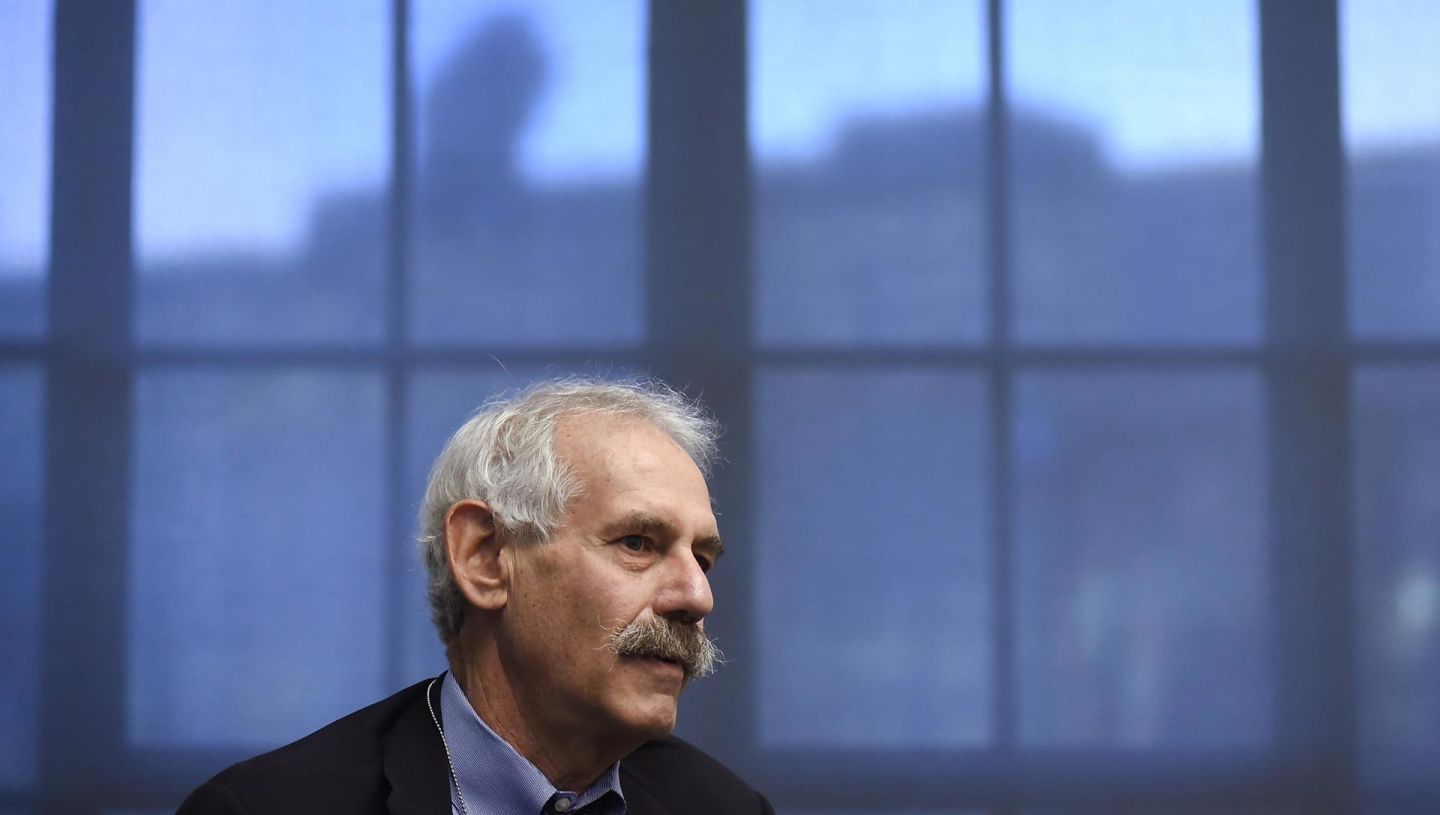
"caption": "Michael Picker, president of the California Public Utilities Commission (CPUC), told a Senate committee that no other state agency wants to regulate Uber and Lyft.",
"description": "Michael Picker, president of the California Public Utilities Commission (CPUC), listens during an interview in San Francisco on Thursday, Nov. 19, 2015. ",
"title": "Picker",
"credit": "Michael Short/Bloomberg via Getty Images",
"status": "inherit",
"isLoading": false,
"fetchFailed": false
},
"news_10845788": {
"type": "attachments",
"id": "news_10845788",
"meta": {
"index": "attachments_1716263798",
"site": "news",
"id": "10845788",
"found": true
},
"parent": 10845787,
"imgSizes": {
"twentyfourteen-full-width": {
"file": "https://ww2.kqed.org/app/uploads/sites/10/2016/01/image-1038x576.jpeg",
"width": 1038,
"mimeType": "image/jpeg",
"height": 576
},
"thumbnail": {
"file": "https://ww2.kqed.org/app/uploads/sites/10/2016/01/image-400x267.jpeg",
"width": 400,
"mimeType": "image/jpeg",
"height": 267
},
"fd-sm": {
"file": "https://ww2.kqed.org/app/uploads/sites/10/2016/01/image-960x640.jpeg",
"width": 960,
"mimeType": "image/jpeg",
"height": 640
},
"post-thumbnail": {
"file": "https://ww2.kqed.org/app/uploads/sites/10/2016/01/image-672x372.jpeg",
"width": 672,
"mimeType": "image/jpeg",
"height": 372
},
"kqedFullSize": {
"file": "https://ww2.kqed.org/app/uploads/sites/10/2016/01/image.jpeg",
"width": 1920,
"height": 1280
},
"large": {
"file": "https://ww2.kqed.org/app/uploads/sites/10/2016/01/image-1440x960.jpeg",
"width": 1440,
"mimeType": "image/jpeg",
"height": 960
},
"guest-author-96": {
"file": "https://ww2.kqed.org/app/uploads/sites/10/2016/01/image-96x96.jpeg",
"width": 96,
"mimeType": "image/jpeg",
"height": 96
},
"medium": {
"file": "https://ww2.kqed.org/app/uploads/sites/10/2016/01/image-800x533.jpeg",
"width": 800,
"mimeType": "image/jpeg",
"height": 533
},
"guest-author-64": {
"file": "https://ww2.kqed.org/app/uploads/sites/10/2016/01/image-64x64.jpeg",
"width": 64,
"mimeType": "image/jpeg",
"height": 64
},
"guest-author-32": {
"file": "https://ww2.kqed.org/app/uploads/sites/10/2016/01/image-32x32.jpeg",
"width": 32,
"mimeType": "image/jpeg",
"height": 32
},
"jmtc-small-thumb": {
"file": "https://ww2.kqed.org/app/uploads/sites/10/2016/01/image-280x150.jpeg",
"width": 280,
"mimeType": "image/jpeg",
"height": 150
},
"fd-lrg": {
"file": "https://ww2.kqed.org/app/uploads/sites/10/2016/01/image-1920x1280.jpeg",
"width": 1920,
"mimeType": "image/jpeg",
"height": 1280
},
"fd-med": {
"file": "https://ww2.kqed.org/app/uploads/sites/10/2016/01/image-1180x787.jpeg",
"width": 1180,
"mimeType": "image/jpeg",
"height": 787
},
"detail": {
"file": "https://ww2.kqed.org/app/uploads/sites/10/2016/01/image-75x75.jpeg",
"width": 75,
"mimeType": "image/jpeg",
"height": 75
},
"medium_large": {
"file": "https://ww2.kqed.org/app/uploads/sites/10/2016/01/image-768x512.jpeg",
"width": 768,
"mimeType": "image/jpeg",
"height": 512
},
"guest-author-128": {
"file": "https://ww2.kqed.org/app/uploads/sites/10/2016/01/image-128x128.jpeg",
"width": 128,
"mimeType": "image/jpeg",
"height": 128
}
},
"publishDate": 1453846429,
"modified": 1458072405,
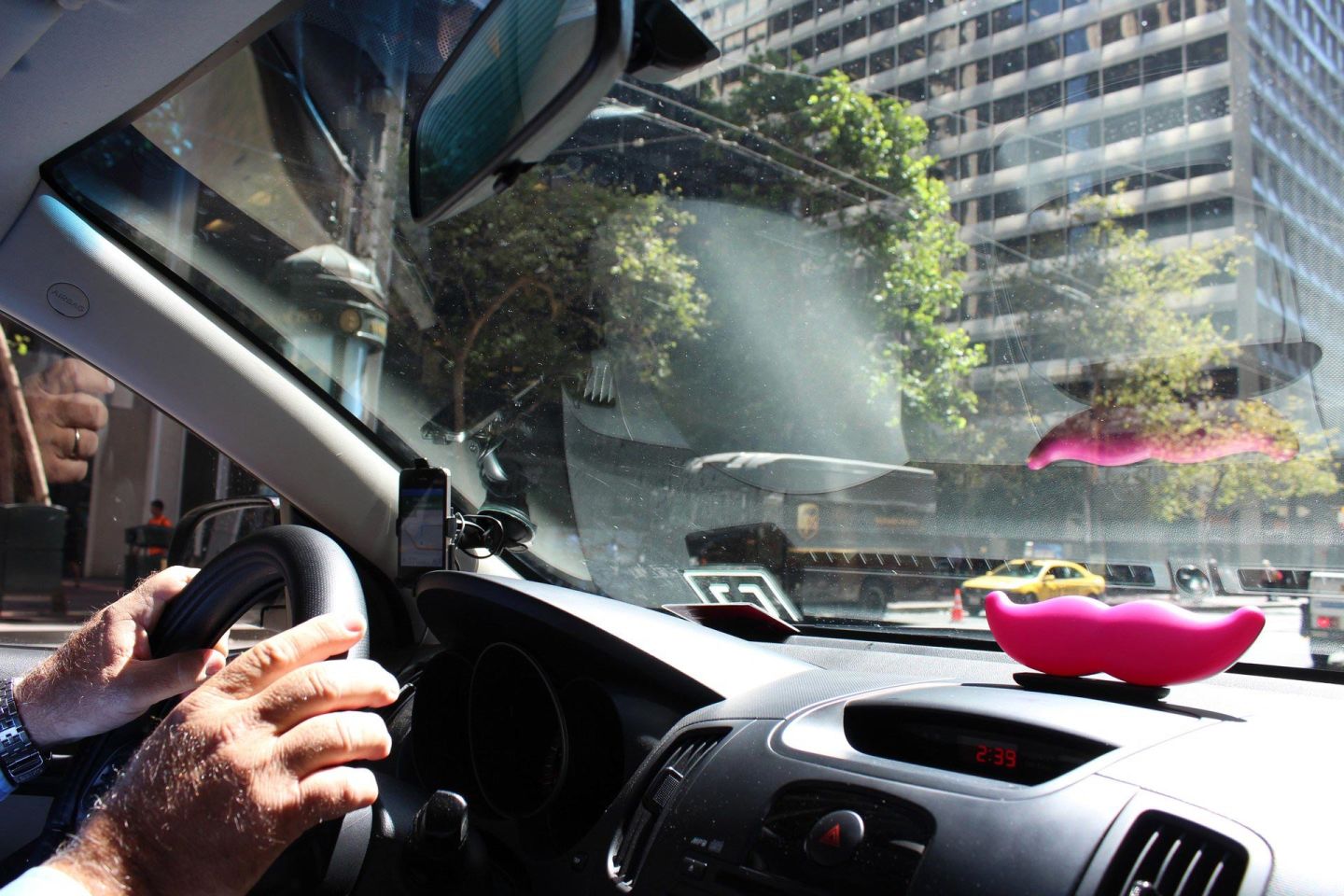
"caption": "A Lyft driver at work in downtown San Francisco.",
"description": null,
"title": "image",
"credit": "Ericka Cruz Guevarra/KQED",
"status": "inherit",
"isLoading": false,
"fetchFailed": false
},
"news_10876775": {
"type": "attachments",
"id": "news_10876775",
"meta": {
"index": "attachments_1716263798",
"site": "news",
"id": "10876775",
"found": true
},
"parent": 10876772,
"imgSizes": {
"twentyfourteen-full-width": {
"file": "https://ww2.kqed.org/app/uploads/sites/10/2016/02/RS16541_IMG_0523-qut-2-1038x576.jpg",
"width": 1038,
"mimeType": "image/jpeg",
"height": 576
},
"thumbnail": {
"file": "https://ww2.kqed.org/app/uploads/sites/10/2016/02/RS16541_IMG_0523-qut-2-400x267.jpg",
"width": 400,
"mimeType": "image/jpeg",
"height": 267
},
"fd-sm": {
"file": "https://ww2.kqed.org/app/uploads/sites/10/2016/02/RS16541_IMG_0523-qut-2-960x640.jpg",
"width": 960,
"mimeType": "image/jpeg",
"height": 640
},
"post-thumbnail": {
"file": "https://ww2.kqed.org/app/uploads/sites/10/2016/02/RS16541_IMG_0523-qut-2-672x372.jpg",
"width": 672,
"mimeType": "image/jpeg",
"height": 372
},
"kqedFullSize": {
"file": "https://ww2.kqed.org/app/uploads/sites/10/2016/02/RS16541_IMG_0523-qut-2.jpg",
"width": 1920,
"height": 1280
},
"large": {
"file": "https://ww2.kqed.org/app/uploads/sites/10/2016/02/RS16541_IMG_0523-qut-2-1920x1280.jpg",
"width": 1920,
"mimeType": "image/jpeg",
"height": 1280
},
"guest-author-96": {
"file": "https://ww2.kqed.org/app/uploads/sites/10/2016/02/RS16541_IMG_0523-qut-2-96x96.jpg",
"width": 96,
"mimeType": "image/jpeg",
"height": 96
},
"medium": {
"file": "https://ww2.kqed.org/app/uploads/sites/10/2016/02/RS16541_IMG_0523-qut-2-800x533.jpg",
"width": 800,
"mimeType": "image/jpeg",
"height": 533
},
"guest-author-64": {
"file": "https://ww2.kqed.org/app/uploads/sites/10/2016/02/RS16541_IMG_0523-qut-2-64x64.jpg",
"width": 64,
"mimeType": "image/jpeg",
"height": 64
},
"guest-author-32": {
"file": "https://ww2.kqed.org/app/uploads/sites/10/2016/02/RS16541_IMG_0523-qut-2-32x32.jpg",
"width": 32,
"mimeType": "image/jpeg",
"height": 32
},
"jmtc-small-thumb": {
"file": "https://ww2.kqed.org/app/uploads/sites/10/2016/02/RS16541_IMG_0523-qut-2-280x150.jpg",
"width": 280,
"mimeType": "image/jpeg",
"height": 150
},
"fd-lrg": {
"file": "https://ww2.kqed.org/app/uploads/sites/10/2016/02/RS16541_IMG_0523-qut-2-1920x1280.jpg",
"width": 1920,
"mimeType": "image/jpeg",
"height": 1280
},
"fd-med": {
"file": "https://ww2.kqed.org/app/uploads/sites/10/2016/02/RS16541_IMG_0523-qut-2-1180x787.jpg",
"width": 1180,
"mimeType": "image/jpeg",
"height": 787
},
"detail": {
"file": "https://ww2.kqed.org/app/uploads/sites/10/2016/02/RS16541_IMG_0523-qut-2-75x75.jpg",
"width": 75,
"mimeType": "image/jpeg",
"height": 75
},
"guest-author-128": {
"file": "https://ww2.kqed.org/app/uploads/sites/10/2016/02/RS16541_IMG_0523-qut-2-128x128.jpg",
"width": 128,
"mimeType": "image/jpeg",
"height": 128
}
},
"publishDate": 1456337549,
"modified": 1456337605,
"caption": "An Uber driver drops off a passenger in downtown San Francisco. ",
"description": null,
"title": "RS16541_IMG_0523-qut (2)",
"credit": "Ericka Cruz Guevarra/KQED",
"status": "inherit",
"isLoading": false,
"fetchFailed": false
},
"news_10874388": {
"type": "attachments",
"id": "news_10874388",
"meta": {
"index": "attachments_1716263798",
"site": "news",
"id": "10874388",
"found": true
},
"parent": 10874387,
"imgSizes": {
"twentyfourteen-full-width": {
"file": "https://ww2.kqed.org/app/uploads/sites/10/2016/02/gettyimages-511613286_wide-c0f80114c96b51fd3c8ef26c203d69a619fa20b5-1038x576.jpg",
"width": 1038,
"mimeType": "image/jpeg",
"height": 576
},
"thumbnail": {
"file": "https://ww2.kqed.org/app/uploads/sites/10/2016/02/gettyimages-511613286_wide-c0f80114c96b51fd3c8ef26c203d69a619fa20b5-400x225.jpg",
"width": 400,
"mimeType": "image/jpeg",
"height": 225
},
"fd-sm": {
"file": "https://ww2.kqed.org/app/uploads/sites/10/2016/02/gettyimages-511613286_wide-c0f80114c96b51fd3c8ef26c203d69a619fa20b5-960x540.jpg",
"width": 960,
"mimeType": "image/jpeg",
"height": 540
},
"post-thumbnail": {
"file": "https://ww2.kqed.org/app/uploads/sites/10/2016/02/gettyimages-511613286_wide-c0f80114c96b51fd3c8ef26c203d69a619fa20b5-672x372.jpg",
"width": 672,
"mimeType": "image/jpeg",
"height": 372
},
"kqedFullSize": {
"file": "https://ww2.kqed.org/app/uploads/sites/10/2016/02/gettyimages-511613286_wide-c0f80114c96b51fd3c8ef26c203d69a619fa20b5-e1456156448879.jpg",
"width": 1920,
"height": 1080
},
"large": {
"file": "https://ww2.kqed.org/app/uploads/sites/10/2016/02/gettyimages-511613286_wide-c0f80114c96b51fd3c8ef26c203d69a619fa20b5-1920x1080.jpg",
"width": 1920,
"mimeType": "image/jpeg",
"height": 1080
},
"guest-author-96": {
"file": "https://ww2.kqed.org/app/uploads/sites/10/2016/02/gettyimages-511613286_wide-c0f80114c96b51fd3c8ef26c203d69a619fa20b5-96x96.jpg",
"width": 96,
"mimeType": "image/jpeg",
"height": 96
},
"medium": {
"file": "https://ww2.kqed.org/app/uploads/sites/10/2016/02/gettyimages-511613286_wide-c0f80114c96b51fd3c8ef26c203d69a619fa20b5-800x450.jpg",
"width": 800,
"mimeType": "image/jpeg",
"height": 450
},
"guest-author-64": {
"file": "https://ww2.kqed.org/app/uploads/sites/10/2016/02/gettyimages-511613286_wide-c0f80114c96b51fd3c8ef26c203d69a619fa20b5-64x64.jpg",
"width": 64,
"mimeType": "image/jpeg",
"height": 64
},
"guest-author-32": {
"file": "https://ww2.kqed.org/app/uploads/sites/10/2016/02/gettyimages-511613286_wide-c0f80114c96b51fd3c8ef26c203d69a619fa20b5-32x32.jpg",
"width": 32,
"mimeType": "image/jpeg",
"height": 32
},
"jmtc-small-thumb": {
"file": "https://ww2.kqed.org/app/uploads/sites/10/2016/02/gettyimages-511613286_wide-c0f80114c96b51fd3c8ef26c203d69a619fa20b5-280x150.jpg",
"width": 280,
"mimeType": "image/jpeg",
"height": 150
},
"fd-lrg": {
"file": "https://ww2.kqed.org/app/uploads/sites/10/2016/02/gettyimages-511613286_wide-c0f80114c96b51fd3c8ef26c203d69a619fa20b5-1920x1080.jpg",
"width": 1920,
"mimeType": "image/jpeg",
"height": 1080
},
"fd-med": {
"file": "https://ww2.kqed.org/app/uploads/sites/10/2016/02/gettyimages-511613286_wide-c0f80114c96b51fd3c8ef26c203d69a619fa20b5-1180x664.jpg",
"width": 1180,
"mimeType": "image/jpeg",
"height": 664
},
"detail": {
"file": "https://ww2.kqed.org/app/uploads/sites/10/2016/02/gettyimages-511613286_wide-c0f80114c96b51fd3c8ef26c203d69a619fa20b5-75x75.jpg",
"width": 75,
"mimeType": "image/jpeg",
"height": 75
},
"guest-author-128": {
"file": "https://ww2.kqed.org/app/uploads/sites/10/2016/02/gettyimages-511613286_wide-c0f80114c96b51fd3c8ef26c203d69a619fa20b5-128x128.jpg",
"width": 128,
"mimeType": "image/jpeg",
"height": 128
}
},
"publishDate": 1456156140,
"modified": 1456156476,
"caption": "A woman places flowers at a Cracker Barrel restaurant where people were gunned down in the parking lot amid an hours-long shooting spree in Kalamazoo, Michigan.",
"description": "A woman places flowers at a Cracker Barrel restaurant where people were gunned down in the parking lot amid an hours-long shooting spree in Kalamazoo, Mi",
"title": "Kalamazoo Shootings",
"credit": null,
"status": "inherit",
"isLoading": false,
"fetchFailed": false
},
"news_10871159": {
"type": "attachments",
"id": "news_10871159",
"meta": {
"index": "attachments_1716263798",
"site": "news",
"id": "10871159",
"found": true
},
"parent": 10871157,
"imgSizes": {
"twentyfourteen-full-width": {
"file": "https://ww2.kqed.org/app/uploads/sites/10/2016/02/DavidJames-1038x576.jpg",
"width": 1038,
"mimeType": "image/jpeg",
"height": 576
},
"thumbnail": {
"file": "https://ww2.kqed.org/app/uploads/sites/10/2016/02/DavidJames-400x284.jpg",
"width": 400,
"mimeType": "image/jpeg",
"height": 284
},
"fd-sm": {
"file": "https://ww2.kqed.org/app/uploads/sites/10/2016/02/DavidJames-960x683.jpg",
"width": 960,
"mimeType": "image/jpeg",
"height": 683
},
"post-thumbnail": {
"file": "https://ww2.kqed.org/app/uploads/sites/10/2016/02/DavidJames-672x372.jpg",
"width": 672,
"mimeType": "image/jpeg",
"height": 372
},
"kqedFullSize": {
"file": "https://ww2.kqed.org/app/uploads/sites/10/2016/02/DavidJames.jpg",
"width": 1920,
"height": 1365
},
"large": {
"file": "https://ww2.kqed.org/app/uploads/sites/10/2016/02/DavidJames-1920x1365.jpg",
"width": 1920,
"mimeType": "image/jpeg",
"height": 1365
},
"guest-author-96": {
"file": "https://ww2.kqed.org/app/uploads/sites/10/2016/02/DavidJames-96x96.jpg",
"width": 96,
"mimeType": "image/jpeg",
"height": 96
},
"medium": {
"file": "https://ww2.kqed.org/app/uploads/sites/10/2016/02/DavidJames-800x569.jpg",
"width": 800,
"mimeType": "image/jpeg",
"height": 569
},
"guest-author-64": {
"file": "https://ww2.kqed.org/app/uploads/sites/10/2016/02/DavidJames-64x64.jpg",
"width": 64,
"mimeType": "image/jpeg",
"height": 64
},
"guest-author-32": {
"file": "https://ww2.kqed.org/app/uploads/sites/10/2016/02/DavidJames-32x32.jpg",
"width": 32,
"mimeType": "image/jpeg",
"height": 32
},
"jmtc-small-thumb": {
"file": "https://ww2.kqed.org/app/uploads/sites/10/2016/02/DavidJames-280x150.jpg",
"width": 280,
"mimeType": "image/jpeg",
"height": 150
},
"fd-lrg": {
"file": "https://ww2.kqed.org/app/uploads/sites/10/2016/02/DavidJames-1920x1365.jpg",
"width": 1920,
"mimeType": "image/jpeg",
"height": 1365
},
"fd-med": {
"file": "https://ww2.kqed.org/app/uploads/sites/10/2016/02/DavidJames-1180x839.jpg",
"width": 1180,
"mimeType": "image/jpeg",
"height": 839
},
"detail": {
"file": "https://ww2.kqed.org/app/uploads/sites/10/2016/02/DavidJames-75x75.jpg",
"width": 75,
"mimeType": "image/jpeg",
"height": 75
},
"guest-author-128": {
"file": "https://ww2.kqed.org/app/uploads/sites/10/2016/02/DavidJames-128x128.jpg",
"width": 128,
"mimeType": "image/jpeg",
"height": 128
}
},
"publishDate": 1455915193,
"modified": 1455925244,
"caption": "61-year-old David James is an Uber driver, handyman and apartment building manager. 'I can’t see at this stage in my life where having just one job is going to meet all of my needs,' he says.",
"description": "61-year-old David James is an Uber driver, handyman and apartment building manager. \"I can’t see at this stage in my life where having just one job is going to meet all of my needs,\" he says.",
"title": "DavidJames",
"credit": "Brian Watt/KPCC",
"status": "inherit",
"isLoading": false,
"fetchFailed": false
},
"news_10852337": {
"type": "attachments",
"id": "news_10852337",
"meta": {
"index": "attachments_1716263798",
"site": "news",
"id": "10852337",
"found": true
},
"parent": 10851938,
"imgSizes": {
"twentyfourteen-full-width": {
"file": "https://ww2.kqed.org/app/uploads/sites/10/2016/02/GettyImages-507915150-1-1038x576.jpg",
"width": 1038,
"mimeType": "image/jpeg",
"height": 576
},
"thumbnail": {
"file": "https://ww2.kqed.org/app/uploads/sites/10/2016/02/GettyImages-507915150-1-400x267.jpg",
"width": 400,
"mimeType": "image/jpeg",
"height": 267
},
"fd-sm": {
"file": "https://ww2.kqed.org/app/uploads/sites/10/2016/02/GettyImages-507915150-1-960x640.jpg",
"width": 960,
"mimeType": "image/jpeg",
"height": 640
},
"post-thumbnail": {
"file": "https://ww2.kqed.org/app/uploads/sites/10/2016/02/GettyImages-507915150-1-672x372.jpg",
"width": 672,
"mimeType": "image/jpeg",
"height": 372
},
"kqedFullSize": {
"file": "https://ww2.kqed.org/app/uploads/sites/10/2016/02/GettyImages-507915150-1-e1454433260259.jpg",
"width": 1920,
"height": 1280
},
"large": {
"file": "https://ww2.kqed.org/app/uploads/sites/10/2016/02/GettyImages-507915150-1-1440x960.jpg",
"width": 1440,
"mimeType": "image/jpeg",
"height": 960
},
"guest-author-96": {
"file": "https://ww2.kqed.org/app/uploads/sites/10/2016/02/GettyImages-507915150-1-96x96.jpg",
"width": 96,
"mimeType": "image/jpeg",
"height": 96
},
"medium": {
"file": "https://ww2.kqed.org/app/uploads/sites/10/2016/02/GettyImages-507915150-1-800x533.jpg",
"width": 800,
"mimeType": "image/jpeg",
"height": 533
},
"guest-author-64": {
"file": "https://ww2.kqed.org/app/uploads/sites/10/2016/02/GettyImages-507915150-1-64x64.jpg",
"width": 64,
"mimeType": "image/jpeg",
"height": 64
},
"guest-author-32": {
"file": "https://ww2.kqed.org/app/uploads/sites/10/2016/02/GettyImages-507915150-1-32x32.jpg",
"width": 32,
"mimeType": "image/jpeg",
"height": 32
},
"jmtc-small-thumb": {
"file": "https://ww2.kqed.org/app/uploads/sites/10/2016/02/GettyImages-507915150-1-280x150.jpg",
"width": 280,
"mimeType": "image/jpeg",
"height": 150
},
"fd-lrg": {
"file": "https://ww2.kqed.org/app/uploads/sites/10/2016/02/GettyImages-507915150-1-1920x1280.jpg",
"width": 1920,
"mimeType": "image/jpeg",
"height": 1280
},
"fd-med": {
"file": "https://ww2.kqed.org/app/uploads/sites/10/2016/02/GettyImages-507915150-1-1180x787.jpg",
"width": 1180,
"mimeType": "image/jpeg",
"height": 787
},
"detail": {
"file": "https://ww2.kqed.org/app/uploads/sites/10/2016/02/GettyImages-507915150-1-75x75.jpg",
"width": 75,
"mimeType": "image/jpeg",
"height": 75
},
"medium_large": {
"file": "https://ww2.kqed.org/app/uploads/sites/10/2016/02/GettyImages-507915150-1-768x512.jpg",
"width": 768,
"mimeType": "image/jpeg",
"height": 512
},
"guest-author-128": {
"file": "https://ww2.kqed.org/app/uploads/sites/10/2016/02/GettyImages-507915150-1-128x128.jpg",
"width": 128,
"mimeType": "image/jpeg",
"height": 128
}
},
"publishDate": 1454433028,
"modified": 1454433253,
"caption": "New York City Uber drivers on Monday protested a 15 percent cut in fare decreed by the company last week. The company says the cuts will help drivers by spurring business. ",
"description": null,
"title": "Uber-New York",
"credit": "Spencer Platt/Getty Images",
"status": "inherit",
"isLoading": false,
"fetchFailed": false
},
"news_10846097": {
"type": "attachments",
"id": "news_10846097",
"meta": {
"index": "attachments_1716263798",
"site": "news",
"id": "10846097",
"found": true
},
"parent": 10845787,
"imgSizes": {
"twentyfourteen-full-width": {
"file": "https://ww2.kqed.org/app/uploads/sites/10/2016/01/Driver-1038x576.jpg",
"width": 1038,
"mimeType": "image/jpeg",
"height": 576
},
"thumbnail": {
"file": "https://ww2.kqed.org/app/uploads/sites/10/2016/01/Driver-400x267.jpg",
"width": 400,
"mimeType": "image/jpeg",
"height": 267
},
"fd-sm": {
"file": "https://ww2.kqed.org/app/uploads/sites/10/2016/01/Driver-960x640.jpg",
"width": 960,
"mimeType": "image/jpeg",
"height": 640
},
"post-thumbnail": {
"file": "https://ww2.kqed.org/app/uploads/sites/10/2016/01/Driver-672x372.jpg",
"width": 672,
"mimeType": "image/jpeg",
"height": 372
},
"kqedFullSize": {
"file": "https://ww2.kqed.org/app/uploads/sites/10/2016/01/Driver.jpg",
"width": 1920,
"height": 1280
},
"large": {
"file": "https://ww2.kqed.org/app/uploads/sites/10/2016/01/Driver-1440x960.jpg",
"width": 1440,
"mimeType": "image/jpeg",
"height": 960
},
"guest-author-96": {
"file": "https://ww2.kqed.org/app/uploads/sites/10/2016/01/Driver-96x96.jpg",
"width": 96,
"mimeType": "image/jpeg",
"height": 96
},
"medium": {
"file": "https://ww2.kqed.org/app/uploads/sites/10/2016/01/Driver-800x533.jpg",
"width": 800,
"mimeType": "image/jpeg",
"height": 533
},
"guest-author-64": {
"file": "https://ww2.kqed.org/app/uploads/sites/10/2016/01/Driver-64x64.jpg",
"width": 64,
"mimeType": "image/jpeg",
"height": 64
},
"guest-author-32": {
"file": "https://ww2.kqed.org/app/uploads/sites/10/2016/01/Driver-32x32.jpg",
"width": 32,
"mimeType": "image/jpeg",
"height": 32
},
"jmtc-small-thumb": {
"file": "https://ww2.kqed.org/app/uploads/sites/10/2016/01/Driver-280x150.jpg",
"width": 280,
"mimeType": "image/jpeg",
"height": 150
},
"fd-lrg": {
"file": "https://ww2.kqed.org/app/uploads/sites/10/2016/01/Driver-1920x1280.jpg",
"width": 1920,
"mimeType": "image/jpeg",
"height": 1280
},
"fd-med": {
"file": "https://ww2.kqed.org/app/uploads/sites/10/2016/01/Driver-1180x787.jpg",
"width": 1180,
"mimeType": "image/jpeg",
"height": 787
},
"detail": {
"file": "https://ww2.kqed.org/app/uploads/sites/10/2016/01/Driver-75x75.jpg",
"width": 75,
"mimeType": "image/jpeg",
"height": 75
},
"medium_large": {
"file": "https://ww2.kqed.org/app/uploads/sites/10/2016/01/Driver-768x512.jpg",
"width": 768,
"mimeType": "image/jpeg",
"height": 512
},
"guest-author-128": {
"file": "https://ww2.kqed.org/app/uploads/sites/10/2016/01/Driver-128x128.jpg",
"width": 128,
"mimeType": "image/jpeg",
"height": 128
}
},
"publishDate": 1453861316,
"modified": 1453861333,
"caption": "A new regulation would require ride services like Lyft to post an 'identifying symbol' not just in the front of vehicles, but in the back as well. ",
"description": "A new regulation would require ride services like Lyft to post an 'identifying symbol' not just in the front of vehicles, but in the back as well. ",
"title": "Driver",
"credit": "Ericka Cruz Guevarra/KQED",
"status": "inherit",
"isLoading": false,
"fetchFailed": false
},
"news_10837827": {
"type": "attachments",
"id": "news_10837827",
"meta": {
"index": "attachments_1716263798",
"site": "news",
"id": "10837827",
"found": true
},
"parent": 10837826,
"imgSizes": {
"twentyfourteen-full-width": {
"file": "https://ww2.kqed.org/app/uploads/sites/10/2016/01/gettyimages-485214396-a144d23b33860d51856ada896df191f9e3b8c77b-1038x576.jpg",
"width": 1038,
"mimeType": "image/jpeg",
"height": 576
},
"thumbnail": {
"file": "https://ww2.kqed.org/app/uploads/sites/10/2016/01/gettyimages-485214396-a144d23b33860d51856ada896df191f9e3b8c77b-400x300.jpg",
"width": 400,
"mimeType": "image/jpeg",
"height": 300
},
"fd-sm": {
"file": "https://ww2.kqed.org/app/uploads/sites/10/2016/01/gettyimages-485214396-a144d23b33860d51856ada896df191f9e3b8c77b-960x720.jpg",
"width": 960,
"mimeType": "image/jpeg",
"height": 720
},
"post-thumbnail": {
"file": "https://ww2.kqed.org/app/uploads/sites/10/2016/01/gettyimages-485214396-a144d23b33860d51856ada896df191f9e3b8c77b-672x372.jpg",
"width": 672,
"mimeType": "image/jpeg",
"height": 372
},
"kqedFullSize": {
"file": "https://ww2.kqed.org/app/uploads/sites/10/2016/01/gettyimages-485214396-a144d23b33860d51856ada896df191f9e3b8c77b.jpg",
"width": 1705,
"height": 1278
},
"large": {
"file": "https://ww2.kqed.org/app/uploads/sites/10/2016/01/gettyimages-485214396-a144d23b33860d51856ada896df191f9e3b8c77b-1440x1079.jpg",
"width": 1440,
"mimeType": "image/jpeg",
"height": 1079
},
"guest-author-96": {
"file": "https://ww2.kqed.org/app/uploads/sites/10/2016/01/gettyimages-485214396-a144d23b33860d51856ada896df191f9e3b8c77b-96x96.jpg",
"width": 96,
"mimeType": "image/jpeg",
"height": 96
},
"medium": {
"file": "https://ww2.kqed.org/app/uploads/sites/10/2016/01/gettyimages-485214396-a144d23b33860d51856ada896df191f9e3b8c77b-800x600.jpg",
"width": 800,
"mimeType": "image/jpeg",
"height": 600
},
"guest-author-64": {
"file": "https://ww2.kqed.org/app/uploads/sites/10/2016/01/gettyimages-485214396-a144d23b33860d51856ada896df191f9e3b8c77b-64x64.jpg",
"width": 64,
"mimeType": "image/jpeg",
"height": 64
},
"guest-author-32": {
"file": "https://ww2.kqed.org/app/uploads/sites/10/2016/01/gettyimages-485214396-a144d23b33860d51856ada896df191f9e3b8c77b-32x32.jpg",
"width": 32,
"mimeType": "image/jpeg",
"height": 32
},
"jmtc-small-thumb": {
"file": "https://ww2.kqed.org/app/uploads/sites/10/2016/01/gettyimages-485214396-a144d23b33860d51856ada896df191f9e3b8c77b-280x150.jpg",
"width": 280,
"mimeType": "image/jpeg",
"height": 150
},
"fd-med": {
"file": "https://ww2.kqed.org/app/uploads/sites/10/2016/01/gettyimages-485214396-a144d23b33860d51856ada896df191f9e3b8c77b-1180x884.jpg",
"width": 1180,
"mimeType": "image/jpeg",
"height": 884
},
"detail": {
"file": "https://ww2.kqed.org/app/uploads/sites/10/2016/01/gettyimages-485214396-a144d23b33860d51856ada896df191f9e3b8c77b-75x75.jpg",
"width": 75,
"mimeType": "image/jpeg",
"height": 75
},
"medium_large": {
"file": "https://ww2.kqed.org/app/uploads/sites/10/2016/01/gettyimages-485214396-a144d23b33860d51856ada896df191f9e3b8c77b-768x576.jpg",
"width": 768,
"mimeType": "image/jpeg",
"height": 576
},
"guest-author-128": {
"file": "https://ww2.kqed.org/app/uploads/sites/10/2016/01/gettyimages-485214396-a144d23b33860d51856ada896df191f9e3b8c77b-128x128.jpg",
"width": 128,
"mimeType": "image/jpeg",
"height": 128
}
},
"publishDate": 1453229952,
"modified": 1453244066,
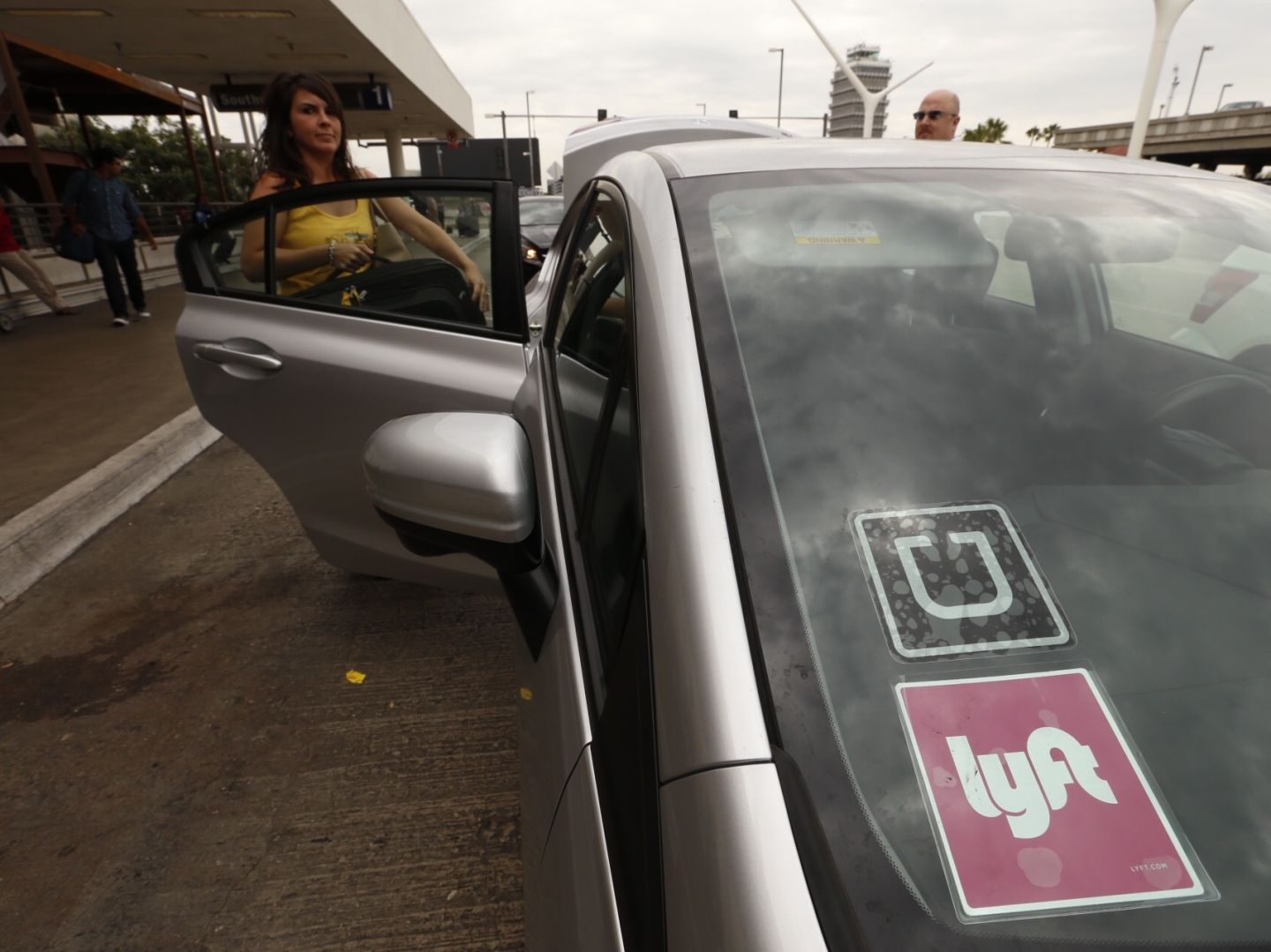
"caption": "A car with Uber and Lyft stickers at Los Angeles International Airport. Uber dominates the fast-growing ride-hailing business. But Lyft is waging a spirited battle to keep up.",
"description": "A car with Uber and Lyft stickers at Los Angeles International Airport. Uber dominates the fast-growing ride-hailing business. But Lyft is waging a spirited battle to keep up.\u003cstrong>\u003c/strong>",
"title": "A car with Uber and Lyft stickers at Los Angeles International Airport. Uber dominates the fast-growing ride-hailing business. But Lyft is waging a spirited battle to keep up.",
"credit": "Al Seib/L.A. Times via Getty Images",
"status": "inherit",
"isLoading": false,
"fetchFailed": false
},
"news_10832445": {
"type": "attachments",
"id": "news_10832445",
"meta": {
"index": "attachments_1716263798",
"site": "news",
"id": "10832445",
"found": true
},
"parent": 10832337,
"imgSizes": {
"twentyfourteen-full-width": {
"file": "https://ww2.kqed.org/app/uploads/sites/10/2016/01/UberSign-1038x576.jpg",
"width": 1038,
"mimeType": "image/jpeg",
"height": 576
},
"thumbnail": {
"file": "https://ww2.kqed.org/app/uploads/sites/10/2016/01/UberSign-400x241.jpg",
"width": 400,
"mimeType": "image/jpeg",
"height": 241
},
"fd-sm": {
"file": "https://ww2.kqed.org/app/uploads/sites/10/2016/01/UberSign-960x579.jpg",
"width": 960,
"mimeType": "image/jpeg",
"height": 579
},
"post-thumbnail": {
"file": "https://ww2.kqed.org/app/uploads/sites/10/2016/01/UberSign-672x372.jpg",
"width": 672,
"mimeType": "image/jpeg",
"height": 372
},
"kqedFullSize": {
"file": "https://ww2.kqed.org/app/uploads/sites/10/2016/01/UberSign.jpg",
"width": 1920,
"height": 1158
},
"large": {
"file": "https://ww2.kqed.org/app/uploads/sites/10/2016/01/UberSign-1440x869.jpg",
"width": 1440,
"mimeType": "image/jpeg",
"height": 869
},
"guest-author-96": {
"file": "https://ww2.kqed.org/app/uploads/sites/10/2016/01/UberSign-96x96.jpg",
"width": 96,
"mimeType": "image/jpeg",
"height": 96
},
"medium": {
"file": "https://ww2.kqed.org/app/uploads/sites/10/2016/01/UberSign-800x483.jpg",
"width": 800,
"mimeType": "image/jpeg",
"height": 483
},
"guest-author-64": {
"file": "https://ww2.kqed.org/app/uploads/sites/10/2016/01/UberSign-64x64.jpg",
"width": 64,
"mimeType": "image/jpeg",
"height": 64
},
"guest-author-32": {
"file": "https://ww2.kqed.org/app/uploads/sites/10/2016/01/UberSign-32x32.jpg",
"width": 32,
"mimeType": "image/jpeg",
"height": 32
},
"jmtc-small-thumb": {
"file": "https://ww2.kqed.org/app/uploads/sites/10/2016/01/UberSign-280x150.jpg",
"width": 280,
"mimeType": "image/jpeg",
"height": 150
},
"fd-lrg": {
"file": "https://ww2.kqed.org/app/uploads/sites/10/2016/01/UberSign-1920x1158.jpg",
"width": 1920,
"mimeType": "image/jpeg",
"height": 1158
},
"fd-med": {
"file": "https://ww2.kqed.org/app/uploads/sites/10/2016/01/UberSign-1180x712.jpg",
"width": 1180,
"mimeType": "image/jpeg",
"height": 712
},
"detail": {
"file": "https://ww2.kqed.org/app/uploads/sites/10/2016/01/UberSign-75x75.jpg",
"width": 75,
"mimeType": "image/jpeg",
"height": 75
},
"medium_large": {
"file": "https://ww2.kqed.org/app/uploads/sites/10/2016/01/UberSign-768x463.jpg",
"width": 768,
"mimeType": "image/jpeg",
"height": 463
},
"guest-author-128": {
"file": "https://ww2.kqed.org/app/uploads/sites/10/2016/01/UberSign-128x128.jpg",
"width": 128,
"mimeType": "image/jpeg",
"height": 128
}
},
"publishDate": 1452797945,
"modified": 1496778505,
"caption": "An Uber sign.",
"description": null,
"title": "UberSign",
"credit": "Miguel Medina/AFP/Getty Images",
"status": "inherit",
"isLoading": false,
"fetchFailed": false
},
"news_10794695": {
"type": "attachments",
"id": "news_10794695",
"meta": {
"index": "attachments_1716263798",
"site": "news",
"id": "10794695",
"found": true
},
"parent": 10794638,
"imgSizes": {
"twentyfourteen-full-width": {
"file": "https://ww2.kqed.org/app/uploads/sites/10/2015/12/TNCDriver-1038x576.jpg",
"width": 1038,
"mimeType": "image/jpeg",
"height": 576
},
"thumbnail": {
"file": "https://ww2.kqed.org/app/uploads/sites/10/2015/12/TNCDriver-400x248.jpg",
"width": 400,
"mimeType": "image/jpeg",
"height": 248
},
"fd-sm": {
"file": "https://ww2.kqed.org/app/uploads/sites/10/2015/12/TNCDriver-960x595.jpg",
"width": 960,
"mimeType": "image/jpeg",
"height": 595
},
"post-thumbnail": {
"file": "https://ww2.kqed.org/app/uploads/sites/10/2015/12/TNCDriver-672x372.jpg",
"width": 672,
"mimeType": "image/jpeg",
"height": 372
},
"kqedFullSize": {
"file": "https://ww2.kqed.org/app/uploads/sites/10/2015/12/TNCDriver.jpg",
"width": 1920,
"height": 1189
},
"large": {
"file": "https://ww2.kqed.org/app/uploads/sites/10/2015/12/TNCDriver-1440x892.jpg",
"width": 1440,
"mimeType": "image/jpeg",
"height": 892
},
"guest-author-96": {
"file": "https://ww2.kqed.org/app/uploads/sites/10/2015/12/TNCDriver-96x96.jpg",
"width": 96,
"mimeType": "image/jpeg",
"height": 96
},
"medium": {
"file": "https://ww2.kqed.org/app/uploads/sites/10/2015/12/TNCDriver-800x495.jpg",
"width": 800,
"mimeType": "image/jpeg",
"height": 495
},
"guest-author-64": {
"file": "https://ww2.kqed.org/app/uploads/sites/10/2015/12/TNCDriver-64x64.jpg",
"width": 64,
"mimeType": "image/jpeg",
"height": 64
},
"guest-author-32": {
"file": "https://ww2.kqed.org/app/uploads/sites/10/2015/12/TNCDriver-32x32.jpg",
"width": 32,
"mimeType": "image/jpeg",
"height": 32
},
"jmtc-small-thumb": {
"file": "https://ww2.kqed.org/app/uploads/sites/10/2015/12/TNCDriver-280x150.jpg",
"width": 280,
"mimeType": "image/jpeg",
"height": 150
},
"fd-lrg": {
"file": "https://ww2.kqed.org/app/uploads/sites/10/2015/12/TNCDriver-1920x1189.jpg",
"width": 1920,
"mimeType": "image/jpeg",
"height": 1189
},
"fd-med": {
"file": "https://ww2.kqed.org/app/uploads/sites/10/2015/12/TNCDriver-1180x731.jpg",
"width": 1180,
"mimeType": "image/jpeg",
"height": 731
},
"detail": {
"file": "https://ww2.kqed.org/app/uploads/sites/10/2015/12/TNCDriver-75x75.jpg",
"width": 75,
"mimeType": "image/jpeg",
"height": 75
},
"medium_large": {
"file": "https://ww2.kqed.org/app/uploads/sites/10/2015/12/TNCDriver-768x476.jpg",
"width": 768,
"mimeType": "image/jpeg",
"height": 476
},
"guest-author-128": {
"file": "https://ww2.kqed.org/app/uploads/sites/10/2015/12/TNCDriver-128x128.jpg",
"width": 128,
"mimeType": "image/jpeg",
"height": 128
}
},
"publishDate": 1450146388,
"modified": 1450146423,
"caption": "Tevita Vainuku, 59, fiddles with his smartphone as he prepares to pick up his next Lyft customer on Aug. 31, 2015. Vainuku drives for Lyft and Uber six days a week.",
"description": "Tevita Vainuku, 59, fiddles with his smartphone as he prepares to pick up his next Lyft customer on Aug. 31, 2015. Vainuku drives for Lyft and Uber six days a week.",
"title": "TNCDriver",
"credit": "Ericka Cruz Guevarra/KQED",
"status": "inherit",
"isLoading": false,
"fetchFailed": false
},
"news_10813582": {
"type": "attachments",
"id": "news_10813582",
"meta": {
"index": "attachments_1716263798",
"site": "news",
"id": "10813582",
"found": true
},
"parent": 10813504,
"imgSizes": {
"twentyfourteen-full-width": {
"file": "https://ww2.kqed.org/app/uploads/sites/10/2015/12/sidecar-1038x576.jpg",
"width": 1038,
"mimeType": "image/jpeg",
"height": 576
},
"thumbnail": {
"file": "https://ww2.kqed.org/app/uploads/sites/10/2015/12/sidecar-400x267.jpg",
"width": 400,
"mimeType": "image/jpeg",
"height": 267
},
"fd-sm": {
"file": "https://ww2.kqed.org/app/uploads/sites/10/2015/12/sidecar-960x640.jpg",
"width": 960,
"mimeType": "image/jpeg",
"height": 640
},
"post-thumbnail": {
"file": "https://ww2.kqed.org/app/uploads/sites/10/2015/12/sidecar-672x372.jpg",
"width": 672,
"mimeType": "image/jpeg",
"height": 372
},
"kqedFullSize": {
"file": "https://ww2.kqed.org/app/uploads/sites/10/2015/12/sidecar.jpg",
"width": 1500,
"height": 1000
},
"large": {
"file": "https://ww2.kqed.org/app/uploads/sites/10/2015/12/sidecar-1440x960.jpg",
"width": 1440,
"mimeType": "image/jpeg",
"height": 960
},
"guest-author-96": {
"file": "https://ww2.kqed.org/app/uploads/sites/10/2015/12/sidecar-96x96.jpg",
"width": 96,
"mimeType": "image/jpeg",
"height": 96
},
"medium": {
"file": "https://ww2.kqed.org/app/uploads/sites/10/2015/12/sidecar-800x533.jpg",
"width": 800,
"mimeType": "image/jpeg",
"height": 533
},
"guest-author-64": {
"file": "https://ww2.kqed.org/app/uploads/sites/10/2015/12/sidecar-64x64.jpg",
"width": 64,
"mimeType": "image/jpeg",
"height": 64
},
"guest-author-32": {
"file": "https://ww2.kqed.org/app/uploads/sites/10/2015/12/sidecar-32x32.jpg",
"width": 32,
"mimeType": "image/jpeg",
"height": 32
},
"jmtc-small-thumb": {
"file": "https://ww2.kqed.org/app/uploads/sites/10/2015/12/sidecar-280x150.jpg",
"width": 280,
"mimeType": "image/jpeg",
"height": 150
},
"fd-med": {
"file": "https://ww2.kqed.org/app/uploads/sites/10/2015/12/sidecar-1180x787.jpg",
"width": 1180,
"mimeType": "image/jpeg",
"height": 787
},
"detail": {
"file": "https://ww2.kqed.org/app/uploads/sites/10/2015/12/sidecar-75x75.jpg",
"width": 75,
"mimeType": "image/jpeg",
"height": 75
},
"medium_large": {
"file": "https://ww2.kqed.org/app/uploads/sites/10/2015/12/sidecar-768x512.jpg",
"width": 768,
"mimeType": "image/jpeg",
"height": 512
},
"guest-author-128": {
"file": "https://ww2.kqed.org/app/uploads/sites/10/2015/12/sidecar-128x128.jpg",
"width": 128,
"mimeType": "image/jpeg",
"height": 128
}
},
"publishDate": 1451421865,
"modified": 1451429246,
"caption": null,
"description": null,
"title": "sidecar",
"credit": "File photo by Deborah Svoboda/KQED",
"status": "inherit",
"isLoading": false,
"fetchFailed": false
}
},
"audioPlayerReducer": {
"postId": "stream_live",
"isPaused": true,
"isPlaying": false,
"pfsActive": false,
"pledgeModalIsOpen": true,
"playerDrawerIsOpen": false,
"liveAudioPlayStartedAt": 0,
"liveAudioPlayContext": ""
},
"authorsReducer": {
"byline_news_10874387": {
"type": "authors",
"id": "byline_news_10874387",
"meta": {
"override": true
},
"slug": "byline_news_10874387",
"name": "\u003cstrong>\u003ca href=\"http://www.npr.org/people/14562108/bill-chappell\" target=\"_blank\">Bill Chappell\u003c/a>\u003cbr />NPR\u003c/strong>",
"isLoading": false
},
"byline_news_10871157": {
"type": "authors",
"id": "byline_news_10871157",
"meta": {
"override": true
},
"slug": "byline_news_10871157",
"name": "\u003cstrong>\u003ca href=\"http://www.scpr.org/about/people/staff/brian-watt\">Brian Watt\u003c/a>\u003cbr>KPCC\u003c/strong>",
"isLoading": false
},
"byline_news_10851938": {
"type": "authors",
"id": "byline_news_10851938",
"meta": {
"override": true
},
"slug": "byline_news_10851938",
"name": "\u003cstrong>\u003ca href=\"https://twitter.com/verenachirps\" target=\"_blank\">Verena Dobnik\u003c/a>\u003cbr />Associated Press\u003c/strong>",
"isLoading": false
},
"byline_news_10837826": {
"type": "authors",
"id": "byline_news_10837826",
"meta": {
"override": true
},
"slug": "byline_news_10837826",
"name": "Aarti Shahani",
"isLoading": false
},
"jbrooks": {
"type": "authors",
"id": "80",
"meta": {
"index": "authors_1716337520",
"id": "80",
"found": true
},
"name": "Jon Brooks",
"firstName": "Jon",
"lastName": "Brooks",
"slug": "jbrooks",
"email": "jbrooks@kqed.org",
"display_author_email": true,
"staff_mastheads": [
"science"
],
"title": "Digital Editor",
"bio": "Jon Brooks is a former Digital Editor for KQED Science. He is the former editor of KQED’s daily news blog, News Fix. In 2014, he won a California Journalism Award for his coverage of ride services like Uber and Lyft and the taxi industry. A veteran blogger, he previously worked for Yahoo! in various news writing and editing roles. Jon is also a playwright whose work has been produced in San Francisco, New York, Italy, and around the U.S. He has written about film for his own blog and studied film at Boston University.",
"avatar": "https://secure.gravatar.com/avatar/98887f7ed1c876ed414d4c915e969584?s=600&d=blank&r=g",
"twitter": "jbrooksfoy",
"facebook": null,
"instagram": null,
"linkedin": null,
"sites": [
{
"site": "arts",
"roles": [
"Contributor",
"editor"
]
},
{
"site": "news",
"roles": [
"author"
]
},
{
"site": "futureofyou",
"roles": [
"administrator"
]
},
{
"site": "mindshift",
"roles": [
"editor"
]
},
{
"site": "stateofhealth",
"roles": [
"editor"
]
},
{
"site": "science",
"roles": [
"administrator"
]
},
{
"site": "quest",
"roles": [
"editor"
]
}
],
"headData": {
"title": "Jon Brooks | KQED",
"description": "Digital Editor",
"ogImgSrc": "https://secure.gravatar.com/avatar/98887f7ed1c876ed414d4c915e969584?s=600&d=blank&r=g",
"twImgSrc": "https://secure.gravatar.com/avatar/98887f7ed1c876ed414d4c915e969584?s=600&d=blank&r=g"
},
"isLoading": false,
"link": "/author/jbrooks"
},
"bgoebel": {
"type": "authors",
"id": "214",
"meta": {
"index": "authors_1716337520",
"id": "214",
"found": true
},
"name": "Bryan Goebel",
"firstName": "Bryan",
"lastName": "Goebel",
"slug": "bgoebel",
"email": "bgoebel@kqed.org",
"display_author_email": false,
"staff_mastheads": [],
"title": null,
"bio": "Bryan Goebel is a reporter focused on transportation and housing issues. He was previously the editor of Streetsblog San Francisco, and an anchor/editor at KCBS Radio. He's a lifelong Californian and has also worked at radio stations in Barstow, Redding and Sacramento.",
"avatar": "https://secure.gravatar.com/avatar/7fdd6b065bfe9a23a71bcfa80848df88?s=600&d=blank&r=g",
"twitter": "velobry",
"facebook": null,
"instagram": null,
"linkedin": null,
"sites": [
{
"site": "news",
"roles": [
"subscriber"
]
},
{
"site": "stateofhealth",
"roles": [
"subscriber"
]
}
],
"headData": {
"title": "Bryan Goebel | KQED",
"description": null,
"ogImgSrc": "https://secure.gravatar.com/avatar/7fdd6b065bfe9a23a71bcfa80848df88?s=600&d=blank&r=g",
"twImgSrc": "https://secure.gravatar.com/avatar/7fdd6b065bfe9a23a71bcfa80848df88?s=600&d=blank&r=g"
},
"isLoading": false,
"link": "/author/bgoebel"
}
},
"pagesReducer": {
"news_tag_uber": {
"type": "terms",
"id": "news_4523",
"meta": {
"index": "terms_1716263798",
"site": "news",
"id": "4523",
"score": 9.305225
},
"featImg": null,
"name": "Uber",
"description": null,
"taxonomy": "tag",
"headData": {
"twImgId": null,
"twTitle": null,
"ogTitle": null,
"ogImgId": null,
"twDescription": null,
"description": null,
"title": "Uber Archives | KQED News",
"ogDescription": null
},
"ttid": 4542,
"slug": "uber",
"isLoading": false,
"title": "Uber",
"pageMeta": {
"site": "news",
"WpPageTemplate": "page-topic-editorial",
"currentPage": 17
},
"blocks": [
{
"blockName": "kqed/post-list",
"attrs": {
"layout": "cardArticle2",
"query": "posts/news?tag=uber",
"seeMore": false,
"paginated": true,
"page": 17
}
},
{
"blockName": "kqed/ad"
}
]
}
},
"pfsSessionReducer": {},
"postsReducer": {
"stream_live": {
"type": "live",
"id": "stream_live",
"audioUrl": "https://streams.kqed.org/kqedradio",
"title": "Live Stream",
"excerpt": "Live Stream information currently unavailable.",
"link": "/radio",
"featImg": "",
"label": {
"name": "KQED Live",
"link": "/"
}
},
"stream_kqedNewscast": {
"type": "posts",
"id": "stream_kqedNewscast",
"audioUrl": "https://www.kqed.org/.stream/anon/radio/RDnews/newscast.mp3?_=1",
"title": "KQED Newscast",
"featImg": "",
"label": {
"name": "88.5 FM",
"link": "/"
}
},
"news_10907981": {
"type": "posts",
"id": "news_10907981",
"meta": {
"index": "posts_1716263798",
"site": "news",
"id": "10907981",
"score": null,
"sort": [
1458937599000
]
},
"parent": 0,
"labelTerm": {
"site": "news",
"term": 72
},
"blocks": [],
"publishDate": 1458937599,
"format": "standard",
"disqusTitle": "State Regulators Deny L.A.'s Request to Fingerprint Uber, Lyft Drivers",
"title": "State Regulators Deny L.A.'s Request to Fingerprint Uber, Lyft Drivers",
"headTitle": "The California Report | KQED News",
"content": "\u003cp>The California Public Utilities Commission has denied a request by Los Angeles Mayor Eric Garcetti and two City Council members to launch a pilot fingerprint background check for Uber and Lyft drivers.\u003c/p>\n\u003cp>In a letter dated March 22, addressed to Garcetti and City Council members Paul Krekorian and Herb Wesson, CPUC Commissioner Liane Randolph said she \u003ca href=\"http://ww2.kqed.org/news/2016/02/26/california-to-reconsider-fingerprint-checks-for-uber-lyft-drivers\" target=\"_blank\">was planning to issue a ruling\u003c/a> asking a series of questions about the use of fingerprint background checks for ride-service drivers.\u003c/p>\n\u003cp>\"While I appreciate the City of Los Angeles's innovation in setting out the framework for a pilot, I would prefer to consider statewide options before launching a city-specific program,\" she wrote.\u003c/p>\n\u003cp>The CPUC is currently considering whether to require fingerprint background checks, as part of its ongoing proceedings to regulate ride services.\u003c/p>\n\u003cp>Randolph said she hoped the CPUC would be able to provide direction on the issue \"by fall of this year.\"\u003c/p>\n\u003cp>[ad fullwidth]\u003c/p>\n\u003cp>In their \u003ca href=\"http://www.scribd.com/doc/305119721/City-of-LA-to-CPUC-on-Fingerprinting-Pilot-Program\" target=\"_blank\">letter to Randolph\u003c/a>, the L.A. officials said that the current \"protocols and practices\" on background checks are \"a cause for concern to the riding public.\"\u003c/p>\n\u003cp>[contextly_sidebar id=\"Q90b1gSGwYwonDSbeCDiqfDy81SUsZxb\"]\u003c/p>\n\u003cp>Even if \"TNC (transportation network company) claims of safety and security are to be believed, their best practices are subject to change at any time without the backstop of law or regulation,\" the letter said.\u003c/p>\n\u003cp>The pilot program would have also applied to limo, van and shuttle service drivers. It would have required the services “to reveal how and why they deny drivers employment, what the appeals processes are and how fingerprinting requirements impact the number of drivers they accept or reject.”\u003c/p>\n\u003cp>Los Angeles taxicab drivers have been required to submit fingerprints for decades. They are also required to do it in most other major cities.\u003c/p>\n\u003cp>Current CPUC regulations do not require fingerprint background checks. Law enforcement officials have said they are the \"gold standard.\" Ride services counter that no background check is perfect, and argue their checks are just as good.\u003c/p>\n\u003cp>Uber uses Checkr, which tracks criminal history for the past seven years. The company says hundreds of drivers who passed fingerprint background checks have not cleared their checks. They've also argued that fingerprint checks are discriminatory.\u003c/p>\n\u003cp>But the L.A. city officials point to \u003ca href=\"http://www.latimes.com/local/lanow/la-me-ln-uber-criminal-records-20150804-story.html\" target=\"_blank\">an L.A. Times investigation\u003c/a> that found some Uber drivers at LAX had lengthy criminal records, despite being vetted by the company.\u003c/p>\n\u003cp>A Lyft spokeswoman said drivers \"undergo a comprehensive screening process, which includes an independent, professionally administered background check mandated by the State of California, as well as an in-person session where their credentials are confirmed.\"\u003c/p>\n\u003cp>\u003c/p>\n\u003cp>[scribd id=305951839 key=key-6XZsXdpuzb5tFdLDurMz mode=scroll]\u003c/p>\n\n",
"disqusIdentifier": "10907981 http://ww2.kqed.org/news/?p=10907981",
"disqusUrl": "https://ww2.kqed.org/news/2016/03/25/state-regulators-deny-l-a-s-request-to-fingerprint-uber-lyft-drivers/",
"stats": {
"hasVideo": false,
"hasChartOrMap": false,
"hasAudio": false,
"hasPolis": false,
"wordCount": 442,
"hasGoogleForm": false,
"hasGallery": false,
"hasHearkenModule": false,
"iframeSrcs": [],
"paragraphCount": 17
},
"modified": 1458941297,
"excerpt": "L.A. mayor, City Council members argued current background checks are 'a concern to the riding public.' ",
"headData": {
"twImgId": "",
"twTitle": "",
"ogTitle": "",
"ogImgId": "",
"twDescription": "",
"description": "L.A. mayor, City Council members argued current background checks are 'a concern to the riding public.' ",
"title": "State Regulators Deny L.A.'s Request to Fingerprint Uber, Lyft Drivers | KQED",
"ogDescription": "",
"schema": {
"@context": "https://schema.org",
"@type": "NewsArticle",
"headline": "State Regulators Deny L.A.'s Request to Fingerprint Uber, Lyft Drivers",
"datePublished": "2016-03-25T13:26:39-07:00",
"dateModified": "2016-03-25T14:28:17-07:00",
"image": "https://cdn.kqed.org/wp-content/uploads/2020/02/KQED-OG-Image@1x.png",
"isAccessibleForFree": "True",
"publisher": {
"@type": "NewsMediaOrganization",
"@id": "https://www.kqed.org/#organization",
"name": "KQED",
"logo": "https://cdn.kqed.org/wp-content/uploads/2020/02/KQED-OG-Image@1x.png",
"url": "https://www.kqed.org",
"sameAs": [
"https://www.facebook.com/KQED",
"https://twitter.com/KQED",
"https://www.instagram.com/kqed/",
"https://www.tiktok.com/@kqedofficial",
"https://www.linkedin.com/company/kqed",
"https://www.youtube.com/channel/UCeC0IOo7i1P_61zVUWbJ4nw"
]
}
}
},
"guestAuthors": [],
"slug": "state-regulators-deny-l-a-s-request-to-fingerprint-uber-lyft-drivers",
"status": "publish",
"path": "/news/10907981/state-regulators-deny-l-a-s-request-to-fingerprint-uber-lyft-drivers",
"audioTrackLength": null,
"parsedContent": [
{
"type": "contentString",
"content": "\u003cdiv class=\"post-body\">\u003cp>\u003cp>The California Public Utilities Commission has denied a request by Los Angeles Mayor Eric Garcetti and two City Council members to launch a pilot fingerprint background check for Uber and Lyft drivers.\u003c/p>\n\u003cp>In a letter dated March 22, addressed to Garcetti and City Council members Paul Krekorian and Herb Wesson, CPUC Commissioner Liane Randolph said she \u003ca href=\"http://ww2.kqed.org/news/2016/02/26/california-to-reconsider-fingerprint-checks-for-uber-lyft-drivers\" target=\"_blank\">was planning to issue a ruling\u003c/a> asking a series of questions about the use of fingerprint background checks for ride-service drivers.\u003c/p>\n\u003cp>\"While I appreciate the City of Los Angeles's innovation in setting out the framework for a pilot, I would prefer to consider statewide options before launching a city-specific program,\" she wrote.\u003c/p>\n\u003cp>The CPUC is currently considering whether to require fingerprint background checks, as part of its ongoing proceedings to regulate ride services.\u003c/p>\n\u003cp>Randolph said she hoped the CPUC would be able to provide direction on the issue \"by fall of this year.\"\u003c/p>\n\u003cp>\u003c/p>\u003c/div>",
"attributes": {
"named": {},
"numeric": []
}
},
{
"type": "component",
"content": "",
"name": "ad",
"attributes": {
"named": {
"label": "fullwidth"
},
"numeric": [
"fullwidth"
]
}
},
{
"type": "contentString",
"content": "\u003cdiv class=\"post-body\">\u003cp>\u003c/p>\n\u003cp>In their \u003ca href=\"http://www.scribd.com/doc/305119721/City-of-LA-to-CPUC-on-Fingerprinting-Pilot-Program\" target=\"_blank\">letter to Randolph\u003c/a>, the L.A. officials said that the current \"protocols and practices\" on background checks are \"a cause for concern to the riding public.\"\u003c/p>\n\u003cp>\u003c/p>\u003cp>\u003c/p>\u003cp>\u003c/p>\n\u003cp>Even if \"TNC (transportation network company) claims of safety and security are to be believed, their best practices are subject to change at any time without the backstop of law or regulation,\" the letter said.\u003c/p>\n\u003cp>The pilot program would have also applied to limo, van and shuttle service drivers. It would have required the services “to reveal how and why they deny drivers employment, what the appeals processes are and how fingerprinting requirements impact the number of drivers they accept or reject.”\u003c/p>\n\u003cp>Los Angeles taxicab drivers have been required to submit fingerprints for decades. They are also required to do it in most other major cities.\u003c/p>\n\u003cp>Current CPUC regulations do not require fingerprint background checks. Law enforcement officials have said they are the \"gold standard.\" Ride services counter that no background check is perfect, and argue their checks are just as good.\u003c/p>\n\u003cp>Uber uses Checkr, which tracks criminal history for the past seven years. The company says hundreds of drivers who passed fingerprint background checks have not cleared their checks. They've also argued that fingerprint checks are discriminatory.\u003c/p>\n\u003cp>But the L.A. city officials point to \u003ca href=\"http://www.latimes.com/local/lanow/la-me-ln-uber-criminal-records-20150804-story.html\" target=\"_blank\">an L.A. Times investigation\u003c/a> that found some Uber drivers at LAX had lengthy criminal records, despite being vetted by the company.\u003c/p>\n\u003cp>A Lyft spokeswoman said drivers \"undergo a comprehensive screening process, which includes an independent, professionally administered background check mandated by the State of California, as well as an in-person session where their credentials are confirmed.\"\u003c/p>\n\u003cp>\u003c/p>\n\u003cp>\u003c/p>\u003cp>\u003ciframe\n class=\"scribd_iframe_embed\"\n src=\"//www.scribd.com/embeds/305951839/content?start_page=1&view_mode=&access_key=key-6XZsXdpuzb5tFdLDurMz\"\n title=\"http://www.scribd.com/doc/305951839\"\n data-auto-height=\"true\" scrolling=\"no\" id=\"scribd_305951839\"\n width=\"100%\" height=\"500\" frameborder=\"0\">\u003c/iframe>\n \u003ca class=\"utils-parseShortcode-shortcodes-__scribdShortcode__scribd_footer\"\n href=\"http://www.scribd.com/doc/305951839\"\n target=\"_blank\" rel=\"noopener noreferrer\">View this document on Scribd\u003c/a>\u003c/p>\u003cp>\u003c/p>\n\n\u003c/div>\u003c/p>",
"attributes": {
"named": {},
"numeric": []
}
}
],
"link": "/news/10907981/state-regulators-deny-l-a-s-request-to-fingerprint-uber-lyft-drivers",
"authors": [
"214"
],
"programs": [
"news_6944",
"news_72"
],
"categories": [
"news_8",
"news_248",
"news_1397"
],
"tags": [
"news_19179",
"news_4524",
"news_17286",
"news_17041",
"news_4523"
],
"featImg": "news_10907984",
"label": "news_72"
},
"news_10899218": {
"type": "posts",
"id": "news_10899218",
"meta": {
"index": "posts_1716263798",
"site": "news",
"id": "10899218",
"score": null,
"sort": [
1458262032000
]
},
"parent": 0,
"labelTerm": {
"site": "news",
"term": 72
},
"blocks": [],
"publishDate": 1458262032,
"format": "standard",
"disqusTitle": "CPUC Regulators Still Hashing Out More Rules for Uber and Lyft",
"title": "CPUC Regulators Still Hashing Out More Rules for Uber and Lyft",
"headTitle": "The California Report | KQED News",
"content": "\u003cp>The California Public Utilities Commission met today to talk about the latest phase of regulations for ride services, just two days after its president told a state Senate committee hearing that no state agency -- including his, apparently -- wants to oversee Uber and Lyft.\u003c/p>\n\u003cp>The commissioners were scheduled to vote today on \u003ca href=\"http://ww2.kqed.org/news/2016/01/26/california-regulators-propose-new-round-of-rules-for-uber-lyft\" target=\"_blank\">tightening ride-service guidelines\u003c/a>, but postponed the decision until April 7 so that regulators could clear up some issues over leased vehicles, get more input on fingerprint background checks and clarify rules for transporting unaccompanied minors.\u003c/p>\n\u003cp>Commissioner Liane Randolph, charged with drafting the latest regulations, said she needed clarity over differing state codes about leased vehicles. Uber has a leasing program for its drivers, and Lyft \u003ca href=\"http://www.latimes.com/business/autos/la-fi-hy-lyft-gm-rentals-20160315-story.html\" target=\"_blank\">recently announced\u003c/a> it is partnering with GM on a lease program.\u003c/p>\n\u003cp>The original regulations were adopted by the CPUC in 2013. The new rules being considered would toughen restrictions on vehicle inspections, requiring that ride-service vehicles be inspected every year, or every 50,000 miles, at a state-licensed facility. Inspection records for each vehicle would need to be maintained for up to three years. The regulations would also sanction ride-service carpools.\u003c/p>\n\u003cp>Randolph said regulators needed more time to gather evidence about whether all transportation network company drivers should be \u003ca href=\"http://ww2.kqed.org/news/2016/02/26/california-to-reconsider-fingerprint-checks-for-uber-lyft-drivers\" target=\"_blank\">required to do fingerprint background checks\u003c/a>.\u003c/p>\n\u003cp>[ad fullwidth]\u003c/p>\n\u003cp>Taxicab operators have argued vehemently that ride service-drivers should undergo the same kind of background checks they are required to do. But Uber has argued that no background check is foolproof, even though law enforcement officials have said fingerprint checks are the \"gold standard.\"\u003c/p>\n\u003cp>[contextly_sidebar id=\"z82gcfkcdv7944OJd3H2CxC2Kx7dLa9V\"]\u003c/p>\n\u003cp>In Los Angeles today, city officials -- including the mayor -- \u003ca href=\"http://www.laweekly.com/news/la-wants-uber-drivers-to-be-fingerprinted-6725703\" target=\"_blank\">sent a letter to the CPUC asking for permission \u003c/a>to implement a pilot fingerprint background check program.\u003c/p>\n\u003cp>“A fingerprinting pilot program makes sense in LA and will help the Public Utilities Commission gather valuable information as it contemplates implementing a more thorough background check program statewide,” said City Councilman Paul Krekorian in a press release.\u003c/p>\n\u003cp>Commissioner Catherine Sandoval suggested the ride-service companies should submit reports on driver suspensions every six months, instead of annually.\u003c/p>\n\u003cp>\"Twelve-month reporting seems like a long period of time because some of these suspensions are for pretty serious issues,\" said Sandoval.\u003c/p>\n\u003caside class=\"pullquote alignleft\">'Maybe somebody else should do it. I don't know who.'\u003ccite>CPUC President Michael Picker\u003c/cite>\u003c/aside>\n\u003cp>In response, Randolph said Sandoval's suggestion would be considered.\u003c/p>\n\u003cp>\"Part of the idea on collecting suspensions is not because we're going to be out on the sidewalk looking for suspended drivers. But are we seeing trends?\" Randolph said.\u003c/p>\n\u003cp>Sandoval also expressed concern that some ride-service vehicles are operating with new dealer plates, which could make it difficult to track a driver in a collision.\u003c/p>\n\u003cp>Sandoval, who was once hit by a driver who had a new dealer plate, said her biggest question was: \"Who hit me?\" She said she was lucky that the driver did not take off and she was able to get his information.\u003c/p>\n\u003cp>\"That's the big concern, especially when we're requiring (ride-service drivers) not to operate as ordinary citizens, but as TNCs transporting people and also interacting with pedestrians,\" she said.\u003c/p>\n\u003cp>The amended rules would also require vehicles to have trade dress, or signs in both the front and back of ride-service vehicles.\u003c/p>\n\u003cp>[contextly_sidebar id=\"KUTaMRQPHsc7FMJ486HUC4omdANL6NXU\"]\u003c/p>\n\u003cp>The new regulations are being considered at a time when the president of the embattled agency, Michael Picker, has indicated the CPUC is overwhelmed with too many responsibilities, including regulating ride services.\u003c/p>\n\u003cp>\"Maybe somebody else should do it,\" Picker told the state Senate Committee on Energy, Utilities and Communications Tuesday, \u003ca href=\"http://www.latimes.com/politics/essential/la-pol-sac-essential-politics-20160301-htmlstory.html#4580\" target=\"_blank\">according to the Los Angeles Times\u003c/a>. \"I don’t know who.\"\u003c/p>\n\u003cp>Just a week earlier, Picker \u003ca href=\"http://ww2.kqed.org/news/2016/03/08/cpuc-head-suggests-agency-needs-fewer-responsibilities\" target=\"_blank\">told an Assembly committee\u003c/a> that he's \"underwater on a daily basis,\" and he asked whether ride services should be regulated by the Department of Motor Vehicles and the California Highway Patrol.\u003c/p>\n\u003cp>\u003c/p>\n\u003cp>While no other state agency may want to take on the job, one local agency that has long been strongly advocating for enforcement of ride services is the San Francisco Municipal Transportation Agency. Although the companies won't say how many ride-service vehicles operate in San Francisco, where Uber and Lyft are headquartered, some estimates have put the number at 20,000.\u003c/p>\n\n",
"disqusIdentifier": "10899218 http://ww2.kqed.org/news/?p=10899218",
"disqusUrl": "https://ww2.kqed.org/news/2016/03/17/cpuc-regulators-still-hashing-out-more-rules-for-uber-and-lyft/",
"stats": {
"hasVideo": false,
"hasChartOrMap": false,
"hasAudio": false,
"hasPolis": false,
"wordCount": 720,
"hasGoogleForm": false,
"hasGallery": false,
"hasHearkenModule": false,
"iframeSrcs": [],
"paragraphCount": 24
},
"modified": 1458269071,
"excerpt": "CPUC president says he's 'underwater' and agency has too many responsibilities. ",
"headData": {
"twImgId": "",
"twTitle": "",
"ogTitle": "",
"ogImgId": "",
"twDescription": "",
"description": "CPUC president says he's 'underwater' and agency has too many responsibilities. ",
"title": "CPUC Regulators Still Hashing Out More Rules for Uber and Lyft | KQED",
"ogDescription": "",
"schema": {
"@context": "https://schema.org",
"@type": "NewsArticle",
"headline": "CPUC Regulators Still Hashing Out More Rules for Uber and Lyft",
"datePublished": "2016-03-17T17:47:12-07:00",
"dateModified": "2016-03-17T19:44:31-07:00",
"image": "https://cdn.kqed.org/wp-content/uploads/2020/02/KQED-OG-Image@1x.png",
"isAccessibleForFree": "True",
"publisher": {
"@type": "NewsMediaOrganization",
"@id": "https://www.kqed.org/#organization",
"name": "KQED",
"logo": "https://cdn.kqed.org/wp-content/uploads/2020/02/KQED-OG-Image@1x.png",
"url": "https://www.kqed.org",
"sameAs": [
"https://www.facebook.com/KQED",
"https://twitter.com/KQED",
"https://www.instagram.com/kqed/",
"https://www.tiktok.com/@kqedofficial",
"https://www.linkedin.com/company/kqed",
"https://www.youtube.com/channel/UCeC0IOo7i1P_61zVUWbJ4nw"
]
}
}
},
"guestAuthors": [],
"slug": "cpuc-regulators-still-hashing-out-more-rules-for-uber-and-lyft",
"status": "publish",
"path": "/news/10899218/cpuc-regulators-still-hashing-out-more-rules-for-uber-and-lyft",
"audioTrackLength": null,
"parsedContent": [
{
"type": "contentString",
"content": "\u003cdiv class=\"post-body\">\u003cp>\u003cp>The California Public Utilities Commission met today to talk about the latest phase of regulations for ride services, just two days after its president told a state Senate committee hearing that no state agency -- including his, apparently -- wants to oversee Uber and Lyft.\u003c/p>\n\u003cp>The commissioners were scheduled to vote today on \u003ca href=\"http://ww2.kqed.org/news/2016/01/26/california-regulators-propose-new-round-of-rules-for-uber-lyft\" target=\"_blank\">tightening ride-service guidelines\u003c/a>, but postponed the decision until April 7 so that regulators could clear up some issues over leased vehicles, get more input on fingerprint background checks and clarify rules for transporting unaccompanied minors.\u003c/p>\n\u003cp>Commissioner Liane Randolph, charged with drafting the latest regulations, said she needed clarity over differing state codes about leased vehicles. Uber has a leasing program for its drivers, and Lyft \u003ca href=\"http://www.latimes.com/business/autos/la-fi-hy-lyft-gm-rentals-20160315-story.html\" target=\"_blank\">recently announced\u003c/a> it is partnering with GM on a lease program.\u003c/p>\n\u003cp>The original regulations were adopted by the CPUC in 2013. The new rules being considered would toughen restrictions on vehicle inspections, requiring that ride-service vehicles be inspected every year, or every 50,000 miles, at a state-licensed facility. Inspection records for each vehicle would need to be maintained for up to three years. The regulations would also sanction ride-service carpools.\u003c/p>\n\u003cp>Randolph said regulators needed more time to gather evidence about whether all transportation network company drivers should be \u003ca href=\"http://ww2.kqed.org/news/2016/02/26/california-to-reconsider-fingerprint-checks-for-uber-lyft-drivers\" target=\"_blank\">required to do fingerprint background checks\u003c/a>.\u003c/p>\n\u003cp>\u003c/p>\u003c/div>",
"attributes": {
"named": {},
"numeric": []
}
},
{
"type": "component",
"content": "",
"name": "ad",
"attributes": {
"named": {
"label": "fullwidth"
},
"numeric": [
"fullwidth"
]
}
},
{
"type": "contentString",
"content": "\u003cdiv class=\"post-body\">\u003cp>\u003c/p>\n\u003cp>Taxicab operators have argued vehemently that ride service-drivers should undergo the same kind of background checks they are required to do. But Uber has argued that no background check is foolproof, even though law enforcement officials have said fingerprint checks are the \"gold standard.\"\u003c/p>\n\u003cp>\u003c/p>\u003cp>\u003c/p>\u003cp>\u003c/p>\n\u003cp>In Los Angeles today, city officials -- including the mayor -- \u003ca href=\"http://www.laweekly.com/news/la-wants-uber-drivers-to-be-fingerprinted-6725703\" target=\"_blank\">sent a letter to the CPUC asking for permission \u003c/a>to implement a pilot fingerprint background check program.\u003c/p>\n\u003cp>“A fingerprinting pilot program makes sense in LA and will help the Public Utilities Commission gather valuable information as it contemplates implementing a more thorough background check program statewide,” said City Councilman Paul Krekorian in a press release.\u003c/p>\n\u003cp>Commissioner Catherine Sandoval suggested the ride-service companies should submit reports on driver suspensions every six months, instead of annually.\u003c/p>\n\u003cp>\"Twelve-month reporting seems like a long period of time because some of these suspensions are for pretty serious issues,\" said Sandoval.\u003c/p>\n\u003caside class=\"pullquote alignleft\">'Maybe somebody else should do it. I don't know who.'\u003ccite>CPUC President Michael Picker\u003c/cite>\u003c/aside>\n\u003cp>In response, Randolph said Sandoval's suggestion would be considered.\u003c/p>\n\u003cp>\"Part of the idea on collecting suspensions is not because we're going to be out on the sidewalk looking for suspended drivers. But are we seeing trends?\" Randolph said.\u003c/p>\n\u003cp>Sandoval also expressed concern that some ride-service vehicles are operating with new dealer plates, which could make it difficult to track a driver in a collision.\u003c/p>\n\u003cp>Sandoval, who was once hit by a driver who had a new dealer plate, said her biggest question was: \"Who hit me?\" She said she was lucky that the driver did not take off and she was able to get his information.\u003c/p>\n\u003cp>\"That's the big concern, especially when we're requiring (ride-service drivers) not to operate as ordinary citizens, but as TNCs transporting people and also interacting with pedestrians,\" she said.\u003c/p>\n\u003cp>The amended rules would also require vehicles to have trade dress, or signs in both the front and back of ride-service vehicles.\u003c/p>\n\u003cp>\u003c/p>\u003cp>\u003c/p>\u003cp>\u003c/p>\n\u003cp>The new regulations are being considered at a time when the president of the embattled agency, Michael Picker, has indicated the CPUC is overwhelmed with too many responsibilities, including regulating ride services.\u003c/p>\n\u003cp>\"Maybe somebody else should do it,\" Picker told the state Senate Committee on Energy, Utilities and Communications Tuesday, \u003ca href=\"http://www.latimes.com/politics/essential/la-pol-sac-essential-politics-20160301-htmlstory.html#4580\" target=\"_blank\">according to the Los Angeles Times\u003c/a>. \"I don’t know who.\"\u003c/p>\n\u003cp>Just a week earlier, Picker \u003ca href=\"http://ww2.kqed.org/news/2016/03/08/cpuc-head-suggests-agency-needs-fewer-responsibilities\" target=\"_blank\">told an Assembly committee\u003c/a> that he's \"underwater on a daily basis,\" and he asked whether ride services should be regulated by the Department of Motor Vehicles and the California Highway Patrol.\u003c/p>\n\u003cp>\u003c/p>\n\u003cp>While no other state agency may want to take on the job, one local agency that has long been strongly advocating for enforcement of ride services is the San Francisco Municipal Transportation Agency. Although the companies won't say how many ride-service vehicles operate in San Francisco, where Uber and Lyft are headquartered, some estimates have put the number at 20,000.\u003c/p>\n\n\u003c/div>\u003c/p>",
"attributes": {
"named": {},
"numeric": []
}
}
],
"link": "/news/10899218/cpuc-regulators-still-hashing-out-more-rules-for-uber-and-lyft",
"authors": [
"214"
],
"programs": [
"news_6944",
"news_72"
],
"categories": [
"news_8",
"news_1397"
],
"tags": [
"news_19179",
"news_4524",
"news_17041",
"news_4523"
],
"featImg": "news_10853698",
"label": "news_72"
},
"news_10896801": {
"type": "posts",
"id": "news_10896801",
"meta": {
"index": "posts_1716263798",
"site": "news",
"id": "10896801",
"score": null,
"sort": [
1458084006000
]
},
"parent": 0,
"labelTerm": {
"site": "news",
"term": 6944
},
"blocks": [],
"publishDate": 1458084006,
"format": "standard",
"disqusTitle": "Many Lyft and Uber Riders Also Use Public Transit, Study Says",
"title": "Many Lyft and Uber Riders Also Use Public Transit, Study Says",
"headTitle": "News Fix | KQED News",
"content": "\u003cp>One of the big questions surrounding Uber and Lyft's growing popularity in cities has been: Are ride services taking passengers away from public transportation?\u003c/p>\n\u003cp>Now comes \u003ca href=\"http://www.apta.com/resources/hottopics/Pages/Shared-Use-Mobility.aspx\" target=\"_blank\">a study\u003c/a> conducted for the American Public Transportation Association. It found that people who use ride services and other options, such as bike sharing and car sharing, rely on public transit as their most common mode of transportation.\u003c/p>\n\u003cp>The survey of 4,500 people in seven cities, including San Francisco and Los Angeles, says that half reported using transit frequently. The most popular time for ride service trips was between 10 p.m. and 4 a.m., and on weekends -- an indication that use peaks for social outings, or at times when public transit service isn't as widely available.\u003c/p>\n\u003cp>\"This suggests that people use ridesourcing situationally, and not daily -- as a mode that fills in gaps or works under specific circumstances rather than as the core of their commute,\" the report said.\u003c/p>\n\u003cp>Instead of reducing public transit trips, the study said ride services are largely replacing private auto and taxicab trips. Many are also using ride services as the first mile/last mile connection to public transit. In San Francisco, some of the most common spots for ride service pickups and drop-offs are around public transit hubs.\u003c/p>\n\u003cp>[ad fullwidth]\u003c/p>\n\u003cp>The average salary for those surveyed was around $90,000 and the average age was 41. About 34 percent were between the ages of 25 to 34. Twenty percent made less than $50,000 a year.\u003c/p>\n\u003cp>Besides public transportation, the study noted that car sharing was the most popular alternative mode for low- to moderate-income residents, followed by ride services.\u003c/p>\n\u003cp>The study recommended that public transit agencies embark on more public-private partnerships, and encouraged companies like Uber and Lyft to \"make use of new technologies' rich data gathering capabilities.\"\u003c/p>\n\u003cp>Ride-service companies have been reluctant to release data, even to public transit agencies, which would shed light on how and where their services are getting the greatest use in cities like San Francisco. However, \u003ca href=\"http://ww2.kqed.org/news/2015/12/07/are-uber-and-lyft-really-disrupting-transportation\" target=\"_blank\">one study is underway\u003c/a> that should offer the first comprehensive glimpse at how ride services are impacting congestion and the environment.\u003c/p>\n\u003cp>The survey found that the availability of \"shared mobility\" options allowed many people to put off buying a car or not buy one at all.\u003c/p>\n\u003cp>\u003c/p>\n\u003cp>[scribd id=304902783 key=key-RRpGyvSeO9o3T1nGFJBy mode=scroll]\u003c/p>\n\n",
"disqusIdentifier": "10896801 http://ww2.kqed.org/news/?p=10896801",
"disqusUrl": "https://ww2.kqed.org/news/2016/03/15/many-lyft-and-uber-riders-also-use-public-transit-study-says/",
"stats": {
"hasVideo": false,
"hasChartOrMap": false,
"hasAudio": false,
"hasPolis": false,
"wordCount": 398,
"hasGoogleForm": false,
"hasGallery": false,
"hasHearkenModule": false,
"iframeSrcs": [],
"paragraphCount": 13
},
"modified": 1458155660,
"excerpt": "Study of 4,500 ride-service users in seven cities say most combine their trips with public transportation. ",
"headData": {
"twImgId": "",
"twTitle": "",
"ogTitle": "",
"ogImgId": "",
"twDescription": "",
"description": "Study of 4,500 ride-service users in seven cities say most combine their trips with public transportation. ",
"title": "Many Lyft and Uber Riders Also Use Public Transit, Study Says | KQED",
"ogDescription": "",
"schema": {
"@context": "https://schema.org",
"@type": "NewsArticle",
"headline": "Many Lyft and Uber Riders Also Use Public Transit, Study Says",
"datePublished": "2016-03-15T16:20:06-07:00",
"dateModified": "2016-03-16T12:14:20-07:00",
"image": "https://cdn.kqed.org/wp-content/uploads/2020/02/KQED-OG-Image@1x.png",
"isAccessibleForFree": "True",
"publisher": {
"@type": "NewsMediaOrganization",
"@id": "https://www.kqed.org/#organization",
"name": "KQED",
"logo": "https://cdn.kqed.org/wp-content/uploads/2020/02/KQED-OG-Image@1x.png",
"url": "https://www.kqed.org",
"sameAs": [
"https://www.facebook.com/KQED",
"https://twitter.com/KQED",
"https://www.instagram.com/kqed/",
"https://www.tiktok.com/@kqedofficial",
"https://www.linkedin.com/company/kqed",
"https://www.youtube.com/channel/UCeC0IOo7i1P_61zVUWbJ4nw"
]
}
}
},
"guestAuthors": [],
"slug": "many-lyft-and-uber-riders-also-use-public-transit-study-says",
"status": "publish",
"path": "/news/10896801/many-lyft-and-uber-riders-also-use-public-transit-study-says",
"audioTrackLength": null,
"parsedContent": [
{
"type": "contentString",
"content": "\u003cdiv class=\"post-body\">\u003cp>\u003cp>One of the big questions surrounding Uber and Lyft's growing popularity in cities has been: Are ride services taking passengers away from public transportation?\u003c/p>\n\u003cp>Now comes \u003ca href=\"http://www.apta.com/resources/hottopics/Pages/Shared-Use-Mobility.aspx\" target=\"_blank\">a study\u003c/a> conducted for the American Public Transportation Association. It found that people who use ride services and other options, such as bike sharing and car sharing, rely on public transit as their most common mode of transportation.\u003c/p>\n\u003cp>The survey of 4,500 people in seven cities, including San Francisco and Los Angeles, says that half reported using transit frequently. The most popular time for ride service trips was between 10 p.m. and 4 a.m., and on weekends -- an indication that use peaks for social outings, or at times when public transit service isn't as widely available.\u003c/p>\n\u003cp>\"This suggests that people use ridesourcing situationally, and not daily -- as a mode that fills in gaps or works under specific circumstances rather than as the core of their commute,\" the report said.\u003c/p>\n\u003cp>Instead of reducing public transit trips, the study said ride services are largely replacing private auto and taxicab trips. Many are also using ride services as the first mile/last mile connection to public transit. In San Francisco, some of the most common spots for ride service pickups and drop-offs are around public transit hubs.\u003c/p>\n\u003cp>\u003c/p>\u003c/div>",
"attributes": {
"named": {},
"numeric": []
}
},
{
"type": "component",
"content": "",
"name": "ad",
"attributes": {
"named": {
"label": "fullwidth"
},
"numeric": [
"fullwidth"
]
}
},
{
"type": "contentString",
"content": "\u003cdiv class=\"post-body\">\u003cp>\u003c/p>\n\u003cp>The average salary for those surveyed was around $90,000 and the average age was 41. About 34 percent were between the ages of 25 to 34. Twenty percent made less than $50,000 a year.\u003c/p>\n\u003cp>Besides public transportation, the study noted that car sharing was the most popular alternative mode for low- to moderate-income residents, followed by ride services.\u003c/p>\n\u003cp>The study recommended that public transit agencies embark on more public-private partnerships, and encouraged companies like Uber and Lyft to \"make use of new technologies' rich data gathering capabilities.\"\u003c/p>\n\u003cp>Ride-service companies have been reluctant to release data, even to public transit agencies, which would shed light on how and where their services are getting the greatest use in cities like San Francisco. However, \u003ca href=\"http://ww2.kqed.org/news/2015/12/07/are-uber-and-lyft-really-disrupting-transportation\" target=\"_blank\">one study is underway\u003c/a> that should offer the first comprehensive glimpse at how ride services are impacting congestion and the environment.\u003c/p>\n\u003cp>The survey found that the availability of \"shared mobility\" options allowed many people to put off buying a car or not buy one at all.\u003c/p>\n\u003cp>\u003c/p>\n\u003cp>\u003c/p>\u003cp>\u003ciframe\n class=\"scribd_iframe_embed\"\n src=\"//www.scribd.com/embeds/304902783/content?start_page=1&view_mode=&access_key=key-RRpGyvSeO9o3T1nGFJBy\"\n title=\"http://www.scribd.com/doc/304902783\"\n data-auto-height=\"true\" scrolling=\"no\" id=\"scribd_304902783\"\n width=\"100%\" height=\"500\" frameborder=\"0\">\u003c/iframe>\n \u003ca class=\"utils-parseShortcode-shortcodes-__scribdShortcode__scribd_footer\"\n href=\"http://www.scribd.com/doc/304902783\"\n target=\"_blank\" rel=\"noopener noreferrer\">View this document on Scribd\u003c/a>\u003c/p>\u003cp>\u003c/p>\n\n\u003c/div>\u003c/p>",
"attributes": {
"named": {},
"numeric": []
}
}
],
"link": "/news/10896801/many-lyft-and-uber-riders-also-use-public-transit-study-says",
"authors": [
"214"
],
"programs": [
"news_6944"
],
"categories": [
"news_8",
"news_248",
"news_1397"
],
"tags": [
"news_4524",
"news_1764",
"news_4523"
],
"featImg": "news_10845788",
"label": "news_6944"
},
"news_10876772": {
"type": "posts",
"id": "news_10876772",
"meta": {
"index": "posts_1716263798",
"site": "news",
"id": "10876772",
"score": null,
"sort": [
1456474502000
]
},
"parent": 0,
"labelTerm": {
"site": "news",
"term": 72
},
"blocks": [],
"publishDate": 1456474502,
"format": "standard",
"disqusTitle": "California to Reconsider Fingerprint Checks for Uber, Lyft Drivers",
"title": "California to Reconsider Fingerprint Checks for Uber, Lyft Drivers",
"headTitle": "The California Report | KQED News",
"content": "\u003cp>The California Public Utilities Commission will consider requiring drivers for all ride services, including Uber and Lyft, to undergo fingerprint background checks, just as Uber is facing more scrutiny over its screening process.\u003c/p>\n\u003cp>In January, commissioner Liane Randolph declined to recommend more rigorous screenings for ride-service drivers. But in \u003ca href=\"http://ww2.kqed.org/news/2016/01/26/california-regulators-propose-new-round-of-rules-for-uber-lyft\" target=\"_blank\">proposing a new set of rules for transportation network companies\u003c/a>, Randolph wrote that the CPUC would issue a ruling \"posing questions about background checks and establishing the identity of drivers through methods such as fingerprinting.\"\u003c/p>\n\u003cp>Randolph did propose fingerprint checks in the revised rules for services like Shuddle, which transport unaccompanied minors. The full CPUC is scheduled to consider the proposals March 17 in what's called \"Phase II\" of the regulatory process for transportation network companies.\u003c/p>\n\u003cp>The largest ride-service company, Uber, has come under more criticism in recent days over its background checks following a mass shooting in Michigan. The attack was allegedly committed by an Uber driver, who is charged with killing six people and wounding two others.\u003c/p>\n\u003cp>[contextly_sidebar id=\"QDZtTpMY2CL6gtqNB6t1oUDnUjE67Tkt\"]\u003c/p>\n\u003cp>Company officials have said no red flags were raised about 45-year-old Jason Dalton, although a rider reported \u003ca href=\"http://www.theguardian.com/us-news/2016/feb/22/kalamazoo-shooting-spree-jason-dalton-uber-ignored-safety-complaint\" target=\"_blank\">he was \"driving dangerously\" \u003c/a>before the rampage.\u003c/p>\n\u003cp>[ad fullwidth]\u003c/p>\n\u003cp>\"No background process would have made a difference in this case because the person had no criminal history,\" Uber's chief security officer, Joe Sullivan, \u003ca href=\"https://newsroom.uber.com/uberbriefingkalamazoo/\" target=\"_blank\">told reporters in a conference call.\u003c/a>\u003c/p>\n\u003cp>Uber uses \u003ca href=\"https://checkr.com/\" target=\"_blank\">Checkr\u003c/a>, which looks at a person's criminal history for the past seven years. The ride-service company \u003ca href=\"https://newsroom.uber.com/details-on-safety/\" target=\"_blank\">has maintained\u003c/a> that all background checks available today contain flaws, even though fingerprint checks are considered by many law enforcement, transportation and taxicab industry officials to be the \"gold standard.\"\u003c/p>\n\u003cp>The kind of background checks Uber uses are the same kind of screenings any company might do on a prospective employee, but not for someone being placed in a position of trust, said Dave Sutton, the spokesman for \u003ca href=\"http://www.whosdrivingyou.org\" target=\"_blank\">Who's Driving You\u003c/a>, a public safety campaign of the Taxicab, Limousine and Paratransit Association.\u003c/p>\n\u003cp>\"Not all background checks are alike,\" said Sutton. \"What we're really talking about are fingerprint-based background checks conducted by government.\"\u003c/p>\n\u003cp>Sutton said the vast majority of large U.S. cities require fingerprint checks for taxi drivers, who have been arguing that ride services should face the same kind of background checks and training that they do.\u003c/p>\n\u003cp>Uber recently announced it would \u003ca href=\"https://www.washingtonpost.com/news/the-switch/wp/2016/02/11/uber-is-about-to-pay-its-u-s-riders-28-5-million-heres-why/\" target=\"_blank\">settle two lawsuits for $28 million\u003c/a> that accused the company of misrepresenting its background check process as \"industry-leading.\" The district attorneys of San Francisco and Los Angeles also filed suit against the company for \"misleading and false\" statements about its screening process.\u003c/p>\n\u003cp>When those \u003ca href=\"http://www.sfgate.com/business/article/DA-major-flaws-in-Uber-background-checks-allow-6453865.php\" target=\"_blank\">prosecutors filed an updated complaint\u003c/a> against Uber in August, they noted that there were 25 cases in Los Angeles where Uber's background check process failed, allowing registered sex offenders, identity thieves, burglars and a convicted murderer to become drivers.\u003c/p>\n\u003cfigure id=\"attachment_10878394\" class=\"wp-caption aligncenter\" style=\"max-width: 800px\">\u003cimg src=\"http://ww2.kqed.org/news/wp-content/uploads/sites/10/2016/02/UberLyft-800x533.jpg\" alt=\"Adnan Aloudi, a full-time Uber and Lyft driver, drives through downtown San Francisco.\" width=\"800\" height=\"533\" class=\"size-medium wp-image-10878394\" srcset=\"https://ww2.kqed.org/app/uploads/sites/10/2016/02/UberLyft-800x533.jpg 800w, https://ww2.kqed.org/app/uploads/sites/10/2016/02/UberLyft-400x267.jpg 400w, https://ww2.kqed.org/app/uploads/sites/10/2016/02/UberLyft.jpg 1920w, https://ww2.kqed.org/app/uploads/sites/10/2016/02/UberLyft-1180x787.jpg 1180w, https://ww2.kqed.org/app/uploads/sites/10/2016/02/UberLyft-960x640.jpg 960w\" sizes=\"(max-width: 800px) 100vw, 800px\">\u003cfigcaption class=\"wp-caption-text\">Adnan Aloudi, a full-time Uber and Lyft driver, drives through downtown San Francisco. \u003ccite>(Ericka Cruz Guevarra/KQED)\u003c/cite>\u003c/figcaption>\u003c/figure>\n\u003cp>\"The private background check companies employed by Uber do not have access to (California Department of Justice) and federal databases of criminal history repositories,\" the district attorneys' complaint stated. \"The background check companies employed by Uber search for criminal convictions in commercial databases that do not index their records by unique biometric identifiers.\"\u003c/p>\n\u003cp>Uber contends that fingerprint background checks are not 100 percent accurate, and can include people not actually convicted of the crimes they were accused of, a point the two district attorneys have also called \"false and misleading.\"\u003c/p>\n\u003cp>“Our problem with fingerprinting is, we think it’s discriminatory, meaning there’s a lot of people who might have been arrested who were not convicted that will be denied this opportunity,” Uber senior adviser David Plouffe said this week, according to\u003ca href=\"http://www.bostonherald.com/business/business_markets/2016/02/uber_don_t_fingerprint_our_drivers\" target=\"_blank\"> the Boston Herald\u003c/a>.\u003c/p>\n\u003cp>Uber recently announced that it would give people convicted of nonviolent felonies whose crimes were reduced to misdemeanors under California's Proposition 47, \u003ca href=\"http://www.bloomberg.com/news/articles/2016-01-13/uber-to-help-california-ex-felons-get-driver-gigs\" target=\"_blank\">an opportunity to drive\u003c/a>.\u003c/p>\n\u003caside class=\"pullquote alignright\">'It's one thing to sign up online in a couple of days. It’s quite another to be fingerprinted and go down to the police station.'\u003c/aside>\n\u003cp>Sutton believes the reason Uber is opposed to fingerprint checks is that half of Uber's 400,000 drivers in the U.S. are part-timers, driving less than 10 hours a week, and many would rather not go through the process of getting fingerprinted.\u003c/p>\n\u003cp>\"The companies are convinced that these people who drive casually will not bother to sign up if it's too cumbersome to do so,\" Sutton said. \"It's one thing to sign up online in a couple of days. It's quite another to be fingerprinted and go down to the police station.\"\u003c/p>\n\u003cp>Current California regulations require ride services to conduct criminal background checks that go back seven years, but not fingerprint checks. Sutton believes regulators have been slow to require a stricter screening process because of Uber's political power and success in beating back tougher regulations.\u003c/p>\n\u003cp>One of the biggest regulatory battles is happening in Austin, Texas, where both Uber and Lyft threatened to leave after the city council voted to require fingerprint checks. Uber then supported a successful campaign to \u003ca href=\"http://www.mystatesman.com/news/news/local-govt-politics/council-sets-may-7-ballot-on-ride-hailing/nqRgm/\" target=\"_blank\">put the issue before voters\u003c/a> this May, while signatures to recall a city councilwoman who pushed for fingerprint checks have been \u003ca href=\"http://kxan.com/2016/02/23/petition-to-recall-ann-kitchen-to-be-validated-by-clerks-office/\" target=\"_blank\">submitted to the city clerk\u003c/a>. Both Uber and Lyft have said they \u003ca href=\"http://kxan.com/2016/02/01/petition-organized-to-recall-austin-council-member-ann-kitchen/\" target=\"_blank\">do not support the recall effort\u003c/a>.\u003c/p>\n\u003cp>In California, two efforts in the state Legislature by Assemblyman Adrin Nazarian (D-Sherman Oaks) that would have required fingerprint checks died in committee. However, Assemblyman Jim Cooper hopes a bill he introduced in September requiring stricter background checks will pass this time around.\u003c/p>\n\u003cp>\"I scratch my head when I hear that Uber drivers in New York are fingerprinted,\" said Cooper, a former sheriff's captain. \"Whatever Uber's background check is, it should be consistent. And right now, in talking to other jurisdictions, it's inconsistent.\"\u003c/p>\n\u003cp>Cooper, whose daughter is an Uber driver, said he believes the CPUC hasn't required tougher background checks because it lacks resources and is \"spread very thin.\"\u003c/p>\n\u003cp>Though he agrees fingerprint checks are the gold standard, his bill doesn't explicitly require fingerprint checks because the Elk Grove Democrat said he wants to first have a dialogue with the companies. For now, his bill calls for \"comprehensive criminal background checks.\"\u003c/p>\n\u003cp>\"Their current reporting standard is subpar at best,\" said Cooper, whose bill is expected to get its first committee hearing in the Senate later this year.\u003c/p>\n\u003cp>Sutton said ride-service companies may likely change their policies on background checks when enough customers demand it.\u003c/p>\n\u003cp>[ad floatright]\u003c/p>\n\u003cp>\"Essentially, what's happening is exactly what happened in the taxi industry,\" Sutton said. \"Enough bad things happened that enough people become aware that this is absolutely a must-do, and so the political will was established.\"\u003c/p>\n\n",
"disqusIdentifier": "10876772 http://ww2.kqed.org/news/?p=10876772",
"disqusUrl": "https://ww2.kqed.org/news/2016/02/26/california-to-reconsider-fingerprint-checks-for-uber-lyft-drivers/",
"stats": {
"hasVideo": false,
"hasChartOrMap": false,
"hasAudio": false,
"hasPolis": false,
"wordCount": 1169,
"hasGoogleForm": false,
"hasGallery": false,
"hasHearkenModule": false,
"iframeSrcs": [],
"paragraphCount": 30
},
"modified": 1456530208,
"excerpt": "Critics argue more rigorous background checks are needed for ride-service drivers. ",
"headData": {
"twImgId": "",
"twTitle": "",
"ogTitle": "",
"ogImgId": "",
"twDescription": "",
"description": "Critics argue more rigorous background checks are needed for ride-service drivers. ",
"title": "California to Reconsider Fingerprint Checks for Uber, Lyft Drivers | KQED",
"ogDescription": "",
"schema": {
"@context": "https://schema.org",
"@type": "NewsArticle",
"headline": "California to Reconsider Fingerprint Checks for Uber, Lyft Drivers",
"datePublished": "2016-02-26T00:15:02-08:00",
"dateModified": "2016-02-26T15:43:28-08:00",
"image": "https://cdn.kqed.org/wp-content/uploads/2020/02/KQED-OG-Image@1x.png",
"isAccessibleForFree": "True",
"publisher": {
"@type": "NewsMediaOrganization",
"@id": "https://www.kqed.org/#organization",
"name": "KQED",
"logo": "https://cdn.kqed.org/wp-content/uploads/2020/02/KQED-OG-Image@1x.png",
"url": "https://www.kqed.org",
"sameAs": [
"https://www.facebook.com/KQED",
"https://twitter.com/KQED",
"https://www.instagram.com/kqed/",
"https://www.tiktok.com/@kqedofficial",
"https://www.linkedin.com/company/kqed",
"https://www.youtube.com/channel/UCeC0IOo7i1P_61zVUWbJ4nw"
]
}
}
},
"guestAuthors": [],
"slug": "california-to-reconsider-fingerprint-checks-for-uber-lyft-drivers",
"status": "publish",
"path": "/news/10876772/california-to-reconsider-fingerprint-checks-for-uber-lyft-drivers",
"audioTrackLength": null,
"parsedContent": [
{
"type": "contentString",
"content": "\u003cdiv class=\"post-body\">\u003cp>\u003cp>The California Public Utilities Commission will consider requiring drivers for all ride services, including Uber and Lyft, to undergo fingerprint background checks, just as Uber is facing more scrutiny over its screening process.\u003c/p>\n\u003cp>In January, commissioner Liane Randolph declined to recommend more rigorous screenings for ride-service drivers. But in \u003ca href=\"http://ww2.kqed.org/news/2016/01/26/california-regulators-propose-new-round-of-rules-for-uber-lyft\" target=\"_blank\">proposing a new set of rules for transportation network companies\u003c/a>, Randolph wrote that the CPUC would issue a ruling \"posing questions about background checks and establishing the identity of drivers through methods such as fingerprinting.\"\u003c/p>\n\u003cp>Randolph did propose fingerprint checks in the revised rules for services like Shuddle, which transport unaccompanied minors. The full CPUC is scheduled to consider the proposals March 17 in what's called \"Phase II\" of the regulatory process for transportation network companies.\u003c/p>\n\u003cp>The largest ride-service company, Uber, has come under more criticism in recent days over its background checks following a mass shooting in Michigan. The attack was allegedly committed by an Uber driver, who is charged with killing six people and wounding two others.\u003c/p>\n\u003cp>\u003c/p>\u003cp>\u003c/p>\u003cp>\u003c/p>\n\u003cp>Company officials have said no red flags were raised about 45-year-old Jason Dalton, although a rider reported \u003ca href=\"http://www.theguardian.com/us-news/2016/feb/22/kalamazoo-shooting-spree-jason-dalton-uber-ignored-safety-complaint\" target=\"_blank\">he was \"driving dangerously\" \u003c/a>before the rampage.\u003c/p>\n\u003cp>\u003c/p>\u003c/div>",
"attributes": {
"named": {},
"numeric": []
}
},
{
"type": "component",
"content": "",
"name": "ad",
"attributes": {
"named": {
"label": "fullwidth"
},
"numeric": [
"fullwidth"
]
}
},
{
"type": "contentString",
"content": "\u003cdiv class=\"post-body\">\u003cp>\u003c/p>\n\u003cp>\"No background process would have made a difference in this case because the person had no criminal history,\" Uber's chief security officer, Joe Sullivan, \u003ca href=\"https://newsroom.uber.com/uberbriefingkalamazoo/\" target=\"_blank\">told reporters in a conference call.\u003c/a>\u003c/p>\n\u003cp>Uber uses \u003ca href=\"https://checkr.com/\" target=\"_blank\">Checkr\u003c/a>, which looks at a person's criminal history for the past seven years. The ride-service company \u003ca href=\"https://newsroom.uber.com/details-on-safety/\" target=\"_blank\">has maintained\u003c/a> that all background checks available today contain flaws, even though fingerprint checks are considered by many law enforcement, transportation and taxicab industry officials to be the \"gold standard.\"\u003c/p>\n\u003cp>The kind of background checks Uber uses are the same kind of screenings any company might do on a prospective employee, but not for someone being placed in a position of trust, said Dave Sutton, the spokesman for \u003ca href=\"http://www.whosdrivingyou.org\" target=\"_blank\">Who's Driving You\u003c/a>, a public safety campaign of the Taxicab, Limousine and Paratransit Association.\u003c/p>\n\u003cp>\"Not all background checks are alike,\" said Sutton. \"What we're really talking about are fingerprint-based background checks conducted by government.\"\u003c/p>\n\u003cp>Sutton said the vast majority of large U.S. cities require fingerprint checks for taxi drivers, who have been arguing that ride services should face the same kind of background checks and training that they do.\u003c/p>\n\u003cp>Uber recently announced it would \u003ca href=\"https://www.washingtonpost.com/news/the-switch/wp/2016/02/11/uber-is-about-to-pay-its-u-s-riders-28-5-million-heres-why/\" target=\"_blank\">settle two lawsuits for $28 million\u003c/a> that accused the company of misrepresenting its background check process as \"industry-leading.\" The district attorneys of San Francisco and Los Angeles also filed suit against the company for \"misleading and false\" statements about its screening process.\u003c/p>\n\u003cp>When those \u003ca href=\"http://www.sfgate.com/business/article/DA-major-flaws-in-Uber-background-checks-allow-6453865.php\" target=\"_blank\">prosecutors filed an updated complaint\u003c/a> against Uber in August, they noted that there were 25 cases in Los Angeles where Uber's background check process failed, allowing registered sex offenders, identity thieves, burglars and a convicted murderer to become drivers.\u003c/p>\n\u003cfigure id=\"attachment_10878394\" class=\"wp-caption aligncenter\" style=\"max-width: 800px\">\u003cimg src=\"http://ww2.kqed.org/news/wp-content/uploads/sites/10/2016/02/UberLyft-800x533.jpg\" alt=\"Adnan Aloudi, a full-time Uber and Lyft driver, drives through downtown San Francisco.\" width=\"800\" height=\"533\" class=\"size-medium wp-image-10878394\" srcset=\"https://ww2.kqed.org/app/uploads/sites/10/2016/02/UberLyft-800x533.jpg 800w, https://ww2.kqed.org/app/uploads/sites/10/2016/02/UberLyft-400x267.jpg 400w, https://ww2.kqed.org/app/uploads/sites/10/2016/02/UberLyft.jpg 1920w, https://ww2.kqed.org/app/uploads/sites/10/2016/02/UberLyft-1180x787.jpg 1180w, https://ww2.kqed.org/app/uploads/sites/10/2016/02/UberLyft-960x640.jpg 960w\" sizes=\"(max-width: 800px) 100vw, 800px\">\u003cfigcaption class=\"wp-caption-text\">Adnan Aloudi, a full-time Uber and Lyft driver, drives through downtown San Francisco. \u003ccite>(Ericka Cruz Guevarra/KQED)\u003c/cite>\u003c/figcaption>\u003c/figure>\n\u003cp>\"The private background check companies employed by Uber do not have access to (California Department of Justice) and federal databases of criminal history repositories,\" the district attorneys' complaint stated. \"The background check companies employed by Uber search for criminal convictions in commercial databases that do not index their records by unique biometric identifiers.\"\u003c/p>\n\u003cp>Uber contends that fingerprint background checks are not 100 percent accurate, and can include people not actually convicted of the crimes they were accused of, a point the two district attorneys have also called \"false and misleading.\"\u003c/p>\n\u003cp>“Our problem with fingerprinting is, we think it’s discriminatory, meaning there’s a lot of people who might have been arrested who were not convicted that will be denied this opportunity,” Uber senior adviser David Plouffe said this week, according to\u003ca href=\"http://www.bostonherald.com/business/business_markets/2016/02/uber_don_t_fingerprint_our_drivers\" target=\"_blank\"> the Boston Herald\u003c/a>.\u003c/p>\n\u003cp>Uber recently announced that it would give people convicted of nonviolent felonies whose crimes were reduced to misdemeanors under California's Proposition 47, \u003ca href=\"http://www.bloomberg.com/news/articles/2016-01-13/uber-to-help-california-ex-felons-get-driver-gigs\" target=\"_blank\">an opportunity to drive\u003c/a>.\u003c/p>\n\u003caside class=\"pullquote alignright\">'It's one thing to sign up online in a couple of days. It’s quite another to be fingerprinted and go down to the police station.'\u003c/aside>\n\u003cp>Sutton believes the reason Uber is opposed to fingerprint checks is that half of Uber's 400,000 drivers in the U.S. are part-timers, driving less than 10 hours a week, and many would rather not go through the process of getting fingerprinted.\u003c/p>\n\u003cp>\"The companies are convinced that these people who drive casually will not bother to sign up if it's too cumbersome to do so,\" Sutton said. \"It's one thing to sign up online in a couple of days. It's quite another to be fingerprinted and go down to the police station.\"\u003c/p>\n\u003cp>Current California regulations require ride services to conduct criminal background checks that go back seven years, but not fingerprint checks. Sutton believes regulators have been slow to require a stricter screening process because of Uber's political power and success in beating back tougher regulations.\u003c/p>\n\u003cp>One of the biggest regulatory battles is happening in Austin, Texas, where both Uber and Lyft threatened to leave after the city council voted to require fingerprint checks. Uber then supported a successful campaign to \u003ca href=\"http://www.mystatesman.com/news/news/local-govt-politics/council-sets-may-7-ballot-on-ride-hailing/nqRgm/\" target=\"_blank\">put the issue before voters\u003c/a> this May, while signatures to recall a city councilwoman who pushed for fingerprint checks have been \u003ca href=\"http://kxan.com/2016/02/23/petition-to-recall-ann-kitchen-to-be-validated-by-clerks-office/\" target=\"_blank\">submitted to the city clerk\u003c/a>. Both Uber and Lyft have said they \u003ca href=\"http://kxan.com/2016/02/01/petition-organized-to-recall-austin-council-member-ann-kitchen/\" target=\"_blank\">do not support the recall effort\u003c/a>.\u003c/p>\n\u003cp>In California, two efforts in the state Legislature by Assemblyman Adrin Nazarian (D-Sherman Oaks) that would have required fingerprint checks died in committee. However, Assemblyman Jim Cooper hopes a bill he introduced in September requiring stricter background checks will pass this time around.\u003c/p>\n\u003cp>\"I scratch my head when I hear that Uber drivers in New York are fingerprinted,\" said Cooper, a former sheriff's captain. \"Whatever Uber's background check is, it should be consistent. And right now, in talking to other jurisdictions, it's inconsistent.\"\u003c/p>\n\u003cp>Cooper, whose daughter is an Uber driver, said he believes the CPUC hasn't required tougher background checks because it lacks resources and is \"spread very thin.\"\u003c/p>\n\u003cp>Though he agrees fingerprint checks are the gold standard, his bill doesn't explicitly require fingerprint checks because the Elk Grove Democrat said he wants to first have a dialogue with the companies. For now, his bill calls for \"comprehensive criminal background checks.\"\u003c/p>\n\u003cp>\"Their current reporting standard is subpar at best,\" said Cooper, whose bill is expected to get its first committee hearing in the Senate later this year.\u003c/p>\n\u003cp>Sutton said ride-service companies may likely change their policies on background checks when enough customers demand it.\u003c/p>\n\u003cp>\u003c/p>\u003c/div>",
"attributes": {
"named": {},
"numeric": []
}
},
{
"type": "component",
"content": "",
"name": "ad",
"attributes": {
"named": {
"label": "floatright"
},
"numeric": [
"floatright"
]
}
},
{
"type": "contentString",
"content": "\u003cdiv class=\"post-body\">\u003cp>\u003c/p>\n\u003cp>\"Essentially, what's happening is exactly what happened in the taxi industry,\" Sutton said. \"Enough bad things happened that enough people become aware that this is absolutely a must-do, and so the political will was established.\"\u003c/p>\n\n\u003c/div>\u003c/p>",
"attributes": {
"named": {},
"numeric": []
}
}
],
"link": "/news/10876772/california-to-reconsider-fingerprint-checks-for-uber-lyft-drivers",
"authors": [
"214"
],
"programs": [
"news_72"
],
"categories": [
"news_8",
"news_248",
"news_1397"
],
"tags": [
"news_4524",
"news_17286",
"news_17041",
"news_4523"
],
"featImg": "news_10876775",
"label": "news_72"
},
"news_10874387": {
"type": "posts",
"id": "news_10874387",
"meta": {
"index": "posts_1716263798",
"site": "news",
"id": "10874387",
"score": null,
"sort": [
1456157071000
]
},
"parent": 0,
"labelTerm": {
"site": "news",
"term": 6944
},
"blocks": [],
"publishDate": 1456157071,
"format": "standard",
"disqusTitle": "Passengers Recount Rides With Uber Driver Accused in Kalamazoo Killings",
"title": "Passengers Recount Rides With Uber Driver Accused in Kalamazoo Killings",
"headTitle": "News Fix | KQED News",
"content": "\u003cp>Victims of a shooting spree are being mourned in Kalamazoo, Michigan, where Jason Dalton, the 45-year-old man suspected of killing six people Saturday, is expected to be arraigned Monday. Police have been trying to determine a motive for what seem to be random attacks.\u003c/p>\n\u003cp>Several Uber passengers have come forward to say they rode with Dalton on Saturday before and after the shootings.\u003c/p>\n\u003cp>Matt Mellen told WWMT-TV in Kalamazoo that Jason Dalton picked him up at around 4:30 p.m. Saturday. He said Dalton introduced himself as \"Me-Me\" and that he sat in front, since Dalton had his dog in the backseat.\u003c/p>\n\u003cp>Mellen said about a mile into the trip, Dalton got a phone call and that when he hung up, he began driving erratically, blowing through stop signs and sideswiping cars.\u003c/p>\n\u003cp>\"We were driving through medians, driving through the lawn, speeding along, and when we came to a stop, I jumped out the car and ran away,\" said Mellen. He said he called the police and that when he got to his friend's house, his fiancee posted a warning to friends on Facebook.\u003c/p>\n\u003cp>[ad fullwidth]\u003c/p>\n\u003cp>Mellen said he also tried warning the ride-hailing service.\u003c/p>\n\u003cp>\"I'm upset because I tried contacting Uber after I had talked to the police, saying that we needed to get this guy off the road,\" said Mellen.\u003c/p>\n\u003cp>Another witness tells NPR that he rode with Dalton shortly before the suspect was arrested in the center of town — and that they briefly discussed the shootings.\u003c/p>\n\u003cp>\"Dalton was driving for Uber that night and stopped after midnight to pick up Derek — who asked NPR to only use his middle name because he's afraid of retribution from speaking about his encounter,\" NPR's Hansi Lo Wang reports.\u003c/p>\n\u003cp>That encounter occurred after midnight, more than six hours after the first of three shootings — and during a manhunt that had police on the lookout for a Chevrolet like Dalton's.\u003c/p>\n\u003cp>Here's what Derek told Hansi:\u003c/p>\n\u003cblockquote>\u003cp>\"I jokingly said to the driver, 'You aren't the shooter, are you?' and he either shook his head or said no, and I said, 'Are you sure?'\u003c/p>\n\u003cp>\"And his response wasn't like you would expect, like a laugh. It was just very calm and quiet. It was, 'I'm just tired. No, I'm just tired.'\"\u003c/p>\u003c/blockquote>\n\u003cp>Dalton was arrested about a half-hour later, Hansi reports. On Sunday, \u003ca href=\"http://www.npr.org/sections/thetwo-way/2016/02/21/467531697/at-least-6-killed-3-injured-in-kalamazoo-mich-shootings\">Uber confirmed that Dalton was a driver\u003c/a> and had passed the company's background check. Police have said he did not have a criminal record.\u003c/p>\n\u003cp>Michigan State Police believe Dalton is the man who fired around 10 shots outside an apartment complex around 5:42 p.m. ET, wounding a woman who is now listed as being in serious condition.\u003c/p>\n\u003cp>That woman, whose name hasn't been released, is \"a hero,\" Kalamazoo Sheriff Richard Fuller tells local TV news \u003ca href=\"http://wwmt.com/\">WWMT\u003c/a>. Explaining that she was in an area where several children were when the shooting started, Fuller says, \"This person put themselves between the children and the shooter, right away.\"\u003c/p>\n\u003cp>The violence continued more than four hours later, when a father and son — Richard Eugene Smith, 53, and Tyler Daniel Smith, 17, both from Kalamazoo — were shot and killed at the Seelye Ford Kia car dealership.\u003c/p>\n\u003cp>That shooting was reported at 10:08 p.m. Minutes later, the third shooting was reported, at a parking lot of a Cracker Barrel restaurant. That's where police say four women were killed after two vehicles — a Chevrolet Cruze and an Oldsmobile Silhouette minivan — were fired upon.\u003c/p>\n\u003cp>State police released the names of those victims Sunday:\u003c/p>\n\u003cul>\n\u003cli>Mary Lou Nye, 62, of Baroda, Michigan (driver of Oldsmobile minivan);\u003c/li>\n\u003cli>Mary Jo Nye, 60, of Battle Creek, Michigan (driver of Chevrolet);\u003c/li>\n\u003cli>Dorothy Brown, 74, of Battle Creek, Michigan (rear driver-side passenger of Chevrolet);\u003c/li>\n\u003cli>Barbara Hawthorne, 68, of Battle Creek, Michigan (rear passenger-side passenger of Chevrolet).\u003c/li>\n\u003c/ul>\n\u003cp>A 14-year-old girl who was a passenger in the Chevrolet survived the shooting and was listed in critical condition late Sunday.\u003c/p>\n\u003cp>Prayer vigils and remembrances were held for the victims last night. Gov. Rick Snyder has ordered Michigan's state buildings to fly the state and U.S. flags at half-staff for the next six days, to honor each of the six who died.\u003c/p>\n\u003cp>\u003c/p>\n\u003cp>\u003cem>This post contains reporting from The Associated Press.\u003c/em>\u003c/p>\n\u003cdiv class=\"fullattribution\">Copyright 2016 NPR. To see more, visit http://www.npr.org/.\u003cimg src=\"http://www.google-analytics.com/__utm.gif?utmac=UA-5828686-4&utmdt=%27You+Aren%27t+The+Shooter%2C+Are+You%3F%27+Uber+Ride+Came+Just+Before+Suspect%27s+Arrest&utme=8(APIKey)9(MDAxOTAwOTE4MDEyMTkxMDAzNjczZDljZA004)\" alt=\"\">\u003c/div>\n\n",
"disqusIdentifier": "10874387 http://ww2.kqed.org/news/?p=10874387",
"disqusUrl": "https://ww2.kqed.org/news/2016/02/22/passengers-recount-rides-with-uber-driver-accused-in-kalamazoo-killings/",
"stats": {
"hasVideo": false,
"hasChartOrMap": false,
"hasAudio": false,
"hasPolis": false,
"wordCount": 748,
"hasGoogleForm": false,
"hasGallery": false,
"hasHearkenModule": false,
"iframeSrcs": [],
"paragraphCount": 24
},
"modified": 1456192621,
"excerpt": "Details have emerged about the Kalamazoo shootings — including one man's account of getting a ride from the shooting suspect after the attacks. ",
"headData": {
"twImgId": "",
"twTitle": "",
"ogTitle": "",
"ogImgId": "",
"twDescription": "",
"description": "Details have emerged about the Kalamazoo shootings — including one man's account of getting a ride from the shooting suspect after the attacks. ",
"title": "Passengers Recount Rides With Uber Driver Accused in Kalamazoo Killings | KQED",
"ogDescription": "",
"schema": {
"@context": "https://schema.org",
"@type": "NewsArticle",
"headline": "Passengers Recount Rides With Uber Driver Accused in Kalamazoo Killings",
"datePublished": "2016-02-22T08:04:31-08:00",
"dateModified": "2016-02-22T17:57:01-08:00",
"image": "https://cdn.kqed.org/wp-content/uploads/2020/02/KQED-OG-Image@1x.png",
"isAccessibleForFree": "True",
"publisher": {
"@type": "NewsMediaOrganization",
"@id": "https://www.kqed.org/#organization",
"name": "KQED",
"logo": "https://cdn.kqed.org/wp-content/uploads/2020/02/KQED-OG-Image@1x.png",
"url": "https://www.kqed.org",
"sameAs": [
"https://www.facebook.com/KQED",
"https://twitter.com/KQED",
"https://www.instagram.com/kqed/",
"https://www.tiktok.com/@kqedofficial",
"https://www.linkedin.com/company/kqed",
"https://www.youtube.com/channel/UCeC0IOo7i1P_61zVUWbJ4nw"
]
}
}
},
"guestAuthors": [],
"slug": "passengers-recount-rides-with-uber-driver-accused-in-kalamazoo-killings",
"status": "publish",
"nprApiLink": "http://api.npr.org/query?id=467632918&apiKey=MDAxOTAwOTE4MDEyMTkxMDAzNjczZDljZA004",
"nprByline": "\u003cstrong>\u003ca href=\"http://www.npr.org/people/14562108/bill-chappell\" target=\"_blank\">Bill Chappell\u003c/a>\u003cbr />NPR\u003c/strong>",
"nprStoryDate": "Mon, 22 Feb 2016 07:59:00 -0500",
"nprLastModifiedDate": "Mon, 22 Feb 2016 09:46:00 -0500",
"nprHtmlLink": "http://www.npr.org/sections/thetwo-way/2016/02/22/467632918/you-arent-the-shooter-are-you-uber-ride-came-just-before-suspects-arrest?ft=nprml&f=467632918",
"nprImageAgency": "Getty Images",
"nprImageCredit": "Tasos Katopodis",
"nprStoryId": "467632918",
"nprRetrievedStory": "1",
"nprPubDate": "Mon, 22 Feb 2016 09:46:00 -0500",
"path": "/news/10874387/passengers-recount-rides-with-uber-driver-accused-in-kalamazoo-killings",
"audioTrackLength": null,
"parsedContent": [
{
"type": "contentString",
"content": "\u003cdiv class=\"post-body\">\u003cp>\u003cp>Victims of a shooting spree are being mourned in Kalamazoo, Michigan, where Jason Dalton, the 45-year-old man suspected of killing six people Saturday, is expected to be arraigned Monday. Police have been trying to determine a motive for what seem to be random attacks.\u003c/p>\n\u003cp>Several Uber passengers have come forward to say they rode with Dalton on Saturday before and after the shootings.\u003c/p>\n\u003cp>Matt Mellen told WWMT-TV in Kalamazoo that Jason Dalton picked him up at around 4:30 p.m. Saturday. He said Dalton introduced himself as \"Me-Me\" and that he sat in front, since Dalton had his dog in the backseat.\u003c/p>\n\u003cp>Mellen said about a mile into the trip, Dalton got a phone call and that when he hung up, he began driving erratically, blowing through stop signs and sideswiping cars.\u003c/p>\n\u003cp>\"We were driving through medians, driving through the lawn, speeding along, and when we came to a stop, I jumped out the car and ran away,\" said Mellen. He said he called the police and that when he got to his friend's house, his fiancee posted a warning to friends on Facebook.\u003c/p>\n\u003cp>\u003c/p>\u003c/div>",
"attributes": {
"named": {},
"numeric": []
}
},
{
"type": "component",
"content": "",
"name": "ad",
"attributes": {
"named": {
"label": "fullwidth"
},
"numeric": [
"fullwidth"
]
}
},
{
"type": "contentString",
"content": "\u003cdiv class=\"post-body\">\u003cp>\u003c/p>\n\u003cp>Mellen said he also tried warning the ride-hailing service.\u003c/p>\n\u003cp>\"I'm upset because I tried contacting Uber after I had talked to the police, saying that we needed to get this guy off the road,\" said Mellen.\u003c/p>\n\u003cp>Another witness tells NPR that he rode with Dalton shortly before the suspect was arrested in the center of town — and that they briefly discussed the shootings.\u003c/p>\n\u003cp>\"Dalton was driving for Uber that night and stopped after midnight to pick up Derek — who asked NPR to only use his middle name because he's afraid of retribution from speaking about his encounter,\" NPR's Hansi Lo Wang reports.\u003c/p>\n\u003cp>That encounter occurred after midnight, more than six hours after the first of three shootings — and during a manhunt that had police on the lookout for a Chevrolet like Dalton's.\u003c/p>\n\u003cp>Here's what Derek told Hansi:\u003c/p>\n\u003cblockquote>\u003cp>\"I jokingly said to the driver, 'You aren't the shooter, are you?' and he either shook his head or said no, and I said, 'Are you sure?'\u003c/p>\n\u003cp>\"And his response wasn't like you would expect, like a laugh. It was just very calm and quiet. It was, 'I'm just tired. No, I'm just tired.'\"\u003c/p>\u003c/blockquote>\n\u003cp>Dalton was arrested about a half-hour later, Hansi reports. On Sunday, \u003ca href=\"http://www.npr.org/sections/thetwo-way/2016/02/21/467531697/at-least-6-killed-3-injured-in-kalamazoo-mich-shootings\">Uber confirmed that Dalton was a driver\u003c/a> and had passed the company's background check. Police have said he did not have a criminal record.\u003c/p>\n\u003cp>Michigan State Police believe Dalton is the man who fired around 10 shots outside an apartment complex around 5:42 p.m. ET, wounding a woman who is now listed as being in serious condition.\u003c/p>\n\u003cp>That woman, whose name hasn't been released, is \"a hero,\" Kalamazoo Sheriff Richard Fuller tells local TV news \u003ca href=\"http://wwmt.com/\">WWMT\u003c/a>. Explaining that she was in an area where several children were when the shooting started, Fuller says, \"This person put themselves between the children and the shooter, right away.\"\u003c/p>\n\u003cp>The violence continued more than four hours later, when a father and son — Richard Eugene Smith, 53, and Tyler Daniel Smith, 17, both from Kalamazoo — were shot and killed at the Seelye Ford Kia car dealership.\u003c/p>\n\u003cp>That shooting was reported at 10:08 p.m. Minutes later, the third shooting was reported, at a parking lot of a Cracker Barrel restaurant. That's where police say four women were killed after two vehicles — a Chevrolet Cruze and an Oldsmobile Silhouette minivan — were fired upon.\u003c/p>\n\u003cp>State police released the names of those victims Sunday:\u003c/p>\n\u003cul>\n\u003cli>Mary Lou Nye, 62, of Baroda, Michigan (driver of Oldsmobile minivan);\u003c/li>\n\u003cli>Mary Jo Nye, 60, of Battle Creek, Michigan (driver of Chevrolet);\u003c/li>\n\u003cli>Dorothy Brown, 74, of Battle Creek, Michigan (rear driver-side passenger of Chevrolet);\u003c/li>\n\u003cli>Barbara Hawthorne, 68, of Battle Creek, Michigan (rear passenger-side passenger of Chevrolet).\u003c/li>\n\u003c/ul>\n\u003cp>A 14-year-old girl who was a passenger in the Chevrolet survived the shooting and was listed in critical condition late Sunday.\u003c/p>\n\u003cp>Prayer vigils and remembrances were held for the victims last night. Gov. Rick Snyder has ordered Michigan's state buildings to fly the state and U.S. flags at half-staff for the next six days, to honor each of the six who died.\u003c/p>\n\u003cp>\u003c/p>\n\u003cp>\u003cem>This post contains reporting from The Associated Press.\u003c/em>\u003c/p>\n\u003cdiv class=\"fullattribution\">Copyright 2016 NPR. To see more, visit http://www.npr.org/.\u003cimg src=\"http://www.google-analytics.com/__utm.gif?utmac=UA-5828686-4&utmdt=%27You+Aren%27t+The+Shooter%2C+Are+You%3F%27+Uber+Ride+Came+Just+Before+Suspect%27s+Arrest&utme=8(APIKey)9(MDAxOTAwOTE4MDEyMTkxMDAzNjczZDljZA004)\" alt=\"\">\u003c/div>\n\n\u003c/div>\u003c/p>",
"attributes": {
"named": {},
"numeric": []
}
}
],
"link": "/news/10874387/passengers-recount-rides-with-uber-driver-accused-in-kalamazoo-killings",
"authors": [
"byline_news_10874387"
],
"programs": [
"news_6944"
],
"categories": [
"news_8"
],
"tags": [
"news_18939",
"news_4523"
],
"featImg": "news_10874388",
"label": "news_6944"
},
"news_10871157": {
"type": "posts",
"id": "news_10871157",
"meta": {
"index": "posts_1716263798",
"site": "news",
"id": "10871157",
"score": null,
"sort": [
1456043447000
]
},
"parent": 0,
"labelTerm": {},
"blocks": [],
"publishDate": 1456043447,
"format": "standard",
"disqusTitle": "Aging Workers Find Flexibility But Not Peace of Mind in 'Gig Economy'",
"title": "Aging Workers Find Flexibility But Not Peace of Mind in 'Gig Economy'",
"headTitle": "The California Report | KQED News",
"content": "\u003cp>As a business reporter, I've heard the term \"gig economy\" a lot.\u003c/p>\n\u003cp>I've reported a number of stories that relate to it, from the rise of Uber and Lyft to the push by some port truck drivers to be classified as employees rather than independent contractors by the companies they drive for.\u003c/p>\n\u003cp>[soundcloud url=\"https://api.soundcloud.com/tracks/247947912\" params=\"color=ff5500&auto_play=false&hide_related=false&show_comments=true&show_user=true&show_reposts=false\" width=\"100%\" height=\"166\" iframe=\"true\" /]\u003c/p>\n\u003cp>I've worked full time for the same company for the last 12 years, so my own professional exposure to the gig economy is limited. But clearly, more people are turning to \"gigs\" — freelancing, working as independent contractors — to make a living, or at least some extra money.\u003c/p>\n\u003cp>Who are these people, how many are there, and why have they chosen \"gigs\" over steady employment? My attempt to answer these questions has put me in touch with some smart and interesting people.\u003c/p>\n\u003cp>[ad fullwidth]\u003c/p>\n\u003cp>[contextly_sidebar id=\"oQ8yHlWU3xS5D6VRvYzJtgyAMFh9vk0o\"]\u003c/p>\n\u003cp>My first image of gig-economy workers might be downright stereotypical: an army of millennials who love the freedom and flexibility of Uber driving or freelance coding from their couches. But the two gig workers I hung out with recently are both in their 60s.\u003c/p>\n\u003cp>\u003cstrong>David James: Handyman, Apartment Manager, Uber driver\u003c/strong>\u003c/p>\n\u003cp>\"I can’t see at this stage in my life where having just one job is going to meet all of my needs,\" 61-year-old David James told me. He was sitting in his backyard in Sunland, where he recently started renting a home with some roommates.\u003c/p>\n\u003cp>In his past professional life, James has worked full time as a bus driver and as a manager of convenience stores and a Big Boy restaurant. He is also a licensed funeral director with 20 years' experience in the funeral industry. But now, he manages an apartment building, does handyman work and drives about 30 hours a week for Uber.\u003c/p>\n\u003cp>\u003c/p>\n\u003cp>\u003cem>\u003cstrong>\u003ca href=\"http://www.scpr.org/news/2016/02/01/57124/gig-economy-offers-aging-workers-a-flexible-place/\" target=\"_blank\">Read the full story via KPCC\u003c/a>\u003c/strong>\u003c/em>\u003c/p>\n\n",
"disqusIdentifier": "10871157 http://ww2.kqed.org/news/?p=10871157",
"disqusUrl": "https://ww2.kqed.org/news/2016/02/21/aging-workers-find-flexibility-but-not-peace-of-mind-in-gig-economy/",
"stats": {
"hasVideo": false,
"hasChartOrMap": false,
"hasAudio": false,
"hasPolis": false,
"wordCount": 342,
"hasGoogleForm": false,
"hasGallery": false,
"hasHearkenModule": false,
"iframeSrcs": [],
"paragraphCount": 13
},
"modified": 1455932892,
"excerpt": "You might think of gig workers as stereotypically millennial. So what's it like for gig workers who are in their 60s?",
"headData": {
"twImgId": "",
"twTitle": "",
"ogTitle": "",
"ogImgId": "",
"twDescription": "",
"description": "You might think of gig workers as stereotypically millennial. So what's it like for gig workers who are in their 60s?",
"title": "Aging Workers Find Flexibility But Not Peace of Mind in 'Gig Economy' | KQED",
"ogDescription": "",
"schema": {
"@context": "https://schema.org",
"@type": "NewsArticle",
"headline": "Aging Workers Find Flexibility But Not Peace of Mind in 'Gig Economy'",
"datePublished": "2016-02-21T00:30:47-08:00",
"dateModified": "2016-02-19T17:48:12-08:00",
"image": "https://cdn.kqed.org/wp-content/uploads/2020/02/KQED-OG-Image@1x.png",
"isAccessibleForFree": "True",
"publisher": {
"@type": "NewsMediaOrganization",
"@id": "https://www.kqed.org/#organization",
"name": "KQED",
"logo": "https://cdn.kqed.org/wp-content/uploads/2020/02/KQED-OG-Image@1x.png",
"url": "https://www.kqed.org",
"sameAs": [
"https://www.facebook.com/KQED",
"https://twitter.com/KQED",
"https://www.instagram.com/kqed/",
"https://www.tiktok.com/@kqedofficial",
"https://www.linkedin.com/company/kqed",
"https://www.youtube.com/channel/UCeC0IOo7i1P_61zVUWbJ4nw"
]
}
}
},
"guestAuthors": [],
"slug": "aging-workers-find-flexibility-but-not-peace-of-mind-in-gig-economy",
"status": "publish",
"sourceUrl": "http://www.scpr.org/",
"nprByline": "\u003cstrong>\u003ca href=\"http://www.scpr.org/about/people/staff/brian-watt\">Brian Watt\u003c/a>\u003cbr>KPCC\u003c/strong>",
"source": "KPCC",
"path": "/news/10871157/aging-workers-find-flexibility-but-not-peace-of-mind-in-gig-economy",
"audioTrackLength": null,
"parsedContent": [
{
"type": "contentString",
"content": "\u003cdiv class=\"post-body\">\u003cp>\u003cp>As a business reporter, I've heard the term \"gig economy\" a lot.\u003c/p>\n\u003cp>I've reported a number of stories that relate to it, from the rise of Uber and Lyft to the push by some port truck drivers to be classified as employees rather than independent contractors by the companies they drive for.\u003c/p>\n\u003cp>\u003c/p>\u003cp>\u003cdiv class='utils-parseShortcode-shortcodes-__shortcodes__shortcodeWrapper'>\n \u003ciframe width='100%' height='166'\n scrolling='no' frameborder='no'\n src='https://w.soundcloud.com/player/?url=https://api.soundcloud.com/tracks/247947912&visual=true&color=ff5500&auto_play=false&hide_related=false&show_comments=true&show_user=true&show_reposts=false'\n title='https://api.soundcloud.com/tracks/247947912'>\n \u003c/iframe>\n \u003c/div>\u003c/p>\u003cp>\u003c/p>\n\u003cp>I've worked full time for the same company for the last 12 years, so my own professional exposure to the gig economy is limited. But clearly, more people are turning to \"gigs\" — freelancing, working as independent contractors — to make a living, or at least some extra money.\u003c/p>\n\u003cp>Who are these people, how many are there, and why have they chosen \"gigs\" over steady employment? My attempt to answer these questions has put me in touch with some smart and interesting people.\u003c/p>\n\u003cp>\u003c/p>\u003c/div>",
"attributes": {
"named": {},
"numeric": []
}
},
{
"type": "component",
"content": "",
"name": "ad",
"attributes": {
"named": {
"label": "fullwidth"
},
"numeric": [
"fullwidth"
]
}
},
{
"type": "contentString",
"content": "\u003cdiv class=\"post-body\">\u003cp>\u003c/p>\n\u003cp>\u003c/p>\u003cp>\u003c/p>\u003cp>\u003c/p>\n\u003cp>My first image of gig-economy workers might be downright stereotypical: an army of millennials who love the freedom and flexibility of Uber driving or freelance coding from their couches. But the two gig workers I hung out with recently are both in their 60s.\u003c/p>\n\u003cp>\u003cstrong>David James: Handyman, Apartment Manager, Uber driver\u003c/strong>\u003c/p>\n\u003cp>\"I can’t see at this stage in my life where having just one job is going to meet all of my needs,\" 61-year-old David James told me. He was sitting in his backyard in Sunland, where he recently started renting a home with some roommates.\u003c/p>\n\u003cp>In his past professional life, James has worked full time as a bus driver and as a manager of convenience stores and a Big Boy restaurant. He is also a licensed funeral director with 20 years' experience in the funeral industry. But now, he manages an apartment building, does handyman work and drives about 30 hours a week for Uber.\u003c/p>\n\u003cp>\u003c/p>\n\u003cp>\u003cem>\u003cstrong>\u003ca href=\"http://www.scpr.org/news/2016/02/01/57124/gig-economy-offers-aging-workers-a-flexible-place/\" target=\"_blank\">Read the full story via KPCC\u003c/a>\u003c/strong>\u003c/em>\u003c/p>\n\n\u003c/div>\u003c/p>",
"attributes": {
"named": {},
"numeric": []
}
}
],
"link": "/news/10871157/aging-workers-find-flexibility-but-not-peace-of-mind-in-gig-economy",
"authors": [
"byline_news_10871157"
],
"programs": [
"news_72"
],
"categories": [
"news_1758",
"news_8",
"news_248"
],
"tags": [
"news_17994",
"news_19904",
"news_4524",
"news_2081",
"news_17286",
"news_4523"
],
"affiliates": [
"news_7055"
],
"featImg": "news_10871159",
"label": "source_news_10871157"
},
"news_10851938": {
"type": "posts",
"id": "news_10851938",
"meta": {
"index": "posts_1716263798",
"site": "news",
"id": "10851938",
"score": null,
"sort": [
1454392202000
]
},
"parent": 0,
"labelTerm": {
"site": "news",
"term": 6944
},
"blocks": [],
"publishDate": 1454392202,
"format": "standard",
"disqusTitle": "New York's Uber Drivers Talk Strike After 15 Percent Fare Cut",
"title": "New York's Uber Drivers Talk Strike After 15 Percent Fare Cut",
"headTitle": "News Fix | KQED News",
"content": "\u003cp>NEW YORK — Uber drivers in New York City called Monday for a strike to protest the company's decision to cut fares by 15 percent, as drivers rallied at the ride-sharing app's New York headquarters.\u003c/p>\n\u003cp>Several hundred attended the protest, but it's not clear how many would heed the call for a shutdown. The company has roughly 30,000 registered vehicles in New York City.\u003c/p>\n\u003cp>Mohammed Rahman, a driver from the Bronx who's been in the business for two decades, said the cost cut is too deep. Drivers cover their own insurance, payments on vehicles and gas.\u003c/p>\n\u003cp>\"Before, we made little, not much — but enough to feed the family,\" said the father of two. \"But this is really, really bad.\"\u003c/p>\n\u003cp>The drivers behind the work stoppage were trying to get the word out to colleagues with fliers and social media. But thousands of cars still were on the road, many because they had not heard about the labor action. Uber drivers aren't unionized in New York.\u003c/p>\n\u003cp>[ad fullwidth]\u003c/p>\n\u003cp>\"In order to change something with the low rates that Uber imposed on the drivers, we should cripple the city, so New Yorkers know what's happening to us,\" said Rajko Ljutica, a longtime driver who has worked for other limo companies he says are now being choked by Uber. \"Uber is like a spreading cancer, killing the yellow cab industry and other car services.\"\u003c/p>\n\u003cp>The popular ride-sharing app announced the price reduction Friday. A company spokesman said its data show the fare reductions are actually helping drivers earn more money by drumming up business. The spokesman said if the lower prices don't work, they'll be rolled back.\u003c/p>\n\u003cp>\u003c/p>\n\u003cp>\"Every city has busy months and slow times. In New York, things tend to be quieter after the holidays. So we lowered prices to get more people using Uber, which is good for drivers because it means less time waiting around for trips,\" said spokesman Matt Wing. \"As we have always said, price cuts need to work for drivers.\"\u003c/p>\n\n",
"disqusIdentifier": "10851938 http://ww2.kqed.org/news/?p=10851938",
"disqusUrl": "https://ww2.kqed.org/news/2016/02/01/new-yorks-uber-drivers-talk-strike-after-15-percent-fare-cut/",
"stats": {
"hasVideo": false,
"hasChartOrMap": false,
"hasAudio": false,
"hasPolis": false,
"wordCount": 345,
"hasGoogleForm": false,
"hasGallery": false,
"hasHearkenModule": false,
"iframeSrcs": [],
"paragraphCount": 10
},
"modified": 1454461131,
"excerpt": "Some drivers call for strike against ride service, while company says price cuts will help drivers. ",
"headData": {
"twImgId": "",
"twTitle": "",
"ogTitle": "",
"ogImgId": "",
"twDescription": "",
"description": "Some drivers call for strike against ride service, while company says price cuts will help drivers. ",
"title": "New York's Uber Drivers Talk Strike After 15 Percent Fare Cut | KQED",
"ogDescription": "",
"schema": {
"@context": "https://schema.org",
"@type": "NewsArticle",
"headline": "New York's Uber Drivers Talk Strike After 15 Percent Fare Cut",
"datePublished": "2016-02-01T21:50:02-08:00",
"dateModified": "2016-02-02T16:58:51-08:00",
"image": "https://cdn.kqed.org/wp-content/uploads/2020/02/KQED-OG-Image@1x.png",
"isAccessibleForFree": "True",
"publisher": {
"@type": "NewsMediaOrganization",
"@id": "https://www.kqed.org/#organization",
"name": "KQED",
"logo": "https://cdn.kqed.org/wp-content/uploads/2020/02/KQED-OG-Image@1x.png",
"url": "https://www.kqed.org",
"sameAs": [
"https://www.facebook.com/KQED",
"https://twitter.com/KQED",
"https://www.instagram.com/kqed/",
"https://www.tiktok.com/@kqedofficial",
"https://www.linkedin.com/company/kqed",
"https://www.youtube.com/channel/UCeC0IOo7i1P_61zVUWbJ4nw"
]
}
}
},
"guestAuthors": [],
"slug": "new-yorks-uber-drivers-talk-strike-after-15-percent-fare-cut",
"status": "publish",
"nprByline": "\u003cstrong>\u003ca href=\"https://twitter.com/verenachirps\" target=\"_blank\">Verena Dobnik\u003c/a>\u003cbr />Associated Press\u003c/strong>",
"nprStoryId": "465233965",
"path": "/news/10851938/new-yorks-uber-drivers-talk-strike-after-15-percent-fare-cut",
"audioTrackLength": null,
"parsedContent": [
{
"type": "contentString",
"content": "\u003cdiv class=\"post-body\">\u003cp>\u003cp>NEW YORK — Uber drivers in New York City called Monday for a strike to protest the company's decision to cut fares by 15 percent, as drivers rallied at the ride-sharing app's New York headquarters.\u003c/p>\n\u003cp>Several hundred attended the protest, but it's not clear how many would heed the call for a shutdown. The company has roughly 30,000 registered vehicles in New York City.\u003c/p>\n\u003cp>Mohammed Rahman, a driver from the Bronx who's been in the business for two decades, said the cost cut is too deep. Drivers cover their own insurance, payments on vehicles and gas.\u003c/p>\n\u003cp>\"Before, we made little, not much — but enough to feed the family,\" said the father of two. \"But this is really, really bad.\"\u003c/p>\n\u003cp>The drivers behind the work stoppage were trying to get the word out to colleagues with fliers and social media. But thousands of cars still were on the road, many because they had not heard about the labor action. Uber drivers aren't unionized in New York.\u003c/p>\n\u003cp>\u003c/p>\u003c/div>",
"attributes": {
"named": {},
"numeric": []
}
},
{
"type": "component",
"content": "",
"name": "ad",
"attributes": {
"named": {
"label": "fullwidth"
},
"numeric": [
"fullwidth"
]
}
},
{
"type": "contentString",
"content": "\u003cdiv class=\"post-body\">\u003cp>\u003c/p>\n\u003cp>\"In order to change something with the low rates that Uber imposed on the drivers, we should cripple the city, so New Yorkers know what's happening to us,\" said Rajko Ljutica, a longtime driver who has worked for other limo companies he says are now being choked by Uber. \"Uber is like a spreading cancer, killing the yellow cab industry and other car services.\"\u003c/p>\n\u003cp>The popular ride-sharing app announced the price reduction Friday. A company spokesman said its data show the fare reductions are actually helping drivers earn more money by drumming up business. The spokesman said if the lower prices don't work, they'll be rolled back.\u003c/p>\n\u003cp>\u003c/p>\n\u003cp>\"Every city has busy months and slow times. In New York, things tend to be quieter after the holidays. So we lowered prices to get more people using Uber, which is good for drivers because it means less time waiting around for trips,\" said spokesman Matt Wing. \"As we have always said, price cuts need to work for drivers.\"\u003c/p>\n\n\u003c/div>\u003c/p>",
"attributes": {
"named": {},
"numeric": []
}
}
],
"link": "/news/10851938/new-yorks-uber-drivers-talk-strike-after-15-percent-fare-cut",
"authors": [
"byline_news_10851938"
],
"programs": [
"news_6944"
],
"categories": [
"news_1758",
"news_248",
"news_1397"
],
"tags": [
"news_18183",
"news_4523"
],
"featImg": "news_10852337",
"label": "news_6944"
},
"news_10845787": {
"type": "posts",
"id": "news_10845787",
"meta": {
"index": "posts_1716263798",
"site": "news",
"id": "10845787",
"score": null,
"sort": [
1453857727000
]
},
"guestAuthors": [],
"slug": "california-regulators-propose-new-round-of-rules-for-uber-lyft",
"title": "California Regulators Propose New Round of Rules for Uber, Lyft",
"publishDate": 1453857727,
"format": "standard",
"headTitle": "California Regulators Propose New Round of Rules for Uber, Lyft | KQED",
"labelTerm": {
"term": 72,
"site": "news"
},
"content": "\u003cp>Nearly two weeks after California regulators \u003ca href=\"http://ww2.kqed.org/news/2016/01/14/california-regulators-fine-uber-7-6-million\" target=\"_blank\" rel=\"noopener\">struck Uber with a $7.6 million fine\u003c/a>, the California Public Utilities Commission has proposed an updated set of guidelines for ride services that stop short of requiring more rigorous background and fingerprint checks for drivers.\u003c/p>\n\u003cp>But other proposed rules would tighten restrictions on vehicle inspections and require proof of commercial liability insurance. The regulations also propose giving the commission’s blessings to ride-service carpools, but transportation network companies, as they’re called, would have to show how they calculate split fares.\u003c/p>\n\u003cp>The regulations would require that ride-service vehicles be inspected annually, or every 50,000 miles, at a facility licensed by the California Department of Automotive Repair. Companies would need to maintain inspection records on each vehicle for up to three years.\u003c/p>\n\u003cp>Commissioner Liane Randolph wrote that since Uber claims its UberPool service reduces drunken driving deaths and injuries, companies would be required to submit reports that prove “their fare-splitting operations have had an impact on reducing traffic-related injuries,” along with evidence of how the service impacts the environment.\u003c/p>\n\u003cp>[contextly_sidebar id=”CNfh1oI9HgbRdjFU0d1GjVVH9s88mdAZ”]\u003c/p>\n\u003cp>Since the companies have mostly \u003ca href=\"http://ww2.kqed.org/news/2015/11/16/california-regulators-offer-a-tiny-glimpse-of-data-from-uber-and-lyft\" target=\"_blank\" rel=\"noopener\">refused to publicly release trip data\u003c/a>, little proof has been available in cities like San Francisco to show how ride services are contributing to congestion and affecting the environment.\u003c/p>\n\u003cp>[ad fullwidth]\u003c/p>\n\u003cp>But that could change soon, as researchers at UC Berkeley and the Natural Resources Defense Council \u003ca href=\"http://ww2.kqed.org/news/2015/12/07/are-uber-and-lyft-really-disrupting-transportation\" target=\"_blank\" rel=\"noopener\">embark on the first widespread study\u003c/a> of ride services in big cities, including New York, San Francisco and Los Angeles.\u003c/p>\n\u003cp>Randolph wrote that services such as Shuddle, which transports unaccompanied children, should require fingerprint-based background checks using Trustline. But she did not propose fingerprint checks for all ride-service drivers, something taxi drivers are required to do.\u003c/p>\n\u003cp>Shuddle, in its response to regulators, questioned the accuracy and timeliness of federal and state databases used by Trustline. Randolph said regulators would decide whether to require mandatory fingerprint checks for services that transport minors in the next round of regulations, but said Shuddle is free to use another service.\u003c/p>\n\u003cp>Hansu Kim, the president of San Francisco’s Flywheel Taxi, said he’s concerned the new regulations don’t put a cap on the number of ride-service vehicles, and called a proposal to allow rented vehicles to enter the market “frightening” for the taxi industry.\u003c/p>\n\u003cp>“This opens the door for other people to get into the taxi-leasing business,” said Kim. “It is really staggering right now that we have less than 2,000 taxicabs and more than 20,000 Ubers working in San Francisco.”\u003c/p>\n\u003cp>Uber has not officially released numbers on how many drivers work in San Francisco, but has said it has 20,000 drivers in the Bay Area.\u003c/p>\n\u003cp>General Motors recently announced it was investing $500 million in Lyft and launching a new rental car service for Lyft drivers.\u003c/p>\n\u003cp>The rules would also require that ride-service vehicles have clear identifying displays on both the front and rear of the vehicles, so other road users know the vehicles might stop unexpectedly.\u003c/p>\n\u003cp>“Drivers, motorcyclists and bicyclists alike will be able to set more accurate expectations of driver behavior and act accordingly if they know they are behind an active TNC vehicle,” Randolph wrote.\u003c/p>\n\u003cp>Company officials at both Uber and Lyft said they are reviewing the new regulations, but did not immediately offer any detailed responses to the proposals.\u003c/p>\n\u003cp>“The CPUC’s proposed decision allows for continued innovation in transportation like Lyft Line, which expands carpooling by allowing consumers to share rides and cut costs,” said Chelsea Wilson, a Lyft spokeswoman. “We’ll continue working with the commission to encourage the development of smart and effective rules for ride-sharing.”\u003c/p>\n\u003cp>The California Public Utilities Commission is scheduled to take up the proposed regulations as early as February 25. You can read the full set of guidelines \u003ca href=\"http://docs.cpuc.ca.gov/PublishedDocs/Efile/G000/M157/K902/157902666.PDF\" target=\"_blank\" rel=\"noopener\">here\u003c/a>.\u003c/p>\n\u003cp>\u003c/p>\n\u003cp>\u003cem>Correction: This story has been updated to reflect that the proposed regulations were issued by Commissioner Liane Randolph, not Judge Karen Clopton.\u003c/em> \u003c/p>\n\n",
"blocks": [],
"excerpt": "Guidelines stop short of requiring more rigorous background checks for ride-service drivers. ",
"status": "publish",
"parent": 0,
"modified": 1721106787,
"stats": {
"hasAudio": false,
"hasVideo": false,
"hasChartOrMap": false,
"iframeSrcs": [],
"hasGoogleForm": false,
"hasGallery": false,
"hasHearkenModule": false,
"hasPolis": false,
"paragraphCount": 21,
"wordCount": 688
},
"headData": {
"title": "California Regulators Propose New Round of Rules for Uber, Lyft | KQED",
"description": "Guidelines stop short of requiring more rigorous background checks for ride-service drivers. ",
"ogTitle": "",
"ogDescription": "",
"ogImgId": "",
"twTitle": "",
"twDescription": "",
"twImgId": "",
"schema": {
"@context": "https://schema.org",
"@type": "NewsArticle",
"headline": "California Regulators Propose New Round of Rules for Uber, Lyft",
"datePublished": "2016-01-26T17:22:07-08:00",
"dateModified": "2024-07-15T22:13:07-07:00",
"image": "https://cdn.kqed.org/wp-content/uploads/2020/02/KQED-OG-Image@1x.png",
"isAccessibleForFree": "True",
"publisher": {
"@type": "NewsMediaOrganization",
"@id": "https://www.kqed.org/#organization",
"name": "KQED",
"logo": "https://cdn.kqed.org/wp-content/uploads/2020/02/KQED-OG-Image@1x.png",
"url": "https://www.kqed.org",
"sameAs": [
"https://www.facebook.com/KQED",
"https://twitter.com/KQED",
"https://www.instagram.com/kqed/",
"https://www.tiktok.com/@kqedofficial",
"https://www.linkedin.com/company/kqed",
"https://www.youtube.com/channel/UCeC0IOo7i1P_61zVUWbJ4nw"
]
}
}
},
"sticky": false,
"nprStoryId": "464502428",
"path": "/news/10845787/california-regulators-propose-new-round-of-rules-for-uber-lyft",
"audioTrackLength": null,
"parsedContent": [
{
"type": "contentString",
"content": "\u003cdiv class=\"post-body\">\u003cp>\u003cp>Nearly two weeks after California regulators \u003ca href=\"http://ww2.kqed.org/news/2016/01/14/california-regulators-fine-uber-7-6-million\" target=\"_blank\" rel=\"noopener\">struck Uber with a $7.6 million fine\u003c/a>, the California Public Utilities Commission has proposed an updated set of guidelines for ride services that stop short of requiring more rigorous background and fingerprint checks for drivers.\u003c/p>\n\u003cp>But other proposed rules would tighten restrictions on vehicle inspections and require proof of commercial liability insurance. The regulations also propose giving the commission’s blessings to ride-service carpools, but transportation network companies, as they’re called, would have to show how they calculate split fares.\u003c/p>\n\u003cp>The regulations would require that ride-service vehicles be inspected annually, or every 50,000 miles, at a facility licensed by the California Department of Automotive Repair. Companies would need to maintain inspection records on each vehicle for up to three years.\u003c/p>\n\u003cp>Commissioner Liane Randolph wrote that since Uber claims its UberPool service reduces drunken driving deaths and injuries, companies would be required to submit reports that prove “their fare-splitting operations have had an impact on reducing traffic-related injuries,” along with evidence of how the service impacts the environment.\u003c/p>\n\u003cp>\u003c/p>\u003cp>\u003c/p>\u003cp>\u003c/p>\n\u003cp>Since the companies have mostly \u003ca href=\"http://ww2.kqed.org/news/2015/11/16/california-regulators-offer-a-tiny-glimpse-of-data-from-uber-and-lyft\" target=\"_blank\" rel=\"noopener\">refused to publicly release trip data\u003c/a>, little proof has been available in cities like San Francisco to show how ride services are contributing to congestion and affecting the environment.\u003c/p>\n\u003cp>\u003c/p>\u003c/div>",
"attributes": {
"named": {},
"numeric": []
}
},
{
"type": "component",
"content": "",
"name": "ad",
"attributes": {
"named": {
"label": "fullwidth"
},
"numeric": [
"fullwidth"
]
}
},
{
"type": "contentString",
"content": "\u003cdiv class=\"post-body\">\u003cp>\u003c/p>\n\u003cp>But that could change soon, as researchers at UC Berkeley and the Natural Resources Defense Council \u003ca href=\"http://ww2.kqed.org/news/2015/12/07/are-uber-and-lyft-really-disrupting-transportation\" target=\"_blank\" rel=\"noopener\">embark on the first widespread study\u003c/a> of ride services in big cities, including New York, San Francisco and Los Angeles.\u003c/p>\n\u003cp>Randolph wrote that services such as Shuddle, which transports unaccompanied children, should require fingerprint-based background checks using Trustline. But she did not propose fingerprint checks for all ride-service drivers, something taxi drivers are required to do.\u003c/p>\n\u003cp>Shuddle, in its response to regulators, questioned the accuracy and timeliness of federal and state databases used by Trustline. Randolph said regulators would decide whether to require mandatory fingerprint checks for services that transport minors in the next round of regulations, but said Shuddle is free to use another service.\u003c/p>\n\u003cp>Hansu Kim, the president of San Francisco’s Flywheel Taxi, said he’s concerned the new regulations don’t put a cap on the number of ride-service vehicles, and called a proposal to allow rented vehicles to enter the market “frightening” for the taxi industry.\u003c/p>\n\u003cp>“This opens the door for other people to get into the taxi-leasing business,” said Kim. “It is really staggering right now that we have less than 2,000 taxicabs and more than 20,000 Ubers working in San Francisco.”\u003c/p>\n\u003cp>Uber has not officially released numbers on how many drivers work in San Francisco, but has said it has 20,000 drivers in the Bay Area.\u003c/p>\n\u003cp>General Motors recently announced it was investing $500 million in Lyft and launching a new rental car service for Lyft drivers.\u003c/p>\n\u003cp>The rules would also require that ride-service vehicles have clear identifying displays on both the front and rear of the vehicles, so other road users know the vehicles might stop unexpectedly.\u003c/p>\n\u003cp>“Drivers, motorcyclists and bicyclists alike will be able to set more accurate expectations of driver behavior and act accordingly if they know they are behind an active TNC vehicle,” Randolph wrote.\u003c/p>\n\u003cp>Company officials at both Uber and Lyft said they are reviewing the new regulations, but did not immediately offer any detailed responses to the proposals.\u003c/p>\n\u003cp>“The CPUC’s proposed decision allows for continued innovation in transportation like Lyft Line, which expands carpooling by allowing consumers to share rides and cut costs,” said Chelsea Wilson, a Lyft spokeswoman. “We’ll continue working with the commission to encourage the development of smart and effective rules for ride-sharing.”\u003c/p>\n\u003cp>The California Public Utilities Commission is scheduled to take up the proposed regulations as early as February 25. You can read the full set of guidelines \u003ca href=\"http://docs.cpuc.ca.gov/PublishedDocs/Efile/G000/M157/K902/157902666.PDF\" target=\"_blank\" rel=\"noopener\">here\u003c/a>.\u003c/p>\n\u003cp>\u003c/p>\n\u003cp>\u003cem>Correction: This story has been updated to reflect that the proposed regulations were issued by Commissioner Liane Randolph, not Judge Karen Clopton.\u003c/em> \u003c/p>\n\n\u003c/div>\u003c/p>",
"attributes": {
"named": {},
"numeric": []
}
}
],
"link": "/news/10845787/california-regulators-propose-new-round-of-rules-for-uber-lyft",
"authors": [
"214"
],
"programs": [
"news_6944",
"news_72"
],
"categories": [
"news_8",
"news_1397"
],
"tags": [
"news_1066",
"news_4524",
"news_17286",
"news_17041",
"news_20517",
"news_4523"
],
"featImg": "news_10846097",
"label": "news_72"
},
"news_10837826": {
"type": "posts",
"id": "news_10837826",
"meta": {
"index": "posts_1716263798",
"site": "news",
"id": "10837826",
"score": null,
"sort": [
1453230240000
]
},
"guestAuthors": [
{
"ID": "98603",
"displayName": "Aarti Shahani",
"firstName": "Aarti",
"lastName": "Shahani",
"userLogin": "aarti-shahani",
"userEmail": "ashahani@kqed.org",
"linkedAccount": "aartishahani",
"website": "",
"description": "",
"userNicename": "aarti-shahani",
"type": "guest-author",
"nickname": ""
}
],
"slug": "in-the-battle-between-lyft-and-uber-the-focus-is-on-drivers",
"title": "In the Battle Between Lyft and Uber, the Focus Is on Drivers",
"publishDate": 1453230240,
"format": "standard",
"headTitle": "In the Battle Between Lyft and Uber, the Focus Is on Drivers | KQED",
"labelTerm": {},
"content": "\u003cp>Hundreds of thousands of people drive for Uber in the U.S. The ride-hailing company has had high-profile fights in courts and city halls over the status of these drivers: Are they employees or contractors? Can they unionize?\u003c/p>\n\u003cp>A fight that’s gotten far less attention — one that may affect drivers far more — is the competition between Uber and its main rival, Lyft.\u003c/p>\n\u003cp>Competition for drivers is so great that, about a year ago, Uber sent covert operatives into Lyft cars — to recruit.\u003c/p>\n\u003cp>Isabella Dure-Biondi was one of these covert operatives.\u003c/p>\n\u003cp>“I don’t really care Lyft versus Uber,” she says. “But I had the chance to make money and I was getting free Lyft rides.”\u003c/p>\n\u003cp>[ad fullwidth]\u003c/p>\n\u003cp>\u003cstrong>A Dramatic Tactic\u003c/strong>\u003c/p>\n\u003cp>In November 2014, a woman who worked for Uber told Dure-Biondi she could make cash quick. They met at the Arbor Cafe in Oakland.\u003c/p>\n\u003cp>“She had a laptop, and then she had me sign some” papers, Dure-Biondi says.\u003c/p>\n\u003cp>[contextly_sidebar id=”lwSLyXplsbAPuxxKXjlqucbjqxcDpNIi”]\u003c/p>\n\u003cp>By the end of 2014, Uber had hired hundreds of people across the country for this very grass-roots job. For its part, Lyft says it offers bonuses to current drivers who sign up new ones.\u003c/p>\n\u003cp>Dure-Biondi got Uber training on the spot.\u003c/p>\n\u003cp>“We took a couple of rides together, and she kind of showed me how to” get Lyft drivers to switch to Uber, Dure-Biondi adds.\u003c/p>\n\u003cp>The recruiter, who independently verified these details with NPR, gave Dure-Biondi an iPhone. For two months, Dure-Biondi would order Lyft cars, hop in and start chatting up the driver: How are you doing? How’s your day?\u003c/p>\n\u003cp>“Oh, where are you from? Asking nice-people questions. Just being nice,” Dure-Biondi says.\u003c/p>\n\u003cp>And then, she’d casually slip in: “Why’d you decide to drive for Lyft? Oh, yeah, that’s really interesting. Well, would you ever consider driving for Uber? Why did you decide Lyft over Uber?”\u003c/p>\n\u003cp>At this point in the conversation, Dure-Biondi would reveal that she’s an Uber ambassador, and if the driver signs up right now, they’ll each make hundreds of dollars.\u003c/p>\n\u003cp>Interestingly, only one guy agreed. Dure-Biondi says the big bonus wasn’t enough: “A lot of people chose Lyft because of the morals of it versus Uber. It was more of a friendly company.”\u003c/p>\n\u003cp>\u003cstrong>Drivers Compare the Services\u003c/strong>\u003c/p>\n\u003cp>Scott Christopherson drives for both Lyft and Uber. “Yeah, I think that there is a difference in the relationship between passengers and drivers in the two platforms,” he says.\u003c/p>\n\u003cp>NPR spoke with two dozen people who decided to work for both companies. And consistently, these drivers say: In Lyft there are fewer expectations. It’s more touchy-feely.\u003c/p>\n\u003cp>Passengers are supposed to hop in the front seat and be friendly because, as the motto goes, the driver is “your friend with a car.”\u003c/p>\n\u003cp>“I have very few problems with Lyft passengers,” Christopherson says. “They’re generally very nice. Or if they’re not nice, they’re quiet.”\u003c/p>\n\u003cp>Uber started as a luxury brand. Its motto is “everyone’s private driver.” So, Christopherson says, for people like him — people who drive super-part time, who have other jobs — it’s not a great feeling when passengers expect a chauffeur.\u003c/p>\n\u003cp>“They don’t really kind of care about what you think of them. And so it’s a little more fraught,” he says.\u003c/p>\n\u003cp>\u003c!-- iframe plugin v.4.3 wordpress.org/plugins/iframe/ -->\u003cbr>\n\u003ciframe loading=\"lazy\" src=\"http://www.npr.org/player/embed/463473462/463503908\" width=\"100%\" height=\"290\" scrolling=\"yes\" class=\"iframe-class\" frameborder=\"0\">\u003c/iframe>\u003c/p>\n\u003cp>Driver Jennifer Rose agrees there’s a difference, but doesn’t think it’s a bad thing. On days when she’s high on life, has great news about her kids, she can really enjoy a chatty Lyft passenger. Other times, she likes the quiet. “I can appreciate the person who wants to talk the whole trip or the person who just wants to sit there and take a ride,” she says.\u003c/p>\n\u003cp>Financially, there are differences too. NPR examined drivers’ payment statements. Lyft takes 20 percent of fares. Uber takes 20 to 25 percent on the standard service, and 28 percent on the SUV service.\u003c/p>\n\u003cp>Most drivers say these percentages are fairly comparable. It’s another line item that stands out: “The one thing that Lyft does and Uber doesn’t is tipping! Did you notice that looking at the [statements]?” Christopherson says.\u003c/p>\n\u003cp>Lyft says its drivers earned about $58 million last year — on top of fares — through tips.\u003c/p>\n\u003cp>\u003cstrong>Lyft: Mission Is Different \u003c/strong>\u003c/p>\n\u003cp>Lyft Chief Marketing Officer Kira Wampler says the company is more focused on driver well-being than Uber is because Lyft has a different mission.\u003c/p>\n\u003cp>While both companies want to improve transportation, Lyft explicitly has an environmental goal: having fewer cars on the road and filling empty seats.\u003c/p>\n\u003cp>“You can’t fill every seat in every car unless the people in each car treat each other well,” Wampler says.\u003c/p>\n\u003cp>Uber declined an interview to discuss driver benefits. But in an email, Faryl Ury, a company spokeswoman, says it’s misleading to just say that Uber takes a bigger cut from drivers. Driver earnings depend a lot on how many rides they get, and in most markets Uber has more passengers calling. On tipping, Ury says, research shows tips are not really based on quality of service, so drivers could be rewarded or dinged unfairly.\u003c/p>\n\u003cp>Ryder Pearce, co-founder of \u003ca href=\"https://www.sherpashare.com/\">Sherpashare\u003c/a>, a site that tracks wages and expenses for on-demand drivers, says competition is an “enormous benefit” for workers. When Uber or Lyft announces a new perk, the other follows, thereby pushing up the floor.\u003c/p>\n\u003cp>For example, both companies recently announced short-term car rentals for drivers who don’t have their own wheels or insurance.\u003c/p>\n\u003cp>“Uber and Lyft both recognize that if they don’t keep rates competitive, and add more driver perks — and both have very large teams working on this — they will lose out on drivers,” Pearce says.\u003c/p>\n\u003cp>Sherpashare data indicate many drivers work for more than one service. Pearce says they don’t have a strong incentive to be loyal because the differences between companies are not that stark. Drivers’ bottom-line concern: “They just want to log in and have passengers to pick up,” he says.\u003c/p>\n\u003cp>If one company won and got all the business, he says, drivers would lose out.\u003c/p>\n\u003cdiv class=\"fullattribution\">Copyright 2016 NPR. To see more, visit http://www.npr.org/.\u003cimg decoding=\"async\" src=\"http://www.google-analytics.com/__utm.gif?utmac=UA-5828686-4&utmdt=In+The+Battle+Between+Lyft+And+Uber%2C+The+Focus+Is+On+Drivers&utme=8(APIKey)9(MDAxOTAwOTE4MDEyMTkxMDAzNjczZDljZA004)\" alt=\"\">\u003c/div>\n\u003cp>\u003cstrong>Transcript :\u003c/strong>\u003c/p>\n\u003cp>ARI SHAPIRO, HOST:\u003c/p>\n\u003cp>And let’s turn now to one of the fiercest business rivalries made possible by the smartphone app revolution. It’s time for All Tech considered.\u003c/p>\n\u003cp>(SOUNDBITE OF MUSIC)\u003c/p>\n\u003cp>SHAPIRO: Hundreds of thousands of people now drive for either Uber or Lyft, providing rides at the touch of an app. There have been legal debates over their status. Are the drivers contractors or employees? Can they unionize? Now add this to the driver’s dilemma: When they sign on to drive for one company, drivers become a recruitment target for the other. Here’s NPR’s Aarti Shahani in San Francisco.\u003c/p>\n\u003cp>AARTI SHAHANI, BYLINE: In the Bay Area, both companies are big, and competition for drivers is so great that about a year back, Uber sent covert operatives into Lyft cars to recruit. Isabella Dure-Biondi was one of these covert operatives.\u003c/p>\n\u003cp>ISABELLA DURE-BIONDI: And, like, I don’t really care Lyft versus Uber, like. But I had the chance to make money, and I was getting free Lyft rides.\u003c/p>\n\u003cp>SHAHANI: In November of 2014, a woman who worked for Uber told Dure-Biondi she could make cash quick. They met right here at the Arbor Cafe in Oakland.\u003c/p>\n\u003cp>DURE-BIONDI: She had a laptop, and she had me sign some, like, online papers. And I think she had some, like, paper papers.\u003c/p>\n\u003cp>SHAHANI: By the end of 2014, Uber had hired hundreds of people across the country for this very gras-roots job. For its part, Lyft says it offers bonuses to current drivers who sign on new ones. Dure-Biondi got Uber training quickly.\u003c/p>\n\u003cp>DURE-BIONDI: We took a couple of rides together, and she kind of showed me how to do it.\u003c/p>\n\u003cp>SHAHANI: The recruiter who independently verified these details with NPR gave Dure-Biondi an iPhone. For two months, she would order Lyft cars, hop in and start chatting up the driver. How are you doing? How’s your day?\u003c/p>\n\u003cp>DURE-BIONDI: Oh, where are you from — asking kind of, like, nice-people questions, just being nice.\u003c/p>\n\u003cp>SHAHANI: And then casually slip in …\u003c/p>\n\u003cp>DURE-BIONDI: Why did you decide to drive for Lyft? Oh, yeah, that’s really interesting.\u003c/p>\n\u003cp>SHAHANI: Nod, nod, nod, and then …\u003c/p>\n\u003cp>DURE-BIONDI: You’d be, like, well, would you ever consider driving for Uber? Like, why did you decide Lyft over Uber?\u003c/p>\n\u003cp>SHAHANI: At this point in the conversation, Dure-Biondi would reveal she’s an Uber ambassador, and if the driver signs up right now, they each make hundreds of dollars. Interestingly, only one guy agreed. Dure-Biondi says the big bonus wasn’t enough.\u003c/p>\n\u003cp>DURE-BIONDI: A lot of people chose Lyft because of the, like, morals of it versus Uber. You know, it was more of a, like, friendly company.\u003c/p>\n\u003cp>SCOTT CHRISTOPHERSON: That’s the thing. Yeah, I think that there is a difference in the relationship between passengers and drivers in the two platforms.\u003c/p>\n\u003cp>SHAHANI: Scott Christopherson drives for Lyft and Uber. NPR spoke with two dozen people who decided to work for both. And consistently, these drivers say in Lyft cars, there are fewer expectations. Passengers are supposed to hop in the front seat and be friendly because, as the motto goes, the driver is your friend with a car.\u003c/p>\n\u003cp>CHRISTOPHERSON: I’ve had very few problems with the Lyft passengers. They’re generally very nice, or if they’re not nice, they’re quiet.\u003c/p>\n\u003cp>SHAHANI: Uber started as a luxury brand. Its motto is, everyone’s private driver. So, Christopherson says, for people like him, people who drive super part-time who have other jobs, it’s not a great feeling when passengers expect a chauffeur.\u003c/p>\n\u003cp>CHRISTOPHERSON: They don’t really kind of care about what you think of them, and so it’s a little more fraught.\u003c/p>\n\u003cp>SHAHANI: Financially, there are differences, too. NPR examined drivers’ payment statements. Lyft takes 20 percent of fairs. Uber takes 20 to 25 percent on the standard service and 28 percent on the SUV service. Most drivers say these percentages are fairly comparable. It’s another line item that stands out.\u003c/p>\n\u003cp>CHRISTOPHERSON: The one thing that Lyft does and Uber doesn’t is tipping. Did you notice that looking at the things?\u003c/p>\n\u003cp>SHAHANI: Chief marketing officer Kira Wampler says Lyft is more focused on driver well-being than Uber is because it’s got a different mission. While both companies want to improve transportation, Lyft explicitly has an environmental goal to get fewer cars on the road and fill empty seats.\u003c/p>\n\u003cp>KIRA WAMPLER: You can’t fill every seat in every car unless the people in the car treat each other well.\u003c/p>\n\u003cp>SHAHANI: Uber declined an interview to discuss driver benefits, but in an email, a company spokeswoman says it’s misleading to just say Uber takes a bigger cut from drivers. Driver earnings depend a lot on how many rides they get, and Uber has more passengers calling. On tipping, she says research shows tips are not really based on quality of service, so drivers could be rewarded or dinged unfairly. Ryder Pearce, co-founder of SherpaShare, a site that tracks wages and expenses for on-demand drivers, says competition benefits workers. When Uber or Lyft announces a new perk, the other follows.\u003c/p>\n\u003cp>RYDER PEARCE: Uber and Lyft will both recognize that if they don’t keep rates competitive and add more driver perks — and both have very large teams working on this — they will lose out on drivers.\u003c/p>\n\u003cp>SHAHANI: Many drivers work for more than one service. Pearce says they don’t have a strong incentive to be loyal because their bottom line is …\u003c/p>\n\u003cp>PEARCE: They just want to log in and have passengers to pick up.\u003c/p>\n\u003cp>[ad floatright]\u003c/p>\n\u003cp>SHAHANI: If one company won, got all the business, he says, drivers would lose out. Aarti Shahani, NPR News, San Francisco. Transcript provided by NPR, Copyright NPR.\u003c/p>\n\n",
"blocks": [],
"excerpt": "Users say the driver-passenger relationship is different: Lyft is 'your friend with a car', while Uber is 'everyone's private driver.' Still, competition is so great that Uber wooed rival drivers covertly.",
"status": "publish",
"parent": 0,
"modified": 1721106793,
"stats": {
"hasAudio": false,
"hasVideo": false,
"hasChartOrMap": false,
"iframeSrcs": [],
"hasGoogleForm": false,
"hasGallery": false,
"hasHearkenModule": false,
"hasPolis": false,
"paragraphCount": 74,
"wordCount": 2145
},
"headData": {
"title": "In the Battle Between Lyft and Uber, the Focus Is on Drivers | KQED",
"description": "Users say the driver-passenger relationship is different: Lyft is 'your friend with a car', while Uber is 'everyone's private driver.' Still, competition is so great that Uber wooed rival drivers covertly.",
"ogTitle": "",
"ogDescription": "",
"ogImgId": "",
"twTitle": "",
"twDescription": "",
"twImgId": "",
"schema": {
"@context": "https://schema.org",
"@type": "NewsArticle",
"headline": "In the Battle Between Lyft and Uber, the Focus Is on Drivers",
"datePublished": "2016-01-19T11:04:00-08:00",
"dateModified": "2024-07-15T22:13:13-07:00",
"image": "https://cdn.kqed.org/wp-content/uploads/2020/02/KQED-OG-Image@1x.png",
"isAccessibleForFree": "True",
"publisher": {
"@type": "NewsMediaOrganization",
"@id": "https://www.kqed.org/#organization",
"name": "KQED",
"logo": "https://cdn.kqed.org/wp-content/uploads/2020/02/KQED-OG-Image@1x.png",
"url": "https://www.kqed.org",
"sameAs": [
"https://www.facebook.com/KQED",
"https://twitter.com/KQED",
"https://www.instagram.com/kqed/",
"https://www.tiktok.com/@kqedofficial",
"https://www.linkedin.com/company/kqed",
"https://www.youtube.com/channel/UCeC0IOo7i1P_61zVUWbJ4nw"
]
}
}
},
"source": "NPR",
"sourceUrl": "http://www.npr.org/",
"sticky": false,
"nprImageCredit": "Al Seib",
"nprByline": "Aarti Shahani",
"nprImageAgency": "LA Times via Getty Images",
"nprStoryId": "463473462",
"nprApiLink": "http://api.npr.org/query?id=463473462&apiKey=MDAxOTAwOTE4MDEyMTkxMDAzNjczZDljZA004",
"nprHtmlLink": "http://www.npr.org/sections/alltechconsidered/2016/01/18/463473462/is-uber-good-to-drivers-it-s-relative?ft=nprml&f=463473462",
"nprRetrievedStory": "1",
"nprPubDate": "Tue, 19 Jan 2016 08:36:00 -0500",
"nprStoryDate": "Mon, 18 Jan 2016 16:30:00 -0500",
"nprLastModifiedDate": "Tue, 19 Jan 2016 08:36:48 -0500",
"nprAudio": "http://pd.npr.org/anon.npr-mp3/npr/atc/2016/01/20160118_atc_in_the_battle_between_lyft_and_uber_the_focus_is_on_drivers.mp3?orgId=1&topicId=1006&d=335&p=2&story=463473462&t=progseg&e=463448622&seg=14&ft=nprml&f=463473462",
"nprAudioM3u": "http://api.npr.org/m3u/1463503908-7a87d4.m3u?orgId=1&topicId=1006&d=335&p=2&story=463473462&t=progseg&e=463448622&seg=14&ft=nprml&f=463473462",
"path": "/news/10837826/in-the-battle-between-lyft-and-uber-the-focus-is-on-drivers",
"audioUrl": "http://pd.npr.org/anon.npr-mp3/npr/atc/2016/01/20160118_atc_in_the_battle_between_lyft_and_uber_the_focus_is_on_drivers.mp3?orgId=1&topicId=1006&d=335&p=2&story=463473462&t=progseg&e=463448622&seg=14&ft=nprml&f=463473462",
"audioTrackLength": null,
"parsedContent": [
{
"type": "contentString",
"content": "\u003cdiv class=\"post-body\">\u003cp>\u003cp>Hundreds of thousands of people drive for Uber in the U.S. The ride-hailing company has had high-profile fights in courts and city halls over the status of these drivers: Are they employees or contractors? Can they unionize?\u003c/p>\n\u003cp>A fight that’s gotten far less attention — one that may affect drivers far more — is the competition between Uber and its main rival, Lyft.\u003c/p>\n\u003cp>Competition for drivers is so great that, about a year ago, Uber sent covert operatives into Lyft cars — to recruit.\u003c/p>\n\u003cp>Isabella Dure-Biondi was one of these covert operatives.\u003c/p>\n\u003cp>“I don’t really care Lyft versus Uber,” she says. “But I had the chance to make money and I was getting free Lyft rides.”\u003c/p>\n\u003cp>\u003c/p>\u003c/div>",
"attributes": {
"named": {},
"numeric": []
}
},
{
"type": "component",
"content": "",
"name": "ad",
"attributes": {
"named": {
"label": "fullwidth"
},
"numeric": [
"fullwidth"
]
}
},
{
"type": "contentString",
"content": "\u003cdiv class=\"post-body\">\u003cp>\u003c/p>\n\u003cp>\u003cstrong>A Dramatic Tactic\u003c/strong>\u003c/p>\n\u003cp>In November 2014, a woman who worked for Uber told Dure-Biondi she could make cash quick. They met at the Arbor Cafe in Oakland.\u003c/p>\n\u003cp>“She had a laptop, and then she had me sign some” papers, Dure-Biondi says.\u003c/p>\n\u003cp>\u003c/p>\u003cp>\u003c/p>\u003cp>\u003c/p>\n\u003cp>By the end of 2014, Uber had hired hundreds of people across the country for this very grass-roots job. For its part, Lyft says it offers bonuses to current drivers who sign up new ones.\u003c/p>\n\u003cp>Dure-Biondi got Uber training on the spot.\u003c/p>\n\u003cp>“We took a couple of rides together, and she kind of showed me how to” get Lyft drivers to switch to Uber, Dure-Biondi adds.\u003c/p>\n\u003cp>The recruiter, who independently verified these details with NPR, gave Dure-Biondi an iPhone. For two months, Dure-Biondi would order Lyft cars, hop in and start chatting up the driver: How are you doing? How’s your day?\u003c/p>\n\u003cp>“Oh, where are you from? Asking nice-people questions. Just being nice,” Dure-Biondi says.\u003c/p>\n\u003cp>And then, she’d casually slip in: “Why’d you decide to drive for Lyft? Oh, yeah, that’s really interesting. Well, would you ever consider driving for Uber? Why did you decide Lyft over Uber?”\u003c/p>\n\u003cp>At this point in the conversation, Dure-Biondi would reveal that she’s an Uber ambassador, and if the driver signs up right now, they’ll each make hundreds of dollars.\u003c/p>\n\u003cp>Interestingly, only one guy agreed. Dure-Biondi says the big bonus wasn’t enough: “A lot of people chose Lyft because of the morals of it versus Uber. It was more of a friendly company.”\u003c/p>\n\u003cp>\u003cstrong>Drivers Compare the Services\u003c/strong>\u003c/p>\n\u003cp>Scott Christopherson drives for both Lyft and Uber. “Yeah, I think that there is a difference in the relationship between passengers and drivers in the two platforms,” he says.\u003c/p>\n\u003cp>NPR spoke with two dozen people who decided to work for both companies. And consistently, these drivers say: In Lyft there are fewer expectations. It’s more touchy-feely.\u003c/p>\n\u003cp>Passengers are supposed to hop in the front seat and be friendly because, as the motto goes, the driver is “your friend with a car.”\u003c/p>\n\u003cp>“I have very few problems with Lyft passengers,” Christopherson says. “They’re generally very nice. Or if they’re not nice, they’re quiet.”\u003c/p>\n\u003cp>Uber started as a luxury brand. Its motto is “everyone’s private driver.” So, Christopherson says, for people like him — people who drive super-part time, who have other jobs — it’s not a great feeling when passengers expect a chauffeur.\u003c/p>\n\u003cp>“They don’t really kind of care about what you think of them. And so it’s a little more fraught,” he says.\u003c/p>\n\u003cp>\u003c!-- iframe plugin v.4.3 wordpress.org/plugins/iframe/ -->\u003cbr>\n\u003ciframe loading=\"lazy\" src=\"http://www.npr.org/player/embed/463473462/463503908\" width=\"100%\" height=\"290\" scrolling=\"yes\" class=\"iframe-class\" frameborder=\"0\">\u003c/iframe>\u003c/p>\n\u003cp>Driver Jennifer Rose agrees there’s a difference, but doesn’t think it’s a bad thing. On days when she’s high on life, has great news about her kids, she can really enjoy a chatty Lyft passenger. Other times, she likes the quiet. “I can appreciate the person who wants to talk the whole trip or the person who just wants to sit there and take a ride,” she says.\u003c/p>\n\u003cp>Financially, there are differences too. NPR examined drivers’ payment statements. Lyft takes 20 percent of fares. Uber takes 20 to 25 percent on the standard service, and 28 percent on the SUV service.\u003c/p>\n\u003cp>Most drivers say these percentages are fairly comparable. It’s another line item that stands out: “The one thing that Lyft does and Uber doesn’t is tipping! Did you notice that looking at the [statements]?” Christopherson says.\u003c/p>\n\u003cp>Lyft says its drivers earned about $58 million last year — on top of fares — through tips.\u003c/p>\n\u003cp>\u003cstrong>Lyft: Mission Is Different \u003c/strong>\u003c/p>\n\u003cp>Lyft Chief Marketing Officer Kira Wampler says the company is more focused on driver well-being than Uber is because Lyft has a different mission.\u003c/p>\n\u003cp>While both companies want to improve transportation, Lyft explicitly has an environmental goal: having fewer cars on the road and filling empty seats.\u003c/p>\n\u003cp>“You can’t fill every seat in every car unless the people in each car treat each other well,” Wampler says.\u003c/p>\n\u003cp>Uber declined an interview to discuss driver benefits. But in an email, Faryl Ury, a company spokeswoman, says it’s misleading to just say that Uber takes a bigger cut from drivers. Driver earnings depend a lot on how many rides they get, and in most markets Uber has more passengers calling. On tipping, Ury says, research shows tips are not really based on quality of service, so drivers could be rewarded or dinged unfairly.\u003c/p>\n\u003cp>Ryder Pearce, co-founder of \u003ca href=\"https://www.sherpashare.com/\">Sherpashare\u003c/a>, a site that tracks wages and expenses for on-demand drivers, says competition is an “enormous benefit” for workers. When Uber or Lyft announces a new perk, the other follows, thereby pushing up the floor.\u003c/p>\n\u003cp>For example, both companies recently announced short-term car rentals for drivers who don’t have their own wheels or insurance.\u003c/p>\n\u003cp>“Uber and Lyft both recognize that if they don’t keep rates competitive, and add more driver perks — and both have very large teams working on this — they will lose out on drivers,” Pearce says.\u003c/p>\n\u003cp>Sherpashare data indicate many drivers work for more than one service. Pearce says they don’t have a strong incentive to be loyal because the differences between companies are not that stark. Drivers’ bottom-line concern: “They just want to log in and have passengers to pick up,” he says.\u003c/p>\n\u003cp>If one company won and got all the business, he says, drivers would lose out.\u003c/p>\n\u003cdiv class=\"fullattribution\">Copyright 2016 NPR. To see more, visit http://www.npr.org/.\u003cimg decoding=\"async\" src=\"http://www.google-analytics.com/__utm.gif?utmac=UA-5828686-4&utmdt=In+The+Battle+Between+Lyft+And+Uber%2C+The+Focus+Is+On+Drivers&utme=8(APIKey)9(MDAxOTAwOTE4MDEyMTkxMDAzNjczZDljZA004)\" alt=\"\">\u003c/div>\n\u003cp>\u003cstrong>Transcript :\u003c/strong>\u003c/p>\n\u003cp>ARI SHAPIRO, HOST:\u003c/p>\n\u003cp>And let’s turn now to one of the fiercest business rivalries made possible by the smartphone app revolution. It’s time for All Tech considered.\u003c/p>\n\u003cp>(SOUNDBITE OF MUSIC)\u003c/p>\n\u003cp>SHAPIRO: Hundreds of thousands of people now drive for either Uber or Lyft, providing rides at the touch of an app. There have been legal debates over their status. Are the drivers contractors or employees? Can they unionize? Now add this to the driver’s dilemma: When they sign on to drive for one company, drivers become a recruitment target for the other. Here’s NPR’s Aarti Shahani in San Francisco.\u003c/p>\n\u003cp>AARTI SHAHANI, BYLINE: In the Bay Area, both companies are big, and competition for drivers is so great that about a year back, Uber sent covert operatives into Lyft cars to recruit. Isabella Dure-Biondi was one of these covert operatives.\u003c/p>\n\u003cp>ISABELLA DURE-BIONDI: And, like, I don’t really care Lyft versus Uber, like. But I had the chance to make money, and I was getting free Lyft rides.\u003c/p>\n\u003cp>SHAHANI: In November of 2014, a woman who worked for Uber told Dure-Biondi she could make cash quick. They met right here at the Arbor Cafe in Oakland.\u003c/p>\n\u003cp>DURE-BIONDI: She had a laptop, and she had me sign some, like, online papers. And I think she had some, like, paper papers.\u003c/p>\n\u003cp>SHAHANI: By the end of 2014, Uber had hired hundreds of people across the country for this very gras-roots job. For its part, Lyft says it offers bonuses to current drivers who sign on new ones. Dure-Biondi got Uber training quickly.\u003c/p>\n\u003cp>DURE-BIONDI: We took a couple of rides together, and she kind of showed me how to do it.\u003c/p>\n\u003cp>SHAHANI: The recruiter who independently verified these details with NPR gave Dure-Biondi an iPhone. For two months, she would order Lyft cars, hop in and start chatting up the driver. How are you doing? How’s your day?\u003c/p>\n\u003cp>DURE-BIONDI: Oh, where are you from — asking kind of, like, nice-people questions, just being nice.\u003c/p>\n\u003cp>SHAHANI: And then casually slip in …\u003c/p>\n\u003cp>DURE-BIONDI: Why did you decide to drive for Lyft? Oh, yeah, that’s really interesting.\u003c/p>\n\u003cp>SHAHANI: Nod, nod, nod, and then …\u003c/p>\n\u003cp>DURE-BIONDI: You’d be, like, well, would you ever consider driving for Uber? Like, why did you decide Lyft over Uber?\u003c/p>\n\u003cp>SHAHANI: At this point in the conversation, Dure-Biondi would reveal she’s an Uber ambassador, and if the driver signs up right now, they each make hundreds of dollars. Interestingly, only one guy agreed. Dure-Biondi says the big bonus wasn’t enough.\u003c/p>\n\u003cp>DURE-BIONDI: A lot of people chose Lyft because of the, like, morals of it versus Uber. You know, it was more of a, like, friendly company.\u003c/p>\n\u003cp>SCOTT CHRISTOPHERSON: That’s the thing. Yeah, I think that there is a difference in the relationship between passengers and drivers in the two platforms.\u003c/p>\n\u003cp>SHAHANI: Scott Christopherson drives for Lyft and Uber. NPR spoke with two dozen people who decided to work for both. And consistently, these drivers say in Lyft cars, there are fewer expectations. Passengers are supposed to hop in the front seat and be friendly because, as the motto goes, the driver is your friend with a car.\u003c/p>\n\u003cp>CHRISTOPHERSON: I’ve had very few problems with the Lyft passengers. They’re generally very nice, or if they’re not nice, they’re quiet.\u003c/p>\n\u003cp>SHAHANI: Uber started as a luxury brand. Its motto is, everyone’s private driver. So, Christopherson says, for people like him, people who drive super part-time who have other jobs, it’s not a great feeling when passengers expect a chauffeur.\u003c/p>\n\u003cp>CHRISTOPHERSON: They don’t really kind of care about what you think of them, and so it’s a little more fraught.\u003c/p>\n\u003cp>SHAHANI: Financially, there are differences, too. NPR examined drivers’ payment statements. Lyft takes 20 percent of fairs. Uber takes 20 to 25 percent on the standard service and 28 percent on the SUV service. Most drivers say these percentages are fairly comparable. It’s another line item that stands out.\u003c/p>\n\u003cp>CHRISTOPHERSON: The one thing that Lyft does and Uber doesn’t is tipping. Did you notice that looking at the things?\u003c/p>\n\u003cp>SHAHANI: Chief marketing officer Kira Wampler says Lyft is more focused on driver well-being than Uber is because it’s got a different mission. While both companies want to improve transportation, Lyft explicitly has an environmental goal to get fewer cars on the road and fill empty seats.\u003c/p>\n\u003cp>KIRA WAMPLER: You can’t fill every seat in every car unless the people in the car treat each other well.\u003c/p>\n\u003cp>SHAHANI: Uber declined an interview to discuss driver benefits, but in an email, a company spokeswoman says it’s misleading to just say Uber takes a bigger cut from drivers. Driver earnings depend a lot on how many rides they get, and Uber has more passengers calling. On tipping, she says research shows tips are not really based on quality of service, so drivers could be rewarded or dinged unfairly. Ryder Pearce, co-founder of SherpaShare, a site that tracks wages and expenses for on-demand drivers, says competition benefits workers. When Uber or Lyft announces a new perk, the other follows.\u003c/p>\n\u003cp>RYDER PEARCE: Uber and Lyft will both recognize that if they don’t keep rates competitive and add more driver perks — and both have very large teams working on this — they will lose out on drivers.\u003c/p>\n\u003cp>SHAHANI: Many drivers work for more than one service. Pearce says they don’t have a strong incentive to be loyal because their bottom line is …\u003c/p>\n\u003cp>PEARCE: They just want to log in and have passengers to pick up.\u003c/p>\n\u003cp>\u003c/p>\u003c/div>",
"attributes": {
"named": {},
"numeric": []
}
},
{
"type": "component",
"content": "",
"name": "ad",
"attributes": {
"named": {
"label": "floatright"
},
"numeric": [
"floatright"
]
}
},
{
"type": "contentString",
"content": "\u003cdiv class=\"post-body\">\u003cp>\u003c/p>\n\u003cp>SHAHANI: If one company won, got all the business, he says, drivers would lose out. Aarti Shahani, NPR News, San Francisco. Transcript provided by NPR, Copyright NPR.\u003c/p>\n\n\u003c/div>\u003c/p>",
"attributes": {
"named": {},
"numeric": []
}
}
],
"link": "/news/10837826/in-the-battle-between-lyft-and-uber-the-focus-is-on-drivers",
"authors": [
"byline_news_10837826"
],
"programs": [
"news_6944"
],
"categories": [
"news_8",
"news_1397"
],
"tags": [
"news_4524",
"news_20517",
"news_4523"
],
"affiliates": [
"news_253"
],
"featImg": "news_10837827",
"label": "source_news_10837826"
},
"news_10832337": {
"type": "posts",
"id": "news_10832337",
"meta": {
"index": "posts_1716263798",
"site": "news",
"id": "10832337",
"score": null,
"sort": [
1452796774000
]
},
"parent": 0,
"labelTerm": {
"site": "news",
"term": 72
},
"blocks": [],
"publishDate": 1452796774,
"format": "standard",
"disqusTitle": "California Regulators Fine Uber $7.6 Million",
"title": "California Regulators Fine Uber $7.6 Million",
"headTitle": "The California Report | KQED News",
"content": "\u003cp>California regulators slapped Uber with a $7.6 million fine Thursday, voting unanimously to affirm an administrative judge's ruling that found the ride service company in contempt for failing to meet reporting requirements.\u003c/p>\n\u003cp>The decision by the California Public Utilities Commission said Uber's license should be suspended after 30 days if the fine has not been paid. The company must also pay a $1,000 civil penalty for contempt.\u003c/p>\n\u003cp>The detailed information that Uber failed to provide in 2014 had to do with driver safety, access for people with disabilities and how it was serving neighborhoods by Zip code. Regulators have said Uber defied the reporting requirements and that the Zip code information the company initially submitted was \"useless.\"\u003c/p>\n\u003cp>[contextly_sidebar id=\"pClG6mvtsZ6IBR0RKSFPUIE5Lg7B8zYG\"]\u003c/p>\n\u003cp>An Uber spokeswoman said the company has now submitted all of the requested data and would appeal the ruling. She said the company disagrees with how the fine was calculated.\u003c/p>\n\u003cp>[ad fullwidth]\u003c/p>\n\u003cp>The amount ordered today was $300,000 more than the original $7.3 million fine \u003ca href=\"http://ww2.kqed.org/news/2015/07/15/california-regulators-hit-uber-with-7-3-million-fine-and-a-threat\" target=\"_blank\">issued last July\u003c/a>. The judge said the fine was adjusted because Uber also failed to comply with reporting requirements last July and August.\u003c/p>\n\u003cp>“While we are disappointed by the decision, we look forward to making our case to the California Court of Appeals. In the meantime, we will pay the fine and continue to work in good faith with the commission,\" the Uber spokeswoman said in an emailed statement.\u003c/p>\n\u003cp>When California became the first state in the U.S. to adopt regulations for ride services, known as transportation network companies, it required the companies to submit annual reports that provide detailed data.\u003c/p>\n\u003cp>They include reports on collisions, driver training and safety, and pickup information to make sure companies are serving riders with disabilities and those who live in low-income communities. Those data are closely guarded, and not publicly available, but the CPUC \u003ca href=\"http://ww2.kqed.org/news/2015/11/16/california-regulators-offer-a-tiny-glimpse-of-data-from-uber-and-lyft\" target=\"_blank\">released a glimpse of it in November\u003c/a>.\u003c/p>\n\u003cp>Uber has argued that making the data public would reveal trade secrets, giving its competitors clues on where to expand. Late last month, \u003ca href=\"http://ww2.kqed.org/news/2015/12/29/sidecar-once-an-uber-competitor-ends-its-ride-service\" target=\"_blank\">Sidecar announced\u003c/a> it was shutting down, leaving Lyft as Uber's primary remaining competitor.\u003c/p>\n\u003cp>\u003c/p>\n\u003cp>The company is currently valued at more than $60 billion, according \u003ca href=\"http://www.forbes.com/sites/briansolomon/2015/12/03/uber-is-raising-another-2-billion-because-why-not/#2715e4857a0b7620714e1fba\" target=\"_blank\">to reports\u003c/a>, and continues to face battles over regulation in cities all over the world.\u003c/p>\n\n",
"disqusIdentifier": "10832337 http://ww2.kqed.org/news/?p=10832337",
"disqusUrl": "https://ww2.kqed.org/news/2016/01/14/california-regulators-fine-uber-7-6-million/",
"stats": {
"hasVideo": false,
"hasChartOrMap": false,
"hasAudio": false,
"hasPolis": false,
"wordCount": 387,
"hasGoogleForm": false,
"hasGallery": false,
"hasHearkenModule": false,
"iframeSrcs": [],
"paragraphCount": 13
},
"modified": 1452836689,
"excerpt": "CPUC affirms ruling of judge, who found ride service in contempt for failing to properly submit data to regulators. ",
"headData": {
"twImgId": "",
"twTitle": "",
"ogTitle": "",
"ogImgId": "",
"twDescription": "",
"description": "CPUC affirms ruling of judge, who found ride service in contempt for failing to properly submit data to regulators. ",
"title": "California Regulators Fine Uber $7.6 Million | KQED",
"ogDescription": "",
"schema": {
"@context": "https://schema.org",
"@type": "NewsArticle",
"headline": "California Regulators Fine Uber $7.6 Million",
"datePublished": "2016-01-14T10:39:34-08:00",
"dateModified": "2016-01-14T21:44:49-08:00",
"image": "https://cdn.kqed.org/wp-content/uploads/2020/02/KQED-OG-Image@1x.png",
"isAccessibleForFree": "True",
"publisher": {
"@type": "NewsMediaOrganization",
"@id": "https://www.kqed.org/#organization",
"name": "KQED",
"logo": "https://cdn.kqed.org/wp-content/uploads/2020/02/KQED-OG-Image@1x.png",
"url": "https://www.kqed.org",
"sameAs": [
"https://www.facebook.com/KQED",
"https://twitter.com/KQED",
"https://www.instagram.com/kqed/",
"https://www.tiktok.com/@kqedofficial",
"https://www.linkedin.com/company/kqed",
"https://www.youtube.com/channel/UCeC0IOo7i1P_61zVUWbJ4nw"
]
}
}
},
"guestAuthors": [],
"slug": "california-regulators-fine-uber-7-6-million",
"status": "publish",
"nprStoryId": "463065462",
"path": "/news/10832337/california-regulators-fine-uber-7-6-million",
"audioTrackLength": null,
"parsedContent": [
{
"type": "contentString",
"content": "\u003cdiv class=\"post-body\">\u003cp>\u003cp>California regulators slapped Uber with a $7.6 million fine Thursday, voting unanimously to affirm an administrative judge's ruling that found the ride service company in contempt for failing to meet reporting requirements.\u003c/p>\n\u003cp>The decision by the California Public Utilities Commission said Uber's license should be suspended after 30 days if the fine has not been paid. The company must also pay a $1,000 civil penalty for contempt.\u003c/p>\n\u003cp>The detailed information that Uber failed to provide in 2014 had to do with driver safety, access for people with disabilities and how it was serving neighborhoods by Zip code. Regulators have said Uber defied the reporting requirements and that the Zip code information the company initially submitted was \"useless.\"\u003c/p>\n\u003cp>\u003c/p>\u003cp>\u003c/p>\u003cp>\u003c/p>\n\u003cp>An Uber spokeswoman said the company has now submitted all of the requested data and would appeal the ruling. She said the company disagrees with how the fine was calculated.\u003c/p>\n\u003cp>\u003c/p>\u003c/div>",
"attributes": {
"named": {},
"numeric": []
}
},
{
"type": "component",
"content": "",
"name": "ad",
"attributes": {
"named": {
"label": "fullwidth"
},
"numeric": [
"fullwidth"
]
}
},
{
"type": "contentString",
"content": "\u003cdiv class=\"post-body\">\u003cp>\u003c/p>\n\u003cp>The amount ordered today was $300,000 more than the original $7.3 million fine \u003ca href=\"http://ww2.kqed.org/news/2015/07/15/california-regulators-hit-uber-with-7-3-million-fine-and-a-threat\" target=\"_blank\">issued last July\u003c/a>. The judge said the fine was adjusted because Uber also failed to comply with reporting requirements last July and August.\u003c/p>\n\u003cp>“While we are disappointed by the decision, we look forward to making our case to the California Court of Appeals. In the meantime, we will pay the fine and continue to work in good faith with the commission,\" the Uber spokeswoman said in an emailed statement.\u003c/p>\n\u003cp>When California became the first state in the U.S. to adopt regulations for ride services, known as transportation network companies, it required the companies to submit annual reports that provide detailed data.\u003c/p>\n\u003cp>They include reports on collisions, driver training and safety, and pickup information to make sure companies are serving riders with disabilities and those who live in low-income communities. Those data are closely guarded, and not publicly available, but the CPUC \u003ca href=\"http://ww2.kqed.org/news/2015/11/16/california-regulators-offer-a-tiny-glimpse-of-data-from-uber-and-lyft\" target=\"_blank\">released a glimpse of it in November\u003c/a>.\u003c/p>\n\u003cp>Uber has argued that making the data public would reveal trade secrets, giving its competitors clues on where to expand. Late last month, \u003ca href=\"http://ww2.kqed.org/news/2015/12/29/sidecar-once-an-uber-competitor-ends-its-ride-service\" target=\"_blank\">Sidecar announced\u003c/a> it was shutting down, leaving Lyft as Uber's primary remaining competitor.\u003c/p>\n\u003cp>\u003c/p>\n\u003cp>The company is currently valued at more than $60 billion, according \u003ca href=\"http://www.forbes.com/sites/briansolomon/2015/12/03/uber-is-raising-another-2-billion-because-why-not/#2715e4857a0b7620714e1fba\" target=\"_blank\">to reports\u003c/a>, and continues to face battles over regulation in cities all over the world.\u003c/p>\n\n\u003c/div>\u003c/p>",
"attributes": {
"named": {},
"numeric": []
}
}
],
"link": "/news/10832337/california-regulators-fine-uber-7-6-million",
"authors": [
"214"
],
"programs": [
"news_6944",
"news_72"
],
"categories": [
"news_8",
"news_1397"
],
"tags": [
"news_18183",
"news_17286",
"news_17041",
"news_4523"
],
"featImg": "news_10832445",
"label": "news_72"
},
"news_10813314": {
"type": "posts",
"id": "news_10813314",
"meta": {
"index": "posts_1716263798",
"site": "news",
"id": "10813314",
"score": null,
"sort": [
1452186006000
]
},
"parent": 0,
"labelTerm": {
"site": "news",
"term": 6944
},
"blocks": [],
"publishDate": 1452186006,
"format": "standard",
"disqusTitle": "In Reversal, Some Drivers Ditching Uber and Lyft for Cabs",
"title": "In Reversal, Some Drivers Ditching Uber and Lyft for Cabs",
"headTitle": "News Fix | KQED News",
"content": "\u003cp>As you will quickly discover if you ask your cab driver what he or she thinks about Uber and Lyft, those who work in the taxi industry consider the ride-service companies to be four-letter words of another order.\u003c/p>\n\u003cp>Still, over the past few years, San Francisco taxi companies have had trouble filling their shifts. That's because drivers have jumped ship to work for the upstarts, and new drivers entering the profession have opted for the ride services as well.\u003c/p>\n\u003cp>The San Francisco Examiner reported on Wednesday that Yellow Cab, the largest taxi company in the city, \u003ca href=\"http://www.sfexaminer.com/yellow-cab-to-file-for-bankruptcy/\" target=\"_blank\">will soon file for bankruptcy\u003c/a> in order to restructure its business.\u003c/p>\n\u003cp>\"On background, multiple sources told the Examiner that cab companies are having a tough time hiring competent drivers and may be hiring drivers with spotty driving records,\" the paper said.\u003c/p>\n\u003cp>Yet, there are other drivers who have taken the opposite route, going from Uber and Lyft to driving a cab.\u003c/p>\n\u003cp>[ad fullwidth]\u003c/p>\n\u003cp>Mickey Kelley operates the San Francisco Taxi School, which offers prospective cab drivers the courses they must take to get licensed. Classes range from five to 15 students each week. He estimates that from one-third to one-half of his students over the last six months have been former Uber and Lyft drivers.\u003c/p>\n\u003cp>“It started longer than six months ago, but about six months ago it really picked up,” he said.\u003c/p>\n\u003cp>Some of those were former cab drivers who had let their licenses expire when they moved on to the ride-service companies but now wanted to return to taxi work, Kelley says.\u003c/p>\n\u003cp>\"We’ve had cab drivers that quit driving a cab [to work for a ride-service firm], and a lot of those guys have come back and had to drive a cab again,“ he said.\u003c/p>\n\u003cp>Hansu Kim, owner of Flywheel Cab, said he's seen the same thing.\u003c/p>\n\u003cp>“We’re seeing a stream of UberX and Lyft drivers looking to drive a taxi now,\" Kim said. \"It used to be a trickle, now it’s more of a stream. Not the floodgates, yet.”\u003c/p>\n\u003cp>Flywheel referred me to Abdallah Hammad, 49, who has been driving for the company for about three years. To supplement his income, he drove on the side for both Uber and Lyft for about a year, but stopped around seven or eight months ago. The main reason: the extra cost and \"wear and tear\" of using his own car to do business.\u003c/p>\n\u003cp>(Note: Ride-service drivers can get partial relief from this expense by using the standard mileage-rate deduction on their tax returns.)\u003c/p>\n\u003cp>Hammad said that twice during Uber calls, customers became angry at the inflated fares they had to pay during a \u003ca href=\"https://www.google.com/search?q=surge+pricing+ube\" target=\"_blank\">surge pricing period\u003c/a> and slammed his car door so hard he had to have his automatic windows repaired.\u003c/p>\n\u003cp>But hadn't those customers agreed to accept the surge price when they ordered the ride?\u003c/p>\n\u003cp>“[Passengers] are \u003ca href=\"http://thegrio.com/2016/01/03/ubers-new-years-eve-surge-pricing-outrages-passengers-worldwide/\" target=\"_blank\">still mad\u003c/a>, even though they know in advance,” he said.\u003c/p>\n\u003cp>Hammad said passengers who had to fork over during a surge also tended to give him a lower rating. Uber drivers must maintain a 4.6 passenger rating or be \u003ca href=\"http://observer.com/2015/02/uber-drivers-the-punishment-for-bad-ratings-is-costly-training-courses/\" target=\"_blank\">suspended from driving\u003c/a>.\u003c/p>\n\u003cp>Kelly Dessaint, 44, who chronicles his \u003ca href=\"http://www.sfexaminer.com/author/k_dessaint/\" target=\"_blank\">adventures as a cab driver\u003c/a> for the San Francisco Examiner, started his professional driving career working for Uber and Lyft in 2014. But he quit early last year, went to taxi school, and has been driving for National Veterans Cab in San Francisco since February. He says he likes the feeling of community among cab drivers and that he makes more money driving a taxi than he did for Uber and Lyft.\u003c/p>\n\u003cp>“You’re doing all these $5 rides, you’re not getting tipped,” he said about driving for the ride services. “With a cab you can talk it up and people will tip you really well.”\u003c/p>\n\u003cp>Uber doesn’t \u003ca href=\"http://www.scpr.org/news/2015/10/21/55137/uber-tips-policy-causing-confusion-possibly-lower/\">allow tipping\u003c/a>, and Dessaint says \"you can tip on Lyft but nobody does. It’s so rare.” (Lyft says passengers collectively \u003ca href=\"http://thehub.lyft.com/blog/2015-highlights-for-drivers?utm_medium=Email&utm_source=ExactTarget&utm_campaign=82821259\" target=\"_blank\">gave more than $40 million in tips\u003c/a> to its 100,000 drivers in 2015. That's an average of $400 for each driver.)\u003c/p>\n\u003cp>Kelley, of the San Francisco Taxi School, believes that ride-service drivers who do the math discover that after maintenance and depreciation on their vehicle, they can do better driving a cab, which hasn't always been the case.\u003c/p>\n\u003cp>\"If you go back two years ago, it used to be pretty profitable to drive for [the ride services],\" he said. \"It’s just not anymore.\"\u003c/p>\n\u003cp>A price war between Uber and Lyft has contributed to a \u003ca href=\"http://fortune.com/2014/05/28/in-price-wars-some-uber-and-lyft-drivers-feel-the-crunch/\" target=\"_blank\">decline in driver pay\u003c/a>. Michael Banko, for instance, who has been driving for Lyft in San Francisco since 2012, said the lower rates that Lyft now charges have cut his driving income in half. He did say, however, that he gets tips from passengers “all the time.”\u003c/p>\n\u003cp>\u003cstrong>How Much Do Ride Service Drivers Really Make? \u003c/strong>\u003c/p>\n\u003cp>Nobody has really figured out, empirically, whether taxi or TNC (transportation network company) drivers make more money. Early last year, Uber released data that showed their drivers having the advantage.\u003c/p>\n\u003cp>\"A lot of former taxi drivers have decided they wanted to work for themselves and become self-employed,” the company wrote in an April 2015 \u003ca href=\"https://newsroom.uber.com/taxi-driver-jobs-vs-driving-with-uber/\">Uber Newsroom post\u003c/a>. \"These ex-taxicab drivers are choosing Uber because they like making more money and having a much more flexible schedule.” The post included this graphic: \u003cimg class=\"aligncenter size-full wp-image-10815071\" src=\"http://ww2.kqed.org/news/wp-content/uploads/sites/10/2015/12/uberEarnings.jpg\" alt=\"uberEarnings\" width=\"788\" height=\"525\" srcset=\"https://ww2.kqed.org/app/uploads/sites/10/2015/12/uberEarnings.jpg 788w, https://ww2.kqed.org/app/uploads/sites/10/2015/12/uberEarnings-400x266.jpg 400w, https://ww2.kqed.org/app/uploads/sites/10/2015/12/uberEarnings-768x512.jpg 768w\" sizes=\"(max-width: 788px) 100vw, 788px\">\u003c/p>\n\u003cp>That $19.04 per hour figure comes from a \u003ca href=\"http://www.bsgco.com/insights/uber-the-driver-roadmap\" target=\"_blank\">December 2014 survey\u003c/a> by Benenson Strategy Group of 601 Uber \"driver partners\" in 20 markets. An Uber \u003ca href=\"https://s3.amazonaws.com/uber-static/comms/PDF/Uber_Driver-Partners_Hall_Kreuger_2015.pdf\" target=\"_blank\">analysis\u003c/a>, put together in conjunction with economist Alan B. Krueger, also cited data in a \u003ca href=\"http://stats.bls.gov/oes/2013/may/oes533041.htm\" target=\"_blank\">May 2013 Occupational Employment Statistics Survey\u003c/a> by the U.S. Bureau of Labor Statistics to show that taxi and limo drivers in six key markets made a median wage of $12.90 per hour, compared with Uber drivers' $19.19. But the Uber earnings figures \u003ca href=\"https://www.washingtonpost.com/news/the-switch/wp/2015/01/22/the-missing-data-point-from-ubers-driver-analysis-how-far-they-drive/\" target=\"_blank\">do not subtract the cost of gas, insurance and other expenses, like repairs\u003c/a>. (Newsweek \u003ca href=\"http://www.newsweek.com/thousands-drivers-declined-take-uber-survey-which-claims-78-drivers-satisfied-301252\" target=\"_blank\">also noted \u003c/a>that Uber price cuts went into effect soon after the survey. )\u003c/p>\n\u003cp>A similar survey released by Uber last month notably didn't address \u003ca href=\"http://www.sfgate.com/business/article/Uber-survey-highlights-driver-happiness-ignores-6676872.php\" target=\"_blank\">how much\u003c/a> drivers make.\u003c/p>\n\u003cp>Another data point: In September and October 2015, Sherpashare, a company that helps ride-service drivers track their earnings, surveyed 963 Uber and Lyft drivers. You can see self-reported gross income in this \u003ca href=\"https://www.sherpashare.com/share/the-top-demographic-trends-of-the-on-demand-workforce-appendix/\" target=\"_blank\">chart\u003c/a>.\u003c/p>\n\u003cp>The data found a big discrepancy in earnings between drivers over and under 55. Those who worked 31 to 40 hours per week and were 55 or under made an average of $2,162 gross per month, while those over 55 made $1,662.\u003c/p>\n\u003cp>Another \u003ca href=\"https://www.sherpashare.com/share/what-uber-lyft-drivers-earn-per-trip/\" target=\"_blank\">SherpaShare study\u003c/a>, “based on millions of UberX and Lyft trips tracked by drivers on the SherpaShare platform,” reported the average gross earnings per trip in May 2015 for each company in major cities.\u003c/p>\n\u003cp>In San Francisco, the average trip earned UberX drivers -- and again, these are gross earnings --- $14.65. Lyft drivers grossed $13.42 a trip.\u003c/p>\n\u003cp>And yet another set of numbers: \u003ca href=\"http://ww2.kqed.org/news/2015/11/16/california-regulators-offer-a-tiny-glimpse-of-data-from-uber-and-lyft\" target=\"_blank\">Aggregated data for all ride-service trips\u003c/a> in California presented at a Nov. 5 meeting of the California Public Utilities Commission and obtained by KQED combine stats submitted by UberX, Lyft, Sidecar, Summon, Wings and Shuddle. It shows the distribution of rides by the amount that passengers paid over 2014-15. Almost half of all fares were under $10, with an additional 23 percent between $10 to $15. A driver's share would be less than that after Uber and Lyft took their cut.\u003c/p>\n\u003cp>The \u003ca href=\"http://www.bls.gov/oes/current/oes533041.htm\" target=\"_blank\">May 2014 Occupational Employment Statistics Survey\u003c/a> found 178,000 cab drivers and chauffeurs in the country made an average of almost $26,000, or $12.35 per hour. In California, the average was $28,190 and $13.56 per hour.\u003c/p>\n\u003cp>\u003cstrong>A Former Cab Driver Who Loves Uber\u003c/strong>\u003c/p>\n\u003cp>In response to taxi driver Abdallah Hammad's negative experience driving for Uber, company spokeswoman Eva Behrend referred me to current UberX driver Tammy Johnson, of East Oakland.\u003c/p>\n\u003cp>Johnson, 38, told me she loves working for Uber, after driving for cab companies in San Leandro and Walnut Creek, where she experienced \"harassment in different forms. Everyone trying to hit on you.\"\u003c/p>\n\u003cp>Financial concerns also compelled her to switch. In general, every time taxi drivers go out on a shift, there's a chance they'll actually \u003cem>lose\u003c/em> money, because most of them lease their vehicles from the cab companies. Combine that with the cost of gas, and drivers start every shift in the hole. Johnson says that at least five times she didn't make enough money in fares to cover her daily costs.\u003c/p>\n\u003cp>She also said there was \"too much favoritism. Family members and insiders got the best calls.\" She felt compelled to buy dispatchers lunch or a bottle of wine to gain favor.\u003c/p>\n\u003cp>To be sure, the taxi industry has long had a reputation as a place where drivers \u003ca href=\"http://ww2.kqed.org/news/2013/12/11/taxi-drivers-and-whos-taking-money-out-of-their-pockets\" target=\"_blank\">have to pay cab company employees\u003c/a>. The San Francisco Transportation Code prohibits these payments, which some in the industry call tips, and others refer to as bribes, but the rule is unenforced.\u003c/p>\n\u003cp>While the amounts may seem small, they can add up. For example, John Han, a longtime San Francisco cab driver, told me he switched back to working at Yellow Cab in part because dispatchers at another company, which he didn't want to name, were demanding a total of $10 per day instead of the $6 he had been paying at Yellow.\u003c/p>\n\u003cp>Drivers are generally split over the fairness of this tipping system -- some don't mind, some say it's onerous. Either way, even $10 a day over the course of a year can easily add up to a couple of thousand dollars in a job that doesn't pay much to begin with. In 2014, one cab driver I talked to told me he was quitting to go to work for a ride service specifically because of having to pay taxi dispatchers.\u003c/p>\n\u003cp>\u003cstrong>New Taxi Meters: Leveling the Playing Field?\u003c/strong>\u003c/p>\n\u003cp>Last month, California's Division of Measurement Standards \u003ca href=\"http://www.sfchronicle.com/business/article/Flywheel-aims-to-replace-taxi-meters-with-6713925.php\" target=\"_blank\">approved TaxiOS\u003c/a> from Redwood City's Flywheel, a new GPS-based taxicab metering system. That's the same Flywheel that enables passengers to request cabs, track their location and pay, all via smartphones, just like Uber and Lyft.\u003c/p>\n\u003cp>Flywheel says about 80 percent of San Francisco cabs now accept calls from its app. The requests go out to every taxi that uses the system regardless of which company they work for.\u003c/p>\n\u003cp>Susan Shaheen, co-director of the \u003ca href=\"http://tsrc.berkeley.edu/\" target=\"_blank\">Transportation Sustainability Research Center\u003c/a> at UC Berkeley, last month \u003ca href=\"https://soundcloud.com/kqed/california-allows-smartphone-metered-taxis\" target=\"_blank\">told KQED's Mina Kim\u003c/a> that TaxiOS, which works with Android phones, will add \"an additional layer of flexibility to the taxi industry,\" allowing fare-splitting among customers and dynamic prices based on demand.\u003c/p>\n\u003cp>[soundcloud url=\"https://api.soundcloud.com/tracks/238752982\" params=\"color=ff5500&auto_play=false&hide_related=false&show_comments=true&show_user=true&show_reposts=false\" width=\"100%\" height=\"166\" iframe=\"true\" /]\u003c/p>\n\u003cp>Hansu Kim -- who likes Flywheel's e-hailing system so much he \u003ca href=\"http://www.sfgate.com/business/article/DeSoto-S-F-s-oldest-taxi-firm-rebrands-6087480.php\" target=\"_blank\">renamed his company\u003c/a> after it -- thinks the new TaxiOS meters will further enable cabbies to compete with Uber and Lyft drivers. About 50 Flywheel cabs participated in a recent two-month pilot program of the new meters.\u003c/p>\n\u003cp>Kim believes the abundance of San Francisco cabs that have adopted Flywheel's convenient e-hailing system leaves Uber and Lyft with the sole advantage of lower prices. He says the new meters will offer his drivers the ability to compete on cost, too.\u003c/p>\n\u003cp>\"With our [new] system we can now go to lower rates, more competitive rates ... where they’re appropriate,\" he said.\u003c/p>\n\u003cp>Flywheel -- the smartphone platform, not the cab company -- will create an algorithm that lowers prices when demand is low, Kim said. Those calls will be offered to cab drivers, who can decide whether to take them or not.\u003c/p>\n\u003cp>Cabs will still not be able to charge more during periods of high demand, as Uber has \u003ca href=\"http://bgr.com/2016/01/04/new-years-eve-uber-surge-pricing-reactions/\" target=\"_blank\">notoriously done\u003c/a>, because the San Francisco Municipal Transportation Agency has to approve any higher fares. However, Kim says, customers can lure cabs when they appear to be scarce through a pre-tipping component on the Flywheel app.\u003c/p>\n\u003cp>\"A passenger through their app can say I’m going to tip you 10 bucks, or 20 percent, and that creates a tremendous incentive for someone to ... go pick up that fare.\"\u003c/p>\n\u003cp>Kim said TaxiOS will also allow him to offer drivers a \"split meter system,\" in which the problem that former cab driver Tammy Johnson described -- leasing a cab and then not making enough money to cover the cost of the rental -- wouldn't be a risk, because the cab company will take only a portion of what the driver makes, the same business model that Uber and Lyft use.\u003c/p>\n\u003cp>\"I need to be able to lease vehicles to drivers who want to drive just a few hours a week part time,\" Kim said. \"So the traditional payment system, where you pay a lease for a cab for a certain amount of time, that needs to change.\"\u003c/p>\n\u003cp>The two taxi drivers I spoke to about the new TaxiOS meters were less than enthusiastic, if not downright suspicious.\u003c/p>\n\u003cp>\"Ultimately, the new Flywheel meters are fixing a problem that doesn’t exist,\" said Kelly Dessaint. He said his customers already split fares and negotiate for lower fares on slow nights. And he considers the algorithmic ability to decrease prices to be a bug, not a feature.\u003c/p>\n\u003cp>\"It becomes a race to the bottom,\" he said. \"And that's how Uber and Lyft screw their drivers.\"\u003c/p>\n\u003cp>(Uber has \u003ca href=\"https://newsroom.uber.com/beating-the-winter-slump-price-cuts-for-riders-with-guaranteed-earnings-for-drivers/\" target=\"_blank\">claimed\u003c/a> drivers actually make more in \u003ca href=\"https://ww2.kqed.org/wp-content/uploads/2015/01/uber_PriceCuts_BlogInfographic-01.png\" target=\"_blank\">some cities\u003c/a> under the price cuts.)\u003c/p>\n\u003cp>John Han, who drives for Yellow Cab, echoed Dessaint's concern.\u003c/p>\n\u003cp>[ad floatright]\u003c/p>\n\u003cp>“I think that’s just participating in a race to the bottom,\" Han said. \"I don't want to compete for these lesser fares. It would be another reason to hand in my keys as a taxi driver.\"\u003c/p>\n\n",
"disqusIdentifier": "10813314 http://ww2.kqed.org/news/?p=10813314",
"disqusUrl": "https://ww2.kqed.org/news/2016/01/07/in-reversal-some-drivers-ditching-uber-and-lyft-for-cabs/",
"stats": {
"hasVideo": false,
"hasChartOrMap": false,
"hasAudio": false,
"hasPolis": false,
"wordCount": 2488,
"hasGoogleForm": false,
"hasGallery": false,
"hasHearkenModule": false,
"iframeSrcs": [],
"paragraphCount": 63
},
"modified": 1452204957,
"excerpt": "One factor is a price war that has hurt the bottom line of ride-service drivers. ",
"headData": {
"twImgId": "",
"twTitle": "",
"ogTitle": "",
"ogImgId": "",
"twDescription": "",
"description": "One factor is a price war that has hurt the bottom line of ride-service drivers. ",
"title": "In Reversal, Some Drivers Ditching Uber and Lyft for Cabs | KQED",
"ogDescription": "",
"schema": {
"@context": "https://schema.org",
"@type": "NewsArticle",
"headline": "In Reversal, Some Drivers Ditching Uber and Lyft for Cabs",
"datePublished": "2016-01-07T09:00:06-08:00",
"dateModified": "2016-01-07T14:15:57-08:00",
"image": "https://cdn.kqed.org/wp-content/uploads/2020/02/KQED-OG-Image@1x.png",
"isAccessibleForFree": "True",
"publisher": {
"@type": "NewsMediaOrganization",
"@id": "https://www.kqed.org/#organization",
"name": "KQED",
"logo": "https://cdn.kqed.org/wp-content/uploads/2020/02/KQED-OG-Image@1x.png",
"url": "https://www.kqed.org",
"sameAs": [
"https://www.facebook.com/KQED",
"https://twitter.com/KQED",
"https://www.instagram.com/kqed/",
"https://www.tiktok.com/@kqedofficial",
"https://www.linkedin.com/company/kqed",
"https://www.youtube.com/channel/UCeC0IOo7i1P_61zVUWbJ4nw"
]
}
}
},
"guestAuthors": [],
"slug": "in-reversal-some-drivers-ditching-uber-and-lyft-for-cabs",
"status": "publish",
"path": "/news/10813314/in-reversal-some-drivers-ditching-uber-and-lyft-for-cabs",
"audioTrackLength": null,
"parsedContent": [
{
"type": "contentString",
"content": "\u003cdiv class=\"post-body\">\u003cp>\u003cp>As you will quickly discover if you ask your cab driver what he or she thinks about Uber and Lyft, those who work in the taxi industry consider the ride-service companies to be four-letter words of another order.\u003c/p>\n\u003cp>Still, over the past few years, San Francisco taxi companies have had trouble filling their shifts. That's because drivers have jumped ship to work for the upstarts, and new drivers entering the profession have opted for the ride services as well.\u003c/p>\n\u003cp>The San Francisco Examiner reported on Wednesday that Yellow Cab, the largest taxi company in the city, \u003ca href=\"http://www.sfexaminer.com/yellow-cab-to-file-for-bankruptcy/\" target=\"_blank\">will soon file for bankruptcy\u003c/a> in order to restructure its business.\u003c/p>\n\u003cp>\"On background, multiple sources told the Examiner that cab companies are having a tough time hiring competent drivers and may be hiring drivers with spotty driving records,\" the paper said.\u003c/p>\n\u003cp>Yet, there are other drivers who have taken the opposite route, going from Uber and Lyft to driving a cab.\u003c/p>\n\u003cp>\u003c/p>\u003c/div>",
"attributes": {
"named": {},
"numeric": []
}
},
{
"type": "component",
"content": "",
"name": "ad",
"attributes": {
"named": {
"label": "fullwidth"
},
"numeric": [
"fullwidth"
]
}
},
{
"type": "contentString",
"content": "\u003cdiv class=\"post-body\">\u003cp>\u003c/p>\n\u003cp>Mickey Kelley operates the San Francisco Taxi School, which offers prospective cab drivers the courses they must take to get licensed. Classes range from five to 15 students each week. He estimates that from one-third to one-half of his students over the last six months have been former Uber and Lyft drivers.\u003c/p>\n\u003cp>“It started longer than six months ago, but about six months ago it really picked up,” he said.\u003c/p>\n\u003cp>Some of those were former cab drivers who had let their licenses expire when they moved on to the ride-service companies but now wanted to return to taxi work, Kelley says.\u003c/p>\n\u003cp>\"We’ve had cab drivers that quit driving a cab [to work for a ride-service firm], and a lot of those guys have come back and had to drive a cab again,“ he said.\u003c/p>\n\u003cp>Hansu Kim, owner of Flywheel Cab, said he's seen the same thing.\u003c/p>\n\u003cp>“We’re seeing a stream of UberX and Lyft drivers looking to drive a taxi now,\" Kim said. \"It used to be a trickle, now it’s more of a stream. Not the floodgates, yet.”\u003c/p>\n\u003cp>Flywheel referred me to Abdallah Hammad, 49, who has been driving for the company for about three years. To supplement his income, he drove on the side for both Uber and Lyft for about a year, but stopped around seven or eight months ago. The main reason: the extra cost and \"wear and tear\" of using his own car to do business.\u003c/p>\n\u003cp>(Note: Ride-service drivers can get partial relief from this expense by using the standard mileage-rate deduction on their tax returns.)\u003c/p>\n\u003cp>Hammad said that twice during Uber calls, customers became angry at the inflated fares they had to pay during a \u003ca href=\"https://www.google.com/search?q=surge+pricing+ube\" target=\"_blank\">surge pricing period\u003c/a> and slammed his car door so hard he had to have his automatic windows repaired.\u003c/p>\n\u003cp>But hadn't those customers agreed to accept the surge price when they ordered the ride?\u003c/p>\n\u003cp>“[Passengers] are \u003ca href=\"http://thegrio.com/2016/01/03/ubers-new-years-eve-surge-pricing-outrages-passengers-worldwide/\" target=\"_blank\">still mad\u003c/a>, even though they know in advance,” he said.\u003c/p>\n\u003cp>Hammad said passengers who had to fork over during a surge also tended to give him a lower rating. Uber drivers must maintain a 4.6 passenger rating or be \u003ca href=\"http://observer.com/2015/02/uber-drivers-the-punishment-for-bad-ratings-is-costly-training-courses/\" target=\"_blank\">suspended from driving\u003c/a>.\u003c/p>\n\u003cp>Kelly Dessaint, 44, who chronicles his \u003ca href=\"http://www.sfexaminer.com/author/k_dessaint/\" target=\"_blank\">adventures as a cab driver\u003c/a> for the San Francisco Examiner, started his professional driving career working for Uber and Lyft in 2014. But he quit early last year, went to taxi school, and has been driving for National Veterans Cab in San Francisco since February. He says he likes the feeling of community among cab drivers and that he makes more money driving a taxi than he did for Uber and Lyft.\u003c/p>\n\u003cp>“You’re doing all these $5 rides, you’re not getting tipped,” he said about driving for the ride services. “With a cab you can talk it up and people will tip you really well.”\u003c/p>\n\u003cp>Uber doesn’t \u003ca href=\"http://www.scpr.org/news/2015/10/21/55137/uber-tips-policy-causing-confusion-possibly-lower/\">allow tipping\u003c/a>, and Dessaint says \"you can tip on Lyft but nobody does. It’s so rare.” (Lyft says passengers collectively \u003ca href=\"http://thehub.lyft.com/blog/2015-highlights-for-drivers?utm_medium=Email&utm_source=ExactTarget&utm_campaign=82821259\" target=\"_blank\">gave more than $40 million in tips\u003c/a> to its 100,000 drivers in 2015. That's an average of $400 for each driver.)\u003c/p>\n\u003cp>Kelley, of the San Francisco Taxi School, believes that ride-service drivers who do the math discover that after maintenance and depreciation on their vehicle, they can do better driving a cab, which hasn't always been the case.\u003c/p>\n\u003cp>\"If you go back two years ago, it used to be pretty profitable to drive for [the ride services],\" he said. \"It’s just not anymore.\"\u003c/p>\n\u003cp>A price war between Uber and Lyft has contributed to a \u003ca href=\"http://fortune.com/2014/05/28/in-price-wars-some-uber-and-lyft-drivers-feel-the-crunch/\" target=\"_blank\">decline in driver pay\u003c/a>. Michael Banko, for instance, who has been driving for Lyft in San Francisco since 2012, said the lower rates that Lyft now charges have cut his driving income in half. He did say, however, that he gets tips from passengers “all the time.”\u003c/p>\n\u003cp>\u003cstrong>How Much Do Ride Service Drivers Really Make? \u003c/strong>\u003c/p>\n\u003cp>Nobody has really figured out, empirically, whether taxi or TNC (transportation network company) drivers make more money. Early last year, Uber released data that showed their drivers having the advantage.\u003c/p>\n\u003cp>\"A lot of former taxi drivers have decided they wanted to work for themselves and become self-employed,” the company wrote in an April 2015 \u003ca href=\"https://newsroom.uber.com/taxi-driver-jobs-vs-driving-with-uber/\">Uber Newsroom post\u003c/a>. \"These ex-taxicab drivers are choosing Uber because they like making more money and having a much more flexible schedule.” The post included this graphic: \u003cimg class=\"aligncenter size-full wp-image-10815071\" src=\"http://ww2.kqed.org/news/wp-content/uploads/sites/10/2015/12/uberEarnings.jpg\" alt=\"uberEarnings\" width=\"788\" height=\"525\" srcset=\"https://ww2.kqed.org/app/uploads/sites/10/2015/12/uberEarnings.jpg 788w, https://ww2.kqed.org/app/uploads/sites/10/2015/12/uberEarnings-400x266.jpg 400w, https://ww2.kqed.org/app/uploads/sites/10/2015/12/uberEarnings-768x512.jpg 768w\" sizes=\"(max-width: 788px) 100vw, 788px\">\u003c/p>\n\u003cp>That $19.04 per hour figure comes from a \u003ca href=\"http://www.bsgco.com/insights/uber-the-driver-roadmap\" target=\"_blank\">December 2014 survey\u003c/a> by Benenson Strategy Group of 601 Uber \"driver partners\" in 20 markets. An Uber \u003ca href=\"https://s3.amazonaws.com/uber-static/comms/PDF/Uber_Driver-Partners_Hall_Kreuger_2015.pdf\" target=\"_blank\">analysis\u003c/a>, put together in conjunction with economist Alan B. Krueger, also cited data in a \u003ca href=\"http://stats.bls.gov/oes/2013/may/oes533041.htm\" target=\"_blank\">May 2013 Occupational Employment Statistics Survey\u003c/a> by the U.S. Bureau of Labor Statistics to show that taxi and limo drivers in six key markets made a median wage of $12.90 per hour, compared with Uber drivers' $19.19. But the Uber earnings figures \u003ca href=\"https://www.washingtonpost.com/news/the-switch/wp/2015/01/22/the-missing-data-point-from-ubers-driver-analysis-how-far-they-drive/\" target=\"_blank\">do not subtract the cost of gas, insurance and other expenses, like repairs\u003c/a>. (Newsweek \u003ca href=\"http://www.newsweek.com/thousands-drivers-declined-take-uber-survey-which-claims-78-drivers-satisfied-301252\" target=\"_blank\">also noted \u003c/a>that Uber price cuts went into effect soon after the survey. )\u003c/p>\n\u003cp>A similar survey released by Uber last month notably didn't address \u003ca href=\"http://www.sfgate.com/business/article/Uber-survey-highlights-driver-happiness-ignores-6676872.php\" target=\"_blank\">how much\u003c/a> drivers make.\u003c/p>\n\u003cp>Another data point: In September and October 2015, Sherpashare, a company that helps ride-service drivers track their earnings, surveyed 963 Uber and Lyft drivers. You can see self-reported gross income in this \u003ca href=\"https://www.sherpashare.com/share/the-top-demographic-trends-of-the-on-demand-workforce-appendix/\" target=\"_blank\">chart\u003c/a>.\u003c/p>\n\u003cp>The data found a big discrepancy in earnings between drivers over and under 55. Those who worked 31 to 40 hours per week and were 55 or under made an average of $2,162 gross per month, while those over 55 made $1,662.\u003c/p>\n\u003cp>Another \u003ca href=\"https://www.sherpashare.com/share/what-uber-lyft-drivers-earn-per-trip/\" target=\"_blank\">SherpaShare study\u003c/a>, “based on millions of UberX and Lyft trips tracked by drivers on the SherpaShare platform,” reported the average gross earnings per trip in May 2015 for each company in major cities.\u003c/p>\n\u003cp>In San Francisco, the average trip earned UberX drivers -- and again, these are gross earnings --- $14.65. Lyft drivers grossed $13.42 a trip.\u003c/p>\n\u003cp>And yet another set of numbers: \u003ca href=\"http://ww2.kqed.org/news/2015/11/16/california-regulators-offer-a-tiny-glimpse-of-data-from-uber-and-lyft\" target=\"_blank\">Aggregated data for all ride-service trips\u003c/a> in California presented at a Nov. 5 meeting of the California Public Utilities Commission and obtained by KQED combine stats submitted by UberX, Lyft, Sidecar, Summon, Wings and Shuddle. It shows the distribution of rides by the amount that passengers paid over 2014-15. Almost half of all fares were under $10, with an additional 23 percent between $10 to $15. A driver's share would be less than that after Uber and Lyft took their cut.\u003c/p>\n\u003cp>The \u003ca href=\"http://www.bls.gov/oes/current/oes533041.htm\" target=\"_blank\">May 2014 Occupational Employment Statistics Survey\u003c/a> found 178,000 cab drivers and chauffeurs in the country made an average of almost $26,000, or $12.35 per hour. In California, the average was $28,190 and $13.56 per hour.\u003c/p>\n\u003cp>\u003cstrong>A Former Cab Driver Who Loves Uber\u003c/strong>\u003c/p>\n\u003cp>In response to taxi driver Abdallah Hammad's negative experience driving for Uber, company spokeswoman Eva Behrend referred me to current UberX driver Tammy Johnson, of East Oakland.\u003c/p>\n\u003cp>Johnson, 38, told me she loves working for Uber, after driving for cab companies in San Leandro and Walnut Creek, where she experienced \"harassment in different forms. Everyone trying to hit on you.\"\u003c/p>\n\u003cp>Financial concerns also compelled her to switch. In general, every time taxi drivers go out on a shift, there's a chance they'll actually \u003cem>lose\u003c/em> money, because most of them lease their vehicles from the cab companies. Combine that with the cost of gas, and drivers start every shift in the hole. Johnson says that at least five times she didn't make enough money in fares to cover her daily costs.\u003c/p>\n\u003cp>She also said there was \"too much favoritism. Family members and insiders got the best calls.\" She felt compelled to buy dispatchers lunch or a bottle of wine to gain favor.\u003c/p>\n\u003cp>To be sure, the taxi industry has long had a reputation as a place where drivers \u003ca href=\"http://ww2.kqed.org/news/2013/12/11/taxi-drivers-and-whos-taking-money-out-of-their-pockets\" target=\"_blank\">have to pay cab company employees\u003c/a>. The San Francisco Transportation Code prohibits these payments, which some in the industry call tips, and others refer to as bribes, but the rule is unenforced.\u003c/p>\n\u003cp>While the amounts may seem small, they can add up. For example, John Han, a longtime San Francisco cab driver, told me he switched back to working at Yellow Cab in part because dispatchers at another company, which he didn't want to name, were demanding a total of $10 per day instead of the $6 he had been paying at Yellow.\u003c/p>\n\u003cp>Drivers are generally split over the fairness of this tipping system -- some don't mind, some say it's onerous. Either way, even $10 a day over the course of a year can easily add up to a couple of thousand dollars in a job that doesn't pay much to begin with. In 2014, one cab driver I talked to told me he was quitting to go to work for a ride service specifically because of having to pay taxi dispatchers.\u003c/p>\n\u003cp>\u003cstrong>New Taxi Meters: Leveling the Playing Field?\u003c/strong>\u003c/p>\n\u003cp>Last month, California's Division of Measurement Standards \u003ca href=\"http://www.sfchronicle.com/business/article/Flywheel-aims-to-replace-taxi-meters-with-6713925.php\" target=\"_blank\">approved TaxiOS\u003c/a> from Redwood City's Flywheel, a new GPS-based taxicab metering system. That's the same Flywheel that enables passengers to request cabs, track their location and pay, all via smartphones, just like Uber and Lyft.\u003c/p>\n\u003cp>Flywheel says about 80 percent of San Francisco cabs now accept calls from its app. The requests go out to every taxi that uses the system regardless of which company they work for.\u003c/p>\n\u003cp>Susan Shaheen, co-director of the \u003ca href=\"http://tsrc.berkeley.edu/\" target=\"_blank\">Transportation Sustainability Research Center\u003c/a> at UC Berkeley, last month \u003ca href=\"https://soundcloud.com/kqed/california-allows-smartphone-metered-taxis\" target=\"_blank\">told KQED's Mina Kim\u003c/a> that TaxiOS, which works with Android phones, will add \"an additional layer of flexibility to the taxi industry,\" allowing fare-splitting among customers and dynamic prices based on demand.\u003c/p>\n\u003cp>\u003c/p>\u003cp>\u003cdiv class='utils-parseShortcode-shortcodes-__shortcodes__shortcodeWrapper'>\n \u003ciframe width='100%' height='166'\n scrolling='no' frameborder='no'\n src='https://w.soundcloud.com/player/?url=https://api.soundcloud.com/tracks/238752982&visual=true&color=ff5500&auto_play=false&hide_related=false&show_comments=true&show_user=true&show_reposts=false'\n title='https://api.soundcloud.com/tracks/238752982'>\n \u003c/iframe>\n \u003c/div>\u003c/p>\u003cp>\u003c/p>\n\u003cp>Hansu Kim -- who likes Flywheel's e-hailing system so much he \u003ca href=\"http://www.sfgate.com/business/article/DeSoto-S-F-s-oldest-taxi-firm-rebrands-6087480.php\" target=\"_blank\">renamed his company\u003c/a> after it -- thinks the new TaxiOS meters will further enable cabbies to compete with Uber and Lyft drivers. About 50 Flywheel cabs participated in a recent two-month pilot program of the new meters.\u003c/p>\n\u003cp>Kim believes the abundance of San Francisco cabs that have adopted Flywheel's convenient e-hailing system leaves Uber and Lyft with the sole advantage of lower prices. He says the new meters will offer his drivers the ability to compete on cost, too.\u003c/p>\n\u003cp>\"With our [new] system we can now go to lower rates, more competitive rates ... where they’re appropriate,\" he said.\u003c/p>\n\u003cp>Flywheel -- the smartphone platform, not the cab company -- will create an algorithm that lowers prices when demand is low, Kim said. Those calls will be offered to cab drivers, who can decide whether to take them or not.\u003c/p>\n\u003cp>Cabs will still not be able to charge more during periods of high demand, as Uber has \u003ca href=\"http://bgr.com/2016/01/04/new-years-eve-uber-surge-pricing-reactions/\" target=\"_blank\">notoriously done\u003c/a>, because the San Francisco Municipal Transportation Agency has to approve any higher fares. However, Kim says, customers can lure cabs when they appear to be scarce through a pre-tipping component on the Flywheel app.\u003c/p>\n\u003cp>\"A passenger through their app can say I’m going to tip you 10 bucks, or 20 percent, and that creates a tremendous incentive for someone to ... go pick up that fare.\"\u003c/p>\n\u003cp>Kim said TaxiOS will also allow him to offer drivers a \"split meter system,\" in which the problem that former cab driver Tammy Johnson described -- leasing a cab and then not making enough money to cover the cost of the rental -- wouldn't be a risk, because the cab company will take only a portion of what the driver makes, the same business model that Uber and Lyft use.\u003c/p>\n\u003cp>\"I need to be able to lease vehicles to drivers who want to drive just a few hours a week part time,\" Kim said. \"So the traditional payment system, where you pay a lease for a cab for a certain amount of time, that needs to change.\"\u003c/p>\n\u003cp>The two taxi drivers I spoke to about the new TaxiOS meters were less than enthusiastic, if not downright suspicious.\u003c/p>\n\u003cp>\"Ultimately, the new Flywheel meters are fixing a problem that doesn’t exist,\" said Kelly Dessaint. He said his customers already split fares and negotiate for lower fares on slow nights. And he considers the algorithmic ability to decrease prices to be a bug, not a feature.\u003c/p>\n\u003cp>\"It becomes a race to the bottom,\" he said. \"And that's how Uber and Lyft screw their drivers.\"\u003c/p>\n\u003cp>(Uber has \u003ca href=\"https://newsroom.uber.com/beating-the-winter-slump-price-cuts-for-riders-with-guaranteed-earnings-for-drivers/\" target=\"_blank\">claimed\u003c/a> drivers actually make more in \u003ca href=\"https://ww2.kqed.org/wp-content/uploads/2015/01/uber_PriceCuts_BlogInfographic-01.png\" target=\"_blank\">some cities\u003c/a> under the price cuts.)\u003c/p>\n\u003cp>John Han, who drives for Yellow Cab, echoed Dessaint's concern.\u003c/p>\n\u003cp>\u003c/p>\u003c/div>",
"attributes": {
"named": {},
"numeric": []
}
},
{
"type": "component",
"content": "",
"name": "ad",
"attributes": {
"named": {
"label": "floatright"
},
"numeric": [
"floatright"
]
}
},
{
"type": "contentString",
"content": "\u003cdiv class=\"post-body\">\u003cp>\u003c/p>\n\u003cp>“I think that’s just participating in a race to the bottom,\" Han said. \"I don't want to compete for these lesser fares. It would be another reason to hand in my keys as a taxi driver.\"\u003c/p>\n\n\u003c/div>\u003c/p>",
"attributes": {
"named": {},
"numeric": []
}
}
],
"link": "/news/10813314/in-reversal-some-drivers-ditching-uber-and-lyft-for-cabs",
"authors": [
"80"
],
"programs": [
"news_6944"
],
"categories": [
"news_1758",
"news_8",
"news_248",
"news_1397"
],
"tags": [
"news_4524",
"news_2024",
"news_4952",
"news_4523",
"news_4953"
],
"featImg": "news_10794695",
"label": "news_6944"
},
"news_10813504": {
"type": "posts",
"id": "news_10813504",
"meta": {
"index": "posts_1716263798",
"site": "news",
"id": "10813504",
"score": null,
"sort": [
1451422417000
]
},
"parent": 0,
"labelTerm": {
"site": "news",
"term": 6944
},
"blocks": [],
"publishDate": 1451422417,
"format": "standard",
"disqusTitle": "Sidecar, Onetime Uber Competitor, to Shut Down New Year's Eve",
"title": "Sidecar, Onetime Uber Competitor, to Shut Down New Year's Eve",
"headTitle": "News Fix | KQED News",
"content": "\u003cp>It's the end of the road for Sidecar. The ride-service company's co-founders announced today it would cease operations on New Year's Eve.\u003c/p>\n\u003cp>At one point, Sidecar -- along with Uber and Lyft -- was one of the Big 3 ride-hailing firms. When we \u003ca href=\"http://ww2.kqed.org/news/2013/11/07/taxis-lyft-ride-service-war-on-streets-of-san-francisco\" target=\"_blank\">first started covering the industry\u003c/a> in November 2013, we spoke to a driver who said he made an average of $30 an hour driving 20-25 hours per week for the company.\u003c/p>\n\u003cp>“I just had my 1,000th ride this year and I love it,” he said.\u003c/p>\n\u003cp>But the good times didn't last. In 2014 I talked to one driver who simultaneously worked for all three companies; he said he received nary a customer from Sidecar over a weeklong period. Eventually, the media stopped mentioning the company alongside Uber and Lyft.\u003c/p>\n\u003cp>Today Sidecar co-founders Sunil Paul and Jahan Khanna said in a \u003ca href=\"https://medium.com/@SunilPaul/so-long-sidecar-and-thanks-74c8a0955064#.nfaz9z4oh\" target=\"_blank\">post on Medium\u003c/a> that the company would end both its ride and \u003ca href=\"https://www.side.cr/delivery/\" target=\"_blank\">delivery service\u003c/a>, the latter of which it \u003ca href=\"http://www.geekwire.com/2015/packages-people-sidecar-launches-day-delivery-service-partners-eat24/\" target=\"_blank\">launched in February\u003c/a>.\u003c/p>\n\u003cp>[ad fullwidth]\u003c/p>\n\u003cp>\"Today is a turning point for Sidecar as we prepare to end our ride and delivery service so we can work on strategic alternatives and lay the groundwork for the next big thing,\" Paul and Khanna wrote. \"We will cease ride and delivery operations at 2 p.m. Pacific Time, December 31.\"\u003c/p>\n\u003cp>Perhaps it's an indication of just how little business Sidecar was doing that it will terminate its ride-service hours before the rush of New Year's Eve, perhaps the biggest transportation-for-hire night of the year.\u003c/p>\n\u003cp>Paul and Khanna did not specify what \"the next big thing\" might be.\u003c/p>\n\u003cp>\"This is the end of the road for the Sidecar ride and delivery service,\" they wrote, \"but it’s by no means the end of the journey for the company.\"\u003c/p>\n\u003cp>\u003c/p>\n\u003cp>After beta testing in San Francisco in 2011, Sidecar formally \u003ca href=\"https://www.side.cr/sidecar-connects-drivers-and-passengers-one-ride-at-a-time/\" target=\"_blank\">launched in 2012\u003c/a>, portraying itself as \"the first on-demand rideshare community.\"\u003c/p>\n\n",
"disqusIdentifier": "10813504 http://ww2.kqed.org/news/?p=10813504",
"disqusUrl": "https://ww2.kqed.org/news/2015/12/29/sidecar-once-an-uber-competitor-ends-its-ride-service/",
"stats": {
"hasVideo": false,
"hasChartOrMap": false,
"hasAudio": false,
"hasPolis": false,
"wordCount": 341,
"hasGoogleForm": false,
"hasGallery": false,
"hasHearkenModule": false,
"iframeSrcs": [],
"paragraphCount": 12
},
"modified": 1452823314,
"excerpt": "Once one of the Big 3 ride-service companies, Sidecar faltered in recent years as it lost ground to Uber and Lyft. ",
"headData": {
"twImgId": "",
"twTitle": "",
"ogTitle": "",
"ogImgId": "",
"twDescription": "",
"description": "Once one of the Big 3 ride-service companies, Sidecar faltered in recent years as it lost ground to Uber and Lyft. ",
"title": "Sidecar, Onetime Uber Competitor, to Shut Down New Year's Eve | KQED",
"ogDescription": "",
"schema": {
"@context": "https://schema.org",
"@type": "NewsArticle",
"headline": "Sidecar, Onetime Uber Competitor, to Shut Down New Year's Eve",
"datePublished": "2015-12-29T12:53:37-08:00",
"dateModified": "2016-01-14T18:01:54-08:00",
"image": "https://cdn.kqed.org/wp-content/uploads/2020/02/KQED-OG-Image@1x.png",
"isAccessibleForFree": "True",
"publisher": {
"@type": "NewsMediaOrganization",
"@id": "https://www.kqed.org/#organization",
"name": "KQED",
"logo": "https://cdn.kqed.org/wp-content/uploads/2020/02/KQED-OG-Image@1x.png",
"url": "https://www.kqed.org",
"sameAs": [
"https://www.facebook.com/KQED",
"https://twitter.com/KQED",
"https://www.instagram.com/kqed/",
"https://www.tiktok.com/@kqedofficial",
"https://www.linkedin.com/company/kqed",
"https://www.youtube.com/channel/UCeC0IOo7i1P_61zVUWbJ4nw"
]
}
}
},
"guestAuthors": [],
"slug": "sidecar-once-an-uber-competitor-ends-its-ride-service",
"status": "publish",
"nprStoryId": "463123041",
"path": "/news/10813504/sidecar-once-an-uber-competitor-ends-its-ride-service",
"audioTrackLength": null,
"parsedContent": [
{
"type": "contentString",
"content": "\u003cdiv class=\"post-body\">\u003cp>\u003cp>It's the end of the road for Sidecar. The ride-service company's co-founders announced today it would cease operations on New Year's Eve.\u003c/p>\n\u003cp>At one point, Sidecar -- along with Uber and Lyft -- was one of the Big 3 ride-hailing firms. When we \u003ca href=\"http://ww2.kqed.org/news/2013/11/07/taxis-lyft-ride-service-war-on-streets-of-san-francisco\" target=\"_blank\">first started covering the industry\u003c/a> in November 2013, we spoke to a driver who said he made an average of $30 an hour driving 20-25 hours per week for the company.\u003c/p>\n\u003cp>“I just had my 1,000th ride this year and I love it,” he said.\u003c/p>\n\u003cp>But the good times didn't last. In 2014 I talked to one driver who simultaneously worked for all three companies; he said he received nary a customer from Sidecar over a weeklong period. Eventually, the media stopped mentioning the company alongside Uber and Lyft.\u003c/p>\n\u003cp>Today Sidecar co-founders Sunil Paul and Jahan Khanna said in a \u003ca href=\"https://medium.com/@SunilPaul/so-long-sidecar-and-thanks-74c8a0955064#.nfaz9z4oh\" target=\"_blank\">post on Medium\u003c/a> that the company would end both its ride and \u003ca href=\"https://www.side.cr/delivery/\" target=\"_blank\">delivery service\u003c/a>, the latter of which it \u003ca href=\"http://www.geekwire.com/2015/packages-people-sidecar-launches-day-delivery-service-partners-eat24/\" target=\"_blank\">launched in February\u003c/a>.\u003c/p>\n\u003cp>\u003c/p>\u003c/div>",
"attributes": {
"named": {},
"numeric": []
}
},
{
"type": "component",
"content": "",
"name": "ad",
"attributes": {
"named": {
"label": "fullwidth"
},
"numeric": [
"fullwidth"
]
}
},
{
"type": "contentString",
"content": "\u003cdiv class=\"post-body\">\u003cp>\u003c/p>\n\u003cp>\"Today is a turning point for Sidecar as we prepare to end our ride and delivery service so we can work on strategic alternatives and lay the groundwork for the next big thing,\" Paul and Khanna wrote. \"We will cease ride and delivery operations at 2 p.m. Pacific Time, December 31.\"\u003c/p>\n\u003cp>Perhaps it's an indication of just how little business Sidecar was doing that it will terminate its ride-service hours before the rush of New Year's Eve, perhaps the biggest transportation-for-hire night of the year.\u003c/p>\n\u003cp>Paul and Khanna did not specify what \"the next big thing\" might be.\u003c/p>\n\u003cp>\"This is the end of the road for the Sidecar ride and delivery service,\" they wrote, \"but it’s by no means the end of the journey for the company.\"\u003c/p>\n\u003cp>\u003c/p>\n\u003cp>After beta testing in San Francisco in 2011, Sidecar formally \u003ca href=\"https://www.side.cr/sidecar-connects-drivers-and-passengers-one-ride-at-a-time/\" target=\"_blank\">launched in 2012\u003c/a>, portraying itself as \"the first on-demand rideshare community.\"\u003c/p>\n\n\u003c/div>\u003c/p>",
"attributes": {
"named": {},
"numeric": []
}
}
],
"link": "/news/10813504/sidecar-once-an-uber-competitor-ends-its-ride-service",
"authors": [
"80"
],
"programs": [
"news_6944"
],
"categories": [
"news_8",
"news_1397"
],
"tags": [
"news_4524",
"news_3078",
"news_4523"
],
"featImg": "news_10813582",
"label": "news_6944"
}
},
"podcastsReducer": {
"isFetching": false,
"fetchFailed": false,
"hasFetched": false,
"podcasts": {}
},
"radioProgramsReducer": {
"isFetching": false,
"fetchFailed": false,
"hasFetched": false,
"radioPrograms": {}
},
"radioSearchSegmentsReducer": {},
"programsReducer": {
"all-things-considered": {
"id": "all-things-considered",
"title": "All Things Considered",
"info": "Every weekday, \u003cem>All Things Considered\u003c/em> hosts Robert Siegel, Audie Cornish, Ari Shapiro, and Kelly McEvers present the program's trademark mix of news, interviews, commentaries, reviews, and offbeat features. Michel Martin hosts on the weekends.",
"airtime": "MON-FRI 1pm-2pm, 4:30pm-6:30pm\u003cbr />SAT-SUN 5pm-6pm",
"imageSrc": "https://cdn.kqed.org/wp-content/uploads/2024/04/All-Things-Considered-Podcast-Tile-360x360-1.jpg",
"officialWebsiteLink": "https://www.npr.org/programs/all-things-considered/",
"meta": {
"site": "news",
"source": "npr"
},
"link": "/radio/program/all-things-considered"
},
"american-suburb-podcast": {
"id": "american-suburb-podcast",
"title": "American Suburb: The Podcast",
"tagline": "The flip side of gentrification, told through one town",
"info": "Gentrification is changing cities across America, forcing people from neighborhoods they have long called home. Call them the displaced. Now those priced out of the Bay Area are looking for a better life in an unlikely place. American Suburb follows this migration to one California town along the Delta, 45 miles from San Francisco. But is this once sleepy suburb ready for them?",
"imageSrc": "https://cdn.kqed.org/wp-content/uploads/2024/04/American-Suburb-Podcast-Tile-703x703-1.jpg",
"officialWebsiteLink": "/news/series/american-suburb-podcast",
"meta": {
"site": "news",
"source": "kqed",
"order": 19
},
"link": "/news/series/american-suburb-podcast/",
"subscribe": {
"npr": "https://rpb3r.app.goo.gl/RBrW",
"apple": "https://itunes.apple.com/WebObjects/MZStore.woa/wa/viewPodcast?mt=2&id=1287748328",
"tuneIn": "https://tunein.com/radio/American-Suburb-p1086805/",
"rss": "https://ww2.kqed.org/news/series/american-suburb-podcast/feed/podcast",
"google": "https://podcasts.google.com/feed/aHR0cHM6Ly9mZWVkcy5tZWdhcGhvbmUuZm0vS1FJTkMzMDExODgxNjA5"
}
},
"baycurious": {
"id": "baycurious",
"title": "Bay Curious",
"tagline": "Exploring the Bay Area, one question at a time",
"info": "KQED’s new podcast, Bay Curious, gets to the bottom of the mysteries — both profound and peculiar — that give the Bay Area its unique identity. And we’ll do it with your help! You ask the questions. You decide what Bay Curious investigates. And you join us on the journey to find the answers.",
"imageSrc": "https://cdn.kqed.org/wp-content/uploads/2024/04/Bay-Curious-Podcast-Tile-703x703-1.jpg",
"imageAlt": "KQED Bay Curious",
"officialWebsiteLink": "/news/series/baycurious",
"meta": {
"site": "news",
"source": "kqed",
"order": 3
},
"link": "/podcasts/baycurious",
"subscribe": {
"apple": "https://podcasts.apple.com/us/podcast/bay-curious/id1172473406",
"npr": "https://www.npr.org/podcasts/500557090/bay-curious",
"rss": "https://ww2.kqed.org/news/category/bay-curious-podcast/feed/podcast",
"amazon": "https://music.amazon.com/podcasts/9a90d476-aa04-455d-9a4c-0871ed6216d4/bay-curious",
"stitcher": "https://www.stitcher.com/podcast/kqed/bay-curious",
"spotify": "https://open.spotify.com/show/6O76IdmhixfijmhTZLIJ8k"
}
},
"bbc-world-service": {
"id": "bbc-world-service",
"title": "BBC World Service",
"info": "The day's top stories from BBC News compiled twice daily in the week, once at weekends.",
"airtime": "MON-FRI 9pm-10pm, TUE-FRI 1am-2am",
"imageSrc": "https://cdn.kqed.org/wp-content/uploads/2024/04/BBC-World-Service-Podcast-Tile-360x360-1.jpg",
"officialWebsiteLink": "https://www.bbc.co.uk/sounds/play/live:bbc_world_service",
"meta": {
"site": "news",
"source": "BBC World Service"
},
"link": "/radio/program/bbc-world-service",
"subscribe": {
"apple": "https://itunes.apple.com/us/podcast/global-news-podcast/id135067274?mt=2",
"tuneIn": "https://tunein.com/radio/BBC-World-Service-p455581/",
"rss": "https://podcasts.files.bbci.co.uk/p02nq0gn.rss"
}
},
"californiareport": {
"id": "californiareport",
"title": "The California Report",
"tagline": "California, day by day",
"info": "KQED’s statewide radio news program providing daily coverage of issues, trends and public policy decisions.",
"imageSrc": "https://cdn.kqed.org/wp-content/uploads/2024/04/The-California-Report-Podcast-Tile-703x703-1.jpg",
"imageAlt": "KQED The California Report",
"officialWebsiteLink": "/californiareport",
"meta": {
"site": "news",
"source": "kqed",
"order": 8
},
"link": "/californiareport",
"subscribe": {
"apple": "https://podcasts.apple.com/us/podcast/kqeds-the-california-report/id79681292",
"amazon": "https://music.amazon.com/podcasts/26099305-72af-4542-9dde-ac1807fe36d5/kqed-s-the-california-report",
"npr": "https://www.npr.org/podcasts/432285393/the-california-report",
"stitcher": "https://www.stitcher.com/podcast/kqedfm-kqeds-the-california-report-podcast-8838",
"rss": "https://ww2.kqed.org/news/tag/tcram/feed/podcast"
}
},
"californiareportmagazine": {
"id": "californiareportmagazine",
"title": "The California Report Magazine",
"tagline": "Your state, your stories",
"info": "Every week, The California Report Magazine takes you on a road trip for the ears: to visit the places and meet the people who make California unique. The in-depth storytelling podcast from the California Report.",
"airtime": "FRI 4:30pm-5pm, 6:30pm-7pm, 11pm-11:30pm",
"imageSrc": "https://cdn.kqed.org/wp-content/uploads/2024/04/The-California-Report-Magazine-Podcast-Tile-703x703-1.jpg",
"imageAlt": "KQED The California Report Magazine",
"officialWebsiteLink": "/californiareportmagazine",
"meta": {
"site": "news",
"source": "kqed",
"order": 10
},
"link": "/californiareportmagazine",
"subscribe": {
"apple": "https://podcasts.apple.com/us/podcast/the-california-report-magazine/id1314750545",
"google": "https://podcasts.google.com/feed/aHR0cHM6Ly9mZWVkcy5tZWdhcGhvbmUuZm0vS1FJTkM3NjkwNjk1OTAz",
"npr": "https://www.npr.org/podcasts/564733126/the-california-report-magazine",
"stitcher": "https://www.stitcher.com/podcast/kqed/the-california-report-magazine",
"rss": "https://ww2.kqed.org/news/tag/tcrmag/feed/podcast"
}
},
"city-arts": {
"id": "city-arts",
"title": "City Arts & Lectures",
"info": "A one-hour radio program to hear celebrated writers, artists and thinkers address contemporary ideas and values, often discussing the creative process. Please note: tapes or transcripts are not available",
"imageSrc": "https://ww2.kqed.org/radio/wp-content/uploads/sites/50/2018/05/cityartsandlecture-300x300.jpg",
"officialWebsiteLink": "https://www.cityarts.net/",
"airtime": "SUN 1pm-2pm, TUE 10pm, WED 1am",
"meta": {
"site": "news",
"source": "City Arts & Lectures"
},
"link": "https://www.cityarts.net",
"subscribe": {
"tuneIn": "https://tunein.com/radio/City-Arts-and-Lectures-p692/",
"rss": "https://www.cityarts.net/feed/"
}
},
"closealltabs": {
"id": "closealltabs",
"title": "Close All Tabs",
"tagline": "Your irreverent guide to the trends redefining our world",
"info": "Close All Tabs breaks down how digital culture shapes our world through thoughtful insights and irreverent humor.",
"imageSrc": "https://cdn.kqed.org/wp-content/uploads/2025/02/CAT_2_Tile-scaled.jpg",
"imageAlt": "KQED Close All Tabs",
"officialWebsiteLink": "/podcasts/closealltabs",
"meta": {
"site": "news",
"source": "kqed",
"order": 1
},
"link": "/podcasts/closealltabs",
"subscribe": {
"apple": "https://podcasts.apple.com/us/podcast/close-all-tabs/id214663465",
"rss": "https://feeds.megaphone.fm/KQINC6993880386",
"amazon": "https://music.amazon.com/podcasts/92d9d4ac-67a3-4eed-b10a-fb45d45b1ef2/close-all-tabs",
"spotify": "https://open.spotify.com/show/6LAJFHnGK1pYXYzv6SIol6?si=deb0cae19813417c"
}
},
"code-switch-life-kit": {
"id": "code-switch-life-kit",
"title": "Code Switch / Life Kit",
"info": "\u003cem>Code Switch\u003c/em>, which listeners will hear in the first part of the hour, has fearless and much-needed conversations about race. Hosted by journalists of color, the show tackles the subject of race head-on, exploring how it impacts every part of society — from politics and pop culture to history, sports and more.\u003cbr />\u003cbr />\u003cem>Life Kit\u003c/em>, which will be in the second part of the hour, guides you through spaces and feelings no one prepares you for — from finances to mental health, from workplace microaggressions to imposter syndrome, from relationships to parenting. The show features experts with real world experience and shares their knowledge. Because everyone needs a little help being human.\u003cbr />\u003cbr />\u003ca href=\"https://www.npr.org/podcasts/510312/codeswitch\">\u003cem>Code Switch\u003c/em> offical site and podcast\u003c/a>\u003cbr />\u003ca href=\"https://www.npr.org/lifekit\">\u003cem>Life Kit\u003c/em> offical site and podcast\u003c/a>\u003cbr />",
"airtime": "SUN 9pm-10pm",
"imageSrc": "https://cdn.kqed.org/wp-content/uploads/2024/04/Code-Switch-Life-Kit-Podcast-Tile-360x360-1.jpg",
"meta": {
"site": "radio",
"source": "npr"
},
"link": "/radio/program/code-switch-life-kit",
"subscribe": {
"apple": "https://podcasts.apple.com/podcast/1112190608?mt=2&at=11l79Y&ct=nprdirectory",
"google": "https://podcasts.google.com/feed/aHR0cHM6Ly93d3cubnByLm9yZy9yc3MvcG9kY2FzdC5waHA_aWQ9NTEwMzEy",
"spotify": "https://open.spotify.com/show/3bExJ9JQpkwNhoHvaIIuyV",
"rss": "https://feeds.npr.org/510312/podcast.xml"
}
},
"commonwealth-club": {
"id": "commonwealth-club",
"title": "Commonwealth Club of California Podcast",
"info": "The Commonwealth Club of California is the nation's oldest and largest public affairs forum. As a non-partisan forum, The Club brings to the public airwaves diverse viewpoints on important topics. The Club's weekly radio broadcast - the oldest in the U.S., dating back to 1924 - is carried across the nation on public radio stations and is now podcasting. Our website archive features audio of our recent programs, as well as selected speeches from our long and distinguished history. This podcast feed is usually updated twice a week and is always un-edited.",
"airtime": "THU 10pm, FRI 1am",
"imageSrc": "https://cdn.kqed.org/wp-content/uploads/2024/04/Commonwealth-Club-Podcast-Tile-360x360-1.jpg",
"officialWebsiteLink": "https://www.commonwealthclub.org/podcasts",
"meta": {
"site": "news",
"source": "Commonwealth Club of California"
},
"link": "/radio/program/commonwealth-club",
"subscribe": {
"apple": "https://itunes.apple.com/us/podcast/commonwealth-club-of-california-podcast/id976334034?mt=2",
"google": "https://podcasts.google.com/feed/aHR0cDovL3d3dy5jb21tb253ZWFsdGhjbHViLm9yZy9hdWRpby9wb2RjYXN0L3dlZWtseS54bWw",
"tuneIn": "https://tunein.com/radio/Commonwealth-Club-of-California-p1060/"
}
},
"forum": {
"id": "forum",
"title": "Forum",
"tagline": "The conversation starts here",
"info": "KQED’s live call-in program discussing local, state, national and international issues, as well as in-depth interviews.",
"airtime": "MON-FRI 9am-11am, 10pm-11pm",
"imageSrc": "https://cdn.kqed.org/wp-content/uploads/2024/04/Forum-Podcast-Tile-703x703-1.jpg",
"imageAlt": "KQED Forum with Mina Kim and Alexis Madrigal",
"officialWebsiteLink": "/forum",
"meta": {
"site": "news",
"source": "kqed",
"order": 9
},
"link": "/forum",
"subscribe": {
"apple": "https://podcasts.apple.com/us/podcast/kqeds-forum/id73329719",
"google": "https://podcasts.google.com/feed/aHR0cHM6Ly9mZWVkcy5tZWdhcGhvbmUuZm0vS1FJTkM5NTU3MzgxNjMz",
"npr": "https://www.npr.org/podcasts/432307980/forum",
"stitcher": "https://www.stitcher.com/podcast/kqedfm-kqeds-forum-podcast",
"rss": "https://feeds.megaphone.fm/KQINC9557381633"
}
},
"freakonomics-radio": {
"id": "freakonomics-radio",
"title": "Freakonomics Radio",
"info": "Freakonomics Radio is a one-hour award-winning podcast and public-radio project hosted by Stephen Dubner, with co-author Steve Levitt as a regular guest. It is produced in partnership with WNYC.",
"imageSrc": "https://ww2.kqed.org/news/wp-content/uploads/sites/10/2018/05/freakonomicsRadio.png",
"officialWebsiteLink": "http://freakonomics.com/",
"airtime": "SUN 1am-2am, SAT 3pm-4pm",
"meta": {
"site": "radio",
"source": "WNYC"
},
"link": "/radio/program/freakonomics-radio",
"subscribe": {
"npr": "https://rpb3r.app.goo.gl/4s8b",
"apple": "https://itunes.apple.com/us/podcast/freakonomics-radio/id354668519",
"tuneIn": "https://tunein.com/podcasts/WNYC-Podcasts/Freakonomics-Radio-p272293/",
"rss": "https://feeds.feedburner.com/freakonomicsradio"
}
},
"fresh-air": {
"id": "fresh-air",
"title": "Fresh Air",
"info": "Hosted by Terry Gross, \u003cem>Fresh Air from WHYY\u003c/em> is the Peabody Award-winning weekday magazine of contemporary arts and issues. One of public radio's most popular programs, Fresh Air features intimate conversations with today's biggest luminaries.",
"airtime": "MON-FRI 7pm-8pm",
"imageSrc": "https://cdn.kqed.org/wp-content/uploads/2024/04/Fresh-Air-Podcast-Tile-360x360-1.jpg",
"officialWebsiteLink": "https://www.npr.org/programs/fresh-air/",
"meta": {
"site": "radio",
"source": "npr"
},
"link": "/radio/program/fresh-air",
"subscribe": {
"npr": "https://rpb3r.app.goo.gl/4s8b",
"apple": "https://itunes.apple.com/WebObjects/MZStore.woa/wa/viewPodcast?s=143441&mt=2&id=214089682&at=11l79Y&ct=nprdirectory",
"tuneIn": "https://tunein.com/radio/Fresh-Air-p17/",
"rss": "https://feeds.npr.org/381444908/podcast.xml"
}
},
"here-and-now": {
"id": "here-and-now",
"title": "Here & Now",
"info": "A live production of NPR and WBUR Boston, in collaboration with stations across the country, Here & Now reflects the fluid world of news as it's happening in the middle of the day, with timely, in-depth news, interviews and conversation. Hosted by Robin Young, Jeremy Hobson and Tonya Mosley.",
"airtime": "MON-THU 11am-12pm",
"imageSrc": "https://cdn.kqed.org/wp-content/uploads/2024/04/Here-And-Now-Podcast-Tile-360x360-1.jpg",
"officialWebsiteLink": "http://www.wbur.org/hereandnow",
"meta": {
"site": "news",
"source": "npr"
},
"link": "/radio/program/here-and-now",
"subsdcribe": {
"apple": "https://itunes.apple.com/WebObjects/MZStore.woa/wa/viewPodcast?mt=2&id=426698661",
"tuneIn": "https://tunein.com/radio/Here--Now-p211/",
"rss": "https://feeds.npr.org/510051/podcast.xml"
}
},
"hidden-brain": {
"id": "hidden-brain",
"title": "Hidden Brain",
"info": "Shankar Vedantam uses science and storytelling to reveal the unconscious patterns that drive human behavior, shape our choices and direct our relationships.",
"imageSrc": "https://ww2.kqed.org/radio/wp-content/uploads/sites/50/2018/05/hiddenbrain.jpg",
"officialWebsiteLink": "https://www.npr.org/series/423302056/hidden-brain",
"airtime": "SUN 7pm-8pm",
"meta": {
"site": "news",
"source": "NPR"
},
"link": "/radio/program/hidden-brain",
"subscribe": {
"apple": "https://itunes.apple.com/us/podcast/hidden-brain/id1028908750?mt=2",
"tuneIn": "https://tunein.com/podcasts/Science-Podcasts/Hidden-Brain-p787503/",
"rss": "https://feeds.npr.org/510308/podcast.xml"
}
},
"how-i-built-this": {
"id": "how-i-built-this",
"title": "How I Built This with Guy Raz",
"info": "Guy Raz dives into the stories behind some of the world's best known companies. How I Built This weaves a narrative journey about innovators, entrepreneurs and idealists—and the movements they built.",
"imageSrc": "https://ww2.kqed.org/news/wp-content/uploads/sites/10/2018/05/howIBuiltThis.png",
"officialWebsiteLink": "https://www.npr.org/podcasts/510313/how-i-built-this",
"airtime": "SUN 7:30pm-8pm",
"meta": {
"site": "news",
"source": "npr"
},
"link": "/radio/program/how-i-built-this",
"subscribe": {
"npr": "https://rpb3r.app.goo.gl/3zxy",
"apple": "https://itunes.apple.com/us/podcast/how-i-built-this-with-guy-raz/id1150510297?mt=2",
"tuneIn": "https://tunein.com/podcasts/Arts--Culture-Podcasts/How-I-Built-This-p910896/",
"rss": "https://feeds.npr.org/510313/podcast.xml"
}
},
"hyphenacion": {
"id": "hyphenacion",
"title": "Hyphenación",
"tagline": "Where conversation and cultura meet",
"info": "What kind of no sabo word is Hyphenación? For us, it’s about living within a hyphenation. Like being a third-gen Mexican-American from the Texas border now living that Bay Area Chicano life. Like Xorje! Each week we bring together a couple of hyphenated Latinos to talk all about personal life choices: family, careers, relationships, belonging … everything is on the table. ",
"imageSrc": "https://cdn.kqed.org/wp-content/uploads/2025/03/Hyphenacion_FinalAssets_PodcastTile.png",
"imageAlt": "KQED Hyphenación",
"officialWebsiteLink": "/podcasts/hyphenacion",
"meta": {
"site": "news",
"source": "kqed",
"order": 15
},
"link": "/podcasts/hyphenacion",
"subscribe": {
"apple": "https://podcasts.apple.com/us/podcast/hyphenaci%C3%B3n/id1191591838",
"spotify": "https://open.spotify.com/show/2p3Fifq96nw9BPcmFdIq0o?si=39209f7b25774f38",
"youtube": "https://www.youtube.com/c/kqedarts",
"amazon": "https://music.amazon.com/podcasts/6c3dd23c-93fb-4aab-97ba-1725fa6315f1/hyphenaci%C3%B3n",
"rss": "https://feeds.megaphone.fm/KQINC2275451163"
}
},
"jerrybrown": {
"id": "jerrybrown",
"title": "The Political Mind of Jerry Brown",
"tagline": "Lessons from a lifetime in politics",
"info": "The Political Mind of Jerry Brown brings listeners the wisdom of the former Governor, Mayor, and presidential candidate. Scott Shafer interviewed Brown for more than 40 hours, covering the former governor's life and half-century in the political game – and Brown has some lessons he'd like to share. ",
"imageSrc": "https://cdn.kqed.org/wp-content/uploads/2024/04/The-Political-Mind-of-Jerry-Brown-Podcast-Tile-703x703-1.jpg",
"imageAlt": "KQED The Political Mind of Jerry Brown",
"officialWebsiteLink": "/podcasts/jerrybrown",
"meta": {
"site": "news",
"source": "kqed",
"order": 18
},
"link": "/podcasts/jerrybrown",
"subscribe": {
"npr": "https://www.npr.org/podcasts/790253322/the-political-mind-of-jerry-brown",
"apple": "https://itunes.apple.com/us/podcast/id1492194549",
"rss": "https://ww2.kqed.org/news/series/jerrybrown/feed/podcast/",
"tuneIn": "http://tun.in/pjGcK",
"stitcher": "https://www.stitcher.com/podcast/kqed/the-political-mind-of-jerry-brown",
"spotify": "https://open.spotify.com/show/54C1dmuyFyKMFttY6X2j6r?si=K8SgRCoISNK6ZbjpXrX5-w",
"amazon": "https://music.amazon.com/podcasts/44420f75-3b0e-4301-ab3b-16da6b09e543/the-political-mind-of-jerry-brown"
}
},
"latino-usa": {
"id": "latino-usa",
"title": "Latino USA",
"airtime": "MON 1am-2am, SUN 6pm-7pm",
"info": "Latino USA, the radio journal of news and culture, is the only national, English-language radio program produced from a Latino perspective.",
"imageSrc": "https://ww2.kqed.org/radio/wp-content/uploads/sites/50/2018/04/latinoUsa.jpg",
"officialWebsiteLink": "http://latinousa.org/",
"meta": {
"site": "news",
"source": "npr"
},
"link": "/radio/program/latino-usa",
"subscribe": {
"npr": "https://rpb3r.app.goo.gl/xtTd",
"apple": "https://itunes.apple.com/WebObjects/MZStore.woa/wa/viewPodcast?s=143441&mt=2&id=79681317&at=11l79Y&ct=nprdirectory",
"tuneIn": "https://tunein.com/radio/Latino-USA-p621/",
"rss": "https://feeds.npr.org/510016/podcast.xml"
}
},
"marketplace": {
"id": "marketplace",
"title": "Marketplace",
"info": "Our flagship program, helmed by Kai Ryssdal, examines what the day in money delivered, through stories, conversations, newsworthy numbers and more. Updated Monday through Friday at about 3:30 p.m. PT.",
"airtime": "MON-FRI 4pm-4:30pm, MON-WED 6:30pm-7pm",
"imageSrc": "https://cdn.kqed.org/wp-content/uploads/2024/04/Marketplace-Podcast-Tile-360x360-1.jpg",
"officialWebsiteLink": "https://www.marketplace.org/",
"meta": {
"site": "news",
"source": "American Public Media"
},
"link": "/radio/program/marketplace",
"subscribe": {
"apple": "https://itunes.apple.com/WebObjects/MZStore.woa/wa/viewPodcast?s=143441&mt=2&id=201853034&at=11l79Y&ct=nprdirectory",
"tuneIn": "https://tunein.com/radio/APM-Marketplace-p88/",
"rss": "https://feeds.publicradio.org/public_feeds/marketplace-pm/rss/rss"
}
},
"masters-of-scale": {
"id": "masters-of-scale",
"title": "Masters of Scale",
"info": "Masters of Scale is an original podcast in which LinkedIn co-founder and Greylock Partner Reid Hoffman sets out to describe and prove theories that explain how great entrepreneurs take their companies from zero to a gazillion in ingenious fashion.",
"airtime": "Every other Wednesday June 12 through October 16 at 8pm (repeats Thursdays at 2am)",
"imageSrc": "https://cdn.kqed.org/wp-content/uploads/2024/04/Masters-of-Scale-Podcast-Tile-360x360-1.jpg",
"officialWebsiteLink": "https://mastersofscale.com/",
"meta": {
"site": "radio",
"source": "WaitWhat"
},
"link": "/radio/program/masters-of-scale",
"subscribe": {
"apple": "http://mastersofscale.app.link/",
"rss": "https://rss.art19.com/masters-of-scale"
}
},
"mindshift": {
"id": "mindshift",
"title": "MindShift",
"tagline": "A podcast about the future of learning and how we raise our kids",
"info": "The MindShift podcast explores the innovations in education that are shaping how kids learn. Hosts Ki Sung and Katrina Schwartz introduce listeners to educators, researchers, parents and students who are developing effective ways to improve how kids learn. We cover topics like how fed-up administrators are developing surprising tactics to deal with classroom disruptions; how listening to podcasts are helping kids develop reading skills; the consequences of overparenting; and why interdisciplinary learning can engage students on all ends of the traditional achievement spectrum. This podcast is part of the MindShift education site, a division of KQED News. KQED is an NPR/PBS member station based in San Francisco. You can also visit the MindShift website for episodes and supplemental blog posts or tweet us \u003ca href=\"https://twitter.com/MindShiftKQED\">@MindShiftKQED\u003c/a> or visit us at \u003ca href=\"/mindshift\">MindShift.KQED.org\u003c/a>",
"imageSrc": "https://cdn.kqed.org/wp-content/uploads/2024/04/Mindshift-Podcast-Tile-703x703-1.jpg",
"imageAlt": "KQED MindShift: How We Will Learn",
"officialWebsiteLink": "/mindshift/",
"meta": {
"site": "news",
"source": "kqed",
"order": 12
},
"link": "/podcasts/mindshift",
"subscribe": {
"apple": "https://podcasts.apple.com/us/podcast/mindshift-podcast/id1078765985",
"google": "https://podcasts.google.com/feed/aHR0cHM6Ly9mZWVkcy5tZWdhcGhvbmUuZm0vS1FJTkM1NzY0NjAwNDI5",
"npr": "https://www.npr.org/podcasts/464615685/mind-shift-podcast",
"stitcher": "https://www.stitcher.com/podcast/kqed/stories-teachers-share",
"spotify": "https://open.spotify.com/show/0MxSpNYZKNprFLCl7eEtyx"
}
},
"morning-edition": {
"id": "morning-edition",
"title": "Morning Edition",
"info": "\u003cem>Morning Edition\u003c/em> takes listeners around the country and the world with multi-faceted stories and commentaries every weekday. Hosts Steve Inskeep, David Greene and Rachel Martin bring you the latest breaking news and features to prepare you for the day.",
"airtime": "MON-FRI 3am-9am",
"imageSrc": "https://cdn.kqed.org/wp-content/uploads/2024/04/Morning-Edition-Podcast-Tile-360x360-1.jpg",
"officialWebsiteLink": "https://www.npr.org/programs/morning-edition/",
"meta": {
"site": "news",
"source": "npr"
},
"link": "/radio/program/morning-edition"
},
"onourwatch": {
"id": "onourwatch",
"title": "On Our Watch",
"tagline": "Deeply-reported investigative journalism",
"info": "For decades, the process for how police police themselves has been inconsistent – if not opaque. In some states, like California, these proceedings were completely hidden. After a new police transparency law unsealed scores of internal affairs files, our reporters set out to examine these cases and the shadow world of police discipline. On Our Watch brings listeners into the rooms where officers are questioned and witnesses are interrogated to find out who this system is really protecting. Is it the officers, or the public they've sworn to serve?",
"imageSrc": "https://cdn.kqed.org/wp-content/uploads/2024/04/On-Our-Watch-Podcast-Tile-703x703-1.jpg",
"imageAlt": "On Our Watch from NPR and KQED",
"officialWebsiteLink": "/podcasts/onourwatch",
"meta": {
"site": "news",
"source": "kqed",
"order": 11
},
"link": "/podcasts/onourwatch",
"subscribe": {
"apple": "https://podcasts.apple.com/podcast/id1567098962",
"google": "https://podcasts.google.com/feed/aHR0cHM6Ly9mZWVkcy5ucHIub3JnLzUxMDM2MC9wb2RjYXN0LnhtbD9zYz1nb29nbGVwb2RjYXN0cw",
"npr": "https://rpb3r.app.goo.gl/onourwatch",
"spotify": "https://open.spotify.com/show/0OLWoyizopu6tY1XiuX70x",
"tuneIn": "https://tunein.com/radio/On-Our-Watch-p1436229/",
"stitcher": "https://www.stitcher.com/show/on-our-watch",
"rss": "https://feeds.npr.org/510360/podcast.xml"
}
},
"on-the-media": {
"id": "on-the-media",
"title": "On The Media",
"info": "Our weekly podcast explores how the media 'sausage' is made, casts an incisive eye on fluctuations in the marketplace of ideas, and examines threats to the freedom of information and expression in America and abroad. For one hour a week, the show tries to lift the veil from the process of \"making media,\" especially news media, because it's through that lens that we see the world and the world sees us",
"airtime": "SUN 2pm-3pm, MON 12am-1am",
"imageSrc": "https://ww2.kqed.org/radio/wp-content/uploads/sites/50/2018/04/onTheMedia.png",
"officialWebsiteLink": "https://www.wnycstudios.org/shows/otm",
"meta": {
"site": "news",
"source": "wnyc"
},
"link": "/radio/program/on-the-media",
"subscribe": {
"apple": "https://itunes.apple.com/us/podcast/on-the-media/id73330715?mt=2",
"tuneIn": "https://tunein.com/radio/On-the-Media-p69/",
"rss": "http://feeds.wnyc.org/onthemedia"
}
},
"pbs-newshour": {
"id": "pbs-newshour",
"title": "PBS NewsHour",
"info": "Analysis, background reports and updates from the PBS NewsHour putting today's news in context.",
"airtime": "MON-FRI 3pm-4pm",
"imageSrc": "https://cdn.kqed.org/wp-content/uploads/2024/04/PBS-News-Hour-Podcast-Tile-360x360-1.jpg",
"officialWebsiteLink": "https://www.pbs.org/newshour/",
"meta": {
"site": "news",
"source": "pbs"
},
"link": "/radio/program/pbs-newshour",
"subscribe": {
"apple": "https://itunes.apple.com/us/podcast/pbs-newshour-full-show/id394432287?mt=2",
"tuneIn": "https://tunein.com/radio/PBS-NewsHour---Full-Show-p425698/",
"rss": "https://www.pbs.org/newshour/feeds/rss/podcasts/show"
}
},
"perspectives": {
"id": "perspectives",
"title": "Perspectives",
"tagline": "KQED's series of daily listener commentaries since 1991",
"info": "KQED's series of daily listener commentaries since 1991.",
"imageSrc": "https://cdn.kqed.org/wp-content/uploads/2025/01/Perspectives_Tile_Final.jpg",
"imageAlt": "KQED Perspectives",
"officialWebsiteLink": "/perspectives/",
"meta": {
"site": "radio",
"source": "kqed",
"order": 14
},
"link": "/perspectives",
"subscribe": {
"apple": "https://podcasts.apple.com/us/podcast/id73801135",
"npr": "https://www.npr.org/podcasts/432309616/perspectives",
"rss": "https://ww2.kqed.org/perspectives/category/perspectives/feed/",
"google": "https://podcasts.google.com/feed/aHR0cHM6Ly93dzIua3FlZC5vcmcvcGVyc3BlY3RpdmVzL2NhdGVnb3J5L3BlcnNwZWN0aXZlcy9mZWVkLw"
}
},
"planet-money": {
"id": "planet-money",
"title": "Planet Money",
"info": "The economy explained. Imagine you could call up a friend and say, Meet me at the bar and tell me what's going on with the economy. Now imagine that's actually a fun evening.",
"airtime": "SUN 3pm-4pm",
"imageSrc": "https://ww2.kqed.org/radio/wp-content/uploads/sites/50/2018/04/planetmoney.jpg",
"officialWebsiteLink": "https://www.npr.org/sections/money/",
"meta": {
"site": "news",
"source": "npr"
},
"link": "/radio/program/planet-money",
"subscribe": {
"npr": "https://rpb3r.app.goo.gl/M4f5",
"apple": "https://itunes.apple.com/us/podcast/planet-money/id290783428?mt=2",
"tuneIn": "https://tunein.com/podcasts/Business--Economics-Podcasts/Planet-Money-p164680/",
"rss": "https://feeds.npr.org/510289/podcast.xml"
}
},
"politicalbreakdown": {
"id": "politicalbreakdown",
"title": "Political Breakdown",
"tagline": "Politics from a personal perspective",
"info": "Political Breakdown is a new series that explores the political intersection of California and the nation. Each week hosts Scott Shafer and Marisa Lagos are joined with a new special guest to unpack politics -- with personality — and offer an insider’s glimpse at how politics happens.",
"airtime": "THU 6:30pm-7pm",
"imageSrc": "https://cdn.kqed.org/wp-content/uploads/2024/04/Political-Breakdown-2024-Podcast-Tile-703x703-1.jpg",
"imageAlt": "KQED Political Breakdown",
"officialWebsiteLink": "/podcasts/politicalbreakdown",
"meta": {
"site": "radio",
"source": "kqed",
"order": 5
},
"link": "/podcasts/politicalbreakdown",
"subscribe": {
"apple": "https://podcasts.apple.com/us/podcast/political-breakdown/id1327641087",
"amazon": "https://music.amazon.com/podcasts/e0c2d153-ad36-4c8d-901d-f1da6a724824/political-breakdown",
"npr": "https://www.npr.org/podcasts/572155894/political-breakdown",
"stitcher": "https://www.stitcher.com/podcast/kqed/political-breakdown",
"spotify": "https://open.spotify.com/show/07RVyIjIdk2WDuVehvBMoN",
"rss": "https://ww2.kqed.org/news/tag/political-breakdown/feed/podcast"
}
},
"possible": {
"id": "possible",
"title": "Possible",
"info": "Possible is hosted by entrepreneur Reid Hoffman and writer Aria Finger. Together in Possible, Hoffman and Finger lead enlightening discussions about building a brighter collective future. The show features interviews with visionary guests like Trevor Noah, Sam Altman and Janette Sadik-Khan. Possible paints an optimistic portrait of the world we can create through science, policy, business, art and our shared humanity. It asks: What if everything goes right for once? How can we get there? Each episode also includes a short fiction story generated by advanced AI GPT-4, serving as a thought-provoking springboard to speculate how humanity could leverage technology for good.",
"airtime": "SUN 2pm",
"imageSrc": "https://cdn.kqed.org/wp-content/uploads/2024/04/Possible-Podcast-Tile-360x360-1.jpg",
"officialWebsiteLink": "https://www.possible.fm/",
"meta": {
"site": "news",
"source": "Possible"
},
"link": "/radio/program/possible",
"subscribe": {
"apple": "https://podcasts.apple.com/us/podcast/possible/id1677184070",
"spotify": "https://open.spotify.com/show/730YpdUSNlMyPQwNnyjp4k"
}
},
"pri-the-world": {
"id": "pri-the-world",
"title": "PRI's The World: Latest Edition",
"info": "Each weekday, host Marco Werman and his team of producers bring you the world's most interesting stories in an hour of radio that reminds us just how small our planet really is.",
"airtime": "MON-FRI 2pm-3pm",
"imageSrc": "https://cdn.kqed.org/wp-content/uploads/2024/04/The-World-Podcast-Tile-360x360-1.jpg",
"officialWebsiteLink": "https://www.pri.org/programs/the-world",
"meta": {
"site": "news",
"source": "PRI"
},
"link": "/radio/program/pri-the-world",
"subscribe": {
"apple": "https://itunes.apple.com/us/podcast/pris-the-world-latest-edition/id278196007?mt=2",
"tuneIn": "https://tunein.com/podcasts/News--Politics-Podcasts/PRIs-The-World-p24/",
"rss": "http://feeds.feedburner.com/pri/theworld"
}
},
"radiolab": {
"id": "radiolab",
"title": "Radiolab",
"info": "A two-time Peabody Award-winner, Radiolab is an investigation told through sounds and stories, and centered around one big idea. In the Radiolab world, information sounds like music and science and culture collide. Hosted by Jad Abumrad and Robert Krulwich, the show is designed for listeners who demand skepticism, but appreciate wonder. WNYC Studios is the producer of other leading podcasts including Freakonomics Radio, Death, Sex & Money, On the Media and many more.",
"airtime": "SUN 12am-1am, SAT 2pm-3pm",
"imageSrc": "https://ww2.kqed.org/radio/wp-content/uploads/sites/50/2018/04/radiolab1400.png",
"officialWebsiteLink": "https://www.wnycstudios.org/shows/radiolab/",
"meta": {
"site": "science",
"source": "WNYC"
},
"link": "/radio/program/radiolab",
"subscribe": {
"apple": "https://itunes.apple.com/us/podcast/radiolab/id152249110?mt=2",
"tuneIn": "https://tunein.com/radio/RadioLab-p68032/",
"rss": "https://feeds.wnyc.org/radiolab"
}
},
"reveal": {
"id": "reveal",
"title": "Reveal",
"info": "Created by The Center for Investigative Reporting and PRX, Reveal is public radios first one-hour weekly radio show and podcast dedicated to investigative reporting. Credible, fact based and without a partisan agenda, Reveal combines the power and artistry of driveway moment storytelling with data-rich reporting on critically important issues. The result is stories that inform and inspire, arming our listeners with information to right injustices, hold the powerful accountable and improve lives.Reveal is hosted by Al Letson and showcases the award-winning work of CIR and newsrooms large and small across the nation. In a radio and podcast market crowded with choices, Reveal focuses on important and often surprising stories that illuminate the world for our listeners.",
"airtime": "SAT 4pm-5pm",
"imageSrc": "https://ww2.kqed.org/radio/wp-content/uploads/sites/50/2018/04/reveal300px.png",
"officialWebsiteLink": "https://www.revealnews.org/episodes/",
"meta": {
"site": "news",
"source": "npr"
},
"link": "/radio/program/reveal",
"subscribe": {
"apple": "https://itunes.apple.com/us/podcast/reveal/id886009669",
"tuneIn": "https://tunein.com/radio/Reveal-p679597/",
"rss": "http://feeds.revealradio.org/revealpodcast"
}
},
"rightnowish": {
"id": "rightnowish",
"title": "Rightnowish",
"tagline": "Art is where you find it",
"info": "Rightnowish digs into life in the Bay Area right now… ish. Journalist Pendarvis Harshaw takes us to galleries painted on the sides of liquor stores in West Oakland. We'll dance in warehouses in the Bayview, make smoothies with kids in South Berkeley, and listen to classical music in a 1984 Cutlass Supreme in Richmond. Every week, Pen talks to movers and shakers about how the Bay Area shapes what they create, and how they shape the place we call home.",
"imageSrc": "https://cdn.kqed.org/wp-content/uploads/2024/04/Rightnowish-Podcast-Tile-500x500-1.jpg",
"imageAlt": "KQED Rightnowish with Pendarvis Harshaw",
"officialWebsiteLink": "/podcasts/rightnowish",
"meta": {
"site": "arts",
"source": "kqed",
"order": 16
},
"link": "/podcasts/rightnowish",
"subscribe": {
"npr": "https://www.npr.org/podcasts/721590300/rightnowish",
"rss": "https://ww2.kqed.org/arts/programs/rightnowish/feed/podcast",
"apple": "https://podcasts.apple.com/us/podcast/rightnowish/id1482187648",
"stitcher": "https://www.stitcher.com/podcast/kqed/rightnowish",
"google": "https://podcasts.google.com/feed/aHR0cHM6Ly9mZWVkcy5tZWdhcGhvbmUuZm0vS1FJTkMxMjU5MTY3NDc4",
"spotify": "https://open.spotify.com/show/7kEJuafTzTVan7B78ttz1I"
}
},
"science-friday": {
"id": "science-friday",
"title": "Science Friday",
"info": "Science Friday is a weekly science talk show, broadcast live over public radio stations nationwide. Each week, the show focuses on science topics that are in the news and tries to bring an educated, balanced discussion to bear on the scientific issues at hand. Panels of expert guests join host Ira Flatow, a veteran science journalist, to discuss science and to take questions from listeners during the call-in portion of the program.",
"airtime": "FRI 11am-1pm",
"imageSrc": "https://cdn.kqed.org/wp-content/uploads/2024/04/Science-Friday-Podcast-Tile-360x360-1.jpg",
"officialWebsiteLink": "https://www.wnycstudios.org/shows/science-friday",
"meta": {
"site": "news",
"source": "npr"
},
"link": "/radio/program/science-friday",
"subscribe": {
"apple": "https://itunes.apple.com/WebObjects/MZStore.woa/wa/viewPodcast?s=143441&mt=2&id=73329284&at=11l79Y&ct=nprdirectory",
"tuneIn": "https://tunein.com/radio/Science-Friday-p394/",
"rss": "http://feeds.wnyc.org/science-friday"
}
},
"snap-judgment": {
"id": "snap-judgment",
"title": "Snap Judgment",
"tagline": "Real stories with killer beats",
"info": "The Snap Judgment radio show and podcast mixes real stories with killer beats to produce cinematic, dramatic radio. Snap's musical brand of storytelling dares listeners to see the world through the eyes of another. This is storytelling... with a BEAT!! Snap first aired on public radio stations nationwide in July 2010. Today, Snap Judgment airs on over 450 public radio stations and is brought to the airwaves by KQED & PRX.",
"airtime": "SAT 1pm-2pm, 9pm-10pm",
"imageSrc": "https://cdn.kqed.org/wp-content/uploads/2024/05/Snap-Judgment-Podcast-Tile-703x703-1.jpg",
"imageAlt": "KQED Snap Judgment",
"officialWebsiteLink": "https://snapjudgment.org",
"meta": {
"site": "arts",
"source": "kqed",
"order": 4
},
"link": "https://snapjudgment.org",
"subscribe": {
"apple": "https://podcasts.apple.com/us/podcast/snap-judgment/id283657561",
"npr": "https://www.npr.org/podcasts/449018144/snap-judgment",
"stitcher": "https://www.pandora.com/podcast/snap-judgment/PC:241?source=stitcher-sunset",
"spotify": "https://open.spotify.com/show/3Cct7ZWmxHNAtLgBTqjC5v",
"rss": "https://snap.feed.snapjudgment.org/"
}
},
"soldout": {
"id": "soldout",
"title": "SOLD OUT: Rethinking Housing in America",
"tagline": "A new future for housing",
"info": "Sold Out: Rethinking Housing in America",
"imageSrc": "https://cdn.kqed.org/wp-content/uploads/2024/04/Sold-Out-Podcast-Tile-703x703-1.jpg",
"imageAlt": "KQED Sold Out: Rethinking Housing in America",
"officialWebsiteLink": "/podcasts/soldout",
"meta": {
"site": "news",
"source": "kqed",
"order": 13
},
"link": "/podcasts/soldout",
"subscribe": {
"npr": "https://www.npr.org/podcasts/911586047/s-o-l-d-o-u-t-a-new-future-for-housing",
"apple": "https://podcasts.apple.com/us/podcast/introducing-sold-out-rethinking-housing-in-america/id1531354937",
"rss": "https://feeds.megaphone.fm/soldout",
"spotify": "https://open.spotify.com/show/38dTBSk2ISFoPiyYNoKn1X",
"stitcher": "https://www.stitcher.com/podcast/kqed/sold-out-rethinking-housing-in-america",
"tunein": "https://tunein.com/radio/SOLD-OUT-Rethinking-Housing-in-America-p1365871/"
}
},
"spooked": {
"id": "spooked",
"title": "Spooked",
"tagline": "True-life supernatural stories",
"info": "",
"imageSrc": "https://cdn.kqed.org/wp-content/uploads/2024/10/Spooked-Podcast-Tile-703x703-1.jpg",
"imageAlt": "KQED Spooked",
"officialWebsiteLink": "https://spookedpodcast.org/",
"meta": {
"site": "news",
"source": "kqed",
"order": 7
},
"link": "https://spookedpodcast.org/",
"subscribe": {
"apple": "https://podcasts.apple.com/us/podcast/spooked/id1279361017",
"npr": "https://www.npr.org/podcasts/549547848/snap-judgment-presents-spooked",
"spotify": "https://open.spotify.com/show/76571Rfl3m7PLJQZKQIGCT",
"rss": "https://feeds.simplecast.com/TBotaapn"
}
},
"tech-nation": {
"id": "tech-nation",
"title": "Tech Nation Radio Podcast",
"info": "Tech Nation is a weekly public radio program, hosted by Dr. Moira Gunn. Founded in 1993, it has grown from a simple interview show to a multi-faceted production, featuring conversations with noted technology and science leaders, and a weekly science and technology-related commentary.",
"airtime": "FRI 10pm",
"imageSrc": "https://cdn.kqed.org/wp-content/uploads/2024/04/Tech-Nation-Radio-Podcast-Tile-360x360-1.jpg",
"officialWebsiteLink": "http://technation.podomatic.com/",
"meta": {
"site": "science",
"source": "Tech Nation Media"
},
"link": "/radio/program/tech-nation",
"subscribe": {
"rss": "https://technation.podomatic.com/rss2.xml"
}
},
"ted-radio-hour": {
"id": "ted-radio-hour",
"title": "TED Radio Hour",
"info": "The TED Radio Hour is a journey through fascinating ideas, astonishing inventions, fresh approaches to old problems, and new ways to think and create.",
"airtime": "SUN 3pm-4pm, SAT 10pm-11pm",
"imageSrc": "https://ww2.kqed.org/radio/wp-content/uploads/sites/50/2018/04/tedRadioHour.jpg",
"officialWebsiteLink": "https://www.npr.org/programs/ted-radio-hour/?showDate=2018-06-22",
"meta": {
"site": "news",
"source": "npr"
},
"link": "/radio/program/ted-radio-hour",
"subscribe": {
"npr": "https://rpb3r.app.goo.gl/8vsS",
"apple": "https://itunes.apple.com/WebObjects/MZStore.woa/wa/viewPodcast?s=143441&mt=2&id=523121474&at=11l79Y&ct=nprdirectory",
"tuneIn": "https://tunein.com/radio/TED-Radio-Hour-p418021/",
"rss": "https://feeds.npr.org/510298/podcast.xml"
}
},
"thebay": {
"id": "thebay",
"title": "The Bay",
"tagline": "Local news to keep you rooted",
"info": "Host Devin Katayama walks you through the biggest story of the day with reporters and newsmakers.",
"imageSrc": "https://cdn.kqed.org/wp-content/uploads/2024/04/The-Bay-Podcast-Tile-703x703-1.jpg",
"imageAlt": "KQED The Bay",
"officialWebsiteLink": "/podcasts/thebay",
"meta": {
"site": "radio",
"source": "kqed",
"order": 2
},
"link": "/podcasts/thebay",
"subscribe": {
"apple": "https://podcasts.apple.com/us/podcast/the-bay/id1350043452",
"amazon": "https://music.amazon.com/podcasts/d800ea4c-7a2c-42f2-b861-edaf78a5db0b/the-bay",
"npr": "https://www.npr.org/podcasts/586725995/the-bay",
"stitcher": "https://www.stitcher.com/podcast/kqed/the-bay",
"spotify": "https://open.spotify.com/show/4BIKBKIujizLHlIlBNaAqQ",
"rss": "https://feeds.megaphone.fm/KQINC8259786327"
}
},
"thelatest": {
"id": "thelatest",
"title": "The Latest",
"tagline": "Trusted local news in real time",
"info": "",
"imageSrc": "https://cdn.kqed.org/wp-content/uploads/2025/05/The-Latest-2025-Podcast-Tile-703x703-1.jpg",
"imageAlt": "KQED The Latest",
"officialWebsiteLink": "/thelatest",
"meta": {
"site": "news",
"source": "kqed",
"order": 6
},
"link": "/thelatest",
"subscribe": {
"apple": "https://podcasts.apple.com/us/podcast/the-latest-from-kqed/id1197721799",
"npr": "https://www.npr.org/podcasts/1257949365/the-latest-from-k-q-e-d",
"spotify": "https://open.spotify.com/show/5KIIXMgM9GTi5AepwOYvIZ?si=bd3053fec7244dba",
"rss": "https://feeds.megaphone.fm/KQINC9137121918"
}
},
"theleap": {
"id": "theleap",
"title": "The Leap",
"tagline": "What if you closed your eyes, and jumped?",
"info": "Stories about people making dramatic, risky changes, told by award-winning public radio reporter Judy Campbell.",
"imageSrc": "https://cdn.kqed.org/wp-content/uploads/2024/04/The-Leap-Podcast-Tile-703x703-1.jpg",
"imageAlt": "KQED The Leap",
"officialWebsiteLink": "/podcasts/theleap",
"meta": {
"site": "news",
"source": "kqed",
"order": 17
},
"link": "/podcasts/theleap",
"subscribe": {
"apple": "https://podcasts.apple.com/us/podcast/the-leap/id1046668171",
"npr": "https://www.npr.org/podcasts/447248267/the-leap",
"stitcher": "https://www.stitcher.com/podcast/kqed/the-leap",
"spotify": "https://open.spotify.com/show/3sSlVHHzU0ytLwuGs1SD1U",
"rss": "https://ww2.kqed.org/news/programs/the-leap/feed/podcast"
}
},
"the-moth-radio-hour": {
"id": "the-moth-radio-hour",
"title": "The Moth Radio Hour",
"info": "Since its launch in 1997, The Moth has presented thousands of true stories, told live and without notes, to standing-room-only crowds worldwide. Moth storytellers stand alone, under a spotlight, with only a microphone and a roomful of strangers. The storyteller and the audience embark on a high-wire act of shared experience which is both terrifying and exhilarating. Since 2008, The Moth podcast has featured many of our favorite stories told live on Moth stages around the country. For information on all of our programs and live events, visit themoth.org.",
"airtime": "SAT 8pm-9pm and SUN 11am-12pm",
"imageSrc": "https://ww2.kqed.org/radio/wp-content/uploads/sites/50/2018/04/theMoth.jpg",
"officialWebsiteLink": "https://themoth.org/",
"meta": {
"site": "arts",
"source": "prx"
},
"link": "/radio/program/the-moth-radio-hour",
"subscribe": {
"apple": "https://itunes.apple.com/us/podcast/the-moth-podcast/id275699983?mt=2",
"tuneIn": "https://tunein.com/radio/The-Moth-p273888/",
"rss": "http://feeds.themoth.org/themothpodcast"
}
},
"the-new-yorker-radio-hour": {
"id": "the-new-yorker-radio-hour",
"title": "The New Yorker Radio Hour",
"info": "The New Yorker Radio Hour is a weekly program presented by the magazine's editor, David Remnick, and produced by WNYC Studios and The New Yorker. Each episode features a diverse mix of interviews, profiles, storytelling, and an occasional burst of humor inspired by the magazine, and shaped by its writers, artists, and editors. This isn't a radio version of a magazine, but something all its own, reflecting the rich possibilities of audio storytelling and conversation. Theme music for the show was composed and performed by Merrill Garbus of tUnE-YArDs.",
"airtime": "SAT 10am-11am",
"imageSrc": "https://cdn.kqed.org/wp-content/uploads/2024/04/The-New-Yorker-Podcast-Tile-360x360-1.jpg",
"officialWebsiteLink": "https://www.wnycstudios.org/shows/tnyradiohour",
"meta": {
"site": "arts",
"source": "WNYC"
},
"link": "/radio/program/the-new-yorker-radio-hour",
"subscribe": {
"apple": "https://itunes.apple.com/us/podcast/id1050430296",
"tuneIn": "https://tunein.com/podcasts/WNYC-Podcasts/New-Yorker-Radio-Hour-p803804/",
"rss": "https://feeds.feedburner.com/newyorkerradiohour"
}
},
"the-sam-sanders-show": {
"id": "the-sam-sanders-show",
"title": "The Sam Sanders Show",
"info": "One of public radio's most dynamic voices, Sam Sanders helped launch The NPR Politics Podcast and hosted NPR's hit show It's Been A Minute. Now, the award-winning host returns with something brand new, The Sam Sanders Show. Every week, Sam Sanders and friends dig into the culture that shapes our lives: what's driving the biggest trends, how artists really think, and even the memes you can't stop scrolling past. Sam is beloved for his way of unpacking the world and bringing you up close to fresh currents and engaging conversations. The Sam Sanders Show is smart, funny and always a good time.",
"airtime": "FRI 12-1pm AND SAT 11am-12pm",
"imageSrc": "https://cdn.kqed.org/wp-content/uploads/2025/11/The-Sam-Sanders-Show-Podcast-Tile-400x400-1.jpg",
"officialWebsiteLink": "https://www.kcrw.com/shows/the-sam-sanders-show/latest",
"meta": {
"site": "arts",
"source": "KCRW"
},
"link": "https://www.kcrw.com/shows/the-sam-sanders-show/latest",
"subscribe": {
"rss": "https://feed.cdnstream1.com/zjb/feed/download/ac/28/59/ac28594c-e1d0-4231-8728-61865cdc80e8.xml"
}
},
"the-splendid-table": {
"id": "the-splendid-table",
"title": "The Splendid Table",
"info": "\u003cem>The Splendid Table\u003c/em> hosts our nation's conversations about cooking, sustainability and food culture.",
"imageSrc": "https://cdn.kqed.org/wp-content/uploads/2024/04/The-Splendid-Table-Podcast-Tile-360x360-1.jpg",
"officialWebsiteLink": "https://www.splendidtable.org/",
"airtime": "SUN 10-11 pm",
"meta": {
"site": "radio",
"source": "npr"
},
"link": "/radio/program/the-splendid-table"
},
"this-american-life": {
"id": "this-american-life",
"title": "This American Life",
"info": "This American Life is a weekly public radio show, heard by 2.2 million people on more than 500 stations. Another 2.5 million people download the weekly podcast. It is hosted by Ira Glass, produced in collaboration with Chicago Public Media, delivered to stations by PRX The Public Radio Exchange, and has won all of the major broadcasting awards.",
"airtime": "SAT 12pm-1pm, 7pm-8pm",
"imageSrc": "https://ww2.kqed.org/radio/wp-content/uploads/sites/50/2018/04/thisAmericanLife.png",
"officialWebsiteLink": "https://www.thisamericanlife.org/",
"meta": {
"site": "news",
"source": "wbez"
},
"link": "/radio/program/this-american-life",
"subscribe": {
"apple": "https://itunes.apple.com/WebObjects/MZStore.woa/wa/viewPodcast?s=143441&mt=2&id=201671138&at=11l79Y&ct=nprdirectory",
"rss": "https://www.thisamericanlife.org/podcast/rss.xml"
}
},
"tinydeskradio": {
"id": "tinydeskradio",
"title": "Tiny Desk Radio",
"info": "We're bringing the best of Tiny Desk to the airwaves, only on public radio.",
"airtime": "SUN 8pm and SAT 9pm",
"imageSrc": "https://cdn.kqed.org/wp-content/uploads/2025/04/300x300-For-Member-Station-Logo-Tiny-Desk-Radio-@2x.png",
"officialWebsiteLink": "https://www.npr.org/series/g-s1-52030/tiny-desk-radio",
"meta": {
"site": "news",
"source": "npr"
},
"link": "/radio/program/tinydeskradio",
"subscribe": {
"rss": "https://feeds.npr.org/g-s1-52030/rss.xml"
}
},
"wait-wait-dont-tell-me": {
"id": "wait-wait-dont-tell-me",
"title": "Wait Wait... Don't Tell Me!",
"info": "Peter Sagal and Bill Kurtis host the weekly NPR News quiz show alongside some of the best and brightest news and entertainment personalities.",
"airtime": "SUN 10am-11am, SAT 11am-12pm, SAT 6pm-7pm",
"imageSrc": "https://cdn.kqed.org/wp-content/uploads/2024/04/Wait-Wait-Podcast-Tile-300x300-1.jpg",
"officialWebsiteLink": "https://www.npr.org/programs/wait-wait-dont-tell-me/",
"meta": {
"site": "news",
"source": "npr"
},
"link": "/radio/program/wait-wait-dont-tell-me",
"subscribe": {
"npr": "https://rpb3r.app.goo.gl/Xogv",
"apple": "https://itunes.apple.com/WebObjects/MZStore.woa/wa/viewPodcast?s=143441&mt=2&id=121493804&at=11l79Y&ct=nprdirectory",
"tuneIn": "https://tunein.com/radio/Wait-Wait-Dont-Tell-Me-p46/",
"rss": "https://feeds.npr.org/344098539/podcast.xml"
}
},
"weekend-edition-saturday": {
"id": "weekend-edition-saturday",
"title": "Weekend Edition Saturday",
"info": "Weekend Edition Saturday wraps up the week's news and offers a mix of analysis and features on a wide range of topics, including arts, sports, entertainment, and human interest stories. The two-hour program is hosted by NPR's Peabody Award-winning Scott Simon.",
"airtime": "SAT 5am-10am",
"imageSrc": "https://cdn.kqed.org/wp-content/uploads/2024/04/Weekend-Edition-Podcast-Tile-360x360-1.jpg",
"officialWebsiteLink": "https://www.npr.org/programs/weekend-edition-saturday/",
"meta": {
"site": "news",
"source": "npr"
},
"link": "/radio/program/weekend-edition-saturday"
},
"weekend-edition-sunday": {
"id": "weekend-edition-sunday",
"title": "Weekend Edition Sunday",
"info": "Weekend Edition Sunday features interviews with newsmakers, artists, scientists, politicians, musicians, writers, theologians and historians. The program has covered news events from Nelson Mandela's 1990 release from a South African prison to the capture of Saddam Hussein.",
"airtime": "SUN 5am-10am",
"imageSrc": "https://cdn.kqed.org/wp-content/uploads/2024/04/Weekend-Edition-Podcast-Tile-360x360-1.jpg",
"officialWebsiteLink": "https://www.npr.org/programs/weekend-edition-sunday/",
"meta": {
"site": "news",
"source": "npr"
},
"link": "/radio/program/weekend-edition-sunday"
}
},
"racesReducer": {},
"racesGenElectionReducer": {},
"racesGenElection2026Reducer": {},
"radioSchedulesReducer": {},
"listsReducer": {
"posts/news?tag=uber": {
"isFetching": false,
"latestQuery": {
"from": 192,
"size": 12
},
"vitalsOnly": false,
"totalRequested": 12,
"isLoading": false,
"isLoadingMore": true,
"total": {
"value": 261,
"relation": "eq"
},
"items": [
"news_10907981",
"news_10899218",
"news_10896801",
"news_10876772",
"news_10874387",
"news_10871157",
"news_10851938",
"news_10845787",
"news_10837826",
"news_10832337",
"news_10813314",
"news_10813504"
],
"complete": true
}
},
"recallGuideReducer": {
"intros": {},
"policy": {},
"candidates": {}
},
"savedArticleReducer": {
"articles": [],
"status": {}
},
"newslettersReducer": {
"isFetching": false,
"fetchFailed": false,
"hasFetched": false,
"newsletters": {},
"isSubscribing": false,
"isUnsubscribing": false,
"subscribedNewsletters": {}
},
"termsReducer": {
"about": {
"name": "About",
"type": "terms",
"id": "about",
"slug": "about",
"link": "/about",
"taxonomy": "site"
},
"arts": {
"name": "Arts & Culture",
"grouping": [
"arts",
"pop",
"trulyca"
],
"description": "KQED Arts provides daily in-depth coverage of the Bay Area's music, art, film, performing arts, literature and arts news, as well as cultural commentary and criticism.",
"type": "terms",
"id": "arts",
"slug": "arts",
"link": "/arts",
"taxonomy": "site"
},
"artschool": {
"name": "Art School",
"parent": "arts",
"type": "terms",
"id": "artschool",
"slug": "artschool",
"link": "/artschool",
"taxonomy": "site"
},
"bayareabites": {
"name": "KQED food",
"grouping": [
"food",
"bayareabites",
"checkplease"
],
"parent": "food",
"type": "terms",
"id": "bayareabites",
"slug": "bayareabites",
"link": "/food",
"taxonomy": "site"
},
"bayareahiphop": {
"name": "Bay Area Hiphop",
"type": "terms",
"id": "bayareahiphop",
"slug": "bayareahiphop",
"link": "/bayareahiphop",
"taxonomy": "site"
},
"campaign21": {
"name": "Campaign 21",
"type": "terms",
"id": "campaign21",
"slug": "campaign21",
"link": "/campaign21",
"taxonomy": "site"
},
"careers": {
"name": "Careers",
"type": "terms",
"id": "careers",
"slug": "careers",
"link": "/careers",
"taxonomy": "site"
},
"checkplease": {
"name": "KQED food",
"grouping": [
"food",
"bayareabites",
"checkplease"
],
"parent": "food",
"type": "terms",
"id": "checkplease",
"slug": "checkplease",
"link": "/food",
"taxonomy": "site"
},
"education": {
"name": "Education",
"grouping": [
"education"
],
"type": "terms",
"id": "education",
"slug": "education",
"link": "/education",
"taxonomy": "site"
},
"elections": {
"name": "Elections",
"type": "terms",
"id": "elections",
"slug": "elections",
"link": "/elections",
"taxonomy": "site"
},
"events": {
"name": "Events",
"type": "terms",
"id": "events",
"slug": "events",
"link": "/events",
"taxonomy": "site"
},
"event": {
"name": "Event",
"alias": "events",
"type": "terms",
"id": "event",
"slug": "event",
"link": "/event",
"taxonomy": "site"
},
"filmschoolshorts": {
"name": "Film School Shorts",
"type": "terms",
"id": "filmschoolshorts",
"slug": "filmschoolshorts",
"link": "/filmschoolshorts",
"taxonomy": "site"
},
"food": {
"name": "KQED food",
"grouping": [
"food",
"bayareabites",
"checkplease"
],
"type": "terms",
"id": "food",
"slug": "food",
"link": "/food",
"taxonomy": "site"
},
"forum": {
"name": "Forum",
"relatedContentQuery": "posts/forum?",
"parent": "news",
"type": "terms",
"id": "forum",
"slug": "forum",
"link": "/forum",
"taxonomy": "site"
},
"futureofyou": {
"name": "Future of You",
"grouping": [
"science",
"futureofyou"
],
"parent": "science",
"type": "terms",
"id": "futureofyou",
"slug": "futureofyou",
"link": "/futureofyou",
"taxonomy": "site"
},
"jpepinheart": {
"name": "KQED food",
"relatedContentQuery": "posts/food,bayareabites,checkplease",
"parent": "food",
"type": "terms",
"id": "jpepinheart",
"slug": "jpepinheart",
"link": "/food",
"taxonomy": "site"
},
"liveblog": {
"name": "Live Blog",
"type": "terms",
"id": "liveblog",
"slug": "liveblog",
"link": "/liveblog",
"taxonomy": "site"
},
"livetv": {
"name": "Live TV",
"parent": "tv",
"type": "terms",
"id": "livetv",
"slug": "livetv",
"link": "/livetv",
"taxonomy": "site"
},
"lowdown": {
"name": "The Lowdown",
"relatedContentQuery": "posts/lowdown?",
"parent": "news",
"type": "terms",
"id": "lowdown",
"slug": "lowdown",
"link": "/lowdown",
"taxonomy": "site"
},
"mindshift": {
"name": "Mindshift",
"parent": "news",
"description": "MindShift explores the future of education by highlighting the innovative – and sometimes counterintuitive – ways educators and parents are helping all children succeed.",
"type": "terms",
"id": "mindshift",
"slug": "mindshift",
"link": "/mindshift",
"taxonomy": "site"
},
"news": {
"name": "News",
"grouping": [
"news",
"forum"
],
"type": "terms",
"id": "news",
"slug": "news",
"link": "/news",
"taxonomy": "site"
},
"newsletters": {
"name": "newsletters",
"type": "terms",
"id": "newsletters",
"slug": "newsletters",
"link": "/newsletters",
"taxonomy": "site"
},
"perspectives": {
"name": "Perspectives",
"parent": "radio",
"type": "terms",
"id": "perspectives",
"slug": "perspectives",
"link": "/perspectives",
"taxonomy": "site"
},
"podcasts": {
"name": "Podcasts",
"type": "terms",
"id": "podcasts",
"slug": "podcasts",
"link": "/podcasts",
"taxonomy": "site"
},
"pop": {
"name": "Pop",
"parent": "arts",
"type": "terms",
"id": "pop",
"slug": "pop",
"link": "/pop",
"taxonomy": "site"
},
"pressroom": {
"name": "Pressroom",
"type": "terms",
"id": "pressroom",
"slug": "pressroom",
"link": "/pressroom",
"taxonomy": "site"
},
"quest": {
"name": "Quest",
"parent": "science",
"type": "terms",
"id": "quest",
"slug": "quest",
"link": "/quest",
"taxonomy": "site"
},
"radio": {
"name": "Radio",
"grouping": [
"forum",
"perspectives"
],
"description": "Listen to KQED Public Radio – home of Forum and The California Report – on 88.5 FM in San Francisco, 89.3 FM in Sacramento, 88.3 FM in Santa Rosa and 88.1 FM in Martinez.",
"type": "terms",
"id": "radio",
"slug": "radio",
"link": "/radio",
"taxonomy": "site"
},
"root": {
"name": "KQED",
"image": "https://ww2.kqed.org/app/uploads/2020/02/KQED-OG-Image@1x.png",
"imageWidth": 1200,
"imageHeight": 630,
"headData": {
"title": "KQED | News, Radio, Podcasts, TV | Public Media for Northern California",
"description": "KQED provides public radio, television, and independent reporting on issues that matter to the Bay Area. We’re the NPR and PBS member station for Northern California."
},
"type": "terms",
"id": "root",
"slug": "root",
"link": "/root",
"taxonomy": "site"
},
"science": {
"name": "Science",
"grouping": [
"science",
"futureofyou"
],
"description": "KQED Science brings you award-winning science and environment coverage from the Bay Area and beyond.",
"type": "terms",
"id": "science",
"slug": "science",
"link": "/science",
"taxonomy": "site"
},
"stateofhealth": {
"name": "State of Health",
"parent": "science",
"type": "terms",
"id": "stateofhealth",
"slug": "stateofhealth",
"link": "/stateofhealth",
"taxonomy": "site"
},
"support": {
"name": "Support",
"type": "terms",
"id": "support",
"slug": "support",
"link": "/support",
"taxonomy": "site"
},
"thedolist": {
"name": "The Do List",
"parent": "arts",
"type": "terms",
"id": "thedolist",
"slug": "thedolist",
"link": "/thedolist",
"taxonomy": "site"
},
"trulyca": {
"name": "Truly CA",
"grouping": [
"arts",
"pop",
"trulyca"
],
"parent": "arts",
"type": "terms",
"id": "trulyca",
"slug": "trulyca",
"link": "/trulyca",
"taxonomy": "site"
},
"tv": {
"name": "TV",
"type": "terms",
"id": "tv",
"slug": "tv",
"link": "/tv",
"taxonomy": "site"
},
"voterguide": {
"name": "Voter Guide",
"parent": "elections",
"alias": "elections",
"type": "terms",
"id": "voterguide",
"slug": "voterguide",
"link": "/voterguide",
"taxonomy": "site"
},
"guiaelectoral": {
"name": "Guia Electoral",
"parent": "elections",
"alias": "elections",
"type": "terms",
"id": "guiaelectoral",
"slug": "guiaelectoral",
"link": "/guiaelectoral",
"taxonomy": "site"
},
"news_tag_uber": {
"isLoading": true
},
"news_4523": {
"type": "terms",
"id": "news_4523",
"meta": {
"index": "terms_1716263798",
"site": "news",
"id": "4523",
"found": true
},
"relationships": {},
"featImg": null,
"name": "Uber",
"description": null,
"taxonomy": "tag",
"headData": {
"twImgId": null,
"twTitle": null,
"ogTitle": null,
"ogImgId": null,
"twDescription": null,
"description": null,
"title": "Uber Archives | KQED News",
"ogDescription": null
},
"ttid": 4542,
"slug": "uber",
"isLoading": false,
"link": "/news/tag/uber"
},
"source_news_10871157": {
"type": "terms",
"id": "source_news_10871157",
"meta": {
"override": true
},
"name": "KPCC",
"link": "http://www.scpr.org/",
"isLoading": false
},
"source_news_10837826": {
"type": "terms",
"id": "source_news_10837826",
"meta": {
"override": true
},
"name": "NPR",
"link": "http://www.npr.org/",
"isLoading": false
},
"news_6944": {
"type": "terms",
"id": "news_6944",
"meta": {
"index": "terms_1716263798",
"site": "news",
"id": "6944",
"found": true
},
"relationships": {},
"featImg": "https://ww2.kqed.org/app/uploads/sites/10/2014/10/News-Fix-Logo-Web-Banners-04.png",
"name": "News Fix",
"description": null,
"taxonomy": "program",
"headData": {
"twImgId": null,
"twTitle": null,
"ogTitle": null,
"ogImgId": null,
"twDescription": null,
"description": "The News Fix is a daily news podcast from KQED that breaks down the latest headlines and provides in-depth analysis of the stories that matter to the Bay Area.",
"title": "News Fix - Daily Dose of Bay Area News | KQED",
"ogDescription": null
},
"ttid": 6968,
"slug": "news-fix",
"isLoading": false,
"link": "/news/program/news-fix"
},
"news_72": {
"type": "terms",
"id": "news_72",
"meta": {
"index": "terms_1716263798",
"site": "news",
"id": "72",
"found": true
},
"relationships": {},
"featImg": "https://ww2.kqed.org/app/uploads/sites/10/2014/10/TCR-2-Logo-Web-Banners-03.png",
"name": "The California Report",
"description": null,
"taxonomy": "program",
"headData": {
"twImgId": null,
"twTitle": null,
"ogTitle": null,
"ogImgId": null,
"twDescription": null,
"description": null,
"title": "The California Report Archives | KQED News",
"ogDescription": null
},
"ttid": 6969,
"slug": "the-california-report",
"isLoading": false,
"link": "/news/program/the-california-report"
},
"news_8": {
"type": "terms",
"id": "news_8",
"meta": {
"index": "terms_1716263798",
"site": "news",
"id": "8",
"found": true
},
"relationships": {},
"featImg": null,
"name": "News",
"description": null,
"taxonomy": "category",
"headData": {
"twImgId": null,
"twTitle": null,
"ogTitle": null,
"ogImgId": null,
"twDescription": null,
"description": null,
"title": "News Archives | KQED News",
"ogDescription": null
},
"ttid": 8,
"slug": "news",
"isLoading": false,
"link": "/news/category/news"
},
"news_248": {
"type": "terms",
"id": "news_248",
"meta": {
"index": "terms_1716263798",
"site": "news",
"id": "248",
"found": true
},
"relationships": {},
"featImg": null,
"name": "Technology",
"description": null,
"taxonomy": "category",
"headData": {
"twImgId": null,
"twTitle": null,
"ogTitle": null,
"ogImgId": null,
"twDescription": null,
"description": null,
"title": "Technology Archives | KQED News",
"ogDescription": null
},
"ttid": 256,
"slug": "technology",
"isLoading": false,
"link": "/news/category/technology"
},
"news_1397": {
"type": "terms",
"id": "news_1397",
"meta": {
"index": "terms_1716263798",
"site": "news",
"id": "1397",
"found": true
},
"relationships": {},
"featImg": null,
"name": "Transportation",
"description": null,
"taxonomy": "category",
"headData": {
"twImgId": null,
"twTitle": null,
"ogTitle": null,
"ogImgId": null,
"twDescription": null,
"description": null,
"title": "Transportation Archives | KQED News",
"ogDescription": null
},
"ttid": 1409,
"slug": "transportation",
"isLoading": false,
"link": "/news/category/transportation"
},
"news_19179": {
"type": "terms",
"id": "news_19179",
"meta": {
"index": "terms_1716263798",
"site": "news",
"id": "19179",
"found": true
},
"relationships": {},
"featImg": null,
"name": "CPUC",
"description": null,
"taxonomy": "tag",
"headData": {
"twImgId": null,
"twTitle": null,
"ogTitle": null,
"ogImgId": null,
"twDescription": null,
"description": null,
"title": "CPUC Archives | KQED News",
"ogDescription": null
},
"ttid": 19196,
"slug": "cpuc",
"isLoading": false,
"link": "/news/tag/cpuc"
},
"news_4524": {
"type": "terms",
"id": "news_4524",
"meta": {
"index": "terms_1716263798",
"site": "news",
"id": "4524",
"found": true
},
"relationships": {},
"featImg": null,
"name": "Lyft",
"description": null,
"taxonomy": "tag",
"headData": {
"twImgId": null,
"twTitle": null,
"ogTitle": null,
"ogImgId": null,
"twDescription": null,
"description": null,
"title": "Lyft Archives | KQED News",
"ogDescription": null
},
"ttid": 4543,
"slug": "lyft",
"isLoading": false,
"link": "/news/tag/lyft"
},
"news_17286": {
"type": "terms",
"id": "news_17286",
"meta": {
"index": "terms_1716263798",
"site": "news",
"id": "17286",
"found": true
},
"relationships": {},
"featImg": null,
"name": "tcr",
"description": null,
"taxonomy": "tag",
"headData": {
"twImgId": null,
"twTitle": null,
"ogTitle": null,
"ogImgId": null,
"twDescription": null,
"description": null,
"title": "tcr Archives | KQED News",
"ogDescription": null
},
"ttid": 17318,
"slug": "tcr",
"isLoading": false,
"link": "/news/tag/tcr"
},
"news_17041": {
"type": "terms",
"id": "news_17041",
"meta": {
"index": "terms_1716263798",
"site": "news",
"id": "17041",
"found": true
},
"relationships": {},
"featImg": null,
"name": "the-california-report-featured",
"description": null,
"taxonomy": "tag",
"headData": {
"twImgId": null,
"twTitle": null,
"ogTitle": null,
"ogImgId": null,
"twDescription": null,
"description": null,
"title": "the-california-report-featured Archives | KQED News",
"ogDescription": null
},
"ttid": 17067,
"slug": "the-california-report-featured",
"isLoading": false,
"link": "/news/tag/the-california-report-featured"
},
"news_1764": {
"type": "terms",
"id": "news_1764",
"meta": {
"index": "terms_1716263798",
"site": "news",
"id": "1764",
"found": true
},
"relationships": {},
"featImg": null,
"name": "public transit",
"description": null,
"taxonomy": "tag",
"headData": {
"twImgId": null,
"twTitle": null,
"ogTitle": null,
"ogImgId": null,
"twDescription": null,
"description": null,
"title": "public transit Archives | KQED News",
"ogDescription": null
},
"ttid": 1777,
"slug": "public-transit",
"isLoading": false,
"link": "/news/tag/public-transit"
},
"news_18939": {
"type": "terms",
"id": "news_18939",
"meta": {
"index": "terms_1716263798",
"site": "news",
"id": "18939",
"found": true
},
"relationships": {},
"featImg": null,
"name": "mass shootings",
"description": null,
"taxonomy": "tag",
"headData": {
"twImgId": null,
"twTitle": null,
"ogTitle": null,
"ogImgId": null,
"twDescription": null,
"description": null,
"title": "mass shootings Archives | KQED News",
"ogDescription": null
},
"ttid": 18956,
"slug": "mass-shootings",
"isLoading": false,
"link": "/news/tag/mass-shootings"
},
"news_1758": {
"type": "terms",
"id": "news_1758",
"meta": {
"index": "terms_1716263798",
"site": "news",
"id": "1758",
"found": true
},
"relationships": {},
"featImg": null,
"name": "Economy",
"description": null,
"taxonomy": "category",
"headData": {
"twImgId": null,
"twTitle": null,
"ogTitle": null,
"ogImgId": null,
"twDescription": null,
"description": "Full coverage of the economy",
"title": "Economy Archives | KQED News",
"ogDescription": null
},
"ttid": 2648,
"slug": "economy",
"isLoading": false,
"link": "/news/category/economy"
},
"news_17994": {
"type": "terms",
"id": "news_17994",
"meta": {
"index": "terms_1716263798",
"site": "news",
"id": "17994",
"found": true
},
"relationships": {},
"featImg": null,
"name": "gig economy",
"description": null,
"taxonomy": "tag",
"headData": {
"twImgId": null,
"twTitle": null,
"ogTitle": null,
"ogImgId": null,
"twDescription": null,
"description": null,
"title": "gig economy Archives | KQED News",
"ogDescription": null
},
"ttid": 18028,
"slug": "gig-economy",
"isLoading": false,
"link": "/news/tag/gig-economy"
},
"news_19904": {
"type": "terms",
"id": "news_19904",
"meta": {
"index": "terms_1716263798",
"site": "news",
"id": "19904",
"found": true
},
"relationships": {},
"name": "Labor",
"slug": "labor",
"taxonomy": "tag",
"description": null,
"featImg": null,
"headData": {
"title": "Labor | KQED News",
"description": null,
"ogTitle": null,
"ogDescription": null,
"ogImgId": null,
"twTitle": null,
"twDescription": null,
"twImgId": null
},
"ttid": 19921,
"isLoading": false,
"link": "/news/tag/labor"
},
"news_2081": {
"type": "terms",
"id": "news_2081",
"meta": {
"index": "terms_1716263798",
"site": "news",
"id": "2081",
"found": true
},
"relationships": {},
"featImg": null,
"name": "Seniors",
"description": null,
"taxonomy": "tag",
"headData": {
"twImgId": null,
"twTitle": null,
"ogTitle": null,
"ogImgId": null,
"twDescription": null,
"description": null,
"title": "Seniors Archives | KQED News",
"ogDescription": null
},
"ttid": 2096,
"slug": "seniors",
"isLoading": false,
"link": "/news/tag/seniors"
},
"news_7055": {
"type": "terms",
"id": "news_7055",
"meta": {
"index": "terms_1716263798",
"site": "news",
"id": "7055",
"found": true
},
"relationships": {},
"featImg": null,
"name": "KPCC",
"description": null,
"taxonomy": "affiliate",
"headData": {
"twImgId": null,
"twTitle": null,
"ogTitle": null,
"ogImgId": null,
"twDescription": null,
"description": null,
"title": "KPCC Archives | KQED Arts",
"ogDescription": null
},
"ttid": 7082,
"slug": "kpcc",
"isLoading": false,
"link": "/news/affiliate/kpcc"
},
"news_18183": {
"type": "terms",
"id": "news_18183",
"meta": {
"index": "terms_1716263798",
"site": "news",
"id": "18183",
"found": true
},
"relationships": {},
"featImg": null,
"name": "ride services",
"description": null,
"taxonomy": "tag",
"headData": {
"twImgId": null,
"twTitle": null,
"ogTitle": null,
"ogImgId": null,
"twDescription": null,
"description": null,
"title": "ride services Archives | KQED News",
"ogDescription": null
},
"ttid": 18217,
"slug": "ride-services",
"isLoading": false,
"link": "/news/tag/ride-services"
},
"news_1066": {
"type": "terms",
"id": "news_1066",
"meta": {
"index": "terms_1716263798",
"site": "news",
"id": "1066",
"found": true
},
"relationships": {},
"featImg": null,
"name": "California Public Utilities Commission",
"description": null,
"taxonomy": "tag",
"headData": {
"twImgId": null,
"twTitle": null,
"ogTitle": null,
"ogImgId": null,
"twDescription": null,
"description": null,
"title": "California Public Utilities Commission Archives | KQED News",
"ogDescription": null
},
"ttid": 1077,
"slug": "california-public-utilities-commission",
"isLoading": false,
"link": "/news/tag/california-public-utilities-commission"
},
"news_20517": {
"type": "terms",
"id": "news_20517",
"meta": {
"index": "terms_1716263798",
"site": "news",
"id": "20517",
"found": true
},
"relationships": {},
"featImg": null,
"name": "transportation",
"description": null,
"taxonomy": "tag",
"headData": {
"twImgId": null,
"twTitle": null,
"ogTitle": null,
"ogImgId": null,
"twDescription": null,
"description": null,
"title": "transportation Archives | KQED News",
"ogDescription": null
},
"ttid": 20534,
"slug": "transportation",
"isLoading": false,
"link": "/news/tag/transportation"
},
"news_253": {
"type": "terms",
"id": "news_253",
"meta": {
"index": "terms_1716263798",
"site": "news",
"id": "253",
"found": true
},
"relationships": {},
"featImg": null,
"name": "NPR",
"description": null,
"taxonomy": "affiliate",
"headData": {
"twImgId": null,
"twTitle": null,
"ogTitle": null,
"ogImgId": null,
"twDescription": null,
"description": "KQED is the NPR station for the Bay Area, providing award-winning news, programming, and community engagement.",
"title": "NPR Archives - Get the Latest News and Reports from California | KQED",
"ogDescription": null
},
"ttid": 7083,
"slug": "npr",
"isLoading": false,
"link": "/news/affiliate/npr"
},
"news_2024": {
"type": "terms",
"id": "news_2024",
"meta": {
"index": "terms_1716263798",
"site": "news",
"id": "2024",
"found": true
},
"relationships": {},
"featImg": null,
"name": "taxis",
"description": null,
"taxonomy": "tag",
"headData": {
"twImgId": null,
"twTitle": null,
"ogTitle": null,
"ogImgId": null,
"twDescription": null,
"description": null,
"title": "taxis Archives | KQED News",
"ogDescription": null
},
"ttid": 2039,
"slug": "taxis",
"isLoading": false,
"link": "/news/tag/taxis"
},
"news_4952": {
"type": "terms",
"id": "news_4952",
"meta": {
"index": "terms_1716263798",
"site": "news",
"id": "4952",
"found": true
},
"relationships": {},
"featImg": null,
"name": "TNCs",
"description": null,
"taxonomy": "tag",
"headData": {
"twImgId": null,
"twTitle": null,
"ogTitle": null,
"ogImgId": null,
"twDescription": null,
"description": null,
"title": "TNCs Archives | KQED News",
"ogDescription": null
},
"ttid": 4971,
"slug": "tncs",
"isLoading": false,
"link": "/news/tag/tncs"
},
"news_4953": {
"type": "terms",
"id": "news_4953",
"meta": {
"index": "terms_1716263798",
"site": "news",
"id": "4953",
"found": true
},
"relationships": {},
"featImg": null,
"name": "UberX",
"description": null,
"taxonomy": "tag",
"headData": {
"twImgId": null,
"twTitle": null,
"ogTitle": null,
"ogImgId": null,
"twDescription": null,
"description": null,
"title": "UberX Archives | KQED News",
"ogDescription": null
},
"ttid": 4972,
"slug": "uberx",
"isLoading": false,
"link": "/news/tag/uberx"
},
"news_3078": {
"type": "terms",
"id": "news_3078",
"meta": {
"index": "terms_1716263798",
"site": "news",
"id": "3078",
"found": true
},
"relationships": {},
"featImg": null,
"name": "Sidecar",
"description": null,
"taxonomy": "tag",
"headData": {
"twImgId": null,
"twTitle": null,
"ogTitle": null,
"ogImgId": null,
"twDescription": null,
"description": null,
"title": "Sidecar Archives | KQED News",
"ogDescription": null
},
"ttid": 3096,
"slug": "sidecar",
"isLoading": false,
"link": "/news/tag/sidecar"
}
},
"userPermissionsReducer": {
"wpLoggedIn": false
},
"eventsReducer": {},
"fssReducer": {},
"tvDailyScheduleReducer": {},
"tvWeeklyScheduleReducer": {},
"tvPrimetimeScheduleReducer": {},
"tvMonthlyScheduleReducer": {},
"userAccountReducer": {
"user": {
"email": null,
"emailStatus": "EMAIL_UNVALIDATED",
"loggedStatus": "LOGGED_OUT",
"loggingChecked": false,
"articles": [],
"firstName": null,
"lastName": null,
"phoneNumber": null,
"fetchingMembership": false,
"membershipError": false,
"memberships": [
{
"id": null,
"startDate": null,
"firstName": null,
"lastName": null,
"familyNumber": null,
"memberNumber": null,
"memberSince": null,
"expirationDate": null,
"pfsEligible": false,
"isSustaining": false,
"membershipLevel": "Prospect",
"membershipStatus": "Non Member",
"lastGiftDate": null,
"renewalDate": null,
"lastDonationAmount": null
}
]
},
"authModal": {
"isOpen": false,
"view": "LANDING_VIEW"
},
"error": null
},
"youthMediaReducer": {},
"checkPleaseReducer": {
"filterData": {
"region": {
"key": "Restaurant Region",
"filters": [
"Any Region"
]
},
"cuisine": {
"key": "Restaurant Cuisine",
"filters": [
"Any Cuisine"
]
}
},
"restaurantDataById": {},
"restaurantIdsSorted": [],
"error": null
},
"userAgentReducer": {
"userAgent": "Mozilla/5.0 AppleWebKit/537.36 (KHTML, like Gecko; compatible; ClaudeBot/1.0; +claudebot@anthropic.com)",
"isBot": true
},
"requestOutcomesReducer": {
"notFound": []
}
}