window.__IS_SSR__=true
window.__INITIAL_STATE__={
"attachmentsReducer": {
"audio_0": {
"type": "attachments",
"id": "audio_0",
"imgSizes": {
"kqedFullSize": {
"file": "https://ww2.kqed.org/news/wp-content/themes/KQED-unified/img/audio_bgs/background0.jpg"
}
}
},
"audio_1": {
"type": "attachments",
"id": "audio_1",
"imgSizes": {
"kqedFullSize": {
"file": "https://ww2.kqed.org/news/wp-content/themes/KQED-unified/img/audio_bgs/background1.jpg"
}
}
},
"audio_2": {
"type": "attachments",
"id": "audio_2",
"imgSizes": {
"kqedFullSize": {
"file": "https://ww2.kqed.org/news/wp-content/themes/KQED-unified/img/audio_bgs/background2.jpg"
}
}
},
"audio_3": {
"type": "attachments",
"id": "audio_3",
"imgSizes": {
"kqedFullSize": {
"file": "https://ww2.kqed.org/news/wp-content/themes/KQED-unified/img/audio_bgs/background3.jpg"
}
}
},
"audio_4": {
"type": "attachments",
"id": "audio_4",
"imgSizes": {
"kqedFullSize": {
"file": "https://ww2.kqed.org/news/wp-content/themes/KQED-unified/img/audio_bgs/background4.jpg"
}
}
},
"placeholder": {
"type": "attachments",
"id": "placeholder",
"imgSizes": {
"thumbnail": {
"file": "https://cdn.kqed.org/wp-content/uploads/2024/12/KQED-Default-Image-816638274-2000x1333-1-160x107.jpg",
"width": 160,
"height": 107,
"mimeType": "image/jpeg"
},
"medium": {
"file": "https://cdn.kqed.org/wp-content/uploads/2024/12/KQED-Default-Image-816638274-2000x1333-1-800x533.jpg",
"width": 800,
"height": 533,
"mimeType": "image/jpeg"
},
"medium_large": {
"file": "https://cdn.kqed.org/wp-content/uploads/2024/12/KQED-Default-Image-816638274-2000x1333-1-768x512.jpg",
"width": 768,
"height": 512,
"mimeType": "image/jpeg"
},
"large": {
"file": "https://cdn.kqed.org/wp-content/uploads/2024/12/KQED-Default-Image-816638274-2000x1333-1-1020x680.jpg",
"width": 1020,
"height": 680,
"mimeType": "image/jpeg"
},
"1536x1536": {
"file": "https://cdn.kqed.org/wp-content/uploads/2024/12/KQED-Default-Image-816638274-2000x1333-1-1536x1024.jpg",
"width": 1536,
"height": 1024,
"mimeType": "image/jpeg"
},
"fd-lrg": {
"file": "https://cdn.kqed.org/wp-content/uploads/2024/12/KQED-Default-Image-816638274-2000x1333-1-1536x1024.jpg",
"width": 1536,
"height": 1024,
"mimeType": "image/jpeg"
},
"fd-med": {
"file": "https://cdn.kqed.org/wp-content/uploads/2024/12/KQED-Default-Image-816638274-2000x1333-1-1020x680.jpg",
"width": 1020,
"height": 680,
"mimeType": "image/jpeg"
},
"fd-sm": {
"file": "https://cdn.kqed.org/wp-content/uploads/2024/12/KQED-Default-Image-816638274-2000x1333-1-800x533.jpg",
"width": 800,
"height": 533,
"mimeType": "image/jpeg"
},
"post-thumbnail": {
"file": "https://cdn.kqed.org/wp-content/uploads/2024/12/KQED-Default-Image-816638274-2000x1333-1-672x372.jpg",
"width": 672,
"height": 372,
"mimeType": "image/jpeg"
},
"twentyfourteen-full-width": {
"file": "https://cdn.kqed.org/wp-content/uploads/2024/12/KQED-Default-Image-816638274-2000x1333-1-1038x576.jpg",
"width": 1038,
"height": 576,
"mimeType": "image/jpeg"
},
"xxsmall": {
"file": "https://cdn.kqed.org/wp-content/uploads/2024/12/KQED-Default-Image-816638274-2000x1333-1-160x107.jpg",
"width": 160,
"height": 107,
"mimeType": "image/jpeg"
},
"xsmall": {
"file": "https://cdn.kqed.org/wp-content/uploads/2024/12/KQED-Default-Image-816638274-2000x1333-1-672x372.jpg",
"width": 672,
"height": 372,
"mimeType": "image/jpeg"
},
"small": {
"file": "https://cdn.kqed.org/wp-content/uploads/2024/12/KQED-Default-Image-816638274-2000x1333-1-672x372.jpg",
"width": 672,
"height": 372,
"mimeType": "image/jpeg"
},
"xlarge": {
"file": "https://cdn.kqed.org/wp-content/uploads/2024/12/KQED-Default-Image-816638274-2000x1333-1-1020x680.jpg",
"width": 1020,
"height": 680,
"mimeType": "image/jpeg"
},
"full-width": {
"file": "https://cdn.kqed.org/wp-content/uploads/2024/12/KQED-Default-Image-816638274-2000x1333-1-1920x1280.jpg",
"width": 1920,
"height": 1280,
"mimeType": "image/jpeg"
},
"guest-author-32": {
"file": "https://cdn.kqed.org/wp-content/uploads/2025/01/KQED-Default-Image-816638274-1333x1333-1-160x160.jpg",
"width": 32,
"height": 32,
"mimeType": "image/jpeg"
},
"guest-author-50": {
"file": "https://cdn.kqed.org/wp-content/uploads/2025/01/KQED-Default-Image-816638274-1333x1333-1-160x160.jpg",
"width": 50,
"height": 50,
"mimeType": "image/jpeg"
},
"guest-author-64": {
"file": "https://cdn.kqed.org/wp-content/uploads/2025/01/KQED-Default-Image-816638274-1333x1333-1-160x160.jpg",
"width": 64,
"height": 64,
"mimeType": "image/jpeg"
},
"guest-author-96": {
"file": "https://cdn.kqed.org/wp-content/uploads/2025/01/KQED-Default-Image-816638274-1333x1333-1-160x160.jpg",
"width": 96,
"height": 96,
"mimeType": "image/jpeg"
},
"guest-author-128": {
"file": "https://cdn.kqed.org/wp-content/uploads/2025/01/KQED-Default-Image-816638274-1333x1333-1-160x160.jpg",
"width": 128,
"height": 128,
"mimeType": "image/jpeg"
},
"detail": {
"file": "https://cdn.kqed.org/wp-content/uploads/2025/01/KQED-Default-Image-816638274-1333x1333-1-160x160.jpg",
"width": 160,
"height": 160,
"mimeType": "image/jpeg"
},
"kqedFullSize": {
"file": "https://cdn.kqed.org/wp-content/uploads/2024/12/KQED-Default-Image-816638274-2000x1333-1.jpg",
"width": 2000,
"height": 1333
}
}
},
"news_11385758": {
"type": "attachments",
"id": "news_11385758",
"meta": {
"index": "attachments_1716263798",
"site": "news",
"id": "11385758",
"found": true
},
"parent": 11385321,
"imgSizes": {
"small": {
"file": "https://ww2.kqed.org/app/uploads/sites/10/2017/03/RS23570_alt_571-520x333.jpg",
"width": 520,
"mimeType": "image/jpeg",
"height": 333
},
"twentyfourteen-full-width": {
"file": "https://ww2.kqed.org/app/uploads/sites/10/2017/03/RS23570_alt_571-1038x576.jpg",
"width": 1038,
"mimeType": "image/jpeg",
"height": 576
},
"thumbnail": {
"file": "https://ww2.kqed.org/app/uploads/sites/10/2017/03/RS23570_alt_571-160x103.jpg",
"width": 160,
"mimeType": "image/jpeg",
"height": 103
},
"fd-sm": {
"file": "https://ww2.kqed.org/app/uploads/sites/10/2017/03/RS23570_alt_571-960x615.jpg",
"width": 960,
"mimeType": "image/jpeg",
"height": 615
},
"post-thumbnail": {
"file": "https://ww2.kqed.org/app/uploads/sites/10/2017/03/RS23570_alt_571-672x372.jpg",
"width": 672,
"mimeType": "image/jpeg",
"height": 372
},
"xsmall": {
"file": "https://ww2.kqed.org/app/uploads/sites/10/2017/03/RS23570_alt_571-375x240.jpg",
"width": 375,
"mimeType": "image/jpeg",
"height": 240
},
"kqedFullSize": {
"file": "https://ww2.kqed.org/app/uploads/sites/10/2017/03/RS23570_alt_571.jpg",
"width": 1920,
"height": 1230
},
"large": {
"file": "https://ww2.kqed.org/app/uploads/sites/10/2017/03/RS23570_alt_571-1020x653.jpg",
"width": 1020,
"mimeType": "image/jpeg",
"height": 653
},
"xlarge": {
"file": "https://ww2.kqed.org/app/uploads/sites/10/2017/03/RS23570_alt_571-1180x756.jpg",
"width": 1180,
"mimeType": "image/jpeg",
"height": 756
},
"guest-author-50": {
"file": "https://ww2.kqed.org/app/uploads/sites/10/2017/03/RS23570_alt_571-50x50.jpg",
"width": 50,
"mimeType": "image/jpeg",
"height": 50
},
"guest-author-96": {
"file": "https://ww2.kqed.org/app/uploads/sites/10/2017/03/RS23570_alt_571-96x96.jpg",
"width": 96,
"mimeType": "image/jpeg",
"height": 96
},
"medium": {
"file": "https://ww2.kqed.org/app/uploads/sites/10/2017/03/RS23570_alt_571-800x513.jpg",
"width": 800,
"mimeType": "image/jpeg",
"height": 513
},
"guest-author-64": {
"file": "https://ww2.kqed.org/app/uploads/sites/10/2017/03/RS23570_alt_571-64x64.jpg",
"width": 64,
"mimeType": "image/jpeg",
"height": 64
},
"guest-author-32": {
"file": "https://ww2.kqed.org/app/uploads/sites/10/2017/03/RS23570_alt_571-32x32.jpg",
"width": 32,
"mimeType": "image/jpeg",
"height": 32
},
"fd-lrg": {
"file": "https://ww2.kqed.org/app/uploads/sites/10/2017/03/RS23570_alt_571-1920x1230.jpg",
"width": 1920,
"mimeType": "image/jpeg",
"height": 1230
},
"fd-med": {
"file": "https://ww2.kqed.org/app/uploads/sites/10/2017/03/RS23570_alt_571-1180x756.jpg",
"width": 1180,
"mimeType": "image/jpeg",
"height": 756
},
"full-width": {
"file": "https://ww2.kqed.org/app/uploads/sites/10/2017/03/RS23570_alt_571-1920x1230.jpg",
"width": 1920,
"mimeType": "image/jpeg",
"height": 1230
},
"detail": {
"file": "https://ww2.kqed.org/app/uploads/sites/10/2017/03/RS23570_alt_571-150x150.jpg",
"width": 150,
"mimeType": "image/jpeg",
"height": 150
},
"guest-author-128": {
"file": "https://ww2.kqed.org/app/uploads/sites/10/2017/03/RS23570_alt_571-128x128.jpg",
"width": 128,
"mimeType": "image/jpeg",
"height": 128
},
"xxsmall": {
"file": "https://ww2.kqed.org/app/uploads/sites/10/2017/03/RS23570_alt_571-240x154.jpg",
"width": 240,
"mimeType": "image/jpeg",
"height": 154
}
},
"publishDate": 1491010783,
"modified": 1491010818,
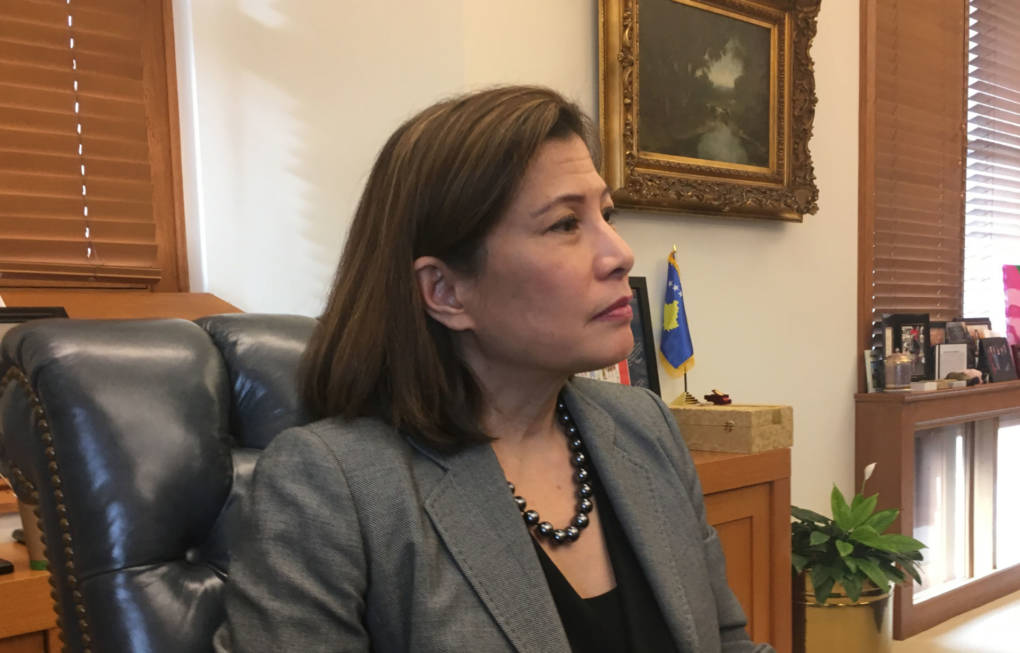
"caption": "California Supreme Court Chief Justice Tani Cantil-Sakauye.",
"description": "California Supreme Court Chief Justice Tani Cantil-Sakauye.",
"title": "RS23570_alt_571",
"credit": "Sukey Lewis/KQED",
"status": "inherit",
"isLoading": false,
"fetchFailed": false
},
"news_11357784": {
"type": "attachments",
"id": "news_11357784",
"meta": {
"index": "attachments_1716263798",
"site": "news",
"id": "11357784",
"found": true
},
"parent": 11357773,
"imgSizes": {
"small": {
"file": "https://ww2.kqed.org/app/uploads/sites/10/2017/03/RS24598_GettyImages-492659324-qut-520x347.jpg",
"width": 520,
"mimeType": "image/jpeg",
"height": 347
},
"twentyfourteen-full-width": {
"file": "https://ww2.kqed.org/app/uploads/sites/10/2017/03/RS24598_GettyImages-492659324-qut-1038x576.jpg",
"width": 1038,
"mimeType": "image/jpeg",
"height": 576
},
"thumbnail": {
"file": "https://ww2.kqed.org/app/uploads/sites/10/2017/03/RS24598_GettyImages-492659324-qut-160x107.jpg",
"width": 160,
"mimeType": "image/jpeg",
"height": 107
},
"fd-sm": {
"file": "https://ww2.kqed.org/app/uploads/sites/10/2017/03/RS24598_GettyImages-492659324-qut-960x640.jpg",
"width": 960,
"mimeType": "image/jpeg",
"height": 640
},
"post-thumbnail": {
"file": "https://ww2.kqed.org/app/uploads/sites/10/2017/03/RS24598_GettyImages-492659324-qut-672x372.jpg",
"width": 672,
"mimeType": "image/jpeg",
"height": 372
},
"xsmall": {
"file": "https://ww2.kqed.org/app/uploads/sites/10/2017/03/RS24598_GettyImages-492659324-qut-375x250.jpg",
"width": 375,
"mimeType": "image/jpeg",
"height": 250
},
"kqedFullSize": {
"file": "https://ww2.kqed.org/app/uploads/sites/10/2017/03/RS24598_GettyImages-492659324-qut.jpg",
"width": 1920,
"height": 1280
},
"large": {
"file": "https://ww2.kqed.org/app/uploads/sites/10/2017/03/RS24598_GettyImages-492659324-qut-1020x680.jpg",
"width": 1020,
"mimeType": "image/jpeg",
"height": 680
},
"xlarge": {
"file": "https://ww2.kqed.org/app/uploads/sites/10/2017/03/RS24598_GettyImages-492659324-qut-1180x787.jpg",
"width": 1180,
"mimeType": "image/jpeg",
"height": 787
},
"guest-author-50": {
"file": "https://ww2.kqed.org/app/uploads/sites/10/2017/03/RS24598_GettyImages-492659324-qut-50x50.jpg",
"width": 50,
"mimeType": "image/jpeg",
"height": 50
},
"guest-author-96": {
"file": "https://ww2.kqed.org/app/uploads/sites/10/2017/03/RS24598_GettyImages-492659324-qut-96x96.jpg",
"width": 96,
"mimeType": "image/jpeg",
"height": 96
},
"medium": {
"file": "https://ww2.kqed.org/app/uploads/sites/10/2017/03/RS24598_GettyImages-492659324-qut-800x533.jpg",
"width": 800,
"mimeType": "image/jpeg",
"height": 533
},
"guest-author-64": {
"file": "https://ww2.kqed.org/app/uploads/sites/10/2017/03/RS24598_GettyImages-492659324-qut-64x64.jpg",
"width": 64,
"mimeType": "image/jpeg",
"height": 64
},
"guest-author-32": {
"file": "https://ww2.kqed.org/app/uploads/sites/10/2017/03/RS24598_GettyImages-492659324-qut-32x32.jpg",
"width": 32,
"mimeType": "image/jpeg",
"height": 32
},
"fd-lrg": {
"file": "https://ww2.kqed.org/app/uploads/sites/10/2017/03/RS24598_GettyImages-492659324-qut-1920x1280.jpg",
"width": 1920,
"mimeType": "image/jpeg",
"height": 1280
},
"fd-med": {
"file": "https://ww2.kqed.org/app/uploads/sites/10/2017/03/RS24598_GettyImages-492659324-qut-1180x787.jpg",
"width": 1180,
"mimeType": "image/jpeg",
"height": 787
},
"full-width": {
"file": "https://ww2.kqed.org/app/uploads/sites/10/2017/03/RS24598_GettyImages-492659324-qut-1920x1280.jpg",
"width": 1920,
"mimeType": "image/jpeg",
"height": 1280
},
"detail": {
"file": "https://ww2.kqed.org/app/uploads/sites/10/2017/03/RS24598_GettyImages-492659324-qut-150x150.jpg",
"width": 150,
"mimeType": "image/jpeg",
"height": 150
},
"guest-author-128": {
"file": "https://ww2.kqed.org/app/uploads/sites/10/2017/03/RS24598_GettyImages-492659324-qut-128x128.jpg",
"width": 128,
"mimeType": "image/jpeg",
"height": 128
},
"xxsmall": {
"file": "https://ww2.kqed.org/app/uploads/sites/10/2017/03/RS24598_GettyImages-492659324-qut-240x160.jpg",
"width": 240,
"mimeType": "image/jpeg",
"height": 160
}
},
"publishDate": 1489441479,
"modified": 1498783179,
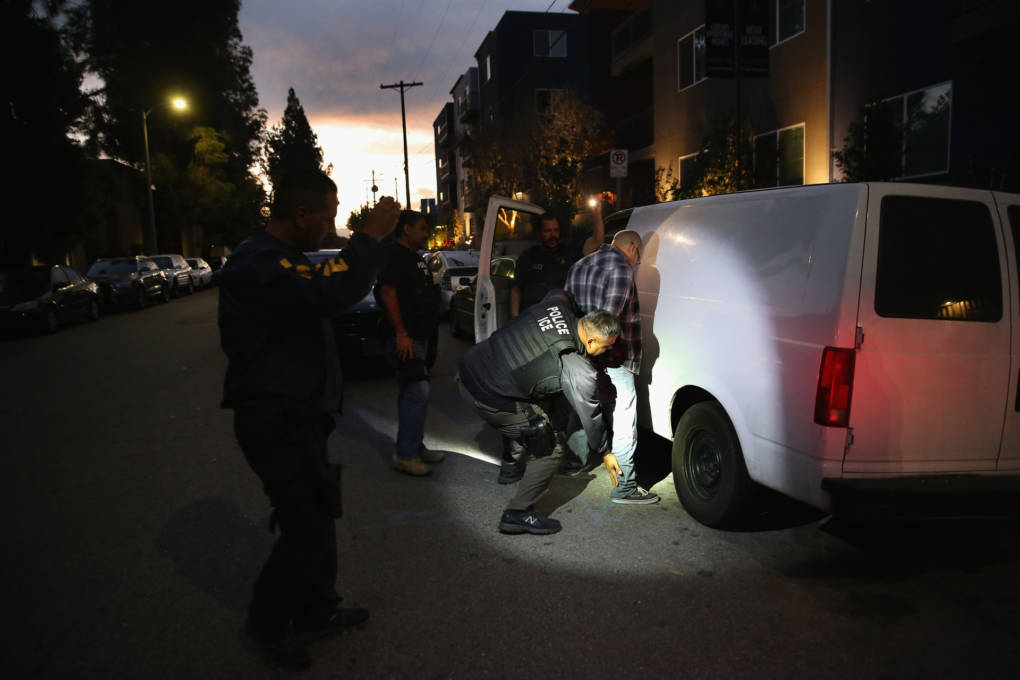
"caption": " A man is detained by Immigration and Customs Enforcement (ICE) agents early on Oct. 14, 2015, in Los Angeles.",
"description": null,
"title": "RS24598_GettyImages-492659324-qut",
"credit": "John Moore/Getty Images",
"status": "inherit",
"isLoading": false,
"fetchFailed": false
},
"news_11382101": {
"type": "attachments",
"id": "news_11382101",
"meta": {
"index": "attachments_1716263798",
"site": "news",
"id": "11382101",
"found": true
},
"parent": 11382097,
"imgSizes": {
"small": {
"file": "https://ww2.kqed.org/app/uploads/sites/10/2017/03/ImmigrantLockupCalmatters-520x358.jpg",
"width": 520,
"mimeType": "image/jpeg",
"height": 358
},
"twentyfourteen-full-width": {
"file": "https://ww2.kqed.org/app/uploads/sites/10/2017/03/ImmigrantLockupCalmatters-1038x576.jpg",
"width": 1038,
"mimeType": "image/jpeg",
"height": 576
},
"thumbnail": {
"file": "https://ww2.kqed.org/app/uploads/sites/10/2017/03/ImmigrantLockupCalmatters-160x110.jpg",
"width": 160,
"mimeType": "image/jpeg",
"height": 110
},
"fd-sm": {
"file": "https://ww2.kqed.org/app/uploads/sites/10/2017/03/ImmigrantLockupCalmatters-960x660.jpg",
"width": 960,
"mimeType": "image/jpeg",
"height": 660
},
"post-thumbnail": {
"file": "https://ww2.kqed.org/app/uploads/sites/10/2017/03/ImmigrantLockupCalmatters-672x372.jpg",
"width": 672,
"mimeType": "image/jpeg",
"height": 372
},
"xsmall": {
"file": "https://ww2.kqed.org/app/uploads/sites/10/2017/03/ImmigrantLockupCalmatters-375x258.jpg",
"width": 375,
"mimeType": "image/jpeg",
"height": 258
},
"kqedFullSize": {
"file": "https://ww2.kqed.org/app/uploads/sites/10/2017/03/ImmigrantLockupCalmatters.jpg",
"width": 1920,
"height": 1320
},
"large": {
"file": "https://ww2.kqed.org/app/uploads/sites/10/2017/03/ImmigrantLockupCalmatters-1020x701.jpg",
"width": 1020,
"mimeType": "image/jpeg",
"height": 701
},
"xlarge": {
"file": "https://ww2.kqed.org/app/uploads/sites/10/2017/03/ImmigrantLockupCalmatters-1180x811.jpg",
"width": 1180,
"mimeType": "image/jpeg",
"height": 811
},
"guest-author-50": {
"file": "https://ww2.kqed.org/app/uploads/sites/10/2017/03/ImmigrantLockupCalmatters-50x50.jpg",
"width": 50,
"mimeType": "image/jpeg",
"height": 50
},
"guest-author-96": {
"file": "https://ww2.kqed.org/app/uploads/sites/10/2017/03/ImmigrantLockupCalmatters-96x96.jpg",
"width": 96,
"mimeType": "image/jpeg",
"height": 96
},
"medium": {
"file": "https://ww2.kqed.org/app/uploads/sites/10/2017/03/ImmigrantLockupCalmatters-800x550.jpg",
"width": 800,
"mimeType": "image/jpeg",
"height": 550
},
"guest-author-64": {
"file": "https://ww2.kqed.org/app/uploads/sites/10/2017/03/ImmigrantLockupCalmatters-64x64.jpg",
"width": 64,
"mimeType": "image/jpeg",
"height": 64
},
"guest-author-32": {
"file": "https://ww2.kqed.org/app/uploads/sites/10/2017/03/ImmigrantLockupCalmatters-32x32.jpg",
"width": 32,
"mimeType": "image/jpeg",
"height": 32
},
"fd-lrg": {
"file": "https://ww2.kqed.org/app/uploads/sites/10/2017/03/ImmigrantLockupCalmatters-1920x1320.jpg",
"width": 1920,
"mimeType": "image/jpeg",
"height": 1320
},
"fd-med": {
"file": "https://ww2.kqed.org/app/uploads/sites/10/2017/03/ImmigrantLockupCalmatters-1180x811.jpg",
"width": 1180,
"mimeType": "image/jpeg",
"height": 811
},
"full-width": {
"file": "https://ww2.kqed.org/app/uploads/sites/10/2017/03/ImmigrantLockupCalmatters-1920x1320.jpg",
"width": 1920,
"mimeType": "image/jpeg",
"height": 1320
},
"detail": {
"file": "https://ww2.kqed.org/app/uploads/sites/10/2017/03/ImmigrantLockupCalmatters-150x150.jpg",
"width": 150,
"mimeType": "image/jpeg",
"height": 150
},
"guest-author-128": {
"file": "https://ww2.kqed.org/app/uploads/sites/10/2017/03/ImmigrantLockupCalmatters-128x128.jpg",
"width": 128,
"mimeType": "image/jpeg",
"height": 128
},
"xxsmall": {
"file": "https://ww2.kqed.org/app/uploads/sites/10/2017/03/ImmigrantLockupCalmatters-240x165.jpg",
"width": 240,
"mimeType": "image/jpeg",
"height": 165
}
},
"publishDate": 1490823955,
"modified": 1490823995,
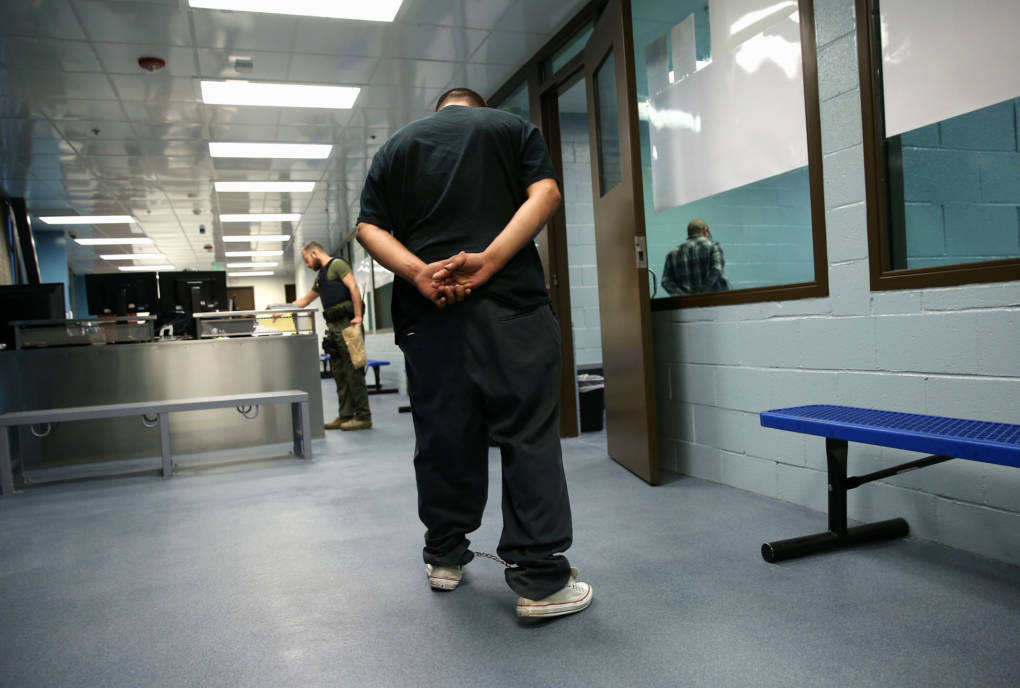
"caption": "A guard escorts an immigrant detainee at the Adelanto Detention Facility, the largest Immigration and Customs Enforcement detention center in California.",
"description": "A guard escorts an immigrant detainee at the Adelanto Detention Facility, the largest Immigration and Customs Enforcement detention center in California.",
"title": "ImmigrantLockupCalmatters",
"credit": "John Moore/Getty Images",
"status": "inherit",
"isLoading": false,
"fetchFailed": false
},
"news_11379080": {
"type": "attachments",
"id": "news_11379080",
"meta": {
"index": "attachments_1716263798",
"site": "news",
"id": "11379080",
"found": true
},
"parent": 11378999,
"imgSizes": {
"small": {
"file": "https://ww2.kqed.org/app/uploads/sites/10/2017/03/RS24782_GettyImages-545534878-qut-520x330.jpg",
"width": 520,
"mimeType": "image/jpeg",
"height": 330
},
"twentyfourteen-full-width": {
"file": "https://ww2.kqed.org/app/uploads/sites/10/2017/03/RS24782_GettyImages-545534878-qut-1038x576.jpg",
"width": 1038,
"mimeType": "image/jpeg",
"height": 576
},
"thumbnail": {
"file": "https://ww2.kqed.org/app/uploads/sites/10/2017/03/RS24782_GettyImages-545534878-qut-160x102.jpg",
"width": 160,
"mimeType": "image/jpeg",
"height": 102
},
"fd-sm": {
"file": "https://ww2.kqed.org/app/uploads/sites/10/2017/03/RS24782_GettyImages-545534878-qut-960x610.jpg",
"width": 960,
"mimeType": "image/jpeg",
"height": 610
},
"post-thumbnail": {
"file": "https://ww2.kqed.org/app/uploads/sites/10/2017/03/RS24782_GettyImages-545534878-qut-672x372.jpg",
"width": 672,
"mimeType": "image/jpeg",
"height": 372
},
"xsmall": {
"file": "https://ww2.kqed.org/app/uploads/sites/10/2017/03/RS24782_GettyImages-545534878-qut-375x238.jpg",
"width": 375,
"mimeType": "image/jpeg",
"height": 238
},
"kqedFullSize": {
"file": "https://ww2.kqed.org/app/uploads/sites/10/2017/03/RS24782_GettyImages-545534878-qut.jpg",
"width": 1920,
"height": 1219
},
"large": {
"file": "https://ww2.kqed.org/app/uploads/sites/10/2017/03/RS24782_GettyImages-545534878-qut-1020x648.jpg",
"width": 1020,
"mimeType": "image/jpeg",
"height": 648
},
"xlarge": {
"file": "https://ww2.kqed.org/app/uploads/sites/10/2017/03/RS24782_GettyImages-545534878-qut-1180x749.jpg",
"width": 1180,
"mimeType": "image/jpeg",
"height": 749
},
"guest-author-50": {
"file": "https://ww2.kqed.org/app/uploads/sites/10/2017/03/RS24782_GettyImages-545534878-qut-50x50.jpg",
"width": 50,
"mimeType": "image/jpeg",
"height": 50
},
"guest-author-96": {
"file": "https://ww2.kqed.org/app/uploads/sites/10/2017/03/RS24782_GettyImages-545534878-qut-96x96.jpg",
"width": 96,
"mimeType": "image/jpeg",
"height": 96
},
"medium": {
"file": "https://ww2.kqed.org/app/uploads/sites/10/2017/03/RS24782_GettyImages-545534878-qut-800x508.jpg",
"width": 800,
"mimeType": "image/jpeg",
"height": 508
},
"guest-author-64": {
"file": "https://ww2.kqed.org/app/uploads/sites/10/2017/03/RS24782_GettyImages-545534878-qut-64x64.jpg",
"width": 64,
"mimeType": "image/jpeg",
"height": 64
},
"guest-author-32": {
"file": "https://ww2.kqed.org/app/uploads/sites/10/2017/03/RS24782_GettyImages-545534878-qut-32x32.jpg",
"width": 32,
"mimeType": "image/jpeg",
"height": 32
},
"fd-lrg": {
"file": "https://ww2.kqed.org/app/uploads/sites/10/2017/03/RS24782_GettyImages-545534878-qut-1920x1219.jpg",
"width": 1920,
"mimeType": "image/jpeg",
"height": 1219
},
"fd-med": {
"file": "https://ww2.kqed.org/app/uploads/sites/10/2017/03/RS24782_GettyImages-545534878-qut-1180x749.jpg",
"width": 1180,
"mimeType": "image/jpeg",
"height": 749
},
"full-width": {
"file": "https://ww2.kqed.org/app/uploads/sites/10/2017/03/RS24782_GettyImages-545534878-qut-1920x1219.jpg",
"width": 1920,
"mimeType": "image/jpeg",
"height": 1219
},
"detail": {
"file": "https://ww2.kqed.org/app/uploads/sites/10/2017/03/RS24782_GettyImages-545534878-qut-150x150.jpg",
"width": 150,
"mimeType": "image/jpeg",
"height": 150
},
"guest-author-128": {
"file": "https://ww2.kqed.org/app/uploads/sites/10/2017/03/RS24782_GettyImages-545534878-qut-128x128.jpg",
"width": 128,
"mimeType": "image/jpeg",
"height": 128
},
"xxsmall": {
"file": "https://ww2.kqed.org/app/uploads/sites/10/2017/03/RS24782_GettyImages-545534878-qut-240x152.jpg",
"width": 240,
"mimeType": "image/jpeg",
"height": 152
}
},
"publishDate": 1490660092,
"modified": 1490660142,
"caption": "In 2016, the City of Los Angeles received a grant to help fund 25 positions.",
"description": null,
"title": "RS24782_GettyImages-545534878-qut",
"credit": "Frederic J. Brown/AFP/Getty Images",
"status": "inherit",
"isLoading": false,
"fetchFailed": false
},
"news_11374186": {
"type": "attachments",
"id": "news_11374186",
"meta": {
"index": "attachments_1716263798",
"site": "news",
"id": "11374186",
"found": true
},
"parent": 11374185,
"imgSizes": {
"small": {
"file": "https://ww2.kqed.org/app/uploads/sites/10/2017/03/cantil-still-520x293.jpg",
"width": 520,
"mimeType": "image/jpeg",
"height": 293
},
"twentyfourteen-full-width": {
"file": "https://ww2.kqed.org/app/uploads/sites/10/2017/03/cantil-still-1038x576.jpg",
"width": 1038,
"mimeType": "image/jpeg",
"height": 576
},
"thumbnail": {
"file": "https://ww2.kqed.org/app/uploads/sites/10/2017/03/cantil-still-160x90.jpg",
"width": 160,
"mimeType": "image/jpeg",
"height": 90
},
"fd-sm": {
"file": "https://ww2.kqed.org/app/uploads/sites/10/2017/03/cantil-still-960x540.jpg",
"width": 960,
"mimeType": "image/jpeg",
"height": 540
},
"post-thumbnail": {
"file": "https://ww2.kqed.org/app/uploads/sites/10/2017/03/cantil-still-672x372.jpg",
"width": 672,
"mimeType": "image/jpeg",
"height": 372
},
"xsmall": {
"file": "https://ww2.kqed.org/app/uploads/sites/10/2017/03/cantil-still-375x211.jpg",
"width": 375,
"mimeType": "image/jpeg",
"height": 211
},
"kqedFullSize": {
"file": "https://ww2.kqed.org/app/uploads/sites/10/2017/03/cantil-still.jpg",
"width": 1280,
"height": 720
},
"large": {
"file": "https://ww2.kqed.org/app/uploads/sites/10/2017/03/cantil-still-1020x574.jpg",
"width": 1020,
"mimeType": "image/jpeg",
"height": 574
},
"xlarge": {
"file": "https://ww2.kqed.org/app/uploads/sites/10/2017/03/cantil-still-1180x664.jpg",
"width": 1180,
"mimeType": "image/jpeg",
"height": 664
},
"guest-author-50": {
"file": "https://ww2.kqed.org/app/uploads/sites/10/2017/03/cantil-still-50x50.jpg",
"width": 50,
"mimeType": "image/jpeg",
"height": 50
},
"guest-author-96": {
"file": "https://ww2.kqed.org/app/uploads/sites/10/2017/03/cantil-still-96x96.jpg",
"width": 96,
"mimeType": "image/jpeg",
"height": 96
},
"medium": {
"file": "https://ww2.kqed.org/app/uploads/sites/10/2017/03/cantil-still-800x450.jpg",
"width": 800,
"mimeType": "image/jpeg",
"height": 450
},
"guest-author-64": {
"file": "https://ww2.kqed.org/app/uploads/sites/10/2017/03/cantil-still-64x64.jpg",
"width": 64,
"mimeType": "image/jpeg",
"height": 64
},
"guest-author-32": {
"file": "https://ww2.kqed.org/app/uploads/sites/10/2017/03/cantil-still-32x32.jpg",
"width": 32,
"mimeType": "image/jpeg",
"height": 32
},
"fd-med": {
"file": "https://ww2.kqed.org/app/uploads/sites/10/2017/03/cantil-still-1180x664.jpg",
"width": 1180,
"mimeType": "image/jpeg",
"height": 664
},
"detail": {
"file": "https://ww2.kqed.org/app/uploads/sites/10/2017/03/cantil-still-150x150.jpg",
"width": 150,
"mimeType": "image/jpeg",
"height": 150
},
"guest-author-128": {
"file": "https://ww2.kqed.org/app/uploads/sites/10/2017/03/cantil-still-128x128.jpg",
"width": 128,
"mimeType": "image/jpeg",
"height": 128
},
"xxsmall": {
"file": "https://ww2.kqed.org/app/uploads/sites/10/2017/03/cantil-still-240x135.jpg",
"width": 240,
"mimeType": "image/jpeg",
"height": 135
}
},
"publishDate": 1490384950,
"modified": 1490385522,
"caption": "California Chief Justice Tani Cantil-Sakauye in studio at KQED on March 23, 2017. ",
"description": null,
"title": "cantil still",
"credit": "Sheraz Sadiq / KQED ",
"status": "inherit",
"isLoading": false,
"fetchFailed": false
},
"news_11336857": {
"type": "attachments",
"id": "news_11336857",
"meta": {
"index": "attachments_1716263798",
"site": "news",
"id": "11336857",
"found": true
},
"title": "ICEDetainee",
"publishDate": 1488241734,
"status": "inherit",
"parent": 11336767,
"modified": 1722550121,
"caption": "An immigrant walks in chains through a U.S. Immigration and Customs Enforcement (ICE) processing center after being detained in 2015.",
"credit": "John Moore/Getty Images",
"altTag": "A person wearing dark-colored clothes and white shoes has their legs bound together with cuffs.",
"description": "An immigrant walks in chains through a U.S. Immigration and Customs Enforcement (ICE), processing center after being detained in 2015. ",
"imgSizes": {
"thumbnail": {
"file": "https://cdn.kqed.org/wp-content/uploads/sites/10/2017/02/ICEDetainee-160x108.jpg",
"width": 160,
"height": 108,
"mimeType": "image/jpeg"
},
"medium": {
"file": "https://cdn.kqed.org/wp-content/uploads/sites/10/2017/02/ICEDetainee-800x540.jpg",
"width": 800,
"height": 540,
"mimeType": "image/jpeg"
},
"large": {
"file": "https://cdn.kqed.org/wp-content/uploads/sites/10/2017/02/ICEDetainee-1020x688.jpg",
"width": 1020,
"height": 688,
"mimeType": "image/jpeg"
},
"fd-lrg": {
"file": "https://cdn.kqed.org/wp-content/uploads/sites/10/2017/02/ICEDetainee-1920x1295.jpg",
"width": 1920,
"height": 1295,
"mimeType": "image/jpeg"
},
"fd-med": {
"file": "https://cdn.kqed.org/wp-content/uploads/sites/10/2017/02/ICEDetainee-1180x796.jpg",
"width": 1180,
"height": 796,
"mimeType": "image/jpeg"
},
"fd-sm": {
"file": "https://cdn.kqed.org/wp-content/uploads/sites/10/2017/02/ICEDetainee-960x648.jpg",
"width": 960,
"height": 648,
"mimeType": "image/jpeg"
},
"post-thumbnail": {
"file": "https://cdn.kqed.org/wp-content/uploads/sites/10/2017/02/ICEDetainee-672x372.jpg",
"width": 672,
"height": 372,
"mimeType": "image/jpeg"
},
"twentyfourteen-full-width": {
"file": "https://cdn.kqed.org/wp-content/uploads/sites/10/2017/02/ICEDetainee-1038x576.jpg",
"width": 1038,
"height": 576,
"mimeType": "image/jpeg"
},
"xxsmall": {
"file": "https://cdn.kqed.org/wp-content/uploads/sites/10/2017/02/ICEDetainee-240x162.jpg",
"width": 240,
"height": 162,
"mimeType": "image/jpeg"
},
"xsmall": {
"file": "https://cdn.kqed.org/wp-content/uploads/sites/10/2017/02/ICEDetainee-375x253.jpg",
"width": 375,
"height": 253,
"mimeType": "image/jpeg"
},
"small": {
"file": "https://cdn.kqed.org/wp-content/uploads/sites/10/2017/02/ICEDetainee-520x351.jpg",
"width": 520,
"height": 351,
"mimeType": "image/jpeg"
},
"xlarge": {
"file": "https://cdn.kqed.org/wp-content/uploads/sites/10/2017/02/ICEDetainee-1180x796.jpg",
"width": 1180,
"height": 796,
"mimeType": "image/jpeg"
},
"full-width": {
"file": "https://cdn.kqed.org/wp-content/uploads/sites/10/2017/02/ICEDetainee-1920x1295.jpg",
"width": 1920,
"height": 1295,
"mimeType": "image/jpeg"
},
"guest-author-32": {
"file": "https://cdn.kqed.org/wp-content/uploads/sites/10/2017/02/ICEDetainee-32x32.jpg",
"width": 32,
"height": 32,
"mimeType": "image/jpeg"
},
"guest-author-50": {
"file": "https://cdn.kqed.org/wp-content/uploads/sites/10/2017/02/ICEDetainee-50x50.jpg",
"width": 50,
"height": 50,
"mimeType": "image/jpeg"
},
"guest-author-64": {
"file": "https://cdn.kqed.org/wp-content/uploads/sites/10/2017/02/ICEDetainee-64x64.jpg",
"width": 64,
"height": 64,
"mimeType": "image/jpeg"
},
"guest-author-96": {
"file": "https://cdn.kqed.org/wp-content/uploads/sites/10/2017/02/ICEDetainee-96x96.jpg",
"width": 96,
"height": 96,
"mimeType": "image/jpeg"
},
"guest-author-128": {
"file": "https://cdn.kqed.org/wp-content/uploads/sites/10/2017/02/ICEDetainee-128x128.jpg",
"width": 128,
"height": 128,
"mimeType": "image/jpeg"
},
"detail": {
"file": "https://cdn.kqed.org/wp-content/uploads/sites/10/2017/02/ICEDetainee-150x150.jpg",
"width": 150,
"height": 150,
"mimeType": "image/jpeg"
},
"kqedFullSize": {
"file": "https://cdn.kqed.org/wp-content/uploads/sites/10/2017/02/ICEDetainee.jpg",
"width": 1920,
"height": 1295
}
},
"isLoading": false,
"fetchFailed": false
},
"news_11353448": {
"type": "attachments",
"id": "news_11353448",
"meta": {
"index": "attachments_1716263798",
"site": "news",
"id": "11353448",
"found": true
},
"parent": 11353297,
"imgSizes": {
"small": {
"file": "https://ww2.kqed.org/app/uploads/sites/10/2017/03/DetentionHeader-520x288.jpg",
"width": 520,
"mimeType": "image/jpeg",
"height": 288
},
"twentyfourteen-full-width": {
"file": "https://ww2.kqed.org/app/uploads/sites/10/2017/03/DetentionHeader-1038x576.jpg",
"width": 1038,
"mimeType": "image/jpeg",
"height": 576
},
"thumbnail": {
"file": "https://ww2.kqed.org/app/uploads/sites/10/2017/03/DetentionHeader-160x89.jpg",
"width": 160,
"mimeType": "image/jpeg",
"height": 89
},
"fd-sm": {
"file": "https://ww2.kqed.org/app/uploads/sites/10/2017/03/DetentionHeader-960x532.jpg",
"width": 960,
"mimeType": "image/jpeg",
"height": 532
},
"post-thumbnail": {
"file": "https://ww2.kqed.org/app/uploads/sites/10/2017/03/DetentionHeader-672x372.jpg",
"width": 672,
"mimeType": "image/jpeg",
"height": 372
},
"xsmall": {
"file": "https://ww2.kqed.org/app/uploads/sites/10/2017/03/DetentionHeader-375x208.jpg",
"width": 375,
"mimeType": "image/jpeg",
"height": 208
},
"kqedFullSize": {
"file": "https://ww2.kqed.org/app/uploads/sites/10/2017/03/DetentionHeader.jpg",
"width": 1920,
"height": 1063
},
"large": {
"file": "https://ww2.kqed.org/app/uploads/sites/10/2017/03/DetentionHeader-1020x565.jpg",
"width": 1020,
"mimeType": "image/jpeg",
"height": 565
},
"xlarge": {
"file": "https://ww2.kqed.org/app/uploads/sites/10/2017/03/DetentionHeader-1180x653.jpg",
"width": 1180,
"mimeType": "image/jpeg",
"height": 653
},
"guest-author-50": {
"file": "https://ww2.kqed.org/app/uploads/sites/10/2017/03/DetentionHeader-50x50.jpg",
"width": 50,
"mimeType": "image/jpeg",
"height": 50
},
"guest-author-96": {
"file": "https://ww2.kqed.org/app/uploads/sites/10/2017/03/DetentionHeader-96x96.jpg",
"width": 96,
"mimeType": "image/jpeg",
"height": 96
},
"medium": {
"file": "https://ww2.kqed.org/app/uploads/sites/10/2017/03/DetentionHeader-800x443.jpg",
"width": 800,
"mimeType": "image/jpeg",
"height": 443
},
"guest-author-64": {
"file": "https://ww2.kqed.org/app/uploads/sites/10/2017/03/DetentionHeader-64x64.jpg",
"width": 64,
"mimeType": "image/jpeg",
"height": 64
},
"guest-author-32": {
"file": "https://ww2.kqed.org/app/uploads/sites/10/2017/03/DetentionHeader-32x32.jpg",
"width": 32,
"mimeType": "image/jpeg",
"height": 32
},
"fd-lrg": {
"file": "https://ww2.kqed.org/app/uploads/sites/10/2017/03/DetentionHeader-1920x1063.jpg",
"width": 1920,
"mimeType": "image/jpeg",
"height": 1063
},
"fd-med": {
"file": "https://ww2.kqed.org/app/uploads/sites/10/2017/03/DetentionHeader-1180x653.jpg",
"width": 1180,
"mimeType": "image/jpeg",
"height": 653
},
"full-width": {
"file": "https://ww2.kqed.org/app/uploads/sites/10/2017/03/DetentionHeader-1920x1063.jpg",
"width": 1920,
"mimeType": "image/jpeg",
"height": 1063
},
"detail": {
"file": "https://ww2.kqed.org/app/uploads/sites/10/2017/03/DetentionHeader-150x150.jpg",
"width": 150,
"mimeType": "image/jpeg",
"height": 150
},
"guest-author-128": {
"file": "https://ww2.kqed.org/app/uploads/sites/10/2017/03/DetentionHeader-128x128.jpg",
"width": 128,
"mimeType": "image/jpeg",
"height": 128
},
"xxsmall": {
"file": "https://ww2.kqed.org/app/uploads/sites/10/2017/03/DetentionHeader-240x133.jpg",
"width": 240,
"mimeType": "image/jpeg",
"height": 133
}
},
"publishDate": 1489184896,
"modified": 1489184896,
"caption": null,
"description": null,
"title": "DetentionHeader",
"credit": null,
"status": "inherit",
"isLoading": false,
"fetchFailed": false
},
"news_11342774": {
"type": "attachments",
"id": "news_11342774",
"meta": {
"index": "attachments_1716263798",
"site": "news",
"id": "11342774",
"found": true
},
"parent": 11342705,
"imgSizes": {
"small": {
"file": "https://ww2.kqed.org/app/uploads/sites/10/2017/03/IMG_3270-520x390.jpg",
"width": 520,
"mimeType": "image/jpeg",
"height": 390
},
"twentyfourteen-full-width": {
"file": "https://ww2.kqed.org/app/uploads/sites/10/2017/03/IMG_3270-1038x576.jpg",
"width": 1038,
"mimeType": "image/jpeg",
"height": 576
},
"thumbnail": {
"file": "https://ww2.kqed.org/app/uploads/sites/10/2017/03/IMG_3270-160x120.jpg",
"width": 160,
"mimeType": "image/jpeg",
"height": 120
},
"fd-sm": {
"file": "https://ww2.kqed.org/app/uploads/sites/10/2017/03/IMG_3270-960x720.jpg",
"width": 960,
"mimeType": "image/jpeg",
"height": 720
},
"post-thumbnail": {
"file": "https://ww2.kqed.org/app/uploads/sites/10/2017/03/IMG_3270-672x372.jpg",
"width": 672,
"mimeType": "image/jpeg",
"height": 372
},
"xsmall": {
"file": "https://ww2.kqed.org/app/uploads/sites/10/2017/03/IMG_3270-375x281.jpg",
"width": 375,
"mimeType": "image/jpeg",
"height": 281
},
"kqedFullSize": {
"file": "https://ww2.kqed.org/app/uploads/sites/10/2017/03/IMG_3270-e1488580359591.jpg",
"width": 1920,
"height": 1440
},
"large": {
"file": "https://ww2.kqed.org/app/uploads/sites/10/2017/03/IMG_3270-1020x765.jpg",
"width": 1020,
"mimeType": "image/jpeg",
"height": 765
},
"xlarge": {
"file": "https://ww2.kqed.org/app/uploads/sites/10/2017/03/IMG_3270-1180x885.jpg",
"width": 1180,
"mimeType": "image/jpeg",
"height": 885
},
"guest-author-50": {
"file": "https://ww2.kqed.org/app/uploads/sites/10/2017/03/IMG_3270-50x50.jpg",
"width": 50,
"mimeType": "image/jpeg",
"height": 50
},
"guest-author-96": {
"file": "https://ww2.kqed.org/app/uploads/sites/10/2017/03/IMG_3270-96x96.jpg",
"width": 96,
"mimeType": "image/jpeg",
"height": 96
},
"medium": {
"file": "https://ww2.kqed.org/app/uploads/sites/10/2017/03/IMG_3270-800x600.jpg",
"width": 800,
"mimeType": "image/jpeg",
"height": 600
},
"guest-author-64": {
"file": "https://ww2.kqed.org/app/uploads/sites/10/2017/03/IMG_3270-64x64.jpg",
"width": 64,
"mimeType": "image/jpeg",
"height": 64
},
"guest-author-32": {
"file": "https://ww2.kqed.org/app/uploads/sites/10/2017/03/IMG_3270-32x32.jpg",
"width": 32,
"mimeType": "image/jpeg",
"height": 32
},
"fd-lrg": {
"file": "https://ww2.kqed.org/app/uploads/sites/10/2017/03/IMG_3270-1920x1440.jpg",
"width": 1920,
"mimeType": "image/jpeg",
"height": 1440
},
"fd-med": {
"file": "https://ww2.kqed.org/app/uploads/sites/10/2017/03/IMG_3270-1180x885.jpg",
"width": 1180,
"mimeType": "image/jpeg",
"height": 885
},
"full-width": {
"file": "https://ww2.kqed.org/app/uploads/sites/10/2017/03/IMG_3270-1920x1440.jpg",
"width": 1920,
"mimeType": "image/jpeg",
"height": 1440
},
"detail": {
"file": "https://ww2.kqed.org/app/uploads/sites/10/2017/03/IMG_3270-150x150.jpg",
"width": 150,
"mimeType": "image/jpeg",
"height": 150
},
"guest-author-128": {
"file": "https://ww2.kqed.org/app/uploads/sites/10/2017/03/IMG_3270-128x128.jpg",
"width": 128,
"mimeType": "image/jpeg",
"height": 128
},
"xxsmall": {
"file": "https://ww2.kqed.org/app/uploads/sites/10/2017/03/IMG_3270-240x180.jpg",
"width": 240,
"mimeType": "image/jpeg",
"height": 180
}
},
"publishDate": 1488571232,
"modified": 1488581891,
"caption": "Sgt. Elisa Magallanes books a newly arrested man at the Fresno County Jail. ",
"description": "Sergeant Elisa Magallanes books a newly arrested man at the Fresno County Jail. ",
"title": "Fresno County Jail",
"credit": "Vanessa Rancano/KQED",
"status": "inherit",
"isLoading": false,
"fetchFailed": false
},
"news_11332286": {
"type": "attachments",
"id": "news_11332286",
"meta": {
"index": "attachments_1716263798",
"site": "news",
"id": "11332286",
"found": true
},
"parent": 11332189,
"imgSizes": {
"small": {
"file": "https://ww2.kqed.org/app/uploads/sites/10/2017/02/RS24364_Angelica-2-qut-520x347.jpg",
"width": 520,
"mimeType": "image/jpeg",
"height": 347
},
"twentyfourteen-full-width": {
"file": "https://ww2.kqed.org/app/uploads/sites/10/2017/02/RS24364_Angelica-2-qut-1038x576.jpg",
"width": 1038,
"mimeType": "image/jpeg",
"height": 576
},
"thumbnail": {
"file": "https://ww2.kqed.org/app/uploads/sites/10/2017/02/RS24364_Angelica-2-qut-160x107.jpg",
"width": 160,
"mimeType": "image/jpeg",
"height": 107
},
"fd-sm": {
"file": "https://ww2.kqed.org/app/uploads/sites/10/2017/02/RS24364_Angelica-2-qut-960x640.jpg",
"width": 960,
"mimeType": "image/jpeg",
"height": 640
},
"post-thumbnail": {
"file": "https://ww2.kqed.org/app/uploads/sites/10/2017/02/RS24364_Angelica-2-qut-672x372.jpg",
"width": 672,
"mimeType": "image/jpeg",
"height": 372
},
"xsmall": {
"file": "https://ww2.kqed.org/app/uploads/sites/10/2017/02/RS24364_Angelica-2-qut-375x250.jpg",
"width": 375,
"mimeType": "image/jpeg",
"height": 250
},
"kqedFullSize": {
"file": "https://ww2.kqed.org/app/uploads/sites/10/2017/02/RS24364_Angelica-2-qut.jpg",
"width": 1920,
"height": 1280
},
"large": {
"file": "https://ww2.kqed.org/app/uploads/sites/10/2017/02/RS24364_Angelica-2-qut-1020x680.jpg",
"width": 1020,
"mimeType": "image/jpeg",
"height": 680
},
"xlarge": {
"file": "https://ww2.kqed.org/app/uploads/sites/10/2017/02/RS24364_Angelica-2-qut-1180x787.jpg",
"width": 1180,
"mimeType": "image/jpeg",
"height": 787
},
"guest-author-50": {
"file": "https://ww2.kqed.org/app/uploads/sites/10/2017/02/RS24364_Angelica-2-qut-50x50.jpg",
"width": 50,
"mimeType": "image/jpeg",
"height": 50
},
"guest-author-96": {
"file": "https://ww2.kqed.org/app/uploads/sites/10/2017/02/RS24364_Angelica-2-qut-96x96.jpg",
"width": 96,
"mimeType": "image/jpeg",
"height": 96
},
"medium": {
"file": "https://ww2.kqed.org/app/uploads/sites/10/2017/02/RS24364_Angelica-2-qut-800x533.jpg",
"width": 800,
"mimeType": "image/jpeg",
"height": 533
},
"guest-author-64": {
"file": "https://ww2.kqed.org/app/uploads/sites/10/2017/02/RS24364_Angelica-2-qut-64x64.jpg",
"width": 64,
"mimeType": "image/jpeg",
"height": 64
},
"guest-author-32": {
"file": "https://ww2.kqed.org/app/uploads/sites/10/2017/02/RS24364_Angelica-2-qut-32x32.jpg",
"width": 32,
"mimeType": "image/jpeg",
"height": 32
},
"fd-lrg": {
"file": "https://ww2.kqed.org/app/uploads/sites/10/2017/02/RS24364_Angelica-2-qut-1920x1280.jpg",
"width": 1920,
"mimeType": "image/jpeg",
"height": 1280
},
"fd-med": {
"file": "https://ww2.kqed.org/app/uploads/sites/10/2017/02/RS24364_Angelica-2-qut-1180x787.jpg",
"width": 1180,
"mimeType": "image/jpeg",
"height": 787
},
"full-width": {
"file": "https://ww2.kqed.org/app/uploads/sites/10/2017/02/RS24364_Angelica-2-qut-1920x1280.jpg",
"width": 1920,
"mimeType": "image/jpeg",
"height": 1280
},
"detail": {
"file": "https://ww2.kqed.org/app/uploads/sites/10/2017/02/RS24364_Angelica-2-qut-150x150.jpg",
"width": 150,
"mimeType": "image/jpeg",
"height": 150
},
"guest-author-128": {
"file": "https://ww2.kqed.org/app/uploads/sites/10/2017/02/RS24364_Angelica-2-qut-128x128.jpg",
"width": 128,
"mimeType": "image/jpeg",
"height": 128
},
"xxsmall": {
"file": "https://ww2.kqed.org/app/uploads/sites/10/2017/02/RS24364_Angelica-2-qut-240x160.jpg",
"width": 240,
"mimeType": "image/jpeg",
"height": 160
}
},
"publishDate": 1487982250,
"modified": 1487982317,
"caption": "ACLU attorney Angélica Salceda gives a presentation about how to interact with immigration agents at a meeting in Mendota.",
"description": null,
"title": "Angélica Salceda",
"credit": "Vanessa Rancano/KQED",
"status": "inherit",
"isLoading": false,
"fetchFailed": false
},
"news_11334940": {
"type": "attachments",
"id": "news_11334940",
"meta": {
"index": "attachments_1716263798",
"site": "news",
"id": "11334940",
"found": true
},
"parent": 11334746,
"imgSizes": {
"small": {
"file": "https://ww2.kqed.org/app/uploads/sites/10/2017/02/RS24270_GettyImages-635148734-qut-520x347.jpg",
"width": 520,
"mimeType": "image/jpeg",
"height": 347
},
"twentyfourteen-full-width": {
"file": "https://ww2.kqed.org/app/uploads/sites/10/2017/02/RS24270_GettyImages-635148734-qut-1038x576.jpg",
"width": 1038,
"mimeType": "image/jpeg",
"height": 576
},
"thumbnail": {
"file": "https://ww2.kqed.org/app/uploads/sites/10/2017/02/RS24270_GettyImages-635148734-qut-160x107.jpg",
"width": 160,
"mimeType": "image/jpeg",
"height": 107
},
"fd-sm": {
"file": "https://ww2.kqed.org/app/uploads/sites/10/2017/02/RS24270_GettyImages-635148734-qut-960x640.jpg",
"width": 960,
"mimeType": "image/jpeg",
"height": 640
},
"post-thumbnail": {
"file": "https://ww2.kqed.org/app/uploads/sites/10/2017/02/RS24270_GettyImages-635148734-qut-672x372.jpg",
"width": 672,
"mimeType": "image/jpeg",
"height": 372
},
"xsmall": {
"file": "https://ww2.kqed.org/app/uploads/sites/10/2017/02/RS24270_GettyImages-635148734-qut-375x250.jpg",
"width": 375,
"mimeType": "image/jpeg",
"height": 250
},
"kqedFullSize": {
"file": "https://ww2.kqed.org/app/uploads/sites/10/2017/02/RS24270_GettyImages-635148734-qut.jpg",
"width": 1920,
"height": 1280
},
"large": {
"file": "https://ww2.kqed.org/app/uploads/sites/10/2017/02/RS24270_GettyImages-635148734-qut-1020x680.jpg",
"width": 1020,
"mimeType": "image/jpeg",
"height": 680
},
"xlarge": {
"file": "https://ww2.kqed.org/app/uploads/sites/10/2017/02/RS24270_GettyImages-635148734-qut-1180x787.jpg",
"width": 1180,
"mimeType": "image/jpeg",
"height": 787
},
"guest-author-50": {
"file": "https://ww2.kqed.org/app/uploads/sites/10/2017/02/RS24270_GettyImages-635148734-qut-50x50.jpg",
"width": 50,
"mimeType": "image/jpeg",
"height": 50
},
"guest-author-96": {
"file": "https://ww2.kqed.org/app/uploads/sites/10/2017/02/RS24270_GettyImages-635148734-qut-96x96.jpg",
"width": 96,
"mimeType": "image/jpeg",
"height": 96
},
"medium": {
"file": "https://ww2.kqed.org/app/uploads/sites/10/2017/02/RS24270_GettyImages-635148734-qut-800x533.jpg",
"width": 800,
"mimeType": "image/jpeg",
"height": 533
},
"guest-author-64": {
"file": "https://ww2.kqed.org/app/uploads/sites/10/2017/02/RS24270_GettyImages-635148734-qut-64x64.jpg",
"width": 64,
"mimeType": "image/jpeg",
"height": 64
},
"guest-author-32": {
"file": "https://ww2.kqed.org/app/uploads/sites/10/2017/02/RS24270_GettyImages-635148734-qut-32x32.jpg",
"width": 32,
"mimeType": "image/jpeg",
"height": 32
},
"fd-lrg": {
"file": "https://ww2.kqed.org/app/uploads/sites/10/2017/02/RS24270_GettyImages-635148734-qut-1920x1280.jpg",
"width": 1920,
"mimeType": "image/jpeg",
"height": 1280
},
"fd-med": {
"file": "https://ww2.kqed.org/app/uploads/sites/10/2017/02/RS24270_GettyImages-635148734-qut-1180x787.jpg",
"width": 1180,
"mimeType": "image/jpeg",
"height": 787
},
"full-width": {
"file": "https://ww2.kqed.org/app/uploads/sites/10/2017/02/RS24270_GettyImages-635148734-qut-1920x1280.jpg",
"width": 1920,
"mimeType": "image/jpeg",
"height": 1280
},
"detail": {
"file": "https://ww2.kqed.org/app/uploads/sites/10/2017/02/RS24270_GettyImages-635148734-qut-150x150.jpg",
"width": 150,
"mimeType": "image/jpeg",
"height": 150
},
"guest-author-128": {
"file": "https://ww2.kqed.org/app/uploads/sites/10/2017/02/RS24270_GettyImages-635148734-qut-128x128.jpg",
"width": 128,
"mimeType": "image/jpeg",
"height": 128
},
"xxsmall": {
"file": "https://ww2.kqed.org/app/uploads/sites/10/2017/02/RS24270_GettyImages-635148734-qut-240x160.jpg",
"width": 240,
"mimeType": "image/jpeg",
"height": 160
}
},
"publishDate": 1488137932,
"modified": 1488138096,
"caption": "U.S. Immigration and Customs Enforcement agents during a an enforcement operation in Atlanta on Feb. 9, 2017.",
"description": "U.S. Immigration and Customs Enforcement agents during a an enforcement operation in Atlanta on Feb. 9, 2017.",
"title": "RS24270_GettyImages-635148734-qut",
"credit": "Photo by Bryan Cox/U.S. Immigration and Customs Enforcement via Getty Images",
"status": "inherit",
"isLoading": false,
"fetchFailed": false
},
"news_11332270": {
"type": "attachments",
"id": "news_11332270",
"meta": {
"index": "attachments_1716263798",
"site": "news",
"id": "11332270",
"found": true
},
"parent": 11332269,
"imgSizes": {
"small": {
"file": "https://ww2.kqed.org/app/uploads/sites/10/2017/02/Screen-Shot-2017-02-24-at-3.57.44-PM-520x258.png",
"width": 520,
"mimeType": "image/png",
"height": 258
},
"twentyfourteen-full-width": {
"file": "https://ww2.kqed.org/app/uploads/sites/10/2017/02/Screen-Shot-2017-02-24-at-3.57.44-PM-1038x576.png",
"width": 1038,
"mimeType": "image/png",
"height": 576
},
"thumbnail": {
"file": "https://ww2.kqed.org/app/uploads/sites/10/2017/02/Screen-Shot-2017-02-24-at-3.57.44-PM-160x79.png",
"width": 160,
"mimeType": "image/png",
"height": 79
},
"fd-sm": {
"file": "https://ww2.kqed.org/app/uploads/sites/10/2017/02/Screen-Shot-2017-02-24-at-3.57.44-PM-960x476.png",
"width": 960,
"mimeType": "image/png",
"height": 476
},
"post-thumbnail": {
"file": "https://ww2.kqed.org/app/uploads/sites/10/2017/02/Screen-Shot-2017-02-24-at-3.57.44-PM-672x372.png",
"width": 672,
"mimeType": "image/png",
"height": 372
},
"xsmall": {
"file": "https://ww2.kqed.org/app/uploads/sites/10/2017/02/Screen-Shot-2017-02-24-at-3.57.44-PM-375x186.png",
"width": 375,
"mimeType": "image/png",
"height": 186
},
"kqedFullSize": {
"file": "https://ww2.kqed.org/app/uploads/sites/10/2017/02/Screen-Shot-2017-02-24-at-3.57.44-PM.png",
"width": 1421,
"height": 705
},
"large": {
"file": "https://ww2.kqed.org/app/uploads/sites/10/2017/02/Screen-Shot-2017-02-24-at-3.57.44-PM-1020x506.png",
"width": 1020,
"mimeType": "image/png",
"height": 506
},
"xlarge": {
"file": "https://ww2.kqed.org/app/uploads/sites/10/2017/02/Screen-Shot-2017-02-24-at-3.57.44-PM-1180x585.png",
"width": 1180,
"mimeType": "image/png",
"height": 585
},
"guest-author-50": {
"file": "https://ww2.kqed.org/app/uploads/sites/10/2017/02/Screen-Shot-2017-02-24-at-3.57.44-PM-50x50.png",
"width": 50,
"mimeType": "image/png",
"height": 50
},
"guest-author-96": {
"file": "https://ww2.kqed.org/app/uploads/sites/10/2017/02/Screen-Shot-2017-02-24-at-3.57.44-PM-96x96.png",
"width": 96,
"mimeType": "image/png",
"height": 96
},
"medium": {
"file": "https://ww2.kqed.org/app/uploads/sites/10/2017/02/Screen-Shot-2017-02-24-at-3.57.44-PM-800x397.png",
"width": 800,
"mimeType": "image/png",
"height": 397
},
"guest-author-64": {
"file": "https://ww2.kqed.org/app/uploads/sites/10/2017/02/Screen-Shot-2017-02-24-at-3.57.44-PM-64x64.png",
"width": 64,
"mimeType": "image/png",
"height": 64
},
"guest-author-32": {
"file": "https://ww2.kqed.org/app/uploads/sites/10/2017/02/Screen-Shot-2017-02-24-at-3.57.44-PM-32x32.png",
"width": 32,
"mimeType": "image/png",
"height": 32
},
"fd-med": {
"file": "https://ww2.kqed.org/app/uploads/sites/10/2017/02/Screen-Shot-2017-02-24-at-3.57.44-PM-1180x585.png",
"width": 1180,
"mimeType": "image/png",
"height": 585
},
"detail": {
"file": "https://ww2.kqed.org/app/uploads/sites/10/2017/02/Screen-Shot-2017-02-24-at-3.57.44-PM-150x150.png",
"width": 150,
"mimeType": "image/png",
"height": 150
},
"guest-author-128": {
"file": "https://ww2.kqed.org/app/uploads/sites/10/2017/02/Screen-Shot-2017-02-24-at-3.57.44-PM-128x128.png",
"width": 128,
"mimeType": "image/png",
"height": 128
},
"xxsmall": {
"file": "https://ww2.kqed.org/app/uploads/sites/10/2017/02/Screen-Shot-2017-02-24-at-3.57.44-PM-240x119.png",
"width": 240,
"mimeType": "image/png",
"height": 119
}
},
"publishDate": 1487980787,
"modified": 1487980847,
"caption": "Santa Ana Jail ",
"description": null,
"title": "Screen Shot 2017-02-24 at 3.57.44 PM",
"credit": "\u003ca href=\"https://www.google.com/maps/place/Santa+Ana+Jail/@33.7483155,-117.8744322,945m/data=!3m1!1e3!4m12!1m6!3m5!1s0x80dcd9aa79cece0d:0x2a9b82997ea44188!2sSanta+Ana+Jail!8m2!3d33.750159!4d-117.8805514!3m4!1s0x80dcd9aa79cece0d:0x2a9b82997ea44188!8m2!3d33.750159!4d-117.8805514\">Google Maps\u003c/a>",
"status": "inherit",
"isLoading": false,
"fetchFailed": false
}
},
"audioPlayerReducer": {
"postId": "stream_live",
"isPaused": true,
"isPlaying": false,
"pfsActive": false,
"pledgeModalIsOpen": true,
"playerDrawerIsOpen": false,
"liveAudioPlayStartedAt": 0,
"liveAudioPlayContext": ""
},
"authorsReducer": {
"byline_news_11382097": {
"type": "authors",
"id": "byline_news_11382097",
"meta": {
"override": true
},
"slug": "byline_news_11382097",
"name": "\u003cstrong>\u003ca href=\"https://calmatters.org/articles/author/ben-christopher/\">Ben Christopher\u003c/a>\u003c/strong>",
"isLoading": false
},
"byline_news_11363825": {
"type": "authors",
"id": "byline_news_11363825",
"meta": {
"override": true
},
"slug": "byline_news_11363825",
"name": "\u003cstrong>Elliot Spagat\u003cbr />Associated Press\u003c/strong>",
"isLoading": false
},
"lisapickoffwhite-2": {
"type": "authors",
"id": "199",
"meta": {
"index": "authors_1716337520",
"id": "199",
"found": true
},
"name": "Lisa Pickoff-White",
"firstName": "Lisa",
"lastName": "Pickoff-White",
"slug": "lisapickoffwhite-2",
"email": "lpickoffwhite@kqed.org",
"display_author_email": false,
"staff_mastheads": [
"news"
],
"title": "Data Journalist, Senior Producer",
"bio": "Lisa Pickoff-White is KQED's data reporter. Lisa specializes in simplifying complex topics and bringing them to life through compelling visuals, including photography and data visualizations. She previously has worked at the Center for Investigative Reporting and other national outlets. Her work has been honored with awards from the Online News Association, Investigative Reporters and Editors, the Society of Professional Journalists and SXSW Interactive. \u003cstrong> \u003c/strong>",
"avatar": "https://secure.gravatar.com/avatar/5513c5f3967df792aa65bee2501e84d6?s=600&d=blank&r=g",
"twitter": "pickoffwhite",
"facebook": null,
"instagram": null,
"linkedin": null,
"sites": [
{
"site": "",
"roles": [
"editor"
]
},
{
"site": "arts",
"roles": []
},
{
"site": "news",
"roles": [
"administrator"
]
},
{
"site": "about",
"roles": [
"editor"
]
},
{
"site": "stateofhealth",
"roles": [
"administrator"
]
},
{
"site": "science",
"roles": [
"editor"
]
},
{
"site": "quest",
"roles": [
"editor"
]
},
{
"site": "forum",
"roles": [
"editor"
]
}
],
"headData": {
"title": "Lisa Pickoff-White | KQED",
"description": "Data Journalist, Senior Producer",
"ogImgSrc": "https://secure.gravatar.com/avatar/5513c5f3967df792aa65bee2501e84d6?s=600&d=blank&r=g",
"twImgSrc": "https://secure.gravatar.com/avatar/5513c5f3967df792aa65bee2501e84d6?s=600&d=blank&r=g"
},
"isLoading": false,
"link": "/author/lisapickoffwhite-2"
},
"kqed": {
"type": "authors",
"id": "236",
"meta": {
"index": "authors_1716337520",
"id": "236",
"found": true
},
"name": "KQED News Staff",
"firstName": "KQED News Staff",
"lastName": null,
"slug": "kqed",
"email": "faq@kqed.org",
"display_author_email": false,
"staff_mastheads": [],
"title": null,
"bio": null,
"avatar": "https://secure.gravatar.com/avatar/ef0e801a68c4c54afa9180db14084167?s=600&d=blank&r=g",
"twitter": null,
"facebook": null,
"instagram": null,
"linkedin": null,
"sites": [
{
"site": "arts",
"roles": [
"contributor"
]
},
{
"site": "news",
"roles": [
"editor"
]
},
{
"site": "futureofyou",
"roles": [
"author"
]
}
],
"headData": {
"title": "KQED News Staff | KQED",
"description": null,
"ogImgSrc": "https://secure.gravatar.com/avatar/ef0e801a68c4c54afa9180db14084167?s=600&d=blank&r=g",
"twImgSrc": "https://secure.gravatar.com/avatar/ef0e801a68c4c54afa9180db14084167?s=600&d=blank&r=g"
},
"isLoading": false,
"link": "/author/kqed"
},
"kqednewsstaffandwires": {
"type": "authors",
"id": "237",
"meta": {
"index": "authors_1716337520",
"id": "237",
"found": true
},
"name": "KQED News Staff and Wires",
"firstName": "KQED News Staff and Wires",
"lastName": null,
"slug": "kqednewsstaffandwires",
"email": "onlinenewsstaff@kqed.org",
"display_author_email": false,
"staff_mastheads": [],
"title": null,
"bio": null,
"avatar": "https://secure.gravatar.com/avatar/72295af8ebbfbd19a4948f5271285664?s=600&d=blank&r=g",
"twitter": null,
"facebook": null,
"instagram": null,
"linkedin": null,
"sites": [
{
"site": "arts",
"roles": [
"contributor"
]
},
{
"site": "news",
"roles": [
"contributor"
]
},
{
"site": "lowdown",
"roles": [
"author"
]
},
{
"site": "stateofhealth",
"roles": [
"contributor"
]
},
{
"site": "food",
"roles": [
"author"
]
}
],
"headData": {
"title": "KQED News Staff and Wires | KQED",
"description": null,
"ogImgSrc": "https://secure.gravatar.com/avatar/72295af8ebbfbd19a4948f5271285664?s=600&d=blank&r=g",
"twImgSrc": "https://secure.gravatar.com/avatar/72295af8ebbfbd19a4948f5271285664?s=600&d=blank&r=g"
},
"isLoading": false,
"link": "/author/kqednewsstaffandwires"
},
"tgoldberg": {
"type": "authors",
"id": "258",
"meta": {
"index": "authors_1716337520",
"id": "258",
"found": true
},
"name": "Ted Goldberg",
"firstName": "Ted",
"lastName": "Goldberg",
"slug": "tgoldberg",
"email": "tgoldberg@kqed.org",
"display_author_email": true,
"staff_mastheads": [
"news"
],
"title": "KQED Managing Editor, News and Newscasts",
"bio": "Ted Goldberg is Managing Editor of News and Newscasts at KQED. His main reporting beat is the Bay Area's oil refining industry.\r\n\r\nPrior to joining KQED in 2014, Ted worked at CBS News and WCBS AM in New York and Bay City News and KCBS Radio in San Francisco. He graduated from Oberlin College in Ohio in 1998.",
"avatar": "https://secure.gravatar.com/avatar/30ce2e4fe89135e104f89be2394d16225b9d36c121b5b3cb7651ce642978b96f?s=600&d=blank&r=g",
"twitter": "TedrickG",
"bluesky": null,
"facebook": null,
"instagram": null,
"linkedin": null,
"sites": [
{
"site": "news",
"roles": [
"editor"
]
},
{
"site": "science",
"roles": [
"editor"
]
}
],
"headData": {
"title": "Ted Goldberg | KQED",
"description": "KQED Managing Editor, News and Newscasts",
"ogImgSrc": "https://secure.gravatar.com/avatar/30ce2e4fe89135e104f89be2394d16225b9d36c121b5b3cb7651ce642978b96f?s=600&d=blank&r=g",
"twImgSrc": "https://secure.gravatar.com/avatar/30ce2e4fe89135e104f89be2394d16225b9d36c121b5b3cb7651ce642978b96f?s=600&d=blank&r=g"
},
"isLoading": false,
"link": "/author/tgoldberg"
},
"aemslie": {
"type": "authors",
"id": "3206",
"meta": {
"index": "authors_1716337520",
"id": "3206",
"found": true
},
"name": "Alex Emslie",
"firstName": "Alex",
"lastName": "Emslie",
"slug": "aemslie",
"email": "aemslie@kqed.org",
"display_author_email": true,
"staff_mastheads": [
"news"
],
"title": "KQED Senior Editor",
"bio": "Alex Emslie is senior editor of talent and development at KQED, where he manages dozens of early career journalists and oversees news department internships.\r\n\r\nHe is a former carpenter and proud graduate of City College of San Francisco and San Francisco State University, where he studied journalism and criminal justice before joining KQED in 2013.\r\n\r\nAlex produced investigative journalism focused on \u003ca href=\"https://www.kqed.org/news/11667594/the-trials-of-marvin-mutch-video\">criminal justice\u003c/a> and policing for most of a decade. He has broken major stories about \u003ca href=\"https://www.kqed.org/news/135682/amid-a-series-of-vallejo-police-shootings-one-officers-name-stands-out\">police use of deadly force\u003c/a>, \u003ca href=\"https://www.kqed.org/news/10454955/racist-texts-prompt-sfpd-internal-investigation\">officer misconduct\u003c/a> and \u003ca href=\"https://www.kqed.org/news/11712239/terrorist-or-troll-judge-to-weigh-whether-oakland-man-really-intended-to-attack-bay-area\">other\u003c/a> \u003ca href=\"https://www.kqed.org/news/11221414/hayward-paid-159000-to-husband-of-retired-police-chief-documents-show\">high\u003c/a>-\u003ca href=\"https://www.kqed.org/news/10622762/the-forgotten-tracking-two-homicides-in-san-francisco-public-housing\">profile\u003c/a> \u003ca href=\"https://www.kqed.org/news/11624516/federal-agency-promoted-ranger-just-months-after-his-gun-was-stolen-and-used-in-steinle-killing\">cases\u003c/a>. He co-founded the \u003ca href=\"https://projects.scpr.org/california-reporting-project/\">California Reporting Project\u003c/a> in 2019 to obtain and report on previously confidential police internal investigations. The effort produced well over 100 original stories and changed the course of multiple criminal cases.\r\n\r\nHis work has been recognized with numerous journalism awards, including a national Edward R. Murrow award for several years of \u003ca href=\"https://www.kqed.org/news/11688481/sfpd-officers-in-mario-woods-case-recount-shooting-in-newly-filed-depositions\">reporting\u003c/a> on the San Francisco Police shooting of Mario Woods. His \u003ca href=\"https://www.kqed.org/news/147854/half-of-those-killed-by-san-francisco-police-are-mentally-ill\">reporting\u003c/a> on police killings of people in psychiatric crisis was cited in amicus briefs before the U.S. Supreme Court.\r\n\r\nAlex now enjoys mentoring the next generation of journalists at KQED.",
"avatar": "https://secure.gravatar.com/avatar/e691e65209f20e9da202bd730ead5663?s=600&d=blank&r=g",
"twitter": "SFNewsReporter",
"facebook": null,
"instagram": null,
"linkedin": null,
"sites": [
{
"site": "arts",
"roles": [
"editor"
]
},
{
"site": "news",
"roles": [
"editor"
]
},
{
"site": "mindshift",
"roles": [
"editor"
]
},
{
"site": "stateofhealth",
"roles": [
"editor"
]
},
{
"site": "science",
"roles": [
"administrator"
]
}
],
"headData": {
"title": "Alex Emslie | KQED",
"description": "KQED Senior Editor",
"ogImgSrc": "https://secure.gravatar.com/avatar/e691e65209f20e9da202bd730ead5663?s=600&d=blank&r=g",
"twImgSrc": "https://secure.gravatar.com/avatar/e691e65209f20e9da202bd730ead5663?s=600&d=blank&r=g"
},
"isLoading": false,
"link": "/author/aemslie"
},
"markfiore": {
"type": "authors",
"id": "3236",
"meta": {
"index": "authors_1716337520",
"id": "3236",
"found": true
},
"name": "Mark Fiore",
"firstName": "Mark",
"lastName": "Fiore",
"slug": "markfiore",
"email": "mark@markfiore.com",
"display_author_email": false,
"staff_mastheads": [
"news"
],
"title": "KQED News Cartoonist",
"bio": "\u003ca href=\"http://www.MarkFiore.com\">MarkFiore.com\u003c/a> | \u003ca href=\"https://twitter.com/markfiore\">Follow on Twitter\u003c/a> | \u003ca href=\"https://www.facebook.com/pages/Mark-Fiore-Animated-Political-Cartoons/94451707396?ref=bookmarks\">Facebook\u003c/a> | \u003ca href=\"mailto:mark@markfiore.com\">email\u003c/a>\r\n\r\nPulitzer Prize-winner, Mark Fiore, who the Wall Street Journal has called “the undisputed guru of the form,” creates animated political cartoons in San Francisco, where his work has been featured regularly on the San Francisco Chronicle’s web site, SFGate.com. His work has appeared on Newsweek.com, Slate.com, CBSNews.com, MotherJones.com, DailyKos.com and NPR’s web site. Fiore’s political animation has appeared on CNN, Frontline, Bill Moyers Journal, Salon.com and cable and broadcast outlets across the globe.\r\n\r\nBeginning his professional life by drawing traditional political cartoons for newspapers, Fiore’s work appeared in publications ranging from the Washington Post to the Los Angeles Times. In the late 1990s, he began to experiment with animating political cartoons and, after a short stint at the San Jose Mercury News as their staff cartoonist, Fiore devoted all his energies to animation.\r\nGrowing up in California, Fiore also spent a good portion of his life in the backwoods of Idaho. It was this combination that shaped him politically. Mark majored in political science at Colorado College, where, in a perfect send-off for a cartoonist, he received his diploma in 1991 as commencement speaker Dick Cheney smiled approvingly.\r\nMark Fiore was awarded the Pulitzer Prize for political cartooning in 2010, a Robert F. Kennedy Journalism Award in 2004 and has twice received an Online Journalism Award for commentary from the Online News Association (2002, 2008). Fiore has received two awards for his work in new media from the National Cartoonists Society (2001, 2002), and in 2006 received The James Madison Freedom of Information Award from The Society of Professional Journalists.",
"avatar": "https://secure.gravatar.com/avatar/fc4e2a612b15b67bad0c6f0e1db4ca9b?s=600&d=blank&r=g",
"twitter": "MarkFiore",
"facebook": null,
"instagram": "https://www.instagram.com/markfiore/?hl=en",
"linkedin": null,
"sites": [
{
"site": "arts",
"roles": [
"contributor"
]
},
{
"site": "news",
"roles": [
"editor"
]
},
{
"site": "futureofyou",
"roles": [
"editor"
]
},
{
"site": "science",
"roles": [
"editor"
]
}
],
"headData": {
"title": "Mark Fiore | KQED",
"description": "KQED News Cartoonist",
"ogImgSrc": "https://secure.gravatar.com/avatar/fc4e2a612b15b67bad0c6f0e1db4ca9b?s=600&d=blank&r=g",
"twImgSrc": "https://secure.gravatar.com/avatar/fc4e2a612b15b67bad0c6f0e1db4ca9b?s=600&d=blank&r=g"
},
"isLoading": false,
"link": "/author/markfiore"
},
"jsmall": {
"type": "authors",
"id": "6625",
"meta": {
"index": "authors_1716337520",
"id": "6625",
"found": true
},
"name": "Julie Small",
"firstName": "Julie",
"lastName": "Small",
"slug": "jsmall",
"email": "jsmall@kqed.org",
"display_author_email": true,
"staff_mastheads": [
"news"
],
"title": "KQED Contributor",
"bio": "Julie Small reports on criminal justice and immigration.\r\n\r\nShe was part of a team at KQED awarded a regional 2019 Edward R. Murrow award for continuing coverage of the Trump Administration's family separation policy.\r\n\r\nThe Society for Professional Journalists recognized Julie's 2018 \u003ca href=\"https://www.kqed.org/news/11636262/the-officer-tased-him-31-times-the-sheriff-called-his-death-an-accident\">reporting\u003c/a> on the San Joaquin County Sheriff's \u003ca href=\"https://www.kqed.org/news/11634689/autopsy-doctors-sheriff-overrode-death-findings-to-protect-law-enforcement\">interference\u003c/a> in death investigations with an Excellence in Journalism Award for Ongoing Coverage.\r\n\r\nJulie's\u003ca href=\"https://www.kqed.org/news/11039666/two-mentally-ill-inmates-died-one-month-in-santa-clara\"> reporting\u003c/a> with Lisa Pickoff-White on the treatment of mentally ill offenders in California jails earned a 2017 regional Edward R. Murrow Award for news reporting and an investigative reporting award from the SPJ of Northern California.\r\n\r\nBefore joining KQED, Julie covered government and politics in Sacramento for Southern California Public Radio (SCPR). Her 2010 \u003ca href=\"https://www.scpr.org/specials/prisonmedical/\">series\u003c/a> on lapses in California’s prison medical care also won a regional Edward R. Murrow Award for investigative reporting and a Golden Mic Award from the RTNDA of Southern California.\r\n\r\nJulie began her career in journalism in 2000 as the deputy foreign editor for public radio's \u003cem>Marketplace, \u003c/em>while earning her master's degree in journalism from USC’s Annenberg School of Communication.",
"avatar": "https://secure.gravatar.com/avatar/4baedf201468df97be97c2a9dd7585d0?s=600&d=blank&r=g",
"twitter": "@SmallRadio2",
"facebook": null,
"instagram": null,
"linkedin": null,
"sites": [
{
"site": "news",
"roles": [
"editor"
]
},
{
"site": "stateofhealth",
"roles": [
"author"
]
},
{
"site": "science",
"roles": [
"author"
]
}
],
"headData": {
"title": "Julie Small | KQED",
"description": "KQED Contributor",
"ogImgSrc": "https://secure.gravatar.com/avatar/4baedf201468df97be97c2a9dd7585d0?s=600&d=blank&r=g",
"twImgSrc": "https://secure.gravatar.com/avatar/4baedf201468df97be97c2a9dd7585d0?s=600&d=blank&r=g"
},
"isLoading": false,
"link": "/author/jsmall"
},
"korr": {
"type": "authors",
"id": "11200",
"meta": {
"index": "authors_1716337520",
"id": "11200",
"found": true
},
"name": "Katie Orr",
"firstName": "Katie",
"lastName": "Orr",
"slug": "korr",
"email": "korr@kqed.org",
"display_author_email": false,
"staff_mastheads": [],
"title": "KQED Contributor",
"bio": "Katie Orr was a Sacramento-based reporter for KQED's Politics and Government Desk, covering the state Capitol and a variety of issues including women in politics, voting and elections and legislation. Prior to joining KQED in 2016, Katie was state government reporter for Capital Public Radio in Sacramento. She's also worked for KPBS in San Diego, where she covered City Hall.\r\n\r\nKatie received her masters degree in political science from San Diego State University and holds a Bachelors degree in broadcast journalism from Arizona State University.\r\n\r\nIn 2015 Katie won a national Clarion Award for a series of stories she did on women in California politics. She's been honored by the Society for Professional Journalists and, in 2013, was named by \u003cem>The Washington Post\u003c/em> as one of the country's top state Capitol reporters. She's also reported for the award-winning documentary series \u003cem>The View from Here \u003c/em>and was part of the team that won national PRNDI and Gabriel Awards in 2015. She lives in Sacramento with her husband. Twitter: @1KatieOrr",
"avatar": "https://secure.gravatar.com/avatar/41a40b25845adc78f50808670860449e?s=600&d=blank&r=g",
"twitter": "1katieorr",
"facebook": null,
"instagram": null,
"linkedin": null,
"sites": [
{
"site": "news",
"roles": [
"subscriber"
]
},
{
"site": "stateofhealth",
"roles": [
"author"
]
},
{
"site": "forum",
"roles": [
"author"
]
}
],
"headData": {
"title": "Katie Orr | KQED",
"description": "KQED Contributor",
"ogImgSrc": "https://secure.gravatar.com/avatar/41a40b25845adc78f50808670860449e?s=600&d=blank&r=g",
"twImgSrc": "https://secure.gravatar.com/avatar/41a40b25845adc78f50808670860449e?s=600&d=blank&r=g"
},
"isLoading": false,
"link": "/author/korr"
},
"rlevi": {
"type": "authors",
"id": "11260",
"meta": {
"index": "authors_1716337520",
"id": "11260",
"found": true
},
"name": "Ryan Levi",
"firstName": "Ryan",
"lastName": "Levi",
"slug": "rlevi",
"email": "rlevi@KQED.org",
"display_author_email": false,
"staff_mastheads": [],
"title": "KQED Contributor",
"bio": "Ryan Levi was a reporter and podcast producer at KQED News from 2016-2019. He worked on \u003ca href=\"https://www.kqed.org/news/series/baycurious\">Bay Curious\u003c/a>, \u003ca href=\"https://www.kqed.org/news/tag/the-bay/\">The Bay, \u003c/a>and \u003ca href=\"https://podcasts.apple.com/us/podcast/the-california-report-magazine/id1314750545\">The California Report Magazine\u003c/a>, as well as hosting and producing the weekly \u003ca href=\"https://www.kqed.org/news/program/qedup/\">Q'ed Up podcast. \u003c/a>He also helped inaugurate KQED's weekend news coverage in 2017 as one of two original digital producers. Ryan holds degrees in multimedia journalism and Spanish from the University of Missouri.",
"avatar": "https://secure.gravatar.com/avatar/4cb2ddd028ac8807d1adf09609c5555d?s=600&d=blank&r=g",
"twitter": "ryan_levi",
"facebook": null,
"instagram": null,
"linkedin": null,
"sites": [
{
"site": "arts",
"roles": [
"editor"
]
},
{
"site": "news",
"roles": [
"subscriber"
]
},
{
"site": "stateofhealth",
"roles": [
"editor"
]
},
{
"site": "science",
"roles": [
"editor"
]
},
{
"site": "forum",
"roles": [
"administrator"
]
},
{
"site": "perspectives",
"roles": [
"administrator"
]
}
],
"headData": {
"title": "Ryan Levi | KQED",
"description": "KQED Contributor",
"ogImgSrc": "https://secure.gravatar.com/avatar/4cb2ddd028ac8807d1adf09609c5555d?s=600&d=blank&r=g",
"twImgSrc": "https://secure.gravatar.com/avatar/4cb2ddd028ac8807d1adf09609c5555d?s=600&d=blank&r=g"
},
"isLoading": false,
"link": "/author/rlevi"
},
"vrancano": {
"type": "authors",
"id": "11276",
"meta": {
"index": "authors_1716337520",
"id": "11276",
"found": true
},
"name": "Vanessa Rancaño",
"firstName": "Vanessa",
"lastName": "Rancaño",
"slug": "vrancano",
"email": "vrancano@kqed.org",
"display_author_email": false,
"staff_mastheads": [
"news"
],
"title": "Reporter",
"bio": "Vanessa Rancaño is a features reporter for KQED. She’s also covered homelessness and education for the station and reported from the Central Valley. Her work has aired across public radio, from flagship national news shows to longform narrative podcasts. Before taking up a mic, she worked as a freelance print journalist. She’s been recognized with a number of national and regional awards. Vanessa grew up in California's Central Valley. She's a former NPR Kroc Fellow, and a graduate of the UC Berkeley Graduate School of Journalism.",
"avatar": "https://secure.gravatar.com/avatar/b3a383dfb0e7ee1c17568f2cf067904ab654d6e3de9743fc661f3c788ade1bed?s=600&d=blank&r=g",
"twitter": "vanessarancano",
"bluesky": null,
"facebook": null,
"instagram": null,
"linkedin": null,
"sites": [
{
"site": "arts",
"roles": [
"editor"
]
},
{
"site": "news",
"roles": [
"editor"
]
},
{
"site": "liveblog",
"roles": [
"contributor"
]
}
],
"headData": {
"title": "Vanessa Rancaño | KQED",
"description": "Reporter",
"ogImgSrc": "https://secure.gravatar.com/avatar/b3a383dfb0e7ee1c17568f2cf067904ab654d6e3de9743fc661f3c788ade1bed?s=600&d=blank&r=g",
"twImgSrc": "https://secure.gravatar.com/avatar/b3a383dfb0e7ee1c17568f2cf067904ab654d6e3de9743fc661f3c788ade1bed?s=600&d=blank&r=g"
},
"isLoading": false,
"link": "/author/vrancano"
},
"bjohnson": {
"type": "authors",
"id": "11328",
"meta": {
"index": "authors_1716337520",
"id": "11328",
"found": true
},
"name": "Bert Johnson",
"firstName": "Bert",
"lastName": "Johnson",
"slug": "bjohnson",
"email": "bjohnson@KQED.org",
"display_author_email": false,
"staff_mastheads": [],
"title": "KQED Contributor",
"bio": "Bert Johnson is a multimedia journalist and KQED contributor. His work has also been published in the \u003cem>Sacramento News & Review\u003c/em> and he was previously the Multimedia Editor at the \u003cem>East Bay Express. \u003c/em>He covers social movements, the justice system and extremism. Email: bjohnson@kqed.org Twitter: @bertjohnsonfoto Instagram: @bertjohnsonfoto",
"avatar": "https://secure.gravatar.com/avatar/68b1d4bfae2eff83ac1d5c2ca0d0a936?s=600&d=blank&r=g",
"twitter": null,
"facebook": null,
"instagram": null,
"linkedin": null,
"sites": [
{
"site": "news",
"roles": [
"edit_others_posts",
"subscriber"
]
}
],
"headData": {
"title": "Bert Johnson | KQED",
"description": "KQED Contributor",
"ogImgSrc": "https://secure.gravatar.com/avatar/68b1d4bfae2eff83ac1d5c2ca0d0a936?s=600&d=blank&r=g",
"twImgSrc": "https://secure.gravatar.com/avatar/68b1d4bfae2eff83ac1d5c2ca0d0a936?s=600&d=blank&r=g"
},
"isLoading": false,
"link": "/author/bjohnson"
}
},
"pagesReducer": {
"news_tag_u-s-immigration-and-customs-enforcement": {
"type": "terms",
"id": "news_20529",
"meta": {
"index": "terms_1716263798",
"site": "news",
"id": "20529",
"score": 10.404627
},
"featImg": null,
"name": "U.S. Immigration and Customs Enforcement",
"description": null,
"taxonomy": "tag",
"headData": {
"twImgId": null,
"twTitle": null,
"ogTitle": null,
"ogImgId": null,
"twDescription": null,
"description": null,
"title": "U.S. Immigration and Customs Enforcement Archives | KQED News",
"ogDescription": null
},
"ttid": 20546,
"slug": "u-s-immigration-and-customs-enforcement",
"isLoading": false,
"title": "U.S. Immigration and Customs Enforcement",
"pageMeta": {
"site": "news",
"WpPageTemplate": "page-topic-editorial",
"currentPage": 29
},
"blocks": [
{
"blockName": "kqed/post-list",
"attrs": {
"layout": "cardArticle2",
"query": "posts/news?tag=u-s-immigration-and-customs-enforcement",
"seeMore": false,
"paginated": true,
"page": 29
}
},
{
"blockName": "kqed/ad"
}
]
}
},
"pfsSessionReducer": {},
"postsReducer": {
"stream_live": {
"type": "live",
"id": "stream_live",
"audioUrl": "https://streams.kqed.org/kqedradio",
"title": "Live Stream",
"excerpt": "Live Stream information currently unavailable.",
"link": "/radio",
"featImg": "",
"label": {
"name": "KQED Live",
"link": "/"
}
},
"stream_kqedNewscast": {
"type": "posts",
"id": "stream_kqedNewscast",
"audioUrl": "https://www.kqed.org/.stream/anon/radio/RDnews/newscast.mp3?_=1",
"title": "KQED Newscast",
"featImg": "",
"label": {
"name": "88.5 FM",
"link": "/"
}
},
"news_11385321": {
"type": "posts",
"id": "news_11385321",
"meta": {
"index": "posts_1716263798",
"site": "news",
"id": "11385321",
"score": null,
"sort": [
1491012583000
]
},
"parent": 0,
"labelTerm": {
"site": "news",
"term": 72
},
"blocks": [],
"publishDate": 1491012583,
"format": "standard",
"disqusTitle": "State’s Chief Justice Doubles Down on Criticism of Immigration Enforcement in Courthouses",
"title": "State’s Chief Justice Doubles Down on Criticism of Immigration Enforcement in Courthouses",
"headTitle": "The California Report | KQED News",
"content": "\u003cp>California Chief Justice Tani Cantil-Sakauye is standing by her criticism of federal immigration enforcement in state courthouses after a strong rebuke from the U.S. attorney general and secretary of Homeland Security.\u003c/p>\n\u003cp>The two Trump cabinet members took issue with Cantil-Sakauye's characterization in her \u003ca href=\"https://ww2.kqed.org/news/2017/03/16/california-chief-justice-slams-stalking-of-undocumented-immigrants-at-courts/\" target=\"_blank\">March 16 letter\u003c/a> that \"immigration agents appear to be stalking undocumented immigrants in our courthouses to make arrests\" and implied that courthouse arrests may not be necessary if not for state and local laws in some areas that inhibit police and sheriff cooperation with federal immigration enforcement.\u003c/p>\n\u003cp>Those laws are generally known by the name \"sanctuary policies,\" although there is no formal definition and so-called \"sanctuary cities\" vary widely in their policies and levels of cooperation with immigration authorities. Stripping federal funding from such cities, including San Francisco, Oakland and Los Angeles, has been a priority of the Trump administration.\u003c/p>\n\u003cp>[contextly_sidebar id=\"AK7PusNH5lfmF60mg5pmfoiQTYtdLWvG\"]\u003c/p>\n\u003cp>From Attorney General Jeff Sessions and Homeland Security Secretary John Kelly's \u003ca href=\"https://www.documentcloud.org/documents/3534116-DOJ-DHS-Joint-Letter-to-CA-Chief-Justice-Cantil.html\" target=\"_blank\">response\u003c/a> made public Friday:\u003c/p>\n\u003cblockquote>\u003cp>As the chief judicial officer of the State of California, your characterization of federal law enforcement officers is particularly troubling. As you are aware, stalking has a specific legal meaning in American law, which describes criminal activity involving repetitive following or harassment of the victim with the intent to produce fear of harm.\u003cbr>\n...\u003cbr>\nSome jurisdictions, including the State of California and many of its largest counties and cities, have enacted statues and ordinances designed to specifically prohibit or hinder ICE from enforcing immigration law by prohibiting communication with ICE, and denying requests by ICE officers and agents to enter prisons and jails to make arrests. Such policies threaten public safety, rather than enhance it. As a result, ICE officers and agents are required to locate and arrest these aliens in public places, rather than in secure jail facilities where the risk of injury to the public, the alien, and the officer is significantly increased because the alien can more readily access a weapon, resist arrest, or flee. Because courthouse visitors are typically screened upon entry to search for weapons and other contraband, the safety risks for arresting officers and persons being arrests are substantially decreased.\u003cbr>\n...\u003cbr>\nTherefore, we would encourage you to express your concerns to the Governor of California and local officials who have enacted policies that occasionally necessitate ICE officers and agents to make arrests at courthouses and other public places.\u003c/p>\u003c/blockquote>\n\u003cp>Cantil-Sakauye doubled down on her previous comments in a written statement, arguing that immigration arrests inside courthouses will discourage victims and witnesses from coming to court.\u003c/p>\n\u003cp>[ad fullwidth]\u003c/p>\n\u003cp>\"Making arrests at courthouses, in my view, undermines public safety because victims and witnesses will fear coming to courthouses to help enforce the law,\" she said. \"I am disappointed that despite local and state public safety issues at stake, courthouses are not on ICE's 'sensitive areas' list that includes schools, churches, and hospitals.\"\u003c/p>\n\u003cp>Designating courthouses as \"sensitive locations\" wouldn't prohibit immigration arrests there, but they \"should generally be avoided, and require either prior approval from an appropriate supervisory official or exigent circumstances necessitating immediate action,\" according to U.S. Department of Homeland Security \u003ca href=\"https://www.ice.gov/ero/enforcement/sensitive-loc\" target=\"_blank\">guidelines\u003c/a>.\u003c/p>\n\u003cp>[contextly_sidebar id=\"ByI9qBC6uSZb7uIEsDY71UYxdQQ69vh3\"]\u003c/p>\n\u003cp>Immigration agents already avoid making arrests at courthouses, according to a written statement from U.S. Immigration and Customs Enforcement.\u003c/p>\n\u003cp>\"While ICE does arrest targets at courthouses, generally it's only after investigating officers have exhausted other options,\" the statement says. \"It’s important to note that many of the arrest targets ICE has sought out at or near courthouses are foreign nationals who have prior criminal convictions in the U.S. ... In such instances where deportation officers seek to conduct an arrest at a courthouse, every effort is made to take the person into custody in a secure area, out of public view, but this is not always possible.\"\u003c/p>\n\u003cp>The agency \"doesn't specifically track arrests by location,\" according to ICE spokeswoman Virginia Kice.\u003c/p>\n\u003cp>Critics of courthouse immigration arrests are also unsure how often they occur, but Stanford Professor Jayashri Srikantiah says she's heard from immigration attorneys around the state about ICE agents \"essentially following and tracking an individual inside the courthouse.\"\u003c/p>\n\u003cp>\u003c/p>\n\u003cp>\"When others see that happening and even for that person themselves, it can absolutely feel like what we all would commonly call stalking,\" she said. \"If you’re undocumented and you’re the victim of domestic violence, it may make you very reluctant to go to the courthouse at all, even if you have a very valid need for the legal system.\"\u003c/p>\n\n",
"disqusIdentifier": "11385321 https://ww2.kqed.org/news/?p=11385321",
"disqusUrl": "https://ww2.kqed.org/news/2017/03/31/states-chief-justice-doubles-down-on-criticism-of-immigration-enforcement-in-courthouses/",
"stats": {
"hasVideo": false,
"hasChartOrMap": false,
"hasAudio": false,
"hasPolis": false,
"wordCount": 756,
"hasGoogleForm": false,
"hasGallery": false,
"hasHearkenModule": false,
"iframeSrcs": [],
"paragraphCount": 17
},
"modified": 1491012583,
"excerpt": "Justice Tani Cantil-Sakauye is standing by her charge that immigration enforcement at state courthouses will scare victims and witnesses away.\r\n",
"headData": {
"twImgId": "",
"twTitle": "",
"ogTitle": "",
"ogImgId": "",
"twDescription": "",
"description": "Justice Tani Cantil-Sakauye is standing by her charge that immigration enforcement at state courthouses will scare victims and witnesses away.\r\n",
"title": "State’s Chief Justice Doubles Down on Criticism of Immigration Enforcement in Courthouses | KQED",
"ogDescription": "",
"schema": {
"@context": "https://schema.org",
"@type": "NewsArticle",
"headline": "State’s Chief Justice Doubles Down on Criticism of Immigration Enforcement in Courthouses",
"datePublished": "2017-03-31T19:09:43-07:00",
"dateModified": "2017-03-31T19:09:43-07:00",
"image": "https://cdn.kqed.org/wp-content/uploads/2020/02/KQED-OG-Image@1x.png",
"isAccessibleForFree": "True",
"publisher": {
"@type": "NewsMediaOrganization",
"@id": "https://www.kqed.org/#organization",
"name": "KQED",
"logo": "https://cdn.kqed.org/wp-content/uploads/2020/02/KQED-OG-Image@1x.png",
"url": "https://www.kqed.org",
"sameAs": [
"https://www.facebook.com/KQED",
"https://twitter.com/KQED",
"https://www.instagram.com/kqed/",
"https://www.tiktok.com/@kqedofficial",
"https://www.linkedin.com/company/kqed",
"https://www.youtube.com/channel/UCeC0IOo7i1P_61zVUWbJ4nw"
]
}
}
},
"guestAuthors": [],
"slug": "states-chief-justice-doubles-down-on-criticism-of-immigration-enforcement-in-courthouses",
"status": "publish",
"path": "/news/11385321/states-chief-justice-doubles-down-on-criticism-of-immigration-enforcement-in-courthouses",
"audioTrackLength": null,
"parsedContent": [
{
"type": "contentString",
"content": "\u003cdiv class=\"post-body\">\u003cp>\u003cp>California Chief Justice Tani Cantil-Sakauye is standing by her criticism of federal immigration enforcement in state courthouses after a strong rebuke from the U.S. attorney general and secretary of Homeland Security.\u003c/p>\n\u003cp>The two Trump cabinet members took issue with Cantil-Sakauye's characterization in her \u003ca href=\"https://ww2.kqed.org/news/2017/03/16/california-chief-justice-slams-stalking-of-undocumented-immigrants-at-courts/\" target=\"_blank\">March 16 letter\u003c/a> that \"immigration agents appear to be stalking undocumented immigrants in our courthouses to make arrests\" and implied that courthouse arrests may not be necessary if not for state and local laws in some areas that inhibit police and sheriff cooperation with federal immigration enforcement.\u003c/p>\n\u003cp>Those laws are generally known by the name \"sanctuary policies,\" although there is no formal definition and so-called \"sanctuary cities\" vary widely in their policies and levels of cooperation with immigration authorities. Stripping federal funding from such cities, including San Francisco, Oakland and Los Angeles, has been a priority of the Trump administration.\u003c/p>\n\u003cp>\u003c/p>\u003cp>\u003c/p>\u003cp>\u003c/p>\n\u003cp>From Attorney General Jeff Sessions and Homeland Security Secretary John Kelly's \u003ca href=\"https://www.documentcloud.org/documents/3534116-DOJ-DHS-Joint-Letter-to-CA-Chief-Justice-Cantil.html\" target=\"_blank\">response\u003c/a> made public Friday:\u003c/p>\n\u003cblockquote>\u003cp>As the chief judicial officer of the State of California, your characterization of federal law enforcement officers is particularly troubling. As you are aware, stalking has a specific legal meaning in American law, which describes criminal activity involving repetitive following or harassment of the victim with the intent to produce fear of harm.\u003cbr>\n...\u003cbr>\nSome jurisdictions, including the State of California and many of its largest counties and cities, have enacted statues and ordinances designed to specifically prohibit or hinder ICE from enforcing immigration law by prohibiting communication with ICE, and denying requests by ICE officers and agents to enter prisons and jails to make arrests. Such policies threaten public safety, rather than enhance it. As a result, ICE officers and agents are required to locate and arrest these aliens in public places, rather than in secure jail facilities where the risk of injury to the public, the alien, and the officer is significantly increased because the alien can more readily access a weapon, resist arrest, or flee. Because courthouse visitors are typically screened upon entry to search for weapons and other contraband, the safety risks for arresting officers and persons being arrests are substantially decreased.\u003cbr>\n...\u003cbr>\nTherefore, we would encourage you to express your concerns to the Governor of California and local officials who have enacted policies that occasionally necessitate ICE officers and agents to make arrests at courthouses and other public places.\u003c/p>\u003c/blockquote>\n\u003cp>Cantil-Sakauye doubled down on her previous comments in a written statement, arguing that immigration arrests inside courthouses will discourage victims and witnesses from coming to court.\u003c/p>\n\u003cp>\u003c/p>\u003c/div>",
"attributes": {
"named": {},
"numeric": []
}
},
{
"type": "component",
"content": "",
"name": "ad",
"attributes": {
"named": {
"label": "fullwidth"
},
"numeric": [
"fullwidth"
]
}
},
{
"type": "contentString",
"content": "\u003cdiv class=\"post-body\">\u003cp>\u003c/p>\n\u003cp>\"Making arrests at courthouses, in my view, undermines public safety because victims and witnesses will fear coming to courthouses to help enforce the law,\" she said. \"I am disappointed that despite local and state public safety issues at stake, courthouses are not on ICE's 'sensitive areas' list that includes schools, churches, and hospitals.\"\u003c/p>\n\u003cp>Designating courthouses as \"sensitive locations\" wouldn't prohibit immigration arrests there, but they \"should generally be avoided, and require either prior approval from an appropriate supervisory official or exigent circumstances necessitating immediate action,\" according to U.S. Department of Homeland Security \u003ca href=\"https://www.ice.gov/ero/enforcement/sensitive-loc\" target=\"_blank\">guidelines\u003c/a>.\u003c/p>\n\u003cp>\u003c/p>\u003cp>\u003c/p>\u003cp>\u003c/p>\n\u003cp>Immigration agents already avoid making arrests at courthouses, according to a written statement from U.S. Immigration and Customs Enforcement.\u003c/p>\n\u003cp>\"While ICE does arrest targets at courthouses, generally it's only after investigating officers have exhausted other options,\" the statement says. \"It’s important to note that many of the arrest targets ICE has sought out at or near courthouses are foreign nationals who have prior criminal convictions in the U.S. ... In such instances where deportation officers seek to conduct an arrest at a courthouse, every effort is made to take the person into custody in a secure area, out of public view, but this is not always possible.\"\u003c/p>\n\u003cp>The agency \"doesn't specifically track arrests by location,\" according to ICE spokeswoman Virginia Kice.\u003c/p>\n\u003cp>Critics of courthouse immigration arrests are also unsure how often they occur, but Stanford Professor Jayashri Srikantiah says she's heard from immigration attorneys around the state about ICE agents \"essentially following and tracking an individual inside the courthouse.\"\u003c/p>\n\u003cp>\u003c/p>\n\u003cp>\"When others see that happening and even for that person themselves, it can absolutely feel like what we all would commonly call stalking,\" she said. \"If you’re undocumented and you’re the victim of domestic violence, it may make you very reluctant to go to the courthouse at all, even if you have a very valid need for the legal system.\"\u003c/p>\n\n\u003c/div>\u003c/p>",
"attributes": {
"named": {},
"numeric": []
}
}
],
"link": "/news/11385321/states-chief-justice-doubles-down-on-criticism-of-immigration-enforcement-in-courthouses",
"authors": [
"3206"
],
"programs": [
"news_6944",
"news_72"
],
"categories": [
"news_1169",
"news_6188",
"news_8",
"news_13"
],
"tags": [
"news_17825",
"news_3716",
"news_1135",
"news_17286",
"news_20529"
],
"featImg": "news_11385758",
"label": "news_72"
},
"news_11357773": {
"type": "posts",
"id": "news_11357773",
"meta": {
"index": "posts_1716263798",
"site": "news",
"id": "11357773",
"score": null,
"sort": [
1490857557000
]
},
"guestAuthors": [],
"slug": "in-alameda-county-a-new-coalition-aims-to-counter-deportations",
"title": "In Alameda County, a New Coalition Aims to Counter Deportations",
"publishDate": 1490857557,
"format": "standard",
"headTitle": "In Alameda County, a New Coalition Aims to Counter Deportations | KQED",
"labelTerm": {
"term": 72,
"site": "news"
},
"content": "\u003cp>Lourdes Martinez, an organizer who works with Latina women in the Bay Area, says that since the election of President Trump her clients have been on edge. \u003c/p>\n\u003cp>“There were times when it was like daily — we were getting people calling us with fears that ICE was in their communities,” said Martinez, political director of Mujeres Unidas y Activas. \u003c/p>\n\u003cp>She said that rumors of immigration officials patrolling Alameda County have been increasingly more common, and she believes that actual sightings of federal agents have spiked, too, based on the details callers have provided. “They would see the ‘ICE Police’ jackets and vans.”\u003c/p>\n\u003cp>[contextly_sidebar id=”FLueTo53DjveJXYESJDIKVAWY30QkzBp”]\u003c/p>\n\u003cp>In response to the heightened anxiety among undocumented East Bay residents, Alameda County and Oakland are funding a new \u003ca href=\"https://www.sfbar.org/forms/immigration/acilep-english-printable.pdf\" target=\"_blank\" rel=\"noopener\">24/7 hotline\u003c/a> where immigrants can report suspected enforcement activity by Immigration and Customs Enforcement (ICE) agents. The hotline was launched this month and is operated by a coalition, known as the \u003ca href=\"http://centrolegal.org/legal-service-organizations-community-groups-joined-forces-create-alameda-county-immigration-legal-education-partnership-acilep/\" target=\"_blank\" rel=\"noopener\">Alameda County Immigration Legal & Education Partnership (ACILEP)\u003c/a>.\u003c/p>\n\u003cp>[ad fullwidth]\u003c/p>\n\u003cp>The partnership is a collaboration between the Public Defender’s Office, Mujeres Unidas y Activas and eight other community organizations, and its purpose is to provide verification of suspected ICE activity, legal representation for detained immigrants and “know your rights” trainings at locations throughout the county, including schools and places of worship.\u003c/p>\n\u003cp>After the election, Alameda County Supervisor Wilma Chan said she began hearing about immigrants skipping county health care appointments and pulling their children out of school.\u003c/p>\n\u003cp>“Some people are going underground,” she said. Chan felt it was important to provide support and legal aid to the county’s undocumented population, which the Public Policy Institute of California estimates to number more than 100,000. \u003c/p>\n\u003cp>So Chan started searching for funding from local philanthropic organizations. She found a willing partner in the San Francisco Foundation, which pledged to match up to $750,000 from Alameda County. The foundation also matched Oakland’s contribution of $300,000.\u003c/p>\n\u003caside class=\"pullquote alignright\">\n‘Raid verification … is extremely important because of all the rumors and false information that is sweeping through the community and creating so much panic and fear.’\u003cbr>\n\u003ccite>Marisela Esparza, SFILEN program manager\u003c/cite>\u003cbr>\n\u003c/aside>\n\u003cp>This type of coalition is new to Alameda County, but will be modeled after the San Francisco Immigrant Legal & Education Network (SFILEN), which started a hotline to report ICE activity back in 2007. \u003c/p>\n\u003cp>“Raid verification … is extremely important because of all the rumors and false information that is sweeping through the community and creating so much panic and fear,” explained Marisela Esparza, the network’s program manager.\u003c/p>\n\u003cp>When the San Francisco hotline receives a call, the operator dispatches volunteer observers who go to the scene to confirm whether or not enforcement is taking place. If it is, on-call attorneys are sent to enter their appearance as legal representatives for the detainees and try to prevent immediate deportation.\u003c/p>\n\u003cp>Alameda County’s partnership will work in much the same way, but it will receive more funding than the San Francisco network. This allows the partnership to hire seven paid community responders who will deploy to the site of a reported raid to check out whether ICE is actually arresting people.\u003c/p>\n\u003cp>Eleni Wolfe-Roubatis, the immigration project director for Centro Legal de la Raza, told KQED that, “It’s important that community members know their due process rights.” \u003c/p>\n\u003cp>She said that a common tactic employed by ICE is to have detainees sign a document waiving their right to go before an immigration judge, so it’s important that immigrants get legal advice during a raid so they don’t inadvertently deprive themselves of their day in court.\u003c/p>\n\u003cp>ICE officers have also been accused of letting people believe they are local police during enforcement operations. A recent \u003ca href=\"https://ww2.kqed.org/news/2017/03/08/how-trump-could-detain-more-immigrants-in-california/\" target=\"_blank\" rel=\"noopener\">KQED investigation\u003c/a> revealed that federal agents who detained an undocumented Oakland resident told him they were investigating a hit-and-run as a way to get him to come out of his house.\u003c/p>\n\u003cp>And according to a \u003ca href=\"http://scholarship.law.upenn.edu/cgi/viewcontent.cgi?article=9502&context=penn_law_review\" target=\"_blank\" rel=\"noopener\">study by the University of Pennsylvania Law Review\u003c/a>, most detainees go without representation: only about a third of immigrants manage to find a lawyer and that proportion drops to around 14 percent for immigrants who have been detained by ICE.\u003c/p>\n\u003cp>Other counties in the Bay Area are looking at ways to support their own undocumented populations, but so far San Francisco and Alameda County are the only two with rapid response networks in place. Centro Legal de la Raza also represents many clients in Contra Costa County, so the staff has been exploring ways to collaborate with community groups there.\u003c/p>\n\u003cp>According to Ilyce Shugall of Community Legal Services of East Palo Alto, the Santa Clara County Board of Supervisors is considering a measure that would fund support and legal defense of undocumented immigrants. \u003c/p>\n\u003cp>\u003c/p>\n\u003cp>Moving forward, Shugall explained that legal service providers are hoping to provide verification and representation on a larger scale: “We’re still working out, on a regional level, how to best address the locations that aren’t going to have a hotline for their specific jurisdictions.”\u003c/p>\n\n",
"blocks": [],
"excerpt": "In response to heightened anxiety among undocumented East Bay residents, Alameda County and Oakland are funding a new rapid response network where immigrants can report suspected enforcement activity by ICE.",
"status": "publish",
"parent": 0,
"modified": 1738180355,
"stats": {
"hasAudio": false,
"hasVideo": false,
"hasChartOrMap": false,
"iframeSrcs": [],
"hasGoogleForm": false,
"hasGallery": false,
"hasHearkenModule": false,
"hasPolis": false,
"paragraphCount": 22,
"wordCount": 867
},
"headData": {
"title": "In Alameda County, a New Coalition Aims to Counter Deportations | KQED",
"description": "In response to heightened anxiety among undocumented East Bay residents, Alameda County and Oakland are funding a new rapid response network where immigrants can report suspected enforcement activity by ICE.",
"ogTitle": "",
"ogDescription": "",
"ogImgId": "",
"twTitle": "",
"twDescription": "",
"twImgId": "",
"schema": {
"@context": "https://schema.org",
"@type": "NewsArticle",
"headline": "In Alameda County, a New Coalition Aims to Counter Deportations",
"datePublished": "2017-03-30T00:05:57-07:00",
"dateModified": "2025-01-29T11:52:35-08:00",
"image": "https://cdn.kqed.org/wp-content/uploads/2020/02/KQED-OG-Image@1x.png",
"isAccessibleForFree": "True",
"publisher": {
"@type": "NewsMediaOrganization",
"@id": "https://www.kqed.org/#organization",
"name": "KQED",
"logo": "https://cdn.kqed.org/wp-content/uploads/2020/02/KQED-OG-Image@1x.png",
"url": "https://www.kqed.org",
"sameAs": [
"https://www.facebook.com/KQED",
"https://twitter.com/KQED",
"https://www.instagram.com/kqed/",
"https://www.tiktok.com/@kqedofficial",
"https://www.linkedin.com/company/kqed",
"https://www.youtube.com/channel/UCeC0IOo7i1P_61zVUWbJ4nw"
]
}
}
},
"sticky": false,
"path": "/news/11357773/in-alameda-county-a-new-coalition-aims-to-counter-deportations",
"audioTrackLength": null,
"parsedContent": [
{
"type": "contentString",
"content": "\u003cdiv class=\"post-body\">\u003cp>\u003cp>Lourdes Martinez, an organizer who works with Latina women in the Bay Area, says that since the election of President Trump her clients have been on edge. \u003c/p>\n\u003cp>“There were times when it was like daily — we were getting people calling us with fears that ICE was in their communities,” said Martinez, political director of Mujeres Unidas y Activas. \u003c/p>\n\u003cp>She said that rumors of immigration officials patrolling Alameda County have been increasingly more common, and she believes that actual sightings of federal agents have spiked, too, based on the details callers have provided. “They would see the ‘ICE Police’ jackets and vans.”\u003c/p>\n\u003cp>\u003c/p>\u003cp>\u003c/p>\u003cp>\u003c/p>\n\u003cp>In response to the heightened anxiety among undocumented East Bay residents, Alameda County and Oakland are funding a new \u003ca href=\"https://www.sfbar.org/forms/immigration/acilep-english-printable.pdf\" target=\"_blank\" rel=\"noopener\">24/7 hotline\u003c/a> where immigrants can report suspected enforcement activity by Immigration and Customs Enforcement (ICE) agents. The hotline was launched this month and is operated by a coalition, known as the \u003ca href=\"http://centrolegal.org/legal-service-organizations-community-groups-joined-forces-create-alameda-county-immigration-legal-education-partnership-acilep/\" target=\"_blank\" rel=\"noopener\">Alameda County Immigration Legal & Education Partnership (ACILEP)\u003c/a>.\u003c/p>\n\u003cp>\u003c/p>\u003c/div>",
"attributes": {
"named": {},
"numeric": []
}
},
{
"type": "component",
"content": "",
"name": "ad",
"attributes": {
"named": {
"label": "fullwidth"
},
"numeric": [
"fullwidth"
]
}
},
{
"type": "contentString",
"content": "\u003cdiv class=\"post-body\">\u003cp>\u003c/p>\n\u003cp>The partnership is a collaboration between the Public Defender’s Office, Mujeres Unidas y Activas and eight other community organizations, and its purpose is to provide verification of suspected ICE activity, legal representation for detained immigrants and “know your rights” trainings at locations throughout the county, including schools and places of worship.\u003c/p>\n\u003cp>After the election, Alameda County Supervisor Wilma Chan said she began hearing about immigrants skipping county health care appointments and pulling their children out of school.\u003c/p>\n\u003cp>“Some people are going underground,” she said. Chan felt it was important to provide support and legal aid to the county’s undocumented population, which the Public Policy Institute of California estimates to number more than 100,000. \u003c/p>\n\u003cp>So Chan started searching for funding from local philanthropic organizations. She found a willing partner in the San Francisco Foundation, which pledged to match up to $750,000 from Alameda County. The foundation also matched Oakland’s contribution of $300,000.\u003c/p>\n\u003caside class=\"pullquote alignright\">\n‘Raid verification … is extremely important because of all the rumors and false information that is sweeping through the community and creating so much panic and fear.’\u003cbr>\n\u003ccite>Marisela Esparza, SFILEN program manager\u003c/cite>\u003cbr>\n\u003c/aside>\n\u003cp>This type of coalition is new to Alameda County, but will be modeled after the San Francisco Immigrant Legal & Education Network (SFILEN), which started a hotline to report ICE activity back in 2007. \u003c/p>\n\u003cp>“Raid verification … is extremely important because of all the rumors and false information that is sweeping through the community and creating so much panic and fear,” explained Marisela Esparza, the network’s program manager.\u003c/p>\n\u003cp>When the San Francisco hotline receives a call, the operator dispatches volunteer observers who go to the scene to confirm whether or not enforcement is taking place. If it is, on-call attorneys are sent to enter their appearance as legal representatives for the detainees and try to prevent immediate deportation.\u003c/p>\n\u003cp>Alameda County’s partnership will work in much the same way, but it will receive more funding than the San Francisco network. This allows the partnership to hire seven paid community responders who will deploy to the site of a reported raid to check out whether ICE is actually arresting people.\u003c/p>\n\u003cp>Eleni Wolfe-Roubatis, the immigration project director for Centro Legal de la Raza, told KQED that, “It’s important that community members know their due process rights.” \u003c/p>\n\u003cp>She said that a common tactic employed by ICE is to have detainees sign a document waiving their right to go before an immigration judge, so it’s important that immigrants get legal advice during a raid so they don’t inadvertently deprive themselves of their day in court.\u003c/p>\n\u003cp>ICE officers have also been accused of letting people believe they are local police during enforcement operations. A recent \u003ca href=\"https://ww2.kqed.org/news/2017/03/08/how-trump-could-detain-more-immigrants-in-california/\" target=\"_blank\" rel=\"noopener\">KQED investigation\u003c/a> revealed that federal agents who detained an undocumented Oakland resident told him they were investigating a hit-and-run as a way to get him to come out of his house.\u003c/p>\n\u003cp>And according to a \u003ca href=\"http://scholarship.law.upenn.edu/cgi/viewcontent.cgi?article=9502&context=penn_law_review\" target=\"_blank\" rel=\"noopener\">study by the University of Pennsylvania Law Review\u003c/a>, most detainees go without representation: only about a third of immigrants manage to find a lawyer and that proportion drops to around 14 percent for immigrants who have been detained by ICE.\u003c/p>\n\u003cp>Other counties in the Bay Area are looking at ways to support their own undocumented populations, but so far San Francisco and Alameda County are the only two with rapid response networks in place. Centro Legal de la Raza also represents many clients in Contra Costa County, so the staff has been exploring ways to collaborate with community groups there.\u003c/p>\n\u003cp>According to Ilyce Shugall of Community Legal Services of East Palo Alto, the Santa Clara County Board of Supervisors is considering a measure that would fund support and legal defense of undocumented immigrants. \u003c/p>\n\u003cp>\u003c/p>\n\u003cp>Moving forward, Shugall explained that legal service providers are hoping to provide verification and representation on a larger scale: “We’re still working out, on a regional level, how to best address the locations that aren’t going to have a hotline for their specific jurisdictions.”\u003c/p>\n\n\u003c/div>\u003c/p>",
"attributes": {
"named": {},
"numeric": []
}
}
],
"link": "/news/11357773/in-alameda-county-a-new-coalition-aims-to-counter-deportations",
"authors": [
"11328"
],
"programs": [
"news_6944",
"news_72"
],
"categories": [
"news_1169",
"news_6188",
"news_8",
"news_33520"
],
"tags": [
"news_260",
"news_18123",
"news_1323",
"news_20202",
"news_20529"
],
"featImg": "news_11357784",
"label": "news_72"
},
"news_11382097": {
"type": "posts",
"id": "news_11382097",
"meta": {
"index": "posts_1716263798",
"site": "news",
"id": "11382097",
"score": null,
"sort": [
1490825924000
]
},
"parent": 0,
"labelTerm": {},
"blocks": [],
"publishDate": 1490825924,
"format": "image",
"disqusTitle": "As Feds Seek More Beds to Lock Up Deportable Immigrants, California May Try to Thwart Them",
"title": "As Feds Seek More Beds to Lock Up Deportable Immigrants, California May Try to Thwart Them",
"headTitle": "The California Report | KQED News",
"content": "\u003cp>Trash-strewn cells, moldy showers, broken telephones, excessive use of solitary confinement, and \"slimy, foul-smelling lunch meat.\"\u003c/p>\n\u003cp>These are the conditions that detainees face inside one of Southern California’s largest immigration detention facilities, according to a \u003ca href=\"https://www.oig.dhs.gov/assets/Mga/OIG-mga-030617.pdf\">report\u003c/a> this month by federal inspectors who visited the Theo Lacy Facility, an 11-acre jail complex run by the Orange County Sheriff’s Department.\u003c/p>\n\u003cp>For the past seven years, U.S. Immigration and Customs Enforcement (ICE) has been renting bed space there. The county sheriff’s office collects roughly $30 million annually for leasing out the high-security real estate, and in exchange, ICE gets bunk space for roughly 480 of the \u003ca href=\"https://www.dhs.gov/news/2016/11/10/statement-secretary-johnson-southwest-border-security\">more than\u003c/a> 40,000 undocumented immigrants nationwide that the agency has been keeping behind bars on any given day.\u003c/p>\n\u003cp>The contract is an arrangement of convenience for a county in need of revenue and a federal government in need of jail beds.\u003c/p>\n\u003cp>The county disputes the critical inspection report from the Homeland Security Department’s Office of Inspector General. Sheriff Sandra Hutchens says that while “some legitimate issues were identified ... and were quickly addressed,” many of the inspection’s findings were inaccurate, as was the subsequent “sensational” media coverage which provided “a misleading ‘Shawshank-like’ picture of Orange County jail facilities.”\u003c/p>\n\u003cp>[ad fullwidth]\u003c/p>\n\u003cp>Regardless, the news comes at a bad time for the Orange County Sheriff’s Department -- and for all defenders of business-as-usual across the patchwork of county jails, city lockups and privately-owned facilities across California that make up the state’s immigration detention system.\u003c/p>\n\u003cp>[ImmigrantLockup]\u003c/p>\n\u003cp>For state Sen. Ricardo Lara -- whose immigration detention reform bill won the Legislature’s approval last year only to be vetoed by Gov. Jerry Brown -- the inspection report provides a well-timed “I told you so.” And so Lara, a Democrat from Bell Gardens, is back again this session with \u003ca href=\"https://leginfo.legislature.ca.gov/faces/billTextClient.xhtml?bill_id=201720180SB29\">Senate Bill 29\u003c/a>, which would set new rules for immigration detention facilities and would ban local governments from contracting with private prison companies to detain immigrants. On Tuesday, it cleared the Senate Judiciary Committee.\u003c/p>\n\u003cp>While the state already regulates all detention facilities in California, Lara and other supporters of the bill argue that the national detention standards articulated in every ICE detention contract are not being followed. This bill would not require the Board of State and Community Corrections, the agency that regulates California prisons and jails, to conduct additional inspections or adopt new rules. Instead, the bill aims to keep immigration facilities in line by allowing both current and former detainees and the state attorney general to sue any facilities that violate these standards.\u003c/p>\n\u003cp>[contextly_sidebar id=\"WAXNLGIgrCPnb7EzVRZli4SSfrAvR3jB\"]\u003c/p>\n\u003cp>But the bill also has sharp detractors among law enforcement agencies and many Republicans, who believe that claims of mismanaged detention facilities are overblown. They also argue that the state shouldn’t interfere with local law enforcement decisions, and that Lara’s bill could have unintended, harmful consequences for local budgets -- and even for the detainees themselves.\u003c/p>\n\u003cp>“Sacramento thinks it’s so smart and has to mandate things to everybody,” says GOP state Sen. John Moorlach, who represents Orange County and used to chair its board of supervisors. “I don’t think that’s good policy in this case, and I think being uncooperative with a federal agency is arrogance at its highest.”\u003c/p>\n\u003cp>The ultimate fate of Lara’s bill may rest again on the governor. With his first veto, Brown wrote that although he was troubled by reports of conditions at privately run facilities, he wanted to wait for a “more permanent solution” from the federal government. (The Obama administration had announced plans to phase out contracts between the U.S. Bureau of Prisons and private prison corporations, and to reconsider its use of private immigration detention facilities. The Trump administration is moving in the opposite direction.)\u003c/p>\n\u003cfigure id=\"attachment_11382109\" class=\"wp-caption aligncenter\" style=\"max-width: 800px\">\u003cimg class=\"size-medium wp-image-11382109\" src=\"https://ww2.kqed.org/news/wp-content/uploads/sites/10/2017/03/AdelantoDetainee-800x544.jpg\" alt=\"An immigrant detainee looks out from his 'segregation cell' at the Adelanto Detention Facility. The facility is owned by the for-profit GEO Group, which also pays contract fees to the city of Adelanto for every immigrant detained there.\" width=\"800\" height=\"544\" srcset=\"https://ww2.kqed.org/app/uploads/sites/10/2017/03/AdelantoDetainee-800x544.jpg 800w, https://ww2.kqed.org/app/uploads/sites/10/2017/03/AdelantoDetainee-160x109.jpg 160w, https://ww2.kqed.org/app/uploads/sites/10/2017/03/AdelantoDetainee-1020x693.jpg 1020w, https://ww2.kqed.org/app/uploads/sites/10/2017/03/AdelantoDetainee.jpg 1920w, https://ww2.kqed.org/app/uploads/sites/10/2017/03/AdelantoDetainee-1180x802.jpg 1180w, https://ww2.kqed.org/app/uploads/sites/10/2017/03/AdelantoDetainee-960x653.jpg 960w, https://ww2.kqed.org/app/uploads/sites/10/2017/03/AdelantoDetainee-240x163.jpg 240w, https://ww2.kqed.org/app/uploads/sites/10/2017/03/AdelantoDetainee-375x255.jpg 375w, https://ww2.kqed.org/app/uploads/sites/10/2017/03/AdelantoDetainee-520x353.jpg 520w\" sizes=\"(max-width: 800px) 100vw, 800px\">\u003cfigcaption class=\"wp-caption-text\">An immigrant detainee looks out from his 'segregation cell' at the Adelanto Detention Facility. The facility is owned by the for-profit GEO Group, which also pays contract fees to the city of Adelanto for every immigrant detained there. \u003ccite>(John Moore/Getty Images)\u003c/cite>\u003c/figcaption>\u003c/figure>\n\u003cp>Although the U.S. immigration detention program is the \u003ca href=\"https://www.ice.gov/doclib/about/offices/odpp/pdf/ice-detention-rpt.pdf\">largest\u003c/a> single incarceration system in the country, its facilities are often leased. Of the 10 long-term immigration detention facilities in California, none are federally owned: five are county jails, one is a city facility, and the remaining four are owned and operated by for-profit companies. Using data from public records requests and publicly available documents, interviews and site visits, the immigration rights group Community Initiatives for Visiting Immigrants in Confinement \u003ca href=\"http://www.endisolation.org/DignityNotDetentionAct\">estimates\u003c/a> that privately run jails make up 75 percent of all the bed space across California’s long-term immigration detention system.\u003c/p>\n\u003cp>Some of those incarcerated in this system have past criminal records, but immigration violations themselves are civil rather than criminal matters -- and so detainees in immigration court are entitled to court-appointed legal counsel. Awaiting their hearings or deportation, detainees may spend weeks, months, or in rare cases years, in custody.\u003c/p>\n\u003cp>With President Trump making aggressive immigration enforcement a cornerstone of his presidency, ICE will probably need all the beds it can get.\u003c/p>\n\u003cp>Since his election, the stock prices of GEO Group and CoreCivic, the country’s two largest private prison and immigration detention operators, have increased by 87 percent and 125 percent, respectively.\u003c/p>\n\u003cp>“If there’s going to be a spike in detention in a relatively short period of time, recent history shows that the only way the government can actually detain those people is if private prisons provide the beds,” says Anita Sinha, an assistant professor of immigration and civil rights law at American University.\u003c/p>\n\u003cp>Not in California, if SB 29 prevails.\u003c/p>\n\u003cp>[contextly_sidebar id=\"q0cRCSbsTTiFtOjFXTeAga3UDcrj5VPg\"]\u003c/p>\n\u003cp>“For-profit facilities are inherently problematic because they are incentivized to hold as many people as possible with the lowest standards in the cheapest manner allowed by law in order to maximize profits,” Lara said.\u003c/p>\n\u003cp>The bill would not interfere with existing contracts -- nor with arrangements like the one between ICE and CoreCivic, which owns and operates the Otay Mesa facility in San Diego. But for the handful of California towns that act as middleman between ICE and private detention companies, SB 29 would mean the end of a potentially important source of revenue.\u003c/p>\n\u003cp>More than any other locality in the state, this describes Adelanto. Straddling a two-lane freight route 45 miles north of San Bernardino, the town used to be known for orchards and an Air Force base. Now the local industry is incarceration. Adelanto hosts three jails and prisons, with two more in the works.\u003c/p>\n\u003cp>Among the existing lockups is the privately operated Adelanto Detention Facility, which exclusively houses ICE detainees and is the largest immigration detention center in the state. Though it’s owned by GEO Group, which purchased the facility from the city for $28 million in 2011, the City of Adelanto still holds the ICE contract and \u003ca href=\"http://adelanto.ca.us/downloads/Agendas/CityCouncil/2016/CC29June2016.pdf\">receives\u003c/a> $1 per day per bed in “mitigation fees.” That puts a little under $1 million per year toward a $40 million \u003ca href=\"http://www.ci.adelanto.ca.us/vertical/sites/%7BB5D4A1FE-8A01-4BEF-B964-5A44B9339C72%7D/uploads/Budget_Package_FY_16-17_Ratified_7-13-16.pdf\">budget\u003c/a>. Between that facility and a nearby private jail, GEO Group hires roughly 100 locals in a city with a population of roughly 30,000 and a poverty rate of 40 percent.\u003c/p>\n\u003cp>But the facility has been a focal point of \u003ca href=\"http://www.endisolation.org/Adelanto\">protest\u003c/a> for immigrant rights activists. Since the Adelanto facility re-opened under GEO ownership in 2011, four ICE detainees in its custody have died, including a Nicaraguan immigrant who \u003ca href=\"http://www.latimes.com/local/lanow/la-me-ln-ice-custody-death-20170328-story.html\">died\u003c/a> this week in what authorities said was a \u003ca href=\"https://www.ice.gov/news/releases/ice-detainee-passes-away-victorville-medical-center\">suicide\u003c/a>. After the death of Raul Ernesto Morales-Ramos in 2015, who died after surgery for colon cancer that went undiagnosed for much of his time behind bars, a federal investigation \u003ca href=\"https://www.ice.gov/sites/default/files/documents/FOIA/2016/ddr-morales.pdf\">censured\u003c/a> the facility for shoddy record keeping, months-long delays in medical care, and medical personnel with minimal expertise and unsuitable training.\u003c/p>\n\u003cp>[ad floatright]\u003c/p>\n\u003cp>\u003cem>Ben Christopher is a contributing writer to CALmatters.org, a nonprofit, nonpartisan media venture explaining California policies and politics. \u003c/em>\u003c/p>\n\n",
"disqusIdentifier": "11382097 https://ww2.kqed.org/news/?p=11382097",
"disqusUrl": "https://ww2.kqed.org/news/2017/03/29/as-feds-seek-more-beds-to-lock-up-deportable-immigrants-california-may-try-to-thwart-them/",
"stats": {
"hasVideo": false,
"hasChartOrMap": false,
"hasAudio": false,
"hasPolis": false,
"wordCount": 1368,
"hasGoogleForm": false,
"hasGallery": false,
"hasHearkenModule": false,
"iframeSrcs": [],
"paragraphCount": 28
},
"modified": 1490835193,
"excerpt": "A new state bill would ban local governments from contracting with private prison companies to detain immigrants.",
"headData": {
"twImgId": "",
"twTitle": "",
"ogTitle": "",
"ogImgId": "",
"twDescription": "",
"description": "A new state bill would ban local governments from contracting with private prison companies to detain immigrants.",
"title": "As Feds Seek More Beds to Lock Up Deportable Immigrants, California May Try to Thwart Them | KQED",
"ogDescription": "",
"schema": {
"@context": "https://schema.org",
"@type": "NewsArticle",
"headline": "As Feds Seek More Beds to Lock Up Deportable Immigrants, California May Try to Thwart Them",
"datePublished": "2017-03-29T15:18:44-07:00",
"dateModified": "2017-03-29T17:53:13-07:00",
"image": "https://cdn.kqed.org/wp-content/uploads/2020/02/KQED-OG-Image@1x.png",
"isAccessibleForFree": "True",
"publisher": {
"@type": "NewsMediaOrganization",
"@id": "https://www.kqed.org/#organization",
"name": "KQED",
"logo": "https://cdn.kqed.org/wp-content/uploads/2020/02/KQED-OG-Image@1x.png",
"url": "https://www.kqed.org",
"sameAs": [
"https://www.facebook.com/KQED",
"https://twitter.com/KQED",
"https://www.instagram.com/kqed/",
"https://www.tiktok.com/@kqedofficial",
"https://www.linkedin.com/company/kqed",
"https://www.youtube.com/channel/UCeC0IOo7i1P_61zVUWbJ4nw"
]
}
}
},
"guestAuthors": [],
"slug": "as-feds-seek-more-beds-to-lock-up-deportable-immigrants-california-may-try-to-thwart-them",
"status": "publish",
"sourceUrl": "https://calmatters.org/",
"nprByline": "\u003cstrong>\u003ca href=\"https://calmatters.org/articles/author/ben-christopher/\">Ben Christopher\u003c/a>\u003c/strong>",
"source": "CALmatters",
"path": "/news/11382097/as-feds-seek-more-beds-to-lock-up-deportable-immigrants-california-may-try-to-thwart-them",
"audioTrackLength": null,
"parsedContent": [
{
"type": "contentString",
"content": "\u003cdiv class=\"post-body\">\u003cp>\u003cp>Trash-strewn cells, moldy showers, broken telephones, excessive use of solitary confinement, and \"slimy, foul-smelling lunch meat.\"\u003c/p>\n\u003cp>These are the conditions that detainees face inside one of Southern California’s largest immigration detention facilities, according to a \u003ca href=\"https://www.oig.dhs.gov/assets/Mga/OIG-mga-030617.pdf\">report\u003c/a> this month by federal inspectors who visited the Theo Lacy Facility, an 11-acre jail complex run by the Orange County Sheriff’s Department.\u003c/p>\n\u003cp>For the past seven years, U.S. Immigration and Customs Enforcement (ICE) has been renting bed space there. The county sheriff’s office collects roughly $30 million annually for leasing out the high-security real estate, and in exchange, ICE gets bunk space for roughly 480 of the \u003ca href=\"https://www.dhs.gov/news/2016/11/10/statement-secretary-johnson-southwest-border-security\">more than\u003c/a> 40,000 undocumented immigrants nationwide that the agency has been keeping behind bars on any given day.\u003c/p>\n\u003cp>The contract is an arrangement of convenience for a county in need of revenue and a federal government in need of jail beds.\u003c/p>\n\u003cp>The county disputes the critical inspection report from the Homeland Security Department’s Office of Inspector General. Sheriff Sandra Hutchens says that while “some legitimate issues were identified ... and were quickly addressed,” many of the inspection’s findings were inaccurate, as was the subsequent “sensational” media coverage which provided “a misleading ‘Shawshank-like’ picture of Orange County jail facilities.”\u003c/p>\n\u003cp>\u003c/p>\u003c/div>",
"attributes": {
"named": {},
"numeric": []
}
},
{
"type": "component",
"content": "",
"name": "ad",
"attributes": {
"named": {
"label": "fullwidth"
},
"numeric": [
"fullwidth"
]
}
},
{
"type": "contentString",
"content": "\u003cdiv class=\"post-body\">\u003cp>\u003c/p>\n\u003cp>Regardless, the news comes at a bad time for the Orange County Sheriff’s Department -- and for all defenders of business-as-usual across the patchwork of county jails, city lockups and privately-owned facilities across California that make up the state’s immigration detention system.\u003c/p>\n\u003cp>[ImmigrantLockup]\u003c/p>\n\u003cp>For state Sen. Ricardo Lara -- whose immigration detention reform bill won the Legislature’s approval last year only to be vetoed by Gov. Jerry Brown -- the inspection report provides a well-timed “I told you so.” And so Lara, a Democrat from Bell Gardens, is back again this session with \u003ca href=\"https://leginfo.legislature.ca.gov/faces/billTextClient.xhtml?bill_id=201720180SB29\">Senate Bill 29\u003c/a>, which would set new rules for immigration detention facilities and would ban local governments from contracting with private prison companies to detain immigrants. On Tuesday, it cleared the Senate Judiciary Committee.\u003c/p>\n\u003cp>While the state already regulates all detention facilities in California, Lara and other supporters of the bill argue that the national detention standards articulated in every ICE detention contract are not being followed. This bill would not require the Board of State and Community Corrections, the agency that regulates California prisons and jails, to conduct additional inspections or adopt new rules. Instead, the bill aims to keep immigration facilities in line by allowing both current and former detainees and the state attorney general to sue any facilities that violate these standards.\u003c/p>\n\u003cp>\u003c/p>\u003cp>\u003c/p>\u003cp>\u003c/p>\n\u003cp>But the bill also has sharp detractors among law enforcement agencies and many Republicans, who believe that claims of mismanaged detention facilities are overblown. They also argue that the state shouldn’t interfere with local law enforcement decisions, and that Lara’s bill could have unintended, harmful consequences for local budgets -- and even for the detainees themselves.\u003c/p>\n\u003cp>“Sacramento thinks it’s so smart and has to mandate things to everybody,” says GOP state Sen. John Moorlach, who represents Orange County and used to chair its board of supervisors. “I don’t think that’s good policy in this case, and I think being uncooperative with a federal agency is arrogance at its highest.”\u003c/p>\n\u003cp>The ultimate fate of Lara’s bill may rest again on the governor. With his first veto, Brown wrote that although he was troubled by reports of conditions at privately run facilities, he wanted to wait for a “more permanent solution” from the federal government. (The Obama administration had announced plans to phase out contracts between the U.S. Bureau of Prisons and private prison corporations, and to reconsider its use of private immigration detention facilities. The Trump administration is moving in the opposite direction.)\u003c/p>\n\u003cfigure id=\"attachment_11382109\" class=\"wp-caption aligncenter\" style=\"max-width: 800px\">\u003cimg class=\"size-medium wp-image-11382109\" src=\"https://ww2.kqed.org/news/wp-content/uploads/sites/10/2017/03/AdelantoDetainee-800x544.jpg\" alt=\"An immigrant detainee looks out from his 'segregation cell' at the Adelanto Detention Facility. The facility is owned by the for-profit GEO Group, which also pays contract fees to the city of Adelanto for every immigrant detained there.\" width=\"800\" height=\"544\" srcset=\"https://ww2.kqed.org/app/uploads/sites/10/2017/03/AdelantoDetainee-800x544.jpg 800w, https://ww2.kqed.org/app/uploads/sites/10/2017/03/AdelantoDetainee-160x109.jpg 160w, https://ww2.kqed.org/app/uploads/sites/10/2017/03/AdelantoDetainee-1020x693.jpg 1020w, https://ww2.kqed.org/app/uploads/sites/10/2017/03/AdelantoDetainee.jpg 1920w, https://ww2.kqed.org/app/uploads/sites/10/2017/03/AdelantoDetainee-1180x802.jpg 1180w, https://ww2.kqed.org/app/uploads/sites/10/2017/03/AdelantoDetainee-960x653.jpg 960w, https://ww2.kqed.org/app/uploads/sites/10/2017/03/AdelantoDetainee-240x163.jpg 240w, https://ww2.kqed.org/app/uploads/sites/10/2017/03/AdelantoDetainee-375x255.jpg 375w, https://ww2.kqed.org/app/uploads/sites/10/2017/03/AdelantoDetainee-520x353.jpg 520w\" sizes=\"(max-width: 800px) 100vw, 800px\">\u003cfigcaption class=\"wp-caption-text\">An immigrant detainee looks out from his 'segregation cell' at the Adelanto Detention Facility. The facility is owned by the for-profit GEO Group, which also pays contract fees to the city of Adelanto for every immigrant detained there. \u003ccite>(John Moore/Getty Images)\u003c/cite>\u003c/figcaption>\u003c/figure>\n\u003cp>Although the U.S. immigration detention program is the \u003ca href=\"https://www.ice.gov/doclib/about/offices/odpp/pdf/ice-detention-rpt.pdf\">largest\u003c/a> single incarceration system in the country, its facilities are often leased. Of the 10 long-term immigration detention facilities in California, none are federally owned: five are county jails, one is a city facility, and the remaining four are owned and operated by for-profit companies. Using data from public records requests and publicly available documents, interviews and site visits, the immigration rights group Community Initiatives for Visiting Immigrants in Confinement \u003ca href=\"http://www.endisolation.org/DignityNotDetentionAct\">estimates\u003c/a> that privately run jails make up 75 percent of all the bed space across California’s long-term immigration detention system.\u003c/p>\n\u003cp>Some of those incarcerated in this system have past criminal records, but immigration violations themselves are civil rather than criminal matters -- and so detainees in immigration court are entitled to court-appointed legal counsel. Awaiting their hearings or deportation, detainees may spend weeks, months, or in rare cases years, in custody.\u003c/p>\n\u003cp>With President Trump making aggressive immigration enforcement a cornerstone of his presidency, ICE will probably need all the beds it can get.\u003c/p>\n\u003cp>Since his election, the stock prices of GEO Group and CoreCivic, the country’s two largest private prison and immigration detention operators, have increased by 87 percent and 125 percent, respectively.\u003c/p>\n\u003cp>“If there’s going to be a spike in detention in a relatively short period of time, recent history shows that the only way the government can actually detain those people is if private prisons provide the beds,” says Anita Sinha, an assistant professor of immigration and civil rights law at American University.\u003c/p>\n\u003cp>Not in California, if SB 29 prevails.\u003c/p>\n\u003cp>\u003c/p>\u003cp>\u003c/p>\u003cp>\u003c/p>\n\u003cp>“For-profit facilities are inherently problematic because they are incentivized to hold as many people as possible with the lowest standards in the cheapest manner allowed by law in order to maximize profits,” Lara said.\u003c/p>\n\u003cp>The bill would not interfere with existing contracts -- nor with arrangements like the one between ICE and CoreCivic, which owns and operates the Otay Mesa facility in San Diego. But for the handful of California towns that act as middleman between ICE and private detention companies, SB 29 would mean the end of a potentially important source of revenue.\u003c/p>\n\u003cp>More than any other locality in the state, this describes Adelanto. Straddling a two-lane freight route 45 miles north of San Bernardino, the town used to be known for orchards and an Air Force base. Now the local industry is incarceration. Adelanto hosts three jails and prisons, with two more in the works.\u003c/p>\n\u003cp>Among the existing lockups is the privately operated Adelanto Detention Facility, which exclusively houses ICE detainees and is the largest immigration detention center in the state. Though it’s owned by GEO Group, which purchased the facility from the city for $28 million in 2011, the City of Adelanto still holds the ICE contract and \u003ca href=\"http://adelanto.ca.us/downloads/Agendas/CityCouncil/2016/CC29June2016.pdf\">receives\u003c/a> $1 per day per bed in “mitigation fees.” That puts a little under $1 million per year toward a $40 million \u003ca href=\"http://www.ci.adelanto.ca.us/vertical/sites/%7BB5D4A1FE-8A01-4BEF-B964-5A44B9339C72%7D/uploads/Budget_Package_FY_16-17_Ratified_7-13-16.pdf\">budget\u003c/a>. Between that facility and a nearby private jail, GEO Group hires roughly 100 locals in a city with a population of roughly 30,000 and a poverty rate of 40 percent.\u003c/p>\n\u003cp>But the facility has been a focal point of \u003ca href=\"http://www.endisolation.org/Adelanto\">protest\u003c/a> for immigrant rights activists. Since the Adelanto facility re-opened under GEO ownership in 2011, four ICE detainees in its custody have died, including a Nicaraguan immigrant who \u003ca href=\"http://www.latimes.com/local/lanow/la-me-ln-ice-custody-death-20170328-story.html\">died\u003c/a> this week in what authorities said was a \u003ca href=\"https://www.ice.gov/news/releases/ice-detainee-passes-away-victorville-medical-center\">suicide\u003c/a>. After the death of Raul Ernesto Morales-Ramos in 2015, who died after surgery for colon cancer that went undiagnosed for much of his time behind bars, a federal investigation \u003ca href=\"https://www.ice.gov/sites/default/files/documents/FOIA/2016/ddr-morales.pdf\">censured\u003c/a> the facility for shoddy record keeping, months-long delays in medical care, and medical personnel with minimal expertise and unsuitable training.\u003c/p>\n\u003cp>\u003c/p>\u003c/div>",
"attributes": {
"named": {},
"numeric": []
}
},
{
"type": "component",
"content": "",
"name": "ad",
"attributes": {
"named": {
"label": "floatright"
},
"numeric": [
"floatright"
]
}
},
{
"type": "contentString",
"content": "\u003cdiv class=\"post-body\">\u003cp>\u003c/p>\n\u003cp>\u003cem>Ben Christopher is a contributing writer to CALmatters.org, a nonprofit, nonpartisan media venture explaining California policies and politics. \u003c/em>\u003c/p>\n\n\u003c/div>\u003c/p>",
"attributes": {
"named": {},
"numeric": []
}
}
],
"link": "/news/11382097/as-feds-seek-more-beds-to-lock-up-deportable-immigrants-california-may-try-to-thwart-them",
"authors": [
"byline_news_11382097"
],
"programs": [
"news_6944",
"news_72"
],
"categories": [
"news_1169",
"news_6188",
"news_8",
"news_13"
],
"tags": [
"news_17286",
"news_20529",
"news_244"
],
"affiliates": [
"news_18481"
],
"featImg": "news_11382101",
"label": "source_news_11382097"
},
"news_11378999": {
"type": "posts",
"id": "news_11378999",
"meta": {
"index": "posts_1716263798",
"site": "news",
"id": "11378999",
"score": null,
"sort": [
1490728235000
]
},
"guestAuthors": [],
"slug": "what-funds-could-californias-sanctuary-cities-lose-under-trump",
"title": "What Funds Could California's 'Sanctuary Cities' Lose Under Trump?",
"publishDate": 1490728235,
"format": "standard",
"headTitle": "What Funds Could California’s ‘Sanctuary Cities’ Lose Under Trump? | KQED",
"labelTerm": {
"term": 72,
"site": "news"
},
"content": "\u003cp>President Trump said during his campaign that he would deny federal funds to municipalities that limit their cooperation with federal immigration officials, such as so-called sanctuary cities like San Francisco, Oakland, San Jose and other Bay Area jurisdictions.\u003c/p>\n\u003cp>On Monday, his Attorney General, Jeff Sessions, threatened to make good on that promise.\u003c/p>\n\u003cp>To help understand what federal funds are at stake, we’ve checked in with legal experts and combed through public records to find out the details.\u003c/p>\n\u003cp>The Department of Justice gave $392 million to the state of California and local municipalities last year that fall under funding streams it could pull this year over the sanctuary cities’ issue. What’s really at stake? Funding for a wide range of programs, like local police jobs, DNA testing and gang task forces.\u003c/p>\n\u003cp>“If the federal government decides to execute on its promise, then it could cost state and local law enforcement agencies a significant amount of money,” says Kevin Johnson, dean of the UC Davis School of Law.\u003c/p>\n\u003cp>[ad fullwidth]\u003c/p>\n\u003cp>\u003cstrong>Here are just some of the hundreds of programs and grants that could be cut, and the funding each got in 2016:\u003c/strong>\u003c/p>\n\u003cp>\u003cstrong>COPS Hiring Program Awards\u003cbr>\n\u003c/strong>City of Los Angeles: 25 police jobs, $3.1 million\u003cbr>\nCity of Oakland: 15 positions, $1.8 million\u003c/p>\n\u003cp>\u003cstrong>DNA testing\u003cbr>\n\u003c/strong>14 jurisdictions, including San Francisco, Alameda, Contra Costa, Los Angeles and San Diego received $5.6 million in FY2016 for DNA testing and help going through the backlog.\u003c/p>\n\u003cp>\u003cstrong>Body-worn cameras\u003cbr>\n\u003c/strong>California state and local municipalities received more than $1 million for body worn cameras in 2016.\u003c/p>\n\u003cp>\u003cstrong>COPS Anti-Methamphetamine Program\u003cbr>\n\u003c/strong>California got $1.4 million in 2016 for this program.\u003c/p>\n\u003cp>\u003cstrong>UC Regents: Investigating short- and long-term impacts of mass violence\u003cbr>\n\u003c/strong>The UC Regents received a $1.75 million grant in 2016 to investigate the impacts of mass violence.\u003c/p>\n\u003cp>\u003cstrong>Internet Crimes Against Children task force\u003cbr>\n\u003c/strong>San Jose received $150,000 in 2016 for this task force.\u003c/p>\n\u003cp>\u003cstrong>Back up — are these cuts \u003cem>actually\u003c/em> going to happen?\u003cbr>\n\u003c/strong>According to Johnson, dean of the UC Davis Law School, that remains to be seen. There’s no real definition of what a sanctuary city is, he says, meaning there’s no real congressional authorization for cutting funding to those cities.\u003c/p>\n\u003cp>Also, the city of San Francisco \u003ca href=\"https://ww2.kqed.org/news/2017/01/31/s-f-files-suit-against-trump-saying-punishing-sanctuary-cities-is-illegal/\">filed a lawsuit\u003c/a> in late January against President Trump and his administration, charging that Trump’s order to strip funding from sanctuary cities amounts to an invasion of the city’s sovereignty — a violation of the 10th amendment.\u003c/p>\n\u003cp>Experts also say that the federal government needs to define at what point they would cut off funds.\u003c/p>\n\u003cp>Daniel Stageman, director of research operations at the John Jay College of Criminal Justice, says that all jurisdictions communicate with ICE to some degree.\u003c/p>\n\u003cp>Also, not all jurisdictions refuse to hold people for ICE because they’re a sanctuary city, but often because they’re \u003ca href=\"http://www.npr.org/2016/11/19/502684089/trump-vows-to-end-sanctuary-cities-but-no-one-can-agree-what-that-label-means\">afraid of being sued\u003c/a> for detaining someone illegally, Stageman said.\u003c/p>\n\u003cp>So would jurisdictions that hold people for two hours for ICE lose funding? Or jurisdictions that hold people for 24 hours? Or not at all?\u003c/p>\n\u003cp>That’s why this case is likely to make it to the Supreme Court, Johnson says.\u003c/p>\n\u003cp>\u003cstrong>What’s an example of how these potential cuts could have an actual impact?\u003cbr>\n\u003c/strong>“This is broad, this is a lot.” says Stageman, who studies the federal grants, “this could affect boots on the ground.”\u003c/p>\n\u003cp>Stageman says some of the funds pay for the first year of new police officers: The City of Oakland got nearly $2 million to hire 15 new police officers in 2016; the City of Los Angeles received $3 million for 25 new officers.\u003c/p>\n\u003cp>That may not sound like a lot, but every body counts, says Craig Lally, president of the Los Angeles Police Protective League.\u003c/p>\n\u003cp>“We don’t have enough police officers now, and we struggle every day to put enough officers in the field, just to handle simple 911 calls,” he says. “It’s becoming very tough for your average officer out there.”\u003c/p>\n\u003cp>\u003cstrong>Is there any way that a sanctuary city, like San Francisco, could keep its declared status as a sanctuary city but still get the federal funding?\u003c/strong>\u003cstrong>\u003cbr>\n\u003c/strong>Yes, Johnson says. One possibility is a voluntary agreement, also known as 287(g). It’s something that Trump is encouraging. It allows state and local governments to outline designated roles with the federal government when it comes to immigration. Some cities have entered into these kinds of agreements. These agreements are one way of trying to work out some of these tense areas with the federal government. Orange County is the only jurisdiction with a 278(g) agreement in California.\u003c/p>\n\u003cp>\u003c/p>\n\u003cp>\u003cem>KQED’s Miranda Leitsinger, Penny Nelson, Lisa Pickoff-White, Scott Shafer and Julie Small contributed to this report.\u003c/em>\u003c/p>\n\n",
"blocks": [],
"excerpt": "Almost $400 million in Department of Justice funds for policing, DNA testing and research in California could get chopped.",
"status": "publish",
"parent": 0,
"modified": 1727476414,
"stats": {
"hasAudio": false,
"hasVideo": false,
"hasChartOrMap": false,
"iframeSrcs": [],
"hasGoogleForm": false,
"hasGallery": false,
"hasHearkenModule": false,
"hasPolis": false,
"paragraphCount": 27,
"wordCount": 840
},
"headData": {
"title": "What Funds Could California's 'Sanctuary Cities' Lose Under Trump? | KQED",
"description": "Almost $400 million in Department of Justice funds for policing, DNA testing and research in California could get chopped.",
"ogTitle": "",
"ogDescription": "",
"ogImgId": "",
"twTitle": "",
"twDescription": "",
"twImgId": "",
"schema": {
"@context": "https://schema.org",
"@type": "NewsArticle",
"headline": "What Funds Could California's 'Sanctuary Cities' Lose Under Trump?",
"datePublished": "2017-03-28T12:10:35-07:00",
"dateModified": "2024-09-27T15:33:34-07:00",
"image": "https://cdn.kqed.org/wp-content/uploads/2020/02/KQED-OG-Image@1x.png",
"isAccessibleForFree": "True",
"publisher": {
"@type": "NewsMediaOrganization",
"@id": "https://www.kqed.org/#organization",
"name": "KQED",
"logo": "https://cdn.kqed.org/wp-content/uploads/2020/02/KQED-OG-Image@1x.png",
"url": "https://www.kqed.org",
"sameAs": [
"https://www.facebook.com/KQED",
"https://twitter.com/KQED",
"https://www.instagram.com/kqed/",
"https://www.tiktok.com/@kqedofficial",
"https://www.linkedin.com/company/kqed",
"https://www.youtube.com/channel/UCeC0IOo7i1P_61zVUWbJ4nw"
]
}
}
},
"sticky": false,
"path": "/news/11378999/what-funds-could-californias-sanctuary-cities-lose-under-trump",
"audioTrackLength": null,
"parsedContent": [
{
"type": "contentString",
"content": "\u003cdiv class=\"post-body\">\u003cp>\u003cp>President Trump said during his campaign that he would deny federal funds to municipalities that limit their cooperation with federal immigration officials, such as so-called sanctuary cities like San Francisco, Oakland, San Jose and other Bay Area jurisdictions.\u003c/p>\n\u003cp>On Monday, his Attorney General, Jeff Sessions, threatened to make good on that promise.\u003c/p>\n\u003cp>To help understand what federal funds are at stake, we’ve checked in with legal experts and combed through public records to find out the details.\u003c/p>\n\u003cp>The Department of Justice gave $392 million to the state of California and local municipalities last year that fall under funding streams it could pull this year over the sanctuary cities’ issue. What’s really at stake? Funding for a wide range of programs, like local police jobs, DNA testing and gang task forces.\u003c/p>\n\u003cp>“If the federal government decides to execute on its promise, then it could cost state and local law enforcement agencies a significant amount of money,” says Kevin Johnson, dean of the UC Davis School of Law.\u003c/p>\n\u003cp>\u003c/p>\u003c/div>",
"attributes": {
"named": {},
"numeric": []
}
},
{
"type": "component",
"content": "",
"name": "ad",
"attributes": {
"named": {
"label": "fullwidth"
},
"numeric": [
"fullwidth"
]
}
},
{
"type": "contentString",
"content": "\u003cdiv class=\"post-body\">\u003cp>\u003c/p>\n\u003cp>\u003cstrong>Here are just some of the hundreds of programs and grants that could be cut, and the funding each got in 2016:\u003c/strong>\u003c/p>\n\u003cp>\u003cstrong>COPS Hiring Program Awards\u003cbr>\n\u003c/strong>City of Los Angeles: 25 police jobs, $3.1 million\u003cbr>\nCity of Oakland: 15 positions, $1.8 million\u003c/p>\n\u003cp>\u003cstrong>DNA testing\u003cbr>\n\u003c/strong>14 jurisdictions, including San Francisco, Alameda, Contra Costa, Los Angeles and San Diego received $5.6 million in FY2016 for DNA testing and help going through the backlog.\u003c/p>\n\u003cp>\u003cstrong>Body-worn cameras\u003cbr>\n\u003c/strong>California state and local municipalities received more than $1 million for body worn cameras in 2016.\u003c/p>\n\u003cp>\u003cstrong>COPS Anti-Methamphetamine Program\u003cbr>\n\u003c/strong>California got $1.4 million in 2016 for this program.\u003c/p>\n\u003cp>\u003cstrong>UC Regents: Investigating short- and long-term impacts of mass violence\u003cbr>\n\u003c/strong>The UC Regents received a $1.75 million grant in 2016 to investigate the impacts of mass violence.\u003c/p>\n\u003cp>\u003cstrong>Internet Crimes Against Children task force\u003cbr>\n\u003c/strong>San Jose received $150,000 in 2016 for this task force.\u003c/p>\n\u003cp>\u003cstrong>Back up — are these cuts \u003cem>actually\u003c/em> going to happen?\u003cbr>\n\u003c/strong>According to Johnson, dean of the UC Davis Law School, that remains to be seen. There’s no real definition of what a sanctuary city is, he says, meaning there’s no real congressional authorization for cutting funding to those cities.\u003c/p>\n\u003cp>Also, the city of San Francisco \u003ca href=\"https://ww2.kqed.org/news/2017/01/31/s-f-files-suit-against-trump-saying-punishing-sanctuary-cities-is-illegal/\">filed a lawsuit\u003c/a> in late January against President Trump and his administration, charging that Trump’s order to strip funding from sanctuary cities amounts to an invasion of the city’s sovereignty — a violation of the 10th amendment.\u003c/p>\n\u003cp>Experts also say that the federal government needs to define at what point they would cut off funds.\u003c/p>\n\u003cp>Daniel Stageman, director of research operations at the John Jay College of Criminal Justice, says that all jurisdictions communicate with ICE to some degree.\u003c/p>\n\u003cp>Also, not all jurisdictions refuse to hold people for ICE because they’re a sanctuary city, but often because they’re \u003ca href=\"http://www.npr.org/2016/11/19/502684089/trump-vows-to-end-sanctuary-cities-but-no-one-can-agree-what-that-label-means\">afraid of being sued\u003c/a> for detaining someone illegally, Stageman said.\u003c/p>\n\u003cp>So would jurisdictions that hold people for two hours for ICE lose funding? Or jurisdictions that hold people for 24 hours? Or not at all?\u003c/p>\n\u003cp>That’s why this case is likely to make it to the Supreme Court, Johnson says.\u003c/p>\n\u003cp>\u003cstrong>What’s an example of how these potential cuts could have an actual impact?\u003cbr>\n\u003c/strong>“This is broad, this is a lot.” says Stageman, who studies the federal grants, “this could affect boots on the ground.”\u003c/p>\n\u003cp>Stageman says some of the funds pay for the first year of new police officers: The City of Oakland got nearly $2 million to hire 15 new police officers in 2016; the City of Los Angeles received $3 million for 25 new officers.\u003c/p>\n\u003cp>That may not sound like a lot, but every body counts, says Craig Lally, president of the Los Angeles Police Protective League.\u003c/p>\n\u003cp>“We don’t have enough police officers now, and we struggle every day to put enough officers in the field, just to handle simple 911 calls,” he says. “It’s becoming very tough for your average officer out there.”\u003c/p>\n\u003cp>\u003cstrong>Is there any way that a sanctuary city, like San Francisco, could keep its declared status as a sanctuary city but still get the federal funding?\u003c/strong>\u003cstrong>\u003cbr>\n\u003c/strong>Yes, Johnson says. One possibility is a voluntary agreement, also known as 287(g). It’s something that Trump is encouraging. It allows state and local governments to outline designated roles with the federal government when it comes to immigration. Some cities have entered into these kinds of agreements. These agreements are one way of trying to work out some of these tense areas with the federal government. Orange County is the only jurisdiction with a 278(g) agreement in California.\u003c/p>\n\u003cp>\u003c/p>\n\u003cp>\u003cem>KQED’s Miranda Leitsinger, Penny Nelson, Lisa Pickoff-White, Scott Shafer and Julie Small contributed to this report.\u003c/em>\u003c/p>\n\n\u003c/div>\u003c/p>",
"attributes": {
"named": {},
"numeric": []
}
}
],
"link": "/news/11378999/what-funds-could-californias-sanctuary-cities-lose-under-trump",
"authors": [
"236"
],
"programs": [
"news_6944",
"news_72"
],
"categories": [
"news_1169",
"news_6188",
"news_8",
"news_33520",
"news_13"
],
"tags": [
"news_1323",
"news_20202",
"news_20445",
"news_17286",
"news_20529"
],
"featImg": "news_11379080",
"label": "news_72"
},
"news_11374185": {
"type": "posts",
"id": "news_11374185",
"meta": {
"index": "posts_1716263798",
"site": "news",
"id": "11374185",
"score": null,
"sort": [
1490385943000
]
},
"guestAuthors": [],
"slug": "interview-with-california-chief-justice-tani-cantil-sakauye",
"title": "Interview with California Chief Justice Tani Cantil-Sakauye",
"publishDate": 1490385943,
"format": "video",
"headTitle": "Interview with California Chief Justice Tani Cantil-Sakauye | KQED",
"labelTerm": {
"term": 7052,
"site": "news"
},
"content": "\u003cp>Tani Cantil-Sakauye \u003ca href=\"https://ww2.kqed.org/news/2017/03/16/california-chief-justice-slams-stalking-of-undocumented-immigrants-at-courts/\">wrote a strongly worded letter\u003c/a> last week to Attorney General Jeff Sessions and DHS Secretary John Kelly to protest reports of immigration agents “stalking” undocumented immigrants to make arrests at California courthouses. KQED Senior Editor for California Politics and Government Scott Shafer talked with the state’s top judge about her letter and other challenges facing the California Supreme Court. \u003c/p>\n\u003cp>[ad fullwidth]\u003c/p>\u003cp>\u003c/p>\n",
"blocks": [],
"excerpt": "Chief Justice Tani Cantil-Sakauye wants ICE agents to stop using California courthouses to make arrests. ",
"status": "publish",
"parent": 0,
"modified": 1721104681,
"stats": {
"hasAudio": false,
"hasVideo": false,
"hasChartOrMap": false,
"iframeSrcs": [],
"hasGoogleForm": false,
"hasGallery": false,
"hasHearkenModule": false,
"hasPolis": false,
"paragraphCount": 3,
"wordCount": 68
},
"headData": {
"title": "Interview with California Chief Justice Tani Cantil-Sakauye | KQED",
"description": "Chief Justice Tani Cantil-Sakauye wants ICE agents to stop using California courthouses to make arrests. ",
"ogTitle": "",
"ogDescription": "",
"ogImgId": "",
"twTitle": "",
"twDescription": "",
"twImgId": "",
"schema": {
"@context": "https://schema.org",
"@type": "NewsArticle",
"headline": "Interview with California Chief Justice Tani Cantil-Sakauye",
"datePublished": "2017-03-24T13:05:43-07:00",
"dateModified": "2024-07-15T21:38:01-07:00",
"image": "https://cdn.kqed.org/wp-content/uploads/2020/02/KQED-OG-Image@1x.png",
"isAccessibleForFree": "True",
"publisher": {
"@type": "NewsMediaOrganization",
"@id": "https://www.kqed.org/#organization",
"name": "KQED",
"logo": "https://cdn.kqed.org/wp-content/uploads/2020/02/KQED-OG-Image@1x.png",
"url": "https://www.kqed.org",
"sameAs": [
"https://www.facebook.com/KQED",
"https://twitter.com/KQED",
"https://www.instagram.com/kqed/",
"https://www.tiktok.com/@kqedofficial",
"https://www.linkedin.com/company/kqed",
"https://www.youtube.com/channel/UCeC0IOo7i1P_61zVUWbJ4nw"
]
}
}
},
"videoEmbed": "https://youtu.be/1RgRvTs-CMc",
"sticky": false,
"path": "/news/11374185/interview-with-california-chief-justice-tani-cantil-sakauye",
"audioTrackLength": null,
"parsedContent": [
{
"type": "contentString",
"content": "\u003cdiv class=\"post-body\">\u003cp>\u003cp>Tani Cantil-Sakauye \u003ca href=\"https://ww2.kqed.org/news/2017/03/16/california-chief-justice-slams-stalking-of-undocumented-immigrants-at-courts/\">wrote a strongly worded letter\u003c/a> last week to Attorney General Jeff Sessions and DHS Secretary John Kelly to protest reports of immigration agents “stalking” undocumented immigrants to make arrests at California courthouses. KQED Senior Editor for California Politics and Government Scott Shafer talked with the state’s top judge about her letter and other challenges facing the California Supreme Court. \u003c/p>\n\u003cp>\u003c/p>\u003c/div>",
"attributes": {
"named": {},
"numeric": []
}
},
{
"type": "component",
"content": "",
"name": "ad",
"attributes": {
"named": {
"label": "fullwidth"
},
"numeric": [
"fullwidth"
]
}
},
{
"type": "contentString",
"content": "\u003cdiv class=\"post-body\">\u003cp>\u003c/p>\u003cp>\u003c/p>\n\u003c/div>\u003c/p>",
"attributes": {
"named": {},
"numeric": []
}
}
],
"link": "/news/11374185/interview-with-california-chief-justice-tani-cantil-sakauye",
"authors": [
"236"
],
"programs": [
"news_7052"
],
"categories": [
"news_1169",
"news_6188",
"news_8",
"news_13"
],
"tags": [
"news_17825",
"news_17725",
"news_20150",
"news_20202",
"news_1135",
"news_20529"
],
"featImg": "news_11374186",
"label": "news_7052"
},
"news_11363825": {
"type": "posts",
"id": "news_11363825",
"meta": {
"index": "posts_1716263798",
"site": "news",
"id": "11363825",
"score": null,
"sort": [
1489777658000
]
},
"parent": 0,
"labelTerm": {},
"blocks": [],
"publishDate": 1489777658,
"format": "standard",
"disqusTitle": "Immigration Judges to Be Sent to Border Detention Centers",
"title": "Immigration Judges to Be Sent to Border Detention Centers",
"headTitle": "The California Report | KQED News",
"content": "\u003cp>SAN DIEGO -- The Justice Department said Friday that it will temporarily transfer immigration judges to six detention centers mostly near the border with Mexico in an effort to put President Donald Trump's immigration directives into effect.\u003c/p>\n\u003cp>The department's Executive Office for Immigration Review said the transfers to four locations in Texas and one each in Louisiana and New Mexico will occur Monday. Judges were previously moved to two immigration detention centers in California.\u003c/p>\n\u003cp>Trump's executive order on border and immigration enforcement in January says judges should immediately be assigned to immigration detention centers. Many work in courts where immigrants are freed before their cases are heard.\u003c/p>\n\u003cp>Trump's executive order also calls for construction of a wall on the 2,000-mile border with Mexico and the addition of 5,000 Border Patrol agents and 10,000 Immigration and Customs and Enforcement officers and agents.\u003c/p>\n\u003cp>The president's budget proposal for the 2018 fiscal year released Thursday calls for a 19 percent increase in immigration judges to 449 positions.\u003c/p>\n\u003cp>[ad fullwidth]\u003c/p>\n\u003cp>There are currently 300 judges, even though the office is funded for 374 slots. Kathryn Mattingly, a spokeswoman for the Executive Office of Immigration Review, said 50 applicants are in various stages of the hiring process, which can take up to 12 weeks.\u003c/p>\n\u003cp>Starting Monday, a detention center in Jena, Louisiana, will have three more judges, Mattingly said. Detention centers in Dilley, Karnes City, Laredo and Livingston -- all in Texas -- and in Chaparral, New Mexico, will each have one more.\u003c/p>\n\u003cp>\u003c/p>\n\u003cp>Judges were previously transferred to detention centers in San Diego and Adelanto in California.\u003c/p>\n\n",
"disqusIdentifier": "11363825 https://ww2.kqed.org/news/?p=11363825",
"disqusUrl": "https://ww2.kqed.org/news/2017/03/17/immigration-judges-to-be-sent-to-border-detention-centers/",
"stats": {
"hasVideo": false,
"hasChartOrMap": false,
"hasAudio": false,
"hasPolis": false,
"wordCount": 268,
"hasGoogleForm": false,
"hasGallery": false,
"hasHearkenModule": false,
"iframeSrcs": [],
"paragraphCount": 10
},
"modified": 1489786349,
"excerpt": "Trump's executive order on border and immigration enforcement in January says judges should immediately be assigned to immigration detention centers.",
"headData": {
"twImgId": "",
"twTitle": "",
"ogTitle": "",
"ogImgId": "",
"twDescription": "",
"description": "Trump's executive order on border and immigration enforcement in January says judges should immediately be assigned to immigration detention centers.",
"title": "Immigration Judges to Be Sent to Border Detention Centers | KQED",
"ogDescription": "",
"schema": {
"@context": "https://schema.org",
"@type": "NewsArticle",
"headline": "Immigration Judges to Be Sent to Border Detention Centers",
"datePublished": "2017-03-17T12:07:38-07:00",
"dateModified": "2017-03-17T14:32:29-07:00",
"image": "https://cdn.kqed.org/wp-content/uploads/2020/02/KQED-OG-Image@1x.png",
"isAccessibleForFree": "True",
"publisher": {
"@type": "NewsMediaOrganization",
"@id": "https://www.kqed.org/#organization",
"name": "KQED",
"logo": "https://cdn.kqed.org/wp-content/uploads/2020/02/KQED-OG-Image@1x.png",
"url": "https://www.kqed.org",
"sameAs": [
"https://www.facebook.com/KQED",
"https://twitter.com/KQED",
"https://www.instagram.com/kqed/",
"https://www.tiktok.com/@kqedofficial",
"https://www.linkedin.com/company/kqed",
"https://www.youtube.com/channel/UCeC0IOo7i1P_61zVUWbJ4nw"
]
}
}
},
"guestAuthors": [],
"slug": "immigration-judges-to-be-sent-to-border-detention-centers",
"status": "publish",
"nprByline": "\u003cstrong>Elliot Spagat\u003cbr />Associated Press\u003c/strong>",
"source": "Associated Press",
"path": "/news/11363825/immigration-judges-to-be-sent-to-border-detention-centers",
"audioTrackLength": null,
"parsedContent": [
{
"type": "contentString",
"content": "\u003cdiv class=\"post-body\">\u003cp>\u003cp>SAN DIEGO -- The Justice Department said Friday that it will temporarily transfer immigration judges to six detention centers mostly near the border with Mexico in an effort to put President Donald Trump's immigration directives into effect.\u003c/p>\n\u003cp>The department's Executive Office for Immigration Review said the transfers to four locations in Texas and one each in Louisiana and New Mexico will occur Monday. Judges were previously moved to two immigration detention centers in California.\u003c/p>\n\u003cp>Trump's executive order on border and immigration enforcement in January says judges should immediately be assigned to immigration detention centers. Many work in courts where immigrants are freed before their cases are heard.\u003c/p>\n\u003cp>Trump's executive order also calls for construction of a wall on the 2,000-mile border with Mexico and the addition of 5,000 Border Patrol agents and 10,000 Immigration and Customs and Enforcement officers and agents.\u003c/p>\n\u003cp>The president's budget proposal for the 2018 fiscal year released Thursday calls for a 19 percent increase in immigration judges to 449 positions.\u003c/p>\n\u003cp>\u003c/p>\u003c/div>",
"attributes": {
"named": {},
"numeric": []
}
},
{
"type": "component",
"content": "",
"name": "ad",
"attributes": {
"named": {
"label": "fullwidth"
},
"numeric": [
"fullwidth"
]
}
},
{
"type": "contentString",
"content": "\u003cdiv class=\"post-body\">\u003cp>\u003c/p>\n\u003cp>There are currently 300 judges, even though the office is funded for 374 slots. Kathryn Mattingly, a spokeswoman for the Executive Office of Immigration Review, said 50 applicants are in various stages of the hiring process, which can take up to 12 weeks.\u003c/p>\n\u003cp>Starting Monday, a detention center in Jena, Louisiana, will have three more judges, Mattingly said. Detention centers in Dilley, Karnes City, Laredo and Livingston -- all in Texas -- and in Chaparral, New Mexico, will each have one more.\u003c/p>\n\u003cp>\u003c/p>\n\u003cp>Judges were previously transferred to detention centers in San Diego and Adelanto in California.\u003c/p>\n\n\u003c/div>\u003c/p>",
"attributes": {
"named": {},
"numeric": []
}
}
],
"link": "/news/11363825/immigration-judges-to-be-sent-to-border-detention-centers",
"authors": [
"byline_news_11363825"
],
"programs": [
"news_6944",
"news_72"
],
"categories": [
"news_1169",
"news_6188",
"news_8"
],
"tags": [
"news_20529"
],
"featImg": "news_11336857",
"label": "source_news_11363825"
},
"news_11353297": {
"type": "posts",
"id": "news_11353297",
"meta": {
"index": "posts_1716263798",
"site": "news",
"id": "11353297",
"score": null,
"sort": [
1489186364000
]
},
"guestAuthors": [],
"slug": "what-happens-to-immigrants-detained-by-ice-a-cartoon-explainer",
"title": "What Happens to Immigrants Detained by ICE? A Cartoon Explainer",
"publishDate": 1489186364,
"format": "aside",
"headTitle": "What Happens to Immigrants Detained by ICE? A Cartoon Explainer | KQED",
"labelTerm": {
"term": 72,
"site": "news"
},
"content": "\u003cp>President Donald Trump has promised to deport 2 million to 3 million people this year alone. To do so, the government typically must detain them first. But with the system already at capacity, where will all these new detainees go? A \u003ca href=\"https://ww2.kqed.org/news/2017/03/08/how-trump-could-detain-more-immigrants-in-california/\" target=\"_blank\">KQED investigation found\u003c/a> the government can likely ramp up detention capacity quickly — and California’s jails could play a key part.\u003c/p>\n\u003cp>\u003cimg loading=\"lazy\" decoding=\"async\" class=\"aligncenter size-medium wp-image-11353298\" src=\"https://ww2.kqed.org/news/wp-content/uploads/sites/10/2017/03/DetentionFiorePage1-800x1459.jpg\" alt=\"DetentionFiorePage1\" width=\"800\" height=\"1459\" srcset=\"https://cdn.kqed.org/wp-content/uploads/sites/10/2017/03/DetentionFiorePage1-800x1459.jpg 800w, https://cdn.kqed.org/wp-content/uploads/sites/10/2017/03/DetentionFiorePage1-160x292.jpg 160w, https://cdn.kqed.org/wp-content/uploads/sites/10/2017/03/DetentionFiorePage1-1020x1860.jpg 1020w, https://cdn.kqed.org/wp-content/uploads/sites/10/2017/03/DetentionFiorePage1.jpg 1920w, https://cdn.kqed.org/wp-content/uploads/sites/10/2017/03/DetentionFiorePage1-1180x2152.jpg 1180w, https://cdn.kqed.org/wp-content/uploads/sites/10/2017/03/DetentionFiorePage1-960x1751.jpg 960w, https://cdn.kqed.org/wp-content/uploads/sites/10/2017/03/DetentionFiorePage1-240x438.jpg 240w, https://cdn.kqed.org/wp-content/uploads/sites/10/2017/03/DetentionFiorePage1-375x684.jpg 375w, https://cdn.kqed.org/wp-content/uploads/sites/10/2017/03/DetentionFiorePage1-520x948.jpg 520w\" sizes=\"auto, (max-width: 800px) 100vw, 800px\">\u003c/p>\n\u003cp>\u003cimg loading=\"lazy\" decoding=\"async\" class=\"aligncenter size-medium wp-image-11353299\" src=\"https://ww2.kqed.org/news/wp-content/uploads/sites/10/2017/03/DetentionFiorePage2-800x1412.jpg\" alt=\"DetentionFiorePage2\" width=\"800\" height=\"1412\" srcset=\"https://cdn.kqed.org/wp-content/uploads/sites/10/2017/03/DetentionFiorePage2-800x1412.jpg 800w, https://cdn.kqed.org/wp-content/uploads/sites/10/2017/03/DetentionFiorePage2-160x282.jpg 160w, https://cdn.kqed.org/wp-content/uploads/sites/10/2017/03/DetentionFiorePage2-1020x1800.jpg 1020w, https://cdn.kqed.org/wp-content/uploads/sites/10/2017/03/DetentionFiorePage2.jpg 1920w, https://cdn.kqed.org/wp-content/uploads/sites/10/2017/03/DetentionFiorePage2-1180x2082.jpg 1180w, https://cdn.kqed.org/wp-content/uploads/sites/10/2017/03/DetentionFiorePage2-960x1694.jpg 960w, https://cdn.kqed.org/wp-content/uploads/sites/10/2017/03/DetentionFiorePage2-240x424.jpg 240w, https://cdn.kqed.org/wp-content/uploads/sites/10/2017/03/DetentionFiorePage2-375x662.jpg 375w, https://cdn.kqed.org/wp-content/uploads/sites/10/2017/03/DetentionFiorePage2-520x918.jpg 520w\" sizes=\"auto, (max-width: 800px) 100vw, 800px\">\u003c/p>\n\u003cp>\u003cimg loading=\"lazy\" decoding=\"async\" class=\"aligncenter size-medium wp-image-11353300\" src=\"https://ww2.kqed.org/news/wp-content/uploads/sites/10/2017/03/DetentionFiorePage3-800x1930.jpg\" alt=\"DetentionFiorePage3\" width=\"800\" height=\"1930\" srcset=\"https://cdn.kqed.org/wp-content/uploads/sites/10/2017/03/DetentionFiorePage3-800x1930.jpg 800w, https://cdn.kqed.org/wp-content/uploads/sites/10/2017/03/DetentionFiorePage3-160x386.jpg 160w, https://cdn.kqed.org/wp-content/uploads/sites/10/2017/03/DetentionFiorePage3-1020x2460.jpg 1020w, https://cdn.kqed.org/wp-content/uploads/sites/10/2017/03/DetentionFiorePage3.jpg 1920w, https://cdn.kqed.org/wp-content/uploads/sites/10/2017/03/DetentionFiorePage3-1180x2846.jpg 1180w, https://cdn.kqed.org/wp-content/uploads/sites/10/2017/03/DetentionFiorePage3-960x2316.jpg 960w, https://cdn.kqed.org/wp-content/uploads/sites/10/2017/03/DetentionFiorePage3-240x579.jpg 240w, https://cdn.kqed.org/wp-content/uploads/sites/10/2017/03/DetentionFiorePage3-375x904.jpg 375w, https://cdn.kqed.org/wp-content/uploads/sites/10/2017/03/DetentionFiorePage3-520x1254.jpg 520w\" sizes=\"auto, (max-width: 800px) 100vw, 800px\">\u003c/p>\n\u003cp>\u003cimg loading=\"lazy\" decoding=\"async\" class=\"aligncenter size-medium wp-image-11353301\" src=\"https://ww2.kqed.org/news/wp-content/uploads/sites/10/2017/03/DetentionFiorePage4-800x1883.jpg\" alt=\"DetentionFiorePage4\" width=\"800\" height=\"1883\" srcset=\"https://cdn.kqed.org/wp-content/uploads/sites/10/2017/03/DetentionFiorePage4-800x1883.jpg 800w, https://cdn.kqed.org/wp-content/uploads/sites/10/2017/03/DetentionFiorePage4-160x377.jpg 160w, https://cdn.kqed.org/wp-content/uploads/sites/10/2017/03/DetentionFiorePage4-1020x2400.jpg 1020w, https://cdn.kqed.org/wp-content/uploads/sites/10/2017/03/DetentionFiorePage4.jpg 1920w, https://cdn.kqed.org/wp-content/uploads/sites/10/2017/03/DetentionFiorePage4-1180x2777.jpg 1180w, https://cdn.kqed.org/wp-content/uploads/sites/10/2017/03/DetentionFiorePage4-960x2259.jpg 960w, https://cdn.kqed.org/wp-content/uploads/sites/10/2017/03/DetentionFiorePage4-240x565.jpg 240w, https://cdn.kqed.org/wp-content/uploads/sites/10/2017/03/DetentionFiorePage4-375x882.jpg 375w, https://cdn.kqed.org/wp-content/uploads/sites/10/2017/03/DetentionFiorePage4-520x1224.jpg 520w\" sizes=\"auto, (max-width: 800px) 100vw, 800px\">\u003c/p>\n\u003cp>[ad fullwidth]\u003c/p>\u003cp>\u003c/p>\n",
"blocks": [],
"excerpt": "President Trump has promised to deport up to 3 million people this year. To do so, ICE typically must detain them first. But with the system already at capacity, where will all these new detainees go?",
"status": "publish",
"parent": 0,
"modified": 1738715585,
"stats": {
"hasAudio": false,
"hasVideo": false,
"hasChartOrMap": false,
"iframeSrcs": [],
"hasGoogleForm": false,
"hasGallery": false,
"hasHearkenModule": false,
"hasPolis": false,
"paragraphCount": 7,
"wordCount": 66
},
"headData": {
"title": "What Happens to Immigrants Detained by ICE? A Cartoon Explainer | KQED",
"description": "President Trump has promised to deport up to 3 million people this year. To do so, ICE typically must detain them first. But with the system already at capacity, where will all these new detainees go?",
"ogTitle": "",
"ogDescription": "",
"ogImgId": "",
"twTitle": "",
"twDescription": "",
"twImgId": "",
"schema": {
"@context": "https://schema.org",
"@type": "NewsArticle",
"headline": "What Happens to Immigrants Detained by ICE? A Cartoon Explainer",
"datePublished": "2017-03-10T14:52:44-08:00",
"dateModified": "2025-02-04T16:33:05-08:00",
"image": "https://cdn.kqed.org/wp-content/uploads/2020/02/KQED-OG-Image@1x.png",
"isAccessibleForFree": "True",
"publisher": {
"@type": "NewsMediaOrganization",
"@id": "https://www.kqed.org/#organization",
"name": "KQED",
"logo": "https://cdn.kqed.org/wp-content/uploads/2020/02/KQED-OG-Image@1x.png",
"url": "https://www.kqed.org",
"sameAs": [
"https://www.facebook.com/KQED",
"https://twitter.com/KQED",
"https://www.instagram.com/kqed/",
"https://www.tiktok.com/@kqedofficial",
"https://www.linkedin.com/company/kqed",
"https://www.youtube.com/channel/UCeC0IOo7i1P_61zVUWbJ4nw"
]
}
}
},
"sticky": false,
"path": "/news/11353297/what-happens-to-immigrants-detained-by-ice-a-cartoon-explainer",
"audioTrackLength": null,
"parsedContent": [
{
"type": "contentString",
"content": "\u003cdiv class=\"post-body\">\u003cp>\u003cp>President Donald Trump has promised to deport 2 million to 3 million people this year alone. To do so, the government typically must detain them first. But with the system already at capacity, where will all these new detainees go? A \u003ca href=\"https://ww2.kqed.org/news/2017/03/08/how-trump-could-detain-more-immigrants-in-california/\" target=\"_blank\">KQED investigation found\u003c/a> the government can likely ramp up detention capacity quickly — and California’s jails could play a key part.\u003c/p>\n\u003cp>\u003cimg loading=\"lazy\" decoding=\"async\" class=\"aligncenter size-medium wp-image-11353298\" src=\"https://ww2.kqed.org/news/wp-content/uploads/sites/10/2017/03/DetentionFiorePage1-800x1459.jpg\" alt=\"DetentionFiorePage1\" width=\"800\" height=\"1459\" srcset=\"https://cdn.kqed.org/wp-content/uploads/sites/10/2017/03/DetentionFiorePage1-800x1459.jpg 800w, https://cdn.kqed.org/wp-content/uploads/sites/10/2017/03/DetentionFiorePage1-160x292.jpg 160w, https://cdn.kqed.org/wp-content/uploads/sites/10/2017/03/DetentionFiorePage1-1020x1860.jpg 1020w, https://cdn.kqed.org/wp-content/uploads/sites/10/2017/03/DetentionFiorePage1.jpg 1920w, https://cdn.kqed.org/wp-content/uploads/sites/10/2017/03/DetentionFiorePage1-1180x2152.jpg 1180w, https://cdn.kqed.org/wp-content/uploads/sites/10/2017/03/DetentionFiorePage1-960x1751.jpg 960w, https://cdn.kqed.org/wp-content/uploads/sites/10/2017/03/DetentionFiorePage1-240x438.jpg 240w, https://cdn.kqed.org/wp-content/uploads/sites/10/2017/03/DetentionFiorePage1-375x684.jpg 375w, https://cdn.kqed.org/wp-content/uploads/sites/10/2017/03/DetentionFiorePage1-520x948.jpg 520w\" sizes=\"auto, (max-width: 800px) 100vw, 800px\">\u003c/p>\n\u003cp>\u003cimg loading=\"lazy\" decoding=\"async\" class=\"aligncenter size-medium wp-image-11353299\" src=\"https://ww2.kqed.org/news/wp-content/uploads/sites/10/2017/03/DetentionFiorePage2-800x1412.jpg\" alt=\"DetentionFiorePage2\" width=\"800\" height=\"1412\" srcset=\"https://cdn.kqed.org/wp-content/uploads/sites/10/2017/03/DetentionFiorePage2-800x1412.jpg 800w, https://cdn.kqed.org/wp-content/uploads/sites/10/2017/03/DetentionFiorePage2-160x282.jpg 160w, https://cdn.kqed.org/wp-content/uploads/sites/10/2017/03/DetentionFiorePage2-1020x1800.jpg 1020w, https://cdn.kqed.org/wp-content/uploads/sites/10/2017/03/DetentionFiorePage2.jpg 1920w, https://cdn.kqed.org/wp-content/uploads/sites/10/2017/03/DetentionFiorePage2-1180x2082.jpg 1180w, https://cdn.kqed.org/wp-content/uploads/sites/10/2017/03/DetentionFiorePage2-960x1694.jpg 960w, https://cdn.kqed.org/wp-content/uploads/sites/10/2017/03/DetentionFiorePage2-240x424.jpg 240w, https://cdn.kqed.org/wp-content/uploads/sites/10/2017/03/DetentionFiorePage2-375x662.jpg 375w, https://cdn.kqed.org/wp-content/uploads/sites/10/2017/03/DetentionFiorePage2-520x918.jpg 520w\" sizes=\"auto, (max-width: 800px) 100vw, 800px\">\u003c/p>\n\u003cp>\u003cimg loading=\"lazy\" decoding=\"async\" class=\"aligncenter size-medium wp-image-11353300\" src=\"https://ww2.kqed.org/news/wp-content/uploads/sites/10/2017/03/DetentionFiorePage3-800x1930.jpg\" alt=\"DetentionFiorePage3\" width=\"800\" height=\"1930\" srcset=\"https://cdn.kqed.org/wp-content/uploads/sites/10/2017/03/DetentionFiorePage3-800x1930.jpg 800w, https://cdn.kqed.org/wp-content/uploads/sites/10/2017/03/DetentionFiorePage3-160x386.jpg 160w, https://cdn.kqed.org/wp-content/uploads/sites/10/2017/03/DetentionFiorePage3-1020x2460.jpg 1020w, https://cdn.kqed.org/wp-content/uploads/sites/10/2017/03/DetentionFiorePage3.jpg 1920w, https://cdn.kqed.org/wp-content/uploads/sites/10/2017/03/DetentionFiorePage3-1180x2846.jpg 1180w, https://cdn.kqed.org/wp-content/uploads/sites/10/2017/03/DetentionFiorePage3-960x2316.jpg 960w, https://cdn.kqed.org/wp-content/uploads/sites/10/2017/03/DetentionFiorePage3-240x579.jpg 240w, https://cdn.kqed.org/wp-content/uploads/sites/10/2017/03/DetentionFiorePage3-375x904.jpg 375w, https://cdn.kqed.org/wp-content/uploads/sites/10/2017/03/DetentionFiorePage3-520x1254.jpg 520w\" sizes=\"auto, (max-width: 800px) 100vw, 800px\">\u003c/p>\n\u003cp>\u003cimg loading=\"lazy\" decoding=\"async\" class=\"aligncenter size-medium wp-image-11353301\" src=\"https://ww2.kqed.org/news/wp-content/uploads/sites/10/2017/03/DetentionFiorePage4-800x1883.jpg\" alt=\"DetentionFiorePage4\" width=\"800\" height=\"1883\" srcset=\"https://cdn.kqed.org/wp-content/uploads/sites/10/2017/03/DetentionFiorePage4-800x1883.jpg 800w, https://cdn.kqed.org/wp-content/uploads/sites/10/2017/03/DetentionFiorePage4-160x377.jpg 160w, https://cdn.kqed.org/wp-content/uploads/sites/10/2017/03/DetentionFiorePage4-1020x2400.jpg 1020w, https://cdn.kqed.org/wp-content/uploads/sites/10/2017/03/DetentionFiorePage4.jpg 1920w, https://cdn.kqed.org/wp-content/uploads/sites/10/2017/03/DetentionFiorePage4-1180x2777.jpg 1180w, https://cdn.kqed.org/wp-content/uploads/sites/10/2017/03/DetentionFiorePage4-960x2259.jpg 960w, https://cdn.kqed.org/wp-content/uploads/sites/10/2017/03/DetentionFiorePage4-240x565.jpg 240w, https://cdn.kqed.org/wp-content/uploads/sites/10/2017/03/DetentionFiorePage4-375x882.jpg 375w, https://cdn.kqed.org/wp-content/uploads/sites/10/2017/03/DetentionFiorePage4-520x1224.jpg 520w\" sizes=\"auto, (max-width: 800px) 100vw, 800px\">\u003c/p>\n\u003cp>\u003c/p>\u003c/div>",
"attributes": {
"named": {},
"numeric": []
}
},
{
"type": "component",
"content": "",
"name": "ad",
"attributes": {
"named": {
"label": "fullwidth"
},
"numeric": [
"fullwidth"
]
}
},
{
"type": "contentString",
"content": "\u003cdiv class=\"post-body\">\u003cp>\u003c/p>\u003cp>\u003c/p>\n\u003c/div>\u003c/p>",
"attributes": {
"named": {},
"numeric": []
}
}
],
"link": "/news/11353297/what-happens-to-immigrants-detained-by-ice-a-cartoon-explainer",
"authors": [
"3236",
"199",
"6625"
],
"programs": [
"news_6944",
"news_72"
],
"categories": [
"news_1169",
"news_6188",
"news_8",
"news_33520",
"news_13"
],
"tags": [
"news_1323",
"news_19542",
"news_21027",
"news_17286",
"news_17041",
"news_20529",
"news_244"
],
"featImg": "news_11353448",
"label": "news_72"
},
"news_11342705": {
"type": "posts",
"id": "news_11342705",
"meta": {
"index": "posts_1716263798",
"site": "news",
"id": "11342705",
"score": null,
"sort": [
1488580569000
]
},
"guestAuthors": [],
"slug": "fresno-sheriffs-ice-partnership-may-give-a-glimpse-of-trump-era-deportations",
"title": "Fresno Sheriff's ICE Partnership May Give a Glimpse of Trump-Era Deportations",
"publishDate": 1488580569,
"format": "standard",
"headTitle": "Fresno Sheriff’s ICE Partnership May Give a Glimpse of Trump-Era Deportations | KQED",
"labelTerm": {
"term": 72,
"site": "news"
},
"content": "\u003cp>\u003cspan style=\"font-weight: 400\">At the Fresno County Jail, Sgt. Elisa Magallanes walks a newly arrested man from a holding cell to a small locked booth where she’ll book him. She talks to him through a glass barrier with a small window in it. \u003c/span>\u003c/p>\n\u003cp>\u003cspan style=\"font-weight: 400\">“Where were you born at?” Magallanes asks.\u003c/span>\u003cb> \u003c/b>\u003cspan style=\"font-weight: 400\">He says Mexico. “Are you a U.S. citizen?” He says he is. “I gotta give you this consent form,” she says, passing him a slip of paper. “It’s pertaining to ICE,” as in \u003c/span>\u003ca href=\"https://www.ice.gov/\">\u003cspan style=\"font-weight: 400\">Immigration and Customs Enforcement\u003c/span>\u003c/a>\u003cspan style=\"font-weight: 400\">. \u003c/span>\u003c/p>\n\u003cp>Magallanes explains that ICE agents may come into the jail to interview the man, but he has the right not to speak with them. On the other side of the glass, the man nods. He doesn’t have any questions.\u003c/p>\n\u003cfigure id=\"attachment_11342775\" class=\"wp-caption alignright\" style=\"max-width: 800px\">\u003cimg loading=\"lazy\" decoding=\"async\" class=\"wp-image-11342775 size-medium\" src=\"https://ww2.kqed.org/news/wp-content/uploads/sites/10/2017/03/IMG_3281-800x600.jpg\" alt=\"Sergeant Elisa Magallanes holds a consent form provided to inmates at the Fresno County Jail\" width=\"800\" height=\"600\" srcset=\"https://cdn.kqed.org/wp-content/uploads/sites/10/2017/03/IMG_3281-800x600.jpg 800w, https://cdn.kqed.org/wp-content/uploads/sites/10/2017/03/IMG_3281-160x120.jpg 160w, https://cdn.kqed.org/wp-content/uploads/sites/10/2017/03/IMG_3281-1020x765.jpg 1020w, https://cdn.kqed.org/wp-content/uploads/sites/10/2017/03/IMG_3281-1920x1440.jpg 1920w, https://cdn.kqed.org/wp-content/uploads/sites/10/2017/03/IMG_3281-1180x885.jpg 1180w, https://cdn.kqed.org/wp-content/uploads/sites/10/2017/03/IMG_3281-960x720.jpg 960w, https://cdn.kqed.org/wp-content/uploads/sites/10/2017/03/IMG_3281-240x180.jpg 240w, https://cdn.kqed.org/wp-content/uploads/sites/10/2017/03/IMG_3281-375x281.jpg 375w, https://cdn.kqed.org/wp-content/uploads/sites/10/2017/03/IMG_3281-520x390.jpg 520w\" sizes=\"auto, (max-width: 800px) 100vw, 800px\">\u003cfigcaption class=\"wp-caption-text\">Sgt. Elisa Magallanes holds a consent form provided to inmates at the Fresno County Jail\u003c/figcaption>\u003c/figure>\n\u003cp>\u003cspan style=\"font-weight: 400\">She’s still getting used to explaining this — the jail only started using the consent forms Jan. 1, when a state law requiring them went into effect. \u003c/span>\u003c/p>\n\u003cp>“Sometimes they ask me questions as far as: ‘Am I getting deported?’ ” Magallanes says. “I explain to them, ‘At this time, no. But I do have to advise you that it is a possibility.’”\u003c/p>\n\u003cp>[ad fullwidth]\u003c/p>\n\u003cp>\u003cspan style=\"font-weight: 400\">It’s more of a possibility here than in many California jails. \u003c/span>\u003ca href=\"http://www.fresnosheriff.org/645\">\u003cspan style=\"font-weight: 400\">The Fresno County Sheriff’s Department has a special partnership with ICE\u003c/span>\u003c/a>\u003cspan style=\"font-weight: 400\">. Immigration agents have unfettered access to the jail’s database. So the info that Magallanes collected at booking? They can see that — plus any details about charges or criminal history in the database.\u003c/span>\u003c/p>\n\u003cp>Based on what agents find there, they decide who to question and who they’ll eventually put in deportation proceedings. The Fresno County Sheriff’s Department isn’t privy to how these decisions are made. And ICE didn’t provide any details about how the program works for this story. Correctional officers at the Fresno jail say ICE agents come into the jail at least twice per week with lists of inmates to interview.\u003c/p>\n\u003cp>Last summer, Edgar Torres was one of those inmates. He was lying in his bunk when he heard his inmate number blaring from a loudspeaker. He had a visitor, but he wasn’t expecting anyone.\u003c/p>\n\u003cp>\u003cspan style=\"font-weight: 400\">A guard escorted him from his cell to an interview room — an uncomfortably tight space; it just fits two chairs and a small metal table attached to the wall.\u003c/span> \u003cspan style=\"font-weight: 400\">Inside the room, a man wearing a badge was waiting for him. \u003c/span>\u003c/p>\n\u003cp>\u003cspan style=\"font-weight: 400\">“He said ‘Do you know who I am?’ ” Torres explains, “I said ‘No.’ He said, ‘I’m ICE.’ ”\u003c/span>\u003c/p>\n\u003cp>[audio src=\"http://www.kqed.org/.stream/anon/radio/tcr/2017/03/2017-03-03b-tcr.mp3\" Image=\"https://ww2.kqed.org/news/wp-content/uploads/sites/10/2017/02/151341-full-800x534.jpeg\" Title=\"Fresno Sheriff's ICE Partnership May Give a Glimpse of Trump-Era Deportations\" program=\"The California Report\"]\u003c/p>\n\u003cp>\u003cspan style=\"font-weight: 400\">Torres was floored. This was before the jail started handing out those consent forms, so he didn’t know ICE might approach him in the jail, and he didn’t know he had a right to refuse the interview. \u003c/span>\u003c/p>\n\u003cp>\u003cspan style=\"font-weight: 400\">Torres says the agent handed him a paper to sign and told him, “I want you to sign this so you leave the country. You don’t belong in this county. We know you came in illegally.” \u003c/span>\u003ci>\u003cspan style=\"font-weight: 400\"> \u003c/span>\u003c/i>\u003c/p>\n\u003cp>ICE was right. Torres had been caught crossing the border almost a decade ago. He crossed again soon after and didn’t get caught. The agent was trying to get him to sign a \u003ca href=\"https://www.uscis.gov/tools/glossary/voluntary-departure\">voluntary departure\u003c/a> order. Despite the pressure, Torres says he wanted to fight to stay with his family.\u003c/p>\n\u003cp>Torres has only one misdemeanor conviction on his record — but it’s a serious one: domestic violence. He and his wife have had a rocky relationship. They got in some bad fights and she got a restraining order. A judge ordered him to attend classes, but when he and his wife got back together he stopped going.\u003c/p>\n\u003cp>He and his wife were working things out. They’d just had a baby last summer when Torres got pulled over for a broken tail light. He had a warrant because of the missed classes and ended up in jail.\u003c/p>\n\u003cp>ACLU attorney Angelica Salceda says this is a common scenario.\u003c/p>\n\u003cp>\u003cspan style=\"font-weight: 400\">“One of the biggest flaws of this program is that you can have someone who committed a mistake and they paid the price for it and turned their lives around. Then they get arrested for something minor,” she says.\u003c/span>\u003c/p>\n\u003cp>And if you’re undocumented, or even a legal permanent resident, the consequence isn’t just jail time — it can mean deportation.\u003c/p>\n\u003cfigure id=\"attachment_11342773\" class=\"wp-caption aligncenter\" style=\"max-width: 800px\">\u003cimg loading=\"lazy\" decoding=\"async\" class=\"size-medium wp-image-11342773\" src=\"https://ww2.kqed.org/news/wp-content/uploads/sites/10/2017/03/IMG_3268-800x600.jpg\" alt=\"Interview rooms where ICE agents question inmates at the Fresno County Jail \" width=\"800\" height=\"600\" srcset=\"https://cdn.kqed.org/wp-content/uploads/sites/10/2017/03/IMG_3268-800x600.jpg 800w, https://cdn.kqed.org/wp-content/uploads/sites/10/2017/03/IMG_3268-160x120.jpg 160w, https://cdn.kqed.org/wp-content/uploads/sites/10/2017/03/IMG_3268-1020x765.jpg 1020w, https://cdn.kqed.org/wp-content/uploads/sites/10/2017/03/IMG_3268-1920x1440.jpg 1920w, https://cdn.kqed.org/wp-content/uploads/sites/10/2017/03/IMG_3268-1180x885.jpg 1180w, https://cdn.kqed.org/wp-content/uploads/sites/10/2017/03/IMG_3268-960x720.jpg 960w, https://cdn.kqed.org/wp-content/uploads/sites/10/2017/03/IMG_3268-240x180.jpg 240w, https://cdn.kqed.org/wp-content/uploads/sites/10/2017/03/IMG_3268-375x281.jpg 375w, https://cdn.kqed.org/wp-content/uploads/sites/10/2017/03/IMG_3268-520x390.jpg 520w\" sizes=\"auto, (max-width: 800px) 100vw, 800px\">\u003cfigcaption class=\"wp-caption-text\">Interview rooms where ICE agents question inmates at the Fresno County Jail \u003ccite>(Vanessa Rancano/KQED)\u003c/cite>\u003c/figcaption>\u003c/figure>\n\u003cp>\u003cspan style=\"font-weight: 400\">Salceda also worries people who get arrested — but are never actually charged or convicted — can end up getting deported. “Those are the types of practices that we think are incredibly problematic and that lead to separation of families and fear in our communities,” she says. \u003c/span>\u003c/p>\n\u003cp>In a statement, ICE defended its practices in jails: \u003cspan style=\"font-weight: 400\">“When criminal custody transfers occur outside the secure confines of a jail or prison, regardless of the security precautions we take, there are greater safety risks for all concerned — our arrest target, ICE officers, and the general public. It needlessly puts our personnel and innocent bystanders in harm’s way.”\u003c/span>\u003c/p>\n\u003cp>When Torres was in jail, he says ICE agents met with him three times. Every time the pressure to sign himself out of the country got worse. “They would grab me hard by the arm and sit me down,” he says. “They’d slam the papers down in front of me, making loud sounds to intimidate me. They’d say ‘You’re gonna sign, because if not you’re gonna be in prison. Do it for your own good. We’re coming for you anyway — we know your release date.’ ”\u003c/p>\n\u003cp>They weren’t bluffing. When Torres got out of jail, ICE representatives were waiting for him. He spent six months at a detention center. Eventually it was clear he wasn’t going to win his case. On the advice of his lawyer, Torres finally signed a voluntary removal order.\u003c/p>\n\u003cp>[contextly_sidebar id=”HRivJpoXYTzl64X6SvDbtdNu7AAqJ6nC”]\u003c/p>\n\u003cp>“In my perspective it truly is a win-win,” says Fresno County Sheriff Margaret Mims. “It keeps people from being released back into our communities that have committed crimes — many times multiple crimes — and it keeps ICE in our jail and they don’t have to go out into the community, which raises fear among people that ICE may not be looking for.”\u003c/p>\n\u003cp>After Mims launched her program in 2015, other California sheriffs followed her lead, including in Kern and Stanislaus Counties.\u003c/p>\n\u003cp>This isn’t the only way police in our state work with ICE. Today, every jail in California — and around the country — shares fingerprints with immigration authorities. But local law enforcement agencies cooperate with federal immigration authorities to different degrees.\u003c/p>\n\u003cp>“It creates a very complex framework around California because there’s a lack of uniformity,” says \u003ca href=\"http://www.advancingjustice-alc.org/\" target=\"_blank\">Asian Law Caucus\u003c/a> attorney Saira Hussain. “People don’t always know, ‘If I end up in jail here, how will ICE try to access me?’ ”\u003c/p>\n\u003cp>At one extreme, there are \u003ca href=\"http://sfgov.org/oceia/sanctuary-city-ordinance-0\" target=\"_blank\">counties like San Francisco with its strong sanctuary ordinance\u003c/a>. ICE is allowed into the jails to conduct interviews only in rare instances there. Orange County sits at the other end of the spectrum. It’s \u003ca href=\"https://www.ice.gov/factsheets/287g\" target=\"_blank\">the only county in California that empowers sheriff’s deputies in jails to act as immigration agents\u003c/a> under a federal partnership called the 287(g) program.\u003c/p>\n\u003cp>[contextly_sidebar id=”2cBLJH43J267Vv1z2ggHNdDoy70UsBC6″]\u003c/p>\n\u003cp>In between, there are counties like Fresno. Hussain says they may be a sign of what’s to come in the Trump age. “When the message from the administration to local law enforcement is, ‘We want you to help us deport people,’ I’d say that Fresno is already sort of setting that path to really just unfettered cooperation.”\u003c/p>\n\u003cp>Edgar Torres is back in Mexico now. His mother, wife and 10-year-old daughter are still in Fresno, and they’re undocumented. His 5-month-old daughter, who’s also with her mom, is a U.S. citizen. “I wouldn’t wish this on anyone,” Torres says. “I’m thinking about them all the time. I can’t move on.”\u003c/p>\n\u003cp>His mother, Maria, is now the sole breadwinner for six people. She’s paying off more than $7,000 in legal fees for her son. Torres’ wife is severely depressed and his younger daughter is seeing a therapist, because she had started gnawing her fingertips raw.\u003c/p>\n\u003cp>“Right now I’m just asking God for things to get better,” says Maria. “I know so many people are going through the same thing.”\u003c/p>\n\u003cp>[ad floatright]\u003c/p>\n\u003cp>California already limits how police can work with immigration authorities. But the state Legislature is weighing a bill that would tighten things further. \u003ca href=\"https://leginfo.legislature.ca.gov/faces/billNavClient.xhtml?bill_id=201720180SB54\" target=\"_blank\">The California Values Act\u003c/a> would bar Fresno — or any sheriff’s department — from dedicating any resources to immigration enforcement. And it would stop them from letting ICE into jails to do interviews.\u003c/p>\n\n",
"blocks": [],
"excerpt": "Many California counties are curbing cooperation with ICE -- but Fresno is doing the opposite.",
"status": "publish",
"parent": 0,
"modified": 1738715600,
"stats": {
"hasAudio": true,
"hasVideo": false,
"hasChartOrMap": false,
"iframeSrcs": [],
"hasGoogleForm": false,
"hasGallery": false,
"hasHearkenModule": false,
"hasPolis": false,
"paragraphCount": 36,
"wordCount": 1652
},
"headData": {
"title": "Fresno Sheriff's ICE Partnership May Give a Glimpse of Trump-Era Deportations | KQED",
"description": "Many California counties are curbing cooperation with ICE -- but Fresno is doing the opposite.",
"ogTitle": "",
"ogDescription": "",
"ogImgId": "",
"twTitle": "",
"twDescription": "",
"twImgId": "",
"schema": {
"@context": "https://schema.org",
"@type": "NewsArticle",
"headline": "Fresno Sheriff's ICE Partnership May Give a Glimpse of Trump-Era Deportations",
"datePublished": "2017-03-03T14:36:09-08:00",
"dateModified": "2025-02-04T16:33:20-08:00",
"image": "https://cdn.kqed.org/wp-content/uploads/2020/02/KQED-OG-Image@1x.png",
"isAccessibleForFree": "True",
"publisher": {
"@type": "NewsMediaOrganization",
"@id": "https://www.kqed.org/#organization",
"name": "KQED",
"logo": "https://cdn.kqed.org/wp-content/uploads/2020/02/KQED-OG-Image@1x.png",
"url": "https://www.kqed.org",
"sameAs": [
"https://www.facebook.com/KQED",
"https://twitter.com/KQED",
"https://www.instagram.com/kqed/",
"https://www.tiktok.com/@kqedofficial",
"https://www.linkedin.com/company/kqed",
"https://www.youtube.com/channel/UCeC0IOo7i1P_61zVUWbJ4nw"
]
}
}
},
"sticky": false,
"path": "/news/11342705/fresno-sheriffs-ice-partnership-may-give-a-glimpse-of-trump-era-deportations",
"audioTrackLength": null,
"parsedContent": [
{
"type": "contentString",
"content": "\u003cdiv class=\"post-body\">\u003cp>\u003cp>\u003cspan style=\"font-weight: 400\">At the Fresno County Jail, Sgt. Elisa Magallanes walks a newly arrested man from a holding cell to a small locked booth where she’ll book him. She talks to him through a glass barrier with a small window in it. \u003c/span>\u003c/p>\n\u003cp>\u003cspan style=\"font-weight: 400\">“Where were you born at?” Magallanes asks.\u003c/span>\u003cb> \u003c/b>\u003cspan style=\"font-weight: 400\">He says Mexico. “Are you a U.S. citizen?” He says he is. “I gotta give you this consent form,” she says, passing him a slip of paper. “It’s pertaining to ICE,” as in \u003c/span>\u003ca href=\"https://www.ice.gov/\">\u003cspan style=\"font-weight: 400\">Immigration and Customs Enforcement\u003c/span>\u003c/a>\u003cspan style=\"font-weight: 400\">. \u003c/span>\u003c/p>\n\u003cp>Magallanes explains that ICE agents may come into the jail to interview the man, but he has the right not to speak with them. On the other side of the glass, the man nods. He doesn’t have any questions.\u003c/p>\n\u003cfigure id=\"attachment_11342775\" class=\"wp-caption alignright\" style=\"max-width: 800px\">\u003cimg loading=\"lazy\" decoding=\"async\" class=\"wp-image-11342775 size-medium\" src=\"https://ww2.kqed.org/news/wp-content/uploads/sites/10/2017/03/IMG_3281-800x600.jpg\" alt=\"Sergeant Elisa Magallanes holds a consent form provided to inmates at the Fresno County Jail\" width=\"800\" height=\"600\" srcset=\"https://cdn.kqed.org/wp-content/uploads/sites/10/2017/03/IMG_3281-800x600.jpg 800w, https://cdn.kqed.org/wp-content/uploads/sites/10/2017/03/IMG_3281-160x120.jpg 160w, https://cdn.kqed.org/wp-content/uploads/sites/10/2017/03/IMG_3281-1020x765.jpg 1020w, https://cdn.kqed.org/wp-content/uploads/sites/10/2017/03/IMG_3281-1920x1440.jpg 1920w, https://cdn.kqed.org/wp-content/uploads/sites/10/2017/03/IMG_3281-1180x885.jpg 1180w, https://cdn.kqed.org/wp-content/uploads/sites/10/2017/03/IMG_3281-960x720.jpg 960w, https://cdn.kqed.org/wp-content/uploads/sites/10/2017/03/IMG_3281-240x180.jpg 240w, https://cdn.kqed.org/wp-content/uploads/sites/10/2017/03/IMG_3281-375x281.jpg 375w, https://cdn.kqed.org/wp-content/uploads/sites/10/2017/03/IMG_3281-520x390.jpg 520w\" sizes=\"auto, (max-width: 800px) 100vw, 800px\">\u003cfigcaption class=\"wp-caption-text\">Sgt. Elisa Magallanes holds a consent form provided to inmates at the Fresno County Jail\u003c/figcaption>\u003c/figure>\n\u003cp>\u003cspan style=\"font-weight: 400\">She’s still getting used to explaining this — the jail only started using the consent forms Jan. 1, when a state law requiring them went into effect. \u003c/span>\u003c/p>\n\u003cp>“Sometimes they ask me questions as far as: ‘Am I getting deported?’ ” Magallanes says. “I explain to them, ‘At this time, no. But I do have to advise you that it is a possibility.’”\u003c/p>\n\u003cp>\u003c/p>\u003c/div>",
"attributes": {
"named": {},
"numeric": []
}
},
{
"type": "component",
"content": "",
"name": "ad",
"attributes": {
"named": {
"label": "fullwidth"
},
"numeric": [
"fullwidth"
]
}
},
{
"type": "contentString",
"content": "\u003cdiv class=\"post-body\">\u003cp>\u003c/p>\n\u003cp>\u003cspan style=\"font-weight: 400\">It’s more of a possibility here than in many California jails. \u003c/span>\u003ca href=\"http://www.fresnosheriff.org/645\">\u003cspan style=\"font-weight: 400\">The Fresno County Sheriff’s Department has a special partnership with ICE\u003c/span>\u003c/a>\u003cspan style=\"font-weight: 400\">. Immigration agents have unfettered access to the jail’s database. So the info that Magallanes collected at booking? They can see that — plus any details about charges or criminal history in the database.\u003c/span>\u003c/p>\n\u003cp>Based on what agents find there, they decide who to question and who they’ll eventually put in deportation proceedings. The Fresno County Sheriff’s Department isn’t privy to how these decisions are made. And ICE didn’t provide any details about how the program works for this story. Correctional officers at the Fresno jail say ICE agents come into the jail at least twice per week with lists of inmates to interview.\u003c/p>\n\u003cp>Last summer, Edgar Torres was one of those inmates. He was lying in his bunk when he heard his inmate number blaring from a loudspeaker. He had a visitor, but he wasn’t expecting anyone.\u003c/p>\n\u003cp>\u003cspan style=\"font-weight: 400\">A guard escorted him from his cell to an interview room — an uncomfortably tight space; it just fits two chairs and a small metal table attached to the wall.\u003c/span> \u003cspan style=\"font-weight: 400\">Inside the room, a man wearing a badge was waiting for him. \u003c/span>\u003c/p>\n\u003cp>\u003cspan style=\"font-weight: 400\">“He said ‘Do you know who I am?’ ” Torres explains, “I said ‘No.’ He said, ‘I’m ICE.’ ”\u003c/span>\u003c/p>\n\u003cp>\u003c/p>\u003c/div>",
"attributes": {
"named": {},
"numeric": []
}
},
{
"type": "component",
"content": "",
"name": "audio",
"attributes": {
"named": {
"src": "http://www.kqed.org/.stream/anon/radio/tcr/2017/03/2017-03-03b-tcr.mp3",
"image": "https://ww2.kqed.org/news/wp-content/uploads/sites/10/2017/02/151341-full-800x534.jpeg",
"title": "Fresno Sheriff's ICE Partnership May Give a Glimpse of Trump-Era Deportations",
"program": "The California Report",
"label": ""
},
"numeric": []
}
},
{
"type": "contentString",
"content": "\u003cdiv class=\"post-body\">\u003cp>\u003c/p>\n\u003cp>\u003cspan style=\"font-weight: 400\">Torres was floored. This was before the jail started handing out those consent forms, so he didn’t know ICE might approach him in the jail, and he didn’t know he had a right to refuse the interview. \u003c/span>\u003c/p>\n\u003cp>\u003cspan style=\"font-weight: 400\">Torres says the agent handed him a paper to sign and told him, “I want you to sign this so you leave the country. You don’t belong in this county. We know you came in illegally.” \u003c/span>\u003ci>\u003cspan style=\"font-weight: 400\"> \u003c/span>\u003c/i>\u003c/p>\n\u003cp>ICE was right. Torres had been caught crossing the border almost a decade ago. He crossed again soon after and didn’t get caught. The agent was trying to get him to sign a \u003ca href=\"https://www.uscis.gov/tools/glossary/voluntary-departure\">voluntary departure\u003c/a> order. Despite the pressure, Torres says he wanted to fight to stay with his family.\u003c/p>\n\u003cp>Torres has only one misdemeanor conviction on his record — but it’s a serious one: domestic violence. He and his wife have had a rocky relationship. They got in some bad fights and she got a restraining order. A judge ordered him to attend classes, but when he and his wife got back together he stopped going.\u003c/p>\n\u003cp>He and his wife were working things out. They’d just had a baby last summer when Torres got pulled over for a broken tail light. He had a warrant because of the missed classes and ended up in jail.\u003c/p>\n\u003cp>ACLU attorney Angelica Salceda says this is a common scenario.\u003c/p>\n\u003cp>\u003cspan style=\"font-weight: 400\">“One of the biggest flaws of this program is that you can have someone who committed a mistake and they paid the price for it and turned their lives around. Then they get arrested for something minor,” she says.\u003c/span>\u003c/p>\n\u003cp>And if you’re undocumented, or even a legal permanent resident, the consequence isn’t just jail time — it can mean deportation.\u003c/p>\n\u003cfigure id=\"attachment_11342773\" class=\"wp-caption aligncenter\" style=\"max-width: 800px\">\u003cimg loading=\"lazy\" decoding=\"async\" class=\"size-medium wp-image-11342773\" src=\"https://ww2.kqed.org/news/wp-content/uploads/sites/10/2017/03/IMG_3268-800x600.jpg\" alt=\"Interview rooms where ICE agents question inmates at the Fresno County Jail \" width=\"800\" height=\"600\" srcset=\"https://cdn.kqed.org/wp-content/uploads/sites/10/2017/03/IMG_3268-800x600.jpg 800w, https://cdn.kqed.org/wp-content/uploads/sites/10/2017/03/IMG_3268-160x120.jpg 160w, https://cdn.kqed.org/wp-content/uploads/sites/10/2017/03/IMG_3268-1020x765.jpg 1020w, https://cdn.kqed.org/wp-content/uploads/sites/10/2017/03/IMG_3268-1920x1440.jpg 1920w, https://cdn.kqed.org/wp-content/uploads/sites/10/2017/03/IMG_3268-1180x885.jpg 1180w, https://cdn.kqed.org/wp-content/uploads/sites/10/2017/03/IMG_3268-960x720.jpg 960w, https://cdn.kqed.org/wp-content/uploads/sites/10/2017/03/IMG_3268-240x180.jpg 240w, https://cdn.kqed.org/wp-content/uploads/sites/10/2017/03/IMG_3268-375x281.jpg 375w, https://cdn.kqed.org/wp-content/uploads/sites/10/2017/03/IMG_3268-520x390.jpg 520w\" sizes=\"auto, (max-width: 800px) 100vw, 800px\">\u003cfigcaption class=\"wp-caption-text\">Interview rooms where ICE agents question inmates at the Fresno County Jail \u003ccite>(Vanessa Rancano/KQED)\u003c/cite>\u003c/figcaption>\u003c/figure>\n\u003cp>\u003cspan style=\"font-weight: 400\">Salceda also worries people who get arrested — but are never actually charged or convicted — can end up getting deported. “Those are the types of practices that we think are incredibly problematic and that lead to separation of families and fear in our communities,” she says. \u003c/span>\u003c/p>\n\u003cp>In a statement, ICE defended its practices in jails: \u003cspan style=\"font-weight: 400\">“When criminal custody transfers occur outside the secure confines of a jail or prison, regardless of the security precautions we take, there are greater safety risks for all concerned — our arrest target, ICE officers, and the general public. It needlessly puts our personnel and innocent bystanders in harm’s way.”\u003c/span>\u003c/p>\n\u003cp>When Torres was in jail, he says ICE agents met with him three times. Every time the pressure to sign himself out of the country got worse. “They would grab me hard by the arm and sit me down,” he says. “They’d slam the papers down in front of me, making loud sounds to intimidate me. They’d say ‘You’re gonna sign, because if not you’re gonna be in prison. Do it for your own good. We’re coming for you anyway — we know your release date.’ ”\u003c/p>\n\u003cp>They weren’t bluffing. When Torres got out of jail, ICE representatives were waiting for him. He spent six months at a detention center. Eventually it was clear he wasn’t going to win his case. On the advice of his lawyer, Torres finally signed a voluntary removal order.\u003c/p>\n\u003cp>\u003c/p>\u003cp>\u003c/p>\u003cp>\u003c/p>\n\u003cp>“In my perspective it truly is a win-win,” says Fresno County Sheriff Margaret Mims. “It keeps people from being released back into our communities that have committed crimes — many times multiple crimes — and it keeps ICE in our jail and they don’t have to go out into the community, which raises fear among people that ICE may not be looking for.”\u003c/p>\n\u003cp>After Mims launched her program in 2015, other California sheriffs followed her lead, including in Kern and Stanislaus Counties.\u003c/p>\n\u003cp>This isn’t the only way police in our state work with ICE. Today, every jail in California — and around the country — shares fingerprints with immigration authorities. But local law enforcement agencies cooperate with federal immigration authorities to different degrees.\u003c/p>\n\u003cp>“It creates a very complex framework around California because there’s a lack of uniformity,” says \u003ca href=\"http://www.advancingjustice-alc.org/\" target=\"_blank\">Asian Law Caucus\u003c/a> attorney Saira Hussain. “People don’t always know, ‘If I end up in jail here, how will ICE try to access me?’ ”\u003c/p>\n\u003cp>At one extreme, there are \u003ca href=\"http://sfgov.org/oceia/sanctuary-city-ordinance-0\" target=\"_blank\">counties like San Francisco with its strong sanctuary ordinance\u003c/a>. ICE is allowed into the jails to conduct interviews only in rare instances there. Orange County sits at the other end of the spectrum. It’s \u003ca href=\"https://www.ice.gov/factsheets/287g\" target=\"_blank\">the only county in California that empowers sheriff’s deputies in jails to act as immigration agents\u003c/a> under a federal partnership called the 287(g) program.\u003c/p>\n\u003cp>\u003c/p>\u003cp>\u003c/p>\u003cp>\u003c/p>\n\u003cp>In between, there are counties like Fresno. Hussain says they may be a sign of what’s to come in the Trump age. “When the message from the administration to local law enforcement is, ‘We want you to help us deport people,’ I’d say that Fresno is already sort of setting that path to really just unfettered cooperation.”\u003c/p>\n\u003cp>Edgar Torres is back in Mexico now. His mother, wife and 10-year-old daughter are still in Fresno, and they’re undocumented. His 5-month-old daughter, who’s also with her mom, is a U.S. citizen. “I wouldn’t wish this on anyone,” Torres says. “I’m thinking about them all the time. I can’t move on.”\u003c/p>\n\u003cp>His mother, Maria, is now the sole breadwinner for six people. She’s paying off more than $7,000 in legal fees for her son. Torres’ wife is severely depressed and his younger daughter is seeing a therapist, because she had started gnawing her fingertips raw.\u003c/p>\n\u003cp>“Right now I’m just asking God for things to get better,” says Maria. “I know so many people are going through the same thing.”\u003c/p>\n\u003cp>\u003c/p>\u003c/div>",
"attributes": {
"named": {},
"numeric": []
}
},
{
"type": "component",
"content": "",
"name": "ad",
"attributes": {
"named": {
"label": "floatright"
},
"numeric": [
"floatright"
]
}
},
{
"type": "contentString",
"content": "\u003cdiv class=\"post-body\">\u003cp>\u003c/p>\n\u003cp>California already limits how police can work with immigration authorities. But the state Legislature is weighing a bill that would tighten things further. \u003ca href=\"https://leginfo.legislature.ca.gov/faces/billNavClient.xhtml?bill_id=201720180SB54\" target=\"_blank\">The California Values Act\u003c/a> would bar Fresno — or any sheriff’s department — from dedicating any resources to immigration enforcement. And it would stop them from letting ICE into jails to do interviews.\u003c/p>\n\n\u003c/div>\u003c/p>",
"attributes": {
"named": {},
"numeric": []
}
}
],
"link": "/news/11342705/fresno-sheriffs-ice-partnership-may-give-a-glimpse-of-trump-era-deportations",
"authors": [
"11276"
],
"programs": [
"news_6944",
"news_72"
],
"categories": [
"news_1169",
"news_6188",
"news_8",
"news_33520"
],
"tags": [
"news_21027",
"news_17286",
"news_17041",
"news_20529",
"news_244"
],
"featImg": "news_11342774",
"label": "news_72"
},
"news_11336767": {
"type": "posts",
"id": "news_11336767",
"meta": {
"index": "posts_1716263798",
"site": "news",
"id": "11336767",
"score": null,
"sort": [
1488243488000
]
},
"parent": 0,
"labelTerm": {
"site": "news",
"term": 72
},
"blocks": [],
"publishDate": 1488243488,
"format": "audio",
"disqusTitle": "State Leaders Demand Clarity From ICE on Immigration Enforcement",
"title": "State Leaders Demand Clarity From ICE on Immigration Enforcement",
"headTitle": "The California Report | KQED News",
"content": "\u003cp>Top leaders of the California Legislature are frustrated by how hard it is to get information from U.S. Immigration and Customs Enforcement (ICE).\u003c/p>\n\u003cp>So they’re turning to more official channels.\u003c/p>\n\u003cp>Assembly Speaker Anthony Rendon (D-Paramount) and Senate President Pro Tem Kevin de León (D-Los Angeles) have filed requests with the federal government through the \u003ca href=\"https://drive.google.com/file/d/0B01ZHyggTDkgZ2l6WmtDR1o4MkU/view\" target=\"_blank\">Freedom of Information Act\u003c/a> (FOIA).\u003c/p>\n\u003cp>They want to know more about ICE policies on actions at churches, schools and other public places. They especially want information on how ICE is treating so-called \u003ca href=\"https://www.uscis.gov/humanitarian/consideration-deferred-action-childhood-arrivals-daca\" target=\"_blank\">Dreamers\u003c/a>, people brought here illegally as children by their parents.\u003c/p>\n\u003cp>De León says the FOIA request can bring clarity to the situation.\u003c/p>\n\u003cp>[ad fullwidth]\u003c/p>\n\u003cp>\"We’re getting reports from the community that Dreamers are being stopped. We’re getting reports that mothers are being taken from hospitals who have no criminal records,\" he said. \"So we need to have sunshine in order for public officials in California to move policies that will protect the values and people of California.\"\u003c/p>\n\u003cp>[contextly_sidebar id=\"8E9AEx2YzO8wFiaSyscEKQrvSEX6P9dc\"]\u003c/p>\n\u003cp>Lawmakers also want to know how ICE is responding to a recent \u003ca href=\"https://www.whitehouse.gov/the-press-office/2017/01/25/presidential-executive-order-enhancing-public-safety-interior-united\" target=\"_blank\">executive order expanding immigration actions\u003c/a>.\u003c/p>\n\u003cp>De León said it appears all undocumented Californians are being targeted, not just those with criminal records.\u003c/p>\n\u003cp>Rendon says the end goal is better cooperation between ICE and the state.\u003c/p>\n\u003cp>\"What we want is to make sure that we have an open flow of communication and that when we give our constituents information, that it's good information,\" he said.\u003c/p>\n\u003cp>\u003c/p>\n\u003cp>Despite rising tensions between California and the federal government, Rendon said state leaders will continue to act in the best interests of residents.\u003c/p>\n\n",
"disqusIdentifier": "11336767 https://ww2.kqed.org/news/?p=11336767",
"disqusUrl": "https://ww2.kqed.org/news/2017/02/27/state-leaders-demand-clarity-from-ice-on-immigration-enforcement/",
"stats": {
"hasVideo": false,
"hasChartOrMap": false,
"hasAudio": false,
"hasPolis": false,
"wordCount": 285,
"hasGoogleForm": false,
"hasGallery": false,
"hasHearkenModule": false,
"iframeSrcs": [],
"paragraphCount": 14
},
"modified": 1488306162,
"excerpt": "California's legislative leaders have filed a FOIA request to learn more about ICE policies on actions at churches, schools and other public places — and about enforcement regarding so-called ‘Dreamers.’",
"headData": {
"twImgId": "",
"twTitle": "",
"ogTitle": "",
"ogImgId": "",
"twDescription": "",
"description": "California's legislative leaders have filed a FOIA request to learn more about ICE policies on actions at churches, schools and other public places — and about enforcement regarding so-called ‘Dreamers.’",
"title": "State Leaders Demand Clarity From ICE on Immigration Enforcement | KQED",
"ogDescription": "",
"schema": {
"@context": "https://schema.org",
"@type": "NewsArticle",
"headline": "State Leaders Demand Clarity From ICE on Immigration Enforcement",
"datePublished": "2017-02-27T16:58:08-08:00",
"dateModified": "2017-02-28T10:22:42-08:00",
"image": "https://cdn.kqed.org/wp-content/uploads/2020/02/KQED-OG-Image@1x.png",
"isAccessibleForFree": "True",
"publisher": {
"@type": "NewsMediaOrganization",
"@id": "https://www.kqed.org/#organization",
"name": "KQED",
"logo": "https://cdn.kqed.org/wp-content/uploads/2020/02/KQED-OG-Image@1x.png",
"url": "https://www.kqed.org",
"sameAs": [
"https://www.facebook.com/KQED",
"https://twitter.com/KQED",
"https://www.instagram.com/kqed/",
"https://www.tiktok.com/@kqedofficial",
"https://www.linkedin.com/company/kqed",
"https://www.youtube.com/channel/UCeC0IOo7i1P_61zVUWbJ4nw"
]
}
}
},
"guestAuthors": [],
"slug": "state-leaders-demand-clarity-from-ice-on-immigration-enforcement",
"status": "publish",
"audioUrl": "http://www.kqed.org/.stream/anon/radio/tcr/2017/02/2017-02-28a-tcr.mp3",
"guestFields": "0",
"path": "/news/11336767/state-leaders-demand-clarity-from-ice-on-immigration-enforcement",
"audioTrackLength": null,
"parsedContent": [
{
"type": "contentString",
"content": "\u003cdiv class=\"post-body\">\u003cp>\u003cp>Top leaders of the California Legislature are frustrated by how hard it is to get information from U.S. Immigration and Customs Enforcement (ICE).\u003c/p>\n\u003cp>So they’re turning to more official channels.\u003c/p>\n\u003cp>Assembly Speaker Anthony Rendon (D-Paramount) and Senate President Pro Tem Kevin de León (D-Los Angeles) have filed requests with the federal government through the \u003ca href=\"https://drive.google.com/file/d/0B01ZHyggTDkgZ2l6WmtDR1o4MkU/view\" target=\"_blank\">Freedom of Information Act\u003c/a> (FOIA).\u003c/p>\n\u003cp>They want to know more about ICE policies on actions at churches, schools and other public places. They especially want information on how ICE is treating so-called \u003ca href=\"https://www.uscis.gov/humanitarian/consideration-deferred-action-childhood-arrivals-daca\" target=\"_blank\">Dreamers\u003c/a>, people brought here illegally as children by their parents.\u003c/p>\n\u003cp>De León says the FOIA request can bring clarity to the situation.\u003c/p>\n\u003cp>\u003c/p>\u003c/div>",
"attributes": {
"named": {},
"numeric": []
}
},
{
"type": "component",
"content": "",
"name": "ad",
"attributes": {
"named": {
"label": "fullwidth"
},
"numeric": [
"fullwidth"
]
}
},
{
"type": "contentString",
"content": "\u003cdiv class=\"post-body\">\u003cp>\u003c/p>\n\u003cp>\"We’re getting reports from the community that Dreamers are being stopped. We’re getting reports that mothers are being taken from hospitals who have no criminal records,\" he said. \"So we need to have sunshine in order for public officials in California to move policies that will protect the values and people of California.\"\u003c/p>\n\u003cp>\u003c/p>\u003cp>\u003c/p>\u003cp>\u003c/p>\n\u003cp>Lawmakers also want to know how ICE is responding to a recent \u003ca href=\"https://www.whitehouse.gov/the-press-office/2017/01/25/presidential-executive-order-enhancing-public-safety-interior-united\" target=\"_blank\">executive order expanding immigration actions\u003c/a>.\u003c/p>\n\u003cp>De León said it appears all undocumented Californians are being targeted, not just those with criminal records.\u003c/p>\n\u003cp>Rendon says the end goal is better cooperation between ICE and the state.\u003c/p>\n\u003cp>\"What we want is to make sure that we have an open flow of communication and that when we give our constituents information, that it's good information,\" he said.\u003c/p>\n\u003cp>\u003c/p>\n\u003cp>Despite rising tensions between California and the federal government, Rendon said state leaders will continue to act in the best interests of residents.\u003c/p>\n\n\u003c/div>\u003c/p>",
"attributes": {
"named": {},
"numeric": []
}
}
],
"link": "/news/11336767/state-leaders-demand-clarity-from-ice-on-immigration-enforcement",
"authors": [
"11200"
],
"programs": [
"news_6944",
"news_72"
],
"categories": [
"news_1169",
"news_6188",
"news_8",
"news_13"
],
"tags": [
"news_2704",
"news_20226",
"news_1323",
"news_17286",
"news_17041",
"news_20529",
"news_244"
],
"featImg": "news_11336857",
"label": "news_72"
},
"news_11332189": {
"type": "posts",
"id": "news_11332189",
"meta": {
"index": "posts_1716263798",
"site": "news",
"id": "11332189",
"score": null,
"sort": [
1488235856000
]
},
"parent": 0,
"labelTerm": {
"site": "news",
"term": 72
},
"blocks": [],
"publishDate": 1488235856,
"format": "standard",
"disqusTitle": "'Know Your Rights': Immigrants Prepare for Increased Enforcement",
"title": "'Know Your Rights': Immigrants Prepare for Increased Enforcement",
"headTitle": "The California Report | KQED News",
"content": "\u003cp>Angélica Salceda, an attorney for the ACLU, stands in front of a small audience at a public library in Mendota.\u003c/p>\n\u003cp>She’s leading a “\u003ca href=\"https://ww2.kqed.org/news/2016/12/02/know-your-rights-events-tackle-fears-among-californias-undocumented/\">Know Your Rights\u003c/a>” event for immigrants in the small farmworker town about an hour west of Fresno. The aim is to educate immigrants about their constitutional rights so they know what to do if they’re confronted by immigration officials.\u003c/p>\n\u003cp>[contextly_sidebar id=\"lMSl1FsjjAnaIP1JtNp0HIbHflNsy6NQ\"]\u003c/p>\n\u003cp>Attorneys and immigration advocates have been hosting these events for years, but they’ve ramped up efforts since President Trump took office.\u003c/p>\n\u003cp>Many of those in attendance are nervous that they could be targeted for deportation under President Trump’s \u003ca href=\"https://www.nytimes.com/2017/02/21/us/politics/dhs-immigration-trump.html?_r=0\">aggressive immigration policies\u003c/a>.\u003c/p>\n\u003cp>[ad fullwidth]\u003c/p>\n\u003cp>Salceda kicks off the presentation by telling the group that Immigration and Customs Enforcement (ICE) agents are allowed to use “questionable tactics” to try to get undocumented immigrants to incriminate themselves.\u003c/p>\n\u003cp>[audio src=\"http://www.kqed.org/.stream/anon/radio/tcrmag/2017/02/2017-02-24a-tcrmag.mp3\" Image=\"https://ww2.kqed.org/news/wp-content/uploads/sites/10/2017/02/RS24364_Angelica-2-qut-800x533.jpg\" Title=\"'Know Your Rights': California Immigrants Prepare for Increased Enforcement\" program=\"The California Report\"]\u003c/p>\n\u003cp>“Remember, the police are legally authorized to lie, intimidate and use questionable tactics -- same goes for ICE,” she warns, “[but] we aren’t allowed to lie to them.”\u003c/p>\n\u003cp>One man raises his hand. He’s heard immigration officials will knock on a door looking for someone who doesn’t live there and take away any other undocumented people they find.\u003c/p>\n\u003cp>\u003cspan style=\"font-weight: 400\">Salceda nods. “Yeah, these are the tactics we’re talking about,” she says. \u003c/span>\u003c/p>\n\u003cp>\u003cspan style=\"font-weight: 400\">Another woman asks Salceda what she should do if ICE comes while she’s working in the fields.\u003c/span>\u003c/p>\n\u003cp>“With so many things changing around immigration policy, there’s a lot of uncertainty,” Salceda says. But she offers one recommendation: “If agents say, ‘Everybody with a green card over here, undocumented people over there,’ -- just by following those instructions, we’re revealing too much information.\"\u003c/p>\n\u003cp>When Salceda is done, Arelis Clemente and Gabriela Mora from the \u003ca href=\"https://vallecentral.org/\" target=\"_blank\">Central Valley Immigrant Integration Collaborative\u003c/a> take over. They act out a pair of skits, demonstrating the do's and don'ts if ICE comes to the door.\u003c/p>\n\u003cp>\u003cstrong>When ICE Comes Knocking: Two Scenarios\u003cbr>\n\u003c/strong>\u003cbr>\nIn the first, the woman playing the immigrant opens the door for ICE, dutifully answers all of the agent’s questions and ultimately explains that she entered the country illegally.\u003c/p>\n\u003cp>[audio src=\"http://www.kqed.org/.stream/anon/radio/tcrmag/2017/02/KYR2.mp3\" Image=\"https://ww2.kqed.org/news/wp-content/uploads/sites/10/2017/02/RS24270_GettyImages-635148734-qut-800x533.jpg\" Title=\"Opening the Door for ICE - Scenario I\" program=\"The California Report\"]\u003c/p>\n\u003cp>The actors stop to highlight that the woman in this scenario did not exercise her right to remain silent. And by opening the door, she gave ICE the right to search her home.\u003c/p>\n\u003cp>In the second scene, the woman does not identify herself and asks the agent if he has a search warrant. The actors tell the group that even if ICE has a warrant, it’s only valid if it’s signed by a judge and accurately lists the name and address of the person they are looking for.\u003c/p>\n\u003cp>[audio src=\"http://www.kqed.org/.stream/anon/radio/tcrmag/2017/02/KYR3.mp3\" Image=\"https://ww2.kqed.org/news/wp-content/uploads/sites/10/2017/02/RS24331_GettyImages-492659336-qut-800x533.jpg\" Title=\"Opening the Door for ICE - Scenario II\" program=\"The California Report\"]\u003c/p>\n\u003cp>At the end of the meeting, attendees pick up little red cards stacked on a table. One side details the basics from the meeting. The other side reads: “I wish to exercise my constitutional rights.”\u003c/p>\n\u003cp>\u003c/p>\n\u003cp>Rather than answering the door when someone who could be an ICE agent knocks, immigrants can slide this under the door to invoke their Fourth and Fifth Amendment rights, which Salceda reminds the group they have, even if they are undocumented.\u003c/p>\n\n",
"disqusIdentifier": "11332189 https://ww2.kqed.org/news/?p=11332189",
"disqusUrl": "https://ww2.kqed.org/news/2017/02/27/know-your-rights-immigrants-prepare-for-increased-enforcement/",
"stats": {
"hasVideo": false,
"hasChartOrMap": false,
"hasAudio": true,
"hasPolis": false,
"wordCount": 690,
"hasGoogleForm": false,
"hasGallery": false,
"hasHearkenModule": false,
"iframeSrcs": [],
"paragraphCount": 19
},
"modified": 1488240898,
"excerpt": "ACLU attorneys aim to educate immigrants about their constitutional rights so they know what to do if confronted by immigration officials.",
"headData": {
"twImgId": "",
"twTitle": "",
"ogTitle": "",
"ogImgId": "",
"twDescription": "",
"description": "ACLU attorneys aim to educate immigrants about their constitutional rights so they know what to do if confronted by immigration officials.",
"title": "'Know Your Rights': Immigrants Prepare for Increased Enforcement | KQED",
"ogDescription": "",
"schema": {
"@context": "https://schema.org",
"@type": "NewsArticle",
"headline": "'Know Your Rights': Immigrants Prepare for Increased Enforcement",
"datePublished": "2017-02-27T14:50:56-08:00",
"dateModified": "2017-02-27T16:14:58-08:00",
"image": "https://cdn.kqed.org/wp-content/uploads/2020/02/KQED-OG-Image@1x.png",
"isAccessibleForFree": "True",
"publisher": {
"@type": "NewsMediaOrganization",
"@id": "https://www.kqed.org/#organization",
"name": "KQED",
"logo": "https://cdn.kqed.org/wp-content/uploads/2020/02/KQED-OG-Image@1x.png",
"url": "https://www.kqed.org",
"sameAs": [
"https://www.facebook.com/KQED",
"https://twitter.com/KQED",
"https://www.instagram.com/kqed/",
"https://www.tiktok.com/@kqedofficial",
"https://www.linkedin.com/company/kqed",
"https://www.youtube.com/channel/UCeC0IOo7i1P_61zVUWbJ4nw"
]
}
}
},
"guestAuthors": [],
"slug": "know-your-rights-immigrants-prepare-for-increased-enforcement",
"status": "publish",
"path": "/news/11332189/know-your-rights-immigrants-prepare-for-increased-enforcement",
"audioTrackLength": null,
"parsedContent": [
{
"type": "contentString",
"content": "\u003cdiv class=\"post-body\">\u003cp>\u003cp>Angélica Salceda, an attorney for the ACLU, stands in front of a small audience at a public library in Mendota.\u003c/p>\n\u003cp>She’s leading a “\u003ca href=\"https://ww2.kqed.org/news/2016/12/02/know-your-rights-events-tackle-fears-among-californias-undocumented/\">Know Your Rights\u003c/a>” event for immigrants in the small farmworker town about an hour west of Fresno. The aim is to educate immigrants about their constitutional rights so they know what to do if they’re confronted by immigration officials.\u003c/p>\n\u003cp>\u003c/p>\u003cp>\u003c/p>\u003cp>\u003c/p>\n\u003cp>Attorneys and immigration advocates have been hosting these events for years, but they’ve ramped up efforts since President Trump took office.\u003c/p>\n\u003cp>Many of those in attendance are nervous that they could be targeted for deportation under President Trump’s \u003ca href=\"https://www.nytimes.com/2017/02/21/us/politics/dhs-immigration-trump.html?_r=0\">aggressive immigration policies\u003c/a>.\u003c/p>\n\u003cp>\u003c/p>\u003c/div>",
"attributes": {
"named": {},
"numeric": []
}
},
{
"type": "component",
"content": "",
"name": "ad",
"attributes": {
"named": {
"label": "fullwidth"
},
"numeric": [
"fullwidth"
]
}
},
{
"type": "contentString",
"content": "\u003cdiv class=\"post-body\">\u003cp>\u003c/p>\n\u003cp>Salceda kicks off the presentation by telling the group that Immigration and Customs Enforcement (ICE) agents are allowed to use “questionable tactics” to try to get undocumented immigrants to incriminate themselves.\u003c/p>\n\u003cp>\u003c/p>\u003c/div>",
"attributes": {
"named": {},
"numeric": []
}
},
{
"type": "component",
"content": "",
"name": "audio",
"attributes": {
"named": {
"src": "http://www.kqed.org/.stream/anon/radio/tcrmag/2017/02/2017-02-24a-tcrmag.mp3",
"image": "https://ww2.kqed.org/news/wp-content/uploads/sites/10/2017/02/RS24364_Angelica-2-qut-800x533.jpg",
"title": "'Know Your Rights': California Immigrants Prepare for Increased Enforcement",
"program": "The California Report",
"label": ""
},
"numeric": []
}
},
{
"type": "contentString",
"content": "\u003cdiv class=\"post-body\">\u003cp>\u003c/p>\n\u003cp>“Remember, the police are legally authorized to lie, intimidate and use questionable tactics -- same goes for ICE,” she warns, “[but] we aren’t allowed to lie to them.”\u003c/p>\n\u003cp>One man raises his hand. He’s heard immigration officials will knock on a door looking for someone who doesn’t live there and take away any other undocumented people they find.\u003c/p>\n\u003cp>\u003cspan style=\"font-weight: 400\">Salceda nods. “Yeah, these are the tactics we’re talking about,” she says. \u003c/span>\u003c/p>\n\u003cp>\u003cspan style=\"font-weight: 400\">Another woman asks Salceda what she should do if ICE comes while she’s working in the fields.\u003c/span>\u003c/p>\n\u003cp>“With so many things changing around immigration policy, there’s a lot of uncertainty,” Salceda says. But she offers one recommendation: “If agents say, ‘Everybody with a green card over here, undocumented people over there,’ -- just by following those instructions, we’re revealing too much information.\"\u003c/p>\n\u003cp>When Salceda is done, Arelis Clemente and Gabriela Mora from the \u003ca href=\"https://vallecentral.org/\" target=\"_blank\">Central Valley Immigrant Integration Collaborative\u003c/a> take over. They act out a pair of skits, demonstrating the do's and don'ts if ICE comes to the door.\u003c/p>\n\u003cp>\u003cstrong>When ICE Comes Knocking: Two Scenarios\u003cbr>\n\u003c/strong>\u003cbr>\nIn the first, the woman playing the immigrant opens the door for ICE, dutifully answers all of the agent’s questions and ultimately explains that she entered the country illegally.\u003c/p>\n\u003cp>\u003c/p>\u003c/div>",
"attributes": {
"named": {},
"numeric": []
}
},
{
"type": "component",
"content": "",
"name": "audio",
"attributes": {
"named": {
"src": "http://www.kqed.org/.stream/anon/radio/tcrmag/2017/02/KYR2.mp3",
"image": "https://ww2.kqed.org/news/wp-content/uploads/sites/10/2017/02/RS24270_GettyImages-635148734-qut-800x533.jpg",
"title": "Opening the Door for ICE - Scenario I",
"program": "The California Report",
"label": ""
},
"numeric": []
}
},
{
"type": "contentString",
"content": "\u003cdiv class=\"post-body\">\u003cp>\u003c/p>\n\u003cp>The actors stop to highlight that the woman in this scenario did not exercise her right to remain silent. And by opening the door, she gave ICE the right to search her home.\u003c/p>\n\u003cp>In the second scene, the woman does not identify herself and asks the agent if he has a search warrant. The actors tell the group that even if ICE has a warrant, it’s only valid if it’s signed by a judge and accurately lists the name and address of the person they are looking for.\u003c/p>\n\u003cp>\u003c/p>\u003c/div>",
"attributes": {
"named": {},
"numeric": []
}
},
{
"type": "component",
"content": "",
"name": "audio",
"attributes": {
"named": {
"src": "http://www.kqed.org/.stream/anon/radio/tcrmag/2017/02/KYR3.mp3",
"image": "https://ww2.kqed.org/news/wp-content/uploads/sites/10/2017/02/RS24331_GettyImages-492659336-qut-800x533.jpg",
"title": "Opening the Door for ICE - Scenario II",
"program": "The California Report",
"label": ""
},
"numeric": []
}
},
{
"type": "contentString",
"content": "\u003cdiv class=\"post-body\">\u003cp>\u003c/p>\n\u003cp>At the end of the meeting, attendees pick up little red cards stacked on a table. One side details the basics from the meeting. The other side reads: “I wish to exercise my constitutional rights.”\u003c/p>\n\u003cp>\u003c/p>\n\u003cp>Rather than answering the door when someone who could be an ICE agent knocks, immigrants can slide this under the door to invoke their Fourth and Fifth Amendment rights, which Salceda reminds the group they have, even if they are undocumented.\u003c/p>\n\n\u003c/div>\u003c/p>",
"attributes": {
"named": {},
"numeric": []
}
}
],
"link": "/news/11332189/know-your-rights-immigrants-prepare-for-increased-enforcement",
"authors": [
"11276",
"11260"
],
"programs": [
"news_6944",
"news_72"
],
"categories": [
"news_1169",
"news_6188",
"news_8",
"news_13"
],
"tags": [
"news_350",
"news_17286",
"news_20529",
"news_244"
],
"featImg": "news_11332286",
"label": "news_72"
},
"news_11334746": {
"type": "posts",
"id": "news_11334746",
"meta": {
"index": "posts_1716263798",
"site": "news",
"id": "11334746",
"score": null,
"sort": [
1488182510000
]
},
"parent": 0,
"labelTerm": {
"site": "news",
"term": 72
},
"blocks": [],
"publishDate": 1488182510,
"format": "standard",
"disqusTitle": "Daly City Weighs Resolution Refusing to Help ICE on Immigration Arrests",
"title": "Daly City Weighs Resolution Refusing to Help ICE on Immigration Arrests",
"headTitle": "The California Report | KQED News",
"content": "\u003cp>Daly City leaders are expressing concern about a multicity federal law enforcement operation that targeted a criminal gang and detained 11 people on immigration violations.\u003c/p>\n\u003cp>The Feb. 13 operation involved U.S. Immigration and Customs Enforcement agents and local police in Santa Cruz, Watsonville and Daly City.\u003c/p>\n\u003cp>On Thursday, Santa Cruz's police chief \u003ca href=\"https://ww2.kqed.org/news/2017/02/24/santa-cruz-police-ice-lied-to-us-about-immigration-arrests/\" target=\"_blank\">said federal officials lied\u003c/a> when they assured him the operation would not include immigration-related arrests.\u003c/p>\n\u003caside class=\"pullquote alignright\">'ICE has never reached out to me, and basically I feel I've been left in the dark.'\u003ccite>Daly City Mayor Glenn Sylvester\u003c/cite>\u003c/aside>\n\u003cp>ICE spokesman James Schwab called those allegations \"completely false, reckless and disturbing.\"\u003c/p>\n\u003cp>The agency told Santa Cruz police before the raid that \"non-targeted foreign nationals encountered during the enforcement ... would be held briefly until determinations could be made about their identities and case histories,\" Schwab said in a written statement.\u003c/p>\n\u003cp>[ad fullwidth]\u003c/p>\n\u003cp>ICE agents arrested 10 alleged members of the El Salvador-based gang Mara Salvatrucha, or MS-13, according to the agency, along with 11 other people detained solely on immigration charges. As of Friday, all but one of those detainees had been released.\u003c/p>\n\u003cp>Daly City's mayor said the operation was a \"complete surprise\" to him.\u003c/p>\n\u003cp>\"ICE has never reached out to me, and basically I feel I've been left in the dark,\" Mayor Glenn Sylvester said.\u003c/p>\n\u003cp>[contextly_sidebar id=\"oEEvrEtMkxzuJb4WwSAFfsaIHl5GRTXQ\"]\u003c/p>\n\u003cp>The action in Daly City took place on Rio Verde Street near the Cow Palace, which is at the city's border with San Francisco.\u003c/p>\n\u003cp>Daly City police say they assisted ICE in an early morning operation there -- the serving of a search warrant. The department was told the work was part of a criminal investigation and not tied to immigration enforcement, police Sgt. Ron Harrison said.\u003c/p>\n\u003cp>Police and ICE officials were unsure how many detentions occurred in Daly City.\u003c/p>\n\u003cp>Harrison was unable to confirm a \u003ca href=\"http://abc7news.com/news/santa-cruz-police-chief-slams-homeland-security-after-immigration-raids/1770086/\">report\u003c/a> by ABC 7 that a dozen people were located inside the Daly City residence at the time of the raid.\u003c/p>\n\u003cp>Daly City Police Chief Manuel Martinez is trying to find out how many people were detained at the scene and if any of them were undocumented immigrants with no ties to the gang, said Harrison.\u003c/p>\n\u003cp>ICE spokesman Schwab said over the weekend he, too, is trying to find out how many people were detained in the Daly City raid.\u003c/p>\n\u003cp>Daly City Vice Mayor Juslyn Manalo, who was briefed along with the mayor by police officials only after the uproar in Santa Cruz, said she wishes she had learned about the raid earlier.\u003c/p>\n\u003cp>\"That's a concern to me ... that it was not communicated to the mayor or to myself and my other colleagues,\" Manalo said.\u003c/p>\n\u003cp>The City Council on Monday is scheduled to vote on a \u003ca href=\"https://www.documentcloud.org/documents/3475378-Daly-City-Immigration-Resolution-Feb-27-2017.html\" target=\"_blank\">resolution\u003c/a>, affirming the police department's policy of not enforcing federal immigration laws. The resolution says that local police will help ICE only in combating crime, not in targeting undocumented immigrants.\u003c/p>\n\u003cp>\"We support our immigrant community,\" Manalo said. \"Daly City is a safe haven.\"\u003c/p>\n\u003cp>Daly City's policies are similar to those in other so-called sanctuary cities but the word \"sanctuary\" is not in Monday's resolution. City leaders are considering changing that, Manalo said.\u003c/p>\n\u003cp>\u003c/p>\n\u003cp>\"When these incidents occur, it concerns me,\" she said. \"I want our community to know that they should feel safe.\"\u003c/p>\n\n",
"disqusIdentifier": "11334746 https://ww2.kqed.org/news/?p=11334746",
"disqusUrl": "https://ww2.kqed.org/news/2017/02/27/daly-city-resolution-rejects-local-help-for-immigration-enforcement-after-police-linked-to-ice-raid/",
"stats": {
"hasVideo": false,
"hasChartOrMap": false,
"hasAudio": false,
"hasPolis": false,
"wordCount": 570,
"hasGoogleForm": false,
"hasGallery": false,
"hasHearkenModule": false,
"iframeSrcs": [],
"paragraphCount": 23
},
"modified": 1488233781,
"excerpt": "'We support our immigrant community,' said Vice Mayor Juslyn Manalo. 'Daly City is a safe haven.'",
"headData": {
"twImgId": "",
"twTitle": "",
"ogTitle": "",
"ogImgId": "",
"twDescription": "",
"description": "'We support our immigrant community,' said Vice Mayor Juslyn Manalo. 'Daly City is a safe haven.'",
"title": "Daly City Weighs Resolution Refusing to Help ICE on Immigration Arrests | KQED",
"ogDescription": "",
"schema": {
"@context": "https://schema.org",
"@type": "NewsArticle",
"headline": "Daly City Weighs Resolution Refusing to Help ICE on Immigration Arrests",
"datePublished": "2017-02-27T00:01:50-08:00",
"dateModified": "2017-02-27T14:16:21-08:00",
"image": "https://cdn.kqed.org/wp-content/uploads/2020/02/KQED-OG-Image@1x.png",
"isAccessibleForFree": "True",
"publisher": {
"@type": "NewsMediaOrganization",
"@id": "https://www.kqed.org/#organization",
"name": "KQED",
"logo": "https://cdn.kqed.org/wp-content/uploads/2020/02/KQED-OG-Image@1x.png",
"url": "https://www.kqed.org",
"sameAs": [
"https://www.facebook.com/KQED",
"https://twitter.com/KQED",
"https://www.instagram.com/kqed/",
"https://www.tiktok.com/@kqedofficial",
"https://www.linkedin.com/company/kqed",
"https://www.youtube.com/channel/UCeC0IOo7i1P_61zVUWbJ4nw"
]
}
}
},
"guestAuthors": [],
"slug": "daly-city-resolution-rejects-local-help-for-immigration-enforcement-after-police-linked-to-ice-raid",
"status": "publish",
"path": "/news/11334746/daly-city-resolution-rejects-local-help-for-immigration-enforcement-after-police-linked-to-ice-raid",
"audioTrackLength": null,
"parsedContent": [
{
"type": "contentString",
"content": "\u003cdiv class=\"post-body\">\u003cp>\u003cp>Daly City leaders are expressing concern about a multicity federal law enforcement operation that targeted a criminal gang and detained 11 people on immigration violations.\u003c/p>\n\u003cp>The Feb. 13 operation involved U.S. Immigration and Customs Enforcement agents and local police in Santa Cruz, Watsonville and Daly City.\u003c/p>\n\u003cp>On Thursday, Santa Cruz's police chief \u003ca href=\"https://ww2.kqed.org/news/2017/02/24/santa-cruz-police-ice-lied-to-us-about-immigration-arrests/\" target=\"_blank\">said federal officials lied\u003c/a> when they assured him the operation would not include immigration-related arrests.\u003c/p>\n\u003caside class=\"pullquote alignright\">'ICE has never reached out to me, and basically I feel I've been left in the dark.'\u003ccite>Daly City Mayor Glenn Sylvester\u003c/cite>\u003c/aside>\n\u003cp>ICE spokesman James Schwab called those allegations \"completely false, reckless and disturbing.\"\u003c/p>\n\u003cp>The agency told Santa Cruz police before the raid that \"non-targeted foreign nationals encountered during the enforcement ... would be held briefly until determinations could be made about their identities and case histories,\" Schwab said in a written statement.\u003c/p>\n\u003cp>\u003c/p>\u003c/div>",
"attributes": {
"named": {},
"numeric": []
}
},
{
"type": "component",
"content": "",
"name": "ad",
"attributes": {
"named": {
"label": "fullwidth"
},
"numeric": [
"fullwidth"
]
}
},
{
"type": "contentString",
"content": "\u003cdiv class=\"post-body\">\u003cp>\u003c/p>\n\u003cp>ICE agents arrested 10 alleged members of the El Salvador-based gang Mara Salvatrucha, or MS-13, according to the agency, along with 11 other people detained solely on immigration charges. As of Friday, all but one of those detainees had been released.\u003c/p>\n\u003cp>Daly City's mayor said the operation was a \"complete surprise\" to him.\u003c/p>\n\u003cp>\"ICE has never reached out to me, and basically I feel I've been left in the dark,\" Mayor Glenn Sylvester said.\u003c/p>\n\u003cp>\u003c/p>\u003cp>\u003c/p>\u003cp>\u003c/p>\n\u003cp>The action in Daly City took place on Rio Verde Street near the Cow Palace, which is at the city's border with San Francisco.\u003c/p>\n\u003cp>Daly City police say they assisted ICE in an early morning operation there -- the serving of a search warrant. The department was told the work was part of a criminal investigation and not tied to immigration enforcement, police Sgt. Ron Harrison said.\u003c/p>\n\u003cp>Police and ICE officials were unsure how many detentions occurred in Daly City.\u003c/p>\n\u003cp>Harrison was unable to confirm a \u003ca href=\"http://abc7news.com/news/santa-cruz-police-chief-slams-homeland-security-after-immigration-raids/1770086/\">report\u003c/a> by ABC 7 that a dozen people were located inside the Daly City residence at the time of the raid.\u003c/p>\n\u003cp>Daly City Police Chief Manuel Martinez is trying to find out how many people were detained at the scene and if any of them were undocumented immigrants with no ties to the gang, said Harrison.\u003c/p>\n\u003cp>ICE spokesman Schwab said over the weekend he, too, is trying to find out how many people were detained in the Daly City raid.\u003c/p>\n\u003cp>Daly City Vice Mayor Juslyn Manalo, who was briefed along with the mayor by police officials only after the uproar in Santa Cruz, said she wishes she had learned about the raid earlier.\u003c/p>\n\u003cp>\"That's a concern to me ... that it was not communicated to the mayor or to myself and my other colleagues,\" Manalo said.\u003c/p>\n\u003cp>The City Council on Monday is scheduled to vote on a \u003ca href=\"https://www.documentcloud.org/documents/3475378-Daly-City-Immigration-Resolution-Feb-27-2017.html\" target=\"_blank\">resolution\u003c/a>, affirming the police department's policy of not enforcing federal immigration laws. The resolution says that local police will help ICE only in combating crime, not in targeting undocumented immigrants.\u003c/p>\n\u003cp>\"We support our immigrant community,\" Manalo said. \"Daly City is a safe haven.\"\u003c/p>\n\u003cp>Daly City's policies are similar to those in other so-called sanctuary cities but the word \"sanctuary\" is not in Monday's resolution. City leaders are considering changing that, Manalo said.\u003c/p>\n\u003cp>\u003c/p>\n\u003cp>\"When these incidents occur, it concerns me,\" she said. \"I want our community to know that they should feel safe.\"\u003c/p>\n\n\u003c/div>\u003c/p>",
"attributes": {
"named": {},
"numeric": []
}
}
],
"link": "/news/11334746/daly-city-resolution-rejects-local-help-for-immigration-enforcement-after-police-linked-to-ice-raid",
"authors": [
"258"
],
"programs": [
"news_6944",
"news_72"
],
"categories": [
"news_1169",
"news_6188",
"news_8",
"news_13"
],
"tags": [
"news_2567",
"news_20445",
"news_20529"
],
"featImg": "news_11334940",
"label": "news_72"
},
"news_11332269": {
"type": "posts",
"id": "news_11332269",
"meta": {
"index": "posts_1716263798",
"site": "news",
"id": "11332269",
"score": null,
"sort": [
1487981334000
]
},
"parent": 0,
"labelTerm": {
"site": "news",
"term": 72
},
"blocks": [],
"publishDate": 1487981334,
"format": "standard",
"disqusTitle": "ICE Ends Detention Contract With Santa Ana",
"title": "ICE Ends Detention Contract With Santa Ana",
"headTitle": "The California Report | KQED News",
"content": "\u003cp>The federal government is ending a contract to house immigration detainees in a Southern California city that recently declared itself a sanctuary for immigrants, officials said Friday.\u003c/p>\n\u003cp>Immigration and Customs Enforcement sent a letter Thursday to Santa Ana announcing the decision to end the long-standing contract. Federal officials said the arrangement was no longer cost-effective after the city cut the number of detainees allowed at its jail.\u003c/p>\n\u003cp>Santa Ana officials capped the number of detainees at 128 in December as part of an ongoing plan to phase out use of its jail for immigration detainees by 2020 in a unanimous vote. A month later, the predominantly Latino city of 325,000 people passed a local sanctuary law in response to President Trump's planned immigration crackdown.\u003c/p>\n\u003cp>The move comes as the Trump administration seeks to expand the use of immigration detention and step up deportations. Many cities, including Santa Ana, have adopted so-called sanctuary policies to bar local resources from being used to carry out immigration enforcement.\u003c/p>\n\u003cp>In Santa Ana, the city has long planned to stop having its jail used to house immigration detainees amid pushback from community members. Earlier last year, the city's jail housed more than 200 detainees for ICE.\u003c/p>\n\u003cp>[ad fullwidth]\u003c/p>\n\u003cp>Immigration authorities will transfer detainees to other facilities when the contract ends in 90 days, ICE said in a statement. Currently, 74 detainees are housed in Santa Ana.\u003c/p>\n\u003cp>Immigrant advocates said they're concerned about the well-being of gay and transgender detainees who have been housed in a special unit in Santa Ana's jail.\u003c/p>\n\u003cp>Santa Ana currently receives about $340,000 a month in revenue from the ICE contract, the city said in a statement.\u003c/p>\n\u003cp>The jail was also part of ICE's Transgender Care and Classification Committee pilot program, making it the first facility in the country to consider transgender people's preferences for housing.\u003c/p>\n\u003cp>\u003c/p>\n\u003cp>\u003cem>KQED's Lisa Pickoff-White and The Associated Press contributed to this report.\u003c/em>\u003c/p>\n\n",
"disqusIdentifier": "11332269 https://ww2.kqed.org/news/?p=11332269",
"disqusUrl": "https://ww2.kqed.org/news/2017/02/24/ice-ends-detention-contract-with-santa-ana/",
"stats": {
"hasVideo": false,
"hasChartOrMap": false,
"hasAudio": false,
"hasPolis": false,
"wordCount": 330,
"hasGoogleForm": false,
"hasGallery": false,
"hasHearkenModule": false,
"iframeSrcs": [],
"paragraphCount": 12
},
"modified": 1487986054,
"excerpt": "The Southern California city recently declared itself a sanctuary for immigrants.",
"headData": {
"twImgId": "",
"twTitle": "",
"ogTitle": "",
"ogImgId": "",
"twDescription": "",
"description": "The Southern California city recently declared itself a sanctuary for immigrants.",
"title": "ICE Ends Detention Contract With Santa Ana | KQED",
"ogDescription": "",
"schema": {
"@context": "https://schema.org",
"@type": "NewsArticle",
"headline": "ICE Ends Detention Contract With Santa Ana",
"datePublished": "2017-02-24T16:08:54-08:00",
"dateModified": "2017-02-24T17:27:34-08:00",
"image": "https://cdn.kqed.org/wp-content/uploads/2020/02/KQED-OG-Image@1x.png",
"isAccessibleForFree": "True",
"publisher": {
"@type": "NewsMediaOrganization",
"@id": "https://www.kqed.org/#organization",
"name": "KQED",
"logo": "https://cdn.kqed.org/wp-content/uploads/2020/02/KQED-OG-Image@1x.png",
"url": "https://www.kqed.org",
"sameAs": [
"https://www.facebook.com/KQED",
"https://twitter.com/KQED",
"https://www.instagram.com/kqed/",
"https://www.tiktok.com/@kqedofficial",
"https://www.linkedin.com/company/kqed",
"https://www.youtube.com/channel/UCeC0IOo7i1P_61zVUWbJ4nw"
]
}
}
},
"guestAuthors": [],
"slug": "ice-ends-detention-contract-with-santa-ana",
"status": "publish",
"path": "/news/11332269/ice-ends-detention-contract-with-santa-ana",
"audioTrackLength": null,
"parsedContent": [
{
"type": "contentString",
"content": "\u003cdiv class=\"post-body\">\u003cp>\u003cp>The federal government is ending a contract to house immigration detainees in a Southern California city that recently declared itself a sanctuary for immigrants, officials said Friday.\u003c/p>\n\u003cp>Immigration and Customs Enforcement sent a letter Thursday to Santa Ana announcing the decision to end the long-standing contract. Federal officials said the arrangement was no longer cost-effective after the city cut the number of detainees allowed at its jail.\u003c/p>\n\u003cp>Santa Ana officials capped the number of detainees at 128 in December as part of an ongoing plan to phase out use of its jail for immigration detainees by 2020 in a unanimous vote. A month later, the predominantly Latino city of 325,000 people passed a local sanctuary law in response to President Trump's planned immigration crackdown.\u003c/p>\n\u003cp>The move comes as the Trump administration seeks to expand the use of immigration detention and step up deportations. Many cities, including Santa Ana, have adopted so-called sanctuary policies to bar local resources from being used to carry out immigration enforcement.\u003c/p>\n\u003cp>In Santa Ana, the city has long planned to stop having its jail used to house immigration detainees amid pushback from community members. Earlier last year, the city's jail housed more than 200 detainees for ICE.\u003c/p>\n\u003cp>\u003c/p>\u003c/div>",
"attributes": {
"named": {},
"numeric": []
}
},
{
"type": "component",
"content": "",
"name": "ad",
"attributes": {
"named": {
"label": "fullwidth"
},
"numeric": [
"fullwidth"
]
}
},
{
"type": "contentString",
"content": "\u003cdiv class=\"post-body\">\u003cp>\u003c/p>\n\u003cp>Immigration authorities will transfer detainees to other facilities when the contract ends in 90 days, ICE said in a statement. Currently, 74 detainees are housed in Santa Ana.\u003c/p>\n\u003cp>Immigrant advocates said they're concerned about the well-being of gay and transgender detainees who have been housed in a special unit in Santa Ana's jail.\u003c/p>\n\u003cp>Santa Ana currently receives about $340,000 a month in revenue from the ICE contract, the city said in a statement.\u003c/p>\n\u003cp>The jail was also part of ICE's Transgender Care and Classification Committee pilot program, making it the first facility in the country to consider transgender people's preferences for housing.\u003c/p>\n\u003cp>\u003c/p>\n\u003cp>\u003cem>KQED's Lisa Pickoff-White and The Associated Press contributed to this report.\u003c/em>\u003c/p>\n\n\u003c/div>\u003c/p>",
"attributes": {
"named": {},
"numeric": []
}
}
],
"link": "/news/11332269/ice-ends-detention-contract-with-santa-ana",
"authors": [
"237"
],
"programs": [
"news_72"
],
"categories": [
"news_1169",
"news_13"
],
"tags": [
"news_20584",
"news_2687",
"news_20583",
"news_17286",
"news_20529"
],
"featImg": "news_11332270",
"label": "news_72"
}
},
"podcastsReducer": {
"isFetching": false,
"fetchFailed": false,
"hasFetched": false,
"podcasts": {}
},
"radioProgramsReducer": {
"isFetching": false,
"fetchFailed": false,
"hasFetched": false,
"radioPrograms": {}
},
"radioSearchSegmentsReducer": {},
"programsReducer": {
"all-things-considered": {
"id": "all-things-considered",
"title": "All Things Considered",
"info": "Every weekday, \u003cem>All Things Considered\u003c/em> hosts Robert Siegel, Audie Cornish, Ari Shapiro, and Kelly McEvers present the program's trademark mix of news, interviews, commentaries, reviews, and offbeat features. Michel Martin hosts on the weekends.",
"airtime": "MON-FRI 1pm-2pm, 4:30pm-6:30pm\u003cbr />SAT-SUN 5pm-6pm",
"imageSrc": "https://cdn.kqed.org/wp-content/uploads/2024/04/All-Things-Considered-Podcast-Tile-360x360-1.jpg",
"officialWebsiteLink": "https://www.npr.org/programs/all-things-considered/",
"meta": {
"site": "news",
"source": "npr"
},
"link": "/radio/program/all-things-considered"
},
"american-suburb-podcast": {
"id": "american-suburb-podcast",
"title": "American Suburb: The Podcast",
"tagline": "The flip side of gentrification, told through one town",
"info": "Gentrification is changing cities across America, forcing people from neighborhoods they have long called home. Call them the displaced. Now those priced out of the Bay Area are looking for a better life in an unlikely place. American Suburb follows this migration to one California town along the Delta, 45 miles from San Francisco. But is this once sleepy suburb ready for them?",
"imageSrc": "https://cdn.kqed.org/wp-content/uploads/2024/04/American-Suburb-Podcast-Tile-703x703-1.jpg",
"officialWebsiteLink": "/news/series/american-suburb-podcast",
"meta": {
"site": "news",
"source": "kqed",
"order": 19
},
"link": "/news/series/american-suburb-podcast/",
"subscribe": {
"npr": "https://rpb3r.app.goo.gl/RBrW",
"apple": "https://itunes.apple.com/WebObjects/MZStore.woa/wa/viewPodcast?mt=2&id=1287748328",
"tuneIn": "https://tunein.com/radio/American-Suburb-p1086805/",
"rss": "https://ww2.kqed.org/news/series/american-suburb-podcast/feed/podcast",
"google": "https://podcasts.google.com/feed/aHR0cHM6Ly9mZWVkcy5tZWdhcGhvbmUuZm0vS1FJTkMzMDExODgxNjA5"
}
},
"baycurious": {
"id": "baycurious",
"title": "Bay Curious",
"tagline": "Exploring the Bay Area, one question at a time",
"info": "KQED’s new podcast, Bay Curious, gets to the bottom of the mysteries — both profound and peculiar — that give the Bay Area its unique identity. And we’ll do it with your help! You ask the questions. You decide what Bay Curious investigates. And you join us on the journey to find the answers.",
"imageSrc": "https://cdn.kqed.org/wp-content/uploads/2024/04/Bay-Curious-Podcast-Tile-703x703-1.jpg",
"imageAlt": "KQED Bay Curious",
"officialWebsiteLink": "/news/series/baycurious",
"meta": {
"site": "news",
"source": "kqed",
"order": 3
},
"link": "/podcasts/baycurious",
"subscribe": {
"apple": "https://podcasts.apple.com/us/podcast/bay-curious/id1172473406",
"npr": "https://www.npr.org/podcasts/500557090/bay-curious",
"rss": "https://ww2.kqed.org/news/category/bay-curious-podcast/feed/podcast",
"amazon": "https://music.amazon.com/podcasts/9a90d476-aa04-455d-9a4c-0871ed6216d4/bay-curious",
"stitcher": "https://www.stitcher.com/podcast/kqed/bay-curious",
"spotify": "https://open.spotify.com/show/6O76IdmhixfijmhTZLIJ8k"
}
},
"bbc-world-service": {
"id": "bbc-world-service",
"title": "BBC World Service",
"info": "The day's top stories from BBC News compiled twice daily in the week, once at weekends.",
"airtime": "MON-FRI 9pm-10pm, TUE-FRI 1am-2am",
"imageSrc": "https://cdn.kqed.org/wp-content/uploads/2024/04/BBC-World-Service-Podcast-Tile-360x360-1.jpg",
"officialWebsiteLink": "https://www.bbc.co.uk/sounds/play/live:bbc_world_service",
"meta": {
"site": "news",
"source": "BBC World Service"
},
"link": "/radio/program/bbc-world-service",
"subscribe": {
"apple": "https://itunes.apple.com/us/podcast/global-news-podcast/id135067274?mt=2",
"tuneIn": "https://tunein.com/radio/BBC-World-Service-p455581/",
"rss": "https://podcasts.files.bbci.co.uk/p02nq0gn.rss"
}
},
"californiareport": {
"id": "californiareport",
"title": "The California Report",
"tagline": "California, day by day",
"info": "KQED’s statewide radio news program providing daily coverage of issues, trends and public policy decisions.",
"imageSrc": "https://cdn.kqed.org/wp-content/uploads/2024/04/The-California-Report-Podcast-Tile-703x703-1.jpg",
"imageAlt": "KQED The California Report",
"officialWebsiteLink": "/californiareport",
"meta": {
"site": "news",
"source": "kqed",
"order": 8
},
"link": "/californiareport",
"subscribe": {
"apple": "https://podcasts.apple.com/us/podcast/kqeds-the-california-report/id79681292",
"amazon": "https://music.amazon.com/podcasts/26099305-72af-4542-9dde-ac1807fe36d5/kqed-s-the-california-report",
"npr": "https://www.npr.org/podcasts/432285393/the-california-report",
"stitcher": "https://www.stitcher.com/podcast/kqedfm-kqeds-the-california-report-podcast-8838",
"rss": "https://ww2.kqed.org/news/tag/tcram/feed/podcast"
}
},
"californiareportmagazine": {
"id": "californiareportmagazine",
"title": "The California Report Magazine",
"tagline": "Your state, your stories",
"info": "Every week, The California Report Magazine takes you on a road trip for the ears: to visit the places and meet the people who make California unique. The in-depth storytelling podcast from the California Report.",
"airtime": "FRI 4:30pm-5pm, 6:30pm-7pm, 11pm-11:30pm",
"imageSrc": "https://cdn.kqed.org/wp-content/uploads/2024/04/The-California-Report-Magazine-Podcast-Tile-703x703-1.jpg",
"imageAlt": "KQED The California Report Magazine",
"officialWebsiteLink": "/californiareportmagazine",
"meta": {
"site": "news",
"source": "kqed",
"order": 10
},
"link": "/californiareportmagazine",
"subscribe": {
"apple": "https://podcasts.apple.com/us/podcast/the-california-report-magazine/id1314750545",
"google": "https://podcasts.google.com/feed/aHR0cHM6Ly9mZWVkcy5tZWdhcGhvbmUuZm0vS1FJTkM3NjkwNjk1OTAz",
"npr": "https://www.npr.org/podcasts/564733126/the-california-report-magazine",
"stitcher": "https://www.stitcher.com/podcast/kqed/the-california-report-magazine",
"rss": "https://ww2.kqed.org/news/tag/tcrmag/feed/podcast"
}
},
"city-arts": {
"id": "city-arts",
"title": "City Arts & Lectures",
"info": "A one-hour radio program to hear celebrated writers, artists and thinkers address contemporary ideas and values, often discussing the creative process. Please note: tapes or transcripts are not available",
"imageSrc": "https://ww2.kqed.org/radio/wp-content/uploads/sites/50/2018/05/cityartsandlecture-300x300.jpg",
"officialWebsiteLink": "https://www.cityarts.net/",
"airtime": "SUN 1pm-2pm, TUE 10pm, WED 1am",
"meta": {
"site": "news",
"source": "City Arts & Lectures"
},
"link": "https://www.cityarts.net",
"subscribe": {
"tuneIn": "https://tunein.com/radio/City-Arts-and-Lectures-p692/",
"rss": "https://www.cityarts.net/feed/"
}
},
"closealltabs": {
"id": "closealltabs",
"title": "Close All Tabs",
"tagline": "Your irreverent guide to the trends redefining our world",
"info": "Close All Tabs breaks down how digital culture shapes our world through thoughtful insights and irreverent humor.",
"imageSrc": "https://cdn.kqed.org/wp-content/uploads/2025/02/CAT_2_Tile-scaled.jpg",
"imageAlt": "KQED Close All Tabs",
"officialWebsiteLink": "/podcasts/closealltabs",
"meta": {
"site": "news",
"source": "kqed",
"order": 1
},
"link": "/podcasts/closealltabs",
"subscribe": {
"apple": "https://podcasts.apple.com/us/podcast/close-all-tabs/id214663465",
"rss": "https://feeds.megaphone.fm/KQINC6993880386",
"amazon": "https://music.amazon.com/podcasts/92d9d4ac-67a3-4eed-b10a-fb45d45b1ef2/close-all-tabs",
"spotify": "https://open.spotify.com/show/6LAJFHnGK1pYXYzv6SIol6?si=deb0cae19813417c"
}
},
"code-switch-life-kit": {
"id": "code-switch-life-kit",
"title": "Code Switch / Life Kit",
"info": "\u003cem>Code Switch\u003c/em>, which listeners will hear in the first part of the hour, has fearless and much-needed conversations about race. Hosted by journalists of color, the show tackles the subject of race head-on, exploring how it impacts every part of society — from politics and pop culture to history, sports and more.\u003cbr />\u003cbr />\u003cem>Life Kit\u003c/em>, which will be in the second part of the hour, guides you through spaces and feelings no one prepares you for — from finances to mental health, from workplace microaggressions to imposter syndrome, from relationships to parenting. The show features experts with real world experience and shares their knowledge. Because everyone needs a little help being human.\u003cbr />\u003cbr />\u003ca href=\"https://www.npr.org/podcasts/510312/codeswitch\">\u003cem>Code Switch\u003c/em> offical site and podcast\u003c/a>\u003cbr />\u003ca href=\"https://www.npr.org/lifekit\">\u003cem>Life Kit\u003c/em> offical site and podcast\u003c/a>\u003cbr />",
"airtime": "SUN 9pm-10pm",
"imageSrc": "https://cdn.kqed.org/wp-content/uploads/2024/04/Code-Switch-Life-Kit-Podcast-Tile-360x360-1.jpg",
"meta": {
"site": "radio",
"source": "npr"
},
"link": "/radio/program/code-switch-life-kit",
"subscribe": {
"apple": "https://podcasts.apple.com/podcast/1112190608?mt=2&at=11l79Y&ct=nprdirectory",
"google": "https://podcasts.google.com/feed/aHR0cHM6Ly93d3cubnByLm9yZy9yc3MvcG9kY2FzdC5waHA_aWQ9NTEwMzEy",
"spotify": "https://open.spotify.com/show/3bExJ9JQpkwNhoHvaIIuyV",
"rss": "https://feeds.npr.org/510312/podcast.xml"
}
},
"commonwealth-club": {
"id": "commonwealth-club",
"title": "Commonwealth Club of California Podcast",
"info": "The Commonwealth Club of California is the nation's oldest and largest public affairs forum. As a non-partisan forum, The Club brings to the public airwaves diverse viewpoints on important topics. The Club's weekly radio broadcast - the oldest in the U.S., dating back to 1924 - is carried across the nation on public radio stations and is now podcasting. Our website archive features audio of our recent programs, as well as selected speeches from our long and distinguished history. This podcast feed is usually updated twice a week and is always un-edited.",
"airtime": "THU 10pm, FRI 1am",
"imageSrc": "https://cdn.kqed.org/wp-content/uploads/2024/04/Commonwealth-Club-Podcast-Tile-360x360-1.jpg",
"officialWebsiteLink": "https://www.commonwealthclub.org/podcasts",
"meta": {
"site": "news",
"source": "Commonwealth Club of California"
},
"link": "/radio/program/commonwealth-club",
"subscribe": {
"apple": "https://itunes.apple.com/us/podcast/commonwealth-club-of-california-podcast/id976334034?mt=2",
"google": "https://podcasts.google.com/feed/aHR0cDovL3d3dy5jb21tb253ZWFsdGhjbHViLm9yZy9hdWRpby9wb2RjYXN0L3dlZWtseS54bWw",
"tuneIn": "https://tunein.com/radio/Commonwealth-Club-of-California-p1060/"
}
},
"forum": {
"id": "forum",
"title": "Forum",
"tagline": "The conversation starts here",
"info": "KQED’s live call-in program discussing local, state, national and international issues, as well as in-depth interviews.",
"airtime": "MON-FRI 9am-11am, 10pm-11pm",
"imageSrc": "https://cdn.kqed.org/wp-content/uploads/2024/04/Forum-Podcast-Tile-703x703-1.jpg",
"imageAlt": "KQED Forum with Mina Kim and Alexis Madrigal",
"officialWebsiteLink": "/forum",
"meta": {
"site": "news",
"source": "kqed",
"order": 9
},
"link": "/forum",
"subscribe": {
"apple": "https://podcasts.apple.com/us/podcast/kqeds-forum/id73329719",
"google": "https://podcasts.google.com/feed/aHR0cHM6Ly9mZWVkcy5tZWdhcGhvbmUuZm0vS1FJTkM5NTU3MzgxNjMz",
"npr": "https://www.npr.org/podcasts/432307980/forum",
"stitcher": "https://www.stitcher.com/podcast/kqedfm-kqeds-forum-podcast",
"rss": "https://feeds.megaphone.fm/KQINC9557381633"
}
},
"freakonomics-radio": {
"id": "freakonomics-radio",
"title": "Freakonomics Radio",
"info": "Freakonomics Radio is a one-hour award-winning podcast and public-radio project hosted by Stephen Dubner, with co-author Steve Levitt as a regular guest. It is produced in partnership with WNYC.",
"imageSrc": "https://ww2.kqed.org/news/wp-content/uploads/sites/10/2018/05/freakonomicsRadio.png",
"officialWebsiteLink": "http://freakonomics.com/",
"airtime": "SUN 1am-2am, SAT 3pm-4pm",
"meta": {
"site": "radio",
"source": "WNYC"
},
"link": "/radio/program/freakonomics-radio",
"subscribe": {
"npr": "https://rpb3r.app.goo.gl/4s8b",
"apple": "https://itunes.apple.com/us/podcast/freakonomics-radio/id354668519",
"tuneIn": "https://tunein.com/podcasts/WNYC-Podcasts/Freakonomics-Radio-p272293/",
"rss": "https://feeds.feedburner.com/freakonomicsradio"
}
},
"fresh-air": {
"id": "fresh-air",
"title": "Fresh Air",
"info": "Hosted by Terry Gross, \u003cem>Fresh Air from WHYY\u003c/em> is the Peabody Award-winning weekday magazine of contemporary arts and issues. One of public radio's most popular programs, Fresh Air features intimate conversations with today's biggest luminaries.",
"airtime": "MON-FRI 7pm-8pm",
"imageSrc": "https://cdn.kqed.org/wp-content/uploads/2024/04/Fresh-Air-Podcast-Tile-360x360-1.jpg",
"officialWebsiteLink": "https://www.npr.org/programs/fresh-air/",
"meta": {
"site": "radio",
"source": "npr"
},
"link": "/radio/program/fresh-air",
"subscribe": {
"npr": "https://rpb3r.app.goo.gl/4s8b",
"apple": "https://itunes.apple.com/WebObjects/MZStore.woa/wa/viewPodcast?s=143441&mt=2&id=214089682&at=11l79Y&ct=nprdirectory",
"tuneIn": "https://tunein.com/radio/Fresh-Air-p17/",
"rss": "https://feeds.npr.org/381444908/podcast.xml"
}
},
"here-and-now": {
"id": "here-and-now",
"title": "Here & Now",
"info": "A live production of NPR and WBUR Boston, in collaboration with stations across the country, Here & Now reflects the fluid world of news as it's happening in the middle of the day, with timely, in-depth news, interviews and conversation. Hosted by Robin Young, Jeremy Hobson and Tonya Mosley.",
"airtime": "MON-THU 11am-12pm",
"imageSrc": "https://cdn.kqed.org/wp-content/uploads/2024/04/Here-And-Now-Podcast-Tile-360x360-1.jpg",
"officialWebsiteLink": "http://www.wbur.org/hereandnow",
"meta": {
"site": "news",
"source": "npr"
},
"link": "/radio/program/here-and-now",
"subsdcribe": {
"apple": "https://itunes.apple.com/WebObjects/MZStore.woa/wa/viewPodcast?mt=2&id=426698661",
"tuneIn": "https://tunein.com/radio/Here--Now-p211/",
"rss": "https://feeds.npr.org/510051/podcast.xml"
}
},
"hidden-brain": {
"id": "hidden-brain",
"title": "Hidden Brain",
"info": "Shankar Vedantam uses science and storytelling to reveal the unconscious patterns that drive human behavior, shape our choices and direct our relationships.",
"imageSrc": "https://ww2.kqed.org/radio/wp-content/uploads/sites/50/2018/05/hiddenbrain.jpg",
"officialWebsiteLink": "https://www.npr.org/series/423302056/hidden-brain",
"airtime": "SUN 7pm-8pm",
"meta": {
"site": "news",
"source": "NPR"
},
"link": "/radio/program/hidden-brain",
"subscribe": {
"apple": "https://itunes.apple.com/us/podcast/hidden-brain/id1028908750?mt=2",
"tuneIn": "https://tunein.com/podcasts/Science-Podcasts/Hidden-Brain-p787503/",
"rss": "https://feeds.npr.org/510308/podcast.xml"
}
},
"how-i-built-this": {
"id": "how-i-built-this",
"title": "How I Built This with Guy Raz",
"info": "Guy Raz dives into the stories behind some of the world's best known companies. How I Built This weaves a narrative journey about innovators, entrepreneurs and idealists—and the movements they built.",
"imageSrc": "https://ww2.kqed.org/news/wp-content/uploads/sites/10/2018/05/howIBuiltThis.png",
"officialWebsiteLink": "https://www.npr.org/podcasts/510313/how-i-built-this",
"airtime": "SUN 7:30pm-8pm",
"meta": {
"site": "news",
"source": "npr"
},
"link": "/radio/program/how-i-built-this",
"subscribe": {
"npr": "https://rpb3r.app.goo.gl/3zxy",
"apple": "https://itunes.apple.com/us/podcast/how-i-built-this-with-guy-raz/id1150510297?mt=2",
"tuneIn": "https://tunein.com/podcasts/Arts--Culture-Podcasts/How-I-Built-This-p910896/",
"rss": "https://feeds.npr.org/510313/podcast.xml"
}
},
"hyphenacion": {
"id": "hyphenacion",
"title": "Hyphenación",
"tagline": "Where conversation and cultura meet",
"info": "What kind of no sabo word is Hyphenación? For us, it’s about living within a hyphenation. Like being a third-gen Mexican-American from the Texas border now living that Bay Area Chicano life. Like Xorje! Each week we bring together a couple of hyphenated Latinos to talk all about personal life choices: family, careers, relationships, belonging … everything is on the table. ",
"imageSrc": "https://cdn.kqed.org/wp-content/uploads/2025/03/Hyphenacion_FinalAssets_PodcastTile.png",
"imageAlt": "KQED Hyphenación",
"officialWebsiteLink": "/podcasts/hyphenacion",
"meta": {
"site": "news",
"source": "kqed",
"order": 15
},
"link": "/podcasts/hyphenacion",
"subscribe": {
"apple": "https://podcasts.apple.com/us/podcast/hyphenaci%C3%B3n/id1191591838",
"spotify": "https://open.spotify.com/show/2p3Fifq96nw9BPcmFdIq0o?si=39209f7b25774f38",
"youtube": "https://www.youtube.com/c/kqedarts",
"amazon": "https://music.amazon.com/podcasts/6c3dd23c-93fb-4aab-97ba-1725fa6315f1/hyphenaci%C3%B3n",
"rss": "https://feeds.megaphone.fm/KQINC2275451163"
}
},
"jerrybrown": {
"id": "jerrybrown",
"title": "The Political Mind of Jerry Brown",
"tagline": "Lessons from a lifetime in politics",
"info": "The Political Mind of Jerry Brown brings listeners the wisdom of the former Governor, Mayor, and presidential candidate. Scott Shafer interviewed Brown for more than 40 hours, covering the former governor's life and half-century in the political game – and Brown has some lessons he'd like to share. ",
"imageSrc": "https://cdn.kqed.org/wp-content/uploads/2024/04/The-Political-Mind-of-Jerry-Brown-Podcast-Tile-703x703-1.jpg",
"imageAlt": "KQED The Political Mind of Jerry Brown",
"officialWebsiteLink": "/podcasts/jerrybrown",
"meta": {
"site": "news",
"source": "kqed",
"order": 18
},
"link": "/podcasts/jerrybrown",
"subscribe": {
"npr": "https://www.npr.org/podcasts/790253322/the-political-mind-of-jerry-brown",
"apple": "https://itunes.apple.com/us/podcast/id1492194549",
"rss": "https://ww2.kqed.org/news/series/jerrybrown/feed/podcast/",
"tuneIn": "http://tun.in/pjGcK",
"stitcher": "https://www.stitcher.com/podcast/kqed/the-political-mind-of-jerry-brown",
"spotify": "https://open.spotify.com/show/54C1dmuyFyKMFttY6X2j6r?si=K8SgRCoISNK6ZbjpXrX5-w",
"amazon": "https://music.amazon.com/podcasts/44420f75-3b0e-4301-ab3b-16da6b09e543/the-political-mind-of-jerry-brown"
}
},
"latino-usa": {
"id": "latino-usa",
"title": "Latino USA",
"airtime": "MON 1am-2am, SUN 6pm-7pm",
"info": "Latino USA, the radio journal of news and culture, is the only national, English-language radio program produced from a Latino perspective.",
"imageSrc": "https://ww2.kqed.org/radio/wp-content/uploads/sites/50/2018/04/latinoUsa.jpg",
"officialWebsiteLink": "http://latinousa.org/",
"meta": {
"site": "news",
"source": "npr"
},
"link": "/radio/program/latino-usa",
"subscribe": {
"npr": "https://rpb3r.app.goo.gl/xtTd",
"apple": "https://itunes.apple.com/WebObjects/MZStore.woa/wa/viewPodcast?s=143441&mt=2&id=79681317&at=11l79Y&ct=nprdirectory",
"tuneIn": "https://tunein.com/radio/Latino-USA-p621/",
"rss": "https://feeds.npr.org/510016/podcast.xml"
}
},
"marketplace": {
"id": "marketplace",
"title": "Marketplace",
"info": "Our flagship program, helmed by Kai Ryssdal, examines what the day in money delivered, through stories, conversations, newsworthy numbers and more. Updated Monday through Friday at about 3:30 p.m. PT.",
"airtime": "MON-FRI 4pm-4:30pm, MON-WED 6:30pm-7pm",
"imageSrc": "https://cdn.kqed.org/wp-content/uploads/2024/04/Marketplace-Podcast-Tile-360x360-1.jpg",
"officialWebsiteLink": "https://www.marketplace.org/",
"meta": {
"site": "news",
"source": "American Public Media"
},
"link": "/radio/program/marketplace",
"subscribe": {
"apple": "https://itunes.apple.com/WebObjects/MZStore.woa/wa/viewPodcast?s=143441&mt=2&id=201853034&at=11l79Y&ct=nprdirectory",
"tuneIn": "https://tunein.com/radio/APM-Marketplace-p88/",
"rss": "https://feeds.publicradio.org/public_feeds/marketplace-pm/rss/rss"
}
},
"masters-of-scale": {
"id": "masters-of-scale",
"title": "Masters of Scale",
"info": "Masters of Scale is an original podcast in which LinkedIn co-founder and Greylock Partner Reid Hoffman sets out to describe and prove theories that explain how great entrepreneurs take their companies from zero to a gazillion in ingenious fashion.",
"airtime": "Every other Wednesday June 12 through October 16 at 8pm (repeats Thursdays at 2am)",
"imageSrc": "https://cdn.kqed.org/wp-content/uploads/2024/04/Masters-of-Scale-Podcast-Tile-360x360-1.jpg",
"officialWebsiteLink": "https://mastersofscale.com/",
"meta": {
"site": "radio",
"source": "WaitWhat"
},
"link": "/radio/program/masters-of-scale",
"subscribe": {
"apple": "http://mastersofscale.app.link/",
"rss": "https://rss.art19.com/masters-of-scale"
}
},
"mindshift": {
"id": "mindshift",
"title": "MindShift",
"tagline": "A podcast about the future of learning and how we raise our kids",
"info": "The MindShift podcast explores the innovations in education that are shaping how kids learn. Hosts Ki Sung and Katrina Schwartz introduce listeners to educators, researchers, parents and students who are developing effective ways to improve how kids learn. We cover topics like how fed-up administrators are developing surprising tactics to deal with classroom disruptions; how listening to podcasts are helping kids develop reading skills; the consequences of overparenting; and why interdisciplinary learning can engage students on all ends of the traditional achievement spectrum. This podcast is part of the MindShift education site, a division of KQED News. KQED is an NPR/PBS member station based in San Francisco. You can also visit the MindShift website for episodes and supplemental blog posts or tweet us \u003ca href=\"https://twitter.com/MindShiftKQED\">@MindShiftKQED\u003c/a> or visit us at \u003ca href=\"/mindshift\">MindShift.KQED.org\u003c/a>",
"imageSrc": "https://cdn.kqed.org/wp-content/uploads/2024/04/Mindshift-Podcast-Tile-703x703-1.jpg",
"imageAlt": "KQED MindShift: How We Will Learn",
"officialWebsiteLink": "/mindshift/",
"meta": {
"site": "news",
"source": "kqed",
"order": 12
},
"link": "/podcasts/mindshift",
"subscribe": {
"apple": "https://podcasts.apple.com/us/podcast/mindshift-podcast/id1078765985",
"google": "https://podcasts.google.com/feed/aHR0cHM6Ly9mZWVkcy5tZWdhcGhvbmUuZm0vS1FJTkM1NzY0NjAwNDI5",
"npr": "https://www.npr.org/podcasts/464615685/mind-shift-podcast",
"stitcher": "https://www.stitcher.com/podcast/kqed/stories-teachers-share",
"spotify": "https://open.spotify.com/show/0MxSpNYZKNprFLCl7eEtyx"
}
},
"morning-edition": {
"id": "morning-edition",
"title": "Morning Edition",
"info": "\u003cem>Morning Edition\u003c/em> takes listeners around the country and the world with multi-faceted stories and commentaries every weekday. Hosts Steve Inskeep, David Greene and Rachel Martin bring you the latest breaking news and features to prepare you for the day.",
"airtime": "MON-FRI 3am-9am",
"imageSrc": "https://cdn.kqed.org/wp-content/uploads/2024/04/Morning-Edition-Podcast-Tile-360x360-1.jpg",
"officialWebsiteLink": "https://www.npr.org/programs/morning-edition/",
"meta": {
"site": "news",
"source": "npr"
},
"link": "/radio/program/morning-edition"
},
"onourwatch": {
"id": "onourwatch",
"title": "On Our Watch",
"tagline": "Deeply-reported investigative journalism",
"info": "For decades, the process for how police police themselves has been inconsistent – if not opaque. In some states, like California, these proceedings were completely hidden. After a new police transparency law unsealed scores of internal affairs files, our reporters set out to examine these cases and the shadow world of police discipline. On Our Watch brings listeners into the rooms where officers are questioned and witnesses are interrogated to find out who this system is really protecting. Is it the officers, or the public they've sworn to serve?",
"imageSrc": "https://cdn.kqed.org/wp-content/uploads/2024/04/On-Our-Watch-Podcast-Tile-703x703-1.jpg",
"imageAlt": "On Our Watch from NPR and KQED",
"officialWebsiteLink": "/podcasts/onourwatch",
"meta": {
"site": "news",
"source": "kqed",
"order": 11
},
"link": "/podcasts/onourwatch",
"subscribe": {
"apple": "https://podcasts.apple.com/podcast/id1567098962",
"google": "https://podcasts.google.com/feed/aHR0cHM6Ly9mZWVkcy5ucHIub3JnLzUxMDM2MC9wb2RjYXN0LnhtbD9zYz1nb29nbGVwb2RjYXN0cw",
"npr": "https://rpb3r.app.goo.gl/onourwatch",
"spotify": "https://open.spotify.com/show/0OLWoyizopu6tY1XiuX70x",
"tuneIn": "https://tunein.com/radio/On-Our-Watch-p1436229/",
"stitcher": "https://www.stitcher.com/show/on-our-watch",
"rss": "https://feeds.npr.org/510360/podcast.xml"
}
},
"on-the-media": {
"id": "on-the-media",
"title": "On The Media",
"info": "Our weekly podcast explores how the media 'sausage' is made, casts an incisive eye on fluctuations in the marketplace of ideas, and examines threats to the freedom of information and expression in America and abroad. For one hour a week, the show tries to lift the veil from the process of \"making media,\" especially news media, because it's through that lens that we see the world and the world sees us",
"airtime": "SUN 2pm-3pm, MON 12am-1am",
"imageSrc": "https://ww2.kqed.org/radio/wp-content/uploads/sites/50/2018/04/onTheMedia.png",
"officialWebsiteLink": "https://www.wnycstudios.org/shows/otm",
"meta": {
"site": "news",
"source": "wnyc"
},
"link": "/radio/program/on-the-media",
"subscribe": {
"apple": "https://itunes.apple.com/us/podcast/on-the-media/id73330715?mt=2",
"tuneIn": "https://tunein.com/radio/On-the-Media-p69/",
"rss": "http://feeds.wnyc.org/onthemedia"
}
},
"pbs-newshour": {
"id": "pbs-newshour",
"title": "PBS NewsHour",
"info": "Analysis, background reports and updates from the PBS NewsHour putting today's news in context.",
"airtime": "MON-FRI 3pm-4pm",
"imageSrc": "https://cdn.kqed.org/wp-content/uploads/2024/04/PBS-News-Hour-Podcast-Tile-360x360-1.jpg",
"officialWebsiteLink": "https://www.pbs.org/newshour/",
"meta": {
"site": "news",
"source": "pbs"
},
"link": "/radio/program/pbs-newshour",
"subscribe": {
"apple": "https://itunes.apple.com/us/podcast/pbs-newshour-full-show/id394432287?mt=2",
"tuneIn": "https://tunein.com/radio/PBS-NewsHour---Full-Show-p425698/",
"rss": "https://www.pbs.org/newshour/feeds/rss/podcasts/show"
}
},
"perspectives": {
"id": "perspectives",
"title": "Perspectives",
"tagline": "KQED's series of daily listener commentaries since 1991",
"info": "KQED's series of daily listener commentaries since 1991.",
"imageSrc": "https://cdn.kqed.org/wp-content/uploads/2025/01/Perspectives_Tile_Final.jpg",
"imageAlt": "KQED Perspectives",
"officialWebsiteLink": "/perspectives/",
"meta": {
"site": "radio",
"source": "kqed",
"order": 14
},
"link": "/perspectives",
"subscribe": {
"apple": "https://podcasts.apple.com/us/podcast/id73801135",
"npr": "https://www.npr.org/podcasts/432309616/perspectives",
"rss": "https://ww2.kqed.org/perspectives/category/perspectives/feed/",
"google": "https://podcasts.google.com/feed/aHR0cHM6Ly93dzIua3FlZC5vcmcvcGVyc3BlY3RpdmVzL2NhdGVnb3J5L3BlcnNwZWN0aXZlcy9mZWVkLw"
}
},
"planet-money": {
"id": "planet-money",
"title": "Planet Money",
"info": "The economy explained. Imagine you could call up a friend and say, Meet me at the bar and tell me what's going on with the economy. Now imagine that's actually a fun evening.",
"airtime": "SUN 3pm-4pm",
"imageSrc": "https://ww2.kqed.org/radio/wp-content/uploads/sites/50/2018/04/planetmoney.jpg",
"officialWebsiteLink": "https://www.npr.org/sections/money/",
"meta": {
"site": "news",
"source": "npr"
},
"link": "/radio/program/planet-money",
"subscribe": {
"npr": "https://rpb3r.app.goo.gl/M4f5",
"apple": "https://itunes.apple.com/us/podcast/planet-money/id290783428?mt=2",
"tuneIn": "https://tunein.com/podcasts/Business--Economics-Podcasts/Planet-Money-p164680/",
"rss": "https://feeds.npr.org/510289/podcast.xml"
}
},
"politicalbreakdown": {
"id": "politicalbreakdown",
"title": "Political Breakdown",
"tagline": "Politics from a personal perspective",
"info": "Political Breakdown is a new series that explores the political intersection of California and the nation. Each week hosts Scott Shafer and Marisa Lagos are joined with a new special guest to unpack politics -- with personality — and offer an insider’s glimpse at how politics happens.",
"airtime": "THU 6:30pm-7pm",
"imageSrc": "https://cdn.kqed.org/wp-content/uploads/2024/04/Political-Breakdown-2024-Podcast-Tile-703x703-1.jpg",
"imageAlt": "KQED Political Breakdown",
"officialWebsiteLink": "/podcasts/politicalbreakdown",
"meta": {
"site": "radio",
"source": "kqed",
"order": 5
},
"link": "/podcasts/politicalbreakdown",
"subscribe": {
"apple": "https://podcasts.apple.com/us/podcast/political-breakdown/id1327641087",
"amazon": "https://music.amazon.com/podcasts/e0c2d153-ad36-4c8d-901d-f1da6a724824/political-breakdown",
"npr": "https://www.npr.org/podcasts/572155894/political-breakdown",
"stitcher": "https://www.stitcher.com/podcast/kqed/political-breakdown",
"spotify": "https://open.spotify.com/show/07RVyIjIdk2WDuVehvBMoN",
"rss": "https://ww2.kqed.org/news/tag/political-breakdown/feed/podcast"
}
},
"possible": {
"id": "possible",
"title": "Possible",
"info": "Possible is hosted by entrepreneur Reid Hoffman and writer Aria Finger. Together in Possible, Hoffman and Finger lead enlightening discussions about building a brighter collective future. The show features interviews with visionary guests like Trevor Noah, Sam Altman and Janette Sadik-Khan. Possible paints an optimistic portrait of the world we can create through science, policy, business, art and our shared humanity. It asks: What if everything goes right for once? How can we get there? Each episode also includes a short fiction story generated by advanced AI GPT-4, serving as a thought-provoking springboard to speculate how humanity could leverage technology for good.",
"airtime": "SUN 2pm",
"imageSrc": "https://cdn.kqed.org/wp-content/uploads/2024/04/Possible-Podcast-Tile-360x360-1.jpg",
"officialWebsiteLink": "https://www.possible.fm/",
"meta": {
"site": "news",
"source": "Possible"
},
"link": "/radio/program/possible",
"subscribe": {
"apple": "https://podcasts.apple.com/us/podcast/possible/id1677184070",
"spotify": "https://open.spotify.com/show/730YpdUSNlMyPQwNnyjp4k"
}
},
"pri-the-world": {
"id": "pri-the-world",
"title": "PRI's The World: Latest Edition",
"info": "Each weekday, host Marco Werman and his team of producers bring you the world's most interesting stories in an hour of radio that reminds us just how small our planet really is.",
"airtime": "MON-FRI 2pm-3pm",
"imageSrc": "https://cdn.kqed.org/wp-content/uploads/2024/04/The-World-Podcast-Tile-360x360-1.jpg",
"officialWebsiteLink": "https://www.pri.org/programs/the-world",
"meta": {
"site": "news",
"source": "PRI"
},
"link": "/radio/program/pri-the-world",
"subscribe": {
"apple": "https://itunes.apple.com/us/podcast/pris-the-world-latest-edition/id278196007?mt=2",
"tuneIn": "https://tunein.com/podcasts/News--Politics-Podcasts/PRIs-The-World-p24/",
"rss": "http://feeds.feedburner.com/pri/theworld"
}
},
"radiolab": {
"id": "radiolab",
"title": "Radiolab",
"info": "A two-time Peabody Award-winner, Radiolab is an investigation told through sounds and stories, and centered around one big idea. In the Radiolab world, information sounds like music and science and culture collide. Hosted by Jad Abumrad and Robert Krulwich, the show is designed for listeners who demand skepticism, but appreciate wonder. WNYC Studios is the producer of other leading podcasts including Freakonomics Radio, Death, Sex & Money, On the Media and many more.",
"airtime": "SUN 12am-1am, SAT 2pm-3pm",
"imageSrc": "https://ww2.kqed.org/radio/wp-content/uploads/sites/50/2018/04/radiolab1400.png",
"officialWebsiteLink": "https://www.wnycstudios.org/shows/radiolab/",
"meta": {
"site": "science",
"source": "WNYC"
},
"link": "/radio/program/radiolab",
"subscribe": {
"apple": "https://itunes.apple.com/us/podcast/radiolab/id152249110?mt=2",
"tuneIn": "https://tunein.com/radio/RadioLab-p68032/",
"rss": "https://feeds.wnyc.org/radiolab"
}
},
"reveal": {
"id": "reveal",
"title": "Reveal",
"info": "Created by The Center for Investigative Reporting and PRX, Reveal is public radios first one-hour weekly radio show and podcast dedicated to investigative reporting. Credible, fact based and without a partisan agenda, Reveal combines the power and artistry of driveway moment storytelling with data-rich reporting on critically important issues. The result is stories that inform and inspire, arming our listeners with information to right injustices, hold the powerful accountable and improve lives.Reveal is hosted by Al Letson and showcases the award-winning work of CIR and newsrooms large and small across the nation. In a radio and podcast market crowded with choices, Reveal focuses on important and often surprising stories that illuminate the world for our listeners.",
"airtime": "SAT 4pm-5pm",
"imageSrc": "https://ww2.kqed.org/radio/wp-content/uploads/sites/50/2018/04/reveal300px.png",
"officialWebsiteLink": "https://www.revealnews.org/episodes/",
"meta": {
"site": "news",
"source": "npr"
},
"link": "/radio/program/reveal",
"subscribe": {
"apple": "https://itunes.apple.com/us/podcast/reveal/id886009669",
"tuneIn": "https://tunein.com/radio/Reveal-p679597/",
"rss": "http://feeds.revealradio.org/revealpodcast"
}
},
"rightnowish": {
"id": "rightnowish",
"title": "Rightnowish",
"tagline": "Art is where you find it",
"info": "Rightnowish digs into life in the Bay Area right now… ish. Journalist Pendarvis Harshaw takes us to galleries painted on the sides of liquor stores in West Oakland. We'll dance in warehouses in the Bayview, make smoothies with kids in South Berkeley, and listen to classical music in a 1984 Cutlass Supreme in Richmond. Every week, Pen talks to movers and shakers about how the Bay Area shapes what they create, and how they shape the place we call home.",
"imageSrc": "https://cdn.kqed.org/wp-content/uploads/2024/04/Rightnowish-Podcast-Tile-500x500-1.jpg",
"imageAlt": "KQED Rightnowish with Pendarvis Harshaw",
"officialWebsiteLink": "/podcasts/rightnowish",
"meta": {
"site": "arts",
"source": "kqed",
"order": 16
},
"link": "/podcasts/rightnowish",
"subscribe": {
"npr": "https://www.npr.org/podcasts/721590300/rightnowish",
"rss": "https://ww2.kqed.org/arts/programs/rightnowish/feed/podcast",
"apple": "https://podcasts.apple.com/us/podcast/rightnowish/id1482187648",
"stitcher": "https://www.stitcher.com/podcast/kqed/rightnowish",
"google": "https://podcasts.google.com/feed/aHR0cHM6Ly9mZWVkcy5tZWdhcGhvbmUuZm0vS1FJTkMxMjU5MTY3NDc4",
"spotify": "https://open.spotify.com/show/7kEJuafTzTVan7B78ttz1I"
}
},
"science-friday": {
"id": "science-friday",
"title": "Science Friday",
"info": "Science Friday is a weekly science talk show, broadcast live over public radio stations nationwide. Each week, the show focuses on science topics that are in the news and tries to bring an educated, balanced discussion to bear on the scientific issues at hand. Panels of expert guests join host Ira Flatow, a veteran science journalist, to discuss science and to take questions from listeners during the call-in portion of the program.",
"airtime": "FRI 11am-1pm",
"imageSrc": "https://cdn.kqed.org/wp-content/uploads/2024/04/Science-Friday-Podcast-Tile-360x360-1.jpg",
"officialWebsiteLink": "https://www.wnycstudios.org/shows/science-friday",
"meta": {
"site": "news",
"source": "npr"
},
"link": "/radio/program/science-friday",
"subscribe": {
"apple": "https://itunes.apple.com/WebObjects/MZStore.woa/wa/viewPodcast?s=143441&mt=2&id=73329284&at=11l79Y&ct=nprdirectory",
"tuneIn": "https://tunein.com/radio/Science-Friday-p394/",
"rss": "http://feeds.wnyc.org/science-friday"
}
},
"snap-judgment": {
"id": "snap-judgment",
"title": "Snap Judgment",
"tagline": "Real stories with killer beats",
"info": "The Snap Judgment radio show and podcast mixes real stories with killer beats to produce cinematic, dramatic radio. Snap's musical brand of storytelling dares listeners to see the world through the eyes of another. This is storytelling... with a BEAT!! Snap first aired on public radio stations nationwide in July 2010. Today, Snap Judgment airs on over 450 public radio stations and is brought to the airwaves by KQED & PRX.",
"airtime": "SAT 1pm-2pm, 9pm-10pm",
"imageSrc": "https://cdn.kqed.org/wp-content/uploads/2024/05/Snap-Judgment-Podcast-Tile-703x703-1.jpg",
"imageAlt": "KQED Snap Judgment",
"officialWebsiteLink": "https://snapjudgment.org",
"meta": {
"site": "arts",
"source": "kqed",
"order": 4
},
"link": "https://snapjudgment.org",
"subscribe": {
"apple": "https://podcasts.apple.com/us/podcast/snap-judgment/id283657561",
"npr": "https://www.npr.org/podcasts/449018144/snap-judgment",
"stitcher": "https://www.pandora.com/podcast/snap-judgment/PC:241?source=stitcher-sunset",
"spotify": "https://open.spotify.com/show/3Cct7ZWmxHNAtLgBTqjC5v",
"rss": "https://snap.feed.snapjudgment.org/"
}
},
"soldout": {
"id": "soldout",
"title": "SOLD OUT: Rethinking Housing in America",
"tagline": "A new future for housing",
"info": "Sold Out: Rethinking Housing in America",
"imageSrc": "https://cdn.kqed.org/wp-content/uploads/2024/04/Sold-Out-Podcast-Tile-703x703-1.jpg",
"imageAlt": "KQED Sold Out: Rethinking Housing in America",
"officialWebsiteLink": "/podcasts/soldout",
"meta": {
"site": "news",
"source": "kqed",
"order": 13
},
"link": "/podcasts/soldout",
"subscribe": {
"npr": "https://www.npr.org/podcasts/911586047/s-o-l-d-o-u-t-a-new-future-for-housing",
"apple": "https://podcasts.apple.com/us/podcast/introducing-sold-out-rethinking-housing-in-america/id1531354937",
"rss": "https://feeds.megaphone.fm/soldout",
"spotify": "https://open.spotify.com/show/38dTBSk2ISFoPiyYNoKn1X",
"stitcher": "https://www.stitcher.com/podcast/kqed/sold-out-rethinking-housing-in-america",
"tunein": "https://tunein.com/radio/SOLD-OUT-Rethinking-Housing-in-America-p1365871/"
}
},
"spooked": {
"id": "spooked",
"title": "Spooked",
"tagline": "True-life supernatural stories",
"info": "",
"imageSrc": "https://cdn.kqed.org/wp-content/uploads/2024/10/Spooked-Podcast-Tile-703x703-1.jpg",
"imageAlt": "KQED Spooked",
"officialWebsiteLink": "https://spookedpodcast.org/",
"meta": {
"site": "news",
"source": "kqed",
"order": 7
},
"link": "https://spookedpodcast.org/",
"subscribe": {
"apple": "https://podcasts.apple.com/us/podcast/spooked/id1279361017",
"npr": "https://www.npr.org/podcasts/549547848/snap-judgment-presents-spooked",
"spotify": "https://open.spotify.com/show/76571Rfl3m7PLJQZKQIGCT",
"rss": "https://feeds.simplecast.com/TBotaapn"
}
},
"tech-nation": {
"id": "tech-nation",
"title": "Tech Nation Radio Podcast",
"info": "Tech Nation is a weekly public radio program, hosted by Dr. Moira Gunn. Founded in 1993, it has grown from a simple interview show to a multi-faceted production, featuring conversations with noted technology and science leaders, and a weekly science and technology-related commentary.",
"airtime": "FRI 10pm",
"imageSrc": "https://cdn.kqed.org/wp-content/uploads/2024/04/Tech-Nation-Radio-Podcast-Tile-360x360-1.jpg",
"officialWebsiteLink": "http://technation.podomatic.com/",
"meta": {
"site": "science",
"source": "Tech Nation Media"
},
"link": "/radio/program/tech-nation",
"subscribe": {
"rss": "https://technation.podomatic.com/rss2.xml"
}
},
"ted-radio-hour": {
"id": "ted-radio-hour",
"title": "TED Radio Hour",
"info": "The TED Radio Hour is a journey through fascinating ideas, astonishing inventions, fresh approaches to old problems, and new ways to think and create.",
"airtime": "SUN 3pm-4pm, SAT 10pm-11pm",
"imageSrc": "https://ww2.kqed.org/radio/wp-content/uploads/sites/50/2018/04/tedRadioHour.jpg",
"officialWebsiteLink": "https://www.npr.org/programs/ted-radio-hour/?showDate=2018-06-22",
"meta": {
"site": "news",
"source": "npr"
},
"link": "/radio/program/ted-radio-hour",
"subscribe": {
"npr": "https://rpb3r.app.goo.gl/8vsS",
"apple": "https://itunes.apple.com/WebObjects/MZStore.woa/wa/viewPodcast?s=143441&mt=2&id=523121474&at=11l79Y&ct=nprdirectory",
"tuneIn": "https://tunein.com/radio/TED-Radio-Hour-p418021/",
"rss": "https://feeds.npr.org/510298/podcast.xml"
}
},
"thebay": {
"id": "thebay",
"title": "The Bay",
"tagline": "Local news to keep you rooted",
"info": "Host Devin Katayama walks you through the biggest story of the day with reporters and newsmakers.",
"imageSrc": "https://cdn.kqed.org/wp-content/uploads/2024/04/The-Bay-Podcast-Tile-703x703-1.jpg",
"imageAlt": "KQED The Bay",
"officialWebsiteLink": "/podcasts/thebay",
"meta": {
"site": "radio",
"source": "kqed",
"order": 2
},
"link": "/podcasts/thebay",
"subscribe": {
"apple": "https://podcasts.apple.com/us/podcast/the-bay/id1350043452",
"amazon": "https://music.amazon.com/podcasts/d800ea4c-7a2c-42f2-b861-edaf78a5db0b/the-bay",
"npr": "https://www.npr.org/podcasts/586725995/the-bay",
"stitcher": "https://www.stitcher.com/podcast/kqed/the-bay",
"spotify": "https://open.spotify.com/show/4BIKBKIujizLHlIlBNaAqQ",
"rss": "https://feeds.megaphone.fm/KQINC8259786327"
}
},
"thelatest": {
"id": "thelatest",
"title": "The Latest",
"tagline": "Trusted local news in real time",
"info": "",
"imageSrc": "https://cdn.kqed.org/wp-content/uploads/2025/05/The-Latest-2025-Podcast-Tile-703x703-1.jpg",
"imageAlt": "KQED The Latest",
"officialWebsiteLink": "/thelatest",
"meta": {
"site": "news",
"source": "kqed",
"order": 6
},
"link": "/thelatest",
"subscribe": {
"apple": "https://podcasts.apple.com/us/podcast/the-latest-from-kqed/id1197721799",
"npr": "https://www.npr.org/podcasts/1257949365/the-latest-from-k-q-e-d",
"spotify": "https://open.spotify.com/show/5KIIXMgM9GTi5AepwOYvIZ?si=bd3053fec7244dba",
"rss": "https://feeds.megaphone.fm/KQINC9137121918"
}
},
"theleap": {
"id": "theleap",
"title": "The Leap",
"tagline": "What if you closed your eyes, and jumped?",
"info": "Stories about people making dramatic, risky changes, told by award-winning public radio reporter Judy Campbell.",
"imageSrc": "https://cdn.kqed.org/wp-content/uploads/2024/04/The-Leap-Podcast-Tile-703x703-1.jpg",
"imageAlt": "KQED The Leap",
"officialWebsiteLink": "/podcasts/theleap",
"meta": {
"site": "news",
"source": "kqed",
"order": 17
},
"link": "/podcasts/theleap",
"subscribe": {
"apple": "https://podcasts.apple.com/us/podcast/the-leap/id1046668171",
"npr": "https://www.npr.org/podcasts/447248267/the-leap",
"stitcher": "https://www.stitcher.com/podcast/kqed/the-leap",
"spotify": "https://open.spotify.com/show/3sSlVHHzU0ytLwuGs1SD1U",
"rss": "https://ww2.kqed.org/news/programs/the-leap/feed/podcast"
}
},
"the-moth-radio-hour": {
"id": "the-moth-radio-hour",
"title": "The Moth Radio Hour",
"info": "Since its launch in 1997, The Moth has presented thousands of true stories, told live and without notes, to standing-room-only crowds worldwide. Moth storytellers stand alone, under a spotlight, with only a microphone and a roomful of strangers. The storyteller and the audience embark on a high-wire act of shared experience which is both terrifying and exhilarating. Since 2008, The Moth podcast has featured many of our favorite stories told live on Moth stages around the country. For information on all of our programs and live events, visit themoth.org.",
"airtime": "SAT 8pm-9pm and SUN 11am-12pm",
"imageSrc": "https://ww2.kqed.org/radio/wp-content/uploads/sites/50/2018/04/theMoth.jpg",
"officialWebsiteLink": "https://themoth.org/",
"meta": {
"site": "arts",
"source": "prx"
},
"link": "/radio/program/the-moth-radio-hour",
"subscribe": {
"apple": "https://itunes.apple.com/us/podcast/the-moth-podcast/id275699983?mt=2",
"tuneIn": "https://tunein.com/radio/The-Moth-p273888/",
"rss": "http://feeds.themoth.org/themothpodcast"
}
},
"the-new-yorker-radio-hour": {
"id": "the-new-yorker-radio-hour",
"title": "The New Yorker Radio Hour",
"info": "The New Yorker Radio Hour is a weekly program presented by the magazine's editor, David Remnick, and produced by WNYC Studios and The New Yorker. Each episode features a diverse mix of interviews, profiles, storytelling, and an occasional burst of humor inspired by the magazine, and shaped by its writers, artists, and editors. This isn't a radio version of a magazine, but something all its own, reflecting the rich possibilities of audio storytelling and conversation. Theme music for the show was composed and performed by Merrill Garbus of tUnE-YArDs.",
"airtime": "SAT 10am-11am",
"imageSrc": "https://cdn.kqed.org/wp-content/uploads/2024/04/The-New-Yorker-Podcast-Tile-360x360-1.jpg",
"officialWebsiteLink": "https://www.wnycstudios.org/shows/tnyradiohour",
"meta": {
"site": "arts",
"source": "WNYC"
},
"link": "/radio/program/the-new-yorker-radio-hour",
"subscribe": {
"apple": "https://itunes.apple.com/us/podcast/id1050430296",
"tuneIn": "https://tunein.com/podcasts/WNYC-Podcasts/New-Yorker-Radio-Hour-p803804/",
"rss": "https://feeds.feedburner.com/newyorkerradiohour"
}
},
"the-sam-sanders-show": {
"id": "the-sam-sanders-show",
"title": "The Sam Sanders Show",
"info": "One of public radio's most dynamic voices, Sam Sanders helped launch The NPR Politics Podcast and hosted NPR's hit show It's Been A Minute. Now, the award-winning host returns with something brand new, The Sam Sanders Show. Every week, Sam Sanders and friends dig into the culture that shapes our lives: what's driving the biggest trends, how artists really think, and even the memes you can't stop scrolling past. Sam is beloved for his way of unpacking the world and bringing you up close to fresh currents and engaging conversations. The Sam Sanders Show is smart, funny and always a good time.",
"airtime": "FRI 12-1pm AND SAT 11am-12pm",
"imageSrc": "https://cdn.kqed.org/wp-content/uploads/2025/11/The-Sam-Sanders-Show-Podcast-Tile-400x400-1.jpg",
"officialWebsiteLink": "https://www.kcrw.com/shows/the-sam-sanders-show/latest",
"meta": {
"site": "arts",
"source": "KCRW"
},
"link": "https://www.kcrw.com/shows/the-sam-sanders-show/latest",
"subscribe": {
"rss": "https://feed.cdnstream1.com/zjb/feed/download/ac/28/59/ac28594c-e1d0-4231-8728-61865cdc80e8.xml"
}
},
"the-splendid-table": {
"id": "the-splendid-table",
"title": "The Splendid Table",
"info": "\u003cem>The Splendid Table\u003c/em> hosts our nation's conversations about cooking, sustainability and food culture.",
"imageSrc": "https://cdn.kqed.org/wp-content/uploads/2024/04/The-Splendid-Table-Podcast-Tile-360x360-1.jpg",
"officialWebsiteLink": "https://www.splendidtable.org/",
"airtime": "SUN 10-11 pm",
"meta": {
"site": "radio",
"source": "npr"
},
"link": "/radio/program/the-splendid-table"
},
"this-american-life": {
"id": "this-american-life",
"title": "This American Life",
"info": "This American Life is a weekly public radio show, heard by 2.2 million people on more than 500 stations. Another 2.5 million people download the weekly podcast. It is hosted by Ira Glass, produced in collaboration with Chicago Public Media, delivered to stations by PRX The Public Radio Exchange, and has won all of the major broadcasting awards.",
"airtime": "SAT 12pm-1pm, 7pm-8pm",
"imageSrc": "https://ww2.kqed.org/radio/wp-content/uploads/sites/50/2018/04/thisAmericanLife.png",
"officialWebsiteLink": "https://www.thisamericanlife.org/",
"meta": {
"site": "news",
"source": "wbez"
},
"link": "/radio/program/this-american-life",
"subscribe": {
"apple": "https://itunes.apple.com/WebObjects/MZStore.woa/wa/viewPodcast?s=143441&mt=2&id=201671138&at=11l79Y&ct=nprdirectory",
"rss": "https://www.thisamericanlife.org/podcast/rss.xml"
}
},
"tinydeskradio": {
"id": "tinydeskradio",
"title": "Tiny Desk Radio",
"info": "We're bringing the best of Tiny Desk to the airwaves, only on public radio.",
"airtime": "SUN 8pm and SAT 9pm",
"imageSrc": "https://cdn.kqed.org/wp-content/uploads/2025/04/300x300-For-Member-Station-Logo-Tiny-Desk-Radio-@2x.png",
"officialWebsiteLink": "https://www.npr.org/series/g-s1-52030/tiny-desk-radio",
"meta": {
"site": "news",
"source": "npr"
},
"link": "/radio/program/tinydeskradio",
"subscribe": {
"rss": "https://feeds.npr.org/g-s1-52030/rss.xml"
}
},
"wait-wait-dont-tell-me": {
"id": "wait-wait-dont-tell-me",
"title": "Wait Wait... Don't Tell Me!",
"info": "Peter Sagal and Bill Kurtis host the weekly NPR News quiz show alongside some of the best and brightest news and entertainment personalities.",
"airtime": "SUN 10am-11am, SAT 11am-12pm, SAT 6pm-7pm",
"imageSrc": "https://cdn.kqed.org/wp-content/uploads/2024/04/Wait-Wait-Podcast-Tile-300x300-1.jpg",
"officialWebsiteLink": "https://www.npr.org/programs/wait-wait-dont-tell-me/",
"meta": {
"site": "news",
"source": "npr"
},
"link": "/radio/program/wait-wait-dont-tell-me",
"subscribe": {
"npr": "https://rpb3r.app.goo.gl/Xogv",
"apple": "https://itunes.apple.com/WebObjects/MZStore.woa/wa/viewPodcast?s=143441&mt=2&id=121493804&at=11l79Y&ct=nprdirectory",
"tuneIn": "https://tunein.com/radio/Wait-Wait-Dont-Tell-Me-p46/",
"rss": "https://feeds.npr.org/344098539/podcast.xml"
}
},
"weekend-edition-saturday": {
"id": "weekend-edition-saturday",
"title": "Weekend Edition Saturday",
"info": "Weekend Edition Saturday wraps up the week's news and offers a mix of analysis and features on a wide range of topics, including arts, sports, entertainment, and human interest stories. The two-hour program is hosted by NPR's Peabody Award-winning Scott Simon.",
"airtime": "SAT 5am-10am",
"imageSrc": "https://cdn.kqed.org/wp-content/uploads/2024/04/Weekend-Edition-Podcast-Tile-360x360-1.jpg",
"officialWebsiteLink": "https://www.npr.org/programs/weekend-edition-saturday/",
"meta": {
"site": "news",
"source": "npr"
},
"link": "/radio/program/weekend-edition-saturday"
},
"weekend-edition-sunday": {
"id": "weekend-edition-sunday",
"title": "Weekend Edition Sunday",
"info": "Weekend Edition Sunday features interviews with newsmakers, artists, scientists, politicians, musicians, writers, theologians and historians. The program has covered news events from Nelson Mandela's 1990 release from a South African prison to the capture of Saddam Hussein.",
"airtime": "SUN 5am-10am",
"imageSrc": "https://cdn.kqed.org/wp-content/uploads/2024/04/Weekend-Edition-Podcast-Tile-360x360-1.jpg",
"officialWebsiteLink": "https://www.npr.org/programs/weekend-edition-sunday/",
"meta": {
"site": "news",
"source": "npr"
},
"link": "/radio/program/weekend-edition-sunday"
}
},
"racesReducer": {},
"racesGenElectionReducer": {},
"racesGenElection2026Reducer": {},
"racesGenElection2026PresidentialReducer": {},
"radioSchedulesReducer": {},
"listsReducer": {
"posts/news?tag=u-s-immigration-and-customs-enforcement": {
"isFetching": false,
"latestQuery": {
"from": 336,
"size": 12
},
"vitalsOnly": false,
"totalRequested": 12,
"isLoading": false,
"isLoadingMore": true,
"total": {
"value": 370,
"relation": "eq"
},
"items": [
"news_11385321",
"news_11357773",
"news_11382097",
"news_11378999",
"news_11374185",
"news_11363825",
"news_11353297",
"news_11342705",
"news_11336767",
"news_11332189",
"news_11334746",
"news_11332269"
],
"complete": true
}
},
"recallGuideReducer": {
"intros": {},
"policy": {},
"candidates": {}
},
"savedArticleReducer": {
"articles": [],
"status": {}
},
"newslettersReducer": {
"isFetching": false,
"fetchFailed": false,
"hasFetched": false,
"newsletters": {},
"isSubscribing": false,
"isUnsubscribing": false,
"subscribedNewsletters": {}
},
"termsReducer": {
"about": {
"name": "About",
"type": "terms",
"id": "about",
"slug": "about",
"link": "/about",
"taxonomy": "site"
},
"arts": {
"name": "Arts & Culture",
"grouping": [
"arts",
"pop",
"trulyca"
],
"description": "KQED Arts provides daily in-depth coverage of the Bay Area's music, art, film, performing arts, literature and arts news, as well as cultural commentary and criticism.",
"type": "terms",
"id": "arts",
"slug": "arts",
"link": "/arts",
"taxonomy": "site"
},
"artschool": {
"name": "Art School",
"parent": "arts",
"type": "terms",
"id": "artschool",
"slug": "artschool",
"link": "/artschool",
"taxonomy": "site"
},
"bayareabites": {
"name": "KQED food",
"grouping": [
"food",
"bayareabites",
"checkplease"
],
"parent": "food",
"type": "terms",
"id": "bayareabites",
"slug": "bayareabites",
"link": "/food",
"taxonomy": "site"
},
"bayareahiphop": {
"name": "Bay Area Hiphop",
"type": "terms",
"id": "bayareahiphop",
"slug": "bayareahiphop",
"link": "/bayareahiphop",
"taxonomy": "site"
},
"campaign21": {
"name": "Campaign 21",
"type": "terms",
"id": "campaign21",
"slug": "campaign21",
"link": "/campaign21",
"taxonomy": "site"
},
"careers": {
"name": "Careers",
"type": "terms",
"id": "careers",
"slug": "careers",
"link": "/careers",
"taxonomy": "site"
},
"checkplease": {
"name": "KQED food",
"grouping": [
"food",
"bayareabites",
"checkplease"
],
"parent": "food",
"type": "terms",
"id": "checkplease",
"slug": "checkplease",
"link": "/food",
"taxonomy": "site"
},
"education": {
"name": "Education",
"grouping": [
"education"
],
"type": "terms",
"id": "education",
"slug": "education",
"link": "/education",
"taxonomy": "site"
},
"elections": {
"name": "Elections",
"type": "terms",
"id": "elections",
"slug": "elections",
"link": "/elections",
"taxonomy": "site"
},
"events": {
"name": "Events",
"type": "terms",
"id": "events",
"slug": "events",
"link": "/events",
"taxonomy": "site"
},
"event": {
"name": "Event",
"alias": "events",
"type": "terms",
"id": "event",
"slug": "event",
"link": "/event",
"taxonomy": "site"
},
"filmschoolshorts": {
"name": "Film School Shorts",
"type": "terms",
"id": "filmschoolshorts",
"slug": "filmschoolshorts",
"link": "/filmschoolshorts",
"taxonomy": "site"
},
"food": {
"name": "KQED food",
"grouping": [
"food",
"bayareabites",
"checkplease"
],
"type": "terms",
"id": "food",
"slug": "food",
"link": "/food",
"taxonomy": "site"
},
"forum": {
"name": "Forum",
"relatedContentQuery": "posts/forum?",
"parent": "news",
"type": "terms",
"id": "forum",
"slug": "forum",
"link": "/forum",
"taxonomy": "site"
},
"futureofyou": {
"name": "Future of You",
"grouping": [
"science",
"futureofyou"
],
"parent": "science",
"type": "terms",
"id": "futureofyou",
"slug": "futureofyou",
"link": "/futureofyou",
"taxonomy": "site"
},
"jpepinheart": {
"name": "KQED food",
"relatedContentQuery": "posts/food,bayareabites,checkplease",
"parent": "food",
"type": "terms",
"id": "jpepinheart",
"slug": "jpepinheart",
"link": "/food",
"taxonomy": "site"
},
"liveblog": {
"name": "Live Blog",
"type": "terms",
"id": "liveblog",
"slug": "liveblog",
"link": "/liveblog",
"taxonomy": "site"
},
"livetv": {
"name": "Live TV",
"parent": "tv",
"type": "terms",
"id": "livetv",
"slug": "livetv",
"link": "/livetv",
"taxonomy": "site"
},
"lowdown": {
"name": "The Lowdown",
"relatedContentQuery": "posts/lowdown?",
"parent": "news",
"type": "terms",
"id": "lowdown",
"slug": "lowdown",
"link": "/lowdown",
"taxonomy": "site"
},
"mindshift": {
"name": "Mindshift",
"parent": "news",
"description": "MindShift explores the future of education by highlighting the innovative – and sometimes counterintuitive – ways educators and parents are helping all children succeed.",
"type": "terms",
"id": "mindshift",
"slug": "mindshift",
"link": "/mindshift",
"taxonomy": "site"
},
"news": {
"name": "News",
"grouping": [
"news",
"forum"
],
"type": "terms",
"id": "news",
"slug": "news",
"link": "/news",
"taxonomy": "site"
},
"newsletters": {
"name": "newsletters",
"type": "terms",
"id": "newsletters",
"slug": "newsletters",
"link": "/newsletters",
"taxonomy": "site"
},
"perspectives": {
"name": "Perspectives",
"parent": "radio",
"type": "terms",
"id": "perspectives",
"slug": "perspectives",
"link": "/perspectives",
"taxonomy": "site"
},
"podcasts": {
"name": "Podcasts",
"type": "terms",
"id": "podcasts",
"slug": "podcasts",
"link": "/podcasts",
"taxonomy": "site"
},
"pop": {
"name": "Pop",
"parent": "arts",
"type": "terms",
"id": "pop",
"slug": "pop",
"link": "/pop",
"taxonomy": "site"
},
"pressroom": {
"name": "Pressroom",
"type": "terms",
"id": "pressroom",
"slug": "pressroom",
"link": "/pressroom",
"taxonomy": "site"
},
"quest": {
"name": "Quest",
"parent": "science",
"type": "terms",
"id": "quest",
"slug": "quest",
"link": "/quest",
"taxonomy": "site"
},
"radio": {
"name": "Radio",
"grouping": [
"forum",
"perspectives"
],
"description": "Listen to KQED Public Radio – home of Forum and The California Report – on 88.5 FM in San Francisco, 89.3 FM in Sacramento, 88.3 FM in Santa Rosa and 88.1 FM in Martinez.",
"type": "terms",
"id": "radio",
"slug": "radio",
"link": "/radio",
"taxonomy": "site"
},
"root": {
"name": "KQED",
"image": "https://ww2.kqed.org/app/uploads/2020/02/KQED-OG-Image@1x.png",
"imageWidth": 1200,
"imageHeight": 630,
"headData": {
"title": "KQED | News, Radio, Podcasts, TV | Public Media for Northern California",
"description": "KQED provides public radio, television, and independent reporting on issues that matter to the Bay Area. We’re the NPR and PBS member station for Northern California."
},
"type": "terms",
"id": "root",
"slug": "root",
"link": "/root",
"taxonomy": "site"
},
"science": {
"name": "Science",
"grouping": [
"science",
"futureofyou"
],
"description": "KQED Science brings you award-winning science and environment coverage from the Bay Area and beyond.",
"type": "terms",
"id": "science",
"slug": "science",
"link": "/science",
"taxonomy": "site"
},
"stateofhealth": {
"name": "State of Health",
"parent": "science",
"type": "terms",
"id": "stateofhealth",
"slug": "stateofhealth",
"link": "/stateofhealth",
"taxonomy": "site"
},
"support": {
"name": "Support",
"type": "terms",
"id": "support",
"slug": "support",
"link": "/support",
"taxonomy": "site"
},
"thedolist": {
"name": "The Do List",
"parent": "arts",
"type": "terms",
"id": "thedolist",
"slug": "thedolist",
"link": "/thedolist",
"taxonomy": "site"
},
"trulyca": {
"name": "Truly CA",
"grouping": [
"arts",
"pop",
"trulyca"
],
"parent": "arts",
"type": "terms",
"id": "trulyca",
"slug": "trulyca",
"link": "/trulyca",
"taxonomy": "site"
},
"tv": {
"name": "TV",
"type": "terms",
"id": "tv",
"slug": "tv",
"link": "/tv",
"taxonomy": "site"
},
"voterguide": {
"name": "Voter Guide",
"parent": "elections",
"alias": "elections",
"type": "terms",
"id": "voterguide",
"slug": "voterguide",
"link": "/voterguide",
"taxonomy": "site"
},
"guiaelectoral": {
"name": "Guia Electoral",
"parent": "elections",
"alias": "elections",
"type": "terms",
"id": "guiaelectoral",
"slug": "guiaelectoral",
"link": "/guiaelectoral",
"taxonomy": "site"
},
"news_tag_u-s-immigration-and-customs-enforcement": {
"isLoading": true
},
"news_20529": {
"type": "terms",
"id": "news_20529",
"meta": {
"index": "terms_1716263798",
"site": "news",
"id": "20529",
"found": true
},
"relationships": {},
"featImg": null,
"name": "U.S. Immigration and Customs Enforcement",
"description": null,
"taxonomy": "tag",
"headData": {
"twImgId": null,
"twTitle": null,
"ogTitle": null,
"ogImgId": null,
"twDescription": null,
"description": null,
"title": "U.S. Immigration and Customs Enforcement Archives | KQED News",
"ogDescription": null
},
"ttid": 20546,
"slug": "u-s-immigration-and-customs-enforcement",
"isLoading": false,
"link": "/news/tag/u-s-immigration-and-customs-enforcement"
},
"source_news_11382097": {
"type": "terms",
"id": "source_news_11382097",
"meta": {
"override": true
},
"name": "CALmatters",
"link": "https://calmatters.org/",
"isLoading": false
},
"source_news_11363825": {
"type": "terms",
"id": "source_news_11363825",
"meta": {
"override": true
},
"name": "Associated Press",
"isLoading": false
},
"news_6944": {
"type": "terms",
"id": "news_6944",
"meta": {
"index": "terms_1716263798",
"site": "news",
"id": "6944",
"found": true
},
"relationships": {},
"featImg": "https://ww2.kqed.org/app/uploads/sites/10/2014/10/News-Fix-Logo-Web-Banners-04.png",
"name": "News Fix",
"description": null,
"taxonomy": "program",
"headData": {
"twImgId": null,
"twTitle": null,
"ogTitle": null,
"ogImgId": null,
"twDescription": null,
"description": "The News Fix is a daily news podcast from KQED that breaks down the latest headlines and provides in-depth analysis of the stories that matter to the Bay Area.",
"title": "News Fix - Daily Dose of Bay Area News | KQED",
"ogDescription": null
},
"ttid": 6968,
"slug": "news-fix",
"isLoading": false,
"link": "/news/program/news-fix"
},
"news_72": {
"type": "terms",
"id": "news_72",
"meta": {
"index": "terms_1716263798",
"site": "news",
"id": "72",
"found": true
},
"relationships": {},
"featImg": "https://ww2.kqed.org/app/uploads/sites/10/2014/10/TCR-2-Logo-Web-Banners-03.png",
"name": "The California Report",
"description": null,
"taxonomy": "program",
"headData": {
"twImgId": null,
"twTitle": null,
"ogTitle": null,
"ogImgId": null,
"twDescription": null,
"description": null,
"title": "The California Report Archives | KQED News",
"ogDescription": null
},
"ttid": 6969,
"slug": "the-california-report",
"isLoading": false,
"link": "/news/program/the-california-report"
},
"news_1169": {
"type": "terms",
"id": "news_1169",
"meta": {
"index": "terms_1716263798",
"site": "news",
"id": "1169",
"found": true
},
"relationships": {},
"featImg": null,
"name": "Immigration",
"description": null,
"taxonomy": "category",
"headData": {
"twImgId": null,
"twTitle": null,
"ogTitle": null,
"ogImgId": null,
"twDescription": null,
"description": null,
"title": "Immigration Archives | KQED News",
"ogDescription": null
},
"ttid": 1180,
"slug": "immigration",
"isLoading": false,
"link": "/news/category/immigration"
},
"news_6188": {
"type": "terms",
"id": "news_6188",
"meta": {
"index": "terms_1716263798",
"site": "news",
"id": "6188",
"found": true
},
"relationships": {},
"featImg": null,
"name": "Law and Justice",
"description": null,
"taxonomy": "category",
"headData": {
"twImgId": null,
"twTitle": null,
"ogTitle": null,
"ogImgId": null,
"twDescription": null,
"description": null,
"title": "Law and Justice Archives | KQED News",
"ogDescription": null
},
"ttid": 6212,
"slug": "law-and-justice",
"isLoading": false,
"link": "/news/category/law-and-justice"
},
"news_8": {
"type": "terms",
"id": "news_8",
"meta": {
"index": "terms_1716263798",
"site": "news",
"id": "8",
"found": true
},
"relationships": {},
"featImg": null,
"name": "News",
"description": null,
"taxonomy": "category",
"headData": {
"twImgId": null,
"twTitle": null,
"ogTitle": null,
"ogImgId": null,
"twDescription": null,
"description": null,
"title": "News Archives | KQED News",
"ogDescription": null
},
"ttid": 8,
"slug": "news",
"isLoading": false,
"link": "/news/category/news"
},
"news_13": {
"type": "terms",
"id": "news_13",
"meta": {
"index": "terms_1716263798",
"site": "news",
"id": "13",
"found": true
},
"relationships": {},
"name": "Politics",
"slug": "politics",
"taxonomy": "category",
"description": null,
"featImg": null,
"headData": {
"title": "Politics | KQED News",
"description": null,
"ogTitle": null,
"ogDescription": null,
"ogImgId": null,
"twTitle": null,
"twDescription": null,
"twImgId": null
},
"ttid": 13,
"isLoading": false,
"link": "/news/category/politics"
},
"news_17825": {
"type": "terms",
"id": "news_17825",
"meta": {
"index": "terms_1716263798",
"site": "news",
"id": "17825",
"found": true
},
"relationships": {},
"featImg": null,
"name": "courts",
"description": null,
"taxonomy": "tag",
"headData": {
"twImgId": null,
"twTitle": null,
"ogTitle": null,
"ogImgId": null,
"twDescription": null,
"description": null,
"title": "courts Archives | KQED News",
"ogDescription": null
},
"ttid": 17859,
"slug": "courts",
"isLoading": false,
"link": "/news/tag/courts"
},
"news_3716": {
"type": "terms",
"id": "news_3716",
"meta": {
"index": "terms_1716263798",
"site": "news",
"id": "3716",
"found": true
},
"relationships": {},
"featImg": null,
"name": "Department of Homeland Security",
"description": null,
"taxonomy": "tag",
"headData": {
"twImgId": null,
"twTitle": null,
"ogTitle": null,
"ogImgId": null,
"twDescription": null,
"description": null,
"title": "Department of Homeland Security Archives | KQED News",
"ogDescription": null
},
"ttid": 3734,
"slug": "department-of-homeland-security",
"isLoading": false,
"link": "/news/tag/department-of-homeland-security"
},
"news_1135": {
"type": "terms",
"id": "news_1135",
"meta": {
"index": "terms_1716263798",
"site": "news",
"id": "1135",
"found": true
},
"relationships": {},
"featImg": null,
"name": "Tani Cantil-Sakauye",
"description": null,
"taxonomy": "tag",
"headData": {
"twImgId": null,
"twTitle": null,
"ogTitle": null,
"ogImgId": null,
"twDescription": null,
"description": null,
"title": "Tani Cantil-Sakauye Archives | KQED News",
"ogDescription": null
},
"ttid": 1146,
"slug": "tani-cantil-sakauye",
"isLoading": false,
"link": "/news/tag/tani-cantil-sakauye"
},
"news_17286": {
"type": "terms",
"id": "news_17286",
"meta": {
"index": "terms_1716263798",
"site": "news",
"id": "17286",
"found": true
},
"relationships": {},
"featImg": null,
"name": "tcr",
"description": null,
"taxonomy": "tag",
"headData": {
"twImgId": null,
"twTitle": null,
"ogTitle": null,
"ogImgId": null,
"twDescription": null,
"description": null,
"title": "tcr Archives | KQED News",
"ogDescription": null
},
"ttid": 17318,
"slug": "tcr",
"isLoading": false,
"link": "/news/tag/tcr"
},
"news_33520": {
"type": "terms",
"id": "news_33520",
"meta": {
"index": "terms_1716263798",
"site": "news",
"id": "33520",
"found": true
},
"relationships": {},
"featImg": null,
"name": "Podcast",
"description": null,
"taxonomy": "category",
"headData": {
"twImgId": null,
"twTitle": null,
"ogTitle": null,
"ogImgId": null,
"twDescription": null,
"description": null,
"title": "Podcast Archives | KQED News",
"ogDescription": null
},
"ttid": 33537,
"slug": "podcast",
"isLoading": false,
"link": "/news/category/podcast"
},
"news_260": {
"type": "terms",
"id": "news_260",
"meta": {
"index": "terms_1716263798",
"site": "news",
"id": "260",
"found": true
},
"relationships": {},
"featImg": null,
"name": "Alameda County",
"description": null,
"taxonomy": "tag",
"headData": {
"twImgId": null,
"twTitle": null,
"ogTitle": null,
"ogImgId": null,
"twDescription": null,
"description": null,
"title": "Alameda County Archives | KQED News",
"ogDescription": null
},
"ttid": 268,
"slug": "alameda-county",
"isLoading": false,
"link": "/news/tag/alameda-county"
},
"news_18123": {
"type": "terms",
"id": "news_18123",
"meta": {
"index": "terms_1716263798",
"site": "news",
"id": "18123",
"found": true
},
"relationships": {},
"featImg": null,
"name": "deportation",
"description": null,
"taxonomy": "tag",
"headData": {
"twImgId": null,
"twTitle": null,
"ogTitle": null,
"ogImgId": null,
"twDescription": null,
"description": null,
"title": "deportation Archives | KQED News",
"ogDescription": null
},
"ttid": 18157,
"slug": "deportation",
"isLoading": false,
"link": "/news/tag/deportation"
},
"news_1323": {
"type": "terms",
"id": "news_1323",
"meta": {
"index": "terms_1716263798",
"site": "news",
"id": "1323",
"found": true
},
"relationships": {},
"featImg": null,
"name": "Donald Trump",
"description": null,
"taxonomy": "tag",
"headData": {
"twImgId": null,
"twTitle": null,
"ogTitle": null,
"ogImgId": null,
"twDescription": null,
"description": null,
"title": "Donald Trump Archives | KQED News",
"ogDescription": null
},
"ttid": 1335,
"slug": "donald-trump",
"isLoading": false,
"link": "/news/tag/donald-trump"
},
"news_20202": {
"type": "terms",
"id": "news_20202",
"meta": {
"index": "terms_1716263798",
"site": "news",
"id": "20202",
"found": true
},
"relationships": {},
"featImg": null,
"name": "immigration",
"description": null,
"taxonomy": "tag",
"headData": {
"twImgId": null,
"twTitle": null,
"ogTitle": null,
"ogImgId": null,
"twDescription": null,
"description": null,
"title": "immigration Archives | KQED News",
"ogDescription": null
},
"ttid": 20219,
"slug": "immigration",
"isLoading": false,
"link": "/news/tag/immigration"
},
"news_244": {
"type": "terms",
"id": "news_244",
"meta": {
"index": "terms_1716263798",
"site": "news",
"id": "244",
"found": true
},
"relationships": {},
"featImg": null,
"name": "undocumented immigrants",
"description": null,
"taxonomy": "tag",
"headData": {
"twImgId": null,
"twTitle": null,
"ogTitle": null,
"ogImgId": null,
"twDescription": null,
"description": null,
"title": "undocumented immigrants Archives | KQED News",
"ogDescription": null
},
"ttid": 252,
"slug": "undocumented-immigrants",
"isLoading": false,
"link": "/news/tag/undocumented-immigrants"
},
"news_18481": {
"type": "terms",
"id": "news_18481",
"meta": {
"index": "terms_1716263798",
"site": "news",
"id": "18481",
"found": true
},
"relationships": {},
"featImg": null,
"name": "CALmatters",
"description": null,
"taxonomy": "affiliate",
"headData": {
"twImgId": null,
"twTitle": null,
"ogTitle": null,
"ogImgId": null,
"twDescription": null,
"description": null,
"title": "CALmatters Archives | KQED Arts",
"ogDescription": null
},
"ttid": 18515,
"slug": "calmatters",
"isLoading": false,
"link": "/news/affiliate/calmatters"
},
"news_20445": {
"type": "terms",
"id": "news_20445",
"meta": {
"index": "terms_1716263798",
"site": "news",
"id": "20445",
"found": true
},
"relationships": {},
"featImg": null,
"name": "Sanctuary Cities",
"description": null,
"taxonomy": "tag",
"headData": {
"twImgId": null,
"twTitle": null,
"ogTitle": null,
"ogImgId": null,
"twDescription": null,
"description": null,
"title": "Sanctuary Cities Archives | KQED News",
"ogDescription": null
},
"ttid": 20462,
"slug": "sanctuary-cities",
"isLoading": false,
"link": "/news/tag/sanctuary-cities"
},
"news_7052": {
"type": "terms",
"id": "news_7052",
"meta": {
"index": "terms_1716263798",
"site": "news",
"id": "7052",
"found": true
},
"relationships": {
"ogImgId": {
"data": {
"type": "attachments",
"id": "news_117396"
}
}
},
"featImg": "https://ww2.kqed.org/app/uploads/sites/10/2014/10/KQED-Newsroom-Logo-Web-Banners-051.png",
"name": "KQED Newsroom",
"description": null,
"taxonomy": "program",
"headData": {
"twImgId": null,
"twTitle": null,
"ogTitle": "KQED Newsroom",
"ogImgId": "news_117396",
"twDescription": null,
"description": "KQED Newsroom airs every Friday on KQED-9",
"title": "KQED Newsroom | KQED Arts",
"ogDescription": "KQED Newsroom is our weekly show highlighting the issues that matter most to the people of Northern California."
},
"ttid": 7078,
"slug": "kqed-newsroom",
"isLoading": false,
"link": "/news/program/kqed-newsroom"
},
"news_17725": {
"type": "terms",
"id": "news_17725",
"meta": {
"index": "terms_1716263798",
"site": "news",
"id": "17725",
"found": true
},
"relationships": {},
"featImg": null,
"name": "criminal justice",
"description": null,
"taxonomy": "tag",
"headData": {
"twImgId": null,
"twTitle": null,
"ogTitle": null,
"ogImgId": null,
"twDescription": null,
"description": null,
"title": "criminal justice Archives | KQED News",
"ogDescription": null
},
"ttid": 17759,
"slug": "criminal-justice",
"isLoading": false,
"link": "/news/tag/criminal-justice"
},
"news_20150": {
"type": "terms",
"id": "news_20150",
"meta": {
"index": "terms_1716263798",
"site": "news",
"id": "20150",
"found": true
},
"relationships": {},
"featImg": null,
"name": "exclude",
"description": null,
"taxonomy": "tag",
"headData": {
"twImgId": null,
"twTitle": null,
"ogTitle": null,
"ogImgId": null,
"twDescription": null,
"description": null,
"title": "exclude Archives | KQED News",
"ogDescription": null
},
"ttid": 20167,
"slug": "exclude",
"isLoading": false,
"link": "/news/tag/exclude"
},
"news_19542": {
"type": "terms",
"id": "news_19542",
"meta": {
"index": "terms_1716263798",
"site": "news",
"id": "19542",
"found": true
},
"relationships": {},
"featImg": null,
"name": "featured",
"description": null,
"taxonomy": "tag",
"headData": {
"twImgId": null,
"twTitle": null,
"ogTitle": null,
"ogImgId": null,
"twDescription": null,
"description": null,
"title": "featured Archives | KQED News",
"ogDescription": null
},
"ttid": 19559,
"slug": "featured",
"isLoading": false,
"link": "/news/tag/featured"
},
"news_21027": {
"type": "terms",
"id": "news_21027",
"meta": {
"index": "terms_1716263798",
"site": "news",
"id": "21027",
"found": true
},
"relationships": {},
"featImg": null,
"name": "ICE",
"description": null,
"taxonomy": "tag",
"headData": {
"twImgId": null,
"twTitle": null,
"ogTitle": null,
"ogImgId": null,
"twDescription": null,
"description": null,
"title": "ICE Archives | KQED News",
"ogDescription": null
},
"ttid": 21044,
"slug": "ice",
"isLoading": false,
"link": "/news/tag/ice"
},
"news_17041": {
"type": "terms",
"id": "news_17041",
"meta": {
"index": "terms_1716263798",
"site": "news",
"id": "17041",
"found": true
},
"relationships": {},
"featImg": null,
"name": "the-california-report-featured",
"description": null,
"taxonomy": "tag",
"headData": {
"twImgId": null,
"twTitle": null,
"ogTitle": null,
"ogImgId": null,
"twDescription": null,
"description": null,
"title": "the-california-report-featured Archives | KQED News",
"ogDescription": null
},
"ttid": 17067,
"slug": "the-california-report-featured",
"isLoading": false,
"link": "/news/tag/the-california-report-featured"
},
"news_2704": {
"type": "terms",
"id": "news_2704",
"meta": {
"index": "terms_1716263798",
"site": "news",
"id": "2704",
"found": true
},
"relationships": {},
"featImg": null,
"name": "California Legislature",
"description": null,
"taxonomy": "tag",
"headData": {
"twImgId": null,
"twTitle": null,
"ogTitle": null,
"ogImgId": null,
"twDescription": null,
"description": null,
"title": "California Legislature Archives | KQED News",
"ogDescription": null
},
"ttid": 2722,
"slug": "california-legislature",
"isLoading": false,
"link": "/news/tag/california-legislature"
},
"news_20226": {
"type": "terms",
"id": "news_20226",
"meta": {
"index": "terms_1716263798",
"site": "news",
"id": "20226",
"found": true
},
"relationships": {},
"featImg": null,
"name": "DACA",
"description": null,
"taxonomy": "tag",
"headData": {
"twImgId": null,
"twTitle": null,
"ogTitle": null,
"ogImgId": null,
"twDescription": null,
"description": null,
"title": "DACA Archives | KQED News",
"ogDescription": null
},
"ttid": 20243,
"slug": "daca",
"isLoading": false,
"link": "/news/tag/daca"
},
"news_350": {
"type": "terms",
"id": "news_350",
"meta": {
"index": "terms_1716263798",
"site": "news",
"id": "350",
"found": true
},
"relationships": {},
"featImg": null,
"name": "ACLU",
"description": null,
"taxonomy": "tag",
"headData": {
"twImgId": null,
"twTitle": null,
"ogTitle": null,
"ogImgId": null,
"twDescription": null,
"description": null,
"title": "ACLU Archives | KQED News",
"ogDescription": null
},
"ttid": 358,
"slug": "aclu",
"isLoading": false,
"link": "/news/tag/aclu"
},
"news_2567": {
"type": "terms",
"id": "news_2567",
"meta": {
"index": "terms_1716263798",
"site": "news",
"id": "2567",
"found": true
},
"relationships": {},
"featImg": null,
"name": "Daly City",
"description": null,
"taxonomy": "tag",
"headData": {
"twImgId": null,
"twTitle": null,
"ogTitle": null,
"ogImgId": null,
"twDescription": null,
"description": null,
"title": "Daly City Archives | KQED News",
"ogDescription": null
},
"ttid": 2582,
"slug": "daly-city",
"isLoading": false,
"link": "/news/tag/daly-city"
},
"news_20584": {
"type": "terms",
"id": "news_20584",
"meta": {
"index": "terms_1716263798",
"site": "news",
"id": "20584",
"found": true
},
"relationships": {},
"featImg": null,
"name": "immigration detention",
"description": null,
"taxonomy": "tag",
"headData": {
"twImgId": null,
"twTitle": null,
"ogTitle": null,
"ogImgId": null,
"twDescription": null,
"description": null,
"title": "immigration detention Archives | KQED News",
"ogDescription": null
},
"ttid": 20601,
"slug": "immigration-detention",
"isLoading": false,
"link": "/news/tag/immigration-detention"
},
"news_2687": {
"type": "terms",
"id": "news_2687",
"meta": {
"index": "terms_1716263798",
"site": "news",
"id": "2687",
"found": true
},
"relationships": {},
"featImg": null,
"name": "jail",
"description": null,
"taxonomy": "tag",
"headData": {
"twImgId": null,
"twTitle": null,
"ogTitle": null,
"ogImgId": null,
"twDescription": null,
"description": null,
"title": "jail Archives | KQED News",
"ogDescription": null
},
"ttid": 2704,
"slug": "jail",
"isLoading": false,
"link": "/news/tag/jail"
},
"news_20583": {
"type": "terms",
"id": "news_20583",
"meta": {
"index": "terms_1716263798",
"site": "news",
"id": "20583",
"found": true
},
"relationships": {},
"featImg": null,
"name": "Santa Ana",
"description": null,
"taxonomy": "tag",
"headData": {
"twImgId": null,
"twTitle": null,
"ogTitle": null,
"ogImgId": null,
"twDescription": null,
"description": null,
"title": "Santa Ana Archives | KQED News",
"ogDescription": null
},
"ttid": 20600,
"slug": "santa-ana",
"isLoading": false,
"link": "/news/tag/santa-ana"
}
},
"userPermissionsReducer": {
"wpLoggedIn": false
},
"eventsReducer": {},
"fssReducer": {},
"tvDailyScheduleReducer": {},
"tvWeeklyScheduleReducer": {},
"tvPrimetimeScheduleReducer": {},
"tvMonthlyScheduleReducer": {},
"userAccountReducer": {
"user": {
"email": null,
"emailStatus": "EMAIL_UNVALIDATED",
"loggedStatus": "LOGGED_OUT",
"loggingChecked": false,
"articles": [],
"firstName": null,
"lastName": null,
"phoneNumber": null,
"fetchingMembership": false,
"membershipError": false,
"memberships": [
{
"id": null,
"startDate": null,
"firstName": null,
"lastName": null,
"familyNumber": null,
"memberNumber": null,
"memberSince": null,
"expirationDate": null,
"pfsEligible": false,
"isSustaining": false,
"membershipLevel": "Prospect",
"membershipStatus": "Non Member",
"lastGiftDate": null,
"renewalDate": null,
"lastDonationAmount": null
}
]
},
"authModal": {
"isOpen": false,
"view": "LANDING_VIEW"
},
"error": null
},
"youthMediaReducer": {},
"checkPleaseReducer": {
"filterData": {
"region": {
"key": "Restaurant Region",
"filters": [
"Any Region"
]
},
"cuisine": {
"key": "Restaurant Cuisine",
"filters": [
"Any Cuisine"
]
}
},
"restaurantDataById": {},
"restaurantIdsSorted": [],
"error": null
},
"userAgentReducer": {
"userAgent": "Mozilla/5.0 AppleWebKit/537.36 (KHTML, like Gecko; compatible; ClaudeBot/1.0; +claudebot@anthropic.com)",
"isBot": true
},
"requestOutcomesReducer": {
"notFound": []
}
}