window.__IS_SSR__=true
window.__INITIAL_STATE__={
"attachmentsReducer": {
"audio_0": {
"type": "attachments",
"id": "audio_0",
"imgSizes": {
"kqedFullSize": {
"file": "https://ww2.kqed.org/news/wp-content/themes/KQED-unified/img/audio_bgs/background0.jpg"
}
}
},
"audio_1": {
"type": "attachments",
"id": "audio_1",
"imgSizes": {
"kqedFullSize": {
"file": "https://ww2.kqed.org/news/wp-content/themes/KQED-unified/img/audio_bgs/background1.jpg"
}
}
},
"audio_2": {
"type": "attachments",
"id": "audio_2",
"imgSizes": {
"kqedFullSize": {
"file": "https://ww2.kqed.org/news/wp-content/themes/KQED-unified/img/audio_bgs/background2.jpg"
}
}
},
"audio_3": {
"type": "attachments",
"id": "audio_3",
"imgSizes": {
"kqedFullSize": {
"file": "https://ww2.kqed.org/news/wp-content/themes/KQED-unified/img/audio_bgs/background3.jpg"
}
}
},
"audio_4": {
"type": "attachments",
"id": "audio_4",
"imgSizes": {
"kqedFullSize": {
"file": "https://ww2.kqed.org/news/wp-content/themes/KQED-unified/img/audio_bgs/background4.jpg"
}
}
},
"placeholder": {
"type": "attachments",
"id": "placeholder",
"imgSizes": {
"thumbnail": {
"file": "https://cdn.kqed.org/wp-content/uploads/2024/12/KQED-Default-Image-816638274-2000x1333-1-160x107.jpg",
"width": 160,
"height": 107,
"mimeType": "image/jpeg"
},
"medium": {
"file": "https://cdn.kqed.org/wp-content/uploads/2024/12/KQED-Default-Image-816638274-2000x1333-1-800x533.jpg",
"width": 800,
"height": 533,
"mimeType": "image/jpeg"
},
"medium_large": {
"file": "https://cdn.kqed.org/wp-content/uploads/2024/12/KQED-Default-Image-816638274-2000x1333-1-768x512.jpg",
"width": 768,
"height": 512,
"mimeType": "image/jpeg"
},
"large": {
"file": "https://cdn.kqed.org/wp-content/uploads/2024/12/KQED-Default-Image-816638274-2000x1333-1-1020x680.jpg",
"width": 1020,
"height": 680,
"mimeType": "image/jpeg"
},
"1536x1536": {
"file": "https://cdn.kqed.org/wp-content/uploads/2024/12/KQED-Default-Image-816638274-2000x1333-1-1536x1024.jpg",
"width": 1536,
"height": 1024,
"mimeType": "image/jpeg"
},
"fd-lrg": {
"file": "https://cdn.kqed.org/wp-content/uploads/2024/12/KQED-Default-Image-816638274-2000x1333-1-1536x1024.jpg",
"width": 1536,
"height": 1024,
"mimeType": "image/jpeg"
},
"fd-med": {
"file": "https://cdn.kqed.org/wp-content/uploads/2024/12/KQED-Default-Image-816638274-2000x1333-1-1020x680.jpg",
"width": 1020,
"height": 680,
"mimeType": "image/jpeg"
},
"fd-sm": {
"file": "https://cdn.kqed.org/wp-content/uploads/2024/12/KQED-Default-Image-816638274-2000x1333-1-800x533.jpg",
"width": 800,
"height": 533,
"mimeType": "image/jpeg"
},
"post-thumbnail": {
"file": "https://cdn.kqed.org/wp-content/uploads/2024/12/KQED-Default-Image-816638274-2000x1333-1-672x372.jpg",
"width": 672,
"height": 372,
"mimeType": "image/jpeg"
},
"twentyfourteen-full-width": {
"file": "https://cdn.kqed.org/wp-content/uploads/2024/12/KQED-Default-Image-816638274-2000x1333-1-1038x576.jpg",
"width": 1038,
"height": 576,
"mimeType": "image/jpeg"
},
"xxsmall": {
"file": "https://cdn.kqed.org/wp-content/uploads/2024/12/KQED-Default-Image-816638274-2000x1333-1-160x107.jpg",
"width": 160,
"height": 107,
"mimeType": "image/jpeg"
},
"xsmall": {
"file": "https://cdn.kqed.org/wp-content/uploads/2024/12/KQED-Default-Image-816638274-2000x1333-1-672x372.jpg",
"width": 672,
"height": 372,
"mimeType": "image/jpeg"
},
"small": {
"file": "https://cdn.kqed.org/wp-content/uploads/2024/12/KQED-Default-Image-816638274-2000x1333-1-672x372.jpg",
"width": 672,
"height": 372,
"mimeType": "image/jpeg"
},
"xlarge": {
"file": "https://cdn.kqed.org/wp-content/uploads/2024/12/KQED-Default-Image-816638274-2000x1333-1-1020x680.jpg",
"width": 1020,
"height": 680,
"mimeType": "image/jpeg"
},
"full-width": {
"file": "https://cdn.kqed.org/wp-content/uploads/2024/12/KQED-Default-Image-816638274-2000x1333-1-1920x1280.jpg",
"width": 1920,
"height": 1280,
"mimeType": "image/jpeg"
},
"guest-author-32": {
"file": "https://cdn.kqed.org/wp-content/uploads/2025/01/KQED-Default-Image-816638274-1333x1333-1-160x160.jpg",
"width": 32,
"height": 32,
"mimeType": "image/jpeg"
},
"guest-author-50": {
"file": "https://cdn.kqed.org/wp-content/uploads/2025/01/KQED-Default-Image-816638274-1333x1333-1-160x160.jpg",
"width": 50,
"height": 50,
"mimeType": "image/jpeg"
},
"guest-author-64": {
"file": "https://cdn.kqed.org/wp-content/uploads/2025/01/KQED-Default-Image-816638274-1333x1333-1-160x160.jpg",
"width": 64,
"height": 64,
"mimeType": "image/jpeg"
},
"guest-author-96": {
"file": "https://cdn.kqed.org/wp-content/uploads/2025/01/KQED-Default-Image-816638274-1333x1333-1-160x160.jpg",
"width": 96,
"height": 96,
"mimeType": "image/jpeg"
},
"guest-author-128": {
"file": "https://cdn.kqed.org/wp-content/uploads/2025/01/KQED-Default-Image-816638274-1333x1333-1-160x160.jpg",
"width": 128,
"height": 128,
"mimeType": "image/jpeg"
},
"detail": {
"file": "https://cdn.kqed.org/wp-content/uploads/2025/01/KQED-Default-Image-816638274-1333x1333-1-160x160.jpg",
"width": 160,
"height": 160,
"mimeType": "image/jpeg"
},
"kqedFullSize": {
"file": "https://cdn.kqed.org/wp-content/uploads/2024/12/KQED-Default-Image-816638274-2000x1333-1.jpg",
"width": 2000,
"height": 1333
}
}
},
"news_12074883": {
"type": "attachments",
"id": "news_12074883",
"meta": {
"index": "attachments_1716263798",
"site": "news",
"id": "12074883",
"found": true
},
"title": "250730-waymofile_00306_TV_qed",
"publishDate": 1772218672,
"status": "inherit",
"parent": 12074861,
"modified": 1772218684,
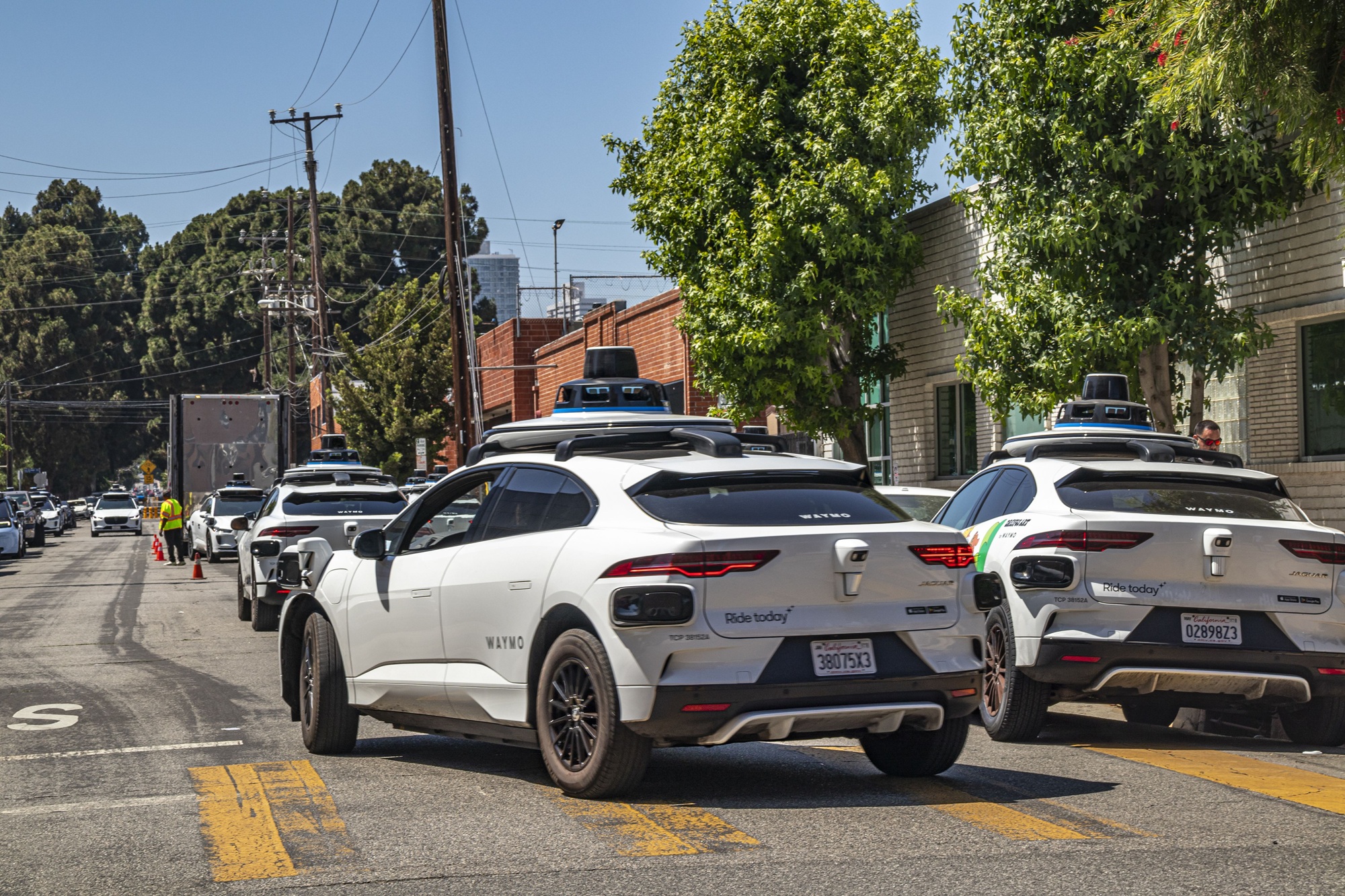
"caption": "A Waymo autonomous vehicle drives through 16th Street and Potrero in San Francisco on July 22, 2025. A San Francisco Supervisor said he will seek answers from Waymo on why many of its vehicles were disabled amid a blackout last December, and how it would prevent future outages. \r\n",
"credit": "Tâm Vũ/KQED",
"altTag": null,
"description": null,
"imgSizes": {
"thumbnail": {
"file": "https://cdn.kqed.org/wp-content/uploads/sites/10/2026/02/250730-waymofile_00306_TV_qed-160x107.jpg",
"width": 160,
"height": 107,
"mimeType": "image/jpeg"
},
"1536x1536": {
"file": "https://cdn.kqed.org/wp-content/uploads/sites/10/2026/02/250730-waymofile_00306_TV_qed-1536x1024.jpg",
"width": 1536,
"height": 1024,
"mimeType": "image/jpeg"
},
"post-thumbnail": {
"file": "https://cdn.kqed.org/wp-content/uploads/sites/10/2026/02/250730-waymofile_00306_TV_qed-672x372.jpg",
"width": 672,
"height": 372,
"mimeType": "image/jpeg"
},
"twentyfourteen-full-width": {
"file": "https://cdn.kqed.org/wp-content/uploads/sites/10/2026/02/250730-waymofile_00306_TV_qed-1038x576.jpg",
"width": 1038,
"height": 576,
"mimeType": "image/jpeg"
},
"npr-cds-wide": {
"file": "https://cdn.kqed.org/wp-content/uploads/sites/10/2026/02/250730-waymofile_00306_TV_qed-1200x675.jpg",
"width": 1200,
"height": 675,
"mimeType": "image/jpeg"
},
"kqedFullSize": {
"file": "https://cdn.kqed.org/wp-content/uploads/sites/10/2026/02/250730-waymofile_00306_TV_qed.jpg",
"width": 2000,
"height": 1333
}
},
"isLoading": false,
"fetchFailed": false
},
"news_12040186": {
"type": "attachments",
"id": "news_12040186",
"meta": {
"index": "attachments_1716263798",
"site": "news",
"id": "12040186",
"found": true
},
"title": "20241204-BART-JY-002_qed",
"publishDate": 1747263386,
"status": "inherit",
"parent": 0,
"modified": 1757194100,
"caption": "A BART car approaches the platform at Daly City Station in Daly City, on Dec. 4, 2024.",
"credit": "Juliana Yamada/KQED",
"altTag": null,
"description": null,
"imgSizes": {
"medium": {
"file": "https://cdn.kqed.org/wp-content/uploads/sites/10/2025/05/20241204-BART-JY-002_qed-800x533.jpg",
"width": 800,
"height": 533,
"mimeType": "image/jpeg"
},
"large": {
"file": "https://cdn.kqed.org/wp-content/uploads/sites/10/2025/05/20241204-BART-JY-002_qed-1020x680.jpg",
"width": 1020,
"height": 680,
"mimeType": "image/jpeg"
},
"thumbnail": {
"file": "https://cdn.kqed.org/wp-content/uploads/sites/10/2025/05/20241204-BART-JY-002_qed-160x107.jpg",
"width": 160,
"height": 107,
"mimeType": "image/jpeg"
},
"1536x1536": {
"file": "https://cdn.kqed.org/wp-content/uploads/sites/10/2025/05/20241204-BART-JY-002_qed-1536x1024.jpg",
"width": 1536,
"height": 1024,
"mimeType": "image/jpeg"
},
"post-thumbnail": {
"file": "https://cdn.kqed.org/wp-content/uploads/sites/10/2025/05/20241204-BART-JY-002_qed-672x372.jpg",
"width": 672,
"height": 372,
"mimeType": "image/jpeg"
},
"twentyfourteen-full-width": {
"file": "https://cdn.kqed.org/wp-content/uploads/sites/10/2025/05/20241204-BART-JY-002_qed-1038x576.jpg",
"width": 1038,
"height": 576,
"mimeType": "image/jpeg"
},
"full-width": {
"file": "https://cdn.kqed.org/wp-content/uploads/sites/10/2025/05/20241204-BART-JY-002_qed-1920x1280.jpg",
"width": 1920,
"height": 1280,
"mimeType": "image/jpeg"
},
"kqedFullSize": {
"file": "https://cdn.kqed.org/wp-content/uploads/sites/10/2025/05/20241204-BART-JY-002_qed.jpg",
"width": 2000,
"height": 1333
}
},
"isLoading": false,
"fetchFailed": false
},
"news_12051372": {
"type": "attachments",
"id": "news_12051372",
"meta": {
"index": "attachments_1716263798",
"site": "news",
"id": "12051372",
"found": true
},
"title": "20241204-BART-JY-027_qed",
"publishDate": 1754609631,
"status": "inherit",
"parent": 12051362,
"modified": 1754609652,
"caption": "A passenger tags their Clipper card at Montgomery BART Station in San Francisco on Dec. 4, 2024.",
"credit": "Juliana Yamada/KQED",
"altTag": null,
"description": null,
"imgSizes": {
"thumbnail": {
"file": "https://cdn.kqed.org/wp-content/uploads/sites/10/2025/08/20241204-BART-JY-027_qed-160x107.jpg",
"width": 160,
"height": 107,
"mimeType": "image/jpeg"
},
"1536x1536": {
"file": "https://cdn.kqed.org/wp-content/uploads/sites/10/2025/08/20241204-BART-JY-027_qed-1536x1024.jpg",
"width": 1536,
"height": 1024,
"mimeType": "image/jpeg"
},
"post-thumbnail": {
"file": "https://cdn.kqed.org/wp-content/uploads/sites/10/2025/08/20241204-BART-JY-027_qed-672x372.jpg",
"width": 672,
"height": 372,
"mimeType": "image/jpeg"
},
"twentyfourteen-full-width": {
"file": "https://cdn.kqed.org/wp-content/uploads/sites/10/2025/08/20241204-BART-JY-027_qed-1038x576.jpg",
"width": 1038,
"height": 576,
"mimeType": "image/jpeg"
},
"kqedFullSize": {
"file": "https://cdn.kqed.org/wp-content/uploads/sites/10/2025/08/20241204-BART-JY-027_qed.jpg",
"width": 1999,
"height": 1333
}
},
"isLoading": false,
"fetchFailed": false
},
"news_12074263": {
"type": "attachments",
"id": "news_12074263",
"meta": {
"index": "attachments_1716263798",
"site": "news",
"id": "12074263",
"found": true
},
"title": "A westbound BART train enters the transbay tube in Oakland, Calif. on Friday, Feb. 16, 2018. BART officials will begin a study on the feasibility of a second tube under the bay",
"publishDate": 1771874275,
"status": "inherit",
"parent": 12074259,
"modified": 1771879718,
"caption": "A westbound BART train enters the Transbay Tube in Oakland, California, on Feb. 16, 2018.",
"credit": "Paul Chinn/The San Francisco Chronicle via Getty Images",
"altTag": null,
"description": null,
"imgSizes": {
"thumbnail": {
"file": "https://cdn.kqed.org/wp-content/uploads/sites/10/2026/02/TransBayTubeGetty-160x110.jpg",
"width": 160,
"height": 110,
"mimeType": "image/jpeg"
},
"1536x1536": {
"file": "https://cdn.kqed.org/wp-content/uploads/sites/10/2026/02/TransBayTubeGetty-1536x1060.jpg",
"width": 1536,
"height": 1060,
"mimeType": "image/jpeg"
},
"post-thumbnail": {
"file": "https://cdn.kqed.org/wp-content/uploads/sites/10/2026/02/TransBayTubeGetty-672x372.jpg",
"width": 672,
"height": 372,
"mimeType": "image/jpeg"
},
"twentyfourteen-full-width": {
"file": "https://cdn.kqed.org/wp-content/uploads/sites/10/2026/02/TransBayTubeGetty-1038x576.jpg",
"width": 1038,
"height": 576,
"mimeType": "image/jpeg"
},
"npr-cds-wide": {
"file": "https://cdn.kqed.org/wp-content/uploads/sites/10/2026/02/TransBayTubeGetty-1200x675.jpg",
"width": 1200,
"height": 675,
"mimeType": "image/jpeg"
},
"kqedFullSize": {
"file": "https://cdn.kqed.org/wp-content/uploads/sites/10/2026/02/TransBayTubeGetty.jpg",
"width": 2000,
"height": 1380
}
},
"isLoading": false,
"fetchFailed": false
},
"news_12074013": {
"type": "attachments",
"id": "news_12074013",
"meta": {
"index": "attachments_1716263798",
"site": "news",
"id": "12074013",
"found": true
},
"title": "Governor Newsom signs legislation authorizing $590 million emergency loan to Bay Area Transit",
"publishDate": 1771610547,
"status": "inherit",
"parent": 0,
"modified": 1771620962,
"caption": "Gov. Gavin Newsom speaks at BART Colma Maintenance Yard before he signs legislation authorizing $590 million emergency loan to Bay Area Transit in Colma, south of San Francisco, California, on Feb. 19, 2026.",
"credit": "Tayfun Coskun/Anadolu via Getty Images",
"altTag": null,
"description": null,
"imgSizes": {
"thumbnail": {
"file": "https://cdn.kqed.org/wp-content/uploads/sites/10/2026/02/GETTYIMAGES-2262016709-KQED-160x118.jpg",
"width": 160,
"height": 118,
"mimeType": "image/jpeg"
},
"1536x1536": {
"file": "https://cdn.kqed.org/wp-content/uploads/sites/10/2026/02/GETTYIMAGES-2262016709-KQED-1536x1130.jpg",
"width": 1536,
"height": 1130,
"mimeType": "image/jpeg"
},
"post-thumbnail": {
"file": "https://cdn.kqed.org/wp-content/uploads/sites/10/2026/02/GETTYIMAGES-2262016709-KQED-672x372.jpg",
"width": 672,
"height": 372,
"mimeType": "image/jpeg"
},
"twentyfourteen-full-width": {
"file": "https://cdn.kqed.org/wp-content/uploads/sites/10/2026/02/GETTYIMAGES-2262016709-KQED-1038x576.jpg",
"width": 1038,
"height": 576,
"mimeType": "image/jpeg"
},
"npr-cds-wide": {
"file": "https://cdn.kqed.org/wp-content/uploads/sites/10/2026/02/GETTYIMAGES-2262016709-KQED-1200x675.jpg",
"width": 1200,
"height": 675,
"mimeType": "image/jpeg"
},
"kqedFullSize": {
"file": "https://cdn.kqed.org/wp-content/uploads/sites/10/2026/02/GETTYIMAGES-2262016709-KQED.jpg",
"width": 2000,
"height": 1472
}
},
"isLoading": false,
"fetchFailed": false
},
"news_12073775": {
"type": "attachments",
"id": "news_12073775",
"meta": {
"index": "attachments_1716263798",
"site": "news",
"id": "12073775",
"found": true
},
"title": "260218-KEY SYSTEM-04-KQED",
"publishDate": 1771461212,
"status": "inherit",
"parent": 0,
"modified": 1771465208,
"caption": "Key System Bridge Unit 187, part of the fleet that provided service across the Bay Bridge from the East Bay to San Francisco between 1939 and 1958, during a 2021 excursion at the Western Railway Museum in Solano County. ",
"credit": "Dan Brekke/KQED",
"altTag": "A two-car, orange-and-silver electric train shown in a rural setting at the Western Railway Museum in Solano County.",
"description": null,
"imgSizes": {
"thumbnail": {
"file": "https://cdn.kqed.org/wp-content/uploads/sites/10/2026/02/260218-KEY-SYSTEM-04-KQED-160x107.jpg",
"width": 160,
"height": 107,
"mimeType": "image/jpeg"
},
"1536x1536": {
"file": "https://cdn.kqed.org/wp-content/uploads/sites/10/2026/02/260218-KEY-SYSTEM-04-KQED-1536x1024.jpg",
"width": 1536,
"height": 1024,
"mimeType": "image/jpeg"
},
"post-thumbnail": {
"file": "https://cdn.kqed.org/wp-content/uploads/sites/10/2026/02/260218-KEY-SYSTEM-04-KQED-672x372.jpg",
"width": 672,
"height": 372,
"mimeType": "image/jpeg"
},
"twentyfourteen-full-width": {
"file": "https://cdn.kqed.org/wp-content/uploads/sites/10/2026/02/260218-KEY-SYSTEM-04-KQED-1038x576.jpg",
"width": 1038,
"height": 576,
"mimeType": "image/jpeg"
},
"npr-cds-wide": {
"file": "https://cdn.kqed.org/wp-content/uploads/sites/10/2026/02/260218-KEY-SYSTEM-04-KQED-1200x675.jpg",
"width": 1200,
"height": 675,
"mimeType": "image/jpeg"
},
"kqedFullSize": {
"file": "https://cdn.kqed.org/wp-content/uploads/sites/10/2026/02/260218-KEY-SYSTEM-04-KQED.jpg",
"width": 2000,
"height": 1333
}
},
"isLoading": false,
"fetchFailed": false
},
"news_12067062": {
"type": "attachments",
"id": "news_12067062",
"meta": {
"index": "attachments_1716263798",
"site": "news",
"id": "12067062",
"found": true
},
"title": "251210-SFOEATING-87-BL-KQED",
"publishDate": 1765586622,
"status": "inherit",
"parent": 12072458,
"modified": 1770325149,
"caption": "Passengers wait for their flight at San Francisco International Airport on Dec. 10, 2025.",
"credit": "Beth LaBerge/KQED",
"altTag": null,
"description": null,
"imgSizes": {
"thumbnail": {
"file": "https://cdn.kqed.org/wp-content/uploads/sites/10/2025/12/251210-SFOEATING-87-BL-KQED-160x107.jpg",
"width": 160,
"height": 107,
"mimeType": "image/jpeg"
},
"1536x1536": {
"file": "https://cdn.kqed.org/wp-content/uploads/sites/10/2025/12/251210-SFOEATING-87-BL-KQED-1536x1024.jpg",
"width": 1536,
"height": 1024,
"mimeType": "image/jpeg"
},
"post-thumbnail": {
"file": "https://cdn.kqed.org/wp-content/uploads/sites/10/2025/12/251210-SFOEATING-87-BL-KQED-672x372.jpg",
"width": 672,
"height": 372,
"mimeType": "image/jpeg"
},
"twentyfourteen-full-width": {
"file": "https://cdn.kqed.org/wp-content/uploads/sites/10/2025/12/251210-SFOEATING-87-BL-KQED-1038x576.jpg",
"width": 1038,
"height": 576,
"mimeType": "image/jpeg"
},
"npr-cds-wide": {
"file": "https://cdn.kqed.org/wp-content/uploads/sites/10/2025/12/251210-SFOEATING-87-BL-KQED-1200x675.jpg",
"width": 1200,
"height": 675,
"mimeType": "image/jpeg"
},
"kqedFullSize": {
"file": "https://cdn.kqed.org/wp-content/uploads/sites/10/2025/12/251210-SFOEATING-87-BL-KQED.jpg",
"width": 2000,
"height": 1333
}
},
"isLoading": false,
"fetchFailed": false
},
"news_12071769": {
"type": "attachments",
"id": "news_12071769",
"meta": {
"index": "attachments_1716263798",
"site": "news",
"id": "12071769",
"found": true
},
"title": "Dozens of new driverless Waymo cars on the streets and inside the garage on West Los Angeles.",
"publishDate": 1769809364,
"status": "inherit",
"parent": 12071764,
"modified": 1769823047,
"caption": "Dozens of new driverless Waymo cars on the streets and inside the garage in West Los Angeles, in Los Angeles, California, on July 11, 2025.",
"credit": "Citizen of the Planet/Universal Images Group via Getty Images",
"altTag": null,
"description": null,
"imgSizes": {
"thumbnail": {
"file": "https://cdn.kqed.org/wp-content/uploads/sites/10/2026/01/WaymoLosAngelesGetty-160x107.jpg",
"width": 160,
"height": 107,
"mimeType": "image/jpeg"
},
"1536x1536": {
"file": "https://cdn.kqed.org/wp-content/uploads/sites/10/2026/01/WaymoLosAngelesGetty-1536x1024.jpg",
"width": 1536,
"height": 1024,
"mimeType": "image/jpeg"
},
"post-thumbnail": {
"file": "https://cdn.kqed.org/wp-content/uploads/sites/10/2026/01/WaymoLosAngelesGetty-672x372.jpg",
"width": 672,
"height": 372,
"mimeType": "image/jpeg"
},
"twentyfourteen-full-width": {
"file": "https://cdn.kqed.org/wp-content/uploads/sites/10/2026/01/WaymoLosAngelesGetty-1038x576.jpg",
"width": 1038,
"height": 576,
"mimeType": "image/jpeg"
},
"npr-cds-wide": {
"file": "https://cdn.kqed.org/wp-content/uploads/sites/10/2026/01/WaymoLosAngelesGetty-1200x675.jpg",
"width": 1200,
"height": 675,
"mimeType": "image/jpeg"
},
"kqedFullSize": {
"file": "https://cdn.kqed.org/wp-content/uploads/sites/10/2026/01/WaymoLosAngelesGetty.jpg",
"width": 2000,
"height": 1333
}
},
"isLoading": false,
"fetchFailed": false
},
"news_12071365": {
"type": "attachments",
"id": "news_12071365",
"meta": {
"index": "attachments_1716263798",
"site": "news",
"id": "12071365",
"found": true
},
"title": "Moscone_Super_Bowl_closures",
"publishDate": 1769626659,
"status": "inherit",
"parent": 0,
"modified": 1769631064,
"caption": "Several areas in San Francisco will experience road closures around the Super Bowl, including streets around the Moscone Center, which is hosting the Super Bowl Experience.",
"credit": "SFMTA/Bay Area Hosting Committee",
"altTag": null,
"description": null,
"imgSizes": {
"thumbnail": {
"file": "https://cdn.kqed.org/wp-content/uploads/sites/10/2026/01/Moscone_Super_Bowl_closures-160x105.jpg",
"width": 160,
"height": 105,
"mimeType": "image/jpeg"
},
"1536x1536": {
"file": "https://cdn.kqed.org/wp-content/uploads/sites/10/2026/01/Moscone_Super_Bowl_closures-1536x1010.jpg",
"width": 1536,
"height": 1010,
"mimeType": "image/jpeg"
},
"post-thumbnail": {
"file": "https://cdn.kqed.org/wp-content/uploads/sites/10/2026/01/Moscone_Super_Bowl_closures-672x372.jpg",
"width": 672,
"height": 372,
"mimeType": "image/jpeg"
},
"twentyfourteen-full-width": {
"file": "https://cdn.kqed.org/wp-content/uploads/sites/10/2026/01/Moscone_Super_Bowl_closures-1038x576.jpg",
"width": 1038,
"height": 576,
"mimeType": "image/jpeg"
},
"npr-cds-wide": {
"file": "https://cdn.kqed.org/wp-content/uploads/sites/10/2026/01/Moscone_Super_Bowl_closures-1200x675.jpg",
"width": 1200,
"height": 675,
"mimeType": "image/jpeg"
},
"kqedFullSize": {
"file": "https://cdn.kqed.org/wp-content/uploads/sites/10/2026/01/Moscone_Super_Bowl_closures.jpg",
"width": 2000,
"height": 1315
}
},
"isLoading": false,
"fetchFailed": false
},
"news_12071340": {
"type": "attachments",
"id": "news_12071340",
"meta": {
"index": "attachments_1716263798",
"site": "news",
"id": "12071340",
"found": true
},
"title": "A rendering of the proposed development at Irvington Station.",
"publishDate": 1769621587,
"status": "inherit",
"parent": 0,
"modified": 1769622698,
"caption": "A rendering of the proposed development at Irvington Station entitled \"View from Concourse Looking South.\"",
"credit": "Courtesy of BART",
"altTag": null,
"description": null,
"imgSizes": {
"thumbnail": {
"file": "https://cdn.kqed.org/wp-content/uploads/sites/10/2026/01/260128-BART-Broke-03-KQED-160x94.jpg",
"width": 160,
"height": 94,
"mimeType": "image/jpeg"
},
"1536x1536": {
"file": "https://cdn.kqed.org/wp-content/uploads/sites/10/2026/01/260128-BART-Broke-03-KQED-1536x898.jpg",
"width": 1536,
"height": 898,
"mimeType": "image/jpeg"
},
"post-thumbnail": {
"file": "https://cdn.kqed.org/wp-content/uploads/sites/10/2026/01/260128-BART-Broke-03-KQED-672x372.jpg",
"width": 672,
"height": 372,
"mimeType": "image/jpeg"
},
"twentyfourteen-full-width": {
"file": "https://cdn.kqed.org/wp-content/uploads/sites/10/2026/01/260128-BART-Broke-03-KQED-1038x576.jpg",
"width": 1038,
"height": 576,
"mimeType": "image/jpeg"
},
"npr-cds-wide": {
"file": "https://cdn.kqed.org/wp-content/uploads/sites/10/2026/01/260128-BART-Broke-03-KQED-1200x675.jpg",
"width": 1200,
"height": 675,
"mimeType": "image/jpeg"
},
"kqedFullSize": {
"file": "https://cdn.kqed.org/wp-content/uploads/sites/10/2026/01/260128-BART-Broke-03-KQED.jpg",
"width": 2000,
"height": 1169
}
},
"isLoading": false,
"fetchFailed": false
},
"news_12052429": {
"type": "attachments",
"id": "news_12052429",
"meta": {
"index": "attachments_1716263798",
"site": "news",
"id": "12052429",
"found": true
},
"title": "20241204-BART-JY-023_qed",
"publishDate": 1755288565,
"status": "inherit",
"parent": 12052424,
"modified": 1755288593,
"caption": "Passengers tag their Clipper cards at Montgomery BART Station in San Francisco on Dec. 4, 2024.",
"credit": "Juliana Yamada/KQED",
"altTag": null,
"description": null,
"imgSizes": {
"thumbnail": {
"file": "https://cdn.kqed.org/wp-content/uploads/sites/10/2025/08/20241204-BART-JY-023_qed-160x107.jpg",
"width": 160,
"height": 107,
"mimeType": "image/jpeg"
},
"1536x1536": {
"file": "https://cdn.kqed.org/wp-content/uploads/sites/10/2025/08/20241204-BART-JY-023_qed-1536x1024.jpg",
"width": 1536,
"height": 1024,
"mimeType": "image/jpeg"
},
"post-thumbnail": {
"file": "https://cdn.kqed.org/wp-content/uploads/sites/10/2025/08/20241204-BART-JY-023_qed-672x372.jpg",
"width": 672,
"height": 372,
"mimeType": "image/jpeg"
},
"twentyfourteen-full-width": {
"file": "https://cdn.kqed.org/wp-content/uploads/sites/10/2025/08/20241204-BART-JY-023_qed-1038x576.jpg",
"width": 1038,
"height": 576,
"mimeType": "image/jpeg"
},
"kqedFullSize": {
"file": "https://cdn.kqed.org/wp-content/uploads/sites/10/2025/08/20241204-BART-JY-023_qed.jpg",
"width": 2000,
"height": 1333
}
},
"isLoading": false,
"fetchFailed": false
},
"news_12051116": {
"type": "attachments",
"id": "news_12051116",
"meta": {
"index": "attachments_1716263798",
"site": "news",
"id": "12051116",
"found": true
},
"title": "An e-bike parked in Mill Valley on July 24, 2025.",
"publishDate": 1754502511,
"status": "inherit",
"parent": 12050242,
"modified": 1755641757,
"caption": "An e-bike parked in Mill Valley on July 24, 2025.",
"credit": "Martin do Nascimento/KQED",
"altTag": null,
"description": null,
"imgSizes": {
"thumbnail": {
"file": "https://cdn.kqed.org/wp-content/uploads/sites/10/2025/08/250724-MARIN-EBIKES-MD-07-KQED-160x107.jpg",
"width": 160,
"height": 107,
"mimeType": "image/jpeg"
},
"1536x1536": {
"file": "https://cdn.kqed.org/wp-content/uploads/sites/10/2025/08/250724-MARIN-EBIKES-MD-07-KQED-1536x1025.jpg",
"width": 1536,
"height": 1025,
"mimeType": "image/jpeg"
},
"post-thumbnail": {
"file": "https://cdn.kqed.org/wp-content/uploads/sites/10/2025/08/250724-MARIN-EBIKES-MD-07-KQED-672x372.jpg",
"width": 672,
"height": 372,
"mimeType": "image/jpeg"
},
"twentyfourteen-full-width": {
"file": "https://cdn.kqed.org/wp-content/uploads/sites/10/2025/08/250724-MARIN-EBIKES-MD-07-KQED-1038x576.jpg",
"width": 1038,
"height": 576,
"mimeType": "image/jpeg"
},
"kqedFullSize": {
"file": "https://cdn.kqed.org/wp-content/uploads/sites/10/2025/08/250724-MARIN-EBIKES-MD-07-KQED.jpg",
"width": 2000,
"height": 1334
}
},
"isLoading": false,
"fetchFailed": false
}
},
"audioPlayerReducer": {
"postId": "stream_live",
"isPaused": true,
"isPlaying": false,
"pfsActive": false,
"pledgeModalIsOpen": true,
"playerDrawerIsOpen": false,
"liveAudioPlayStartedAt": 0,
"liveAudioPlayContext": ""
},
"authorsReducer": {
"danbrekke": {
"type": "authors",
"id": "222",
"meta": {
"index": "authors_1716337520",
"id": "222",
"found": true
},
"name": "Dan Brekke",
"firstName": "Dan",
"lastName": "Brekke",
"slug": "danbrekke",
"email": "dbrekke@kqed.org",
"display_author_email": true,
"staff_mastheads": [
"news",
"science"
],
"title": "KQED Editor and Reporter",
"bio": "Dan Brekke is a reporter and editor for KQED News, responsible for coverage of topics ranging from California water issues to the Bay Area's transportation challenges. In a newsroom career that began in Chicago in 1972, Dan has worked for \u003cem>The San Francisco Examiner,\u003c/em> Wired and TechTV and has been published in The New York Times, The New York Times Magazine, Business 2.0, Salon and elsewhere.\r\n\r\nSince joining KQED in 2007, Dan has reported, edited and produced both radio and online features and breaking news pieces. He has shared as both editor and reporter in four Society of Professional Journalists Norcal Excellence in Journalism awards and one Edward R. Murrow regional award. He was chosen for a spring 2017 residency at the Mesa Refuge to advance his research on California salmon.\r\n\r\nEmail Dan at: \u003ca href=\"mailto:dbrekke@kqed.org\">dbrekke@kqed.org\u003c/a>\r\n\r\n\u003cstrong>Twitter:\u003c/strong> \u003ca href=\"https://twitter.com/danbrekke\" rel=\"noopener noreferrer\">twitter.com/danbrekke\u003c/a>\r\n\u003cstrong>Facebook:\u003c/strong> \u003ca href=\"https://www.facebook.com/danbrekke\" rel=\"noopener noreferrer\">www.facebook.com/danbrekke\u003c/a>\r\n\u003cstrong>LinkedIn:\u003c/strong> \u003ca href=\"https://www.linkedin.com/in/danbrekke\" rel=\"noopener noreferrer\">www.linkedin.com/in/danbrekke\u003c/a>",
"avatar": "https://secure.gravatar.com/avatar/c8126230345efca3f7aa89b1a402be45?s=600&d=mm&r=g",
"twitter": "danbrekke",
"facebook": null,
"instagram": "https://www.instagram.com/dan.brekke/",
"linkedin": "https://www.linkedin.com/in/danbrekke/",
"sites": [
{
"site": "news",
"roles": [
"administrator",
"create_posts"
]
},
{
"site": "stateofhealth",
"roles": [
"editor"
]
},
{
"site": "science",
"roles": [
"editor"
]
},
{
"site": "quest",
"roles": [
"contributor"
]
},
{
"site": "food",
"roles": [
"contributor"
]
},
{
"site": "forum",
"roles": [
"contributor"
]
},
{
"site": "liveblog",
"roles": [
"editor"
]
}
],
"headData": {
"title": "Dan Brekke | KQED",
"description": "KQED Editor and Reporter",
"ogImgSrc": "https://secure.gravatar.com/avatar/c8126230345efca3f7aa89b1a402be45?s=600&d=mm&r=g",
"twImgSrc": "https://secure.gravatar.com/avatar/c8126230345efca3f7aa89b1a402be45?s=600&d=mm&r=g"
},
"isLoading": false,
"link": "/author/danbrekke"
},
"rachael-myrow": {
"type": "authors",
"id": "251",
"meta": {
"index": "authors_1716337520",
"id": "251",
"found": true
},
"name": "Rachael Myrow",
"firstName": "Rachael",
"lastName": "Myrow",
"slug": "rachael-myrow",
"email": "rmyrow@kqed.org",
"display_author_email": true,
"staff_mastheads": [
"news"
],
"title": "Senior Editor of KQED's Silicon Valley News Desk",
"bio": "• I write and edit stories about how Silicon Valley power and policies shape everyday life in California. I’m also passionate about making Bay Area history and culture more accessible to a broad public. • I’ve been a journalist for most of my life, starting in high school with The Franklin Press in Los Angeles, where I grew up. While earning my first degree in English at UC Berkeley, I got my start in public radio at KALX-FM. After completing a second degree in journalism at Cal, I landed my first professional job at Marketplace, then moved on to KPCC (now LAist), and then KQED, where I hosted The California Report for more than seven years. • My reporting has appeared on NPR, The World, WBUR’s \u003ci>Here & Now\u003c/i>, and the BBC. I also guest host for KQED’s \u003ci>Forum\u003c/i>, as well as the Commonwealth Club in San Francisco. • I speak periodically on media, democracy and technology issues, and do voiceover work for documentaries and educational video projects. • Outside of the studio, you'll find me hiking Bay Area trails and whipping up Insta-ready meals in my kitchen. • I do not accept gifts, money, or favors from anyone connected to my reporting, I don't pay people for information, and I do not support or donate to political causes. • I strive to treat the people I report on with fairness, honesty, and respect. I also recognize there are often multiple sides to a story and work to verify information through multiple sources and documentation. If I get something wrong, I correct it.",
"avatar": "https://secure.gravatar.com/avatar/87bf8cb5874e045cdff430523a6d48b1?s=600&d=blank&r=g",
"twitter": "rachaelmyrow",
"facebook": null,
"instagram": null,
"linkedin": "https://www.linkedin.com/in/rachaelmyrow/",
"sites": [
{
"site": "arts",
"roles": [
"administrator"
]
},
{
"site": "news",
"roles": [
"edit_others_posts",
"editor"
]
},
{
"site": "futureofyou",
"roles": [
"editor"
]
},
{
"site": "bayareabites",
"roles": [
"editor"
]
},
{
"site": "stateofhealth",
"roles": [
"editor"
]
},
{
"site": "science",
"roles": [
"editor"
]
},
{
"site": "food",
"roles": [
"editor"
]
},
{
"site": "forum",
"roles": [
"editor"
]
},
{
"site": "liveblog",
"roles": [
"author"
]
}
],
"headData": {
"title": "Rachael Myrow | KQED",
"description": "Senior Editor of KQED's Silicon Valley News Desk",
"ogImgSrc": "https://secure.gravatar.com/avatar/87bf8cb5874e045cdff430523a6d48b1?s=600&d=blank&r=g",
"twImgSrc": "https://secure.gravatar.com/avatar/87bf8cb5874e045cdff430523a6d48b1?s=600&d=blank&r=g"
},
"isLoading": false,
"link": "/author/rachael-myrow"
},
"carlysevern": {
"type": "authors",
"id": "3243",
"meta": {
"index": "authors_1716337520",
"id": "3243",
"found": true
},
"name": "Carly Severn",
"firstName": "Carly",
"lastName": "Severn",
"slug": "carlysevern",
"email": "csevern@kqed.org",
"display_author_email": false,
"staff_mastheads": [
"news"
],
"title": "Senior Editor, Audience News ",
"bio": "Carly is KQED's Senior Editor of Audience News on the Digital News team, and has reported for the California Report Magazine, Bay Curious and KQED Arts. She's formerly the host of \u003ca href=\"http://ww2.kqed.org/pop/category/the-cooler/\" rel=\"noopener noreferrer\">The Cooler\u003c/a> podcast.",
"avatar": "https://secure.gravatar.com/avatar/2d8d6765f186e64c798cf7f0c8088a41?s=600&d=blank&r=g",
"twitter": "teacupinthebay",
"facebook": null,
"instagram": null,
"linkedin": null,
"sites": [
{
"site": "",
"roles": [
"editor"
]
},
{
"site": "arts",
"roles": [
"editor"
]
},
{
"site": "news",
"roles": [
"administrator"
]
},
{
"site": "pop",
"roles": [
"editor"
]
},
{
"site": "futureofyou",
"roles": [
"editor"
]
},
{
"site": "about",
"roles": [
"administrator"
]
},
{
"site": "mindshift",
"roles": [
"editor"
]
},
{
"site": "bayareabites",
"roles": [
"editor"
]
},
{
"site": "stateofhealth",
"roles": [
"editor"
]
},
{
"site": "science",
"roles": [
"editor"
]
},
{
"site": "food",
"roles": [
"contributor"
]
},
{
"site": "forum",
"roles": [
"editor"
]
},
{
"site": "perspectives",
"roles": [
"administrator"
]
},
{
"site": "liveblog",
"roles": [
"editor"
]
}
],
"headData": {
"title": "Carly Severn | KQED",
"description": "Senior Editor, Audience News ",
"ogImgSrc": "https://secure.gravatar.com/avatar/2d8d6765f186e64c798cf7f0c8088a41?s=600&d=blank&r=g",
"twImgSrc": "https://secure.gravatar.com/avatar/2d8d6765f186e64c798cf7f0c8088a41?s=600&d=blank&r=g"
},
"isLoading": false,
"link": "/author/carlysevern"
},
"adahlstromeckman": {
"type": "authors",
"id": "11785",
"meta": {
"index": "authors_1716337520",
"id": "11785",
"found": true
},
"name": "Azul Dahlstrom-Eckman",
"firstName": "Azul",
"lastName": "Dahlstrom-Eckman",
"slug": "adahlstromeckman",
"email": "adahlstrom-eckman@kqed.org",
"display_author_email": true,
"staff_mastheads": [],
"title": "Reporter",
"bio": "Azul is a reporter for KQED focusing on transportation and features. He joined KQED in 2021 as an alumna of KALW's Audio Academy radio journalism training program.",
"avatar": "https://secure.gravatar.com/avatar/9cb750298435add7815a777f55bf1f46845c1386bb8452555c60a7b820b5aba3?s=600&d=blank&r=g",
"twitter": "@zuliemann",
"bluesky": "@azul415.bsky.social",
"facebook": null,
"instagram": null,
"linkedin": null,
"sites": [
{
"site": "arts",
"roles": [
"editor"
]
},
{
"site": "news",
"roles": [
"editor"
]
},
{
"site": "science",
"roles": [
"editor"
]
},
{
"site": "liveblog",
"roles": [
"author"
]
}
],
"headData": {
"title": "Azul Dahlstrom-Eckman | KQED",
"description": "Reporter",
"ogImgSrc": "https://secure.gravatar.com/avatar/9cb750298435add7815a777f55bf1f46845c1386bb8452555c60a7b820b5aba3?s=600&d=blank&r=g",
"twImgSrc": "https://secure.gravatar.com/avatar/9cb750298435add7815a777f55bf1f46845c1386bb8452555c60a7b820b5aba3?s=600&d=blank&r=g"
},
"isLoading": false,
"link": "/author/adahlstromeckman"
},
"kdebenedetti": {
"type": "authors",
"id": "11913",
"meta": {
"index": "authors_1716337520",
"id": "11913",
"found": true
},
"name": "Katie DeBenedetti",
"firstName": "Katie",
"lastName": "DeBenedetti",
"slug": "kdebenedetti",
"email": "kdebenedetti@kqed.org",
"display_author_email": false,
"staff_mastheads": [
"news",
"science"
],
"title": "KQED Contributor",
"bio": "Katie DeBenedetti is a digital reporter covering daily news for the Express Desk. Prior to joining KQED as a culture reporting intern in January 2024, she covered education and city government for the Napa Valley Register.",
"avatar": "https://secure.gravatar.com/avatar/6e31073cb8f7e4214ab03f42771d0f45?s=600&d=blank&r=g",
"twitter": null,
"facebook": null,
"instagram": null,
"linkedin": null,
"sites": [
{
"site": "news",
"roles": [
"author"
]
},
{
"site": "science",
"roles": [
"author"
]
},
{
"site": "liveblog",
"roles": [
"author"
]
}
],
"headData": {
"title": "Katie DeBenedetti | KQED",
"description": "KQED Contributor",
"ogImgSrc": "https://secure.gravatar.com/avatar/6e31073cb8f7e4214ab03f42771d0f45?s=600&d=blank&r=g",
"twImgSrc": "https://secure.gravatar.com/avatar/6e31073cb8f7e4214ab03f42771d0f45?s=600&d=blank&r=g"
},
"isLoading": false,
"link": "/author/kdebenedetti"
},
"aaliahmad": {
"type": "authors",
"id": "11986",
"meta": {
"index": "authors_1716337520",
"id": "11986",
"found": true
},
"name": "Ayah Ali-Ahmad",
"firstName": "Ayah",
"lastName": "Ali-Ahmad",
"slug": "aaliahmad",
"email": "aaliahmad@KQED.org",
"display_author_email": false,
"staff_mastheads": [],
"title": "KQED Contributor",
"bio": null,
"avatar": "https://secure.gravatar.com/avatar/7f340465c69a2c816f6c07000137a3ee?s=600&d=blank&r=g",
"twitter": "ayahaliahmad",
"bluesky": null,
"facebook": null,
"instagram": null,
"linkedin": null,
"sites": [
{
"site": "news",
"roles": [
"author"
]
}
],
"headData": {
"title": "Ayah Ali-Ahmad | KQED",
"description": "KQED Contributor",
"ogImgSrc": "https://secure.gravatar.com/avatar/7f340465c69a2c816f6c07000137a3ee?s=600&d=blank&r=g",
"twImgSrc": "https://secure.gravatar.com/avatar/7f340465c69a2c816f6c07000137a3ee?s=600&d=blank&r=g"
},
"isLoading": false,
"link": "/author/aaliahmad"
}
},
"pagesReducer": {
"news_tag_transportation": {
"type": "terms",
"id": "news_20517",
"meta": {
"index": "terms_1716263798",
"site": "news",
"id": "20517",
"score": 8.934093
},
"featImg": null,
"name": "transportation",
"description": null,
"taxonomy": "tag",
"headData": {
"twImgId": null,
"twTitle": null,
"ogTitle": null,
"ogImgId": null,
"twDescription": null,
"description": null,
"title": "transportation Archives | KQED News",
"ogDescription": null
},
"ttid": 20534,
"slug": "transportation",
"isLoading": false,
"title": "transportation",
"pageMeta": {
"site": "news",
"WpPageTemplate": "page-topic-editorial",
"currentPage": 6
},
"blocks": [
{
"blockName": "kqed/post-list",
"attrs": {
"layout": "cardArticle2",
"query": "posts/news?tag=transportation",
"seeMore": false,
"paginated": true,
"page": 6
}
},
{
"blockName": "kqed/ad"
}
]
}
},
"pfsSessionReducer": {},
"postsReducer": {
"stream_live": {
"type": "live",
"id": "stream_live",
"audioUrl": "https://streams.kqed.org/kqedradio",
"title": "Live Stream",
"excerpt": "Live Stream information currently unavailable.",
"link": "/radio",
"featImg": "",
"label": {
"name": "KQED Live",
"link": "/"
}
},
"stream_kqedNewscast": {
"type": "posts",
"id": "stream_kqedNewscast",
"audioUrl": "https://www.kqed.org/.stream/anon/radio/RDnews/newscast.mp3?_=1",
"title": "KQED Newscast",
"featImg": "",
"label": {
"name": "88.5 FM",
"link": "/"
}
},
"news_12074861": {
"type": "posts",
"id": "news_12074861",
"meta": {
"index": "posts_1716263798",
"site": "news",
"id": "12074861",
"score": null,
"sort": [
1772467200000
]
},
"guestAuthors": [],
"slug": "waymo-to-report-on-mass-stranding-event-during-sf-december-blackout",
"title": "Waymo to Report on Mass Stranding Event During SF December Blackout",
"publishDate": 1772467200,
"format": "standard",
"headTitle": "Waymo to Report on Mass Stranding Event During SF December Blackout | KQED",
"labelTerm": {
"site": "news"
},
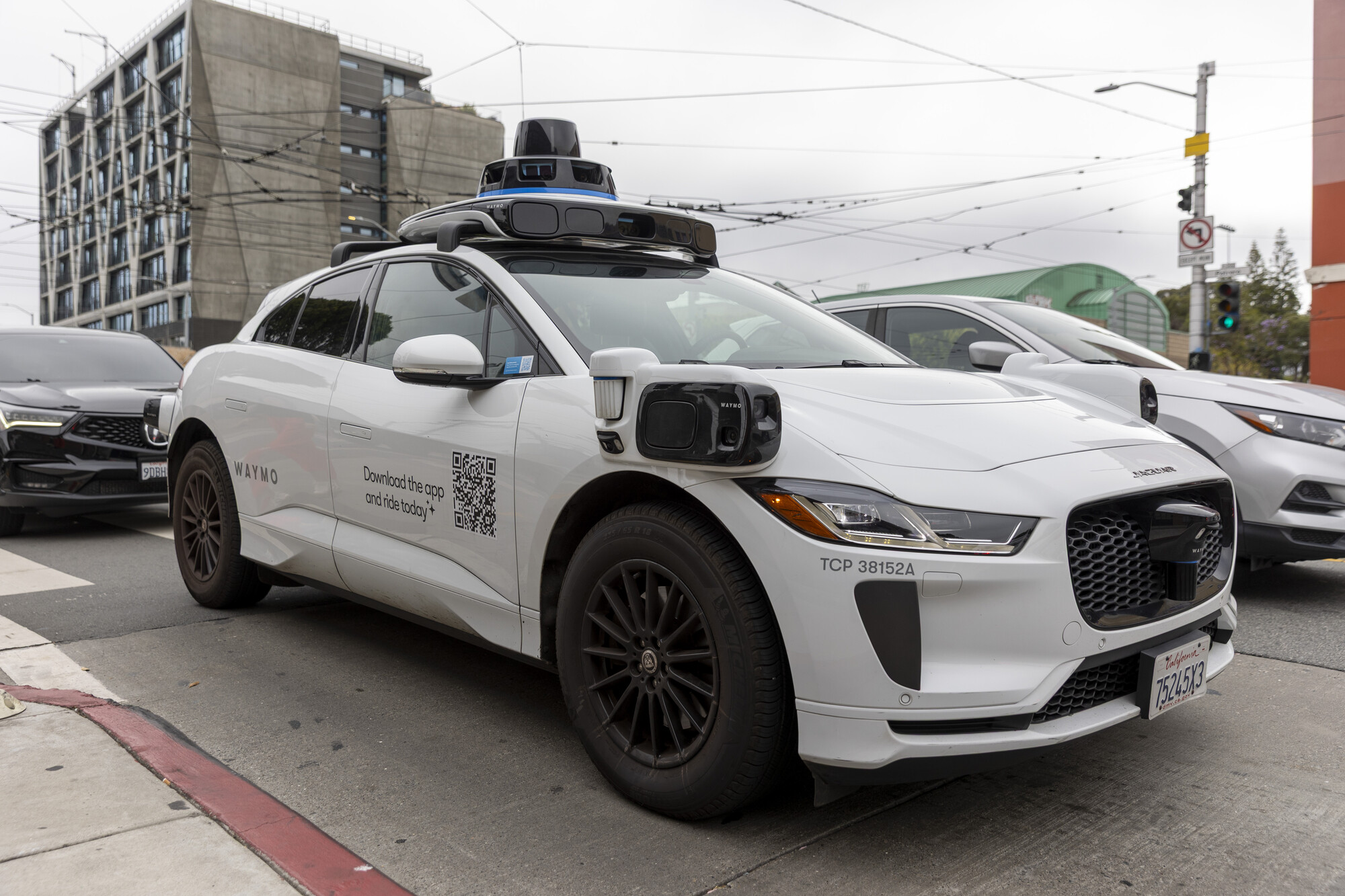
"content": "\u003cp>San Francisco supervisors want Waymo to explain why a \u003ca href=\"https://www.kqed.org/news/12068177/pge-outage-leaves-130000-across-san-francisco-without-power\">widespread power outage\u003c/a> last December caused a mass-stranding of their robotaxis, and what they’re doing to prevent future meltdowns.\u003c/p>\n\u003cp>Calling for greater accountability, San Francisco District 5 Supervisor Bilal Mahmood told the company to report to City Hall on Monday and explain what caused vehicles to fail during the mass blackout.\u003c/p>\n\u003cp>“The purpose of the hearing is to get answers from Waymo about what were the causes of the technical failure for some of their vehicles that day,” Mahmood said, “and simultaneously, what are they doing to prevent this from happening again.”\u003c/p>\n\u003cp>[ad fullwidth]\u003c/p>\n\u003cp>On Dec. 20, a fire at a PG&E substation plunged over 130,000 of the utility’s customers — about a third of the city — into darkness. The blackout also disabled many of the city’s traffic lights, which in turn rendered many of Waymo’s self-driving cars nonfunctional.\u003c/p>\n\u003cp>The cars idled in the streets and blocked traffic as the company’s network became overwhelmed with assistance requests from the robotic cars. Waymo’s outage lasted into the next day, while some San Franciscans remained without power for days longer.\u003c/p>\n\u003cfigure id=\"attachment_12040902\" class=\"wp-caption aligncenter\" style=\"max-width: 2000px\">\u003cimg loading=\"lazy\" decoding=\"async\" class=\"size-full wp-image-12040902\" src=\"https://cdn.kqed.org/wp-content/uploads/sites/10/2025/05/GETTYIMAGES-1788126569-KQED.jpg\" alt=\"\" width=\"2000\" height=\"1333\" srcset=\"https://cdn.kqed.org/wp-content/uploads/sites/10/2025/05/GETTYIMAGES-1788126569-KQED.jpg 2000w, https://cdn.kqed.org/wp-content/uploads/sites/10/2025/05/GETTYIMAGES-1788126569-KQED-800x533.jpg 800w, https://cdn.kqed.org/wp-content/uploads/sites/10/2025/05/GETTYIMAGES-1788126569-KQED-1020x680.jpg 1020w, https://cdn.kqed.org/wp-content/uploads/sites/10/2025/05/GETTYIMAGES-1788126569-KQED-160x107.jpg 160w, https://cdn.kqed.org/wp-content/uploads/sites/10/2025/05/GETTYIMAGES-1788126569-KQED-1536x1024.jpg 1536w, https://cdn.kqed.org/wp-content/uploads/sites/10/2025/05/GETTYIMAGES-1788126569-KQED-1920x1280.jpg 1920w\" sizes=\"auto, (max-width: 2000px) 100vw, 2000px\">\u003cfigcaption class=\"wp-caption-text\">A Waymo autonomous vehicle on Steiner Street in San Francisco on Nov. 17, 2023. \u003ccite>(Jason Henry/AFP via Getty Images)\u003c/cite>\u003c/figcaption>\u003c/figure>\n\u003cp>Mahmood, who recalls seeing traffic snarled as the robotaxis blocked darkened intersections in the city, said the impaired Waymo’s complicated emergency response efforts.\u003c/p>\n\u003cp>“ The stalled Waymos were actually disrupting emergency vehicles from accessing the PG&E substation that caused the fire in the first place,” said Mahmood, who is sponsoring Monday’s meeting of the Land Use and Transportation Committee, where Waymo is set to report.\u003c/p>\n\u003cp>Waymo did not respond to KQED’s request for comment. But, \u003ca href=\"https://waymo.com/blog/2025/12/autonomously-navigating-the-real-world\">in a blog post\u003c/a> shortly after the incident, representatives from the company said its cars successfully traversed over 7,000 dark signals during the initial stages of the power outage. Waymo representatives, however, have so far remained tight-lipped about the actual number of cars affected, with a lawyer for the company telling an administrative judge in January that the information was a “trade secret,” \u003ca href=\"https://www.sfchronicle.com/sf/article/waymo-power-outage-21286323.php\">according to reporting from the \u003cem>San Francisco Chronicle\u003c/em>\u003c/a>.[aside postID=news_12071764 hero='https://cdn.kqed.org/wp-content/uploads/sites/10/2026/01/WaymoLosAngelesGetty.jpg']In the December blog post, Waymo representatives wrote, “the scale of the outage and the sheer number of disabled traffic lights were the primary contributors to city-wide gridlock,” adding that it has taken steps to improve the company’s operations during future blackouts by updating software to respond to outages and changing the company’s emergency preparedness and response policies.\u003c/p>\n\u003cp>Mahmood said during the December outage, San Francisco Mayor Daniel Lurie had to personally call company leaders to get them to move the cars and allow emergency vehicles to access the burning substation.\u003c/p>\n\u003cp>While regulation of Waymo is largely handled at the state level, out of the jurisdiction of the city’s Board of Supervisors, Mahmood said the purpose of the informational hearing is to hold Waymo publicly accountable.\u003c/p>\n\u003cp>He added that at a \u003ca href=\"https://www.kqed.org/news/12073229/san-francisco-supervisors-probe-pge-after-widespread-winter-power-outages\">recent meeting\u003c/a> meant to hold PG&E to account for the substation fire and resulting power outage, he revealed previously undisclosed facts about the company’s response and has allowed the city to put pressure on the utility to make changes to its protocols.\u003c/p>\n\u003cp>“ We need to make sure that there is a precedent for good, sustainable emergency vehicle response, and what we saw in December [from Waymo] was not a good response,” Mahmood said. “The purpose of this hearing is to also to set an example to other companies, that if they want to do business in San Francisco, they have to make sure that they have the right procedures in place.”\u003c/p>\n\u003cp>\u003c/p>\n",
"blocks": [],
"excerpt": "A San Francisco Supervisor said he will seek answers from Waymo on why many of its vehicles were disabled amid a blackout last December, and how it would prevent future outages.",
"status": "publish",
"parent": 0,
"modified": 1772225629,
"stats": {
"hasAudio": false,
"hasVideo": false,
"hasChartOrMap": false,
"iframeSrcs": [],
"hasGoogleForm": false,
"hasGallery": false,
"hasHearkenModule": false,
"hasPolis": false,
"paragraphCount": 14,
"wordCount": 666
},
"headData": {
"title": "Waymo to Report on Mass Stranding Event During SF December Blackout | KQED",
"description": "A San Francisco Supervisor said he will seek answers from Waymo on why many of its vehicles were disabled amid a blackout last December, and how it would prevent future outages.",
"ogTitle": "",
"ogDescription": "",
"ogImgId": "",
"twTitle": "",
"twDescription": "",
"twImgId": "",
"schema": {
"@context": "https://schema.org",
"@type": "NewsArticle",
"headline": "Waymo to Report on Mass Stranding Event During SF December Blackout",
"datePublished": "2026-03-02T08:00:00-08:00",
"dateModified": "2026-02-27T12:53:49-08:00",
"image": "https://cdn.kqed.org/wp-content/uploads/2020/02/KQED-OG-Image@1x.png",
"isAccessibleForFree": "True",
"publisher": {
"@type": "NewsMediaOrganization",
"@id": "https://www.kqed.org/#organization",
"name": "KQED",
"logo": "https://cdn.kqed.org/wp-content/uploads/2020/02/KQED-OG-Image@1x.png",
"url": "https://www.kqed.org",
"sameAs": [
"https://www.facebook.com/KQED",
"https://twitter.com/KQED",
"https://www.instagram.com/kqed/",
"https://www.tiktok.com/@kqedofficial",
"https://www.linkedin.com/company/kqed",
"https://www.youtube.com/channel/UCeC0IOo7i1P_61zVUWbJ4nw"
]
}
}
},
"primaryCategory": {
"termId": 1397,
"slug": "transportation",
"name": "Transportation"
},
"sticky": false,
"templateType": "standard",
"featuredImageType": "standard",
"excludeFromSiteSearch": "Include",
"articleAge": "0",
"path": "/news/12074861/waymo-to-report-on-mass-stranding-event-during-sf-december-blackout",
"audioTrackLength": null,
"parsedContent": [
{
"type": "contentString",
"content": "\u003cdiv class=\"post-body\">\u003cp>\u003cp>San Francisco supervisors want Waymo to explain why a \u003ca href=\"https://www.kqed.org/news/12068177/pge-outage-leaves-130000-across-san-francisco-without-power\">widespread power outage\u003c/a> last December caused a mass-stranding of their robotaxis, and what they’re doing to prevent future meltdowns.\u003c/p>\n\u003cp>Calling for greater accountability, San Francisco District 5 Supervisor Bilal Mahmood told the company to report to City Hall on Monday and explain what caused vehicles to fail during the mass blackout.\u003c/p>\n\u003cp>“The purpose of the hearing is to get answers from Waymo about what were the causes of the technical failure for some of their vehicles that day,” Mahmood said, “and simultaneously, what are they doing to prevent this from happening again.”\u003c/p>\n\u003cp>\u003c/p>\u003c/div>",
"attributes": {
"named": {},
"numeric": []
}
},
{
"type": "component",
"content": "",
"name": "ad",
"attributes": {
"named": {
"label": "fullwidth"
},
"numeric": [
"fullwidth"
]
}
},
{
"type": "contentString",
"content": "\u003cdiv class=\"post-body\">\u003cp>\u003c/p>\n\u003cp>On Dec. 20, a fire at a PG&E substation plunged over 130,000 of the utility’s customers — about a third of the city — into darkness. The blackout also disabled many of the city’s traffic lights, which in turn rendered many of Waymo’s self-driving cars nonfunctional.\u003c/p>\n\u003cp>The cars idled in the streets and blocked traffic as the company’s network became overwhelmed with assistance requests from the robotic cars. Waymo’s outage lasted into the next day, while some San Franciscans remained without power for days longer.\u003c/p>\n\u003cfigure id=\"attachment_12040902\" class=\"wp-caption aligncenter\" style=\"max-width: 2000px\">\u003cimg loading=\"lazy\" decoding=\"async\" class=\"size-full wp-image-12040902\" src=\"https://cdn.kqed.org/wp-content/uploads/sites/10/2025/05/GETTYIMAGES-1788126569-KQED.jpg\" alt=\"\" width=\"2000\" height=\"1333\" srcset=\"https://cdn.kqed.org/wp-content/uploads/sites/10/2025/05/GETTYIMAGES-1788126569-KQED.jpg 2000w, https://cdn.kqed.org/wp-content/uploads/sites/10/2025/05/GETTYIMAGES-1788126569-KQED-800x533.jpg 800w, https://cdn.kqed.org/wp-content/uploads/sites/10/2025/05/GETTYIMAGES-1788126569-KQED-1020x680.jpg 1020w, https://cdn.kqed.org/wp-content/uploads/sites/10/2025/05/GETTYIMAGES-1788126569-KQED-160x107.jpg 160w, https://cdn.kqed.org/wp-content/uploads/sites/10/2025/05/GETTYIMAGES-1788126569-KQED-1536x1024.jpg 1536w, https://cdn.kqed.org/wp-content/uploads/sites/10/2025/05/GETTYIMAGES-1788126569-KQED-1920x1280.jpg 1920w\" sizes=\"auto, (max-width: 2000px) 100vw, 2000px\">\u003cfigcaption class=\"wp-caption-text\">A Waymo autonomous vehicle on Steiner Street in San Francisco on Nov. 17, 2023. \u003ccite>(Jason Henry/AFP via Getty Images)\u003c/cite>\u003c/figcaption>\u003c/figure>\n\u003cp>Mahmood, who recalls seeing traffic snarled as the robotaxis blocked darkened intersections in the city, said the impaired Waymo’s complicated emergency response efforts.\u003c/p>\n\u003cp>“ The stalled Waymos were actually disrupting emergency vehicles from accessing the PG&E substation that caused the fire in the first place,” said Mahmood, who is sponsoring Monday’s meeting of the Land Use and Transportation Committee, where Waymo is set to report.\u003c/p>\n\u003cp>Waymo did not respond to KQED’s request for comment. But, \u003ca href=\"https://waymo.com/blog/2025/12/autonomously-navigating-the-real-world\">in a blog post\u003c/a> shortly after the incident, representatives from the company said its cars successfully traversed over 7,000 dark signals during the initial stages of the power outage. Waymo representatives, however, have so far remained tight-lipped about the actual number of cars affected, with a lawyer for the company telling an administrative judge in January that the information was a “trade secret,” \u003ca href=\"https://www.sfchronicle.com/sf/article/waymo-power-outage-21286323.php\">according to reporting from the \u003cem>San Francisco Chronicle\u003c/em>\u003c/a>.\u003c/p>\u003c/div>",
"attributes": {
"named": {},
"numeric": []
}
},
{
"type": "component",
"content": "",
"name": "aside",
"attributes": {
"named": {
"postid": "news_12071764",
"hero": "https://cdn.kqed.org/wp-content/uploads/sites/10/2026/01/WaymoLosAngelesGetty.jpg",
"label": ""
},
"numeric": []
}
},
{
"type": "contentString",
"content": "\u003cdiv class=\"post-body\">\u003cp>In the December blog post, Waymo representatives wrote, “the scale of the outage and the sheer number of disabled traffic lights were the primary contributors to city-wide gridlock,” adding that it has taken steps to improve the company’s operations during future blackouts by updating software to respond to outages and changing the company’s emergency preparedness and response policies.\u003c/p>\n\u003cp>Mahmood said during the December outage, San Francisco Mayor Daniel Lurie had to personally call company leaders to get them to move the cars and allow emergency vehicles to access the burning substation.\u003c/p>\n\u003cp>While regulation of Waymo is largely handled at the state level, out of the jurisdiction of the city’s Board of Supervisors, Mahmood said the purpose of the informational hearing is to hold Waymo publicly accountable.\u003c/p>\n\u003cp>He added that at a \u003ca href=\"https://www.kqed.org/news/12073229/san-francisco-supervisors-probe-pge-after-widespread-winter-power-outages\">recent meeting\u003c/a> meant to hold PG&E to account for the substation fire and resulting power outage, he revealed previously undisclosed facts about the company’s response and has allowed the city to put pressure on the utility to make changes to its protocols.\u003c/p>\n\u003cp>“ We need to make sure that there is a precedent for good, sustainable emergency vehicle response, and what we saw in December [from Waymo] was not a good response,” Mahmood said. “The purpose of this hearing is to also to set an example to other companies, that if they want to do business in San Francisco, they have to make sure that they have the right procedures in place.”\u003c/p>\n\u003cp>\u003c/p>\n\u003c/div>\u003c/p>",
"attributes": {
"named": {},
"numeric": []
}
}
],
"link": "/news/12074861/waymo-to-report-on-mass-stranding-event-during-sf-december-blackout",
"authors": [
"11785"
],
"categories": [
"news_28250",
"news_8",
"news_1397"
],
"tags": [
"news_1386",
"news_35666",
"news_27626",
"news_26823",
"news_38",
"news_20517",
"news_20576"
],
"featImg": "news_12074883",
"label": "news"
},
"news_12074729": {
"type": "posts",
"id": "news_12074729",
"meta": {
"index": "posts_1716263798",
"site": "news",
"id": "12074729",
"score": null,
"sort": [
1772126816000
]
},
"guestAuthors": [],
"slug": "network-fail-disrupts-transbay-bart-service-delaying-morning-commuters",
"title": "BART Service Resumes After Network Failure Disrupts Morning Commute",
"publishDate": 1772126816,
"format": "standard",
"headTitle": "BART Service Resumes After Network Failure Disrupts Morning Commute | KQED",
"labelTerm": {
"site": "news"
},
"content": "\u003cp>\u003ca href=\"https://www.kqed.org/news/tag/bart\">BART\u003c/a> service resumed Thursday morning after a computer hardware failure caused a temporary disruption, according to the transit agency.\u003c/p>\n\u003cp>The issue temporarily shut down service between West Oakland and 24th Street, and halted the Red and Green Lines, affecting thousands of riders during the morning commute. Service was restored just before 9 a.m.\u003c/p>\n\u003cp>Jenny Orbell, a BART rider in West Oakland, said she was going to have to take multiple buses to get to her office in downtown San Francisco, where she has to deliver a presentation at 11:30 a.m.\u003c/p>\n\u003cp>[ad fullwidth]\u003c/p>\n\u003cp>“Hopefully I’ll make it in time,” she said, noting that there also were no Ubers picking up from the station. “Not ideal.”\u003c/p>\n\u003cp>During the 45-minute outage, BART’s operations control center was unable to control routing, and its public announcement system was down, according to BART assistant general manager Shane Edwards. He told the agency’s board of directors Thursday that a computer network hardware failure at the Lake Merritt station caused the outage.\u003c/p>\n\u003cp>“That was a single-point of failure,” Edwards said.\u003c/p>\n\u003cp>In an update on social media, BART said that it was able to restore service after cutting to another device.\u003c/p>\n\u003cp>Edwards said the agency would look “tonight” for a long-term fix for the issue.[aside postID=news_12074359 hero='https://cdn.kqed.org/wp-content/uploads/sites/10/2025/08/20241204-BART-JY-027_qed.jpg']The meltdown is the second service disruption on BART this week, after \u003ca href=\"https://www.kqed.org/news/12074259/west-oakland-rv-fire-cause-of-hours-long-bart-transbay-tube-shutdown\">an RV fire in West Oakland\u003c/a> sizzled critical radio communication cables, and the latest in a series of \u003ca href=\"https://www.kqed.org/news/12070756/frustrating-bart-board-directors-react-to-inconclusive-report-on-systemwide-delays\">major incidents affecting service\u003c/a> in the past year, as the agency deals with a major financial crisis. BART has struggled to rebound after the COVID-19 pandemic, which tanked ridership and led to an increase in long-term remote work.\u003c/p>\n\u003cp>Board Director Janice Li said the repeated outages hurt the transit system’s efforts to recoup daily riders.\u003c/p>\n\u003cp>“I was already seeing people being like, ‘Is BART the right decision for me right now?’” she said during the Thursday directors’ meeting. “We could be in such an even better place if we weren’t having these service outages. It just breaks trust with our riders.”\u003c/p>\n\u003cp>She said even though the disruption was short, 45 minutes “makes all the difference” for commuters.\u003c/p>\n\u003cp>At MacArthur Station in Oakland, Katherine Sanderlin was left hanging during her commute into San Francisco. She said she moved here from New York City, where she said she believes buses would have been “ready to go” if the subway were interrupted.\u003c/p>\n\u003cp>“The frustrating thing for me about the infrastructure here is that it’s not centered on the experience of people trying to do their work in the city. And that is hard,” she told KQED.\u003c/p>\n\u003cp>\u003cem>KQED’s \u003c/em>\u003ca href=\"https://www.kqed.org/author/btorres\">\u003cem>Blanca Torres,\u003c/em>\u003c/a> \u003ca href=\"https://www.kqed.org/author/epeppel\">\u003cem>Eliza Peppel\u003c/em>\u003c/a>\u003cem> and \u003c/em>\u003ca href=\"https://www.kqed.org/author/abandlamudi\">\u003cem>Adhiti Bandlamudi\u003c/em>\u003c/a>\u003cem> contributed to this report.\u003c/em>\u003c/p>\n\u003cp> \u003c/p>\n\u003cp> \u003c/p>\n\u003cp>\u003c/p>\n",
"blocks": [],
"excerpt": "The meltdown is the second service disruption this week, and the latest in a series of major incidents affecting transit riders. ",
"status": "publish",
"parent": 0,
"modified": 1772138108,
"stats": {
"hasAudio": false,
"hasVideo": false,
"hasChartOrMap": false,
"iframeSrcs": [],
"hasGoogleForm": false,
"hasGallery": false,
"hasHearkenModule": false,
"hasPolis": false,
"paragraphCount": 16,
"wordCount": 506
},
"headData": {
"title": "BART Service Resumes After Network Failure Disrupts Morning Commute | KQED",
"description": "The meltdown is the second service disruption this week, and the latest in a series of major incidents affecting transit riders. ",
"ogTitle": "",
"ogDescription": "",
"ogImgId": "",
"twTitle": "",
"twDescription": "",
"twImgId": "",
"schema": {
"@context": "https://schema.org",
"@type": "NewsArticle",
"headline": "BART Service Resumes After Network Failure Disrupts Morning Commute",
"datePublished": "2026-02-26T09:26:56-08:00",
"dateModified": "2026-02-26T12:35:08-08:00",
"image": "https://cdn.kqed.org/wp-content/uploads/2020/02/KQED-OG-Image@1x.png",
"isAccessibleForFree": "True",
"publisher": {
"@type": "NewsMediaOrganization",
"@id": "https://www.kqed.org/#organization",
"name": "KQED",
"logo": "https://cdn.kqed.org/wp-content/uploads/2020/02/KQED-OG-Image@1x.png",
"url": "https://www.kqed.org",
"sameAs": [
"https://www.facebook.com/KQED",
"https://twitter.com/KQED",
"https://www.instagram.com/kqed/",
"https://www.tiktok.com/@kqedofficial",
"https://www.linkedin.com/company/kqed",
"https://www.youtube.com/channel/UCeC0IOo7i1P_61zVUWbJ4nw"
]
}
}
},
"primaryCategory": {
"termId": 1397,
"slug": "transportation",
"name": "Transportation"
},
"sticky": false,
"nprStoryId": "kqed-12074729",
"templateType": "standard",
"featuredImageType": "standard",
"excludeFromSiteSearch": "Include",
"articleAge": "0",
"path": "/news/12074729/network-fail-disrupts-transbay-bart-service-delaying-morning-commuters",
"audioTrackLength": null,
"parsedContent": [
{
"type": "contentString",
"content": "\u003cdiv class=\"post-body\">\u003cp>\u003cp>\u003ca href=\"https://www.kqed.org/news/tag/bart\">BART\u003c/a> service resumed Thursday morning after a computer hardware failure caused a temporary disruption, according to the transit agency.\u003c/p>\n\u003cp>The issue temporarily shut down service between West Oakland and 24th Street, and halted the Red and Green Lines, affecting thousands of riders during the morning commute. Service was restored just before 9 a.m.\u003c/p>\n\u003cp>Jenny Orbell, a BART rider in West Oakland, said she was going to have to take multiple buses to get to her office in downtown San Francisco, where she has to deliver a presentation at 11:30 a.m.\u003c/p>\n\u003cp>\u003c/p>\u003c/div>",
"attributes": {
"named": {},
"numeric": []
}
},
{
"type": "component",
"content": "",
"name": "ad",
"attributes": {
"named": {
"label": "fullwidth"
},
"numeric": [
"fullwidth"
]
}
},
{
"type": "contentString",
"content": "\u003cdiv class=\"post-body\">\u003cp>\u003c/p>\n\u003cp>“Hopefully I’ll make it in time,” she said, noting that there also were no Ubers picking up from the station. “Not ideal.”\u003c/p>\n\u003cp>During the 45-minute outage, BART’s operations control center was unable to control routing, and its public announcement system was down, according to BART assistant general manager Shane Edwards. He told the agency’s board of directors Thursday that a computer network hardware failure at the Lake Merritt station caused the outage.\u003c/p>\n\u003cp>“That was a single-point of failure,” Edwards said.\u003c/p>\n\u003cp>In an update on social media, BART said that it was able to restore service after cutting to another device.\u003c/p>\n\u003cp>Edwards said the agency would look “tonight” for a long-term fix for the issue.\u003c/p>\u003c/div>",
"attributes": {
"named": {},
"numeric": []
}
},
{
"type": "component",
"content": "",
"name": "aside",
"attributes": {
"named": {
"postid": "news_12074359",
"hero": "https://cdn.kqed.org/wp-content/uploads/sites/10/2025/08/20241204-BART-JY-027_qed.jpg",
"label": ""
},
"numeric": []
}
},
{
"type": "contentString",
"content": "\u003cdiv class=\"post-body\">\u003cp>The meltdown is the second service disruption on BART this week, after \u003ca href=\"https://www.kqed.org/news/12074259/west-oakland-rv-fire-cause-of-hours-long-bart-transbay-tube-shutdown\">an RV fire in West Oakland\u003c/a> sizzled critical radio communication cables, and the latest in a series of \u003ca href=\"https://www.kqed.org/news/12070756/frustrating-bart-board-directors-react-to-inconclusive-report-on-systemwide-delays\">major incidents affecting service\u003c/a> in the past year, as the agency deals with a major financial crisis. BART has struggled to rebound after the COVID-19 pandemic, which tanked ridership and led to an increase in long-term remote work.\u003c/p>\n\u003cp>Board Director Janice Li said the repeated outages hurt the transit system’s efforts to recoup daily riders.\u003c/p>\n\u003cp>“I was already seeing people being like, ‘Is BART the right decision for me right now?’” she said during the Thursday directors’ meeting. “We could be in such an even better place if we weren’t having these service outages. It just breaks trust with our riders.”\u003c/p>\n\u003cp>She said even though the disruption was short, 45 minutes “makes all the difference” for commuters.\u003c/p>\n\u003cp>At MacArthur Station in Oakland, Katherine Sanderlin was left hanging during her commute into San Francisco. She said she moved here from New York City, where she said she believes buses would have been “ready to go” if the subway were interrupted.\u003c/p>\n\u003cp>“The frustrating thing for me about the infrastructure here is that it’s not centered on the experience of people trying to do their work in the city. And that is hard,” she told KQED.\u003c/p>\n\u003cp>\u003cem>KQED’s \u003c/em>\u003ca href=\"https://www.kqed.org/author/btorres\">\u003cem>Blanca Torres,\u003c/em>\u003c/a> \u003ca href=\"https://www.kqed.org/author/epeppel\">\u003cem>Eliza Peppel\u003c/em>\u003c/a>\u003cem> and \u003c/em>\u003ca href=\"https://www.kqed.org/author/abandlamudi\">\u003cem>Adhiti Bandlamudi\u003c/em>\u003c/a>\u003cem> contributed to this report.\u003c/em>\u003c/p>\n\u003cp> \u003c/p>\n\u003cp> \u003c/p>\n\u003cp>\u003c/p>\n\u003c/div>\u003c/p>",
"attributes": {
"named": {},
"numeric": []
}
}
],
"link": "/news/12074729/network-fail-disrupts-transbay-bart-service-delaying-morning-commuters",
"authors": [
"11913"
],
"categories": [
"news_28250",
"news_8",
"news_1397"
],
"tags": [
"news_269",
"news_5226",
"news_33084",
"news_17768",
"news_1764",
"news_1533",
"news_20517"
],
"featImg": "news_12040186",
"label": "news"
},
"news_12074359": {
"type": "posts",
"id": "news_12074359",
"meta": {
"index": "posts_1716263798",
"site": "news",
"id": "12074359",
"score": null,
"sort": [
1771959626000
]
},
"guestAuthors": [],
"slug": "ongoing-clipper-2-0-issues-plague-bay-area-transit-agencies-seniors-and-low-income-riders",
"title": "Ongoing Clipper 2.0 Issues Plague Bay Area Transit Agencies, Seniors and Low-Income Riders",
"publishDate": 1771959626,
"format": "standard",
"headTitle": "Ongoing Clipper 2.0 Issues Plague Bay Area Transit Agencies, Seniors and Low-Income Riders | KQED",
"labelTerm": {
"site": "news"
},
"content": "\u003cp>More than two months after the debut of \u003ca href=\"https://www.kqed.org/news/12065714/clipper-card-new-bart-caltrain-login-next-generation-discounts\">next generation Clipper\u003c/a>, glitches continue to plague the fare payment system, leaving transit agencies unsure of their revenue, riders guessing at how much money is on their cards and the entire project far behind schedule.\u003c/p>\n\u003cp>Representatives from Cubic Transportation Systems, which holds the over $400 million contract to develop and run the new payment system, also known as Clipper 2.0, appeared before the Clipper Executive Board on Monday to once again deliver a laundry list of problems with the long-awaited update, and a timeline for solutions.\u003c/p>\n\u003cp>“We have remaining issues that continue to affect riders, frontline staff and operators, and we take those issues seriously and continue to work to resolve specific issues with vending machines, inspection devices, and account transitions,” said Peter Montgomery-Torrellas, the president of Cubic Transportation Systems.\u003c/p>\n\u003cp>[ad fullwidth]\u003c/p>\n\u003cp>Next generation Clipper promised long-awaited improvements like transfer discounts, the option to pay with a credit or debit card and the ability to apply for discounted accounts online. It’s the first major update to the Clipper system since it debuted — then known as TransLink — in 2006. But the rollout of the system has been plagued with errors that have taken months to fix, frustrating transit agencies and riders alike.\u003c/p>\n\u003cp>Transit riders who have been upgraded to next-generation Clipper have experienced a variety of issues, including being overcharged, the inability to access their accounts, and customer service representatives who themselves are stymied by software issues.\u003c/p>\n\u003cp>At Monday’s meeting, transit officials from around the region emphasized the negative effects Clipper 2.0 has had on their customers.\u003c/p>\n\u003cfigure id=\"attachment_12074395\" class=\"wp-caption aligncenter\" style=\"max-width: 1999px\">\u003cimg loading=\"lazy\" decoding=\"async\" class=\"wp-image-12074395 size-full\" src=\"https://cdn.kqed.org/wp-content/uploads/sites/10/2026/02/250722-deadcomuni_00059_TV_qed.jpg\" alt=\"\" width=\"1999\" height=\"1333\" srcset=\"https://cdn.kqed.org/wp-content/uploads/sites/10/2026/02/250722-deadcomuni_00059_TV_qed.jpg 1999w, https://cdn.kqed.org/wp-content/uploads/sites/10/2026/02/250722-deadcomuni_00059_TV_qed-160x107.jpg 160w, https://cdn.kqed.org/wp-content/uploads/sites/10/2026/02/250722-deadcomuni_00059_TV_qed-1536x1024.jpg 1536w\" sizes=\"auto, (max-width: 1999px) 100vw, 1999px\">\u003cfigcaption class=\"wp-caption-text\">Mayor Daniel Lurie (left) and SFMTA Director Julie Kirschbaum (right) pose for a picture in one of the psychedelic-themed buses in the Haight Ashbury District in San Francisco on July 22, 2025. \u003ccite>(Tâm Vũ/KQED)\u003c/cite>\u003c/figcaption>\u003c/figure>\n\u003cp>“It feels to me like we have made the first next-generation Clipper users beta testers,” said Julie Kirschbaum, director of transportation at the San Francisco Municipal Transportation Agency.\u003c/p>\n\u003cp>The new system has also caused unreliability in the fare inspection devices used by transit agencies like Caltrain and Muni.\u003c/p>\n\u003cp>“If we can’t check proof of payment, that affects our ability to collect the funding that we need to run our agency,” said Jason Baker, director of government affairs for Caltrain.\u003c/p>\n\u003cp>Cubic acknowledged issues with fare inspection devices, including overly long transaction times, and said that it was in the process of updating the machines to fix them, with work on that front set to continue into April.[aside postID=news_12071026 hero='https://cdn.kqed.org/wp-content/uploads/sites/10/2025/08/20241204-BART-JY-023_qed.jpg']“We do fare inspections on 100-person crowded Muni buses, and that transaction time is just making fair compliance impossible,” Kirschbaum said.\u003c/p>\n\u003cp>Data from WSP USA Services Inc., the company contracted to staff the Clipper customer service center, indicates many customers are still experiencing issues with the system. About 2,000 Clipper customers call the customer service center each weekday, although average wait times have trended downward over the last few weeks — around 26 minutes, down from over 40.\u003c/p>\n\u003cp>In Clipper 2.0’s implementation, the Metropolitan Transportation Commission prioritized upgrading the accounts of users on Clipper START, a discounted fare program for low-income riders and those with discounted youth or senior accounts. People also had the opportunity to jumpstart the upgrade by calling Clipper customer service.\u003c/p>\n\u003cp>At Monday’s meeting, Denis Mulligan, the general manager of the Golden Gate Highway & Transportation District, lamented that those groups, in particular, have suffered the brunt of next generation Clipper’s faults.\u003c/p>\n\u003cp>‘For the last two and a half months, seniors trying to ride transit to see their grandkids or go to appointments have had challenges with Clipper. The same thing for poor people in our community,” Mulligan said. “They did not do anything wrong. Cubic rolled out Clipper 2.0, and they lost the ability to live their lives like they normally do.”\u003c/p>\n\u003cfigure id=\"attachment_12067633\" class=\"wp-caption aligncenter\" style=\"max-width: 2000px\">\u003cimg loading=\"lazy\" decoding=\"async\" class=\"size-full wp-image-12067633\" src=\"https://cdn.kqed.org/wp-content/uploads/sites/10/2025/12/251217-CLIPPER-EQUITY-MD-01-KQED.jpg\" alt=\"\" width=\"2000\" height=\"1334\" srcset=\"https://cdn.kqed.org/wp-content/uploads/sites/10/2025/12/251217-CLIPPER-EQUITY-MD-01-KQED.jpg 2000w, https://cdn.kqed.org/wp-content/uploads/sites/10/2025/12/251217-CLIPPER-EQUITY-MD-01-KQED-160x107.jpg 160w, https://cdn.kqed.org/wp-content/uploads/sites/10/2025/12/251217-CLIPPER-EQUITY-MD-01-KQED-1536x1025.jpg 1536w\" sizes=\"auto, (max-width: 2000px) 100vw, 2000px\">\u003cfigcaption class=\"wp-caption-text\">Passengers board a bus at the Eastmont Transit Center in Oakland on Dec. 17, 2025. \u003ccite>(Martin do Nascimento/KQED)\u003c/cite>\u003c/figcaption>\u003c/figure>\n\u003cp>The MTC originally estimated that it would take eight to 12 weeks to upgrade all Clipper users’ accounts to the new version, but as that date draws near, less than 10%of the estimated 15 million cards have been upgraded.\u003c/p>\n\u003cp>Initially, the MTC planned to migrate Clipper users’ accounts in large batches, but the intensity of the glitches has meant that Cubic has only been able to do the upgrades “on demand,” when customers contact customer service.\u003c/p>\n\u003cp>Mulligan implored Cubic to hold off on larger-batch transfers to Clipper 2.0 until all the glitches were ironed out.\u003c/p>\n\u003cp>“Until we address all the outstanding seniors and poor individuals who have a dysfunctioning Clipper account, we should not do bulk migration,” he said.[aside postID=news_12073891 hero='https://cdn.kqed.org/wp-content/uploads/sites/10/2026/02/GETTYIMAGES-2262016709-KQED.jpg']Christy Wegener, the executive director of the Livermore Amador Valley Transit Authority, said that at the current rate, with about seven to eight thousand accounts upgraded per day, it would take over three years to fully transition all accounts to next-generation Clipper.\u003c/p>\n\u003cp>Last month, BART General Manager Robert Powers said Cubic needed to make a “180-degree turn in the performance of this system and the rider experience, because if it isn’t and it’s much of the same, then it may be a bridge too far to recover from.”\u003c/p>\n\u003cp>At Monday’s meeting, it appeared that threshold had not been reached, although some board members suggested that after the dust settles, the MTC should review what went wrong with Clipper 2.0.\u003c/p>\n\u003cp>“What went wrong from when Clipper 2.0 was tested to whoever made the decision and said ‘Yes, let’s go live?’” said Danielle Schmitz, executive director of Napa Valley Transportation Authority, who indicated support for an “after-action review.”\u003c/p>\n\u003cp>Cubic has laid out a timeline for resolution of existing problems, with most expected to be solved by mid-March. The company said that less than 1% of the 920,000 cards that have been upgraded to next generation Clipper still have issues.\u003c/p>\n\u003cp>In the meantime, some transit agencies reported being skittish about recommending Clipper to riders during high-profile events, a choice made all the more consequential by the\u003ca href=\"https://www.kqed.org/news/12070685/campaign-to-avert-bay-area-public-transit-death-spiral-gets-underway\"> looming budget crisis\u003c/a> for many of them.\u003c/p>\n\u003cp>“During the Super Bowl or anything that whole week, we really just sort of focused on [tap to pay debit and credit cards,]” said Carolyn Gonot, the general manager of the Santa Clara Valley Transportation Authority. “Buying Clipper cards was a little nerve-racking because we didn’t know if they would work.”\u003c/p>\n\u003cp>[ad floatright]\u003c/p>\n",
"blocks": [],
"excerpt": "The company responsible for Clipper’s new fare payment system said that it was making progress on resolving issues, as transit agency leaders voiced their frustration with ongoing glitches.",
"status": "publish",
"parent": 0,
"modified": 1771961054,
"stats": {
"hasAudio": false,
"hasVideo": false,
"hasChartOrMap": false,
"iframeSrcs": [],
"hasGoogleForm": false,
"hasGallery": false,
"hasHearkenModule": false,
"hasPolis": false,
"paragraphCount": 26,
"wordCount": 1166
},
"headData": {
"title": "Ongoing Clipper 2.0 Issues Plague Bay Area Transit Agencies, Seniors and Low-Income Riders | KQED",
"description": "The company responsible for Clipper’s new fare payment system said that it was making progress on resolving issues, as transit agency leaders voiced their frustration with ongoing glitches.",
"ogTitle": "",
"ogDescription": "",
"ogImgId": "",
"twTitle": "",
"twDescription": "",
"twImgId": "",
"schema": {
"@context": "https://schema.org",
"@type": "NewsArticle",
"headline": "Ongoing Clipper 2.0 Issues Plague Bay Area Transit Agencies, Seniors and Low-Income Riders",
"datePublished": "2026-02-24T11:00:26-08:00",
"dateModified": "2026-02-24T11:24:14-08:00",
"image": "https://cdn.kqed.org/wp-content/uploads/2020/02/KQED-OG-Image@1x.png",
"isAccessibleForFree": "True",
"publisher": {
"@type": "NewsMediaOrganization",
"@id": "https://www.kqed.org/#organization",
"name": "KQED",
"logo": "https://cdn.kqed.org/wp-content/uploads/2020/02/KQED-OG-Image@1x.png",
"url": "https://www.kqed.org",
"sameAs": [
"https://www.facebook.com/KQED",
"https://twitter.com/KQED",
"https://www.instagram.com/kqed/",
"https://www.tiktok.com/@kqedofficial",
"https://www.linkedin.com/company/kqed",
"https://www.youtube.com/channel/UCeC0IOo7i1P_61zVUWbJ4nw"
]
}
}
},
"primaryCategory": {
"termId": 1397,
"slug": "transportation",
"name": "Transportation"
},
"sticky": false,
"nprStoryId": "kqed-12074359",
"templateType": "standard",
"featuredImageType": "standard",
"excludeFromSiteSearch": "Include",
"articleAge": "0",
"path": "/news/12074359/ongoing-clipper-2-0-issues-plague-bay-area-transit-agencies-seniors-and-low-income-riders",
"audioTrackLength": null,
"parsedContent": [
{
"type": "contentString",
"content": "\u003cdiv class=\"post-body\">\u003cp>\u003cp>More than two months after the debut of \u003ca href=\"https://www.kqed.org/news/12065714/clipper-card-new-bart-caltrain-login-next-generation-discounts\">next generation Clipper\u003c/a>, glitches continue to plague the fare payment system, leaving transit agencies unsure of their revenue, riders guessing at how much money is on their cards and the entire project far behind schedule.\u003c/p>\n\u003cp>Representatives from Cubic Transportation Systems, which holds the over $400 million contract to develop and run the new payment system, also known as Clipper 2.0, appeared before the Clipper Executive Board on Monday to once again deliver a laundry list of problems with the long-awaited update, and a timeline for solutions.\u003c/p>\n\u003cp>“We have remaining issues that continue to affect riders, frontline staff and operators, and we take those issues seriously and continue to work to resolve specific issues with vending machines, inspection devices, and account transitions,” said Peter Montgomery-Torrellas, the president of Cubic Transportation Systems.\u003c/p>\n\u003cp>\u003c/p>\u003c/div>",
"attributes": {
"named": {},
"numeric": []
}
},
{
"type": "component",
"content": "",
"name": "ad",
"attributes": {
"named": {
"label": "fullwidth"
},
"numeric": [
"fullwidth"
]
}
},
{
"type": "contentString",
"content": "\u003cdiv class=\"post-body\">\u003cp>\u003c/p>\n\u003cp>Next generation Clipper promised long-awaited improvements like transfer discounts, the option to pay with a credit or debit card and the ability to apply for discounted accounts online. It’s the first major update to the Clipper system since it debuted — then known as TransLink — in 2006. But the rollout of the system has been plagued with errors that have taken months to fix, frustrating transit agencies and riders alike.\u003c/p>\n\u003cp>Transit riders who have been upgraded to next-generation Clipper have experienced a variety of issues, including being overcharged, the inability to access their accounts, and customer service representatives who themselves are stymied by software issues.\u003c/p>\n\u003cp>At Monday’s meeting, transit officials from around the region emphasized the negative effects Clipper 2.0 has had on their customers.\u003c/p>\n\u003cfigure id=\"attachment_12074395\" class=\"wp-caption aligncenter\" style=\"max-width: 1999px\">\u003cimg loading=\"lazy\" decoding=\"async\" class=\"wp-image-12074395 size-full\" src=\"https://cdn.kqed.org/wp-content/uploads/sites/10/2026/02/250722-deadcomuni_00059_TV_qed.jpg\" alt=\"\" width=\"1999\" height=\"1333\" srcset=\"https://cdn.kqed.org/wp-content/uploads/sites/10/2026/02/250722-deadcomuni_00059_TV_qed.jpg 1999w, https://cdn.kqed.org/wp-content/uploads/sites/10/2026/02/250722-deadcomuni_00059_TV_qed-160x107.jpg 160w, https://cdn.kqed.org/wp-content/uploads/sites/10/2026/02/250722-deadcomuni_00059_TV_qed-1536x1024.jpg 1536w\" sizes=\"auto, (max-width: 1999px) 100vw, 1999px\">\u003cfigcaption class=\"wp-caption-text\">Mayor Daniel Lurie (left) and SFMTA Director Julie Kirschbaum (right) pose for a picture in one of the psychedelic-themed buses in the Haight Ashbury District in San Francisco on July 22, 2025. \u003ccite>(Tâm Vũ/KQED)\u003c/cite>\u003c/figcaption>\u003c/figure>\n\u003cp>“It feels to me like we have made the first next-generation Clipper users beta testers,” said Julie Kirschbaum, director of transportation at the San Francisco Municipal Transportation Agency.\u003c/p>\n\u003cp>The new system has also caused unreliability in the fare inspection devices used by transit agencies like Caltrain and Muni.\u003c/p>\n\u003cp>“If we can’t check proof of payment, that affects our ability to collect the funding that we need to run our agency,” said Jason Baker, director of government affairs for Caltrain.\u003c/p>\n\u003cp>Cubic acknowledged issues with fare inspection devices, including overly long transaction times, and said that it was in the process of updating the machines to fix them, with work on that front set to continue into April.\u003c/p>\u003c/div>",
"attributes": {
"named": {},
"numeric": []
}
},
{
"type": "component",
"content": "",
"name": "aside",
"attributes": {
"named": {
"postid": "news_12071026",
"hero": "https://cdn.kqed.org/wp-content/uploads/sites/10/2025/08/20241204-BART-JY-023_qed.jpg",
"label": ""
},
"numeric": []
}
},
{
"type": "contentString",
"content": "\u003cdiv class=\"post-body\">\u003cp>“We do fare inspections on 100-person crowded Muni buses, and that transaction time is just making fair compliance impossible,” Kirschbaum said.\u003c/p>\n\u003cp>Data from WSP USA Services Inc., the company contracted to staff the Clipper customer service center, indicates many customers are still experiencing issues with the system. About 2,000 Clipper customers call the customer service center each weekday, although average wait times have trended downward over the last few weeks — around 26 minutes, down from over 40.\u003c/p>\n\u003cp>In Clipper 2.0’s implementation, the Metropolitan Transportation Commission prioritized upgrading the accounts of users on Clipper START, a discounted fare program for low-income riders and those with discounted youth or senior accounts. People also had the opportunity to jumpstart the upgrade by calling Clipper customer service.\u003c/p>\n\u003cp>At Monday’s meeting, Denis Mulligan, the general manager of the Golden Gate Highway & Transportation District, lamented that those groups, in particular, have suffered the brunt of next generation Clipper’s faults.\u003c/p>\n\u003cp>‘For the last two and a half months, seniors trying to ride transit to see their grandkids or go to appointments have had challenges with Clipper. The same thing for poor people in our community,” Mulligan said. “They did not do anything wrong. Cubic rolled out Clipper 2.0, and they lost the ability to live their lives like they normally do.”\u003c/p>\n\u003cfigure id=\"attachment_12067633\" class=\"wp-caption aligncenter\" style=\"max-width: 2000px\">\u003cimg loading=\"lazy\" decoding=\"async\" class=\"size-full wp-image-12067633\" src=\"https://cdn.kqed.org/wp-content/uploads/sites/10/2025/12/251217-CLIPPER-EQUITY-MD-01-KQED.jpg\" alt=\"\" width=\"2000\" height=\"1334\" srcset=\"https://cdn.kqed.org/wp-content/uploads/sites/10/2025/12/251217-CLIPPER-EQUITY-MD-01-KQED.jpg 2000w, https://cdn.kqed.org/wp-content/uploads/sites/10/2025/12/251217-CLIPPER-EQUITY-MD-01-KQED-160x107.jpg 160w, https://cdn.kqed.org/wp-content/uploads/sites/10/2025/12/251217-CLIPPER-EQUITY-MD-01-KQED-1536x1025.jpg 1536w\" sizes=\"auto, (max-width: 2000px) 100vw, 2000px\">\u003cfigcaption class=\"wp-caption-text\">Passengers board a bus at the Eastmont Transit Center in Oakland on Dec. 17, 2025. \u003ccite>(Martin do Nascimento/KQED)\u003c/cite>\u003c/figcaption>\u003c/figure>\n\u003cp>The MTC originally estimated that it would take eight to 12 weeks to upgrade all Clipper users’ accounts to the new version, but as that date draws near, less than 10%of the estimated 15 million cards have been upgraded.\u003c/p>\n\u003cp>Initially, the MTC planned to migrate Clipper users’ accounts in large batches, but the intensity of the glitches has meant that Cubic has only been able to do the upgrades “on demand,” when customers contact customer service.\u003c/p>\n\u003cp>Mulligan implored Cubic to hold off on larger-batch transfers to Clipper 2.0 until all the glitches were ironed out.\u003c/p>\n\u003cp>“Until we address all the outstanding seniors and poor individuals who have a dysfunctioning Clipper account, we should not do bulk migration,” he said.\u003c/p>\u003c/div>",
"attributes": {
"named": {},
"numeric": []
}
},
{
"type": "component",
"content": "",
"name": "aside",
"attributes": {
"named": {
"postid": "news_12073891",
"hero": "https://cdn.kqed.org/wp-content/uploads/sites/10/2026/02/GETTYIMAGES-2262016709-KQED.jpg",
"label": ""
},
"numeric": []
}
},
{
"type": "contentString",
"content": "\u003cdiv class=\"post-body\">\u003cp>Christy Wegener, the executive director of the Livermore Amador Valley Transit Authority, said that at the current rate, with about seven to eight thousand accounts upgraded per day, it would take over three years to fully transition all accounts to next-generation Clipper.\u003c/p>\n\u003cp>Last month, BART General Manager Robert Powers said Cubic needed to make a “180-degree turn in the performance of this system and the rider experience, because if it isn’t and it’s much of the same, then it may be a bridge too far to recover from.”\u003c/p>\n\u003cp>At Monday’s meeting, it appeared that threshold had not been reached, although some board members suggested that after the dust settles, the MTC should review what went wrong with Clipper 2.0.\u003c/p>\n\u003cp>“What went wrong from when Clipper 2.0 was tested to whoever made the decision and said ‘Yes, let’s go live?’” said Danielle Schmitz, executive director of Napa Valley Transportation Authority, who indicated support for an “after-action review.”\u003c/p>\n\u003cp>Cubic has laid out a timeline for resolution of existing problems, with most expected to be solved by mid-March. The company said that less than 1% of the 920,000 cards that have been upgraded to next generation Clipper still have issues.\u003c/p>\n\u003cp>In the meantime, some transit agencies reported being skittish about recommending Clipper to riders during high-profile events, a choice made all the more consequential by the\u003ca href=\"https://www.kqed.org/news/12070685/campaign-to-avert-bay-area-public-transit-death-spiral-gets-underway\"> looming budget crisis\u003c/a> for many of them.\u003c/p>\n\u003cp>“During the Super Bowl or anything that whole week, we really just sort of focused on [tap to pay debit and credit cards,]” said Carolyn Gonot, the general manager of the Santa Clara Valley Transportation Authority. “Buying Clipper cards was a little nerve-racking because we didn’t know if they would work.”\u003c/p>\n\u003cp>\u003c/p>\u003c/div>",
"attributes": {
"named": {},
"numeric": []
}
},
{
"type": "component",
"content": "",
"name": "ad",
"attributes": {
"named": {
"label": "floatright"
},
"numeric": [
"floatright"
]
}
},
{
"type": "contentString",
"content": "\u003cdiv class=\"post-body\">\u003cp>\u003c/p>\n\u003c/div>\u003c/p>",
"attributes": {
"named": {},
"numeric": []
}
}
],
"link": "/news/12074359/ongoing-clipper-2-0-issues-plague-bay-area-transit-agencies-seniors-and-low-income-riders",
"authors": [
"11785"
],
"categories": [
"news_28250",
"news_8",
"news_1397"
],
"tags": [
"news_269",
"news_31530",
"news_1386",
"news_17768",
"news_20008",
"news_1764",
"news_1533",
"news_38",
"news_4096",
"news_1334",
"news_20517"
],
"featImg": "news_12051372",
"label": "news"
},
"news_12074259": {
"type": "posts",
"id": "news_12074259",
"meta": {
"index": "posts_1716263798",
"site": "news",
"id": "12074259",
"score": null,
"sort": [
1771879504000
]
},
"guestAuthors": [],
"slug": "west-oakland-rv-fire-cause-of-hours-long-bart-transbay-tube-shutdown",
"title": "West Oakland RV Fire Cause of Hourslong BART Transbay Tube Shutdown",
"publishDate": 1771879504,
"format": "standard",
"headTitle": "West Oakland RV Fire Cause of Hourslong BART Transbay Tube Shutdown | KQED",
"labelTerm": {
"site": "news"
},
"content": "\u003cp>\u003ca href=\"https://www.kqed.org/news/tag/bart\">BART\u003c/a>’s Transbay Tube shutdown on Sunday was sparked by flames from an RV fire in \u003ca href=\"https://www.kqed.org/news/tag/west-oakland\">West Oakland\u003c/a>, which damaged essential communication cables, officials said Monday.\u003c/p>\n\u003cp>BART announced around 4 p.m. Sunday that it was halting transbay service after the agency’s dispatch lost contact with train operators in the tube. The damage triggered hours of delays for commuters trying to cross the Bay Area.\u003c/p>\n\u003cp>Around 11 p.m., the agency announced that crews found damaged cables from a “street-level fire not caused by BART,” and were working to fix the issue. BART later confirmed that the damage was caused by an RV fire at Fifth and Filbert streets in West Oakland.\u003c/p>\n\u003cp>[ad fullwidth]\u003c/p>\n\u003cp>“This fire damaged cables that allow for communication and safe train operations inside the Transbay Tube,” BART Communications Officer Chris Filippi told KQED.\u003c/p>\n\u003cp>The Oakland Fire Department sent three engines to respond to the fire shortly before BART cut transbay service on Sunday afternoon.\u003c/p>\n\u003cp>Oakland Fire spokesperson Michael Hunt said in a statement to KQED that the cause was likely accidental in nature, and that no one was injured or harmed in the fire. \u003c/p>\n\u003cp>“It is my understanding that this was not intentionally set, so there is no pending criminal investigation underway,” Hunt said. “RV fires are unfortunately rather common. This incident, however, was noteworthy due to the location and its broader impact on transportation services.”[aside postID=news_12073891 hero='https://cdn.kqed.org/wp-content/uploads/sites/10/2026/02/GETTYIMAGES-2262016709-KQED.jpg']An RV fire at a homeless encampment in West Oakland forced BART to temporarily shut down its West Oakland station last year, according to \u003ca href=\"https://www.mercurynews.com/2025/06/27/oakland-rv-fire-homeless-encampment-woman-hospitalized-bart-temporarily-closed/\">reporting\u003c/a> from \u003cem>The Mercury News\u003c/em>.\u003c/p>\n\u003cp>Although BART said that it was working with AC Transit and Muni to establish bus bridges to provide alternative transportation, many public transit riders took to social media to complain about the effect the shutdown had on their weekend plans.\u003c/p>\n\u003cp>“None of the station agents announced anything about the Transbay being closed, so people had no idea what was going on. Finally realize something is wrong when no trains go to SF. The station agent at 12th St says there’s a shuttle on the corner of Broadway and 12th. I go up, and there’s literally 500+ people waiting on the corner. No bus comes for 45 minutes, and people are increasingly getting annoyed,” \u003ca href=\"https://www.reddit.com/r/sanfrancisco/comments/1rc8935/bart_transbay_is_down_and_the_replacement_is_a/\">wrote Reddit user nbaballer\u003c/a>, who took BART to attend Sunday’s Black Joy Parade in Oakland.\u003c/p>\n\u003cp>On the other side of the bay, public transit riders in San Francisco also took to social media to report significant delays.\u003c/p>\n\u003cp>“It was a total mess at Salesforce transit center. Hundreds lined up waiting for buses that never came,” \u003ca href=\"https://www.reddit.com/r/Bart/comments/1rcctjj/todays_transbay_tube_outage_attributed_to_cable/\">Reddit user earinsound wrote\u003c/a>.\u003c/p>\n\u003cp>BART announced that Transbay Tube service had been restored at 4:29 a.m., just in time for the Monday morning commute.\u003c/p>\n\u003cp>\u003c/p>\n",
"blocks": [],
"excerpt": "The fire created a communications failure that shut down service between Oakland and San Francisco for nearly 12 hours.",
"status": "publish",
"parent": 0,
"modified": 1771880638,
"stats": {
"hasAudio": false,
"hasVideo": false,
"hasChartOrMap": false,
"iframeSrcs": [],
"hasGoogleForm": false,
"hasGallery": false,
"hasHearkenModule": false,
"hasPolis": false,
"paragraphCount": 14,
"wordCount": 494
},
"headData": {
"title": "West Oakland RV Fire Cause of Hourslong BART Transbay Tube Shutdown | KQED",
"description": "The fire created a communications failure that shut down service between Oakland and San Francisco for nearly 12 hours.",
"ogTitle": "",
"ogDescription": "",
"ogImgId": "",
"twTitle": "",
"twDescription": "",
"twImgId": "",
"schema": {
"@context": "https://schema.org",
"@type": "NewsArticle",
"headline": "West Oakland RV Fire Cause of Hourslong BART Transbay Tube Shutdown",
"datePublished": "2026-02-23T12:45:04-08:00",
"dateModified": "2026-02-23T13:03:58-08:00",
"image": "https://cdn.kqed.org/wp-content/uploads/2020/02/KQED-OG-Image@1x.png",
"isAccessibleForFree": "True",
"publisher": {
"@type": "NewsMediaOrganization",
"@id": "https://www.kqed.org/#organization",
"name": "KQED",
"logo": "https://cdn.kqed.org/wp-content/uploads/2020/02/KQED-OG-Image@1x.png",
"url": "https://www.kqed.org",
"sameAs": [
"https://www.facebook.com/KQED",
"https://twitter.com/KQED",
"https://www.instagram.com/kqed/",
"https://www.tiktok.com/@kqedofficial",
"https://www.linkedin.com/company/kqed",
"https://www.youtube.com/channel/UCeC0IOo7i1P_61zVUWbJ4nw"
]
}
}
},
"primaryCategory": {
"termId": 1397,
"slug": "transportation",
"name": "Transportation"
},
"sticky": false,
"nprStoryId": "kqed-12074259",
"templateType": "standard",
"featuredImageType": "standard",
"excludeFromSiteSearch": "Include",
"articleAge": "0",
"path": "/news/12074259/west-oakland-rv-fire-cause-of-hours-long-bart-transbay-tube-shutdown",
"audioTrackLength": null,
"parsedContent": [
{
"type": "contentString",
"content": "\u003cdiv class=\"post-body\">\u003cp>\u003cp>\u003ca href=\"https://www.kqed.org/news/tag/bart\">BART\u003c/a>’s Transbay Tube shutdown on Sunday was sparked by flames from an RV fire in \u003ca href=\"https://www.kqed.org/news/tag/west-oakland\">West Oakland\u003c/a>, which damaged essential communication cables, officials said Monday.\u003c/p>\n\u003cp>BART announced around 4 p.m. Sunday that it was halting transbay service after the agency’s dispatch lost contact with train operators in the tube. The damage triggered hours of delays for commuters trying to cross the Bay Area.\u003c/p>\n\u003cp>Around 11 p.m., the agency announced that crews found damaged cables from a “street-level fire not caused by BART,” and were working to fix the issue. BART later confirmed that the damage was caused by an RV fire at Fifth and Filbert streets in West Oakland.\u003c/p>\n\u003cp>\u003c/p>\u003c/div>",
"attributes": {
"named": {},
"numeric": []
}
},
{
"type": "component",
"content": "",
"name": "ad",
"attributes": {
"named": {
"label": "fullwidth"
},
"numeric": [
"fullwidth"
]
}
},
{
"type": "contentString",
"content": "\u003cdiv class=\"post-body\">\u003cp>\u003c/p>\n\u003cp>“This fire damaged cables that allow for communication and safe train operations inside the Transbay Tube,” BART Communications Officer Chris Filippi told KQED.\u003c/p>\n\u003cp>The Oakland Fire Department sent three engines to respond to the fire shortly before BART cut transbay service on Sunday afternoon.\u003c/p>\n\u003cp>Oakland Fire spokesperson Michael Hunt said in a statement to KQED that the cause was likely accidental in nature, and that no one was injured or harmed in the fire. \u003c/p>\n\u003cp>“It is my understanding that this was not intentionally set, so there is no pending criminal investigation underway,” Hunt said. “RV fires are unfortunately rather common. This incident, however, was noteworthy due to the location and its broader impact on transportation services.”\u003c/p>\u003c/div>",
"attributes": {
"named": {},
"numeric": []
}
},
{
"type": "component",
"content": "",
"name": "aside",
"attributes": {
"named": {
"postid": "news_12073891",
"hero": "https://cdn.kqed.org/wp-content/uploads/sites/10/2026/02/GETTYIMAGES-2262016709-KQED.jpg",
"label": ""
},
"numeric": []
}
},
{
"type": "contentString",
"content": "\u003cdiv class=\"post-body\">\u003cp>An RV fire at a homeless encampment in West Oakland forced BART to temporarily shut down its West Oakland station last year, according to \u003ca href=\"https://www.mercurynews.com/2025/06/27/oakland-rv-fire-homeless-encampment-woman-hospitalized-bart-temporarily-closed/\">reporting\u003c/a> from \u003cem>The Mercury News\u003c/em>.\u003c/p>\n\u003cp>Although BART said that it was working with AC Transit and Muni to establish bus bridges to provide alternative transportation, many public transit riders took to social media to complain about the effect the shutdown had on their weekend plans.\u003c/p>\n\u003cp>“None of the station agents announced anything about the Transbay being closed, so people had no idea what was going on. Finally realize something is wrong when no trains go to SF. The station agent at 12th St says there’s a shuttle on the corner of Broadway and 12th. I go up, and there’s literally 500+ people waiting on the corner. No bus comes for 45 minutes, and people are increasingly getting annoyed,” \u003ca href=\"https://www.reddit.com/r/sanfrancisco/comments/1rc8935/bart_transbay_is_down_and_the_replacement_is_a/\">wrote Reddit user nbaballer\u003c/a>, who took BART to attend Sunday’s Black Joy Parade in Oakland.\u003c/p>\n\u003cp>On the other side of the bay, public transit riders in San Francisco also took to social media to report significant delays.\u003c/p>\n\u003cp>“It was a total mess at Salesforce transit center. Hundreds lined up waiting for buses that never came,” \u003ca href=\"https://www.reddit.com/r/Bart/comments/1rcctjj/todays_transbay_tube_outage_attributed_to_cable/\">Reddit user earinsound wrote\u003c/a>.\u003c/p>\n\u003cp>BART announced that Transbay Tube service had been restored at 4:29 a.m., just in time for the Monday morning commute.\u003c/p>\n\u003cp>\u003c/p>\n\u003c/div>\u003c/p>",
"attributes": {
"named": {},
"numeric": []
}
}
],
"link": "/news/12074259/west-oakland-rv-fire-cause-of-hours-long-bart-transbay-tube-shutdown",
"authors": [
"11785"
],
"categories": [
"news_28250",
"news_8",
"news_1397"
],
"tags": [
"news_269",
"news_5226",
"news_33084",
"news_17768",
"news_34054",
"news_1764",
"news_1533",
"news_38",
"news_5642",
"news_20517",
"news_2318"
],
"featImg": "news_12074263",
"label": "news"
},
"news_12073891": {
"type": "posts",
"id": "news_12073891",
"meta": {
"index": "posts_1716263798",
"site": "news",
"id": "12073891",
"score": null,
"sort": [
1771614018000
]
},
"guestAuthors": [],
"slug": "newsom-signs-590-million-loan-to-avert-drastic-bay-area-transit-cuts",
"title": "Newsom Signs $590 Million Loan to Avert Drastic Bay Area Transit Cuts",
"publishDate": 1771614018,
"format": "standard",
"headTitle": "Newsom Signs $590 Million Loan to Avert Drastic Bay Area Transit Cuts | KQED",
"labelTerm": {
"site": "news"
},
"content": "\u003cp>Gov. \u003ca href=\"https://www.kqed.org/news/tag/gavin-newsom\">Gavin Newsom\u003c/a> authorized a $590 million emergency bridge loan on Thursday to prevent \u003ca href=\"https://www.kqed.org/news/tag/bay-area\">Bay Area\u003c/a> transit agencies from shuttering stations and slashing service.\u003c/p>\n\u003cp>The financing supports the region’s four largest transit operators: BART, Muni, Caltrain and AC Transit. The agencies face a combined $\u003ca href=\"https://www.kqed.org/news/12026627/with-bay-area-transit-crisis-looming-lawmaker-pushes-for-urgent-state-funding\">800 million deficit\u003c/a>, triggered by the slow recovery of ridership following the pandemic, rising costs and the exhaustion of federal emergency relief funds.\u003c/p>\n\u003cp>While much smaller than the $2 billion in emergency funds that Bay Area lawmakers requested in 2025 — \u003ca href=\"https://www.kqed.org/news/12040042/transit-advocates-warn-fiscal-crisis-after-newsom-passes-on-emergency-funding\">which Newsom rejected last May — state Sen. Scott Wiener said Thursday the loan is \u003c/a>critical to preventing an “unraveling” of the system that connects the region.\u003c/p>\n\u003cp>[ad fullwidth]\u003c/p>\n\u003cp>“If we don’t do anything, if we just let inertia sit in, we’re going to lose our public transportation systems,” Wiener said. “They will either be a shadow of what they were, or they will not exist at all.”\u003c/p>\n\u003cp>Facing a \u003ca href=\"https://www.kqed.org/forum/2010101912988/bart-proposes-station-closures-and-fare-hikes-to-deal-with-massive-budget-shortfall\">$357 million deficit\u003c/a>, BART officials warned earlier this month that without a significant infusion of cash, the agency could be forced to move to a \u003ca href=\"https://www.kqed.org/forum/2010101912988/bart-proposes-station-closures-and-fare-hikes-to-deal-with-massive-budget-shortfall\">“doomsday” schedule\u003c/a> that threatens to close up to 15 stations and terminate service at 9 p.m. nightly.\u003c/p>\n\u003cfigure id=\"attachment_12070961\" class=\"wp-caption aligncenter\" style=\"max-width: 2000px\">\u003cimg loading=\"lazy\" decoding=\"async\" class=\"size-full wp-image-12070961\" src=\"https://cdn.kqed.org/wp-content/uploads/sites/10/2026/01/260123-SIGNATUREKICKOFF00063_TV-KQED.jpg\" alt=\"\" width=\"2000\" height=\"1333\" srcset=\"https://cdn.kqed.org/wp-content/uploads/sites/10/2026/01/260123-SIGNATUREKICKOFF00063_TV-KQED.jpg 2000w, https://cdn.kqed.org/wp-content/uploads/sites/10/2026/01/260123-SIGNATUREKICKOFF00063_TV-KQED-160x107.jpg 160w, https://cdn.kqed.org/wp-content/uploads/sites/10/2026/01/260123-SIGNATUREKICKOFF00063_TV-KQED-1536x1024.jpg 1536w\" sizes=\"auto, (max-width: 2000px) 100vw, 2000px\">\u003cfigcaption class=\"wp-caption-text\">Sen. Scott Wiener speaks on his support for California Senate Bill 63 at a press conference at Embarcadero Plaza in San Francisco on Jan. 23, 2026. \u003ccite>(Tâm Vũ/KQED)\u003c/cite>\u003c/figcaption>\u003c/figure>\n\u003cp>Speaking outside a BART train at the Colma yard, Newsom described the loan as a “value proposition” for the region’s identity and economic future.\u003c/p>\n\u003cp>“We’ve been frankly living off our inheritance,” Newsom said. “We’ve taken a lot of these systems for granted. We haven’t invested in them over the course of many, many decades.”\u003c/p>\n\u003cp>According to the governor’s office, the agreement aims to protect service for more than three million monthly riders while agencies pursue a long-term funding solution on the November 2026 ballot.\u003c/p>\n\u003cp>\u003ca href=\"https://leginfo.legislature.ca.gov/faces/billTextClient.xhtml?bill_id=202520260AB117\">Assembly Bill 117\u003c/a> authorizes the state to lend the money for a 12-year term. The first two years are interest-free, after which the interest rate will be tied to the state’s surplus money investment fund to ensure the general fund is not “short-changed,” according to Newsom.[aside postID=news_12070685 hero='https://cdn.kqed.org/wp-content/uploads/sites/10/2026/01/260123-SIGNATUREKICKOFF00248_TV-KQED.jpg']The Metropolitan Transportation Commission, the transportation planning and financing agency for nine Bay Area counties, will administer the funds. The commission is responsible for distributing the loan proceeds to the four operators and overseeing the quarterly repayment installments to the state.\u003c/p>\n\u003cp>To secure the debt, transit agencies must pledge their future state transit assistance revenues as collateral. If the agencies fail to repay the loan, the MTC has the authority to redirect those funds.\u003c/p>\n\u003cp>MTC Chair Sue Noack described the bill as a “must-pass” measure to protect the 900,000 trips taken daily across the region’s networks.\u003c/p>\n\u003cp>In November, voters in five counties — San Francisco, Alameda, San Mateo, Contra Costa and Santa Clara — will vote on a \u003ca href=\"https://www.kqed.org/news/12032607/first-look-at-2026-tax-proposal-to-keep-bay-area-transit-running\">regional transportation sales tax\u003c/a> measure to fund the struggling agencies. And San Francisco residents will vote on a parcel tax to shore up municipal transit.\u003c/p>\n\u003cp>While the state loan provides some immediate stability, Newsom warned that local transit leaders must “step up their game” and find more efficient ways to manage their budgets.\u003c/p>\n\u003cp>“We can’t continue to do what we’ve done because we’ll be right back here in a few years,” Newsom said.\u003c/p>\n\u003cp>\u003c/p>\n",
"blocks": [],
"excerpt": "Like transit systems across the country, BART, Muni, Caltrain and AC Transit were hit hard by the pandemic and have since struggled to stay afloat. ",
"status": "publish",
"parent": 0,
"modified": 1771621213,
"stats": {
"hasAudio": false,
"hasVideo": false,
"hasChartOrMap": false,
"iframeSrcs": [],
"hasGoogleForm": false,
"hasGallery": false,
"hasHearkenModule": false,
"hasPolis": false,
"paragraphCount": 16,
"wordCount": 624
},
"headData": {
"title": "Newsom Signs $590 Million Loan to Avert Drastic Bay Area Transit Cuts | KQED",
"description": "Like transit systems across the country, BART, Muni, Caltrain and AC Transit were hit hard by the pandemic and have since struggled to stay afloat. ",
"ogTitle": "",
"ogDescription": "",
"ogImgId": "",
"twTitle": "",
"twDescription": "",
"twImgId": "",
"schema": {
"@context": "https://schema.org",
"@type": "NewsArticle",
"headline": "Newsom Signs $590 Million Loan to Avert Drastic Bay Area Transit Cuts",
"datePublished": "2026-02-20T11:00:18-08:00",
"dateModified": "2026-02-20T13:00:13-08:00",
"image": "https://cdn.kqed.org/wp-content/uploads/2020/02/KQED-OG-Image@1x.png",
"isAccessibleForFree": "True",
"publisher": {
"@type": "NewsMediaOrganization",
"@id": "https://www.kqed.org/#organization",
"name": "KQED",
"logo": "https://cdn.kqed.org/wp-content/uploads/2020/02/KQED-OG-Image@1x.png",
"url": "https://www.kqed.org",
"sameAs": [
"https://www.facebook.com/KQED",
"https://twitter.com/KQED",
"https://www.instagram.com/kqed/",
"https://www.tiktok.com/@kqedofficial",
"https://www.linkedin.com/company/kqed",
"https://www.youtube.com/channel/UCeC0IOo7i1P_61zVUWbJ4nw"
]
}
}
},
"primaryCategory": {
"termId": 1397,
"slug": "transportation",
"name": "Transportation"
},
"sticky": false,
"nprStoryId": "kqed-12073891",
"templateType": "standard",
"featuredImageType": "standard",
"excludeFromSiteSearch": "Include",
"articleAge": "0",
"path": "/news/12073891/newsom-signs-590-million-loan-to-avert-drastic-bay-area-transit-cuts",
"audioTrackLength": null,
"parsedContent": [
{
"type": "contentString",
"content": "\u003cdiv class=\"post-body\">\u003cp>\u003cp>Gov. \u003ca href=\"https://www.kqed.org/news/tag/gavin-newsom\">Gavin Newsom\u003c/a> authorized a $590 million emergency bridge loan on Thursday to prevent \u003ca href=\"https://www.kqed.org/news/tag/bay-area\">Bay Area\u003c/a> transit agencies from shuttering stations and slashing service.\u003c/p>\n\u003cp>The financing supports the region’s four largest transit operators: BART, Muni, Caltrain and AC Transit. The agencies face a combined $\u003ca href=\"https://www.kqed.org/news/12026627/with-bay-area-transit-crisis-looming-lawmaker-pushes-for-urgent-state-funding\">800 million deficit\u003c/a>, triggered by the slow recovery of ridership following the pandemic, rising costs and the exhaustion of federal emergency relief funds.\u003c/p>\n\u003cp>While much smaller than the $2 billion in emergency funds that Bay Area lawmakers requested in 2025 — \u003ca href=\"https://www.kqed.org/news/12040042/transit-advocates-warn-fiscal-crisis-after-newsom-passes-on-emergency-funding\">which Newsom rejected last May — state Sen. Scott Wiener said Thursday the loan is \u003c/a>critical to preventing an “unraveling” of the system that connects the region.\u003c/p>\n\u003cp>\u003c/p>\u003c/div>",
"attributes": {
"named": {},
"numeric": []
}
},
{
"type": "component",
"content": "",
"name": "ad",
"attributes": {
"named": {
"label": "fullwidth"
},
"numeric": [
"fullwidth"
]
}
},
{
"type": "contentString",
"content": "\u003cdiv class=\"post-body\">\u003cp>\u003c/p>\n\u003cp>“If we don’t do anything, if we just let inertia sit in, we’re going to lose our public transportation systems,” Wiener said. “They will either be a shadow of what they were, or they will not exist at all.”\u003c/p>\n\u003cp>Facing a \u003ca href=\"https://www.kqed.org/forum/2010101912988/bart-proposes-station-closures-and-fare-hikes-to-deal-with-massive-budget-shortfall\">$357 million deficit\u003c/a>, BART officials warned earlier this month that without a significant infusion of cash, the agency could be forced to move to a \u003ca href=\"https://www.kqed.org/forum/2010101912988/bart-proposes-station-closures-and-fare-hikes-to-deal-with-massive-budget-shortfall\">“doomsday” schedule\u003c/a> that threatens to close up to 15 stations and terminate service at 9 p.m. nightly.\u003c/p>\n\u003cfigure id=\"attachment_12070961\" class=\"wp-caption aligncenter\" style=\"max-width: 2000px\">\u003cimg loading=\"lazy\" decoding=\"async\" class=\"size-full wp-image-12070961\" src=\"https://cdn.kqed.org/wp-content/uploads/sites/10/2026/01/260123-SIGNATUREKICKOFF00063_TV-KQED.jpg\" alt=\"\" width=\"2000\" height=\"1333\" srcset=\"https://cdn.kqed.org/wp-content/uploads/sites/10/2026/01/260123-SIGNATUREKICKOFF00063_TV-KQED.jpg 2000w, https://cdn.kqed.org/wp-content/uploads/sites/10/2026/01/260123-SIGNATUREKICKOFF00063_TV-KQED-160x107.jpg 160w, https://cdn.kqed.org/wp-content/uploads/sites/10/2026/01/260123-SIGNATUREKICKOFF00063_TV-KQED-1536x1024.jpg 1536w\" sizes=\"auto, (max-width: 2000px) 100vw, 2000px\">\u003cfigcaption class=\"wp-caption-text\">Sen. Scott Wiener speaks on his support for California Senate Bill 63 at a press conference at Embarcadero Plaza in San Francisco on Jan. 23, 2026. \u003ccite>(Tâm Vũ/KQED)\u003c/cite>\u003c/figcaption>\u003c/figure>\n\u003cp>Speaking outside a BART train at the Colma yard, Newsom described the loan as a “value proposition” for the region’s identity and economic future.\u003c/p>\n\u003cp>“We’ve been frankly living off our inheritance,” Newsom said. “We’ve taken a lot of these systems for granted. We haven’t invested in them over the course of many, many decades.”\u003c/p>\n\u003cp>According to the governor’s office, the agreement aims to protect service for more than three million monthly riders while agencies pursue a long-term funding solution on the November 2026 ballot.\u003c/p>\n\u003cp>\u003ca href=\"https://leginfo.legislature.ca.gov/faces/billTextClient.xhtml?bill_id=202520260AB117\">Assembly Bill 117\u003c/a> authorizes the state to lend the money for a 12-year term. The first two years are interest-free, after which the interest rate will be tied to the state’s surplus money investment fund to ensure the general fund is not “short-changed,” according to Newsom.\u003c/p>\u003c/div>",
"attributes": {
"named": {},
"numeric": []
}
},
{
"type": "component",
"content": "",
"name": "aside",
"attributes": {
"named": {
"postid": "news_12070685",
"hero": "https://cdn.kqed.org/wp-content/uploads/sites/10/2026/01/260123-SIGNATUREKICKOFF00248_TV-KQED.jpg",
"label": ""
},
"numeric": []
}
},
{
"type": "contentString",
"content": "\u003cdiv class=\"post-body\">\u003cp>The Metropolitan Transportation Commission, the transportation planning and financing agency for nine Bay Area counties, will administer the funds. The commission is responsible for distributing the loan proceeds to the four operators and overseeing the quarterly repayment installments to the state.\u003c/p>\n\u003cp>To secure the debt, transit agencies must pledge their future state transit assistance revenues as collateral. If the agencies fail to repay the loan, the MTC has the authority to redirect those funds.\u003c/p>\n\u003cp>MTC Chair Sue Noack described the bill as a “must-pass” measure to protect the 900,000 trips taken daily across the region’s networks.\u003c/p>\n\u003cp>In November, voters in five counties — San Francisco, Alameda, San Mateo, Contra Costa and Santa Clara — will vote on a \u003ca href=\"https://www.kqed.org/news/12032607/first-look-at-2026-tax-proposal-to-keep-bay-area-transit-running\">regional transportation sales tax\u003c/a> measure to fund the struggling agencies. And San Francisco residents will vote on a parcel tax to shore up municipal transit.\u003c/p>\n\u003cp>While the state loan provides some immediate stability, Newsom warned that local transit leaders must “step up their game” and find more efficient ways to manage their budgets.\u003c/p>\n\u003cp>“We can’t continue to do what we’ve done because we’ll be right back here in a few years,” Newsom said.\u003c/p>\n\u003cp>\u003c/p>\n\u003c/div>\u003c/p>",
"attributes": {
"named": {},
"numeric": []
}
}
],
"link": "/news/12073891/newsom-signs-590-million-loan-to-avert-drastic-bay-area-transit-cuts",
"authors": [
"11986"
],
"categories": [
"news_31795",
"news_8",
"news_13",
"news_1397"
],
"tags": [
"news_269",
"news_1386",
"news_3070",
"news_34388",
"news_16",
"news_17968",
"news_1764",
"news_1533",
"news_20517"
],
"featImg": "news_12074013",
"label": "news"
},
"news_12073762": {
"type": "posts",
"id": "news_12073762",
"meta": {
"index": "posts_1716263798",
"site": "news",
"id": "12073762",
"score": null,
"sort": [
1771498844000
]
},
"guestAuthors": [],
"slug": "the-rise-and-fall-of-bay-area-streetcar-transit-system",
"title": "The Rise and Fall of the Bay Area Streetcar Transit System",
"publishDate": 1771498844,
"format": "standard",
"headTitle": "The Rise and Fall of the Bay Area Streetcar Transit System | KQED",
"labelTerm": {},
"content": "\u003cp>\u003ca href=\"#episode-transcript\">\u003ci>View the full episode transcript.\u003c/i>\u003c/a>\u003c/p>\n\u003cp>At the turn of the 20th century, streetcars crisscrossed the\u003ca href=\"https://www.kqed.org/news/tag/bay-area\"> Bay Area\u003c/a>.\u003c/p>\n\u003cp>For many people, they were the primary way to get around town —and to San Francisco for work. People would walk out their doors in Berkeley, Alameda, Oakland, hop on a streetcar that would take them to a ferry and be in downtown San Francisco in about 40 minutes. Remnants of these lines can be seen in many Bay Area streetscapes.\u003c/p>\n\u003cp>Bay Curious listener Vanessa Boehm grew up in Germany with efficient public transportation, and as she looked around her neighborhood near the UC Berkeley campus, she wondered: “What happened to the streetcars that used to be around Oakland and the East Bay?”\u003c/p>\n\u003cp>[ad fullwidth]\u003c/p>\n\u003cp>She’s not the first or the last to ask questions along those lines. The history and disappearance of the Key System, which once served East Bay residents, has captured the imagination of many transit aficionados. And among the many similar questions we’ve gotten are some from people who want to know whether it would be possible to recreate the streetcar networks that have long since vanished.\u003c/p>\n\u003cp>Without knowing it, perhaps, Vanessa and other listeners have touched on a disputed piece of both East Bay and national transportation history, a conspiracy theory that involves some of the nation’s most powerful corporations and the role they played — or didn’t play — in the disappearance of streetcars in the East Bay. The story also encompasses a real-estate development scheme that shaped Oakland and Berkeley, the rise of suburban sprawl, and the dawn of the motor vehicle age.\u003c/p>\n\u003ch2>\u003cstrong>Streetcars fundamentally shaped urban development\u003c/strong>\u003c/h2>\n\u003cp>Streetcars were essential to the growth of cities in the Bay Area and across the United States in the final years of the 19th century and the opening years of the 20th. Electric railroads — either streetcar networks connecting neighborhoods or interurban lines connecting towns and cities — served all nine Bay Area counties in the early 20th century.\u003c/p>\n\u003cp>The place where that electric streetcar legacy is most obvious is San Francisco, where several electric lines that operated in the 1920s — Muni’s J, K, L, M and N routes — are still essential parts of the city’s transportation system. Two other lines, the E and the F, feature tourist-oriented service using historic streetcars.\u003c/p>\n\u003cfigure id=\"attachment_12073776\" class=\"wp-caption aligncenter\" style=\"max-width: 990px\">\u003ca href=\"https://cdn.kqed.org/wp-content/uploads/sites/10/2026/02/260218-KEY-SYSTEM-05-KQED.jpg\">\u003cimg loading=\"lazy\" decoding=\"async\" class=\"size-full wp-image-12073776\" src=\"https://cdn.kqed.org/wp-content/uploads/sites/10/2026/02/260218-KEY-SYSTEM-05-KQED.jpg\" alt=\"An electric train crossing the lower deck of the San Francisco-Oakland Bay Bridge.\" width=\"990\" height=\"796\" srcset=\"https://cdn.kqed.org/wp-content/uploads/sites/10/2026/02/260218-KEY-SYSTEM-05-KQED.jpg 990w, https://cdn.kqed.org/wp-content/uploads/sites/10/2026/02/260218-KEY-SYSTEM-05-KQED-160x129.jpg 160w\" sizes=\"auto, (max-width: 990px) 100vw, 990px\">\u003c/a>\u003cfigcaption class=\"wp-caption-text\">A Key System “A” line train on a test run across the Bay Bridge from San Francisco to Oakland in 1939. \u003ccite>(Courtesy of \u003ca href=\"https://www.foundsf.org/Key_System_and_March_of_Progress\">FoundSF.org\u003c/a>)\u003c/cite>\u003c/figcaption>\u003c/figure>\n\u003cp>For the first four decades of the 20th century, the East Bay was served by two major electric streetcar systems: one run by Southern Pacific and a competitor known popularly as the Key System. Southern Pacific’s system, initially called the Oakland, Alameda and Berkeley Lines, ran transbay service using ferries that left from long causeways, or moles, in West Oakland and Alameda.\u003c/p>\n\u003cp>The Key System was a collection of East Bay streetcar and transbay lines built or purchased and consolidated by Francis Marion Smith, known as “Borax” Smith because of his success mining and marketing the all-purpose mineral in the deserts of Nevada and southeastern California. Starting in the 1890s, Smith created a network of lines that eventually stretched from Richmond to San Leandro.\u003c/p>\n\u003cp>But creating a transit system wasn’t Smith’s main objective. He and partner Frank Havens had purchased about 13,000 acres, more than 20 square miles, under the aegis of a separate enterprise known as The Realty Syndicate. The streetcar and transbay train system Smith created was \u003ca href=\"https://www.kqed.org/news/11925112/idora-park-and-playland-at-the-beach-bay-area-amusement-parks-of-a-bygone-era\">designed to serve the new neighborhoods\u003c/a> that would be developed on the syndicate’s properties.\u003c/p>\n\u003cp>Oakland historian Mitchell Schwarzer said the streetcar network fundamentally changed the shape of the city. In his 2021 study of Oakland’s development, \u003ca href=\"https://www.ucpress.edu/books/hella-town/paper\">\u003cem>Hella Town,\u003c/em>\u003c/a> he said that by 1912, property subdividers had created more than 50,000 new residential lots close to streetcar routes.[aside postID=news_12068602 hero='https://cdn.kqed.org/wp-content/uploads/sites/10/2025/12/251204-EARTHQUAKECOTTAGES00030_TV-KQED.jpg']The effect on what had been a compact East Bay community focused on downtown was dramatic, with streetcar lines triggering a sprawl of new neighborhoods in every direction and the creation of commercial districts like Grand Lake, Rockridge, Piedmont Avenue and along stretches of San Pablo Avenue and East 14th Street, now International Boulevard.\u003c/p>\n\u003cp>The streetcar “affected everything — it affected where the residential areas developed, it affected where the commercial areas developed, it affected where industry moved pretty much,” Schwarzer said. Alongside the automobile, streetcars shaped the form Oakland took to this day, “both where things are located, how they’re distributed, how they’re built, what’s built, where they’re built,” Schwarzer said.\u003c/p>\n\u003cp>He adds that this early episode of sprawl also helped shape Oakland’s future demographic and class profile. The city’s vast residential expansion “allowed for the wealthier people to live on larger lots and to live separately and to erect barriers to minorities moving into their communities. Without the streetcar, they couldn’t have done that.”\u003c/p>\n\u003ch2>\u003cstrong>Financial failures\u003c/strong>\u003c/h2>\n\u003cp>Although the Key System and other streetcar operations were useful in driving real estate development and despite the fact that they carried more than 100 million passengers a year at their peak in the 1920s, they were, for the most part, failures as money-making enterprises.\u003c/p>\n\u003cp>The Key System was in deep financial trouble by 1913. According to the late transportation reporter and historian Harre W. Demoro, the Key’s early money troubles could be traced directly to Borax Smith’s risky and chaotic business practices. With the company deeply in debt, Smith was forced out in 1913. A series of crises ensued, with the company teetering on the edge of failure and being foreclosed on and reorganized in 1923 and 1930.\u003c/p>\n\u003cp>By this time, private automobiles had become a major presence in cities across the country, including those in the Bay Area. The growing popularity of car ownership is reflected in a steep decline in ridership for both the Southern Pacific and Key System after a peak recorded in the mid-1920s.\u003c/p>\n\u003cp>Drivers weren’t the only ones who were drawn to new motorized modes of transport. Starting before 1920, transit systems began to convert some of their train service to bus lines. By the mid-1920s, the Key System had joined in that trend, which accelerated through the U.S. entry into World War II in 1941.\u003c/p>\n\u003cp>Demoro found in \u003ca href=\"https://archive.org/details/bulletinnational446nati\">a 1979 study\u003c/a> of the Key System published in the National Railway Bulletin that by 1937, its buses accounted for more than half of the company’s business in terms of miles of service delivered. “From then on, the bus dominated” Key’s operation, Demoro wrote in \u003ca href=\"https://archive.org/embed/keyroutetransbay0000demo\">his two-volume history\u003c/a> of the transbay service.\u003c/p>\n\u003cfigure id=\"attachment_12073773\" class=\"wp-caption aligncenter\" style=\"max-width: 2000px\">\u003ca href=\"https://cdn.kqed.org/wp-content/uploads/sites/10/2026/02/260218-KEY-SYSTEM-02-KQED.jpg\">\u003cimg loading=\"lazy\" decoding=\"async\" class=\"size-full wp-image-12073773\" src=\"https://cdn.kqed.org/wp-content/uploads/sites/10/2026/02/260218-KEY-SYSTEM-02-KQED.jpg\" alt=\"A two-car, orange-and-silver electric train shown in a car barn at the Western Railway Museum in Solano County.\" width=\"2000\" height=\"1333\" srcset=\"https://cdn.kqed.org/wp-content/uploads/sites/10/2026/02/260218-KEY-SYSTEM-02-KQED.jpg 2000w, https://cdn.kqed.org/wp-content/uploads/sites/10/2026/02/260218-KEY-SYSTEM-02-KQED-160x107.jpg 160w, https://cdn.kqed.org/wp-content/uploads/sites/10/2026/02/260218-KEY-SYSTEM-02-KQED-1536x1024.jpg 1536w\" sizes=\"auto, (max-width: 2000px) 100vw, 2000px\">\u003c/a>\u003cfigcaption class=\"wp-caption-text\">Key System Bridge Unit 187, part of the fleet that provided service across the Bay Bridge from the East Bay to San Francisco between 1939 and 1958, at the Western Railway Museum in Solano County. \u003ccite>(Dan Brekke/KQED)\u003c/cite>\u003c/figcaption>\u003c/figure>\n\u003cp>The decline accelerated after the Bay Bridge opened to drivers in November 1936. The planned railroad service on the bridge wasn’t ready when the bridge opened, creating an opportunity for East Bay residents to enjoy the ease of car travel. When train service on the bridge’s lower deck finally began in January 1939, it did little to reverse the ridership slump.\u003c/p>\n\u003cp>And it’s right here that the conspiracy theory mentioned earlier becomes part of the Key System story. Because as the car was becoming king, companies related to the automobile industry bought up dozens of streetcar lines and replaced them with buses. That effort was intended, the story goes, to undermine mass transit to such an extent that riders would desert it in preference for automobiles.\u003c/p>\n\u003ch2>\u003cstrong>A kernel of truth to the myth\u003c/strong>\u003c/h2>\n\u003cp>General Motors, Standard Oil of California (now known as Chevron), Firestone Rubber and Phillips Petroleum really did invest in a company called National City Lines and a pair of subsidiaries that were in the business of buying mostly financially troubled streetcar systems and immediately converting them to bus systems. That happened in 46 cities across the country, including a few big ones, like Los Angeles, St. Louis, and yes, Oakland.\u003c/p>\n\u003cp>The government really did take National City Lines, GM, its partners and their executives to court. In 1949, a jury in Chicago really did convict them of one count of violating federal antitrust law by conspiring to monopolize the sale of buses, fuel, tires and other supplies to the transit systems that National City Lines and its subsidiaries had taken over. The companies were acquitted on a second count alleging they had conspired to block competitors from doing business with the National City companies. In other words, the defendants were found guilty of trying to control the purchase of supplies that newly “motorized” transit agencies would need, not of any broader conspiracy to wreck mass transit.[aside postID=news_12065901 hero='https://cdn.kqed.org/wp-content/uploads/sites/10/2025/10/251016-NIMITZHOUSE-38-BL-KQED.jpg']The penalties the judge imposed were trivial: $5,000 for each corporate defendant — about $68,000 in 2026 dollars — and $1 for each of the executives who had played a part in the conspiracy.\u003c/p>\n\u003cp>But the story is more complex than the National City Lines case, said Ethan Elkind, who directs the climate program at UC Berkeley Law’s Center for Law, Energy and the Environment. “It’s really a story of technology change.”\u003c/p>\n\u003cp>The electric streetcar systems that started appearing everywhere in the 1890s were a big leap in speed and performance compared to the horse-drawn omnibuses and cable cars they replaced. But then the next big innovation in transportation arrived.\u003c/p>\n\u003cp>“In the early 20th century, the big, disruptive technology was the automobile, and people adopted it en masse very rapidly, and it made these streetcars for a vast majority of the population essentially obsolete,” Elkind said. Cars not only competed for riders, they also competed for space on the streets.\u003c/p>\n\u003cp>“When you throw the automobile into that, and everybody’s driving now, these streetcars are getting stuck in traffic,” Elkind said. “They’re not really enjoyable for people to ride. And people are frustrated by the poor service, high fares, and they wanted the freedom and mobility that automobiles, private automobiles, represented.”\u003c/p>\n\u003cp>[ad fullwidth]\u003c/p>\n\u003cp>The argument that GM’s National Cities gambit was chiefly responsible for the collapse of electric railways across the county has been widely criticized as little more than a myth, one that ignores other factors that made many streetcar systems vulnerable by the 1930s, including their often poor physical and financial condition and the fact that, as shown by the Key System, bus transportation was becoming steadily more popular and economical well before National City Lines appeared on the scene.\u003c/p>\n\u003ch2>\u003cstrong>The Key System’s slow demise\u003c/strong>\u003c/h2>\n\u003cp>After struggling through most of the 1930s, a surge in wartime ridership had made the company profitable and by 1945, it was sitting on a sizable surplus. Although it had struggled to upgrade its cars and tracks before the war, it had begun making plans to revamp service.\u003c/p>\n\u003cp>The company began to follow through on all of these initiatives, contracting for new streetcars and moving ahead with the purchase of trolley buses to run on College Avenue and on the Arlington Avenue-Euclid Avenue service in the Berkeley Hills.\u003c/p>\n\u003cfigure id=\"attachment_12073797\" class=\"wp-caption aligncenter\" style=\"max-width: 1020px\">\u003ca href=\"https://cdn.kqed.org/wp-content/uploads/sites/10/2026/02/494425878_1249028317224906_1645347311867449341_n-2.jpg\">\u003cimg loading=\"lazy\" decoding=\"async\" class=\"size-full wp-image-12073797\" src=\"https://cdn.kqed.org/wp-content/uploads/sites/10/2026/02/494425878_1249028317224906_1645347311867449341_n-2.jpg\" alt=\"Black-and-white image of people lined up to board commuter bus about 1960 in San Francisco's Transbay Terminal.\" width=\"1020\" height=\"734\" srcset=\"https://cdn.kqed.org/wp-content/uploads/sites/10/2026/02/494425878_1249028317224906_1645347311867449341_n-2.jpg 1020w, https://cdn.kqed.org/wp-content/uploads/sites/10/2026/02/494425878_1249028317224906_1645347311867449341_n-2-160x115.jpg 160w\" sizes=\"auto, (max-width: 1020px) 100vw, 1020px\">\u003c/a>\u003cfigcaption class=\"wp-caption-text\">Berkeley-bound commuter line up to board a Key System “F” bus after San Francisco’s Transbay Terminal was reconfigured for bus service in 1959. AC Transit would take over the service the following year. \u003ccite>(Courtesy Western Railway Museum)\u003c/cite>\u003c/figcaption>\u003c/figure>\n\u003cp>Then suddenly, all that work stopped. In May 1946, Key System management sold the company to National City Lines for $3 million ($52 million in 2026 dollars). By the end of the year, the company’s new owners decided to scrap all the remaining streetcar lines and replace trains with motor buses. The only trains the Key System still operated were the half-dozen transbay lines operating across the Bay Bridge.\u003c/p>\n\u003cp>In 1955, the company applied to the state Public Utilities Commission to abandon transbay service. The last trains ran over the bridge to San Francisco’s Transbay Terminal in April 1958. The Key System, now an all-bus operation, was purchased by a new public transit agency — AC Transit — in 1960.\u003c/p>\n\u003ch2>\u003cstrong>The evolution of the Bay Area’s transit system\u003c/strong>\u003c/h2>\n\u003cp>Looking back on those events in 1979, Demoro speculated that without the National City Lines takeover, the East Bay’s transit system would likely have evolved into a hybrid featuring streetcars, trolley buses along with motor buses. Whether the transbay service would have survived was less clear, he said, because of the state’s interest in reconfiguring the bridge to accommodate more motor vehicles — a goal realized when the Key System tracks were removed.\u003c/p>\n\u003cp>But he also marveled that \u003ca href=\"https://www.kqed.org/news/11986396/when-bart-was-built-people-and-houses-had-to-go\">the region managed to build BART\u003c/a>, an agency created in the 1950s as the Key System trains were in their twilight years and both California and the rest of the United States went all in on highway spending. “That accomplishment … seems astounding today, he wrote.\u003c/p>\n\u003cfigure id=\"attachment_12073772\" class=\"wp-caption aligncenter\" style=\"max-width: 2000px\">\u003ca href=\"https://cdn.kqed.org/wp-content/uploads/sites/10/2026/02/260218-KEY-SYSTEM-01-KQED.jpg\">\u003cimg loading=\"lazy\" decoding=\"async\" class=\"size-full wp-image-12073772\" src=\"https://cdn.kqed.org/wp-content/uploads/sites/10/2026/02/260218-KEY-SYSTEM-01-KQED.jpg\" alt=\"Black-and-white image of 1940s streetcars and automobiles in a traffic jam in Oakland, California.\" width=\"2000\" height=\"1048\" srcset=\"https://cdn.kqed.org/wp-content/uploads/sites/10/2026/02/260218-KEY-SYSTEM-01-KQED.jpg 2000w, https://cdn.kqed.org/wp-content/uploads/sites/10/2026/02/260218-KEY-SYSTEM-01-KQED-160x84.jpg 160w, https://cdn.kqed.org/wp-content/uploads/sites/10/2026/02/260218-KEY-SYSTEM-01-KQED-1536x805.jpg 1536w\" sizes=\"auto, (max-width: 2000px) 100vw, 2000px\">\u003c/a>\u003cfigcaption class=\"wp-caption-text\">As automobile traffic grew, streetcars — and streetcar riders — often found themselves tangled in traffic jams like this 1940s faceoff between Key System trains and cars at 47th Avenue and East 14th Street (now International Boulevard) in Oakland. \u003ccite>(Courtesy Western Railway Museum)\u003c/cite>\u003c/figcaption>\u003c/figure>\n\u003cp>But in one sense, the Key System hasn’t gone away. When AC Transit took control of the Key’s bankrupt all-bus operation in 1960, it continued an East Bay transit legacy that stretched back nearly a century. AC Transit continues to be a vital transportation link for hundreds of thousands of East Bay residents, much the way the Key System was in its peak years. And for those who travel between the East Bay and San Francisco, BART now serves the riders the way the Key System’s trains and ferries once did, although maybe a lot less romantically.\u003c/p>\n\u003cp>It’s still possible to ride some of the few surviving Key System trains at Solano County’s \u003ca href=\"https://www.wrm.org/\">Western Railway Museum\u003c/a>, on Highway 12 between Fairfield and Rio Vista. Muni offers \u003ca href=\"https://www.streetcar.org/rider-information-map-2/\">a daily vintage streetcar experience\u003c/a> on its F trolley car line, running along Market Street between the Castro and Steuart Street downtown.\u003c/p>\n\u003cp>[baycuriousquestion]\u003c/p>\n\u003ch2 id=\"episode-transcript\">Episode Transcript\u003c/h2>\n\u003cp>\u003cstrong>Olivia Allen-Price: \u003c/strong>At the turn of the 20th century, streetcars crisscrossed the Bay Area. Nowadays, though, you rarely see them. So you might even be thinking to yourself, what even is a streetcar?\u003c/p>\n\u003cp>\u003cem>Music starts\u003c/em>\u003c/p>\n\u003cp>\u003cstrong>Olivia Allen-Price: \u003c/strong>Think of those old trolleys like the F line on Market Street in San Francisco.\u003c/p>\n\u003cp>\u003cem>Trolley dinging\u003c/em>\u003c/p>\n\u003cp>\u003cstrong>Olivia Allen-Price: \u003c/strong>It’s not a cable car, it’s not modern light rail. It’s an old-fashioned train, usually one or two cars, that runs above ground on a track, often with electric wires overhead to provide power.\u003c/p>\n\u003cp>Electric streetcars were big in the East Bay before the automobile took off. For many people, they were the primary way to get around town – and to San Francisco for work.\u003c/p>\n\u003cp>\u003cstrong>Archival video clip: \u003c/strong>Geared to the needs and dedicated to the service of the East Bay, Key System became one of the largest single businesses in the area.\u003c/p>\n\u003cp>\u003cstrong>Olivia Allen-Price: \u003c/strong>People would walk out their doors in Berkeley, Alameda, Oakland, hop on a slick orange and silver Key System streetcar.\u003c/p>\n\u003cp>\u003cstrong>Archival video clip: \u003c/strong>Transportation to San Francisco was by ferry, a convivial mode of travel that, particularly in the evening, had elements of fantasy.\u003c/p>\n\u003cp>\u003cstrong>Olivia Allen-Price: \u003c/strong>That was the daily commute of many for decades. Our question asker this week, Vanessa Bohm, grew up in Germany and has seen some remnants of the Key system all around the East bay. She’s wondered…\u003c/p>\n\u003cp>\u003cstrong>Vanessa Bohm: \u003c/strong>What happened to the streetcars that used to be around Oakland and the East Bay.\u003c/p>\n\u003cp>\u003cstrong>Olivia Allen-Price: \u003c/strong>Vanessa is not alone. We get questions about what happened to the key system a lot. Some people even wonder if those old streetcar lines could be put to use again.\u003c/p>\n\u003cp>Here to help us understand the rise and fall of Bay Area streetcarts is the man, the myth, the legend, recently retired, but back, because he just can’t quit, KQED’s transportation editor emeritus, Dan Brekke. Hi Dan.\u003c/p>\n\u003cp>\u003cstrong>Dan Brekke: \u003c/strong>Hi, Olivia.\u003c/p>\n\u003cp>\u003cstrong>Olivia Allen-Price: \u003c/strong>Can you start by painting a picture for us at its height? What would the East Bay have looked like during the streetcar era?\u003c/p>\n\u003cp>\u003cstrong>Dan Brekke: \u003c/strong>Well, you would have had dozens of streetcar lines, either running from neighborhood to neighborhood or from neighborhoods to downtowns, and you would’ve had a collection of trains that were starting at various nodes in the East Bay, like North Berkeley or Downtown Berkeley, University of California, Downtown Oakland, East Oakland, running to a little rail line that ran out into the middle of the bay where people would climb off their trains and catch ferries into the city. And those trains would get you from point A to point B in 35 or 40 minutes.\u003c/p>\n\u003cp>\u003cstrong>Olivia Allen-Price: \u003c/strong>We know electric streetcars became common across the country and in all nine counties of the Bay Area starting in the 1890s, but tell us more about how the key system in particular got started.\u003c/p>\n\u003cp>\u003cstrong>Dan Brekke: \u003c/strong>Early in the 20th century, in the very first years, real estate investors, led by somebody named Francis Marion Smith, whose nickname was Borax Smith, because he’d made a fortune in borax mining in the southwest. He was part of what was called the Realty Syndicate. And they owned something like 20 square miles of East Bay real estate. And it would make this property so much more valuable if there was an easy way for people to get to and from these areas that would then be ripe for development. And pretty much that’s what happened. These streetcar lines got built, and if you see a route map, there are tendrils stretching throughout what we think of as East Oakland today and north into Berkeley, with many lines that were both neighborhood lines where people could ride, say, from their neighborhood to downtown Oakland, and many lines that were traveling from the East Bay to San Francisco.\u003c/p>\n\u003cp>\u003cstrong>Olivia Allen-Price: \u003c/strong>So sort of a situation where if you build it, they will come.\u003c/p>\n\u003cp>\u003cstrong>Dan Brekke: \u003c/strong>They built it and they did come and much of the streetscape and the way neighborhoods are put together in Berkeley and Oakland really comes from that early streetcar development.\u003c/p>\n\u003cp>\u003cstrong>Olivia Allen-Price: \u003c/strong>One thing I find interesting is that these were not public works projects in the sense that the public owned them or they were, you know, done with tax dollars. These were private companies running these these streetcars.\u003c/p>\n\u003cp>\u003cstrong>Dan Brekke: \u003c/strong>Yeah, that’s right. Those streetcar lines we’re talking about and wherever we’re talking about them, you know, it would be hard to go to a town of any size in the early 20th century and find no street railroad, right? And, of course, Los Angeles was one of the places where they were most prevalent. But all of this was done through private capital that had some kind of investment goal in mind. And often it had to do with developing real estate.\u003c/p>\n\u003cp>\u003cstrong>Olivia Allen-Price: \u003c/strong>They didn’t own the street, so logistically, how did that even work?\u003c/p>\n\u003cp>\u003cstrong>Dan Brekke: \u003c/strong>Yeah, they would get a license from the cities where they wanted to operate and part of the license would be access to the street and also some agreement about who would take care of the tracks in the street because as you know, if you’ve been anywhere where there’s a railroad track in a street, there are usually some kind of pavement problems and so that would be part of the deal.\u003c/p>\n\u003cp>\u003cem>Music starts\u003c/em>\u003c/p>\n\u003cp>\u003cstrong>Olivia Allen-Price: \u003c/strong>Tell me about the experience of actually riding one of these cars. What would it have been like as a commuter to step foot on one?\u003c/p>\n\u003cp>\u003cstrong>Dan Brekke: \u003c/strong>If you want to experience what these trains were like, you don’t have to rely on imagination. If you go out to the Western Railway Museum, which is near Rio Vista, there’s an amazing collection of streetcars from all different eras.\u003c/p>\n\u003cp>\u003cstrong>Dan Brekke in scene: \u003c/strong>This is so cool. This one used to run in Oakland, going to the ballpark. And this is a Key System one too, this one that says E.\u003c/p>\n\u003cp>[ad fullwidth]\u003c/p>\n\u003cp>\u003cstrong>Dan Brekke: \u003c/strong>When they heard what I was up to, what I was interested in finding out about, they said, well, we can take one of those bridge units out and run it for you. Unbelievable. They roll out this retro, streamlined, two-car, orange and silver train, which is instantly a throwback to what people would have experienced their first day riding on the Bay Bridge in 1939. So then you know we’re on the platform waiting for this train to start up, we climb aboard.\u003c/p>\n\u003cp>\u003cstrong>Conductor:\u003c/strong> Welcome aboard.\u003c/p>\n\u003cp>\u003cstrong>Dan Brekke: \u003c/strong>First thing I notice is the windows don’t open, but that’s okay. There’s ventilation through a front door and we roll out down this, kind of beautifully recreated streetcar line, electrified streetcar line.\u003c/p>\n\u003cp>\u003cem>Trolley bell\u003c/em>\u003c/p>\n\u003cp>\u003cstrong>Dan Brekke: \u003c/strong>In the middle of nowhere, but here’s this train going through this kind of pristine-looking ranch environment, and you come to a little crossroad, you have to slow to a stop, sound the horn.\u003c/p>\n\u003cp>\u003cem>Horn blares\u003c/em>\u003c/p>\n\u003cp>\u003cstrong>Conductor: \u003c/strong>Hey, we’ve got a car for once!\u003c/p>\n\u003cp>\u003cstrong>Dan Brekke: \u003c/strong>Because you don’t want to interfere with any crossing ranch traffic, and then you proceed to a little stop really out in the middle of nowhere. And get off.\u003c/p>\n\u003cp>\u003cstrong>Conductor: \u003c/strong>Okay, thank you.\u003c/p>\n\u003cp>\u003cstrong>Dan Brekke: \u003c/strong>The motorman changes ends of the car and then you head back.\u003c/p>\n\u003cp>\u003cstrong>Olivia Allen-Price: \u003c/strong>That sounds pretty fun. We’re going to take a quick break here, but we’ll get into why this system started to fall apart when we come back. Stay with us.\u003c/p>\n\u003cp>\u003cem>Sponsor message\u003c/em>\u003c/p>\n\u003cp>\u003cstrong>Olivia Allen-Price: \u003c/strong>So, Dan, the scene that you’ve painted so far, it’s very idyllic with all these streetcars whisking people from Berkeley and Oakland to Ferries and maybe taking them into the city. And that goes on for what, 40 odd years? When does it all start to change and what factors were behind the changes?\u003c/p>\n\u003cp>\u003cstrong>Dan Brekke: \u003c/strong>Well, the 1930s were a very rough decade for streetcar companies in general. You had the Great Depression, of course, that started in 1929 and deepened throughout the first half of the decade. The transit industry itself either recovered very slowly or not at all. A lot of that was because they were private companies that were locked into pretty disadvantageous contracts with the cities they served. Right? They could only raise fares so much. And they didn’t receive public subsidies. There was a big shift going on toward private automobiles that was also taking away some of their customers. In the Bay Area itself, you know, the relationship between the East Bay and the city of San Francisco changed dramatically in 1936 with the opening of the Bay Bridge.\u003c/p>\n\u003cp>\u003cstrong>Archival video clip: \u003c/strong>A six-lane double deck bridge, eight miles long, connecting San Francisco with the Oakland-Berkeley area, spanning the largest major navigable body of water ever bridged.\u003c/p>\n\u003cp>\u003cstrong>Dan Brekke: \u003c/strong>I mean, there was an incredible influx of traffic across the bridge into San Francisco, basically as soon as the bridge opened, and it just didn’t slow down. And one of the unfortunate things that happened at the same time was that while part of developing the Bay Bridge was to build railroad tracks across it so that these interurban trains could come in from the East Bay, but it wasn’t ready to use until early 1939. One of the factors that people point to in the demise of the key system, is that delay of more than two years where people got to experience that it was much easier to drive into the city and faster, perhaps, than it had been to take the train. Their habits changed, and the key systems never really recovered. And we also had this phenomenon of the slow transition in the key-system itself away from streetcars for their local service to buses. And by the late 1930s, buses were carrying most of the ridership. So all of those things together really started to dim the outlook for the streetcar companies.\u003c/p>\n\u003cp>\u003cem>Music starts\u003c/em>\u003c/p>\n\u003cp>\u003cstrong>Olivia Allen-Price: \u003c/strong>One narrative that I’ve heard over and over is that a big reason that streetcars failed was that essentially car companies bought the key system and then would intentionally run the company into the ground so people would be forced to buy more cars. Is there any truth to that?\u003c/p>\n\u003cp>\u003cstrong>Dan Brekke: \u003c/strong>There’s a kernel of truth to it. You know, when I talked to Ethan Elkind from UC Berkeley, you know, he talked about the effect of one particular movie in the 1980s on this view of history.\u003c/p>\n\u003cp>\u003cstrong>Ethan Elkind: \u003c/strong>Well, in L.A., the conspiracy was really put on steroids by the movie who framed Roger Rabbit.\u003c/p>\n\u003cp>\u003cstrong>Judge Doom from “Who Framed Roger Rabbit”: \u003c/strong>I see a place where people get off and off the freeway. On and off, off and on, all day, all night! Soon, where Toon Town once stood will be a string of gas stations, inexpensive motels, restaurants that serve rapidly prepared food, tire salons, automobile dealerships…\u003c/p>\n\u003cp>Oh, it’s so great to hear Christopher Lloyd in that. He was so good! And the character he was playing was Judge Doom and his masterplan was to destroy Toon Town, where Roger Rabbit lived, and a key part of the plot is to kill the streetcar system.\u003c/p>\n\u003cp>\u003cstrong>Who Framed Roger Rabbit clip: \u003c/strong>C’mon, Nobody’s gonna drive this lousy freeway when they can take the red car for a nickel. Well, they’ll drive. They’ll have to. You see, I bought the red car so I could dismantle it.\u003c/p>\n\u003cp>\u003cstrong>Ethan Elkind: \u003c/strong>Not an exaggeration that, you know, this 1989 semi-cartoon really fed this idea that it was highway interests that gobbled up the streetcar lines. And the story is much more complex than that.\u003c/p>\n\u003cp>\u003cstrong>Dan Brekke: \u003c/strong>The complexity people are talking about and the grain of truth to Roger Rabbit is because of a lawsuit that was filed against a company that was called National City Lines and some of its investors in the 1940s. And National City Lines was a company that went around the country buying up streetcar systems and they would convert those to bus systems, basically. That’s the long and the short of it. And by doing that, they were really helping out their investors who were General Motors, Standard Oil of California, Firestone Rubber, Phillips 66, companies like that.\u003c/p>\n\u003cp>National City Lines showed up in Oakland in 1946 and took control of the Key System. And while the Key system had laid plans to sort of keep streetcars going and also keep them running into San Francisco. Across the Bay Bridge, the national city lines scrapped most of these development plans, let’s call them, right away. So within a very short amount of time, the streetcar lines in the East Bay turned into bus lines. The streetcar lines were abandoned. The exception was the inter-urban line into San Francisco. That continued running until the late 1950s, but it ran at a loss. It ran with fewer and fewer passengers every year, and the last key system cars ran across the Bay Bridge in 1958.\u003c/p>\n\u003cp>\u003cstrong>Olivia Allen-Price: \u003c/strong>When we start talking about public transportation, I’ve noticed that people are often very nostalgic for the past, and it can, you know, sort of become a little idealized, you know, oh, dreaming about riding across the Bay Bridge and the train, but there were some realities to the Key System that people forget about. Can you tell us about some of the drawbacks of the Key System, even when it was sort of at its height?\u003c/p>\n\u003cp>\u003cstrong>Dan Brekke: \u003c/strong>So there’s very definitely a paradise lost tone to the way people discuss the Key system. If we only hadn’t abandoned this beautiful streetcar system, just think how much better our world would be. I think that ignores the reality that they had huge power plants to supply the electricity for their systems. In the case of the Key System, they had a huge powerhouse in Emeryville. Kind of close to where Ikea is today. There was a gigantic smokestack there and they were burning coal. Sure, electric trains were much cleaner in terms of the environment around the lines themselves, but they still had an environmental footprint as all of our transportation choices do. And I talked to Mitchell Schwarzer, who’s a professor of architectural and urban history at the California College of the Arts about the social effects of the streetcar system. He wrote a book a few years ago called \u003cem>Hella Oakland\u003c/em>.\u003c/p>\n\u003cp>\u003cstrong>Mitchell Schwartzer: \u003c/strong>What the technology allowed for was a vast residential expansion outside of the inner areas of Oakland. And that allowed for the wealthier people to live on larger lots and to live separately and to erect barriers to minorities moving into their communities. Without the streetcar, they couldn’t have done that.\u003c/p>\n\u003cp>\u003cstrong>Dan Brekke: \u003c/strong>I will say also that there was some outrage about the lack of safety for streetcars. The years I’ve looked at were between 1906 and 1910. It’s absolutely hair-raising to see how many people were getting killed in streetcar accidents. The newspapers relished these stories. I mean, they were told in sometimes excruciating detail what happened to the victims.\u003c/p>\n\u003cp>\u003cstrong>Olivia Allen-Price: \u003c/strong>Definitely not insignificant safety and environmental concerns that you’ve brought up. But I do wanna say times are different now, right? We know how to run trains on green energy. We know to put safety protocols in place that will keep people more safe. One of our question askers wanted to know, could the old Key System sort of be a model for public transportation of the future?\u003c/p>\n\u003cp>\u003cstrong>Dan Brekke: \u003c/strong>Well I talked to Ethan Elkind from UC Berkeley Law School about this.\u003c/p>\n\u003cp>\u003cstrong>Ethan Elkind: \u003c/strong>Well, I think you run into the same problems that the streetcars were running into in the old days, which is that a lot of them ran down highway medians. They would get stuck in traffic. They would hit red lights. They would have to wait for cars to pass. And they weren’t necessarily that fast. You need to have a dedicated separate right of way.\u003c/p>\n\u003cp>\u003cstrong>Dan Brekke: \u003c/strong>You have to deal with all the other street traffic. That’s a real problem in imagining streetcar lines flourishing again.\u003c/p>\n\u003cp>\u003cstrong>Ethan Elkind: \u003c/strong>And then to really make transit make sense, you have to be able to serve dense concentrations of jobs and housing where people can easily walk or bike to the rail station. And unfortunately, what we’ve seen too often, especially in the higher income areas in the Bay area, they don’t allow new development. They don’t wanna see new apartment buildings come into their neighborhoods. And that’s what you would need to have to have the ridership really make sense. And so that these streetcar lines could actually have enough ridership where they wouldn’t require as much public subsidy.\u003c/p>\n\u003cp>\u003cstrong>Dan Brekke: \u003c/strong>The other thing is they’re really damn expensive to build. Lots of transportation experts say that the workaround is right in front of us if we only had the political will to do it. And that is to dedicate more street space as bus only space, right? Mostly we’re talking about bus rapid transit where you have dedicated lanes for buses. You have signals that are set so they prioritize the bus traffic. Those are much, much less expensive to build, but they take a lot of planning, and there is an upfront investment that sometimes is difficult.\u003c/p>\n\u003cp>\u003cem>Music starts\u003c/em>\u003c/p>\n\u003cp>\u003cstrong>Olivia Allen-Price: \u003c/strong>Dan Brekke, thank you so much, as always, for reporting on this.\u003c/p>\n\u003cp>\u003cstrong>Dan Brekke: \u003c/strong>You’re very welcome. And as I conclude here, I want to make a couple of acknowledgements. One is, there’s kind of an amazing community of transit historians in the Bay Area, including some who are very painstakingly documenting some of this history of the key system. So that’s one acknowledgement. The other one is, thanks to you and Katrina. You guys are wonderful to work with.\u003c/p>\n\u003cp>\u003cstrong>Olivia Allen-Price: \u003c/strong>Listeners should know that Dan was one of my first editors here at KQED when I started out as a wee baby reporter. And, he’s reported some of my favorite Bay Curious episodes over the years. Like those mysterious East Bay walls, why there are so many crows in the bay area and he’s answered dozens of your transportation questions over the years. We’ll link to a few of his stories in our show notes, so go check those out.\u003c/p>\n\u003cp>Dan, thank you, thank you, thank you. You are the best. I hope you have a happy retirement, but also, I have a feeling you’ll be back.\u003c/p>\n\u003cp>Bay Curious is made in San Francisco at member-supported KQED.\u003c/p>\n\u003cp>If you value what you hear on our show, consider becoming a KQED member. You can choose the level of support that works for your budget by going to \u003ca href=\"http://kqed.org/donate\">kqed.org/donate\u003c/a>. Thank you.\u003c/p>\n\u003cp>Bay Curious is made by Katrina Schwartz, Christopher Beale, and me, Olivia Allen-Price. Extra support from Maha Sanad, Katie Sprenger, Jen Chien, Ethan Toven-Lindsey and the whole KQED team.\u003c/p>\n\u003cp>Olivia Allen-Price: Some members of the KQED podcast team are represented by The Screen Actors Guild, American Federation of Television and Radio Artists, San Francisco Northern California Local.\u003c/p>\n\u003cp>I’m Olivia Allen-Price. Have a great week.\u003c/p>\n\u003cp>[ad floatright]\u003c/p>\n",
"blocks": [],
"excerpt": "All nine counties of the Bay Area had robust streetcar systems at the start of the 20th century. In the East Bay, rumors swirl about how and why the Key System failed.",
"status": "publish",
"parent": 0,
"modified": 1772819601,
"stats": {
"hasAudio": false,
"hasVideo": false,
"hasChartOrMap": false,
"iframeSrcs": [],
"hasGoogleForm": false,
"hasGallery": false,
"hasHearkenModule": true,
"hasPolis": false,
"paragraphCount": 115,
"wordCount": 5863
},
"headData": {
"title": "The Rise and Fall of the Bay Area Streetcar Transit System | KQED",
"description": "All nine counties of the Bay Area had robust streetcar systems at the start of the 20th century. In the East Bay, rumors swirl about how and why the Key System failed.",
"ogTitle": "",
"ogDescription": "",
"ogImgId": "",
"twTitle": "",
"twDescription": "",
"twImgId": "",
"schema": {
"@context": "https://schema.org",
"@type": "NewsArticle",
"headline": "The Rise and Fall of the Bay Area Streetcar Transit System",
"datePublished": "2026-02-19T03:00:44-08:00",
"dateModified": "2026-03-06T09:53:21-08:00",
"image": "https://cdn.kqed.org/wp-content/uploads/2020/02/KQED-OG-Image@1x.png",
"isAccessibleForFree": "True",
"publisher": {
"@type": "NewsMediaOrganization",
"@id": "https://www.kqed.org/#organization",
"name": "KQED",
"logo": "https://cdn.kqed.org/wp-content/uploads/2020/02/KQED-OG-Image@1x.png",
"url": "https://www.kqed.org",
"sameAs": [
"https://www.facebook.com/KQED",
"https://twitter.com/KQED",
"https://www.instagram.com/kqed/",
"https://www.tiktok.com/@kqedofficial",
"https://www.linkedin.com/company/kqed",
"https://www.youtube.com/channel/UCeC0IOo7i1P_61zVUWbJ4nw"
]
}
}
},
"primaryCategory": {
"termId": 31795,
"slug": "california",
"name": "California"
},
"source": "Bay Curious",
"sourceUrl": "https://www.kqed.org/podcasts/baycurious",
"audioUrl": "https://dcs-cached.megaphone.fm/KQINC6326809269.mp3?key=9a3704aa8f3f1a48b4475cfbfa0797ad&request_event_id=a5a7692f-b1d4-4312-b3db-3e1dd19a8c7f&session_id=a5a7692f-b1d4-4312-b3db-3e1dd19a8c7f&timetoken=1771458016_2A776DAC7D9C0EA8CA89F16F590C1FFA",
"sticky": false,
"templateType": "standard",
"featuredImageType": "standard",
"excludeFromSiteSearch": "Include",
"articleAge": "0",
"path": "/news/12073762/the-rise-and-fall-of-bay-area-streetcar-transit-system",
"audioTrackLength": null,
"parsedContent": [
{
"type": "contentString",
"content": "\u003cdiv class=\"post-body\">\u003cp>\u003cp>\u003ca href=\"#episode-transcript\">\u003ci>View the full episode transcript.\u003c/i>\u003c/a>\u003c/p>\n\u003cp>At the turn of the 20th century, streetcars crisscrossed the\u003ca href=\"https://www.kqed.org/news/tag/bay-area\"> Bay Area\u003c/a>.\u003c/p>\n\u003cp>For many people, they were the primary way to get around town —and to San Francisco for work. People would walk out their doors in Berkeley, Alameda, Oakland, hop on a streetcar that would take them to a ferry and be in downtown San Francisco in about 40 minutes. Remnants of these lines can be seen in many Bay Area streetscapes.\u003c/p>\n\u003cp>Bay Curious listener Vanessa Boehm grew up in Germany with efficient public transportation, and as she looked around her neighborhood near the UC Berkeley campus, she wondered: “What happened to the streetcars that used to be around Oakland and the East Bay?”\u003c/p>\n\u003cp>\u003c/p>\u003c/div>",
"attributes": {
"named": {},
"numeric": []
}
},
{
"type": "component",
"content": "",
"name": "ad",
"attributes": {
"named": {
"label": "fullwidth"
},
"numeric": [
"fullwidth"
]
}
},
{
"type": "contentString",
"content": "\u003cdiv class=\"post-body\">\u003cp>\u003c/p>\n\u003cp>She’s not the first or the last to ask questions along those lines. The history and disappearance of the Key System, which once served East Bay residents, has captured the imagination of many transit aficionados. And among the many similar questions we’ve gotten are some from people who want to know whether it would be possible to recreate the streetcar networks that have long since vanished.\u003c/p>\n\u003cp>Without knowing it, perhaps, Vanessa and other listeners have touched on a disputed piece of both East Bay and national transportation history, a conspiracy theory that involves some of the nation’s most powerful corporations and the role they played — or didn’t play — in the disappearance of streetcars in the East Bay. The story also encompasses a real-estate development scheme that shaped Oakland and Berkeley, the rise of suburban sprawl, and the dawn of the motor vehicle age.\u003c/p>\n\u003ch2>\u003cstrong>Streetcars fundamentally shaped urban development\u003c/strong>\u003c/h2>\n\u003cp>Streetcars were essential to the growth of cities in the Bay Area and across the United States in the final years of the 19th century and the opening years of the 20th. Electric railroads — either streetcar networks connecting neighborhoods or interurban lines connecting towns and cities — served all nine Bay Area counties in the early 20th century.\u003c/p>\n\u003cp>The place where that electric streetcar legacy is most obvious is San Francisco, where several electric lines that operated in the 1920s — Muni’s J, K, L, M and N routes — are still essential parts of the city’s transportation system. Two other lines, the E and the F, feature tourist-oriented service using historic streetcars.\u003c/p>\n\u003cfigure id=\"attachment_12073776\" class=\"wp-caption aligncenter\" style=\"max-width: 990px\">\u003ca href=\"https://cdn.kqed.org/wp-content/uploads/sites/10/2026/02/260218-KEY-SYSTEM-05-KQED.jpg\">\u003cimg loading=\"lazy\" decoding=\"async\" class=\"size-full wp-image-12073776\" src=\"https://cdn.kqed.org/wp-content/uploads/sites/10/2026/02/260218-KEY-SYSTEM-05-KQED.jpg\" alt=\"An electric train crossing the lower deck of the San Francisco-Oakland Bay Bridge.\" width=\"990\" height=\"796\" srcset=\"https://cdn.kqed.org/wp-content/uploads/sites/10/2026/02/260218-KEY-SYSTEM-05-KQED.jpg 990w, https://cdn.kqed.org/wp-content/uploads/sites/10/2026/02/260218-KEY-SYSTEM-05-KQED-160x129.jpg 160w\" sizes=\"auto, (max-width: 990px) 100vw, 990px\">\u003c/a>\u003cfigcaption class=\"wp-caption-text\">A Key System “A” line train on a test run across the Bay Bridge from San Francisco to Oakland in 1939. \u003ccite>(Courtesy of \u003ca href=\"https://www.foundsf.org/Key_System_and_March_of_Progress\">FoundSF.org\u003c/a>)\u003c/cite>\u003c/figcaption>\u003c/figure>\n\u003cp>For the first four decades of the 20th century, the East Bay was served by two major electric streetcar systems: one run by Southern Pacific and a competitor known popularly as the Key System. Southern Pacific’s system, initially called the Oakland, Alameda and Berkeley Lines, ran transbay service using ferries that left from long causeways, or moles, in West Oakland and Alameda.\u003c/p>\n\u003cp>The Key System was a collection of East Bay streetcar and transbay lines built or purchased and consolidated by Francis Marion Smith, known as “Borax” Smith because of his success mining and marketing the all-purpose mineral in the deserts of Nevada and southeastern California. Starting in the 1890s, Smith created a network of lines that eventually stretched from Richmond to San Leandro.\u003c/p>\n\u003cp>But creating a transit system wasn’t Smith’s main objective. He and partner Frank Havens had purchased about 13,000 acres, more than 20 square miles, under the aegis of a separate enterprise known as The Realty Syndicate. The streetcar and transbay train system Smith created was \u003ca href=\"https://www.kqed.org/news/11925112/idora-park-and-playland-at-the-beach-bay-area-amusement-parks-of-a-bygone-era\">designed to serve the new neighborhoods\u003c/a> that would be developed on the syndicate’s properties.\u003c/p>\n\u003cp>Oakland historian Mitchell Schwarzer said the streetcar network fundamentally changed the shape of the city. In his 2021 study of Oakland’s development, \u003ca href=\"https://www.ucpress.edu/books/hella-town/paper\">\u003cem>Hella Town,\u003c/em>\u003c/a> he said that by 1912, property subdividers had created more than 50,000 new residential lots close to streetcar routes.\u003c/p>\u003c/div>",
"attributes": {
"named": {},
"numeric": []
}
},
{
"type": "component",
"content": "",
"name": "aside",
"attributes": {
"named": {
"postid": "news_12068602",
"hero": "https://cdn.kqed.org/wp-content/uploads/sites/10/2025/12/251204-EARTHQUAKECOTTAGES00030_TV-KQED.jpg",
"label": ""
},
"numeric": []
}
},
{
"type": "contentString",
"content": "\u003cdiv class=\"post-body\">\u003cp>The effect on what had been a compact East Bay community focused on downtown was dramatic, with streetcar lines triggering a sprawl of new neighborhoods in every direction and the creation of commercial districts like Grand Lake, Rockridge, Piedmont Avenue and along stretches of San Pablo Avenue and East 14th Street, now International Boulevard.\u003c/p>\n\u003cp>The streetcar “affected everything — it affected where the residential areas developed, it affected where the commercial areas developed, it affected where industry moved pretty much,” Schwarzer said. Alongside the automobile, streetcars shaped the form Oakland took to this day, “both where things are located, how they’re distributed, how they’re built, what’s built, where they’re built,” Schwarzer said.\u003c/p>\n\u003cp>He adds that this early episode of sprawl also helped shape Oakland’s future demographic and class profile. The city’s vast residential expansion “allowed for the wealthier people to live on larger lots and to live separately and to erect barriers to minorities moving into their communities. Without the streetcar, they couldn’t have done that.”\u003c/p>\n\u003ch2>\u003cstrong>Financial failures\u003c/strong>\u003c/h2>\n\u003cp>Although the Key System and other streetcar operations were useful in driving real estate development and despite the fact that they carried more than 100 million passengers a year at their peak in the 1920s, they were, for the most part, failures as money-making enterprises.\u003c/p>\n\u003cp>The Key System was in deep financial trouble by 1913. According to the late transportation reporter and historian Harre W. Demoro, the Key’s early money troubles could be traced directly to Borax Smith’s risky and chaotic business practices. With the company deeply in debt, Smith was forced out in 1913. A series of crises ensued, with the company teetering on the edge of failure and being foreclosed on and reorganized in 1923 and 1930.\u003c/p>\n\u003cp>By this time, private automobiles had become a major presence in cities across the country, including those in the Bay Area. The growing popularity of car ownership is reflected in a steep decline in ridership for both the Southern Pacific and Key System after a peak recorded in the mid-1920s.\u003c/p>\n\u003cp>Drivers weren’t the only ones who were drawn to new motorized modes of transport. Starting before 1920, transit systems began to convert some of their train service to bus lines. By the mid-1920s, the Key System had joined in that trend, which accelerated through the U.S. entry into World War II in 1941.\u003c/p>\n\u003cp>Demoro found in \u003ca href=\"https://archive.org/details/bulletinnational446nati\">a 1979 study\u003c/a> of the Key System published in the National Railway Bulletin that by 1937, its buses accounted for more than half of the company’s business in terms of miles of service delivered. “From then on, the bus dominated” Key’s operation, Demoro wrote in \u003ca href=\"https://archive.org/embed/keyroutetransbay0000demo\">his two-volume history\u003c/a> of the transbay service.\u003c/p>\n\u003cfigure id=\"attachment_12073773\" class=\"wp-caption aligncenter\" style=\"max-width: 2000px\">\u003ca href=\"https://cdn.kqed.org/wp-content/uploads/sites/10/2026/02/260218-KEY-SYSTEM-02-KQED.jpg\">\u003cimg loading=\"lazy\" decoding=\"async\" class=\"size-full wp-image-12073773\" src=\"https://cdn.kqed.org/wp-content/uploads/sites/10/2026/02/260218-KEY-SYSTEM-02-KQED.jpg\" alt=\"A two-car, orange-and-silver electric train shown in a car barn at the Western Railway Museum in Solano County.\" width=\"2000\" height=\"1333\" srcset=\"https://cdn.kqed.org/wp-content/uploads/sites/10/2026/02/260218-KEY-SYSTEM-02-KQED.jpg 2000w, https://cdn.kqed.org/wp-content/uploads/sites/10/2026/02/260218-KEY-SYSTEM-02-KQED-160x107.jpg 160w, https://cdn.kqed.org/wp-content/uploads/sites/10/2026/02/260218-KEY-SYSTEM-02-KQED-1536x1024.jpg 1536w\" sizes=\"auto, (max-width: 2000px) 100vw, 2000px\">\u003c/a>\u003cfigcaption class=\"wp-caption-text\">Key System Bridge Unit 187, part of the fleet that provided service across the Bay Bridge from the East Bay to San Francisco between 1939 and 1958, at the Western Railway Museum in Solano County. \u003ccite>(Dan Brekke/KQED)\u003c/cite>\u003c/figcaption>\u003c/figure>\n\u003cp>The decline accelerated after the Bay Bridge opened to drivers in November 1936. The planned railroad service on the bridge wasn’t ready when the bridge opened, creating an opportunity for East Bay residents to enjoy the ease of car travel. When train service on the bridge’s lower deck finally began in January 1939, it did little to reverse the ridership slump.\u003c/p>\n\u003cp>And it’s right here that the conspiracy theory mentioned earlier becomes part of the Key System story. Because as the car was becoming king, companies related to the automobile industry bought up dozens of streetcar lines and replaced them with buses. That effort was intended, the story goes, to undermine mass transit to such an extent that riders would desert it in preference for automobiles.\u003c/p>\n\u003ch2>\u003cstrong>A kernel of truth to the myth\u003c/strong>\u003c/h2>\n\u003cp>General Motors, Standard Oil of California (now known as Chevron), Firestone Rubber and Phillips Petroleum really did invest in a company called National City Lines and a pair of subsidiaries that were in the business of buying mostly financially troubled streetcar systems and immediately converting them to bus systems. That happened in 46 cities across the country, including a few big ones, like Los Angeles, St. Louis, and yes, Oakland.\u003c/p>\n\u003cp>The government really did take National City Lines, GM, its partners and their executives to court. In 1949, a jury in Chicago really did convict them of one count of violating federal antitrust law by conspiring to monopolize the sale of buses, fuel, tires and other supplies to the transit systems that National City Lines and its subsidiaries had taken over. The companies were acquitted on a second count alleging they had conspired to block competitors from doing business with the National City companies. In other words, the defendants were found guilty of trying to control the purchase of supplies that newly “motorized” transit agencies would need, not of any broader conspiracy to wreck mass transit.\u003c/p>\u003c/div>",
"attributes": {
"named": {},
"numeric": []
}
},
{
"type": "component",
"content": "",
"name": "aside",
"attributes": {
"named": {
"postid": "news_12065901",
"hero": "https://cdn.kqed.org/wp-content/uploads/sites/10/2025/10/251016-NIMITZHOUSE-38-BL-KQED.jpg",
"label": ""
},
"numeric": []
}
},
{
"type": "contentString",
"content": "\u003cdiv class=\"post-body\">\u003cp>The penalties the judge imposed were trivial: $5,000 for each corporate defendant — about $68,000 in 2026 dollars — and $1 for each of the executives who had played a part in the conspiracy.\u003c/p>\n\u003cp>But the story is more complex than the National City Lines case, said Ethan Elkind, who directs the climate program at UC Berkeley Law’s Center for Law, Energy and the Environment. “It’s really a story of technology change.”\u003c/p>\n\u003cp>The electric streetcar systems that started appearing everywhere in the 1890s were a big leap in speed and performance compared to the horse-drawn omnibuses and cable cars they replaced. But then the next big innovation in transportation arrived.\u003c/p>\n\u003cp>“In the early 20th century, the big, disruptive technology was the automobile, and people adopted it en masse very rapidly, and it made these streetcars for a vast majority of the population essentially obsolete,” Elkind said. Cars not only competed for riders, they also competed for space on the streets.\u003c/p>\n\u003cp>“When you throw the automobile into that, and everybody’s driving now, these streetcars are getting stuck in traffic,” Elkind said. “They’re not really enjoyable for people to ride. And people are frustrated by the poor service, high fares, and they wanted the freedom and mobility that automobiles, private automobiles, represented.”\u003c/p>\n\u003cp>\u003c/p>\u003c/div>",
"attributes": {
"named": {},
"numeric": []
}
},
{
"type": "component",
"content": "",
"name": "ad",
"attributes": {
"named": {
"label": "fullwidth"
},
"numeric": [
"fullwidth"
]
}
},
{
"type": "contentString",
"content": "\u003cdiv class=\"post-body\">\u003cp>\u003c/p>\n\u003cp>The argument that GM’s National Cities gambit was chiefly responsible for the collapse of electric railways across the county has been widely criticized as little more than a myth, one that ignores other factors that made many streetcar systems vulnerable by the 1930s, including their often poor physical and financial condition and the fact that, as shown by the Key System, bus transportation was becoming steadily more popular and economical well before National City Lines appeared on the scene.\u003c/p>\n\u003ch2>\u003cstrong>The Key System’s slow demise\u003c/strong>\u003c/h2>\n\u003cp>After struggling through most of the 1930s, a surge in wartime ridership had made the company profitable and by 1945, it was sitting on a sizable surplus. Although it had struggled to upgrade its cars and tracks before the war, it had begun making plans to revamp service.\u003c/p>\n\u003cp>The company began to follow through on all of these initiatives, contracting for new streetcars and moving ahead with the purchase of trolley buses to run on College Avenue and on the Arlington Avenue-Euclid Avenue service in the Berkeley Hills.\u003c/p>\n\u003cfigure id=\"attachment_12073797\" class=\"wp-caption aligncenter\" style=\"max-width: 1020px\">\u003ca href=\"https://cdn.kqed.org/wp-content/uploads/sites/10/2026/02/494425878_1249028317224906_1645347311867449341_n-2.jpg\">\u003cimg loading=\"lazy\" decoding=\"async\" class=\"size-full wp-image-12073797\" src=\"https://cdn.kqed.org/wp-content/uploads/sites/10/2026/02/494425878_1249028317224906_1645347311867449341_n-2.jpg\" alt=\"Black-and-white image of people lined up to board commuter bus about 1960 in San Francisco's Transbay Terminal.\" width=\"1020\" height=\"734\" srcset=\"https://cdn.kqed.org/wp-content/uploads/sites/10/2026/02/494425878_1249028317224906_1645347311867449341_n-2.jpg 1020w, https://cdn.kqed.org/wp-content/uploads/sites/10/2026/02/494425878_1249028317224906_1645347311867449341_n-2-160x115.jpg 160w\" sizes=\"auto, (max-width: 1020px) 100vw, 1020px\">\u003c/a>\u003cfigcaption class=\"wp-caption-text\">Berkeley-bound commuter line up to board a Key System “F” bus after San Francisco’s Transbay Terminal was reconfigured for bus service in 1959. AC Transit would take over the service the following year. \u003ccite>(Courtesy Western Railway Museum)\u003c/cite>\u003c/figcaption>\u003c/figure>\n\u003cp>Then suddenly, all that work stopped. In May 1946, Key System management sold the company to National City Lines for $3 million ($52 million in 2026 dollars). By the end of the year, the company’s new owners decided to scrap all the remaining streetcar lines and replace trains with motor buses. The only trains the Key System still operated were the half-dozen transbay lines operating across the Bay Bridge.\u003c/p>\n\u003cp>In 1955, the company applied to the state Public Utilities Commission to abandon transbay service. The last trains ran over the bridge to San Francisco’s Transbay Terminal in April 1958. The Key System, now an all-bus operation, was purchased by a new public transit agency — AC Transit — in 1960.\u003c/p>\n\u003ch2>\u003cstrong>The evolution of the Bay Area’s transit system\u003c/strong>\u003c/h2>\n\u003cp>Looking back on those events in 1979, Demoro speculated that without the National City Lines takeover, the East Bay’s transit system would likely have evolved into a hybrid featuring streetcars, trolley buses along with motor buses. Whether the transbay service would have survived was less clear, he said, because of the state’s interest in reconfiguring the bridge to accommodate more motor vehicles — a goal realized when the Key System tracks were removed.\u003c/p>\n\u003cp>But he also marveled that \u003ca href=\"https://www.kqed.org/news/11986396/when-bart-was-built-people-and-houses-had-to-go\">the region managed to build BART\u003c/a>, an agency created in the 1950s as the Key System trains were in their twilight years and both California and the rest of the United States went all in on highway spending. “That accomplishment … seems astounding today, he wrote.\u003c/p>\n\u003cfigure id=\"attachment_12073772\" class=\"wp-caption aligncenter\" style=\"max-width: 2000px\">\u003ca href=\"https://cdn.kqed.org/wp-content/uploads/sites/10/2026/02/260218-KEY-SYSTEM-01-KQED.jpg\">\u003cimg loading=\"lazy\" decoding=\"async\" class=\"size-full wp-image-12073772\" src=\"https://cdn.kqed.org/wp-content/uploads/sites/10/2026/02/260218-KEY-SYSTEM-01-KQED.jpg\" alt=\"Black-and-white image of 1940s streetcars and automobiles in a traffic jam in Oakland, California.\" width=\"2000\" height=\"1048\" srcset=\"https://cdn.kqed.org/wp-content/uploads/sites/10/2026/02/260218-KEY-SYSTEM-01-KQED.jpg 2000w, https://cdn.kqed.org/wp-content/uploads/sites/10/2026/02/260218-KEY-SYSTEM-01-KQED-160x84.jpg 160w, https://cdn.kqed.org/wp-content/uploads/sites/10/2026/02/260218-KEY-SYSTEM-01-KQED-1536x805.jpg 1536w\" sizes=\"auto, (max-width: 2000px) 100vw, 2000px\">\u003c/a>\u003cfigcaption class=\"wp-caption-text\">As automobile traffic grew, streetcars — and streetcar riders — often found themselves tangled in traffic jams like this 1940s faceoff between Key System trains and cars at 47th Avenue and East 14th Street (now International Boulevard) in Oakland. \u003ccite>(Courtesy Western Railway Museum)\u003c/cite>\u003c/figcaption>\u003c/figure>\n\u003cp>But in one sense, the Key System hasn’t gone away. When AC Transit took control of the Key’s bankrupt all-bus operation in 1960, it continued an East Bay transit legacy that stretched back nearly a century. AC Transit continues to be a vital transportation link for hundreds of thousands of East Bay residents, much the way the Key System was in its peak years. And for those who travel between the East Bay and San Francisco, BART now serves the riders the way the Key System’s trains and ferries once did, although maybe a lot less romantically.\u003c/p>\n\u003cp>It’s still possible to ride some of the few surviving Key System trains at Solano County’s \u003ca href=\"https://www.wrm.org/\">Western Railway Museum\u003c/a>, on Highway 12 between Fairfield and Rio Vista. Muni offers \u003ca href=\"https://www.streetcar.org/rider-information-map-2/\">a daily vintage streetcar experience\u003c/a> on its F trolley car line, running along Market Street between the Castro and Steuart Street downtown.\u003c/p>\n\u003cp>\u003c/p>\u003c/div>",
"attributes": {
"named": {},
"numeric": []
}
},
{
"type": "component",
"content": "",
"name": "baycuriousquestion",
"attributes": {
"named": {
"label": ""
},
"numeric": []
}
},
{
"type": "contentString",
"content": "\u003cdiv class=\"post-body\">\u003c/div>",
"attributes": {
"named": {},
"numeric": []
}
},
{
"type": "contentString",
"content": "\u003cdiv class=\"post-content post-body\">\u003ch2 id=\"episode-transcript\">Episode Transcript\u003c/h2>\n\u003cp>\u003cstrong>Olivia Allen-Price: \u003c/strong>At the turn of the 20th century, streetcars crisscrossed the Bay Area. Nowadays, though, you rarely see them. So you might even be thinking to yourself, what even is a streetcar?\u003c/p>\n\u003cp>\u003cem>Music starts\u003c/em>\u003c/p>\n\u003cp>\u003cstrong>Olivia Allen-Price: \u003c/strong>Think of those old trolleys like the F line on Market Street in San Francisco.\u003c/p>\n\u003cp>\u003cem>Trolley dinging\u003c/em>\u003c/p>\n\u003cp>\u003cstrong>Olivia Allen-Price: \u003c/strong>It’s not a cable car, it’s not modern light rail. It’s an old-fashioned train, usually one or two cars, that runs above ground on a track, often with electric wires overhead to provide power.\u003c/p>\n\u003cp>Electric streetcars were big in the East Bay before the automobile took off. For many people, they were the primary way to get around town – and to San Francisco for work.\u003c/p>\n\u003cp>\u003cstrong>Archival video clip: \u003c/strong>Geared to the needs and dedicated to the service of the East Bay, Key System became one of the largest single businesses in the area.\u003c/p>\n\u003cp>\u003cstrong>Olivia Allen-Price: \u003c/strong>People would walk out their doors in Berkeley, Alameda, Oakland, hop on a slick orange and silver Key System streetcar.\u003c/p>\n\u003cp>\u003cstrong>Archival video clip: \u003c/strong>Transportation to San Francisco was by ferry, a convivial mode of travel that, particularly in the evening, had elements of fantasy.\u003c/p>\n\u003cp>\u003cstrong>Olivia Allen-Price: \u003c/strong>That was the daily commute of many for decades. Our question asker this week, Vanessa Bohm, grew up in Germany and has seen some remnants of the Key system all around the East bay. She’s wondered…\u003c/p>\n\u003cp>\u003cstrong>Vanessa Bohm: \u003c/strong>What happened to the streetcars that used to be around Oakland and the East Bay.\u003c/p>\n\u003cp>\u003cstrong>Olivia Allen-Price: \u003c/strong>Vanessa is not alone. We get questions about what happened to the key system a lot. Some people even wonder if those old streetcar lines could be put to use again.\u003c/p>\n\u003cp>Here to help us understand the rise and fall of Bay Area streetcarts is the man, the myth, the legend, recently retired, but back, because he just can’t quit, KQED’s transportation editor emeritus, Dan Brekke. Hi Dan.\u003c/p>\n\u003cp>\u003cstrong>Dan Brekke: \u003c/strong>Hi, Olivia.\u003c/p>\n\u003cp>\u003cstrong>Olivia Allen-Price: \u003c/strong>Can you start by painting a picture for us at its height? What would the East Bay have looked like during the streetcar era?\u003c/p>\n\u003cp>\u003cstrong>Dan Brekke: \u003c/strong>Well, you would have had dozens of streetcar lines, either running from neighborhood to neighborhood or from neighborhoods to downtowns, and you would’ve had a collection of trains that were starting at various nodes in the East Bay, like North Berkeley or Downtown Berkeley, University of California, Downtown Oakland, East Oakland, running to a little rail line that ran out into the middle of the bay where people would climb off their trains and catch ferries into the city. And those trains would get you from point A to point B in 35 or 40 minutes.\u003c/p>\n\u003cp>\u003cstrong>Olivia Allen-Price: \u003c/strong>We know electric streetcars became common across the country and in all nine counties of the Bay Area starting in the 1890s, but tell us more about how the key system in particular got started.\u003c/p>\n\u003cp>\u003cstrong>Dan Brekke: \u003c/strong>Early in the 20th century, in the very first years, real estate investors, led by somebody named Francis Marion Smith, whose nickname was Borax Smith, because he’d made a fortune in borax mining in the southwest. He was part of what was called the Realty Syndicate. And they owned something like 20 square miles of East Bay real estate. And it would make this property so much more valuable if there was an easy way for people to get to and from these areas that would then be ripe for development. And pretty much that’s what happened. These streetcar lines got built, and if you see a route map, there are tendrils stretching throughout what we think of as East Oakland today and north into Berkeley, with many lines that were both neighborhood lines where people could ride, say, from their neighborhood to downtown Oakland, and many lines that were traveling from the East Bay to San Francisco.\u003c/p>\n\u003cp>\u003cstrong>Olivia Allen-Price: \u003c/strong>So sort of a situation where if you build it, they will come.\u003c/p>\n\u003cp>\u003cstrong>Dan Brekke: \u003c/strong>They built it and they did come and much of the streetscape and the way neighborhoods are put together in Berkeley and Oakland really comes from that early streetcar development.\u003c/p>\n\u003cp>\u003cstrong>Olivia Allen-Price: \u003c/strong>One thing I find interesting is that these were not public works projects in the sense that the public owned them or they were, you know, done with tax dollars. These were private companies running these these streetcars.\u003c/p>\n\u003cp>\u003cstrong>Dan Brekke: \u003c/strong>Yeah, that’s right. Those streetcar lines we’re talking about and wherever we’re talking about them, you know, it would be hard to go to a town of any size in the early 20th century and find no street railroad, right? And, of course, Los Angeles was one of the places where they were most prevalent. But all of this was done through private capital that had some kind of investment goal in mind. And often it had to do with developing real estate.\u003c/p>\n\u003cp>\u003cstrong>Olivia Allen-Price: \u003c/strong>They didn’t own the street, so logistically, how did that even work?\u003c/p>\n\u003cp>\u003cstrong>Dan Brekke: \u003c/strong>Yeah, they would get a license from the cities where they wanted to operate and part of the license would be access to the street and also some agreement about who would take care of the tracks in the street because as you know, if you’ve been anywhere where there’s a railroad track in a street, there are usually some kind of pavement problems and so that would be part of the deal.\u003c/p>\n\u003cp>\u003cem>Music starts\u003c/em>\u003c/p>\n\u003cp>\u003cstrong>Olivia Allen-Price: \u003c/strong>Tell me about the experience of actually riding one of these cars. What would it have been like as a commuter to step foot on one?\u003c/p>\n\u003cp>\u003cstrong>Dan Brekke: \u003c/strong>If you want to experience what these trains were like, you don’t have to rely on imagination. If you go out to the Western Railway Museum, which is near Rio Vista, there’s an amazing collection of streetcars from all different eras.\u003c/p>\n\u003cp>\u003cstrong>Dan Brekke in scene: \u003c/strong>This is so cool. This one used to run in Oakland, going to the ballpark. And this is a Key System one too, this one that says E.\u003c/p>\n\u003cp>\u003c/p>\n\u003cp>\u003cstrong>Dan Brekke: \u003c/strong>When they heard what I was up to, what I was interested in finding out about, they said, well, we can take one of those bridge units out and run it for you. Unbelievable. They roll out this retro, streamlined, two-car, orange and silver train, which is instantly a throwback to what people would have experienced their first day riding on the Bay Bridge in 1939. So then you know we’re on the platform waiting for this train to start up, we climb aboard.\u003c/p>\n\u003cp>\u003cstrong>Conductor:\u003c/strong> Welcome aboard.\u003c/p>\n\u003cp>\u003cstrong>Dan Brekke: \u003c/strong>First thing I notice is the windows don’t open, but that’s okay. There’s ventilation through a front door and we roll out down this, kind of beautifully recreated streetcar line, electrified streetcar line.\u003c/p>\n\u003cp>\u003cem>Trolley bell\u003c/em>\u003c/p>\n\u003cp>\u003cstrong>Dan Brekke: \u003c/strong>In the middle of nowhere, but here’s this train going through this kind of pristine-looking ranch environment, and you come to a little crossroad, you have to slow to a stop, sound the horn.\u003c/p>\n\u003cp>\u003cem>Horn blares\u003c/em>\u003c/p>\n\u003cp>\u003cstrong>Conductor: \u003c/strong>Hey, we’ve got a car for once!\u003c/p>\n\u003cp>\u003cstrong>Dan Brekke: \u003c/strong>Because you don’t want to interfere with any crossing ranch traffic, and then you proceed to a little stop really out in the middle of nowhere. And get off.\u003c/p>\n\u003cp>\u003cstrong>Conductor: \u003c/strong>Okay, thank you.\u003c/p>\n\u003cp>\u003cstrong>Dan Brekke: \u003c/strong>The motorman changes ends of the car and then you head back.\u003c/p>\n\u003cp>\u003cstrong>Olivia Allen-Price: \u003c/strong>That sounds pretty fun. We’re going to take a quick break here, but we’ll get into why this system started to fall apart when we come back. Stay with us.\u003c/p>\n\u003cp>\u003cem>Sponsor message\u003c/em>\u003c/p>\n\u003cp>\u003cstrong>Olivia Allen-Price: \u003c/strong>So, Dan, the scene that you’ve painted so far, it’s very idyllic with all these streetcars whisking people from Berkeley and Oakland to Ferries and maybe taking them into the city. And that goes on for what, 40 odd years? When does it all start to change and what factors were behind the changes?\u003c/p>\n\u003cp>\u003cstrong>Dan Brekke: \u003c/strong>Well, the 1930s were a very rough decade for streetcar companies in general. You had the Great Depression, of course, that started in 1929 and deepened throughout the first half of the decade. The transit industry itself either recovered very slowly or not at all. A lot of that was because they were private companies that were locked into pretty disadvantageous contracts with the cities they served. Right? They could only raise fares so much. And they didn’t receive public subsidies. There was a big shift going on toward private automobiles that was also taking away some of their customers. In the Bay Area itself, you know, the relationship between the East Bay and the city of San Francisco changed dramatically in 1936 with the opening of the Bay Bridge.\u003c/p>\n\u003cp>\u003cstrong>Archival video clip: \u003c/strong>A six-lane double deck bridge, eight miles long, connecting San Francisco with the Oakland-Berkeley area, spanning the largest major navigable body of water ever bridged.\u003c/p>\n\u003cp>\u003cstrong>Dan Brekke: \u003c/strong>I mean, there was an incredible influx of traffic across the bridge into San Francisco, basically as soon as the bridge opened, and it just didn’t slow down. And one of the unfortunate things that happened at the same time was that while part of developing the Bay Bridge was to build railroad tracks across it so that these interurban trains could come in from the East Bay, but it wasn’t ready to use until early 1939. One of the factors that people point to in the demise of the key system, is that delay of more than two years where people got to experience that it was much easier to drive into the city and faster, perhaps, than it had been to take the train. Their habits changed, and the key systems never really recovered. And we also had this phenomenon of the slow transition in the key-system itself away from streetcars for their local service to buses. And by the late 1930s, buses were carrying most of the ridership. So all of those things together really started to dim the outlook for the streetcar companies.\u003c/p>\n\u003cp>\u003cem>Music starts\u003c/em>\u003c/p>\n\u003cp>\u003cstrong>Olivia Allen-Price: \u003c/strong>One narrative that I’ve heard over and over is that a big reason that streetcars failed was that essentially car companies bought the key system and then would intentionally run the company into the ground so people would be forced to buy more cars. Is there any truth to that?\u003c/p>\n\u003cp>\u003cstrong>Dan Brekke: \u003c/strong>There’s a kernel of truth to it. You know, when I talked to Ethan Elkind from UC Berkeley, you know, he talked about the effect of one particular movie in the 1980s on this view of history.\u003c/p>\n\u003cp>\u003cstrong>Ethan Elkind: \u003c/strong>Well, in L.A., the conspiracy was really put on steroids by the movie who framed Roger Rabbit.\u003c/p>\n\u003cp>\u003cstrong>Judge Doom from “Who Framed Roger Rabbit”: \u003c/strong>I see a place where people get off and off the freeway. On and off, off and on, all day, all night! Soon, where Toon Town once stood will be a string of gas stations, inexpensive motels, restaurants that serve rapidly prepared food, tire salons, automobile dealerships…\u003c/p>\n\u003cp>Oh, it’s so great to hear Christopher Lloyd in that. He was so good! And the character he was playing was Judge Doom and his masterplan was to destroy Toon Town, where Roger Rabbit lived, and a key part of the plot is to kill the streetcar system.\u003c/p>\n\u003cp>\u003cstrong>Who Framed Roger Rabbit clip: \u003c/strong>C’mon, Nobody’s gonna drive this lousy freeway when they can take the red car for a nickel. Well, they’ll drive. They’ll have to. You see, I bought the red car so I could dismantle it.\u003c/p>\n\u003cp>\u003cstrong>Ethan Elkind: \u003c/strong>Not an exaggeration that, you know, this 1989 semi-cartoon really fed this idea that it was highway interests that gobbled up the streetcar lines. And the story is much more complex than that.\u003c/p>\n\u003cp>\u003cstrong>Dan Brekke: \u003c/strong>The complexity people are talking about and the grain of truth to Roger Rabbit is because of a lawsuit that was filed against a company that was called National City Lines and some of its investors in the 1940s. And National City Lines was a company that went around the country buying up streetcar systems and they would convert those to bus systems, basically. That’s the long and the short of it. And by doing that, they were really helping out their investors who were General Motors, Standard Oil of California, Firestone Rubber, Phillips 66, companies like that.\u003c/p>\n\u003cp>National City Lines showed up in Oakland in 1946 and took control of the Key System. And while the Key system had laid plans to sort of keep streetcars going and also keep them running into San Francisco. Across the Bay Bridge, the national city lines scrapped most of these development plans, let’s call them, right away. So within a very short amount of time, the streetcar lines in the East Bay turned into bus lines. The streetcar lines were abandoned. The exception was the inter-urban line into San Francisco. That continued running until the late 1950s, but it ran at a loss. It ran with fewer and fewer passengers every year, and the last key system cars ran across the Bay Bridge in 1958.\u003c/p>\n\u003cp>\u003cstrong>Olivia Allen-Price: \u003c/strong>When we start talking about public transportation, I’ve noticed that people are often very nostalgic for the past, and it can, you know, sort of become a little idealized, you know, oh, dreaming about riding across the Bay Bridge and the train, but there were some realities to the Key System that people forget about. Can you tell us about some of the drawbacks of the Key System, even when it was sort of at its height?\u003c/p>\n\u003cp>\u003cstrong>Dan Brekke: \u003c/strong>So there’s very definitely a paradise lost tone to the way people discuss the Key system. If we only hadn’t abandoned this beautiful streetcar system, just think how much better our world would be. I think that ignores the reality that they had huge power plants to supply the electricity for their systems. In the case of the Key System, they had a huge powerhouse in Emeryville. Kind of close to where Ikea is today. There was a gigantic smokestack there and they were burning coal. Sure, electric trains were much cleaner in terms of the environment around the lines themselves, but they still had an environmental footprint as all of our transportation choices do. And I talked to Mitchell Schwarzer, who’s a professor of architectural and urban history at the California College of the Arts about the social effects of the streetcar system. He wrote a book a few years ago called \u003cem>Hella Oakland\u003c/em>.\u003c/p>\n\u003cp>\u003cstrong>Mitchell Schwartzer: \u003c/strong>What the technology allowed for was a vast residential expansion outside of the inner areas of Oakland. And that allowed for the wealthier people to live on larger lots and to live separately and to erect barriers to minorities moving into their communities. Without the streetcar, they couldn’t have done that.\u003c/p>\n\u003cp>\u003cstrong>Dan Brekke: \u003c/strong>I will say also that there was some outrage about the lack of safety for streetcars. The years I’ve looked at were between 1906 and 1910. It’s absolutely hair-raising to see how many people were getting killed in streetcar accidents. The newspapers relished these stories. I mean, they were told in sometimes excruciating detail what happened to the victims.\u003c/p>\n\u003cp>\u003cstrong>Olivia Allen-Price: \u003c/strong>Definitely not insignificant safety and environmental concerns that you’ve brought up. But I do wanna say times are different now, right? We know how to run trains on green energy. We know to put safety protocols in place that will keep people more safe. One of our question askers wanted to know, could the old Key System sort of be a model for public transportation of the future?\u003c/p>\n\u003cp>\u003cstrong>Dan Brekke: \u003c/strong>Well I talked to Ethan Elkind from UC Berkeley Law School about this.\u003c/p>\n\u003cp>\u003cstrong>Ethan Elkind: \u003c/strong>Well, I think you run into the same problems that the streetcars were running into in the old days, which is that a lot of them ran down highway medians. They would get stuck in traffic. They would hit red lights. They would have to wait for cars to pass. And they weren’t necessarily that fast. You need to have a dedicated separate right of way.\u003c/p>\n\u003cp>\u003cstrong>Dan Brekke: \u003c/strong>You have to deal with all the other street traffic. That’s a real problem in imagining streetcar lines flourishing again.\u003c/p>\n\u003cp>\u003cstrong>Ethan Elkind: \u003c/strong>And then to really make transit make sense, you have to be able to serve dense concentrations of jobs and housing where people can easily walk or bike to the rail station. And unfortunately, what we’ve seen too often, especially in the higher income areas in the Bay area, they don’t allow new development. They don’t wanna see new apartment buildings come into their neighborhoods. And that’s what you would need to have to have the ridership really make sense. And so that these streetcar lines could actually have enough ridership where they wouldn’t require as much public subsidy.\u003c/p>\n\u003cp>\u003cstrong>Dan Brekke: \u003c/strong>The other thing is they’re really damn expensive to build. Lots of transportation experts say that the workaround is right in front of us if we only had the political will to do it. And that is to dedicate more street space as bus only space, right? Mostly we’re talking about bus rapid transit where you have dedicated lanes for buses. You have signals that are set so they prioritize the bus traffic. Those are much, much less expensive to build, but they take a lot of planning, and there is an upfront investment that sometimes is difficult.\u003c/p>\n\u003cp>\u003cem>Music starts\u003c/em>\u003c/p>\n\u003cp>\u003cstrong>Olivia Allen-Price: \u003c/strong>Dan Brekke, thank you so much, as always, for reporting on this.\u003c/p>\n\u003cp>\u003cstrong>Dan Brekke: \u003c/strong>You’re very welcome. And as I conclude here, I want to make a couple of acknowledgements. One is, there’s kind of an amazing community of transit historians in the Bay Area, including some who are very painstakingly documenting some of this history of the key system. So that’s one acknowledgement. The other one is, thanks to you and Katrina. You guys are wonderful to work with.\u003c/p>\n\u003cp>\u003cstrong>Olivia Allen-Price: \u003c/strong>Listeners should know that Dan was one of my first editors here at KQED when I started out as a wee baby reporter. And, he’s reported some of my favorite Bay Curious episodes over the years. Like those mysterious East Bay walls, why there are so many crows in the bay area and he’s answered dozens of your transportation questions over the years. We’ll link to a few of his stories in our show notes, so go check those out.\u003c/p>\n\u003cp>Dan, thank you, thank you, thank you. You are the best. I hope you have a happy retirement, but also, I have a feeling you’ll be back.\u003c/p>\n\u003cp>Bay Curious is made in San Francisco at member-supported KQED.\u003c/p>\n\u003cp>If you value what you hear on our show, consider becoming a KQED member. You can choose the level of support that works for your budget by going to \u003ca href=\"http://kqed.org/donate\">kqed.org/donate\u003c/a>. Thank you.\u003c/p>\n\u003cp>Bay Curious is made by Katrina Schwartz, Christopher Beale, and me, Olivia Allen-Price. Extra support from Maha Sanad, Katie Sprenger, Jen Chien, Ethan Toven-Lindsey and the whole KQED team.\u003c/p>\n\u003cp>Olivia Allen-Price: Some members of the KQED podcast team are represented by The Screen Actors Guild, American Federation of Television and Radio Artists, San Francisco Northern California Local.\u003c/p>\n\u003cp>I’m Olivia Allen-Price. Have a great week.\u003c/p>\n\u003cp>\u003c/p>\n\u003c/div>"
}
],
"link": "/news/12073762/the-rise-and-fall-of-bay-area-streetcar-transit-system",
"authors": [
"222"
],
"programs": [
"news_33523",
"news_34552"
],
"series": [
"news_17986"
],
"categories": [
"news_31795",
"news_19906",
"news_8",
"news_33520"
],
"tags": [
"news_3631",
"news_18426",
"news_18538",
"news_27626",
"news_1764",
"news_38",
"news_20517"
],
"featImg": "news_12073775",
"label": "source_news_12073762"
},
"news_12069729": {
"type": "posts",
"id": "news_12069729",
"meta": {
"index": "posts_1716263798",
"site": "news",
"id": "12069729",
"score": null,
"sort": [
1770048953000
]
},
"guestAuthors": [],
"slug": "no-real-id-tsa-fee-fine-feb-1-how-to-pay-requirements-passport-california-sfo-oak",
"title": "No REAL ID? TSA Will Now Charge You $45 at the Airport",
"publishDate": 1770048953,
"format": "standard",
"headTitle": "No REAL ID? TSA Will Now Charge You $45 at the Airport | KQED",
"labelTerm": {
"site": "news"
},
"content": "\u003cp>Are you taking a domestic flight soon?\u003c/p>\n\u003cp>You should know: As of Sunday, if you don’t have \u003ca href=\"https://www.kqed.org/news/12027050/apply-for-real-id-deadline-may-7-can-i-fly-without\">a REAL ID driver’s license\u003c/a> — or another \u003ca href=\"https://www.kqed.org/news/11643609/what-you-need-to-know-about-california-real-id-drivers-licenses\">federally approved document like a passport \u003c/a>— you’ll now need to pay a $45 fee at the airport to be able to get on your flight.\u003c/p>\n\u003cp>This new fee was \u003ca href=\"https://www.kqed.org/news/12027050/apply-for-real-id-deadline-may-7-can-i-fly-without\">announced by the Transportation Security Administration\u003c/a> back in December.\u003c/p>\n\u003cp>Federal REAL ID requirements were originally introduced for domestic air travelers in May 2025. Until now, anyone who lacked a REAL ID license or other acceptable form of identification was still allowed to go through airport security, albeit with additional screening.\u003c/p>\n\u003cp>[ad fullwidth]\u003c/p>\n\u003cp>But starting Feb. 1, every person 18 or older attempting to board a domestic flight without a REAL ID will face the $45 fee – or won’t be allowed through TSA screening to board their flight.\u003c/p>\n\u003cp>While \u003ca href=\"https://www.tsa.gov/news/press/releases/2025/12/01/tsa-introduces-new-45-fee-option-for-travelers-without-real-id\">TSA says that “more than 94% of passengers already use their REAL ID \u003c/a>or other acceptable forms of identification,” in 2025, the California DMV reported that only about 58% of all driver’s license and ID cardholders in the state were REAL ID-compliant.\u003c/p>\n\u003cp>So if you’re one of those people who \u003cem>doesn’t \u003c/em>have a REAL ID yet, here’s what to know about making sure you’re still able to travel, from how to swiftly apply for a REAL ID driver’s license to how to pay the $45 TSA fee, either the day you travel or before you arrive at the airport.\u003c/p>\n\u003cp>\u003cstrong>Jump straight to:\u003c/strong>\u003c/p>\n\u003cul>\n\u003cli>\u003cstrong>\u003ca href=\"#Howdoesthenew45TSAfeework\">How does the new $45 TSA fee work?\u003c/a>\u003c/strong>\u003c/li>\n\u003cli>\u003cstrong>\u003ca href=\"#HowcanIapplyforREALIDASAP\">How can I apply for REAL ID ASAP?\u003c/a>\u003c/strong>\u003c/li>\n\u003c/ul>\n\u003ch2>What kind of REAL ID identification do I need to avoid the new $45 TSA fee?\u003c/h2>\n\u003cp>Remember, if you’ve applied for or renewed your driver’s license in the past few years, there’s a good chance you already \u003cem>have\u003c/em> a REAL ID. (\u003ca href=\"https://www.kqed.org/news/12027050/apply-for-real-id-deadline-may-7-can-i-fly-without#do-i-already-have-real-id\">Here’s more information on how to tell\u003c/a>, but in short: look for the golden bear with a white star in the top right of your license.)\u003c/p>\n\u003cp>If you don’t have a REAL ID driver’s license yet, you might have access to \u003ca href=\"https://www.kqed.org/news/12027050/apply-for-real-id-deadline-may-7-can-i-fly-without#may\">several other documents you can show TSA instead of a REAL ID\u003c/a>, like:\u003c/p>\n\u003cfigure id=\"attachment_12027114\" class=\"wp-caption aligncenter\" style=\"max-width: 1920px\">\u003cimg loading=\"lazy\" decoding=\"async\" class=\"size-full wp-image-12027114\" src=\"https://cdn.kqed.org/wp-content/uploads/sites/10/2025/02/DL-real-id-768x986-1.png\" alt=\"\" width=\"1920\" height=\"1185\" srcset=\"https://cdn.kqed.org/wp-content/uploads/sites/10/2025/02/DL-real-id-768x986-1.png 1920w, https://cdn.kqed.org/wp-content/uploads/sites/10/2025/02/DL-real-id-768x986-1-800x494.png 800w, https://cdn.kqed.org/wp-content/uploads/sites/10/2025/02/DL-real-id-768x986-1-1020x630.png 1020w, https://cdn.kqed.org/wp-content/uploads/sites/10/2025/02/DL-real-id-768x986-1-160x99.png 160w, https://cdn.kqed.org/wp-content/uploads/sites/10/2025/02/DL-real-id-768x986-1-1536x948.png 1536w\" sizes=\"auto, (max-width: 1920px) 100vw, 1920px\">\u003cfigcaption class=\"wp-caption-text\">A side-by-side comparison of a REAL ID driver’s license (left) with a non-REAL ID driver’s license. \u003ccite>(Courtesy of California DMV)\u003c/cite>\u003c/figcaption>\u003c/figure>\n\u003cul>\n\u003cli>A U.S. or foreign passport\u003c/li>\n\u003cli>A green card (permanent resident card)\u003c/li>\n\u003cli>A Department of Homeland Security (DHS) trusted traveler card, like Global Entry\u003c/li>\n\u003cli>A military ID\u003c/li>\n\u003cli>A Tribal Nation ID\u003c/li>\n\u003c/ul>\n\u003cp>See \u003ca href=\"https://www.tsa.gov/travel/security-screening/identification\">other federally recognized documents\u003c/a> that TSA says are an “acceptable alternative” to a REAL ID.\u003c/p>\n\u003ch2>I don’t have a REAL ID, a passport or other compliant documents. Why will I now be charged a $45 TSA fee?\u003c/h2>\n\u003cp>Since REAL ID requirements were introduced across U.S. airports for domestic flights in May 2025, passengers who don’t have REAL ID-compliant identification have still been able to fly — but they’ve been asked to undergo extra checks to verify their identity before entering the TSA security line, through a process called TSA ConfirmID.\u003c/p>\n\u003cp>According to TSA, this \u003ca href=\"https://www.tsa.gov/travel/security-screening/identification\">entails completing “an identity verification process\u003c/a> which includes collecting information such as your name and current address to confirm your identity.”[aside postID=news_12065737 hero='https://cdn.kqed.org/wp-content/uploads/sites/10/2025/10/YosemiteGetty.jpg']And while TSA says using TSA ConfirmID is “optional,” they warn that if you choose not to use it “and don’t have an acceptable ID, \u003ca href=\"https://www.tsa.gov/tsaconfirm-id\">you may not be allowed through security and may miss your flight.\u003c/a>”\u003c/p>\n\u003cp>What changed on Feb. 1: TSA is now \u003ca href=\"https://www.tsa.gov/travel/security-screening/identification\">passing on the costs of those extra checks directly \u003cem>to \u003c/em>the passenger\u003c/a>, by charging them this $45 fee to receive the TSA ConfirmID identity verification and make their flight.\u003c/p>\n\u003cp>Be warned, though: TSA says even if you pay the new $45 TSA fee, \u003ca href=\"https://www.tsa.gov/tsaconfirm-id/confirmid-faqs\">“there is no guarantee” they’ll be able to successfully verify your identity \u003c/a>through TSA ConfirmID.\u003c/p>\n\u003cp>A spokesperson for TSA confirmed to KQED by email that the $45 fee is non-refundable in this instance. But because payments are “valid for a 10-day period after their original first flight date,” travelers who miss their flight because their identity couldn’t be verified can “use the receipt once they are able to rebook their flight within that 10-day period,” the spokesperson says.\u003c/p>\n\u003ch2>\u003ca id=\"Howdoesthenew45TSAfeework\">\u003c/a>Where do I pay the $45 TSA fee?\u003c/h2>\n\u003cp>You can pay at the airport itself, or beforehand, but either way, TSA says you have to \u003ca href=\"https://www.tsa.gov/tsaconfirm-id\">pay online at \u003c/a>\u003ca href=\"http://pay.gov\">pay.gov\u003c/a>, the same federal website that processes payments like Department of Veterans Affairs medical bills and Social Security remittances.\u003c/p>\n\u003cp>You can’t pay TSA staff directly at the airport.\u003c/p>\n\u003cfigure id=\"attachment_12067060\" class=\"wp-caption aligncenter\" style=\"max-width: 2000px\">\u003cimg loading=\"lazy\" decoding=\"async\" class=\"size-full wp-image-12067060\" src=\"https://cdn.kqed.org/wp-content/uploads/sites/10/2025/12/251210-SFOEATING-80-BL-KQED.jpg\" alt=\"\" width=\"2000\" height=\"1333\" srcset=\"https://cdn.kqed.org/wp-content/uploads/sites/10/2025/12/251210-SFOEATING-80-BL-KQED.jpg 2000w, https://cdn.kqed.org/wp-content/uploads/sites/10/2025/12/251210-SFOEATING-80-BL-KQED-160x107.jpg 160w, https://cdn.kqed.org/wp-content/uploads/sites/10/2025/12/251210-SFOEATING-80-BL-KQED-1536x1024.jpg 1536w\" sizes=\"auto, (max-width: 2000px) 100vw, 2000px\">\u003cfigcaption class=\"wp-caption-text\">Passengers walk through Terminal 2 at San Francisco International Airport on Dec. 10, 2025. \u003ccite>(Beth LaBerge/KQED)\u003c/cite>\u003c/figcaption>\u003c/figure>\n\u003cp>You can create a \u003ca href=\"http://pay.gov\">pay.gov\u003c/a> account to make the $45 payment or check out as a guest. TSA says it will accept credit cards, debit cards, bank account details, PayPal and Venmo.\u003c/p>\n\u003cp>Make sure you enter an email address you have instant access to, as you’ll need to open the \u003ca href=\"http://pay.gov\">pay.gov\u003c/a> receipt that will be sent to that inbox and show it to TSA staff at the airport to prove you’ve paid the $45 fee for TSA ConfirmID identity verification.\u003c/p>\n\u003ch2>Will TSA automatically know I’ve paid my $45 fee?\u003c/h2>\n\u003cp>No, TSA says \u003ca href=\"https://www.tsa.gov/tsaconfirm-id/confirmid-faqs\">you’ll need to manually show staff in the security line\u003c/a> proof of payment by producing the email receipt.\u003c/p>\n\u003cp>The agency says that \u003ca href=\"https://www.pay.gov/public/form/start/1820857221\">your receipt should arrive via email “immediately”\u003c/a> after payment. Consider screenshotting the email receipt as soon as you receive it to be sure.\u003c/p>\n\u003cp>“If a traveler is unable to produce a confirmation email at the checkpoint, \u003ca href=\"https://www.tsa.gov/tsaconfirm-id/confirmid-faqs\">you may need to pay again,” TSA says.\u003c/a>\u003c/p>\n\u003ch2>If I’m having trouble paying online, can someone else do it for me?\u003c/h2>\n\u003cp>Yes, as long as the name and travel dates match the traveler who needs TSA ConfirmID identity verification, \u003ca href=\"https://www.tsa.gov/tsaconfirm-id/confirmid-faqs\">someone else can pay online for you, TSA says. \u003c/a>The payment card does not have to match the traveler’s name.\u003c/p>\n\u003ch2>Will I have to pay another $45 TSA fee when I fly home?\u003c/h2>\n\u003cp>TSA says\u003ca href=\"https://www.tsa.gov/tsaconfirm-id\"> the ConfirmID service is valid for 10 days\u003c/a>, so if your trip is 10 days or less, you won’t have to pay again — but \u003ca href=\"https://www.pay.gov/public/form/start/1820857221\">“any travel beyond the expiration date will require a new payment.”\u003c/a>\u003c/p>\n\u003cp>However, you’ll need to show your original receipt of payment to \u003ca href=\"http://pay.gov\">pay.gov\u003c/a> that arrived in your email when you first paid online, so make sure you don’t delete it on your trip.\u003c/p>\n\u003ch2>How long will all this take?\u003c/h2>\n\u003cp>In general, TSA warns you to expect \u003ca href=\"https://www.tsa.gov/news/press/releases/2025/12/01/tsa-introduces-new-45-fee-option-for-travelers-without-real-id\">“increased wait times for passengers who do not provide an acceptable ID.”\u003c/a>\u003c/p>\n\u003cp>For one thing, expect the actual process of verifying your identity through TSA ConfirmID to take a while. Even if you pay the $45 in advance, \u003ca href=\"https://www.tsa.gov/tsaconfirm-id/confirmid-faqs\">the actual identity verification will take place at the airport itself\u003c/a>.\u003c/p>\n\u003cfigure id=\"attachment_12067051\" class=\"wp-caption aligncenter\" style=\"max-width: 2000px\">\u003cimg loading=\"lazy\" decoding=\"async\" class=\"size-full wp-image-12067051\" src=\"https://cdn.kqed.org/wp-content/uploads/sites/10/2025/12/251210-SFOEATING-49-BL-KQED.jpg\" alt=\"\" width=\"2000\" height=\"1333\" srcset=\"https://cdn.kqed.org/wp-content/uploads/sites/10/2025/12/251210-SFOEATING-49-BL-KQED.jpg 2000w, https://cdn.kqed.org/wp-content/uploads/sites/10/2025/12/251210-SFOEATING-49-BL-KQED-160x107.jpg 160w, https://cdn.kqed.org/wp-content/uploads/sites/10/2025/12/251210-SFOEATING-49-BL-KQED-1536x1024.jpg 1536w\" sizes=\"auto, (max-width: 2000px) 100vw, 2000px\">\u003cfigcaption class=\"wp-caption-text\">A person walks to their destination at San Francisco International Airport on Dec. 10, 2025. \u003ccite>(Beth LaBerge/KQED)\u003c/cite>\u003c/figcaption>\u003c/figure>\n\u003cp>You should also factor in the time required beforehand for paying your $45 online, either before you leave or at the airport itself. And if you don’t have a REAL ID-compliant ID and you haven’t already paid the $45 fee when you arrive for your flight, \u003ca href=\"https://www.tsa.gov/tsaconfirm-id/confirmid-faqs\">TSA says that “you must leave the [security] line to pay” \u003c/a>and return to the end of the line once you’ve done it.\u003c/p>\n\u003cp>So, in short, if you don’t have a REAL ID driver’s license or other compatible ID, you should arrive at the airport with a lot of time to spare.\u003c/p>\n\u003ch2>Do the REAL ID requirements and TSA fee apply to children?\u003c/h2>\n\u003cp>\u003ca href=\"https://www.tsa.gov/travel/security-screening/identification\">TSA says it “does not require children under 18 to provide identification\u003c/a> when traveling within the United States” — so the REAL ID requirements, and the TSA fee for those who don’t have them, don’t apply to kids.\u003c/p>\n\u003cp>However, “unaccompanied minors who are eligible for TSA PreCheck must show an acceptable ID to receive expedited screening,” and the agency suggests you contact the airline you’re flying with about any specific ID requirements they may have for passengers under 18.\u003c/p>\n\u003cp>[ad fullwidth]\u003c/p>\n\u003ch2>\u003ca id=\"HowcanIapplyforREALIDASAP\">\u003c/a>OK, how do I get a REAL ID ASAP to avoid this new TSA fee?\u003c/h2>\n\u003cp>Firstly, remember that even if you don’t have a REAL ID driver’s licence yet, you might have access to \u003ca href=\"https://www.kqed.org/news/12027050/apply-for-real-id-deadline-may-7-can-i-fly-without#may\">several other documents you can show TSA instead of a REAL ID\u003c/a> — like a U.S. or foreign passport, a green card (permanent resident card) or a Tribal Nation ID — that mean you won’t have to pay the $45 TSA fee as of Feb. 1.\u003c/p>\n\u003cp>To \u003ca href=\"https://www.kqed.org/news/12027050/apply-for-real-id-deadline-may-7-can-i-fly-without#where\">apply for a REAL ID driver’s license\u003c/a> or identification card in California, you’ll need \u003ca href=\"https://www.dmv.ca.gov/portal/driver-licenses-identification-cards/real-id/real-id-checklist/\">several documents, including one that proves your identity \u003c/a>and contains your full name, like a U.S. passport or a permanent resident card (green card).[aside postID=news_12067167 hero='https://cdn.kqed.org/wp-content/uploads/sites/10/2025/12/251210-SFOEATING-62-BL-KQED.jpg']You’ll need to visit a California DMV office to obtain your REAL ID card, with or without an appointment, but you can \u003ca href=\"https://www.dmv.ca.gov/portal/driver-licenses-identification-cards/real-id/\">upload your documents online in advance to save time\u003c/a> in the field office. Check \u003ca href=\"https://www.dmv.ca.gov/portal/current-field-office-wait-times/\">current wait times for your closest California DMV office \u003c/a>without an appointment.\u003c/p>\n\u003cp>According to the REAL ID Act, states must require individuals to prove that they are either U.S. citizens or are in the country “lawfully.”\u003c/p>\n\u003cp>\u003ca href=\"https://www.dmv.ca.gov/portal/driver-licenses-identification-cards/real-id/what-is-real-id/real-id-info-non-u-s-citizens/\">Non-U.S. citizens who can apply for a REAL ID\u003c/a> include permanent residents (green card holders), holders of a valid student or employment visa and recipients of Deferred Action for Childhood Arrivals (DACA).\u003c/p>\n\u003cp>If you don’t have any type of legal status, like the ones above, then you will not be able to request a REAL ID.\u003c/p>\n\u003cp>\u003cem>This story contains reporting from KQED’s\u003c/em> \u003cem>\u003ca href=\"https://www.kqed.org/author/ccabreralomeli\">Carlos Cabrera-Lomelí\u003c/a>.\u003c/em>\u003c/p>\n\u003cp>[ad floatright]\u003c/p>\n",
"blocks": [],
"excerpt": "TSA is now charging air travelers without a REAL ID driver’s license — or other acceptable ID — a $45 fee. How will this all work?",
"status": "publish",
"parent": 0,
"modified": 1770064802,
"stats": {
"hasAudio": false,
"hasVideo": false,
"hasChartOrMap": false,
"iframeSrcs": [],
"hasGoogleForm": false,
"hasGallery": false,
"hasHearkenModule": false,
"hasPolis": false,
"paragraphCount": 41,
"wordCount": 1773
},
"headData": {
"title": "No REAL ID? TSA Will Now Charge You $45 at the Airport | KQED",
"description": "TSA is now charging air travelers without a REAL ID driver’s license — or other acceptable ID — a $45 fee. How will this all work?",
"ogTitle": "",
"ogDescription": "",
"ogImgId": "",
"twTitle": "",
"twDescription": "",
"twImgId": "",
"schema": {
"@context": "https://schema.org",
"@type": "NewsArticle",
"headline": "No REAL ID? TSA Will Now Charge You $45 at the Airport",
"datePublished": "2026-02-02T08:15:53-08:00",
"dateModified": "2026-02-02T12:40:02-08:00",
"image": "https://cdn.kqed.org/wp-content/uploads/2020/02/KQED-OG-Image@1x.png",
"isAccessibleForFree": "True",
"publisher": {
"@type": "NewsMediaOrganization",
"@id": "https://www.kqed.org/#organization",
"name": "KQED",
"logo": "https://cdn.kqed.org/wp-content/uploads/2020/02/KQED-OG-Image@1x.png",
"url": "https://www.kqed.org",
"sameAs": [
"https://www.facebook.com/KQED",
"https://twitter.com/KQED",
"https://www.instagram.com/kqed/",
"https://www.tiktok.com/@kqedofficial",
"https://www.linkedin.com/company/kqed",
"https://www.youtube.com/channel/UCeC0IOo7i1P_61zVUWbJ4nw"
]
}
}
},
"primaryCategory": {
"termId": 34168,
"slug": "guides-and-explainers",
"name": "Guides and Explainers"
},
"sticky": false,
"nprStoryId": "kqed-12069729",
"templateType": "standard",
"featuredImageType": "standard",
"excludeFromSiteSearch": "Include",
"articleAge": "0",
"path": "/news/12069729/no-real-id-tsa-fee-fine-feb-1-how-to-pay-requirements-passport-california-sfo-oak",
"audioTrackLength": null,
"parsedContent": [
{
"type": "contentString",
"content": "\u003cdiv class=\"post-body\">\u003cp>\u003cp>Are you taking a domestic flight soon?\u003c/p>\n\u003cp>You should know: As of Sunday, if you don’t have \u003ca href=\"https://www.kqed.org/news/12027050/apply-for-real-id-deadline-may-7-can-i-fly-without\">a REAL ID driver’s license\u003c/a> — or another \u003ca href=\"https://www.kqed.org/news/11643609/what-you-need-to-know-about-california-real-id-drivers-licenses\">federally approved document like a passport \u003c/a>— you’ll now need to pay a $45 fee at the airport to be able to get on your flight.\u003c/p>\n\u003cp>This new fee was \u003ca href=\"https://www.kqed.org/news/12027050/apply-for-real-id-deadline-may-7-can-i-fly-without\">announced by the Transportation Security Administration\u003c/a> back in December.\u003c/p>\n\u003cp>Federal REAL ID requirements were originally introduced for domestic air travelers in May 2025. Until now, anyone who lacked a REAL ID license or other acceptable form of identification was still allowed to go through airport security, albeit with additional screening.\u003c/p>\n\u003cp>\u003c/p>\u003c/div>",
"attributes": {
"named": {},
"numeric": []
}
},
{
"type": "component",
"content": "",
"name": "ad",
"attributes": {
"named": {
"label": "fullwidth"
},
"numeric": [
"fullwidth"
]
}
},
{
"type": "contentString",
"content": "\u003cdiv class=\"post-body\">\u003cp>\u003c/p>\n\u003cp>But starting Feb. 1, every person 18 or older attempting to board a domestic flight without a REAL ID will face the $45 fee – or won’t be allowed through TSA screening to board their flight.\u003c/p>\n\u003cp>While \u003ca href=\"https://www.tsa.gov/news/press/releases/2025/12/01/tsa-introduces-new-45-fee-option-for-travelers-without-real-id\">TSA says that “more than 94% of passengers already use their REAL ID \u003c/a>or other acceptable forms of identification,” in 2025, the California DMV reported that only about 58% of all driver’s license and ID cardholders in the state were REAL ID-compliant.\u003c/p>\n\u003cp>So if you’re one of those people who \u003cem>doesn’t \u003c/em>have a REAL ID yet, here’s what to know about making sure you’re still able to travel, from how to swiftly apply for a REAL ID driver’s license to how to pay the $45 TSA fee, either the day you travel or before you arrive at the airport.\u003c/p>\n\u003cp>\u003cstrong>Jump straight to:\u003c/strong>\u003c/p>\n\u003cul>\n\u003cli>\u003cstrong>\u003ca href=\"#Howdoesthenew45TSAfeework\">How does the new $45 TSA fee work?\u003c/a>\u003c/strong>\u003c/li>\n\u003cli>\u003cstrong>\u003ca href=\"#HowcanIapplyforREALIDASAP\">How can I apply for REAL ID ASAP?\u003c/a>\u003c/strong>\u003c/li>\n\u003c/ul>\n\u003ch2>What kind of REAL ID identification do I need to avoid the new $45 TSA fee?\u003c/h2>\n\u003cp>Remember, if you’ve applied for or renewed your driver’s license in the past few years, there’s a good chance you already \u003cem>have\u003c/em> a REAL ID. (\u003ca href=\"https://www.kqed.org/news/12027050/apply-for-real-id-deadline-may-7-can-i-fly-without#do-i-already-have-real-id\">Here’s more information on how to tell\u003c/a>, but in short: look for the golden bear with a white star in the top right of your license.)\u003c/p>\n\u003cp>If you don’t have a REAL ID driver’s license yet, you might have access to \u003ca href=\"https://www.kqed.org/news/12027050/apply-for-real-id-deadline-may-7-can-i-fly-without#may\">several other documents you can show TSA instead of a REAL ID\u003c/a>, like:\u003c/p>\n\u003cfigure id=\"attachment_12027114\" class=\"wp-caption aligncenter\" style=\"max-width: 1920px\">\u003cimg loading=\"lazy\" decoding=\"async\" class=\"size-full wp-image-12027114\" src=\"https://cdn.kqed.org/wp-content/uploads/sites/10/2025/02/DL-real-id-768x986-1.png\" alt=\"\" width=\"1920\" height=\"1185\" srcset=\"https://cdn.kqed.org/wp-content/uploads/sites/10/2025/02/DL-real-id-768x986-1.png 1920w, https://cdn.kqed.org/wp-content/uploads/sites/10/2025/02/DL-real-id-768x986-1-800x494.png 800w, https://cdn.kqed.org/wp-content/uploads/sites/10/2025/02/DL-real-id-768x986-1-1020x630.png 1020w, https://cdn.kqed.org/wp-content/uploads/sites/10/2025/02/DL-real-id-768x986-1-160x99.png 160w, https://cdn.kqed.org/wp-content/uploads/sites/10/2025/02/DL-real-id-768x986-1-1536x948.png 1536w\" sizes=\"auto, (max-width: 1920px) 100vw, 1920px\">\u003cfigcaption class=\"wp-caption-text\">A side-by-side comparison of a REAL ID driver’s license (left) with a non-REAL ID driver’s license. \u003ccite>(Courtesy of California DMV)\u003c/cite>\u003c/figcaption>\u003c/figure>\n\u003cul>\n\u003cli>A U.S. or foreign passport\u003c/li>\n\u003cli>A green card (permanent resident card)\u003c/li>\n\u003cli>A Department of Homeland Security (DHS) trusted traveler card, like Global Entry\u003c/li>\n\u003cli>A military ID\u003c/li>\n\u003cli>A Tribal Nation ID\u003c/li>\n\u003c/ul>\n\u003cp>See \u003ca href=\"https://www.tsa.gov/travel/security-screening/identification\">other federally recognized documents\u003c/a> that TSA says are an “acceptable alternative” to a REAL ID.\u003c/p>\n\u003ch2>I don’t have a REAL ID, a passport or other compliant documents. Why will I now be charged a $45 TSA fee?\u003c/h2>\n\u003cp>Since REAL ID requirements were introduced across U.S. airports for domestic flights in May 2025, passengers who don’t have REAL ID-compliant identification have still been able to fly — but they’ve been asked to undergo extra checks to verify their identity before entering the TSA security line, through a process called TSA ConfirmID.\u003c/p>\n\u003cp>According to TSA, this \u003ca href=\"https://www.tsa.gov/travel/security-screening/identification\">entails completing “an identity verification process\u003c/a> which includes collecting information such as your name and current address to confirm your identity.”\u003c/p>\u003c/div>",
"attributes": {
"named": {},
"numeric": []
}
},
{
"type": "component",
"content": "",
"name": "aside",
"attributes": {
"named": {
"postid": "news_12065737",
"hero": "https://cdn.kqed.org/wp-content/uploads/sites/10/2025/10/YosemiteGetty.jpg",
"label": ""
},
"numeric": []
}
},
{
"type": "contentString",
"content": "\u003cdiv class=\"post-body\">\u003cp>And while TSA says using TSA ConfirmID is “optional,” they warn that if you choose not to use it “and don’t have an acceptable ID, \u003ca href=\"https://www.tsa.gov/tsaconfirm-id\">you may not be allowed through security and may miss your flight.\u003c/a>”\u003c/p>\n\u003cp>What changed on Feb. 1: TSA is now \u003ca href=\"https://www.tsa.gov/travel/security-screening/identification\">passing on the costs of those extra checks directly \u003cem>to \u003c/em>the passenger\u003c/a>, by charging them this $45 fee to receive the TSA ConfirmID identity verification and make their flight.\u003c/p>\n\u003cp>Be warned, though: TSA says even if you pay the new $45 TSA fee, \u003ca href=\"https://www.tsa.gov/tsaconfirm-id/confirmid-faqs\">“there is no guarantee” they’ll be able to successfully verify your identity \u003c/a>through TSA ConfirmID.\u003c/p>\n\u003cp>A spokesperson for TSA confirmed to KQED by email that the $45 fee is non-refundable in this instance. But because payments are “valid for a 10-day period after their original first flight date,” travelers who miss their flight because their identity couldn’t be verified can “use the receipt once they are able to rebook their flight within that 10-day period,” the spokesperson says.\u003c/p>\n\u003ch2>\u003ca id=\"Howdoesthenew45TSAfeework\">\u003c/a>Where do I pay the $45 TSA fee?\u003c/h2>\n\u003cp>You can pay at the airport itself, or beforehand, but either way, TSA says you have to \u003ca href=\"https://www.tsa.gov/tsaconfirm-id\">pay online at \u003c/a>\u003ca href=\"http://pay.gov\">pay.gov\u003c/a>, the same federal website that processes payments like Department of Veterans Affairs medical bills and Social Security remittances.\u003c/p>\n\u003cp>You can’t pay TSA staff directly at the airport.\u003c/p>\n\u003cfigure id=\"attachment_12067060\" class=\"wp-caption aligncenter\" style=\"max-width: 2000px\">\u003cimg loading=\"lazy\" decoding=\"async\" class=\"size-full wp-image-12067060\" src=\"https://cdn.kqed.org/wp-content/uploads/sites/10/2025/12/251210-SFOEATING-80-BL-KQED.jpg\" alt=\"\" width=\"2000\" height=\"1333\" srcset=\"https://cdn.kqed.org/wp-content/uploads/sites/10/2025/12/251210-SFOEATING-80-BL-KQED.jpg 2000w, https://cdn.kqed.org/wp-content/uploads/sites/10/2025/12/251210-SFOEATING-80-BL-KQED-160x107.jpg 160w, https://cdn.kqed.org/wp-content/uploads/sites/10/2025/12/251210-SFOEATING-80-BL-KQED-1536x1024.jpg 1536w\" sizes=\"auto, (max-width: 2000px) 100vw, 2000px\">\u003cfigcaption class=\"wp-caption-text\">Passengers walk through Terminal 2 at San Francisco International Airport on Dec. 10, 2025. \u003ccite>(Beth LaBerge/KQED)\u003c/cite>\u003c/figcaption>\u003c/figure>\n\u003cp>You can create a \u003ca href=\"http://pay.gov\">pay.gov\u003c/a> account to make the $45 payment or check out as a guest. TSA says it will accept credit cards, debit cards, bank account details, PayPal and Venmo.\u003c/p>\n\u003cp>Make sure you enter an email address you have instant access to, as you’ll need to open the \u003ca href=\"http://pay.gov\">pay.gov\u003c/a> receipt that will be sent to that inbox and show it to TSA staff at the airport to prove you’ve paid the $45 fee for TSA ConfirmID identity verification.\u003c/p>\n\u003ch2>Will TSA automatically know I’ve paid my $45 fee?\u003c/h2>\n\u003cp>No, TSA says \u003ca href=\"https://www.tsa.gov/tsaconfirm-id/confirmid-faqs\">you’ll need to manually show staff in the security line\u003c/a> proof of payment by producing the email receipt.\u003c/p>\n\u003cp>The agency says that \u003ca href=\"https://www.pay.gov/public/form/start/1820857221\">your receipt should arrive via email “immediately”\u003c/a> after payment. Consider screenshotting the email receipt as soon as you receive it to be sure.\u003c/p>\n\u003cp>“If a traveler is unable to produce a confirmation email at the checkpoint, \u003ca href=\"https://www.tsa.gov/tsaconfirm-id/confirmid-faqs\">you may need to pay again,” TSA says.\u003c/a>\u003c/p>\n\u003ch2>If I’m having trouble paying online, can someone else do it for me?\u003c/h2>\n\u003cp>Yes, as long as the name and travel dates match the traveler who needs TSA ConfirmID identity verification, \u003ca href=\"https://www.tsa.gov/tsaconfirm-id/confirmid-faqs\">someone else can pay online for you, TSA says. \u003c/a>The payment card does not have to match the traveler’s name.\u003c/p>\n\u003ch2>Will I have to pay another $45 TSA fee when I fly home?\u003c/h2>\n\u003cp>TSA says\u003ca href=\"https://www.tsa.gov/tsaconfirm-id\"> the ConfirmID service is valid for 10 days\u003c/a>, so if your trip is 10 days or less, you won’t have to pay again — but \u003ca href=\"https://www.pay.gov/public/form/start/1820857221\">“any travel beyond the expiration date will require a new payment.”\u003c/a>\u003c/p>\n\u003cp>However, you’ll need to show your original receipt of payment to \u003ca href=\"http://pay.gov\">pay.gov\u003c/a> that arrived in your email when you first paid online, so make sure you don’t delete it on your trip.\u003c/p>\n\u003ch2>How long will all this take?\u003c/h2>\n\u003cp>In general, TSA warns you to expect \u003ca href=\"https://www.tsa.gov/news/press/releases/2025/12/01/tsa-introduces-new-45-fee-option-for-travelers-without-real-id\">“increased wait times for passengers who do not provide an acceptable ID.”\u003c/a>\u003c/p>\n\u003cp>For one thing, expect the actual process of verifying your identity through TSA ConfirmID to take a while. Even if you pay the $45 in advance, \u003ca href=\"https://www.tsa.gov/tsaconfirm-id/confirmid-faqs\">the actual identity verification will take place at the airport itself\u003c/a>.\u003c/p>\n\u003cfigure id=\"attachment_12067051\" class=\"wp-caption aligncenter\" style=\"max-width: 2000px\">\u003cimg loading=\"lazy\" decoding=\"async\" class=\"size-full wp-image-12067051\" src=\"https://cdn.kqed.org/wp-content/uploads/sites/10/2025/12/251210-SFOEATING-49-BL-KQED.jpg\" alt=\"\" width=\"2000\" height=\"1333\" srcset=\"https://cdn.kqed.org/wp-content/uploads/sites/10/2025/12/251210-SFOEATING-49-BL-KQED.jpg 2000w, https://cdn.kqed.org/wp-content/uploads/sites/10/2025/12/251210-SFOEATING-49-BL-KQED-160x107.jpg 160w, https://cdn.kqed.org/wp-content/uploads/sites/10/2025/12/251210-SFOEATING-49-BL-KQED-1536x1024.jpg 1536w\" sizes=\"auto, (max-width: 2000px) 100vw, 2000px\">\u003cfigcaption class=\"wp-caption-text\">A person walks to their destination at San Francisco International Airport on Dec. 10, 2025. \u003ccite>(Beth LaBerge/KQED)\u003c/cite>\u003c/figcaption>\u003c/figure>\n\u003cp>You should also factor in the time required beforehand for paying your $45 online, either before you leave or at the airport itself. And if you don’t have a REAL ID-compliant ID and you haven’t already paid the $45 fee when you arrive for your flight, \u003ca href=\"https://www.tsa.gov/tsaconfirm-id/confirmid-faqs\">TSA says that “you must leave the [security] line to pay” \u003c/a>and return to the end of the line once you’ve done it.\u003c/p>\n\u003cp>So, in short, if you don’t have a REAL ID driver’s license or other compatible ID, you should arrive at the airport with a lot of time to spare.\u003c/p>\n\u003ch2>Do the REAL ID requirements and TSA fee apply to children?\u003c/h2>\n\u003cp>\u003ca href=\"https://www.tsa.gov/travel/security-screening/identification\">TSA says it “does not require children under 18 to provide identification\u003c/a> when traveling within the United States” — so the REAL ID requirements, and the TSA fee for those who don’t have them, don’t apply to kids.\u003c/p>\n\u003cp>However, “unaccompanied minors who are eligible for TSA PreCheck must show an acceptable ID to receive expedited screening,” and the agency suggests you contact the airline you’re flying with about any specific ID requirements they may have for passengers under 18.\u003c/p>\n\u003cp>\u003c/p>\u003c/div>",
"attributes": {
"named": {},
"numeric": []
}
},
{
"type": "component",
"content": "",
"name": "ad",
"attributes": {
"named": {
"label": "fullwidth"
},
"numeric": [
"fullwidth"
]
}
},
{
"type": "contentString",
"content": "\u003cdiv class=\"post-body\">\u003cp>\u003c/p>\n\u003ch2>\u003ca id=\"HowcanIapplyforREALIDASAP\">\u003c/a>OK, how do I get a REAL ID ASAP to avoid this new TSA fee?\u003c/h2>\n\u003cp>Firstly, remember that even if you don’t have a REAL ID driver’s licence yet, you might have access to \u003ca href=\"https://www.kqed.org/news/12027050/apply-for-real-id-deadline-may-7-can-i-fly-without#may\">several other documents you can show TSA instead of a REAL ID\u003c/a> — like a U.S. or foreign passport, a green card (permanent resident card) or a Tribal Nation ID — that mean you won’t have to pay the $45 TSA fee as of Feb. 1.\u003c/p>\n\u003cp>To \u003ca href=\"https://www.kqed.org/news/12027050/apply-for-real-id-deadline-may-7-can-i-fly-without#where\">apply for a REAL ID driver’s license\u003c/a> or identification card in California, you’ll need \u003ca href=\"https://www.dmv.ca.gov/portal/driver-licenses-identification-cards/real-id/real-id-checklist/\">several documents, including one that proves your identity \u003c/a>and contains your full name, like a U.S. passport or a permanent resident card (green card).\u003c/p>\u003c/div>",
"attributes": {
"named": {},
"numeric": []
}
},
{
"type": "component",
"content": "",
"name": "aside",
"attributes": {
"named": {
"postid": "news_12067167",
"hero": "https://cdn.kqed.org/wp-content/uploads/sites/10/2025/12/251210-SFOEATING-62-BL-KQED.jpg",
"label": ""
},
"numeric": []
}
},
{
"type": "contentString",
"content": "\u003cdiv class=\"post-body\">\u003cp>You’ll need to visit a California DMV office to obtain your REAL ID card, with or without an appointment, but you can \u003ca href=\"https://www.dmv.ca.gov/portal/driver-licenses-identification-cards/real-id/\">upload your documents online in advance to save time\u003c/a> in the field office. Check \u003ca href=\"https://www.dmv.ca.gov/portal/current-field-office-wait-times/\">current wait times for your closest California DMV office \u003c/a>without an appointment.\u003c/p>\n\u003cp>According to the REAL ID Act, states must require individuals to prove that they are either U.S. citizens or are in the country “lawfully.”\u003c/p>\n\u003cp>\u003ca href=\"https://www.dmv.ca.gov/portal/driver-licenses-identification-cards/real-id/what-is-real-id/real-id-info-non-u-s-citizens/\">Non-U.S. citizens who can apply for a REAL ID\u003c/a> include permanent residents (green card holders), holders of a valid student or employment visa and recipients of Deferred Action for Childhood Arrivals (DACA).\u003c/p>\n\u003cp>If you don’t have any type of legal status, like the ones above, then you will not be able to request a REAL ID.\u003c/p>\n\u003cp>\u003cem>This story contains reporting from KQED’s\u003c/em> \u003cem>\u003ca href=\"https://www.kqed.org/author/ccabreralomeli\">Carlos Cabrera-Lomelí\u003c/a>.\u003c/em>\u003c/p>\n\u003cp>\u003c/p>\u003c/div>",
"attributes": {
"named": {},
"numeric": []
}
},
{
"type": "component",
"content": "",
"name": "ad",
"attributes": {
"named": {
"label": "floatright"
},
"numeric": [
"floatright"
]
}
},
{
"type": "contentString",
"content": "\u003cdiv class=\"post-body\">\u003cp>\u003c/p>\n\u003c/div>\u003c/p>",
"attributes": {
"named": {},
"numeric": []
}
}
],
"link": "/news/12069729/no-real-id-tsa-fee-fine-feb-1-how-to-pay-requirements-passport-california-sfo-oak",
"authors": [
"3243"
],
"categories": [
"news_31795",
"news_34168",
"news_8",
"news_1397"
],
"tags": [
"news_20281",
"news_32707",
"news_18538",
"news_22883",
"news_1323",
"news_35346",
"news_17940",
"news_35888",
"news_28094",
"news_35347",
"news_34515",
"news_20517",
"news_1855",
"news_264"
],
"featImg": "news_12067062",
"label": "news"
},
"news_12071764": {
"type": "posts",
"id": "news_12071764",
"meta": {
"index": "posts_1716263798",
"site": "news",
"id": "12071764",
"score": null,
"sort": [
1769820153000
]
},
"guestAuthors": [],
"slug": "waymo-under-federal-investigation-after-robotaxi-strikes-child-outside-elementary-school",
"title": "Waymo Under Federal Investigation After Robotaxi Strikes Child Outside Elementary School",
"publishDate": 1769820153,
"format": "standard",
"headTitle": "Waymo Under Federal Investigation After Robotaxi Strikes Child Outside Elementary School | KQED",
"labelTerm": {
"site": "news"
},
"content": "\u003cp>\u003ca href=\"https://www.kqed.org/siliconvalley\">Silicon Valley\u003c/a>-based \u003ca href=\"https://www.kqed.org/news/tag/waymo\">Waymo\u003c/a> is under federal investigation after a driverless robotaxi struck a child outside of a Santa Monica elementary school last week — the second time a Waymo autonomous vehicle made contact with a child, according to federal records.\u003c/p>\n\u003cp>Waymo reported the Santa Monica crash to the National Highway Traffic Safety Administration and told the agency the child sustained minor injuries.\u003c/p>\n\u003cp>The collision happened during morning drop-off on Jan. 23. The child stepped onto the street from behind an SUV, the \u003ca href=\"https://waymo.com/blog/2026/01/a-commitment-to-transparency-and-road-safety\">company\u003c/a> said in a blog post describing the incident. The Waymo detected the child and braked, reducing speed from approximately 17 mph to under 6 mph before impact.\u003c/p>\n\u003cp>[ad fullwidth]\u003c/p>\n\u003cp>The company, a subsidiary of Google’s parent Alphabet, said the child walked to the sidewalk and Waymo called 911.\u003c/p>\n\u003cp>Waymo asserted the collision demonstrates the value of its safety systems: “Our \u003ca href=\"https://waymo.com/blog/2022/09/benchmarking-av-safety\">peer-reviewed model\u003c/a> shows that a fully attentive human driver in this same situation would have made contact with the pedestrian at approximately 14 mph,” the post stated.\u003c/p>\n\u003cp>The California Department of Motor Vehicles and California Highway Patrol met with Waymo and reviewed the incident, a spokesperson for the DMV said in an email to KQED, noting the agency is collaborating with NHTSA and the National Transportation Safety Board in their investigations.\u003c/p>\n\u003cfigure id=\"attachment_12050416\" class=\"wp-caption aligncenter\" style=\"max-width: 2000px\">\u003cimg loading=\"lazy\" decoding=\"async\" class=\"size-full wp-image-12050416\" src=\"https://cdn.kqed.org/wp-content/uploads/sites/10/2025/07/250730-WAYMOFILE_00515_TV-KQED_1.jpg\" alt=\"\" width=\"2000\" height=\"1333\" srcset=\"https://cdn.kqed.org/wp-content/uploads/sites/10/2025/07/250730-WAYMOFILE_00515_TV-KQED_1.jpg 2000w, https://cdn.kqed.org/wp-content/uploads/sites/10/2025/07/250730-WAYMOFILE_00515_TV-KQED_1-160x107.jpg 160w, https://cdn.kqed.org/wp-content/uploads/sites/10/2025/07/250730-WAYMOFILE_00515_TV-KQED_1-1536x1024.jpg 1536w\" sizes=\"auto, (max-width: 2000px) 100vw, 2000px\">\u003cfigcaption class=\"wp-caption-text\">A Waymo autonomous vehicle drives through 16th Street and Potrero in San Francisco on July 22, 2025. \u003ccite>(Tâm Vũ/KQED)\u003c/cite>\u003c/figcaption>\u003c/figure>\n\u003cp>The \u003ca href=\"https://www.kqed.org/news/12067511/death-robotaxis-and-a-cat-named-kitkat\">safety of autonomous vehicles\u003c/a> has come under intense scrutiny as Waymo and its rivals mass deploy robotic taxis on U.S. streets. Waymo offers fully autonomous rides without a human safety monitor in half a dozen American cities, including Los Angeles, Phoenix, Austin and the Bay Area. On Thursday, Waymo \u003ca href=\"https://waymo.com/blog/2026/01/waymo-rides-at-sfo\">announced\u003c/a> it would begin taking passengers to and from San Francisco International Airport.\u003c/p>\n\u003cp>The company came under fire in the Bay Area in October after one of its \u003ca href=\"https://www.kqed.org/news/12062777/san-francisco-supervisor-calls-for-robotaxi-reform-after-waymo-kills-neighborhood-cat\">robotaxis struck and killed Kitkat\u003c/a>, a beloved neighborhood cat, prompting outcry and calls for more intense regulation. A week later, another Waymo \u003ca href=\"https://www.sfchronicle.com/bayarea/article/waymo-robotaxi-hits-dog-san-francisco-21217764.php\">struck\u003c/a> a small unleashed dog.\u003c/p>\n\u003cp>And in November, a Waymo vehicle came to a stop on the foot of an exiting teenage passenger in Scottsdale, Arizona, according to an NHTSA incident report. The Waymo “remained stopped on top of the passenger’s foot until emergency services arrived and lifted the right side of the vehicle,” after which the passenger was taken to the hospital “with moderate injuries to the foot.”[aside postID=news_12063035 hero='https://cdn.kqed.org/wp-content/uploads/sites/10/2025/11/251105-Waymo-Discriminate-03-KQED.jpg']A passerby called first responders after hearing a male juvenile “screaming for help,” according to the police report. The officer who responded overheard the passenger saying the Waymo “told him to get out of the vehicle, even though it was in the middle of the street.”\u003c/p>\n\u003cp>A Waymo spokesperson told the\u003ca href=\"https://www.washingtonpost.com/technology/2026/01/29/waymo-autonomous-vehicle-crash/\"> \u003cem>Washington Post\u003c/em>\u003c/a> the teen opened the door while the vehicle was traveling 35 mph, and attempted to exit before the vehicle had come to a complete stop.\u003c/p>\n\u003cp>“Waymo — over the past few months — doesn’t have a great track record of being overtly transparent with their data,” said Billy Riggs, a professor at the University of San Francisco School of Management and the director of the Autonomous Vehicles and the City Initiative.\u003c/p>\n\u003cp>Riggs was referring to Dec. 22, when many of \u003ca href=\"https://www.kqed.org/news/12068177/pge-outage-leaves-130000-across-san-francisco-without-power\">Waymo’s self-driving cars blocked streets\u003c/a> of San Francisco during a mass power outage and forced the company to temporarily suspend service, raising questions about the autonomous vehicles’ ability to adapt to real-world driving conditions.\u003c/p>\n\u003cp>The vehicles, Riggs said, “are driving based on the rules of the road that we give them.” Waymos, he said, follow the speed limit, unlike many humans in a school zone.\u003c/p>\n\u003cp>“That collision would have been a lot more severe at a higher speed,” he added.\u003c/p>\n\u003cp>The Santa Monica crash happened the same day that the NTSB \u003ca href=\"https://x.com/NTSB_Newsroom/status/2014817506477703198?s=20\">said\u003c/a> it was opening an investigation into Waymo’s behavior around school buses in Austin.\u003ca href=\"https://static.nhtsa.gov/odi/inv/2025/INOT-PE25013-30888P1.pdf\"> Austin Independent School \u003c/a>District officials \u003ca href=\"https://static.nhtsa.gov/odi/inv/2025/INOT-PE25013-30888P1.pdf\">said \u003c/a>in November they documented 19 cases of Waymos “illegally and dangerously” passing buses since the beginning of the 2025-26 school year.\u003c/p>\n\u003cp>Riggs said he’s looked into those cases and found Waymos were not entirely at fault in all the incidents. “Some of these situations are a little more complex,” he said. “Similar situations are being reported as if they were the same, and they’re not precisely the same.”\u003c/p>\n\u003cp>Additionally, he said, “The fleet learns as it scales, and so they can issue these patches, and it shouldn’t repeat the same error twice.”\u003c/p>\n\u003cp>\u003c/p>\n",
"blocks": [],
"excerpt": "The Alphabet-owned company is under federal investigation for a crash outside of a Santa Monica elementary school last week, raising questions about the safety of autonomous vehicles in school zones.",
"status": "publish",
"parent": 0,
"modified": 1770151038,
"stats": {
"hasAudio": false,
"hasVideo": false,
"hasChartOrMap": false,
"iframeSrcs": [],
"hasGoogleForm": false,
"hasGallery": false,
"hasHearkenModule": false,
"hasPolis": false,
"paragraphCount": 19,
"wordCount": 811
},
"headData": {
"title": "Waymo Under Federal Investigation After Robotaxi Strikes Child Outside Elementary School | KQED",
"description": "The Alphabet-owned company is under federal investigation for a crash outside of a Santa Monica elementary school last week, raising questions about the safety of autonomous vehicles in school zones.",
"ogTitle": "",
"ogDescription": "",
"ogImgId": "",
"twTitle": "",
"twDescription": "",
"twImgId": "",
"schema": {
"@context": "https://schema.org",
"@type": "NewsArticle",
"headline": "Waymo Under Federal Investigation After Robotaxi Strikes Child Outside Elementary School",
"datePublished": "2026-01-30T16:42:33-08:00",
"dateModified": "2026-02-03T12:37:18-08:00",
"image": "https://cdn.kqed.org/wp-content/uploads/2020/02/KQED-OG-Image@1x.png",
"isAccessibleForFree": "True",
"publisher": {
"@type": "NewsMediaOrganization",
"@id": "https://www.kqed.org/#organization",
"name": "KQED",
"logo": "https://cdn.kqed.org/wp-content/uploads/2020/02/KQED-OG-Image@1x.png",
"url": "https://www.kqed.org",
"sameAs": [
"https://www.facebook.com/KQED",
"https://twitter.com/KQED",
"https://www.instagram.com/kqed/",
"https://www.tiktok.com/@kqedofficial",
"https://www.linkedin.com/company/kqed",
"https://www.youtube.com/channel/UCeC0IOo7i1P_61zVUWbJ4nw"
]
}
}
},
"primaryCategory": {
"termId": 6188,
"slug": "law-and-justice",
"name": "Law and Justice"
},
"sticky": false,
"nprStoryId": "kqed-12071764",
"templateType": "standard",
"featuredImageType": "standard",
"excludeFromSiteSearch": "Include",
"articleAge": "0",
"path": "/news/12071764/waymo-under-federal-investigation-after-robotaxi-strikes-child-outside-elementary-school",
"audioTrackLength": null,
"parsedContent": [
{
"type": "contentString",
"content": "\u003cdiv class=\"post-body\">\u003cp>\u003cp>\u003ca href=\"https://www.kqed.org/siliconvalley\">Silicon Valley\u003c/a>-based \u003ca href=\"https://www.kqed.org/news/tag/waymo\">Waymo\u003c/a> is under federal investigation after a driverless robotaxi struck a child outside of a Santa Monica elementary school last week — the second time a Waymo autonomous vehicle made contact with a child, according to federal records.\u003c/p>\n\u003cp>Waymo reported the Santa Monica crash to the National Highway Traffic Safety Administration and told the agency the child sustained minor injuries.\u003c/p>\n\u003cp>The collision happened during morning drop-off on Jan. 23. The child stepped onto the street from behind an SUV, the \u003ca href=\"https://waymo.com/blog/2026/01/a-commitment-to-transparency-and-road-safety\">company\u003c/a> said in a blog post describing the incident. The Waymo detected the child and braked, reducing speed from approximately 17 mph to under 6 mph before impact.\u003c/p>\n\u003cp>\u003c/p>\u003c/div>",
"attributes": {
"named": {},
"numeric": []
}
},
{
"type": "component",
"content": "",
"name": "ad",
"attributes": {
"named": {
"label": "fullwidth"
},
"numeric": [
"fullwidth"
]
}
},
{
"type": "contentString",
"content": "\u003cdiv class=\"post-body\">\u003cp>\u003c/p>\n\u003cp>The company, a subsidiary of Google’s parent Alphabet, said the child walked to the sidewalk and Waymo called 911.\u003c/p>\n\u003cp>Waymo asserted the collision demonstrates the value of its safety systems: “Our \u003ca href=\"https://waymo.com/blog/2022/09/benchmarking-av-safety\">peer-reviewed model\u003c/a> shows that a fully attentive human driver in this same situation would have made contact with the pedestrian at approximately 14 mph,” the post stated.\u003c/p>\n\u003cp>The California Department of Motor Vehicles and California Highway Patrol met with Waymo and reviewed the incident, a spokesperson for the DMV said in an email to KQED, noting the agency is collaborating with NHTSA and the National Transportation Safety Board in their investigations.\u003c/p>\n\u003cfigure id=\"attachment_12050416\" class=\"wp-caption aligncenter\" style=\"max-width: 2000px\">\u003cimg loading=\"lazy\" decoding=\"async\" class=\"size-full wp-image-12050416\" src=\"https://cdn.kqed.org/wp-content/uploads/sites/10/2025/07/250730-WAYMOFILE_00515_TV-KQED_1.jpg\" alt=\"\" width=\"2000\" height=\"1333\" srcset=\"https://cdn.kqed.org/wp-content/uploads/sites/10/2025/07/250730-WAYMOFILE_00515_TV-KQED_1.jpg 2000w, https://cdn.kqed.org/wp-content/uploads/sites/10/2025/07/250730-WAYMOFILE_00515_TV-KQED_1-160x107.jpg 160w, https://cdn.kqed.org/wp-content/uploads/sites/10/2025/07/250730-WAYMOFILE_00515_TV-KQED_1-1536x1024.jpg 1536w\" sizes=\"auto, (max-width: 2000px) 100vw, 2000px\">\u003cfigcaption class=\"wp-caption-text\">A Waymo autonomous vehicle drives through 16th Street and Potrero in San Francisco on July 22, 2025. \u003ccite>(Tâm Vũ/KQED)\u003c/cite>\u003c/figcaption>\u003c/figure>\n\u003cp>The \u003ca href=\"https://www.kqed.org/news/12067511/death-robotaxis-and-a-cat-named-kitkat\">safety of autonomous vehicles\u003c/a> has come under intense scrutiny as Waymo and its rivals mass deploy robotic taxis on U.S. streets. Waymo offers fully autonomous rides without a human safety monitor in half a dozen American cities, including Los Angeles, Phoenix, Austin and the Bay Area. On Thursday, Waymo \u003ca href=\"https://waymo.com/blog/2026/01/waymo-rides-at-sfo\">announced\u003c/a> it would begin taking passengers to and from San Francisco International Airport.\u003c/p>\n\u003cp>The company came under fire in the Bay Area in October after one of its \u003ca href=\"https://www.kqed.org/news/12062777/san-francisco-supervisor-calls-for-robotaxi-reform-after-waymo-kills-neighborhood-cat\">robotaxis struck and killed Kitkat\u003c/a>, a beloved neighborhood cat, prompting outcry and calls for more intense regulation. A week later, another Waymo \u003ca href=\"https://www.sfchronicle.com/bayarea/article/waymo-robotaxi-hits-dog-san-francisco-21217764.php\">struck\u003c/a> a small unleashed dog.\u003c/p>\n\u003cp>And in November, a Waymo vehicle came to a stop on the foot of an exiting teenage passenger in Scottsdale, Arizona, according to an NHTSA incident report. The Waymo “remained stopped on top of the passenger’s foot until emergency services arrived and lifted the right side of the vehicle,” after which the passenger was taken to the hospital “with moderate injuries to the foot.”\u003c/p>\u003c/div>",
"attributes": {
"named": {},
"numeric": []
}
},
{
"type": "component",
"content": "",
"name": "aside",
"attributes": {
"named": {
"postid": "news_12063035",
"hero": "https://cdn.kqed.org/wp-content/uploads/sites/10/2025/11/251105-Waymo-Discriminate-03-KQED.jpg",
"label": ""
},
"numeric": []
}
},
{
"type": "contentString",
"content": "\u003cdiv class=\"post-body\">\u003cp>A passerby called first responders after hearing a male juvenile “screaming for help,” according to the police report. The officer who responded overheard the passenger saying the Waymo “told him to get out of the vehicle, even though it was in the middle of the street.”\u003c/p>\n\u003cp>A Waymo spokesperson told the\u003ca href=\"https://www.washingtonpost.com/technology/2026/01/29/waymo-autonomous-vehicle-crash/\"> \u003cem>Washington Post\u003c/em>\u003c/a> the teen opened the door while the vehicle was traveling 35 mph, and attempted to exit before the vehicle had come to a complete stop.\u003c/p>\n\u003cp>“Waymo — over the past few months — doesn’t have a great track record of being overtly transparent with their data,” said Billy Riggs, a professor at the University of San Francisco School of Management and the director of the Autonomous Vehicles and the City Initiative.\u003c/p>\n\u003cp>Riggs was referring to Dec. 22, when many of \u003ca href=\"https://www.kqed.org/news/12068177/pge-outage-leaves-130000-across-san-francisco-without-power\">Waymo’s self-driving cars blocked streets\u003c/a> of San Francisco during a mass power outage and forced the company to temporarily suspend service, raising questions about the autonomous vehicles’ ability to adapt to real-world driving conditions.\u003c/p>\n\u003cp>The vehicles, Riggs said, “are driving based on the rules of the road that we give them.” Waymos, he said, follow the speed limit, unlike many humans in a school zone.\u003c/p>\n\u003cp>“That collision would have been a lot more severe at a higher speed,” he added.\u003c/p>\n\u003cp>The Santa Monica crash happened the same day that the NTSB \u003ca href=\"https://x.com/NTSB_Newsroom/status/2014817506477703198?s=20\">said\u003c/a> it was opening an investigation into Waymo’s behavior around school buses in Austin.\u003ca href=\"https://static.nhtsa.gov/odi/inv/2025/INOT-PE25013-30888P1.pdf\"> Austin Independent School \u003c/a>District officials \u003ca href=\"https://static.nhtsa.gov/odi/inv/2025/INOT-PE25013-30888P1.pdf\">said \u003c/a>in November they documented 19 cases of Waymos “illegally and dangerously” passing buses since the beginning of the 2025-26 school year.\u003c/p>\n\u003cp>Riggs said he’s looked into those cases and found Waymos were not entirely at fault in all the incidents. “Some of these situations are a little more complex,” he said. “Similar situations are being reported as if they were the same, and they’re not precisely the same.”\u003c/p>\n\u003cp>Additionally, he said, “The fleet learns as it scales, and so they can issue these patches, and it shouldn’t repeat the same error twice.”\u003c/p>\n\u003cp>\u003c/p>\n\u003c/div>\u003c/p>",
"attributes": {
"named": {},
"numeric": []
}
}
],
"link": "/news/12071764/waymo-under-federal-investigation-after-robotaxi-strikes-child-outside-elementary-school",
"authors": [
"251"
],
"categories": [
"news_6188",
"news_8",
"news_248",
"news_1397"
],
"tags": [
"news_1386",
"news_22456",
"news_34586",
"news_18355",
"news_20517",
"news_20576"
],
"featImg": "news_12071769",
"label": "news"
},
"news_12071347": {
"type": "posts",
"id": "news_12071347",
"meta": {
"index": "posts_1716263798",
"site": "news",
"id": "12071347",
"score": null,
"sort": [
1769688023000
]
},
"guestAuthors": [],
"slug": "super-bowl-2026-santa-clara-road-closures-traffic-san-francisco-bay-area-levis-stadium",
"title": "Super Bowl Road Closures and Traffic: Check if Your Route Is Affected This Week",
"publishDate": 1769688023,
"format": "standard",
"headTitle": "Super Bowl Road Closures and Traffic: Check if Your Route Is Affected This Week | KQED",
"labelTerm": {
"site": "news"
},
"content": "\u003cp>On Sunday, Feb. 8,\u003ca href=\"https://www.kqed.org/news/12070878/watch-super-bowl-lx-santa-clara-2026-levis-stadium-nfl-tickets-parking-bag-policy\"> the Bay Area will host another Super Bowl\u003c/a> — where the Seattle Seahawks will face off against the New England Patriots in Santa Clara.\u003c/p>\n\u003cp>But even if you don’t intend to be anywhere near Levi’s Stadium itself on Super Bowl Sunday, the big game — which will draw \u003ca href=\"https://www.smcgov.org/ceo/news/one-text-could-change-your-super-bowl-week\">an estimated 90,000 fans\u003c/a> to the Bay, according to the Bay Area Host Committee — will mean not just heavier traffic on the region’s roads overall, but a score of road closures and detours in Santa Clara that have already begun ahead of Super Bowl LX.\u003c/p>\n\u003cp>And if you’re assuming the worst travel impacts will be restricted to the South Bay, you should know: there’ll be several official Super Bowl events taking place in San Francisco and San José over the next week that will mean street closures and traffic detours in those cities that could affect your commute.\u003c/p>\n\u003cp>[ad fullwidth]\u003c/p>\n\u003cp>Here are all of the street closures, route changes and anticipated traffic impacts to be aware of leading up to the Super Bowl, what to expect on Super Bowl Sunday itself and which roads will even remain closed well into February in the aftermath of the big game.\u003c/p>\n\u003cp>And remember: If you need to get around this coming week, especially on Super Bowl Sunday itself, public transit, which is generally \u003ca href=\"https://www.kqed.org/news/12070878/watch-super-bowl-lx-santa-clara-2026-levis-stadium-nfl-tickets-parking-bag-policy\">less affected by the following traffic closures and detours\u003c/a>, may be your best bet.\u003c/p>\n\u003cp>For the most up-to-the-minute information on road closures, see \u003ca href=\"https://www.sfbayareasuperbowl.com/getting-around\">sfbayareasuperbowl.com\u003c/a>.\u003c/p>\n\u003cp>\u003cimg loading=\"lazy\" decoding=\"async\" class=\"size-full wp-image-11671429\" style=\"font-weight: bold;background-color: transparent;font-size: 16px\" src=\"https://cdn.kqed.org/wp-content/uploads/sites/10/2018/05/GettyImages-459889074-e1527640015234.jpg\" alt=\"\" width=\"1920\" height=\"1279\">\u003c/p>\n\u003cp>Heavy traffic on U.S. 101 in Mill Valley.\u003c/p>\n\u003cp>\u003cstrong>Jump straight to:\u003c/strong>\u003c/p>\n\u003cul>\n\u003cli>\u003cstrong>\u003ca href=\"#StreetclosuresinSantaClara\">Street closures in Santa Clara\u003c/a>\u003c/strong>\u003c/li>\n\u003cli>\u003cstrong>\u003ca href=\"#StreetclosuresinSanFrancisco\">Street closures in San Francisco\u003c/a>\u003c/strong>\u003c/li>\n\u003cli>\u003cstrong>\u003ca href=\"#StreetclosuresinSanJose\">Street closures in San José\u003c/a>\u003c/strong>\u003c/li>\n\u003cli>\u003cstrong>\u003ca href=\"#WhattoknowaboutBayAreaairportsandtheSuperBowl\">What to know about Bay Area airports and the Super Bowl\u003c/a>\u003c/strong>\u003c/li>\n\u003c/ul>\n\u003ch2>Traffic around the South Bay — and Bay Area generally — for Super Bowl LX\u003c/h2>\n\u003cp>\u003cem>When: Feb. 8\u003c/em>\u003c/p>\n\u003cp>If you’re wondering, “What time is Super Bowl LX?” Kickoff is at \u003ca href=\"https://www.nfl.com/super-bowl/event-info/gameday-guide\">3:30 p.m. PST\u003c/a> on Feb. 8. However, gates to Levi’s Stadium open several hours before, at 11:30 a.m — meaning you can expect the traffic from event attendees and dedicated tailgaters to begin on Sunday morning.\u003c/p>\n\u003cp>As for how long the Super Bowl will last — and when exit traffic will begin — that’s far less clear. A 2017 analysis from \u003cem>The Verge\u003c/em> found that in previous years, \u003ca href=\"https://www.theverge.com/2017/2/4/14403598/how-long-is-the-super-bowl\">the average length of the Super Bowl was just under four hours\u003c/a>, but there’s no way to predict the exact length of the game.\u003c/p>\n\u003cp>But regardless of when it ends, remember that the “Super Bowl’s over” traffic won’t be limited to Santa Clara: Wherever you are, the roads and public transit systems will gradually fill up with Bay Area residents leaving Super Bowl watch parties to return home.\u003c/p>\n\u003ch2>\u003ca id=\"StreetclosuresinSantaClara\">\u003c/a>Santa Clara street closures around Levi’s Stadium\u003c/h2>\n\u003cp>\u003cstrong>Stars & Stripes Drive closure\u003c/strong>\u003c/p>\n\u003cp>\u003cem>When: Now through Feb. 22\u003c/em>\u003c/p>\n\u003cp>\u003ca href=\"https://www.google.com/maps/place/Stars+and+Stripes+Dr,+Santa+Clara,+CA+95054/@37.4064675,-121.968941,19z/data=!4m6!3m5!1s0x808fc9b636681aa5:0xcf870246caa6b46f!8m2!3d37.4066497!4d-121.968937!16s%2Fg%2F11b6gl_n9g?entry=ttu&g_ep=EgoyMDI2MDEyNS4wIKXMDSoASAFQAw%3D%3D\">Stars & Stripes Drive\u003c/a> outside Levi’s Stadium has been closed since Jan. 5 and will remain off-limits to the public through Feb. 22.[aside postID=news_12070878 hero='https://cdn.kqed.org/wp-content/uploads/sites/10/2026/01/GettyImages-2255009703-2000x1333.jpg']The nearby Great America Transit Station — which serves VTA, Amtrak and Capitol Corridor networks — will remain open, but parking, shuttle and Uber/Lyft pickup and dropoff are relocated to the parking areas at 2111 West Tasman Drive.\u003c/p>\n\u003cul>\n\u003cli>\u003ca href=\"https://images.squarespace-cdn.com/content/v1/678d63d21448c064ff06f050/0b57ef5c-12cd-4ea0-8162-4c375c1efa3b/City+of+Santa+Clara+Bike+Detour+-+Jan+5+-+Feb+22?format=1000w\">Bike detours in place\u003c/a>\u003c/li>\n\u003c/ul>\n\u003cp>\u003cstrong>Tasman Drive closure\u003c/strong>\u003c/p>\n\u003cp>\u003cem>When: Now through Feb.13\u003c/em>\u003c/p>\n\u003cp>Tasman Drive is now closed east of the Great America Parkway through Feb. 13, necessitating several vehicle detours in Santa Clara, including Highways 101 and 237:\u003c/p>\n\u003cul>\n\u003cli>\u003ca href=\"https://images.squarespace-cdn.com/content/v1/678d63d21448c064ff06f050/67b2a073-77a9-4379-b3a9-431f2dac5b8a/Santa+Clara+Jan+28%2B+Comms+Package+-+1-21-26_Page_01.png?format=1000w\">Local and regional vehicle detours\u003c/a>\u003c/li>\n\u003cli>\u003ca href=\"https://images.squarespace-cdn.com/content/v1/678d63d21448c064ff06f050/d889740c-3638-4f4a-a8cd-1fb421709e01/Santa+Clara+Jan+28%2B+Comms+Package+-+1-21-26_Page_02.png?format=1000w\">Expanded local vehicle detour on Feb. 8 \u003c/a>\u003c/li>\n\u003c/ul>\n\u003cp>Pedestrians will also face significant detours due to the Tasman Drive closure:\u003c/p>\n\u003cul>\n\u003cli>\u003ca href=\"https://images.squarespace-cdn.com/content/v1/678d63d21448c064ff06f050/6d1a7241-c025-48f7-b08b-6bbe5cc25730/Santa+Clara+Pedestrian+Detour+Super+Bowl+Jan+28-Feb+13?format=1000w\">Pedestrian detour on foot\u003c/a>\u003c/li>\n\u003cli>\u003ca href=\"https://images.squarespace-cdn.com/content/v1/678d63d21448c064ff06f050/53bfefd0-45e7-47ff-921e-5bd6efd1efae/Santa+Clara+Pedestrian+Detour+Jan+28-Feb13?format=1000w\">Pedestrian detour using VTA light rail\u003c/a>\u003c/li>\n\u003cli>\u003ca href=\"https://images.squarespace-cdn.com/content/v1/678d63d21448c064ff06f050/f12c6960-d9bb-4408-8668-9b5b71a8cab4/Santa+Clara+Pedestrian+Detour+-+Super+Bowl+Sunday%2C+Feb+8?format=1000w\">Expanded pedestrian detour on Feb. 8\u003c/a>\u003c/li>\n\u003c/ul>\n\u003cp>Other impacts of the Tasman Drive closure:\u003c/p>\n\u003cul>\n\u003cli>\u003ca href=\"https://images.squarespace-cdn.com/content/v1/678d63d21448c064ff06f050/9ecbf6c7-cfe2-4310-8f1b-010cc2e86004/Santa+Clara+Bike+Detour+-+Jan+28+-+Feb+13?format=1000w\">Bike detours in place\u003c/a>\u003c/li>\n\u003cli>\u003ca href=\"https://images.squarespace-cdn.com/content/v1/678d63d21448c064ff06f050/39bbfde1-49aa-4a2b-b5b5-687d307f0928/Santa+Clara+Bike+Detour+Super+Bowl+Sunday-+Feb+8?format=1000w\">Expanded bike detour on Feb. 8 due to Great America Parkway closure\u003c/a>\u003c/li>\n\u003cli>\u003ca href=\"https://images.squarespace-cdn.com/content/v1/678d63d21448c064ff06f050/39d8035a-d3cf-4b64-9b7d-66cacbd9ce12/Santa+Clara+Jan+28%2B+Comms+Package+-+1-21-26_Page_03.png?format=1000w\">Access to the Hilton Santa Clara\u003c/a>\u003c/li>\n\u003cli>\u003ca href=\"https://images.squarespace-cdn.com/content/v1/678d63d21448c064ff06f050/d332af70-7ff9-43fa-91e6-e70d5391a864/Santa+Clara+Jan+28%2B+Comms+Package+-+1-21-26_Page_04.png?format=1000w\">Access to Yellow 1 garage\u003c/a>\u003c/li>\n\u003c/ul>\n\u003cp>\u003cstrong>San Tomas Aquino Creek Trail closure\u003c/strong>\u003c/p>\n\u003cp>\u003cem>When: now through Feb. 10\u003c/em>\u003c/p>\n\u003cul>\n\u003cli>\u003ca href=\"https://images.squarespace-cdn.com/content/v1/678d63d21448c064ff06f050/0d1d7b3e-f0ba-43a6-9ad0-969a47a35a52/Santa+Clara+Pedestrian+Detour+-+Jan+29-Feb10?format=1000w\">Pedestrian detour\u003c/a>\u003c/li>\n\u003cli>\u003ca href=\"https://images.squarespace-cdn.com/content/v1/678d63d21448c064ff06f050/9aff8e15-64e5-4194-8988-4bfdc3f35a6a/Santa+Clara+Bike+Detour+-+Jan+28-Feb+10?format=1000w\">Bike trail detour\u003c/a>\u003c/li>\n\u003c/ul>\n\u003ch2>\u003ca id=\"StreetclosuresinSanFrancisco\">\u003c/a>San Francisco street closures for Super Bowl events\u003c/h2>\n\u003cp>\u003cstrong>Super Bowl Experience at Moscone Center \u003c/strong>\u003c/p>\n\u003cp>\u003cem>When: Jan. 30-Feb 10\u003c/em>\u003c/p>\n\u003cp>\u003ca href=\"https://www.nfl.com/super-bowl/event-info/super-bowl-experience/\">The Super Bowl Experience\u003c/a> will be held at Moscone Center Feb. 3-7, and this means several closures in the surrounding area around Yerba Buena Gardens and Union Square:\u003c/p>\n\u003cul>\n\u003cli>\u003ca href=\"https://images.squarespace-cdn.com/content/v1/678d63d21448c064ff06f050/100ab573-649e-402f-bd35-6b41ad283901/Moscone+Center+Super+Bowl+Experience+Street+Closures?format=1000w\">Daytime street closures \u003c/a>\u003c/li>\n\u003cli>\u003ca href=\"https://images.squarespace-cdn.com/content/v1/678d63d21448c064ff06f050/e1de024f-f82a-4fc7-a161-8ae6f5b74fa0/Moscone+Center+Super+Bowl+Experience+Overnight+Street+Closer?format=1000w\">Overnight street closures\u003c/a>\u003c/li>\n\u003c/ul>\n\u003cfigure id=\"attachment_11929219\" class=\"wp-caption aligncenter\" style=\"max-width: 1920px\">\u003cimg loading=\"lazy\" decoding=\"async\" class=\"size-full wp-image-11929219\" src=\"https://cdn.kqed.org/wp-content/uploads/sites/10/2022/10/RS37097_IMG_3297-qut.jpg\" alt=\"Several cars are on the road along with people crossing the street.\" width=\"1920\" height=\"1149\" srcset=\"https://cdn.kqed.org/wp-content/uploads/sites/10/2022/10/RS37097_IMG_3297-qut.jpg 1920w, https://cdn.kqed.org/wp-content/uploads/sites/10/2022/10/RS37097_IMG_3297-qut-800x479.jpg 800w, https://cdn.kqed.org/wp-content/uploads/sites/10/2022/10/RS37097_IMG_3297-qut-1020x610.jpg 1020w, https://cdn.kqed.org/wp-content/uploads/sites/10/2022/10/RS37097_IMG_3297-qut-160x96.jpg 160w, https://cdn.kqed.org/wp-content/uploads/sites/10/2022/10/RS37097_IMG_3297-qut-1536x919.jpg 1536w\" sizes=\"auto, (max-width: 1920px) 100vw, 1920px\">\u003cfigcaption class=\"wp-caption-text\">Rush-hour traffic piles up between Bryant and Third streets in San Francisco on May 13, 2019. \u003ccite>(Sruti Mamidanna/KQED)\u003c/cite>\u003c/figcaption>\u003c/figure>\n\u003cp>\u003cstrong>NFL Culture Club at The Pearl \u003c/strong>\u003c/p>\n\u003cp>\u003cem>When: Feb. 4-7\u003c/em>\u003c/p>\n\u003cp>This four-day event at Dogpatch venue The Pearl will mean \u003ca href=\"https://images.squarespace-cdn.com/content/v1/678d63d21448c064ff06f050/8e383ab7-f207-4401-b654-729850ddf962/Screenshot+2026-01-23+at+1.53.21%E2%80%AFPM.png?format=1000w\">more minor closures.\u003c/a>\u003c/p>\n\u003cp>\u003cstrong>The Marina: NFL Honors and Studio 60 at the Palace of Fine Arts \u003c/strong>\u003c/p>\n\u003cp>\u003cem>When: Feb. 5-7\u003c/em>\u003c/p>\n\u003cp>Expect\u003ca href=\"https://images.squarespace-cdn.com/content/v1/678d63d21448c064ff06f050/39d4ade9-9f52-4785-88ee-e83683728870/Palace+of+Fine+Arts+NFL+Honors+Map+of+Road+Closers?format=1000w\"> closures and (smaller) detours\u003c/a> for these two events over the Super Bowl weekend.\u003c/p>\n\u003cp>\u003cstrong>BAHC Live! at Bill Graham Civic Auditorium and a Super Bowl private event at San Francisco City Hall \u003c/strong>\u003c/p>\n\u003cp>\u003cem>When: Feb. 5-7\u003c/em>\u003c/p>\n\u003cp>The Super Bowl weekend will also bring \u003ca href=\"https://images.squarespace-cdn.com/content/v1/678d63d21448c064ff06f050/1d671366-3a6c-40d7-9fe0-7f6d0325b717/Map+of+Road+Closures+around+Bill+Graham+Civic+Auditorium+From+Thursday+2%2F5+to+Saturday+2%2F7?format=1000w\">traffic detours and closures around Civic Center.\u003c/a>\u003c/p>\n\u003cp>\u003cstrong>Super Bowl private event at Grace Cathedral\u003c/strong>\u003c/p>\n\u003cp>\u003cem>When: Feb. 6\u003c/em>\u003c/p>\n\u003cp>Expect \u003ca href=\"https://images.squarespace-cdn.com/content/v1/678d63d21448c064ff06f050/9f00cb9d-fad5-4bc0-b9f1-dc62efddf790/Screenshot+2026-01-21+at+1.45.13%E2%80%AFPM.png?format=1000w\">minor detours and closures\u003c/a> in this patch of Nob Hill.\u003c/p>\n\u003cp>\u003cstrong>The Taste of NFL at The Hibernia\u003c/strong>\u003c/p>\n\u003cp>\u003cem>When: Feb. 7\u003c/em>\u003c/p>\n\u003cp>You’ll find \u003ca href=\"https://images.squarespace-cdn.com/content/v1/678d63d21448c064ff06f050/b1708e81-3397-44bd-9ba4-f98b0e9f0e74/Screenshot+2026-01-21+at+1.47.08%E2%80%AFPM.png?format=1000w\">more widespread street closures \u003c/a>in the Tenderloin the day before the Super Bowl for this event.\u003c/p>\n\u003cp>\u003cstrong>Private event at the Ferry Building \u003c/strong>\u003c/p>\n\u003cp>\u003cem>When: Feb. 5-7\u003c/em>\u003c/p>\n\u003cp>Expect\u003ca href=\"https://images.squarespace-cdn.com/content/v1/678d63d21448c064ff06f050/b804ac13-817b-4543-8e97-b45e1eeec69a/Screenshot+2026-01-21+at+1.48.11%E2%80%AFPM.png?format=1000w\"> no parking permitted \u003c/a>around the Ferry Building for these three days.\u003c/p>\n\u003cfigure id=\"attachment_11973030\" class=\"wp-caption aligncenter\" style=\"max-width: 1920px\">\u003cimg loading=\"lazy\" decoding=\"async\" class=\"size-full wp-image-11973030\" src=\"https://cdn.kqed.org/wp-content/uploads/sites/10/2024/01/BayBridgeTrafficGetty.jpg\" alt=\"Bay Bridge aerial shot with traffic. The San Francisco city skyline in the background.\" width=\"1920\" height=\"1280\" srcset=\"https://cdn.kqed.org/wp-content/uploads/sites/10/2024/01/BayBridgeTrafficGetty.jpg 1920w, https://cdn.kqed.org/wp-content/uploads/sites/10/2024/01/BayBridgeTrafficGetty-800x533.jpg 800w, https://cdn.kqed.org/wp-content/uploads/sites/10/2024/01/BayBridgeTrafficGetty-1020x680.jpg 1020w, https://cdn.kqed.org/wp-content/uploads/sites/10/2024/01/BayBridgeTrafficGetty-160x107.jpg 160w, https://cdn.kqed.org/wp-content/uploads/sites/10/2024/01/BayBridgeTrafficGetty-1536x1024.jpg 1536w\" sizes=\"auto, (max-width: 1920px) 100vw, 1920px\">\u003cfigcaption class=\"wp-caption-text\">Under the Express Lanes START trial program, a person can get 50% off if they drive alone in an I-880 Express Lane. If two people are in your car, the discount will be 75%. \u003ccite>(Paul Chinn/The San Francisco Chronicle via Getty Images)\u003c/cite>\u003c/figcaption>\u003c/figure>\n\u003ch2>\u003ca id=\"StreetclosuresinSanJose\">\u003c/a>San José street closures around Opening Night\u003c/h2>\n\u003cp>\u003cem>When: Jan. 31 through Feb. 9\u003c/em>\u003c/p>\n\u003cp>\u003ca href=\"https://www.sfbayareasuperbowl.com/super-bowl-lx-events/super-bowl-opening-night-fueled-by-gatorade\">The Super Bowl LX Opening Night event\u003c/a> will be held Feb. 2 at the San José McEnery Convention Center, which means a whole bunch of closures and route changes around this area. These include:\u003c/p>\n\u003cul>\n\u003cli>\u003ca href=\"https://images.squarespace-cdn.com/content/v1/678d63d21448c064ff06f050/2c66d02a-f3bc-4e6a-8ae2-a5f14a9ca9ad/Road+Closers+and+Detours+in+the+area+around+the+Mcenery+Convetion+Center?format=1000w\">Closure of eastbound San Carlos Street\u003c/a> …\u003c/li>\n\u003cli>\u003ca href=\"https://images.squarespace-cdn.com/content/v1/678d63d21448c064ff06f050/cf98d6aa-5c1d-4dc1-ad39-fcef3f0ad8b0/Road+Closures+On+February+2nd+around+McEnery+Convention+Center?format=1000w\">… then westbound San Carlos Street closure (Feb. 2)\u003c/a> and \u003ca href=\"https://images.squarespace-cdn.com/content/v1/678d63d21448c064ff06f050/9d7867bd-da76-4111-969c-e9b11eeb875a/Road+Closure+around+San+Jose+McEnery+Convention+Center?format=1000w\">continues (Feb. 3-9)\u003c/a>\u003c/li>\n\u003cli>\u003ca href=\"https://images.squarespace-cdn.com/content/v1/678d63d21448c064ff06f050/2ef1ccea-85a3-4e10-b14a-dadfa4568908/Road+Closers+and+Detours+around+Hilton+San+Jose+from+January+31+to+February+9?format=1000w\">Access to Hilton San José\u003c/a>\u003c/li>\n\u003cli>\u003ca href=\"https://images.squarespace-cdn.com/content/v1/678d63d21448c064ff06f050/81a9438e-0b43-4f3c-b969-c59660834f6e/Road+Closures+around+San+Jose+University?format=1000w\">Closure of Humboldt Street affecting access to San José University\u003c/a> (Feb. 1-7)\u003c/li>\n\u003c/ul>\n\u003ch2>\u003ca id=\"WhattoknowaboutBayAreaairportsandtheSuperBowl\">\u003c/a>Don’t forget the traffic around the Bay Area’s airports\u003c/h2>\n\u003cp>The Super Bowl will be drawing fans from around the United States — and many of them will be flying into San José Mineta International Airport, San Francisco International Airport and Oakland San Francisco Bay Airport.\u003c/p>\n\u003cp>This means you can expect higher-than-usual traffic on the roads around SJC, SFO and OAK in the run-up to Super Bowl Sunday — and after, too. According to an SFO spokesperson, \u003ca href=\"https://www.sfgate.com/news/bayarea/article/regional-airports-look-to-score-a-touchdown-as-21307786.php\">Monday is the busiest Super Bowl-related travel day\u003c/a>, as attendees head home the day after the game.\u003c/p>\n\u003cp>If you’re catching a flight before, during or after Super Bowl Sunday, you should also be prepared for above-average crowds within the Bay Area’s airports — so arrive early to make sure you make it through the TSA security line in time, \u003ca href=\"https://www.kqed.org/news/12069729/no-real-id-tsa-fee-fine-feb-1-how-to-pay-requirements-passport-california-sfo-oak\">especially if you don’t yet have a REAL ID\u003c/a>.\u003c/p>\n\u003cp>You may also want to brace for \u003ca href=\"https://www.sfgate.com/news/bayarea/article/regional-airports-look-to-score-a-touchdown-as-21307786.php\">possible flight delays at SJC, too\u003c/a>, due to temporary flight restrictions to manage demand.\u003c/p>\n\u003cp>[ad floatright]\u003c/p>\n",
"blocks": [],
"excerpt": "Just because you’re not attending the Super Bowl in person doesn’t mean you’ll escape the impending traffic impacts and road closures.",
"status": "publish",
"parent": 0,
"modified": 1769631107,
"stats": {
"hasAudio": false,
"hasVideo": false,
"hasChartOrMap": false,
"iframeSrcs": [],
"hasGoogleForm": false,
"hasGallery": false,
"hasHearkenModule": false,
"hasPolis": false,
"paragraphCount": 52,
"wordCount": 1281
},
"headData": {
"title": "Super Bowl Road Closures and Traffic: Check if Your Route Is Affected This Week | KQED",
"description": "Just because you’re not attending the Super Bowl in person doesn’t mean you’ll escape the impending traffic impacts and road closures.",
"ogTitle": "",
"ogDescription": "",
"ogImgId": "",
"twTitle": "",
"twDescription": "",
"twImgId": "",
"schema": {
"@context": "https://schema.org",
"@type": "NewsArticle",
"headline": "Super Bowl Road Closures and Traffic: Check if Your Route Is Affected This Week",
"datePublished": "2026-01-29T04:00:23-08:00",
"dateModified": "2026-01-28T12:11:47-08:00",
"image": "https://cdn.kqed.org/wp-content/uploads/2020/02/KQED-OG-Image@1x.png",
"isAccessibleForFree": "True",
"publisher": {
"@type": "NewsMediaOrganization",
"@id": "https://www.kqed.org/#organization",
"name": "KQED",
"logo": "https://cdn.kqed.org/wp-content/uploads/2020/02/KQED-OG-Image@1x.png",
"url": "https://www.kqed.org",
"sameAs": [
"https://www.facebook.com/KQED",
"https://twitter.com/KQED",
"https://www.instagram.com/kqed/",
"https://www.tiktok.com/@kqedofficial",
"https://www.linkedin.com/company/kqed",
"https://www.youtube.com/channel/UCeC0IOo7i1P_61zVUWbJ4nw"
]
}
}
},
"primaryCategory": {
"termId": 34168,
"slug": "guides-and-explainers",
"name": "Guides and Explainers"
},
"sticky": false,
"templateType": "standard",
"featuredImageType": "standard",
"excludeFromSiteSearch": "Include",
"articleAge": "0",
"path": "/news/12071347/super-bowl-2026-santa-clara-road-closures-traffic-san-francisco-bay-area-levis-stadium",
"audioTrackLength": null,
"parsedContent": [
{
"type": "contentString",
"content": "\u003cdiv class=\"post-body\">\u003cp>\u003cp>On Sunday, Feb. 8,\u003ca href=\"https://www.kqed.org/news/12070878/watch-super-bowl-lx-santa-clara-2026-levis-stadium-nfl-tickets-parking-bag-policy\"> the Bay Area will host another Super Bowl\u003c/a> — where the Seattle Seahawks will face off against the New England Patriots in Santa Clara.\u003c/p>\n\u003cp>But even if you don’t intend to be anywhere near Levi’s Stadium itself on Super Bowl Sunday, the big game — which will draw \u003ca href=\"https://www.smcgov.org/ceo/news/one-text-could-change-your-super-bowl-week\">an estimated 90,000 fans\u003c/a> to the Bay, according to the Bay Area Host Committee — will mean not just heavier traffic on the region’s roads overall, but a score of road closures and detours in Santa Clara that have already begun ahead of Super Bowl LX.\u003c/p>\n\u003cp>And if you’re assuming the worst travel impacts will be restricted to the South Bay, you should know: there’ll be several official Super Bowl events taking place in San Francisco and San José over the next week that will mean street closures and traffic detours in those cities that could affect your commute.\u003c/p>\n\u003cp>\u003c/p>\u003c/div>",
"attributes": {
"named": {},
"numeric": []
}
},
{
"type": "component",
"content": "",
"name": "ad",
"attributes": {
"named": {
"label": "fullwidth"
},
"numeric": [
"fullwidth"
]
}
},
{
"type": "contentString",
"content": "\u003cdiv class=\"post-body\">\u003cp>\u003c/p>\n\u003cp>Here are all of the street closures, route changes and anticipated traffic impacts to be aware of leading up to the Super Bowl, what to expect on Super Bowl Sunday itself and which roads will even remain closed well into February in the aftermath of the big game.\u003c/p>\n\u003cp>And remember: If you need to get around this coming week, especially on Super Bowl Sunday itself, public transit, which is generally \u003ca href=\"https://www.kqed.org/news/12070878/watch-super-bowl-lx-santa-clara-2026-levis-stadium-nfl-tickets-parking-bag-policy\">less affected by the following traffic closures and detours\u003c/a>, may be your best bet.\u003c/p>\n\u003cp>For the most up-to-the-minute information on road closures, see \u003ca href=\"https://www.sfbayareasuperbowl.com/getting-around\">sfbayareasuperbowl.com\u003c/a>.\u003c/p>\n\u003cp>\u003cimg loading=\"lazy\" decoding=\"async\" class=\"size-full wp-image-11671429\" style=\"font-weight: bold;background-color: transparent;font-size: 16px\" src=\"https://cdn.kqed.org/wp-content/uploads/sites/10/2018/05/GettyImages-459889074-e1527640015234.jpg\" alt=\"\" width=\"1920\" height=\"1279\">\u003c/p>\n\u003cp>Heavy traffic on U.S. 101 in Mill Valley.\u003c/p>\n\u003cp>\u003cstrong>Jump straight to:\u003c/strong>\u003c/p>\n\u003cul>\n\u003cli>\u003cstrong>\u003ca href=\"#StreetclosuresinSantaClara\">Street closures in Santa Clara\u003c/a>\u003c/strong>\u003c/li>\n\u003cli>\u003cstrong>\u003ca href=\"#StreetclosuresinSanFrancisco\">Street closures in San Francisco\u003c/a>\u003c/strong>\u003c/li>\n\u003cli>\u003cstrong>\u003ca href=\"#StreetclosuresinSanJose\">Street closures in San José\u003c/a>\u003c/strong>\u003c/li>\n\u003cli>\u003cstrong>\u003ca href=\"#WhattoknowaboutBayAreaairportsandtheSuperBowl\">What to know about Bay Area airports and the Super Bowl\u003c/a>\u003c/strong>\u003c/li>\n\u003c/ul>\n\u003ch2>Traffic around the South Bay — and Bay Area generally — for Super Bowl LX\u003c/h2>\n\u003cp>\u003cem>When: Feb. 8\u003c/em>\u003c/p>\n\u003cp>If you’re wondering, “What time is Super Bowl LX?” Kickoff is at \u003ca href=\"https://www.nfl.com/super-bowl/event-info/gameday-guide\">3:30 p.m. PST\u003c/a> on Feb. 8. However, gates to Levi’s Stadium open several hours before, at 11:30 a.m — meaning you can expect the traffic from event attendees and dedicated tailgaters to begin on Sunday morning.\u003c/p>\n\u003cp>As for how long the Super Bowl will last — and when exit traffic will begin — that’s far less clear. A 2017 analysis from \u003cem>The Verge\u003c/em> found that in previous years, \u003ca href=\"https://www.theverge.com/2017/2/4/14403598/how-long-is-the-super-bowl\">the average length of the Super Bowl was just under four hours\u003c/a>, but there’s no way to predict the exact length of the game.\u003c/p>\n\u003cp>But regardless of when it ends, remember that the “Super Bowl’s over” traffic won’t be limited to Santa Clara: Wherever you are, the roads and public transit systems will gradually fill up with Bay Area residents leaving Super Bowl watch parties to return home.\u003c/p>\n\u003ch2>\u003ca id=\"StreetclosuresinSantaClara\">\u003c/a>Santa Clara street closures around Levi’s Stadium\u003c/h2>\n\u003cp>\u003cstrong>Stars & Stripes Drive closure\u003c/strong>\u003c/p>\n\u003cp>\u003cem>When: Now through Feb. 22\u003c/em>\u003c/p>\n\u003cp>\u003ca href=\"https://www.google.com/maps/place/Stars+and+Stripes+Dr,+Santa+Clara,+CA+95054/@37.4064675,-121.968941,19z/data=!4m6!3m5!1s0x808fc9b636681aa5:0xcf870246caa6b46f!8m2!3d37.4066497!4d-121.968937!16s%2Fg%2F11b6gl_n9g?entry=ttu&g_ep=EgoyMDI2MDEyNS4wIKXMDSoASAFQAw%3D%3D\">Stars & Stripes Drive\u003c/a> outside Levi’s Stadium has been closed since Jan. 5 and will remain off-limits to the public through Feb. 22.\u003c/p>\u003c/div>",
"attributes": {
"named": {},
"numeric": []
}
},
{
"type": "component",
"content": "",
"name": "aside",
"attributes": {
"named": {
"postid": "news_12070878",
"hero": "https://cdn.kqed.org/wp-content/uploads/sites/10/2026/01/GettyImages-2255009703-2000x1333.jpg",
"label": ""
},
"numeric": []
}
},
{
"type": "contentString",
"content": "\u003cdiv class=\"post-body\">\u003cp>The nearby Great America Transit Station — which serves VTA, Amtrak and Capitol Corridor networks — will remain open, but parking, shuttle and Uber/Lyft pickup and dropoff are relocated to the parking areas at 2111 West Tasman Drive.\u003c/p>\n\u003cul>\n\u003cli>\u003ca href=\"https://images.squarespace-cdn.com/content/v1/678d63d21448c064ff06f050/0b57ef5c-12cd-4ea0-8162-4c375c1efa3b/City+of+Santa+Clara+Bike+Detour+-+Jan+5+-+Feb+22?format=1000w\">Bike detours in place\u003c/a>\u003c/li>\n\u003c/ul>\n\u003cp>\u003cstrong>Tasman Drive closure\u003c/strong>\u003c/p>\n\u003cp>\u003cem>When: Now through Feb.13\u003c/em>\u003c/p>\n\u003cp>Tasman Drive is now closed east of the Great America Parkway through Feb. 13, necessitating several vehicle detours in Santa Clara, including Highways 101 and 237:\u003c/p>\n\u003cul>\n\u003cli>\u003ca href=\"https://images.squarespace-cdn.com/content/v1/678d63d21448c064ff06f050/67b2a073-77a9-4379-b3a9-431f2dac5b8a/Santa+Clara+Jan+28%2B+Comms+Package+-+1-21-26_Page_01.png?format=1000w\">Local and regional vehicle detours\u003c/a>\u003c/li>\n\u003cli>\u003ca href=\"https://images.squarespace-cdn.com/content/v1/678d63d21448c064ff06f050/d889740c-3638-4f4a-a8cd-1fb421709e01/Santa+Clara+Jan+28%2B+Comms+Package+-+1-21-26_Page_02.png?format=1000w\">Expanded local vehicle detour on Feb. 8 \u003c/a>\u003c/li>\n\u003c/ul>\n\u003cp>Pedestrians will also face significant detours due to the Tasman Drive closure:\u003c/p>\n\u003cul>\n\u003cli>\u003ca href=\"https://images.squarespace-cdn.com/content/v1/678d63d21448c064ff06f050/6d1a7241-c025-48f7-b08b-6bbe5cc25730/Santa+Clara+Pedestrian+Detour+Super+Bowl+Jan+28-Feb+13?format=1000w\">Pedestrian detour on foot\u003c/a>\u003c/li>\n\u003cli>\u003ca href=\"https://images.squarespace-cdn.com/content/v1/678d63d21448c064ff06f050/53bfefd0-45e7-47ff-921e-5bd6efd1efae/Santa+Clara+Pedestrian+Detour+Jan+28-Feb13?format=1000w\">Pedestrian detour using VTA light rail\u003c/a>\u003c/li>\n\u003cli>\u003ca href=\"https://images.squarespace-cdn.com/content/v1/678d63d21448c064ff06f050/f12c6960-d9bb-4408-8668-9b5b71a8cab4/Santa+Clara+Pedestrian+Detour+-+Super+Bowl+Sunday%2C+Feb+8?format=1000w\">Expanded pedestrian detour on Feb. 8\u003c/a>\u003c/li>\n\u003c/ul>\n\u003cp>Other impacts of the Tasman Drive closure:\u003c/p>\n\u003cul>\n\u003cli>\u003ca href=\"https://images.squarespace-cdn.com/content/v1/678d63d21448c064ff06f050/9ecbf6c7-cfe2-4310-8f1b-010cc2e86004/Santa+Clara+Bike+Detour+-+Jan+28+-+Feb+13?format=1000w\">Bike detours in place\u003c/a>\u003c/li>\n\u003cli>\u003ca href=\"https://images.squarespace-cdn.com/content/v1/678d63d21448c064ff06f050/39bbfde1-49aa-4a2b-b5b5-687d307f0928/Santa+Clara+Bike+Detour+Super+Bowl+Sunday-+Feb+8?format=1000w\">Expanded bike detour on Feb. 8 due to Great America Parkway closure\u003c/a>\u003c/li>\n\u003cli>\u003ca href=\"https://images.squarespace-cdn.com/content/v1/678d63d21448c064ff06f050/39d8035a-d3cf-4b64-9b7d-66cacbd9ce12/Santa+Clara+Jan+28%2B+Comms+Package+-+1-21-26_Page_03.png?format=1000w\">Access to the Hilton Santa Clara\u003c/a>\u003c/li>\n\u003cli>\u003ca href=\"https://images.squarespace-cdn.com/content/v1/678d63d21448c064ff06f050/d332af70-7ff9-43fa-91e6-e70d5391a864/Santa+Clara+Jan+28%2B+Comms+Package+-+1-21-26_Page_04.png?format=1000w\">Access to Yellow 1 garage\u003c/a>\u003c/li>\n\u003c/ul>\n\u003cp>\u003cstrong>San Tomas Aquino Creek Trail closure\u003c/strong>\u003c/p>\n\u003cp>\u003cem>When: now through Feb. 10\u003c/em>\u003c/p>\n\u003cul>\n\u003cli>\u003ca href=\"https://images.squarespace-cdn.com/content/v1/678d63d21448c064ff06f050/0d1d7b3e-f0ba-43a6-9ad0-969a47a35a52/Santa+Clara+Pedestrian+Detour+-+Jan+29-Feb10?format=1000w\">Pedestrian detour\u003c/a>\u003c/li>\n\u003cli>\u003ca href=\"https://images.squarespace-cdn.com/content/v1/678d63d21448c064ff06f050/9aff8e15-64e5-4194-8988-4bfdc3f35a6a/Santa+Clara+Bike+Detour+-+Jan+28-Feb+10?format=1000w\">Bike trail detour\u003c/a>\u003c/li>\n\u003c/ul>\n\u003ch2>\u003ca id=\"StreetclosuresinSanFrancisco\">\u003c/a>San Francisco street closures for Super Bowl events\u003c/h2>\n\u003cp>\u003cstrong>Super Bowl Experience at Moscone Center \u003c/strong>\u003c/p>\n\u003cp>\u003cem>When: Jan. 30-Feb 10\u003c/em>\u003c/p>\n\u003cp>\u003ca href=\"https://www.nfl.com/super-bowl/event-info/super-bowl-experience/\">The Super Bowl Experience\u003c/a> will be held at Moscone Center Feb. 3-7, and this means several closures in the surrounding area around Yerba Buena Gardens and Union Square:\u003c/p>\n\u003cul>\n\u003cli>\u003ca href=\"https://images.squarespace-cdn.com/content/v1/678d63d21448c064ff06f050/100ab573-649e-402f-bd35-6b41ad283901/Moscone+Center+Super+Bowl+Experience+Street+Closures?format=1000w\">Daytime street closures \u003c/a>\u003c/li>\n\u003cli>\u003ca href=\"https://images.squarespace-cdn.com/content/v1/678d63d21448c064ff06f050/e1de024f-f82a-4fc7-a161-8ae6f5b74fa0/Moscone+Center+Super+Bowl+Experience+Overnight+Street+Closer?format=1000w\">Overnight street closures\u003c/a>\u003c/li>\n\u003c/ul>\n\u003cfigure id=\"attachment_11929219\" class=\"wp-caption aligncenter\" style=\"max-width: 1920px\">\u003cimg loading=\"lazy\" decoding=\"async\" class=\"size-full wp-image-11929219\" src=\"https://cdn.kqed.org/wp-content/uploads/sites/10/2022/10/RS37097_IMG_3297-qut.jpg\" alt=\"Several cars are on the road along with people crossing the street.\" width=\"1920\" height=\"1149\" srcset=\"https://cdn.kqed.org/wp-content/uploads/sites/10/2022/10/RS37097_IMG_3297-qut.jpg 1920w, https://cdn.kqed.org/wp-content/uploads/sites/10/2022/10/RS37097_IMG_3297-qut-800x479.jpg 800w, https://cdn.kqed.org/wp-content/uploads/sites/10/2022/10/RS37097_IMG_3297-qut-1020x610.jpg 1020w, https://cdn.kqed.org/wp-content/uploads/sites/10/2022/10/RS37097_IMG_3297-qut-160x96.jpg 160w, https://cdn.kqed.org/wp-content/uploads/sites/10/2022/10/RS37097_IMG_3297-qut-1536x919.jpg 1536w\" sizes=\"auto, (max-width: 1920px) 100vw, 1920px\">\u003cfigcaption class=\"wp-caption-text\">Rush-hour traffic piles up between Bryant and Third streets in San Francisco on May 13, 2019. \u003ccite>(Sruti Mamidanna/KQED)\u003c/cite>\u003c/figcaption>\u003c/figure>\n\u003cp>\u003cstrong>NFL Culture Club at The Pearl \u003c/strong>\u003c/p>\n\u003cp>\u003cem>When: Feb. 4-7\u003c/em>\u003c/p>\n\u003cp>This four-day event at Dogpatch venue The Pearl will mean \u003ca href=\"https://images.squarespace-cdn.com/content/v1/678d63d21448c064ff06f050/8e383ab7-f207-4401-b654-729850ddf962/Screenshot+2026-01-23+at+1.53.21%E2%80%AFPM.png?format=1000w\">more minor closures.\u003c/a>\u003c/p>\n\u003cp>\u003cstrong>The Marina: NFL Honors and Studio 60 at the Palace of Fine Arts \u003c/strong>\u003c/p>\n\u003cp>\u003cem>When: Feb. 5-7\u003c/em>\u003c/p>\n\u003cp>Expect\u003ca href=\"https://images.squarespace-cdn.com/content/v1/678d63d21448c064ff06f050/39d4ade9-9f52-4785-88ee-e83683728870/Palace+of+Fine+Arts+NFL+Honors+Map+of+Road+Closers?format=1000w\"> closures and (smaller) detours\u003c/a> for these two events over the Super Bowl weekend.\u003c/p>\n\u003cp>\u003cstrong>BAHC Live! at Bill Graham Civic Auditorium and a Super Bowl private event at San Francisco City Hall \u003c/strong>\u003c/p>\n\u003cp>\u003cem>When: Feb. 5-7\u003c/em>\u003c/p>\n\u003cp>The Super Bowl weekend will also bring \u003ca href=\"https://images.squarespace-cdn.com/content/v1/678d63d21448c064ff06f050/1d671366-3a6c-40d7-9fe0-7f6d0325b717/Map+of+Road+Closures+around+Bill+Graham+Civic+Auditorium+From+Thursday+2%2F5+to+Saturday+2%2F7?format=1000w\">traffic detours and closures around Civic Center.\u003c/a>\u003c/p>\n\u003cp>\u003cstrong>Super Bowl private event at Grace Cathedral\u003c/strong>\u003c/p>\n\u003cp>\u003cem>When: Feb. 6\u003c/em>\u003c/p>\n\u003cp>Expect \u003ca href=\"https://images.squarespace-cdn.com/content/v1/678d63d21448c064ff06f050/9f00cb9d-fad5-4bc0-b9f1-dc62efddf790/Screenshot+2026-01-21+at+1.45.13%E2%80%AFPM.png?format=1000w\">minor detours and closures\u003c/a> in this patch of Nob Hill.\u003c/p>\n\u003cp>\u003cstrong>The Taste of NFL at The Hibernia\u003c/strong>\u003c/p>\n\u003cp>\u003cem>When: Feb. 7\u003c/em>\u003c/p>\n\u003cp>You’ll find \u003ca href=\"https://images.squarespace-cdn.com/content/v1/678d63d21448c064ff06f050/b1708e81-3397-44bd-9ba4-f98b0e9f0e74/Screenshot+2026-01-21+at+1.47.08%E2%80%AFPM.png?format=1000w\">more widespread street closures \u003c/a>in the Tenderloin the day before the Super Bowl for this event.\u003c/p>\n\u003cp>\u003cstrong>Private event at the Ferry Building \u003c/strong>\u003c/p>\n\u003cp>\u003cem>When: Feb. 5-7\u003c/em>\u003c/p>\n\u003cp>Expect\u003ca href=\"https://images.squarespace-cdn.com/content/v1/678d63d21448c064ff06f050/b804ac13-817b-4543-8e97-b45e1eeec69a/Screenshot+2026-01-21+at+1.48.11%E2%80%AFPM.png?format=1000w\"> no parking permitted \u003c/a>around the Ferry Building for these three days.\u003c/p>\n\u003cfigure id=\"attachment_11973030\" class=\"wp-caption aligncenter\" style=\"max-width: 1920px\">\u003cimg loading=\"lazy\" decoding=\"async\" class=\"size-full wp-image-11973030\" src=\"https://cdn.kqed.org/wp-content/uploads/sites/10/2024/01/BayBridgeTrafficGetty.jpg\" alt=\"Bay Bridge aerial shot with traffic. The San Francisco city skyline in the background.\" width=\"1920\" height=\"1280\" srcset=\"https://cdn.kqed.org/wp-content/uploads/sites/10/2024/01/BayBridgeTrafficGetty.jpg 1920w, https://cdn.kqed.org/wp-content/uploads/sites/10/2024/01/BayBridgeTrafficGetty-800x533.jpg 800w, https://cdn.kqed.org/wp-content/uploads/sites/10/2024/01/BayBridgeTrafficGetty-1020x680.jpg 1020w, https://cdn.kqed.org/wp-content/uploads/sites/10/2024/01/BayBridgeTrafficGetty-160x107.jpg 160w, https://cdn.kqed.org/wp-content/uploads/sites/10/2024/01/BayBridgeTrafficGetty-1536x1024.jpg 1536w\" sizes=\"auto, (max-width: 1920px) 100vw, 1920px\">\u003cfigcaption class=\"wp-caption-text\">Under the Express Lanes START trial program, a person can get 50% off if they drive alone in an I-880 Express Lane. If two people are in your car, the discount will be 75%. \u003ccite>(Paul Chinn/The San Francisco Chronicle via Getty Images)\u003c/cite>\u003c/figcaption>\u003c/figure>\n\u003ch2>\u003ca id=\"StreetclosuresinSanJose\">\u003c/a>San José street closures around Opening Night\u003c/h2>\n\u003cp>\u003cem>When: Jan. 31 through Feb. 9\u003c/em>\u003c/p>\n\u003cp>\u003ca href=\"https://www.sfbayareasuperbowl.com/super-bowl-lx-events/super-bowl-opening-night-fueled-by-gatorade\">The Super Bowl LX Opening Night event\u003c/a> will be held Feb. 2 at the San José McEnery Convention Center, which means a whole bunch of closures and route changes around this area. These include:\u003c/p>\n\u003cul>\n\u003cli>\u003ca href=\"https://images.squarespace-cdn.com/content/v1/678d63d21448c064ff06f050/2c66d02a-f3bc-4e6a-8ae2-a5f14a9ca9ad/Road+Closers+and+Detours+in+the+area+around+the+Mcenery+Convetion+Center?format=1000w\">Closure of eastbound San Carlos Street\u003c/a> …\u003c/li>\n\u003cli>\u003ca href=\"https://images.squarespace-cdn.com/content/v1/678d63d21448c064ff06f050/cf98d6aa-5c1d-4dc1-ad39-fcef3f0ad8b0/Road+Closures+On+February+2nd+around+McEnery+Convention+Center?format=1000w\">… then westbound San Carlos Street closure (Feb. 2)\u003c/a> and \u003ca href=\"https://images.squarespace-cdn.com/content/v1/678d63d21448c064ff06f050/9d7867bd-da76-4111-969c-e9b11eeb875a/Road+Closure+around+San+Jose+McEnery+Convention+Center?format=1000w\">continues (Feb. 3-9)\u003c/a>\u003c/li>\n\u003cli>\u003ca href=\"https://images.squarespace-cdn.com/content/v1/678d63d21448c064ff06f050/2ef1ccea-85a3-4e10-b14a-dadfa4568908/Road+Closers+and+Detours+around+Hilton+San+Jose+from+January+31+to+February+9?format=1000w\">Access to Hilton San José\u003c/a>\u003c/li>\n\u003cli>\u003ca href=\"https://images.squarespace-cdn.com/content/v1/678d63d21448c064ff06f050/81a9438e-0b43-4f3c-b969-c59660834f6e/Road+Closures+around+San+Jose+University?format=1000w\">Closure of Humboldt Street affecting access to San José University\u003c/a> (Feb. 1-7)\u003c/li>\n\u003c/ul>\n\u003ch2>\u003ca id=\"WhattoknowaboutBayAreaairportsandtheSuperBowl\">\u003c/a>Don’t forget the traffic around the Bay Area’s airports\u003c/h2>\n\u003cp>The Super Bowl will be drawing fans from around the United States — and many of them will be flying into San José Mineta International Airport, San Francisco International Airport and Oakland San Francisco Bay Airport.\u003c/p>\n\u003cp>This means you can expect higher-than-usual traffic on the roads around SJC, SFO and OAK in the run-up to Super Bowl Sunday — and after, too. According to an SFO spokesperson, \u003ca href=\"https://www.sfgate.com/news/bayarea/article/regional-airports-look-to-score-a-touchdown-as-21307786.php\">Monday is the busiest Super Bowl-related travel day\u003c/a>, as attendees head home the day after the game.\u003c/p>\n\u003cp>If you’re catching a flight before, during or after Super Bowl Sunday, you should also be prepared for above-average crowds within the Bay Area’s airports — so arrive early to make sure you make it through the TSA security line in time, \u003ca href=\"https://www.kqed.org/news/12069729/no-real-id-tsa-fee-fine-feb-1-how-to-pay-requirements-passport-california-sfo-oak\">especially if you don’t yet have a REAL ID\u003c/a>.\u003c/p>\n\u003cp>You may also want to brace for \u003ca href=\"https://www.sfgate.com/news/bayarea/article/regional-airports-look-to-score-a-touchdown-as-21307786.php\">possible flight delays at SJC, too\u003c/a>, due to temporary flight restrictions to manage demand.\u003c/p>\n\u003cp>\u003c/p>\u003c/div>",
"attributes": {
"named": {},
"numeric": []
}
},
{
"type": "component",
"content": "",
"name": "ad",
"attributes": {
"named": {
"label": "floatright"
},
"numeric": [
"floatright"
]
}
},
{
"type": "contentString",
"content": "\u003cdiv class=\"post-body\">\u003cp>\u003c/p>\n\u003c/div>\u003c/p>",
"attributes": {
"named": {},
"numeric": []
}
}
],
"link": "/news/12071347/super-bowl-2026-santa-clara-road-closures-traffic-san-francisco-bay-area-levis-stadium",
"authors": [
"3243"
],
"categories": [
"news_34168",
"news_28250",
"news_8",
"news_10",
"news_1397"
],
"tags": [
"news_32707",
"news_1386",
"news_35888",
"news_27626",
"news_2231",
"news_5379",
"news_499",
"news_22456",
"news_1764",
"news_31012",
"news_38",
"news_18541",
"news_18188",
"news_21285",
"news_783",
"news_20517"
],
"featImg": "news_12071365",
"label": "news"
},
"news_12071302": {
"type": "posts",
"id": "news_12071302",
"meta": {
"index": "posts_1716263798",
"site": "news",
"id": "12071302",
"score": null,
"sort": [
1769624472000
]
},
"guestAuthors": [],
"slug": "aisha-wahab-lambasts-bart-for-failing-to-build-shovel-ready-irvington-station-in-fremont",
"title": "Aisha Wahab Lambasts BART for Failing to Build ‘Shovel-Ready’ Irvington Station in Fremont",
"publishDate": 1769624472,
"format": "standard",
"headTitle": "Aisha Wahab Lambasts BART for Failing to Build ‘Shovel-Ready’ Irvington Station in Fremont | KQED",
"labelTerm": {
"site": "news"
},
"content": "\u003cp>A \u003ca href=\"https://www.kqed.org/news/tag/bay-area\">Bay Area\u003c/a> lawmaker issued an open letter to the \u003ca href=\"https://www.kqed.org/news/tag/bart\">BART\u003c/a> board on Monday, urging the cash-strapped agency to apply now for state funding to pursue a “shovel-ready” station roughly halfway between the Fremont and Warm Springs stations.\u003c/p>\n\u003cp>“Leaving state dollars on the table while BART faces a fiscal crisis is unacceptable,” state Sen. Aisha Wahab, D-Fremont, wrote to the BART board. “Timing is critical. Irvington must be delivered before the Downtown San José extension to avoid significantly higher costs, service disruptions, and impacts to riders. Continued delays also jeopardize nearly 1,000 affordable housing units planned within the surrounding Transit Priority Development Area, undermining regional housing and mobility goals.”\u003c/p>\n\u003cp>Wahab directed BART to the Transit and Intercity Rail Capital Program, which provides grants to modernize California’s intercity, commuter, and urban rail systems, as well as bus and ferry transit systems, to significantly reduce emissions of greenhouse gases and congestion.\u003c/p>\n\u003cp>[ad fullwidth]\u003c/p>\n\u003cp>The Irvington BART Station has been planned since it was studied as part of the Warm Springs extension in 1979, and its construction was approved by the BART board in 1992.\u003c/p>\n\u003cp>Several agencies gave millions of dollars to fund the design phase of Irvington, including the Metropolitan Transportation Commission and the Alameda County Transportation Commission. In 2014, Alameda County voters approved Measure BB, which allocated $120 million toward the station’s construction.\u003c/p>\n\u003cp>Since then, BART officials have worked with the city of Fremont to update the station’s concept plan, surrounding area plan and environmental review. As of November 2023, the start of construction was pushed back to mid-2026, and the station opening to 2031.\u003c/p>\n\u003cfigure id=\"attachment_11963801\" class=\"wp-caption aligncenter\" style=\"max-width: 2000px\">\u003cimg loading=\"lazy\" decoding=\"async\" class=\"wp-image-11963801 size-full\" src=\"https://cdn.kqed.org/wp-content/uploads/sites/10/2023/10/GettyImages-1246541284-scaled-e1760983873339.jpg\" alt=\"A South Asian woman in a gray suit speaks into a mic.\" width=\"2000\" height=\"1334\">\u003cfigcaption class=\"wp-caption-text\">State Sen. Aisha Wahab, D-Fremont, speaks during the 50th Anniversary of Roe v. Wade at San Francisco City Hall on Jan. 25, 2023. \u003ccite>(Tayfun Coskun/Anadolu Agency via Getty Images)\u003c/cite>\u003c/figcaption>\u003c/figure>\n\u003cp>Wahab’s letter listed a variety of ways in which Irvington is an advantageous candidate for the funding, including that environmental clearance is complete, and 14 of 17 relevant properties have been acquired.\u003c/p>\n\u003cp>Both Wahab and BART Board President Melissa Hernandez are running to fill the Congressional seat vacated by East Bay U.S. Rep. Eric Swalwell in his run for governor, but Wahab told KQED she’d be happy to mediate between the city and BART, which have been in negotiations over the proposed station for years.\u003c/p>\n\u003cp>The public transit agency has been \u003ca href=\"https://www.kqed.org/news/12070685/campaign-to-avert-bay-area-public-transit-death-spiral-gets-underway\">staggering\u003c/a> through a financial crisis ever since the COVID-19 pandemic gutted \u003ca href=\"https://www.bart.gov/about/reports/ridership\">ridership\u003c/a>. BART officials have \u003ca href=\"https://www.kqed.org/news/12054992/newsom-will-not-provide-stopgap-loan-to-prevent-cuts-to-bay-area-transit-lawmakers-say\">warned of drastic cuts\u003c/a> without more state funding, saying they face a $350 million to $400 million annual deficit beginning in the 2027 fiscal year.[aside postID=news_12071026 hero='https://cdn.kqed.org/wp-content/uploads/sites/10/2025/08/20241204-BART-JY-023_qed.jpg']The agency balanced its FY26 budget with $35 million in cuts and cost controls, and BART board members have been lobbying in Sacramento for \u003ca href=\"https://www.kqed.org/news/12054992/newsom-will-not-provide-stopgap-loan-to-prevent-cuts-to-bay-area-transit-lawmakers-say\">bridge loans\u003c/a> while pursuing a November 2026 ballot measure. Should that measure fail with voters, contingency plans to be presented at the next board meeting on Feb. 12 are expected to include a recommendation that the agency close between 10 and 15 stations. Details, including which stations are potentially on the chopping block, will be released to the public at the end of next week.\u003c/p>\n\u003cp>“The letter caught us off guard,” said Alicia Trost, chief communications officer for BART.\u003c/p>\n\u003cp>The agency is applying for TIRCP money to rebuild aging infrastructure and power stations responsible for \u003ca href=\"https://www.kqed.org/news/12070756/frustrating-bart-board-directors-react-to-inconclusive-report-on-systemwide-delays\">recent service disruptions\u003c/a>, and Trost said BART doesn’t want to submit a competing application for Irvington that might endanger the application for funds to support core services.\u003c/p>\n\u003cp>“These are core things that our riders rely on, in order to keep BART survivable,” she said.\u003c/p>\n\u003cp>Even if Fremont managed to raise the remaining funds to build \u003ca href=\"https://www.fremont.gov/home/showpublisheddocument/19401/638997628481730000\">Irvington\u003c/a>, Trost said the station is not a priority for the agency for the foreseeable future.\u003c/p>\n\u003cp>“We don’t have the money to staff a 51st BART station,” she said.\u003c/p>\n\u003cp>She added that the agency is able to operate the Milpitas and Berryessa stations only because of \u003ca href=\"https://www.vta.org/about\">Valley Transportation Agency\u003c/a> funding.\u003c/p>\n\u003cfigure id=\"attachment_12071338\" class=\"wp-caption aligncenter\" style=\"max-width: 2000px\">\u003cimg loading=\"lazy\" decoding=\"async\" class=\"size-full wp-image-12071338\" src=\"https://cdn.kqed.org/wp-content/uploads/sites/10/2026/01/260128-BART-Broke-01-KQED.jpg\" alt=\"\" width=\"2000\" height=\"1198\" srcset=\"https://cdn.kqed.org/wp-content/uploads/sites/10/2026/01/260128-BART-Broke-01-KQED.jpg 2000w, https://cdn.kqed.org/wp-content/uploads/sites/10/2026/01/260128-BART-Broke-01-KQED-160x96.jpg 160w, https://cdn.kqed.org/wp-content/uploads/sites/10/2026/01/260128-BART-Broke-01-KQED-1536x920.jpg 1536w\" sizes=\"auto, (max-width: 2000px) 100vw, 2000px\">\u003cfigcaption class=\"wp-caption-text\">A map outlining the proposed development at Irvington Station. \u003ccite>(Courtesy of BART)\u003c/cite>\u003c/figcaption>\u003c/figure>\n\u003cp>The city and the senator agree that Fremont has previously agreed to raise all the money necessary to build Irvington on its own, but the city cannot apply for TIRCP funds as it’s not the relevant transit agency.\u003c/p>\n\u003cp>“We acknowledge the challenging times for funding Bay Area transit and emphasize the urgent need to invest in both operations and projects that will increase ridership and bring transit closer to jobs and housing,” Fremont Mayor Raj Salwan wrote to KQED in an email. “Building the Irvington BART station is a cost-effective way to add new riders and a commitment to the Alameda County voters. Since the tracks are already in place, this project is much less expensive than extending tracks to new areas.”\u003c/p>\n\u003cp>Wahab emphasized that the MTC is supportive of Fremont’s bid. The Irvington BART Station was listed as a “near-term priority” for the years 2025-2035 in the MTC’s \u003ca href=\"https://mtc.ca.gov/planning/long-range-planning/plan-bay-area-2050\">Plan Bay Area 2050+\u003c/a>, approved by that agency’s planning committee a year ago.\u003c/p>\n\u003cp>Wahab expressed exasperation with the Bay Area’s 27 transit agencies and their collective inability to deliver a public transit system that serves the nine counties as a viable alternative to driving for the bulk of the population, especially in the South Bay.\u003c/p>\n\u003cp>“We keep seeing the requests for more funding to these agencies, yet less and less accountability to the public, and this [Irvington] is a prime example.”\u003c/p>\n\u003cp>\u003c/p>\n",
"blocks": [],
"excerpt": "BART has declined to seek a particular kind of state funding that Fremont hopes will pay for a third BART station in the congested East Bay city, saying it is not a priority at this time. ",
"status": "publish",
"parent": 0,
"modified": 1769626296,
"stats": {
"hasAudio": false,
"hasVideo": false,
"hasChartOrMap": false,
"iframeSrcs": [],
"hasGoogleForm": false,
"hasGallery": false,
"hasHearkenModule": false,
"hasPolis": false,
"paragraphCount": 22,
"wordCount": 967
},
"headData": {
"title": "Aisha Wahab Lambasts BART for Failing to Build ‘Shovel-Ready’ Irvington Station in Fremont | KQED",
"description": "BART has declined to seek a particular kind of state funding that Fremont hopes will pay for a third BART station in the congested East Bay city, saying it is not a priority at this time. ",
"ogTitle": "",
"ogDescription": "",
"ogImgId": "",
"twTitle": "",
"twDescription": "",
"twImgId": "",
"schema": {
"@context": "https://schema.org",
"@type": "NewsArticle",
"headline": "Aisha Wahab Lambasts BART for Failing to Build ‘Shovel-Ready’ Irvington Station in Fremont",
"datePublished": "2026-01-28T10:21:12-08:00",
"dateModified": "2026-01-28T10:51:36-08:00",
"image": "https://cdn.kqed.org/wp-content/uploads/2020/02/KQED-OG-Image@1x.png",
"isAccessibleForFree": "True",
"publisher": {
"@type": "NewsMediaOrganization",
"@id": "https://www.kqed.org/#organization",
"name": "KQED",
"logo": "https://cdn.kqed.org/wp-content/uploads/2020/02/KQED-OG-Image@1x.png",
"url": "https://www.kqed.org",
"sameAs": [
"https://www.facebook.com/KQED",
"https://twitter.com/KQED",
"https://www.instagram.com/kqed/",
"https://www.tiktok.com/@kqedofficial",
"https://www.linkedin.com/company/kqed",
"https://www.youtube.com/channel/UCeC0IOo7i1P_61zVUWbJ4nw"
]
}
}
},
"primaryCategory": {
"termId": 1397,
"slug": "transportation",
"name": "Transportation"
},
"sticky": false,
"nprStoryId": "kqed-12071302",
"templateType": "standard",
"featuredImageType": "standard",
"excludeFromSiteSearch": "Include",
"articleAge": "0",
"path": "/news/12071302/aisha-wahab-lambasts-bart-for-failing-to-build-shovel-ready-irvington-station-in-fremont",
"audioTrackLength": null,
"parsedContent": [
{
"type": "contentString",
"content": "\u003cdiv class=\"post-body\">\u003cp>\u003cp>A \u003ca href=\"https://www.kqed.org/news/tag/bay-area\">Bay Area\u003c/a> lawmaker issued an open letter to the \u003ca href=\"https://www.kqed.org/news/tag/bart\">BART\u003c/a> board on Monday, urging the cash-strapped agency to apply now for state funding to pursue a “shovel-ready” station roughly halfway between the Fremont and Warm Springs stations.\u003c/p>\n\u003cp>“Leaving state dollars on the table while BART faces a fiscal crisis is unacceptable,” state Sen. Aisha Wahab, D-Fremont, wrote to the BART board. “Timing is critical. Irvington must be delivered before the Downtown San José extension to avoid significantly higher costs, service disruptions, and impacts to riders. Continued delays also jeopardize nearly 1,000 affordable housing units planned within the surrounding Transit Priority Development Area, undermining regional housing and mobility goals.”\u003c/p>\n\u003cp>Wahab directed BART to the Transit and Intercity Rail Capital Program, which provides grants to modernize California’s intercity, commuter, and urban rail systems, as well as bus and ferry transit systems, to significantly reduce emissions of greenhouse gases and congestion.\u003c/p>\n\u003cp>\u003c/p>\u003c/div>",
"attributes": {
"named": {},
"numeric": []
}
},
{
"type": "component",
"content": "",
"name": "ad",
"attributes": {
"named": {
"label": "fullwidth"
},
"numeric": [
"fullwidth"
]
}
},
{
"type": "contentString",
"content": "\u003cdiv class=\"post-body\">\u003cp>\u003c/p>\n\u003cp>The Irvington BART Station has been planned since it was studied as part of the Warm Springs extension in 1979, and its construction was approved by the BART board in 1992.\u003c/p>\n\u003cp>Several agencies gave millions of dollars to fund the design phase of Irvington, including the Metropolitan Transportation Commission and the Alameda County Transportation Commission. In 2014, Alameda County voters approved Measure BB, which allocated $120 million toward the station’s construction.\u003c/p>\n\u003cp>Since then, BART officials have worked with the city of Fremont to update the station’s concept plan, surrounding area plan and environmental review. As of November 2023, the start of construction was pushed back to mid-2026, and the station opening to 2031.\u003c/p>\n\u003cfigure id=\"attachment_11963801\" class=\"wp-caption aligncenter\" style=\"max-width: 2000px\">\u003cimg loading=\"lazy\" decoding=\"async\" class=\"wp-image-11963801 size-full\" src=\"https://cdn.kqed.org/wp-content/uploads/sites/10/2023/10/GettyImages-1246541284-scaled-e1760983873339.jpg\" alt=\"A South Asian woman in a gray suit speaks into a mic.\" width=\"2000\" height=\"1334\">\u003cfigcaption class=\"wp-caption-text\">State Sen. Aisha Wahab, D-Fremont, speaks during the 50th Anniversary of Roe v. Wade at San Francisco City Hall on Jan. 25, 2023. \u003ccite>(Tayfun Coskun/Anadolu Agency via Getty Images)\u003c/cite>\u003c/figcaption>\u003c/figure>\n\u003cp>Wahab’s letter listed a variety of ways in which Irvington is an advantageous candidate for the funding, including that environmental clearance is complete, and 14 of 17 relevant properties have been acquired.\u003c/p>\n\u003cp>Both Wahab and BART Board President Melissa Hernandez are running to fill the Congressional seat vacated by East Bay U.S. Rep. Eric Swalwell in his run for governor, but Wahab told KQED she’d be happy to mediate between the city and BART, which have been in negotiations over the proposed station for years.\u003c/p>\n\u003cp>The public transit agency has been \u003ca href=\"https://www.kqed.org/news/12070685/campaign-to-avert-bay-area-public-transit-death-spiral-gets-underway\">staggering\u003c/a> through a financial crisis ever since the COVID-19 pandemic gutted \u003ca href=\"https://www.bart.gov/about/reports/ridership\">ridership\u003c/a>. BART officials have \u003ca href=\"https://www.kqed.org/news/12054992/newsom-will-not-provide-stopgap-loan-to-prevent-cuts-to-bay-area-transit-lawmakers-say\">warned of drastic cuts\u003c/a> without more state funding, saying they face a $350 million to $400 million annual deficit beginning in the 2027 fiscal year.\u003c/p>\u003c/div>",
"attributes": {
"named": {},
"numeric": []
}
},
{
"type": "component",
"content": "",
"name": "aside",
"attributes": {
"named": {
"postid": "news_12071026",
"hero": "https://cdn.kqed.org/wp-content/uploads/sites/10/2025/08/20241204-BART-JY-023_qed.jpg",
"label": ""
},
"numeric": []
}
},
{
"type": "contentString",
"content": "\u003cdiv class=\"post-body\">\u003cp>The agency balanced its FY26 budget with $35 million in cuts and cost controls, and BART board members have been lobbying in Sacramento for \u003ca href=\"https://www.kqed.org/news/12054992/newsom-will-not-provide-stopgap-loan-to-prevent-cuts-to-bay-area-transit-lawmakers-say\">bridge loans\u003c/a> while pursuing a November 2026 ballot measure. Should that measure fail with voters, contingency plans to be presented at the next board meeting on Feb. 12 are expected to include a recommendation that the agency close between 10 and 15 stations. Details, including which stations are potentially on the chopping block, will be released to the public at the end of next week.\u003c/p>\n\u003cp>“The letter caught us off guard,” said Alicia Trost, chief communications officer for BART.\u003c/p>\n\u003cp>The agency is applying for TIRCP money to rebuild aging infrastructure and power stations responsible for \u003ca href=\"https://www.kqed.org/news/12070756/frustrating-bart-board-directors-react-to-inconclusive-report-on-systemwide-delays\">recent service disruptions\u003c/a>, and Trost said BART doesn’t want to submit a competing application for Irvington that might endanger the application for funds to support core services.\u003c/p>\n\u003cp>“These are core things that our riders rely on, in order to keep BART survivable,” she said.\u003c/p>\n\u003cp>Even if Fremont managed to raise the remaining funds to build \u003ca href=\"https://www.fremont.gov/home/showpublisheddocument/19401/638997628481730000\">Irvington\u003c/a>, Trost said the station is not a priority for the agency for the foreseeable future.\u003c/p>\n\u003cp>“We don’t have the money to staff a 51st BART station,” she said.\u003c/p>\n\u003cp>She added that the agency is able to operate the Milpitas and Berryessa stations only because of \u003ca href=\"https://www.vta.org/about\">Valley Transportation Agency\u003c/a> funding.\u003c/p>\n\u003cfigure id=\"attachment_12071338\" class=\"wp-caption aligncenter\" style=\"max-width: 2000px\">\u003cimg loading=\"lazy\" decoding=\"async\" class=\"size-full wp-image-12071338\" src=\"https://cdn.kqed.org/wp-content/uploads/sites/10/2026/01/260128-BART-Broke-01-KQED.jpg\" alt=\"\" width=\"2000\" height=\"1198\" srcset=\"https://cdn.kqed.org/wp-content/uploads/sites/10/2026/01/260128-BART-Broke-01-KQED.jpg 2000w, https://cdn.kqed.org/wp-content/uploads/sites/10/2026/01/260128-BART-Broke-01-KQED-160x96.jpg 160w, https://cdn.kqed.org/wp-content/uploads/sites/10/2026/01/260128-BART-Broke-01-KQED-1536x920.jpg 1536w\" sizes=\"auto, (max-width: 2000px) 100vw, 2000px\">\u003cfigcaption class=\"wp-caption-text\">A map outlining the proposed development at Irvington Station. \u003ccite>(Courtesy of BART)\u003c/cite>\u003c/figcaption>\u003c/figure>\n\u003cp>The city and the senator agree that Fremont has previously agreed to raise all the money necessary to build Irvington on its own, but the city cannot apply for TIRCP funds as it’s not the relevant transit agency.\u003c/p>\n\u003cp>“We acknowledge the challenging times for funding Bay Area transit and emphasize the urgent need to invest in both operations and projects that will increase ridership and bring transit closer to jobs and housing,” Fremont Mayor Raj Salwan wrote to KQED in an email. “Building the Irvington BART station is a cost-effective way to add new riders and a commitment to the Alameda County voters. Since the tracks are already in place, this project is much less expensive than extending tracks to new areas.”\u003c/p>\n\u003cp>Wahab emphasized that the MTC is supportive of Fremont’s bid. The Irvington BART Station was listed as a “near-term priority” for the years 2025-2035 in the MTC’s \u003ca href=\"https://mtc.ca.gov/planning/long-range-planning/plan-bay-area-2050\">Plan Bay Area 2050+\u003c/a>, approved by that agency’s planning committee a year ago.\u003c/p>\n\u003cp>Wahab expressed exasperation with the Bay Area’s 27 transit agencies and their collective inability to deliver a public transit system that serves the nine counties as a viable alternative to driving for the bulk of the population, especially in the South Bay.\u003c/p>\n\u003cp>“We keep seeing the requests for more funding to these agencies, yet less and less accountability to the public, and this [Irvington] is a prime example.”\u003c/p>\n\u003cp>\u003c/p>\n\u003c/div>\u003c/p>",
"attributes": {
"named": {},
"numeric": []
}
}
],
"link": "/news/12071302/aisha-wahab-lambasts-bart-for-failing-to-build-shovel-ready-irvington-station-in-fremont",
"authors": [
"251"
],
"categories": [
"news_28250",
"news_8",
"news_1397"
],
"tags": [
"news_24191",
"news_269",
"news_31530",
"news_1386",
"news_18352",
"news_66",
"news_34388",
"news_1764",
"news_1533",
"news_34586",
"news_20517"
],
"featImg": "news_12071340",
"label": "news"
},
"news_12071026": {
"type": "posts",
"id": "news_12071026",
"meta": {
"index": "posts_1716263798",
"site": "news",
"id": "12071026",
"score": null,
"sort": [
1769535740000
]
},
"guestAuthors": [],
"slug": "a-hot-mess-transit-riders-officials-skewer-contractor-over-flawed-clipper-2-0-rollout",
"title": "‘A Hot Mess’: Transit Riders, Officials Skewer Contractor Over Flawed Clipper 2.0 Rollout",
"publishDate": 1769535740,
"format": "standard",
"headTitle": "‘A Hot Mess’: Transit Riders, Officials Skewer Contractor Over Flawed Clipper 2.0 Rollout | KQED",
"labelTerm": {
"site": "news"
},
"content": "\u003cp>Elected officials and members of the public on Monday blasted the company operating the Bay Area’s Clipper card, after a multitude of errors have made a \u003ca href=\"https://www.kqed.org/news/12065714/clipper-card-new-bart-caltrain-login-next-generation-discounts\">new version of the payment system\u003c/a> basically unusable for many public transit riders since its rollout last month.\u003c/p>\n\u003cp>“The most charitable way I could describe the launch of Clipper 2.0 was, ‘It’s a hot mess,’ and that’s charitable,” said Denis Mulligan, general manager of the Golden Gate Bridge Highway & Transportation District.\u003c/p>\n\u003cp>At Monday’s meeting of the Clipper Executive Board, speakers placed the blame squarely at the feet of Cubic Transportation Systems, the company contracted by the Metropolitan Transportation Commission (MTC) to operate Clipper.\u003c/p>\n\u003cp>[ad fullwidth]\u003c/p>\n\u003cp>“I appear before you today to emphasize what a colossal screw-up this transition has been,” said Clipper user Phillip Weiss, who said he has been unable to access his Clipper account since Cubic rolled out its next generation Clipper card and app on Dec. 10. “I still have no idea when I will be able to use my account.”\u003c/p>\n\u003cp>Next generation Clipper is a long-awaited update, which promises improvements for cardholders, but the rollout has been \u003ca href=\"https://www.kqed.org/news/12066855/clipper-2-0-is-here-the-rollout-has-been-plagued-by-glitches\">plagued with glitches\u003c/a>. Rick Bruce, a senior program manager at Cubic, laid out a laundry list of errors with the new system, including some SFMTA ticket vending machines taking money from customers without adding that money to a Clipper card, Clipper software timing out during routine operation and lags in identifying problems with the system.\u003c/p>\n\u003cfigure id=\"attachment_12067740\" class=\"wp-caption aligncenter\" style=\"max-width: 2000px\">\u003ca href=\"https://cdn.kqed.org/wp-content/uploads/sites/10/2025/12/20231128-Muni-016-JY_qed.jpg\">\u003cimg loading=\"lazy\" decoding=\"async\" class=\"size-full wp-image-12067740\" src=\"https://cdn.kqed.org/wp-content/uploads/sites/10/2025/12/20231128-Muni-016-JY_qed.jpg\" alt=\"\" width=\"2000\" height=\"1333\" srcset=\"https://cdn.kqed.org/wp-content/uploads/sites/10/2025/12/20231128-Muni-016-JY_qed.jpg 2000w, https://cdn.kqed.org/wp-content/uploads/sites/10/2025/12/20231128-Muni-016-JY_qed-160x107.jpg 160w, https://cdn.kqed.org/wp-content/uploads/sites/10/2025/12/20231128-Muni-016-JY_qed-1536x1024.jpg 1536w\" sizes=\"auto, (max-width: 2000px) 100vw, 2000px\">\u003c/a>\u003cfigcaption class=\"wp-caption-text\">A Muni rider tags their Clipper Card at West Portal Station in San Francisco on Nov. 28, 2023. \u003ccite>(Juliana Yamada/KQED)\u003c/cite>\u003c/figcaption>\u003c/figure>\n\u003cp>Peter Montgomery-Torrellas, president of Cubic Transportation Systems, was apologetic and committed to having a “very different board meeting next February.” He said many issues would be “settling down” by this week, with some remaining issues “closing out” by the first two weeks of February.\u003c/p>\n\u003cp>\u003cstrong>“\u003c/strong>It’s completely unacceptable, and I’m deeply sorry for the experiences that you are having,” he said.\u003c/p>\n\u003cp>With a \u003ca href=\"https://www.kqed.org/news/12070685/campaign-to-avert-bay-area-public-transit-death-spiral-gets-underway\">public transit funding crisis looming\u003c/a>, and high-profile events including the Super Bowl and World Cup soon to arrive in the Bay Area, members of the board demanded that Cubic fix the issues by their next meeting on Feb. 23.\u003c/p>\n\u003cp>Board Chair Robert Powers said Cubic needed to make a “180-degree turn in the performance of this system and the rider experience, because if it isn’t and it’s much of the same, then it may be a bridge too far to recover from.”\u003c/p>\n\u003cp>Montgomery-Torrellas said Cubic instituted “hypercare” to ensure soon-to-arrive visitors for the Super Bowl have a good experience using the system.[aside postID=news_12070694 hero='https://cdn.kqed.org/wp-content/uploads/sites/10/2025/08/250724-MARIN-EBIKES-MD-07-KQED.jpg']“We are monitoring the system and making sure that any resource and any expertise required for anything that we see is checked every two hours, 24 hours a day,” he said.\u003c/p>\n\u003cp>Some of the people who called in to express their frustration identified themselves as software engineers and accused Cubic and the MTC of failing to properly test next generation Clipper before releasing it to the public.\u003c/p>\n\u003cp>“These were entirely preventable failures. I’m a software engineer and computer infrastructure engineer with a decade of experience. This launch to me speaks to a lack of technical oversight from the Metropolitan Transportation Commission,” said Evan Tschuy, a founder of the site Hiking by Transit.\u003c/p>\n\u003cp>The severity of the glitches is causing a significant number of calls to Clipper’s customer service center to go unanswered. Between Dec. 10 and Jan. 15, the customer service center received some 47,000 calls to agents, nearly four times the amount the call center was originally contracted to handle, according to MTC staff. With a daily average wait time of around 15 minutes — down from over an hour when the upgrade first launched — 23% of Clipper customers are hanging up before reaching a customer service agent.\u003c/p>\n\u003cp>Patrick McGowan with WSP USA Services, Inc, which handles customer service for next generation Clipper, said there are 46 full-time staff currently working at the Clipper call center, and that the company planned to hire 10 additional part-time staffers to handle the increased call volume they are experiencing.\u003c/p>\n\u003cp>Representatives from some transit agencies suggested that Cubic should be held financially liable for lost revenue due to the ongoing glitches. But Mulligan, with the Golden Gate Bridge Highway & Transportation District, lamented the damage the fiasco had caused to his riders.\u003c/p>\n\u003cp>“We have a relationship with them, and you broke that relationship, and my customer service staff can’t fix it,” Mulligan said.\u003c/p>\n\u003cp>\u003c/p>\n",
"blocks": [],
"excerpt": "As glitches continue to plague a new version of Clipper, transit officials and advocates across the Bay Area are running out of patience with the company contracted to operate it. ",
"status": "publish",
"parent": 0,
"modified": 1769555883,
"stats": {
"hasAudio": false,
"hasVideo": false,
"hasChartOrMap": false,
"iframeSrcs": [],
"hasGoogleForm": false,
"hasGallery": false,
"hasHearkenModule": false,
"hasPolis": false,
"paragraphCount": 18,
"wordCount": 820
},
"headData": {
"title": "‘A Hot Mess’: Transit Riders, Officials Skewer Contractor Over Flawed Clipper 2.0 Rollout | KQED",
"description": "As glitches continue to plague a new version of Clipper, transit officials and advocates across the Bay Area are running out of patience with the company contracted to operate it. ",
"ogTitle": "",
"ogDescription": "",
"ogImgId": "",
"twTitle": "",
"twDescription": "",
"twImgId": "",
"schema": {
"@context": "https://schema.org",
"@type": "NewsArticle",
"headline": "‘A Hot Mess’: Transit Riders, Officials Skewer Contractor Over Flawed Clipper 2.0 Rollout",
"datePublished": "2026-01-27T09:42:20-08:00",
"dateModified": "2026-01-27T15:18:03-08:00",
"image": "https://cdn.kqed.org/wp-content/uploads/2020/02/KQED-OG-Image@1x.png",
"isAccessibleForFree": "True",
"publisher": {
"@type": "NewsMediaOrganization",
"@id": "https://www.kqed.org/#organization",
"name": "KQED",
"logo": "https://cdn.kqed.org/wp-content/uploads/2020/02/KQED-OG-Image@1x.png",
"url": "https://www.kqed.org",
"sameAs": [
"https://www.facebook.com/KQED",
"https://twitter.com/KQED",
"https://www.instagram.com/kqed/",
"https://www.tiktok.com/@kqedofficial",
"https://www.linkedin.com/company/kqed",
"https://www.youtube.com/channel/UCeC0IOo7i1P_61zVUWbJ4nw"
]
}
}
},
"primaryCategory": {
"termId": 1397,
"slug": "transportation",
"name": "Transportation"
},
"audioUrl": "https://traffic.omny.fm/d/clips/0af137ef-751e-4b19-a055-aaef00d2d578/ffca7e9f-6831-4[…]f-aaef00f5a073/d3158444-c4ed-4c32-96db-b3a60121d77e/audio.mp3",
"sticky": false,
"nprStoryId": "kqed-12071026",
"templateType": "standard",
"featuredImageType": "standard",
"excludeFromSiteSearch": "Include",
"articleAge": "0",
"path": "/news/12071026/a-hot-mess-transit-riders-officials-skewer-contractor-over-flawed-clipper-2-0-rollout",
"audioTrackLength": null,
"parsedContent": [
{
"type": "contentString",
"content": "\u003cdiv class=\"post-body\">\u003cp>\u003cp>Elected officials and members of the public on Monday blasted the company operating the Bay Area’s Clipper card, after a multitude of errors have made a \u003ca href=\"https://www.kqed.org/news/12065714/clipper-card-new-bart-caltrain-login-next-generation-discounts\">new version of the payment system\u003c/a> basically unusable for many public transit riders since its rollout last month.\u003c/p>\n\u003cp>“The most charitable way I could describe the launch of Clipper 2.0 was, ‘It’s a hot mess,’ and that’s charitable,” said Denis Mulligan, general manager of the Golden Gate Bridge Highway & Transportation District.\u003c/p>\n\u003cp>At Monday’s meeting of the Clipper Executive Board, speakers placed the blame squarely at the feet of Cubic Transportation Systems, the company contracted by the Metropolitan Transportation Commission (MTC) to operate Clipper.\u003c/p>\n\u003cp>\u003c/p>\u003c/div>",
"attributes": {
"named": {},
"numeric": []
}
},
{
"type": "component",
"content": "",
"name": "ad",
"attributes": {
"named": {
"label": "fullwidth"
},
"numeric": [
"fullwidth"
]
}
},
{
"type": "contentString",
"content": "\u003cdiv class=\"post-body\">\u003cp>\u003c/p>\n\u003cp>“I appear before you today to emphasize what a colossal screw-up this transition has been,” said Clipper user Phillip Weiss, who said he has been unable to access his Clipper account since Cubic rolled out its next generation Clipper card and app on Dec. 10. “I still have no idea when I will be able to use my account.”\u003c/p>\n\u003cp>Next generation Clipper is a long-awaited update, which promises improvements for cardholders, but the rollout has been \u003ca href=\"https://www.kqed.org/news/12066855/clipper-2-0-is-here-the-rollout-has-been-plagued-by-glitches\">plagued with glitches\u003c/a>. Rick Bruce, a senior program manager at Cubic, laid out a laundry list of errors with the new system, including some SFMTA ticket vending machines taking money from customers without adding that money to a Clipper card, Clipper software timing out during routine operation and lags in identifying problems with the system.\u003c/p>\n\u003cfigure id=\"attachment_12067740\" class=\"wp-caption aligncenter\" style=\"max-width: 2000px\">\u003ca href=\"https://cdn.kqed.org/wp-content/uploads/sites/10/2025/12/20231128-Muni-016-JY_qed.jpg\">\u003cimg loading=\"lazy\" decoding=\"async\" class=\"size-full wp-image-12067740\" src=\"https://cdn.kqed.org/wp-content/uploads/sites/10/2025/12/20231128-Muni-016-JY_qed.jpg\" alt=\"\" width=\"2000\" height=\"1333\" srcset=\"https://cdn.kqed.org/wp-content/uploads/sites/10/2025/12/20231128-Muni-016-JY_qed.jpg 2000w, https://cdn.kqed.org/wp-content/uploads/sites/10/2025/12/20231128-Muni-016-JY_qed-160x107.jpg 160w, https://cdn.kqed.org/wp-content/uploads/sites/10/2025/12/20231128-Muni-016-JY_qed-1536x1024.jpg 1536w\" sizes=\"auto, (max-width: 2000px) 100vw, 2000px\">\u003c/a>\u003cfigcaption class=\"wp-caption-text\">A Muni rider tags their Clipper Card at West Portal Station in San Francisco on Nov. 28, 2023. \u003ccite>(Juliana Yamada/KQED)\u003c/cite>\u003c/figcaption>\u003c/figure>\n\u003cp>Peter Montgomery-Torrellas, president of Cubic Transportation Systems, was apologetic and committed to having a “very different board meeting next February.” He said many issues would be “settling down” by this week, with some remaining issues “closing out” by the first two weeks of February.\u003c/p>\n\u003cp>\u003cstrong>“\u003c/strong>It’s completely unacceptable, and I’m deeply sorry for the experiences that you are having,” he said.\u003c/p>\n\u003cp>With a \u003ca href=\"https://www.kqed.org/news/12070685/campaign-to-avert-bay-area-public-transit-death-spiral-gets-underway\">public transit funding crisis looming\u003c/a>, and high-profile events including the Super Bowl and World Cup soon to arrive in the Bay Area, members of the board demanded that Cubic fix the issues by their next meeting on Feb. 23.\u003c/p>\n\u003cp>Board Chair Robert Powers said Cubic needed to make a “180-degree turn in the performance of this system and the rider experience, because if it isn’t and it’s much of the same, then it may be a bridge too far to recover from.”\u003c/p>\n\u003cp>Montgomery-Torrellas said Cubic instituted “hypercare” to ensure soon-to-arrive visitors for the Super Bowl have a good experience using the system.\u003c/p>\u003c/div>",
"attributes": {
"named": {},
"numeric": []
}
},
{
"type": "component",
"content": "",
"name": "aside",
"attributes": {
"named": {
"postid": "news_12070694",
"hero": "https://cdn.kqed.org/wp-content/uploads/sites/10/2025/08/250724-MARIN-EBIKES-MD-07-KQED.jpg",
"label": ""
},
"numeric": []
}
},
{
"type": "contentString",
"content": "\u003cdiv class=\"post-body\">\u003cp>“We are monitoring the system and making sure that any resource and any expertise required for anything that we see is checked every two hours, 24 hours a day,” he said.\u003c/p>\n\u003cp>Some of the people who called in to express their frustration identified themselves as software engineers and accused Cubic and the MTC of failing to properly test next generation Clipper before releasing it to the public.\u003c/p>\n\u003cp>“These were entirely preventable failures. I’m a software engineer and computer infrastructure engineer with a decade of experience. This launch to me speaks to a lack of technical oversight from the Metropolitan Transportation Commission,” said Evan Tschuy, a founder of the site Hiking by Transit.\u003c/p>\n\u003cp>The severity of the glitches is causing a significant number of calls to Clipper’s customer service center to go unanswered. Between Dec. 10 and Jan. 15, the customer service center received some 47,000 calls to agents, nearly four times the amount the call center was originally contracted to handle, according to MTC staff. With a daily average wait time of around 15 minutes — down from over an hour when the upgrade first launched — 23% of Clipper customers are hanging up before reaching a customer service agent.\u003c/p>\n\u003cp>Patrick McGowan with WSP USA Services, Inc, which handles customer service for next generation Clipper, said there are 46 full-time staff currently working at the Clipper call center, and that the company planned to hire 10 additional part-time staffers to handle the increased call volume they are experiencing.\u003c/p>\n\u003cp>Representatives from some transit agencies suggested that Cubic should be held financially liable for lost revenue due to the ongoing glitches. But Mulligan, with the Golden Gate Bridge Highway & Transportation District, lamented the damage the fiasco had caused to his riders.\u003c/p>\n\u003cp>“We have a relationship with them, and you broke that relationship, and my customer service staff can’t fix it,” Mulligan said.\u003c/p>\n\u003cp>\u003c/p>\n\u003c/div>\u003c/p>",
"attributes": {
"named": {},
"numeric": []
}
}
],
"link": "/news/12071026/a-hot-mess-transit-riders-officials-skewer-contractor-over-flawed-clipper-2-0-rollout",
"authors": [
"11785"
],
"categories": [
"news_28250",
"news_8",
"news_1397"
],
"tags": [
"news_269",
"news_31530",
"news_17768",
"news_18545",
"news_320",
"news_1764",
"news_1533",
"news_20517"
],
"featImg": "news_12052429",
"label": "news"
},
"news_12070694": {
"type": "posts",
"id": "news_12070694",
"meta": {
"index": "posts_1716263798",
"site": "news",
"id": "12070694",
"score": null,
"sort": [
1769193666000
]
},
"guestAuthors": [],
"slug": "these-bay-area-researchers-say-the-e-bike-problem-may-be-an-e-moto-problem",
"title": "These Bay Area Researchers Say the E-Bike Problem May Be an E-Moto Problem",
"publishDate": 1769193666,
"format": "standard",
"headTitle": "These Bay Area Researchers Say the E-Bike Problem May Be an E-Moto Problem | KQED",
"labelTerm": {
"site": "news"
},
"content": "\u003cp>As the \u003ca href=\"https://www.kqed.org/news/12050242/marin-moves-forward-with-ban-on-some-e-bikes-for-youth-as-research-into-safety-continues\">popularity of e-bikes\u003c/a> surges across California, the number of doppelgangers, like e-mopeds and e-motorcycles, capable of reaching speeds beyond legal limits, complicate efforts to improve safety and reduce related accidents, according to \u003ca href=\"https://transweb.sjsu.edu/research/2423-Electric-Bicycle-Safety-Data-Policy\">a recent report\u003c/a> commissioned by the California Legislature.\u003c/p>\n\u003cp>In \u003cem>Exploring Electric Bicycle Safety Performance Data and Policy Options for California\u003c/em>, published by the Mineta Transportation Institute at San José State University, researchers sought to provide recommendations to state lawmakers that would expand e-bike use and protect public safety.\u003c/p>\n\u003cp>But as researchers studied the safety risks of riding e-bikes relative to other modes of travel, they encountered a “major stumbling block”: It’s highly likely that many of the electric bicycles involved in crashes aren’t legal e-bikes, but rather would be classified as e-motorcycles and e-mopeds, which can reach speeds of around 38 mph, according to Asha Weinstein Agrawal, a professor of urban and regional planning at SJSU and one of the report’s authors.\u003c/p>\n\u003cp>[ad fullwidth]\u003c/p>\n\u003cp>“ There are all kinds of devices out there, and some of them fit California’s very specific legal definition of what an e-bike is, but many of them don’t,” Agrawal said.\u003c/p>\n\u003cp>E-bikes in California are divided into three categories: Class I, II and III, based on the motor’s maximum speed (20 or 28 miles per hour) and how the rider engages the motor, either by pedaling or using a throttle.\u003c/p>\n\u003cfigure id=\"attachment_12051119\" class=\"wp-caption aligncenter\" style=\"max-width: 2000px\">\u003ca href=\"https://cdn.kqed.org/wp-content/uploads/sites/10/2025/08/250731-MARINEBIKES-01-KQED.jpg\">\u003cimg loading=\"lazy\" decoding=\"async\" class=\"size-full wp-image-12051119\" src=\"https://cdn.kqed.org/wp-content/uploads/sites/10/2025/08/250731-MARINEBIKES-01-KQED.jpg\" alt=\"\" width=\"2000\" height=\"1333\" srcset=\"https://cdn.kqed.org/wp-content/uploads/sites/10/2025/08/250731-MARINEBIKES-01-KQED.jpg 2000w, https://cdn.kqed.org/wp-content/uploads/sites/10/2025/08/250731-MARINEBIKES-01-KQED-160x107.jpg 160w, https://cdn.kqed.org/wp-content/uploads/sites/10/2025/08/250731-MARINEBIKES-01-KQED-1536x1024.jpg 1536w\" sizes=\"auto, (max-width: 2000px) 100vw, 2000px\">\u003c/a>\u003cfigcaption class=\"wp-caption-text\">Professor Asha Weinstein Agrawal stands near her home in Palo Alto on July 31, 2025. She researches e-bike safety and policy as part of her work at San José State University’s Mineta Transportation Institute. \u003ccite>(Beth LaBerge/KQED)\u003c/cite>\u003c/figcaption>\u003c/figure>\n\u003cp>Agrawal said the classification issue makes any data on e-bike collisions far from perfect.\u003c/p>\n\u003cp>“All kinds of devices that are probably not legal e-bikes are getting classified as e-bike crashes,” she added.\u003c/p>\n\u003cp>The report is a result of \u003ca href=\"https://leginfo.legislature.ca.gov/faces/billTextClient.xhtml?bill_id=202320240SB381\">SB 381\u003c/a>, a 2023 bill introduced by Rep. Dave Min, an Orange County Democrat, who at the time was a state senator.\u003c/p>\n\u003cp>“E-bikes are convenient and play an important role in helping to reduce carbon emissions,” Min wrote in a legislative analysis of the bill. “But, the rise in the popularity and use of e-bikes also creates new challenges, which requires us to rethink the rules that keep our roads safe. It is imperative that we get this right for e-bike enthusiasts of all ages, and also for the local communities looking to the state for guidance.”\u003c/p>\n\u003cp>Min did not respond to an interview request about the SJSU report.\u003c/p>\n\u003cfigure id=\"attachment_12070902\" class=\"wp-caption aligncenter\" style=\"max-width: 1983px\">\u003ca href=\"https://cdn.kqed.org/wp-content/uploads/sites/10/2026/01/2423-AGRAWAL-ELECTRIC-BICYCLE-SAFETY-DATA-POLICY_PAGE_023-KQED-1.jpg\">\u003cimg loading=\"lazy\" decoding=\"async\" class=\"size-full wp-image-12070902\" src=\"https://cdn.kqed.org/wp-content/uploads/sites/10/2026/01/2423-AGRAWAL-ELECTRIC-BICYCLE-SAFETY-DATA-POLICY_PAGE_023-KQED-1.jpg\" alt=\"\" width=\"1983\" height=\"2000\" srcset=\"https://cdn.kqed.org/wp-content/uploads/sites/10/2026/01/2423-AGRAWAL-ELECTRIC-BICYCLE-SAFETY-DATA-POLICY_PAGE_023-KQED-1.jpg 1983w, https://cdn.kqed.org/wp-content/uploads/sites/10/2026/01/2423-AGRAWAL-ELECTRIC-BICYCLE-SAFETY-DATA-POLICY_PAGE_023-KQED-1-160x161.jpg 160w, https://cdn.kqed.org/wp-content/uploads/sites/10/2026/01/2423-AGRAWAL-ELECTRIC-BICYCLE-SAFETY-DATA-POLICY_PAGE_023-KQED-1-1523x1536.jpg 1523w\" sizes=\"auto, (max-width: 1983px) 100vw, 1983px\">\u003c/a>\u003cfigcaption class=\"wp-caption-text\">Screenshot from San José State University report “Exploring Electric Bicycle Safety Performance Data and Policy Options for California.” \u003ccite>(Courtesy SJSU)\u003c/cite>\u003c/figcaption>\u003c/figure>\n\u003cp>The findings include analysis of hospital data on e-bike crashes, injuries and deaths, but Agrawal acknowledged that this data “probably show us much higher numbers than are actually out there,” because the people reporting data in hospitals “don’t have a precise definition of what an e-bike is.”\u003c/p>\n\u003cp>Data quality issues aside, the report found that e-bike crashes, injuries and fatalities are less common than incidents involving conventional bicycles. The report analyzed California emergency room data from 2023 and found that for each reported e-bike injury, there were nine times more people injured by conventional bikes and 60 times more people injured in motor vehicle incidents.\u003c/p>\n\u003cp>When e-bike injuries do occur, riders have somewhat more severe outcomes than those on conventional bicycles on average, and people injured and killed on e-bikes tend to be older than those in incidents with conventional bicycles, according to the report.\u003c/p>\n\u003cp>Bob Mittelstaedt, co-founder of the e-bike advocacy group \u003ca href=\"https://www.ebikeaccess.org/\">E-bike Access\u003c/a>, called these high-powered devices “e-motorcycles.” He said safety concerns associated with these e-motos lead to “bike-lash,” or whiplash, against e-bikes.[aside postID=news_12050242 hero='https://cdn.kqed.org/wp-content/uploads/sites/10/2025/08/250805-MARINEBIKES-03-KQED-1.jpg']Last year, Mittelstaedt conducted surveys of the kinds of e-bikes parked at 19 different middle and high schools in Marin and San Mateo County. His findings, in coordination with the San Mateo County Office of Education Safe Routes to School Program, showed that 88% of the electric devices parked at schools did not comply with California’s three-class system for e-bikes, meaning they had more power than legally allowed, and more closely resembled e-motorcycles or e-mopeds.\u003c/p>\n\u003cp>“It’s not just a technical, legal issue. It’s a matter of literally life and death for these kids,” said Mittelstaedt, who owns two e-bikes himself, and whose work was featured in the state report.\u003c/p>\n\u003cp>Last year, \u003ca href=\"https://www.kqed.org/news/12050242/marin-moves-forward-with-ban-on-some-e-bikes-for-youth-as-research-into-safety-continues\">Marin County began enforcing a pilot program\u003c/a> that bans children under 16 years old from operating a class II e-bike, after a reported rise in e-bike crashes among youth in the county. County officials and public health professionals in Marin County have brought attention to a spike in e-bike-related crashes in the county in recent years.\u003c/p>\n\u003cp>The crux of efforts to address e-bike safety lies in the classification of e-bikes and related devices, said Ash Lovell, vice president of government relations at People for Bikes, the trade association for the bicycle industry in the United States.\u003c/p>\n\u003cp>“Our main offensive state-level policy priority right now is defining what is not an e-bike,” Lovell said.\u003c/p>\n\u003cp>People for Bikes is developing model legislation that would define and regulate an e-motorcycle, and legislators from 15 states, including California, have expressed interest, Lovell said.\u003c/p>\n\u003cp>The SJSU report makes several recommendations aimed at improving safety — including restrictions on the capabilities of e-bikes sold in the state, driver’s license requirements for e-motos or e-mopeds, disclosure requirements for retailers and producing more high-quality bicycle infrastructure in the state.\u003c/p>\n\u003cp>“ I strongly believe we should allow e-bikes,” Agrawal said. “But we need to clarify what we mean by e-bike and define it in a way that is safe for everybody to ride.”\u003c/p>\n\u003cp>\u003c/p>\n",
"blocks": [],
"excerpt": "A report commissioned by the California Legislature on e-bike safety finds it likely that many so-called “e-bikes” far exceed the legal limits for speed and power.",
"status": "publish",
"parent": 0,
"modified": 1769198403,
"stats": {
"hasAudio": false,
"hasVideo": false,
"hasChartOrMap": false,
"iframeSrcs": [],
"hasGoogleForm": false,
"hasGallery": false,
"hasHearkenModule": false,
"hasPolis": false,
"paragraphCount": 23,
"wordCount": 1060
},
"headData": {
"title": "These Bay Area Researchers Say the E-Bike Problem May Be an E-Moto Problem | KQED",
"description": "A report commissioned by the California Legislature on e-bike safety finds it likely that many so-called “e-bikes” far exceed the legal limits for speed and power.",
"ogTitle": "",
"ogDescription": "",
"ogImgId": "",
"twTitle": "",
"twDescription": "",
"twImgId": "",
"schema": {
"@context": "https://schema.org",
"@type": "NewsArticle",
"headline": "These Bay Area Researchers Say the E-Bike Problem May Be an E-Moto Problem",
"datePublished": "2026-01-23T10:41:06-08:00",
"dateModified": "2026-01-23T12:00:03-08:00",
"image": "https://cdn.kqed.org/wp-content/uploads/2020/02/KQED-OG-Image@1x.png",
"isAccessibleForFree": "True",
"publisher": {
"@type": "NewsMediaOrganization",
"@id": "https://www.kqed.org/#organization",
"name": "KQED",
"logo": "https://cdn.kqed.org/wp-content/uploads/2020/02/KQED-OG-Image@1x.png",
"url": "https://www.kqed.org",
"sameAs": [
"https://www.facebook.com/KQED",
"https://twitter.com/KQED",
"https://www.instagram.com/kqed/",
"https://www.tiktok.com/@kqedofficial",
"https://www.linkedin.com/company/kqed",
"https://www.youtube.com/channel/UCeC0IOo7i1P_61zVUWbJ4nw"
]
}
}
},
"primaryCategory": {
"termId": 1397,
"slug": "transportation",
"name": "Transportation"
},
"audioUrl": "https://traffic.omny.fm/d/clips/0af137ef-751e-4b19-a055-aaef00d2d578/ffca7e9f-6831-4[…]f-aaef00f5a073/46c26f46-3a4c-4fbf-b006-b3db011cb605/audio.mp3",
"sticky": false,
"nprStoryId": "kqed-12070694",
"templateType": "standard",
"featuredImageType": "standard",
"excludeFromSiteSearch": "Include",
"articleAge": "0",
"path": "/news/12070694/these-bay-area-researchers-say-the-e-bike-problem-may-be-an-e-moto-problem",
"audioTrackLength": null,
"parsedContent": [
{
"type": "contentString",
"content": "\u003cdiv class=\"post-body\">\u003cp>\u003cp>As the \u003ca href=\"https://www.kqed.org/news/12050242/marin-moves-forward-with-ban-on-some-e-bikes-for-youth-as-research-into-safety-continues\">popularity of e-bikes\u003c/a> surges across California, the number of doppelgangers, like e-mopeds and e-motorcycles, capable of reaching speeds beyond legal limits, complicate efforts to improve safety and reduce related accidents, according to \u003ca href=\"https://transweb.sjsu.edu/research/2423-Electric-Bicycle-Safety-Data-Policy\">a recent report\u003c/a> commissioned by the California Legislature.\u003c/p>\n\u003cp>In \u003cem>Exploring Electric Bicycle Safety Performance Data and Policy Options for California\u003c/em>, published by the Mineta Transportation Institute at San José State University, researchers sought to provide recommendations to state lawmakers that would expand e-bike use and protect public safety.\u003c/p>\n\u003cp>But as researchers studied the safety risks of riding e-bikes relative to other modes of travel, they encountered a “major stumbling block”: It’s highly likely that many of the electric bicycles involved in crashes aren’t legal e-bikes, but rather would be classified as e-motorcycles and e-mopeds, which can reach speeds of around 38 mph, according to Asha Weinstein Agrawal, a professor of urban and regional planning at SJSU and one of the report’s authors.\u003c/p>\n\u003cp>\u003c/p>\u003c/div>",
"attributes": {
"named": {},
"numeric": []
}
},
{
"type": "component",
"content": "",
"name": "ad",
"attributes": {
"named": {
"label": "fullwidth"
},
"numeric": [
"fullwidth"
]
}
},
{
"type": "contentString",
"content": "\u003cdiv class=\"post-body\">\u003cp>\u003c/p>\n\u003cp>“ There are all kinds of devices out there, and some of them fit California’s very specific legal definition of what an e-bike is, but many of them don’t,” Agrawal said.\u003c/p>\n\u003cp>E-bikes in California are divided into three categories: Class I, II and III, based on the motor’s maximum speed (20 or 28 miles per hour) and how the rider engages the motor, either by pedaling or using a throttle.\u003c/p>\n\u003cfigure id=\"attachment_12051119\" class=\"wp-caption aligncenter\" style=\"max-width: 2000px\">\u003ca href=\"https://cdn.kqed.org/wp-content/uploads/sites/10/2025/08/250731-MARINEBIKES-01-KQED.jpg\">\u003cimg loading=\"lazy\" decoding=\"async\" class=\"size-full wp-image-12051119\" src=\"https://cdn.kqed.org/wp-content/uploads/sites/10/2025/08/250731-MARINEBIKES-01-KQED.jpg\" alt=\"\" width=\"2000\" height=\"1333\" srcset=\"https://cdn.kqed.org/wp-content/uploads/sites/10/2025/08/250731-MARINEBIKES-01-KQED.jpg 2000w, https://cdn.kqed.org/wp-content/uploads/sites/10/2025/08/250731-MARINEBIKES-01-KQED-160x107.jpg 160w, https://cdn.kqed.org/wp-content/uploads/sites/10/2025/08/250731-MARINEBIKES-01-KQED-1536x1024.jpg 1536w\" sizes=\"auto, (max-width: 2000px) 100vw, 2000px\">\u003c/a>\u003cfigcaption class=\"wp-caption-text\">Professor Asha Weinstein Agrawal stands near her home in Palo Alto on July 31, 2025. She researches e-bike safety and policy as part of her work at San José State University’s Mineta Transportation Institute. \u003ccite>(Beth LaBerge/KQED)\u003c/cite>\u003c/figcaption>\u003c/figure>\n\u003cp>Agrawal said the classification issue makes any data on e-bike collisions far from perfect.\u003c/p>\n\u003cp>“All kinds of devices that are probably not legal e-bikes are getting classified as e-bike crashes,” she added.\u003c/p>\n\u003cp>The report is a result of \u003ca href=\"https://leginfo.legislature.ca.gov/faces/billTextClient.xhtml?bill_id=202320240SB381\">SB 381\u003c/a>, a 2023 bill introduced by Rep. Dave Min, an Orange County Democrat, who at the time was a state senator.\u003c/p>\n\u003cp>“E-bikes are convenient and play an important role in helping to reduce carbon emissions,” Min wrote in a legislative analysis of the bill. “But, the rise in the popularity and use of e-bikes also creates new challenges, which requires us to rethink the rules that keep our roads safe. It is imperative that we get this right for e-bike enthusiasts of all ages, and also for the local communities looking to the state for guidance.”\u003c/p>\n\u003cp>Min did not respond to an interview request about the SJSU report.\u003c/p>\n\u003cfigure id=\"attachment_12070902\" class=\"wp-caption aligncenter\" style=\"max-width: 1983px\">\u003ca href=\"https://cdn.kqed.org/wp-content/uploads/sites/10/2026/01/2423-AGRAWAL-ELECTRIC-BICYCLE-SAFETY-DATA-POLICY_PAGE_023-KQED-1.jpg\">\u003cimg loading=\"lazy\" decoding=\"async\" class=\"size-full wp-image-12070902\" src=\"https://cdn.kqed.org/wp-content/uploads/sites/10/2026/01/2423-AGRAWAL-ELECTRIC-BICYCLE-SAFETY-DATA-POLICY_PAGE_023-KQED-1.jpg\" alt=\"\" width=\"1983\" height=\"2000\" srcset=\"https://cdn.kqed.org/wp-content/uploads/sites/10/2026/01/2423-AGRAWAL-ELECTRIC-BICYCLE-SAFETY-DATA-POLICY_PAGE_023-KQED-1.jpg 1983w, https://cdn.kqed.org/wp-content/uploads/sites/10/2026/01/2423-AGRAWAL-ELECTRIC-BICYCLE-SAFETY-DATA-POLICY_PAGE_023-KQED-1-160x161.jpg 160w, https://cdn.kqed.org/wp-content/uploads/sites/10/2026/01/2423-AGRAWAL-ELECTRIC-BICYCLE-SAFETY-DATA-POLICY_PAGE_023-KQED-1-1523x1536.jpg 1523w\" sizes=\"auto, (max-width: 1983px) 100vw, 1983px\">\u003c/a>\u003cfigcaption class=\"wp-caption-text\">Screenshot from San José State University report “Exploring Electric Bicycle Safety Performance Data and Policy Options for California.” \u003ccite>(Courtesy SJSU)\u003c/cite>\u003c/figcaption>\u003c/figure>\n\u003cp>The findings include analysis of hospital data on e-bike crashes, injuries and deaths, but Agrawal acknowledged that this data “probably show us much higher numbers than are actually out there,” because the people reporting data in hospitals “don’t have a precise definition of what an e-bike is.”\u003c/p>\n\u003cp>Data quality issues aside, the report found that e-bike crashes, injuries and fatalities are less common than incidents involving conventional bicycles. The report analyzed California emergency room data from 2023 and found that for each reported e-bike injury, there were nine times more people injured by conventional bikes and 60 times more people injured in motor vehicle incidents.\u003c/p>\n\u003cp>When e-bike injuries do occur, riders have somewhat more severe outcomes than those on conventional bicycles on average, and people injured and killed on e-bikes tend to be older than those in incidents with conventional bicycles, according to the report.\u003c/p>\n\u003cp>Bob Mittelstaedt, co-founder of the e-bike advocacy group \u003ca href=\"https://www.ebikeaccess.org/\">E-bike Access\u003c/a>, called these high-powered devices “e-motorcycles.” He said safety concerns associated with these e-motos lead to “bike-lash,” or whiplash, against e-bikes.\u003c/p>\u003c/div>",
"attributes": {
"named": {},
"numeric": []
}
},
{
"type": "component",
"content": "",
"name": "aside",
"attributes": {
"named": {
"postid": "news_12050242",
"hero": "https://cdn.kqed.org/wp-content/uploads/sites/10/2025/08/250805-MARINEBIKES-03-KQED-1.jpg",
"label": ""
},
"numeric": []
}
},
{
"type": "contentString",
"content": "\u003cdiv class=\"post-body\">\u003cp>Last year, Mittelstaedt conducted surveys of the kinds of e-bikes parked at 19 different middle and high schools in Marin and San Mateo County. His findings, in coordination with the San Mateo County Office of Education Safe Routes to School Program, showed that 88% of the electric devices parked at schools did not comply with California’s three-class system for e-bikes, meaning they had more power than legally allowed, and more closely resembled e-motorcycles or e-mopeds.\u003c/p>\n\u003cp>“It’s not just a technical, legal issue. It’s a matter of literally life and death for these kids,” said Mittelstaedt, who owns two e-bikes himself, and whose work was featured in the state report.\u003c/p>\n\u003cp>Last year, \u003ca href=\"https://www.kqed.org/news/12050242/marin-moves-forward-with-ban-on-some-e-bikes-for-youth-as-research-into-safety-continues\">Marin County began enforcing a pilot program\u003c/a> that bans children under 16 years old from operating a class II e-bike, after a reported rise in e-bike crashes among youth in the county. County officials and public health professionals in Marin County have brought attention to a spike in e-bike-related crashes in the county in recent years.\u003c/p>\n\u003cp>The crux of efforts to address e-bike safety lies in the classification of e-bikes and related devices, said Ash Lovell, vice president of government relations at People for Bikes, the trade association for the bicycle industry in the United States.\u003c/p>\n\u003cp>“Our main offensive state-level policy priority right now is defining what is not an e-bike,” Lovell said.\u003c/p>\n\u003cp>People for Bikes is developing model legislation that would define and regulate an e-motorcycle, and legislators from 15 states, including California, have expressed interest, Lovell said.\u003c/p>\n\u003cp>The SJSU report makes several recommendations aimed at improving safety — including restrictions on the capabilities of e-bikes sold in the state, driver’s license requirements for e-motos or e-mopeds, disclosure requirements for retailers and producing more high-quality bicycle infrastructure in the state.\u003c/p>\n\u003cp>“ I strongly believe we should allow e-bikes,” Agrawal said. “But we need to clarify what we mean by e-bike and define it in a way that is safe for everybody to ride.”\u003c/p>\n\u003cp>\u003c/p>\n\u003c/div>\u003c/p>",
"attributes": {
"named": {},
"numeric": []
}
}
],
"link": "/news/12070694/these-bay-area-researchers-say-the-e-bike-problem-may-be-an-e-moto-problem",
"authors": [
"11785"
],
"categories": [
"news_31795",
"news_8",
"news_1397"
],
"tags": [
"news_1386",
"news_18956",
"news_18538",
"news_36306",
"news_27626",
"news_22456",
"news_20517"
],
"featImg": "news_12051116",
"label": "news"
}
},
"podcastsReducer": {
"isFetching": false,
"fetchFailed": false,
"hasFetched": false,
"podcasts": {}
},
"radioProgramsReducer": {
"isFetching": false,
"fetchFailed": false,
"hasFetched": false,
"radioPrograms": {}
},
"programsReducer": {
"all-things-considered": {
"id": "all-things-considered",
"title": "All Things Considered",
"info": "Every weekday, \u003cem>All Things Considered\u003c/em> hosts Robert Siegel, Audie Cornish, Ari Shapiro, and Kelly McEvers present the program's trademark mix of news, interviews, commentaries, reviews, and offbeat features. Michel Martin hosts on the weekends.",
"airtime": "MON-FRI 1pm-2pm, 4:30pm-6:30pm\u003cbr />SAT-SUN 5pm-6pm",
"imageSrc": "https://cdn.kqed.org/wp-content/uploads/2024/04/All-Things-Considered-Podcast-Tile-360x360-1.jpg",
"officialWebsiteLink": "https://www.npr.org/programs/all-things-considered/",
"meta": {
"site": "news",
"source": "npr"
},
"link": "/radio/program/all-things-considered"
},
"american-suburb-podcast": {
"id": "american-suburb-podcast",
"title": "American Suburb: The Podcast",
"tagline": "The flip side of gentrification, told through one town",
"info": "Gentrification is changing cities across America, forcing people from neighborhoods they have long called home. Call them the displaced. Now those priced out of the Bay Area are looking for a better life in an unlikely place. American Suburb follows this migration to one California town along the Delta, 45 miles from San Francisco. But is this once sleepy suburb ready for them?",
"imageSrc": "https://cdn.kqed.org/wp-content/uploads/2024/04/American-Suburb-Podcast-Tile-703x703-1.jpg",
"officialWebsiteLink": "/news/series/american-suburb-podcast",
"meta": {
"site": "news",
"source": "kqed",
"order": 19
},
"link": "/news/series/american-suburb-podcast/",
"subscribe": {
"npr": "https://rpb3r.app.goo.gl/RBrW",
"apple": "https://itunes.apple.com/WebObjects/MZStore.woa/wa/viewPodcast?mt=2&id=1287748328",
"tuneIn": "https://tunein.com/radio/American-Suburb-p1086805/",
"rss": "https://ww2.kqed.org/news/series/american-suburb-podcast/feed/podcast",
"google": "https://podcasts.google.com/feed/aHR0cHM6Ly9mZWVkcy5tZWdhcGhvbmUuZm0vS1FJTkMzMDExODgxNjA5"
}
},
"baycurious": {
"id": "baycurious",
"title": "Bay Curious",
"tagline": "Exploring the Bay Area, one question at a time",
"info": "KQED’s new podcast, Bay Curious, gets to the bottom of the mysteries — both profound and peculiar — that give the Bay Area its unique identity. And we’ll do it with your help! You ask the questions. You decide what Bay Curious investigates. And you join us on the journey to find the answers.",
"imageSrc": "https://cdn.kqed.org/wp-content/uploads/2024/04/Bay-Curious-Podcast-Tile-703x703-1.jpg",
"imageAlt": "KQED Bay Curious",
"officialWebsiteLink": "/news/series/baycurious",
"meta": {
"site": "news",
"source": "kqed",
"order": 3
},
"link": "/podcasts/baycurious",
"subscribe": {
"apple": "https://podcasts.apple.com/us/podcast/bay-curious/id1172473406",
"npr": "https://www.npr.org/podcasts/500557090/bay-curious",
"rss": "https://ww2.kqed.org/news/category/bay-curious-podcast/feed/podcast",
"amazon": "https://music.amazon.com/podcasts/9a90d476-aa04-455d-9a4c-0871ed6216d4/bay-curious",
"stitcher": "https://www.stitcher.com/podcast/kqed/bay-curious",
"spotify": "https://open.spotify.com/show/6O76IdmhixfijmhTZLIJ8k"
}
},
"bbc-world-service": {
"id": "bbc-world-service",
"title": "BBC World Service",
"info": "The day's top stories from BBC News compiled twice daily in the week, once at weekends.",
"airtime": "MON-FRI 9pm-10pm, TUE-FRI 1am-2am",
"imageSrc": "https://cdn.kqed.org/wp-content/uploads/2024/04/BBC-World-Service-Podcast-Tile-360x360-1.jpg",
"officialWebsiteLink": "https://www.bbc.co.uk/sounds/play/live:bbc_world_service",
"meta": {
"site": "news",
"source": "BBC World Service"
},
"link": "/radio/program/bbc-world-service",
"subscribe": {
"apple": "https://itunes.apple.com/us/podcast/global-news-podcast/id135067274?mt=2",
"tuneIn": "https://tunein.com/radio/BBC-World-Service-p455581/",
"rss": "https://podcasts.files.bbci.co.uk/p02nq0gn.rss"
}
},
"californiareport": {
"id": "californiareport",
"title": "The California Report",
"tagline": "California, day by day",
"info": "KQED’s statewide radio news program providing daily coverage of issues, trends and public policy decisions.",
"imageSrc": "https://cdn.kqed.org/wp-content/uploads/2024/04/The-California-Report-Podcast-Tile-703x703-1.jpg",
"imageAlt": "KQED The California Report",
"officialWebsiteLink": "/californiareport",
"meta": {
"site": "news",
"source": "kqed",
"order": 8
},
"link": "/californiareport",
"subscribe": {
"apple": "https://podcasts.apple.com/us/podcast/kqeds-the-california-report/id79681292",
"amazon": "https://music.amazon.com/podcasts/26099305-72af-4542-9dde-ac1807fe36d5/kqed-s-the-california-report",
"npr": "https://www.npr.org/podcasts/432285393/the-california-report",
"stitcher": "https://www.stitcher.com/podcast/kqedfm-kqeds-the-california-report-podcast-8838",
"rss": "https://ww2.kqed.org/news/tag/tcram/feed/podcast"
}
},
"californiareportmagazine": {
"id": "californiareportmagazine",
"title": "The California Report Magazine",
"tagline": "Your state, your stories",
"info": "Every week, The California Report Magazine takes you on a road trip for the ears: to visit the places and meet the people who make California unique. The in-depth storytelling podcast from the California Report.",
"airtime": "FRI 4:30pm-5pm, 6:30pm-7pm, 11pm-11:30pm",
"imageSrc": "https://cdn.kqed.org/wp-content/uploads/2024/04/The-California-Report-Magazine-Podcast-Tile-703x703-1.jpg",
"imageAlt": "KQED The California Report Magazine",
"officialWebsiteLink": "/californiareportmagazine",
"meta": {
"site": "news",
"source": "kqed",
"order": 10
},
"link": "/californiareportmagazine",
"subscribe": {
"apple": "https://podcasts.apple.com/us/podcast/the-california-report-magazine/id1314750545",
"google": "https://podcasts.google.com/feed/aHR0cHM6Ly9mZWVkcy5tZWdhcGhvbmUuZm0vS1FJTkM3NjkwNjk1OTAz",
"npr": "https://www.npr.org/podcasts/564733126/the-california-report-magazine",
"stitcher": "https://www.stitcher.com/podcast/kqed/the-california-report-magazine",
"rss": "https://ww2.kqed.org/news/tag/tcrmag/feed/podcast"
}
},
"city-arts": {
"id": "city-arts",
"title": "City Arts & Lectures",
"info": "A one-hour radio program to hear celebrated writers, artists and thinkers address contemporary ideas and values, often discussing the creative process. Please note: tapes or transcripts are not available",
"imageSrc": "https://ww2.kqed.org/radio/wp-content/uploads/sites/50/2018/05/cityartsandlecture-300x300.jpg",
"officialWebsiteLink": "https://www.cityarts.net/",
"airtime": "SUN 1pm-2pm, TUE 10pm, WED 1am",
"meta": {
"site": "news",
"source": "City Arts & Lectures"
},
"link": "https://www.cityarts.net",
"subscribe": {
"tuneIn": "https://tunein.com/radio/City-Arts-and-Lectures-p692/",
"rss": "https://www.cityarts.net/feed/"
}
},
"closealltabs": {
"id": "closealltabs",
"title": "Close All Tabs",
"tagline": "Your irreverent guide to the trends redefining our world",
"info": "Close All Tabs breaks down how digital culture shapes our world through thoughtful insights and irreverent humor.",
"imageSrc": "https://cdn.kqed.org/wp-content/uploads/2025/02/CAT_2_Tile-scaled.jpg",
"imageAlt": "KQED Close All Tabs",
"officialWebsiteLink": "/podcasts/closealltabs",
"meta": {
"site": "news",
"source": "kqed",
"order": 1
},
"link": "/podcasts/closealltabs",
"subscribe": {
"apple": "https://podcasts.apple.com/us/podcast/close-all-tabs/id214663465",
"rss": "https://feeds.megaphone.fm/KQINC6993880386",
"amazon": "https://music.amazon.com/podcasts/92d9d4ac-67a3-4eed-b10a-fb45d45b1ef2/close-all-tabs",
"spotify": "https://open.spotify.com/show/6LAJFHnGK1pYXYzv6SIol6?si=deb0cae19813417c"
}
},
"code-switch-life-kit": {
"id": "code-switch-life-kit",
"title": "Code Switch / Life Kit",
"info": "\u003cem>Code Switch\u003c/em>, which listeners will hear in the first part of the hour, has fearless and much-needed conversations about race. Hosted by journalists of color, the show tackles the subject of race head-on, exploring how it impacts every part of society — from politics and pop culture to history, sports and more.\u003cbr />\u003cbr />\u003cem>Life Kit\u003c/em>, which will be in the second part of the hour, guides you through spaces and feelings no one prepares you for — from finances to mental health, from workplace microaggressions to imposter syndrome, from relationships to parenting. The show features experts with real world experience and shares their knowledge. Because everyone needs a little help being human.\u003cbr />\u003cbr />\u003ca href=\"https://www.npr.org/podcasts/510312/codeswitch\">\u003cem>Code Switch\u003c/em> offical site and podcast\u003c/a>\u003cbr />\u003ca href=\"https://www.npr.org/lifekit\">\u003cem>Life Kit\u003c/em> offical site and podcast\u003c/a>\u003cbr />",
"airtime": "SUN 9pm-10pm",
"imageSrc": "https://cdn.kqed.org/wp-content/uploads/2024/04/Code-Switch-Life-Kit-Podcast-Tile-360x360-1.jpg",
"meta": {
"site": "radio",
"source": "npr"
},
"link": "/radio/program/code-switch-life-kit",
"subscribe": {
"apple": "https://podcasts.apple.com/podcast/1112190608?mt=2&at=11l79Y&ct=nprdirectory",
"google": "https://podcasts.google.com/feed/aHR0cHM6Ly93d3cubnByLm9yZy9yc3MvcG9kY2FzdC5waHA_aWQ9NTEwMzEy",
"spotify": "https://open.spotify.com/show/3bExJ9JQpkwNhoHvaIIuyV",
"rss": "https://feeds.npr.org/510312/podcast.xml"
}
},
"commonwealth-club": {
"id": "commonwealth-club",
"title": "Commonwealth Club of California Podcast",
"info": "The Commonwealth Club of California is the nation's oldest and largest public affairs forum. As a non-partisan forum, The Club brings to the public airwaves diverse viewpoints on important topics. The Club's weekly radio broadcast - the oldest in the U.S., dating back to 1924 - is carried across the nation on public radio stations and is now podcasting. Our website archive features audio of our recent programs, as well as selected speeches from our long and distinguished history. This podcast feed is usually updated twice a week and is always un-edited.",
"airtime": "THU 10pm, FRI 1am",
"imageSrc": "https://cdn.kqed.org/wp-content/uploads/2024/04/Commonwealth-Club-Podcast-Tile-360x360-1.jpg",
"officialWebsiteLink": "https://www.commonwealthclub.org/podcasts",
"meta": {
"site": "news",
"source": "Commonwealth Club of California"
},
"link": "/radio/program/commonwealth-club",
"subscribe": {
"apple": "https://itunes.apple.com/us/podcast/commonwealth-club-of-california-podcast/id976334034?mt=2",
"google": "https://podcasts.google.com/feed/aHR0cDovL3d3dy5jb21tb253ZWFsdGhjbHViLm9yZy9hdWRpby9wb2RjYXN0L3dlZWtseS54bWw",
"tuneIn": "https://tunein.com/radio/Commonwealth-Club-of-California-p1060/"
}
},
"forum": {
"id": "forum",
"title": "Forum",
"tagline": "The conversation starts here",
"info": "KQED’s live call-in program discussing local, state, national and international issues, as well as in-depth interviews.",
"airtime": "MON-FRI 9am-11am, 10pm-11pm",
"imageSrc": "https://cdn.kqed.org/wp-content/uploads/2024/04/Forum-Podcast-Tile-703x703-1.jpg",
"imageAlt": "KQED Forum with Mina Kim and Alexis Madrigal",
"officialWebsiteLink": "/forum",
"meta": {
"site": "news",
"source": "kqed",
"order": 9
},
"link": "/forum",
"subscribe": {
"apple": "https://podcasts.apple.com/us/podcast/kqeds-forum/id73329719",
"google": "https://podcasts.google.com/feed/aHR0cHM6Ly9mZWVkcy5tZWdhcGhvbmUuZm0vS1FJTkM5NTU3MzgxNjMz",
"npr": "https://www.npr.org/podcasts/432307980/forum",
"stitcher": "https://www.stitcher.com/podcast/kqedfm-kqeds-forum-podcast",
"rss": "https://feeds.megaphone.fm/KQINC9557381633"
}
},
"freakonomics-radio": {
"id": "freakonomics-radio",
"title": "Freakonomics Radio",
"info": "Freakonomics Radio is a one-hour award-winning podcast and public-radio project hosted by Stephen Dubner, with co-author Steve Levitt as a regular guest. It is produced in partnership with WNYC.",
"imageSrc": "https://ww2.kqed.org/news/wp-content/uploads/sites/10/2018/05/freakonomicsRadio.png",
"officialWebsiteLink": "http://freakonomics.com/",
"airtime": "SUN 1am-2am, SAT 3pm-4pm",
"meta": {
"site": "radio",
"source": "WNYC"
},
"link": "/radio/program/freakonomics-radio",
"subscribe": {
"npr": "https://rpb3r.app.goo.gl/4s8b",
"apple": "https://itunes.apple.com/us/podcast/freakonomics-radio/id354668519",
"tuneIn": "https://tunein.com/podcasts/WNYC-Podcasts/Freakonomics-Radio-p272293/",
"rss": "https://feeds.feedburner.com/freakonomicsradio"
}
},
"fresh-air": {
"id": "fresh-air",
"title": "Fresh Air",
"info": "Hosted by Terry Gross, \u003cem>Fresh Air from WHYY\u003c/em> is the Peabody Award-winning weekday magazine of contemporary arts and issues. One of public radio's most popular programs, Fresh Air features intimate conversations with today's biggest luminaries.",
"airtime": "MON-FRI 7pm-8pm",
"imageSrc": "https://cdn.kqed.org/wp-content/uploads/2024/04/Fresh-Air-Podcast-Tile-360x360-1.jpg",
"officialWebsiteLink": "https://www.npr.org/programs/fresh-air/",
"meta": {
"site": "radio",
"source": "npr"
},
"link": "/radio/program/fresh-air",
"subscribe": {
"npr": "https://rpb3r.app.goo.gl/4s8b",
"apple": "https://itunes.apple.com/WebObjects/MZStore.woa/wa/viewPodcast?s=143441&mt=2&id=214089682&at=11l79Y&ct=nprdirectory",
"tuneIn": "https://tunein.com/radio/Fresh-Air-p17/",
"rss": "https://feeds.npr.org/381444908/podcast.xml"
}
},
"here-and-now": {
"id": "here-and-now",
"title": "Here & Now",
"info": "A live production of NPR and WBUR Boston, in collaboration with stations across the country, Here & Now reflects the fluid world of news as it's happening in the middle of the day, with timely, in-depth news, interviews and conversation. Hosted by Robin Young, Jeremy Hobson and Tonya Mosley.",
"airtime": "MON-THU 11am-12pm",
"imageSrc": "https://cdn.kqed.org/wp-content/uploads/2024/04/Here-And-Now-Podcast-Tile-360x360-1.jpg",
"officialWebsiteLink": "http://www.wbur.org/hereandnow",
"meta": {
"site": "news",
"source": "npr"
},
"link": "/radio/program/here-and-now",
"subsdcribe": {
"apple": "https://itunes.apple.com/WebObjects/MZStore.woa/wa/viewPodcast?mt=2&id=426698661",
"tuneIn": "https://tunein.com/radio/Here--Now-p211/",
"rss": "https://feeds.npr.org/510051/podcast.xml"
}
},
"hidden-brain": {
"id": "hidden-brain",
"title": "Hidden Brain",
"info": "Shankar Vedantam uses science and storytelling to reveal the unconscious patterns that drive human behavior, shape our choices and direct our relationships.",
"imageSrc": "https://ww2.kqed.org/radio/wp-content/uploads/sites/50/2018/05/hiddenbrain.jpg",
"officialWebsiteLink": "https://www.npr.org/series/423302056/hidden-brain",
"airtime": "SUN 7pm-8pm",
"meta": {
"site": "news",
"source": "NPR"
},
"link": "/radio/program/hidden-brain",
"subscribe": {
"apple": "https://itunes.apple.com/us/podcast/hidden-brain/id1028908750?mt=2",
"tuneIn": "https://tunein.com/podcasts/Science-Podcasts/Hidden-Brain-p787503/",
"rss": "https://feeds.npr.org/510308/podcast.xml"
}
},
"how-i-built-this": {
"id": "how-i-built-this",
"title": "How I Built This with Guy Raz",
"info": "Guy Raz dives into the stories behind some of the world's best known companies. How I Built This weaves a narrative journey about innovators, entrepreneurs and idealists—and the movements they built.",
"imageSrc": "https://ww2.kqed.org/news/wp-content/uploads/sites/10/2018/05/howIBuiltThis.png",
"officialWebsiteLink": "https://www.npr.org/podcasts/510313/how-i-built-this",
"airtime": "SUN 7:30pm-8pm",
"meta": {
"site": "news",
"source": "npr"
},
"link": "/radio/program/how-i-built-this",
"subscribe": {
"npr": "https://rpb3r.app.goo.gl/3zxy",
"apple": "https://itunes.apple.com/us/podcast/how-i-built-this-with-guy-raz/id1150510297?mt=2",
"tuneIn": "https://tunein.com/podcasts/Arts--Culture-Podcasts/How-I-Built-This-p910896/",
"rss": "https://feeds.npr.org/510313/podcast.xml"
}
},
"hyphenacion": {
"id": "hyphenacion",
"title": "Hyphenación",
"tagline": "Where conversation and cultura meet",
"info": "What kind of no sabo word is Hyphenación? For us, it’s about living within a hyphenation. Like being a third-gen Mexican-American from the Texas border now living that Bay Area Chicano life. Like Xorje! Each week we bring together a couple of hyphenated Latinos to talk all about personal life choices: family, careers, relationships, belonging … everything is on the table. ",
"imageSrc": "https://cdn.kqed.org/wp-content/uploads/2025/03/Hyphenacion_FinalAssets_PodcastTile.png",
"imageAlt": "KQED Hyphenación",
"officialWebsiteLink": "/podcasts/hyphenacion",
"meta": {
"site": "news",
"source": "kqed",
"order": 15
},
"link": "/podcasts/hyphenacion",
"subscribe": {
"apple": "https://podcasts.apple.com/us/podcast/hyphenaci%C3%B3n/id1191591838",
"spotify": "https://open.spotify.com/show/2p3Fifq96nw9BPcmFdIq0o?si=39209f7b25774f38",
"youtube": "https://www.youtube.com/c/kqedarts",
"amazon": "https://music.amazon.com/podcasts/6c3dd23c-93fb-4aab-97ba-1725fa6315f1/hyphenaci%C3%B3n",
"rss": "https://feeds.megaphone.fm/KQINC2275451163"
}
},
"jerrybrown": {
"id": "jerrybrown",
"title": "The Political Mind of Jerry Brown",
"tagline": "Lessons from a lifetime in politics",
"info": "The Political Mind of Jerry Brown brings listeners the wisdom of the former Governor, Mayor, and presidential candidate. Scott Shafer interviewed Brown for more than 40 hours, covering the former governor's life and half-century in the political game – and Brown has some lessons he'd like to share. ",
"imageSrc": "https://cdn.kqed.org/wp-content/uploads/2024/04/The-Political-Mind-of-Jerry-Brown-Podcast-Tile-703x703-1.jpg",
"imageAlt": "KQED The Political Mind of Jerry Brown",
"officialWebsiteLink": "/podcasts/jerrybrown",
"meta": {
"site": "news",
"source": "kqed",
"order": 18
},
"link": "/podcasts/jerrybrown",
"subscribe": {
"npr": "https://www.npr.org/podcasts/790253322/the-political-mind-of-jerry-brown",
"apple": "https://itunes.apple.com/us/podcast/id1492194549",
"rss": "https://ww2.kqed.org/news/series/jerrybrown/feed/podcast/",
"tuneIn": "http://tun.in/pjGcK",
"stitcher": "https://www.stitcher.com/podcast/kqed/the-political-mind-of-jerry-brown",
"spotify": "https://open.spotify.com/show/54C1dmuyFyKMFttY6X2j6r?si=K8SgRCoISNK6ZbjpXrX5-w",
"amazon": "https://music.amazon.com/podcasts/44420f75-3b0e-4301-ab3b-16da6b09e543/the-political-mind-of-jerry-brown"
}
},
"latino-usa": {
"id": "latino-usa",
"title": "Latino USA",
"airtime": "MON 1am-2am, SUN 6pm-7pm",
"info": "Latino USA, the radio journal of news and culture, is the only national, English-language radio program produced from a Latino perspective.",
"imageSrc": "https://ww2.kqed.org/radio/wp-content/uploads/sites/50/2018/04/latinoUsa.jpg",
"officialWebsiteLink": "http://latinousa.org/",
"meta": {
"site": "news",
"source": "npr"
},
"link": "/radio/program/latino-usa",
"subscribe": {
"npr": "https://rpb3r.app.goo.gl/xtTd",
"apple": "https://itunes.apple.com/WebObjects/MZStore.woa/wa/viewPodcast?s=143441&mt=2&id=79681317&at=11l79Y&ct=nprdirectory",
"tuneIn": "https://tunein.com/radio/Latino-USA-p621/",
"rss": "https://feeds.npr.org/510016/podcast.xml"
}
},
"marketplace": {
"id": "marketplace",
"title": "Marketplace",
"info": "Our flagship program, helmed by Kai Ryssdal, examines what the day in money delivered, through stories, conversations, newsworthy numbers and more. Updated Monday through Friday at about 3:30 p.m. PT.",
"airtime": "MON-FRI 4pm-4:30pm, MON-WED 6:30pm-7pm",
"imageSrc": "https://cdn.kqed.org/wp-content/uploads/2024/04/Marketplace-Podcast-Tile-360x360-1.jpg",
"officialWebsiteLink": "https://www.marketplace.org/",
"meta": {
"site": "news",
"source": "American Public Media"
},
"link": "/radio/program/marketplace",
"subscribe": {
"apple": "https://itunes.apple.com/WebObjects/MZStore.woa/wa/viewPodcast?s=143441&mt=2&id=201853034&at=11l79Y&ct=nprdirectory",
"tuneIn": "https://tunein.com/radio/APM-Marketplace-p88/",
"rss": "https://feeds.publicradio.org/public_feeds/marketplace-pm/rss/rss"
}
},
"masters-of-scale": {
"id": "masters-of-scale",
"title": "Masters of Scale",
"info": "Masters of Scale is an original podcast in which LinkedIn co-founder and Greylock Partner Reid Hoffman sets out to describe and prove theories that explain how great entrepreneurs take their companies from zero to a gazillion in ingenious fashion.",
"airtime": "Every other Wednesday June 12 through October 16 at 8pm (repeats Thursdays at 2am)",
"imageSrc": "https://cdn.kqed.org/wp-content/uploads/2024/04/Masters-of-Scale-Podcast-Tile-360x360-1.jpg",
"officialWebsiteLink": "https://mastersofscale.com/",
"meta": {
"site": "radio",
"source": "WaitWhat"
},
"link": "/radio/program/masters-of-scale",
"subscribe": {
"apple": "http://mastersofscale.app.link/",
"rss": "https://rss.art19.com/masters-of-scale"
}
},
"mindshift": {
"id": "mindshift",
"title": "MindShift",
"tagline": "A podcast about the future of learning and how we raise our kids",
"info": "The MindShift podcast explores the innovations in education that are shaping how kids learn. Hosts Ki Sung and Katrina Schwartz introduce listeners to educators, researchers, parents and students who are developing effective ways to improve how kids learn. We cover topics like how fed-up administrators are developing surprising tactics to deal with classroom disruptions; how listening to podcasts are helping kids develop reading skills; the consequences of overparenting; and why interdisciplinary learning can engage students on all ends of the traditional achievement spectrum. This podcast is part of the MindShift education site, a division of KQED News. KQED is an NPR/PBS member station based in San Francisco. You can also visit the MindShift website for episodes and supplemental blog posts or tweet us \u003ca href=\"https://twitter.com/MindShiftKQED\">@MindShiftKQED\u003c/a> or visit us at \u003ca href=\"/mindshift\">MindShift.KQED.org\u003c/a>",
"imageSrc": "https://cdn.kqed.org/wp-content/uploads/2024/04/Mindshift-Podcast-Tile-703x703-1.jpg",
"imageAlt": "KQED MindShift: How We Will Learn",
"officialWebsiteLink": "/mindshift/",
"meta": {
"site": "news",
"source": "kqed",
"order": 12
},
"link": "/podcasts/mindshift",
"subscribe": {
"apple": "https://podcasts.apple.com/us/podcast/mindshift-podcast/id1078765985",
"google": "https://podcasts.google.com/feed/aHR0cHM6Ly9mZWVkcy5tZWdhcGhvbmUuZm0vS1FJTkM1NzY0NjAwNDI5",
"npr": "https://www.npr.org/podcasts/464615685/mind-shift-podcast",
"stitcher": "https://www.stitcher.com/podcast/kqed/stories-teachers-share",
"spotify": "https://open.spotify.com/show/0MxSpNYZKNprFLCl7eEtyx"
}
},
"morning-edition": {
"id": "morning-edition",
"title": "Morning Edition",
"info": "\u003cem>Morning Edition\u003c/em> takes listeners around the country and the world with multi-faceted stories and commentaries every weekday. Hosts Steve Inskeep, David Greene and Rachel Martin bring you the latest breaking news and features to prepare you for the day.",
"airtime": "MON-FRI 3am-9am",
"imageSrc": "https://cdn.kqed.org/wp-content/uploads/2024/04/Morning-Edition-Podcast-Tile-360x360-1.jpg",
"officialWebsiteLink": "https://www.npr.org/programs/morning-edition/",
"meta": {
"site": "news",
"source": "npr"
},
"link": "/radio/program/morning-edition"
},
"onourwatch": {
"id": "onourwatch",
"title": "On Our Watch",
"tagline": "Deeply-reported investigative journalism",
"info": "For decades, the process for how police police themselves has been inconsistent – if not opaque. In some states, like California, these proceedings were completely hidden. After a new police transparency law unsealed scores of internal affairs files, our reporters set out to examine these cases and the shadow world of police discipline. On Our Watch brings listeners into the rooms where officers are questioned and witnesses are interrogated to find out who this system is really protecting. Is it the officers, or the public they've sworn to serve?",
"imageSrc": "https://cdn.kqed.org/wp-content/uploads/2024/04/On-Our-Watch-Podcast-Tile-703x703-1.jpg",
"imageAlt": "On Our Watch from NPR and KQED",
"officialWebsiteLink": "/podcasts/onourwatch",
"meta": {
"site": "news",
"source": "kqed",
"order": 11
},
"link": "/podcasts/onourwatch",
"subscribe": {
"apple": "https://podcasts.apple.com/podcast/id1567098962",
"google": "https://podcasts.google.com/feed/aHR0cHM6Ly9mZWVkcy5ucHIub3JnLzUxMDM2MC9wb2RjYXN0LnhtbD9zYz1nb29nbGVwb2RjYXN0cw",
"npr": "https://rpb3r.app.goo.gl/onourwatch",
"spotify": "https://open.spotify.com/show/0OLWoyizopu6tY1XiuX70x",
"tuneIn": "https://tunein.com/radio/On-Our-Watch-p1436229/",
"stitcher": "https://www.stitcher.com/show/on-our-watch",
"rss": "https://feeds.npr.org/510360/podcast.xml"
}
},
"on-the-media": {
"id": "on-the-media",
"title": "On The Media",
"info": "Our weekly podcast explores how the media 'sausage' is made, casts an incisive eye on fluctuations in the marketplace of ideas, and examines threats to the freedom of information and expression in America and abroad. For one hour a week, the show tries to lift the veil from the process of \"making media,\" especially news media, because it's through that lens that we see the world and the world sees us",
"airtime": "SUN 2pm-3pm, MON 12am-1am",
"imageSrc": "https://ww2.kqed.org/radio/wp-content/uploads/sites/50/2018/04/onTheMedia.png",
"officialWebsiteLink": "https://www.wnycstudios.org/shows/otm",
"meta": {
"site": "news",
"source": "wnyc"
},
"link": "/radio/program/on-the-media",
"subscribe": {
"apple": "https://itunes.apple.com/us/podcast/on-the-media/id73330715?mt=2",
"tuneIn": "https://tunein.com/radio/On-the-Media-p69/",
"rss": "http://feeds.wnyc.org/onthemedia"
}
},
"pbs-newshour": {
"id": "pbs-newshour",
"title": "PBS NewsHour",
"info": "Analysis, background reports and updates from the PBS NewsHour putting today's news in context.",
"airtime": "MON-FRI 3pm-4pm",
"imageSrc": "https://cdn.kqed.org/wp-content/uploads/2024/04/PBS-News-Hour-Podcast-Tile-360x360-1.jpg",
"officialWebsiteLink": "https://www.pbs.org/newshour/",
"meta": {
"site": "news",
"source": "pbs"
},
"link": "/radio/program/pbs-newshour",
"subscribe": {
"apple": "https://itunes.apple.com/us/podcast/pbs-newshour-full-show/id394432287?mt=2",
"tuneIn": "https://tunein.com/radio/PBS-NewsHour---Full-Show-p425698/",
"rss": "https://www.pbs.org/newshour/feeds/rss/podcasts/show"
}
},
"perspectives": {
"id": "perspectives",
"title": "Perspectives",
"tagline": "KQED's series of daily listener commentaries since 1991",
"info": "KQED's series of daily listener commentaries since 1991.",
"imageSrc": "https://cdn.kqed.org/wp-content/uploads/2025/01/Perspectives_Tile_Final.jpg",
"imageAlt": "KQED Perspectives",
"officialWebsiteLink": "/perspectives/",
"meta": {
"site": "radio",
"source": "kqed",
"order": 14
},
"link": "/perspectives",
"subscribe": {
"apple": "https://podcasts.apple.com/us/podcast/id73801135",
"npr": "https://www.npr.org/podcasts/432309616/perspectives",
"rss": "https://ww2.kqed.org/perspectives/category/perspectives/feed/",
"google": "https://podcasts.google.com/feed/aHR0cHM6Ly93dzIua3FlZC5vcmcvcGVyc3BlY3RpdmVzL2NhdGVnb3J5L3BlcnNwZWN0aXZlcy9mZWVkLw"
}
},
"planet-money": {
"id": "planet-money",
"title": "Planet Money",
"info": "The economy explained. Imagine you could call up a friend and say, Meet me at the bar and tell me what's going on with the economy. Now imagine that's actually a fun evening.",
"airtime": "SUN 3pm-4pm",
"imageSrc": "https://ww2.kqed.org/radio/wp-content/uploads/sites/50/2018/04/planetmoney.jpg",
"officialWebsiteLink": "https://www.npr.org/sections/money/",
"meta": {
"site": "news",
"source": "npr"
},
"link": "/radio/program/planet-money",
"subscribe": {
"npr": "https://rpb3r.app.goo.gl/M4f5",
"apple": "https://itunes.apple.com/us/podcast/planet-money/id290783428?mt=2",
"tuneIn": "https://tunein.com/podcasts/Business--Economics-Podcasts/Planet-Money-p164680/",
"rss": "https://feeds.npr.org/510289/podcast.xml"
}
},
"politicalbreakdown": {
"id": "politicalbreakdown",
"title": "Political Breakdown",
"tagline": "Politics from a personal perspective",
"info": "Political Breakdown is a new series that explores the political intersection of California and the nation. Each week hosts Scott Shafer and Marisa Lagos are joined with a new special guest to unpack politics -- with personality — and offer an insider’s glimpse at how politics happens.",
"airtime": "THU 6:30pm-7pm",
"imageSrc": "https://cdn.kqed.org/wp-content/uploads/2024/04/Political-Breakdown-2024-Podcast-Tile-703x703-1.jpg",
"imageAlt": "KQED Political Breakdown",
"officialWebsiteLink": "/podcasts/politicalbreakdown",
"meta": {
"site": "radio",
"source": "kqed",
"order": 5
},
"link": "/podcasts/politicalbreakdown",
"subscribe": {
"apple": "https://podcasts.apple.com/us/podcast/political-breakdown/id1327641087",
"amazon": "https://music.amazon.com/podcasts/e0c2d153-ad36-4c8d-901d-f1da6a724824/political-breakdown",
"npr": "https://www.npr.org/podcasts/572155894/political-breakdown",
"stitcher": "https://www.stitcher.com/podcast/kqed/political-breakdown",
"spotify": "https://open.spotify.com/show/07RVyIjIdk2WDuVehvBMoN",
"rss": "https://ww2.kqed.org/news/tag/political-breakdown/feed/podcast"
}
},
"possible": {
"id": "possible",
"title": "Possible",
"info": "Possible is hosted by entrepreneur Reid Hoffman and writer Aria Finger. Together in Possible, Hoffman and Finger lead enlightening discussions about building a brighter collective future. The show features interviews with visionary guests like Trevor Noah, Sam Altman and Janette Sadik-Khan. Possible paints an optimistic portrait of the world we can create through science, policy, business, art and our shared humanity. It asks: What if everything goes right for once? How can we get there? Each episode also includes a short fiction story generated by advanced AI GPT-4, serving as a thought-provoking springboard to speculate how humanity could leverage technology for good.",
"airtime": "SUN 2pm",
"imageSrc": "https://cdn.kqed.org/wp-content/uploads/2024/04/Possible-Podcast-Tile-360x360-1.jpg",
"officialWebsiteLink": "https://www.possible.fm/",
"meta": {
"site": "news",
"source": "Possible"
},
"link": "/radio/program/possible",
"subscribe": {
"apple": "https://podcasts.apple.com/us/podcast/possible/id1677184070",
"spotify": "https://open.spotify.com/show/730YpdUSNlMyPQwNnyjp4k"
}
},
"pri-the-world": {
"id": "pri-the-world",
"title": "PRI's The World: Latest Edition",
"info": "Each weekday, host Marco Werman and his team of producers bring you the world's most interesting stories in an hour of radio that reminds us just how small our planet really is.",
"airtime": "MON-FRI 2pm-3pm",
"imageSrc": "https://cdn.kqed.org/wp-content/uploads/2024/04/The-World-Podcast-Tile-360x360-1.jpg",
"officialWebsiteLink": "https://www.pri.org/programs/the-world",
"meta": {
"site": "news",
"source": "PRI"
},
"link": "/radio/program/pri-the-world",
"subscribe": {
"apple": "https://itunes.apple.com/us/podcast/pris-the-world-latest-edition/id278196007?mt=2",
"tuneIn": "https://tunein.com/podcasts/News--Politics-Podcasts/PRIs-The-World-p24/",
"rss": "http://feeds.feedburner.com/pri/theworld"
}
},
"radiolab": {
"id": "radiolab",
"title": "Radiolab",
"info": "A two-time Peabody Award-winner, Radiolab is an investigation told through sounds and stories, and centered around one big idea. In the Radiolab world, information sounds like music and science and culture collide. Hosted by Jad Abumrad and Robert Krulwich, the show is designed for listeners who demand skepticism, but appreciate wonder. WNYC Studios is the producer of other leading podcasts including Freakonomics Radio, Death, Sex & Money, On the Media and many more.",
"airtime": "SUN 12am-1am, SAT 2pm-3pm",
"imageSrc": "https://ww2.kqed.org/radio/wp-content/uploads/sites/50/2018/04/radiolab1400.png",
"officialWebsiteLink": "https://www.wnycstudios.org/shows/radiolab/",
"meta": {
"site": "science",
"source": "WNYC"
},
"link": "/radio/program/radiolab",
"subscribe": {
"apple": "https://itunes.apple.com/us/podcast/radiolab/id152249110?mt=2",
"tuneIn": "https://tunein.com/radio/RadioLab-p68032/",
"rss": "https://feeds.wnyc.org/radiolab"
}
},
"reveal": {
"id": "reveal",
"title": "Reveal",
"info": "Created by The Center for Investigative Reporting and PRX, Reveal is public radios first one-hour weekly radio show and podcast dedicated to investigative reporting. Credible, fact based and without a partisan agenda, Reveal combines the power and artistry of driveway moment storytelling with data-rich reporting on critically important issues. The result is stories that inform and inspire, arming our listeners with information to right injustices, hold the powerful accountable and improve lives.Reveal is hosted by Al Letson and showcases the award-winning work of CIR and newsrooms large and small across the nation. In a radio and podcast market crowded with choices, Reveal focuses on important and often surprising stories that illuminate the world for our listeners.",
"airtime": "SAT 4pm-5pm",
"imageSrc": "https://ww2.kqed.org/radio/wp-content/uploads/sites/50/2018/04/reveal300px.png",
"officialWebsiteLink": "https://www.revealnews.org/episodes/",
"meta": {
"site": "news",
"source": "npr"
},
"link": "/radio/program/reveal",
"subscribe": {
"apple": "https://itunes.apple.com/us/podcast/reveal/id886009669",
"tuneIn": "https://tunein.com/radio/Reveal-p679597/",
"rss": "http://feeds.revealradio.org/revealpodcast"
}
},
"rightnowish": {
"id": "rightnowish",
"title": "Rightnowish",
"tagline": "Art is where you find it",
"info": "Rightnowish digs into life in the Bay Area right now… ish. Journalist Pendarvis Harshaw takes us to galleries painted on the sides of liquor stores in West Oakland. We'll dance in warehouses in the Bayview, make smoothies with kids in South Berkeley, and listen to classical music in a 1984 Cutlass Supreme in Richmond. Every week, Pen talks to movers and shakers about how the Bay Area shapes what they create, and how they shape the place we call home.",
"imageSrc": "https://cdn.kqed.org/wp-content/uploads/2024/04/Rightnowish-Podcast-Tile-500x500-1.jpg",
"imageAlt": "KQED Rightnowish with Pendarvis Harshaw",
"officialWebsiteLink": "/podcasts/rightnowish",
"meta": {
"site": "arts",
"source": "kqed",
"order": 16
},
"link": "/podcasts/rightnowish",
"subscribe": {
"npr": "https://www.npr.org/podcasts/721590300/rightnowish",
"rss": "https://ww2.kqed.org/arts/programs/rightnowish/feed/podcast",
"apple": "https://podcasts.apple.com/us/podcast/rightnowish/id1482187648",
"stitcher": "https://www.stitcher.com/podcast/kqed/rightnowish",
"google": "https://podcasts.google.com/feed/aHR0cHM6Ly9mZWVkcy5tZWdhcGhvbmUuZm0vS1FJTkMxMjU5MTY3NDc4",
"spotify": "https://open.spotify.com/show/7kEJuafTzTVan7B78ttz1I"
}
},
"science-friday": {
"id": "science-friday",
"title": "Science Friday",
"info": "Science Friday is a weekly science talk show, broadcast live over public radio stations nationwide. Each week, the show focuses on science topics that are in the news and tries to bring an educated, balanced discussion to bear on the scientific issues at hand. Panels of expert guests join host Ira Flatow, a veteran science journalist, to discuss science and to take questions from listeners during the call-in portion of the program.",
"airtime": "FRI 11am-1pm",
"imageSrc": "https://cdn.kqed.org/wp-content/uploads/2024/04/Science-Friday-Podcast-Tile-360x360-1.jpg",
"officialWebsiteLink": "https://www.wnycstudios.org/shows/science-friday",
"meta": {
"site": "news",
"source": "npr"
},
"link": "/radio/program/science-friday",
"subscribe": {
"apple": "https://itunes.apple.com/WebObjects/MZStore.woa/wa/viewPodcast?s=143441&mt=2&id=73329284&at=11l79Y&ct=nprdirectory",
"tuneIn": "https://tunein.com/radio/Science-Friday-p394/",
"rss": "http://feeds.wnyc.org/science-friday"
}
},
"snap-judgment": {
"id": "snap-judgment",
"title": "Snap Judgment",
"tagline": "Real stories with killer beats",
"info": "The Snap Judgment radio show and podcast mixes real stories with killer beats to produce cinematic, dramatic radio. Snap's musical brand of storytelling dares listeners to see the world through the eyes of another. This is storytelling... with a BEAT!! Snap first aired on public radio stations nationwide in July 2010. Today, Snap Judgment airs on over 450 public radio stations and is brought to the airwaves by KQED & PRX.",
"airtime": "SAT 1pm-2pm, 9pm-10pm",
"imageSrc": "https://cdn.kqed.org/wp-content/uploads/2024/05/Snap-Judgment-Podcast-Tile-703x703-1.jpg",
"imageAlt": "KQED Snap Judgment",
"officialWebsiteLink": "https://snapjudgment.org",
"meta": {
"site": "arts",
"source": "kqed",
"order": 4
},
"link": "https://snapjudgment.org",
"subscribe": {
"apple": "https://podcasts.apple.com/us/podcast/snap-judgment/id283657561",
"npr": "https://www.npr.org/podcasts/449018144/snap-judgment",
"stitcher": "https://www.pandora.com/podcast/snap-judgment/PC:241?source=stitcher-sunset",
"spotify": "https://open.spotify.com/show/3Cct7ZWmxHNAtLgBTqjC5v",
"rss": "https://snap.feed.snapjudgment.org/"
}
},
"soldout": {
"id": "soldout",
"title": "SOLD OUT: Rethinking Housing in America",
"tagline": "A new future for housing",
"info": "Sold Out: Rethinking Housing in America",
"imageSrc": "https://cdn.kqed.org/wp-content/uploads/2024/04/Sold-Out-Podcast-Tile-703x703-1.jpg",
"imageAlt": "KQED Sold Out: Rethinking Housing in America",
"officialWebsiteLink": "/podcasts/soldout",
"meta": {
"site": "news",
"source": "kqed",
"order": 13
},
"link": "/podcasts/soldout",
"subscribe": {
"npr": "https://www.npr.org/podcasts/911586047/s-o-l-d-o-u-t-a-new-future-for-housing",
"apple": "https://podcasts.apple.com/us/podcast/introducing-sold-out-rethinking-housing-in-america/id1531354937",
"rss": "https://feeds.megaphone.fm/soldout",
"spotify": "https://open.spotify.com/show/38dTBSk2ISFoPiyYNoKn1X",
"stitcher": "https://www.stitcher.com/podcast/kqed/sold-out-rethinking-housing-in-america",
"tunein": "https://tunein.com/radio/SOLD-OUT-Rethinking-Housing-in-America-p1365871/"
}
},
"spooked": {
"id": "spooked",
"title": "Spooked",
"tagline": "True-life supernatural stories",
"info": "",
"imageSrc": "https://cdn.kqed.org/wp-content/uploads/2024/10/Spooked-Podcast-Tile-703x703-1.jpg",
"imageAlt": "KQED Spooked",
"officialWebsiteLink": "https://spookedpodcast.org/",
"meta": {
"site": "news",
"source": "kqed",
"order": 7
},
"link": "https://spookedpodcast.org/",
"subscribe": {
"apple": "https://podcasts.apple.com/us/podcast/spooked/id1279361017",
"npr": "https://www.npr.org/podcasts/549547848/snap-judgment-presents-spooked",
"spotify": "https://open.spotify.com/show/76571Rfl3m7PLJQZKQIGCT",
"rss": "https://feeds.simplecast.com/TBotaapn"
}
},
"tech-nation": {
"id": "tech-nation",
"title": "Tech Nation Radio Podcast",
"info": "Tech Nation is a weekly public radio program, hosted by Dr. Moira Gunn. Founded in 1993, it has grown from a simple interview show to a multi-faceted production, featuring conversations with noted technology and science leaders, and a weekly science and technology-related commentary.",
"airtime": "FRI 10pm",
"imageSrc": "https://cdn.kqed.org/wp-content/uploads/2024/04/Tech-Nation-Radio-Podcast-Tile-360x360-1.jpg",
"officialWebsiteLink": "http://technation.podomatic.com/",
"meta": {
"site": "science",
"source": "Tech Nation Media"
},
"link": "/radio/program/tech-nation",
"subscribe": {
"rss": "https://technation.podomatic.com/rss2.xml"
}
},
"ted-radio-hour": {
"id": "ted-radio-hour",
"title": "TED Radio Hour",
"info": "The TED Radio Hour is a journey through fascinating ideas, astonishing inventions, fresh approaches to old problems, and new ways to think and create.",
"airtime": "SUN 3pm-4pm, SAT 10pm-11pm",
"imageSrc": "https://ww2.kqed.org/radio/wp-content/uploads/sites/50/2018/04/tedRadioHour.jpg",
"officialWebsiteLink": "https://www.npr.org/programs/ted-radio-hour/?showDate=2018-06-22",
"meta": {
"site": "news",
"source": "npr"
},
"link": "/radio/program/ted-radio-hour",
"subscribe": {
"npr": "https://rpb3r.app.goo.gl/8vsS",
"apple": "https://itunes.apple.com/WebObjects/MZStore.woa/wa/viewPodcast?s=143441&mt=2&id=523121474&at=11l79Y&ct=nprdirectory",
"tuneIn": "https://tunein.com/radio/TED-Radio-Hour-p418021/",
"rss": "https://feeds.npr.org/510298/podcast.xml"
}
},
"thebay": {
"id": "thebay",
"title": "The Bay",
"tagline": "Local news to keep you rooted",
"info": "Host Devin Katayama walks you through the biggest story of the day with reporters and newsmakers.",
"imageSrc": "https://cdn.kqed.org/wp-content/uploads/2024/04/The-Bay-Podcast-Tile-703x703-1.jpg",
"imageAlt": "KQED The Bay",
"officialWebsiteLink": "/podcasts/thebay",
"meta": {
"site": "radio",
"source": "kqed",
"order": 2
},
"link": "/podcasts/thebay",
"subscribe": {
"apple": "https://podcasts.apple.com/us/podcast/the-bay/id1350043452",
"amazon": "https://music.amazon.com/podcasts/d800ea4c-7a2c-42f2-b861-edaf78a5db0b/the-bay",
"npr": "https://www.npr.org/podcasts/586725995/the-bay",
"stitcher": "https://www.stitcher.com/podcast/kqed/the-bay",
"spotify": "https://open.spotify.com/show/4BIKBKIujizLHlIlBNaAqQ",
"rss": "https://feeds.megaphone.fm/KQINC8259786327"
}
},
"thelatest": {
"id": "thelatest",
"title": "The Latest",
"tagline": "Trusted local news in real time",
"info": "",
"imageSrc": "https://cdn.kqed.org/wp-content/uploads/2025/05/The-Latest-2025-Podcast-Tile-703x703-1.jpg",
"imageAlt": "KQED The Latest",
"officialWebsiteLink": "/thelatest",
"meta": {
"site": "news",
"source": "kqed",
"order": 6
},
"link": "/thelatest",
"subscribe": {
"apple": "https://podcasts.apple.com/us/podcast/the-latest-from-kqed/id1197721799",
"npr": "https://www.npr.org/podcasts/1257949365/the-latest-from-k-q-e-d",
"spotify": "https://open.spotify.com/show/5KIIXMgM9GTi5AepwOYvIZ?si=bd3053fec7244dba",
"rss": "https://feeds.megaphone.fm/KQINC9137121918"
}
},
"theleap": {
"id": "theleap",
"title": "The Leap",
"tagline": "What if you closed your eyes, and jumped?",
"info": "Stories about people making dramatic, risky changes, told by award-winning public radio reporter Judy Campbell.",
"imageSrc": "https://cdn.kqed.org/wp-content/uploads/2024/04/The-Leap-Podcast-Tile-703x703-1.jpg",
"imageAlt": "KQED The Leap",
"officialWebsiteLink": "/podcasts/theleap",
"meta": {
"site": "news",
"source": "kqed",
"order": 17
},
"link": "/podcasts/theleap",
"subscribe": {
"apple": "https://podcasts.apple.com/us/podcast/the-leap/id1046668171",
"npr": "https://www.npr.org/podcasts/447248267/the-leap",
"stitcher": "https://www.stitcher.com/podcast/kqed/the-leap",
"spotify": "https://open.spotify.com/show/3sSlVHHzU0ytLwuGs1SD1U",
"rss": "https://ww2.kqed.org/news/programs/the-leap/feed/podcast"
}
},
"the-moth-radio-hour": {
"id": "the-moth-radio-hour",
"title": "The Moth Radio Hour",
"info": "Since its launch in 1997, The Moth has presented thousands of true stories, told live and without notes, to standing-room-only crowds worldwide. Moth storytellers stand alone, under a spotlight, with only a microphone and a roomful of strangers. The storyteller and the audience embark on a high-wire act of shared experience which is both terrifying and exhilarating. Since 2008, The Moth podcast has featured many of our favorite stories told live on Moth stages around the country. For information on all of our programs and live events, visit themoth.org.",
"airtime": "SAT 8pm-9pm and SUN 11am-12pm",
"imageSrc": "https://ww2.kqed.org/radio/wp-content/uploads/sites/50/2018/04/theMoth.jpg",
"officialWebsiteLink": "https://themoth.org/",
"meta": {
"site": "arts",
"source": "prx"
},
"link": "/radio/program/the-moth-radio-hour",
"subscribe": {
"apple": "https://itunes.apple.com/us/podcast/the-moth-podcast/id275699983?mt=2",
"tuneIn": "https://tunein.com/radio/The-Moth-p273888/",
"rss": "http://feeds.themoth.org/themothpodcast"
}
},
"the-new-yorker-radio-hour": {
"id": "the-new-yorker-radio-hour",
"title": "The New Yorker Radio Hour",
"info": "The New Yorker Radio Hour is a weekly program presented by the magazine's editor, David Remnick, and produced by WNYC Studios and The New Yorker. Each episode features a diverse mix of interviews, profiles, storytelling, and an occasional burst of humor inspired by the magazine, and shaped by its writers, artists, and editors. This isn't a radio version of a magazine, but something all its own, reflecting the rich possibilities of audio storytelling and conversation. Theme music for the show was composed and performed by Merrill Garbus of tUnE-YArDs.",
"airtime": "SAT 10am-11am",
"imageSrc": "https://cdn.kqed.org/wp-content/uploads/2024/04/The-New-Yorker-Podcast-Tile-360x360-1.jpg",
"officialWebsiteLink": "https://www.wnycstudios.org/shows/tnyradiohour",
"meta": {
"site": "arts",
"source": "WNYC"
},
"link": "/radio/program/the-new-yorker-radio-hour",
"subscribe": {
"apple": "https://itunes.apple.com/us/podcast/id1050430296",
"tuneIn": "https://tunein.com/podcasts/WNYC-Podcasts/New-Yorker-Radio-Hour-p803804/",
"rss": "https://feeds.feedburner.com/newyorkerradiohour"
}
},
"the-sam-sanders-show": {
"id": "the-sam-sanders-show",
"title": "The Sam Sanders Show",
"info": "One of public radio's most dynamic voices, Sam Sanders helped launch The NPR Politics Podcast and hosted NPR's hit show It's Been A Minute. Now, the award-winning host returns with something brand new, The Sam Sanders Show. Every week, Sam Sanders and friends dig into the culture that shapes our lives: what's driving the biggest trends, how artists really think, and even the memes you can't stop scrolling past. Sam is beloved for his way of unpacking the world and bringing you up close to fresh currents and engaging conversations. The Sam Sanders Show is smart, funny and always a good time.",
"airtime": "FRI 12-1pm AND SAT 11am-12pm",
"imageSrc": "https://cdn.kqed.org/wp-content/uploads/2025/11/The-Sam-Sanders-Show-Podcast-Tile-400x400-1.jpg",
"officialWebsiteLink": "https://www.kcrw.com/shows/the-sam-sanders-show/latest",
"meta": {
"site": "arts",
"source": "KCRW"
},
"link": "https://www.kcrw.com/shows/the-sam-sanders-show/latest",
"subscribe": {
"rss": "https://feed.cdnstream1.com/zjb/feed/download/ac/28/59/ac28594c-e1d0-4231-8728-61865cdc80e8.xml"
}
},
"the-splendid-table": {
"id": "the-splendid-table",
"title": "The Splendid Table",
"info": "\u003cem>The Splendid Table\u003c/em> hosts our nation's conversations about cooking, sustainability and food culture.",
"imageSrc": "https://cdn.kqed.org/wp-content/uploads/2024/04/The-Splendid-Table-Podcast-Tile-360x360-1.jpg",
"officialWebsiteLink": "https://www.splendidtable.org/",
"airtime": "SUN 10-11 pm",
"meta": {
"site": "radio",
"source": "npr"
},
"link": "/radio/program/the-splendid-table"
},
"this-american-life": {
"id": "this-american-life",
"title": "This American Life",
"info": "This American Life is a weekly public radio show, heard by 2.2 million people on more than 500 stations. Another 2.5 million people download the weekly podcast. It is hosted by Ira Glass, produced in collaboration with Chicago Public Media, delivered to stations by PRX The Public Radio Exchange, and has won all of the major broadcasting awards.",
"airtime": "SAT 12pm-1pm, 7pm-8pm",
"imageSrc": "https://ww2.kqed.org/radio/wp-content/uploads/sites/50/2018/04/thisAmericanLife.png",
"officialWebsiteLink": "https://www.thisamericanlife.org/",
"meta": {
"site": "news",
"source": "wbez"
},
"link": "/radio/program/this-american-life",
"subscribe": {
"apple": "https://itunes.apple.com/WebObjects/MZStore.woa/wa/viewPodcast?s=143441&mt=2&id=201671138&at=11l79Y&ct=nprdirectory",
"rss": "https://www.thisamericanlife.org/podcast/rss.xml"
}
},
"tinydeskradio": {
"id": "tinydeskradio",
"title": "Tiny Desk Radio",
"info": "We're bringing the best of Tiny Desk to the airwaves, only on public radio.",
"airtime": "SUN 8pm and SAT 9pm",
"imageSrc": "https://cdn.kqed.org/wp-content/uploads/2025/04/300x300-For-Member-Station-Logo-Tiny-Desk-Radio-@2x.png",
"officialWebsiteLink": "https://www.npr.org/series/g-s1-52030/tiny-desk-radio",
"meta": {
"site": "news",
"source": "npr"
},
"link": "/radio/program/tinydeskradio",
"subscribe": {
"rss": "https://feeds.npr.org/g-s1-52030/rss.xml"
}
},
"wait-wait-dont-tell-me": {
"id": "wait-wait-dont-tell-me",
"title": "Wait Wait... Don't Tell Me!",
"info": "Peter Sagal and Bill Kurtis host the weekly NPR News quiz show alongside some of the best and brightest news and entertainment personalities.",
"airtime": "SUN 10am-11am, SAT 11am-12pm, SAT 6pm-7pm",
"imageSrc": "https://cdn.kqed.org/wp-content/uploads/2024/04/Wait-Wait-Podcast-Tile-300x300-1.jpg",
"officialWebsiteLink": "https://www.npr.org/programs/wait-wait-dont-tell-me/",
"meta": {
"site": "news",
"source": "npr"
},
"link": "/radio/program/wait-wait-dont-tell-me",
"subscribe": {
"npr": "https://rpb3r.app.goo.gl/Xogv",
"apple": "https://itunes.apple.com/WebObjects/MZStore.woa/wa/viewPodcast?s=143441&mt=2&id=121493804&at=11l79Y&ct=nprdirectory",
"tuneIn": "https://tunein.com/radio/Wait-Wait-Dont-Tell-Me-p46/",
"rss": "https://feeds.npr.org/344098539/podcast.xml"
}
},
"weekend-edition-saturday": {
"id": "weekend-edition-saturday",
"title": "Weekend Edition Saturday",
"info": "Weekend Edition Saturday wraps up the week's news and offers a mix of analysis and features on a wide range of topics, including arts, sports, entertainment, and human interest stories. The two-hour program is hosted by NPR's Peabody Award-winning Scott Simon.",
"airtime": "SAT 5am-10am",
"imageSrc": "https://cdn.kqed.org/wp-content/uploads/2024/04/Weekend-Edition-Podcast-Tile-360x360-1.jpg",
"officialWebsiteLink": "https://www.npr.org/programs/weekend-edition-saturday/",
"meta": {
"site": "news",
"source": "npr"
},
"link": "/radio/program/weekend-edition-saturday"
},
"weekend-edition-sunday": {
"id": "weekend-edition-sunday",
"title": "Weekend Edition Sunday",
"info": "Weekend Edition Sunday features interviews with newsmakers, artists, scientists, politicians, musicians, writers, theologians and historians. The program has covered news events from Nelson Mandela's 1990 release from a South African prison to the capture of Saddam Hussein.",
"airtime": "SUN 5am-10am",
"imageSrc": "https://cdn.kqed.org/wp-content/uploads/2024/04/Weekend-Edition-Podcast-Tile-360x360-1.jpg",
"officialWebsiteLink": "https://www.npr.org/programs/weekend-edition-sunday/",
"meta": {
"site": "news",
"source": "npr"
},
"link": "/radio/program/weekend-edition-sunday"
}
},
"racesReducer": {},
"racesGenElectionReducer": {},
"racesGenElection2026Reducer": {},
"radioSchedulesReducer": {},
"listsReducer": {
"posts/news?tag=transportation": {
"isFetching": false,
"latestQuery": {
"from": 60,
"size": 12
},
"vitalsOnly": false,
"totalRequested": 12,
"isLoading": false,
"isLoadingMore": true,
"total": {
"value": 496,
"relation": "eq"
},
"items": [
"news_12074861",
"news_12074729",
"news_12074359",
"news_12074259",
"news_12073891",
"news_12073762",
"news_12069729",
"news_12071764",
"news_12071347",
"news_12071302",
"news_12071026",
"news_12070694"
],
"complete": true
}
},
"recallGuideReducer": {
"intros": {},
"policy": {},
"candidates": {}
},
"savedArticleReducer": {
"articles": [],
"status": {}
},
"newslettersReducer": {
"isFetching": false,
"fetchFailed": false,
"hasFetched": false,
"newsletters": {},
"isSubscribing": false,
"isUnsubscribing": false,
"subscribedNewsletters": {}
},
"termsReducer": {
"about": {
"name": "About",
"type": "terms",
"id": "about",
"slug": "about",
"link": "/about",
"taxonomy": "site"
},
"arts": {
"name": "Arts & Culture",
"grouping": [
"arts",
"pop",
"trulyca"
],
"description": "KQED Arts provides daily in-depth coverage of the Bay Area's music, art, film, performing arts, literature and arts news, as well as cultural commentary and criticism.",
"type": "terms",
"id": "arts",
"slug": "arts",
"link": "/arts",
"taxonomy": "site"
},
"artschool": {
"name": "Art School",
"parent": "arts",
"type": "terms",
"id": "artschool",
"slug": "artschool",
"link": "/artschool",
"taxonomy": "site"
},
"bayareabites": {
"name": "KQED food",
"grouping": [
"food",
"bayareabites",
"checkplease"
],
"parent": "food",
"type": "terms",
"id": "bayareabites",
"slug": "bayareabites",
"link": "/food",
"taxonomy": "site"
},
"bayareahiphop": {
"name": "Bay Area Hiphop",
"type": "terms",
"id": "bayareahiphop",
"slug": "bayareahiphop",
"link": "/bayareahiphop",
"taxonomy": "site"
},
"campaign21": {
"name": "Campaign 21",
"type": "terms",
"id": "campaign21",
"slug": "campaign21",
"link": "/campaign21",
"taxonomy": "site"
},
"careers": {
"name": "Careers",
"type": "terms",
"id": "careers",
"slug": "careers",
"link": "/careers",
"taxonomy": "site"
},
"checkplease": {
"name": "KQED food",
"grouping": [
"food",
"bayareabites",
"checkplease"
],
"parent": "food",
"type": "terms",
"id": "checkplease",
"slug": "checkplease",
"link": "/food",
"taxonomy": "site"
},
"education": {
"name": "Education",
"grouping": [
"education"
],
"type": "terms",
"id": "education",
"slug": "education",
"link": "/education",
"taxonomy": "site"
},
"elections": {
"name": "Elections",
"type": "terms",
"id": "elections",
"slug": "elections",
"link": "/elections",
"taxonomy": "site"
},
"events": {
"name": "Events",
"type": "terms",
"id": "events",
"slug": "events",
"link": "/events",
"taxonomy": "site"
},
"event": {
"name": "Event",
"alias": "events",
"type": "terms",
"id": "event",
"slug": "event",
"link": "/event",
"taxonomy": "site"
},
"filmschoolshorts": {
"name": "Film School Shorts",
"type": "terms",
"id": "filmschoolshorts",
"slug": "filmschoolshorts",
"link": "/filmschoolshorts",
"taxonomy": "site"
},
"food": {
"name": "KQED food",
"grouping": [
"food",
"bayareabites",
"checkplease"
],
"type": "terms",
"id": "food",
"slug": "food",
"link": "/food",
"taxonomy": "site"
},
"forum": {
"name": "Forum",
"relatedContentQuery": "posts/forum?",
"parent": "news",
"type": "terms",
"id": "forum",
"slug": "forum",
"link": "/forum",
"taxonomy": "site"
},
"futureofyou": {
"name": "Future of You",
"grouping": [
"science",
"futureofyou"
],
"parent": "science",
"type": "terms",
"id": "futureofyou",
"slug": "futureofyou",
"link": "/futureofyou",
"taxonomy": "site"
},
"jpepinheart": {
"name": "KQED food",
"relatedContentQuery": "posts/food,bayareabites,checkplease",
"parent": "food",
"type": "terms",
"id": "jpepinheart",
"slug": "jpepinheart",
"link": "/food",
"taxonomy": "site"
},
"liveblog": {
"name": "Live Blog",
"type": "terms",
"id": "liveblog",
"slug": "liveblog",
"link": "/liveblog",
"taxonomy": "site"
},
"livetv": {
"name": "Live TV",
"parent": "tv",
"type": "terms",
"id": "livetv",
"slug": "livetv",
"link": "/livetv",
"taxonomy": "site"
},
"lowdown": {
"name": "The Lowdown",
"relatedContentQuery": "posts/lowdown?",
"parent": "news",
"type": "terms",
"id": "lowdown",
"slug": "lowdown",
"link": "/lowdown",
"taxonomy": "site"
},
"mindshift": {
"name": "Mindshift",
"parent": "news",
"description": "MindShift explores the future of education by highlighting the innovative – and sometimes counterintuitive – ways educators and parents are helping all children succeed.",
"type": "terms",
"id": "mindshift",
"slug": "mindshift",
"link": "/mindshift",
"taxonomy": "site"
},
"news": {
"name": "News",
"grouping": [
"news",
"forum"
],
"type": "terms",
"id": "news",
"slug": "news",
"link": "/news",
"taxonomy": "site"
},
"newsletters": {
"name": "newsletters",
"type": "terms",
"id": "newsletters",
"slug": "newsletters",
"link": "/newsletters",
"taxonomy": "site"
},
"perspectives": {
"name": "Perspectives",
"parent": "radio",
"type": "terms",
"id": "perspectives",
"slug": "perspectives",
"link": "/perspectives",
"taxonomy": "site"
},
"podcasts": {
"name": "Podcasts",
"type": "terms",
"id": "podcasts",
"slug": "podcasts",
"link": "/podcasts",
"taxonomy": "site"
},
"pop": {
"name": "Pop",
"parent": "arts",
"type": "terms",
"id": "pop",
"slug": "pop",
"link": "/pop",
"taxonomy": "site"
},
"pressroom": {
"name": "Pressroom",
"type": "terms",
"id": "pressroom",
"slug": "pressroom",
"link": "/pressroom",
"taxonomy": "site"
},
"quest": {
"name": "Quest",
"parent": "science",
"type": "terms",
"id": "quest",
"slug": "quest",
"link": "/quest",
"taxonomy": "site"
},
"radio": {
"name": "Radio",
"grouping": [
"forum",
"perspectives"
],
"description": "Listen to KQED Public Radio – home of Forum and The California Report – on 88.5 FM in San Francisco, 89.3 FM in Sacramento, 88.3 FM in Santa Rosa and 88.1 FM in Martinez.",
"type": "terms",
"id": "radio",
"slug": "radio",
"link": "/radio",
"taxonomy": "site"
},
"root": {
"name": "KQED",
"image": "https://ww2.kqed.org/app/uploads/2020/02/KQED-OG-Image@1x.png",
"imageWidth": 1200,
"imageHeight": 630,
"headData": {
"title": "KQED | News, Radio, Podcasts, TV | Public Media for Northern California",
"description": "KQED provides public radio, television, and independent reporting on issues that matter to the Bay Area. We’re the NPR and PBS member station for Northern California."
},
"type": "terms",
"id": "root",
"slug": "root",
"link": "/root",
"taxonomy": "site"
},
"science": {
"name": "Science",
"grouping": [
"science",
"futureofyou"
],
"description": "KQED Science brings you award-winning science and environment coverage from the Bay Area and beyond.",
"type": "terms",
"id": "science",
"slug": "science",
"link": "/science",
"taxonomy": "site"
},
"stateofhealth": {
"name": "State of Health",
"parent": "science",
"type": "terms",
"id": "stateofhealth",
"slug": "stateofhealth",
"link": "/stateofhealth",
"taxonomy": "site"
},
"support": {
"name": "Support",
"type": "terms",
"id": "support",
"slug": "support",
"link": "/support",
"taxonomy": "site"
},
"thedolist": {
"name": "The Do List",
"parent": "arts",
"type": "terms",
"id": "thedolist",
"slug": "thedolist",
"link": "/thedolist",
"taxonomy": "site"
},
"trulyca": {
"name": "Truly CA",
"grouping": [
"arts",
"pop",
"trulyca"
],
"parent": "arts",
"type": "terms",
"id": "trulyca",
"slug": "trulyca",
"link": "/trulyca",
"taxonomy": "site"
},
"tv": {
"name": "TV",
"type": "terms",
"id": "tv",
"slug": "tv",
"link": "/tv",
"taxonomy": "site"
},
"voterguide": {
"name": "Voter Guide",
"parent": "elections",
"alias": "elections",
"type": "terms",
"id": "voterguide",
"slug": "voterguide",
"link": "/voterguide",
"taxonomy": "site"
},
"guiaelectoral": {
"name": "Guia Electoral",
"parent": "elections",
"alias": "elections",
"type": "terms",
"id": "guiaelectoral",
"slug": "guiaelectoral",
"link": "/guiaelectoral",
"taxonomy": "site"
},
"news_tag_transportation": {
"isLoading": true
},
"news_20517": {
"type": "terms",
"id": "news_20517",
"meta": {
"index": "terms_1716263798",
"site": "news",
"id": "20517",
"found": true
},
"relationships": {},
"featImg": null,
"name": "transportation",
"description": null,
"taxonomy": "tag",
"headData": {
"twImgId": null,
"twTitle": null,
"ogTitle": null,
"ogImgId": null,
"twDescription": null,
"description": null,
"title": "transportation Archives | KQED News",
"ogDescription": null
},
"ttid": 20534,
"slug": "transportation",
"isLoading": false,
"link": "/news/tag/transportation"
},
"source_news_12073762": {
"type": "terms",
"id": "source_news_12073762",
"meta": {
"override": true
},
"name": "Bay Curious",
"link": "https://www.kqed.org/podcasts/baycurious",
"isLoading": false
},
"news_28250": {
"type": "terms",
"id": "news_28250",
"meta": {
"index": "terms_1716263798",
"site": "news",
"id": "28250",
"found": true
},
"relationships": {},
"featImg": null,
"name": "Local",
"description": null,
"taxonomy": "category",
"headData": {
"twImgId": null,
"twTitle": null,
"ogTitle": null,
"ogImgId": null,
"twDescription": null,
"description": null,
"title": "Local Archives | KQED News",
"ogDescription": null
},
"ttid": 28267,
"slug": "local",
"isLoading": false,
"link": "/news/category/local"
},
"news_8": {
"type": "terms",
"id": "news_8",
"meta": {
"index": "terms_1716263798",
"site": "news",
"id": "8",
"found": true
},
"relationships": {},
"featImg": null,
"name": "News",
"description": null,
"taxonomy": "category",
"headData": {
"twImgId": null,
"twTitle": null,
"ogTitle": null,
"ogImgId": null,
"twDescription": null,
"description": null,
"title": "News Archives | KQED News",
"ogDescription": null
},
"ttid": 8,
"slug": "news",
"isLoading": false,
"link": "/news/category/news"
},
"news_1397": {
"type": "terms",
"id": "news_1397",
"meta": {
"index": "terms_1716263798",
"site": "news",
"id": "1397",
"found": true
},
"relationships": {},
"featImg": null,
"name": "Transportation",
"description": null,
"taxonomy": "category",
"headData": {
"twImgId": null,
"twTitle": null,
"ogTitle": null,
"ogImgId": null,
"twDescription": null,
"description": null,
"title": "Transportation Archives | KQED News",
"ogDescription": null
},
"ttid": 1409,
"slug": "transportation",
"isLoading": false,
"link": "/news/category/transportation"
},
"news_1386": {
"type": "terms",
"id": "news_1386",
"meta": {
"index": "terms_1716263798",
"site": "news",
"id": "1386",
"found": true
},
"relationships": {},
"featImg": null,
"name": "Bay Area",
"description": null,
"taxonomy": "tag",
"headData": {
"twImgId": null,
"twTitle": null,
"ogTitle": null,
"ogImgId": null,
"twDescription": null,
"description": null,
"title": "Bay Area Archives | KQED News",
"ogDescription": null
},
"ttid": 1398,
"slug": "bay-area",
"isLoading": false,
"link": "/news/tag/bay-area"
},
"news_35666": {
"type": "terms",
"id": "news_35666",
"meta": {
"index": "terms_1716263798",
"site": "news",
"id": "35666",
"found": true
},
"relationships": {},
"name": "bilal mahmood",
"slug": "bilal-mahmood",
"taxonomy": "tag",
"description": null,
"featImg": null,
"headData": {
"title": "bilal mahmood | KQED News",
"description": null,
"ogTitle": null,
"ogDescription": null,
"ogImgId": null,
"twTitle": null,
"twDescription": null,
"twImgId": null
},
"ttid": 35683,
"isLoading": false,
"link": "/news/tag/bilal-mahmood"
},
"news_27626": {
"type": "terms",
"id": "news_27626",
"meta": {
"index": "terms_1716263798",
"site": "news",
"id": "27626",
"found": true
},
"relationships": {},
"featImg": null,
"name": "featured-news",
"description": null,
"taxonomy": "tag",
"headData": {
"twImgId": null,
"twTitle": null,
"ogTitle": null,
"ogImgId": null,
"twDescription": null,
"description": null,
"title": "featured-news Archives | KQED News",
"ogDescription": null
},
"ttid": 27643,
"slug": "featured-news",
"isLoading": false,
"link": "/news/tag/featured-news"
},
"news_26823": {
"type": "terms",
"id": "news_26823",
"meta": {
"index": "terms_1716263798",
"site": "news",
"id": "26823",
"found": true
},
"relationships": {},
"featImg": null,
"name": "power outages",
"description": null,
"taxonomy": "tag",
"headData": {
"twImgId": null,
"twTitle": null,
"ogTitle": null,
"ogImgId": null,
"twDescription": null,
"description": null,
"title": "power outages Archives | KQED News",
"ogDescription": null
},
"ttid": 26840,
"slug": "power-outages",
"isLoading": false,
"link": "/news/tag/power-outages"
},
"news_38": {
"type": "terms",
"id": "news_38",
"meta": {
"index": "terms_1716263798",
"site": "news",
"id": "38",
"found": true
},
"relationships": {},
"featImg": null,
"name": "San Francisco",
"description": null,
"taxonomy": "tag",
"headData": {
"twImgId": null,
"twTitle": null,
"ogTitle": null,
"ogImgId": null,
"twDescription": null,
"description": null,
"title": "San Francisco Archives | KQED News",
"ogDescription": null
},
"ttid": 58,
"slug": "san-francisco",
"isLoading": false,
"link": "/news/tag/san-francisco"
},
"news_20576": {
"type": "terms",
"id": "news_20576",
"meta": {
"index": "terms_1716263798",
"site": "news",
"id": "20576",
"found": true
},
"relationships": {},
"featImg": null,
"name": "Waymo",
"description": null,
"taxonomy": "tag",
"headData": {
"twImgId": null,
"twTitle": null,
"ogTitle": null,
"ogImgId": null,
"twDescription": null,
"description": null,
"title": "Waymo Archives | KQED News",
"ogDescription": null
},
"ttid": 20593,
"slug": "waymo",
"isLoading": false,
"link": "/news/tag/waymo"
},
"news_33733": {
"type": "terms",
"id": "news_33733",
"meta": {
"index": "terms_1716263798",
"site": "news",
"id": "33733",
"found": true
},
"relationships": {},
"featImg": null,
"name": "News",
"description": null,
"taxonomy": "interest",
"headData": {
"twImgId": null,
"twTitle": null,
"ogTitle": null,
"ogImgId": null,
"twDescription": null,
"description": null,
"title": "News Archives | KQED News",
"ogDescription": null
},
"ttid": 33750,
"slug": "news",
"isLoading": false,
"link": "/news/interest/news"
},
"news_33729": {
"type": "terms",
"id": "news_33729",
"meta": {
"index": "terms_1716263798",
"site": "news",
"id": "33729",
"found": true
},
"relationships": {},
"featImg": null,
"name": "San Francisco",
"description": null,
"taxonomy": "interest",
"headData": {
"twImgId": null,
"twTitle": null,
"ogTitle": null,
"ogImgId": null,
"twDescription": null,
"description": null,
"title": "San Francisco Archives | KQED News",
"ogDescription": null
},
"ttid": 33746,
"slug": "san-francisco",
"isLoading": false,
"link": "/news/interest/san-francisco"
},
"news_269": {
"type": "terms",
"id": "news_269",
"meta": {
"index": "terms_1716263798",
"site": "news",
"id": "269",
"found": true
},
"relationships": {},
"featImg": null,
"name": "BART",
"description": null,
"taxonomy": "tag",
"headData": {
"twImgId": null,
"twTitle": null,
"ogTitle": null,
"ogImgId": null,
"twDescription": null,
"description": null,
"title": "BART Archives | KQED News",
"ogDescription": null
},
"ttid": 277,
"slug": "bart",
"isLoading": false,
"link": "/news/tag/bart"
},
"news_5226": {
"type": "terms",
"id": "news_5226",
"meta": {
"index": "terms_1716263798",
"site": "news",
"id": "5226",
"found": true
},
"relationships": {},
"featImg": null,
"name": "BART delays",
"description": null,
"taxonomy": "tag",
"headData": {
"twImgId": null,
"twTitle": null,
"ogTitle": null,
"ogImgId": null,
"twDescription": null,
"description": null,
"title": "BART delays Archives | KQED News",
"ogDescription": null
},
"ttid": 5247,
"slug": "bart-delays",
"isLoading": false,
"link": "/news/tag/bart-delays"
},
"news_33084": {
"type": "terms",
"id": "news_33084",
"meta": {
"index": "terms_1716263798",
"site": "news",
"id": "33084",
"found": true
},
"relationships": {},
"featImg": null,
"name": "BART schedule",
"description": null,
"taxonomy": "tag",
"headData": {
"twImgId": null,
"twTitle": null,
"ogTitle": null,
"ogImgId": null,
"twDescription": null,
"description": null,
"title": "BART schedule Archives | KQED News",
"ogDescription": null
},
"ttid": 33101,
"slug": "bart-schedule",
"isLoading": false,
"link": "/news/tag/bart-schedule"
},
"news_17768": {
"type": "terms",
"id": "news_17768",
"meta": {
"index": "terms_1716263798",
"site": "news",
"id": "17768",
"found": true
},
"relationships": {},
"featImg": null,
"name": "commuting",
"description": null,
"taxonomy": "tag",
"headData": {
"twImgId": null,
"twTitle": null,
"ogTitle": null,
"ogImgId": null,
"twDescription": null,
"description": null,
"title": "commuting Archives | KQED News",
"ogDescription": null
},
"ttid": 17802,
"slug": "commuting",
"isLoading": false,
"link": "/news/tag/commuting"
},
"news_1764": {
"type": "terms",
"id": "news_1764",
"meta": {
"index": "terms_1716263798",
"site": "news",
"id": "1764",
"found": true
},
"relationships": {},
"featImg": null,
"name": "public transit",
"description": null,
"taxonomy": "tag",
"headData": {
"twImgId": null,
"twTitle": null,
"ogTitle": null,
"ogImgId": null,
"twDescription": null,
"description": null,
"title": "public transit Archives | KQED News",
"ogDescription": null
},
"ttid": 1777,
"slug": "public-transit",
"isLoading": false,
"link": "/news/tag/public-transit"
},
"news_1533": {
"type": "terms",
"id": "news_1533",
"meta": {
"index": "terms_1716263798",
"site": "news",
"id": "1533",
"found": true
},
"relationships": {},
"featImg": null,
"name": "public transportation",
"description": null,
"taxonomy": "tag",
"headData": {
"twImgId": null,
"twTitle": null,
"ogTitle": null,
"ogImgId": null,
"twDescription": null,
"description": null,
"title": "public transportation Archives | KQED News",
"ogDescription": null
},
"ttid": 1545,
"slug": "public-transportation",
"isLoading": false,
"link": "/news/tag/public-transportation"
},
"news_31530": {
"type": "terms",
"id": "news_31530",
"meta": {
"index": "terms_1716263798",
"site": "news",
"id": "31530",
"found": true
},
"relationships": {},
"featImg": null,
"name": "BART fares",
"description": null,
"taxonomy": "tag",
"headData": {
"twImgId": null,
"twTitle": null,
"ogTitle": null,
"ogImgId": null,
"twDescription": null,
"description": null,
"title": "BART fares Archives | KQED News",
"ogDescription": null
},
"ttid": 31547,
"slug": "bart-fares",
"isLoading": false,
"link": "/news/tag/bart-fares"
},
"news_20008": {
"type": "terms",
"id": "news_20008",
"meta": {
"index": "terms_1716263798",
"site": "news",
"id": "20008",
"found": true
},
"relationships": {},
"featImg": null,
"name": "Metropolitan Transportation Commission",
"description": null,
"taxonomy": "tag",
"headData": {
"twImgId": null,
"twTitle": null,
"ogTitle": null,
"ogImgId": null,
"twDescription": null,
"description": null,
"title": "Metropolitan Transportation Commission Archives | KQED News",
"ogDescription": null
},
"ttid": 20025,
"slug": "metropolitan-transportation-commission",
"isLoading": false,
"link": "/news/tag/metropolitan-transportation-commission"
},
"news_4096": {
"type": "terms",
"id": "news_4096",
"meta": {
"index": "terms_1716263798",
"site": "news",
"id": "4096",
"found": true
},
"relationships": {},
"featImg": null,
"name": "San Francisco Municipal Transportation Agency",
"description": null,
"taxonomy": "tag",
"headData": {
"twImgId": null,
"twTitle": null,
"ogTitle": null,
"ogImgId": null,
"twDescription": null,
"description": null,
"title": "San Francisco Municipal Transportation Agency Archives | KQED News",
"ogDescription": null
},
"ttid": 4115,
"slug": "san-francisco-municipal-transportation-agency",
"isLoading": false,
"link": "/news/tag/san-francisco-municipal-transportation-agency"
},
"news_1334": {
"type": "terms",
"id": "news_1334",
"meta": {
"index": "terms_1716263798",
"site": "news",
"id": "1334",
"found": true
},
"relationships": {},
"featImg": null,
"name": "SFMTA",
"description": null,
"taxonomy": "tag",
"headData": {
"twImgId": null,
"twTitle": null,
"ogTitle": null,
"ogImgId": null,
"twDescription": null,
"description": null,
"title": "SFMTA Archives | KQED News",
"ogDescription": null
},
"ttid": 1346,
"slug": "sfmta",
"isLoading": false,
"link": "/news/tag/sfmta"
},
"news_34054": {
"type": "terms",
"id": "news_34054",
"meta": {
"index": "terms_1716263798",
"site": "news",
"id": "34054",
"found": true
},
"relationships": {},
"featImg": null,
"name": "oakland",
"description": null,
"taxonomy": "tag",
"headData": {
"twImgId": null,
"twTitle": null,
"ogTitle": null,
"ogImgId": null,
"twDescription": null,
"description": null,
"title": "oakland Archives | KQED News",
"ogDescription": null
},
"ttid": 34071,
"slug": "oakland",
"isLoading": false,
"link": "/news/tag/oakland"
},
"news_5642": {
"type": "terms",
"id": "news_5642",
"meta": {
"index": "terms_1716263798",
"site": "news",
"id": "5642",
"found": true
},
"relationships": {},
"featImg": null,
"name": "Transbay tube",
"description": null,
"taxonomy": "tag",
"headData": {
"twImgId": null,
"twTitle": null,
"ogTitle": null,
"ogImgId": null,
"twDescription": null,
"description": null,
"title": "Transbay tube Archives | KQED News",
"ogDescription": null
},
"ttid": 5666,
"slug": "transbay-tube",
"isLoading": false,
"link": "/news/tag/transbay-tube"
},
"news_2318": {
"type": "terms",
"id": "news_2318",
"meta": {
"index": "terms_1716263798",
"site": "news",
"id": "2318",
"found": true
},
"relationships": {},
"featImg": null,
"name": "West Oakland",
"description": null,
"taxonomy": "tag",
"headData": {
"twImgId": null,
"twTitle": null,
"ogTitle": null,
"ogImgId": null,
"twDescription": null,
"description": null,
"title": "West Oakland Archives | KQED News",
"ogDescription": null
},
"ttid": 2333,
"slug": "west-oakland",
"isLoading": false,
"link": "/news/tag/west-oakland"
},
"news_33730": {
"type": "terms",
"id": "news_33730",
"meta": {
"index": "terms_1716263798",
"site": "news",
"id": "33730",
"found": true
},
"relationships": {},
"featImg": null,
"name": "Oakland",
"description": null,
"taxonomy": "interest",
"headData": {
"twImgId": null,
"twTitle": null,
"ogTitle": null,
"ogImgId": null,
"twDescription": null,
"description": null,
"title": "Oakland Archives | KQED News",
"ogDescription": null
},
"ttid": 33747,
"slug": "oakland",
"isLoading": false,
"link": "/news/interest/oakland"
},
"news_31795": {
"type": "terms",
"id": "news_31795",
"meta": {
"index": "terms_1716263798",
"site": "news",
"id": "31795",
"found": true
},
"relationships": {},
"featImg": null,
"name": "California",
"description": null,
"taxonomy": "category",
"headData": {
"twImgId": null,
"twTitle": null,
"ogTitle": null,
"ogImgId": null,
"twDescription": null,
"description": null,
"title": "California Archives | KQED News",
"ogDescription": null
},
"ttid": 31812,
"slug": "california",
"isLoading": false,
"link": "/news/category/california"
},
"news_13": {
"type": "terms",
"id": "news_13",
"meta": {
"index": "terms_1716263798",
"site": "news",
"id": "13",
"found": true
},
"relationships": {},
"name": "Politics",
"slug": "politics",
"taxonomy": "category",
"description": null,
"featImg": null,
"headData": {
"title": "Politics | KQED News",
"description": null,
"ogTitle": null,
"ogDescription": null,
"ogImgId": null,
"twTitle": null,
"twDescription": null,
"twImgId": null
},
"ttid": 13,
"isLoading": false,
"link": "/news/category/politics"
},
"news_3070": {
"type": "terms",
"id": "news_3070",
"meta": {
"index": "terms_1716263798",
"site": "news",
"id": "3070",
"found": true
},
"relationships": {},
"featImg": null,
"name": "Colma",
"description": null,
"taxonomy": "tag",
"headData": {
"twImgId": null,
"twTitle": null,
"ogTitle": null,
"ogImgId": null,
"twDescription": null,
"description": null,
"title": "Colma Archives | KQED News",
"ogDescription": null
},
"ttid": 3088,
"slug": "colma",
"isLoading": false,
"link": "/news/tag/colma"
},
"news_34388": {
"type": "terms",
"id": "news_34388",
"meta": {
"index": "terms_1716263798",
"site": "news",
"id": "34388",
"found": true
},
"relationships": {},
"name": "funding",
"slug": "funding",
"taxonomy": "tag",
"description": null,
"featImg": null,
"headData": {
"title": "funding Archives | KQED News",
"description": null,
"ogTitle": null,
"ogDescription": null,
"ogImgId": null,
"twTitle": null,
"twDescription": null,
"twImgId": null
},
"ttid": 34405,
"isLoading": false,
"link": "/news/tag/funding"
},
"news_16": {
"type": "terms",
"id": "news_16",
"meta": {
"index": "terms_1716263798",
"site": "news",
"id": "16",
"found": true
},
"relationships": {},
"featImg": null,
"name": "Gavin Newsom",
"description": null,
"taxonomy": "tag",
"headData": {
"twImgId": null,
"twTitle": null,
"ogTitle": null,
"ogImgId": null,
"twDescription": null,
"description": null,
"title": "Gavin Newsom Archives | KQED News",
"ogDescription": null
},
"ttid": 16,
"slug": "gavin-newsom",
"isLoading": false,
"link": "/news/tag/gavin-newsom"
},
"news_17968": {
"type": "terms",
"id": "news_17968",
"meta": {
"index": "terms_1716263798",
"site": "news",
"id": "17968",
"found": true
},
"relationships": {},
"name": "Politics",
"slug": "politics",
"taxonomy": "tag",
"description": null,
"featImg": null,
"headData": {
"title": "Politics | KQED News",
"description": null,
"ogTitle": null,
"ogDescription": null,
"ogImgId": null,
"twTitle": null,
"twDescription": null,
"twImgId": null
},
"ttid": 18002,
"isLoading": false,
"link": "/news/tag/politics"
},
"news_33738": {
"type": "terms",
"id": "news_33738",
"meta": {
"index": "terms_1716263798",
"site": "news",
"id": "33738",
"found": true
},
"relationships": {},
"featImg": null,
"name": "California",
"description": null,
"taxonomy": "interest",
"headData": {
"twImgId": null,
"twTitle": null,
"ogTitle": null,
"ogImgId": null,
"twDescription": null,
"description": null,
"title": "California Archives | KQED News",
"ogDescription": null
},
"ttid": 33755,
"slug": "california",
"isLoading": false,
"link": "/news/interest/california"
},
"news_33734": {
"type": "terms",
"id": "news_33734",
"meta": {
"index": "terms_1716263798",
"site": "news",
"id": "33734",
"found": true
},
"relationships": {},
"featImg": null,
"name": "Local Politics",
"description": null,
"taxonomy": "interest",
"headData": {
"twImgId": null,
"twTitle": null,
"ogTitle": null,
"ogImgId": null,
"twDescription": null,
"description": null,
"title": "Local Politics Archives | KQED News",
"ogDescription": null
},
"ttid": 33751,
"slug": "local-politics",
"isLoading": false,
"link": "/news/interest/local-politics"
},
"news_33523": {
"type": "terms",
"id": "news_33523",
"meta": {
"index": "terms_1716263798",
"site": "news",
"id": "33523",
"found": true
},
"relationships": {},
"featImg": null,
"name": "Bay Curious",
"description": null,
"taxonomy": "program",
"headData": {
"twImgId": null,
"twTitle": null,
"ogTitle": null,
"ogImgId": null,
"twDescription": null,
"description": null,
"title": "Bay Curious Archives | KQED News",
"ogDescription": null
},
"ttid": 33540,
"slug": "bay-curious",
"isLoading": false,
"link": "/news/program/bay-curious"
},
"news_34552": {
"type": "terms",
"id": "news_34552",
"meta": {
"index": "terms_1716263798",
"site": "news",
"id": "34552",
"found": true
},
"relationships": {},
"name": "baycurious",
"slug": "baycurious",
"taxonomy": "program",
"description": null,
"featImg": null,
"headData": {
"title": "baycurious | KQED News",
"description": null,
"ogTitle": null,
"ogDescription": null,
"ogImgId": null,
"twTitle": null,
"twDescription": null,
"twImgId": null
},
"ttid": 34569,
"isLoading": false,
"link": "/news/program/baycurious"
},
"news_17986": {
"type": "terms",
"id": "news_17986",
"meta": {
"index": "terms_1716263798",
"site": "news",
"id": "17986",
"found": true
},
"relationships": {},
"featImg": "https://ww2.kqed.org/app/uploads/sites/10/2016/11/BayCuriousLogoFinal01-e1493662037229.png",
"name": "Bay Curious",
"description": "\u003ch2>A podcast exploring the Bay Area one question at a time\u003c/h2>\r\n\r\n\u003caside>\r\n\u003cdiv style=\"width: 100%; padding-right: 20px;\">\r\n\r\nKQED’s \u003cstrong>Bay Curious\u003c/strong> gets to the bottom of the mysteries — both profound and peculiar — that give the Bay Area its unique identity. And we’ll do it with your help! You ask the questions. You decide what Bay Curious investigates. And you join us on the journey to find the answers.\r\n\u003cbr />\r\n\u003cspan class=\"alignleft\">\u003ca href=\"https://itunes.apple.com/us/podcast/id1172473406\">\u003cimg width=\"75px\" src=\"https://ww2.kqed.org/news/wp-content/uploads/sites/10/2016/11/DownloadOniTunes_100x100.png\">\u003c/a> \u003ca href=\"https://goo.gl/app/playmusic?ibi=com.google.PlayMusic&isi=691797987&ius=googleplaymusic&link=https://play.google.com/music/m/Ipi2mc5aqfen4nr2daayiziiyuy?t%3DBay_Curious\">\u003cimg width=\"75px\" src=\"https://ww2.kqed.org/news/wp-content/uploads/sites/10/2016/11/Google_Play_100x100.png\">\u003c/a>\u003c/span>\u003c/div>\r\n\u003c/aside> \r\n\u003ch2>What's your question?\u003c/h2>\r\n\u003cdiv id=\"huxq6\" class=\"curiosity-module\" data-pym-src=\"//modules.wearehearken.com/kqed/curiosity_modules/133\">\u003c/div>\r\n\u003cscript src=\"//assets.wearehearken.com/production/thirdparty/p.m.js\">\u003c/script>\r\n\u003ch2>Bay Curious monthly newsletter\u003c/h2>\r\nWe're launching it soon! \u003ca href=\"https://docs.google.com/forms/d/e/1FAIpQLSdEtzbyNbSQkRHCCAkKhoGiAl3Bd0zWxhk0ZseJ1KH_o_ZDjQ/viewform\" target=\"_blank\">Sign up\u003c/a> so you don't miss it when it drops.\r\n",
"taxonomy": "series",
"headData": {
"twImgId": null,
"twTitle": null,
"ogTitle": null,
"ogImgId": null,
"twDescription": null,
"description": "A podcast exploring the Bay Area one question at a time KQED’s Bay Curious gets to the bottom of the mysteries — both profound and peculiar — that give the Bay Area its unique identity. And we’ll do it with your help! You ask the questions. You decide what Bay Curious investigates. And you join us on the journey to find the answers. What's your question? Bay Curious monthly newsletter We're launching it soon! Sign up so you don't miss it when it drops.",
"title": "Bay Curious Archives | KQED News",
"ogDescription": null
},
"ttid": 18020,
"slug": "baycurious",
"isLoading": false,
"link": "/news/series/baycurious"
},
"news_19906": {
"type": "terms",
"id": "news_19906",
"meta": {
"index": "terms_1716263798",
"site": "news",
"id": "19906",
"found": true
},
"relationships": {},
"featImg": null,
"name": "Environment",
"description": null,
"taxonomy": "category",
"headData": {
"twImgId": null,
"twTitle": null,
"ogTitle": null,
"ogImgId": null,
"twDescription": null,
"description": null,
"title": "Environment Archives | KQED News",
"ogDescription": null
},
"ttid": 19923,
"slug": "environment",
"isLoading": false,
"link": "/news/category/environment"
},
"news_33520": {
"type": "terms",
"id": "news_33520",
"meta": {
"index": "terms_1716263798",
"site": "news",
"id": "33520",
"found": true
},
"relationships": {},
"featImg": null,
"name": "Podcast",
"description": null,
"taxonomy": "category",
"headData": {
"twImgId": null,
"twTitle": null,
"ogTitle": null,
"ogImgId": null,
"twDescription": null,
"description": null,
"title": "Podcast Archives | KQED News",
"ogDescription": null
},
"ttid": 33537,
"slug": "podcast",
"isLoading": false,
"link": "/news/category/podcast"
},
"news_3631": {
"type": "terms",
"id": "news_3631",
"meta": {
"index": "terms_1716263798",
"site": "news",
"id": "3631",
"found": true
},
"relationships": {},
"featImg": null,
"name": "Bay Area History",
"description": null,
"taxonomy": "tag",
"headData": {
"twImgId": null,
"twTitle": null,
"ogTitle": null,
"ogImgId": null,
"twDescription": null,
"description": null,
"title": "Bay Area History Archives | KQED News",
"ogDescription": null
},
"ttid": 3649,
"slug": "bay-area-history",
"isLoading": false,
"link": "/news/tag/bay-area-history"
},
"news_18426": {
"type": "terms",
"id": "news_18426",
"meta": {
"index": "terms_1716263798",
"site": "news",
"id": "18426",
"found": true
},
"relationships": {},
"featImg": null,
"name": "Bay Curious",
"description": null,
"taxonomy": "tag",
"headData": {
"twImgId": null,
"twTitle": null,
"ogTitle": null,
"ogImgId": null,
"twDescription": null,
"description": null,
"title": "Bay Curious Archives | KQED News",
"ogDescription": null
},
"ttid": 18460,
"slug": "bay-curious",
"isLoading": false,
"link": "/news/tag/bay-curious"
},
"news_18538": {
"type": "terms",
"id": "news_18538",
"meta": {
"index": "terms_1716263798",
"site": "news",
"id": "18538",
"found": true
},
"relationships": {},
"featImg": null,
"name": "California",
"description": null,
"taxonomy": "tag",
"headData": {
"twImgId": null,
"twTitle": null,
"ogTitle": null,
"ogImgId": null,
"twDescription": null,
"description": null,
"title": "California Archives | KQED News",
"ogDescription": null
},
"ttid": 31,
"slug": "california",
"isLoading": false,
"link": "/news/tag/california"
},
"news_33736": {
"type": "terms",
"id": "news_33736",
"meta": {
"index": "terms_1716263798",
"site": "news",
"id": "33736",
"found": true
},
"relationships": {},
"featImg": null,
"name": "Arts and Culture",
"description": null,
"taxonomy": "interest",
"headData": {
"twImgId": null,
"twTitle": null,
"ogTitle": null,
"ogImgId": null,
"twDescription": null,
"description": null,
"title": "Arts and Culture Archives | KQED News",
"ogDescription": null
},
"ttid": 33753,
"slug": "arts-and-culture",
"isLoading": false,
"link": "/news/interest/arts-and-culture"
},
"news_34168": {
"type": "terms",
"id": "news_34168",
"meta": {
"index": "terms_1716263798",
"site": "news",
"id": "34168",
"found": true
},
"relationships": {},
"name": "Guides and Explainers",
"slug": "guides-and-explainers",
"taxonomy": "category",
"description": null,
"featImg": null,
"headData": {
"title": "Guides and Explainers Archives | KQED News",
"description": null,
"ogTitle": null,
"ogDescription": null,
"ogImgId": null,
"twTitle": null,
"twDescription": null,
"twImgId": null
},
"ttid": 34185,
"isLoading": false,
"link": "/news/category/guides-and-explainers"
},
"news_20281": {
"type": "terms",
"id": "news_20281",
"meta": {
"index": "terms_1716263798",
"site": "news",
"id": "20281",
"found": true
},
"relationships": {},
"featImg": null,
"name": "air travel",
"description": null,
"taxonomy": "tag",
"headData": {
"twImgId": null,
"twTitle": null,
"ogTitle": null,
"ogImgId": null,
"twDescription": null,
"description": null,
"title": "air travel Archives | KQED News",
"ogDescription": null
},
"ttid": 20298,
"slug": "air-travel",
"isLoading": false,
"link": "/news/tag/air-travel"
},
"news_32707": {
"type": "terms",
"id": "news_32707",
"meta": {
"index": "terms_1716263798",
"site": "news",
"id": "32707",
"found": true
},
"relationships": {},
"featImg": null,
"name": "audience-news",
"description": null,
"taxonomy": "tag",
"headData": {
"twImgId": null,
"twTitle": null,
"ogTitle": null,
"ogImgId": null,
"twDescription": null,
"description": null,
"title": "audience-news Archives | KQED News",
"ogDescription": null
},
"ttid": 32724,
"slug": "audience-news",
"isLoading": false,
"link": "/news/tag/audience-news"
},
"news_22883": {
"type": "terms",
"id": "news_22883",
"meta": {
"index": "terms_1716263798",
"site": "news",
"id": "22883",
"found": true
},
"relationships": {},
"featImg": null,
"name": "citizenship",
"description": null,
"taxonomy": "tag",
"headData": {
"twImgId": null,
"twTitle": null,
"ogTitle": null,
"ogImgId": null,
"twDescription": null,
"description": null,
"title": "citizenship Archives | KQED News",
"ogDescription": null
},
"ttid": 22900,
"slug": "citizenship",
"isLoading": false,
"link": "/news/tag/citizenship"
},
"news_1323": {
"type": "terms",
"id": "news_1323",
"meta": {
"index": "terms_1716263798",
"site": "news",
"id": "1323",
"found": true
},
"relationships": {},
"featImg": null,
"name": "Donald Trump",
"description": null,
"taxonomy": "tag",
"headData": {
"twImgId": null,
"twTitle": null,
"ogTitle": null,
"ogImgId": null,
"twDescription": null,
"description": null,
"title": "Donald Trump Archives | KQED News",
"ogDescription": null
},
"ttid": 1335,
"slug": "donald-trump",
"isLoading": false,
"link": "/news/tag/donald-trump"
},
"news_35346": {
"type": "terms",
"id": "news_35346",
"meta": {
"index": "terms_1716263798",
"site": "news",
"id": "35346",
"found": true
},
"relationships": {},
"name": "Drivers License",
"slug": "drivers-license",
"taxonomy": "tag",
"description": null,
"featImg": null,
"headData": {
"title": "Drivers License | KQED News",
"description": null,
"ogTitle": null,
"ogDescription": null,
"ogImgId": null,
"twTitle": null,
"twDescription": null,
"twImgId": null
},
"ttid": 35363,
"isLoading": false,
"link": "/news/tag/drivers-license"
},
"news_17940": {
"type": "terms",
"id": "news_17940",
"meta": {
"index": "terms_1716263798",
"site": "news",
"id": "17940",
"found": true
},
"relationships": {},
"featImg": null,
"name": "Drivers' Licenses",
"description": null,
"taxonomy": "tag",
"headData": {
"twImgId": null,
"twTitle": null,
"ogTitle": null,
"ogImgId": null,
"twDescription": null,
"description": null,
"title": "Drivers' Licenses Archives | KQED News",
"ogDescription": null
},
"ttid": 17974,
"slug": "drivers-licenses",
"isLoading": false,
"link": "/news/tag/drivers-licenses"
},
"news_35888": {
"type": "terms",
"id": "news_35888",
"meta": {
"index": "terms_1716263798",
"site": "news",
"id": "35888",
"found": true
},
"relationships": {},
"name": "featured-audience-news",
"slug": "featured-audience-news",
"taxonomy": "tag",
"description": null,
"featImg": null,
"headData": {
"title": "featured-audience-news | KQED News",
"description": null,
"ogTitle": null,
"ogDescription": null,
"ogImgId": null,
"twTitle": null,
"twDescription": null,
"twImgId": null
},
"ttid": 35905,
"isLoading": false,
"link": "/news/tag/featured-audience-news"
},
"news_28094": {
"type": "terms",
"id": "news_28094",
"meta": {
"index": "terms_1716263798",
"site": "news",
"id": "28094",
"found": true
},
"relationships": {},
"featImg": null,
"name": "identity",
"description": null,
"taxonomy": "tag",
"headData": {
"twImgId": null,
"twTitle": null,
"ogTitle": null,
"ogImgId": null,
"twDescription": null,
"description": null,
"title": "identity Archives | KQED News",
"ogDescription": null
},
"ttid": 28111,
"slug": "identity",
"isLoading": false,
"link": "/news/tag/identity"
},
"news_35347": {
"type": "terms",
"id": "news_35347",
"meta": {
"index": "terms_1716263798",
"site": "news",
"id": "35347",
"found": true
},
"relationships": {},
"name": "Licenses",
"slug": "licenses",
"taxonomy": "tag",
"description": null,
"featImg": null,
"headData": {
"title": "Licenses | KQED News",
"description": null,
"ogTitle": null,
"ogDescription": null,
"ogImgId": null,
"twTitle": null,
"twDescription": null,
"twImgId": null
},
"ttid": 35364,
"isLoading": false,
"link": "/news/tag/licenses"
},
"news_34515": {
"type": "terms",
"id": "news_34515",
"meta": {
"index": "terms_1716263798",
"site": "news",
"id": "34515",
"found": true
},
"relationships": {},
"name": "non-citizens",
"slug": "non-citizens",
"taxonomy": "tag",
"description": null,
"featImg": null,
"headData": {
"title": "non-citizens | KQED News",
"description": null,
"ogTitle": null,
"ogDescription": null,
"ogImgId": null,
"twTitle": null,
"twDescription": null,
"twImgId": null,
"metaRobotsNoIndex": "noindex"
},
"ttid": 34532,
"isLoading": false,
"link": "/news/tag/non-citizens"
},
"news_1855": {
"type": "terms",
"id": "news_1855",
"meta": {
"index": "terms_1716263798",
"site": "news",
"id": "1855",
"found": true
},
"relationships": {},
"featImg": null,
"name": "travel",
"description": null,
"taxonomy": "tag",
"headData": {
"twImgId": null,
"twTitle": null,
"ogTitle": null,
"ogImgId": null,
"twDescription": null,
"description": null,
"title": "travel Archives | KQED News",
"ogDescription": null
},
"ttid": 1870,
"slug": "travel",
"isLoading": false,
"link": "/news/tag/travel"
},
"news_264": {
"type": "terms",
"id": "news_264",
"meta": {
"index": "terms_1716263798",
"site": "news",
"id": "264",
"found": true
},
"relationships": {},
"featImg": null,
"name": "TSA",
"description": null,
"taxonomy": "tag",
"headData": {
"twImgId": null,
"twTitle": null,
"ogTitle": null,
"ogImgId": null,
"twDescription": null,
"description": null,
"title": "TSA Archives | KQED News",
"ogDescription": null
},
"ttid": 272,
"slug": "tsa",
"isLoading": false,
"link": "/news/tag/tsa"
},
"news_6188": {
"type": "terms",
"id": "news_6188",
"meta": {
"index": "terms_1716263798",
"site": "news",
"id": "6188",
"found": true
},
"relationships": {},
"featImg": null,
"name": "Law and Justice",
"description": null,
"taxonomy": "category",
"headData": {
"twImgId": null,
"twTitle": null,
"ogTitle": null,
"ogImgId": null,
"twDescription": null,
"description": null,
"title": "Law and Justice Archives | KQED News",
"ogDescription": null
},
"ttid": 6212,
"slug": "law-and-justice",
"isLoading": false,
"link": "/news/category/law-and-justice"
},
"news_248": {
"type": "terms",
"id": "news_248",
"meta": {
"index": "terms_1716263798",
"site": "news",
"id": "248",
"found": true
},
"relationships": {},
"featImg": null,
"name": "Technology",
"description": null,
"taxonomy": "category",
"headData": {
"twImgId": null,
"twTitle": null,
"ogTitle": null,
"ogImgId": null,
"twDescription": null,
"description": null,
"title": "Technology Archives | KQED News",
"ogDescription": null
},
"ttid": 256,
"slug": "technology",
"isLoading": false,
"link": "/news/category/technology"
},
"news_22456": {
"type": "terms",
"id": "news_22456",
"meta": {
"index": "terms_1716263798",
"site": "news",
"id": "22456",
"found": true
},
"relationships": {},
"featImg": null,
"name": "public safety",
"description": null,
"taxonomy": "tag",
"headData": {
"twImgId": null,
"twTitle": null,
"ogTitle": null,
"ogImgId": null,
"twDescription": null,
"description": null,
"title": "public safety Archives | KQED News",
"ogDescription": null
},
"ttid": 22473,
"slug": "public-safety",
"isLoading": false,
"link": "/news/tag/public-safety"
},
"news_34586": {
"type": "terms",
"id": "news_34586",
"meta": {
"index": "terms_1716263798",
"site": "news",
"id": "34586",
"found": true
},
"relationships": {},
"name": "Silicon Valley",
"slug": "silicon-valley",
"taxonomy": "tag",
"description": null,
"featImg": null,
"headData": {
"title": "Silicon Valley | KQED News",
"description": null,
"ogTitle": null,
"ogDescription": null,
"ogImgId": null,
"twTitle": null,
"twDescription": null,
"twImgId": null
},
"ttid": 34603,
"isLoading": false,
"link": "/news/tag/silicon-valley"
},
"news_18355": {
"type": "terms",
"id": "news_18355",
"meta": {
"index": "terms_1716263798",
"site": "news",
"id": "18355",
"found": true
},
"relationships": {},
"featImg": null,
"name": "Southern California",
"description": null,
"taxonomy": "tag",
"headData": {
"twImgId": null,
"twTitle": null,
"ogTitle": null,
"ogImgId": null,
"twDescription": null,
"description": null,
"title": "Southern California Archives | KQED News",
"ogDescription": null
},
"ttid": 18389,
"slug": "southern-california",
"isLoading": false,
"link": "/news/tag/southern-california"
},
"news_10": {
"type": "terms",
"id": "news_10",
"meta": {
"index": "terms_1716263798",
"site": "news",
"id": "10",
"found": true
},
"relationships": {},
"featImg": null,
"name": "Sports",
"description": null,
"taxonomy": "category",
"headData": {
"twImgId": null,
"twTitle": null,
"ogTitle": null,
"ogImgId": null,
"twDescription": null,
"description": null,
"title": "Sports Archives | KQED News",
"ogDescription": null
},
"ttid": 10,
"slug": "sports",
"isLoading": false,
"link": "/news/category/sports"
},
"news_2231": {
"type": "terms",
"id": "news_2231",
"meta": {
"index": "terms_1716263798",
"site": "news",
"id": "2231",
"found": true
},
"relationships": {},
"featImg": null,
"name": "Football",
"description": null,
"taxonomy": "tag",
"headData": {
"twImgId": null,
"twTitle": null,
"ogTitle": null,
"ogImgId": null,
"twDescription": null,
"description": null,
"title": "Football Archives | KQED News",
"ogDescription": null
},
"ttid": 2246,
"slug": "football",
"isLoading": false,
"link": "/news/tag/football"
},
"news_5379": {
"type": "terms",
"id": "news_5379",
"meta": {
"index": "terms_1716263798",
"site": "news",
"id": "5379",
"found": true
},
"relationships": {},
"featImg": null,
"name": "Levi's Stadium",
"description": null,
"taxonomy": "tag",
"headData": {
"twImgId": null,
"twTitle": null,
"ogTitle": null,
"ogImgId": null,
"twDescription": null,
"description": null,
"title": "Levi's Stadium Archives | KQED News",
"ogDescription": null
},
"ttid": 5402,
"slug": "levis-stadium",
"isLoading": false,
"link": "/news/tag/levis-stadium"
},
"news_499": {
"type": "terms",
"id": "news_499",
"meta": {
"index": "terms_1716263798",
"site": "news",
"id": "499",
"found": true
},
"relationships": {},
"featImg": null,
"name": "NFL",
"description": null,
"taxonomy": "tag",
"headData": {
"twImgId": null,
"twTitle": null,
"ogTitle": null,
"ogImgId": null,
"twDescription": null,
"description": null,
"title": "NFL Archives | KQED News",
"ogDescription": null
},
"ttid": 508,
"slug": "nfl",
"isLoading": false,
"link": "/news/tag/nfl"
},
"news_31012": {
"type": "terms",
"id": "news_31012",
"meta": {
"index": "terms_1716263798",
"site": "news",
"id": "31012",
"found": true
},
"relationships": {},
"name": "road closure",
"slug": "road-closure",
"taxonomy": "tag",
"description": null,
"featImg": null,
"headData": {
"title": "road closure | KQED News",
"description": null,
"ogTitle": null,
"ogDescription": null,
"ogImgId": null,
"twTitle": null,
"twDescription": null,
"twImgId": null,
"metaRobotsNoIndex": "noindex"
},
"ttid": 31029,
"isLoading": false,
"link": "/news/tag/road-closure"
},
"news_18541": {
"type": "terms",
"id": "news_18541",
"meta": {
"index": "terms_1716263798",
"site": "news",
"id": "18541",
"found": true
},
"relationships": {},
"featImg": null,
"name": "San Jose",
"description": null,
"taxonomy": "tag",
"headData": {
"twImgId": null,
"twTitle": null,
"ogTitle": null,
"ogImgId": null,
"twDescription": null,
"description": null,
"title": "San Jose Archives | KQED News",
"ogDescription": null
},
"ttid": 91,
"slug": "san-jose",
"isLoading": false,
"link": "/news/tag/san-jose"
},
"news_18188": {
"type": "terms",
"id": "news_18188",
"meta": {
"index": "terms_1716263798",
"site": "news",
"id": "18188",
"found": true
},
"relationships": {},
"featImg": null,
"name": "Santa Clara County",
"description": null,
"taxonomy": "tag",
"headData": {
"twImgId": null,
"twTitle": null,
"ogTitle": null,
"ogImgId": null,
"twDescription": null,
"description": null,
"title": "Santa Clara County Archives | KQED News",
"ogDescription": null
},
"ttid": 18222,
"slug": "santa-clara-county",
"isLoading": false,
"link": "/news/tag/santa-clara-county"
},
"news_21285": {
"type": "terms",
"id": "news_21285",
"meta": {
"index": "terms_1716263798",
"site": "news",
"id": "21285",
"found": true
},
"relationships": {},
"featImg": null,
"name": "South Bay",
"description": null,
"taxonomy": "tag",
"headData": {
"twImgId": null,
"twTitle": null,
"ogTitle": null,
"ogImgId": null,
"twDescription": null,
"description": null,
"title": "South Bay Archives | KQED News",
"ogDescription": null
},
"ttid": 21302,
"slug": "south-bay",
"isLoading": false,
"link": "/news/tag/south-bay"
},
"news_783": {
"type": "terms",
"id": "news_783",
"meta": {
"index": "terms_1716263798",
"site": "news",
"id": "783",
"found": true
},
"relationships": {},
"featImg": null,
"name": "Super Bowl",
"description": null,
"taxonomy": "tag",
"headData": {
"twImgId": null,
"twTitle": null,
"ogTitle": null,
"ogImgId": null,
"twDescription": null,
"description": null,
"title": "Super Bowl Archives | KQED News",
"ogDescription": null
},
"ttid": 792,
"slug": "super-bowl",
"isLoading": false,
"link": "/news/tag/super-bowl"
},
"news_33749": {
"type": "terms",
"id": "news_33749",
"meta": {
"index": "terms_1716263798",
"site": "news",
"id": "33749",
"found": true
},
"relationships": {},
"featImg": null,
"name": "Entertainment",
"description": null,
"taxonomy": "interest",
"headData": {
"twImgId": null,
"twTitle": null,
"ogTitle": null,
"ogImgId": null,
"twDescription": null,
"description": null,
"title": "Entertainment Archives | KQED News",
"ogDescription": null
},
"ttid": 33766,
"slug": "entertainment",
"isLoading": false,
"link": "/news/interest/entertainment"
},
"news_33731": {
"type": "terms",
"id": "news_33731",
"meta": {
"index": "terms_1716263798",
"site": "news",
"id": "33731",
"found": true
},
"relationships": {},
"featImg": null,
"name": "South Bay",
"description": null,
"taxonomy": "interest",
"headData": {
"twImgId": null,
"twTitle": null,
"ogTitle": null,
"ogImgId": null,
"twDescription": null,
"description": null,
"title": "South Bay Archives | KQED News",
"ogDescription": null
},
"ttid": 33748,
"slug": "south-bay",
"isLoading": false,
"link": "/news/interest/south-bay"
},
"news_24191": {
"type": "terms",
"id": "news_24191",
"meta": {
"index": "terms_1716263798",
"site": "news",
"id": "24191",
"found": true
},
"relationships": {},
"name": "Aisha Wahab",
"slug": "aisha-wahab",
"taxonomy": "tag",
"description": null,
"featImg": null,
"headData": {
"title": "Aisha Wahab | KQED News",
"description": null,
"ogTitle": null,
"ogDescription": null,
"ogImgId": null,
"twTitle": null,
"twDescription": null,
"twImgId": null,
"metaRobotsNoIndex": "noindex"
},
"ttid": 24208,
"isLoading": false,
"link": "/news/tag/aisha-wahab"
},
"news_18352": {
"type": "terms",
"id": "news_18352",
"meta": {
"index": "terms_1716263798",
"site": "news",
"id": "18352",
"found": true
},
"relationships": {},
"featImg": null,
"name": "East Bay",
"description": null,
"taxonomy": "tag",
"headData": {
"twImgId": null,
"twTitle": null,
"ogTitle": null,
"ogImgId": null,
"twDescription": null,
"description": null,
"title": "East Bay Archives | KQED News",
"ogDescription": null
},
"ttid": 18386,
"slug": "east-bay",
"isLoading": false,
"link": "/news/tag/east-bay"
},
"news_66": {
"type": "terms",
"id": "news_66",
"meta": {
"index": "terms_1716263798",
"site": "news",
"id": "66",
"found": true
},
"relationships": {},
"featImg": null,
"name": "Fremont",
"description": null,
"taxonomy": "tag",
"headData": {
"twImgId": null,
"twTitle": null,
"ogTitle": null,
"ogImgId": null,
"twDescription": null,
"description": null,
"title": "Fremont Archives | KQED News",
"ogDescription": null
},
"ttid": 67,
"slug": "fremont",
"isLoading": false,
"link": "/news/tag/fremont"
},
"news_33741": {
"type": "terms",
"id": "news_33741",
"meta": {
"index": "terms_1716263798",
"site": "news",
"id": "33741",
"found": true
},
"relationships": {},
"featImg": null,
"name": "East Bay",
"description": null,
"taxonomy": "interest",
"headData": {
"twImgId": null,
"twTitle": null,
"ogTitle": null,
"ogImgId": null,
"twDescription": null,
"description": null,
"title": "East Bay Archives | KQED News",
"ogDescription": null
},
"ttid": 33758,
"slug": "east-bay",
"isLoading": false,
"link": "/news/interest/east-bay"
},
"news_18545": {
"type": "terms",
"id": "news_18545",
"meta": {
"index": "terms_1716263798",
"site": "news",
"id": "18545",
"found": true
},
"relationships": {},
"featImg": null,
"name": "Economy",
"description": null,
"taxonomy": "tag",
"headData": {
"twImgId": null,
"twTitle": null,
"ogTitle": null,
"ogImgId": null,
"twDescription": null,
"description": null,
"title": "Economy Archives | KQED News",
"ogDescription": null
},
"ttid": 1771,
"slug": "economy",
"isLoading": false,
"link": "/news/tag/economy"
},
"news_320": {
"type": "terms",
"id": "news_320",
"meta": {
"index": "terms_1716263798",
"site": "news",
"id": "320",
"found": true
},
"relationships": {},
"featImg": null,
"name": "Muni",
"description": null,
"taxonomy": "tag",
"headData": {
"twImgId": null,
"twTitle": null,
"ogTitle": null,
"ogImgId": null,
"twDescription": null,
"description": null,
"title": "Muni Archives | KQED News",
"ogDescription": null
},
"ttid": 328,
"slug": "muni",
"isLoading": false,
"link": "/news/tag/muni"
},
"news_18956": {
"type": "terms",
"id": "news_18956",
"meta": {
"index": "terms_1716263798",
"site": "news",
"id": "18956",
"found": true
},
"relationships": {},
"featImg": null,
"name": "bike safety",
"description": null,
"taxonomy": "tag",
"headData": {
"twImgId": null,
"twTitle": null,
"ogTitle": null,
"ogImgId": null,
"twDescription": null,
"description": null,
"title": "bike safety Archives | KQED News",
"ogDescription": null
},
"ttid": 18973,
"slug": "bike-safety",
"isLoading": false,
"link": "/news/tag/bike-safety"
},
"news_36306": {
"type": "terms",
"id": "news_36306",
"meta": {
"index": "terms_1716263798",
"site": "news",
"id": "36306",
"found": true
},
"relationships": {},
"name": "e-bikes",
"slug": "e-bikes",
"taxonomy": "tag",
"description": null,
"featImg": null,
"headData": {
"title": "e-bikes | KQED News",
"description": null,
"ogTitle": null,
"ogDescription": null,
"ogImgId": null,
"twTitle": null,
"twDescription": null,
"twImgId": null
},
"ttid": 36323,
"isLoading": false,
"link": "/news/tag/e-bikes"
}
},
"userPermissionsReducer": {
"wpLoggedIn": false
},
"eventsReducer": {},
"fssReducer": {},
"tvDailyScheduleReducer": {},
"tvWeeklyScheduleReducer": {},
"tvPrimetimeScheduleReducer": {},
"tvMonthlyScheduleReducer": {},
"userAccountReducer": {
"user": {
"email": null,
"emailStatus": "EMAIL_UNVALIDATED",
"loggedStatus": "LOGGED_OUT",
"loggingChecked": false,
"articles": [],
"firstName": null,
"lastName": null,
"phoneNumber": null,
"fetchingMembership": false,
"membershipError": false,
"memberships": [
{
"id": null,
"startDate": null,
"firstName": null,
"lastName": null,
"familyNumber": null,
"memberNumber": null,
"memberSince": null,
"expirationDate": null,
"pfsEligible": false,
"isSustaining": false,
"membershipLevel": "Prospect",
"membershipStatus": "Non Member",
"lastGiftDate": null,
"renewalDate": null,
"lastDonationAmount": null
}
]
},
"authModal": {
"isOpen": false,
"view": "LANDING_VIEW"
},
"error": null
},
"youthMediaReducer": {},
"checkPleaseReducer": {
"filterData": {
"region": {
"key": "Restaurant Region",
"filters": [
"Any Region"
]
},
"cuisine": {
"key": "Restaurant Cuisine",
"filters": [
"Any Cuisine"
]
}
},
"restaurantDataById": {},
"restaurantIdsSorted": [],
"error": null
},
"userAgentReducer": {
"userAgent": "Mozilla/5.0 AppleWebKit/537.36 (KHTML, like Gecko; compatible; ClaudeBot/1.0; +claudebot@anthropic.com)",
"isBot": true
}
}