window.__IS_SSR__=true
window.__INITIAL_STATE__={
"attachmentsReducer": {
"audio_0": {
"type": "attachments",
"id": "audio_0",
"imgSizes": {
"kqedFullSize": {
"file": "https://ww2.kqed.org/news/wp-content/themes/KQED-unified/img/audio_bgs/background0.jpg"
}
}
},
"audio_1": {
"type": "attachments",
"id": "audio_1",
"imgSizes": {
"kqedFullSize": {
"file": "https://ww2.kqed.org/news/wp-content/themes/KQED-unified/img/audio_bgs/background1.jpg"
}
}
},
"audio_2": {
"type": "attachments",
"id": "audio_2",
"imgSizes": {
"kqedFullSize": {
"file": "https://ww2.kqed.org/news/wp-content/themes/KQED-unified/img/audio_bgs/background2.jpg"
}
}
},
"audio_3": {
"type": "attachments",
"id": "audio_3",
"imgSizes": {
"kqedFullSize": {
"file": "https://ww2.kqed.org/news/wp-content/themes/KQED-unified/img/audio_bgs/background3.jpg"
}
}
},
"audio_4": {
"type": "attachments",
"id": "audio_4",
"imgSizes": {
"kqedFullSize": {
"file": "https://ww2.kqed.org/news/wp-content/themes/KQED-unified/img/audio_bgs/background4.jpg"
}
}
},
"placeholder": {
"type": "attachments",
"id": "placeholder",
"imgSizes": {
"thumbnail": {
"file": "https://cdn.kqed.org/wp-content/uploads/2024/12/KQED-Default-Image-816638274-2000x1333-1-160x107.jpg",
"width": 160,
"height": 107,
"mimeType": "image/jpeg"
},
"medium": {
"file": "https://cdn.kqed.org/wp-content/uploads/2024/12/KQED-Default-Image-816638274-2000x1333-1-800x533.jpg",
"width": 800,
"height": 533,
"mimeType": "image/jpeg"
},
"medium_large": {
"file": "https://cdn.kqed.org/wp-content/uploads/2024/12/KQED-Default-Image-816638274-2000x1333-1-768x512.jpg",
"width": 768,
"height": 512,
"mimeType": "image/jpeg"
},
"large": {
"file": "https://cdn.kqed.org/wp-content/uploads/2024/12/KQED-Default-Image-816638274-2000x1333-1-1020x680.jpg",
"width": 1020,
"height": 680,
"mimeType": "image/jpeg"
},
"1536x1536": {
"file": "https://cdn.kqed.org/wp-content/uploads/2024/12/KQED-Default-Image-816638274-2000x1333-1-1536x1024.jpg",
"width": 1536,
"height": 1024,
"mimeType": "image/jpeg"
},
"fd-lrg": {
"file": "https://cdn.kqed.org/wp-content/uploads/2024/12/KQED-Default-Image-816638274-2000x1333-1-1536x1024.jpg",
"width": 1536,
"height": 1024,
"mimeType": "image/jpeg"
},
"fd-med": {
"file": "https://cdn.kqed.org/wp-content/uploads/2024/12/KQED-Default-Image-816638274-2000x1333-1-1020x680.jpg",
"width": 1020,
"height": 680,
"mimeType": "image/jpeg"
},
"fd-sm": {
"file": "https://cdn.kqed.org/wp-content/uploads/2024/12/KQED-Default-Image-816638274-2000x1333-1-800x533.jpg",
"width": 800,
"height": 533,
"mimeType": "image/jpeg"
},
"post-thumbnail": {
"file": "https://cdn.kqed.org/wp-content/uploads/2024/12/KQED-Default-Image-816638274-2000x1333-1-672x372.jpg",
"width": 672,
"height": 372,
"mimeType": "image/jpeg"
},
"twentyfourteen-full-width": {
"file": "https://cdn.kqed.org/wp-content/uploads/2024/12/KQED-Default-Image-816638274-2000x1333-1-1038x576.jpg",
"width": 1038,
"height": 576,
"mimeType": "image/jpeg"
},
"xxsmall": {
"file": "https://cdn.kqed.org/wp-content/uploads/2024/12/KQED-Default-Image-816638274-2000x1333-1-160x107.jpg",
"width": 160,
"height": 107,
"mimeType": "image/jpeg"
},
"xsmall": {
"file": "https://cdn.kqed.org/wp-content/uploads/2024/12/KQED-Default-Image-816638274-2000x1333-1-672x372.jpg",
"width": 672,
"height": 372,
"mimeType": "image/jpeg"
},
"small": {
"file": "https://cdn.kqed.org/wp-content/uploads/2024/12/KQED-Default-Image-816638274-2000x1333-1-672x372.jpg",
"width": 672,
"height": 372,
"mimeType": "image/jpeg"
},
"xlarge": {
"file": "https://cdn.kqed.org/wp-content/uploads/2024/12/KQED-Default-Image-816638274-2000x1333-1-1020x680.jpg",
"width": 1020,
"height": 680,
"mimeType": "image/jpeg"
},
"full-width": {
"file": "https://cdn.kqed.org/wp-content/uploads/2024/12/KQED-Default-Image-816638274-2000x1333-1-1920x1280.jpg",
"width": 1920,
"height": 1280,
"mimeType": "image/jpeg"
},
"guest-author-32": {
"file": "https://cdn.kqed.org/wp-content/uploads/2025/01/KQED-Default-Image-816638274-1333x1333-1-160x160.jpg",
"width": 32,
"height": 32,
"mimeType": "image/jpeg"
},
"guest-author-50": {
"file": "https://cdn.kqed.org/wp-content/uploads/2025/01/KQED-Default-Image-816638274-1333x1333-1-160x160.jpg",
"width": 50,
"height": 50,
"mimeType": "image/jpeg"
},
"guest-author-64": {
"file": "https://cdn.kqed.org/wp-content/uploads/2025/01/KQED-Default-Image-816638274-1333x1333-1-160x160.jpg",
"width": 64,
"height": 64,
"mimeType": "image/jpeg"
},
"guest-author-96": {
"file": "https://cdn.kqed.org/wp-content/uploads/2025/01/KQED-Default-Image-816638274-1333x1333-1-160x160.jpg",
"width": 96,
"height": 96,
"mimeType": "image/jpeg"
},
"guest-author-128": {
"file": "https://cdn.kqed.org/wp-content/uploads/2025/01/KQED-Default-Image-816638274-1333x1333-1-160x160.jpg",
"width": 128,
"height": 128,
"mimeType": "image/jpeg"
},
"detail": {
"file": "https://cdn.kqed.org/wp-content/uploads/2025/01/KQED-Default-Image-816638274-1333x1333-1-160x160.jpg",
"width": 160,
"height": 160,
"mimeType": "image/jpeg"
},
"kqedFullSize": {
"file": "https://cdn.kqed.org/wp-content/uploads/2024/12/KQED-Default-Image-816638274-2000x1333-1.jpg",
"width": 2000,
"height": 1333
}
}
},
"news_11739610": {
"type": "attachments",
"id": "news_11739610",
"meta": {
"index": "attachments_1716263798",
"site": "news",
"id": "11739610",
"found": true
},
"parent": 11739606,
"imgSizes": {
"apple_news_ca_square_4_0": {
"file": "https://ww2.kqed.org/app/uploads/sites/10/2019/04/Jarvis1-1000x667-470x470.jpg",
"width": 470,
"mimeType": "image/jpeg",
"height": 470
},
"twentyfourteen-full-width": {
"file": "https://ww2.kqed.org/app/uploads/sites/10/2019/04/Jarvis1-1000x667-1000x576.jpg",
"width": 1000,
"mimeType": "image/jpeg",
"height": 576
},
"thumbnail": {
"file": "https://ww2.kqed.org/app/uploads/sites/10/2019/04/Jarvis1-1000x667-160x107.jpg",
"width": 160,
"mimeType": "image/jpeg",
"height": 107
},
"post-thumbnail": {
"file": "https://ww2.kqed.org/app/uploads/sites/10/2019/04/Jarvis1-1000x667-672x372.jpg",
"width": 672,
"mimeType": "image/jpeg",
"height": 372
},
"kqedFullSize": {
"file": "https://ww2.kqed.org/app/uploads/sites/10/2019/04/Jarvis1-1000x667.jpg",
"width": 1000,
"height": 667
},
"apple_news_ca_landscape_4_7": {
"file": "https://ww2.kqed.org/app/uploads/sites/10/2019/04/Jarvis1-1000x667-632x474.jpg",
"width": 632,
"mimeType": "image/jpeg",
"height": 474
},
"guest-author-50": {
"file": "https://ww2.kqed.org/app/uploads/sites/10/2019/04/Jarvis1-1000x667-50x50.jpg",
"width": 50,
"mimeType": "image/jpeg",
"height": 50
},
"guest-author-96": {
"file": "https://ww2.kqed.org/app/uploads/sites/10/2019/04/Jarvis1-1000x667-96x96.jpg",
"width": 96,
"mimeType": "image/jpeg",
"height": 96
},
"apple_news_ca_landscape_4_0": {
"file": "https://ww2.kqed.org/app/uploads/sites/10/2019/04/Jarvis1-1000x667-536x402.jpg",
"width": 536,
"mimeType": "image/jpeg",
"height": 402
},
"medium": {
"file": "https://ww2.kqed.org/app/uploads/sites/10/2019/04/Jarvis1-1000x667-800x534.jpg",
"width": 800,
"mimeType": "image/jpeg",
"height": 534
},
"guest-author-64": {
"file": "https://ww2.kqed.org/app/uploads/sites/10/2019/04/Jarvis1-1000x667-64x64.jpg",
"width": 64,
"mimeType": "image/jpeg",
"height": 64
},
"guest-author-32": {
"file": "https://ww2.kqed.org/app/uploads/sites/10/2019/04/Jarvis1-1000x667-32x32.jpg",
"width": 32,
"mimeType": "image/jpeg",
"height": 32
},
"apple_news_ca_portrait_4_0": {
"file": "https://ww2.kqed.org/app/uploads/sites/10/2019/04/Jarvis1-1000x667-354x472.jpg",
"width": 354,
"mimeType": "image/jpeg",
"height": 472
},
"apple_news_ca_portrait_9_7": {
"file": "https://ww2.kqed.org/app/uploads/sites/10/2019/04/Jarvis1-1000x667-840x667.jpg",
"width": 840,
"mimeType": "image/jpeg",
"height": 667
},
"apple_news_ca_portrait_4_7": {
"file": "https://ww2.kqed.org/app/uploads/sites/10/2019/04/Jarvis1-1000x667-414x552.jpg",
"width": 414,
"mimeType": "image/jpeg",
"height": 552
},
"apple_news_ca_portrait_5_5": {
"file": "https://ww2.kqed.org/app/uploads/sites/10/2019/04/Jarvis1-1000x667-687x667.jpg",
"width": 687,
"mimeType": "image/jpeg",
"height": 667
},
"apple_news_ca_square_4_7": {
"file": "https://ww2.kqed.org/app/uploads/sites/10/2019/04/Jarvis1-1000x667-550x550.jpg",
"width": 550,
"mimeType": "image/jpeg",
"height": 550
},
"guest-author-128": {
"file": "https://ww2.kqed.org/app/uploads/sites/10/2019/04/Jarvis1-1000x667-128x128.jpg",
"width": 128,
"mimeType": "image/jpeg",
"height": 128
},
"apple_news_ca_square_5_5": {
"file": "https://ww2.kqed.org/app/uploads/sites/10/2019/04/Jarvis1-1000x667-912x667.jpg",
"width": 912,
"mimeType": "image/jpeg",
"height": 667
}
},
"publishDate": 1555081733,
"modified": 1555081773,
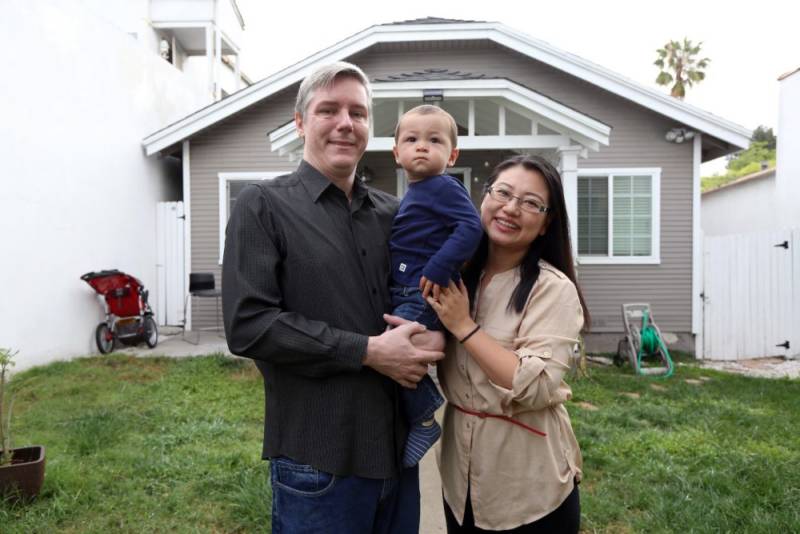
"caption": " Inglewood taxpayers Jason and June Cao Jarvis, shown here at home with their 15-month-old son Kellar, say the federal tax cut actually increased their tax bill.",
"description": " Inglewood taxpayers Jason and June Cao Jarvis, shown here at home with their 15-month-old son Kellar, say the federal tax cut actually increased their tax bill.",
"title": "Jarvis1-1000x667",
"credit": "Iris Schneider/CALmatters",
"status": "inherit",
"isLoading": false,
"fetchFailed": false
},
"news_11738653": {
"type": "attachments",
"id": "news_11738653",
"meta": {
"index": "attachments_1716263798",
"site": "news",
"id": "11738653",
"found": true
},
"parent": 11738509,
"imgSizes": {
"post-thumbnail": {
"file": "https://ww2.kqed.org/app/uploads/sites/10/2019/04/RaisedHandClass-672x372.jpg",
"width": 672,
"mimeType": "image/jpeg",
"height": 372
},
"kqedFullSize": {
"file": "https://ww2.kqed.org/app/uploads/sites/10/2019/04/RaisedHandClass.jpg",
"width": 1440,
"height": 958
},
"guest-author-50": {
"file": "https://ww2.kqed.org/app/uploads/sites/10/2019/04/RaisedHandClass-50x50.jpg",
"width": 50,
"mimeType": "image/jpeg",
"height": 50
},
"guest-author-96": {
"file": "https://ww2.kqed.org/app/uploads/sites/10/2019/04/RaisedHandClass-96x96.jpg",
"width": 96,
"mimeType": "image/jpeg",
"height": 96
},
"apple_news_ca_portrait_12_9": {
"file": "https://ww2.kqed.org/app/uploads/sites/10/2019/04/RaisedHandClass-1122x958.jpg",
"width": 1122,
"mimeType": "image/jpeg",
"height": 958
},
"medium": {
"file": "https://ww2.kqed.org/app/uploads/sites/10/2019/04/RaisedHandClass-800x532.jpg",
"width": 800,
"mimeType": "image/jpeg",
"height": 532
},
"guest-author-32": {
"file": "https://ww2.kqed.org/app/uploads/sites/10/2019/04/RaisedHandClass-32x32.jpg",
"width": 32,
"mimeType": "image/jpeg",
"height": 32
},
"apple_news_ca_portrait_9_7": {
"file": "https://ww2.kqed.org/app/uploads/sites/10/2019/04/RaisedHandClass-840x958.jpg",
"width": 840,
"mimeType": "image/jpeg",
"height": 958
},
"apple_news_ca_square_9_7": {
"file": "https://ww2.kqed.org/app/uploads/sites/10/2019/04/RaisedHandClass-1104x958.jpg",
"width": 1104,
"mimeType": "image/jpeg",
"height": 958
},
"apple_news_ca_portrait_4_7": {
"file": "https://ww2.kqed.org/app/uploads/sites/10/2019/04/RaisedHandClass-414x552.jpg",
"width": 414,
"mimeType": "image/jpeg",
"height": 552
},
"apple_news_ca_portrait_5_5": {
"file": "https://ww2.kqed.org/app/uploads/sites/10/2019/04/RaisedHandClass-687x916.jpg",
"width": 687,
"mimeType": "image/jpeg",
"height": 916
},
"apple_news_ca_square_4_7": {
"file": "https://ww2.kqed.org/app/uploads/sites/10/2019/04/RaisedHandClass-550x550.jpg",
"width": 550,
"mimeType": "image/jpeg",
"height": 550
},
"apple_news_ca_square_5_5": {
"file": "https://ww2.kqed.org/app/uploads/sites/10/2019/04/RaisedHandClass-912x912.jpg",
"width": 912,
"mimeType": "image/jpeg",
"height": 912
},
"apple_news_ca_landscape_5_5": {
"file": "https://ww2.kqed.org/app/uploads/sites/10/2019/04/RaisedHandClass-1044x783.jpg",
"width": 1044,
"mimeType": "image/jpeg",
"height": 783
},
"apple_news_ca_square_4_0": {
"file": "https://ww2.kqed.org/app/uploads/sites/10/2019/04/RaisedHandClass-470x470.jpg",
"width": 470,
"mimeType": "image/jpeg",
"height": 470
},
"twentyfourteen-full-width": {
"file": "https://ww2.kqed.org/app/uploads/sites/10/2019/04/RaisedHandClass-1038x576.jpg",
"width": 1038,
"mimeType": "image/jpeg",
"height": 576
},
"thumbnail": {
"file": "https://ww2.kqed.org/app/uploads/sites/10/2019/04/RaisedHandClass-160x106.jpg",
"width": 160,
"mimeType": "image/jpeg",
"height": 106
},
"apple_news_ca_landscape_4_7": {
"file": "https://ww2.kqed.org/app/uploads/sites/10/2019/04/RaisedHandClass-632x474.jpg",
"width": 632,
"mimeType": "image/jpeg",
"height": 474
},
"large": {
"file": "https://ww2.kqed.org/app/uploads/sites/10/2019/04/RaisedHandClass-1020x679.jpg",
"width": 1020,
"mimeType": "image/jpeg",
"height": 679
},
"complete_open_graph": {
"file": "https://ww2.kqed.org/app/uploads/sites/10/2019/04/RaisedHandClass-1200x798.jpg",
"width": 1200,
"mimeType": "image/jpeg",
"height": 798
},
"apple_news_ca_landscape_4_0": {
"file": "https://ww2.kqed.org/app/uploads/sites/10/2019/04/RaisedHandClass-536x402.jpg",
"width": 536,
"mimeType": "image/jpeg",
"height": 402
},
"guest-author-64": {
"file": "https://ww2.kqed.org/app/uploads/sites/10/2019/04/RaisedHandClass-64x64.jpg",
"width": 64,
"mimeType": "image/jpeg",
"height": 64
},
"apple_news_ca_portrait_4_0": {
"file": "https://ww2.kqed.org/app/uploads/sites/10/2019/04/RaisedHandClass-354x472.jpg",
"width": 354,
"mimeType": "image/jpeg",
"height": 472
},
"guest-author-128": {
"file": "https://ww2.kqed.org/app/uploads/sites/10/2019/04/RaisedHandClass-128x128.jpg",
"width": 128,
"mimeType": "image/jpeg",
"height": 128
},
"apple_news_ca_landscape_9_7": {
"file": "https://ww2.kqed.org/app/uploads/sites/10/2019/04/RaisedHandClass-1376x958.jpg",
"width": 1376,
"mimeType": "image/jpeg",
"height": 958
}
},
"publishDate": 1554761180,
"modified": 1566328162,
"caption": null,
"description": "Students raise their hands in class.",
"title": "RaisedHandClass",
"credit": "Getty Images",
"status": "inherit",
"isLoading": false,
"fetchFailed": false
},
"news_11737916": {
"type": "attachments",
"id": "news_11737916",
"meta": {
"index": "attachments_1716263798",
"site": "news",
"id": "11737916",
"found": true
},
"parent": 11737907,
"imgSizes": {
"post-thumbnail": {
"file": "https://ww2.kqed.org/app/uploads/sites/10/2019/04/tampons-1-672x372.jpg",
"width": 672,
"mimeType": "image/jpeg",
"height": 372
},
"kqedFullSize": {
"file": "https://ww2.kqed.org/app/uploads/sites/10/2019/04/tampons-1.jpg",
"width": 1900,
"height": 1267
},
"guest-author-50": {
"file": "https://ww2.kqed.org/app/uploads/sites/10/2019/04/tampons-1-50x50.jpg",
"width": 50,
"mimeType": "image/jpeg",
"height": 50
},
"guest-author-96": {
"file": "https://ww2.kqed.org/app/uploads/sites/10/2019/04/tampons-1-96x96.jpg",
"width": 96,
"mimeType": "image/jpeg",
"height": 96
},
"apple_news_ca_portrait_12_9": {
"file": "https://ww2.kqed.org/app/uploads/sites/10/2019/04/tampons-1-1122x1267.jpg",
"width": 1122,
"mimeType": "image/jpeg",
"height": 1267
},
"medium": {
"file": "https://ww2.kqed.org/app/uploads/sites/10/2019/04/tampons-1-800x533.jpg",
"width": 800,
"mimeType": "image/jpeg",
"height": 533
},
"guest-author-32": {
"file": "https://ww2.kqed.org/app/uploads/sites/10/2019/04/tampons-1-32x32.jpg",
"width": 32,
"mimeType": "image/jpeg",
"height": 32
},
"apple_news_ca_portrait_9_7": {
"file": "https://ww2.kqed.org/app/uploads/sites/10/2019/04/tampons-1-840x1120.jpg",
"width": 840,
"mimeType": "image/jpeg",
"height": 1120
},
"apple_news_ca_square_9_7": {
"file": "https://ww2.kqed.org/app/uploads/sites/10/2019/04/tampons-1-1104x1104.jpg",
"width": 1104,
"mimeType": "image/jpeg",
"height": 1104
},
"apple_news_ca_portrait_4_7": {
"file": "https://ww2.kqed.org/app/uploads/sites/10/2019/04/tampons-1-414x552.jpg",
"width": 414,
"mimeType": "image/jpeg",
"height": 552
},
"apple_news_ca_square_12_9": {
"file": "https://ww2.kqed.org/app/uploads/sites/10/2019/04/tampons-1-1472x1267.jpg",
"width": 1472,
"mimeType": "image/jpeg",
"height": 1267
},
"apple_news_ca_portrait_5_5": {
"file": "https://ww2.kqed.org/app/uploads/sites/10/2019/04/tampons-1-687x916.jpg",
"width": 687,
"mimeType": "image/jpeg",
"height": 916
},
"apple_news_ca_square_4_7": {
"file": "https://ww2.kqed.org/app/uploads/sites/10/2019/04/tampons-1-550x550.jpg",
"width": 550,
"mimeType": "image/jpeg",
"height": 550
},
"apple_news_ca_square_5_5": {
"file": "https://ww2.kqed.org/app/uploads/sites/10/2019/04/tampons-1-912x912.jpg",
"width": 912,
"mimeType": "image/jpeg",
"height": 912
},
"apple_news_ca_landscape_5_5": {
"file": "https://ww2.kqed.org/app/uploads/sites/10/2019/04/tampons-1-1044x783.jpg",
"width": 1044,
"mimeType": "image/jpeg",
"height": 783
},
"apple_news_ca_square_4_0": {
"file": "https://ww2.kqed.org/app/uploads/sites/10/2019/04/tampons-1-470x470.jpg",
"width": 470,
"mimeType": "image/jpeg",
"height": 470
},
"twentyfourteen-full-width": {
"file": "https://ww2.kqed.org/app/uploads/sites/10/2019/04/tampons-1-1038x576.jpg",
"width": 1038,
"mimeType": "image/jpeg",
"height": 576
},
"thumbnail": {
"file": "https://ww2.kqed.org/app/uploads/sites/10/2019/04/tampons-1-160x107.jpg",
"width": 160,
"mimeType": "image/jpeg",
"height": 107
},
"apple_news_ca_landscape_4_7": {
"file": "https://ww2.kqed.org/app/uploads/sites/10/2019/04/tampons-1-632x474.jpg",
"width": 632,
"mimeType": "image/jpeg",
"height": 474
},
"large": {
"file": "https://ww2.kqed.org/app/uploads/sites/10/2019/04/tampons-1-1020x680.jpg",
"width": 1020,
"mimeType": "image/jpeg",
"height": 680
},
"complete_open_graph": {
"file": "https://ww2.kqed.org/app/uploads/sites/10/2019/04/tampons-1-1200x800.jpg",
"width": 1200,
"mimeType": "image/jpeg",
"height": 800
},
"apple_news_ca_landscape_4_0": {
"file": "https://ww2.kqed.org/app/uploads/sites/10/2019/04/tampons-1-536x402.jpg",
"width": 536,
"mimeType": "image/jpeg",
"height": 402
},
"guest-author-64": {
"file": "https://ww2.kqed.org/app/uploads/sites/10/2019/04/tampons-1-64x64.jpg",
"width": 64,
"mimeType": "image/jpeg",
"height": 64
},
"apple_news_ca_portrait_4_0": {
"file": "https://ww2.kqed.org/app/uploads/sites/10/2019/04/tampons-1-354x472.jpg",
"width": 354,
"mimeType": "image/jpeg",
"height": 472
},
"apple_news_ca_landscape_12_9": {
"file": "https://ww2.kqed.org/app/uploads/sites/10/2019/04/tampons-1-1832x1267.jpg",
"width": 1832,
"mimeType": "image/jpeg",
"height": 1267
},
"guest-author-128": {
"file": "https://ww2.kqed.org/app/uploads/sites/10/2019/04/tampons-1-128x128.jpg",
"width": 128,
"mimeType": "image/jpeg",
"height": 128
},
"apple_news_ca_landscape_9_7": {
"file": "https://ww2.kqed.org/app/uploads/sites/10/2019/04/tampons-1-1376x1032.jpg",
"width": 1376,
"mimeType": "image/jpeg",
"height": 1032
}
},
"publishDate": 1554409203,
"modified": 1554409329,
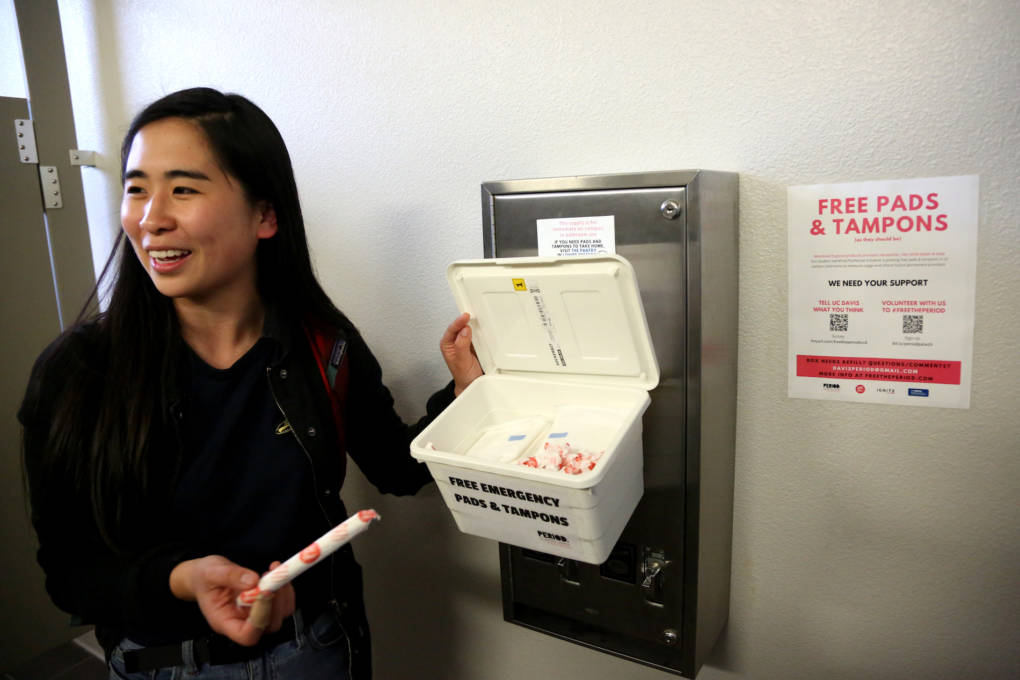
"caption": "UC Davis student Annie Wang 20, demonstrates the feminine products provided by \"Free the Period,\" which places free emergency sanitary napkins and tampons in every women's restroom on campus. ",
"description": null,
"title": "tampons",
"credit": "Maria Avila/CALmatters",
"status": "inherit",
"isLoading": false,
"fetchFailed": false
},
"news_11732443": {
"type": "attachments",
"id": "news_11732443",
"meta": {
"index": "attachments_1716263798",
"site": "news",
"id": "11732443",
"found": true
},
"parent": 11732419,
"imgSizes": {
"thumbnail": {
"file": "https://ww2.kqed.org/app/uploads/sites/10/2019/03/without-border-1000x554-160x89.jpg",
"width": 160,
"mimeType": "image/jpeg",
"height": 89
},
"post-thumbnail": {
"file": "https://ww2.kqed.org/app/uploads/sites/10/2019/03/without-border-1000x554-672x372.jpg",
"width": 672,
"mimeType": "image/jpeg",
"height": 372
},
"kqedFullSize": {
"file": "https://ww2.kqed.org/app/uploads/sites/10/2019/03/without-border-1000x554.jpg",
"width": 1000,
"height": 554
},
"guest-author-50": {
"file": "https://ww2.kqed.org/app/uploads/sites/10/2019/03/without-border-1000x554-50x50.jpg",
"width": 50,
"mimeType": "image/jpeg",
"height": 50
},
"guest-author-96": {
"file": "https://ww2.kqed.org/app/uploads/sites/10/2019/03/without-border-1000x554-96x96.jpg",
"width": 96,
"mimeType": "image/jpeg",
"height": 96
},
"medium": {
"file": "https://ww2.kqed.org/app/uploads/sites/10/2019/03/without-border-1000x554-800x443.jpg",
"width": 800,
"mimeType": "image/jpeg",
"height": 443
},
"guest-author-64": {
"file": "https://ww2.kqed.org/app/uploads/sites/10/2019/03/without-border-1000x554-64x64.jpg",
"width": 64,
"mimeType": "image/jpeg",
"height": 64
},
"guest-author-32": {
"file": "https://ww2.kqed.org/app/uploads/sites/10/2019/03/without-border-1000x554-32x32.jpg",
"width": 32,
"mimeType": "image/jpeg",
"height": 32
},
"guest-author-128": {
"file": "https://ww2.kqed.org/app/uploads/sites/10/2019/03/without-border-1000x554-128x128.jpg",
"width": 128,
"mimeType": "image/jpeg",
"height": 128
}
},
"publishDate": 1552421954,
"modified": 1552421968,
"caption": null,
"description": null,
"title": "without-border-1000x554",
"credit": "CALmatters",
"status": "inherit",
"isLoading": false,
"fetchFailed": false
},
"news_11704337": {
"type": "attachments",
"id": "news_11704337",
"meta": {
"index": "attachments_1716263798",
"site": "news",
"id": "11704337",
"found": true
},
"parent": 11704202,
"imgSizes": {
"twentyfourteen-full-width": {
"file": "https://ww2.kqed.org/app/uploads/sites/10/2018/11/RS33564_AW_GasTax_03-qut-1038x576.jpg",
"width": 1038,
"mimeType": "image/jpeg",
"height": 576
},
"thumbnail": {
"file": "https://ww2.kqed.org/app/uploads/sites/10/2018/11/RS33564_AW_GasTax_03-qut-160x107.jpg",
"width": 160,
"mimeType": "image/jpeg",
"height": 107
},
"post-thumbnail": {
"file": "https://ww2.kqed.org/app/uploads/sites/10/2018/11/RS33564_AW_GasTax_03-qut-672x372.jpg",
"width": 672,
"mimeType": "image/jpeg",
"height": 372
},
"kqedFullSize": {
"file": "https://ww2.kqed.org/app/uploads/sites/10/2018/11/RS33564_AW_GasTax_03-qut.jpg",
"width": 1920,
"height": 1280
},
"large": {
"file": "https://ww2.kqed.org/app/uploads/sites/10/2018/11/RS33564_AW_GasTax_03-qut-1020x680.jpg",
"width": 1020,
"mimeType": "image/jpeg",
"height": 680
},
"complete_open_graph": {
"file": "https://ww2.kqed.org/app/uploads/sites/10/2018/11/RS33564_AW_GasTax_03-qut-1200x800.jpg",
"width": 1200,
"mimeType": "image/jpeg",
"height": 800
},
"guest-author-50": {
"file": "https://ww2.kqed.org/app/uploads/sites/10/2018/11/RS33564_AW_GasTax_03-qut-50x50.jpg",
"width": 50,
"mimeType": "image/jpeg",
"height": 50
},
"guest-author-96": {
"file": "https://ww2.kqed.org/app/uploads/sites/10/2018/11/RS33564_AW_GasTax_03-qut-96x96.jpg",
"width": 96,
"mimeType": "image/jpeg",
"height": 96
},
"medium": {
"file": "https://ww2.kqed.org/app/uploads/sites/10/2018/11/RS33564_AW_GasTax_03-qut-800x533.jpg",
"width": 800,
"mimeType": "image/jpeg",
"height": 533
},
"guest-author-64": {
"file": "https://ww2.kqed.org/app/uploads/sites/10/2018/11/RS33564_AW_GasTax_03-qut-64x64.jpg",
"width": 64,
"mimeType": "image/jpeg",
"height": 64
},
"guest-author-32": {
"file": "https://ww2.kqed.org/app/uploads/sites/10/2018/11/RS33564_AW_GasTax_03-qut-32x32.jpg",
"width": 32,
"mimeType": "image/jpeg",
"height": 32
},
"full-width": {
"file": "https://ww2.kqed.org/app/uploads/sites/10/2018/11/RS33564_AW_GasTax_03-qut-1920x1280.jpg",
"width": 1920,
"mimeType": "image/jpeg",
"height": 1280
},
"detail": {
"file": "https://ww2.kqed.org/app/uploads/sites/10/2018/11/RS33564_AW_GasTax_03-qut-150x150.jpg",
"width": 150,
"mimeType": "image/jpeg",
"height": 150
},
"guest-author-128": {
"file": "https://ww2.kqed.org/app/uploads/sites/10/2018/11/RS33564_AW_GasTax_03-qut-128x128.jpg",
"width": 128,
"mimeType": "image/jpeg",
"height": 128
}
},
"publishDate": 1541570744,
"modified": 1541570907,
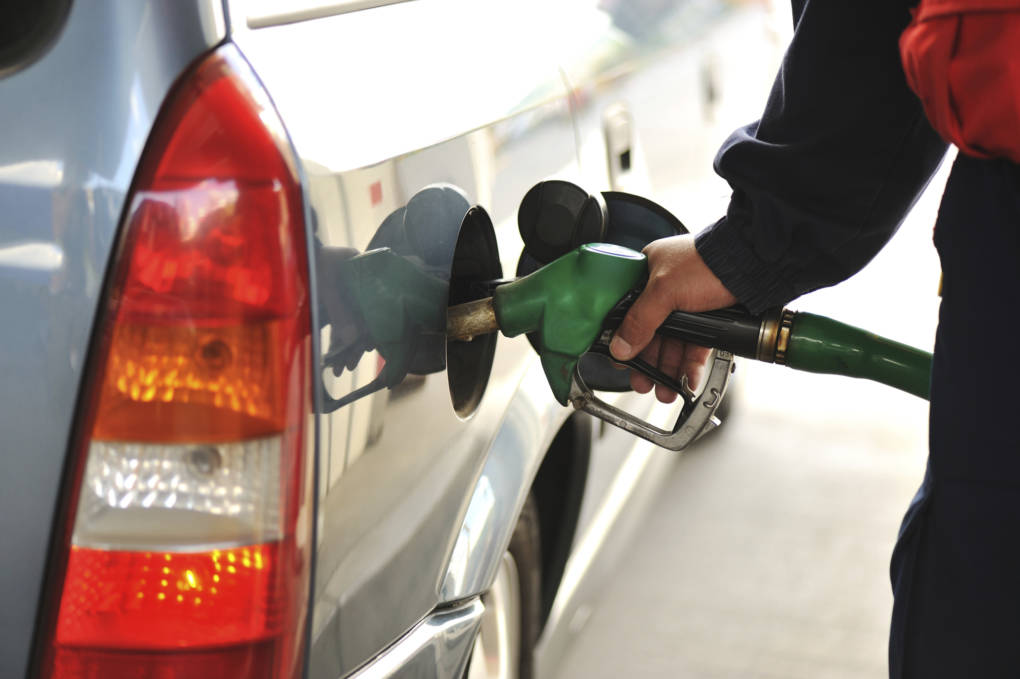
"caption": "A man pumps gas at a station in Berkeley on October 29, 2018. Proposition 6 would eliminate an increase in fuel taxes and vehicle fees. ",
"description": null,
"title": "Proposition 6-Gas Tax Repeal",
"credit": "Anne Wernikoff/KQED",
"status": "inherit",
"isLoading": false,
"fetchFailed": false
},
"news_11673921": {
"type": "attachments",
"id": "news_11673921",
"meta": {
"index": "attachments_1716263798",
"site": "news",
"id": "11673921",
"found": true
},
"parent": 11672549,
"imgSizes": {
"small": {
"file": "https://ww2.kqed.org/app/uploads/sites/10/2018/06/Home-for-sale-The-Registry-real-estate-520x389.jpg",
"width": 520,
"mimeType": "image/jpeg",
"height": 389
},
"twentyfourteen-full-width": {
"file": "https://ww2.kqed.org/app/uploads/sites/10/2018/06/Home-for-sale-The-Registry-real-estate-801x576.jpg",
"width": 801,
"mimeType": "image/jpeg",
"height": 576
},
"thumbnail": {
"file": "https://ww2.kqed.org/app/uploads/sites/10/2018/06/Home-for-sale-The-Registry-real-estate-160x120.jpg",
"width": 160,
"mimeType": "image/jpeg",
"height": 120
},
"post-thumbnail": {
"file": "https://ww2.kqed.org/app/uploads/sites/10/2018/06/Home-for-sale-The-Registry-real-estate-672x372.jpg",
"width": 672,
"mimeType": "image/jpeg",
"height": 372
},
"xsmall": {
"file": "https://ww2.kqed.org/app/uploads/sites/10/2018/06/Home-for-sale-The-Registry-real-estate-375x280.jpg",
"width": 375,
"mimeType": "image/jpeg",
"height": 280
},
"kqedFullSize": {
"file": "https://ww2.kqed.org/app/uploads/sites/10/2018/06/Home-for-sale-The-Registry-real-estate.jpg",
"width": 801,
"height": 599
},
"guest-author-50": {
"file": "https://ww2.kqed.org/app/uploads/sites/10/2018/06/Home-for-sale-The-Registry-real-estate-50x50.jpg",
"width": 50,
"mimeType": "image/jpeg",
"height": 50
},
"guest-author-96": {
"file": "https://ww2.kqed.org/app/uploads/sites/10/2018/06/Home-for-sale-The-Registry-real-estate-96x96.jpg",
"width": 96,
"mimeType": "image/jpeg",
"height": 96
},
"medium": {
"file": "https://ww2.kqed.org/app/uploads/sites/10/2018/06/Home-for-sale-The-Registry-real-estate-800x598.jpg",
"width": 800,
"mimeType": "image/jpeg",
"height": 598
},
"guest-author-64": {
"file": "https://ww2.kqed.org/app/uploads/sites/10/2018/06/Home-for-sale-The-Registry-real-estate-64x64.jpg",
"width": 64,
"mimeType": "image/jpeg",
"height": 64
},
"guest-author-32": {
"file": "https://ww2.kqed.org/app/uploads/sites/10/2018/06/Home-for-sale-The-Registry-real-estate-32x32.jpg",
"width": 32,
"mimeType": "image/jpeg",
"height": 32
},
"detail": {
"file": "https://ww2.kqed.org/app/uploads/sites/10/2018/06/Home-for-sale-The-Registry-real-estate-150x150.jpg",
"width": 150,
"mimeType": "image/jpeg",
"height": 150
},
"guest-author-128": {
"file": "https://ww2.kqed.org/app/uploads/sites/10/2018/06/Home-for-sale-The-Registry-real-estate-128x128.jpg",
"width": 128,
"mimeType": "image/jpeg",
"height": 128
},
"xxsmall": {
"file": "https://ww2.kqed.org/app/uploads/sites/10/2018/06/Home-for-sale-The-Registry-real-estate-240x179.jpg",
"width": 240,
"mimeType": "image/jpeg",
"height": 179
}
},
"publishDate": 1528581953,
"modified": 1586971679,
"caption": null,
"description": null,
"title": null,
"credit": "Creative Commons",
"status": "inherit",
"isLoading": false,
"fetchFailed": false
},
"news_11702202": {
"type": "attachments",
"id": "news_11702202",
"meta": {
"index": "attachments_1716263798",
"site": "news",
"id": "11702202",
"found": true
},
"parent": 11702114,
"imgSizes": {
"small": {
"file": "https://ww2.kqed.org/app/uploads/sites/10/2018/10/GettyImages-681579052-520x336.jpg",
"width": 520,
"mimeType": "image/jpeg",
"height": 336
},
"twentyfourteen-full-width": {
"file": "https://ww2.kqed.org/app/uploads/sites/10/2018/10/GettyImages-681579052-1038x576.jpg",
"width": 1038,
"mimeType": "image/jpeg",
"height": 576
},
"thumbnail": {
"file": "https://ww2.kqed.org/app/uploads/sites/10/2018/10/GettyImages-681579052-160x103.jpg",
"width": 160,
"mimeType": "image/jpeg",
"height": 103
},
"fd-sm": {
"file": "https://ww2.kqed.org/app/uploads/sites/10/2018/10/GettyImages-681579052-960x620.jpg",
"width": 960,
"mimeType": "image/jpeg",
"height": 620
},
"post-thumbnail": {
"file": "https://ww2.kqed.org/app/uploads/sites/10/2018/10/GettyImages-681579052-672x372.jpg",
"width": 672,
"mimeType": "image/jpeg",
"height": 372
},
"xsmall": {
"file": "https://ww2.kqed.org/app/uploads/sites/10/2018/10/GettyImages-681579052-375x242.jpg",
"width": 375,
"mimeType": "image/jpeg",
"height": 242
},
"kqedFullSize": {
"file": "https://ww2.kqed.org/app/uploads/sites/10/2018/10/GettyImages-681579052-e1540856273777.jpg",
"width": 1920,
"height": 1239
},
"large": {
"file": "https://ww2.kqed.org/app/uploads/sites/10/2018/10/GettyImages-681579052-1020x658.jpg",
"width": 1020,
"mimeType": "image/jpeg",
"height": 658
},
"xlarge": {
"file": "https://ww2.kqed.org/app/uploads/sites/10/2018/10/GettyImages-681579052-1180x761.jpg",
"width": 1180,
"mimeType": "image/jpeg",
"height": 761
},
"complete_open_graph": {
"file": "https://ww2.kqed.org/app/uploads/sites/10/2018/10/GettyImages-681579052-1200x774.jpg",
"width": 1200,
"mimeType": "image/jpeg",
"height": 774
},
"guest-author-50": {
"file": "https://ww2.kqed.org/app/uploads/sites/10/2018/10/GettyImages-681579052-50x50.jpg",
"width": 50,
"mimeType": "image/jpeg",
"height": 50
},
"guest-author-96": {
"file": "https://ww2.kqed.org/app/uploads/sites/10/2018/10/GettyImages-681579052-96x96.jpg",
"width": 96,
"mimeType": "image/jpeg",
"height": 96
},
"medium": {
"file": "https://ww2.kqed.org/app/uploads/sites/10/2018/10/GettyImages-681579052-800x516.jpg",
"width": 800,
"mimeType": "image/jpeg",
"height": 516
},
"guest-author-64": {
"file": "https://ww2.kqed.org/app/uploads/sites/10/2018/10/GettyImages-681579052-64x64.jpg",
"width": 64,
"mimeType": "image/jpeg",
"height": 64
},
"guest-author-32": {
"file": "https://ww2.kqed.org/app/uploads/sites/10/2018/10/GettyImages-681579052-32x32.jpg",
"width": 32,
"mimeType": "image/jpeg",
"height": 32
},
"fd-lrg": {
"file": "https://ww2.kqed.org/app/uploads/sites/10/2018/10/GettyImages-681579052-1920x1239.jpg",
"width": 1920,
"mimeType": "image/jpeg",
"height": 1239
},
"fd-med": {
"file": "https://ww2.kqed.org/app/uploads/sites/10/2018/10/GettyImages-681579052-1180x761.jpg",
"width": 1180,
"mimeType": "image/jpeg",
"height": 761
},
"full-width": {
"file": "https://ww2.kqed.org/app/uploads/sites/10/2018/10/GettyImages-681579052-1920x1239.jpg",
"width": 1920,
"mimeType": "image/jpeg",
"height": 1239
},
"detail": {
"file": "https://ww2.kqed.org/app/uploads/sites/10/2018/10/GettyImages-681579052-150x150.jpg",
"width": 150,
"mimeType": "image/jpeg",
"height": 150
},
"guest-author-128": {
"file": "https://ww2.kqed.org/app/uploads/sites/10/2018/10/GettyImages-681579052-128x128.jpg",
"width": 128,
"mimeType": "image/jpeg",
"height": 128
},
"xxsmall": {
"file": "https://ww2.kqed.org/app/uploads/sites/10/2018/10/GettyImages-681579052-240x155.jpg",
"width": 240,
"mimeType": "image/jpeg",
"height": 155
}
},
"publishDate": 1540856072,
"modified": 1540860575,
"caption": "Gas prices on display in San Rafael in May 2017, soon after Gov. Jerry Brown signed SB 1. The measure raised fuel taxes and vehicle fees to provide funding for road and street repair, transit and other transportation projects. ",
"description": null,
"title": "Proposition 6-Gas Tax Repeal",
"credit": "Justin Sullivan/Getty Images",
"status": "inherit",
"isLoading": false,
"fetchFailed": false
},
"news_11701954": {
"type": "attachments",
"id": "news_11701954",
"meta": {
"index": "attachments_1716263798",
"site": "news",
"id": "11701954",
"found": true
},
"parent": 11701948,
"imgSizes": {
"small": {
"file": "https://ww2.kqed.org/app/uploads/sites/10/2018/10/IMG_20181028_140807-520x390.jpg",
"width": 520,
"mimeType": "image/jpeg",
"height": 390
},
"twentyfourteen-full-width": {
"file": "https://ww2.kqed.org/app/uploads/sites/10/2018/10/IMG_20181028_140807-1038x576.jpg",
"width": 1038,
"mimeType": "image/jpeg",
"height": 576
},
"thumbnail": {
"file": "https://ww2.kqed.org/app/uploads/sites/10/2018/10/IMG_20181028_140807-160x120.jpg",
"width": 160,
"mimeType": "image/jpeg",
"height": 120
},
"fd-sm": {
"file": "https://ww2.kqed.org/app/uploads/sites/10/2018/10/IMG_20181028_140807-960x720.jpg",
"width": 960,
"mimeType": "image/jpeg",
"height": 720
},
"post-thumbnail": {
"file": "https://ww2.kqed.org/app/uploads/sites/10/2018/10/IMG_20181028_140807-672x372.jpg",
"width": 672,
"mimeType": "image/jpeg",
"height": 372
},
"xsmall": {
"file": "https://ww2.kqed.org/app/uploads/sites/10/2018/10/IMG_20181028_140807-375x281.jpg",
"width": 375,
"mimeType": "image/jpeg",
"height": 281
},
"kqedFullSize": {
"file": "https://ww2.kqed.org/app/uploads/sites/10/2018/10/IMG_20181028_140807.jpg",
"width": 1083,
"height": 812
},
"large": {
"file": "https://ww2.kqed.org/app/uploads/sites/10/2018/10/IMG_20181028_140807-1020x765.jpg",
"width": 1020,
"mimeType": "image/jpeg",
"height": 765
},
"guest-author-50": {
"file": "https://ww2.kqed.org/app/uploads/sites/10/2018/10/IMG_20181028_140807-50x50.jpg",
"width": 50,
"mimeType": "image/jpeg",
"height": 50
},
"guest-author-96": {
"file": "https://ww2.kqed.org/app/uploads/sites/10/2018/10/IMG_20181028_140807-96x96.jpg",
"width": 96,
"mimeType": "image/jpeg",
"height": 96
},
"medium": {
"file": "https://ww2.kqed.org/app/uploads/sites/10/2018/10/IMG_20181028_140807-800x600.jpg",
"width": 800,
"mimeType": "image/jpeg",
"height": 600
},
"guest-author-64": {
"file": "https://ww2.kqed.org/app/uploads/sites/10/2018/10/IMG_20181028_140807-64x64.jpg",
"width": 64,
"mimeType": "image/jpeg",
"height": 64
},
"guest-author-32": {
"file": "https://ww2.kqed.org/app/uploads/sites/10/2018/10/IMG_20181028_140807-32x32.jpg",
"width": 32,
"mimeType": "image/jpeg",
"height": 32
},
"detail": {
"file": "https://ww2.kqed.org/app/uploads/sites/10/2018/10/IMG_20181028_140807-150x150.jpg",
"width": 150,
"mimeType": "image/jpeg",
"height": 150
},
"guest-author-128": {
"file": "https://ww2.kqed.org/app/uploads/sites/10/2018/10/IMG_20181028_140807-128x128.jpg",
"width": 128,
"mimeType": "image/jpeg",
"height": 128
},
"xxsmall": {
"file": "https://ww2.kqed.org/app/uploads/sites/10/2018/10/IMG_20181028_140807-240x180.jpg",
"width": 240,
"mimeType": "image/jpeg",
"height": 180
}
},
"publishDate": 1540775977,
"modified": 1540778135,
"caption": "People gathered in the Castro neighborhood on Sunday for the Hair and Heels bike ride. ",
"description": null,
"title": "IMG_20181028_140807",
"credit": "Muna Danish/KQED",
"status": "inherit",
"isLoading": false,
"fetchFailed": false
},
"news_11700619": {
"type": "attachments",
"id": "news_11700619",
"meta": {
"index": "attachments_1716263798",
"site": "news",
"id": "11700619",
"found": true
},
"parent": 0,
"imgSizes": {
"small": {
"file": "https://ww2.kqed.org/app/uploads/sites/10/2018/10/prop-5-ken-sitting-520x410.jpg",
"width": 520,
"mimeType": "image/jpeg",
"height": 410
},
"twentyfourteen-full-width": {
"file": "https://ww2.kqed.org/app/uploads/sites/10/2018/10/prop-5-ken-sitting-1038x576.jpg",
"width": 1038,
"mimeType": "image/jpeg",
"height": 576
},
"thumbnail": {
"file": "https://ww2.kqed.org/app/uploads/sites/10/2018/10/prop-5-ken-sitting-160x126.jpg",
"width": 160,
"mimeType": "image/jpeg",
"height": 126
},
"fd-sm": {
"file": "https://ww2.kqed.org/app/uploads/sites/10/2018/10/prop-5-ken-sitting-960x757.jpg",
"width": 960,
"mimeType": "image/jpeg",
"height": 757
},
"post-thumbnail": {
"file": "https://ww2.kqed.org/app/uploads/sites/10/2018/10/prop-5-ken-sitting-672x372.jpg",
"width": 672,
"mimeType": "image/jpeg",
"height": 372
},
"xsmall": {
"file": "https://ww2.kqed.org/app/uploads/sites/10/2018/10/prop-5-ken-sitting-375x296.jpg",
"width": 375,
"mimeType": "image/jpeg",
"height": 296
},
"kqedFullSize": {
"file": "https://ww2.kqed.org/app/uploads/sites/10/2018/10/prop-5-ken-sitting.jpg",
"width": 3000,
"height": 2367
},
"large": {
"file": "https://ww2.kqed.org/app/uploads/sites/10/2018/10/prop-5-ken-sitting-1020x805.jpg",
"width": 1020,
"mimeType": "image/jpeg",
"height": 805
},
"xlarge": {
"file": "https://ww2.kqed.org/app/uploads/sites/10/2018/10/prop-5-ken-sitting-1180x931.jpg",
"width": 1180,
"mimeType": "image/jpeg",
"height": 931
},
"complete_open_graph": {
"file": "https://ww2.kqed.org/app/uploads/sites/10/2018/10/prop-5-ken-sitting-1200x947.jpg",
"width": 1200,
"mimeType": "image/jpeg",
"height": 947
},
"guest-author-50": {
"file": "https://ww2.kqed.org/app/uploads/sites/10/2018/10/prop-5-ken-sitting-50x50.jpg",
"width": 50,
"mimeType": "image/jpeg",
"height": 50
},
"guest-author-96": {
"file": "https://ww2.kqed.org/app/uploads/sites/10/2018/10/prop-5-ken-sitting-96x96.jpg",
"width": 96,
"mimeType": "image/jpeg",
"height": 96
},
"medium": {
"file": "https://ww2.kqed.org/app/uploads/sites/10/2018/10/prop-5-ken-sitting-800x631.jpg",
"width": 800,
"mimeType": "image/jpeg",
"height": 631
},
"guest-author-64": {
"file": "https://ww2.kqed.org/app/uploads/sites/10/2018/10/prop-5-ken-sitting-64x64.jpg",
"width": 64,
"mimeType": "image/jpeg",
"height": 64
},
"guest-author-32": {
"file": "https://ww2.kqed.org/app/uploads/sites/10/2018/10/prop-5-ken-sitting-32x32.jpg",
"width": 32,
"mimeType": "image/jpeg",
"height": 32
},
"fd-lrg": {
"file": "https://ww2.kqed.org/app/uploads/sites/10/2018/10/prop-5-ken-sitting-1920x1515.jpg",
"width": 1920,
"mimeType": "image/jpeg",
"height": 1515
},
"fd-med": {
"file": "https://ww2.kqed.org/app/uploads/sites/10/2018/10/prop-5-ken-sitting-1180x931.jpg",
"width": 1180,
"mimeType": "image/jpeg",
"height": 931
},
"full-width": {
"file": "https://ww2.kqed.org/app/uploads/sites/10/2018/10/prop-5-ken-sitting-1920x1515.jpg",
"width": 1920,
"mimeType": "image/jpeg",
"height": 1515
},
"detail": {
"file": "https://ww2.kqed.org/app/uploads/sites/10/2018/10/prop-5-ken-sitting-150x150.jpg",
"width": 150,
"mimeType": "image/jpeg",
"height": 150
},
"guest-author-128": {
"file": "https://ww2.kqed.org/app/uploads/sites/10/2018/10/prop-5-ken-sitting-128x128.jpg",
"width": 128,
"mimeType": "image/jpeg",
"height": 128
},
"xxsmall": {
"file": "https://ww2.kqed.org/app/uploads/sites/10/2018/10/prop-5-ken-sitting-240x189.jpg",
"width": 240,
"mimeType": "image/jpeg",
"height": 189
}
},
"publishDate": 1540319679,
"modified": 1540322719,
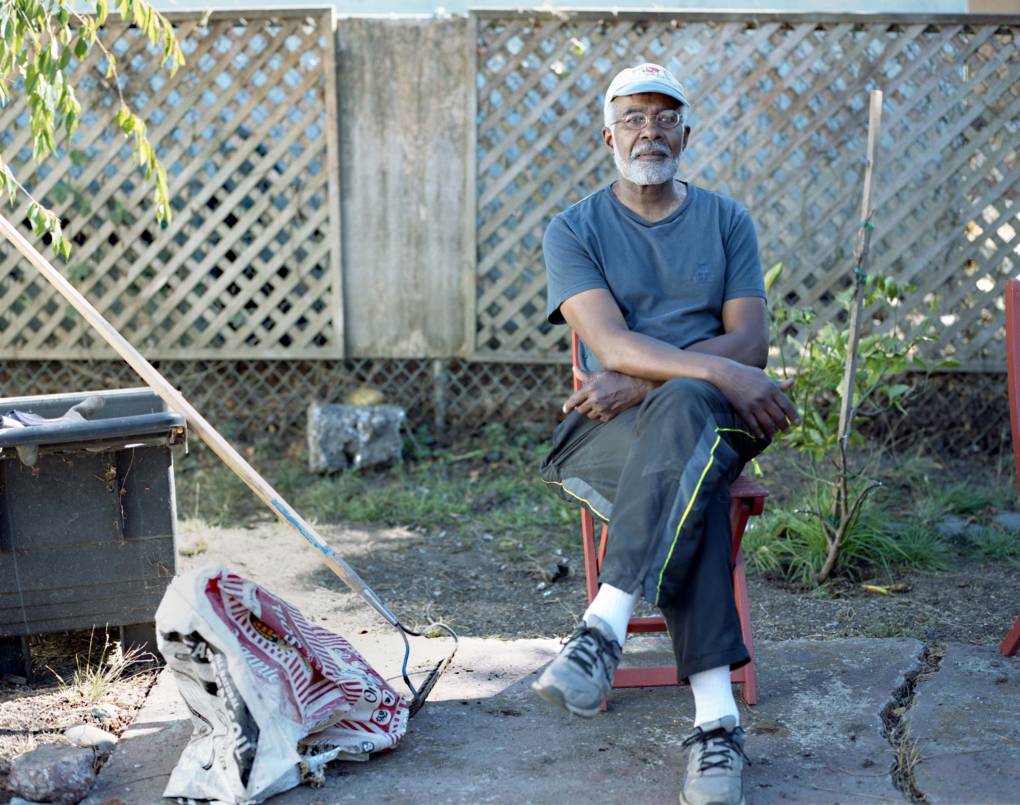
"caption": "Even if Proposition 5 passes, longtime owner Kenneth Wilkins doesn’t plan on selling.",
"description": "Even if Proposition 5 passes, longtime owner Kenneth Wilkins doesn’t plan on selling.",
"title": "prop-5-ken-sitting",
"credit": "Sean Havey for California Dream",
"status": "inherit",
"isLoading": false,
"fetchFailed": false
},
"news_11641925": {
"type": "attachments",
"id": "news_11641925",
"meta": {
"index": "attachments_1716263798",
"site": "news",
"id": "11641925",
"found": true
},
"parent": 11641922,
"imgSizes": {
"small": {
"file": "https://ww2.kqed.org/app/uploads/sites/10/2018/01/RS9144_476374685-520x346.jpg",
"width": 520,
"mimeType": "image/jpeg",
"height": 346
},
"twentyfourteen-full-width": {
"file": "https://ww2.kqed.org/app/uploads/sites/10/2018/01/RS9144_476374685-1038x576.jpg",
"width": 1038,
"mimeType": "image/jpeg",
"height": 576
},
"thumbnail": {
"file": "https://ww2.kqed.org/app/uploads/sites/10/2018/01/RS9144_476374685-160x106.jpg",
"width": 160,
"mimeType": "image/jpeg",
"height": 106
},
"fd-sm": {
"file": "https://ww2.kqed.org/app/uploads/sites/10/2018/01/RS9144_476374685-960x639.jpg",
"width": 960,
"mimeType": "image/jpeg",
"height": 639
},
"post-thumbnail": {
"file": "https://ww2.kqed.org/app/uploads/sites/10/2018/01/RS9144_476374685-672x372.jpg",
"width": 672,
"mimeType": "image/jpeg",
"height": 372
},
"xsmall": {
"file": "https://ww2.kqed.org/app/uploads/sites/10/2018/01/RS9144_476374685-375x249.jpg",
"width": 375,
"mimeType": "image/jpeg",
"height": 249
},
"kqedFullSize": {
"file": "https://ww2.kqed.org/app/uploads/sites/10/2018/01/RS9144_476374685-e1515878608198.jpg",
"width": 1920,
"height": 1277
},
"large": {
"file": "https://ww2.kqed.org/app/uploads/sites/10/2018/01/RS9144_476374685-1020x679.jpg",
"width": 1020,
"mimeType": "image/jpeg",
"height": 679
},
"xlarge": {
"file": "https://ww2.kqed.org/app/uploads/sites/10/2018/01/RS9144_476374685-1180x785.jpg",
"width": 1180,
"mimeType": "image/jpeg",
"height": 785
},
"guest-author-50": {
"file": "https://ww2.kqed.org/app/uploads/sites/10/2018/01/RS9144_476374685-50x50.jpg",
"width": 50,
"mimeType": "image/jpeg",
"height": 50
},
"guest-author-96": {
"file": "https://ww2.kqed.org/app/uploads/sites/10/2018/01/RS9144_476374685-96x96.jpg",
"width": 96,
"mimeType": "image/jpeg",
"height": 96
},
"medium": {
"file": "https://ww2.kqed.org/app/uploads/sites/10/2018/01/RS9144_476374685-800x532.jpg",
"width": 800,
"mimeType": "image/jpeg",
"height": 532
},
"guest-author-64": {
"file": "https://ww2.kqed.org/app/uploads/sites/10/2018/01/RS9144_476374685-64x64.jpg",
"width": 64,
"mimeType": "image/jpeg",
"height": 64
},
"guest-author-32": {
"file": "https://ww2.kqed.org/app/uploads/sites/10/2018/01/RS9144_476374685-32x32.jpg",
"width": 32,
"mimeType": "image/jpeg",
"height": 32
},
"fd-lrg": {
"file": "https://ww2.kqed.org/app/uploads/sites/10/2018/01/RS9144_476374685-1920x1277.jpg",
"width": 1920,
"mimeType": "image/jpeg",
"height": 1277
},
"fd-med": {
"file": "https://ww2.kqed.org/app/uploads/sites/10/2018/01/RS9144_476374685-1180x785.jpg",
"width": 1180,
"mimeType": "image/jpeg",
"height": 785
},
"full-width": {
"file": "https://ww2.kqed.org/app/uploads/sites/10/2018/01/RS9144_476374685-1920x1277.jpg",
"width": 1920,
"mimeType": "image/jpeg",
"height": 1277
},
"detail": {
"file": "https://ww2.kqed.org/app/uploads/sites/10/2018/01/RS9144_476374685-150x150.jpg",
"width": 150,
"mimeType": "image/jpeg",
"height": 150
},
"guest-author-128": {
"file": "https://ww2.kqed.org/app/uploads/sites/10/2018/01/RS9144_476374685-128x128.jpg",
"width": 128,
"mimeType": "image/jpeg",
"height": 128
},
"xxsmall": {
"file": "https://ww2.kqed.org/app/uploads/sites/10/2018/01/RS9144_476374685-240x160.jpg",
"width": 240,
"mimeType": "image/jpeg",
"height": 160
}
},
"publishDate": 1515878590,
"modified": 1539756212,
"caption": "California voters will decide next month on Proposition 6, a measure that would repeal higher fuel taxes and vehicle fees enacted in 2017. ",
"description": "Work is being done to collect enough signatures for another initiative that would repeal last year's hike in gas taxes.",
"title": "Gas Tax Repeal",
"credit": "Getty Images",
"status": "inherit",
"isLoading": false,
"fetchFailed": false
},
"news_11697284": {
"type": "attachments",
"id": "news_11697284",
"meta": {
"index": "attachments_1716263798",
"site": "news",
"id": "11697284",
"found": true
},
"parent": 11696966,
"imgSizes": {
"small": {
"file": "https://ww2.kqed.org/app/uploads/sites/10/2018/10/RS16247_GettyImages-150582090-qut-520x345.jpg",
"width": 520,
"mimeType": "image/jpeg",
"height": 345
},
"twentyfourteen-full-width": {
"file": "https://ww2.kqed.org/app/uploads/sites/10/2018/10/RS16247_GettyImages-150582090-qut-1038x576.jpg",
"width": 1038,
"mimeType": "image/jpeg",
"height": 576
},
"thumbnail": {
"file": "https://ww2.kqed.org/app/uploads/sites/10/2018/10/RS16247_GettyImages-150582090-qut-160x106.jpg",
"width": 160,
"mimeType": "image/jpeg",
"height": 106
},
"fd-sm": {
"file": "https://ww2.kqed.org/app/uploads/sites/10/2018/10/RS16247_GettyImages-150582090-qut-960x636.jpg",
"width": 960,
"mimeType": "image/jpeg",
"height": 636
},
"post-thumbnail": {
"file": "https://ww2.kqed.org/app/uploads/sites/10/2018/10/RS16247_GettyImages-150582090-qut-672x372.jpg",
"width": 672,
"mimeType": "image/jpeg",
"height": 372
},
"xsmall": {
"file": "https://ww2.kqed.org/app/uploads/sites/10/2018/10/RS16247_GettyImages-150582090-qut-375x248.jpg",
"width": 375,
"mimeType": "image/jpeg",
"height": 248
},
"kqedFullSize": {
"file": "https://ww2.kqed.org/app/uploads/sites/10/2018/10/RS16247_GettyImages-150582090-qut.jpg",
"width": 1920,
"height": 1272
},
"large": {
"file": "https://ww2.kqed.org/app/uploads/sites/10/2018/10/RS16247_GettyImages-150582090-qut-1020x676.jpg",
"width": 1020,
"mimeType": "image/jpeg",
"height": 676
},
"xlarge": {
"file": "https://ww2.kqed.org/app/uploads/sites/10/2018/10/RS16247_GettyImages-150582090-qut-1180x782.jpg",
"width": 1180,
"mimeType": "image/jpeg",
"height": 782
},
"complete_open_graph": {
"file": "https://ww2.kqed.org/app/uploads/sites/10/2018/10/RS16247_GettyImages-150582090-qut-1200x795.jpg",
"width": 1200,
"mimeType": "image/jpeg",
"height": 795
},
"guest-author-50": {
"file": "https://ww2.kqed.org/app/uploads/sites/10/2018/10/RS16247_GettyImages-150582090-qut-50x50.jpg",
"width": 50,
"mimeType": "image/jpeg",
"height": 50
},
"guest-author-96": {
"file": "https://ww2.kqed.org/app/uploads/sites/10/2018/10/RS16247_GettyImages-150582090-qut-96x96.jpg",
"width": 96,
"mimeType": "image/jpeg",
"height": 96
},
"medium": {
"file": "https://ww2.kqed.org/app/uploads/sites/10/2018/10/RS16247_GettyImages-150582090-qut-800x530.jpg",
"width": 800,
"mimeType": "image/jpeg",
"height": 530
},
"guest-author-64": {
"file": "https://ww2.kqed.org/app/uploads/sites/10/2018/10/RS16247_GettyImages-150582090-qut-64x64.jpg",
"width": 64,
"mimeType": "image/jpeg",
"height": 64
},
"guest-author-32": {
"file": "https://ww2.kqed.org/app/uploads/sites/10/2018/10/RS16247_GettyImages-150582090-qut-32x32.jpg",
"width": 32,
"mimeType": "image/jpeg",
"height": 32
},
"fd-lrg": {
"file": "https://ww2.kqed.org/app/uploads/sites/10/2018/10/RS16247_GettyImages-150582090-qut-1920x1272.jpg",
"width": 1920,
"mimeType": "image/jpeg",
"height": 1272
},
"fd-med": {
"file": "https://ww2.kqed.org/app/uploads/sites/10/2018/10/RS16247_GettyImages-150582090-qut-1180x782.jpg",
"width": 1180,
"mimeType": "image/jpeg",
"height": 782
},
"full-width": {
"file": "https://ww2.kqed.org/app/uploads/sites/10/2018/10/RS16247_GettyImages-150582090-qut-1920x1272.jpg",
"width": 1920,
"mimeType": "image/jpeg",
"height": 1272
},
"detail": {
"file": "https://ww2.kqed.org/app/uploads/sites/10/2018/10/RS16247_GettyImages-150582090-qut-150x150.jpg",
"width": 150,
"mimeType": "image/jpeg",
"height": 150
},
"guest-author-128": {
"file": "https://ww2.kqed.org/app/uploads/sites/10/2018/10/RS16247_GettyImages-150582090-qut-128x128.jpg",
"width": 128,
"mimeType": "image/jpeg",
"height": 128
},
"xxsmall": {
"file": "https://ww2.kqed.org/app/uploads/sites/10/2018/10/RS16247_GettyImages-150582090-qut-240x159.jpg",
"width": 240,
"mimeType": "image/jpeg",
"height": 159
}
},
"publishDate": 1538950776,
"modified": 1538950825,
"caption": "Proposition 5 would allow homeowners to carry their Proposition 13 property tax benefits with them to any new property, anywhere in the state.",
"description": "Proposition 5 would allow homeowners to carry their Proposition 13 property tax benefits with them to any new property, anywhere in the state.",
"title": "RS16247_GettyImages-150582090-qut",
"credit": "Justin Sullivan/Getty Images",
"status": "inherit",
"isLoading": false,
"fetchFailed": false
},
"news_11687416": {
"type": "attachments",
"id": "news_11687416",
"meta": {
"index": "attachments_1716263798",
"site": "news",
"id": "11687416",
"found": true
},
"parent": 11687414,
"imgSizes": {
"small": {
"file": "https://ww2.kqed.org/app/uploads/sites/10/2018/08/GettyImages-919282634-520x327.jpg",
"width": 520,
"mimeType": "image/jpeg",
"height": 327
},
"twentyfourteen-full-width": {
"file": "https://ww2.kqed.org/app/uploads/sites/10/2018/08/GettyImages-919282634-1038x576.jpg",
"width": 1038,
"mimeType": "image/jpeg",
"height": 576
},
"thumbnail": {
"file": "https://ww2.kqed.org/app/uploads/sites/10/2018/08/GettyImages-919282634-160x101.jpg",
"width": 160,
"mimeType": "image/jpeg",
"height": 101
},
"fd-sm": {
"file": "https://ww2.kqed.org/app/uploads/sites/10/2018/08/GettyImages-919282634-960x604.jpg",
"width": 960,
"mimeType": "image/jpeg",
"height": 604
},
"post-thumbnail": {
"file": "https://ww2.kqed.org/app/uploads/sites/10/2018/08/GettyImages-919282634-672x372.jpg",
"width": 672,
"mimeType": "image/jpeg",
"height": 372
},
"xsmall": {
"file": "https://ww2.kqed.org/app/uploads/sites/10/2018/08/GettyImages-919282634-375x236.jpg",
"width": 375,
"mimeType": "image/jpeg",
"height": 236
},
"kqedFullSize": {
"file": "https://ww2.kqed.org/app/uploads/sites/10/2018/08/GettyImages-919282634-e1534536285719.jpg",
"width": 1920,
"height": 1208
},
"large": {
"file": "https://ww2.kqed.org/app/uploads/sites/10/2018/08/GettyImages-919282634-1020x642.jpg",
"width": 1020,
"mimeType": "image/jpeg",
"height": 642
},
"xlarge": {
"file": "https://ww2.kqed.org/app/uploads/sites/10/2018/08/GettyImages-919282634-1180x742.jpg",
"width": 1180,
"mimeType": "image/jpeg",
"height": 742
},
"complete_open_graph": {
"file": "https://ww2.kqed.org/app/uploads/sites/10/2018/08/GettyImages-919282634-1200x755.jpg",
"width": 1200,
"mimeType": "image/jpeg",
"height": 755
},
"guest-author-50": {
"file": "https://ww2.kqed.org/app/uploads/sites/10/2018/08/GettyImages-919282634-50x50.jpg",
"width": 50,
"mimeType": "image/jpeg",
"height": 50
},
"guest-author-96": {
"file": "https://ww2.kqed.org/app/uploads/sites/10/2018/08/GettyImages-919282634-96x96.jpg",
"width": 96,
"mimeType": "image/jpeg",
"height": 96
},
"medium": {
"file": "https://ww2.kqed.org/app/uploads/sites/10/2018/08/GettyImages-919282634-800x503.jpg",
"width": 800,
"mimeType": "image/jpeg",
"height": 503
},
"guest-author-64": {
"file": "https://ww2.kqed.org/app/uploads/sites/10/2018/08/GettyImages-919282634-64x64.jpg",
"width": 64,
"mimeType": "image/jpeg",
"height": 64
},
"guest-author-32": {
"file": "https://ww2.kqed.org/app/uploads/sites/10/2018/08/GettyImages-919282634-32x32.jpg",
"width": 32,
"mimeType": "image/jpeg",
"height": 32
},
"fd-lrg": {
"file": "https://ww2.kqed.org/app/uploads/sites/10/2018/08/GettyImages-919282634-1920x1208.jpg",
"width": 1920,
"mimeType": "image/jpeg",
"height": 1208
},
"fd-med": {
"file": "https://ww2.kqed.org/app/uploads/sites/10/2018/08/GettyImages-919282634-1180x742.jpg",
"width": 1180,
"mimeType": "image/jpeg",
"height": 742
},
"full-width": {
"file": "https://ww2.kqed.org/app/uploads/sites/10/2018/08/GettyImages-919282634-1920x1208.jpg",
"width": 1920,
"mimeType": "image/jpeg",
"height": 1208
},
"detail": {
"file": "https://ww2.kqed.org/app/uploads/sites/10/2018/08/GettyImages-919282634-150x150.jpg",
"width": 150,
"mimeType": "image/jpeg",
"height": 150
},
"guest-author-128": {
"file": "https://ww2.kqed.org/app/uploads/sites/10/2018/08/GettyImages-919282634-128x128.jpg",
"width": 128,
"mimeType": "image/jpeg",
"height": 128
},
"xxsmall": {
"file": "https://ww2.kqed.org/app/uploads/sites/10/2018/08/GettyImages-919282634-240x151.jpg",
"width": 240,
"mimeType": "image/jpeg",
"height": 151
}
},
"publishDate": 1534536234,
"modified": 1534549442,
"caption": "Marijuana cultivation and excise tax collections hit $48 million between April and June, state officials announced Wednesday, a jump from the prior three months but well below the windfall envisioned by the state.",
"description": "Marijuana cultivation and excise tax collections hit $48 million between April and June, state officials announced Wednesday, Aug. 15, 2018, a jump from the prior three months but well below the windfall envisioned by the state. ",
"title": "US-DRUGS-LAW-POLITICS-DISCRIMINATION-RACE",
"credit": "Frederic J. Brown/AFP/Getty Images",
"status": "inherit",
"isLoading": false,
"fetchFailed": false
}
},
"audioPlayerReducer": {
"postId": "stream_live",
"isPaused": true,
"isPlaying": false,
"pfsActive": false,
"pledgeModalIsOpen": true,
"playerDrawerIsOpen": false,
"liveAudioPlayStartedAt": 0,
"liveAudioPlayContext": ""
},
"authorsReducer": {
"byline_news_11739606": {
"type": "authors",
"id": "byline_news_11739606",
"meta": {
"override": true
},
"slug": "byline_news_11739606",
"name": "\u003cstrong>\u003ca href=\"https://calmatters.org/articles/author/judy-lin/\">Judy Lin\u003c/a>\u003cbr />\u003ca href=\"https://calmatters.org/\">CALmatters\u003c/a>\u003c/strong>",
"isLoading": false
},
"byline_news_11737907": {
"type": "authors",
"id": "byline_news_11737907",
"meta": {
"override": true
},
"slug": "byline_news_11737907",
"name": "\u003ca href=\"https://calmatters.org/articles/author/elizabeth-aguilera/\">Elizabeth Aguilera\u003c/a>",
"isLoading": false
},
"byline_news_11732419": {
"type": "authors",
"id": "byline_news_11732419",
"meta": {
"override": true
},
"slug": "byline_news_11732419",
"name": "\u003cstrong>\u003ca href=\"https://calmatters.org/articles/author/judy-lin/\">Judy Lin\u003c/a>\u003cbr />CALmatters\u003c/strong>",
"isLoading": false
},
"byline_news_11699441": {
"type": "authors",
"id": "byline_news_11699441",
"meta": {
"override": true
},
"slug": "byline_news_11699441",
"name": "\u003cstrong>Sophia Bollag\u003cbr />Associated Press\u003c/strong>",
"isLoading": false
},
"byline_news_11687414": {
"type": "authors",
"id": "byline_news_11687414",
"meta": {
"override": true
},
"slug": "byline_news_11687414",
"name": "\u003cstrong>Michael R. Blood\u003c/strong>\u003c/br>Associated Press",
"isLoading": false
},
"ohubertallen": {
"type": "authors",
"id": "102",
"meta": {
"index": "authors_1716337520",
"id": "102",
"found": true
},
"name": "Olivia Allen-Price",
"firstName": "Olivia",
"lastName": "Allen-Price",
"slug": "ohubertallen",
"email": "oallenprice@kqed.org",
"display_author_email": false,
"staff_mastheads": [
"news"
],
"title": "Senior Editor",
"bio": "Olivia Allen-Price is senior editor and host of the award-winning Bay Curious podcast. Prior to joining KQED in 2013, Olivia worked at The Baltimore Sun and The Virginian-Pilot in Norfolk, Va. She holds degrees in journalism and political science from Elon University. Her work has earned awards from the Society of Professional Journalists, the Hearst Foundation and Hearken. She loves to talk about running and curly hair.\r\n\r\nFollow: \u003ca href=\"https://twitter.com/oallenprice\">@oallenprice\u003c/a>\r\nEmail: \u003ca href=\"mailto:oallenprice@kqed.org\">oallenprice@kqed.org\u003c/a>",
"avatar": "https://secure.gravatar.com/avatar/07f7803c1f6be56f3be58ef276dfa64dce898502e0554408ef4858451a8294f7?s=600&d=blank&r=g",
"twitter": "oallenprice",
"bluesky": null,
"facebook": null,
"instagram": null,
"linkedin": null,
"sites": [
{
"site": "",
"roles": [
"editor"
]
},
{
"site": "arts",
"roles": [
"subscriber"
]
},
{
"site": "news",
"roles": [
"administrator"
]
},
{
"site": "pop",
"roles": [
"administrator"
]
},
{
"site": "bayareabites",
"roles": [
"contributor"
]
},
{
"site": "stateofhealth",
"roles": [
"administrator"
]
},
{
"site": "science",
"roles": [
"editor"
]
}
],
"headData": {
"title": "Olivia Allen-Price | KQED",
"description": "Senior Editor",
"ogImgSrc": "https://secure.gravatar.com/avatar/07f7803c1f6be56f3be58ef276dfa64dce898502e0554408ef4858451a8294f7?s=600&d=blank&r=g",
"twImgSrc": "https://secure.gravatar.com/avatar/07f7803c1f6be56f3be58ef276dfa64dce898502e0554408ef4858451a8294f7?s=600&d=blank&r=g"
},
"isLoading": false,
"link": "/author/ohubertallen"
},
"danbrekke": {
"type": "authors",
"id": "222",
"meta": {
"index": "authors_1716337520",
"id": "222",
"found": true
},
"name": "Dan Brekke",
"firstName": "Dan",
"lastName": "Brekke",
"slug": "danbrekke",
"email": "dbrekke@kqed.org",
"display_author_email": true,
"staff_mastheads": [
"news",
"science"
],
"title": "KQED Editor and Reporter",
"bio": "Dan Brekke is a reporter and editor for KQED News, responsible for coverage of topics ranging from California water issues to the Bay Area's transportation challenges. In a newsroom career that began in Chicago in 1972, Dan has worked for \u003cem>The San Francisco Examiner,\u003c/em> Wired and TechTV and has been published in The New York Times, The New York Times Magazine, Business 2.0, Salon and elsewhere.\r\n\r\nSince joining KQED in 2007, Dan has reported, edited and produced both radio and online features and breaking news pieces. He has shared as both editor and reporter in four Society of Professional Journalists Norcal Excellence in Journalism awards and one Edward R. Murrow regional award. He was chosen for a spring 2017 residency at the Mesa Refuge to advance his research on California salmon.\r\n\r\nEmail Dan at: \u003ca href=\"mailto:dbrekke@kqed.org\">dbrekke@kqed.org\u003c/a>\r\n\r\n\u003cstrong>Twitter:\u003c/strong> \u003ca href=\"https://twitter.com/danbrekke\" rel=\"noopener noreferrer\">twitter.com/danbrekke\u003c/a>\r\n\u003cstrong>Facebook:\u003c/strong> \u003ca href=\"https://www.facebook.com/danbrekke\" rel=\"noopener noreferrer\">www.facebook.com/danbrekke\u003c/a>\r\n\u003cstrong>LinkedIn:\u003c/strong> \u003ca href=\"https://www.linkedin.com/in/danbrekke\" rel=\"noopener noreferrer\">www.linkedin.com/in/danbrekke\u003c/a>",
"avatar": "https://secure.gravatar.com/avatar/8f1f0d2a978fb3b23426c922c7e2af558fa36905b49c4ce76a97dc3c72d27226?s=600&d=mm&r=g",
"twitter": "danbrekke",
"bluesky": null,
"facebook": null,
"instagram": "https://www.instagram.com/dan.brekke/",
"linkedin": "https://www.linkedin.com/in/danbrekke/",
"sites": [
{
"site": "news",
"roles": [
"administrator",
"create_posts"
]
},
{
"site": "stateofhealth",
"roles": [
"editor"
]
},
{
"site": "science",
"roles": [
"editor"
]
},
{
"site": "quest",
"roles": [
"contributor"
]
},
{
"site": "food",
"roles": [
"contributor"
]
},
{
"site": "forum",
"roles": [
"contributor"
]
},
{
"site": "elections",
"roles": [
"editor"
]
},
{
"site": "liveblog",
"roles": [
"editor"
]
}
],
"headData": {
"title": "Dan Brekke | KQED",
"description": "KQED Editor and Reporter",
"ogImgSrc": "https://secure.gravatar.com/avatar/8f1f0d2a978fb3b23426c922c7e2af558fa36905b49c4ce76a97dc3c72d27226?s=600&d=mm&r=g",
"twImgSrc": "https://secure.gravatar.com/avatar/8f1f0d2a978fb3b23426c922c7e2af558fa36905b49c4ce76a97dc3c72d27226?s=600&d=mm&r=g"
},
"isLoading": false,
"link": "/author/danbrekke"
},
"scottshafer": {
"type": "authors",
"id": "255",
"meta": {
"index": "authors_1716337520",
"id": "255",
"found": true
},
"name": "Scott Shafer",
"firstName": "Scott",
"lastName": "Shafer",
"slug": "scottshafer",
"email": "sshafer@kqed.org",
"display_author_email": false,
"staff_mastheads": [
"news"
],
"title": "KQED Contributor",
"bio": "Scott Shafer is a senior editor with the KQED Politics and Government desk. He is co-host of Political Breakdown, the award-winning radio show and podcast with a personal take on the world of politics. Scott came to KQED in 1998 to host the statewide\u003cem> California Report\u003c/em>. Prior to that he had extended stints in politics and government\u003cem>.\u003c/em> He uses that inside experience at KQED in his, reporting, hosting and analysis for the politics desk. Scott collaborated \u003cem>Political Breakdown a\u003c/em>nd on \u003cem>The Political Mind of Jerry Brown, \u003c/em>an eight-part series about the life and extraordinary political career of the former governor. For fun, he plays water polo with the San Francisco Tsunami.",
"avatar": "https://secure.gravatar.com/avatar/a62ebae45b79d7aed1a39a0e3bf68104?s=600&d=blank&r=g",
"twitter": "scottshafer",
"bluesky": null,
"facebook": null,
"instagram": null,
"linkedin": null,
"sites": [
{
"site": "news",
"roles": [
"editor"
]
},
{
"site": "stateofhealth",
"roles": [
"author"
]
},
{
"site": "science",
"roles": [
"author"
]
},
{
"site": "forum",
"roles": [
"subscriber"
]
},
{
"site": "liveblog",
"roles": [
"author"
]
}
],
"headData": {
"title": "Scott Shafer | KQED",
"description": "KQED Contributor",
"ogImgSrc": "https://secure.gravatar.com/avatar/a62ebae45b79d7aed1a39a0e3bf68104?s=600&d=blank&r=g",
"twImgSrc": "https://secure.gravatar.com/avatar/a62ebae45b79d7aed1a39a0e3bf68104?s=600&d=blank&r=g"
},
"isLoading": false,
"link": "/author/scottshafer"
},
"jplaczek": {
"type": "authors",
"id": "8606",
"meta": {
"index": "authors_1716337520",
"id": "8606",
"found": true
},
"name": "Jessica Placzek",
"firstName": "Jessica",
"lastName": "Placzek",
"slug": "jplaczek",
"email": "jessicalplaczek@gmail.com",
"display_author_email": false,
"staff_mastheads": [
"news"
],
"title": "KQED Contributor",
"bio": "Jessica Placzek is a former senior editor of podcasts at KQED where she served as the editorial lead of the podcast department. She worked with shows like MindShift, Rightnowish, Consider This, SOLD OUT, Bay Curious and The Bay. She’s also been a reporter and audio producer at KQED, KPFA, and KALW. She taught audio production to men incarcerated at California State Prison Solano and edited pieces they produced for the Uncuffed podcast through KALW. In 2018 she co-hosted and produced the third season of Raw Material for SFMOMA. In New Orleans she wrote for the Nola Defender. Her work has also appeared on Marketplace, All Things Considered, The California Report, and Vice. You can find more at jessicaplaczek.com",
"avatar": "https://secure.gravatar.com/avatar/5ead103b5880f672eceb84ce75eecd1b4b6f74a47edc457684a73ad5b8b158e9?s=600&d=blank&r=g",
"twitter": null,
"bluesky": null,
"facebook": null,
"instagram": null,
"linkedin": null,
"sites": [
{
"site": "arts",
"roles": [
"subscriber"
]
},
{
"site": "news",
"roles": [
"subscriber"
]
},
{
"site": "stateofhealth",
"roles": [
"editor"
]
},
{
"site": "forum",
"roles": [
"editor"
]
}
],
"headData": {
"title": "Jessica Placzek | KQED",
"description": "KQED Contributor",
"ogImgSrc": "https://secure.gravatar.com/avatar/5ead103b5880f672eceb84ce75eecd1b4b6f74a47edc457684a73ad5b8b158e9?s=600&d=blank&r=g",
"twImgSrc": "https://secure.gravatar.com/avatar/5ead103b5880f672eceb84ce75eecd1b4b6f74a47edc457684a73ad5b8b158e9?s=600&d=blank&r=g"
},
"isLoading": false,
"link": "/author/jplaczek"
},
"vrancano": {
"type": "authors",
"id": "11276",
"meta": {
"index": "authors_1716337520",
"id": "11276",
"found": true
},
"name": "Vanessa Rancaño",
"firstName": "Vanessa",
"lastName": "Rancaño",
"slug": "vrancano",
"email": "vrancano@kqed.org",
"display_author_email": false,
"staff_mastheads": [
"news"
],
"title": "Reporter",
"bio": "Vanessa Rancaño is a features reporter for KQED. She’s also covered homelessness and education for the station and reported from the Central Valley. Her work has aired across public radio, from flagship national news shows to longform narrative podcasts. Before taking up a mic, she worked as a freelance print journalist. She’s been recognized with a number of national and regional awards. Vanessa grew up in California's Central Valley. She's a former NPR Kroc Fellow, and a graduate of the UC Berkeley Graduate School of Journalism.",
"avatar": "https://secure.gravatar.com/avatar/b3a383dfb0e7ee1c17568f2cf067904ab654d6e3de9743fc661f3c788ade1bed?s=600&d=blank&r=g",
"twitter": "vanessarancano",
"bluesky": null,
"facebook": null,
"instagram": null,
"linkedin": null,
"sites": [
{
"site": "arts",
"roles": [
"editor"
]
},
{
"site": "news",
"roles": [
"editor"
]
},
{
"site": "liveblog",
"roles": [
"contributor"
]
}
],
"headData": {
"title": "Vanessa Rancaño | KQED",
"description": "Reporter",
"ogImgSrc": "https://secure.gravatar.com/avatar/b3a383dfb0e7ee1c17568f2cf067904ab654d6e3de9743fc661f3c788ade1bed?s=600&d=blank&r=g",
"twImgSrc": "https://secure.gravatar.com/avatar/b3a383dfb0e7ee1c17568f2cf067904ab654d6e3de9743fc661f3c788ade1bed?s=600&d=blank&r=g"
},
"isLoading": false,
"link": "/author/vrancano"
},
"eaguilar": {
"type": "authors",
"id": "11382",
"meta": {
"index": "authors_1716337520",
"id": "11382",
"found": true
},
"name": "Erika Aguilar",
"firstName": "Erika",
"lastName": "Aguilar",
"slug": "eaguilar",
"email": "eaa712@gmail.com",
"display_author_email": false,
"staff_mastheads": [],
"title": "KQED Contributor",
"bio": "Erika Aguilar was the director of podcasts at KQED. She was in charge of KQED's portfolio of original podcasts and teams, and sets strategic plans for production and engagement.\r\n\r\nErika helped establish KQED's new housing affordability desk as senior editor. She was also a producer and editor for KQED's local news podcast called \u003cem>The Bay, \u003c/em>and wrote stories about housing in the Bay Area as a reporter for KQED News.\r\n\r\nErika joined KQED in 2017 after producing independent audio projects and podcasts in Southern California. She spent more than a dozen years reporting stories about law enforcement, breaking news, homelessness, government and the environment for KPCC in Los Angeles and KUT in Austin. She also volunteers as an editor and mentor for various journalism training programs.\r\n\r\nErika Aguilar is a proud Tejana from San Antonio. She believes in compromise, optimism and Selena.",
"avatar": "https://secure.gravatar.com/avatar/85bf7bb8dd9af4136525d94cef00f026?s=600&d=blank&r=g",
"twitter": "erikaaaguilar",
"facebook": null,
"instagram": null,
"linkedin": null,
"sites": [
{
"site": "",
"roles": [
"editor"
]
},
{
"site": "news",
"roles": [
"subscriber"
]
},
{
"site": "podcasts",
"roles": [
"editor"
]
}
],
"headData": {
"title": "Erika Aguilar | KQED",
"description": "KQED Contributor",
"ogImgSrc": "https://secure.gravatar.com/avatar/85bf7bb8dd9af4136525d94cef00f026?s=600&d=blank&r=g",
"twImgSrc": "https://secure.gravatar.com/avatar/85bf7bb8dd9af4136525d94cef00f026?s=600&d=blank&r=g"
},
"isLoading": false,
"link": "/author/eaguilar"
},
"mdanish": {
"type": "authors",
"id": "11504",
"meta": {
"index": "authors_1716337520",
"id": "11504",
"found": true
},
"name": "Muna Danish",
"firstName": "Muna",
"lastName": "Danish",
"slug": "mdanish",
"email": "mdanish@KQED.org",
"display_author_email": false,
"staff_mastheads": [],
"title": null,
"bio": null,
"avatar": "https://secure.gravatar.com/avatar/0f9eb78572eb14a36d9324eae714d52e?s=600&d=blank&r=g",
"twitter": null,
"facebook": null,
"instagram": null,
"linkedin": null,
"sites": [
{
"site": "news",
"roles": [
"author"
]
}
],
"headData": {
"title": "Muna Danish | KQED",
"description": null,
"ogImgSrc": "https://secure.gravatar.com/avatar/0f9eb78572eb14a36d9324eae714d52e?s=600&d=blank&r=g",
"twImgSrc": "https://secure.gravatar.com/avatar/0f9eb78572eb14a36d9324eae714d52e?s=600&d=blank&r=g"
},
"isLoading": false,
"link": "/author/mdanish"
}
},
"pagesReducer": {
"news_tag_taxes": {
"type": "terms",
"id": "news_423",
"meta": {
"index": "terms_1716263798",
"site": "news",
"id": "423",
"score": 8.79519
},
"featImg": null,
"name": "taxes",
"description": null,
"taxonomy": "tag",
"headData": {
"twImgId": null,
"twTitle": null,
"ogTitle": null,
"ogImgId": null,
"twDescription": null,
"description": null,
"title": "taxes Archives | KQED News",
"ogDescription": null
},
"ttid": 432,
"slug": "taxes",
"isLoading": false,
"title": "taxes",
"pageMeta": {
"site": "news",
"WpPageTemplate": "page-topic-editorial",
"currentPage": 7
},
"blocks": [
{
"blockName": "kqed/post-list",
"attrs": {
"layout": "cardArticle2",
"query": "posts/news?tag=taxes",
"seeMore": false,
"paginated": true,
"page": 7
}
},
{
"blockName": "kqed/ad"
}
]
}
},
"pfsSessionReducer": {},
"postsReducer": {
"stream_live": {
"type": "live",
"id": "stream_live",
"audioUrl": "https://streams.kqed.org/kqedradio",
"title": "Live Stream",
"excerpt": "Live Stream information currently unavailable.",
"link": "/radio",
"featImg": "",
"label": {
"name": "KQED Live",
"link": "/"
}
},
"stream_kqedNewscast": {
"type": "posts",
"id": "stream_kqedNewscast",
"audioUrl": "https://www.kqed.org/.stream/anon/radio/RDnews/newscast.mp3?_=1",
"title": "KQED Newscast",
"featImg": "",
"label": {
"name": "88.5 FM",
"link": "/"
}
},
"news_11739606": {
"type": "posts",
"id": "news_11739606",
"meta": {
"index": "posts_1716263798",
"site": "news",
"id": "11739606",
"score": null,
"sort": [
1555085331000
]
},
"parent": 0,
"labelTerm": {},
"blocks": [],
"publishDate": 1555085331,
"format": "standard",
"disqusTitle": "‘The Federal Government Really Jacked Us’: How Trump’s Tax Cuts Are Working Out for Californians",
"title": "‘The Federal Government Really Jacked Us’: How Trump’s Tax Cuts Are Working Out for Californians",
"headTitle": "The California Report | KQED News",
"content": "\u003cp>For communications professor Jason Jarvis and his wife, Jun, California just got more expensive. The Inglewood couple, who last year paid $16,000 in state and local taxes, were only able to deduct $10,000 of it from their federal taxes this year.\u003c/p>\n\u003cp>The federal Tax Cuts and Jobs Act — signed last year by President Trump and cheered by Republicans in Congress — cost the Jarvis family between $4,500 and $5,000 in deductions, raising their bill from the Internal Revenue Service even after a larger child tax credit for their 15-month-old son, Kellar.\u003c/p>\n\u003cp>[pullquote size='medium' align='right']'As the Golden State’s first Tax Day without the old SALT break approaches, that dear, departed deduction has been Topic A in California.'[/pullquote]\u003c/p>\n\u003cp>The financial hit came with political bruises for Jarvis, a 45-year-old Democrat who disliked how the Republican plan slashed taxes for corporations and people making a lot more than he does.\u003c/p>\n\u003cp>“The federal government really jacked us,” he said. “I don’t have a problem with my tax dollars going toward education, homelessness, I’m in favor of all that. But a tax cut for billionaires off my back? That’s too much.”\u003c/p>\n\u003cp>While millions of California families saw their federal taxes fall this tax season, the Jarvis family is among an estimated \u003ca href=\"https://www.ftb.ca.gov/law/legis/Federal-Tax-Changes/CAPreliminaryReport3Provisions-Revise.pdf\" rel=\"noopener\" target=\"_blank\">1 million households\u003c/a> who are paying more — actually some $12 billion more, according to the Franchise Tax Board. That’s because the cap on state and local tax (SALT) deductions disproportionately impacted progressive states with high taxes by limiting the amount residents used to be able to deduct from their federal filings.\u003c/p>\n\u003cp>Now, as the Golden State’s first Tax Day without the old SALT break approaches, that dear, departed deduction has been Topic A in California.\u003c/p>\n\u003cp>[ad fullwidth]\u003c/p>\n\u003cp>“As taxpayers are filing their returns this month, many of them are discovering the bite the federally imposed SALT cap is taking out of their wallet,” state Controller Betty Yee, a Democrat, noted. In fact, the topic recently and randomly popped up in the middle of a discussion on the state economy sponsored by the Sacramento Press Club featuring Yee, state Treasurer Fiona Ma and Lt. Gov. Eleni Kounalakis.\u003c/p>\n\u003cp>“It’s just scandalous that the Trump administration did away with our SALT deduction,” Kounalakis declared to a round of hearty applause from the Capitol audience.\u003c/p>\n\u003cp>[aside label='CALmatters Explains' link1='https://calmatters.org/articles/the-open-secret-about-california-taxes/?utm_source=explainer&utm_medium=promo-embed&utm_campaign=taxes,The Open Secrets About California Taxes: Read More About How Taxes in the Golden State Work']\u003c/p>\n\u003ch2>Who Took the SALT Hit\u003c/h2>\n\u003cp>California ranks 10th in overall taxation and has the highest personal income tax rate at 13.3 percent for millionaires. It used to be that affluent Californians could salve that wound by capitalizing on unlimited SALT deductions to lower their federal obligations. No more.\u003c/p>\n\u003cp>Now — as the lieutenant governor noted at the Press Club conversation — that lost haven has not only set off statewide grousing, but also could give wealthier people an incentive to flee, threatening California’s finances since the state relies for half of its personal income taxes on people making \u003ca href=\"https://calmatters.org/articles/the-open-secret-about-california-taxes/#Theres-instability-\" rel=\"noopener\" target=\"_blank\">$500,000 or more\u003c/a>.\u003c/p>\n\u003cp>“This is a real existential threat to our ability to ensure that our tax collection is going to result in what we need to fund our general fund,” Kounalakis said.\u003c/p>\n\u003cp>Steve Levy, director and senior economist of the Center for Continuing Study of the California Economy, begs to differ: The overall federal personal income tax changes aren’t really that dramatic, and the households paying more in 2018 can afford to pay more, he said.\u003c/p>\n\u003cp>This is true. California’s progressive tax structure means about 43,000 top-bracket residents earning more than $1 million a year will pay the lion’s share of the SALT cap by contributing $9 billion more to Uncle Sam, according to FTB.\u003c/p>\n\u003cp>\u003c!-- iframe plugin v.4.3 wordpress.org/plugins/iframe/ -->\u003cbr>\n\u003ciframe src=\"https://e.infogram.com/e56b0004-7938-460b-97e4-e3c35f212260?src=embed\" title=\"SALT cap\" width=\"550\" height=\"820\" scrolling=\"no\" frameborder=\"0\" style=\"border:none;\" allowfullscreen=\"allowfullscreen\" class=\"iframe-class\">\u003c/iframe>\u003c/p>\n\u003cp>Levy said he and his wife paid more this year because they were hurt by the SALT cap. However, his son paid less as a result of the increased child tax credit and benefited from a 20 percent deduction on self-employed income.\u003c/p>\n\u003cp>“Overall,” Levy said, “the personal income tax changes are not a big deal.”\u003c/p>\n\u003cp>However, there’s a band of 619,000 taxpayers earning between $100,000 and $250,000 who are being particularly hurt by the loss of the full deduction, especially those who purchased in recent years during a strong real estate market. The median home price in California is \u003ca href=\"https://www.car.org/aboutus/mediacenter/newsreleases/2019releases/december2018sales\" rel=\"noopener\" target=\"_blank\">$534,140\u003c/a> compared to \u003ca href=\"https://www.nar.realtor/research-and-statistics\" rel=\"noopener\" target=\"_blank\">$249,500\u003c/a> nationally, according to the National Association of Realtors.\u003c/p>\n\u003cp>This upper middle group is relatively affluent, but California is a high-cost state. And members of the cohort not only pay a significant amount to the state through income taxes but contribute the most of any group on property taxes since they tend to be homeowners.\u003c/p>\n\u003cp>According to the FTB, 5.9 million taxpayers reported itemized deductions on federal income taxes in 2015. Of them, 2.1 million made between $100,000 and $250,000. This group claimed $11 billion in real estate tax deductions, more than any other group.\u003c/p>\n\u003cp>“Why them?” asks Darien Shanske, a law professor at UC Davis. “It’s hard to understand why they should be the ones to get a big tax increase. A very wealthy real estate investor in Texas doesn’t get a tax increase. And that’s the arbitrariness of it, right?”\u003c/p>\n\u003cfigure id=\"attachment_11739614\" class=\"wp-caption alignleft\" style=\"max-width: 572px\">\u003cimg src=\"https://ww2.kqed.org/news/wp-content/uploads/sites/10/2019/04/YeeEleni.jpg\" alt=\"Lt. Gov. Eleni Kounalakis, right, told a Sacramento audience that the loss of the SALT deduction is “scandalous.” Treasurer Betty Yee, center, says that as Tax Day approaches, Californians are “discovering the bite.”\" width=\"572\" height=\"480\" class=\"size-full wp-image-11739614\" srcset=\"https://ww2.kqed.org/app/uploads/sites/10/2019/04/YeeEleni.jpg 572w, https://ww2.kqed.org/app/uploads/sites/10/2019/04/YeeEleni-160x134.jpg 160w\" sizes=\"(max-width: 572px) 100vw, 572px\">\u003cfigcaption class=\"wp-caption-text\">Lt. Gov. Eleni Kounalakis, right, told a Sacramento audience that the loss of the SALT deduction is “scandalous.” Treasurer Betty Yee, center, says that as Tax Day approaches, Californians are “discovering the bite.” \u003ccite>(Courtesy of Sacramento Press Club)\u003c/cite>\u003c/figcaption>\u003c/figure>\n\u003cp>Shanske was among a group of legal experts supportive of a state workaround. Former Senate President Pro Tem Kevin de León proposed legislation last year that would have sidestepped the $10,000 limit by offering state tax credits in such a way that California taxpayers could then claim charitable deductions on their federal filings. The tax maneuver was nixed by former Gov. Jerry Brown as too complex at the same time the Internal Revenue Service proposed regulations banning such state workarounds.\u003c/p>\n\u003cp>Currently, the SALT cap will expire at the end of 2025, meaning the loss of the full deduction is temporary. If political winds shift and there’s an effort to make it permanent, the professor says California may need to rethink its own tax structure.\u003c/p>\n\u003cp>“If it’s temporary, I don’t know there’s much to be done,” Shanske said. “If it’s permanent, then it is something that California has to take seriously.”\u003c/p>\n\u003ch2>Who’s Getting the Blame\u003c/h2>\n\u003cp>New York Gov. Andrew Cuomo has \u003ca href=\"https://www.wamc.org/post/cuomo-contends-rich-are-fleeing-new-york-over-salt\" rel=\"noopener\" target=\"_blank\">suggested\u003c/a> that changes to the federal tax code are causing some high-income earners to flee that high-cost state. However, a new \u003ca href=\"https://www.nj.com/politics/2019/04/trumps-curb-on-property-tax-breaks-isnt-prompting-residents-to-flee-nj-for-lower-tax-states-not-yet-at-least-report-says.html\" rel=\"noopener\" target=\"_blank\">report\u003c/a> from Moody’s this week says it hasn’t found the SALT cap is causing New Yorkers or Californians to flee just yet.\u003c/p>\n\u003cp>“The impact of the SALT cap enacted in 2017 will be felt widely for the first time this tax season and possibly spur some out-migration, but jobs and demographic trends will continue to influence relocation patterns more than tax burdens,” Moody’s stated.\u003c/p>\n\u003cp>Professor Shanske said one way to give this upper-middle group relief is to raise the SALT cap to $20,000. This would allow the federal government to continue reaping taxes from the very wealthy.\u003c/p>\n\u003cp>[pullquote size='medium' align='right' citation='San Diego County taxpayer Darrel Lawrence']'The thing that drives me bananas about this is not only did my tax bill go up $2,000, services are getting slashed and the federal deficit is exploding.'[/pullquote]\u003c/p>\n\u003cp>The Jarvis family is typical of this band of people who feel middle class even if they don’t fit the description of middle class. Last year, the Pew Research Center pinpointed the middle of the middle class as \u003ca href=\"https://www.pewresearch.org/fact-tank/2018/09/06/the-american-middle-class-is-stable-in-size-but-losing-ground-financially-to-upper-income-families/\" rel=\"noopener\" target=\"_blank\">$78,442\u003c/a> for a household of three.\u003c/p>\n\u003cp>By comparison, Jarvis and his wife, Jun, a buyer for a tool importing company, made a combined $125,000 last year. They have an 800-square-foot home in Inglewood to be close to Jarvis’ work at Loyola Marymount University.\u003c/p>\n\u003cp>Still, they are on a budget.\u003c/p>\n\u003cp>“The tax changes hurt us,” said Jarvis. “Between mortgage, child care, paying off student loans, the credit cards. Look, there’s plenty of people in this state who are way worse off than we are, but that money mattered.”\u003c/p>\n\u003cp>Indeed, many families who purchased homes in recent years say they factored the tax deductions into their monthly finances. Darrel Lawrence, 43, and his wife rolled all the equity they gained on a two-bedroom starter home in Poway that they bought for $315,000 in 2011 into a $750,000 home four years later in an unincorporated part of San Diego County once their daughter arrived.\u003c/p>\n\u003cp>“We wanted something a little newer and nicer so we rolled everything into a bigger house knowing it would be a big mortgage payment but the interest was all deductible,” said the technology worker. “We had property taxes and Mello Roos (fees) but that was all deductible. ... I always assumed that it would be grandfathered in. I just never thought they would change the rules on us when everybody budgets for this.”\u003c/p>\n\u003cp>Lawrence, a Democrat, said he places blame squarely on Republicans.\u003c/p>\n\u003cp>“The thing that drives me bananas about this is not only did my tax bill go up $2,000, services are getting slashed and the federal deficit is exploding,” he said. “It just feels like there’s this incredible graft going on where you’re taking more money from me. You’re giving it away to these really wealthy people and you’re increasing the debt.”\u003c/p>\n\u003ch2>Where the Votes Are\u003c/h2>\n\u003cp>Californians could be voting their pocketbooks on this issue. Polling data suggested the $10,000 SALT deduction along with the $750,000 cap on mortgage interest deduction \u003ca href=\"https://www.nytimes.com/2018/11/19/us/politics/trump-tax-cut-republican.html\" rel=\"noopener\" target=\"_blank\">factored\u003c/a> into Republican losses when Democrats swept all seven U.S. House seats in Orange County.\u003c/p>\n\u003cp>Then again, a state with 18.5 million personal income tax returns, each household has a different experience.\u003c/p>\n\u003cp>[pullquote size='medium' align='left' citation='Retired Cal Fire Capt. Peter Antonell of Monterey County']'The new law certainly accentuates that taxes in blue states are pretty high.'[/pullquote]\u003c/p>\n\u003cp>Peter Antonell, a 64-year-old retired Cal Fire captain who lives in north Monterey County, said his partner made $30,000 more last year than in 2017 but their marginal tax rate fell to 24 percent from 28 percent, causing them to pay the same amount of taxes as last year.\u003c/p>\n\u003cp>“In dollar terms, the federal taxes for 2018 were almost identical even though we made considerably more money,” Antonell said.\u003c/p>\n\u003cp>The couple also made large charitable donations in the aftermath of the Camp Fire in Butte County so they were able to itemize deductions rather than take the $24,000 standard deduction for joint filers.\u003c/p>\n\u003cp>Antonell said it wasn’t fair of congressional Republicans to target California for revenue by limiting the SALT deduction, but he also doesn’t like California’s high income and sales taxes.\u003c/p>\n\u003cp>“The new law certainly accentuates that taxes in blue states are pretty high,” he said.\u003c/p>\n\u003cp>As a Republican retiree who left his presidential vote blank in 2016, Antonell said he entertains the idea of moving to Carson Valley, Nevada, where there’s no state income tax.\u003c/p>\n\u003cp>“If we end up determining that the tax burden at the state and local level becomes too burdensome, then we’ll leave,” he said.\u003c/p>\n\u003cp>\u003cem>\u003ca href=\"https://calmatters.org/\" rel=\"noopener\" target=\"_blank\">CALmatters.org\u003c/a> is a nonprofit, nonpartisan media venture explaining California policies and politics.\u003c/em>\u003c/p>\n\u003cp>[ad floatright]\u003c/p>\n",
"disqusIdentifier": "11739606 https://ww2.kqed.org/news/?p=11739606",
"disqusUrl": "https://ww2.kqed.org/news/2019/04/12/the-federal-government-really-jacked-us-how-trumps-tax-cuts-are-working-out-for-californians/",
"stats": {
"hasVideo": false,
"hasChartOrMap": false,
"hasAudio": false,
"hasPolis": false,
"wordCount": 2040,
"hasGoogleForm": false,
"hasGallery": false,
"hasHearkenModule": false,
"iframeSrcs": [],
"paragraphCount": 50
},
"modified": 1555087206,
"excerpt": "As California's first Tax Day without the old state and local tax deduction approaches, that dear, departed tax break has been Topic A among some residents in the Golden State.",
"headData": {
"twImgId": "",
"twTitle": "",
"ogTitle": "",
"ogImgId": "",
"twDescription": "",
"description": "As California's first Tax Day without the old state and local tax deduction approaches, that dear, departed tax break has been Topic A among some residents in the Golden State.",
"title": "‘The Federal Government Really Jacked Us’: How Trump’s Tax Cuts Are Working Out for Californians | KQED",
"ogDescription": "",
"schema": {
"@context": "https://schema.org",
"@type": "NewsArticle",
"headline": "‘The Federal Government Really Jacked Us’: How Trump’s Tax Cuts Are Working Out for Californians",
"datePublished": "2019-04-12T09:08:51-07:00",
"dateModified": "2019-04-12T09:40:06-07:00",
"image": "https://cdn.kqed.org/wp-content/uploads/2020/02/KQED-OG-Image@1x.png",
"isAccessibleForFree": "True",
"publisher": {
"@type": "NewsMediaOrganization",
"@id": "https://www.kqed.org/#organization",
"name": "KQED",
"logo": "https://cdn.kqed.org/wp-content/uploads/2020/02/KQED-OG-Image@1x.png",
"url": "https://www.kqed.org",
"sameAs": [
"https://www.facebook.com/KQED",
"https://twitter.com/KQED",
"https://www.instagram.com/kqed/",
"https://www.tiktok.com/@kqedofficial",
"https://www.linkedin.com/company/kqed",
"https://www.youtube.com/channel/UCeC0IOo7i1P_61zVUWbJ4nw"
]
}
}
},
"guestAuthors": [],
"slug": "the-federal-government-really-jacked-us-how-trumps-tax-cuts-are-working-out-for-californians",
"status": "publish",
"sourceUrl": "https://calmatters.org/",
"nprByline": "\u003cstrong>\u003ca href=\"https://calmatters.org/articles/author/judy-lin/\">Judy Lin\u003c/a>\u003cbr />\u003ca href=\"https://calmatters.org/\">CALmatters\u003c/a>\u003c/strong>",
"source": "CALmatters",
"path": "/news/11739606/the-federal-government-really-jacked-us-how-trumps-tax-cuts-are-working-out-for-californians",
"audioTrackLength": null,
"parsedContent": [
{
"type": "contentString",
"content": "\u003cdiv class=\"post-body\">\u003cp>\u003cp>For communications professor Jason Jarvis and his wife, Jun, California just got more expensive. The Inglewood couple, who last year paid $16,000 in state and local taxes, were only able to deduct $10,000 of it from their federal taxes this year.\u003c/p>\n\u003cp>The federal Tax Cuts and Jobs Act — signed last year by President Trump and cheered by Republicans in Congress — cost the Jarvis family between $4,500 and $5,000 in deductions, raising their bill from the Internal Revenue Service even after a larger child tax credit for their 15-month-old son, Kellar.\u003c/p>\n\u003cp>\u003c/p>\u003c/div>",
"attributes": {
"named": {},
"numeric": []
}
},
{
"type": "component",
"content": "'As the Golden State’s first Tax Day without the old SALT break approaches, that dear, departed deduction has been Topic A in California.'",
"name": "pullquote",
"attributes": {
"named": {
"size": "medium",
"align": "right",
"label": ""
},
"numeric": []
}
},
{
"type": "contentString",
"content": "\u003cdiv class=\"post-body\">\u003cp>\u003c/p>\n\u003cp>The financial hit came with political bruises for Jarvis, a 45-year-old Democrat who disliked how the Republican plan slashed taxes for corporations and people making a lot more than he does.\u003c/p>\n\u003cp>“The federal government really jacked us,” he said. “I don’t have a problem with my tax dollars going toward education, homelessness, I’m in favor of all that. But a tax cut for billionaires off my back? That’s too much.”\u003c/p>\n\u003cp>While millions of California families saw their federal taxes fall this tax season, the Jarvis family is among an estimated \u003ca href=\"https://www.ftb.ca.gov/law/legis/Federal-Tax-Changes/CAPreliminaryReport3Provisions-Revise.pdf\" rel=\"noopener\" target=\"_blank\">1 million households\u003c/a> who are paying more — actually some $12 billion more, according to the Franchise Tax Board. That’s because the cap on state and local tax (SALT) deductions disproportionately impacted progressive states with high taxes by limiting the amount residents used to be able to deduct from their federal filings.\u003c/p>\n\u003cp>Now, as the Golden State’s first Tax Day without the old SALT break approaches, that dear, departed deduction has been Topic A in California.\u003c/p>\n\u003cp>\u003c/p>\u003c/div>",
"attributes": {
"named": {},
"numeric": []
}
},
{
"type": "component",
"content": "",
"name": "ad",
"attributes": {
"named": {
"label": "fullwidth"
},
"numeric": [
"fullwidth"
]
}
},
{
"type": "contentString",
"content": "\u003cdiv class=\"post-body\">\u003cp>\u003c/p>\n\u003cp>“As taxpayers are filing their returns this month, many of them are discovering the bite the federally imposed SALT cap is taking out of their wallet,” state Controller Betty Yee, a Democrat, noted. In fact, the topic recently and randomly popped up in the middle of a discussion on the state economy sponsored by the Sacramento Press Club featuring Yee, state Treasurer Fiona Ma and Lt. Gov. Eleni Kounalakis.\u003c/p>\n\u003cp>“It’s just scandalous that the Trump administration did away with our SALT deduction,” Kounalakis declared to a round of hearty applause from the Capitol audience.\u003c/p>\n\u003cp>\u003c/p>\u003c/div>",
"attributes": {
"named": {},
"numeric": []
}
},
{
"type": "component",
"content": "",
"name": "aside",
"attributes": {
"named": {
"label": "CALmatters Explains ",
"link1": "https://calmatters.org/articles/the-open-secret-about-california-taxes/?utm_source=explainer&utm_medium=promo-embed&utm_campaign=taxes,The Open Secrets About California Taxes: Read More About How Taxes in the Golden State Work"
},
"numeric": []
}
},
{
"type": "contentString",
"content": "\u003cdiv class=\"post-body\">\u003cp>\u003c/p>\n\u003ch2>Who Took the SALT Hit\u003c/h2>\n\u003cp>California ranks 10th in overall taxation and has the highest personal income tax rate at 13.3 percent for millionaires. It used to be that affluent Californians could salve that wound by capitalizing on unlimited SALT deductions to lower their federal obligations. No more.\u003c/p>\n\u003cp>Now — as the lieutenant governor noted at the Press Club conversation — that lost haven has not only set off statewide grousing, but also could give wealthier people an incentive to flee, threatening California’s finances since the state relies for half of its personal income taxes on people making \u003ca href=\"https://calmatters.org/articles/the-open-secret-about-california-taxes/#Theres-instability-\" rel=\"noopener\" target=\"_blank\">$500,000 or more\u003c/a>.\u003c/p>\n\u003cp>“This is a real existential threat to our ability to ensure that our tax collection is going to result in what we need to fund our general fund,” Kounalakis said.\u003c/p>\n\u003cp>Steve Levy, director and senior economist of the Center for Continuing Study of the California Economy, begs to differ: The overall federal personal income tax changes aren’t really that dramatic, and the households paying more in 2018 can afford to pay more, he said.\u003c/p>\n\u003cp>This is true. California’s progressive tax structure means about 43,000 top-bracket residents earning more than $1 million a year will pay the lion’s share of the SALT cap by contributing $9 billion more to Uncle Sam, according to FTB.\u003c/p>\n\u003cp>\u003c!-- iframe plugin v.4.3 wordpress.org/plugins/iframe/ -->\u003cbr>\n\u003ciframe src=\"https://e.infogram.com/e56b0004-7938-460b-97e4-e3c35f212260?src=embed\" title=\"SALT cap\" width=\"550\" height=\"820\" scrolling=\"no\" frameborder=\"0\" style=\"border:none;\" allowfullscreen=\"allowfullscreen\" class=\"iframe-class\">\u003c/iframe>\u003c/p>\n\u003cp>Levy said he and his wife paid more this year because they were hurt by the SALT cap. However, his son paid less as a result of the increased child tax credit and benefited from a 20 percent deduction on self-employed income.\u003c/p>\n\u003cp>“Overall,” Levy said, “the personal income tax changes are not a big deal.”\u003c/p>\n\u003cp>However, there’s a band of 619,000 taxpayers earning between $100,000 and $250,000 who are being particularly hurt by the loss of the full deduction, especially those who purchased in recent years during a strong real estate market. The median home price in California is \u003ca href=\"https://www.car.org/aboutus/mediacenter/newsreleases/2019releases/december2018sales\" rel=\"noopener\" target=\"_blank\">$534,140\u003c/a> compared to \u003ca href=\"https://www.nar.realtor/research-and-statistics\" rel=\"noopener\" target=\"_blank\">$249,500\u003c/a> nationally, according to the National Association of Realtors.\u003c/p>\n\u003cp>This upper middle group is relatively affluent, but California is a high-cost state. And members of the cohort not only pay a significant amount to the state through income taxes but contribute the most of any group on property taxes since they tend to be homeowners.\u003c/p>\n\u003cp>According to the FTB, 5.9 million taxpayers reported itemized deductions on federal income taxes in 2015. Of them, 2.1 million made between $100,000 and $250,000. This group claimed $11 billion in real estate tax deductions, more than any other group.\u003c/p>\n\u003cp>“Why them?” asks Darien Shanske, a law professor at UC Davis. “It’s hard to understand why they should be the ones to get a big tax increase. A very wealthy real estate investor in Texas doesn’t get a tax increase. And that’s the arbitrariness of it, right?”\u003c/p>\n\u003cfigure id=\"attachment_11739614\" class=\"wp-caption alignleft\" style=\"max-width: 572px\">\u003cimg src=\"https://ww2.kqed.org/news/wp-content/uploads/sites/10/2019/04/YeeEleni.jpg\" alt=\"Lt. Gov. Eleni Kounalakis, right, told a Sacramento audience that the loss of the SALT deduction is “scandalous.” Treasurer Betty Yee, center, says that as Tax Day approaches, Californians are “discovering the bite.”\" width=\"572\" height=\"480\" class=\"size-full wp-image-11739614\" srcset=\"https://ww2.kqed.org/app/uploads/sites/10/2019/04/YeeEleni.jpg 572w, https://ww2.kqed.org/app/uploads/sites/10/2019/04/YeeEleni-160x134.jpg 160w\" sizes=\"(max-width: 572px) 100vw, 572px\">\u003cfigcaption class=\"wp-caption-text\">Lt. Gov. Eleni Kounalakis, right, told a Sacramento audience that the loss of the SALT deduction is “scandalous.” Treasurer Betty Yee, center, says that as Tax Day approaches, Californians are “discovering the bite.” \u003ccite>(Courtesy of Sacramento Press Club)\u003c/cite>\u003c/figcaption>\u003c/figure>\n\u003cp>Shanske was among a group of legal experts supportive of a state workaround. Former Senate President Pro Tem Kevin de León proposed legislation last year that would have sidestepped the $10,000 limit by offering state tax credits in such a way that California taxpayers could then claim charitable deductions on their federal filings. The tax maneuver was nixed by former Gov. Jerry Brown as too complex at the same time the Internal Revenue Service proposed regulations banning such state workarounds.\u003c/p>\n\u003cp>Currently, the SALT cap will expire at the end of 2025, meaning the loss of the full deduction is temporary. If political winds shift and there’s an effort to make it permanent, the professor says California may need to rethink its own tax structure.\u003c/p>\n\u003cp>“If it’s temporary, I don’t know there’s much to be done,” Shanske said. “If it’s permanent, then it is something that California has to take seriously.”\u003c/p>\n\u003ch2>Who’s Getting the Blame\u003c/h2>\n\u003cp>New York Gov. Andrew Cuomo has \u003ca href=\"https://www.wamc.org/post/cuomo-contends-rich-are-fleeing-new-york-over-salt\" rel=\"noopener\" target=\"_blank\">suggested\u003c/a> that changes to the federal tax code are causing some high-income earners to flee that high-cost state. However, a new \u003ca href=\"https://www.nj.com/politics/2019/04/trumps-curb-on-property-tax-breaks-isnt-prompting-residents-to-flee-nj-for-lower-tax-states-not-yet-at-least-report-says.html\" rel=\"noopener\" target=\"_blank\">report\u003c/a> from Moody’s this week says it hasn’t found the SALT cap is causing New Yorkers or Californians to flee just yet.\u003c/p>\n\u003cp>“The impact of the SALT cap enacted in 2017 will be felt widely for the first time this tax season and possibly spur some out-migration, but jobs and demographic trends will continue to influence relocation patterns more than tax burdens,” Moody’s stated.\u003c/p>\n\u003cp>Professor Shanske said one way to give this upper-middle group relief is to raise the SALT cap to $20,000. This would allow the federal government to continue reaping taxes from the very wealthy.\u003c/p>\n\u003cp>\u003c/p>\u003c/div>",
"attributes": {
"named": {},
"numeric": []
}
},
{
"type": "component",
"content": "'The thing that drives me bananas about this is not only did my tax bill go up $2,000, services are getting slashed and the federal deficit is exploding.'",
"name": "pullquote",
"attributes": {
"named": {
"size": "medium",
"align": "right",
"citation": "San Diego County taxpayer Darrel Lawrence",
"label": ""
},
"numeric": []
}
},
{
"type": "contentString",
"content": "\u003cdiv class=\"post-body\">\u003cp>\u003c/p>\n\u003cp>The Jarvis family is typical of this band of people who feel middle class even if they don’t fit the description of middle class. Last year, the Pew Research Center pinpointed the middle of the middle class as \u003ca href=\"https://www.pewresearch.org/fact-tank/2018/09/06/the-american-middle-class-is-stable-in-size-but-losing-ground-financially-to-upper-income-families/\" rel=\"noopener\" target=\"_blank\">$78,442\u003c/a> for a household of three.\u003c/p>\n\u003cp>By comparison, Jarvis and his wife, Jun, a buyer for a tool importing company, made a combined $125,000 last year. They have an 800-square-foot home in Inglewood to be close to Jarvis’ work at Loyola Marymount University.\u003c/p>\n\u003cp>Still, they are on a budget.\u003c/p>\n\u003cp>“The tax changes hurt us,” said Jarvis. “Between mortgage, child care, paying off student loans, the credit cards. Look, there’s plenty of people in this state who are way worse off than we are, but that money mattered.”\u003c/p>\n\u003cp>Indeed, many families who purchased homes in recent years say they factored the tax deductions into their monthly finances. Darrel Lawrence, 43, and his wife rolled all the equity they gained on a two-bedroom starter home in Poway that they bought for $315,000 in 2011 into a $750,000 home four years later in an unincorporated part of San Diego County once their daughter arrived.\u003c/p>\n\u003cp>“We wanted something a little newer and nicer so we rolled everything into a bigger house knowing it would be a big mortgage payment but the interest was all deductible,” said the technology worker. “We had property taxes and Mello Roos (fees) but that was all deductible. ... I always assumed that it would be grandfathered in. I just never thought they would change the rules on us when everybody budgets for this.”\u003c/p>\n\u003cp>Lawrence, a Democrat, said he places blame squarely on Republicans.\u003c/p>\n\u003cp>“The thing that drives me bananas about this is not only did my tax bill go up $2,000, services are getting slashed and the federal deficit is exploding,” he said. “It just feels like there’s this incredible graft going on where you’re taking more money from me. You’re giving it away to these really wealthy people and you’re increasing the debt.”\u003c/p>\n\u003ch2>Where the Votes Are\u003c/h2>\n\u003cp>Californians could be voting their pocketbooks on this issue. Polling data suggested the $10,000 SALT deduction along with the $750,000 cap on mortgage interest deduction \u003ca href=\"https://www.nytimes.com/2018/11/19/us/politics/trump-tax-cut-republican.html\" rel=\"noopener\" target=\"_blank\">factored\u003c/a> into Republican losses when Democrats swept all seven U.S. House seats in Orange County.\u003c/p>\n\u003cp>Then again, a state with 18.5 million personal income tax returns, each household has a different experience.\u003c/p>\n\u003cp>\u003c/p>\u003c/div>",
"attributes": {
"named": {},
"numeric": []
}
},
{
"type": "component",
"content": "'The new law certainly accentuates that taxes in blue states are pretty high.'",
"name": "pullquote",
"attributes": {
"named": {
"size": "medium",
"align": "left",
"citation": "Retired Cal Fire Capt. Peter Antonell of Monterey County",
"label": ""
},
"numeric": []
}
},
{
"type": "contentString",
"content": "\u003cdiv class=\"post-body\">\u003cp>\u003c/p>\n\u003cp>Peter Antonell, a 64-year-old retired Cal Fire captain who lives in north Monterey County, said his partner made $30,000 more last year than in 2017 but their marginal tax rate fell to 24 percent from 28 percent, causing them to pay the same amount of taxes as last year.\u003c/p>\n\u003cp>“In dollar terms, the federal taxes for 2018 were almost identical even though we made considerably more money,” Antonell said.\u003c/p>\n\u003cp>The couple also made large charitable donations in the aftermath of the Camp Fire in Butte County so they were able to itemize deductions rather than take the $24,000 standard deduction for joint filers.\u003c/p>\n\u003cp>Antonell said it wasn’t fair of congressional Republicans to target California for revenue by limiting the SALT deduction, but he also doesn’t like California’s high income and sales taxes.\u003c/p>\n\u003cp>“The new law certainly accentuates that taxes in blue states are pretty high,” he said.\u003c/p>\n\u003cp>As a Republican retiree who left his presidential vote blank in 2016, Antonell said he entertains the idea of moving to Carson Valley, Nevada, where there’s no state income tax.\u003c/p>\n\u003cp>“If we end up determining that the tax burden at the state and local level becomes too burdensome, then we’ll leave,” he said.\u003c/p>\n\u003cp>\u003cem>\u003ca href=\"https://calmatters.org/\" rel=\"noopener\" target=\"_blank\">CALmatters.org\u003c/a> is a nonprofit, nonpartisan media venture explaining California policies and politics.\u003c/em>\u003c/p>\n\u003cp>\u003c/p>\u003c/div>",
"attributes": {
"named": {},
"numeric": []
}
},
{
"type": "component",
"content": "",
"name": "ad",
"attributes": {
"named": {
"label": "floatright"
},
"numeric": [
"floatright"
]
}
},
{
"type": "contentString",
"content": "\u003cdiv class=\"post-body\">\u003cp>\u003c/p>\n\u003c/div>\u003c/p>",
"attributes": {
"named": {},
"numeric": []
}
}
],
"link": "/news/11739606/the-federal-government-really-jacked-us-how-trumps-tax-cuts-are-working-out-for-californians",
"authors": [
"byline_news_11739606"
],
"programs": [
"news_72"
],
"categories": [
"news_1758",
"news_8"
],
"tags": [
"news_1323",
"news_423"
],
"affiliates": [
"news_18481"
],
"featImg": "news_11739610",
"label": "source_news_11739606"
},
"news_11738509": {
"type": "posts",
"id": "news_11738509",
"meta": {
"index": "posts_1716263798",
"site": "news",
"id": "11738509",
"score": null,
"sort": [
1554766252000
]
},
"parent": 0,
"labelTerm": {
"site": "news"
},
"blocks": [],
"publishDate": 1554766252,
"format": "audio",
"disqusTitle": "Bay Area Lawmakers Propose Taxing Profitable Corporations at Higher Rate to Fund Education",
"title": "Bay Area Lawmakers Propose Taxing Profitable Corporations at Higher Rate to Fund Education",
"headTitle": "KQED News",
"content": "\u003cp>Bay Area lawmakers introduced legislation Monday that would increase the tax rate for corporations doing business in the state in order to fund K-12 schools, child care and higher education.\u003c/p>\n\u003cp>[aside tag='starting-blocks' label='Read More From KQED's Starting Blocks Series']\u003c/p>\n\u003cp>The proposal would raise taxes 2 percent — up to 10.84 from 8.84 percent — on the most profitable companies doing business in California, those with net income exceeding $10 million.\u003c/p>\n\u003cp>Businesses with the biggest pay gaps between CEOs and average employees would pay even more — up to a rate of 14.84 percent.\u003c/p>\n\u003cp>Lawmakers estimate the change would affect 0.2 percent of businesses in the state, or about 2,000 companies. And they said it could bring in up to $5 billion a year.\u003c/p>\n\u003cp>“Regular Californians face the fourth-largest income inequality gap between the super-rich and the average resident,” Skinner said, referring to \u003ca href=\"https://www.zippia.com/advice/states-highest-lowest-income-inequality/\" target=\"_blank\" rel=\"noopener\">a ranking of U.S. inequality\u003c/a>. “Meanwhile, we struggle to fund our schools, to fund essential services, and many Californians struggle to make ends meet.\"\u003c/p>\n\u003cp>Skinner, D-Berkeley, announced \u003ca href=\"https://leginfo.legislature.ca.gov/faces/billTextClient.xhtml?bill_id=201920200SB37&search_keywords=tax\" target=\"_blank\" rel=\"noopener\">Senate Bill 37\u003c/a>, known as the Corporate Fair Share for California and Californians bill, in Oakland alongside Assembly members Buffy Wicks, D-Oakland, and Rob Bonta, D-Alameda.\u003c/p>\n\u003cp>“We are at a breaking point in terms of our educational spending and the wealth inequality that exists in this state,” said Wicks, who co-authored the legislation. “This bill is important to level the playing field; to require our corporate leaders to pay their fair share; to fund the quality public education that I know we can have here in California.”\u003c/p>\n\u003cp>The lawmakers said the bill would roll back the windfall corporations won through President Trump’s federal tax cut. Based on Congressional Budget Office data, Skinner's staff estimates companies doing business in California are saving between $17 billion and $20 billion a year in federal taxes because of the cuts.\u003c/p>\n\u003cp>https://twitter.com/vanessarancano/status/1115302296219336704\u003c/p>\n\u003cp>“Our hugely profitable corporations did not need Trump’s massive tax cut windfall. SB 37 will allow California to capture part of that giveaway and redirect funds to state programs that need it most — like public education and social services,” UC Berkeley professor and former U.S. Labor Secretary Robert Reich said in a statement.\u003c/p>\n\u003cp>The lawmakers also argued the bill would incentivize corporations to reduce income disparities between their highest and lowest-paid employees.\u003c/p>\n\u003cp>“SB 37 also begins to address California’s widening income inequality by telling big companies: Stop overpaying wealthy CEOs and underpaying your workers,” Reich said.\u003c/p>\n\u003cp>[ad fullwidth]\u003c/p>\n\u003cp>Chris Thornberg, founding partner of research and consulting firm Beacon Economics, said he sees a lot to like in the bill, but he takes issue with lawmakers’ focus on corporate pay.\u003c/p>\n\u003cp>He argues the bill’s progressive tax, based on CEO-employee pay discrepancies, is ripe for manipulation. He said companies will likely find clever ways to get around it.\u003c/p>\n\u003cp>“Trying to make a smarter tax is a good idea,” Thornberg said. “Don’t blow it up by trying to be so clever.”\u003c/p>\n\u003cp>As for the broader implications for businesses, some are worried. David Wolfe, legislative director of the Howard Jarvis Taxpayers Association, argues the increased taxes will filter down to consumers in the form of higher prices or push corporations out of state.\u003c/p>\n\u003cp>While moving out of state wouldn't spare businesses from the increased tax rate, Wolfe argues a lower overall tax burden — including payroll, property and sales taxes — might look appealing in the face of a rate bump.\u003c/p>\n\u003cp>“If you make yourself economically uncompetitive, there’s going to be consequences,” Wolfe said. “People are going to pick up and move.”\u003c/p>\n\u003cp>Thornberg doesn’t buy it. “California is a relatively expensive place to do business as it is,” he said. “Businesses want to be here. There’s lots of reasons for them to be here. I’d be hard pressed to pretend that this is the straw that’s going to break the camel’s back.”\u003c/p>\n\u003cp>\u003c/p>\n",
"disqusIdentifier": "11738509 https://ww2.kqed.org/news/?p=11738509",
"disqusUrl": "https://ww2.kqed.org/news/2019/04/08/bay-area-lawmakers-propose-taxing-profitable-corporations-at-higher-rate-to-fund-education/",
"stats": {
"hasVideo": false,
"hasChartOrMap": false,
"hasAudio": false,
"hasPolis": false,
"wordCount": 707,
"hasGoogleForm": false,
"hasGallery": false,
"hasHearkenModule": false,
"iframeSrcs": [],
"paragraphCount": 21
},
"modified": 1554819827,
"excerpt": "The new law could generate up to $5 billion annually, according to state Sen. Nancy Skinner, D-Berkeley.",
"headData": {
"twImgId": "",
"twTitle": "",
"ogTitle": "",
"ogImgId": "",
"twDescription": "",
"description": "The new law could generate up to $5 billion annually, according to state Sen. Nancy Skinner, D-Berkeley.",
"title": "Bay Area Lawmakers Propose Taxing Profitable Corporations at Higher Rate to Fund Education | KQED",
"ogDescription": "",
"schema": {
"@context": "https://schema.org",
"@type": "NewsArticle",
"headline": "Bay Area Lawmakers Propose Taxing Profitable Corporations at Higher Rate to Fund Education",
"datePublished": "2019-04-08T16:30:52-07:00",
"dateModified": "2019-04-09T07:23:47-07:00",
"image": "https://cdn.kqed.org/wp-content/uploads/2020/02/KQED-OG-Image@1x.png",
"isAccessibleForFree": "True",
"publisher": {
"@type": "NewsMediaOrganization",
"@id": "https://www.kqed.org/#organization",
"name": "KQED",
"logo": "https://cdn.kqed.org/wp-content/uploads/2020/02/KQED-OG-Image@1x.png",
"url": "https://www.kqed.org",
"sameAs": [
"https://www.facebook.com/KQED",
"https://twitter.com/KQED",
"https://www.instagram.com/kqed/",
"https://www.tiktok.com/@kqedofficial",
"https://www.linkedin.com/company/kqed",
"https://www.youtube.com/channel/UCeC0IOo7i1P_61zVUWbJ4nw"
]
}
}
},
"guestAuthors": [],
"slug": "bay-area-lawmakers-propose-taxing-profitable-corporations-at-higher-rate-to-fund-education",
"status": "publish",
"audioUrl": "https://www.kqed.org/.stream/anon/radio/RDnews/2019/04/2waySkinnerTaxBill.mp3",
"audioTrackLength": 249,
"path": "/news/11738509/bay-area-lawmakers-propose-taxing-profitable-corporations-at-higher-rate-to-fund-education",
"audioDuration": 249000,
"parsedContent": [
{
"type": "contentString",
"content": "\u003cdiv class=\"post-body\">\u003cp>\u003cp>Bay Area lawmakers introduced legislation Monday that would increase the tax rate for corporations doing business in the state in order to fund K-12 schools, child care and higher education.\u003c/p>\n\u003cp>\u003c/p>\u003c/div>",
"attributes": {
"named": {},
"numeric": []
}
},
{
"type": "component",
"content": "",
"name": "aside",
"attributes": {
"named": {
"tag": "starting-blocks",
"label": "label='Read More From KQED's Starting Blocks Series'"
},
"numeric": [
"label='Read",
"More",
"From",
"KQED's",
"Starting",
"Blocks",
"Series'"
]
}
},
{
"type": "contentString",
"content": "\u003cdiv class=\"post-body\">\u003cp>\u003c/p>\n\u003cp>The proposal would raise taxes 2 percent — up to 10.84 from 8.84 percent — on the most profitable companies doing business in California, those with net income exceeding $10 million.\u003c/p>\n\u003cp>Businesses with the biggest pay gaps between CEOs and average employees would pay even more — up to a rate of 14.84 percent.\u003c/p>\n\u003cp>Lawmakers estimate the change would affect 0.2 percent of businesses in the state, or about 2,000 companies. And they said it could bring in up to $5 billion a year.\u003c/p>\n\u003cp>“Regular Californians face the fourth-largest income inequality gap between the super-rich and the average resident,” Skinner said, referring to \u003ca href=\"https://www.zippia.com/advice/states-highest-lowest-income-inequality/\" target=\"_blank\" rel=\"noopener\">a ranking of U.S. inequality\u003c/a>. “Meanwhile, we struggle to fund our schools, to fund essential services, and many Californians struggle to make ends meet.\"\u003c/p>\n\u003cp>Skinner, D-Berkeley, announced \u003ca href=\"https://leginfo.legislature.ca.gov/faces/billTextClient.xhtml?bill_id=201920200SB37&search_keywords=tax\" target=\"_blank\" rel=\"noopener\">Senate Bill 37\u003c/a>, known as the Corporate Fair Share for California and Californians bill, in Oakland alongside Assembly members Buffy Wicks, D-Oakland, and Rob Bonta, D-Alameda.\u003c/p>\n\u003cp>“We are at a breaking point in terms of our educational spending and the wealth inequality that exists in this state,” said Wicks, who co-authored the legislation. “This bill is important to level the playing field; to require our corporate leaders to pay their fair share; to fund the quality public education that I know we can have here in California.”\u003c/p>\n\u003cp>The lawmakers said the bill would roll back the windfall corporations won through President Trump’s federal tax cut. Based on Congressional Budget Office data, Skinner's staff estimates companies doing business in California are saving between $17 billion and $20 billion a year in federal taxes because of the cuts.\u003c/p>\u003c/p>\u003c/div>",
"attributes": {
"named": {},
"numeric": []
}
},
{
"type": "component",
"content": "",
"name": "singleTwitterStatus",
"attributes": {
"named": {
"id": "1115302296219336704"
},
"numeric": []
}
},
{
"type": "contentString",
"content": "\u003cdiv class=\"post-body\">\u003cp>\n\u003cp>“Our hugely profitable corporations did not need Trump’s massive tax cut windfall. SB 37 will allow California to capture part of that giveaway and redirect funds to state programs that need it most — like public education and social services,” UC Berkeley professor and former U.S. Labor Secretary Robert Reich said in a statement.\u003c/p>\n\u003cp>The lawmakers also argued the bill would incentivize corporations to reduce income disparities between their highest and lowest-paid employees.\u003c/p>\n\u003cp>“SB 37 also begins to address California’s widening income inequality by telling big companies: Stop overpaying wealthy CEOs and underpaying your workers,” Reich said.\u003c/p>\n\u003cp>\u003c/p>\u003c/div>",
"attributes": {
"named": {},
"numeric": []
}
},
{
"type": "component",
"content": "",
"name": "ad",
"attributes": {
"named": {
"label": "fullwidth"
},
"numeric": [
"fullwidth"
]
}
},
{
"type": "contentString",
"content": "\u003cdiv class=\"post-body\">\u003cp>\u003c/p>\n\u003cp>Chris Thornberg, founding partner of research and consulting firm Beacon Economics, said he sees a lot to like in the bill, but he takes issue with lawmakers’ focus on corporate pay.\u003c/p>\n\u003cp>He argues the bill’s progressive tax, based on CEO-employee pay discrepancies, is ripe for manipulation. He said companies will likely find clever ways to get around it.\u003c/p>\n\u003cp>“Trying to make a smarter tax is a good idea,” Thornberg said. “Don’t blow it up by trying to be so clever.”\u003c/p>\n\u003cp>As for the broader implications for businesses, some are worried. David Wolfe, legislative director of the Howard Jarvis Taxpayers Association, argues the increased taxes will filter down to consumers in the form of higher prices or push corporations out of state.\u003c/p>\n\u003cp>While moving out of state wouldn't spare businesses from the increased tax rate, Wolfe argues a lower overall tax burden — including payroll, property and sales taxes — might look appealing in the face of a rate bump.\u003c/p>\n\u003cp>“If you make yourself economically uncompetitive, there’s going to be consequences,” Wolfe said. “People are going to pick up and move.”\u003c/p>\n\u003cp>Thornberg doesn’t buy it. “California is a relatively expensive place to do business as it is,” he said. “Businesses want to be here. There’s lots of reasons for them to be here. I’d be hard pressed to pretend that this is the straw that’s going to break the camel’s back.”\u003c/p>\n\u003cp>\u003c/p>\n\u003c/div>\u003c/p>",
"attributes": {
"named": {},
"numeric": []
}
}
],
"link": "/news/11738509/bay-area-lawmakers-propose-taxing-profitable-corporations-at-higher-rate-to-fund-education",
"authors": [
"11276"
],
"categories": [
"news_18540",
"news_8",
"news_13"
],
"tags": [
"news_19542",
"news_3673",
"news_423"
],
"featImg": "news_11738653",
"label": "news"
},
"news_11737907": {
"type": "posts",
"id": "news_11737907",
"meta": {
"index": "posts_1716263798",
"site": "news",
"id": "11737907",
"score": null,
"sort": [
1554422600000
]
},
"guestAuthors": [],
"slug": "beyond-the-tampon-tax-how-far-will-california-go-to-end-menstrual-inequity",
"title": "Beyond the Tampon Tax: How Far Will California Go to End 'Menstrual Inequity'?",
"publishDate": 1554422600,
"format": "standard",
"headTitle": "Beyond the Tampon Tax: How Far Will California Go to End ‘Menstrual Inequity’? | KQED",
"labelTerm": {},
"content": "\u003cp>Annie Wang vividly remembers the panic she felt when her period arrived unexpectedly as she sat in her freshman year chemistry class at UC Davis.\u003c/p>\n\u003cp>With no tampons or pads at the ready and nowhere nearby to get them, she tried to focus on the lecture instead.\u003c/p>\n\u003cp>[aside label=\"More on the 'tampon tax'\" tag=\"tampon-tax\"]\u003c/p>\n\u003cp>“I stayed in my seat and prayed it would not be too bad,” Wang said. “When I got up I had left a mark on UC Davis in a very bold way. It was a very embarrassing moment for me.”\u003c/p>\n\u003cp>Wang knew she wasn’t the only one who’d experienced this predicament. “A lot of my classmates had experienced similar situations where they were in class or going to class and suddenly got their period and were not able to go to class or had to scramble,” she said.\u003c/p>\n\u003cp>Now she’s one of many student activists, advocates, experts and officials working toward what is being called “menstrual equity.” In California, that means exempting period products from state sales tax and ensuring that tampons and pads are provided as freely as toilet paper in public schools and universities, as well as government building and prisons.\u003c/p>\n\u003cp>It’s part of a global movement — partially funded by feminine hygiene product manufacturers — to get more policymakers, particularly men, to consider the impacts of menstruation. A \u003ca href=\"https://www.iflscience.com/editors-blog/a-documentary-about-menstruation-won-at-the-2019-oscars/\" target=\"_blank\" rel=\"noopener\">documentary\u003c/a> about “period poverty” — the reality that some women around the world miss work and some girls can’t go to school because of cultural taboos or because they can’t afford period products — won an Oscar this year.\u003c/p>\n\u003cp>Already in California, public schools in low-income areas are required to provide free period products, and college students are petitioning for free products in state universities.\u003c/p>\n\u003cp>But the most closely watched effort is underway in the state Capitol, where lawmakers expect to advance a bill to makes period products tax-free statewide.\u003c/p>\n\u003cp>A few years back, there were a lot of eye rolls and snickers when Democratic Assemblywoman Cristina Garcia of Bell Gardens carried such a bill. Embracing the novelty of it all, she dubbed herself “Tampon Queen” and propped a huge pad and tampon in her office window.\u003c/p>\n\u003cp>“It allowed a conversation to happen that was more than a tax — it’s about menstrual equity and our biology,” she said.\u003c/p>\n\u003cp>Her bill cleared the Legislature in 2016, but Gov. Jerry Brown \u003ca href=\"https://www.kqed.org/news/11086948/gov-brown-vetoes-attempt-to-waive-tampon-tax\" target=\"_blank\" rel=\"noopener\">vetoed it\u003c/a>, saying it should have been addressed within the state budget and that “tax breaks are the same thing as new spending.” That prompted the following tweet retort from Garcia:\u003c/p>\n\u003cp>https://twitter.com/AsmGarcia/status/775764733798383616\u003c/p>\n\u003cp>A subsequent effort in 2018 died in committee.\u003c/p>\n\u003cp>But with a new governor in place, Garcia is trying again. This time, her bill — \u003ca href=\"http://leginfo.legislature.ca.gov/faces/billTextClient.xhtml?bill_id=201920200AB31\" target=\"_blank\" rel=\"noopener\">AB 31\u003c/a> — is expected to get the support of Gov. Gavin Newsom, and her colleagues have been so eager to back her bill that it has \u003ca href=\"https://calmatters.org/articles/blog/most-popular-bill-california-legislature-bipartisan-coauthors/\" target=\"_blank\" rel=\"noopener\">more co-authors\u003c/a> than any other this legislative session. Last time, she said, “I had to beg them to join me.”\u003c/p>\n\u003cp>Brown, though, was hardly the only critic of getting rid of the period tax. \u003ca href=\"https://www.latimes.com/opinion/editorials/la-ed-sales-tax-20160229-story.html\" target=\"_blank\" rel=\"noopener\">Editorials\u003c/a> in newspapers such as the Los Angeles Times have contended that it’s unwise to carve out exemptions from state sales tax this way — especially when the state taxes items equally as essential, like toilet paper, diapers and toothpaste. The \u003ca href=\"https://www.californiataxreform.org/\" target=\"_blank\" rel=\"noopener\">California Tax Reform Association\u003c/a> has criticized the bill for trying to draw a new line in the state tax code, what it calls “gender necessity.” And the \u003ca href=\"http://www.counties.org/\" target=\"_blank\" rel=\"noopener\">California State Association of Counties\u003c/a> also opposes doing away with the tax on the grounds that counties depend heavily on those revenues for essential services.\u003c/p>\n\u003cp>“I respect the need for California to be fiscally sound,” Garcia countered. “But the state budget should not be balanced by a tax of a person’s uterus. The same goes for local governments; our tax codes should be gender neutral.”\u003c/p>\n\u003caside class=\"pullquote alignright\">‘The state budget should not be balanced by a tax of a person’s uterus.”\u003ccite>Assemblywoman Cristina Garcia, D-Bell Gardens\u003c/cite>\u003c/aside>\n\u003cp>A legislative \u003ca href=\"http://leginfo.legislature.ca.gov/faces/billAnalysisClient.xhtml?bill_id=201920200AB31\" target=\"_blank\" rel=\"noopener\">analysis\u003c/a> said the bill, if enacted, would cost the state $9 million in lost revenue in the first year and $19 million in the second year.\u003c/p>\n\u003cp>To be clear, there is not currently an extra tax on tampons and pads. But unlike food and medicine, they are not exempt from California sales tax because the state considers them not necessities, but luxuries.\u003c/p>\n\u003cp>Thus far, 10 other states including New York, Florida, Connecticut and Nevada and Washington, D.C. have banned sales taxes on period products. Across the globe, Canada, India and Australia have long since eliminated the tax and a battle is underway to end it in the United Kingdom.\u003c/p>\n\u003cp>“Today, the most progressive state in the union is behind the curve in providing a gender neutral tax code that doesn’t profit off of a woman’s basic biological functions,” Garcia said.\u003c/p>\n\u003cp>Menstruation is about equity and engagement as much as it is about health, said Jennifer Weiss-Wolf, vice president of The Brennan Center for Justice, who co-founded Period Equity, which is behind many of the tampon tax campaigns across the county. It produced a glitzy ad featuring model and actress Amber Rose who is fondling a bezel-set diamond pendant from which a bejeweled locket contains a tampon. She asks, “Where else would you keep something 36 states tax as a luxury?” The ad’s kicker: “Tell the government where to stick this tax.”\u003c/p>\n\u003cp>https://youtu.be/VLJ5LzYFKNY\u003c/p>\n\u003cp>“The taxes and the challenges of access are unfair and discriminatory toward women,” said Weiss-Wolf. “It’s an enormous distraction and at worst a hindrance to being fully present.”\u003c/p>\n\u003cp>“The tampon tax is not the issue that will solve period poverty, but it sends a message that menstrual hygiene is necessary and it’s a right,” said Nadya Okamato, who at age 16 founded \u003ca href=\"https://www.period.org/\" target=\"_blank\" rel=\"noopener\">PERIOD. The Menstrual Movement\u003c/a>, a nonprofit that donates menstrual products and works on menstrual policy and education with 350 chapters across the world. “It’s something that happens to the majority of the global population for an average of 40 years of life and it makes human life possible. It’s not something that should be treated with shame and stigma. It should be normalized.”\u003c/p>\n\u003cp>The group, along with a handful of female celebrities and the CEO of period products company THINX, recently \u003ca href=\"https://www.politico.com/f/?id=00000168-81d9-da56-ab7e-bfff8f610001\" target=\"_blank\" rel=\"noopener\">drafted a letter\u003c/a> to U.S. Education Secretary Betsy DeVos asking for free products at all schools.\u003c/p>\n\u003cp>Some critics on social media, however, warn that once the government makes products available at no charge, costs to taxpayers could escalate because some people who can easily afford to buy their own tampons and pads will instead avail themselves of the free ones.\u003c/p>\n\u003cp>“This not about whether I can afford it,” Garcia said, noting that she’s asked for free products to be available in state Capitol bathrooms. “It’s about how my biology does not behave in an expected matter. If I’m tracking down period products I’m missing out on work.”\u003c/p>\n\u003cp>After Wang’s embarrassing moment at school, she started a campus chapter of PERIOD., which is \u003ca href=\"https://www.freetheperiod.com/\" target=\"_blank\" rel=\"noopener\">petitioning\u003c/a> the UC Davis administration to provide free products in all campus bathrooms. The school approved and funded a pilot program to provide free products, stocked by student volunteers, in up to 13 campus bathrooms.\u003c/p>\n\u003cp>The student chapter surveyed female students and reported that 52 percent of respondents said they missed class or work in the last school year because they could not access a tampon or pad.\u003c/p>\n\u003cp>\u003ca href=\"http://calmatters.org/\" target=\"_blank\" rel=\"noopener\">\u003cem>CALmatters.org\u003c/em>\u003c/a>\u003cem> is a nonprofit, nonpartisan media venture explaining California policies and politics.\u003c/em>\u003c/p>\n\u003cp>[ad fullwidth]\u003c/p>\n\u003cp>[ad floatright]\u003c/p>\n",
"blocks": [],
"excerpt": "A new bill in the California Legislature would abolish the so-called \"tampon tax.\"",
"status": "publish",
"parent": 0,
"modified": 1726008660,
"stats": {
"hasAudio": false,
"hasVideo": false,
"hasChartOrMap": false,
"iframeSrcs": [],
"hasGoogleForm": false,
"hasGallery": false,
"hasHearkenModule": false,
"hasPolis": false,
"paragraphCount": 31,
"wordCount": 1358
},
"headData": {
"title": "Beyond the Tampon Tax: How Far Will California Go to End 'Menstrual Inequity'? | KQED",
"description": "A new bill in the California Legislature would abolish the so-called "tampon tax."",
"ogTitle": "",
"ogDescription": "",
"ogImgId": "",
"twTitle": "",
"twDescription": "",
"twImgId": "",
"schema": {
"@context": "https://schema.org",
"@type": "NewsArticle",
"headline": "Beyond the Tampon Tax: How Far Will California Go to End 'Menstrual Inequity'?",
"datePublished": "2019-04-04T17:03:20-07:00",
"dateModified": "2024-09-10T15:51:00-07:00",
"image": "https://cdn.kqed.org/wp-content/uploads/2020/02/KQED-OG-Image@1x.png",
"isAccessibleForFree": "True",
"publisher": {
"@type": "NewsMediaOrganization",
"@id": "https://www.kqed.org/#organization",
"name": "KQED",
"logo": "https://cdn.kqed.org/wp-content/uploads/2020/02/KQED-OG-Image@1x.png",
"url": "https://www.kqed.org",
"sameAs": [
"https://www.facebook.com/KQED",
"https://twitter.com/KQED",
"https://www.instagram.com/kqed/",
"https://www.tiktok.com/@kqedofficial",
"https://www.linkedin.com/company/kqed",
"https://www.youtube.com/channel/UCeC0IOo7i1P_61zVUWbJ4nw"
]
}
}
},
"source": "CALmatters",
"sourceUrl": "https://calmatters.org/",
"sticky": false,
"nprByline": "\u003ca href=\"https://calmatters.org/articles/author/elizabeth-aguilera/\">Elizabeth Aguilera\u003c/a>",
"path": "/news/11737907/beyond-the-tampon-tax-how-far-will-california-go-to-end-menstrual-inequity",
"audioTrackLength": null,
"parsedContent": [
{
"type": "contentString",
"content": "\u003cdiv class=\"post-body\">\u003cp>\u003cp>Annie Wang vividly remembers the panic she felt when her period arrived unexpectedly as she sat in her freshman year chemistry class at UC Davis.\u003c/p>\n\u003cp>With no tampons or pads at the ready and nowhere nearby to get them, she tried to focus on the lecture instead.\u003c/p>\n\u003cp>\u003c/p>\u003c/div>",
"attributes": {
"named": {},
"numeric": []
}
},
{
"type": "component",
"content": "",
"name": "aside",
"attributes": {
"named": {
"label": "More on the 'tampon tax' ",
"tag": "tampon-tax"
},
"numeric": []
}
},
{
"type": "contentString",
"content": "\u003cdiv class=\"post-body\">\u003cp>\u003c/p>\n\u003cp>“I stayed in my seat and prayed it would not be too bad,” Wang said. “When I got up I had left a mark on UC Davis in a very bold way. It was a very embarrassing moment for me.”\u003c/p>\n\u003cp>Wang knew she wasn’t the only one who’d experienced this predicament. “A lot of my classmates had experienced similar situations where they were in class or going to class and suddenly got their period and were not able to go to class or had to scramble,” she said.\u003c/p>\n\u003cp>Now she’s one of many student activists, advocates, experts and officials working toward what is being called “menstrual equity.” In California, that means exempting period products from state sales tax and ensuring that tampons and pads are provided as freely as toilet paper in public schools and universities, as well as government building and prisons.\u003c/p>\n\u003cp>It’s part of a global movement — partially funded by feminine hygiene product manufacturers — to get more policymakers, particularly men, to consider the impacts of menstruation. A \u003ca href=\"https://www.iflscience.com/editors-blog/a-documentary-about-menstruation-won-at-the-2019-oscars/\" target=\"_blank\" rel=\"noopener\">documentary\u003c/a> about “period poverty” — the reality that some women around the world miss work and some girls can’t go to school because of cultural taboos or because they can’t afford period products — won an Oscar this year.\u003c/p>\n\u003cp>Already in California, public schools in low-income areas are required to provide free period products, and college students are petitioning for free products in state universities.\u003c/p>\n\u003cp>But the most closely watched effort is underway in the state Capitol, where lawmakers expect to advance a bill to makes period products tax-free statewide.\u003c/p>\n\u003cp>A few years back, there were a lot of eye rolls and snickers when Democratic Assemblywoman Cristina Garcia of Bell Gardens carried such a bill. Embracing the novelty of it all, she dubbed herself “Tampon Queen” and propped a huge pad and tampon in her office window.\u003c/p>\n\u003cp>“It allowed a conversation to happen that was more than a tax — it’s about menstrual equity and our biology,” she said.\u003c/p>\n\u003cp>Her bill cleared the Legislature in 2016, but Gov. Jerry Brown \u003ca href=\"https://www.kqed.org/news/11086948/gov-brown-vetoes-attempt-to-waive-tampon-tax\" target=\"_blank\" rel=\"noopener\">vetoed it\u003c/a>, saying it should have been addressed within the state budget and that “tax breaks are the same thing as new spending.” That prompted the following tweet retort from Garcia:\u003c/p>\u003c/p>\u003c/div>",
"attributes": {
"named": {},
"numeric": []
}
},
{
"type": "component",
"content": "",
"name": "singleTwitterStatus",
"attributes": {
"named": {
"id": "775764733798383616"
},
"numeric": []
}
},
{
"type": "contentString",
"content": "\u003cdiv class=\"post-body\">\u003cp>\n\u003cp>A subsequent effort in 2018 died in committee.\u003c/p>\n\u003cp>But with a new governor in place, Garcia is trying again. This time, her bill — \u003ca href=\"http://leginfo.legislature.ca.gov/faces/billTextClient.xhtml?bill_id=201920200AB31\" target=\"_blank\" rel=\"noopener\">AB 31\u003c/a> — is expected to get the support of Gov. Gavin Newsom, and her colleagues have been so eager to back her bill that it has \u003ca href=\"https://calmatters.org/articles/blog/most-popular-bill-california-legislature-bipartisan-coauthors/\" target=\"_blank\" rel=\"noopener\">more co-authors\u003c/a> than any other this legislative session. Last time, she said, “I had to beg them to join me.”\u003c/p>\n\u003cp>Brown, though, was hardly the only critic of getting rid of the period tax. \u003ca href=\"https://www.latimes.com/opinion/editorials/la-ed-sales-tax-20160229-story.html\" target=\"_blank\" rel=\"noopener\">Editorials\u003c/a> in newspapers such as the Los Angeles Times have contended that it’s unwise to carve out exemptions from state sales tax this way — especially when the state taxes items equally as essential, like toilet paper, diapers and toothpaste. The \u003ca href=\"https://www.californiataxreform.org/\" target=\"_blank\" rel=\"noopener\">California Tax Reform Association\u003c/a> has criticized the bill for trying to draw a new line in the state tax code, what it calls “gender necessity.” And the \u003ca href=\"http://www.counties.org/\" target=\"_blank\" rel=\"noopener\">California State Association of Counties\u003c/a> also opposes doing away with the tax on the grounds that counties depend heavily on those revenues for essential services.\u003c/p>\n\u003cp>“I respect the need for California to be fiscally sound,” Garcia countered. “But the state budget should not be balanced by a tax of a person’s uterus. The same goes for local governments; our tax codes should be gender neutral.”\u003c/p>\n\u003caside class=\"pullquote alignright\">‘The state budget should not be balanced by a tax of a person’s uterus.”\u003ccite>Assemblywoman Cristina Garcia, D-Bell Gardens\u003c/cite>\u003c/aside>\n\u003cp>A legislative \u003ca href=\"http://leginfo.legislature.ca.gov/faces/billAnalysisClient.xhtml?bill_id=201920200AB31\" target=\"_blank\" rel=\"noopener\">analysis\u003c/a> said the bill, if enacted, would cost the state $9 million in lost revenue in the first year and $19 million in the second year.\u003c/p>\n\u003cp>To be clear, there is not currently an extra tax on tampons and pads. But unlike food and medicine, they are not exempt from California sales tax because the state considers them not necessities, but luxuries.\u003c/p>\n\u003cp>Thus far, 10 other states including New York, Florida, Connecticut and Nevada and Washington, D.C. have banned sales taxes on period products. Across the globe, Canada, India and Australia have long since eliminated the tax and a battle is underway to end it in the United Kingdom.\u003c/p>\n\u003cp>“Today, the most progressive state in the union is behind the curve in providing a gender neutral tax code that doesn’t profit off of a woman’s basic biological functions,” Garcia said.\u003c/p>\n\u003cp>Menstruation is about equity and engagement as much as it is about health, said Jennifer Weiss-Wolf, vice president of The Brennan Center for Justice, who co-founded Period Equity, which is behind many of the tampon tax campaigns across the county. It produced a glitzy ad featuring model and actress Amber Rose who is fondling a bezel-set diamond pendant from which a bejeweled locket contains a tampon. She asks, “Where else would you keep something 36 states tax as a luxury?” The ad’s kicker: “Tell the government where to stick this tax.”\u003c/p>\u003c/p>\u003cp>\u003cspan class='utils-parseShortcode-shortcodes-__youtubeShortcode__embedYoutube'>\n \u003cspan class='utils-parseShortcode-shortcodes-__youtubeShortcode__embedYoutubeInside'>\n \u003ciframe\n loading='lazy'\n class='utils-parseShortcode-shortcodes-__youtubeShortcode__youtubePlayer'\n type='text/html'\n src='//www.youtube.com/embed/VLJ5LzYFKNY'\n title='//www.youtube.com/embed/VLJ5LzYFKNY'\n allowfullscreen='true'\n style='border:0;'>\u003c/iframe>\n \u003c/span>\n \u003c/span>\u003c/p>\u003cp>\u003cp>“The taxes and the challenges of access are unfair and discriminatory toward women,” said Weiss-Wolf. “It’s an enormous distraction and at worst a hindrance to being fully present.”\u003c/p>\n\u003cp>“The tampon tax is not the issue that will solve period poverty, but it sends a message that menstrual hygiene is necessary and it’s a right,” said Nadya Okamato, who at age 16 founded \u003ca href=\"https://www.period.org/\" target=\"_blank\" rel=\"noopener\">PERIOD. The Menstrual Movement\u003c/a>, a nonprofit that donates menstrual products and works on menstrual policy and education with 350 chapters across the world. “It’s something that happens to the majority of the global population for an average of 40 years of life and it makes human life possible. It’s not something that should be treated with shame and stigma. It should be normalized.”\u003c/p>\n\u003cp>The group, along with a handful of female celebrities and the CEO of period products company THINX, recently \u003ca href=\"https://www.politico.com/f/?id=00000168-81d9-da56-ab7e-bfff8f610001\" target=\"_blank\" rel=\"noopener\">drafted a letter\u003c/a> to U.S. Education Secretary Betsy DeVos asking for free products at all schools.\u003c/p>\n\u003cp>Some critics on social media, however, warn that once the government makes products available at no charge, costs to taxpayers could escalate because some people who can easily afford to buy their own tampons and pads will instead avail themselves of the free ones.\u003c/p>\n\u003cp>“This not about whether I can afford it,” Garcia said, noting that she’s asked for free products to be available in state Capitol bathrooms. “It’s about how my biology does not behave in an expected matter. If I’m tracking down period products I’m missing out on work.”\u003c/p>\n\u003cp>After Wang’s embarrassing moment at school, she started a campus chapter of PERIOD., which is \u003ca href=\"https://www.freetheperiod.com/\" target=\"_blank\" rel=\"noopener\">petitioning\u003c/a> the UC Davis administration to provide free products in all campus bathrooms. The school approved and funded a pilot program to provide free products, stocked by student volunteers, in up to 13 campus bathrooms.\u003c/p>\n\u003cp>The student chapter surveyed female students and reported that 52 percent of respondents said they missed class or work in the last school year because they could not access a tampon or pad.\u003c/p>\n\u003cp>\u003ca href=\"http://calmatters.org/\" target=\"_blank\" rel=\"noopener\">\u003cem>CALmatters.org\u003c/em>\u003c/a>\u003cem> is a nonprofit, nonpartisan media venture explaining California policies and politics.\u003c/em>\u003c/p>\n\u003cp>\u003c/p>\u003c/div>",
"attributes": {
"named": {},
"numeric": []
}
},
{
"type": "component",
"content": "",
"name": "ad",
"attributes": {
"named": {
"label": "fullwidth"
},
"numeric": [
"fullwidth"
]
}
},
{
"type": "contentString",
"content": "\u003cdiv class=\"post-body\">\u003cp>\u003c/p>\n\u003cp>\u003c/p>\u003c/div>",
"attributes": {
"named": {},
"numeric": []
}
},
{
"type": "component",
"content": "",
"name": "ad",
"attributes": {
"named": {
"label": "floatright"
},
"numeric": [
"floatright"
]
}
},
{
"type": "contentString",
"content": "\u003cdiv class=\"post-body\">\u003cp>\u003c/p>\n\u003c/div>\u003c/p>",
"attributes": {
"named": {},
"numeric": []
}
}
],
"link": "/news/11737907/beyond-the-tampon-tax-how-far-will-california-go-to-end-menstrual-inequity",
"authors": [
"byline_news_11737907"
],
"categories": [
"news_457",
"news_8",
"news_13"
],
"tags": [
"news_18543",
"news_423",
"news_1917"
],
"featImg": "news_11737916",
"label": "source_news_11737907"
},
"news_11732419": {
"type": "posts",
"id": "news_11732419",
"meta": {
"index": "posts_1716263798",
"site": "news",
"id": "11732419",
"score": null,
"sort": [
1552425770000
]
},
"parent": 0,
"labelTerm": {},
"blocks": [],
"publishDate": 1552425770,
"format": "standard",
"disqusTitle": "California Has a Giant Surplus — of Ideas for New Taxes. What’s Up With That?",
"title": "California Has a Giant Surplus — of Ideas for New Taxes. What’s Up With That?",
"headTitle": "CALmatters | KQED News",
"content": "\u003cp>California is enjoying a projected \u003ca href=\"https://calmatters.org/articles/blog/newsom-california-spend-budget-surplus/\" rel=\"noopener\" target=\"_blank\">$21.4 billion\u003c/a> surplus. \u003ca href=\"https://www.ppic.org/wp-content/uploads/ppic-statewide-survey-californians-and-their-government-january-2019.pdf#page=11\" rel=\"noopener\" target=\"_blank\">Three-quarters\u003c/a> of the state believes any new revenue increase should be for voters to decide.\u003c/p>\n\u003cp>By population and percentage of personal income, this state already has the nation’s \u003ca href=\"https://calmatters.org/articles/the-open-secret-about-california-taxes/#What-other-states-do\" rel=\"noopener\" target=\"_blank\">10th highest\u003c/a> tax burden. And the leader of the California Senate, Pro Tem Toni Atkins, has pointedly cautioned against any more levies that take cash out of the pockets of working families.\u003c/p>\n\u003cp>In short, California lawmakers needn’t look far for an excuse to avoid raising taxes. Whether Atkins’ fellow Democrats got the memo, however, isn’t clear.\u003c/p>\n\u003cp>Proposals this legislative cycle alone have included — so far — a \u003ca href=\"http://leginfo.legislature.ca.gov/faces/billNavClient.xhtml?bill_id=201920200AB138\" rel=\"noopener\" target=\"_blank\">soda tax\u003c/a> to fight obesity, a \u003ca href=\"https://leginfo.legislature.ca.gov/faces/billNavClient.xhtml?bill_id=201920200AB755\" rel=\"noopener\" target=\"_blank\">tire change tax\u003c/a> for stormwater cleanup and a \u003ca href=\"https://leginfo.legislature.ca.gov/faces/billNavClient.xhtml?bill_id=201920200SB200\" rel=\"noopener\" target=\"_blank\">drinking water tax\u003c/a> to clean up toxic wells. Also a \u003ca href=\"https://leginfo.legislature.ca.gov/faces/billNavClient.xhtml?bill_id=201920200AB18\" rel=\"noopener\" target=\"_blank\">firearms excise tax\u003c/a>, an \u003ca href=\"https://leginfo.legislature.ca.gov/faces/billNavClient.xhtml?bill_id=201920200SB246\" rel=\"noopener\" target=\"_blank\">oil and gas severance tax\u003c/a>, and \u003ca href=\"http://leginfo.legislature.ca.gov/faces/billNavClient.xhtml?bill_id=201920200AB1448\" rel=\"noopener\" target=\"_blank\">a fee on dialysis centers\u003c/a>. Also an increase in \u003ca href=\"https://calmatters.org/articles/california-taxes-legislature-newsom-surplus-soda-water-tax/\" rel=\"noopener\" target=\"_blank\">lead-acid battery fees\u003c/a>.\u003c/p>\n\u003cp>Democratic Gov. Gavin Newsom has embraced the drinking water tax. He’s also put forth a few new revenue streams, namely a monthly phone fee to upgrade the 911 emergency response system, possible higher payroll tax for babies to get six months of \u003ca href=\"https://calmatters.org/articles/newsom-paid-family-leave-proposal-analyzed/\" rel=\"noopener\" target=\"_blank\">paid family leave\u003c/a>, and a state \u003ca href=\"https://calmatters.org/articles/california-ideas-counteract-obamacare-mandate-repeal/\" rel=\"noopener\" target=\"_blank\">individual health mandate\u003c/a> to replace the federal penalty repealed by Republicans.\u003c/p>\n\u003cp>[ad fullwidth]\u003c/p>\n\u003cp>There is, to be sure, some high-profile tax relief in this year’s record \u003ca href=\"https://calmatters.org/articles/blog/most-popular-bill-california-legislature-bipartisan-coauthors/\" rel=\"noopener\" target=\"_blank\">2,628\u003c/a>-piece pile of proposed legislation: \u003ca href=\"https://leginfo.legislature.ca.gov/faces/billTextClient.xhtml?bill_id=201920200AB66\" rel=\"noopener\" target=\"_blank\">Diapers\u003c/a>, \u003ca href=\"https://leginfo.legislature.ca.gov/faces/billNavClient.xhtml?bill_id=201920200AB31\" rel=\"noopener\" target=\"_blank\">tampons\u003c/a> and \u003ca href=\"http://leginfo.legislature.ca.gov/faces/billNavClient.xhtml?bill_id=201920200AB286\" rel=\"noopener\" target=\"_blank\">pot\u003c/a> have all been put forward for potential tax cuts.\u003c/p>\n\u003cp>\u003c!-- iframe plugin v.4.3 wordpress.org/plugins/iframe/ -->\u003cbr>\n\u003ciframe src=\"https://e.infogram.com/daca841c-aa07-487f-b071-e70b79c308a0?src=embed\" title=\"Tax proposals\" width=\"550\" height=\"609\" scrolling=\"no\" frameborder=\"0\" style=\"border:none;\" allowfullscreen=\"allowfullscreen\" class=\"iframe-class\">\u003c/iframe>\u003c/p>\n\u003cp>But the proposed hikes pose the real challenge to legislative leaders such as Atkins, who remember all too clearly the statewide backlash to the 2017 gas tax increase.\u003c/p>\n\u003cp>“Many proposals have been put forward by the governor and by individual legislators,” she said as this year’s session started. “All will be appropriately reviewed through our policy and budget process. But one thing is clear, now is not the time for any major broad-based new tax increases on lower- and middle-income families.”\u003c/p>\n\u003cp>Democratic operatives say there’s no grand strategy for raising taxes even as Republican lawmakers labeled it #taxifornia. But the drumbeat of targeted tax and fee proposals comes after eight years of former Gov. Jerry Brown’s emphasis on fiscal restraint.\u003c/p>\n\u003cp>https://twitter.com/asmMelendez/status/1103328983683280897\u003c/p>\n\u003cp>Brown kept a tight rein on the state’s purse strings with the power of his veto, campaigning more selectively for a sales and income tax hike and encouraging the state’s teachers unions to stump for extended income taxes on the wealthy if they wanted more school funding.\u003c/p>\n\u003cp>“I think a lot of these folks are like, ‘Hey, man, we’ve had a Democrat tell us no, now we have a Democrat who we think is progressive and we want him to tell us yes,’ ” said Andrew Acosta, a Democratic political strategist in Sacramento. “But the reality is, how many things are California voters going to say yes to?”\u003c/p>\n\u003cp>The challenge for Newsom and legislative leaders is to say no if they hope to raise significant revenue to fund such ambitious goals as universal health care, universal preschool and improved K-12 funding. Newsom released a \u003ca href=\"https://calmatters.org/articles/blog/gavin-newsom-budget-takeaways/\" rel=\"noopener\" target=\"_blank\">$209 billion\u003c/a> budget in January and has lofty goals to combat homelessness, expand affordable housing, make college cheaper and pay down pension debts.\u003c/p>\n\u003cp>“Having to vote on an endless series of taxes is political malpractice,” said Steve Maviglio, a Democratic consultant who is fighting the soda tax at the behest of the soda industry. “I think leadership recognizes that and they’re trying to tamp down expectations because that’s the most difficult vote they can take.”\u003c/p>\n\u003ch2>Ghost of Josh Newman\u003c/h2>\n\u003cp>The Democratic legislative leaders – Atkins and Assembly Speaker Anthony Rendon – now preside over a super-duper majority in both houses. The 80-seat Assembly has 61 Democrats, and the 40-seat Senate has 28 Democrats, far more the two-thirds needed to approve a tax hike.\u003c/p>\n\u003cp>On the surface, that should make passing taxes easy. But not all members are free to tax liberally.\u003c/p>\n\u003cp>Josh Newman was \u003ca href=\"https://calmatters.org/articles/nuclear-option-why-politicians-are-warily-watching-the-recall-election-of-sen-josh-newman/\" rel=\"noopener\" target=\"_blank\">recalled\u003c/a> from his Orange County state senate seat last year for his aye vote on a bill to raise California’s gas tax by 12 cents per gallon and increase diesel fuel taxes by 20 cents per gallon to fund road repairs and public transit.\u003c/p>\n\u003cp>Republicans funded an effort to repeal that gas tax in November, and even though the initiative failed statewide, it carried in eight Democratic Assembly districts and one Democratic Senate district, according to Rob Pyers, research director at the California Target Book.\u003c/p>\n\u003cp>\u003c!-- iframe plugin v.4.3 wordpress.org/plugins/iframe/ -->\u003cbr>\n\u003ciframe src=\"https://e.infogram.com/a1080f46-28b2-40d6-8546-df6ae60259db?src=embed\" title=\"Blue seats for gas tax repeal\" width=\"700\" height=\"1300\" scrolling=\"no\" frameborder=\"0\" style=\"border:none;\" allowfullscreen=\"allowfullscreen\" class=\"iframe-class\">\u003c/iframe>\u003c/p>\n\u003ch2>Ambitious Goals\u003c/h2>\n\u003cp>While many of the taxes and fees being proposed are targeted for public health or environmental benefits, they are not enough to fund the Democrats’ most ambitious programs, such as universal health care and a cradle-to-career approach on education.\u003c/p>\n\u003cp>https://twitter.com/GavinNewsom/status/1100922282313175040\u003c/p>\n\u003cp>Anthony Wright, executive director of Health Access California, a statewide consumer health care advocacy group, said the state could invest $5 billion to achieve universal health coverage by expanding the state’s Medicaid program, known as Medi-Cal, to low-income residents regardless of their immigration status and by offering bigger subsidies to working families to purchase coverage through Covered California, the state’s health insurance exchange.\u003c/p>\n\u003cp>So far, Newsom is proposing a limited expansion of Medi-Cal coverage to young adults ages 19 to 25 regardless of their legal status. The state currently covers children from poor families. He’s also supporting a state individual mandate to provide insurance subsidies but that plan would only generate an estimated $700 million.\u003c/p>\n\u003cp>“It would take some general fund investment but it’s in the realm of not just aspirational, but achievable,” Wright said.\u003c/p>\n\u003ch2>Split Roll on the Horizon\u003c/h2>\n\u003cp>Currently, the only measure on the 2020 ballot that would bring in a significant new stream of revenue is the \u003ca href=\"https://schoolsandcommunitiesfirst.org/\" rel=\"noopener\" target=\"_blank\">Schools and Communities First\u003c/a> initiative, which would assess commercial and industrial property at market value to bring in between $6.5 billion and $10.5 billion a year for schools and local governments.\u003c/p>\n\u003cp>But Californians are divided on the so-called split roll change to Proposition 13. According to the \u003ca href=\"https://www.ppic.org/wp-content/uploads/ppic-statewide-survey-californians-and-their-government-january-2019.pdf\" rel=\"noopener\" target=\"_blank\">Public Policy Institute of California\u003c/a>, less than half (47 percent) favor it, 43 percent oppose and 10 percent don’t know.\u003c/p>\n\u003cp>\u003c!-- iframe plugin v.4.3 wordpress.org/plugins/iframe/ -->\u003cbr>\n\u003ciframe src=\"https://e.infogram.com/4e034fb6-9198-4e5e-b840-11f6836ca627?src=embed\" title=\"Split Roll Poll\" width=\"550\" height=\"750\" scrolling=\"no\" frameborder=\"0\" style=\"border:none;\" allowfullscreen=\"allowfullscreen\" class=\"iframe-class\">\u003c/iframe>\u003c/p>\n\u003cp>“Majorities of Californians continue to say that Proposition 13 has been a good thing for California, while the split roll property tax reform draws mixed reviews across party lines,” said PPIC president and CEO Mark Baldassare.\u003c/p>\n\u003cp>Helen Hutchison, president of the League of Women Voters of California, which is supporting the initiative, is casting the measure as closing a tax loophole on a small number of businesses that have held onto property for decades. Think Disneyland and Chevron.\u003c/p>\n\u003cp>She view the tax proposals in the Legislature as complementary.\u003c/p>\n\u003cp>“I actually think it’s positive that we have a focus on taxes and fairness,” Hutchinson said. “We can be another piece of what the Legislature is trying to do.”\u003c/p>\n\u003cp>If supporters can sell that to voters, it would reap new ongoing funding for schools and local governments and help insulate against the volatility of the stock market at the state level.\u003c/p>\n\u003ch2>What Is the Tax Strategy?\u003c/h2>\n\u003cp>Unlike Brown, Newsom is open to entertaining the idea of updating California’s tax system, which is outdated and prone to \u003ca href=\"https://calmatters.org/articles/the-open-secret-about-california-taxes/#Theres-instability-\" rel=\"noopener\" target=\"_blank\">boom and bust\u003c/a> cycles. He spoke about the possibility when unveiling his January budget and his chief of staff, Ann O’Leary, said at a recent PPIC talk that although it’s early still, policymakers will have to think hard in order to secure stable funding for education.\u003c/p>\n\u003cp>Los Angeles-area Sen. Bob Hertzberg, who has been among the Democrats leading the charge on tax reform, has a placeholder bill in \u003ca href=\"http://leginfo.legislature.ca.gov/faces/billTextClient.xhtml?bill_id=201920200SB522\" rel=\"noopener\" target=\"_blank\">SB 522\u003c/a> if the governor entertains broad tax policy changes.\u003c/p>\n\u003cp>But Brown has left Newsom in a difficult corner, said former Assemblyman Mike Gatto of Los Angeles. Brown already passed taxes during his final two turns as governor and even though he could have tried to negotiate a wholesale restructuring of California’s manufacturing-based tax code to better reflect today’s service economy, he declined to tackle it on his way to retirement.\u003c/p>\n\u003cp>“I could not think of anybody in this state except for Jerry Brown and the fact that he shirked that shows how difficult it is. And it’s also a disappointment, frankly,” Gatto said. “I give major props to Mr. Newsom in that he has not shied away from these discussions. He’s got something Jerry Brown never really had, which is optimism. And sometimes optimism can get you pretty far.”\u003c/p>\n\u003cp>[ad floatright]\u003c/p>\n\u003cp>\u003cem>CALmatters reporter Laurel Rosenhall contributed to this report.\u003c/em>\u003c/p>\n\n",
"disqusIdentifier": "11732419 https://ww2.kqed.org/news/?p=11732419",
"disqusUrl": "https://ww2.kqed.org/news/2019/03/12/california-has-a-giant-surplus-of-ideas-for-new-taxes-whats-up-with-that/",
"stats": {
"hasVideo": false,
"hasChartOrMap": false,
"hasAudio": false,
"hasPolis": false,
"wordCount": 1511,
"hasGoogleForm": false,
"hasGallery": false,
"hasHearkenModule": false,
"iframeSrcs": [],
"paragraphCount": 38
},
"modified": 1552425770,
"excerpt": "Democratic leaders at the state Capitol have pointedly cautioned against broad tax increases on working families. Whether their troops and the governor have gotten the memo, though, isn't clear.",
"headData": {
"twImgId": "",
"twTitle": "",
"ogTitle": "",
"ogImgId": "",
"twDescription": "",
"description": "Democratic leaders at the state Capitol have pointedly cautioned against broad tax increases on working families. Whether their troops and the governor have gotten the memo, though, isn't clear.",
"title": "California Has a Giant Surplus — of Ideas for New Taxes. What’s Up With That? | KQED",
"ogDescription": "",
"schema": {
"@context": "https://schema.org",
"@type": "NewsArticle",
"headline": "California Has a Giant Surplus — of Ideas for New Taxes. What’s Up With That?",
"datePublished": "2019-03-12T14:22:50-07:00",
"dateModified": "2019-03-12T14:22:50-07:00",
"image": "https://cdn.kqed.org/wp-content/uploads/2020/02/KQED-OG-Image@1x.png",
"isAccessibleForFree": "True",
"publisher": {
"@type": "NewsMediaOrganization",
"@id": "https://www.kqed.org/#organization",
"name": "KQED",
"logo": "https://cdn.kqed.org/wp-content/uploads/2020/02/KQED-OG-Image@1x.png",
"url": "https://www.kqed.org",
"sameAs": [
"https://www.facebook.com/KQED",
"https://twitter.com/KQED",
"https://www.instagram.com/kqed/",
"https://www.tiktok.com/@kqedofficial",
"https://www.linkedin.com/company/kqed",
"https://www.youtube.com/channel/UCeC0IOo7i1P_61zVUWbJ4nw"
]
}
}
},
"guestAuthors": [],
"slug": "california-has-a-giant-surplus-of-ideas-for-new-taxes-whats-up-with-that",
"status": "publish",
"sourceUrl": "https://calmatters.org/",
"nprByline": "\u003cstrong>\u003ca href=\"https://calmatters.org/articles/author/judy-lin/\">Judy Lin\u003c/a>\u003cbr />CALmatters\u003c/strong>",
"source": "CALmatters",
"path": "/news/11732419/california-has-a-giant-surplus-of-ideas-for-new-taxes-whats-up-with-that",
"audioTrackLength": null,
"parsedContent": [
{
"type": "contentString",
"content": "\u003cdiv class=\"post-body\">\u003cp>\u003cp>California is enjoying a projected \u003ca href=\"https://calmatters.org/articles/blog/newsom-california-spend-budget-surplus/\" rel=\"noopener\" target=\"_blank\">$21.4 billion\u003c/a> surplus. \u003ca href=\"https://www.ppic.org/wp-content/uploads/ppic-statewide-survey-californians-and-their-government-january-2019.pdf#page=11\" rel=\"noopener\" target=\"_blank\">Three-quarters\u003c/a> of the state believes any new revenue increase should be for voters to decide.\u003c/p>\n\u003cp>By population and percentage of personal income, this state already has the nation’s \u003ca href=\"https://calmatters.org/articles/the-open-secret-about-california-taxes/#What-other-states-do\" rel=\"noopener\" target=\"_blank\">10th highest\u003c/a> tax burden. And the leader of the California Senate, Pro Tem Toni Atkins, has pointedly cautioned against any more levies that take cash out of the pockets of working families.\u003c/p>\n\u003cp>In short, California lawmakers needn’t look far for an excuse to avoid raising taxes. Whether Atkins’ fellow Democrats got the memo, however, isn’t clear.\u003c/p>\n\u003cp>Proposals this legislative cycle alone have included — so far — a \u003ca href=\"http://leginfo.legislature.ca.gov/faces/billNavClient.xhtml?bill_id=201920200AB138\" rel=\"noopener\" target=\"_blank\">soda tax\u003c/a> to fight obesity, a \u003ca href=\"https://leginfo.legislature.ca.gov/faces/billNavClient.xhtml?bill_id=201920200AB755\" rel=\"noopener\" target=\"_blank\">tire change tax\u003c/a> for stormwater cleanup and a \u003ca href=\"https://leginfo.legislature.ca.gov/faces/billNavClient.xhtml?bill_id=201920200SB200\" rel=\"noopener\" target=\"_blank\">drinking water tax\u003c/a> to clean up toxic wells. Also a \u003ca href=\"https://leginfo.legislature.ca.gov/faces/billNavClient.xhtml?bill_id=201920200AB18\" rel=\"noopener\" target=\"_blank\">firearms excise tax\u003c/a>, an \u003ca href=\"https://leginfo.legislature.ca.gov/faces/billNavClient.xhtml?bill_id=201920200SB246\" rel=\"noopener\" target=\"_blank\">oil and gas severance tax\u003c/a>, and \u003ca href=\"http://leginfo.legislature.ca.gov/faces/billNavClient.xhtml?bill_id=201920200AB1448\" rel=\"noopener\" target=\"_blank\">a fee on dialysis centers\u003c/a>. Also an increase in \u003ca href=\"https://calmatters.org/articles/california-taxes-legislature-newsom-surplus-soda-water-tax/\" rel=\"noopener\" target=\"_blank\">lead-acid battery fees\u003c/a>.\u003c/p>\n\u003cp>Democratic Gov. Gavin Newsom has embraced the drinking water tax. He’s also put forth a few new revenue streams, namely a monthly phone fee to upgrade the 911 emergency response system, possible higher payroll tax for babies to get six months of \u003ca href=\"https://calmatters.org/articles/newsom-paid-family-leave-proposal-analyzed/\" rel=\"noopener\" target=\"_blank\">paid family leave\u003c/a>, and a state \u003ca href=\"https://calmatters.org/articles/california-ideas-counteract-obamacare-mandate-repeal/\" rel=\"noopener\" target=\"_blank\">individual health mandate\u003c/a> to replace the federal penalty repealed by Republicans.\u003c/p>\n\u003cp>\u003c/p>\u003c/div>",
"attributes": {
"named": {},
"numeric": []
}
},
{
"type": "component",
"content": "",
"name": "ad",
"attributes": {
"named": {
"label": "fullwidth"
},
"numeric": [
"fullwidth"
]
}
},
{
"type": "contentString",
"content": "\u003cdiv class=\"post-body\">\u003cp>\u003c/p>\n\u003cp>There is, to be sure, some high-profile tax relief in this year’s record \u003ca href=\"https://calmatters.org/articles/blog/most-popular-bill-california-legislature-bipartisan-coauthors/\" rel=\"noopener\" target=\"_blank\">2,628\u003c/a>-piece pile of proposed legislation: \u003ca href=\"https://leginfo.legislature.ca.gov/faces/billTextClient.xhtml?bill_id=201920200AB66\" rel=\"noopener\" target=\"_blank\">Diapers\u003c/a>, \u003ca href=\"https://leginfo.legislature.ca.gov/faces/billNavClient.xhtml?bill_id=201920200AB31\" rel=\"noopener\" target=\"_blank\">tampons\u003c/a> and \u003ca href=\"http://leginfo.legislature.ca.gov/faces/billNavClient.xhtml?bill_id=201920200AB286\" rel=\"noopener\" target=\"_blank\">pot\u003c/a> have all been put forward for potential tax cuts.\u003c/p>\n\u003cp>\u003c!-- iframe plugin v.4.3 wordpress.org/plugins/iframe/ -->\u003cbr>\n\u003ciframe src=\"https://e.infogram.com/daca841c-aa07-487f-b071-e70b79c308a0?src=embed\" title=\"Tax proposals\" width=\"550\" height=\"609\" scrolling=\"no\" frameborder=\"0\" style=\"border:none;\" allowfullscreen=\"allowfullscreen\" class=\"iframe-class\">\u003c/iframe>\u003c/p>\n\u003cp>But the proposed hikes pose the real challenge to legislative leaders such as Atkins, who remember all too clearly the statewide backlash to the 2017 gas tax increase.\u003c/p>\n\u003cp>“Many proposals have been put forward by the governor and by individual legislators,” she said as this year’s session started. “All will be appropriately reviewed through our policy and budget process. But one thing is clear, now is not the time for any major broad-based new tax increases on lower- and middle-income families.”\u003c/p>\n\u003cp>Democratic operatives say there’s no grand strategy for raising taxes even as Republican lawmakers labeled it #taxifornia. But the drumbeat of targeted tax and fee proposals comes after eight years of former Gov. Jerry Brown’s emphasis on fiscal restraint.\u003c/p>\u003c/p>\u003c/div>",
"attributes": {
"named": {},
"numeric": []
}
},
{
"type": "component",
"content": "",
"name": "singleTwitterStatus",
"attributes": {
"named": {
"id": "1103328983683280897"
},
"numeric": []
}
},
{
"type": "contentString",
"content": "\u003cdiv class=\"post-body\">\u003cp>\n\u003cp>Brown kept a tight rein on the state’s purse strings with the power of his veto, campaigning more selectively for a sales and income tax hike and encouraging the state’s teachers unions to stump for extended income taxes on the wealthy if they wanted more school funding.\u003c/p>\n\u003cp>“I think a lot of these folks are like, ‘Hey, man, we’ve had a Democrat tell us no, now we have a Democrat who we think is progressive and we want him to tell us yes,’ ” said Andrew Acosta, a Democratic political strategist in Sacramento. “But the reality is, how many things are California voters going to say yes to?”\u003c/p>\n\u003cp>The challenge for Newsom and legislative leaders is to say no if they hope to raise significant revenue to fund such ambitious goals as universal health care, universal preschool and improved K-12 funding. Newsom released a \u003ca href=\"https://calmatters.org/articles/blog/gavin-newsom-budget-takeaways/\" rel=\"noopener\" target=\"_blank\">$209 billion\u003c/a> budget in January and has lofty goals to combat homelessness, expand affordable housing, make college cheaper and pay down pension debts.\u003c/p>\n\u003cp>“Having to vote on an endless series of taxes is political malpractice,” said Steve Maviglio, a Democratic consultant who is fighting the soda tax at the behest of the soda industry. “I think leadership recognizes that and they’re trying to tamp down expectations because that’s the most difficult vote they can take.”\u003c/p>\n\u003ch2>Ghost of Josh Newman\u003c/h2>\n\u003cp>The Democratic legislative leaders – Atkins and Assembly Speaker Anthony Rendon – now preside over a super-duper majority in both houses. The 80-seat Assembly has 61 Democrats, and the 40-seat Senate has 28 Democrats, far more the two-thirds needed to approve a tax hike.\u003c/p>\n\u003cp>On the surface, that should make passing taxes easy. But not all members are free to tax liberally.\u003c/p>\n\u003cp>Josh Newman was \u003ca href=\"https://calmatters.org/articles/nuclear-option-why-politicians-are-warily-watching-the-recall-election-of-sen-josh-newman/\" rel=\"noopener\" target=\"_blank\">recalled\u003c/a> from his Orange County state senate seat last year for his aye vote on a bill to raise California’s gas tax by 12 cents per gallon and increase diesel fuel taxes by 20 cents per gallon to fund road repairs and public transit.\u003c/p>\n\u003cp>Republicans funded an effort to repeal that gas tax in November, and even though the initiative failed statewide, it carried in eight Democratic Assembly districts and one Democratic Senate district, according to Rob Pyers, research director at the California Target Book.\u003c/p>\n\u003cp>\u003c!-- iframe plugin v.4.3 wordpress.org/plugins/iframe/ -->\u003cbr>\n\u003ciframe src=\"https://e.infogram.com/a1080f46-28b2-40d6-8546-df6ae60259db?src=embed\" title=\"Blue seats for gas tax repeal\" width=\"700\" height=\"1300\" scrolling=\"no\" frameborder=\"0\" style=\"border:none;\" allowfullscreen=\"allowfullscreen\" class=\"iframe-class\">\u003c/iframe>\u003c/p>\n\u003ch2>Ambitious Goals\u003c/h2>\n\u003cp>While many of the taxes and fees being proposed are targeted for public health or environmental benefits, they are not enough to fund the Democrats’ most ambitious programs, such as universal health care and a cradle-to-career approach on education.\u003c/p>\u003c/p>\u003c/div>",
"attributes": {
"named": {},
"numeric": []
}
},
{
"type": "component",
"content": "",
"name": "singleTwitterStatus",
"attributes": {
"named": {
"id": "1100922282313175040"
},
"numeric": []
}
},
{
"type": "contentString",
"content": "\u003cdiv class=\"post-body\">\u003cp>\n\u003cp>Anthony Wright, executive director of Health Access California, a statewide consumer health care advocacy group, said the state could invest $5 billion to achieve universal health coverage by expanding the state’s Medicaid program, known as Medi-Cal, to low-income residents regardless of their immigration status and by offering bigger subsidies to working families to purchase coverage through Covered California, the state’s health insurance exchange.\u003c/p>\n\u003cp>So far, Newsom is proposing a limited expansion of Medi-Cal coverage to young adults ages 19 to 25 regardless of their legal status. The state currently covers children from poor families. He’s also supporting a state individual mandate to provide insurance subsidies but that plan would only generate an estimated $700 million.\u003c/p>\n\u003cp>“It would take some general fund investment but it’s in the realm of not just aspirational, but achievable,” Wright said.\u003c/p>\n\u003ch2>Split Roll on the Horizon\u003c/h2>\n\u003cp>Currently, the only measure on the 2020 ballot that would bring in a significant new stream of revenue is the \u003ca href=\"https://schoolsandcommunitiesfirst.org/\" rel=\"noopener\" target=\"_blank\">Schools and Communities First\u003c/a> initiative, which would assess commercial and industrial property at market value to bring in between $6.5 billion and $10.5 billion a year for schools and local governments.\u003c/p>\n\u003cp>But Californians are divided on the so-called split roll change to Proposition 13. According to the \u003ca href=\"https://www.ppic.org/wp-content/uploads/ppic-statewide-survey-californians-and-their-government-january-2019.pdf\" rel=\"noopener\" target=\"_blank\">Public Policy Institute of California\u003c/a>, less than half (47 percent) favor it, 43 percent oppose and 10 percent don’t know.\u003c/p>\n\u003cp>\u003c!-- iframe plugin v.4.3 wordpress.org/plugins/iframe/ -->\u003cbr>\n\u003ciframe src=\"https://e.infogram.com/4e034fb6-9198-4e5e-b840-11f6836ca627?src=embed\" title=\"Split Roll Poll\" width=\"550\" height=\"750\" scrolling=\"no\" frameborder=\"0\" style=\"border:none;\" allowfullscreen=\"allowfullscreen\" class=\"iframe-class\">\u003c/iframe>\u003c/p>\n\u003cp>“Majorities of Californians continue to say that Proposition 13 has been a good thing for California, while the split roll property tax reform draws mixed reviews across party lines,” said PPIC president and CEO Mark Baldassare.\u003c/p>\n\u003cp>Helen Hutchison, president of the League of Women Voters of California, which is supporting the initiative, is casting the measure as closing a tax loophole on a small number of businesses that have held onto property for decades. Think Disneyland and Chevron.\u003c/p>\n\u003cp>She view the tax proposals in the Legislature as complementary.\u003c/p>\n\u003cp>“I actually think it’s positive that we have a focus on taxes and fairness,” Hutchinson said. “We can be another piece of what the Legislature is trying to do.”\u003c/p>\n\u003cp>If supporters can sell that to voters, it would reap new ongoing funding for schools and local governments and help insulate against the volatility of the stock market at the state level.\u003c/p>\n\u003ch2>What Is the Tax Strategy?\u003c/h2>\n\u003cp>Unlike Brown, Newsom is open to entertaining the idea of updating California’s tax system, which is outdated and prone to \u003ca href=\"https://calmatters.org/articles/the-open-secret-about-california-taxes/#Theres-instability-\" rel=\"noopener\" target=\"_blank\">boom and bust\u003c/a> cycles. He spoke about the possibility when unveiling his January budget and his chief of staff, Ann O’Leary, said at a recent PPIC talk that although it’s early still, policymakers will have to think hard in order to secure stable funding for education.\u003c/p>\n\u003cp>Los Angeles-area Sen. Bob Hertzberg, who has been among the Democrats leading the charge on tax reform, has a placeholder bill in \u003ca href=\"http://leginfo.legislature.ca.gov/faces/billTextClient.xhtml?bill_id=201920200SB522\" rel=\"noopener\" target=\"_blank\">SB 522\u003c/a> if the governor entertains broad tax policy changes.\u003c/p>\n\u003cp>But Brown has left Newsom in a difficult corner, said former Assemblyman Mike Gatto of Los Angeles. Brown already passed taxes during his final two turns as governor and even though he could have tried to negotiate a wholesale restructuring of California’s manufacturing-based tax code to better reflect today’s service economy, he declined to tackle it on his way to retirement.\u003c/p>\n\u003cp>“I could not think of anybody in this state except for Jerry Brown and the fact that he shirked that shows how difficult it is. And it’s also a disappointment, frankly,” Gatto said. “I give major props to Mr. Newsom in that he has not shied away from these discussions. He’s got something Jerry Brown never really had, which is optimism. And sometimes optimism can get you pretty far.”\u003c/p>\n\u003cp>\u003c/p>\u003c/div>",
"attributes": {
"named": {},
"numeric": []
}
},
{
"type": "component",
"content": "",
"name": "ad",
"attributes": {
"named": {
"label": "floatright"
},
"numeric": [
"floatright"
]
}
},
{
"type": "contentString",
"content": "\u003cdiv class=\"post-body\">\u003cp>\u003c/p>\n\u003cp>\u003cem>CALmatters reporter Laurel Rosenhall contributed to this report.\u003c/em>\u003c/p>\n\n\u003c/div>\u003c/p>",
"attributes": {
"named": {},
"numeric": []
}
}
],
"link": "/news/11732419/california-has-a-giant-surplus-of-ideas-for-new-taxes-whats-up-with-that",
"authors": [
"byline_news_11732419"
],
"categories": [
"news_8",
"news_13"
],
"tags": [
"news_2704",
"news_423"
],
"affiliates": [
"news_18481"
],
"featImg": "news_11732443",
"label": "source_news_11732419"
},
"news_11704202": {
"type": "posts",
"id": "news_11704202",
"meta": {
"index": "posts_1716263798",
"site": "news",
"id": "11704202",
"score": null,
"sort": [
1541572148000
]
},
"guestAuthors": [],
"slug": "proposition-6-gas-tax-repeal-vote-results",
"title": "Voters Decisively Reject Proposition 6, Measure to Repeal Gas Tax Increase",
"publishDate": 1541572148,
"format": "standard",
"headTitle": "Voters Decisively Reject Proposition 6, Measure to Repeal Gas Tax Increase | KQED",
"labelTerm": {
"term": 72,
"site": "news"
},
"content": "\u003cp>\u003cem>Updated 12:20 p.m. Wednesday\u003c/em>\u003c/p>\n\u003cp>Californians gave Gov. Jerry Brown and a coalition of Democrats, labor and big business a major victory Tuesday, rejecting Proposition 6 — a constitutional amendment that would have repealed last year’s tax and vehicle fees and made it harder to enact such hikes in the future.\u003c/p>\n\u003cp>With counties having counted early mail-in ballots and with election-day votes tabulated from 100 percent of the state’s 24,312 precincts, the repeal initiative lost, 55.1 percent no to 44.9 percent yes. \u003c/p>\n\u003cp>Returns showed that the repeal lost in every coastal county from Humboldt to Los Angeles while winning in most inland counties. \u003c/p>\n\u003cp>Carl Guardino, a member of the California Transportation Commission and CEO of the Silicon Valley Leadership — which fought the repeal — hailed the result.\u003c/p>\n\u003cp>[ad fullwidth]\u003c/p>\n\u003cp>“It’s heartening to know that California voters and taxpayers realize we have to fix the crumbling condition of our state highways and local streets and roads, that we need transit alternatives and traffic relief and that we need absolutely highway and bridge safety,” Guardino said. “That’s why they’re turning down this ‘U-turn to yesterday’ measure.”\u003c/p>\n\u003cp>Brown was the No. 1 cheerleader for SB 1, the bill that increased taxes and fees in order to raise $52 billion over the next decade and fund an ambitious program of highway and street repairs, transit projects and other transportation infrastructure improvements.\u003c/p>\n\u003cp>At a No on 6 celebration in Sacramento, \u003ca href=\"http://www.latimes.com/politics/la-pol-ca-proposition-6-gas-tax-increase-repeal-20181106-story.html\">the governor said\u003c/a> the Prop. 6 result was “one of the most significant votes in America tonight, because where else have people voted to tax themselves to pay for what they need?” \u003c/p>\n\u003cp>The SB 1 tax increases — 12 cents a gallon on gasoline, 20 cents on diesel fuel, with steep jumps in vehicle fees — \u003ca href=\"https://www.kqed.org/news/11395314/in-big-win-for-gov-brown-state-legislature-oks-major-transportation-plan\" rel=\"noopener\" target=\"_blank\">gained a two-thirds majority\u003c/a> in both houses of the Legislature in April 2017 without a vote to spare.\u003c/p>\n\u003cp>Just one Republican voted for the bill — San Joaquin Valley Sen. Anthony Cannella. That sharp partisan divide set the stage for the repeal effort. Travis Allen, a GOP assemblyman from Orange County, launched a campaign to kill the new taxes as soon as SB 1 was enacted.\u003c/p>\n\u003cp>Allen’s effort, which sought only to kill the new taxes, faltered. A second drive, which had the expanded goal of repealing the higher taxes and amending the state Constitution to require voter approval of future hikes, succeeded in qualifying for the ballot.\u003c/p>\n\u003cp>That campaign, led by Carl DeMaio, a conservative radio talk-show host and former San Diego city councilman, focused on the cost of the new taxes and fees to Californians already struggling with the state’s high cost of living. It also charged that the new tax and fee revenue was bound to be diverted to uses other than transportation.\u003c/p>\n\u003cp>The repeal was embraced early on by California Republicans who, harking back to 1978’s Proposition 13 property tax initiative, saw the issue as one that could energize the party’s voters and help the cause of several congressional candidates facing tough races.\u003c/p>\n\u003cp>GOP gubernatorial hopeful John Cox made the repeal a centerpiece of his campaign and contributed $250,000 to the Yes on 6 campaign. The California Republican Party and the campaigns of Central Valley GOP congressmen Kevin McCarthy and Devin Nunes also made substantial contributions.\u003c/p>\n\u003cp>But with Gov. Brown in the lead, the No on 6 side built an unusual coalition of Democrats, labor unions, construction firms and traditionally conservative-leaning big business organizations like the state Chamber of Commerce.\u003c/p>\n\u003cp>Those groups raised nearly $50 million in the campaign to defend the gas tax and spent more than $35 million of that, according to the latest campaign finance reports.\u003c/p>\n\u003cp>Meantime, funding for the Yes on 6 side waned, with the campaign reporting $5 million raised and only $2 million spent.\u003c/p>\n\u003cp>In a statement issued four hours before the polls closed Tuesday, the Yes on 6 campaign characterized the election as a David vs. Goliath struggle in which it had been victimized by \u003ca href=\"https://www.kqed.org/news/11702114/leader-of-gax-tax-repeal-threatens-recall-drive-against-becerra\" target=\"_blank\" rel=\"noopener\">an allegedly misleading ballot title.\u003c/a>\u003c/p>\n\u003cp>The Yes on 6 campaign’s DeMaio has threatened to launch a recall drive against Democratic state Attorney General Xavier Becerra, whose office produced the ballot title. A state court of appeal panel reviewed the ballot language, which was originally attached to Travis Allen’s repeal petitions, and ruled it was not misleading. \u003c/p>\n\u003cp>\u003c/p>\n\u003cp>“Despite the ill-gotten victory that the politicians have won tonight by stealing votes, by changing the title on our initiative, you have so much to be proud of,” DeMaio told volunteers in San Diego on Tuesday night.\u003c/p>\n\n",
"blocks": [],
"excerpt": "Defeat of effort to repeal gas tax increase marks major victory for Gov. Jerry Brown and proponents of effort to repair and modernize state's transportation network. ",
"status": "publish",
"parent": 0,
"modified": 1721118589,
"stats": {
"hasAudio": false,
"hasVideo": false,
"hasChartOrMap": false,
"iframeSrcs": [],
"hasGoogleForm": false,
"hasGallery": false,
"hasHearkenModule": false,
"hasPolis": false,
"paragraphCount": 22,
"wordCount": 795
},
"headData": {
"title": "Voters Decisively Reject Proposition 6, Measure to Repeal Gas Tax Increase | KQED",
"description": "Defeat of effort to repeal gas tax increase marks major victory for Gov. Jerry Brown and proponents of effort to repair and modernize state's transportation network. ",
"ogTitle": "",
"ogDescription": "",
"ogImgId": "",
"twTitle": "",
"twDescription": "",
"twImgId": "",
"schema": {
"@context": "https://schema.org",
"@type": "NewsArticle",
"headline": "Voters Decisively Reject Proposition 6, Measure to Repeal Gas Tax Increase",
"datePublished": "2018-11-06T22:29:08-08:00",
"dateModified": "2024-07-16T01:29:49-07:00",
"image": "https://cdn.kqed.org/wp-content/uploads/2020/02/KQED-OG-Image@1x.png",
"isAccessibleForFree": "True",
"publisher": {
"@type": "NewsMediaOrganization",
"@id": "https://www.kqed.org/#organization",
"name": "KQED",
"logo": "https://cdn.kqed.org/wp-content/uploads/2020/02/KQED-OG-Image@1x.png",
"url": "https://www.kqed.org",
"sameAs": [
"https://www.facebook.com/KQED",
"https://twitter.com/KQED",
"https://www.instagram.com/kqed/",
"https://www.tiktok.com/@kqedofficial",
"https://www.linkedin.com/company/kqed",
"https://www.youtube.com/channel/UCeC0IOo7i1P_61zVUWbJ4nw"
]
}
}
},
"sticky": false,
"path": "/news/11704202/proposition-6-gas-tax-repeal-vote-results",
"audioTrackLength": null,
"parsedContent": [
{
"type": "contentString",
"content": "\u003cdiv class=\"post-body\">\u003cp>\u003cp>\u003cem>Updated 12:20 p.m. Wednesday\u003c/em>\u003c/p>\n\u003cp>Californians gave Gov. Jerry Brown and a coalition of Democrats, labor and big business a major victory Tuesday, rejecting Proposition 6 — a constitutional amendment that would have repealed last year’s tax and vehicle fees and made it harder to enact such hikes in the future.\u003c/p>\n\u003cp>With counties having counted early mail-in ballots and with election-day votes tabulated from 100 percent of the state’s 24,312 precincts, the repeal initiative lost, 55.1 percent no to 44.9 percent yes. \u003c/p>\n\u003cp>Returns showed that the repeal lost in every coastal county from Humboldt to Los Angeles while winning in most inland counties. \u003c/p>\n\u003cp>Carl Guardino, a member of the California Transportation Commission and CEO of the Silicon Valley Leadership — which fought the repeal — hailed the result.\u003c/p>\n\u003cp>\u003c/p>\u003c/div>",
"attributes": {
"named": {},
"numeric": []
}
},
{
"type": "component",
"content": "",
"name": "ad",
"attributes": {
"named": {
"label": "fullwidth"
},
"numeric": [
"fullwidth"
]
}
},
{
"type": "contentString",
"content": "\u003cdiv class=\"post-body\">\u003cp>\u003c/p>\n\u003cp>“It’s heartening to know that California voters and taxpayers realize we have to fix the crumbling condition of our state highways and local streets and roads, that we need transit alternatives and traffic relief and that we need absolutely highway and bridge safety,” Guardino said. “That’s why they’re turning down this ‘U-turn to yesterday’ measure.”\u003c/p>\n\u003cp>Brown was the No. 1 cheerleader for SB 1, the bill that increased taxes and fees in order to raise $52 billion over the next decade and fund an ambitious program of highway and street repairs, transit projects and other transportation infrastructure improvements.\u003c/p>\n\u003cp>At a No on 6 celebration in Sacramento, \u003ca href=\"http://www.latimes.com/politics/la-pol-ca-proposition-6-gas-tax-increase-repeal-20181106-story.html\">the governor said\u003c/a> the Prop. 6 result was “one of the most significant votes in America tonight, because where else have people voted to tax themselves to pay for what they need?” \u003c/p>\n\u003cp>The SB 1 tax increases — 12 cents a gallon on gasoline, 20 cents on diesel fuel, with steep jumps in vehicle fees — \u003ca href=\"https://www.kqed.org/news/11395314/in-big-win-for-gov-brown-state-legislature-oks-major-transportation-plan\" rel=\"noopener\" target=\"_blank\">gained a two-thirds majority\u003c/a> in both houses of the Legislature in April 2017 without a vote to spare.\u003c/p>\n\u003cp>Just one Republican voted for the bill — San Joaquin Valley Sen. Anthony Cannella. That sharp partisan divide set the stage for the repeal effort. Travis Allen, a GOP assemblyman from Orange County, launched a campaign to kill the new taxes as soon as SB 1 was enacted.\u003c/p>\n\u003cp>Allen’s effort, which sought only to kill the new taxes, faltered. A second drive, which had the expanded goal of repealing the higher taxes and amending the state Constitution to require voter approval of future hikes, succeeded in qualifying for the ballot.\u003c/p>\n\u003cp>That campaign, led by Carl DeMaio, a conservative radio talk-show host and former San Diego city councilman, focused on the cost of the new taxes and fees to Californians already struggling with the state’s high cost of living. It also charged that the new tax and fee revenue was bound to be diverted to uses other than transportation.\u003c/p>\n\u003cp>The repeal was embraced early on by California Republicans who, harking back to 1978’s Proposition 13 property tax initiative, saw the issue as one that could energize the party’s voters and help the cause of several congressional candidates facing tough races.\u003c/p>\n\u003cp>GOP gubernatorial hopeful John Cox made the repeal a centerpiece of his campaign and contributed $250,000 to the Yes on 6 campaign. The California Republican Party and the campaigns of Central Valley GOP congressmen Kevin McCarthy and Devin Nunes also made substantial contributions.\u003c/p>\n\u003cp>But with Gov. Brown in the lead, the No on 6 side built an unusual coalition of Democrats, labor unions, construction firms and traditionally conservative-leaning big business organizations like the state Chamber of Commerce.\u003c/p>\n\u003cp>Those groups raised nearly $50 million in the campaign to defend the gas tax and spent more than $35 million of that, according to the latest campaign finance reports.\u003c/p>\n\u003cp>Meantime, funding for the Yes on 6 side waned, with the campaign reporting $5 million raised and only $2 million spent.\u003c/p>\n\u003cp>In a statement issued four hours before the polls closed Tuesday, the Yes on 6 campaign characterized the election as a David vs. Goliath struggle in which it had been victimized by \u003ca href=\"https://www.kqed.org/news/11702114/leader-of-gax-tax-repeal-threatens-recall-drive-against-becerra\" target=\"_blank\" rel=\"noopener\">an allegedly misleading ballot title.\u003c/a>\u003c/p>\n\u003cp>The Yes on 6 campaign’s DeMaio has threatened to launch a recall drive against Democratic state Attorney General Xavier Becerra, whose office produced the ballot title. A state court of appeal panel reviewed the ballot language, which was originally attached to Travis Allen’s repeal petitions, and ruled it was not misleading. \u003c/p>\n\u003cp>\u003c/p>\n\u003cp>“Despite the ill-gotten victory that the politicians have won tonight by stealing votes, by changing the title on our initiative, you have so much to be proud of,” DeMaio told volunteers in San Diego on Tuesday night.\u003c/p>\n\n\u003c/div>\u003c/p>",
"attributes": {
"named": {},
"numeric": []
}
}
],
"link": "/news/11704202/proposition-6-gas-tax-repeal-vote-results",
"authors": [
"222"
],
"programs": [
"news_72"
],
"categories": [
"news_8",
"news_13",
"news_1397"
],
"tags": [
"news_20191",
"news_24458",
"news_24207",
"news_423"
],
"featImg": "news_11704337",
"label": "news_72"
},
"news_11703288": {
"type": "posts",
"id": "news_11703288",
"meta": {
"index": "posts_1716263798",
"site": "news",
"id": "11703288",
"score": null,
"sort": [
1541571296000
]
},
"guestAuthors": [],
"slug": "proposition-to-expand-property-tax-benefits-for-seniors-appears-headed-toward-defeat",
"title": "Proposition 5: Voters Reject Expanded Property Tax Benefits for Seniors",
"publishDate": 1541571296,
"format": "standard",
"headTitle": "Proposition 5: Voters Reject Expanded Property Tax Benefits for Seniors | KQED",
"labelTerm": {
"term": 72,
"site": "news"
},
"content": "\u003cp>Voters have defeated Proposition 5, a California ballot measure that would have allowed homeowners 55 and older to keep their tax bills low if they sold their home and bought a new one in another California county.\u003c/p>\n\u003cp>[election2018result race=8752]\u003c/p>\n\u003cp>Proposition 5 would have expanded property tax benefits first enacted in 1978 with the passage of Proposition 13, a landmark measure that ushered in an era of anti-tax, smaller government crusading throughout the country. Under Proposition 13, property tax rates were set at 1 percent of a property’s sale price, with annual increases limited to no more than 2 percent a year. That continues until the property is sold, and it’s reassessed and taxed based on the purchase price.\u003c/p>\n\u003cp>In the decade after Proposition 13 passed, voters approved two other ballot measures to make that tax benefit more portable, allowing homeowners 55 and older to apply their lower tax bill to a new home purchased in any county, \u003cem>if\u003c/em> that county allowed it. Fewer than a dozen of California’s 58 counties currently do.\u003c/p>\n\u003cp>Proposition 5 was placed on the ballot by the California Association of Realtors (CAR), with help from the national affiliate. Backers spent about $6 million to put the measure before voters, but then went silent. Unlike other ballot measures with their dueling TV ads for and against, voters had little awareness of a campaign for or against Proposition 5.\u003c/p>\n\u003cp>[ad fullwidth]\u003c/p>\n\u003cp>Realtors said their ballot measure would have allowed seniors to afford to move, freeing up larger homes for families with children. But critics said Proposition 5 was a tax giveaway to homeowners who didn’t need it, while doing nothing to help others wanting to buy their first home.\u003c/p>\n\u003cp>Local governments also opposed it, fearing the loss of property tax revenue that the legislative analyst said would eventually rise to $1 billion a year.\u003c/p>\n\u003cp>\u003c/p>\n\u003cp>But another measure to tinker with Proposition 13 is already on the horizon. A measure to remove commercial property from the protections of Proposition 13, creating a so-called split roll, has qualified for the November 2020 ballot.\u003c/p>\n\n",
"blocks": [],
"excerpt": "Proposition 5, which would have allowed homeowners 55 and older to keep their tax bills low if they sold their home and bought a new one in another California county, was voted down.",
"status": "publish",
"parent": 0,
"modified": 1728427674,
"stats": {
"hasAudio": false,
"hasVideo": false,
"hasChartOrMap": false,
"iframeSrcs": [],
"hasGoogleForm": false,
"hasGallery": false,
"hasHearkenModule": false,
"hasPolis": false,
"paragraphCount": 10,
"wordCount": 354
},
"headData": {
"title": "Proposition 5: Voters Reject Expanded Property Tax Benefits for Seniors | KQED",
"description": "Proposition 5, which would have allowed homeowners 55 and older to keep their tax bills low if they sold their home and bought a new one in another California county, was voted down.",
"ogTitle": "",
"ogDescription": "",
"ogImgId": "",
"twTitle": "",
"twDescription": "",
"twImgId": "",
"schema": {
"@context": "https://schema.org",
"@type": "NewsArticle",
"headline": "Proposition 5: Voters Reject Expanded Property Tax Benefits for Seniors",
"datePublished": "2018-11-06T22:14:56-08:00",
"dateModified": "2024-10-08T15:47:54-07:00",
"image": "https://cdn.kqed.org/wp-content/uploads/2020/02/KQED-OG-Image@1x.png",
"isAccessibleForFree": "True",
"publisher": {
"@type": "NewsMediaOrganization",
"@id": "https://www.kqed.org/#organization",
"name": "KQED",
"logo": "https://cdn.kqed.org/wp-content/uploads/2020/02/KQED-OG-Image@1x.png",
"url": "https://www.kqed.org",
"sameAs": [
"https://www.facebook.com/KQED",
"https://twitter.com/KQED",
"https://www.instagram.com/kqed/",
"https://www.tiktok.com/@kqedofficial",
"https://www.linkedin.com/company/kqed",
"https://www.youtube.com/channel/UCeC0IOo7i1P_61zVUWbJ4nw"
]
}
}
},
"sticky": false,
"path": "/news/11703288/proposition-to-expand-property-tax-benefits-for-seniors-appears-headed-toward-defeat",
"audioTrackLength": null,
"parsedContent": [
{
"type": "contentString",
"content": "\u003cdiv class=\"post-body\">\u003cp>\u003cp>Voters have defeated Proposition 5, a California ballot measure that would have allowed homeowners 55 and older to keep their tax bills low if they sold their home and bought a new one in another California county.\u003c/p>\n\u003cp>\u003c/p>\u003cp>\u003c/p>\u003cp>\u003c/p>\n\u003cp>Proposition 5 would have expanded property tax benefits first enacted in 1978 with the passage of Proposition 13, a landmark measure that ushered in an era of anti-tax, smaller government crusading throughout the country. Under Proposition 13, property tax rates were set at 1 percent of a property’s sale price, with annual increases limited to no more than 2 percent a year. That continues until the property is sold, and it’s reassessed and taxed based on the purchase price.\u003c/p>\n\u003cp>In the decade after Proposition 13 passed, voters approved two other ballot measures to make that tax benefit more portable, allowing homeowners 55 and older to apply their lower tax bill to a new home purchased in any county, \u003cem>if\u003c/em> that county allowed it. Fewer than a dozen of California’s 58 counties currently do.\u003c/p>\n\u003cp>Proposition 5 was placed on the ballot by the California Association of Realtors (CAR), with help from the national affiliate. Backers spent about $6 million to put the measure before voters, but then went silent. Unlike other ballot measures with their dueling TV ads for and against, voters had little awareness of a campaign for or against Proposition 5.\u003c/p>\n\u003cp>\u003c/p>\u003c/div>",
"attributes": {
"named": {},
"numeric": []
}
},
{
"type": "component",
"content": "",
"name": "ad",
"attributes": {
"named": {
"label": "fullwidth"
},
"numeric": [
"fullwidth"
]
}
},
{
"type": "contentString",
"content": "\u003cdiv class=\"post-body\">\u003cp>\u003c/p>\n\u003cp>Realtors said their ballot measure would have allowed seniors to afford to move, freeing up larger homes for families with children. But critics said Proposition 5 was a tax giveaway to homeowners who didn’t need it, while doing nothing to help others wanting to buy their first home.\u003c/p>\n\u003cp>Local governments also opposed it, fearing the loss of property tax revenue that the legislative analyst said would eventually rise to $1 billion a year.\u003c/p>\n\u003cp>\u003c/p>\n\u003cp>But another measure to tinker with Proposition 13 is already on the horizon. A measure to remove commercial property from the protections of Proposition 13, creating a so-called split roll, has qualified for the November 2020 ballot.\u003c/p>\n\n\u003c/div>\u003c/p>",
"attributes": {
"named": {},
"numeric": []
}
}
],
"link": "/news/11703288/proposition-to-expand-property-tax-benefits-for-seniors-appears-headed-toward-defeat",
"authors": [
"255"
],
"programs": [
"news_72"
],
"categories": [
"news_6266",
"news_8",
"news_33520"
],
"tags": [
"news_20191",
"news_24455",
"news_24458",
"news_423"
],
"featImg": "news_11673921",
"label": "news_72"
},
"news_11702114": {
"type": "posts",
"id": "news_11702114",
"meta": {
"index": "posts_1716263798",
"site": "news",
"id": "11702114",
"score": null,
"sort": [
1540856432000
]
},
"guestAuthors": [],
"slug": "leader-of-gax-tax-repeal-threatens-recall-drive-against-becerra",
"title": "Leader of Gas Tax Repeal Threatens Recall Drive Against Becerra",
"publishDate": 1540856432,
"format": "standard",
"headTitle": "Leader of Gas Tax Repeal Threatens Recall Drive Against Becerra | KQED",
"labelTerm": {
"term": 72,
"site": "news"
},
"content": "\u003cp>The leader of the initiative campaign to repeal California’s fuel tax and vehicle fee increases announced Monday that he will launch a drive to recall Attorney General Xavier Becerra if the measure fails next week.\u003c/p>\n\u003cp>Carl DeMaio, the former San Diego city councilman who has become the public face of the repeal effort, said at a state Capitol media event he’s targeting Becerra over the attorney general’s allegedly deceptive title for \u003ca href=\"https://vig.cdn.sos.ca.gov/2018/general/pdf/prop6-title-summ-analysis.pdf\" target=\"_blank\" rel=\"noopener\">Proposition 6\u003c/a>.\u003c/p>\n\u003cp>[2018-prop prop=6]\u003c/p>\n\u003cp>Proposition 6 would repeal tax and fee increases imposed last year to fund road and street repairs, transit and other transportation projects statewide. It would also amend the state Constitution to require voter approval for any future fuel tax and vehicle fee increases.\u003c/p>\n\u003cp>DeMaio complained that the attorney general’s official title for the initiative, which does not include a direct reference to repealing the gas tax, amounts to an attempt to “defraud” voters.\u003c/p>\n\u003cp>DeMaio said the wording confuses voters and asserted that’s the reason for \u003ca href=\"https://www.kqed.org/news/11700879/poll-newsom-feinstein-maintain-leads-rent-control-and-gas-tax-repeal-lagging\" target=\"_blank\" rel=\"noopener\">the apparent recent decline\u003c/a> in support for the repeal.\u003c/p>\n\u003cp>The title, which was printed on repeal petitions circulated earlier this year and appears on the November ballot, reads: “Eliminates Recently Enacted Road Repair and Transportation Funding by Repealing Revenues Dedicated for Those Purposes. Requires Any Measure to Enact Certain Vehicle Fuel Taxes and Vehicle Fees Be Submitted to and Approved by the Electorate.”\u003c/p>\n\u003cp>Ballots also include the following summary of Proposition 6: “Repeals a 2017 transportation law’s taxes and fees designated for road repairs and public transportation. Fiscal Impact: Reduced ongoing revenues of $5.1 billion from state fuel and vehicle taxes that mainly would have paid for highway and road maintenance and repairs, as well as transit programs.”\u003c/p>\n\u003cp>[ad fullwidth]\u003c/p>\n\u003cp>DeMaio said recalling Becerra would serve to “punish the politician who signed off on this deceptive ballot title.”\u003c/p>\n\u003cp>Becerra, a Democrat, is running for re-election against Republican Steven C. Bailey, a retired El Dorado Superior Court judge.\u003c/p>\n\u003cp>Asked to comment on DeMaio’s announcement, Becerra’s campaign issued a statement: “We do not respond to publicity stunts.”\u003c/p>\n\u003cp>This is not the first time Becerra has been embroiled in a controversy over the wording of an initiative to repeal last year’s tax and fee increases.\u003c/p>\n\u003cp>Last year, Southern California Assemblyman Travis Allen, R-Huntington Beach, launched a campaign to repeal the increases. He sued Becerra over his office’s approved title for the initiative, which featured wording identical to that now targeted by DeMaio.\u003c/p>\n\u003cp>A Sacramento Superior Court judge sided with Allen and provided his own title for Allen’s proposed initiative: “Repeals recently enacted gas and diesel taxes and vehicle registration fees. Eliminates road repair and transportation programs funded by these taxes and fees.”\u003c/p>\n\u003cp>Becerra appealed. The state’s 3rd District Court of Appeal \u003ca href=\"http://www.courts.ca.gov/opinions/archive/C085670.PDF\" target=\"_blank\" rel=\"noopener\">struck down\u003c/a> the lower court’s ruling, finding that read together with the initiative’s summary, “the text prepared by the attorney general is not misleading, argumentative, or likely to create prejudice against the measure.”\u003c/p>\n\u003cp>Allen appealed to the state Supreme Court, which declined to review the appeal court’s decision.\u003c/p>\n\u003cp>\u003c/p>\n",
"blocks": [],
"excerpt": "Repeal activist says attorney general's title for initiative was meant to deceive voters. ",
"status": "publish",
"parent": 0,
"modified": 1721118594,
"stats": {
"hasAudio": false,
"hasVideo": false,
"hasChartOrMap": false,
"iframeSrcs": [],
"hasGoogleForm": false,
"hasGallery": false,
"hasHearkenModule": false,
"hasPolis": false,
"paragraphCount": 18,
"wordCount": 545
},
"headData": {
"title": "Leader of Gas Tax Repeal Threatens Recall Drive Against Becerra | KQED",
"description": "Repeal activist says attorney general's title for initiative was meant to deceive voters. ",
"ogTitle": "",
"ogDescription": "",
"ogImgId": "",
"twTitle": "",
"twDescription": "",
"twImgId": "",
"schema": {
"@context": "https://schema.org",
"@type": "NewsArticle",
"headline": "Leader of Gas Tax Repeal Threatens Recall Drive Against Becerra",
"datePublished": "2018-10-29T16:40:32-07:00",
"dateModified": "2024-07-16T01:29:54-07:00",
"image": "https://cdn.kqed.org/wp-content/uploads/2020/02/KQED-OG-Image@1x.png",
"isAccessibleForFree": "True",
"publisher": {
"@type": "NewsMediaOrganization",
"@id": "https://www.kqed.org/#organization",
"name": "KQED",
"logo": "https://cdn.kqed.org/wp-content/uploads/2020/02/KQED-OG-Image@1x.png",
"url": "https://www.kqed.org",
"sameAs": [
"https://www.facebook.com/KQED",
"https://twitter.com/KQED",
"https://www.instagram.com/kqed/",
"https://www.tiktok.com/@kqedofficial",
"https://www.linkedin.com/company/kqed",
"https://www.youtube.com/channel/UCeC0IOo7i1P_61zVUWbJ4nw"
]
}
}
},
"sticky": false,
"path": "/news/11702114/leader-of-gax-tax-repeal-threatens-recall-drive-against-becerra",
"audioTrackLength": null,
"parsedContent": [
{
"type": "contentString",
"content": "\u003cdiv class=\"post-body\">\u003cp>\u003cp>The leader of the initiative campaign to repeal California’s fuel tax and vehicle fee increases announced Monday that he will launch a drive to recall Attorney General Xavier Becerra if the measure fails next week.\u003c/p>\n\u003cp>Carl DeMaio, the former San Diego city councilman who has become the public face of the repeal effort, said at a state Capitol media event he’s targeting Becerra over the attorney general’s allegedly deceptive title for \u003ca href=\"https://vig.cdn.sos.ca.gov/2018/general/pdf/prop6-title-summ-analysis.pdf\" target=\"_blank\" rel=\"noopener\">Proposition 6\u003c/a>.\u003c/p>\n\u003cp>\u003c/p>\u003cp>\u003c/p>\u003cp>\u003c/p>\n\u003cp>Proposition 6 would repeal tax and fee increases imposed last year to fund road and street repairs, transit and other transportation projects statewide. It would also amend the state Constitution to require voter approval for any future fuel tax and vehicle fee increases.\u003c/p>\n\u003cp>DeMaio complained that the attorney general’s official title for the initiative, which does not include a direct reference to repealing the gas tax, amounts to an attempt to “defraud” voters.\u003c/p>\n\u003cp>DeMaio said the wording confuses voters and asserted that’s the reason for \u003ca href=\"https://www.kqed.org/news/11700879/poll-newsom-feinstein-maintain-leads-rent-control-and-gas-tax-repeal-lagging\" target=\"_blank\" rel=\"noopener\">the apparent recent decline\u003c/a> in support for the repeal.\u003c/p>\n\u003cp>The title, which was printed on repeal petitions circulated earlier this year and appears on the November ballot, reads: “Eliminates Recently Enacted Road Repair and Transportation Funding by Repealing Revenues Dedicated for Those Purposes. Requires Any Measure to Enact Certain Vehicle Fuel Taxes and Vehicle Fees Be Submitted to and Approved by the Electorate.”\u003c/p>\n\u003cp>Ballots also include the following summary of Proposition 6: “Repeals a 2017 transportation law’s taxes and fees designated for road repairs and public transportation. Fiscal Impact: Reduced ongoing revenues of $5.1 billion from state fuel and vehicle taxes that mainly would have paid for highway and road maintenance and repairs, as well as transit programs.”\u003c/p>\n\u003cp>\u003c/p>\u003c/div>",
"attributes": {
"named": {},
"numeric": []
}
},
{
"type": "component",
"content": "",
"name": "ad",
"attributes": {
"named": {
"label": "fullwidth"
},
"numeric": [
"fullwidth"
]
}
},
{
"type": "contentString",
"content": "\u003cdiv class=\"post-body\">\u003cp>\u003c/p>\n\u003cp>DeMaio said recalling Becerra would serve to “punish the politician who signed off on this deceptive ballot title.”\u003c/p>\n\u003cp>Becerra, a Democrat, is running for re-election against Republican Steven C. Bailey, a retired El Dorado Superior Court judge.\u003c/p>\n\u003cp>Asked to comment on DeMaio’s announcement, Becerra’s campaign issued a statement: “We do not respond to publicity stunts.”\u003c/p>\n\u003cp>This is not the first time Becerra has been embroiled in a controversy over the wording of an initiative to repeal last year’s tax and fee increases.\u003c/p>\n\u003cp>Last year, Southern California Assemblyman Travis Allen, R-Huntington Beach, launched a campaign to repeal the increases. He sued Becerra over his office’s approved title for the initiative, which featured wording identical to that now targeted by DeMaio.\u003c/p>\n\u003cp>A Sacramento Superior Court judge sided with Allen and provided his own title for Allen’s proposed initiative: “Repeals recently enacted gas and diesel taxes and vehicle registration fees. Eliminates road repair and transportation programs funded by these taxes and fees.”\u003c/p>\n\u003cp>Becerra appealed. The state’s 3rd District Court of Appeal \u003ca href=\"http://www.courts.ca.gov/opinions/archive/C085670.PDF\" target=\"_blank\" rel=\"noopener\">struck down\u003c/a> the lower court’s ruling, finding that read together with the initiative’s summary, “the text prepared by the attorney general is not misleading, argumentative, or likely to create prejudice against the measure.”\u003c/p>\n\u003cp>Allen appealed to the state Supreme Court, which declined to review the appeal court’s decision.\u003c/p>\n\u003cp>\u003c/p>\n\u003c/div>\u003c/p>",
"attributes": {
"named": {},
"numeric": []
}
}
],
"link": "/news/11702114/leader-of-gax-tax-repeal-threatens-recall-drive-against-becerra",
"authors": [
"222"
],
"programs": [
"news_72"
],
"categories": [
"news_8",
"news_13",
"news_1397"
],
"tags": [
"news_20191",
"news_24207",
"news_423",
"news_20378"
],
"featImg": "news_11702202",
"label": "news_72"
},
"news_11701948": {
"type": "posts",
"id": "news_11701948",
"meta": {
"index": "posts_1716263798",
"site": "news",
"id": "11701948",
"score": null,
"sort": [
1540779068000
]
},
"guestAuthors": [],
"slug": "opponents-of-gas-tax-repeal-don-wigs-and-heels-for-political-bike-ride",
"title": "Opponents of Gas Tax Repeal Don Wigs and Heels for Political Bike Ride",
"publishDate": 1540779068,
"format": "standard",
"headTitle": "Opponents of Gas Tax Repeal Don Wigs and Heels for Political Bike Ride | KQED",
"labelTerm": {
"term": 72,
"site": "news"
},
"content": "\u003cp>Cyclists decked out in wigs, sequins and stilettos took to the streets of San Francisco’s Castro neighborhood this weekend to advocate against \u003ca href=\"https://www.kqed.org/elections/prop/6\">Proposition 6\u003c/a>, which would repeal a recent increase in the state’s gas tax and vehicle fee. The “Hair and Heels” bike ride was organized in response to \u003ca href=\"https://twitter.com/acbowen/status/1052627069425700864\">comments from California congressional candidate Diane Harkey.\u003c/a>\u003c/p>\n\u003cp>Harkey said that if Proposition 6 didn’t pass, people would be forced to bike and take trains, and that wouldn’t work for her because of her “hair and heels.”\u003c/p>\n\u003cp>https://twitter.com/acbowen/status/1052627069425700864\u003c/p>\n\u003cp>“She can drive if she wants to,” said state Sen. Scott Wiener, who helped organize the event, “but other people do ride bikes with hair and with heels, and people should be able to choose how they get around.”\u003c/p>\n\u003cp>Wiener joined forces with Emeryville Mayor John Bauters, YIMBY Mobility and the San Francisco Bicycle Coalition to organize the wacky “Hair and Heels” ride-turned-political-rally.\u003c/p>\n\u003cp>[ad fullwidth]\u003c/p>\n\u003cp>But not everyone was amused.\u003c/p>\n\u003cp>“No amount of props like hair and heels changes the fact that working families can’t afford gas [tax] and car [fee] increases,” said Carl DeMaio, chairman of the Yes on 6 campaign.\u003c/p>\n\u003cp>\u003c/p>\n\u003cp>The revenue from the increase is expected to bring in about $5 billion annually for 10 years and go toward improving roads and public transit.\u003c/p>\n\u003cfigure id=\"attachment_11701951\" class=\"wp-caption aligncenter\" style=\"max-width: 1083px\">\u003ca href=\"https://ww2.kqed.org/news/wp-content/uploads/sites/10/2018/10/IMG_20181028_140014-e1540776119676.jpg\">\u003cimg loading=\"lazy\" decoding=\"async\" class=\"size-full wp-image-11701951\" src=\"https://ww2.kqed.org/news/wp-content/uploads/sites/10/2018/10/IMG_20181028_140014-e1540776119676.jpg\" alt=\"\" width=\"1083\" height=\"812\">\u003c/a>\u003cfigcaption class=\"wp-caption-text\">Michael Borden and Jay Polcik. “The last time I wore heels was in 1983 for Halloween and I almost broke an ankle, so I let that one go today,” said Borden. \u003ccite>(Muna Danish/KQED)\u003c/cite>\u003c/figcaption>\u003c/figure>\n\u003cfigure id=\"attachment_11701969\" class=\"wp-caption aligncenter\" style=\"max-width: 1083px\">\u003ca href=\"https://ww2.kqed.org/news/wp-content/uploads/sites/10/2018/10/pink-pumps-e1540778368698.jpg\">\u003cimg loading=\"lazy\" decoding=\"async\" class=\"wp-image-11701969 size-full\" src=\"https://ww2.kqed.org/news/wp-content/uploads/sites/10/2018/10/pink-pumps-e1540778368698.jpg\" alt=\"\" width=\"1083\" height=\"1166\" srcset=\"https://cdn.kqed.org/wp-content/uploads/sites/10/2018/10/pink-pumps-e1540778368698.jpg 1083w, https://cdn.kqed.org/wp-content/uploads/sites/10/2018/10/pink-pumps-e1540778368698-160x172.jpg 160w, https://cdn.kqed.org/wp-content/uploads/sites/10/2018/10/pink-pumps-e1540778368698-800x861.jpg 800w, https://cdn.kqed.org/wp-content/uploads/sites/10/2018/10/pink-pumps-e1540778368698-1020x1098.jpg 1020w, https://cdn.kqed.org/wp-content/uploads/sites/10/2018/10/pink-pumps-e1540778368698-960x1034.jpg 960w, https://cdn.kqed.org/wp-content/uploads/sites/10/2018/10/pink-pumps-e1540778368698-240x258.jpg 240w, https://cdn.kqed.org/wp-content/uploads/sites/10/2018/10/pink-pumps-e1540778368698-375x404.jpg 375w, https://cdn.kqed.org/wp-content/uploads/sites/10/2018/10/pink-pumps-e1540778368698-520x560.jpg 520w\" sizes=\"(max-width: 1083px) 100vw, 1083px\">\u003c/a>\u003cfigcaption class=\"wp-caption-text\">State Sen. Scott Wiener wore pink pumps for the ride.\u003c/figcaption>\u003c/figure>\n\u003cfigure id=\"attachment_11701952\" class=\"wp-caption aligncenter\" style=\"max-width: 1083px\">\u003ca href=\"https://ww2.kqed.org/news/wp-content/uploads/sites/10/2018/10/IMG_20181028_140625.jpg\">\u003cimg loading=\"lazy\" decoding=\"async\" class=\"wp-image-11701952 size-full\" src=\"https://ww2.kqed.org/news/wp-content/uploads/sites/10/2018/10/IMG_20181028_140625.jpg\" alt=\"\" width=\"1083\" height=\"812\" srcset=\"https://cdn.kqed.org/wp-content/uploads/sites/10/2018/10/IMG_20181028_140625.jpg 1083w, https://cdn.kqed.org/wp-content/uploads/sites/10/2018/10/IMG_20181028_140625-160x120.jpg 160w, https://cdn.kqed.org/wp-content/uploads/sites/10/2018/10/IMG_20181028_140625-800x600.jpg 800w, https://cdn.kqed.org/wp-content/uploads/sites/10/2018/10/IMG_20181028_140625-1020x765.jpg 1020w, https://cdn.kqed.org/wp-content/uploads/sites/10/2018/10/IMG_20181028_140625-960x720.jpg 960w, https://cdn.kqed.org/wp-content/uploads/sites/10/2018/10/IMG_20181028_140625-240x180.jpg 240w, https://cdn.kqed.org/wp-content/uploads/sites/10/2018/10/IMG_20181028_140625-375x281.jpg 375w, https://cdn.kqed.org/wp-content/uploads/sites/10/2018/10/IMG_20181028_140625-520x390.jpg 520w\" sizes=\"(max-width: 1083px) 100vw, 1083px\">\u003c/a>\u003cfigcaption class=\"wp-caption-text\">“There’s a good energy here. Being dressed up in wild and fun costumes, I think people are going take a look and pay attention to Prop. 6,” said Debs Schrimmer, with Matt Redmond. \u003ccite>(Muna Danish/KQED)\u003c/cite>\u003c/figcaption>\u003c/figure>\n\u003cfigure id=\"attachment_11701966\" class=\"wp-caption aligncenter\" style=\"max-width: 1083px\">\u003ca href=\"https://ww2.kqed.org/news/wp-content/uploads/sites/10/2018/10/JP-Posma-e1540778414862.jpg\">\u003cimg loading=\"lazy\" decoding=\"async\" class=\"size-full wp-image-11701966\" src=\"https://ww2.kqed.org/news/wp-content/uploads/sites/10/2018/10/JP-Posma-e1540778414862.jpg\" alt=\"\" width=\"1083\" height=\"1444\">\u003c/a>\u003cfigcaption class=\"wp-caption-text\">J.P. Posma is a resident of San Francisco. “I bike to lots of places and I like to go out to the Greater Bay Area by car, bus or ferry.” \u003ccite>(Muna Danish/KQED)\u003c/cite>\u003c/figcaption>\u003c/figure>\n\u003cfigure id=\"attachment_11701960\" class=\"wp-caption aligncenter\" style=\"max-width: 1083px\">\u003ca href=\"https://ww2.kqed.org/news/wp-content/uploads/sites/10/2018/10/IMG_20181028_143010.jpg\">\u003cimg loading=\"lazy\" decoding=\"async\" class=\"size-full wp-image-11701960\" src=\"https://ww2.kqed.org/news/wp-content/uploads/sites/10/2018/10/IMG_20181028_143010.jpg\" alt=\"\" width=\"1083\" height=\"812\" srcset=\"https://cdn.kqed.org/wp-content/uploads/sites/10/2018/10/IMG_20181028_143010.jpg 1083w, https://cdn.kqed.org/wp-content/uploads/sites/10/2018/10/IMG_20181028_143010-160x120.jpg 160w, https://cdn.kqed.org/wp-content/uploads/sites/10/2018/10/IMG_20181028_143010-800x600.jpg 800w, https://cdn.kqed.org/wp-content/uploads/sites/10/2018/10/IMG_20181028_143010-1020x765.jpg 1020w, https://cdn.kqed.org/wp-content/uploads/sites/10/2018/10/IMG_20181028_143010-960x720.jpg 960w, https://cdn.kqed.org/wp-content/uploads/sites/10/2018/10/IMG_20181028_143010-240x180.jpg 240w, https://cdn.kqed.org/wp-content/uploads/sites/10/2018/10/IMG_20181028_143010-375x281.jpg 375w, https://cdn.kqed.org/wp-content/uploads/sites/10/2018/10/IMG_20181028_143010-520x390.jpg 520w\" sizes=\"(max-width: 1083px) 100vw, 1083px\">\u003c/a>\u003cfigcaption class=\"wp-caption-text\">People gathered in the Castro for the Heels and Hair ride. \u003ccite>(Muna Danish/KQED)\u003c/cite>\u003c/figcaption>\u003c/figure>\n\u003cfigure id=\"attachment_11701968\" class=\"wp-caption aligncenter\" style=\"max-width: 1083px\">\u003ca href=\"https://ww2.kqed.org/news/wp-content/uploads/sites/10/2018/10/Matthew-Lewis-e1540778604117.jpg\">\u003cimg loading=\"lazy\" decoding=\"async\" class=\"size-full wp-image-11701968\" src=\"https://ww2.kqed.org/news/wp-content/uploads/sites/10/2018/10/Matthew-Lewis-e1540778604117.jpg\" alt=\"\" width=\"1083\" height=\"1444\">\u003c/a>\u003cfigcaption class=\"wp-caption-text\">Matthew Lewis dressed up as his girlfriend, who came with him. “She’s my hero because she rides all over the place with her hair and her heels every day of the week,” said Lewis.\u003c/figcaption>\u003c/figure>\n\u003cfigure id=\"attachment_11701957\" class=\"wp-caption aligncenter\" style=\"max-width: 1083px\">\u003ca href=\"https://ww2.kqed.org/news/wp-content/uploads/sites/10/2018/10/IMG_20181028_141951.jpg\">\u003cimg loading=\"lazy\" decoding=\"async\" class=\"wp-image-11701957 size-full\" src=\"https://ww2.kqed.org/news/wp-content/uploads/sites/10/2018/10/IMG_20181028_141951.jpg\" alt=\"\" width=\"1083\" height=\"812\" srcset=\"https://cdn.kqed.org/wp-content/uploads/sites/10/2018/10/IMG_20181028_141951.jpg 1083w, https://cdn.kqed.org/wp-content/uploads/sites/10/2018/10/IMG_20181028_141951-160x120.jpg 160w, https://cdn.kqed.org/wp-content/uploads/sites/10/2018/10/IMG_20181028_141951-800x600.jpg 800w, https://cdn.kqed.org/wp-content/uploads/sites/10/2018/10/IMG_20181028_141951-1020x765.jpg 1020w, https://cdn.kqed.org/wp-content/uploads/sites/10/2018/10/IMG_20181028_141951-960x720.jpg 960w, https://cdn.kqed.org/wp-content/uploads/sites/10/2018/10/IMG_20181028_141951-240x180.jpg 240w, https://cdn.kqed.org/wp-content/uploads/sites/10/2018/10/IMG_20181028_141951-375x281.jpg 375w, https://cdn.kqed.org/wp-content/uploads/sites/10/2018/10/IMG_20181028_141951-520x390.jpg 520w\" sizes=\"(max-width: 1083px) 100vw, 1083px\">\u003c/a>\u003cfigcaption class=\"wp-caption-text\">Senator Scott Wiener and Emeryville Mayor John Bauters show up in their heels and wigs. “If people want to drive, that’s fine. If you want to take transit, that’s fine. If you want to bike, that’s fine. People should make choices, but no one can make choices if we have roads and transit systems that are falling apart,” said Wiener. \u003ccite>(Muna Danish/KQED)\u003c/cite>\u003c/figcaption>\u003c/figure>\n\n",
"blocks": [],
"excerpt": "State Sen. Scott Wiener joined forces with Emeryville Mayor John Bauters, YIMBY Mobility and the San Francisco Bicycle Coalition to organize a wacky \"Hair and Heels\" ride-turned-political-rally.",
"status": "publish",
"parent": 0,
"modified": 1721118599,
"stats": {
"hasAudio": false,
"hasVideo": false,
"hasChartOrMap": false,
"iframeSrcs": [],
"hasGoogleForm": false,
"hasGallery": false,
"hasHearkenModule": false,
"hasPolis": false,
"paragraphCount": 9,
"wordCount": 488
},
"headData": {
"title": "Opponents of Gas Tax Repeal Don Wigs and Heels for Political Bike Ride | KQED",
"description": "State Sen. Scott Wiener joined forces with Emeryville Mayor John Bauters, YIMBY Mobility and the San Francisco Bicycle Coalition to organize a wacky "Hair and Heels" ride-turned-political-rally.",
"ogTitle": "",
"ogDescription": "",
"ogImgId": "",
"twTitle": "",
"twDescription": "",
"twImgId": "",
"schema": {
"@context": "https://schema.org",
"@type": "NewsArticle",
"headline": "Opponents of Gas Tax Repeal Don Wigs and Heels for Political Bike Ride",
"datePublished": "2018-10-28T19:11:08-07:00",
"dateModified": "2024-07-16T01:29:59-07:00",
"image": "https://cdn.kqed.org/wp-content/uploads/2020/02/KQED-OG-Image@1x.png",
"isAccessibleForFree": "True",
"publisher": {
"@type": "NewsMediaOrganization",
"@id": "https://www.kqed.org/#organization",
"name": "KQED",
"logo": "https://cdn.kqed.org/wp-content/uploads/2020/02/KQED-OG-Image@1x.png",
"url": "https://www.kqed.org",
"sameAs": [
"https://www.facebook.com/KQED",
"https://twitter.com/KQED",
"https://www.instagram.com/kqed/",
"https://www.tiktok.com/@kqedofficial",
"https://www.linkedin.com/company/kqed",
"https://www.youtube.com/channel/UCeC0IOo7i1P_61zVUWbJ4nw"
]
}
}
},
"sticky": false,
"path": "/news/11701948/opponents-of-gas-tax-repeal-don-wigs-and-heels-for-political-bike-ride",
"audioTrackLength": null,
"parsedContent": [
{
"type": "contentString",
"content": "\u003cdiv class=\"post-body\">\u003cp>\u003cp>Cyclists decked out in wigs, sequins and stilettos took to the streets of San Francisco’s Castro neighborhood this weekend to advocate against \u003ca href=\"https://www.kqed.org/elections/prop/6\">Proposition 6\u003c/a>, which would repeal a recent increase in the state’s gas tax and vehicle fee. The “Hair and Heels” bike ride was organized in response to \u003ca href=\"https://twitter.com/acbowen/status/1052627069425700864\">comments from California congressional candidate Diane Harkey.\u003c/a>\u003c/p>\n\u003cp>Harkey said that if Proposition 6 didn’t pass, people would be forced to bike and take trains, and that wouldn’t work for her because of her “hair and heels.”\u003c/p>\u003c/p>\u003c/div>",
"attributes": {
"named": {},
"numeric": []
}
},
{
"type": "component",
"content": "",
"name": "singleTwitterStatus",
"attributes": {
"named": {
"id": "1052627069425700864"
},
"numeric": []
}
},
{
"type": "contentString",
"content": "\u003cdiv class=\"post-body\">\u003cp>\n\u003cp>“She can drive if she wants to,” said state Sen. Scott Wiener, who helped organize the event, “but other people do ride bikes with hair and with heels, and people should be able to choose how they get around.”\u003c/p>\n\u003cp>Wiener joined forces with Emeryville Mayor John Bauters, YIMBY Mobility and the San Francisco Bicycle Coalition to organize the wacky “Hair and Heels” ride-turned-political-rally.\u003c/p>\n\u003cp>\u003c/p>\u003c/div>",
"attributes": {
"named": {},
"numeric": []
}
},
{
"type": "component",
"content": "",
"name": "ad",
"attributes": {
"named": {
"label": "fullwidth"
},
"numeric": [
"fullwidth"
]
}
},
{
"type": "contentString",
"content": "\u003cdiv class=\"post-body\">\u003cp>\u003c/p>\n\u003cp>But not everyone was amused.\u003c/p>\n\u003cp>“No amount of props like hair and heels changes the fact that working families can’t afford gas [tax] and car [fee] increases,” said Carl DeMaio, chairman of the Yes on 6 campaign.\u003c/p>\n\u003cp>\u003c/p>\n\u003cp>The revenue from the increase is expected to bring in about $5 billion annually for 10 years and go toward improving roads and public transit.\u003c/p>\n\u003cfigure id=\"attachment_11701951\" class=\"wp-caption aligncenter\" style=\"max-width: 1083px\">\u003ca href=\"https://ww2.kqed.org/news/wp-content/uploads/sites/10/2018/10/IMG_20181028_140014-e1540776119676.jpg\">\u003cimg loading=\"lazy\" decoding=\"async\" class=\"size-full wp-image-11701951\" src=\"https://ww2.kqed.org/news/wp-content/uploads/sites/10/2018/10/IMG_20181028_140014-e1540776119676.jpg\" alt=\"\" width=\"1083\" height=\"812\">\u003c/a>\u003cfigcaption class=\"wp-caption-text\">Michael Borden and Jay Polcik. “The last time I wore heels was in 1983 for Halloween and I almost broke an ankle, so I let that one go today,” said Borden. \u003ccite>(Muna Danish/KQED)\u003c/cite>\u003c/figcaption>\u003c/figure>\n\u003cfigure id=\"attachment_11701969\" class=\"wp-caption aligncenter\" style=\"max-width: 1083px\">\u003ca href=\"https://ww2.kqed.org/news/wp-content/uploads/sites/10/2018/10/pink-pumps-e1540778368698.jpg\">\u003cimg loading=\"lazy\" decoding=\"async\" class=\"wp-image-11701969 size-full\" src=\"https://ww2.kqed.org/news/wp-content/uploads/sites/10/2018/10/pink-pumps-e1540778368698.jpg\" alt=\"\" width=\"1083\" height=\"1166\" srcset=\"https://cdn.kqed.org/wp-content/uploads/sites/10/2018/10/pink-pumps-e1540778368698.jpg 1083w, https://cdn.kqed.org/wp-content/uploads/sites/10/2018/10/pink-pumps-e1540778368698-160x172.jpg 160w, https://cdn.kqed.org/wp-content/uploads/sites/10/2018/10/pink-pumps-e1540778368698-800x861.jpg 800w, https://cdn.kqed.org/wp-content/uploads/sites/10/2018/10/pink-pumps-e1540778368698-1020x1098.jpg 1020w, https://cdn.kqed.org/wp-content/uploads/sites/10/2018/10/pink-pumps-e1540778368698-960x1034.jpg 960w, https://cdn.kqed.org/wp-content/uploads/sites/10/2018/10/pink-pumps-e1540778368698-240x258.jpg 240w, https://cdn.kqed.org/wp-content/uploads/sites/10/2018/10/pink-pumps-e1540778368698-375x404.jpg 375w, https://cdn.kqed.org/wp-content/uploads/sites/10/2018/10/pink-pumps-e1540778368698-520x560.jpg 520w\" sizes=\"(max-width: 1083px) 100vw, 1083px\">\u003c/a>\u003cfigcaption class=\"wp-caption-text\">State Sen. Scott Wiener wore pink pumps for the ride.\u003c/figcaption>\u003c/figure>\n\u003cfigure id=\"attachment_11701952\" class=\"wp-caption aligncenter\" style=\"max-width: 1083px\">\u003ca href=\"https://ww2.kqed.org/news/wp-content/uploads/sites/10/2018/10/IMG_20181028_140625.jpg\">\u003cimg loading=\"lazy\" decoding=\"async\" class=\"wp-image-11701952 size-full\" src=\"https://ww2.kqed.org/news/wp-content/uploads/sites/10/2018/10/IMG_20181028_140625.jpg\" alt=\"\" width=\"1083\" height=\"812\" srcset=\"https://cdn.kqed.org/wp-content/uploads/sites/10/2018/10/IMG_20181028_140625.jpg 1083w, https://cdn.kqed.org/wp-content/uploads/sites/10/2018/10/IMG_20181028_140625-160x120.jpg 160w, https://cdn.kqed.org/wp-content/uploads/sites/10/2018/10/IMG_20181028_140625-800x600.jpg 800w, https://cdn.kqed.org/wp-content/uploads/sites/10/2018/10/IMG_20181028_140625-1020x765.jpg 1020w, https://cdn.kqed.org/wp-content/uploads/sites/10/2018/10/IMG_20181028_140625-960x720.jpg 960w, https://cdn.kqed.org/wp-content/uploads/sites/10/2018/10/IMG_20181028_140625-240x180.jpg 240w, https://cdn.kqed.org/wp-content/uploads/sites/10/2018/10/IMG_20181028_140625-375x281.jpg 375w, https://cdn.kqed.org/wp-content/uploads/sites/10/2018/10/IMG_20181028_140625-520x390.jpg 520w\" sizes=\"(max-width: 1083px) 100vw, 1083px\">\u003c/a>\u003cfigcaption class=\"wp-caption-text\">“There’s a good energy here. Being dressed up in wild and fun costumes, I think people are going take a look and pay attention to Prop. 6,” said Debs Schrimmer, with Matt Redmond. \u003ccite>(Muna Danish/KQED)\u003c/cite>\u003c/figcaption>\u003c/figure>\n\u003cfigure id=\"attachment_11701966\" class=\"wp-caption aligncenter\" style=\"max-width: 1083px\">\u003ca href=\"https://ww2.kqed.org/news/wp-content/uploads/sites/10/2018/10/JP-Posma-e1540778414862.jpg\">\u003cimg loading=\"lazy\" decoding=\"async\" class=\"size-full wp-image-11701966\" src=\"https://ww2.kqed.org/news/wp-content/uploads/sites/10/2018/10/JP-Posma-e1540778414862.jpg\" alt=\"\" width=\"1083\" height=\"1444\">\u003c/a>\u003cfigcaption class=\"wp-caption-text\">J.P. Posma is a resident of San Francisco. “I bike to lots of places and I like to go out to the Greater Bay Area by car, bus or ferry.” \u003ccite>(Muna Danish/KQED)\u003c/cite>\u003c/figcaption>\u003c/figure>\n\u003cfigure id=\"attachment_11701960\" class=\"wp-caption aligncenter\" style=\"max-width: 1083px\">\u003ca href=\"https://ww2.kqed.org/news/wp-content/uploads/sites/10/2018/10/IMG_20181028_143010.jpg\">\u003cimg loading=\"lazy\" decoding=\"async\" class=\"size-full wp-image-11701960\" src=\"https://ww2.kqed.org/news/wp-content/uploads/sites/10/2018/10/IMG_20181028_143010.jpg\" alt=\"\" width=\"1083\" height=\"812\" srcset=\"https://cdn.kqed.org/wp-content/uploads/sites/10/2018/10/IMG_20181028_143010.jpg 1083w, https://cdn.kqed.org/wp-content/uploads/sites/10/2018/10/IMG_20181028_143010-160x120.jpg 160w, https://cdn.kqed.org/wp-content/uploads/sites/10/2018/10/IMG_20181028_143010-800x600.jpg 800w, https://cdn.kqed.org/wp-content/uploads/sites/10/2018/10/IMG_20181028_143010-1020x765.jpg 1020w, https://cdn.kqed.org/wp-content/uploads/sites/10/2018/10/IMG_20181028_143010-960x720.jpg 960w, https://cdn.kqed.org/wp-content/uploads/sites/10/2018/10/IMG_20181028_143010-240x180.jpg 240w, https://cdn.kqed.org/wp-content/uploads/sites/10/2018/10/IMG_20181028_143010-375x281.jpg 375w, https://cdn.kqed.org/wp-content/uploads/sites/10/2018/10/IMG_20181028_143010-520x390.jpg 520w\" sizes=\"(max-width: 1083px) 100vw, 1083px\">\u003c/a>\u003cfigcaption class=\"wp-caption-text\">People gathered in the Castro for the Heels and Hair ride. \u003ccite>(Muna Danish/KQED)\u003c/cite>\u003c/figcaption>\u003c/figure>\n\u003cfigure id=\"attachment_11701968\" class=\"wp-caption aligncenter\" style=\"max-width: 1083px\">\u003ca href=\"https://ww2.kqed.org/news/wp-content/uploads/sites/10/2018/10/Matthew-Lewis-e1540778604117.jpg\">\u003cimg loading=\"lazy\" decoding=\"async\" class=\"size-full wp-image-11701968\" src=\"https://ww2.kqed.org/news/wp-content/uploads/sites/10/2018/10/Matthew-Lewis-e1540778604117.jpg\" alt=\"\" width=\"1083\" height=\"1444\">\u003c/a>\u003cfigcaption class=\"wp-caption-text\">Matthew Lewis dressed up as his girlfriend, who came with him. “She’s my hero because she rides all over the place with her hair and her heels every day of the week,” said Lewis.\u003c/figcaption>\u003c/figure>\n\u003cfigure id=\"attachment_11701957\" class=\"wp-caption aligncenter\" style=\"max-width: 1083px\">\u003ca href=\"https://ww2.kqed.org/news/wp-content/uploads/sites/10/2018/10/IMG_20181028_141951.jpg\">\u003cimg loading=\"lazy\" decoding=\"async\" class=\"wp-image-11701957 size-full\" src=\"https://ww2.kqed.org/news/wp-content/uploads/sites/10/2018/10/IMG_20181028_141951.jpg\" alt=\"\" width=\"1083\" height=\"812\" srcset=\"https://cdn.kqed.org/wp-content/uploads/sites/10/2018/10/IMG_20181028_141951.jpg 1083w, https://cdn.kqed.org/wp-content/uploads/sites/10/2018/10/IMG_20181028_141951-160x120.jpg 160w, https://cdn.kqed.org/wp-content/uploads/sites/10/2018/10/IMG_20181028_141951-800x600.jpg 800w, https://cdn.kqed.org/wp-content/uploads/sites/10/2018/10/IMG_20181028_141951-1020x765.jpg 1020w, https://cdn.kqed.org/wp-content/uploads/sites/10/2018/10/IMG_20181028_141951-960x720.jpg 960w, https://cdn.kqed.org/wp-content/uploads/sites/10/2018/10/IMG_20181028_141951-240x180.jpg 240w, https://cdn.kqed.org/wp-content/uploads/sites/10/2018/10/IMG_20181028_141951-375x281.jpg 375w, https://cdn.kqed.org/wp-content/uploads/sites/10/2018/10/IMG_20181028_141951-520x390.jpg 520w\" sizes=\"(max-width: 1083px) 100vw, 1083px\">\u003c/a>\u003cfigcaption class=\"wp-caption-text\">Senator Scott Wiener and Emeryville Mayor John Bauters show up in their heels and wigs. “If people want to drive, that’s fine. If you want to take transit, that’s fine. If you want to bike, that’s fine. People should make choices, but no one can make choices if we have roads and transit systems that are falling apart,” said Wiener. \u003ccite>(Muna Danish/KQED)\u003c/cite>\u003c/figcaption>\u003c/figure>\n\n\u003c/div>\u003c/p>",
"attributes": {
"named": {},
"numeric": []
}
}
],
"link": "/news/11701948/opponents-of-gas-tax-repeal-don-wigs-and-heels-for-political-bike-ride",
"authors": [
"11504"
],
"programs": [
"news_72"
],
"categories": [
"news_8",
"news_13"
],
"tags": [
"news_20191",
"news_24446",
"news_24207",
"news_1217",
"news_423"
],
"featImg": "news_11701954",
"label": "news_72"
},
"news_11700626": {
"type": "posts",
"id": "news_11700626",
"meta": {
"index": "posts_1716263798",
"site": "news",
"id": "11700626",
"score": null,
"sort": [
1540397597000
]
},
"guestAuthors": [],
"slug": "proposition-5-renews-californias-debate-over-property-taxes",
"title": "Proposition 5 Renews California's Debate Over Property Taxes",
"publishDate": 1540397597,
"format": "image",
"headTitle": "Proposition 5 Renews California’s Debate Over Property Taxes | KQED",
"labelTerm": {
"term": 72,
"site": "news"
},
"content": "\u003cp>Kenneth Wilkins is walking down the block in North Oakland where he bought a home 42 years ago. As he strolls up to the front of his house, he talks about the single-family home he purchased in 1976.\u003c/p>\n\u003caside class=\"alignright\">\n\u003ch3>\u003ca href=\"http://projects.scpr.org/prop-13/\">The California Dream: The Oakland Block That Proposition 13 Built\u003c/a>\u003c/h3>\n\u003cfigure>\u003ca href=\"http://projects.scpr.org/prop-13/\">\u003cimg decoding=\"async\" src=\"https://u.s.kqed.net/2018/10/23/Prop13600.jpg\" alt=\"\">\u003c/a>\u003c/figure>\n\u003cp>Since 1978, Proposition 13 has played an outsized role in who can afford to live in California. Did it save the California dream, or spoil it? To answer that question, we focused on a single block in a middle-class neighborhood in North Oakland.\u003c/p>\n\u003c/aside>\n\u003cp>“Actually this house cost less than this car,” Wilkins says, pointing to a modest white Toyota parked in front of the house.\u003c/p>\n\u003cp>“This car cost $21,000, I think. And this house was less than that. I never dreamed that a house would sell for over a million in this neighborhood. But they do.”\u003c/p>\n\u003cp>Two years after Wilkins became a homeowner, California voters overwhelmingly passed Proposition 13, rolling back property taxes and putting a strict limit on annual increases. Wilkins isn’t sure, but he thinks he voted for it.\u003c/p>\n\u003cp>“But still, you know, even with Prop. 13 your taxes go up every year,” he says. “I mean it is limited, but over time it adds up, especially for people who are on fixed incomes.”\u003c/p>\n\u003cp>[ad fullwidth]\u003c/p>\n\u003cp>There is no question homeowners like Wilkins have benefited tremendously from Proposition 13.\u003c/p>\n\u003cp>According to a \u003ca href=\"https://lao.ca.gov/publications/report/3497#Are_Similar_Property_Owners_Taxed_Differently_Under_Proposition.A013.3F\" target=\"_blank\" rel=\"noopener\">2016 analysis\u003c/a> from the Legislative Analyst’s Office (LAO), Proposition 13 has led to vastly different property tax assessments within counties, or even blocks, depending on how long the home has been owned.\u003c/p>\n\u003cp>Our \u003ca href=\"http://projects.scpr.org/prop-13/\" target=\"_blank\" rel=\"noopener\">own analysis of real estate data from Zillow\u003c/a> found significant disparities across the state as well. On Wilkins’ block alone, we found that if everyone was taxed at the current value of their home, the block would have paid an additional $130,000 in property tax last year.\u003c/p>\n\u003cp>Wilkins’ tax bill, for example, is much lower than a nearby neighbor’s in a similar home who bought more recently.\u003c/p>\n\u003cp>That kind of disparity can be found even among homeowners with similar ages, incomes and overall wealth.\u003c/p>\n\u003cfigure id=\"attachment_11700620\" class=\"wp-caption aligncenter\" style=\"max-width: 800px\">\u003cimg loading=\"lazy\" decoding=\"async\" class=\"wp-image-11700620 size-medium\" src=\"https://ww2.kqed.org/news/wp-content/uploads/sites/10/2018/10/scenes-power-lines-overhead-800x533.jpg\" alt=\"power-lines\" width=\"800\" height=\"533\" srcset=\"https://cdn.kqed.org/wp-content/uploads/sites/10/2018/10/scenes-power-lines-overhead-800x533.jpg 800w, https://cdn.kqed.org/wp-content/uploads/sites/10/2018/10/scenes-power-lines-overhead-160x107.jpg 160w, https://cdn.kqed.org/wp-content/uploads/sites/10/2018/10/scenes-power-lines-overhead-1020x680.jpg 1020w, https://cdn.kqed.org/wp-content/uploads/sites/10/2018/10/scenes-power-lines-overhead-1200x800.jpg 1200w, https://cdn.kqed.org/wp-content/uploads/sites/10/2018/10/scenes-power-lines-overhead-1920x1280.jpg 1920w, https://cdn.kqed.org/wp-content/uploads/sites/10/2018/10/scenes-power-lines-overhead-1180x787.jpg 1180w, https://cdn.kqed.org/wp-content/uploads/sites/10/2018/10/scenes-power-lines-overhead-960x640.jpg 960w, https://cdn.kqed.org/wp-content/uploads/sites/10/2018/10/scenes-power-lines-overhead-240x160.jpg 240w, https://cdn.kqed.org/wp-content/uploads/sites/10/2018/10/scenes-power-lines-overhead-375x250.jpg 375w, https://cdn.kqed.org/wp-content/uploads/sites/10/2018/10/scenes-power-lines-overhead-520x347.jpg 520w\" sizes=\"(max-width: 800px) 100vw, 800px\">\u003cfigcaption class=\"wp-caption-text\">The share of properties sold in California each year has declined since Proposition 13 passed. \u003ccite>(Sean Havey for California Dream)\u003c/cite>\u003c/figcaption>\u003c/figure>\n\u003cp>“Looking at 45- to 55-year-old homeowners with homes worth $575,000 to $625,000 and incomes of $80,000 to $90,000, property tax payments in 2014 ranged from $1,350 to $7,500,” the LAO report found in examining the San Francisco Bay Area.\u003c/p>\n\u003cp>That difference is based mostly on how long a property has been “protected” by annual tax increases by Proposition 13.\u003c/p>\n\u003cp>An unintended consequence is that the longer people benefit from lower property taxes, the harder it can be to afford a new home with taxes based on its new assessed value.\u003c/p>\n\u003cp>Indeed, the LAO report found that “the share of properties sold each year in California has been on the decline since the passage of Proposition 13.” While 16 percent of California properties were sold in 1977-78, this share declined to only 5 percent in 2014-15.\u003c/p>\n\u003ch3 class=\"story-subhed\">Expanding Proposition 13\u003c/h3>\n\u003cp>California voters have modified Proposition 13 twice since they voted it in.\u003c/p>\n\u003cp>In 1986, voters passed \u003ca href=\"http://ca-contracostacounty.civicplus.com/DocumentCenter/View/817/Proposition-60?bidId=\" target=\"_blank\" rel=\"noopener\">Proposition 60\u003c/a>. The measure allowed homeowners over the age of 55 to transfer the assessed value of their present home to a replacement home. There are conditions: The new home needs to be located in the same county and it has to be of equal or lesser value than the original home.\u003c/p>\n\u003cp>Two years later, voters amended Proposition 13 again. \u003ca href=\"http://www.boe.ca.gov/proptaxes/prop60-90_55over.htm\" target=\"_blank\" rel=\"noopener\">Proposition 90\u003c/a> expanded on what Proposition 60 allowed, letting eligible homeowners keep their lower tax assessment if they buy a home of equal or lower value in another county, as long as county supervisors allowed it. Currently, about 11 counties, including Los Angeles, Orange, San Diego and Alameda, permit that lower assessment to be carried into their county.\u003c/p>\n\u003cp>What’s allowed under Proposition 13 is back on the ballot again this November. \u003ca href=\"https://lao.ca.gov/BallotAnalysis/Proposition?number=5&year=2018\" target=\"_blank\" rel=\"noopener\">Proposition 5 seeks to expand Proposition 13\u003c/a> even farther and eliminate the requirement that county officials be on board before a lower tax assessment transfers across county lines. Under Proposition 5, that portability would extend to all 58 counties in California, whether or not local elected officials want it.\u003c/p>\n\u003cp>Under Proposition 5, a \u003ca href=\"https://lao.ca.gov/BallotAnalysis/Proposition?number=5&year=2018\" target=\"_blank\" rel=\"noopener\">formula would be used to calculate the new property\u003c/a> tax based on the difference between the current assessed values of the old and new home.\u003c/p>\n\u003cp>It’s an idea that appeals to real estate agents like Linda Eisenman, whose territory is primarily north Orange County, including Brea, Placentia, Yorba Linda and Fullerton. According to \u003ca href=\"http://cal-access.sos.ca.gov/Campaign/Committees/Detail.aspx?id=1400190&session=2017\" target=\"_blank\" rel=\"noopener\">state campaign finance reports\u003c/a>, the real estate industry has pumped more than $7 million into supporting Proposition 5.\u003c/p>\n\u003cp>[2018-prop prop=5]\u003c/p>\n\u003cp>Proposition 5 “would allow those people who have been in their homes for many years and have been able to benefit from Prop. 13, it would help them be able to transfer their property tax bases to the next property,” Eisenman says, adding it would be a huge benefit to baby boomers who want to move into a smaller place.\u003c/p>\n\u003cp>“It’s also going to help younger people because it’s going to get some of the baby boomers who are staying put … out of their homes, freeing up their existing home for future homebuyers,” she says.\u003c/p>\n\u003cp>And not incidentally, more homes bought and sold mean more commissions for real estate agents.\u003c/p>\n\u003ch3 class=\"story-subhed\">Renewing the debate\u003c/h3>\n\u003cp>The measure has plenty of detractors who think Proposition 13 has been bad for California, and Proposition 5 does nothing to address that.\u003c/p>\n\u003cp>“This new measure is the son of Prop. 13,” says San Francisco Assemblyman David Chiu, who strongly opposes Proposition 5.\u003c/p>\n\u003caside class=\"pullquote alignright\">‘Supply is the real problem.’\u003cbr>\n\u003ccite>Alex Creel, California Association of Realtors\u003c/cite>\u003c/aside>\n\u003cp>The LAO reports that if Proposition 5 is approved, schools and local governments would lose property tax revenue — over $100 million each per year at first, growing over time to $1 billion each per year in today’s dollars.\u003c/p>\n\u003cp>However, the state would have to replace the $1 billion lost in revenue to schools to make them whole. So cities, counties and special districts would take the brunt of the financial hit if Proposition 5 passes, leaving them less money for everything from public safety to health care and libraries.\u003c/p>\n\u003cp>“This is simply going to allow longtime, wealthier homeowners to continue to receive additional tax breaks while doing nothing for millions of Californians who are struggling in our housing crisis,” Chiu said.\u003c/p>\n\u003cfigure id=\"attachment_11700621\" class=\"wp-caption aligncenter\" style=\"max-width: 800px\">\u003cimg loading=\"lazy\" decoding=\"async\" class=\"wp-image-11700621 size-medium\" src=\"https://ww2.kqed.org/news/wp-content/uploads/sites/10/2018/10/scenes-three-plants-800x533.jpg\" alt=\"three-plants\" width=\"800\" height=\"533\" srcset=\"https://cdn.kqed.org/wp-content/uploads/sites/10/2018/10/scenes-three-plants-800x533.jpg 800w, https://cdn.kqed.org/wp-content/uploads/sites/10/2018/10/scenes-three-plants-160x107.jpg 160w, https://cdn.kqed.org/wp-content/uploads/sites/10/2018/10/scenes-three-plants-1020x680.jpg 1020w, https://cdn.kqed.org/wp-content/uploads/sites/10/2018/10/scenes-three-plants-1200x800.jpg 1200w, https://cdn.kqed.org/wp-content/uploads/sites/10/2018/10/scenes-three-plants-1920x1280.jpg 1920w, https://cdn.kqed.org/wp-content/uploads/sites/10/2018/10/scenes-three-plants-1180x787.jpg 1180w, https://cdn.kqed.org/wp-content/uploads/sites/10/2018/10/scenes-three-plants-960x640.jpg 960w, https://cdn.kqed.org/wp-content/uploads/sites/10/2018/10/scenes-three-plants-240x160.jpg 240w, https://cdn.kqed.org/wp-content/uploads/sites/10/2018/10/scenes-three-plants-375x250.jpg 375w, https://cdn.kqed.org/wp-content/uploads/sites/10/2018/10/scenes-three-plants-520x347.jpg 520w\" sizes=\"(max-width: 800px) 100vw, 800px\">\u003cfigcaption class=\"wp-caption-text\">If Proposition 5 is approved, schools and local governments would lose significant property tax revenue. \u003ccite>(Sean Havey for California Dream)\u003c/cite>\u003c/figcaption>\u003c/figure>\n\u003cp>This includes people like Bryan Blythe. The 36-year-old renter has lived in a 1,000-square-foot apartment in San Francisco for nine years, all the while benefiting from the city’s rent control law. Now Blythe and his partner are thinking about buying a home in San Francisco or Oakland, if they can afford it.\u003c/p>\n\u003cp>“We grew up in the Bay Area,” Blythe says. “We both have family who are still here. And all of our friends are here. Our jobs are here. We don’t have any real desire to leave. We’d love to stay if it was possible financially.”\u003c/p>\n\u003cp>Blythe says he and his partner earn good salaries, and they’ve saved for a down payment. But he says that buying instead of renting will triple their monthly costs for housing.\u003c/p>\n\u003cp>“Mortgage, property taxes, homeowners insurance, HOA fees — it’s gonna be a huge jump for us,” he says.\u003c/p>\n\u003cp>There’s really nothing in Proposition 5 to help wannabe homeowners like Blythe afford their first home.\u003c/p>\n\u003cp>Backers of Proposition 5 say it will help first-time buyers by freeing up homes sold by aging baby boomers.\u003c/p>\n\u003cp>“If you sort of envision housing as a kind of ladder, you know the first rung of the ladder is rental housing,” says Alex Creel, senior vice president for government affairs with the California Association of Realtors, the main backer of Proposition 5. “As you move up the ladder, then pretty soon you’re into home ownership.”\u003c/p>\n\u003cp>So-called empty nesters might want to downsize and move into a smaller place, but Creel says that “under the current property tax rules you can’t do that. So you’re stuck and people are staying put.”\u003c/p>\n\u003cp>Backers of Proposition 5 hope to convince voters that by giving older homeowners economic incentive to move, young families and first-time homebuyers will have more supply from which to choose.\u003c/p>\n\u003cp>But as almost everyone acknowledges, the real impediment to purchasing a home is cost, which is largely driven by supply and demand.\u003c/p>\n\u003cp>“Supply is the real problem,” says Creel. While acknowledging that Proposition 5 does nothing to increase supply, “it moves us in the direction of making more housing available to families who need it.”\u003c/p>\n\u003cp>Even if Proposition 5 passes, don’t count on Kenneth Wilkins’ home to be on the market anytime soon.\u003c/p>\n\u003cp>“I don’t think we’ll sell the property,” he says. “I’d like to live here until I’m 99 or so,” he jokes. “Then I’d like to pass it on to the grandkids and their grandkids.”\u003c/p>\n\u003cp>\u003cem>\u003ca href=\"https://www.kqed.org/news/series/californiadream/\" target=\"_blank\" rel=\"noopener\">The California Dream series\u003c/a> is a statewide media collaboration of CALmatters, KPBS, KPCC, KQED and Capital Public Radio with support from the Corporation for Public Broadcasting, the James Irvine Foundation and the College Futures Foundation.\u003c/em>\u003c/p>\n\u003cp>[ad floatright]\u003c/p>\n\u003cp>\u003cimg loading=\"lazy\" decoding=\"async\" class=\"aligncenter size-full wp-image-11660142\" src=\"https://ww2.kqed.org/news/wp-content/uploads/sites/10/2018/04/CADreamBanner.jpg\" alt=\"\" width=\"1867\" height=\"512\" srcset=\"https://cdn.kqed.org/wp-content/uploads/sites/10/2018/04/CADreamBanner.jpg 1867w, https://cdn.kqed.org/wp-content/uploads/sites/10/2018/04/CADreamBanner-160x44.jpg 160w, https://cdn.kqed.org/wp-content/uploads/sites/10/2018/04/CADreamBanner-800x219.jpg 800w, https://cdn.kqed.org/wp-content/uploads/sites/10/2018/04/CADreamBanner-1020x280.jpg 1020w, https://cdn.kqed.org/wp-content/uploads/sites/10/2018/04/CADreamBanner-1180x324.jpg 1180w, https://cdn.kqed.org/wp-content/uploads/sites/10/2018/04/CADreamBanner-960x263.jpg 960w, https://cdn.kqed.org/wp-content/uploads/sites/10/2018/04/CADreamBanner-240x66.jpg 240w, https://cdn.kqed.org/wp-content/uploads/sites/10/2018/04/CADreamBanner-375x103.jpg 375w, https://cdn.kqed.org/wp-content/uploads/sites/10/2018/04/CADreamBanner-520x143.jpg 520w\" sizes=\"(max-width: 1867px) 100vw, 1867px\">\u003c/p>\n\n",
"blocks": [],
"excerpt": "The new measure once again revisits the 1978 law - the infamous Proposition 13 - that placed limits on annual property tax increases.",
"status": "publish",
"parent": 0,
"modified": 1721118364,
"stats": {
"hasAudio": false,
"hasVideo": false,
"hasChartOrMap": false,
"iframeSrcs": [],
"hasGoogleForm": false,
"hasGallery": false,
"hasHearkenModule": false,
"hasPolis": false,
"paragraphCount": 47,
"wordCount": 1668
},
"headData": {
"title": "Proposition 5 Renews California's Debate Over Property Taxes | KQED",
"description": "The new measure once again revisits the 1978 law - the infamous Proposition 13 - that placed limits on annual property tax increases.",
"ogTitle": "",
"ogDescription": "",
"ogImgId": "",
"twTitle": "",
"twDescription": "",
"twImgId": "",
"schema": {
"@context": "https://schema.org",
"@type": "NewsArticle",
"headline": "Proposition 5 Renews California's Debate Over Property Taxes",
"datePublished": "2018-10-24T09:13:17-07:00",
"dateModified": "2024-07-16T01:26:04-07:00",
"image": "https://cdn.kqed.org/wp-content/uploads/2020/02/KQED-OG-Image@1x.png",
"isAccessibleForFree": "True",
"publisher": {
"@type": "NewsMediaOrganization",
"@id": "https://www.kqed.org/#organization",
"name": "KQED",
"logo": "https://cdn.kqed.org/wp-content/uploads/2020/02/KQED-OG-Image@1x.png",
"url": "https://www.kqed.org",
"sameAs": [
"https://www.facebook.com/KQED",
"https://twitter.com/KQED",
"https://www.instagram.com/kqed/",
"https://www.tiktok.com/@kqedofficial",
"https://www.linkedin.com/company/kqed",
"https://www.youtube.com/channel/UCeC0IOo7i1P_61zVUWbJ4nw"
]
}
}
},
"audioUrl": "https://www.kqed.org/.stream/anon/radio/RDnews/2018/10/ShaferProp5.mp3",
"sticky": false,
"audioTrackLength": 255,
"path": "/news/11700626/proposition-5-renews-californias-debate-over-property-taxes",
"parsedContent": [
{
"type": "contentString",
"content": "\u003cdiv class=\"post-body\">\u003cp>\u003cp>Kenneth Wilkins is walking down the block in North Oakland where he bought a home 42 years ago. As he strolls up to the front of his house, he talks about the single-family home he purchased in 1976.\u003c/p>\n\u003caside class=\"alignright\">\n\u003ch3>\u003ca href=\"http://projects.scpr.org/prop-13/\">The California Dream: The Oakland Block That Proposition 13 Built\u003c/a>\u003c/h3>\n\u003cfigure>\u003ca href=\"http://projects.scpr.org/prop-13/\">\u003cimg decoding=\"async\" src=\"https://u.s.kqed.net/2018/10/23/Prop13600.jpg\" alt=\"\">\u003c/a>\u003c/figure>\n\u003cp>Since 1978, Proposition 13 has played an outsized role in who can afford to live in California. Did it save the California dream, or spoil it? To answer that question, we focused on a single block in a middle-class neighborhood in North Oakland.\u003c/p>\n\u003c/aside>\n\u003cp>“Actually this house cost less than this car,” Wilkins says, pointing to a modest white Toyota parked in front of the house.\u003c/p>\n\u003cp>“This car cost $21,000, I think. And this house was less than that. I never dreamed that a house would sell for over a million in this neighborhood. But they do.”\u003c/p>\n\u003cp>Two years after Wilkins became a homeowner, California voters overwhelmingly passed Proposition 13, rolling back property taxes and putting a strict limit on annual increases. Wilkins isn’t sure, but he thinks he voted for it.\u003c/p>\n\u003cp>“But still, you know, even with Prop. 13 your taxes go up every year,” he says. “I mean it is limited, but over time it adds up, especially for people who are on fixed incomes.”\u003c/p>\n\u003cp>\u003c/p>\u003c/div>",
"attributes": {
"named": {},
"numeric": []
}
},
{
"type": "component",
"content": "",
"name": "ad",
"attributes": {
"named": {
"label": "fullwidth"
},
"numeric": [
"fullwidth"
]
}
},
{
"type": "contentString",
"content": "\u003cdiv class=\"post-body\">\u003cp>\u003c/p>\n\u003cp>There is no question homeowners like Wilkins have benefited tremendously from Proposition 13.\u003c/p>\n\u003cp>According to a \u003ca href=\"https://lao.ca.gov/publications/report/3497#Are_Similar_Property_Owners_Taxed_Differently_Under_Proposition.A013.3F\" target=\"_blank\" rel=\"noopener\">2016 analysis\u003c/a> from the Legislative Analyst’s Office (LAO), Proposition 13 has led to vastly different property tax assessments within counties, or even blocks, depending on how long the home has been owned.\u003c/p>\n\u003cp>Our \u003ca href=\"http://projects.scpr.org/prop-13/\" target=\"_blank\" rel=\"noopener\">own analysis of real estate data from Zillow\u003c/a> found significant disparities across the state as well. On Wilkins’ block alone, we found that if everyone was taxed at the current value of their home, the block would have paid an additional $130,000 in property tax last year.\u003c/p>\n\u003cp>Wilkins’ tax bill, for example, is much lower than a nearby neighbor’s in a similar home who bought more recently.\u003c/p>\n\u003cp>That kind of disparity can be found even among homeowners with similar ages, incomes and overall wealth.\u003c/p>\n\u003cfigure id=\"attachment_11700620\" class=\"wp-caption aligncenter\" style=\"max-width: 800px\">\u003cimg loading=\"lazy\" decoding=\"async\" class=\"wp-image-11700620 size-medium\" src=\"https://ww2.kqed.org/news/wp-content/uploads/sites/10/2018/10/scenes-power-lines-overhead-800x533.jpg\" alt=\"power-lines\" width=\"800\" height=\"533\" srcset=\"https://cdn.kqed.org/wp-content/uploads/sites/10/2018/10/scenes-power-lines-overhead-800x533.jpg 800w, https://cdn.kqed.org/wp-content/uploads/sites/10/2018/10/scenes-power-lines-overhead-160x107.jpg 160w, https://cdn.kqed.org/wp-content/uploads/sites/10/2018/10/scenes-power-lines-overhead-1020x680.jpg 1020w, https://cdn.kqed.org/wp-content/uploads/sites/10/2018/10/scenes-power-lines-overhead-1200x800.jpg 1200w, https://cdn.kqed.org/wp-content/uploads/sites/10/2018/10/scenes-power-lines-overhead-1920x1280.jpg 1920w, https://cdn.kqed.org/wp-content/uploads/sites/10/2018/10/scenes-power-lines-overhead-1180x787.jpg 1180w, https://cdn.kqed.org/wp-content/uploads/sites/10/2018/10/scenes-power-lines-overhead-960x640.jpg 960w, https://cdn.kqed.org/wp-content/uploads/sites/10/2018/10/scenes-power-lines-overhead-240x160.jpg 240w, https://cdn.kqed.org/wp-content/uploads/sites/10/2018/10/scenes-power-lines-overhead-375x250.jpg 375w, https://cdn.kqed.org/wp-content/uploads/sites/10/2018/10/scenes-power-lines-overhead-520x347.jpg 520w\" sizes=\"(max-width: 800px) 100vw, 800px\">\u003cfigcaption class=\"wp-caption-text\">The share of properties sold in California each year has declined since Proposition 13 passed. \u003ccite>(Sean Havey for California Dream)\u003c/cite>\u003c/figcaption>\u003c/figure>\n\u003cp>“Looking at 45- to 55-year-old homeowners with homes worth $575,000 to $625,000 and incomes of $80,000 to $90,000, property tax payments in 2014 ranged from $1,350 to $7,500,” the LAO report found in examining the San Francisco Bay Area.\u003c/p>\n\u003cp>That difference is based mostly on how long a property has been “protected” by annual tax increases by Proposition 13.\u003c/p>\n\u003cp>An unintended consequence is that the longer people benefit from lower property taxes, the harder it can be to afford a new home with taxes based on its new assessed value.\u003c/p>\n\u003cp>Indeed, the LAO report found that “the share of properties sold each year in California has been on the decline since the passage of Proposition 13.” While 16 percent of California properties were sold in 1977-78, this share declined to only 5 percent in 2014-15.\u003c/p>\n\u003ch3 class=\"story-subhed\">Expanding Proposition 13\u003c/h3>\n\u003cp>California voters have modified Proposition 13 twice since they voted it in.\u003c/p>\n\u003cp>In 1986, voters passed \u003ca href=\"http://ca-contracostacounty.civicplus.com/DocumentCenter/View/817/Proposition-60?bidId=\" target=\"_blank\" rel=\"noopener\">Proposition 60\u003c/a>. The measure allowed homeowners over the age of 55 to transfer the assessed value of their present home to a replacement home. There are conditions: The new home needs to be located in the same county and it has to be of equal or lesser value than the original home.\u003c/p>\n\u003cp>Two years later, voters amended Proposition 13 again. \u003ca href=\"http://www.boe.ca.gov/proptaxes/prop60-90_55over.htm\" target=\"_blank\" rel=\"noopener\">Proposition 90\u003c/a> expanded on what Proposition 60 allowed, letting eligible homeowners keep their lower tax assessment if they buy a home of equal or lower value in another county, as long as county supervisors allowed it. Currently, about 11 counties, including Los Angeles, Orange, San Diego and Alameda, permit that lower assessment to be carried into their county.\u003c/p>\n\u003cp>What’s allowed under Proposition 13 is back on the ballot again this November. \u003ca href=\"https://lao.ca.gov/BallotAnalysis/Proposition?number=5&year=2018\" target=\"_blank\" rel=\"noopener\">Proposition 5 seeks to expand Proposition 13\u003c/a> even farther and eliminate the requirement that county officials be on board before a lower tax assessment transfers across county lines. Under Proposition 5, that portability would extend to all 58 counties in California, whether or not local elected officials want it.\u003c/p>\n\u003cp>Under Proposition 5, a \u003ca href=\"https://lao.ca.gov/BallotAnalysis/Proposition?number=5&year=2018\" target=\"_blank\" rel=\"noopener\">formula would be used to calculate the new property\u003c/a> tax based on the difference between the current assessed values of the old and new home.\u003c/p>\n\u003cp>It’s an idea that appeals to real estate agents like Linda Eisenman, whose territory is primarily north Orange County, including Brea, Placentia, Yorba Linda and Fullerton. According to \u003ca href=\"http://cal-access.sos.ca.gov/Campaign/Committees/Detail.aspx?id=1400190&session=2017\" target=\"_blank\" rel=\"noopener\">state campaign finance reports\u003c/a>, the real estate industry has pumped more than $7 million into supporting Proposition 5.\u003c/p>\n\u003cp>\u003c/p>\u003cp>\u003c/p>\u003cp>\u003c/p>\n\u003cp>Proposition 5 “would allow those people who have been in their homes for many years and have been able to benefit from Prop. 13, it would help them be able to transfer their property tax bases to the next property,” Eisenman says, adding it would be a huge benefit to baby boomers who want to move into a smaller place.\u003c/p>\n\u003cp>“It’s also going to help younger people because it’s going to get some of the baby boomers who are staying put … out of their homes, freeing up their existing home for future homebuyers,” she says.\u003c/p>\n\u003cp>And not incidentally, more homes bought and sold mean more commissions for real estate agents.\u003c/p>\n\u003ch3 class=\"story-subhed\">Renewing the debate\u003c/h3>\n\u003cp>The measure has plenty of detractors who think Proposition 13 has been bad for California, and Proposition 5 does nothing to address that.\u003c/p>\n\u003cp>“This new measure is the son of Prop. 13,” says San Francisco Assemblyman David Chiu, who strongly opposes Proposition 5.\u003c/p>\n\u003caside class=\"pullquote alignright\">‘Supply is the real problem.’\u003cbr>\n\u003ccite>Alex Creel, California Association of Realtors\u003c/cite>\u003c/aside>\n\u003cp>The LAO reports that if Proposition 5 is approved, schools and local governments would lose property tax revenue — over $100 million each per year at first, growing over time to $1 billion each per year in today’s dollars.\u003c/p>\n\u003cp>However, the state would have to replace the $1 billion lost in revenue to schools to make them whole. So cities, counties and special districts would take the brunt of the financial hit if Proposition 5 passes, leaving them less money for everything from public safety to health care and libraries.\u003c/p>\n\u003cp>“This is simply going to allow longtime, wealthier homeowners to continue to receive additional tax breaks while doing nothing for millions of Californians who are struggling in our housing crisis,” Chiu said.\u003c/p>\n\u003cfigure id=\"attachment_11700621\" class=\"wp-caption aligncenter\" style=\"max-width: 800px\">\u003cimg loading=\"lazy\" decoding=\"async\" class=\"wp-image-11700621 size-medium\" src=\"https://ww2.kqed.org/news/wp-content/uploads/sites/10/2018/10/scenes-three-plants-800x533.jpg\" alt=\"three-plants\" width=\"800\" height=\"533\" srcset=\"https://cdn.kqed.org/wp-content/uploads/sites/10/2018/10/scenes-three-plants-800x533.jpg 800w, https://cdn.kqed.org/wp-content/uploads/sites/10/2018/10/scenes-three-plants-160x107.jpg 160w, https://cdn.kqed.org/wp-content/uploads/sites/10/2018/10/scenes-three-plants-1020x680.jpg 1020w, https://cdn.kqed.org/wp-content/uploads/sites/10/2018/10/scenes-three-plants-1200x800.jpg 1200w, https://cdn.kqed.org/wp-content/uploads/sites/10/2018/10/scenes-three-plants-1920x1280.jpg 1920w, https://cdn.kqed.org/wp-content/uploads/sites/10/2018/10/scenes-three-plants-1180x787.jpg 1180w, https://cdn.kqed.org/wp-content/uploads/sites/10/2018/10/scenes-three-plants-960x640.jpg 960w, https://cdn.kqed.org/wp-content/uploads/sites/10/2018/10/scenes-three-plants-240x160.jpg 240w, https://cdn.kqed.org/wp-content/uploads/sites/10/2018/10/scenes-three-plants-375x250.jpg 375w, https://cdn.kqed.org/wp-content/uploads/sites/10/2018/10/scenes-three-plants-520x347.jpg 520w\" sizes=\"(max-width: 800px) 100vw, 800px\">\u003cfigcaption class=\"wp-caption-text\">If Proposition 5 is approved, schools and local governments would lose significant property tax revenue. \u003ccite>(Sean Havey for California Dream)\u003c/cite>\u003c/figcaption>\u003c/figure>\n\u003cp>This includes people like Bryan Blythe. The 36-year-old renter has lived in a 1,000-square-foot apartment in San Francisco for nine years, all the while benefiting from the city’s rent control law. Now Blythe and his partner are thinking about buying a home in San Francisco or Oakland, if they can afford it.\u003c/p>\n\u003cp>“We grew up in the Bay Area,” Blythe says. “We both have family who are still here. And all of our friends are here. Our jobs are here. We don’t have any real desire to leave. We’d love to stay if it was possible financially.”\u003c/p>\n\u003cp>Blythe says he and his partner earn good salaries, and they’ve saved for a down payment. But he says that buying instead of renting will triple their monthly costs for housing.\u003c/p>\n\u003cp>“Mortgage, property taxes, homeowners insurance, HOA fees — it’s gonna be a huge jump for us,” he says.\u003c/p>\n\u003cp>There’s really nothing in Proposition 5 to help wannabe homeowners like Blythe afford their first home.\u003c/p>\n\u003cp>Backers of Proposition 5 say it will help first-time buyers by freeing up homes sold by aging baby boomers.\u003c/p>\n\u003cp>“If you sort of envision housing as a kind of ladder, you know the first rung of the ladder is rental housing,” says Alex Creel, senior vice president for government affairs with the California Association of Realtors, the main backer of Proposition 5. “As you move up the ladder, then pretty soon you’re into home ownership.”\u003c/p>\n\u003cp>So-called empty nesters might want to downsize and move into a smaller place, but Creel says that “under the current property tax rules you can’t do that. So you’re stuck and people are staying put.”\u003c/p>\n\u003cp>Backers of Proposition 5 hope to convince voters that by giving older homeowners economic incentive to move, young families and first-time homebuyers will have more supply from which to choose.\u003c/p>\n\u003cp>But as almost everyone acknowledges, the real impediment to purchasing a home is cost, which is largely driven by supply and demand.\u003c/p>\n\u003cp>“Supply is the real problem,” says Creel. While acknowledging that Proposition 5 does nothing to increase supply, “it moves us in the direction of making more housing available to families who need it.”\u003c/p>\n\u003cp>Even if Proposition 5 passes, don’t count on Kenneth Wilkins’ home to be on the market anytime soon.\u003c/p>\n\u003cp>“I don’t think we’ll sell the property,” he says. “I’d like to live here until I’m 99 or so,” he jokes. “Then I’d like to pass it on to the grandkids and their grandkids.”\u003c/p>\n\u003cp>\u003cem>\u003ca href=\"https://www.kqed.org/news/series/californiadream/\" target=\"_blank\" rel=\"noopener\">The California Dream series\u003c/a> is a statewide media collaboration of CALmatters, KPBS, KPCC, KQED and Capital Public Radio with support from the Corporation for Public Broadcasting, the James Irvine Foundation and the College Futures Foundation.\u003c/em>\u003c/p>\n\u003cp>\u003c/p>\u003c/div>",
"attributes": {
"named": {},
"numeric": []
}
},
{
"type": "component",
"content": "",
"name": "ad",
"attributes": {
"named": {
"label": "floatright"
},
"numeric": [
"floatright"
]
}
},
{
"type": "contentString",
"content": "\u003cdiv class=\"post-body\">\u003cp>\u003c/p>\n\u003cp>\u003cimg loading=\"lazy\" decoding=\"async\" class=\"aligncenter size-full wp-image-11660142\" src=\"https://ww2.kqed.org/news/wp-content/uploads/sites/10/2018/04/CADreamBanner.jpg\" alt=\"\" width=\"1867\" height=\"512\" srcset=\"https://cdn.kqed.org/wp-content/uploads/sites/10/2018/04/CADreamBanner.jpg 1867w, https://cdn.kqed.org/wp-content/uploads/sites/10/2018/04/CADreamBanner-160x44.jpg 160w, https://cdn.kqed.org/wp-content/uploads/sites/10/2018/04/CADreamBanner-800x219.jpg 800w, https://cdn.kqed.org/wp-content/uploads/sites/10/2018/04/CADreamBanner-1020x280.jpg 1020w, https://cdn.kqed.org/wp-content/uploads/sites/10/2018/04/CADreamBanner-1180x324.jpg 1180w, https://cdn.kqed.org/wp-content/uploads/sites/10/2018/04/CADreamBanner-960x263.jpg 960w, https://cdn.kqed.org/wp-content/uploads/sites/10/2018/04/CADreamBanner-240x66.jpg 240w, https://cdn.kqed.org/wp-content/uploads/sites/10/2018/04/CADreamBanner-375x103.jpg 375w, https://cdn.kqed.org/wp-content/uploads/sites/10/2018/04/CADreamBanner-520x143.jpg 520w\" sizes=\"(max-width: 1867px) 100vw, 1867px\">\u003c/p>\n\n\u003c/div>\u003c/p>",
"attributes": {
"named": {},
"numeric": []
}
}
],
"link": "/news/11700626/proposition-5-renews-californias-debate-over-property-taxes",
"authors": [
"255"
],
"programs": [
"news_72"
],
"series": [
"news_21879"
],
"categories": [
"news_6266",
"news_8",
"news_13"
],
"tags": [
"news_20013",
"news_20191",
"news_34054",
"news_24455",
"news_725",
"news_423",
"news_17041"
],
"featImg": "news_11700619",
"label": "news_72"
},
"news_11699441": {
"type": "posts",
"id": "news_11699441",
"meta": {
"index": "posts_1716263798",
"site": "news",
"id": "11699441",
"score": null,
"sort": [
1539759670000
]
},
"guestAuthors": [],
"slug": "state-transportation-agency-worked-closely-with-gas-tax-backers-on-political-issues",
"title": "State Transportation Agency Worked Closely With Gas Tax Backers on Political Issues",
"publishDate": 1539759670,
"format": "standard",
"headTitle": "State Transportation Agency Worked Closely With Gas Tax Backers on Political Issues | KQED",
"labelTerm": {
"term": 72,
"site": "news"
},
"content": "\u003cp>SACRAMENTO — In the midst of the political battle to overturn California’s gas tax increase, the California State Transportation Agency coordinated frequently with a public affairs firm working to block the repeal on behalf of unions, construction companies and local government groups, emails obtained by The Associated Press show.\u003c/p>\n\u003cp>The \u003ca href=\"https://calsta.ca.gov/\" rel=\"noopener\" target=\"_blank\">State Transportation Agency\u003c/a> and Sacramento-based Bicker, Castillo & Fairbanks organized news conferences and other efforts last year to promote SB 1, the bill to raise the tax to fund road and bridge repairs. \u003c/p>\n\u003cp>After the Legislature passed the bill and Gov. Jerry Brown signed it, the agency and firm continued planning events and coordinating social media posts as opponents gathered signatures for repeal.\u003c/p>\n\u003cp>Three ethics experts interviewed by the AP said the emails raise concerns that the agency’s relationship with the firm was too close, but none saw a clear violation of campaign laws, which prohibit the use of public resources for political campaigns.\u003c/p>\n\u003cp>The repeal qualified for the November ballot in June. The firm, BCF, continues to work for the anti-repeal coalition, which includes the League of California Cities and the California Chamber of Commerce.\u003c/p>\n\u003cp>[ad fullwidth]\u003c/p>\n\u003cp>Some communications between BCF and the state agency involved politics, according to more than 200 emails from 2017 and the first half of this year obtained by the AP through the California Public Records Act.\u003c/p>\n\u003cp>Last fall, the agency and firm discussed opinion pieces “targeting” Rep. Darrell Issa, a Southern California Republican, and three other vulnerable GOP members of Congress. National Democratic leaders see those seats as key to winning control of the U.S. House.\u003c/p>\n\u003cp>In January, a BCF partner, Kathy Fairbanks, communicated with the agency about designing a campaign logo for Proposition 69, a June ballot measure involving how gas tax proceeds are spent. And an undated memo shows the agency and firm also planned to coordinate efforts for several months through the primary.\u003c/p>\n\u003cp>\u003cstrong>‘Way Over the Line’\u003c/strong> \u003c/p>\n\u003cp>Loyola Law School Professor and government ethics expert Jessica Levinson said the relationship between the firm and agency appears too close, and the exchange about the congressmen crossed an ethical line.\u003c/p>\n\u003cp>“I mean way over the line,” she said.\u003c/p>\n\u003cp>BCF and agency officials say the communications were appropriate to educate the public about the law and that they ramped down coordination when the firm took an official campaign role.\u003c/p>\n\u003cp>“Clearly the agency was trying to coordinate with the campaign, and they shouldn’t have,” said Bob Stern, a government ethics expert who helped write California’s campaign laws. But he added the actual amount of time government workers spent coordinating with the firm was likely minimal.\u003c/p>\n\u003cp>Ann Ravel, who served on the Federal Election Commission and California’s Fair Political Practices Commission, said the volume of emails raises questions about whether the agency aided one side.\u003c/p>\n\u003cp>“It seems like maybe it’s a little too cozy, but I wouldn’t say that it’s clearly inappropriate,” Ravel said.\u003c/p>\n\u003cp>SB 1 raised gas taxes by 12 cents per gallon and added higher diesel fuel taxes and vehicle fees to generate $5 billion annually. Proposition 6 on next month’s ballot would repeal the increase and require voters approve gas and vehicle tax increases.\u003c/p>\n\u003cp>The ballot measure is a centerpiece of California Republicans’ efforts to boost turnout. Republican congressional leaders, including House Speaker Paul Ryan of Wisconsin, Majority Leader Kevin McCarthy of Bakersfield and Orange County Rep. Mimi Walters, are among the repeal’s biggest financial backers.\u003c/p>\n\u003cp>Leaders of the repeal campaign have asked the federal government to investigate their claims that public resources have been used against them, based on emails and other documents that show local government workers discussing the repeal effort. Those documents are different from the ones the AP obtained. Opponents also circulated a video of a Caltrans contractor passing out anti-Proposition 6 fliers to drivers.\u003c/p>\n\u003cp>Caltrans, along with the California Highway Patrol and the Department of Motor Vehicles, is one of the agencies that’s part of the State Transportation Agency.\u003c/p>\n\u003cp>\u003cstrong>‘Trying to Be Good Stewards’\u003c/strong>\u003c/p>\n\u003cp>Melissa Figueroa, the agency’s deputy secretary for communications and strategic planning, said it’s the agency’s job to inform the public about the impact of laws, and it has done so in the past, including for California’s “motor voter” registration law.\u003c/p>\n\u003cp>“We’re trying to be good stewards of taxpayer dollars,” Figueroa said.\u003c/p>\n\u003cp>The agency communicated much less frequently with the firm and stopped coordinating social media posts once the official anti-Proposition 6 campaign started, Figueroa said.\u003c/p>\n\u003cp>“Prior to that point, it was more of a collaborative effort because they were not in campaign mode,” Figueroa said.\u003c/p>\n\u003cp>BCF partner Brandon Castillo said the coalition registered as a fundraising committee in December and officially became a ballot measure campaign in March to support June’s Proposition 69.\u003c/p>\n\u003cp>BCF and other gas tax supporters routinely asked the agency for information, but they did not coordinate on creating campaign materials, Figueroa said. The agency also fulfilled numerous public records requests filed by gas tax opponents, she said.\u003c/p>\n\u003cp>However, an undated memo outlining agency and coalition plans from March through the primary election shows the firm and the agency coordinated the timing of announcements and events. It details plans for the state to tout new construction projects while the coalition campaigned for Proposition 69.\u003c/p>\n\u003cp>The agency and coalition coordinated their schedules, but the agency wasn’t involved in campaigning for Proposition 69, Figueroa said.\u003c/p>\n\u003cp>Castillo sent the email about op-eds focused on GOP candidates on Sept. 20, 2017.\u003c/p>\n\u003cp>“Hey Melissa — We’re penning opeds (sic) targeting the following congressional republicans,” he wrote. He identified Reps. Jeff Denham, Steve Knight, Walters and Issa and asked Figueroa for information about projects funded by the gas tax increase in their districts.\u003c/p>\n\u003cp>At the time, the coalition was working to persuade California’s influential Republican congressional delegates to reject the repeal.\u003c/p>\n\u003cp>Several days after Castillo’s email, Figueroa suggested she or Brian Kelly, then the agency’s leader, help find an author for the piece targeting Issa, considered the most vulnerable California incumbent before he decided against seeking re-election.\u003c/p>\n\u003cp>Castillo responded saying coalition members were working on it and asked: “Do you have anyone in mind that could influence Republicans/Issa?”\u003c/p>\n\u003cp>The documents obtained by the AP don’t include further exchanges on the issue. In interviews, Castillo and Figueroa said the agency never suggested an author. Figueroa said she offered help because the op-ed would educate people in Issa’s district.\u003c/p>\n\u003cp>The piece ultimately was written by the mayor of Encinitas, a suburb north of San Diego, and ran the following month in the San Diego Union-Tribune. It touted projects in the district funded by the gas tax increase but didn’t mention Issa.\u003c/p>\n\u003cp>Levinson found the exchange surprising because it seemed to directly reference campaign activities.\u003cbr>\n“I don’t want to say it’s a smoking gun, but that is so much more explicit than I ever would have predicted they would be,” she said.\u003c/p>\n\u003cp>Prominent gas tax repeal supporters, including gubernatorial candidate John Cox and conservative activist Carl DeMaio, criticized the agency’s activity.\u003c/p>\n\u003cp>“It’s against the law, and it also shows that you can’t trust them with money,” DeMaio said. “I think that what you’re seeing is just the tip of the iceberg.”\u003c/p>\n\u003cp>[ad floatright]\u003c/p>\n\u003cp>\u003cem>Associated Press writers Don Thompson and Jonathan J. Cooper contributed to this report.\u003c/em>\u003c/p>\n\n",
"blocks": [],
"excerpt": "Ethics expert says cooperation between agency and firm retained to promote gas tax was 'way over the line.'",
"status": "publish",
"parent": 0,
"modified": 1721118605,
"stats": {
"hasAudio": false,
"hasVideo": false,
"hasChartOrMap": false,
"iframeSrcs": [],
"hasGoogleForm": false,
"hasGallery": false,
"hasHearkenModule": false,
"hasPolis": false,
"paragraphCount": 41,
"wordCount": 1298
},
"headData": {
"title": "State Transportation Agency Worked Closely With Gas Tax Backers on Political Issues | KQED",
"description": "Ethics expert says cooperation between agency and firm retained to promote gas tax was 'way over the line.'",
"ogTitle": "",
"ogDescription": "",
"ogImgId": "",
"twTitle": "",
"twDescription": "",
"twImgId": "",
"schema": {
"@context": "https://schema.org",
"@type": "NewsArticle",
"headline": "State Transportation Agency Worked Closely With Gas Tax Backers on Political Issues",
"datePublished": "2018-10-17T00:01:10-07:00",
"dateModified": "2024-07-16T01:30:05-07:00",
"image": "https://cdn.kqed.org/wp-content/uploads/2020/02/KQED-OG-Image@1x.png",
"isAccessibleForFree": "True",
"publisher": {
"@type": "NewsMediaOrganization",
"@id": "https://www.kqed.org/#organization",
"name": "KQED",
"logo": "https://cdn.kqed.org/wp-content/uploads/2020/02/KQED-OG-Image@1x.png",
"url": "https://www.kqed.org",
"sameAs": [
"https://www.facebook.com/KQED",
"https://twitter.com/KQED",
"https://www.instagram.com/kqed/",
"https://www.tiktok.com/@kqedofficial",
"https://www.linkedin.com/company/kqed",
"https://www.youtube.com/channel/UCeC0IOo7i1P_61zVUWbJ4nw"
]
}
}
},
"sticky": false,
"nprByline": "\u003cstrong>Sophia Bollag\u003cbr />Associated Press\u003c/strong>",
"path": "/news/11699441/state-transportation-agency-worked-closely-with-gas-tax-backers-on-political-issues",
"audioTrackLength": null,
"parsedContent": [
{
"type": "contentString",
"content": "\u003cdiv class=\"post-body\">\u003cp>\u003cp>SACRAMENTO — In the midst of the political battle to overturn California’s gas tax increase, the California State Transportation Agency coordinated frequently with a public affairs firm working to block the repeal on behalf of unions, construction companies and local government groups, emails obtained by The Associated Press show.\u003c/p>\n\u003cp>The \u003ca href=\"https://calsta.ca.gov/\" rel=\"noopener\" target=\"_blank\">State Transportation Agency\u003c/a> and Sacramento-based Bicker, Castillo & Fairbanks organized news conferences and other efforts last year to promote SB 1, the bill to raise the tax to fund road and bridge repairs. \u003c/p>\n\u003cp>After the Legislature passed the bill and Gov. Jerry Brown signed it, the agency and firm continued planning events and coordinating social media posts as opponents gathered signatures for repeal.\u003c/p>\n\u003cp>Three ethics experts interviewed by the AP said the emails raise concerns that the agency’s relationship with the firm was too close, but none saw a clear violation of campaign laws, which prohibit the use of public resources for political campaigns.\u003c/p>\n\u003cp>The repeal qualified for the November ballot in June. The firm, BCF, continues to work for the anti-repeal coalition, which includes the League of California Cities and the California Chamber of Commerce.\u003c/p>\n\u003cp>\u003c/p>\u003c/div>",
"attributes": {
"named": {},
"numeric": []
}
},
{
"type": "component",
"content": "",
"name": "ad",
"attributes": {
"named": {
"label": "fullwidth"
},
"numeric": [
"fullwidth"
]
}
},
{
"type": "contentString",
"content": "\u003cdiv class=\"post-body\">\u003cp>\u003c/p>\n\u003cp>Some communications between BCF and the state agency involved politics, according to more than 200 emails from 2017 and the first half of this year obtained by the AP through the California Public Records Act.\u003c/p>\n\u003cp>Last fall, the agency and firm discussed opinion pieces “targeting” Rep. Darrell Issa, a Southern California Republican, and three other vulnerable GOP members of Congress. National Democratic leaders see those seats as key to winning control of the U.S. House.\u003c/p>\n\u003cp>In January, a BCF partner, Kathy Fairbanks, communicated with the agency about designing a campaign logo for Proposition 69, a June ballot measure involving how gas tax proceeds are spent. And an undated memo shows the agency and firm also planned to coordinate efforts for several months through the primary.\u003c/p>\n\u003cp>\u003cstrong>‘Way Over the Line’\u003c/strong> \u003c/p>\n\u003cp>Loyola Law School Professor and government ethics expert Jessica Levinson said the relationship between the firm and agency appears too close, and the exchange about the congressmen crossed an ethical line.\u003c/p>\n\u003cp>“I mean way over the line,” she said.\u003c/p>\n\u003cp>BCF and agency officials say the communications were appropriate to educate the public about the law and that they ramped down coordination when the firm took an official campaign role.\u003c/p>\n\u003cp>“Clearly the agency was trying to coordinate with the campaign, and they shouldn’t have,” said Bob Stern, a government ethics expert who helped write California’s campaign laws. But he added the actual amount of time government workers spent coordinating with the firm was likely minimal.\u003c/p>\n\u003cp>Ann Ravel, who served on the Federal Election Commission and California’s Fair Political Practices Commission, said the volume of emails raises questions about whether the agency aided one side.\u003c/p>\n\u003cp>“It seems like maybe it’s a little too cozy, but I wouldn’t say that it’s clearly inappropriate,” Ravel said.\u003c/p>\n\u003cp>SB 1 raised gas taxes by 12 cents per gallon and added higher diesel fuel taxes and vehicle fees to generate $5 billion annually. Proposition 6 on next month’s ballot would repeal the increase and require voters approve gas and vehicle tax increases.\u003c/p>\n\u003cp>The ballot measure is a centerpiece of California Republicans’ efforts to boost turnout. Republican congressional leaders, including House Speaker Paul Ryan of Wisconsin, Majority Leader Kevin McCarthy of Bakersfield and Orange County Rep. Mimi Walters, are among the repeal’s biggest financial backers.\u003c/p>\n\u003cp>Leaders of the repeal campaign have asked the federal government to investigate their claims that public resources have been used against them, based on emails and other documents that show local government workers discussing the repeal effort. Those documents are different from the ones the AP obtained. Opponents also circulated a video of a Caltrans contractor passing out anti-Proposition 6 fliers to drivers.\u003c/p>\n\u003cp>Caltrans, along with the California Highway Patrol and the Department of Motor Vehicles, is one of the agencies that’s part of the State Transportation Agency.\u003c/p>\n\u003cp>\u003cstrong>‘Trying to Be Good Stewards’\u003c/strong>\u003c/p>\n\u003cp>Melissa Figueroa, the agency’s deputy secretary for communications and strategic planning, said it’s the agency’s job to inform the public about the impact of laws, and it has done so in the past, including for California’s “motor voter” registration law.\u003c/p>\n\u003cp>“We’re trying to be good stewards of taxpayer dollars,” Figueroa said.\u003c/p>\n\u003cp>The agency communicated much less frequently with the firm and stopped coordinating social media posts once the official anti-Proposition 6 campaign started, Figueroa said.\u003c/p>\n\u003cp>“Prior to that point, it was more of a collaborative effort because they were not in campaign mode,” Figueroa said.\u003c/p>\n\u003cp>BCF partner Brandon Castillo said the coalition registered as a fundraising committee in December and officially became a ballot measure campaign in March to support June’s Proposition 69.\u003c/p>\n\u003cp>BCF and other gas tax supporters routinely asked the agency for information, but they did not coordinate on creating campaign materials, Figueroa said. The agency also fulfilled numerous public records requests filed by gas tax opponents, she said.\u003c/p>\n\u003cp>However, an undated memo outlining agency and coalition plans from March through the primary election shows the firm and the agency coordinated the timing of announcements and events. It details plans for the state to tout new construction projects while the coalition campaigned for Proposition 69.\u003c/p>\n\u003cp>The agency and coalition coordinated their schedules, but the agency wasn’t involved in campaigning for Proposition 69, Figueroa said.\u003c/p>\n\u003cp>Castillo sent the email about op-eds focused on GOP candidates on Sept. 20, 2017.\u003c/p>\n\u003cp>“Hey Melissa — We’re penning opeds (sic) targeting the following congressional republicans,” he wrote. He identified Reps. Jeff Denham, Steve Knight, Walters and Issa and asked Figueroa for information about projects funded by the gas tax increase in their districts.\u003c/p>\n\u003cp>At the time, the coalition was working to persuade California’s influential Republican congressional delegates to reject the repeal.\u003c/p>\n\u003cp>Several days after Castillo’s email, Figueroa suggested she or Brian Kelly, then the agency’s leader, help find an author for the piece targeting Issa, considered the most vulnerable California incumbent before he decided against seeking re-election.\u003c/p>\n\u003cp>Castillo responded saying coalition members were working on it and asked: “Do you have anyone in mind that could influence Republicans/Issa?”\u003c/p>\n\u003cp>The documents obtained by the AP don’t include further exchanges on the issue. In interviews, Castillo and Figueroa said the agency never suggested an author. Figueroa said she offered help because the op-ed would educate people in Issa’s district.\u003c/p>\n\u003cp>The piece ultimately was written by the mayor of Encinitas, a suburb north of San Diego, and ran the following month in the San Diego Union-Tribune. It touted projects in the district funded by the gas tax increase but didn’t mention Issa.\u003c/p>\n\u003cp>Levinson found the exchange surprising because it seemed to directly reference campaign activities.\u003cbr>\n“I don’t want to say it’s a smoking gun, but that is so much more explicit than I ever would have predicted they would be,” she said.\u003c/p>\n\u003cp>Prominent gas tax repeal supporters, including gubernatorial candidate John Cox and conservative activist Carl DeMaio, criticized the agency’s activity.\u003c/p>\n\u003cp>“It’s against the law, and it also shows that you can’t trust them with money,” DeMaio said. “I think that what you’re seeing is just the tip of the iceberg.”\u003c/p>\n\u003cp>\u003c/p>\u003c/div>",
"attributes": {
"named": {},
"numeric": []
}
},
{
"type": "component",
"content": "",
"name": "ad",
"attributes": {
"named": {
"label": "floatright"
},
"numeric": [
"floatright"
]
}
},
{
"type": "contentString",
"content": "\u003cdiv class=\"post-body\">\u003cp>\u003c/p>\n\u003cp>\u003cem>Associated Press writers Don Thompson and Jonathan J. Cooper contributed to this report.\u003c/em>\u003c/p>\n\n\u003c/div>\u003c/p>",
"attributes": {
"named": {},
"numeric": []
}
}
],
"link": "/news/11699441/state-transportation-agency-worked-closely-with-gas-tax-backers-on-political-issues",
"authors": [
"byline_news_11699441"
],
"programs": [
"news_72"
],
"categories": [
"news_8",
"news_1397"
],
"tags": [
"news_17968",
"news_24207",
"news_423"
],
"featImg": "news_11641925",
"label": "news_72"
},
"news_11696966": {
"type": "posts",
"id": "news_11696966",
"meta": {
"index": "posts_1716263798",
"site": "news",
"id": "11696966",
"score": null,
"sort": [
1539165606000
]
},
"guestAuthors": [],
"slug": "should-california-expand-tax-breaks-for-older-homeowners-proposition-5-1-and-2-explained",
"title": "Should California Expand Tax Breaks for Older Homeowners? Propositions 5, 1 and 2, Explained",
"publishDate": 1539165606,
"format": "audio",
"headTitle": "Should California Expand Tax Breaks for Older Homeowners? Propositions 5, 1 and 2, Explained | KQED",
"labelTerm": {},
"content": "\u003cp>\u003cem>This whole week, Bay Curious is exploring the 11 statewide propositions on the California ballot for a mini-series we’re calling “Bay Curious Prop Week.” Each day, we’re dropping episodes looking at what the propositions are and how they came to be on the ballot in the first place. If you want to learn more about what’s on your California ballot, check out KQED’s \u003ca href=\"http://kqed.org/elections\" target=\"_blank\" rel=\"noopener\">2018 Voter Guide\u003c/a>.\u003c/em>\u003c/p>\n\u003cp>We’ll also be hosting a series of Facebook Live Q&As.\u003cbr>\n\u003ca href=\"https://www.facebook.com/events/331161234107297/\">Prop 6, Gas Tax – 12 p.m., Oct. 10 \u003c/a>\u003cbr>\n\u003ca href=\"https://www.facebook.com/events/146244569661530/\">Prop 5, Property Tax Transfer – 12 p.m., Oct. 17\u003c/a>\u003cbr>\n\u003ca href=\"https://www.facebook.com/events/1889420071352971/\">Prop 10, Rent Control – 12 p.m., Oct. 24\u003c/a>\u003c/p>\n\u003cp>Below is a lightly edited transcript of our episode on Proposition 5, which would give homeowners over 55, and a few others, the ability to take their low property tax rates with them to a new house. It is essentially an extension of Proposition 13, which was put into place 40 years ago.\u003c/p>\n\u003chr>\n\u003cp>OLIVIA ALLEN-PRICE: I’m Olivia Allen-Price, and we’re on day three of Bay Curious Prop Week. Today, we’re digging in on Proposition 5.\u003c/p>\n\u003cp>SCOTT SHAFER: Proposition 5 would basically expand Prop 13.\u003c/p>\n\u003cp>[ad fullwidth]\u003c/p>\n\u003cp>ALLEN-PRICE: Prop 13 passed 40 years ago and gives property owners low, low property tax rates with only tiny increases. And now with the state — and especially the Bay Area — in the middle of a housing crisis, voters are being asked to double down on Prop 13.\u003c/p>\n\u003cp>SHAFER: Problem is, it doesn’t really increase the housing stock.\u003c/p>\n\u003cp>ALLEN-PRICE: Today, Erika Aguilar and the team at “The Bay” podcast will dig into the pros and cons of Prop 5. Stick around.\u003c/p>\n\u003cp>SHAFER: So let’s start at the beginning. First of all tell me your name and a little bit about yourself.\u003c/p>\n\u003cp>KENNETH WILKINS: Oh god.\u003c/p>\n\u003cp>SHAFER: Kenneth Wilkins is a longtime resident of North Oakland.\u003c/p>\n\u003cp>AGUILAR: Scott Shafer is senior editor of the California Politics and Government Desk at KQED.\u003c/p>\n\u003cp>SHAFER: Just spell your name for me.\u003c/p>\n\u003cp>WILKINS: Kenneth. K-E-N-N-E-T-H.\u003c/p>\n\u003cp>SHAFER: He’s been there… He was born basically in the area.\u003c/p>\n\u003cp>SHAFER: And so you moved here, you said ’86?\u003c/p>\n\u003cp>WILKINS: 1976.\u003c/p>\n\u003cp>SHAFER: It’s a beautiful neighborhood. It’s very quiet… tree-lined streets, mostly single-family homes, a few larger apartment buildings. There’s a lot of construction going on.\u003c/p>\n\u003cp>WILKINS: It seems like everyone who purchased a house, they are refurbishing it.\u003c/p>\n\u003cp>SHAFER: He was walking me down the street.\u003c/p>\n\u003cp>WILKINS: This house was the Dickson’s here. And they were here when I came in 1976. And this one here, Mr. Armstrong — he helped us with some plumbing.\u003c/p>\n\u003cp>AGUILAR: So he’s been on the block for 40 some years. How much was that house when he first bought it?\u003c/p>\n\u003cp>SHAFER: Well, it was very funny. He pointed to a car, his car that was parked in front of the house. And he said…\u003c/p>\n\u003cp>WILKINS: Actually it cost less than this car.\u003c/p>\n\u003cp>SHAFER: Is that right?\u003c/p>\n\u003cp>WILKINS: This car cost $21,000 I think. And it was less than that.\u003c/p>\n\u003cp>SHAFER: It was like a Toyota. But it wasn’t a Tesla. It was like a beat up Toyota.\u003c/p>\n\u003cp>AGUILAR: Wow. So that’s just representative of what the housing market looked like back then.\u003c/p>\n\u003cp>SHAFER: It’s not something he could find in the cushions of his couch. He had to get a loan. But nonetheless you get a sense of how much it’s gone up. Those houses now sell for three quarters of a million or more.\u003c/p>\n\u003cp>WILKINS: I never dreamed that a house would be sold for over a million in this neighborhood.\u003c/p>\n\u003cp>SHAFER: But they do.\u003c/p>\n\u003cp>WILKINS: But they do.\u003cbr>\n[2018-prop prop=5]\u003cbr>\nAGUILAR: I want to get into Proposition 5, but before we do that, I feel like we have to talk about Proposition 13. So can you tell me the story of how Proposition 13 became a California law?\u003c/p>\n\u003cp>SHAFER: Yeah, you have to go back to the late-to-mid-1970s. Jerry Brown was governor.\u003c/p>\n\u003cp>NEWS CLIP: After two terms of Ronald Reagan’s conservatism, California voters, who elected Jerry Brown as governor last year, were expecting several changes in state policy.\u003c/p>\n\u003cp>SHAFER: The cost of everything was going up quickly because inflation was high, and back then, local governments could raise the property taxes whenever they wanted to. And so if they needed to pay for something, they raised property taxes a little bit, and so people’s tax bills were going up as the value of their homes went up.\u003c/p>\n\u003cp>NEWS CLIP: Inflation’s hit the standard of living particularly hard here and soaring property taxes have been a major factor.\u003c/p>\n\u003cp>SHAFER: People, especially seniors, on fixed incomes were having a hard time staying in their homes. And at the same time the state had a pretty big budget surplus. And so there was all this talk in Sacramento about, “Well gee, why don’t we give people a tax rebate?”\u003c/p>\n\u003cp>SHAFER: But that didn’t happen. So there was this frustration building.\u003c/p>\n\u003cp>HOWARD JARVIS: I am forming the American Tax Reduction Movement for the United States.\u003c/p>\n\u003cp>SHAFER: There were two guys, Howard Jarvis and Paul Gann, who became the spokespeople for this tax revolution.\u003c/p>\n\u003cp>NEWS CLIP: And the purpose of this amendment is, number one, to reduce the amount of money that government takes in in taxes because we think the only way you can cut spending is to not give them the money in the first place.\u003c/p>\n\u003cp>AGUILAR: What was the reaction to it? How popular was it back then?\u003c/p>\n\u003cp>SHAFER: It was really popular.\u003c/p>\n\u003cp>NEWS CLIP: Proposition 13 caused what may be a record voter turnout.\u003c/p>\n\u003cp>SHAFER: I mean this was a really overwhelming passage. It probably got about 65 percent of the vote in 1978.\u003c/p>\n\u003cp>JARVIS: We have proven that here in California, that we the people, not the politicians, are still the boss.\u003c/p>\n\u003cp>REPORTER: A thunderous response from Howard Jarvis…\u003c/p>\n\u003cp>AGUILAR: Proposition 13 did a few things. First, it taxed homes based on their 1976 values. Then for anyone buying a house after that, Prop 13 set the property tax rate at just 1 percent of home sales price. And it can only be increased by a maximum of 2 percent each year until the house is sold again.\u003c/p>\n\u003cp>SHAFER: It has taken a lot of money away from schools. Those local property taxes are used to fund programs including education. I think when Prop 13 passed, California was near the top in per pupil spending. Now we’re more toward the bottom.\u003c/p>\n\u003cp>AGUILAR: Back to Ken. What does Proposition 13 mean for him? Like how does it affect him considering that there’s a lot of movement along his block?\u003c/p>\n\u003cp>SHAFER: Well, he’s clearly benefited from it.\u003c/p>\n\u003cp>SHAFER: And do you remember if you voted for it?\u003c/p>\n\u003cp>WILKINS: I think I did.\u003c/p>\n\u003cp>SHAFER: His tax bill is, I don’t know exactly what it is, but it’s a lot less than somebody who lives next door and just bought the house and is paying taxes based on the market rate assessment.\u003c/p>\n\u003cp>AGUILAR: Can people move their low property tax rates around right now? Or does it just stick to the house or property that you own?\u003c/p>\n\u003cp>SHAFER: If you’re 55 years or older or severely disabled, you can buy a home of the same or less value and take that with you to another county… if that county has agreed to accept that lower value.\u003c/p>\n\u003cp>AGUILAR: So not all counties are in on this.\u003c/p>\n\u003cp>SHAFER: Not all counties. In fact, most counties are not, so just about 10 of the 58 counties in California have agreed to accept this lower tax rate.\u003c/p>\n\u003cp>AGUILAR: So what problem is Proposition 5 trying to solve?\u003c/p>\n\u003cp>SHAFER: If you talk to realtors or if you talk to seniors…\u003c/p>\n\u003cp>CLIP: California realtors have an important chance to protect California’s homeowners and extend much needed property tax protection to seniors.\u003c/p>\n\u003cp>SHAFER: They have these big homes that they’re rattling around in, and they really would like to downsize. The problem is they’ve got this great deal on their property tax because they’ve been there so long and so they know if they move and buy a market value home, their tax rate is going to go way up.\u003c/p>\n\u003cp>CLIP: It will remove an unfair move-in penalty or property tax spike that prevents many seniors from selling their single family home in order to downsize or move closer to their children.\u003c/p>\n\u003cp>SHAFER: The argument here is that they will sell their big house, move to a smaller house and free up their bigger house for young families that want a three- or four-bedroom place. The problem of course is can a young family afford to buy that house?\u003c/p>\n\u003cp>AGUILAR: Who has introduced Proposition 5? Like who backs it?\u003c/p>\n\u003cp>LYNDA EISENMANN: Hi, my name is Lynda Eisenmann. I’m a broker, real estate broker in California.\u003c/p>\n\u003cp>SHAFER: The California Association of Realtors — and their national association as well — have kicked in at least $7 million to collect the signatures to get it on the ballot and then presumably to spend some of that money to help get it passed. They have an interest in it. You know, if you sell a house you get a commission, so they like that.\u003c/p>\n\u003cp>EISENMANN: It’s when people stay put that we have a more stagnant market in general.\u003c/p>\n\u003cp>AGUILAR: OK. Who’s on the other side? Like who is against Proposition 5?\u003c/p>\n\u003cp>SHAFER: Local governments are opposed to it.\u003c/p>\n\u003cp>AGUILAR: Tenants rights groups?\u003c/p>\n\u003cp>SHAFER: Tenants groups. Yeah. I mean all these groups, including education advocates, they’re afraid that schools are going to get less money. David Chiu is an assemblyman from San Francisco. He is a big opponent of Prop 5. He thinks it’s a big tax giveaway to people who don’t really need it.\u003c/p>\n\u003cp>CHIU: Prop 5 is an enormous tax break for longtime wealthy property owners who get to pile on more tax breaks on top of what they already have. While renters and first-time home buyers continue to face higher home prices it does nothing to actually address the housing crisis, and it continues to exacerbate the income inequality that is unfortunately the story all over the state of California.\u003c/p>\n\u003cp>SHAFER: And the legislative analysts who analyzed this said it’s going to ultimately cost local governments about a billion dollars in lost revenue in the coming years if Prop 5 passes.\u003c/p>\n\u003cp>AGUILAR: Wow. So what does Ken think about Proposition 5? Does he think he’s going to vote for Proposition 5?\u003c/p>\n\u003cp>SHAFER: You know he’s really thinking about it. He’s not sure. He clearly would benefit himself. On the other hand, he’s not in a big hurry to sell his house and move. In fact, he said “I’d like to be here till I’m 99 years old.”\u003c/p>\n\u003cp>WILKINS: In our case, I don’t think we will sell the property. We’ll pass it on to our grandkids and the grandkids’ kids and so forth. My daughter said, “No don’t sell it. Don’t sell it. When we get old enough, we won’t be able to buy a house.” Which pretty much came true, right?\u003c/p>\n\u003cp>SHAFER: She was right. That said, I think he likes the idea of Prop 5, but also he’s very thoughtful.\u003c/p>\n\u003cp>WILKINS: I think it might affect the tax base for those other counties or cities.\u003c/p>\n\u003cp>SHAFER: You’re right. And what would that mean?\u003c/p>\n\u003cp>WILKINS: Actually it would be something, I mean, to really think about before you voted against it or for it.\u003c/p>\n\u003cp>ALLEN-PRICE: Now Prop 5 is not the only housing-related prop on the ballot. The one getting the most attention is about expanding rent control, Prop 10. We’ll have a whole episode about that one on Friday. But there are a couple of other housing props we want to flag for you. First, Prop 1.\u003cbr>\n[2018-prop prop=1]\u003cbr>\nVOICE OVER: Should the state issue $4 billion in bonds to fund the construction of affordable housing?\u003c/p>\n\u003cp>ALLEN-PRICE: Money from Prop 1 would be used to give out low-interest loans for multi-family housing projects. It would also be used to help veterans buy homes. This would give California more housing, but some people say the real barrier to building is bureaucratic red tape and this wouldn’t address that. The $4 billion bond would ultimately cost California taxpayers just short of $6 billion over the next 35 years. And then there’s Prop 2.\u003cbr>\n[2018-prop prop=2]\u003cbr>\nVOICE OVER: Should the state be allowed to use money intended for mental health services to pay for housing for homeless Californians?\u003c/p>\n\u003cp>ALLEN-PRICE: Back in 2004, voters passed Prop 63 which raised taxes on millionaires to fund mental health services. Lawmakers want to use some of that money to pay for housing for people with mental illness. But it’s not clear if they can legally do that. Prop 2 clears everything up. It would allow the state to issue $2 billion in bonds to fund housing projects for people who are homeless and have mental illness. And it would let those bonds be paid back using tax revenues from Prop 63. The so-called housing first method has worked to curb homelessness elsewhere, but putting this money toward housing would mean there would be less going toward treatment and other services.\u003c/p>\n\u003cp>\u003cem>Theme music\u003c/em>\u003c/p>\n\u003cp>ALLEN-PRICE: I know we’ve thrown a lot at you today, so if you have more questions about any of this — especially Prop 5 — we’re having a Facebook Live where we can dig in even more. That’ll be on Wednesday, Oct. 17 at noon. You can RSVP ahead of time so you won’t miss it. Details at BayCurious.org. You can also check out KQED’s Voter Guide at kqed.org/elections.\u003c/p>\n\u003cp>ALLEN-PRICE: Thanks to producer Jessica Placzek, politics editor Scott Shafer, and our friends at “The Bay” podcast: Erika Aguilar, Vinnee Tong and Devin Katayama. Love you guys.\u003c/p>\n\u003cp>[ad floatright]\u003c/p>\n\u003cp>ALLEN-PRICE: Tomorrow we’re talking about the props that could impact our health care in California — and potentially the entire country. Bay Curious is made in San Francisco at KQED. I’m Olivia Allen-Price.\u003c/p>\n\n",
"blocks": [],
"excerpt": "Propositions 5 would expand the ability of older Californians to take advantage of property tax breaks put into place 40 years ago by Proposition 13.",
"status": "publish",
"parent": 0,
"modified": 1721118423,
"stats": {
"hasAudio": false,
"hasVideo": false,
"hasChartOrMap": false,
"iframeSrcs": [],
"hasGoogleForm": false,
"hasGallery": false,
"hasHearkenModule": false,
"hasPolis": false,
"paragraphCount": 90,
"wordCount": 2526
},
"headData": {
"title": "Should California Expand Tax Breaks for Older Homeowners? Propositions 5, 1 and 2, Explained | KQED",
"description": "Propositions 5 would expand the ability of older Californians to take advantage of property tax breaks put into place 40 years ago by Proposition 13.",
"ogTitle": "",
"ogDescription": "",
"ogImgId": "",
"twTitle": "",
"twDescription": "",
"twImgId": "",
"schema": {
"@context": "https://schema.org",
"@type": "NewsArticle",
"headline": "Should California Expand Tax Breaks for Older Homeowners? Propositions 5, 1 and 2, Explained",
"datePublished": "2018-10-10T03:00:06-07:00",
"dateModified": "2024-07-16T01:27:03-07:00",
"image": "https://cdn.kqed.org/wp-content/uploads/2020/02/KQED-OG-Image@1x.png",
"isAccessibleForFree": "True",
"publisher": {
"@type": "NewsMediaOrganization",
"@id": "https://www.kqed.org/#organization",
"name": "KQED",
"logo": "https://cdn.kqed.org/wp-content/uploads/2020/02/KQED-OG-Image@1x.png",
"url": "https://www.kqed.org",
"sameAs": [
"https://www.facebook.com/KQED",
"https://twitter.com/KQED",
"https://www.instagram.com/kqed/",
"https://www.tiktok.com/@kqedofficial",
"https://www.linkedin.com/company/kqed",
"https://www.youtube.com/channel/UCeC0IOo7i1P_61zVUWbJ4nw"
]
}
}
},
"source": "Bay Curious",
"sourceUrl": "https://www.kqed.org/news/series/baycurious",
"audioUrl": "https://www.kqed.org/.stream/anon/radio/new-bay-curious/2018/10/Prop5.mp3",
"sticky": false,
"audioTrackLength": 771,
"path": "/news/11696966/should-california-expand-tax-breaks-for-older-homeowners-proposition-5-1-and-2-explained",
"audioDuration": 788000,
"parsedContent": [
{
"type": "contentString",
"content": "\u003cdiv class=\"post-body\">\u003cp>\u003cp>\u003cem>This whole week, Bay Curious is exploring the 11 statewide propositions on the California ballot for a mini-series we’re calling “Bay Curious Prop Week.” Each day, we’re dropping episodes looking at what the propositions are and how they came to be on the ballot in the first place. If you want to learn more about what’s on your California ballot, check out KQED’s \u003ca href=\"http://kqed.org/elections\" target=\"_blank\" rel=\"noopener\">2018 Voter Guide\u003c/a>.\u003c/em>\u003c/p>\n\u003cp>We’ll also be hosting a series of Facebook Live Q&As.\u003cbr>\n\u003ca href=\"https://www.facebook.com/events/331161234107297/\">Prop 6, Gas Tax – 12 p.m., Oct. 10 \u003c/a>\u003cbr>\n\u003ca href=\"https://www.facebook.com/events/146244569661530/\">Prop 5, Property Tax Transfer – 12 p.m., Oct. 17\u003c/a>\u003cbr>\n\u003ca href=\"https://www.facebook.com/events/1889420071352971/\">Prop 10, Rent Control – 12 p.m., Oct. 24\u003c/a>\u003c/p>\n\u003cp>Below is a lightly edited transcript of our episode on Proposition 5, which would give homeowners over 55, and a few others, the ability to take their low property tax rates with them to a new house. It is essentially an extension of Proposition 13, which was put into place 40 years ago.\u003c/p>\n\u003chr>\n\u003cp>OLIVIA ALLEN-PRICE: I’m Olivia Allen-Price, and we’re on day three of Bay Curious Prop Week. Today, we’re digging in on Proposition 5.\u003c/p>\n\u003cp>SCOTT SHAFER: Proposition 5 would basically expand Prop 13.\u003c/p>\n\u003cp>\u003c/p>\u003c/div>",
"attributes": {
"named": {},
"numeric": []
}
},
{
"type": "component",
"content": "",
"name": "ad",
"attributes": {
"named": {
"label": "fullwidth"
},
"numeric": [
"fullwidth"
]
}
},
{
"type": "contentString",
"content": "\u003cdiv class=\"post-body\">\u003cp>\u003c/p>\n\u003cp>ALLEN-PRICE: Prop 13 passed 40 years ago and gives property owners low, low property tax rates with only tiny increases. And now with the state — and especially the Bay Area — in the middle of a housing crisis, voters are being asked to double down on Prop 13.\u003c/p>\n\u003cp>SHAFER: Problem is, it doesn’t really increase the housing stock.\u003c/p>\n\u003cp>ALLEN-PRICE: Today, Erika Aguilar and the team at “The Bay” podcast will dig into the pros and cons of Prop 5. Stick around.\u003c/p>\n\u003cp>SHAFER: So let’s start at the beginning. First of all tell me your name and a little bit about yourself.\u003c/p>\n\u003cp>KENNETH WILKINS: Oh god.\u003c/p>\n\u003cp>SHAFER: Kenneth Wilkins is a longtime resident of North Oakland.\u003c/p>\n\u003cp>AGUILAR: Scott Shafer is senior editor of the California Politics and Government Desk at KQED.\u003c/p>\n\u003cp>SHAFER: Just spell your name for me.\u003c/p>\n\u003cp>WILKINS: Kenneth. K-E-N-N-E-T-H.\u003c/p>\n\u003cp>SHAFER: He’s been there… He was born basically in the area.\u003c/p>\n\u003cp>SHAFER: And so you moved here, you said ’86?\u003c/p>\n\u003cp>WILKINS: 1976.\u003c/p>\n\u003cp>SHAFER: It’s a beautiful neighborhood. It’s very quiet… tree-lined streets, mostly single-family homes, a few larger apartment buildings. There’s a lot of construction going on.\u003c/p>\n\u003cp>WILKINS: It seems like everyone who purchased a house, they are refurbishing it.\u003c/p>\n\u003cp>SHAFER: He was walking me down the street.\u003c/p>\n\u003cp>WILKINS: This house was the Dickson’s here. And they were here when I came in 1976. And this one here, Mr. Armstrong — he helped us with some plumbing.\u003c/p>\n\u003cp>AGUILAR: So he’s been on the block for 40 some years. How much was that house when he first bought it?\u003c/p>\n\u003cp>SHAFER: Well, it was very funny. He pointed to a car, his car that was parked in front of the house. And he said…\u003c/p>\n\u003cp>WILKINS: Actually it cost less than this car.\u003c/p>\n\u003cp>SHAFER: Is that right?\u003c/p>\n\u003cp>WILKINS: This car cost $21,000 I think. And it was less than that.\u003c/p>\n\u003cp>SHAFER: It was like a Toyota. But it wasn’t a Tesla. It was like a beat up Toyota.\u003c/p>\n\u003cp>AGUILAR: Wow. So that’s just representative of what the housing market looked like back then.\u003c/p>\n\u003cp>SHAFER: It’s not something he could find in the cushions of his couch. He had to get a loan. But nonetheless you get a sense of how much it’s gone up. Those houses now sell for three quarters of a million or more.\u003c/p>\n\u003cp>WILKINS: I never dreamed that a house would be sold for over a million in this neighborhood.\u003c/p>\n\u003cp>SHAFER: But they do.\u003c/p>\n\u003cp>WILKINS: But they do.\u003cbr>\n\u003c/p>\u003cp>\u003c/p>\u003cp>\u003cbr>\nAGUILAR: I want to get into Proposition 5, but before we do that, I feel like we have to talk about Proposition 13. So can you tell me the story of how Proposition 13 became a California law?\u003c/p>\n\u003cp>SHAFER: Yeah, you have to go back to the late-to-mid-1970s. Jerry Brown was governor.\u003c/p>\n\u003cp>NEWS CLIP: After two terms of Ronald Reagan’s conservatism, California voters, who elected Jerry Brown as governor last year, were expecting several changes in state policy.\u003c/p>\n\u003cp>SHAFER: The cost of everything was going up quickly because inflation was high, and back then, local governments could raise the property taxes whenever they wanted to. And so if they needed to pay for something, they raised property taxes a little bit, and so people’s tax bills were going up as the value of their homes went up.\u003c/p>\n\u003cp>NEWS CLIP: Inflation’s hit the standard of living particularly hard here and soaring property taxes have been a major factor.\u003c/p>\n\u003cp>SHAFER: People, especially seniors, on fixed incomes were having a hard time staying in their homes. And at the same time the state had a pretty big budget surplus. And so there was all this talk in Sacramento about, “Well gee, why don’t we give people a tax rebate?”\u003c/p>\n\u003cp>SHAFER: But that didn’t happen. So there was this frustration building.\u003c/p>\n\u003cp>HOWARD JARVIS: I am forming the American Tax Reduction Movement for the United States.\u003c/p>\n\u003cp>SHAFER: There were two guys, Howard Jarvis and Paul Gann, who became the spokespeople for this tax revolution.\u003c/p>\n\u003cp>NEWS CLIP: And the purpose of this amendment is, number one, to reduce the amount of money that government takes in in taxes because we think the only way you can cut spending is to not give them the money in the first place.\u003c/p>\n\u003cp>AGUILAR: What was the reaction to it? How popular was it back then?\u003c/p>\n\u003cp>SHAFER: It was really popular.\u003c/p>\n\u003cp>NEWS CLIP: Proposition 13 caused what may be a record voter turnout.\u003c/p>\n\u003cp>SHAFER: I mean this was a really overwhelming passage. It probably got about 65 percent of the vote in 1978.\u003c/p>\n\u003cp>JARVIS: We have proven that here in California, that we the people, not the politicians, are still the boss.\u003c/p>\n\u003cp>REPORTER: A thunderous response from Howard Jarvis…\u003c/p>\n\u003cp>AGUILAR: Proposition 13 did a few things. First, it taxed homes based on their 1976 values. Then for anyone buying a house after that, Prop 13 set the property tax rate at just 1 percent of home sales price. And it can only be increased by a maximum of 2 percent each year until the house is sold again.\u003c/p>\n\u003cp>SHAFER: It has taken a lot of money away from schools. Those local property taxes are used to fund programs including education. I think when Prop 13 passed, California was near the top in per pupil spending. Now we’re more toward the bottom.\u003c/p>\n\u003cp>AGUILAR: Back to Ken. What does Proposition 13 mean for him? Like how does it affect him considering that there’s a lot of movement along his block?\u003c/p>\n\u003cp>SHAFER: Well, he’s clearly benefited from it.\u003c/p>\n\u003cp>SHAFER: And do you remember if you voted for it?\u003c/p>\n\u003cp>WILKINS: I think I did.\u003c/p>\n\u003cp>SHAFER: His tax bill is, I don’t know exactly what it is, but it’s a lot less than somebody who lives next door and just bought the house and is paying taxes based on the market rate assessment.\u003c/p>\n\u003cp>AGUILAR: Can people move their low property tax rates around right now? Or does it just stick to the house or property that you own?\u003c/p>\n\u003cp>SHAFER: If you’re 55 years or older or severely disabled, you can buy a home of the same or less value and take that with you to another county… if that county has agreed to accept that lower value.\u003c/p>\n\u003cp>AGUILAR: So not all counties are in on this.\u003c/p>\n\u003cp>SHAFER: Not all counties. In fact, most counties are not, so just about 10 of the 58 counties in California have agreed to accept this lower tax rate.\u003c/p>\n\u003cp>AGUILAR: So what problem is Proposition 5 trying to solve?\u003c/p>\n\u003cp>SHAFER: If you talk to realtors or if you talk to seniors…\u003c/p>\n\u003cp>CLIP: California realtors have an important chance to protect California’s homeowners and extend much needed property tax protection to seniors.\u003c/p>\n\u003cp>SHAFER: They have these big homes that they’re rattling around in, and they really would like to downsize. The problem is they’ve got this great deal on their property tax because they’ve been there so long and so they know if they move and buy a market value home, their tax rate is going to go way up.\u003c/p>\n\u003cp>CLIP: It will remove an unfair move-in penalty or property tax spike that prevents many seniors from selling their single family home in order to downsize or move closer to their children.\u003c/p>\n\u003cp>SHAFER: The argument here is that they will sell their big house, move to a smaller house and free up their bigger house for young families that want a three- or four-bedroom place. The problem of course is can a young family afford to buy that house?\u003c/p>\n\u003cp>AGUILAR: Who has introduced Proposition 5? Like who backs it?\u003c/p>\n\u003cp>LYNDA EISENMANN: Hi, my name is Lynda Eisenmann. I’m a broker, real estate broker in California.\u003c/p>\n\u003cp>SHAFER: The California Association of Realtors — and their national association as well — have kicked in at least $7 million to collect the signatures to get it on the ballot and then presumably to spend some of that money to help get it passed. They have an interest in it. You know, if you sell a house you get a commission, so they like that.\u003c/p>\n\u003cp>EISENMANN: It’s when people stay put that we have a more stagnant market in general.\u003c/p>\n\u003cp>AGUILAR: OK. Who’s on the other side? Like who is against Proposition 5?\u003c/p>\n\u003cp>SHAFER: Local governments are opposed to it.\u003c/p>\n\u003cp>AGUILAR: Tenants rights groups?\u003c/p>\n\u003cp>SHAFER: Tenants groups. Yeah. I mean all these groups, including education advocates, they’re afraid that schools are going to get less money. David Chiu is an assemblyman from San Francisco. He is a big opponent of Prop 5. He thinks it’s a big tax giveaway to people who don’t really need it.\u003c/p>\n\u003cp>CHIU: Prop 5 is an enormous tax break for longtime wealthy property owners who get to pile on more tax breaks on top of what they already have. While renters and first-time home buyers continue to face higher home prices it does nothing to actually address the housing crisis, and it continues to exacerbate the income inequality that is unfortunately the story all over the state of California.\u003c/p>\n\u003cp>SHAFER: And the legislative analysts who analyzed this said it’s going to ultimately cost local governments about a billion dollars in lost revenue in the coming years if Prop 5 passes.\u003c/p>\n\u003cp>AGUILAR: Wow. So what does Ken think about Proposition 5? Does he think he’s going to vote for Proposition 5?\u003c/p>\n\u003cp>SHAFER: You know he’s really thinking about it. He’s not sure. He clearly would benefit himself. On the other hand, he’s not in a big hurry to sell his house and move. In fact, he said “I’d like to be here till I’m 99 years old.”\u003c/p>\n\u003cp>WILKINS: In our case, I don’t think we will sell the property. We’ll pass it on to our grandkids and the grandkids’ kids and so forth. My daughter said, “No don’t sell it. Don’t sell it. When we get old enough, we won’t be able to buy a house.” Which pretty much came true, right?\u003c/p>\n\u003cp>SHAFER: She was right. That said, I think he likes the idea of Prop 5, but also he’s very thoughtful.\u003c/p>\n\u003cp>WILKINS: I think it might affect the tax base for those other counties or cities.\u003c/p>\n\u003cp>SHAFER: You’re right. And what would that mean?\u003c/p>\n\u003cp>WILKINS: Actually it would be something, I mean, to really think about before you voted against it or for it.\u003c/p>\n\u003cp>ALLEN-PRICE: Now Prop 5 is not the only housing-related prop on the ballot. The one getting the most attention is about expanding rent control, Prop 10. We’ll have a whole episode about that one on Friday. But there are a couple of other housing props we want to flag for you. First, Prop 1.\u003cbr>\n\u003c/p>\u003cp>\u003c/p>\u003cp>\u003cbr>\nVOICE OVER: Should the state issue $4 billion in bonds to fund the construction of affordable housing?\u003c/p>\n\u003cp>ALLEN-PRICE: Money from Prop 1 would be used to give out low-interest loans for multi-family housing projects. It would also be used to help veterans buy homes. This would give California more housing, but some people say the real barrier to building is bureaucratic red tape and this wouldn’t address that. The $4 billion bond would ultimately cost California taxpayers just short of $6 billion over the next 35 years. And then there’s Prop 2.\u003cbr>\n\u003c/p>\u003cp>\u003c/p>\u003cp>\u003cbr>\nVOICE OVER: Should the state be allowed to use money intended for mental health services to pay for housing for homeless Californians?\u003c/p>\n\u003cp>ALLEN-PRICE: Back in 2004, voters passed Prop 63 which raised taxes on millionaires to fund mental health services. Lawmakers want to use some of that money to pay for housing for people with mental illness. But it’s not clear if they can legally do that. Prop 2 clears everything up. It would allow the state to issue $2 billion in bonds to fund housing projects for people who are homeless and have mental illness. And it would let those bonds be paid back using tax revenues from Prop 63. The so-called housing first method has worked to curb homelessness elsewhere, but putting this money toward housing would mean there would be less going toward treatment and other services.\u003c/p>\n\u003cp>\u003cem>Theme music\u003c/em>\u003c/p>\n\u003cp>ALLEN-PRICE: I know we’ve thrown a lot at you today, so if you have more questions about any of this — especially Prop 5 — we’re having a Facebook Live where we can dig in even more. That’ll be on Wednesday, Oct. 17 at noon. You can RSVP ahead of time so you won’t miss it. Details at BayCurious.org. You can also check out KQED’s Voter Guide at kqed.org/elections.\u003c/p>\n\u003cp>ALLEN-PRICE: Thanks to producer Jessica Placzek, politics editor Scott Shafer, and our friends at “The Bay” podcast: Erika Aguilar, Vinnee Tong and Devin Katayama. Love you guys.\u003c/p>\n\u003cp>\u003c/p>\u003c/div>",
"attributes": {
"named": {},
"numeric": []
}
},
{
"type": "component",
"content": "",
"name": "ad",
"attributes": {
"named": {
"label": "floatright"
},
"numeric": [
"floatright"
]
}
},
{
"type": "contentString",
"content": "\u003cdiv class=\"post-body\">\u003cp>\u003c/p>\n\u003cp>ALLEN-PRICE: Tomorrow we’re talking about the props that could impact our health care in California — and potentially the entire country. Bay Curious is made in San Francisco at KQED. I’m Olivia Allen-Price.\u003c/p>\n\n\u003c/div>\u003c/p>",
"attributes": {
"named": {},
"numeric": []
}
}
],
"link": "/news/11696966/should-california-expand-tax-breaks-for-older-homeowners-proposition-5-1-and-2-explained",
"authors": [
"8606",
"102",
"255",
"11382"
],
"programs": [
"news_72",
"news_33523"
],
"series": [
"news_17986"
],
"categories": [
"news_6266",
"news_8",
"news_33520",
"news_13"
],
"tags": [
"news_18426",
"news_28606",
"news_20191",
"news_23484",
"news_24455",
"news_17101",
"news_17102",
"news_423"
],
"featImg": "news_11697284",
"label": "source_news_11696966"
},
"news_11687414": {
"type": "posts",
"id": "news_11687414",
"meta": {
"index": "posts_1716263798",
"site": "news",
"id": "11687414",
"score": null,
"sort": [
1534538702000
]
},
"parent": 0,
"labelTerm": {},
"blocks": [],
"publishDate": 1534538702,
"format": "image",
"disqusTitle": "Pot Taxes Pick Up in California But Still Far Off Target",
"title": "Pot Taxes Pick Up in California But Still Far Off Target",
"headTitle": "The California Report | KQED News",
"content": "\u003cp>When it comes to the taxman, California's legal pot market is off to a sluggish start.\u003c/p>\n\u003cp>Marijuana cultivation and excise tax collections hit $48 million between April and June, state officials announced Wednesday. That's a jump from the prior three months but well below the windfall envisioned by the state.\u003c/p>\n\u003cp>Finance officials had estimated the state would bank $185 million from excise and cultivation taxes in the first six months of broad legal sales, which kicked off Jan. 1.\u003c/p>\n\u003cp>But collections by midyear hit only $82 million.\u003c/p>\n\u003cp>\"After six months of legal cannabis sales there is a staggering ... gap between today's tax revenue numbers and what voters were promised,\" said state Assemblyman Evan Low, a Democrat from Campbell who heads the Business and Professions Committee. \"Regulators must adapt before California's lawful cannabis businesses are obliterated by the black market.\"\u003c/p>\n\u003cp>[ad fullwidth]\u003c/p>\n\u003cp>The slower than expected flow of cash underscores the bumpy roll-out of the nation's largest legal market.\u003c/p>\n\u003cp>Illicit sales continue to flourish, luring consumers away from legal shops. Meanwhile, many areas have banned commercial pot activity, limiting the number of places adults can buy legal cannabis. Businesses say hefty tax rates that can approach 50 percent in some areas are also driving business underground.\u003c/p>\n\u003cp>\"The situation is pretty severe,\" said Hezekiah Allen, executive director of the California Growers Association, an advocacy group for farmers and businesses.\u003c/p>\n\u003cp>Californians are buying plenty of cannabis, Allen says, they are just not buying it from licensed shops.\u003c/p>\n\u003cp>\"Most of the state doesn't have access to it,\" Allen added. \"The California marketplace needs significant change if it's going to function ... primarily at the local level.\"\u003c/p>\n\u003cp>On Tuesday, state regulators meeting in Los Angeles heard a long list of complaints and concerns about California's pot economy, once estimated to grow to $7 billion.\u003c/p>\n\u003cp>They included a shaky supply chain, a shortage of licenses, testing problems and a contested proposal to allow home marijuana deliveries in cities that have banned pot sales.\u003c/p>\n\u003cp>The state's top marijuana regulator, Lori Ajax, said after the hearing that the state remains in a challenging transition period as it attempts to transform what was once a largely illegal market into a multibillion-dollar, regulated economy.\u003c/p>\n\u003cp>\u003c/p>\n\u003cp>\"Unfortunately, there is confusion out there,\" Ajax said.\u003c/p>\n\n",
"disqusIdentifier": "11687414 https://ww2.kqed.org/news/?p=11687414",
"disqusUrl": "https://ww2.kqed.org/news/2018/08/17/pot-taxes-pick-up-in-california-but-still-far-off-target/",
"stats": {
"hasVideo": false,
"hasChartOrMap": false,
"hasAudio": false,
"hasPolis": false,
"wordCount": 382,
"hasGoogleForm": false,
"hasGallery": false,
"hasHearkenModule": false,
"iframeSrcs": [],
"paragraphCount": 16
},
"modified": 1534549473,
"excerpt": "When it comes to the taxman, California's legal pot market is getting a sluggish start. ",
"headData": {
"twImgId": "",
"twTitle": "",
"ogTitle": "",
"ogImgId": "",
"twDescription": "",
"description": "When it comes to the taxman, California's legal pot market is getting a sluggish start. ",
"title": "Pot Taxes Pick Up in California But Still Far Off Target | KQED",
"ogDescription": "",
"schema": {
"@context": "https://schema.org",
"@type": "NewsArticle",
"headline": "Pot Taxes Pick Up in California But Still Far Off Target",
"datePublished": "2018-08-17T13:45:02-07:00",
"dateModified": "2018-08-17T16:44:33-07:00",
"image": "https://cdn.kqed.org/wp-content/uploads/2020/02/KQED-OG-Image@1x.png",
"isAccessibleForFree": "True",
"publisher": {
"@type": "NewsMediaOrganization",
"@id": "https://www.kqed.org/#organization",
"name": "KQED",
"logo": "https://cdn.kqed.org/wp-content/uploads/2020/02/KQED-OG-Image@1x.png",
"url": "https://www.kqed.org",
"sameAs": [
"https://www.facebook.com/KQED",
"https://twitter.com/KQED",
"https://www.instagram.com/kqed/",
"https://www.tiktok.com/@kqedofficial",
"https://www.linkedin.com/company/kqed",
"https://www.youtube.com/channel/UCeC0IOo7i1P_61zVUWbJ4nw"
]
}
}
},
"guestAuthors": [],
"slug": "pot-taxes-pick-up-in-california-but-still-far-off-target",
"status": "publish",
"nprByline": "\u003cstrong>Michael R. Blood\u003c/strong>\u003c/br>Associated Press",
"source": "Associated Press",
"path": "/news/11687414/pot-taxes-pick-up-in-california-but-still-far-off-target",
"audioTrackLength": null,
"parsedContent": [
{
"type": "contentString",
"content": "\u003cdiv class=\"post-body\">\u003cp>\u003cp>When it comes to the taxman, California's legal pot market is off to a sluggish start.\u003c/p>\n\u003cp>Marijuana cultivation and excise tax collections hit $48 million between April and June, state officials announced Wednesday. That's a jump from the prior three months but well below the windfall envisioned by the state.\u003c/p>\n\u003cp>Finance officials had estimated the state would bank $185 million from excise and cultivation taxes in the first six months of broad legal sales, which kicked off Jan. 1.\u003c/p>\n\u003cp>But collections by midyear hit only $82 million.\u003c/p>\n\u003cp>\"After six months of legal cannabis sales there is a staggering ... gap between today's tax revenue numbers and what voters were promised,\" said state Assemblyman Evan Low, a Democrat from Campbell who heads the Business and Professions Committee. \"Regulators must adapt before California's lawful cannabis businesses are obliterated by the black market.\"\u003c/p>\n\u003cp>\u003c/p>\u003c/div>",
"attributes": {
"named": {},
"numeric": []
}
},
{
"type": "component",
"content": "",
"name": "ad",
"attributes": {
"named": {
"label": "fullwidth"
},
"numeric": [
"fullwidth"
]
}
},
{
"type": "contentString",
"content": "\u003cdiv class=\"post-body\">\u003cp>\u003c/p>\n\u003cp>The slower than expected flow of cash underscores the bumpy roll-out of the nation's largest legal market.\u003c/p>\n\u003cp>Illicit sales continue to flourish, luring consumers away from legal shops. Meanwhile, many areas have banned commercial pot activity, limiting the number of places adults can buy legal cannabis. Businesses say hefty tax rates that can approach 50 percent in some areas are also driving business underground.\u003c/p>\n\u003cp>\"The situation is pretty severe,\" said Hezekiah Allen, executive director of the California Growers Association, an advocacy group for farmers and businesses.\u003c/p>\n\u003cp>Californians are buying plenty of cannabis, Allen says, they are just not buying it from licensed shops.\u003c/p>\n\u003cp>\"Most of the state doesn't have access to it,\" Allen added. \"The California marketplace needs significant change if it's going to function ... primarily at the local level.\"\u003c/p>\n\u003cp>On Tuesday, state regulators meeting in Los Angeles heard a long list of complaints and concerns about California's pot economy, once estimated to grow to $7 billion.\u003c/p>\n\u003cp>They included a shaky supply chain, a shortage of licenses, testing problems and a contested proposal to allow home marijuana deliveries in cities that have banned pot sales.\u003c/p>\n\u003cp>The state's top marijuana regulator, Lori Ajax, said after the hearing that the state remains in a challenging transition period as it attempts to transform what was once a largely illegal market into a multibillion-dollar, regulated economy.\u003c/p>\n\u003cp>\u003c/p>\n\u003cp>\"Unfortunately, there is confusion out there,\" Ajax said.\u003c/p>\n\n\u003c/div>\u003c/p>",
"attributes": {
"named": {},
"numeric": []
}
}
],
"link": "/news/11687414/pot-taxes-pick-up-in-california-but-still-far-off-target",
"authors": [
"byline_news_11687414"
],
"programs": [
"news_72"
],
"categories": [
"news_1758",
"news_8"
],
"tags": [
"news_102",
"news_22282",
"news_423"
],
"featImg": "news_11687416",
"label": "source_news_11687414"
}
},
"podcastsReducer": {
"isFetching": false,
"fetchFailed": false,
"hasFetched": false,
"podcasts": {}
},
"radioProgramsReducer": {
"isFetching": false,
"fetchFailed": false,
"hasFetched": false,
"radioPrograms": {}
},
"radioSearchSegmentsReducer": {},
"programsReducer": {
"all-things-considered": {
"id": "all-things-considered",
"title": "All Things Considered",
"info": "Every weekday, \u003cem>All Things Considered\u003c/em> hosts Robert Siegel, Audie Cornish, Ari Shapiro, and Kelly McEvers present the program's trademark mix of news, interviews, commentaries, reviews, and offbeat features. Michel Martin hosts on the weekends.",
"airtime": "MON-FRI 1pm-2pm, 4:30pm-6:30pm\u003cbr />SAT-SUN 5pm-6pm",
"imageSrc": "https://cdn.kqed.org/wp-content/uploads/2024/04/All-Things-Considered-Podcast-Tile-360x360-1.jpg",
"officialWebsiteLink": "https://www.npr.org/programs/all-things-considered/",
"meta": {
"site": "news",
"source": "npr"
},
"link": "/radio/program/all-things-considered"
},
"american-suburb-podcast": {
"id": "american-suburb-podcast",
"title": "American Suburb: The Podcast",
"tagline": "The flip side of gentrification, told through one town",
"info": "Gentrification is changing cities across America, forcing people from neighborhoods they have long called home. Call them the displaced. Now those priced out of the Bay Area are looking for a better life in an unlikely place. American Suburb follows this migration to one California town along the Delta, 45 miles from San Francisco. But is this once sleepy suburb ready for them?",
"imageSrc": "https://cdn.kqed.org/wp-content/uploads/2024/04/American-Suburb-Podcast-Tile-703x703-1.jpg",
"officialWebsiteLink": "/news/series/american-suburb-podcast",
"meta": {
"site": "news",
"source": "kqed",
"order": 19
},
"link": "/news/series/american-suburb-podcast/",
"subscribe": {
"npr": "https://rpb3r.app.goo.gl/RBrW",
"apple": "https://itunes.apple.com/WebObjects/MZStore.woa/wa/viewPodcast?mt=2&id=1287748328",
"tuneIn": "https://tunein.com/radio/American-Suburb-p1086805/",
"rss": "https://ww2.kqed.org/news/series/american-suburb-podcast/feed/podcast",
"google": "https://podcasts.google.com/feed/aHR0cHM6Ly9mZWVkcy5tZWdhcGhvbmUuZm0vS1FJTkMzMDExODgxNjA5"
}
},
"baycurious": {
"id": "baycurious",
"title": "Bay Curious",
"tagline": "Exploring the Bay Area, one question at a time",
"info": "KQED’s new podcast, Bay Curious, gets to the bottom of the mysteries — both profound and peculiar — that give the Bay Area its unique identity. And we’ll do it with your help! You ask the questions. You decide what Bay Curious investigates. And you join us on the journey to find the answers.",
"imageSrc": "https://cdn.kqed.org/wp-content/uploads/2024/04/Bay-Curious-Podcast-Tile-703x703-1.jpg",
"imageAlt": "KQED Bay Curious",
"officialWebsiteLink": "/news/series/baycurious",
"meta": {
"site": "news",
"source": "kqed",
"order": 3
},
"link": "/podcasts/baycurious",
"subscribe": {
"apple": "https://podcasts.apple.com/us/podcast/bay-curious/id1172473406",
"npr": "https://www.npr.org/podcasts/500557090/bay-curious",
"rss": "https://ww2.kqed.org/news/category/bay-curious-podcast/feed/podcast",
"amazon": "https://music.amazon.com/podcasts/9a90d476-aa04-455d-9a4c-0871ed6216d4/bay-curious",
"stitcher": "https://www.stitcher.com/podcast/kqed/bay-curious",
"spotify": "https://open.spotify.com/show/6O76IdmhixfijmhTZLIJ8k"
}
},
"bbc-world-service": {
"id": "bbc-world-service",
"title": "BBC World Service",
"info": "The day's top stories from BBC News compiled twice daily in the week, once at weekends.",
"airtime": "MON-FRI 9pm-10pm, TUE-FRI 1am-2am",
"imageSrc": "https://cdn.kqed.org/wp-content/uploads/2024/04/BBC-World-Service-Podcast-Tile-360x360-1.jpg",
"officialWebsiteLink": "https://www.bbc.co.uk/sounds/play/live:bbc_world_service",
"meta": {
"site": "news",
"source": "BBC World Service"
},
"link": "/radio/program/bbc-world-service",
"subscribe": {
"apple": "https://itunes.apple.com/us/podcast/global-news-podcast/id135067274?mt=2",
"tuneIn": "https://tunein.com/radio/BBC-World-Service-p455581/",
"rss": "https://podcasts.files.bbci.co.uk/p02nq0gn.rss"
}
},
"californiareport": {
"id": "californiareport",
"title": "The California Report",
"tagline": "California, day by day",
"info": "KQED’s statewide radio news program providing daily coverage of issues, trends and public policy decisions.",
"imageSrc": "https://cdn.kqed.org/wp-content/uploads/2024/04/The-California-Report-Podcast-Tile-703x703-1.jpg",
"imageAlt": "KQED The California Report",
"officialWebsiteLink": "/californiareport",
"meta": {
"site": "news",
"source": "kqed",
"order": 8
},
"link": "/californiareport",
"subscribe": {
"apple": "https://podcasts.apple.com/us/podcast/kqeds-the-california-report/id79681292",
"amazon": "https://music.amazon.com/podcasts/26099305-72af-4542-9dde-ac1807fe36d5/kqed-s-the-california-report",
"npr": "https://www.npr.org/podcasts/432285393/the-california-report",
"stitcher": "https://www.stitcher.com/podcast/kqedfm-kqeds-the-california-report-podcast-8838",
"rss": "https://ww2.kqed.org/news/tag/tcram/feed/podcast"
}
},
"californiareportmagazine": {
"id": "californiareportmagazine",
"title": "The California Report Magazine",
"tagline": "Your state, your stories",
"info": "Every week, The California Report Magazine takes you on a road trip for the ears: to visit the places and meet the people who make California unique. The in-depth storytelling podcast from the California Report.",
"airtime": "FRI 4:30pm-5pm, 6:30pm-7pm, 11pm-11:30pm",
"imageSrc": "https://cdn.kqed.org/wp-content/uploads/2024/04/The-California-Report-Magazine-Podcast-Tile-703x703-1.jpg",
"imageAlt": "KQED The California Report Magazine",
"officialWebsiteLink": "/californiareportmagazine",
"meta": {
"site": "news",
"source": "kqed",
"order": 10
},
"link": "/californiareportmagazine",
"subscribe": {
"apple": "https://podcasts.apple.com/us/podcast/the-california-report-magazine/id1314750545",
"google": "https://podcasts.google.com/feed/aHR0cHM6Ly9mZWVkcy5tZWdhcGhvbmUuZm0vS1FJTkM3NjkwNjk1OTAz",
"npr": "https://www.npr.org/podcasts/564733126/the-california-report-magazine",
"stitcher": "https://www.stitcher.com/podcast/kqed/the-california-report-magazine",
"rss": "https://ww2.kqed.org/news/tag/tcrmag/feed/podcast"
}
},
"city-arts": {
"id": "city-arts",
"title": "City Arts & Lectures",
"info": "A one-hour radio program to hear celebrated writers, artists and thinkers address contemporary ideas and values, often discussing the creative process. Please note: tapes or transcripts are not available",
"imageSrc": "https://ww2.kqed.org/radio/wp-content/uploads/sites/50/2018/05/cityartsandlecture-300x300.jpg",
"officialWebsiteLink": "https://www.cityarts.net/",
"airtime": "SUN 1pm-2pm, TUE 10pm, WED 1am",
"meta": {
"site": "news",
"source": "City Arts & Lectures"
},
"link": "https://www.cityarts.net",
"subscribe": {
"tuneIn": "https://tunein.com/radio/City-Arts-and-Lectures-p692/",
"rss": "https://www.cityarts.net/feed/"
}
},
"closealltabs": {
"id": "closealltabs",
"title": "Close All Tabs",
"tagline": "Your irreverent guide to the trends redefining our world",
"info": "Close All Tabs breaks down how digital culture shapes our world through thoughtful insights and irreverent humor.",
"imageSrc": "https://cdn.kqed.org/wp-content/uploads/2025/02/CAT_2_Tile-scaled.jpg",
"imageAlt": "KQED Close All Tabs",
"officialWebsiteLink": "/podcasts/closealltabs",
"meta": {
"site": "news",
"source": "kqed",
"order": 1
},
"link": "/podcasts/closealltabs",
"subscribe": {
"apple": "https://podcasts.apple.com/us/podcast/close-all-tabs/id214663465",
"rss": "https://feeds.megaphone.fm/KQINC6993880386",
"amazon": "https://music.amazon.com/podcasts/92d9d4ac-67a3-4eed-b10a-fb45d45b1ef2/close-all-tabs",
"spotify": "https://open.spotify.com/show/6LAJFHnGK1pYXYzv6SIol6?si=deb0cae19813417c"
}
},
"code-switch-life-kit": {
"id": "code-switch-life-kit",
"title": "Code Switch / Life Kit",
"info": "\u003cem>Code Switch\u003c/em>, which listeners will hear in the first part of the hour, has fearless and much-needed conversations about race. Hosted by journalists of color, the show tackles the subject of race head-on, exploring how it impacts every part of society — from politics and pop culture to history, sports and more.\u003cbr />\u003cbr />\u003cem>Life Kit\u003c/em>, which will be in the second part of the hour, guides you through spaces and feelings no one prepares you for — from finances to mental health, from workplace microaggressions to imposter syndrome, from relationships to parenting. The show features experts with real world experience and shares their knowledge. Because everyone needs a little help being human.\u003cbr />\u003cbr />\u003ca href=\"https://www.npr.org/podcasts/510312/codeswitch\">\u003cem>Code Switch\u003c/em> offical site and podcast\u003c/a>\u003cbr />\u003ca href=\"https://www.npr.org/lifekit\">\u003cem>Life Kit\u003c/em> offical site and podcast\u003c/a>\u003cbr />",
"airtime": "SUN 9pm-10pm",
"imageSrc": "https://cdn.kqed.org/wp-content/uploads/2024/04/Code-Switch-Life-Kit-Podcast-Tile-360x360-1.jpg",
"meta": {
"site": "radio",
"source": "npr"
},
"link": "/radio/program/code-switch-life-kit",
"subscribe": {
"apple": "https://podcasts.apple.com/podcast/1112190608?mt=2&at=11l79Y&ct=nprdirectory",
"google": "https://podcasts.google.com/feed/aHR0cHM6Ly93d3cubnByLm9yZy9yc3MvcG9kY2FzdC5waHA_aWQ9NTEwMzEy",
"spotify": "https://open.spotify.com/show/3bExJ9JQpkwNhoHvaIIuyV",
"rss": "https://feeds.npr.org/510312/podcast.xml"
}
},
"commonwealth-club": {
"id": "commonwealth-club",
"title": "Commonwealth Club of California Podcast",
"info": "The Commonwealth Club of California is the nation's oldest and largest public affairs forum. As a non-partisan forum, The Club brings to the public airwaves diverse viewpoints on important topics. The Club's weekly radio broadcast - the oldest in the U.S., dating back to 1924 - is carried across the nation on public radio stations and is now podcasting. Our website archive features audio of our recent programs, as well as selected speeches from our long and distinguished history. This podcast feed is usually updated twice a week and is always un-edited.",
"airtime": "THU 10pm, FRI 1am",
"imageSrc": "https://cdn.kqed.org/wp-content/uploads/2024/04/Commonwealth-Club-Podcast-Tile-360x360-1.jpg",
"officialWebsiteLink": "https://www.commonwealthclub.org/podcasts",
"meta": {
"site": "news",
"source": "Commonwealth Club of California"
},
"link": "/radio/program/commonwealth-club",
"subscribe": {
"apple": "https://itunes.apple.com/us/podcast/commonwealth-club-of-california-podcast/id976334034?mt=2",
"google": "https://podcasts.google.com/feed/aHR0cDovL3d3dy5jb21tb253ZWFsdGhjbHViLm9yZy9hdWRpby9wb2RjYXN0L3dlZWtseS54bWw",
"tuneIn": "https://tunein.com/radio/Commonwealth-Club-of-California-p1060/"
}
},
"forum": {
"id": "forum",
"title": "Forum",
"tagline": "The conversation starts here",
"info": "KQED’s live call-in program discussing local, state, national and international issues, as well as in-depth interviews.",
"airtime": "MON-FRI 9am-11am, 10pm-11pm",
"imageSrc": "https://cdn.kqed.org/wp-content/uploads/2024/04/Forum-Podcast-Tile-703x703-1.jpg",
"imageAlt": "KQED Forum with Mina Kim and Alexis Madrigal",
"officialWebsiteLink": "/forum",
"meta": {
"site": "news",
"source": "kqed",
"order": 9
},
"link": "/forum",
"subscribe": {
"apple": "https://podcasts.apple.com/us/podcast/kqeds-forum/id73329719",
"google": "https://podcasts.google.com/feed/aHR0cHM6Ly9mZWVkcy5tZWdhcGhvbmUuZm0vS1FJTkM5NTU3MzgxNjMz",
"npr": "https://www.npr.org/podcasts/432307980/forum",
"stitcher": "https://www.stitcher.com/podcast/kqedfm-kqeds-forum-podcast",
"rss": "https://feeds.megaphone.fm/KQINC9557381633"
}
},
"freakonomics-radio": {
"id": "freakonomics-radio",
"title": "Freakonomics Radio",
"info": "Freakonomics Radio is a one-hour award-winning podcast and public-radio project hosted by Stephen Dubner, with co-author Steve Levitt as a regular guest. It is produced in partnership with WNYC.",
"imageSrc": "https://ww2.kqed.org/news/wp-content/uploads/sites/10/2018/05/freakonomicsRadio.png",
"officialWebsiteLink": "http://freakonomics.com/",
"airtime": "SUN 1am-2am, SAT 3pm-4pm",
"meta": {
"site": "radio",
"source": "WNYC"
},
"link": "/radio/program/freakonomics-radio",
"subscribe": {
"npr": "https://rpb3r.app.goo.gl/4s8b",
"apple": "https://itunes.apple.com/us/podcast/freakonomics-radio/id354668519",
"tuneIn": "https://tunein.com/podcasts/WNYC-Podcasts/Freakonomics-Radio-p272293/",
"rss": "https://feeds.feedburner.com/freakonomicsradio"
}
},
"fresh-air": {
"id": "fresh-air",
"title": "Fresh Air",
"info": "Hosted by Terry Gross, \u003cem>Fresh Air from WHYY\u003c/em> is the Peabody Award-winning weekday magazine of contemporary arts and issues. One of public radio's most popular programs, Fresh Air features intimate conversations with today's biggest luminaries.",
"airtime": "MON-FRI 7pm-8pm",
"imageSrc": "https://cdn.kqed.org/wp-content/uploads/2024/04/Fresh-Air-Podcast-Tile-360x360-1.jpg",
"officialWebsiteLink": "https://www.npr.org/programs/fresh-air/",
"meta": {
"site": "radio",
"source": "npr"
},
"link": "/radio/program/fresh-air",
"subscribe": {
"npr": "https://rpb3r.app.goo.gl/4s8b",
"apple": "https://itunes.apple.com/WebObjects/MZStore.woa/wa/viewPodcast?s=143441&mt=2&id=214089682&at=11l79Y&ct=nprdirectory",
"tuneIn": "https://tunein.com/radio/Fresh-Air-p17/",
"rss": "https://feeds.npr.org/381444908/podcast.xml"
}
},
"here-and-now": {
"id": "here-and-now",
"title": "Here & Now",
"info": "A live production of NPR and WBUR Boston, in collaboration with stations across the country, Here & Now reflects the fluid world of news as it's happening in the middle of the day, with timely, in-depth news, interviews and conversation. Hosted by Robin Young, Jeremy Hobson and Tonya Mosley.",
"airtime": "MON-THU 11am-12pm",
"imageSrc": "https://cdn.kqed.org/wp-content/uploads/2024/04/Here-And-Now-Podcast-Tile-360x360-1.jpg",
"officialWebsiteLink": "http://www.wbur.org/hereandnow",
"meta": {
"site": "news",
"source": "npr"
},
"link": "/radio/program/here-and-now",
"subsdcribe": {
"apple": "https://itunes.apple.com/WebObjects/MZStore.woa/wa/viewPodcast?mt=2&id=426698661",
"tuneIn": "https://tunein.com/radio/Here--Now-p211/",
"rss": "https://feeds.npr.org/510051/podcast.xml"
}
},
"hidden-brain": {
"id": "hidden-brain",
"title": "Hidden Brain",
"info": "Shankar Vedantam uses science and storytelling to reveal the unconscious patterns that drive human behavior, shape our choices and direct our relationships.",
"imageSrc": "https://ww2.kqed.org/radio/wp-content/uploads/sites/50/2018/05/hiddenbrain.jpg",
"officialWebsiteLink": "https://www.npr.org/series/423302056/hidden-brain",
"airtime": "SUN 7pm-8pm",
"meta": {
"site": "news",
"source": "NPR"
},
"link": "/radio/program/hidden-brain",
"subscribe": {
"apple": "https://itunes.apple.com/us/podcast/hidden-brain/id1028908750?mt=2",
"tuneIn": "https://tunein.com/podcasts/Science-Podcasts/Hidden-Brain-p787503/",
"rss": "https://feeds.npr.org/510308/podcast.xml"
}
},
"how-i-built-this": {
"id": "how-i-built-this",
"title": "How I Built This with Guy Raz",
"info": "Guy Raz dives into the stories behind some of the world's best known companies. How I Built This weaves a narrative journey about innovators, entrepreneurs and idealists—and the movements they built.",
"imageSrc": "https://ww2.kqed.org/news/wp-content/uploads/sites/10/2018/05/howIBuiltThis.png",
"officialWebsiteLink": "https://www.npr.org/podcasts/510313/how-i-built-this",
"airtime": "SUN 7:30pm-8pm",
"meta": {
"site": "news",
"source": "npr"
},
"link": "/radio/program/how-i-built-this",
"subscribe": {
"npr": "https://rpb3r.app.goo.gl/3zxy",
"apple": "https://itunes.apple.com/us/podcast/how-i-built-this-with-guy-raz/id1150510297?mt=2",
"tuneIn": "https://tunein.com/podcasts/Arts--Culture-Podcasts/How-I-Built-This-p910896/",
"rss": "https://feeds.npr.org/510313/podcast.xml"
}
},
"hyphenacion": {
"id": "hyphenacion",
"title": "Hyphenación",
"tagline": "Where conversation and cultura meet",
"info": "What kind of no sabo word is Hyphenación? For us, it’s about living within a hyphenation. Like being a third-gen Mexican-American from the Texas border now living that Bay Area Chicano life. Like Xorje! Each week we bring together a couple of hyphenated Latinos to talk all about personal life choices: family, careers, relationships, belonging … everything is on the table. ",
"imageSrc": "https://cdn.kqed.org/wp-content/uploads/2025/03/Hyphenacion_FinalAssets_PodcastTile.png",
"imageAlt": "KQED Hyphenación",
"officialWebsiteLink": "/podcasts/hyphenacion",
"meta": {
"site": "news",
"source": "kqed",
"order": 15
},
"link": "/podcasts/hyphenacion",
"subscribe": {
"apple": "https://podcasts.apple.com/us/podcast/hyphenaci%C3%B3n/id1191591838",
"spotify": "https://open.spotify.com/show/2p3Fifq96nw9BPcmFdIq0o?si=39209f7b25774f38",
"youtube": "https://www.youtube.com/c/kqedarts",
"amazon": "https://music.amazon.com/podcasts/6c3dd23c-93fb-4aab-97ba-1725fa6315f1/hyphenaci%C3%B3n",
"rss": "https://feeds.megaphone.fm/KQINC2275451163"
}
},
"jerrybrown": {
"id": "jerrybrown",
"title": "The Political Mind of Jerry Brown",
"tagline": "Lessons from a lifetime in politics",
"info": "The Political Mind of Jerry Brown brings listeners the wisdom of the former Governor, Mayor, and presidential candidate. Scott Shafer interviewed Brown for more than 40 hours, covering the former governor's life and half-century in the political game – and Brown has some lessons he'd like to share. ",
"imageSrc": "https://cdn.kqed.org/wp-content/uploads/2024/04/The-Political-Mind-of-Jerry-Brown-Podcast-Tile-703x703-1.jpg",
"imageAlt": "KQED The Political Mind of Jerry Brown",
"officialWebsiteLink": "/podcasts/jerrybrown",
"meta": {
"site": "news",
"source": "kqed",
"order": 18
},
"link": "/podcasts/jerrybrown",
"subscribe": {
"npr": "https://www.npr.org/podcasts/790253322/the-political-mind-of-jerry-brown",
"apple": "https://itunes.apple.com/us/podcast/id1492194549",
"rss": "https://ww2.kqed.org/news/series/jerrybrown/feed/podcast/",
"tuneIn": "http://tun.in/pjGcK",
"stitcher": "https://www.stitcher.com/podcast/kqed/the-political-mind-of-jerry-brown",
"spotify": "https://open.spotify.com/show/54C1dmuyFyKMFttY6X2j6r?si=K8SgRCoISNK6ZbjpXrX5-w",
"amazon": "https://music.amazon.com/podcasts/44420f75-3b0e-4301-ab3b-16da6b09e543/the-political-mind-of-jerry-brown"
}
},
"latino-usa": {
"id": "latino-usa",
"title": "Latino USA",
"airtime": "MON 1am-2am, SUN 6pm-7pm",
"info": "Latino USA, the radio journal of news and culture, is the only national, English-language radio program produced from a Latino perspective.",
"imageSrc": "https://ww2.kqed.org/radio/wp-content/uploads/sites/50/2018/04/latinoUsa.jpg",
"officialWebsiteLink": "http://latinousa.org/",
"meta": {
"site": "news",
"source": "npr"
},
"link": "/radio/program/latino-usa",
"subscribe": {
"npr": "https://rpb3r.app.goo.gl/xtTd",
"apple": "https://itunes.apple.com/WebObjects/MZStore.woa/wa/viewPodcast?s=143441&mt=2&id=79681317&at=11l79Y&ct=nprdirectory",
"tuneIn": "https://tunein.com/radio/Latino-USA-p621/",
"rss": "https://feeds.npr.org/510016/podcast.xml"
}
},
"marketplace": {
"id": "marketplace",
"title": "Marketplace",
"info": "Our flagship program, helmed by Kai Ryssdal, examines what the day in money delivered, through stories, conversations, newsworthy numbers and more. Updated Monday through Friday at about 3:30 p.m. PT.",
"airtime": "MON-FRI 4pm-4:30pm, MON-WED 6:30pm-7pm",
"imageSrc": "https://cdn.kqed.org/wp-content/uploads/2024/04/Marketplace-Podcast-Tile-360x360-1.jpg",
"officialWebsiteLink": "https://www.marketplace.org/",
"meta": {
"site": "news",
"source": "American Public Media"
},
"link": "/radio/program/marketplace",
"subscribe": {
"apple": "https://itunes.apple.com/WebObjects/MZStore.woa/wa/viewPodcast?s=143441&mt=2&id=201853034&at=11l79Y&ct=nprdirectory",
"tuneIn": "https://tunein.com/radio/APM-Marketplace-p88/",
"rss": "https://feeds.publicradio.org/public_feeds/marketplace-pm/rss/rss"
}
},
"masters-of-scale": {
"id": "masters-of-scale",
"title": "Masters of Scale",
"info": "Masters of Scale is an original podcast in which LinkedIn co-founder and Greylock Partner Reid Hoffman sets out to describe and prove theories that explain how great entrepreneurs take their companies from zero to a gazillion in ingenious fashion.",
"airtime": "Every other Wednesday June 12 through October 16 at 8pm (repeats Thursdays at 2am)",
"imageSrc": "https://cdn.kqed.org/wp-content/uploads/2024/04/Masters-of-Scale-Podcast-Tile-360x360-1.jpg",
"officialWebsiteLink": "https://mastersofscale.com/",
"meta": {
"site": "radio",
"source": "WaitWhat"
},
"link": "/radio/program/masters-of-scale",
"subscribe": {
"apple": "http://mastersofscale.app.link/",
"rss": "https://rss.art19.com/masters-of-scale"
}
},
"mindshift": {
"id": "mindshift",
"title": "MindShift",
"tagline": "A podcast about the future of learning and how we raise our kids",
"info": "The MindShift podcast explores the innovations in education that are shaping how kids learn. Hosts Ki Sung and Katrina Schwartz introduce listeners to educators, researchers, parents and students who are developing effective ways to improve how kids learn. We cover topics like how fed-up administrators are developing surprising tactics to deal with classroom disruptions; how listening to podcasts are helping kids develop reading skills; the consequences of overparenting; and why interdisciplinary learning can engage students on all ends of the traditional achievement spectrum. This podcast is part of the MindShift education site, a division of KQED News. KQED is an NPR/PBS member station based in San Francisco. You can also visit the MindShift website for episodes and supplemental blog posts or tweet us \u003ca href=\"https://twitter.com/MindShiftKQED\">@MindShiftKQED\u003c/a> or visit us at \u003ca href=\"/mindshift\">MindShift.KQED.org\u003c/a>",
"imageSrc": "https://cdn.kqed.org/wp-content/uploads/2024/04/Mindshift-Podcast-Tile-703x703-1.jpg",
"imageAlt": "KQED MindShift: How We Will Learn",
"officialWebsiteLink": "/mindshift/",
"meta": {
"site": "news",
"source": "kqed",
"order": 12
},
"link": "/podcasts/mindshift",
"subscribe": {
"apple": "https://podcasts.apple.com/us/podcast/mindshift-podcast/id1078765985",
"google": "https://podcasts.google.com/feed/aHR0cHM6Ly9mZWVkcy5tZWdhcGhvbmUuZm0vS1FJTkM1NzY0NjAwNDI5",
"npr": "https://www.npr.org/podcasts/464615685/mind-shift-podcast",
"stitcher": "https://www.stitcher.com/podcast/kqed/stories-teachers-share",
"spotify": "https://open.spotify.com/show/0MxSpNYZKNprFLCl7eEtyx"
}
},
"morning-edition": {
"id": "morning-edition",
"title": "Morning Edition",
"info": "\u003cem>Morning Edition\u003c/em> takes listeners around the country and the world with multi-faceted stories and commentaries every weekday. Hosts Steve Inskeep, David Greene and Rachel Martin bring you the latest breaking news and features to prepare you for the day.",
"airtime": "MON-FRI 3am-9am",
"imageSrc": "https://cdn.kqed.org/wp-content/uploads/2024/04/Morning-Edition-Podcast-Tile-360x360-1.jpg",
"officialWebsiteLink": "https://www.npr.org/programs/morning-edition/",
"meta": {
"site": "news",
"source": "npr"
},
"link": "/radio/program/morning-edition"
},
"onourwatch": {
"id": "onourwatch",
"title": "On Our Watch",
"tagline": "Deeply-reported investigative journalism",
"info": "For decades, the process for how police police themselves has been inconsistent – if not opaque. In some states, like California, these proceedings were completely hidden. After a new police transparency law unsealed scores of internal affairs files, our reporters set out to examine these cases and the shadow world of police discipline. On Our Watch brings listeners into the rooms where officers are questioned and witnesses are interrogated to find out who this system is really protecting. Is it the officers, or the public they've sworn to serve?",
"imageSrc": "https://cdn.kqed.org/wp-content/uploads/2024/04/On-Our-Watch-Podcast-Tile-703x703-1.jpg",
"imageAlt": "On Our Watch from NPR and KQED",
"officialWebsiteLink": "/podcasts/onourwatch",
"meta": {
"site": "news",
"source": "kqed",
"order": 11
},
"link": "/podcasts/onourwatch",
"subscribe": {
"apple": "https://podcasts.apple.com/podcast/id1567098962",
"google": "https://podcasts.google.com/feed/aHR0cHM6Ly9mZWVkcy5ucHIub3JnLzUxMDM2MC9wb2RjYXN0LnhtbD9zYz1nb29nbGVwb2RjYXN0cw",
"npr": "https://rpb3r.app.goo.gl/onourwatch",
"spotify": "https://open.spotify.com/show/0OLWoyizopu6tY1XiuX70x",
"tuneIn": "https://tunein.com/radio/On-Our-Watch-p1436229/",
"stitcher": "https://www.stitcher.com/show/on-our-watch",
"rss": "https://feeds.npr.org/510360/podcast.xml"
}
},
"on-the-media": {
"id": "on-the-media",
"title": "On The Media",
"info": "Our weekly podcast explores how the media 'sausage' is made, casts an incisive eye on fluctuations in the marketplace of ideas, and examines threats to the freedom of information and expression in America and abroad. For one hour a week, the show tries to lift the veil from the process of \"making media,\" especially news media, because it's through that lens that we see the world and the world sees us",
"airtime": "SUN 2pm-3pm, MON 12am-1am",
"imageSrc": "https://ww2.kqed.org/radio/wp-content/uploads/sites/50/2018/04/onTheMedia.png",
"officialWebsiteLink": "https://www.wnycstudios.org/shows/otm",
"meta": {
"site": "news",
"source": "wnyc"
},
"link": "/radio/program/on-the-media",
"subscribe": {
"apple": "https://itunes.apple.com/us/podcast/on-the-media/id73330715?mt=2",
"tuneIn": "https://tunein.com/radio/On-the-Media-p69/",
"rss": "http://feeds.wnyc.org/onthemedia"
}
},
"pbs-newshour": {
"id": "pbs-newshour",
"title": "PBS NewsHour",
"info": "Analysis, background reports and updates from the PBS NewsHour putting today's news in context.",
"airtime": "MON-FRI 3pm-4pm",
"imageSrc": "https://cdn.kqed.org/wp-content/uploads/2024/04/PBS-News-Hour-Podcast-Tile-360x360-1.jpg",
"officialWebsiteLink": "https://www.pbs.org/newshour/",
"meta": {
"site": "news",
"source": "pbs"
},
"link": "/radio/program/pbs-newshour",
"subscribe": {
"apple": "https://itunes.apple.com/us/podcast/pbs-newshour-full-show/id394432287?mt=2",
"tuneIn": "https://tunein.com/radio/PBS-NewsHour---Full-Show-p425698/",
"rss": "https://www.pbs.org/newshour/feeds/rss/podcasts/show"
}
},
"perspectives": {
"id": "perspectives",
"title": "Perspectives",
"tagline": "KQED's series of daily listener commentaries since 1991",
"info": "KQED's series of daily listener commentaries since 1991.",
"imageSrc": "https://cdn.kqed.org/wp-content/uploads/2025/01/Perspectives_Tile_Final.jpg",
"imageAlt": "KQED Perspectives",
"officialWebsiteLink": "/perspectives/",
"meta": {
"site": "radio",
"source": "kqed",
"order": 14
},
"link": "/perspectives",
"subscribe": {
"apple": "https://podcasts.apple.com/us/podcast/id73801135",
"npr": "https://www.npr.org/podcasts/432309616/perspectives",
"rss": "https://ww2.kqed.org/perspectives/category/perspectives/feed/",
"google": "https://podcasts.google.com/feed/aHR0cHM6Ly93dzIua3FlZC5vcmcvcGVyc3BlY3RpdmVzL2NhdGVnb3J5L3BlcnNwZWN0aXZlcy9mZWVkLw"
}
},
"planet-money": {
"id": "planet-money",
"title": "Planet Money",
"info": "The economy explained. Imagine you could call up a friend and say, Meet me at the bar and tell me what's going on with the economy. Now imagine that's actually a fun evening.",
"airtime": "SUN 3pm-4pm",
"imageSrc": "https://ww2.kqed.org/radio/wp-content/uploads/sites/50/2018/04/planetmoney.jpg",
"officialWebsiteLink": "https://www.npr.org/sections/money/",
"meta": {
"site": "news",
"source": "npr"
},
"link": "/radio/program/planet-money",
"subscribe": {
"npr": "https://rpb3r.app.goo.gl/M4f5",
"apple": "https://itunes.apple.com/us/podcast/planet-money/id290783428?mt=2",
"tuneIn": "https://tunein.com/podcasts/Business--Economics-Podcasts/Planet-Money-p164680/",
"rss": "https://feeds.npr.org/510289/podcast.xml"
}
},
"politicalbreakdown": {
"id": "politicalbreakdown",
"title": "Political Breakdown",
"tagline": "Politics from a personal perspective",
"info": "Political Breakdown is a new series that explores the political intersection of California and the nation. Each week hosts Scott Shafer and Marisa Lagos are joined with a new special guest to unpack politics -- with personality — and offer an insider’s glimpse at how politics happens.",
"airtime": "THU 6:30pm-7pm",
"imageSrc": "https://cdn.kqed.org/wp-content/uploads/2024/04/Political-Breakdown-2024-Podcast-Tile-703x703-1.jpg",
"imageAlt": "KQED Political Breakdown",
"officialWebsiteLink": "/podcasts/politicalbreakdown",
"meta": {
"site": "radio",
"source": "kqed",
"order": 5
},
"link": "/podcasts/politicalbreakdown",
"subscribe": {
"apple": "https://podcasts.apple.com/us/podcast/political-breakdown/id1327641087",
"amazon": "https://music.amazon.com/podcasts/e0c2d153-ad36-4c8d-901d-f1da6a724824/political-breakdown",
"npr": "https://www.npr.org/podcasts/572155894/political-breakdown",
"stitcher": "https://www.stitcher.com/podcast/kqed/political-breakdown",
"spotify": "https://open.spotify.com/show/07RVyIjIdk2WDuVehvBMoN",
"rss": "https://ww2.kqed.org/news/tag/political-breakdown/feed/podcast"
}
},
"possible": {
"id": "possible",
"title": "Possible",
"info": "Possible is hosted by entrepreneur Reid Hoffman and writer Aria Finger. Together in Possible, Hoffman and Finger lead enlightening discussions about building a brighter collective future. The show features interviews with visionary guests like Trevor Noah, Sam Altman and Janette Sadik-Khan. Possible paints an optimistic portrait of the world we can create through science, policy, business, art and our shared humanity. It asks: What if everything goes right for once? How can we get there? Each episode also includes a short fiction story generated by advanced AI GPT-4, serving as a thought-provoking springboard to speculate how humanity could leverage technology for good.",
"airtime": "SUN 2pm",
"imageSrc": "https://cdn.kqed.org/wp-content/uploads/2024/04/Possible-Podcast-Tile-360x360-1.jpg",
"officialWebsiteLink": "https://www.possible.fm/",
"meta": {
"site": "news",
"source": "Possible"
},
"link": "/radio/program/possible",
"subscribe": {
"apple": "https://podcasts.apple.com/us/podcast/possible/id1677184070",
"spotify": "https://open.spotify.com/show/730YpdUSNlMyPQwNnyjp4k"
}
},
"pri-the-world": {
"id": "pri-the-world",
"title": "PRI's The World: Latest Edition",
"info": "Each weekday, host Marco Werman and his team of producers bring you the world's most interesting stories in an hour of radio that reminds us just how small our planet really is.",
"airtime": "MON-FRI 2pm-3pm",
"imageSrc": "https://cdn.kqed.org/wp-content/uploads/2024/04/The-World-Podcast-Tile-360x360-1.jpg",
"officialWebsiteLink": "https://www.pri.org/programs/the-world",
"meta": {
"site": "news",
"source": "PRI"
},
"link": "/radio/program/pri-the-world",
"subscribe": {
"apple": "https://itunes.apple.com/us/podcast/pris-the-world-latest-edition/id278196007?mt=2",
"tuneIn": "https://tunein.com/podcasts/News--Politics-Podcasts/PRIs-The-World-p24/",
"rss": "http://feeds.feedburner.com/pri/theworld"
}
},
"radiolab": {
"id": "radiolab",
"title": "Radiolab",
"info": "A two-time Peabody Award-winner, Radiolab is an investigation told through sounds and stories, and centered around one big idea. In the Radiolab world, information sounds like music and science and culture collide. Hosted by Jad Abumrad and Robert Krulwich, the show is designed for listeners who demand skepticism, but appreciate wonder. WNYC Studios is the producer of other leading podcasts including Freakonomics Radio, Death, Sex & Money, On the Media and many more.",
"airtime": "SUN 12am-1am, SAT 2pm-3pm",
"imageSrc": "https://ww2.kqed.org/radio/wp-content/uploads/sites/50/2018/04/radiolab1400.png",
"officialWebsiteLink": "https://www.wnycstudios.org/shows/radiolab/",
"meta": {
"site": "science",
"source": "WNYC"
},
"link": "/radio/program/radiolab",
"subscribe": {
"apple": "https://itunes.apple.com/us/podcast/radiolab/id152249110?mt=2",
"tuneIn": "https://tunein.com/radio/RadioLab-p68032/",
"rss": "https://feeds.wnyc.org/radiolab"
}
},
"reveal": {
"id": "reveal",
"title": "Reveal",
"info": "Created by The Center for Investigative Reporting and PRX, Reveal is public radios first one-hour weekly radio show and podcast dedicated to investigative reporting. Credible, fact based and without a partisan agenda, Reveal combines the power and artistry of driveway moment storytelling with data-rich reporting on critically important issues. The result is stories that inform and inspire, arming our listeners with information to right injustices, hold the powerful accountable and improve lives.Reveal is hosted by Al Letson and showcases the award-winning work of CIR and newsrooms large and small across the nation. In a radio and podcast market crowded with choices, Reveal focuses on important and often surprising stories that illuminate the world for our listeners.",
"airtime": "SAT 4pm-5pm",
"imageSrc": "https://ww2.kqed.org/radio/wp-content/uploads/sites/50/2018/04/reveal300px.png",
"officialWebsiteLink": "https://www.revealnews.org/episodes/",
"meta": {
"site": "news",
"source": "npr"
},
"link": "/radio/program/reveal",
"subscribe": {
"apple": "https://itunes.apple.com/us/podcast/reveal/id886009669",
"tuneIn": "https://tunein.com/radio/Reveal-p679597/",
"rss": "http://feeds.revealradio.org/revealpodcast"
}
},
"rightnowish": {
"id": "rightnowish",
"title": "Rightnowish",
"tagline": "Art is where you find it",
"info": "Rightnowish digs into life in the Bay Area right now… ish. Journalist Pendarvis Harshaw takes us to galleries painted on the sides of liquor stores in West Oakland. We'll dance in warehouses in the Bayview, make smoothies with kids in South Berkeley, and listen to classical music in a 1984 Cutlass Supreme in Richmond. Every week, Pen talks to movers and shakers about how the Bay Area shapes what they create, and how they shape the place we call home.",
"imageSrc": "https://cdn.kqed.org/wp-content/uploads/2024/04/Rightnowish-Podcast-Tile-500x500-1.jpg",
"imageAlt": "KQED Rightnowish with Pendarvis Harshaw",
"officialWebsiteLink": "/podcasts/rightnowish",
"meta": {
"site": "arts",
"source": "kqed",
"order": 16
},
"link": "/podcasts/rightnowish",
"subscribe": {
"npr": "https://www.npr.org/podcasts/721590300/rightnowish",
"rss": "https://ww2.kqed.org/arts/programs/rightnowish/feed/podcast",
"apple": "https://podcasts.apple.com/us/podcast/rightnowish/id1482187648",
"stitcher": "https://www.stitcher.com/podcast/kqed/rightnowish",
"google": "https://podcasts.google.com/feed/aHR0cHM6Ly9mZWVkcy5tZWdhcGhvbmUuZm0vS1FJTkMxMjU5MTY3NDc4",
"spotify": "https://open.spotify.com/show/7kEJuafTzTVan7B78ttz1I"
}
},
"science-friday": {
"id": "science-friday",
"title": "Science Friday",
"info": "Science Friday is a weekly science talk show, broadcast live over public radio stations nationwide. Each week, the show focuses on science topics that are in the news and tries to bring an educated, balanced discussion to bear on the scientific issues at hand. Panels of expert guests join host Ira Flatow, a veteran science journalist, to discuss science and to take questions from listeners during the call-in portion of the program.",
"airtime": "FRI 11am-1pm",
"imageSrc": "https://cdn.kqed.org/wp-content/uploads/2024/04/Science-Friday-Podcast-Tile-360x360-1.jpg",
"officialWebsiteLink": "https://www.wnycstudios.org/shows/science-friday",
"meta": {
"site": "news",
"source": "npr"
},
"link": "/radio/program/science-friday",
"subscribe": {
"apple": "https://itunes.apple.com/WebObjects/MZStore.woa/wa/viewPodcast?s=143441&mt=2&id=73329284&at=11l79Y&ct=nprdirectory",
"tuneIn": "https://tunein.com/radio/Science-Friday-p394/",
"rss": "http://feeds.wnyc.org/science-friday"
}
},
"snap-judgment": {
"id": "snap-judgment",
"title": "Snap Judgment",
"tagline": "Real stories with killer beats",
"info": "The Snap Judgment radio show and podcast mixes real stories with killer beats to produce cinematic, dramatic radio. Snap's musical brand of storytelling dares listeners to see the world through the eyes of another. This is storytelling... with a BEAT!! Snap first aired on public radio stations nationwide in July 2010. Today, Snap Judgment airs on over 450 public radio stations and is brought to the airwaves by KQED & PRX.",
"airtime": "SAT 1pm-2pm, 9pm-10pm",
"imageSrc": "https://cdn.kqed.org/wp-content/uploads/2024/05/Snap-Judgment-Podcast-Tile-703x703-1.jpg",
"imageAlt": "KQED Snap Judgment",
"officialWebsiteLink": "https://snapjudgment.org",
"meta": {
"site": "arts",
"source": "kqed",
"order": 4
},
"link": "https://snapjudgment.org",
"subscribe": {
"apple": "https://podcasts.apple.com/us/podcast/snap-judgment/id283657561",
"npr": "https://www.npr.org/podcasts/449018144/snap-judgment",
"stitcher": "https://www.pandora.com/podcast/snap-judgment/PC:241?source=stitcher-sunset",
"spotify": "https://open.spotify.com/show/3Cct7ZWmxHNAtLgBTqjC5v",
"rss": "https://snap.feed.snapjudgment.org/"
}
},
"soldout": {
"id": "soldout",
"title": "SOLD OUT: Rethinking Housing in America",
"tagline": "A new future for housing",
"info": "Sold Out: Rethinking Housing in America",
"imageSrc": "https://cdn.kqed.org/wp-content/uploads/2024/04/Sold-Out-Podcast-Tile-703x703-1.jpg",
"imageAlt": "KQED Sold Out: Rethinking Housing in America",
"officialWebsiteLink": "/podcasts/soldout",
"meta": {
"site": "news",
"source": "kqed",
"order": 13
},
"link": "/podcasts/soldout",
"subscribe": {
"npr": "https://www.npr.org/podcasts/911586047/s-o-l-d-o-u-t-a-new-future-for-housing",
"apple": "https://podcasts.apple.com/us/podcast/introducing-sold-out-rethinking-housing-in-america/id1531354937",
"rss": "https://feeds.megaphone.fm/soldout",
"spotify": "https://open.spotify.com/show/38dTBSk2ISFoPiyYNoKn1X",
"stitcher": "https://www.stitcher.com/podcast/kqed/sold-out-rethinking-housing-in-america",
"tunein": "https://tunein.com/radio/SOLD-OUT-Rethinking-Housing-in-America-p1365871/"
}
},
"spooked": {
"id": "spooked",
"title": "Spooked",
"tagline": "True-life supernatural stories",
"info": "",
"imageSrc": "https://cdn.kqed.org/wp-content/uploads/2024/10/Spooked-Podcast-Tile-703x703-1.jpg",
"imageAlt": "KQED Spooked",
"officialWebsiteLink": "https://spookedpodcast.org/",
"meta": {
"site": "news",
"source": "kqed",
"order": 7
},
"link": "https://spookedpodcast.org/",
"subscribe": {
"apple": "https://podcasts.apple.com/us/podcast/spooked/id1279361017",
"npr": "https://www.npr.org/podcasts/549547848/snap-judgment-presents-spooked",
"spotify": "https://open.spotify.com/show/76571Rfl3m7PLJQZKQIGCT",
"rss": "https://feeds.simplecast.com/TBotaapn"
}
},
"tech-nation": {
"id": "tech-nation",
"title": "Tech Nation Radio Podcast",
"info": "Tech Nation is a weekly public radio program, hosted by Dr. Moira Gunn. Founded in 1993, it has grown from a simple interview show to a multi-faceted production, featuring conversations with noted technology and science leaders, and a weekly science and technology-related commentary.",
"airtime": "FRI 10pm",
"imageSrc": "https://cdn.kqed.org/wp-content/uploads/2024/04/Tech-Nation-Radio-Podcast-Tile-360x360-1.jpg",
"officialWebsiteLink": "http://technation.podomatic.com/",
"meta": {
"site": "science",
"source": "Tech Nation Media"
},
"link": "/radio/program/tech-nation",
"subscribe": {
"rss": "https://technation.podomatic.com/rss2.xml"
}
},
"ted-radio-hour": {
"id": "ted-radio-hour",
"title": "TED Radio Hour",
"info": "The TED Radio Hour is a journey through fascinating ideas, astonishing inventions, fresh approaches to old problems, and new ways to think and create.",
"airtime": "SUN 3pm-4pm, SAT 10pm-11pm",
"imageSrc": "https://ww2.kqed.org/radio/wp-content/uploads/sites/50/2018/04/tedRadioHour.jpg",
"officialWebsiteLink": "https://www.npr.org/programs/ted-radio-hour/?showDate=2018-06-22",
"meta": {
"site": "news",
"source": "npr"
},
"link": "/radio/program/ted-radio-hour",
"subscribe": {
"npr": "https://rpb3r.app.goo.gl/8vsS",
"apple": "https://itunes.apple.com/WebObjects/MZStore.woa/wa/viewPodcast?s=143441&mt=2&id=523121474&at=11l79Y&ct=nprdirectory",
"tuneIn": "https://tunein.com/radio/TED-Radio-Hour-p418021/",
"rss": "https://feeds.npr.org/510298/podcast.xml"
}
},
"thebay": {
"id": "thebay",
"title": "The Bay",
"tagline": "Local news to keep you rooted",
"info": "Host Devin Katayama walks you through the biggest story of the day with reporters and newsmakers.",
"imageSrc": "https://cdn.kqed.org/wp-content/uploads/2024/04/The-Bay-Podcast-Tile-703x703-1.jpg",
"imageAlt": "KQED The Bay",
"officialWebsiteLink": "/podcasts/thebay",
"meta": {
"site": "radio",
"source": "kqed",
"order": 2
},
"link": "/podcasts/thebay",
"subscribe": {
"apple": "https://podcasts.apple.com/us/podcast/the-bay/id1350043452",
"amazon": "https://music.amazon.com/podcasts/d800ea4c-7a2c-42f2-b861-edaf78a5db0b/the-bay",
"npr": "https://www.npr.org/podcasts/586725995/the-bay",
"stitcher": "https://www.stitcher.com/podcast/kqed/the-bay",
"spotify": "https://open.spotify.com/show/4BIKBKIujizLHlIlBNaAqQ",
"rss": "https://feeds.megaphone.fm/KQINC8259786327"
}
},
"thelatest": {
"id": "thelatest",
"title": "The Latest",
"tagline": "Trusted local news in real time",
"info": "",
"imageSrc": "https://cdn.kqed.org/wp-content/uploads/2025/05/The-Latest-2025-Podcast-Tile-703x703-1.jpg",
"imageAlt": "KQED The Latest",
"officialWebsiteLink": "/thelatest",
"meta": {
"site": "news",
"source": "kqed",
"order": 6
},
"link": "/thelatest",
"subscribe": {
"apple": "https://podcasts.apple.com/us/podcast/the-latest-from-kqed/id1197721799",
"npr": "https://www.npr.org/podcasts/1257949365/the-latest-from-k-q-e-d",
"spotify": "https://open.spotify.com/show/5KIIXMgM9GTi5AepwOYvIZ?si=bd3053fec7244dba",
"rss": "https://feeds.megaphone.fm/KQINC9137121918"
}
},
"theleap": {
"id": "theleap",
"title": "The Leap",
"tagline": "What if you closed your eyes, and jumped?",
"info": "Stories about people making dramatic, risky changes, told by award-winning public radio reporter Judy Campbell.",
"imageSrc": "https://cdn.kqed.org/wp-content/uploads/2024/04/The-Leap-Podcast-Tile-703x703-1.jpg",
"imageAlt": "KQED The Leap",
"officialWebsiteLink": "/podcasts/theleap",
"meta": {
"site": "news",
"source": "kqed",
"order": 17
},
"link": "/podcasts/theleap",
"subscribe": {
"apple": "https://podcasts.apple.com/us/podcast/the-leap/id1046668171",
"npr": "https://www.npr.org/podcasts/447248267/the-leap",
"stitcher": "https://www.stitcher.com/podcast/kqed/the-leap",
"spotify": "https://open.spotify.com/show/3sSlVHHzU0ytLwuGs1SD1U",
"rss": "https://ww2.kqed.org/news/programs/the-leap/feed/podcast"
}
},
"the-moth-radio-hour": {
"id": "the-moth-radio-hour",
"title": "The Moth Radio Hour",
"info": "Since its launch in 1997, The Moth has presented thousands of true stories, told live and without notes, to standing-room-only crowds worldwide. Moth storytellers stand alone, under a spotlight, with only a microphone and a roomful of strangers. The storyteller and the audience embark on a high-wire act of shared experience which is both terrifying and exhilarating. Since 2008, The Moth podcast has featured many of our favorite stories told live on Moth stages around the country. For information on all of our programs and live events, visit themoth.org.",
"airtime": "SAT 8pm-9pm and SUN 11am-12pm",
"imageSrc": "https://ww2.kqed.org/radio/wp-content/uploads/sites/50/2018/04/theMoth.jpg",
"officialWebsiteLink": "https://themoth.org/",
"meta": {
"site": "arts",
"source": "prx"
},
"link": "/radio/program/the-moth-radio-hour",
"subscribe": {
"apple": "https://itunes.apple.com/us/podcast/the-moth-podcast/id275699983?mt=2",
"tuneIn": "https://tunein.com/radio/The-Moth-p273888/",
"rss": "http://feeds.themoth.org/themothpodcast"
}
},
"the-new-yorker-radio-hour": {
"id": "the-new-yorker-radio-hour",
"title": "The New Yorker Radio Hour",
"info": "The New Yorker Radio Hour is a weekly program presented by the magazine's editor, David Remnick, and produced by WNYC Studios and The New Yorker. Each episode features a diverse mix of interviews, profiles, storytelling, and an occasional burst of humor inspired by the magazine, and shaped by its writers, artists, and editors. This isn't a radio version of a magazine, but something all its own, reflecting the rich possibilities of audio storytelling and conversation. Theme music for the show was composed and performed by Merrill Garbus of tUnE-YArDs.",
"airtime": "SAT 10am-11am",
"imageSrc": "https://cdn.kqed.org/wp-content/uploads/2024/04/The-New-Yorker-Podcast-Tile-360x360-1.jpg",
"officialWebsiteLink": "https://www.wnycstudios.org/shows/tnyradiohour",
"meta": {
"site": "arts",
"source": "WNYC"
},
"link": "/radio/program/the-new-yorker-radio-hour",
"subscribe": {
"apple": "https://itunes.apple.com/us/podcast/id1050430296",
"tuneIn": "https://tunein.com/podcasts/WNYC-Podcasts/New-Yorker-Radio-Hour-p803804/",
"rss": "https://feeds.feedburner.com/newyorkerradiohour"
}
},
"the-sam-sanders-show": {
"id": "the-sam-sanders-show",
"title": "The Sam Sanders Show",
"info": "One of public radio's most dynamic voices, Sam Sanders helped launch The NPR Politics Podcast and hosted NPR's hit show It's Been A Minute. Now, the award-winning host returns with something brand new, The Sam Sanders Show. Every week, Sam Sanders and friends dig into the culture that shapes our lives: what's driving the biggest trends, how artists really think, and even the memes you can't stop scrolling past. Sam is beloved for his way of unpacking the world and bringing you up close to fresh currents and engaging conversations. The Sam Sanders Show is smart, funny and always a good time.",
"airtime": "FRI 12-1pm AND SAT 11am-12pm",
"imageSrc": "https://cdn.kqed.org/wp-content/uploads/2025/11/The-Sam-Sanders-Show-Podcast-Tile-400x400-1.jpg",
"officialWebsiteLink": "https://www.kcrw.com/shows/the-sam-sanders-show/latest",
"meta": {
"site": "arts",
"source": "KCRW"
},
"link": "https://www.kcrw.com/shows/the-sam-sanders-show/latest",
"subscribe": {
"rss": "https://feed.cdnstream1.com/zjb/feed/download/ac/28/59/ac28594c-e1d0-4231-8728-61865cdc80e8.xml"
}
},
"the-splendid-table": {
"id": "the-splendid-table",
"title": "The Splendid Table",
"info": "\u003cem>The Splendid Table\u003c/em> hosts our nation's conversations about cooking, sustainability and food culture.",
"imageSrc": "https://cdn.kqed.org/wp-content/uploads/2024/04/The-Splendid-Table-Podcast-Tile-360x360-1.jpg",
"officialWebsiteLink": "https://www.splendidtable.org/",
"airtime": "SUN 10-11 pm",
"meta": {
"site": "radio",
"source": "npr"
},
"link": "/radio/program/the-splendid-table"
},
"this-american-life": {
"id": "this-american-life",
"title": "This American Life",
"info": "This American Life is a weekly public radio show, heard by 2.2 million people on more than 500 stations. Another 2.5 million people download the weekly podcast. It is hosted by Ira Glass, produced in collaboration with Chicago Public Media, delivered to stations by PRX The Public Radio Exchange, and has won all of the major broadcasting awards.",
"airtime": "SAT 12pm-1pm, 7pm-8pm",
"imageSrc": "https://ww2.kqed.org/radio/wp-content/uploads/sites/50/2018/04/thisAmericanLife.png",
"officialWebsiteLink": "https://www.thisamericanlife.org/",
"meta": {
"site": "news",
"source": "wbez"
},
"link": "/radio/program/this-american-life",
"subscribe": {
"apple": "https://itunes.apple.com/WebObjects/MZStore.woa/wa/viewPodcast?s=143441&mt=2&id=201671138&at=11l79Y&ct=nprdirectory",
"rss": "https://www.thisamericanlife.org/podcast/rss.xml"
}
},
"tinydeskradio": {
"id": "tinydeskradio",
"title": "Tiny Desk Radio",
"info": "We're bringing the best of Tiny Desk to the airwaves, only on public radio.",
"airtime": "SUN 8pm and SAT 9pm",
"imageSrc": "https://cdn.kqed.org/wp-content/uploads/2025/04/300x300-For-Member-Station-Logo-Tiny-Desk-Radio-@2x.png",
"officialWebsiteLink": "https://www.npr.org/series/g-s1-52030/tiny-desk-radio",
"meta": {
"site": "news",
"source": "npr"
},
"link": "/radio/program/tinydeskradio",
"subscribe": {
"rss": "https://feeds.npr.org/g-s1-52030/rss.xml"
}
},
"wait-wait-dont-tell-me": {
"id": "wait-wait-dont-tell-me",
"title": "Wait Wait... Don't Tell Me!",
"info": "Peter Sagal and Bill Kurtis host the weekly NPR News quiz show alongside some of the best and brightest news and entertainment personalities.",
"airtime": "SUN 10am-11am, SAT 11am-12pm, SAT 6pm-7pm",
"imageSrc": "https://cdn.kqed.org/wp-content/uploads/2024/04/Wait-Wait-Podcast-Tile-300x300-1.jpg",
"officialWebsiteLink": "https://www.npr.org/programs/wait-wait-dont-tell-me/",
"meta": {
"site": "news",
"source": "npr"
},
"link": "/radio/program/wait-wait-dont-tell-me",
"subscribe": {
"npr": "https://rpb3r.app.goo.gl/Xogv",
"apple": "https://itunes.apple.com/WebObjects/MZStore.woa/wa/viewPodcast?s=143441&mt=2&id=121493804&at=11l79Y&ct=nprdirectory",
"tuneIn": "https://tunein.com/radio/Wait-Wait-Dont-Tell-Me-p46/",
"rss": "https://feeds.npr.org/344098539/podcast.xml"
}
},
"weekend-edition-saturday": {
"id": "weekend-edition-saturday",
"title": "Weekend Edition Saturday",
"info": "Weekend Edition Saturday wraps up the week's news and offers a mix of analysis and features on a wide range of topics, including arts, sports, entertainment, and human interest stories. The two-hour program is hosted by NPR's Peabody Award-winning Scott Simon.",
"airtime": "SAT 5am-10am",
"imageSrc": "https://cdn.kqed.org/wp-content/uploads/2024/04/Weekend-Edition-Podcast-Tile-360x360-1.jpg",
"officialWebsiteLink": "https://www.npr.org/programs/weekend-edition-saturday/",
"meta": {
"site": "news",
"source": "npr"
},
"link": "/radio/program/weekend-edition-saturday"
},
"weekend-edition-sunday": {
"id": "weekend-edition-sunday",
"title": "Weekend Edition Sunday",
"info": "Weekend Edition Sunday features interviews with newsmakers, artists, scientists, politicians, musicians, writers, theologians and historians. The program has covered news events from Nelson Mandela's 1990 release from a South African prison to the capture of Saddam Hussein.",
"airtime": "SUN 5am-10am",
"imageSrc": "https://cdn.kqed.org/wp-content/uploads/2024/04/Weekend-Edition-Podcast-Tile-360x360-1.jpg",
"officialWebsiteLink": "https://www.npr.org/programs/weekend-edition-sunday/",
"meta": {
"site": "news",
"source": "npr"
},
"link": "/radio/program/weekend-edition-sunday"
}
},
"racesReducer": {},
"racesGenElectionReducer": {},
"racesGenElection2026Reducer": {},
"racesGenElection2026PresidentialReducer": {},
"radioSchedulesReducer": {},
"listsReducer": {
"posts/news?tag=taxes": {
"isFetching": false,
"latestQuery": {
"from": 72,
"size": 12
},
"vitalsOnly": false,
"totalRequested": 12,
"isLoading": false,
"isLoadingMore": true,
"total": {
"value": 181,
"relation": "eq"
},
"items": [
"news_11739606",
"news_11738509",
"news_11737907",
"news_11732419",
"news_11704202",
"news_11703288",
"news_11702114",
"news_11701948",
"news_11700626",
"news_11699441",
"news_11696966",
"news_11687414"
],
"complete": true
}
},
"recallGuideReducer": {
"intros": {},
"policy": {},
"candidates": {}
},
"savedArticleReducer": {
"articles": [],
"status": {}
},
"newslettersReducer": {
"isFetching": false,
"fetchFailed": false,
"hasFetched": false,
"newsletters": {},
"isSubscribing": false,
"isUnsubscribing": false,
"subscribedNewsletters": {}
},
"termsReducer": {
"about": {
"name": "About",
"type": "terms",
"id": "about",
"slug": "about",
"link": "/about",
"taxonomy": "site"
},
"arts": {
"name": "Arts & Culture",
"grouping": [
"arts",
"pop",
"trulyca"
],
"description": "KQED Arts provides daily in-depth coverage of the Bay Area's music, art, film, performing arts, literature and arts news, as well as cultural commentary and criticism.",
"type": "terms",
"id": "arts",
"slug": "arts",
"link": "/arts",
"taxonomy": "site"
},
"artschool": {
"name": "Art School",
"parent": "arts",
"type": "terms",
"id": "artschool",
"slug": "artschool",
"link": "/artschool",
"taxonomy": "site"
},
"bayareabites": {
"name": "KQED food",
"grouping": [
"food",
"bayareabites",
"checkplease"
],
"parent": "food",
"type": "terms",
"id": "bayareabites",
"slug": "bayareabites",
"link": "/food",
"taxonomy": "site"
},
"bayareahiphop": {
"name": "Bay Area Hiphop",
"type": "terms",
"id": "bayareahiphop",
"slug": "bayareahiphop",
"link": "/bayareahiphop",
"taxonomy": "site"
},
"campaign21": {
"name": "Campaign 21",
"type": "terms",
"id": "campaign21",
"slug": "campaign21",
"link": "/campaign21",
"taxonomy": "site"
},
"careers": {
"name": "Careers",
"type": "terms",
"id": "careers",
"slug": "careers",
"link": "/careers",
"taxonomy": "site"
},
"checkplease": {
"name": "KQED food",
"grouping": [
"food",
"bayareabites",
"checkplease"
],
"parent": "food",
"type": "terms",
"id": "checkplease",
"slug": "checkplease",
"link": "/food",
"taxonomy": "site"
},
"education": {
"name": "Education",
"grouping": [
"education"
],
"type": "terms",
"id": "education",
"slug": "education",
"link": "/education",
"taxonomy": "site"
},
"elections": {
"name": "Elections",
"type": "terms",
"id": "elections",
"slug": "elections",
"link": "/elections",
"taxonomy": "site"
},
"events": {
"name": "Events",
"type": "terms",
"id": "events",
"slug": "events",
"link": "/events",
"taxonomy": "site"
},
"event": {
"name": "Event",
"alias": "events",
"type": "terms",
"id": "event",
"slug": "event",
"link": "/event",
"taxonomy": "site"
},
"filmschoolshorts": {
"name": "Film School Shorts",
"type": "terms",
"id": "filmschoolshorts",
"slug": "filmschoolshorts",
"link": "/filmschoolshorts",
"taxonomy": "site"
},
"food": {
"name": "KQED food",
"grouping": [
"food",
"bayareabites",
"checkplease"
],
"type": "terms",
"id": "food",
"slug": "food",
"link": "/food",
"taxonomy": "site"
},
"forum": {
"name": "Forum",
"relatedContentQuery": "posts/forum?",
"parent": "news",
"type": "terms",
"id": "forum",
"slug": "forum",
"link": "/forum",
"taxonomy": "site"
},
"futureofyou": {
"name": "Future of You",
"grouping": [
"science",
"futureofyou"
],
"parent": "science",
"type": "terms",
"id": "futureofyou",
"slug": "futureofyou",
"link": "/futureofyou",
"taxonomy": "site"
},
"jpepinheart": {
"name": "KQED food",
"relatedContentQuery": "posts/food,bayareabites,checkplease",
"parent": "food",
"type": "terms",
"id": "jpepinheart",
"slug": "jpepinheart",
"link": "/food",
"taxonomy": "site"
},
"liveblog": {
"name": "Live Blog",
"type": "terms",
"id": "liveblog",
"slug": "liveblog",
"link": "/liveblog",
"taxonomy": "site"
},
"livetv": {
"name": "Live TV",
"parent": "tv",
"type": "terms",
"id": "livetv",
"slug": "livetv",
"link": "/livetv",
"taxonomy": "site"
},
"lowdown": {
"name": "The Lowdown",
"relatedContentQuery": "posts/lowdown?",
"parent": "news",
"type": "terms",
"id": "lowdown",
"slug": "lowdown",
"link": "/lowdown",
"taxonomy": "site"
},
"mindshift": {
"name": "Mindshift",
"parent": "news",
"description": "MindShift explores the future of education by highlighting the innovative – and sometimes counterintuitive – ways educators and parents are helping all children succeed.",
"type": "terms",
"id": "mindshift",
"slug": "mindshift",
"link": "/mindshift",
"taxonomy": "site"
},
"news": {
"name": "News",
"grouping": [
"news",
"forum"
],
"type": "terms",
"id": "news",
"slug": "news",
"link": "/news",
"taxonomy": "site"
},
"newsletters": {
"name": "newsletters",
"type": "terms",
"id": "newsletters",
"slug": "newsletters",
"link": "/newsletters",
"taxonomy": "site"
},
"perspectives": {
"name": "Perspectives",
"parent": "radio",
"type": "terms",
"id": "perspectives",
"slug": "perspectives",
"link": "/perspectives",
"taxonomy": "site"
},
"podcasts": {
"name": "Podcasts",
"type": "terms",
"id": "podcasts",
"slug": "podcasts",
"link": "/podcasts",
"taxonomy": "site"
},
"pop": {
"name": "Pop",
"parent": "arts",
"type": "terms",
"id": "pop",
"slug": "pop",
"link": "/pop",
"taxonomy": "site"
},
"pressroom": {
"name": "Pressroom",
"type": "terms",
"id": "pressroom",
"slug": "pressroom",
"link": "/pressroom",
"taxonomy": "site"
},
"quest": {
"name": "Quest",
"parent": "science",
"type": "terms",
"id": "quest",
"slug": "quest",
"link": "/quest",
"taxonomy": "site"
},
"radio": {
"name": "Radio",
"grouping": [
"forum",
"perspectives"
],
"description": "Listen to KQED Public Radio – home of Forum and The California Report – on 88.5 FM in San Francisco, 89.3 FM in Sacramento, 88.3 FM in Santa Rosa and 88.1 FM in Martinez.",
"type": "terms",
"id": "radio",
"slug": "radio",
"link": "/radio",
"taxonomy": "site"
},
"root": {
"name": "KQED",
"image": "https://ww2.kqed.org/app/uploads/2020/02/KQED-OG-Image@1x.png",
"imageWidth": 1200,
"imageHeight": 630,
"headData": {
"title": "KQED | News, Radio, Podcasts, TV | Public Media for Northern California",
"description": "KQED provides public radio, television, and independent reporting on issues that matter to the Bay Area. We’re the NPR and PBS member station for Northern California."
},
"type": "terms",
"id": "root",
"slug": "root",
"link": "/root",
"taxonomy": "site"
},
"science": {
"name": "Science",
"grouping": [
"science",
"futureofyou"
],
"description": "KQED Science brings you award-winning science and environment coverage from the Bay Area and beyond.",
"type": "terms",
"id": "science",
"slug": "science",
"link": "/science",
"taxonomy": "site"
},
"stateofhealth": {
"name": "State of Health",
"parent": "science",
"type": "terms",
"id": "stateofhealth",
"slug": "stateofhealth",
"link": "/stateofhealth",
"taxonomy": "site"
},
"support": {
"name": "Support",
"type": "terms",
"id": "support",
"slug": "support",
"link": "/support",
"taxonomy": "site"
},
"thedolist": {
"name": "The Do List",
"parent": "arts",
"type": "terms",
"id": "thedolist",
"slug": "thedolist",
"link": "/thedolist",
"taxonomy": "site"
},
"trulyca": {
"name": "Truly CA",
"grouping": [
"arts",
"pop",
"trulyca"
],
"parent": "arts",
"type": "terms",
"id": "trulyca",
"slug": "trulyca",
"link": "/trulyca",
"taxonomy": "site"
},
"tv": {
"name": "TV",
"type": "terms",
"id": "tv",
"slug": "tv",
"link": "/tv",
"taxonomy": "site"
},
"voterguide": {
"name": "Voter Guide",
"parent": "elections",
"alias": "elections",
"type": "terms",
"id": "voterguide",
"slug": "voterguide",
"link": "/voterguide",
"taxonomy": "site"
},
"guiaelectoral": {
"name": "Guia Electoral",
"parent": "elections",
"alias": "elections",
"type": "terms",
"id": "guiaelectoral",
"slug": "guiaelectoral",
"link": "/guiaelectoral",
"taxonomy": "site"
},
"news_tag_taxes": {
"isLoading": true
},
"news_423": {
"type": "terms",
"id": "news_423",
"meta": {
"index": "terms_1716263798",
"site": "news",
"id": "423",
"found": true
},
"relationships": {},
"featImg": null,
"name": "taxes",
"description": null,
"taxonomy": "tag",
"headData": {
"twImgId": null,
"twTitle": null,
"ogTitle": null,
"ogImgId": null,
"twDescription": null,
"description": null,
"title": "taxes Archives | KQED News",
"ogDescription": null
},
"ttid": 432,
"slug": "taxes",
"isLoading": false,
"link": "/news/tag/taxes"
},
"source_news_11739606": {
"type": "terms",
"id": "source_news_11739606",
"meta": {
"override": true
},
"name": "CALmatters",
"link": "https://calmatters.org/",
"isLoading": false
},
"source_news_11737907": {
"type": "terms",
"id": "source_news_11737907",
"meta": {
"override": true
},
"name": "CALmatters",
"link": "https://calmatters.org/",
"isLoading": false
},
"source_news_11732419": {
"type": "terms",
"id": "source_news_11732419",
"meta": {
"override": true
},
"name": "CALmatters",
"link": "https://calmatters.org/",
"isLoading": false
},
"source_news_11696966": {
"type": "terms",
"id": "source_news_11696966",
"meta": {
"override": true
},
"name": "Bay Curious",
"link": "https://www.kqed.org/news/series/baycurious",
"isLoading": false
},
"source_news_11687414": {
"type": "terms",
"id": "source_news_11687414",
"meta": {
"override": true
},
"name": "Associated Press",
"isLoading": false
},
"news_72": {
"type": "terms",
"id": "news_72",
"meta": {
"index": "terms_1716263798",
"site": "news",
"id": "72",
"found": true
},
"relationships": {},
"featImg": "https://ww2.kqed.org/app/uploads/sites/10/2014/10/TCR-2-Logo-Web-Banners-03.png",
"name": "The California Report",
"description": null,
"taxonomy": "program",
"headData": {
"twImgId": null,
"twTitle": null,
"ogTitle": null,
"ogImgId": null,
"twDescription": null,
"description": null,
"title": "The California Report Archives | KQED News",
"ogDescription": null
},
"ttid": 6969,
"slug": "the-california-report",
"isLoading": false,
"link": "/news/program/the-california-report"
},
"news_1758": {
"type": "terms",
"id": "news_1758",
"meta": {
"index": "terms_1716263798",
"site": "news",
"id": "1758",
"found": true
},
"relationships": {},
"featImg": null,
"name": "Economy",
"description": null,
"taxonomy": "category",
"headData": {
"twImgId": null,
"twTitle": null,
"ogTitle": null,
"ogImgId": null,
"twDescription": null,
"description": "Full coverage of the economy",
"title": "Economy Archives | KQED News",
"ogDescription": null
},
"ttid": 2648,
"slug": "economy",
"isLoading": false,
"link": "/news/category/economy"
},
"news_8": {
"type": "terms",
"id": "news_8",
"meta": {
"index": "terms_1716263798",
"site": "news",
"id": "8",
"found": true
},
"relationships": {},
"featImg": null,
"name": "News",
"description": null,
"taxonomy": "category",
"headData": {
"twImgId": null,
"twTitle": null,
"ogTitle": null,
"ogImgId": null,
"twDescription": null,
"description": null,
"title": "News Archives | KQED News",
"ogDescription": null
},
"ttid": 8,
"slug": "news",
"isLoading": false,
"link": "/news/category/news"
},
"news_1323": {
"type": "terms",
"id": "news_1323",
"meta": {
"index": "terms_1716263798",
"site": "news",
"id": "1323",
"found": true
},
"relationships": {},
"featImg": null,
"name": "Donald Trump",
"description": null,
"taxonomy": "tag",
"headData": {
"twImgId": null,
"twTitle": null,
"ogTitle": null,
"ogImgId": null,
"twDescription": null,
"description": null,
"title": "Donald Trump Archives | KQED News",
"ogDescription": null
},
"ttid": 1335,
"slug": "donald-trump",
"isLoading": false,
"link": "/news/tag/donald-trump"
},
"news_18481": {
"type": "terms",
"id": "news_18481",
"meta": {
"index": "terms_1716263798",
"site": "news",
"id": "18481",
"found": true
},
"relationships": {},
"featImg": null,
"name": "CALmatters",
"description": null,
"taxonomy": "affiliate",
"headData": {
"twImgId": null,
"twTitle": null,
"ogTitle": null,
"ogImgId": null,
"twDescription": null,
"description": null,
"title": "CALmatters Archives | KQED Arts",
"ogDescription": null
},
"ttid": 18515,
"slug": "calmatters",
"isLoading": false,
"link": "/news/affiliate/calmatters"
},
"news_18540": {
"type": "terms",
"id": "news_18540",
"meta": {
"index": "terms_1716263798",
"site": "news",
"id": "18540",
"found": true
},
"relationships": {},
"featImg": null,
"name": "Education",
"description": null,
"taxonomy": "category",
"headData": {
"twImgId": null,
"twTitle": null,
"ogTitle": null,
"ogImgId": null,
"twDescription": null,
"description": null,
"title": "Education Archives | KQED News",
"ogDescription": null
},
"ttid": 2595,
"slug": "education",
"isLoading": false,
"link": "/news/category/education"
},
"news_13": {
"type": "terms",
"id": "news_13",
"meta": {
"index": "terms_1716263798",
"site": "news",
"id": "13",
"found": true
},
"relationships": {},
"name": "Politics",
"slug": "politics",
"taxonomy": "category",
"description": null,
"featImg": null,
"headData": {
"title": "Politics | KQED News",
"description": null,
"ogTitle": null,
"ogDescription": null,
"ogImgId": null,
"twTitle": null,
"twDescription": null,
"twImgId": null
},
"ttid": 13,
"isLoading": false,
"link": "/news/category/politics"
},
"news_19542": {
"type": "terms",
"id": "news_19542",
"meta": {
"index": "terms_1716263798",
"site": "news",
"id": "19542",
"found": true
},
"relationships": {},
"featImg": null,
"name": "featured",
"description": null,
"taxonomy": "tag",
"headData": {
"twImgId": null,
"twTitle": null,
"ogTitle": null,
"ogImgId": null,
"twDescription": null,
"description": null,
"title": "featured Archives | KQED News",
"ogDescription": null
},
"ttid": 19559,
"slug": "featured",
"isLoading": false,
"link": "/news/tag/featured"
},
"news_3673": {
"type": "terms",
"id": "news_3673",
"meta": {
"index": "terms_1716263798",
"site": "news",
"id": "3673",
"found": true
},
"relationships": {},
"featImg": null,
"name": "Nancy Skinner",
"description": null,
"taxonomy": "tag",
"headData": {
"twImgId": null,
"twTitle": null,
"ogTitle": null,
"ogImgId": null,
"twDescription": null,
"description": null,
"title": "Nancy Skinner Archives | KQED News",
"ogDescription": null
},
"ttid": 3691,
"slug": "nancy-skinner",
"isLoading": false,
"link": "/news/tag/nancy-skinner"
},
"news_457": {
"type": "terms",
"id": "news_457",
"meta": {
"index": "terms_1716263798",
"site": "news",
"id": "457",
"found": true
},
"relationships": {},
"featImg": null,
"name": "Health",
"description": null,
"taxonomy": "category",
"headData": {
"twImgId": null,
"twTitle": null,
"ogTitle": null,
"ogImgId": null,
"twDescription": null,
"description": null,
"title": "Health Archives | KQED News",
"ogDescription": null
},
"ttid": 16998,
"slug": "health",
"isLoading": false,
"link": "/news/category/health"
},
"news_18543": {
"type": "terms",
"id": "news_18543",
"meta": {
"index": "terms_1716263798",
"site": "news",
"id": "18543",
"found": true
},
"relationships": {},
"featImg": null,
"name": "Health",
"description": null,
"taxonomy": "tag",
"headData": {
"twImgId": null,
"twTitle": null,
"ogTitle": null,
"ogImgId": null,
"twDescription": null,
"description": null,
"title": "Health Archives | KQED News",
"ogDescription": null
},
"ttid": 466,
"slug": "health",
"isLoading": false,
"link": "/news/tag/health"
},
"news_1917": {
"type": "terms",
"id": "news_1917",
"meta": {
"index": "terms_1716263798",
"site": "news",
"id": "1917",
"found": true
},
"relationships": {},
"featImg": null,
"name": "women's rights",
"description": null,
"taxonomy": "tag",
"headData": {
"twImgId": null,
"twTitle": null,
"ogTitle": null,
"ogImgId": null,
"twDescription": null,
"description": null,
"title": "women's rights Archives | KQED News",
"ogDescription": null
},
"ttid": 1932,
"slug": "womens-rights",
"isLoading": false,
"link": "/news/tag/womens-rights"
},
"news_2704": {
"type": "terms",
"id": "news_2704",
"meta": {
"index": "terms_1716263798",
"site": "news",
"id": "2704",
"found": true
},
"relationships": {},
"featImg": null,
"name": "California Legislature",
"description": null,
"taxonomy": "tag",
"headData": {
"twImgId": null,
"twTitle": null,
"ogTitle": null,
"ogImgId": null,
"twDescription": null,
"description": null,
"title": "California Legislature Archives | KQED News",
"ogDescription": null
},
"ttid": 2722,
"slug": "california-legislature",
"isLoading": false,
"link": "/news/tag/california-legislature"
},
"news_1397": {
"type": "terms",
"id": "news_1397",
"meta": {
"index": "terms_1716263798",
"site": "news",
"id": "1397",
"found": true
},
"relationships": {},
"featImg": null,
"name": "Transportation",
"description": null,
"taxonomy": "category",
"headData": {
"twImgId": null,
"twTitle": null,
"ogTitle": null,
"ogImgId": null,
"twDescription": null,
"description": null,
"title": "Transportation Archives | KQED News",
"ogDescription": null
},
"ttid": 1409,
"slug": "transportation",
"isLoading": false,
"link": "/news/category/transportation"
},
"news_20191": {
"type": "terms",
"id": "news_20191",
"meta": {
"index": "terms_1716263798",
"site": "news",
"id": "20191",
"found": true
},
"relationships": {},
"featImg": null,
"name": "election 2018",
"description": null,
"taxonomy": "tag",
"headData": {
"twImgId": null,
"twTitle": null,
"ogTitle": null,
"ogImgId": null,
"twDescription": null,
"description": null,
"title": "election 2018 Archives | KQED News",
"ogDescription": null
},
"ttid": 20208,
"slug": "election-2018",
"isLoading": false,
"link": "/news/tag/election-2018"
},
"news_24458": {
"type": "terms",
"id": "news_24458",
"meta": {
"index": "terms_1716263798",
"site": "news",
"id": "24458",
"found": true
},
"relationships": {},
"featImg": null,
"name": "prop results",
"description": null,
"taxonomy": "tag",
"headData": {
"twImgId": null,
"twTitle": null,
"ogTitle": null,
"ogImgId": null,
"twDescription": null,
"description": null,
"title": "prop results Archives | KQED News",
"ogDescription": null
},
"ttid": 24475,
"slug": "prop-results",
"isLoading": false,
"link": "/news/tag/prop-results"
},
"news_24207": {
"type": "terms",
"id": "news_24207",
"meta": {
"index": "terms_1716263798",
"site": "news",
"id": "24207",
"found": true
},
"relationships": {},
"featImg": null,
"name": "proposition 6",
"description": null,
"taxonomy": "tag",
"headData": {
"twImgId": null,
"twTitle": null,
"ogTitle": null,
"ogImgId": null,
"twDescription": null,
"description": null,
"title": "proposition 6 Archives | KQED News",
"ogDescription": null
},
"ttid": 24224,
"slug": "proposition-6",
"isLoading": false,
"link": "/news/tag/proposition-6"
},
"news_6266": {
"type": "terms",
"id": "news_6266",
"meta": {
"index": "terms_1716263798",
"site": "news",
"id": "6266",
"found": true
},
"relationships": {},
"featImg": null,
"name": "Housing",
"description": null,
"taxonomy": "category",
"headData": {
"twImgId": null,
"twTitle": null,
"ogTitle": null,
"ogImgId": null,
"twDescription": null,
"description": null,
"title": "Housing Archives | KQED News",
"ogDescription": null
},
"ttid": 6290,
"slug": "housing",
"isLoading": false,
"link": "/news/category/housing"
},
"news_33520": {
"type": "terms",
"id": "news_33520",
"meta": {
"index": "terms_1716263798",
"site": "news",
"id": "33520",
"found": true
},
"relationships": {},
"featImg": null,
"name": "Podcast",
"description": null,
"taxonomy": "category",
"headData": {
"twImgId": null,
"twTitle": null,
"ogTitle": null,
"ogImgId": null,
"twDescription": null,
"description": null,
"title": "Podcast Archives | KQED News",
"ogDescription": null
},
"ttid": 33537,
"slug": "podcast",
"isLoading": false,
"link": "/news/category/podcast"
},
"news_24455": {
"type": "terms",
"id": "news_24455",
"meta": {
"index": "terms_1716263798",
"site": "news",
"id": "24455",
"found": true
},
"relationships": {},
"featImg": null,
"name": "prop 2018",
"description": null,
"taxonomy": "tag",
"headData": {
"twImgId": null,
"twTitle": null,
"ogTitle": null,
"ogImgId": null,
"twDescription": null,
"description": null,
"title": "prop 2018 Archives | KQED News",
"ogDescription": null
},
"ttid": 24472,
"slug": "prop-2018",
"isLoading": false,
"link": "/news/tag/prop-2018"
},
"news_20378": {
"type": "terms",
"id": "news_20378",
"meta": {
"index": "terms_1716263798",
"site": "news",
"id": "20378",
"found": true
},
"relationships": {},
"featImg": null,
"name": "Xavier Becerra",
"description": null,
"taxonomy": "tag",
"headData": {
"twImgId": null,
"twTitle": null,
"ogTitle": null,
"ogImgId": null,
"twDescription": null,
"description": null,
"title": "Xavier Becerra Archives | KQED News",
"ogDescription": null
},
"ttid": 20395,
"slug": "xavier-becerra",
"isLoading": false,
"link": "/news/tag/xavier-becerra"
},
"news_24446": {
"type": "terms",
"id": "news_24446",
"meta": {
"index": "terms_1716263798",
"site": "news",
"id": "24446",
"found": true
},
"relationships": {},
"featImg": null,
"name": "local 2018",
"description": null,
"taxonomy": "tag",
"headData": {
"twImgId": null,
"twTitle": null,
"ogTitle": null,
"ogImgId": null,
"twDescription": null,
"description": null,
"title": "local 2018 Archives | KQED News",
"ogDescription": null
},
"ttid": 24463,
"slug": "local-2018",
"isLoading": false,
"link": "/news/tag/local-2018"
},
"news_1217": {
"type": "terms",
"id": "news_1217",
"meta": {
"index": "terms_1716263798",
"site": "news",
"id": "1217",
"found": true
},
"relationships": {},
"featImg": null,
"name": "Scott Wiener",
"description": null,
"taxonomy": "tag",
"headData": {
"twImgId": null,
"twTitle": null,
"ogTitle": null,
"ogImgId": null,
"twDescription": null,
"description": null,
"title": "Scott Wiener Archives | KQED News",
"ogDescription": null
},
"ttid": 1229,
"slug": "scott-wiener",
"isLoading": false,
"link": "/news/tag/scott-wiener"
},
"news_21879": {
"type": "terms",
"id": "news_21879",
"meta": {
"index": "terms_1716263798",
"site": "news",
"id": "21879",
"found": true
},
"relationships": {},
"featImg": "https://ww2.kqed.org/app/uploads/sites/10/2017/10/interstate-1920x1080-tight-crop.jpg",
"name": "The California Dream",
"description": "\u003ch1>The California Dream\u003c/h1>\r\nYou became a Californian because someone in your family believed in a dream. A strong public education. The promise of a job. The weather. (Ahhh, the weather.) In its long history, the California Dream has meant different things to different people. Today, the state’s identity is in marked contrast to the rest of the country. The dream may still be alive, but it’s challenged at every corner.\r\n\r\nWhat does it mean today?\r\n\r\nKQED and mission-driven media organizations around the state will explore the California Dream starting this year. Reporters and producers will tell the personal stories and discuss the ideas that make up the history, future and current state of the California Dream.\r\n\r\nIs the dream still attainable for most people who live here? \u003ca href=\"https://www.kqed.org/news/11671006/what-was-your-familys-california-dream\">\u003cstrong>Tell us your California Dream story\u003c/strong>\u003c/a>.\r\n\r\n\u003ca href=\"https://www.kqed.org/news/11671006/what-was-your-familys-california-dream\">\u003cimg class=\"aligncenter size-medium wp-image-11660152\" src=\"https://ww2.kqed.org/news/wp-content/uploads/sites/10/2018/04/CADreamBanner-1-800x219.jpg\" alt=\"\" width=\"800\" height=\"219\" />\u003c/a>",
"taxonomy": "series",
"headData": {
"twImgId": null,
"twTitle": null,
"ogTitle": null,
"ogImgId": null,
"twDescription": null,
"description": "The California Dream You became a Californian because someone in your family believed in a dream. A strong public education. The promise of a job. The weather. (Ahhh, the weather.) In its long history, the California Dream has meant different things to different people. Today, the state’s identity is in marked contrast to the rest of the country. The dream may still be alive, but it’s challenged at every corner. What does it mean today? KQED and mission-driven media organizations around the state will explore the California Dream starting this year. Reporters and producers will tell the personal stories and discuss the ideas that make up the history, future and current state of the California Dream. Is the dream still attainable for most people who live here? Tell us your California Dream story.",
"title": "The California Dream Archives | KQED News",
"ogDescription": null
},
"ttid": 21896,
"slug": "californiadream",
"isLoading": false,
"link": "/news/series/californiadream"
},
"news_20013": {
"type": "terms",
"id": "news_20013",
"meta": {
"index": "terms_1716263798",
"site": "news",
"id": "20013",
"found": true
},
"relationships": {},
"featImg": null,
"name": "education",
"description": null,
"taxonomy": "tag",
"headData": {
"twImgId": null,
"twTitle": null,
"ogTitle": null,
"ogImgId": null,
"twDescription": null,
"description": null,
"title": "education Archives | KQED News",
"ogDescription": null
},
"ttid": 20030,
"slug": "education",
"isLoading": false,
"link": "/news/tag/education"
},
"news_34054": {
"type": "terms",
"id": "news_34054",
"meta": {
"index": "terms_1716263798",
"site": "news",
"id": "34054",
"found": true
},
"relationships": {},
"featImg": null,
"name": "oakland",
"description": null,
"taxonomy": "tag",
"headData": {
"twImgId": null,
"twTitle": null,
"ogTitle": null,
"ogImgId": null,
"twDescription": null,
"description": null,
"title": "oakland Archives | KQED News",
"ogDescription": null
},
"ttid": 34071,
"slug": "oakland",
"isLoading": false,
"link": "/news/tag/oakland"
},
"news_725": {
"type": "terms",
"id": "news_725",
"meta": {
"index": "terms_1716263798",
"site": "news",
"id": "725",
"found": true
},
"relationships": {},
"featImg": null,
"name": "Proposition 13",
"description": null,
"taxonomy": "tag",
"headData": {
"twImgId": null,
"twTitle": null,
"ogTitle": null,
"ogImgId": null,
"twDescription": null,
"description": null,
"title": "Proposition 13 Archives | KQED News",
"ogDescription": null
},
"ttid": 734,
"slug": "proposition-13",
"isLoading": false,
"link": "/news/tag/proposition-13"
},
"news_17041": {
"type": "terms",
"id": "news_17041",
"meta": {
"index": "terms_1716263798",
"site": "news",
"id": "17041",
"found": true
},
"relationships": {},
"featImg": null,
"name": "the-california-report-featured",
"description": null,
"taxonomy": "tag",
"headData": {
"twImgId": null,
"twTitle": null,
"ogTitle": null,
"ogImgId": null,
"twDescription": null,
"description": null,
"title": "the-california-report-featured Archives | KQED News",
"ogDescription": null
},
"ttid": 17067,
"slug": "the-california-report-featured",
"isLoading": false,
"link": "/news/tag/the-california-report-featured"
},
"news_17968": {
"type": "terms",
"id": "news_17968",
"meta": {
"index": "terms_1716263798",
"site": "news",
"id": "17968",
"found": true
},
"relationships": {},
"name": "Politics",
"slug": "politics",
"taxonomy": "tag",
"description": null,
"featImg": null,
"headData": {
"title": "Politics | KQED News",
"description": null,
"ogTitle": null,
"ogDescription": null,
"ogImgId": null,
"twTitle": null,
"twDescription": null,
"twImgId": null
},
"ttid": 18002,
"isLoading": false,
"link": "/news/tag/politics"
},
"news_33523": {
"type": "terms",
"id": "news_33523",
"meta": {
"index": "terms_1716263798",
"site": "news",
"id": "33523",
"found": true
},
"relationships": {},
"featImg": null,
"name": "Bay Curious",
"description": null,
"taxonomy": "program",
"headData": {
"twImgId": null,
"twTitle": null,
"ogTitle": null,
"ogImgId": null,
"twDescription": null,
"description": null,
"title": "Bay Curious Archives | KQED News",
"ogDescription": null
},
"ttid": 33540,
"slug": "bay-curious",
"isLoading": false,
"link": "/news/program/bay-curious"
},
"news_17986": {
"type": "terms",
"id": "news_17986",
"meta": {
"index": "terms_1716263798",
"site": "news",
"id": "17986",
"found": true
},
"relationships": {},
"featImg": "https://ww2.kqed.org/app/uploads/sites/10/2016/11/BayCuriousLogoFinal01-e1493662037229.png",
"name": "Bay Curious",
"description": "\u003ch2>A podcast exploring the Bay Area one question at a time\u003c/h2>\r\n\r\n\u003caside>\r\n\u003cdiv style=\"width: 100%; padding-right: 20px;\">\r\n\r\nKQED’s \u003cstrong>Bay Curious\u003c/strong> gets to the bottom of the mysteries — both profound and peculiar — that give the Bay Area its unique identity. And we’ll do it with your help! You ask the questions. You decide what Bay Curious investigates. And you join us on the journey to find the answers.\r\n\u003cbr />\r\n\u003cspan class=\"alignleft\">\u003ca href=\"https://itunes.apple.com/us/podcast/id1172473406\">\u003cimg width=\"75px\" src=\"https://ww2.kqed.org/news/wp-content/uploads/sites/10/2016/11/DownloadOniTunes_100x100.png\">\u003c/a> \u003ca href=\"https://goo.gl/app/playmusic?ibi=com.google.PlayMusic&isi=691797987&ius=googleplaymusic&link=https://play.google.com/music/m/Ipi2mc5aqfen4nr2daayiziiyuy?t%3DBay_Curious\">\u003cimg width=\"75px\" src=\"https://ww2.kqed.org/news/wp-content/uploads/sites/10/2016/11/Google_Play_100x100.png\">\u003c/a>\u003c/span>\u003c/div>\r\n\u003c/aside> \r\n\u003ch2>What's your question?\u003c/h2>\r\n\u003cdiv id=\"huxq6\" class=\"curiosity-module\" data-pym-src=\"//modules.wearehearken.com/kqed/curiosity_modules/133\">\u003c/div>\r\n\u003cscript src=\"//assets.wearehearken.com/production/thirdparty/p.m.js\">\u003c/script>\r\n\u003ch2>Bay Curious monthly newsletter\u003c/h2>\r\nWe're launching it soon! \u003ca href=\"https://docs.google.com/forms/d/e/1FAIpQLSdEtzbyNbSQkRHCCAkKhoGiAl3Bd0zWxhk0ZseJ1KH_o_ZDjQ/viewform\" target=\"_blank\">Sign up\u003c/a> so you don't miss it when it drops.\r\n",
"taxonomy": "series",
"headData": {
"twImgId": null,
"twTitle": null,
"ogTitle": null,
"ogImgId": null,
"twDescription": null,
"description": "A podcast exploring the Bay Area one question at a time KQED’s Bay Curious gets to the bottom of the mysteries — both profound and peculiar — that give the Bay Area its unique identity. And we’ll do it with your help! You ask the questions. You decide what Bay Curious investigates. And you join us on the journey to find the answers. What's your question? Bay Curious monthly newsletter We're launching it soon! Sign up so you don't miss it when it drops.",
"title": "Bay Curious Archives | KQED News",
"ogDescription": null
},
"ttid": 18020,
"slug": "baycurious",
"isLoading": false,
"link": "/news/series/baycurious"
},
"news_18426": {
"type": "terms",
"id": "news_18426",
"meta": {
"index": "terms_1716263798",
"site": "news",
"id": "18426",
"found": true
},
"relationships": {},
"featImg": null,
"name": "Bay Curious",
"description": null,
"taxonomy": "tag",
"headData": {
"twImgId": null,
"twTitle": null,
"ogTitle": null,
"ogImgId": null,
"twDescription": null,
"description": null,
"title": "Bay Curious Archives | KQED News",
"ogDescription": null
},
"ttid": 18460,
"slug": "bay-curious",
"isLoading": false,
"link": "/news/tag/bay-curious"
},
"news_28606": {
"type": "terms",
"id": "news_28606",
"meta": {
"index": "terms_1716263798",
"site": "news",
"id": "28606",
"found": true
},
"relationships": {},
"featImg": null,
"name": "Bay Curious Prop Fest",
"description": null,
"taxonomy": "tag",
"headData": {
"twImgId": null,
"twTitle": null,
"ogTitle": null,
"ogImgId": null,
"twDescription": null,
"description": null,
"title": "Bay Curious Prop Fest Archives | KQED News",
"ogDescription": null
},
"ttid": 28623,
"slug": "bay-curious-prop-fest",
"isLoading": false,
"link": "/news/tag/bay-curious-prop-fest"
},
"news_23484": {
"type": "terms",
"id": "news_23484",
"meta": {
"index": "terms_1716263798",
"site": "news",
"id": "23484",
"found": true
},
"relationships": {},
"featImg": null,
"name": "Prop 13",
"description": null,
"taxonomy": "tag",
"headData": {
"twImgId": null,
"twTitle": null,
"ogTitle": null,
"ogImgId": null,
"twDescription": null,
"description": null,
"title": "Prop 13 Archives | KQED News",
"ogDescription": null
},
"ttid": 23501,
"slug": "prop-13",
"isLoading": false,
"link": "/news/tag/prop-13"
},
"news_17101": {
"type": "terms",
"id": "news_17101",
"meta": {
"index": "terms_1716263798",
"site": "news",
"id": "17101",
"found": true
},
"relationships": {},
"featImg": null,
"name": "Proposition 1",
"description": null,
"taxonomy": "tag",
"headData": {
"twImgId": null,
"twTitle": null,
"ogTitle": null,
"ogImgId": null,
"twDescription": null,
"description": null,
"title": "Proposition 1 Archives | KQED News",
"ogDescription": null
},
"ttid": 17130,
"slug": "proposition-1",
"isLoading": false,
"link": "/news/tag/proposition-1"
},
"news_17102": {
"type": "terms",
"id": "news_17102",
"meta": {
"index": "terms_1716263798",
"site": "news",
"id": "17102",
"found": true
},
"relationships": {},
"featImg": null,
"name": "Proposition 2",
"description": "Proposition 2 has passed, and California will overhaul its rainy day fund to pay down more debt and provide a bigger buffer against future state budget shortfalls. Get \u003ca href=\"http://vote.sos.ca.gov/returns/maps/ballot-measures/prop/2/\" target=\"_blank\">detailed election results\u003c/a> for Proposition 2 from the secretary of state.",
"taxonomy": "tag",
"headData": {
"twImgId": null,
"twTitle": null,
"ogTitle": null,
"ogImgId": null,
"twDescription": null,
"description": "Proposition 2 has passed, and California will overhaul its rainy day fund to pay down more debt and provide a bigger buffer against future state budget shortfalls. Get detailed election results for Proposition 2 from the secretary of state.",
"title": "Proposition 2 Archives | KQED News",
"ogDescription": null
},
"ttid": 17131,
"slug": "proposition-2",
"isLoading": false,
"link": "/news/tag/proposition-2"
},
"news_102": {
"type": "terms",
"id": "news_102",
"meta": {
"index": "terms_1716263798",
"site": "news",
"id": "102",
"found": true
},
"relationships": {},
"featImg": null,
"name": "marijuana",
"description": null,
"taxonomy": "tag",
"headData": {
"twImgId": null,
"twTitle": null,
"ogTitle": null,
"ogImgId": null,
"twDescription": null,
"description": null,
"title": "marijuana Archives | KQED News",
"ogDescription": null
},
"ttid": 106,
"slug": "marijuana",
"isLoading": false,
"link": "/news/tag/marijuana"
},
"news_22282": {
"type": "terms",
"id": "news_22282",
"meta": {
"index": "terms_1716263798",
"site": "news",
"id": "22282",
"found": true
},
"relationships": {},
"featImg": null,
"name": "pot",
"description": null,
"taxonomy": "tag",
"headData": {
"twImgId": null,
"twTitle": null,
"ogTitle": null,
"ogImgId": null,
"twDescription": null,
"description": null,
"title": "pot Archives | KQED News",
"ogDescription": null
},
"ttid": 22299,
"slug": "pot",
"isLoading": false,
"link": "/news/tag/pot"
}
},
"userPermissionsReducer": {
"wpLoggedIn": false
},
"eventsReducer": {},
"fssReducer": {},
"tvDailyScheduleReducer": {},
"tvWeeklyScheduleReducer": {},
"tvPrimetimeScheduleReducer": {},
"tvMonthlyScheduleReducer": {},
"userAccountReducer": {
"user": {
"email": null,
"emailStatus": "EMAIL_UNVALIDATED",
"loggedStatus": "LOGGED_OUT",
"loggingChecked": false,
"articles": [],
"firstName": null,
"lastName": null,
"phoneNumber": null,
"fetchingMembership": false,
"membershipError": false,
"memberships": [
{
"id": null,
"startDate": null,
"firstName": null,
"lastName": null,
"familyNumber": null,
"memberNumber": null,
"memberSince": null,
"expirationDate": null,
"pfsEligible": false,
"isSustaining": false,
"membershipLevel": "Prospect",
"membershipStatus": "Non Member",
"lastGiftDate": null,
"renewalDate": null,
"lastDonationAmount": null
}
]
},
"authModal": {
"isOpen": false,
"view": "LANDING_VIEW"
},
"error": null
},
"youthMediaReducer": {},
"checkPleaseReducer": {
"filterData": {
"region": {
"key": "Restaurant Region",
"filters": [
"Any Region"
]
},
"cuisine": {
"key": "Restaurant Cuisine",
"filters": [
"Any Cuisine"
]
}
},
"restaurantDataById": {},
"restaurantIdsSorted": [],
"error": null
},
"userAgentReducer": {
"userAgent": "Mozilla/5.0 AppleWebKit/537.36 (KHTML, like Gecko; compatible; ClaudeBot/1.0; +claudebot@anthropic.com)",
"isBot": true
},
"requestOutcomesReducer": {
"notFound": []
}
}